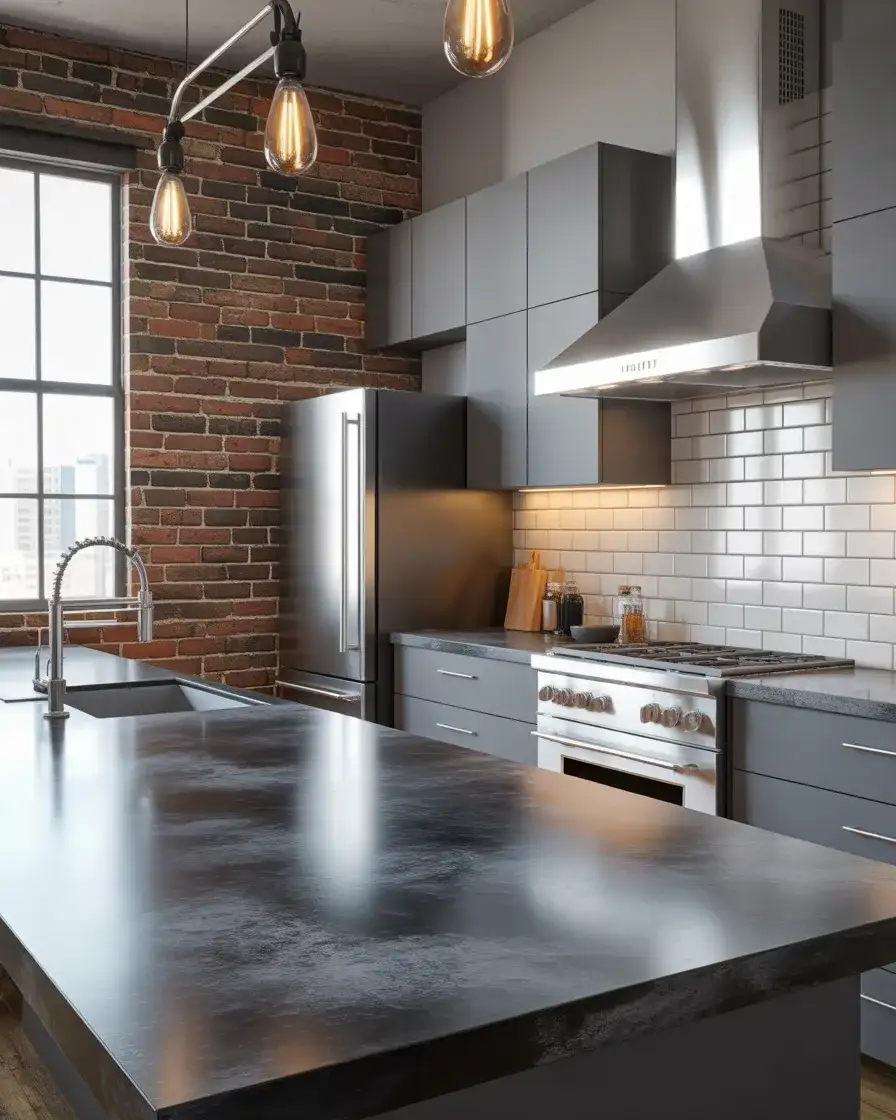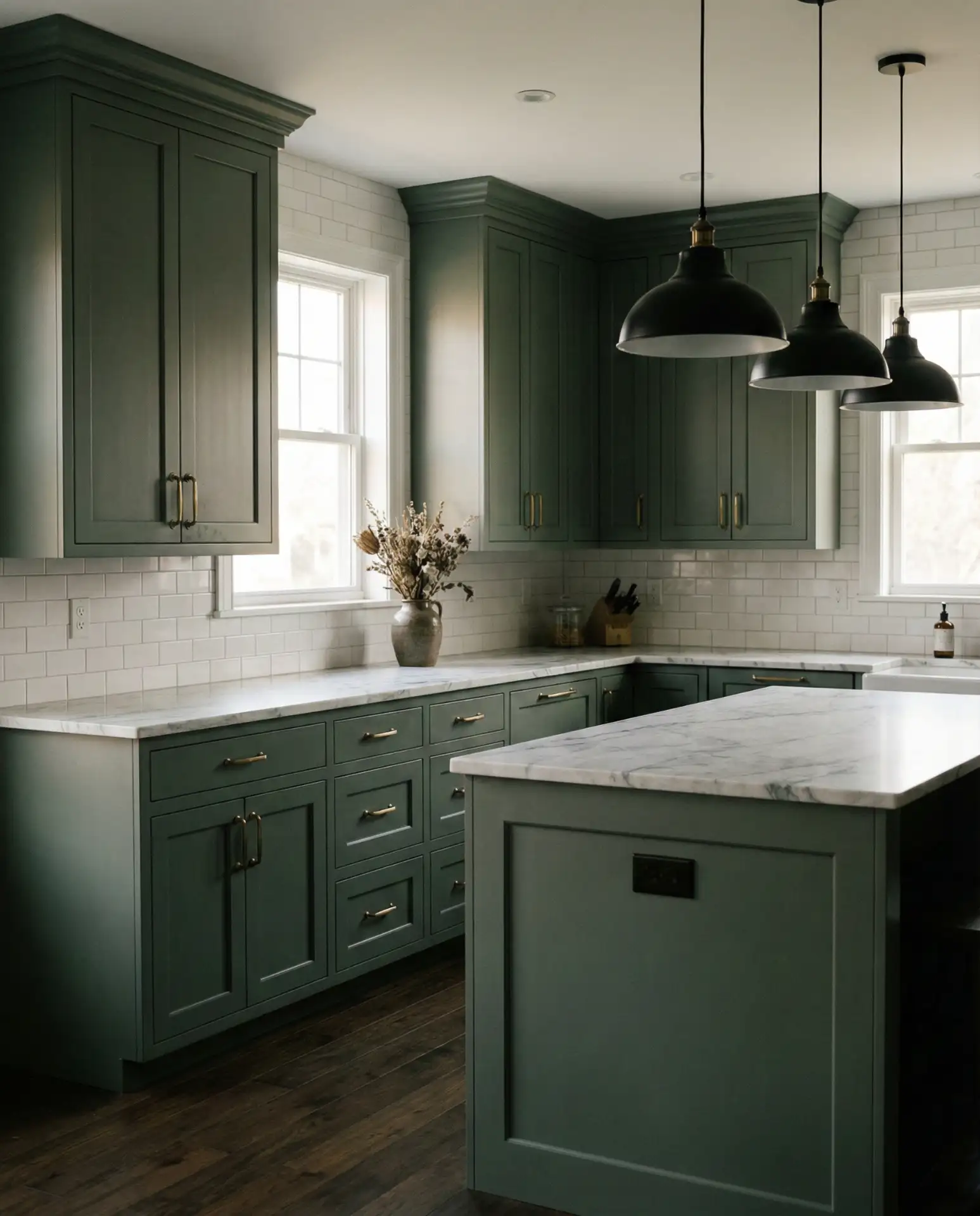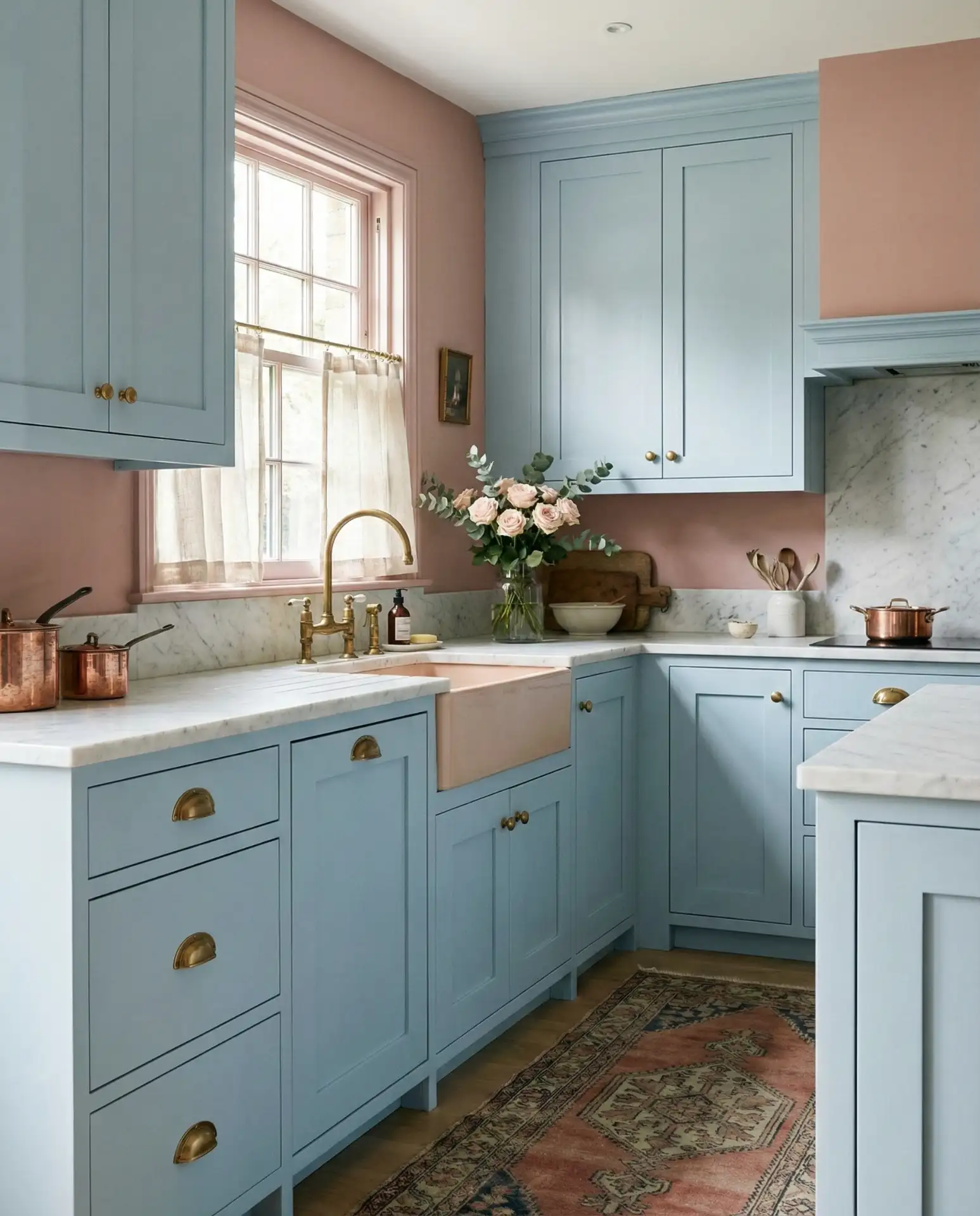
Black and white kitchens have become one of the most searched design trends on Pinterest heading into 2026, and it’s easy to see why. This timeless palette offers endless flexibility—whether you’re drawn to sleek modern minimalism, cozy farmhouse charm, or bold graphic contrast. American homeowners love how black and white creates a clean canvas that works with any accent color, from warm wood tones to vibrant pops of red or green. In this article, you’ll discover fresh ideas that show how to make this classic combination feel fresh, personal, and perfectly suited to your lifestyle.
1. Sleek Black Cabinets with White Countertops
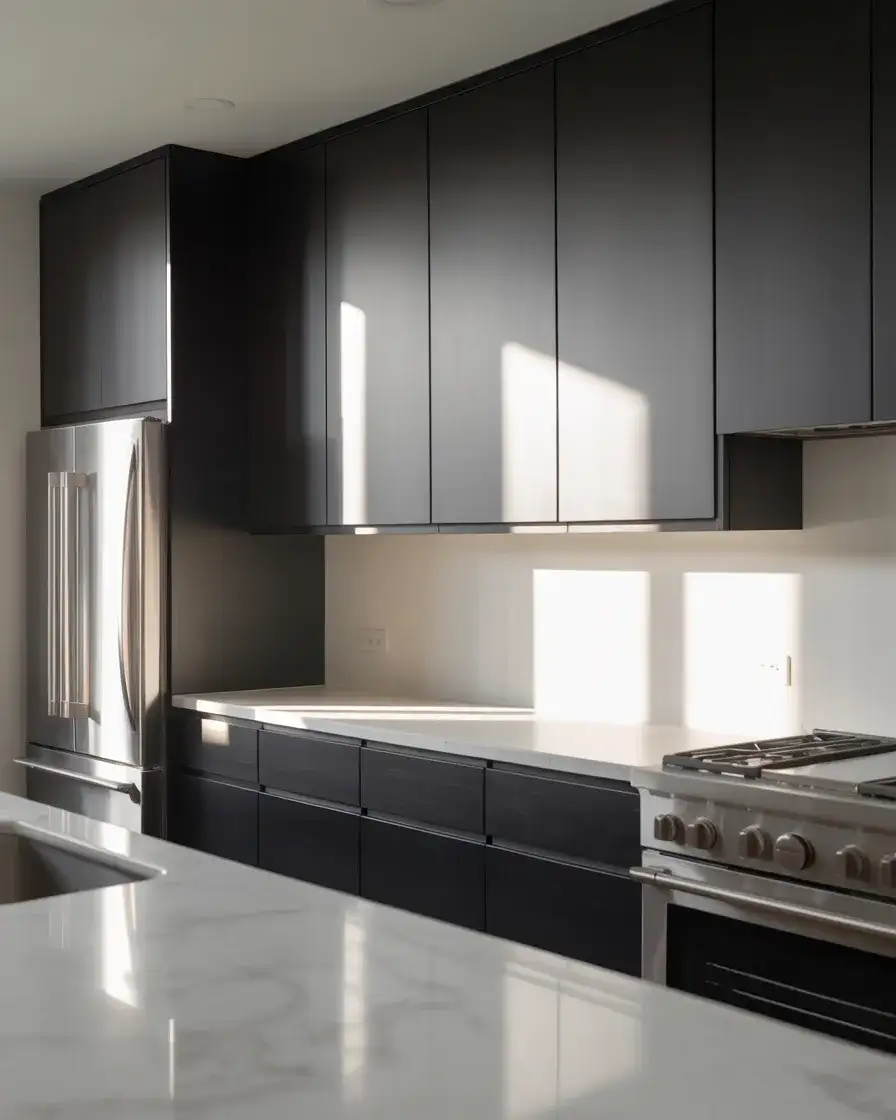
Dark cabinets paired with crisp white countertops create a striking foundation for a modern kitchen that feels both sophisticated and approachable. This combination works beautifully in open-concept spaces where the kitchen flows into the living area, offering visual weight without overwhelming the room. The contrast draws the eye and makes even compact kitchens feel intentional and well-designed.
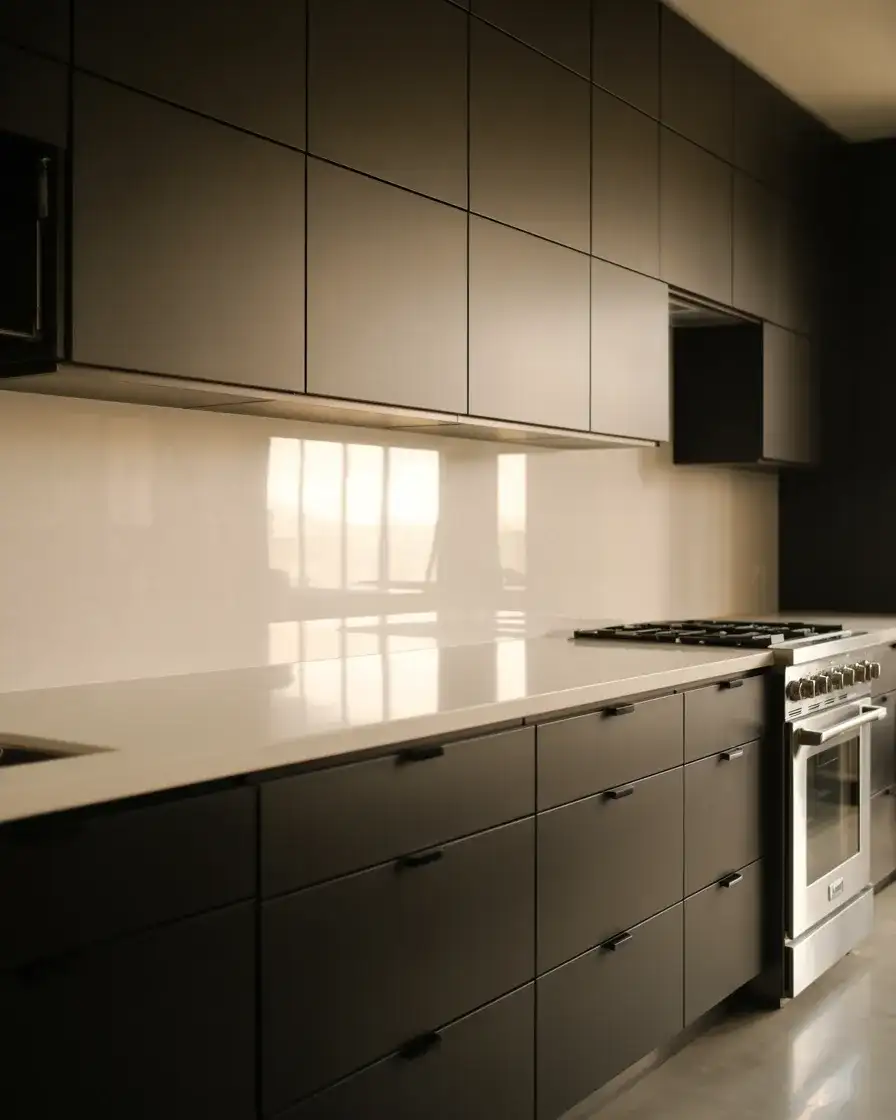
One practical insight: matte black cabinets show fingerprints less than glossy finishes, making them ideal for busy families. Pair them with white marble or quartz to keep the space feeling bright, and add under-cabinet lighting to prevent the darker tones from feeling heavy. This setup also hides wear better than all-white kitchens, which can yellow over time near appliances.
2. White Subway Tile Backsplash with Black Grout
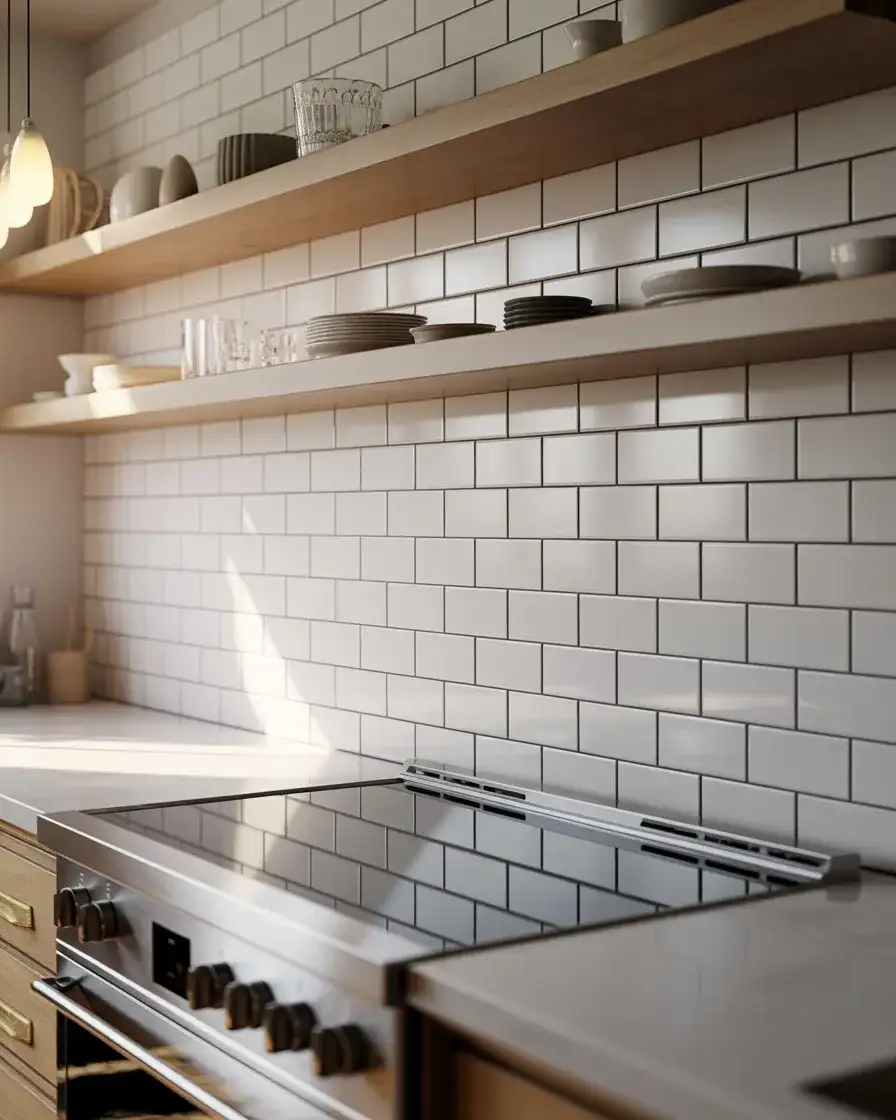
A white subway tile backsplash with black grout has become a Pinterest favorite for good reason—it adds graphic punch without committing to bold color. This backsplash idea works in everything from vintage-inspired kitchens to ultra-modern lofts, and the dark grout lines create a grid pattern that feels both structured and handmade. It’s especially popular in apartments where renters want impact without permanent color.
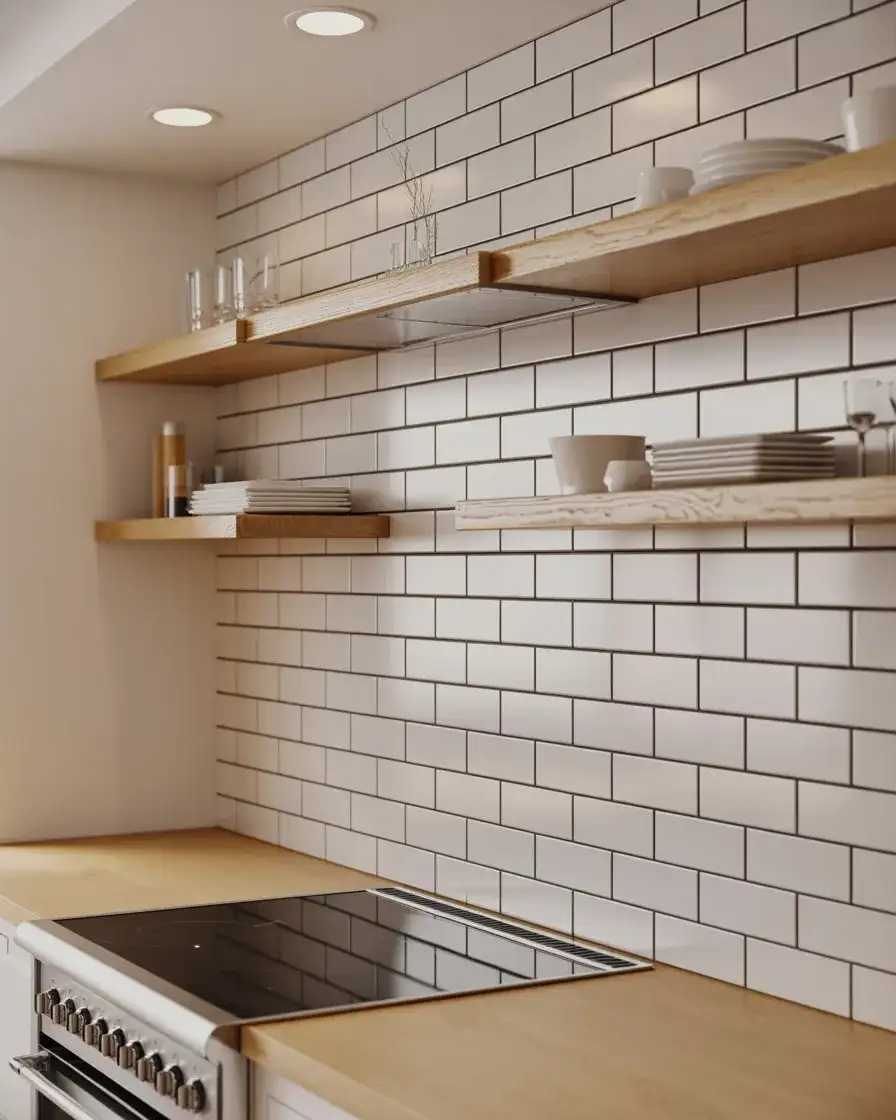
This look works best in kitchens with good natural light, where the contrast can really shine. In the Pacific Northwest, where gray skies dominate, homeowners often choose this combo to add definition without making the space feel too stark. Just be prepared to wipe down the grout regularly—dark lines show splashes more than white, though they’re far easier to keep looking clean over the years.
3. Black and White Checkered Floor Tiles
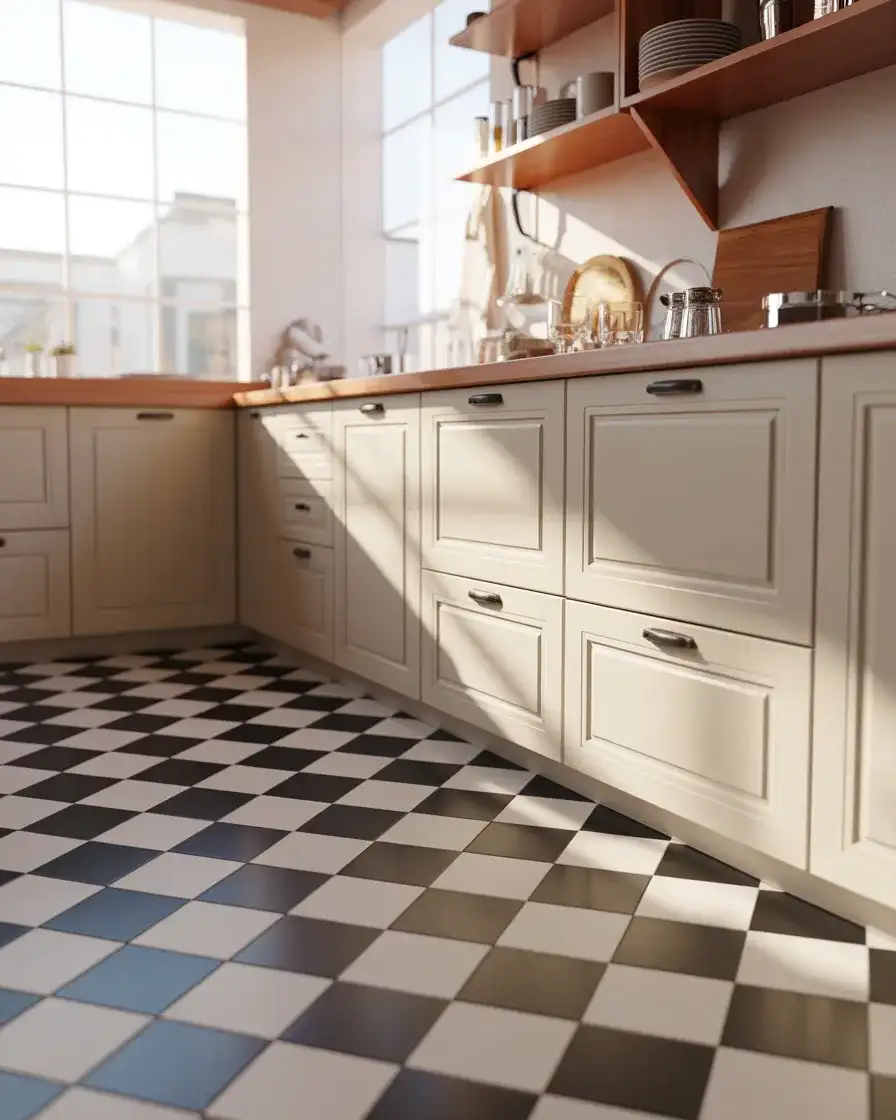
Checkered floor tiles bring instant personality and a nod to vintage diners, yet they feel completely current when styled with modern fixtures. This floor pattern works equally well in small galley kitchens and expansive chef’s spaces, creating visual interest underfoot without competing with cabinetry or decor. The geometric repetition also makes irregular room shapes feel more balanced.
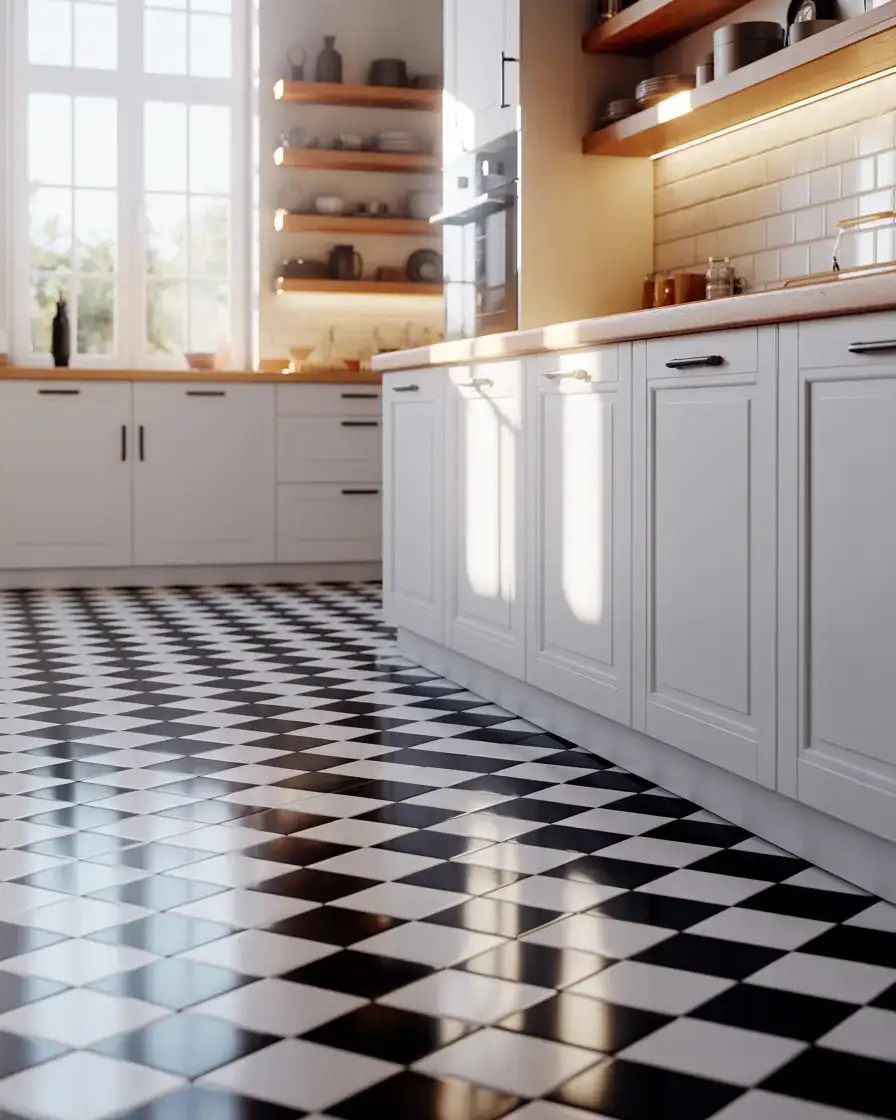
A common mistake is choosing tiles that are too small—12×12 inch squares tend to look cleaner and more modern than tiny 6×6 versions, which can read as dated. If you’re worried about the pattern feeling too busy, run it diagonally instead of straight; this trick elongates the space and feels less predictable. Skip this if you have very young kids who drop food constantly—the grout lines can be tough to keep pristine.
4. White Walls with Black Window Frames
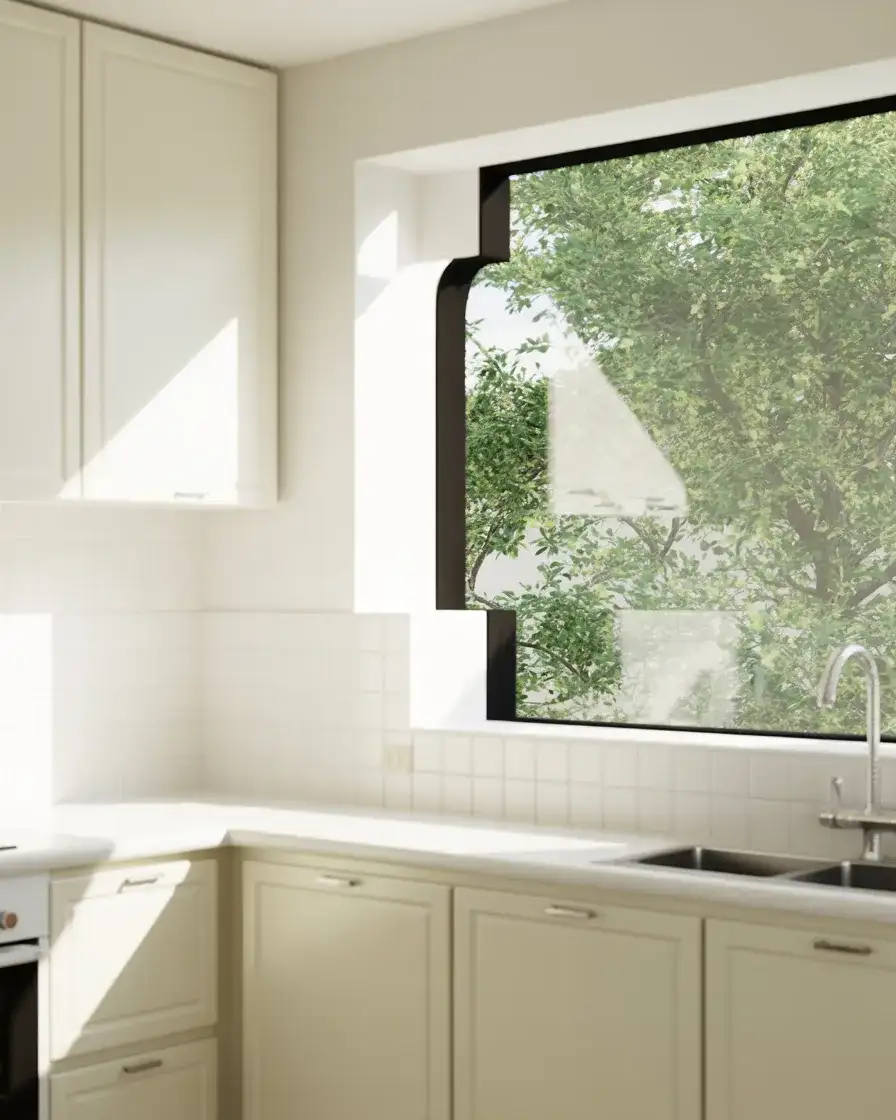
Painting window frames black against white walls has become a signature move in modern American homes, especially in California and Texas, where large windows are common. This simple upgrade defines architectural lines and makes natural light feel more intentional, almost like artwork. It’s an easy DIY project that delivers outsized impact for minimal cost, making it ideal for anyone refreshing their design on a budget.

Most paint stores carry satin or semi-gloss black trim paint for around $35 per gallon, enough for several windows. The key is using painter’s tape carefully and applying thin coats to avoid drips. This detail pairs beautifully with black cabinet hardware or light fixtures, tying the whole room together without requiring a full renovation.
5. Marble Island with Black Metal Stools
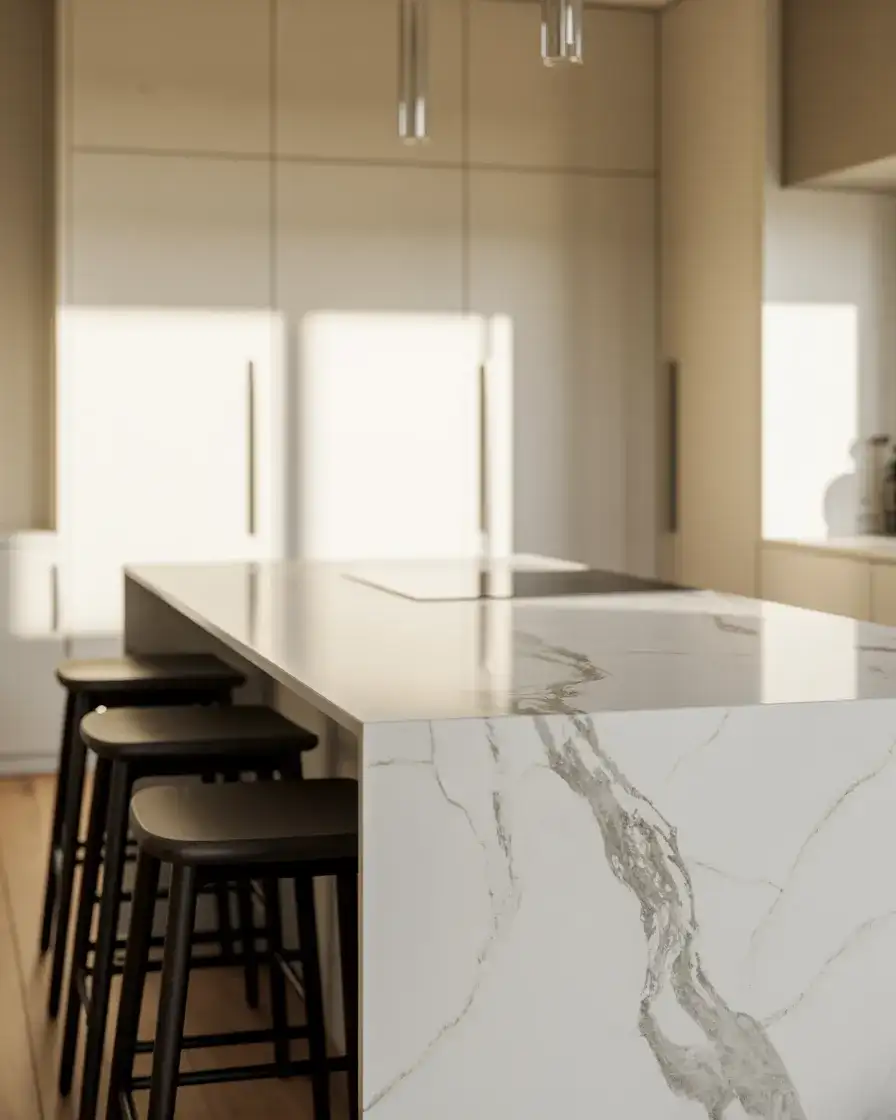
A marble-topped island anchored by black metal stools creates a focal point that’s both functional and beautiful. The veining in the marble adds organic movement to the strict black-and-white palette, while the industrial-style seating keeps the look from feeling too precious. This combo is especially popular in renovated brownstones and loft conversions, where mixing materials feels natural.
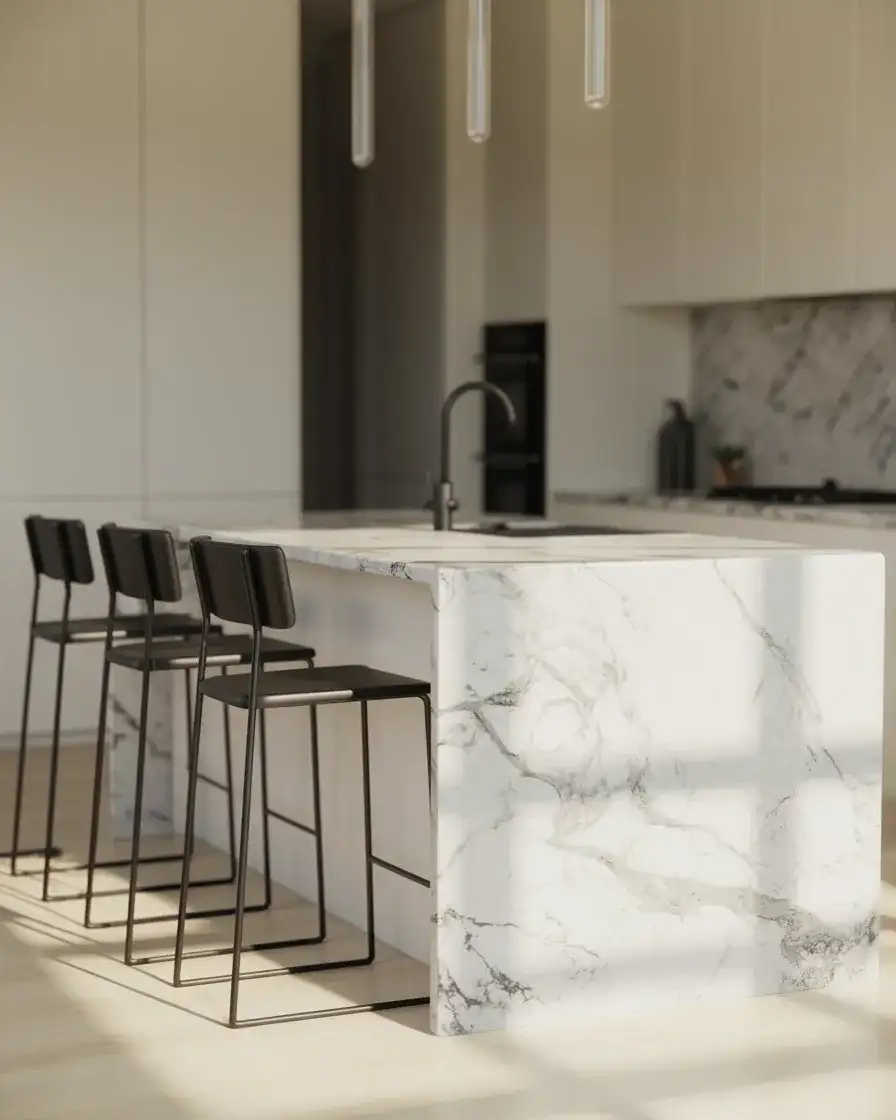
In the Midwest, where open-plan living is standard, homeowners often position their island to face the family room, turning it into a natural gathering spot during football Sundays or holiday baking sessions. The marble stays cool for rolling dough, and the metal stools wipe clean easily after messy snacks. Just seal the marble properly—acidic spills from coffee or citrus can etch the surface if left untreated.
6. Black Pendant Lights Over White Counters
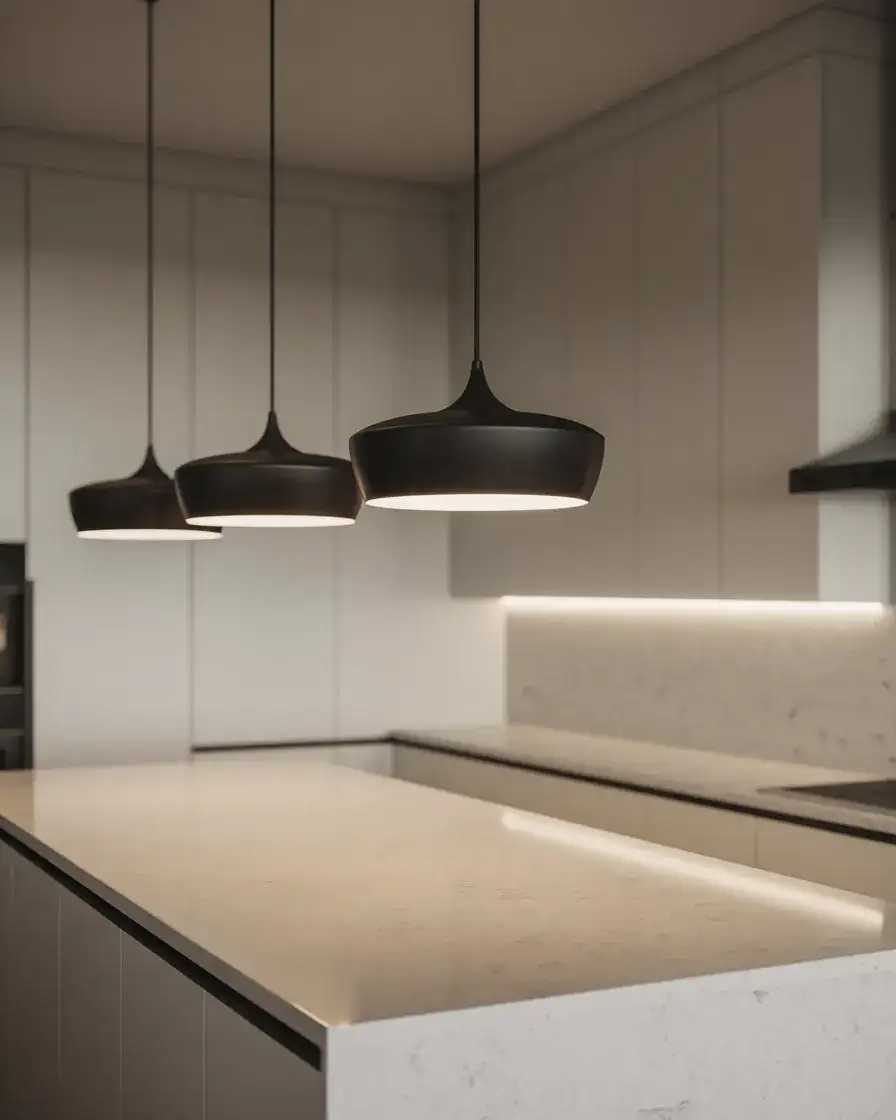
Hanging black pendant lights above a white counter or island draws the eye upward and adds architectural interest to what might otherwise be a flat space. This lighting choice works beautifully in modern interior design minimalist kitchens where every element needs to earn its place. The fixtures become functional sculptures, especially when you choose globe, cone, or geometric shapes that cast interesting shadows.
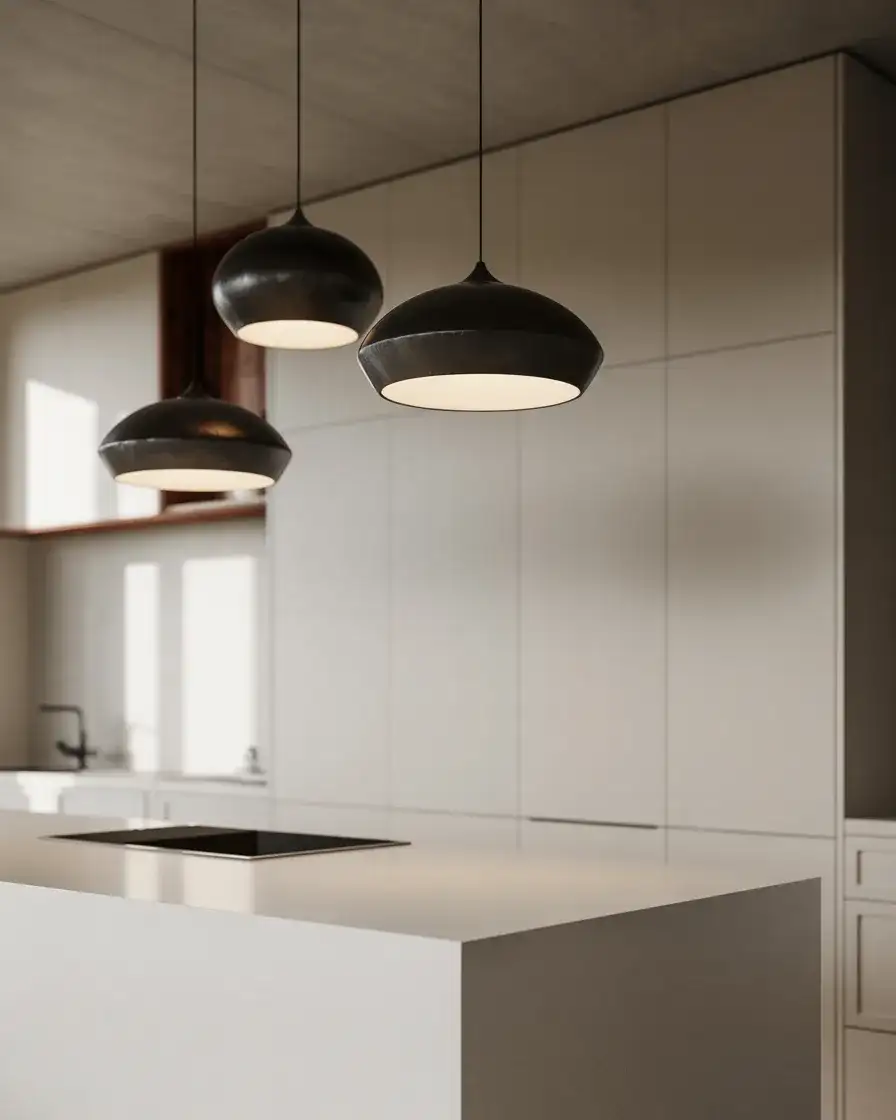
A designer friend mentioned that her clients often overlook the importance of scale—pendants should hang 30-36 inches above the counter to provide good task lighting without blocking sightlines across the room. In kitchens with 8-foot ceilings, smaller fixtures work better than oversized statement pieces that can make the space feel crowded. Dimmer switches are essential here; you’ll want bright light for meal prep and a softer ambiance for dinner parties.
7. White Shaker Cabinets with Black Hardware
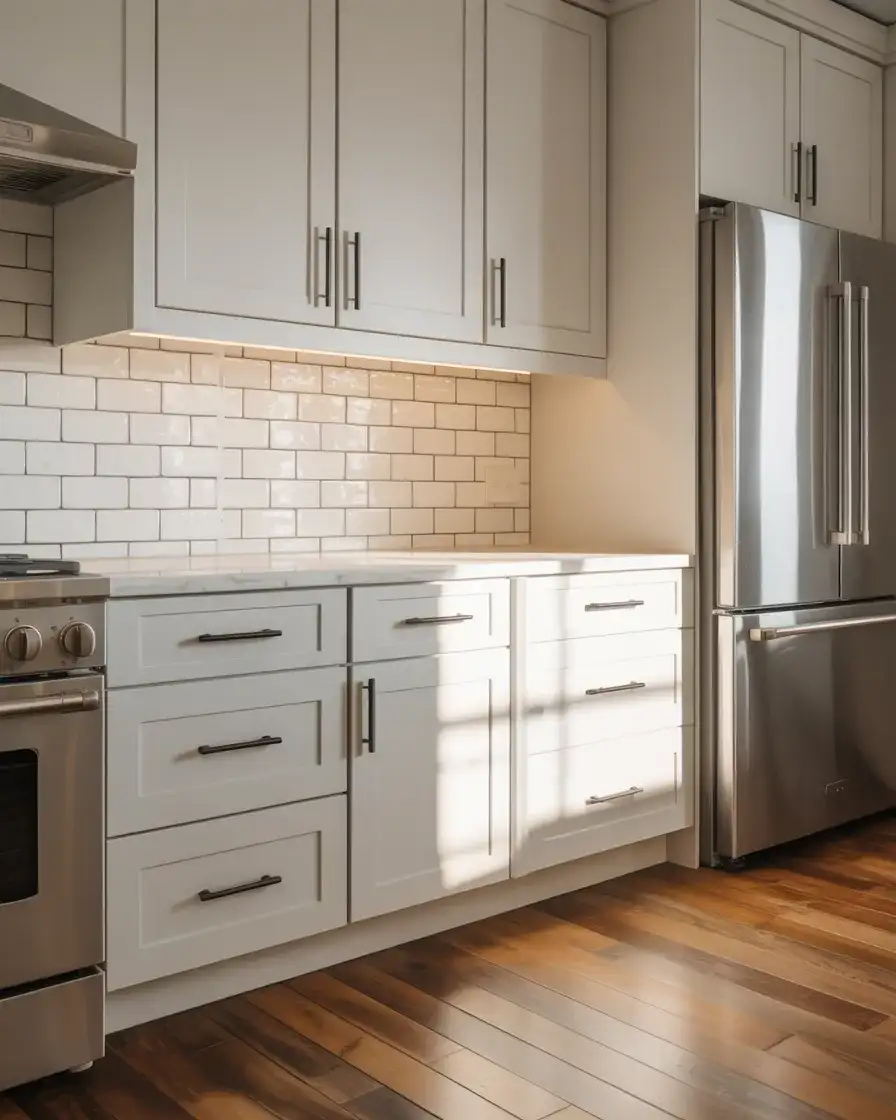
White shaker cabinets remain the most popular choice in American kitchens, and swapping standard silver hardware for matte black handles instantly updates the look without a full remodel. The clean lines of shaker doors provide a neutral backdrop that works with farmhouse, transitional, or contemporary styles. Black hardware also hides fingerprints better than chrome or brass, a practical consideration for families with kids.
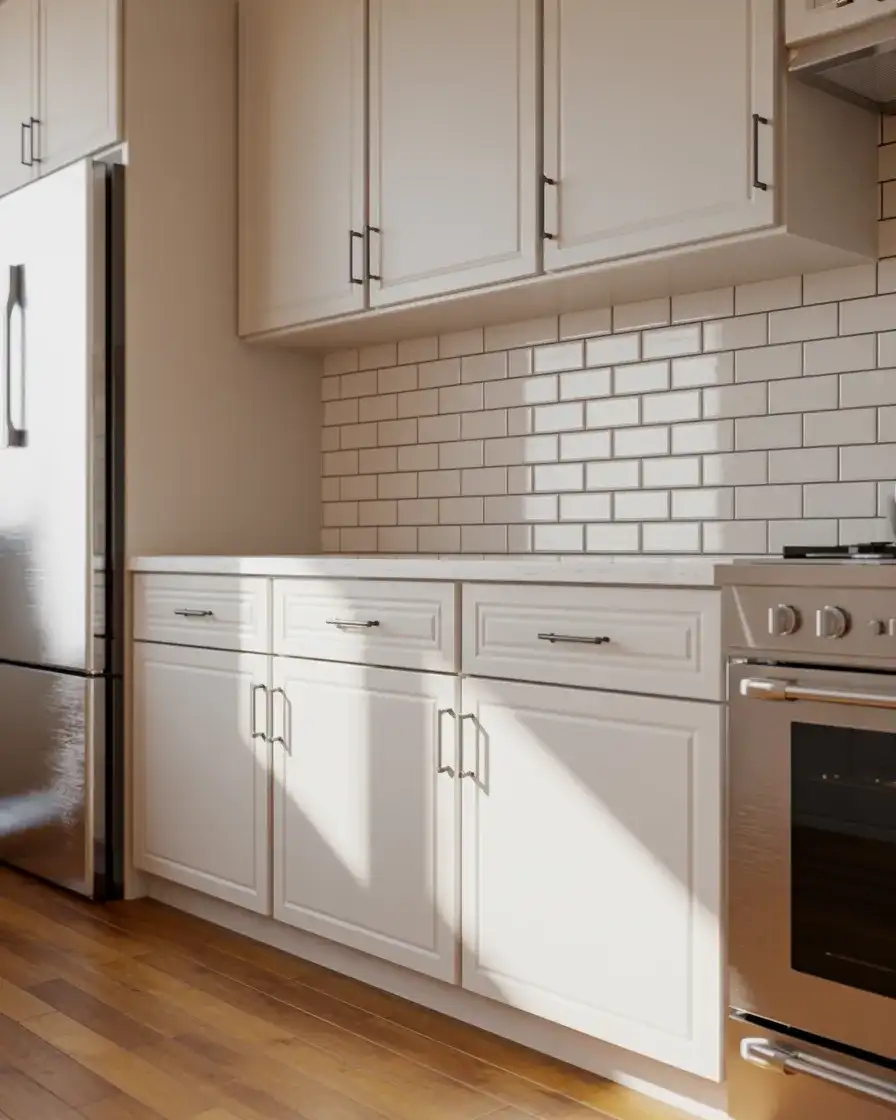
This is one of those upgrades you can tackle in a weekend for under $200 if you do it yourself. Hardware stores sell black pulls and knobs in bulk, and installation just requires a drill and a steady hand. The transformation is immediate—suddenly your builder-grade kitchen feels custom and considered. Just measure your existing hardware spacing before buying to avoid extra drilling.
8. Black Range Hood Against White Walls
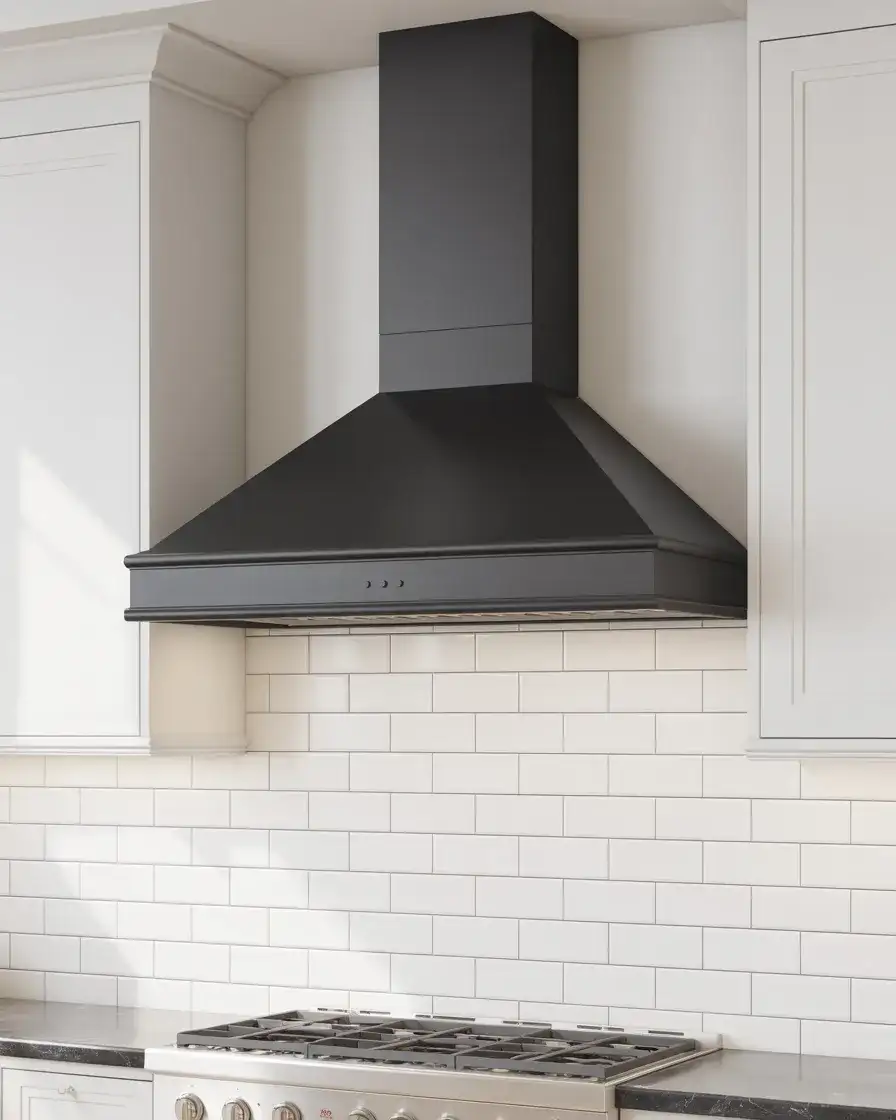
A black range hood becomes the centerpiece of the kitchen when everything else is white, creating a bold focal point above the stove. This works especially well in modern or industrial-inspired spaces where the hood’s geometry adds visual weight without color. Whether you choose a sleek chimney style or a custom built-out design, the black finish grounds the room and makes cooking feel more intentional.
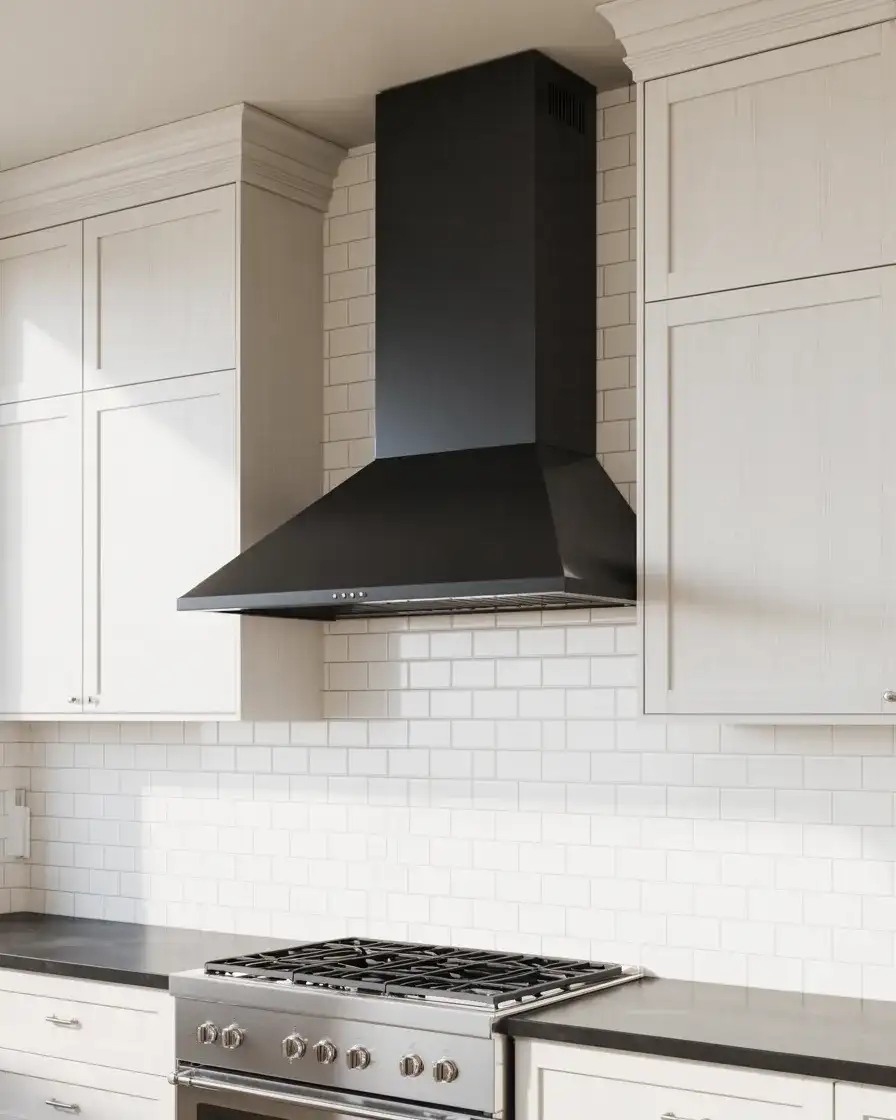
Hoods in the $800-1500 range often come in black powder-coat finishes that resist heat and grease better than paint. If you’re in a humid climate like Florida or Louisiana, make sure yours is properly vented to the outside—recirculating models don’t handle the moisture and cooking smells as effectively. The black surface does show dust, so keep a microfiber cloth handy for quick wipe-downs between deep cleans.
9. Two-Tone Cabinets: White Upper, Black Lower

The two-tone approach—white upper cabinets and black lowers—has become a signature look in modern interior design, offering visual balance and preventing either color from overwhelming the room. The white uppers keep the ceiling from feeling low, while the darker base cabinets hide wear and add sophisticated grounding. This split also makes smaller kitchens feel taller by drawing the eye upward.

Where this works best: in kitchens with 9-foot ceilings or higher, where you have room to appreciate the color transition. In standard 8-foot spaces, the division can sometimes feel choppy, so consider extending the white uppers closer to the ceiling or using open shelving instead. This layout is also ideal for homeowners who love the black-and-white look but worry that all-dark cabinets might feel too heavy for daily life.
10. Black Farmhouse Sink with White Counters
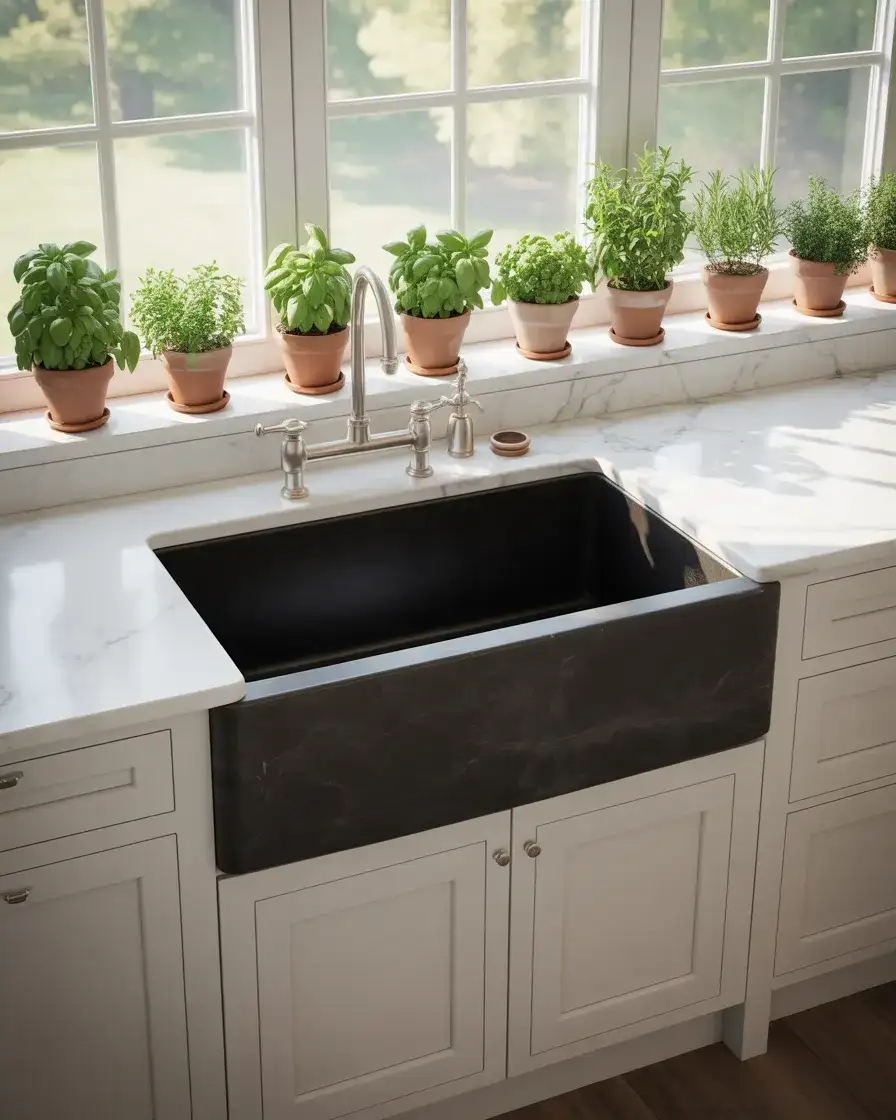
A black farmhouse sink set into white countertops bridges traditional and modern styles effortlessly, offering the warmth of a classic apron-front design with contemporary edge. This choice is particularly stunning in kitchens with wood accent elements, where the black anchors the lighter tones and prevents the space from feeling too washed out. The deep basin is practical for washing large pots and baking sheets.
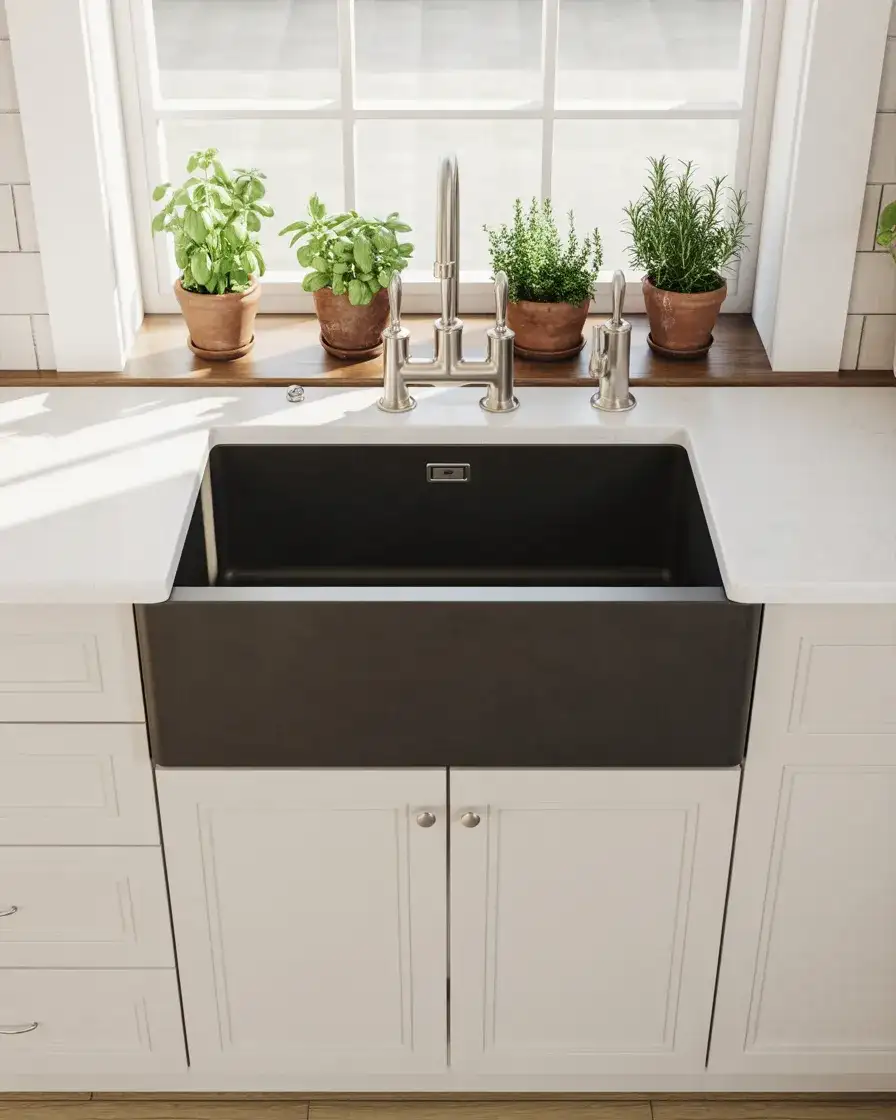
Expert tip: black composite sinks (around $300-500) resist scratches and stains far better than white porcelain, which can chip and show every mark. They’re also quieter when you’re running the disposal or rinsing dishes, absorbing sound rather than amplifying it. If you’re worried about water spots, a quick daily wipe with a dry towel keeps the surface looking pristine—no harsher than maintaining stainless steel.
11. White Open Shelving with Black Brackets
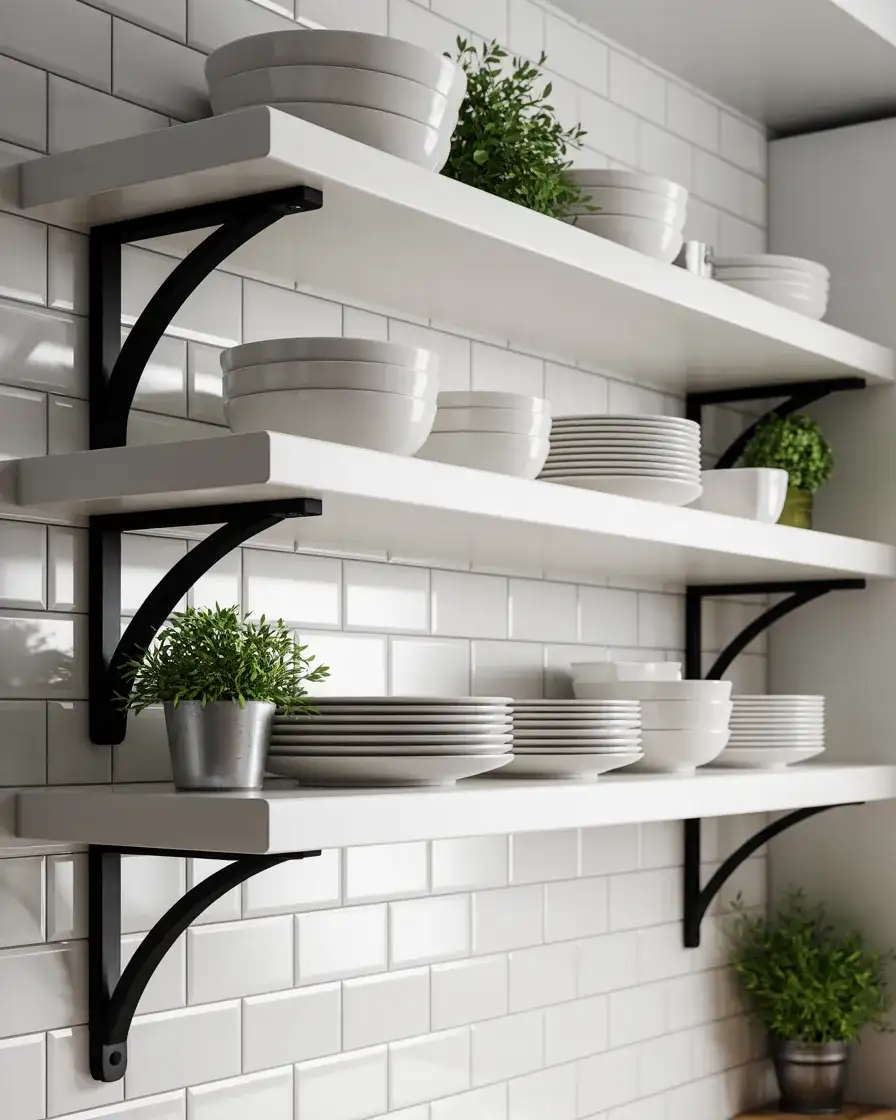
Open shelving supported by black metal brackets offers an airy alternative to upper cabinets, letting you display dishes, glassware, and decor ideas that reinforce your black-and-white theme. This works particularly well in smaller kitchens or apartments where traditional cabinets can feel heavy. The black brackets add industrial charm while keeping the overall look light and accessible.
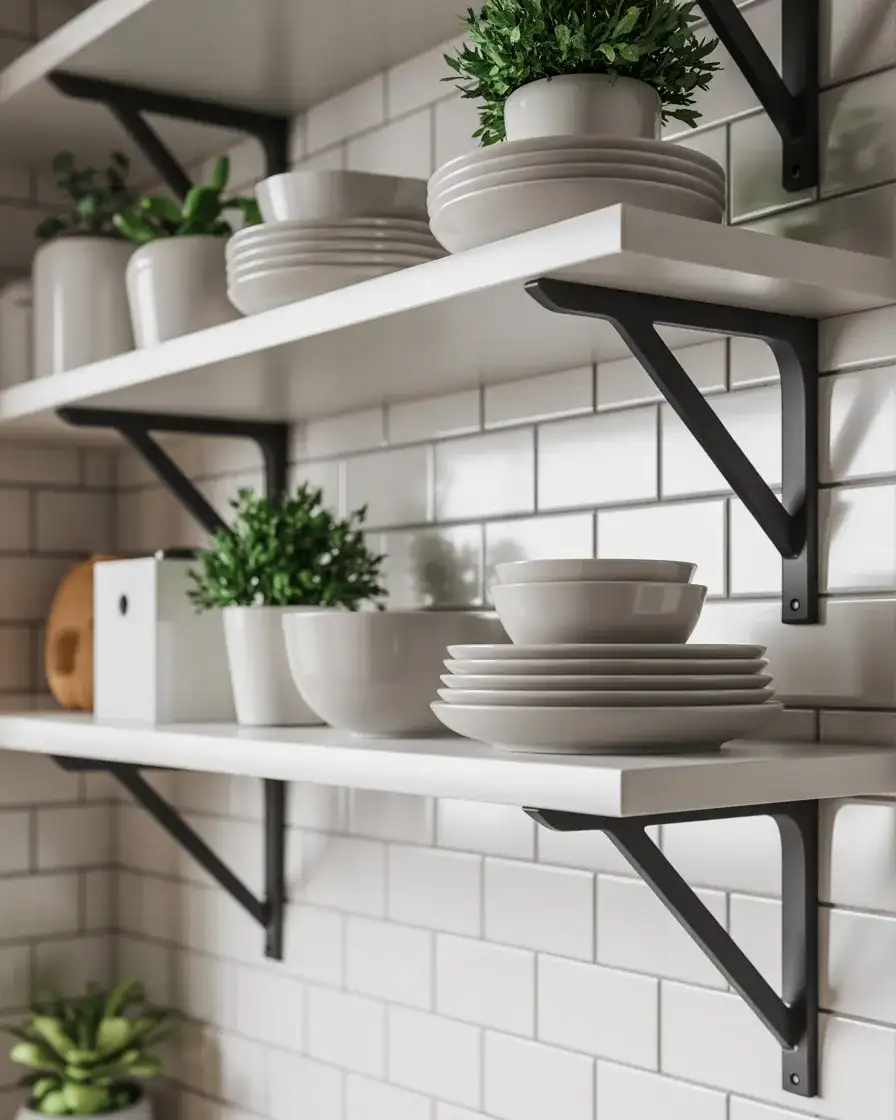
Real homeowner insight: if you’re not naturally tidy, open shelving can quickly look cluttered. Most people find it works best when they limit it to one wall and use matching dishware to create visual cohesion. A friend who installed it in her Seattle apartment keeps everyday mugs and plates on display but hides mismatched storage containers in a pantry cabinet. The system works because it’s intentional, not just convenient.
12. Black and White Geometric Backsplash
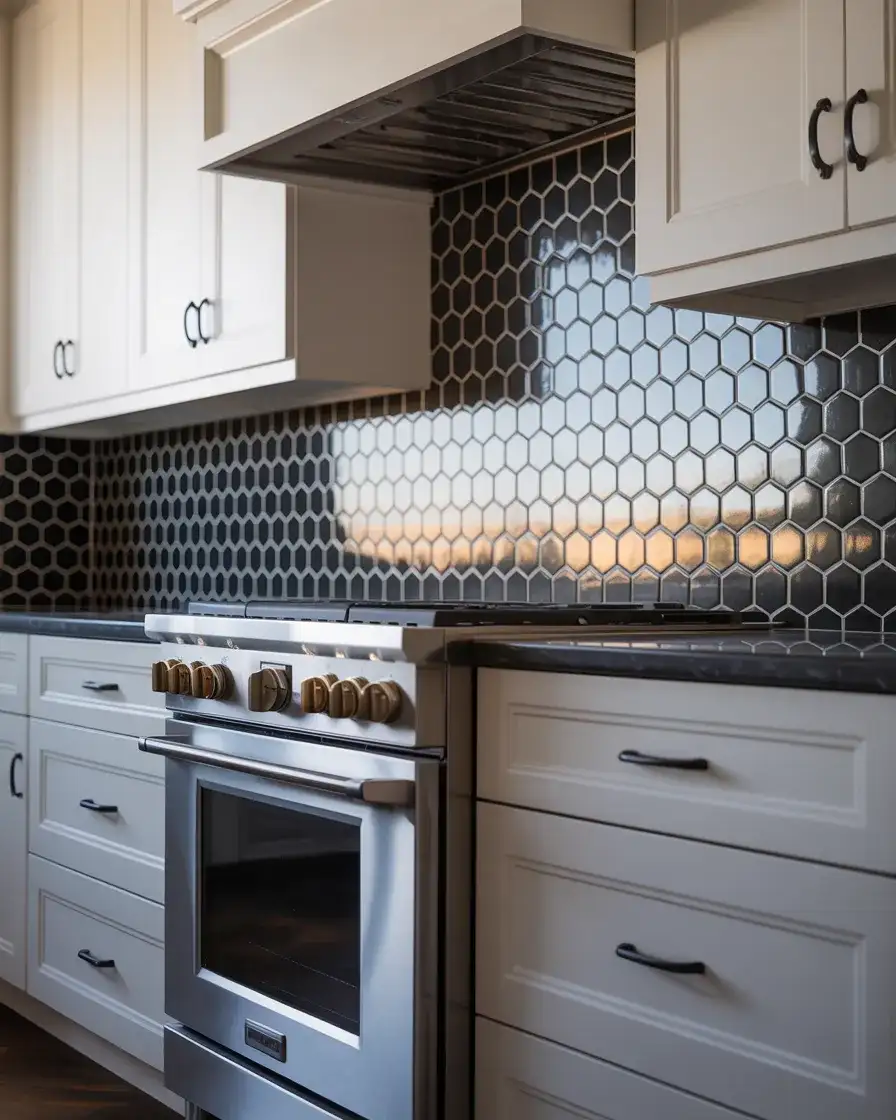
A geometric backsplash in black and white—think hexagons, herringbone, or Moroccan patterns—transforms a functional surface into an art piece. This backsplash idea adds texture and movement without introducing color, making it perfect for minimalists who still want personality. The pattern can make a small kitchen feel larger by drawing the eye across the wall rather than stopping at cabinetry lines.
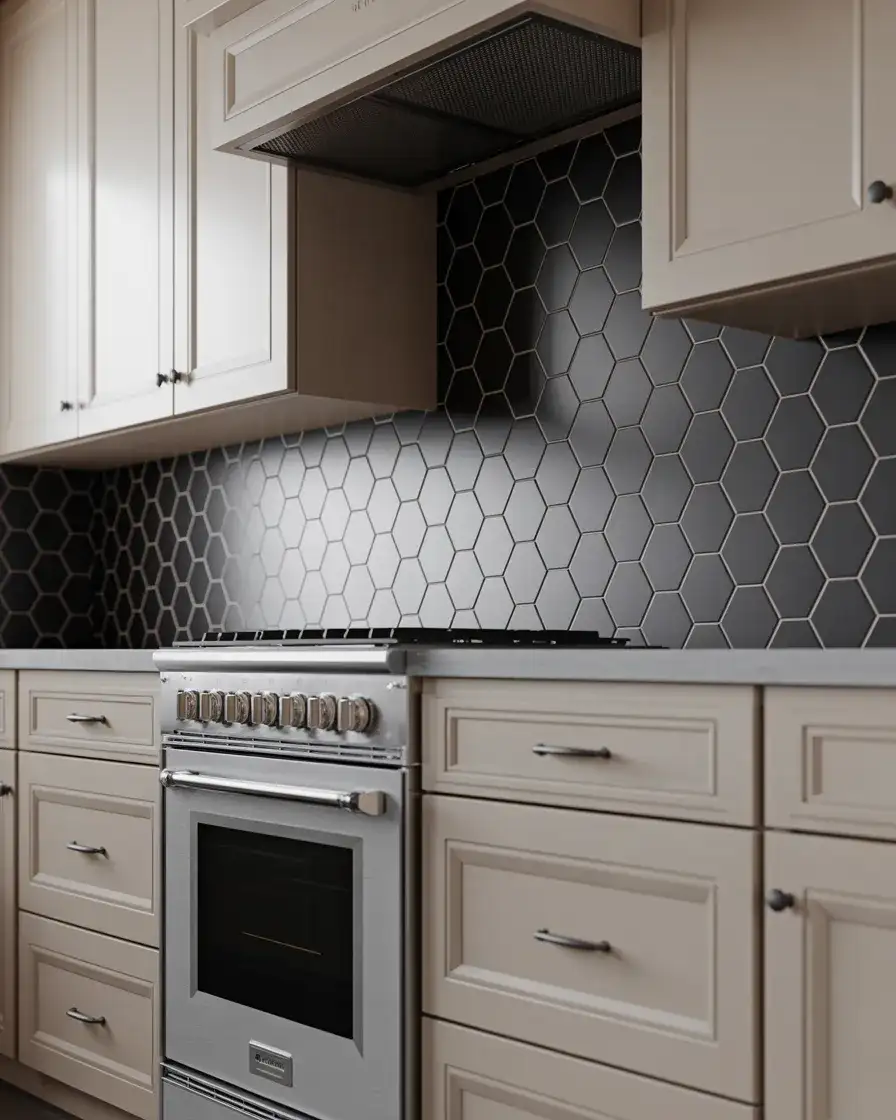
Budget-conscious homeowners can find peel-and-stick geometric tiles for around $25-40 per panel at home improvement stores, making this a renter-friendly upgrade. The adhesive holds well on smooth surfaces and can be removed without damaging walls when you move. Permanent installations cost more but last decades—just make sure your tile setter has experience with pattern alignment, as even a slight misalignment becomes obvious with geometric designs.
13. White Kitchen Table with Black Chairs
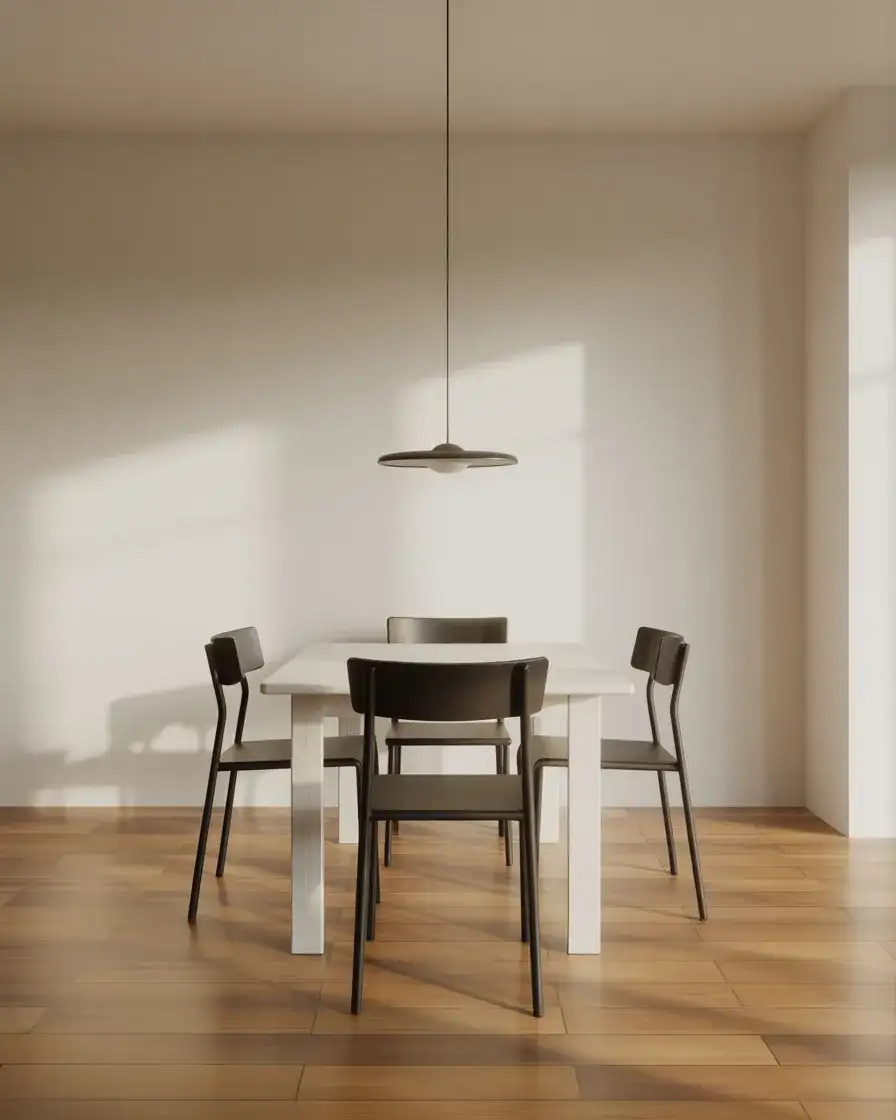
A white table paired with black chairs creates a casual dining area that echoes the kitchen’s palette while feeling relaxed and inviting. This combination is endlessly versatile—you can mix chair styles, add cushions for a pop of color decor, or keep everything sleek and minimal. In open-concept homes, matching the dining zone to the kitchen helps unify the space without making it feel matchy or forced.
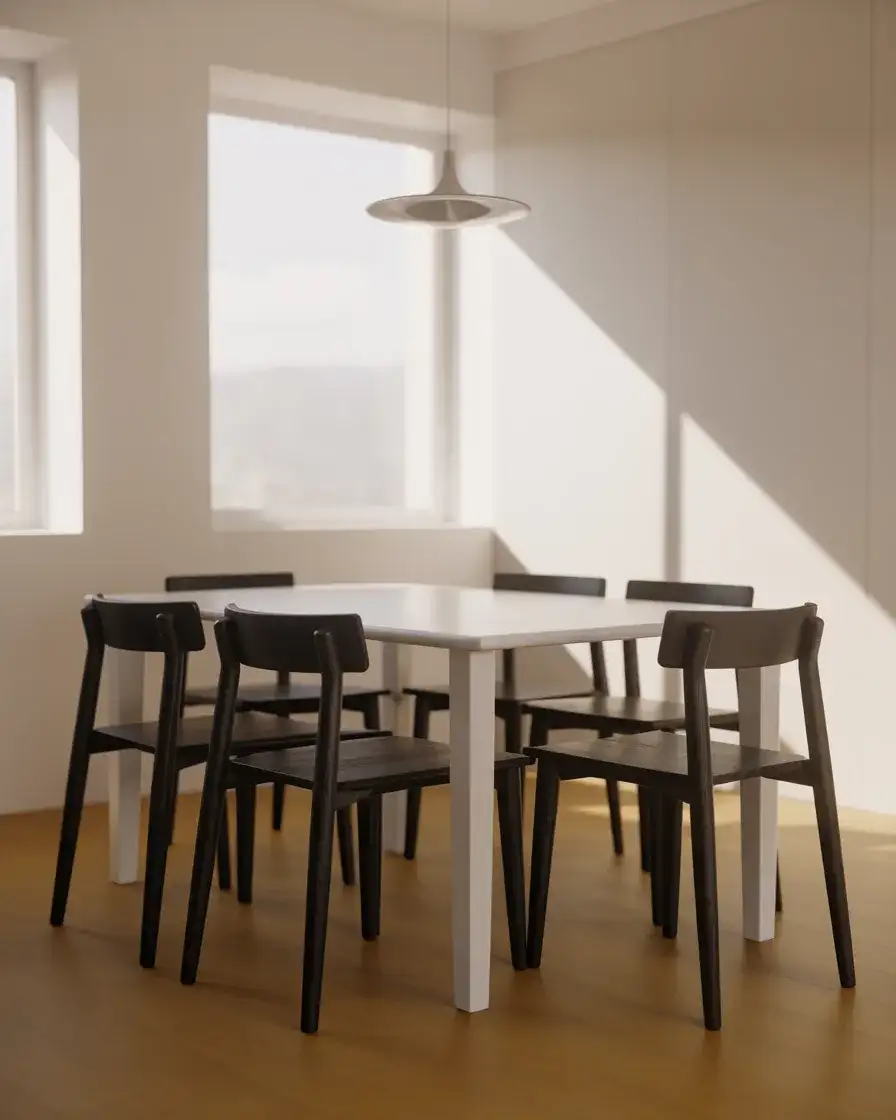
Common mistake: choosing a high-gloss white table that shows every smudge and crumb. A matte or satin finish hides daily wear much better, especially if you have kids. In the South, where sweet tea and barbecue sauce are kitchen staples, homeowners often opt for sealed wood painted white or laminate surfaces that wipe clean instantly. The black chairs hide scuffs from shoes and backpacks, keeping the look fresh with minimal upkeep.
14. Black Appliances with White Cabinets
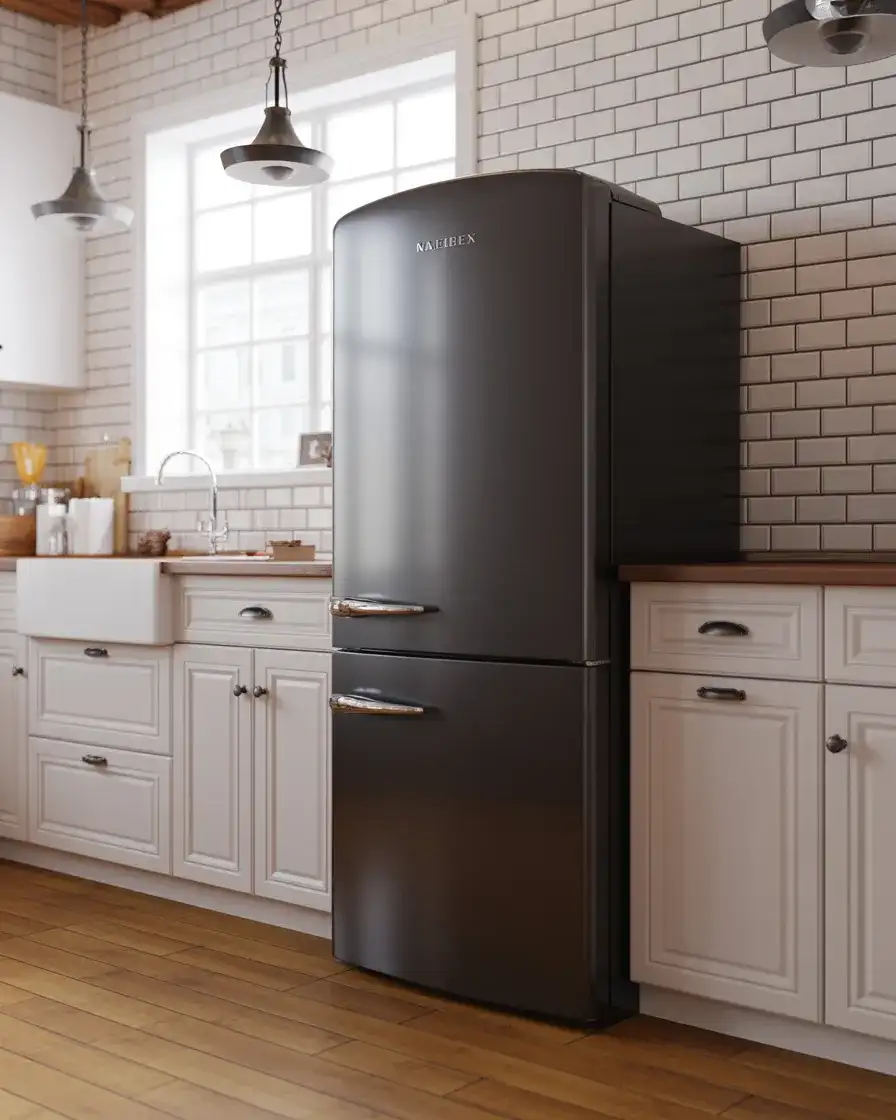
Black appliances against white cabinets offer a modern alternative to stainless steel, and they’re making a comeback as manufacturers introduce matte black finishes that resist fingerprints. This combination works especially well in modern interior design minimalist kitchens where the appliances blend into the design rather than standing out. The black anchors the space and complements black hardware or lighting fixtures.
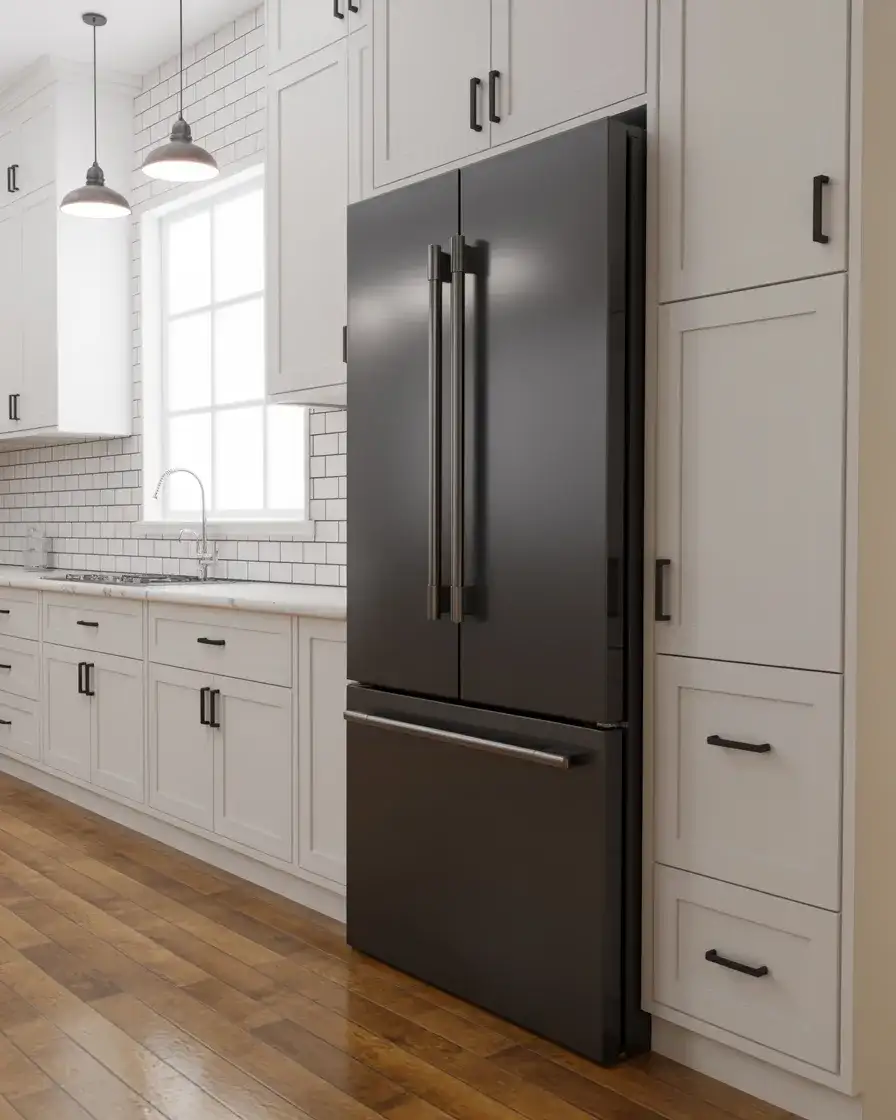
Across the Midwest and New England, where many homes have older appliances, homeowners are discovering that black models cost roughly the same as stainless but create a more cohesive look with trending black fixtures. The matte finishes (from brands like GE, Samsung, and LG) are easier to keep clean than glossy black or stainless steel, needing just a damp cloth rather than specialized cleaners. Just avoid mixing finishes—commit to matte black across all appliances for a pulled-together appearance.
15. White Walls with Black Floating Shelves
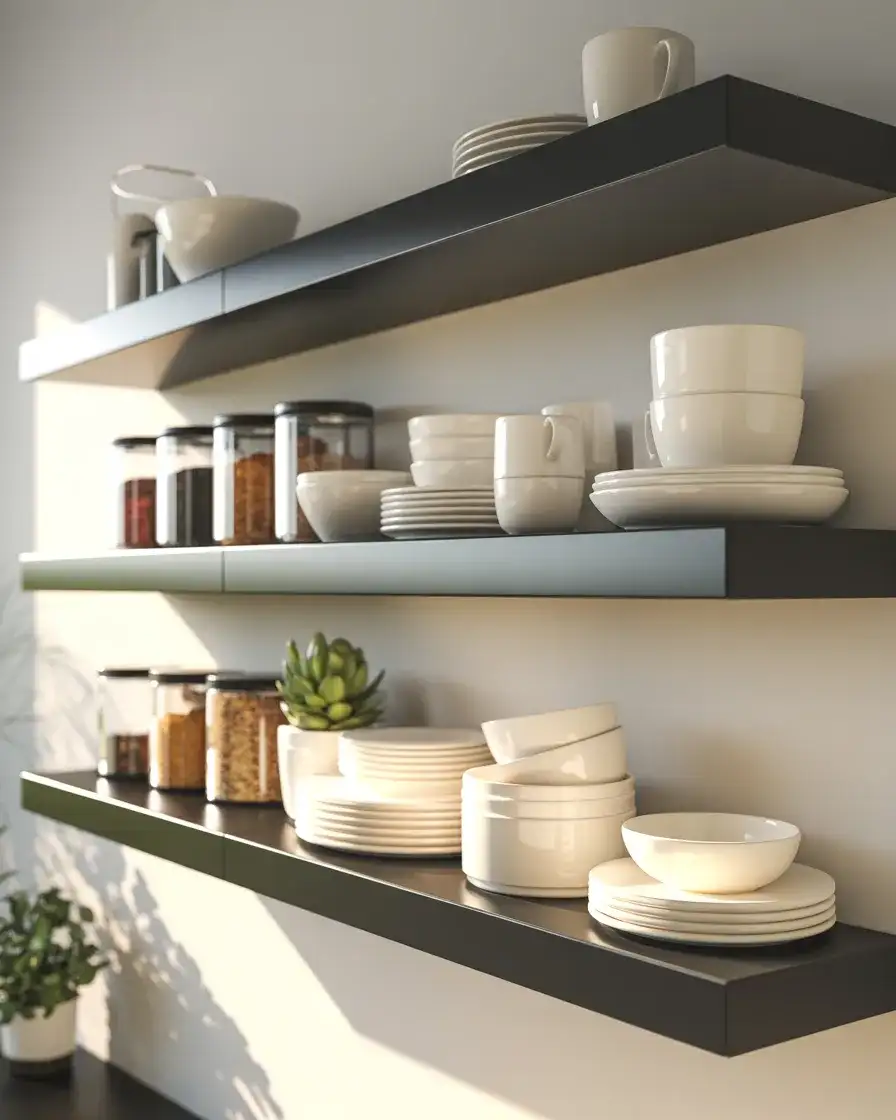
Black floating shelves against white walls provide display space for accessories and everyday items without the visual weight of full cabinetry. This approach is popular in modern and Scandinavian-inspired kitchens where simplicity and function intersect. The dark shelves create horizontal lines that make walls appear wider, especially helpful in narrow galley layouts or small apartments.
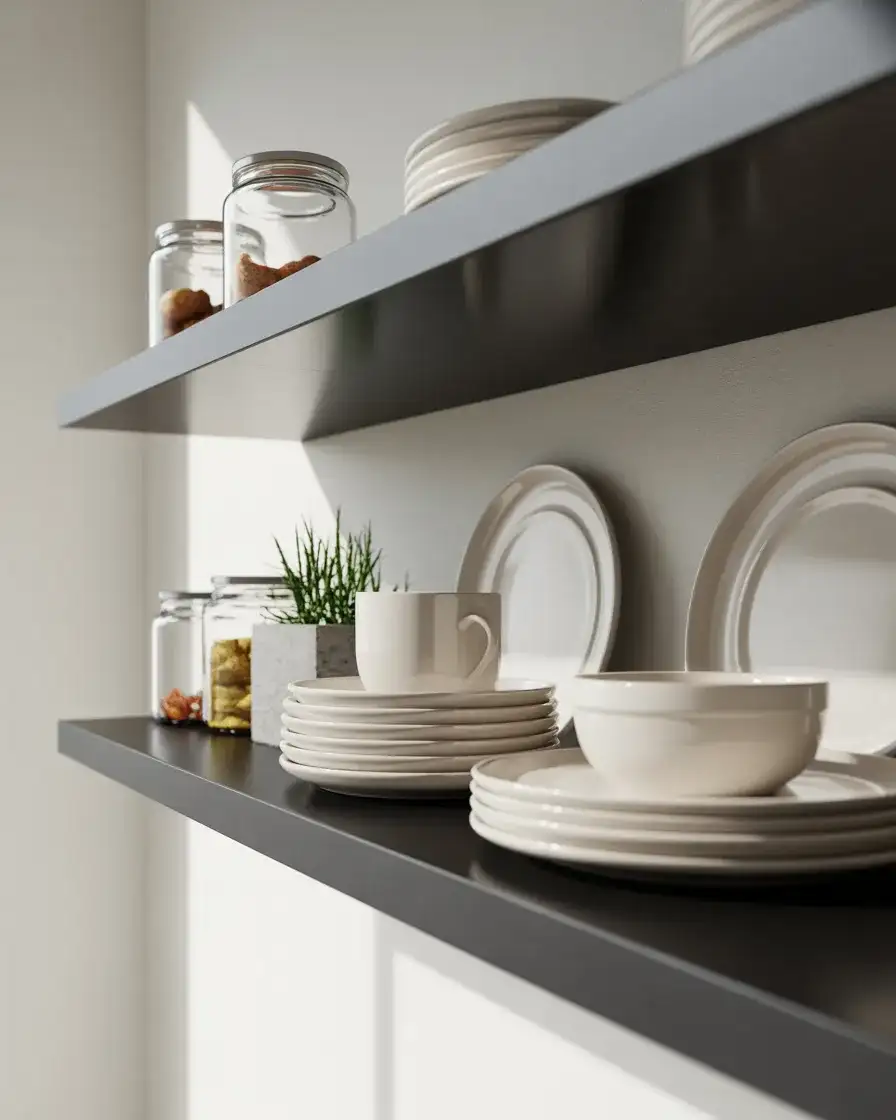
Installation is straightforward for DIYers: most floating shelves come with hidden mounting brackets that can support 50-75 pounds when anchored into studs. Price ranges from $30 to $80 per shelf depending on length and material. The key is keeping what you display intentional—group items in odd numbers, mix heights, and leave breathing room between objects so the shelf doesn’t look overcrowded. This detail works year-round and adapts easily to seasonal decor swaps.
16. Black Bar Cart with White Bottles and Glassware
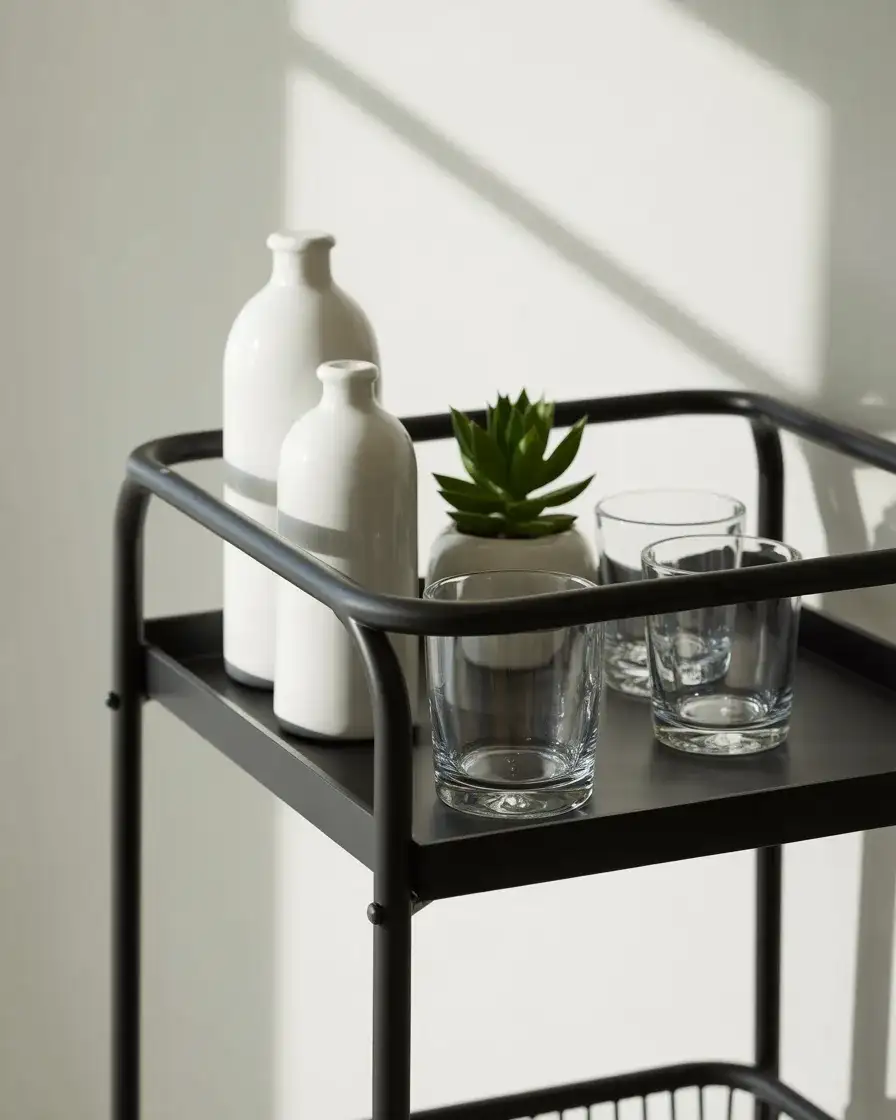
A black bar cart styled with white ceramic bottles, clear glassware, and minimal decor extends your kitchen’s aesthetic into adjacent spaces while adding mobile functionality. This piece works beautifully in open-plan homes where the kitchen flows into the dining or living area, offering extra surface space for serving drinks or staging appetizers during gatherings. The wheels make it easy to roll out of the way when not in use.
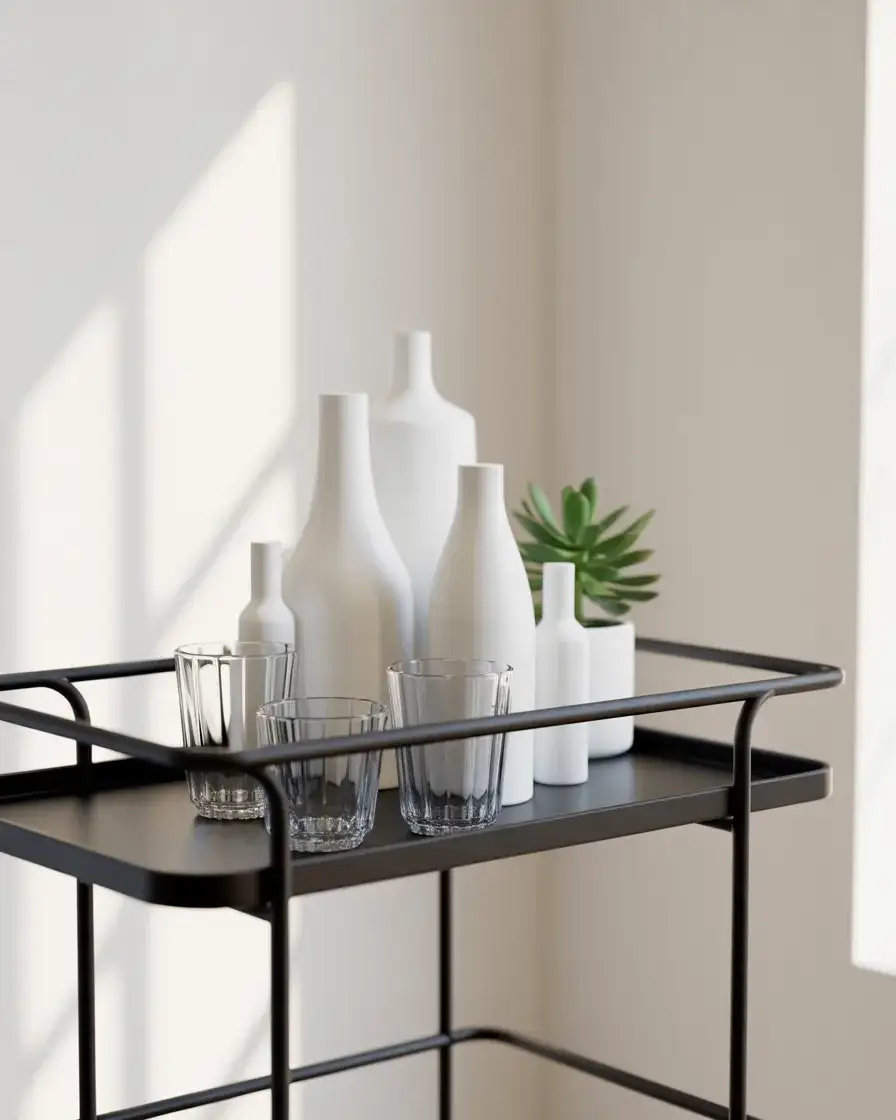
My neighbor uses hers not just for drinks but as a coffee station—she wheels it out for weekend brunches with a French press, mugs, and cream in white pitchers. The mobility means it can live in a corner of the kitchen or slide into the dining area depending on the occasion. Look for carts with locking wheels if you have hardwood floors; the brake keeps it stable when you’re pouring or reaching for items on the lower shelf.
17. White Quartz with Bold Black Veining
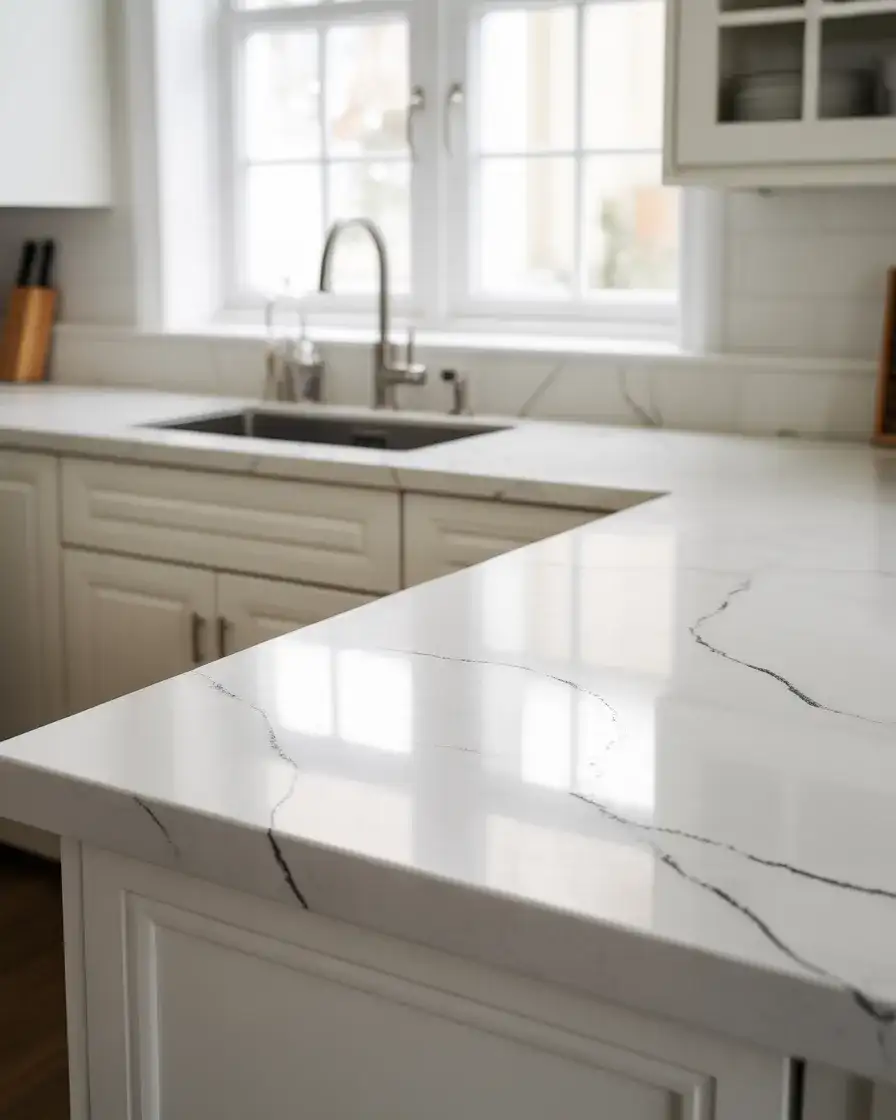
White quartz countertops with dramatic black veining bring the contrast directly to your work surface, mimicking the look of natural marble without the maintenance headaches. This material choice is surging in popularity because it ties together black and white elements throughout the room while remaining completely practical. The veining adds organic movement that softens the geometric lines of cabinetry and appliances.
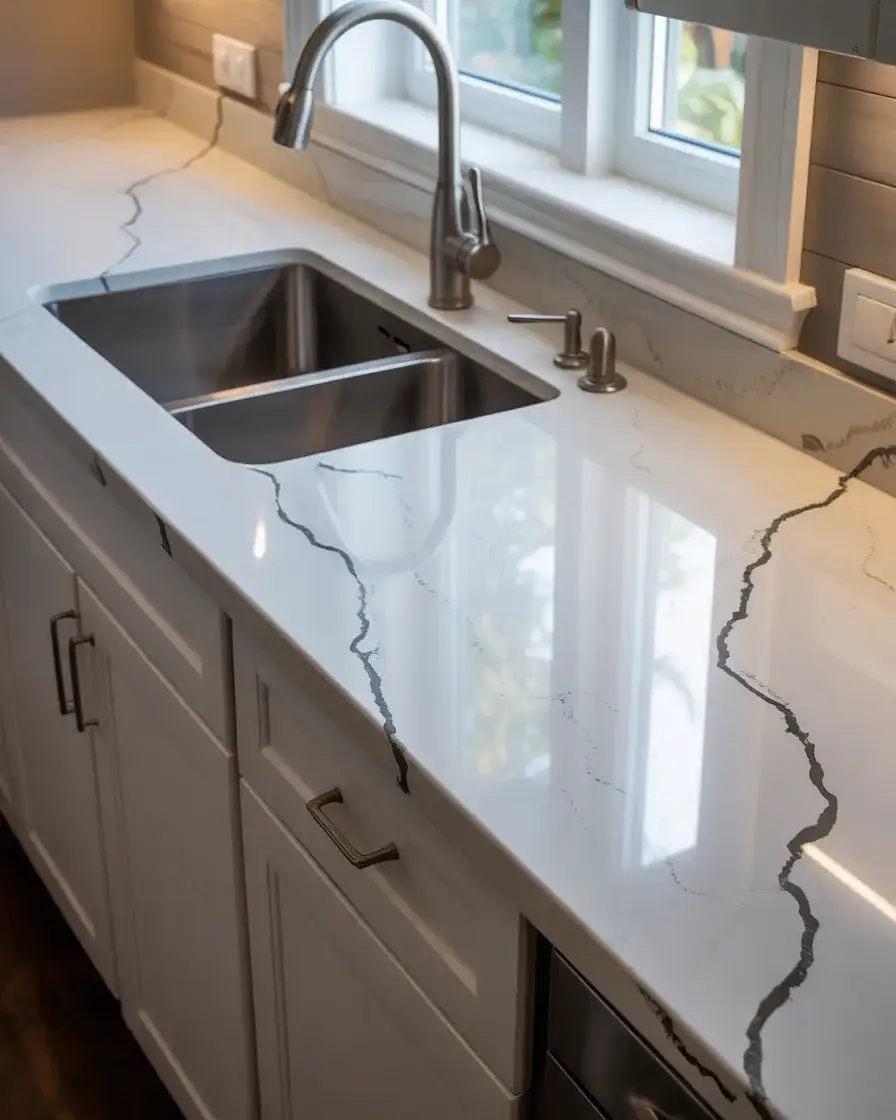
Unlike natural marble, quartz is non-porous and doesn’t need sealing, making it ideal for busy households where lemon juice, wine, or coffee might sit on the counter for a few hours. Installation costs typically run $70-100 per square foot, including fabrication, putting a standard kitchen in the $3,000-5,000 range. If you’re in a humid climate, the seamless surface also resists mold and bacteria growth better than materials with grout lines or natural fissures.
18. Black Picture Frames in a White Kitchen Gallery Wall
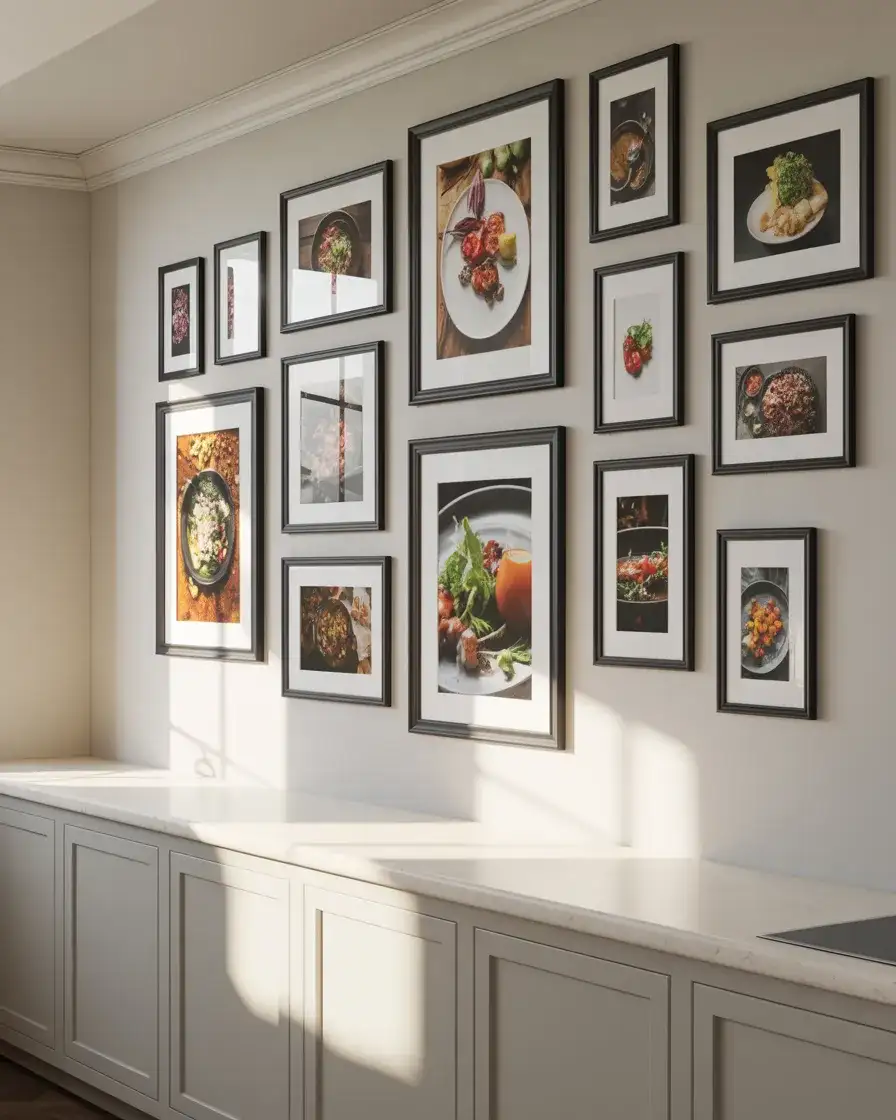
A gallery wall of black-framed prints, family photos, or vintage food posters turns an empty white kitchen wall into a personal focal point. This decor idea is especially effective in kitchens that lack architectural detail or in rentals where you can’t make permanent changes. The frames unify disparate images and add depth to flat walls, creating visual interest without competing with your cooking space.
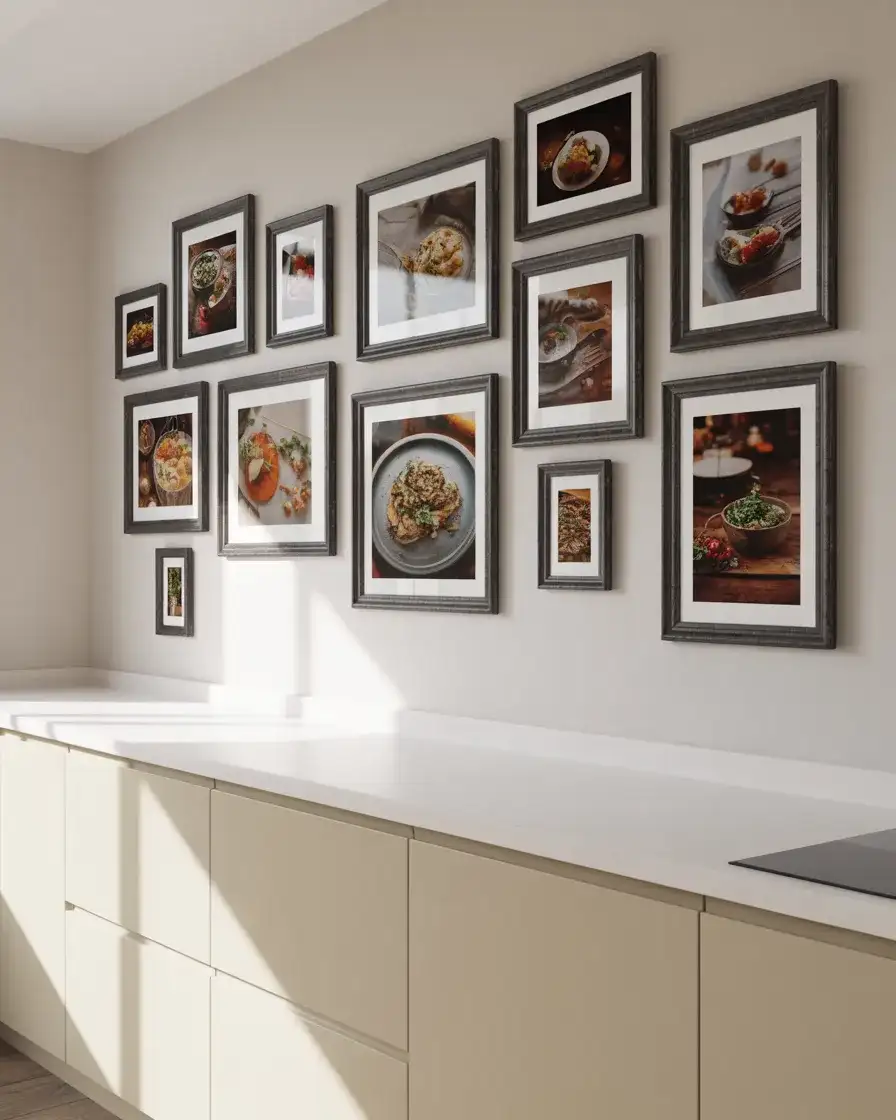
Where this works best: on walls adjacent to your dining area or breakfast nook, where you’ll actually see and enjoy the images rather than having them stuck behind the sink where they get splashed. Use matching frame sizes and mats for a more formal look, or mix dimensions for a collected-over-time vibe. Command strips or picture hanging hooks make this a damage-free project that you can rearrange seasonally if you get bored with the layout.
19. White Brick Wall with Black Metal Fixtures
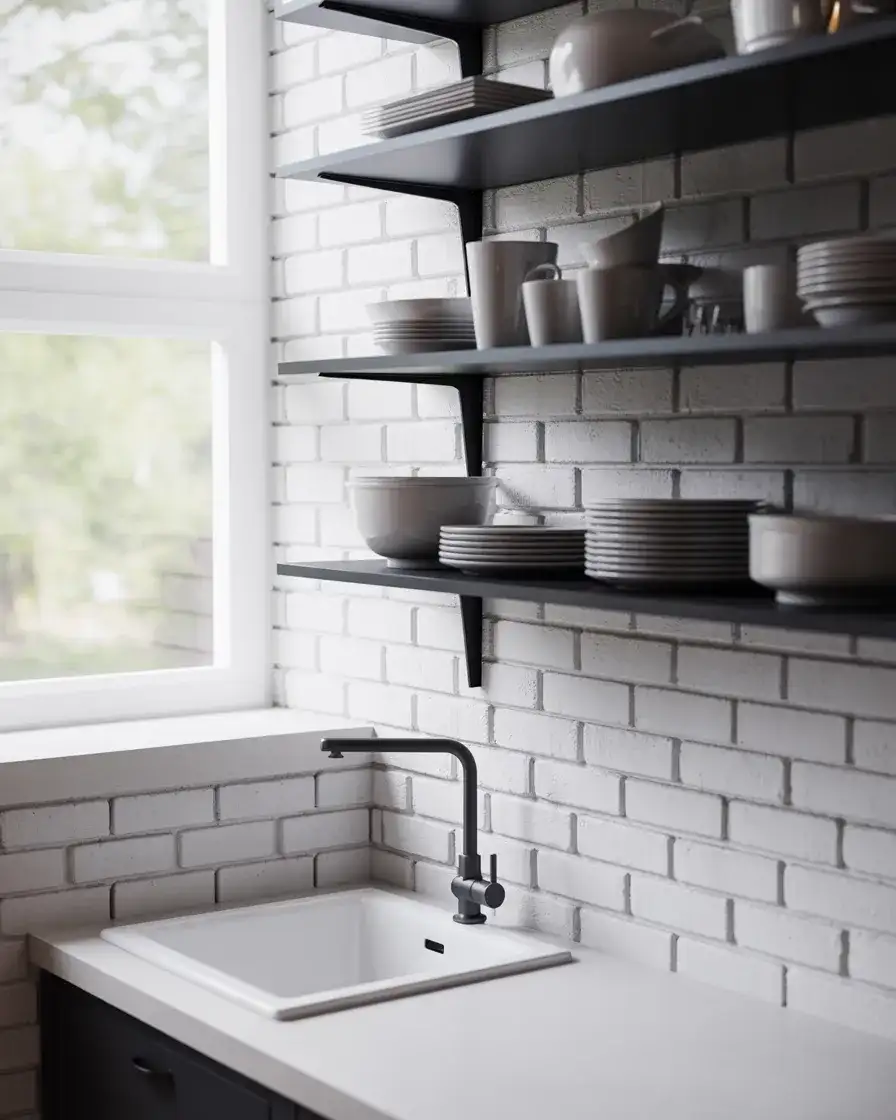
Exposing and painting brick white, then pairing it with black metal fixtures, creates an industrial-chic backdrop that’s both textural and timeless. This look is particularly striking in loft conversions or older homes where original brick exists beneath layers of drywall. The white paint brightens the space while preserving the tactile quality of the brick, and black fixtures provide crisp contrast against the irregular surface.
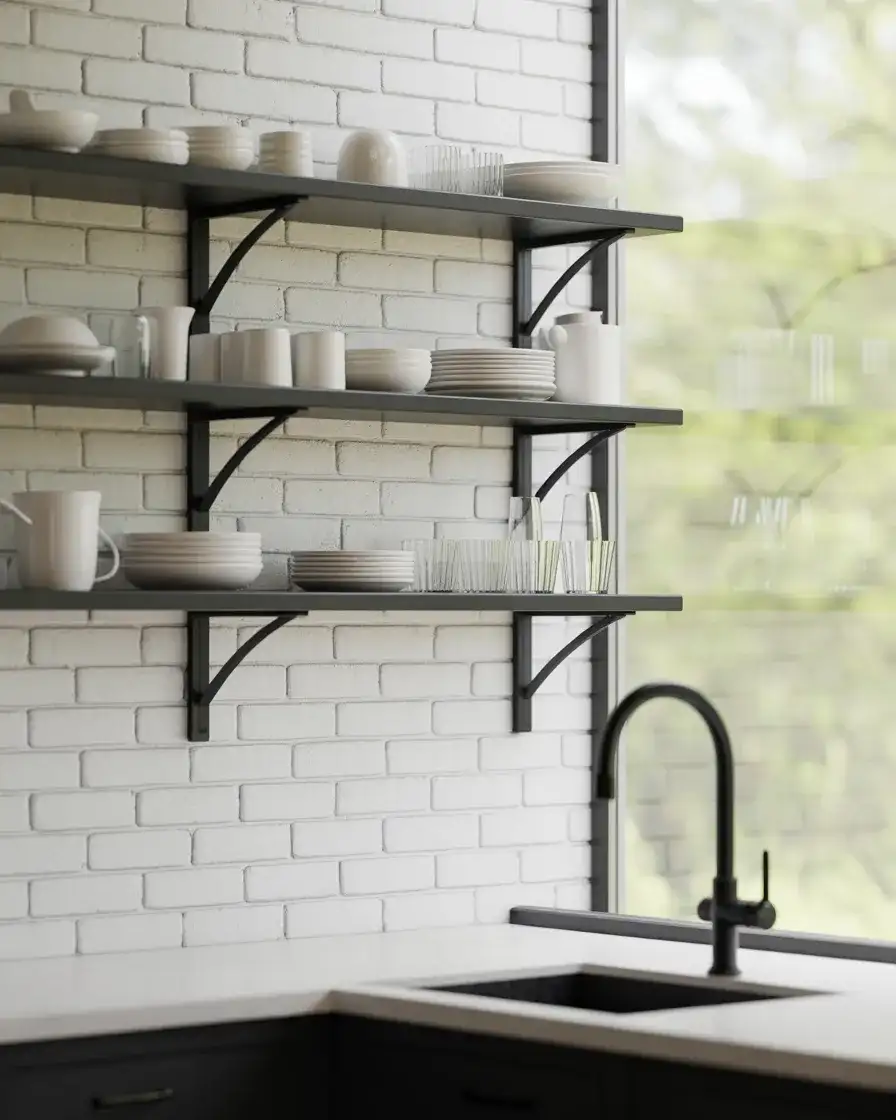
Real talk: painting brick is a commitment—it’s nearly impossible to remove once done, so make sure you’re ready for the long haul. Most painters recommend a breathable masonry paint rather than standard latex to prevent moisture issues. In cities like Brooklyn, Chicago, or San Francisco, where exposed brick is common, this treatment has become a signature move that respects the building’s history while updating it for modern life. Expect to pay around $3-5 per square foot for professional painting.
20. Black and White Patterned Rug
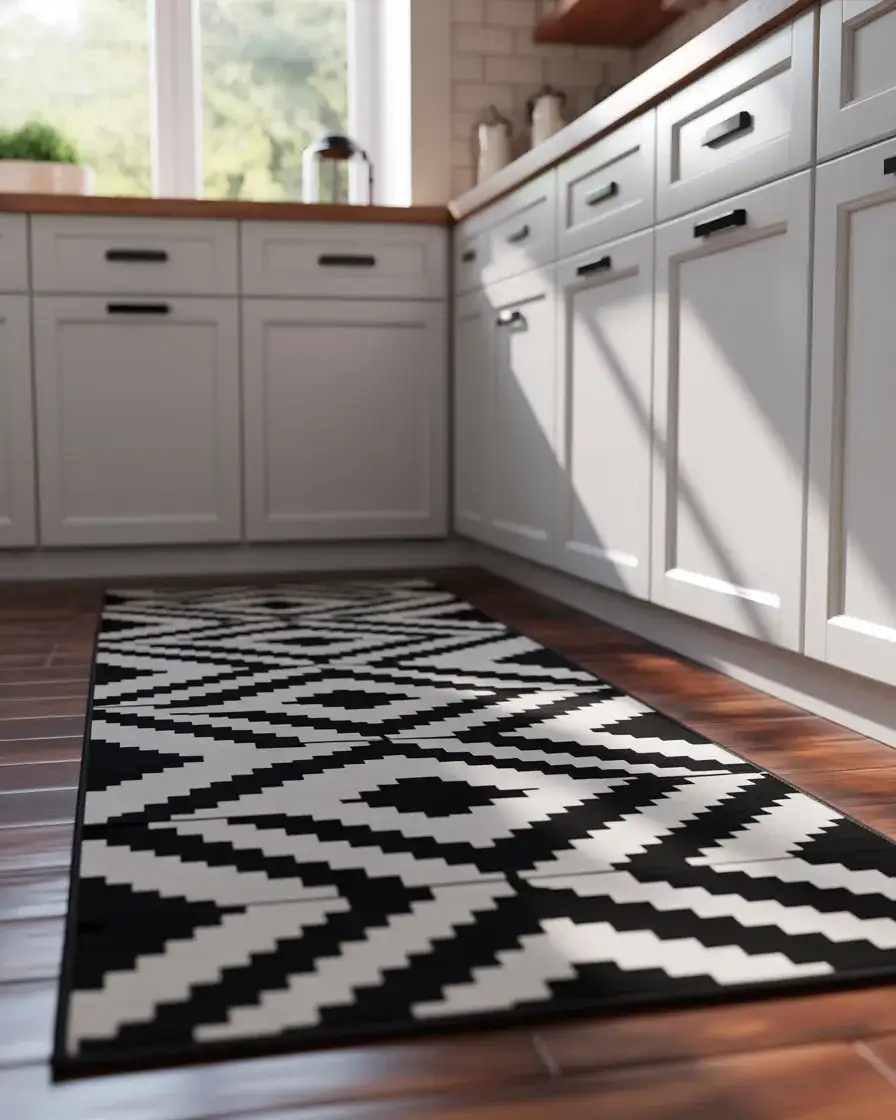
A black and white patterned rug grounds the kitchen and adds softness underfoot, especially welcome if you have hard floor surfaces like tile or wood. Geometric prints, stripes, or modern abstract patterns work beautifully, tying together the room’s palette while defining the cooking or dining zone. This simple addition makes the space feel more finished and intentional without requiring structural changes.
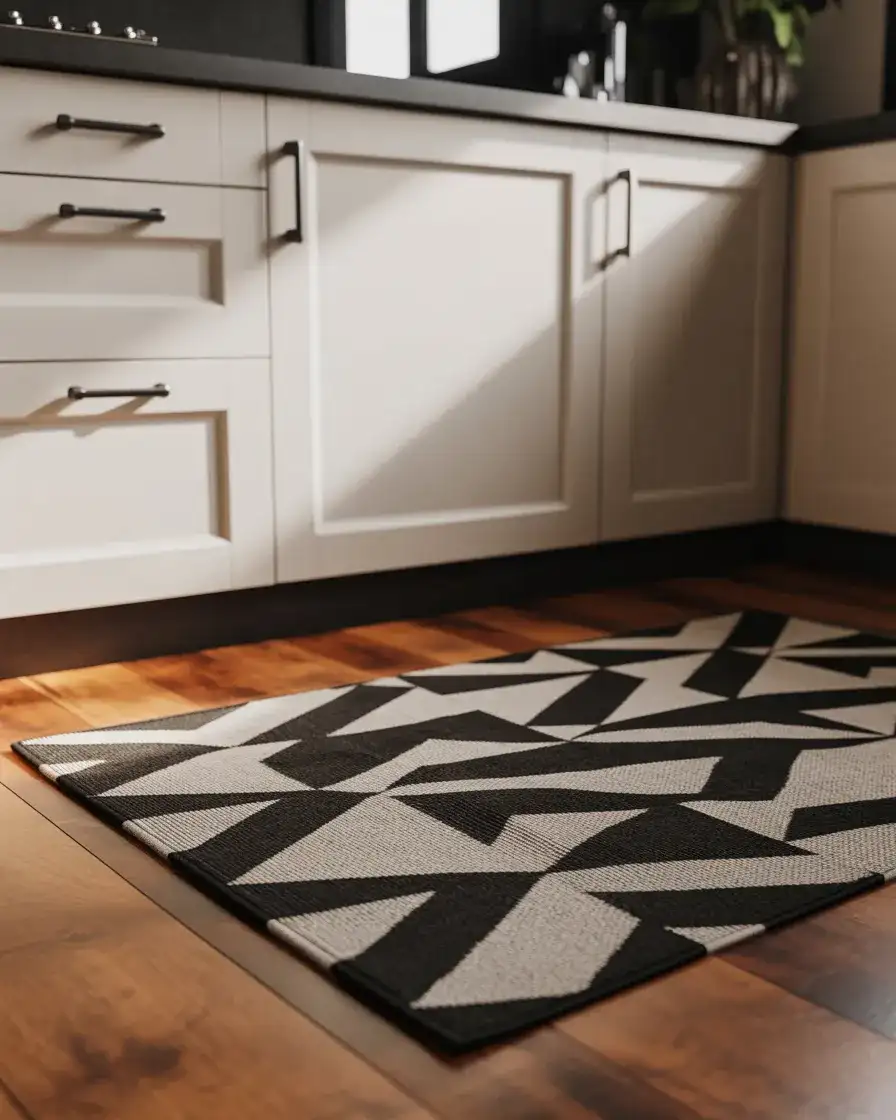
Choose washable cotton or synthetic rugs for kitchens since spills are inevitable. Many retailers now offer machine-washable options in the $50-150 range that hold up well to regular cleaning. Avoid thick, plush rugs that trap crumbs—low-pile designs are far easier to vacuum or shake out. Position the rug in front of the sink or stove where you stand most often for maximum comfort and visual impact.
21. White Kitchen with Black Ceiling
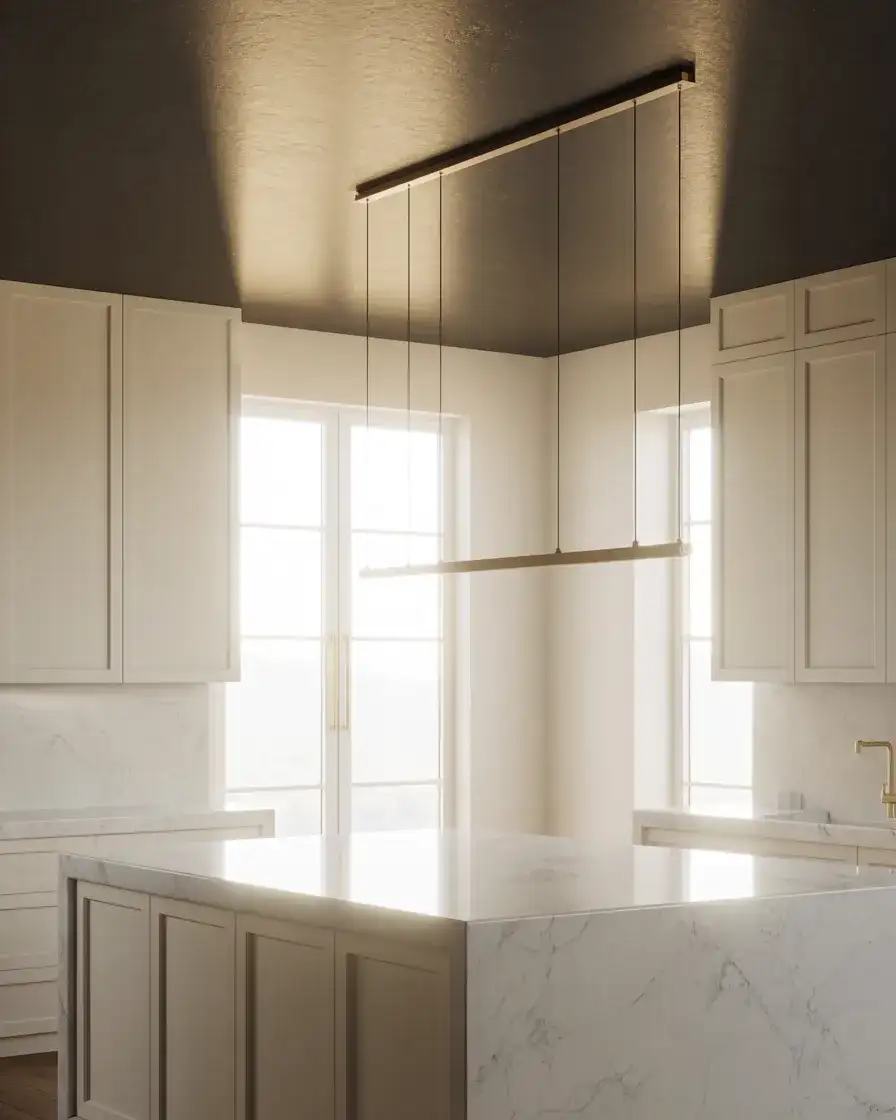
Painting the ceiling black while keeping walls and cabinets white is a daring move that adds drama and makes standard ceiling heights feel more intimate. This unexpected inversion works particularly well in kitchens with skylights or large windows, where natural light prevents the dark ceiling from feeling oppressive. The technique draws the eye upward and creates architectural interest in rooms with little existing detail.
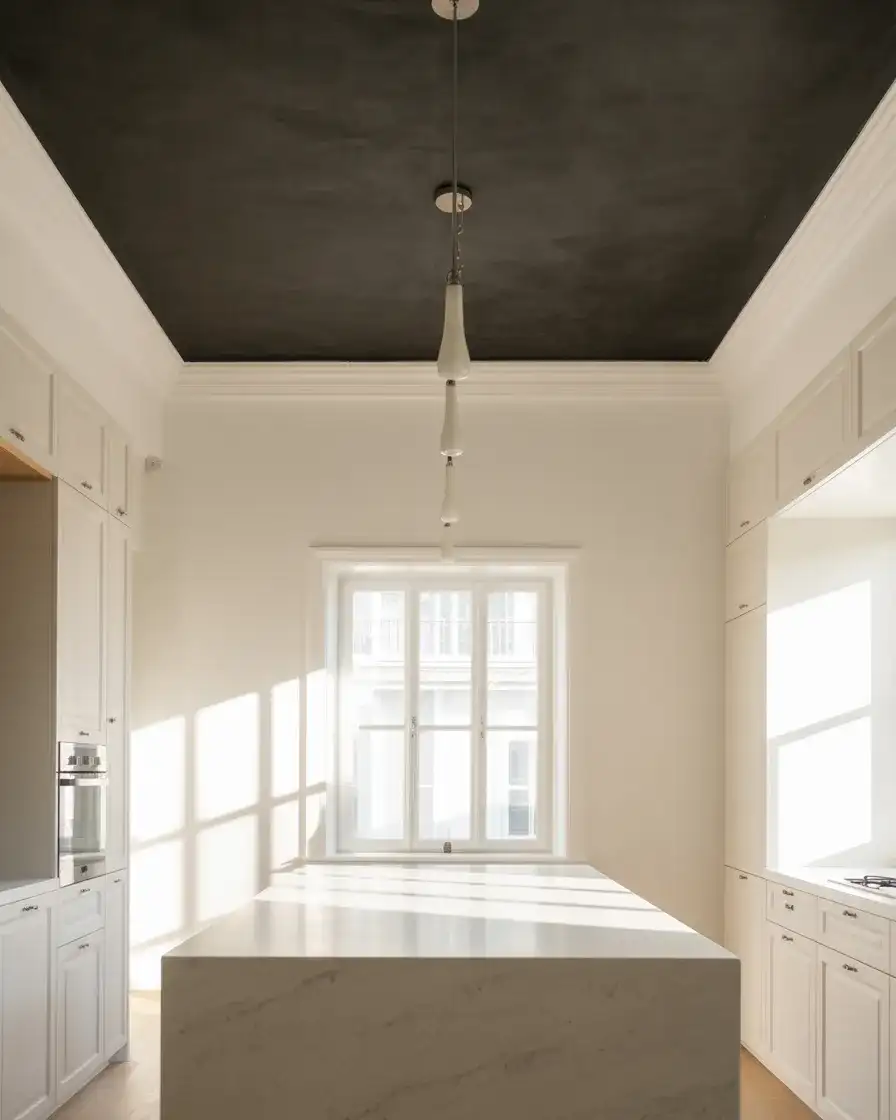
This is not for everyone—if your kitchen feels dark already or has low ceilings (under 8 feet), skip this idea. But in bright, airy spaces with plenty of windows, a black ceiling can make the room feel like a modern art gallery. One designer I spoke with mentioned that clients are often nervous about this choice but end up loving how it grounds the space and makes white elements feel even crisper by comparison. Use matte paint to avoid an echoey, cavernous effect.
22. Black Kitchen Island with White Perimeter Cabinets
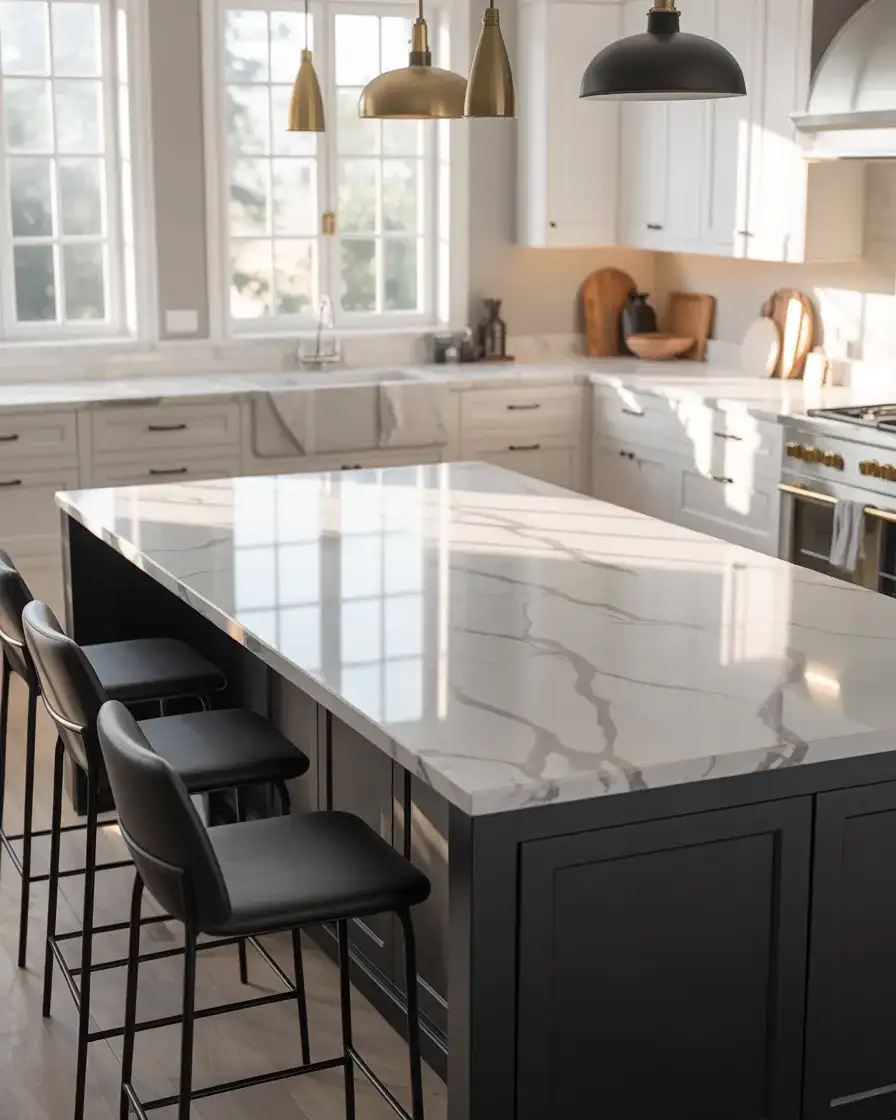
A black island surrounded by white perimeter cabinets creates a focal point that anchors the room without overwhelming it. This approach is beloved in modern interior design because it adds contrast and visual weight exactly where you want it—at the center of activity. The black island feels grounded and substantial, while the white walls and cabinets keep the overall space feeling open and bright.
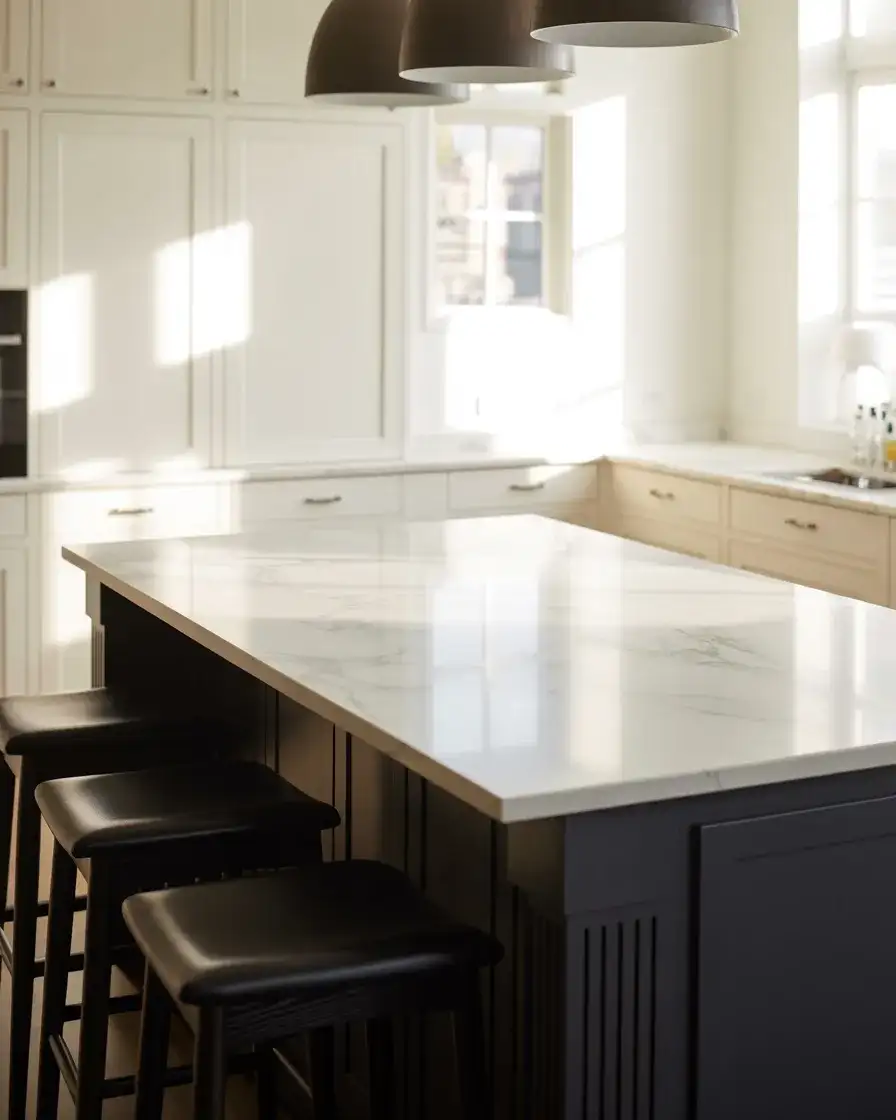
In suburban homes across Texas, Colorado, and North Carolina, where large islands double as homework stations and coffee bars, homeowners appreciate how the black finish hides scuffs from chair legs and backpacks. The darker surface also feels more casual and lived-in than all-white, making it the natural gathering spot during parties or family dinners. If you’re renovating, consider adding outlets in the island’s end panel for charging devices or plugging in small appliances—it’s a small detail that makes daily life much easier.
Conclusion
Whether you’re planning a full renovation or just looking for simple updates, black and white kitchens offer incredible flexibility and timeless appeal. The key is finding the balance that works for your lifestyle—maybe that’s bold contrast with a black island and white walls, or perhaps it’s subtle touches like black hardware on white cabinets. We’d love to hear which of these ideas resonates with you most. Drop a comment below and share what you’re planning for your own kitchen in 2026!