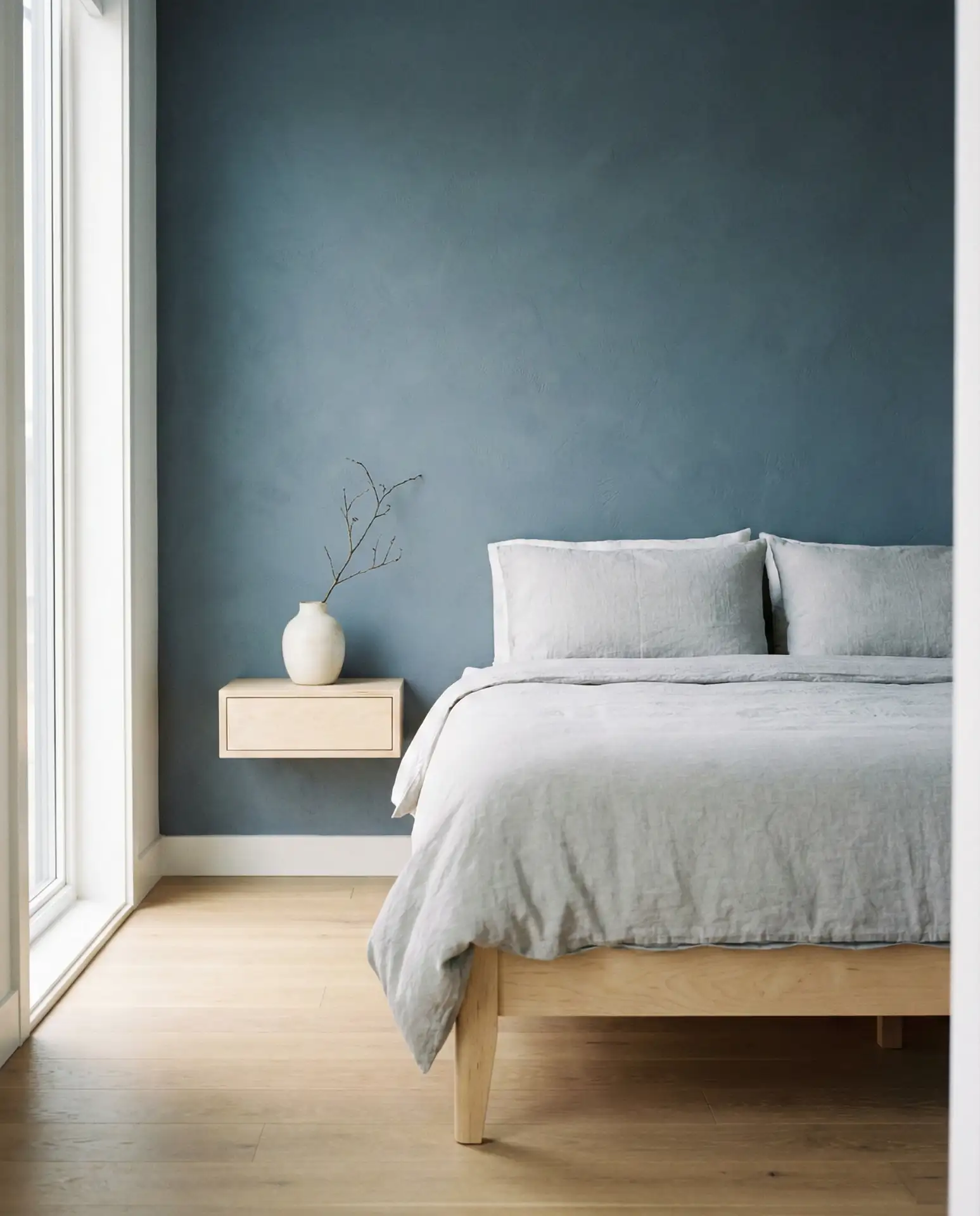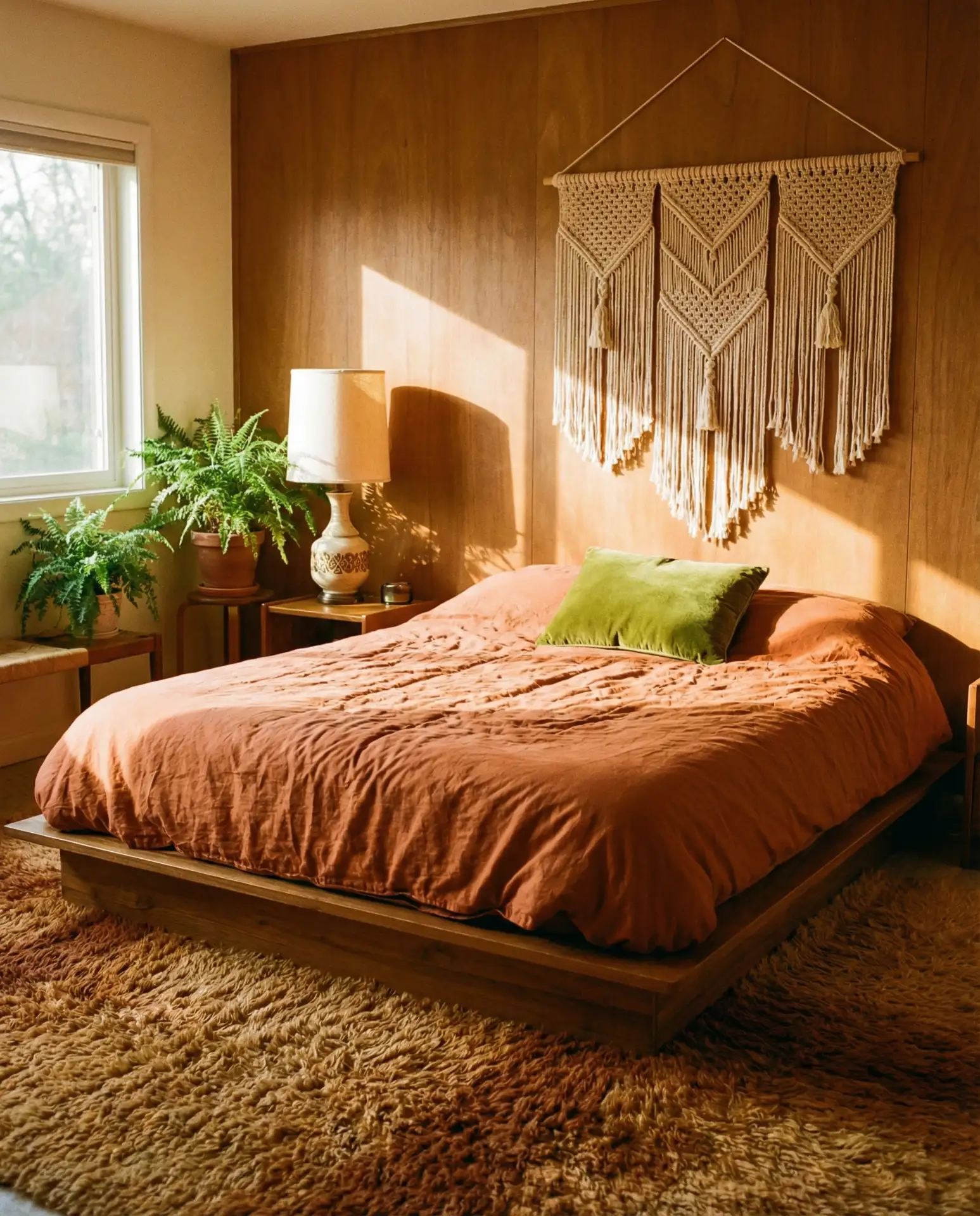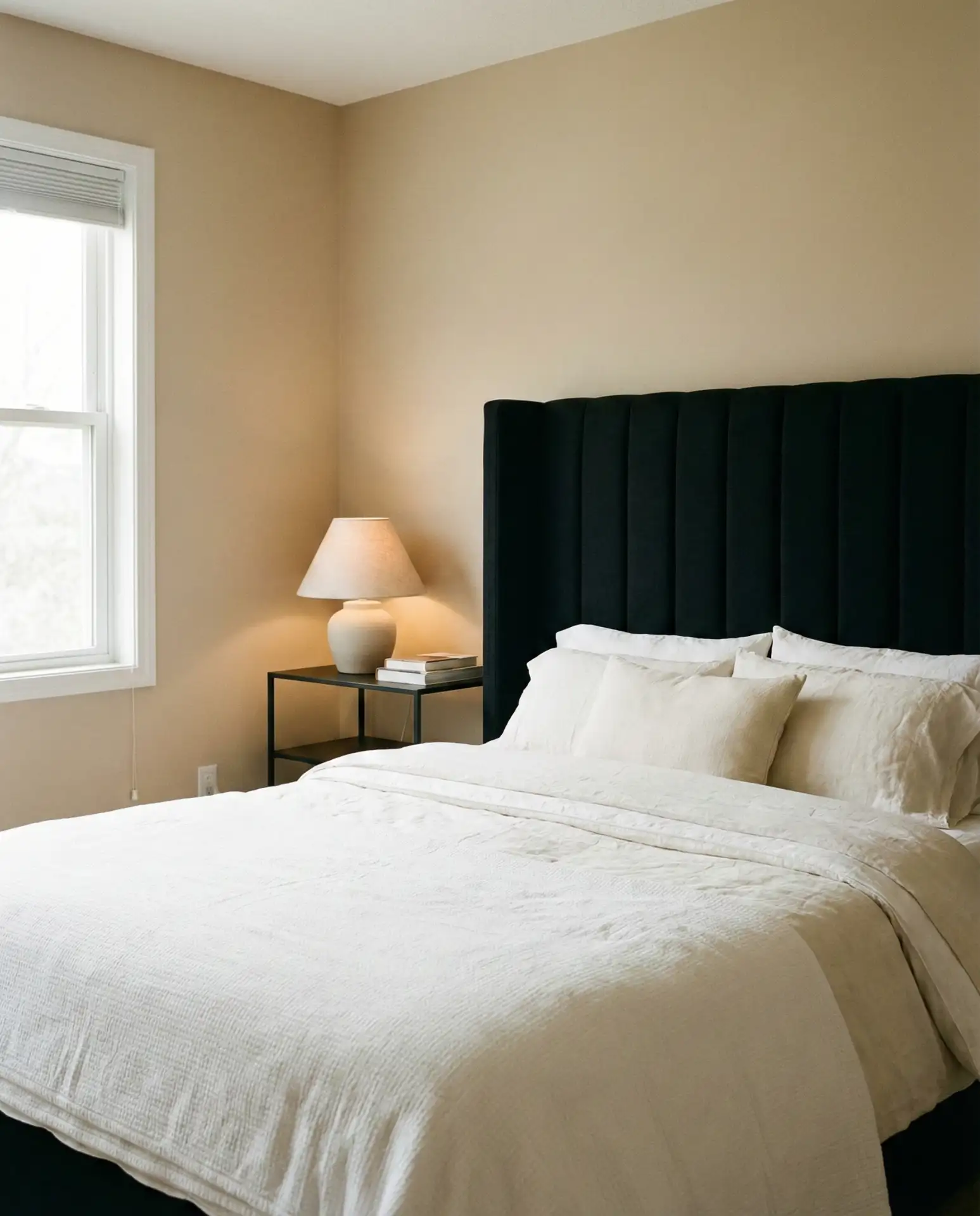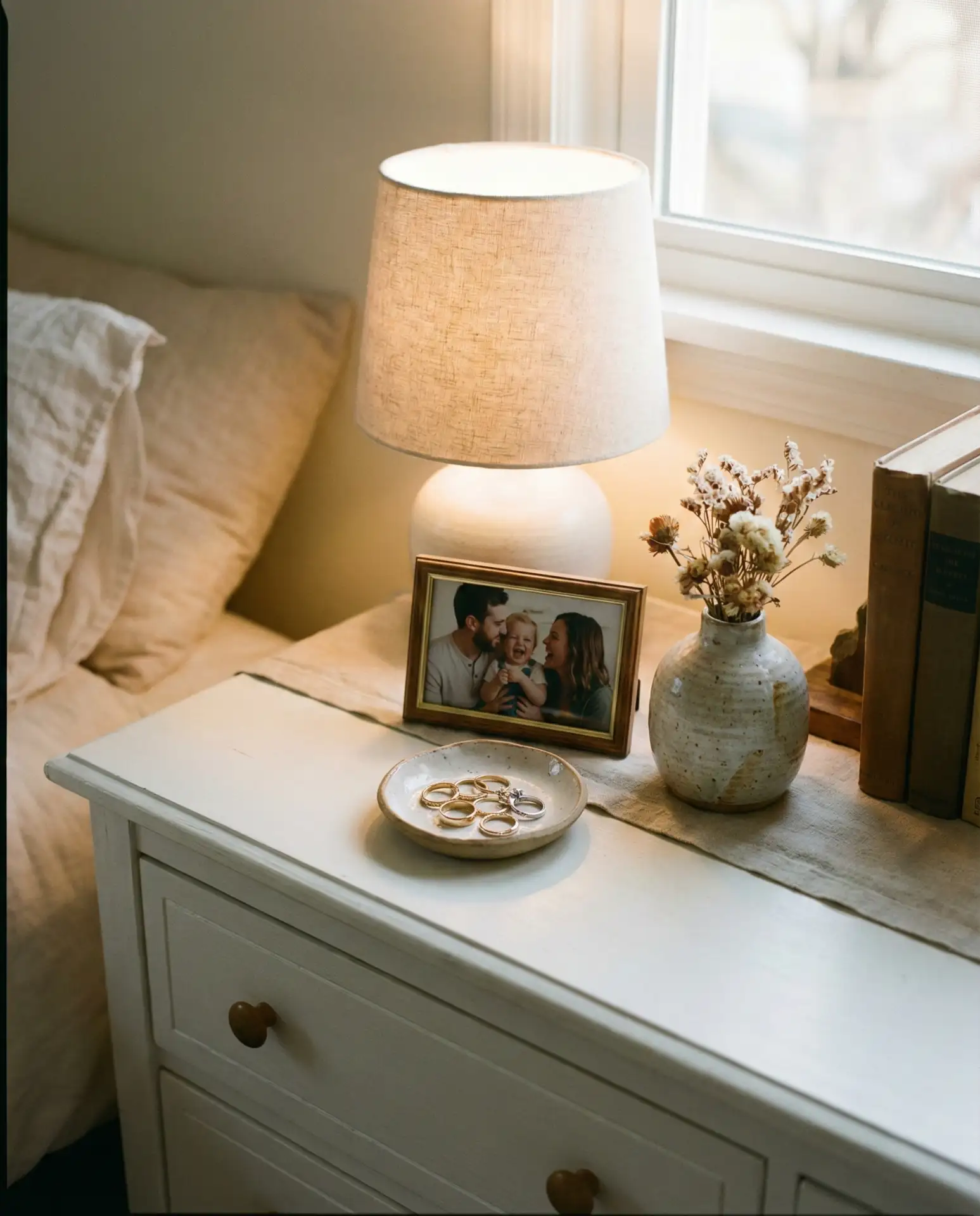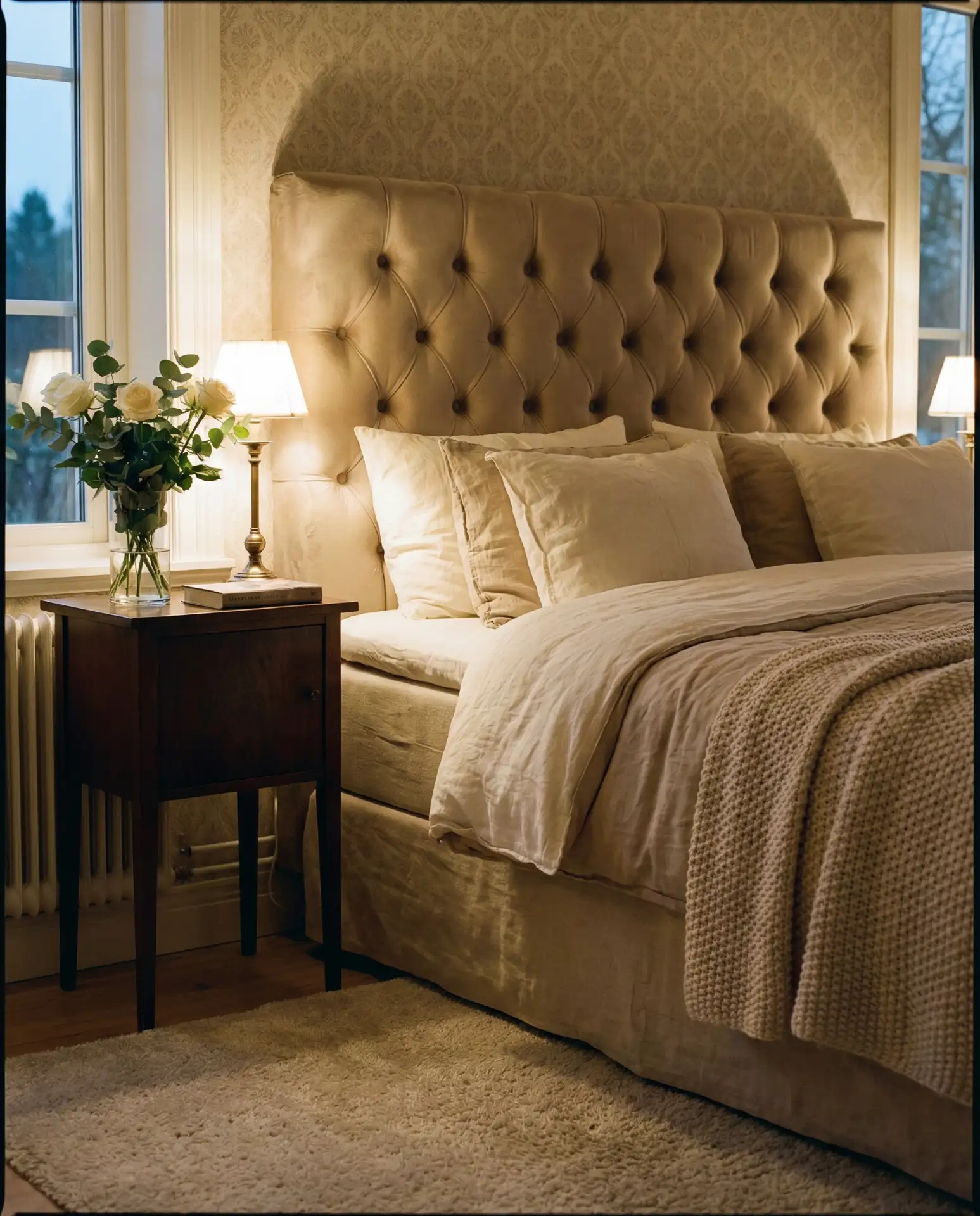
Family rooms have quietly become the true heart of the American home—a place where life actually happens, not just gets staged for guests. In 2026, homeowners are searching Pinterest not for rigid design rules, but for spaces that feel lived-in, adaptable, and genuinely comfortable for everyone who uses them. Whether you’re working with a sprawling open-concept layout or carving out function in a compact basement, this year’s trends emphasize warmth, flexibility, and a little more personality than we’ve seen in years past. Below, you’ll find twenty-two ideas that balance style with real-world livability, each one designed to help you create a family room that works as hard as you do.
1. Cozy Layered Textiles in Neutral Tones
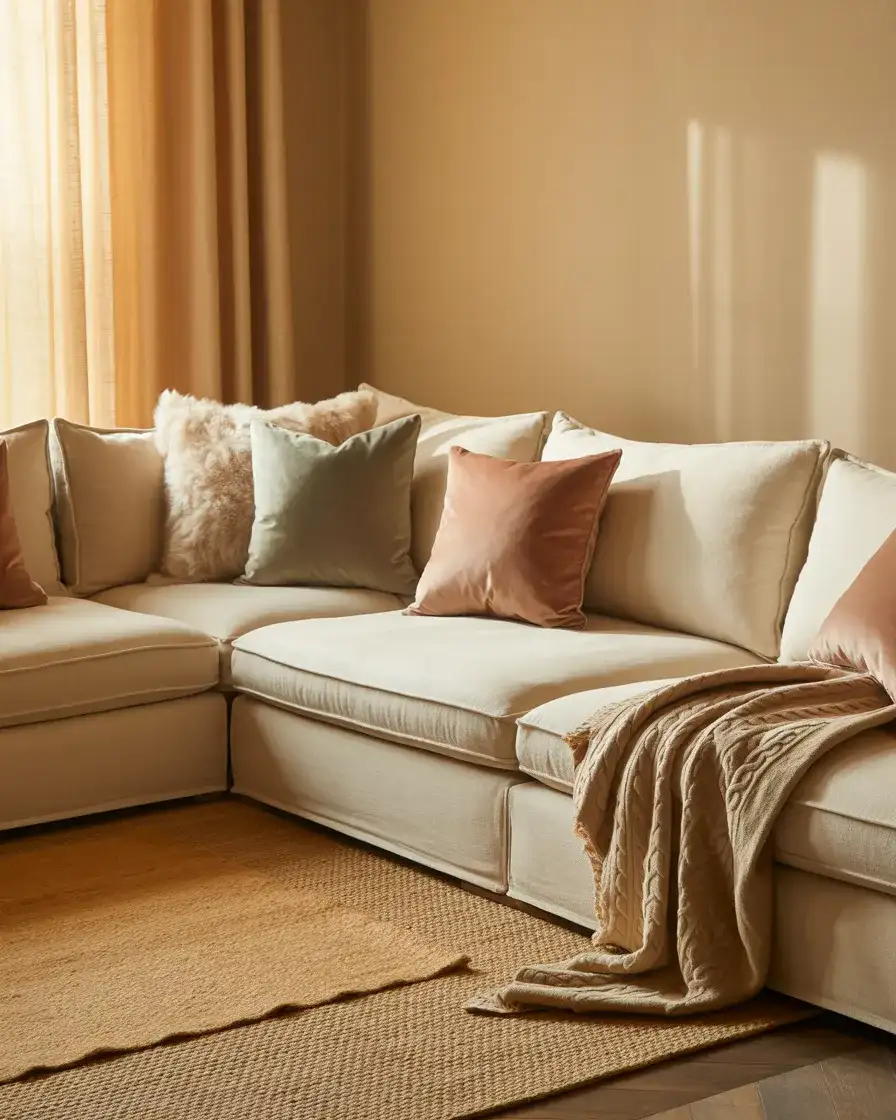
A cozy family room starts with texture, not color. Think chunky knit throws draped over linen sofas, wool area rugs layered atop sisal, and velvet cushions mixed with cotton. This approach works especially well in small spaces where bold patterns might overwhelm. The key is varying the weight and weave of fabrics so the room feels tactile and inviting without reading as cluttered. Neutrals—cream, warm gray, soft taupe—let the textures do the talking.
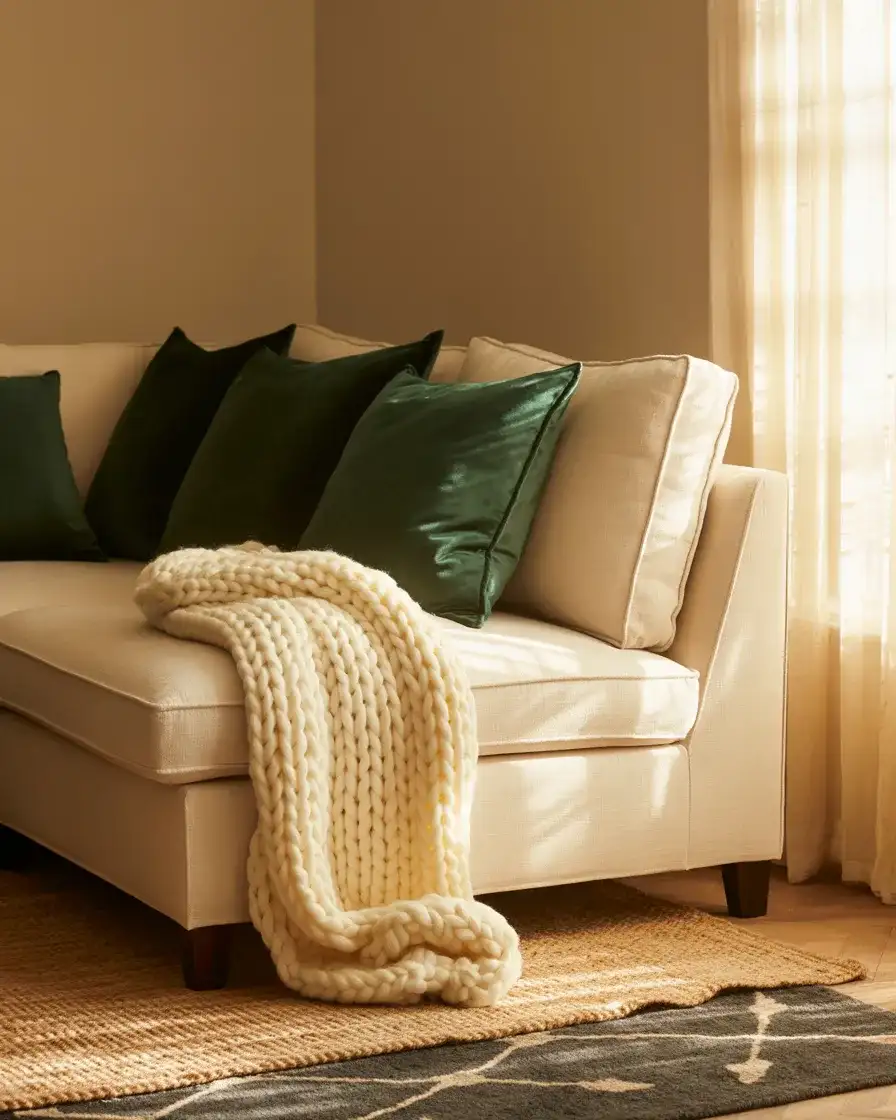
This style works best in homes where the family room doubles as a reading nook or homework zone. The softness underfoot and overhead makes long hours on the floor with kids or pets genuinely pleasant. In ranch-style homes across the Midwest, layered neutrals also help unify rooms that open directly into dining or kitchen areas. A common mistake is skimping on rug size—always go larger than you think, anchoring at least the front legs of your furniture.
2. Built-In Media Wall with Hidden Storage
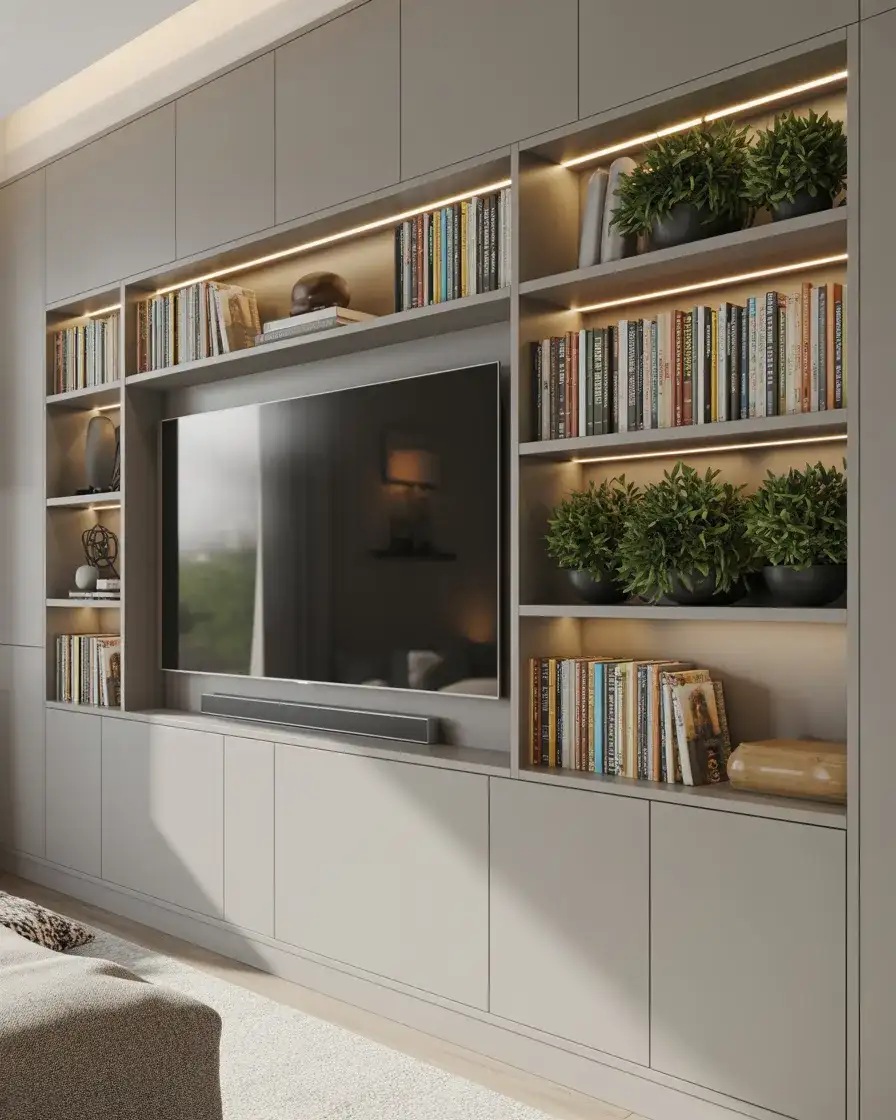
A built-in media wall solves the perennial problem of where to put the TV without letting it dominate the room. In 2026, cabinetry is sleeker and more integrated, often featuring flush doors that conceal gaming consoles, streaming devices, and the tangle of cords that used to live in a mess behind the entertainment center. Surrounding shelves can hold books, plants, or family photos, balancing the screen’s visual weight. This setup is especially effective in transitional and contemporary homes where clean lines matter.
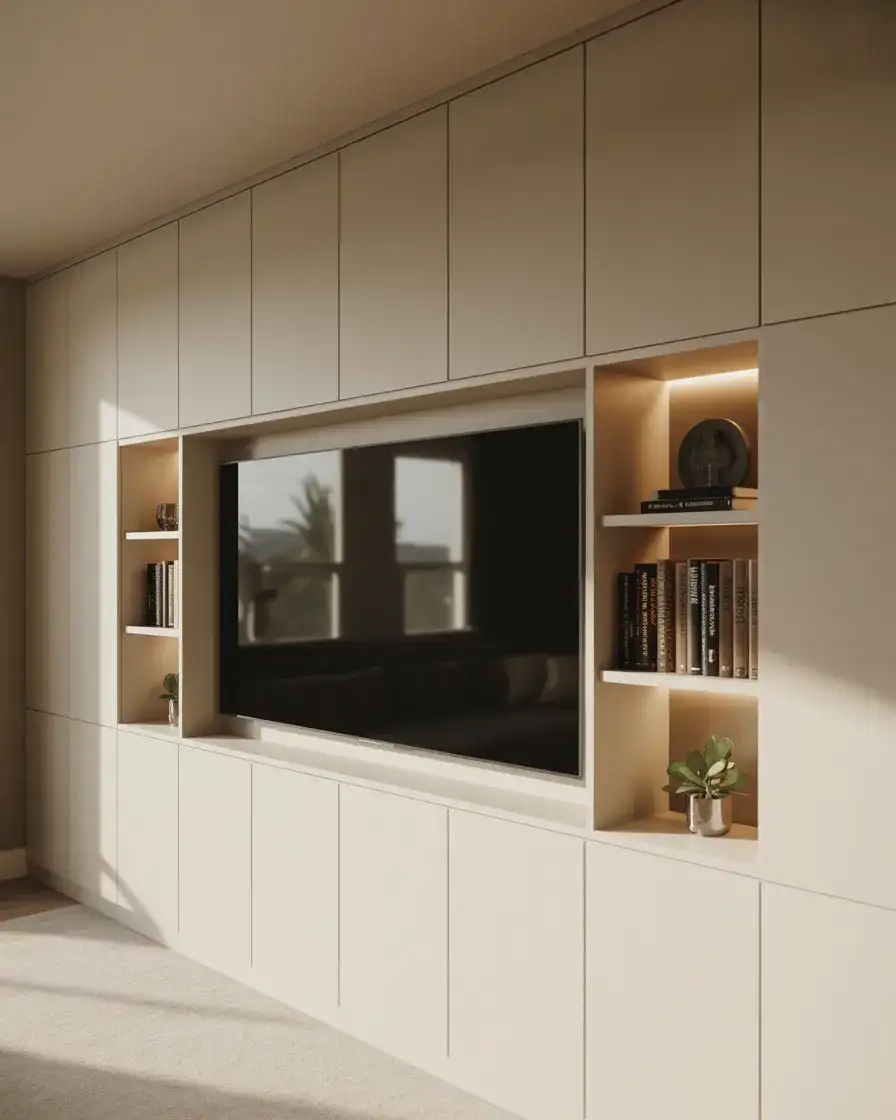
Budget-wise, built-ins are an investment—expect to spend anywhere from $3,000 to $10,000 depending on materials and customization. But they add resale value and eliminate the need for separate furniture pieces. Many homeowners opt for a local carpenter rather than big-box solutions, which allows for custom dimensions that fit awkward walls or sloped ceilings. If you’re renovating a basement, this is one upgrade that pays dividends in both function and polish.
3. Sunken Seating Pit in Open-Concept Layouts
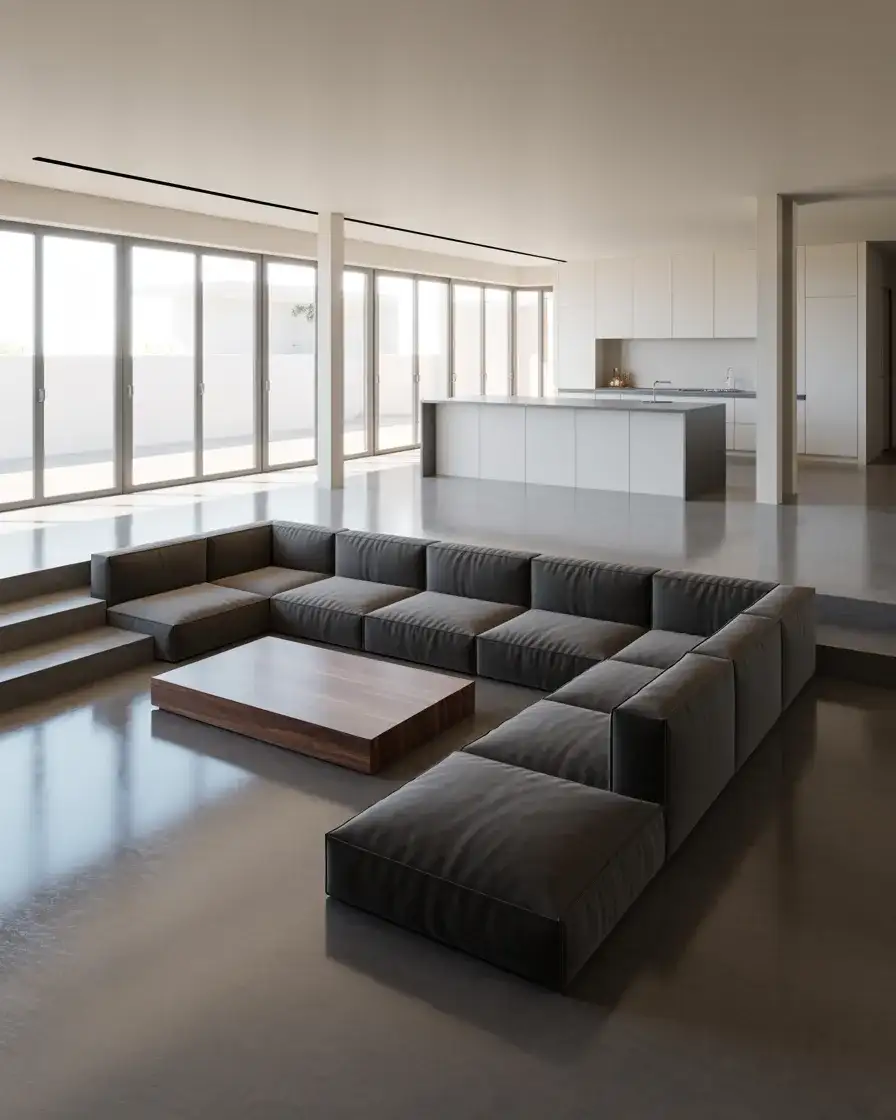
Sunken seating is making a comeback, especially in new builds with open-concept floor plans that need subtle zoning. Rather than relying on furniture arrangement alone, a lowered lounging area creates visual and physical separation between the family room and adjacent kitchen or dining space. The shift in floor height signals a transition in activity—cooking versus unwinding—without the need for walls. It’s a modern luxury detail that feels nostalgic in the best way.
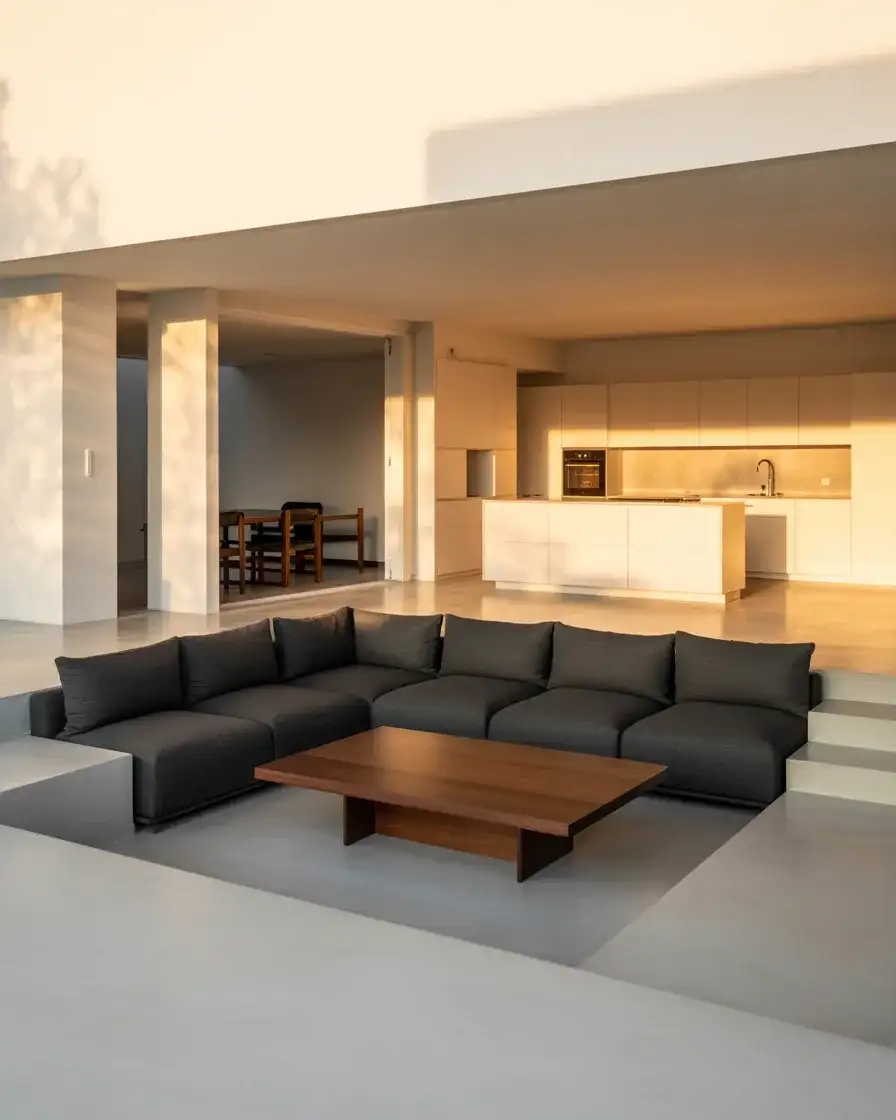
This works best in homes with concrete slab foundations or during new construction—retrofitting can be prohibitively expensive. West Coast homeowners, particularly in California and the Pacific Northwest, are drawn to this feature for its mid-century roots and its ability to frame views. One practical insight: keep the step down to no more than 12 inches to avoid tripping hazards, and consider integrated lighting along the edge for safety after dark.
4. Fireplace as the Focal Point in Traditional Rooms
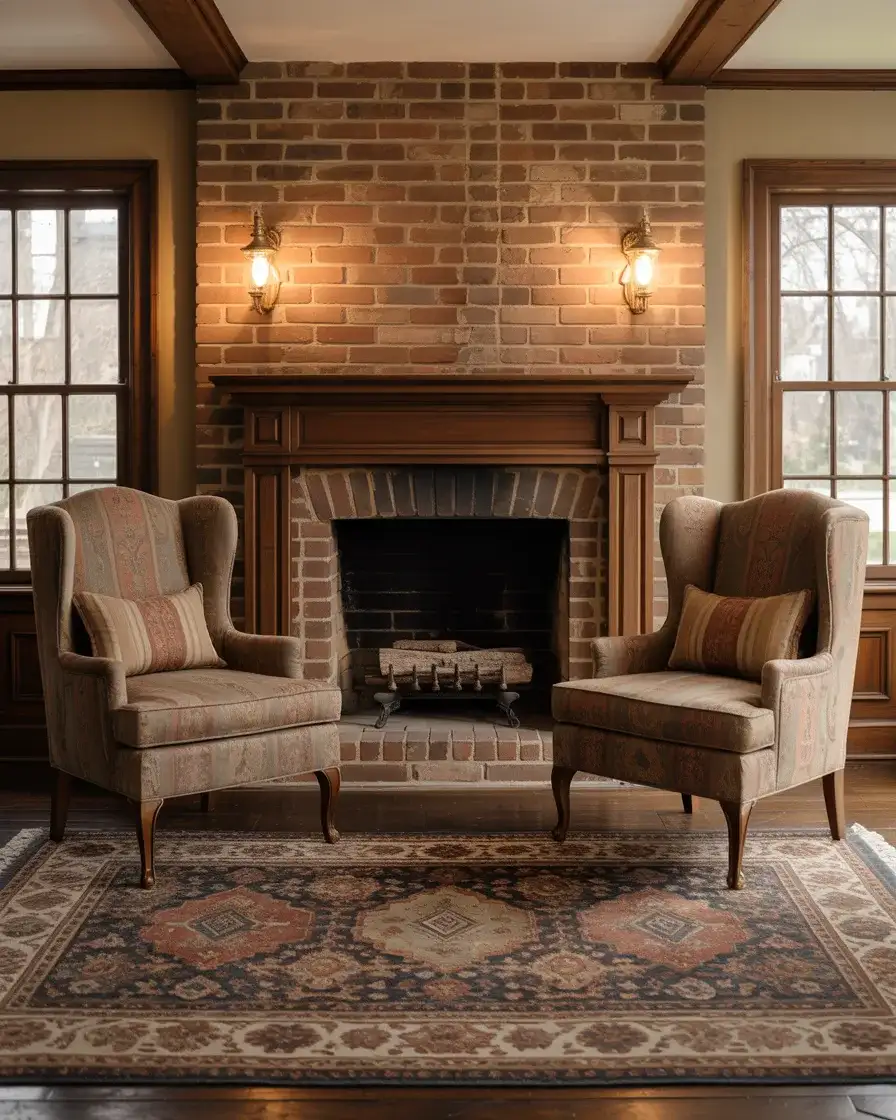
In traditional family rooms, the fireplace remains the anchor—both visually and emotionally. This year, mantels are getting more substantial again, with thicker wood or stone surrounds that feel heirloom rather than trendy. Arrange seating in a U-shape facing the hearth, and resist the urge to hang the TV above it; instead, place the screen on an adjacent wall or inside a cabinet. The fireplace should be about warmth and gathering, not competing for attention with a screen.
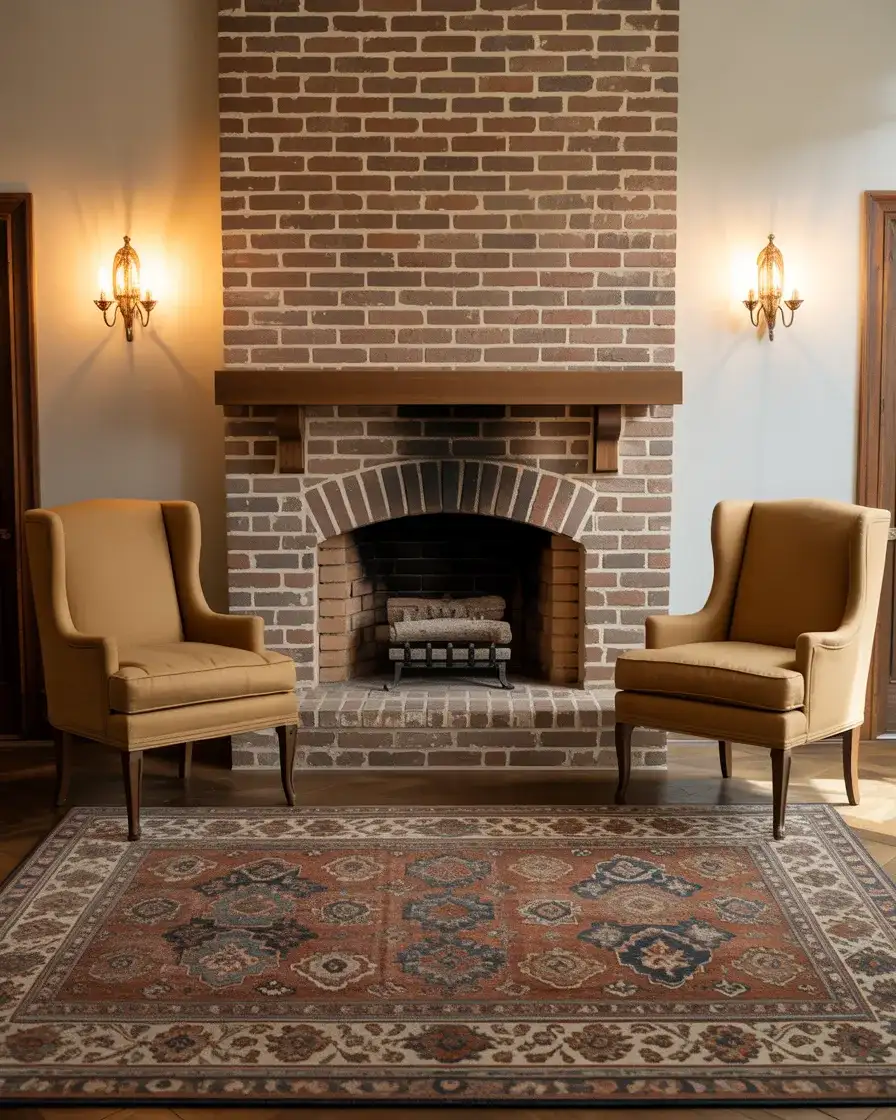
A homeowner I spoke with last fall in Connecticut mentioned she’d spent years with her TV mounted too high above the mantel, straining necks during movie nights. Once she relocated it, the room instantly felt more balanced and comfortable. If you’re working with an older home, consider restoring original tilework or brickwork rather than covering it with drywall—those details carry character that new materials can’t replicate. Gas inserts are a practical middle ground for those who want ambiance without the labor of wood-burning upkeep.
5. Kid-Friendly Zones with Washable Fabrics
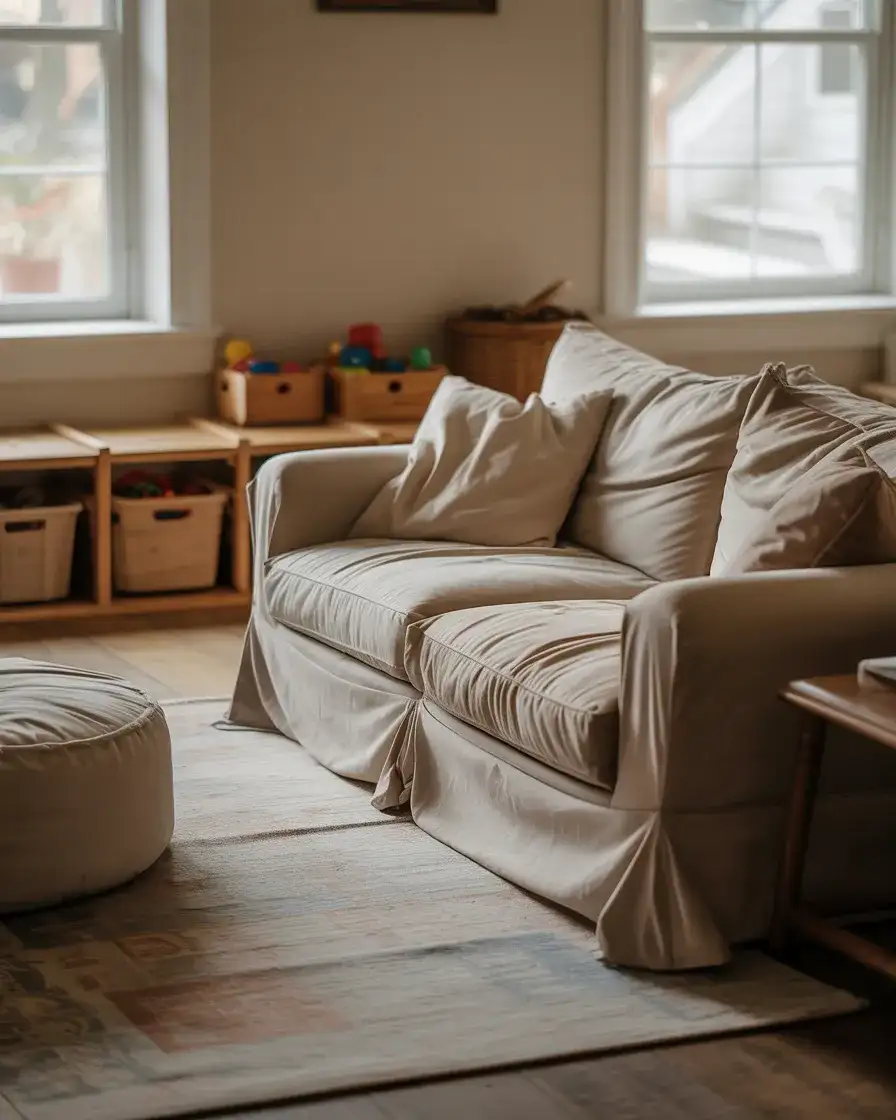
Creating a kid-friendly family room doesn’t mean sacrificing style—it means choosing smarter materials. Slipcover sofas, performance fabrics rated for high traffic, and area rugs that can be hosed down outdoors are all fair game in 2026. Designate one corner for toys with low, open bins that kids can manage themselves, and avoid glass coffee tables or sharp-edged furniture. The goal is a space where spills and rough play don’t trigger panic, just a quick wipe-down.
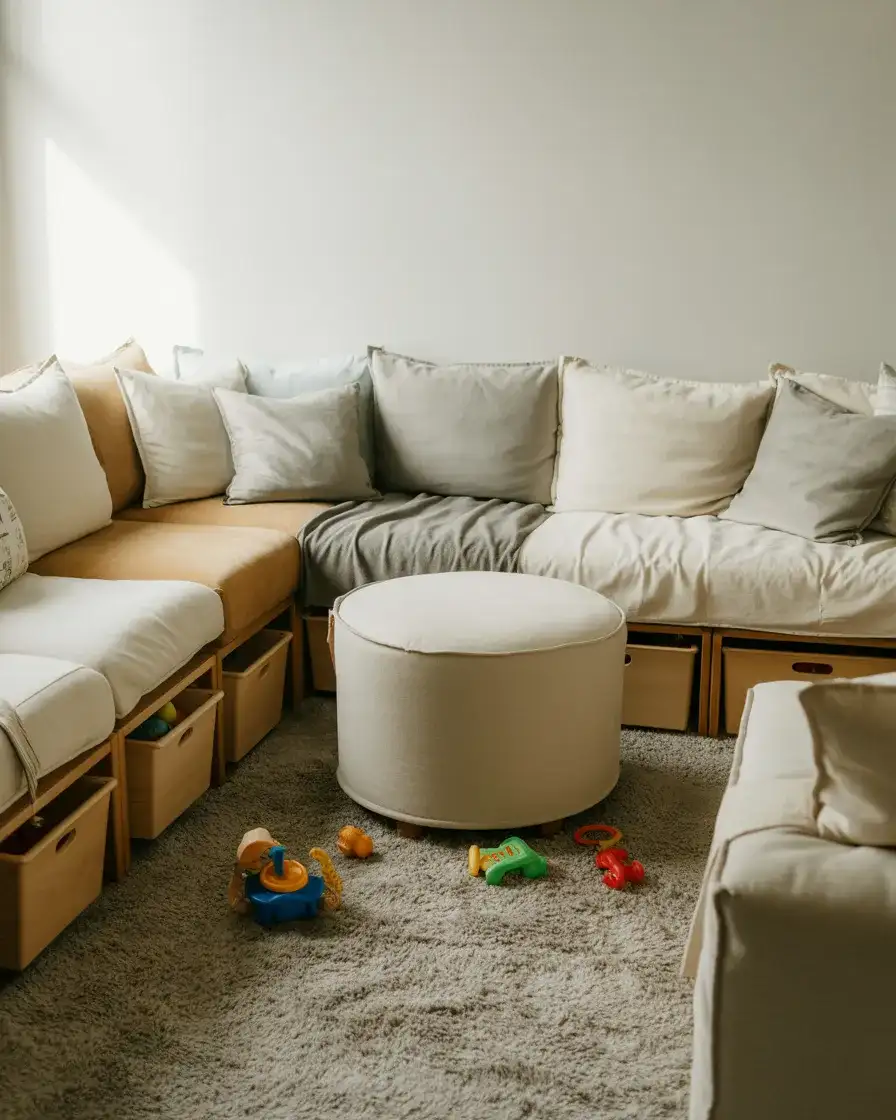
Real homeowner behavior shows that families with young children gravitate toward furniture that can be replaced or reupholstered without guilt. IKEA slipcovers and Pottery Barn performance fabrics are perennial favorites because they’re machine washable and widely available. A common mistake is choosing all-white schemes in high-traffic homes—instead, opt for medium tones like greige or soft charcoal that hide stains better. If you’re in a suburban neighborhood with lots of playdates, this practical approach will save your sanity.
6. Basement Family Room with Low-Profile Furniture
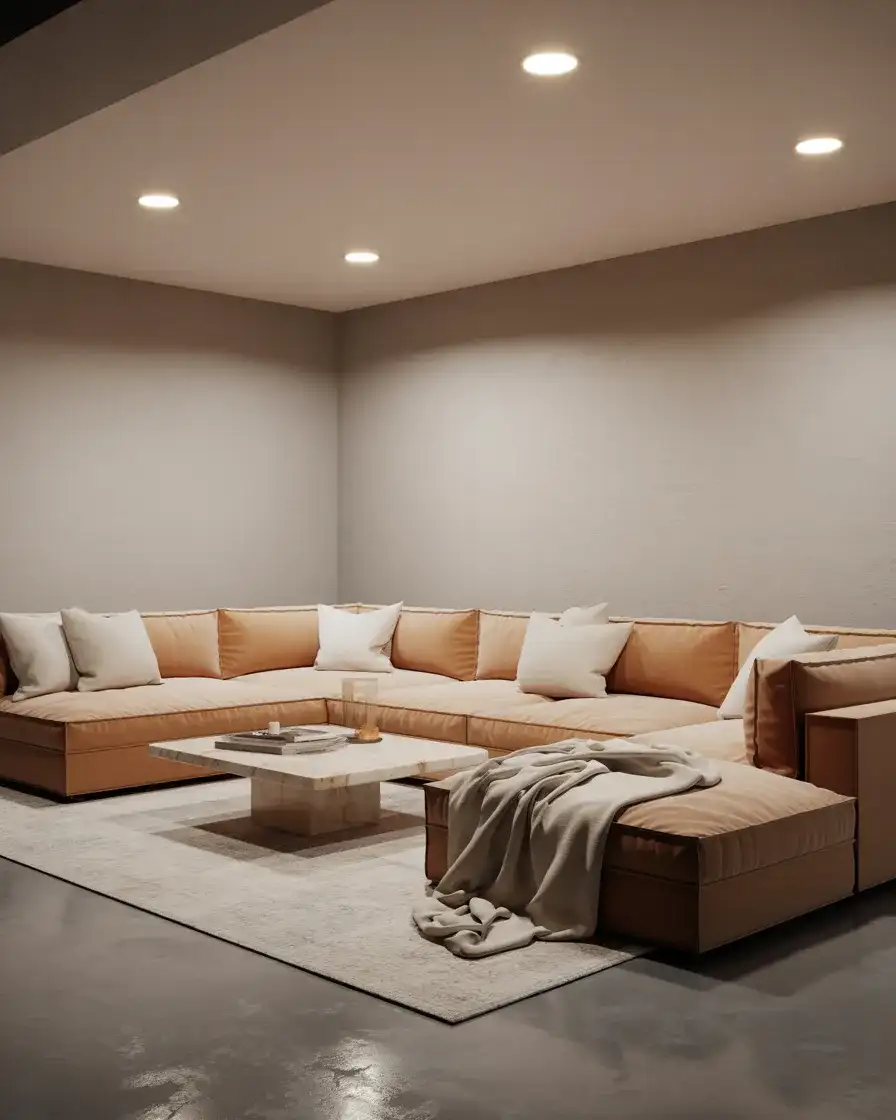
Finished basements often have lower ceilings, so the trick is choosing furniture that sits closer to the ground. Low-profile sofas, floor cushions, and platform coffee tables keep sightlines open and prevent the space from feeling cramped. Recessed lighting or flush-mount fixtures work better than dangling pendants. In 2026, basement family rooms are moving away from the “man cave” cliché and toward multifunctional spaces that serve kids, guests, and adults equally well.
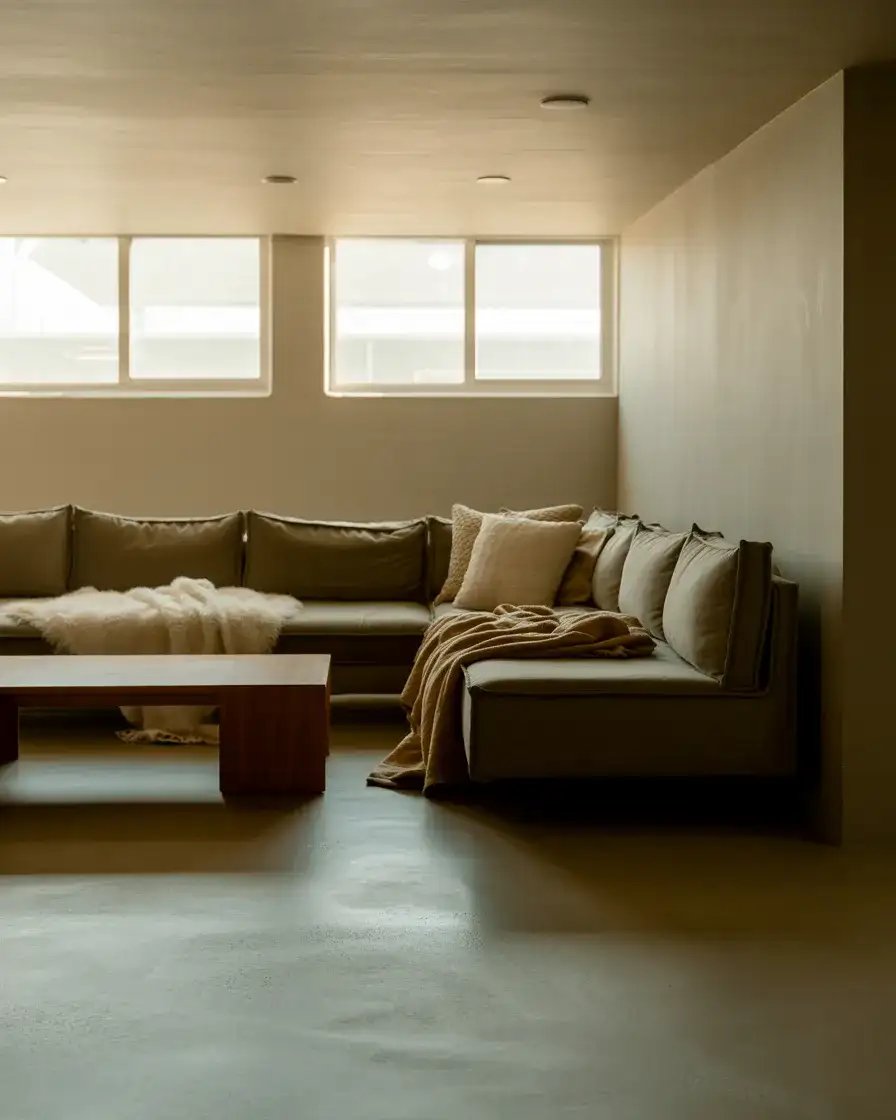
Basements in the Midwest and Northeast often deal with moisture, so invest in a good dehumidifier and avoid upholstered pieces that sit directly on concrete. Raising furniture slightly with rubber feet or a subfloor system prevents mold and extends the life of your investment. Many families turn their basement into a second living room for movie nights or gaming, which frees up the main floor for quieter activities. It’s a smart use of square footage that adds real value to daily life.
7. Sectional Sofas Anchoring Large Rooms
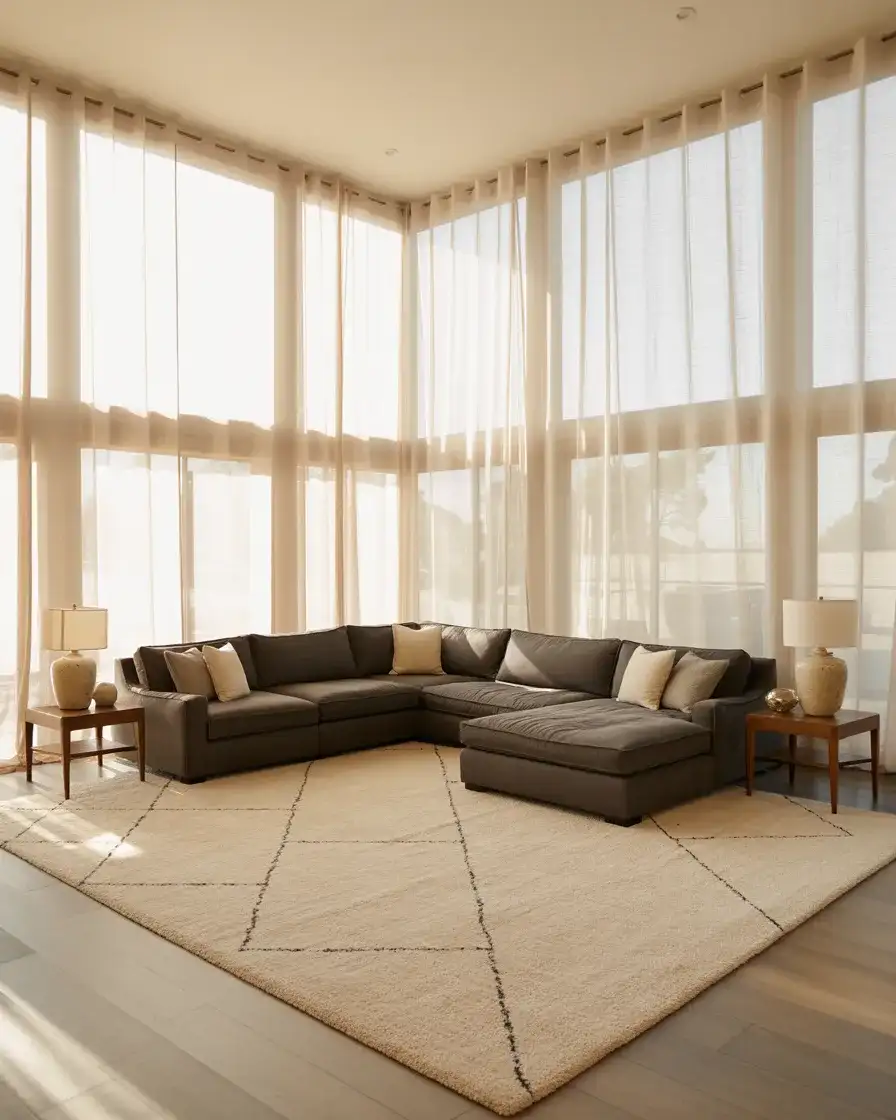
In large family rooms, a sectional sofa is often the only seating piece you need. It defines the space, offers ample seating for gatherings, and eliminates the awkwardness of multiple small sofas that never quite align. In 2026, modular sectionals are popular because they can be rearranged as needs change—think hosting a Super Bowl party versus everyday lounging. Choose a deep seat depth for true comfort, and don’t be afraid to float the sectional away from the walls to create a more intimate conversation zone.
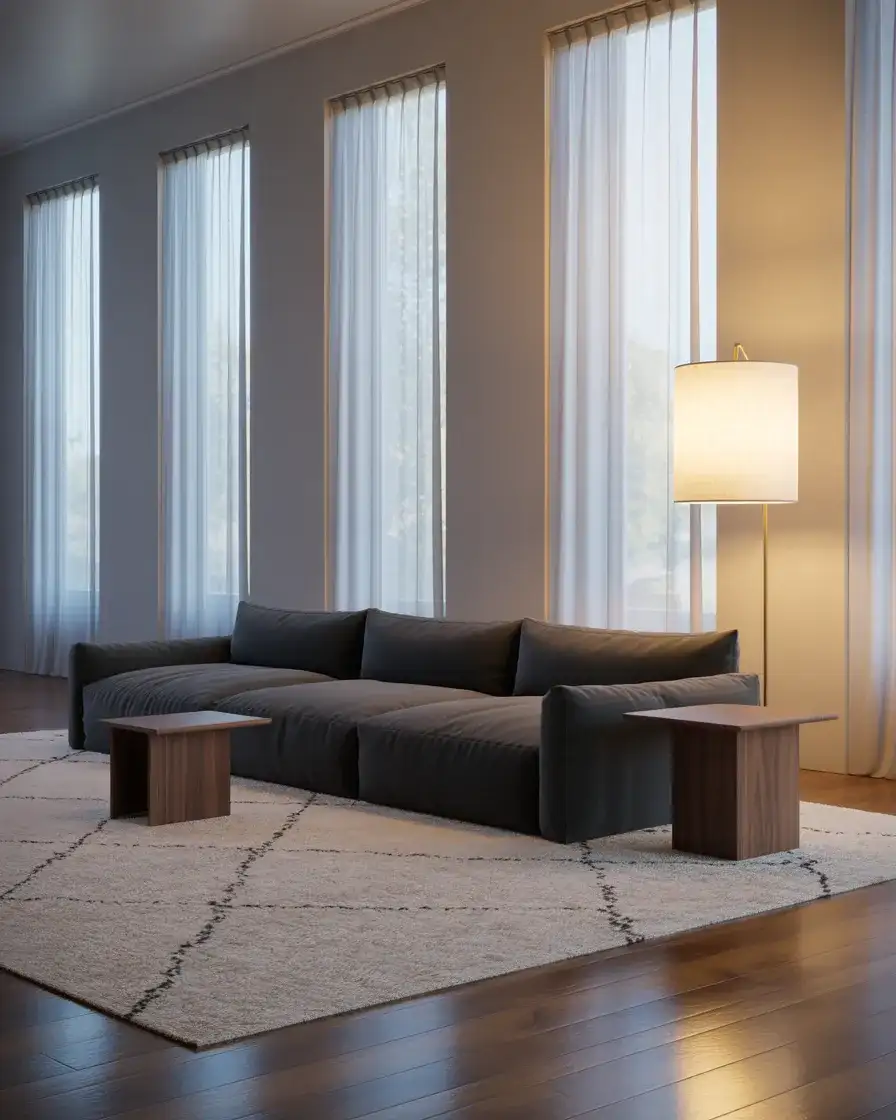
Expert designers recommend measuring your room carefully before committing—sectionals can overwhelm smaller spaces but feel perfectly proportioned in rooms over 400 square feet. In open-concept homes, the back of the sectional can act as a subtle room divider, separating the family room from the dining area without blocking sightlines. Some families add a chaise end for napping, while others prefer a square configuration for easier conversation. Either way, this is one purchase where comfort trumps trends every time.
8. Minimalist Design with Statement Lighting
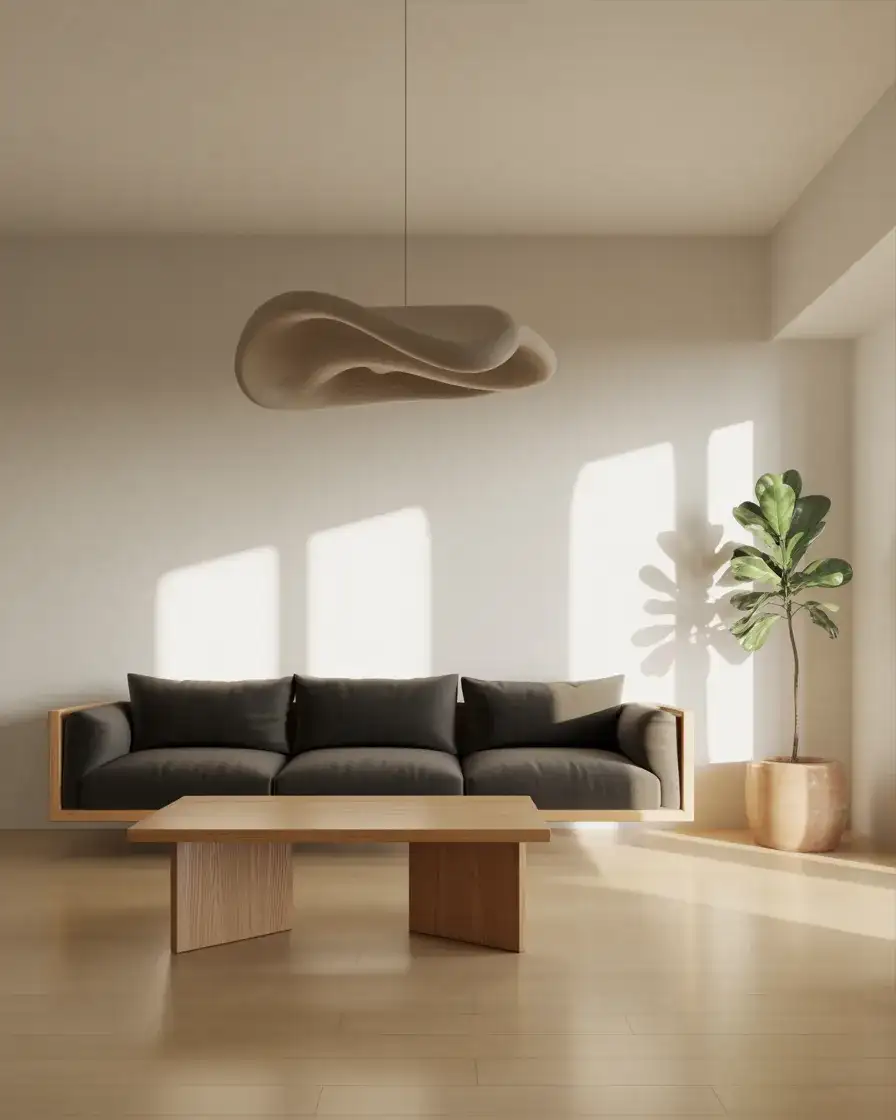
A minimalist family room strips away excess, leaving only what’s functional and beautiful. In 2026, this aesthetic is less about stark white boxes and more about warm minimalism—think natural wood, soft textiles, and one standout light fixture that serves as sculptural art. A dramatic chandelier or oversized pendant becomes the room’s focal point, drawing the eye upward and adding personality without clutter. This approach works especially well in modern homes where architectural details are clean and spare.
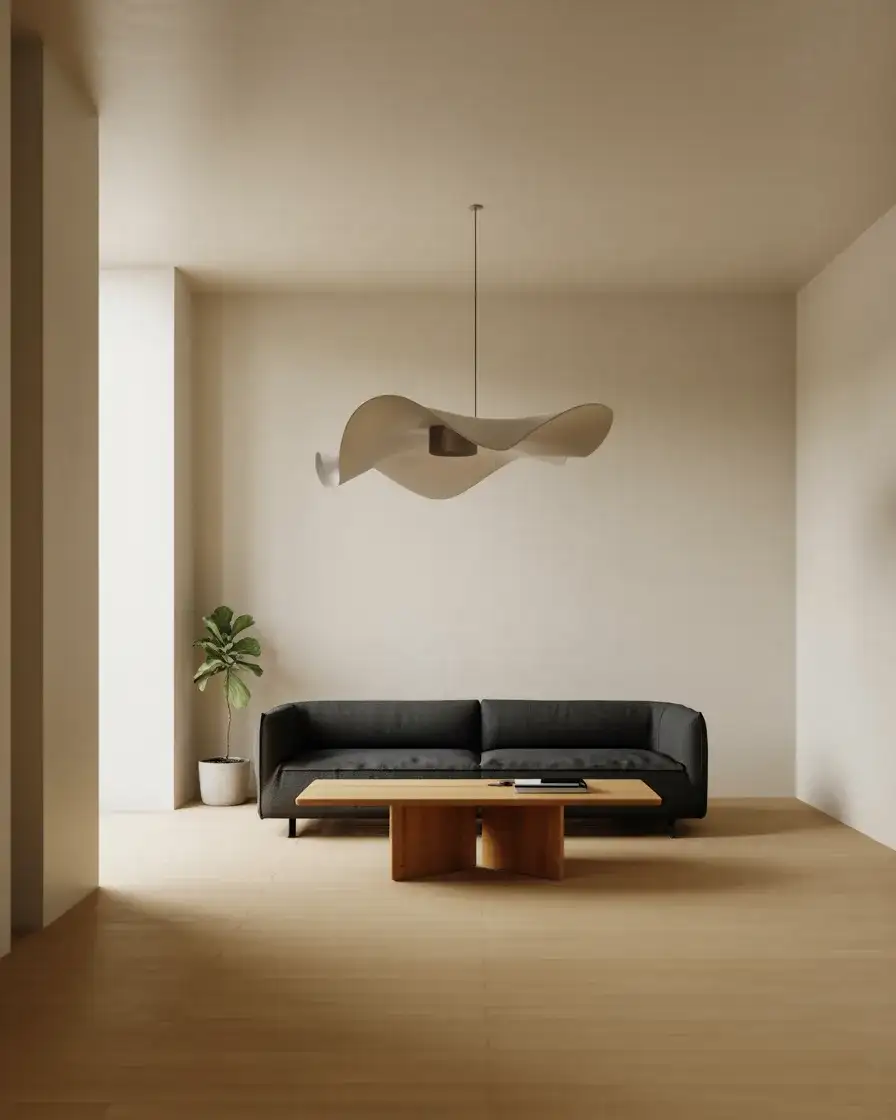
This style thrives in urban lofts and contemporary builds where space is at a premium. By reducing furniture count, the room feels larger and more breathable. A common mistake is assuming minimalism means cold—layering in warm wood tones, wool rugs, and linen upholstery adds necessary softness. Statement lighting can range from mid-century sputnik fixtures to modern globe pendants, but the key is scale: it should feel intentional, not accidental.
9. Cozy Modern Farmhouse with Shiplap Accent Walls
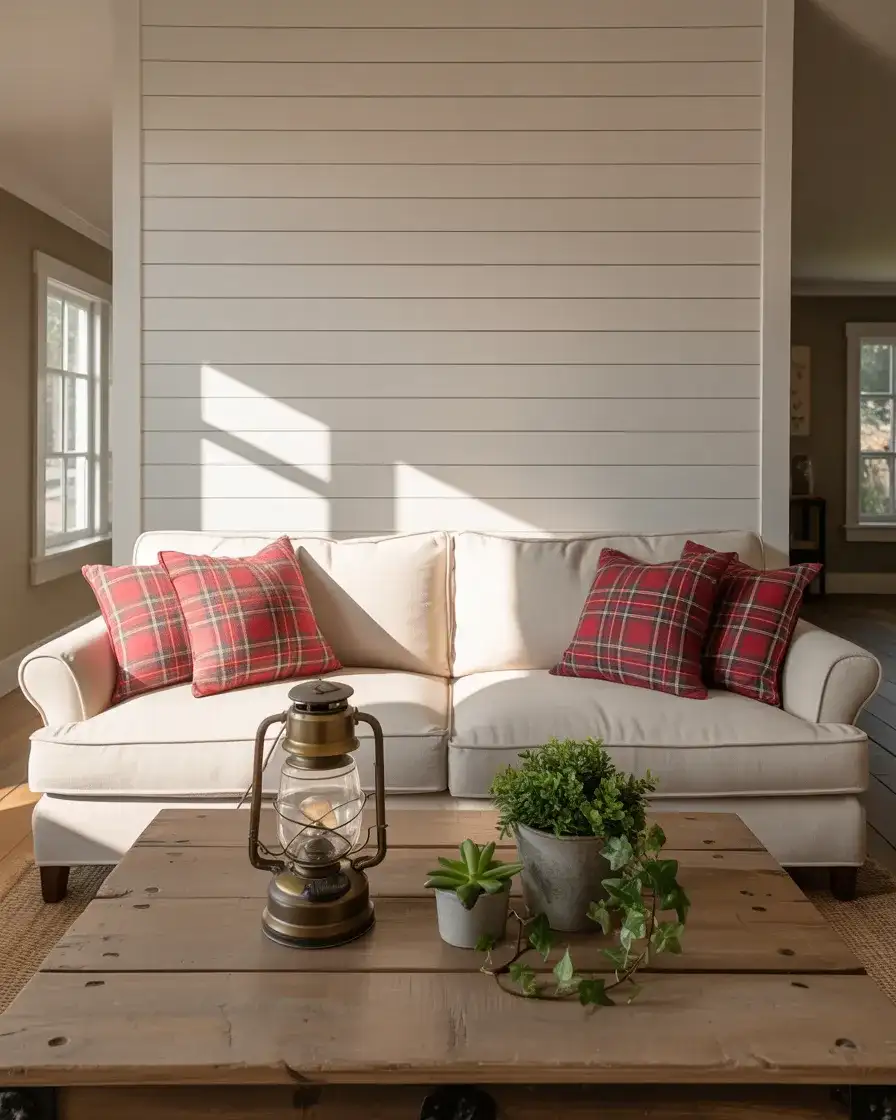
The cozy modern farmhouse aesthetic remains a Pinterest favorite, and in 2026 it’s evolving toward subtler applications of its signature details. Shiplap is no longer floor-to-ceiling in every room; instead, it’s used as an accent wall behind the TV or fireplace, painted in soft whites or muted grays. Pair it with vintage-inspired furniture, galvanized metal accents, and plenty of greenery for a look that feels rooted and cozy comfy without veering into theme-park territory.
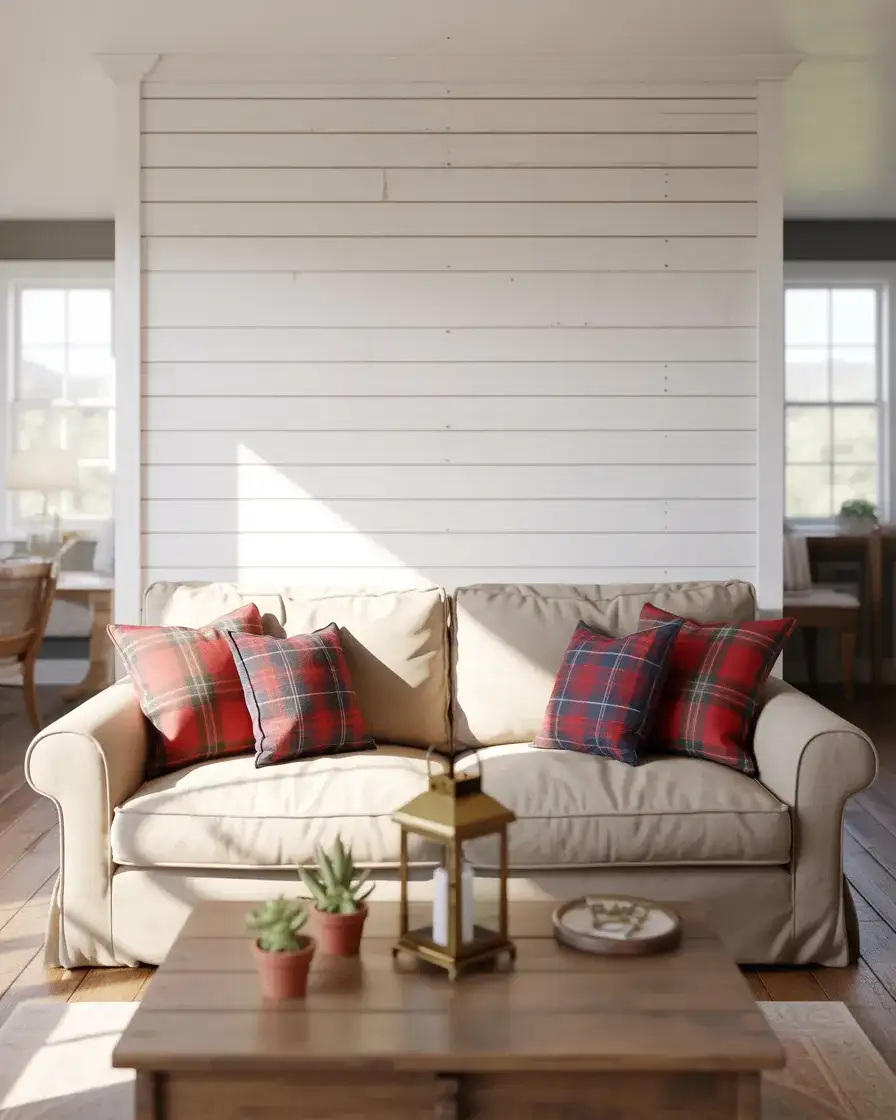
In rural and suburban areas across the South and Midwest, this style feels especially at home, blending seamlessly with existing architecture and regional sensibilities. Shiplap is also forgiving for DIYers—mistakes are easier to hide than with drywall, and it adds instant texture. If you’re renovating on a budget, consider using plywood with grooves routed in rather than true tongue-and-groove boards; the look is nearly identical at half the cost. Just avoid overdoing the distressed finishes—modern farmhouse in 2026 leans cleaner and more curated.
10. Eclectic Mix of Vintage and Contemporary Pieces
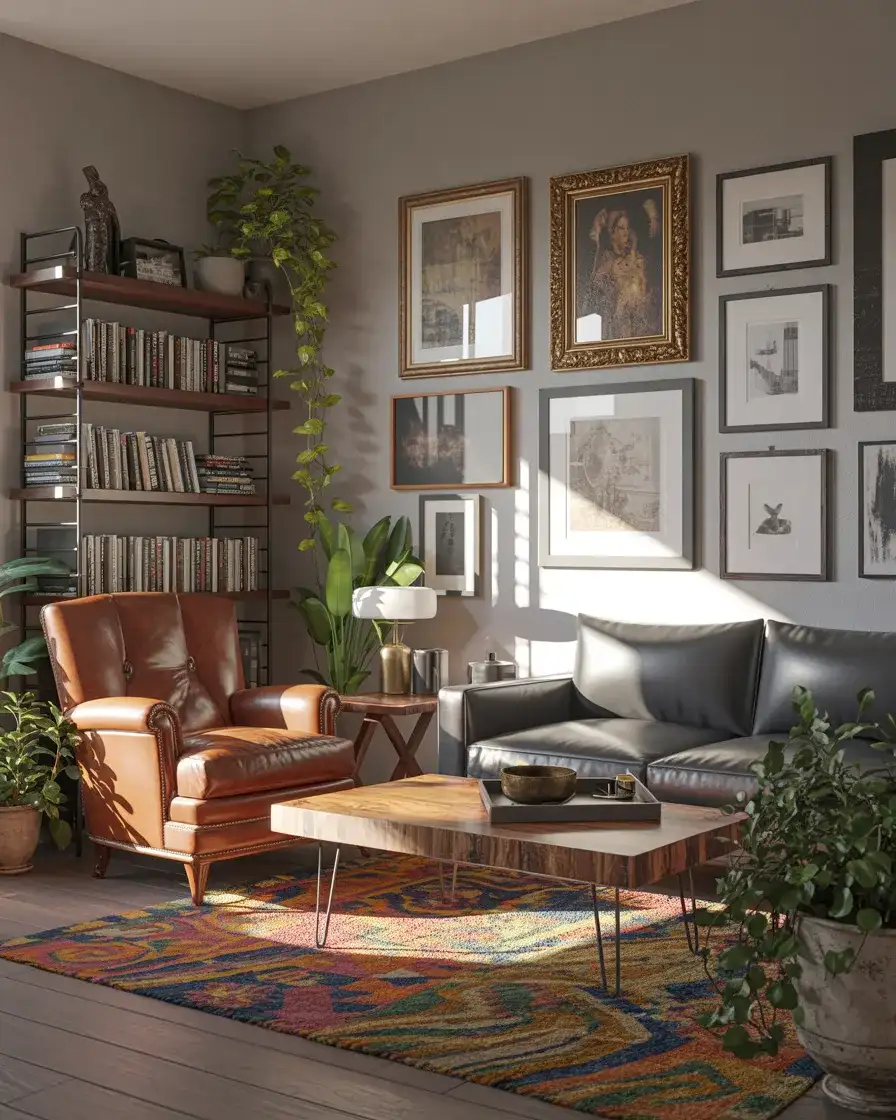
An eclectic family room thrives on contrast: a mid-century credenza next to a sleek modern sofa, a vintage Persian rug beneath a glass coffee table, and a grandmother’s armchair reupholstered in bold velvet. This approach requires a confident eye but rewards with a space that feels collected over time rather than ordered from a single catalog. In 2026, eclecticism is less about chaos and more about intentional curation—each piece has a story, and the room reflects a family’s unique history and taste.
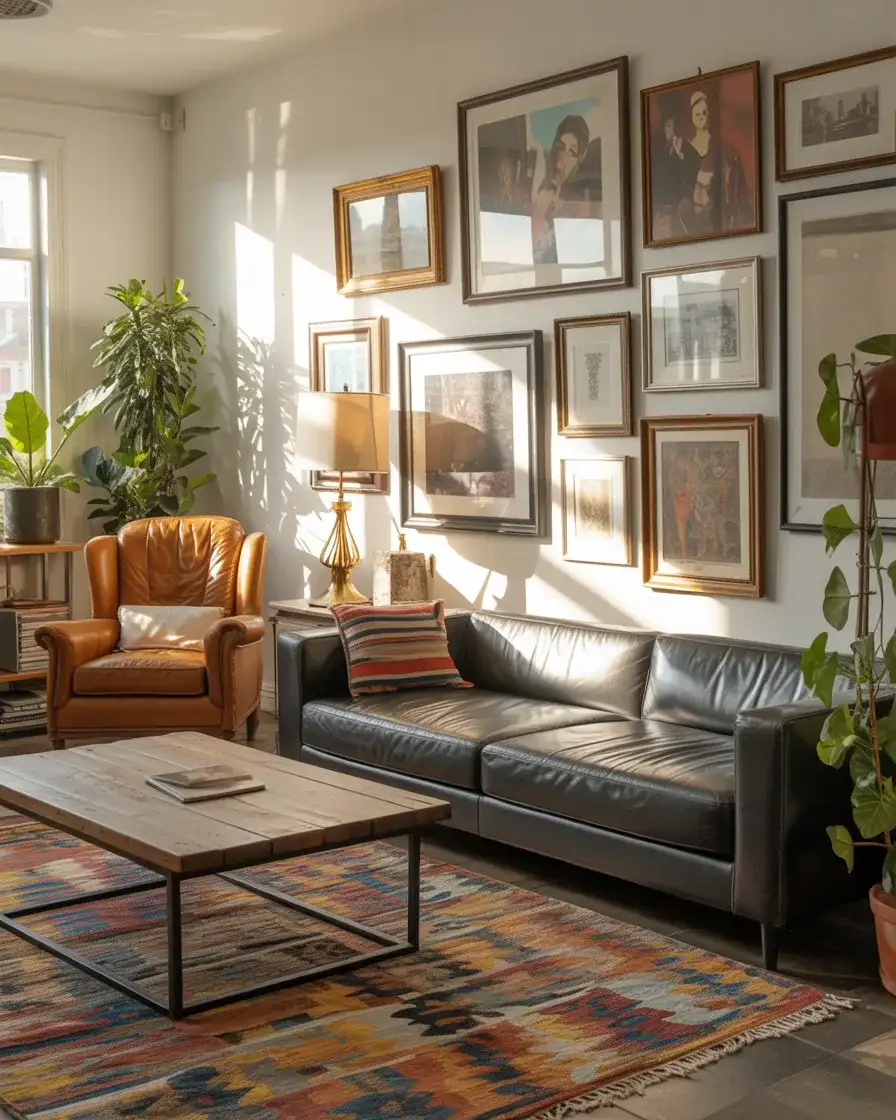
Where this works best is in older homes with character—Victorian row houses, Arts and Crafts bungalows, or even 1970s ranches—where mixing eras feels organic rather than forced. A practical insight: limit your color palette to three or four hues to keep the variety from reading as visual noise. Many homeowners shop estate sales and thrift stores for unique finds, then balance them with new, affordable basics from places like West Elm or CB2. The result is a room that feels lived-in and loved, not staged.
11. Open-Concept TV Placement Without Dominating the Space
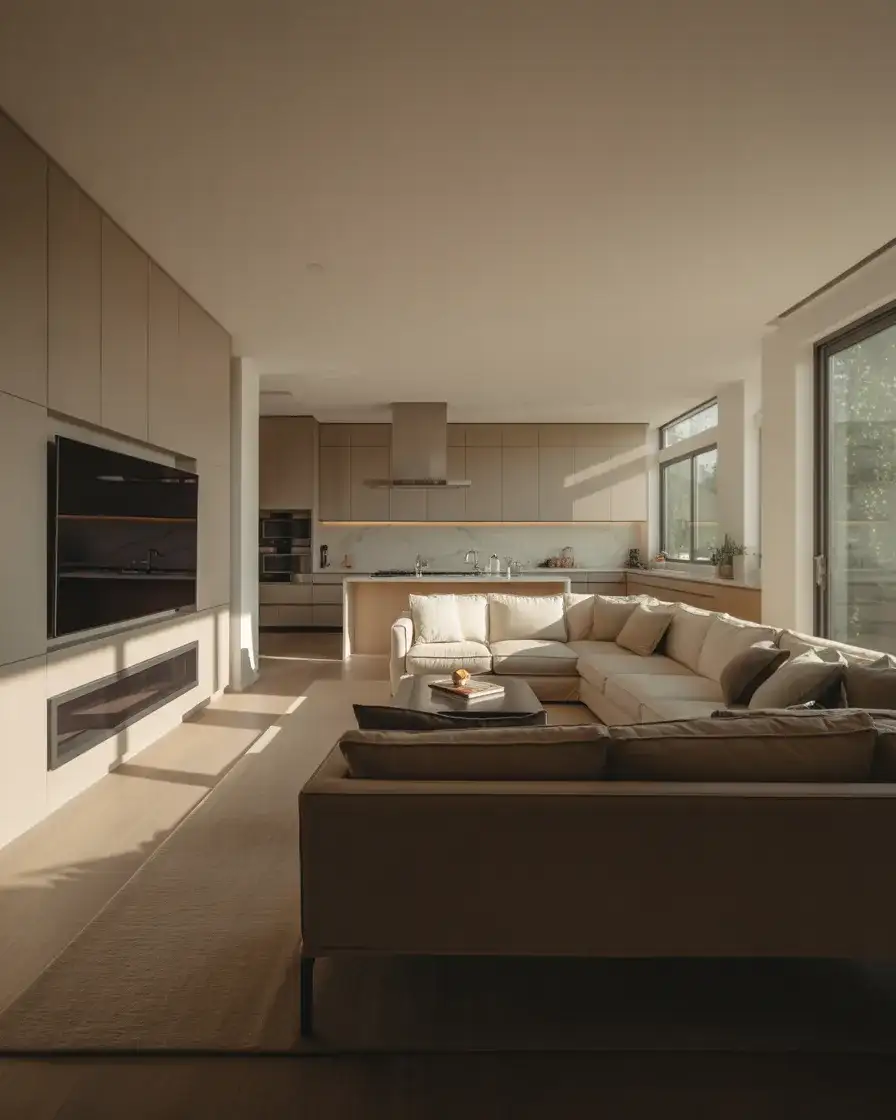
In TV open-concept layouts, the challenge is integrating the screen without letting it become the only thing you see. One smart move is mounting it on a swivel arm or placing it inside a cabinet with doors that close when not in use. Another is positioning the TV perpendicular to the kitchen rather than directly facing it, so it’s available for viewing but not a constant presence during meals or conversation. This balance is key to maintaining the openness and flow that makes these layouts so appealing.
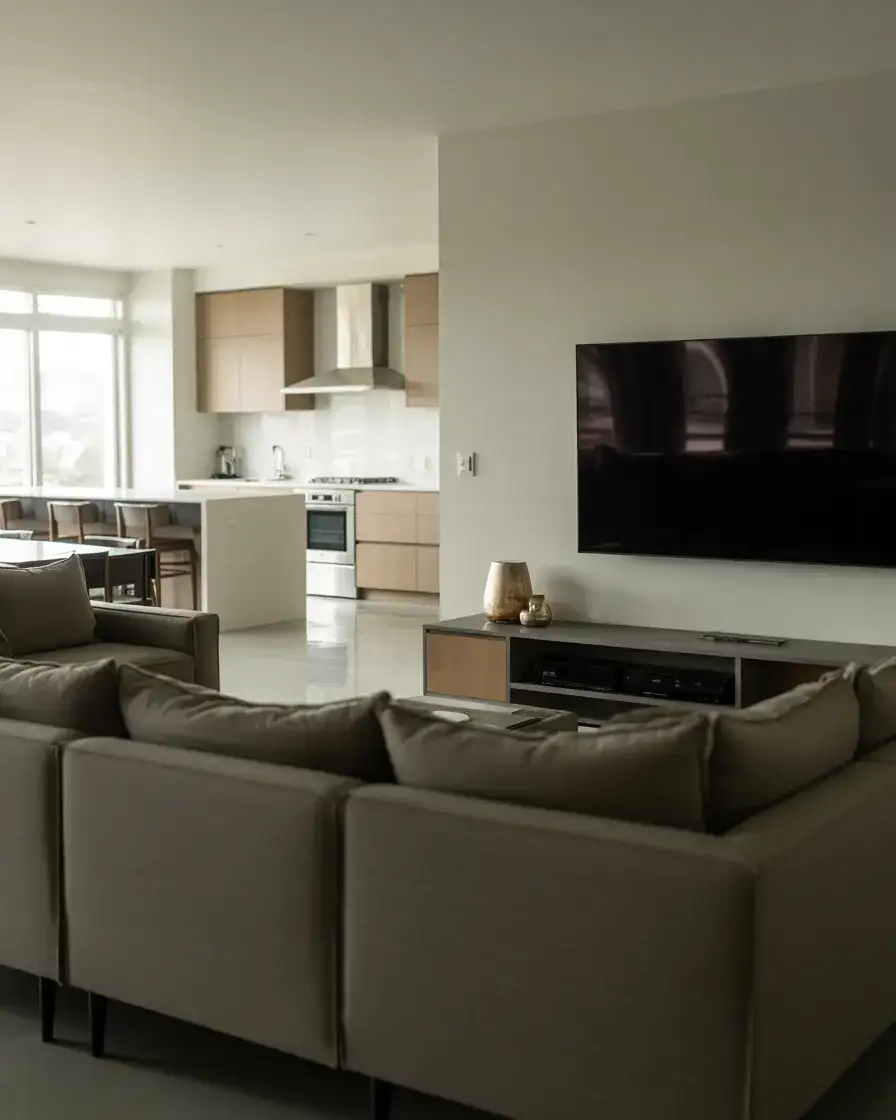
Homeowners in new suburban developments often struggle with this, especially in great rooms where the TV is visible from the entryway. One designer trick is to flank the screen with tall plants or bookshelves, softening its hard edges and integrating it into a larger vignette. Soundbars and hidden speakers also help avoid the tangle of visible wires that can cheapen an otherwise polished space. If you’re renovating, run wiring through the walls during construction—it’s a small upfront cost that makes a massive difference in the final look.
12. Transitional Style Blending Traditional and Modern
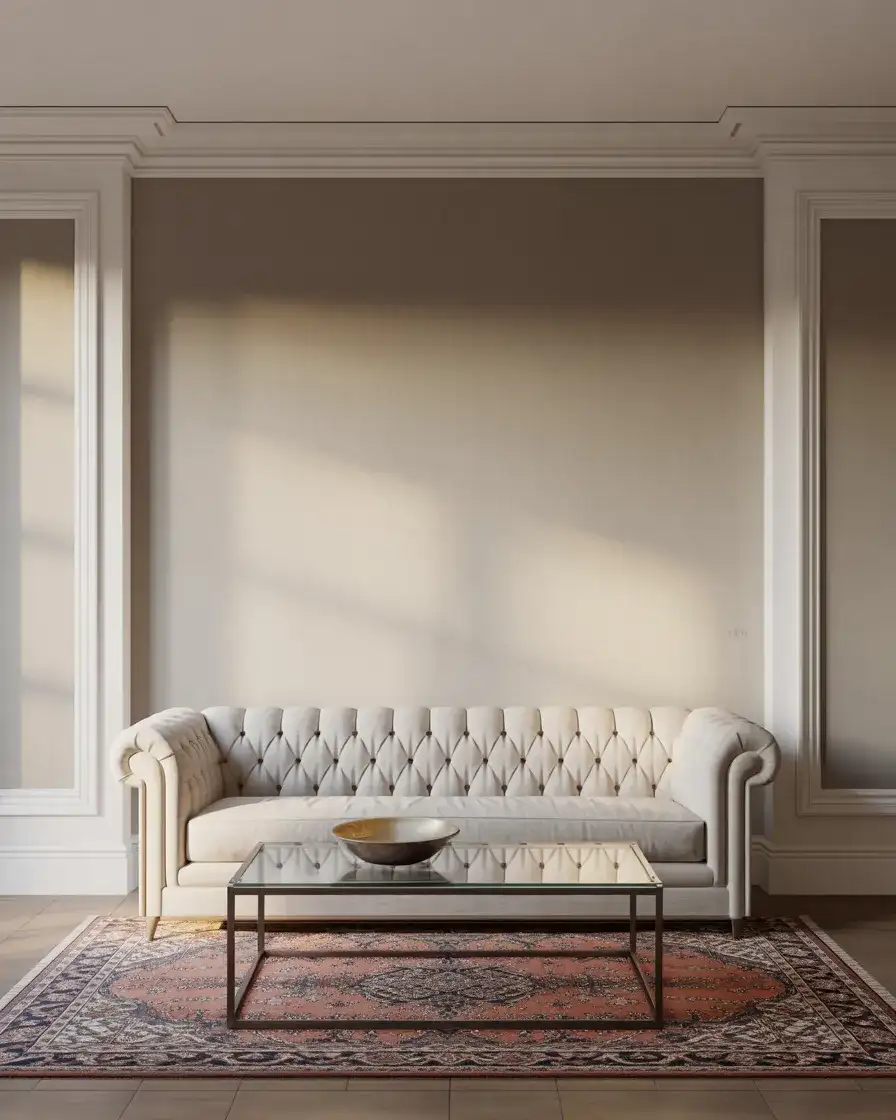
Transitional design occupies the sweet spot between formal traditional and stark modern, making it ideal for families who want sophistication without stuffiness. Picture a tufted sofa in a neutral linen, paired with sleek metal side tables and a classic Persian rug. Crown molding and wainscoting coexist with clean-lined furniture and minimal accessories. The palette is typically muted—soft grays, warm beiges, creamy whites—and the overall feel is polished yet approachable, perfect for a space that needs to function for both adults and children.
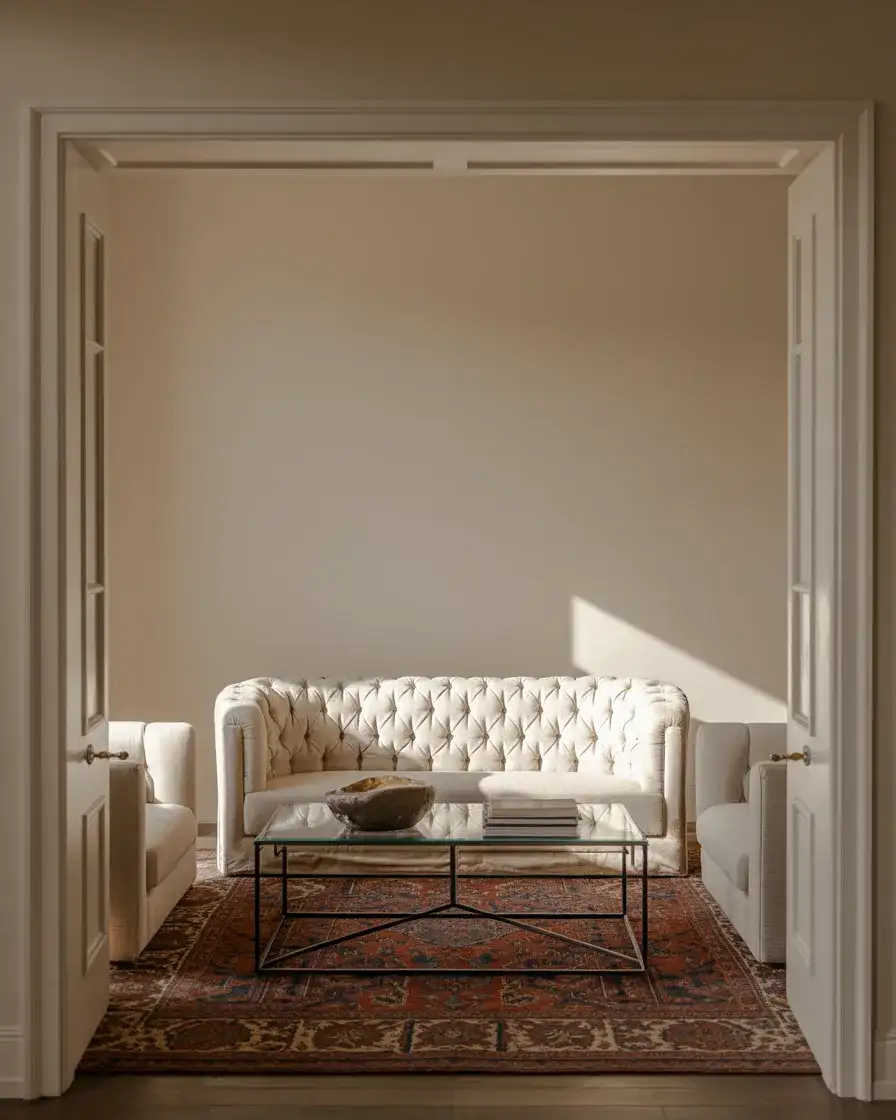
This style works particularly well in colonial-era homes on the East Coast or suburban builds that mimic traditional architecture. It’s also a safe choice for resale, as it appeals to a broad range of buyers. A common mistake is mixing too many styles at once—transitional works because it limits the palette and keeps lines relatively simple. Stick to two or three furniture profiles (e.g., curved arms, straight legs, upholstered seating) and repeat them throughout the room for cohesion.
13. Contemporary Art as the Room’s Centerpiece
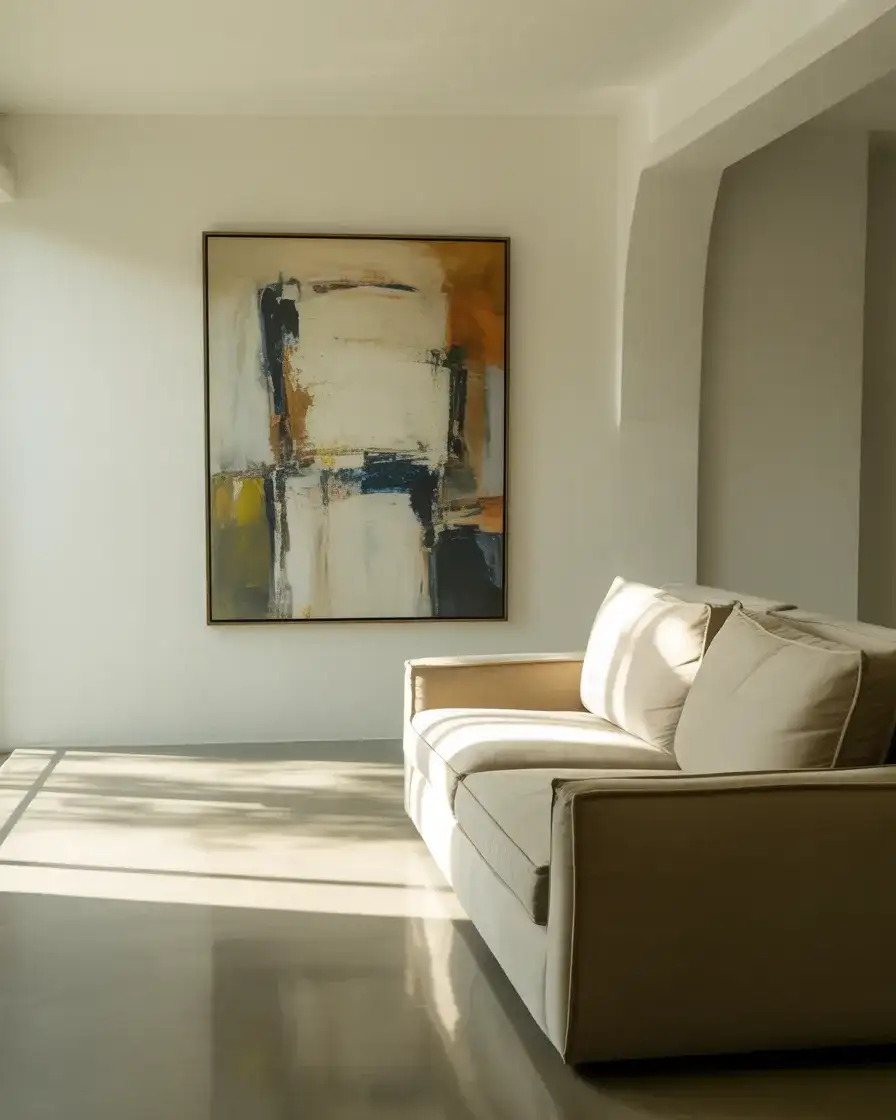
In contemporary family rooms, a single piece of bold artwork can set the tone for the entire space. Think oversized abstract canvases, large-scale photography, or sculptural wall installations that command attention without competing with other elements. This approach allows you to keep furniture and accessories minimal, letting the art do the heavy lifting. It’s a strategy favored by design-conscious families who want their home to feel curated and personal, not cookie-cutter.
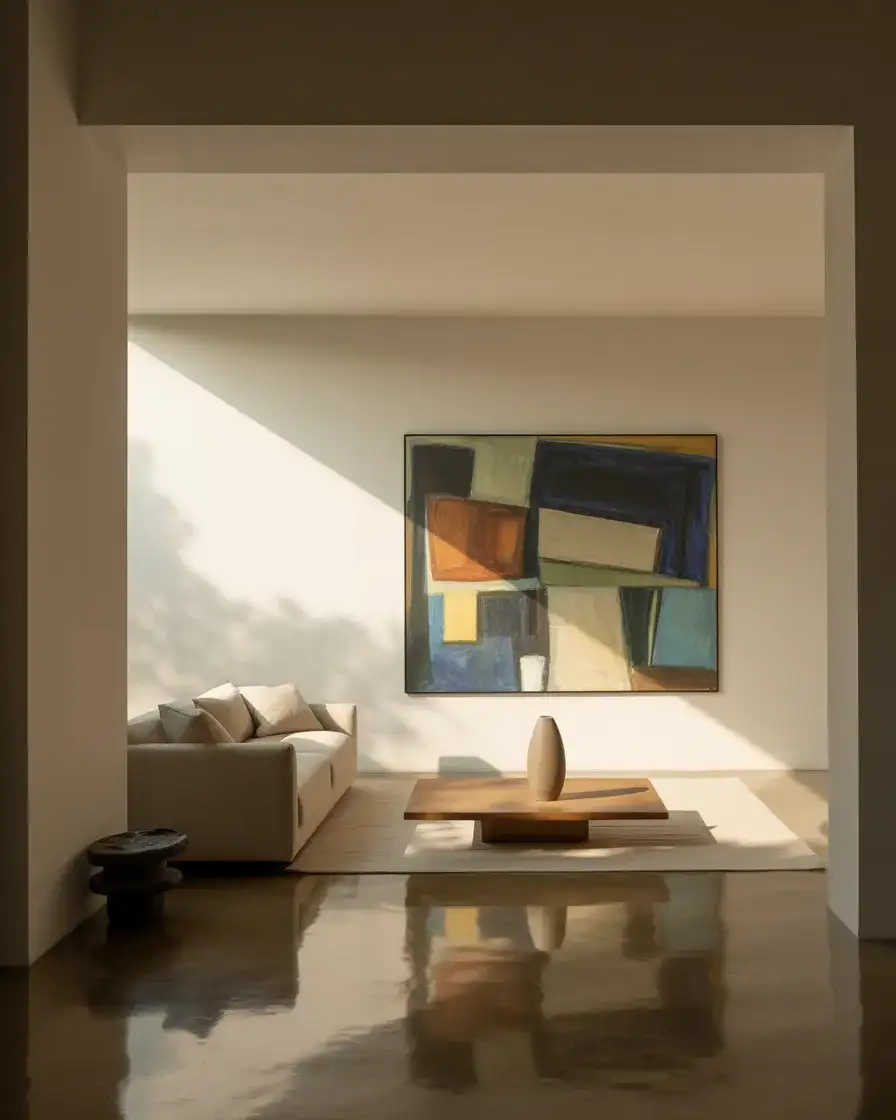
Where this works best is in loft-style apartments and new construction with high ceilings and abundant natural light—spaces that feel like galleries rather than traditional living rooms. Many families commission local artists or invest in limited-edition prints, turning the family room into a reflection of their taste and values. If you’re hesitant about the investment, start with affordable options from platforms like Minted or Society6, which offer large-format prints that look far more expensive than they are.
14. Hotel-Inspired Luxury with Plush Upholstery
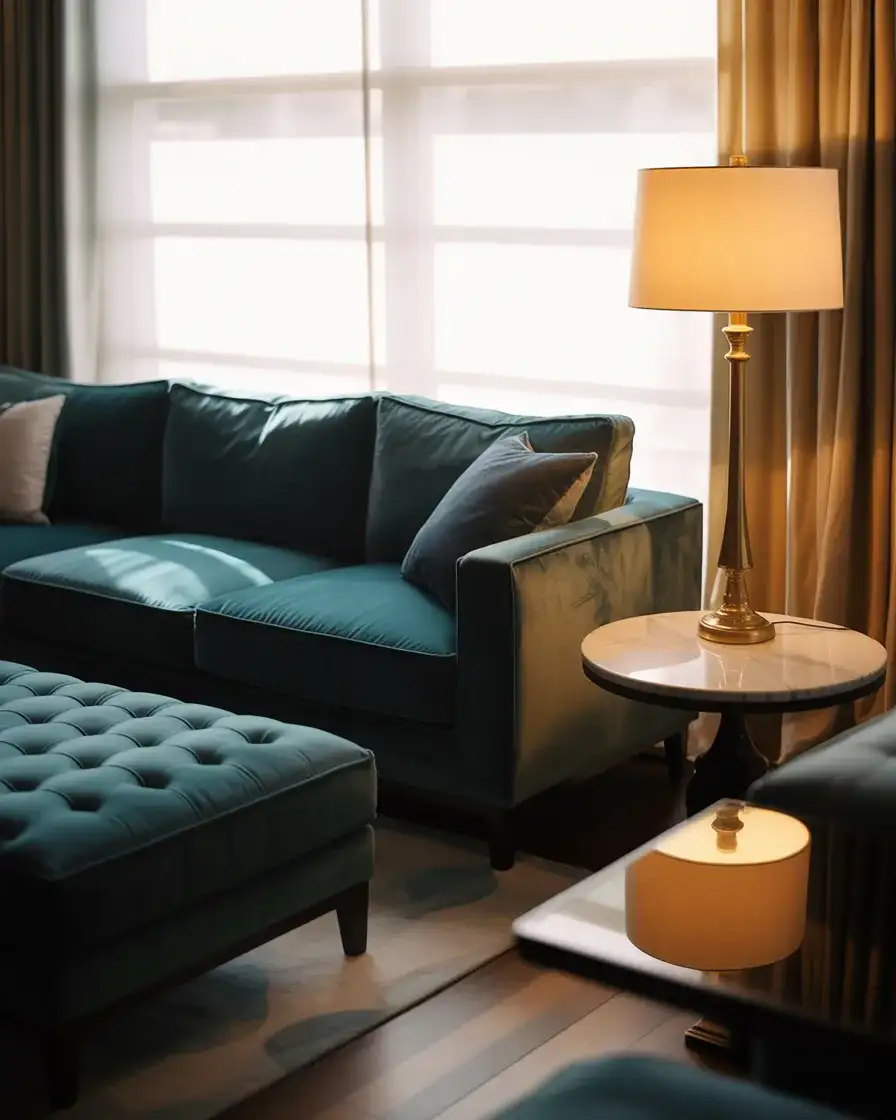
If you’ve ever walked into a hotel lobby and wanted to recreate that feeling of effortless luxury at home, 2026 is your year. Think deep, plush sofas with down-filled cushions, velvet or mohair upholstery in jewel tones, and layered lighting that creates pools of warmth rather than harsh overhead glare. The key is quality over quantity—fewer pieces, but each one should feel indulgent. This approach works especially well in master suites that include a sitting area or in formal family rooms reserved for adult gatherings.
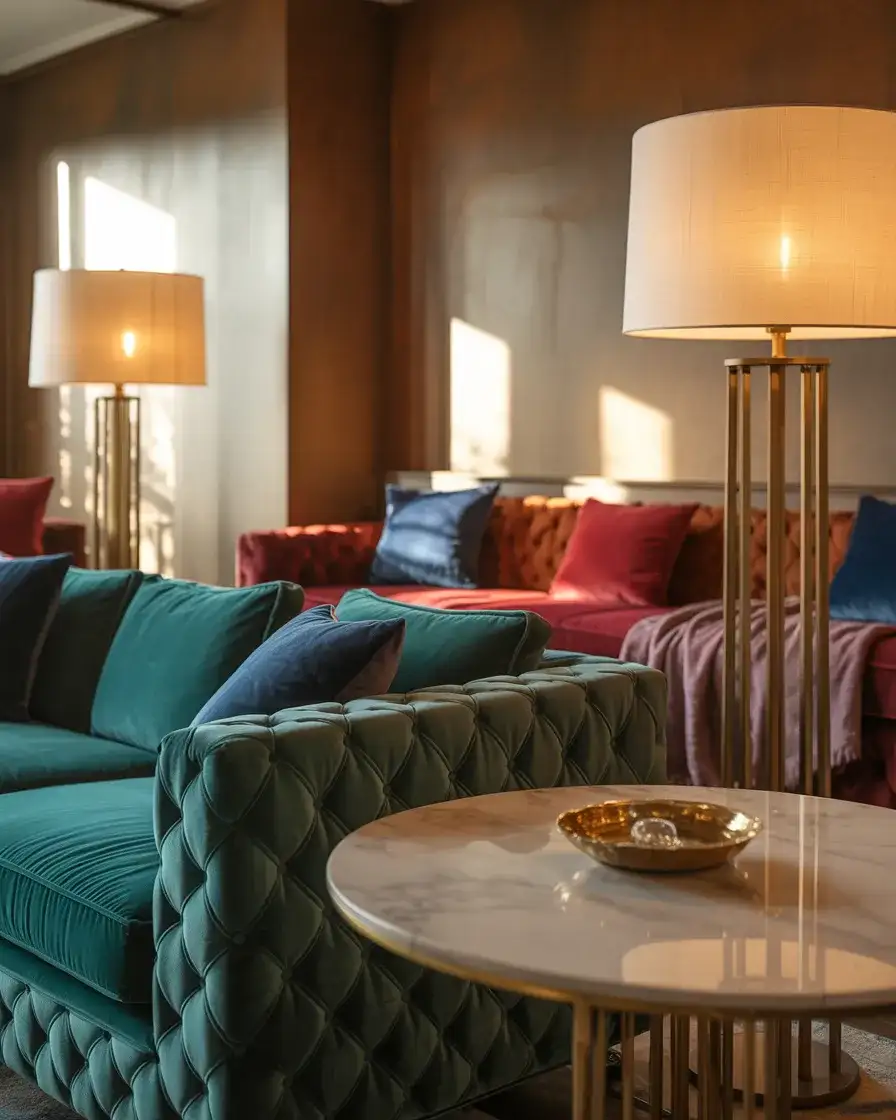
Budget-wise, this look requires investment—expect to spend $2,000 to $5,000 on a quality sofa alone. However, you can stretch your dollar by prioritizing one standout piece (like a velvet sofa) and surrounding it with more affordable accents. In penthouses and upscale suburban homes, this style signals sophistication without feeling pretentious. Just avoid the trap of making it too precious; if you’re afraid to actually sit on the furniture, you’ve gone too far.
15. Flexible Layout with Modular Seating
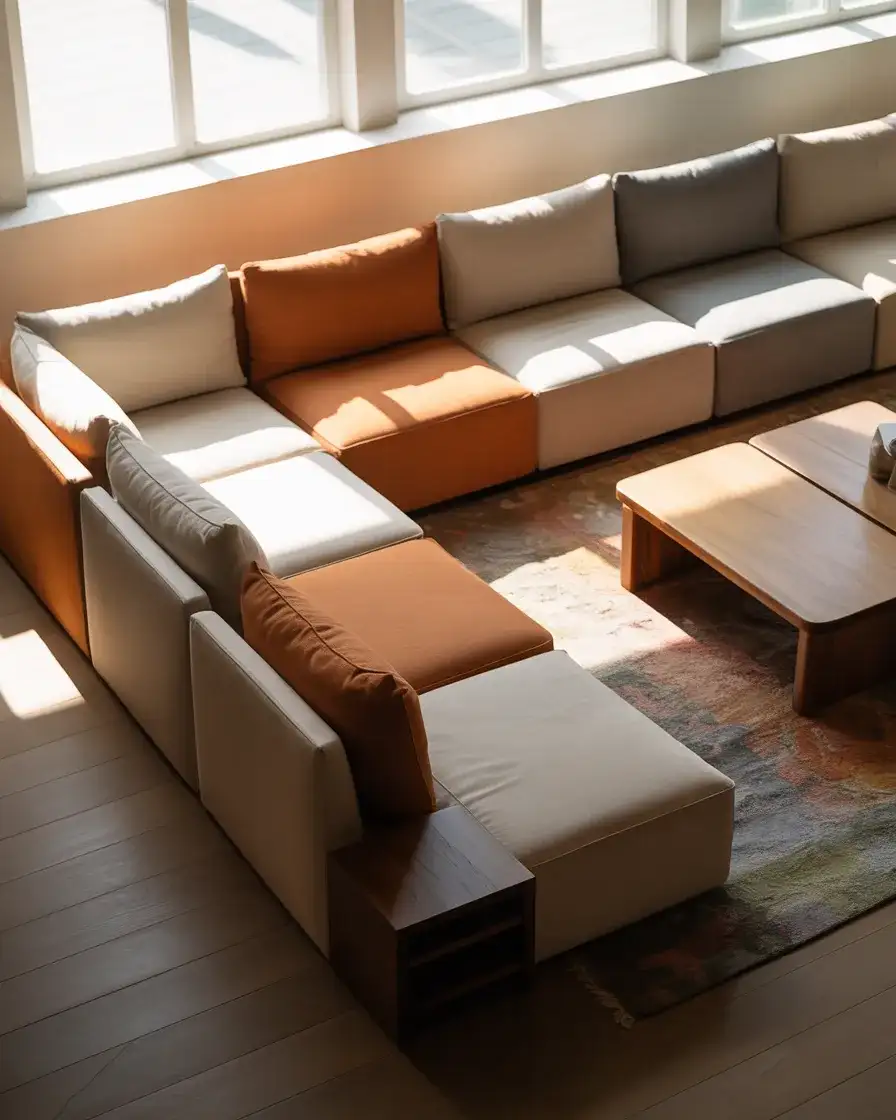
A flexible layout is essential for families whose needs shift regularly—hosting game nights one week, accommodating overnight guests the next, or simply rearranging for better flow. Modular seating systems let you reconfigure the room in minutes, breaking apart a sectional into individual chairs or reshaping a U into an L. In 2026, these systems are more stylish than ever, available in performance fabrics that withstand heavy use. This is particularly useful in small spaces where furniture has to multitask.
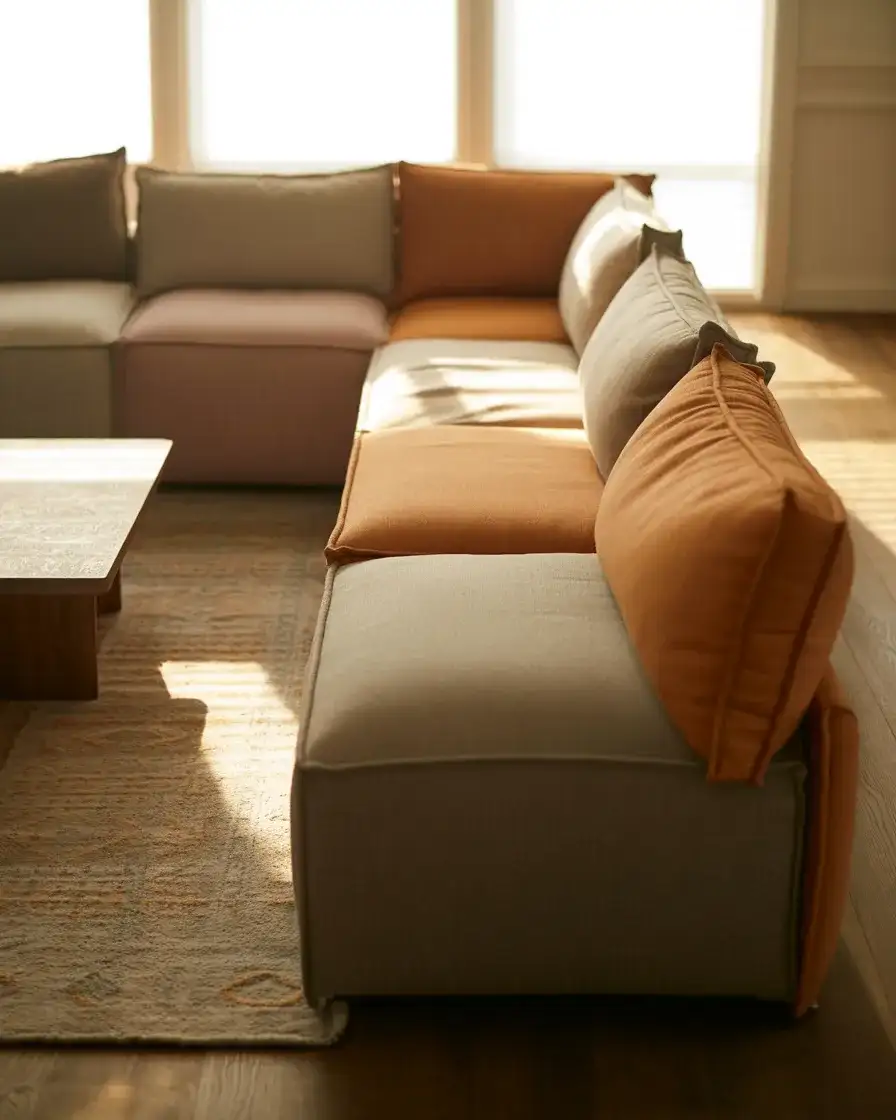
Real homeowner behavior shows that families with modular systems tend to rearrange their spaces more often, adapting to seasonal changes or new hobbies. It’s also a smart choice for renters who move frequently and need furniture that fits multiple floor plans. Brands like Lovesac and Burrow have made modular seating mainstream, with washable covers and easy assembly. A practical tip: buy an extra module or two if budget allows—it’s harder to find matching pieces later, and having flexibility from the start pays off.
16. Fireplace Surround in Natural Stone or Tile
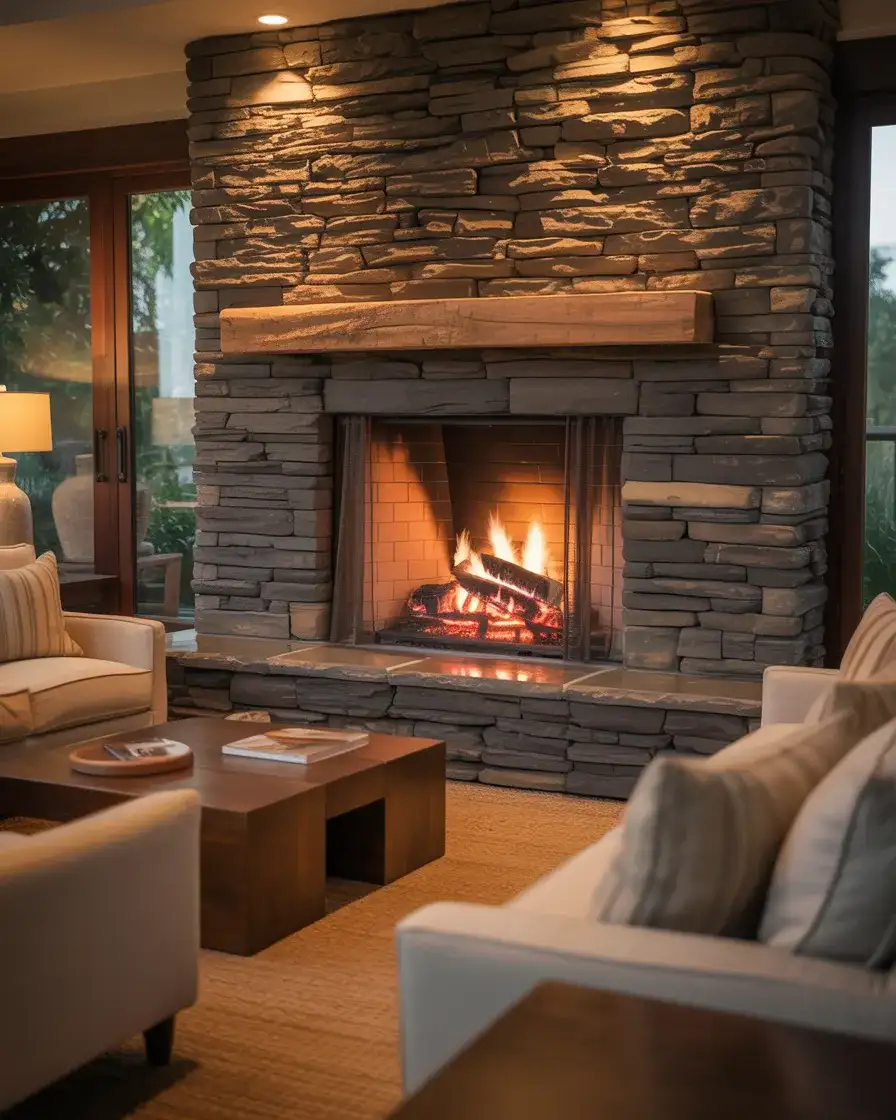
A fireplace surround in natural stone or handmade tile elevates the entire room, turning what could be a basic feature into a work of art. In 2026, textured materials are key—think ledger stone, stacked slate, or zellige tile in muted earth tones. These materials add depth and tactile interest, and they age beautifully, developing a patina that only improves over time. Pair the surround with a simple wood or concrete mantel to let the material shine without competing details.
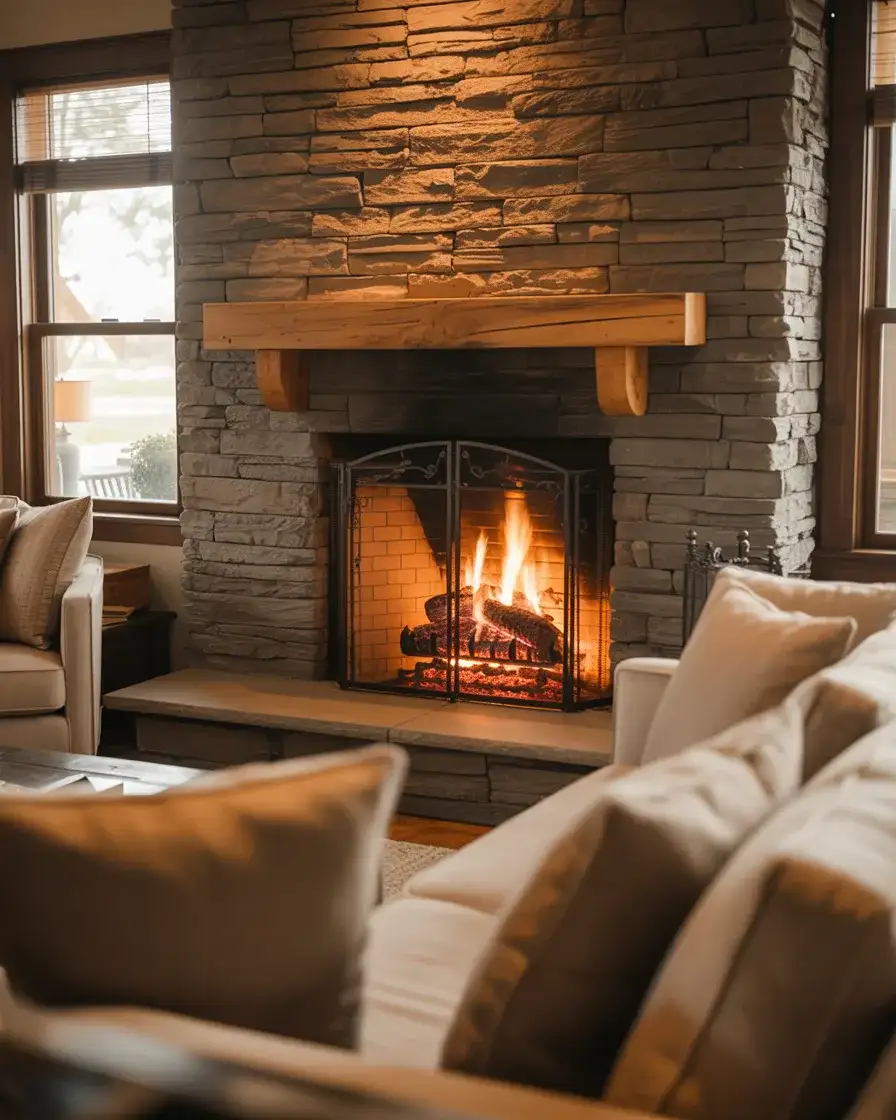
This style thrives in mountain homes, craftsman bungalows, and contemporary builds where natural materials are already emphasized. Stone and tile are also practical choices for active fireplaces, as they’re heat-resistant and easy to clean. If you’re renovating, consider hiring a tile installer for a custom pattern—herringbone, stacked, or offset layouts all create visual interest. A common mistake is choosing stone that’s too dark for a small room; lighter tones open up the space and reflect firelight more effectively.
17. Ideas with Patterned Wallpaper Behind Shelving
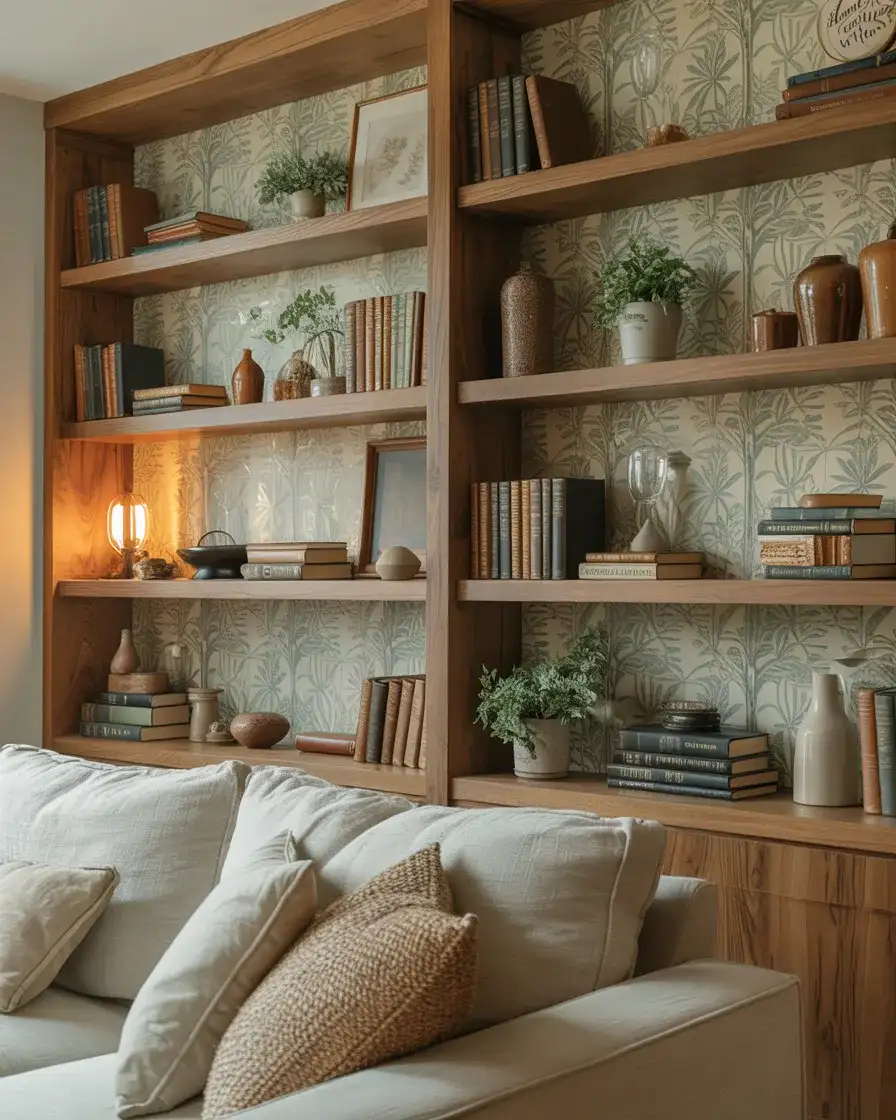
One of the freshest ideas for 2026 is adding patterned wallpaper behind open shelving or built-in bookcases. It adds depth and personality without overwhelming the room, since the shelves and their contents provide visual breaks in the pattern. Choose a design that complements your overall aesthetic—geometric prints for modern spaces, florals for traditional, or subtle textures for minimalist rooms. This trick is especially effective in small spaces where you want impact without committing an entire wall to bold color or pattern.
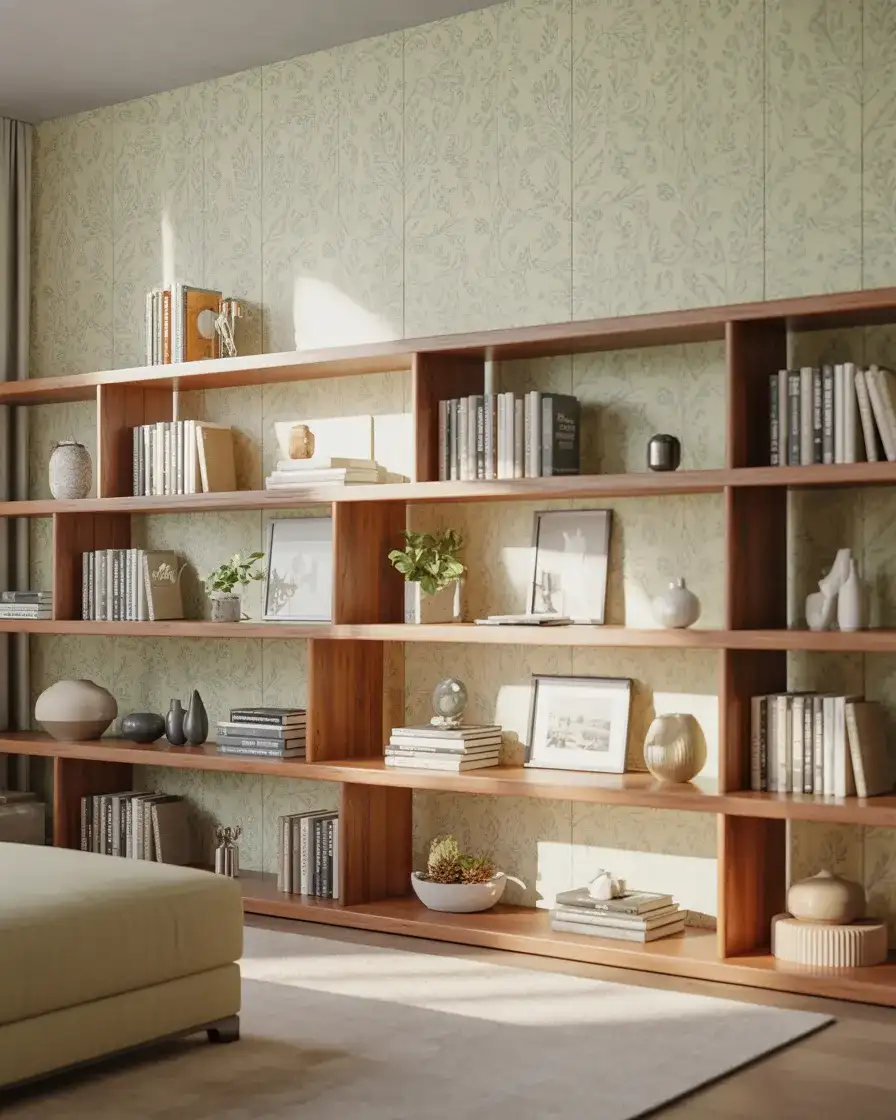
This approach works best in rooms with architectural detail—existing built-ins, alcoves, or recessed walls. It’s also a renter-friendly hack if you use peel-and-stick wallpaper, which can be removed without damage. Many homeowners use this technique to highlight a collection, whether it’s vintage books, ceramics, or family photos. Just be sure the pattern doesn’t compete too aggressively with the items on the shelves; the wallpaper should enhance, not overpower.
18. Dark Moody Walls for Cozy Evening Ambiance
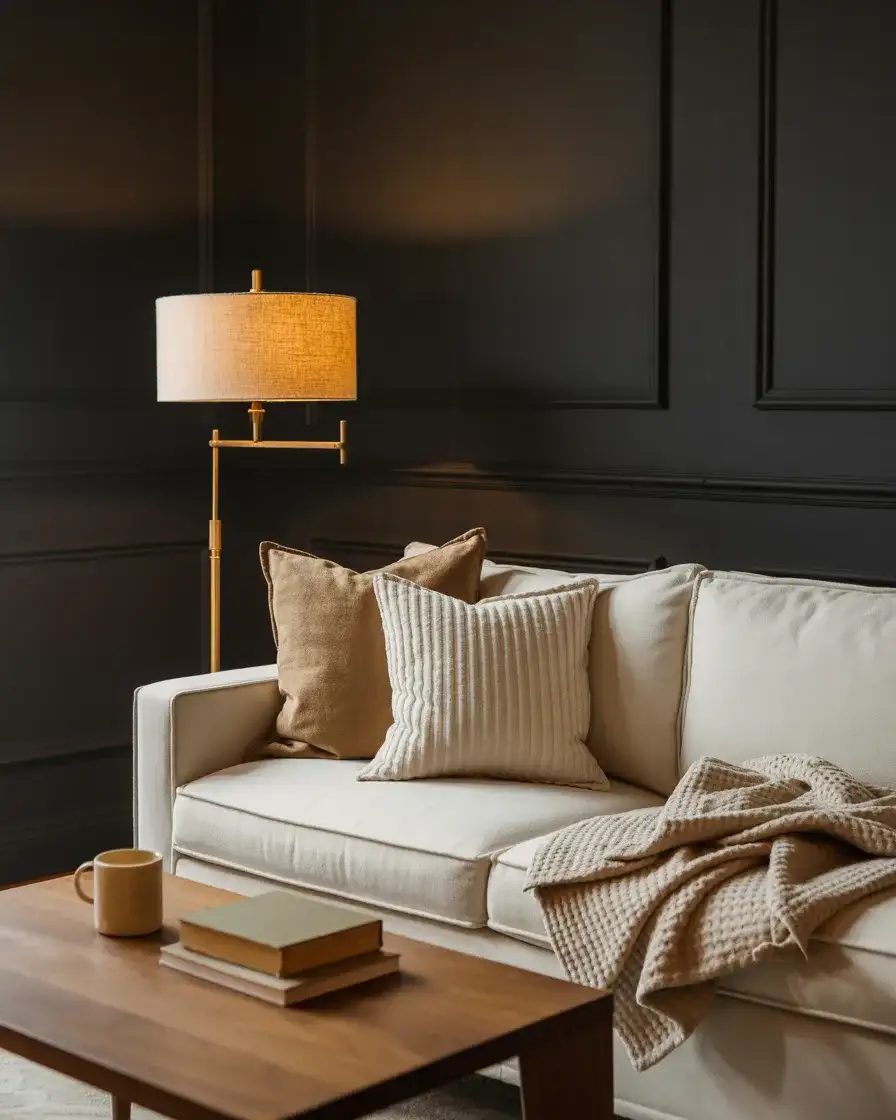
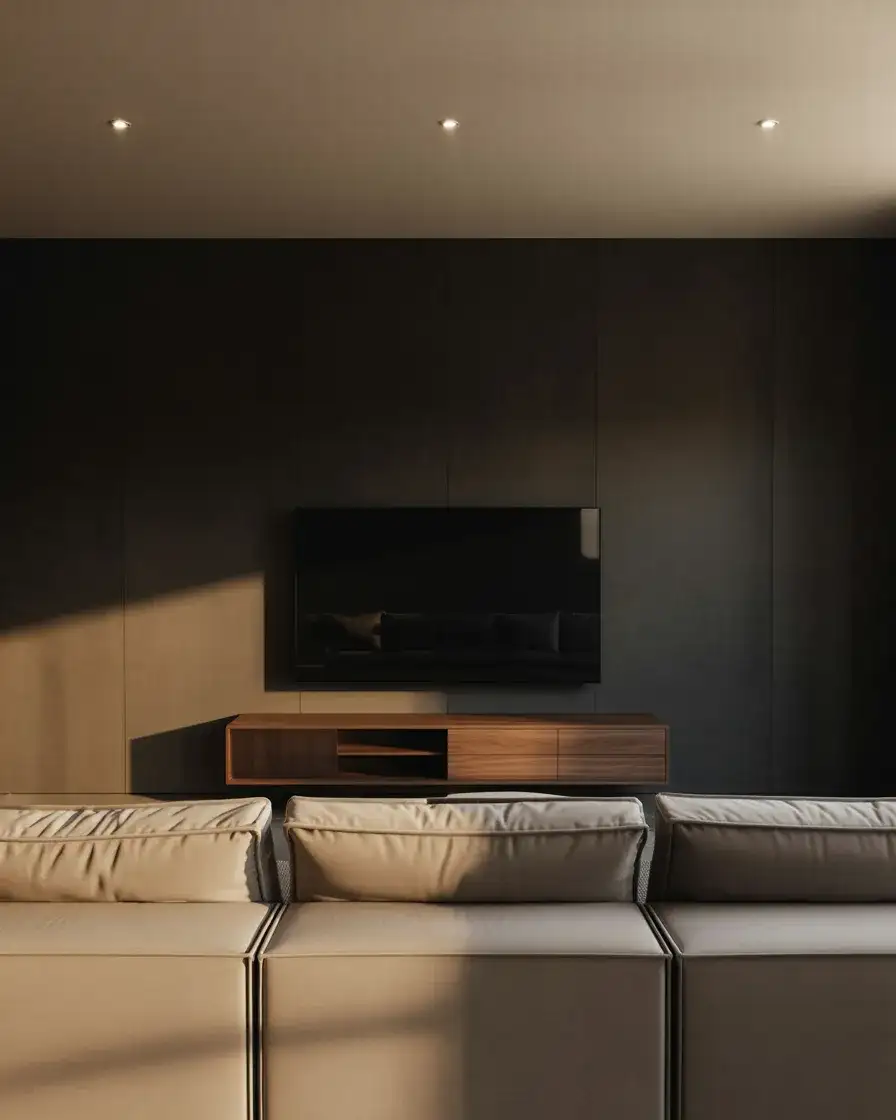
Dark walls are no longer taboo, especially in family rooms designed for cozy evenings and movie nights. Deep charcoal, navy, forest green, or even black can make a space feel enveloping and intimate, particularly when paired with warm wood tones and plenty of soft lighting. This look requires confidence, but the payoff is a room that feels like a retreat from the busyness of daily life. It’s particularly striking in rooms with abundant natural light during the day, which prevents the dark color from feeling oppressive.
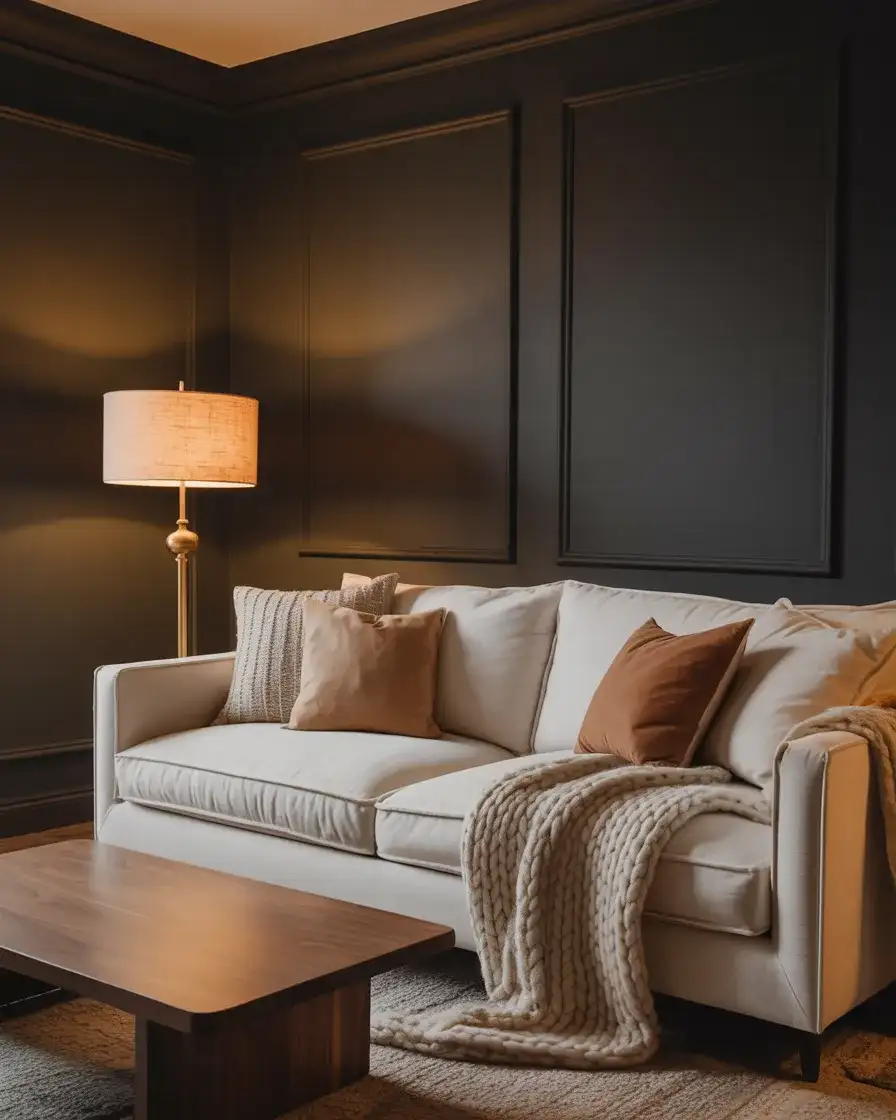
In suburban homes with large windows and in urban lofts with high ceilings, dark walls create drama without sacrificing livability. A common mistake is forgetting to layer in lighter accents—rugs, pillows, throws—that prevent the room from reading as a cave. Many homeowners also add metallic accents (brass, gold, or copper) to bounce light and add warmth. If you’re nervous about commitment, start with one accent wall and see how it feels before painting the entire room.
19. Family Room with Indoor Plants as Living Decor
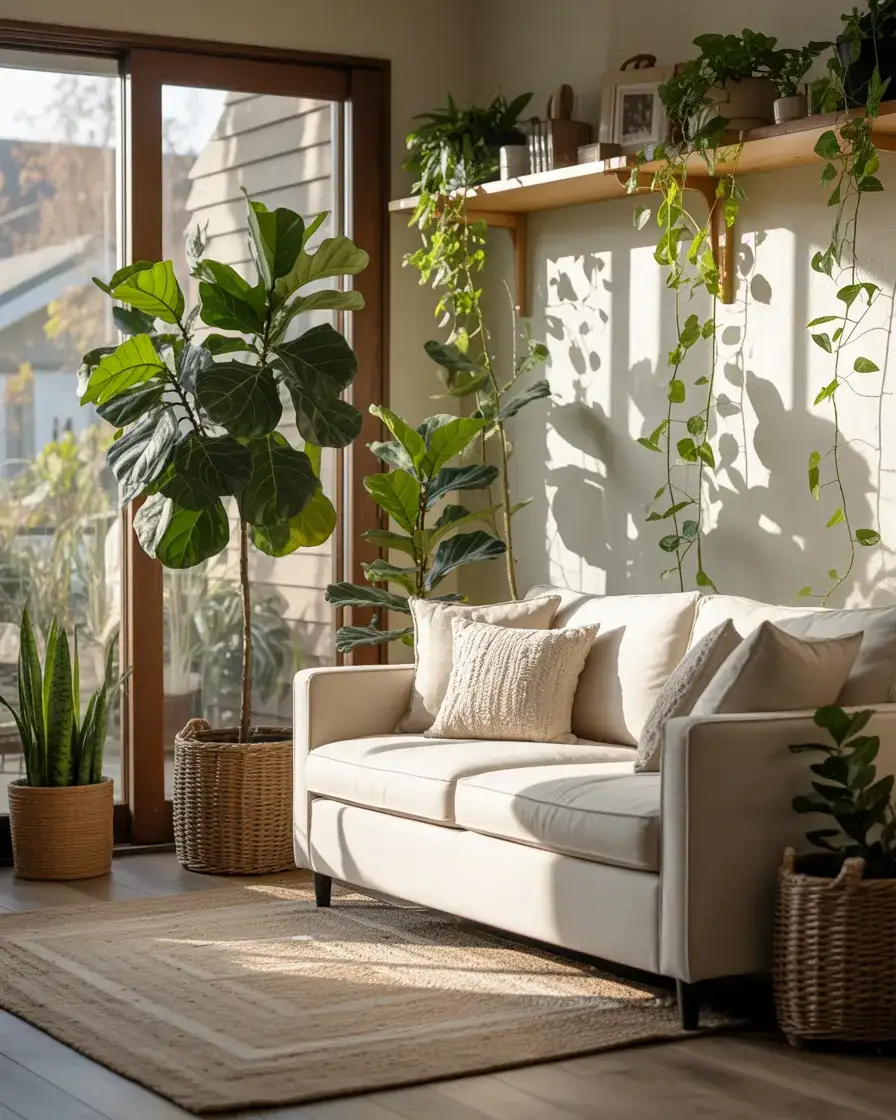
Indoor plants have moved beyond the windowsill and into starring roles as living decor. In 2026, family rooms feature floor plants in oversized planters, trailing vines from ceiling hooks, and clusters of smaller pots on shelves and side tables. Beyond aesthetics, plants improve air quality and bring a sense of calm to busy households. Choose low-maintenance varieties like pothos, snake plants, or fiddle leaf figs if you’re not a confident gardener, and rotate them seasonally to keep the room feeling fresh.
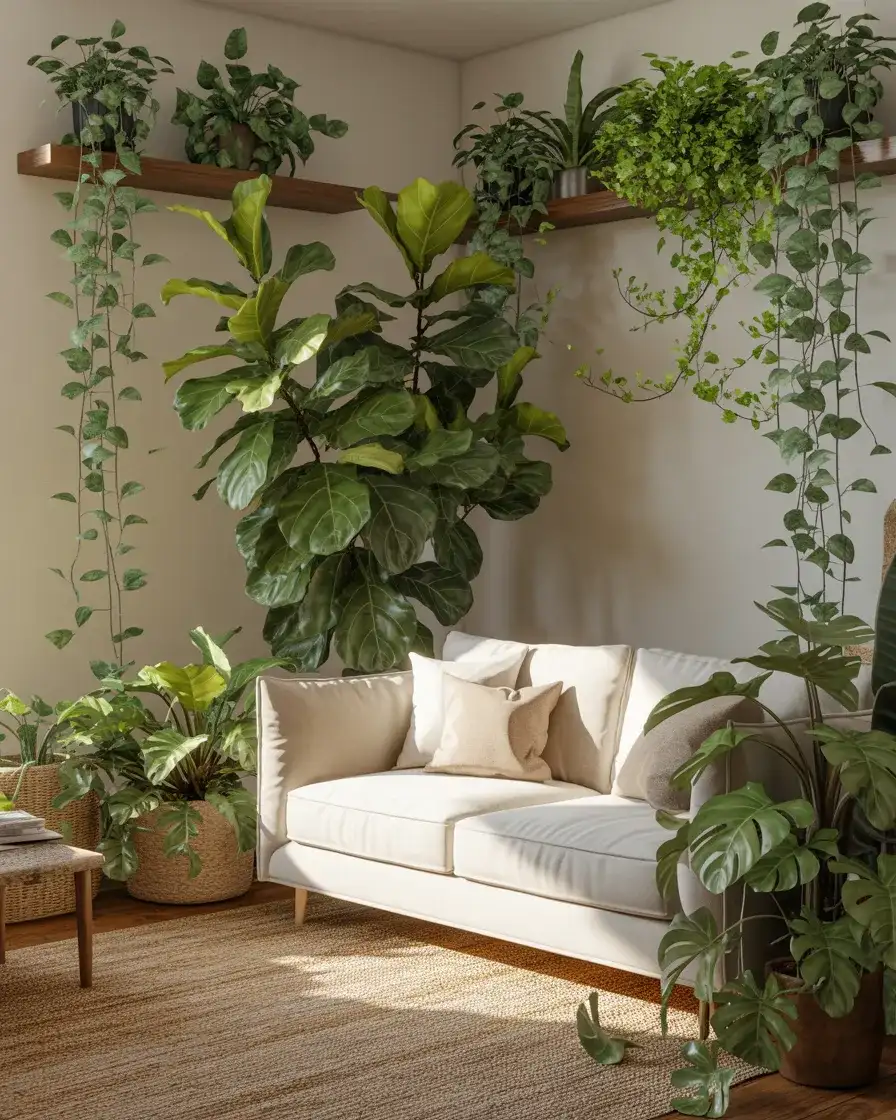
This approach is especially popular on the West Coast, where indoor-outdoor living is a lifestyle. But it transplants anywhere with adequate light and a willingness to water regularly. A micro anecdote: a friend in Denver added a monstera to her family room last spring, and it became the room’s conversation starter, prompting guests to ask about plant care before commenting on the furniture. It’s proof that living elements add personality in ways static decor can’t.
20. Multifunctional Coffee Table with Hidden Storage
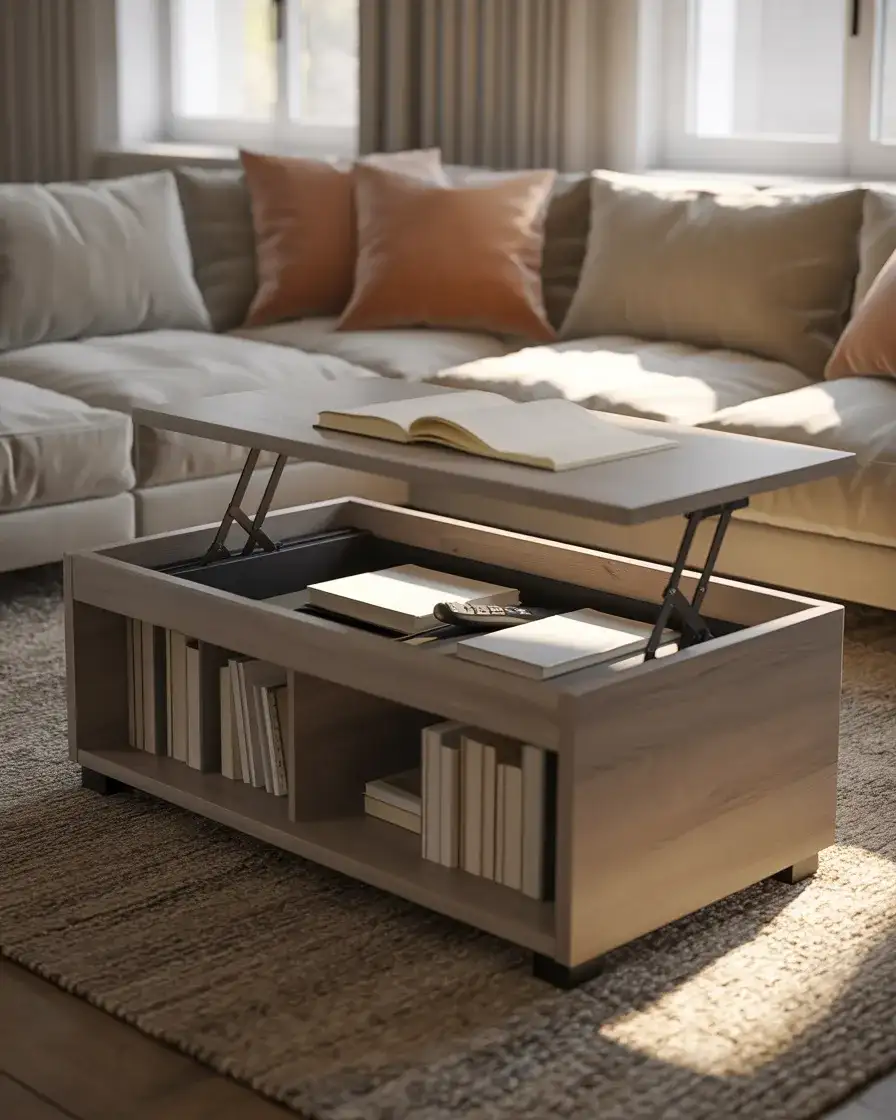
A coffee table with hidden storage is a game-changer in family rooms where clutter tends to accumulate. Lift-top designs, hollow ottomans, and tables with drawers or shelves keep remote controls, magazines, toys, and charging cables out of sight but easily accessible. In 2026, these pieces are better-looking than ever, available in materials like walnut, marble, and metal that feel intentional rather than utilitarian. This is a must-have in small spaces where every piece of furniture needs to earn its keep.
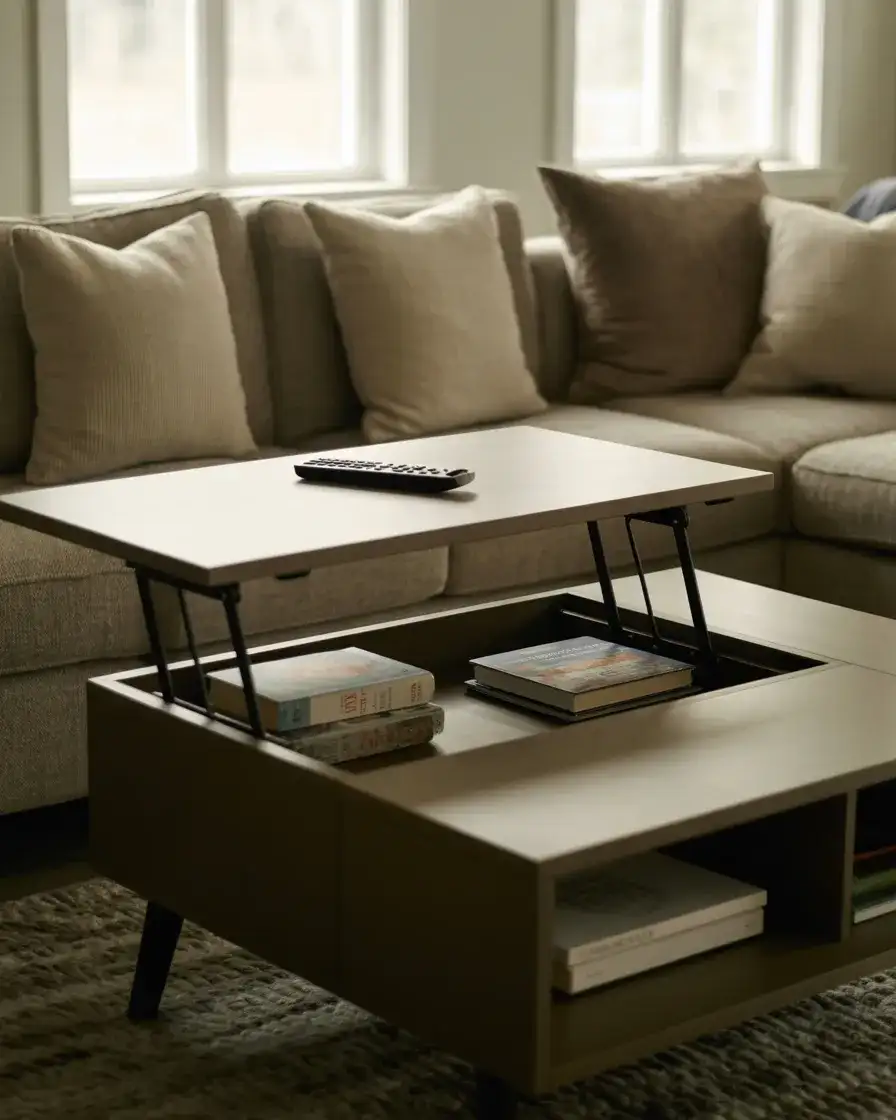
Expert advice here is to measure carefully—coffee tables should be about two-thirds the length of your sofa and low enough that you can reach over comfortably. In apartments and smaller suburban homes, multifunctional furniture is non-negotiable. Many families also use storage coffee tables to hide seasonal decor or kids’ crafts that would otherwise clutter the room. It’s a small investment that yields daily returns in tidiness and ease of use.
21. Accent Lighting for Layered Ambiance
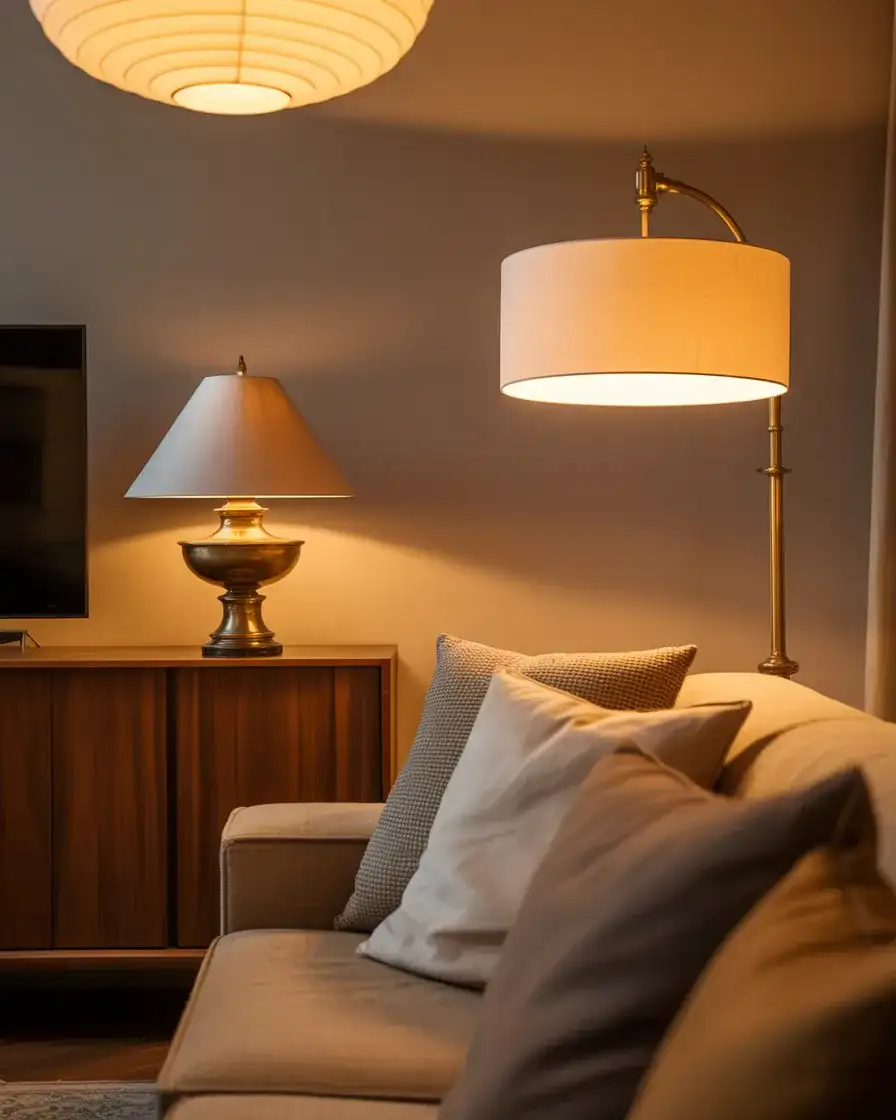
Lighting is the most underrated element of family room design, yet it’s also the most transformative. In 2026, layered lighting—combining overhead fixtures, floor lamps, table lamps, and even LED strips behind furniture—creates depth and flexibility. You can adjust the mood from bright and energizing for homework sessions to soft and intimate for movie nights. Dimmer switches and smart bulbs make this even easier, letting you control brightness and color temperature with a tap on your phone.
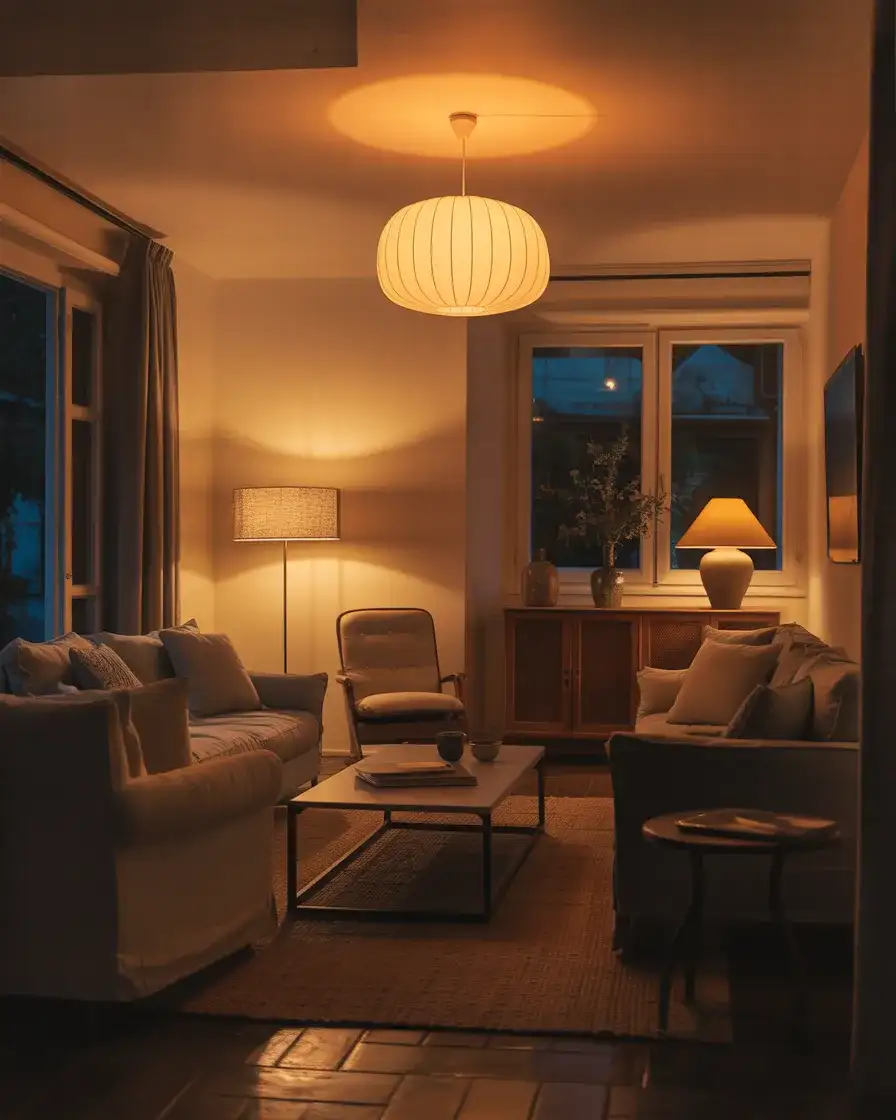
This strategy works best in rooms that serve multiple purposes—family hangout, work-from-home office, homework station. A common mistake is relying solely on overhead lighting, which creates harsh shadows and an unwelcoming atmosphere. Instead, distribute light sources around the room at different heights, and aim for warm-toned bulbs (2700K to 3000K) that mimic natural light. It’s a simple change that makes every other design choice look better.
22. Rustic Beams and Vaulted Ceilings for Architectural Drama
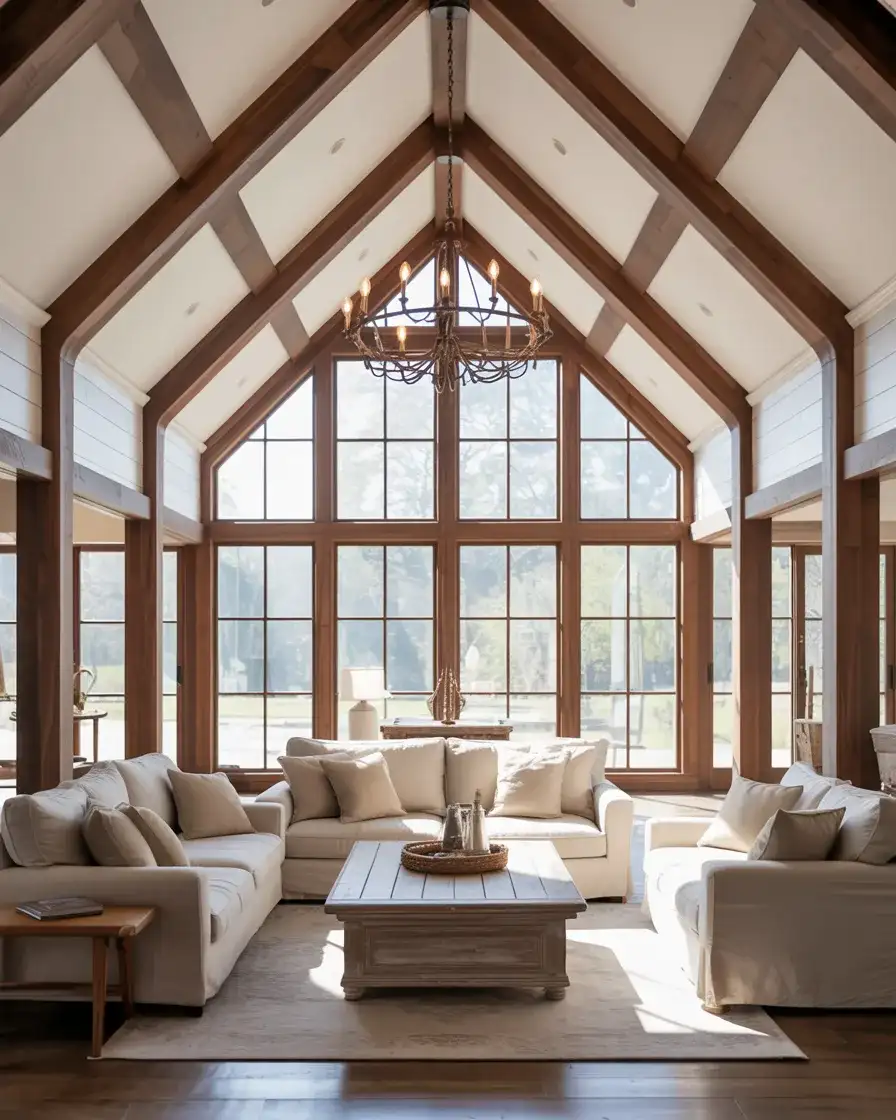
Exposed wooden beams and vaulted ceilings bring instant drama and character to family rooms, making even newer builds feel timeless. In 2026, this look is being refined—beams are often lighter stains or painted to match the ceiling, creating a softer, more integrated effect. The vertical space opens up the room and allows for statement lighting like oversized chandeliers or pendant clusters. This architectural feature works especially well in large rooms where the scale can handle the grandeur without feeling overdone.
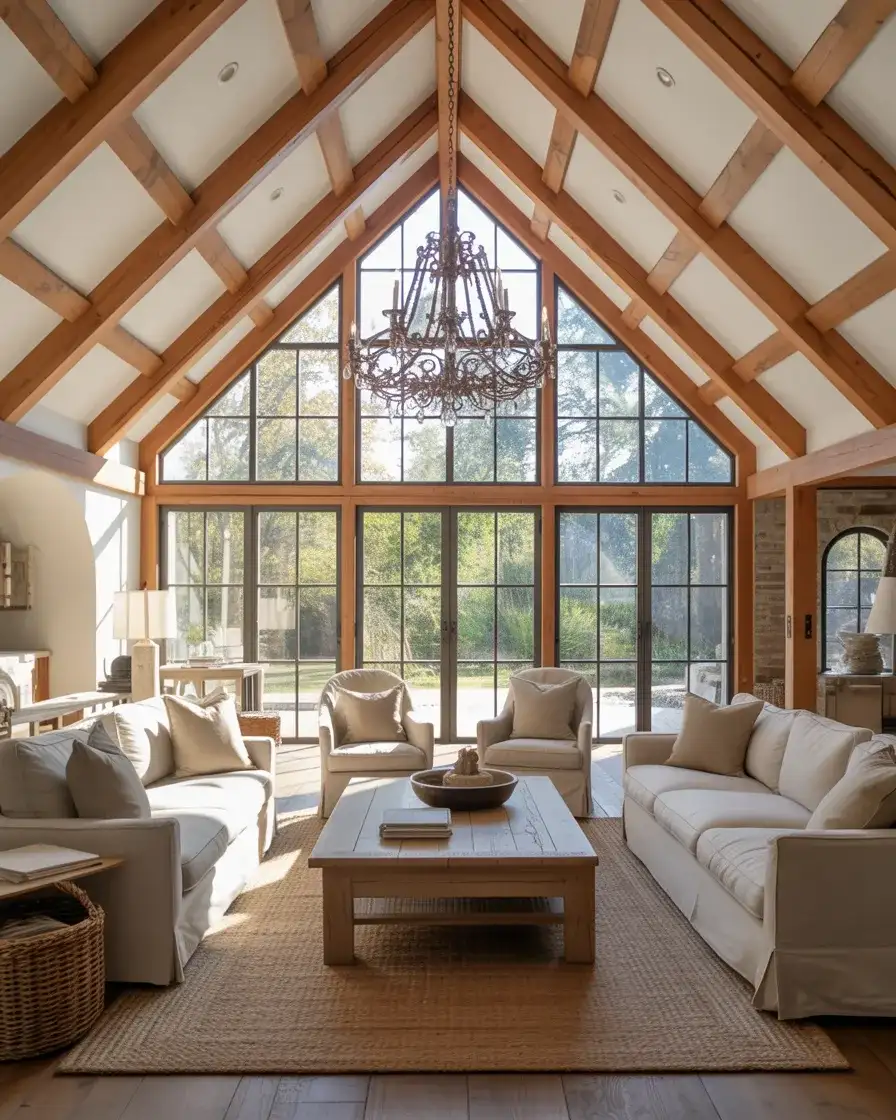
In regions like the Southwest and Pacific Northwest, this style feels rooted in local building traditions. It’s also popular in lakefront cabins and mountain retreats where the connection to nature is emphasized. If you’re retrofitting beams, consider faux wood options—they’re lighter, easier to install, and indistinguishable from real timber once mounted. Just be mindful of heating and cooling costs; vaulted ceilings can be inefficient unless properly insulated. But the architectural impact is often worth the trade-off.
Conclusion
Family rooms in 2026 are about making space for real life—messy, beautiful, and ever-changing. Whether you’re drawn to the warmth of a fireplace, the flexibility of modular seating, or the drama of dark walls, the best design is the one that fits how you actually live. Don’t be afraid to mix ideas, test bold choices, and adjust as your needs evolve. And if you’ve found inspiration here, drop a comment below—we’d love to hear which ideas you’re planning to try first.