Baby nurseries in 2026 are evolving beyond simple pastel walls and cookie-cutter cribs into deeply personalized spaces that reflect modern parenting values. American families are now seeking designs that blend practicality with visual warmth, drawing inspiration from Pinterest boards filled with nature-inspired elements, vintage-inspired touches, and surprisingly bold color choices. Whether you’re planning a small room transformation or dreaming of a whimsical retreat, this year’s trends celebrate both functionality and emotional connection. From gender-neutral palettes to colorful accent walls, the nursery has become a canvas for storytelling and comfort. Here are fresh ideas to help you create a space that grows with your baby while staying true to your family’s style.
1. Sage Green Botanical Haven
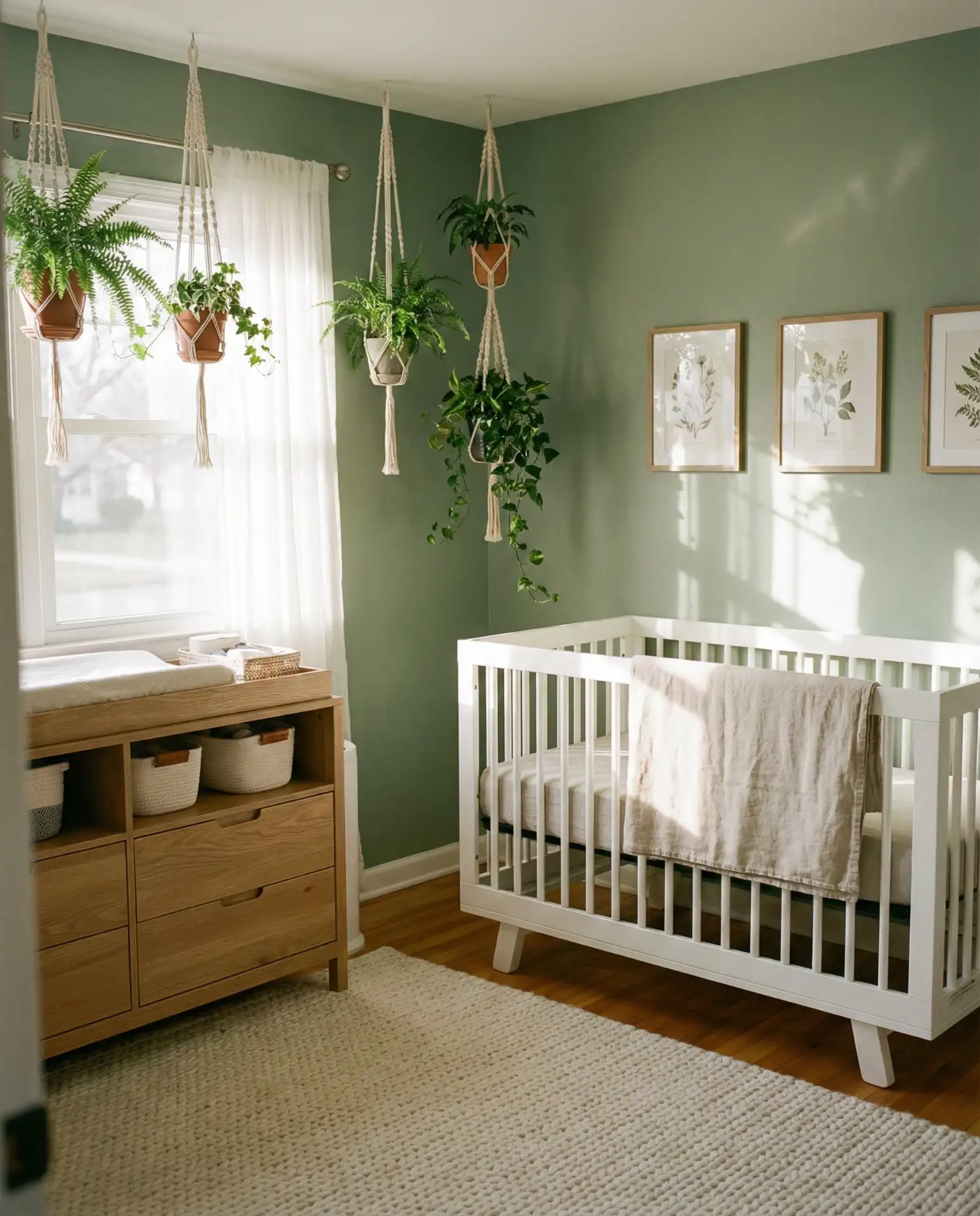
A sage green nursery offers a calming foundation that works beautifully in both sunny and north-facing rooms. This nature-inspired palette pairs perfectly with natural wood furniture, woven baskets, and botanical prints that bring the outdoors inside. The muted green creates a soothing backdrop that doesn’t overwhelm the senses, making it ideal for a neutral space that feels both grounded and fresh. Parents across the Midwest and Pacific Northwest are embracing this trend for its versatility and timeless appeal.
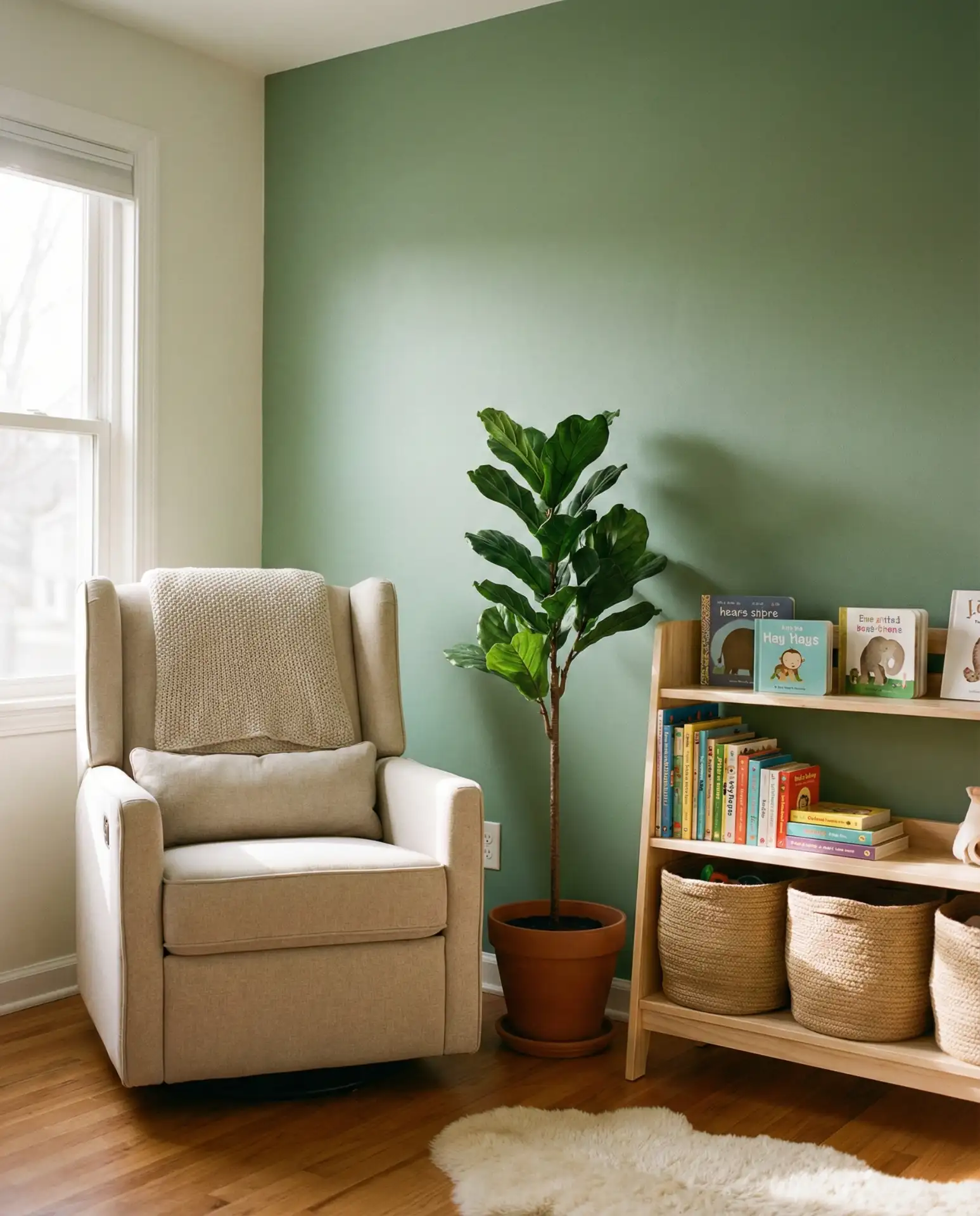
One common mistake with sage green is pairing it with too many competing colors—stick to whites, creams, and natural wood tones to let the green breathe. This palette works exceptionally well in smaller homes where you want a cohesive flow from room to room without jarring color transitions. The shade is forgiving with different lighting conditions, maintaining its softness whether you’re dealing with harsh overhead bulbs or gentle morning sun filtering through plantation shutters.
2. Twin Nursery with Matching Cribs
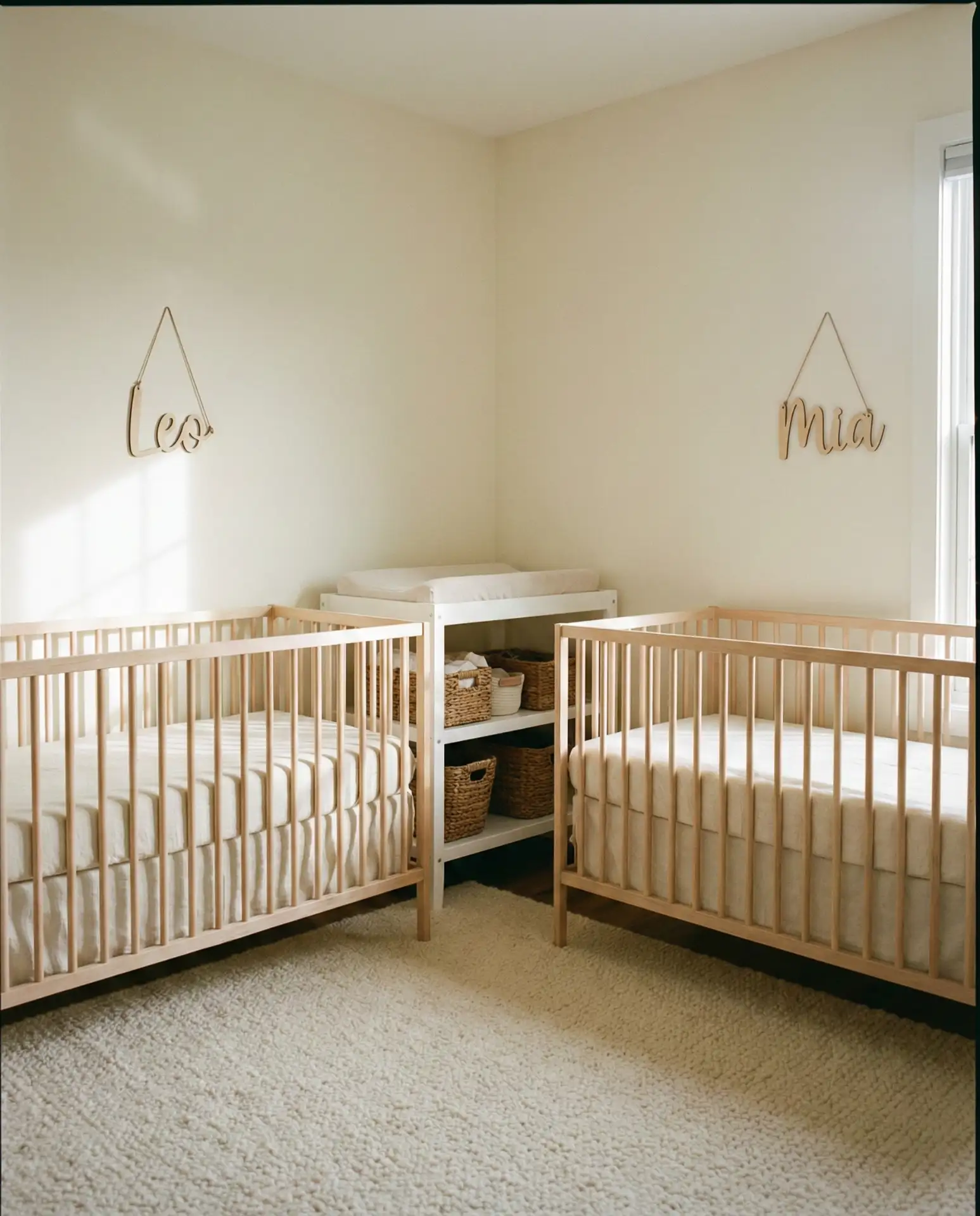
Designing for twin babies requires thoughtful space planning that doesn’t sacrifice style for function. A neutral color scheme with matching white or natural wood cribs creates visual harmony while allowing you to add personality through textiles and wall art. The key is establishing dedicated zones for each baby while maintaining a cohesive aesthetic—think mirror-image setups with individual mobile stations and coordinated but not identical bedding. This approach works particularly well in standard 12×12 bedrooms where space is at a premium.
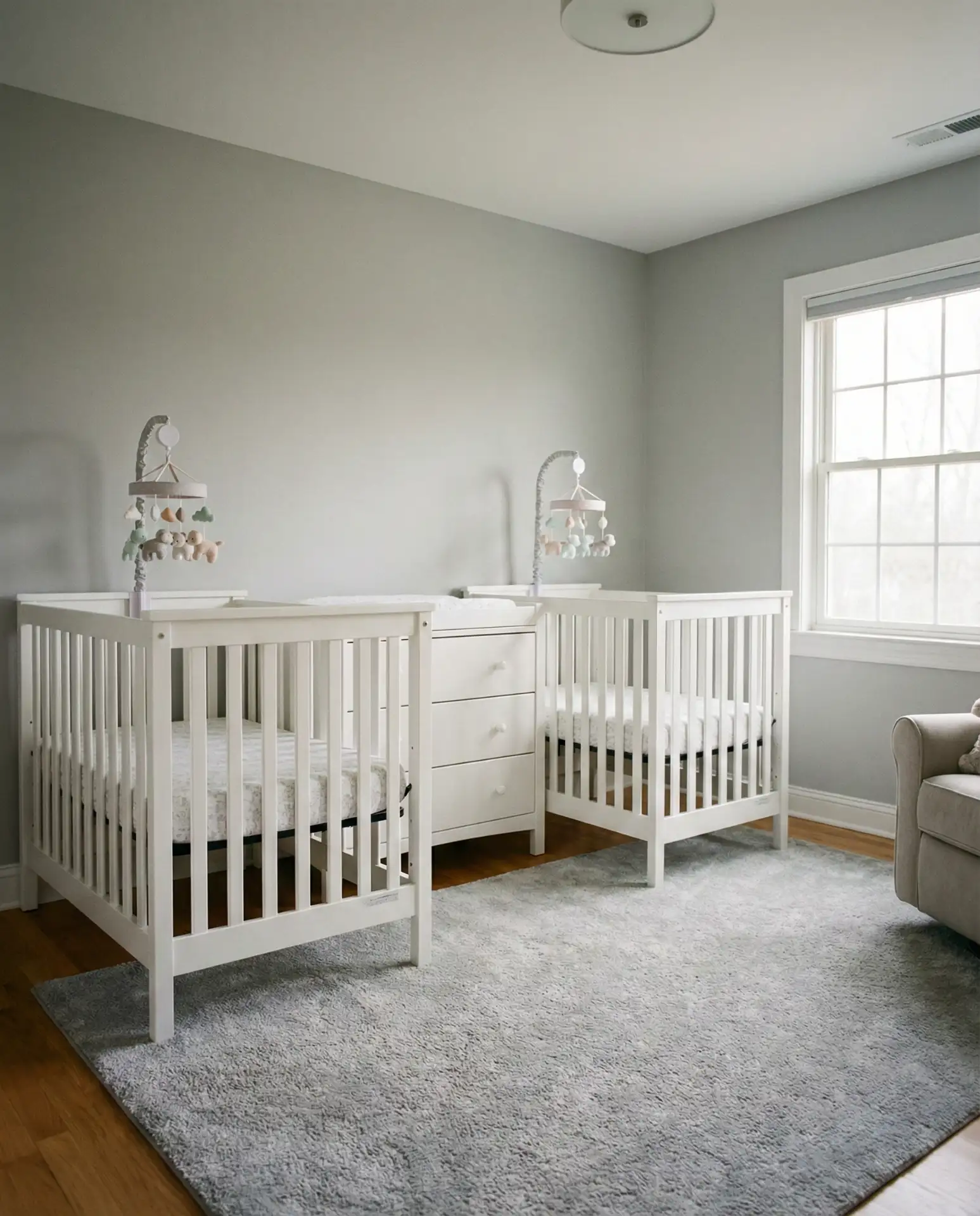
In suburban Chicago and Austin, parents of twins often invest in convertible cribs that transform into toddler beds, maximizing their budget over the long term. Expect to spend around $800-1200 for two quality cribs, but the investment pays off when you’re not replacing furniture in eighteen months. Position the cribs along the same wall rather than across from each other—this layout makes nighttime checks easier and leaves more floor space for a comfortable nursing chair and storage solutions.
3. Whimsical Cloud and Star Ceiling
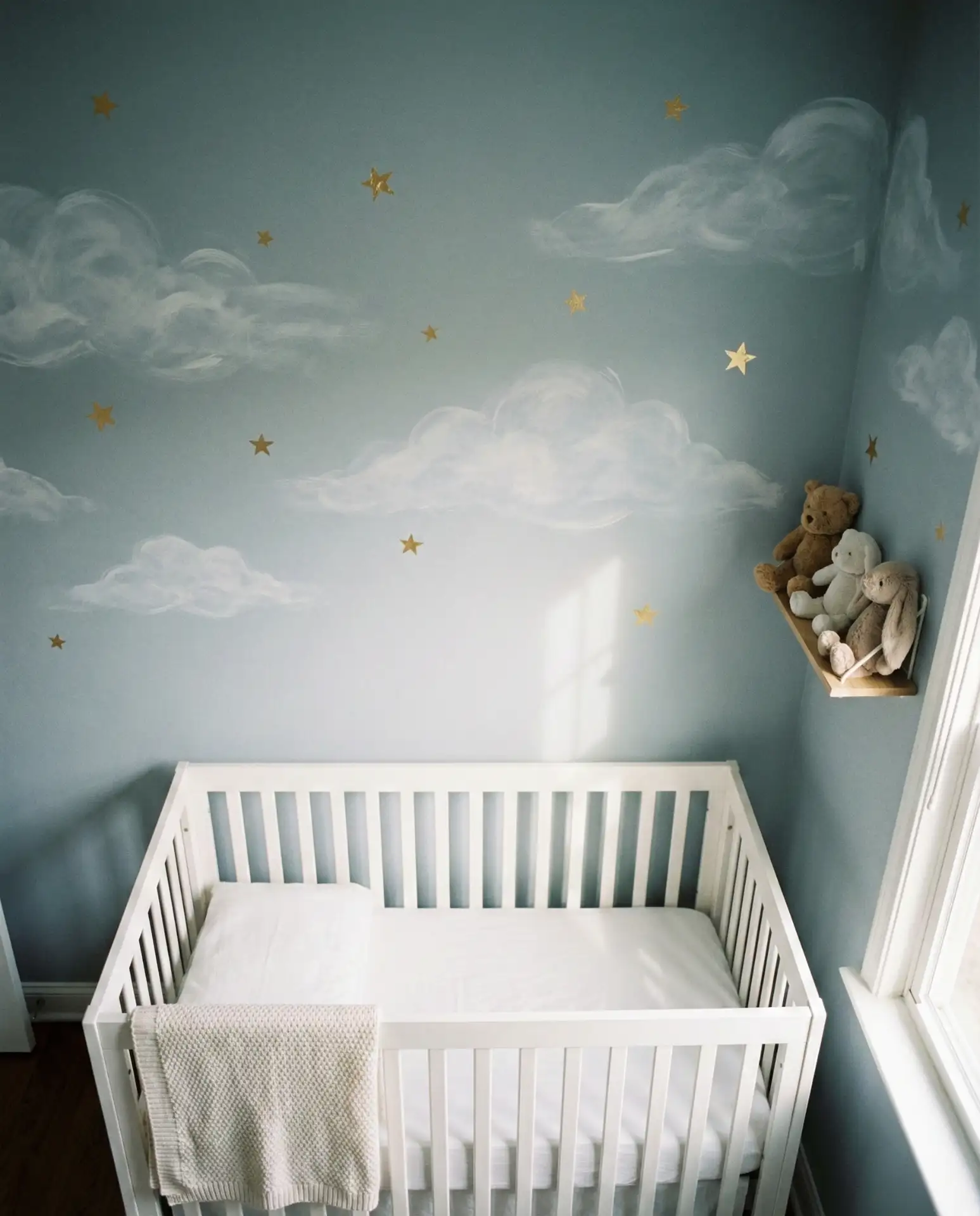
A whimsical ceiling treatment transforms the nursery into a dreamscape without requiring a full room renovation. This cute design element draws the eye upward and creates a sense of wonder during those countless hours spent rocking a baby to sleep. Peel-and-stick cloud decals or hand-painted murals offer flexibility for renters and homeowners alike, and the unisex appeal means this design choice works regardless of gender. The trend resonates particularly with younger millennial parents who want Instagram-worthy spaces that still feel personal rather than catalog-perfect.
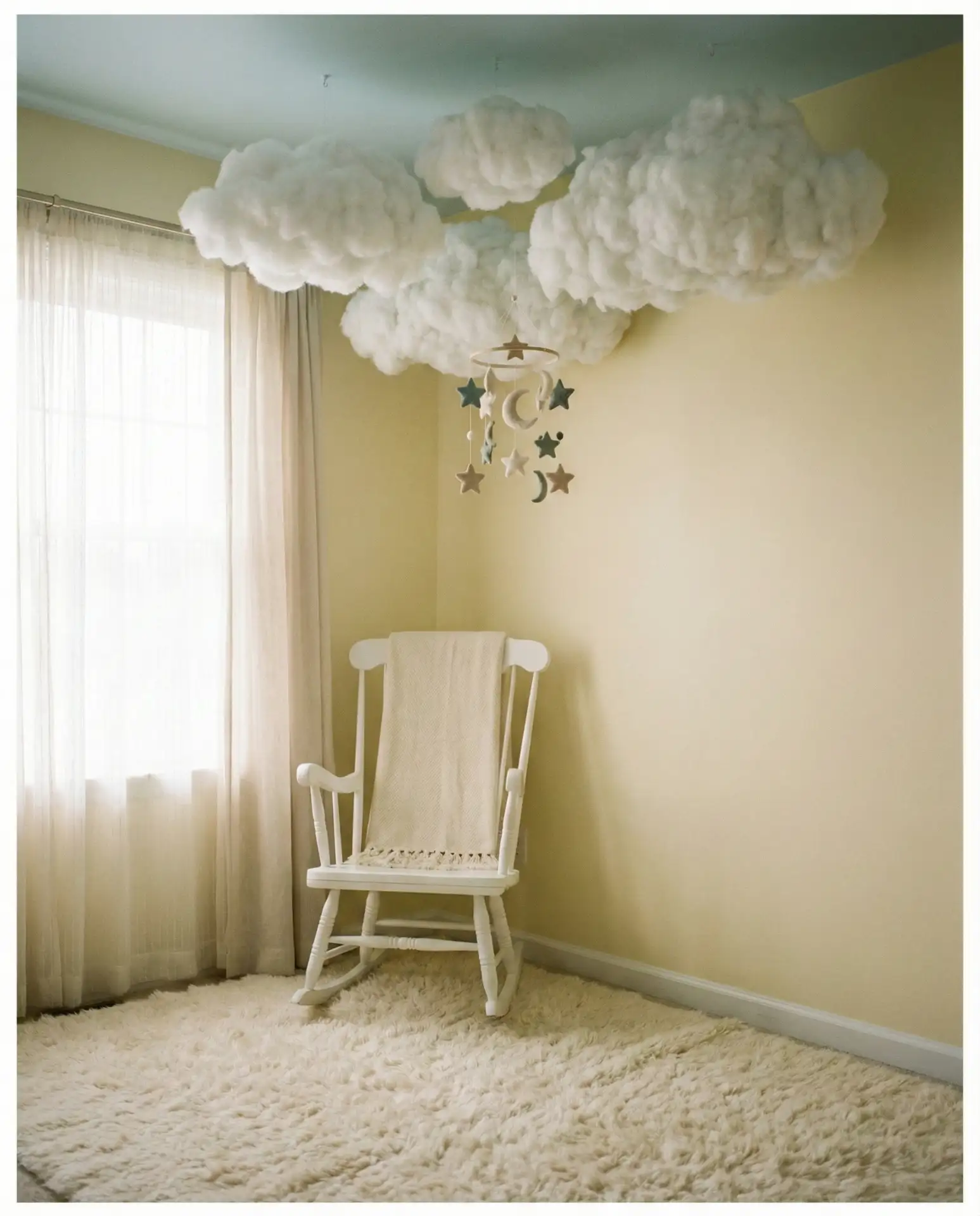
One interior designer in Portland noted that her clients with vaulted ceilings particularly love this approach because it fills what would otherwise be empty vertical space. The technique works best in rooms with at least 9-foot ceilings where the details won’t feel cramped or overwhelming. If you’re hesitant about commitment, start with removable decals—a $40 investment that you can easily change as your child’s tastes evolve, versus a $300+ mural that requires repainting to remove.
4. Vintage-Inspired Antique Furniture Mix
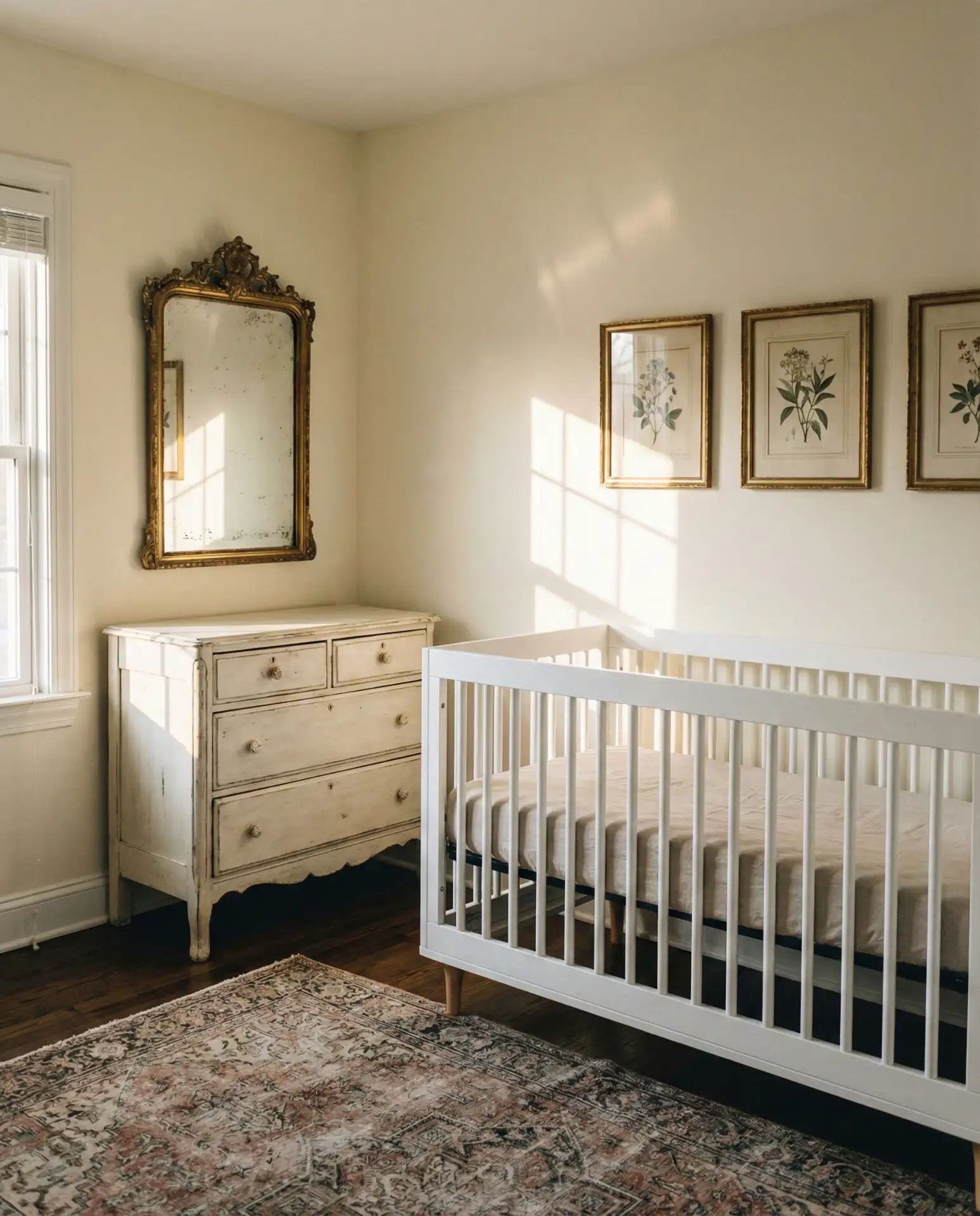
A vintage-inspired nursery brings character and sustainability together by incorporating antique dressers, refurbished rocking chairs, and heirloom pieces passed down through generations. This unique approach moves away from matching furniture sets and instead celebrates individuality through curated finds from estate sales, grandparents’ attics, and online marketplaces. The blend of old and new creates depth and storytelling within the space, with each piece carrying its own history. Southern states like Tennessee and North Carolina have particularly embraced this trend, where family heirlooms hold strong cultural value.
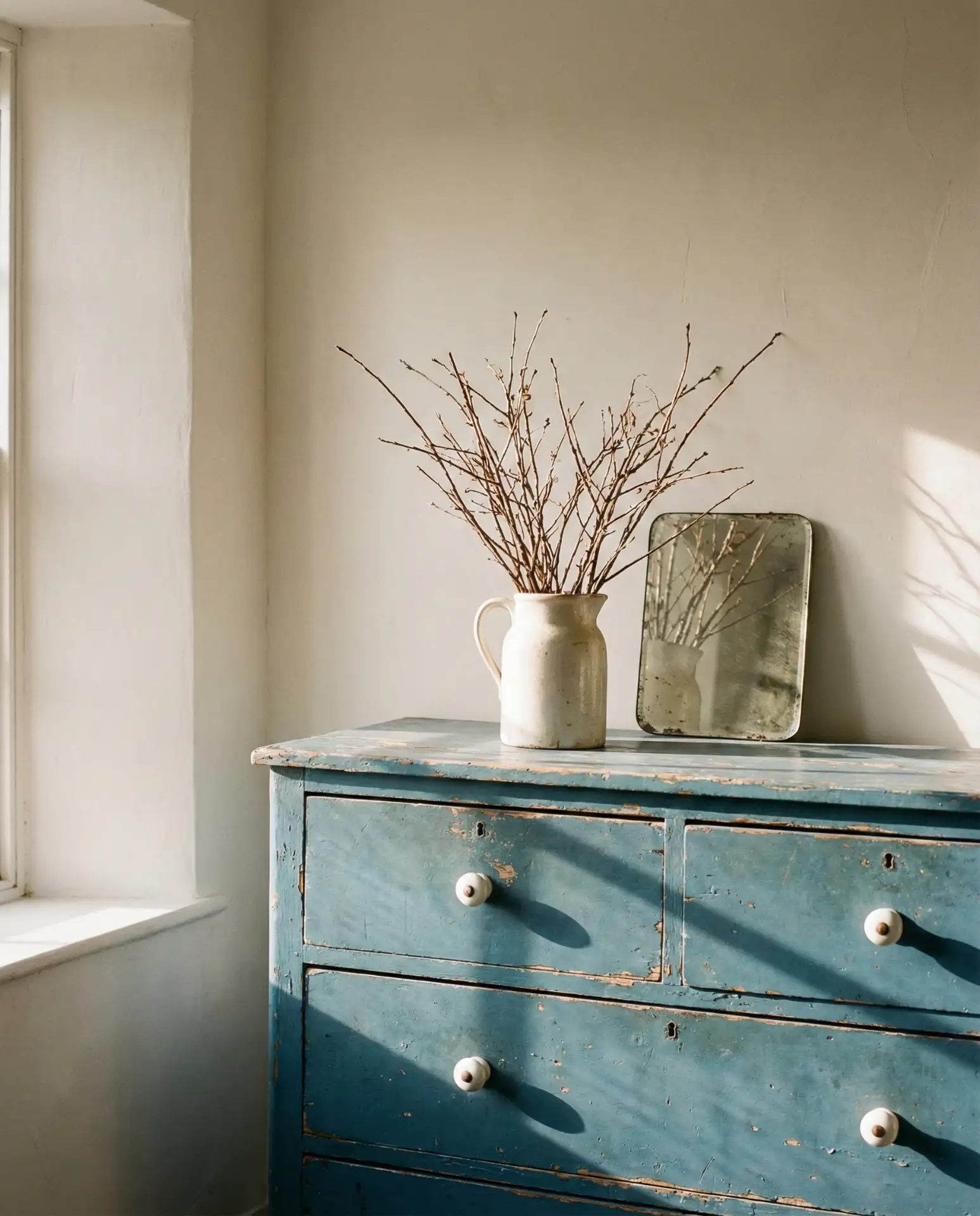
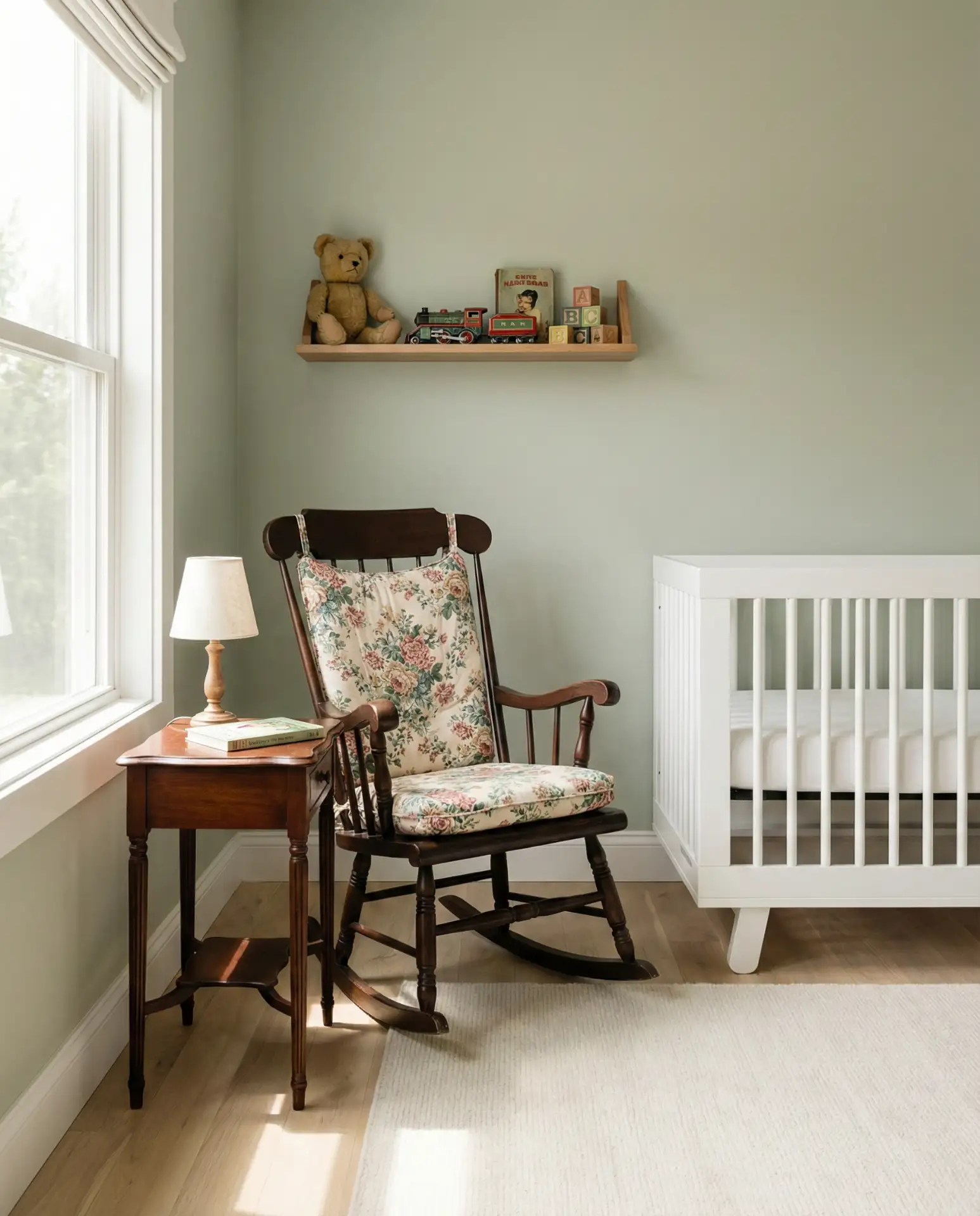
A pediatric nurse I spoke with mentioned seeing more families choose this route after realizing how much money they save—a quality antique dresser often costs half what a new one would, and it’s already stood the test of time. Just ensure any vintage crib meets current safety standards or use antique pieces purely for decorative storage while investing in a new, certified crib for actual sleep. Sand and repaint older furniture to eliminate lead paint concerns, and always verify that drawer pulls and hardware are securely fastened before placing the piece in a baby’s room.
5. Pink Floral Accent Wall
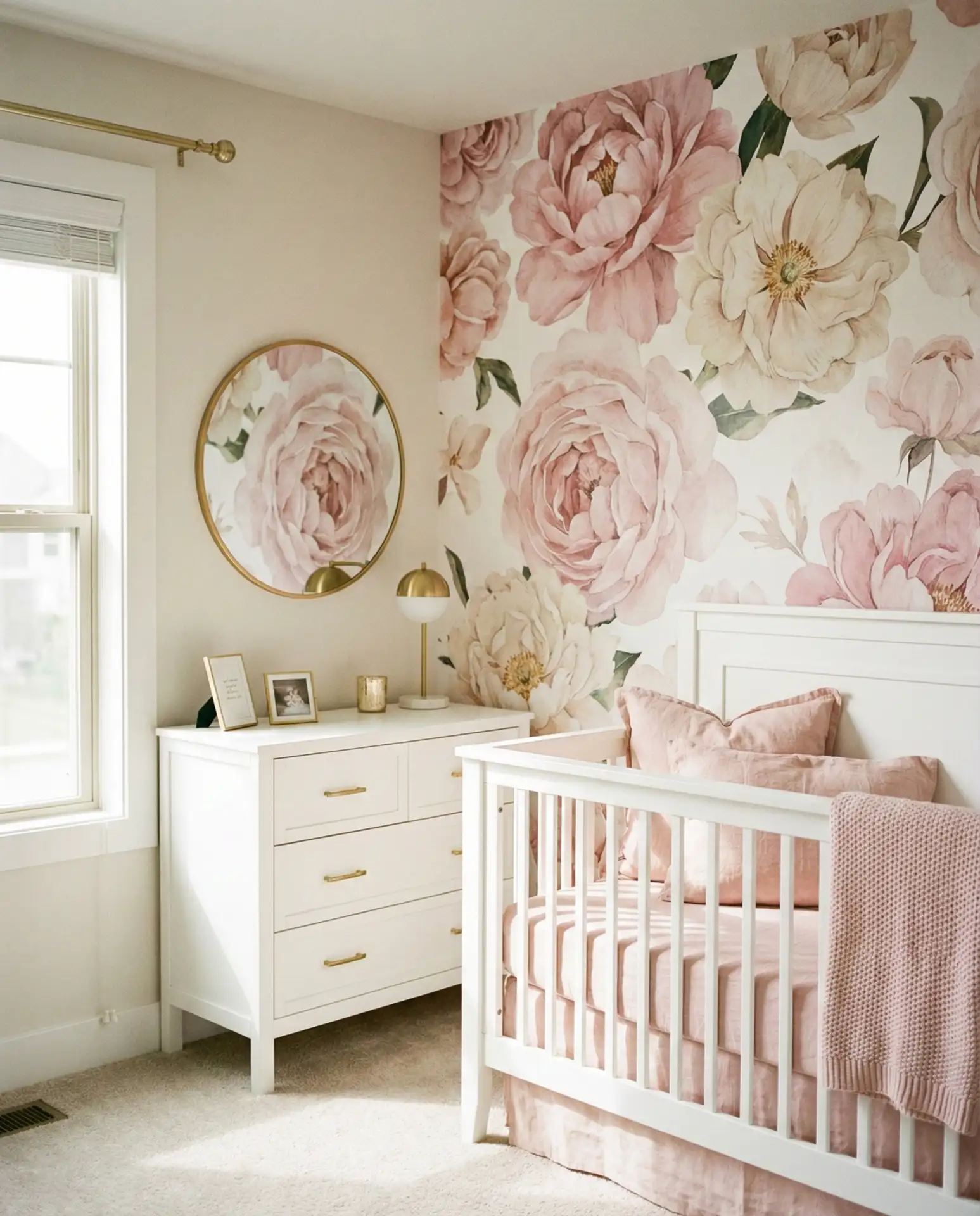
A pink floral accent wall delivers visual impact without overwhelming the entire room with bold color. This design choice works beautifully behind the crib or changing station, creating a focal point that photographs well and adds dimension to the space. Modern floral patterns have moved beyond dainty roses toward oversized blooms and abstract botanical shapes that feel contemporary rather than dated. The approach particularly resonates with parents who want a feminine touch but worry about their daughter outgrowing an all-pink room in just a few years.
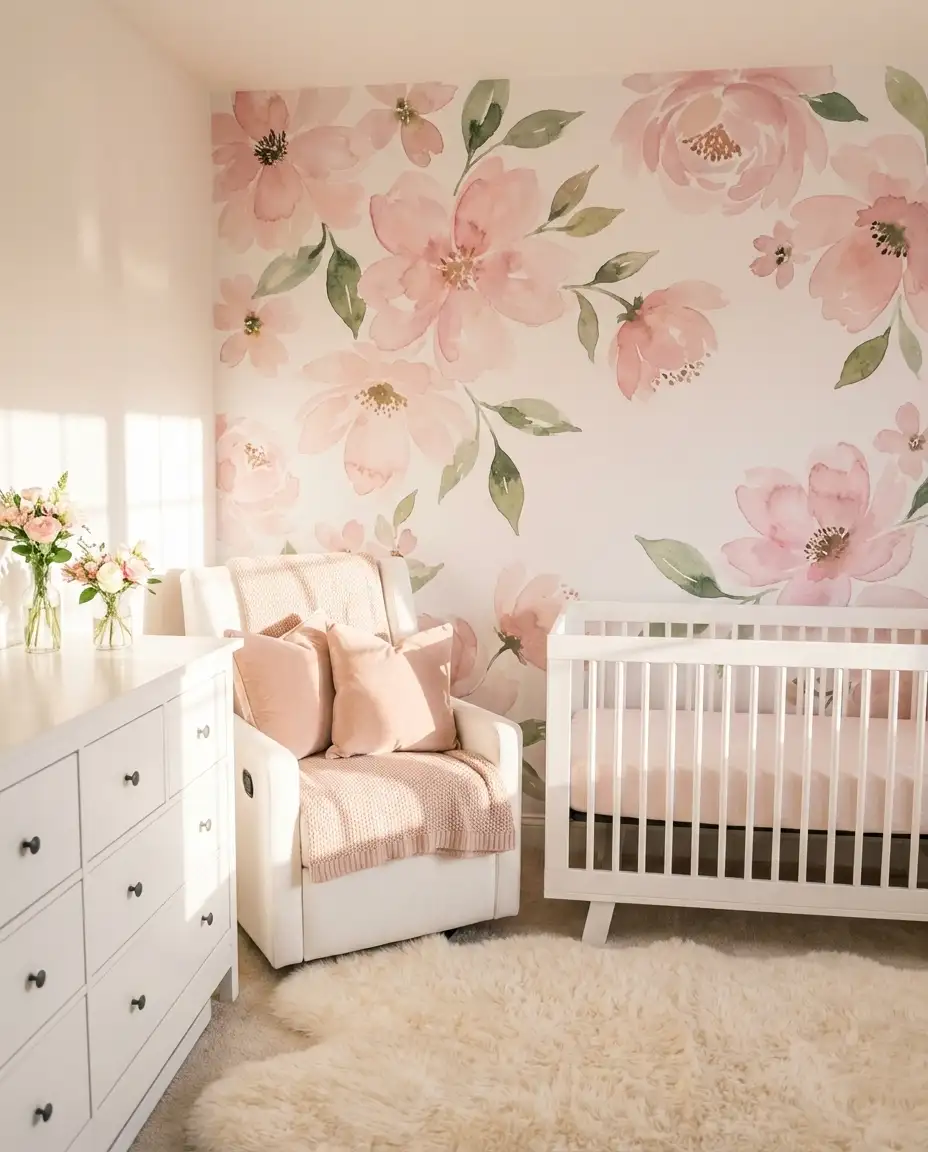
This style works best in rooms with plenty of natural light where the pink doesn’t read as too dark or cave-like during daytime hours. East-facing nurseries particularly benefit from this treatment, as morning sun brings out the warmth in pink tones without making them feel too saturated. If you’re working with a small bedroom around 10×10 feet, limit the floral treatment to one wall and keep the remaining three in soft white or cream to prevent the space from feeling closed in.
6. Rainbow Accent Decor
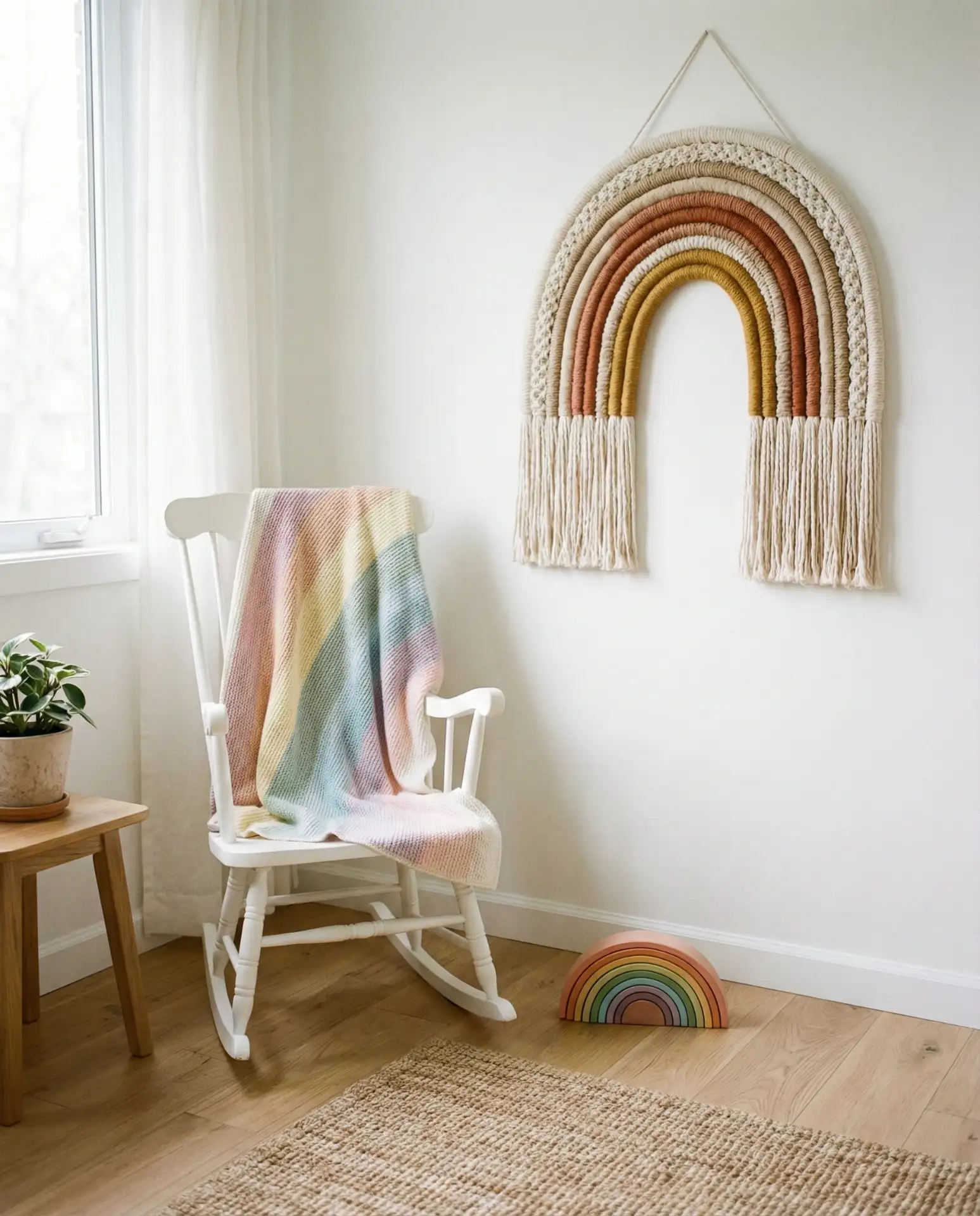
A rainbow theme brings joyful, colorful energy to a nursery without committing to a single hue, making it perfect for a gender-neutral space. Rather than covering every surface in rainbows, modern interpretations focus on selective placement—a rainbow mobile above the crib, a subtle rainbow shelf, or pastel rainbow wall decals arranged in an arch. This restrained approach keeps the room feeling sophisticated while still celebrating childhood wonder. The trend has gained particular traction in progressive cities like Seattle, Denver, and Portland, where parents embrace inclusive design.
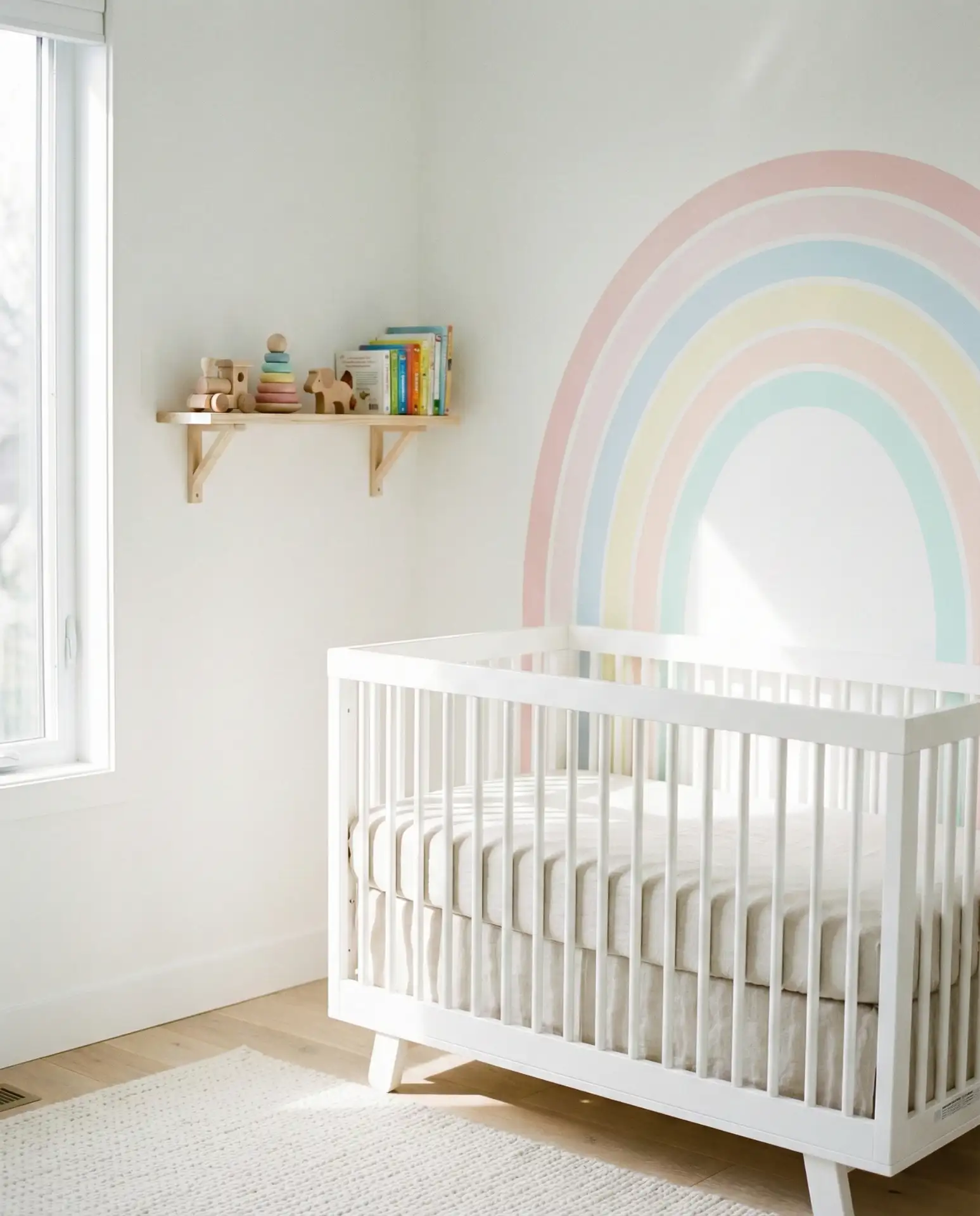
Rainbow elements inject personality without the risk of looking juvenile as your child ages—you can easily transition rainbow accents into a big-kid room by swapping out a few pieces rather than repainting entire walls. Keep the base palette neutral with whites, grays, or creams, then let rainbow details serve as the color story through textiles, art, and accessories. This strategy also gives you the flexibility to rotate seasonal or themed decor without clashing with permanent rainbow features painted directly on walls.
7. Nature-Inspired Woodland Creatures
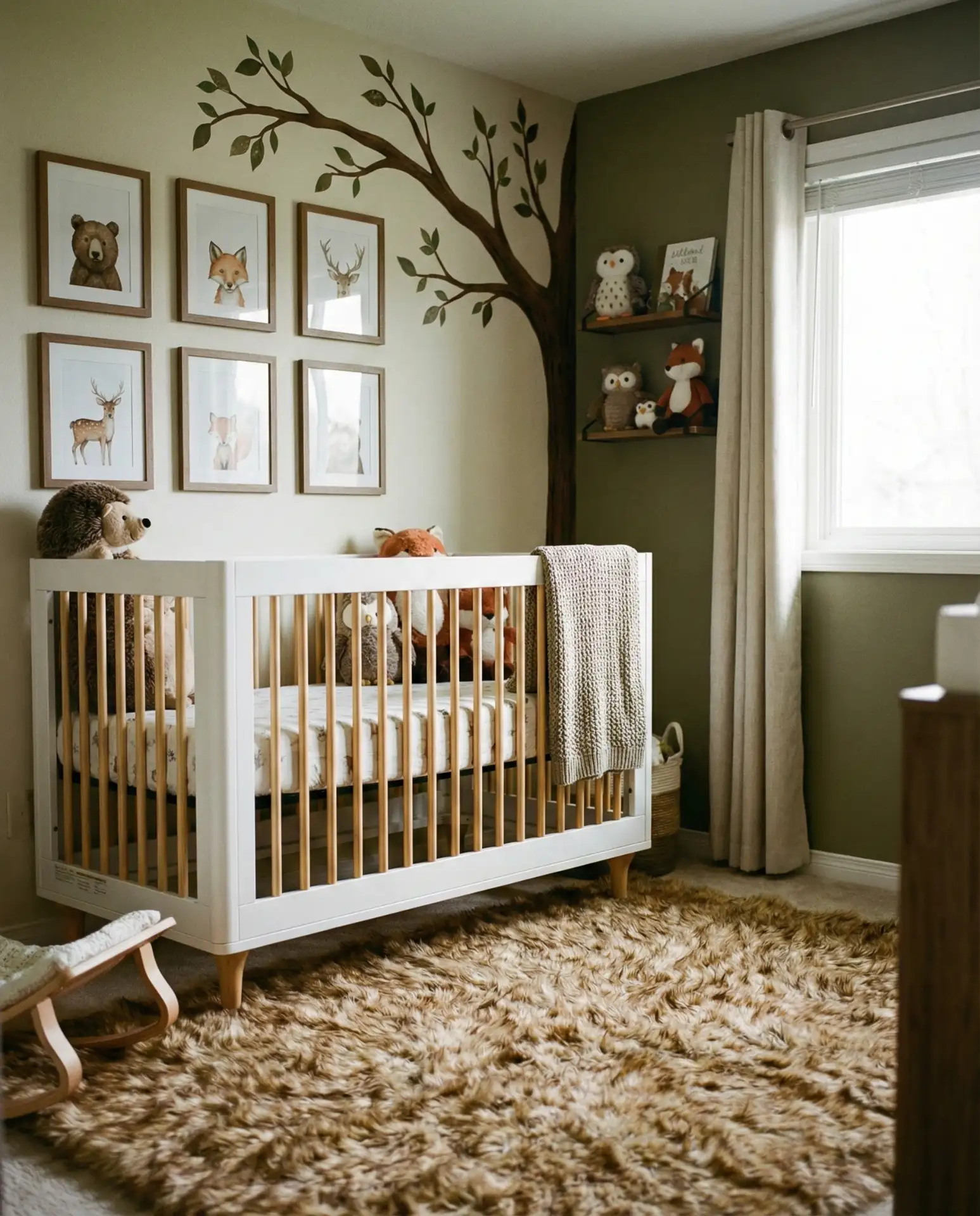
A nature-inspired woodland theme taps into the enduring appeal of forest animals like foxes, bears, deer, and owls for a neutral-theme approach that works across genders. This design choice connects children to the natural world from their earliest days, featuring earthy tones, organic textures, and gentle animal illustrations that feel timeless rather than trendy. The aesthetic pairs beautifully with natural wood furniture and plant-based textiles like cotton and linen. Mountain West states, including Colorado, Montana, and Utah, have particularly embraced this look, where outdoor culture runs deep in family traditions.
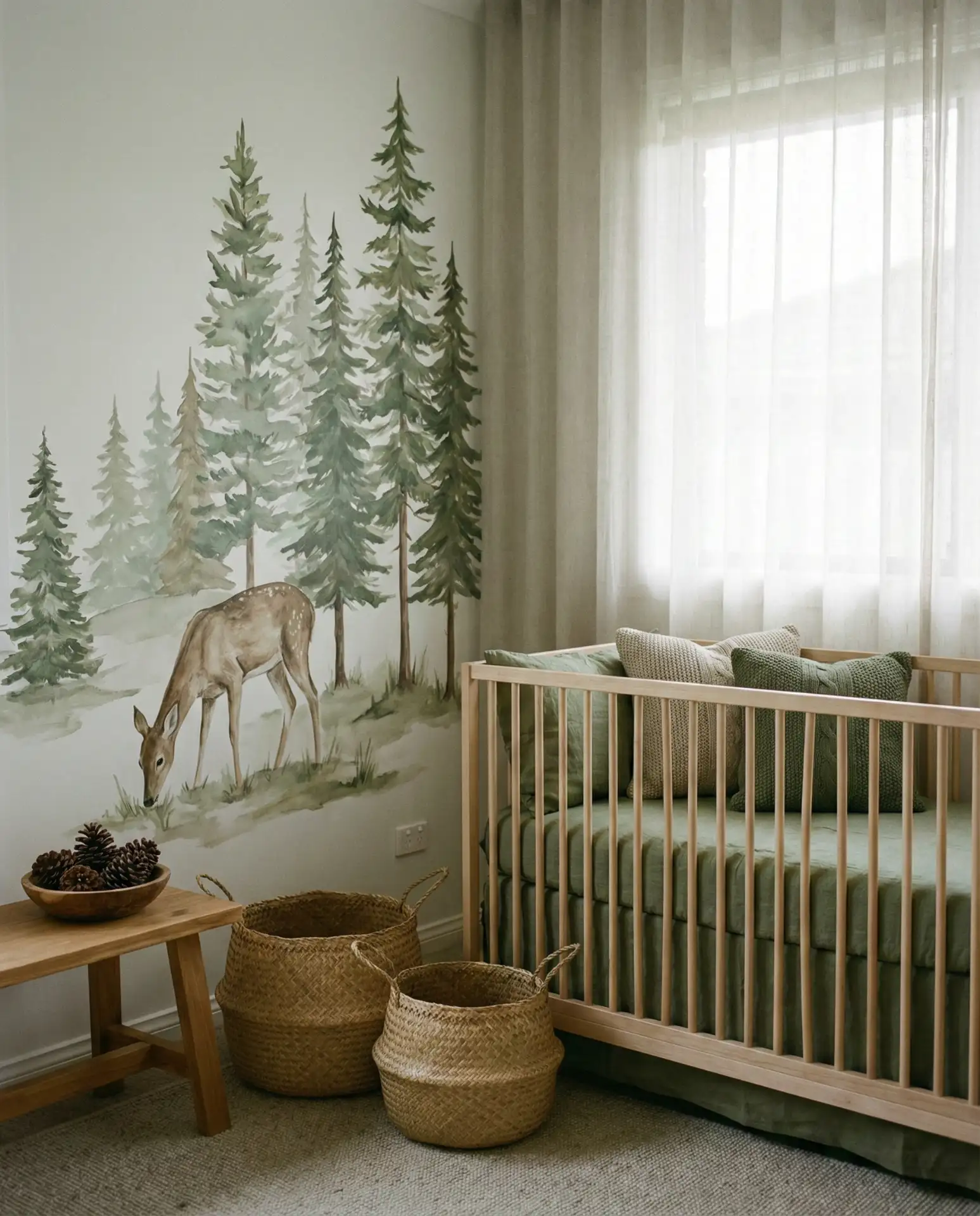
Real homeowner behavior reveals that woodland nurseries often evolve into camping-themed toddler rooms, making this one of the most adaptable long-term design investments. Parents simply swap baby-specific elements like mobiles for older-kid camping gear, tent canopies, or adventure maps while keeping the core woodland palette intact. The neutral earth tones—think taupe, forest green, cream, and rust—photograph beautifully and work in homes with both traditional and contemporary architecture.
8. Small Room Vertical Storage Solutions
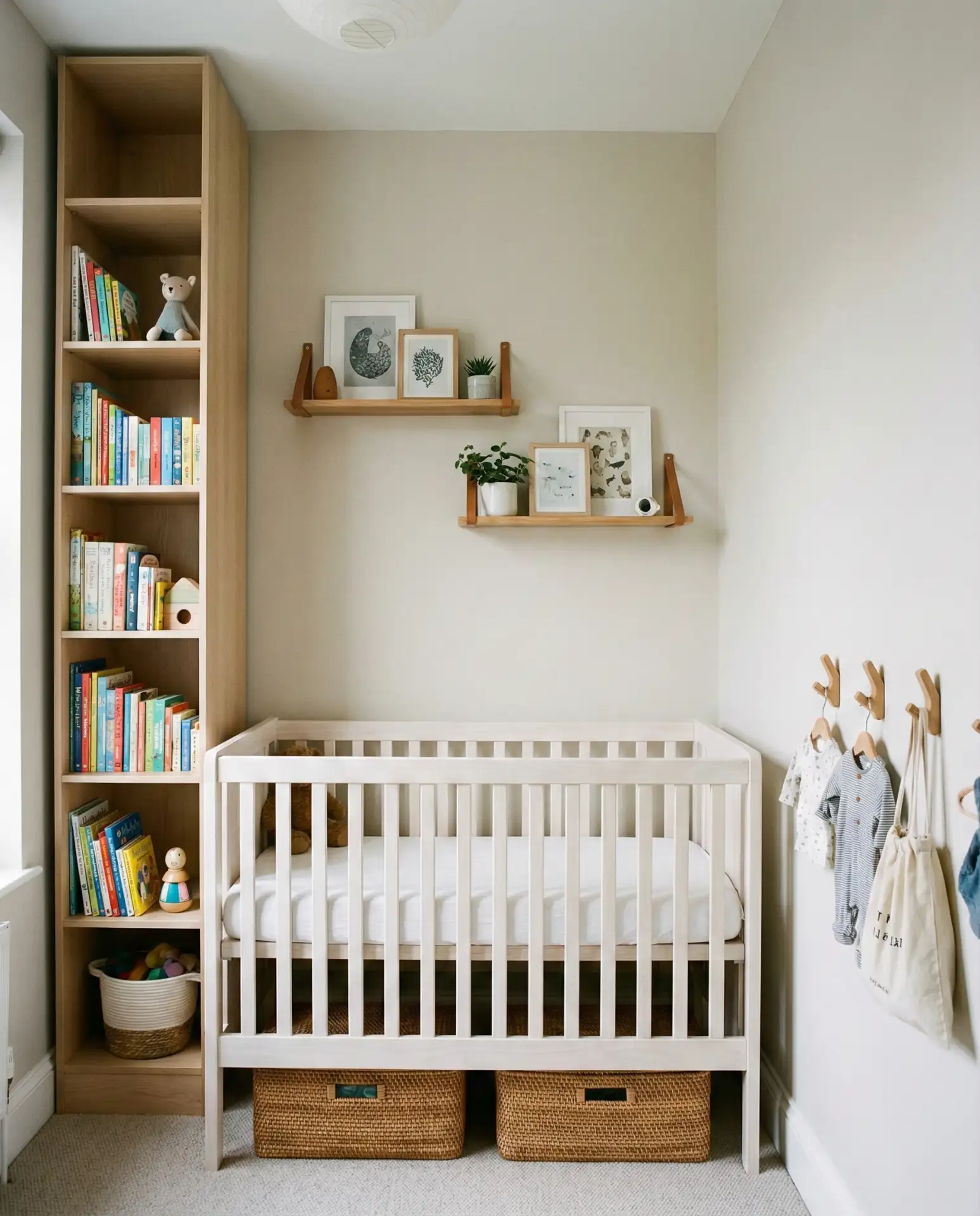
Maximizing a small nursery room requires strategic vertical storage that keeps necessities accessible without crowding precious floor space. Wall-mounted shelves, hanging organizers, and tall narrow bookcases draw the eye upward while providing practical storage for diapers, books, and clothing. This neutral approach works in apartments and smaller homes across urban areas where square footage comes at a premium, particularly in cities like San Francisco, New York, and Boston. The key is selecting furniture with dual purposes—a changing table that doubles as a dresser or a crib with built-in drawers underneath.
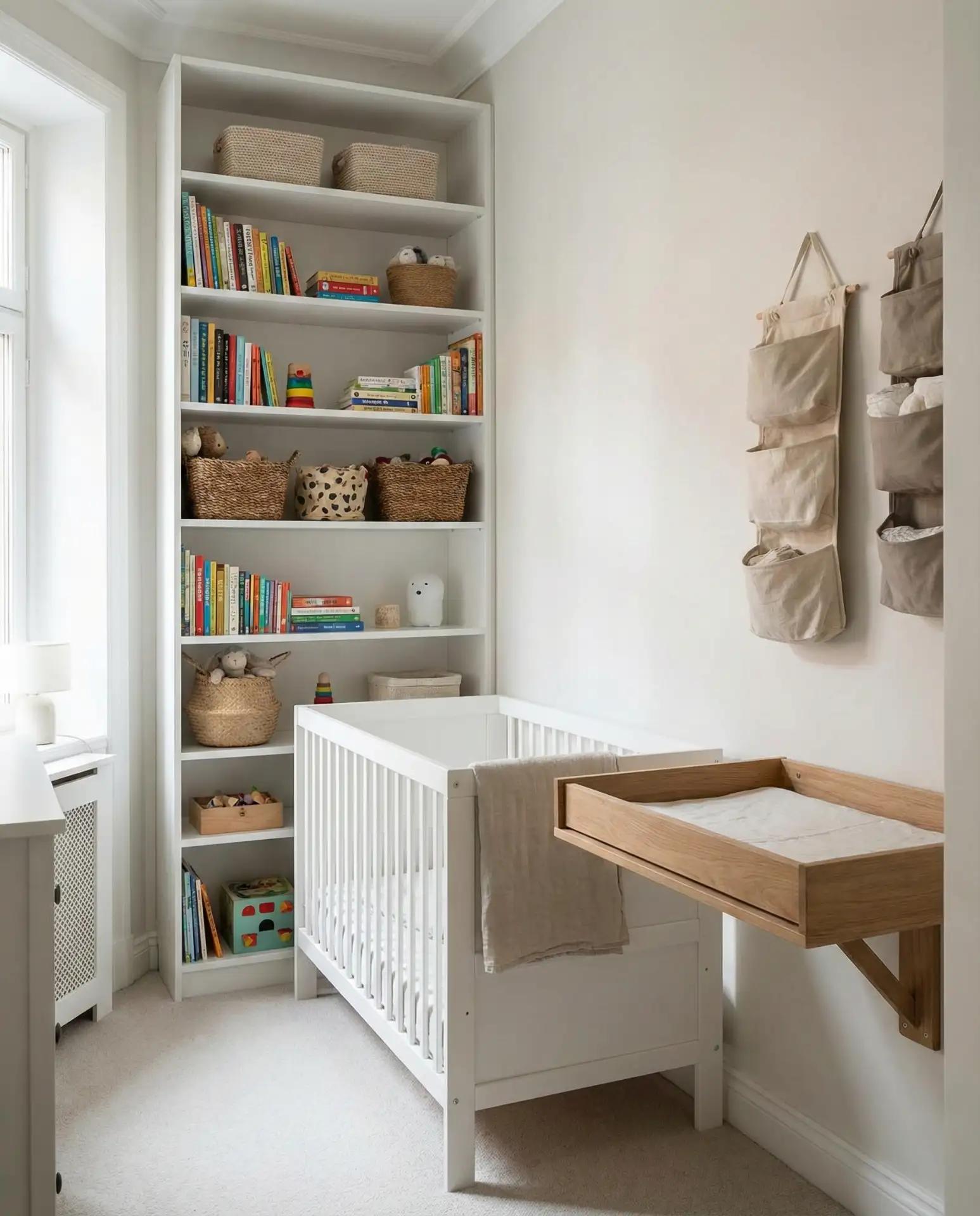
A common mistake in tight nurseries is overfilling the room with furniture—stick to the essentials of a crib, storage, and one comfortable seating option for night feedings. Use the space above doorways for additional shelving, and consider a wall-mounted diaper caddy instead of a bulky changing table if you’re really pressed for square footage. Light colors on walls and furniture help small spaces feel more open, and a large mirror strategically placed can visually double your room size while adding a practical element for quick checks before heading out.
9. Disney Character Subtle Integration
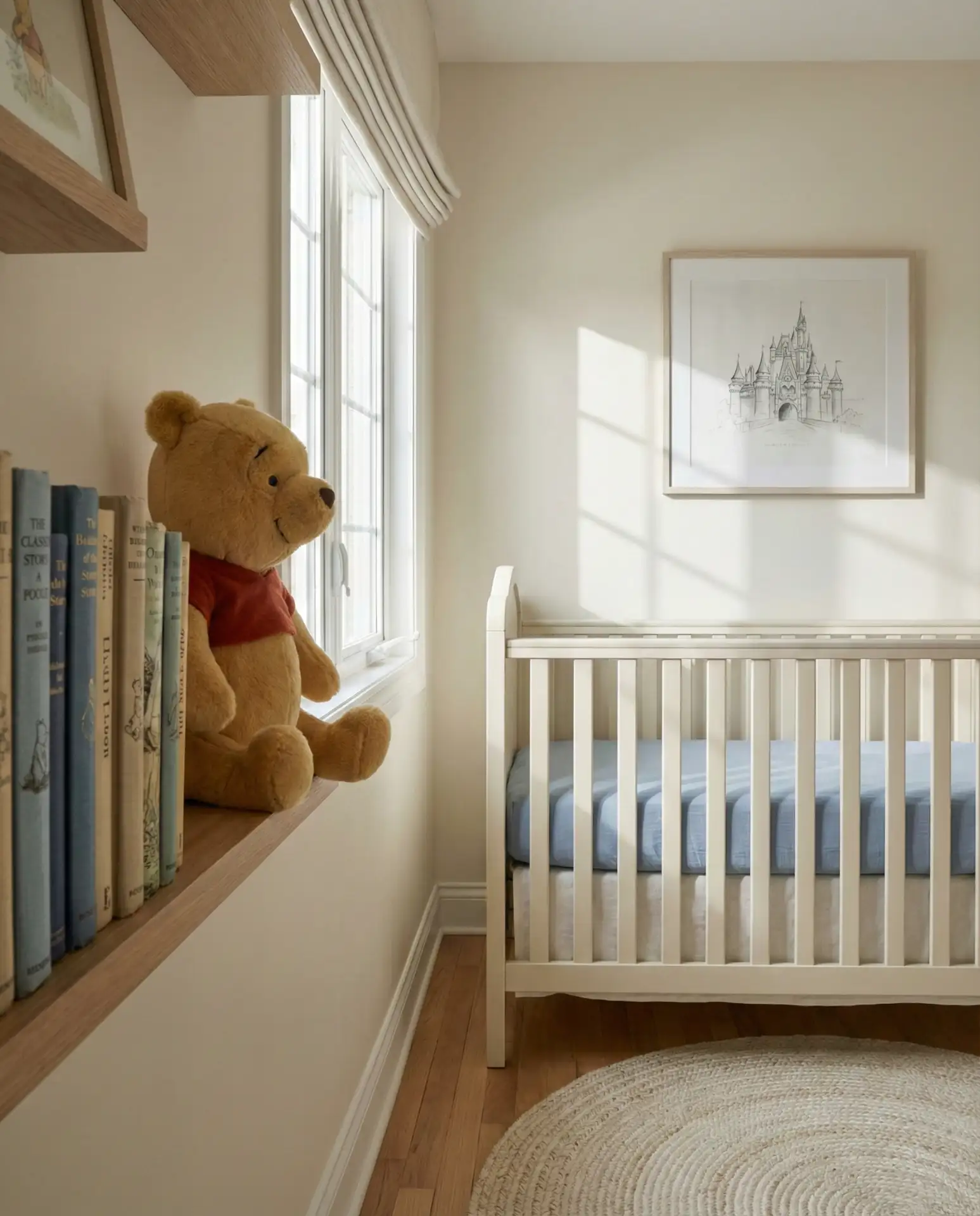
A Disney theme doesn’t have to mean cartoon explosions across every surface—modern interpretations focus on subtle character references through sophisticated art prints, muted color palettes, and elegant nods to classic stories. This cute approach appeals to parents who grew up with Disney magic but want a nursery that feels grown-up and timeless. Think vintage-style posters of Bambi, minimalist line drawings of classic characters, or color schemes inspired by specific films like the soft blues of Cinderella or warm golds of Beauty and the Beast. The strategy works particularly well for parents in Orlando or Southern California, where Disney holds special regional significance.
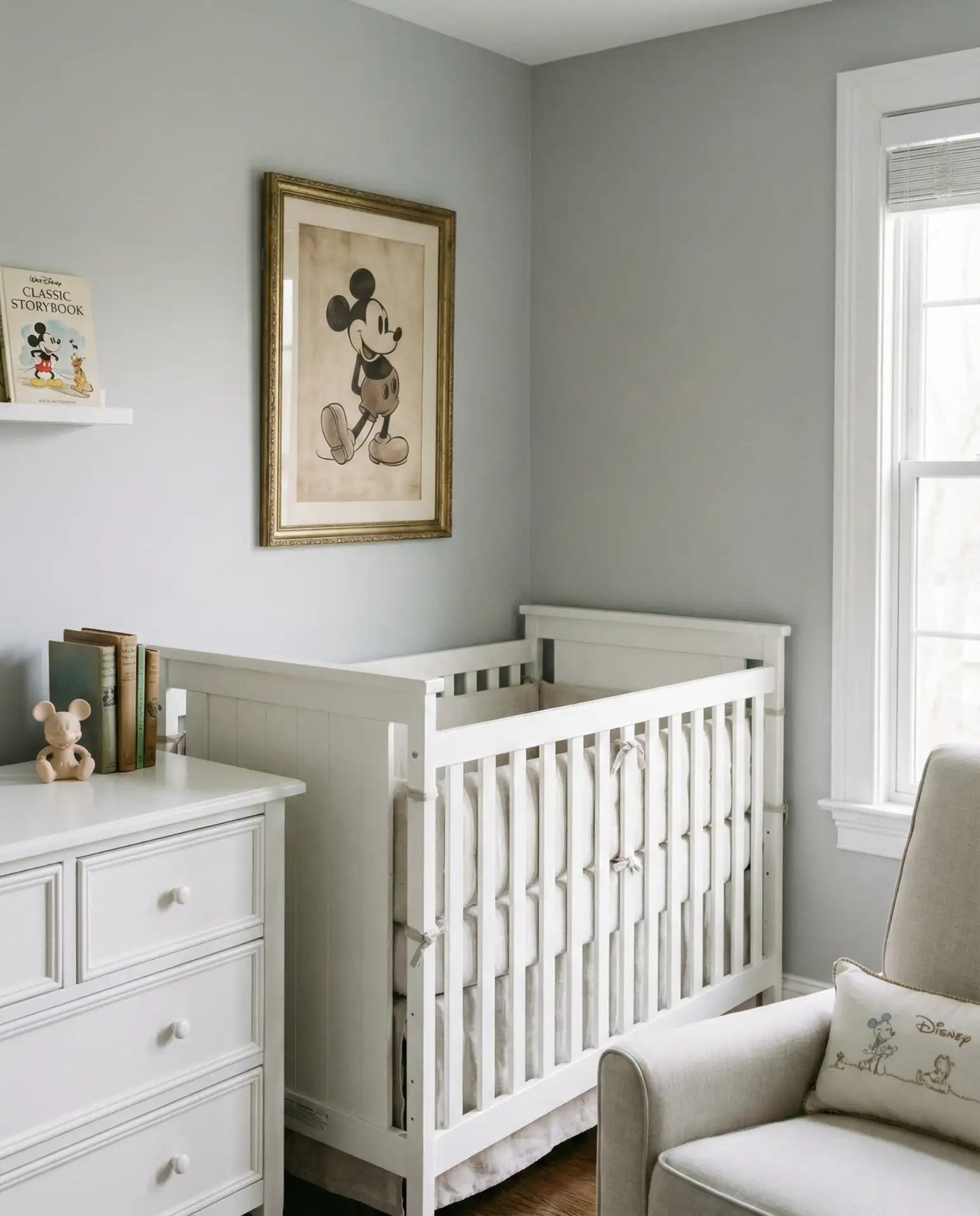
Budget-conscious parents can achieve this look by framing pages from vintage Disney storybooks found at thrift stores—instant art for under $20 that carries nostalgic weight. The key is restraint: choose one or two characters or films to reference rather than creating a Disney greatest-hits medley. This focused approach prevents the room from feeling like a theme park and allows the Disney elements to serve as charming accents rather than overwhelming focal points.
10. Winnie the Pooh Classic Honey Theme
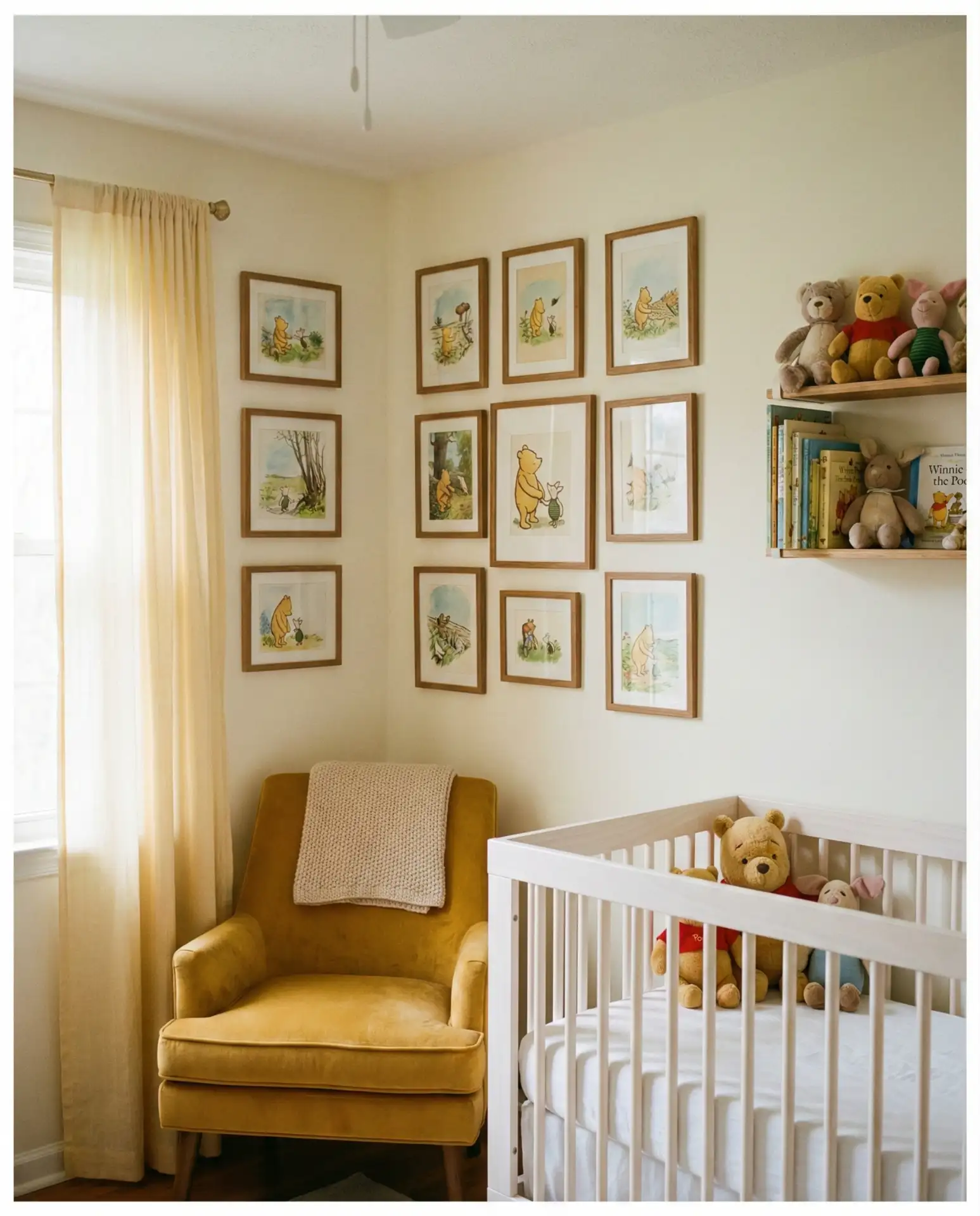
Winnie the Pooh nurseries tap into generational nostalgia with their gentle imagery of the Hundred Acre Wood and timeless friendship themes. The classic honey color palette—soft yellows, warm creams, and touches of red—creates a neutral foundation that works beautifully in traditional and farmhouse-style homes. This cute theme resonates particularly with families in the Midwest and South, where Classic Pooh merchandise remains widely available and culturally beloved. The vintage book illustrations offer a more sophisticated alternative to bright cartoon versions, making the room feel literary and thoughtful.
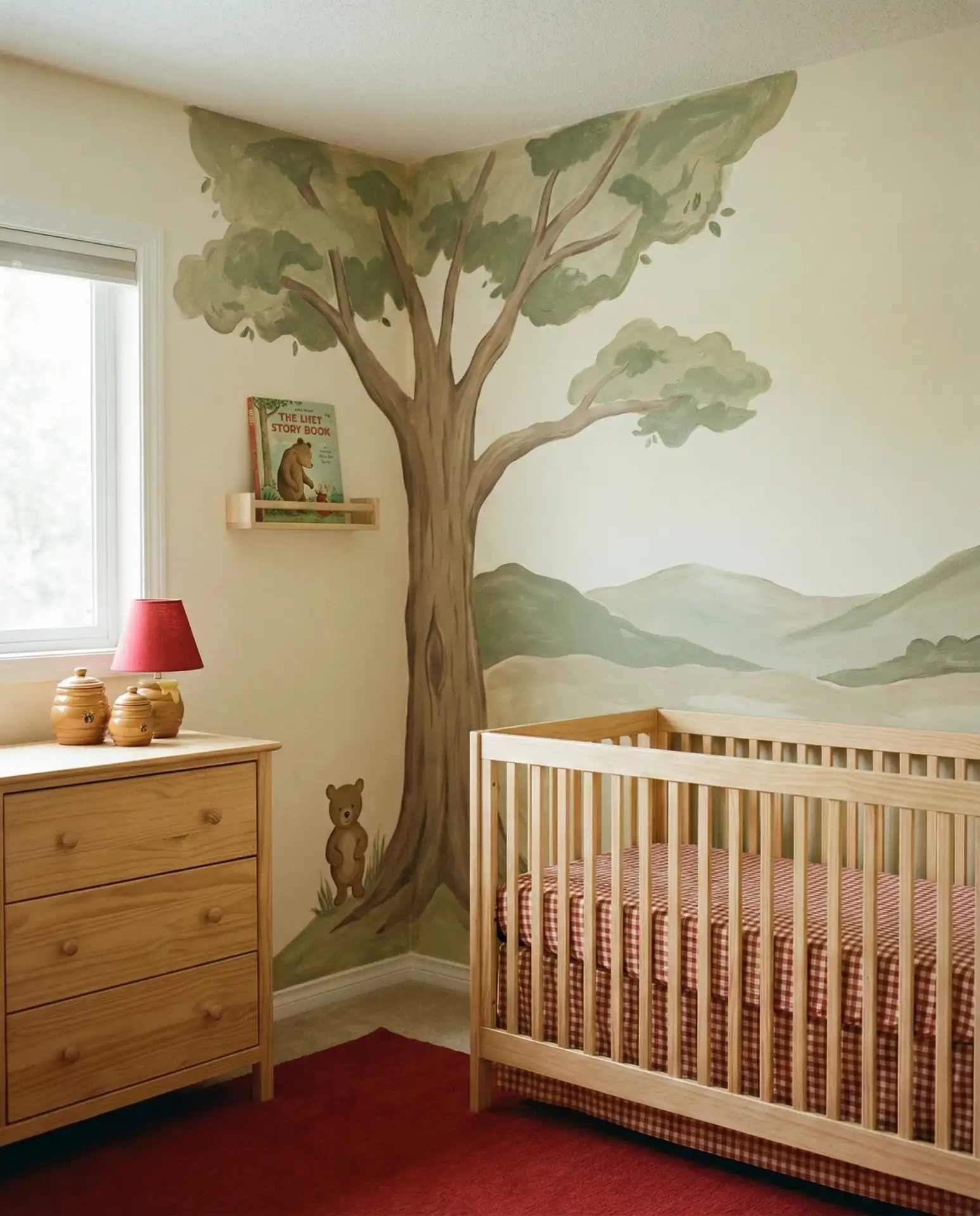
This theme works best when you lean into the storybook quality rather than plastering licensed products everywhere—a single well-chosen piece of Pooh art makes more impact than a room full of branded items. The color scheme transitions beautifully as children grow, with yellow serving as a cheerful base for future room updates. Many parents report keeping Pooh elements in their child’s room well into elementary school years, simply aging up the execution with more sophisticated artwork and chapter books replacing board books.
11. Goth Dark Romantic Nursery
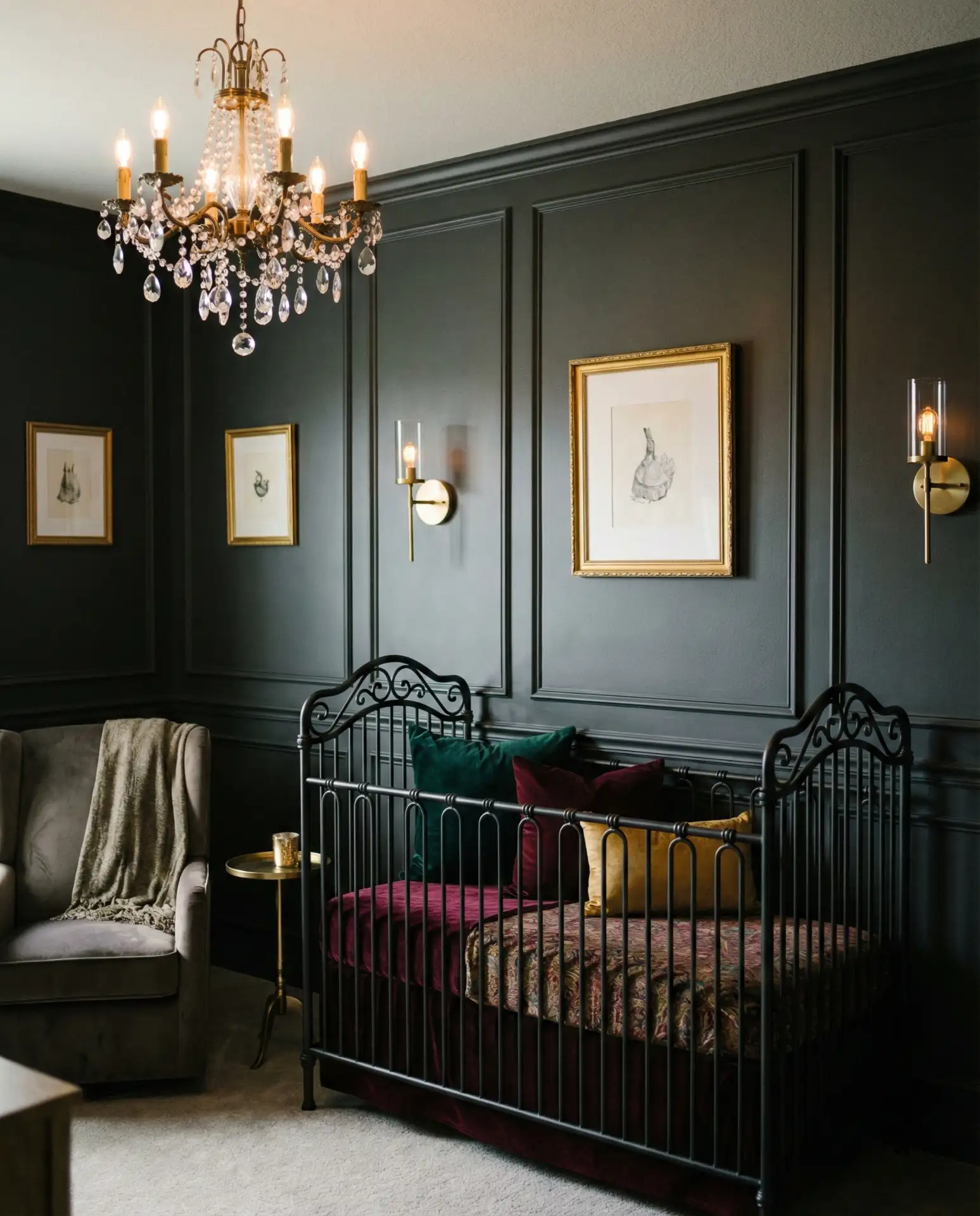
A goth nursery challenges conventional baby room aesthetics with moody charcoal walls, black furniture, and dramatic Victorian-inspired details that still maintain warmth and safety. This unique approach appeals to alternative parents who want their home’s aesthetic to remain cohesive rather than compromising personal style for pastel conventionality. Deep colors paired with soft textures like velvet, plenty of warm lighting, and touches of gold or brass create a space that feels cozy rather than cold. The trend has found particular traction in creative urban neighborhoods across Brooklyn, Portland, and Los Angeles, where individuality is celebrated.
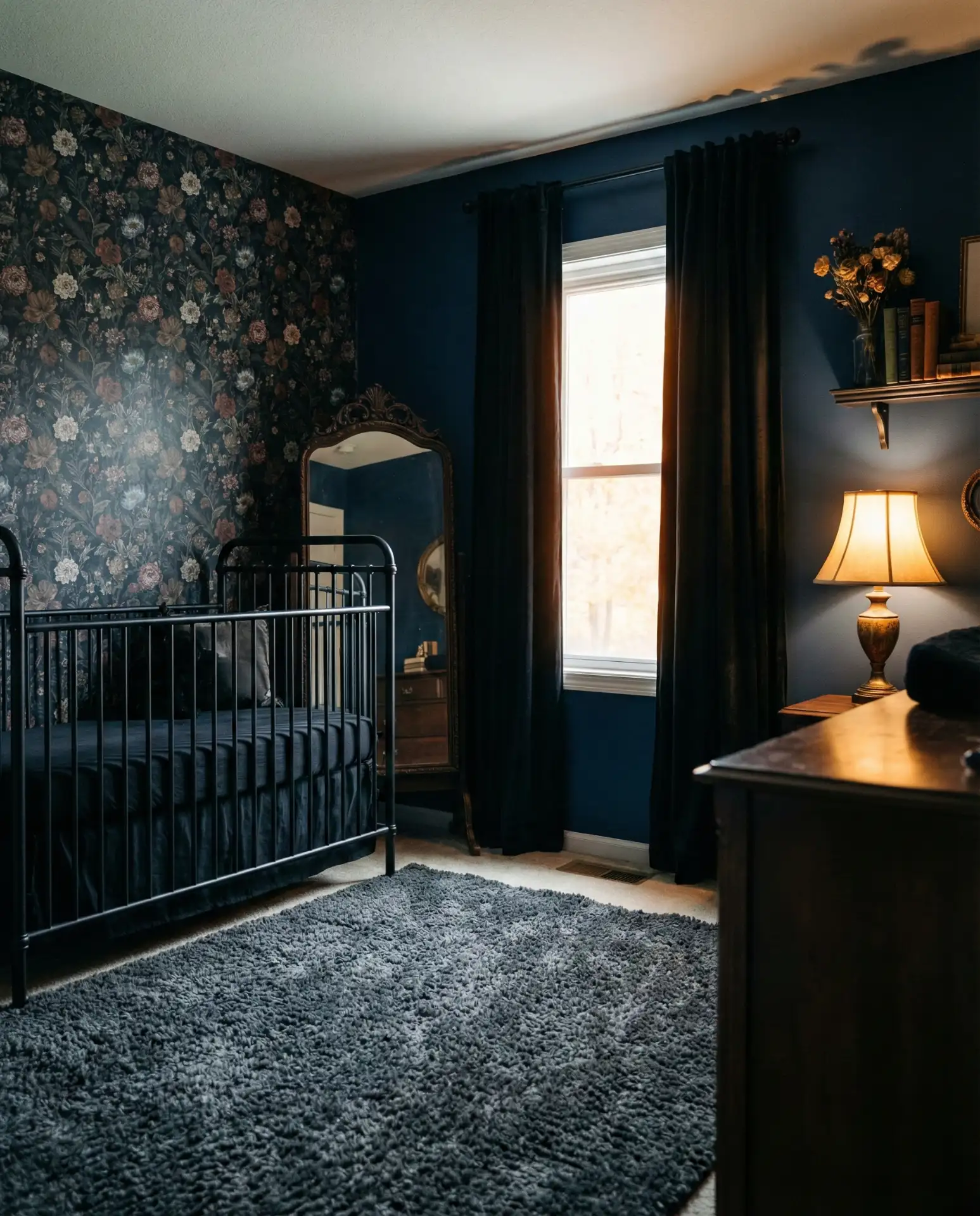
Expert designers recommend balancing dark walls with ample lighting—layer ambient ceiling lights with task lighting near the changing area and a soft nightlight for overnight visits. Despite concerns about dark rooms feeling depressing, many parents report their babies sleep better in these cocoon-like spaces that block out stimulation. Add warmth through natural wood tones, metallic accents, and plenty of soft textiles in plush fabrics that invite touch and comfort despite the dramatic color palette.
12. Country Farmhouse Shiplap
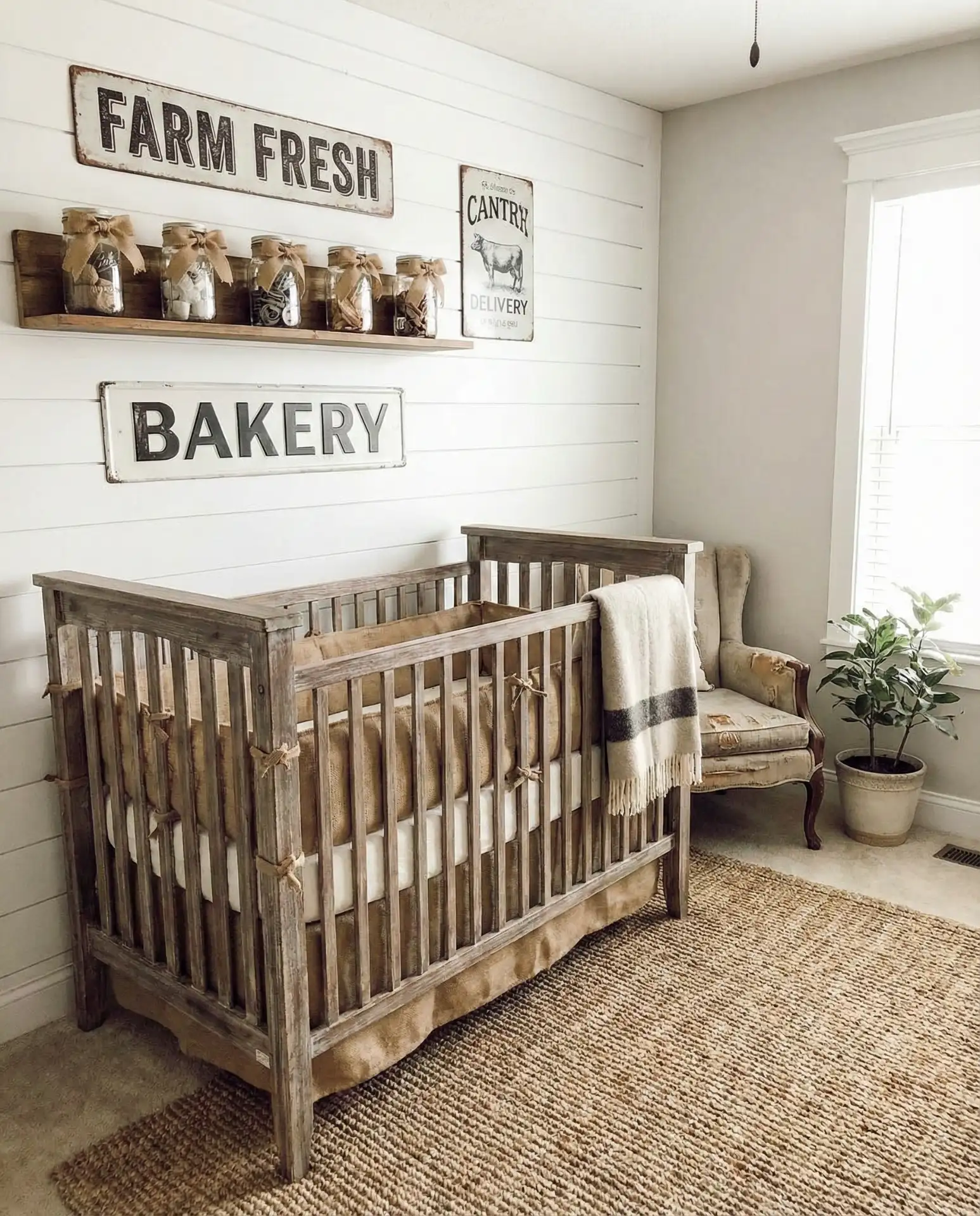
A country farmhouse nursery brings rustic charm through shiplap walls, distressed wood furniture, and vintage farm-inspired decor that feels both homey and intentional. This neutral themes approach works beautifully in actual rural areas as well as suburban homes where families want to evoke simpler, slower-paced living. The aesthetic features plenty of white or cream paint, galvanized metal accents, and nods to agricultural life through subtle cow, chicken, or barn motifs. Texas, Tennessee, and rural Pennsylvania have particularly embraced this look, where farming heritage runs deep in community identity.
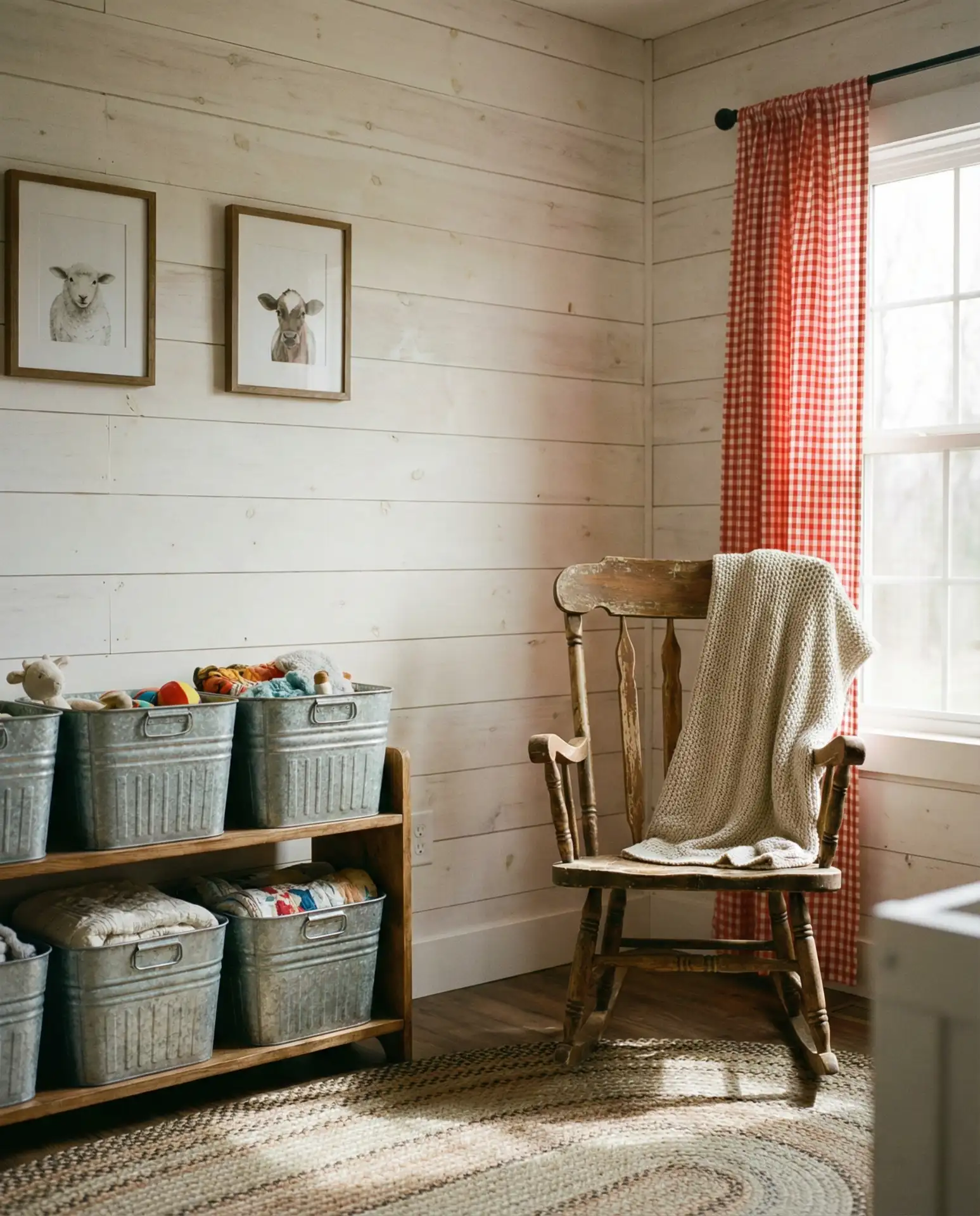
One Texas-based mom shared that she sourced most of her farmhouse nursery elements from local estate sales and farm auctions for under $400 total, proving this look doesn’t require a Joanna Gaines budget. Real or faux shiplap creates architectural interest on a single accent wall without the commitment of treating the entire room. Keep farm references subtle and sophisticated—a vintage feed-sack quilt or weathered wooden sign carries more impact than cartoon barnyard animals that quickly feel childish.
13. Western Desert Neutral Tones
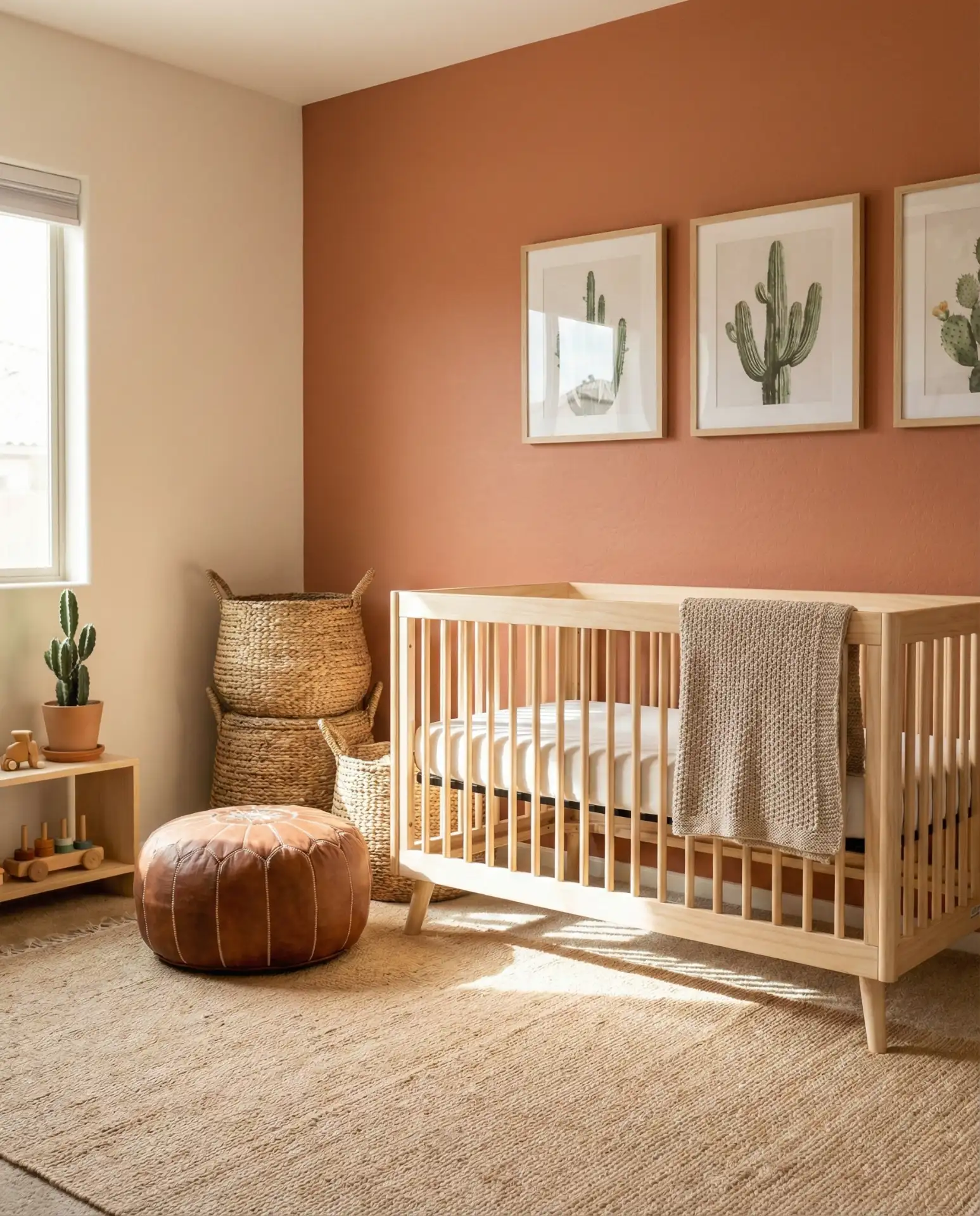
A western-inspired nursery draws from desert landscapes with warm terracotta, sandy beige, and dusty sage, creating an earthy, neutral pastel palette. This unisex, gender-neutral theme works particularly well in Southwestern states like Arizona, New Mexico, and Nevada, where the landscape informs local design sensibilities. The look incorporates natural textures like leather, woven textiles, and raw wood alongside subtle cowboy or desert motifs—think cacti prints, geometric Native American-inspired patterns, and sun-bleached color tones. The aesthetic feels both modern and rooted in place.
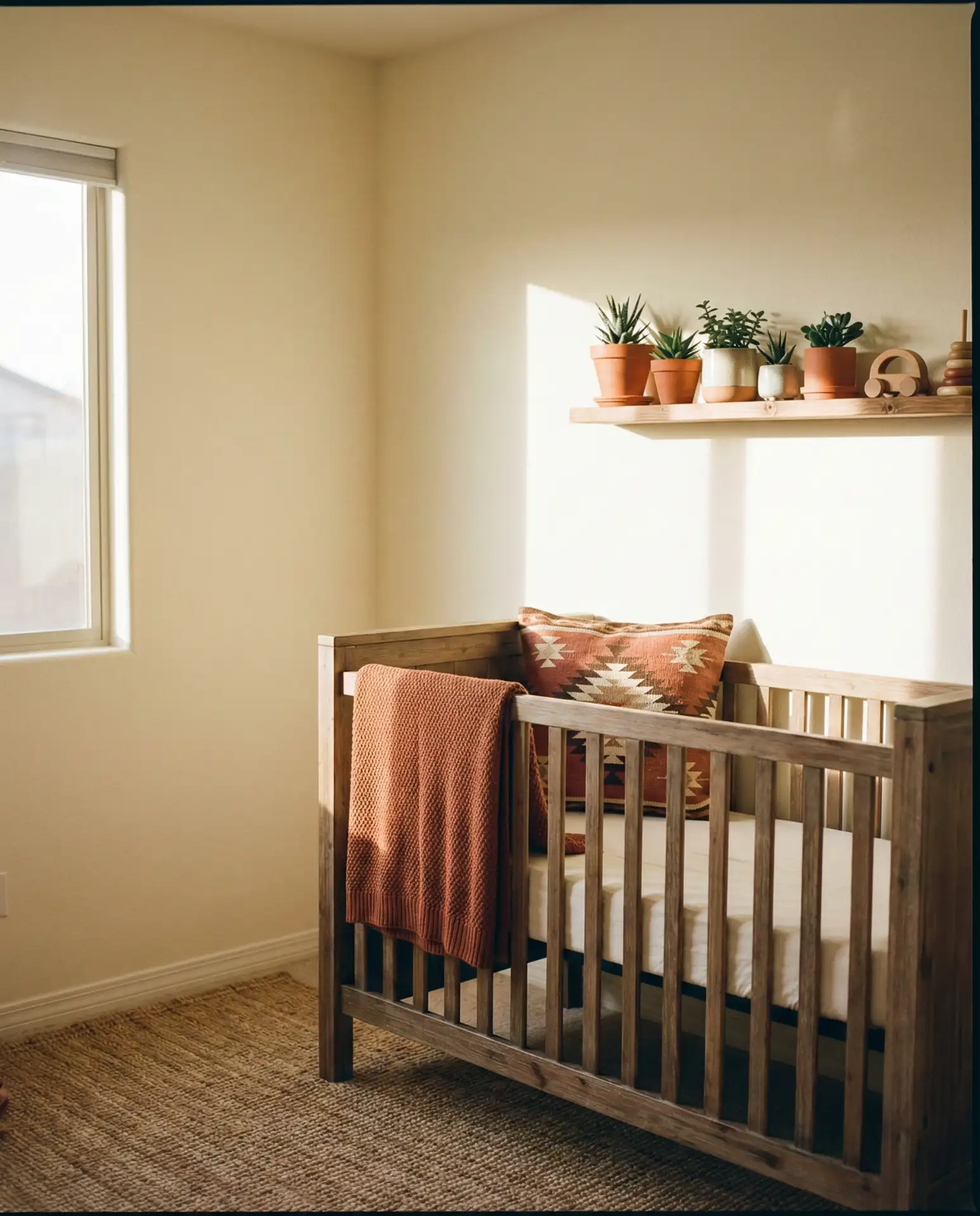
This palette shines in rooms with abundant natural light, where the warm tones can glow without feeling muddy or dark. The desert color story also has the practical advantage of hiding dirt and wear better than stark white nurseries, making it ideal for families with multiple children or pets who’ll be in and out of the baby’s room. Incorporate live plants like snake plants or pothos that thrive in indoor conditions, adding life to the space while improving air quality naturally.
14. Neutral Pastel Dreamy Layers
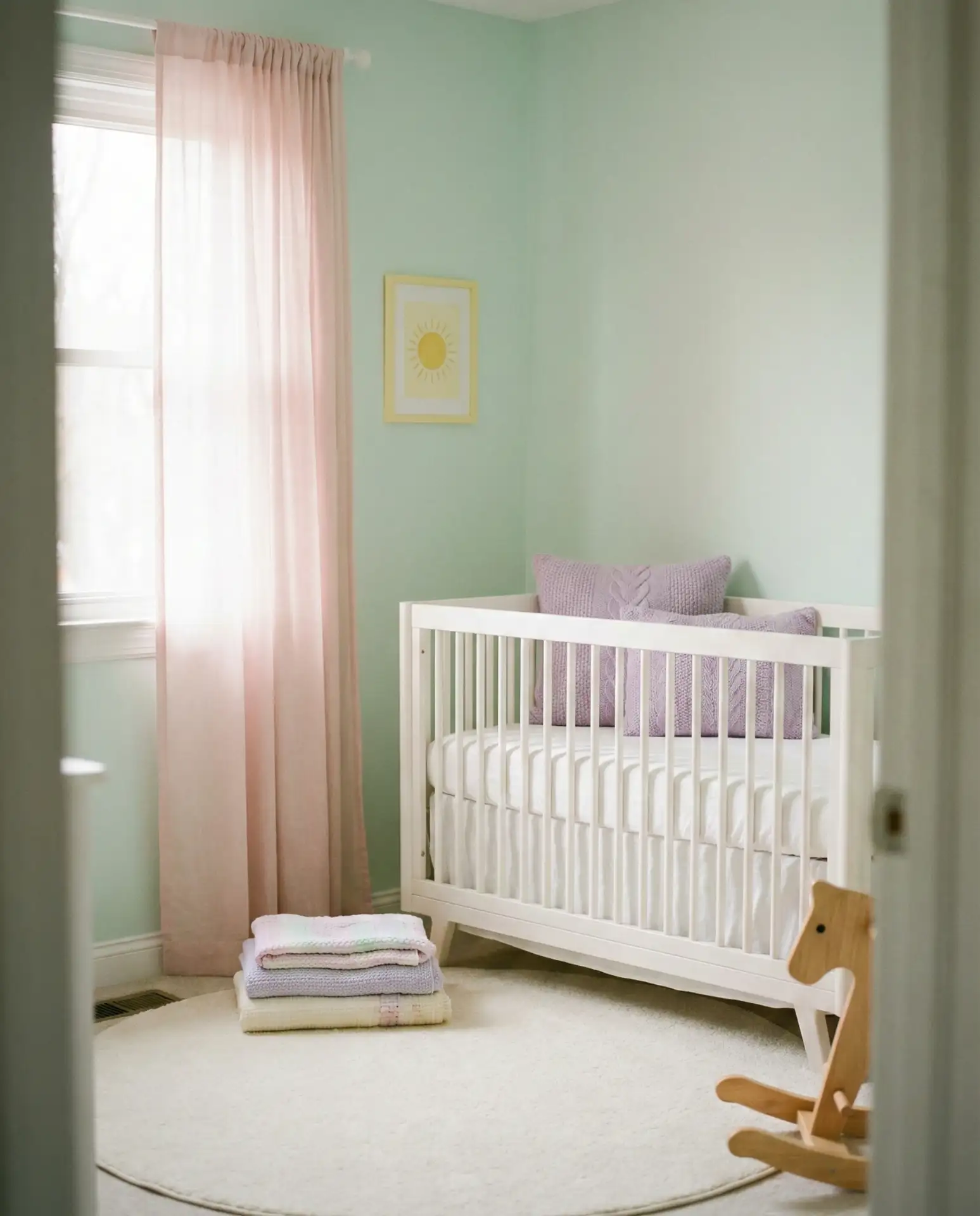
A neutral pastel palette offers the softness of pastels without committing to a single color, creating a dreamy layered effect through blush, mint, lavender, and butter yellow. This unisex approach allows you to incorporate multiple soft hues without the room feeling chaotic or gendered. The key is maintaining a cohesive low-saturation palette where no single color dominates but all tones complement each other harmoniously. This aesthetic photographs beautifully and works across architectural styles from mid-century modern to traditional colonials throughout suburban America.
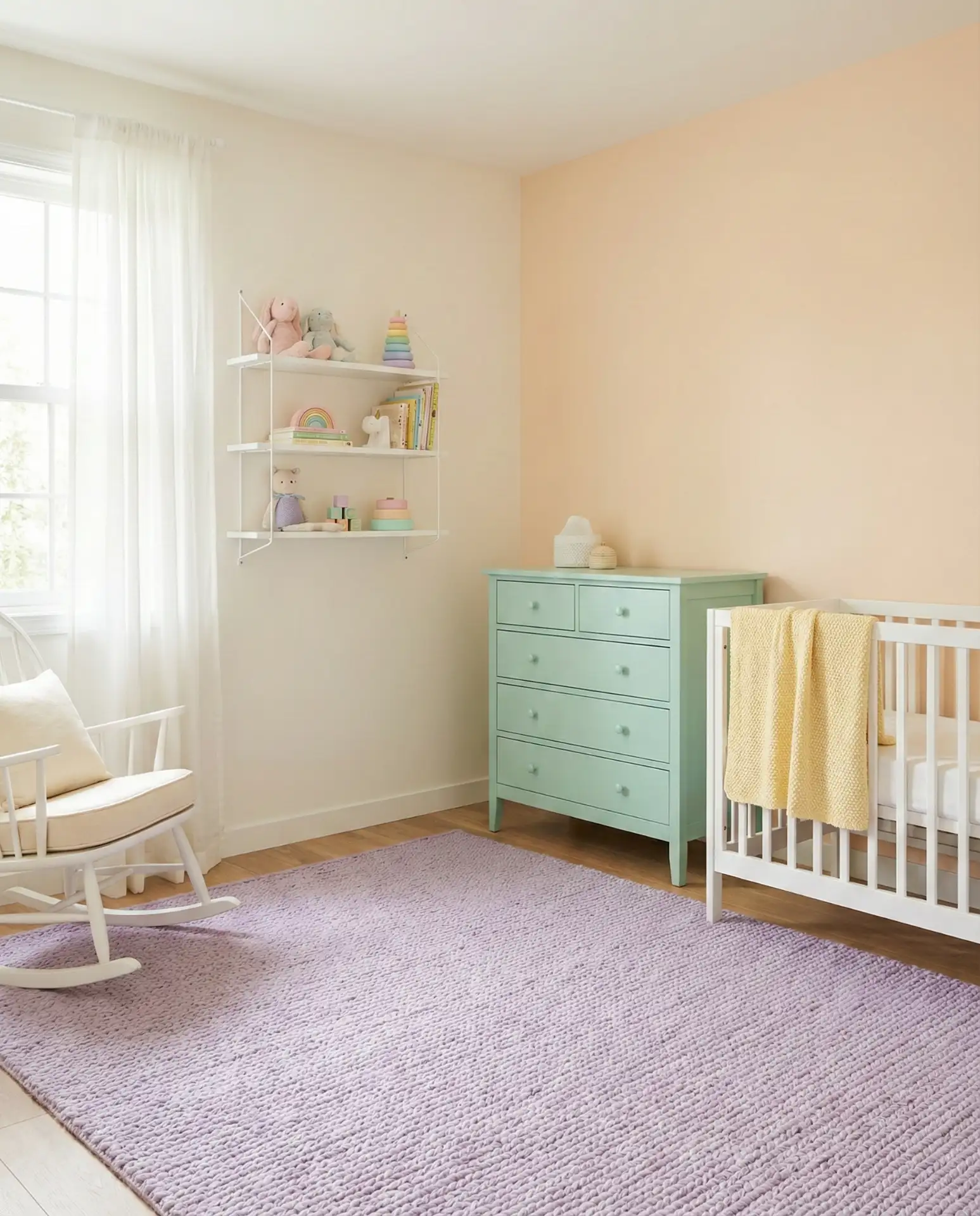
Where this style works best is in well-lit rooms where natural light can bring out the subtle variations between your pastel choices—north-facing rooms may make these delicate colors look washed out or gray. Test paint samples on all four walls before committing, as lighting dramatically affects how pastels read throughout the day. The beauty of this approach is its flexibility for future updates; you can easily shift emphasis toward one color as your child develops preferences without needing a complete overhaul.
15. Green Botanical Jungle Vibes
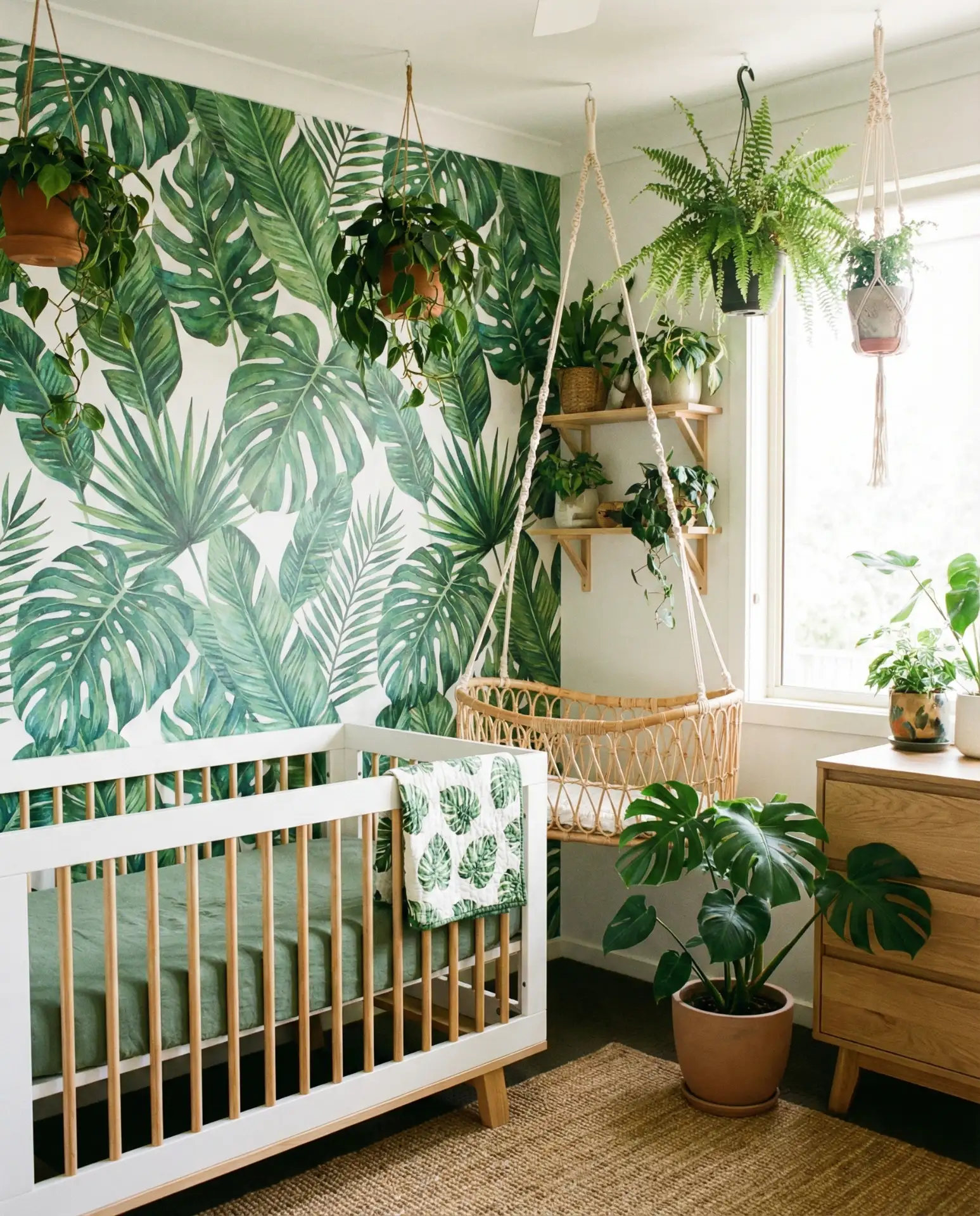
A green jungle-inspired nursery brings tropical energy through bold palm leaves, monstera prints, and layered plant life for a nature-inspired space that feels lush and vibrant. This colorful approach works particularly well in warm climates like Florida, Southern California, and Hawaii, where indoor-outdoor living is part of daily life. The jungle theme allows for varying shades of green from deep emerald to bright lime, creating depth and visual interest across walls, textiles, and accessories. Pair botanical elements with natural rattan furniture and woven textures for an organic, cohesive look.
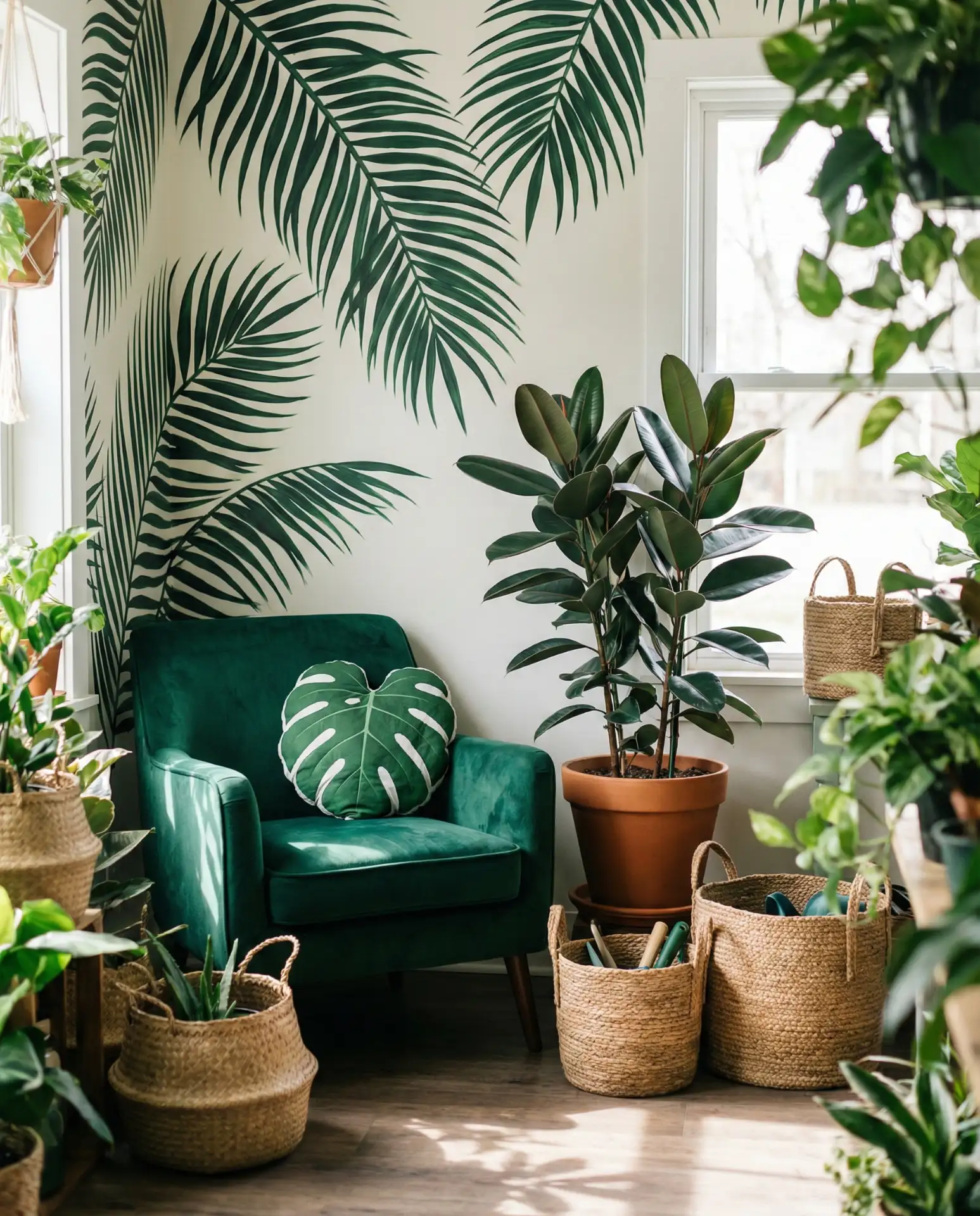
Practical insight: Incorporate real low-maintenance plants like pothos or snake plants on high shelves where curious toddlers can’t reach—they’ll improve air quality while reinforcing the botanical theme naturally. The jungle aesthetic is forgiving of varied green tones, so you don’t need to stress about exact color matching across different elements. This flexibility makes it easier to source items from different retailers or swap pieces over time without breaking visual cohesion.
16. Yellow Sunshine Cheerful Accents
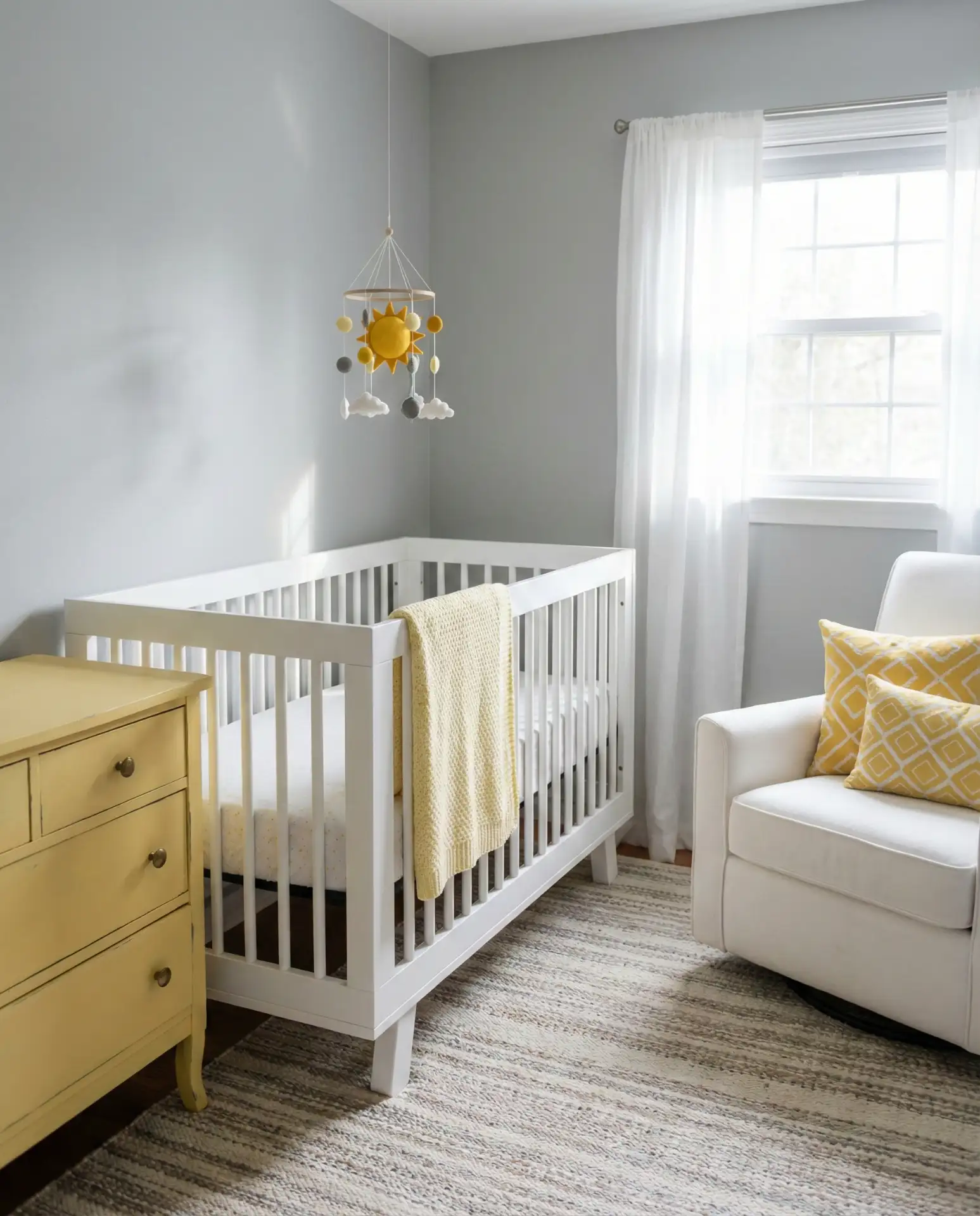
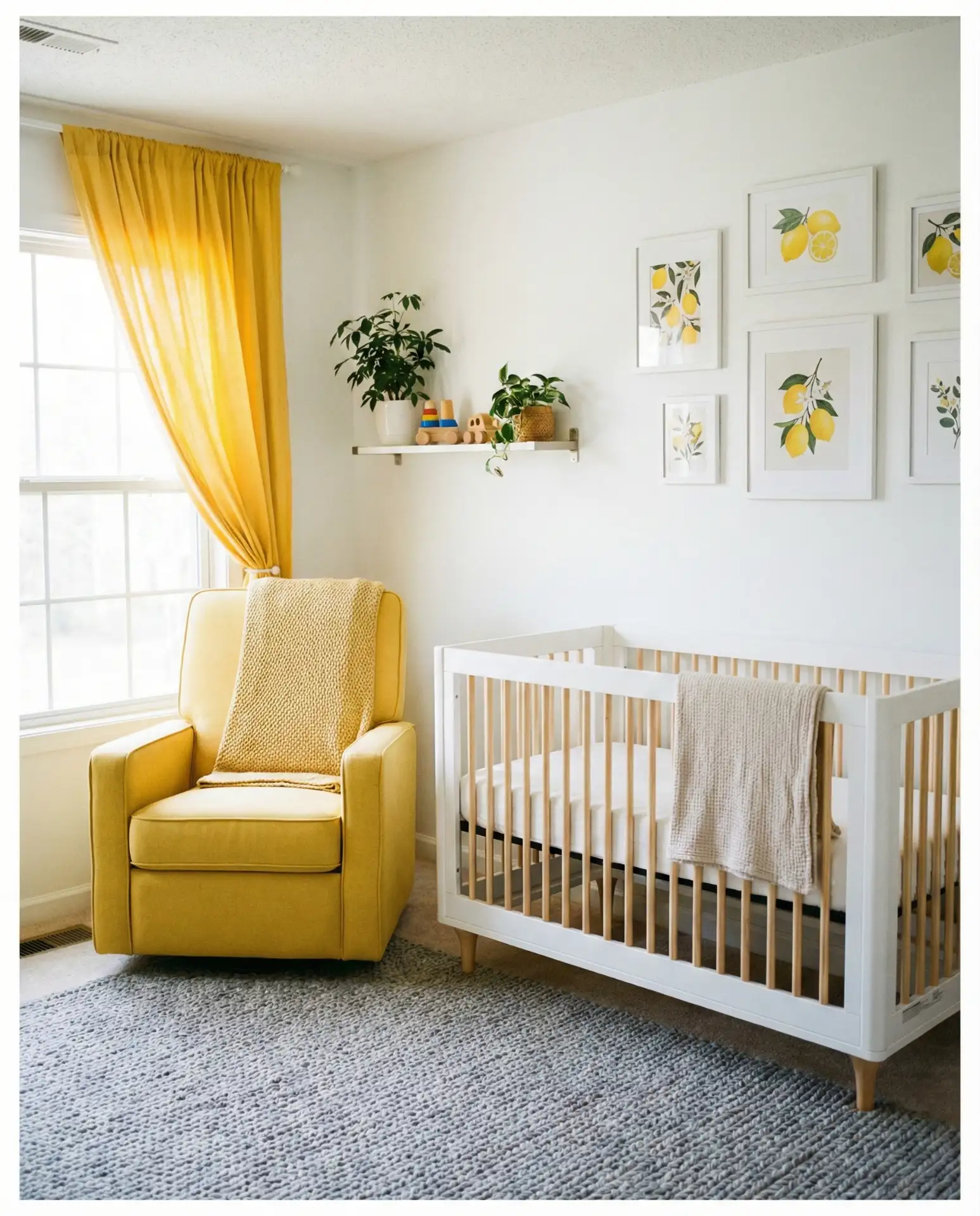
A yellow-accented nursery brings instant cheer without overwhelming the space, working beautifully as a gender-neutral choice that feels fresh and optimistic. Rather than painting entire walls yellow—which can feel intense—use the color through textiles, artwork, and furniture accents against neutral backdrops of white or soft gray. This strategic approach delivers yellow’s mood-boosting properties without the risk of it feeling too stimulating for sleep. The sunny palette resonates particularly in northern states, where winter light is scarce and families crave visual warmth indoors.
The American lifestyle context reveals that yellow nurseries are particularly popular in the Pacific Northwest and New England, where gray skies dominate much of the year—the color serves as a psychological counter to the lack of sunshine. Choose softer butter yellows over bright primary yellows for a more sophisticated look that won’t overwhelm or fatigue the eye. Yellow pairs beautifully with navy blue, soft gray, or natural wood tones, giving you multiple directions for styling as trends and preferences evolve.
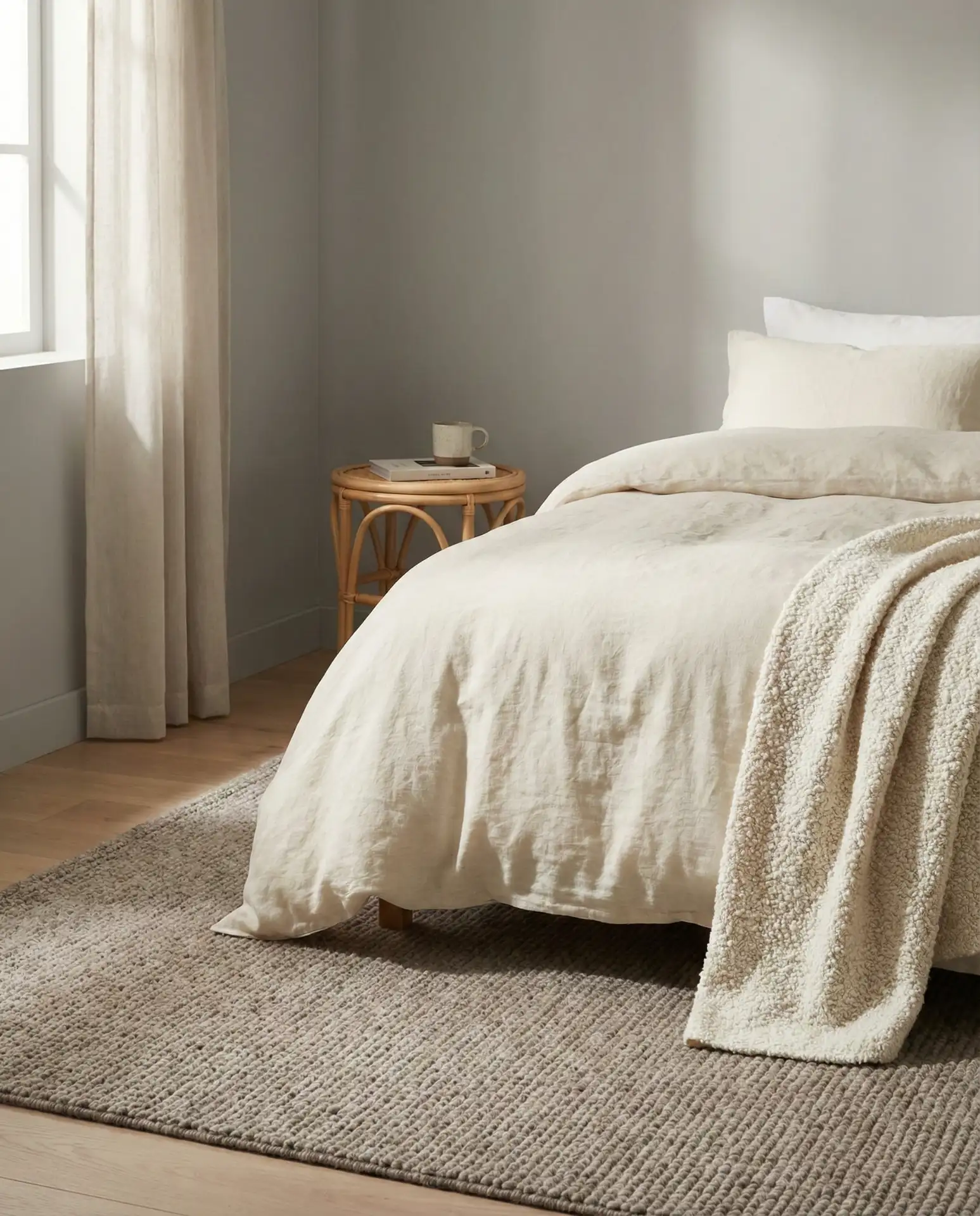
17. Minimalist Scandinavian White
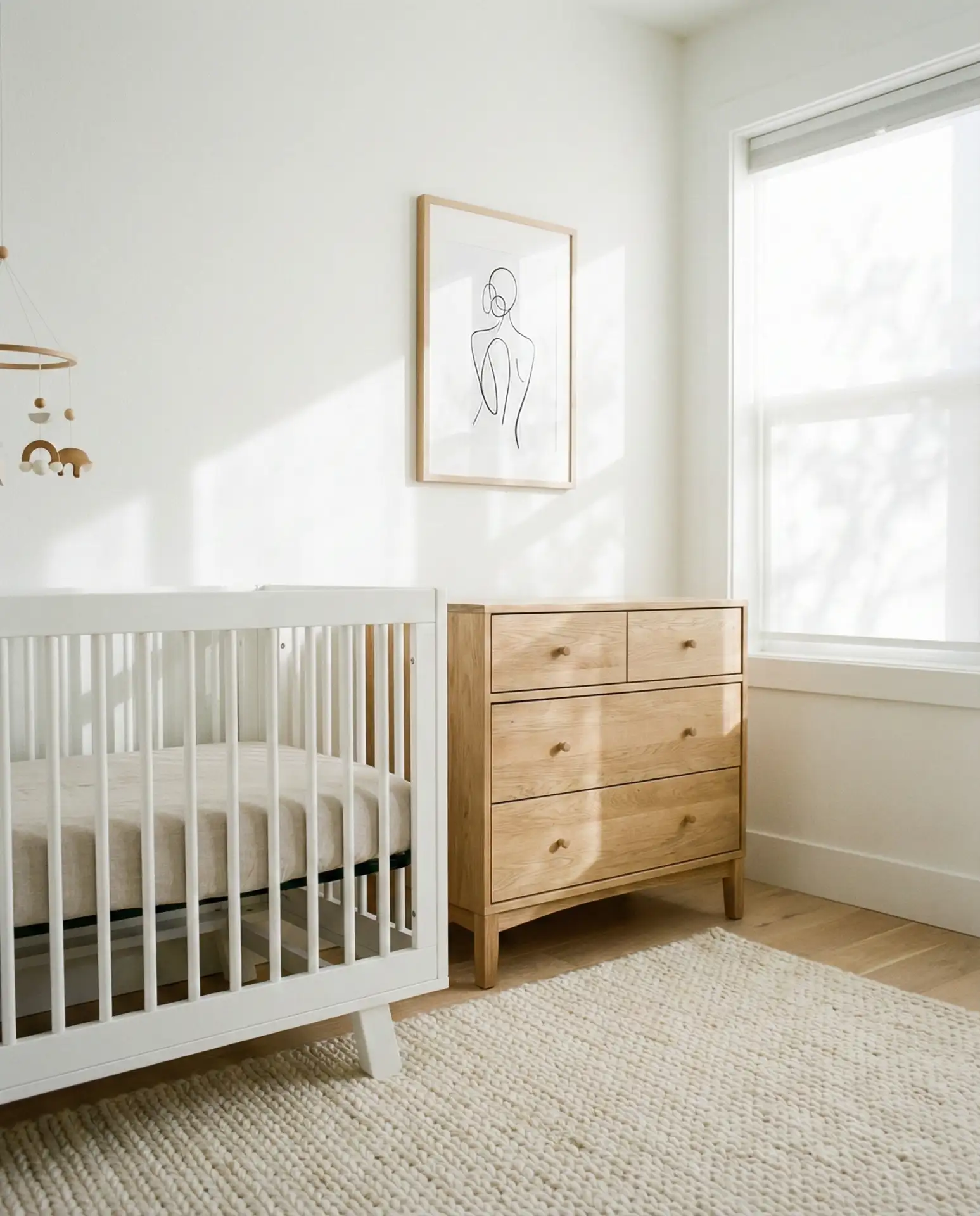
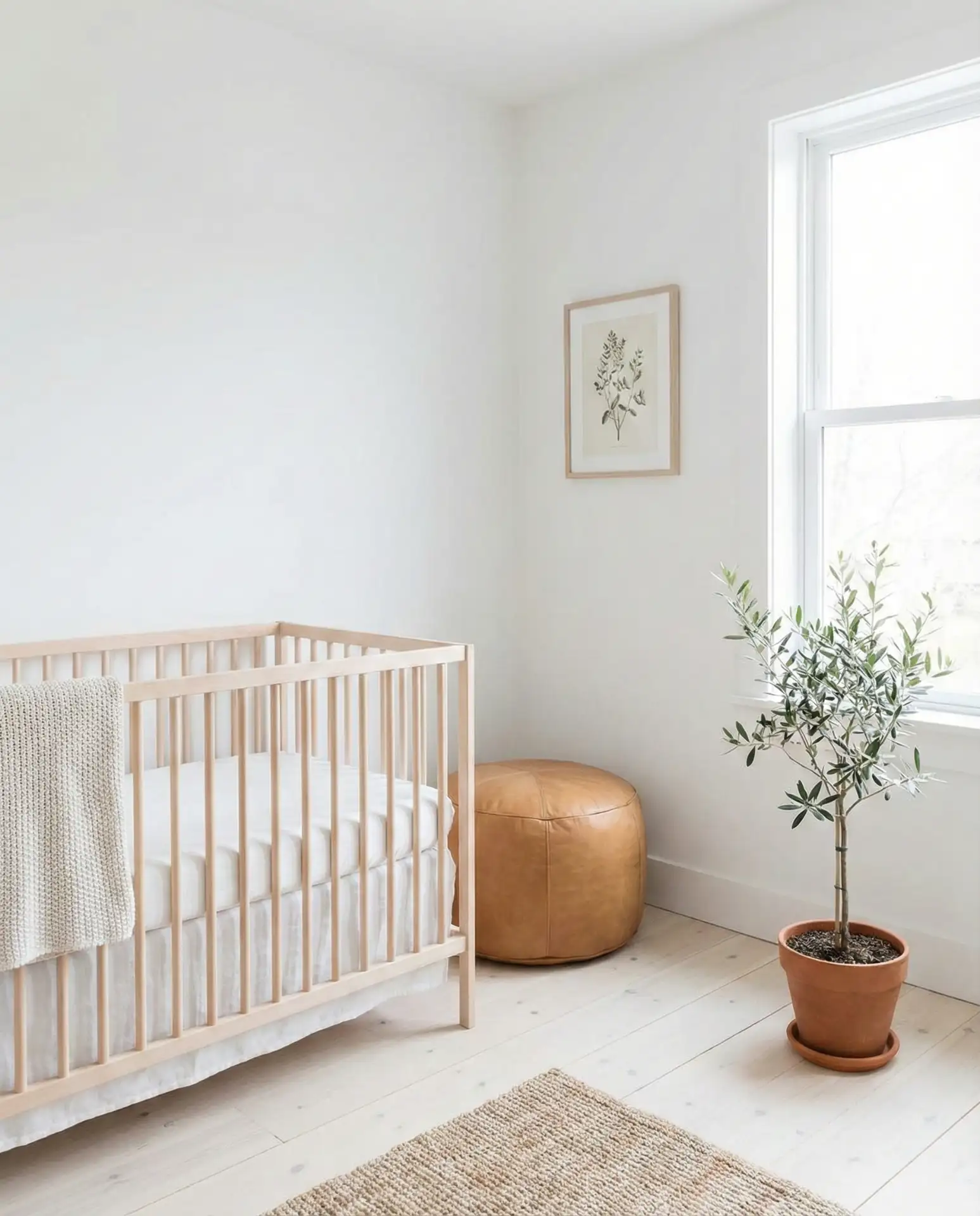
A minimalist Scandinavian nursery embraces “less is more” through clean white walls, natural wood furniture, and a deliberately edited selection of neutral essentials. This unisex, gender-neutral aesthetic prioritizes function and calm over decorative excess, creating a serene environment free from visual clutter. The style features quality over quantity—each piece serves a purpose and is thoughtfully chosen for both beauty and utility. Urban professionals in cities like Minneapolis, Seattle, and Boston particularly gravitate toward this approach, where small living spaces demand smart, multipurpose furniture.
Common mistakes include thinking minimalism means cold or unwelcoming—the key is adding warmth through natural textures like wool, linen, and unfinished wood that keep the space feeling human. This aesthetic actually simplifies cleaning and organization since there are fewer items collecting dust or requiring management. The neutral foundation also makes it incredibly easy to personalize with a few meaningful items like a handmade quilt from Grandma or a special piece of art without disrupting the overall calm.
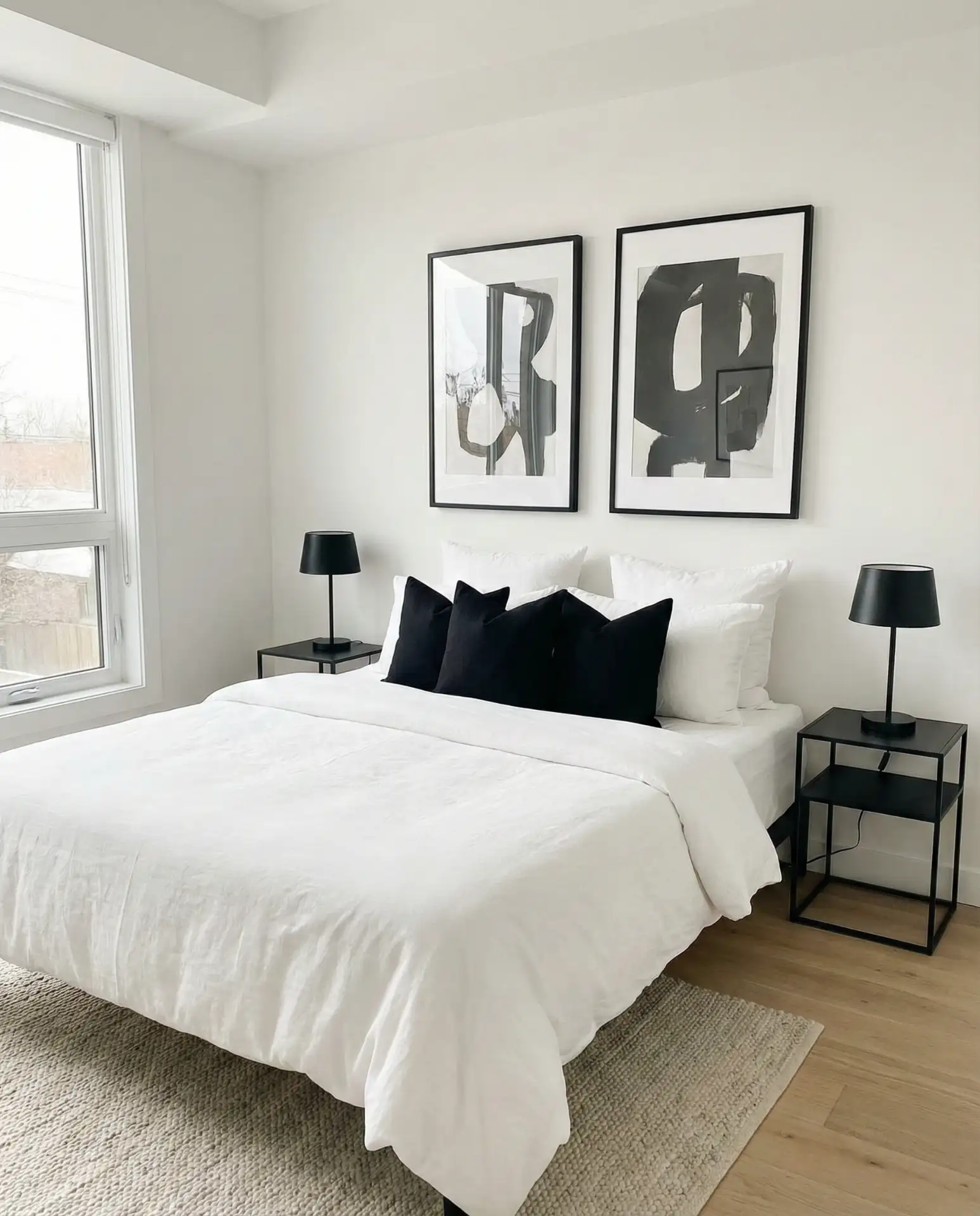
18. Monochrome Black and White Graphics
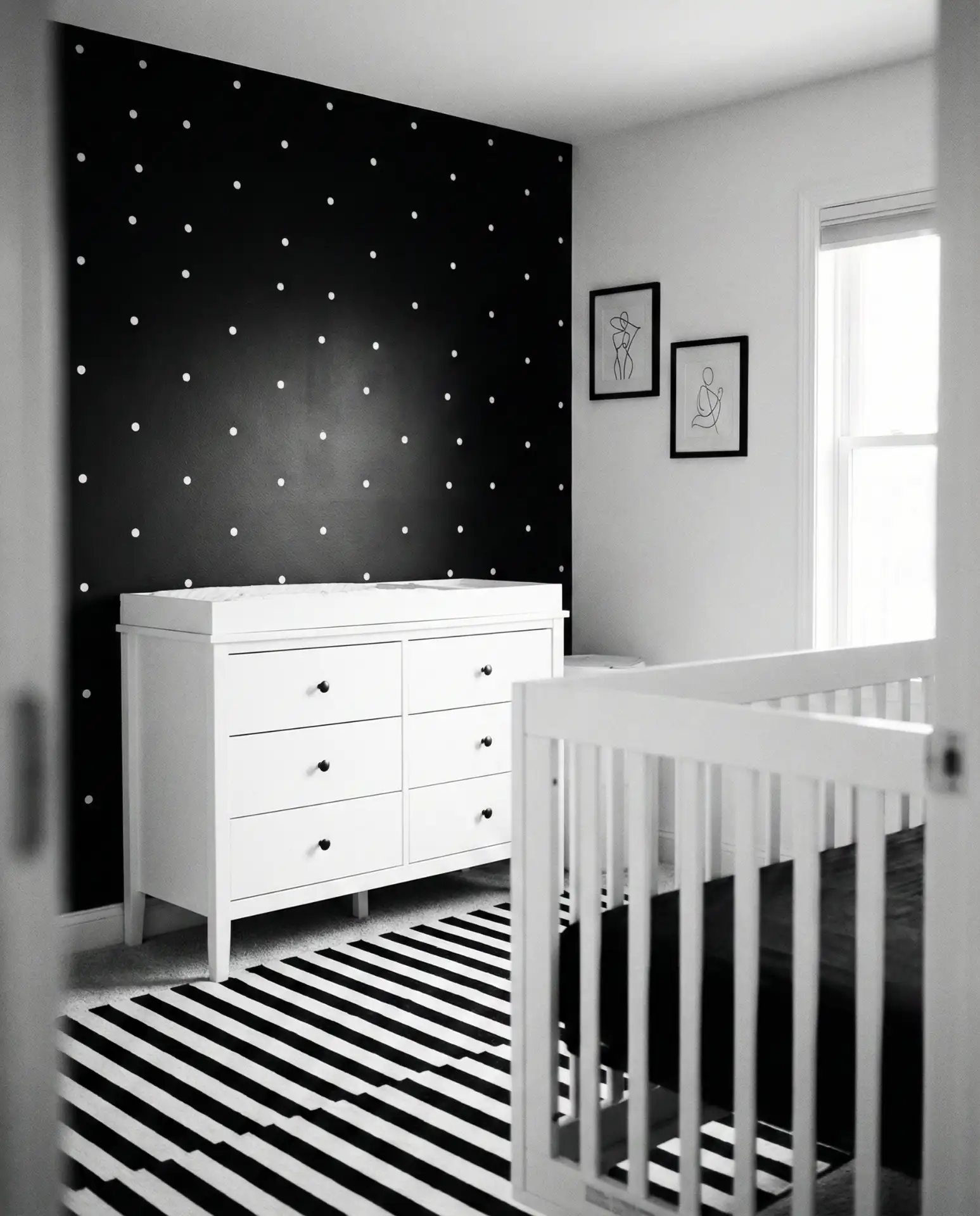
A monochrome nursery uses stark black and white contrast to create visual stimulation that’s actually beneficial for newborn development while maintaining a neutral, sophisticated aesthetic. High-contrast patterns help infants focus and track movement as their vision develops during the first months. This unique approach appeals to modern parents who want their nursery to fit seamlessly into contemporary home design without screaming “baby room.” The graphic quality photographs exceptionally well and works in homes with minimalist or industrial design sensibilities, particularly popular in loft-style apartments in Chicago, LA, and Brooklyn.
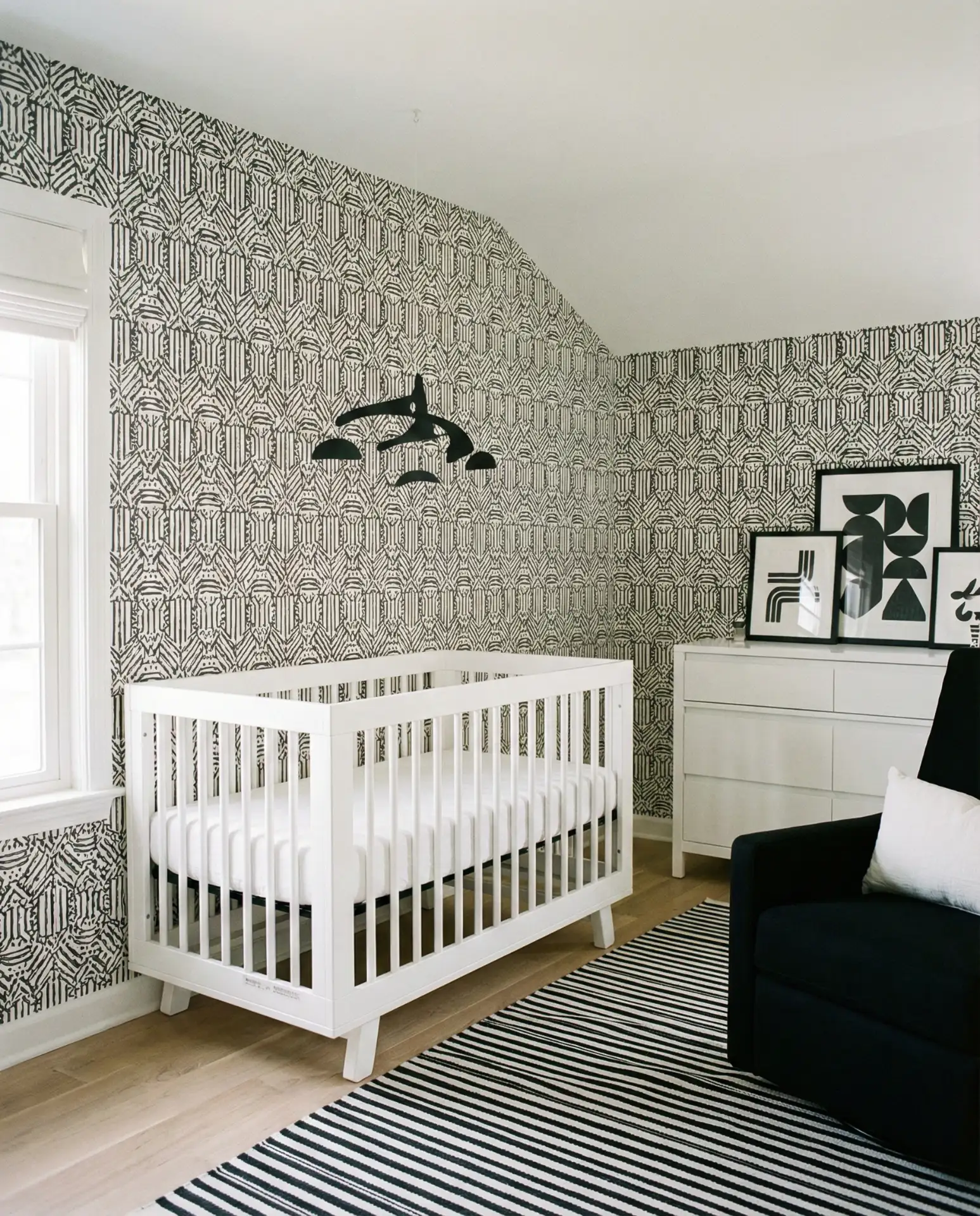
Where it works best: rooms with excellent natural light where the stark contrast won’t feel too harsh or cave-like during daytime hours. The monochrome base gives you incredible flexibility to introduce pops of any color through toys, books, or textiles as your baby grows and you want to refresh the space. Many parents add one accent color—often a soft pink, blue, or yellow—around the six-month mark when baby’s color vision develops more fully.
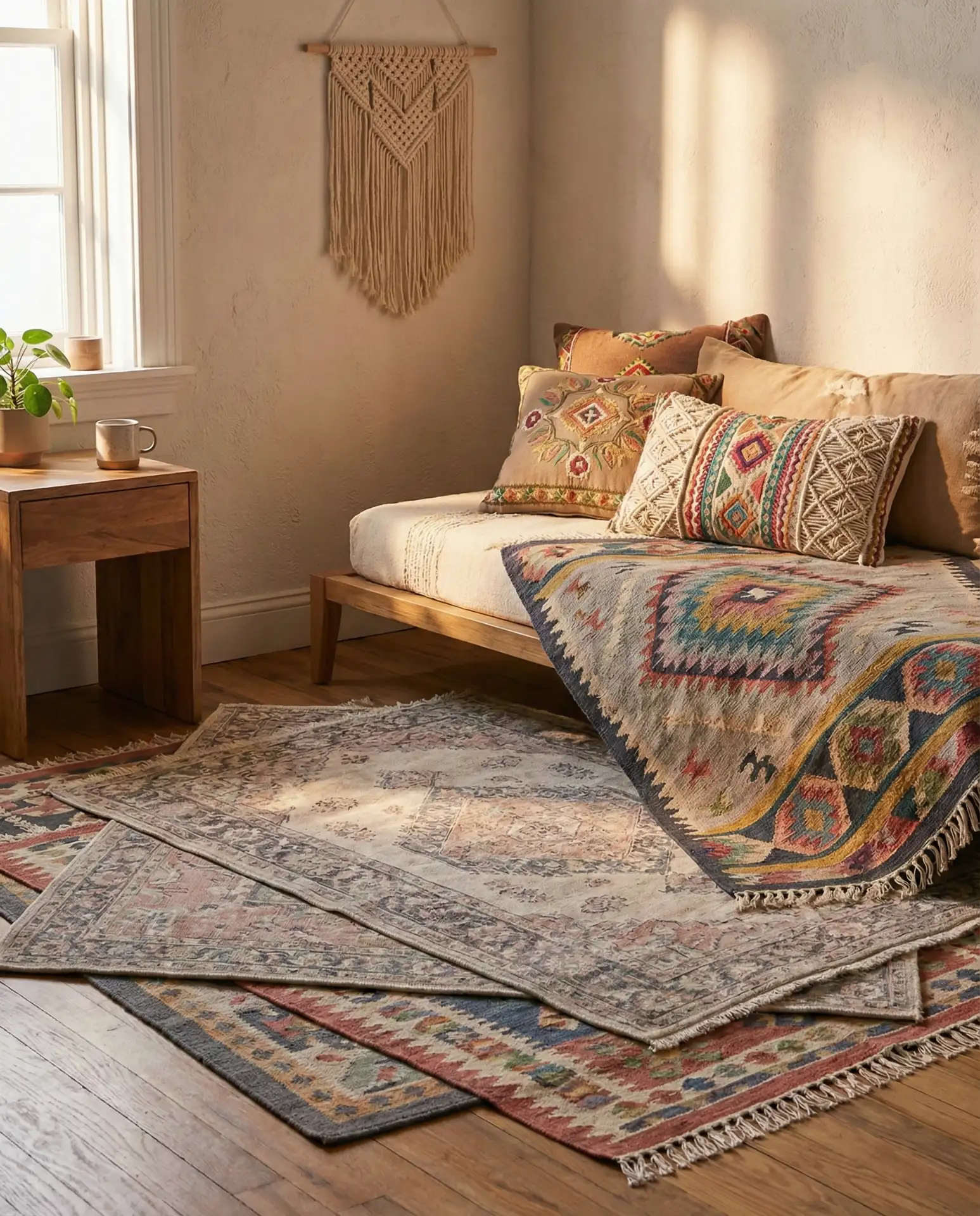
19. Bohemian Macrame and Textiles
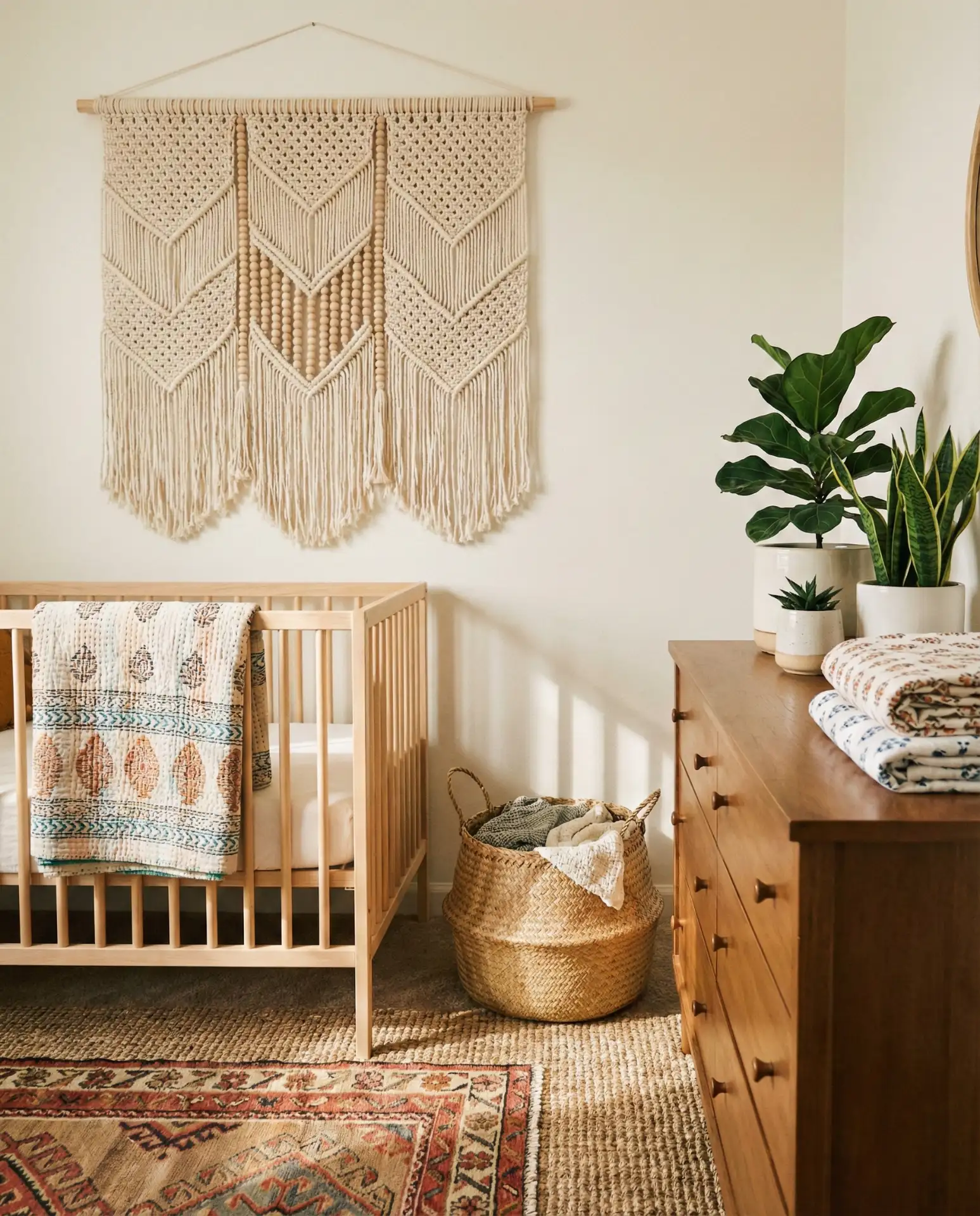
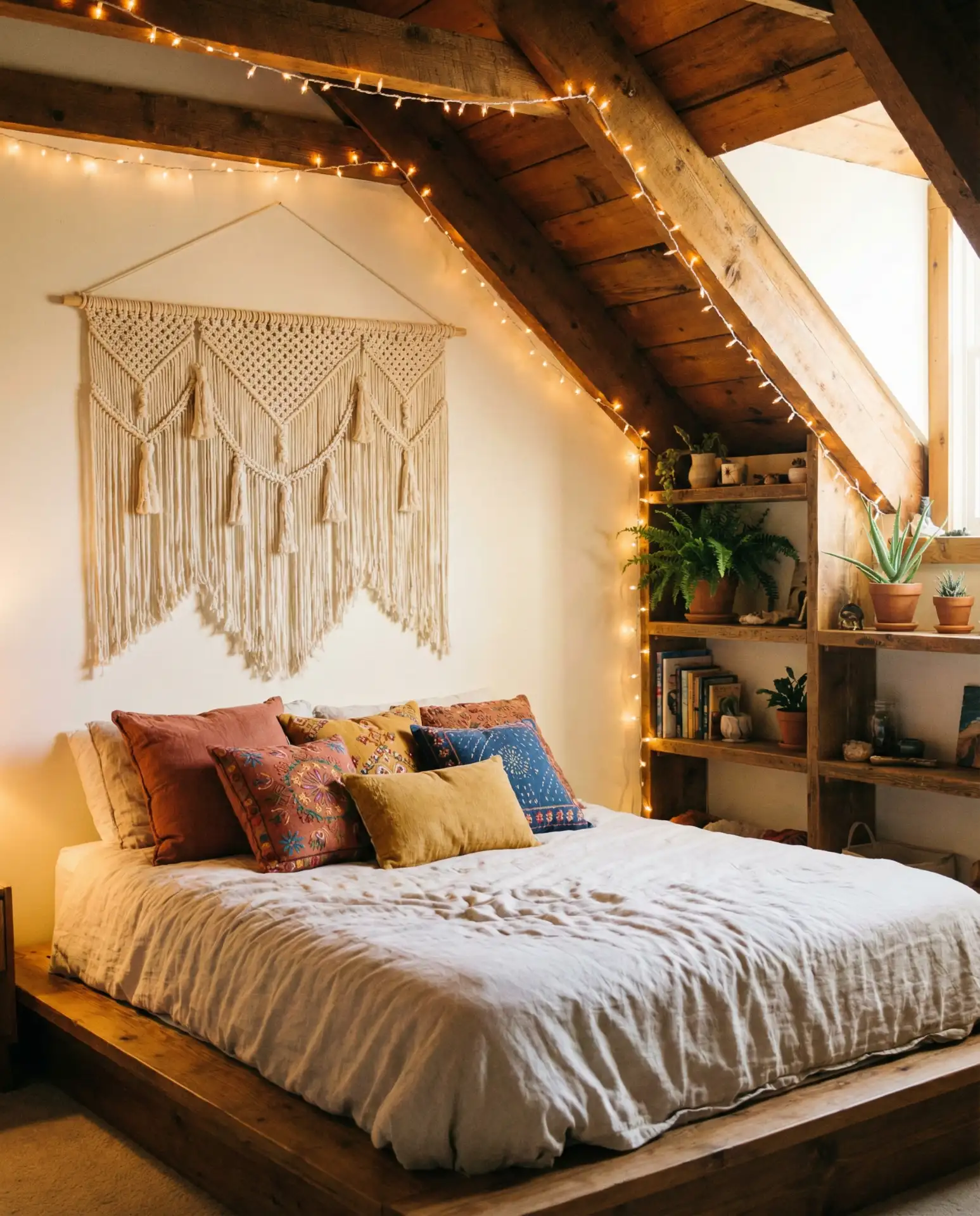
A bohemian nursery layers rich textures through macrame wall hangings, woven baskets, and globally inspired textiles for a whimsical and collected-over-time feel. This colorful yet neutral approach embraces natural fibers, handmade elements, and an eclectic mix of patterns that create warmth and personality. The boho aesthetic works particularly well for creative families who value artisanal crafts and want their baby’s space to reflect cultural appreciation and individuality. The look has found strong followings in artistic communities across Austin, Portland, and Asheville, where handmade goods are celebrated.
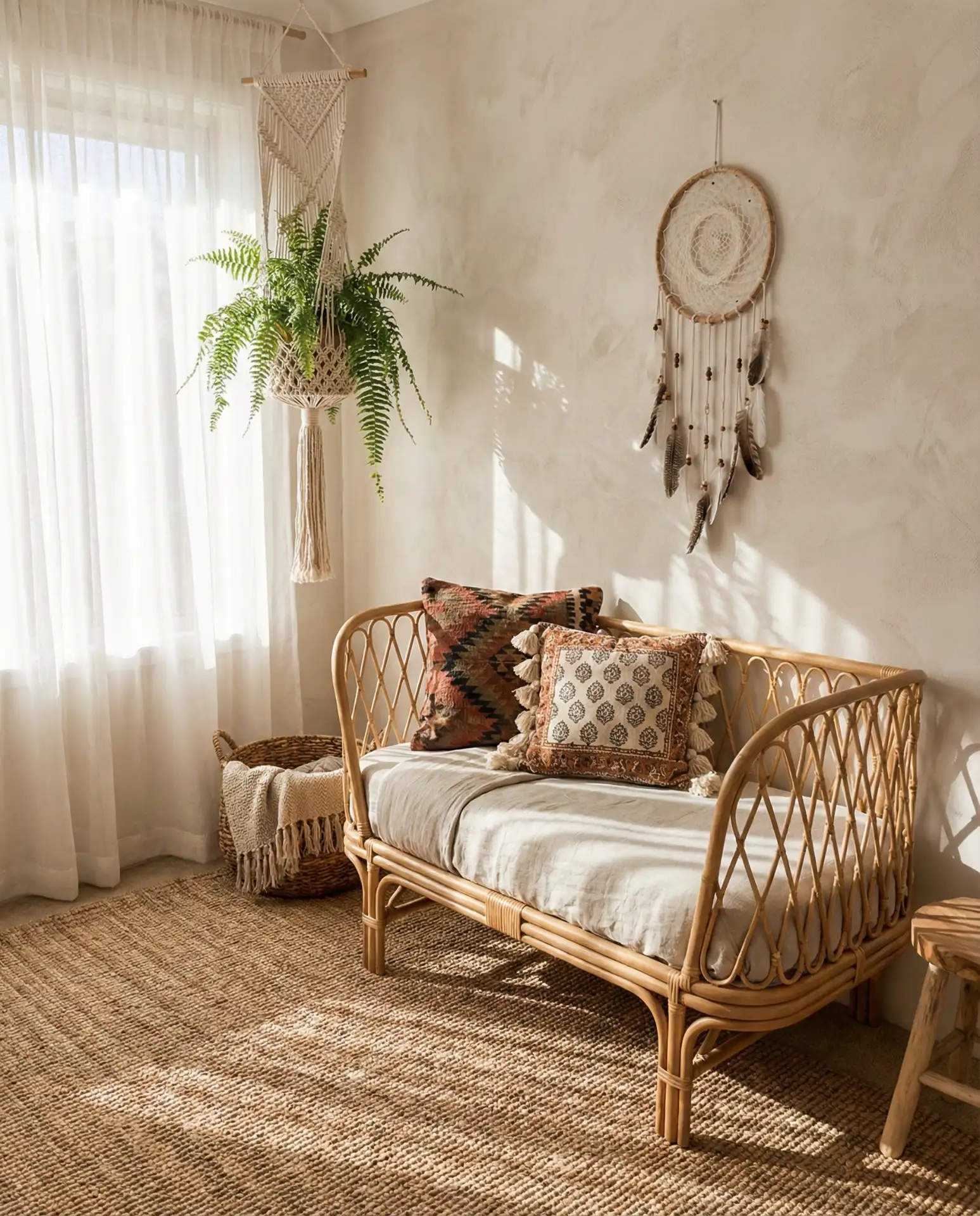
Expert-style commentary: when mixing patterns in a boho space, vary the scale—pair large-scale prints with smaller geometric patterns to create visual interest without chaos. The handmade quality of macrame and woven elements adds organic imperfection that makes the space feel lived-in and loved rather than showroom-sterile. Source pieces from local artisans or fair-trade shops to ensure quality and support small makers while building a nursery with a meaningful backstory.
20. Nautical Coastal Blue Stripes
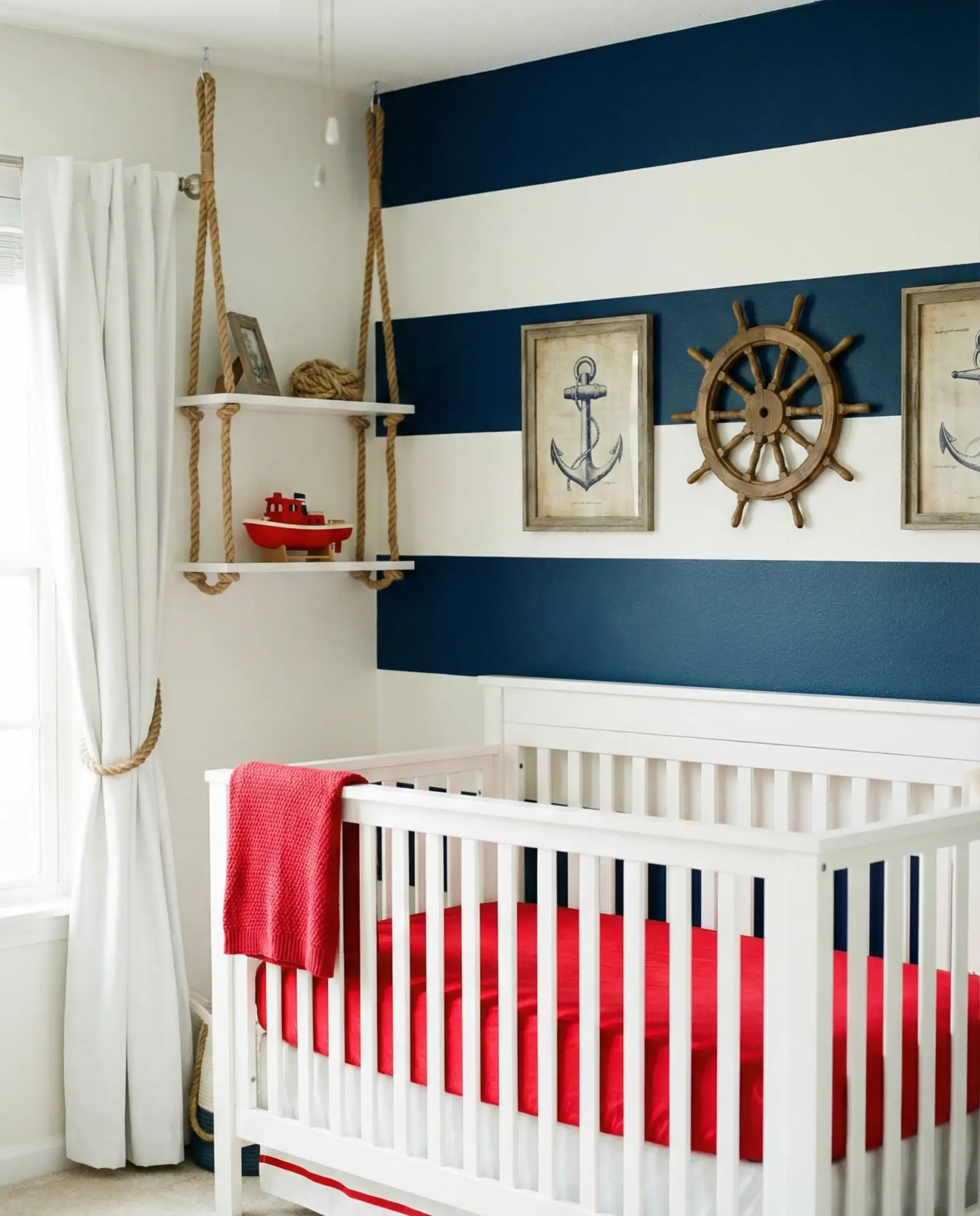
A nautical nursery brings coastal charm through navy blue, crisp white, and red accents for a classic neutral-themes approach that works particularly well in New England, the Mid-Atlantic, and Pacific coastal regions. This timeless theme features stripes, anchors, sailboats, and rope details that evoke seaside living without feeling overly themed or kitschy. The crisp color combination photographs beautifully and provides a structured backdrop that feels both youthful and sophisticated. Families with sailing traditions or beach house roots especially connect with this aesthetic’s nostalgic quality.
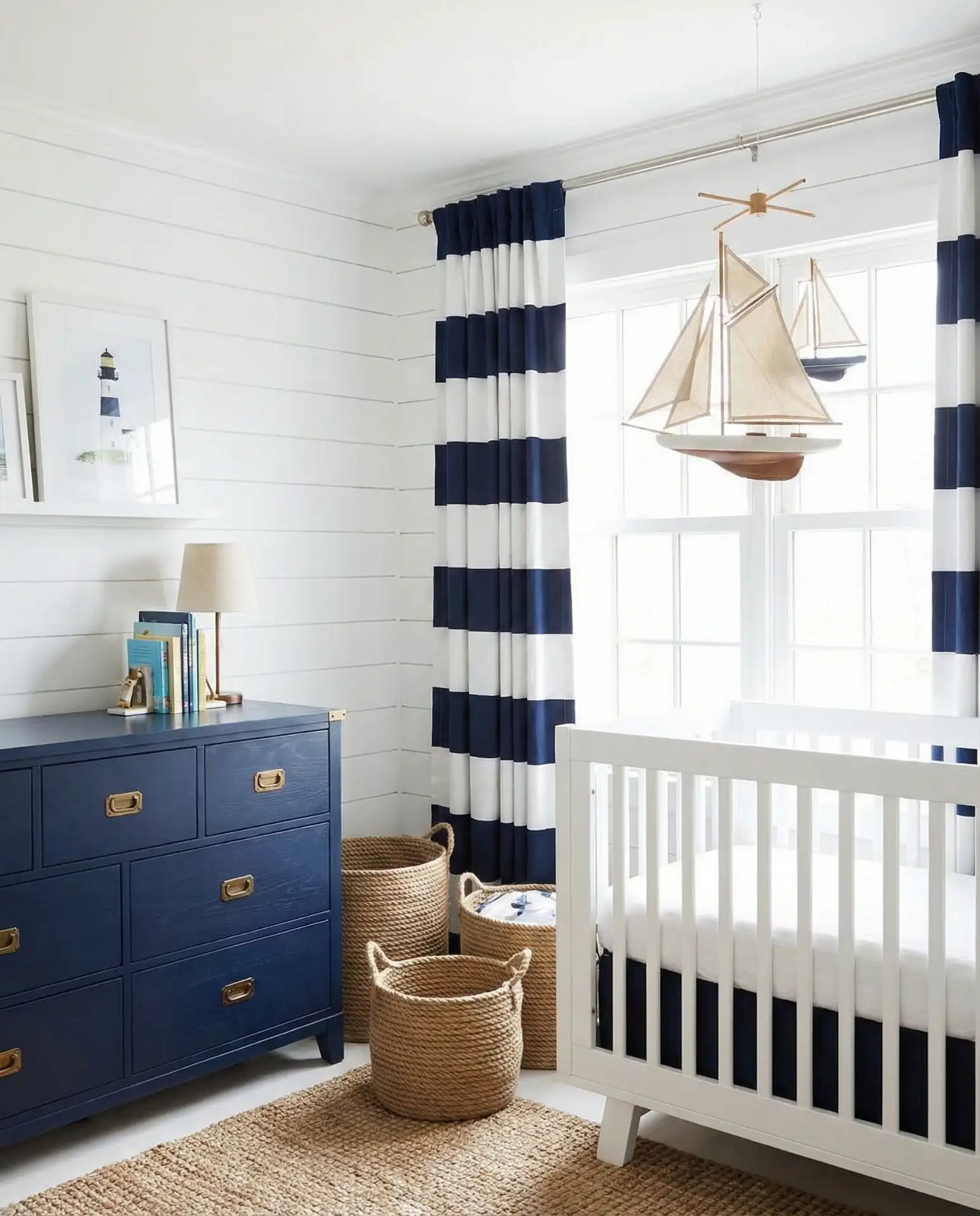
Real homeowner behavior shows this theme transitions well into toddlerhood and beyond—simply swap baby mobiles for model ships or marine biology books as interests mature. The navy and white palette is gender-neutral despite nautical themes historically skewing masculine, making it work for any child. Keep metallic finishes to brushed silver or aged brass rather than shiny chrome to maintain the vintage coastal feel, and incorporate natural textures like jute, linen, and weathered wood to balance the crispness of the stripe pattern.
21. Modern Mid-Century Warm Wood
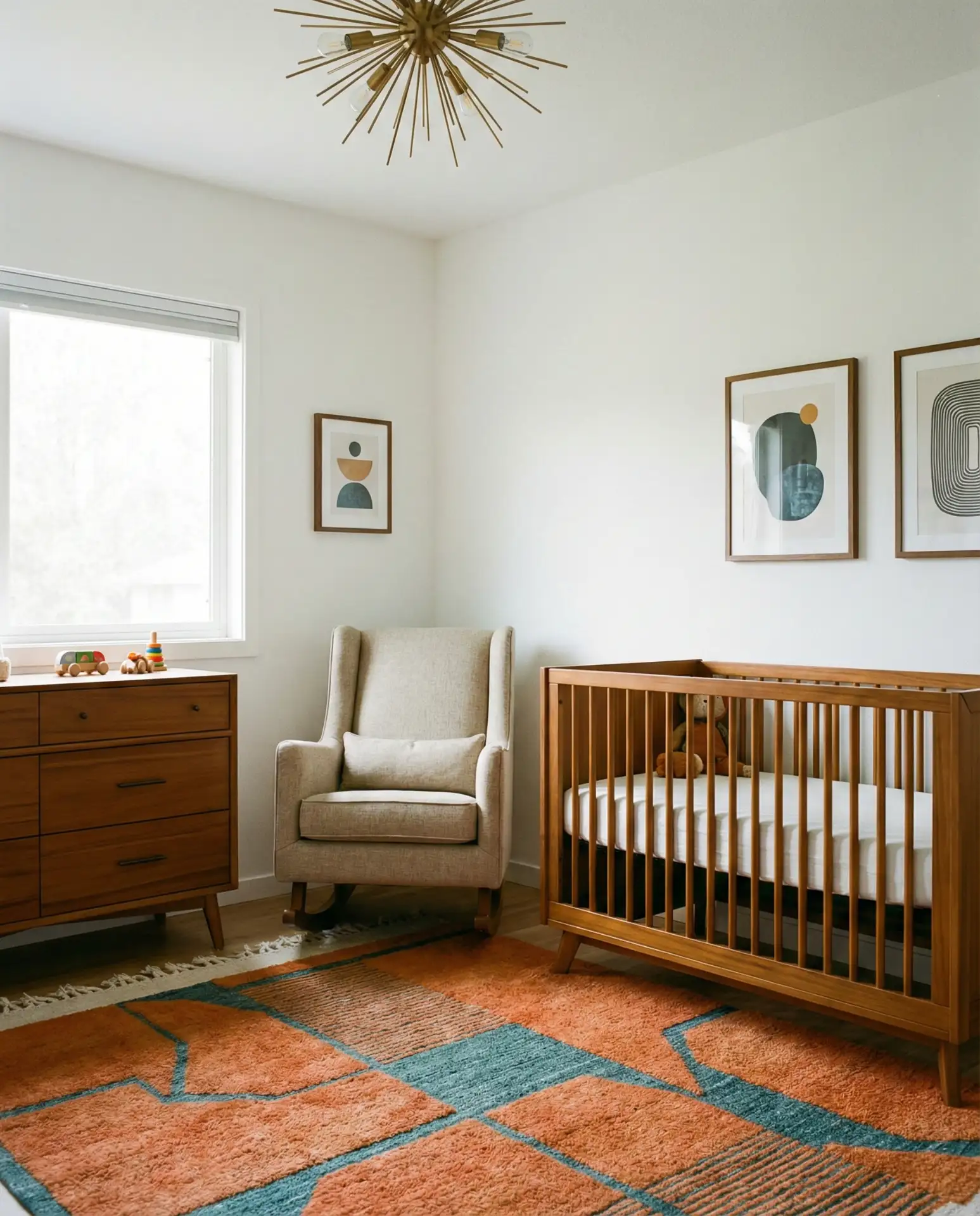
A mid-century modern nursery emphasizes clean lines, warm wood tones, and functional furniture with vintage character for a neutral aesthetic that ages beautifully. This unisex style features tapered furniture legs, geometric patterns, and a restrained color palette of mustard, orange, and teal against wood and white backgrounds. The look appeals to design-conscious parents who appreciate the craftsmanship of vintage pieces and want their nursery to integrate with existing mid-century homes common in California, Arizona, and parts of the Midwest built during the 1950s-70s housing boom.
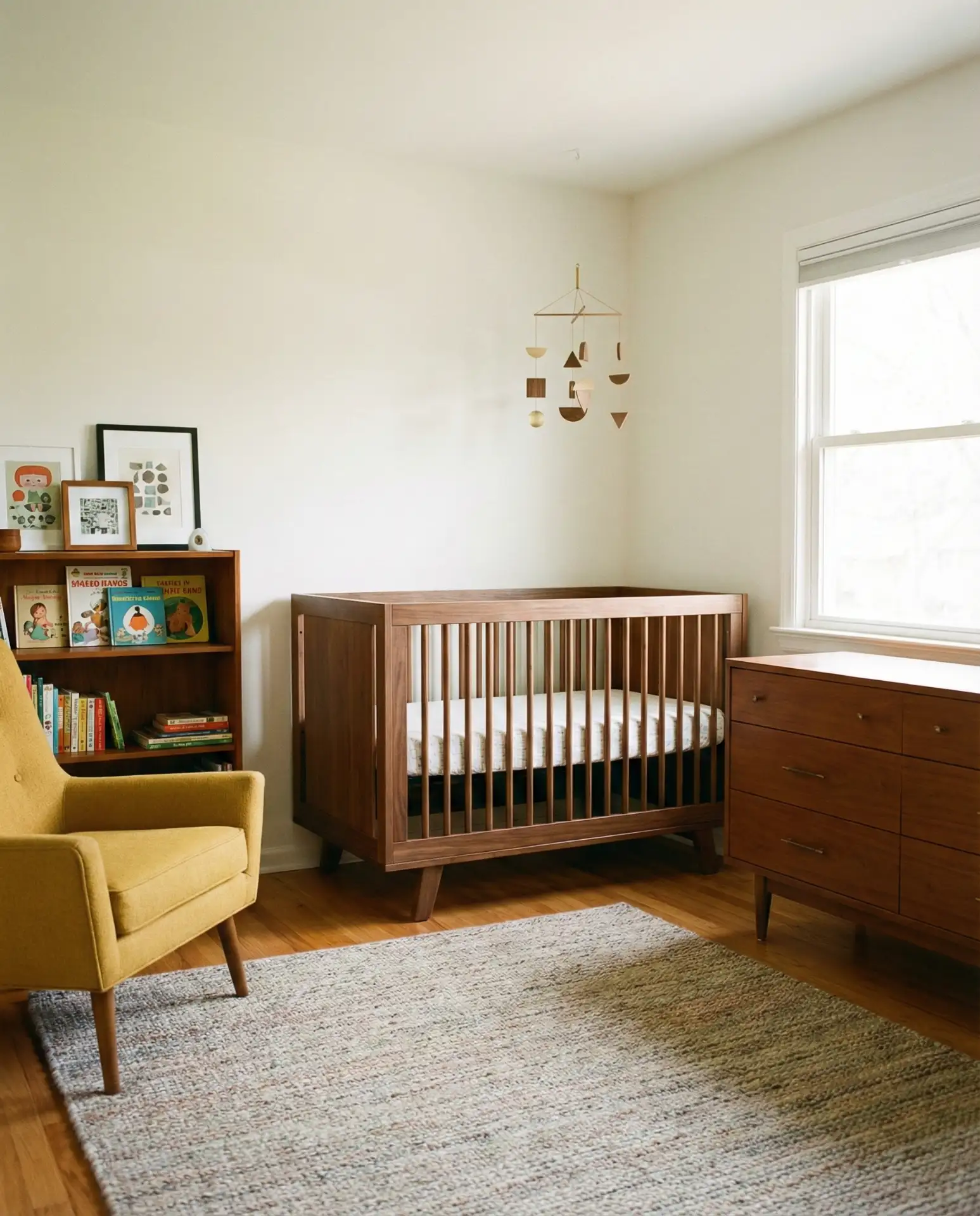
Budget angle: authentic vintage mid-century pieces often cost less than new reproduction furniture while offering superior craftsmanship and materials—scan Craigslist, Facebook Marketplace, and estate sales for deals. The warm wood tones bring instant coziness to any space and pair beautifully with both cool and warm accent colors, giving you flexibility in styling. This aesthetic avoids trendy elements that quickly date, making it a smart long-term investment that works through multiple life stages without feeling juvenile.
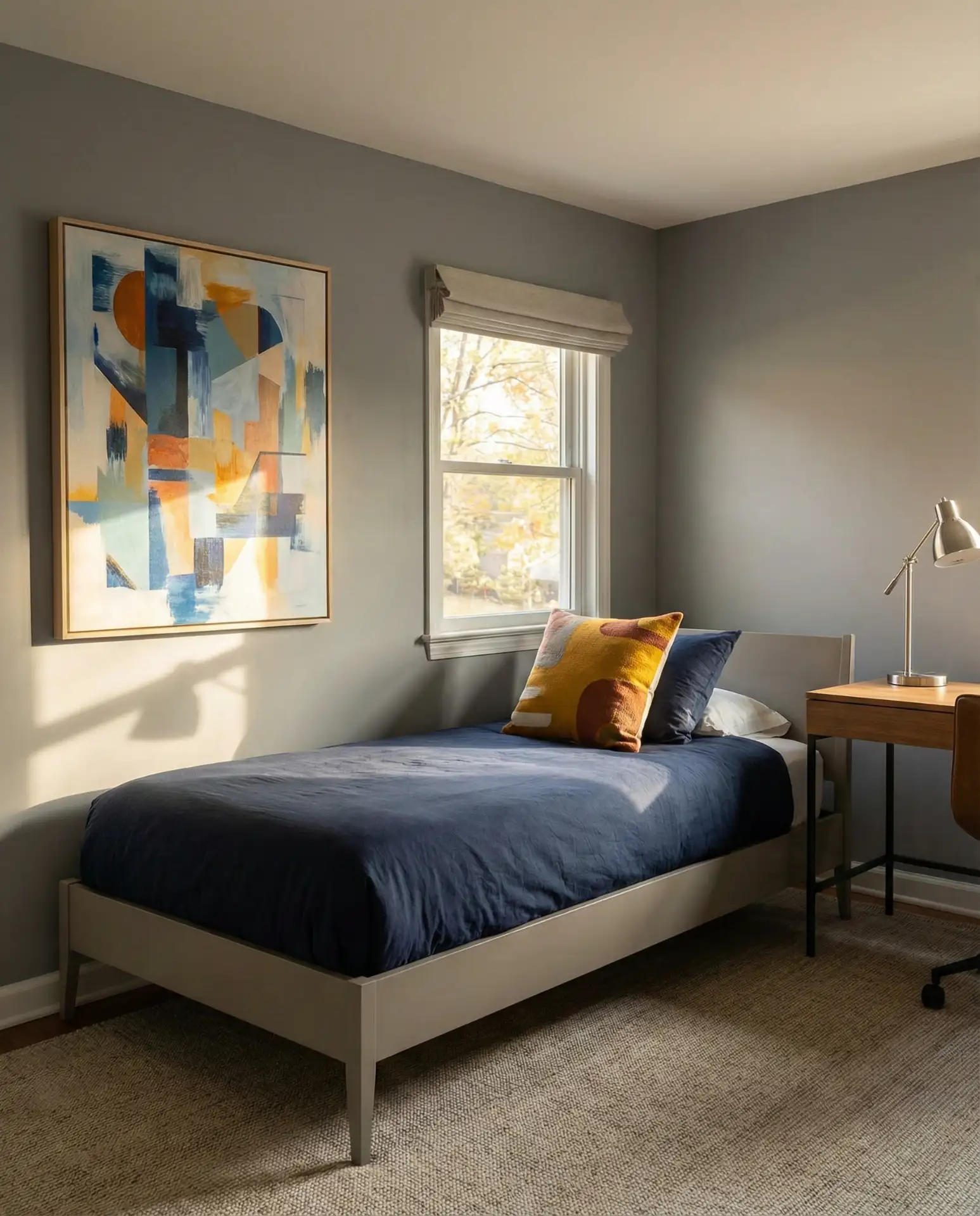
22. Soft Gray Cloud Nine Comfort
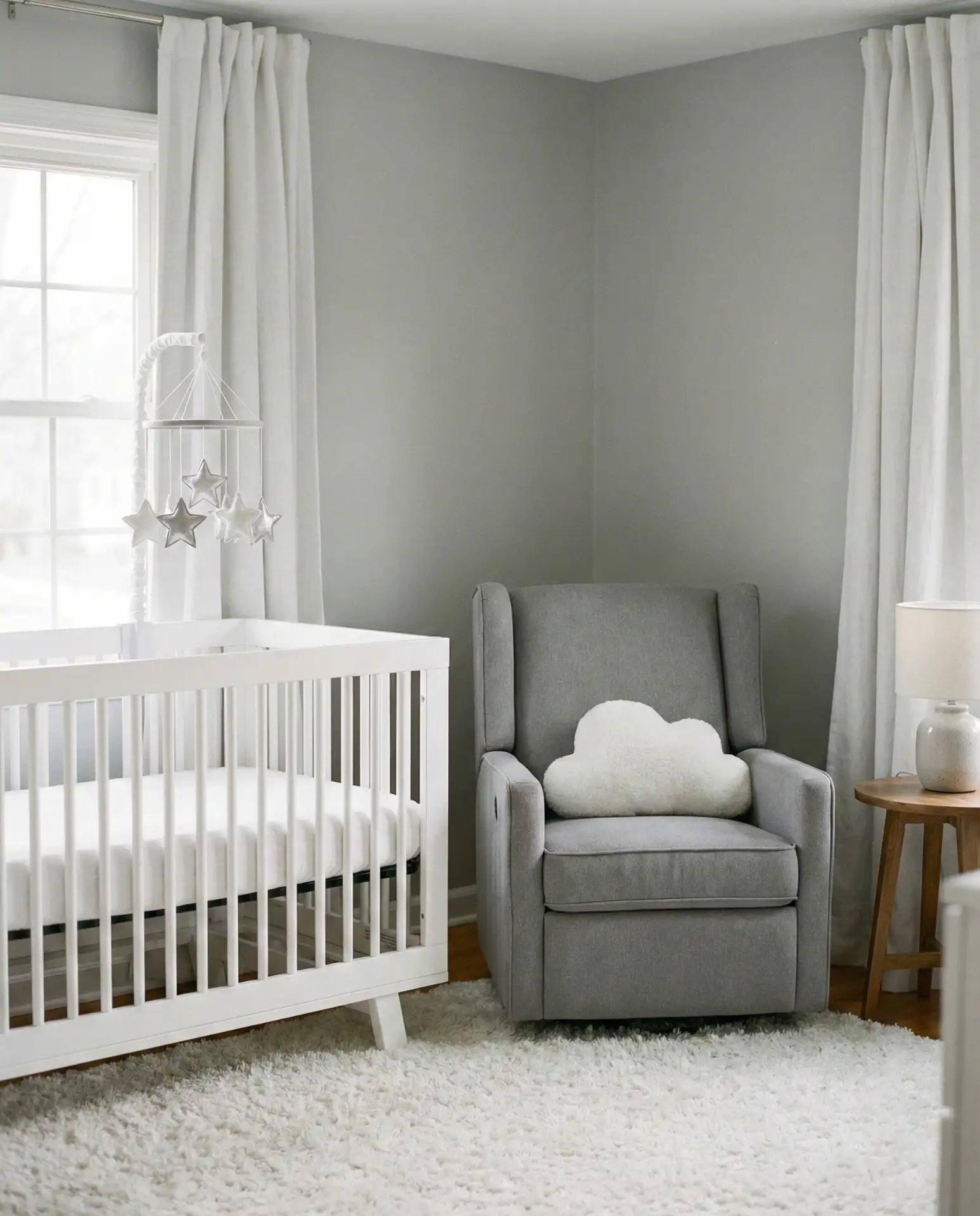
A soft gray nursery creates a soothing neutral backdrop that works universally across genders, home styles, and personal preferences. This unisex, gender-neutral choice has dominated nursery design for years because of its versatility—gray pairs with literally any accent color, making it easy to update the room’s personality through textiles and accessories without repainting. The color reads as contemporary and sophisticated while remaining gentle enough for a baby’s first environment. From Seattle to Charlotte, gray has become America’s default nursery neutral for its remarkable staying power and adaptability.
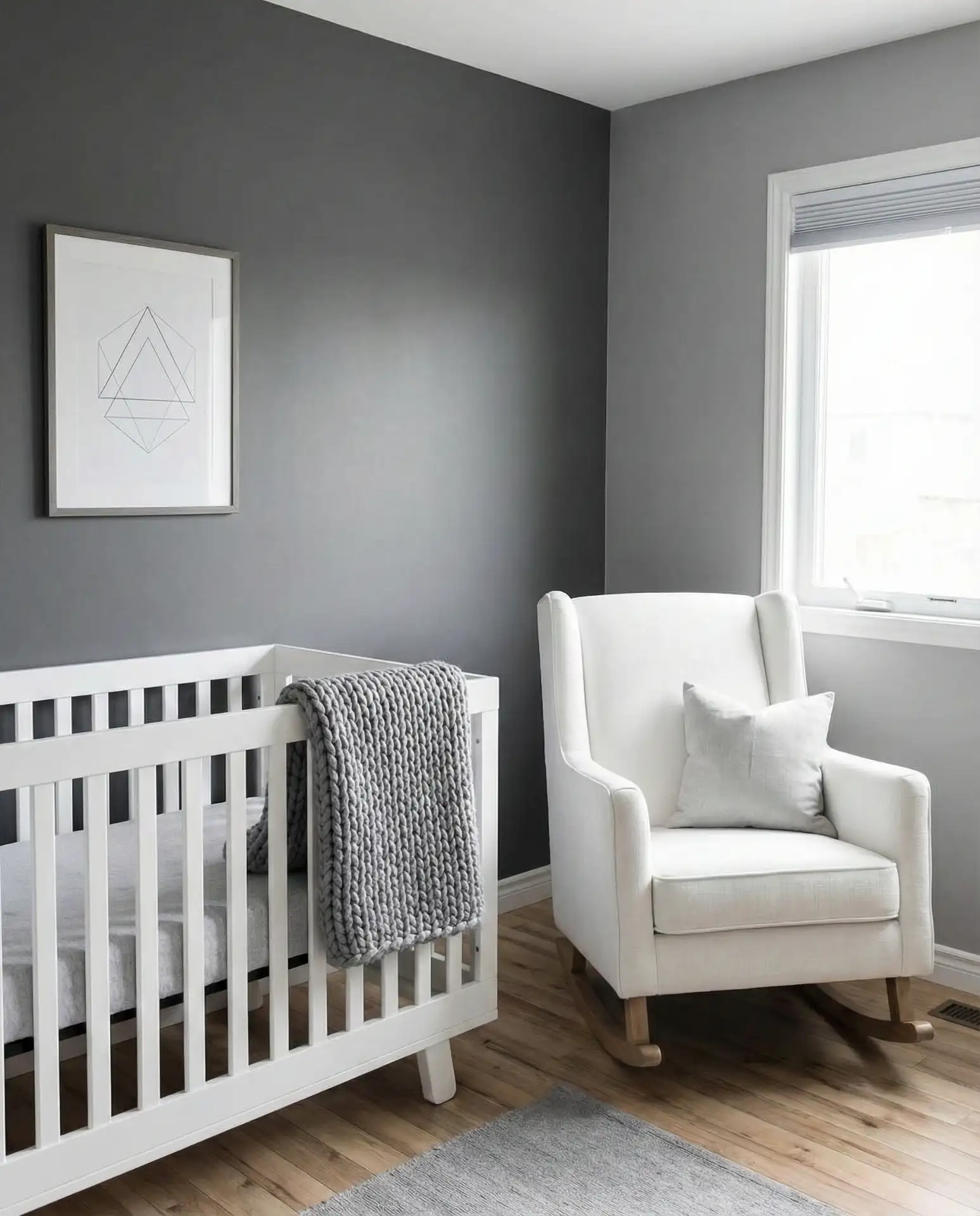
Common mistakes include choosing gray with the wrong undertone—cool grays with blue undertones can feel sterile in rooms with limited natural light, while warmer grays with brown or greige undertones maintain comfort even in darker spaces. Test paint samples across multiple times of day since gray is notorious for looking different under various lighting conditions. The neutrality of gray means you can pivot any direction as your child develops preferences—add pink for a feminine touch, navy for nautical vibes, or yellow for sunshine without ever touching the base color.
Conclusion
These nursery ideas for 2026 offer something for every family, style preference, and budget. Whether you’re drawn to bold colors, soothing neutrals, vintage charm, or modern minimalism, the perfect nursery is one that reflects your values and creates a peaceful space for both you and your baby. Feel free to share which ideas resonated most with you in the comments below—we’d love to hear what direction you’re taking with your nursery design.