Bedroom makeovers are having a major moment in 2026, and Pinterest is overflowing with fresh ideas that blend comfort, style, and practicality. Whether you’re working with a tiny space, looking for renter-friendly solutions, or dreaming of a complete transformation on a budget, this year’s trends prove you don’t need a complete overhaul to create a room that feels brand new. Americans across the country are embracing cozy retreats that reflect personal style while staying affordable and achievable. From DIY enthusiasts to minimalists seeking aesthetic simplicity, there’s something here for everyone ready to refresh their most personal space.
1. Soft Neutral Layers for Instant Calm
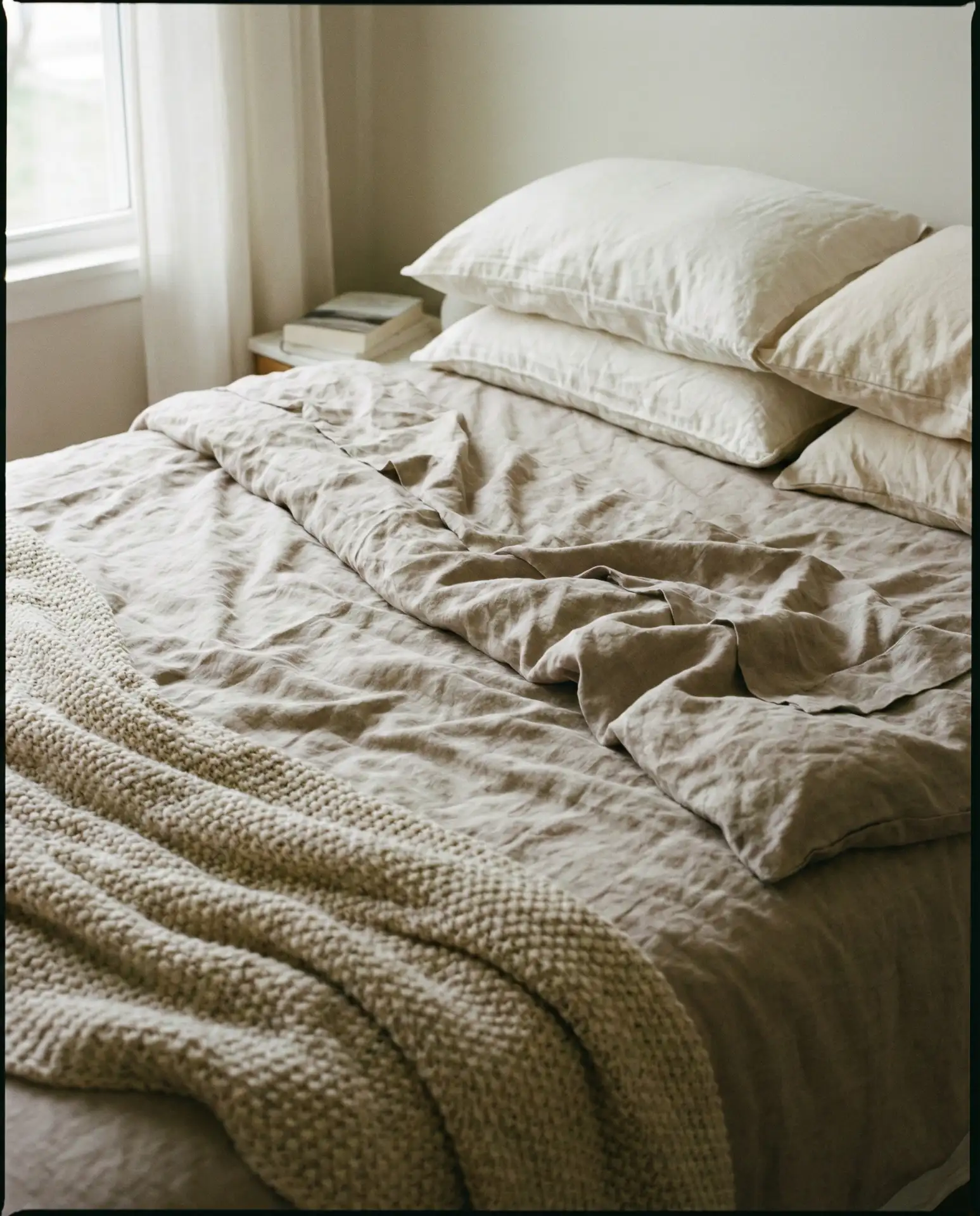
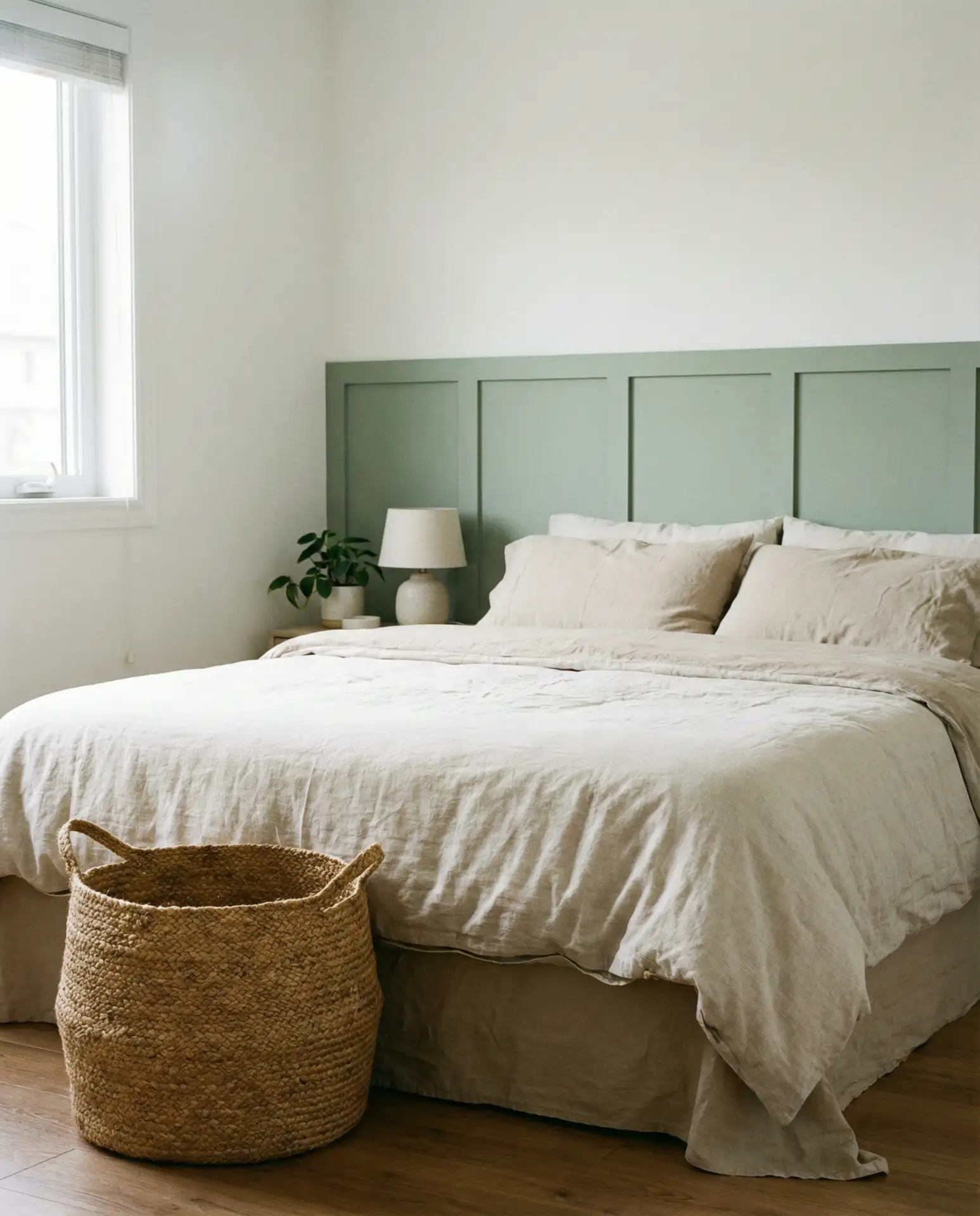
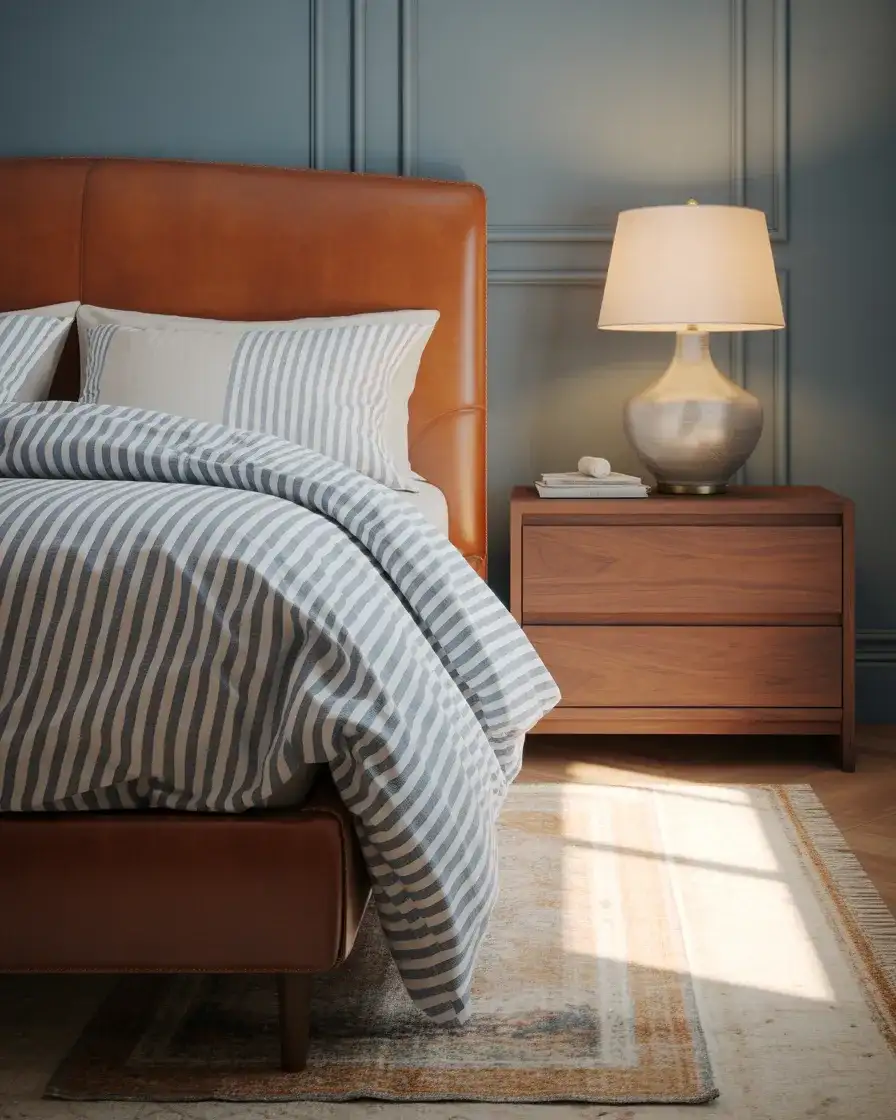
Creating a serene bedroom doesn’t require expensive furniture or major renovations. Start with soft neutral bedding in creams, taupes, and warm whites, then layer textures like linen throws and cotton quilts. This approach works beautifully for rental-friendly spaces where you can’t paint walls or change fixtures. Add a chunky knit blanket at the foot of the bed and swap out pillowcases seasonally to keep things feeling fresh without spending much.
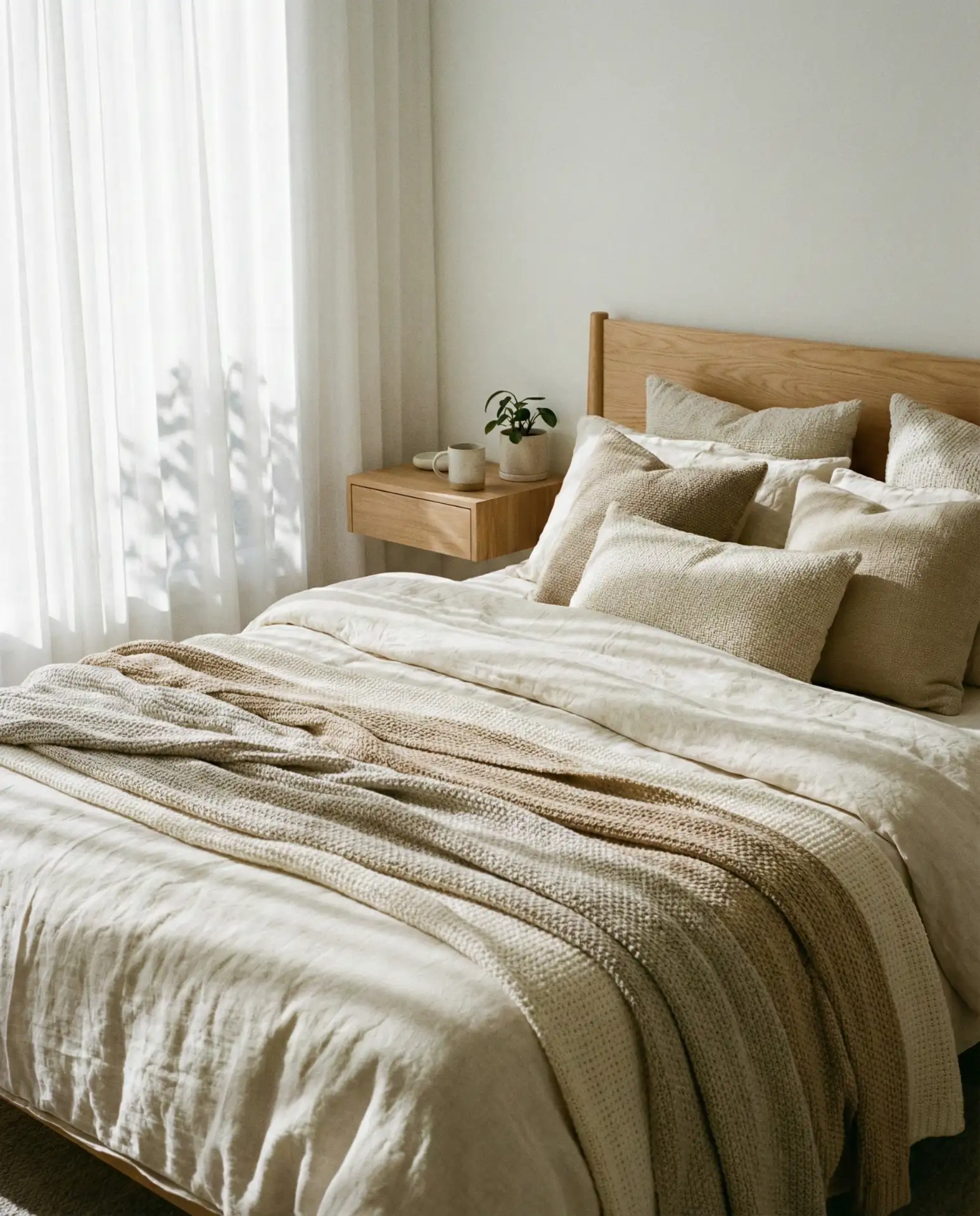
This works best in spaces where natural light is already generous, like south-facing bedrooms or rooms with large windows. The neutral palette amplifies whatever daylight you have, making even modest-sized rooms feel airier. If your bedroom lacks architectural interest, the varied textures in your bedding become the focal point instead. Skip matching sets—mix high and low, vintage finds with new basics, to avoid that catalogue look everyone’s trying to move away from.
2. Statement Headboard on a Dime
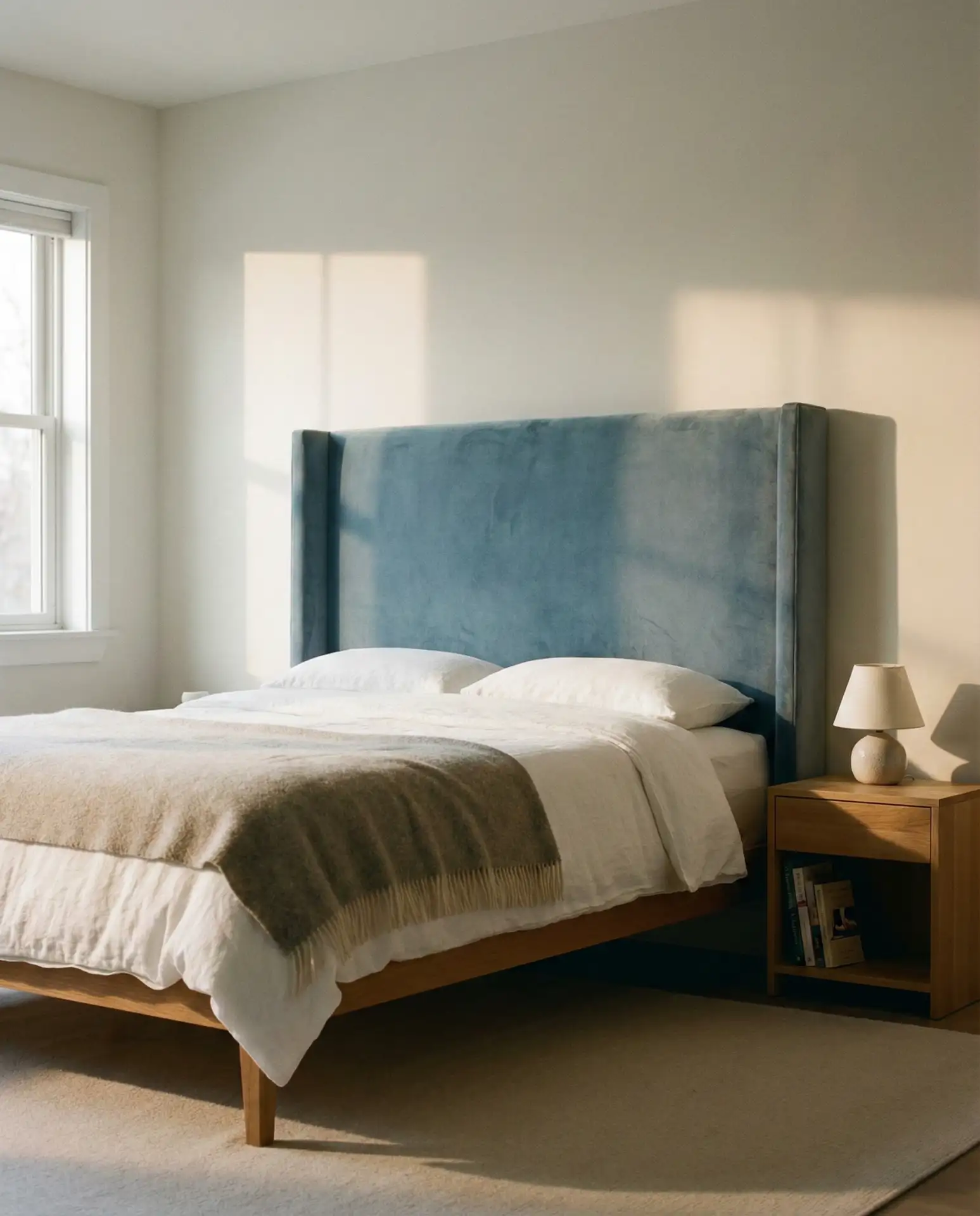
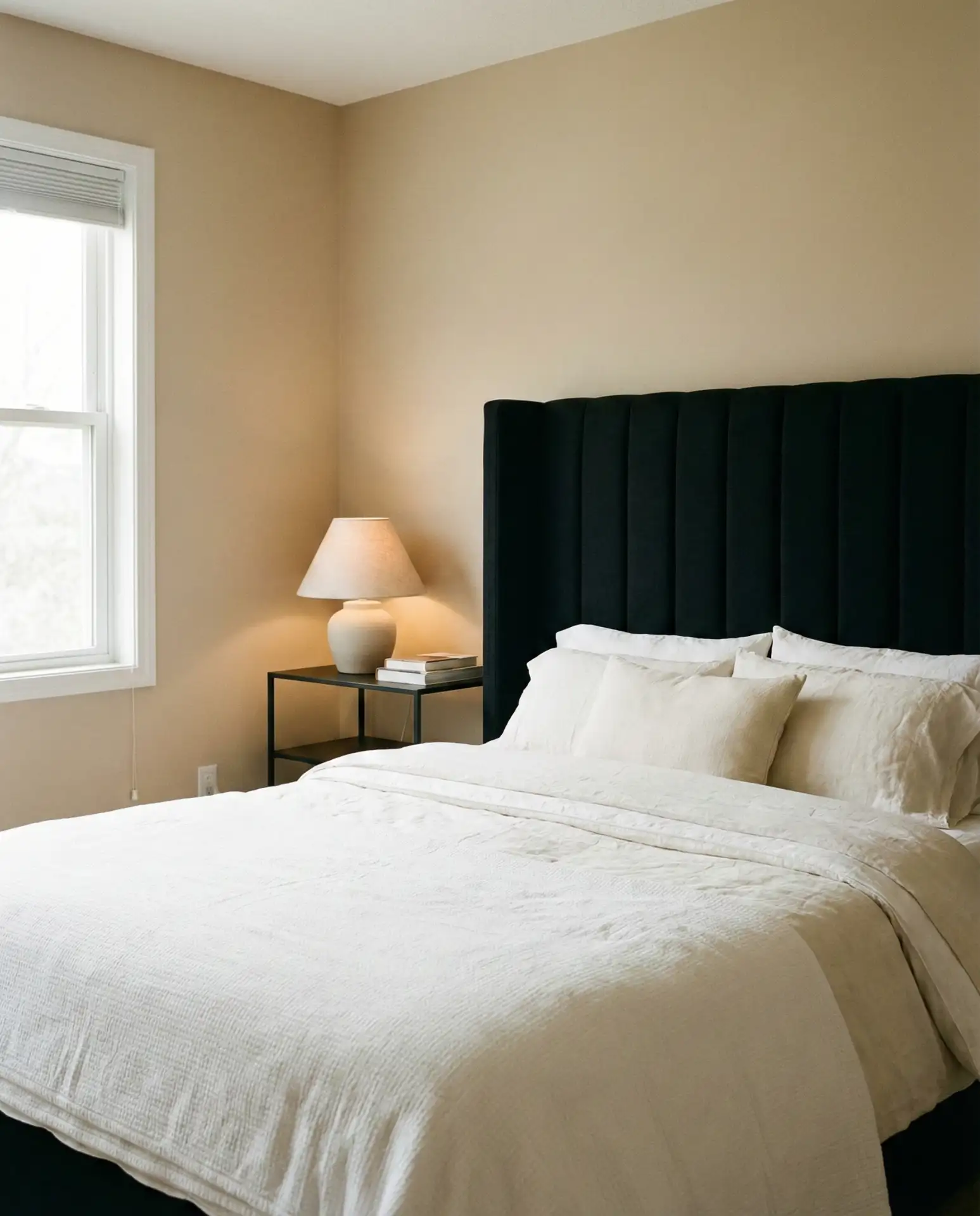
A bold headboard can completely change how your bedroom feels, and you don’t need to spend hundreds to get one. Consider a DIY approach using plywood, foam, and fabric from a discount textile store. Upholstered headboards in velvet or linen instantly add a custom, high-end look. For renters, freestanding headboards or large tapestries mounted with removable hooks give the same effect without drilling into walls or risking your security deposit.
One common mistake is choosing a headboard that’s too small for your bed frame, which throws off the room’s proportions. Aim for a headboard that’s at least as wide as your mattress, and ideally a few inches wider. If you’re going the DIY route, measure twice before cutting—nothing looks more unfinished than a headboard that doesn’t quite fit. And if you’re using fabric, choose something durable and easy to clean, especially if you eat breakfast in bed or have pets.
3. Vintage Finds for Character
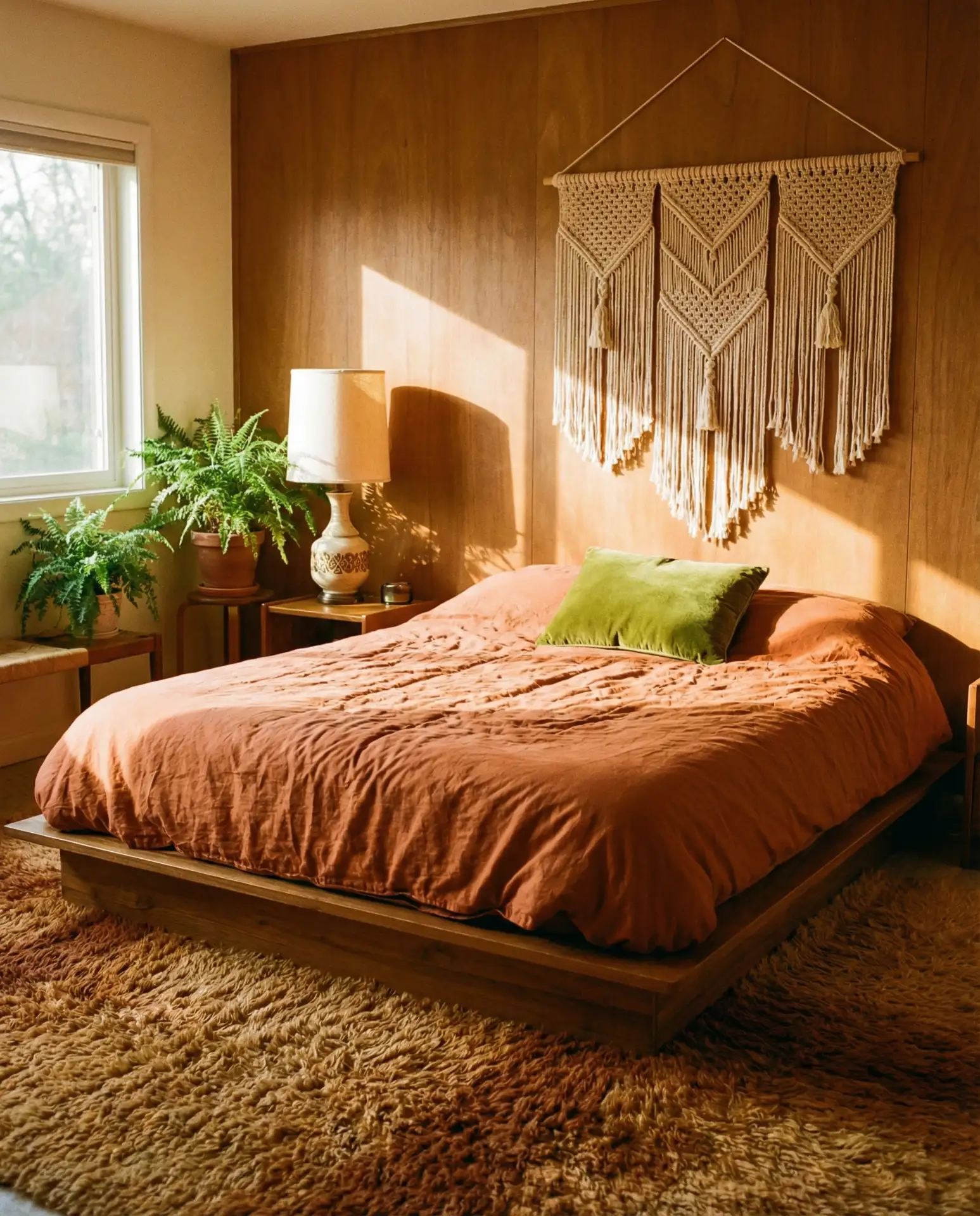
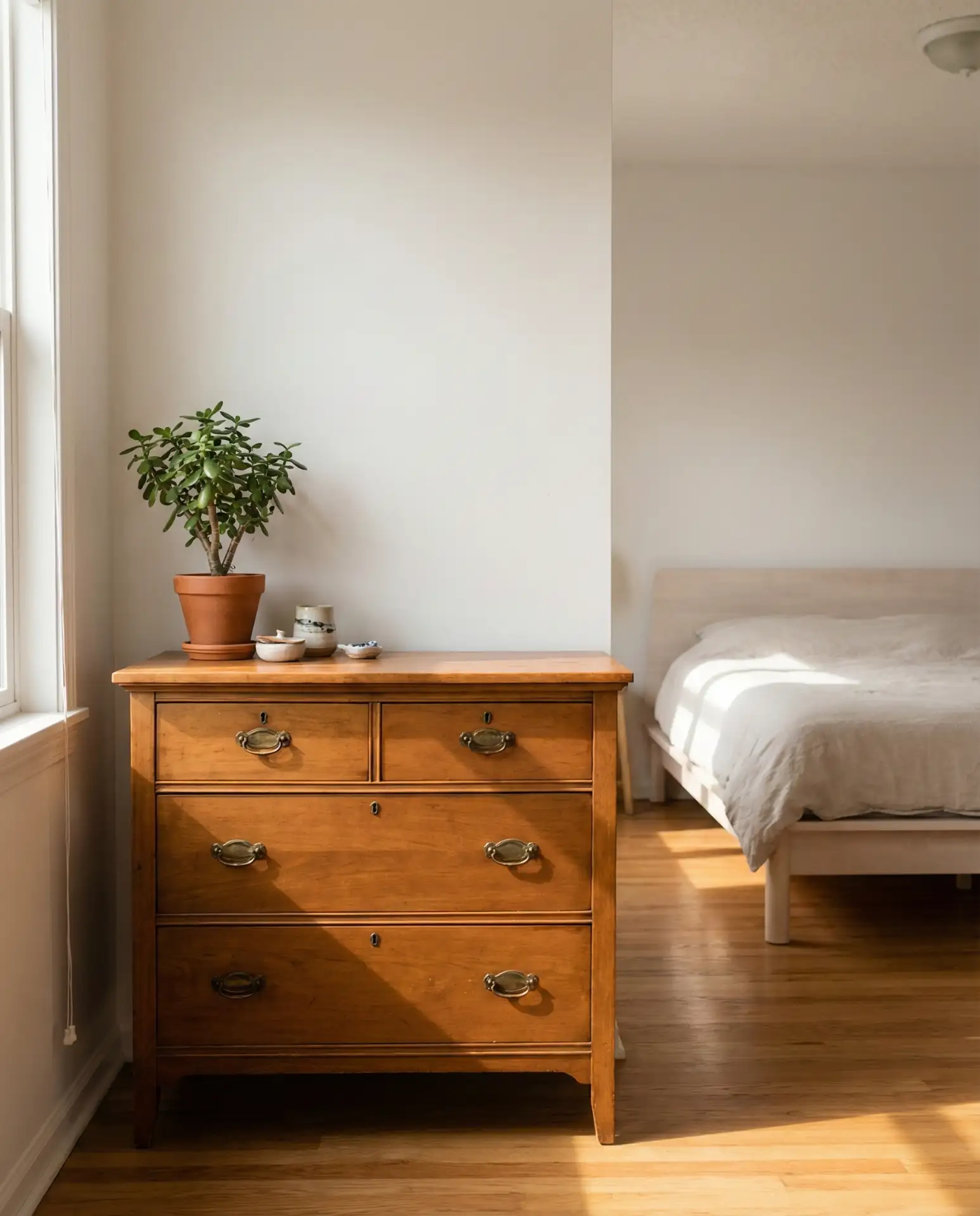
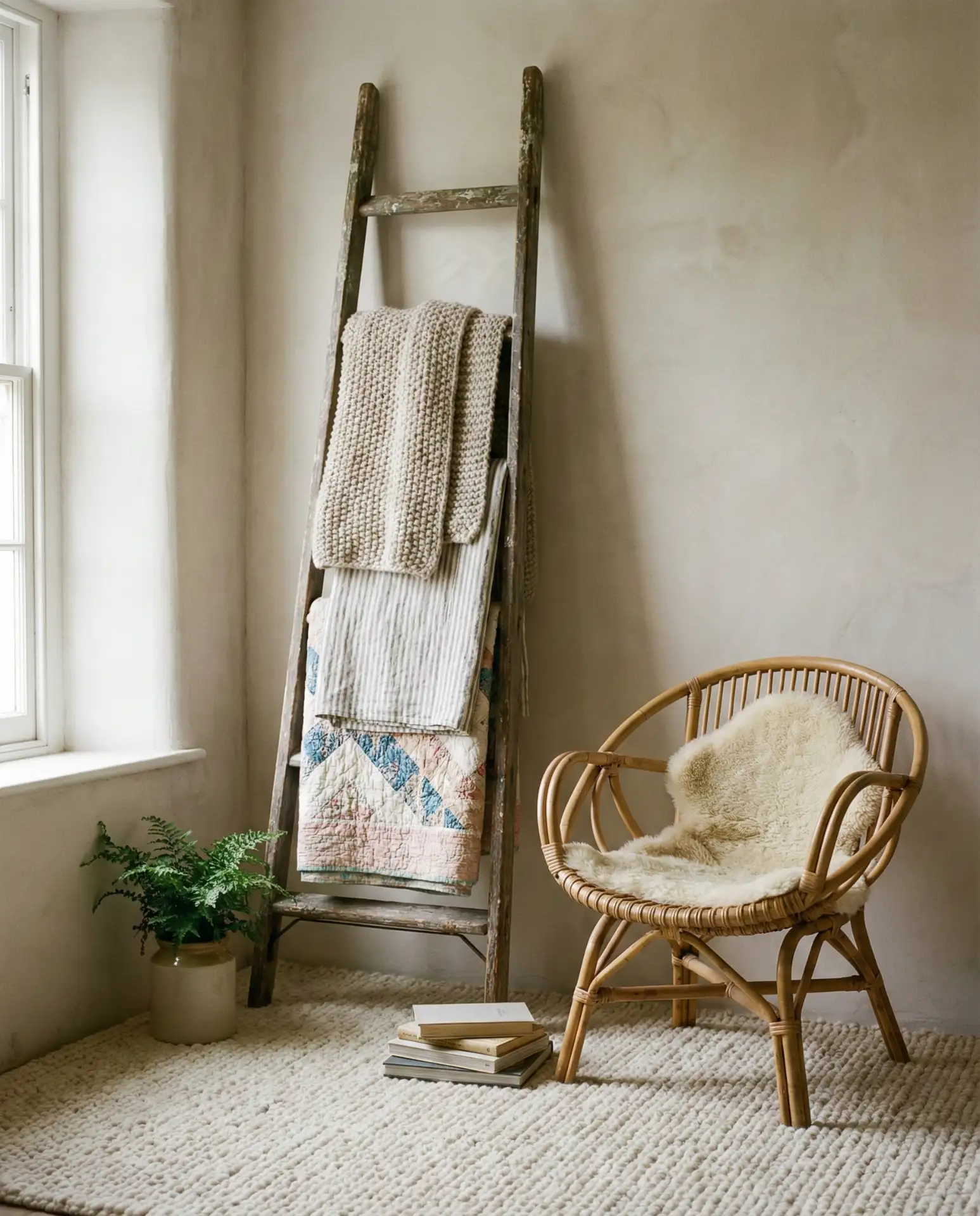
Scouring thrift stores and estate sales for unique furniture pieces adds instant personality to any bedroom. A refinished mid-century dresser or an old wooden ladder repurposed as a blanket rack brings warmth that new furniture often lacks. This cheap strategy works especially well for middle-class households looking to stretch their decorating dollars. Mixing eras—say, a 1970s rattan chair with a modern platform bed—creates a collected-over-time vibe that feels authentic and lived-in.
In the Midwest and South, where estate sales are plentiful and basements hold decades of family furniture, this approach is practically a regional pastime. Coastal areas lean toward nautical or weathered-wood finds, while Southwest shoppers often score beautifully carved wooden pieces. The key is knowing when to stop—too many vintage items can make a room feel cluttered. Stick to one or two statement pieces and let them shine against simpler, modern backdrops.
4. Peel-and-Stick Wallpaper Accent Wall
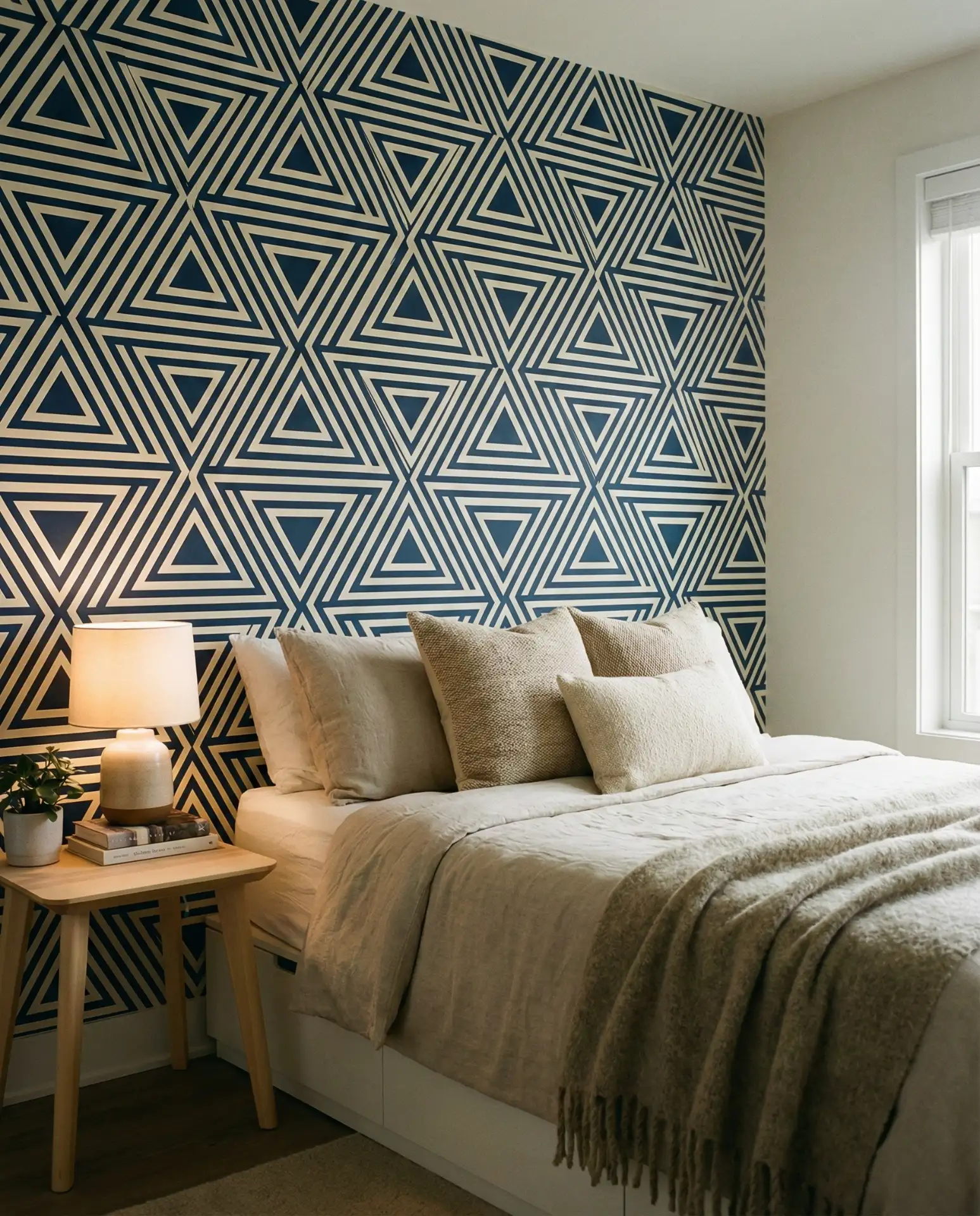
Removable wallpaper has come a long way, and it’s now one of the easiest ways to make a dramatic change in a bedroom without committing to paint. Choose a wall behind your bed and apply a bold pattern—florals, geometric prints, or even textured grasscloth styles. This is perfect for rental-friendly makeovers since it peels off cleanly when you move. It’s also ideal for small rooms where a single accent wall adds depth without overwhelming the space.
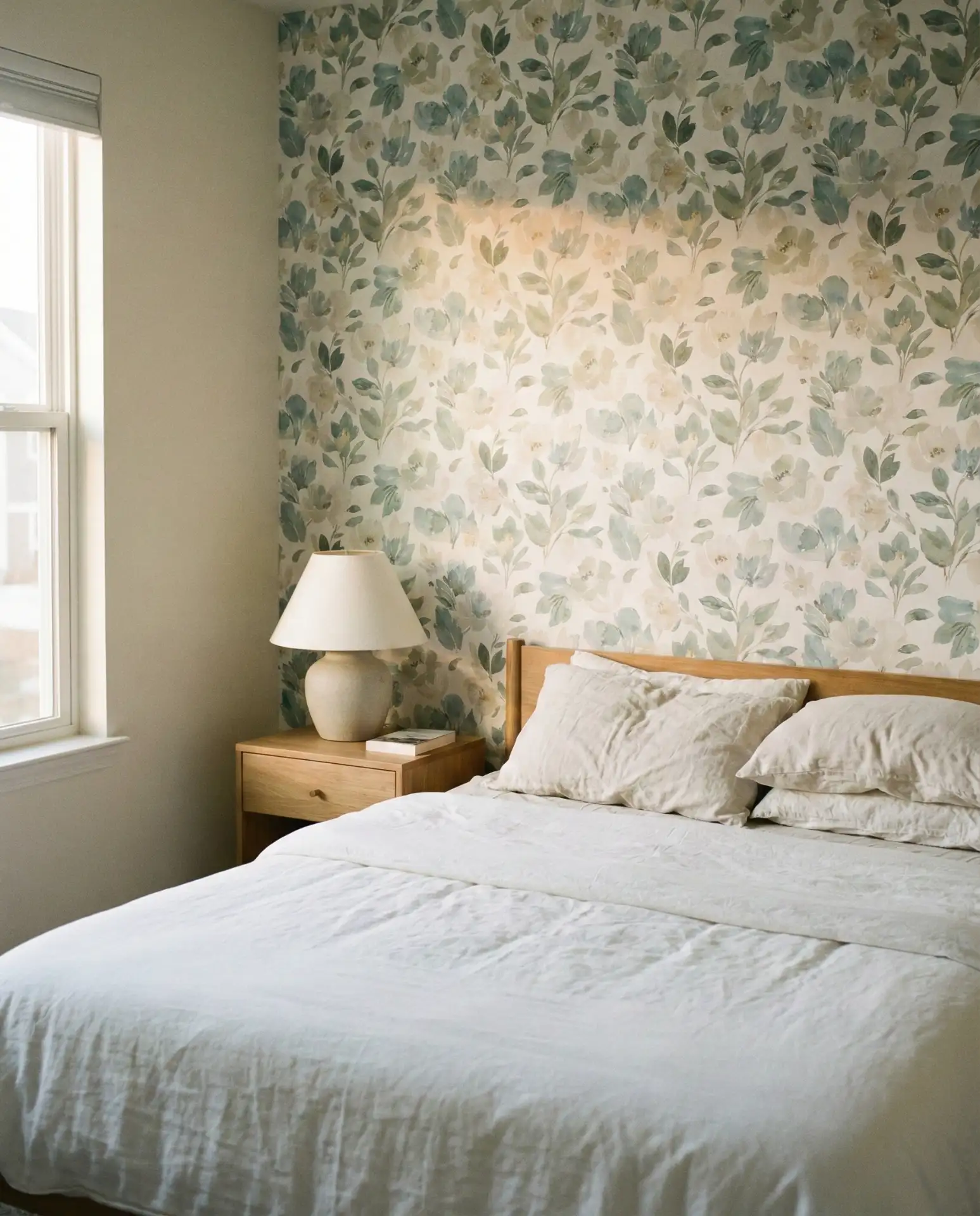
Expect to spend between $30 and $100 for enough peel-and-stick wallpaper to cover a standard accent wall, depending on the brand and pattern complexity. That’s a fraction of what professional wallpaper installation would cost, and you can do it yourself in an afternoon. The biggest bang for your buck comes from choosing a pattern that complements your existing bedding and furniture rather than fighting it. And if you get tired of it in a year, peeling it off is as easy as applying it—no steamer or scraper required.
5. Floating Shelves for Display and Storage
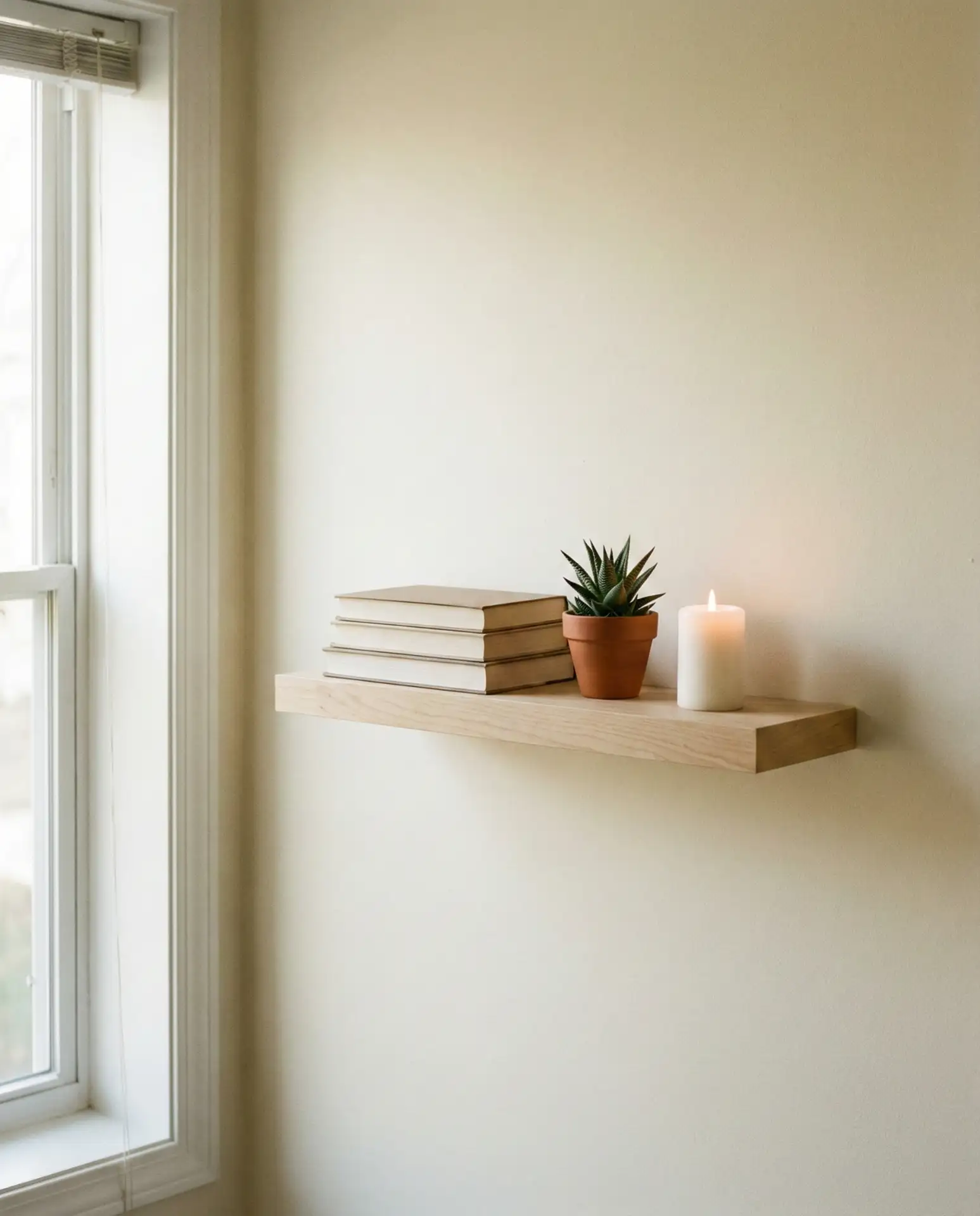
Floating shelves offer a sleek way to add storage without the visual bulk of a bookcase or dresser. Mount them above your bed, along a blank wall, or even in awkward corners that would otherwise go unused. Style them with a mix of books, small plants, candles, and framed photos to create a curated but not overly fussy look. This is especially helpful in tiny bedrooms where floor space is precious and every square foot counts.
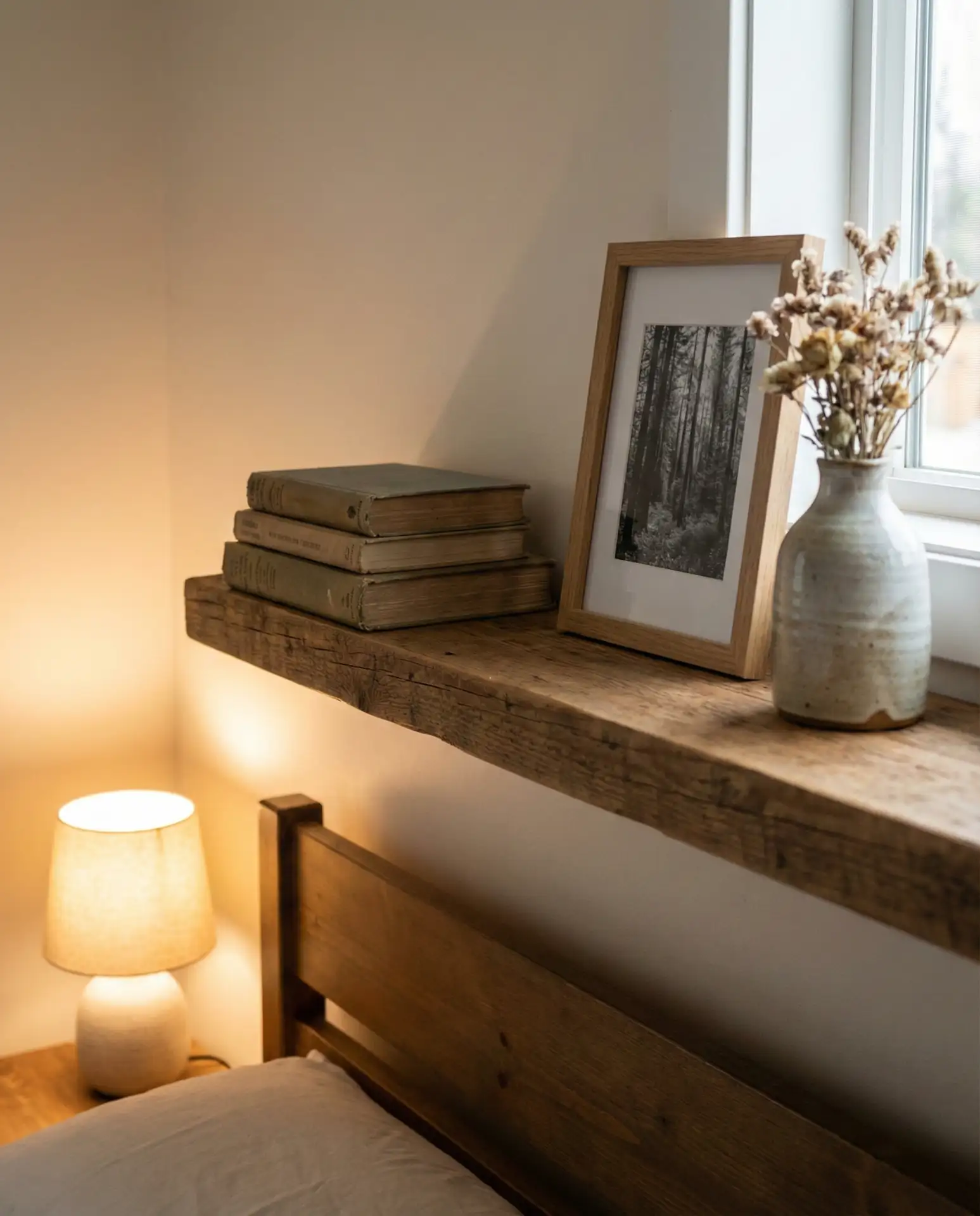
A friend recently installed floating shelves in her Brooklyn studio and immediately regretted placing them too high—she had to stand on her bed just to reach a book. Aim for eye level or slightly above when you’re standing, and make sure they’re securely anchored to studs if you’re planning to hold anything heavy. In earthquake-prone areas like California, use museum putty under items to keep them from sliding off during tremors. It’s a small detail that saves a lot of cleanup later.
6. Layered Rugs for Warmth and Texture
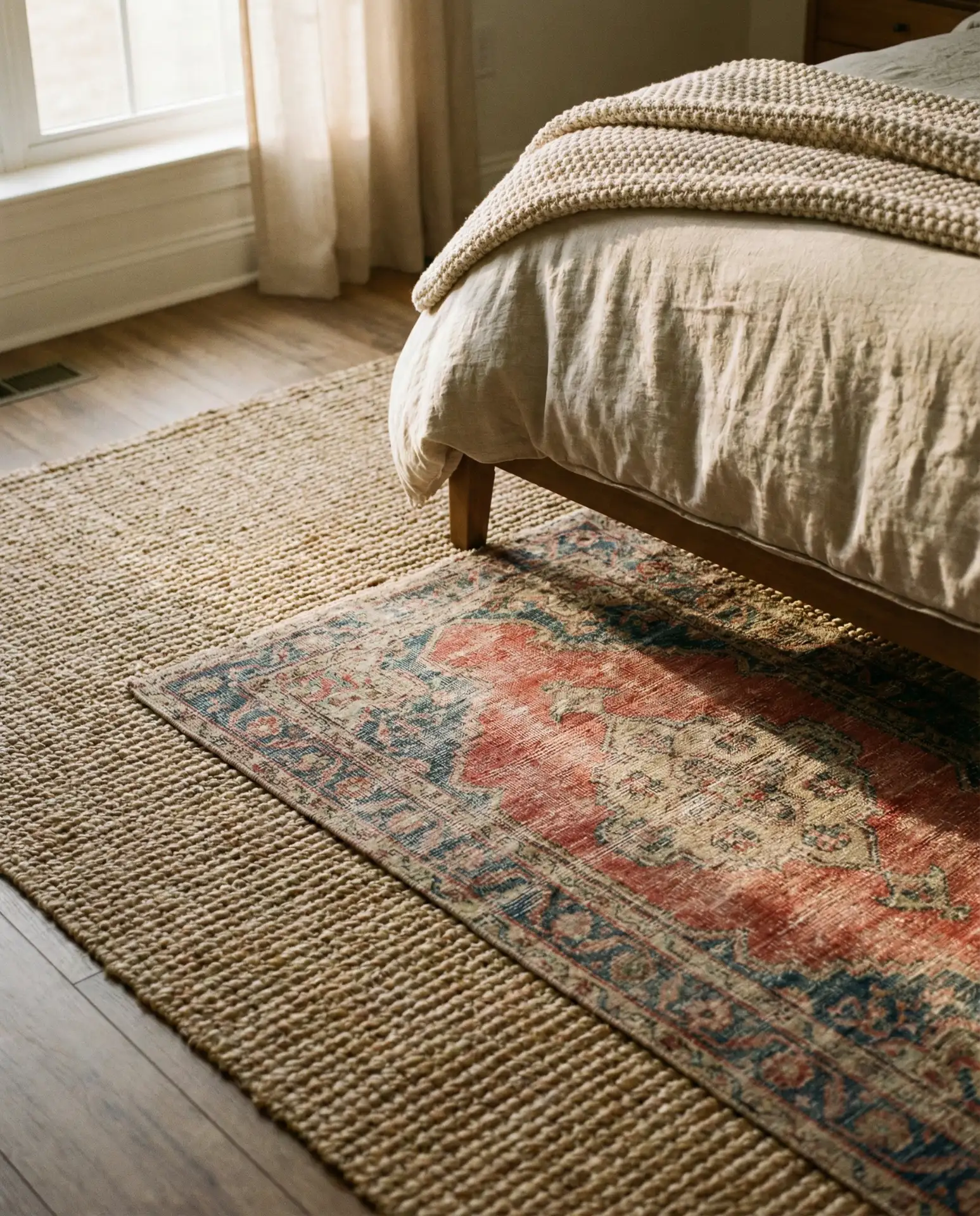
Placing a smaller, patterned rug over a larger neutral one adds visual interest and makes your bedroom feel more pulled together. Start with a jute or sisal base rug for texture, then layer a vintage Persian, Moroccan, or even a faux sheepskin on top. This technique is especially popular in cozy bedroom makeovers where you want to add warmth underfoot without covering every inch of flooring. It also hides wear and tear on older rugs, extending their life.
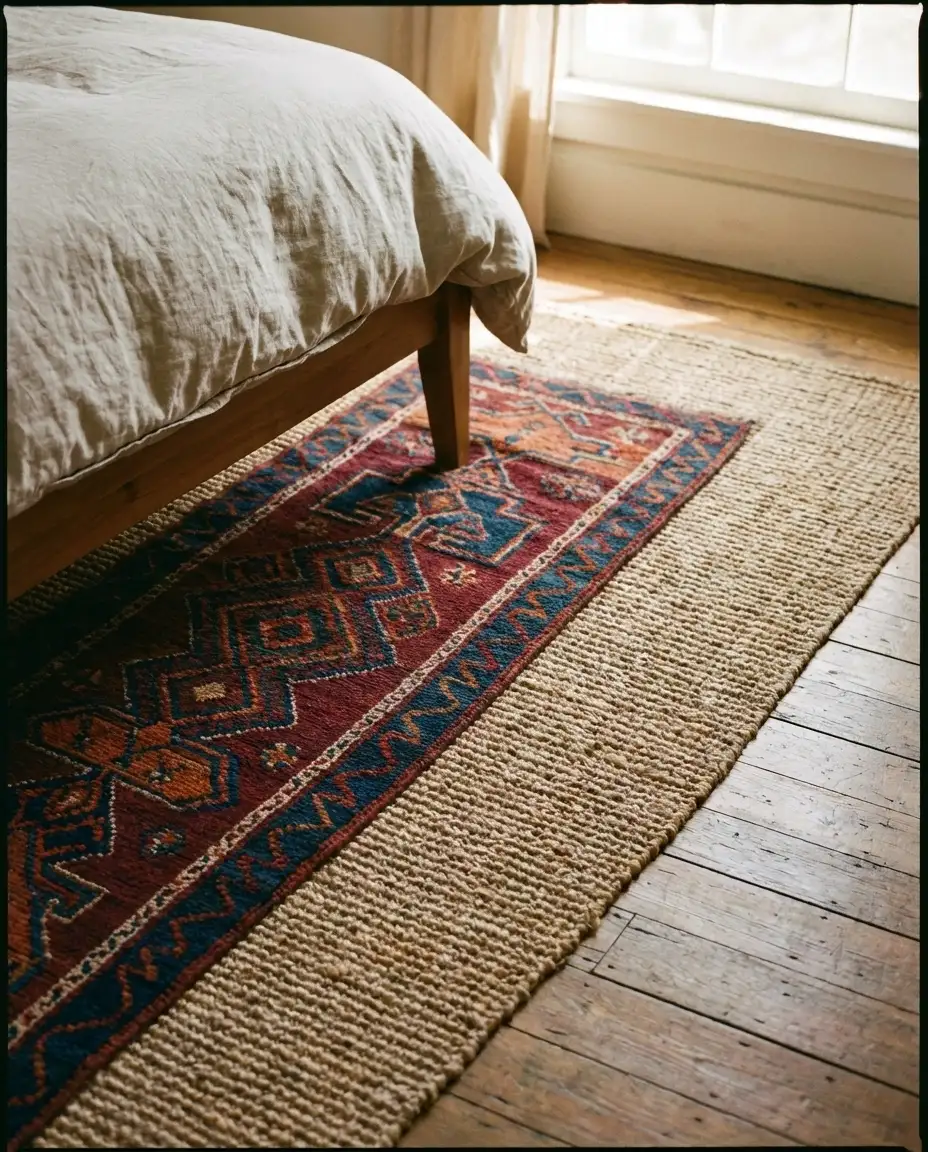
This trend works best in bedrooms with hardwood or tile floors where rugs serve both a practical and decorative purpose. If you have wall-to-wall carpeting, layering rugs can look busy and create tripping hazards. Stick to rooms where you can see some floor peeking through. Also, use rug pads under both layers to prevent slipping—nothing ruins the cozy vibe faster than a rug sliding out from under you when you get out of bed in the morning.
7. String Lights for Soft Ambiance
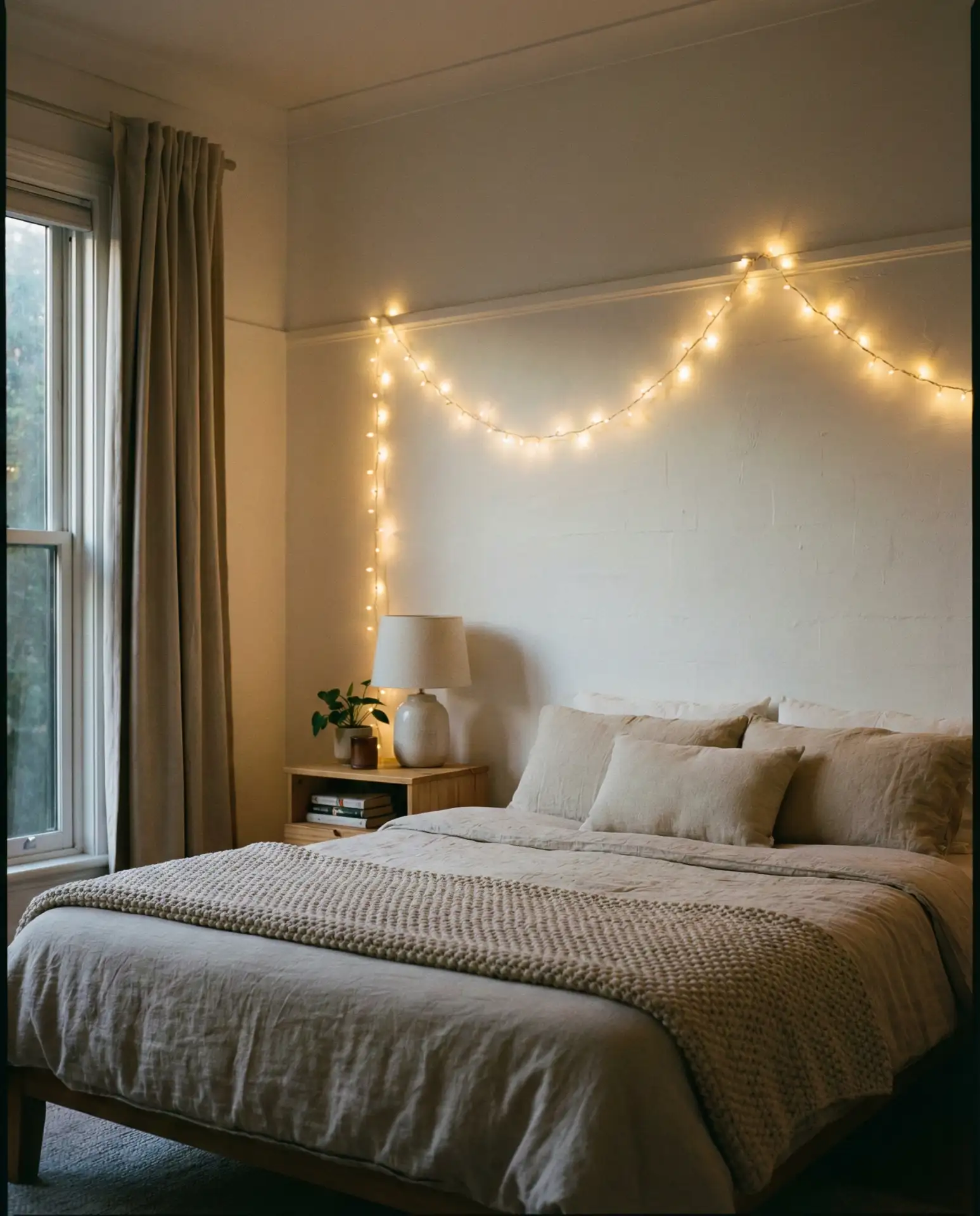
String lights aren’t just for dorm rooms anymore—when done thoughtfully, they create a warm, relaxing glow perfect for winding down at night. Drape them along a headboard, weave them through a bookshelf, or hang them in soft swoops across the ceiling. Opt for warm white bulbs rather than cool tones to maintain a cozy atmosphere. For renter-friendly installation, use adhesive hooks or clips that won’t damage walls when it’s time to move.
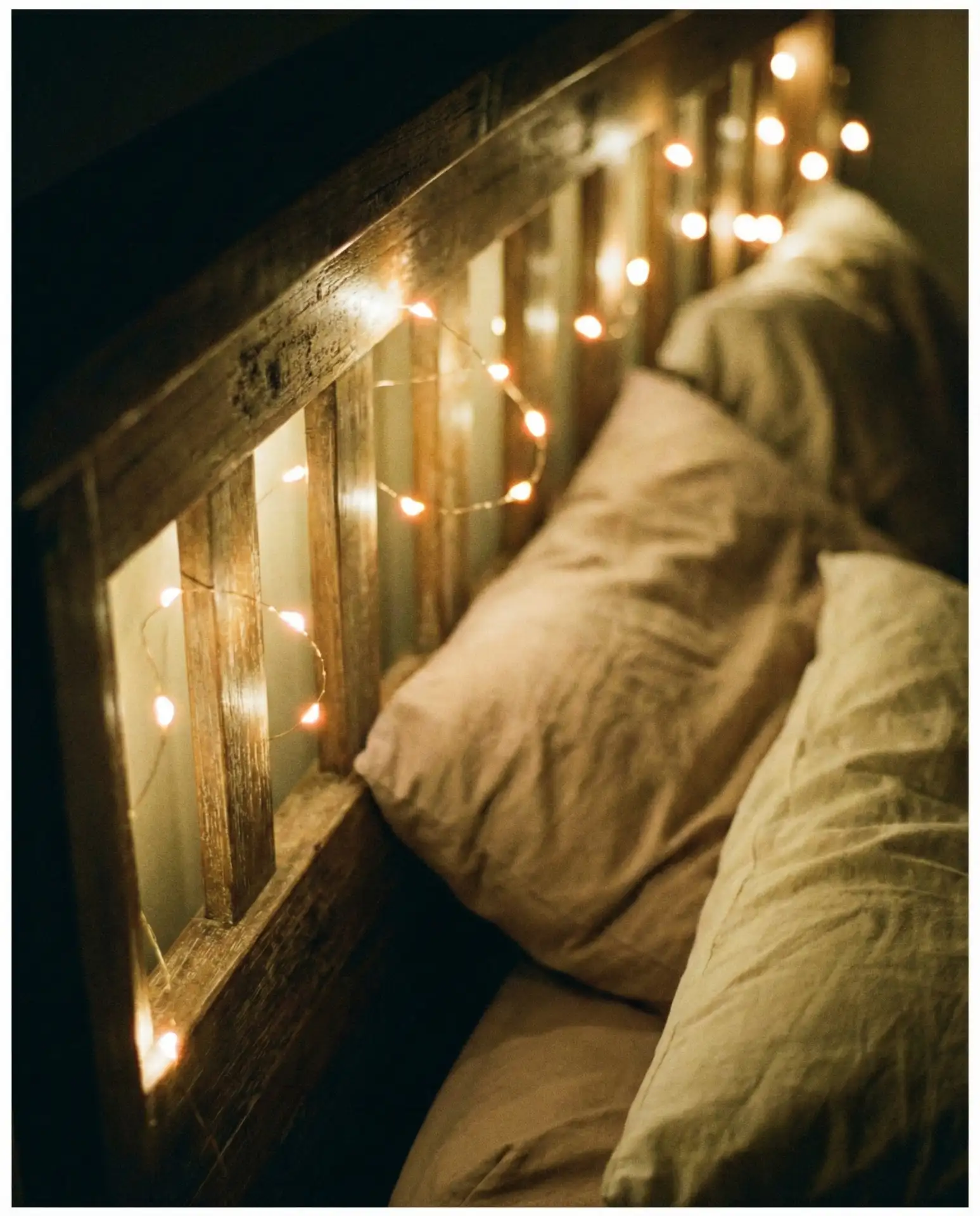
Real homeowners often make the mistake of using string lights as their only light source, which can strain your eyes when you’re trying to read or get dressed. Treat them as accent lighting—complement them with a bedside lamp or overhead fixture that you can use when you need brighter light. And invest in lights with a timer or remote so you’re not fumbling behind furniture to turn them off every night. Battery-operated options work great for spaces where outlets are scarce.
8. Bold Paint on One Wall
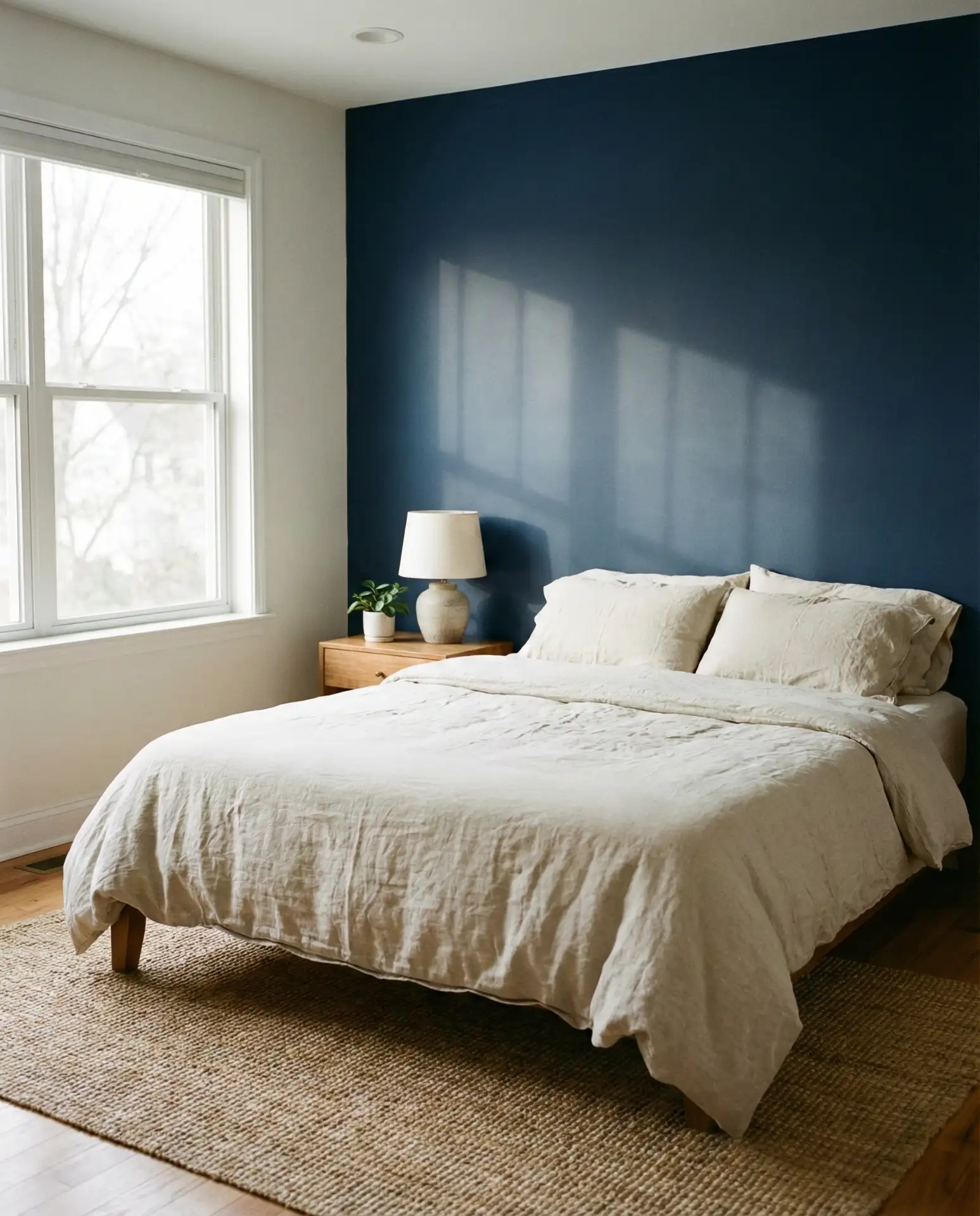
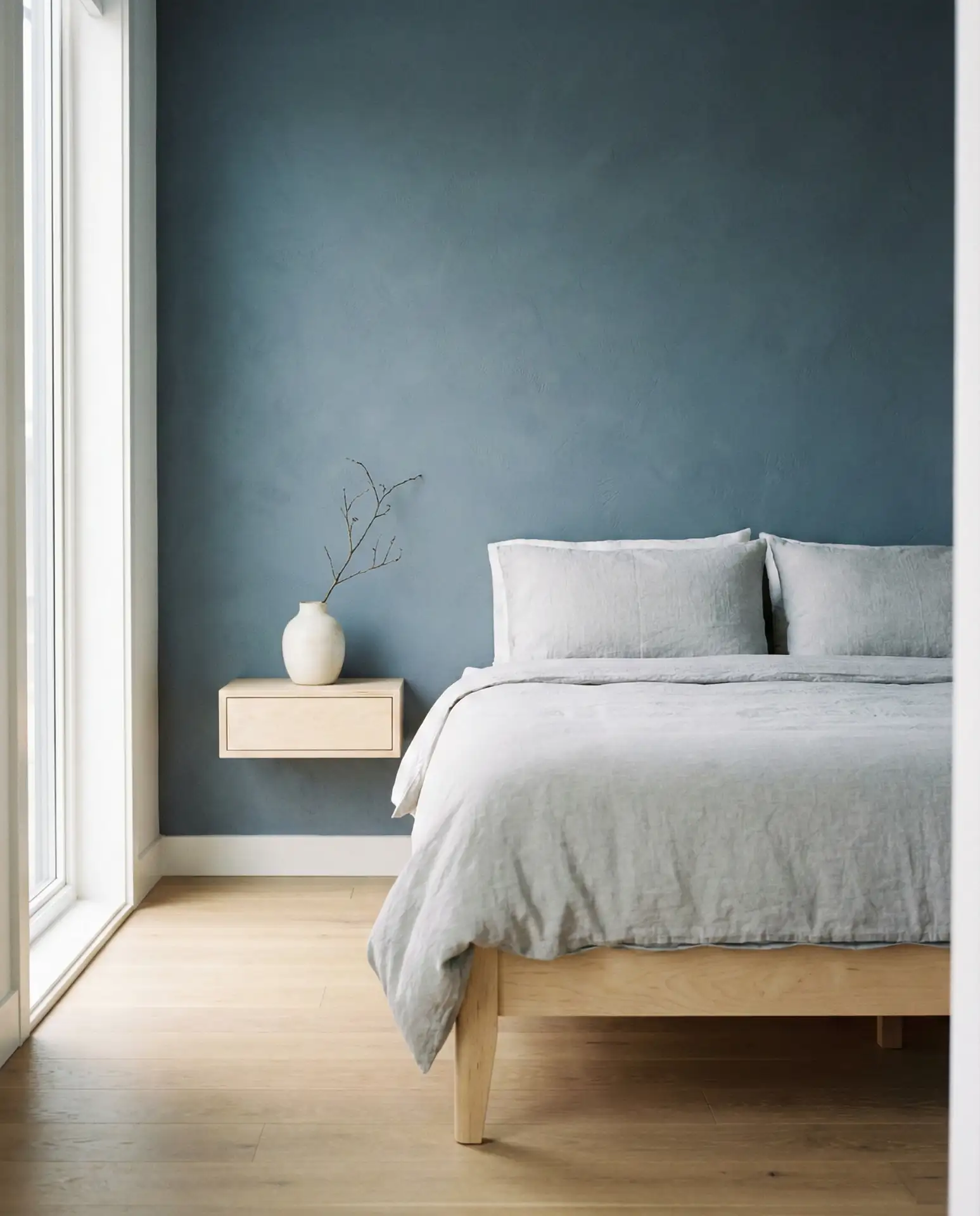
If peel-and-stick wallpaper isn’t your style, a single wall painted in a rich, saturated color can anchor the entire room. Deep greens, moody blues, or even charcoal create drama without overwhelming a space. This works beautifully in guest bedrooms where you want to make a statement without committing every wall. Choose the wall behind your bed for maximum impact, and keep the other three walls neutral to let your bold choice shine.
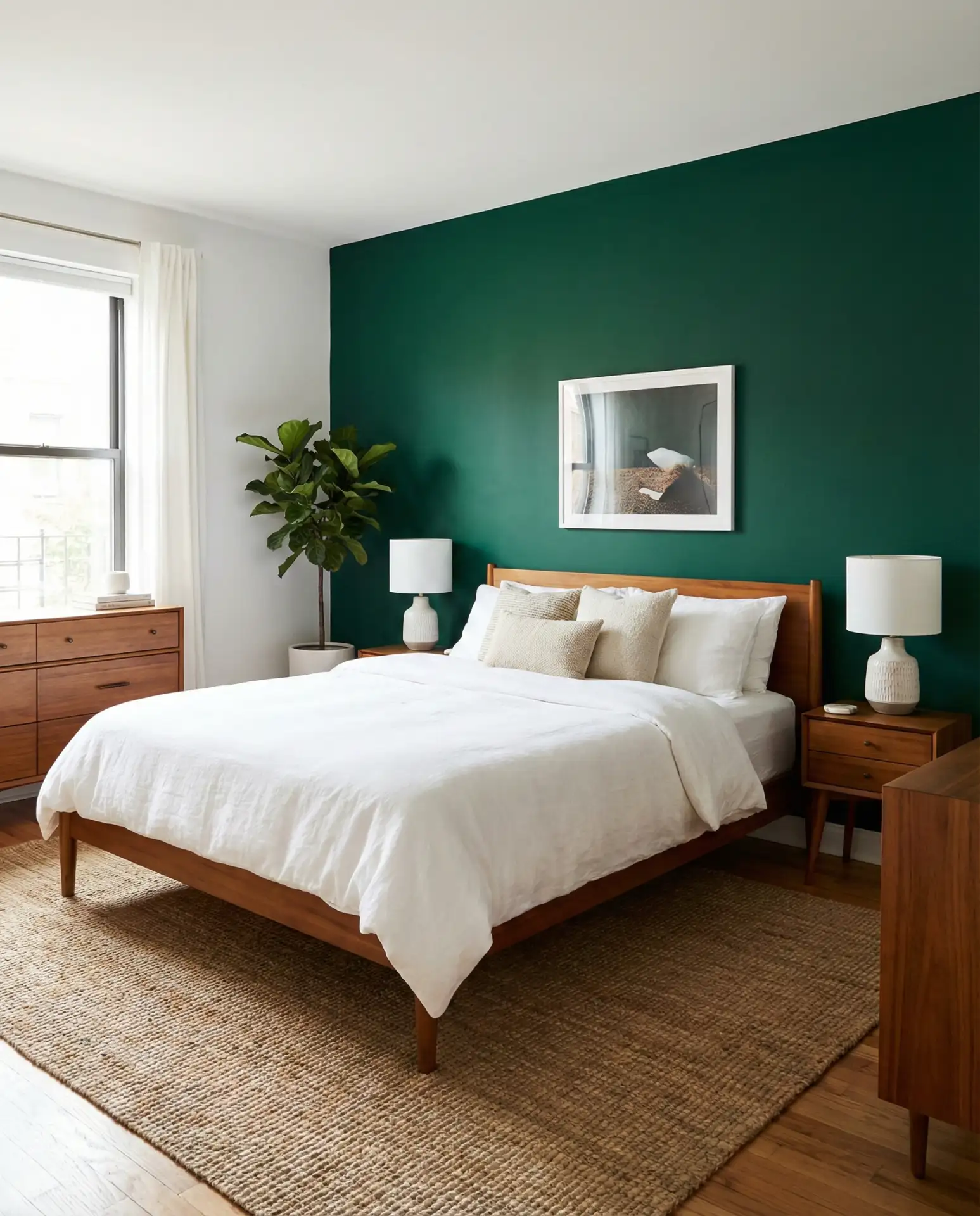
In the Pacific Northwest, deep forest greens and stormy blues feel right at home, echoing the natural landscape outside. Southern bedrooms often lean toward warmer jewel tones like burnt orange or terracotta, while desert regions embrace dusty rose and clay hues. The regional context matters—what feels grounding in Seattle might feel heavy in Miami. Test paint samples on your wall and live with them for a few days before committing, especially since bedroom lighting changes dramatically from morning to night.
9. Maximalist Gallery Wall
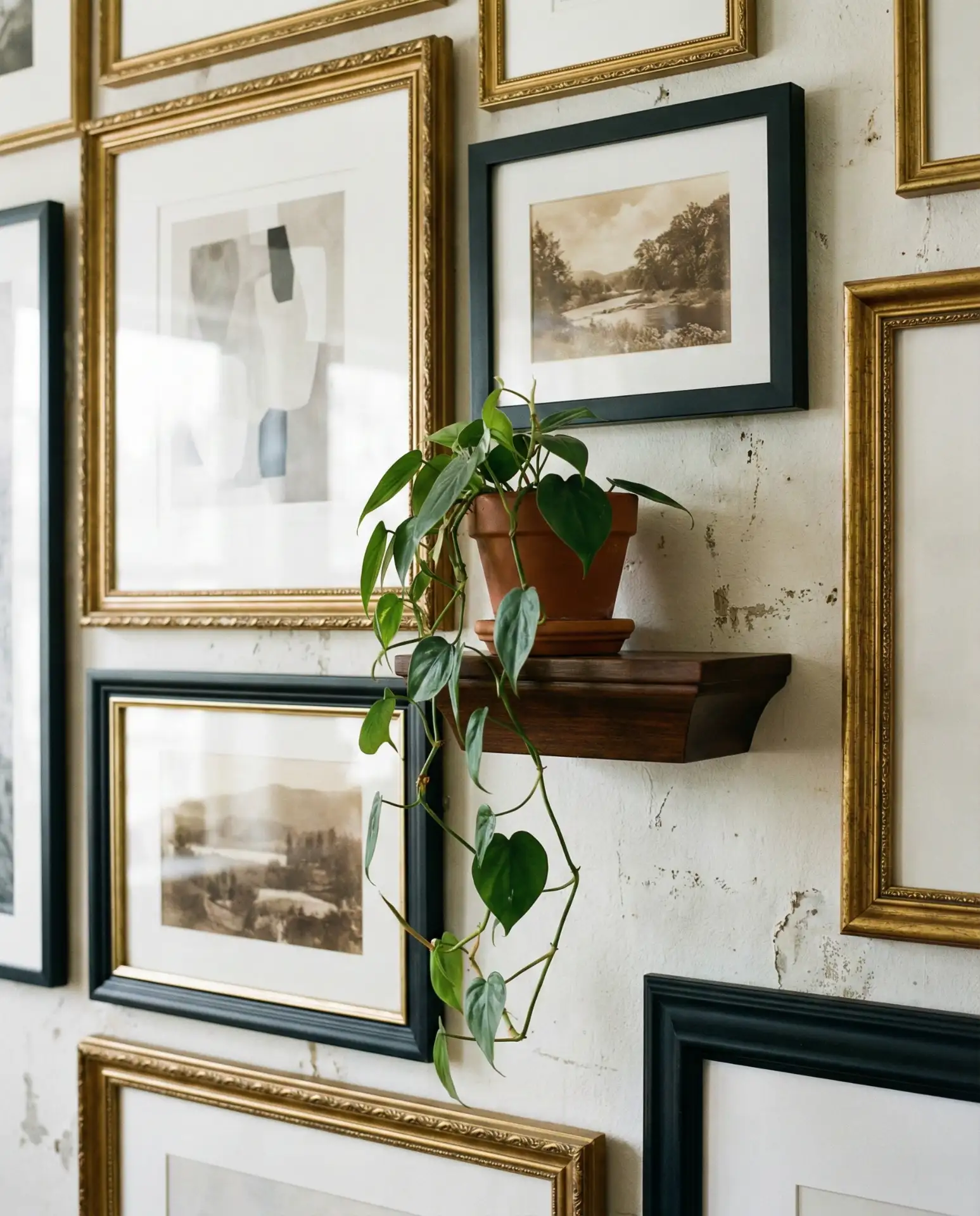
A carefully curated gallery wall turns a blank wall into a personal art collection that tells your story. Mix frame sizes, artwork styles, and even small mirrors or objects to create visual interest. This aesthetic approach works especially well in bedrooms with high ceilings or long, empty walls that need filling. Start by laying everything out on the floor first, then transfer the arrangement to the wall using painter’s tape as guides before hammering in nails.
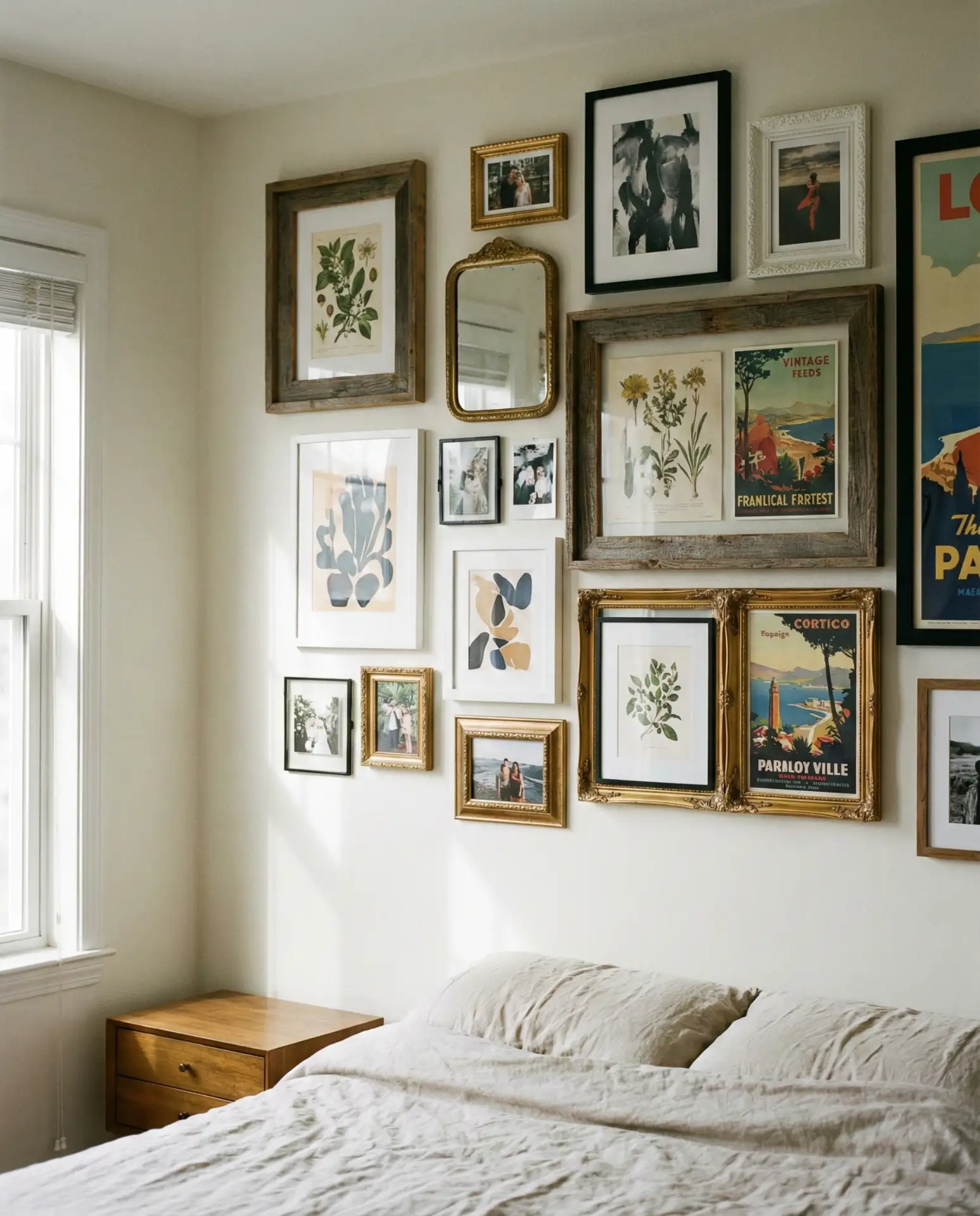
Gallery walls work best in bedrooms where you spend time sitting up in bed—reading, working on a laptop, or just relaxing—so you can actually enjoy the art. They’re less effective behind your head where you’ll never see them. Avoid the common mistake of hanging everything too high; the center of your gallery should be at eye level when you’re standing. And if you’re renting, use Command strips rated for your frame weight instead of nails. They hold surprisingly well and remove cleanly when you move.
10. Canopy or Four-Poster Drama
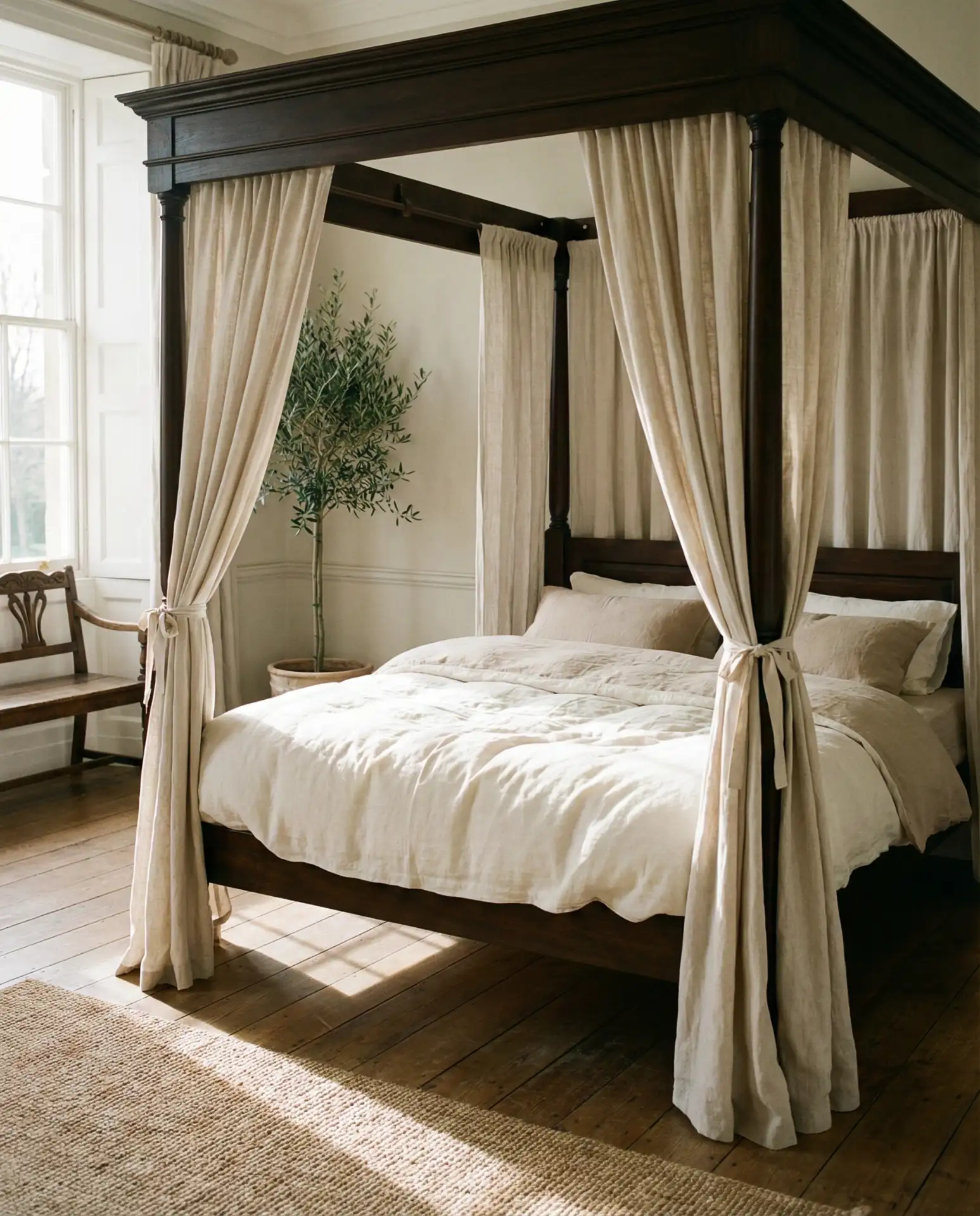
A canopy bed or even just draping fabric from the ceiling creates an intimate, romantic feel that transforms your bedroom into a retreat. You don’t need an actual four-poster frame—curtain rods mounted to the ceiling or a simple tension rod across the corner of the room can hold lightweight fabric. Sheer linen or gauzy cotton works beautifully, adding softness without blocking light. This inspiration is ideal for master bedrooms where you want to create a sanctuary feel.
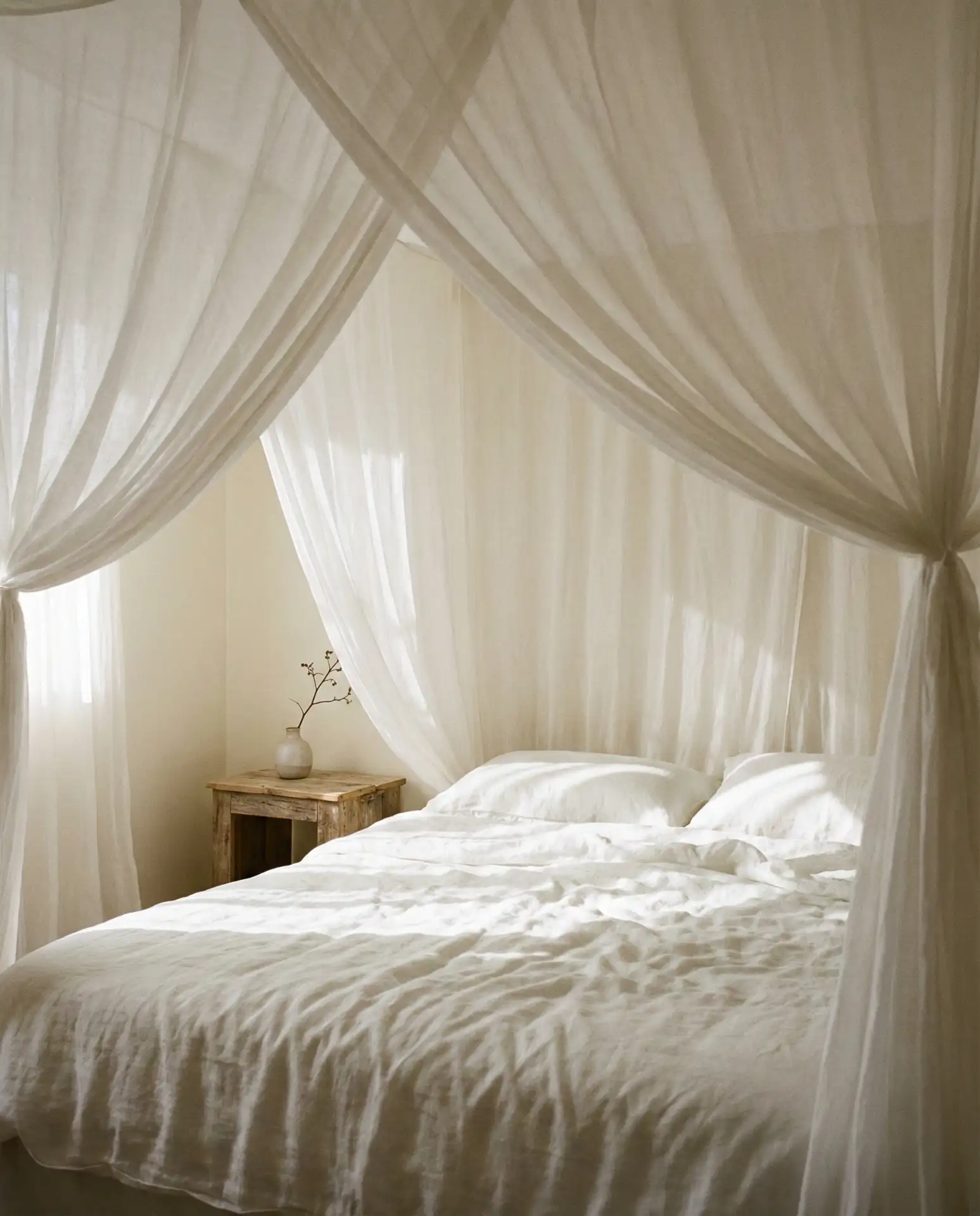
Canopies can make low ceilings feel even lower, so they’re best suited for rooms with at least nine-foot ceilings or higher. In standard eight-foot rooms, skip the full drape and opt for fabric that hangs just at the head of the bed, creating suggestion rather than enclosure. Also consider your climate—heavy drapes in already-warm Southern bedrooms can feel stifling, while they add welcome coziness in drafty New England homes. Choose fabrics you can easily remove and wash, because they will collect dust.
11. Monochromatic Color Scheme
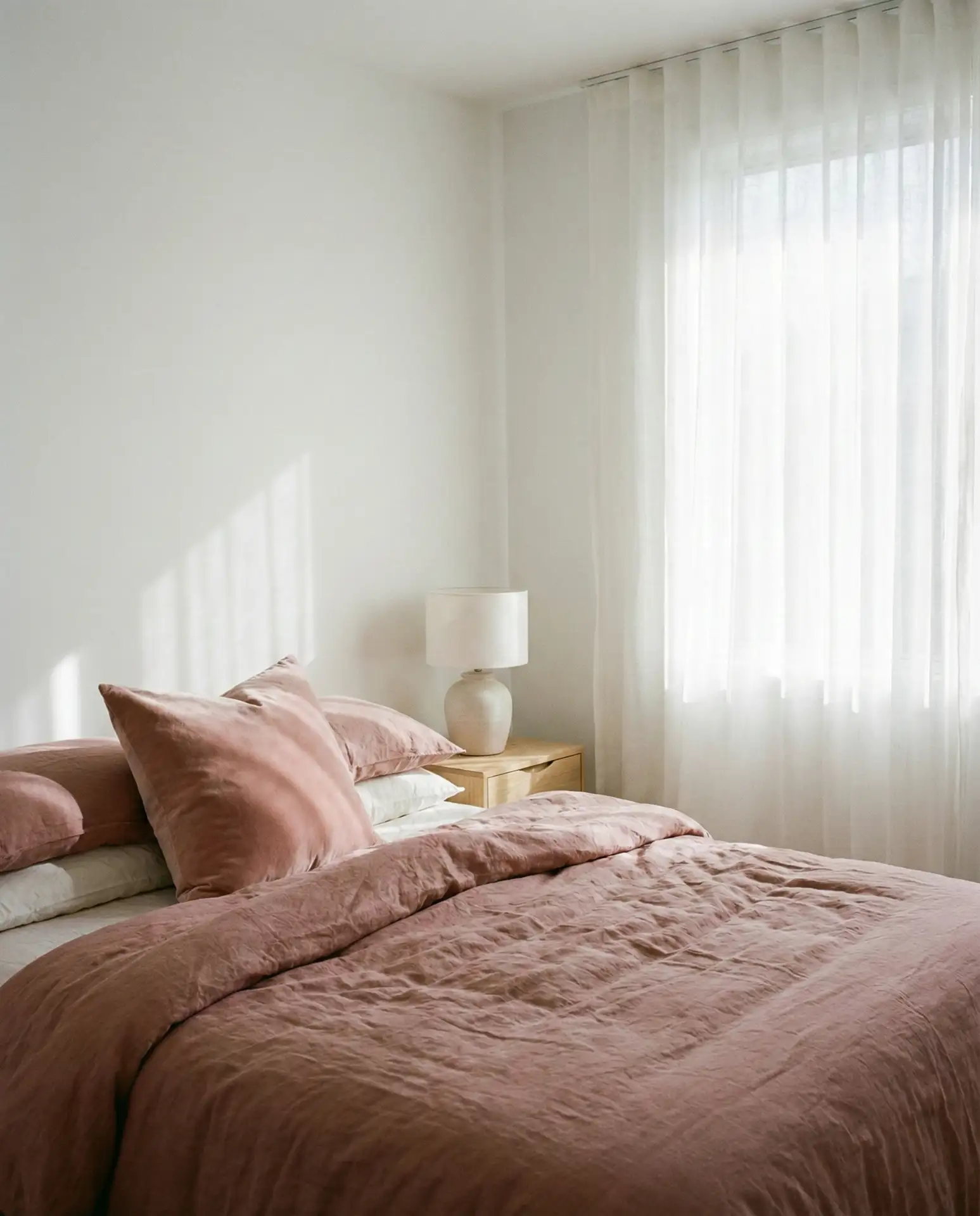
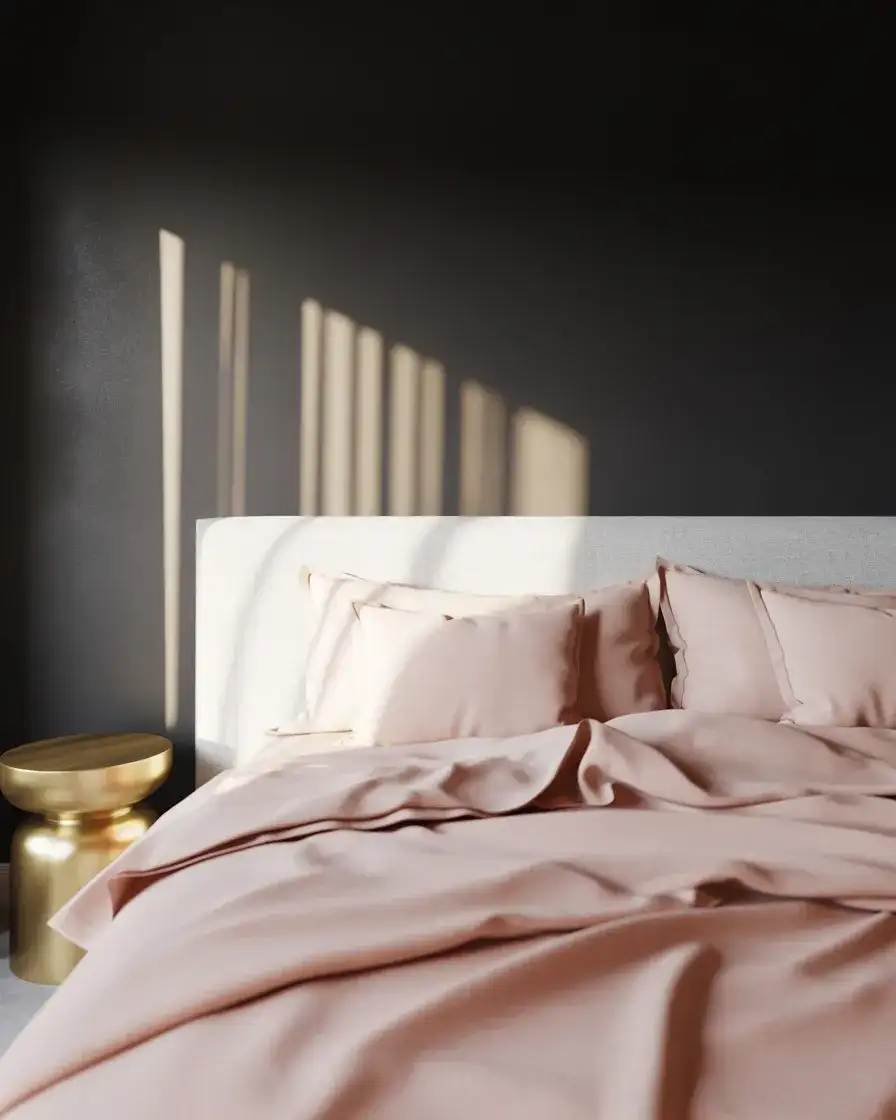
Building a bedroom around a single color family creates a cohesive, calming space that feels intentional. Choose varying shades of one hue—say, dusty pink ranging from blush to mauve—and layer them through bedding, curtains, rugs, and accessories. This approach simplifies decorating decisions and makes even a small budget room feel more spacious since the eye isn’t jumping between competing colors. Add texture through different materials to keep it from feeling flat.
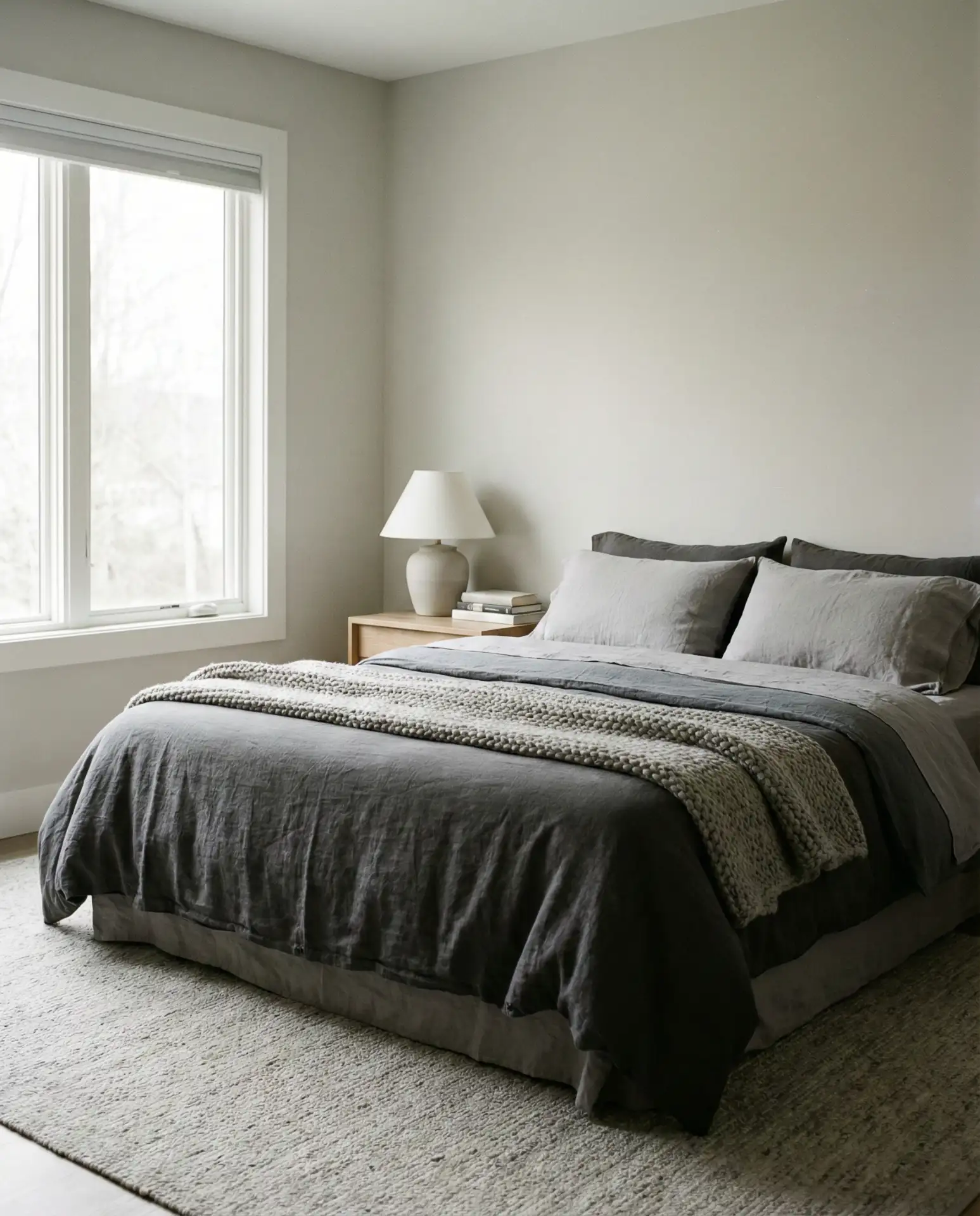
One designer friend swears by this approach for clients who feel overwhelmed by color choices—it eliminates decision fatigue while still delivering a polished result. She’s noticed that people tend to sleep better in monochromatic rooms, possibly because the visual simplicity reduces mental stimulation before bed. Start with a color you genuinely love, not just what’s trendy, because you’ll be living with it every day. And test your chosen shades in your actual bedroom lighting before buying everything—colors shift dramatically between showroom and home.
12. Built-In Storage Solutions
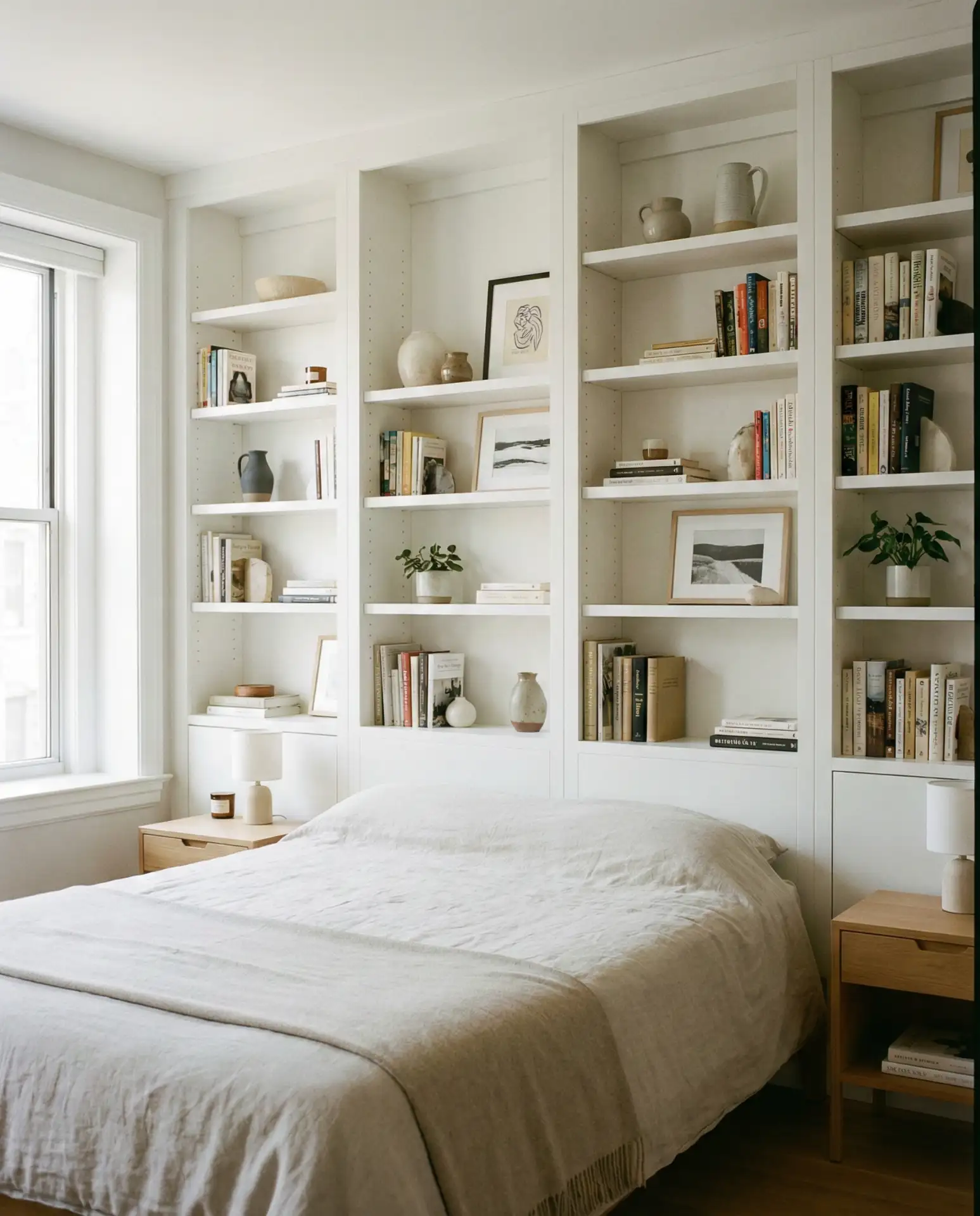
Custom or semi-custom built-ins maximize every inch of available space, especially around windows, in alcoves, or under sloped ceilings. Even simple IKEA units hacked with custom fronts or trim can look expensive and polished. This is a smart investment for middle-class homeowners looking for long-term value, since good storage directly impacts how functional and clutter-free your bedroom stays. Consider drawers under the bed or shelving flanking your headboard for books and personal items.
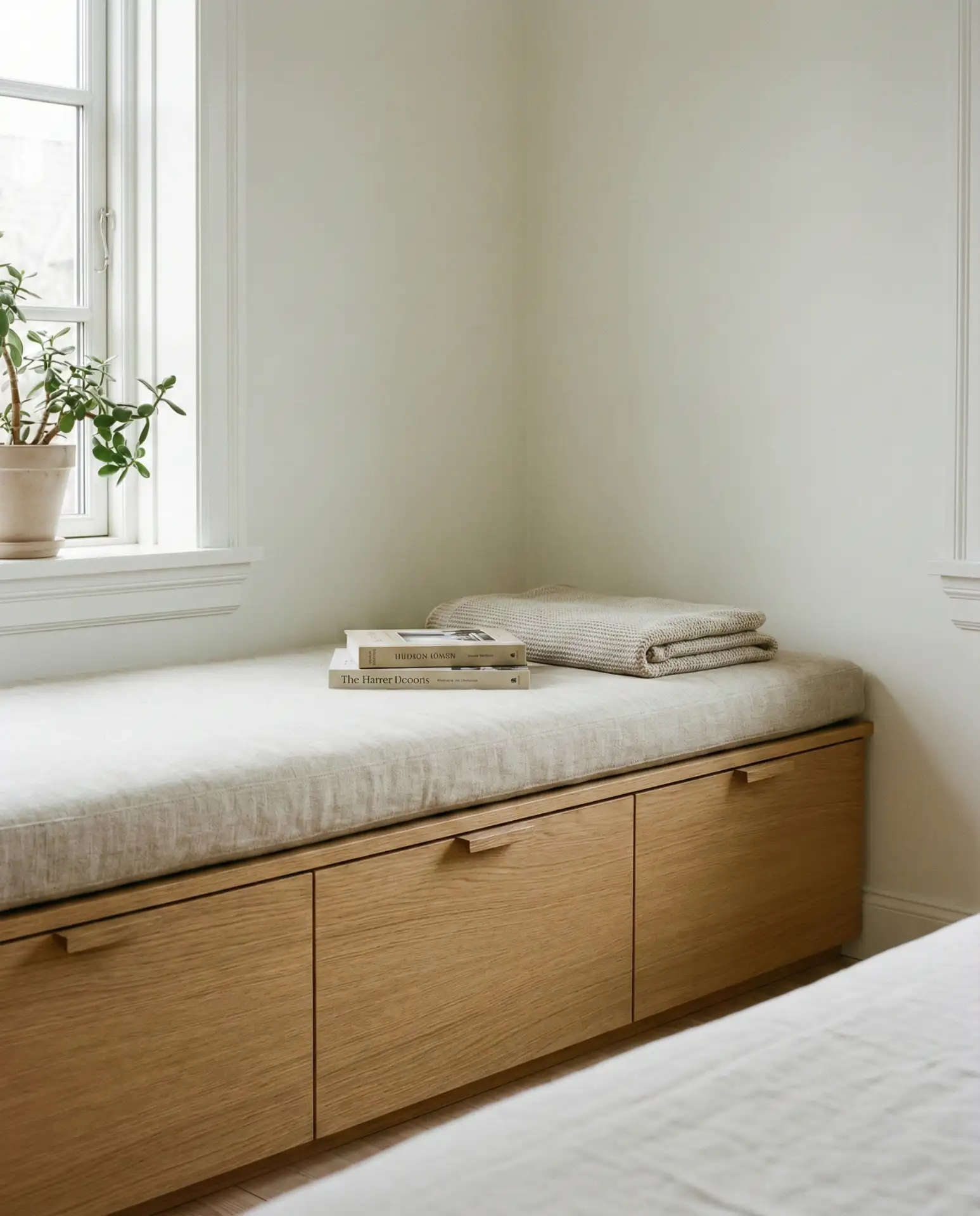
Built-ins range from $500 for basic DIY projects using stock cabinets to several thousand for custom carpentry, so budget accordingly. The sweet spot for most homeowners is using modular systems like IKEA PAX or Elfa, which offer customization at a fraction of custom-built costs. These work particularly well in older homes with odd dimensions where off-the-shelf furniture never quite fits. Measure meticulously before ordering—returns on large furniture systems are a nightmare.
13. Natural Materials and Textures
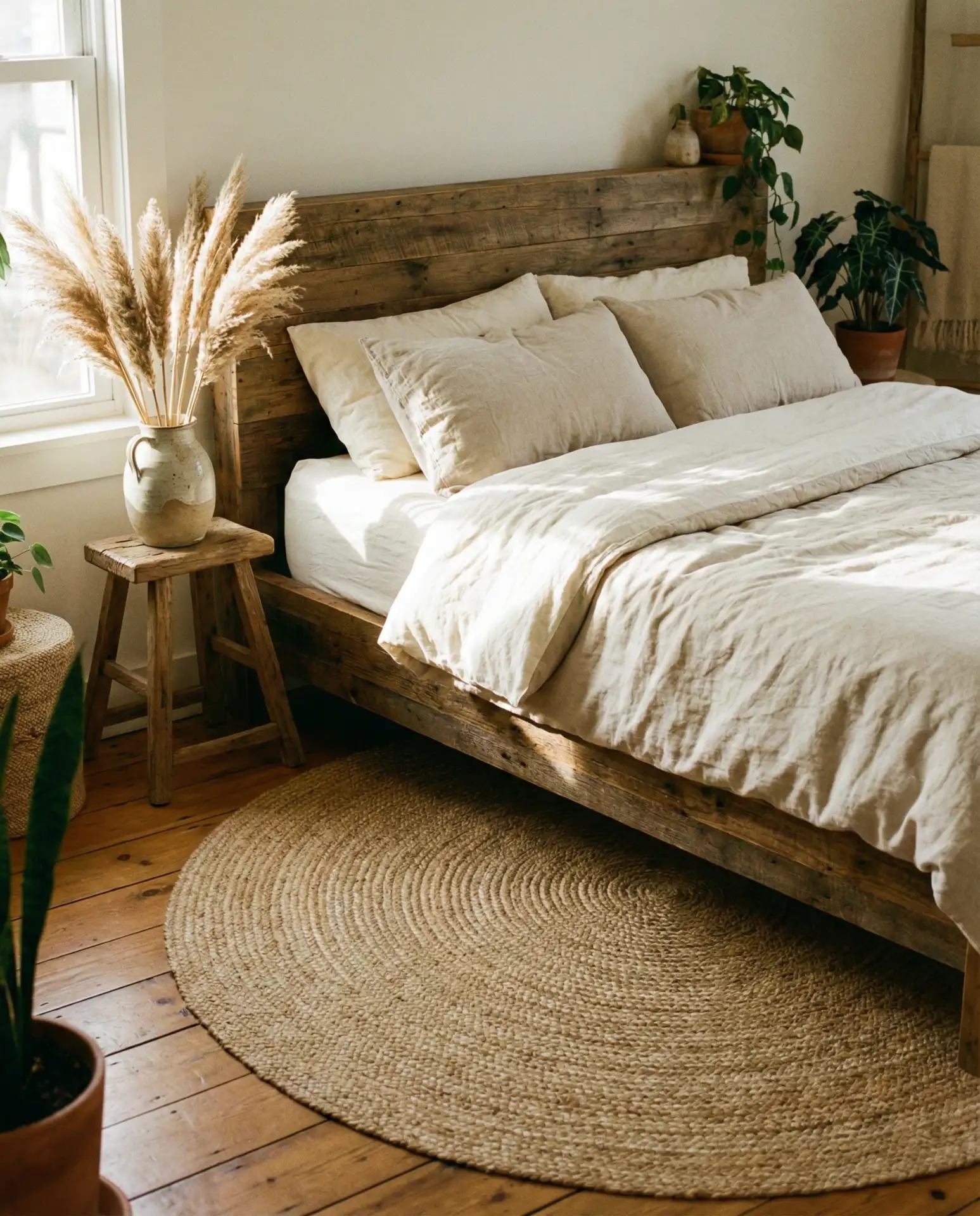
Bringing in wood, stone, linen, cotton, and other natural elements creates a grounding, organic feel that’s inherently calming. A solid wood bed frame, jute rug, linen curtains, and ceramic accents all work together to soften the hard edges of modern life. This aesthetic is especially popular in inspiration boards for 2026, as people seek to disconnect from screens and reconnect with tactile, earthy materials. Even small touches like a wooden tray on your nightstand or stone coasters make a difference.
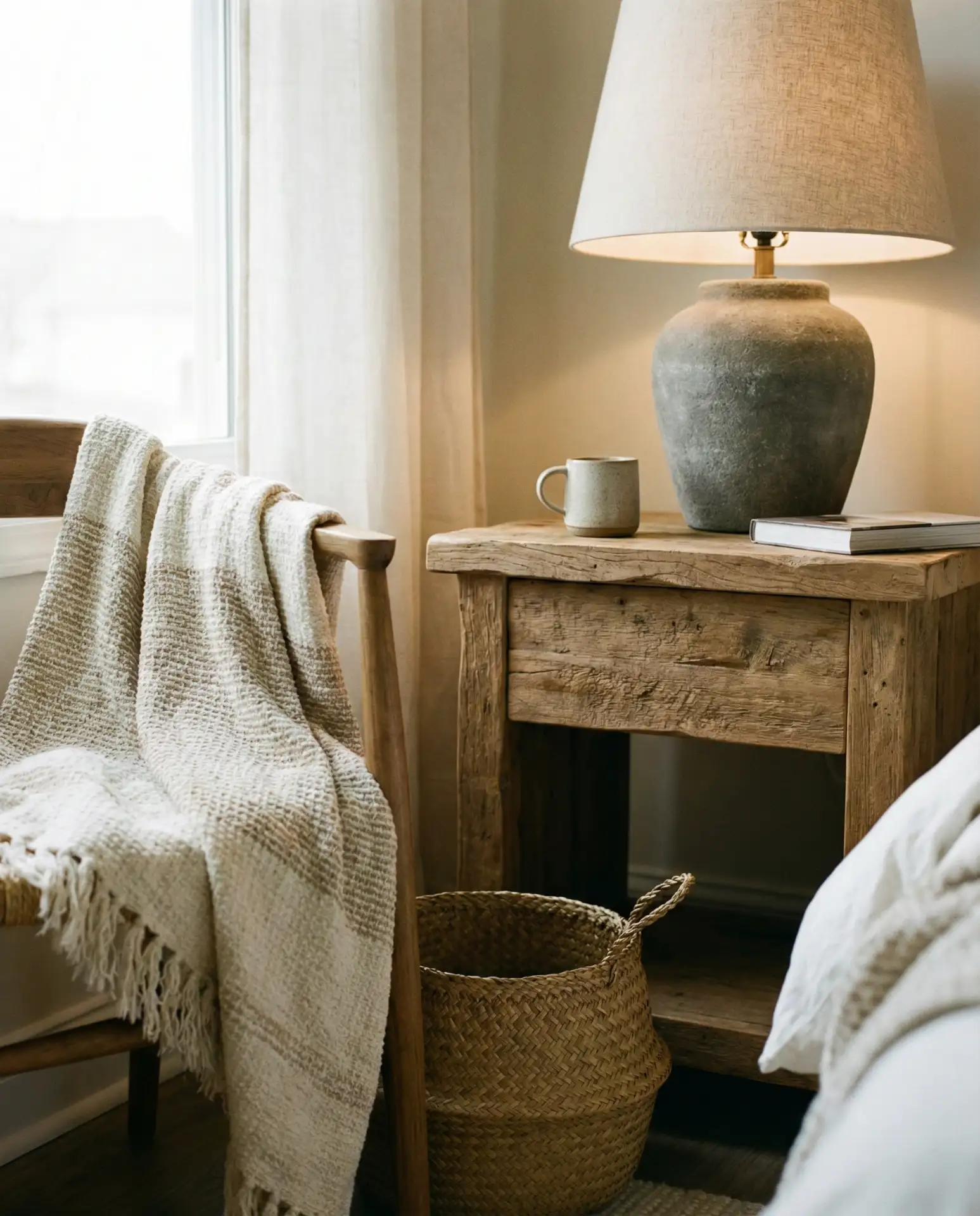
This trend works beautifully in bedrooms with plenty of natural light, where the textures can really shine throughout the day. In darker rooms, too many dark wood tones can make the space feel cave-like, so balance them with lighter linens and plenty of soft lighting. Avoid the temptation to go full rustic cabin unless that’s truly your style—the goal is to incorporate natural materials thoughtfully, not recreate a lodge. Mix in some contemporary pieces to keep it feeling current.
14. Minimalist Platform Bed
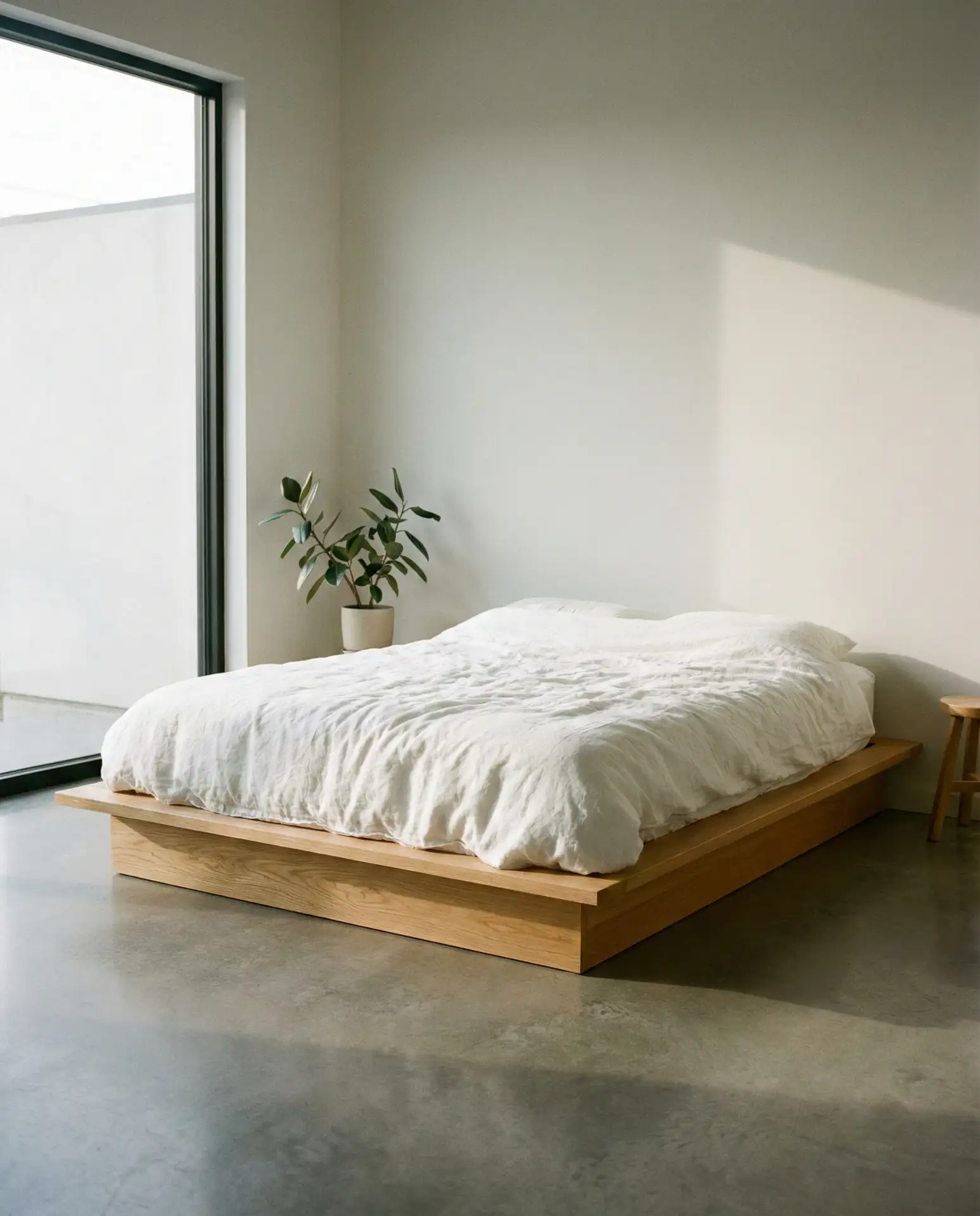
A low-profile platform bed with clean lines creates a serene, uncluttered foundation for your bedroom. Without a traditional footboard or ornate headboard, the bed itself almost disappears, letting your bedding and surrounding decor take center stage. This style is perfect for small rooms because it doesn’t visually crowd the space, and it works especially well in modern or Scandinavian-inspired interiors. Many platform beds also include built-in storage drawers, solving two problems at once.
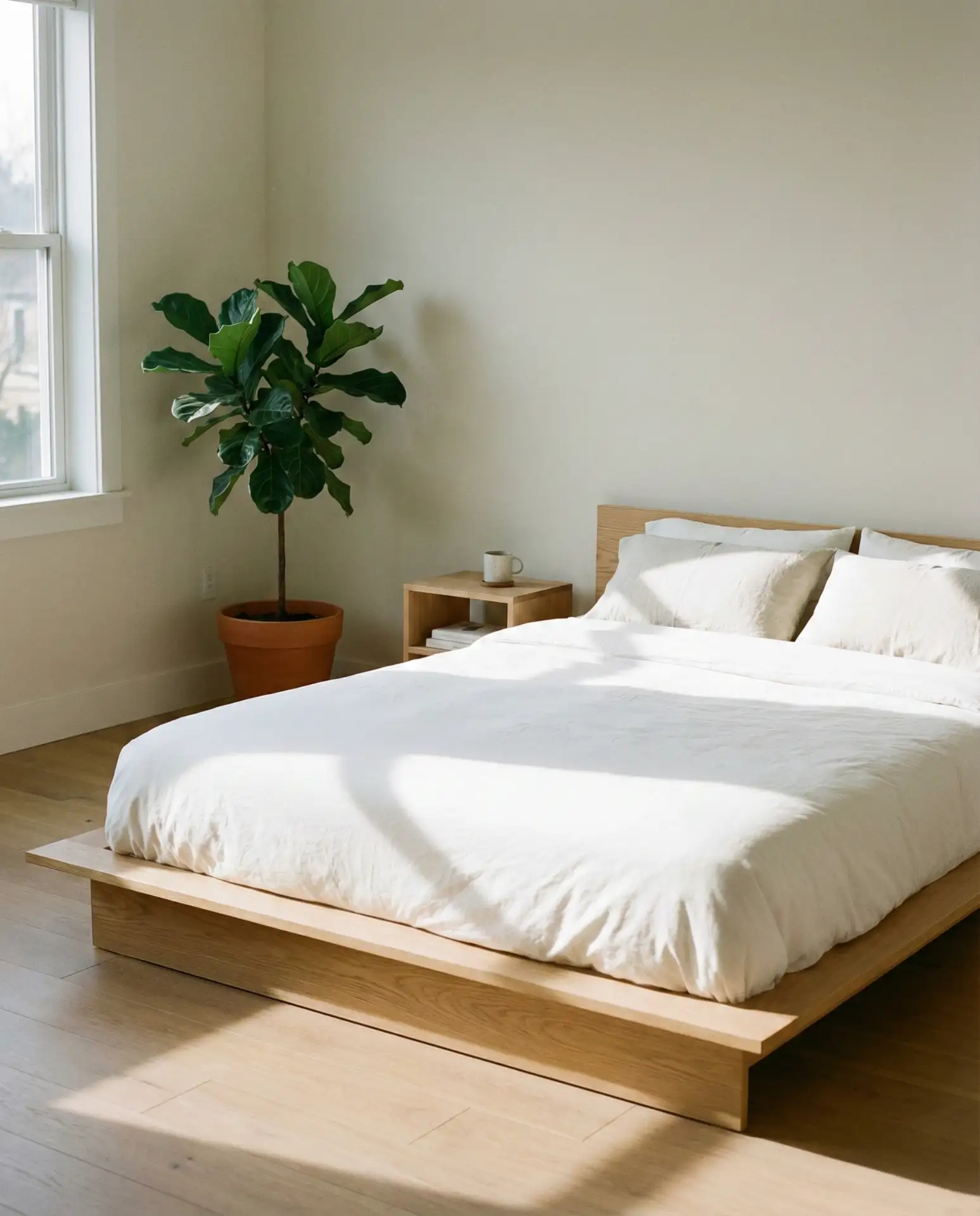
Keep in mind that platform beds sit lower to the ground, which can be difficult for people with mobility issues or anyone who struggles getting up from low surfaces. If you have back or knee problems, test the height before committing. Also, check whether the platform requires a box spring or if the slats support the mattress directly—buying the wrong mattress setup can void warranties or lead to premature sagging. Most modern platforms don’t need a box spring, which saves money and storage space.
15. Moody Dark Walls
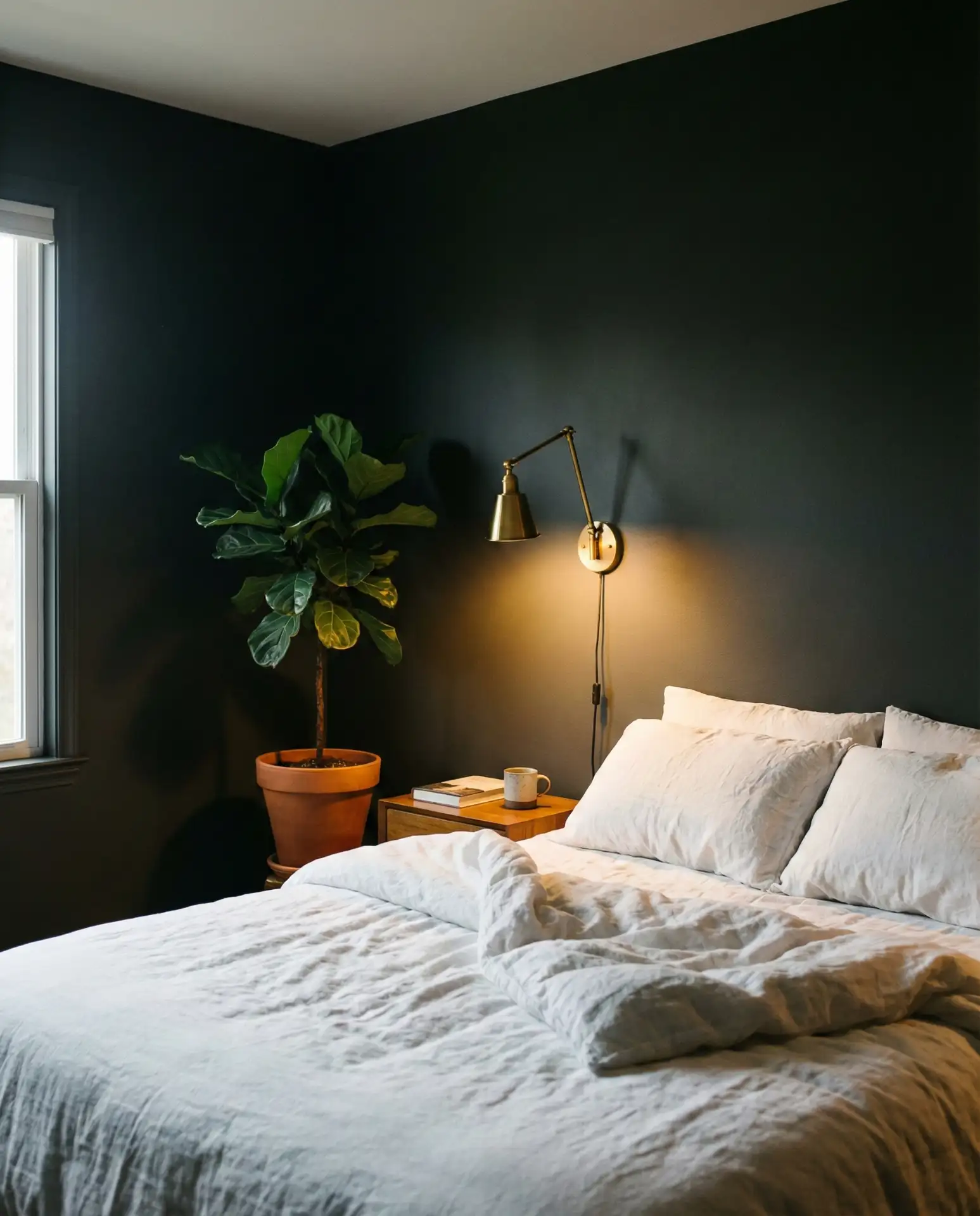
Dark, saturated walls in shades like charcoal, navy, or forest green create a cocoon-like atmosphere that’s surprisingly restful. Contrary to popular belief, dark colors don’t necessarily make a room feel smaller—they can actually blur boundaries and create depth. Pair dark walls with crisp white bedding and metallic or brass accents to keep the space from feeling too heavy. This bold choice is gaining traction in inspo boards as people embrace drama in their private spaces.
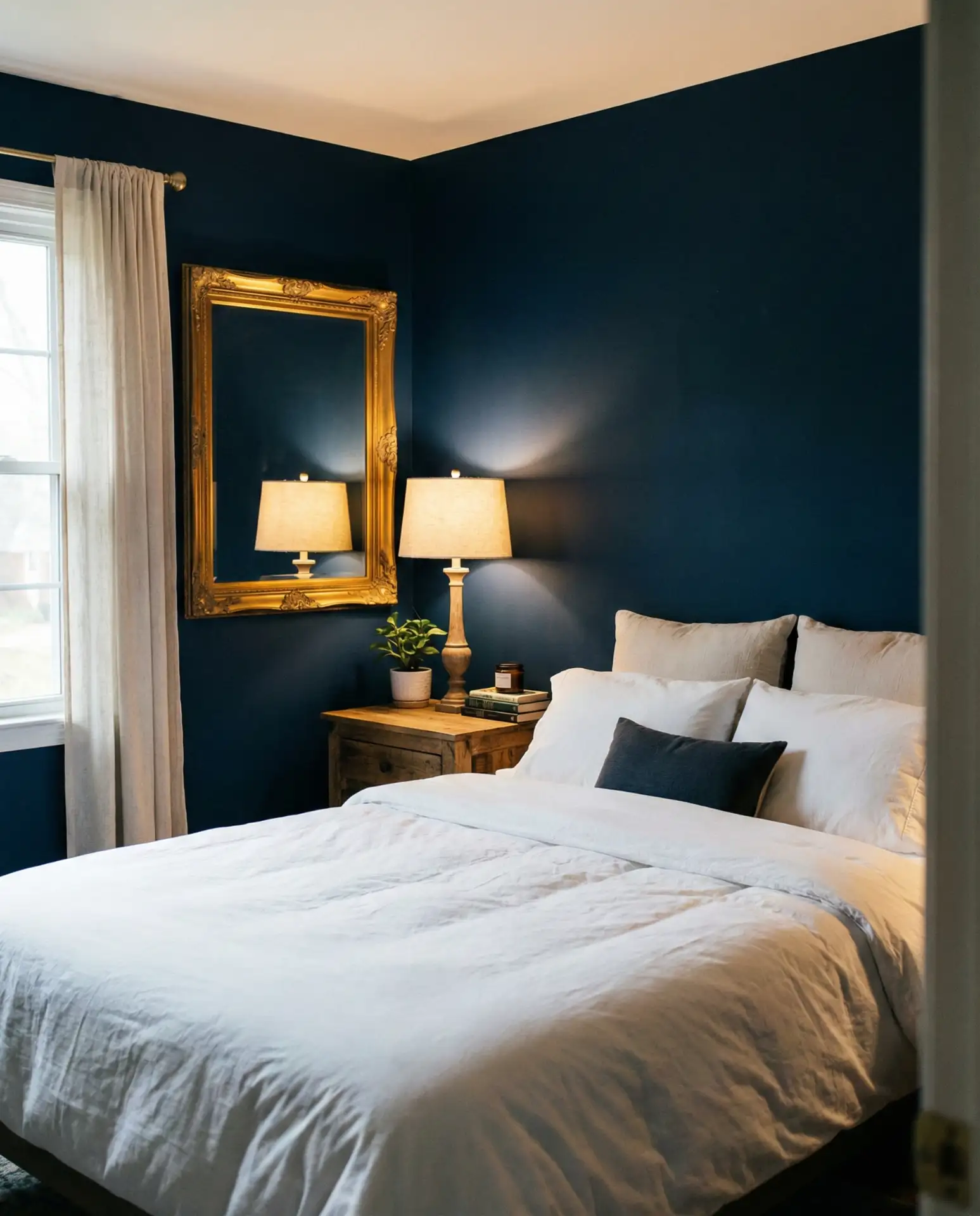
Dark walls work best in bedrooms that get good natural light during the day so they don’t feel oppressive. North-facing rooms with limited sun may need extra attention to lighting—add multiple light sources at different heights to prevent shadows from feeling gloomy. And commit fully: painting just one wall dark while leaving others white can look indecisive. If you’re worried about resale or just want to test it out, start with a guest bedroom where mistakes are lower stakes.
16. Freestanding Wardrobe for Style and Function
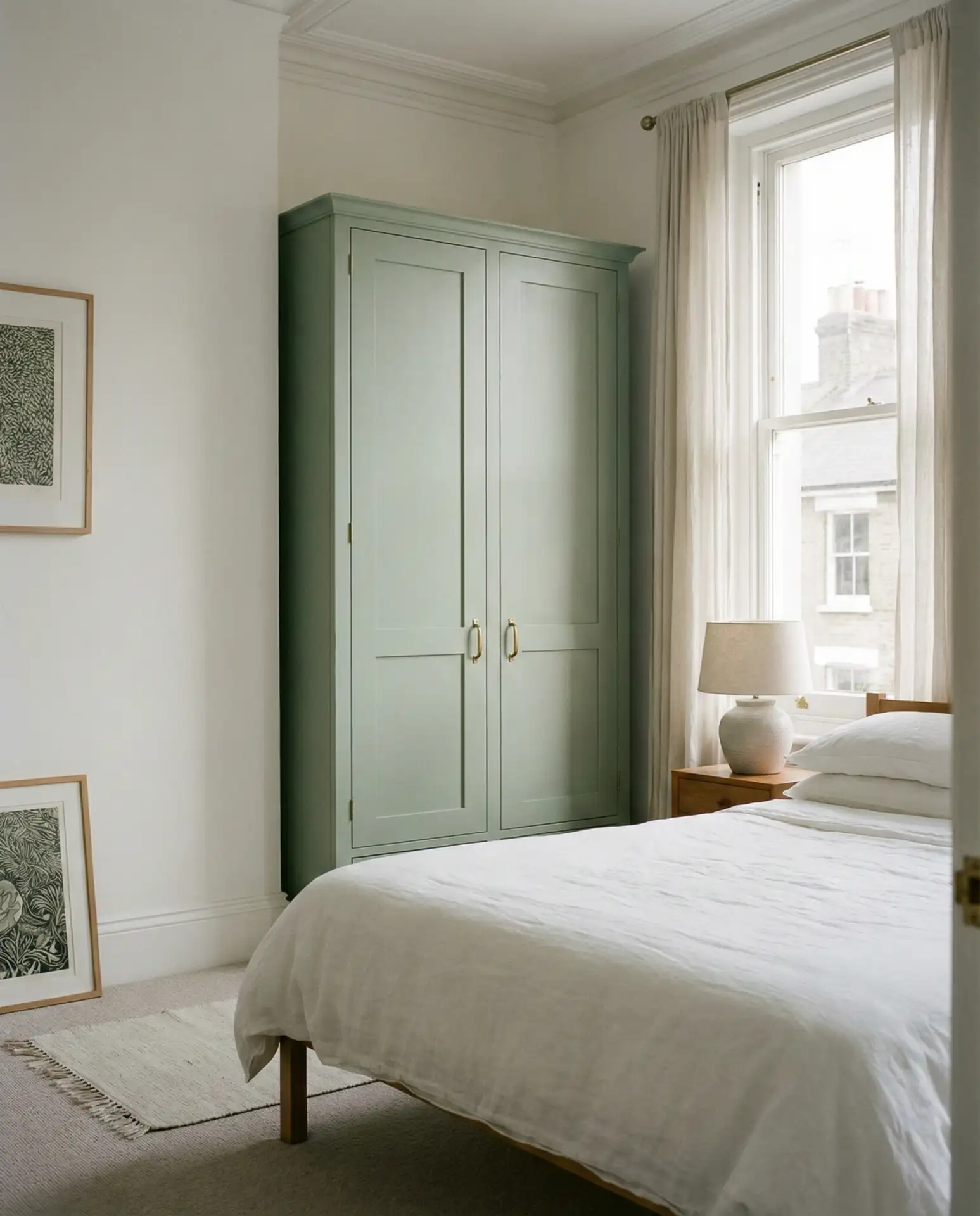
Freestanding armoires or wardrobes add vertical storage and architectural interest, especially in older homes without closets or rental apartments where built-ins aren’t an option. A beautiful vintage wardrobe can serve as the room’s focal point while hiding clothing, linens, or even electronics. Look for pieces with interesting details like carved doors or glass fronts, and don’t be afraid to paint or refinish them to match your color scheme. This solution is timeless and travels with you when you move.
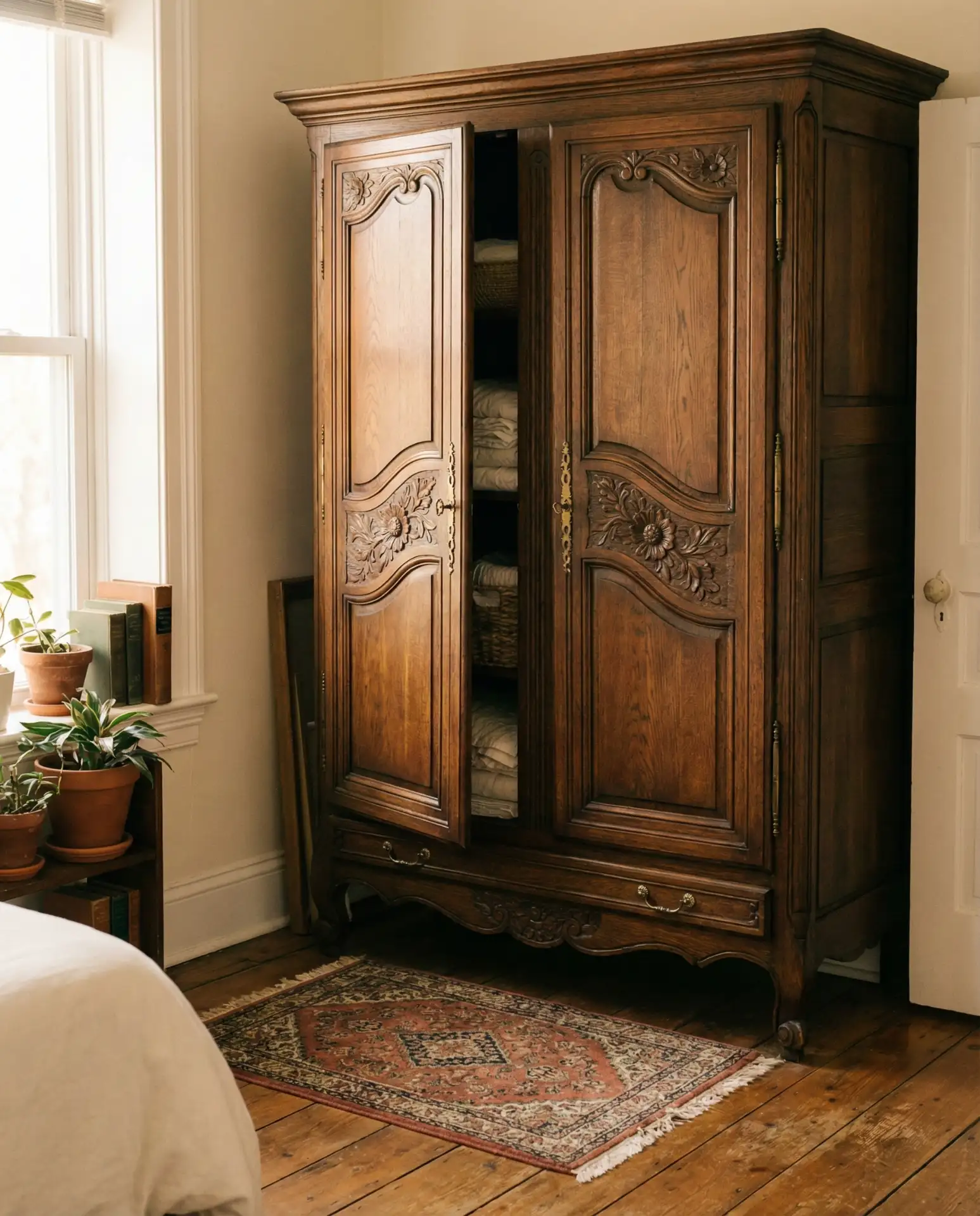
Wardrobes range from $100 at thrift stores to several thousand for antique or custom pieces, making them accessible at virtually any price point. The key is proportions—a massive wardrobe in a tiny bedroom will dominate the space, while a narrow piece in a large room looks lost. Measure your ceiling height before shopping; you’ll need at least a few inches of clearance to maneuver it through doorways and stand it upright. And check the depth—some antique pieces are surprisingly shallow and won’t fit modern hangers.
17. Indoor Plants for Life and Air Quality
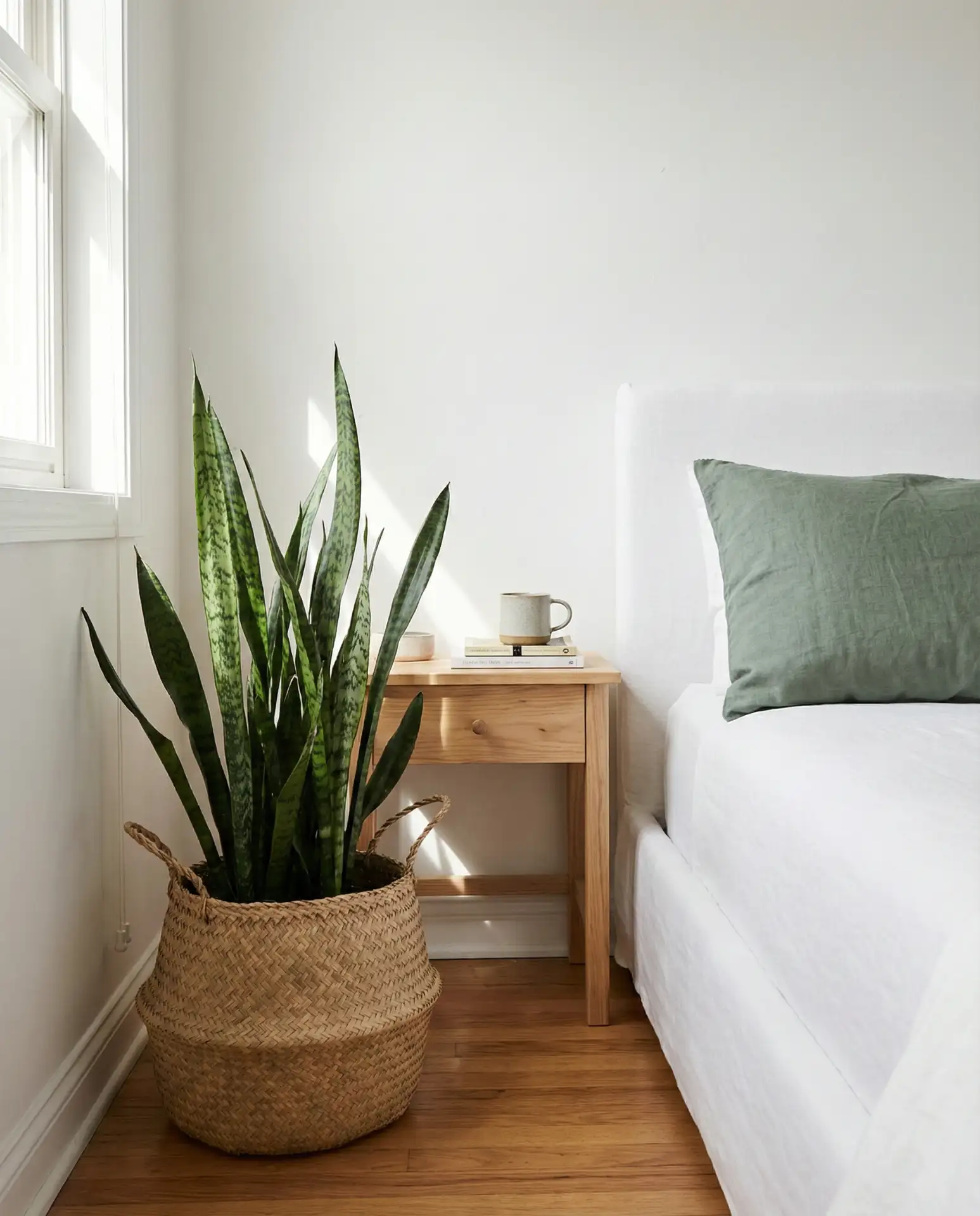
Bringing greenery into your bedroom softens hard surfaces and connects you to nature, even in urban apartments. Snake plants, pothos, and peace lilies are all low-maintenance options that tolerate varying light conditions and help purify the air while you sleep. Cluster a few plants on a dresser, hang a trailing pothos from a ceiling hook, or place a large fiddle-leaf fig in a corner. This easy addition makes a room feel more alive and cared for without requiring major effort or expense.
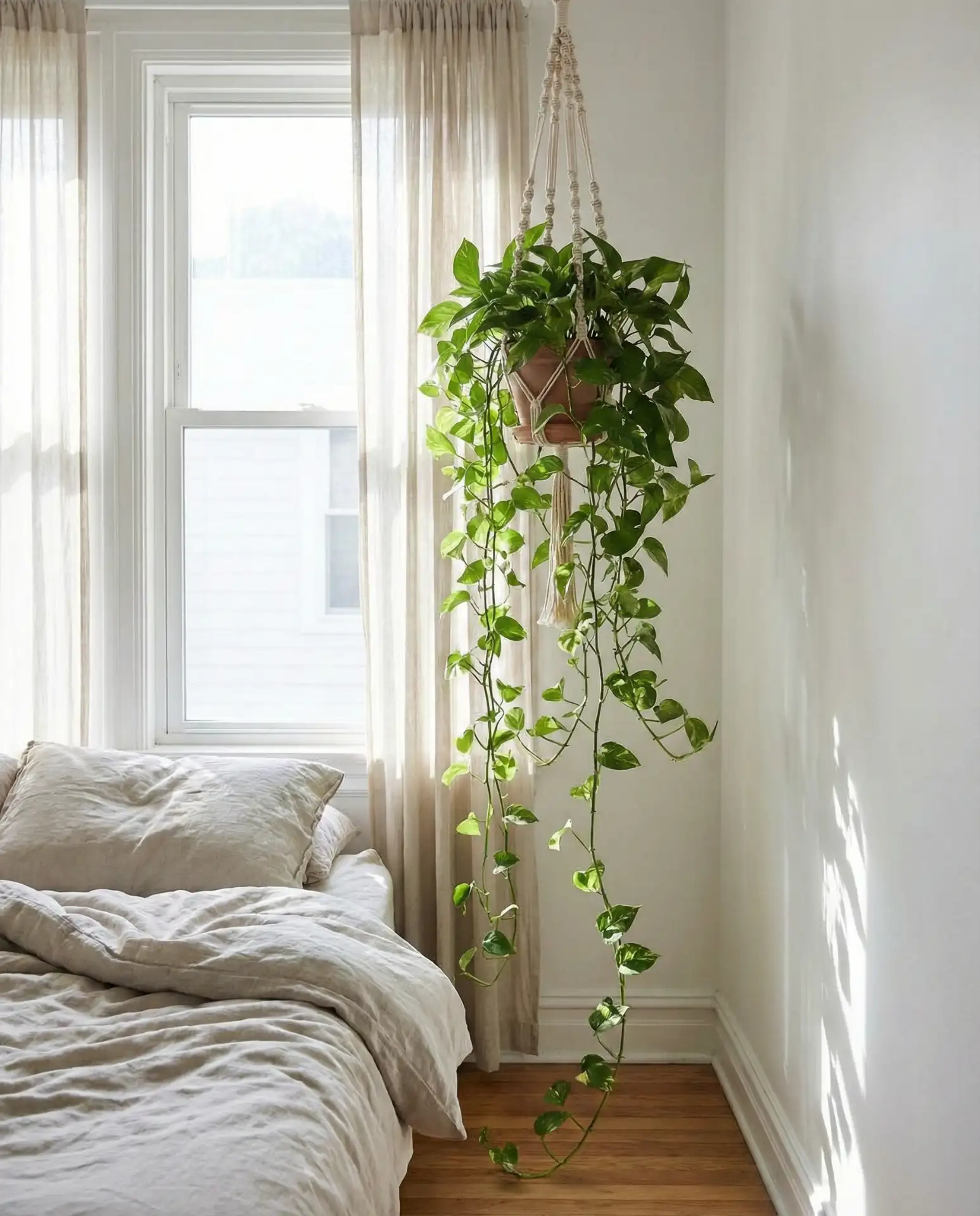
Avoid placing plants where you’ll knock them over getting in and out of bed, and be realistic about your watering habits—dead plants aren’t the vibe anyone’s going for. If you travel frequently or tend to forget about plants, stick to hardy varieties like ZZ plants or succulents that can handle neglect. And be aware that some plants are toxic to pets, so do your research if you have cats or dogs who like to nibble greenery. A quick Google search can save you an emergency vet visit.
18. Symmetrical Nightstand Arrangement
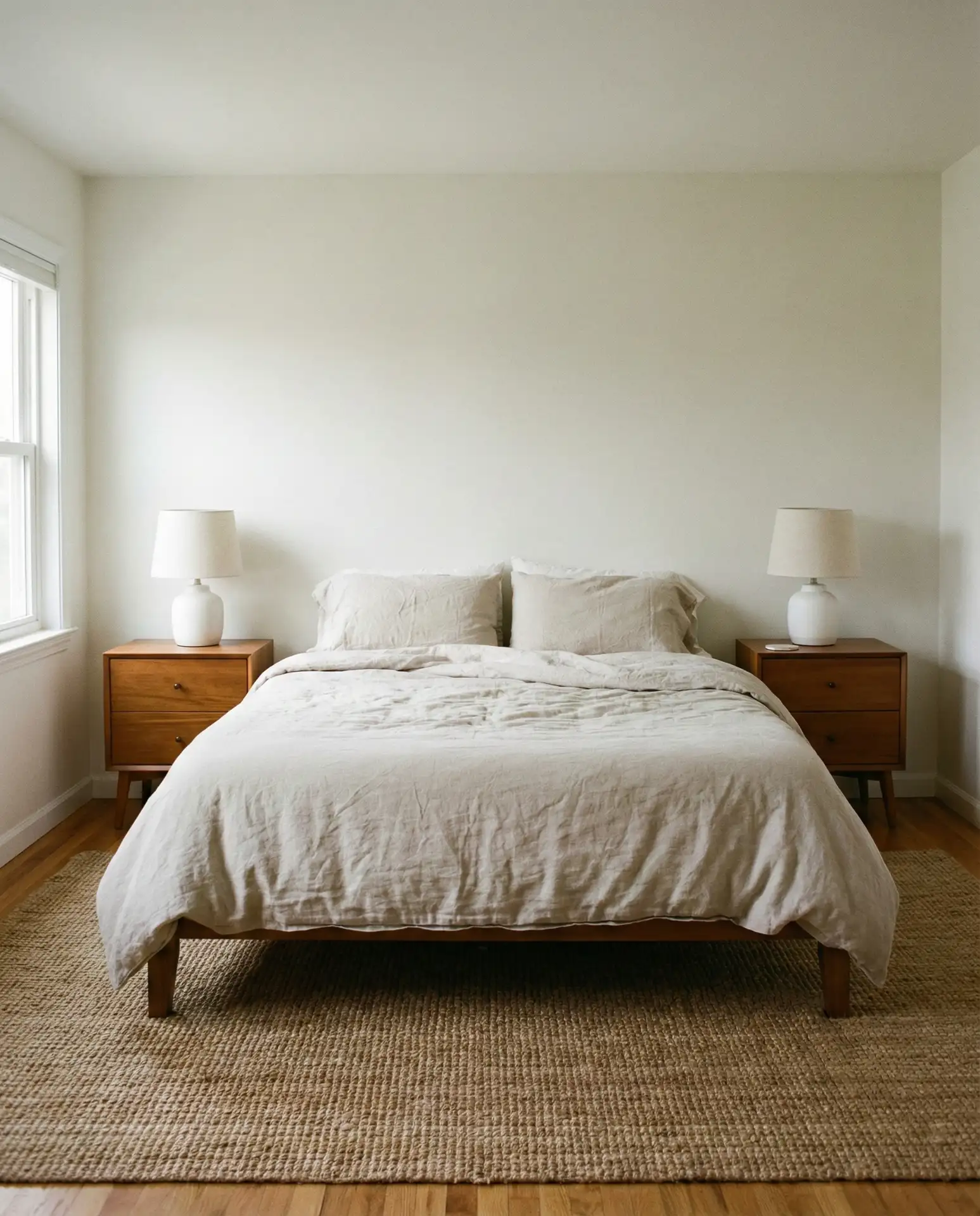
Flanking your bed with matching or coordinating nightstands creates a balanced, hotel-like feel that’s both elegant and functional. Each side gets its own lamp, charging space, and spot for a water glass or book. This classic approach works in master bedrooms where two people need equal access to bedside storage. If matching nightstands aren’t in the budget, choose pieces with similar height and visual weight—they don’t have to be identical to look intentional and cohesive.
In suburban homes across the Midwest and South, symmetrical bedroom arrangements are practically a given—they signal order and traditionalism. Coastal and urban bedrooms sometimes break this rule with mismatched or asymmetrical setups for a more eclectic look. There’s no right answer, but symmetry tends to create a more restful visual environment, which matters in a space designed for sleep. If you’re going asymmetrical, make sure there’s still balance in terms of visual weight, or the room can feel lopsided.
19. Textured Throws and Layered Bedding
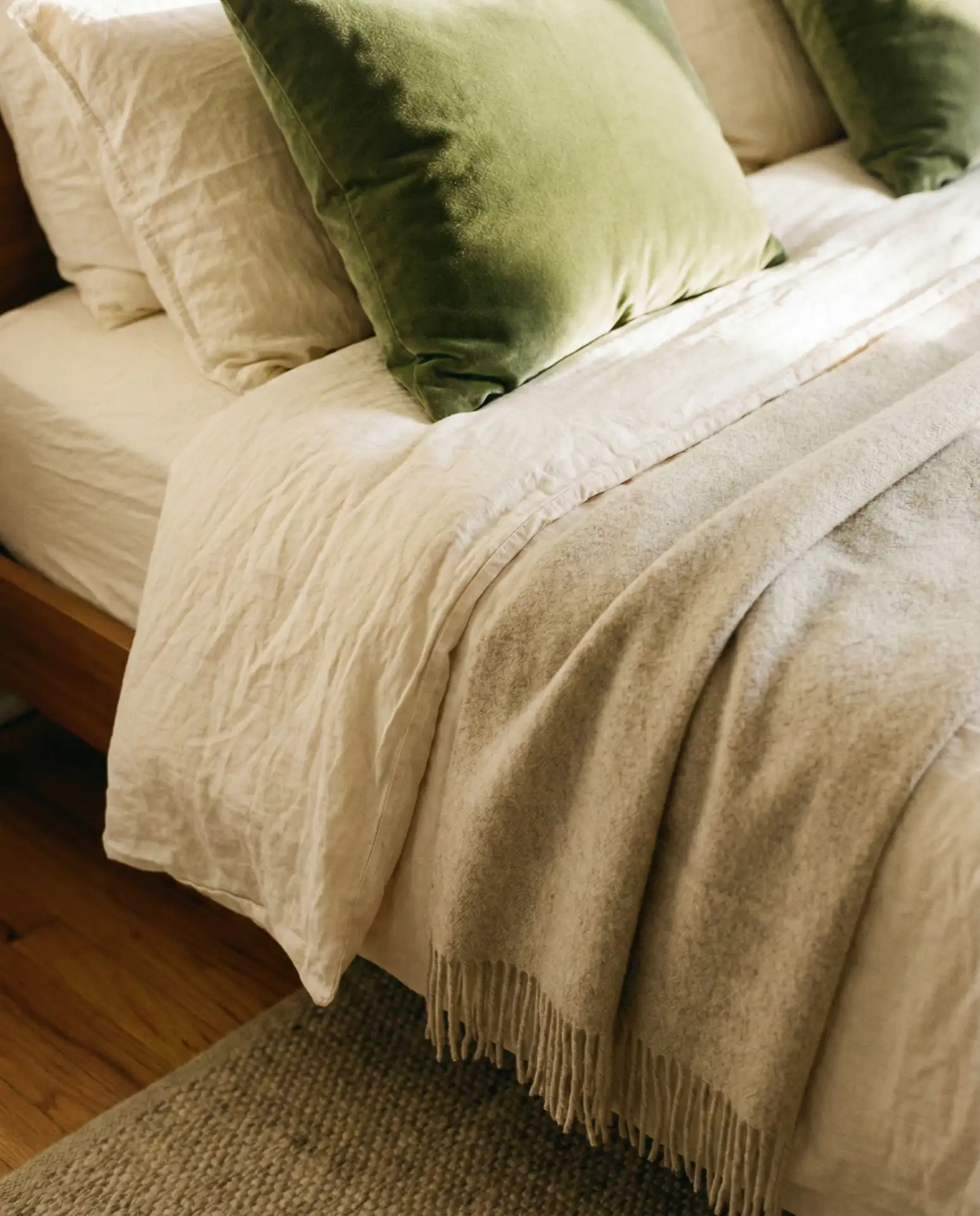
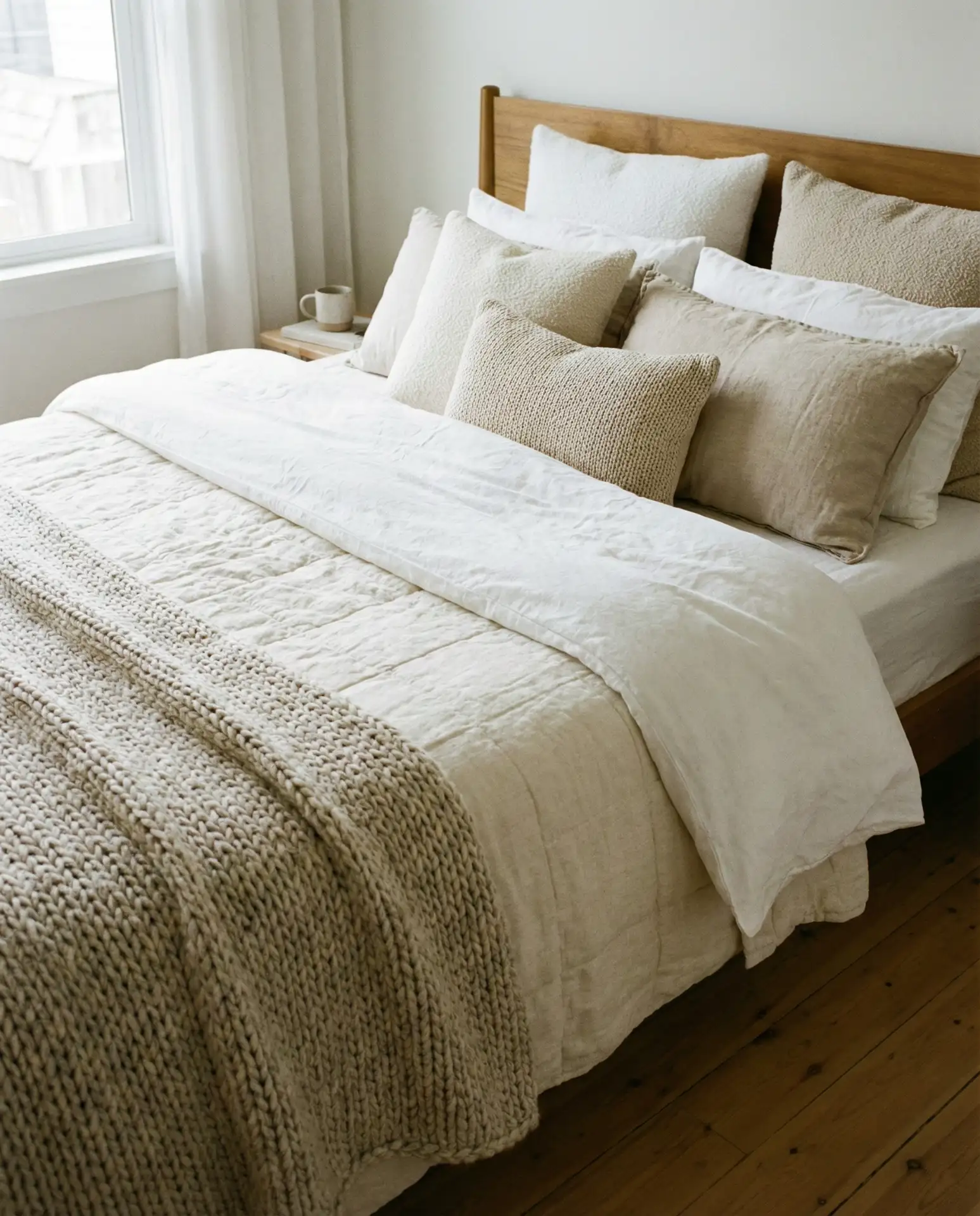
Piling on quilts, duvets, throws, and an assortment of pillows creates that “just pulled from a magazine” look. The key is varying textures—mix smooth cotton with chunky knits and velvet with linen—so everything doesn’t feel flat. This cozy layering technique also lets you adjust warmth throughout the year without changing your entire bedding setup. Fold a throw at the foot of the bed, arrange pillows in odd numbers, and don’t worry about perfection. Lived-in beats overly styled every time.
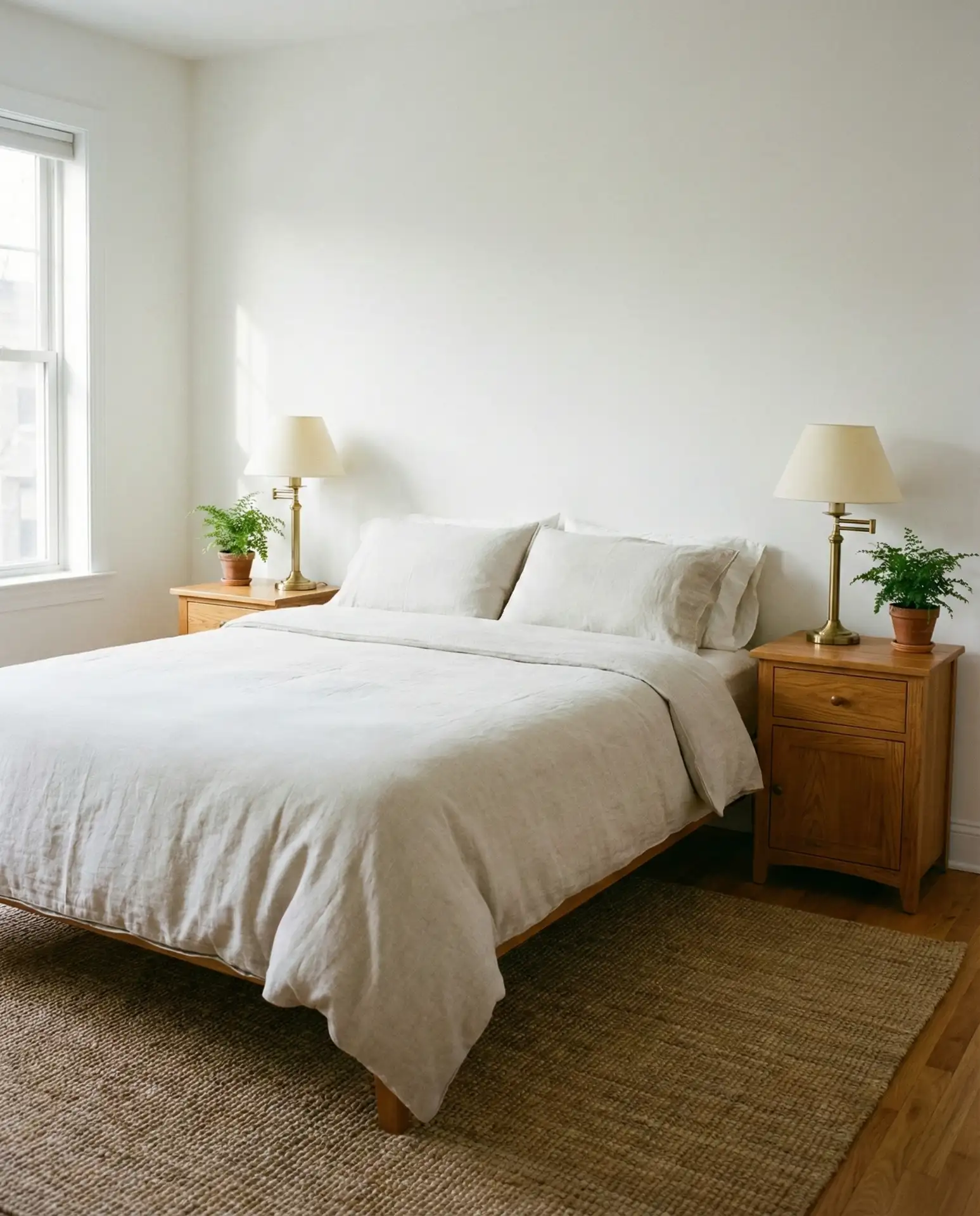
Practical insight: wash your throws and decorative pillows regularly, or they become dust magnets that trigger allergies. Choose machine-washable options when possible, especially for anything that sits on your bed daily. Dry-clean-only throws look great in the store but become a hassle you’ll eventually abandon. And resist the urge to buy every decorative pillow you see—three to five is plenty. More than that and you’re just creating a nightly chore of moving them all off the bed before you can sleep.
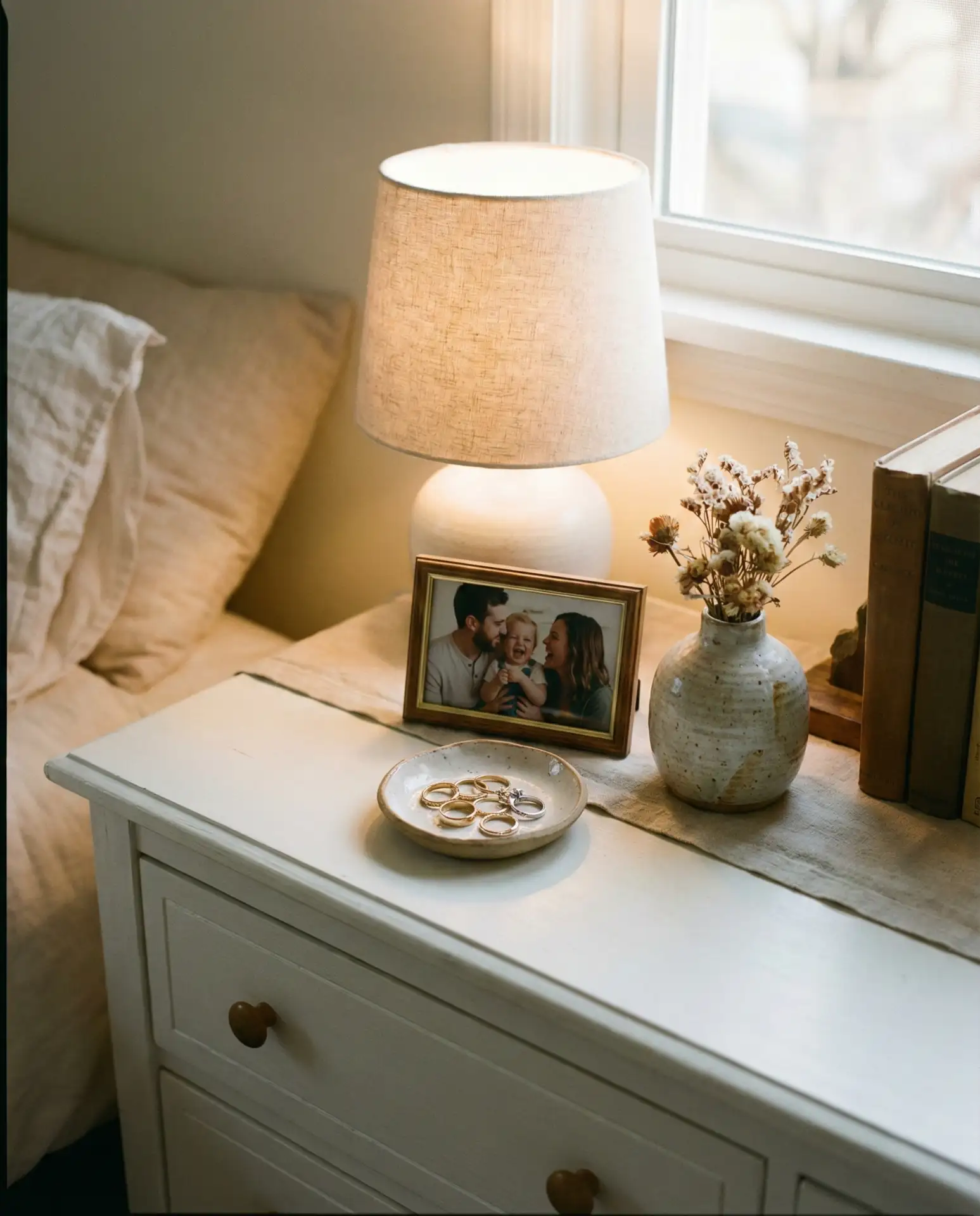
20. Personal Photos and Sentimental Decor
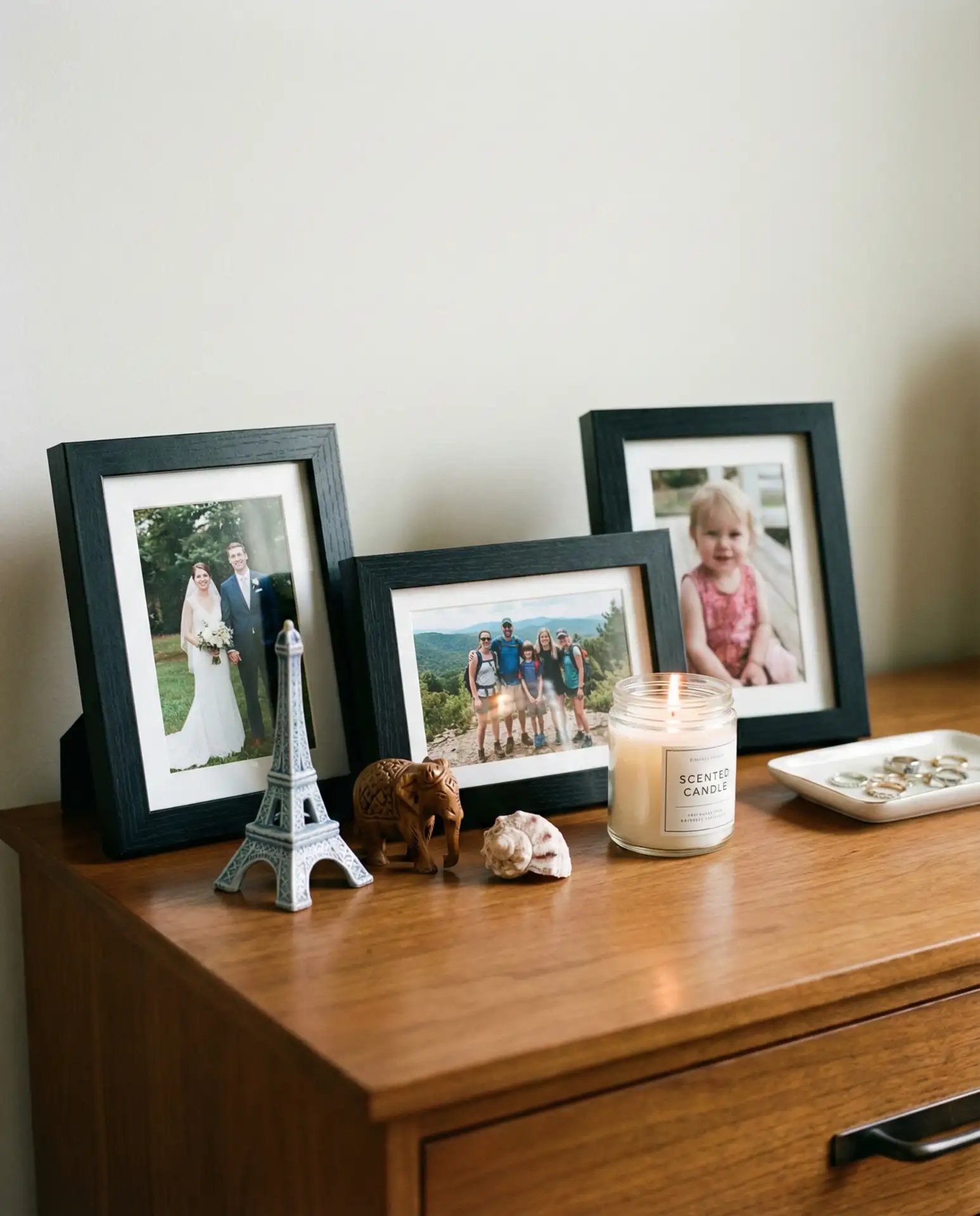
Displaying family photos, travel souvenirs, or handmade items makes your bedroom feel uniquely yours rather than like a showroom. Frame your favorite memories in matching frames for cohesion, or create a dedicated shelf for meaningful objects. This personal touch is especially important in rental spaces where you can’t customize much else. Seeing faces and places you love first thing in the morning and last thing at night adds emotional warmth that no catalog-perfect styling can replicate.
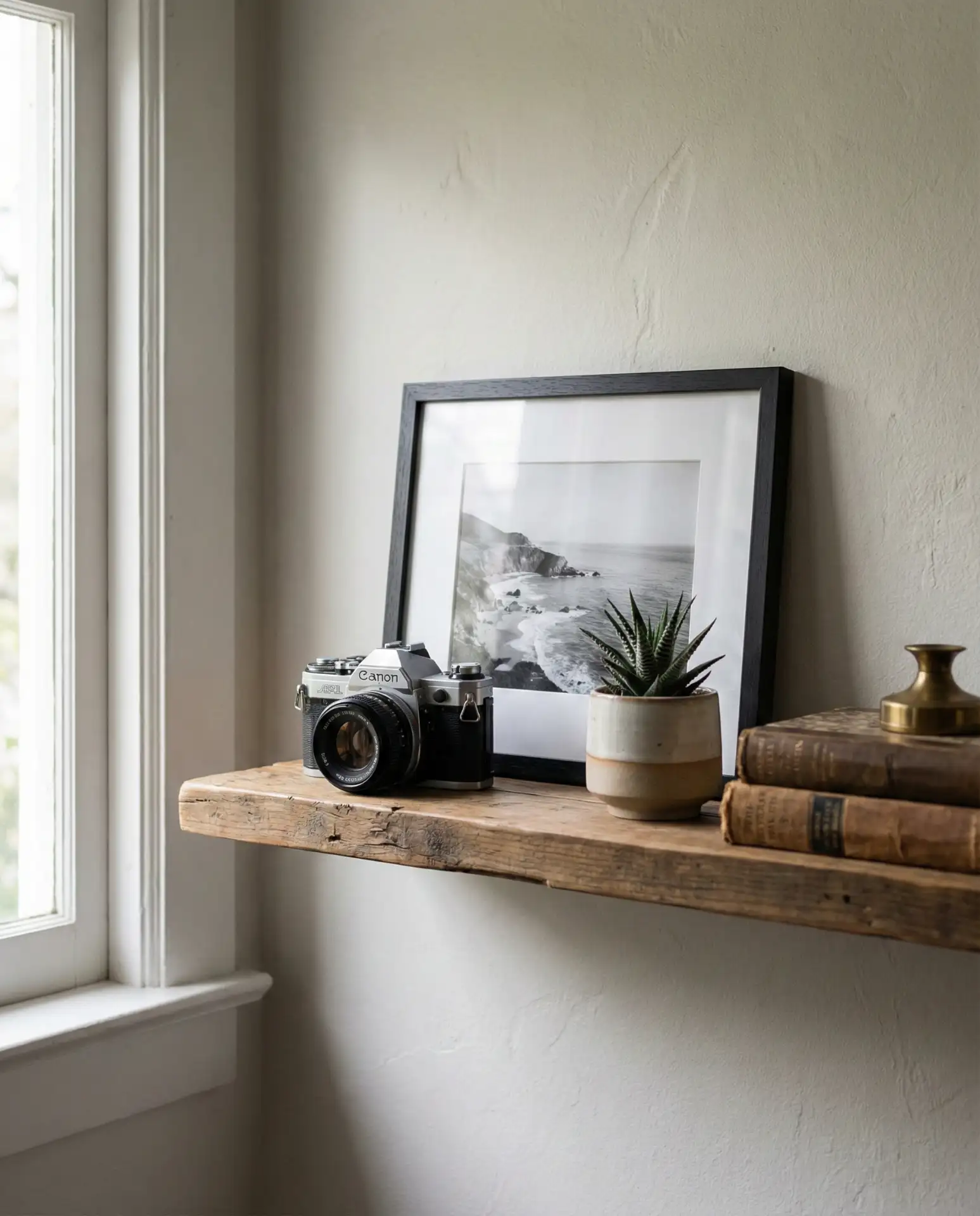
Common mistakes include overcrowding surfaces with too many items, which creates visual clutter, or displaying photos that are faded or poorly framed, which cheapens the whole look. Edit ruthlessly—choose your absolute favorites and give them space to breathe. And update your photo displays periodically; nothing feels sadder than decade-old baby photos of kids who are now in college. Keep your sentimental decor current to your life now, not just a shrine to the past.
21. Smart Storage Under the Bed
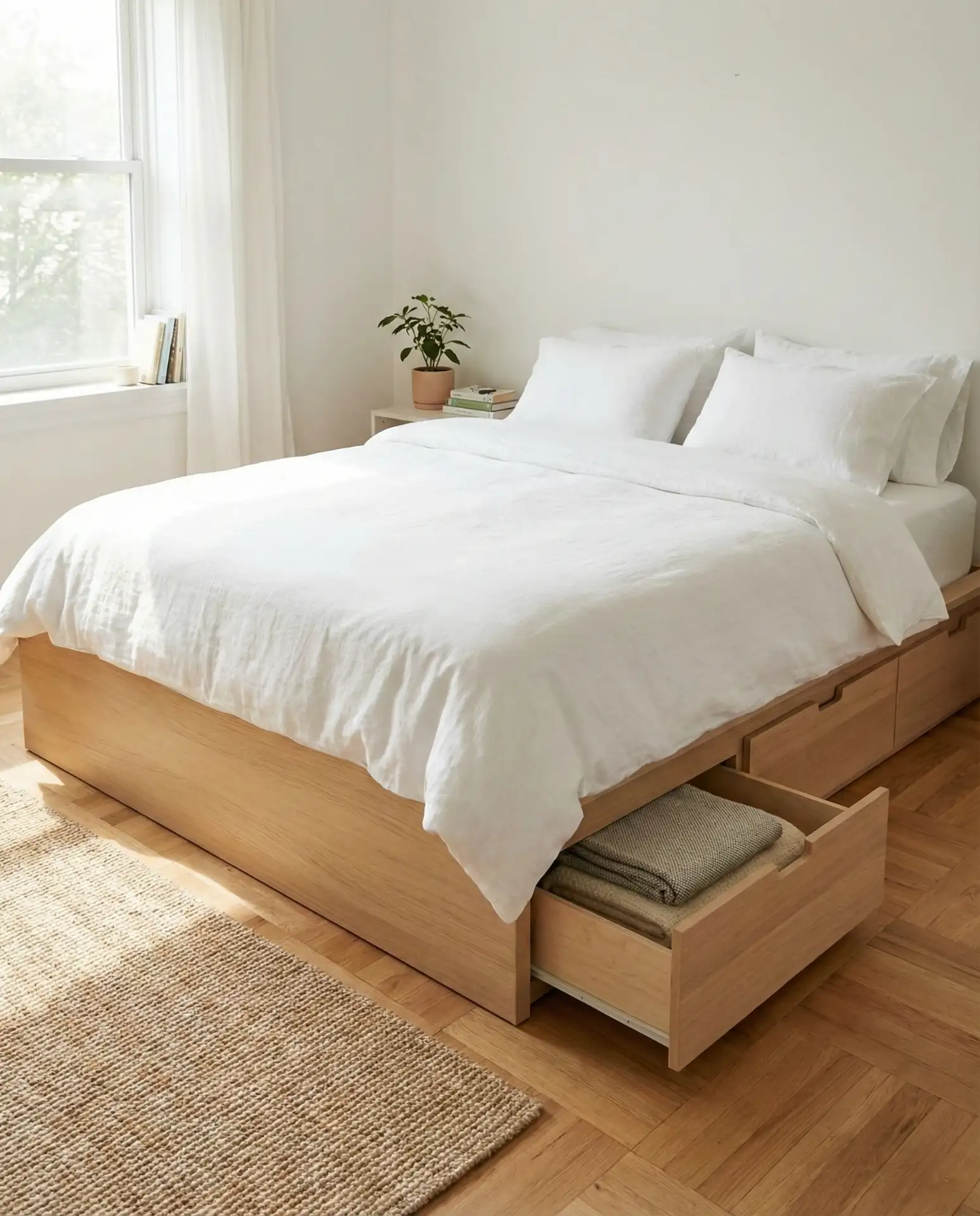
The space under your bed is prime real estate for storing seasonal clothing, extra linens, or rarely used items. Invest in low-profile storage bins on wheels for easy access, or choose a bed frame with built-in drawers. This is crucial for budget Indian households or anyone dealing with limited closet space. Clear bins let you see what’s inside without opening them, while fabric bins keep things looking tidy from the outside. Just make sure everything is properly contained to avoid dust accumulation.
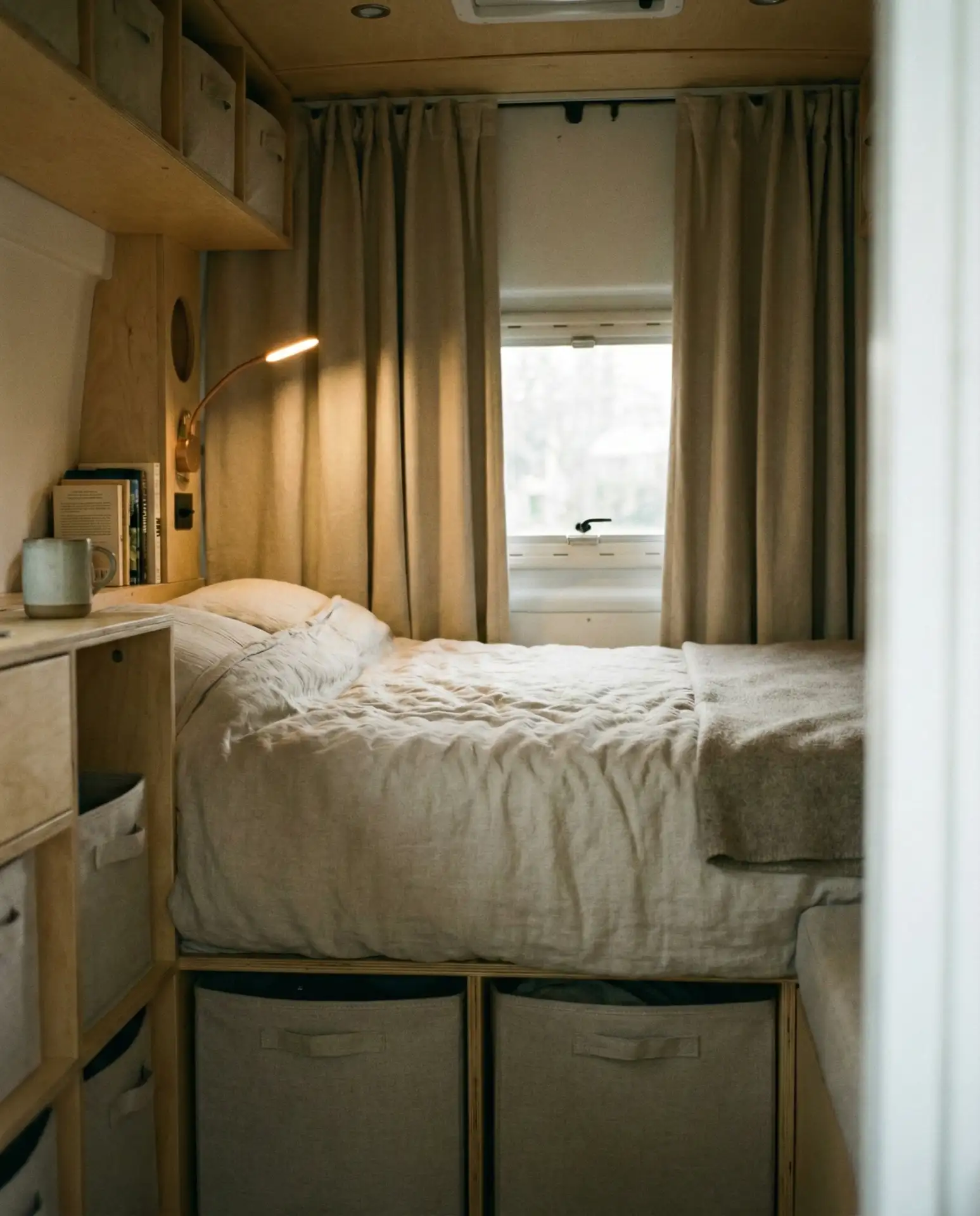
Beds with storage typically cost $200–$800 depending on size and quality, with IKEA offering some of the most budget-friendly options. If you already have a bed you love, add bed risers to create more clearance underneath—just make sure they’re rated for your bed’s weight. Skip storing anything moisture-sensitive under there if you live in humid climates or older homes without climate control. And never store food or anything that could attract pests. You don’t want to discover a mouse nest when you’re digging out your winter sweaters.
22. RV and Camper Bedroom Upgrades
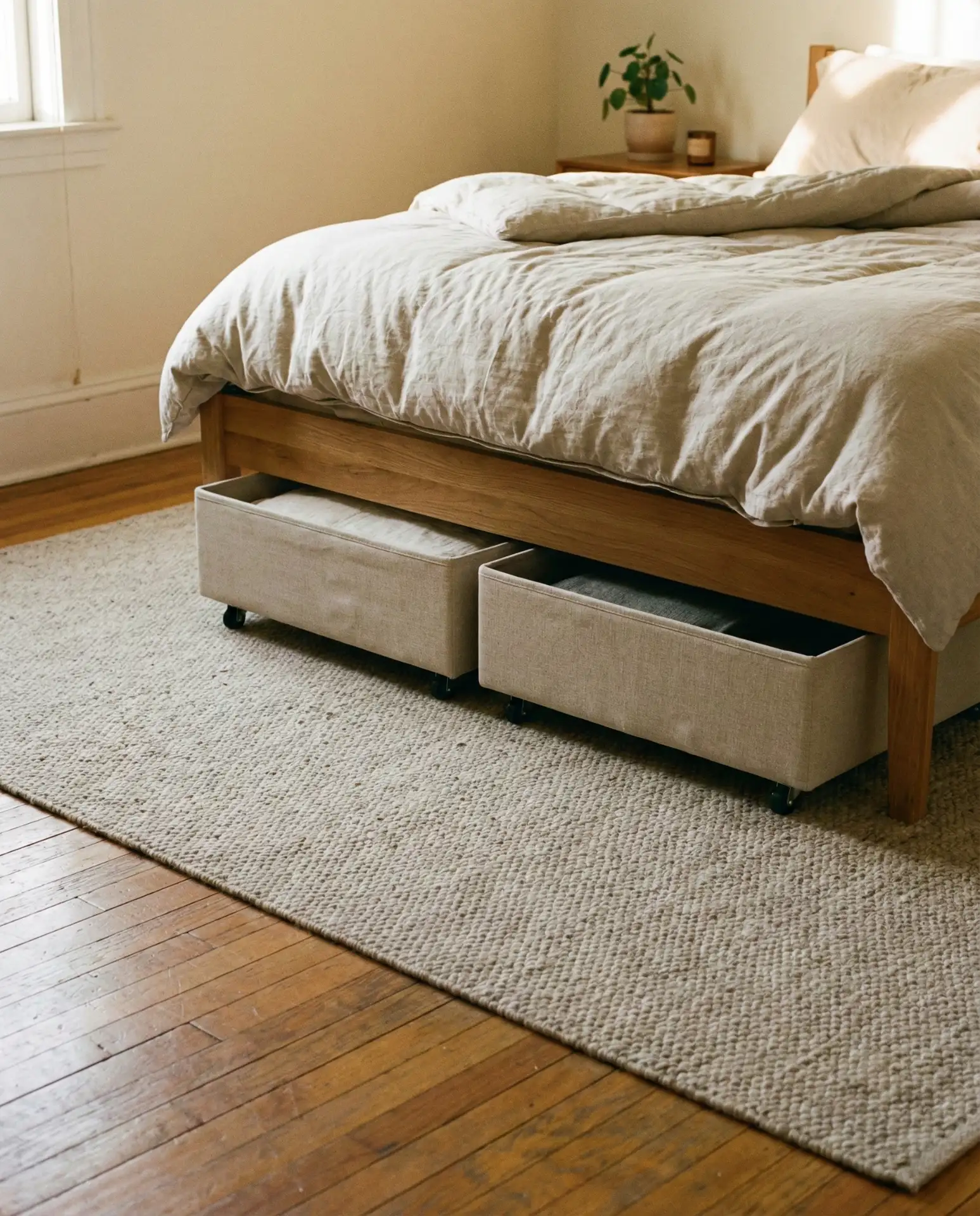
Transforming a camper or RV bedroom requires working with tight quarters and multipurpose furniture, but the principles are the same. Upgrade the standard-issue mattress to something more comfortable, add blackout curtains for better sleep, and use peel-and-stick wallpaper or fabric panels to cover dated cabinetry. Storage is critical in these spaces, so use every vertical inch—over-the-door organizers, hanging shelves, and magnetic strips all help keep things tidy while traveling.
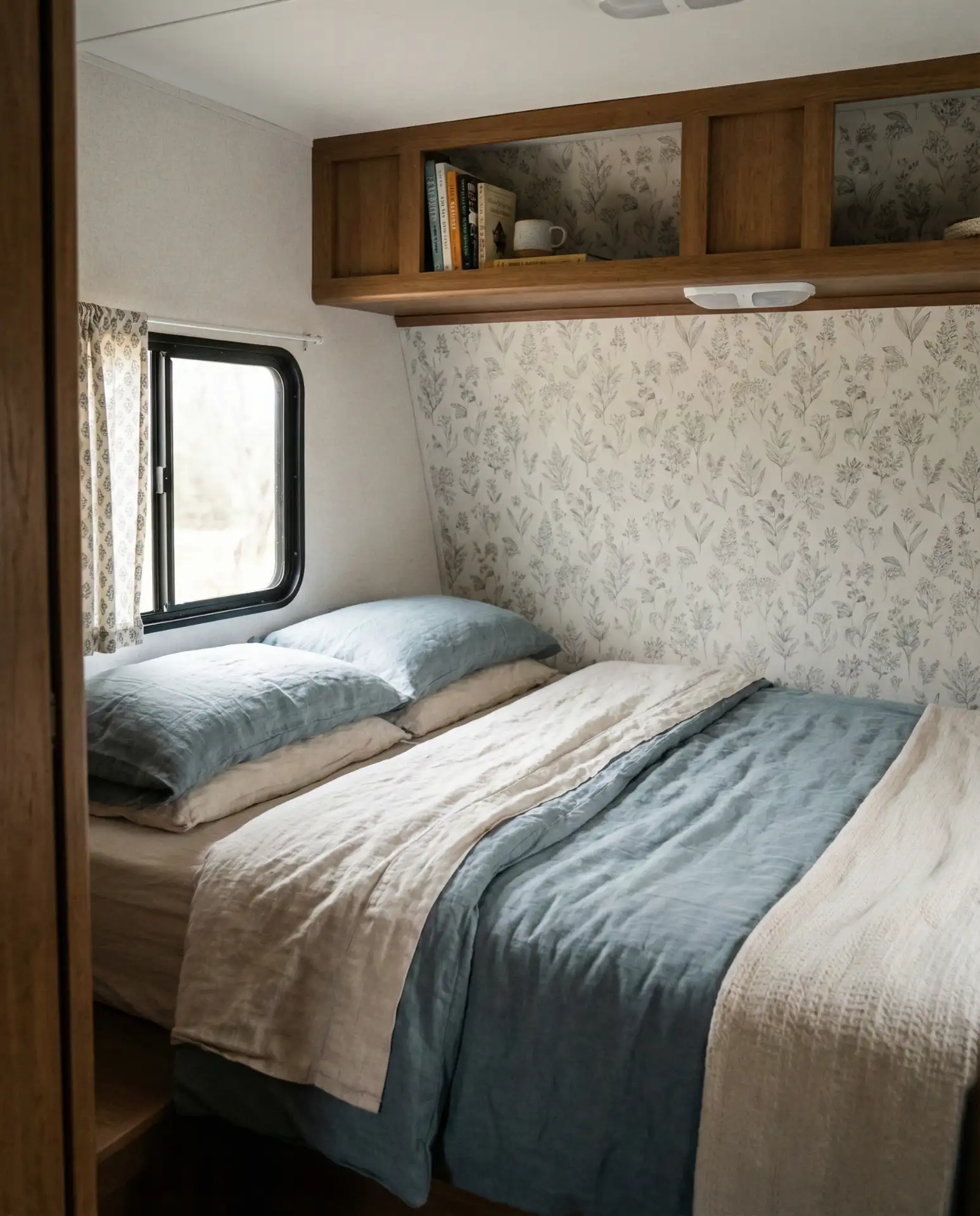
RV renovations often run $500–$2,000 for a bedroom makeover, depending on how extensive you go. Prioritize comfort over aesthetics—you’ll appreciate a quality mattress and good ventilation far more than decorative pillows when you’re living on the road. And everything needs to be secured for travel: use museum putty under decor items, Velcro to hold drawers closed, and bungee cords for larger objects. One hard brake can send everything flying if it’s not properly anchored. Learn from others’ mistakes and secure it all before you hit the highway.
Conclusion
Whether you’re refreshing a rental-friendly space or committing to a full transformation, these bedroom makeover ideas prove that style and comfort don’t require a massive budget or weeks of renovation. The best bedrooms reflect the people who sleep in them, combining personal touches with practical solutions that make daily life easier and more beautiful. Start with one or two changes that excite you most, and build from there—your bedroom should evolve with you, not all at once. Share your favorite ideas or your own bedroom transformations in the comments below. What’s the first change you’re planning to make?