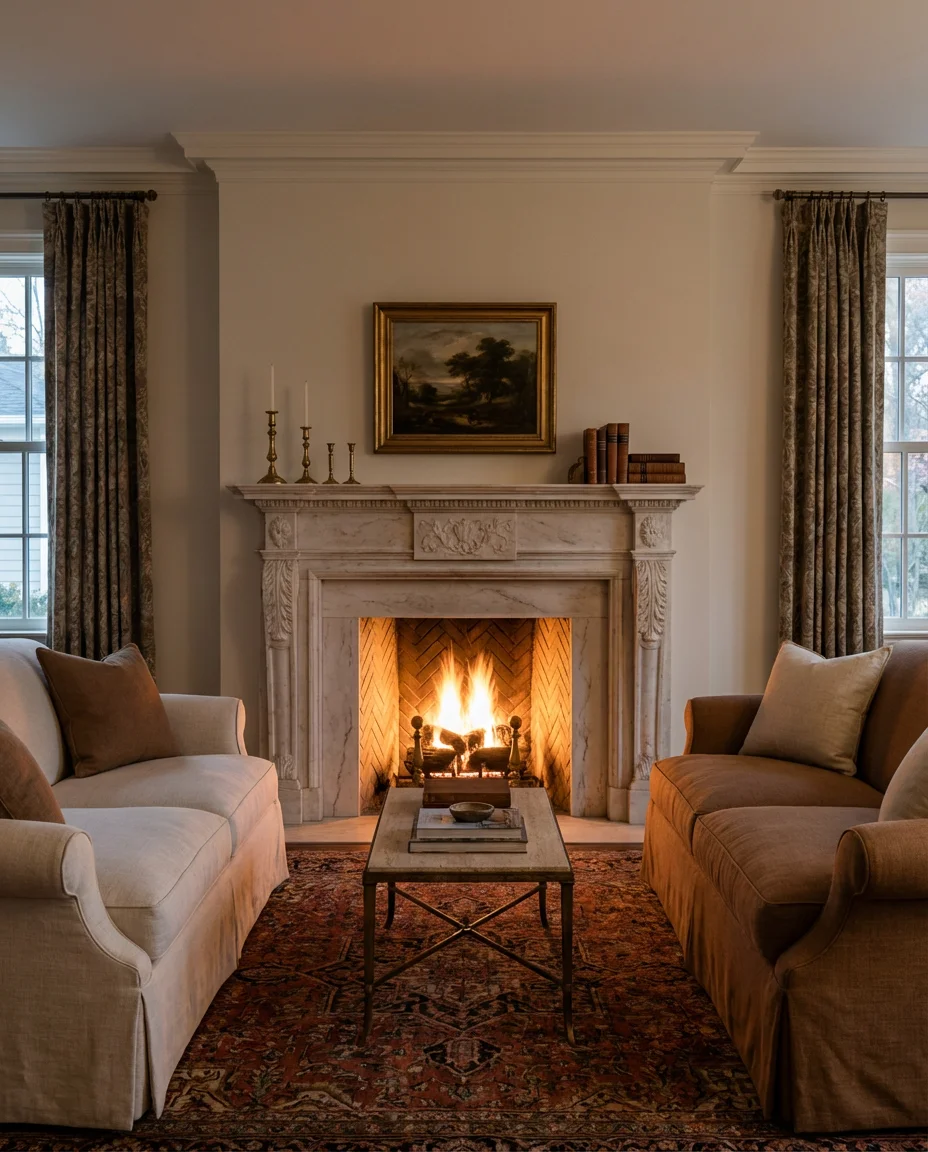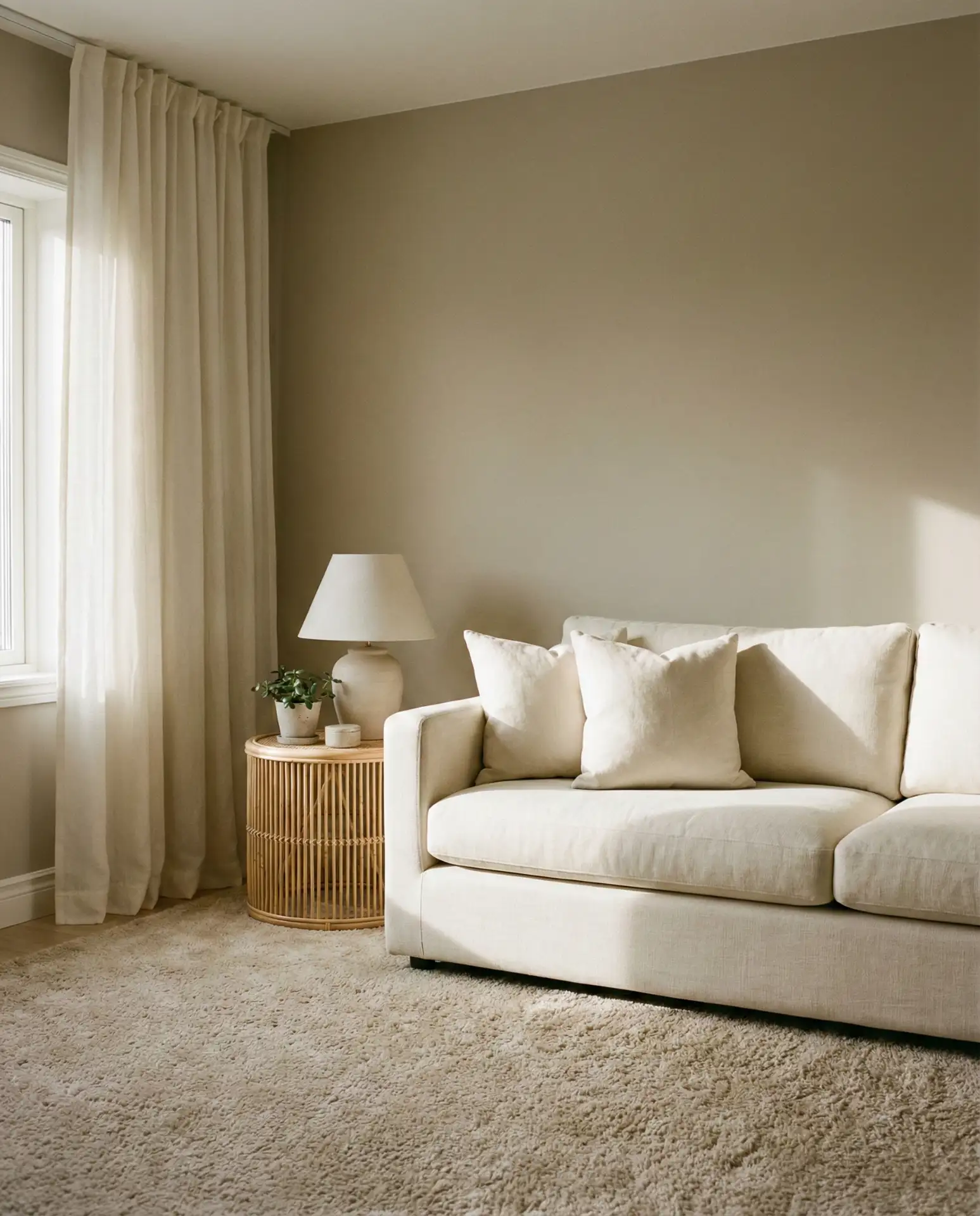
Boho living rooms are entering a new chapter in 2026, blending the free-spirited charm we’ve always loved with fresh, unexpected twists. From moody color palettes to minimalist bohemian hybrids, American homes are embracing a more curated, intentional take on this beloved style. Pinterest searches for boho interiors have surged as homeowners seek spaces that feel both collected and cohesive—rooms that tell a story without feeling cluttered. Whether you’re drawn to earthy textures, colorful layering, or the clean lines of Scandi-boho fusion, this guide will walk you through inspiring ideas that capture the evolution of bohemian design for the year ahead.
1. Dark Moody Boho Living Room with Layered Textures
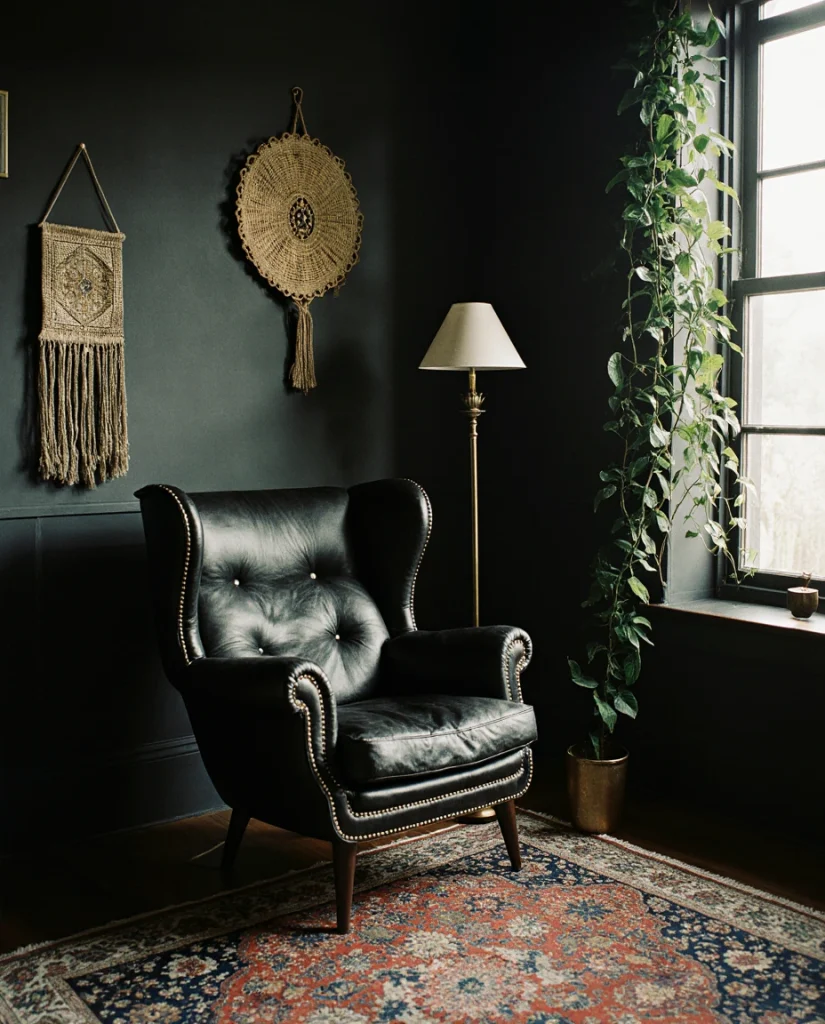
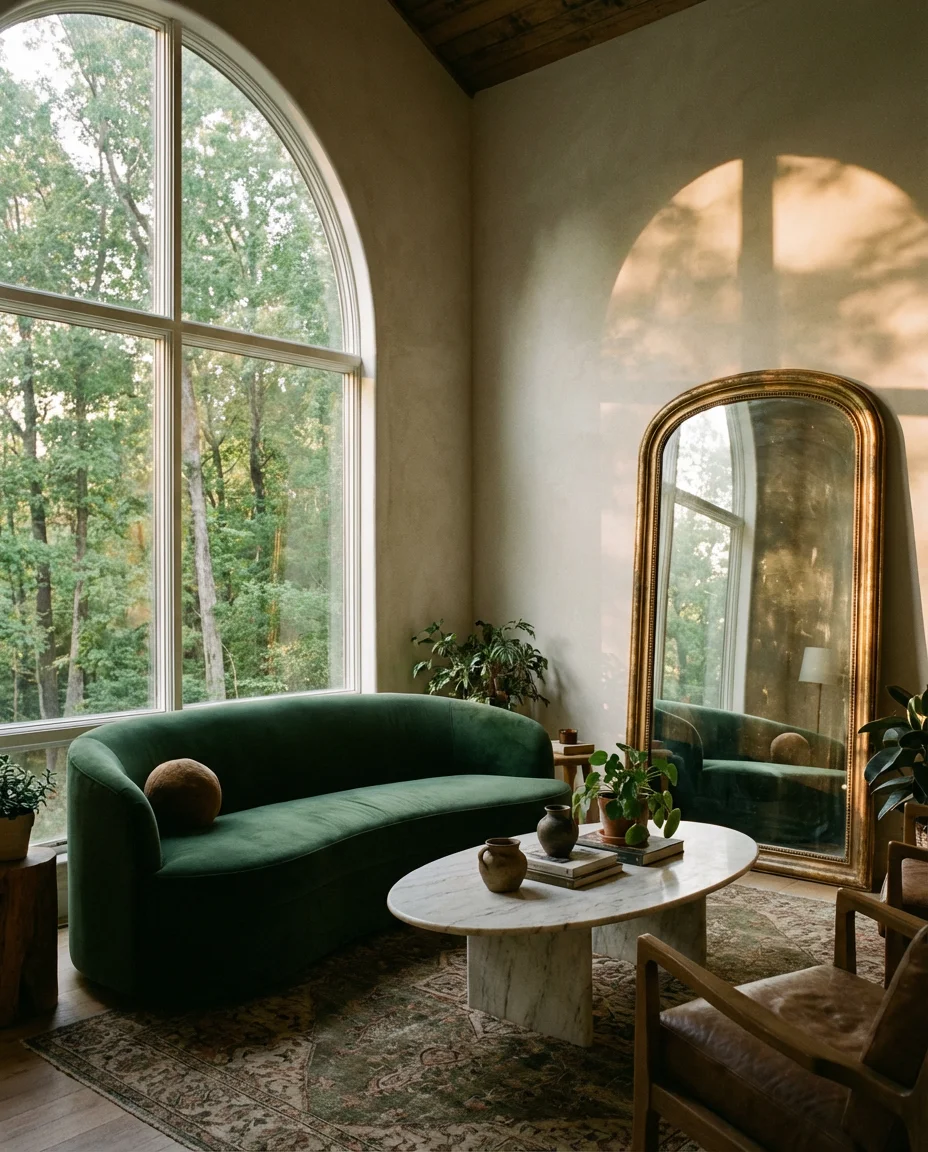
This year’s dark boho aesthetic trades bright whites for deep charcoals, forest greens, and midnight blues, creating a moody sanctuary that feels grounded and intimate. Layered rugs, vintage leather seating, and abundant plants soften the drama, while brass fixtures and woven wall hangings add warmth. It’s a look that works beautifully in urban lofts and older homes with high ceilings, where the richness of color amplifies architectural character rather than shrinking the space. 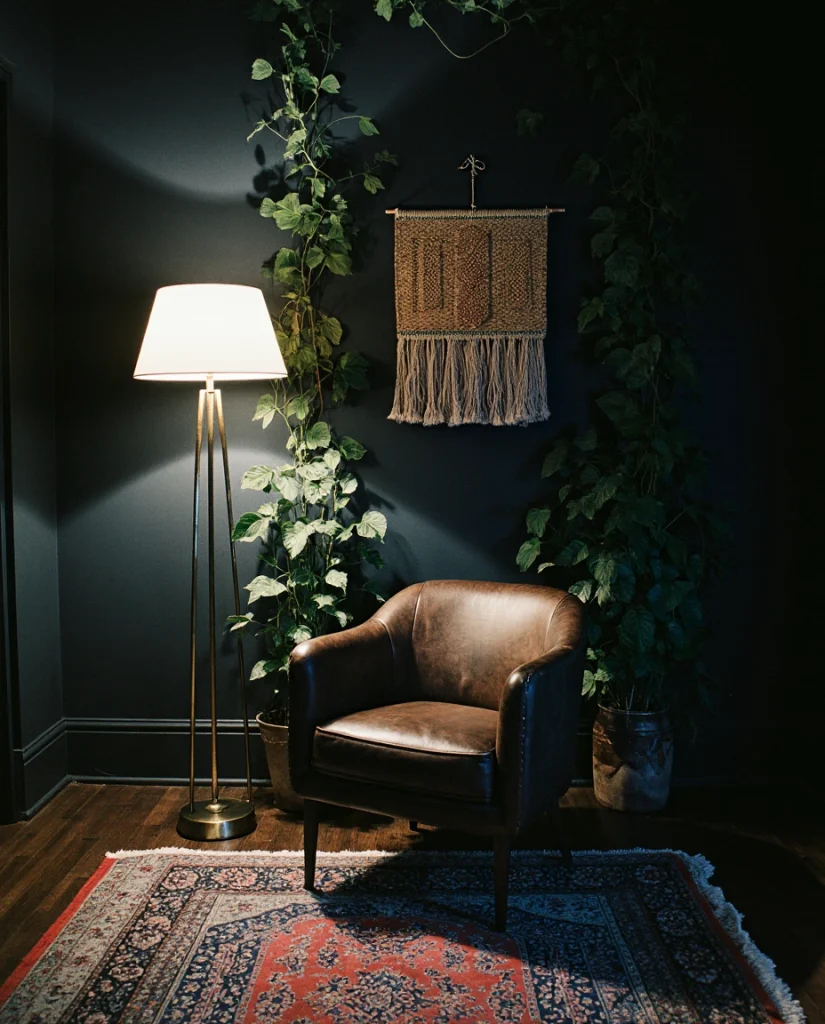
This aesthetic works best in rooms with generous natural light during the day—the contrast between bright windows and dark walls creates striking depth. Many homeowners worry dark colors will feel heavy, but when balanced with natural textures like jute, linen, and unfinished wood, the result is cozy rather than oppressive. Consider adding a large mirror to reflect light and visually expand the space without sacrificing the intimate, enveloping feel.
2. Modern Minimalist Boho with Clean Lines
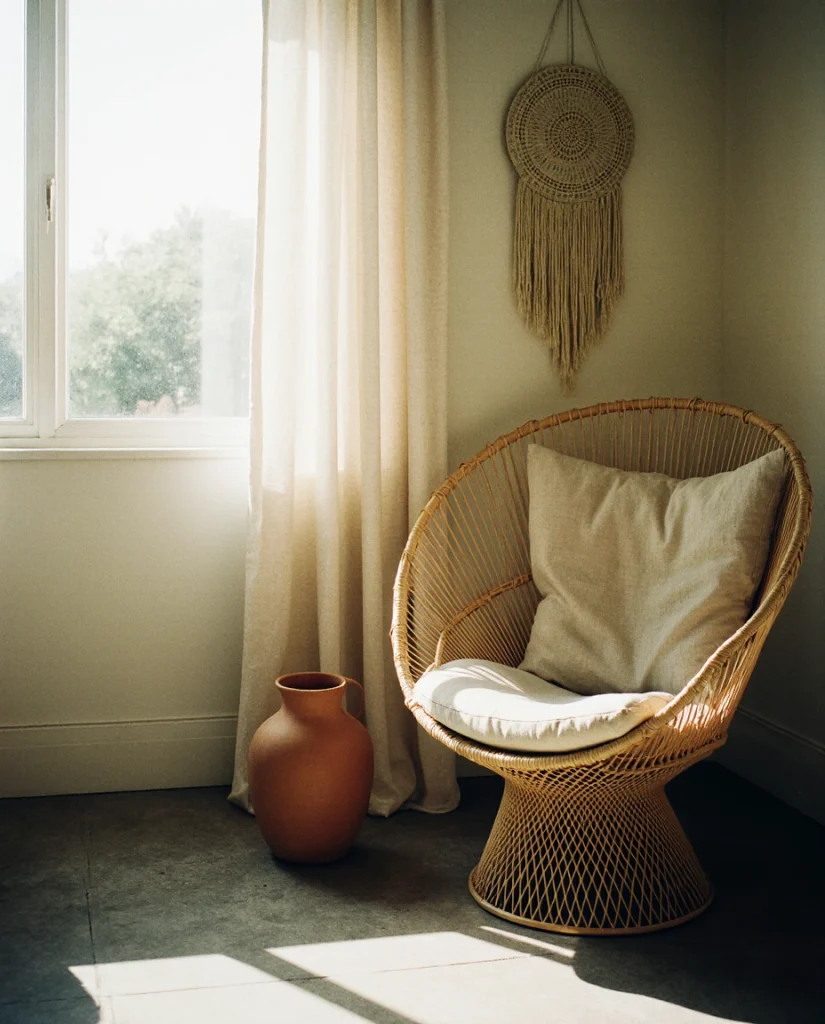
The marriage of minimalist discipline and boho warmth is redefining American living rooms in 2026. This approach strips away excess while keeping the soul—think a single statement rattan chair, one oversized floor cushion, and a carefully chosen macramé piece rather than a wall covered in them. Modern furniture with low profiles and neutral upholstery anchors the space, while earthy accents in clay, terracotta, and natural fiber bring personality without visual noise. 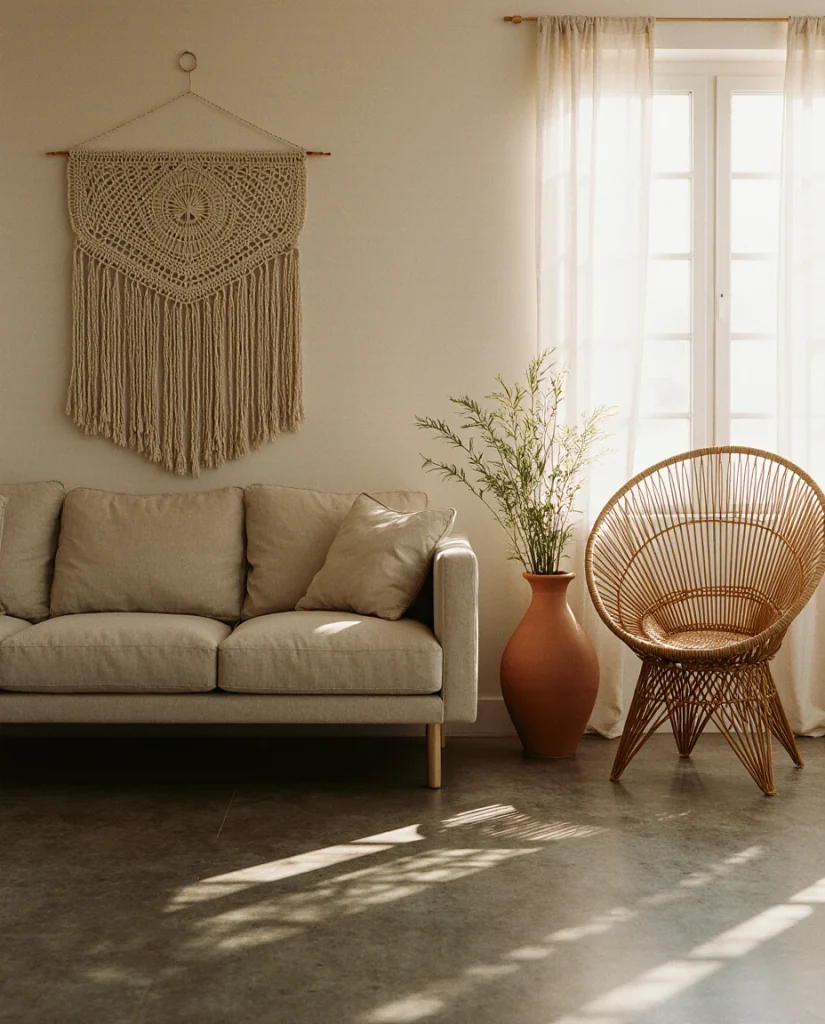
In suburban homes across the Midwest and Pacific Northwest, this style offers a practical middle ground for families who love boho’s relaxed vibe but need spaces that function efficiently. A common mistake is under-styling—minimalist boho still needs warmth, so don’t skip the throw blankets, a textured rug, or a few well-placed plants. The key is choosing fewer items of higher quality and greater visual impact.
3. Scandi-Boho Fusion with Neutral Palette
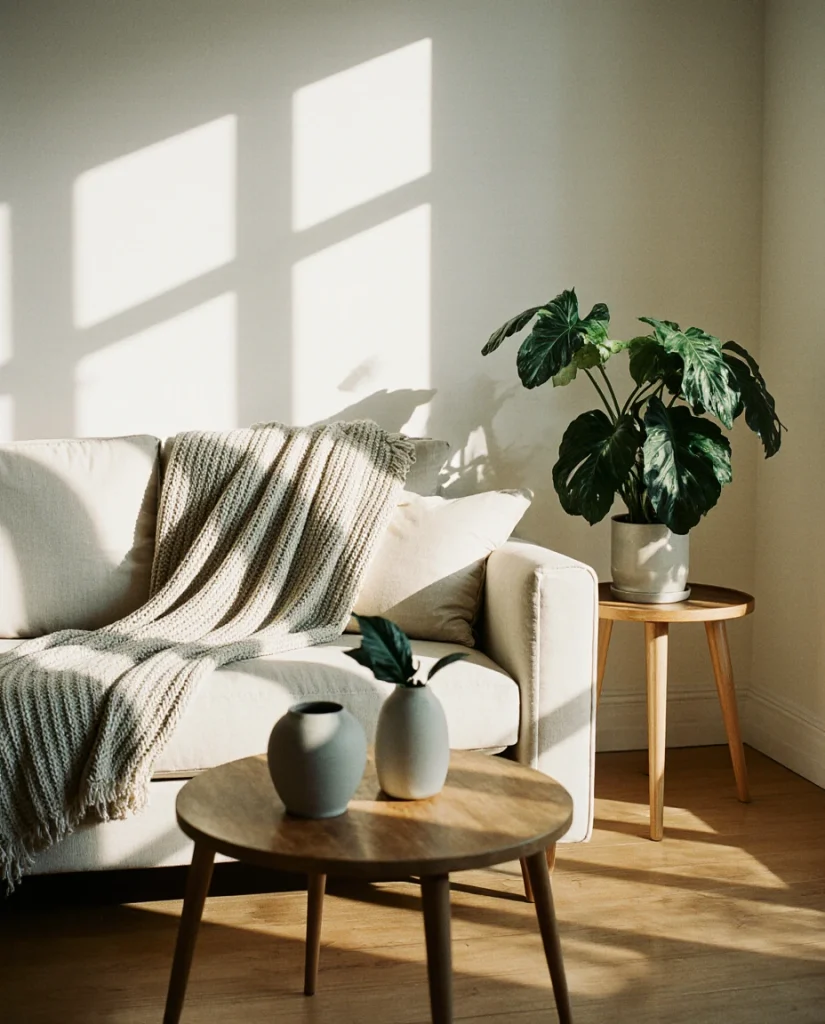
Scandinavian simplicity meets bohemian comfort in this increasingly popular hybrid that feels particularly at home in New England and Pacific coastal areas. Scandi principles of light wood, clean lines, and functional design combine with boho’s love of texture, plants, and global textiles. The palette stays restrained—whites, soft grays, warm beiges—but layers of linen, wool, and cotton add tactile richness. Earthy tones keep it grounded, while the airiness prevents it from feeling too precious. 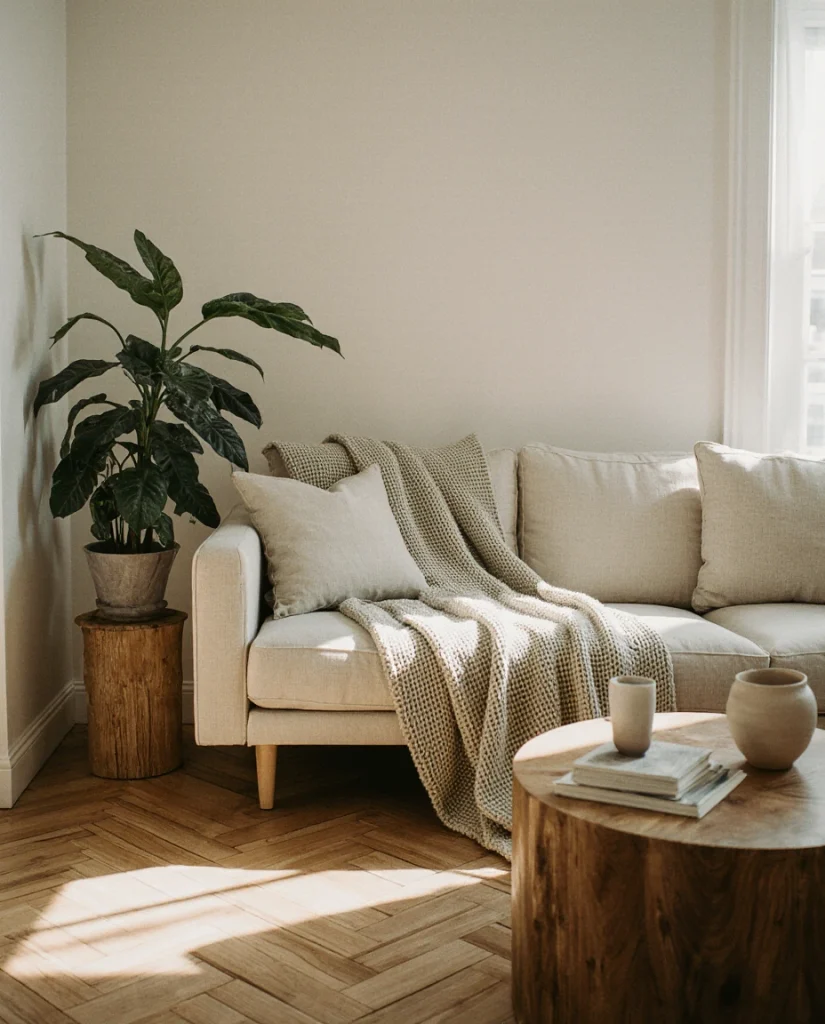
This style thrives in open-concept homes where the living room flows into dining and kitchen areas—the neutral palette creates visual continuity while the varied textures define zones. Budget-conscious homeowners appreciate that you can start with affordable IKEA basics and elevate them with vintage finds from estate sales and handmade textiles from Etsy sellers, building the look gradually without a massive upfront investment.
4. Colorful Maximalist Boho with Global Textiles
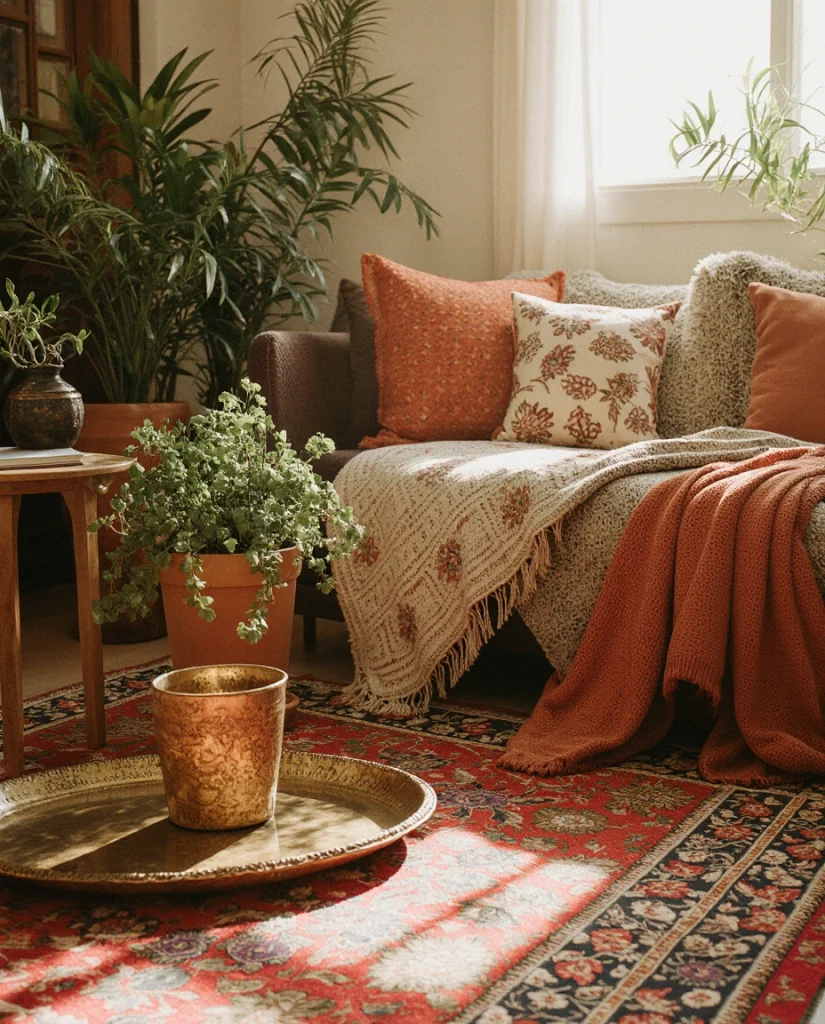
For those who love pattern and color, 2026’s colorful boho leans into exuberant layering with confidence and intention. Vintage kilim rugs, embroidered suzanis, and hand-blocked Indian textiles create a collected-over-time feeling that tells a story. The trick is choosing a cohesive color family—perhaps rust, coral, and golden yellow—so the abundance feels curated rather than chaotic. Inspiration often comes from global travels or family heritage, making these spaces deeply personal. 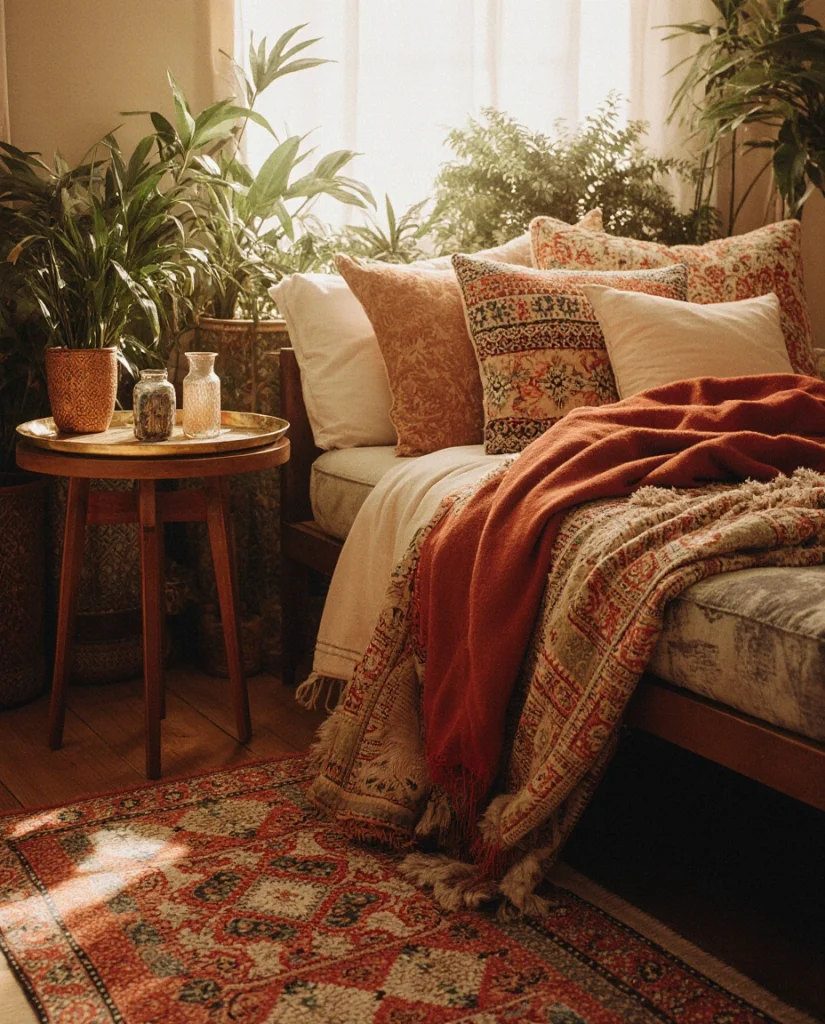
A designer friend once told me that the secret to pulling off maximalist boho is the “three-color rule”—let three main hues dominate your palette, then add one or two accent colors sparingly. This prevents the space from feeling like a flea market explosion. In Southern California and Arizona, where indoor-outdoor living is key, this vibrant style often extends onto patios and sunrooms, blurring the boundaries between interior and landscape.
5. Coastal Boho with Breezy Textures
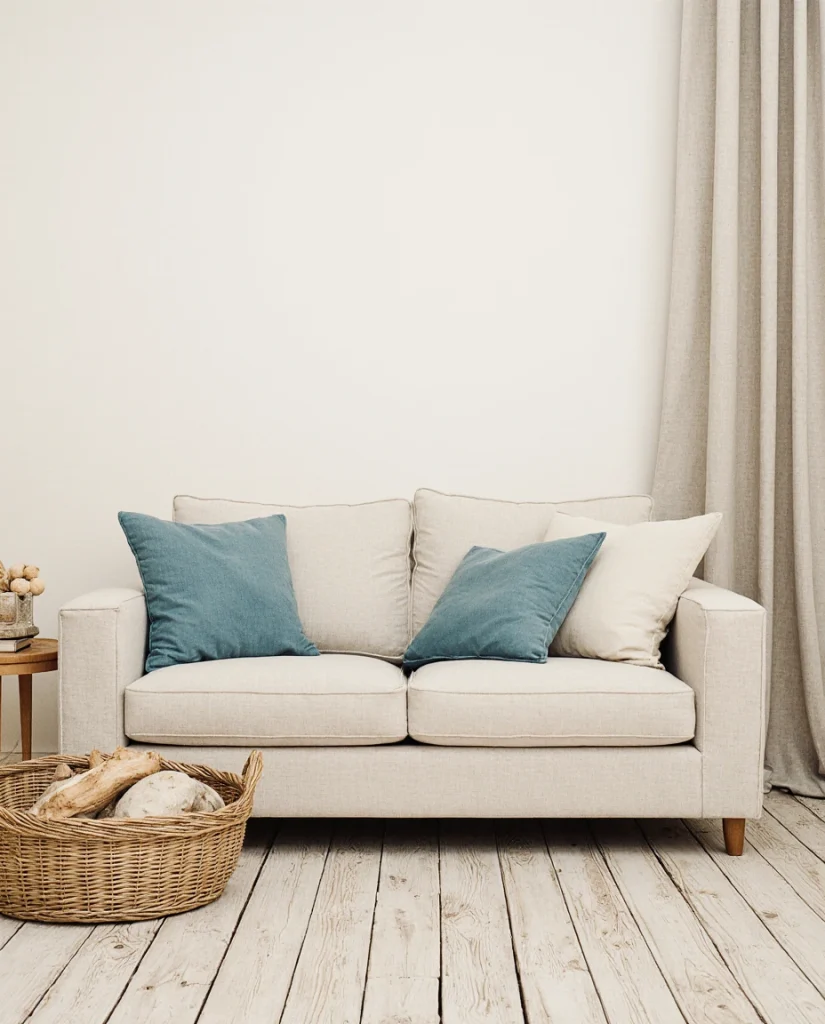
The coastal boho aesthetic takes inspiration from seaside living, combining weathered woods, bleached linens, and sea-inspired hues with bohemian’s relaxed layering. Sandy neutrals, soft blue accents, and plenty of natural fiber—jute, seagrass, and rattan—create a breezy, vacation-ready atmosphere. This look resonates particularly along the Eastern Seaboard and Gulf Coast, where homeowners want their interiors to echo the landscape just outside their windows while maintaining boho’s signature warmth.
Coastal boho works best in homes with abundant natural light and ideally some kind of water view, though it can be adapted anywhere with the right balance of airy fabrics and natural materials. Many homeowners make the mistake of going too literal with nautical themes—anchors and rope accents can quickly veer into kitsch. Instead, keep it subtle with organic shapes, weathered finishes, and the occasional shell or coral piece displayed like art.
6. African-Inspired Boho with Mudcloth and Baskets
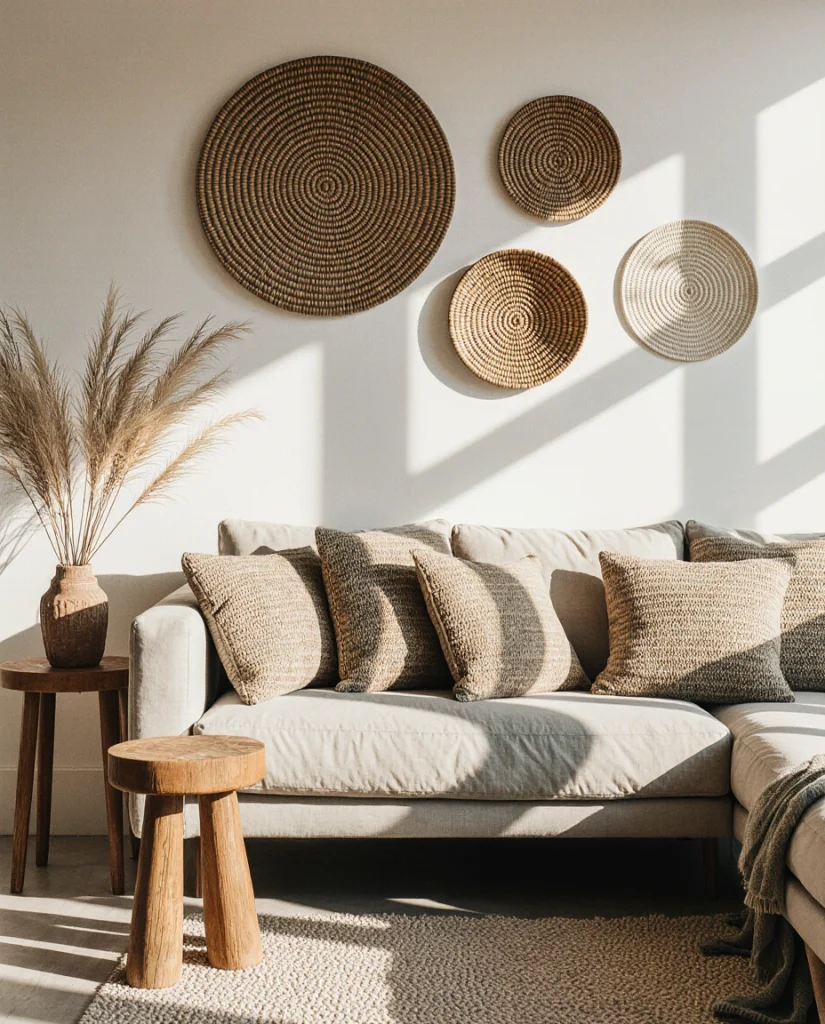
African textiles and craftsmanship bring powerful visual interest to boho spaces in 2026, with authentic mudcloth throws, woven baskets, and carved wood sculptures taking center stage. The geometric patterns of Malian mudcloth pair beautifully with neutral modern furniture, while Rwandan peace baskets displayed on walls become functional art. This approach honors cultural traditions while creating spaces that feel warm, textured, and deeply intentional—a response to years of mass-produced décor that lacked soul. 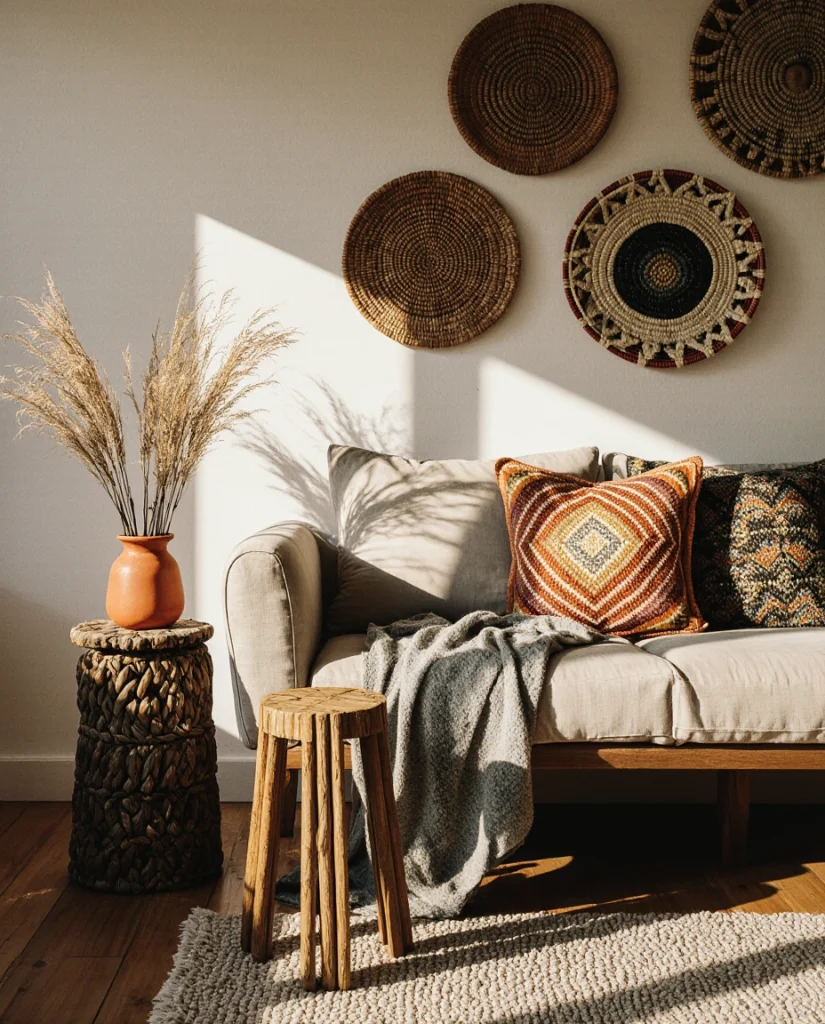
Authenticity matters here—seek out fair-trade sources and artists who are actually from the regions whose work you’re celebrating, rather than mass-market imitations. Stores like Etsy, Ten Thousand Villages, and specialized importers connect you directly with artisans. In cities with diverse populations like Atlanta, Chicago, and Houston, local cultural markets often offer beautiful, authentic pieces at reasonable prices while supporting immigrant communities and preserving traditional crafts.
7. Western Boho with Leather and Desert Tones
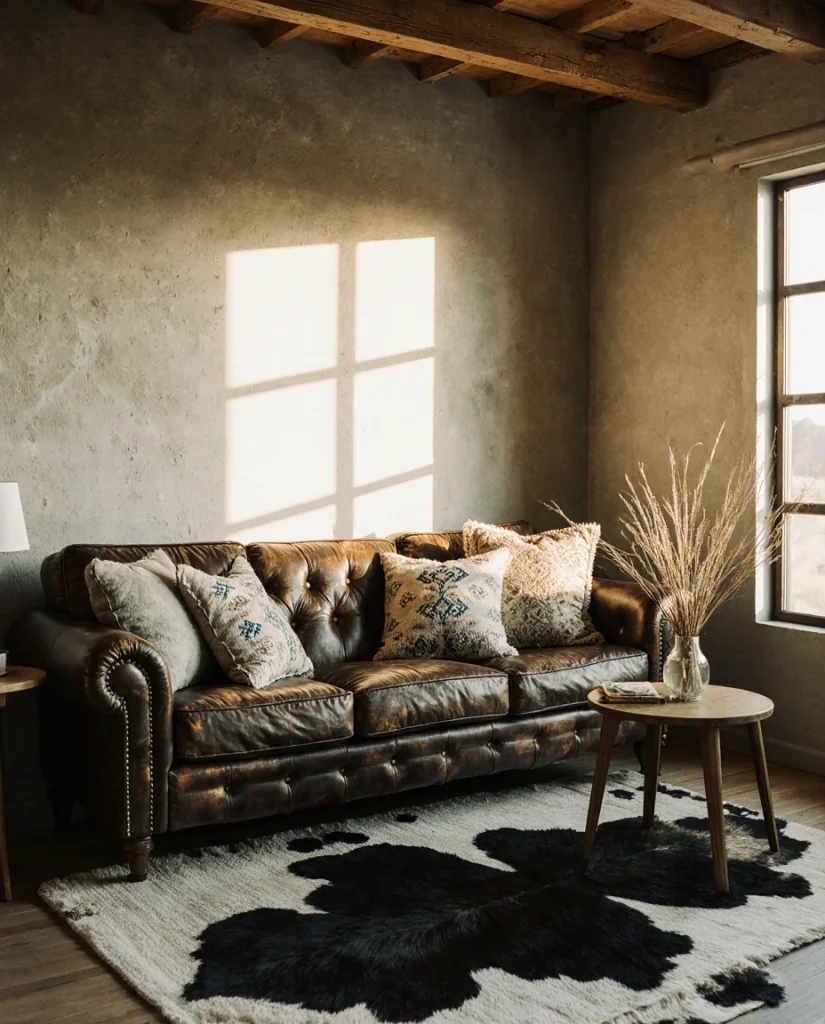
The Western boho trend draws from Southwestern and ranch aesthetics, incorporating saddle leather, Navajo-inspired patterns, and desert color palettes of rust, sand, and sage. Cowhide rugs, distressed leather seating, and touches of turquoise jewelry displayed as art create a rugged, romance-of-the-West feeling. This style has gained traction not just in Texas and Arizona but also in urban areas where homeowners crave a grounded, nature-connected aesthetic that feels distinctly American. 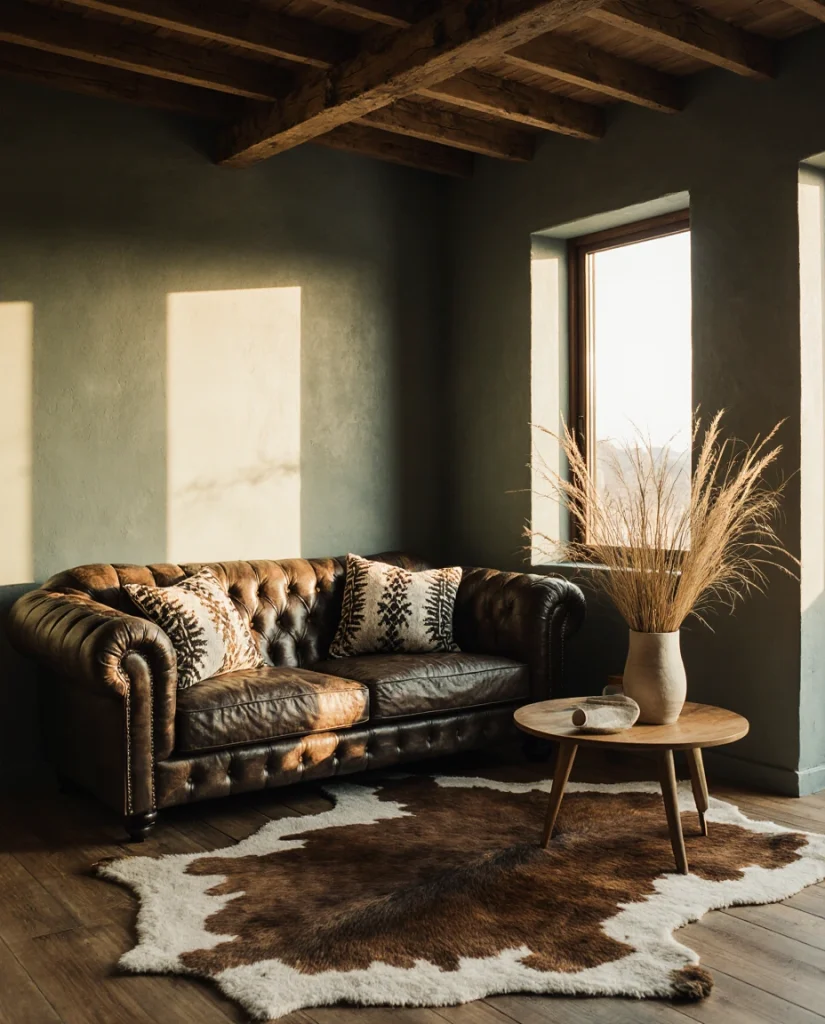
Western boho thrives in homes with exposed wood beams, brick, or adobe construction—architectural elements that echo the style’s frontier roots. The average cost to achieve this look is surprisingly moderate since you can find quality vintage leather pieces at estate sales and auctions, often for less than new furniture. Just be mindful of cultural appropriation—appreciate Native American design influences respectfully, purchase authentic goods from Native artists when possible, and avoid sacred symbols as decoration.
8. Afro-Boho with Rich Colors and Patterns
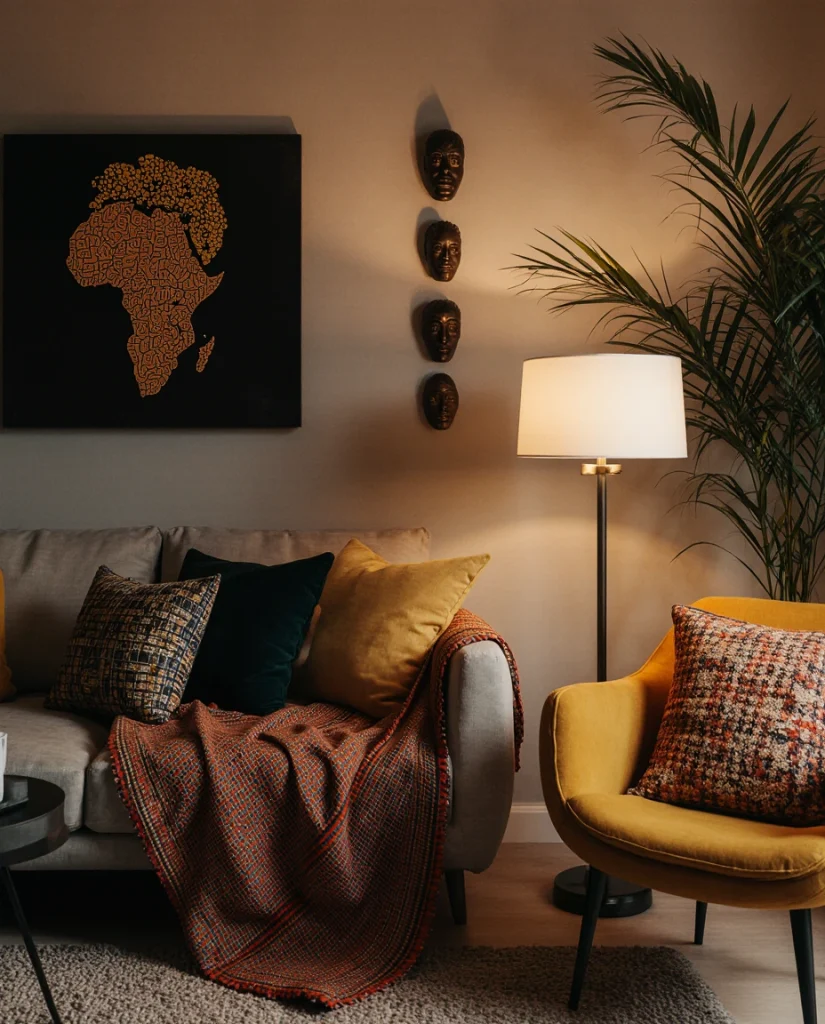
The Afro-Boho aesthetic showcases the artistry of the African diaspora with its Kente cloth, Ankara, and other African prints. Contrary to other styles, the Afro-Boho aesthetic does not shy away from bright, saturated colors, especially yellows, indigos and oranges, and it greatly contrasts the style with natural worn textures. The style also gives and obvious celebration of the urban Black community and gives energetic and welcoming heritage alive. The style embraces greenery and the natural world.\t 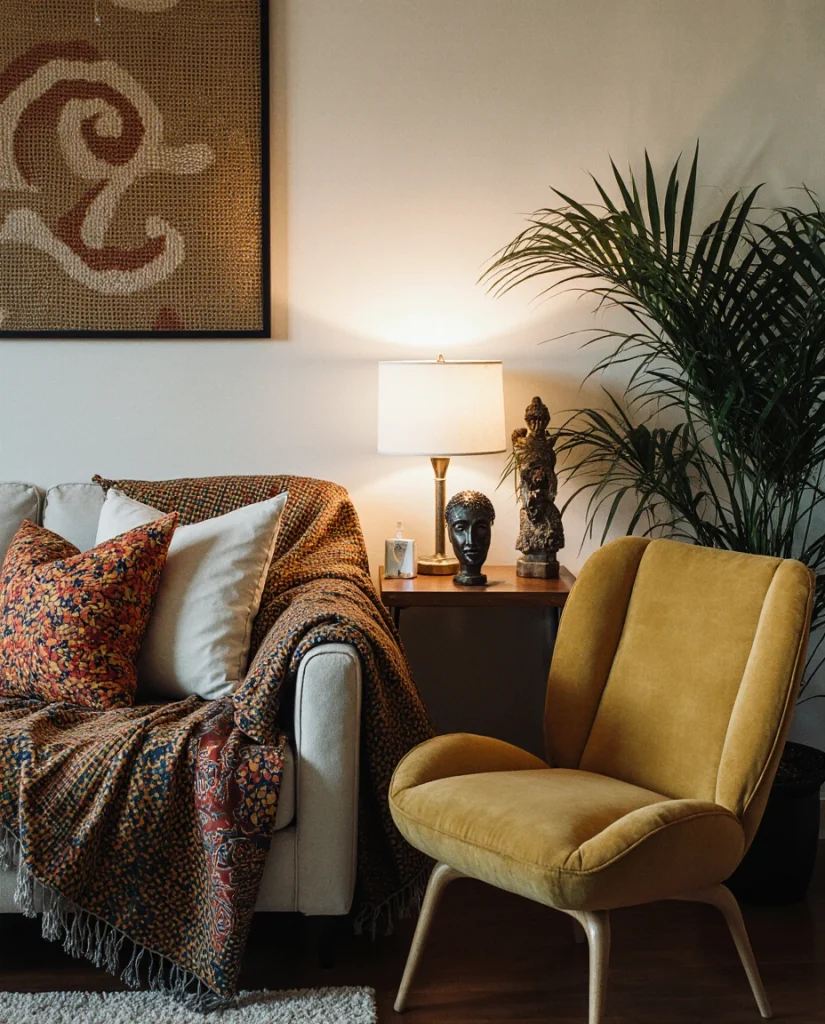
The Afro-Boho style works perfectly in spaces with good architecture that can hold bold colors, especially big and spacious rooms with big ceilings that have good amounts of natural light and neutral backgrounds that allow the artwork to stand out. I have also noticed that homeowners who go this route of interior design and commit to the Afro-Boho style have significantly high amounts of reporting that they feel more energized and more creative in the spaces they design.\t
9. Blue Couch Boho with Jewel Tone Accents
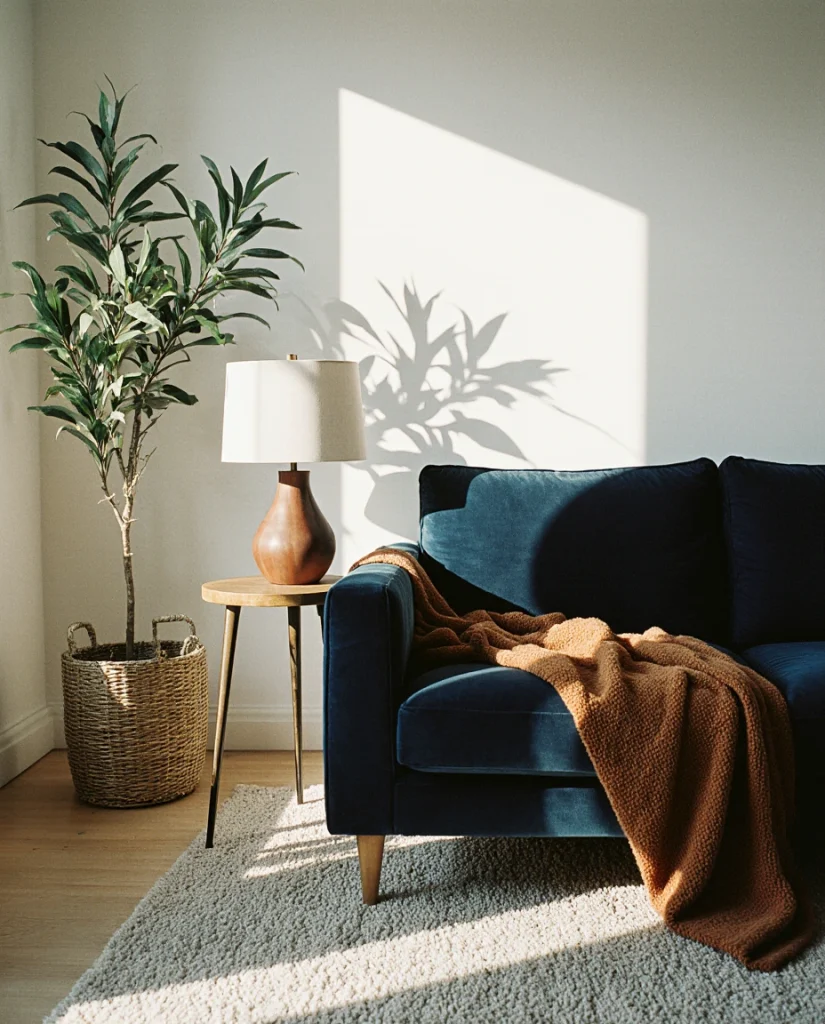
A rich blue couch has become the unexpected hero of boho living rooms in 2026, offering a sophisticated alternative to the standard neutral sectional. Whether it’s a deep navy velvet or a weathered denim, the blue serves as a grounding element that pairs beautifully with warm woods, brass accents, and earthy terracotta tones. The jewel-tone depth adds visual weight without the darkness of black, creating a space that feels both cozy and elevated, particularly popular in Northern states where indoor comfort is paramount.
Real homeowners often worry a bold couch is too big a commitment, but the beauty of pairing blue with boho’s neutral-heavy palette is its versatility—you can completely transform the room’s mood just by swapping throw pillows and accessories. This works exceptionally well in rental situations where you can’t paint walls but want personality. Common mistakes include adding too many other jewel tones; stick with one or two complementary accent colors and let the couch be the statement.
10. Mid-Century Modern Boho Blend
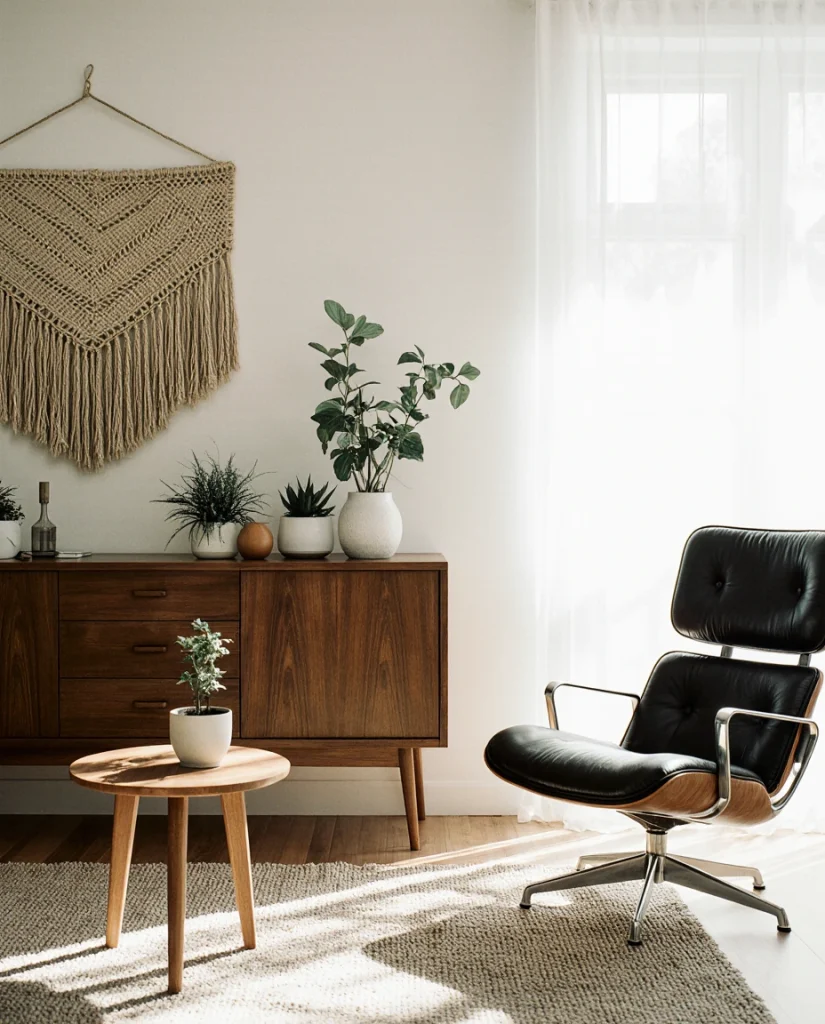
The fusion of mid-century furniture with bohemian softness creates a sophisticated balance that appeals to design-conscious Americans in their 30s and 40s. Iconic pieces like Eames loungers or Danish teak credenzas provide clean-lined structure, while layered textiles, macramé, and plants add the warmth and personality that pure mid-century can sometimes lack. This hybrid particularly thrives in California, where mid-century architecture is abundant and the indoor-outdoor lifestyle naturally complements boho’s organic elements. 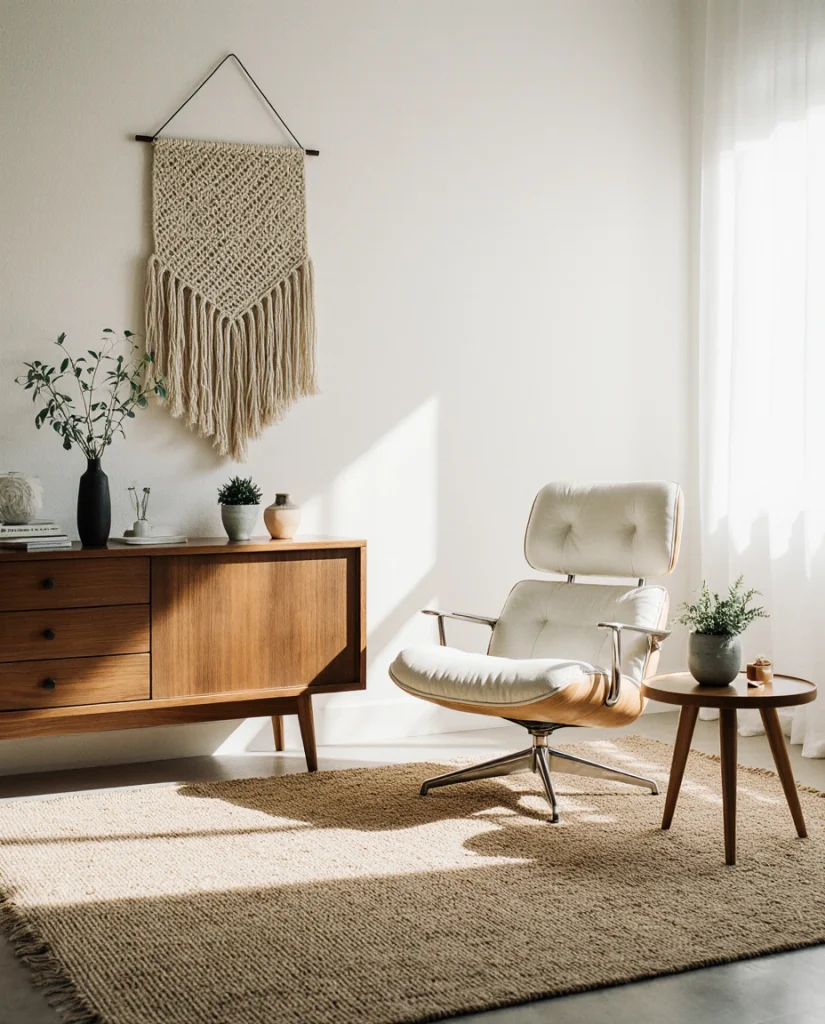
An interior designer once explained to me that this style works because both movements share a love of natural materials and honest construction—they just express it differently. The key is maintaining the 60/40 rule: let mid-century furniture dominate the structural elements, then soften with 40% bohemian accessories. In terms of budget, investing in one or two quality vintage mid-century pieces (which hold value well) and complementing them with affordable boho finds creates a high-low mix that looks intentional.
11. Black Couch Boho with Contrast Layering
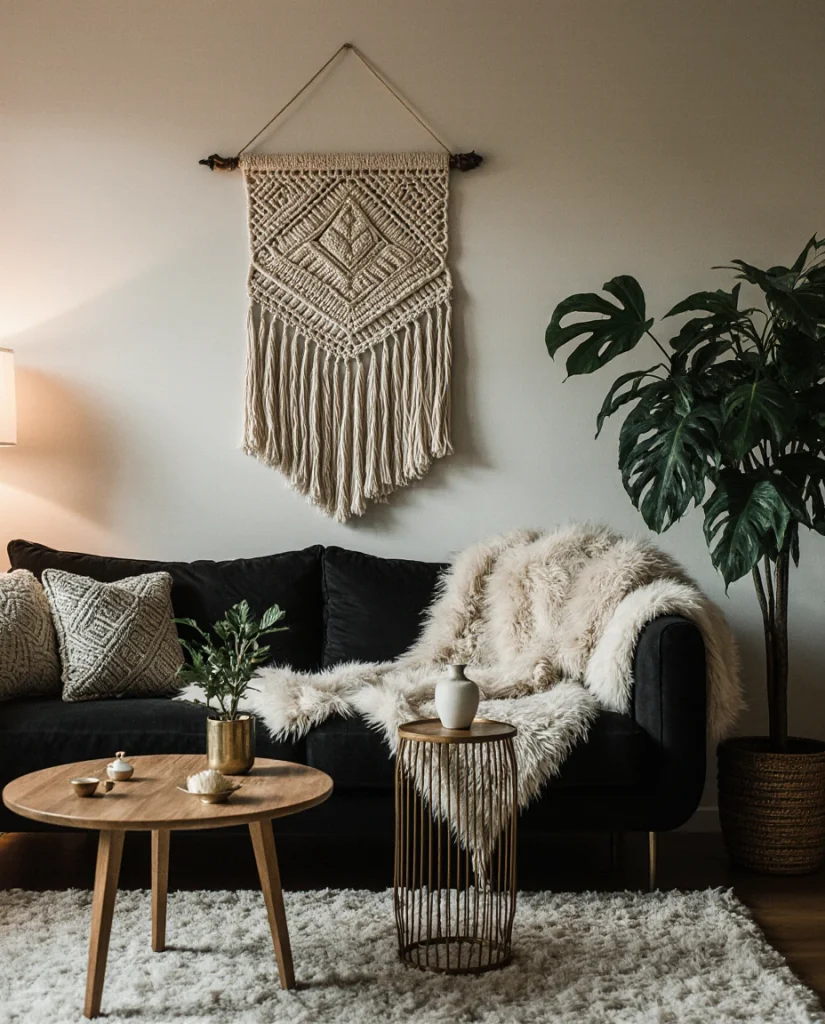
A black couch anchors a boho living room with unexpected sophistication, providing a dramatic backdrop for layered textures and colorful accents to truly pop. Black leather or linen creates visual weight that grounds floating, ethereal boho elements—think cream macramé, natural wood, and greenery—in a way that feels both modern and collected. This approach has gained traction in urban apartments and industrial lofts where the architectural bones are already dark or raw, and homeowners want softness without sacrificing edge. 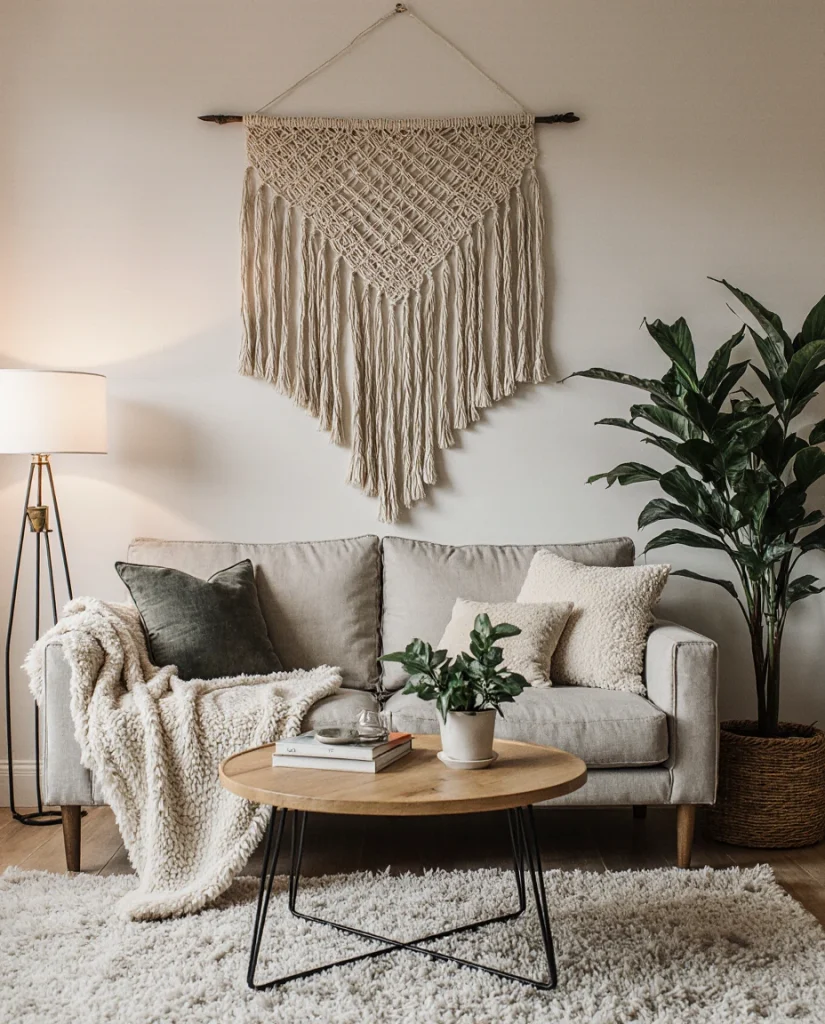
This style works best in spaces with strong natural light or excellent artificial lighting—without it, a black couch can make a room feel cave-like rather than cozy. The contrast principle is essential: the darker your anchor piece, the lighter and more varied your layering should be. I’ve found that homeowners in Brooklyn, Portland, and Austin particularly embrace this aesthetic, appreciating how it feels both bohemian and urban-appropriate, sophisticated enough for grown-up entertaining while remaining relaxed and livable.
12. TV Wall Boho with Functional Beauty
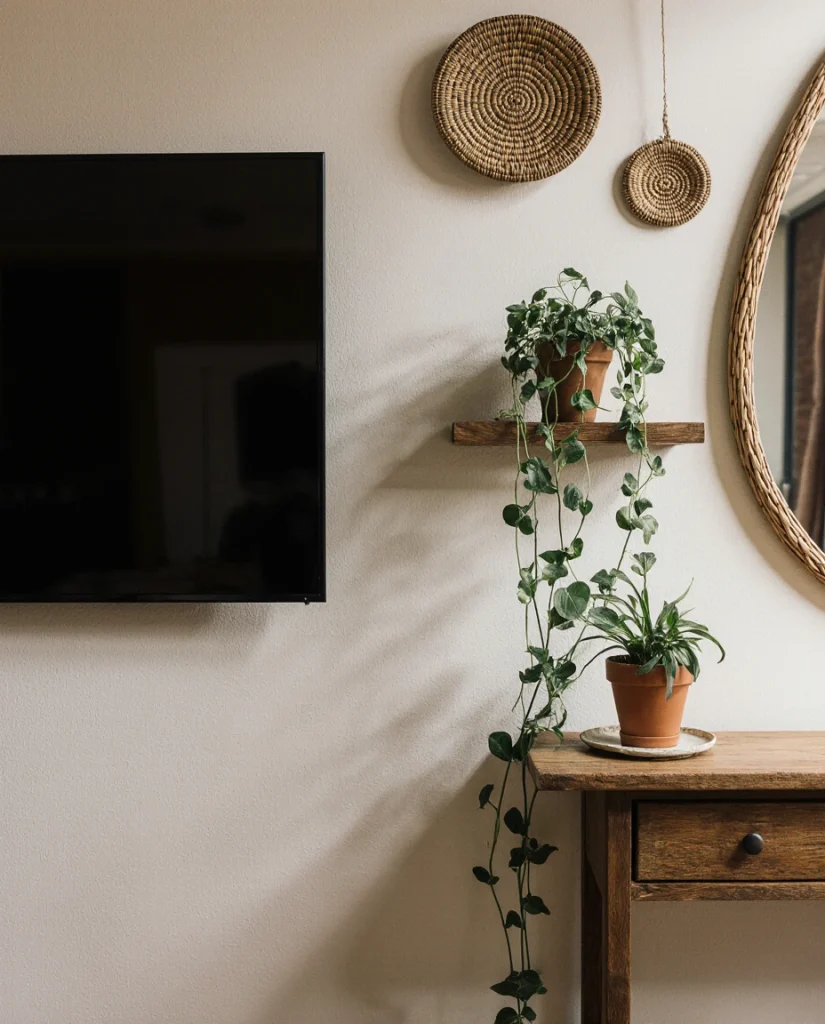
The TV wall challenge in boho spaces is real—how do you incorporate modern technology without killing the organic, collected-over-time vibe? 2026’s solution involves treating the TV as just one element in a larger gallery wall of woven art, floating shelves with plants, and vintage finds. Wooden bead garlands, rattan mirrors, and trailing pothos soften the screen’s hard edges, while a natural wood console grounds everything. The goal is making the TV disappear into the décor rather than dominate it, a particularly valuable approach in open-plan American homes. 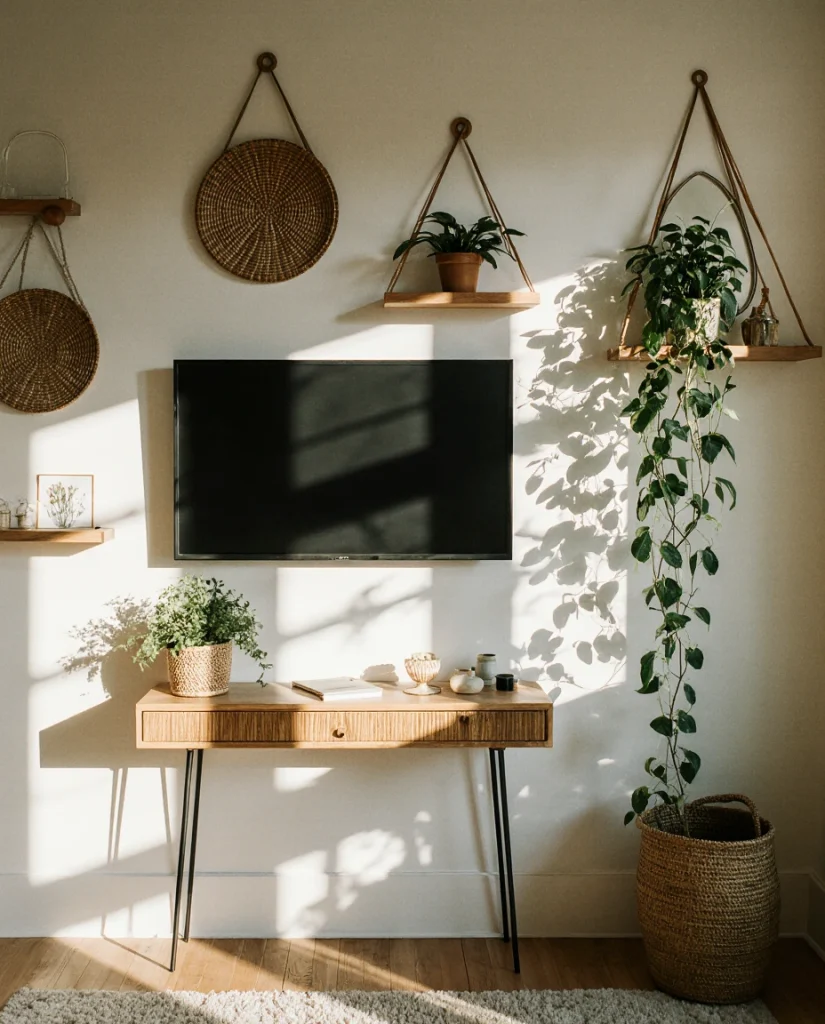
Where this works best is on a wall with decent width—you need at least two feet on either side of the TV to balance it with art and objects without things feeling cramped. A practical insight from real homeowners: wired LED strip lighting behind the TV and shelves creates ambiance for evening viewing while highlighting your boho elements. Common mistakes include hanging the TV too high (eye level when seated is ideal) and overcrowding the wall with too many small objects when a few larger statement pieces would have more impact.
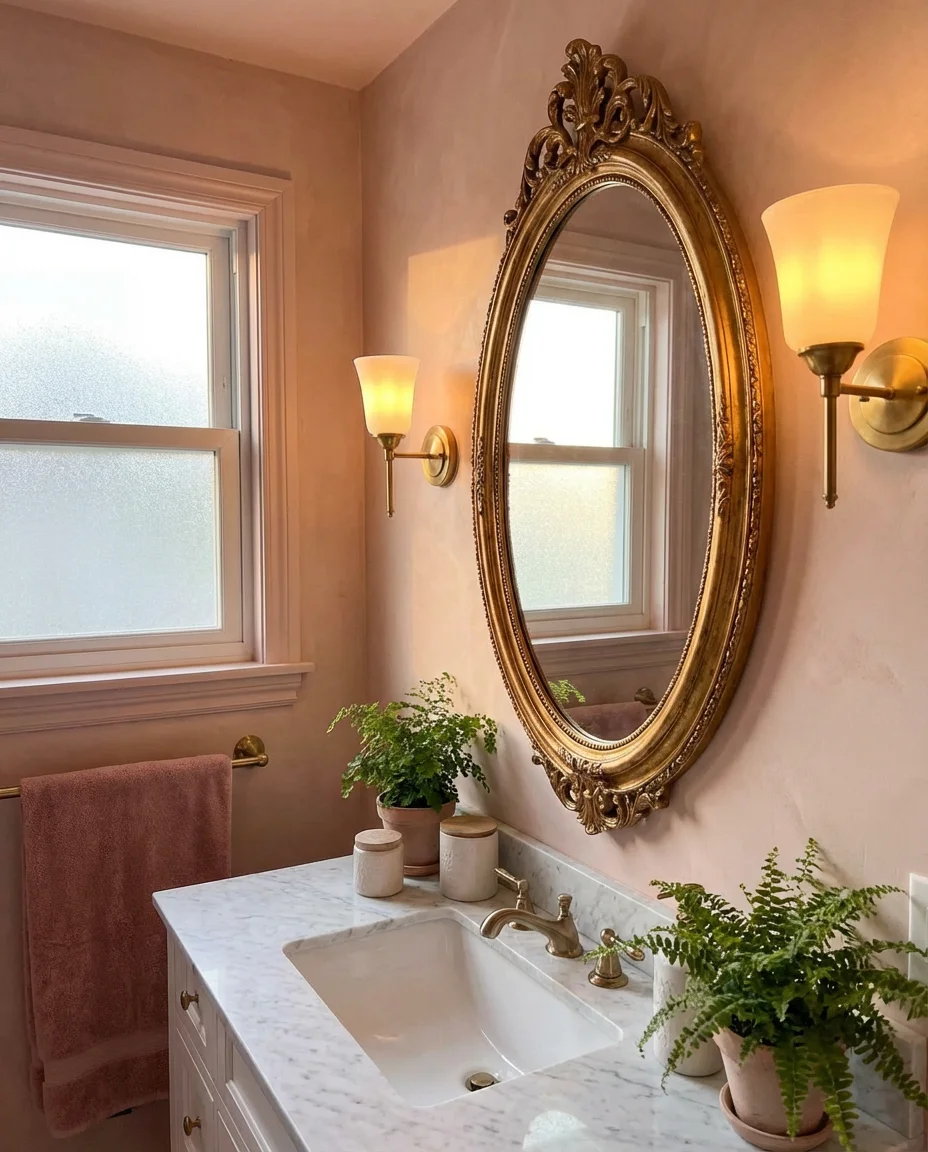
13. Pink Accents in Earthy Boho Spaces
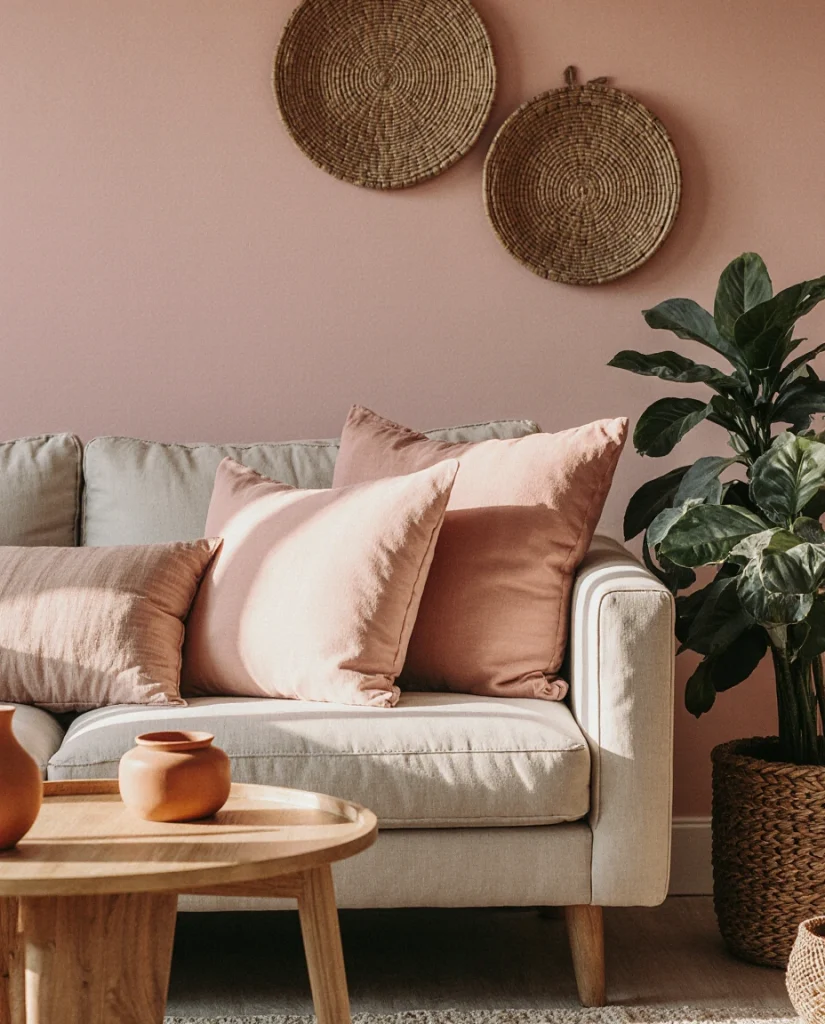
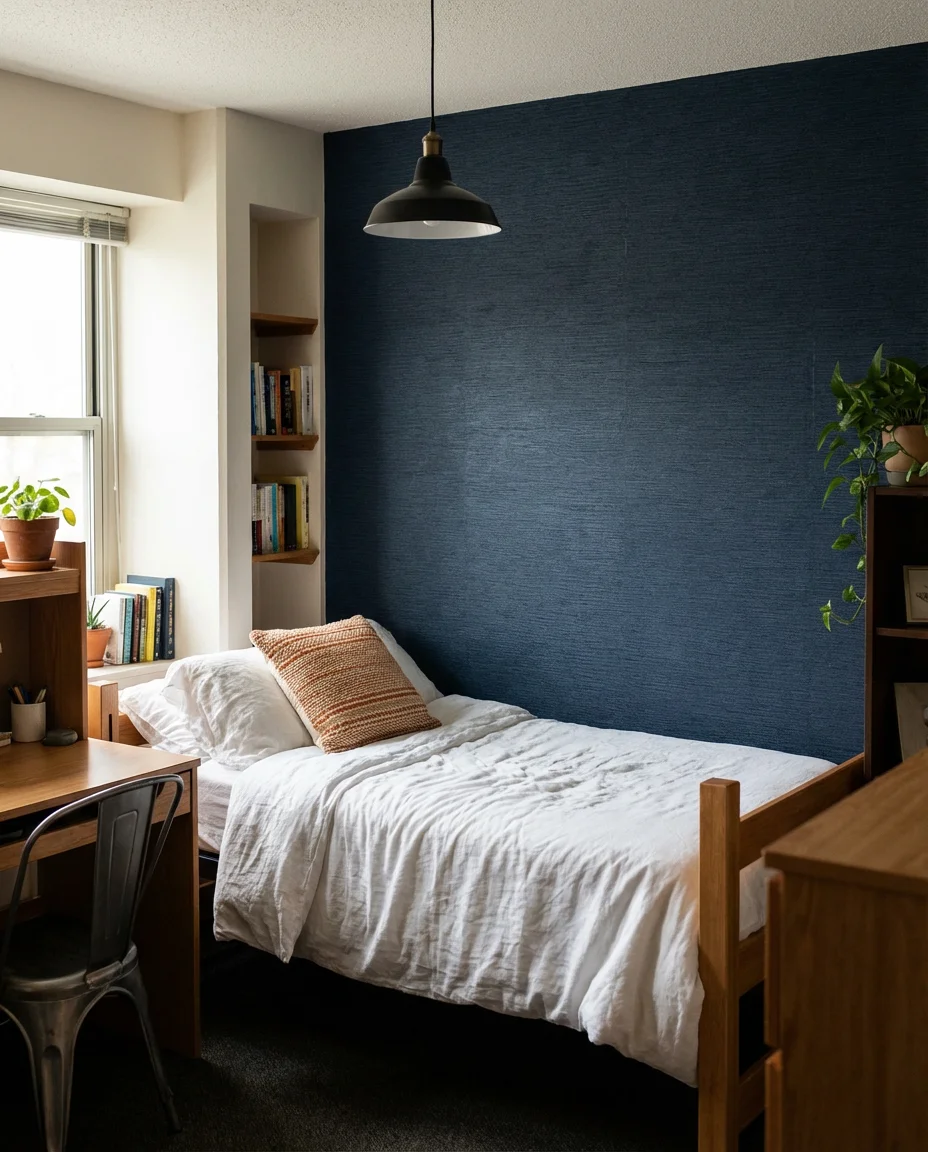
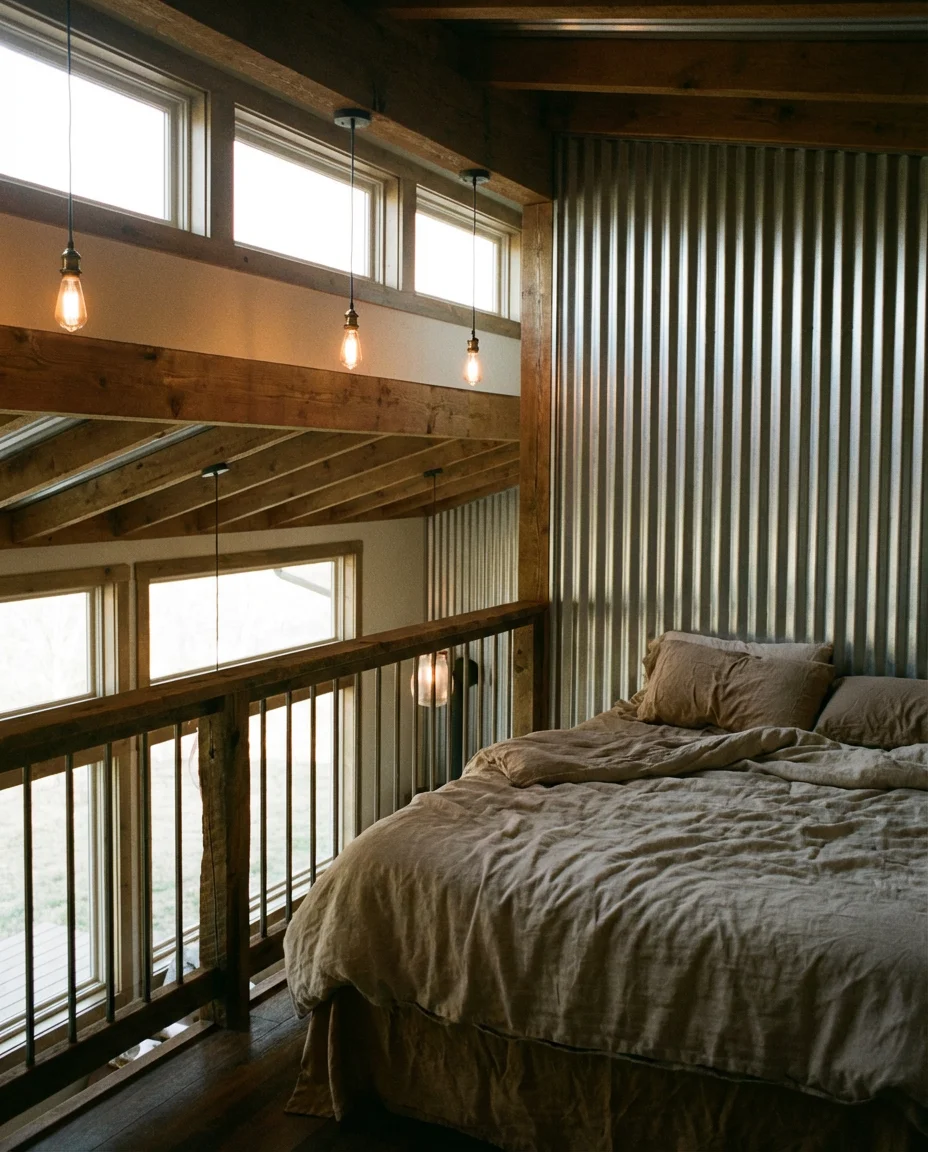
Dusty pink and terracotta rose tones are softening the typically earthy boho palette in 2026, adding a gentle warmth that feels feminine without being overtly girly. These blush tones appear in throw pillows, pottery, and artwork, complementing rather than competing with natural wood, cream, and sage green. The effect is particularly stunning in late afternoon light, when pink-toned textiles seem to glow. This trend resonates with women in their 20s and 30s who want spaces that feel nurturing and personal, a counterpoint to years of stark minimalism.
This works especially well in bedrooms and living rooms that get western exposure, where the sunset light amplifies the rosy tones naturally. Budget-wise, pink accents are an affordable way to refresh a neutral boho space—swap out a few pillow covers and add a piece of pottery, and suddenly the room feels completely new. The key is keeping the pink muted and dusty rather than bright bubblegum, which would clash with boho’s organic earthiness.
14. Farmhouse-Boho Hybrid with Rustic Elements
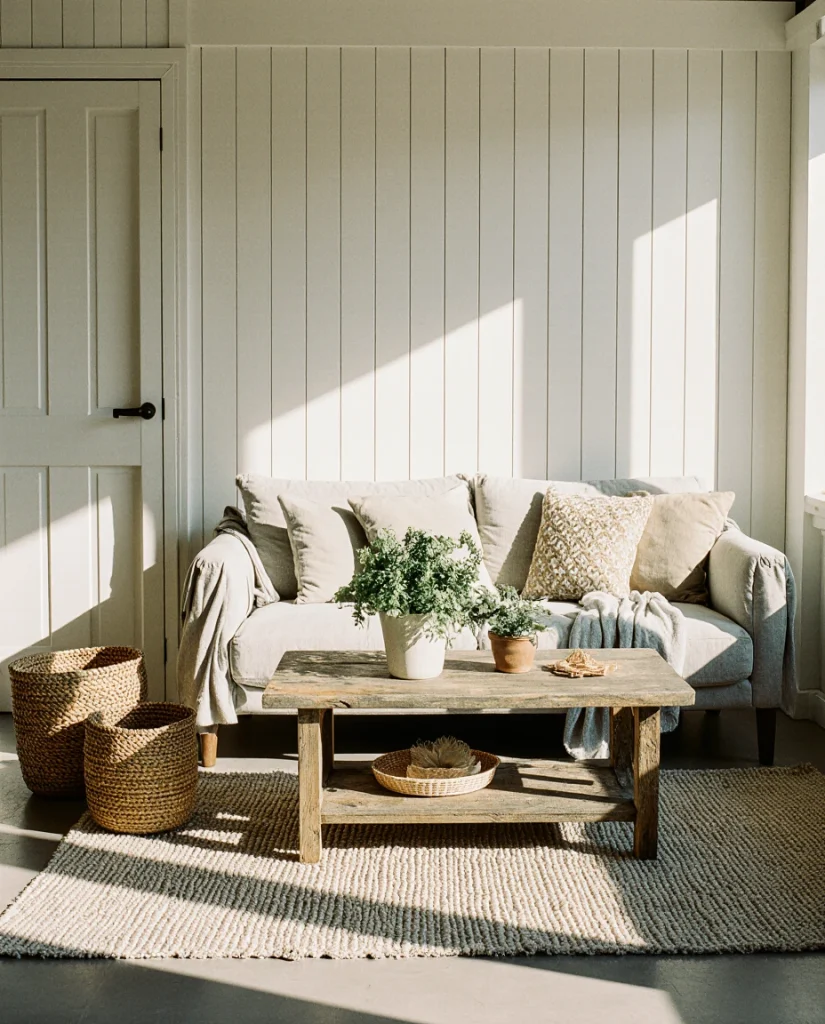
The farmhouse-boho combination softens modern farmhouse’s sometimes stark white-on-white aesthetic with bohemian layers, patterns, and global touches. Shiplap walls and barn doors provide the farmhouse bones, while vintage rugs, woven textiles, and abundant plants inject personality and warmth. This hybrid feels particularly at home in rural areas and suburbs across the Midwest and South, where farmhouse style has dominated but homeowners are ready for something with more soul and cultural richness.
A common mistake is going too heavy on either aesthetic—you end up with a space that’s confused rather than blended. Aim for a farmhouse structure (your walls, floors, and large furniture) with boho softness in the accessories and textiles. Real homeowners in Texas and Tennessee have mastered this balance, often incorporating family heirlooms and flea market finds that bridge both styles naturally. The result feels collected, comfortable, and deeply personal rather than catalog-ordered.
15. Green Plant-Filled Boho Sanctuary
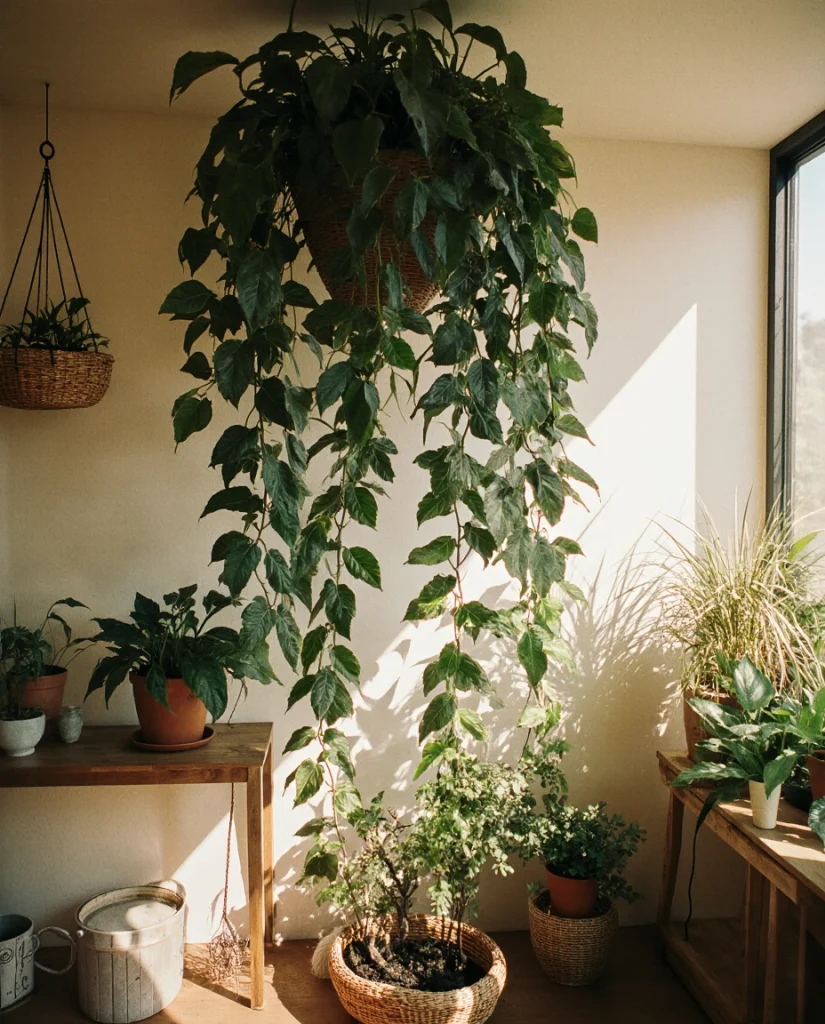
Nothing says boho quite like abundant greenery, and 2026 is embracing maximalist plant styling with green as both accent and focal point. Floor-to-ceiling pothos, fiddle leaf figs in baskets, and hanging planters create an indoor jungle effect that improves air quality while providing constant visual interest. Earthy pots in terracotta, ceramic, and woven seagrass complement the living elements, while the plants themselves soften hard architectural lines. This approach particularly appeals to urban dwellers craving nature connection in apartment settings.
Where this works best is in rooms with consistent natural light—southern or eastern exposure is ideal, though grow lights can supplement. An expert tip: group plants with similar water and light needs together so maintenance becomes easier. Many new plant parents make the mistake of overwatering; most houseplants prefer to dry out slightly between waterings. Start with forgiving varieties like pothos, snake plants, and philodendrons, then expand your collection as you build confidence and understand your home’s microclimate.
16. Basket Wall Gallery with Natural Textures
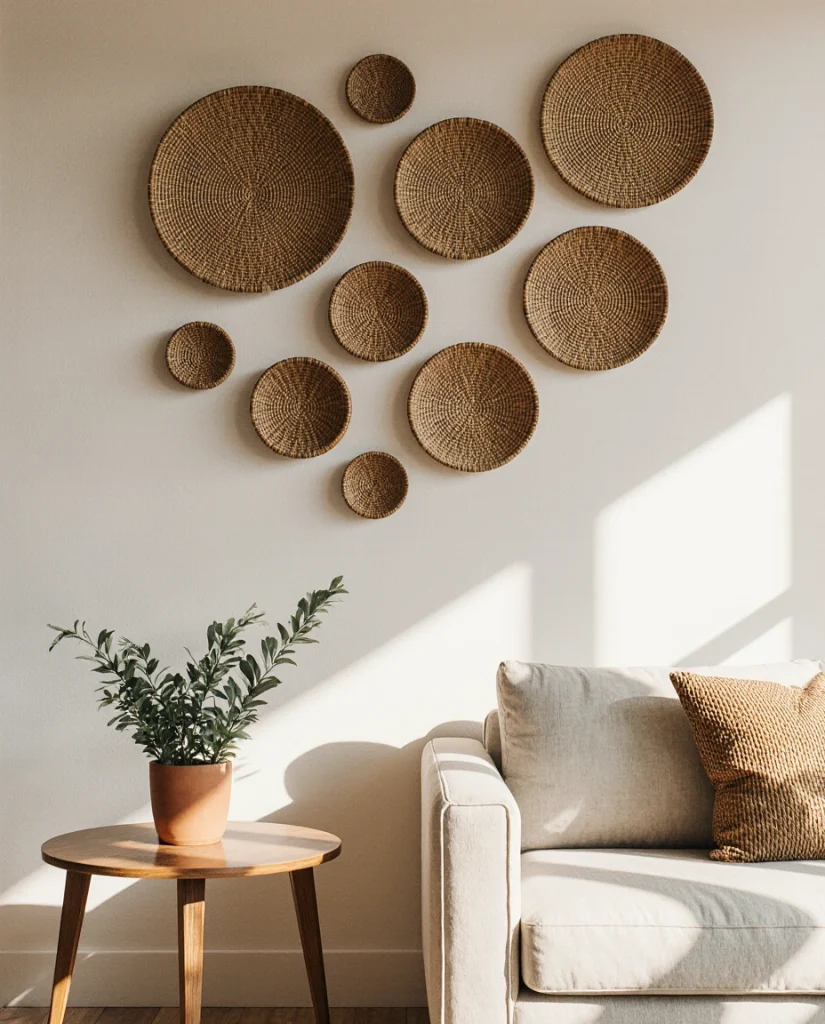
Basket walls have evolved from single accent pieces to full gallery installations, creating three-dimensional texture that feels both artistic and functional. Woven African peace baskets, Southwestern coil baskets, and rattan platters in varying sizes create stunning focal points above sofas or in dining areas. The natural fiber tones—from pale wheat to deep chocolate—provide warmth without competing with other décor, while the handcrafted quality brings authenticity that mass-produced art can’t match. This trend reflects a broader movement toward supporting artisan crafts and sustainable materials. 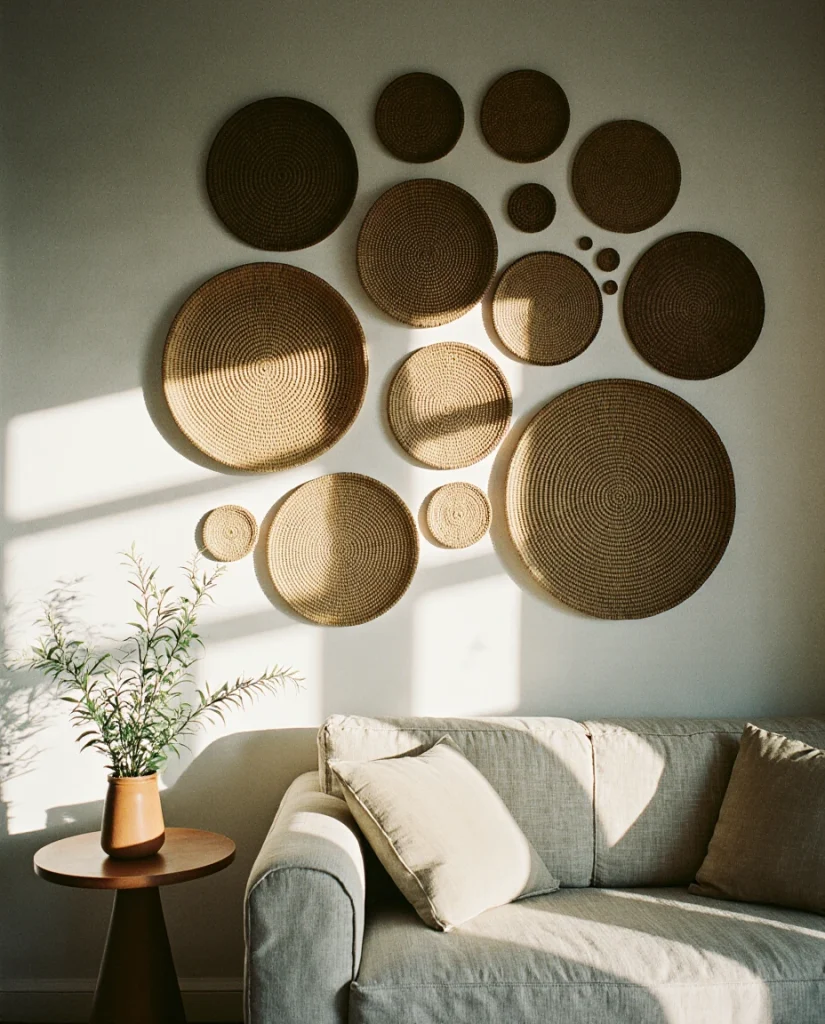
I once helped a friend arrange her basket wall, and the secret is treating them like a puzzle—lay them all out on the floor first to plan your composition before hammering any nails. Start with your largest baskets as anchor points, then fill in with smaller pieces, maintaining roughly equal spacing. In terms of American lifestyle context, this look is hugely popular in California and the Southwest, where indoor-outdoor living and appreciation for handcraft are deeply embedded in the culture. Prices range from $15 to $150 per basket depending on size and source.
17. Cozy Boho with Layered Textiles
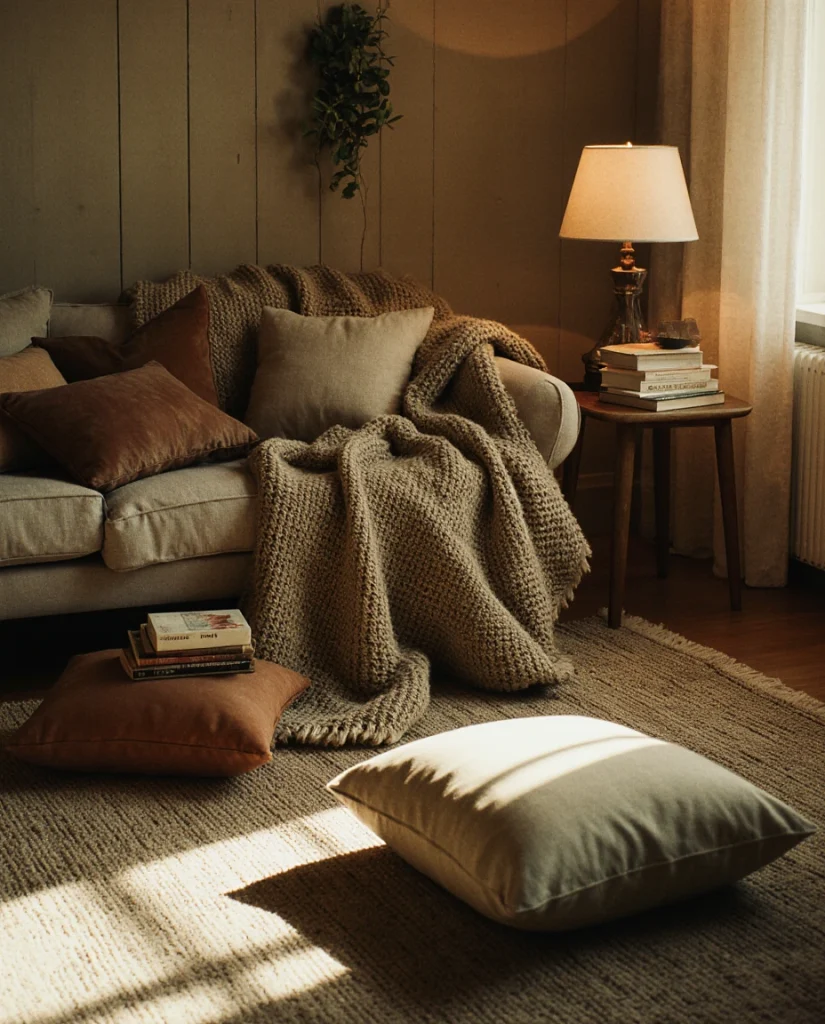
The ultimate cozy boho living room prioritizes comfort through excessive layering—multiple rugs, throws on every surface, and floor cushions that invite lounging. Earthy wool, chunky knits, and soft linens in complementary tones create a tactile paradise that begs you to kick off your shoes and sink in. This approach particularly resonates in colder regions like New England and the Upper Midwest, where hygge principles naturally blend with bohemian warmth, creating spaces that combat long winters with sensory comfort. 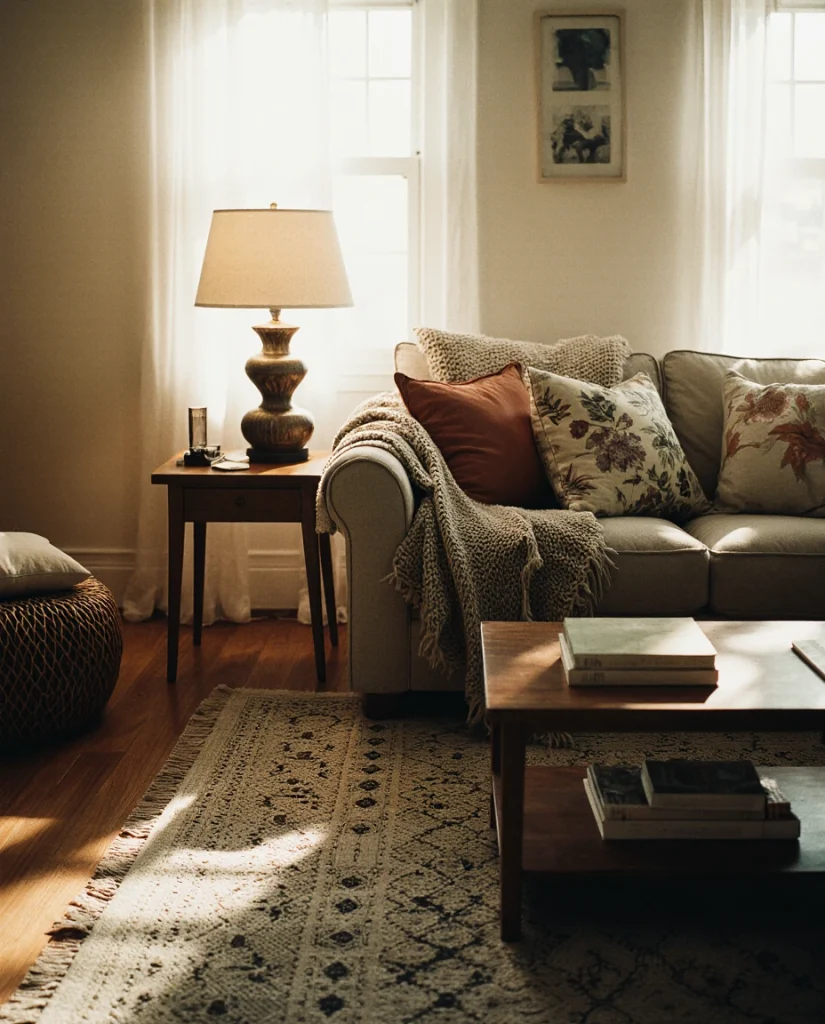
A practical insight: layering textiles also serves the functional purpose of defining zones in open-concept spaces—a large jute rug under the seating area, topped with a smaller vintage Persian rug, creates clear boundaries without walls. Real homeowner behavior shows that people with this style tend to have ongoing textile collections, rotating pieces seasonally and adding finds from travels. The only real mistake is not washing or maintaining your textiles—natural fibers need care to keep them looking fresh rather than dingy.
18. Vintage Boho with Curated Antiques
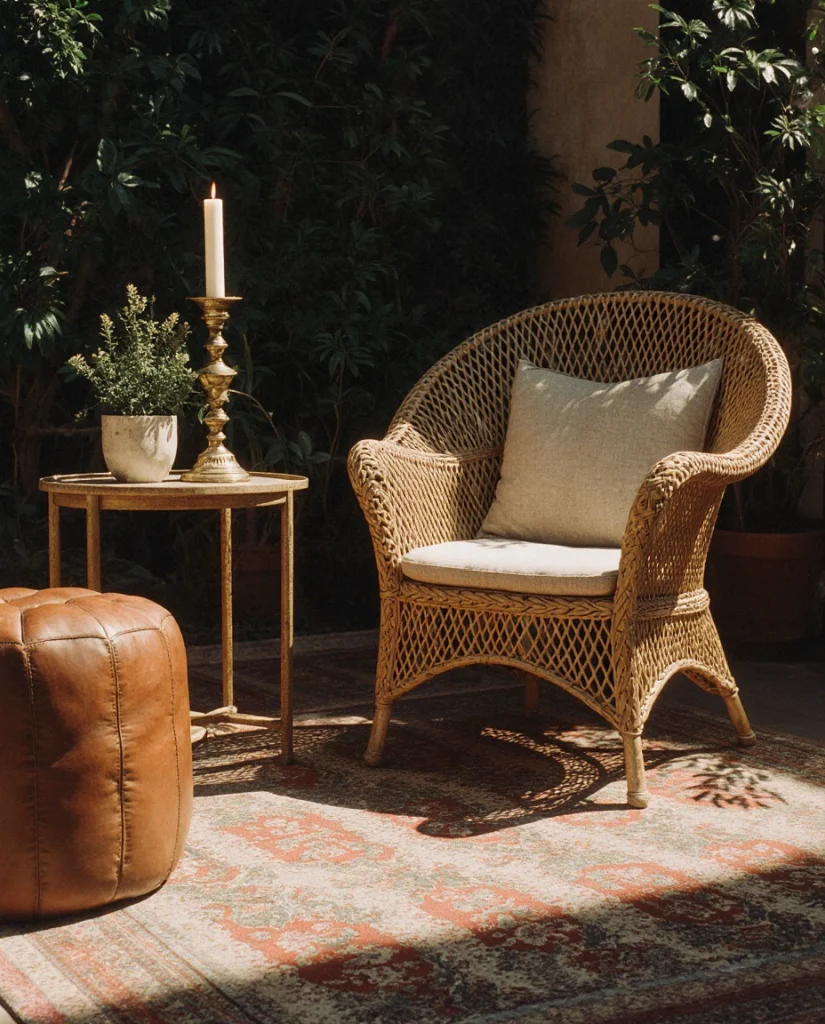
Vintage furniture and décor are the soul of authentic boho style, bringing character and history that new pieces can’t replicate. A 1970s rattan peacock chair, a hand-carved Indonesian coffee table, or a weathered Moroccan rug each tells a story while contributing unique texture and form. The 2026 approach is more curated than cluttered—each vintage piece is chosen intentionally and given space to breathe, creating a collected-over-time aesthetic without the chaos. This resonates with Americans increasingly concerned about sustainability and tired of disposable fast furniture. 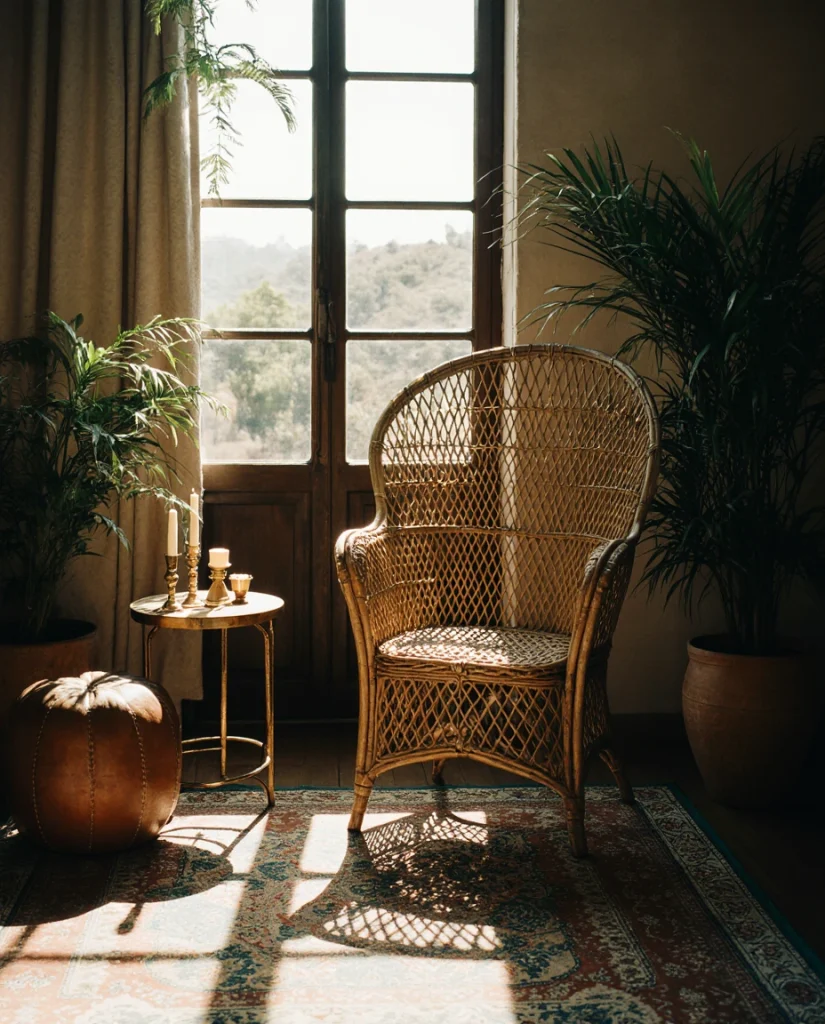
Budget-conscious shoppers find incredible vintage deals at estate sales, Craigslist, Facebook Marketplace, and thrift stores—often paying 20-40% of retail for pieces with infinitely more character. The hunt becomes part of the fun, with many homeowners reporting that their most beloved pieces were unexpected finds. Where this works best is in homes with good bones—vintage pieces complement older architecture beautifully, whether that’s a Victorian in San Francisco or a craftsman bungalow in Portland. Mix eras freely, but maintain a cohesive color palette to avoid visual chaos.
19. Neutral Boho with Monochromatic Layers
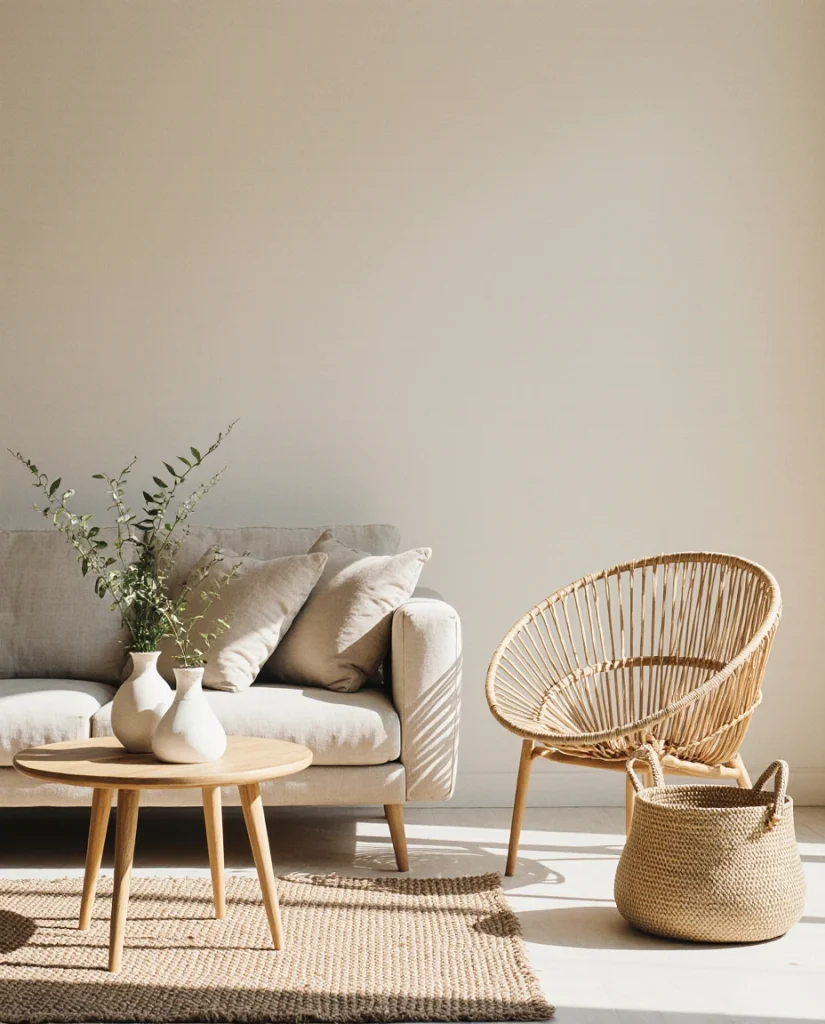
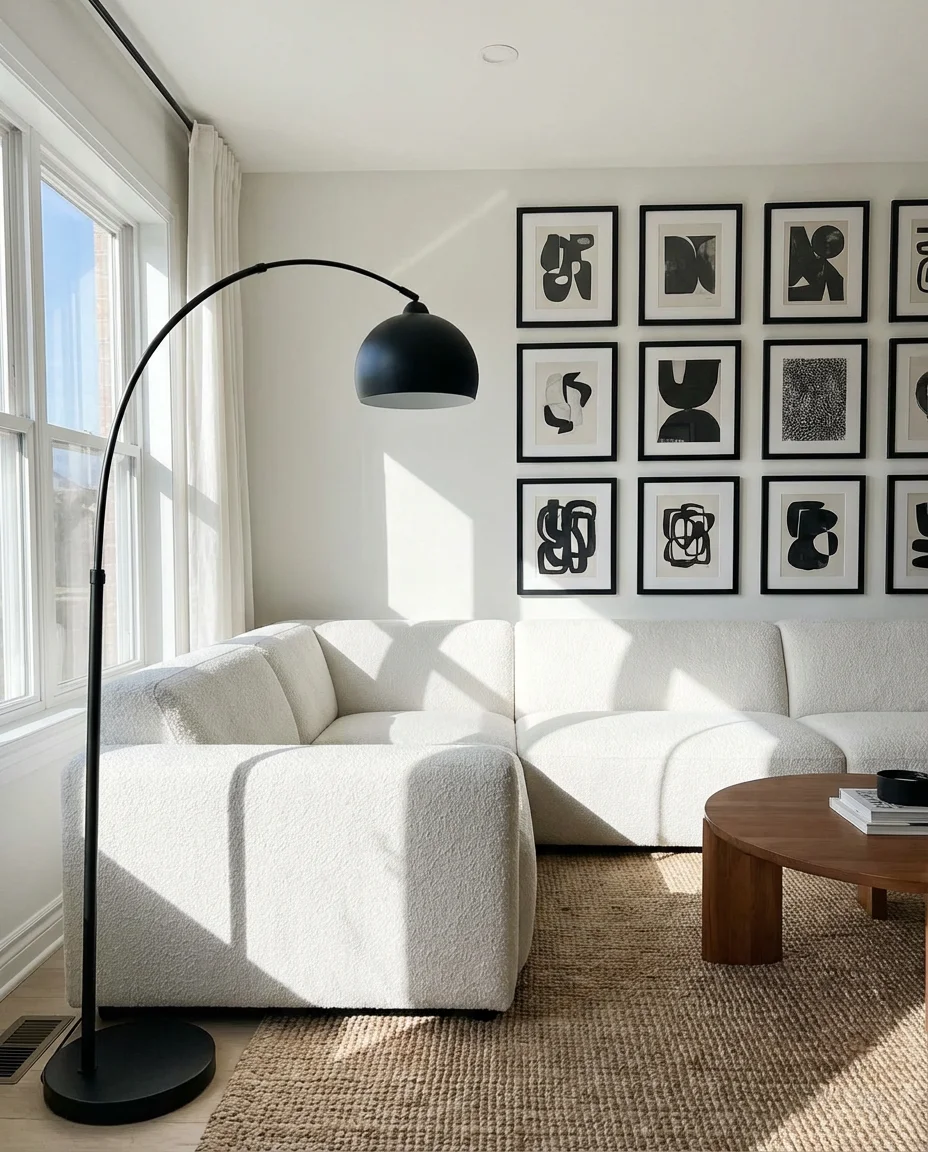
The minimalist edge of boho appears in neutral, nearly monochromatic spaces where texture does all the work. Cream, beige, sand, and soft gray layer upon themselves through varied materials—linen, jute, wool, rattan, unfinished wood—creating sophisticated depth without color contrast. This appeals to homeowners who love boho’s natural warmth but prefer visual calm, and it’s become particularly popular in small apartments where a restrained palette makes spaces feel larger. The inspiration often comes from Japanese wabi-sabi and Scandinavian design philosophies. 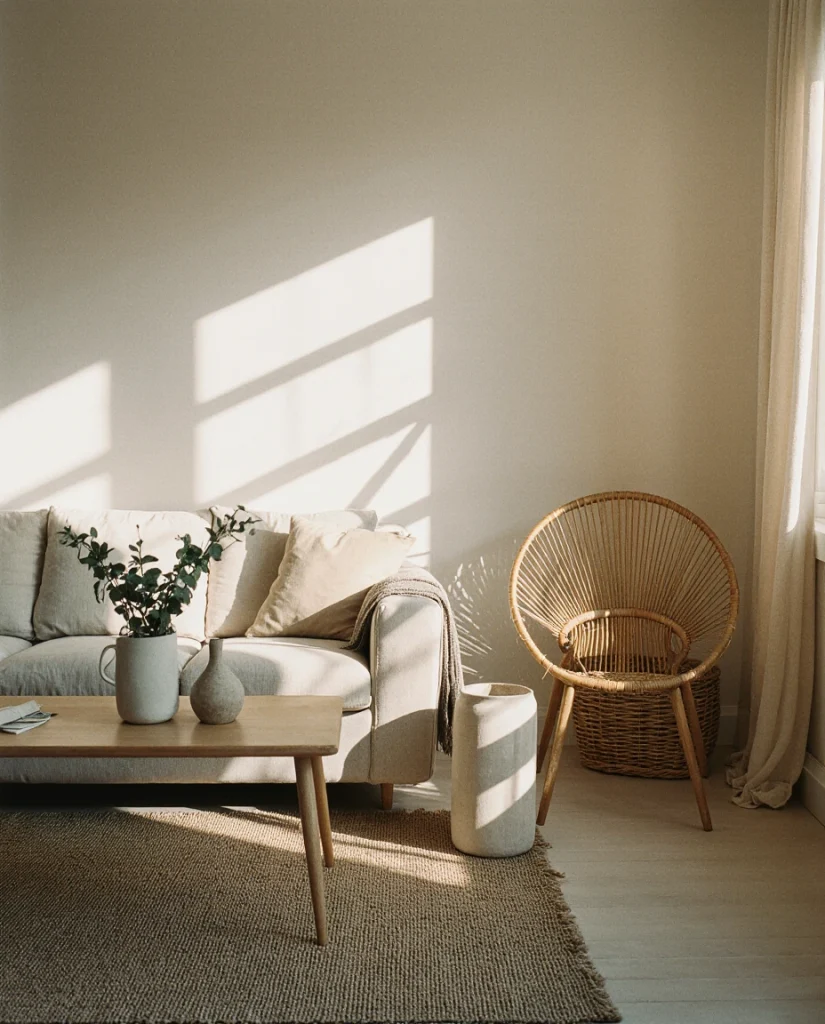
Where this works best is in light-filled spaces with white or pale walls—the abundant natural light reveals all the subtle texture variations that make the look successful. A common mistake is going too flat; you need varied materials and surface treatments (smooth linen, bumpy jute, rough wood, glossy ceramic) to keep it interesting. In Southern California and Arizona, this neutral boho approach helps interiors feel cool and serene despite intense sun and heat, offering visual refuge from the bright landscape outside.
20. Bohemian Reading Nook with Cozy Corner
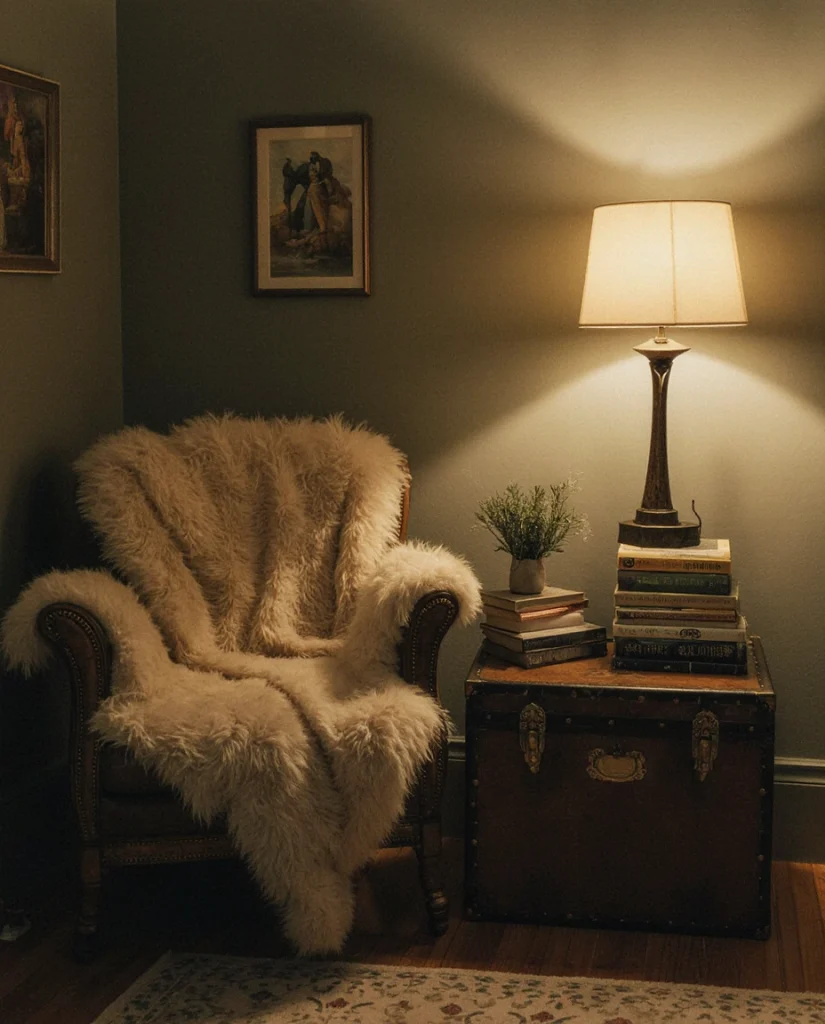
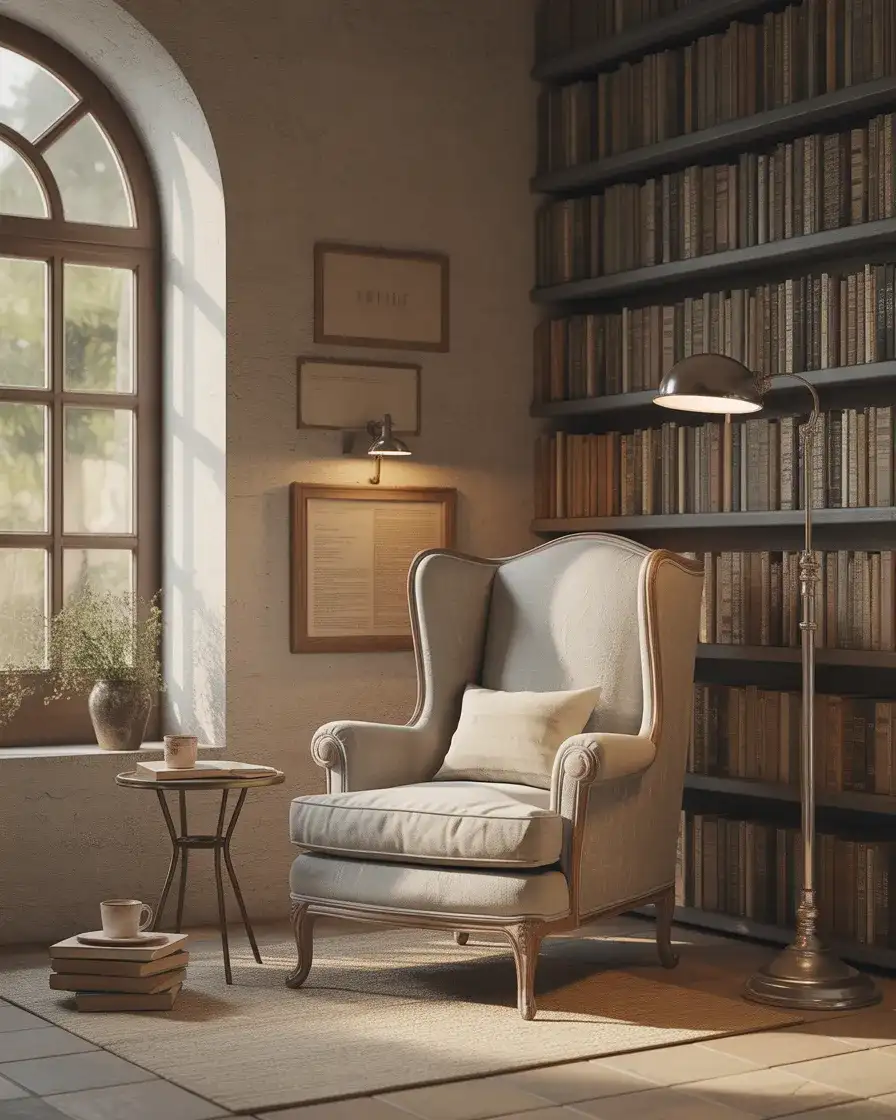
Dedicated reading nooks embrace boho’s cozy, introspective side, transforming unused corners into personal sanctuaries. A low armchair or floor cushions, a small side table stacked with books, warm lighting from a brass floor lamp, and surrounding plants create an invitation to disconnect and read. Vintage finds like old trunks for book storage or a grandmother’s quilt add personal history, while the intentional smallness of the space makes it feel protected and peaceful. This micro-trend reflects Americans’ growing desire for screen-free zones in their homes. 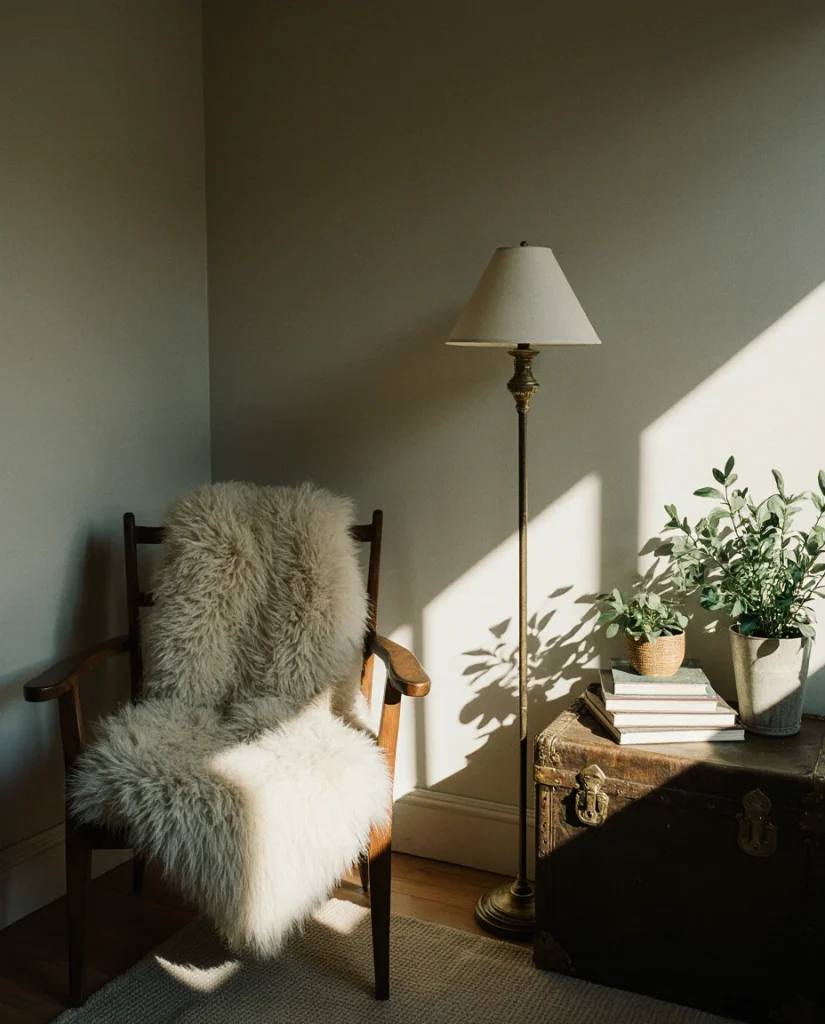
Expert commentary suggests that successful reading nooks require three elements: comfortable seating at a height you can truly relax in, good task lighting (overhead lighting alone won’t work), and storage for your current reading stack within arm’s reach. This works especially well in bedrooms, home offices, or any room with an awkward corner that’s too small for standard furniture. Many homeowners report that creating this dedicated space actually increased their reading time—having a designated spot creates a ritual and removes friction from the habit.
21. Eclectic Boho with Personal Collections
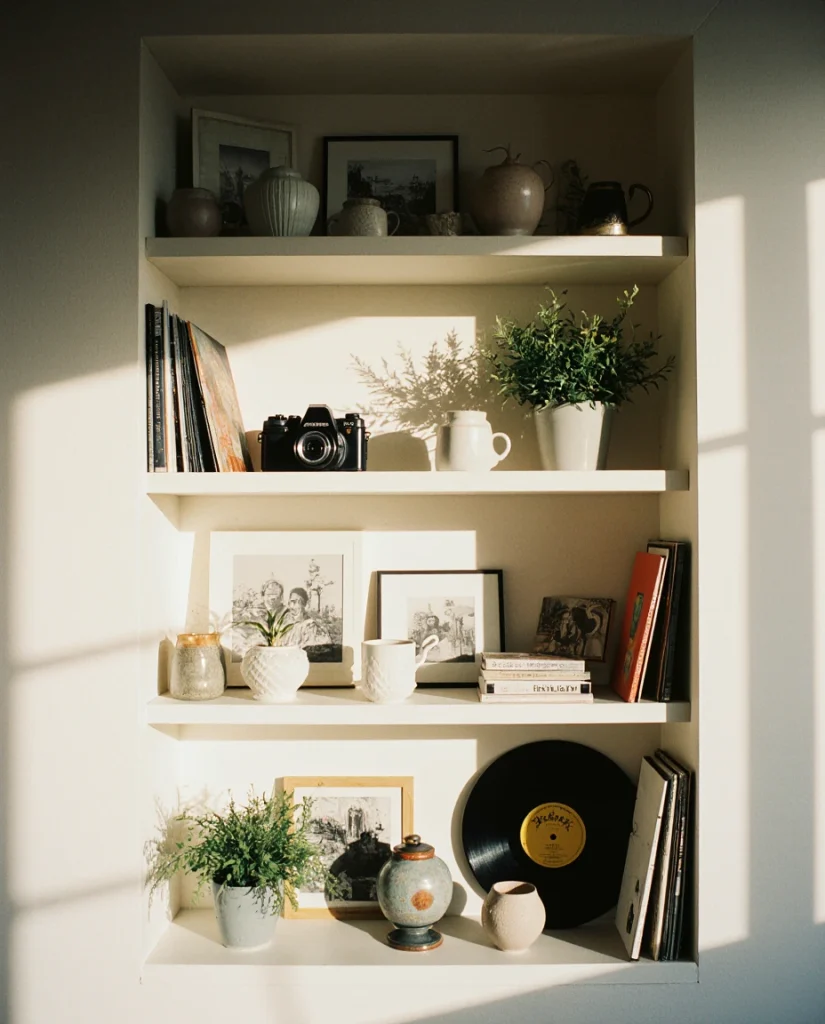
The most authentic boho living rooms in 2026 embrace eclecticism through displayed personal collections—vintage cameras, global pottery, vinyl records, or inherited family treasures. These collections become the décor, telling your specific story rather than following a prescribed aesthetic. Open shelving, gallery ledges, and curiosity cabinets showcase items while keeping them accessible and changeable. The result is deeply personal, impossible to replicate, and genuinely interesting—spaces that invite conversation and reflection rather than just looking Instagram-ready. 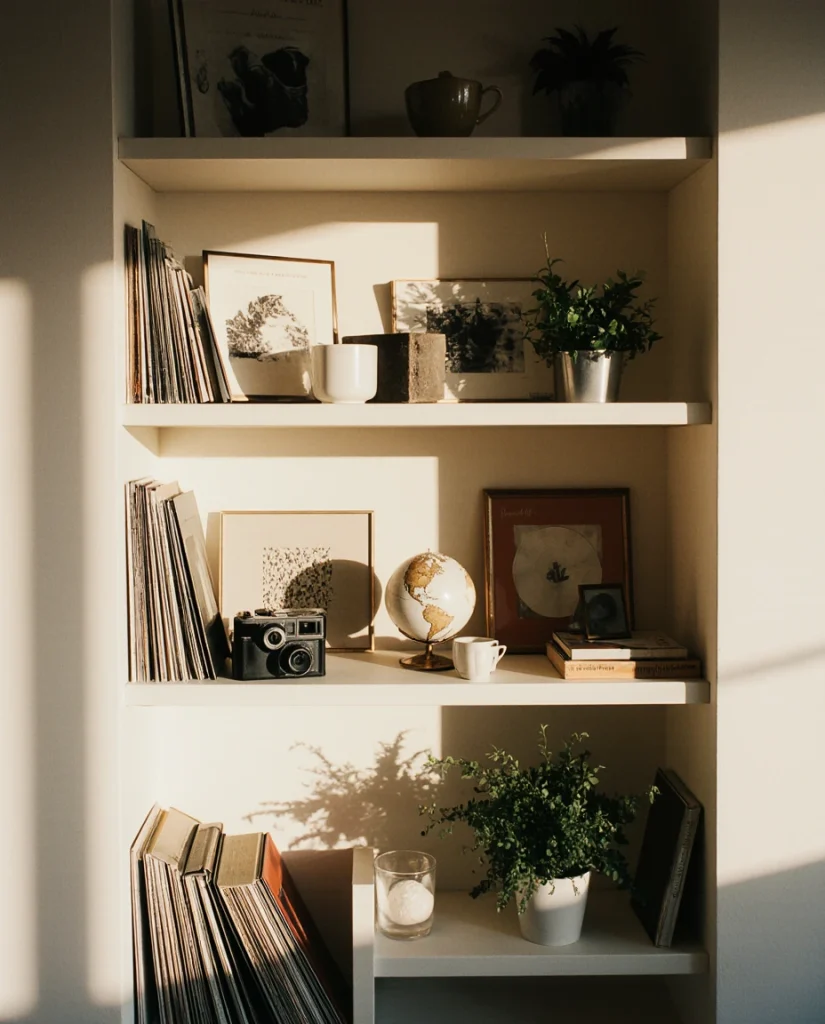
This approach works in any home but particularly shines in older houses with built-in shelving or architectural character that rewards personal touches. The beauty is that you can start with what you already own and love, rather than shopping for the “right” boho pieces. Common mistakes include displaying too much too densely—even collections need breathing room. Group items in odd numbers, vary heights, and leave some empty space so individual pieces can be appreciated. As one collector told me, “The best collections are never finished—they grow with you.”
Conclusion
Which of these boho living room ideas speaks to your style? Whether you’re drawn to minimalist neutrals or maximalist color, dark moody tones or bright coastal vibes, there’s a version of bohemian design that can work for your home and lifestyle. Share your favorite idea or your own boho decorating wins in the comments below—we’d love to see how you’re making this timeless style your own in 2026.