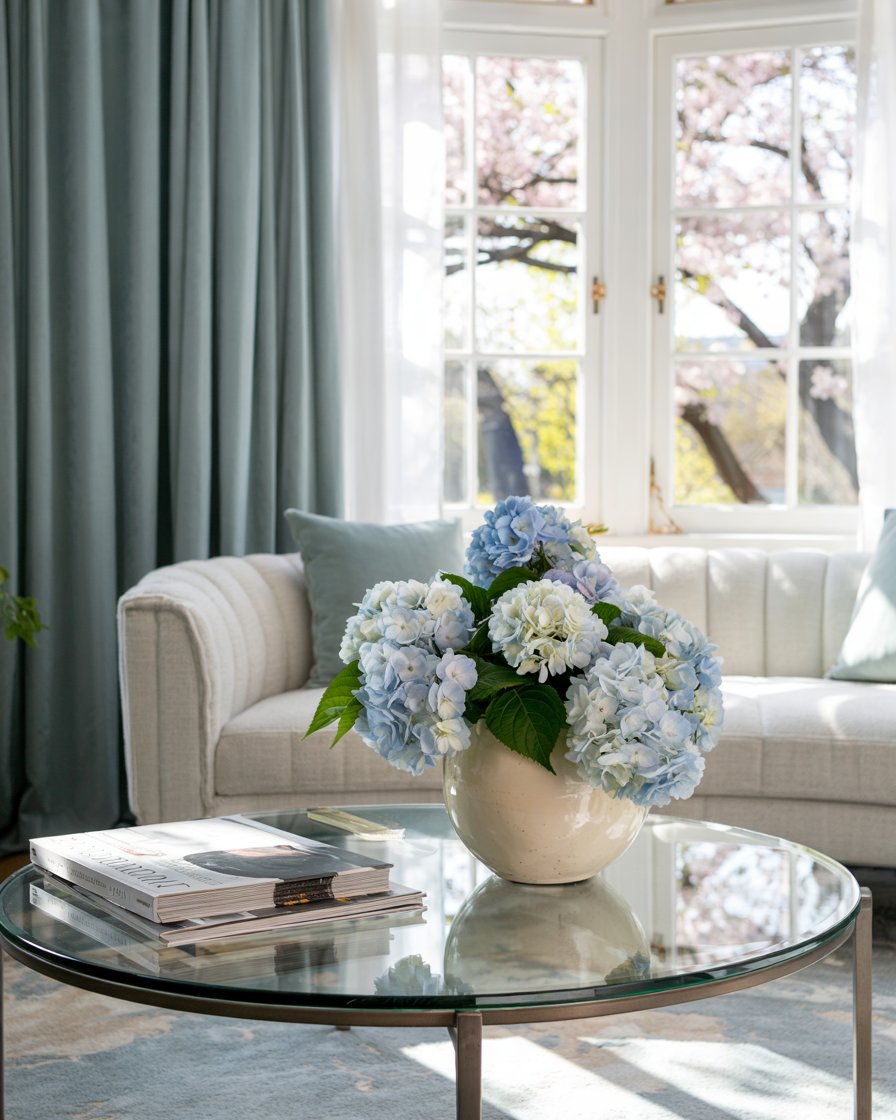
There’s something undeniably satisfying about a beautifully styled buffet table—it sets the tone for an entire gathering before a single dish is passed. In 2026, Americans are searching Pinterest in droves for fresh, personality-packed buffet displays that go beyond a folding table and a chafing dish. Whether you’re hosting a wedding, a cozy dinner party, or a big holiday spread, the way you dress your buffet matters more than ever. This guide walks you through 22 inspired ideas that blend current design trends with real-life practicality—so you can steal every single one.
1. Elegant White Linen and Gold Candle Buffet
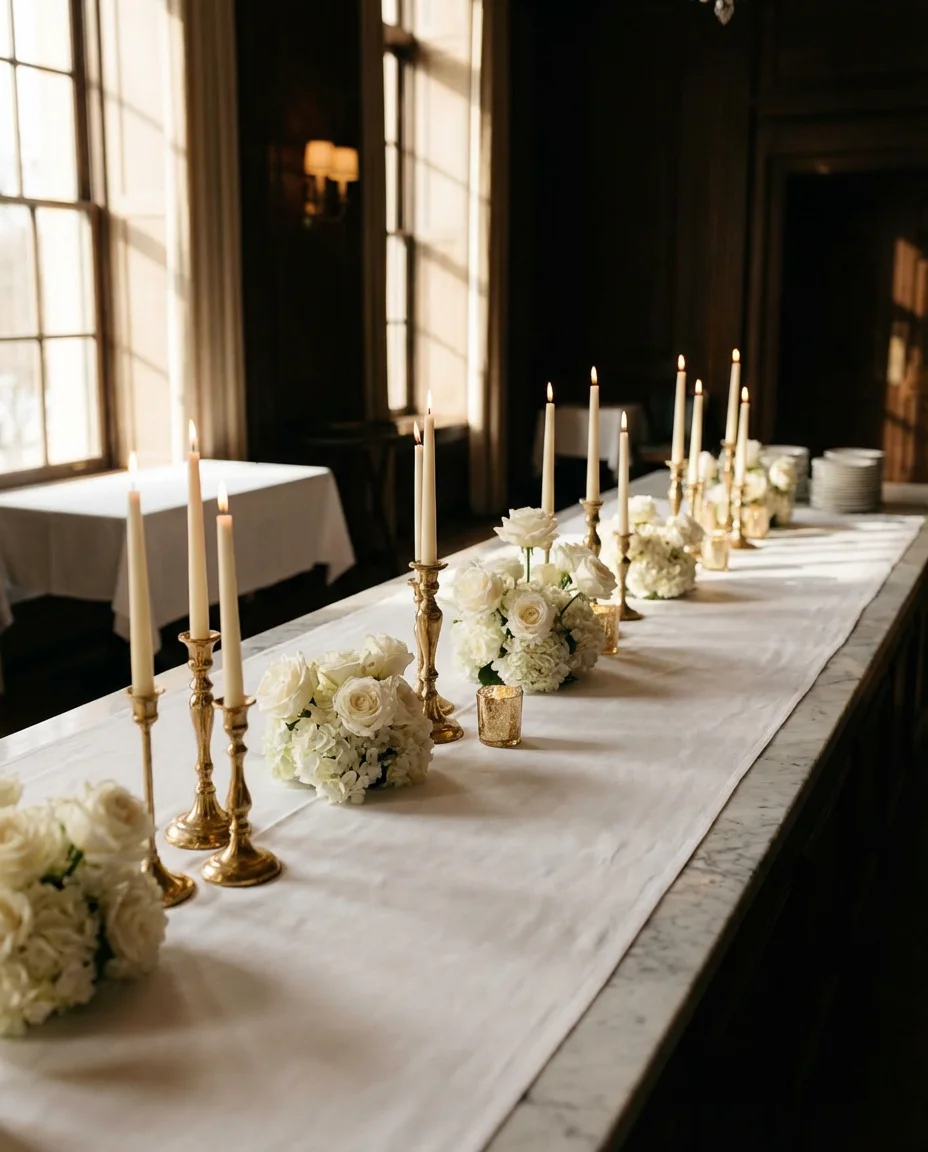
There’s a reason elegant white tablescapes never go out of style—they create an instant sense of occasion without demanding much effort. For a dinner party or upscale event display table, layering crisp white linen with warm gold candleholders and scattered tea lights turns a standard sideboard into something that feels genuinely curated. The trick is varying the heights: tall tapers beside low votives beside a simple floral cluster keep the eye moving without clutter.
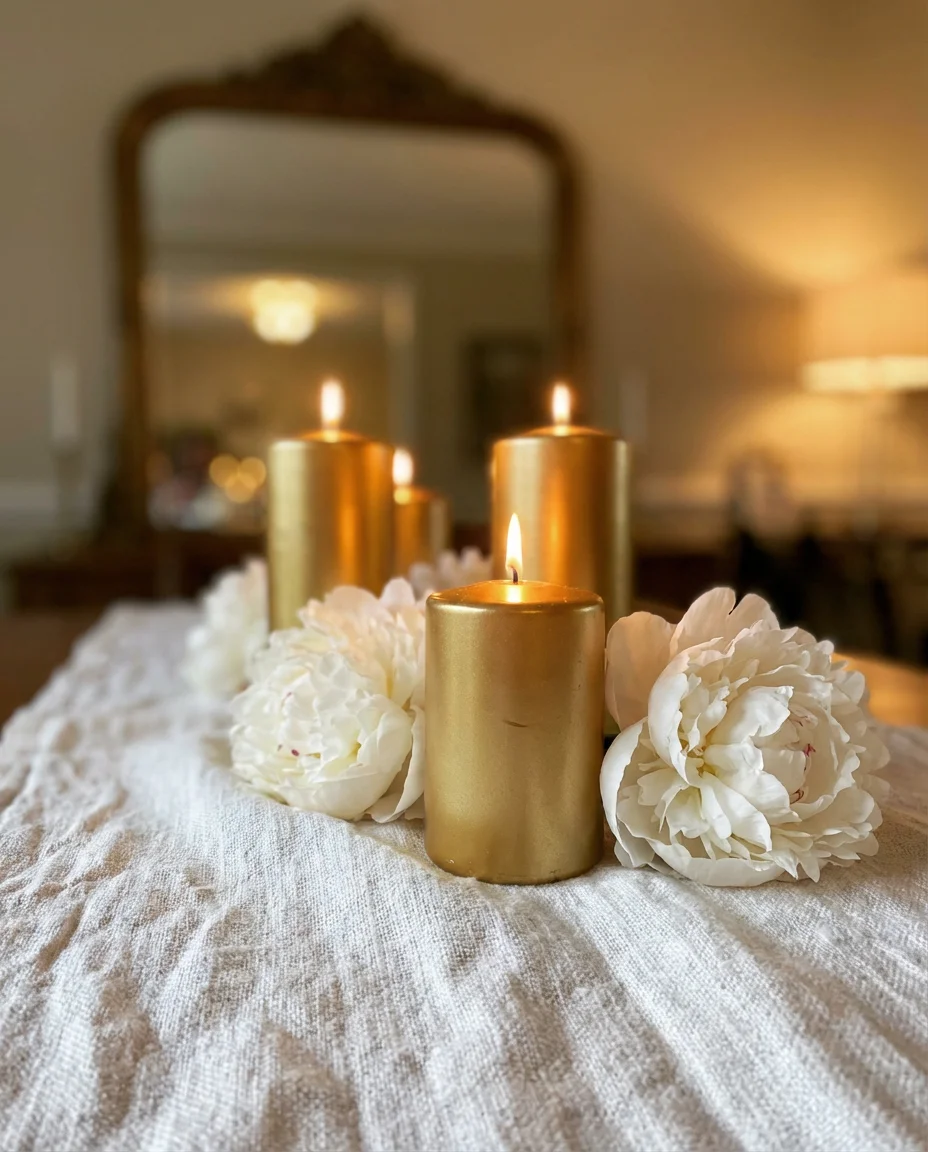
This look works best for seated dinner parties where you want a formal feel without hiring a full event designer. A common mistake is going too heavy on the gold—one or two statement pieces like a gilded candelabra do more work than a dozen small gold accents scattered randomly. Keep the palette tight: white, ivory, and warm gold only, and let the candlelight do the heavy lifting once the sun goes down.
2. Farmhouse-Style Wooden Buffet with Mason Jars
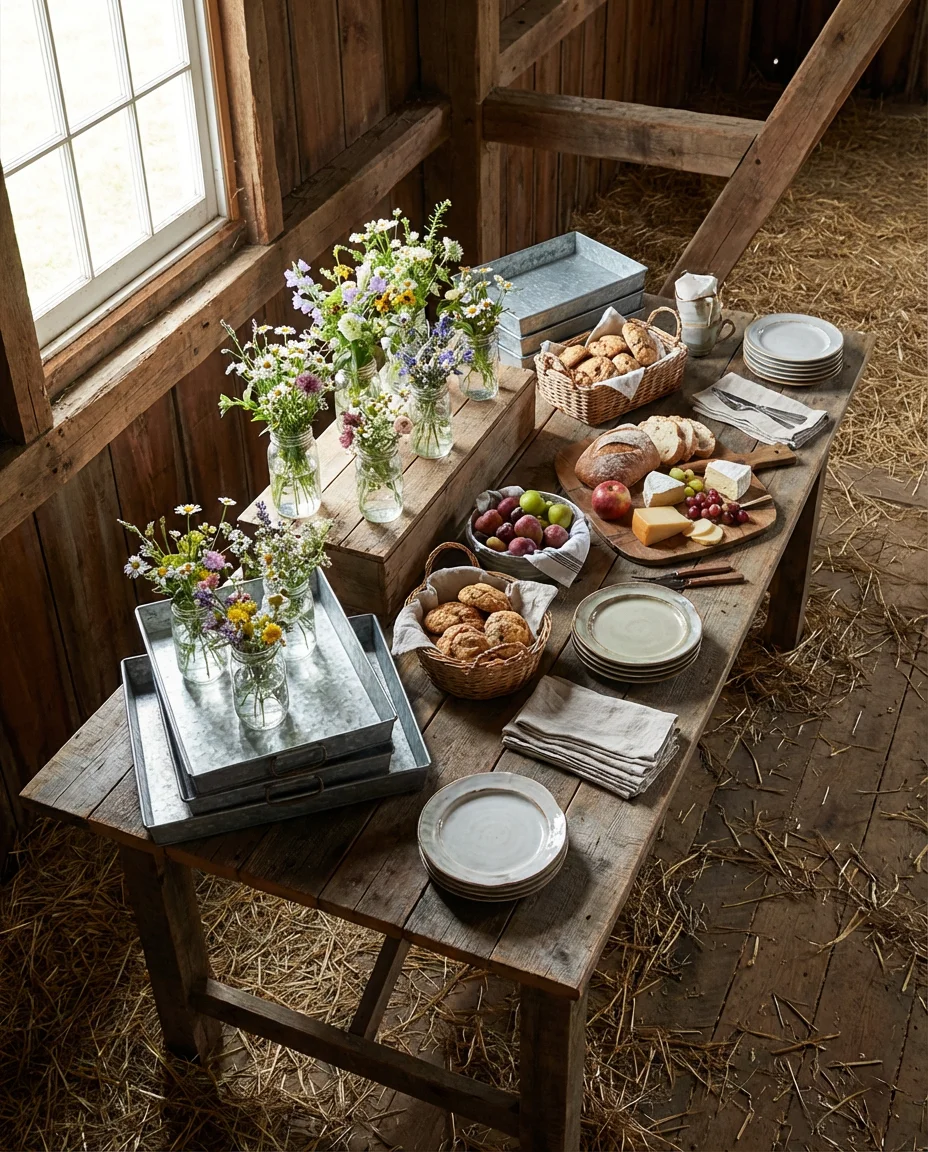
A dining room’s farmhouse-style modern aesthetic has taken over American entertaining culture, and the buffet table is no exception. Think reclaimed wood surfaces, galvanized metal trays, and clusters of mason jars filled with wildflowers or fresh herbs. This style is especially popular at outdoor events and backyard gatherings in the South and Midwest, where it feels genuinely native rather than forced. The warmth of raw wood immediately makes guests feel at home. set, natural daylight, cotton table runner visible, warm brown wood grain texture, soft bokeh in background.
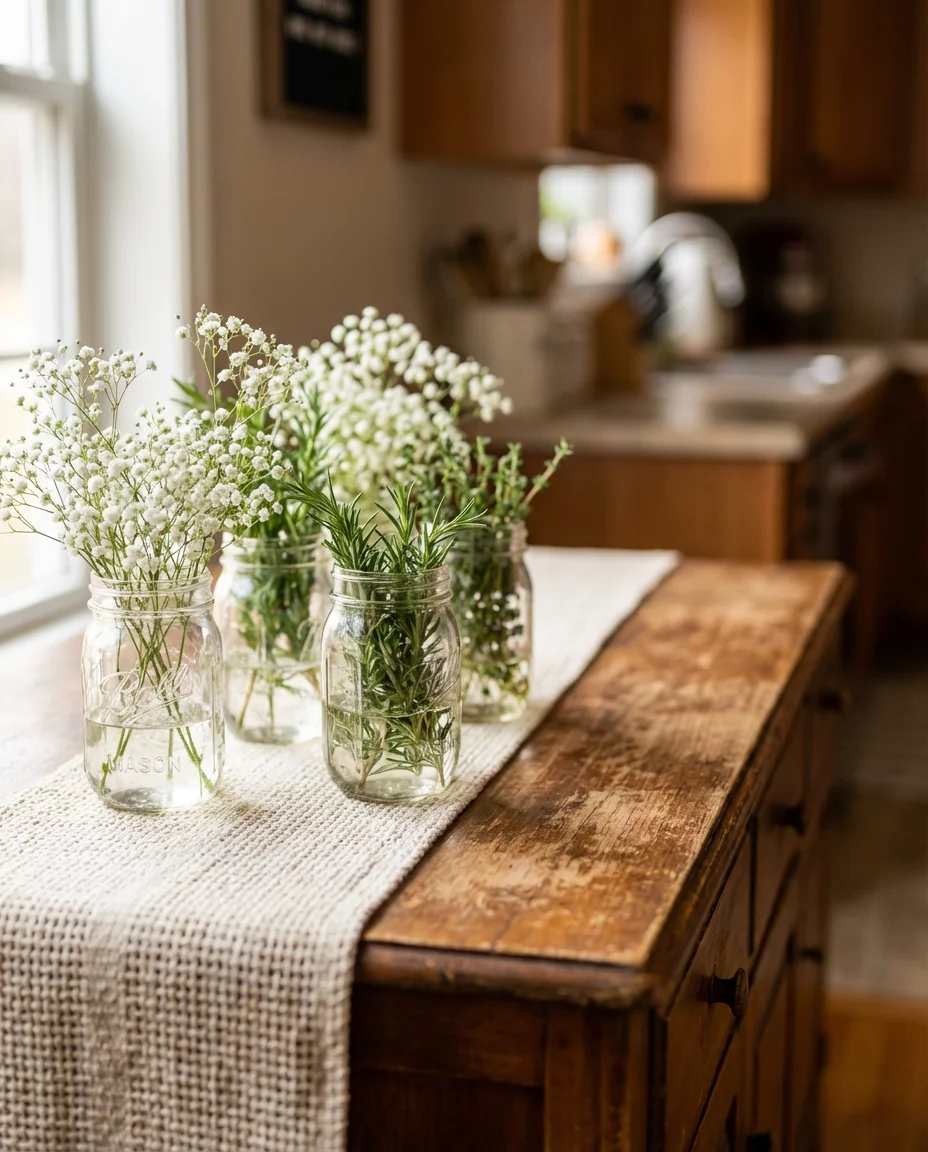
Budget-wise, this is one of the most wallet-friendly directions you can take. Mason jars run about a dollar each, wildflowers from a farmer’s market cost next to nothing, and a simple burlap runner can be found for under ten dollars at most craft stores. The style rewards imperfection—mismatched jars and slightly wilted herbs add to the charm rather than detracting from it. It’s the kind of setup that looks expensive while secretly being very affordable.
3. Mediterranean Mezze Spread with Terracotta Accents
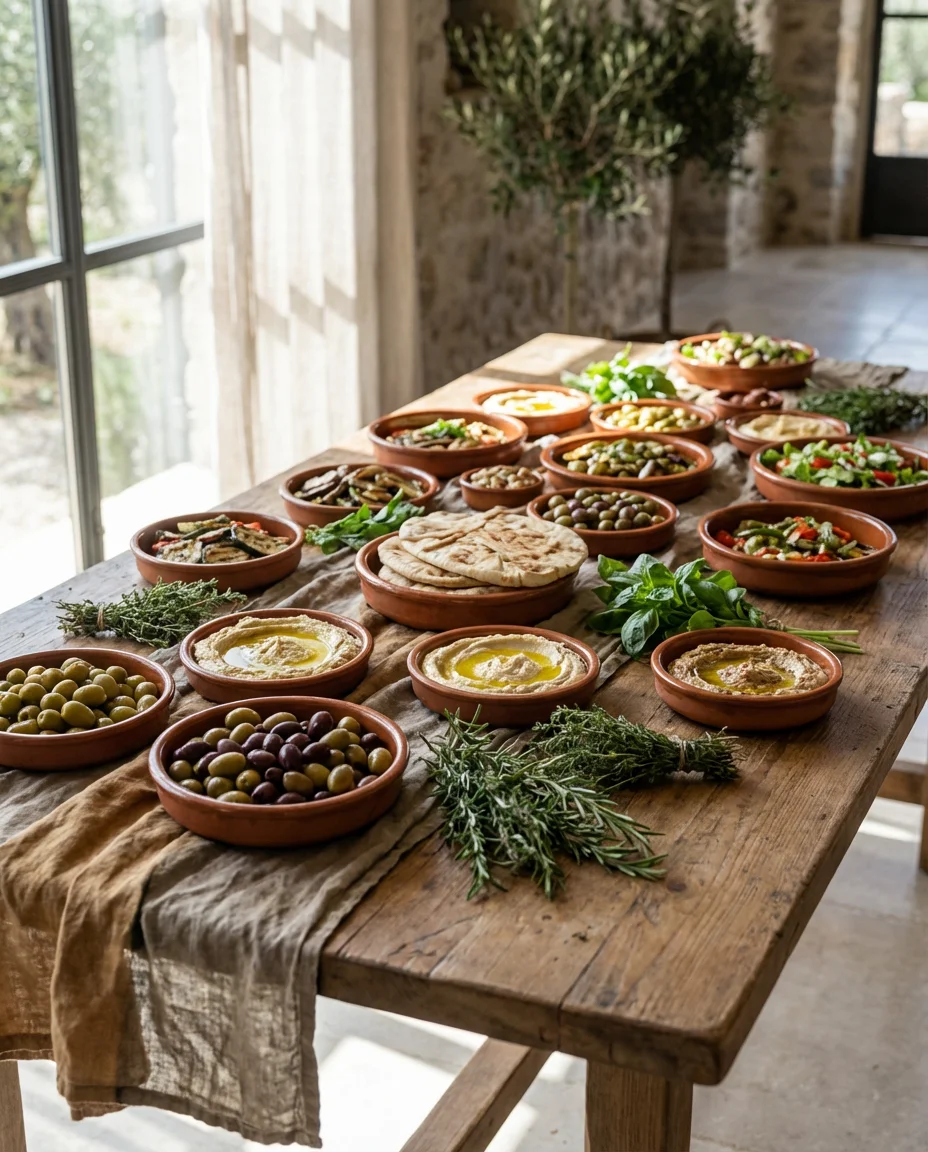
The Mediterranean buffet aesthetic is having a genuine moment right now, driven by a collective appetite for warm, textured, sun-drenched tablescapes. Think terracotta bowls overflowing with olives, wedges of warm pita, colorful dips, and clusters of fresh herbs scattered across linen-covered surfaces. It pairs naturally with catering setups for events and dinner parties and is sophisticated enough for a backyard gathering yet relaxed enough that nothing feels fussy or precious.
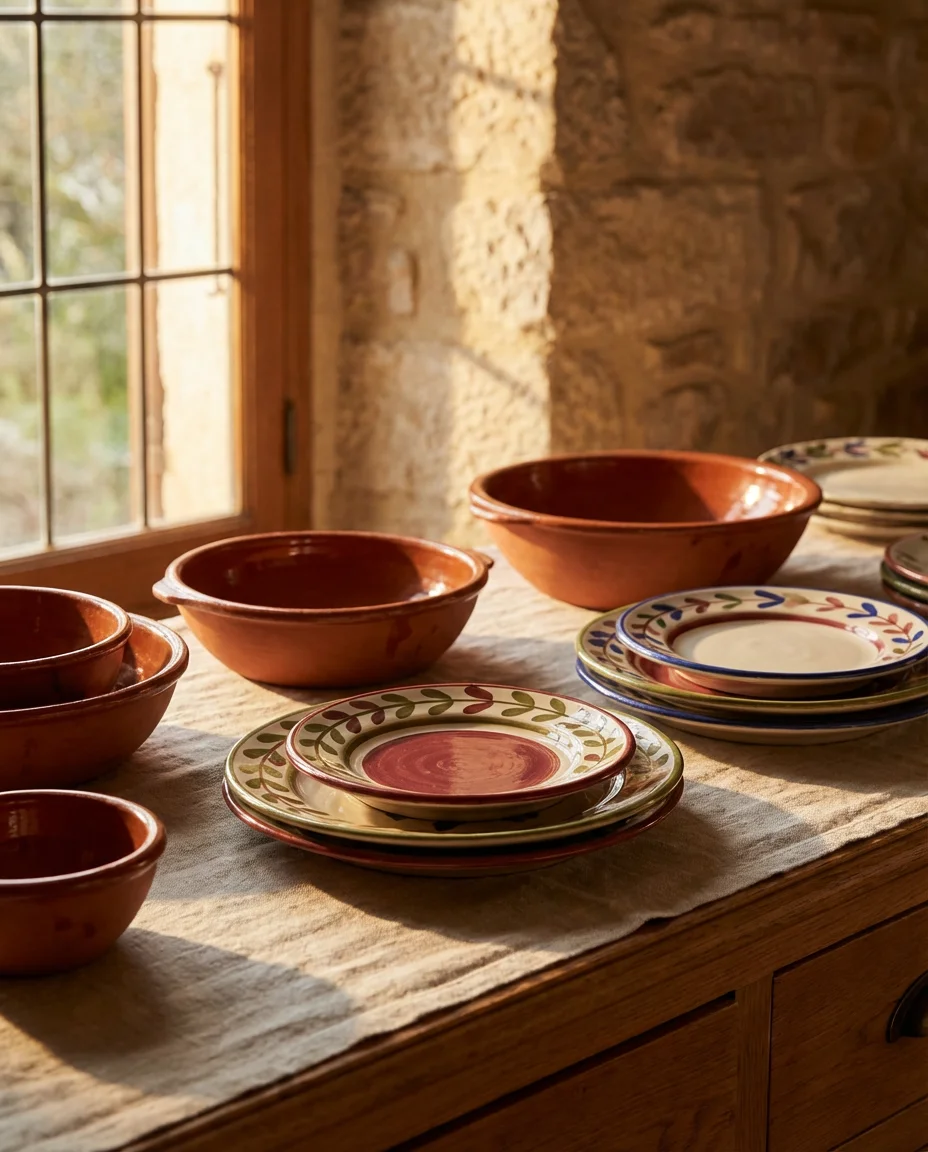
Interior designer Leila Mora, who specializes in Mediterranean-influenced spaces, often advises clients to “let the food be the décor.” When your spread includes vibrant reds and greens from tomatoes, parsley, and roasted peppers, you barely need florals at all. The key is layering textures—woven linen, rough clay, smooth marble boards—so the eye has plenty to explore even before the food is brought out.
4. Black and Brass Events Wedding Buffet
For couples who want their wedding to feel genuinely dramatic, a black buffet table design is an unexpectedly bold choice that photographs beautifully. Deep charcoal or matte black linens paired with brass serving trays, amber-toned tapers, and sculptural dark florals like blackberries, burgundy dahlias, and smoked eucalyptus create a tablescape that feels editorial and intentional. It’s particularly striking in warehouse venues or converted industrial spaces where the architecture amplifies the moodiness.
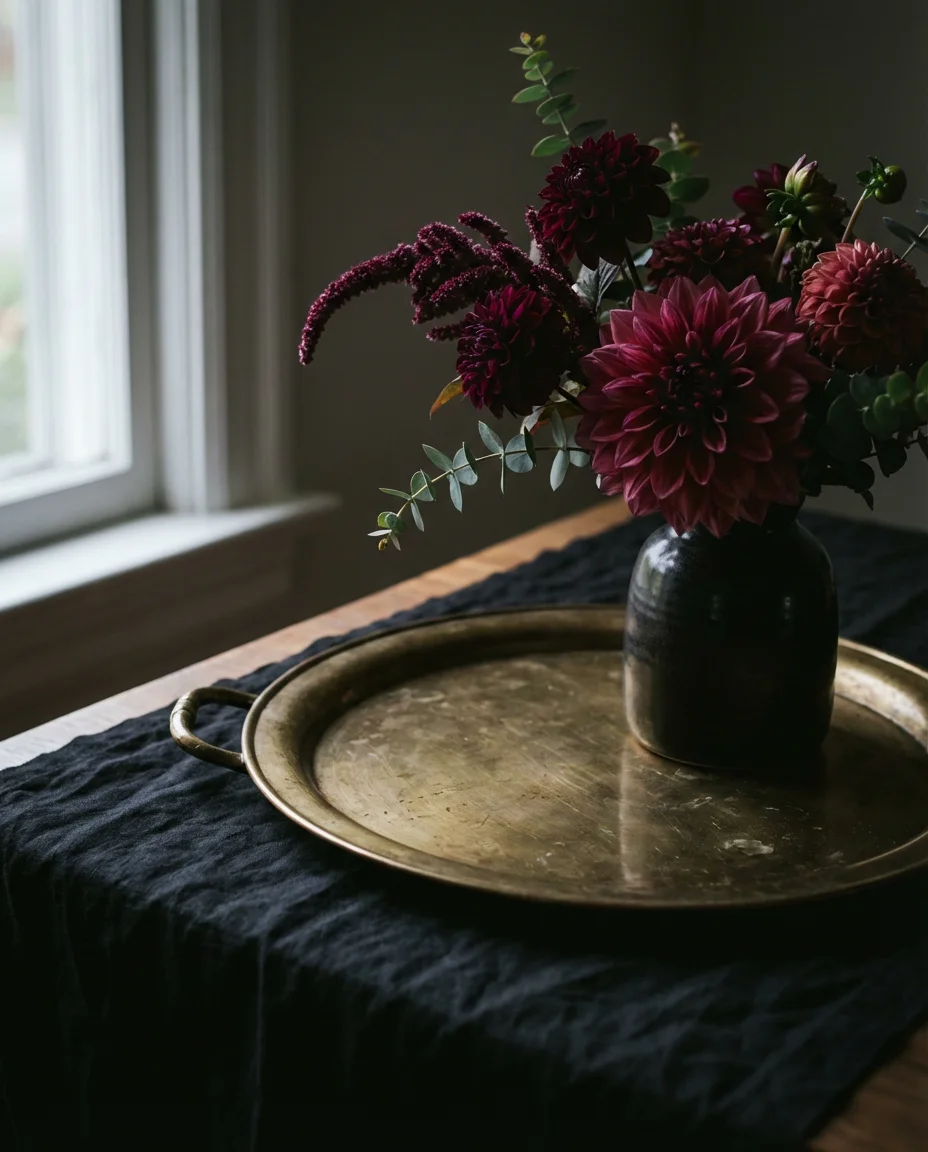
One couple in Austin recently used this exact palette for their October reception and shared that their guests assumed the styling cost thousands—it actually came in under $400 for the full buffet setup, including rentals. The secret was sourcing brass trays from a local thrift store and DIYing the floral arrangements with grocery-store dahlias and eucalyptus from a wholesale market. Dark tablescapes are extraordinarily forgiving of imperfection because the shadows do the work.
5. Indian-Inspired Buffet with Jewel-Toned Textiles
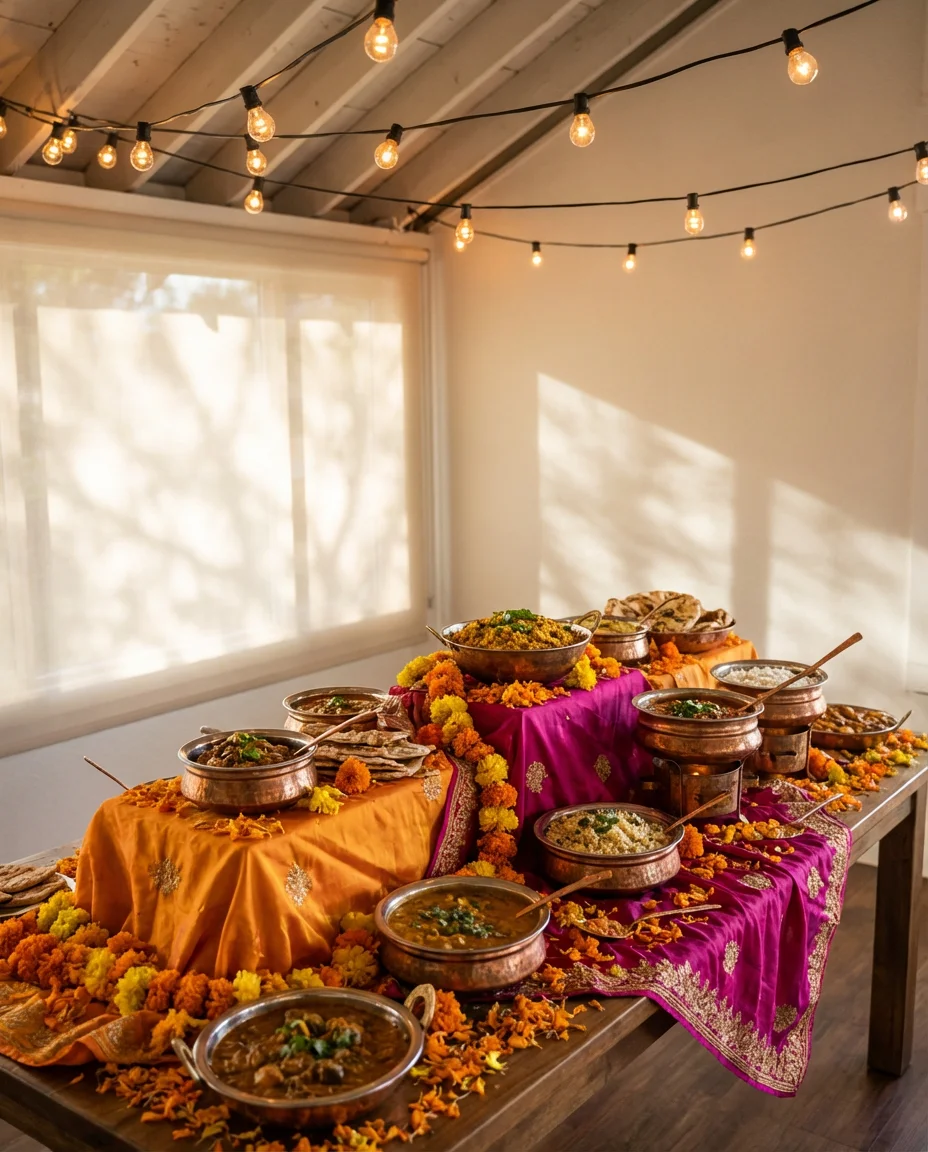
An Indian-inspired buffet brings some of the most visually lush tablescapes imaginable—deeply saturated textiles, hand-hammered copper serving dishes, scattered marigold petals, and the warm glow of oil lamps or string lights overhead. This approach works beautifully for a birthday celebration, an engagement party, or any dining event where you want guests to feel immersed in something genuinely celebratory. The colors alone—saffron, magenta, emerald, and peacock blue—do most of the decorating for you.
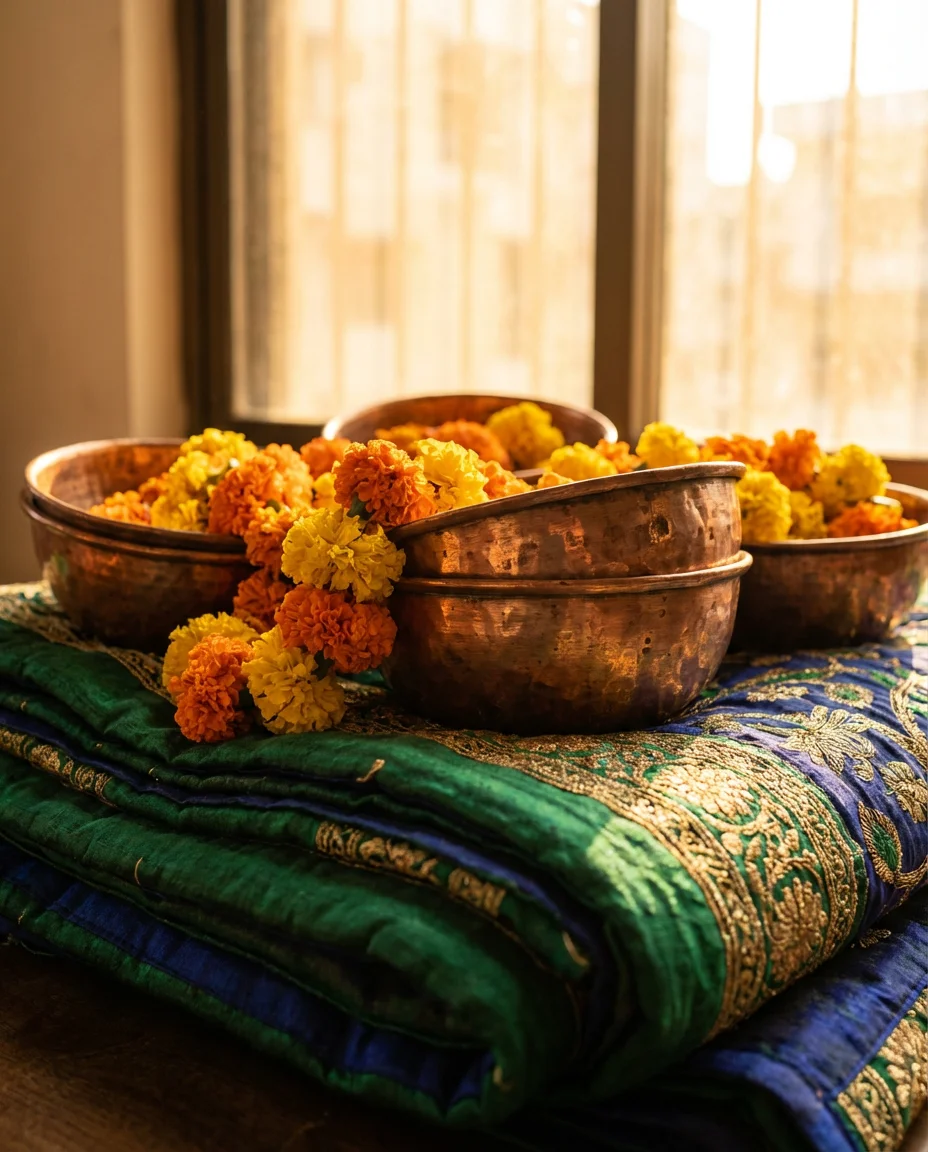
This style works best for indoor celebrations where you can control the lighting. Dimming the overheads and relying on warm-toned string lights or oil diyas elevates the whole experience—it turns the buffet into something that feels more like an installation than a food table. Indian grocery stores and import shops are the best sources for authentic copper serveware and silk textiles at a fraction of what you’d pay at a specialty event rental company.
6. Christmas Buffet with Red, White, and Pine
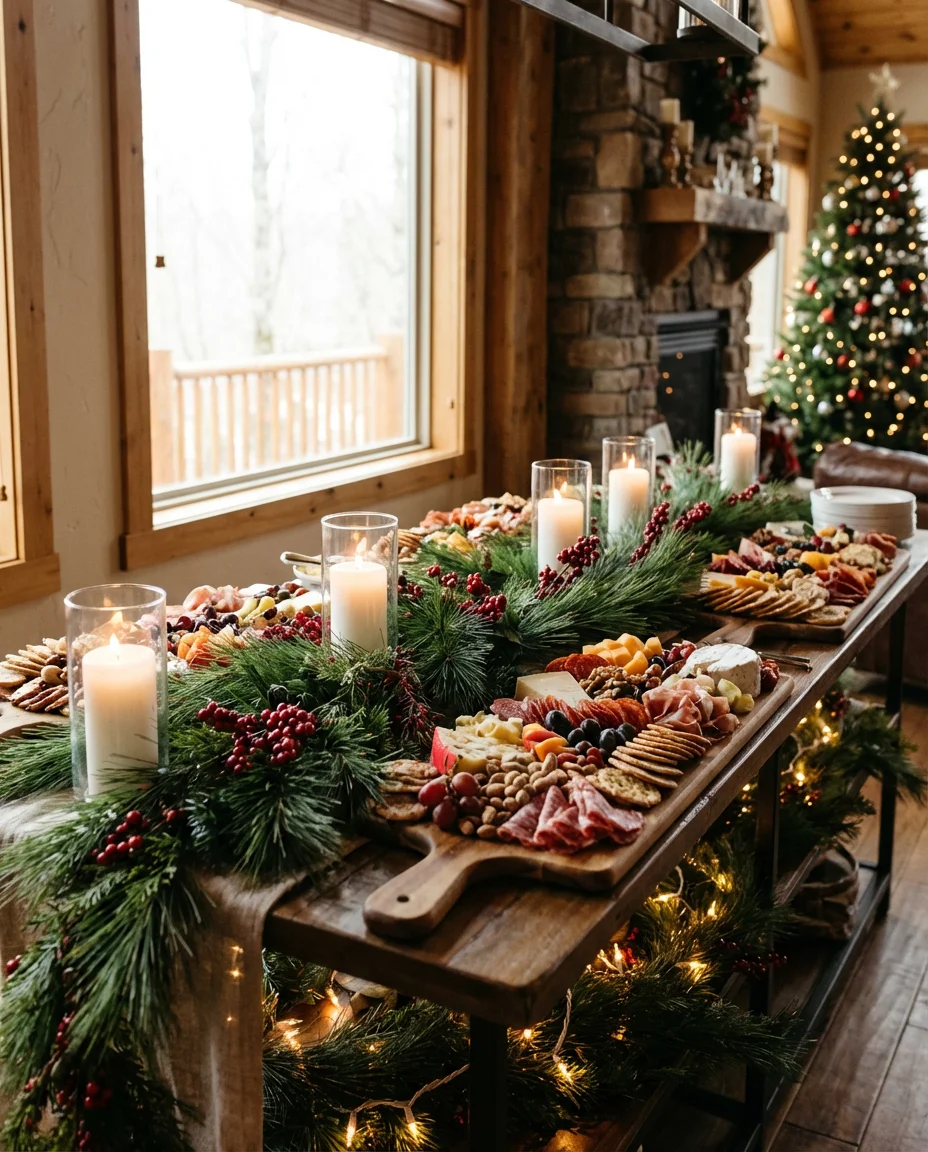
A Christmas buffet table deserves more than a roll of red tablecloth and some plastic holly. In 2026, the most shared holiday spreads on Pinterest layer fresh pine garland, red berry clusters, white pillar candles, and natural wooden elements for a look that feels genuinely festive rather than kitschy. Food presentation is central here—wooden boards lined with charcuterie, silver platters of cookies, and glass bowls of cranberry punch become part of the décor themselves.
Where this look works best is in homes with traditional or transitional interiors—think dark wood floors, brick fireplaces, or white-painted built-ins. The natural pine against white or cream surfaces creates a color contrast that feels organic rather than over-decorated. Fresh garland from a garden center typically costs between $15 and $40 and smells incredible, which adds a whole sensory dimension that no faux garland can replicate.
7. Open Shelving Buffet Display for Dining Rooms
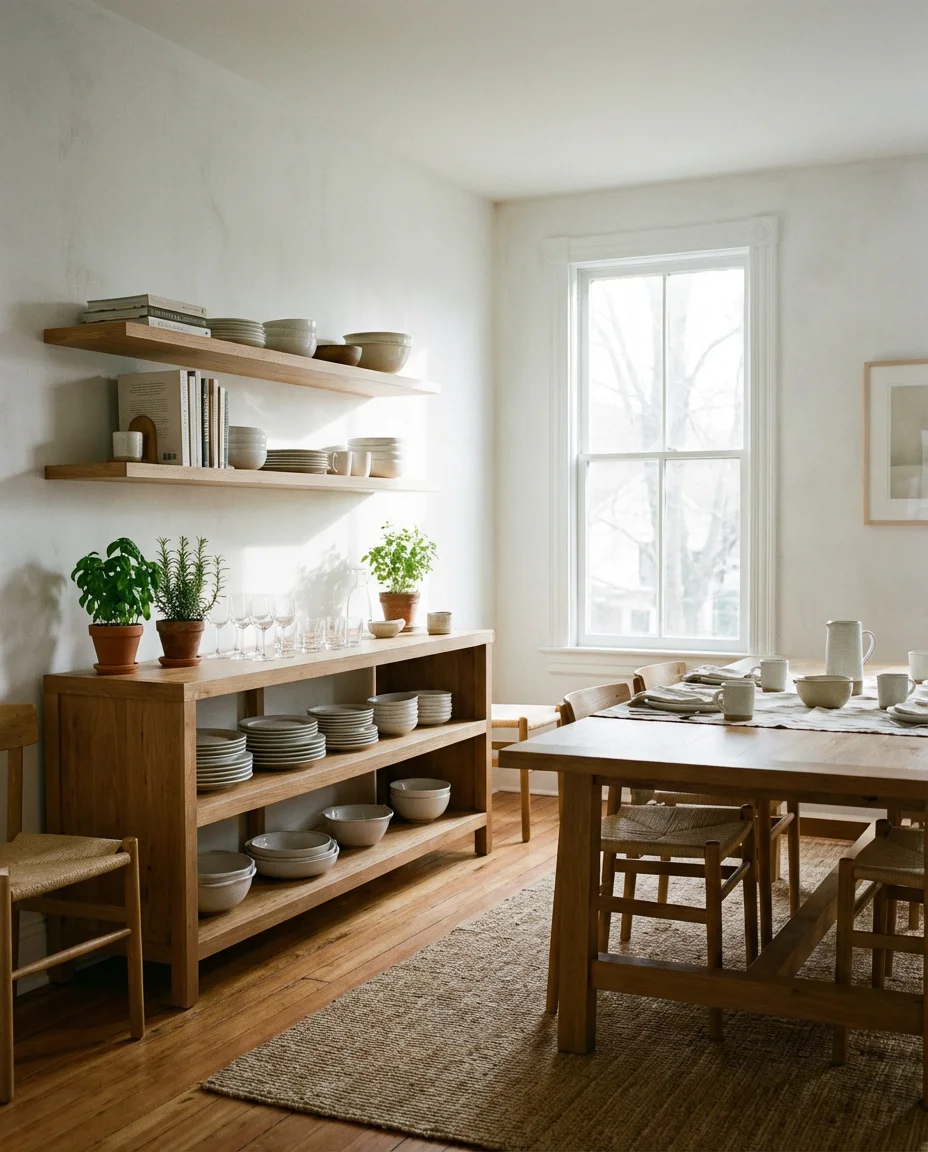
If your home features dining rooms with open shelving, it would be a missed opportunity not to incorporate it into your buffet setup. Floating shelves or a built-in hutch can hold glassware, serving pieces, and decorative objects that frame the food table below, creating a cohesive layered look that feels intentional rather than improvised. This approach works brilliantly for hosting events and dinner parties where you want the space itself to feel considered and styled from floor to ceiling.
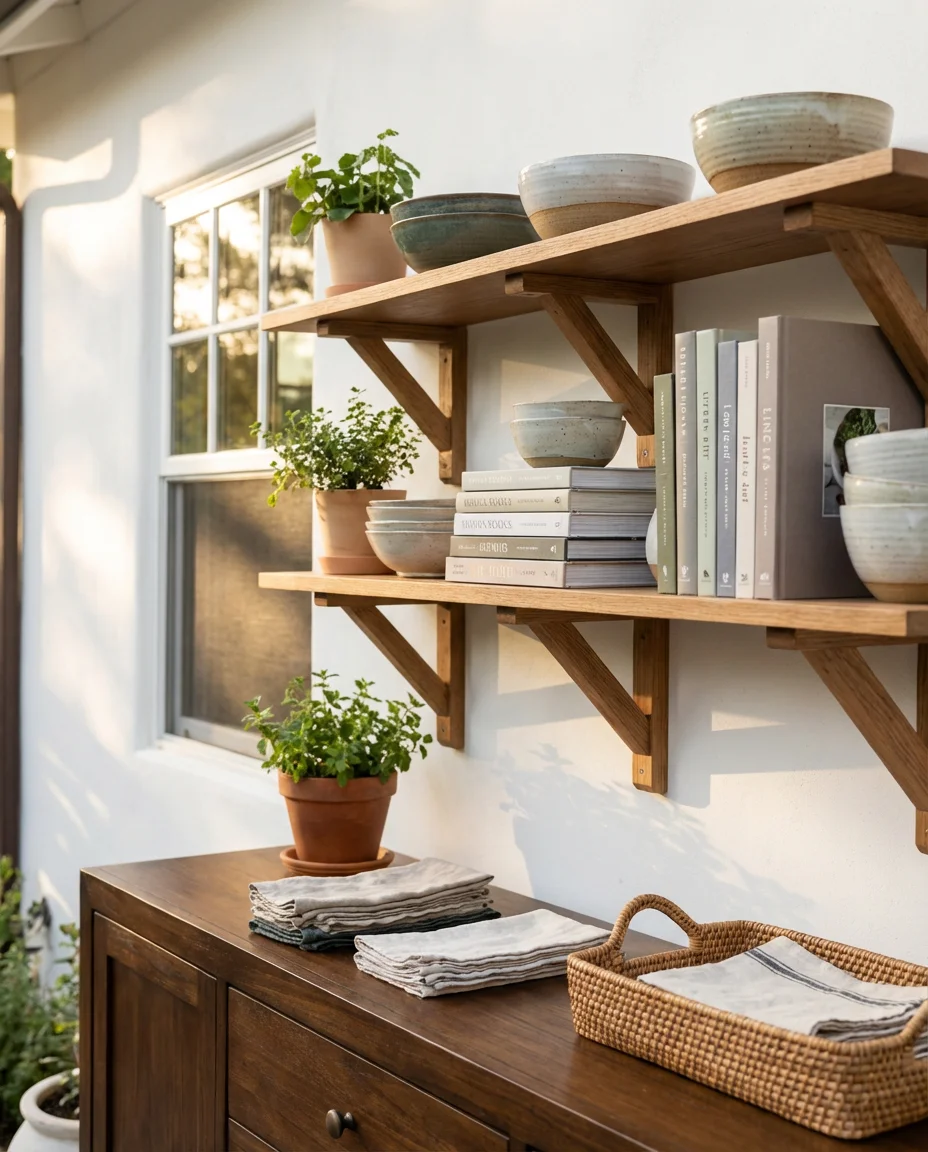
The most common mistake people make with open shelving buffets is using the shelves exclusively for storage rather than styling. If your shelves are visible during a party, they should look intentional—curated groupings of three items tend to read better than long rows of matching pieces. Mix heights, textures, and materials: a ceramic pitcher next to a small plant next to a stack of books reads as thoughtful; a row of identical white bowls reads as a kitchen cabinet.
8. Console Table Buffet for Elegant Dining Rooms
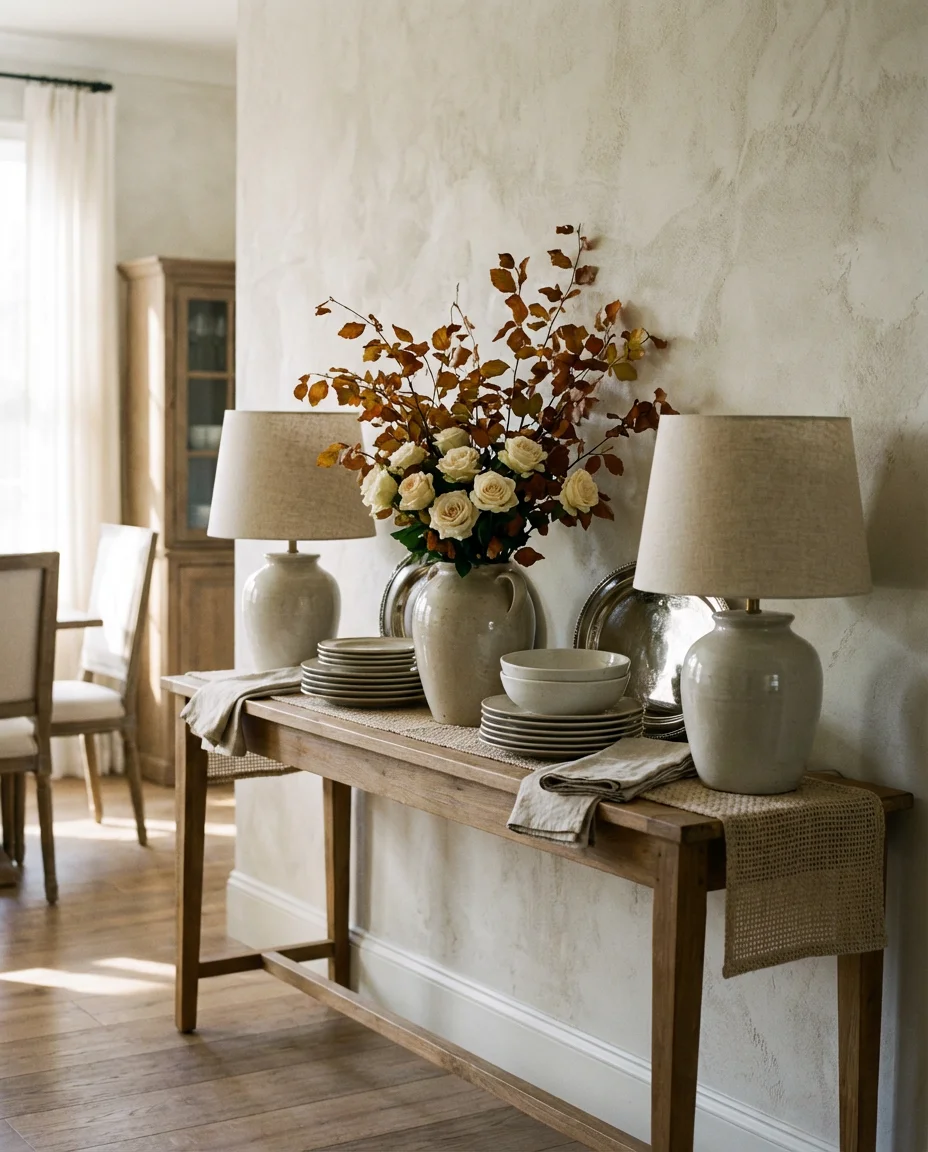
The slim console table is having a serious moment as a permanent-fixture buffet for dining room consoles styled for entertaining. Unlike a bulky sideboard, a console’s narrow profile means it can live against almost any wall without dominating a room—and when dressed for a party with a pair of two lamps flanking a central arrangement, it immediately reads as an intentional vignette rather than an afterthought. This setup is especially popular in urban apartments and city townhouses where square footage is precious.
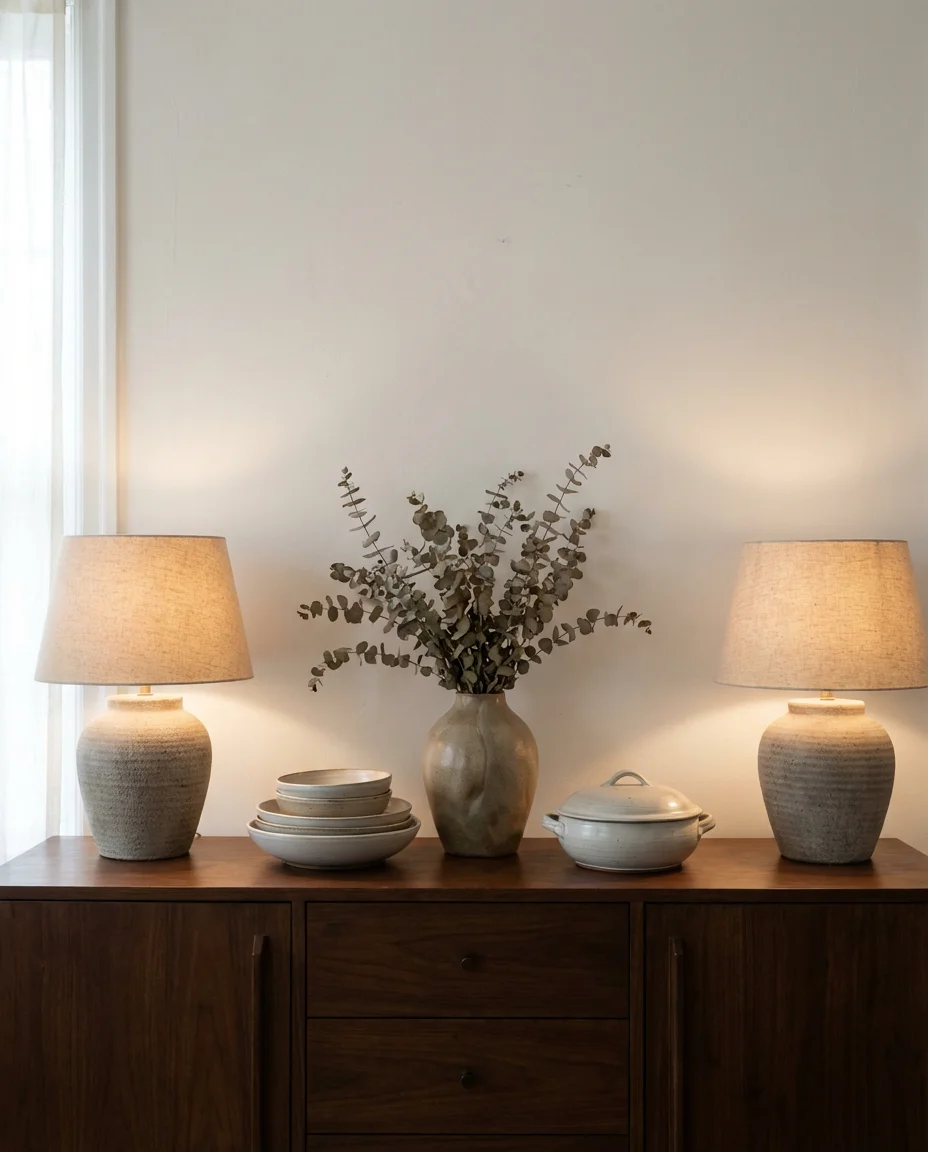
Real homeowners who’ve adopted the console-as-buffet approach consistently report that it doubles as their favorite everyday styling surface when not in use for entertaining. The symmetry created by two matching lamps on either end provides an immediate visual anchor, making the whole setup feel polished with minimal effort. It’s one of those design moves that pays dividends year-round rather than only on party days.
9. Brown and Antique-Toned Vintage Buffet
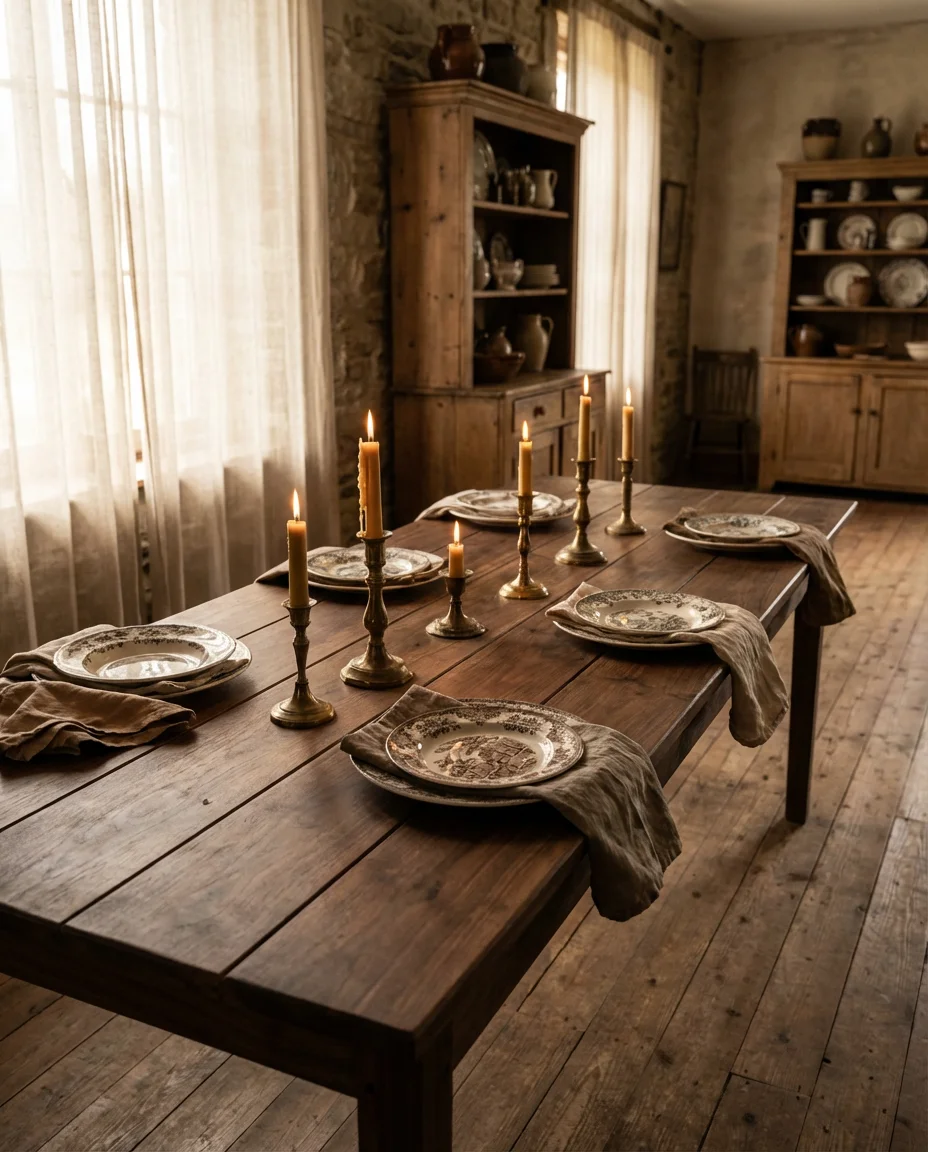
There is a richness to a brown and antique buffet palette that feels deeply settled and unhurried—the kind of tablescape that looks like it’s been assembled over a lifetime rather than ordered from a decor box. Walnut-toned serving boards, aged brass candlesticks, vintage transferware plates, and linen napkins with visible texture come together in a spread that feels genuinely personal. This works particularly well for dining celebrations that call for a sense of heritage and tradition.
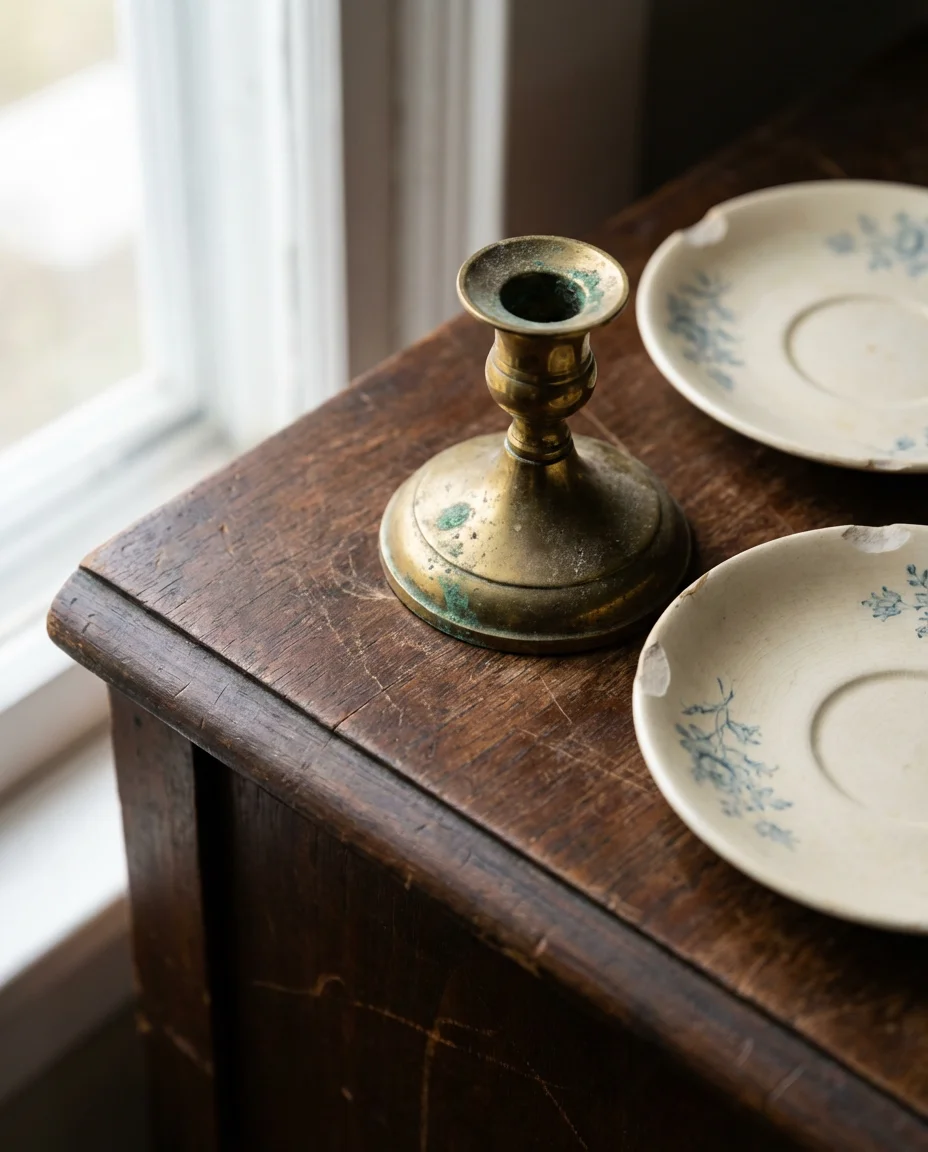
This style rewards thrift store and estate sale shopping more than almost any other buffet aesthetic. A single afternoon of sourcing at a good antique market can yield brass pieces, ceramic platters, and aged linen napkins that give the table authenticity no new purchase can match. The general principle is to mix periods loosely—a Victorian candlestick next to a mid-century serving bowl works beautifully as long as the tones stay within a warm amber-to-chocolate range.
10. Wedding Food Grazing Table Styled in White and Green
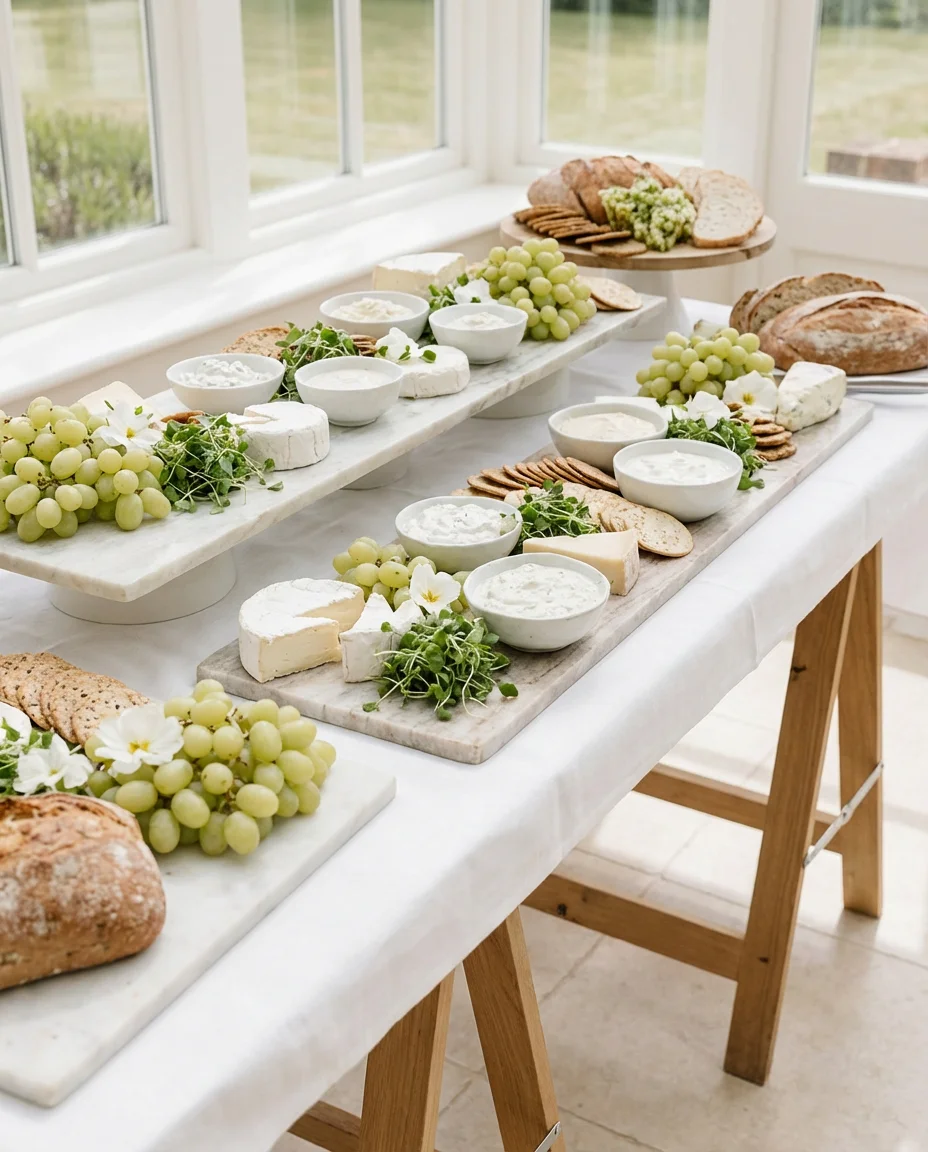
The wedding food grazing table has become the defining buffet trend of this decade, and the most elegant iterations work in a restrained palette of white and fresh green. Marble slabs, white ceramic dishes, cream-colored cheeses, pale grapes, and scattered micro-herbs on a white linen base create something that looks closer to food photography than a party spread. Catering professionals who specialize in weddings consistently note that the white-green combination photographs better than almost any other color scheme.
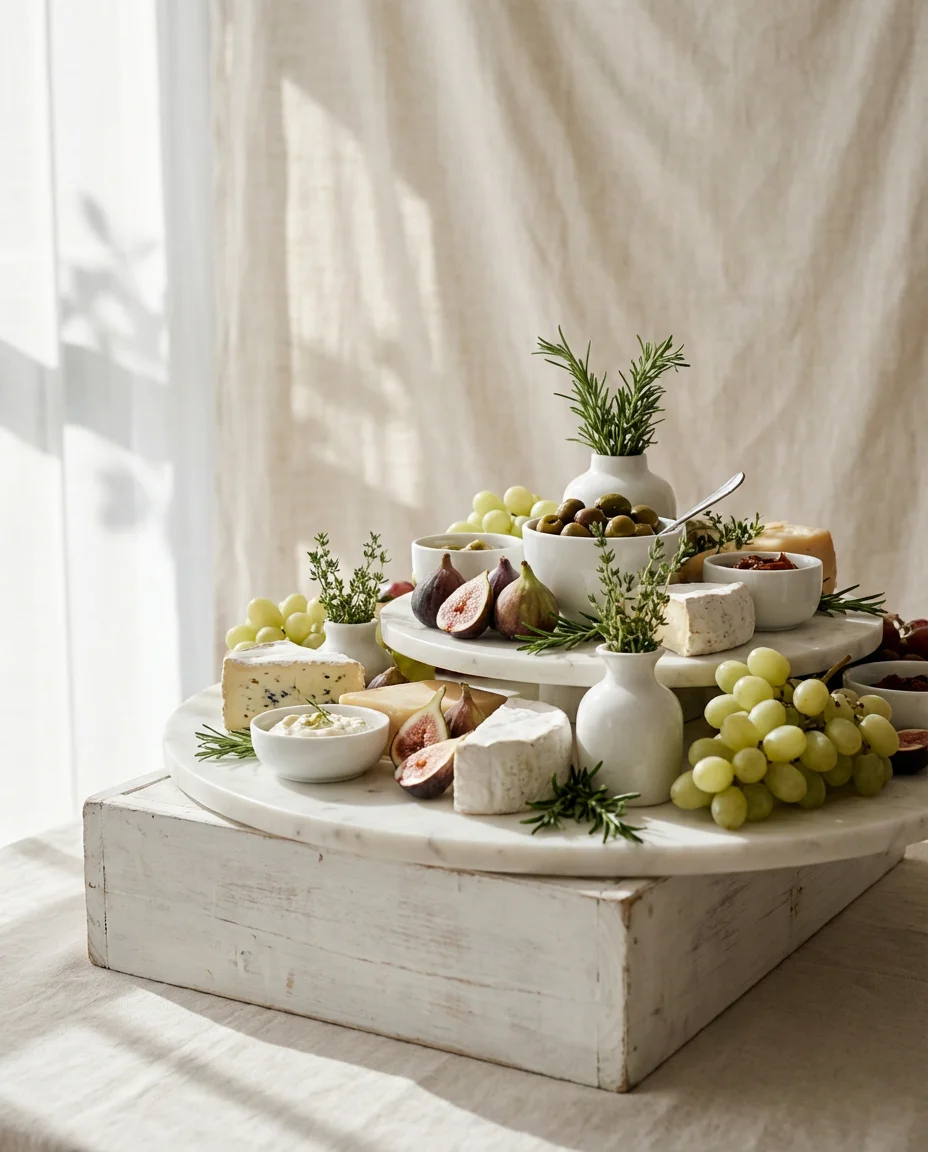
The practical insight here is deceptively simple: start with the largest items first. Marble boards, ceramic platters, and whole cheeses go down first to create the structure, then smaller items like grapes, nuts, and herbs fill in the gaps organically. Building from large to small prevents the scattered, haphazard look that plagues amateur grazing tables. Designating one person to refresh and restyle the table every hour keeps it looking abundant even as guests eat.
11. Party Planning Balloon and Sweets Buffet
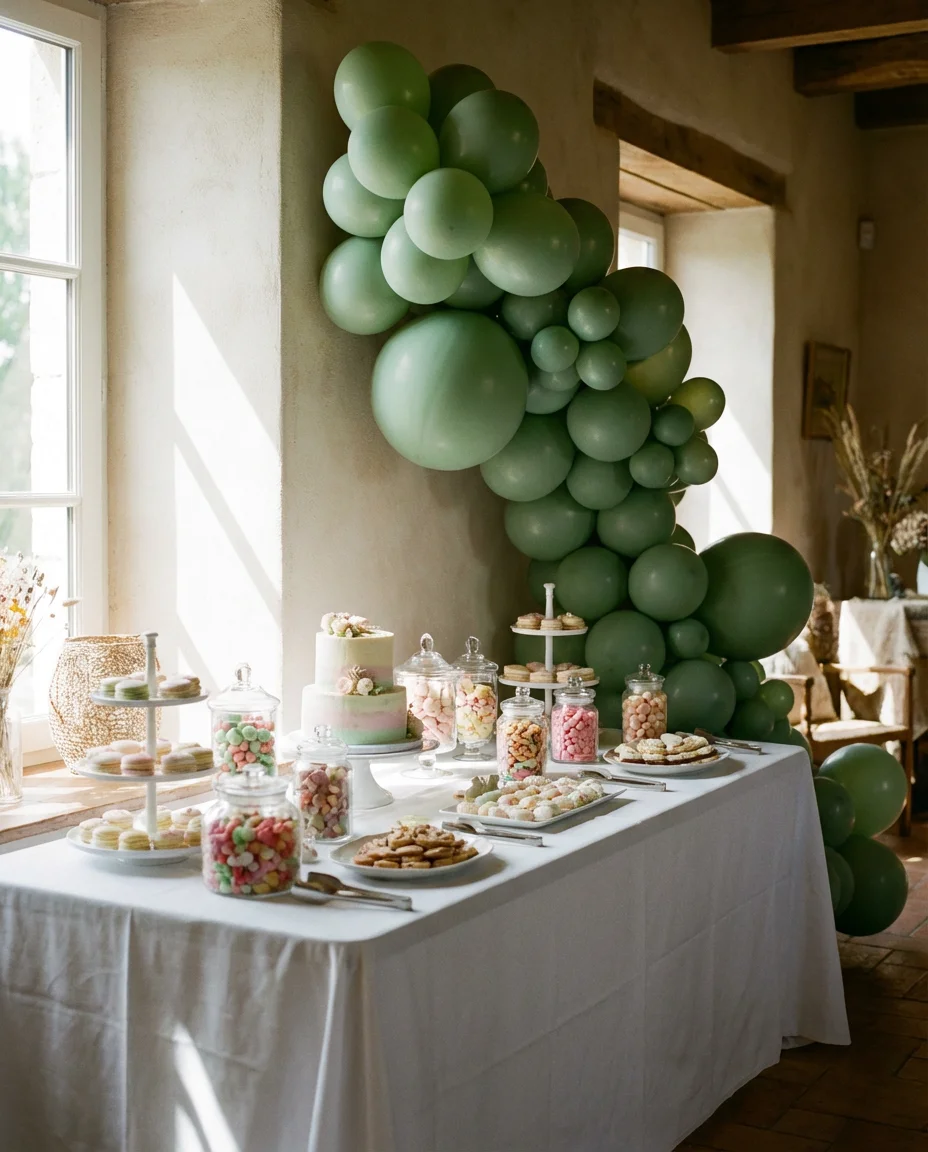
When it comes to party planning, a dedicated sweets buffet styled with balloons instantly becomes the most photographed corner of any celebration. The key in 2026 is moving away from the pastel balloon arch cliché and instead using tonal clusters—all sage green, all terracotta, or all dusty rose—that feel more grown-up and considered. For a birthday spread, pair tiered cake stands, glass apothecary jars of candy, and small handwritten labels with an architectural balloon installation for maximum visual impact.
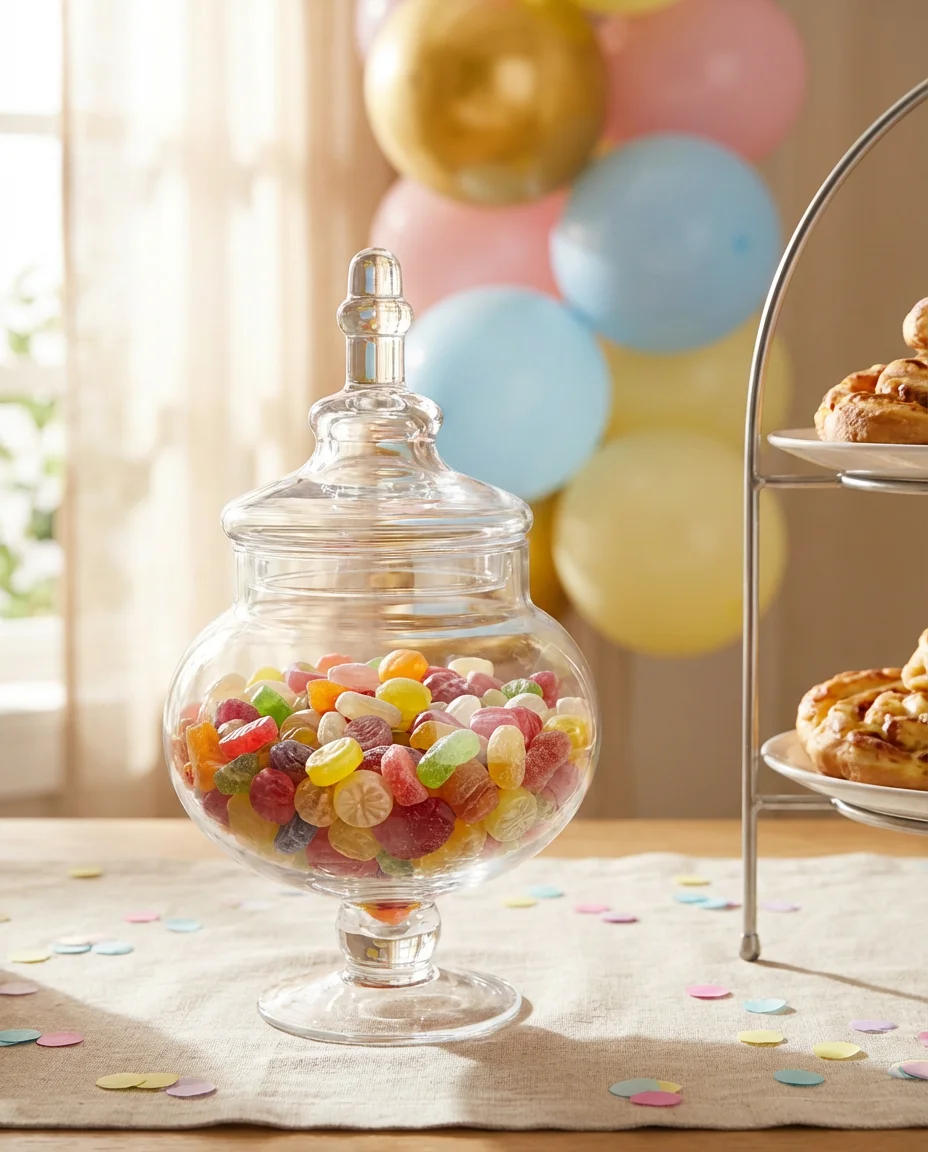
This style works best in open-plan living spaces or rooms with high ceilings where a balloon installation can breathe without looking cramped. The most effective sweets tables are at least six feet wide—anything narrower makes the arrangement feel compressed rather than abundant. For smaller venues, go vertical: a tall balloon column flanking a narrower table reads as intentional rather than squeezed, and it actually draws the eye upward in a flattering way.
12. Catering-Style Buffet with Tiered Risers and Labels
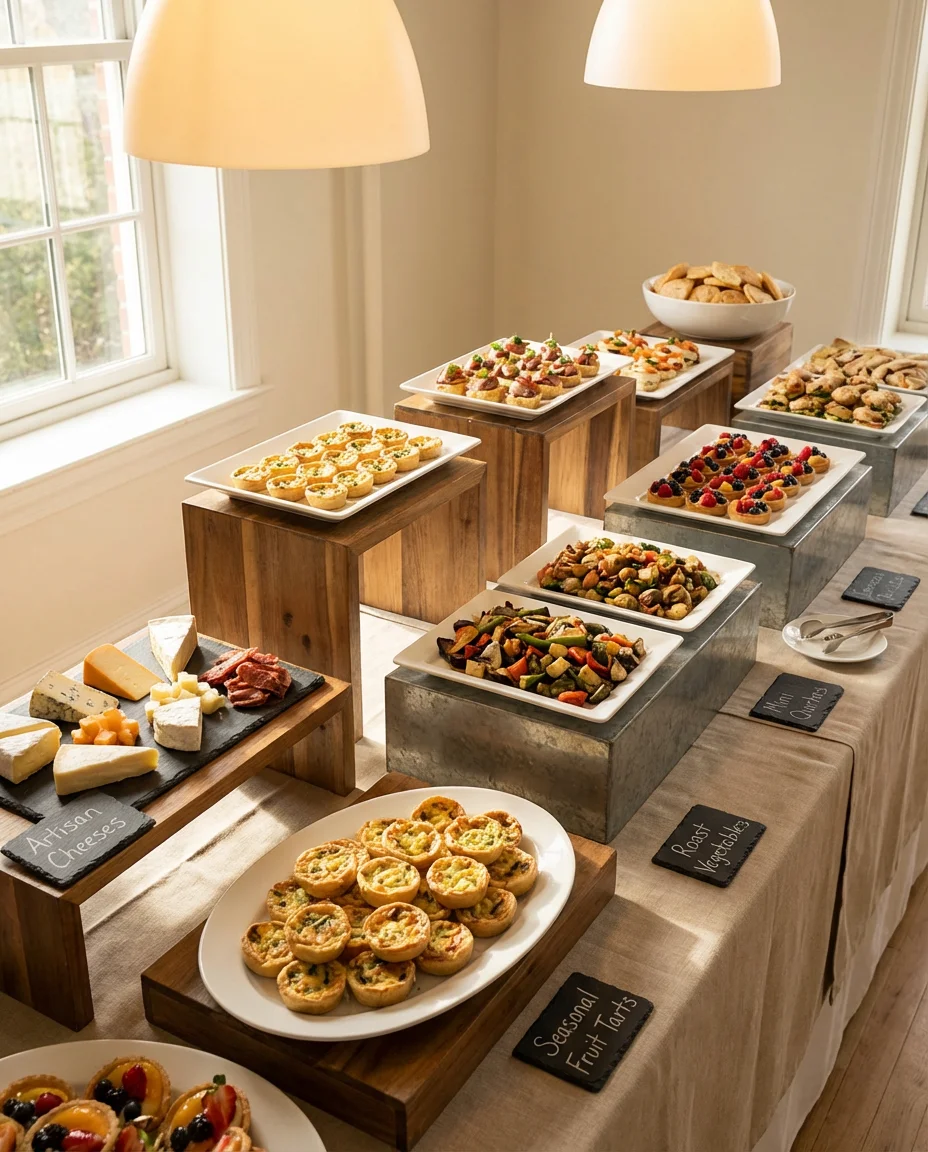
The professional catering approach to buffet styling is built on one principle that home entertainers too often skip: height variation. Using tiered risers—whether custom acrylic stands or stacked vintage books wrapped in linen—creates a visual landscape across the table that makes even a modest spread look curated and generous. Paired with handwritten labels on small slate boards or kraft card tents, this setup gives any event’s table an immediate sense of professional polish.
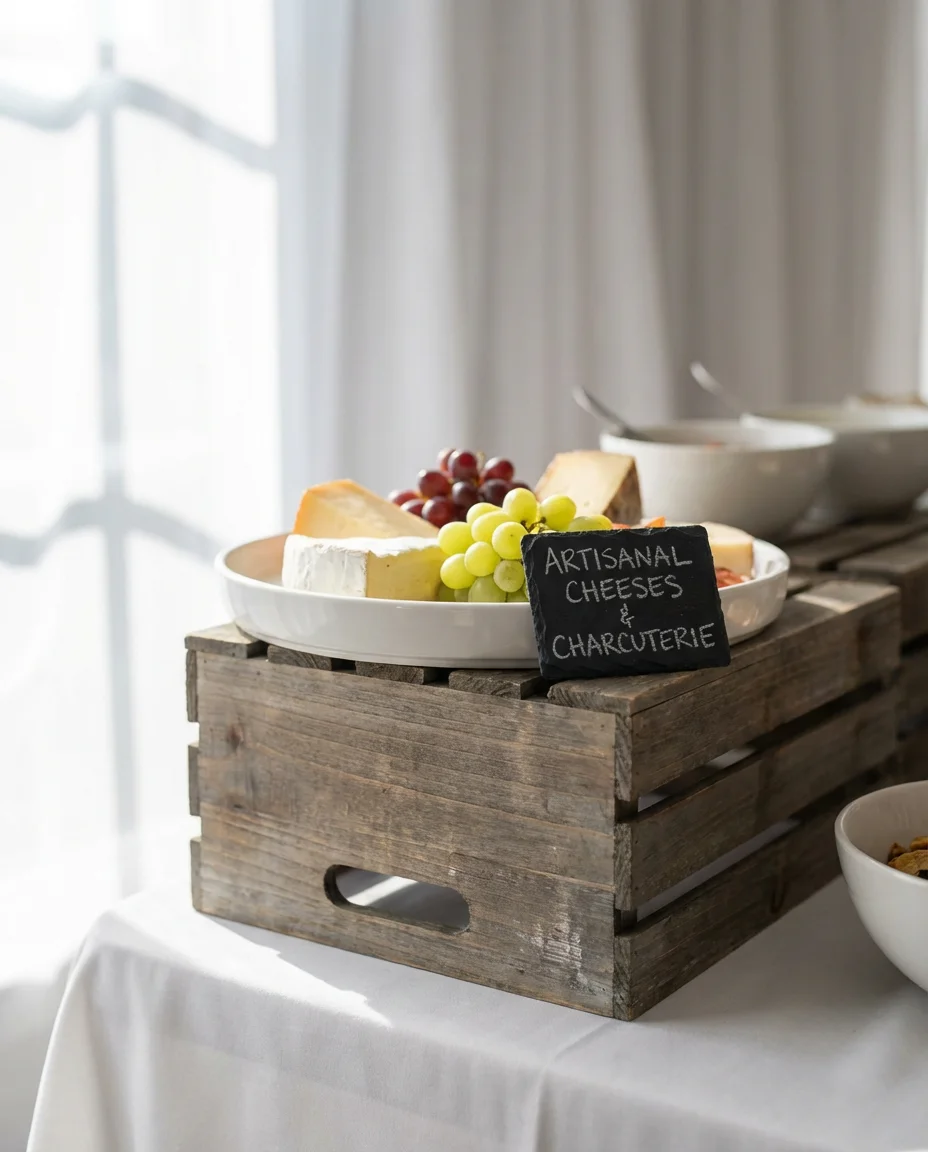
An expert-style tip from event designers: odd numbers of items almost always look better on a buffet than even numbers. Three risers, five platters, and seven small bowls—the asymmetry prevents the table from looking rigid or catalogued. And when it comes to labels, keep the font or handwriting style consistent across all cards. Mixed label styles, even when each one is individually attractive, can make a buffet look like it was assembled by a committee rather than styled with intention.
13. Red and Brown Harvest Dinner Buffet
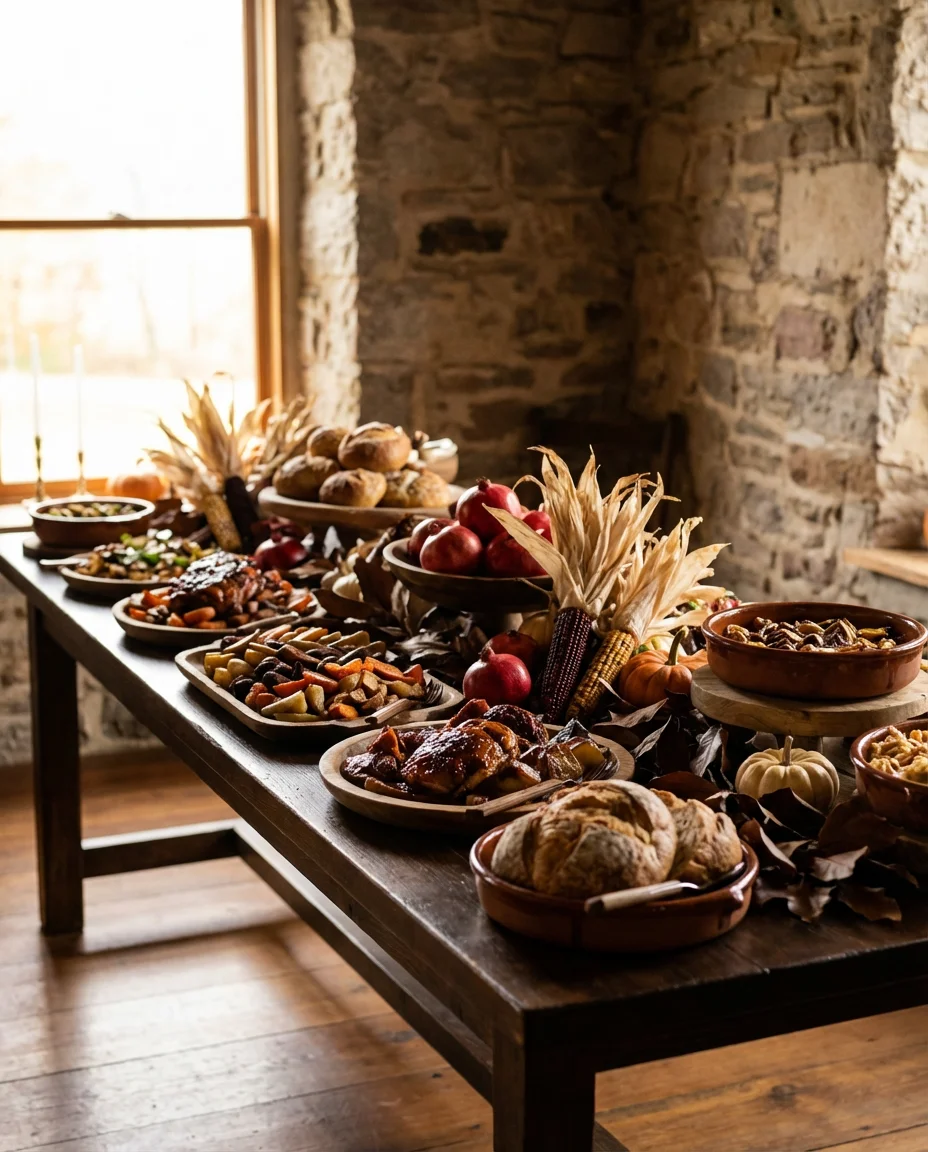
A harvest-themed buffet in deep red and brown tones captures everything that makes fall entertaining so satisfying—rich textures, warm colors, and an abundance of seasonal produce used as décor. Pomegranates, blood oranges, dried corn, and small gourds arranged alongside food platters blur the line between centerpiece and spread in the most appealing way. This works for any autumn dinner gathering, from Friendsgiving to a formal November birthday celebration.
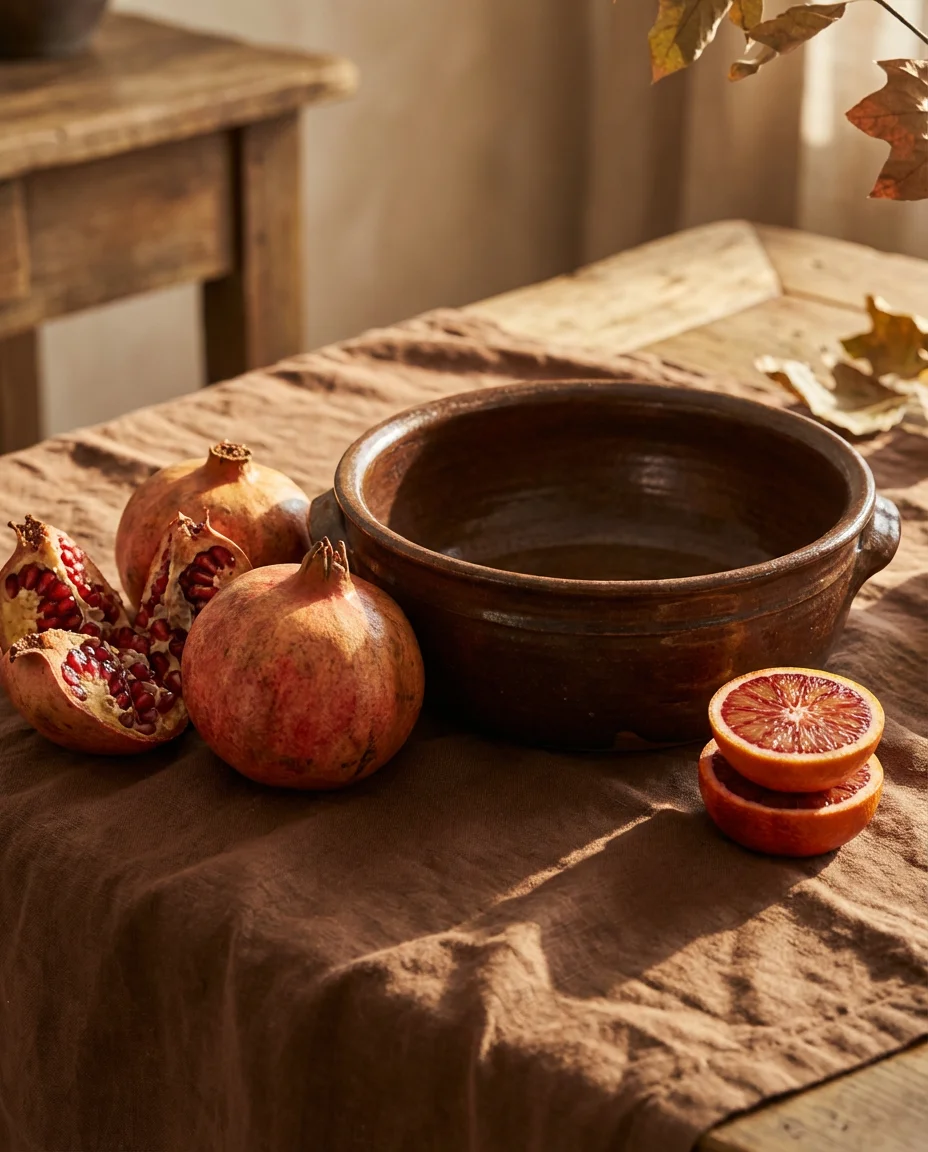
This is the buffet style that rewards a trip to the farmers market more than a trip to a décor store. Seasonal produce in fall tones is both inexpensive and genuinely beautiful—and unlike purchased florals, it stays fresh-looking for days. Placing whole fruits and vegetables directly on the table surface between platters, rather than confining them to a single centerpiece, creates an immersive sense of harvest abundance that guests almost always comment on.
14. Modern Black and White Events Display Table
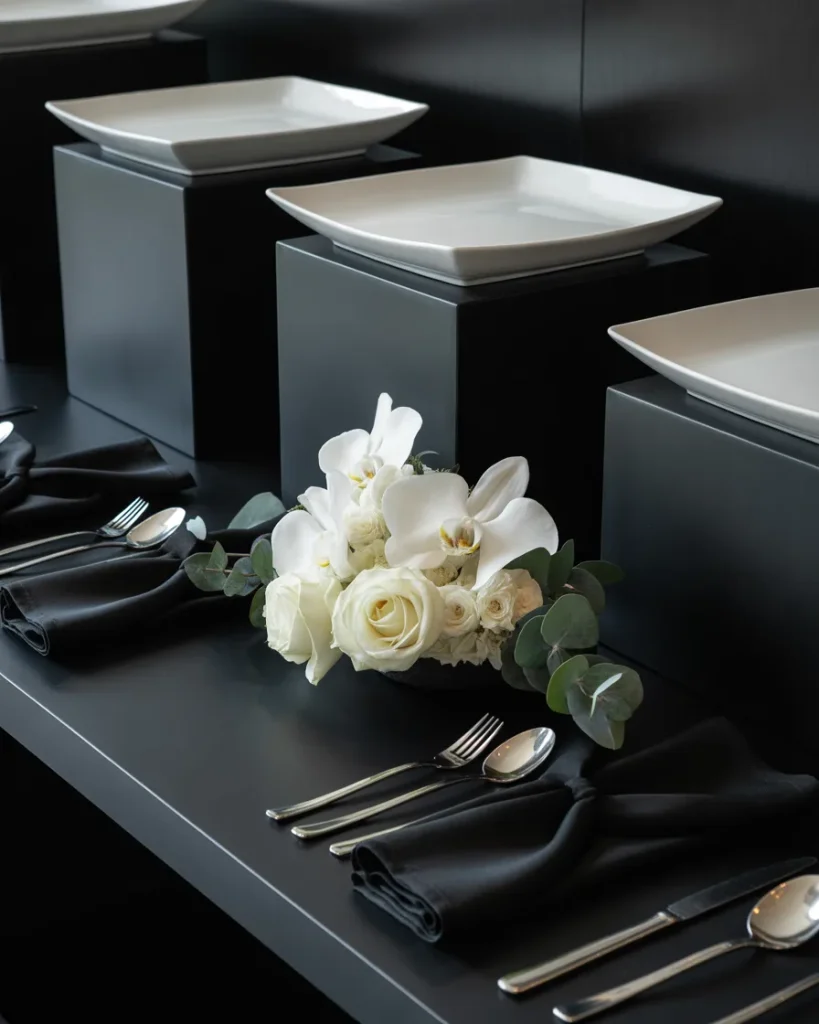
For corporate events or sophisticated private parties, a monochromatic black and white buffet display table delivers maximum visual impact with minimal color risk. Matte black risers, white ceramic platters, black linen napkins folded precisely, and a single architectural floral arrangement in white blooms create something that feels closer to editorial styling than a food table. This approach photographs spectacularly and reads as high-end regardless of what the food itself looks like.
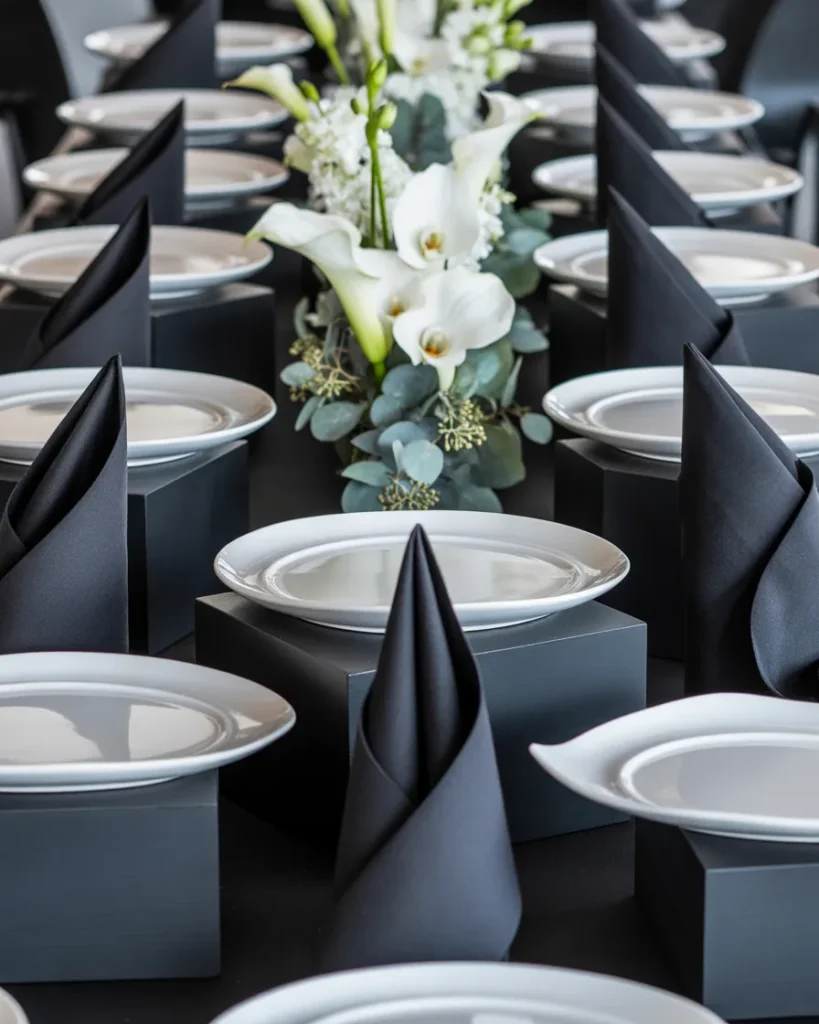
The American corporate event market has largely adopted this palette because it reads as premium without alienating anyone with a strong color preference. It’s essentially the navy suit of buffet design—safe in the best possible sense. One thing to watch out for: food color matters more against a black-and-white backdrop than it does against a more colorful setting. Bright sauces or vivid salads become visually prominent, so embrace that rather than hiding it with garnishes.
15. Birthday Buffet with Personalized Signage and Balloons
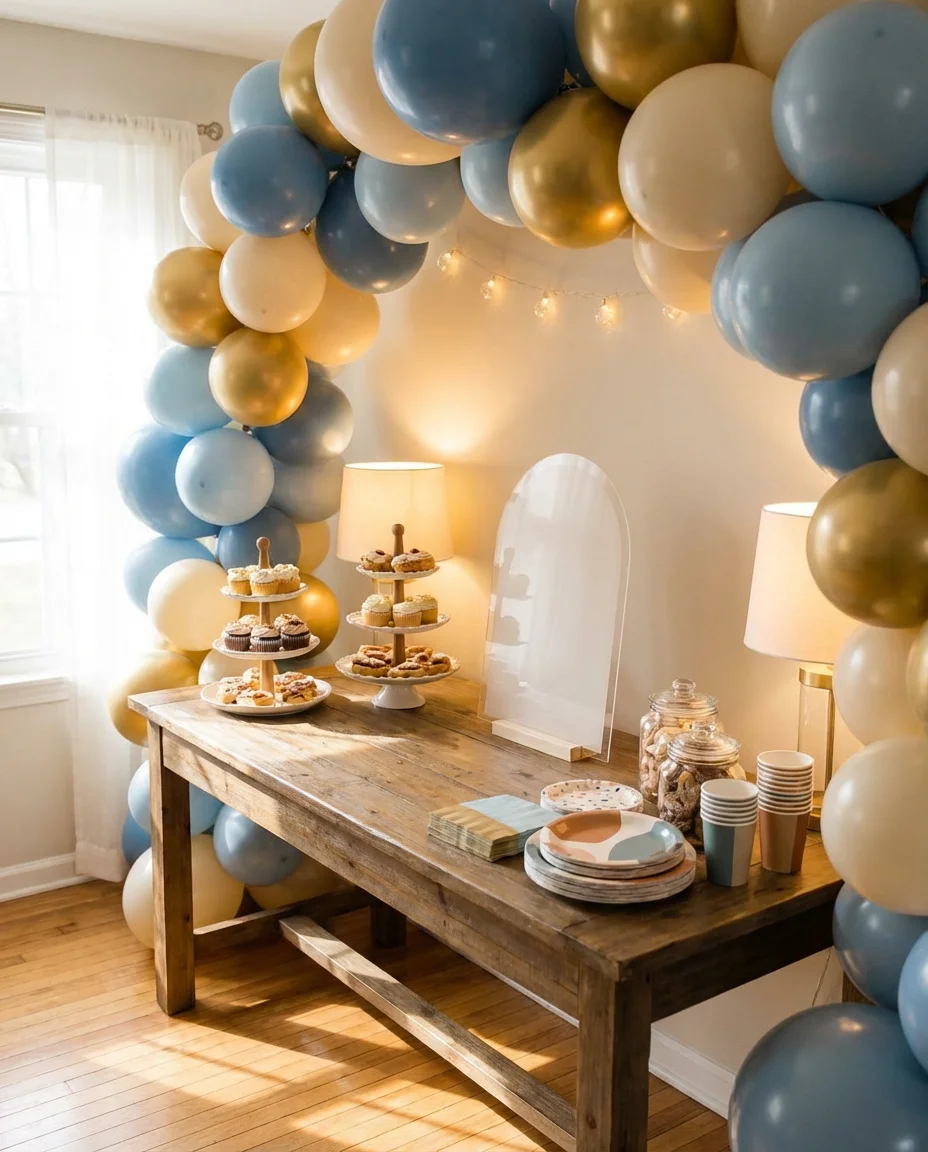
A birthday buffet is the one occasion where personalization can and should go all the way—your name in neon lights, your age in balloon numbers, and your favorite colors saturating every inch of the table. For a truly Pinterest-worthy party planning moment, pair a custom acrylic sign or painted banner with a matching color-block balloon display, tiered dessert stands, and a coordinated paper goods suite. This works across ages and aesthetics when you commit to the palette rather than hedging.
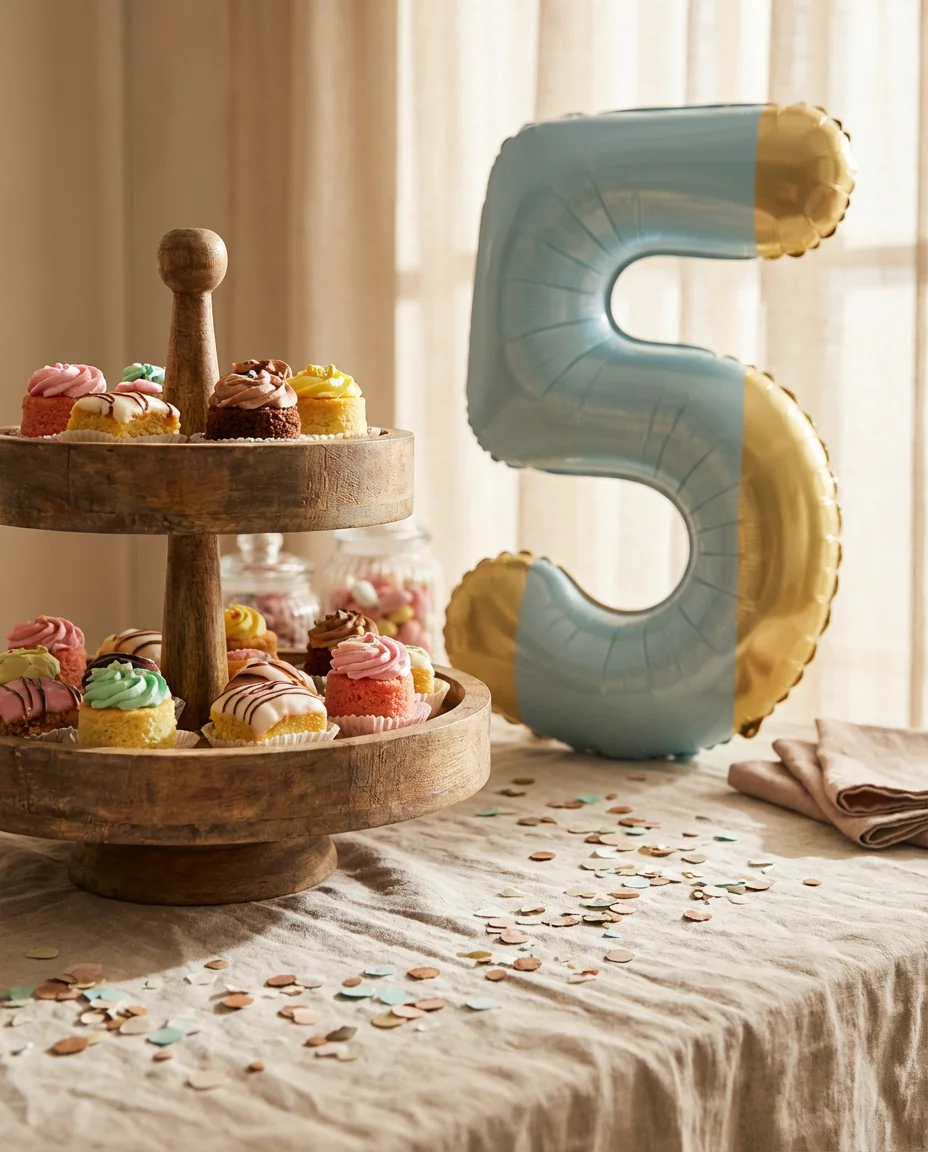
Where this concept truly shines is in smaller homes where you can’t afford to spread the party across multiple rooms. Concentrating all the visual energy at one focused buffet wall creates a backdrop that feels professionally styled rather than cramped. Designate someone to take photos at this spot before guests arrive—the buffet always looks its most pristine in that first half-hour, and those early shots are the ones that end up framed.
16. Antique Sideboard Buffet with Mixed Vintage China
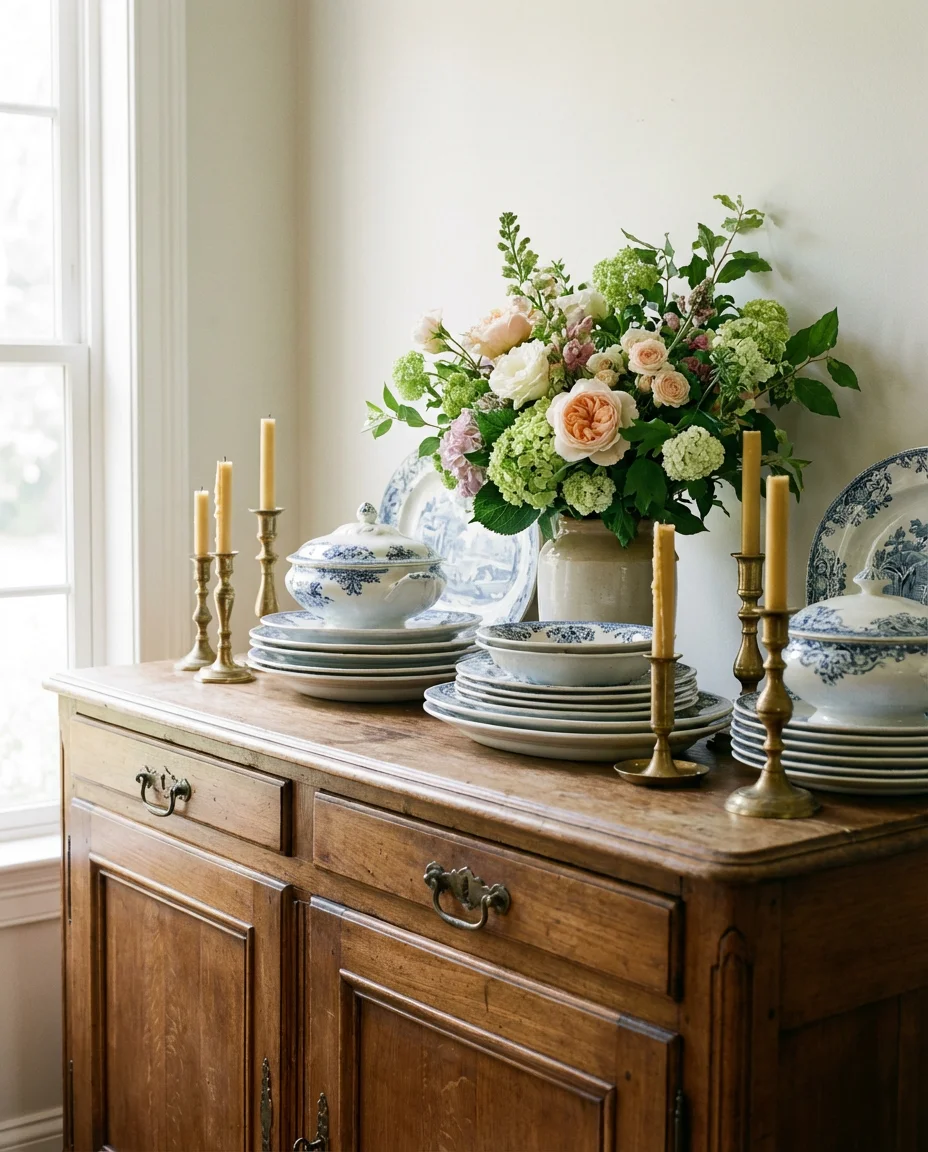
An antique sideboard brings immediate heirloom gravitas to any buffet setup, and the trend of mixing mismatched vintage china patterns is gaining serious traction among American hosts who want their table to feel lived-in and personal. A collection of transferware in blue and white beside a stack of floral ironstone beside a set of gilded dinner plates sounds chaotic—but when united by a shared color family, it reads as curated eclecticism. This is the perfect approach for intimate events, dinner parties, and gatherings.
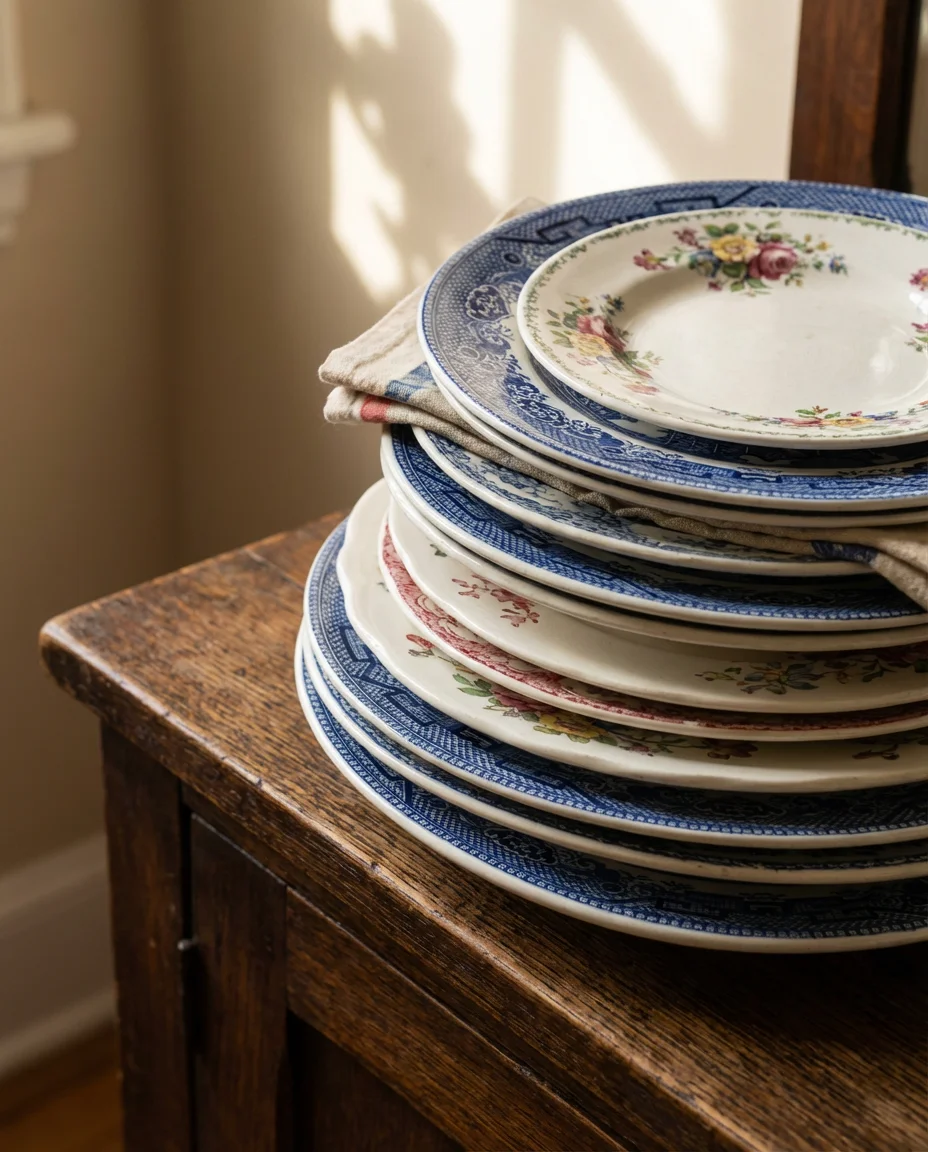
Americans in the South and New England tend to inherit or accumulate mismatched china naturally over generations, making this aesthetic feel deeply familiar and personal rather than trendy. The practical move is to use the most valuable or fragile pieces as display items at the back of the setup, reserving the sturdy ironstone or thick hotel china for actual serving. Guests notice and appreciate the vintage pieces without the anxiety of handling something precious.
17. Outdoor Garden Party Buffet with Wildflower Arrangements
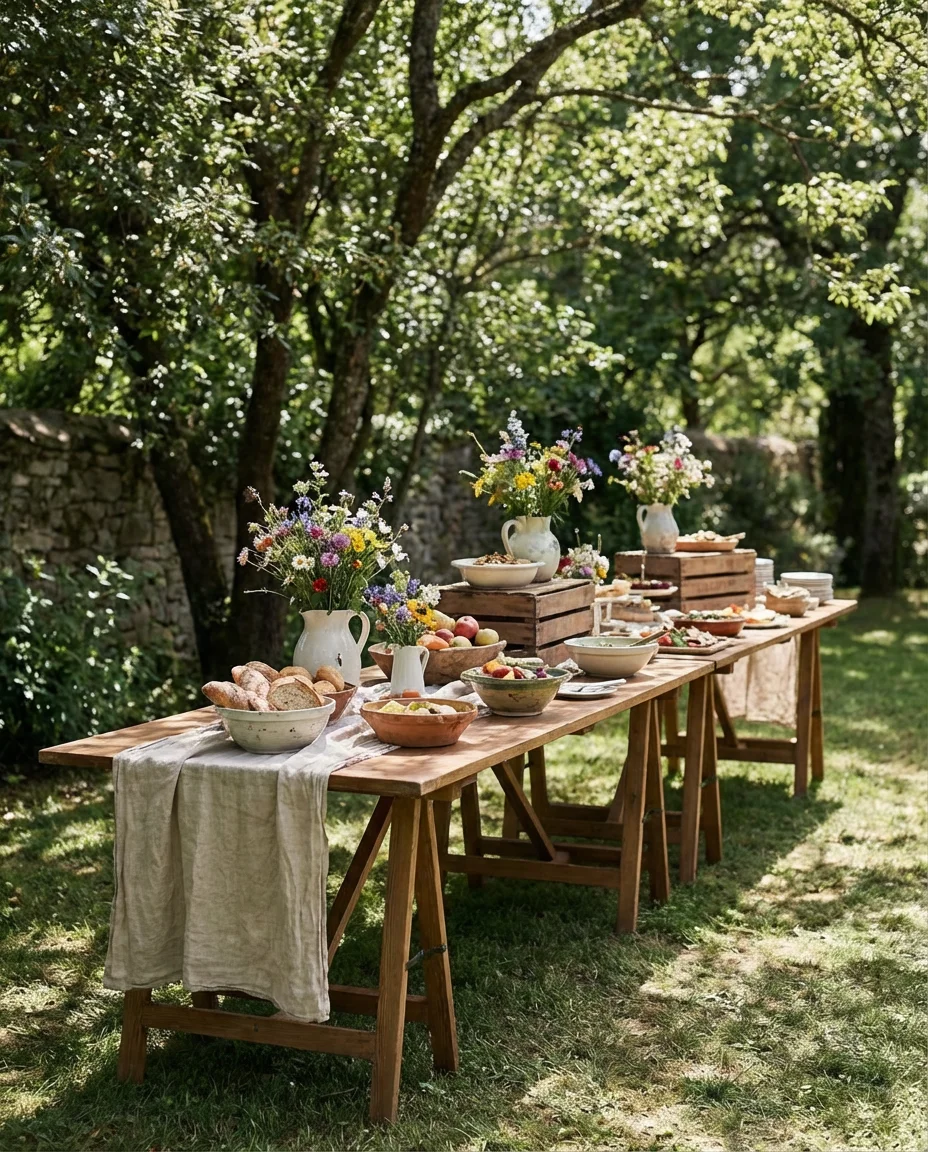
An outdoor garden party planning setup centered on a long trestle table, wildflower arrangements, and relaxed linen creates one of the most effortlessly appealing buffet aesthetics for spring and summer events. The key is leaning into natural imperfection—flowers that haven’t been trimmed too precisely, herbs that spill over the edge of their vessel, and mismatched vintage pitchers and jugs used as makeshift vases. The more the table looks like it grew out of the garden itself, the more inviting it becomes.
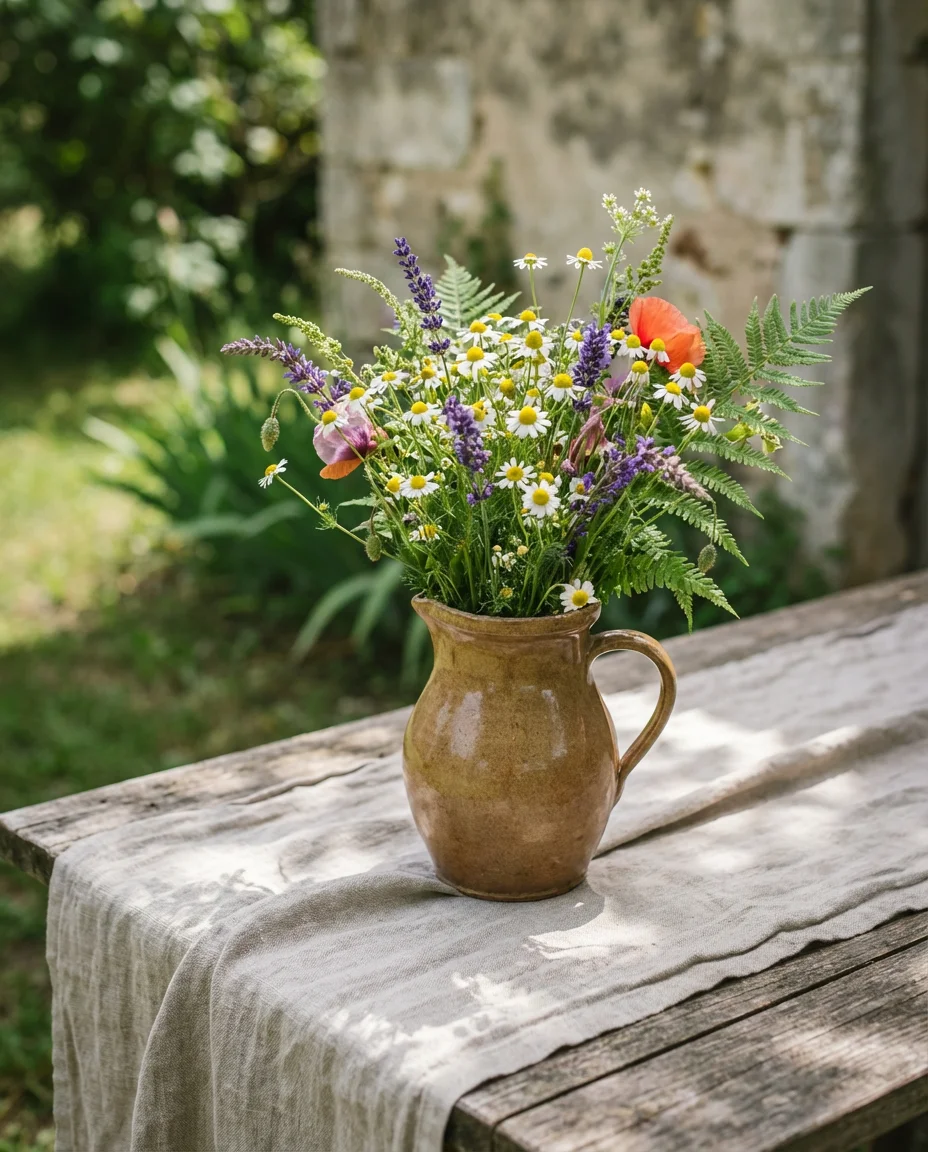
This style works best from late May through early September across most American climate zones, though it thrives particularly in the Pacific Northwest and coastal New England, where the soft grey light creates natural flattering photography conditions. One regional nuance: in humid Southern states, flowers need to go out no earlier than one hour before the event, or they’ll wilt quickly. Keeping a bucket of spare stems nearby for quick refreshing is the kind of practical preparation that separates a beautiful party from a frazzled one.
18. Modern Minimalist Buffet with Concrete and Greenery
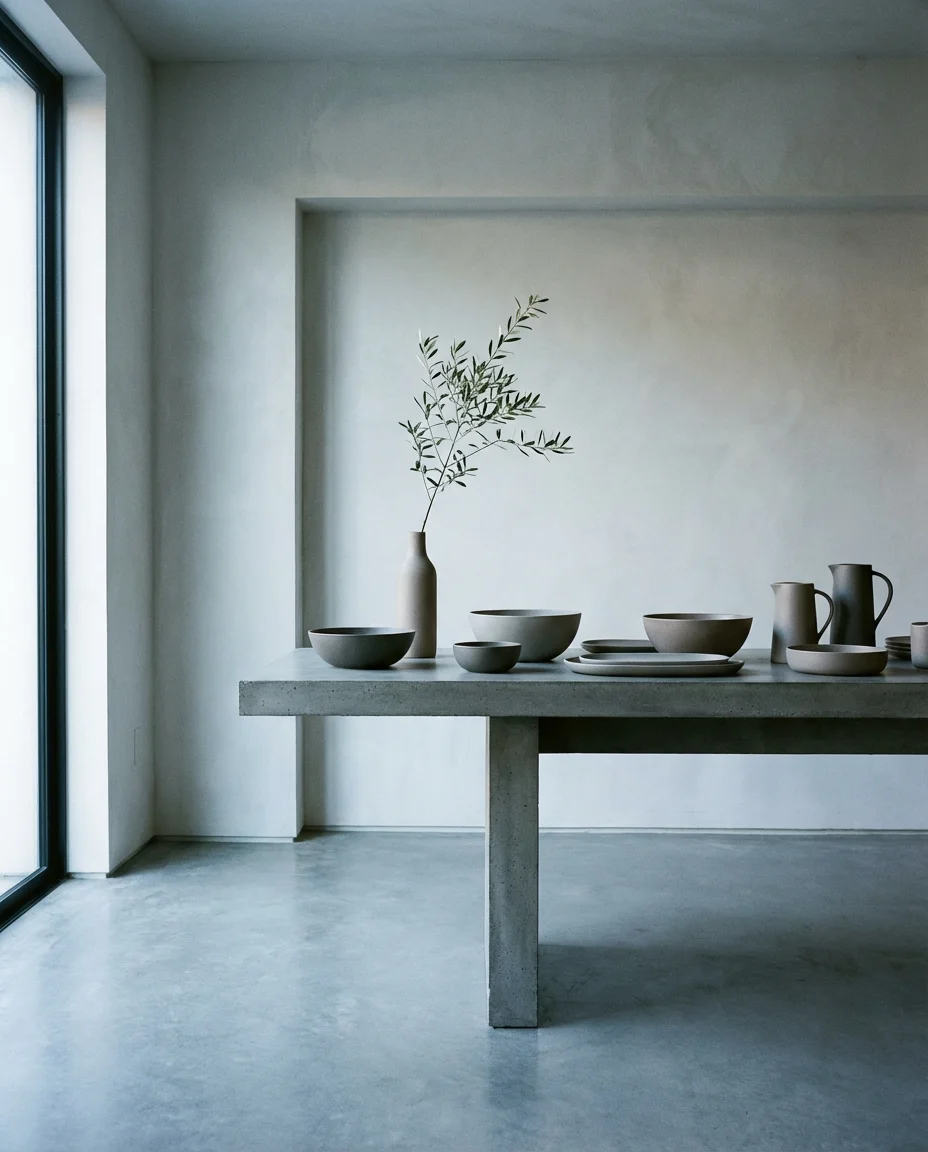
For hosts whose design sensibility runs toward the spare and architectural, a minimalist buffet built around concrete, matte ceramics, and restrained greenery delivers sophistication without a single decorative flourish. A concrete slab surface or a console with a poured-concrete top sets the tone immediately. Simple clusters of eucalyptus or a single olive branch in a tall, slim vase provide the only organic note. This approach resonates strongly with younger American hosts in West Coast cities who prize considered restraint over abundance.
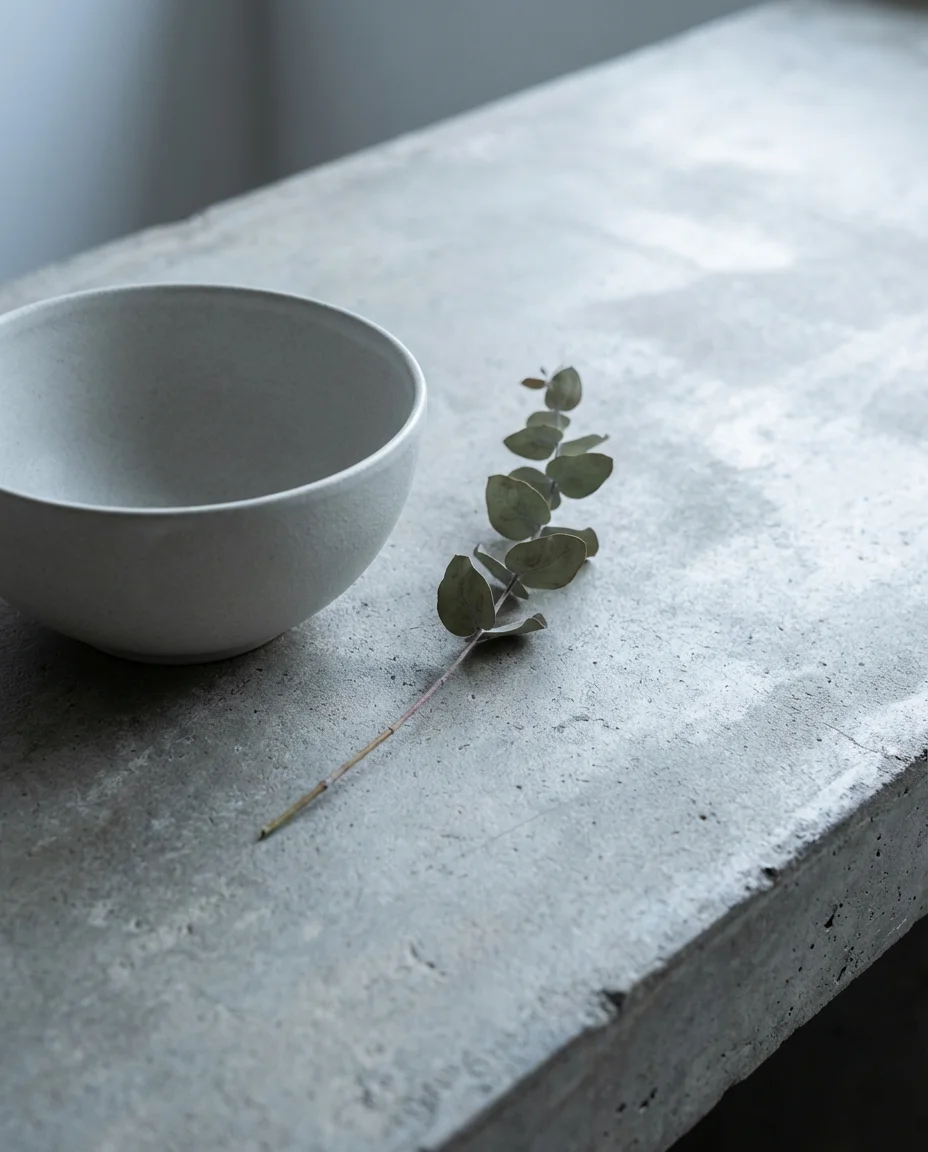
The most common mistake with minimalist buffets is removing too much—a table so sparse it looks unset rather than styled. The rule of thumb among interior stylists is to edit until the table feels intentional, then add back one or two items. The presence of food itself adds warmth and color, so what reads as too bare at setup will look balanced once dishes are placed. Trust the restraint; it almost always delivers more impact than it promises during the styling process.
19. Elegant Wedding Buffet with Draping and Florals
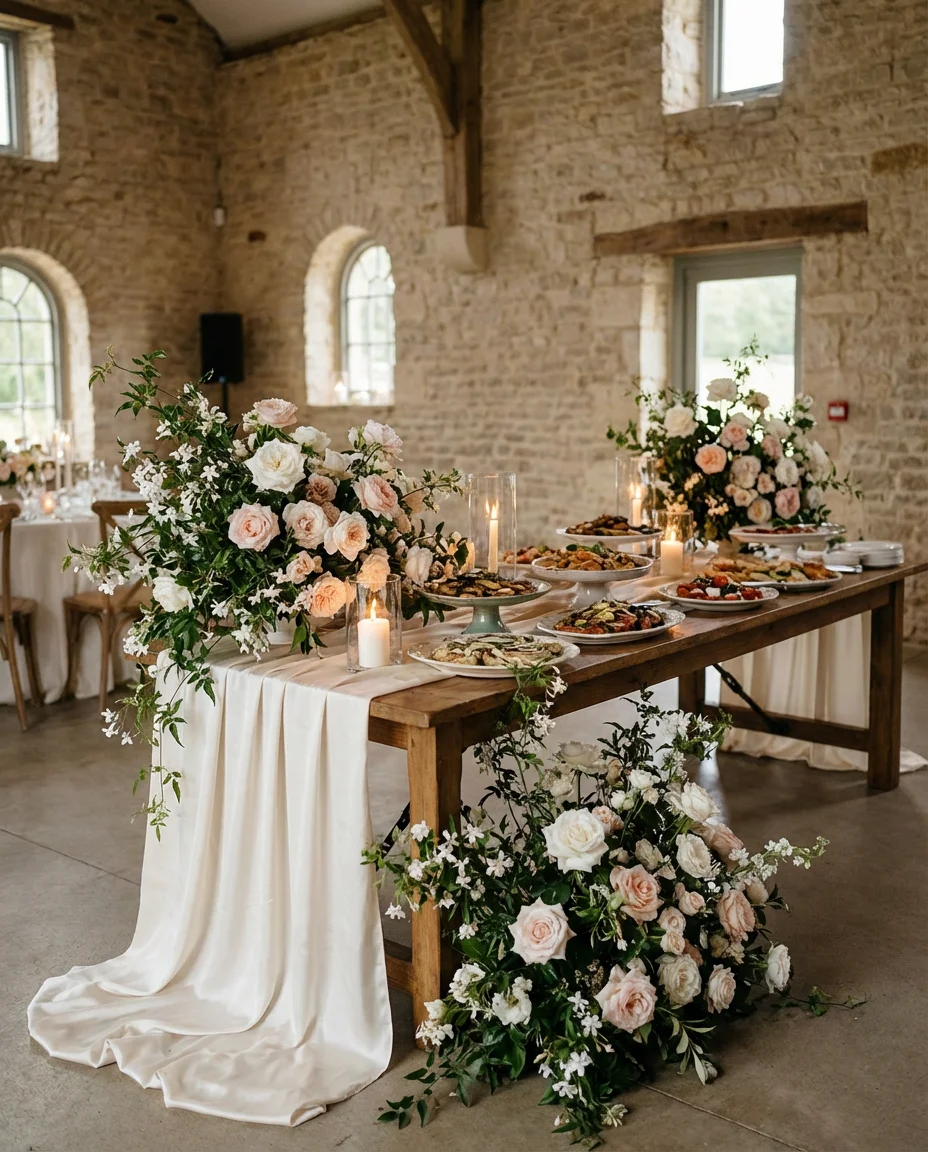
When the brief is pure elegant romance for an event’s wedding reception, full linen draping combined with abundant florals is the gold standard. A table skirted to the floor in ivory silk or tulle, topped with cascading arrangements of garden roses, sweet peas, and trailing jasmine, creates the kind of buffet backdrop that guests photograph and remember for years. This is the style that defines Pinterest wedding boards season after season because it has a genuinely timeless quality that doesn’t look dated in photos.
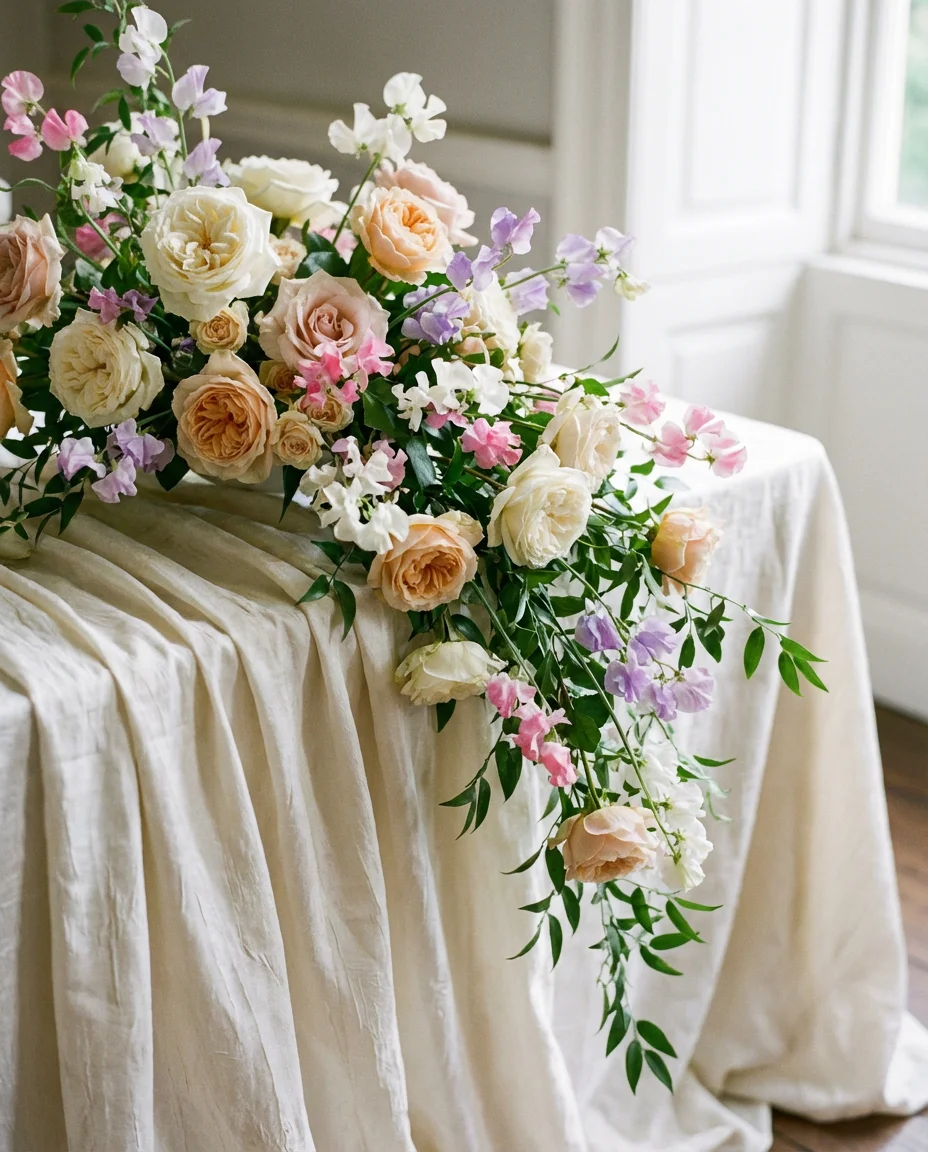
Full table draping is one area where the investment in professional-grade rental linen genuinely pays off. Consumer-grade tablecloths rarely hang with the same weight and fluidity as event-grade silk or polyester satin, and the difference is visible in every photograph. Most event rental companies offer full-skirt draping packages that include the hardware to keep it in place—a detail that DIY attempts often miss, resulting in linen that slides or bunches throughout the reception.
20. Food Station Buffet for Large Catering Events
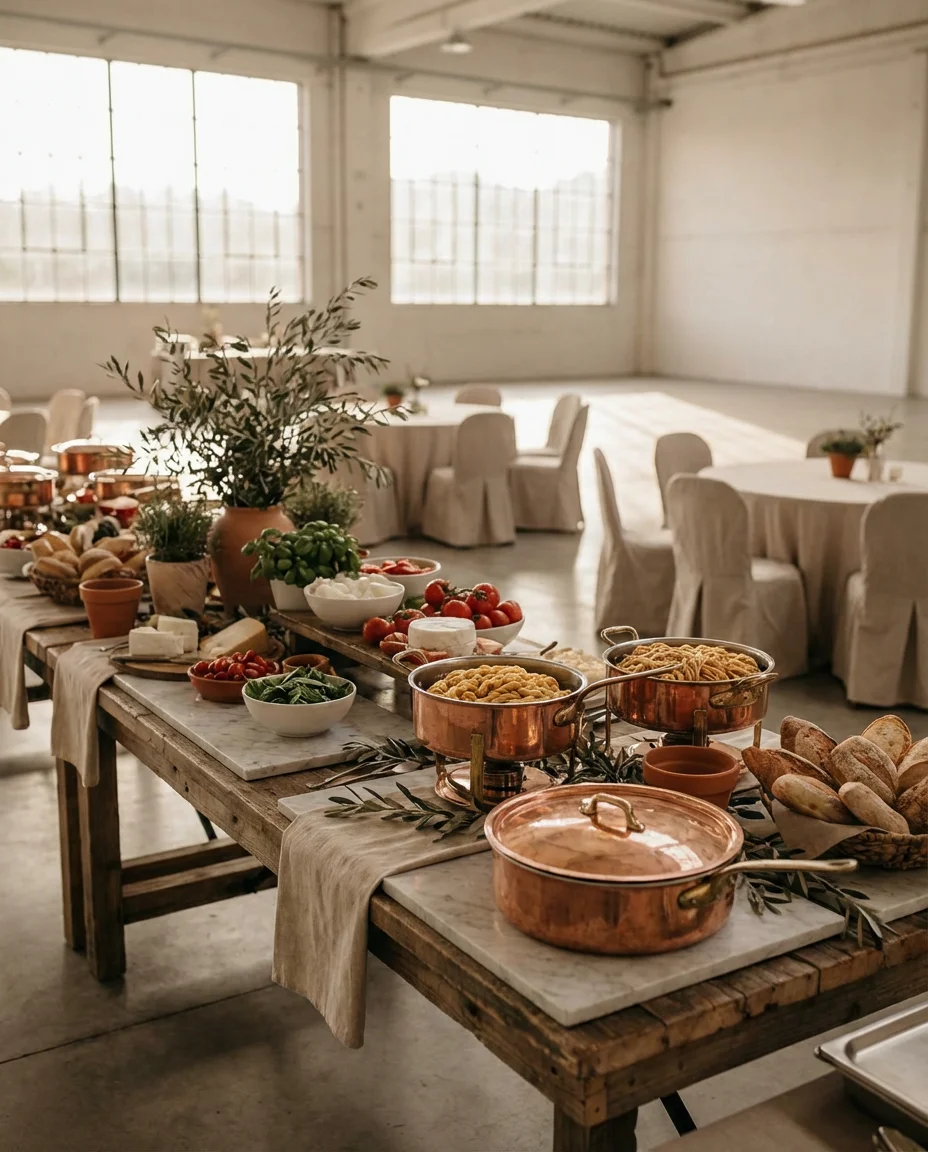
For large-scale catering events, the single-line buffet has largely given way to the station model—multiple small themed stations scattered through the venue, each styled around a specific food category. A pasta station, a carving station, a salad bar, and a dessert table, each styled with its own personality and visual identity, create an immersive experience that keeps guests moving and mingling. The styling for each station needs to reflect its culinary theme while maintaining a coherent visual language across the whole event.
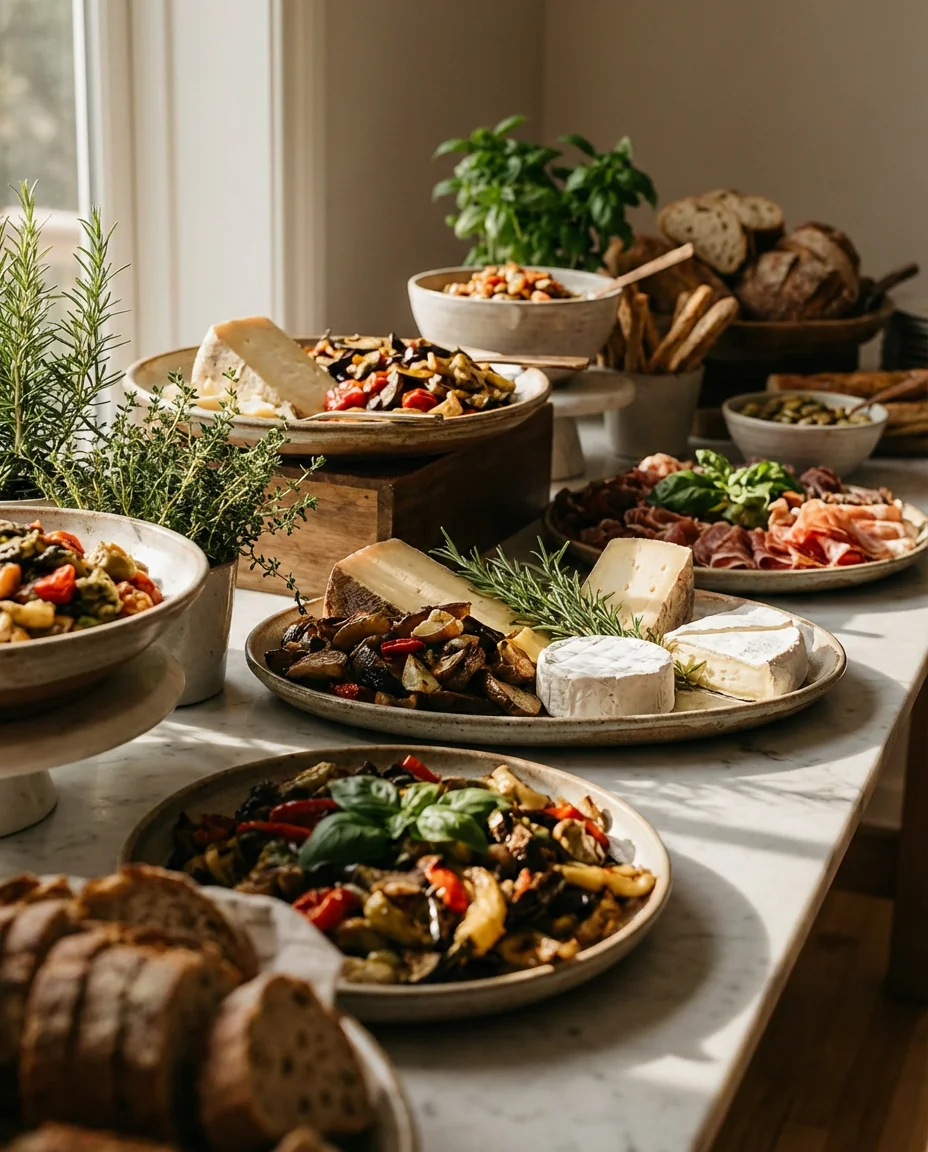
The practical logistics of multi-station events require careful traffic-flow planning that most hosts only think about after their first event. Stations should ideally be placed at least eight feet apart to prevent bottlenecks, and each station needs clear sightlines from multiple entry points. Positioning the most popular station—typicallyhe carving station or dessert table—away from the main entrance prevents the most congested points from becoming the first thing every guest encounters when they walk in.
21. Cozy Winter Dinner Buffet with Candlelight and Velvet
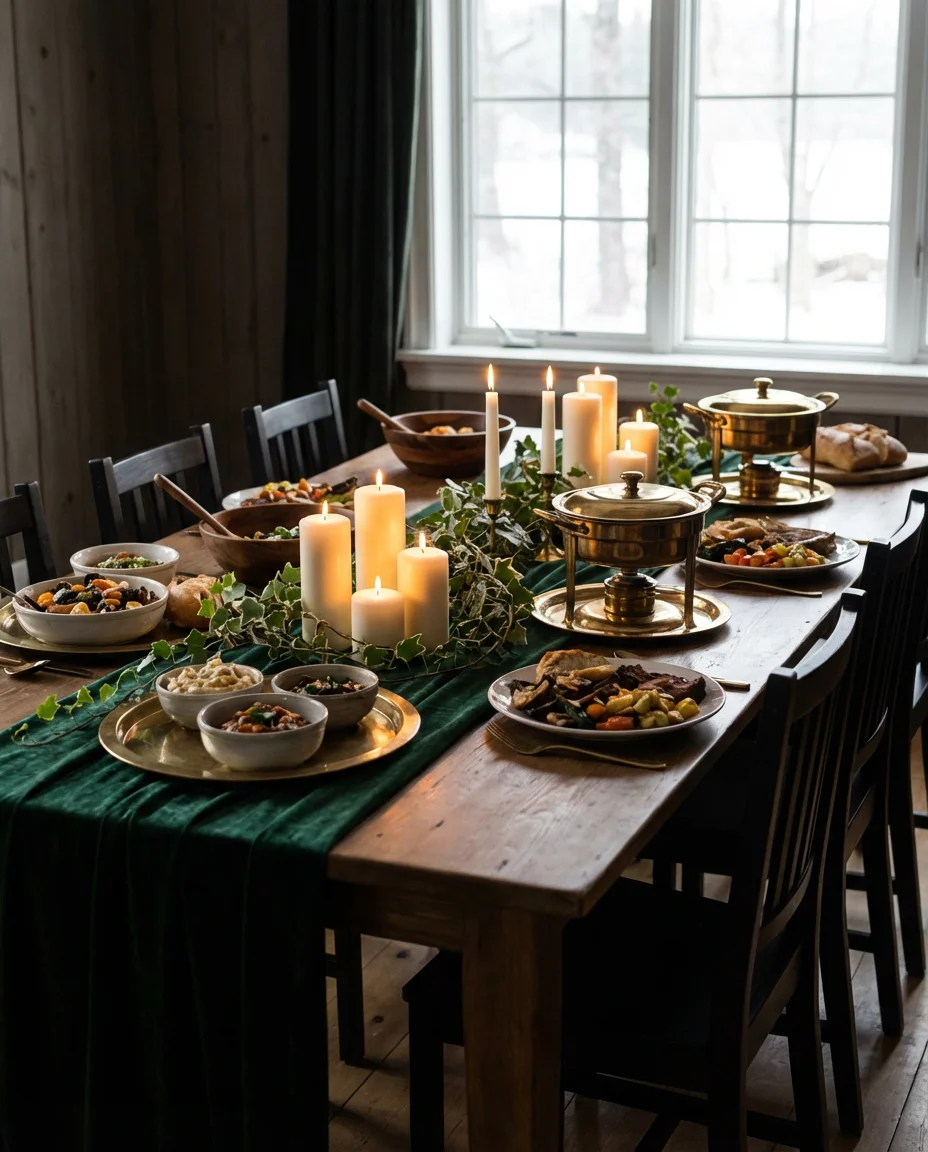
There’s a specific kind of warmth that a winter dinner buffet achieves when you lean fully into velvet textures and candlelight—it’s the aesthetic equivalent of coming in from the cold. Deep jewel-toned velvet table runners in forest green, sapphire, or plum layered beneath clusters of pillar candles, trailing ivy, and brass serving pieces create an atmosphere that feels genuinely cozy rather than just styled. This works as beautifully for a Christmas dinner as for a January dinner party when the outside world is grey and bare.
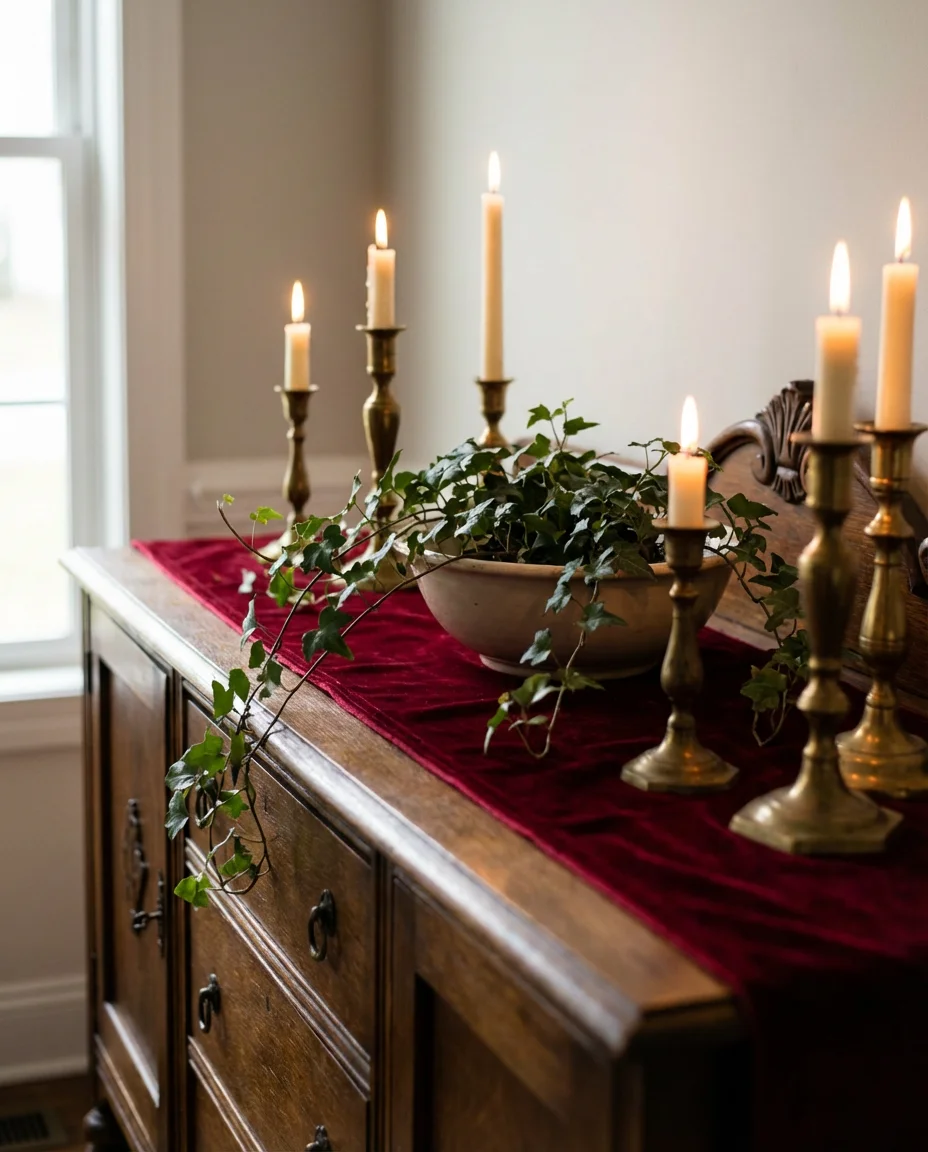
Velvet is one of the most forgiving buffet fabrics for winter entertaining because it disguises small spills and drips far better than satin or linen. A quick blot with a damp cloth handles most accidents without leaving visible marks. The depth of the fabric’s texture also photographs beautifully in candlelight—the way velvet catches and holds warm light gives every photo taken near this buffet a richness and glow that no filter can fully replicate.
22. Dining Room Statement Buffet with Two Lamps and Artwork
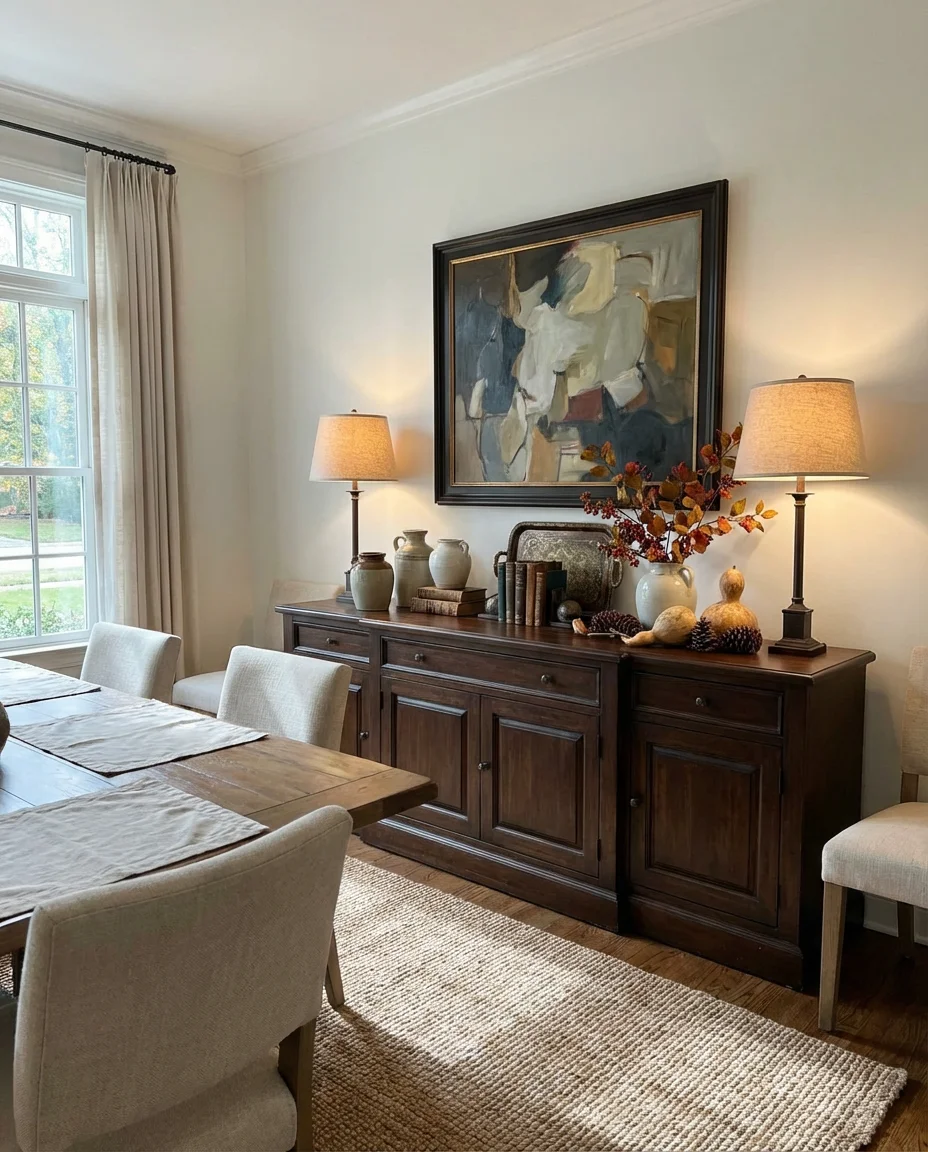
The most sophisticated permanent dining room buffet setups treat the sideboard like a curated gallery wall—anchored by two lamps on either end, a piece of artwork or a framed mirror hung above, and a styled vignette of objects in between that changes seasonally. When the time comes to entertain, the lamps stay, the artwork stays, and the decorative objects simply make room for serving dishes and food. This approach makes hosting feel effortless because the setup already exists—it just transforms rather than appearing from scratch.
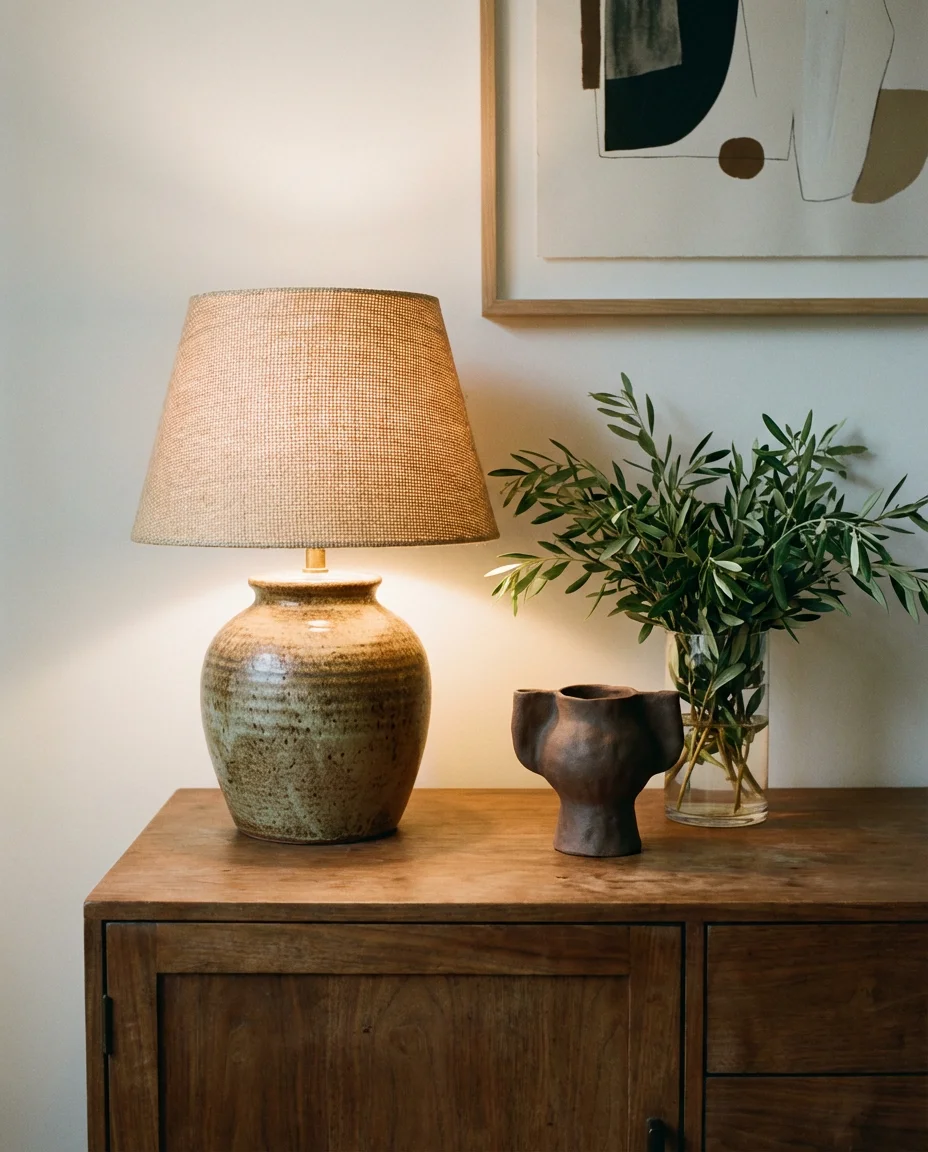
Interior designers consistently cite the sideboard-with-two-lamps formula as one of the highest-impact, lowest-effort moves in a dining room because it immediately reads as finished and intentional. The rule is simple: lamp bases should be between 24 and 28 inches tall for proper scale, and shades should be white or near-white so the light they cast stays warm rather than colored. Once you have this anchoring setup in place, anything you add between the lamps—food, florals, candles, or seasonal objects—immediately looks considered.
Conclusion
A beautifully styled buffet table doesn’t have to cost a fortune or require a professional event designer—it just takes a little intention, a willingness to play with height and texture, and a clear sense of the atmosphere you want to create. Whether you’re pulling from the warmth of a farmhouse harvest table or the drama of a black-and-brass wedding setup, every one of these ideas is adaptable to your home, your budget, and your personal style. We’d love to hear which look resonated most with you—drop your thoughts in the comments and tell us what you’re planning to try at your next gathering.