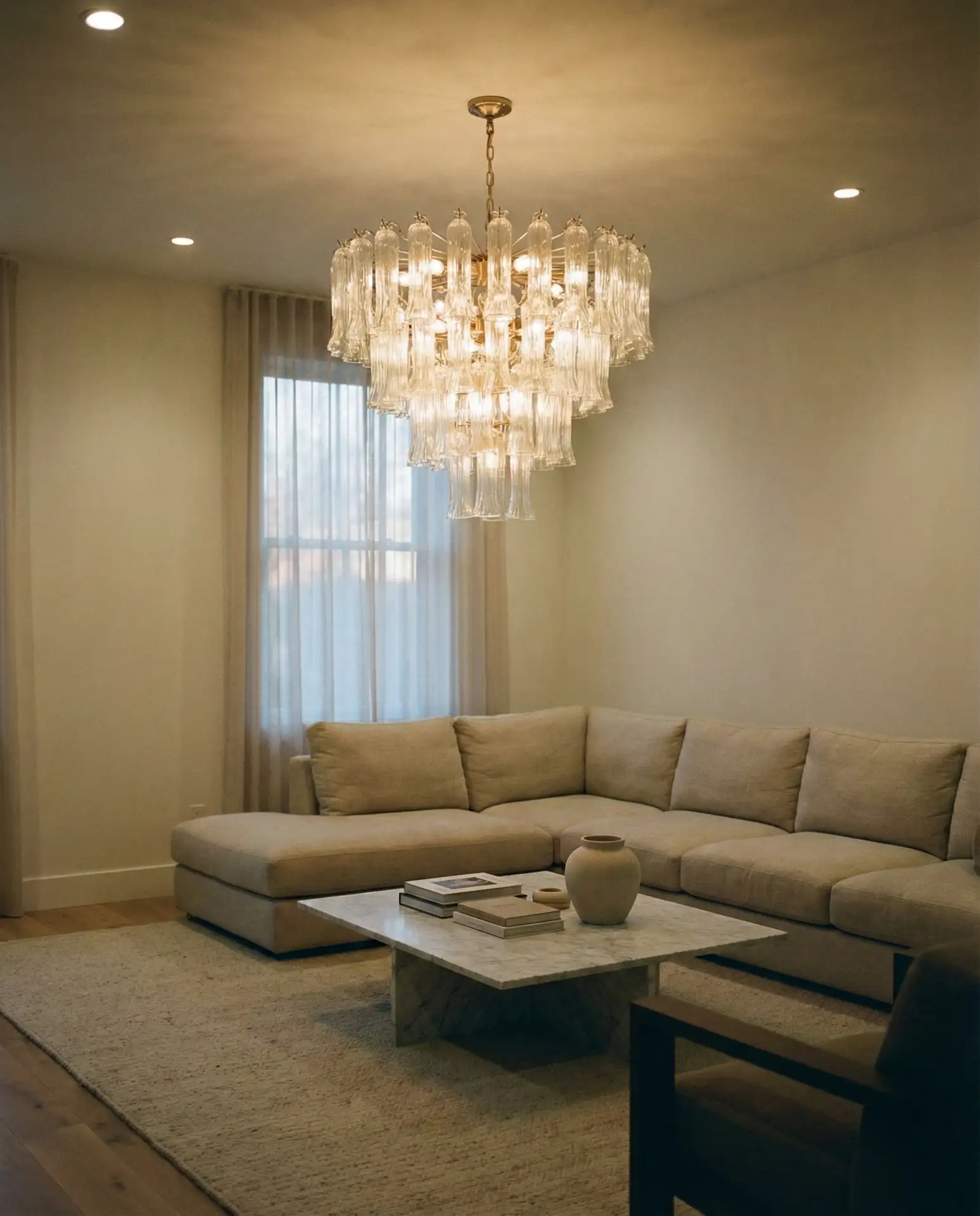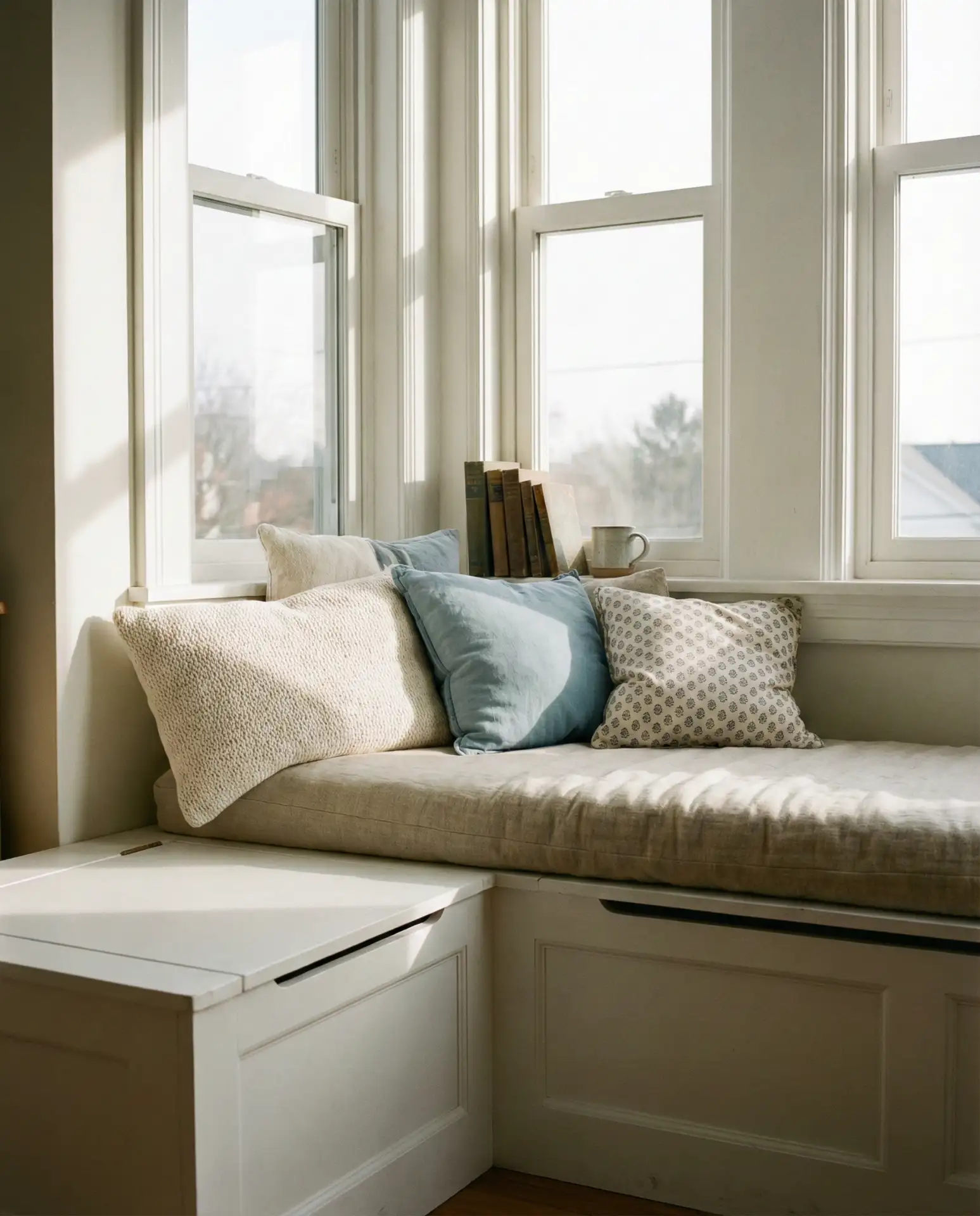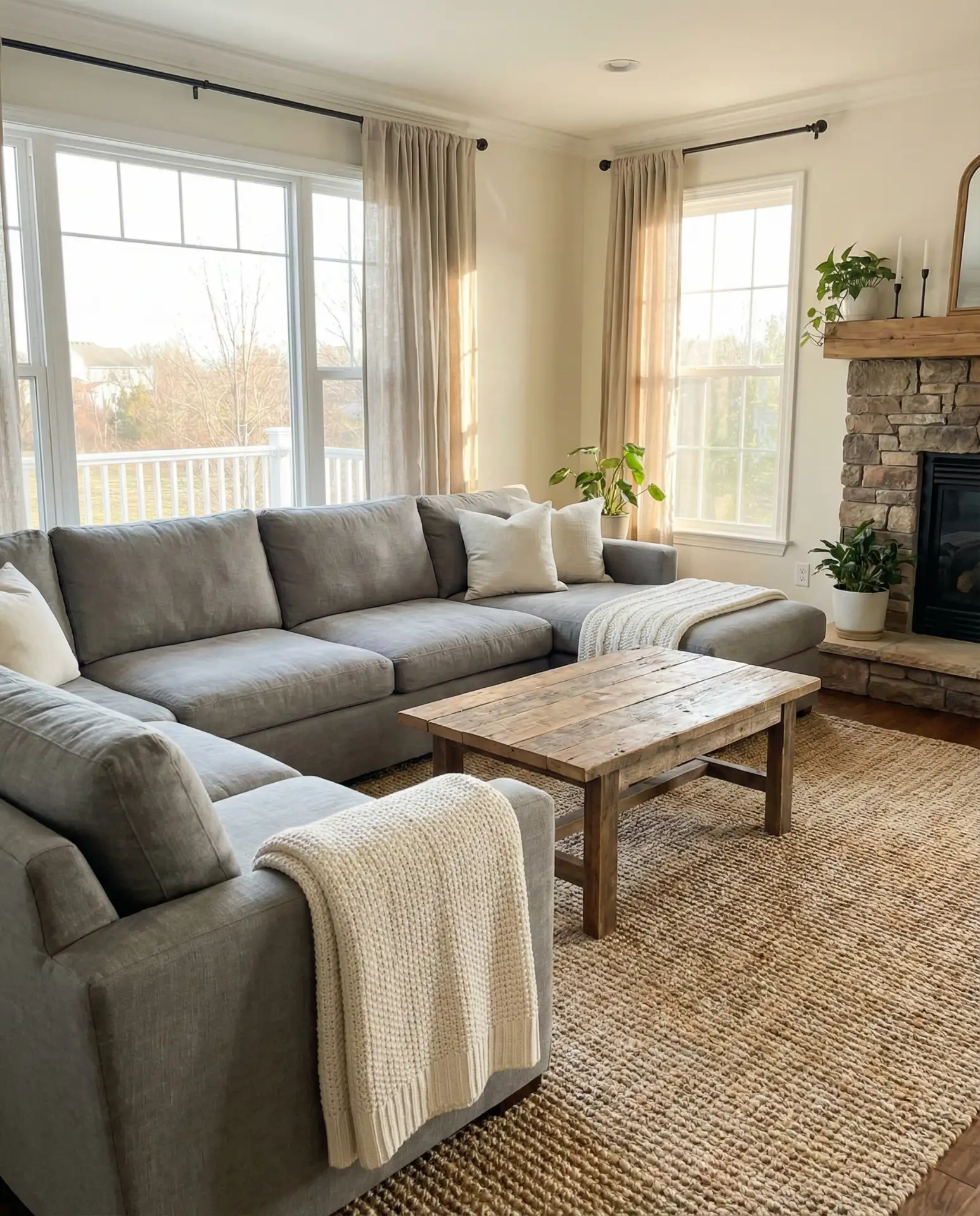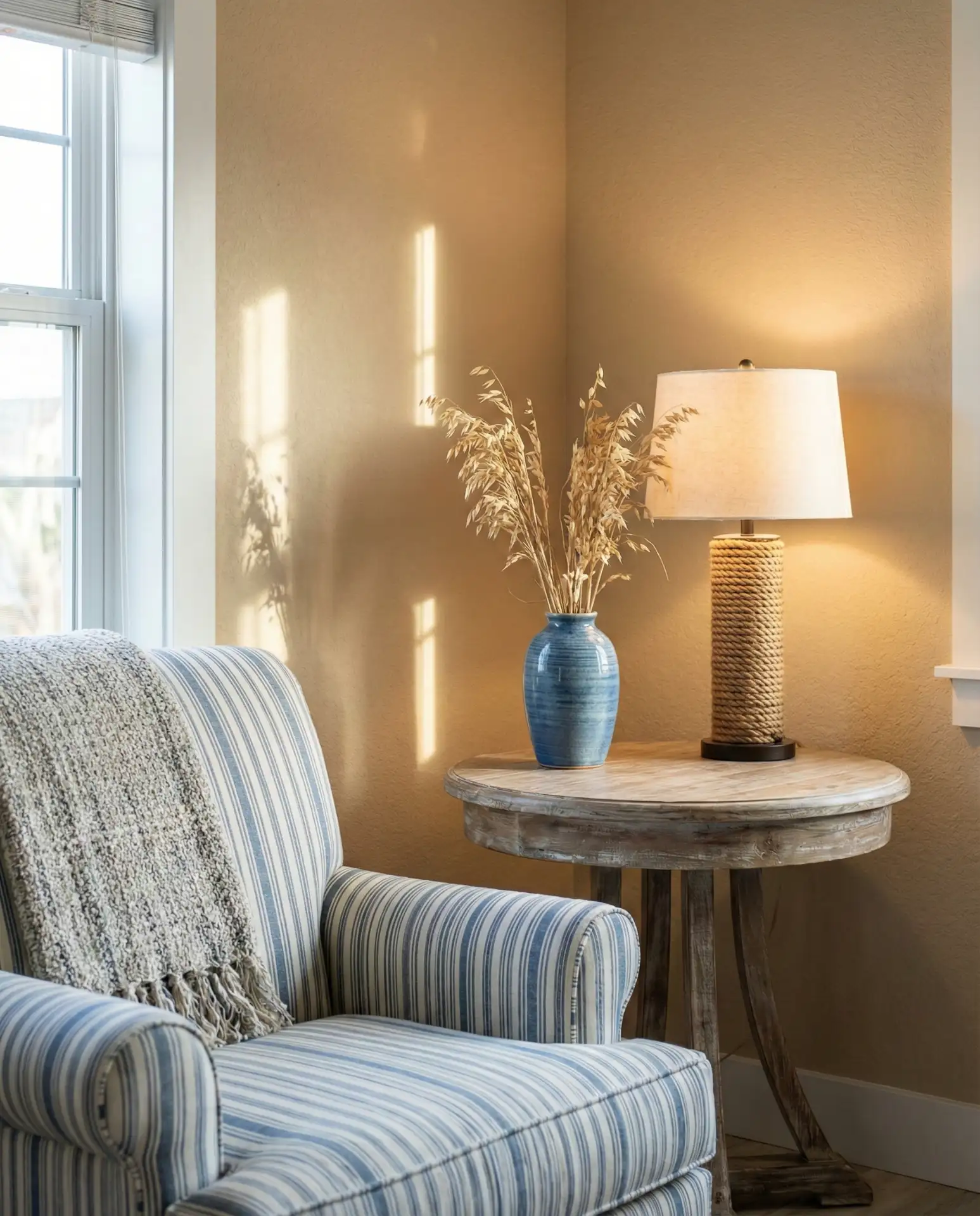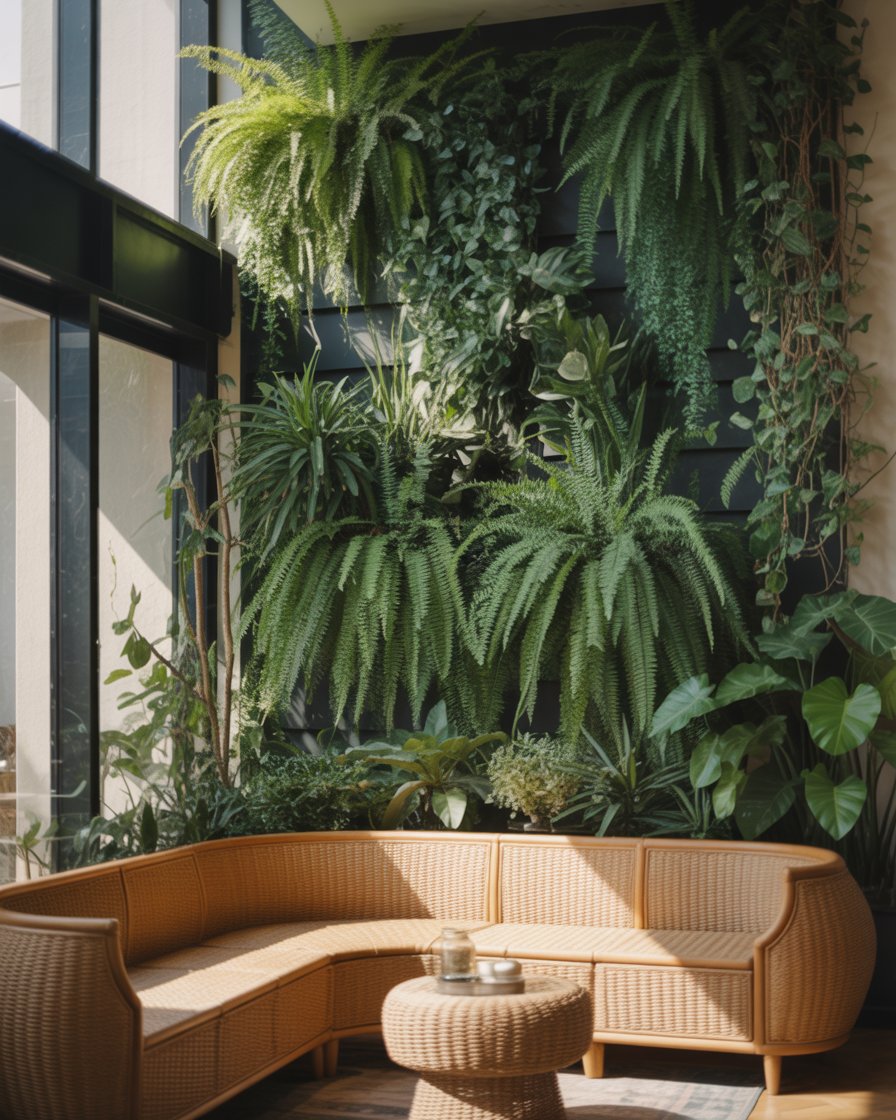
Built-in shelves have become one of the most sought-after features in American living rooms, and in 2026, they’re more versatile and design-forward than ever. Whether you’re working around a fireplace, maximizing a corner, or creating a media wall around your TV, custom shelving offers both beauty and function. Pinterest users are flocking to these ideas for good reason—built-ins add architectural interest, provide essential storage, and can be tailored to any style from rustic farmhouse to sleek modern. This guide walks you through 24 inspiring built-in shelf concepts that work beautifully in real homes, with practical insights you can actually use. Let’s explore how to make the most of your living room walls this year.
1. Floor-to-Ceiling Shelves Flanking a Fireplace
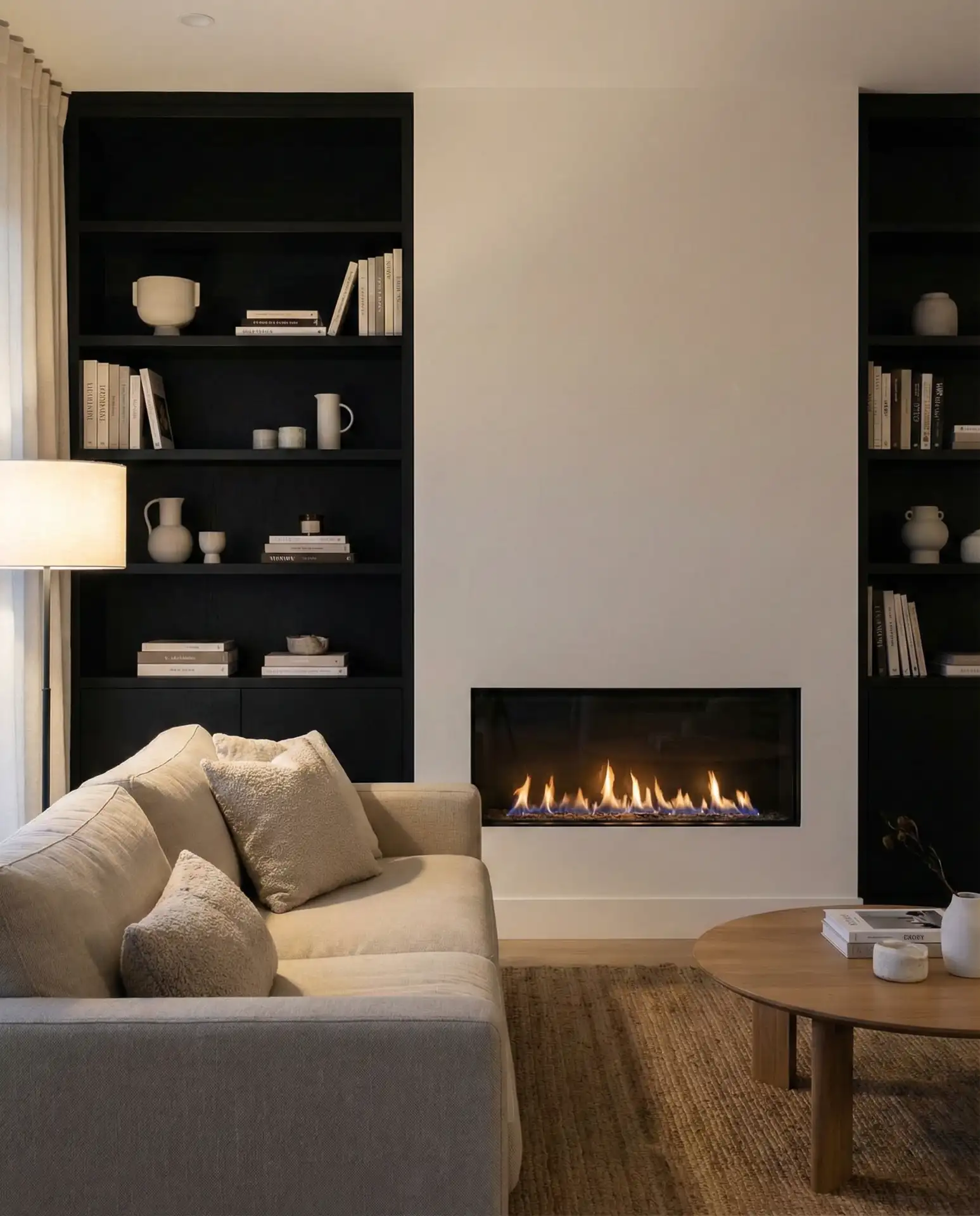
Nothing anchors a living room quite like built-in shelves framing a fireplace. When you extend shelving all the way to the ceiling, you create a sense of grandeur that works especially well in homes with high ceilings or vaulted ceiling architecture. The symmetry brings balance, while the vertical lines draw the eye upward, making the room feel more spacious. This setup is ideal for displaying books, family photos, and decorative objects that reflect your personality.
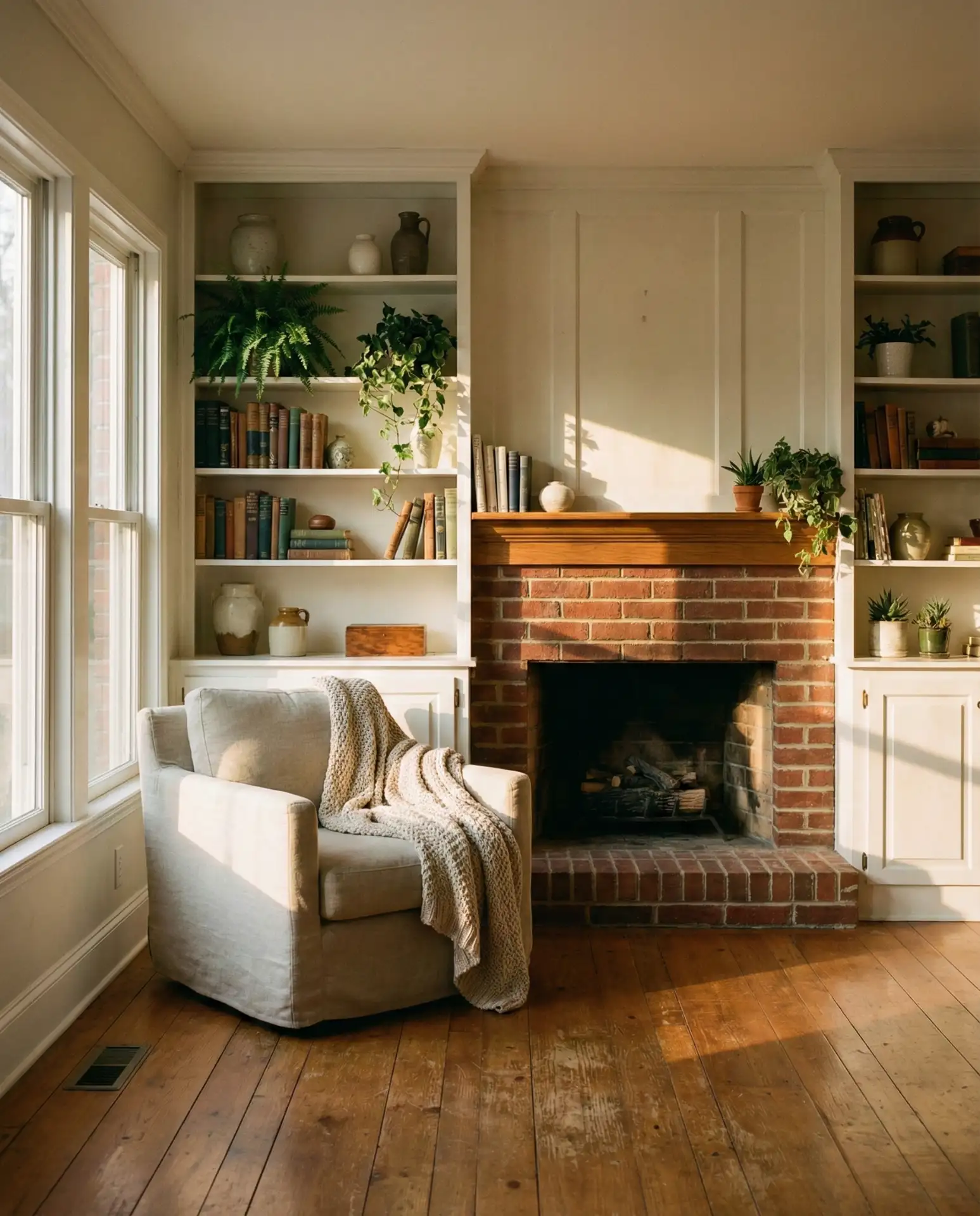
This design works best in homes where the fireplace is the natural focal point. Many homeowners make the mistake of overcrowding the shelves—remember, negative space is just as important as what you display. Aim for a balanced mix of books, art, and functional items, and leave some shelves partially empty to avoid a cluttered look that can overwhelm the room.
2. Media Wall with Integrated TV and Storage
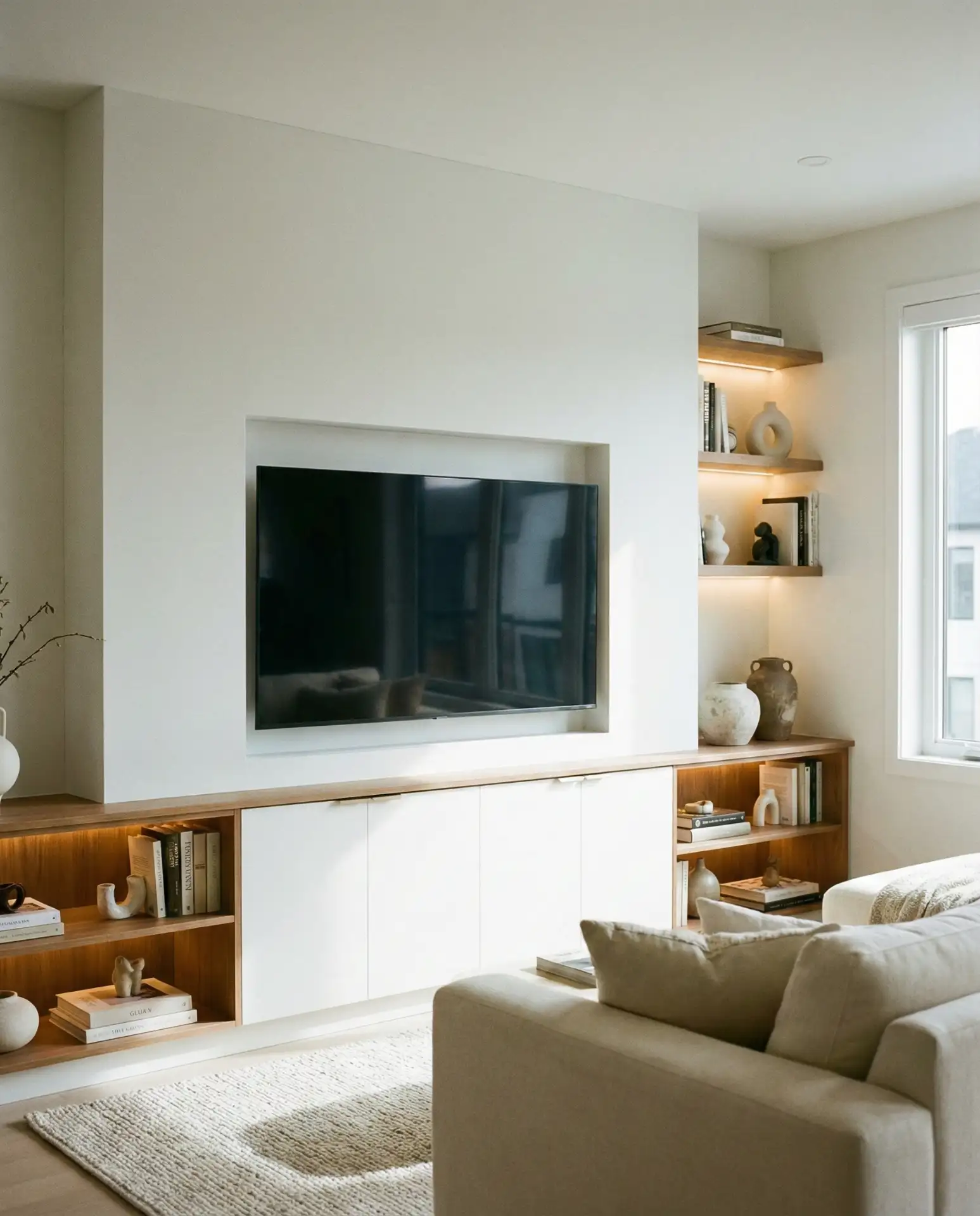
A built-in media wall solves the age-old problem of where to put the TV while keeping cables hidden and storage accessible. These units typically feature a recessed panel for mounting the television, surrounded by open shelving and closed cabinets below. The result is a clean, cohesive look that eliminates the need for separate furniture pieces. Modern designs often incorporate LED lighting behind the shelves for added ambiance during movie nights.
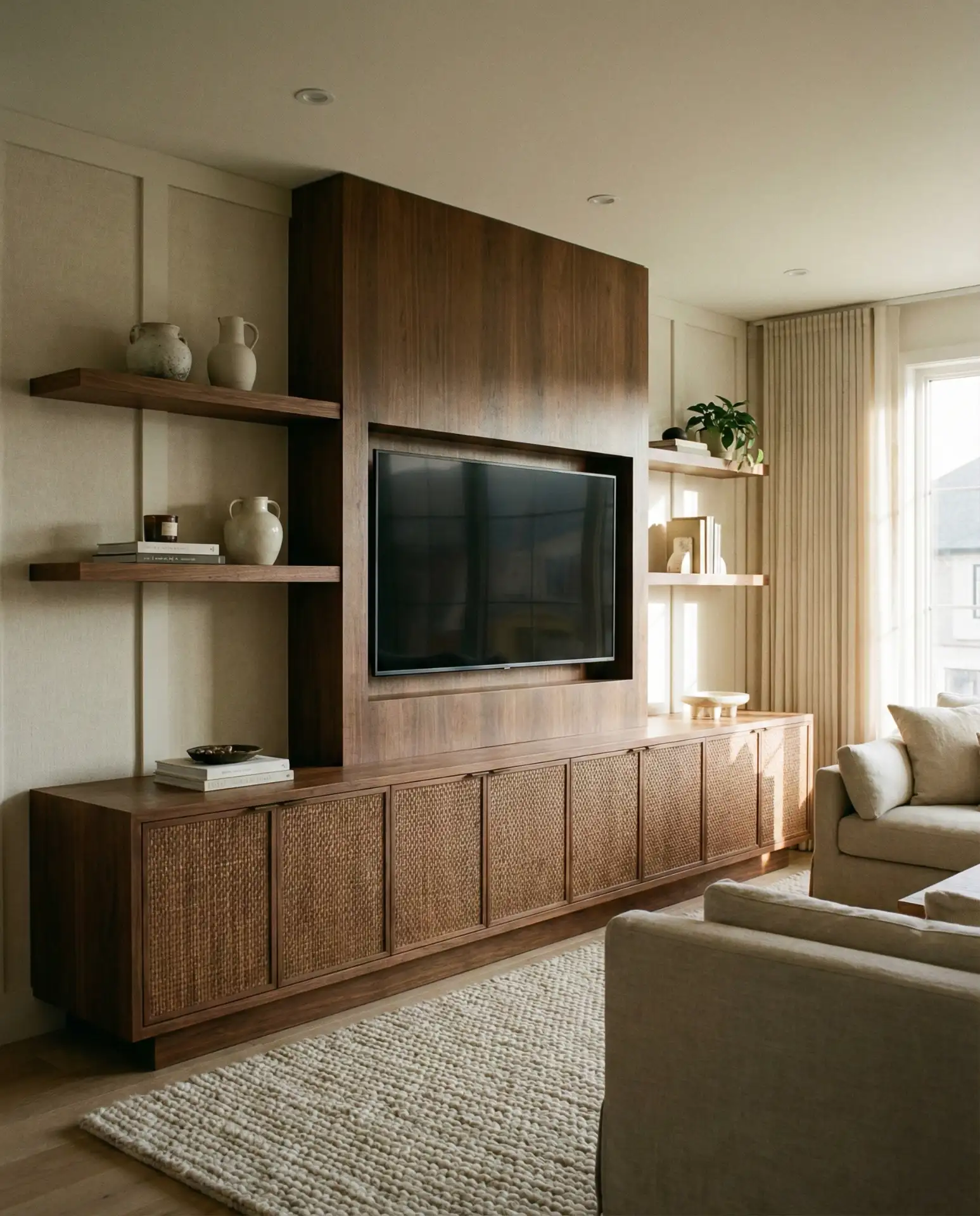
In open-concept homes across the Midwest and Southwest, media walls help define the living area without blocking sightlines to the kitchen or dining space. The closed lower cabinets are perfect for hiding gaming consoles, DVDs, and all those remotes that tend to pile up. This configuration has become especially popular in new construction, where builders offer it as an upgrade option.
3. Window Seat with Surrounding Shelves
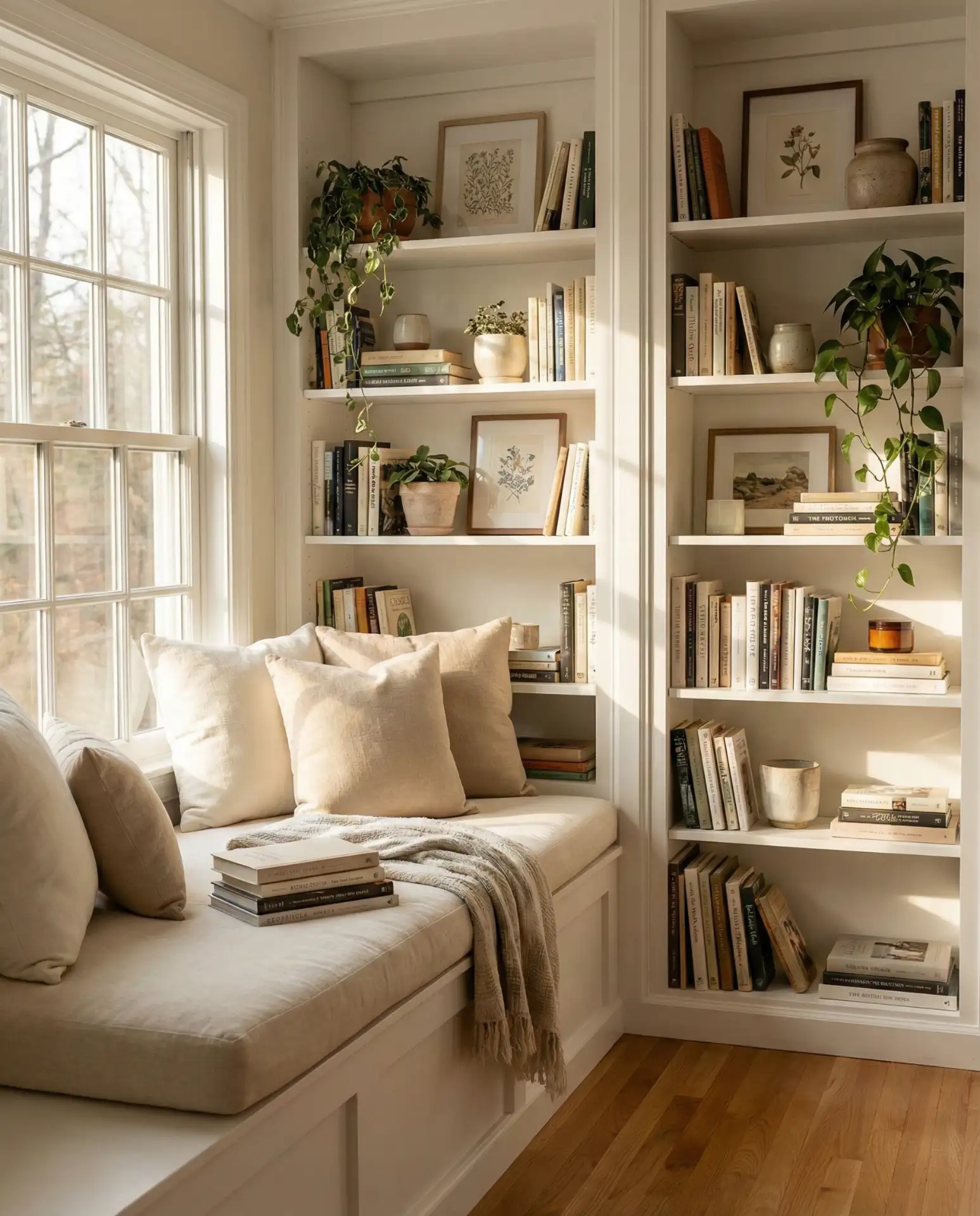
Transform a window into a cozy reading nook by building in a bench seat with shelving on either side. This design maximizes an otherwise underused space and creates an inviting spot for relaxation. The seat itself can include hidden storage underneath, while the surrounding shelves hold books within arm’s reach. Add cushions and throw pillows to make it the most coveted seat in the house.
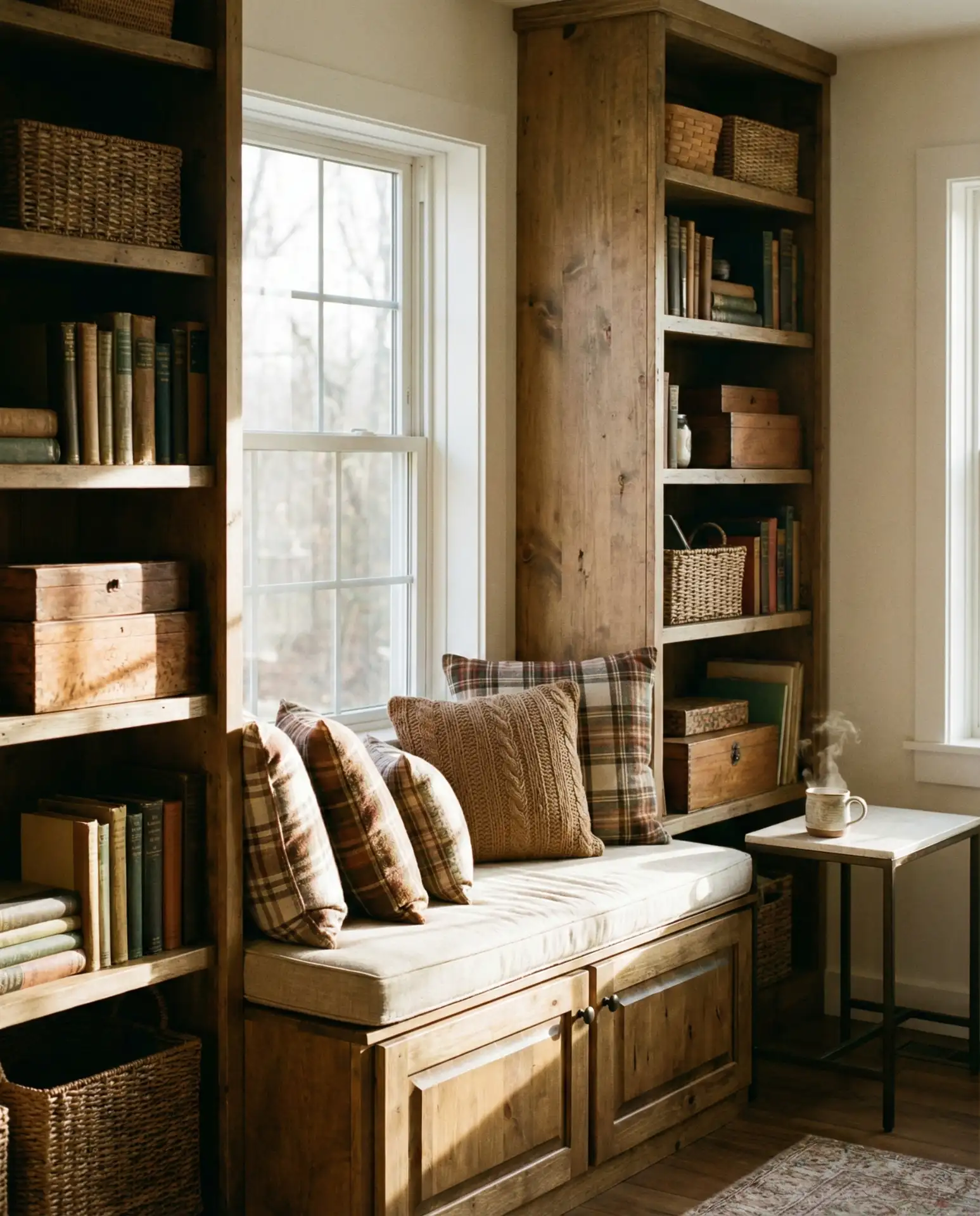
A neighbor of mine installed this exact setup in her 1920s bungalow, and it instantly became her kids’ favorite homework spot. The natural light makes it perfect for reading, and the built-in storage solved her toy overflow problem. She mentioned that choosing a bench depth of at least 18 inches was key to making it comfortable enough for actual sitting, not just looking pretty.
4. Corner Shelving Unit
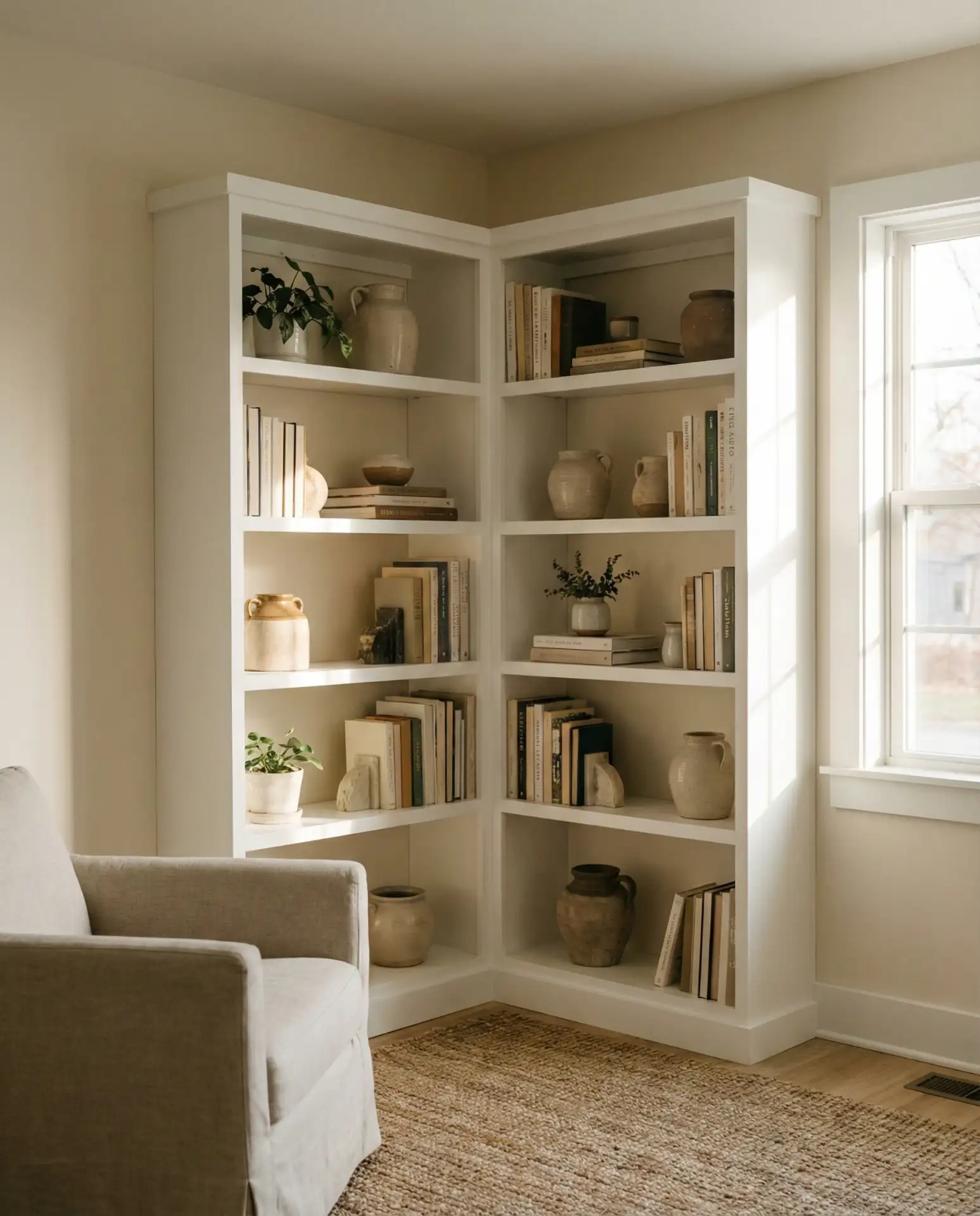
Don’t let valuable corner space go to waste. A built-in corner shelving unit wraps around two walls, creating a focal point that makes use of every inch. These L-shaped configurations work beautifully in smaller living rooms where floor space is at a premium. You can design them with a mix of open and closed storage or keep everything visible for an airy, gallery-like display.
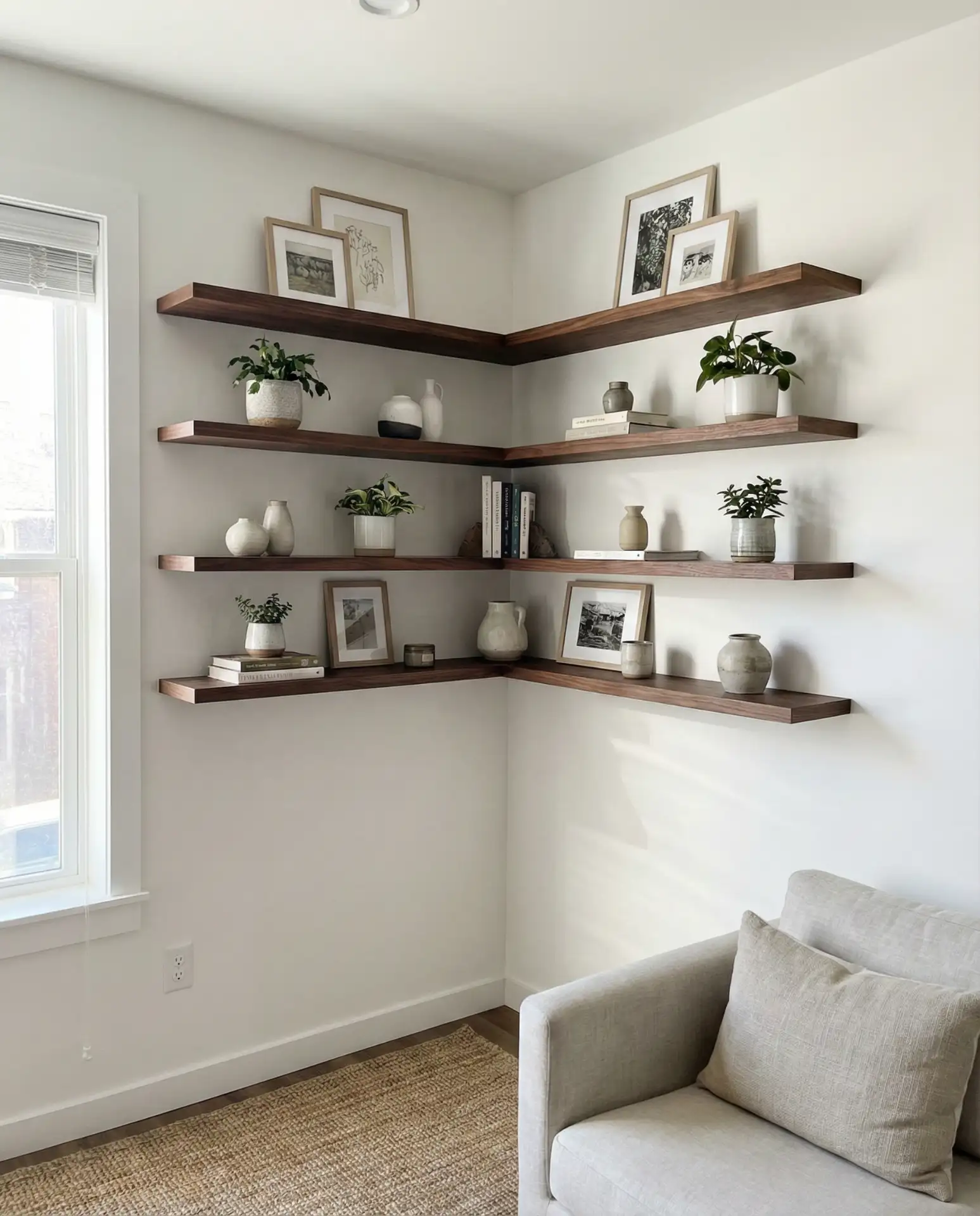
Corner units typically cost 15-25% less than full wall installations because they use less material and labor. If you’re on a budget but still want the custom built-in look, this is one of the most cost-effective options. Just make sure to account for proper lighting—corners can be naturally darker, so consider adding picture lights or LED strips.
5. Rustic Wooden Shelves with Fireplace Wood Storage
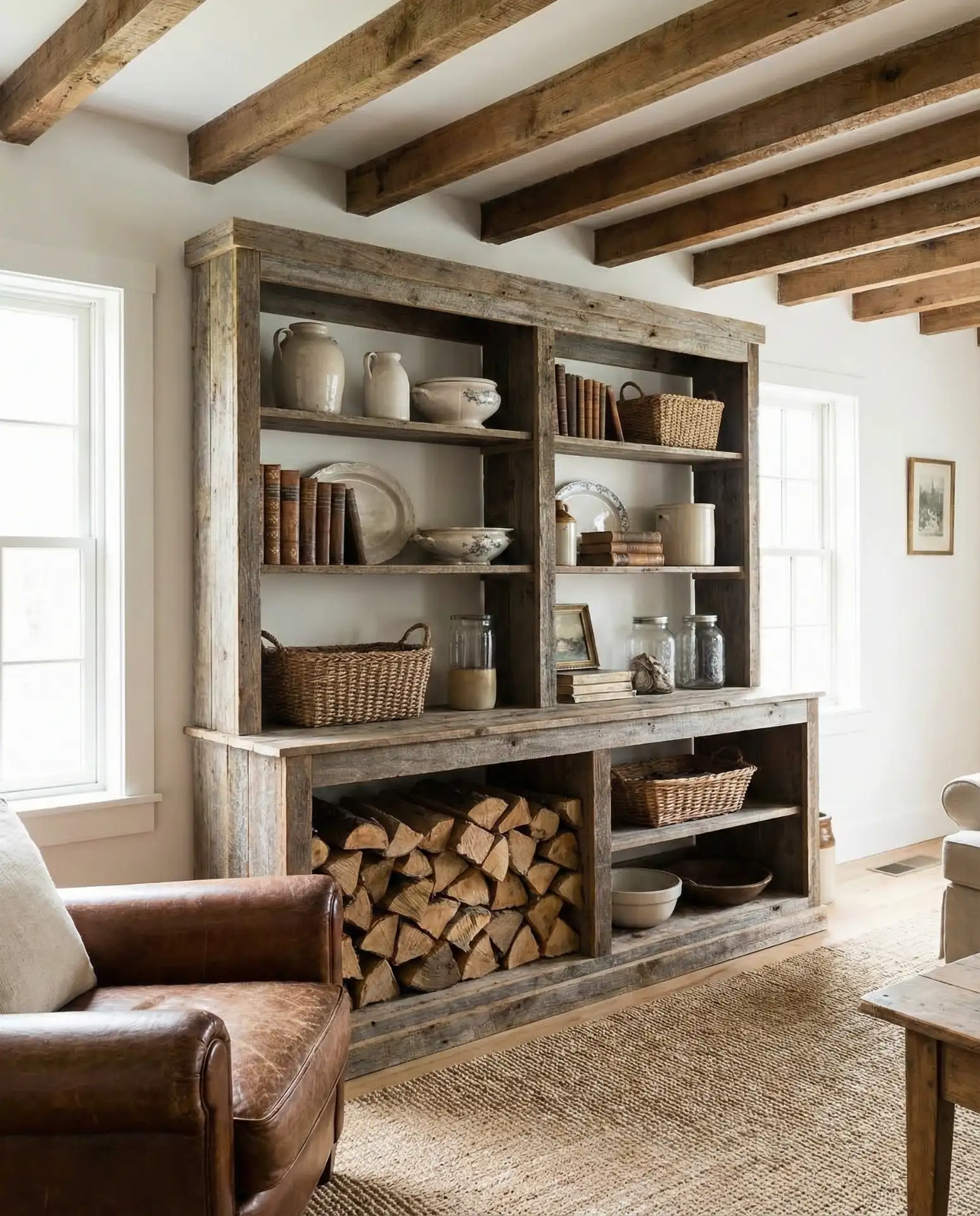
Rustic charm meets function when you incorporate fireplace wood storage into your built-in shelves. Using reclaimed or distressed wooden planks for the shelving adds texture and warmth, while a dedicated compartment at the base keeps firewood neatly stacked and accessible. This design is particularly popular in mountain homes and cabins, but it translates beautifully to suburban settings that embrace farmhouse style.
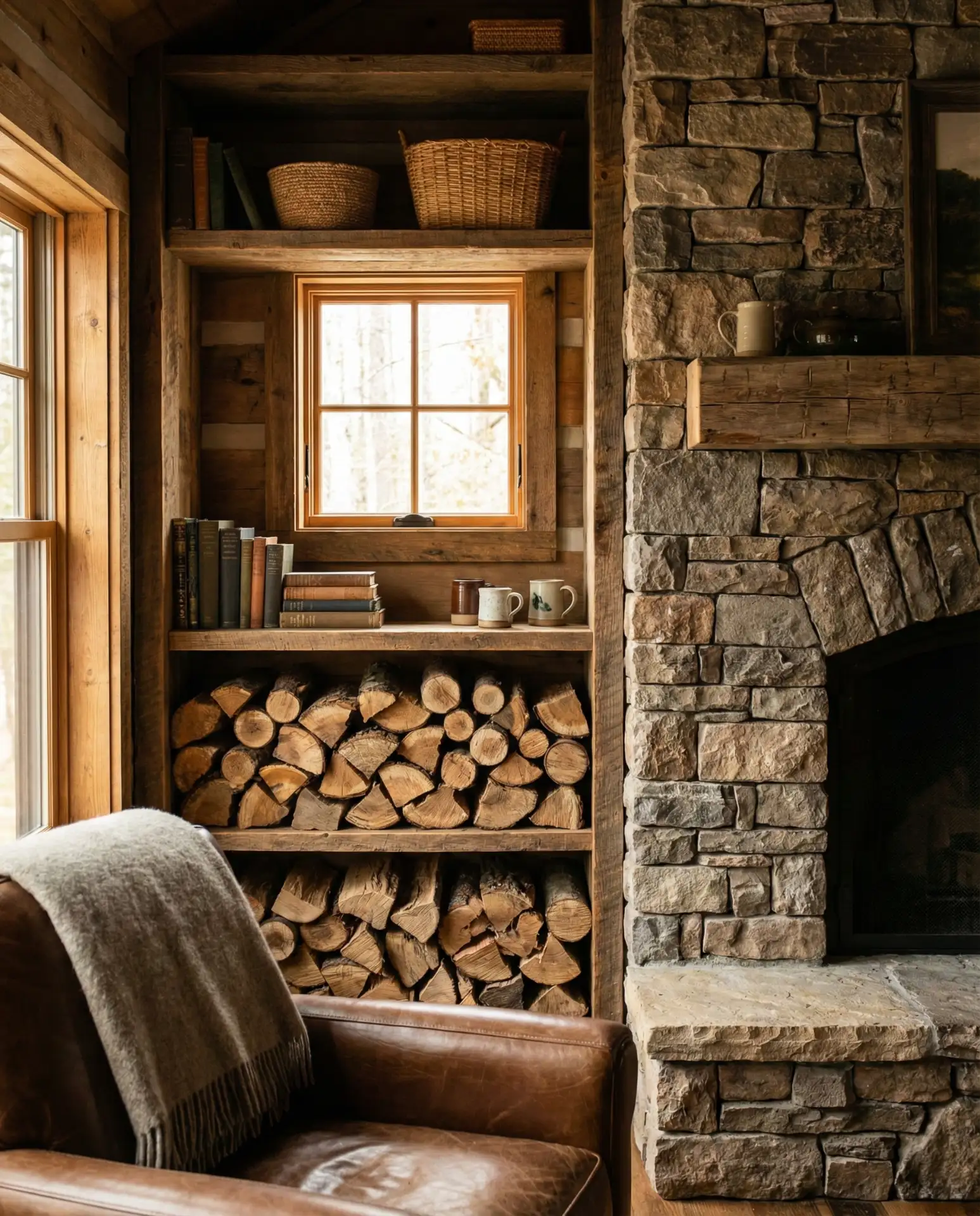
Where it works best: homes in Colorado, Montana, the Pacific Northwest, and anywhere with cold winters where a wood-burning fireplace is actually used regularly. The wood storage cubby keeps bark and debris contained, and having logs within arm’s reach makes tending the fire much easier. Just be sure the wood compartment has proper ventilation to prevent moisture buildup.
6. Arched Built-Ins for Old-World Elegance
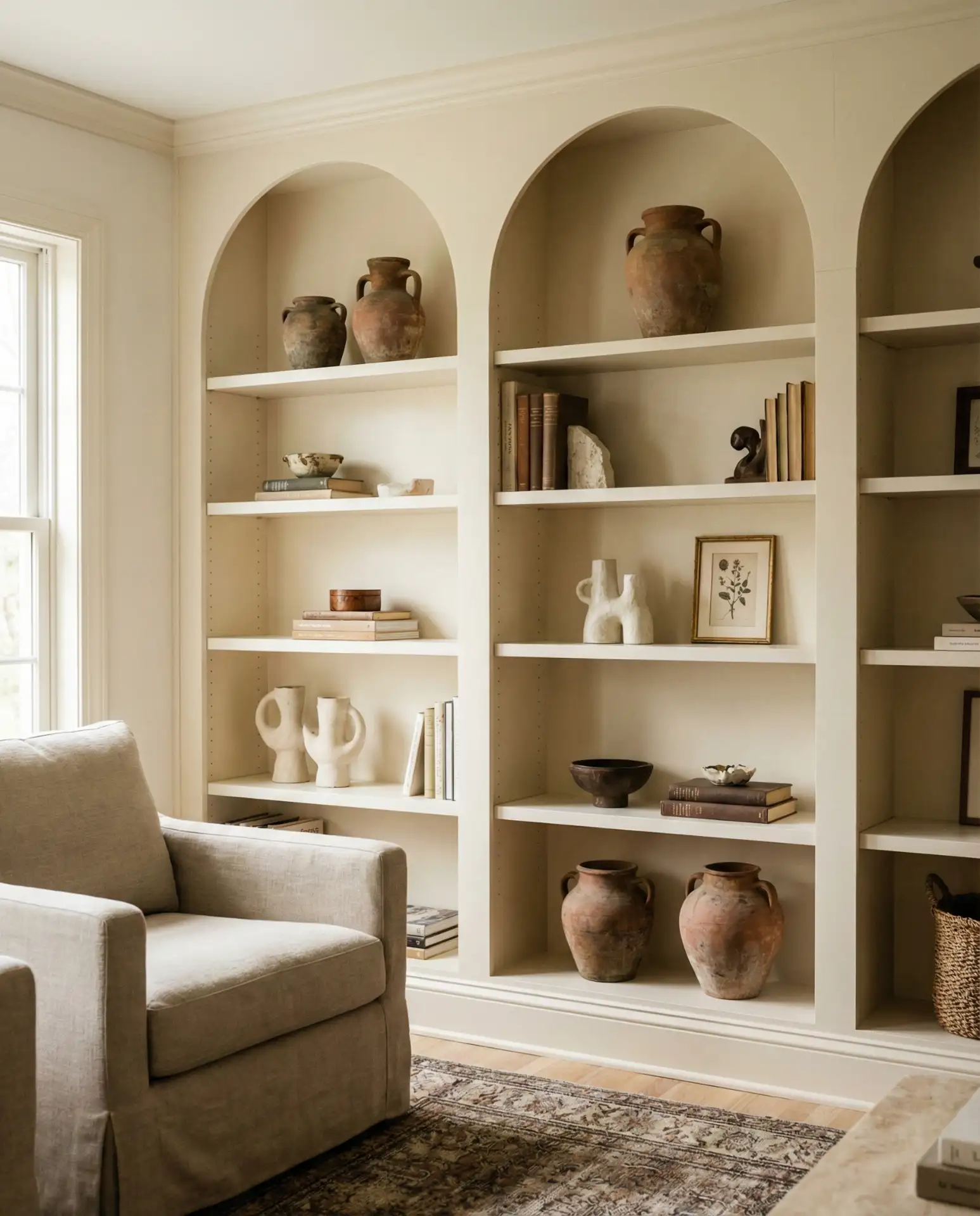
An arch detail transforms standard shelving into something architecturally special. Whether you incorporate arched openings within the shelving unit or create an arched top that echoes doorways elsewhere in your home, this design element adds softness and sophistication. It’s a trend that’s gained serious momentum in 2026, as homeowners move away from purely modern lines and embrace more classic, timeless details.
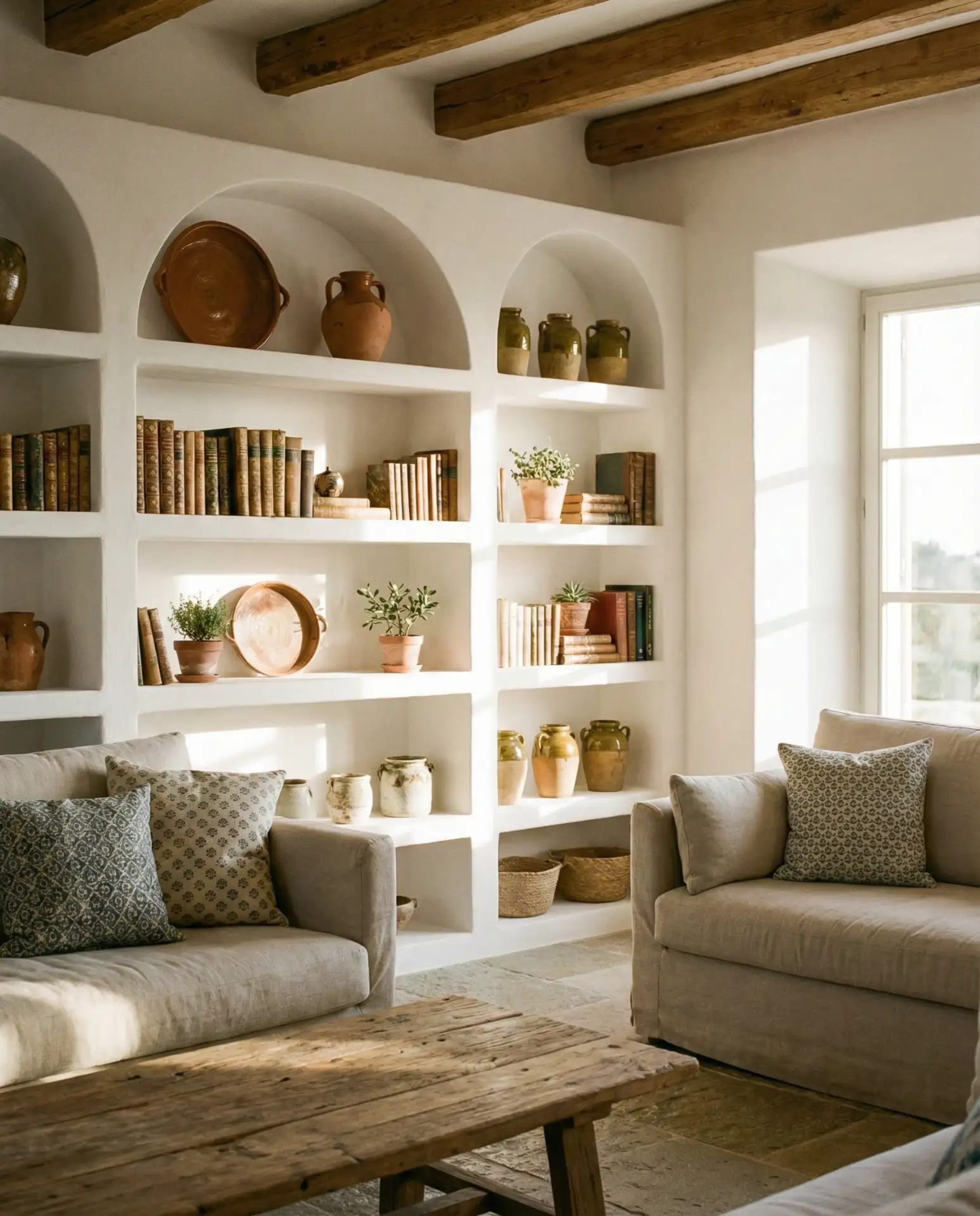
From a design perspective, arched shelving pairs beautifully with Spanish Colonial, Mediterranean, and even Georgian-style homes. The curves soften the room and create visual interest without overwhelming the space. If your home has arched doorways or windows, echoing that shape in your built-ins creates a cohesive, intentional look that feels custom-designed rather than an afterthought.
7. IKEA-Hacked Custom Look
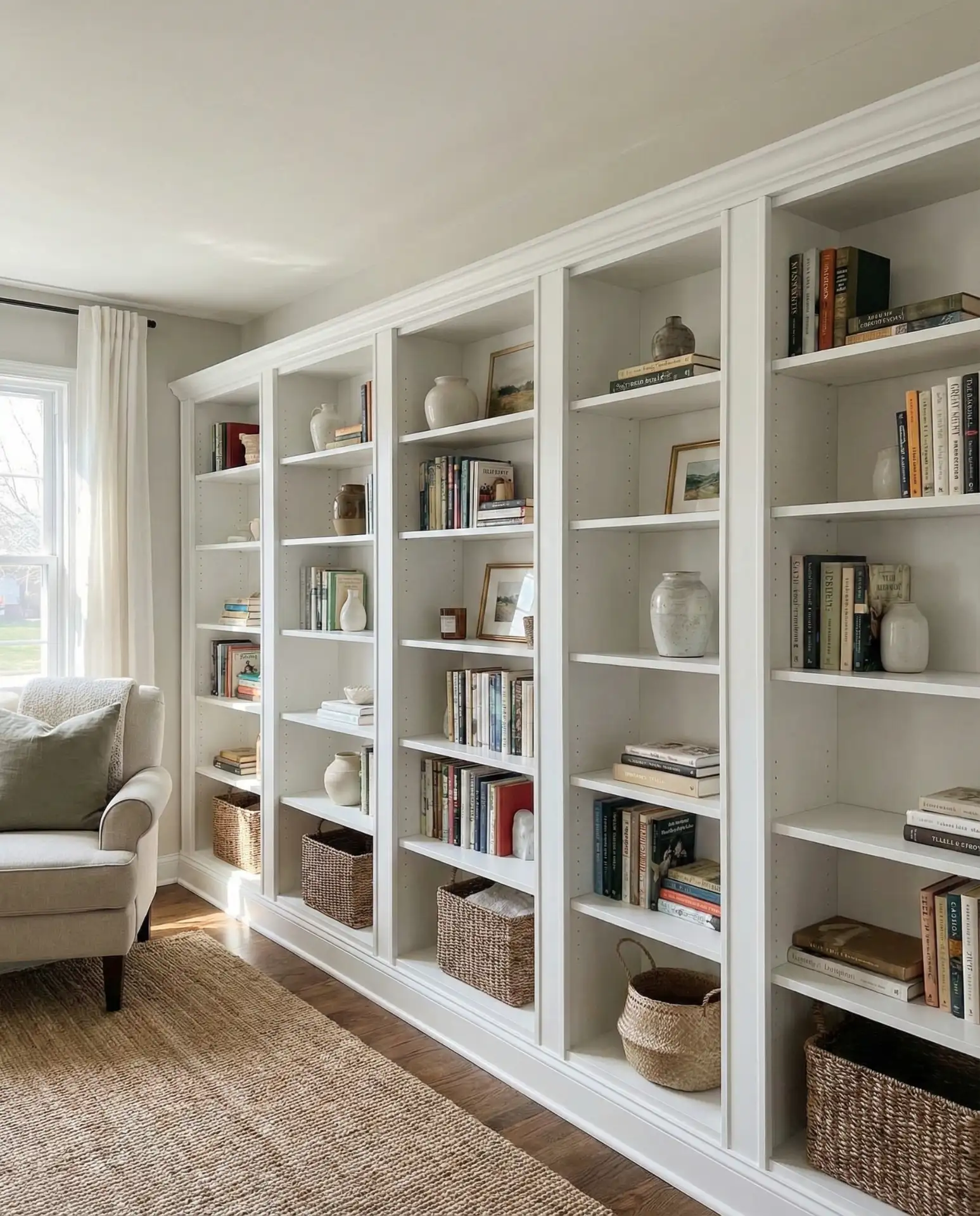
You don’t need a custom carpenter to achieve the built-in look. Ikea bookcases—particularly the Billy and Hemnes systems—can be modified with crown molding, baseboards, and a fresh coat of paint to look like high-end millwork. This approach has become a go-to for budget-conscious homeowners who want the aesthetic without the price tag. The key is securing units to each other and the wall, then adding trim details that disguise the modular origins.
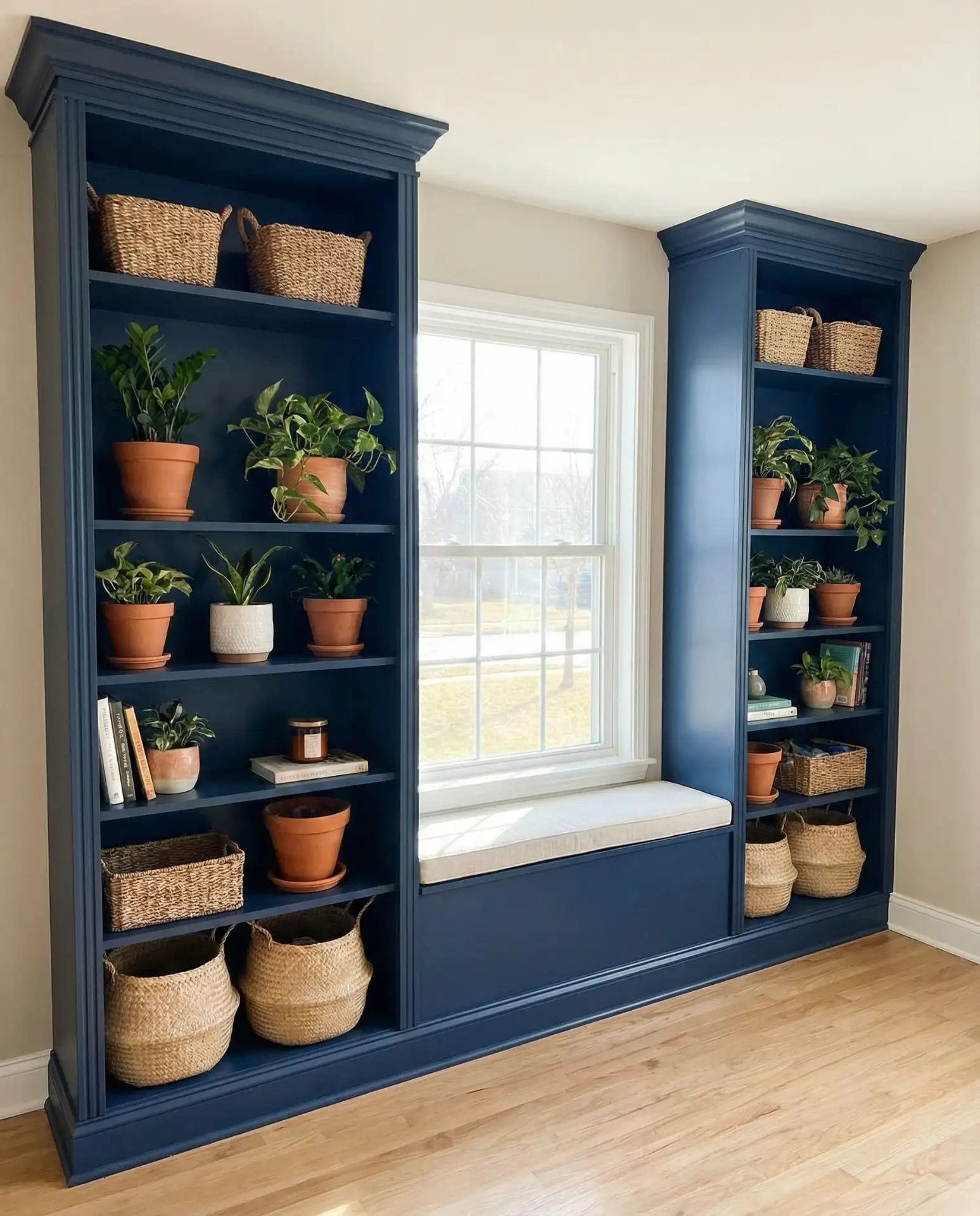
Real homeowners report spending $800-$1,500 on an IKEA hack versus $4,000-$8,000 for true custom built-ins. The DIY route takes a weekend or two, but the savings are substantial. Most people add LED strip lighting and adjustable shelving to increase functionality. One common mistake is skipping the attachment to wall studs—without proper anchoring, the units can pull away from the wall over time.
8. Black Shelving for Bold Contrast

Black built-ins create dramatic contrast against light walls and inject instant sophistication into a living room. This color choice works especially well in contemporary and industrial-style homes, where the dark shelving acts as both storage and a statement piece. Black units also have the advantage of making colorful books and accessories pop, turning your collection into part of the art.
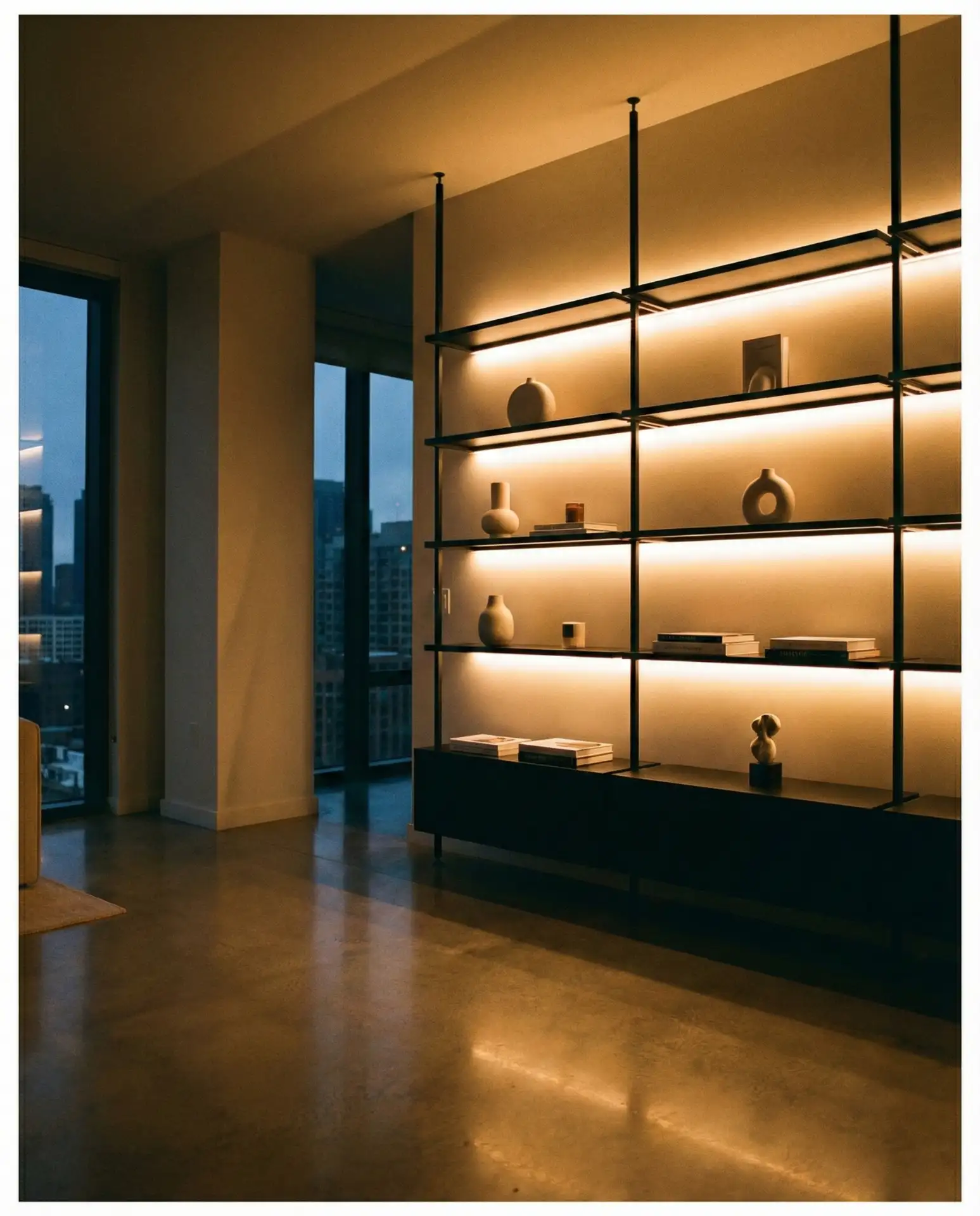
In smaller living rooms—think urban apartments and townhomes—many designers actually recommend dark shelving because it recedes visually, making the room feel larger rather than smaller. The trick is ensuring you have adequate lighting; dark shelving in a dim room can feel heavy. Layer in picture lights, sconces, or LED strips to keep the space feeling open and inviting.
9. Glass-Front Cabinets for Display
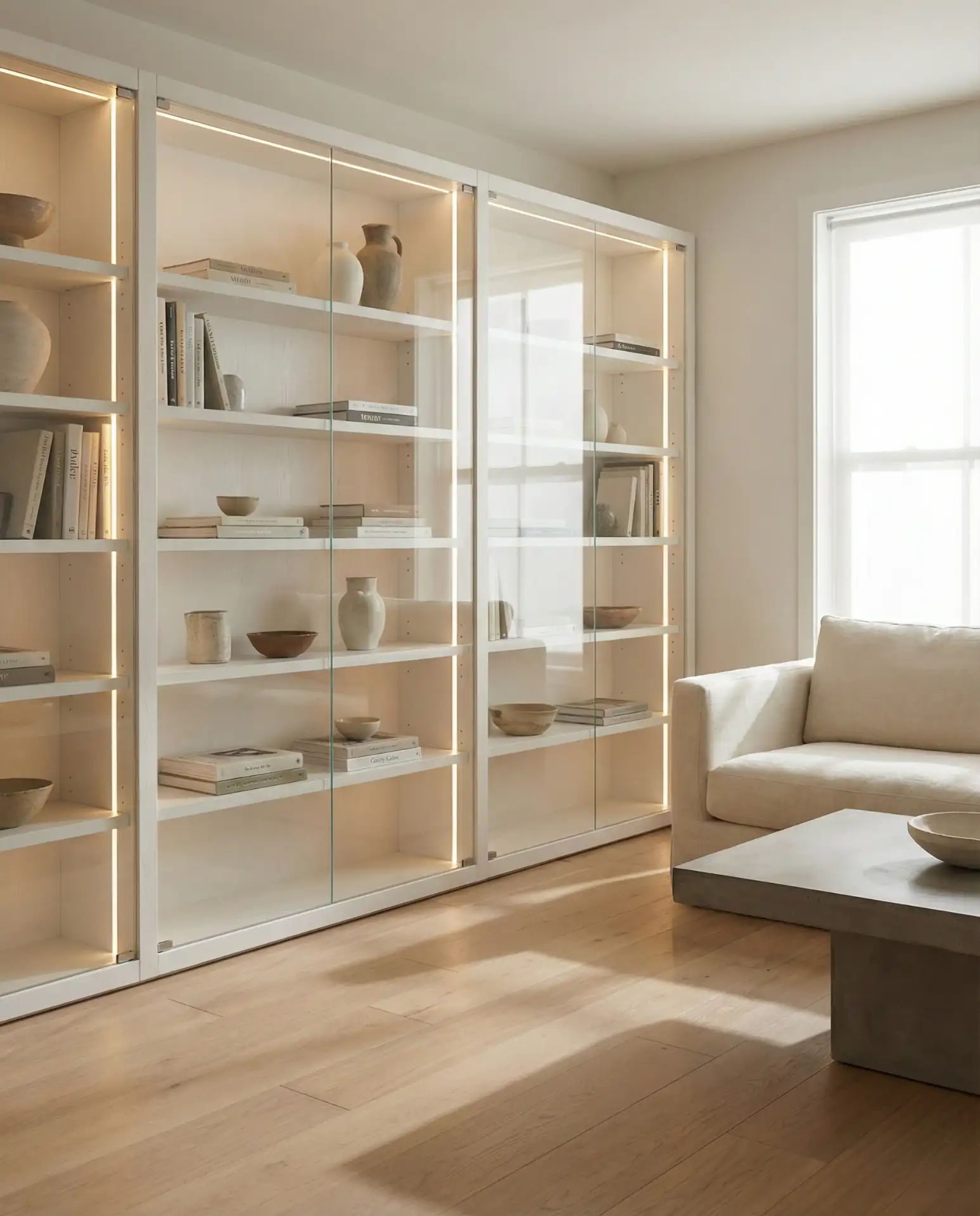
Incorporating glass doors into your built-in shelving gives you the best of both worlds: display space that’s protected from dust. This design is ideal for showcasing collections—whether that’s vintage glassware, fine china, or treasured books. The transparency keeps the room feeling open, while the doors provide a cleaner, more organized appearance than open shelving alone.
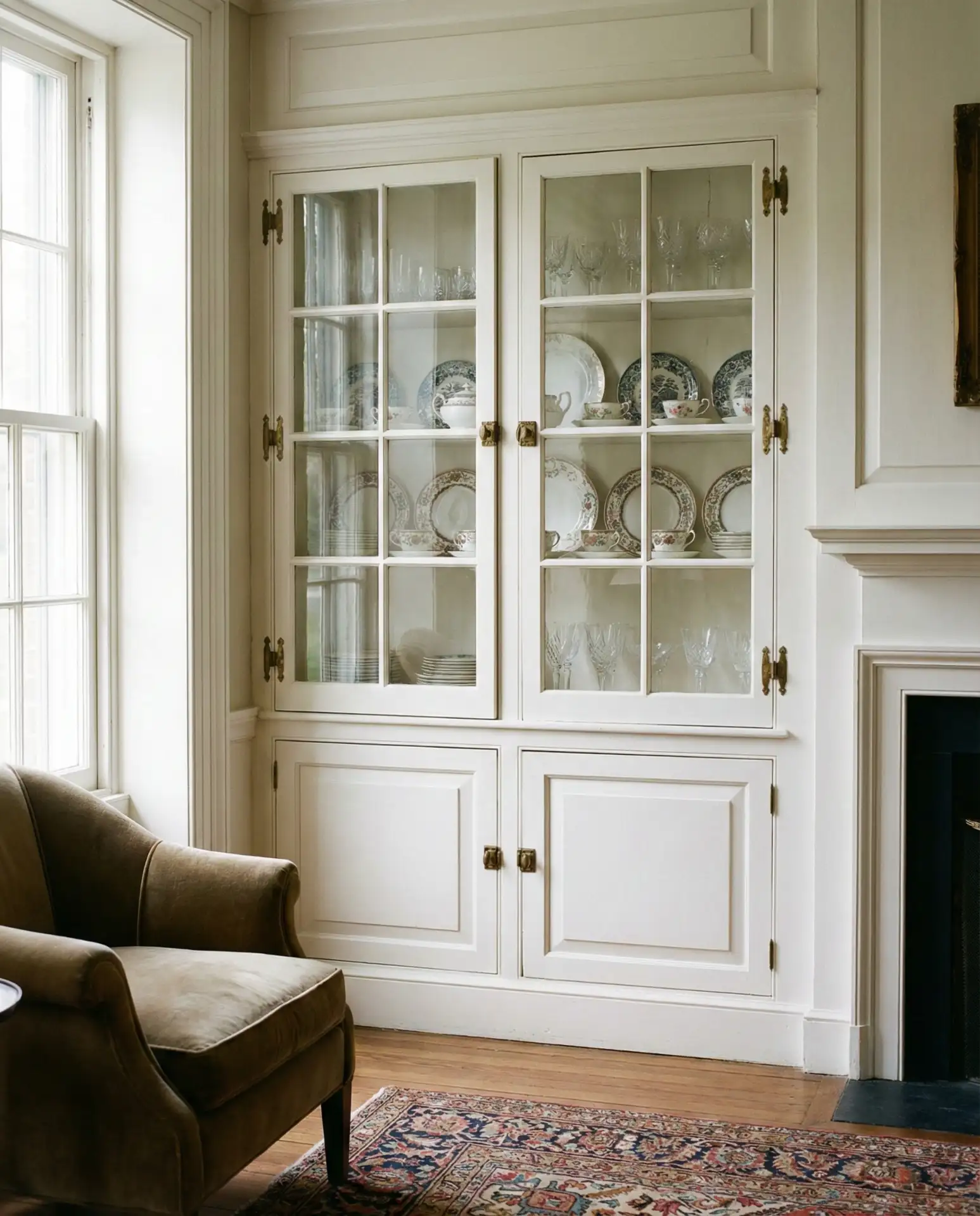
A practical insight: consider where the glass cabinets are positioned. Lower cabinets with glass doors can create sight lines into cluttered contents, so many homeowners opt for glass on upper sections only and solid doors below. This way, you display what’s beautiful and hide what’s functional. Interior cabinet lighting—either battery-powered puck lights or hardwired LED strips—makes glass-front cabinets truly shine at night.
10. Combination TV and Electric Fireplace Wall
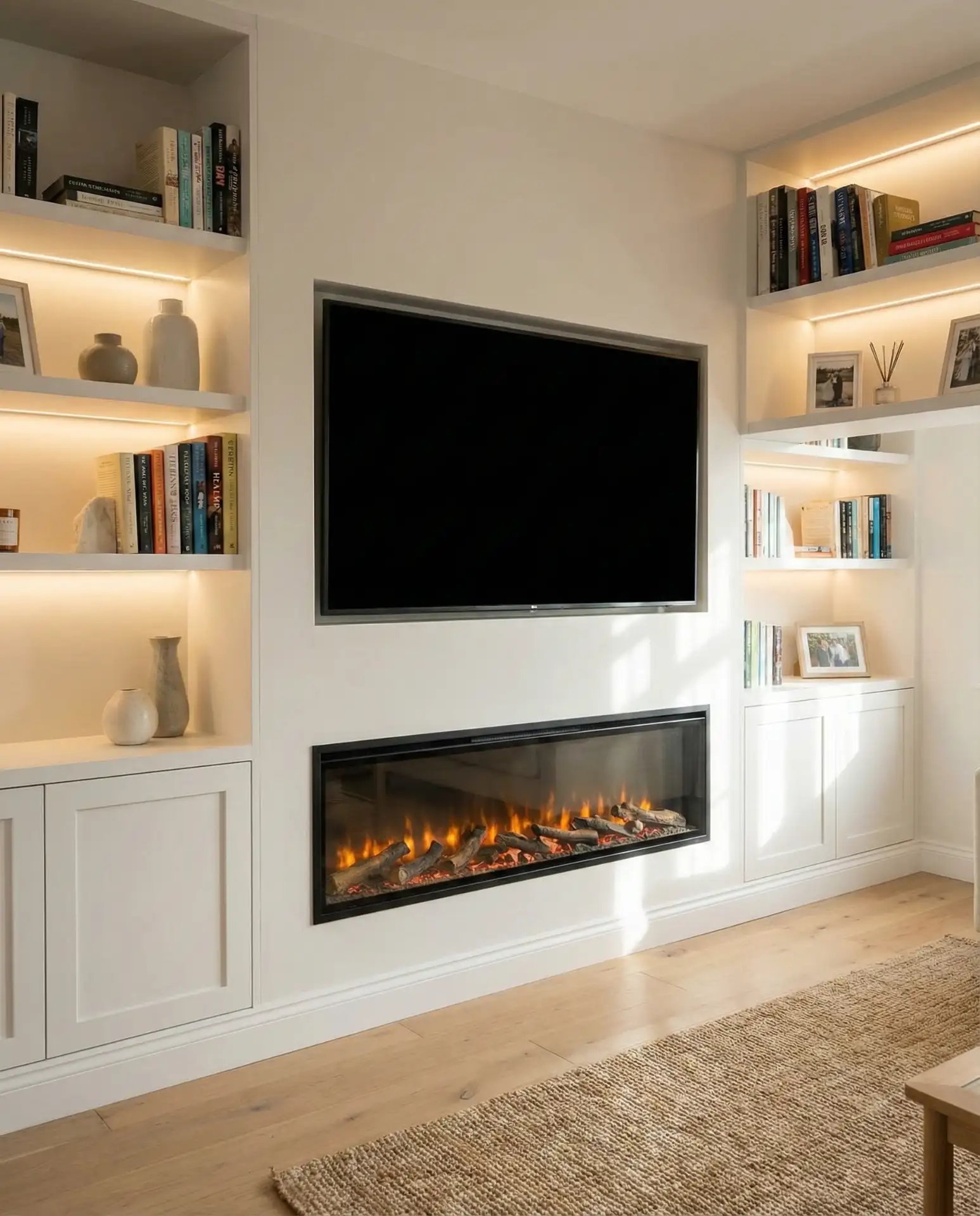
Combining a TV and electric fireplace in one built-in wall unit solves multiple living room challenges at once. The electric fireplace provides ambiance without the venting requirements of traditional fireplaces, while the integrated shelving keeps electronics organized. This setup is especially popular in condos and newer homes where wood-burning fireplaces aren’t an option or where adding a chimney isn’t feasible.
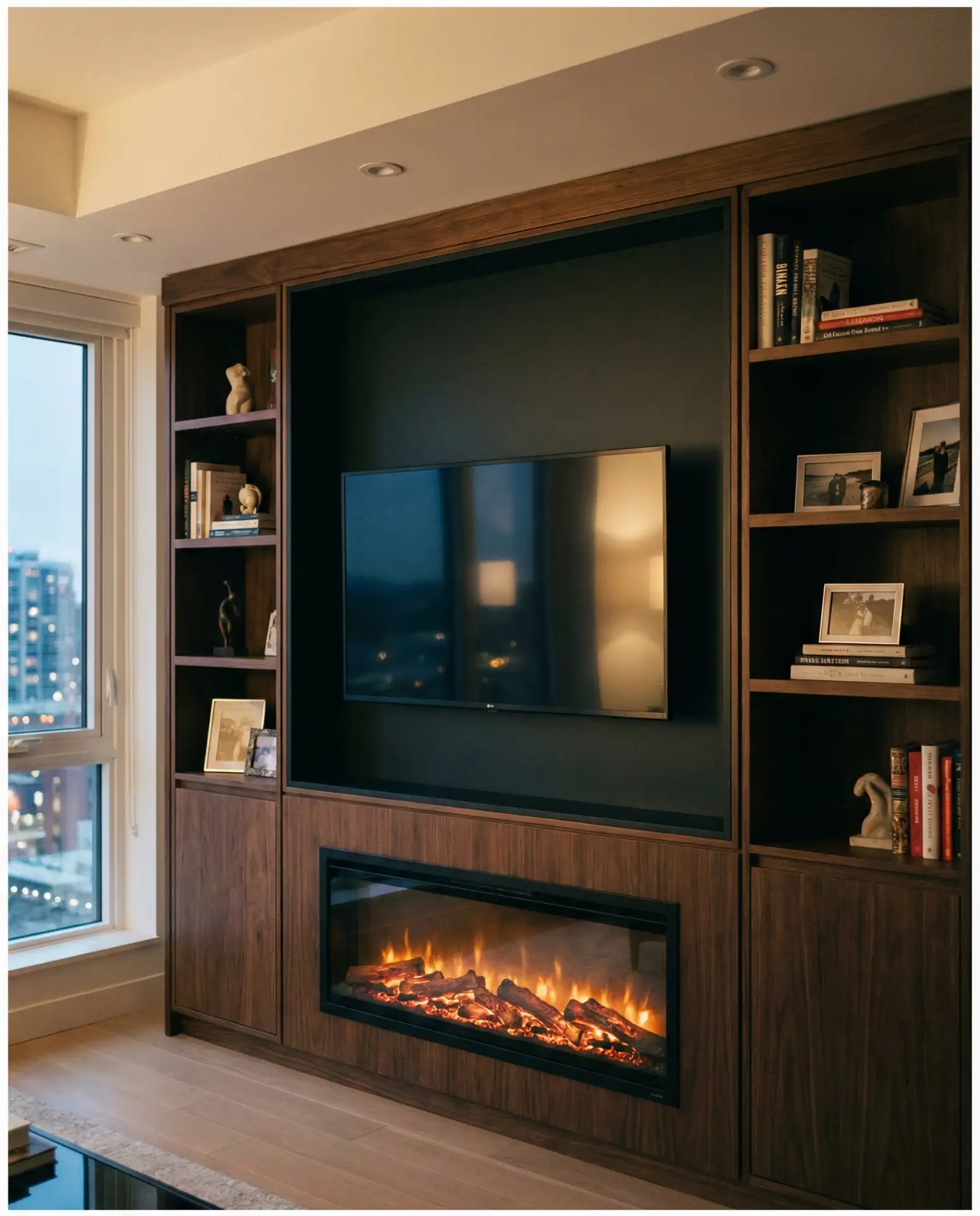
Across the Sun Belt states—Arizona, Texas, and Southern California—electric fireplaces have become a design element rather than a heating necessity. They add the cozy factor Pinterest users love without generating significant heat, which matters in climates where you’re running AC most of the year. Installation is simpler than traditional fireplaces, and most units just plug into a standard outlet hidden behind the built-in.
11. Large-Scale Shelving for Expansive Walls
When you’re dealing with a large blank wall, don’t be afraid to go big with your built-ins. Large-scale shelving that spans an entire wall creates impact and provides tremendous storage capacity. This approach works beautifully in open-concept homes where the living room needs to hold its own visually against adjacent spaces. The key is varying the shelf heights and incorporating a mix of open and closed storage to avoid a monotonous look.
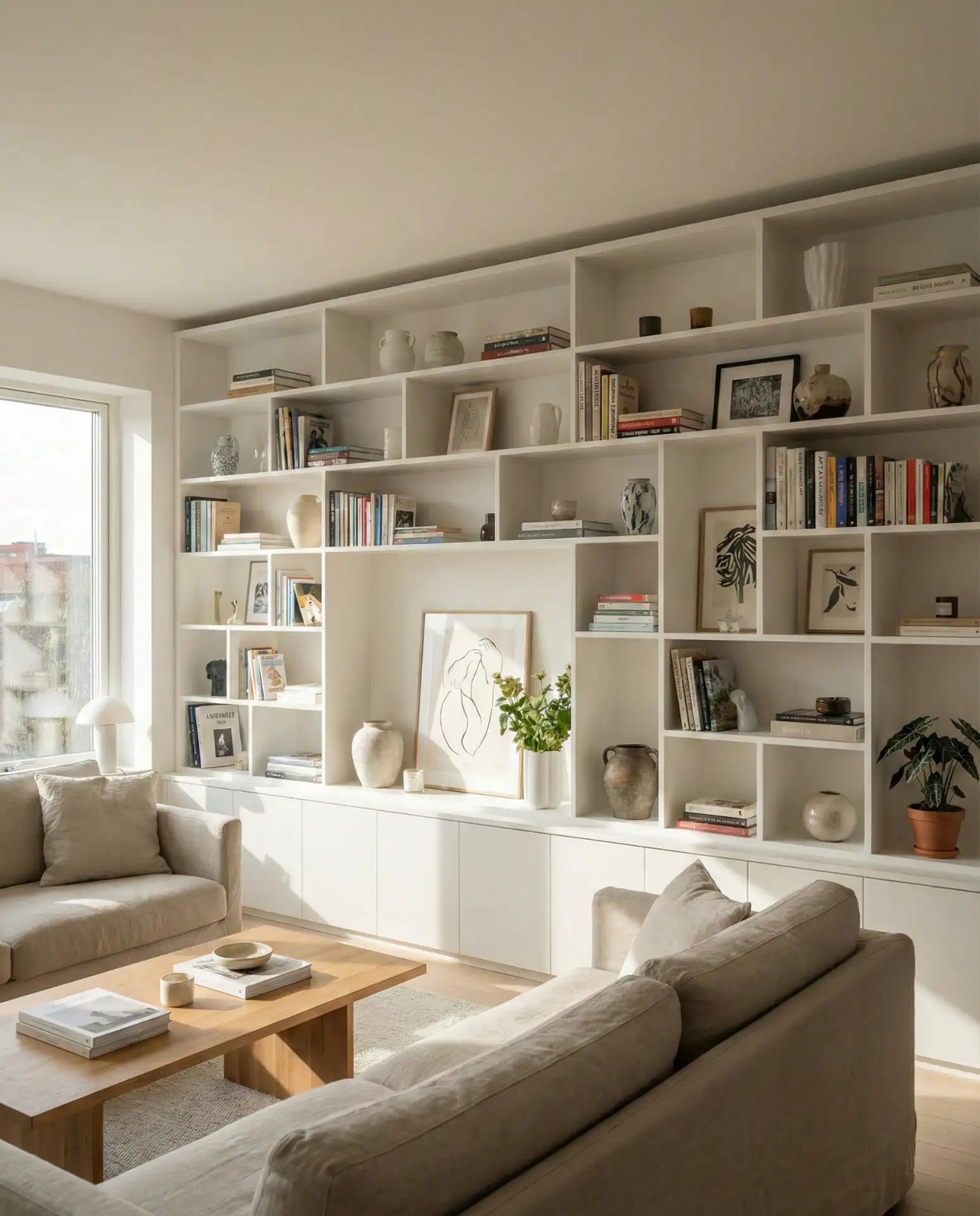
One designer I spoke with mentioned that large built-in walls are where clients get the most “wow” factor for their investment. The transformation is dramatic, and these installations typically increase home value because they’re viewed as permanent, high-quality improvements. She recommended including a rolling library ladder if your ceilings are over 10 feet—it’s both functional and adds a striking architectural detail.
12. Fireplace with Tall Ceiling Shelving
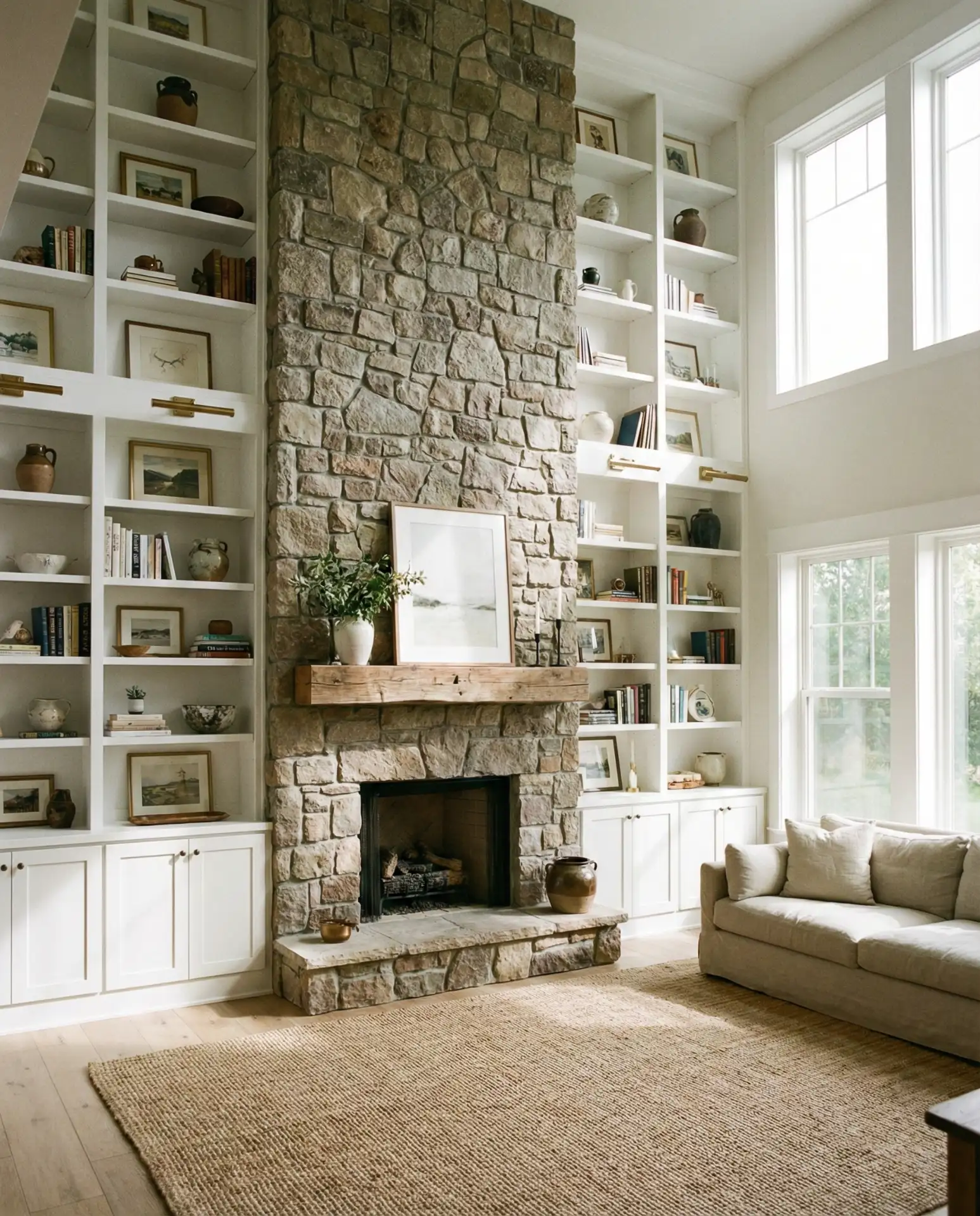
Homes with fireplace and tall ceiling configurations benefit immensely from shelving that extends all the way up. The vertical emphasis draws attention to your ceiling height while making the fireplace surround more substantial. This design is particularly effective in great rooms and two-story living spaces where the fireplace can feel dwarfed by the surrounding volume. The upper shelves can display items you don’t need to access daily, while lower shelves hold everyday favorites.
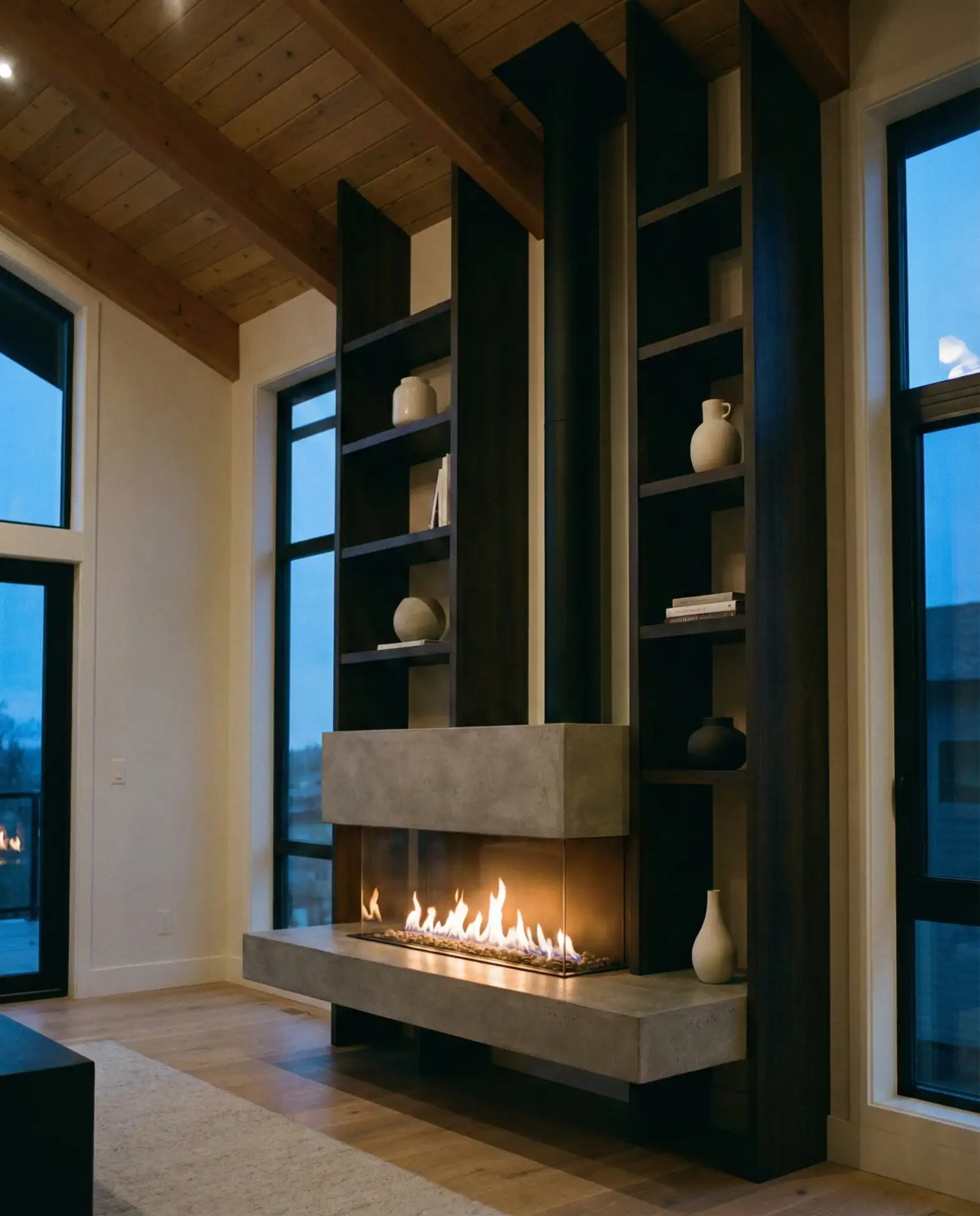
A common mistake with tall shelving is making every shelf the same depth. Instead, reduce the depth as you go higher—12 inches at eye level, 8 inches for upper shelves. This creates a more refined look and prevents the unit from feeling too heavy or protruding too far into the room. It also costs less since you’re using less material for those higher, less-accessible shelves.
13. Built-In Desk and Shelving Combo
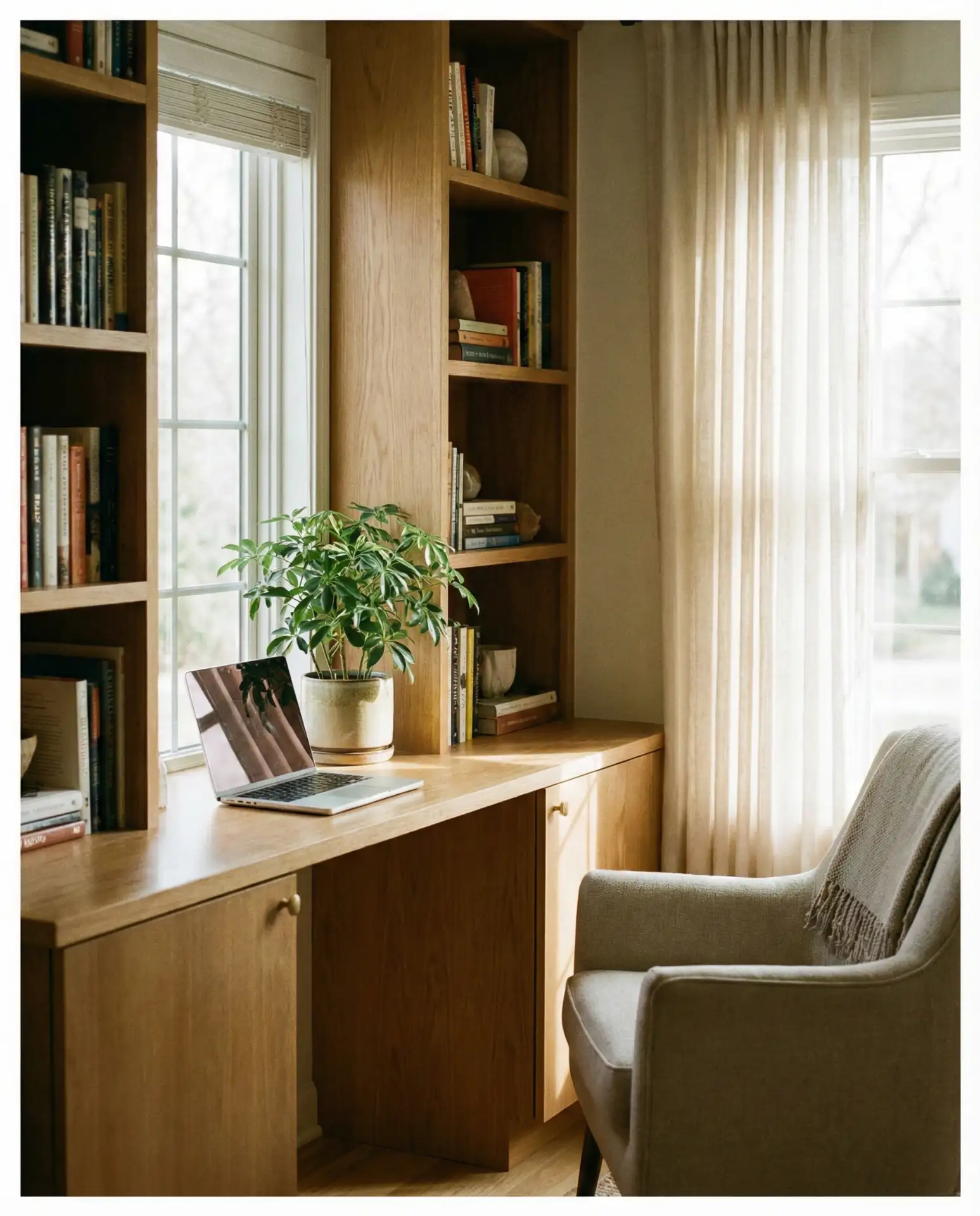
Integrating a desk into your living room built-ins creates a dedicated work-from-home space that disappears into the room’s architecture. This has become essential as remote work continues to be part of American life in 2026. The desk surface tucks between shelving units, providing workspace without requiring a separate home office. Above and beside the desk, shelves hold office supplies, books, and files within easy reach.
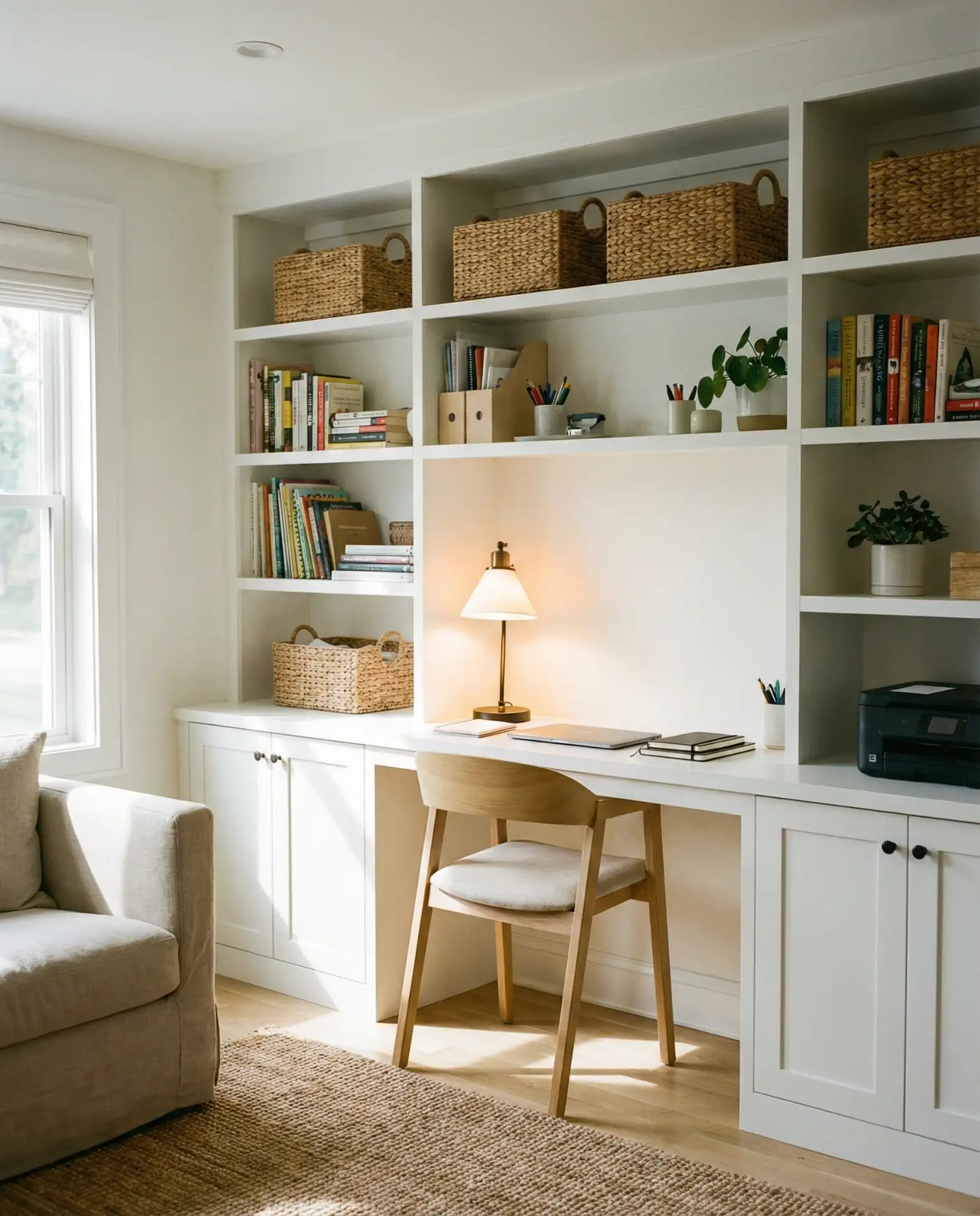
Where it works best: living rooms that don’t see heavy TV use or formal entertaining, like in younger households, empty-nester homes, or urban apartments where space is precious. The desk area should be at least 48 inches wide for comfortable laptop work, and if you’re building from scratch, include outlets and cable management channels so cords aren’t visible. Many people add a small drawer unit beneath the desk for pens and chargers.
14. Brown Wooden Warmth
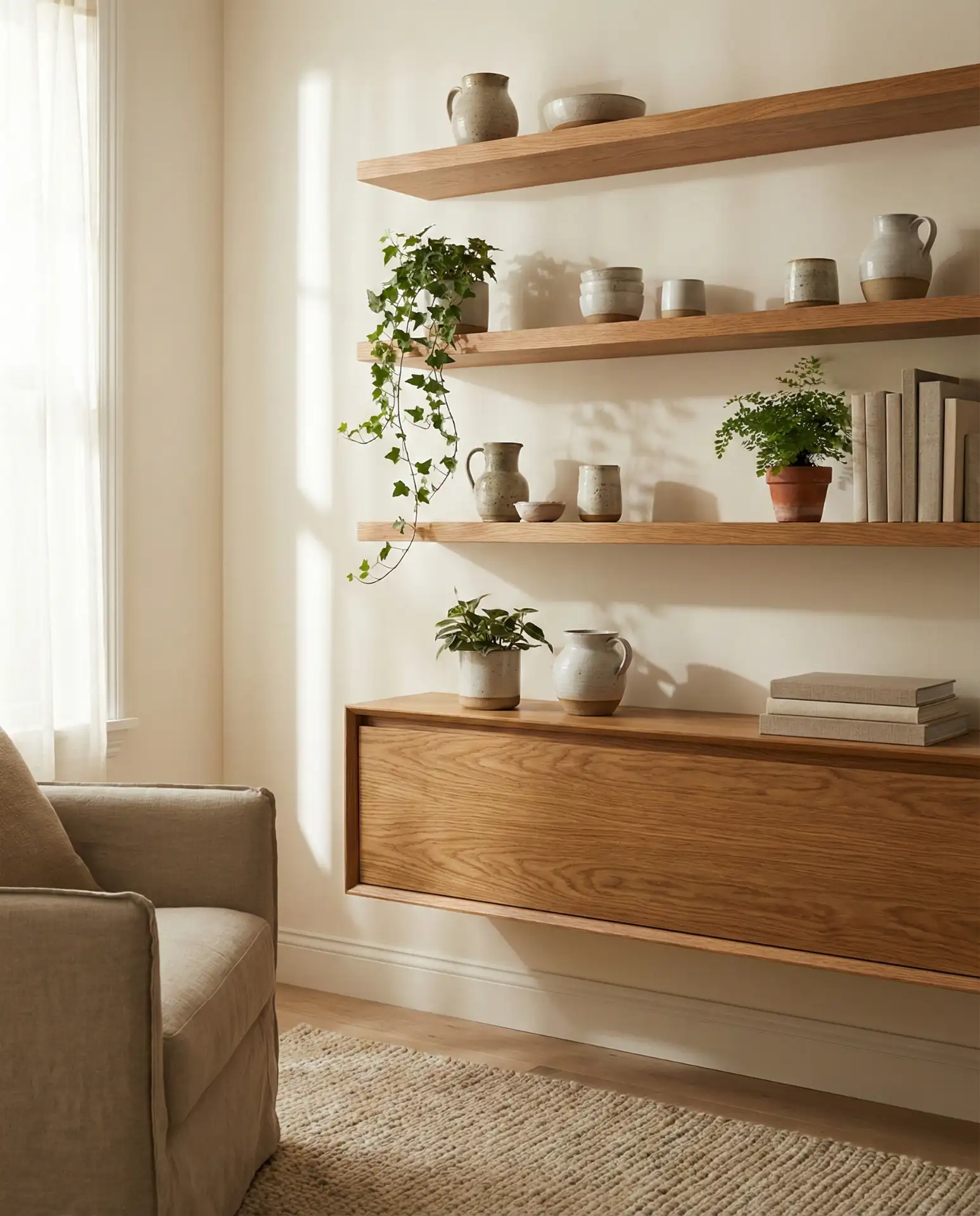
Brown wooden built-ins bring natural warmth that painted shelves simply can’t match. Whether you choose oak, walnut, cherry, or stained pine, the wood grain adds texture and organic beauty to your living room. This finish is experiencing a resurgence as homeowners tire of the all-white aesthetic and crave something richer and more grounded. Natural wood built-ins pair beautifully with leather furniture, plants, and neutral textiles.
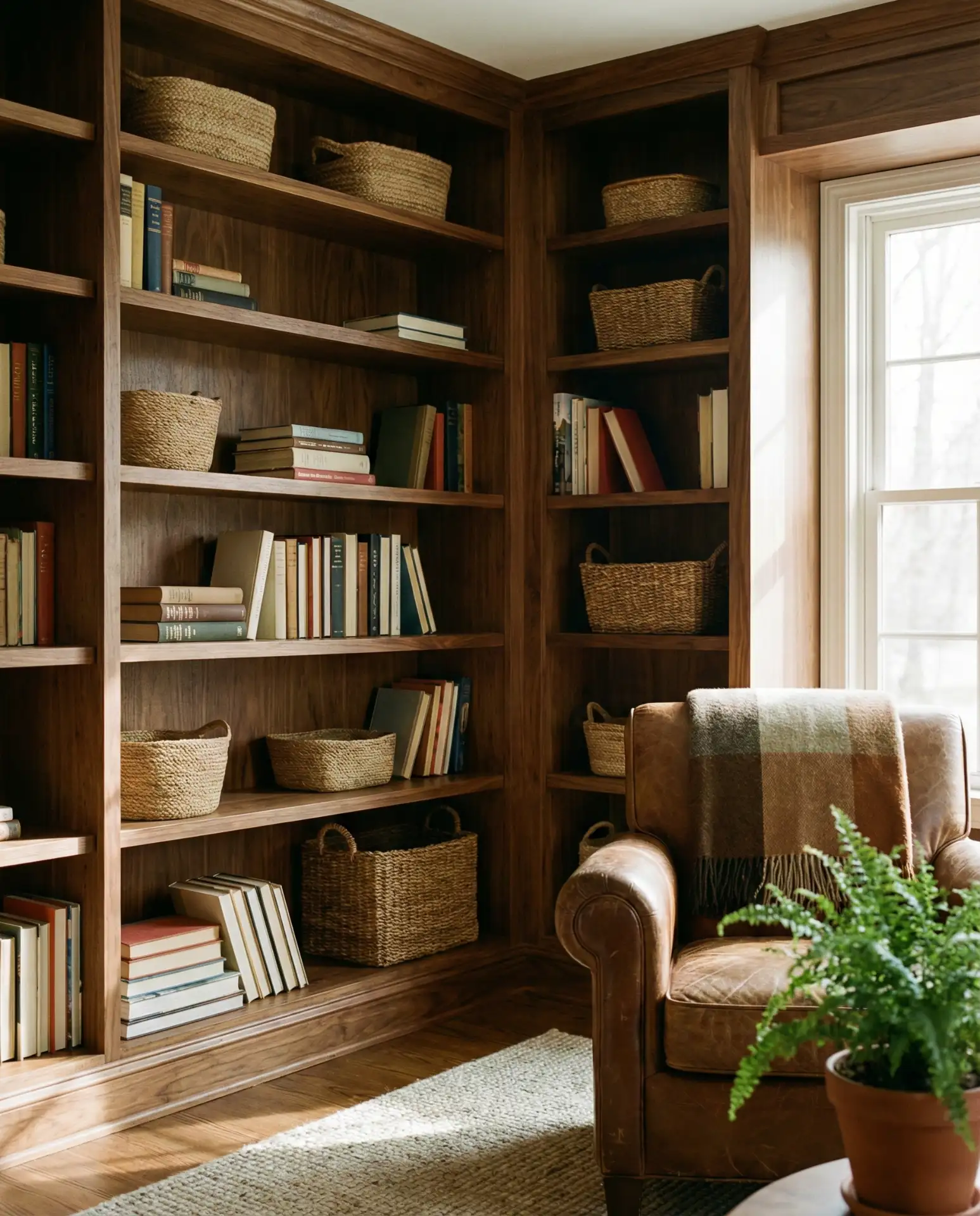
From a budget perspective, staining pine or poplar costs significantly less than purchasing premium hardwood, and the finished look can be nearly identical with the right stain color. Just be aware that different woods accept stain differently—always test on scrap pieces first. Many homeowners in the Pacific Northwest and Northeast favor natural wood finishes because they complement the regional architecture and the outdoor views.
15. Corner Fireplace Built-Ins
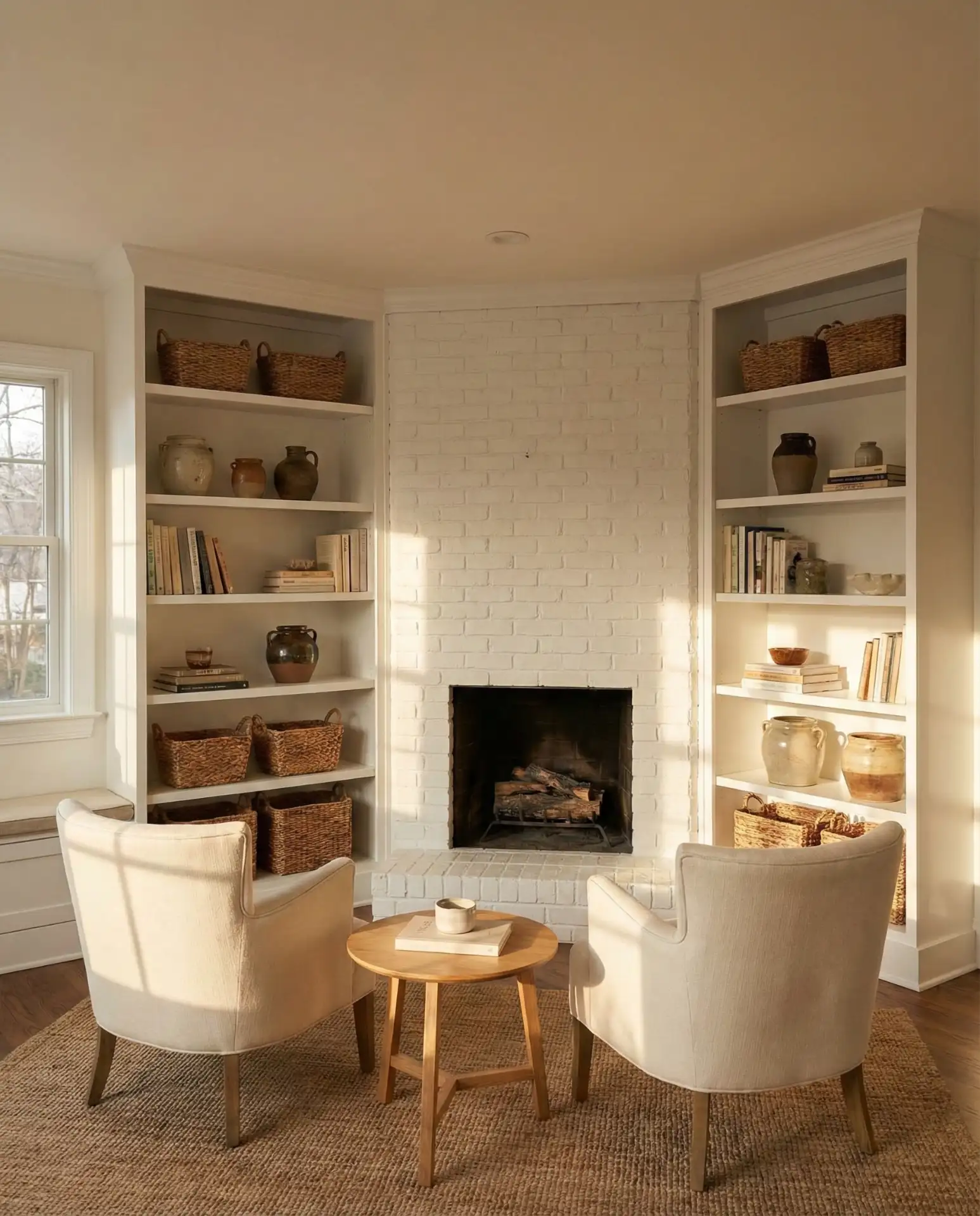
A corner fireplace presents unique opportunities for built-in shelving. Wrapping shelves around the corner on both sides creates a cohesive look while maximizing the storage potential of what can be an awkward architectural feature. This configuration works especially well in smaller living rooms where a traditional centered fireplace would dominate too much floor space. The angled orientation creates interesting sight lines and opens up furniture arrangement possibilities.
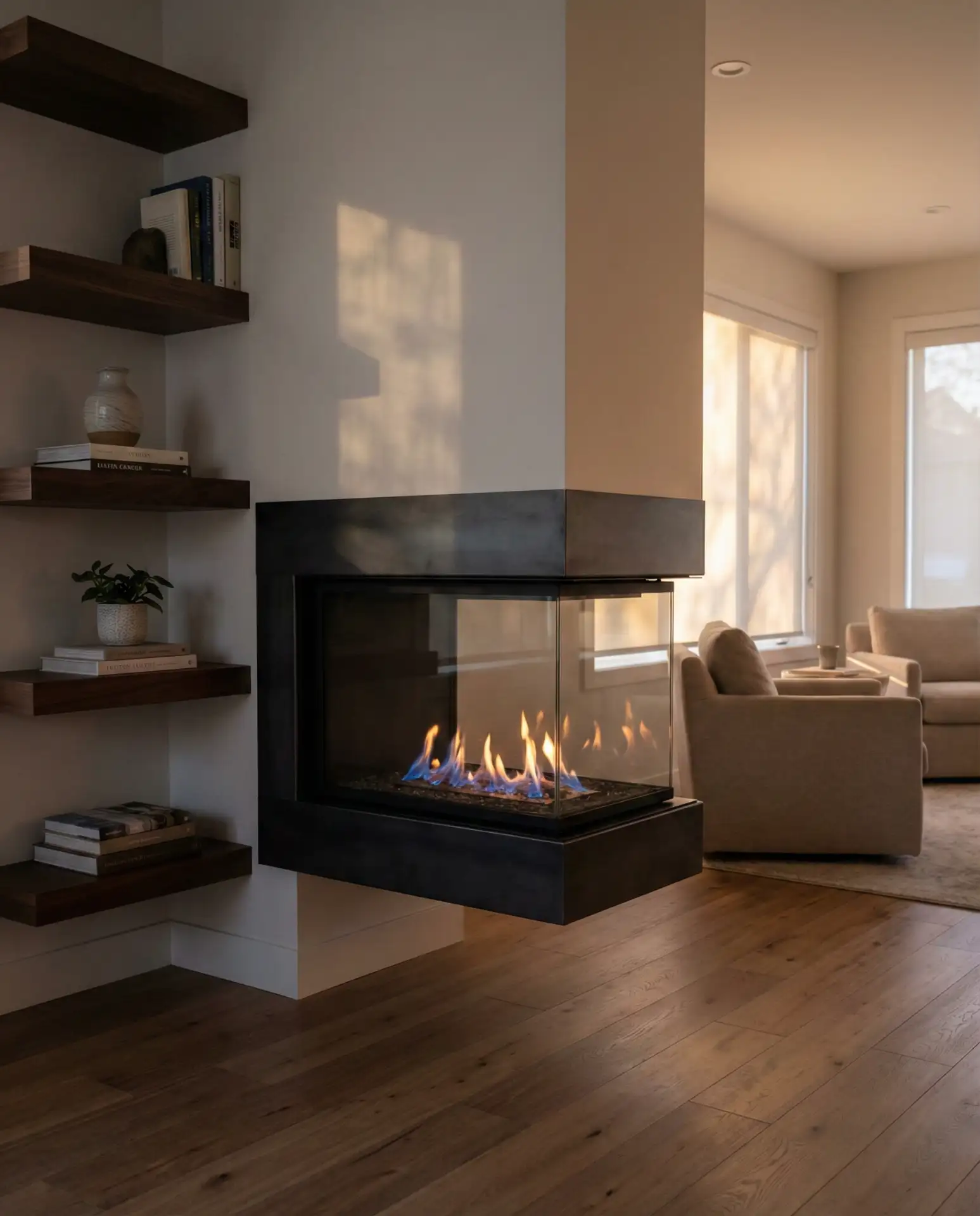
I walked through a 1980s ranch home last month where the owners had just installed corner fireplace built-ins, and it completely transformed the room. The L-shaped shelving made the fireplace feel intentional rather than like an afterthought, and it added about 20 linear feet of usable shelf space. They mentioned that finding a contractor experienced with corner installations was important—the angles require precision.
16. Classic White Built-Ins
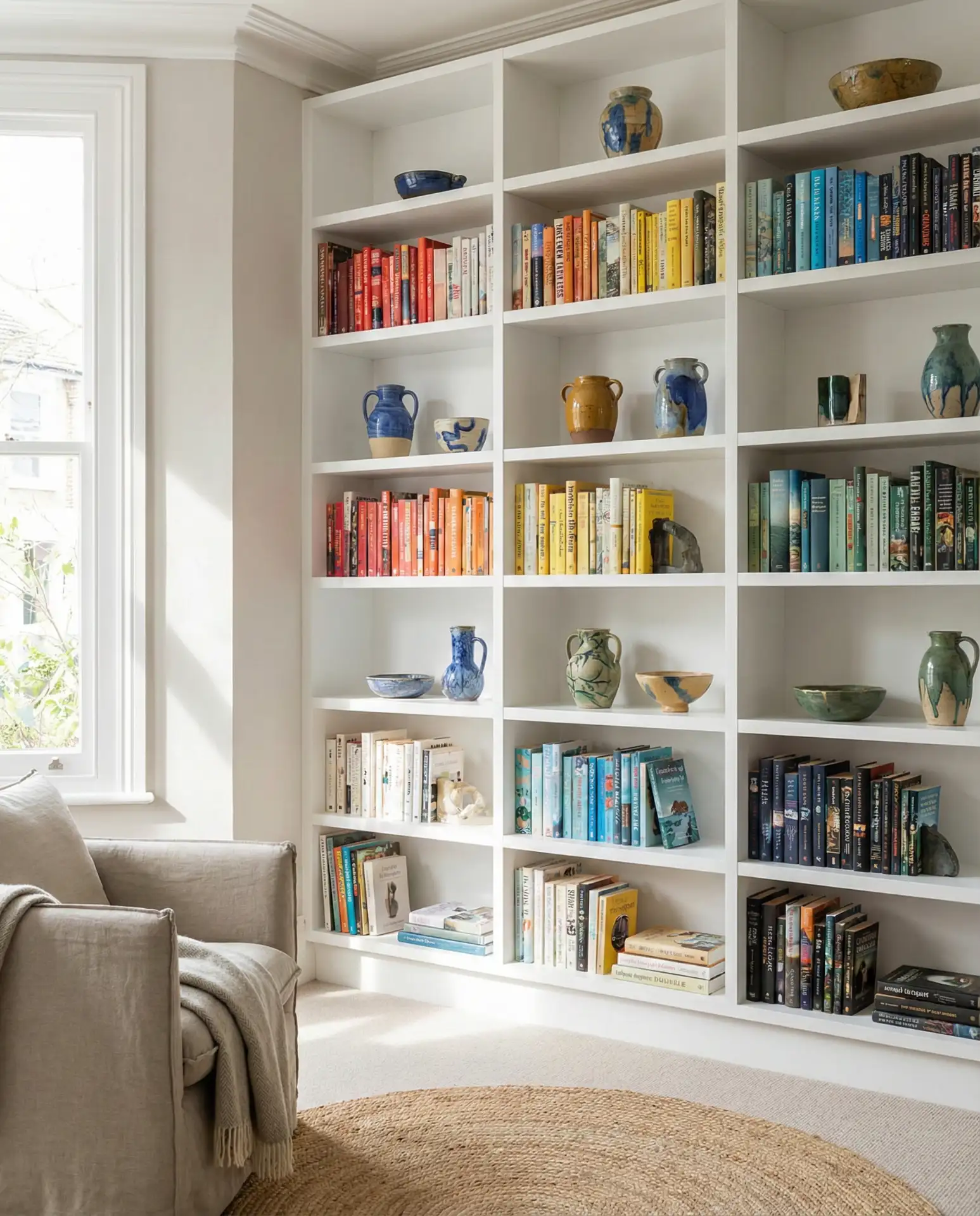
White built-in shelves remain the most popular choice for good reason—they’re timeless, versatile, and make any living room feel brighter and larger. White works with every design style from coastal to traditional to modern farmhouse, and it provides a neutral backdrop that lets your books and accessories become the focal point. The crisp, clean look appeals to Pinterest users searching for light-filled, airy interiors.
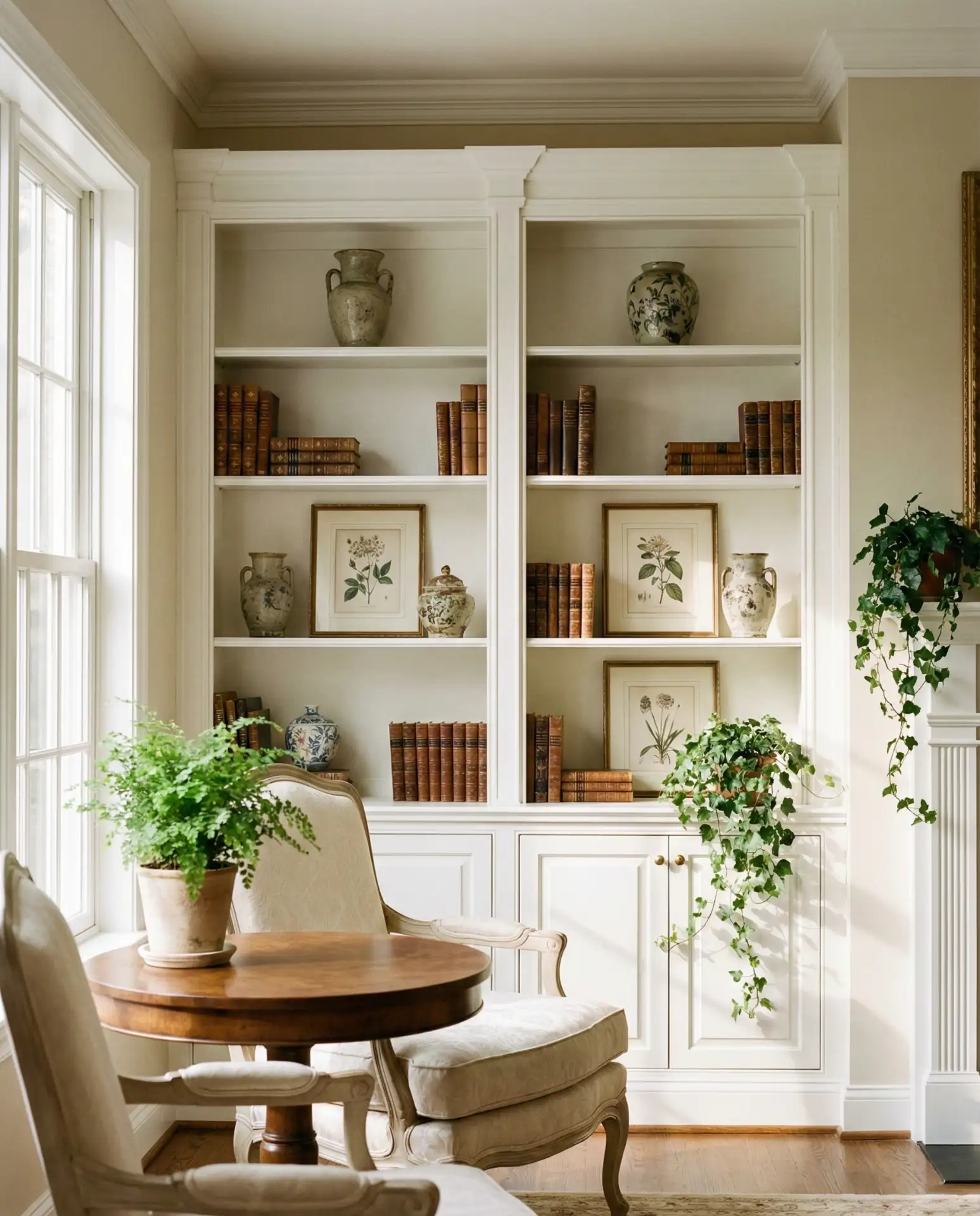
Expert designers note that the “white” you choose matters more than you’d think. Benjamin Moore’s “Simply White” leans warm and works in rooms with golden light, while “Chantilly Lace” is a cooler, brighter white suited to rooms with northern exposure. Many painters recommend a semi-gloss or satin finish for built-ins since it’s easier to clean and more durable than flat paint, especially on shelves that see daily use.
17. Shelving Around a Couch
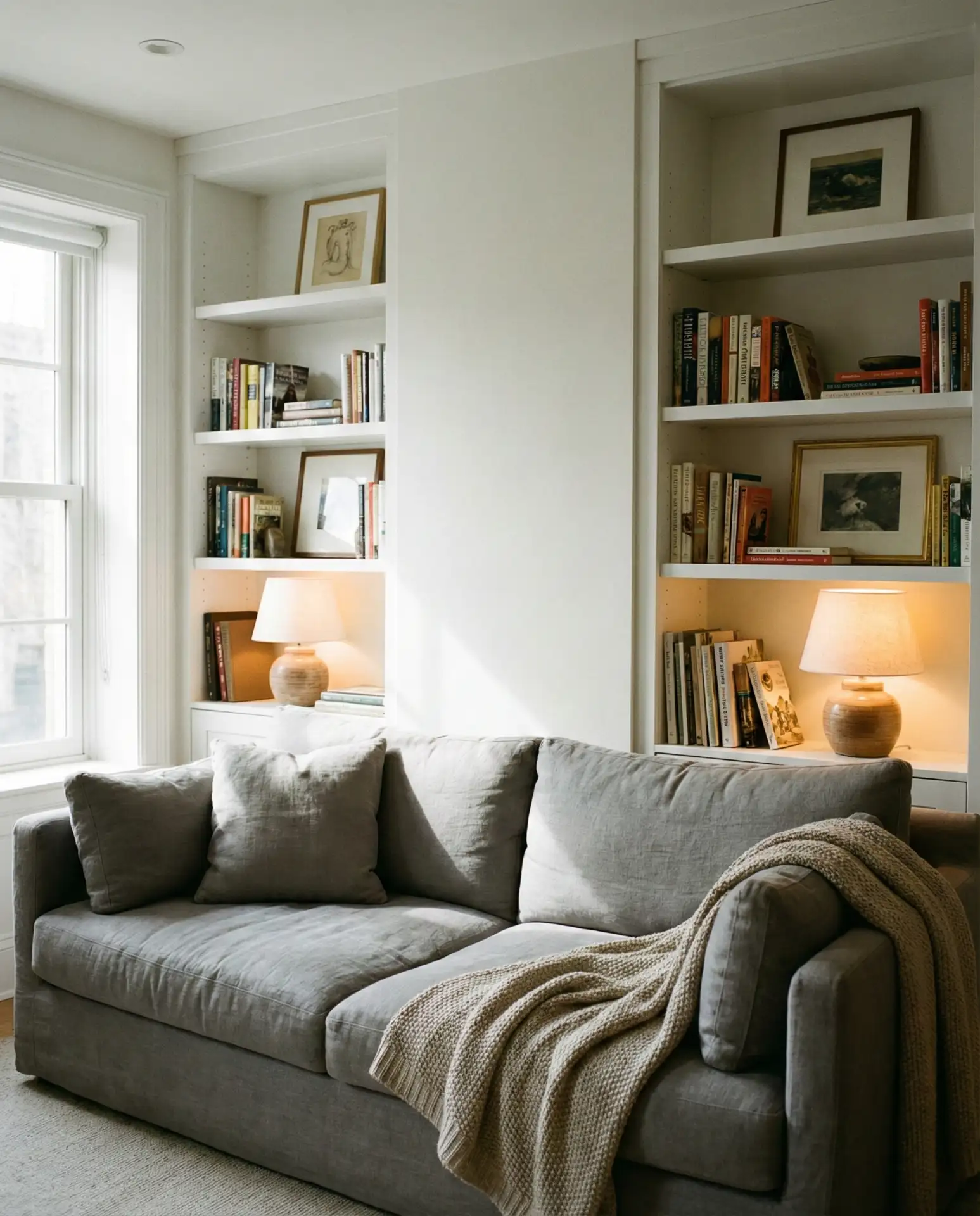
Built-ins that frame your couch turn the seating area into a cozy alcove, perfect for reading and relaxation. This layout works when the sofa is positioned against a wall—shelves on either side create symmetry and keep essentials within arm’s reach. It’s an especially smart solution for living rooms that lack a fireplace or other natural focal point, as the built-ins give the space architectural interest and purpose.
Real homeowners often incorporate reading lights into these side shelves—either mounted sconces or small table lamps—creating the perfect setup for evening reading without overhead lighting. The shelves also provide a convenient spot for drinks, remotes, and phones. One tip: leave at least 6 inches of clearance between the sofa arm and the built-in edge so you can comfortably sit without feeling boxed in.
18. Modern Minimalist Shelving
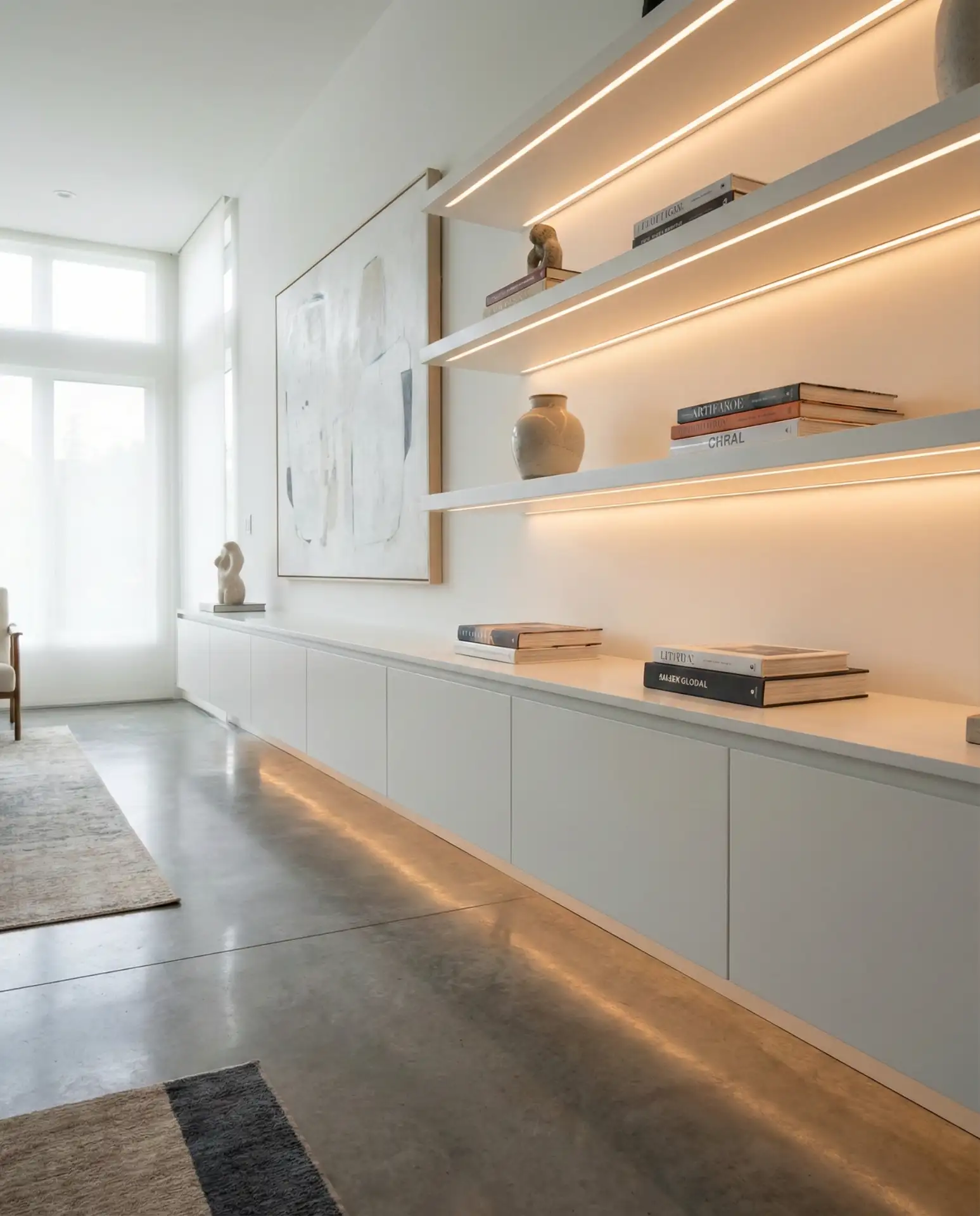
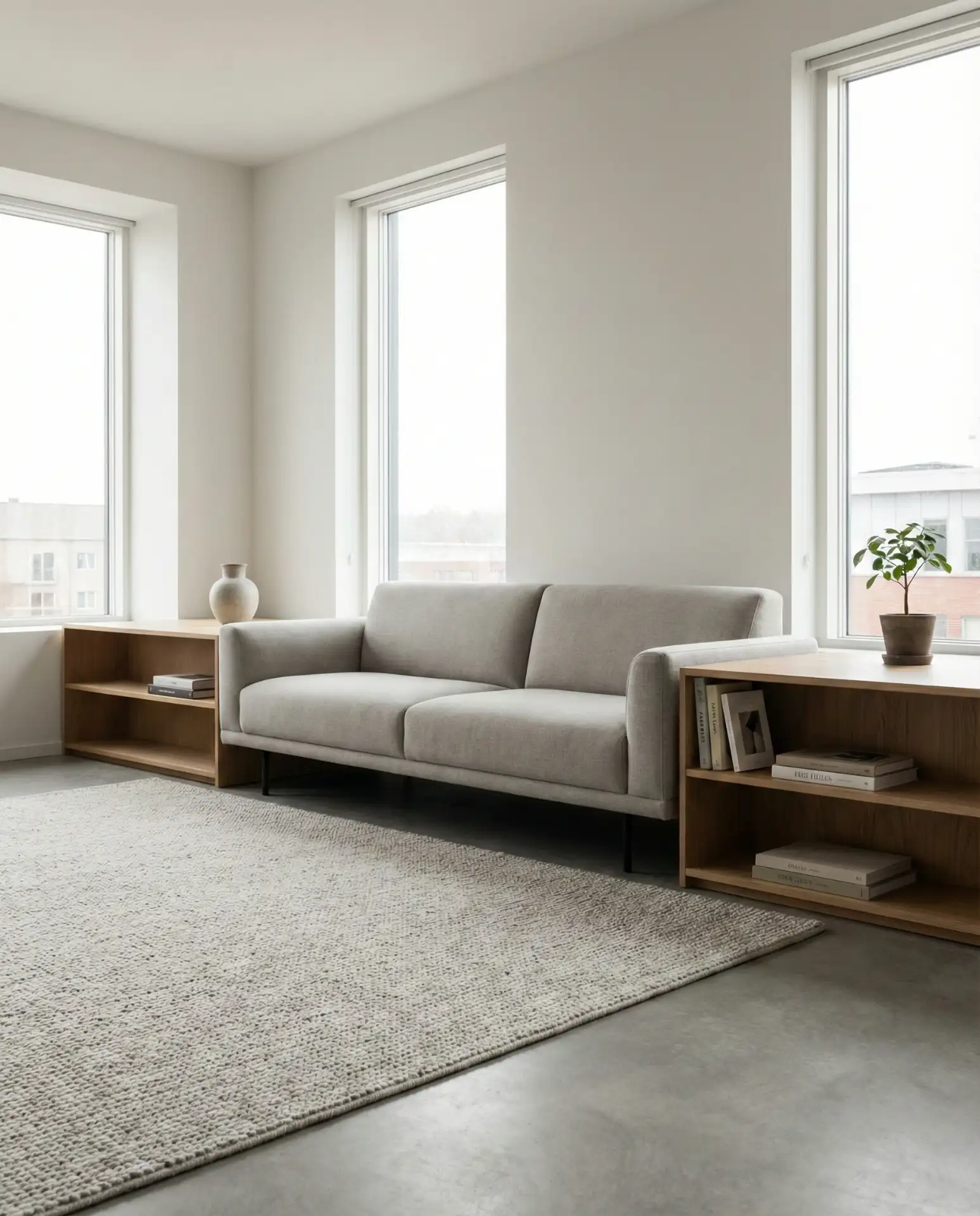
Modern built-ins embrace clean lines, handleless cabinets, and a pared-down aesthetic that feels intentional and serene. This style typically features a mix of open shelving with closed storage, all in a monochromatic palette. The focus is on quality materials and perfect proportions rather than ornate details. Modern shelving often incorporates innovative features like push-to-open drawers and integrated lighting strips.
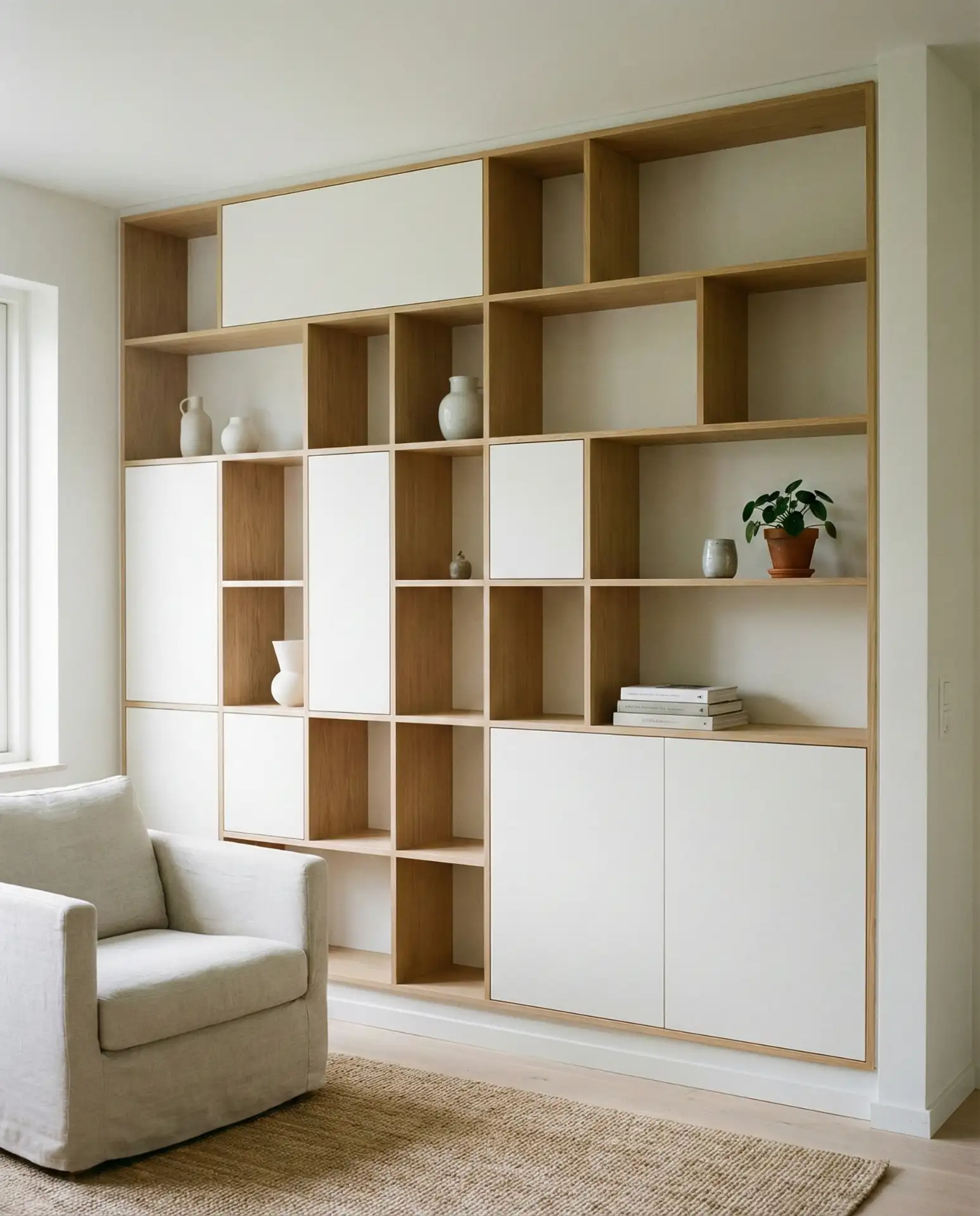
In urban areas—particularly New York, San Francisco, and Chicago—modern built-ins are the default choice for new construction and renovations. The streamlined look maximizes the feeling of space, which matters in city apartments where square footage comes at a premium. The key to pulling off this style successfully is restraint: keep only a few carefully chosen objects on display, and let negative space do the heavy lifting.
19. Colored Built-Ins for Personality
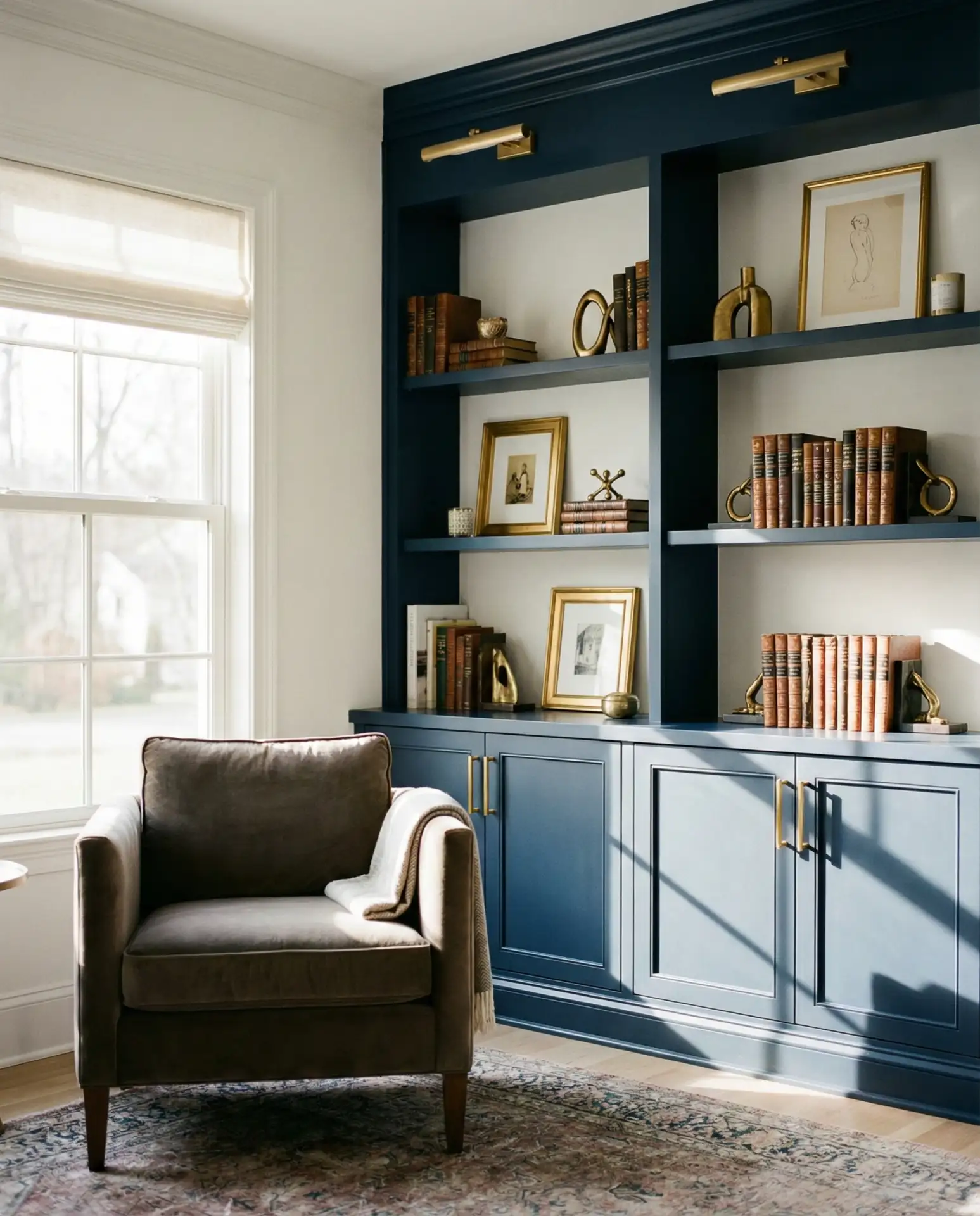
Don’t be afraid to paint your built-ins in a bold color that reflects your personality. Deep blues, forest greens, charcoal grays, and even dusty pinks have all become popular choices for homeowners wanting to make a statement. Color adds depth and character to a living room, turning the shelving into a feature wall. It’s a trend that Pinterest users have embraced enthusiastically, especially when the painted shelves contrast with lighter walls.
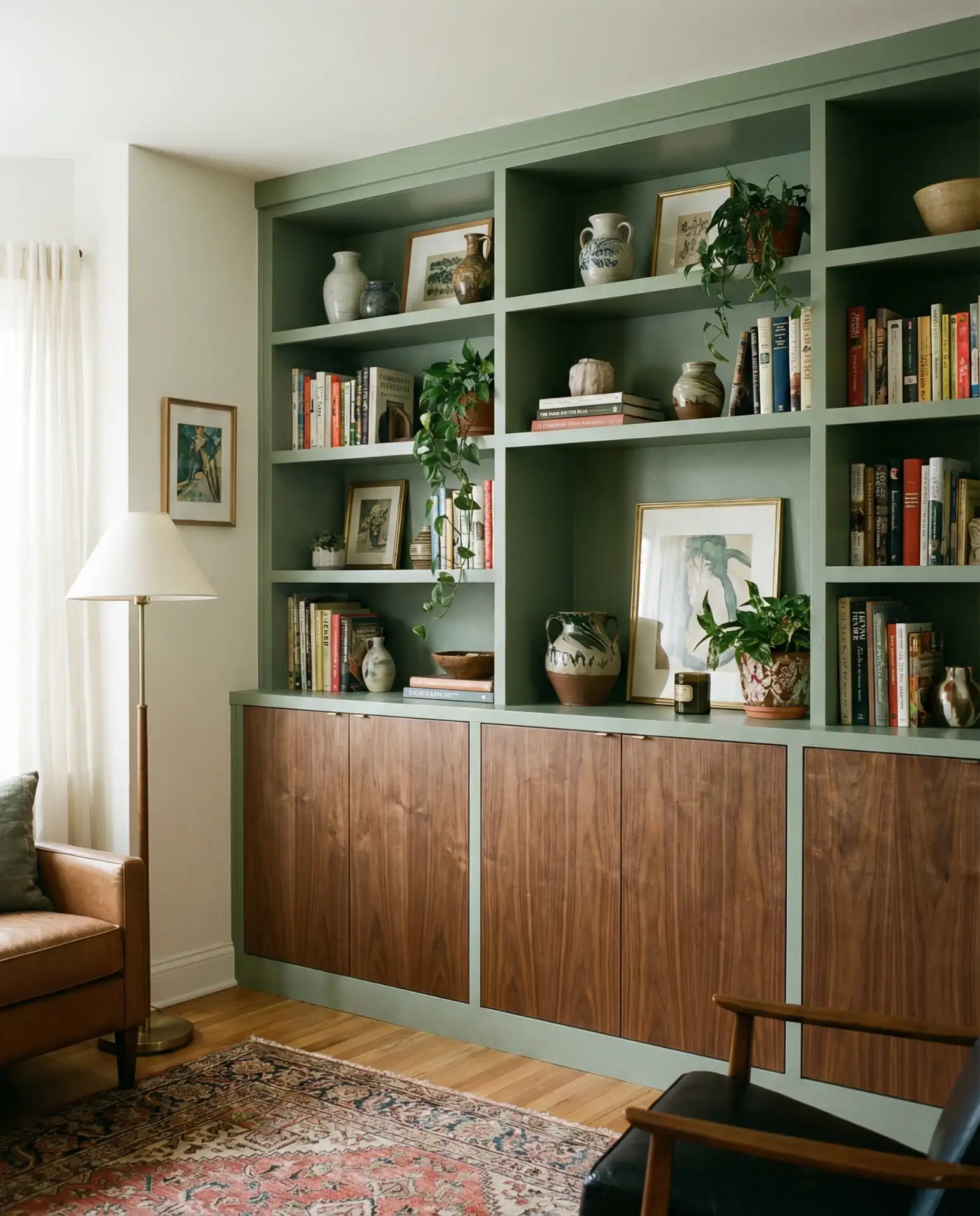
A practical insight from an interior designer: if you’re nervous about committing to color, test it first by painting poster board and propping it against the wall for a week. Live with it in different lighting conditions before making the final decision. Darker colors work beautifully in rooms with ample natural light, while lighter, brighter colors can energize dimmer spaces. The paint finish matters too—matte hides imperfections but shows wear, while satin is more durable.
20. Symmetrical Shelving for Balance
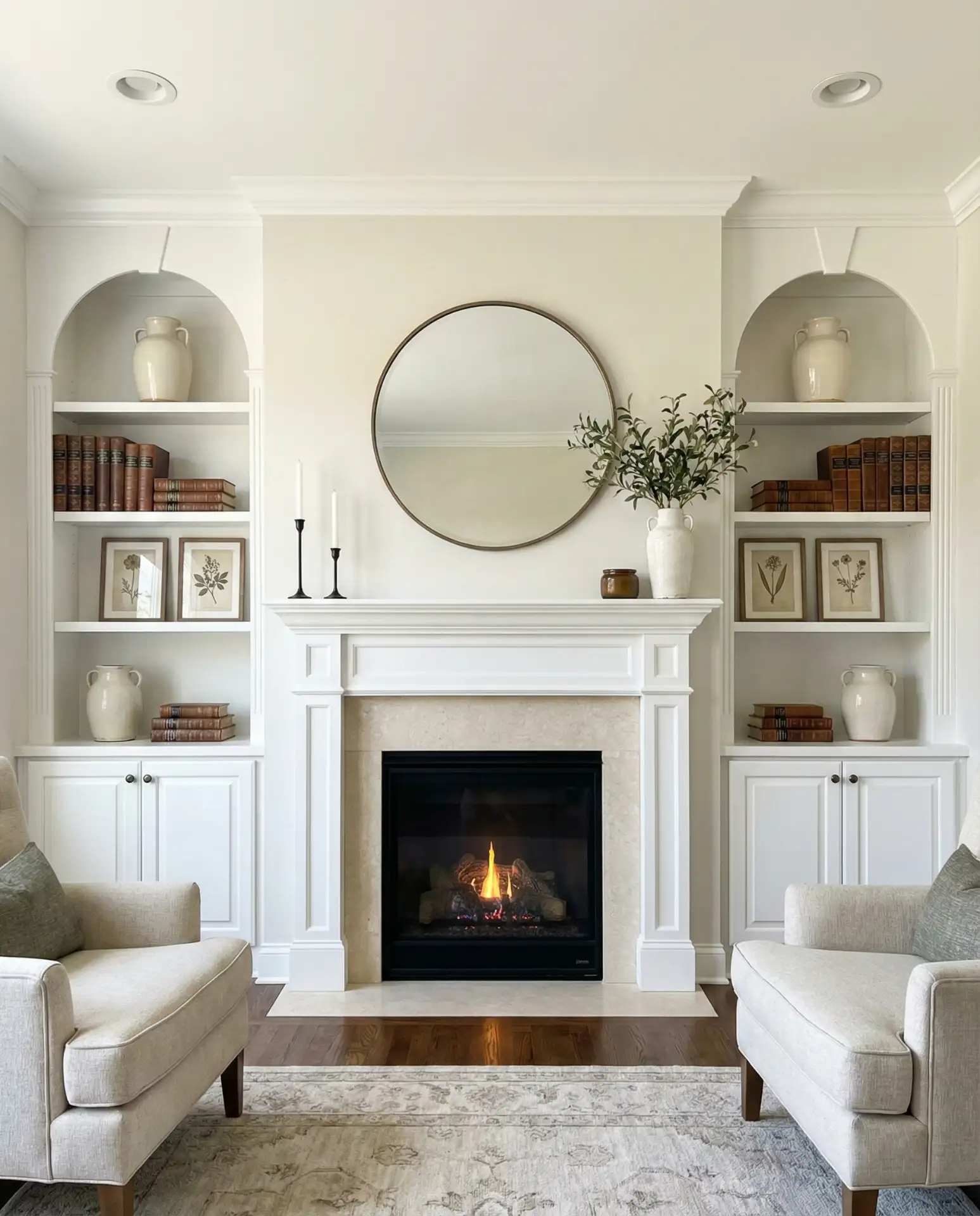
Symmetrical built-ins flanking a central element—whether it’s a fireplace, window, or TV—create a sense of order and calm. This traditional approach appeals to those who appreciate balance and formality in their spaces. Matching shelves on either side provide equal storage and display opportunities, and the mirrored layout is inherently pleasing to the eye. It’s a design principle that has stood the test of time for good reason.
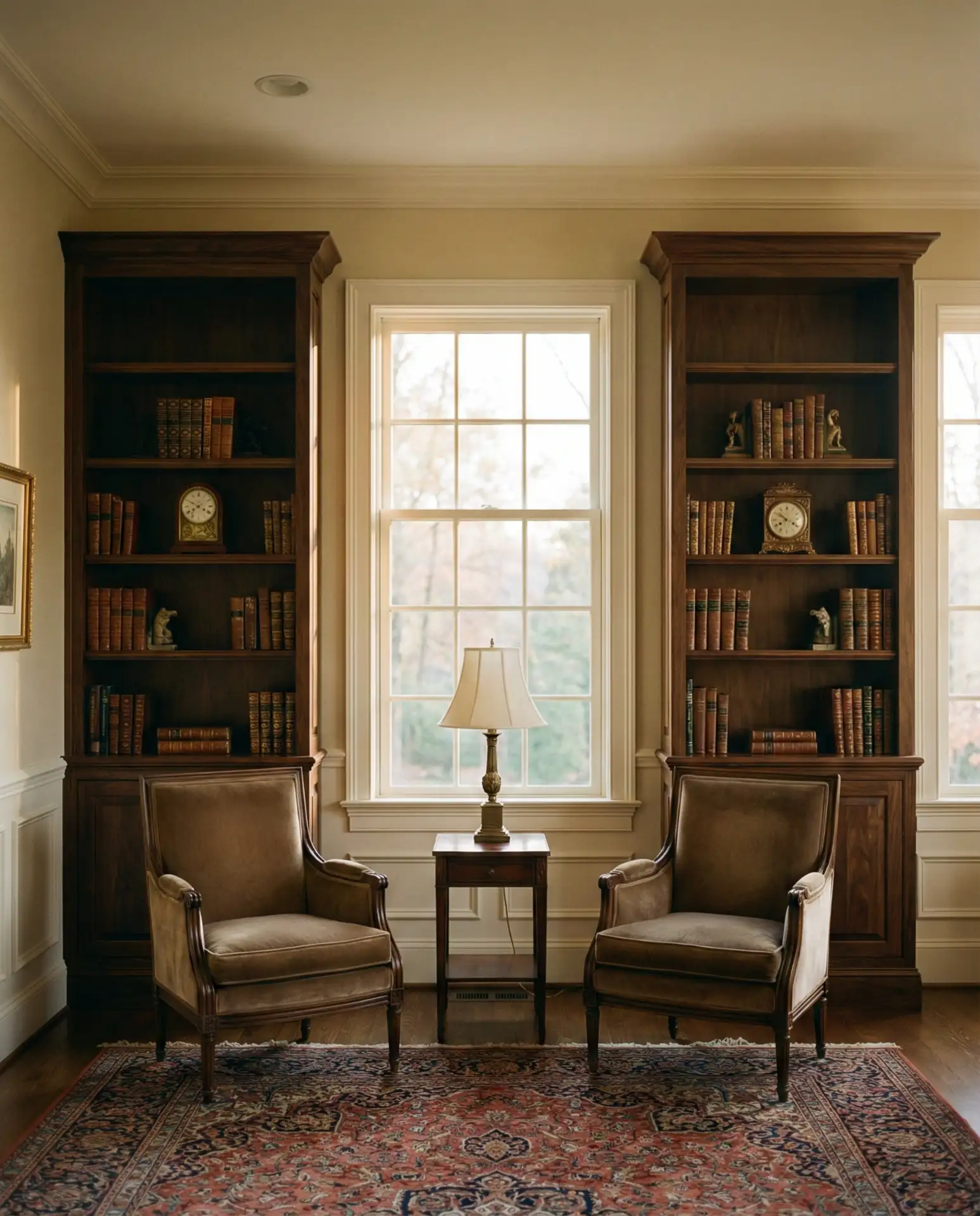
Where it works best: traditional homes, colonial architecture, and spaces where you’re aiming for a more formal feel. That said, the styling doesn’t have to be perfectly mirrored—you can echo colors and shapes on both sides without making them identical, which keeps the look from feeling too stiff. Many designers recommend the “rule of three” when styling symmetrical shelves: group items in threes for a more dynamic, less rigid arrangement.
21. Asymmetrical and Eclectic Arrangements
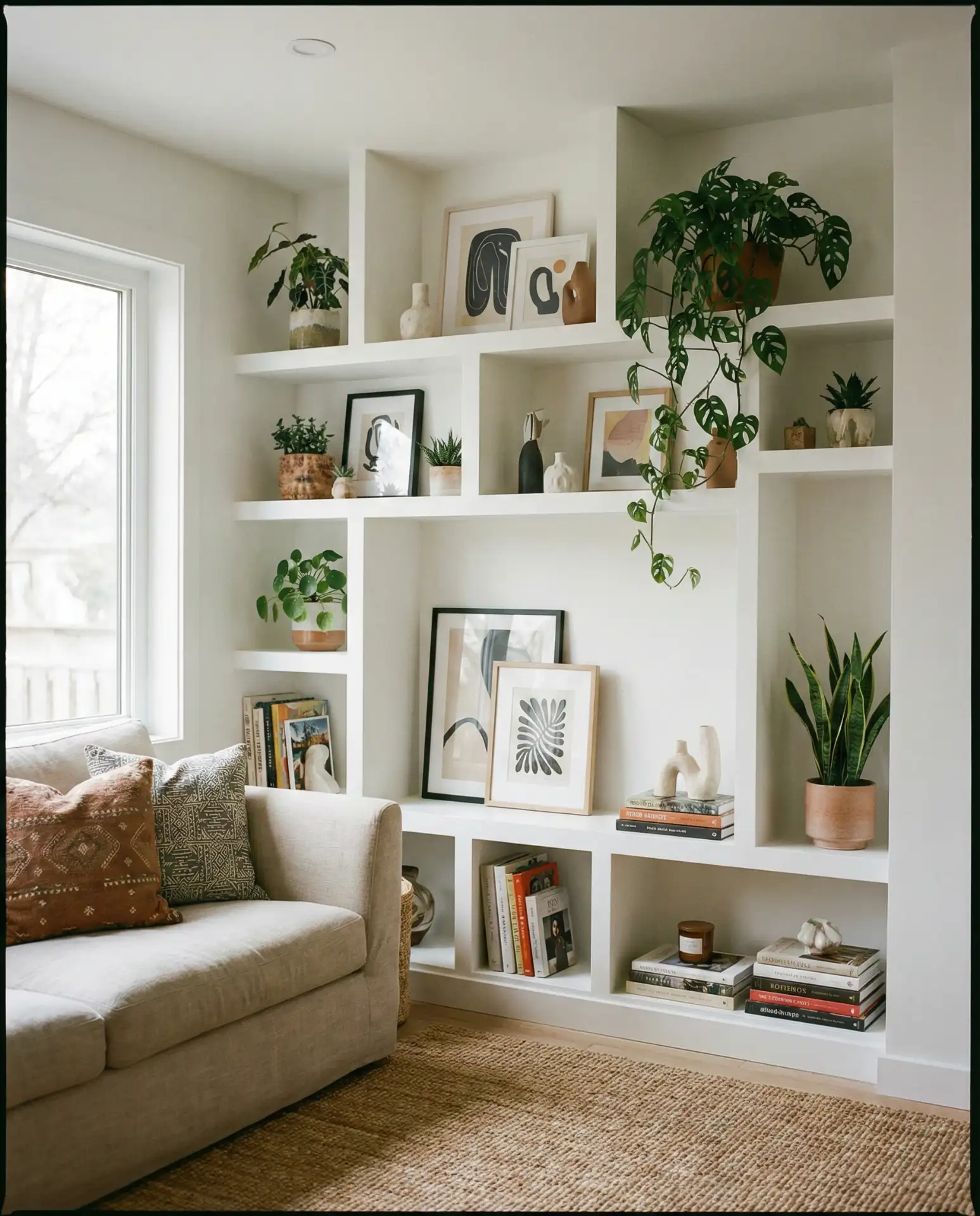
Breaking away from symmetry, asymmetrical built-ins offer a more contemporary, collected-over-time aesthetic. This might mean shelving on just one side of a fireplace, varied shelf heights, or an off-center configuration that responds to the room’s unique architecture. The result feels organic and personal rather than formally designed. It’s an approach that resonates with younger homeowners who value individuality over traditional rules.
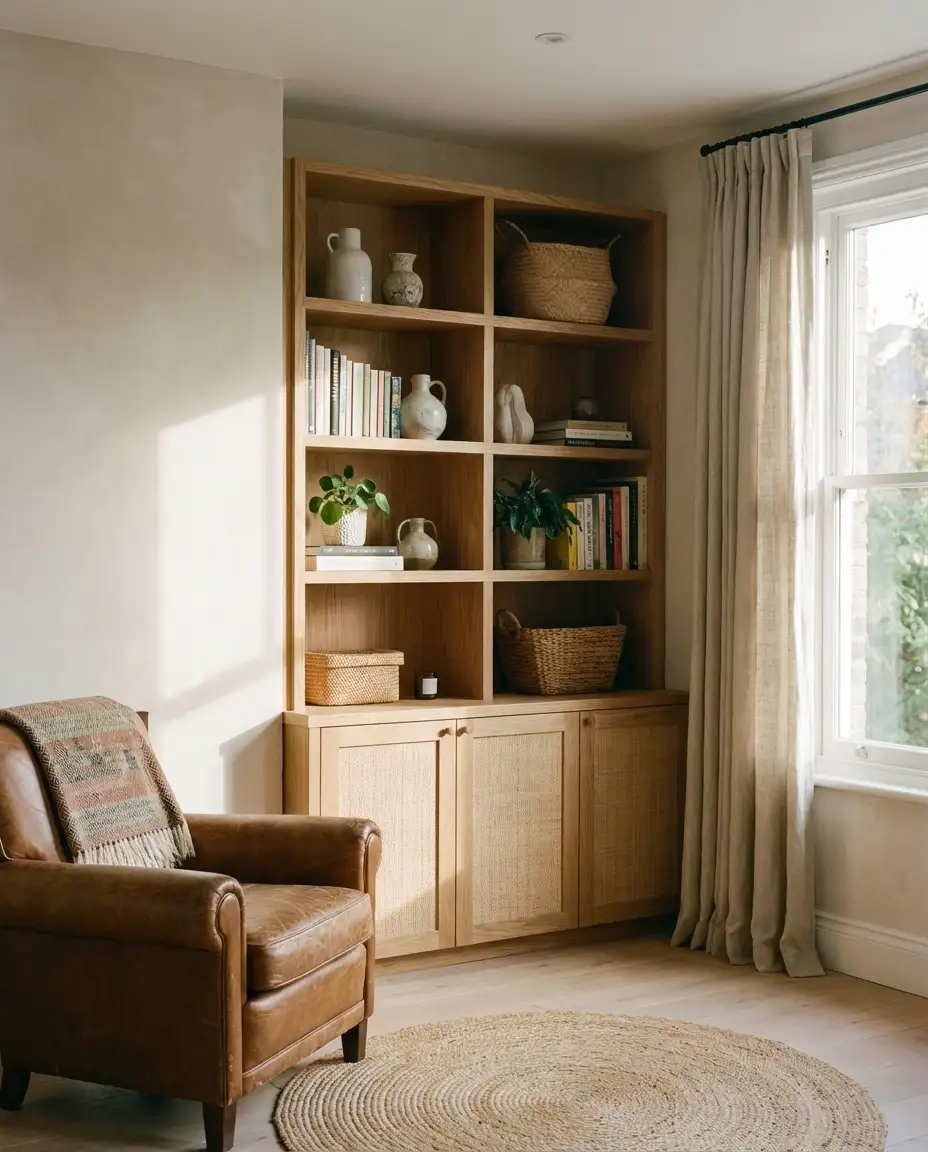
Many homeowners worry that asymmetry will look “wrong,” but the trick is intentionality. Asymmetrical built-ins should respond to something—a window placement, a door location, or the room’s natural flow. When done thoughtfully, the design feels custom and considered. One couple I interviewed chose this approach because their living room had an awkward beam; the asymmetrical shelving worked around it beautifully and turned the challenge into a design asset.
22. Built-Ins with Integrated Lighting
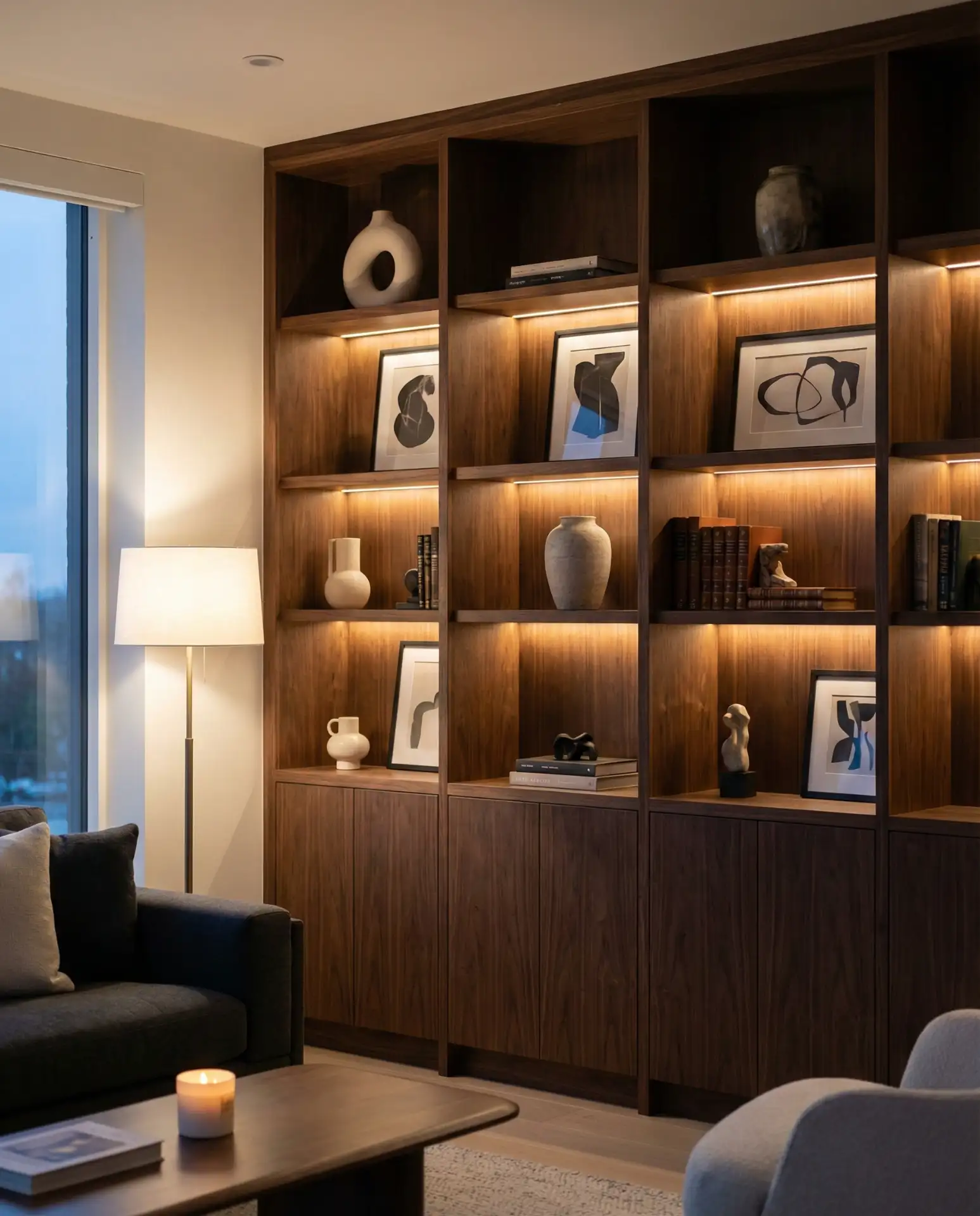
Integrated lighting transforms built-in shelves from daytime storage into evening ambiance. LED strips along the underside of shelves, puck lights inside cabinets, or picture lights on key items create layers of illumination that make the space feel warm and inviting after dark. This feature has become nearly standard in 2026, as homeowners recognize that good lighting is essential to making built-ins truly functional around the clock.
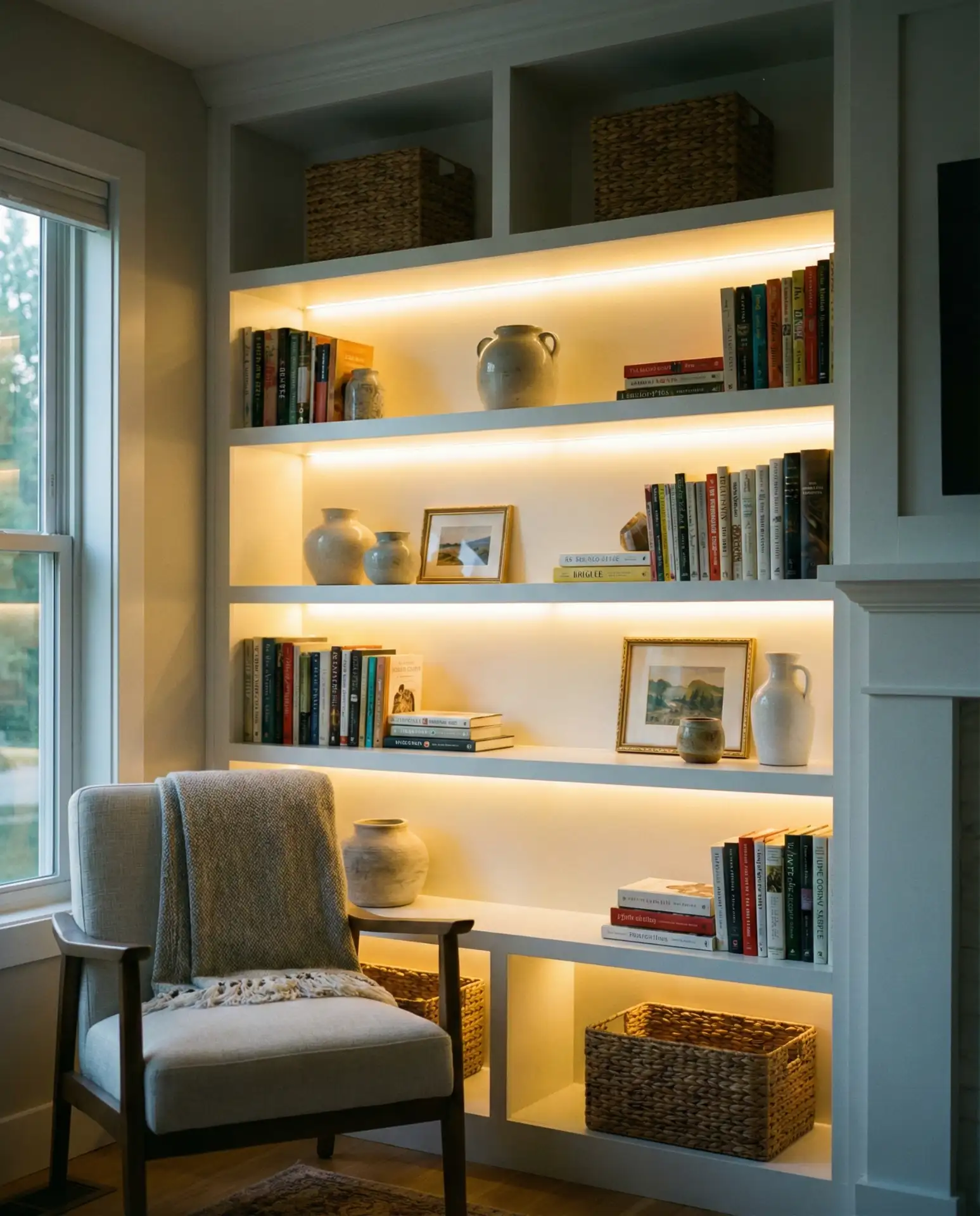
From a cost standpoint, adding lighting during the build phase costs $300-$800 depending on complexity, versus $1,200+ if you retrofit later. Wireless, battery-powered LED strips have become surprisingly good and offer a DIY option that avoids electrical work. Just remember that battery units need recharging every few months. For permanent installations, hardwired LEDs connected to a dimmer switch give you complete control over the mood.
23. Floating Shelves for Airiness
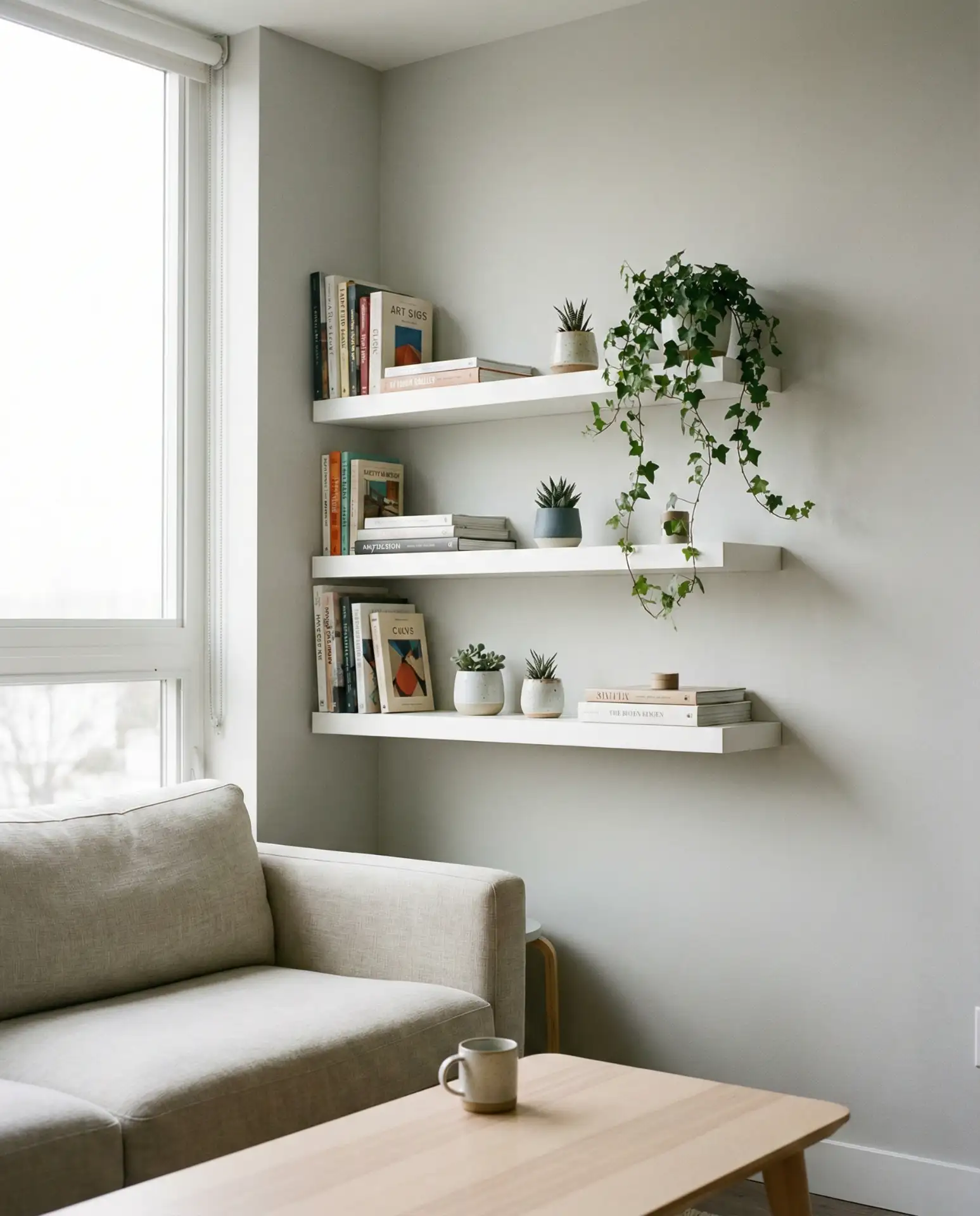
Floating built-in shelves appear to hover on the wall without visible supports, creating a light, airy look that’s especially effective in smaller living rooms. The lack of heavy cabinetry at the base keeps the floor space feeling open, and the minimal hardware contributes to a clean, modern aesthetic. These work beautifully when you want storage and display without the visual weight of traditional floor-to-ceiling units.
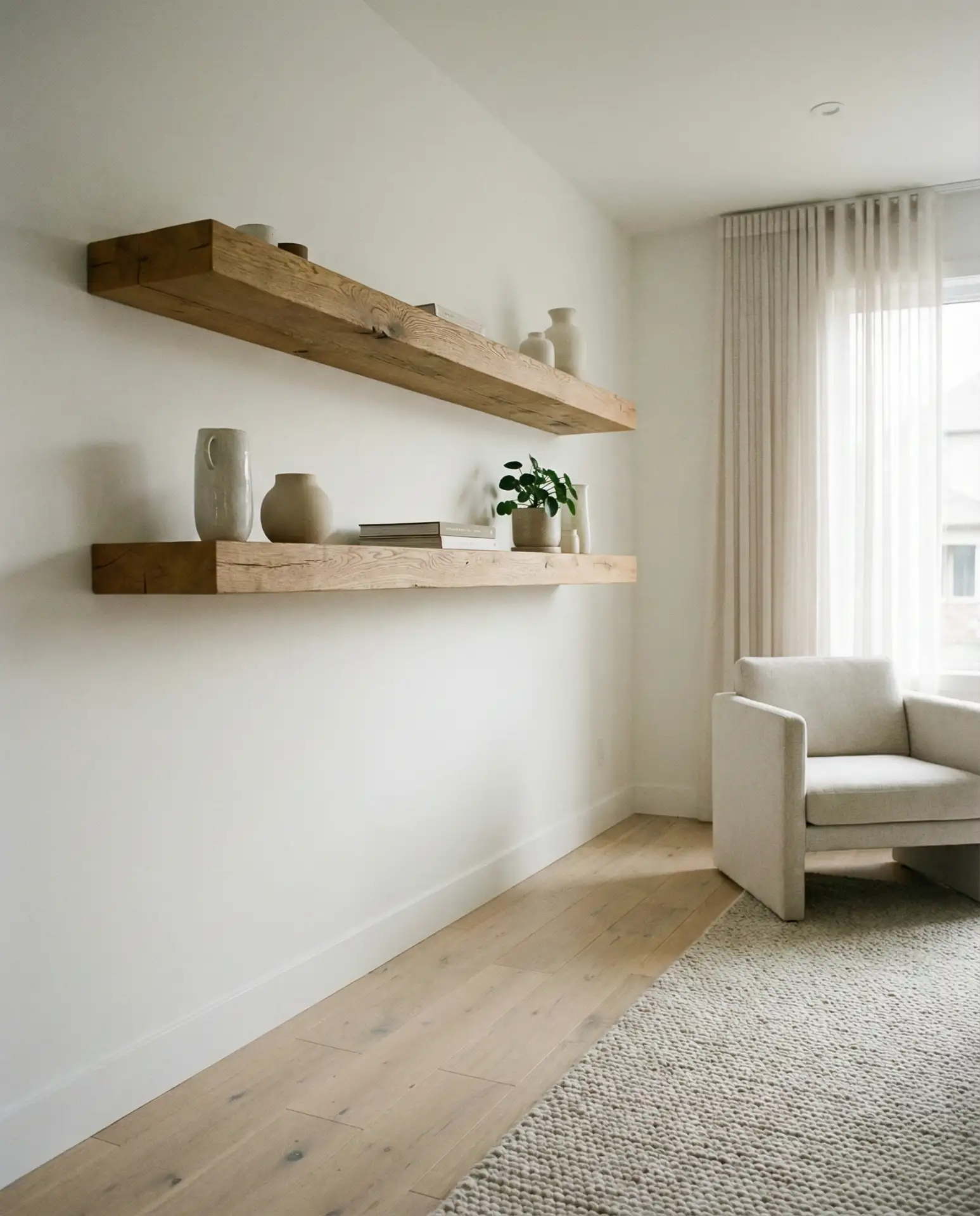
Real homeowner tip: floating shelves only work if they’re properly anchored into wall studs with heavy-duty brackets. Drywall anchors won’t cut it for shelves loaded with hardcover books. The brackets are hidden inside the shelf itself, so from the front, you don’t see any support—but behind the scenes, there are usually 2-4 inch steel rods drilled directly into the studs. Work with a professional if you’re unsure about load-bearing capacity.
24. Multi-Functional Storage and Display Blend
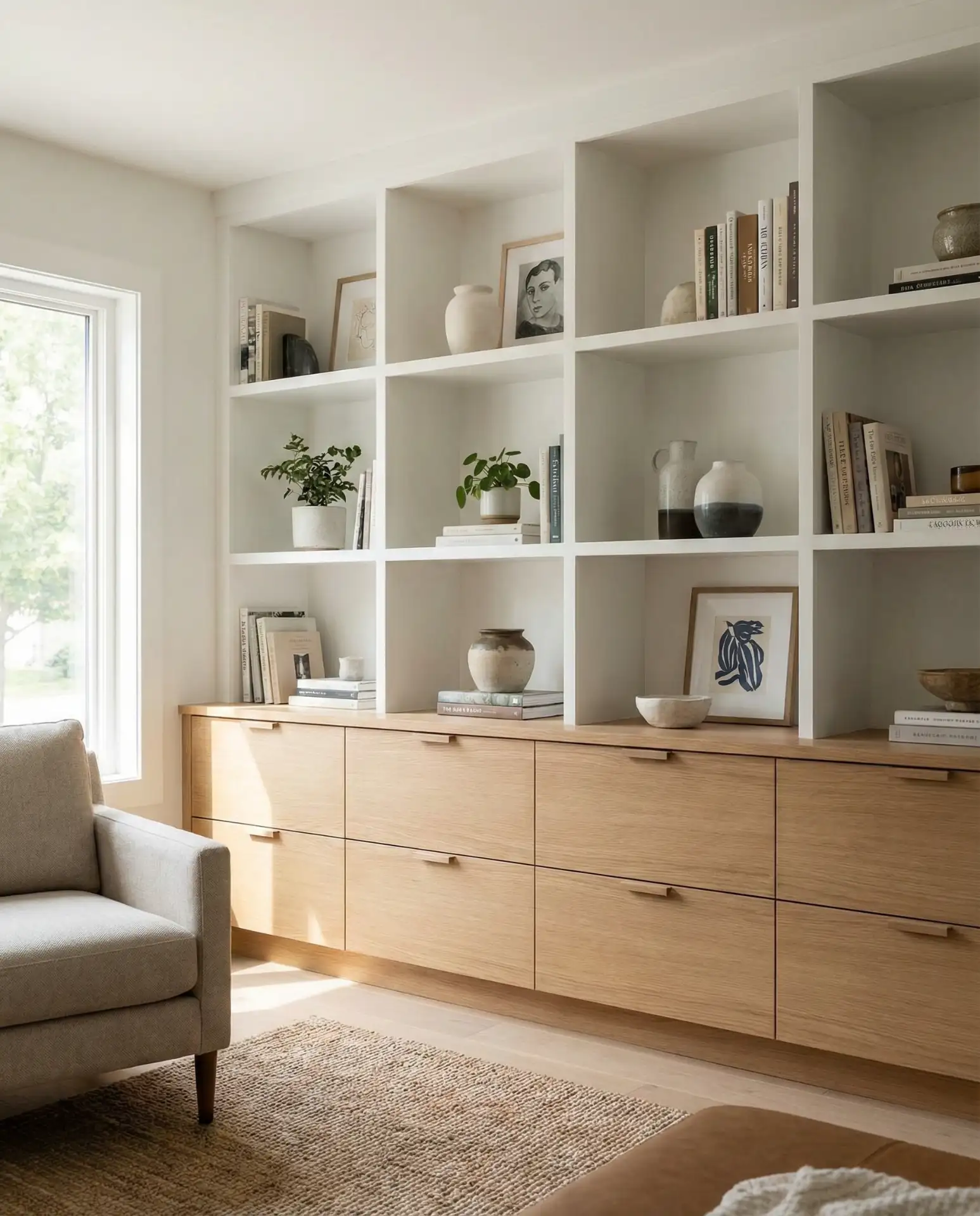
The most successful built-ins combine closed storage for clutter with open shelving for display. This hybrid approach gives you the best of both worlds: cabinets with doors hide toys, electronics, and everyday mess, while open shelves showcase your books, art, and treasured objects. The mix creates visual interest through varied textures and depths, and it’s far more practical than either option alone.
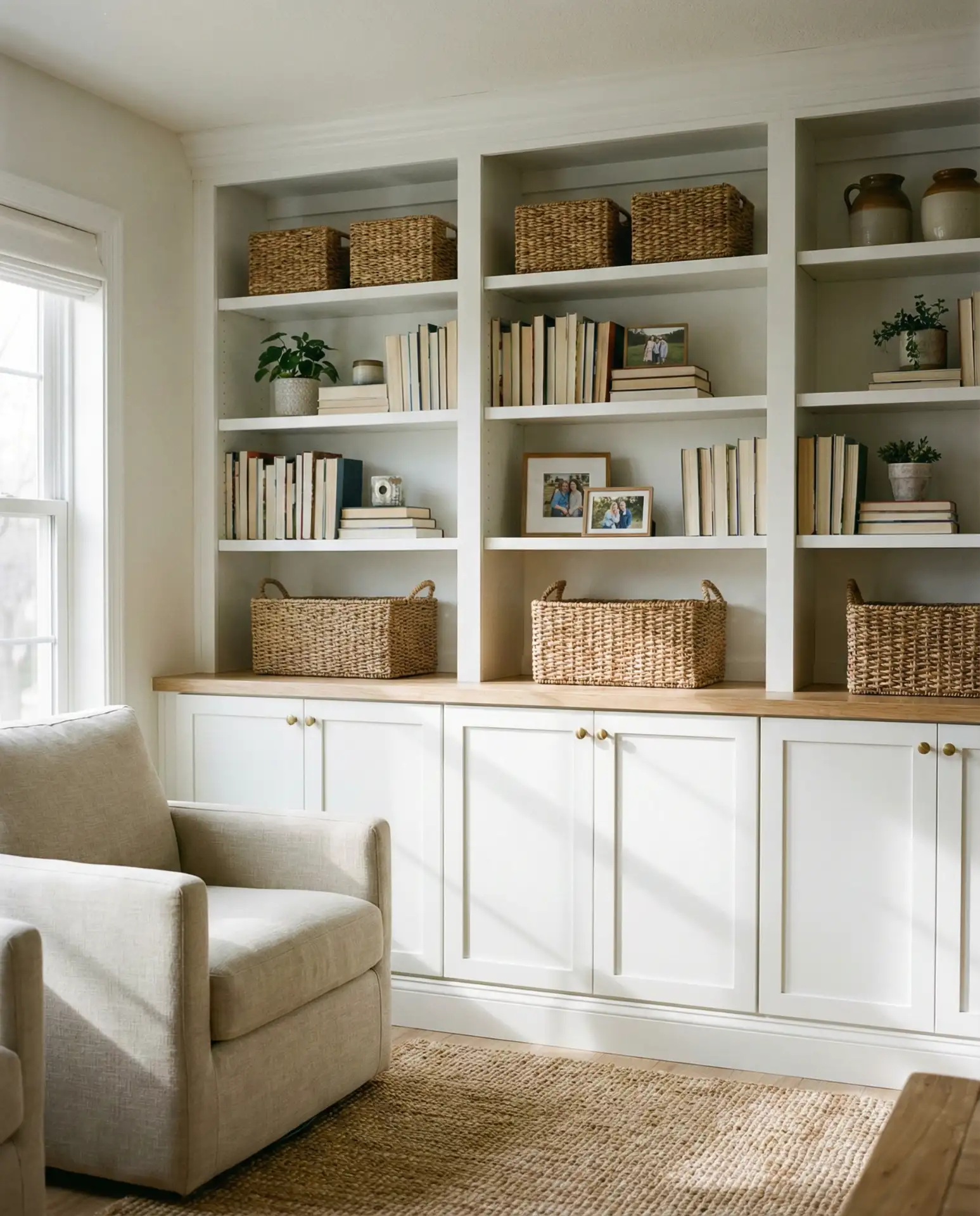
Common mistakes to avoid: making all the closed storage at the bottom and all the open shelving at the top creates a bottom-heavy look. Instead, alternate closed and open sections for better visual balance. Another misstep is choosing cabinets without adjustable shelving inside—your storage needs will change over time, so flexibility is worth paying for. Interior organizers like pull-out baskets and dividers maximize the usability of closed sections.
Conclusion
Built-in shelves have evolved far beyond simple bookcases—they’re now one of the most impactful ways to transform your living room’s function and style. Whether you’re drawn to the warmth of wooden finishes, the drama of black shelving, or the timeless appeal of white cabinets, there’s an approach here that can work in your home. We’d love to hear which idea resonated with you most, or if you’ve tackled a built-in project yourself. Share your thoughts, questions, and photos in the comments below!