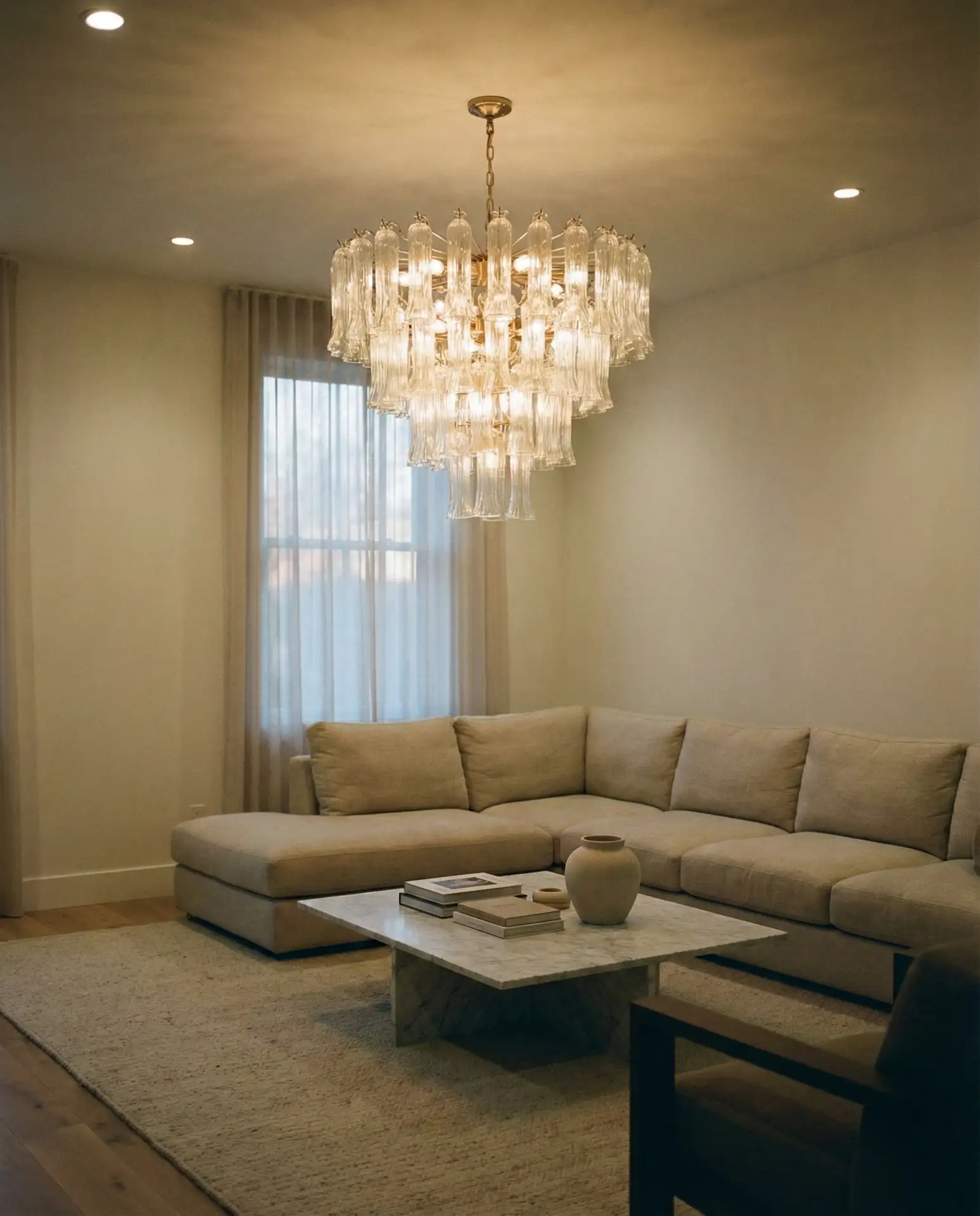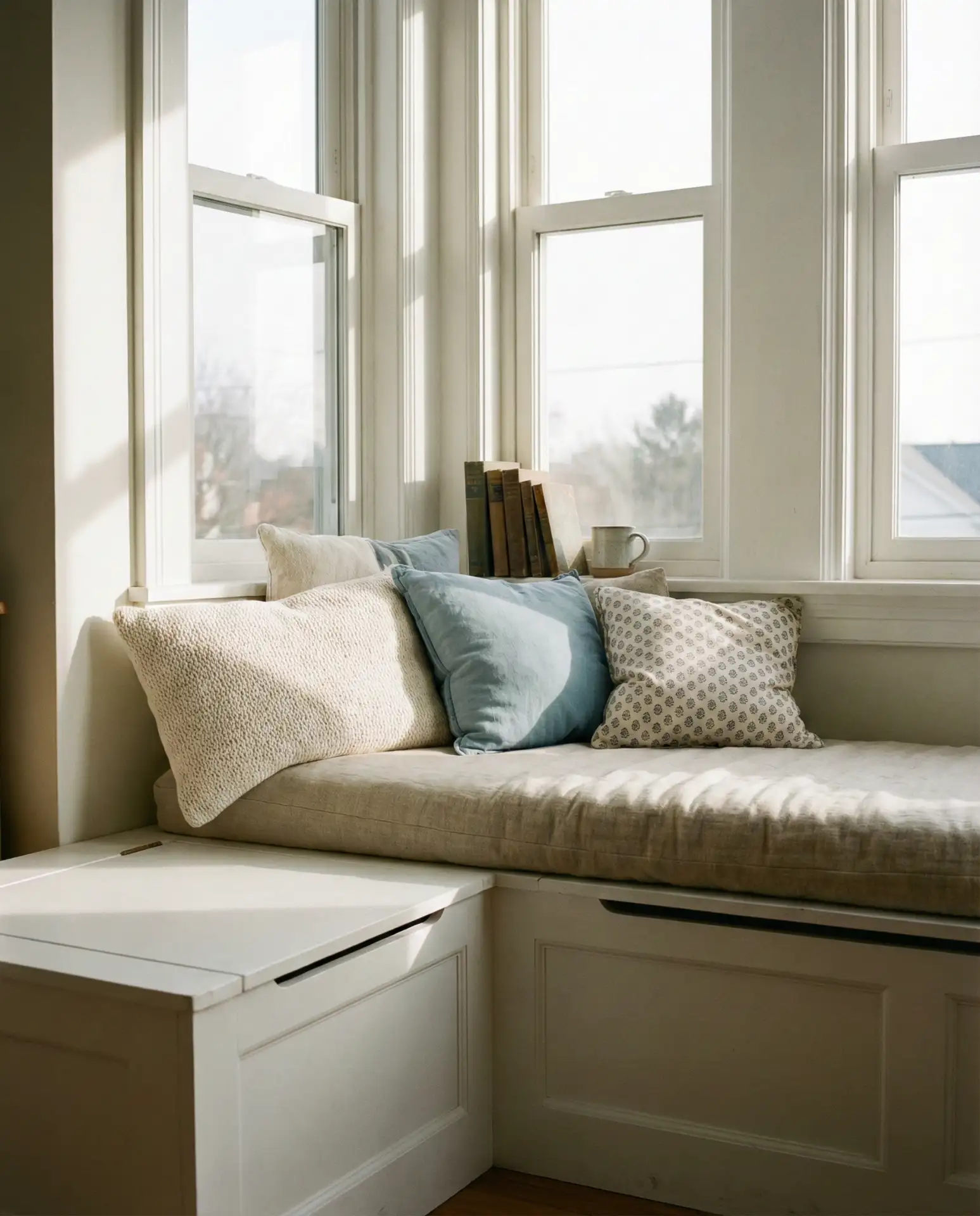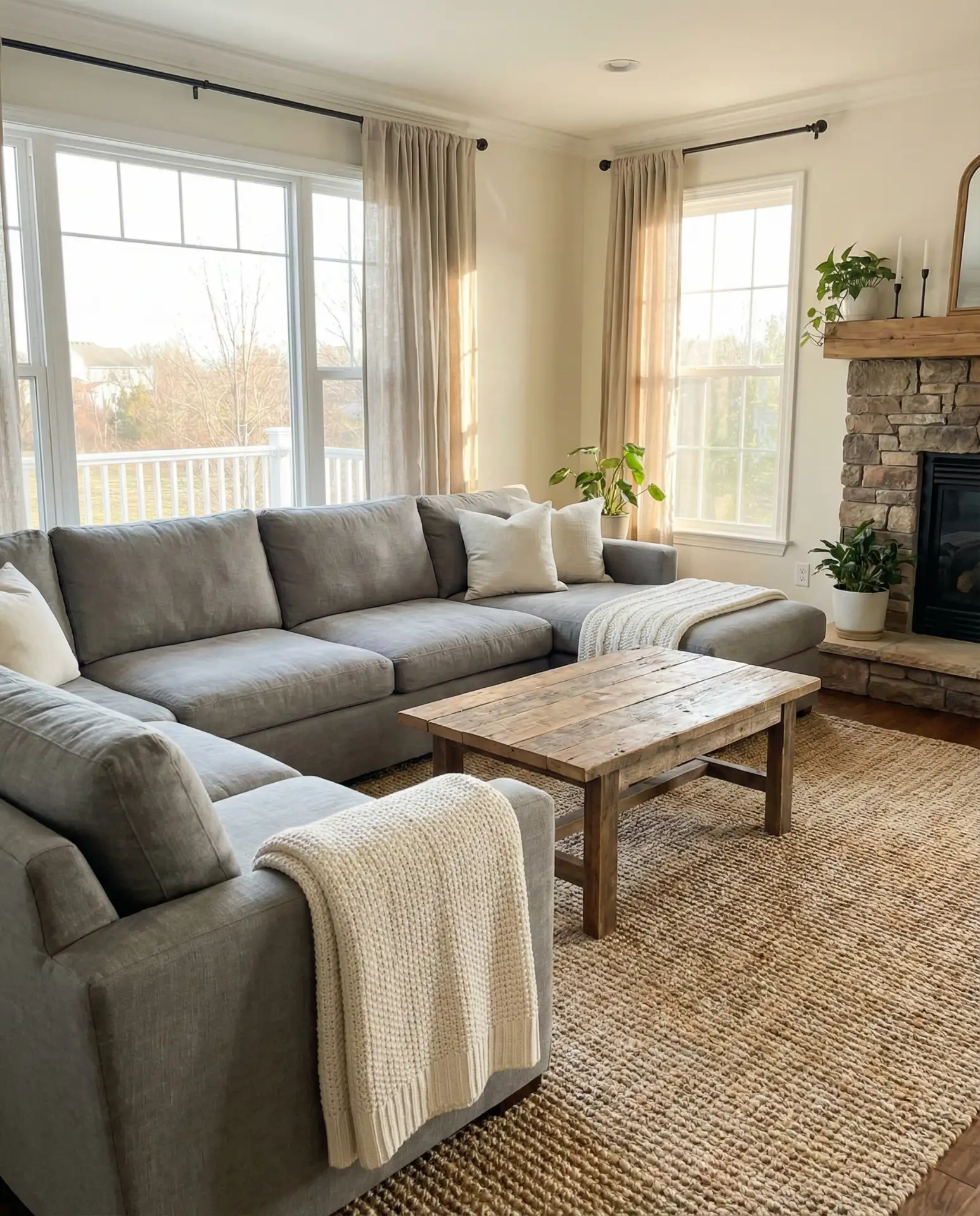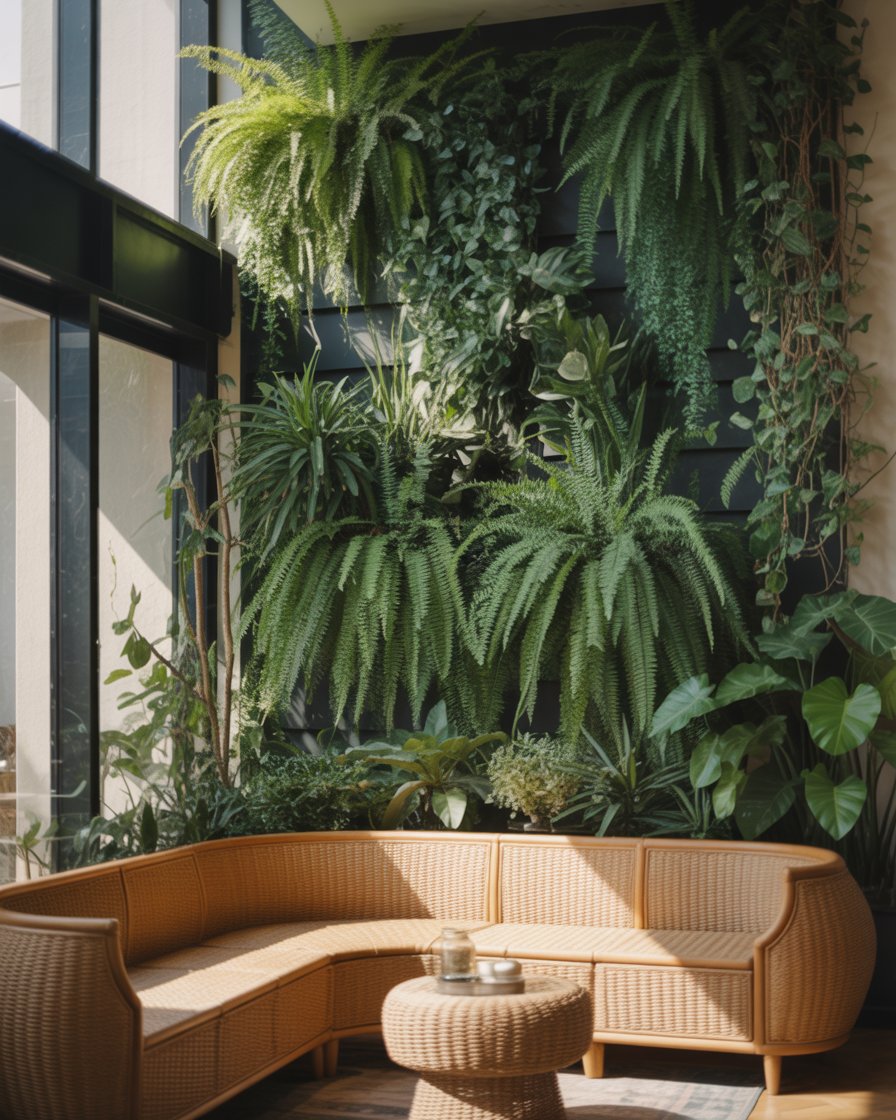
Cottage living rooms have never been more relevant than they are in 2026. As Americans continue seeking cozy, personalized spaces that feel like a retreat from the fast-paced world, the cottage aesthetic offers warmth, charm, and timeless comfort. Whether you’re drawn to coastal breezes, moody vintage corners, or whimsical details that spark joy, cottage style adapts beautifully to your vision. Pinterest is flooded with searches for cottage living room inspiration, and it’s easy to see why—these spaces invite you to slow down, settle in, and truly feel at home. In this article, you’ll discover fresh cottage living room ideas that blend classic charm with modern sensibility.
1. Cosy Layered Textiles with Neutral Foundations
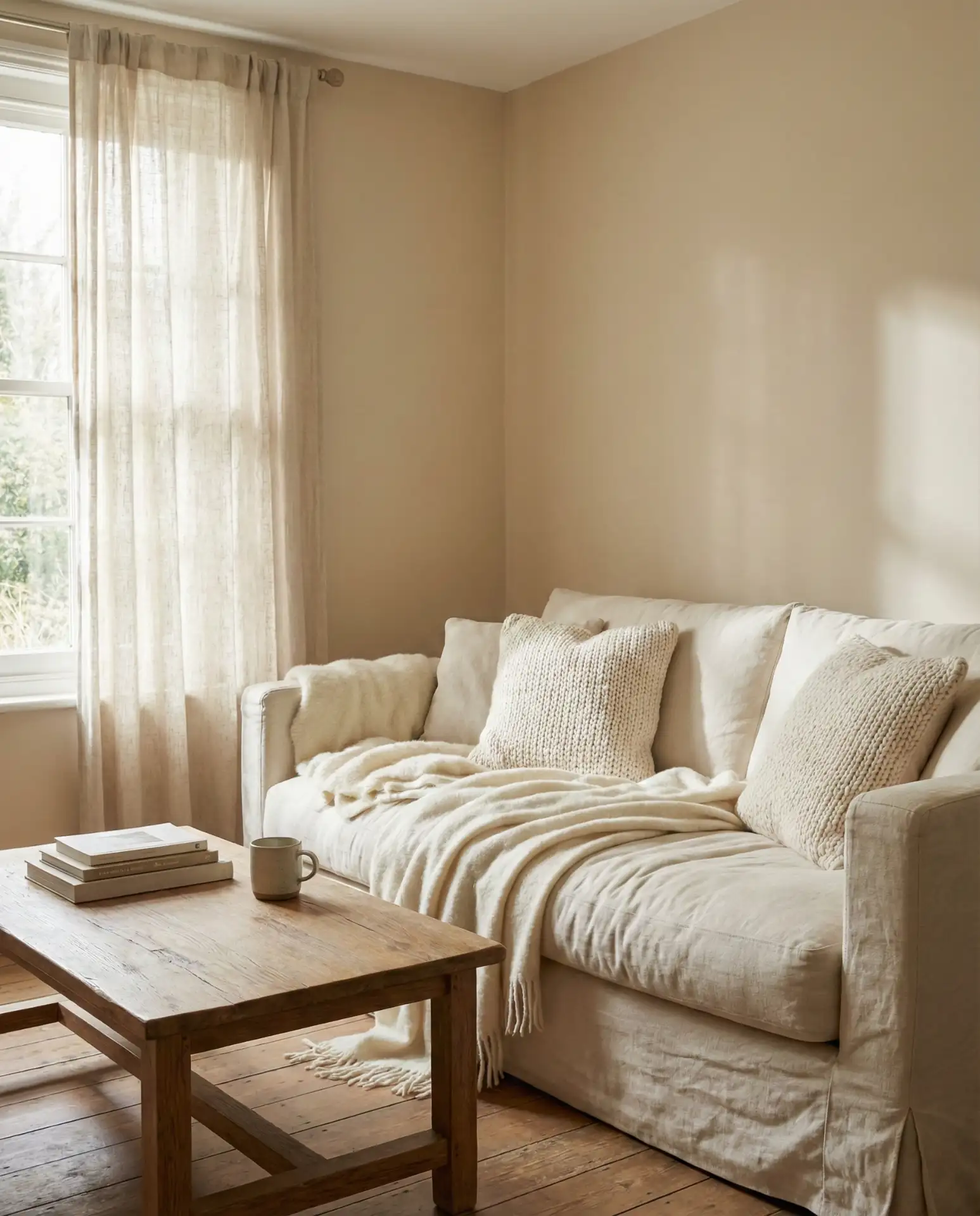
Start with a neutral palette—soft creams, warm taupes, and gentle grays—then layer in cozy throws, linen cushions, and chunky knit blankets. This approach creates a living room that feels both calming and inviting, perfect for unwinding after a long day. The beauty of a neutral base is its versatility; you can swap out accent colors seasonally without redoing the entire room. Think oversized sofas with slipcovers, natural wood coffee tables, and plenty of texture underfoot with a plush rug.
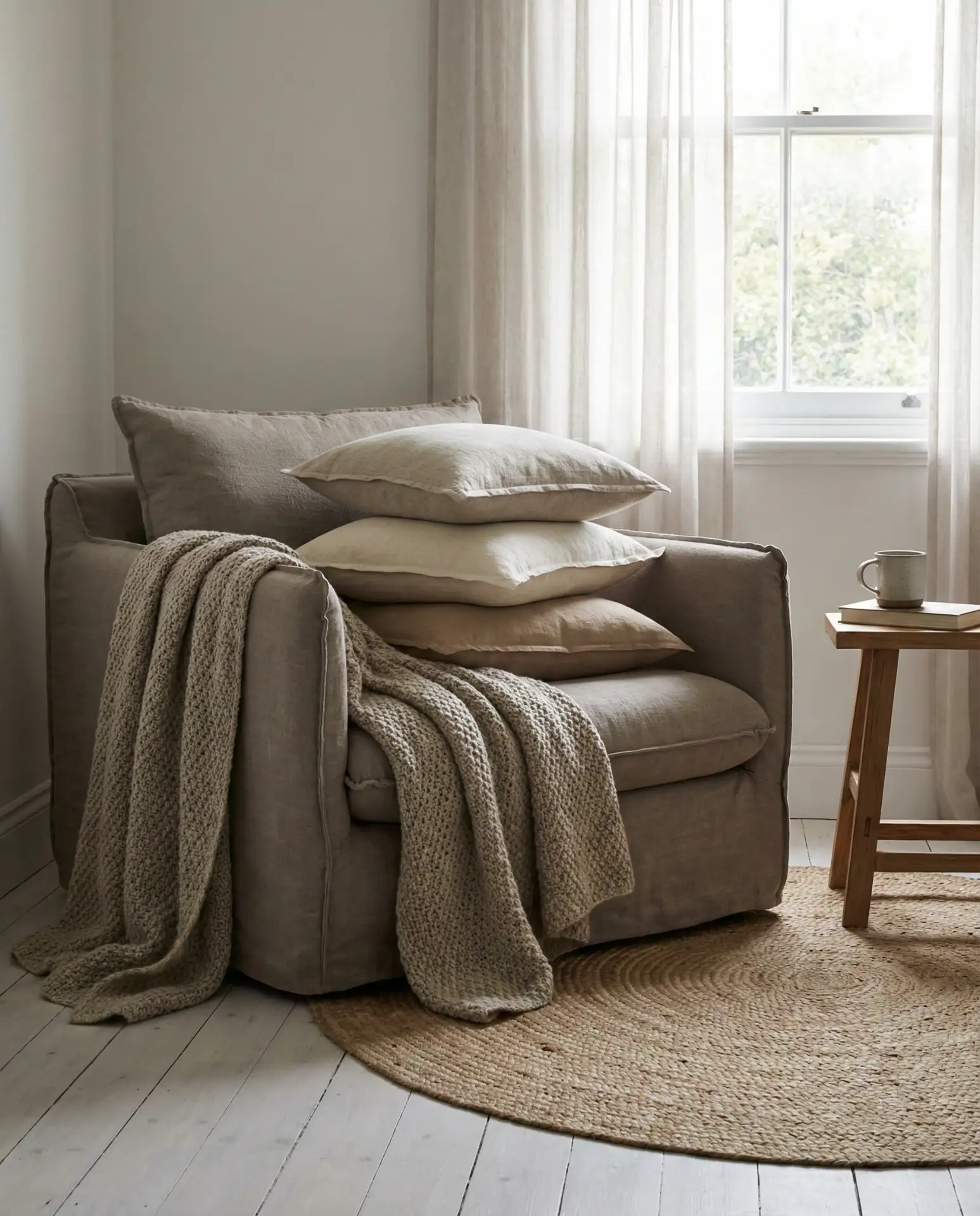
This style works especially well in smaller homes or apartments where you want to maximize light and create a sense of spaciousness. Neutral cottage rooms tend to photograph beautifully, which is why they’re so popular on Pinterest—they’re calming to look at and easy to replicate. One common mistake is going too monochrome; make sure to mix warm and cool neutrals and add depth with wood tones and natural fibers. A room like this invites long conversations and lazy Sunday mornings.
2. French Country Elegance with Vintage Finds
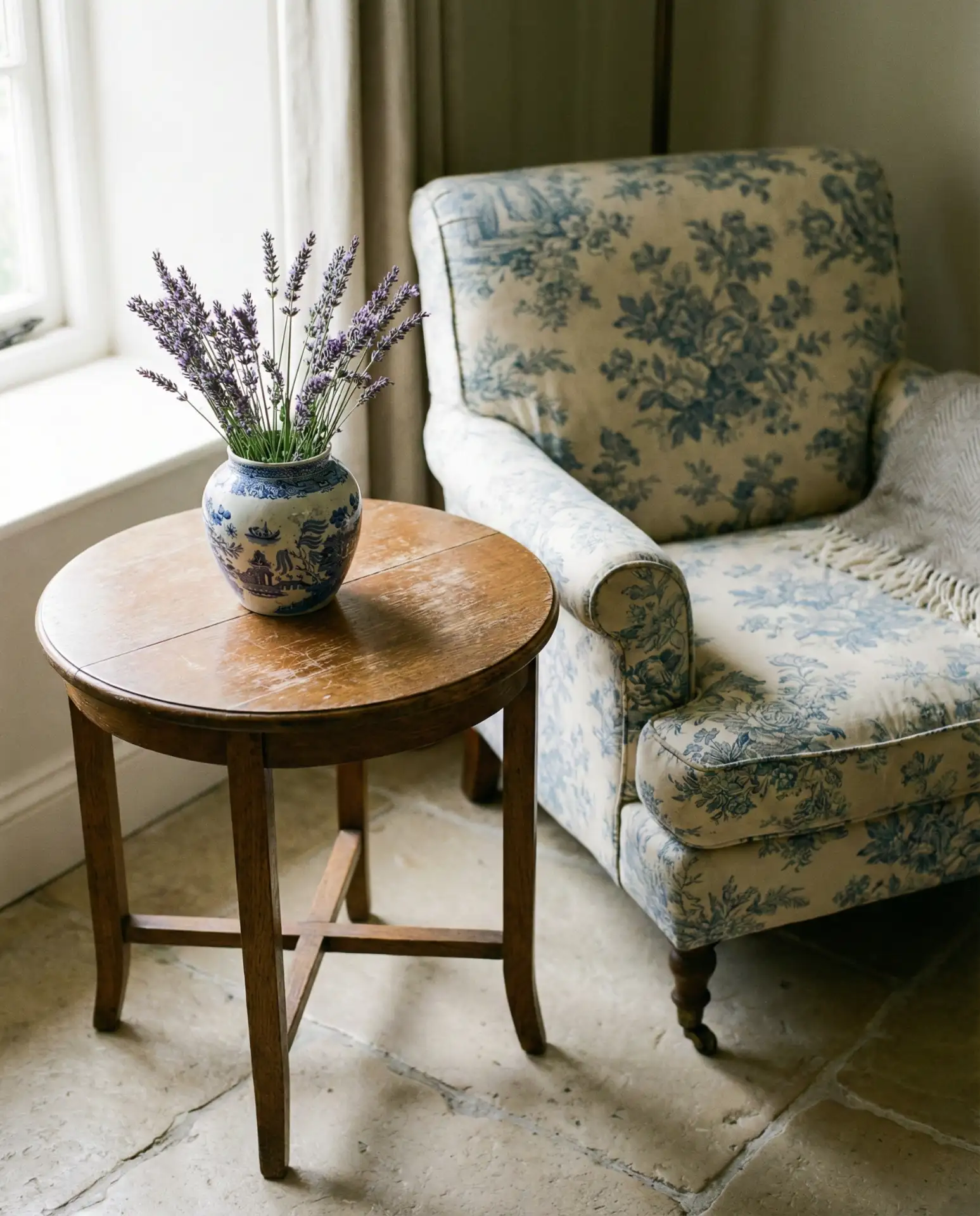
Bring the charm of Provence into your living room with French country elements like distressed furniture, soft florals, and antique mirrors. This style celebrates imperfection—think worn wood, faded fabrics, and heirloom pieces that tell a story. Pair a tufted linen sofa with a vintage modern armchair, and anchor the space with a muted floral rug. The key is to blend elegance with livability, avoiding anything too precious or formal.
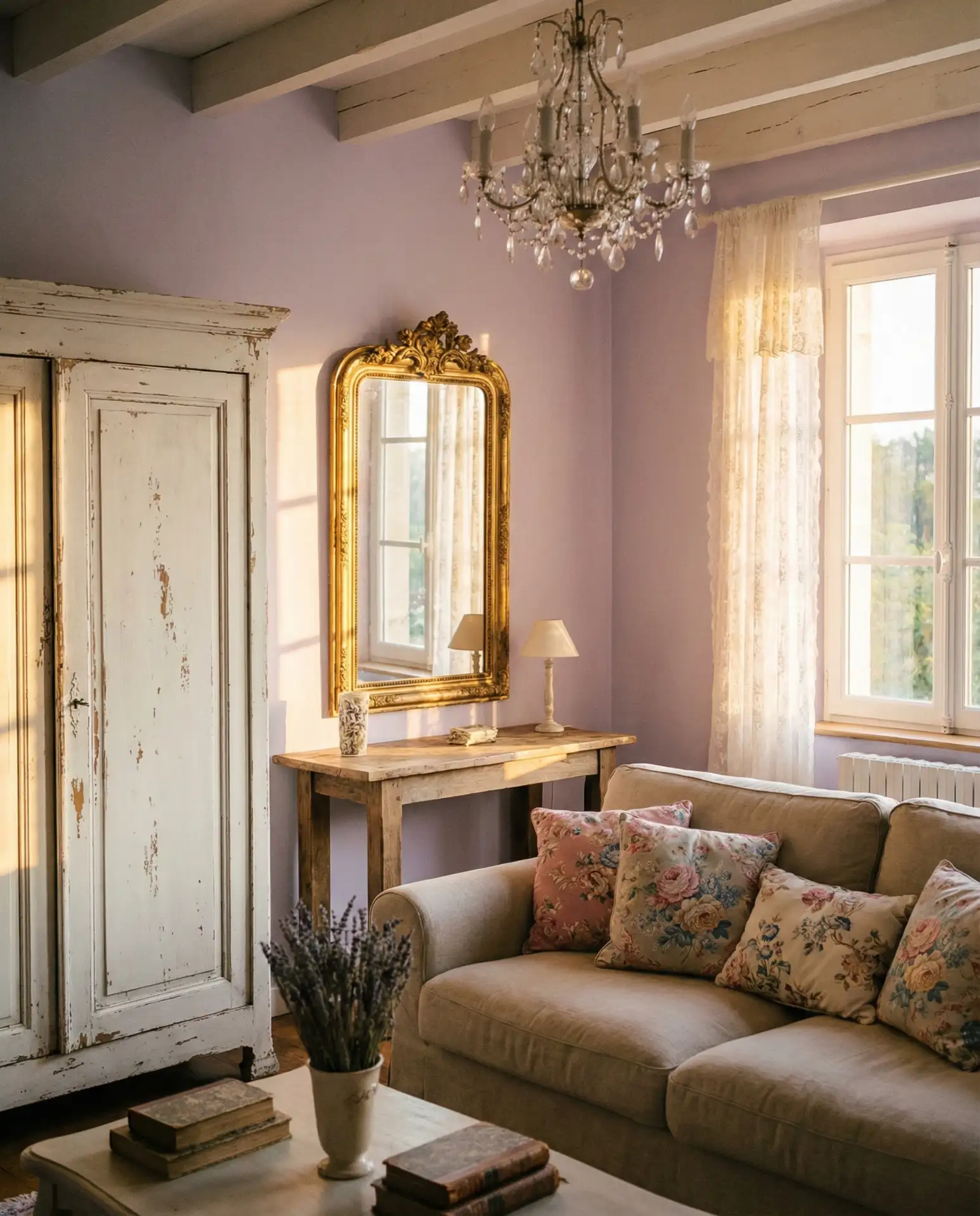
French cottage style works beautifully in homes with architectural detail—crown molding, arched doorways, or original hardwood floors. If you’re in a newer build, you can still achieve the look with the right furniture and textiles. Flea markets and estate sales are goldmines for authentic French pieces, but high-quality reproductions work just as well. The trick is to avoid overdoing it; one or two statement vintage pieces are more effective than a room crammed with antiques.
3. Coastal Breeze with Blue Accents
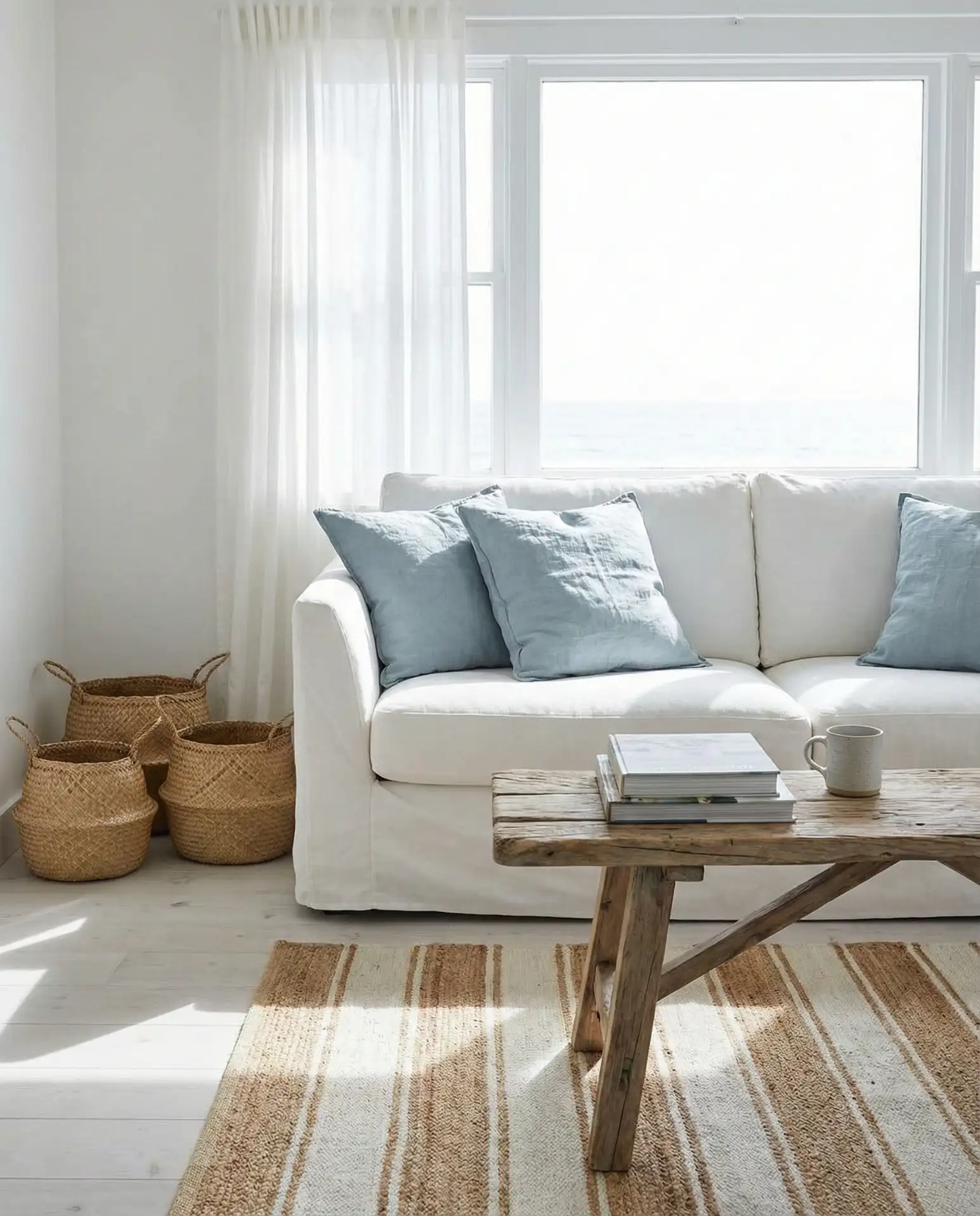
Capture the relaxed vibe of seaside living with a coastal cottage palette dominated by soft blue tones, whites, and natural textures. Think slipcovered sofas, driftwood accents, and plenty of woven baskets for storage. This style feels airy and effortless, perfect for homes near the water or anyone who dreams of oceanfront living. Add in striped cushions, linen curtains, and a jute rug to complete the look.
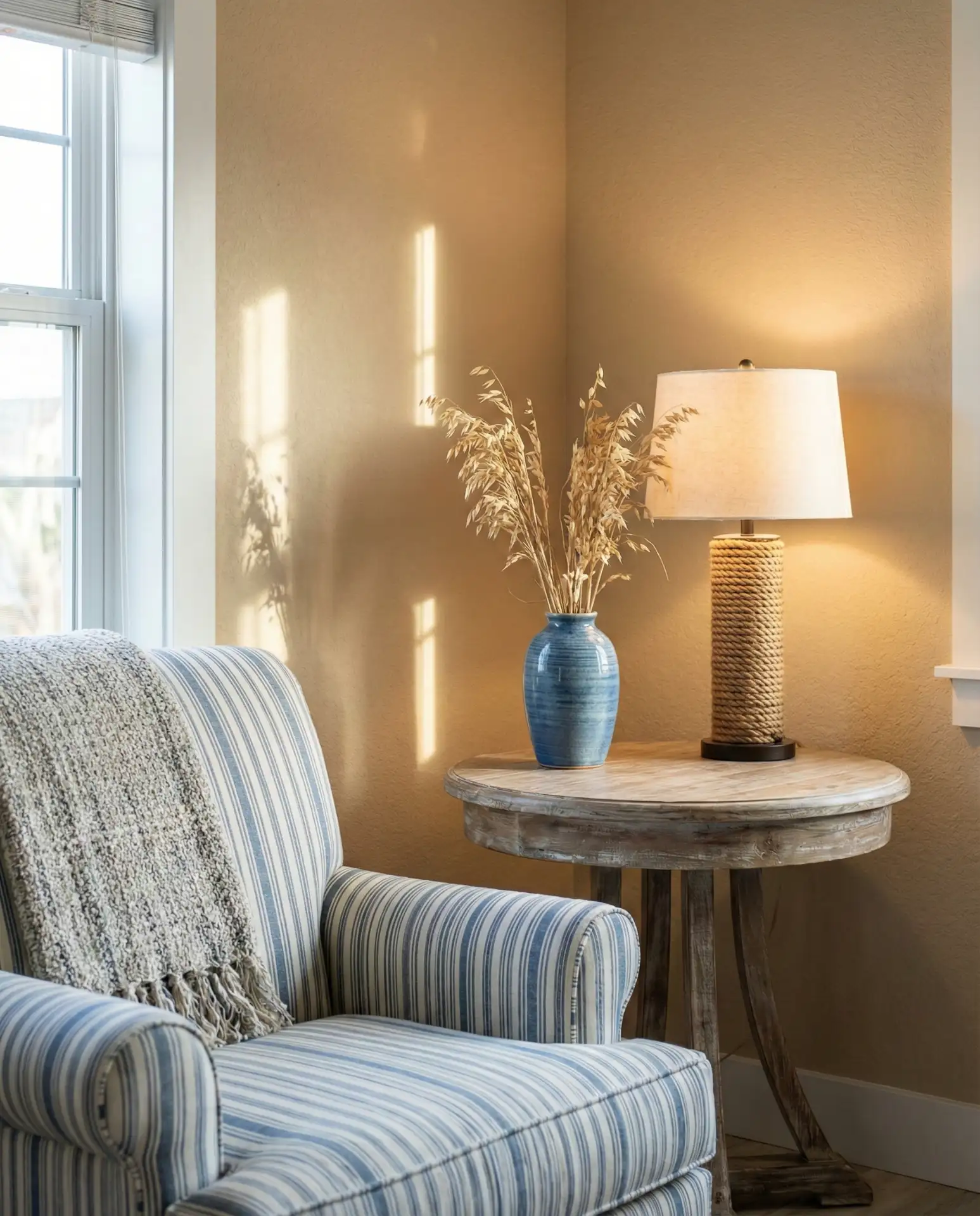
Coastal cottage style is especially popular in the Southeast and Pacific Northwest, where homeowners want to bring the outdoors in. It’s also a forgiving style for families—slipcovers are washable, and natural materials hold up well to daily wear. One insider tip: real coastal homes often use deeper blues and grays than you’d expect, which prevents the space from feeling too “themed” or kitschy. Balance is key.
4. Moody Drama with Dark Walls
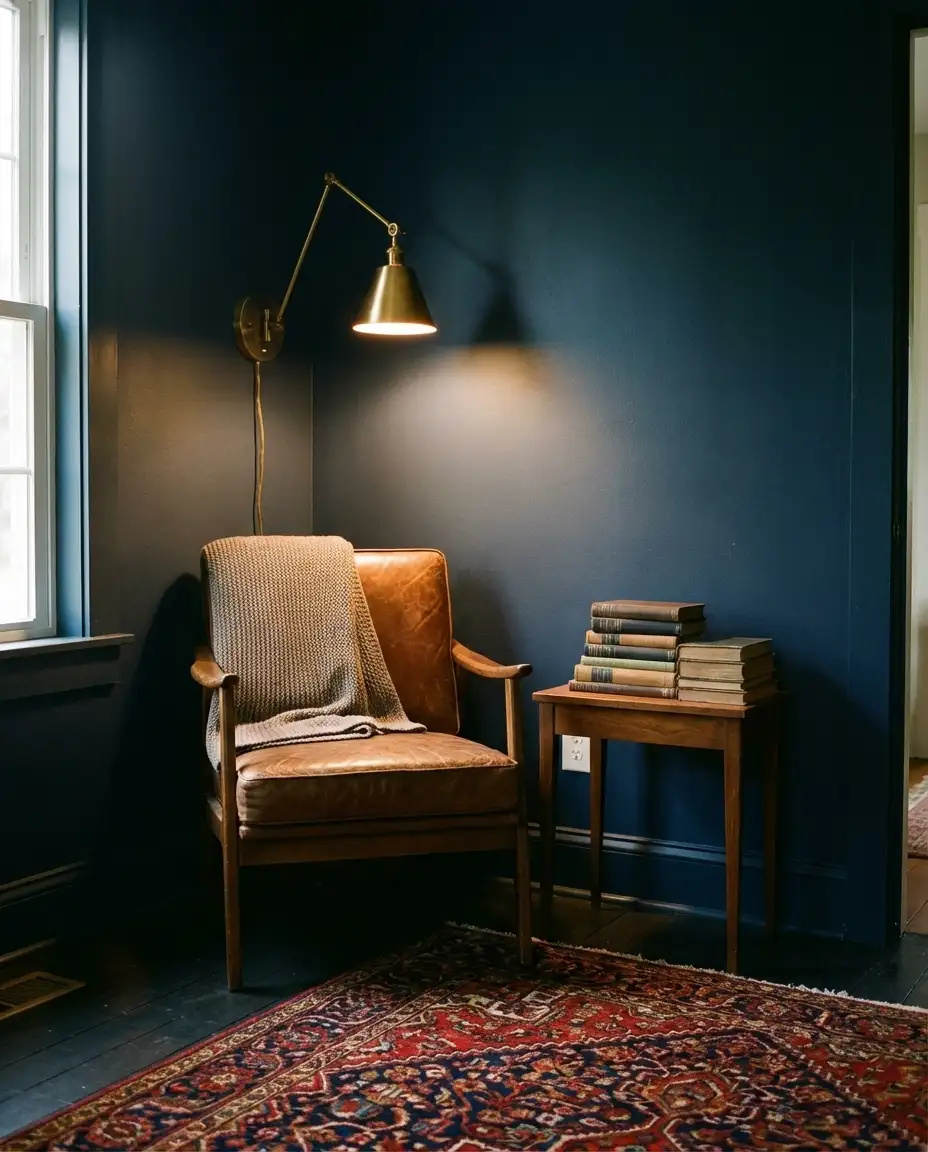
Not all cottage living rooms need to be light and bright. A moody cottage space with charcoal, deep green, or navy walls can feel incredibly intimate and sophisticated. Pair dark walls with warm wood furniture, brass accents, and plenty of soft lighting from table lamps and candles. This style works particularly well in rooms with a fireplace, where the flicker of flames adds to the cozy atmosphere.
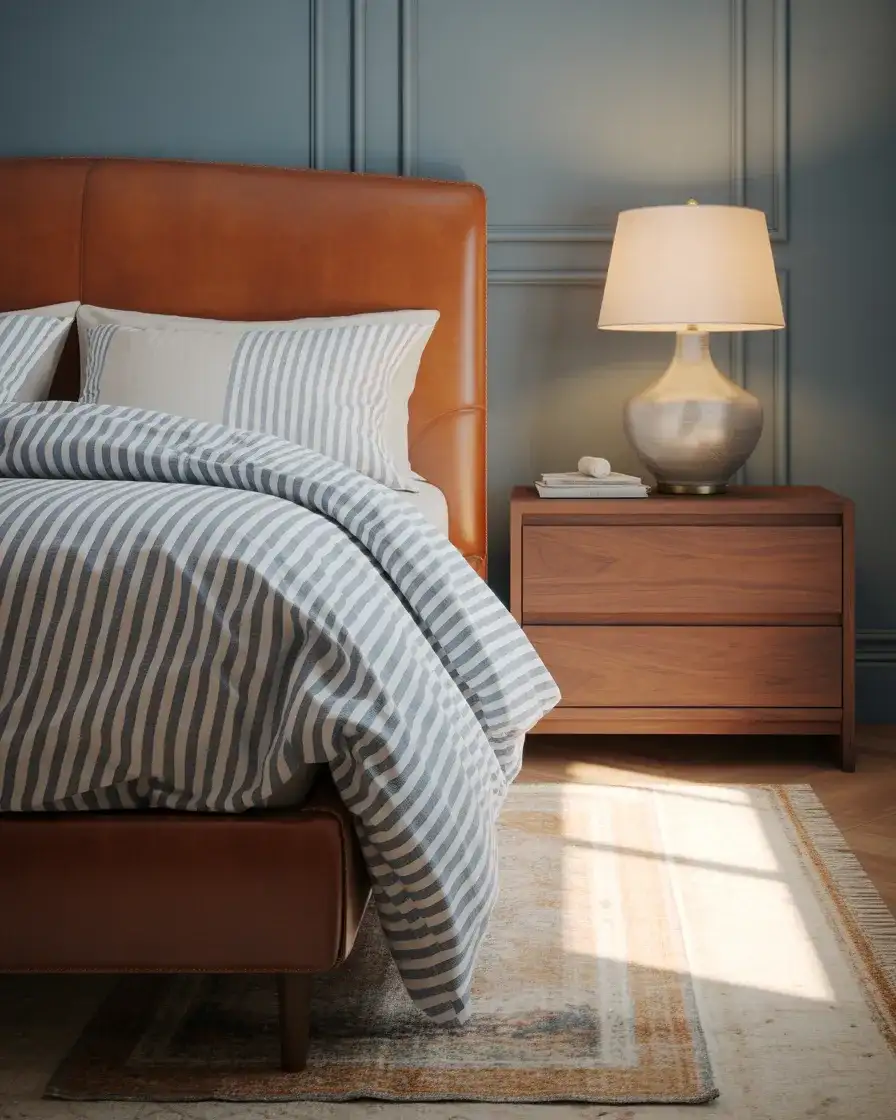
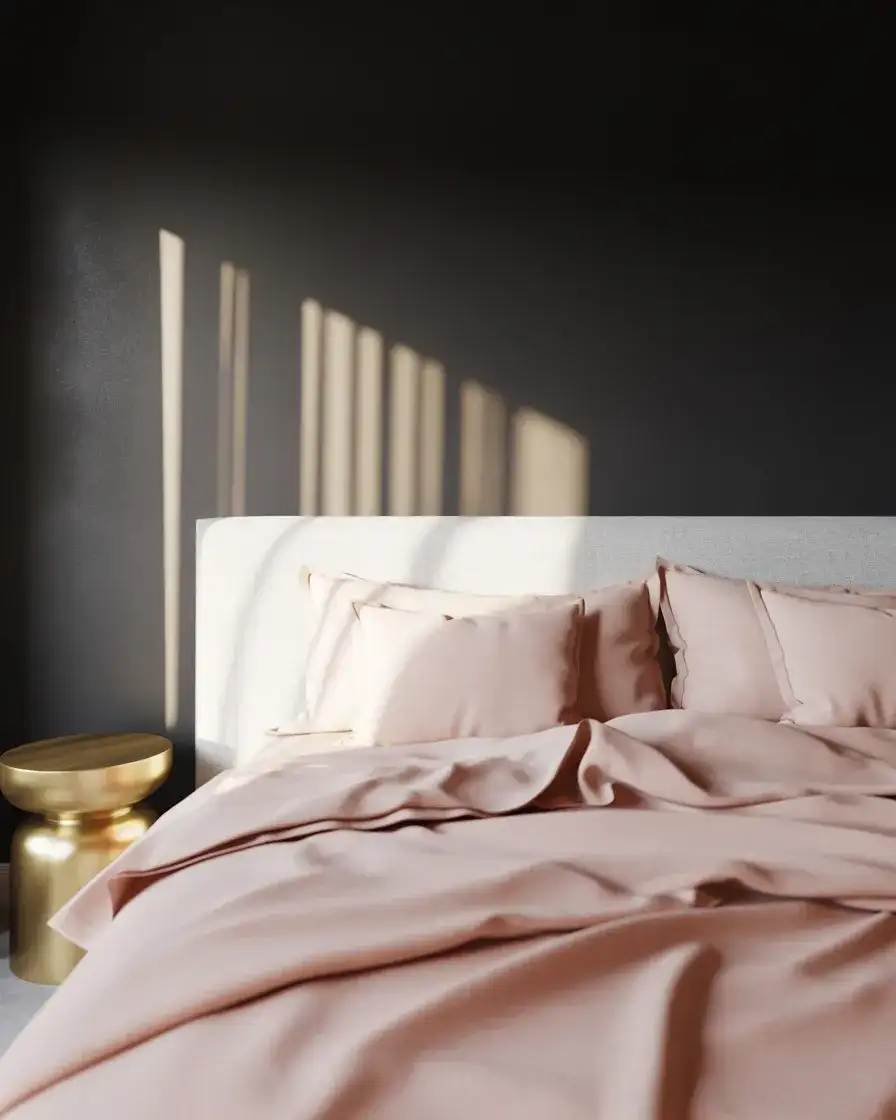
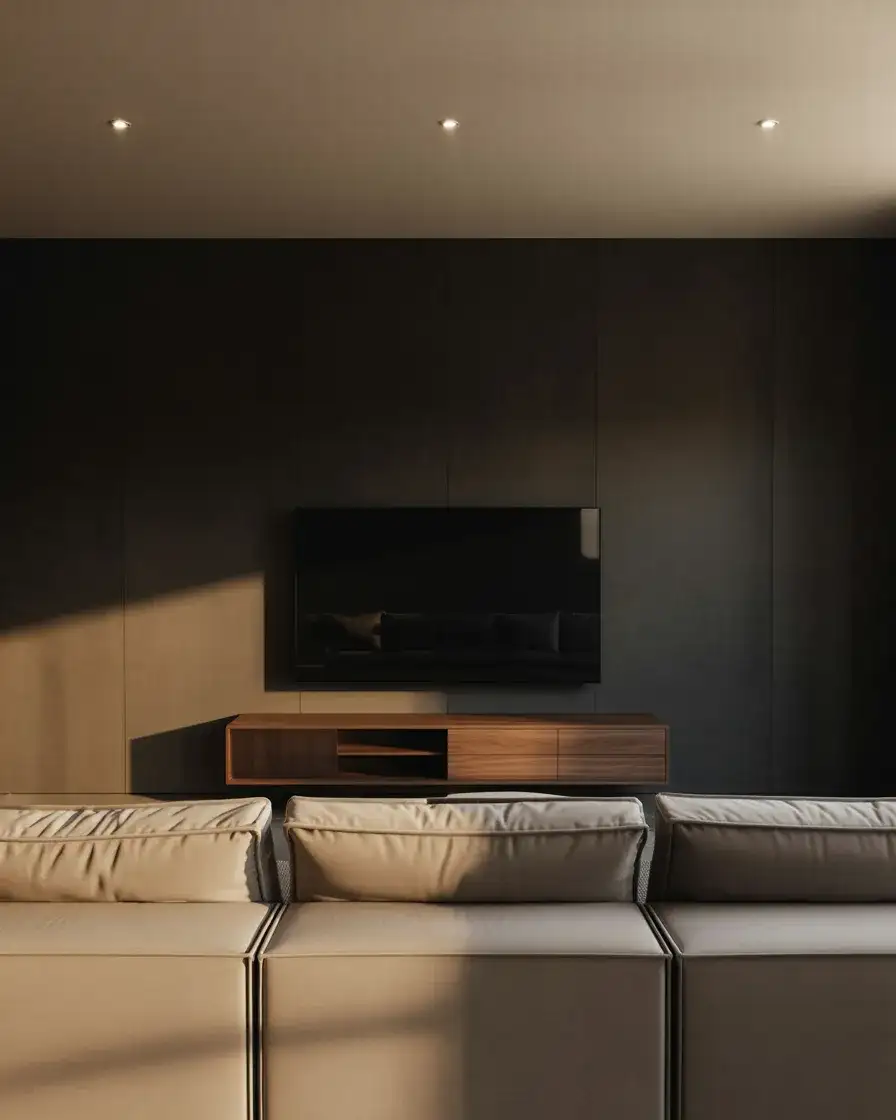
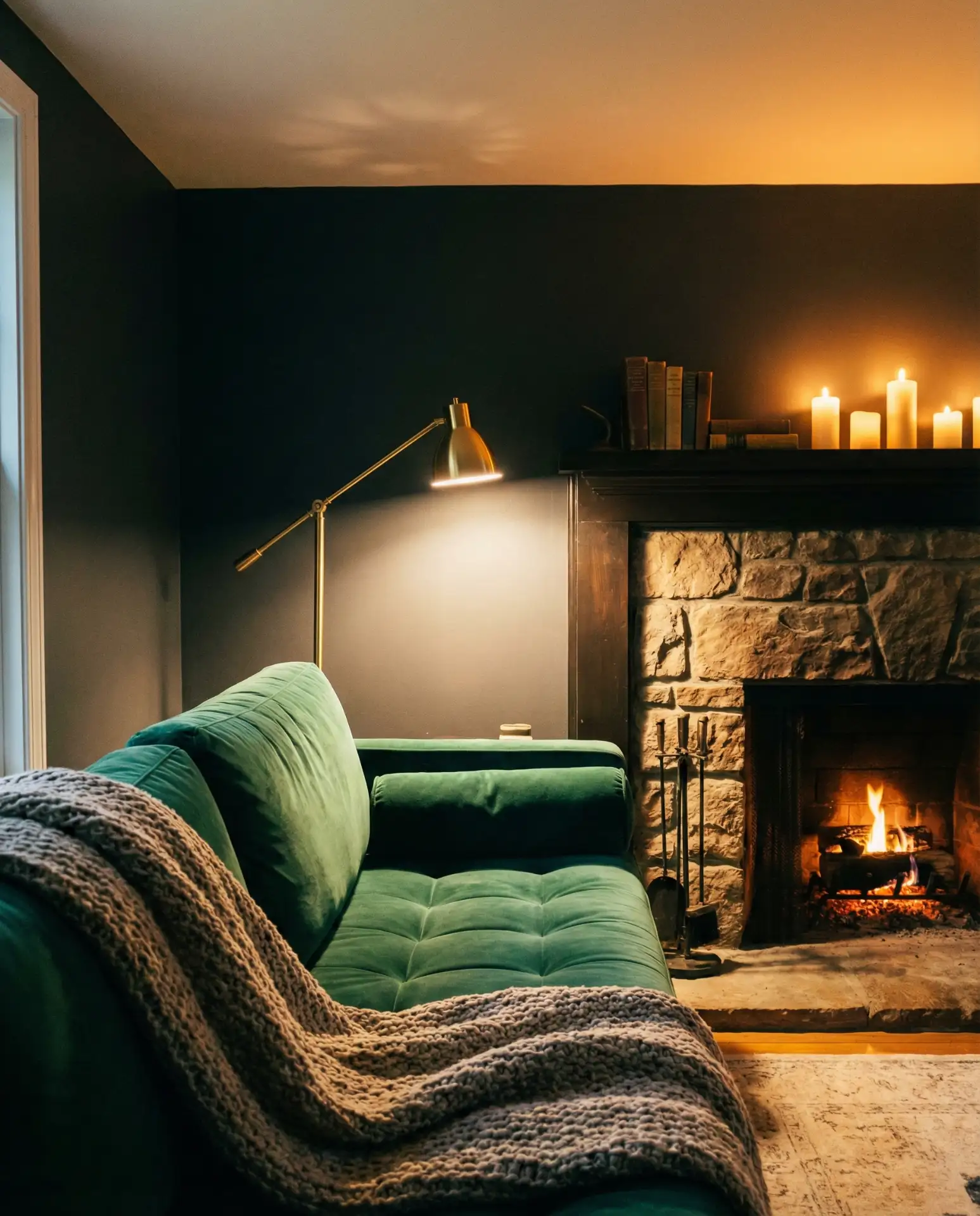
Moody cottage rooms challenge the stereotype that cottage style has to be pastel and precious. They’re especially popular with younger homeowners who want character and depth. The biggest mistake people make is not adding enough light sources—dark walls need multiple layers of lighting to avoid feeling like a cave. Table lamps, wall sconces, and even string lights can transform the mood entirely.
5. Green Haven with Botanical Touches
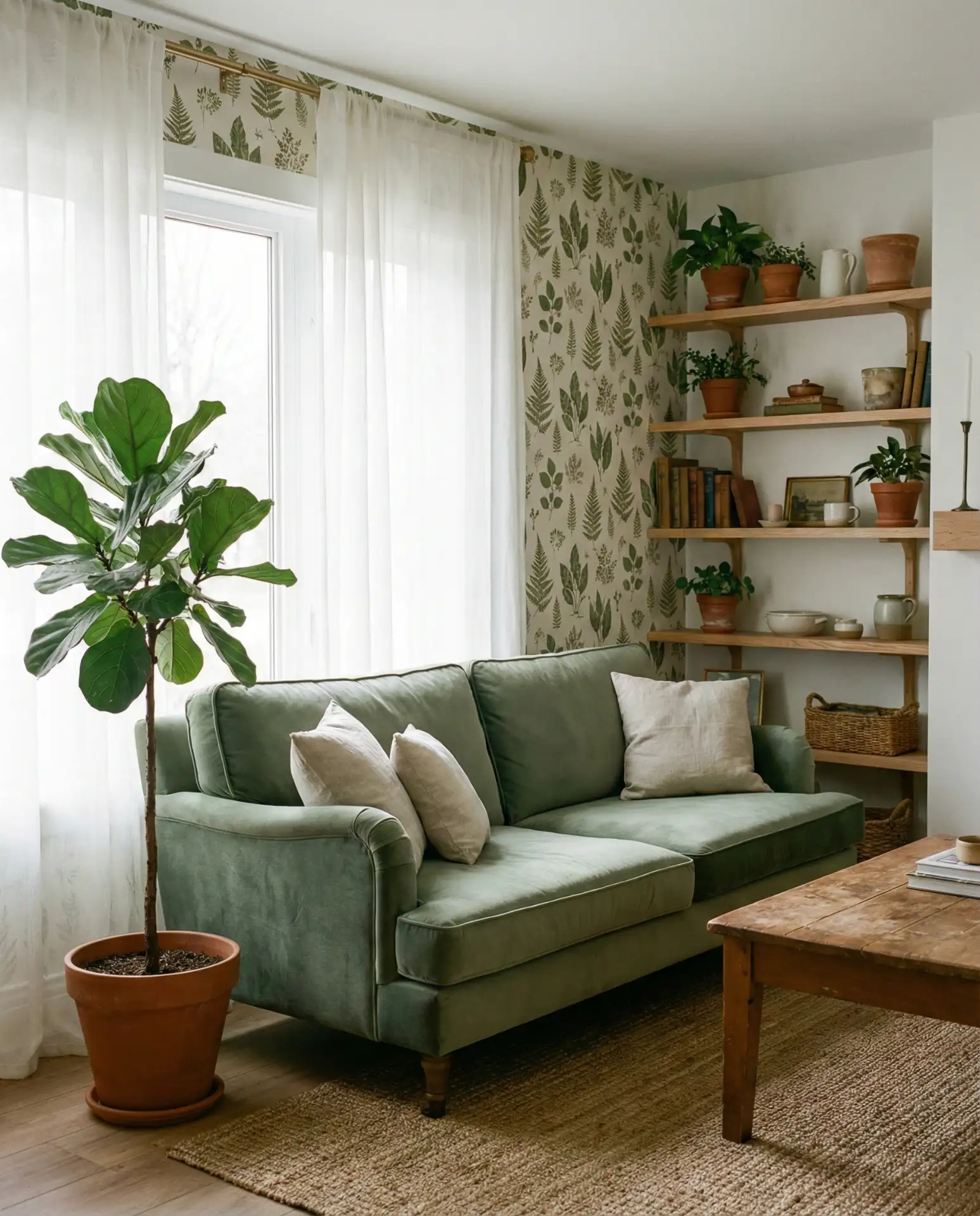
Embrace nature indoors with a green-focused cottage living room filled with potted plants, leafy prints, and sage or olive-toned upholstery. This biophilic approach not only looks beautiful but also improves air quality and creates a calming environment. Pair vintage modern furniture with botanical wallpaper or framed pressed leaves. A colorful accent chair in terracotta or mustard can add warmth without overwhelming the green palette.
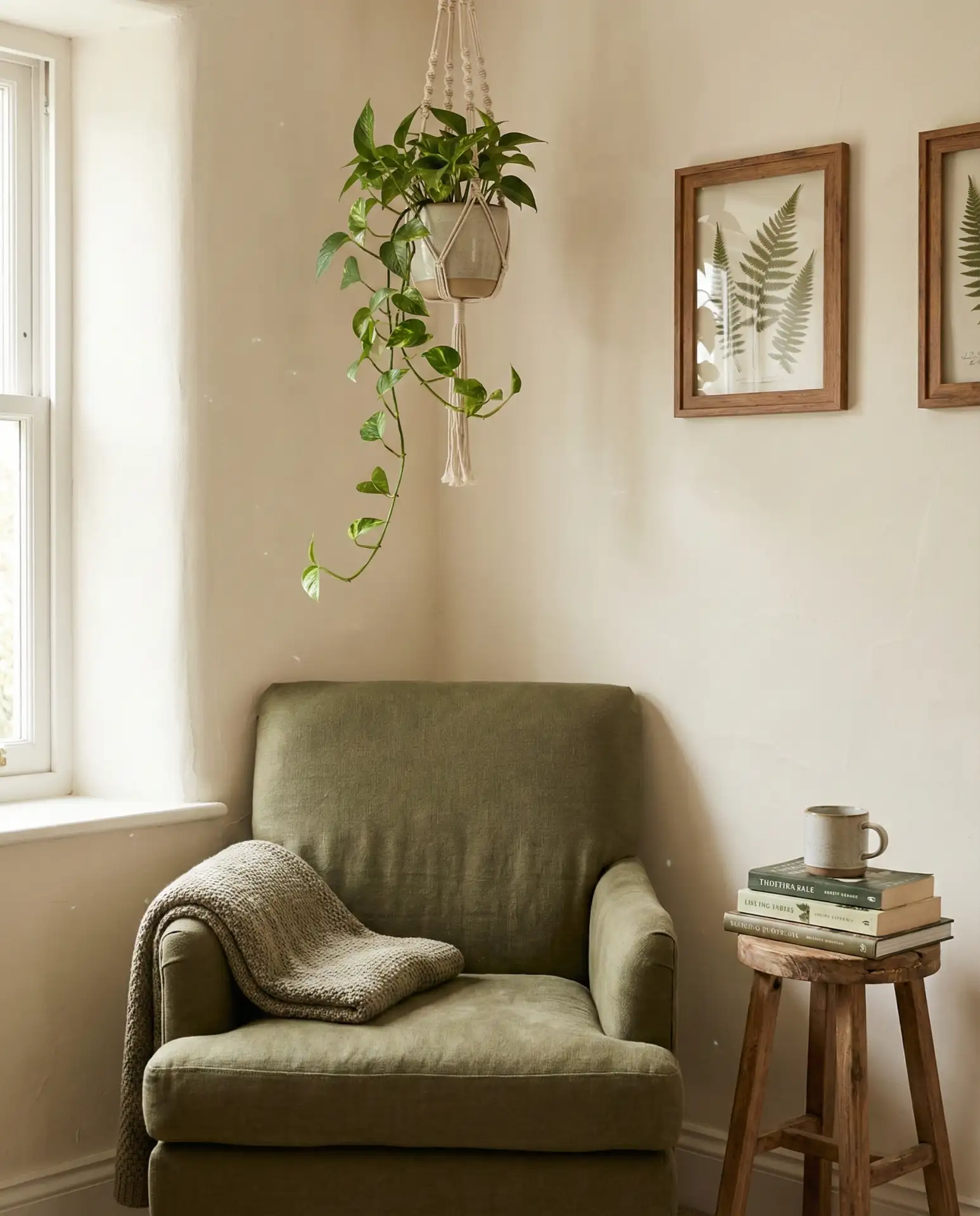
This style works best in homes with good natural light, as plants need sunlight to thrive. If you’re in a dimmer space, focus on low-light plants like pothos or snake plants. According to interior designers, green is one of the most universally calming colors, which is why it’s such a popular choice for living rooms where people gather and relax. Just be mindful not to let the space feel too matchy—vary your shades of green and mix in natural wood and cream tones.
6. Colorful Maximalism with Personal Flair
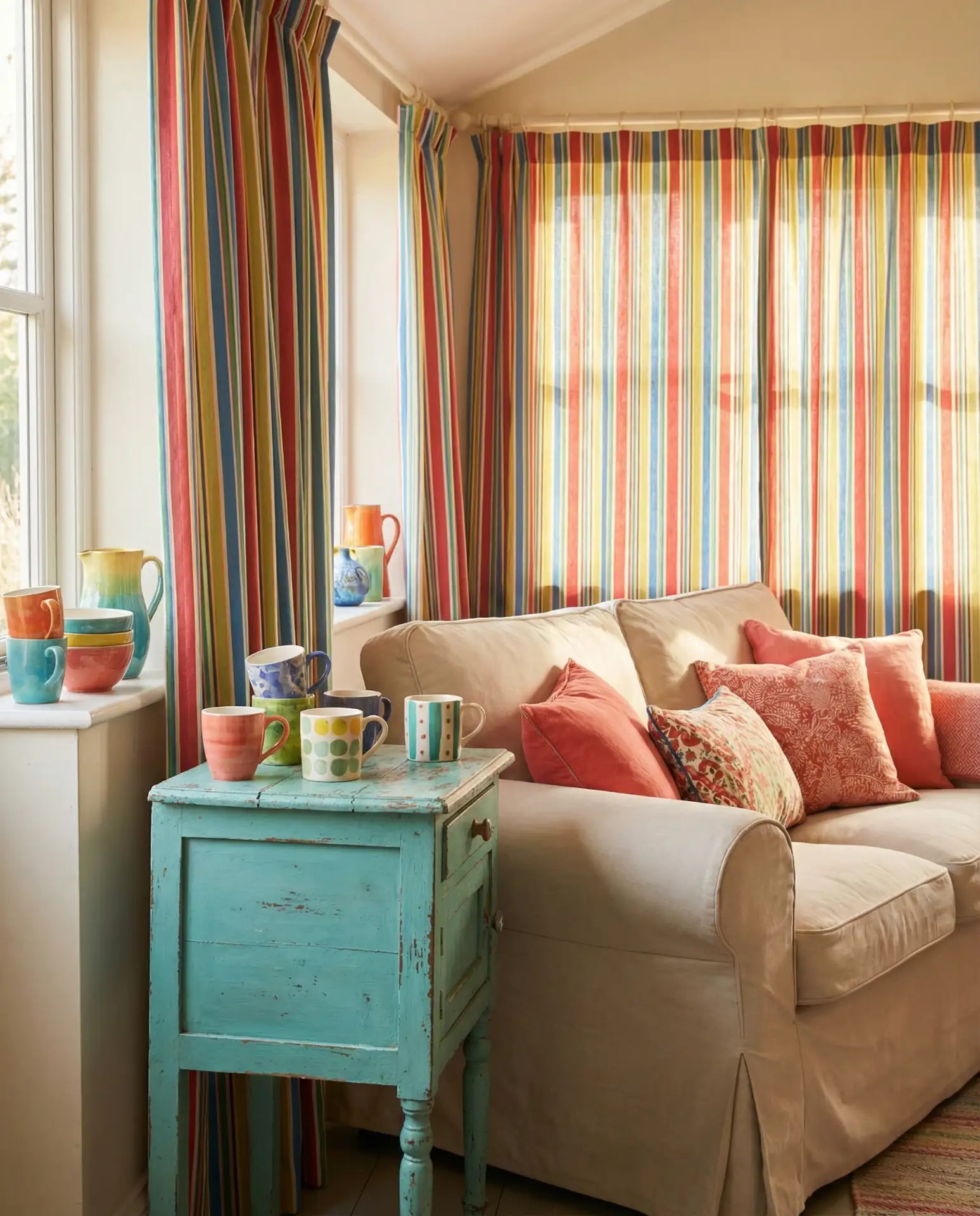
Who says cottage has to be subdued? A colorful cottage living room filled with pink, yellow, and blue can feel joyful and deeply personal. Layer patterns—florals, stripes, and checks—and don’t be afraid to mix furniture styles. The key is to ground the space with a unifying element, like a rug that pulls all the colors together or consistent wood tones throughout.
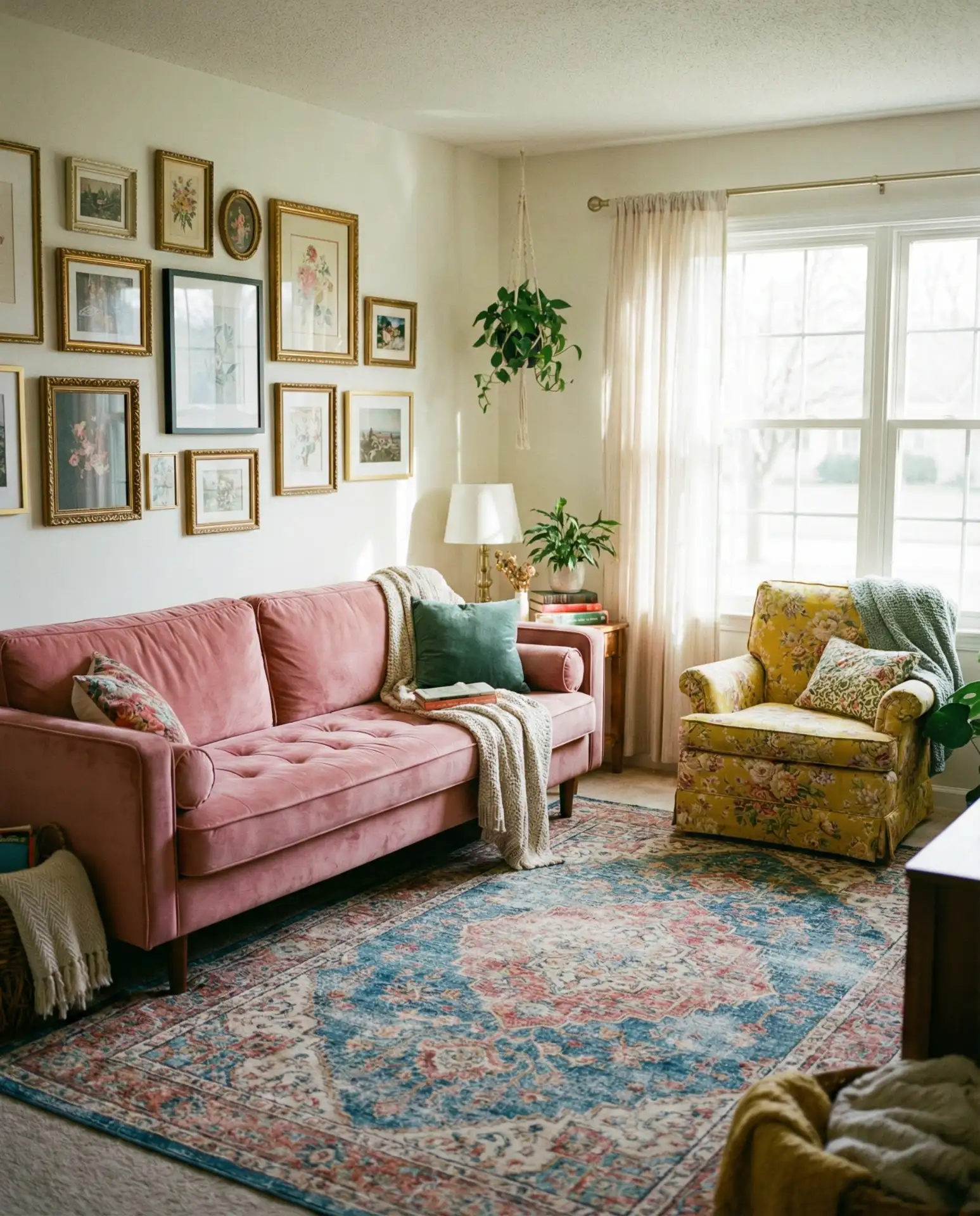
Colorful cottage rooms reflect the personality of the homeowner and often become the most Instagrammable spaces in the house. They’re especially popular among creative professionals and families who want their homes to feel lively and unique. Budget-wise, you can achieve this look gradually by thrifting colorful accent pieces and repainting furniture. The most common mistake is adding too much at once—build your palette slowly and make sure each piece brings you genuine joy.
7. Bloxburg-Inspired Modern Cottage Build

For fans of Bloxburg and virtual design, recreating your favorite builds in real life is totally achievable. These designs often feature clean lines, neutral tones, and open layouts that feel contemporary yet cozy. Think white shiplap walls, streamlined furniture, and minimal clutter. Add warmth with wood accents, a simple rug, and a few well-chosen accessories.
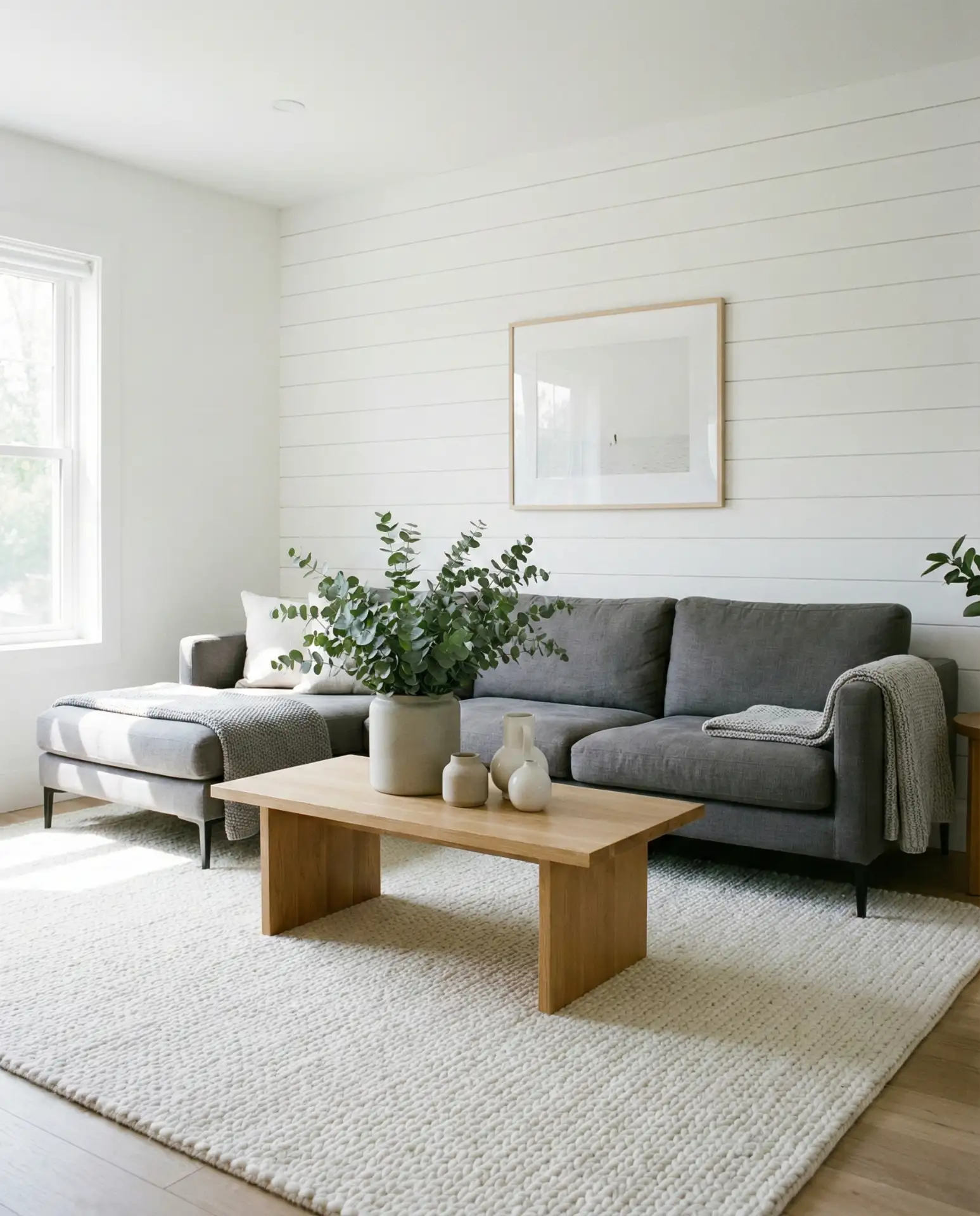
Bloxburg builds translate surprisingly well to real-world interiors, especially for Gen Z and Millennial homeowners who grew up designing virtual spaces. The streamlined aesthetic is also budget-friendly—less is more, so you don’t need to fill every corner. If you’re working with a smaller living room, this style maximizes space and light. Just remember that real homes need a bit more personality than virtual ones; add personal touches like books, plants, or family photos to keep them from feeling sterile.
8. Sims 4 Cottagecore Aesthetic
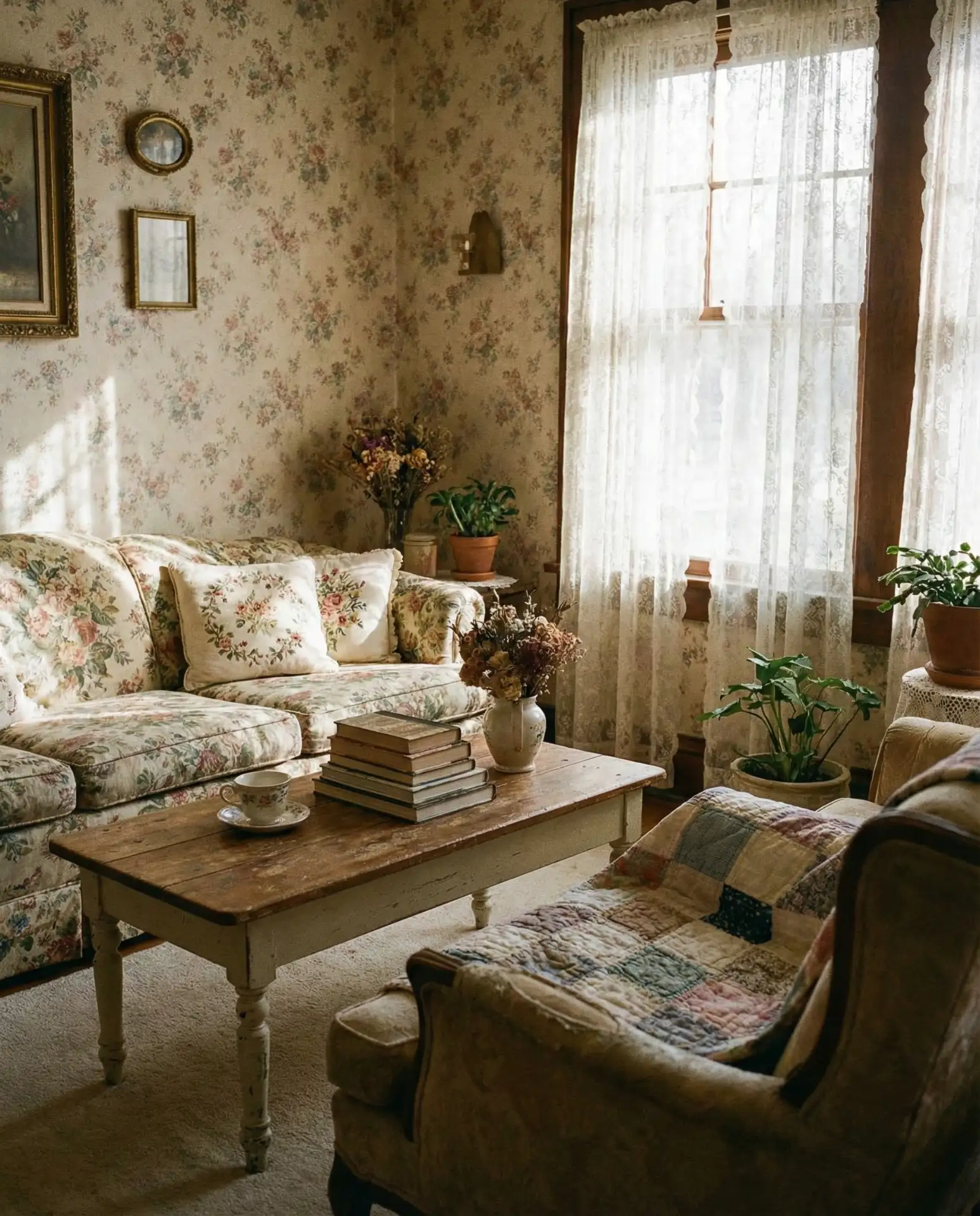
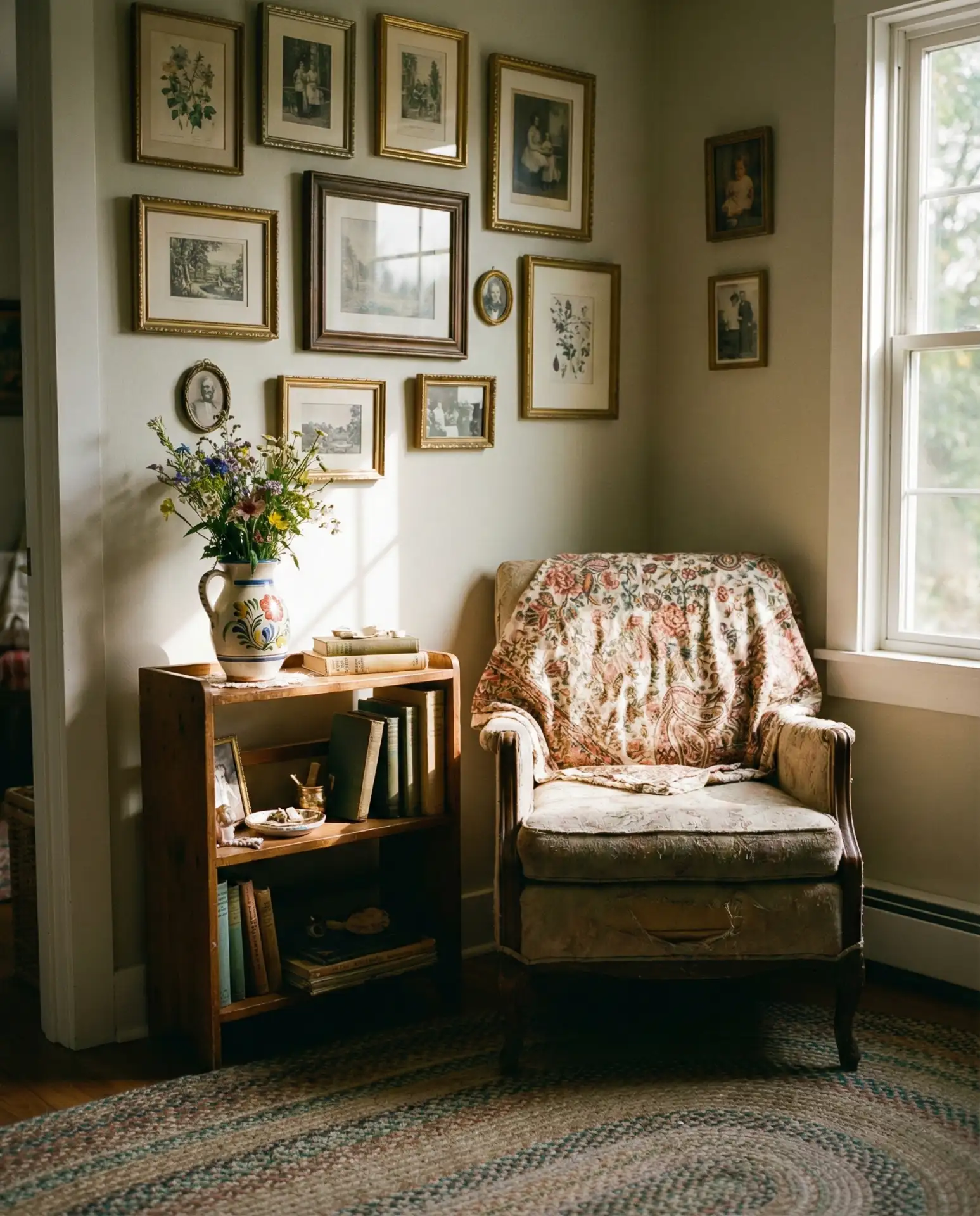
The Sims 4 Cottage Living expansion pack introduced a dreamy rural aesthetic that players have been recreating IRL. Think floral wallpapers, vintage furniture, and plenty of handmade touches. This style leans into nostalgia and whimsy, with cozy reading nooks, mismatched furniture, and a “collected over time” feel. Layer in soft textiles, fresh flowers, and rustic wood pieces.
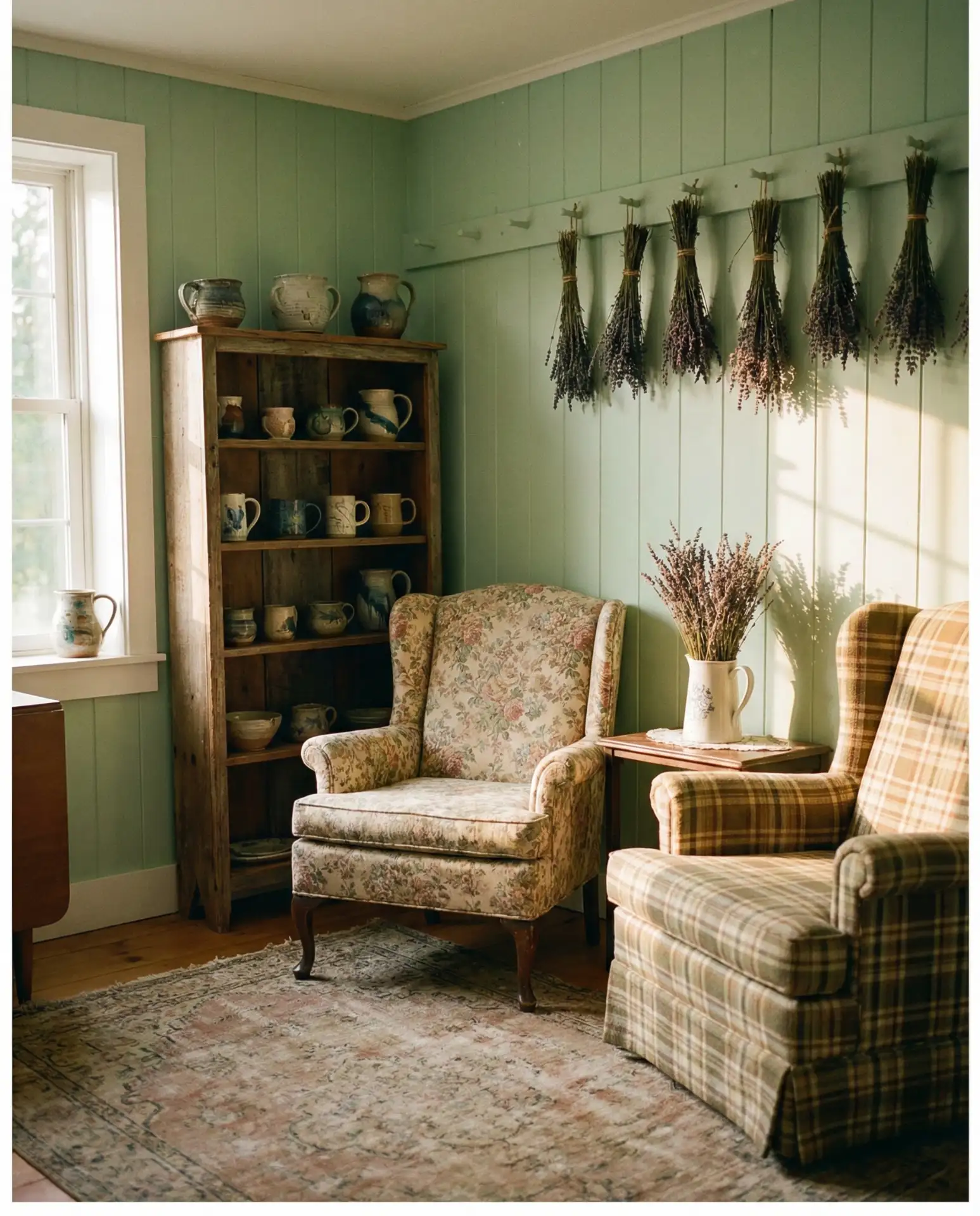
This aesthetic resonates with people seeking a slower, simpler lifestyle—think baking bread, tending gardens, and unplugging from screens. It’s especially popular in rural and suburban areas where homeowners have space to embrace the full cottagecore lifestyle. One real homeowner tip: don’t let the whimsy turn into clutter. Curate your vintage finds carefully and make sure everything has a purpose or brings you joy. Rotating seasonal decor also keeps the space feeling fresh.
9. Pink Cottage Romance
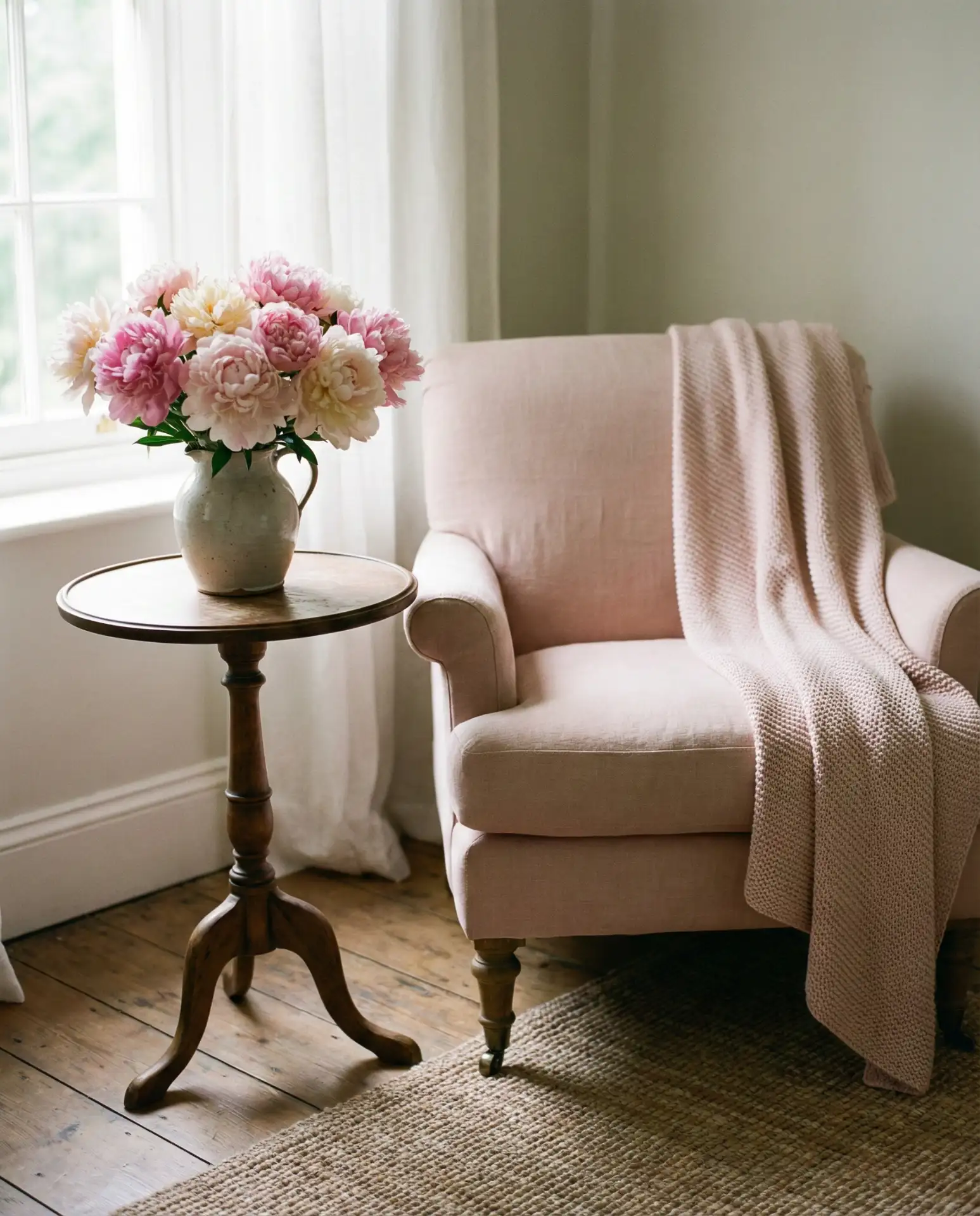
A pink cottage living room can be surprisingly sophisticated when done right. Opt for dusty rose, blush, or terracotta tones rather than bubblegum shades. Pair pink upholstery with neutral walls, brass fixtures, and plenty of texture. This palette feels warm and inviting without skewing too feminine or childish. Add in vintage mirrors, velvet cushions, and soft lighting for a romantic, timeless look.
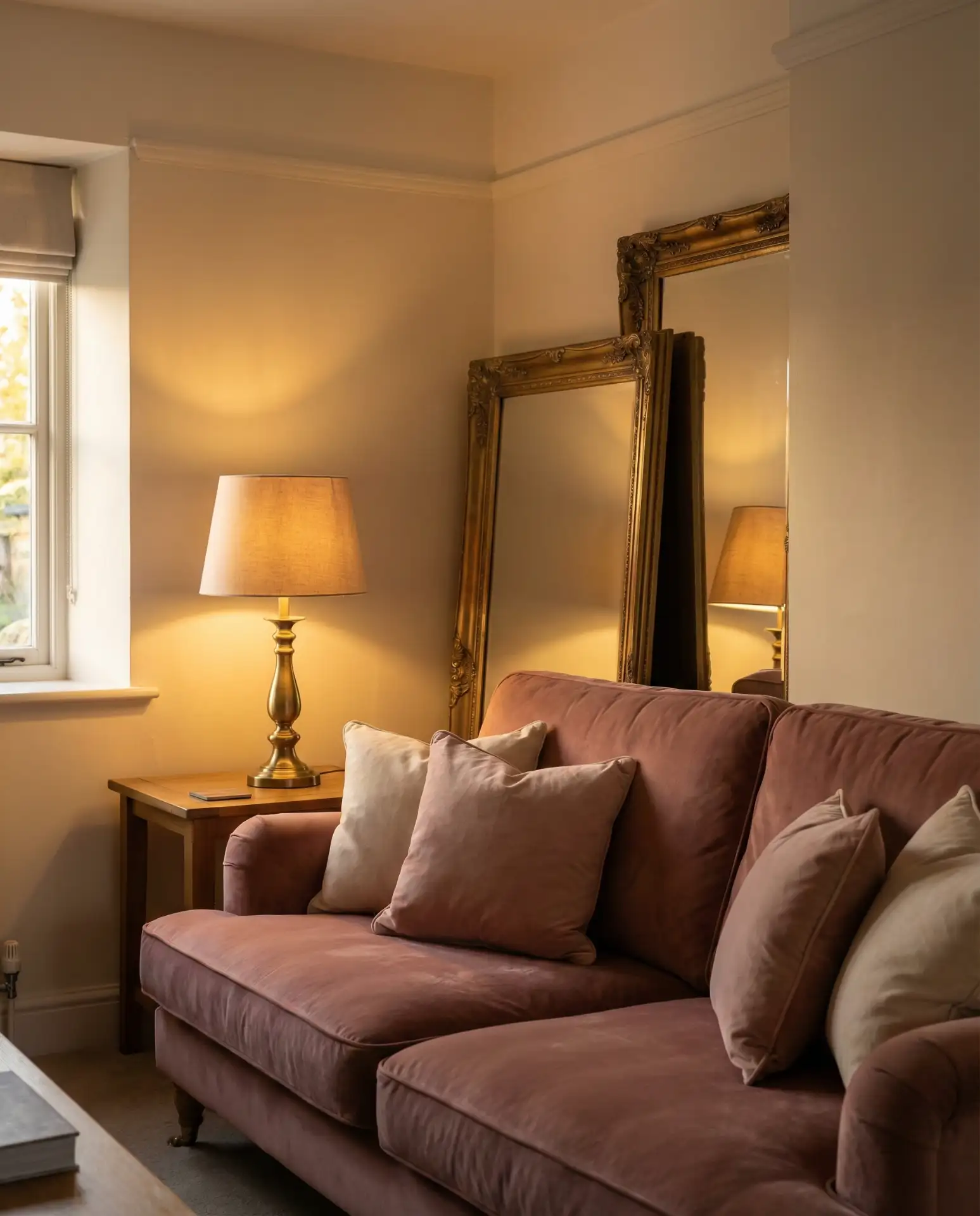
Pink living rooms have moved far beyond the millennial pink trend of a few years ago. Today’s versions are earthier and more grounded, appealing to a wider audience. Where this works best: bedrooms converted to sitting rooms, sunrooms, or anywhere you want to create a soothing retreat. Avoid pairing pink with too much white, which can feel clinical; instead, warm it up with wood tones and deeper accent colors.
10. Victorian Charm with Modern Comfort
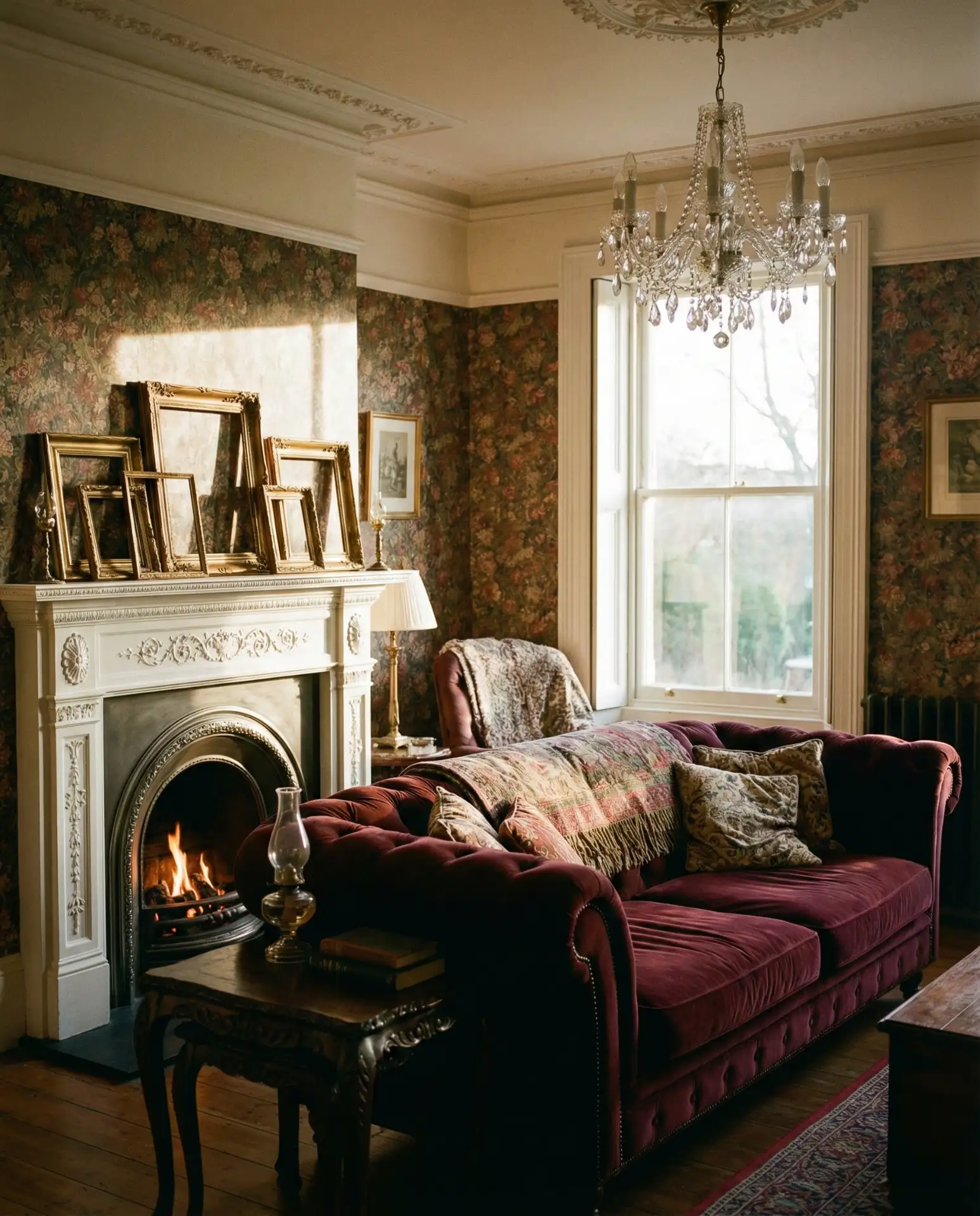
Embrace Victorian elegance without sacrificing livability. Think high ceilings, ornate moldings, and rich fabrics like velvet and brocade, but balance them with streamlined furniture and modern lighting. A fireplace with a carved mantel becomes the focal point, while moody paint colors add depth. Keep it from feeling stuffy by incorporating contemporary art and comfortable seating.

Victorian cottage style suits historic homes beautifully, especially in New England and the Mid-Atlantic. If you’re in a newer build, you can still achieve the look with the right furniture and textiles. The key is restraint—too many period pieces can feel like a museum. Mix in modern elements like a sleek coffee table or abstract art to keep the space grounded in the present. Victorian rooms also tend to be formal, so make sure you have comfortable seating for everyday use.
11. TV-Centered Layout Without Sacrificing Style
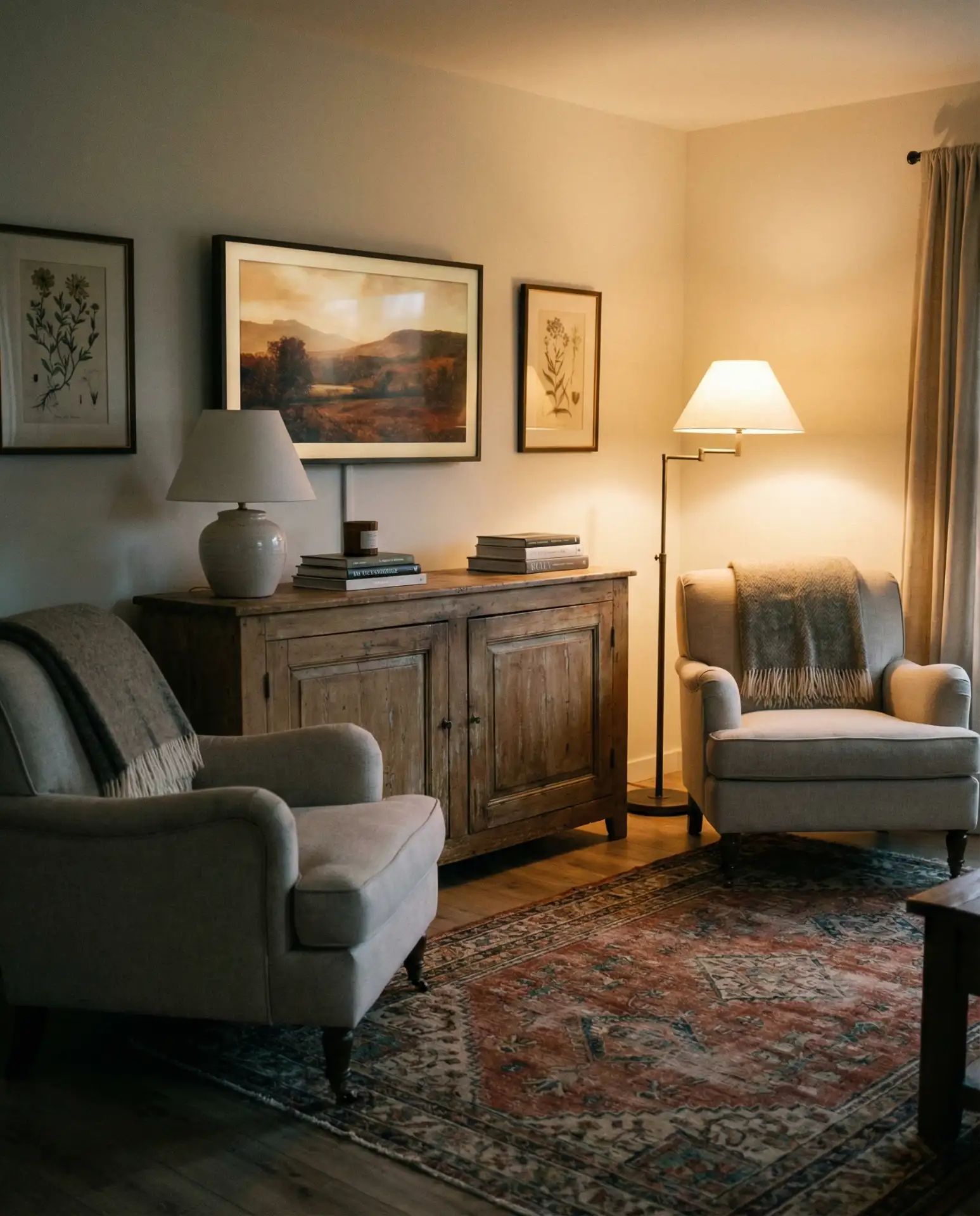
Let’s be honest—most American living rooms are built around the TV. The trick is integrating it seamlessly into your cottage aesthetic. Consider a built-in cabinet with shaker-style doors, a vintage credenza that hides electronics, or a gallery wall that makes the TV just one element among many. Arrange cozy seating in a semicircle and add layers of lighting so the room feels inviting even when the screen is off.
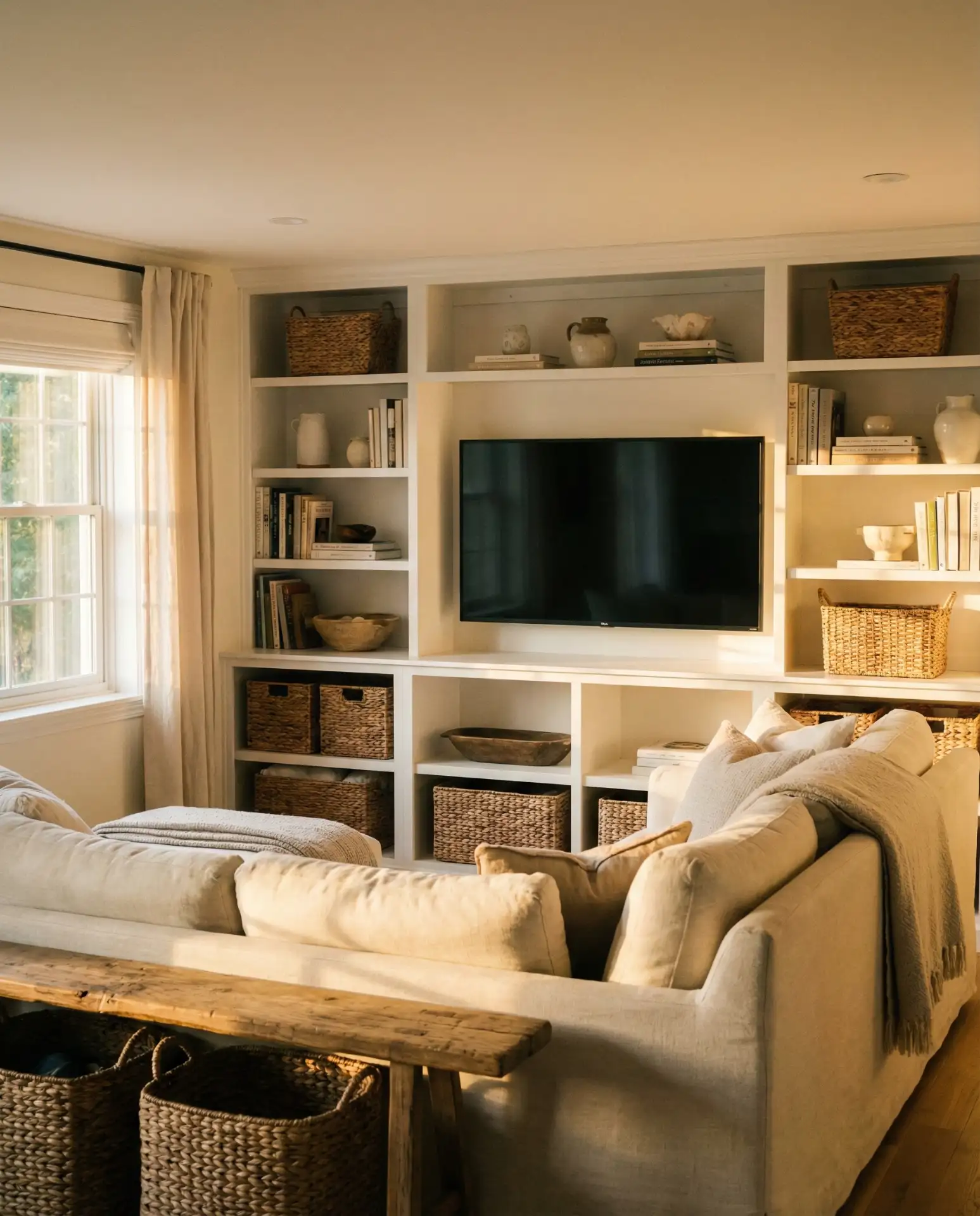
A common mistake is making the TV the only focal point, which can leave the room feeling one-dimensional. Instead, create multiple zones—a reading corner, a conversation area—so the space has purpose beyond screen time. Experts recommend keeping the TV at eye level when seated and ensuring there’s no glare from windows. With thoughtful planning, your TV can coexist beautifully with cottage charm.
12. Fireplace as the Heart of the Room
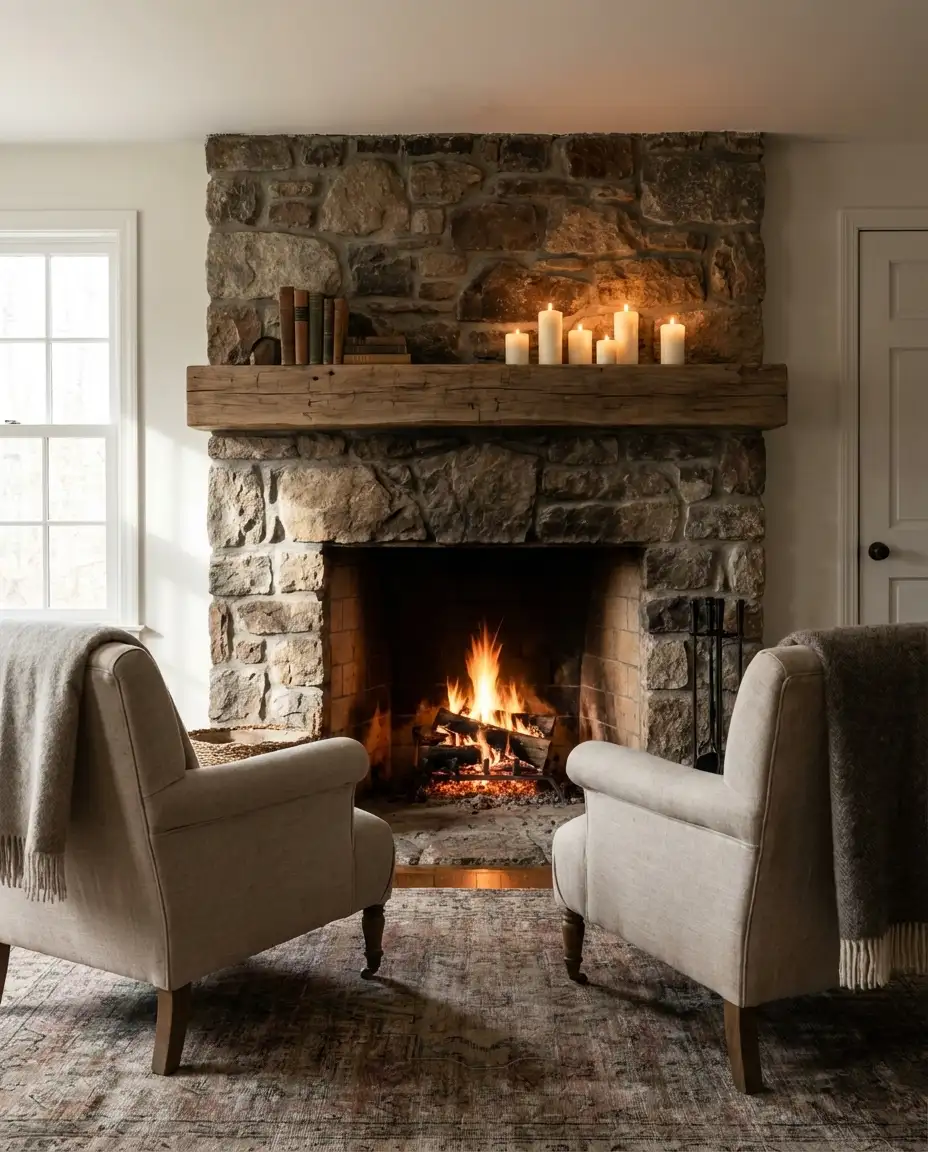
A fireplace is the ultimate cottage living room feature, providing warmth, ambiance, and a natural gathering spot. Whether yours is wood-burning, gas, or electric, dress it up with a chunky wood mantel, vintage candlesticks, or a simple mirror above. Arrange seating to face the hearth, and layer in cozy textiles like wool throws and sheepskin rugs. Even in warmer climates, a fireplace adds architectural interest and a sense of home.
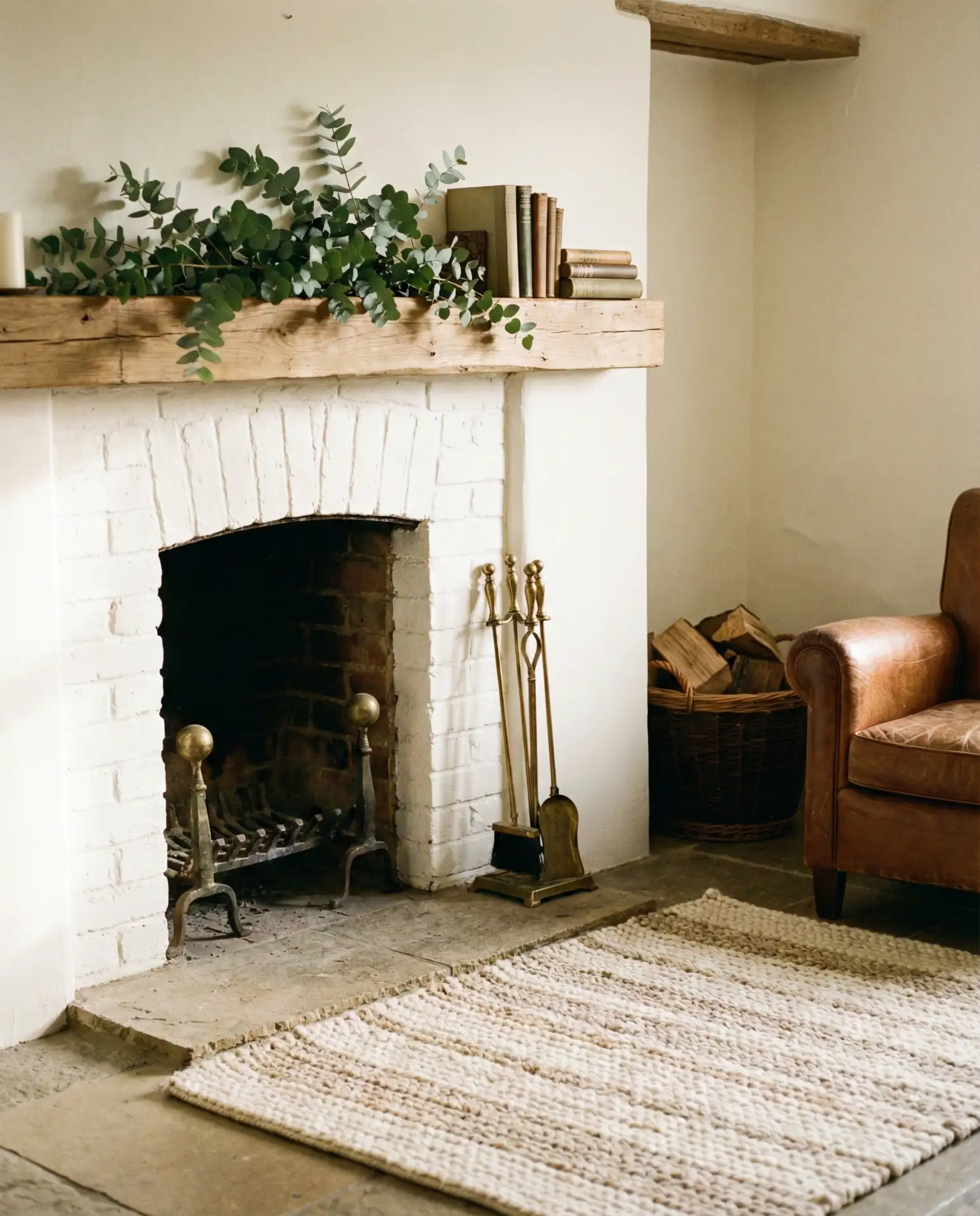
Fireplaces work best when they’re the primary focal point of the room—resist the urge to compete with a large TV on the opposite wall. In historic homes, the fireplace is often original and just needs a refresh; in newer builds, you can add a mantel kit or stone surround for instant character. One budget tip: electric fireplaces have come a long way and can provide the cozy factor without the cost of a full renovation.
13. Lake House Cottage Simplicity
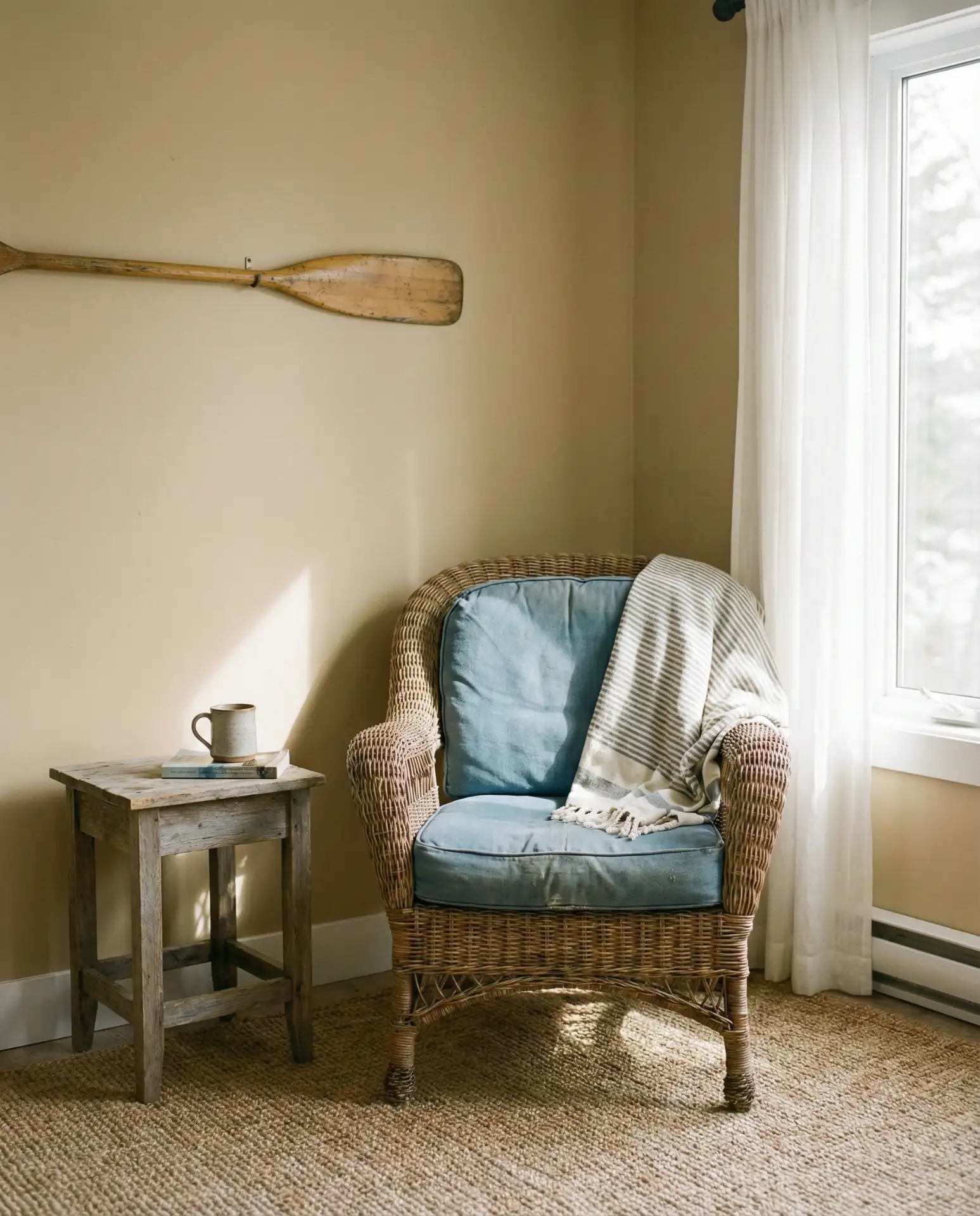
A lake cottage living room should feel breezy and unfussy, with durable materials that can handle wet swimsuits and sandy feet. Opt for coastal colors—soft blues, greens, and whites—and furniture with washable slipcovers. Keep decor minimal: a few pieces of driftwood, a vintage oar on the wall, or a bowl of collected stones. The view is the star here, so avoid heavy curtains and let the natural light pour in.
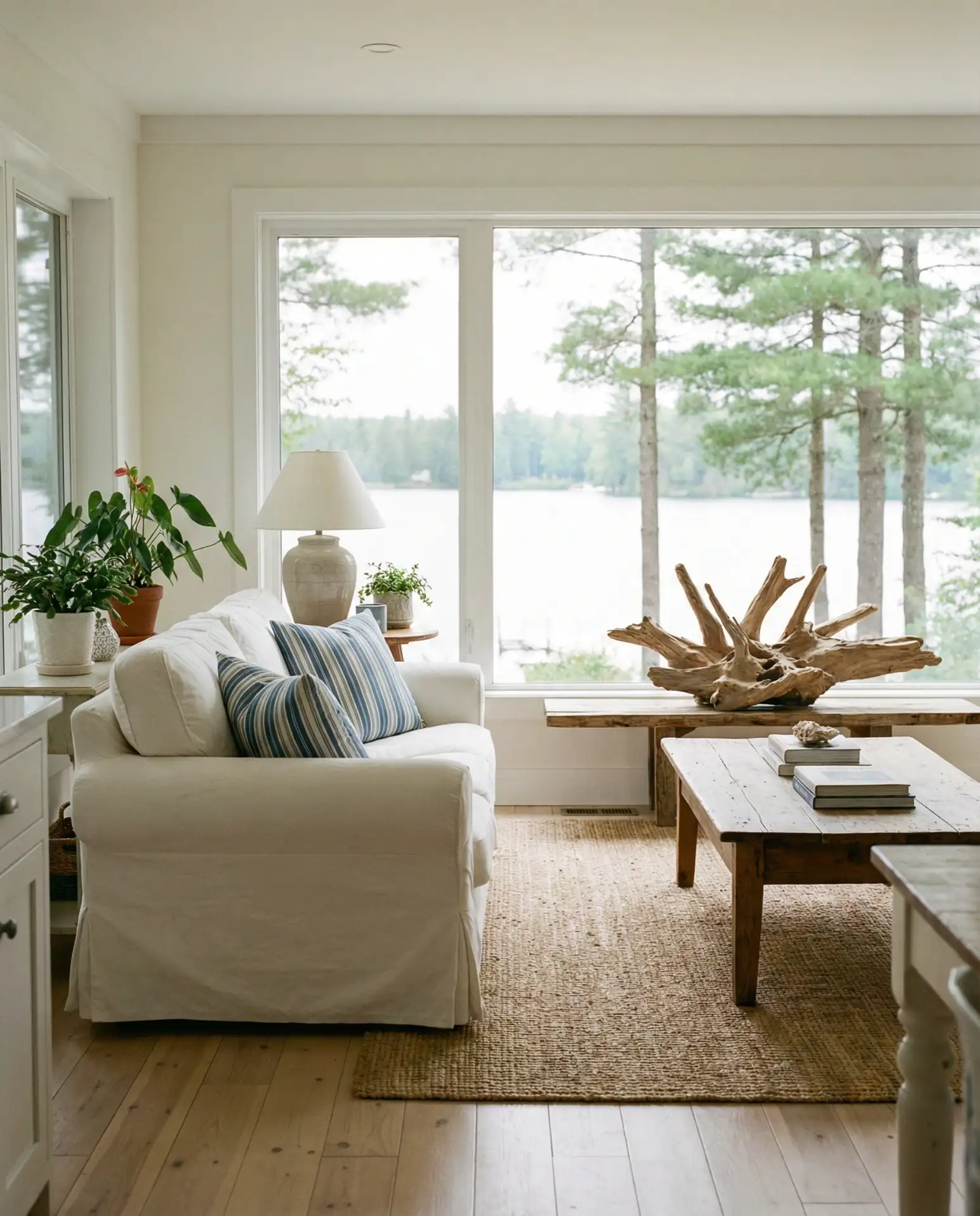
Lake house style is all about low-maintenance living and embracing imperfection. In the Midwest and Northeast, these spaces are often seasonal retreats, so furniture needs to be sturdy and easy to clean. Avoid anything too precious—slipcovers, outdoor fabrics, and sealed wood surfaces are your friends. Many lake cottage owners rotate decor seasonally, keeping winter gear stored and swapping in summer-friendly textiles when the weather warms.
14. Mid-Century Modern Cottage Fusion
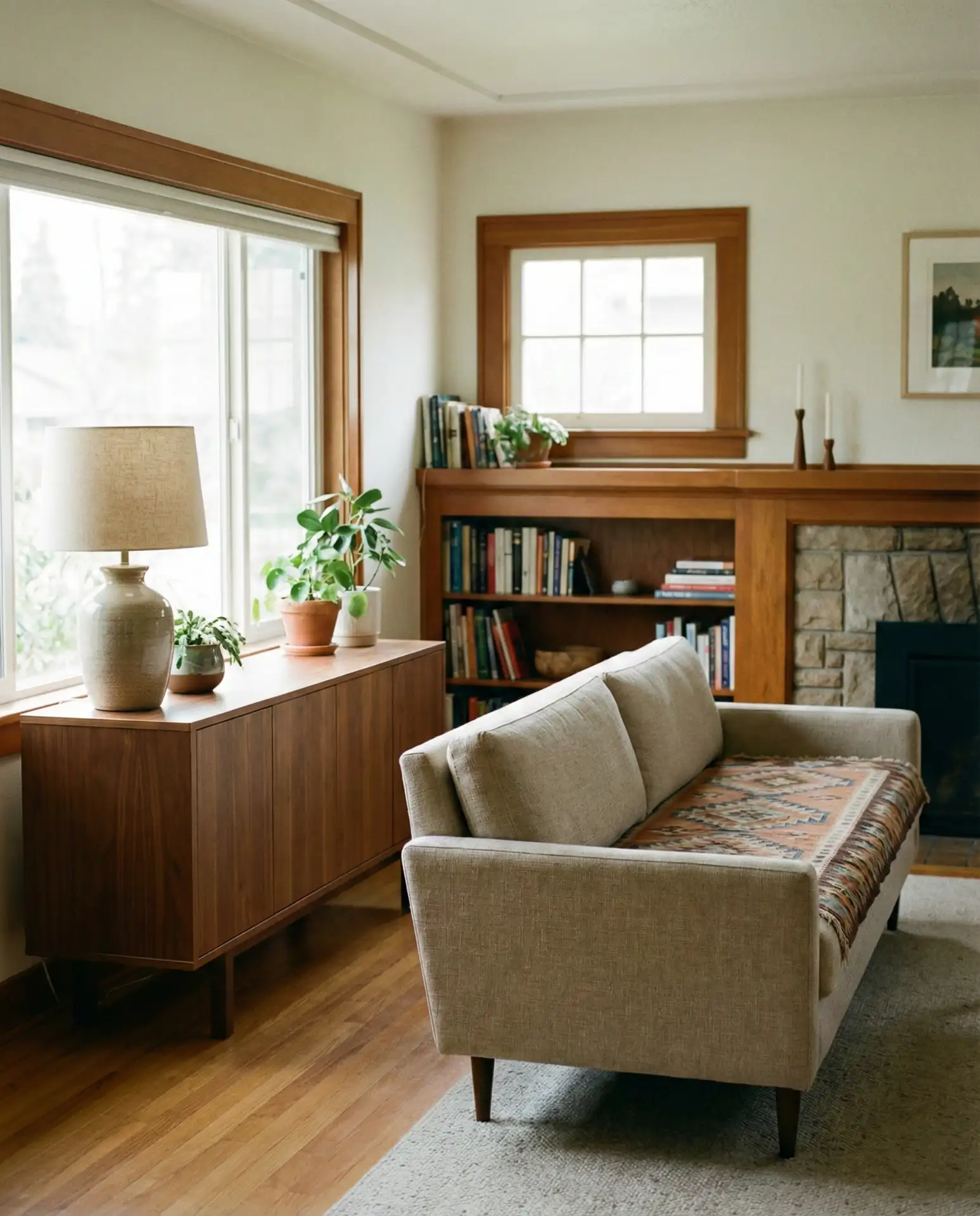
Blend the clean lines of mid-century modern design with cottage warmth for a look that’s both timeless and approachable. Think tapered wood legs, low-profile sofas, and geometric patterns, softened with linen textiles and natural fiber rugs. This hybrid style works especially well in ranch homes or bungalows with original mid-century bones. Keep the palette neutral with pops of mustard or burnt orange.
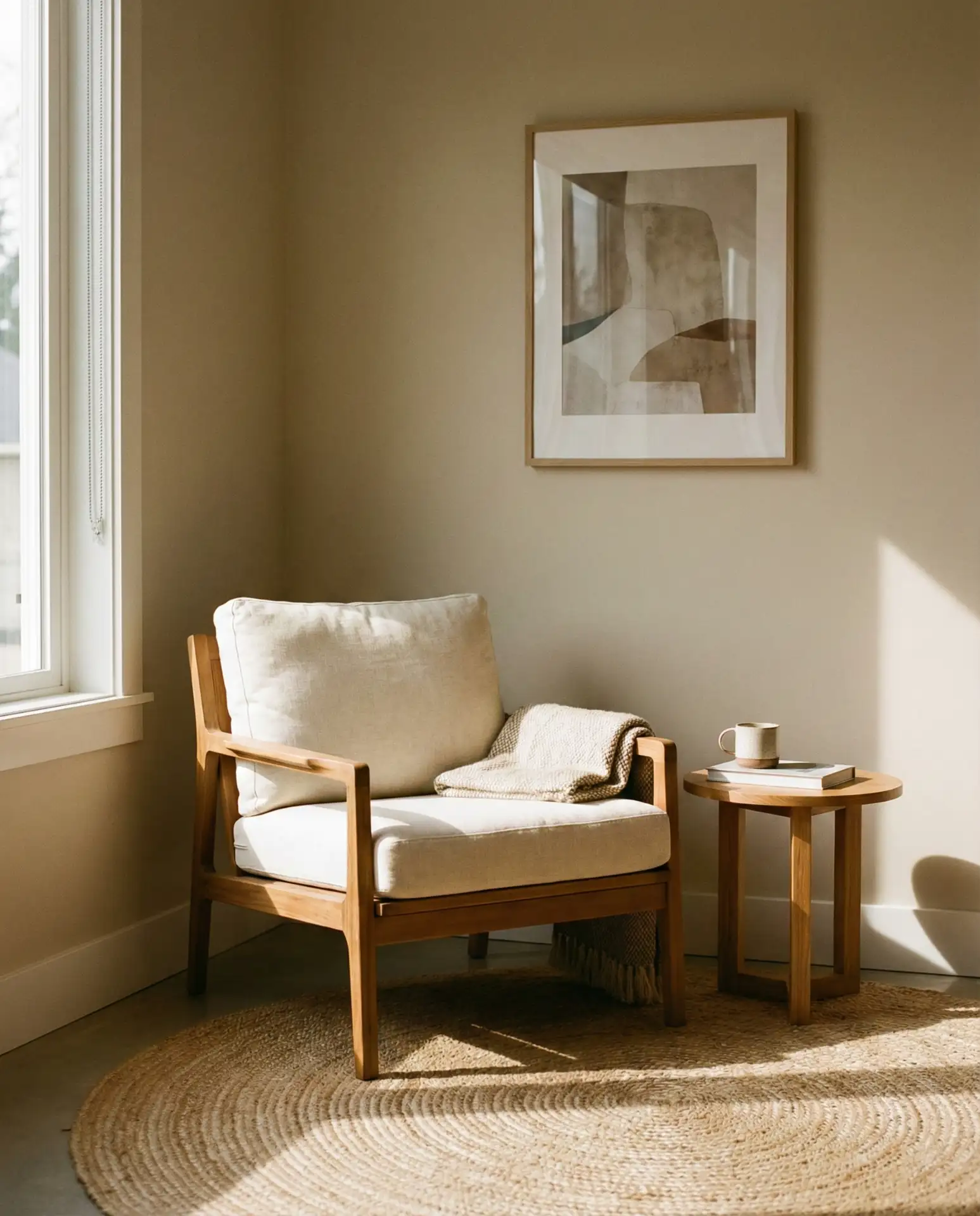
This style is especially popular in California and the Pacific Northwest, where mid-century architecture is common. According to design pros, the key to making this fusion work is balancing sleek and soft—pair streamlined furniture with plenty of texture and organic materials. Don’t go too matchy; vintage mid-century pieces have character that reproductions often lack. Flea markets and online vintage shops are great sources.
15. Curtains That Frame the View
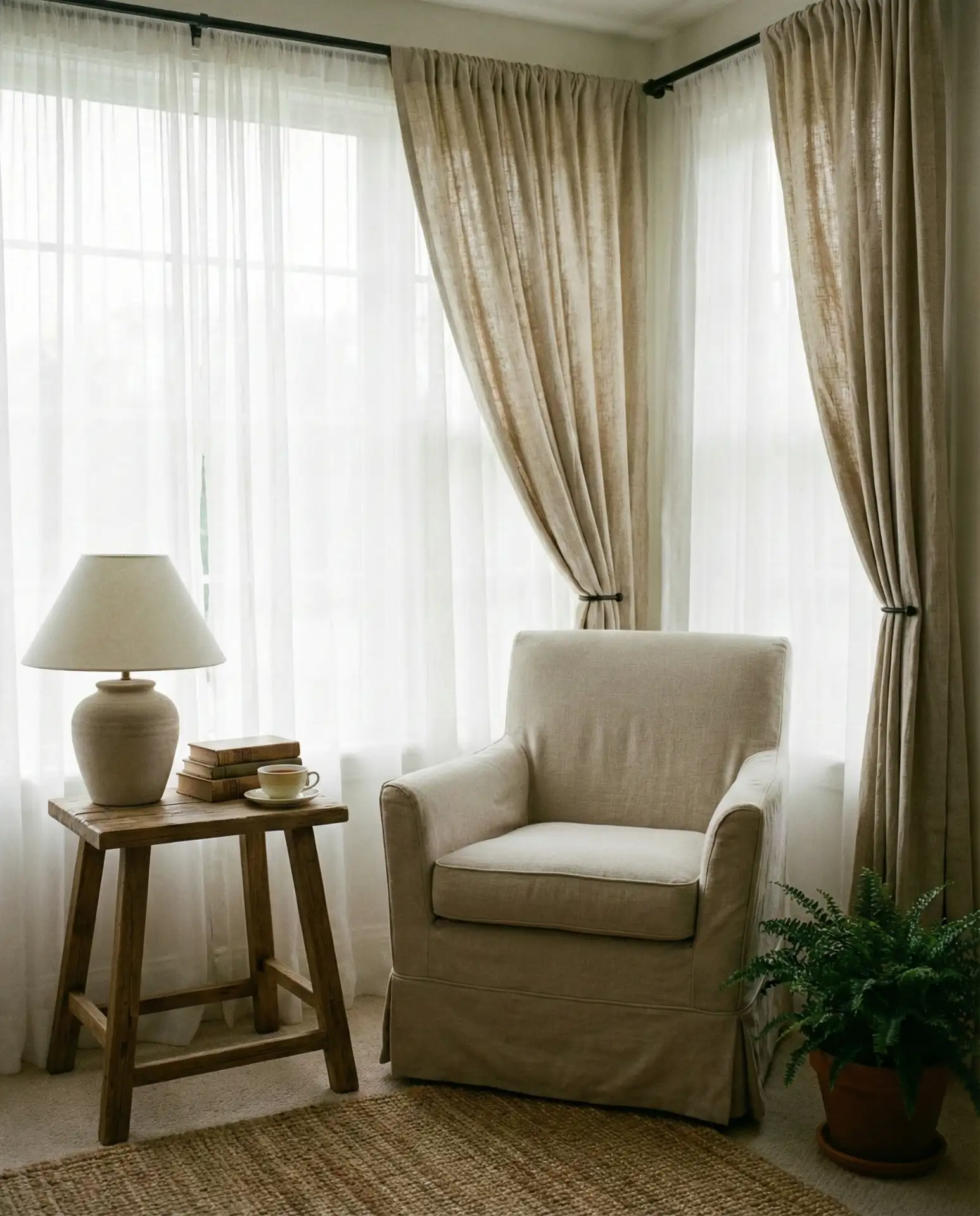
The right curtains can make or break a cottage living room. Choose linen or cotton in soft neutral tones that puddle slightly on the floor for a relaxed, lived-in look. Hang them high and wide to make windows feel larger and ceilings taller. Sheer panels work beautifully for privacy while still letting in natural light, and layering them with heavier drapes adds versatility for different seasons.
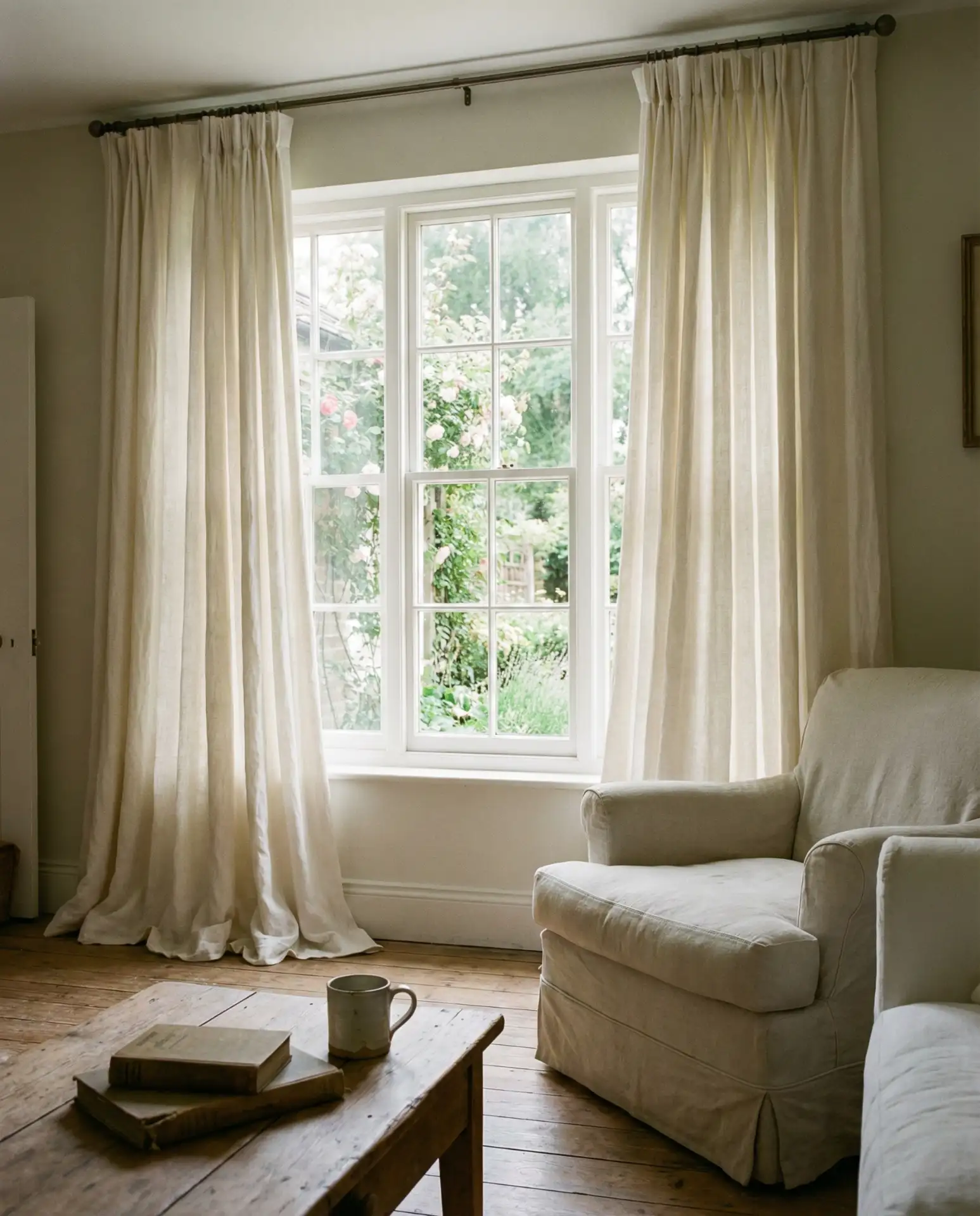
Curtains are one of those details that people often overlook, but they have a huge impact on how a room feels. In cottage style, avoid anything too formal—no heavy damasks or ornate valances. Linen, cotton, and even cotton-linen blends work beautifully and get softer with washing. One common mistake is hanging curtains too low or too narrow; they should extend several inches beyond the window frame on each side and be mounted close to the ceiling.
16. Vintage Modern Eclectic Mix

The vintage modern cottage living room is all about curated eclecticism—mixing heirloom pieces with contemporary finds for a space that feels collected and personal. Pair a sleek modern sofa with a vintage coffee table, or hang contemporary art above an antique sideboard. The key is balance: too much vintage feels dated, while too much modern can feel cold. Layer in textiles, plants, and personal mementos to tie it all together.
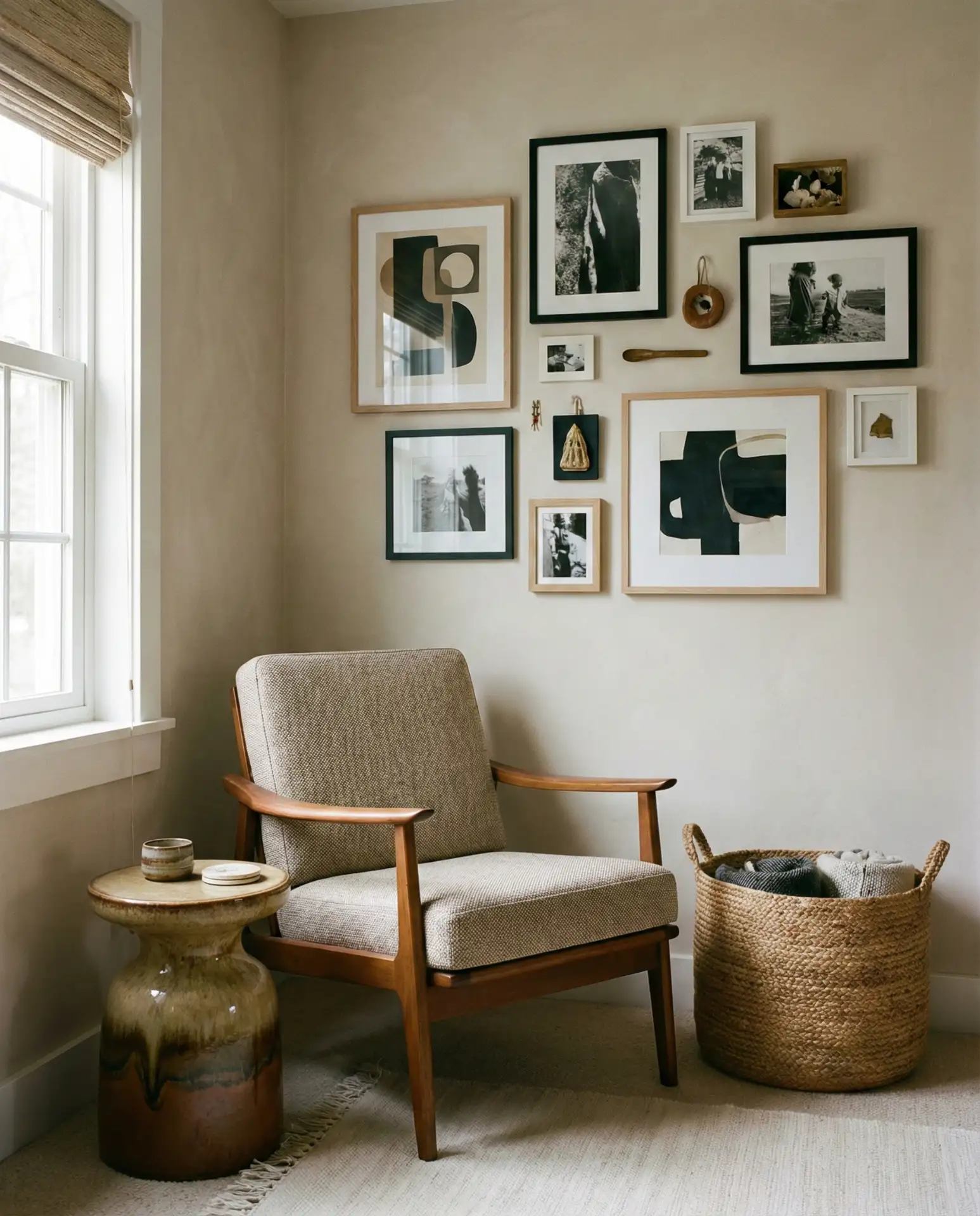
This approach requires a good eye and patience—you can’t rush a curated look. Thrift stores, estate sales, and online marketplaces are treasure troves for vintage finds. One insider tip: stick to a consistent color palette or material (like all wood tones or all metals) to help disparate pieces feel cohesive. The beauty of vintage modern is that it’s deeply personal and impossible to replicate exactly, which makes your space truly unique.
17. Scandi Simplicity Meets Cottage Warmth
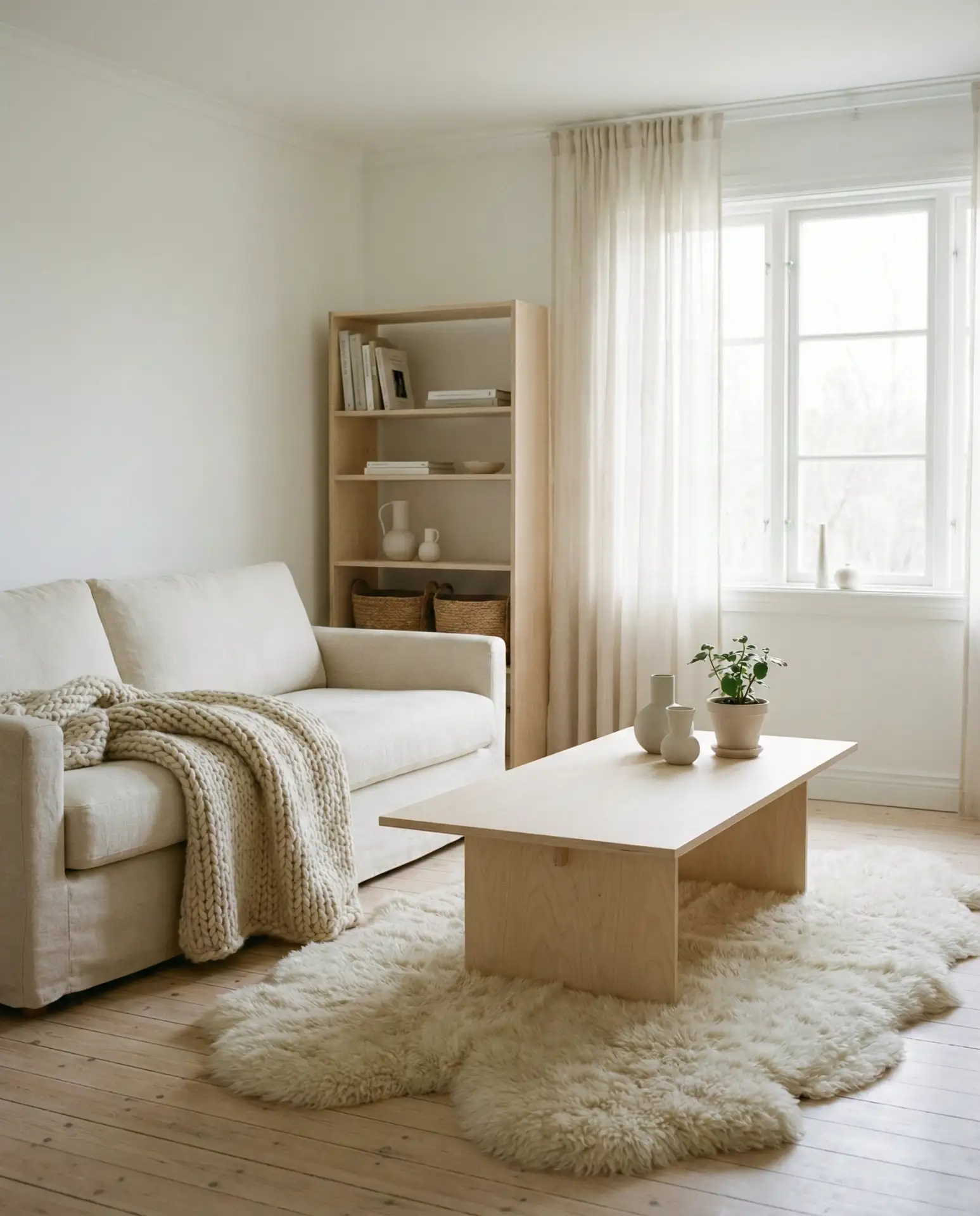
Scandinavian design principles—clean lines, functionality, natural materials—blend seamlessly with cottage coziness. This Scandi-cottage hybrid features pale woods, white walls, and minimal clutter, softened with chunky knits, sheepskin throws, and plenty of candles. The result is a space that feels serene but never cold. Add a neutral rug in wool or jute, and keep accessories to a minimum for maximum impact.
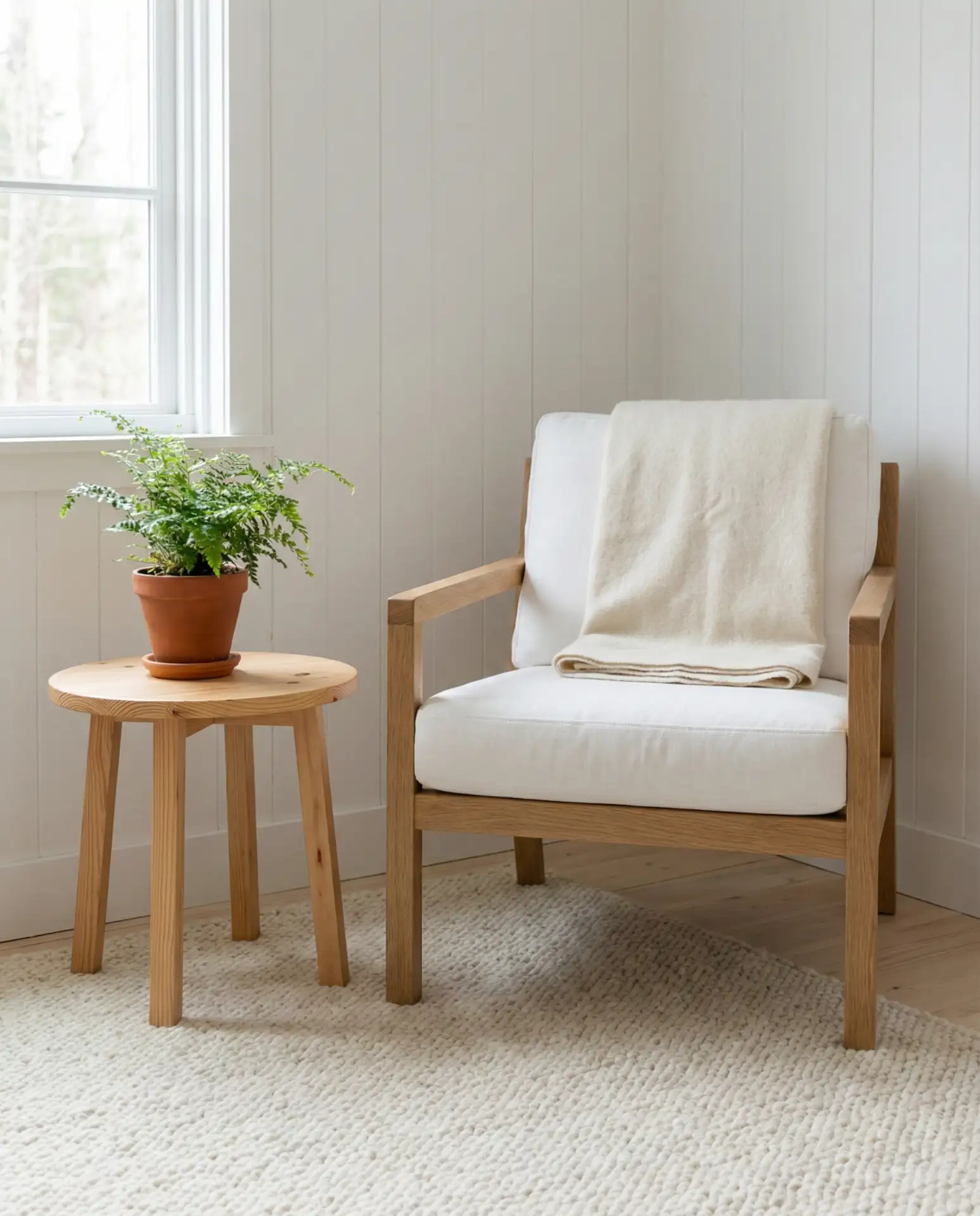
Scandi-cottage style is perfect for small spaces because it emphasizes light and openness. It’s also budget-friendly—the focus is on quality basics rather than lots of decorative items. Where it works best: apartments, condos, or any space with limited square footage. One common mistake is letting the space become too stark; add warmth with textiles, wood tones, and a few organic elements like plants or dried branches.
18. Whimsical Details That Spark Joy
A whimsical cottage living room embraces playfulness and personality. Think unexpected color combinations, quirky artwork, and found objects displayed like treasures. A yellow accent chair, a collection of vintage teacups, or a gallery wall of mismatched frames can all contribute to the magic. This style celebrates individuality and invites guests to look closer and discover something new each time they visit.
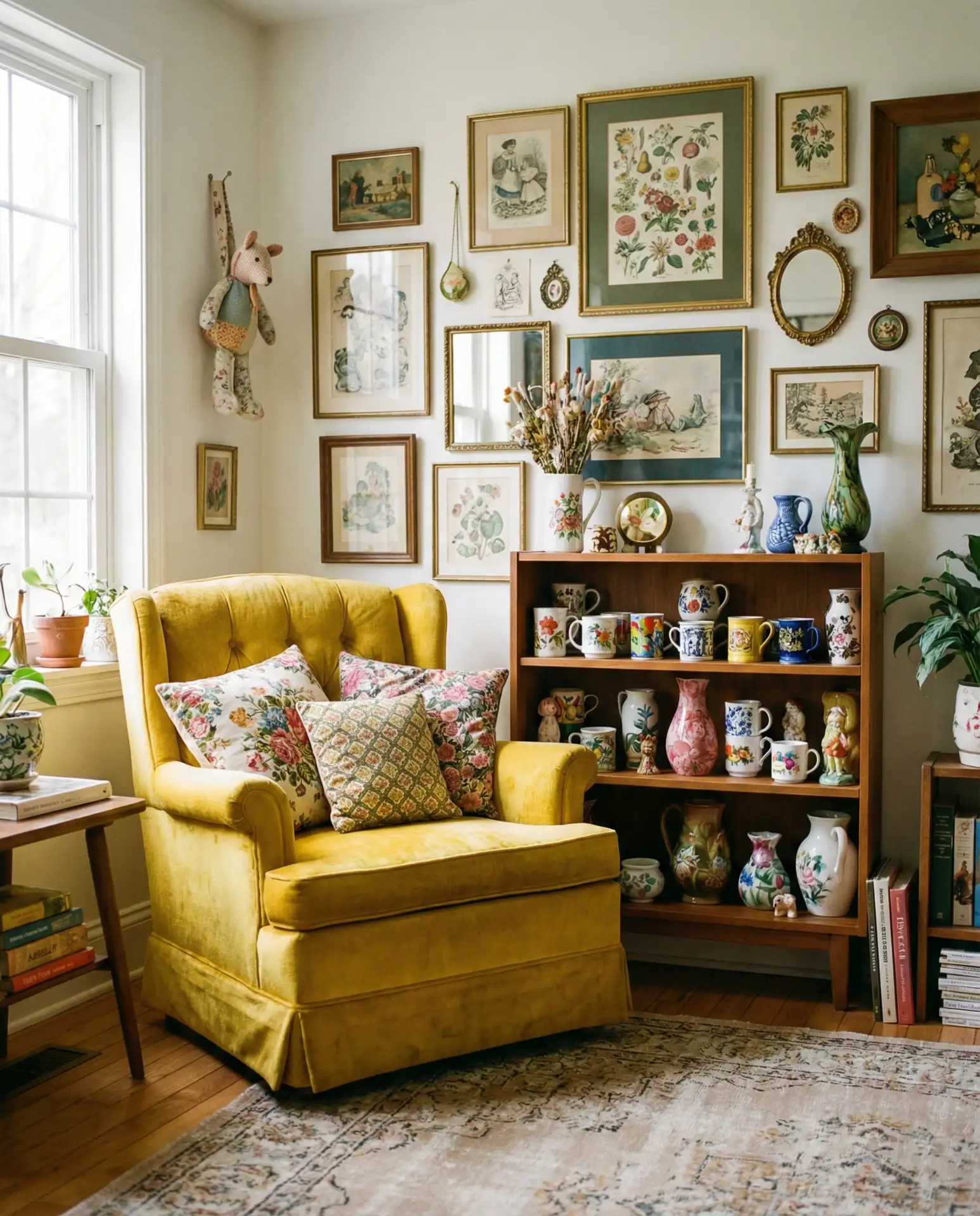
Whimsical cottage style is all about breaking the rules in a thoughtful way. It appeals to creative types who want their homes to feel like an extension of their personality. The trick is to avoid tipping into chaos—there should be a method to the madness, whether it’s a unifying color or a consistent theme in your collections. Budget-wise, this style is incredibly thrift-friendly since you’re hunting for one-of-a-kind pieces that tell a story.
19. Minecraft-Inspired Blocky Charm
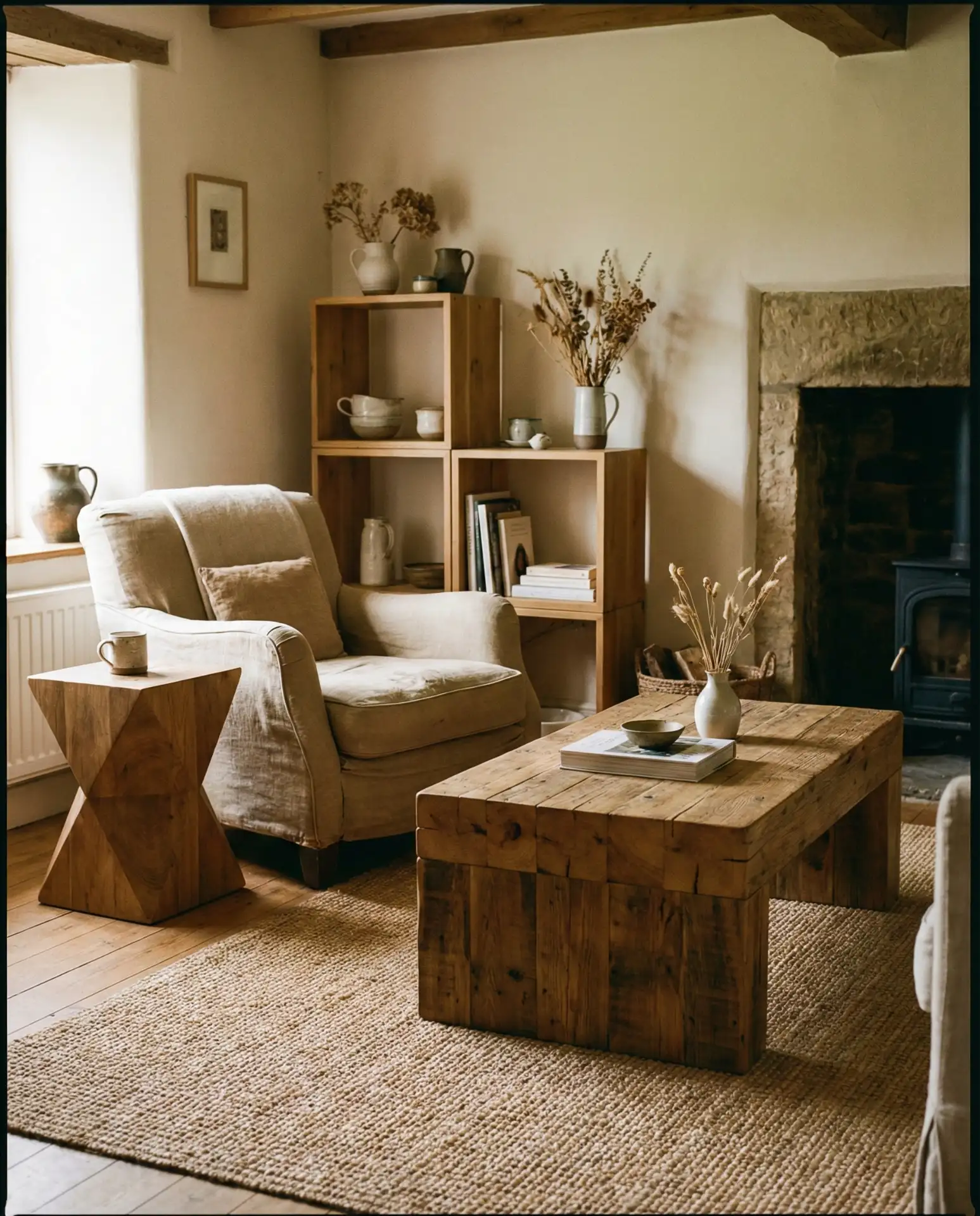
Yes, you can translate Minecraft cottage aesthetics into real life—and the results are surprisingly charming. Think chunky, geometric furniture, natural wood tones, and a focus on handmade or rustic elements. This style appeals to families with young kids or anyone nostalgic for the game’s cozy builds. Keep it grounded with cozy textiles and avoid anything too literal or themed.
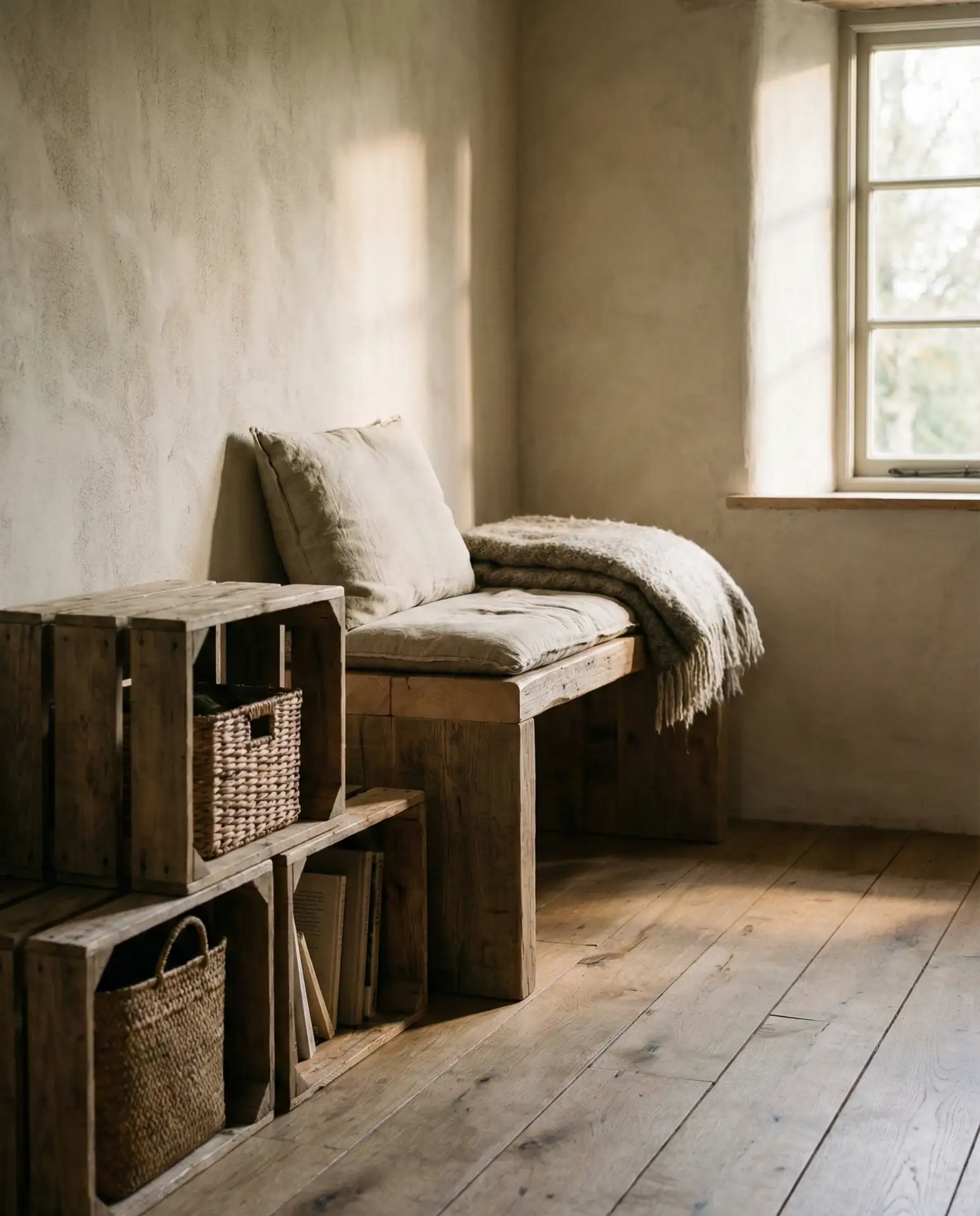
This aesthetic works best when it’s subtle—take the spirit of Minecraft’s cozy interiors rather than creating a literal game room. The key is using natural materials and simple, geometric shapes that feel intentional and handmade. It’s a fun way to involve kids in decorating decisions while keeping the space age-appropriate and timeless. Just avoid anything overtly branded or themed, which will date quickly.
20. Grey Sophistication with Warm Accents
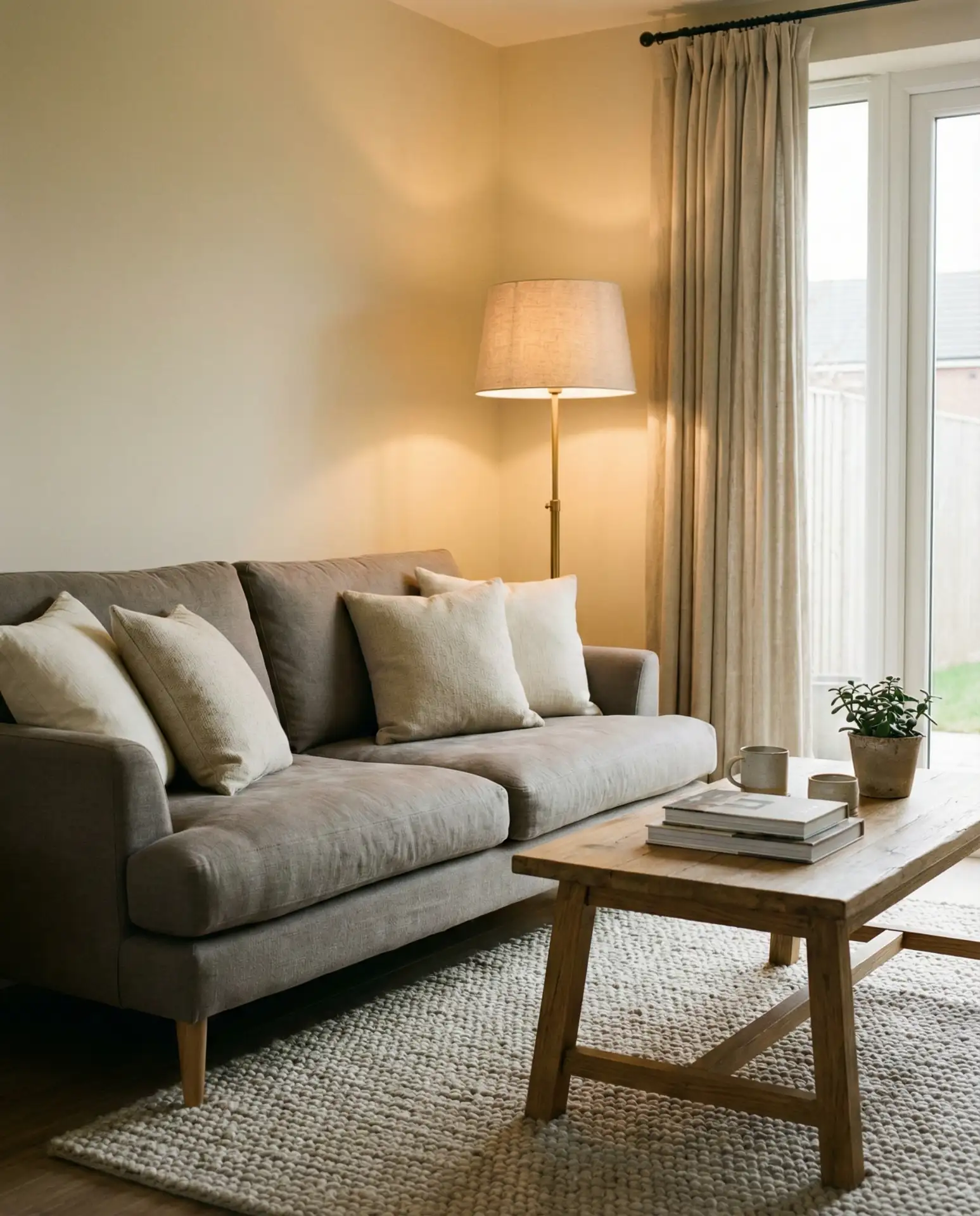
Grey is often dismissed as cold, but in a cottage living room, the right shade can be incredibly sophisticated. Opt for warm greys with brown or beige undertones, and pair them with natural wood, brass fixtures, and plenty of texture. A gray sofa becomes a neutral backdrop for colorful pillows or throws, while gray walls let artwork and accessories pop. Layer in warm lighting to prevent the space from feeling sterile.
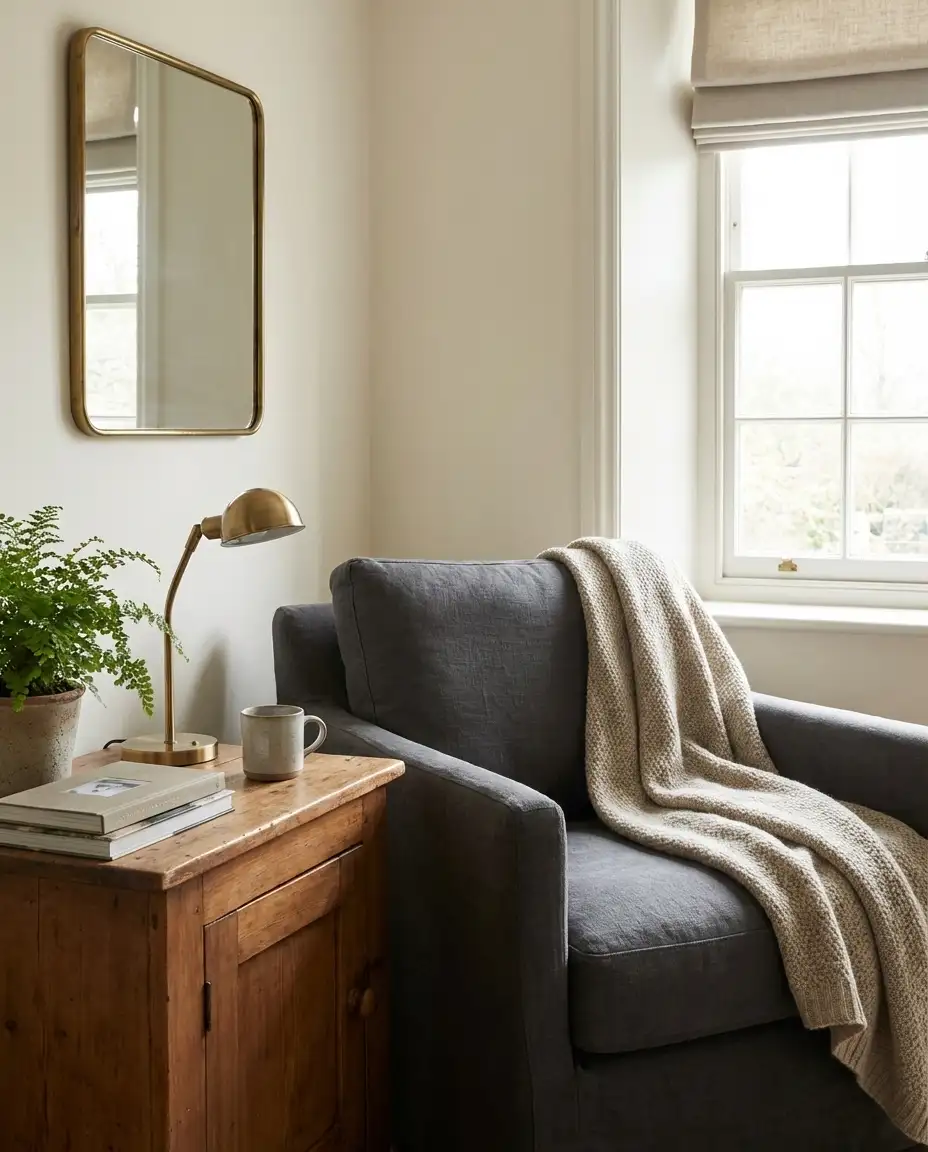
Grey is incredibly versatile and works well in both modern and traditional cottage settings. It’s also forgiving—it hides stains and wear better than lighter colors, making it ideal for high-traffic living rooms. Where it works best: urban cottages or spaces with limited natural light, where crisp white might feel too stark. The biggest mistake is choosing a grey that’s too cool or blue-toned; always test paint samples in your actual lighting before committing.
21. Witchy Cottage Mystique
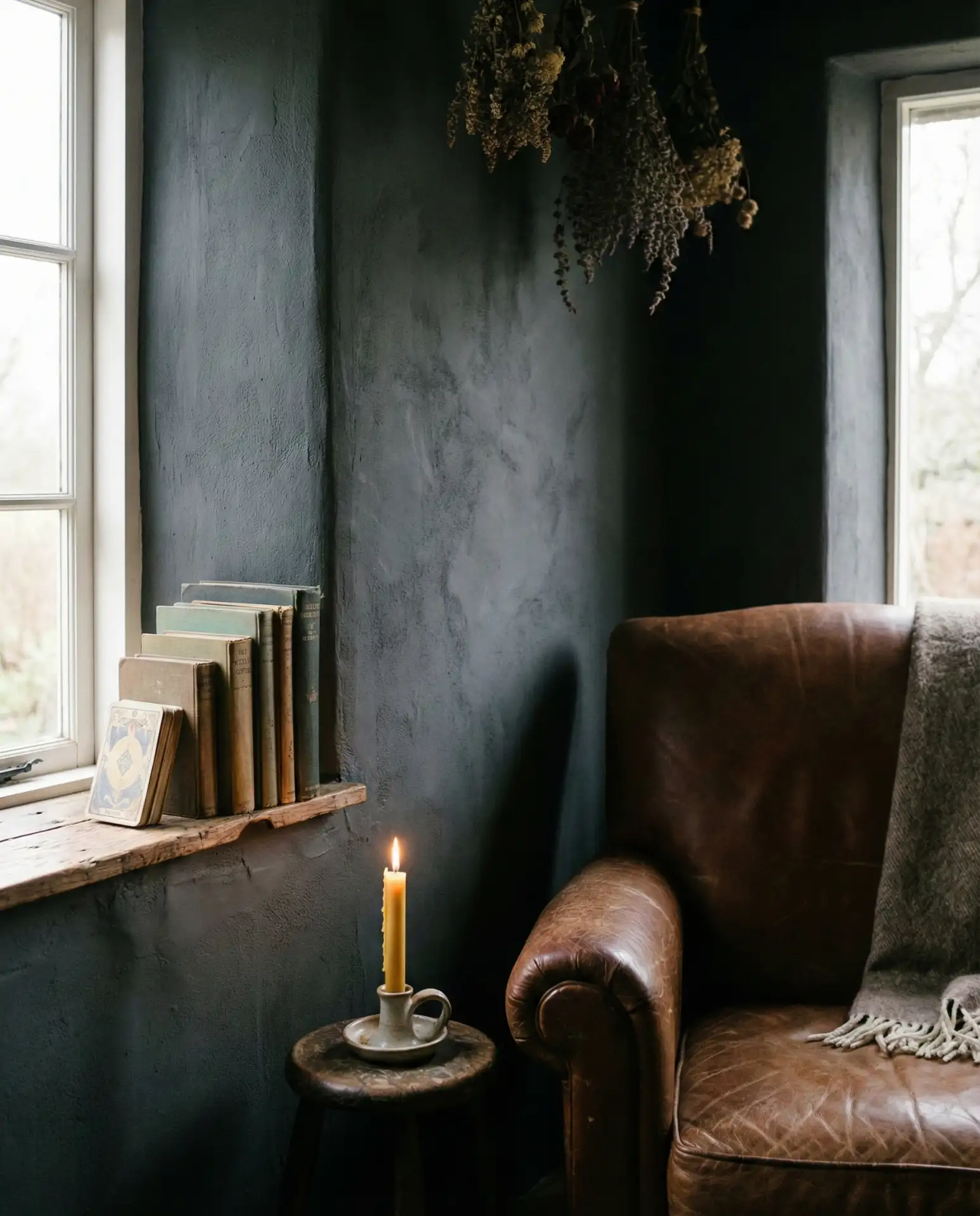
For those drawn to the mystical and unconventional, a witchy cottage living room blends moody colors, natural elements, and a touch of the unexpected. Think dark walls, dried herbs hanging from beams, crystals on shelves, and plenty of candles. This aesthetic is deeply personal and often includes handmade or vintage pieces with history. Balance the darkness with warm wood tones and soft textiles to keep it inviting rather than oppressive.

Witchy cottage style is having a moment, especially among younger homeowners interested in wellness, spirituality, and alternative lifestyles. It’s a way to express individuality and create a space that feels sacred and intentional. One practical tip: if you’re renting, use removable wallpaper in dark florals or deep colors rather than painting. And remember, this style is about what resonates with you personally—don’t force it if it doesn’t feel authentic.
22. Rug as the Foundation
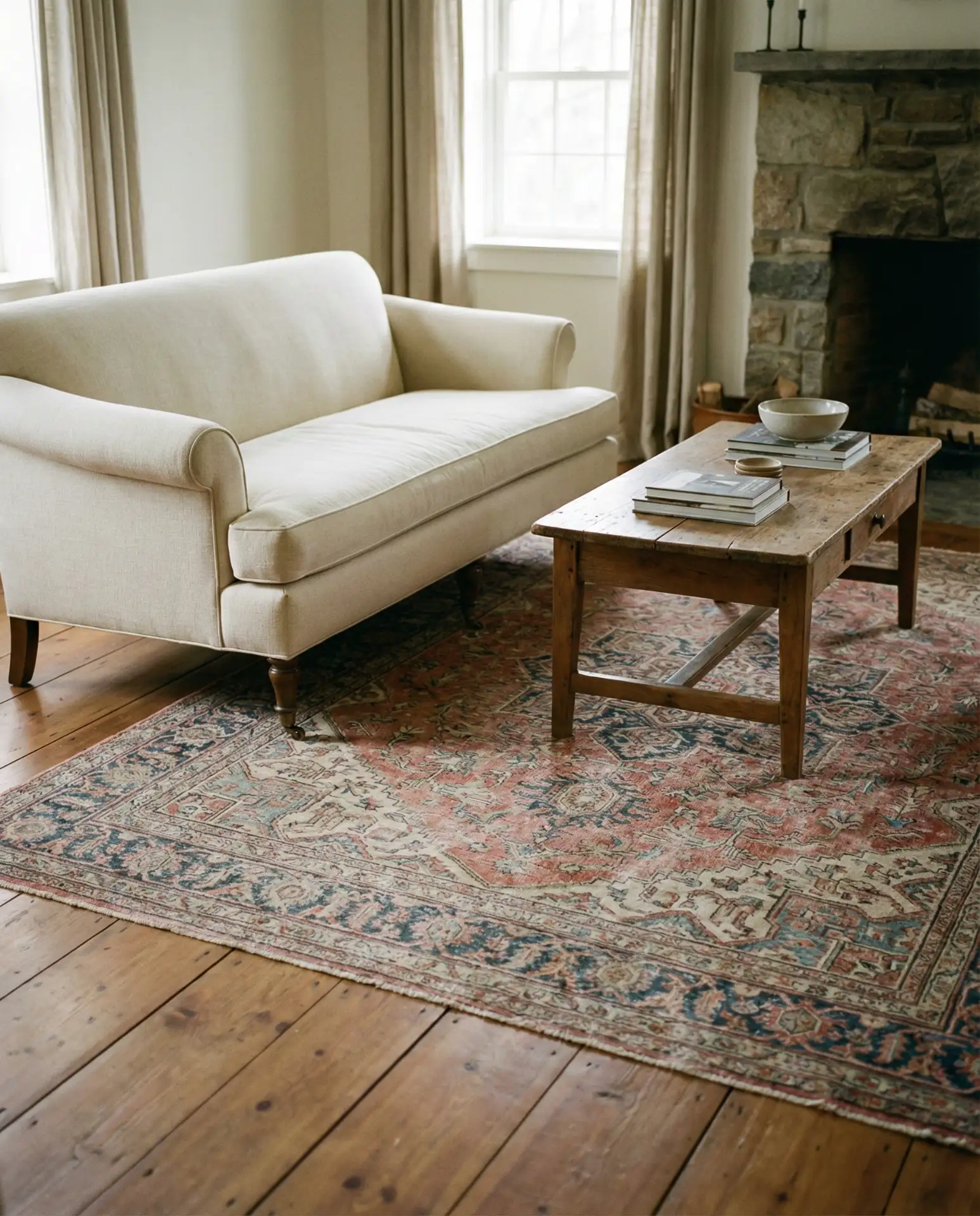
Never underestimate the power of a great rug. In cottage living rooms, rugs anchor the space, add warmth underfoot, and provide an opportunity to introduce pattern and color. Whether you choose a vintage Persian, a neutral jute, or a colorful kilim, make sure it’s large enough—the front legs of your furniture should sit on it. Layer smaller rugs for added texture and visual interest.
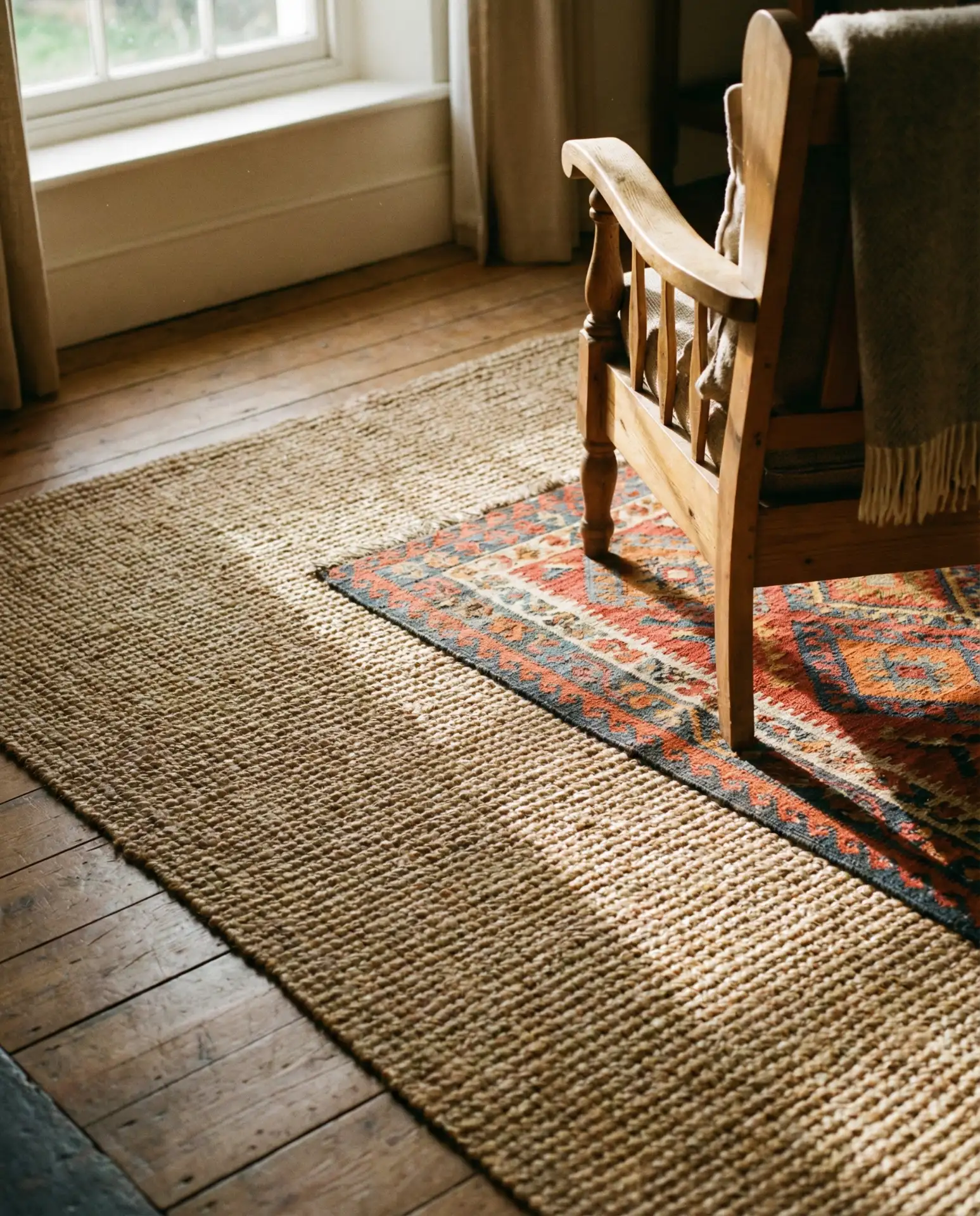
Rugs are one of the most impactful—and most overlooked—elements in a living room. Too small, and they make the space feel disjointed; too matchy, and they disappear. According to interior designers, your rug should be large enough that all major furniture pieces can at least partially rest on it. Budget-wise, vintage rugs often offer the best value and character, but if you have pets or kids, a durable flatweave or indoor-outdoor rug might be more practical. Don’t be afraid to layer—it adds depth and can stretch your budget by using a large, inexpensive natural fiber rug as a base.
Conclusion
Whether your cottage living room leans cozy and traditional or modern and eclectic, the beauty of this style is its flexibility and warmth. Each of these ideas can be adapted to your space, budget, and personal taste. We’d love to hear which approach resonates with you—drop a comment below and share your own cottage living room inspiration or questions. Happy decorating!