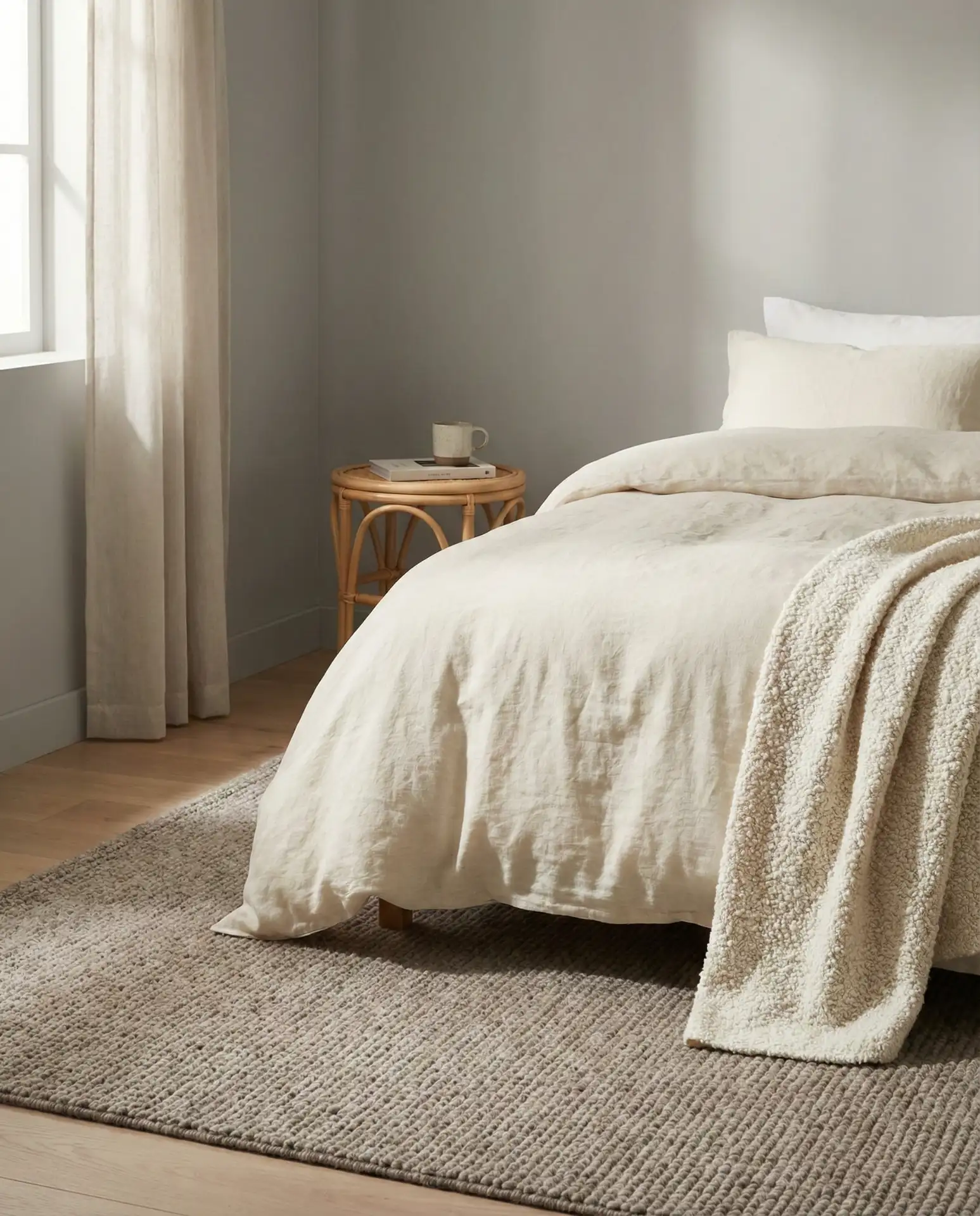
Creating a cozy master bedroom in 2026 is all about balancing comfort with personal style. Americans are searching Pinterest more than ever for bedroom ideas that feel like true retreats—spaces where softness meets sophistication. This year’s trends lean into layered textures, warm lighting, and thoughtful color choices that transform bedrooms from basic sleeping quarters into restorative sanctuaries. Whether you’re working with a sprawling suite or a compact apartment bedroom, these ideas will help you design a space that invites relaxation the moment you walk through the door.
1. Layered Textiles for Instant Warmth

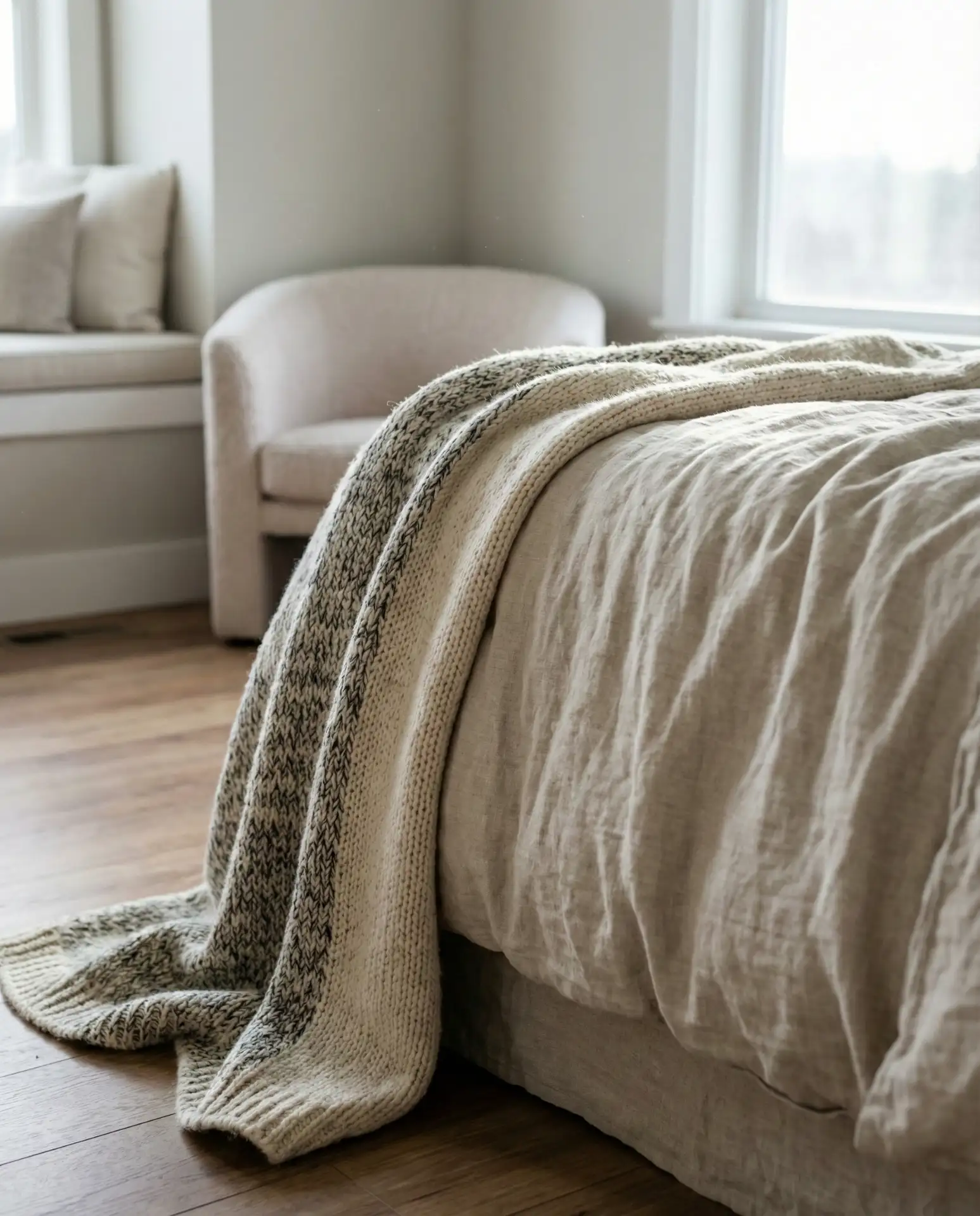
The quickest way to add coziness to any master bedroom is through relaxing layers of varied textiles. Think chunky knit throws draped over linen duvet covers, velvet pillows mixed with cotton shams, and a plush area rug anchoring the bed. This cottage-inspired approach creates visual depth and tactile comfort. The mix of materials catches light differently throughout the day, adding dimension without overwhelming the space. 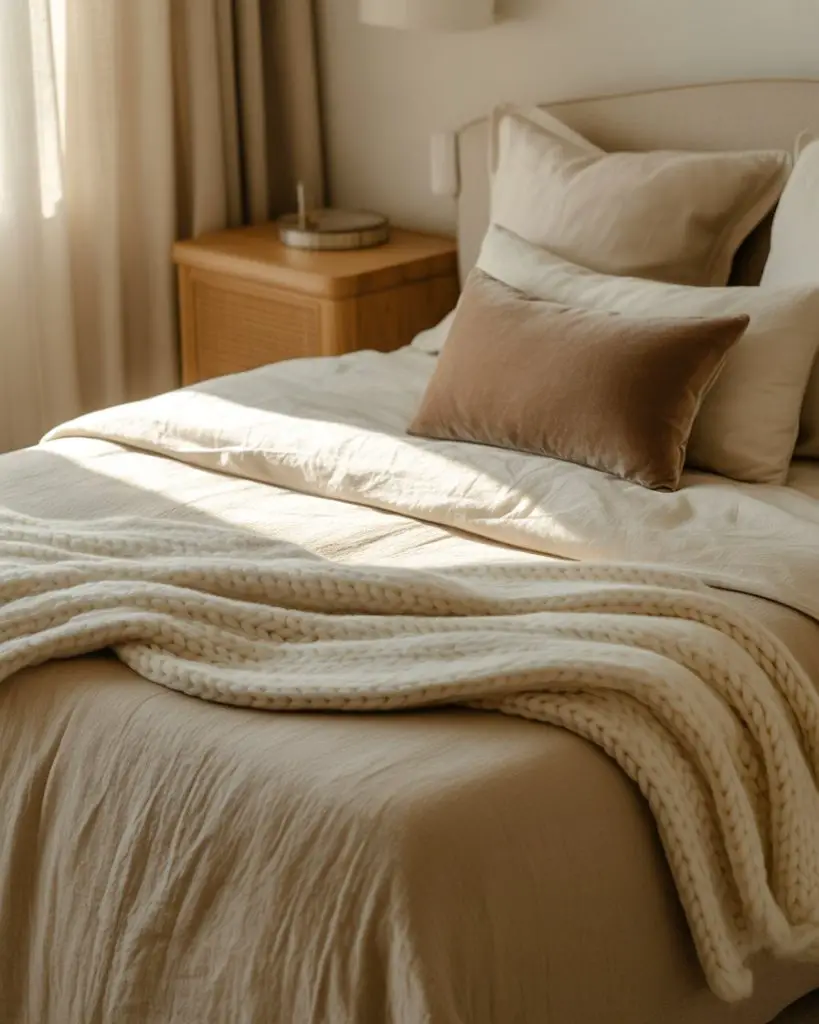
Start with your bedding as the foundation, then build outward with throws and pillows in complementary textures. Swap heavier fabrics like wool and velvet during cooler months for lighter cotton and linen in summer. This seasonal rotation keeps the room feeling fresh while maintaining that cozy factor year-round. A simple rule: combine at least three different textures on the bed itself for maximum impact.
2. Dark Moody Color Palettes
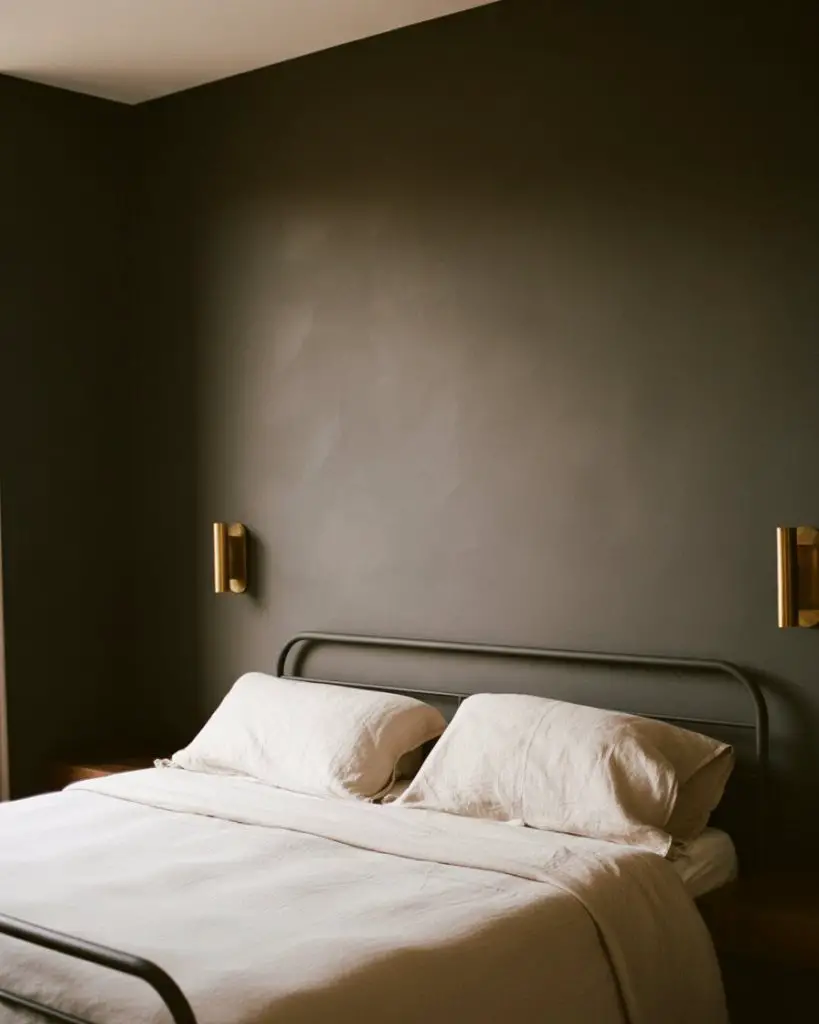
Embracing dark tones creates an unexpectedly cozy cocoon effect that’s gaining serious traction in American bedrooms. Deep charcoal, navy, or forest green on the walls paired with modern luxury finishes like brass or matte black fixtures transforms a bedroom into an intimate escape. Gray walls in particular offer a sophisticated backdrop that makes white bedding pop while feeling grounded and calm. 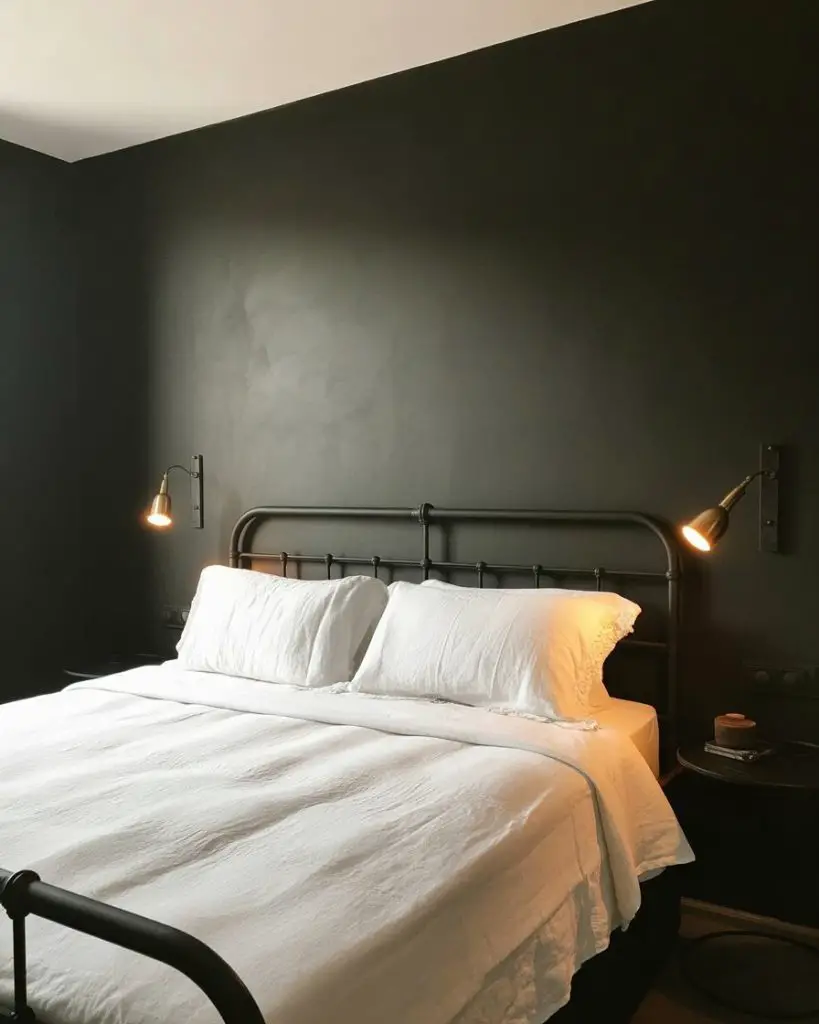
This trend particularly resonates in regions like the Pacific Northwest and Northeast, where shorter winter days make darker, enveloping spaces feel more natural. The key is balancing darkness with adequate lighting—layered sources like bedside lamps, sconces, and perhaps a statement pendant prevent the room from feeling cave-like. Dark walls also hide imperfections better than light ones, a practical bonus for older homes.
3. Coastal Colors That Calm
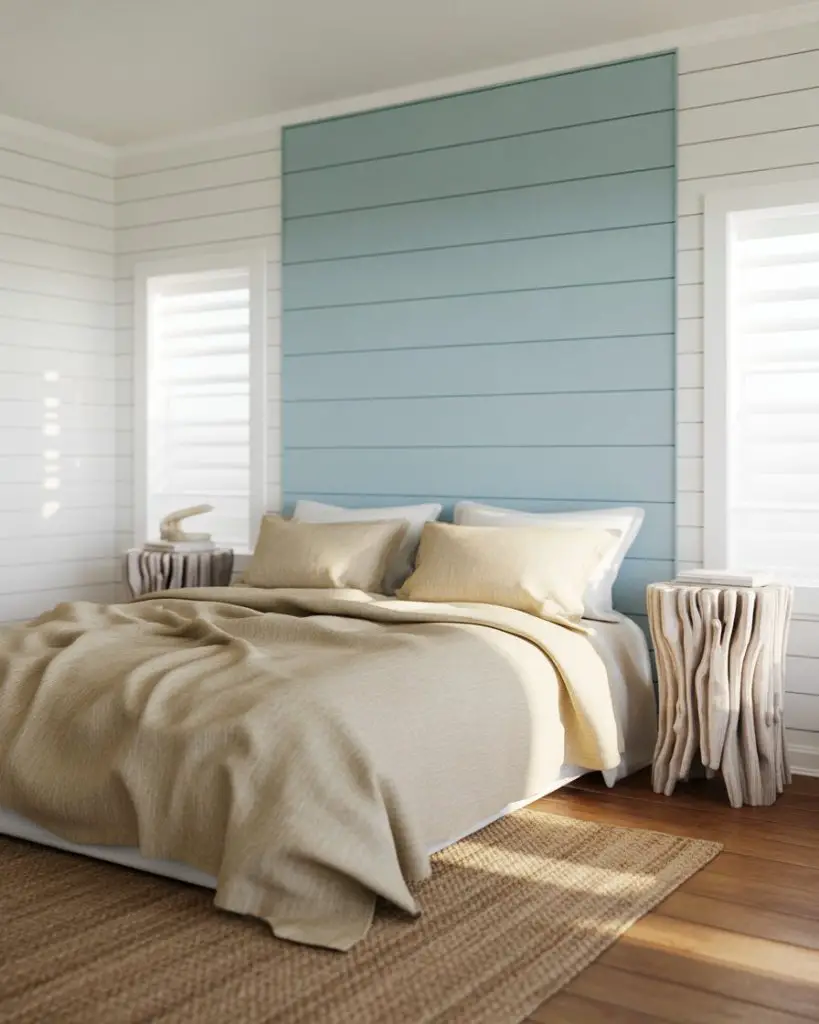
Nothing says instant relaxation like coastal bedroom design that borrows from beachside palettes. Soft sandy neutrals paired with blue accents—whether in artwork, throw pillows, or an upholstered headboard—create a serene atmosphere. Light blue walls can make even smaller bedrooms feel airier and more spacious, mimicking the expansive feeling of ocean and sky. 
A designer friend once transformed her landlocked Chicago bedroom with just paint and textiles, proving you don’t need ocean views for coastal calm. She paired pale blue walls with natural wood furniture and kept metals minimal—just brushed nickel on lamps. The result felt miles away from her urban reality, creating a daily escape without leaving home.
4. Farmhouse Meets Contemporary
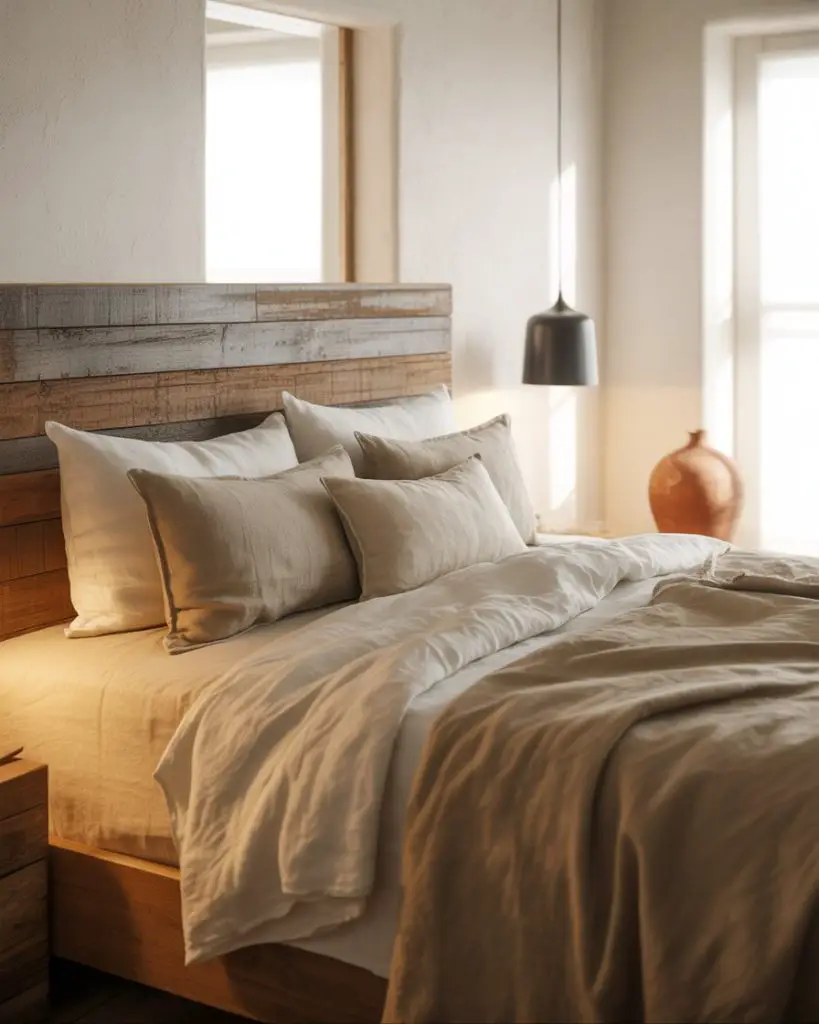
Modern farmhouse style continues to dominate American bedrooms, but 2026’s version adds more sophistication. Think reclaimed wood headboards paired with sleek lighting or earthy terracotta accents against crisp white walls. The key is balancing rustic elements with clean lines and avoiding the overly distressed look that can feel dated. Strategic pops of color—maybe a rust-colored throw or sage green pillows—prevent the space from feeling too stark. 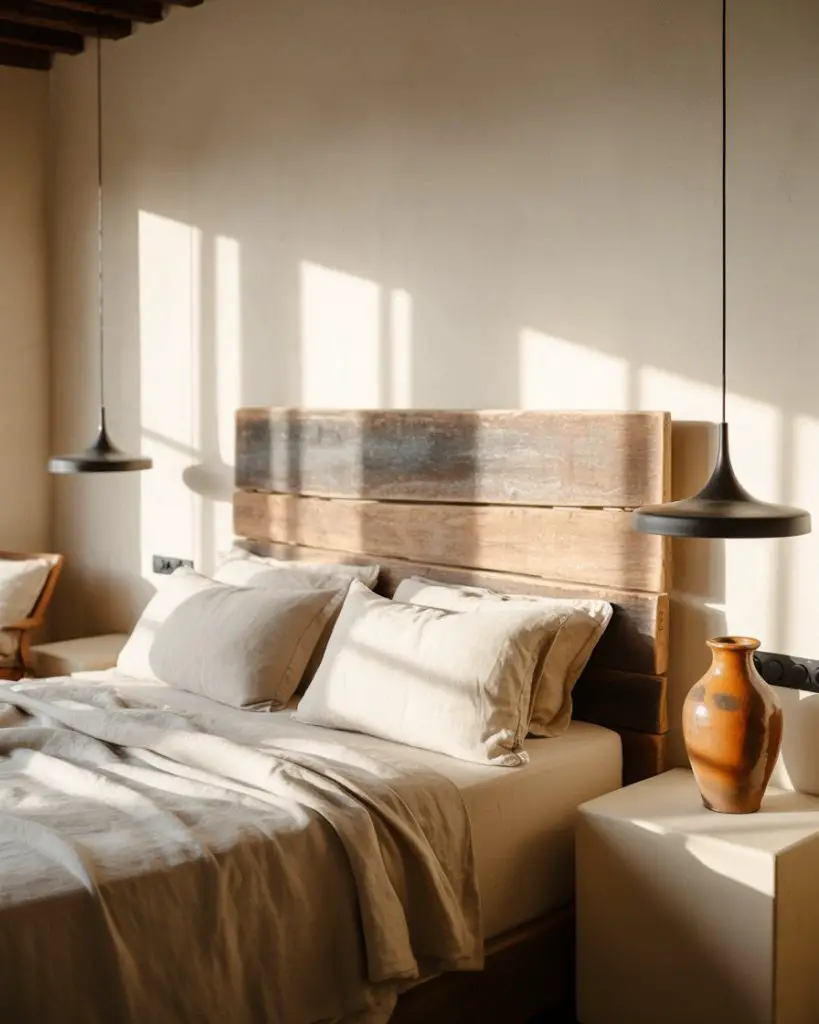
This aesthetic works particularly well in suburban homes and rural properties where the farmhouse vibe feels authentic to the setting. Urban dwellers can incorporate it more subtly through individual pieces like a weathered bench at the foot of the bed or vintage-inspired lighting, rather than committing to full-on country cottage vibes that might clash with a city apartment’s architecture.
5. Boho Layering Done Right
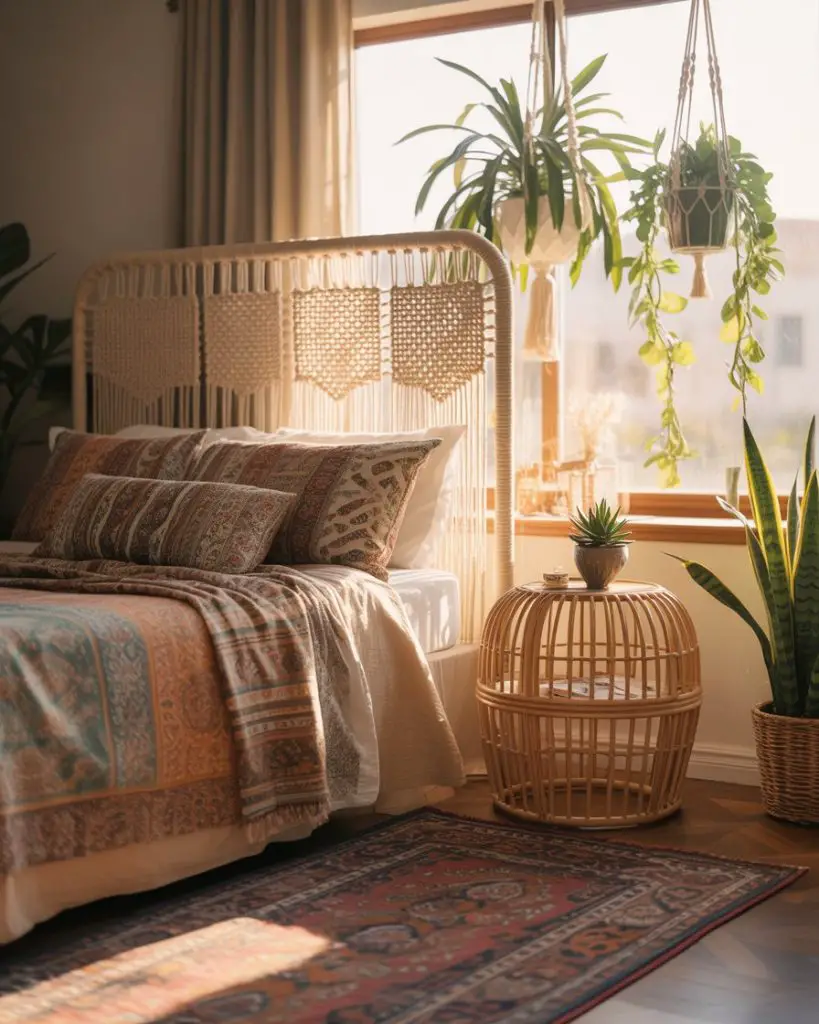
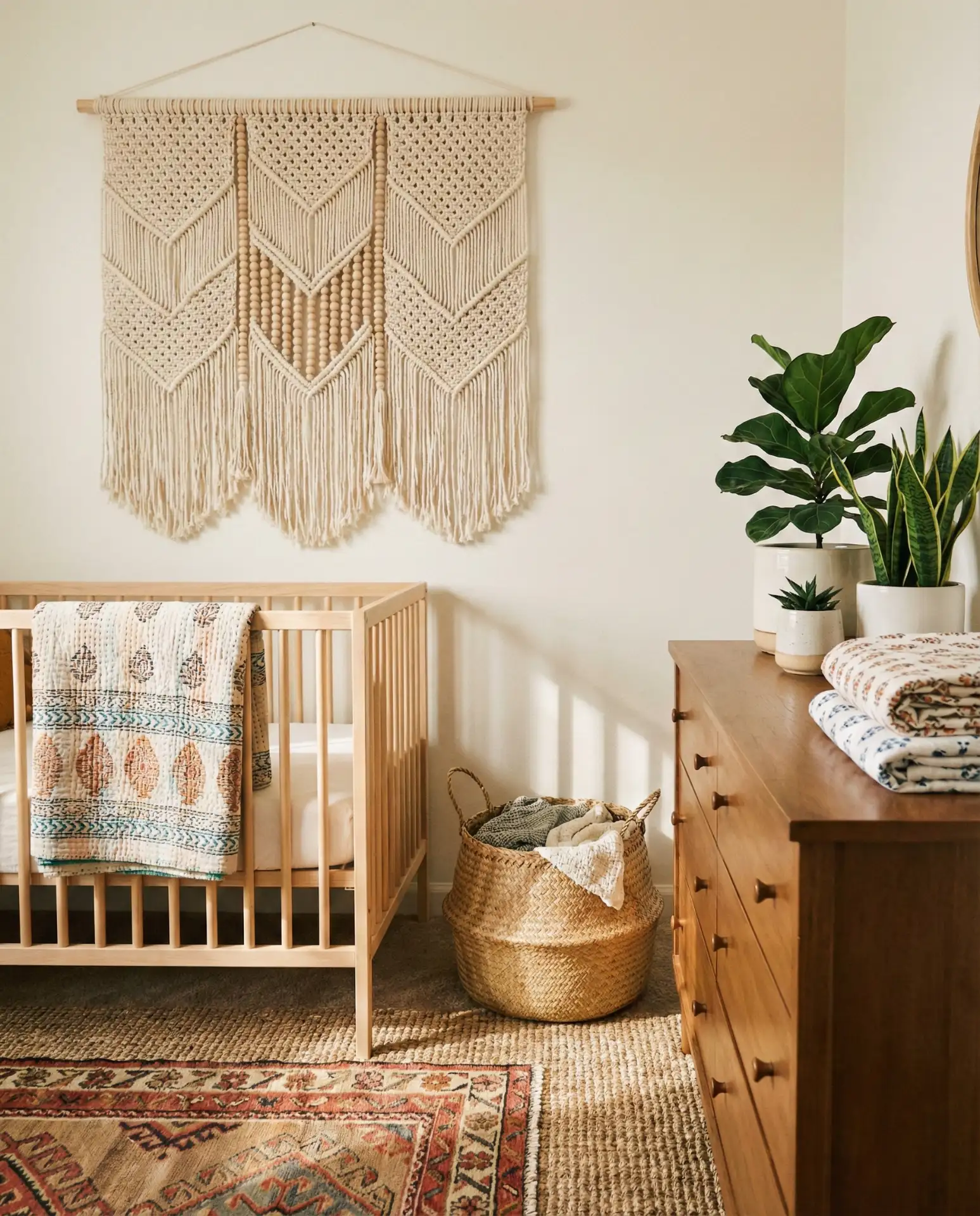
A relaxing boho bedroom thrives on intentional chaos—the artful mixing of patterns, textures, and global influences. Macramé wall hangings, rattan furniture, and eclectic textiles from various cultures create visual interest without overwhelming. The secret is maintaining a cohesive color story, often centered around warm neutrals with pops of green from plants, which keeps the collected look from tipping into clutter. 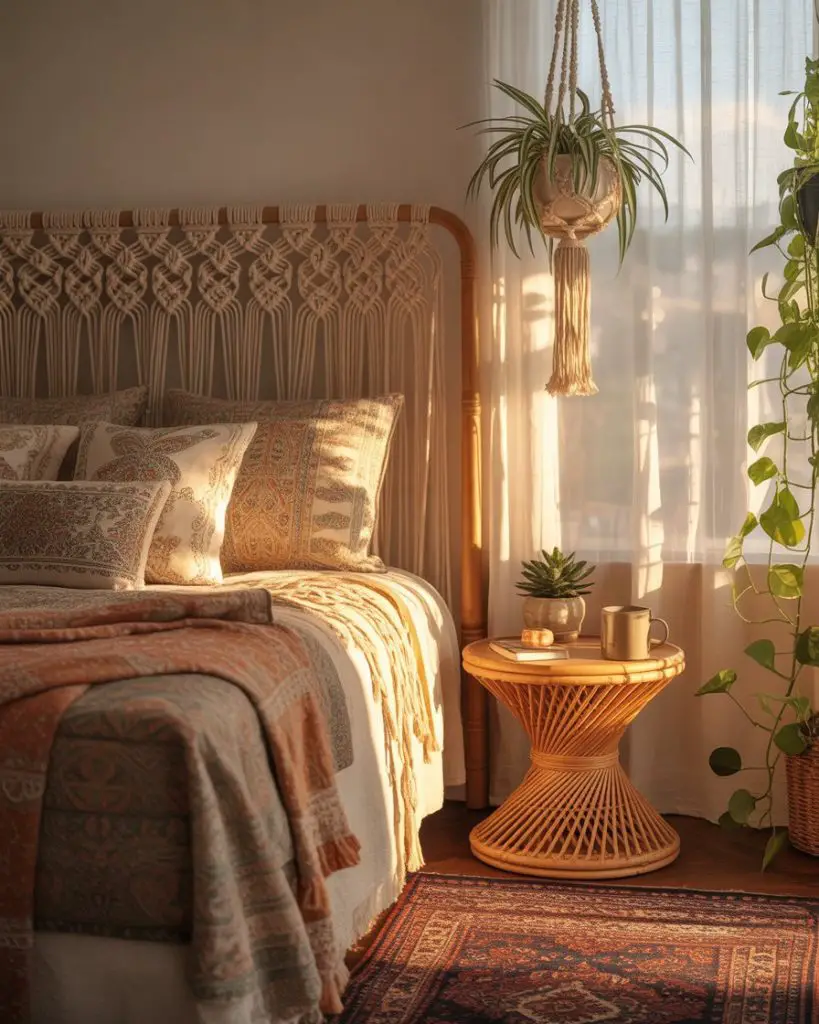
The beauty of boho style lies in its forgiving nature—pieces don’t need to match perfectly, which makes it ideal for evolving spaces. Start with a neutral base and add personality through thrifted finds, travel souvenirs, and handmade items. The lived-in quality actually improves over time as you add pieces that genuinely mean something to you, rather than buying a complete coordinated set all at once.
6. Purple for Unexpected Sophistication
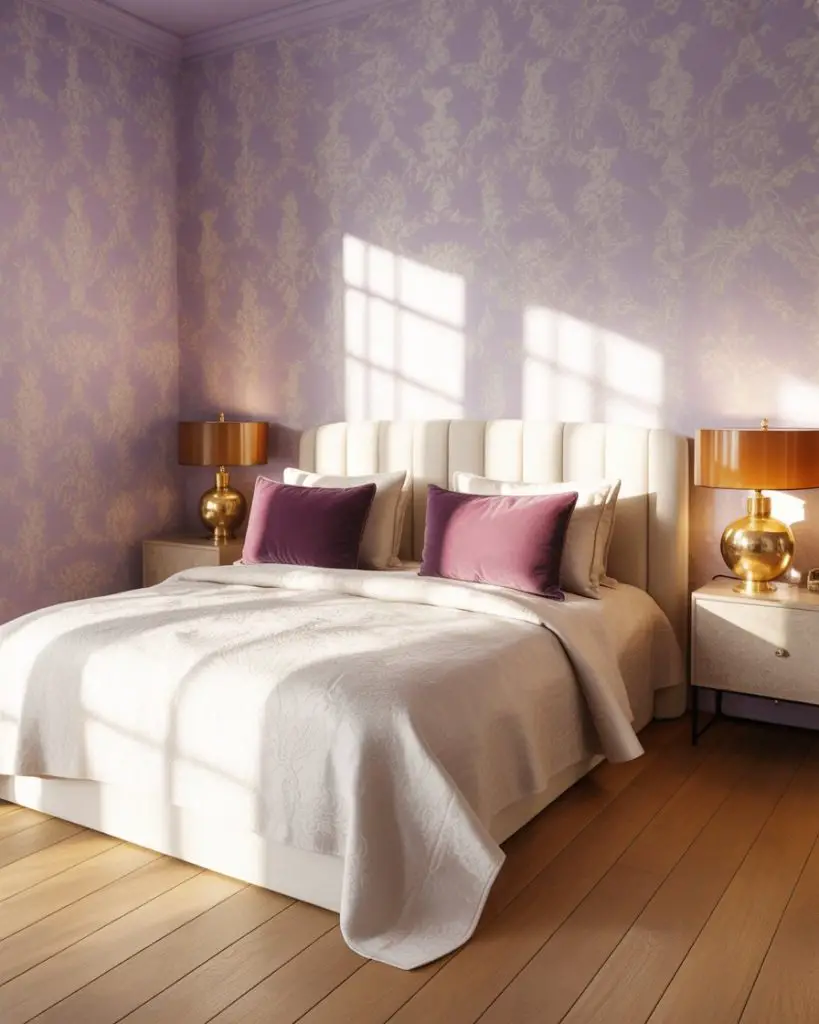
Moving beyond the expected neutrals, purple tones are emerging as a sophisticated choice for cozy bedrooms. From soft lavender to deep eggplant, purple creates a feminine yet grounded atmosphere. Consider it in wallpaper—perhaps a subtle damask pattern or modern geometric—which adds depth without the commitment of paint. Purple works surprisingly well with warm woods and brass accents, creating richness that feels both current and timeless. 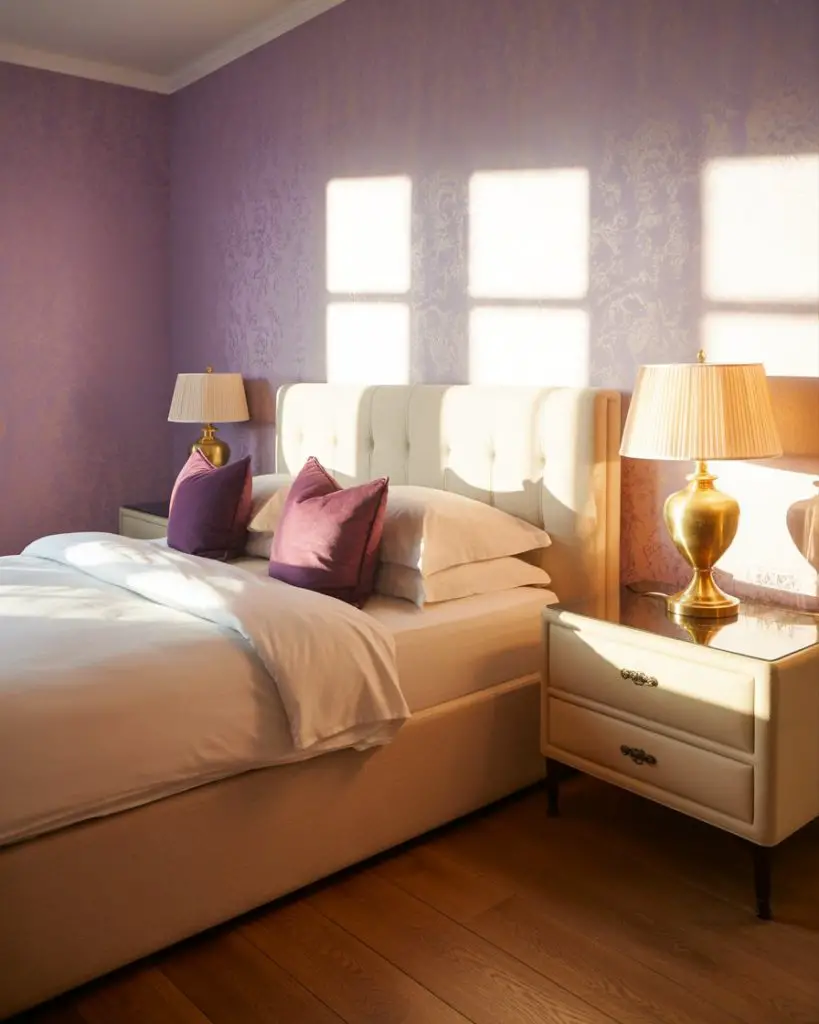
Quality wallpaper runs from $30 to $150 per roll, with most bedrooms requiring 2-4 rolls depending on wall coverage. Peel-and-stick options have improved dramatically and offer a renter-friendly solution at the lower end of that range. For maximum impact with minimal investment, consider wallpapering just one accent wall behind the bed—you’ll achieve the sophisticated look while keeping both cost and commitment manageable.
7. Large Bedrooms With Defined Zones
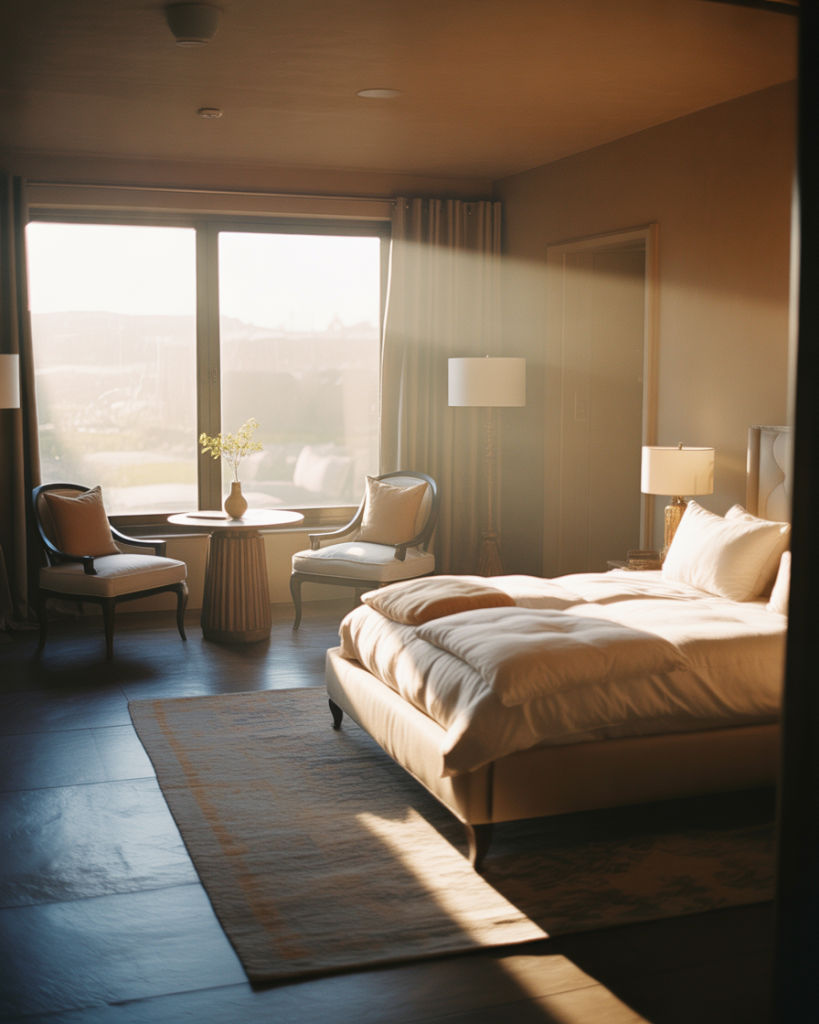
If you’re fortunate enough to have a large master bedroom, create a relaxing sitting area that makes the space feel intentional rather than empty. A pair of comfortable chairs with a small side table near a window transforms unused square footage into a reading nook or morning coffee spot. Transitional style works beautifully here, blending traditional comfort with contemporary clean lines to define separate zones without walls. 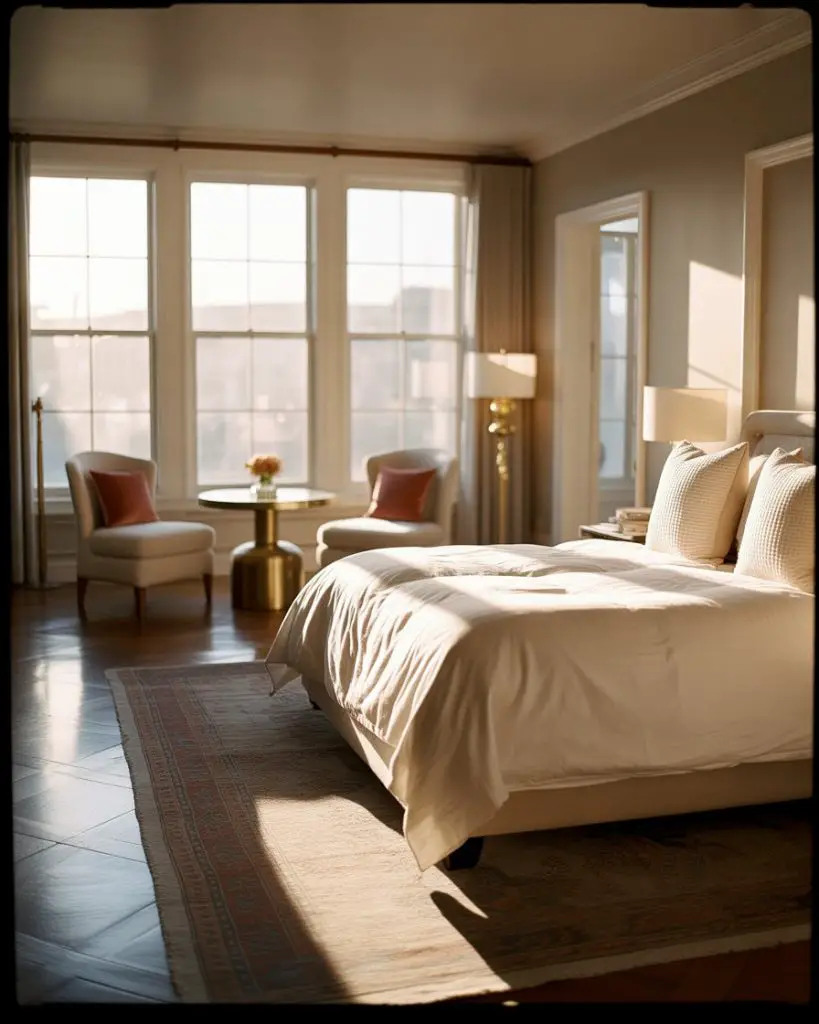
Many homeowners make the mistake of pushing all furniture against the walls in large bedrooms, which actually makes the room feel awkward and hotel-like. Instead, float the bed away from the wall if space allows, use area rugs to anchor different zones, and don’t be afraid of negative space—it’s what makes a room feel luxurious rather than cluttered. Scale matters too; larger rooms can handle bigger nightstands and substantial headboards that would overwhelm smaller spaces.
8. Pink Beyond the Expected
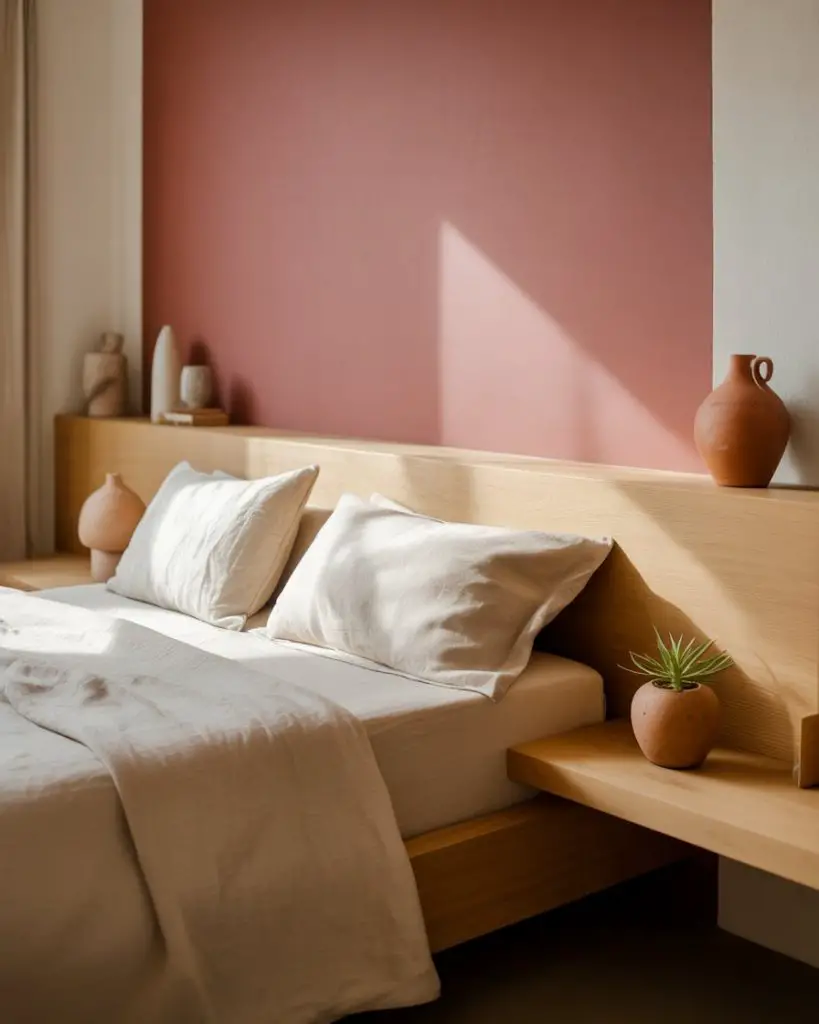
Modern pink bedrooms have evolved far beyond bubblegum and princess themes. Dusty rose, terracotta-tinged blush, and muted mauve create relaxing adult spaces that feel warm and enveloping. These sophisticated pinks work especially well in apartment bedrooms where you might be dealing with less natural light—they add warmth without requiring sunny exposure. Pair with natural wood tones and avoid matching everything to one shade of pink. 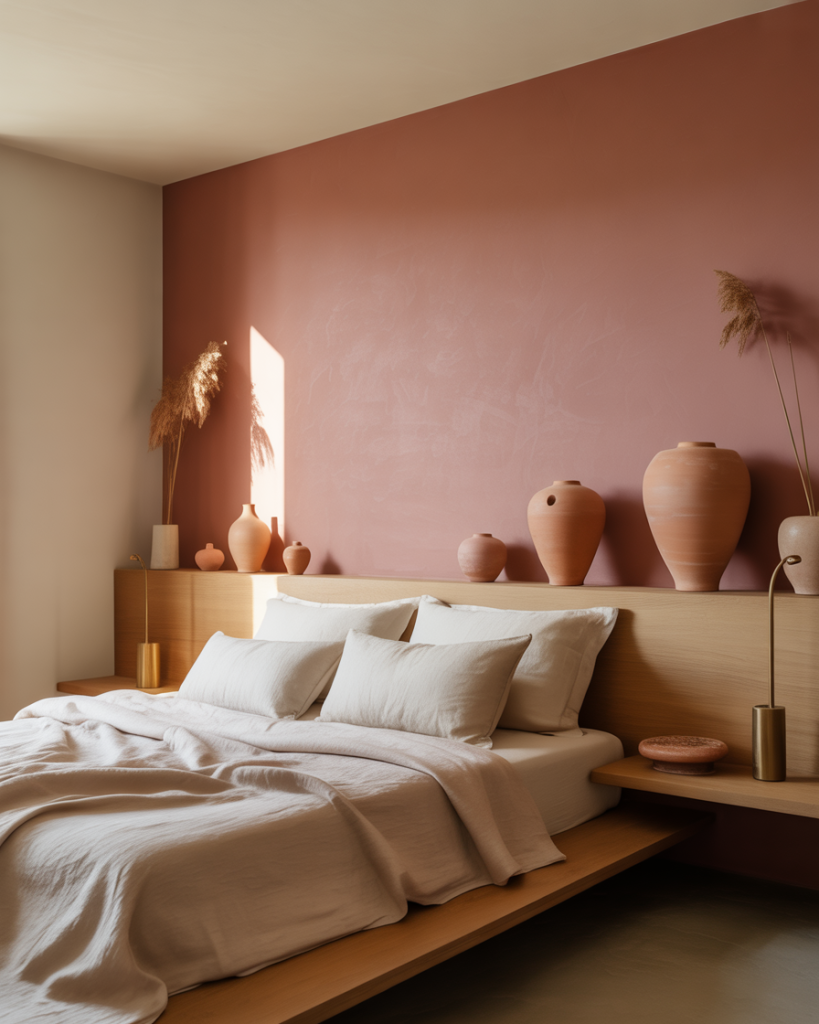
The biggest mistake people make with pink is going too matchy or too saturated. If you’re nervous about committing to pink walls, test the water with bedding first—a blush duvet or rose-toned throw. You’ll quickly learn whether you love living with the color before making a bigger investment. Pink also photographs beautifully, which explains its Pinterest popularity, but make sure you’re choosing it for how it makes you feel, not just how it looks in photos.
9. Statement Accent Walls
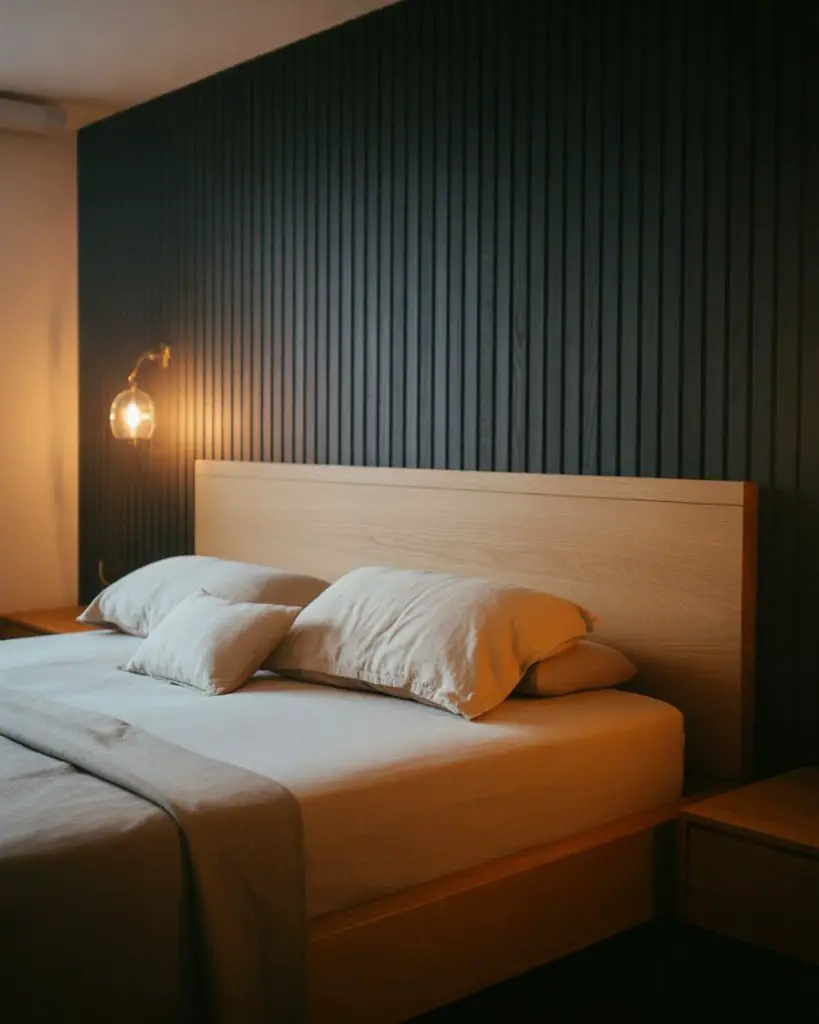
A well-executed relaxing accent wall can completely transform a bedroom’s atmosphere. Whether you choose color, texture, or pattern, the wall behind your bed is prime real estate for making a statement. Dark accent walls in particular create a dramatic focal point that draws the eye and makes the bed feel like the room’s anchor. Wood paneling, textured plaster, or even fabric panels add dimension beyond what paint alone can achieve. 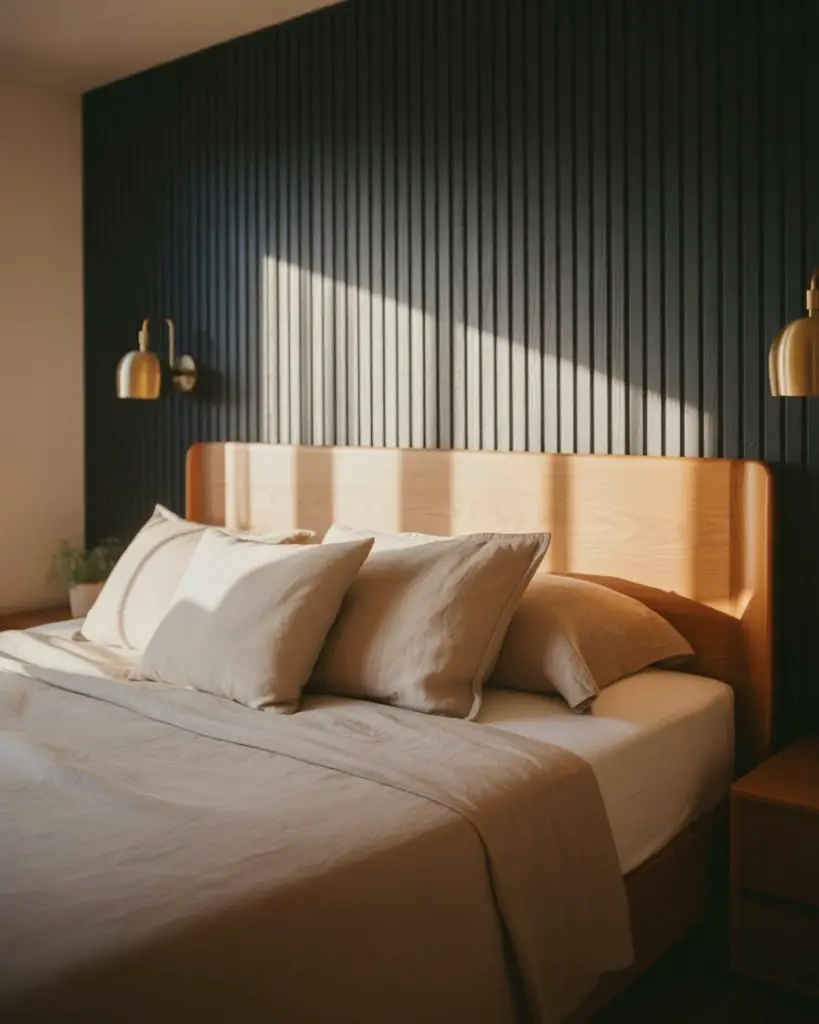
Budget-conscious options include painting one wall a bold color (one gallon of quality paint runs $40-70), installing peel-and-stick wallpaper ($30-50 per roll), or creating a DIY wood slat wall using pre-cut boards from home improvement stores (around $100-200 for materials). The accent wall approach lets you experiment with bolder choices without overwhelming the entire room, and it’s much easier to change later if your taste evolves.
10. Deep Blue Tranquility
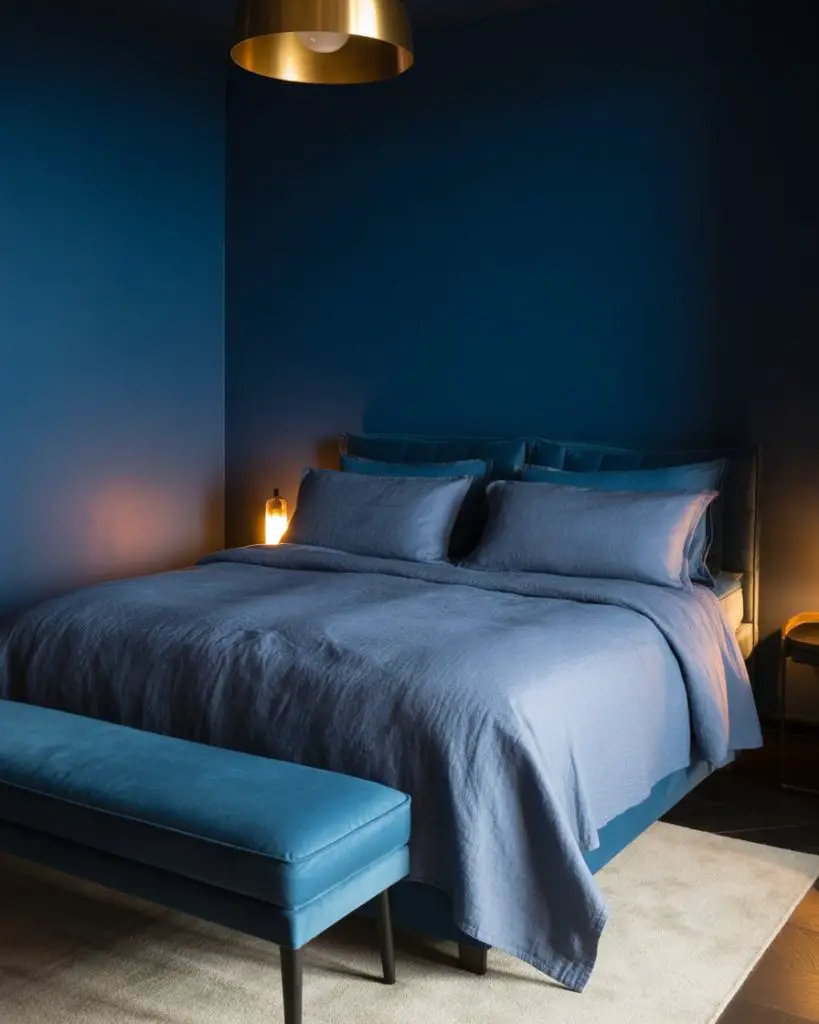
A relaxing dark blue bedroom taps into the color’s natural association with twilight and calm. Navy, midnight, or deep teal walls create an intimate cocoon that’s perfect for sleep. This works especially well when paired with blue bedding in lighter shades—the tonal variation adds interest while maintaining the soothing monochromatic effect. Layer in modern luxury touches through velvet textiles, gold-framed mirrors, or sculptural lighting. 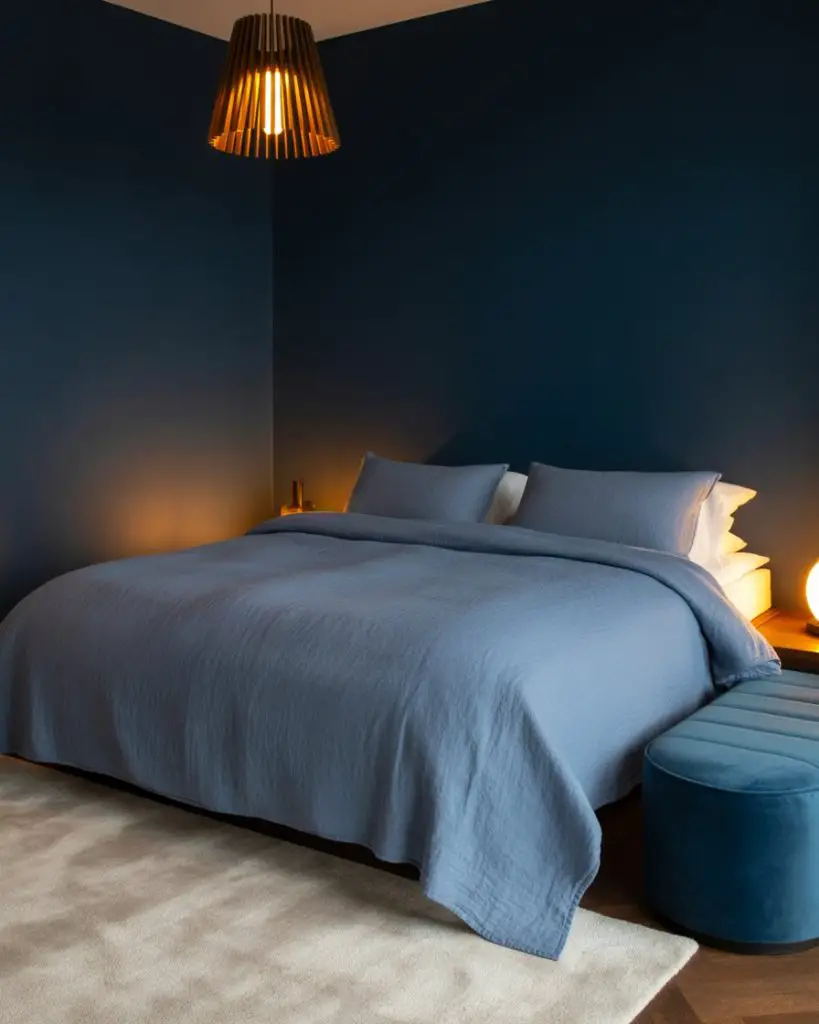
Lighting becomes crucial with dark blue walls—you’ll need multiple sources at different heights to prevent the room from feeling too dim. Consider adding a dimmer switch to overhead lighting for flexibility, and invest in warm-bulb bedside lamps (2700K color temperature) that cast a welcoming glow against the deep walls. The contrast between dark walls and crisp white trim also creates architectural interest even in rooms with simple molding.
11. Green Sanctuary
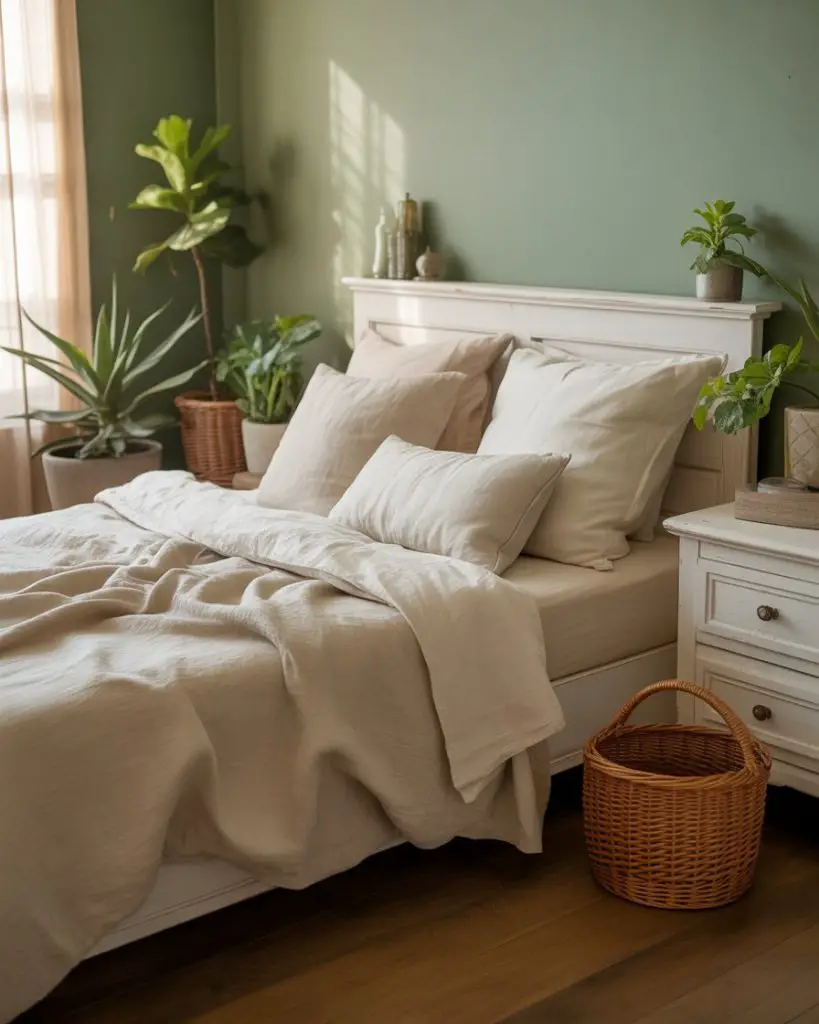
Bringing green into your bedroom creates an instant connection to nature that promotes relaxation. Whether through earthy olive walls, sage bedding, or an abundance of plants, green tones have a proven calming effect. This palette pairs beautifully with cottage-style furniture—think painted wood pieces, vintage finds, and natural fiber rugs that enhance the organic, garden-inspired vibe. 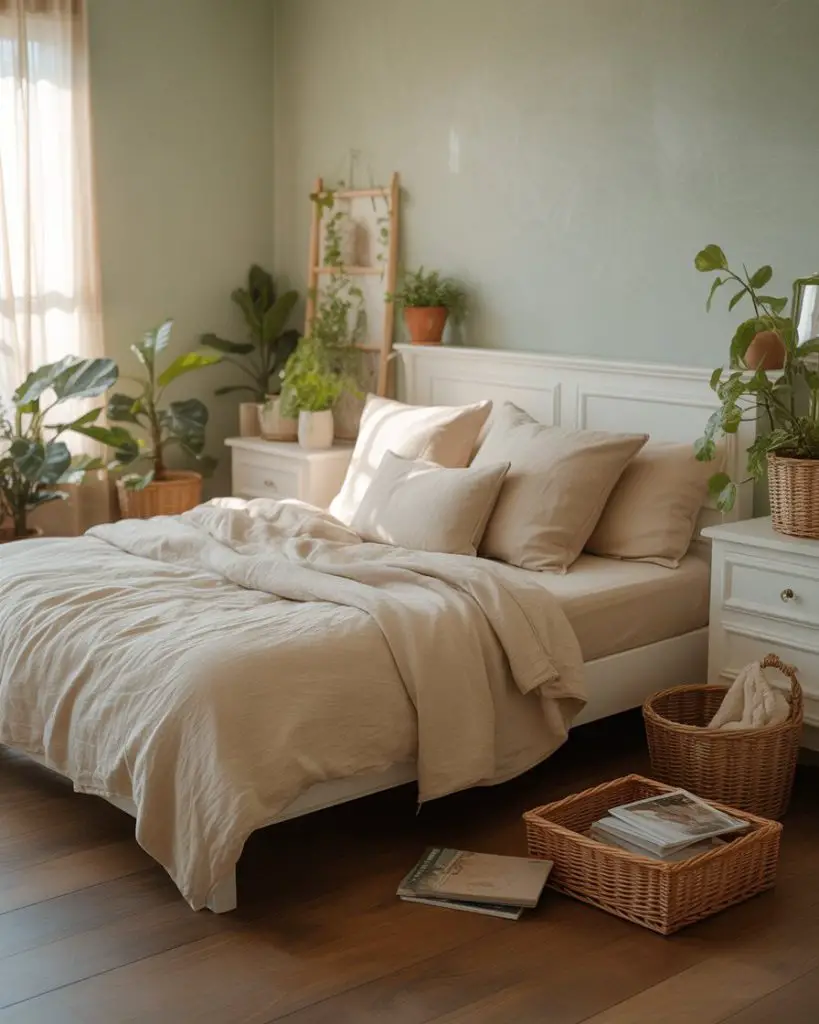
Start with one green element and build from there—maybe a painted dresser or a large fiddle leaf fig. Green is forgiving because it comes in so many variations, from cool mint to warm moss, so you can adjust based on your room’s natural light and existing furniture. Real plants obviously enhance the effect, but high-quality faux plants have become sophisticated enough that mixing in a few low-maintenance options alongside real ones creates fullness without demanding daily care.
12. Gray Walls, Endless Possibilities
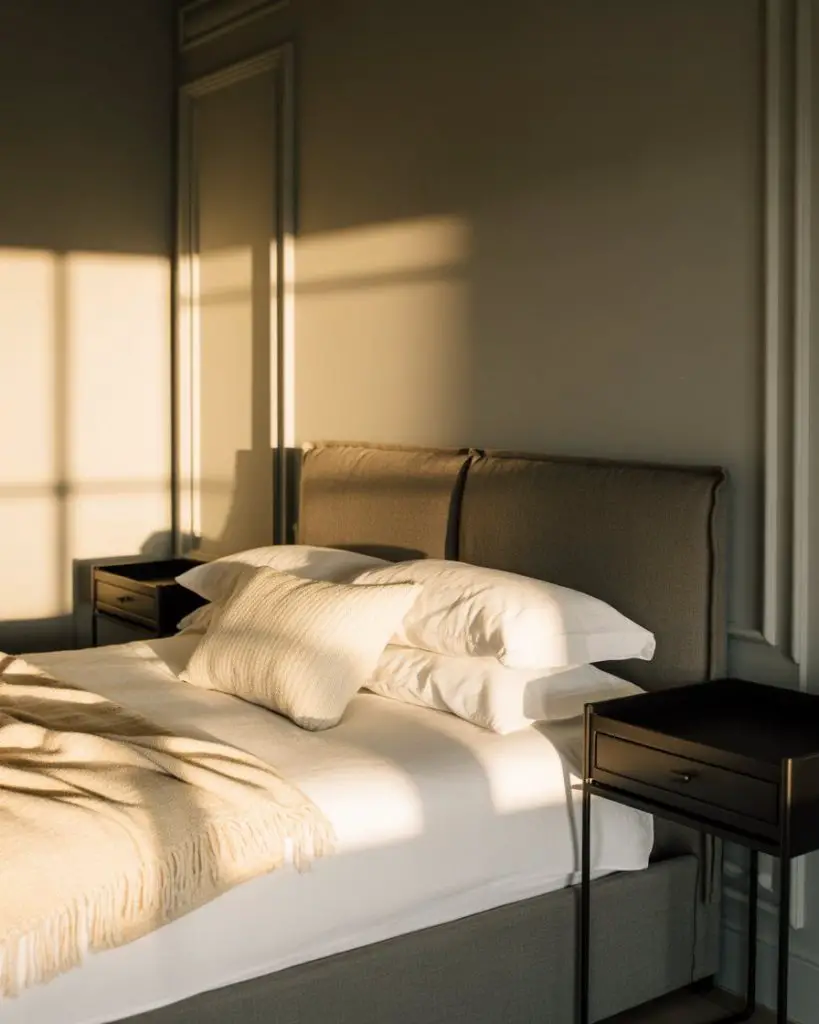
Gray walls remain a versatile foundation for cozy bedrooms because they complement virtually any accent color or style. From cool blue-grays to warm greiges, this neutral creates a sophisticated backdrop that feels transitional—neither too traditional nor too contemporary. The right gray can make a room feel larger, while darker charcoals add modern luxury and intimacy. Test multiple gray samples in your space before committing, as undertones shift dramatically in different lighting. 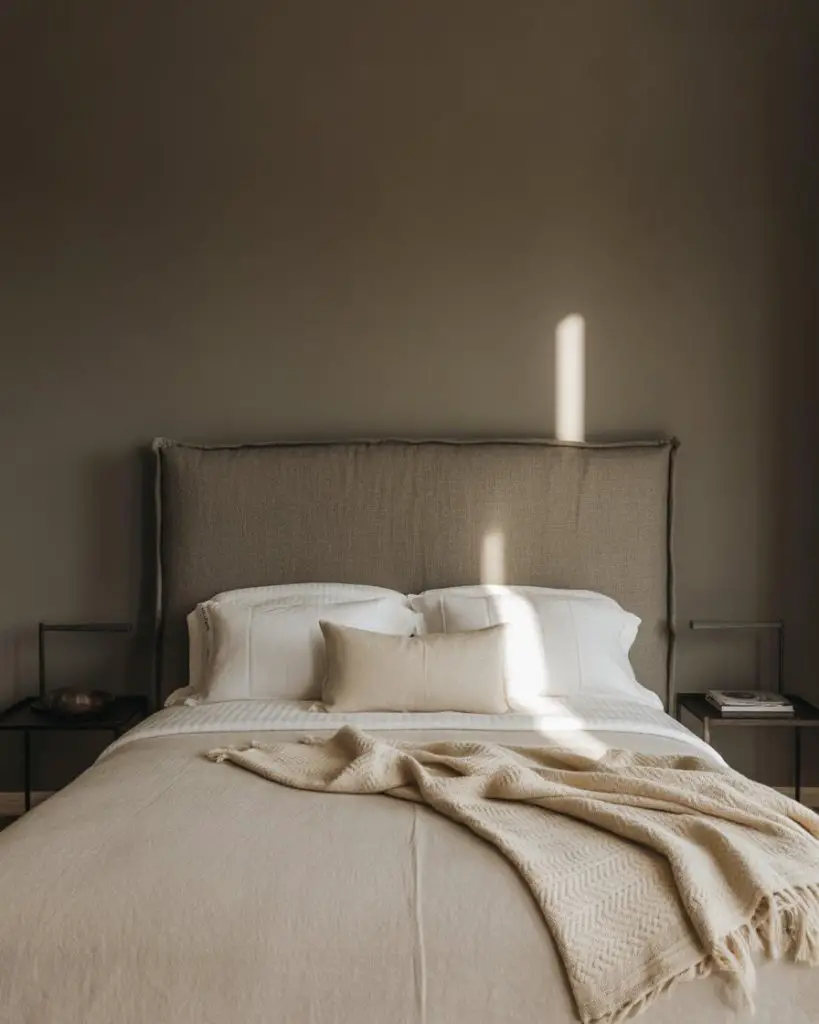
The trick with gray is choosing the right undertone for your lighting situation. North-facing rooms often benefit from warmer grays with beige undertones, while south-facing spaces can handle cooler blue-grays. Paint large swatches (at least 2×2 feet) directly on your walls and observe them at different times of day—gray that looks perfect at noon might read completely differently by lamplight in the evening.
13. Warm Brown Tones
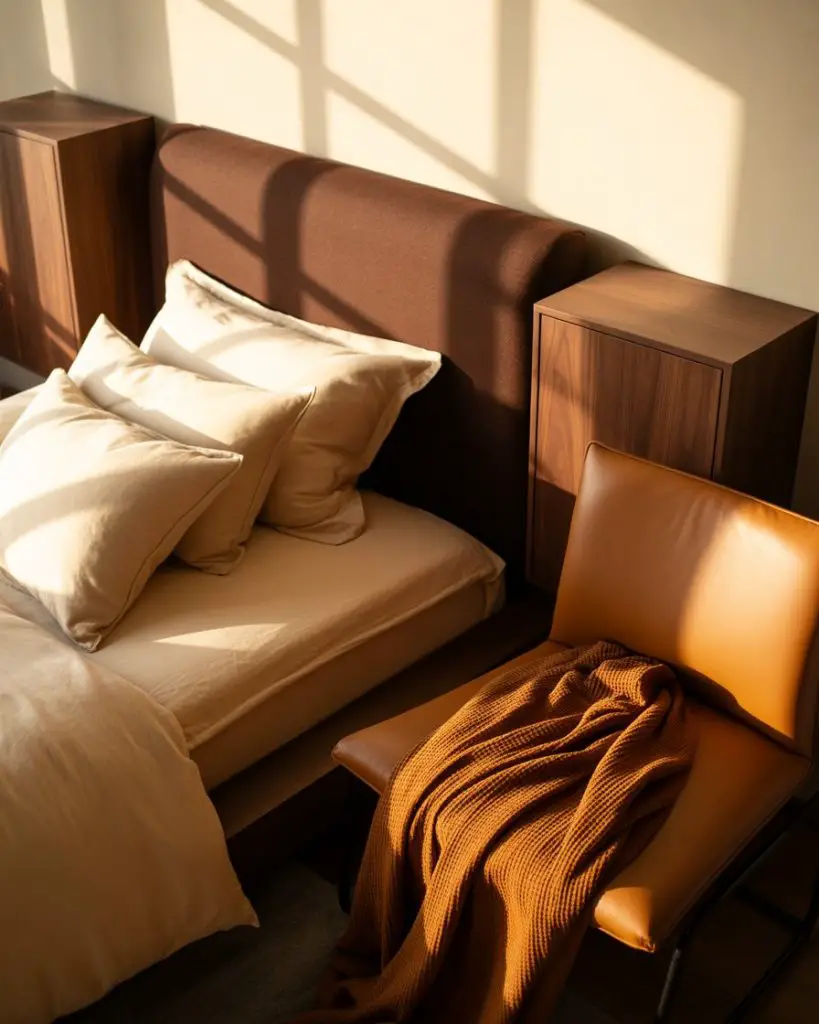
Rich brown tones are experiencing a renaissance in bedroom design, moving away from the orange-toned woods of decades past toward cooler, more sophisticated chocolates and taupes. Farmhouse-style beds in walnut or espresso finishes anchor a room with warmth, while relaxing caramel and coffee accents in textiles add depth. This earthy palette pairs beautifully with cream, rust, and forest green for a grounded, organic feel. 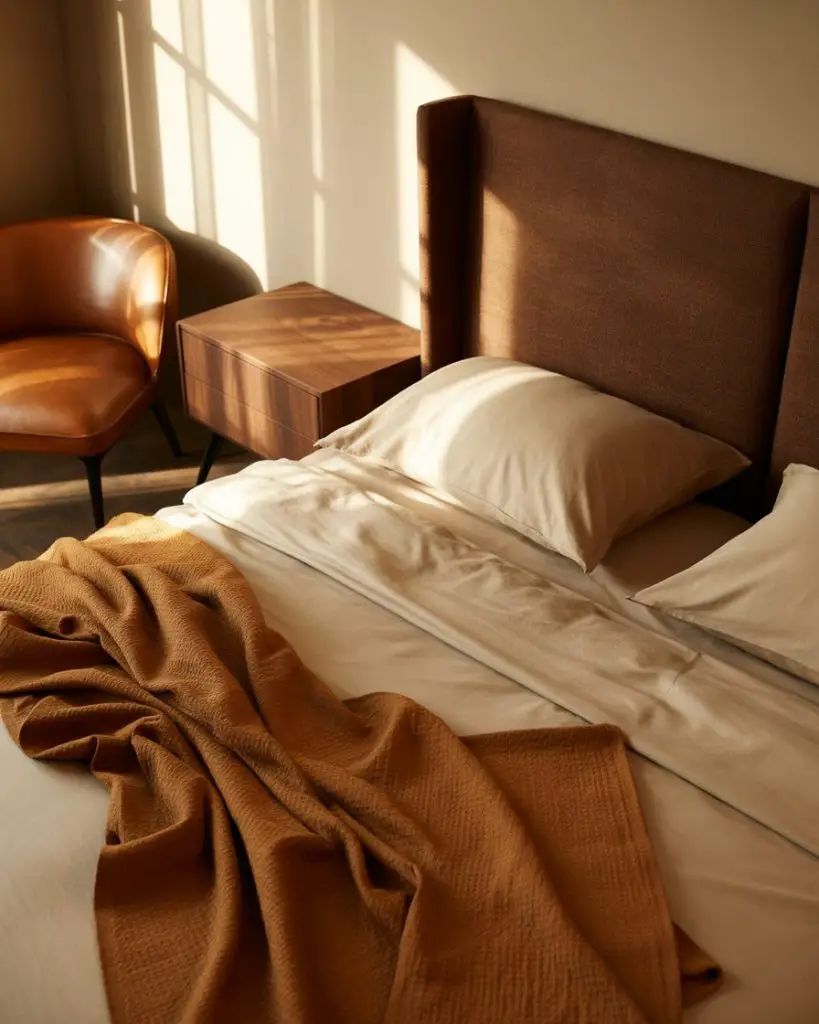
Brown is particularly popular in Southwestern and Western states, where the color palette echoes the natural landscape. Desert-inspired bedrooms often layer multiple shades of brown—from pale sand to deep umber—creating a sun-baked warmth that feels authentic to the region. The key is varying the tones and textures to prevent the monochromatic scheme from feeling flat or dated.
14. Eclectic Personal Style
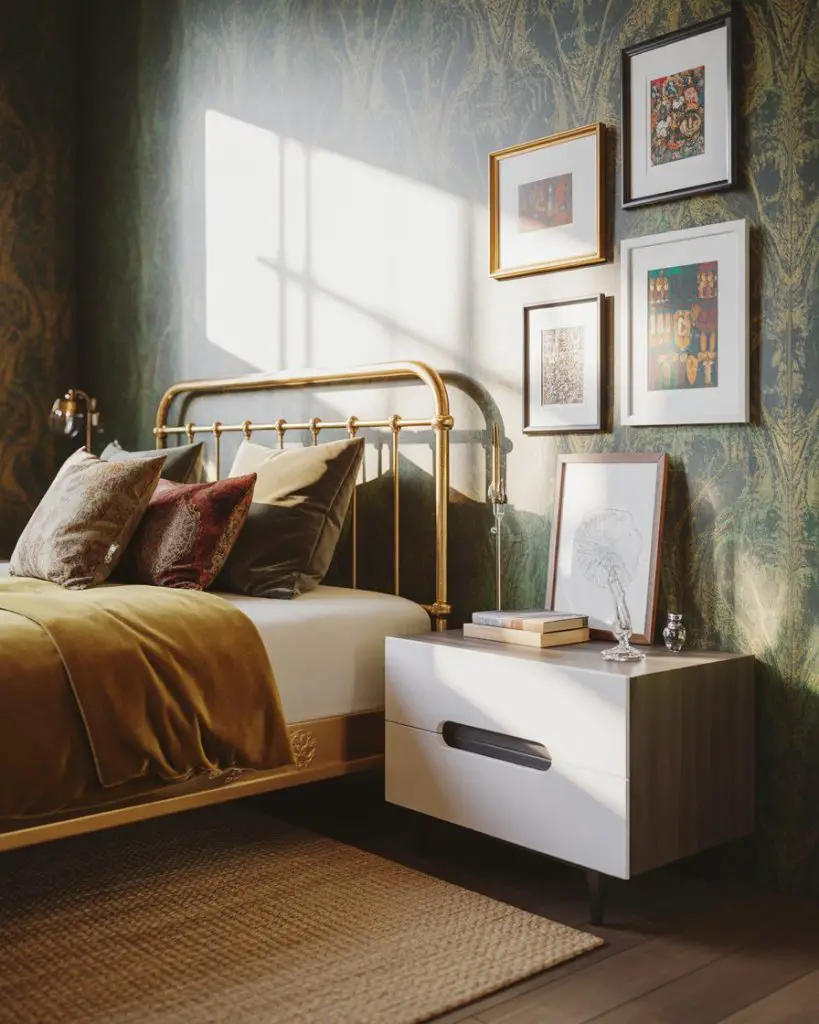
An eclectic bedroom embraces personal history over design rules, mixing color, pattern, and styles with confidence. Vintage flea market finds sit comfortably alongside modern pieces, and wallpaper might appear on just one wall or even the ceiling. The result is a space that feels collected over time rather than decorated all at once—which is exactly what makes it cozy and personal. 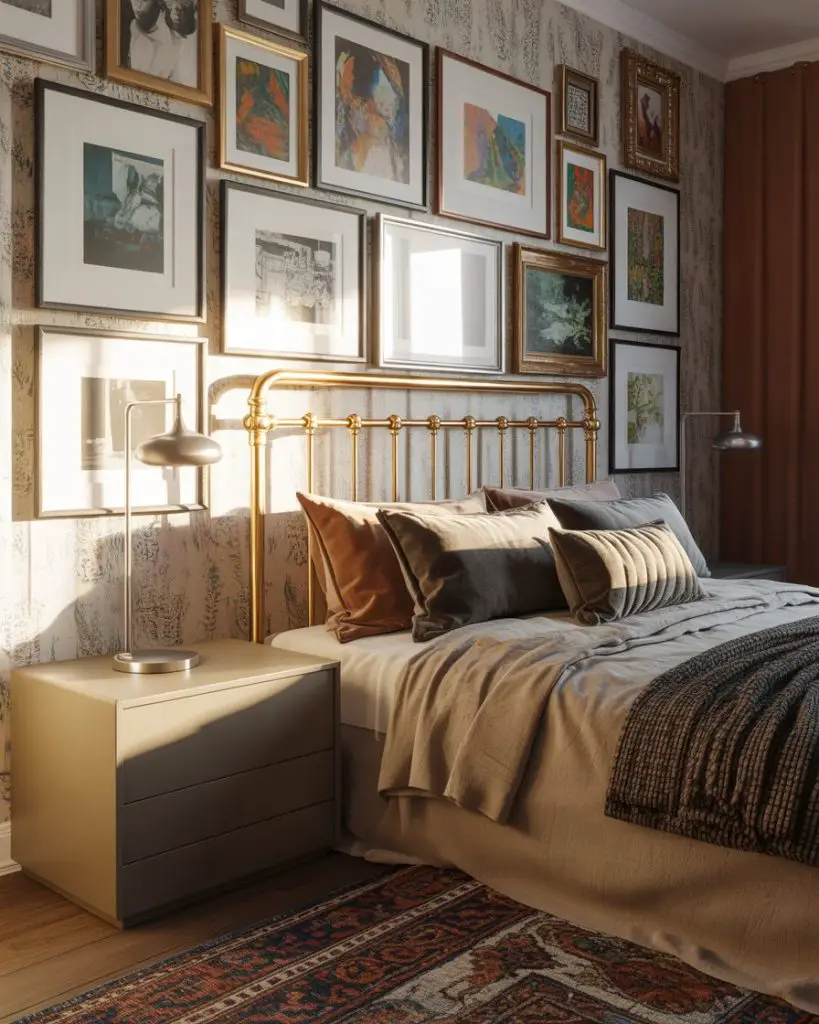
My neighbor’s teenage daughter decorated her room entirely from thrift stores over one summer, spending maybe $300 total. The mix of a vintage wicker chair, a modern Ikea dresser she painted teal, and wallpaper scraps framed as art somehow works perfectly together. It proves that eclectic style doesn’t require a big budget—just patience and a willingness to trust your instincts about what belongs together.
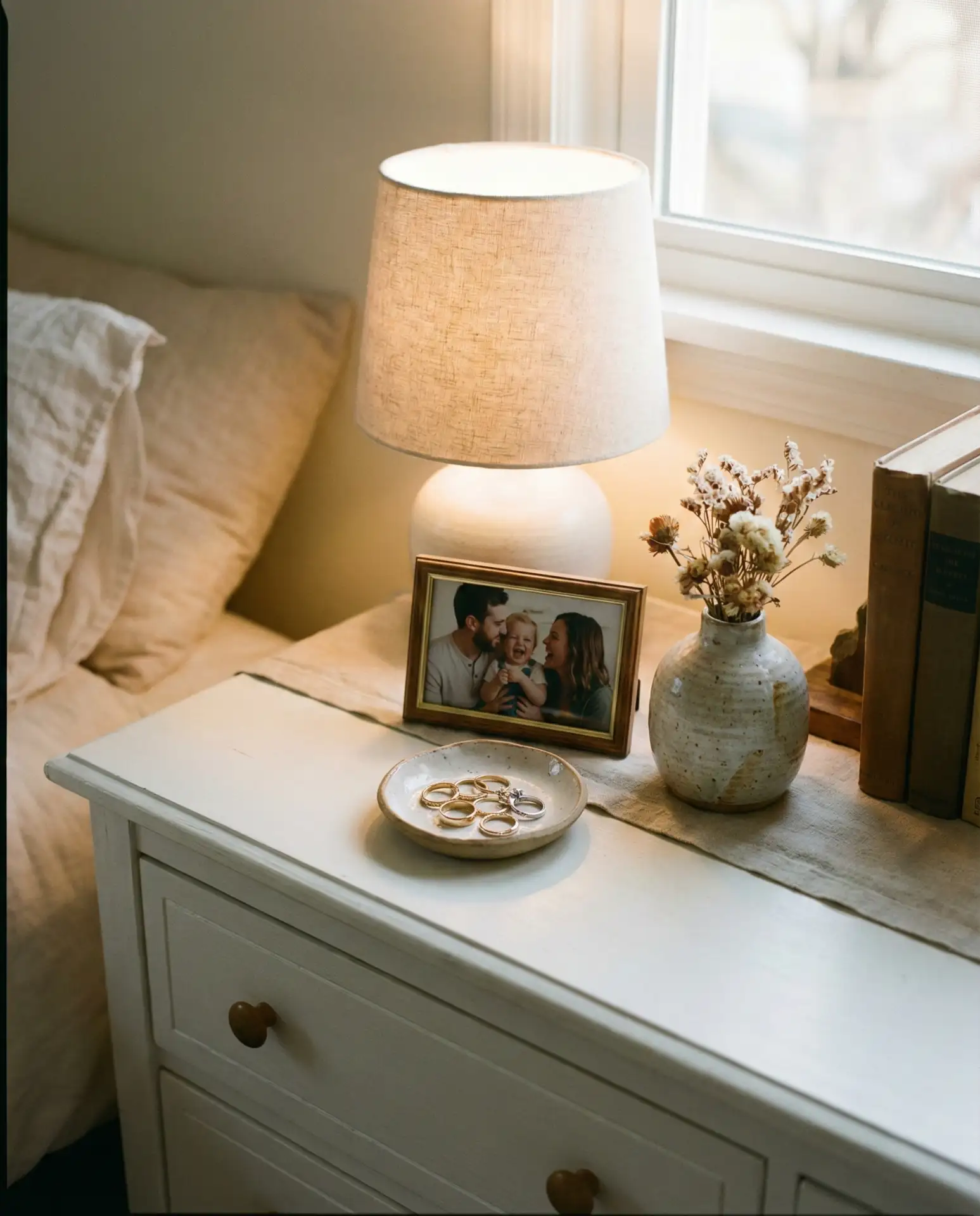
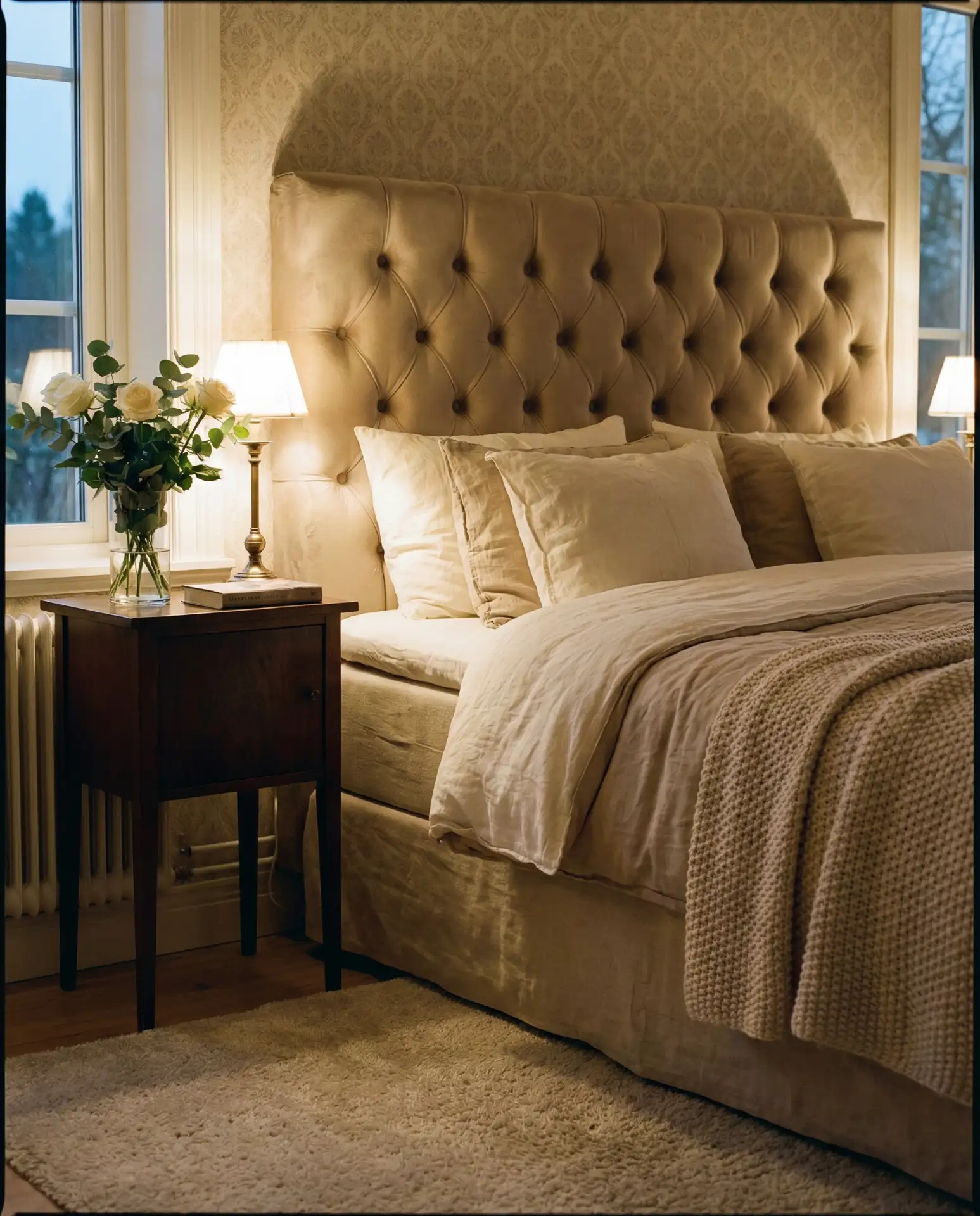
15. Coastal Meets Contemporary
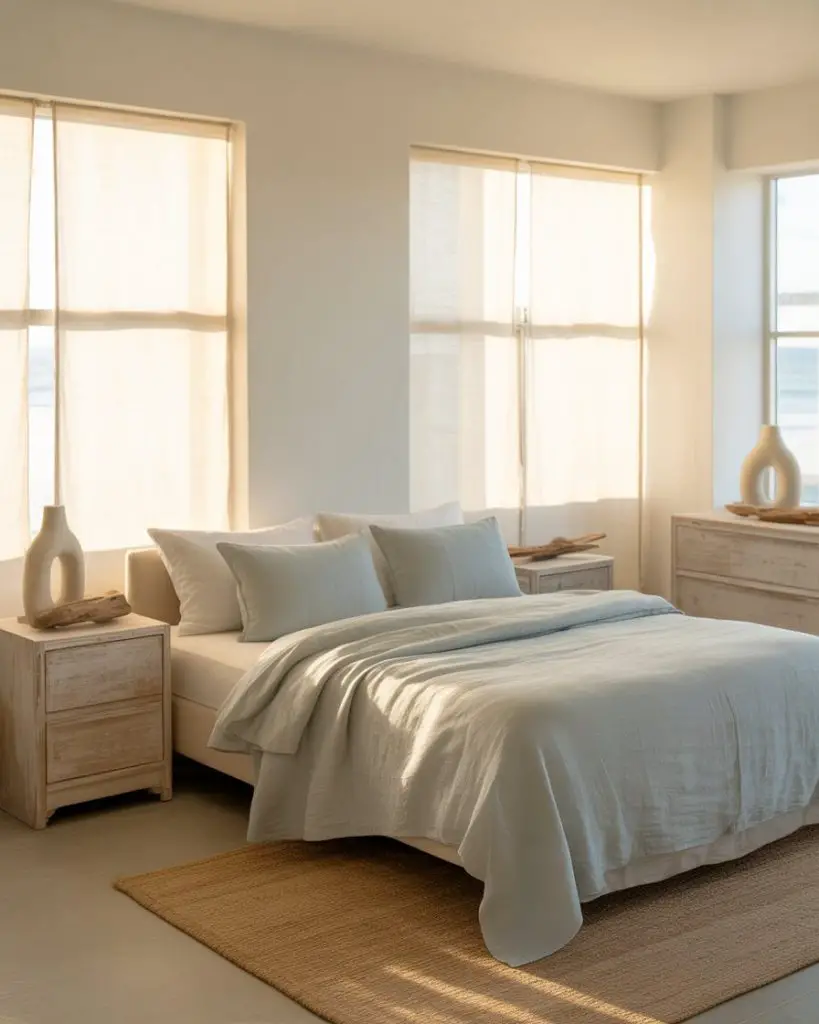
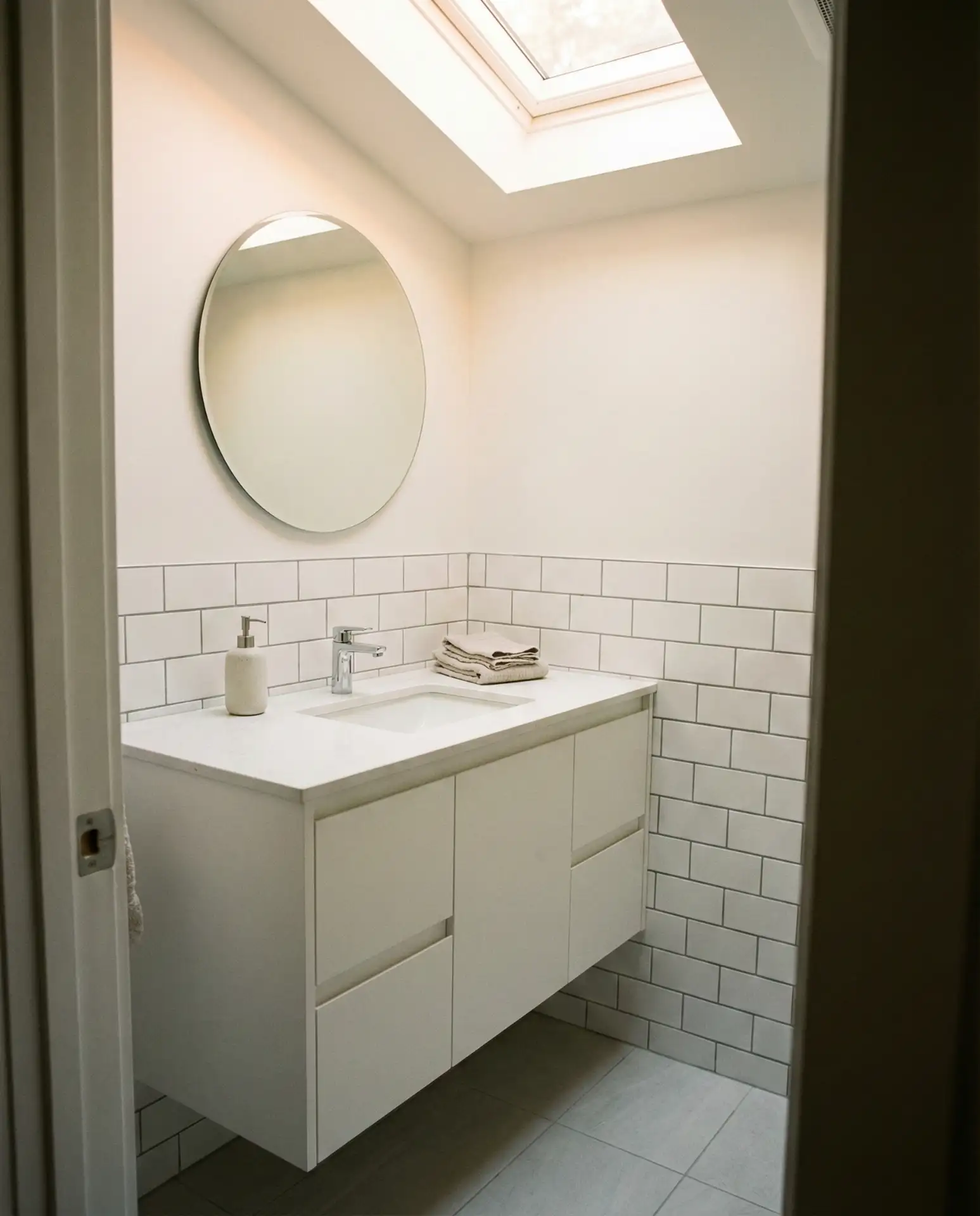
Modern coastal design strips away the literal beach references—no anchors or “Life’s a Beach” signs—in favor of the feeling of seaside living. Light blue mixed with crisp whites and natural textures creates an airy, relaxed atmosphere. In large bedrooms, this palette prevents the space from feeling cavernous while maintaining an open, breezy quality that makes the room feel like a vacation retreat. 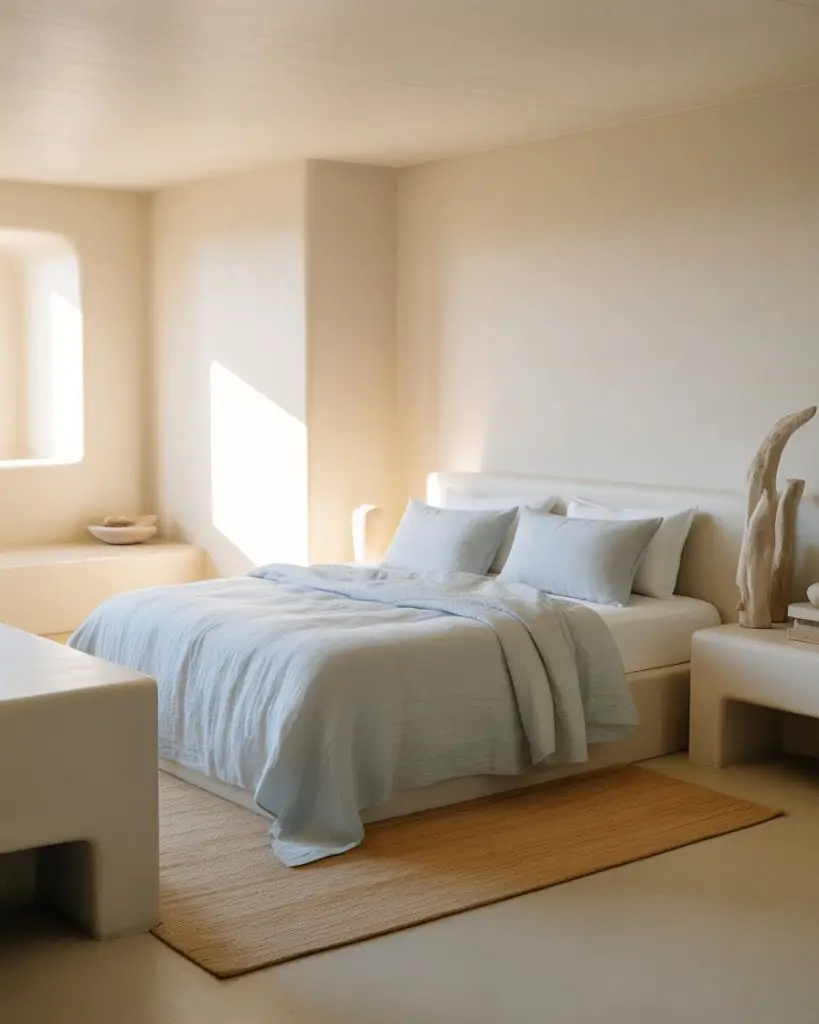
This aesthetic translates well across the country, not just in coastal regions. Mountain homes and prairie houses adopt the same clean-lined, light-filled approach, swapping beach references for local natural elements. The key is the restrained palette and emphasis on natural materials—linen, cotton, wood, and stone—that make any space feel connected to the outdoors and genuinely restful.
16. Soft Feminine Touches
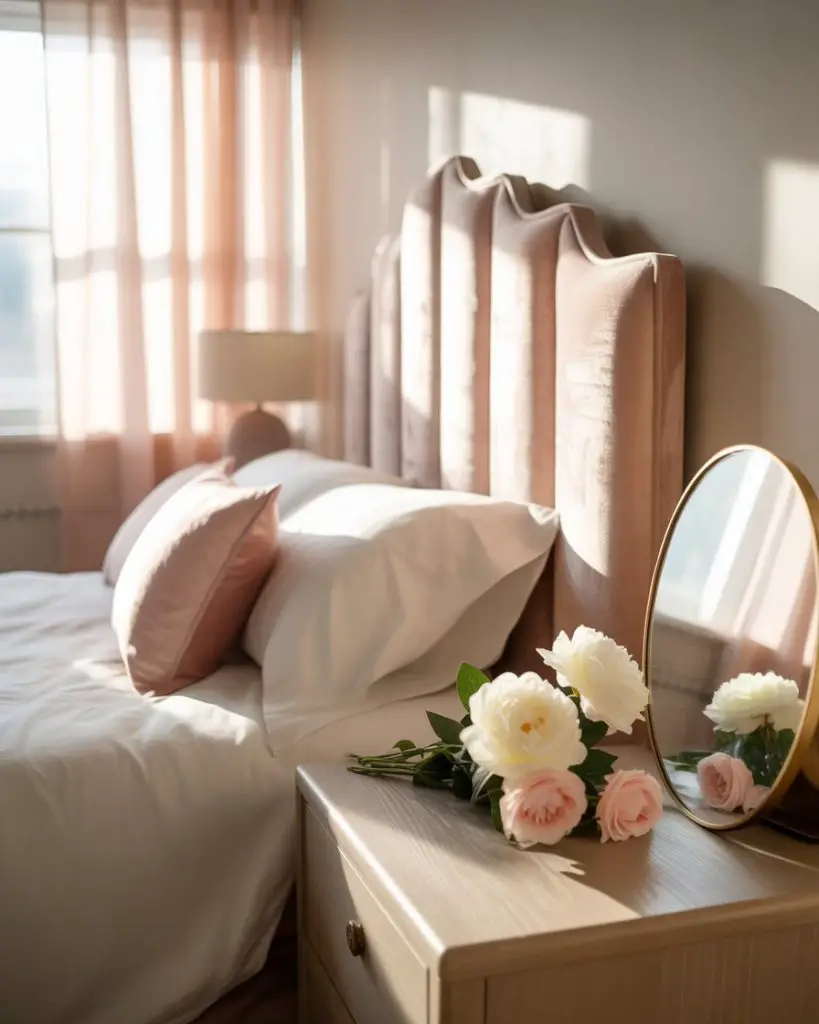
A feminine bedroom doesn’t have to mean ruffles and florals—modern interpretations focus on soft textures, curved furniture, and gentle pink or lavender hues. An upholstered headboard in velvet or linen, rounded mirrors, and flowing curtains create a relaxing softness that feels sophisticated rather than saccharine. The goal is to create a nurturing, gentle space without leaning into stereotypical “girly” tropes. 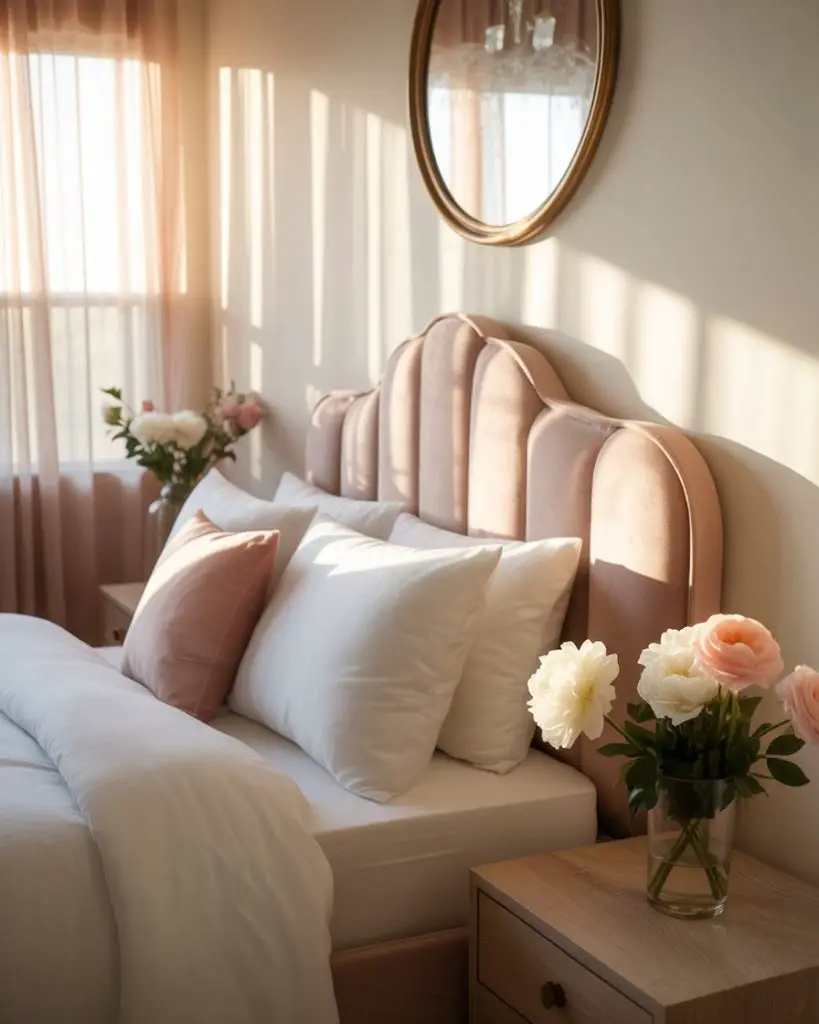
Interior designers note that curved furniture has seen a major resurgence—from arched headboards to rounded nightstands and circular mirrors. These softer shapes create flow and feel inherently more welcoming than sharp angles. The trend works because it’s rooted in comfort psychology: curves feel safe and embracing, while harsh lines can create subtle tension that works against the bedroom’s primary purpose of rest.
17. Apartment-Sized Luxury
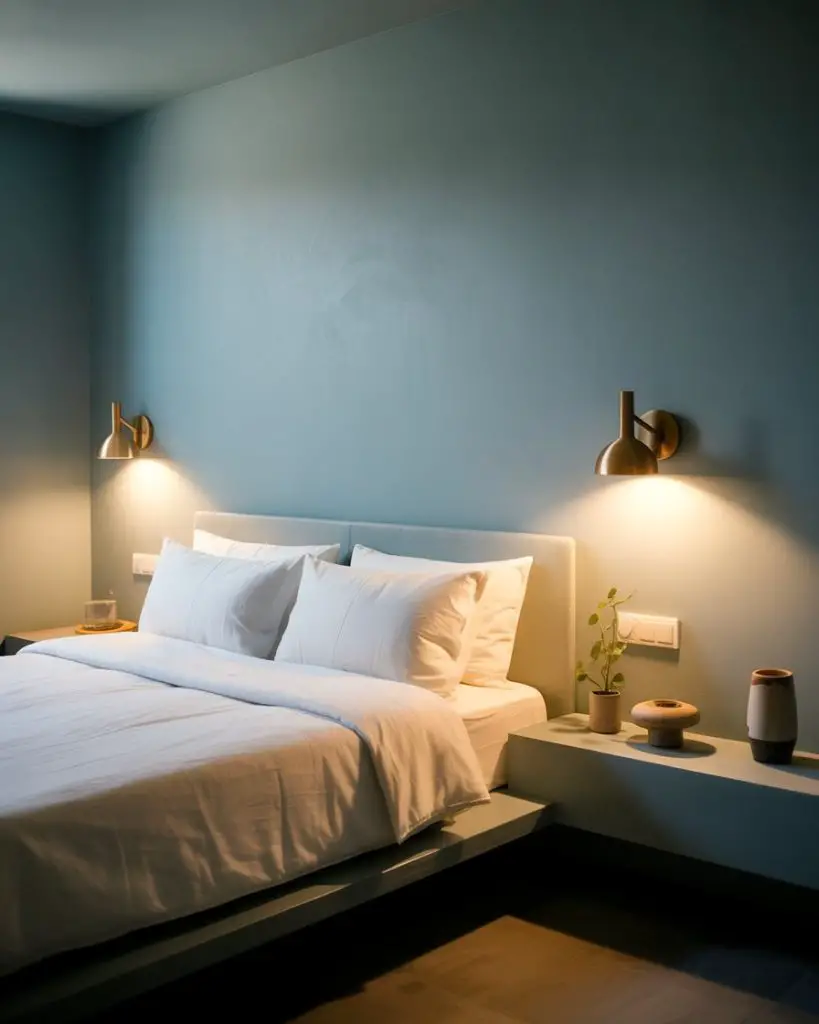
Creating a cozy master bedroom in an apartment often means working with limited square footage, but modern luxury doesn’t require vast space. Strategic choices like a platform bed without a footboard, wall-mounted lighting to free up nightstand space, and a carefully chosen blue or gray palette can make even a 10×12 bedroom feel like a retreat. Focus on quality over quantity—one beautiful piece beats several mediocre ones. 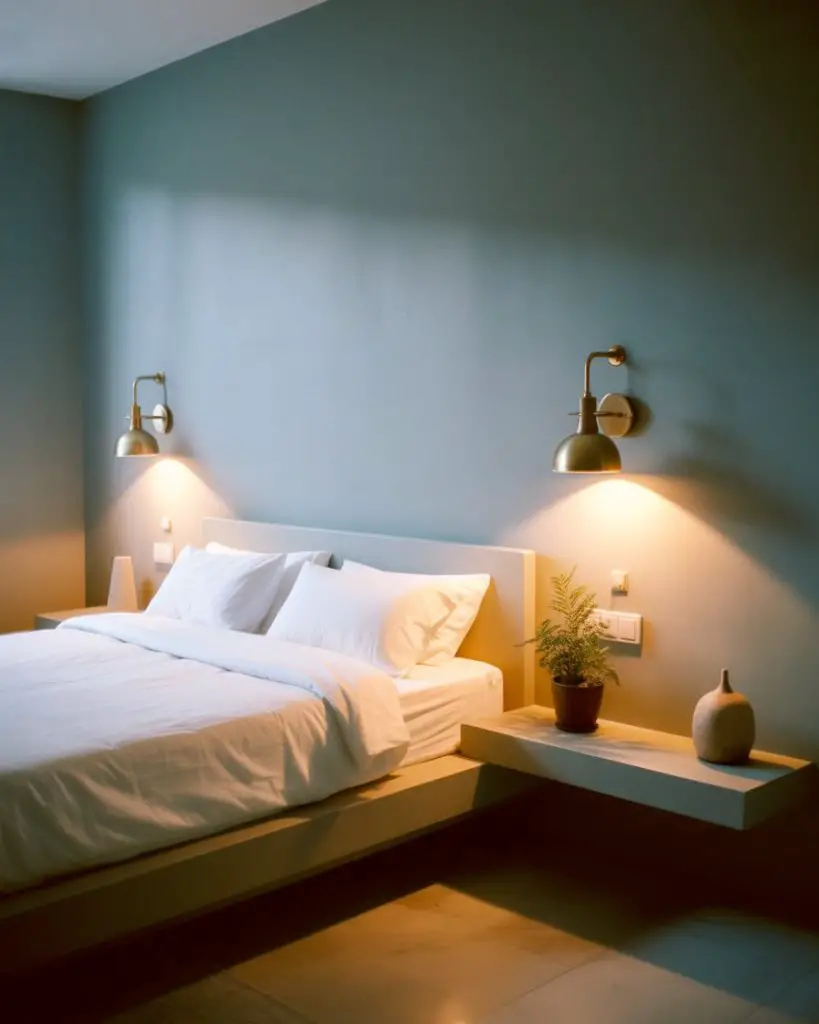
Space-saving solutions like wall-mounted nightstands run $80-200 per pair, while a quality platform bed frame starts around $400—comparable to traditional frames but creating a more streamlined, modern look that helps small rooms feel larger. Investing in custom-fit blackout curtains ($100-300) makes sense in apartments where you can’t control external noise and light, transforming even a noisy urban bedroom into a sleep sanctuary worth the spend.
18. Transitional Balance

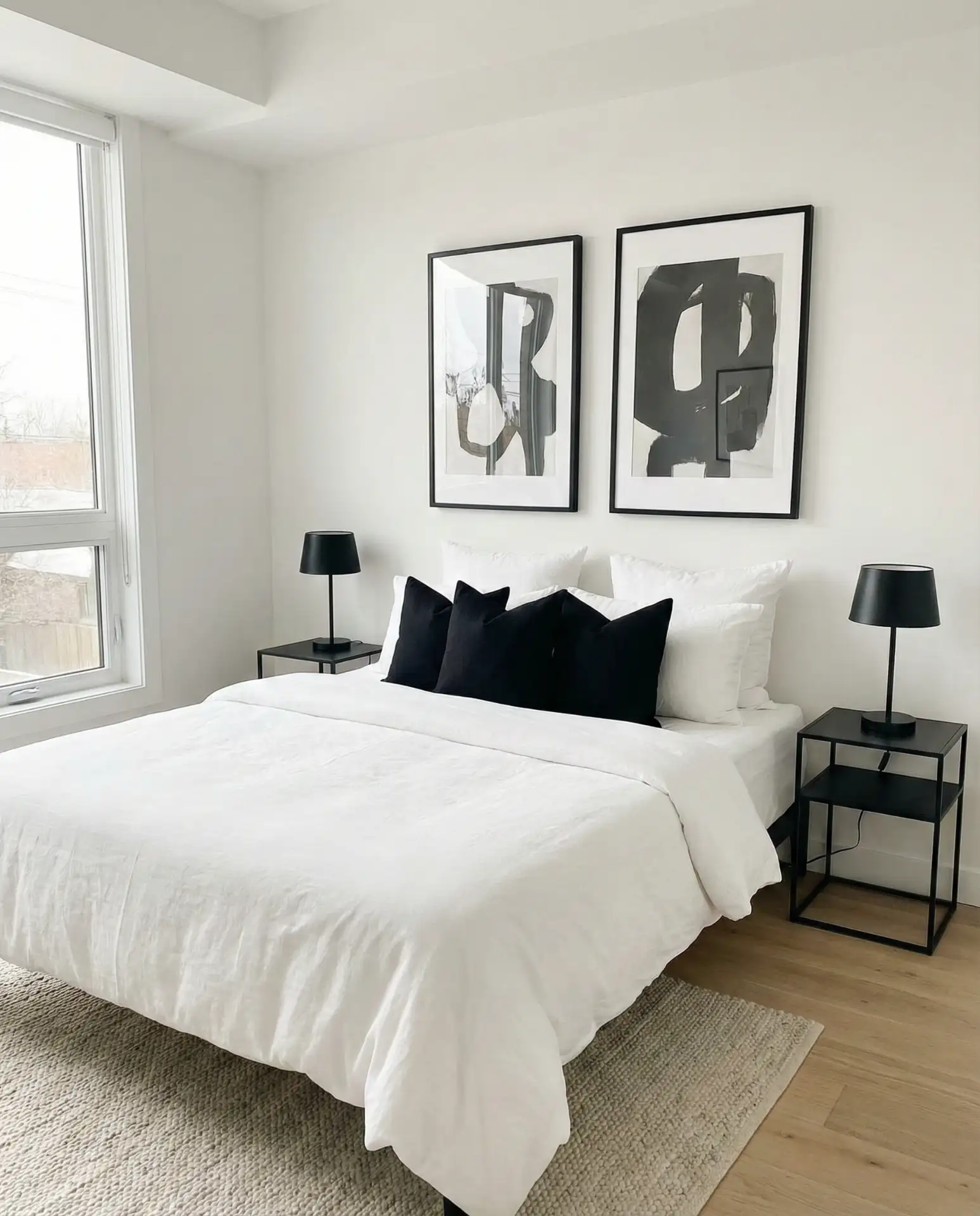
Transitional style thrives in bedrooms by blending traditional warmth with contemporary clean lines. Gray walls provide a neutral backdrop for mixing a tufted upholstered bed (traditional) with sleek metal nightstands (modern). Adding a relaxing sitting area—perhaps a classic wingback chair paired with a minimalist floor lamp—demonstrates this balanced approach. The result feels both comfortable and current, never too trendy or too stuffy. 
Real homeowners love transitional style because it allows them to keep beloved traditional pieces while refreshing with modern accents—or vice versa. You’re not forced to redecorate everything at once. That vintage dresser from your grandparents works perfectly alongside a new modern bed frame. This mix-and-match flexibility also means you can update the room’s look over time by swapping just a few key pieces rather than starting from scratch.
19. Wallpaper as Art
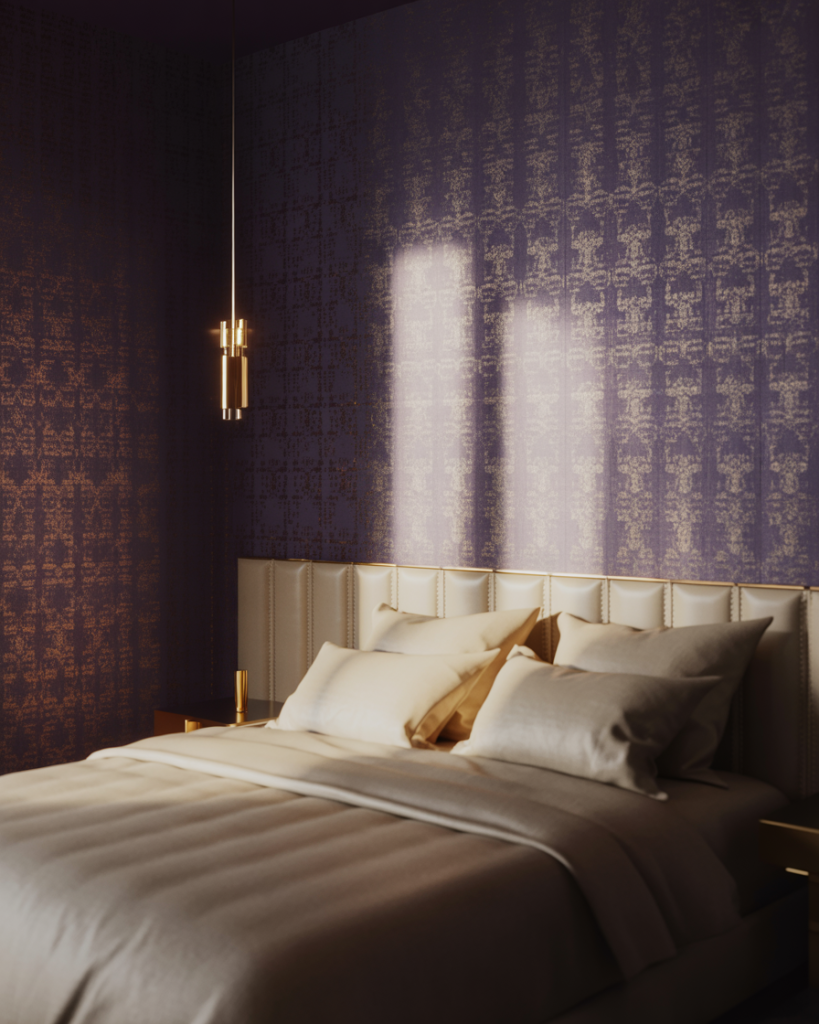
Using wallpaper as the bedroom’s main design element creates instant personality and drama. Dark backgrounds with metallic patterns, oversized botanicals, or geometric prints in purple and jewel tones turn walls into gallery-worthy statements. Modern printing techniques mean wallpaper is more durable and easier to install than ever, with peel-and-stick options that work perfectly in rentals or for commitment-phobes. 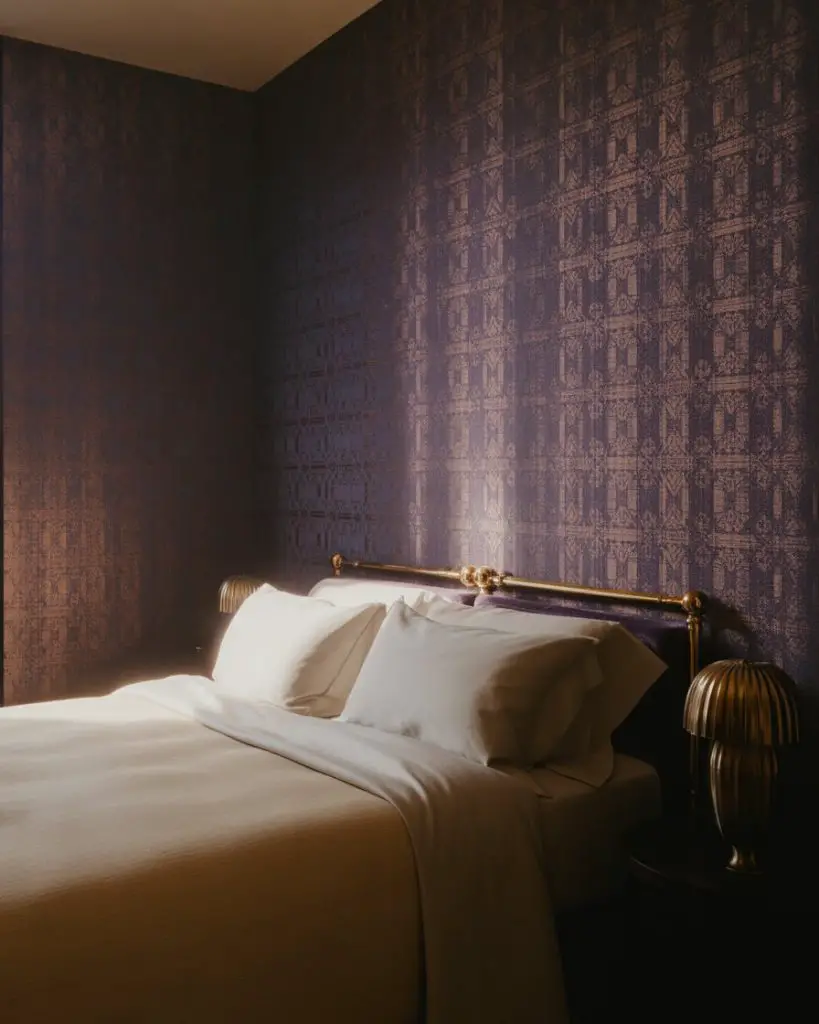
The most common mistake with bold wallpaper is over-accessorizing the rest of the room. If you’re going dramatic on the walls, keep furniture simple and let the wallpaper be the star. Avoid competing patterns in bedding or curtains—stick with solids or very subtle textures. Also, resist the urge to wallpaper every wall unless you’re absolutely certain; even with a pattern you love, four walls of it can overwhelm a bedroom’s intimate scale.
20. Cottage Garden Romance
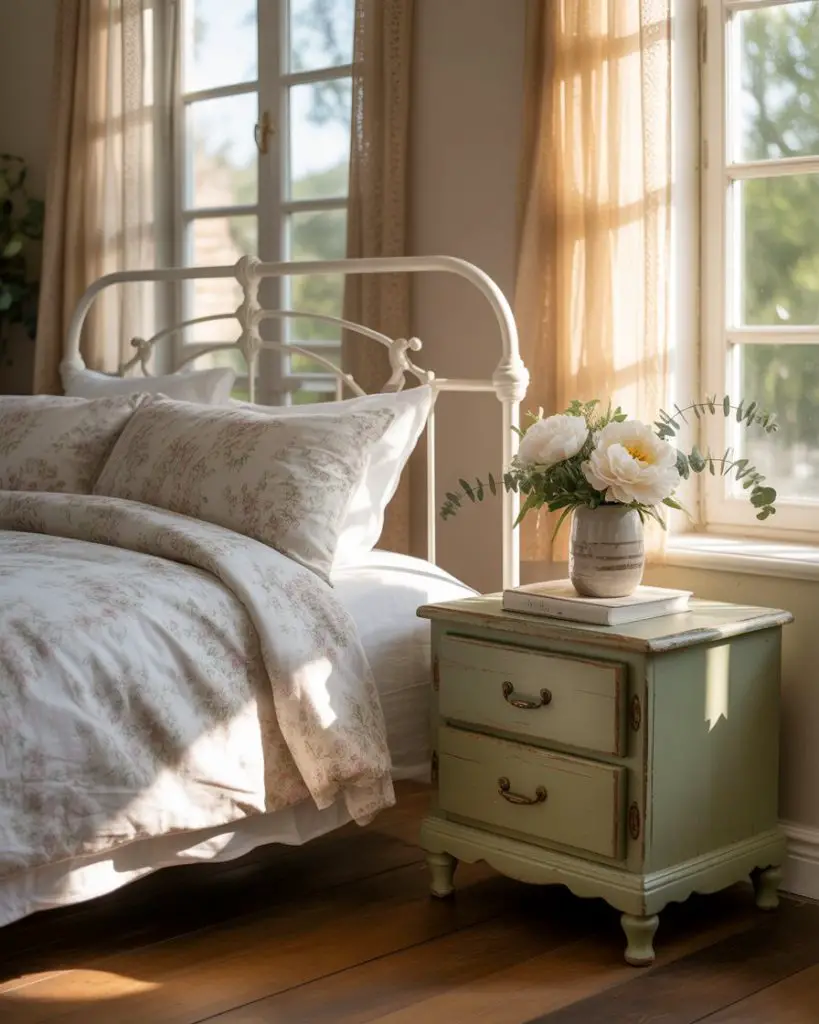
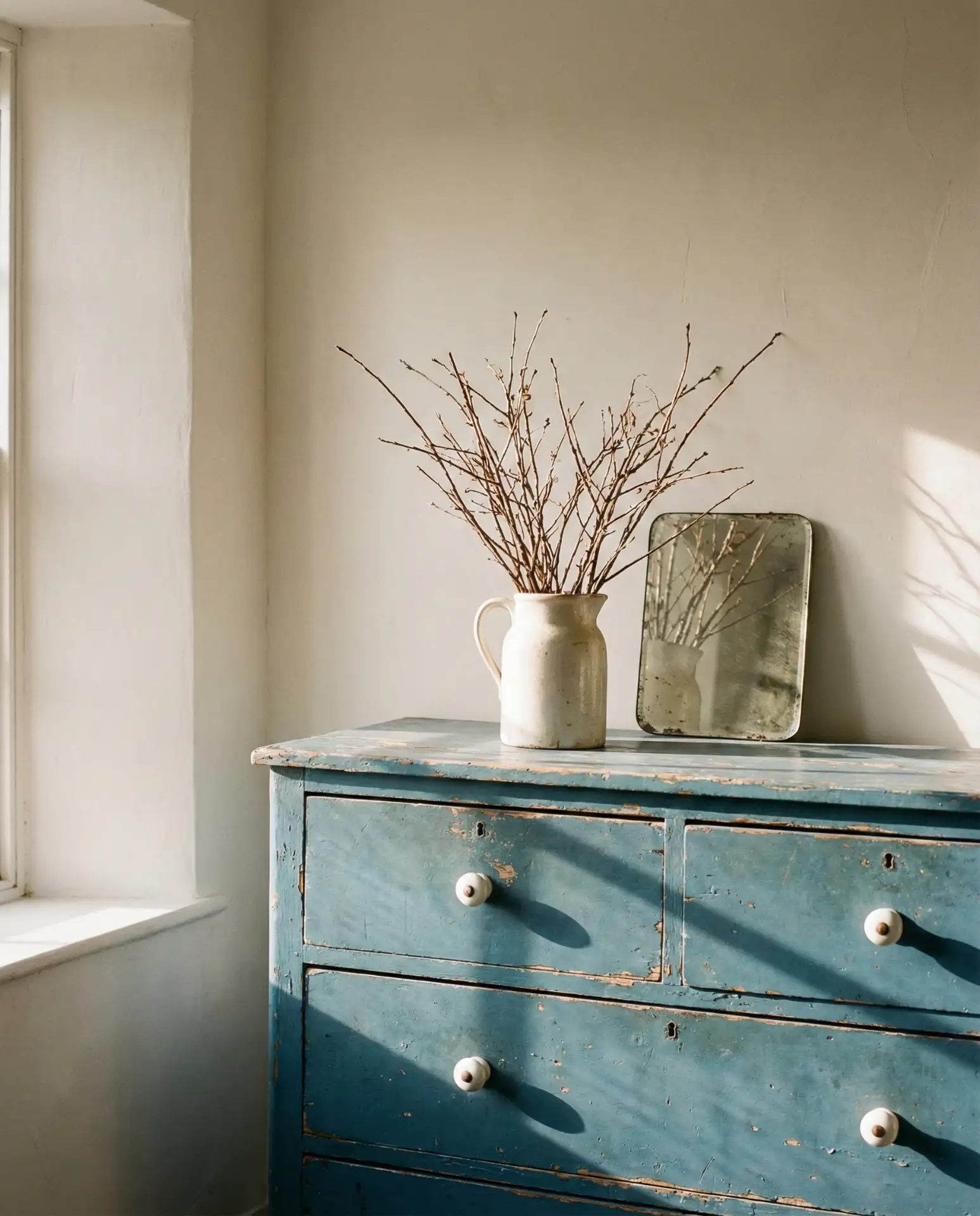
A cottage-style bedroom channels English countryside charm with soft florals, distressed furniture, and romantic linens. The relaxing atmosphere comes from layered vintage-inspired textiles, perhaps a painted iron bed frame, and plenty of fresh or dried flowers. Green accents—whether in botanical prints, painted furniture, or actual plants—reinforce the garden connection and keep the look from feeling too precious or dated. 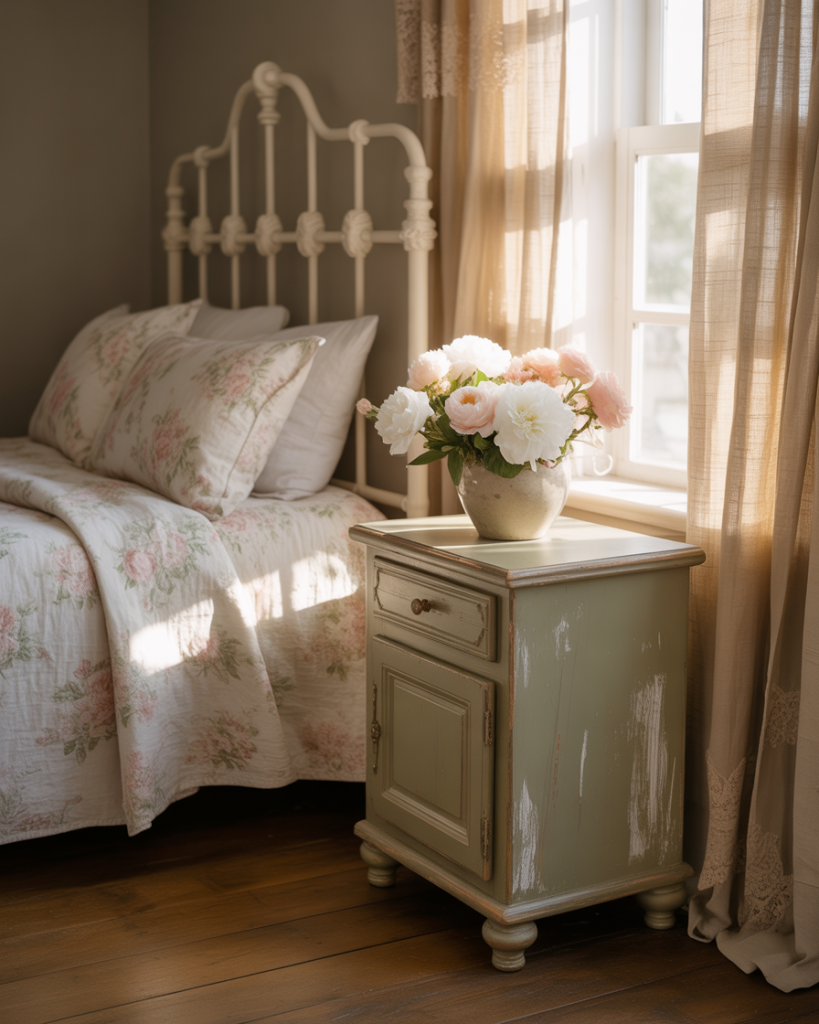
True cottage style works best when it feels genuinely lived-in rather than staged. Thrift stores and estate sales are goldmines for the slightly worn furniture pieces that define this aesthetic—a dresser with authentic age marks tells a better story than new furniture artificially distressed. The beauty is in imperfection, so don’t stress about matching wood tones or achieving Pinterest-perfect styling.
21. Earthy Organic Layers
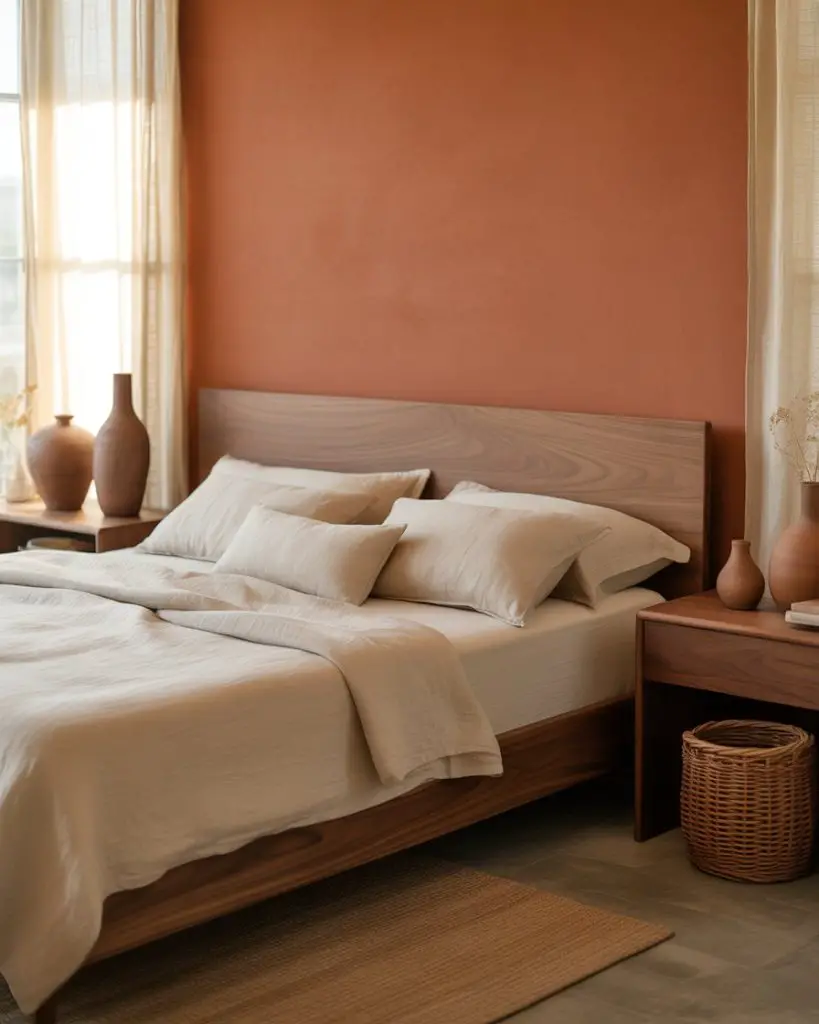
An earthy bedroom palette built on brown, terracotta, clay, and warm cream tones creates a grounded, natural sanctuary. This works particularly well with farmhouse architecture but translates to any space through careful material choices—think raw linen bedding, terracotta pottery, jute rugs, and wooden furniture with visible grain. The key is embracing organic imperfection rather than seeking glossy, manufactured finishes. 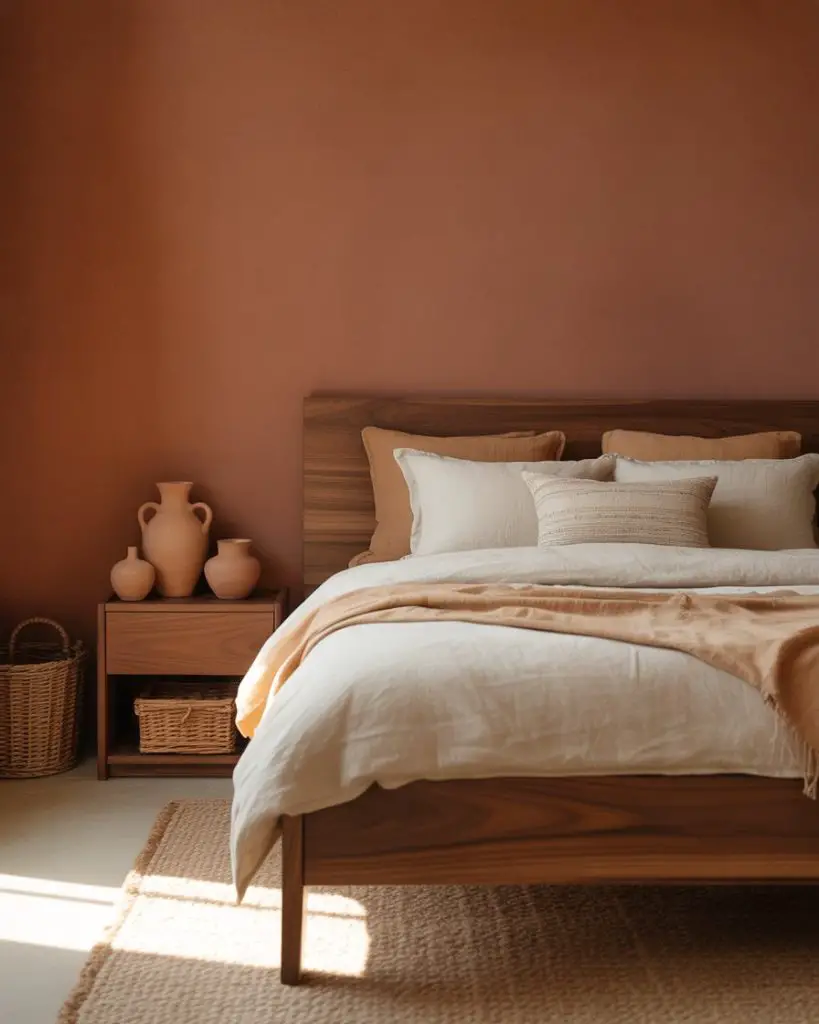
This aesthetic appeals to those seeking a break from screen-dominated lives—the all-natural materials create a tech-free sanctuary. Investing in organic cotton or linen bedding ($150-400 for quality sets) might seem steep, but natural fibers breathe better, last longer, and actually improve with washing in ways synthetic blends can’t match. Starting with one pure linen piece—maybe a duvet cover—lets you experience the difference before committing to a full bedroom refresh.
22. Sitting Area Sanctuary
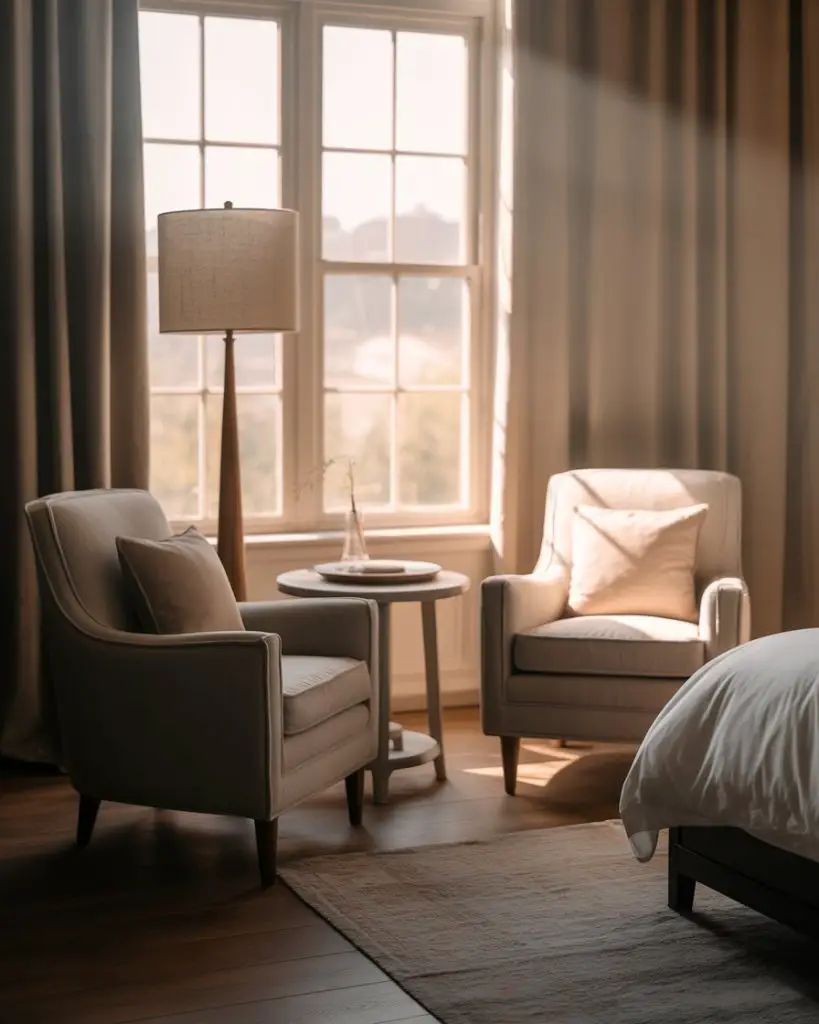
Dedicating space to relaxing with a sitting area transforms a large bedroom into a true master suite. Whether it’s a cozy reading corner with a comfortable chair and good lighting or a more formal seating arrangement near a fireplace, this zone serves as a buffer between sleep and the rest of your life. Transitional furniture that’s neither too formal nor too casual maintains the room’s cohesive, relaxing atmosphere. 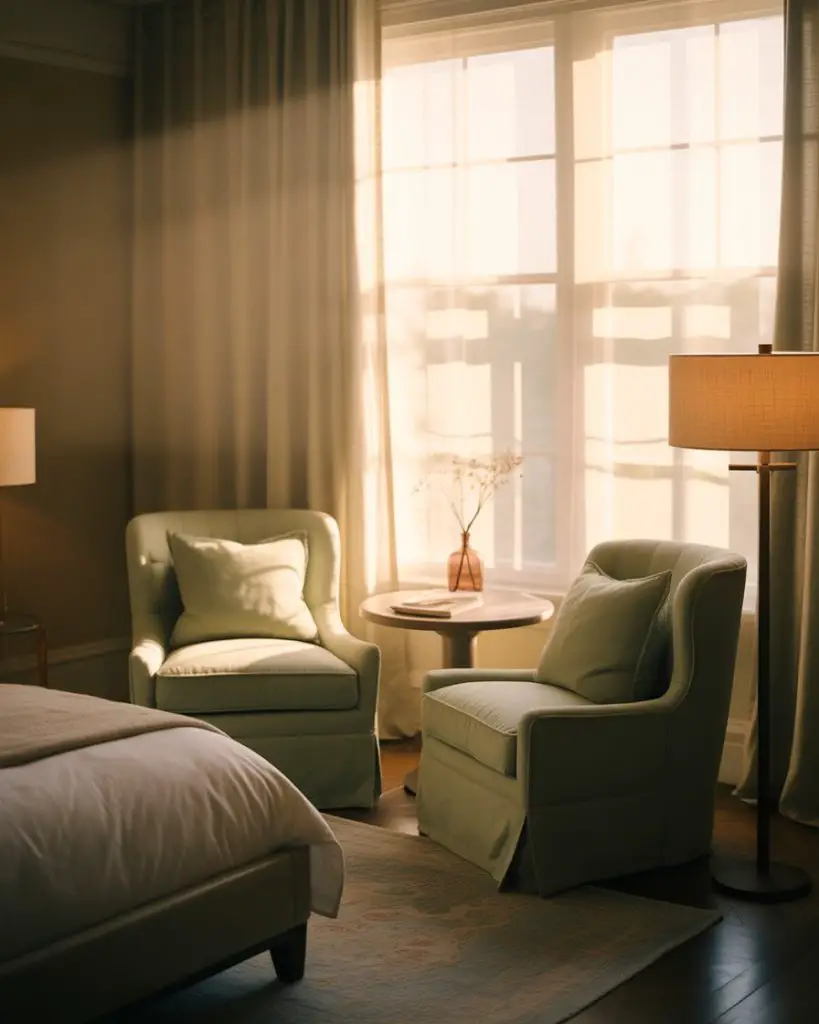
Position the sitting area near a window if possible—natural light makes the space more inviting and functional throughout the day. A view, even if just of trees or sky, gives you something to rest your eyes on besides screens. This setup works best in bedrooms 14×16 feet or larger, where you can create distinct zones without the room feeling cramped. Smaller spaces might opt for a single accent chair in a corner, which still provides that “escape within an escape” feeling without requiring square footage you don’t have.
Conclusion
We’d love to hear which of these cozy bedroom ideas resonates most with your style and space. Are you drawn to moody darks, soft coastal blues, or warm earthy tones? Drop a comment below sharing your favorite approach or any questions about bringing these looks into your own master bedroom.