Galley kitchens are having a major moment in 2026, and it’s not hard to see why. These streamlined spaces maximize every inch while delivering serious style, making them a top choice for urban apartments, renovated cottages, and even spacious homes looking for efficient workflow. Americans are turning to Pinterest in droves for layout inspiration that balances function with beauty—whether that means incorporating a breakfast bar, opening up walls, or choosing the perfect color palette. This guide walks you through fresh ideas that prove galley kitchens can be just as stunning as they are practical, no matter your square footage or design preference.
1. Classic White Galley with Marble Counters
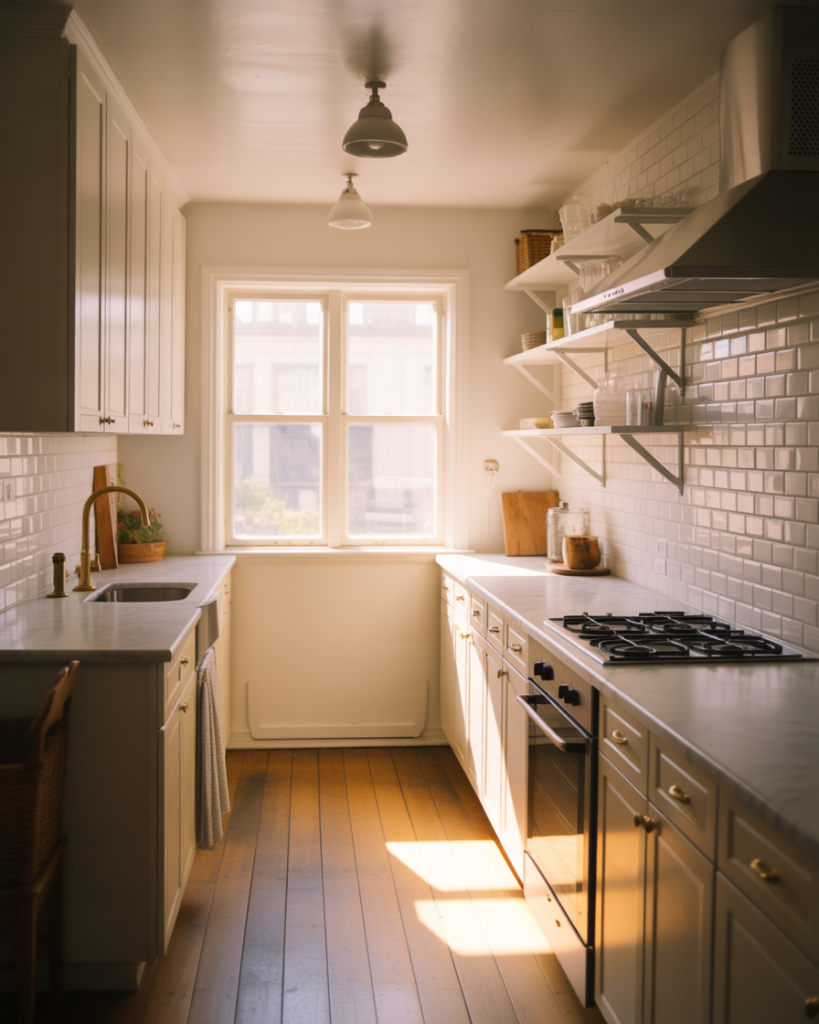
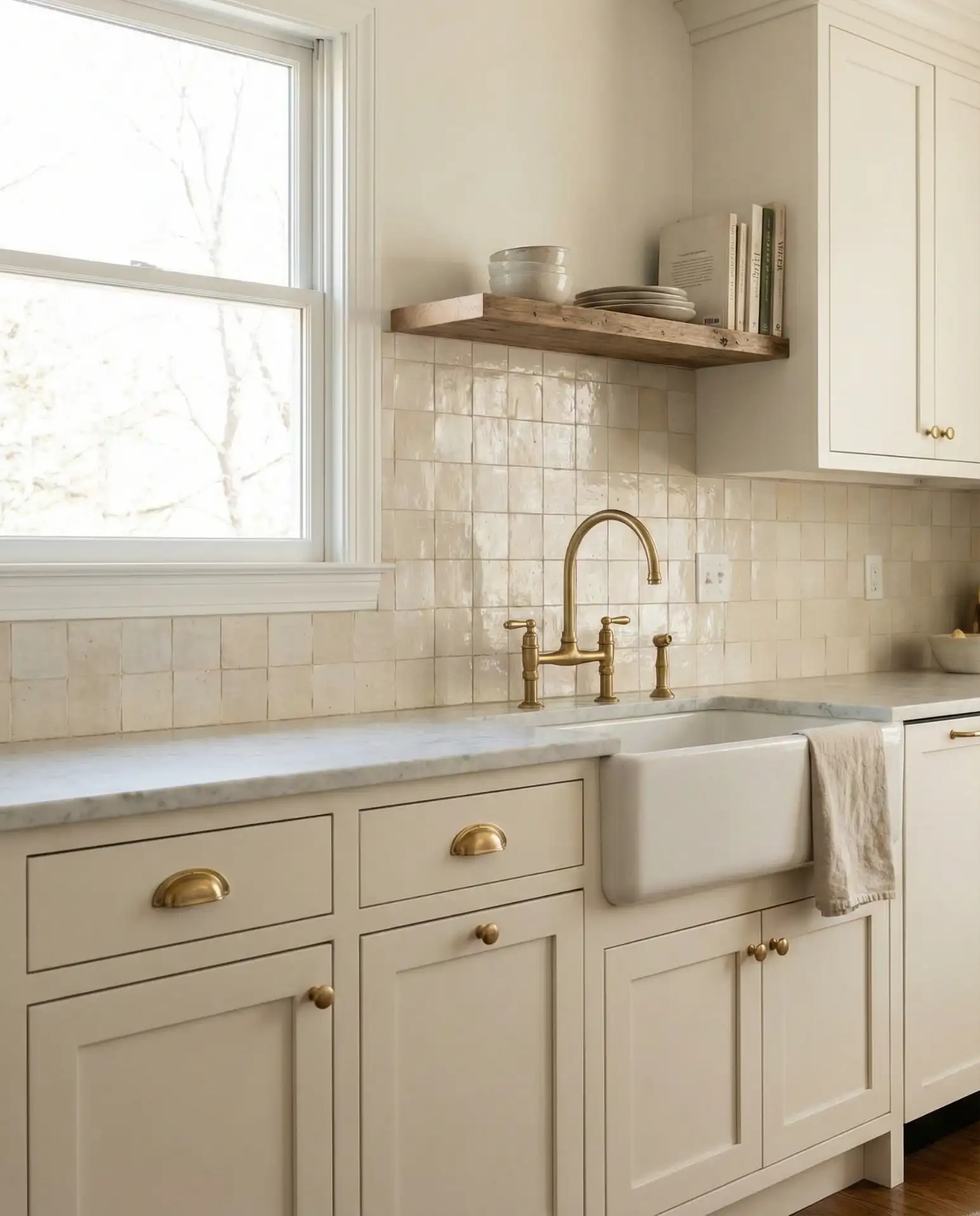
A white galley kitchen feels timeless and expansive, especially when paired with polished marble countertops that catch natural light. This layout works beautifully in older homes undergoing a remodel, where maintaining original proportions while modernizing finishes is the goal. Clean lines and reflective surfaces make even narrow spaces feel open and airy, giving you that magazine-worthy look without sacrificing storage or prep area. 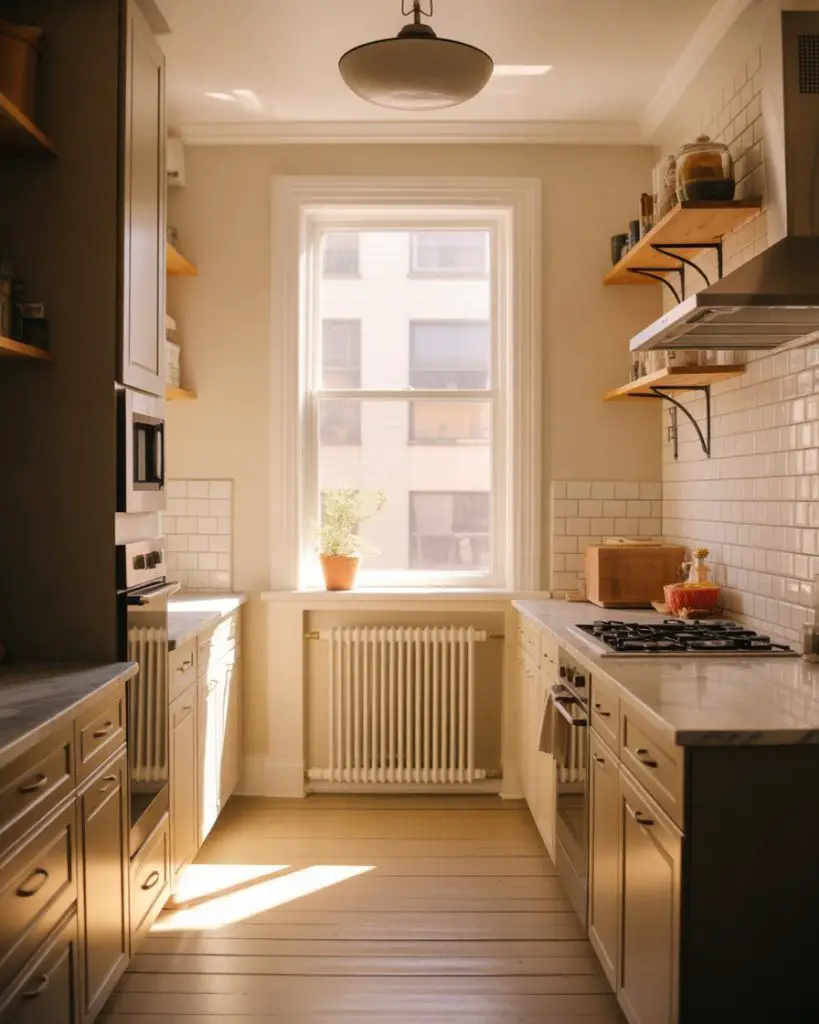
Where it works best: This setup shines in Victorian-era townhouses and pre-war apartments where architectural charm meets modern living. The white palette enhances original moldings and tall ceilings while the galley format respects the home’s original footprint, avoiding costly structural changes that can blow your budget.
2. Peninsula Extension for Extra Seating
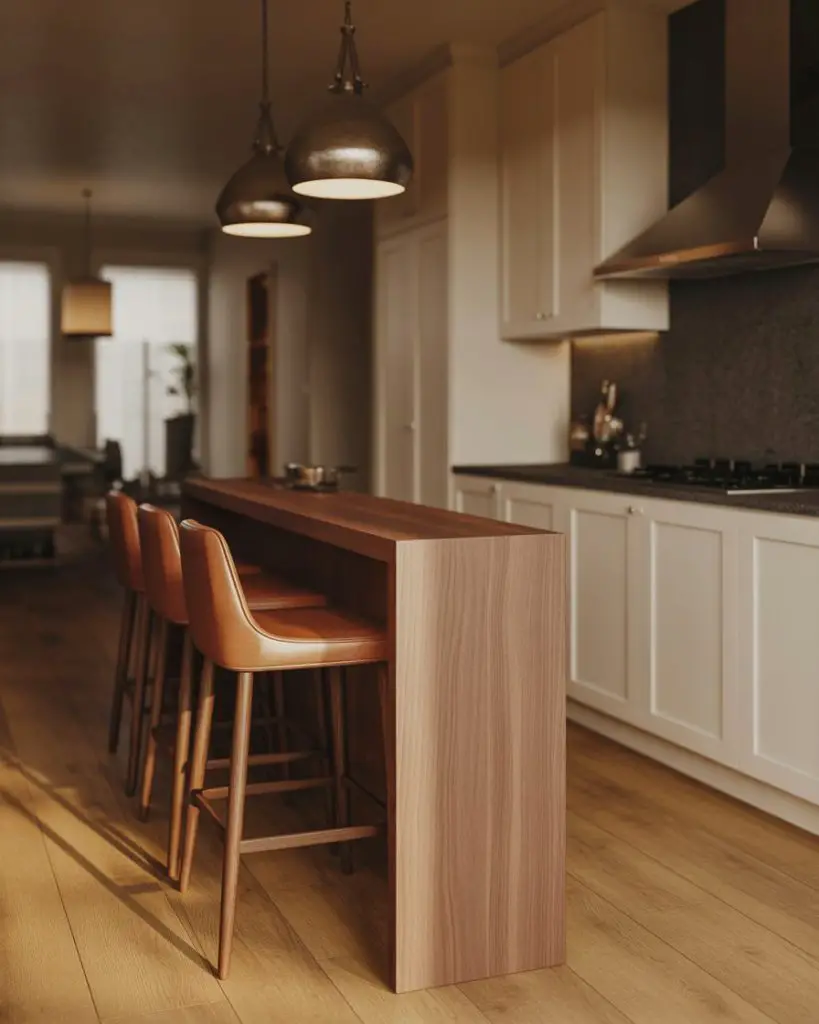
Adding a peninsula to your galley transforms it from a pass-through workspace into a social hub where family and guests can gather. This layout works particularly well when opening up a kitchen to an adjacent dining or living area, creating a natural transition point. The peninsula provides counter space on one side and casual seating on the other, making it ideal for morning coffee or homework sessions. 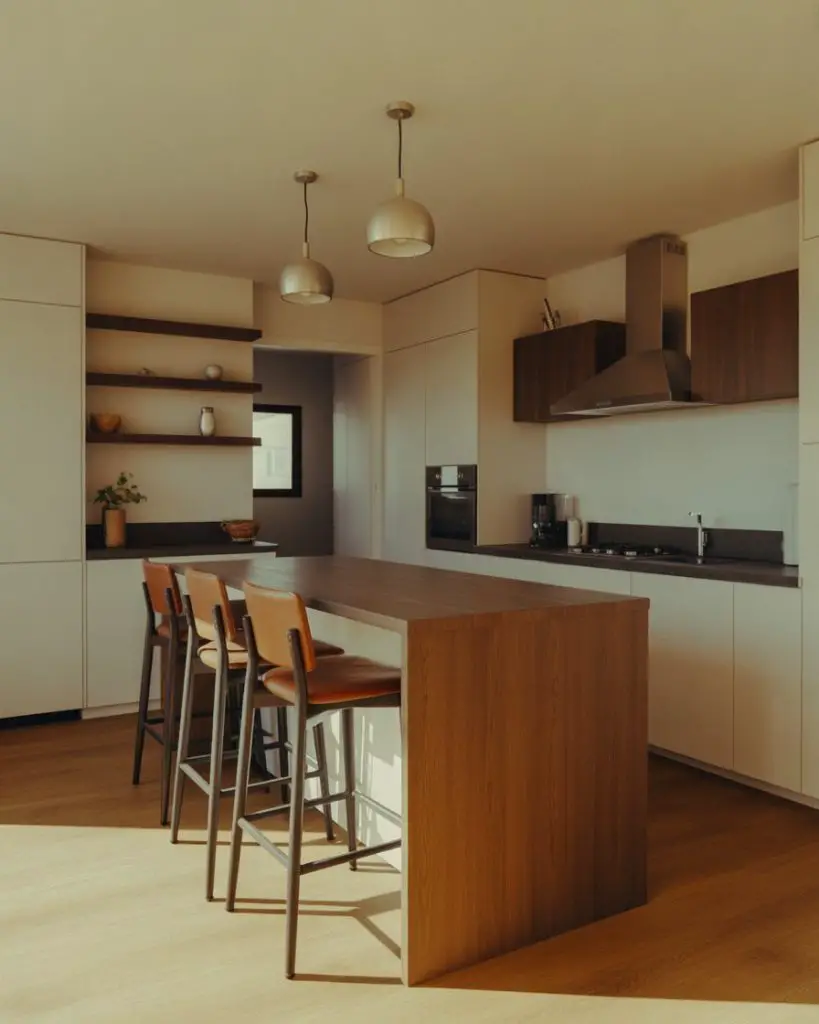
Real homeowner behavior shows that peninsulas get used more consistently than formal dining tables in homes under 1,800 square feet. Families eat breakfast there, kids do crafts, and it becomes the natural landing spot for mail and bags—so choose durable, easy-clean surfaces that can handle daily life.
3. Long Galley with Double Work Zones
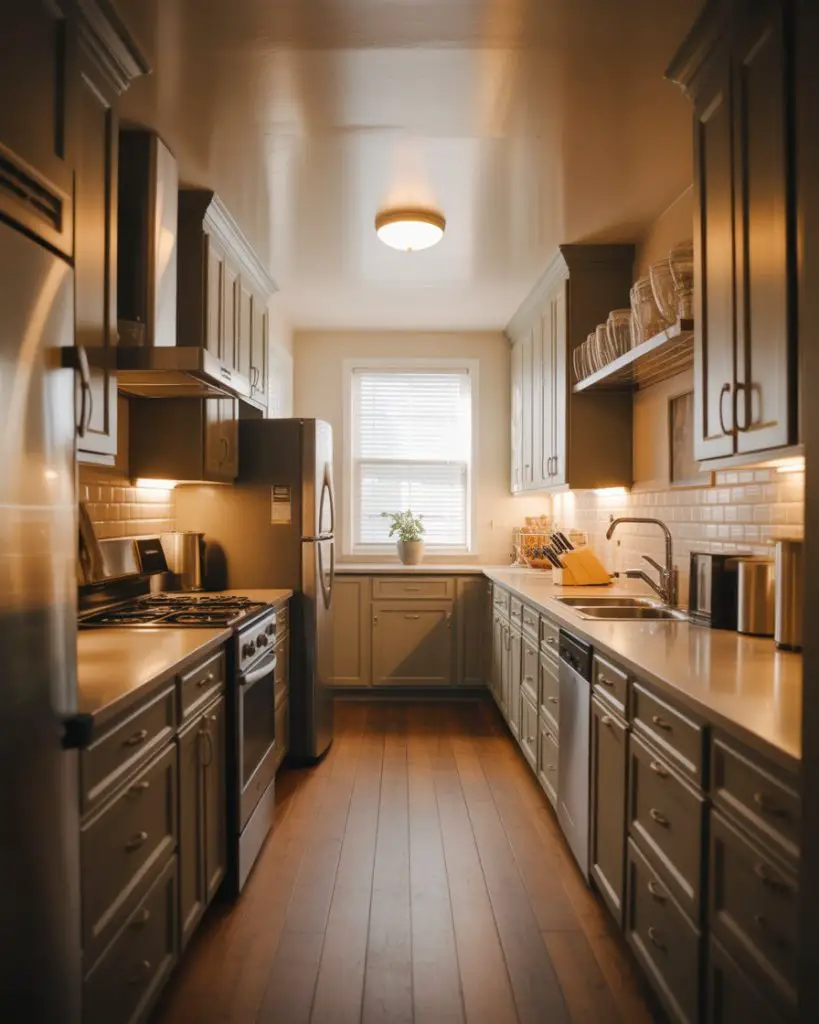
A long galley kitchen allows you to create double work zones—one for cooking and one for prep or baking—without the spaces interfering with each other. This layout floor plans approach is especially effective in homes where multiple cooks share kitchen duties. Positioning the sink and stove on opposite walls with ample counter space between them creates an efficient triangle that professional chefs would envy. 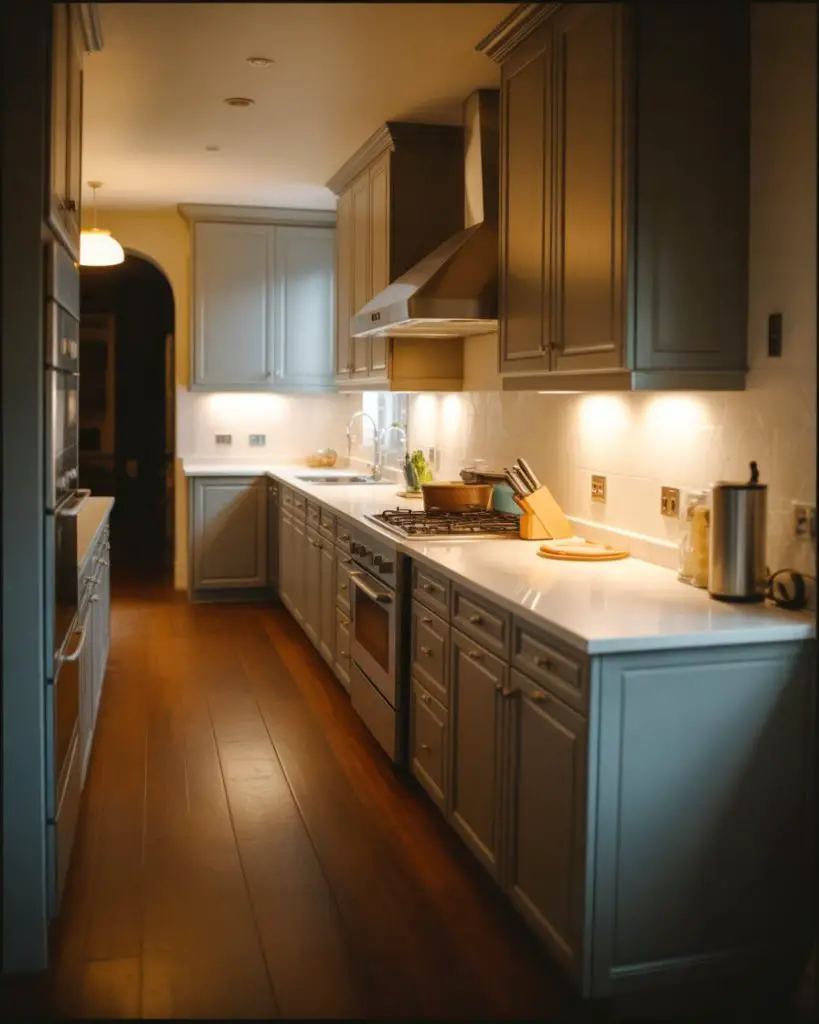
Budget angle: Galley kitchens typically cost 15–25% less to renovate than L-shaped or U-shaped layouts because you’re working with two parallel runs of cabinetry rather than corner configurations that require specialized hardware and waste more material during installation.
4. Narrow Space Maximized with Floor-to-Ceiling Storage
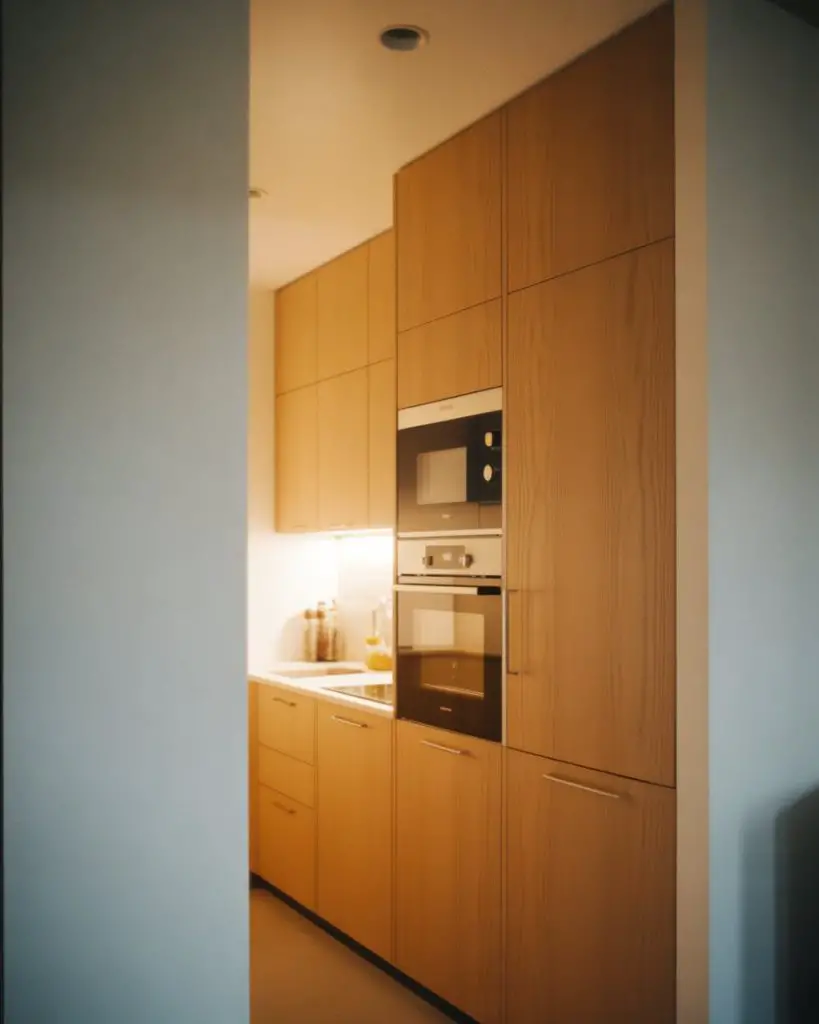
Don’t let a narrow footprint discourage you—vertical storage is your secret weapon in ideas narrow galley designs. Floor-to-ceiling cabinetry on both walls provides surprising storage capacity while keeping the floor plan uncluttered. Choose slim-profile hardware and consider removing upper cabinet doors on one side to create open shelving that visually expands the space. 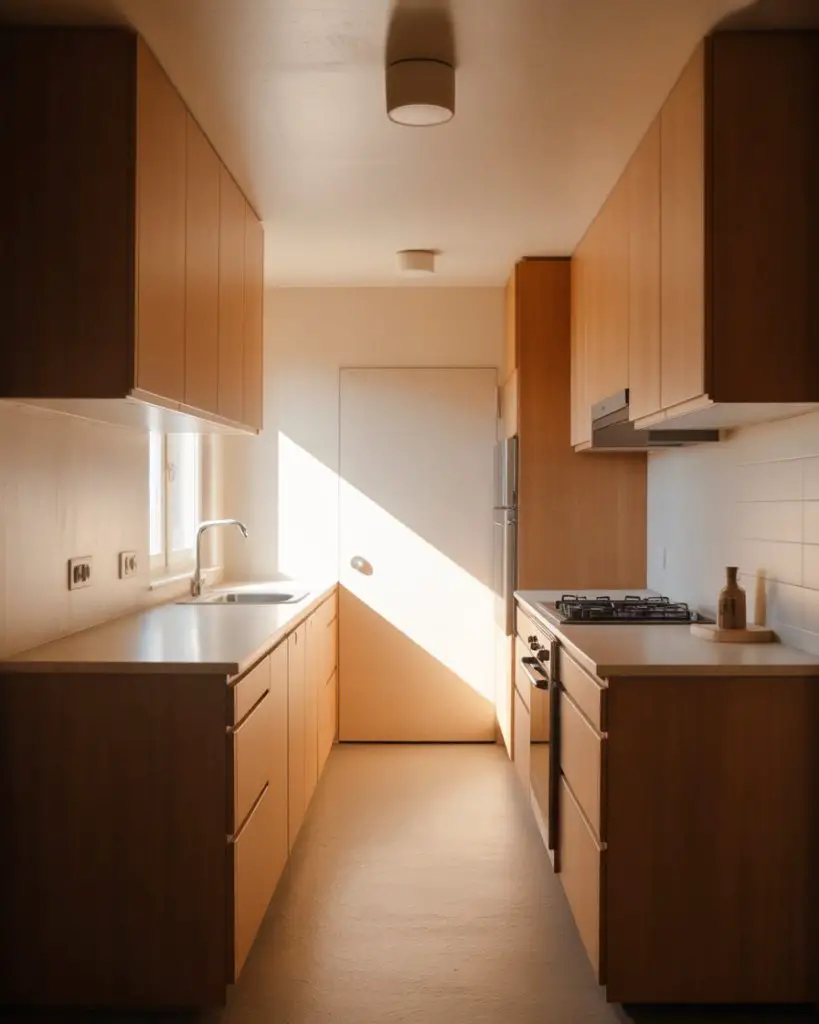
Common mistake: Over-accessorizing narrow galleys with bulky rugs, oversized light fixtures, or too many open shelves creates visual chaos. Instead, keep surfaces clear, choose one statement light fixture, and use a simple runner that doesn’t overwhelm the proportions of your space.
5. Open Galley Flowing into Living Space
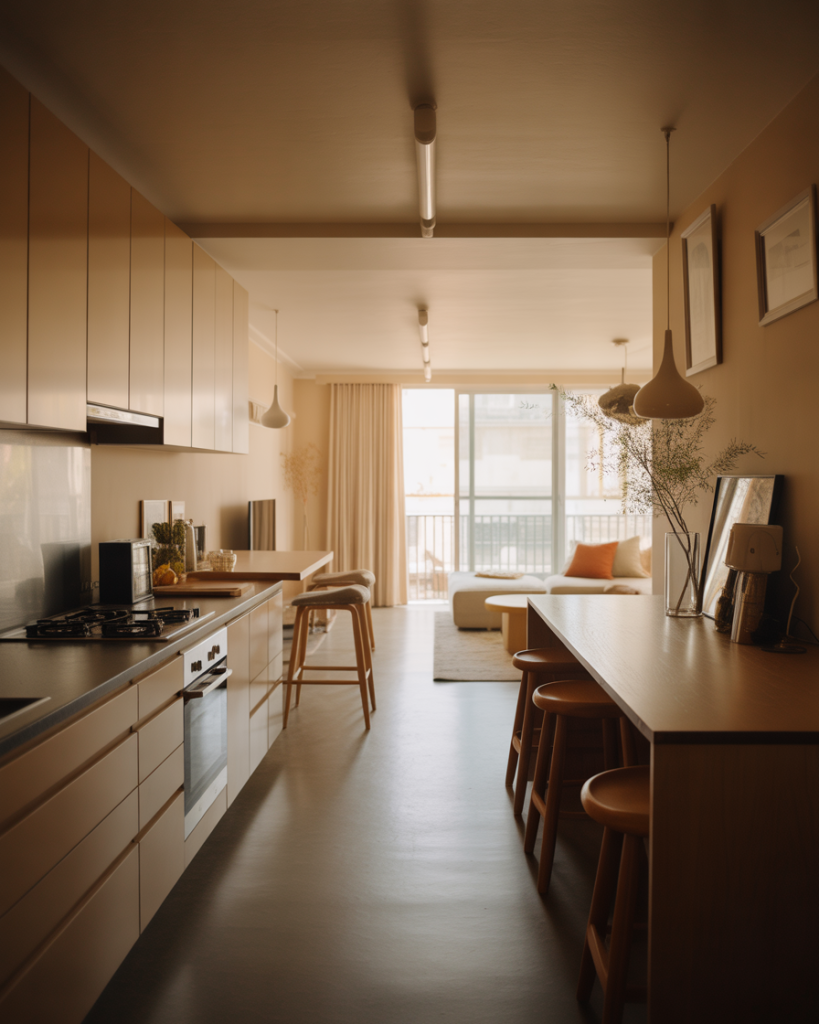
An open galley kitchen removes one wall entirely or replaces it with a low counter, creating seamless flow between cooking and living areas. This layout has become increasingly popular in loft conversions and ranch-style homes where families want to stay connected while preparing meals. The key is maintaining clear sightlines while still defining the kitchen zone through flooring changes or lighting. 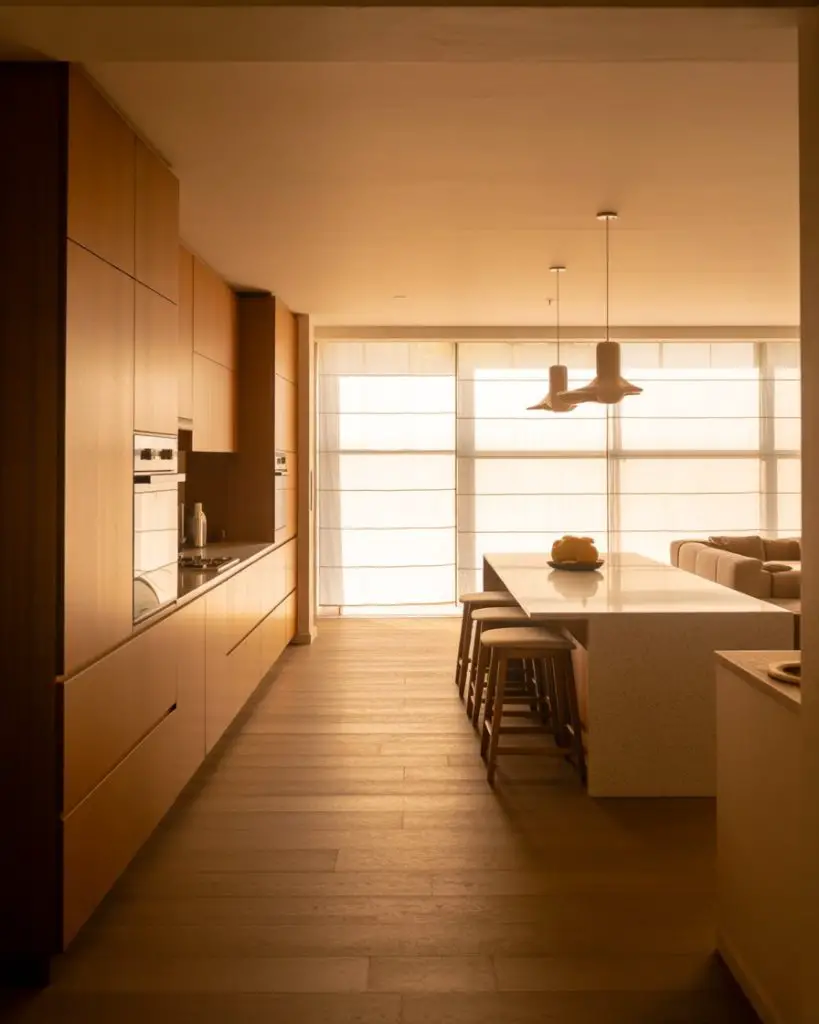
American lifestyle context: This layout reflects how we actually live now—cooking isn’t isolated work but part of family time. Parents can help with homework while stirring pasta, and hosts can chat with guests instead of being trapped behind walls. It’s especially popular in the Pacific Northwest and California where indoor-outdoor living is prized.
6. Wide Galley with Generous Walkway
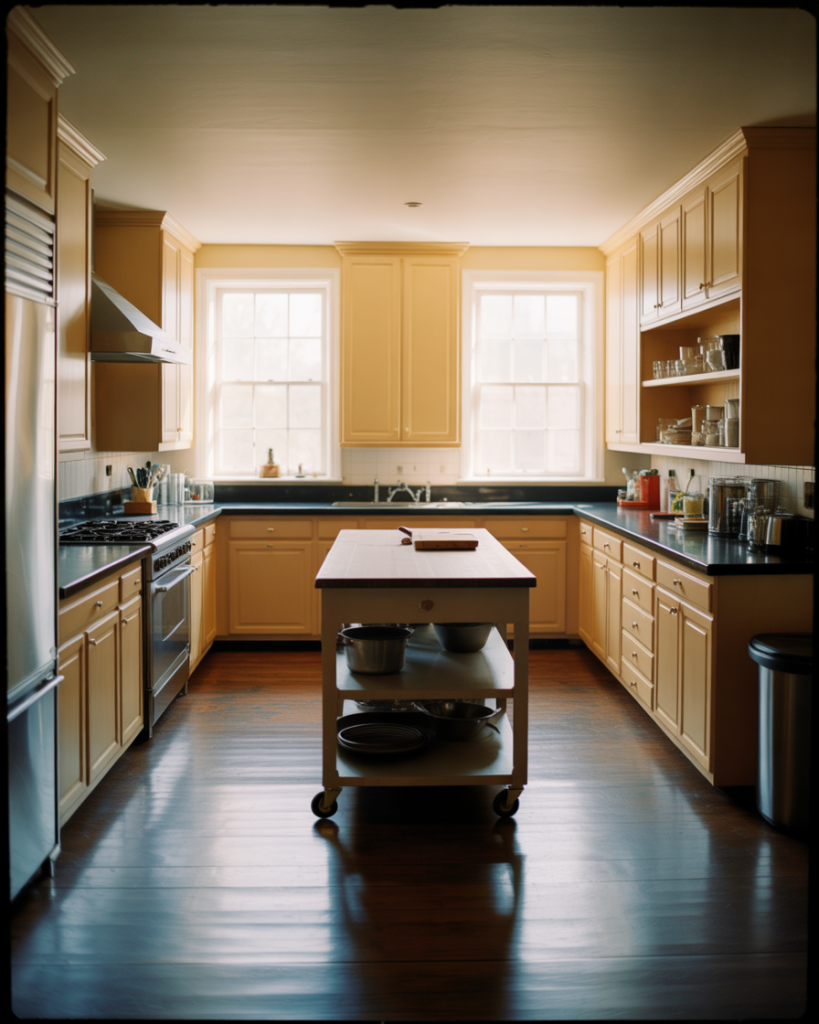
If you’re blessed with a wide galley—typically 8 feet or more between counters—you can incorporate deeper base cabinets and still maintain comfortable traffic flow. This layout eliminates the cramped feeling some associate with galley kitchens while preserving the efficient workflow. The extra width also allows for features like pull-out pantries and appliance garages that smaller galleys can’t accommodate. 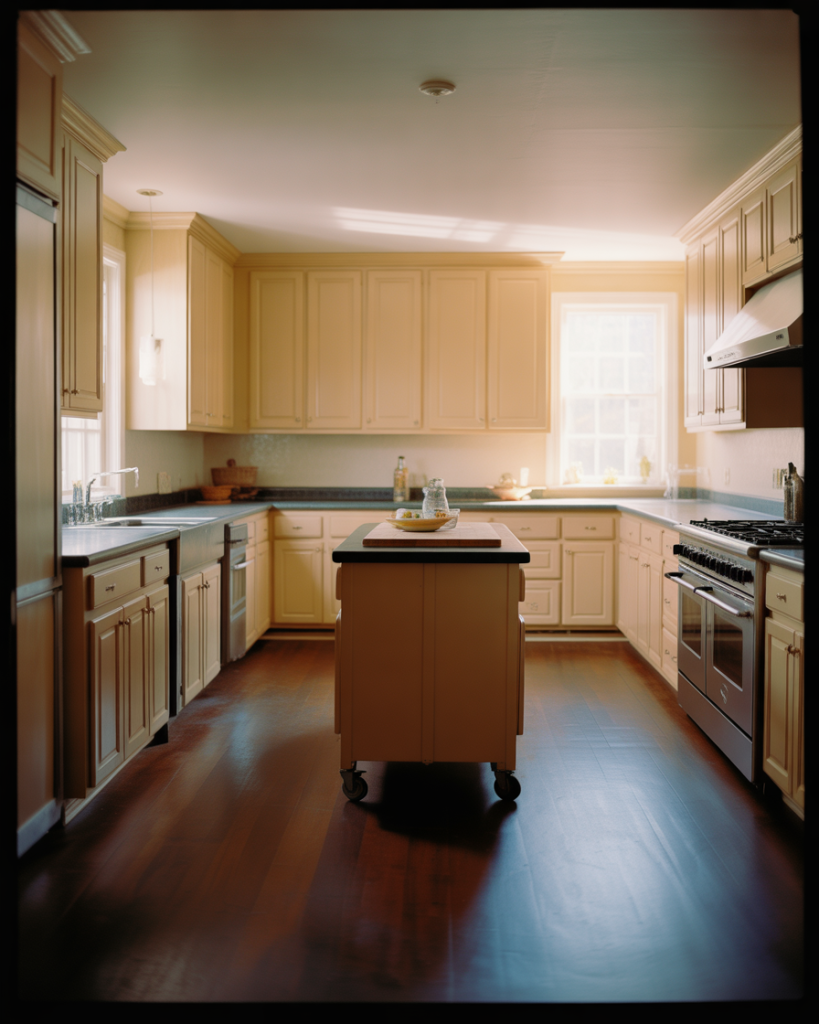
Practical insight: Aim for a minimum 42-inch clearance between facing cabinets if two cooks will work simultaneously, or 48 inches if you frequently host and want guests to move through comfortably. This spacing prevents the awkward shuffle-past moments that plague too-narrow designs.
7. Tiny Galley with Smart Appliance Choices
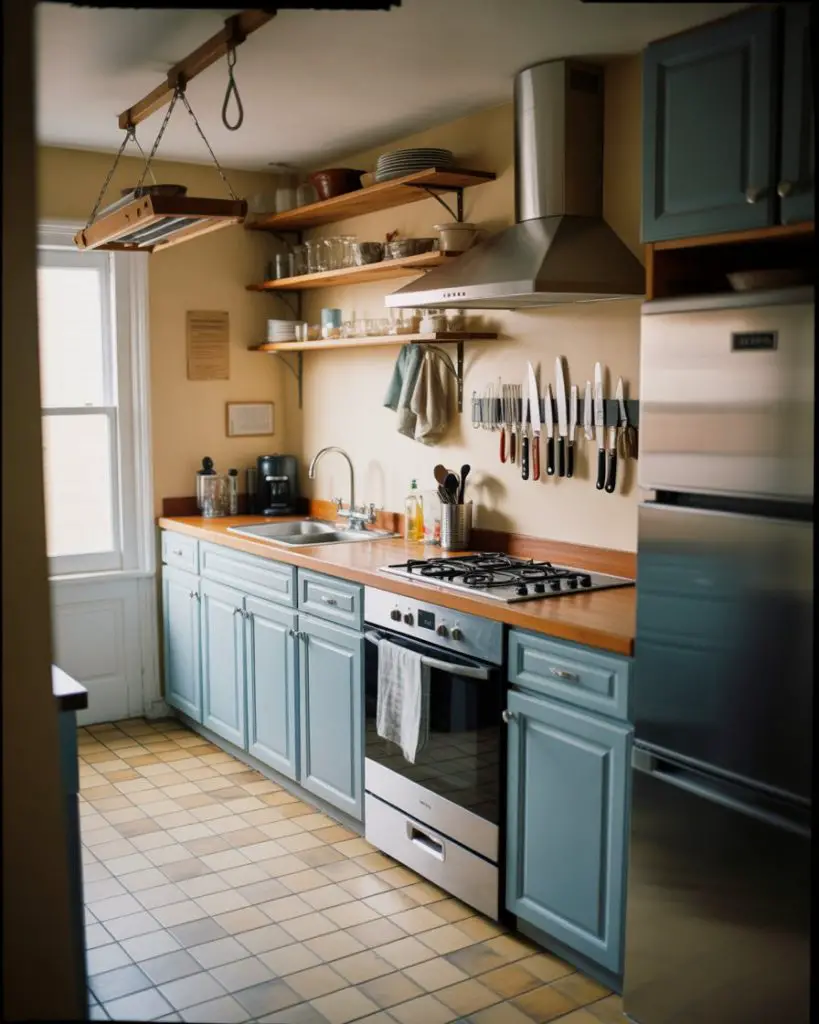
A tiny galley demands strategic appliance selection—think 24-inch ranges, counter-depth refrigerators, and drawer-style dishwashers that don’t monopolize your precious square footage. This approach to ideas narrow spaces proves you don’t need sprawling dimensions to create a fully functional kitchen. Every element should earn its place through multi-functionality or space-saving design.
A designer I know in Brooklyn swears by 18-inch dishwashers in her galley renovations—they use less water, fit tight spaces perfectly, and force homeowners to run them more frequently, which actually keeps kitchens tidier. It’s a small change that creates surprising benefits in daily routines.
8. Large Galley with Professional Features
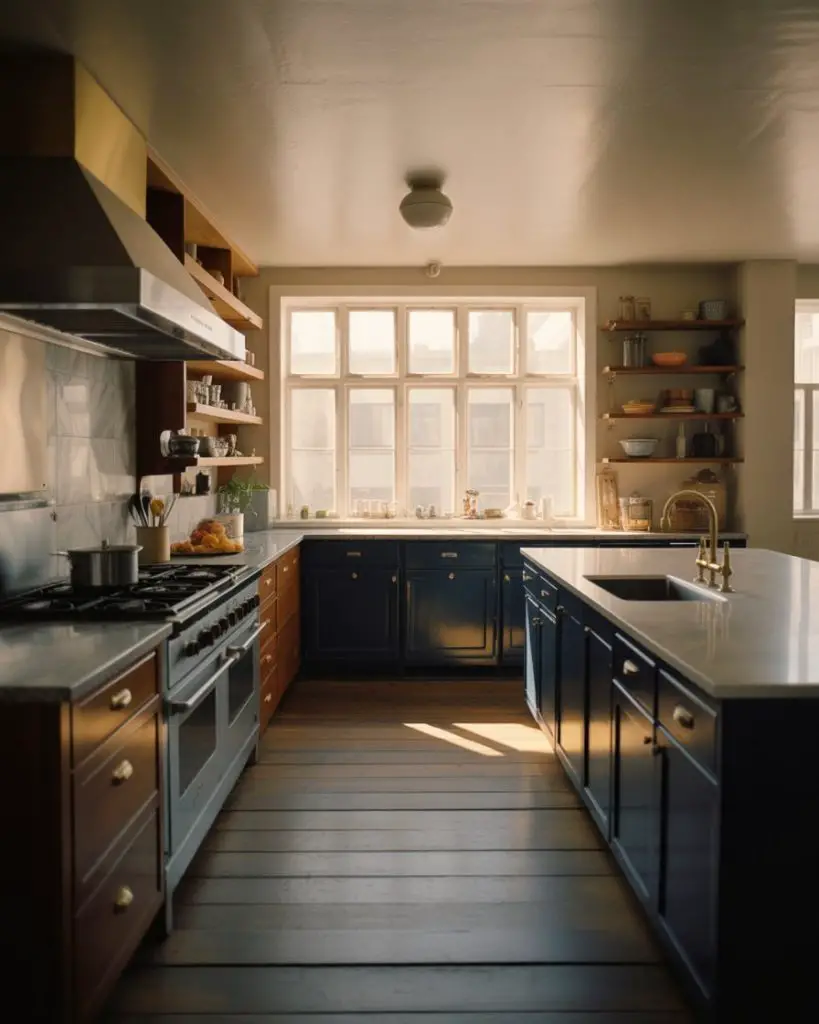
A large galley kitchen can accommodate restaurant-grade appliances and serious prep stations while maintaining the streamlined workflow that makes galleys so efficient. This layout appeals to dedicated home cooks who want professional capabilities without the sprawl of a U-shaped kitchen. Consider a 48-inch range, double ovens, and dedicated zones for baking, cooking, and cleanup. 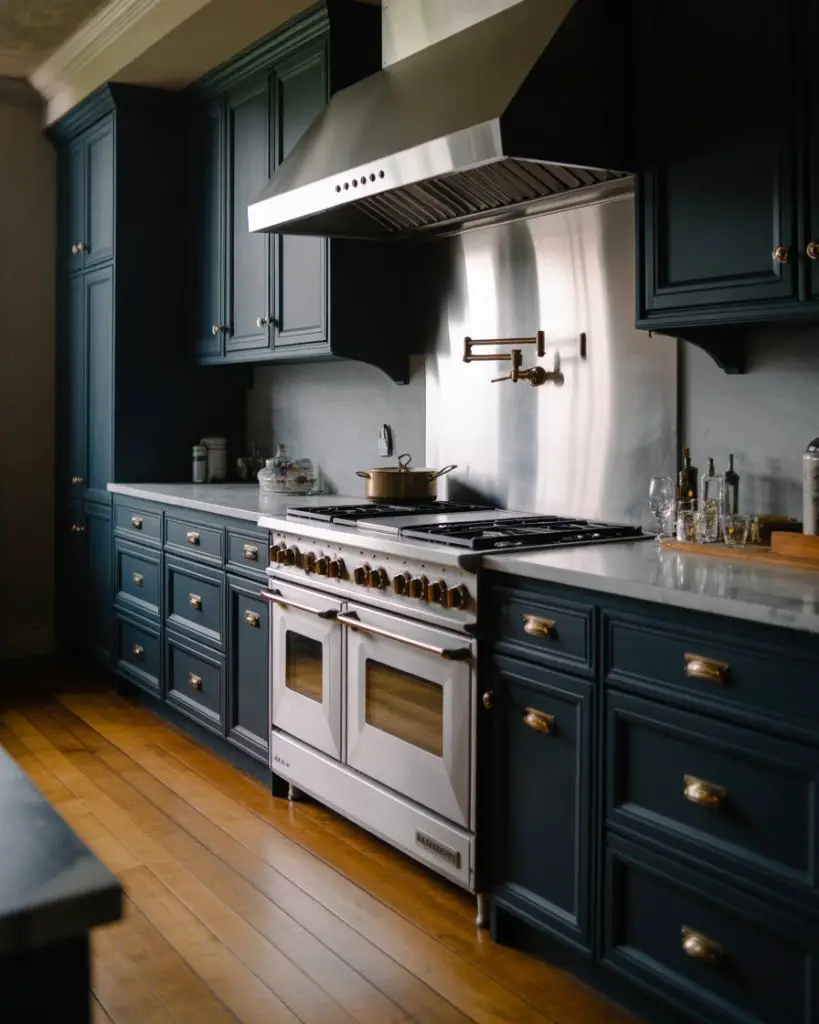
Where it works best: Suburban homes and new constructions with designated kitchen footprints of 150+ square feet can embrace this approach. It’s particularly popular in Texas and the Southeast where cooking and entertaining are central to home life, and homeowners want serious capability without sacrificing the efficient “everything within reach” benefit.
9. Breakfast Nook Integration at Galley End
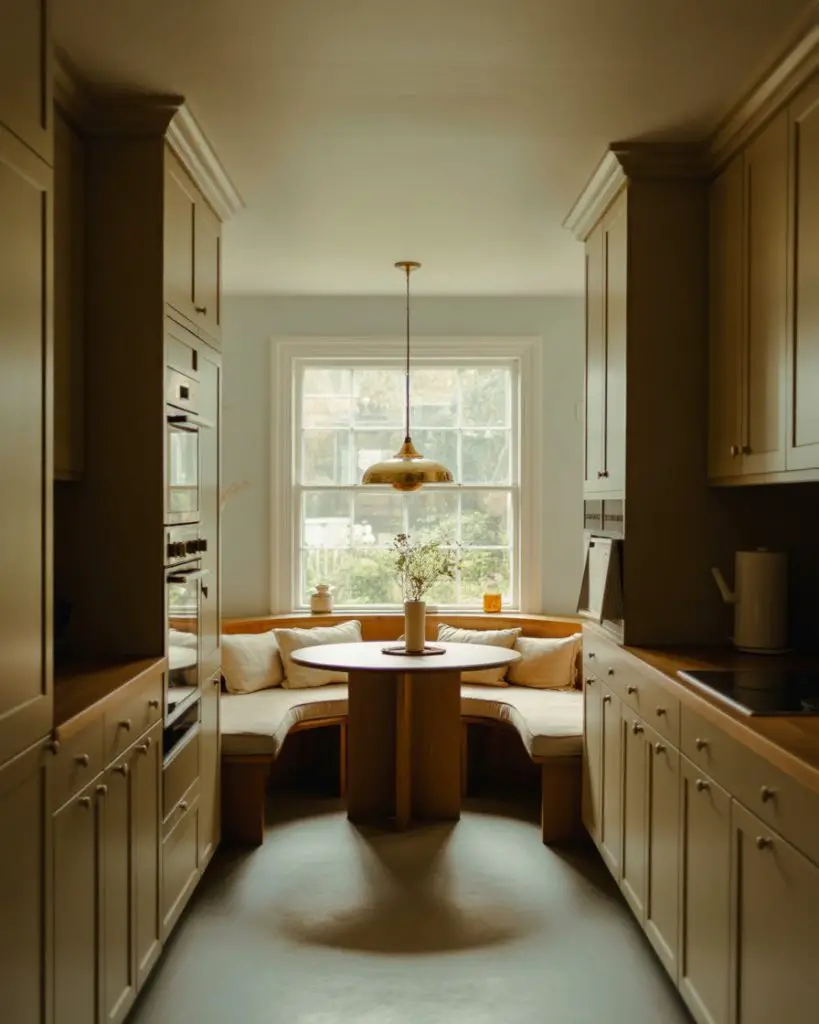
Placing a breakfast nook at one end of your galley creates a cozy dining spot that doesn’t interrupt workflow. This layout works wonderfully when you have a window wall or corner space adjacent to the galley proper. Built-in banquette seating with storage underneath maximizes functionality while the nook’s separation from the main kitchen keeps breakfast or homework time from interfering with cooking. 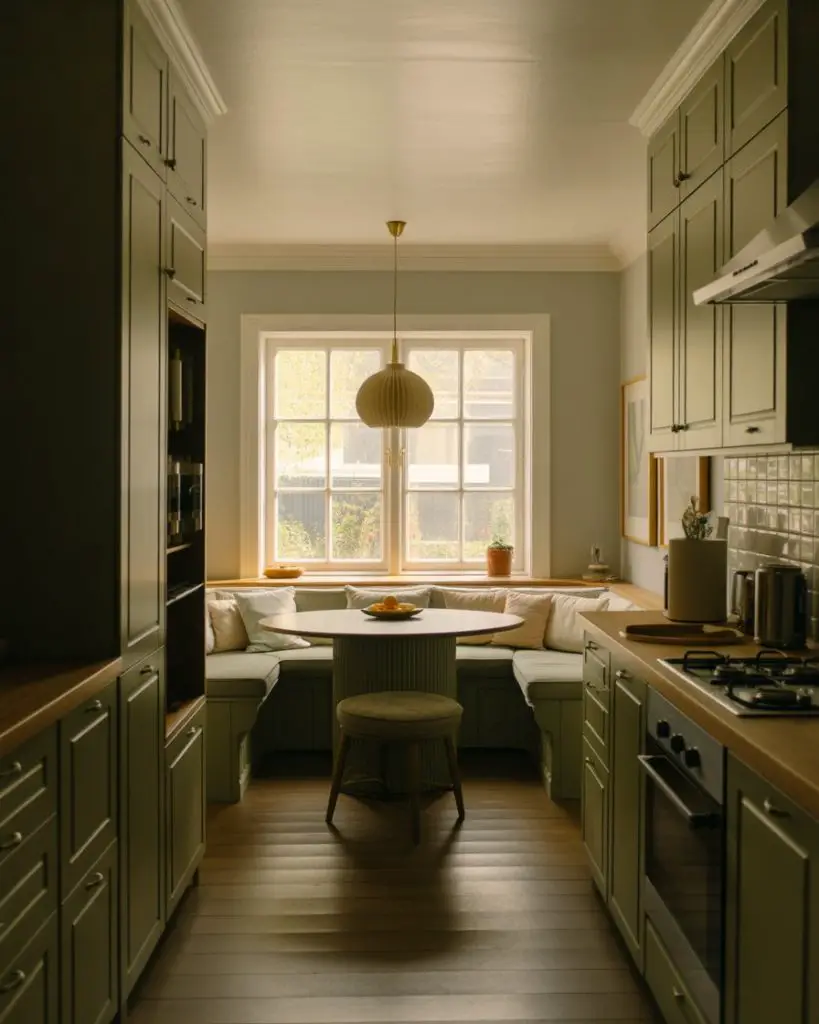
Expert-style commentary: The breakfast nook placement creates what architects call “destination spaces”—areas that draw you through the kitchen to a specific purpose. This psychological element makes the galley feel less like a corridor and more like a purposeful journey from entry to gathering spot.
10. Green Galley with Natural Materials
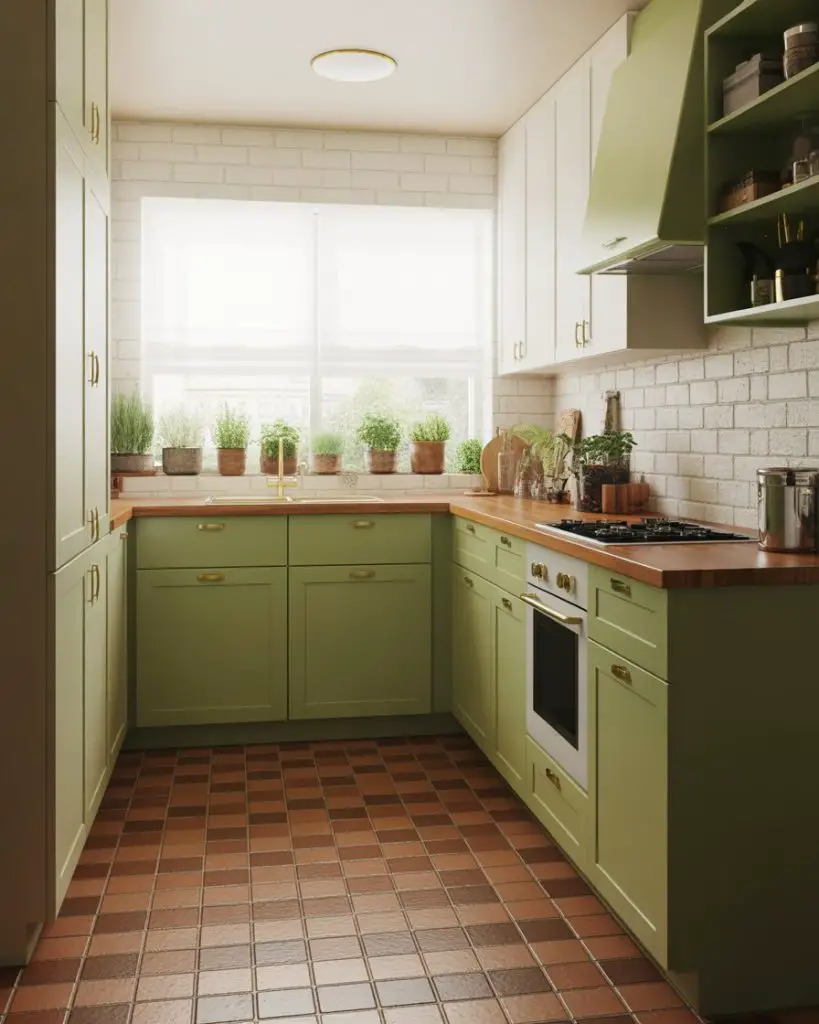
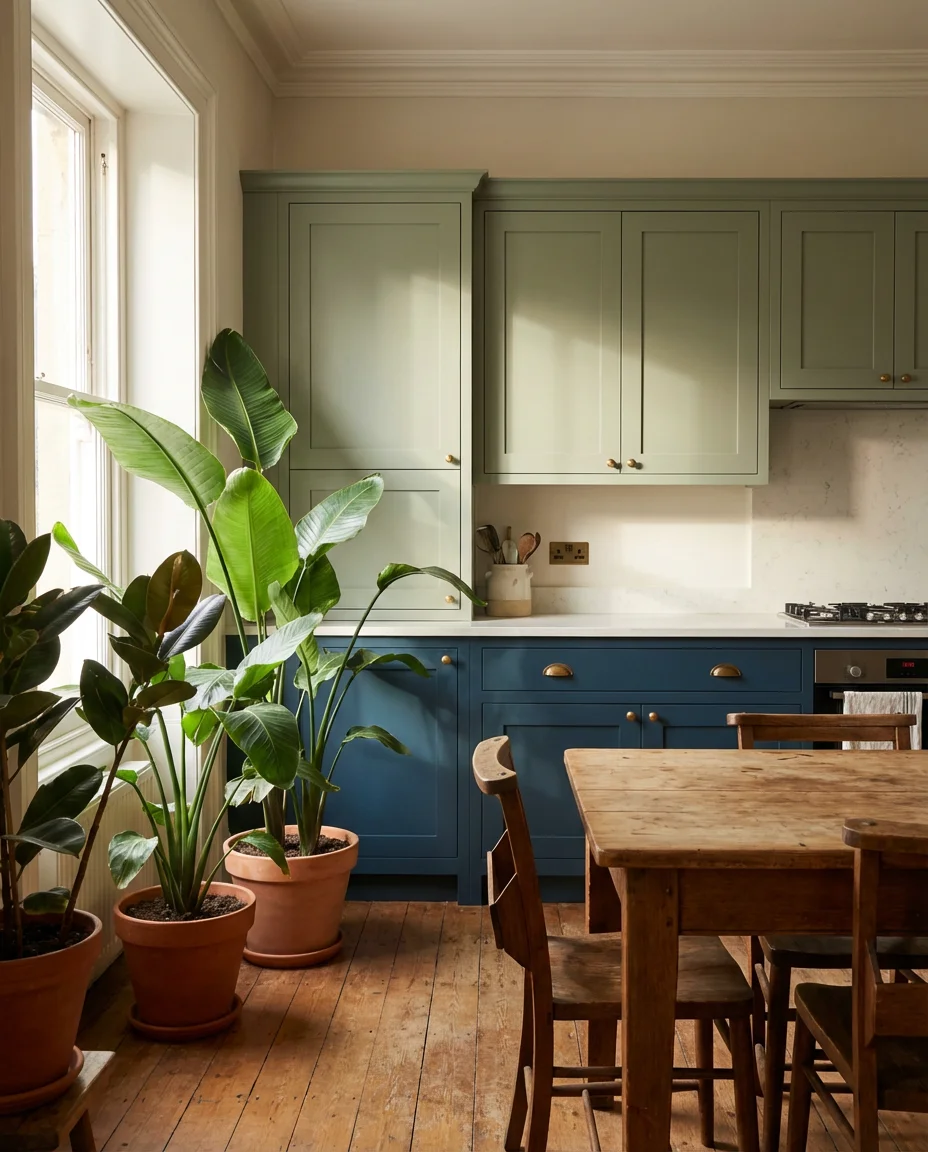
A green galley kitchen embraces biophilic design through sage cabinets, forest-toned tiles, or olive-hued walls that bring the outdoors inside. This remodel ideas approach pairs beautifully with natural wood countertops, rattan light fixtures, and plants on open shelving. The color palette creates a calming atmosphere that makes time spent cooking feel restorative rather than rushed. 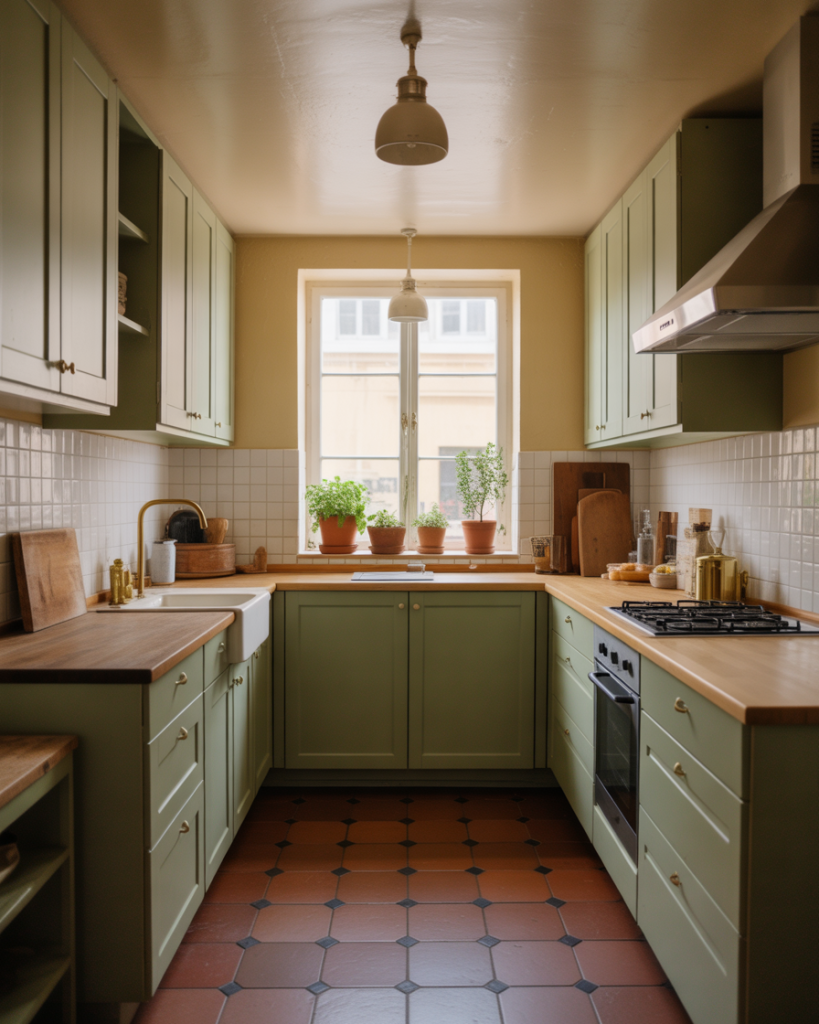
American lifestyle context: The wellness movement has homeowners rethinking kitchens as spaces for mindful food preparation rather than just efficiency. Green tones reduce stress and eye fatigue—especially important in compact galleys where you’re working in close quarters with appliances and task lighting.
11. Cottage Charm in Galley Format
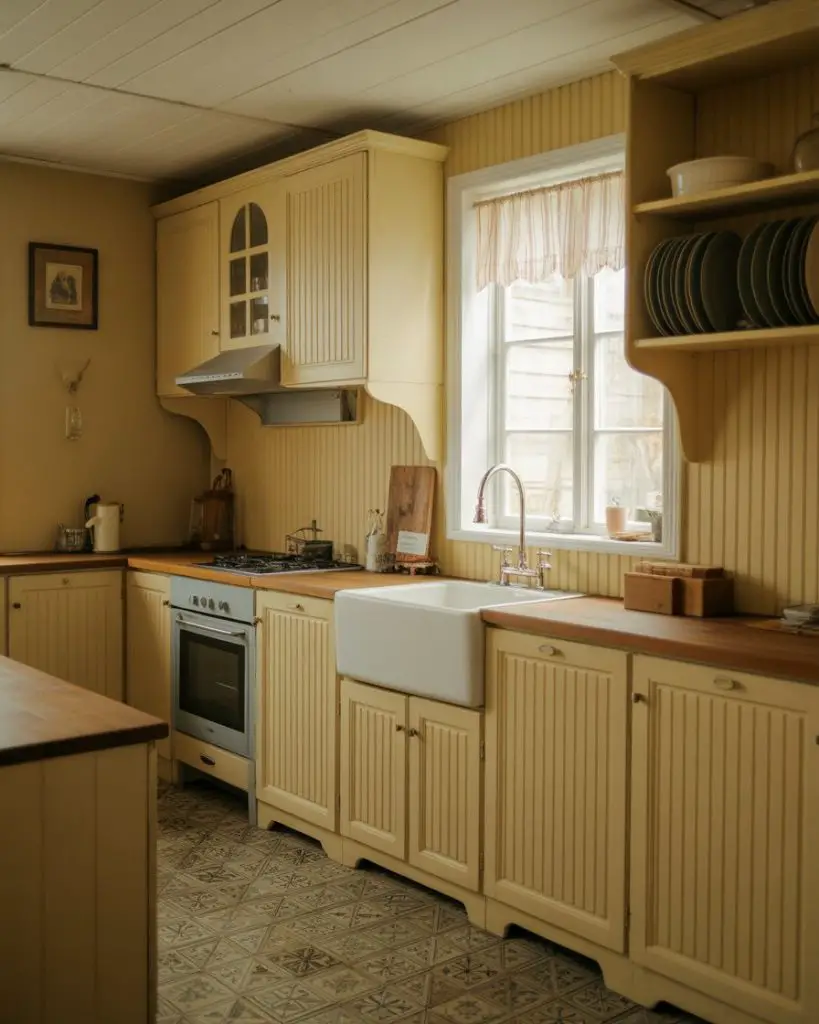
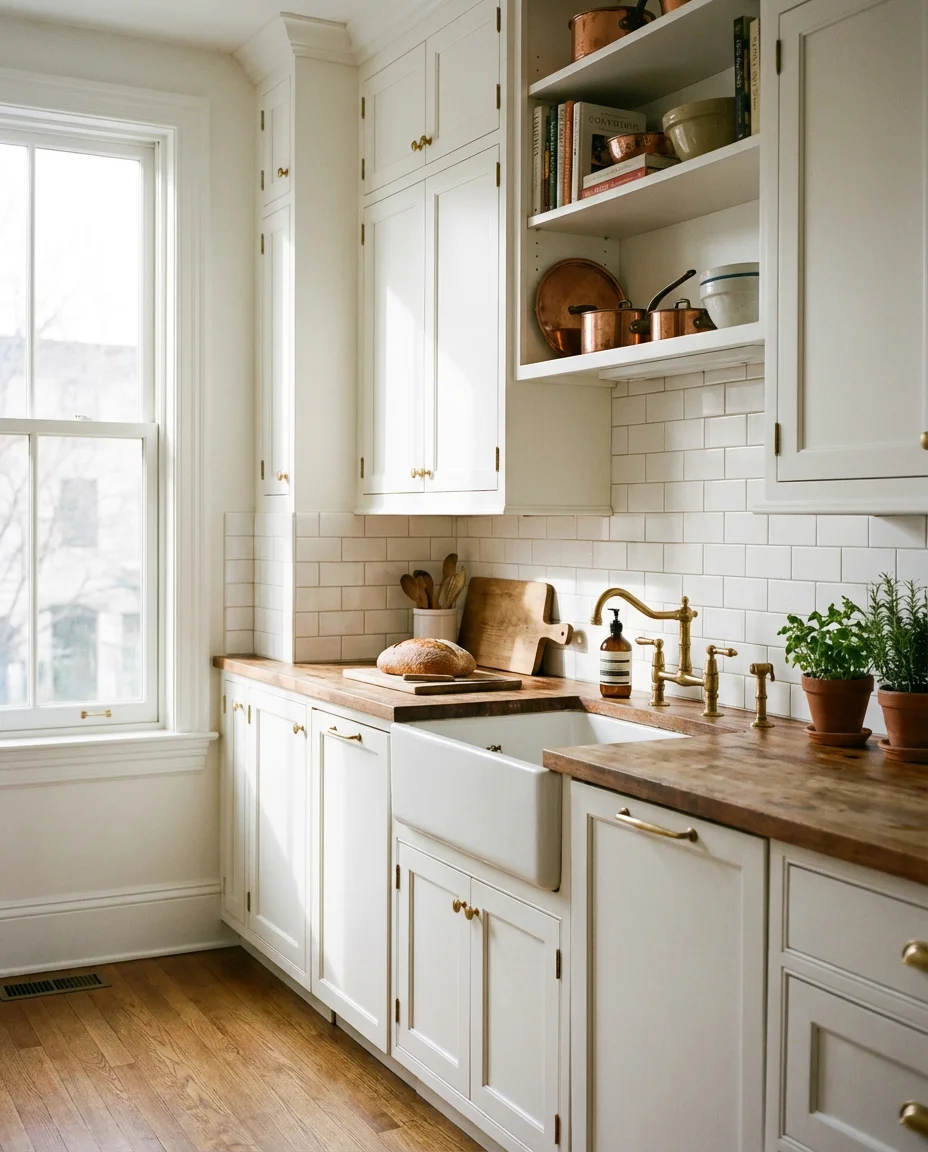
A cottage-style galley kitchen layers vintage details like beadboard backsplashes, farmhouse sinks, and glass-front cabinets to create warmth and character. This layout suits older homes and beach houses where preserving historical charm matters as much as function. Soft color palettes, open shelving displaying everyday dishes, and vintage-inspired hardware complete the look without feeling overly precious. 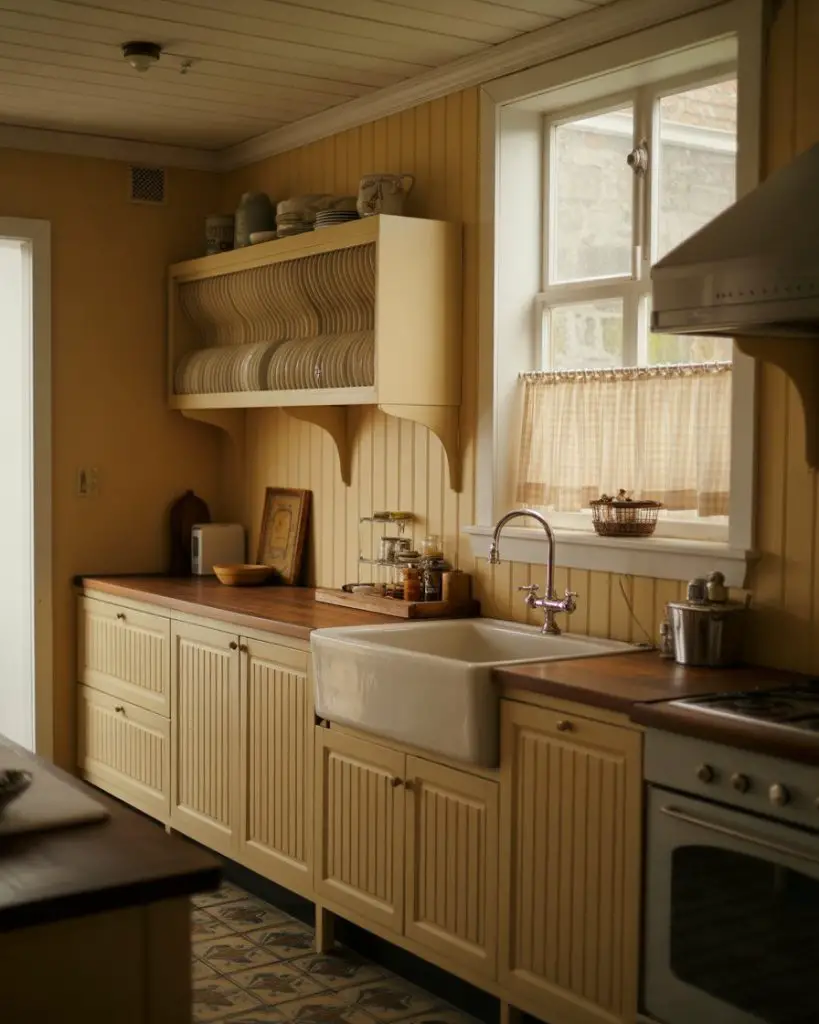
Practical insight: Cottage kitchens work best when you embrace their compact scale rather than fighting it. Display your prettiest dishes on open shelves, use vintage canisters for storage, and let the space’s inherent coziness become part of its charm. Fighting for a sleek modern look in a cottage galley often feels forced.
12. Black Galley with Dramatic Contrast
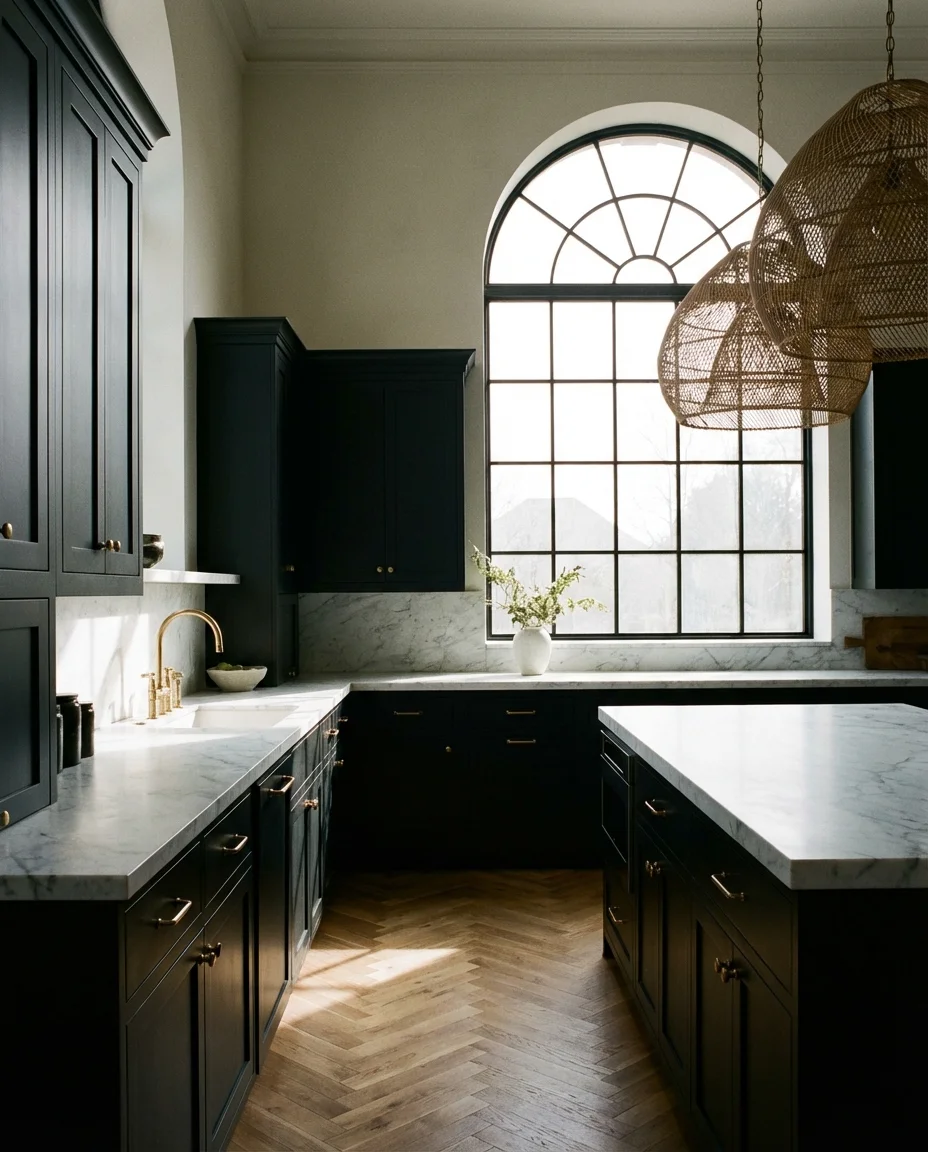
Bold black cabinetry creates striking drama in a galley kitchen, especially when contrasted with white countertops, brass hardware, or light wood floors. This layout defies the conventional wisdom that dark colors shrink small spaces—when executed with ample lighting and reflective surfaces, black actually adds sophisticated depth. The key is balancing the darkness with strategic light sources and at least one lighter element. 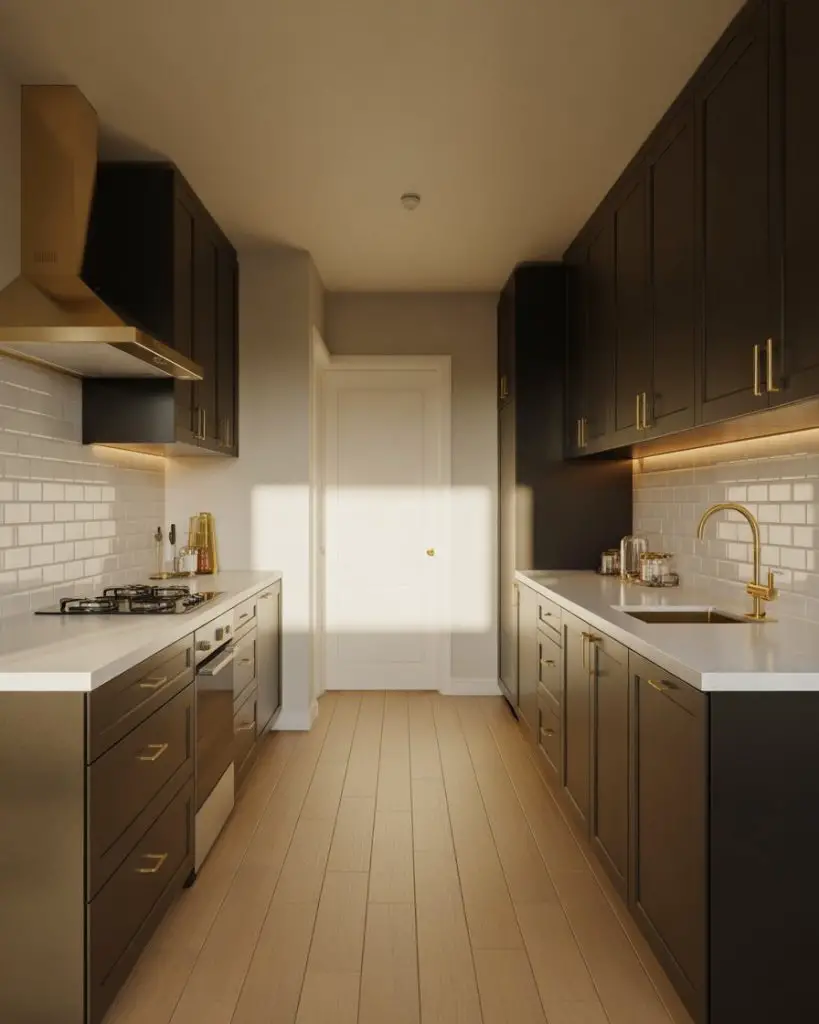
Common mistake: Skipping adequate lighting in dark galleys creates a cave-like atmosphere. Install under-cabinet LED strips, add recessed ceiling lights every four feet, and incorporate at least one statement pendant or chandelier. The contrast between dark surfaces and bright lighting creates the drama you want.
13. Breakfast Bar Along One Wall
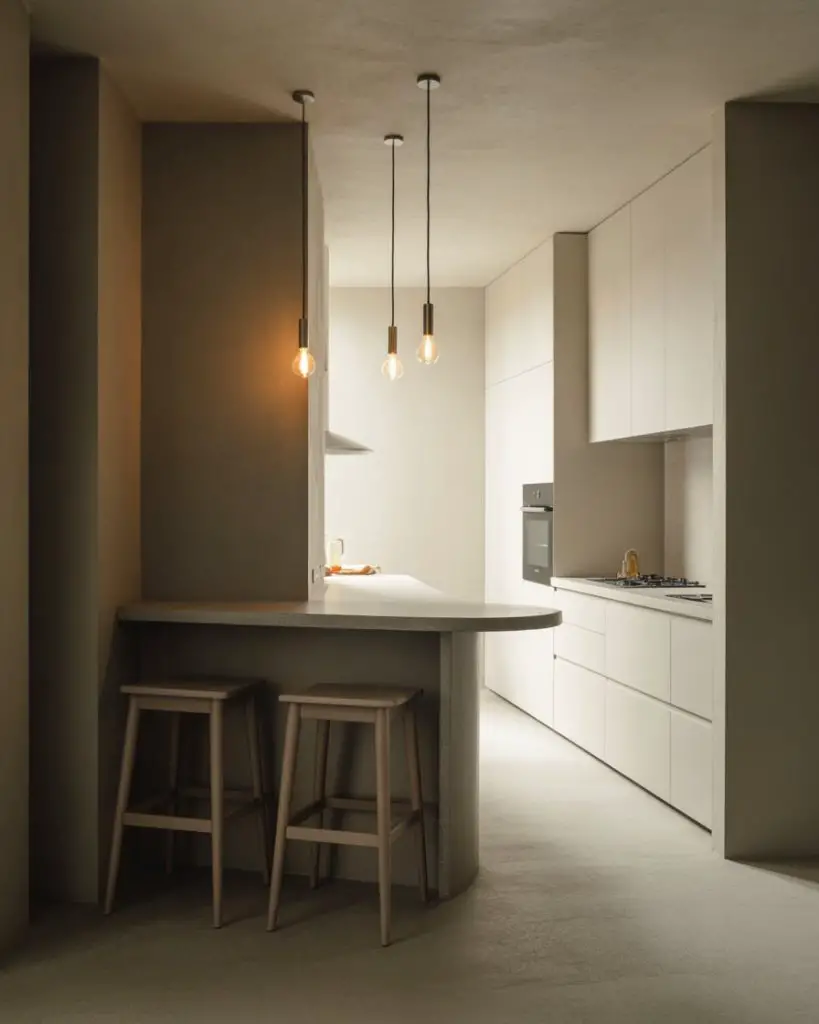
A breakfast bar extending from one galley wall transforms dead space into casual dining without requiring a full peninsula or island. This renovation strategy works when you have even 12–18 inches of extra width on one side—enough for a narrow counter extension and wall-mounted stools. It’s particularly smart in apartments where every function needs to overlap efficiently.
Real homeowner behavior: Breakfast bars in galleys become multi-purpose landing zones—they hold laptops during work-from-home mornings, serve as buffet space during parties, and give kids a homework spot visible from the stove. This flexibility makes them worth the investment even in tight quarters.
14. Island Layout Alternative in Wider Galleys
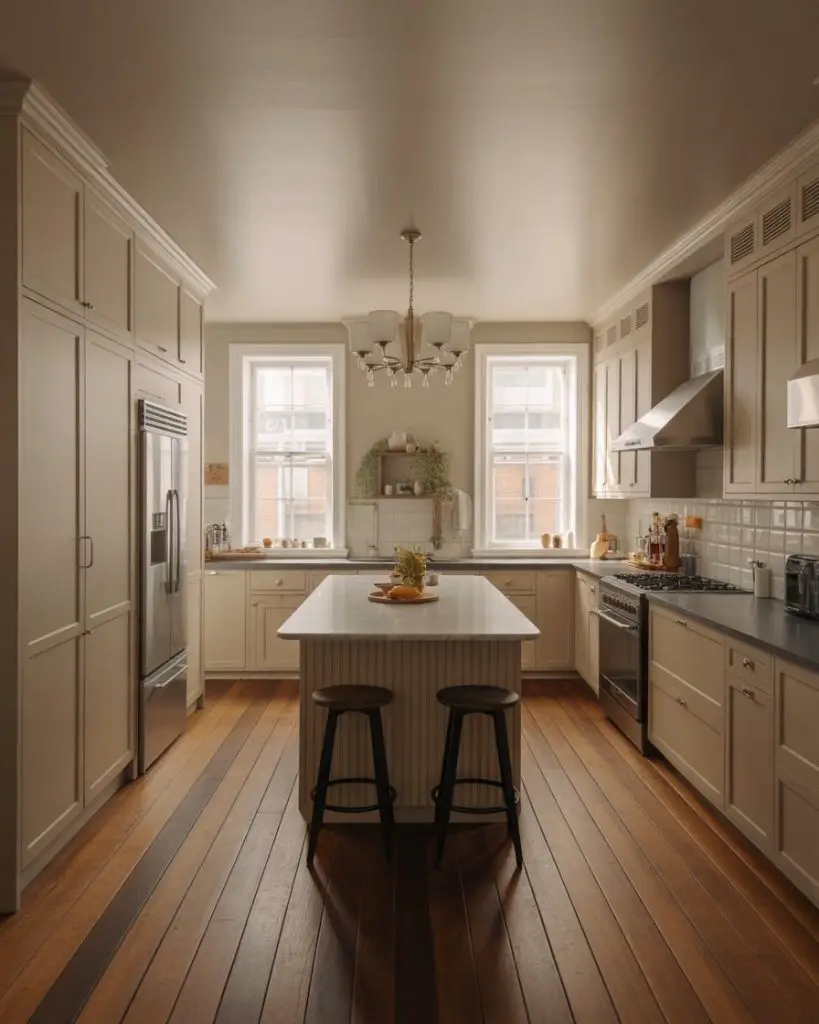
When your galley is exceptionally wide, an island layout creates a three-wall workspace that still maintains galley efficiency. The island sits centered between two parallel walls, providing additional prep space, storage, and often seating without blocking traffic flow. This layout floor plans approach works best when you have at least 10 feet of total width to maintain proper clearances. 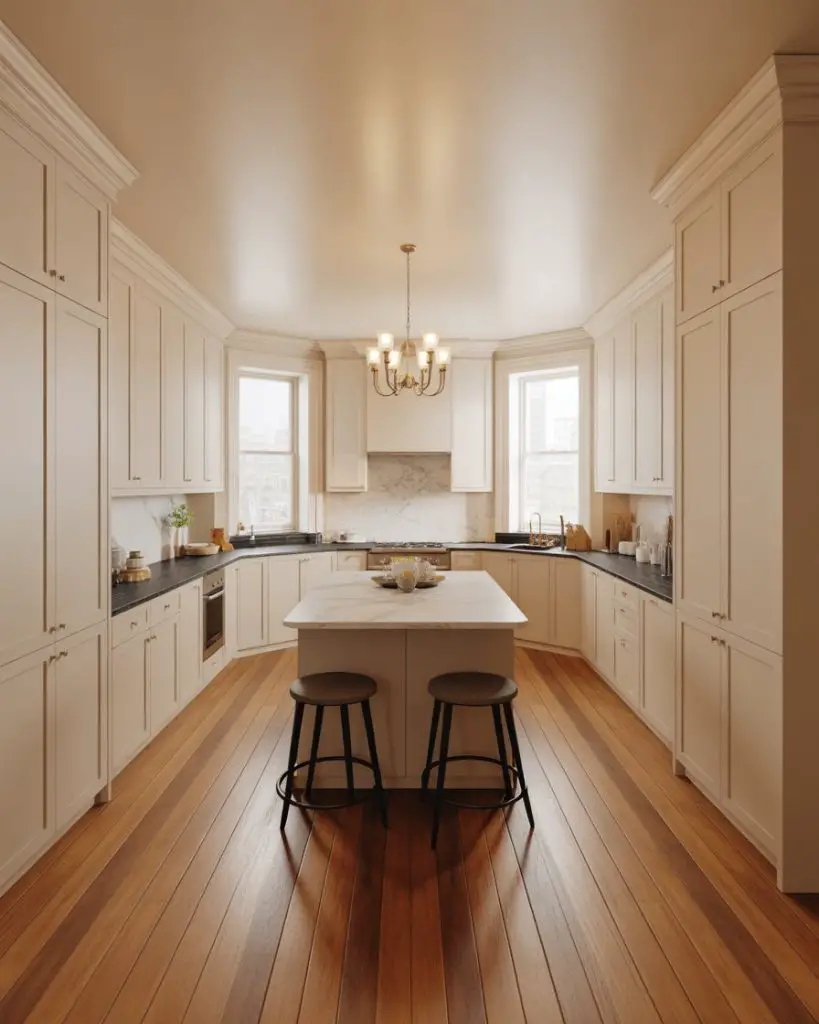
Budget angle: Adding a modest island to an existing galley typically costs $2,000–$5,000 for a quality piece with storage and seating, compared to $15,000+ for removing walls and reconfiguring plumbing for a full kitchen expansion. It’s the compromise that delivers impact without major construction.
15. Mid-Century Galley with Period Details
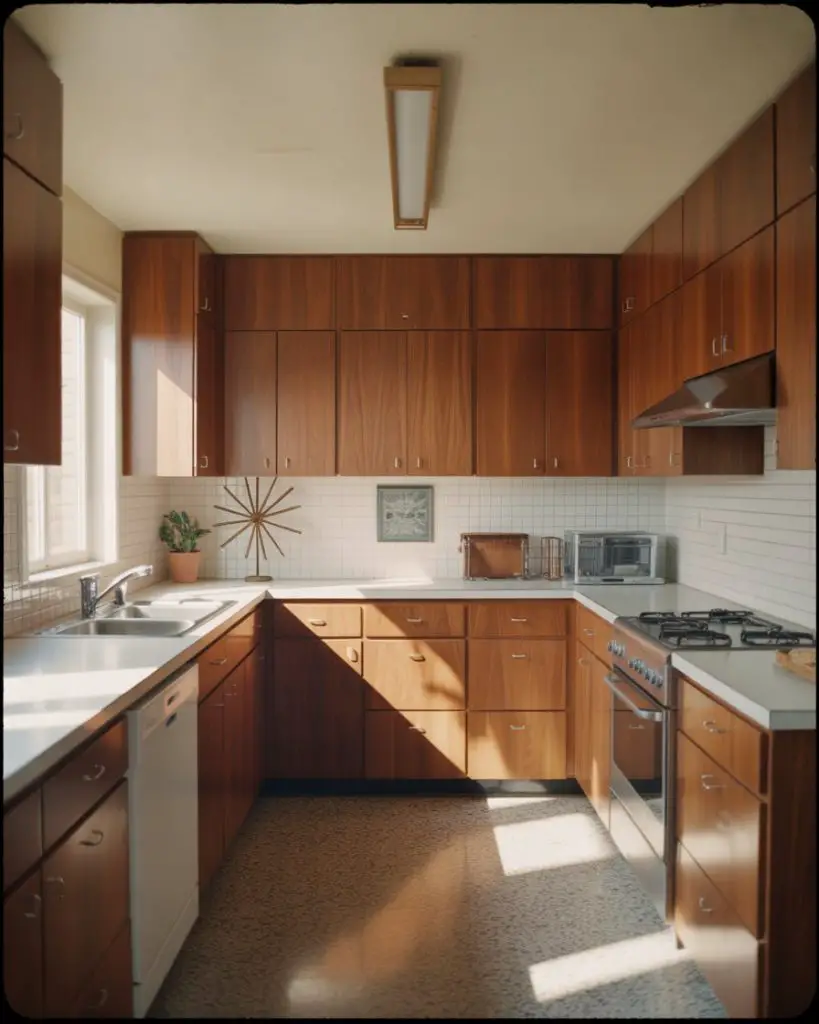
A mid century galley embraces the era’s clean lines, warm wood tones, and functional beauty through flat-panel cabinets, geometric tile, and streamlined hardware. This remodel ideas direction suits ranch homes and post-war houses where honoring original design language creates authentic charm. Think teak accents, aqua or avocado tile accents, and simple forms that let materials shine. 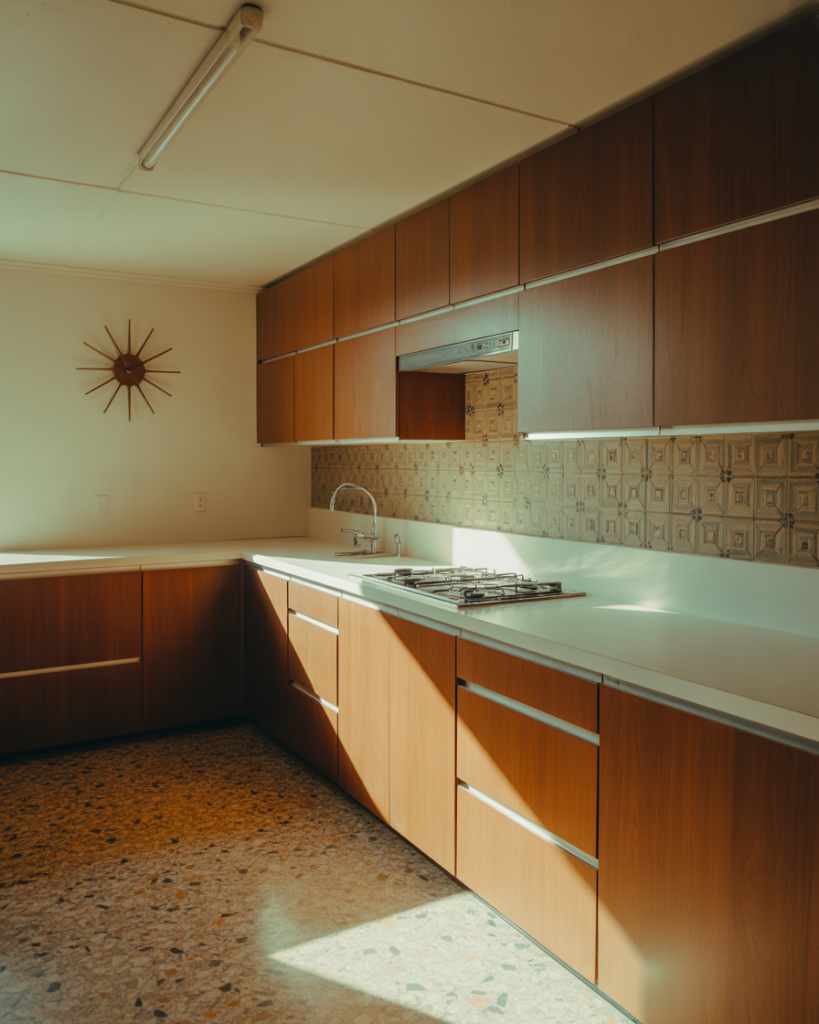
Where it works best: The Southwest, California, and Pacific Northwest have the highest concentration of preserved mid-century homes where this aesthetic feels authentic rather than themed. The galley format was extremely common in 1950s-60s construction, so you’re often working with original layouts that just need sensitive updating.
16. Blue Galley for Coastal or Traditional Spaces
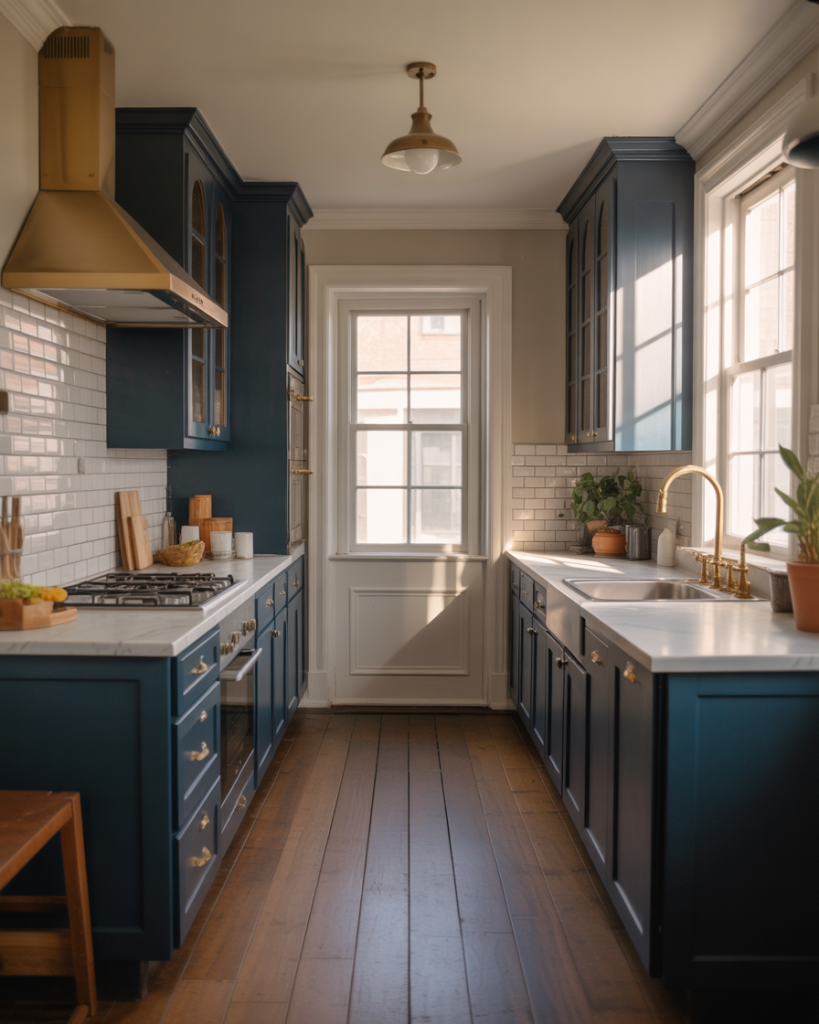
Rich blue cabinets—from navy to powder to slate—bring sophistication and versatility to galley kitchens in both coastal and traditional settings. This layout pairs beautifully with brass or nickel hardware, white countertops, and natural wood accents. Blue reads as neutral enough for long-term appeal while offering more personality than standard white or gray. 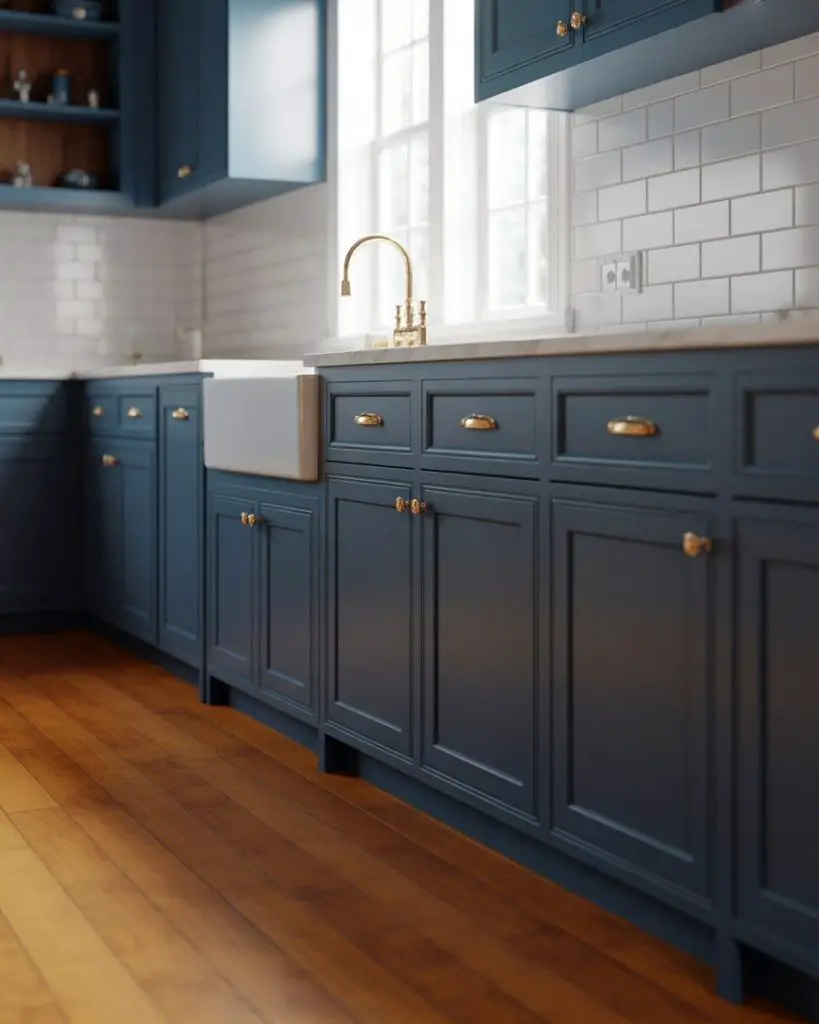
A colleague renovated her Charleston galley with Hale Navy cabinets and said the single best decision was installing dimmable under-cabinet lighting—it lets the blue feel crisp and fresh during daytime cooking but warm and cozy for evening entertaining. The color’s depth changes beautifully with light levels throughout the day.
17. Mid-Century Modern with Updated Appliances
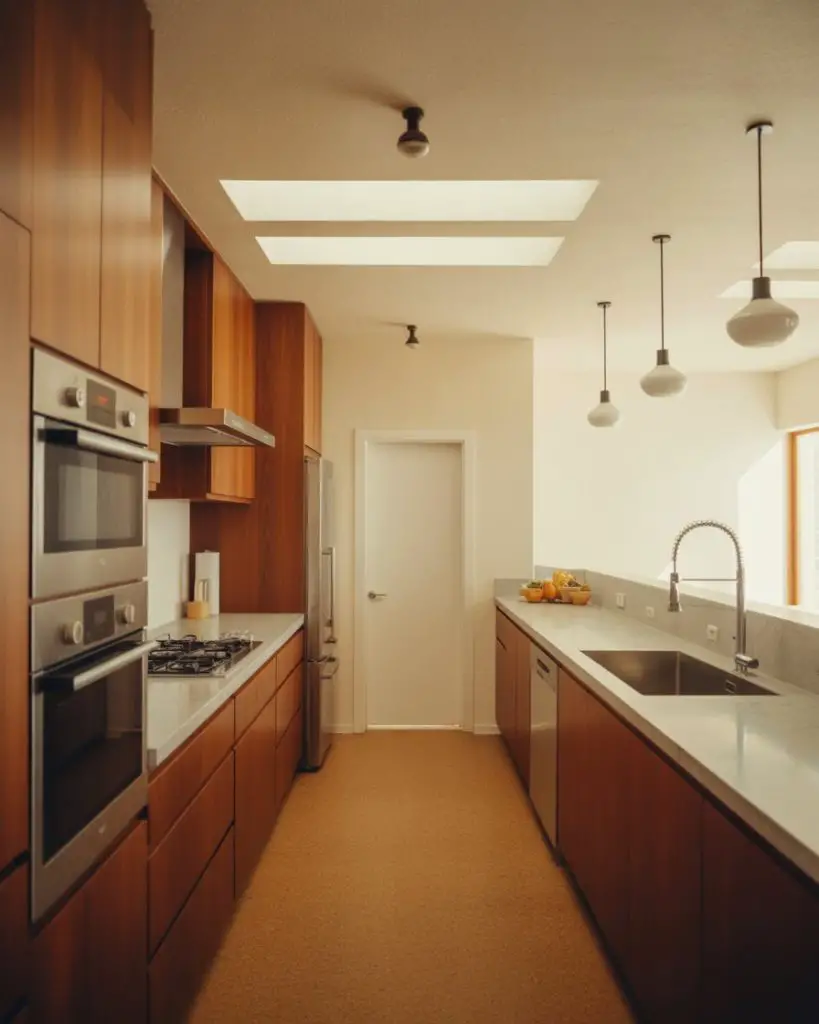
The mid century modern galley updates period aesthetics with contemporary appliances and current materials while maintaining clean lines and organic warmth. This renovation approach might include walnut cabinets with integrated appliances, quartz counters that mimic marble, and streamlined hardware. The result feels both nostalgic and current—vintage soul with modern convenience. 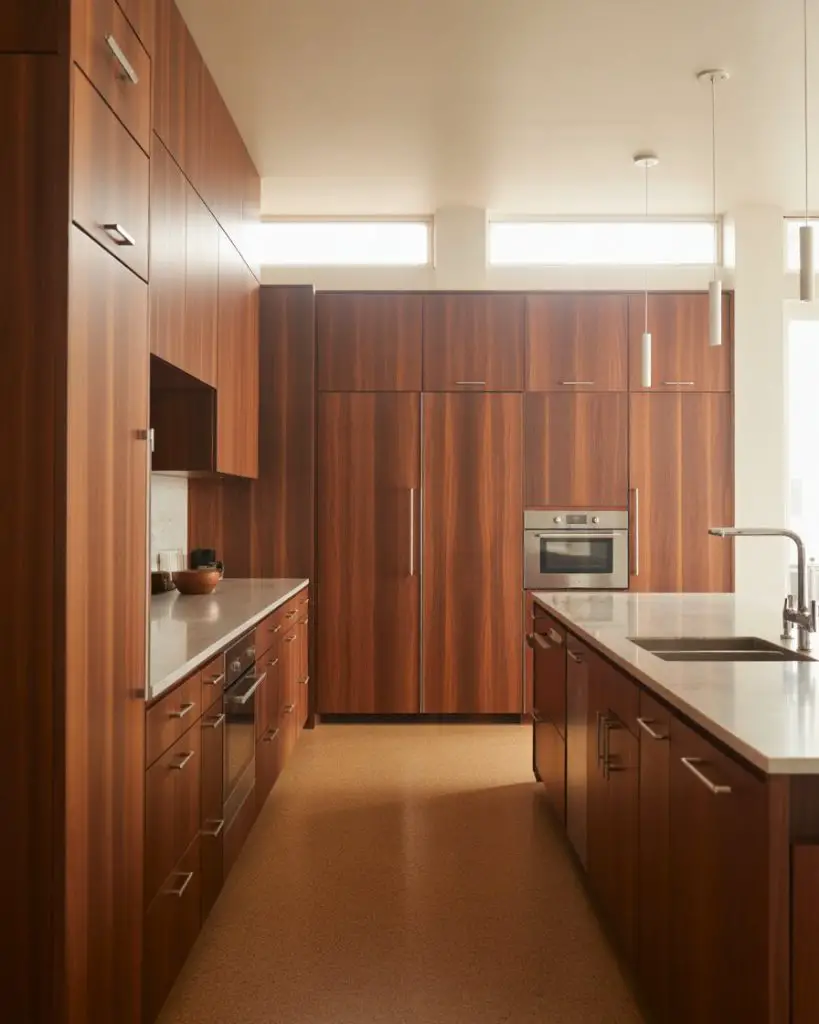
Expert-style commentary: The hallmark of successful mid-century modern updates is restraint—resist the urge to over-accessorize or add trendy elements that conflict with the period’s minimalist sensibility. Let quality materials, good proportions, and thoughtful lighting do the work rather than piling on decorative details.
18. Ideas with Island for Entertaining
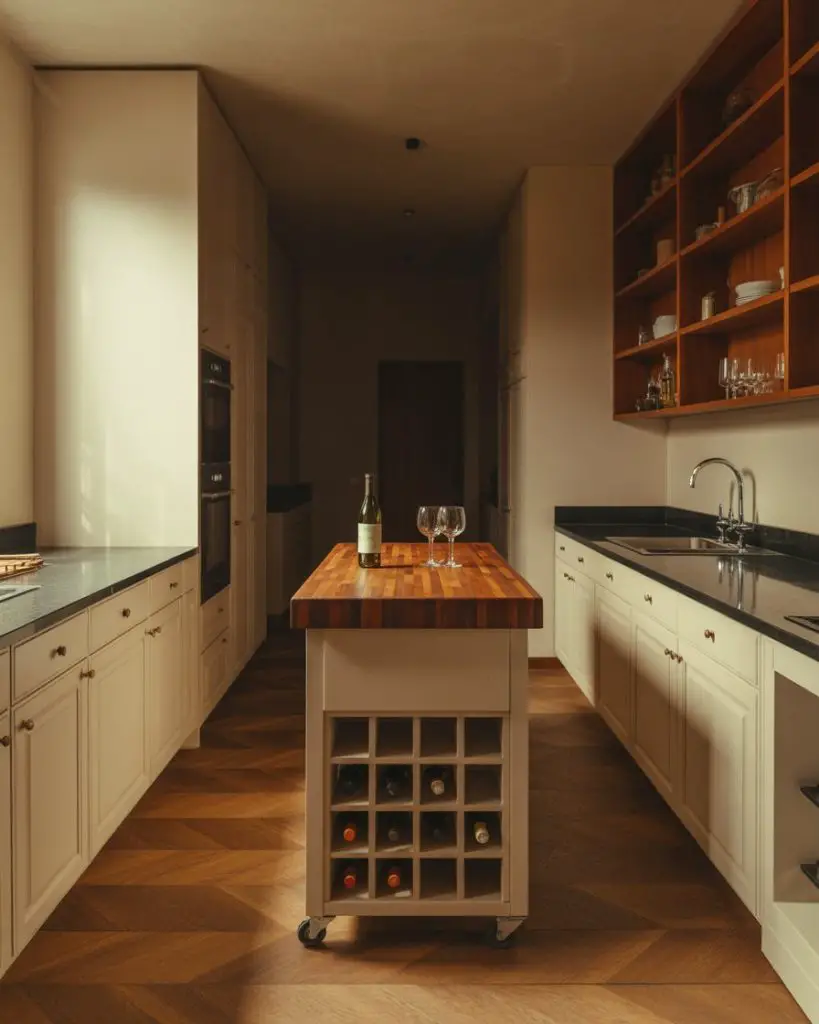
Galley ideas with island functionality center on creating gathering spots that don’t compromise the efficient workflow that makes galleys work. A movable island on casters offers flexibility—roll it into place for party prep, then move it aside for daily cooking. This layout provides the benefits of an island without permanent commitment or the spatial requirements of a fixed installation. 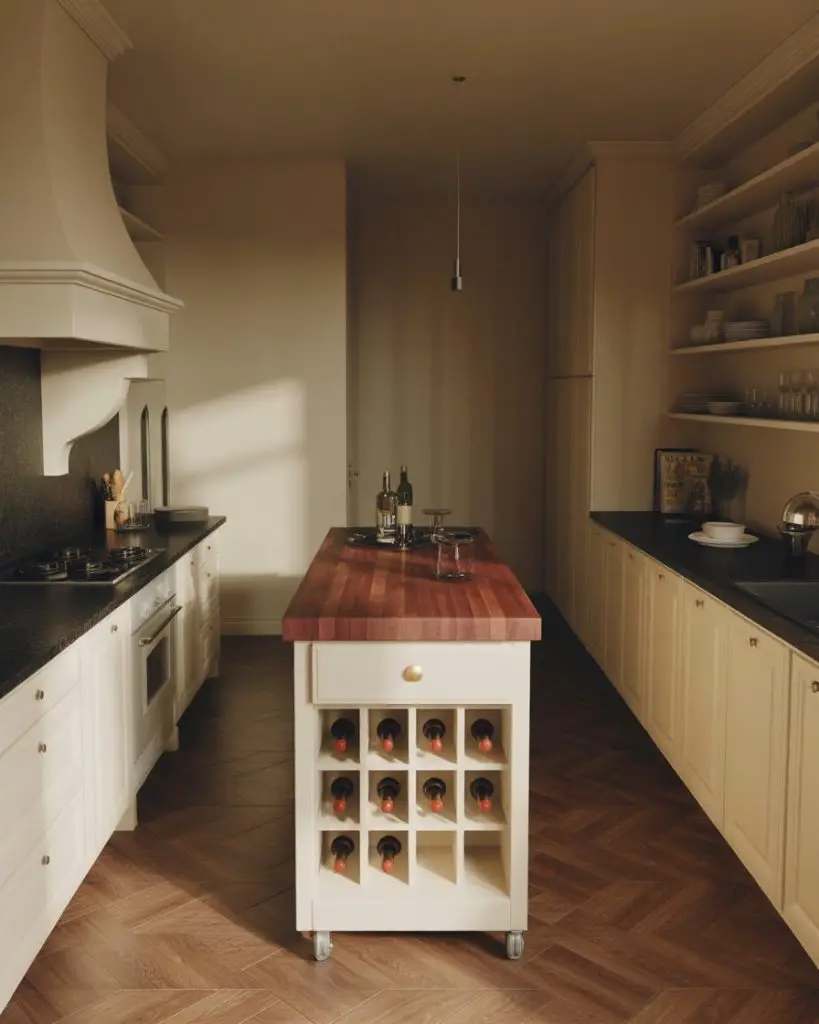
Practical insight: Wheeled islands should be substantial enough to stay stable during use but light enough to move easily—look for pieces in the 100–150 pound range with locking casters. Add a thick cutting board or marble pastry slab on top to increase work surface without permanent weight.
19. Opening Up a Closed Galley to Adjacent Rooms
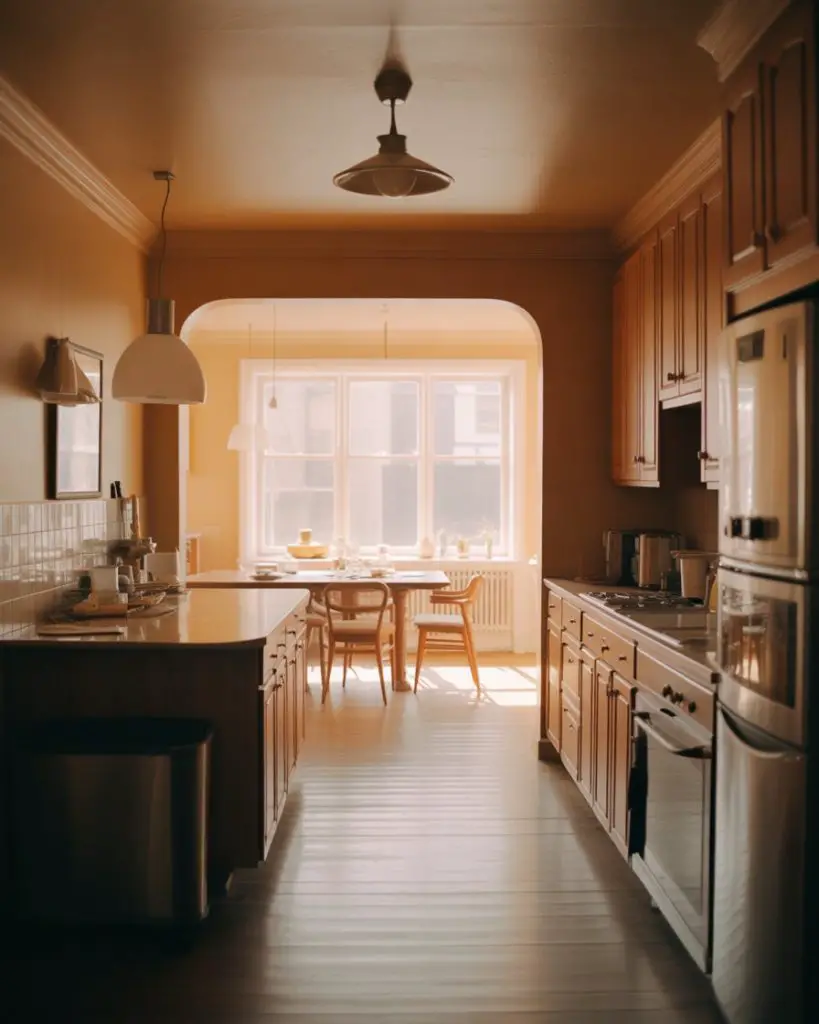
The process of opening up a closed galley to living or dining spaces requires careful planning around structural supports, ventilation, and sightlines. This renovation often involves removing or shortening upper cabinets on one wall, installing a pass-through opening, or eliminating a full wall to create a peninsula configuration. The payoff is dramatic—suddenly your kitchen feels twice its actual size and becomes part of the home’s social flow. 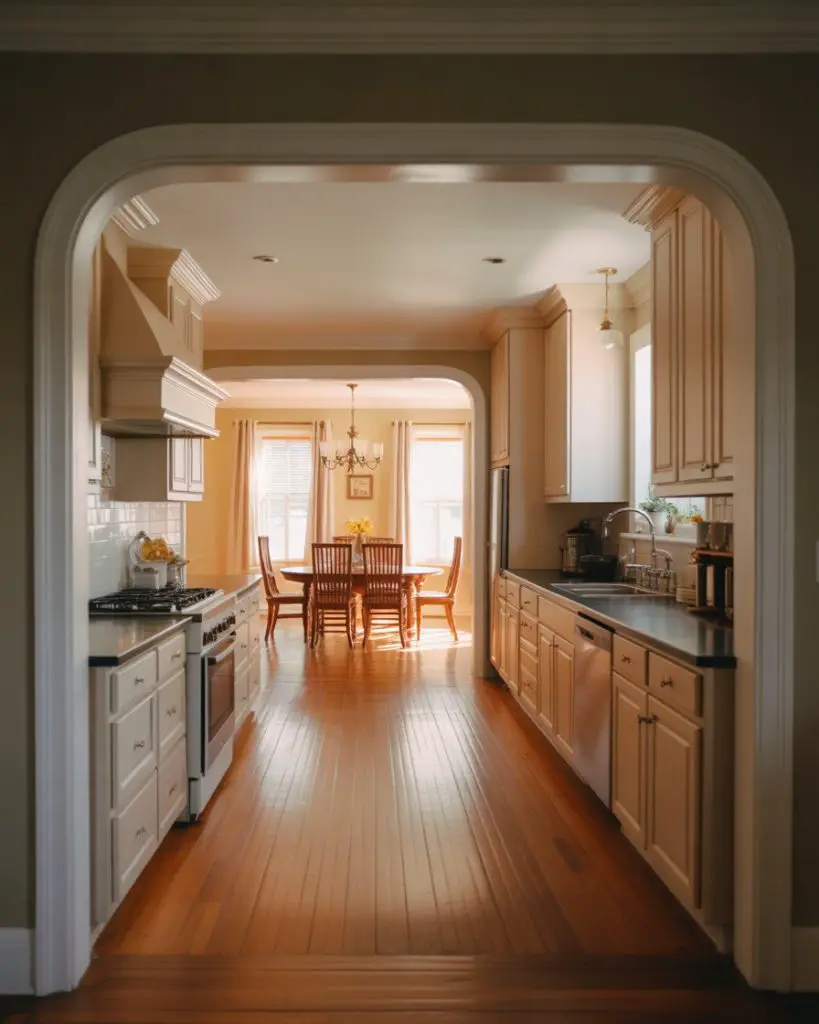
Common mistake: Removing walls without upgrading ventilation leaves cooking odors permeating your entire home. Invest in a high-quality range hood with at least 400 CFM capacity and make-up air if building codes require it—this isn’t the place to cut corners when opening formerly enclosed kitchens.
20. Two-Tone Galley with Upper and Lower Contrast
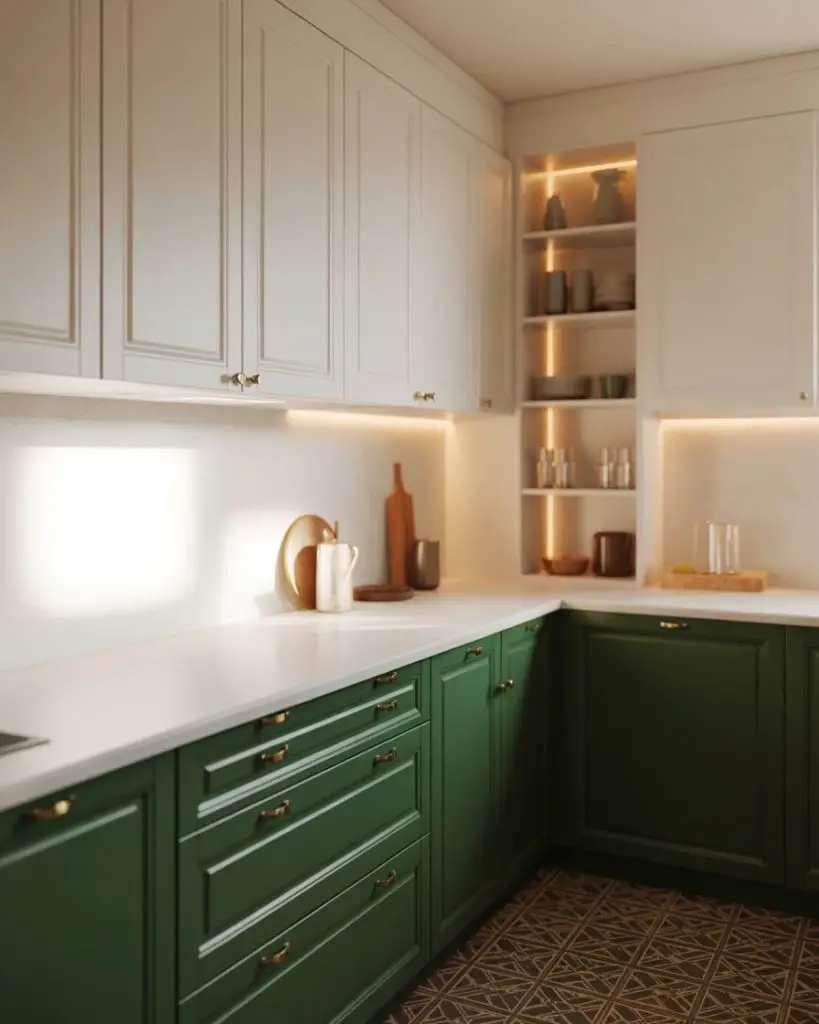
A two-tone layout uses different colors for upper and lower cabinets—typically lighter above and darker below—to add visual interest without overwhelming a narrow galley. This remodel ideas technique creates the illusion of height when you use pale or white uppers, while darker lowers ground the space and hide wear better. Popular combinations include white and navy, cream and sage, or light gray and charcoal. 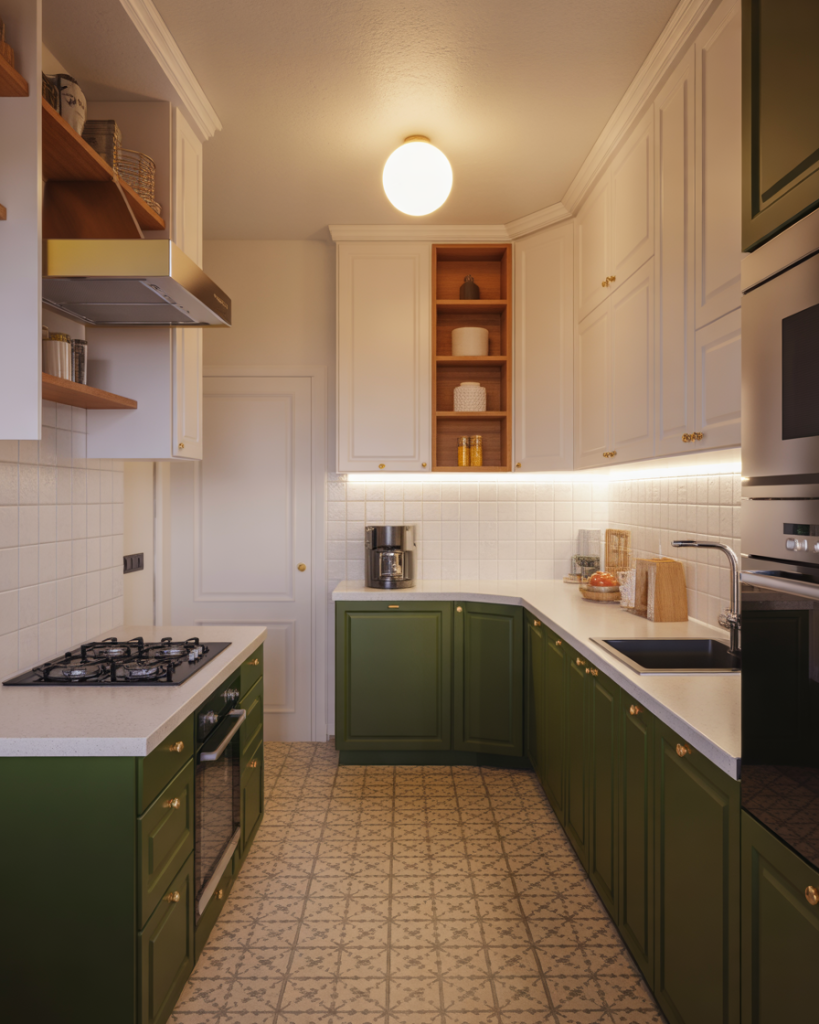
Real homeowner behavior: Two-tone kitchens stay fresh longer because they’re inherently more interesting than monochromatic designs—you’re less likely to tire of the look after five years. The visual break also makes repainting or replacing just one section more feasible if you eventually want a refresh without full renovation.
21. Galley Designed Around Specific Workflow Zones
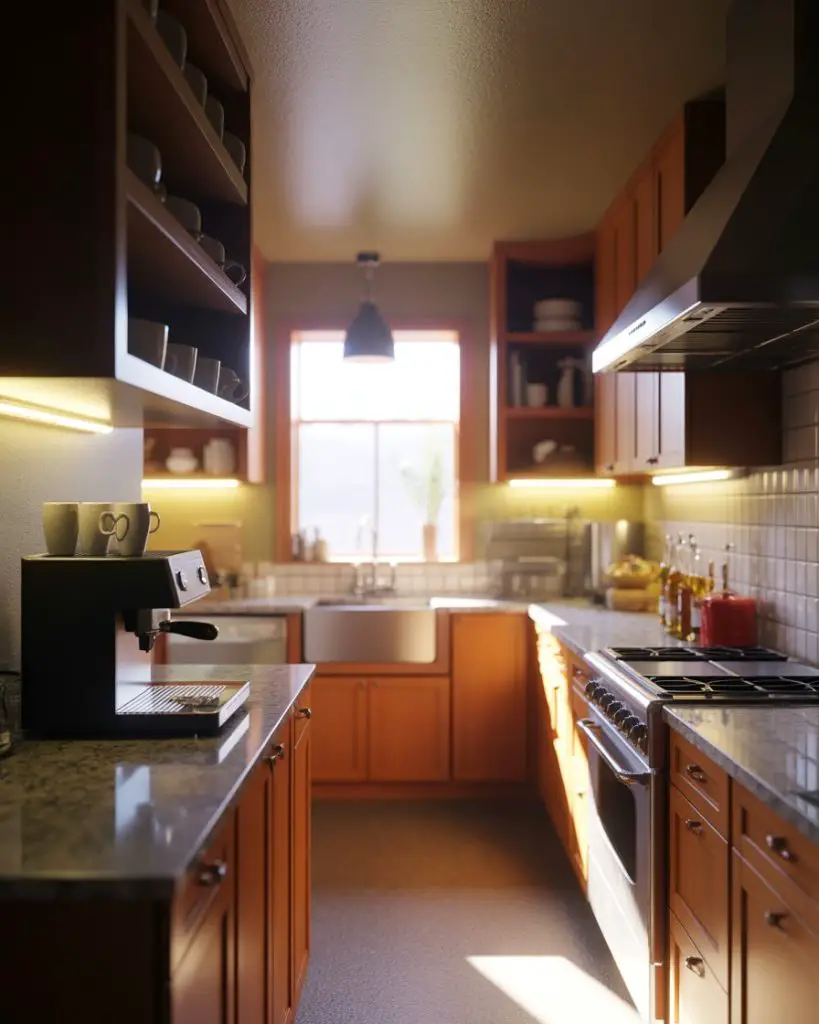
The smartest layout floor plans organize your galley into dedicated zones—coffee station, prep area, cooking zone, cleanup—that match your actual routines. This ideas with island thinking (or peninsula, or careful counter placement) ensures everything you need for each task lives in its logical spot. Map your morning coffee routine, typical dinner prep, and cleanup flow before finalizing cabinet and appliance locations. 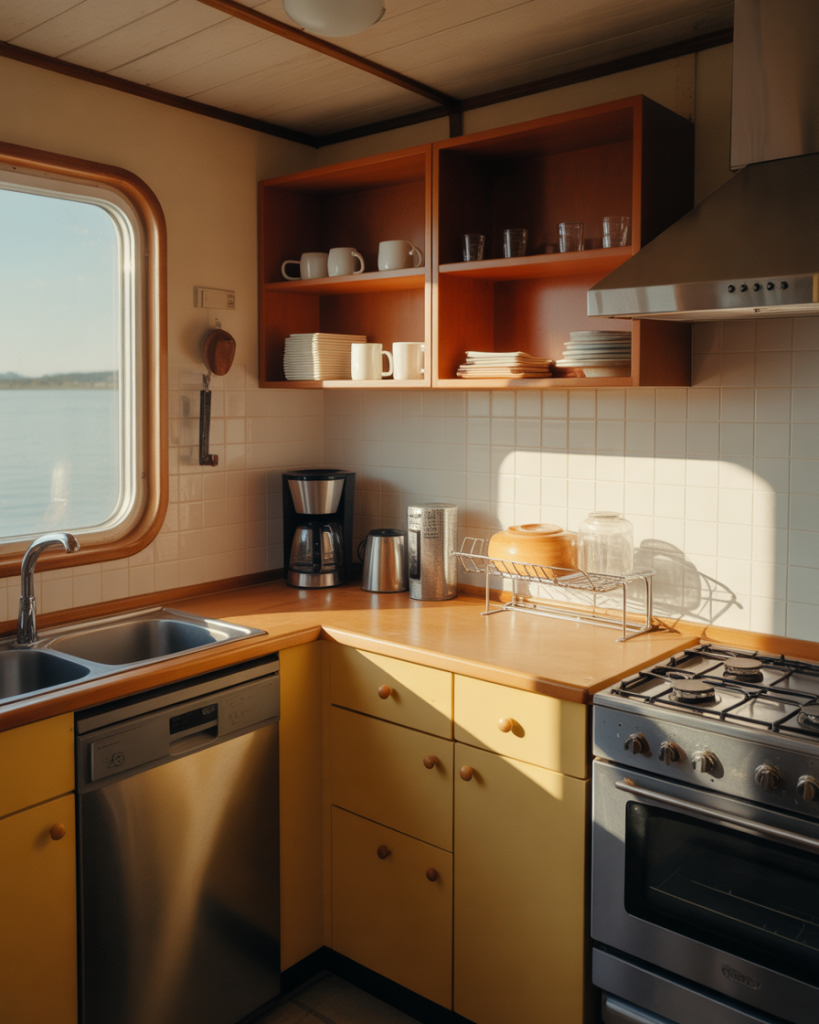
Budget angle: Zone-based planning prevents expensive do-overs—spending time upfront sketching your daily patterns saves thousands in relocated outlets, moved plumbing, or cabinet reconfigurations. A $200 consultation with a kitchen designer often pays for itself by helping you avoid costly spatial mistakes that only become apparent after installation.
Conclusion
Whether you’re working with a compact city apartment or a spacious suburban home, these galley kitchen ideas prove that smart design transcends square footage. The key is choosing elements that match your cooking style, lifestyle needs, and aesthetic preferences while respecting the efficient workflow that makes galleys so beloved. Share your favorite idea or your own galley success story in the comments—we’d love to hear which direction you’re taking your space in 2026.