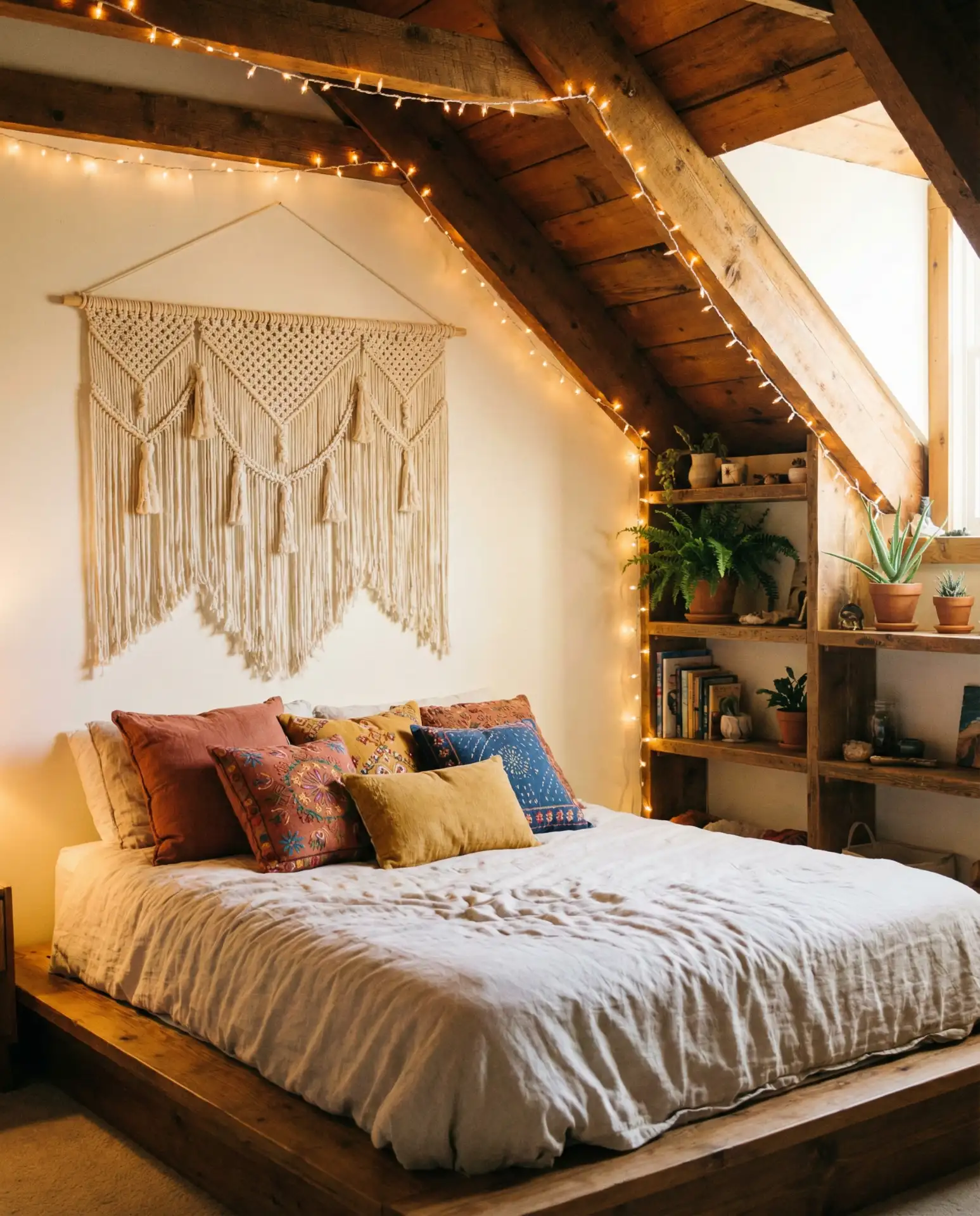
Guest rooms are getting a serious upgrade in 2026, and it’s not just about adding a bed anymore. With more Americans working remotely, hosting extended family visits, and searching Pinterest for multi-functional space ideas, the guest room has become one of the most versatile areas in the home. Whether you’re converting a basement corner, styling a cozy loft, or squeezing function into a tiny bedroom, this year’s trends blend comfort with smart design. From moody color palettes to Murphy beds that disappear by day, these ideas will help you create a welcoming retreat that works overtime. Let’s dive into the freshest guest room concepts that are capturing attention across the U.S. right now.
1. Daybed Office Hybrid for Dual Functionality
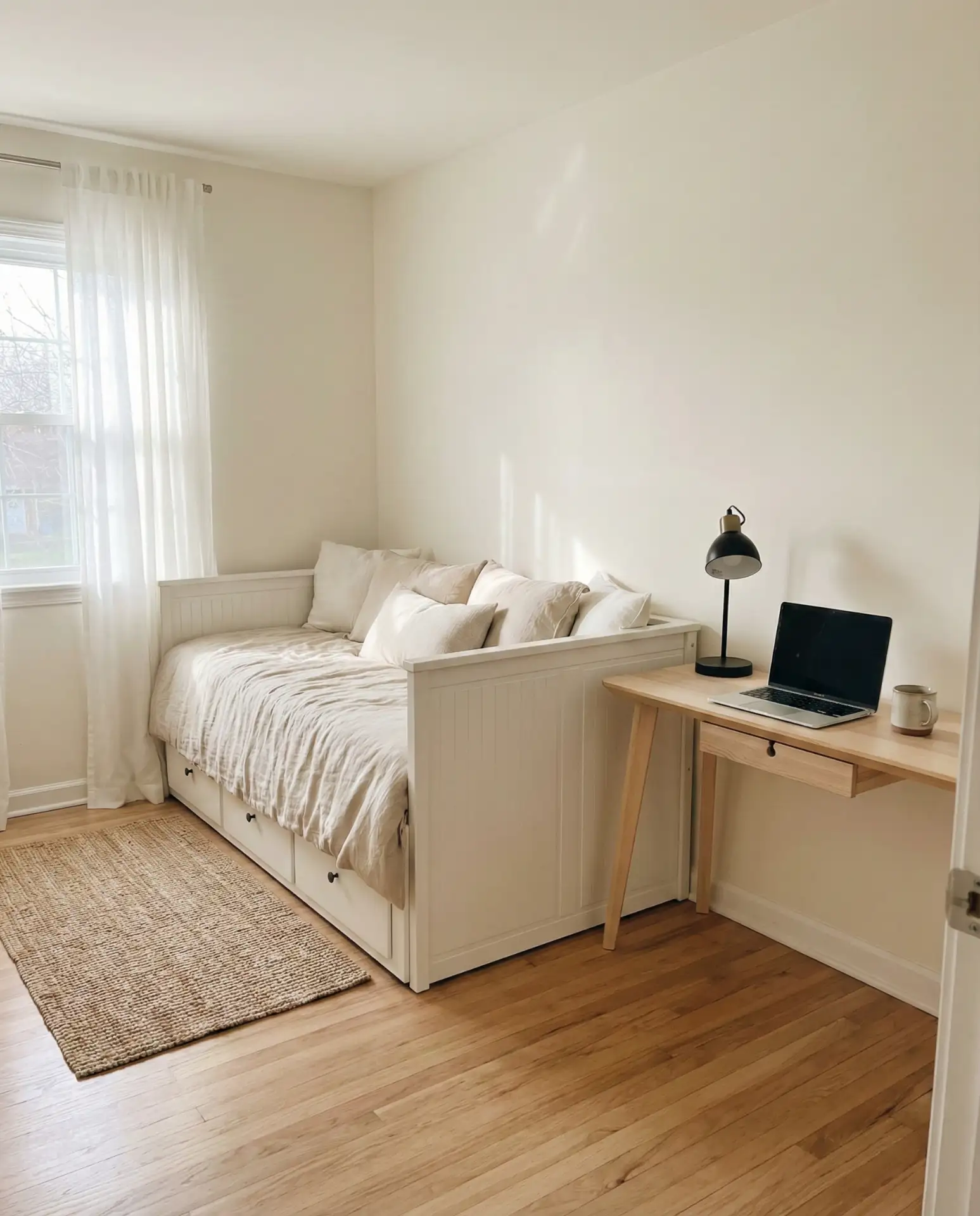
The daybed office setup is perfect for homes where space is tight but needs are many. This approach combines a sleek daybed with a dedicated work desk, creating a room that functions as both a productive workspace and a cozy guest retreat. Install floating shelves above the desk area and tuck the daybed along an adjacent wall, using matching textiles to tie the zones together. The beauty of this layout is how naturally it flows between purposes without feeling cramped or chaotic.
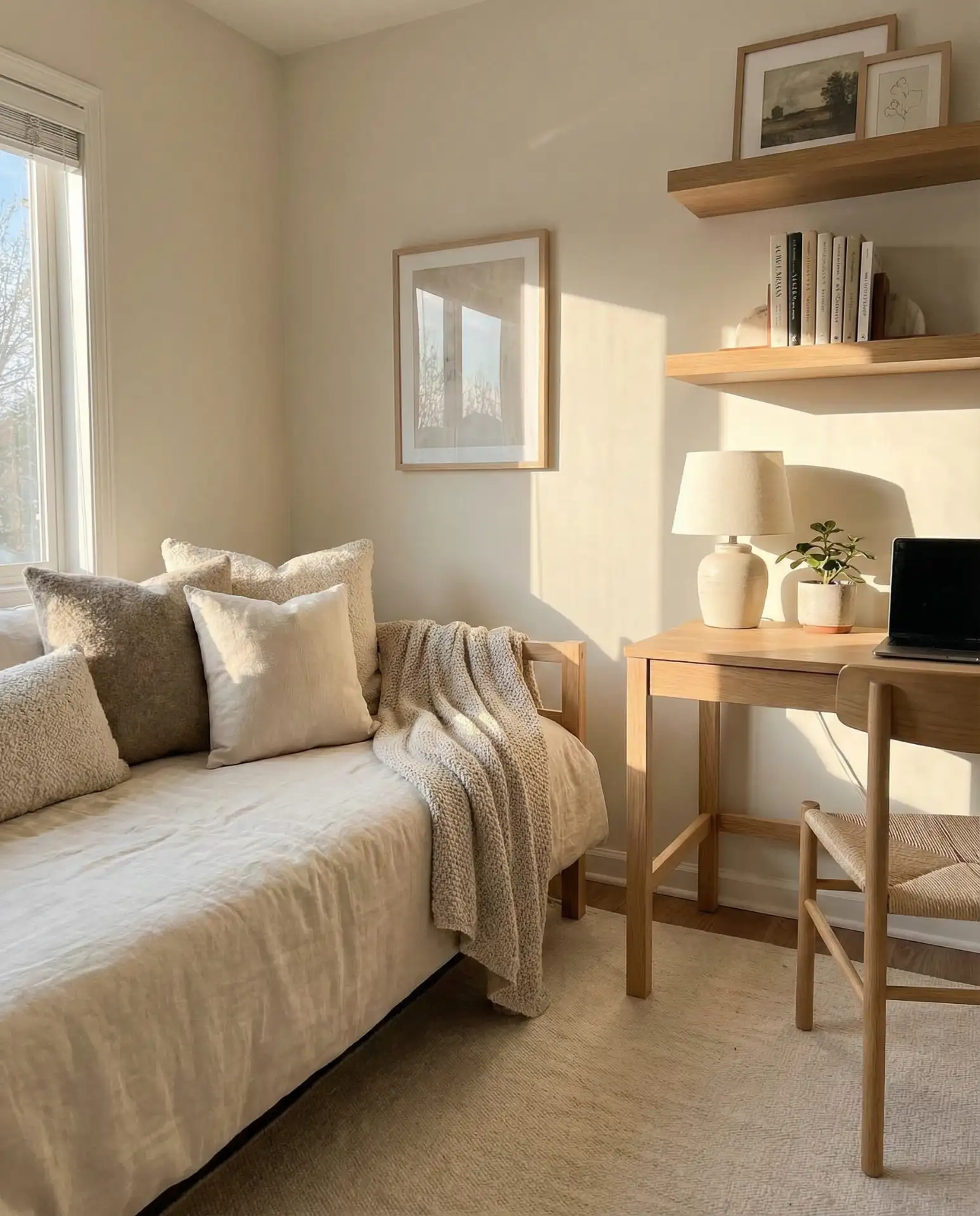
This works best in suburban homes where a spare bedroom doubles as a home office during the week and transforms into guest quarters on weekends. Choose a daybed with storage drawers underneath to stash work supplies when visitors arrive, and keep a lightweight folding screen handy to visually separate the zones. The key is ensuring the desk doesn’t overpower the room—opt for slim-profile furniture that maintains an airy, welcoming feel even when the space is in work mode.
2. Classic Twin Bed Setup with Timeless Appeal
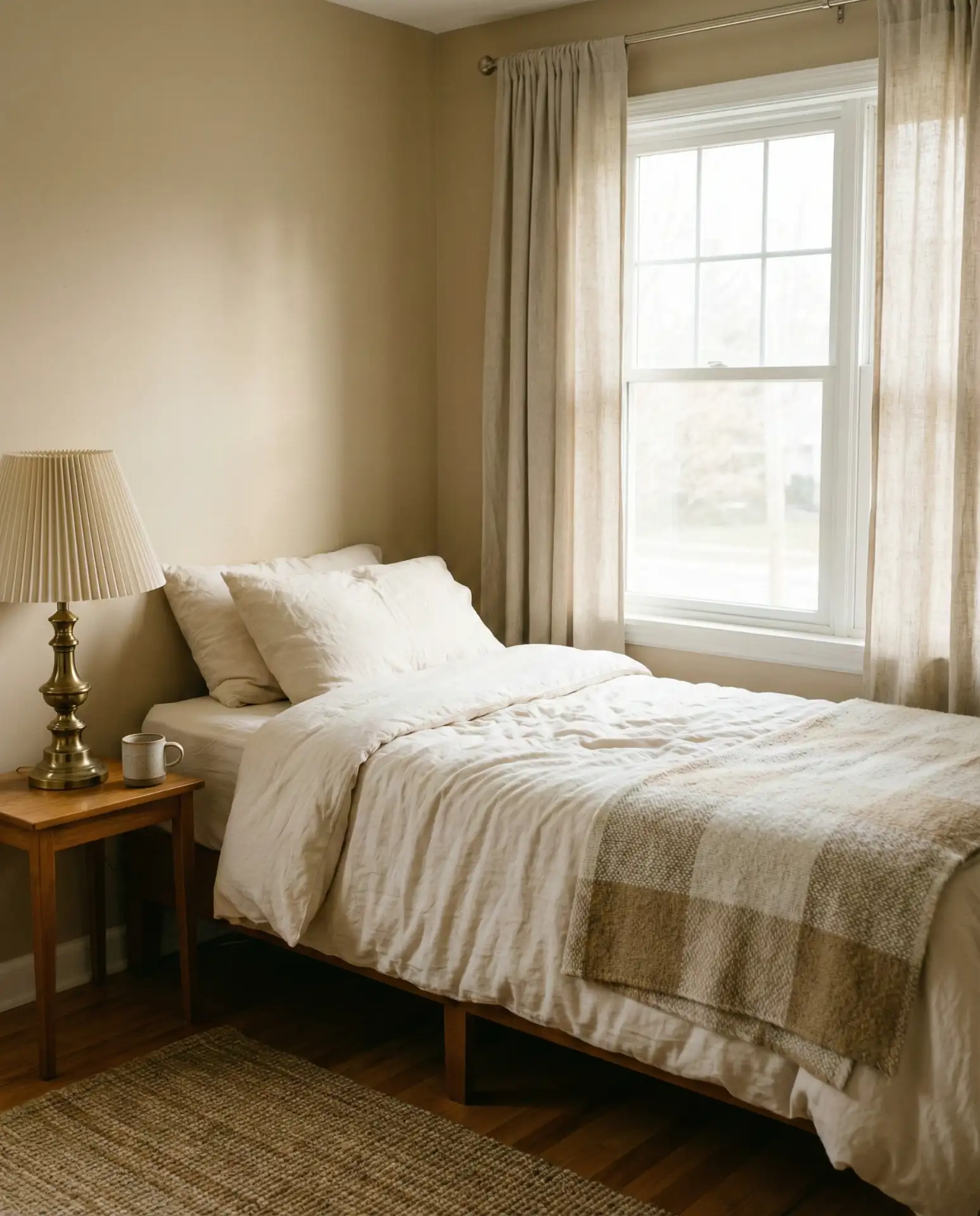
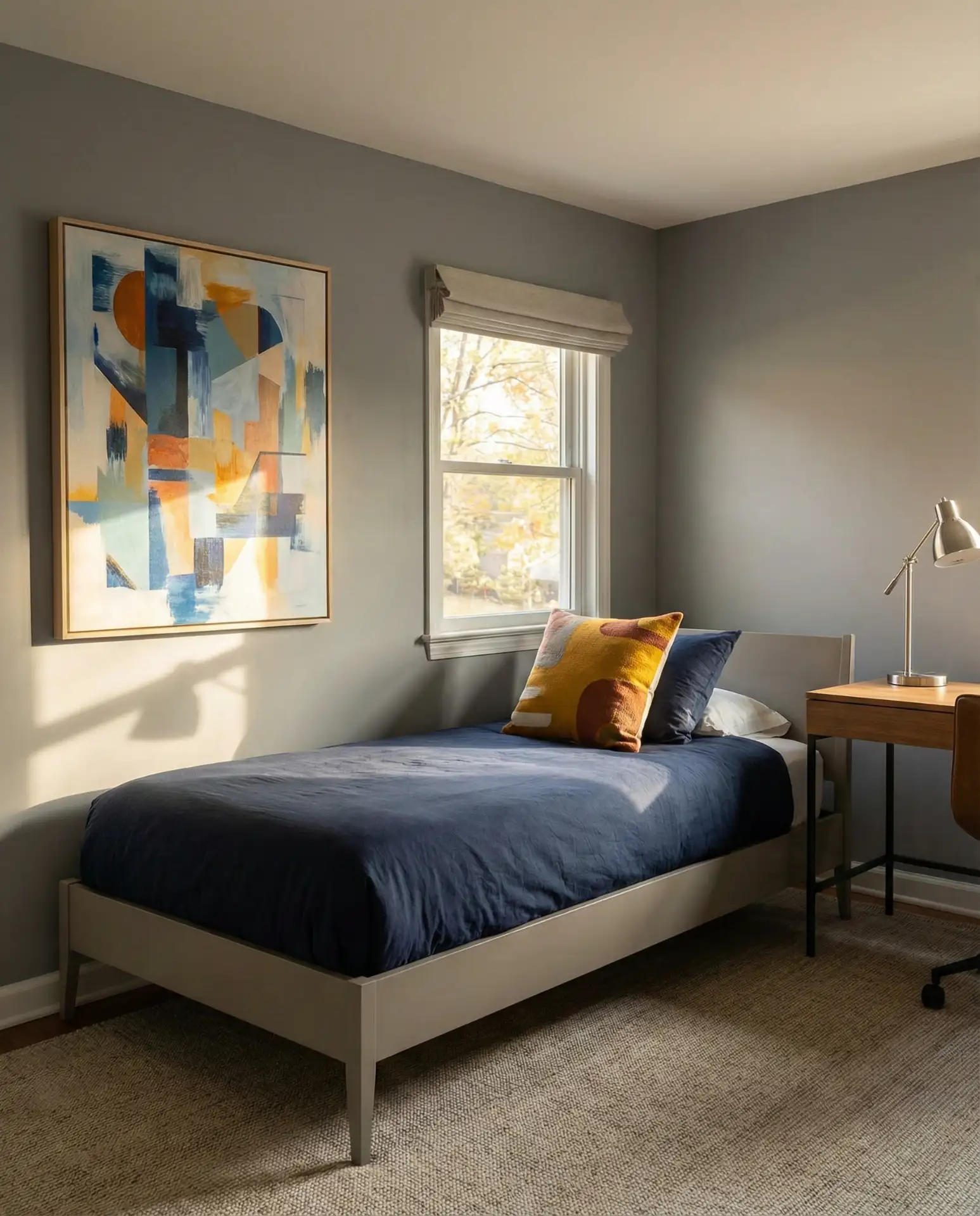
Sometimes simplicity wins, and the twin bed configuration proves that point beautifully. A single twin bed anchored against the wall with crisp white linens, a small bedside table, and a reading lamp creates an uncluttered guest experience that feels both intentional and restful. This approach works especially well in small bedrooms where you need to preserve floor space for movement and storage without sacrificing comfort.
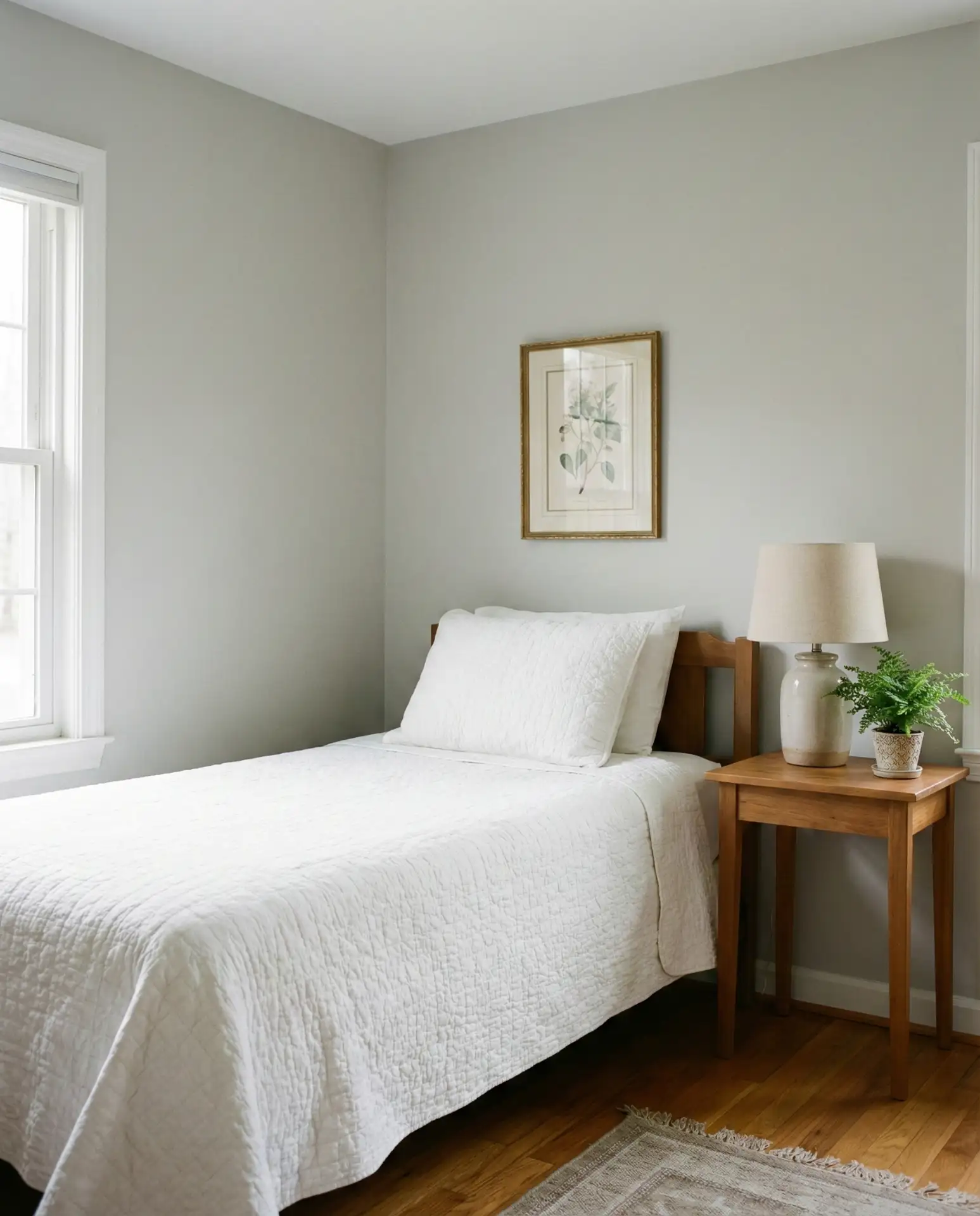
A practical insight here: twin beds are easier to move through narrow doorways and up staircases, making them ideal for older homes with tighter dimensions. They’re also budget-friendly, as quality twin mattresses and bedding cost significantly less than full or queen sizes. If you’re hosting solo travelers or kids, this setup delivers exactly what’s needed without excess, and it leaves room for a small desk or reading chair that guests genuinely appreciate.
3. Sofa Bed Solution for Compact Living
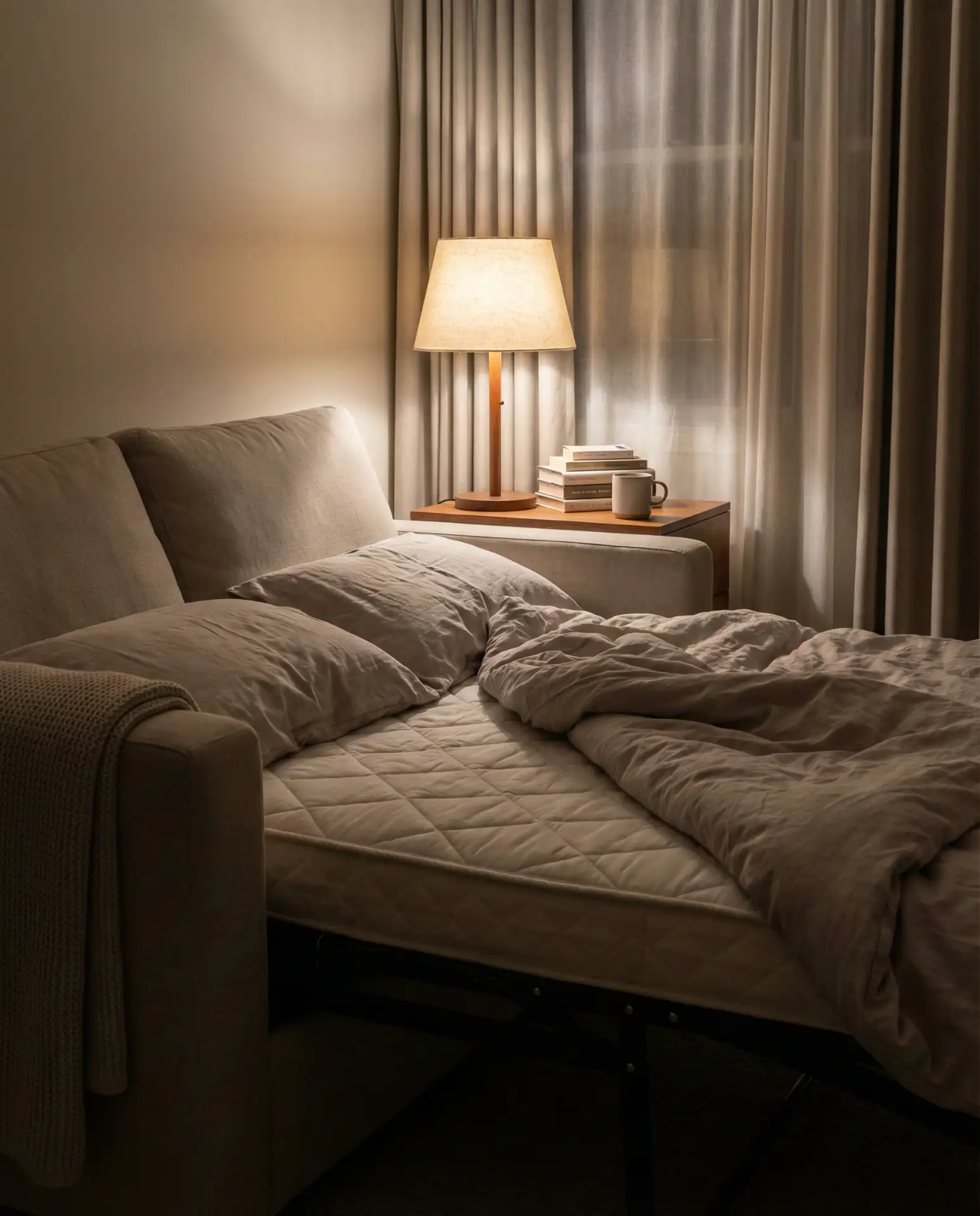
The sofa bed remains a go-to for apartment dwellers and anyone converting a multipurpose room into occasional guest quarters. Modern versions have come a long way from the lumpy pullouts of decades past—today’s designs feature memory foam mattresses and streamlined mechanisms that actually work smoothly. Position your sofa bed against the longest wall, style it with throw pillows during the day, and keep bedding stored in a nearby closet or ottoman for quick transitions.
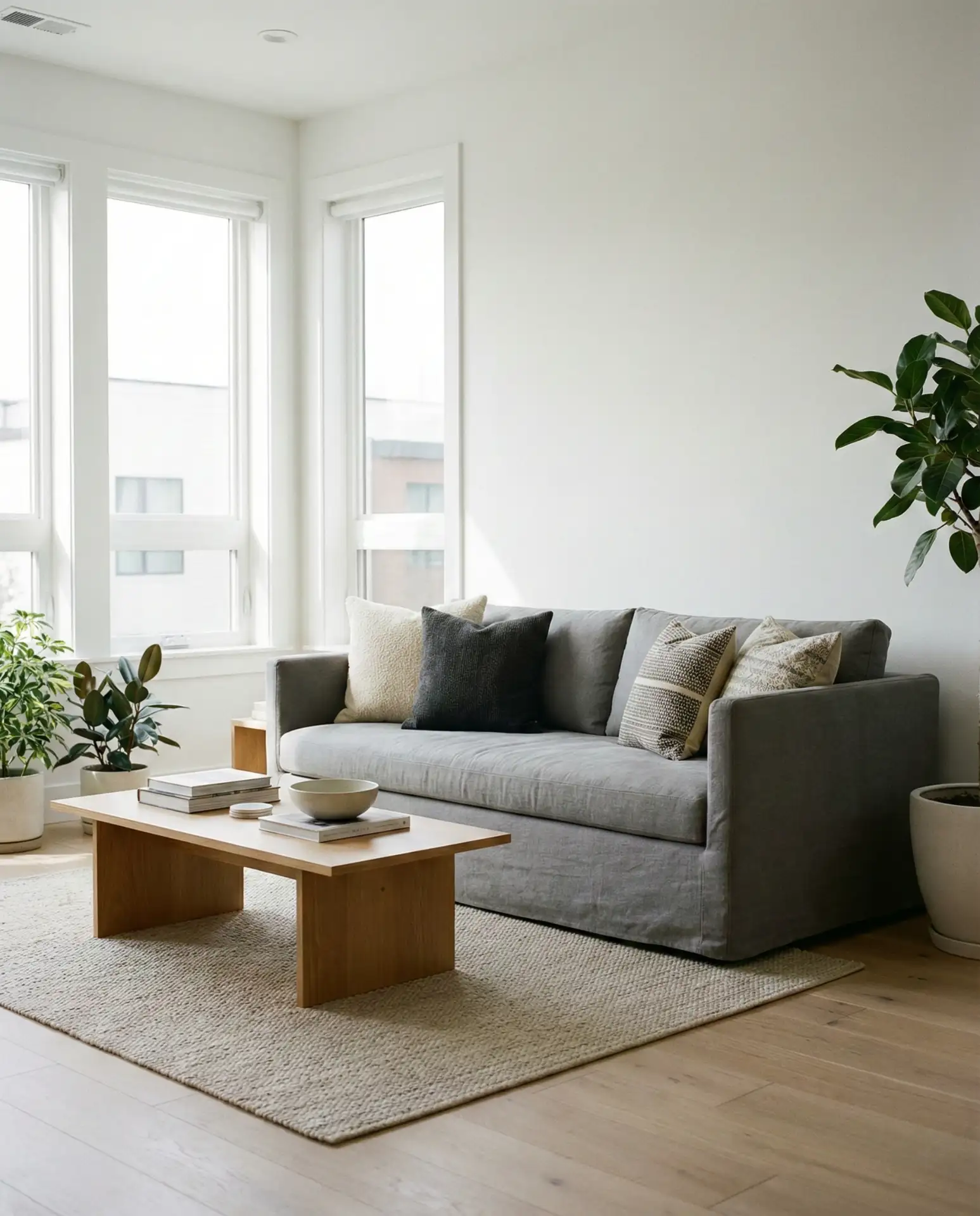
In cities like San Francisco and New York, where square footage comes at a premium, the sofa bed is practically a lifestyle necessity. One common mistake is choosing a sofa bed based solely on looks and then discovering the mattress is too thin or the frame is flimsy. Always test the bed mechanism in person before buying, and invest in a high-quality mattress topper if the built-in cushion feels subpar. Your guests will notice the difference, and you’ll feel better about offering them a decent night’s sleep.
4. Cozy Relaxing Retreat with Soft Textures
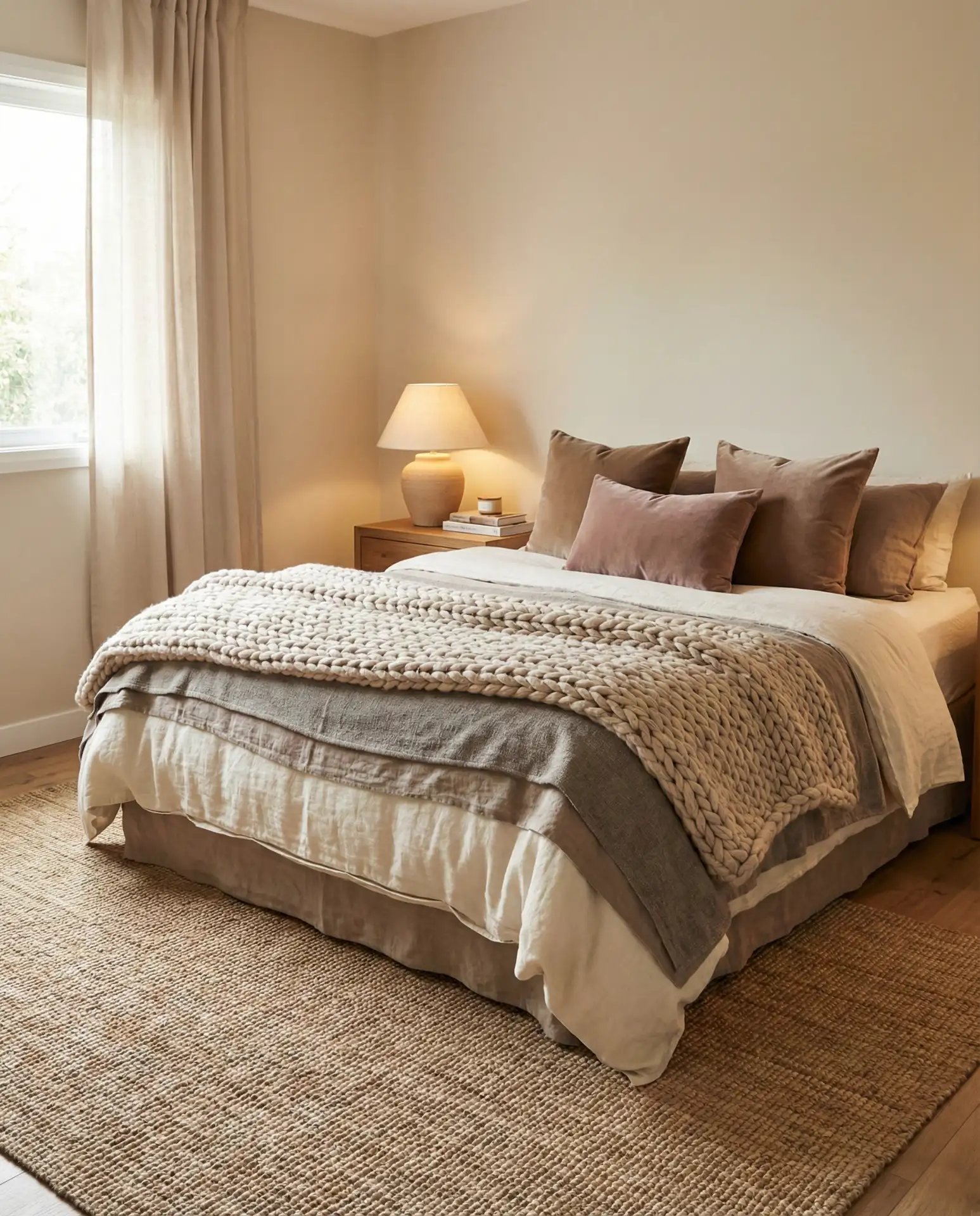
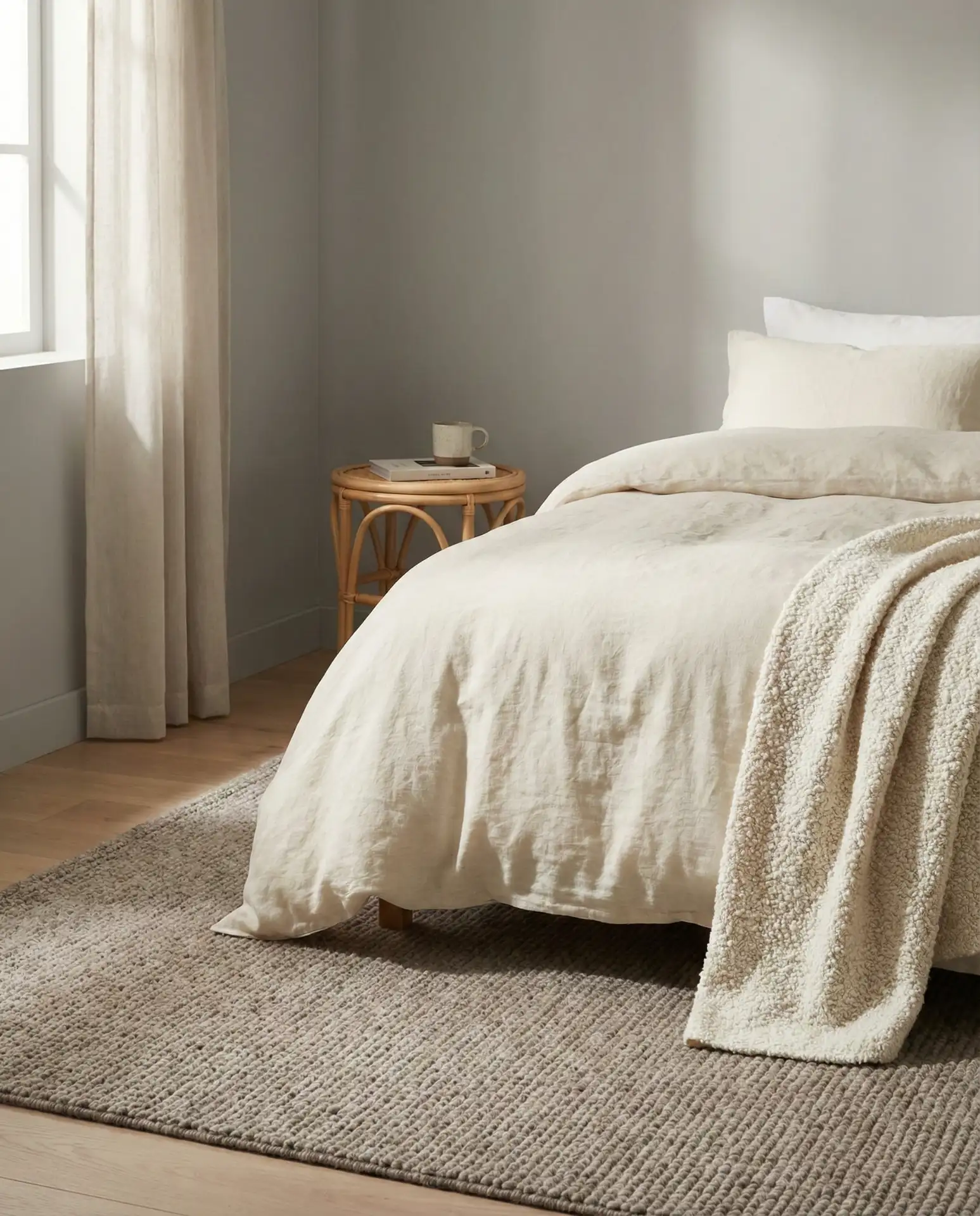
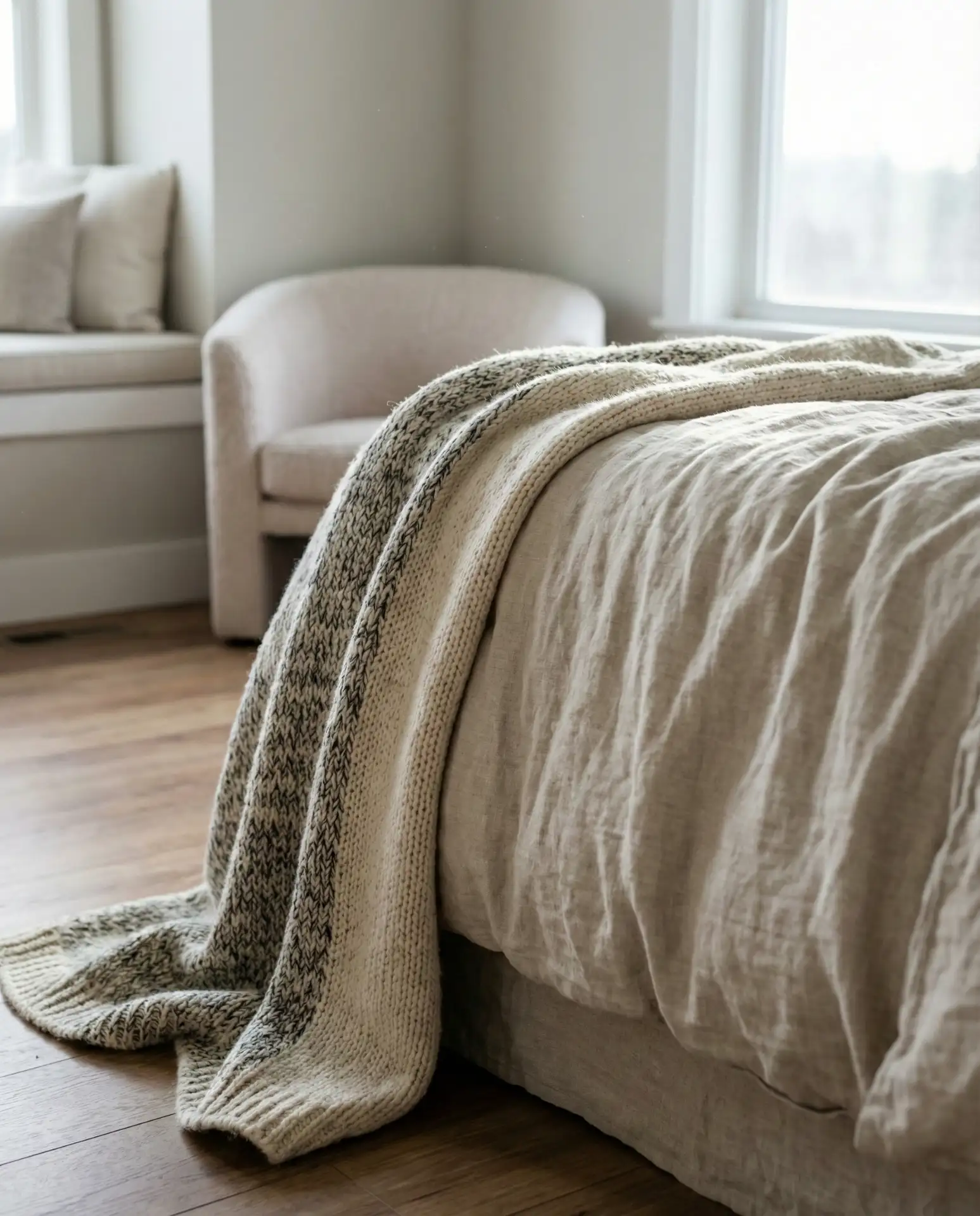
Creating a cozy relaxing guest room means layering textures and warmth in a way that invites people to truly unwind. Think plush area rugs, velvet throw pillows, chunky knit blankets, and linen curtains that diffuse afternoon light into a soft glow. The goal is to make the space feel like a boutique hotel room—somewhere your guests will want to linger with a book or a cup of tea instead of just passing through.
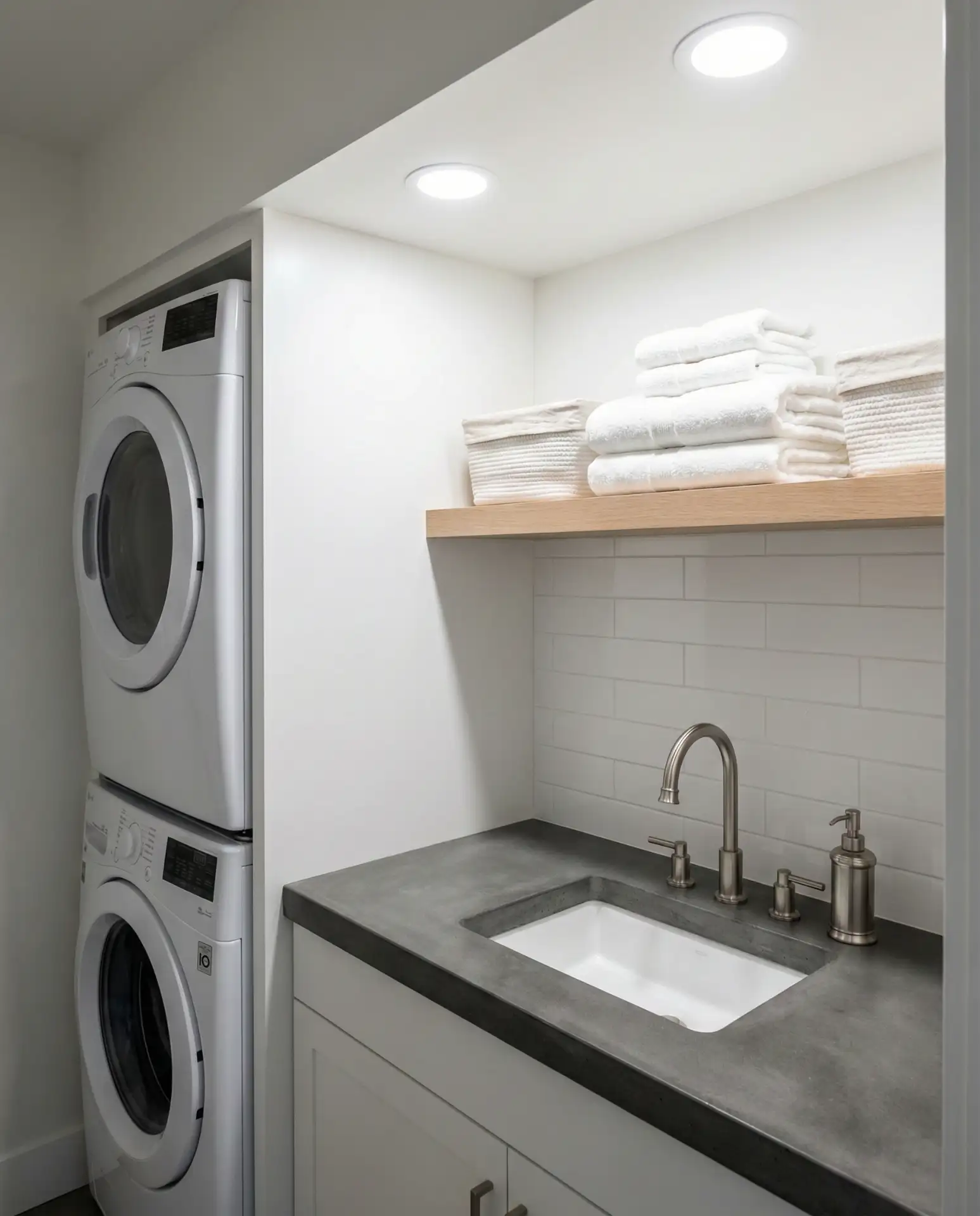
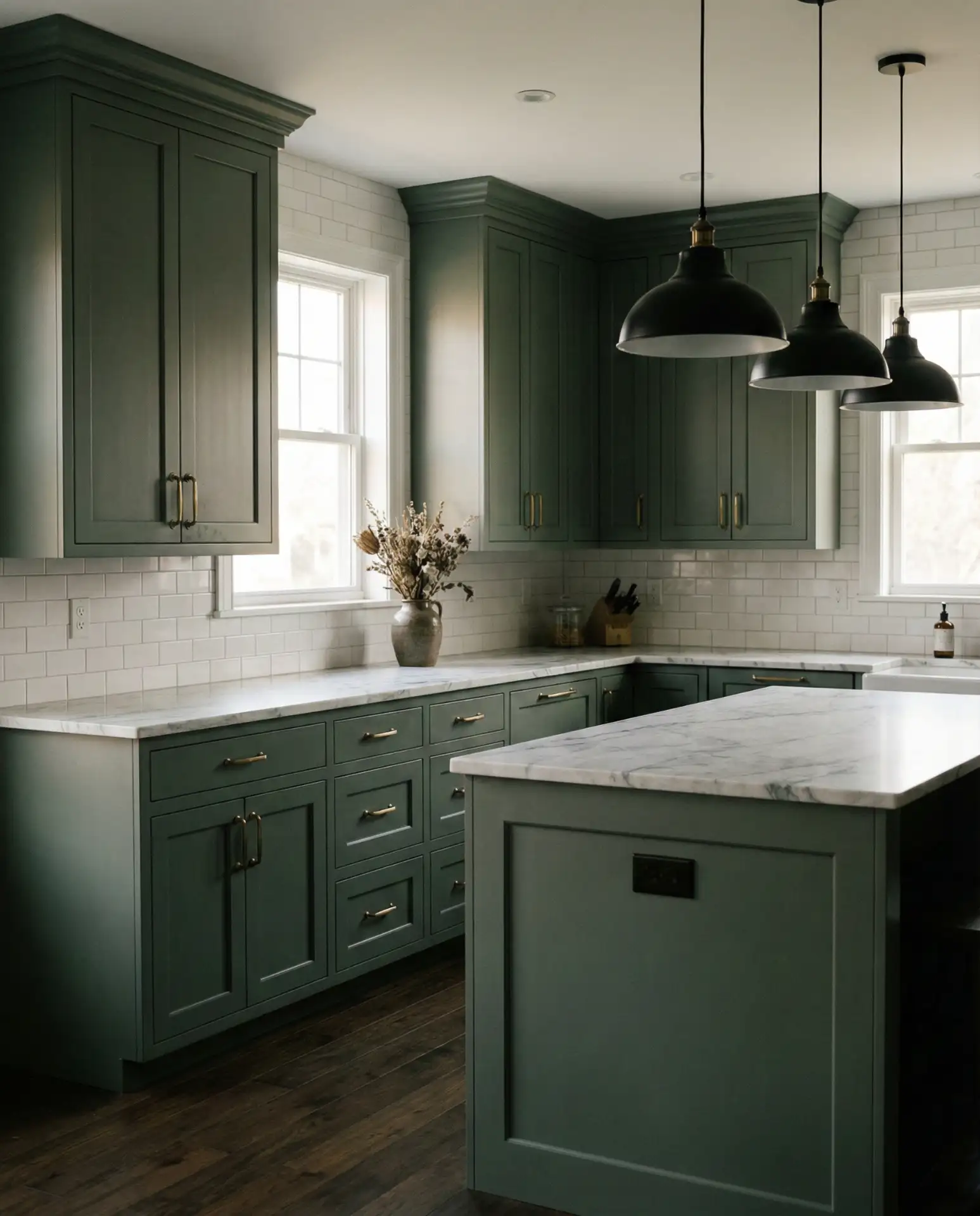
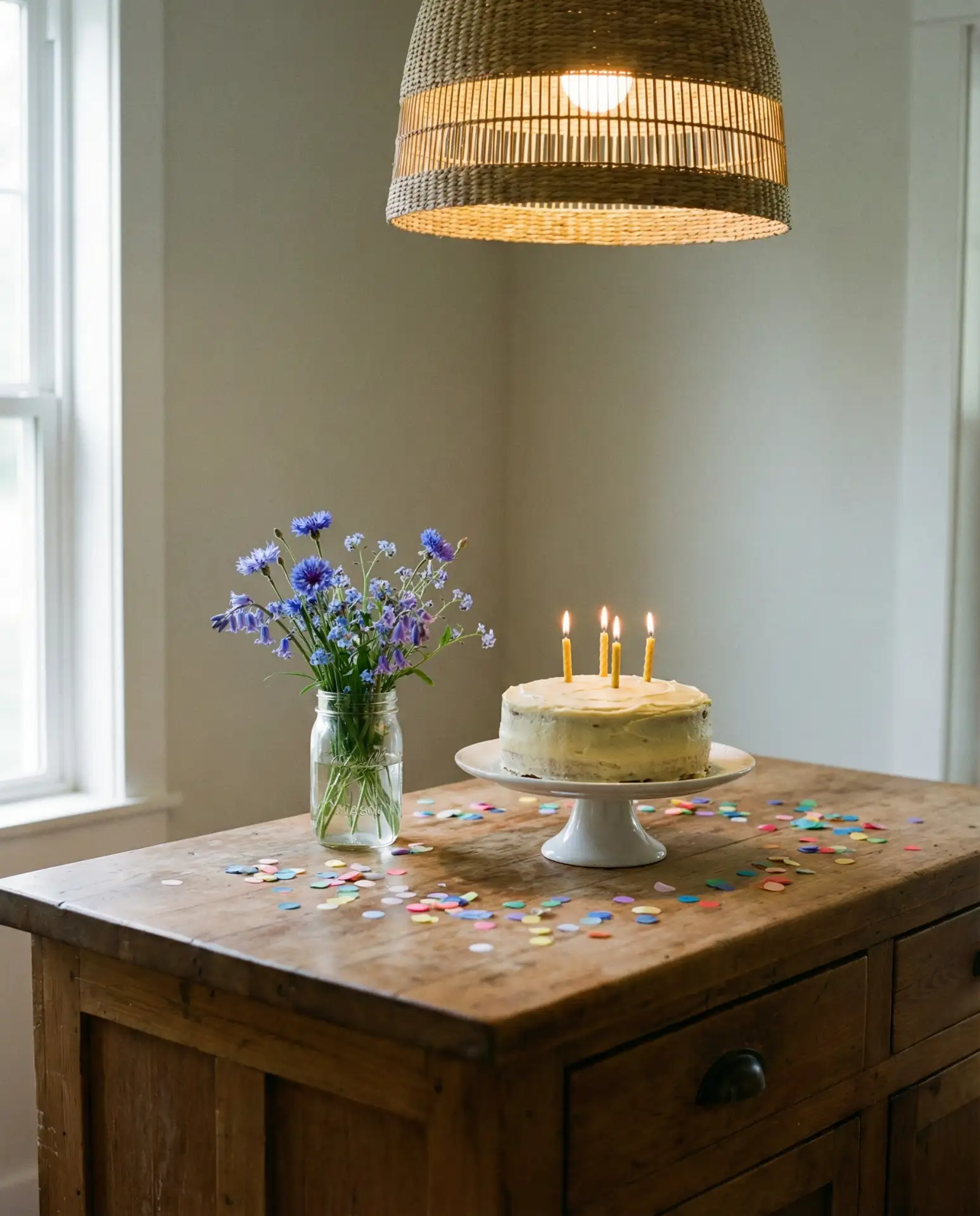
A homeowner in Portland recently shared that adding a faux fur throw and blackout-lined drapes transformed her guest room from functional to favorite. Guests started asking to extend their stays, which she attributed entirely to the room’s sensory comfort. Small touches like a bedside carafe of water, a basket of extra blankets, and dimmable lighting make a tangible difference. People remember how a space made them feel, and a cozy room signals genuine hospitality without saying a word.
5. Basement Guest Suite with Smart Lighting
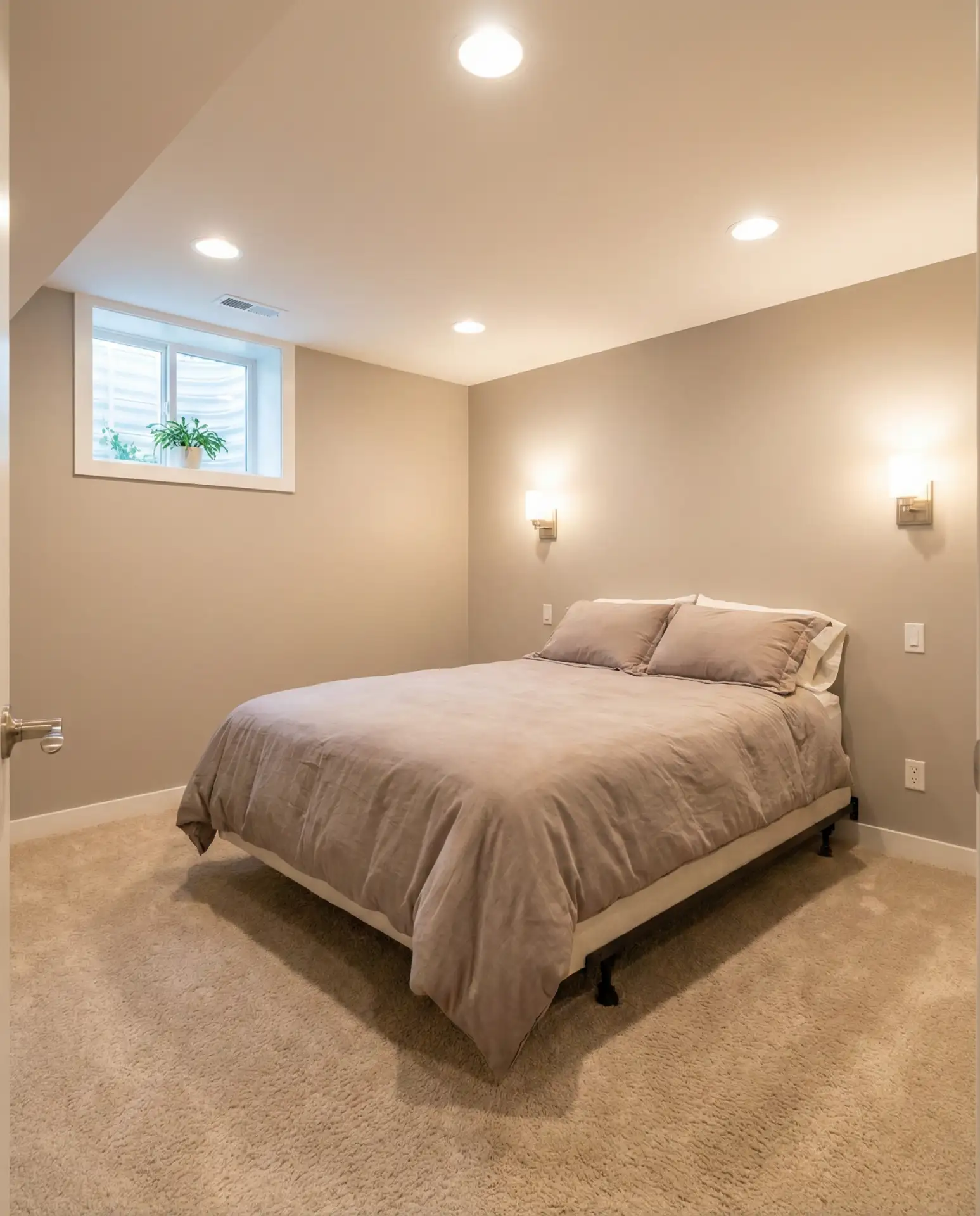
Turning a basement into a guest room is increasingly popular across suburban America, especially as families grow and housing prices climb. The challenge is usually lighting—basements tend to feel dark and closed-in without thoughtful design. Combat this with layered lighting: recessed ceiling fixtures, wall sconces, and portable lamps on timers. Paint the walls a light, warm color and add a large mirror to bounce light around the space.
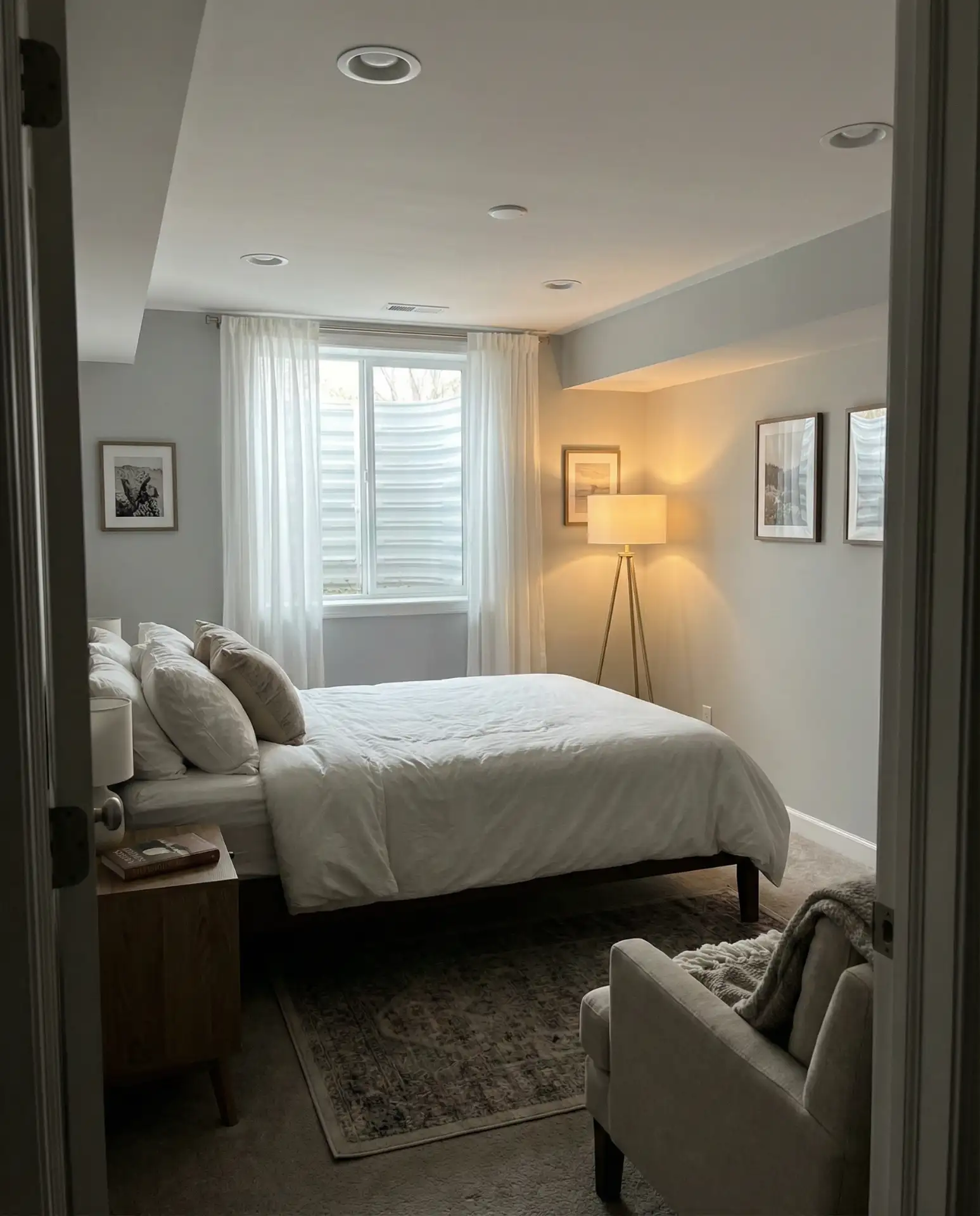
This setup works best in homes with finished basements and proper egress windows for safety and code compliance. Many homeowners in the Midwest and Northeast are converting basements this way to host aging parents or adult children returning home. Budget around $3,000 to $8,000 for a quality conversion if you’re starting from a raw space, including flooring, drywall, lighting, and basic furnishings. It’s a solid investment that increases your home’s usable square footage and flexibility.
6. Blue Coastal Guest Room with Breezy Vibes
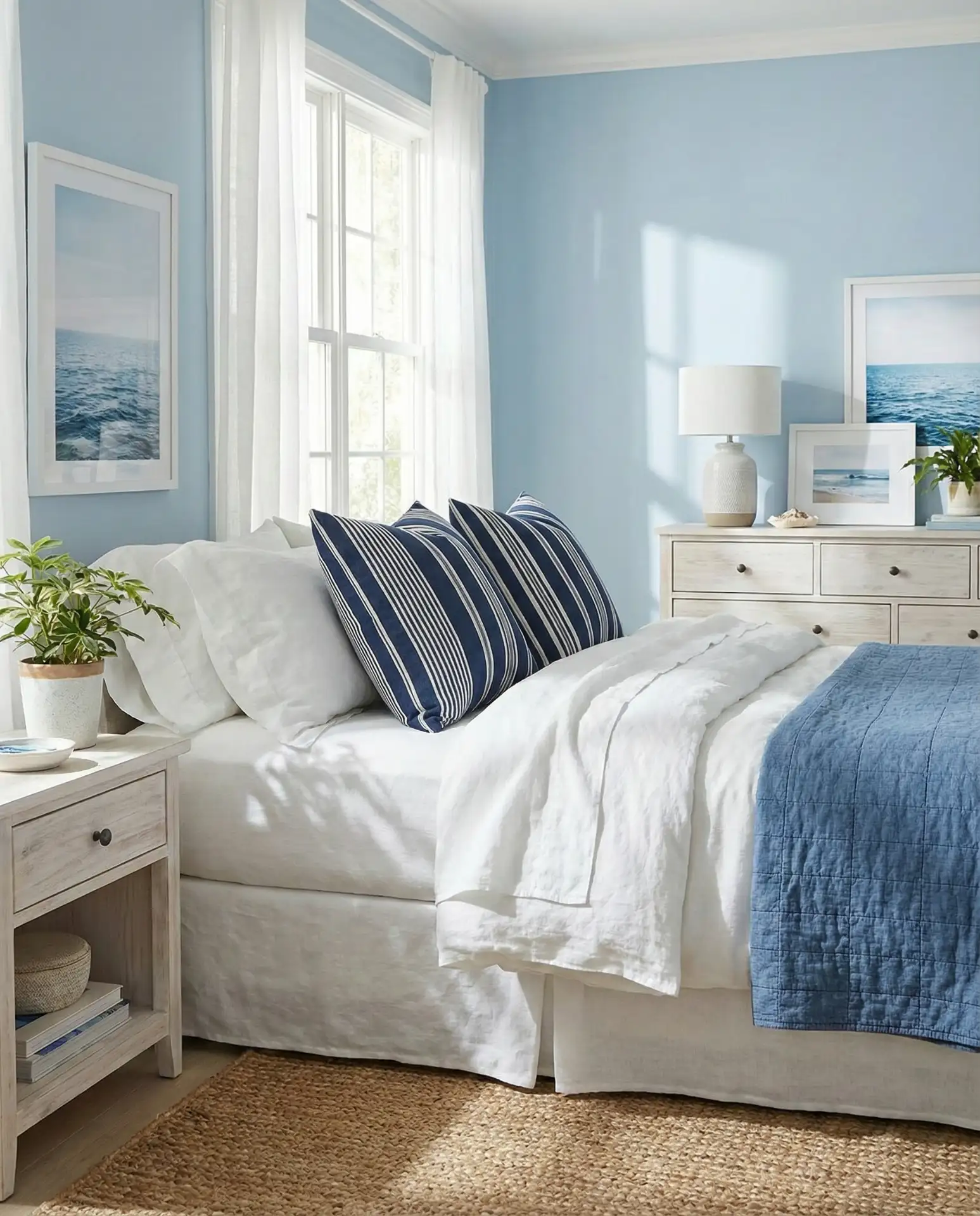
A blue and white palette brings instant coastal charm to any guest room, evoking the feeling of a seaside escape even if you’re landlocked. Pair soft sky blue walls with crisp white bedding, natural fiber rugs, and driftwood-inspired decor. This color scheme is particularly popular in Southern and Gulf Coast states, but it translates beautifully anywhere you want a calm, airy atmosphere that helps guests decompress.
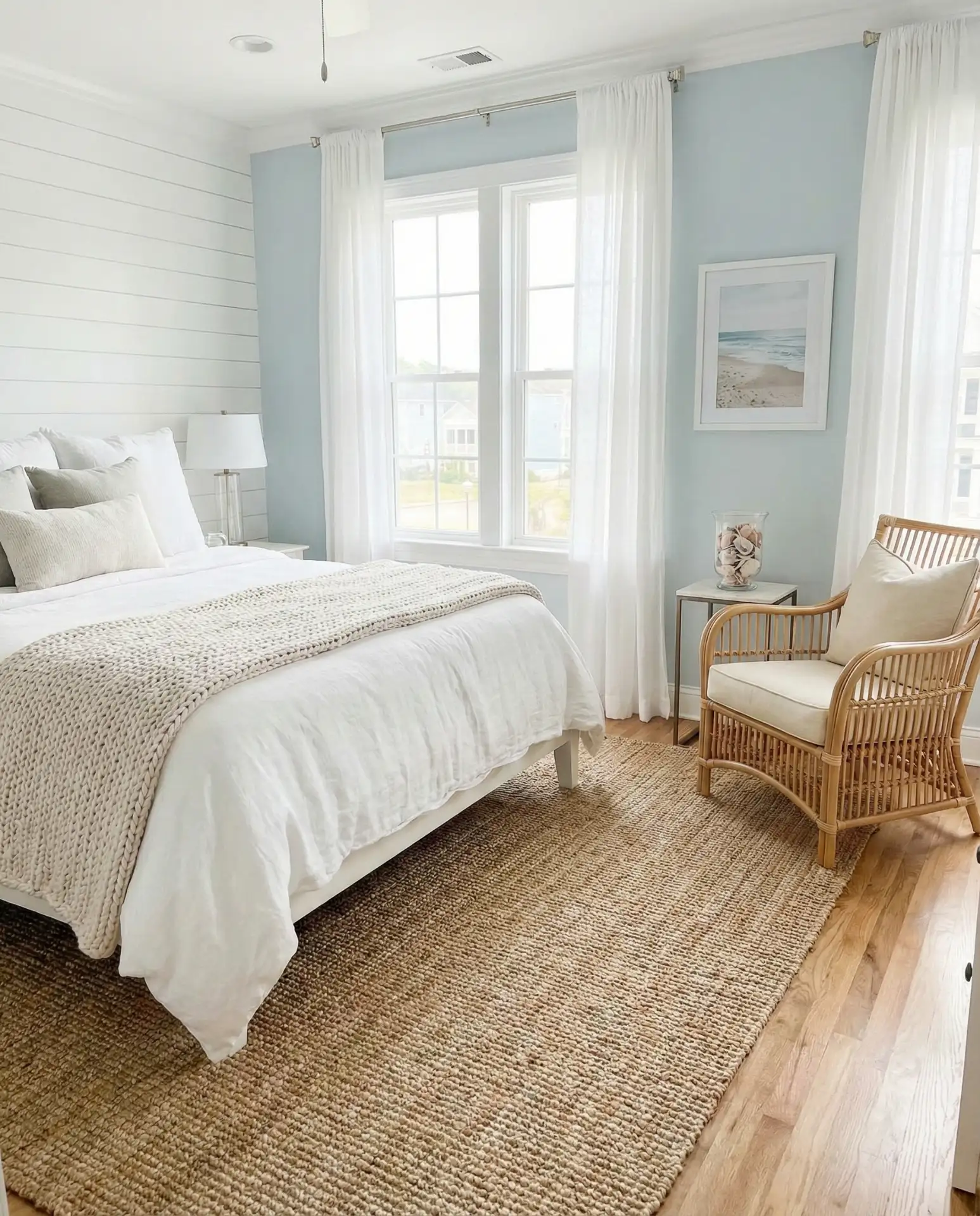
Expert designers often recommend this palette for guest rooms because blue has been shown to promote relaxation and better sleep quality. Avoid overdoing nautical clichés like anchor prints and rope accents—stick to subtle nods like linen textures, weathered wood, and soft blues in varying shades. The best coastal rooms feel breezy and uncluttered, so resist the urge to over-accessorize. Let the color and natural materials do the work.
7. Tiny Guest Nook Maximizing Every Inch
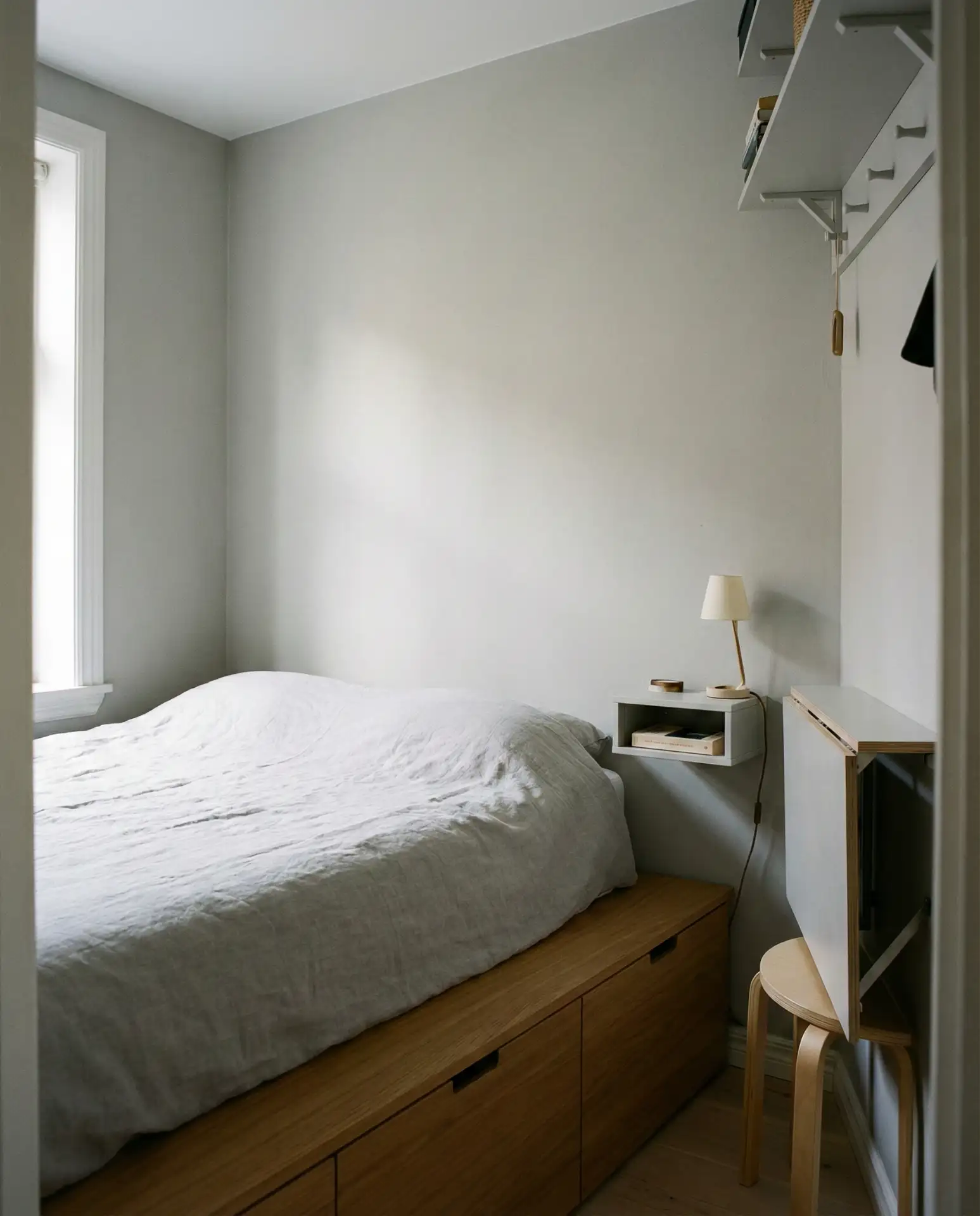
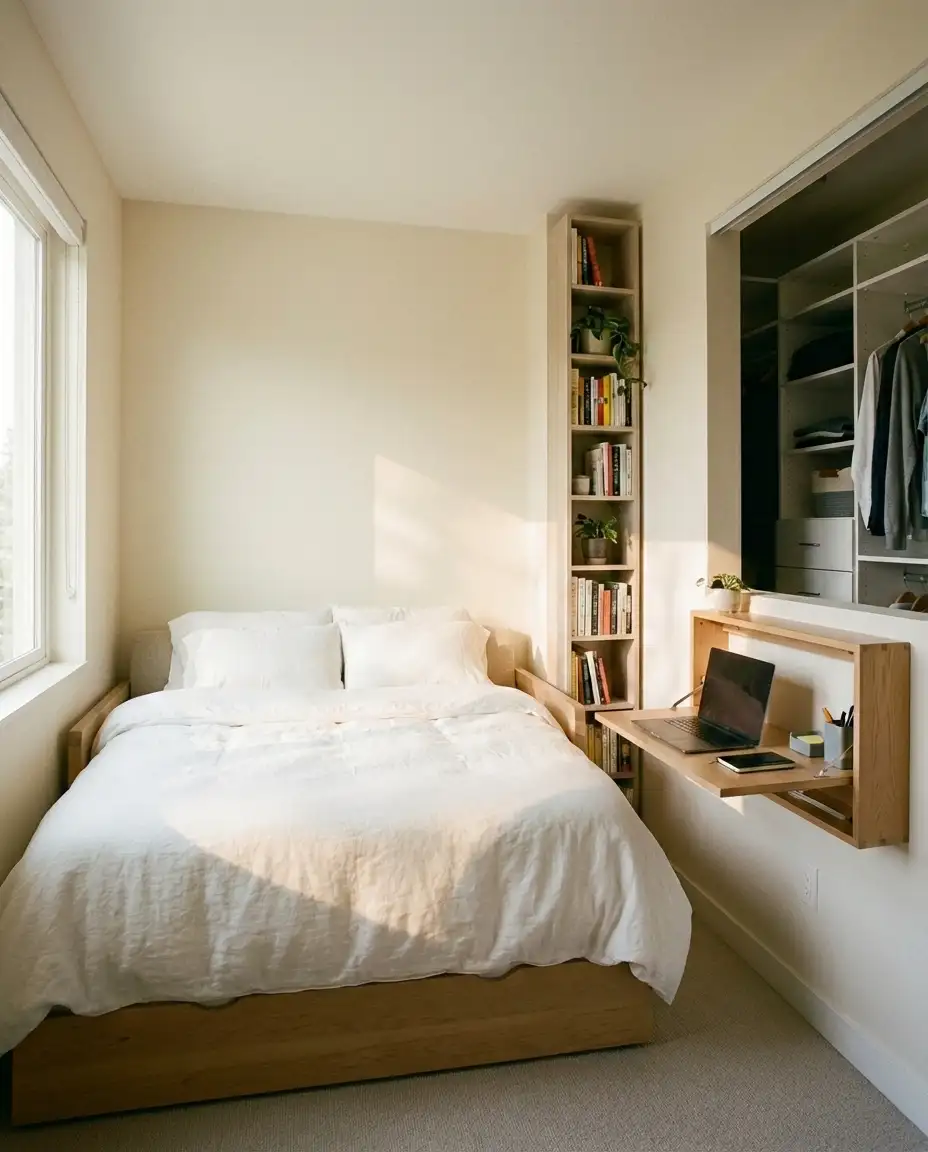
When you’re working with a tiny footprint—think under 80 square feet—every design choice has to earn its place. Built-in storage under the bed, wall-mounted nightstands, and fold-down desks are your best friends here. Choose light colors for walls and bedding to prevent the space from feeling claustrophobic, and use vertical storage solutions like tall narrow bookshelves to draw the eye upward.
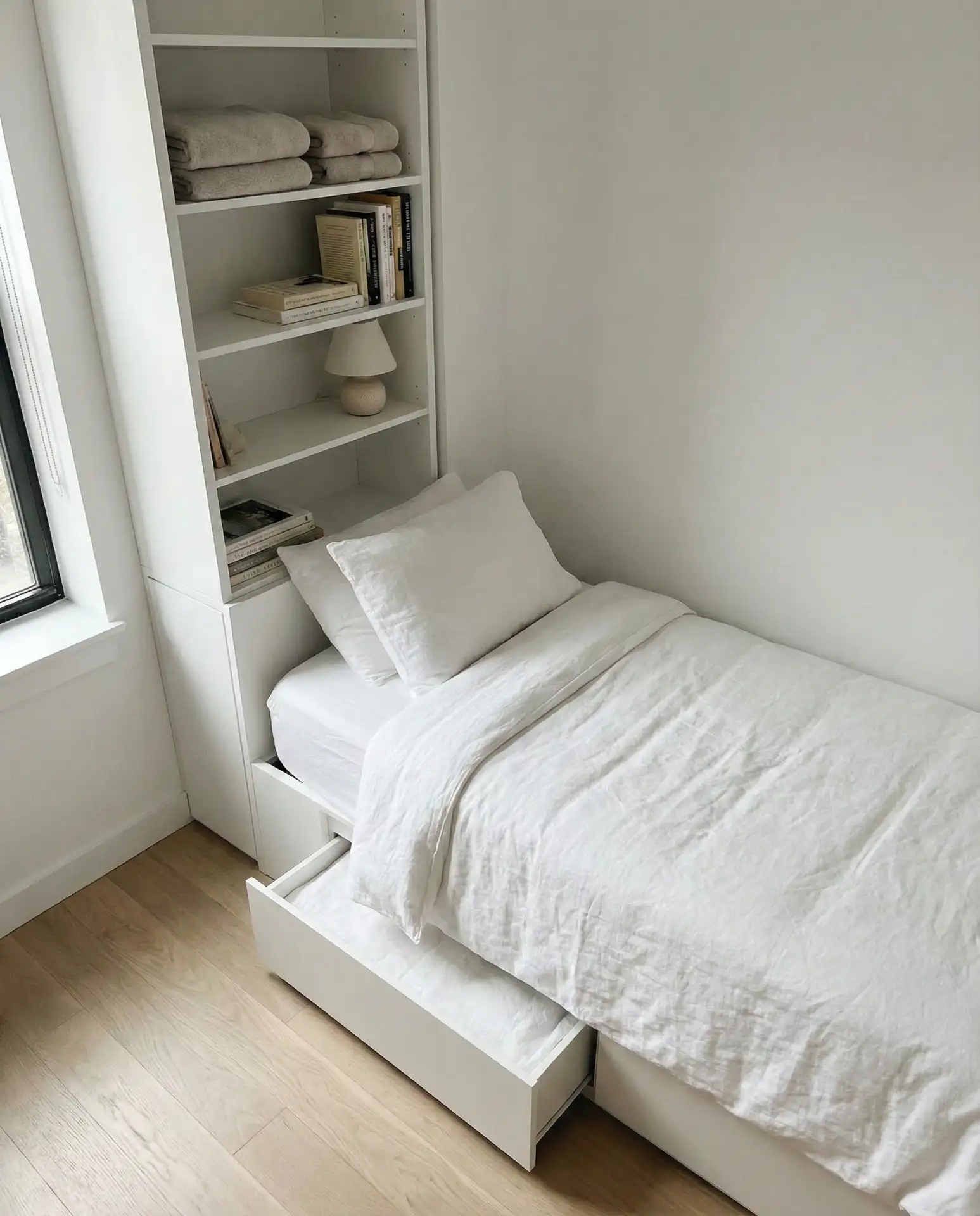
One common mistake in tiny guest rooms is overcrowding them with furniture that’s too large or too plentiful. A real homeowner in Brooklyn learned this the hard way after installing a queen bed in a 70-square-foot room—there was barely space to walk around it. She swapped it for a twin XL and suddenly had room for a small dresser and a reading chair. Scale matters tremendously, so measure twice and visualize furniture placement before committing.
8. Fun Eclectic Mix with Bold Personality
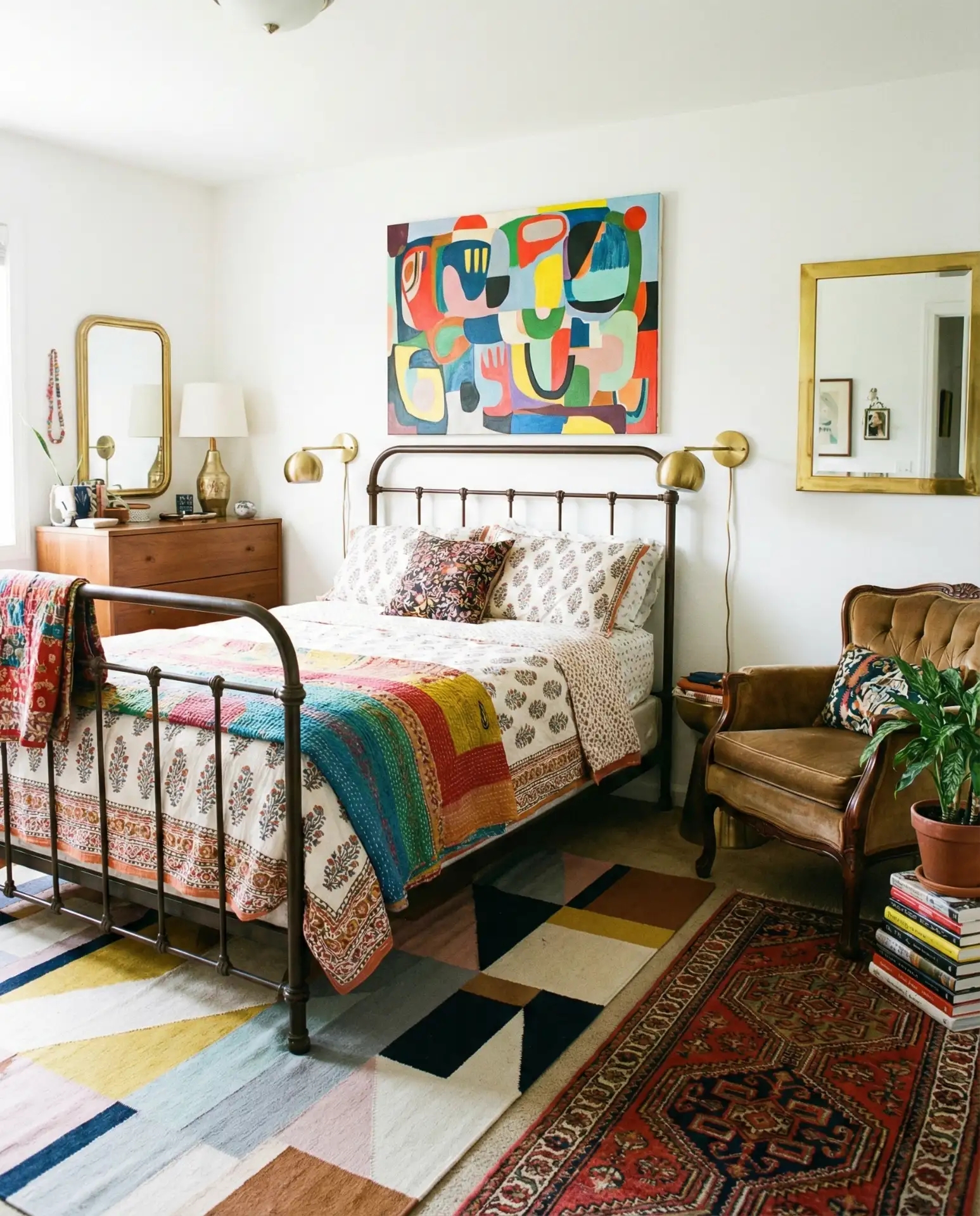
A fun guest room doesn’t have to follow a single design rulebook—it can mix patterns, colors, and eras in a way that feels curated rather than chaotic. Combine a vintage brass bed frame with modern graphic bedding, add a mid-century nightstand, and hang eclectic art that tells a story. This approach works beautifully for creative homeowners who want their guest space to reflect personality rather than playing it safe with neutrals.
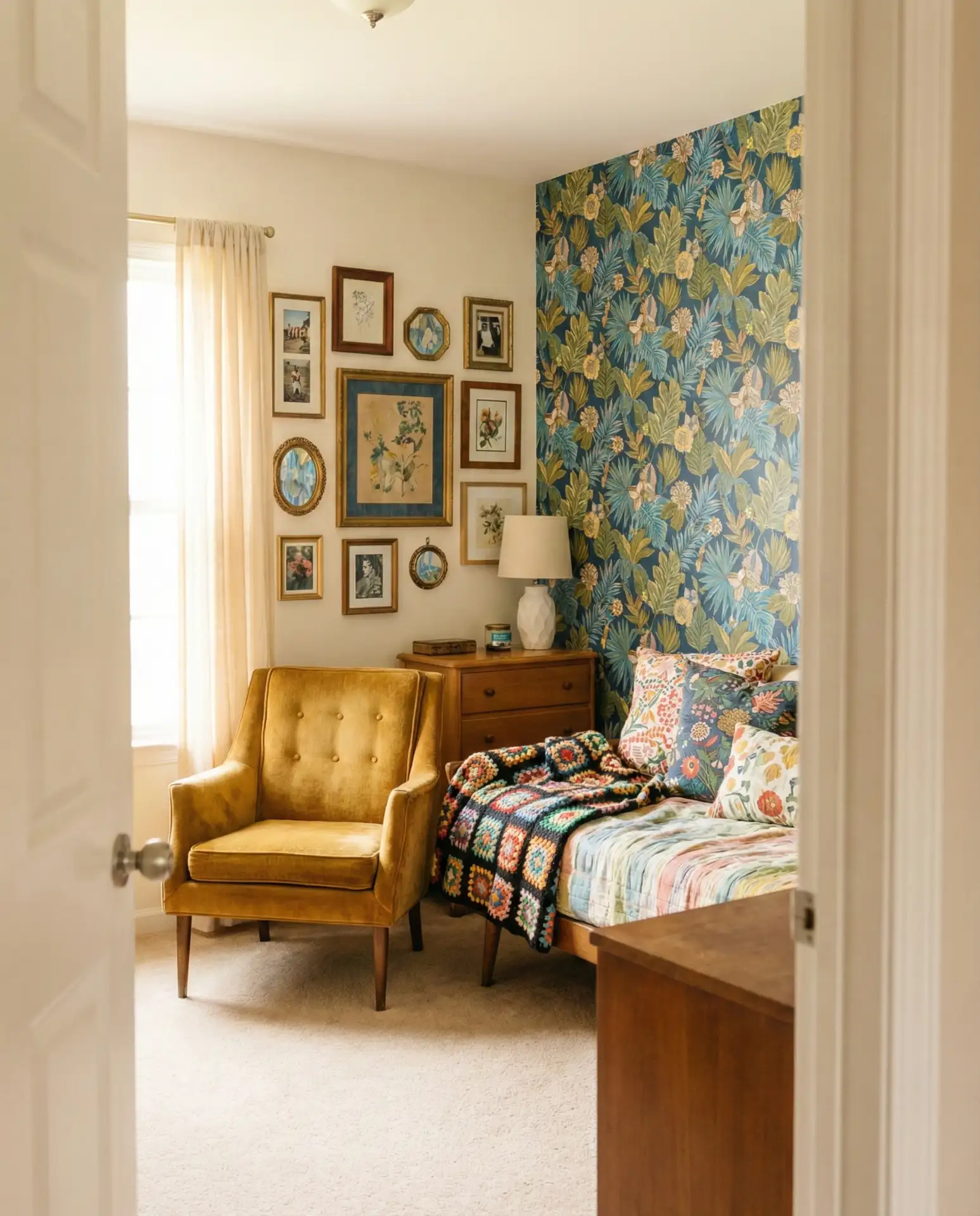
In Austin and Portland, eclectic guest rooms are practically a cultural signature, reflecting the cities’ embrace of individuality and creative expression. The key is balancing boldness with cohesion—pick one or two anchor colors that appear throughout the space, even if patterns and styles vary. Guests often remember these rooms more vividly than generic neutral spaces, and they appreciate the effort and thoughtfulness that went into creating something distinctive.
9. Murphy Bed Magic for Disappearing Sleep Space
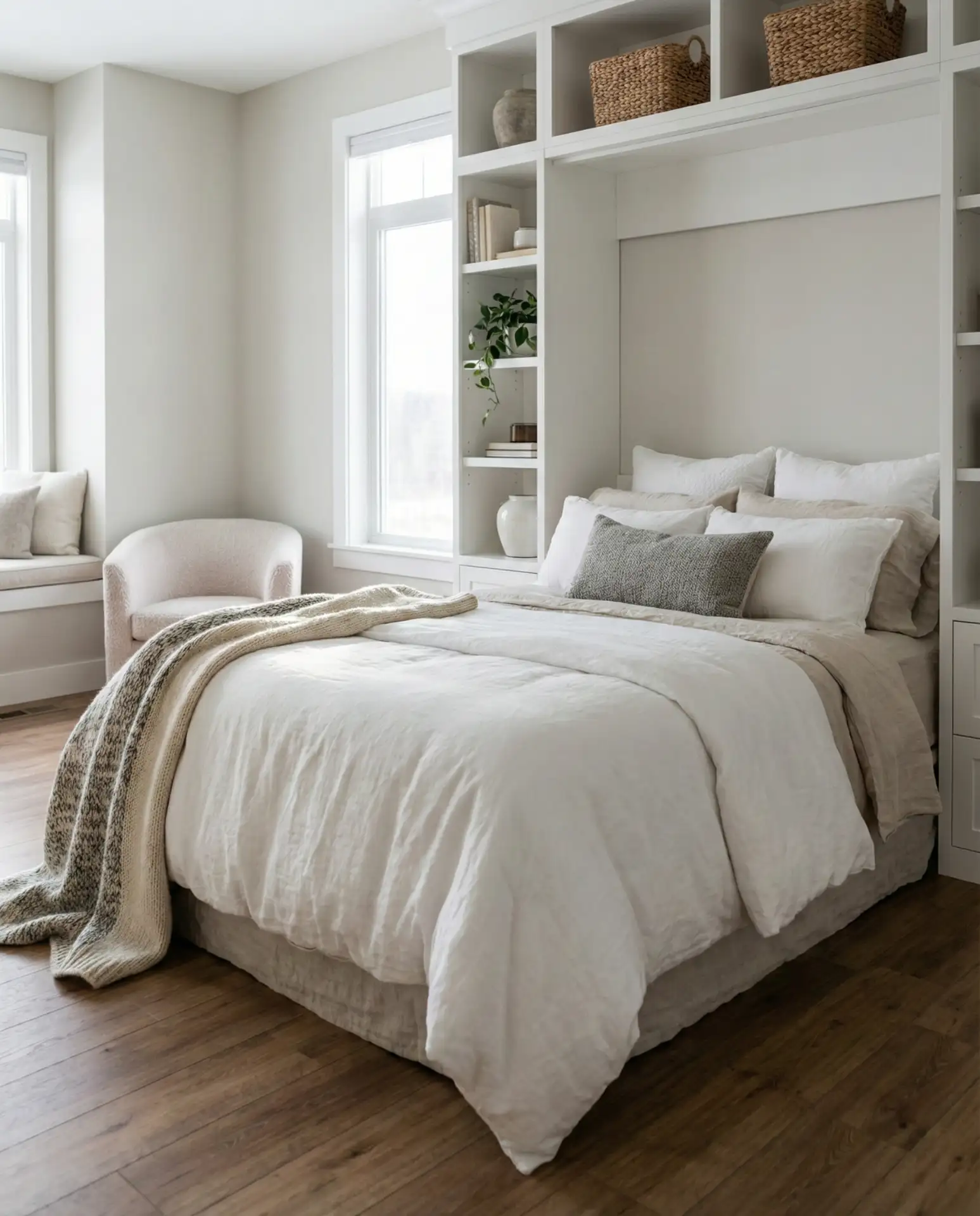
The Murphy bed has experienced a major renaissance, thanks to sleeker designs and easier installation kits. This wall-mounted bed folds up into a cabinet or bookshelf when not in use, transforming a guest room into a home office, yoga studio, or craft space during the rest of the year. Modern Murphy beds come with built-in desks or shelving on the reverse side, making them even more versatile and space-efficient.
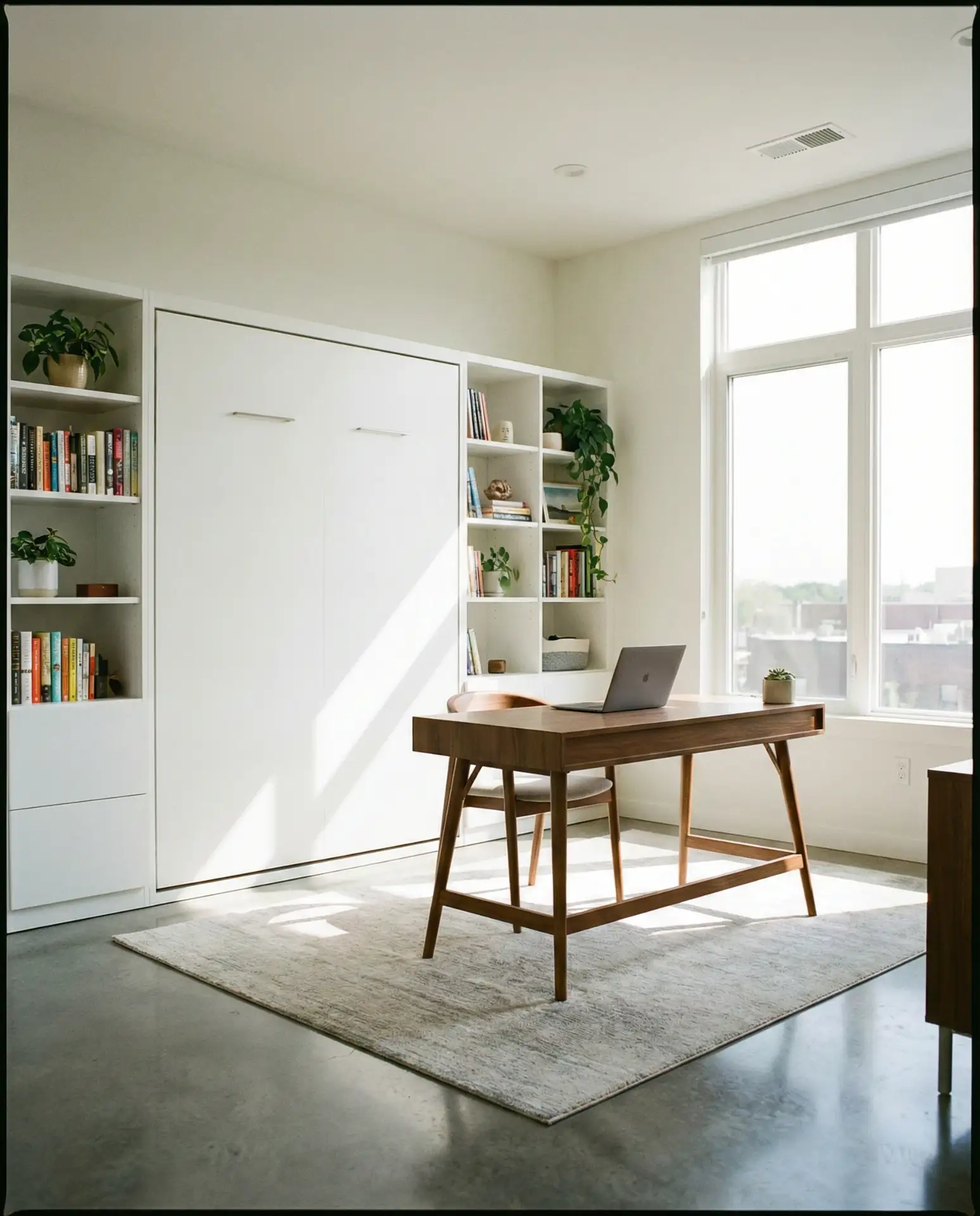
Budget-wise, expect to spend between $1,500 and $4,000 for a quality Murphy bed system, depending on size and features. Custom-built options run higher but offer exact dimensions and finishes that match your existing decor. Installation typically takes a weekend for handy homeowners or a few hours with professional help. It’s an investment that pays off immediately if you’re trying to reclaim square footage without sacrificing the ability to host overnight guests.
10. Loft Guest Space with Elevated Charm
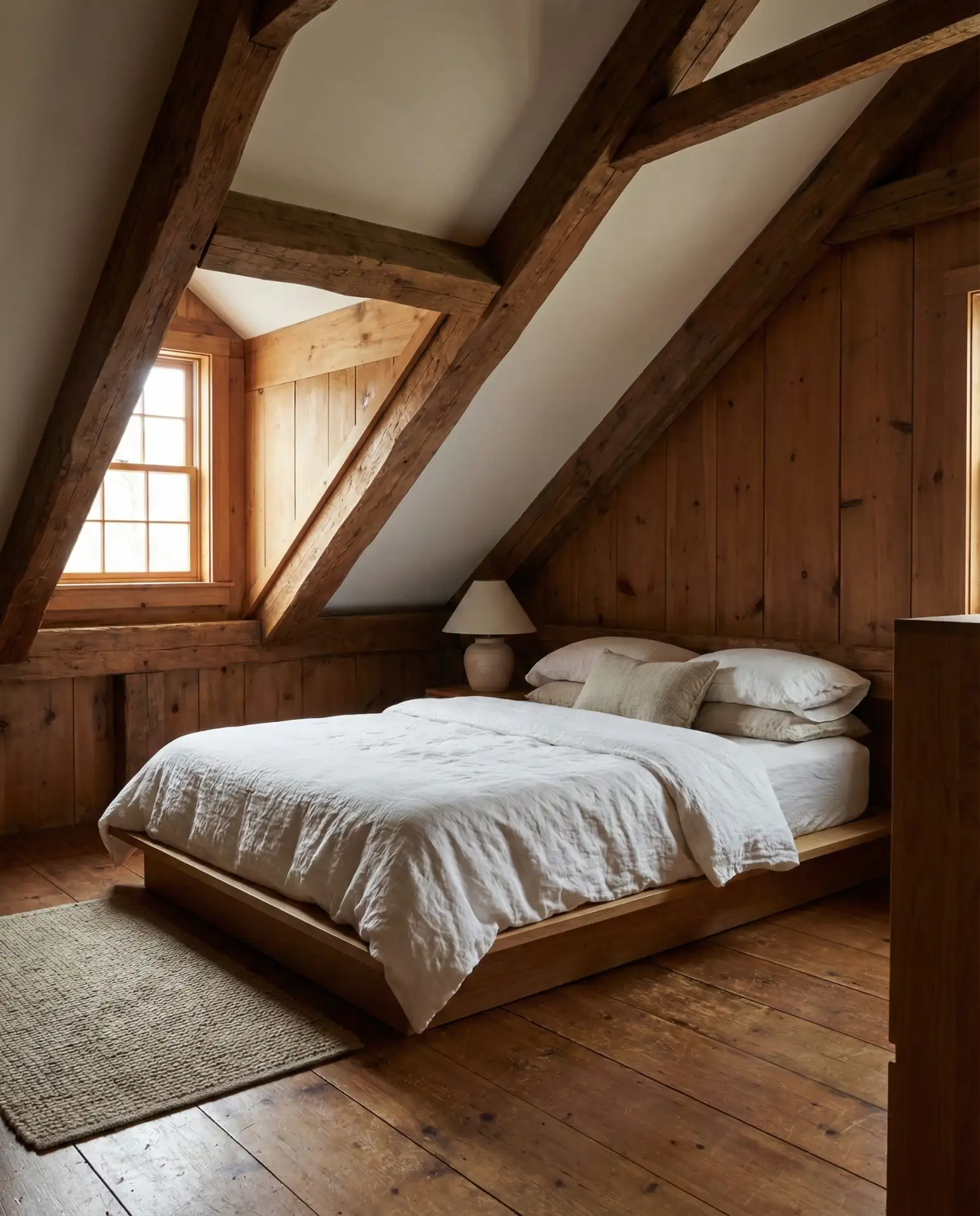
A loft conversion turns underutilized upper-level space into a private guest retreat that feels separate from the main household. High ceilings and exposed beams often come with the territory, giving these rooms an architectural character that’s hard to replicate elsewhere. Add a low-profile bed to maintain headroom, install skylights if possible, and use lightweight furniture that won’t strain old floor joists.
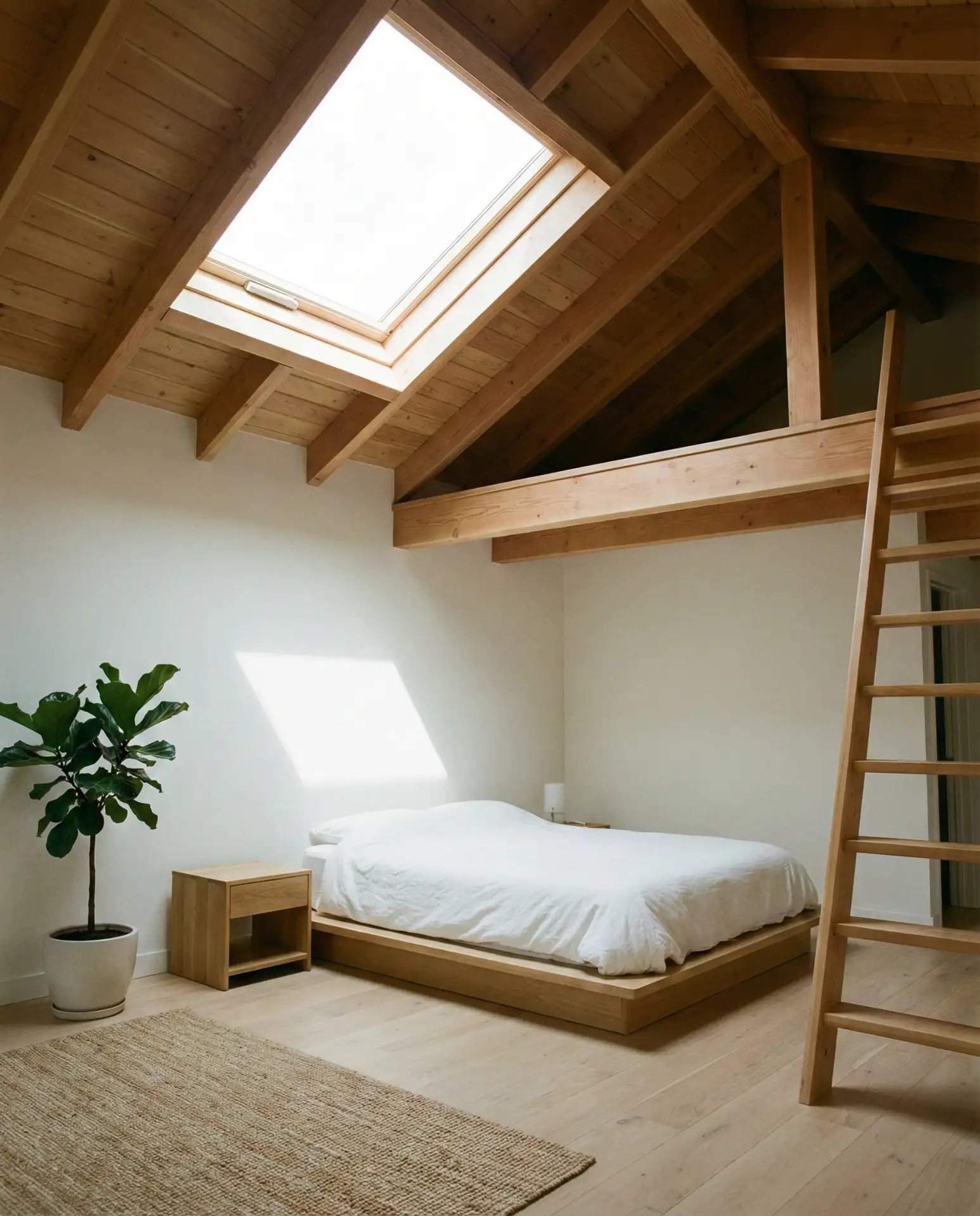
These spaces work best in older homes with attics that have already been partially finished or in newer construction designed with bonus loft areas. Before converting a loft, confirm that the structure can support the additional weight of furniture and occupants—consult a structural engineer if you’re uncertain. Many loft guest rooms in New England and the Pacific Northwest capitalize on beautiful views and natural light, making them sought-after spots that guests request by name.
11. Green Sanctuary with Botanical Touches
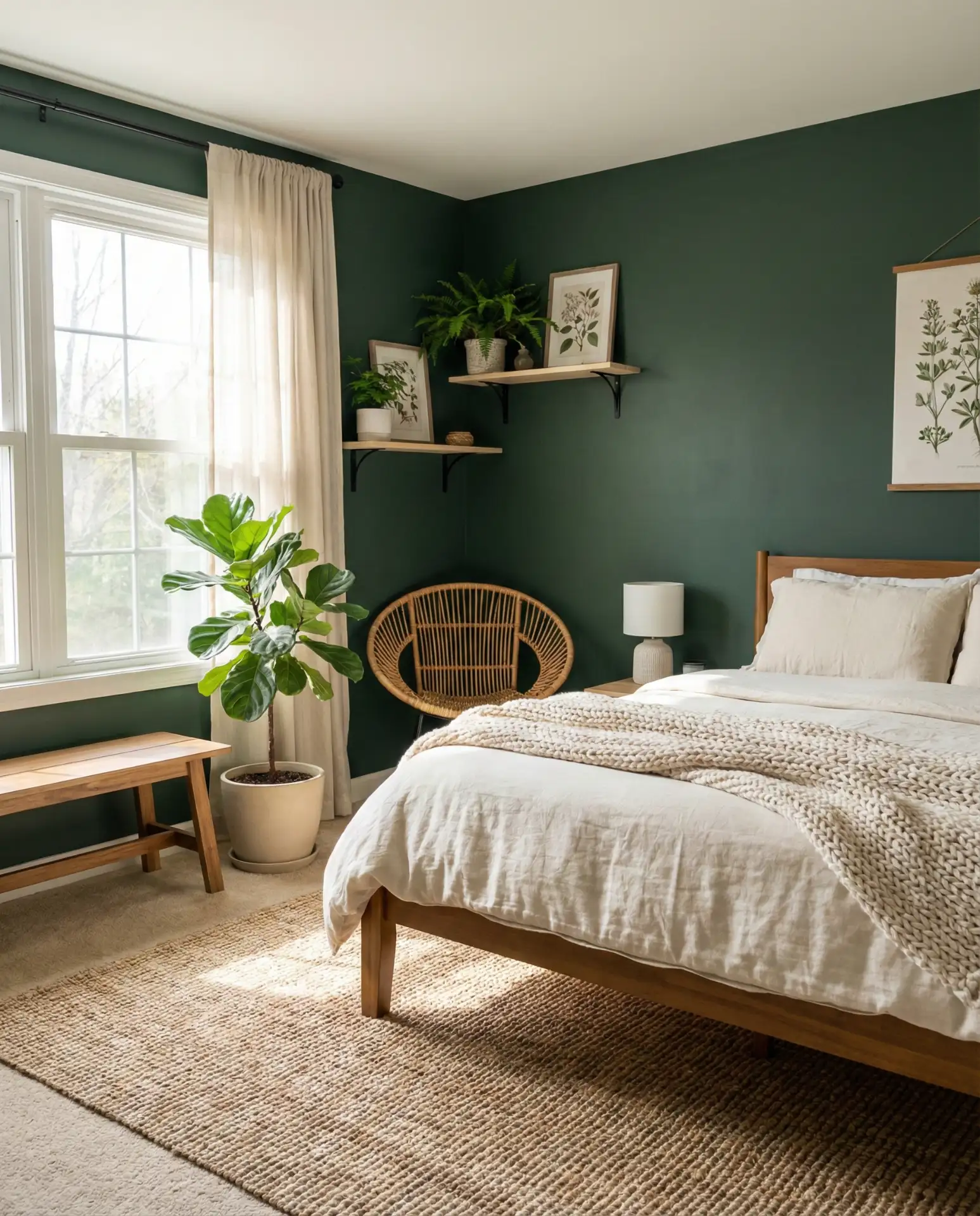
A green guest room brings the outdoors in, creating a calming environment that’s been shown to reduce stress and improve sleep. Use sage, olive, or forest green on walls or textiles, and incorporate live plants like snake plants or pothos that thrive indoors with minimal care. Botanical prints, natural wood furniture, and linen fabrics complete the look, giving the space an organic, grounded feel.
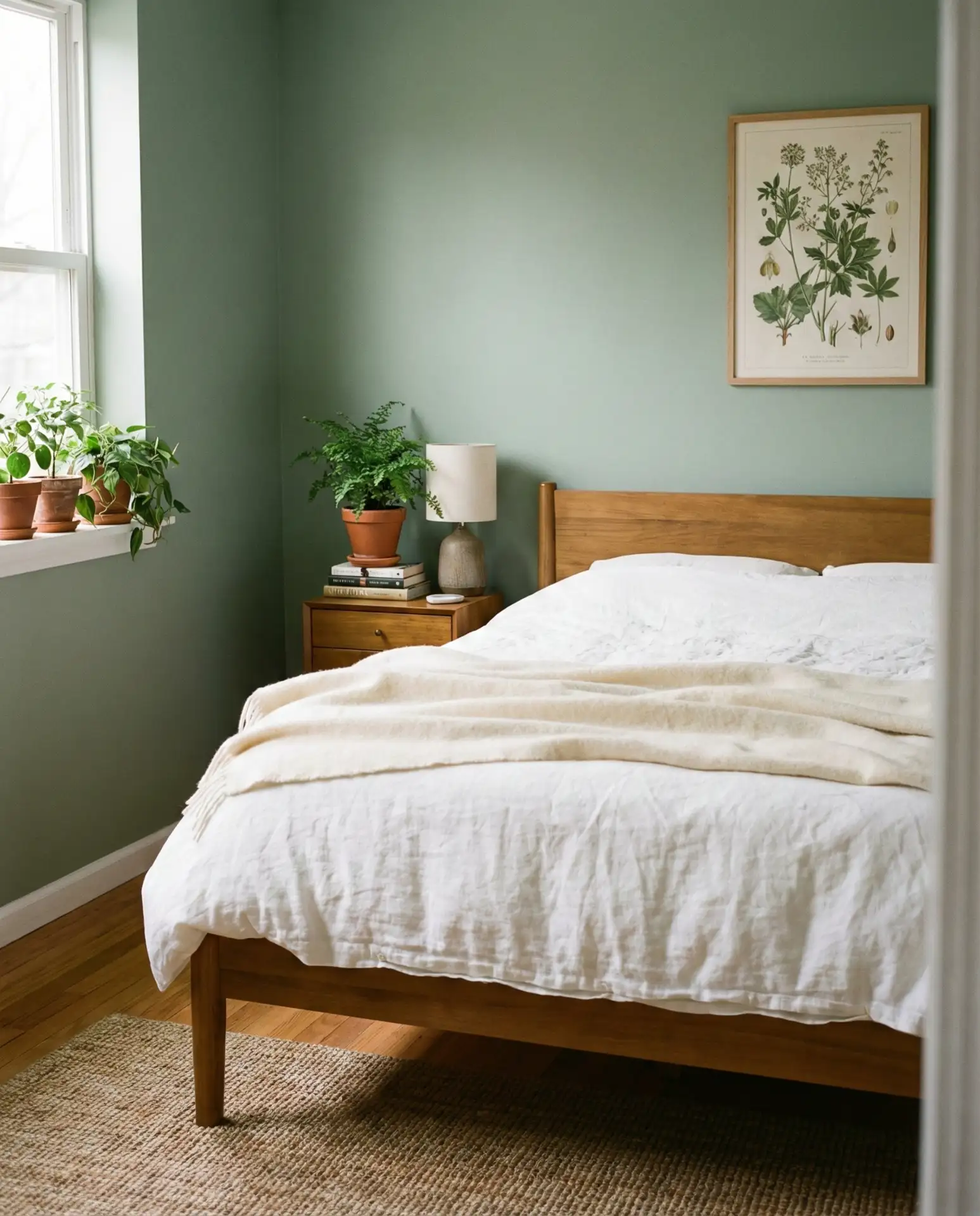
Real homeowner behavior shows that guests gravitate toward rooms with plants and natural elements, often commenting that they slept better or felt more relaxed. The psychological effect of greenery is well-documented, which is why hotels and spas use it so liberally. Keep maintenance simple by choosing low-light tolerant plants and grouping them on trays for easy watering. A green guest room is a subtle but powerful way to show you care about your visitors’ wellbeing.
12. Moody Dramatic Space with Dark Hues
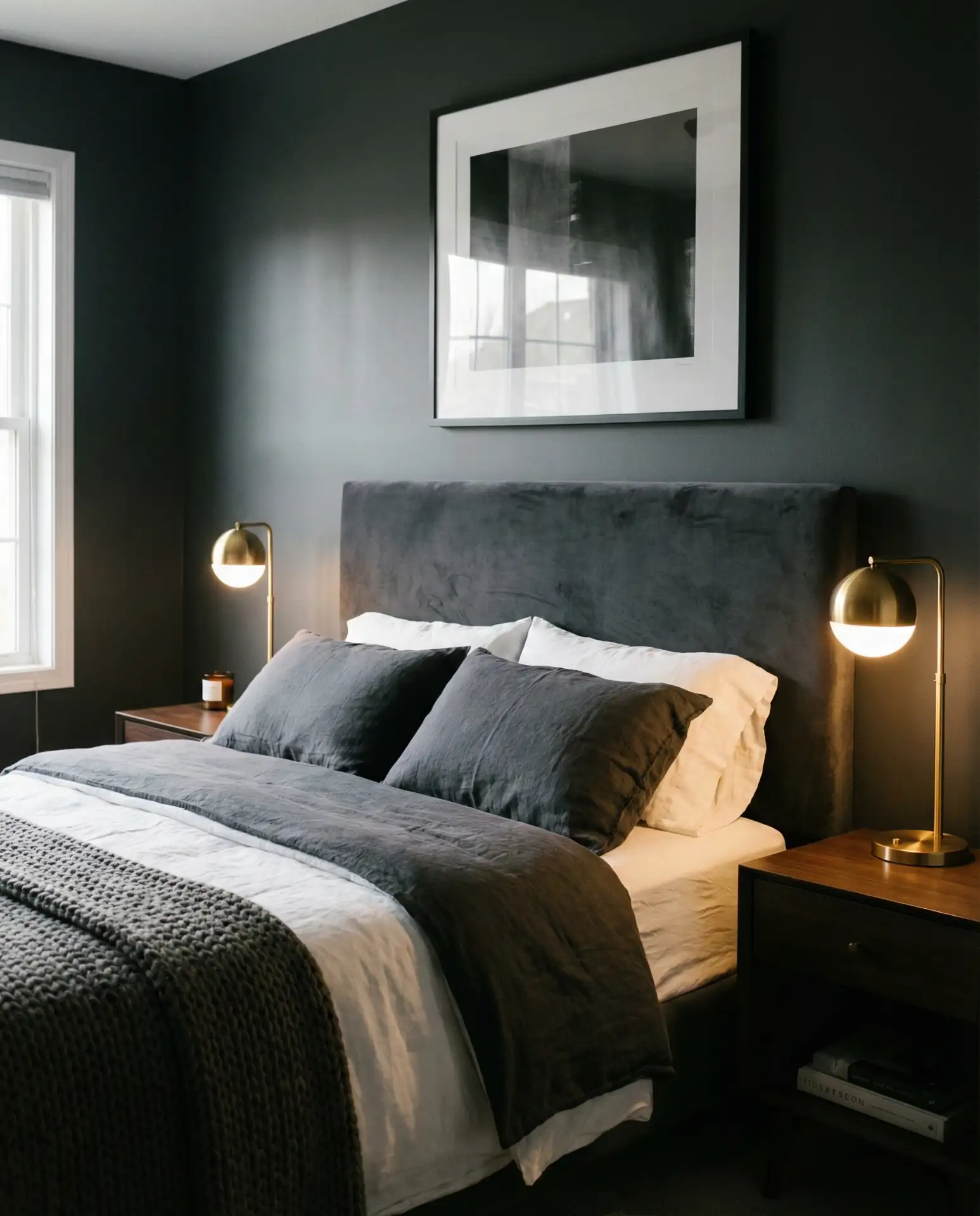
Don’t shy away from a moody palette in your guest room—deep charcoal, navy, or even black walls can create an incredibly sophisticated and cocoon-like atmosphere. Balance dark paint with plenty of lighting options, metallic accents like brass or gold, and luxurious textiles in rich textures. This look is having a major moment on design Pinterest boards and works especially well in rooms with ample natural light during the day.
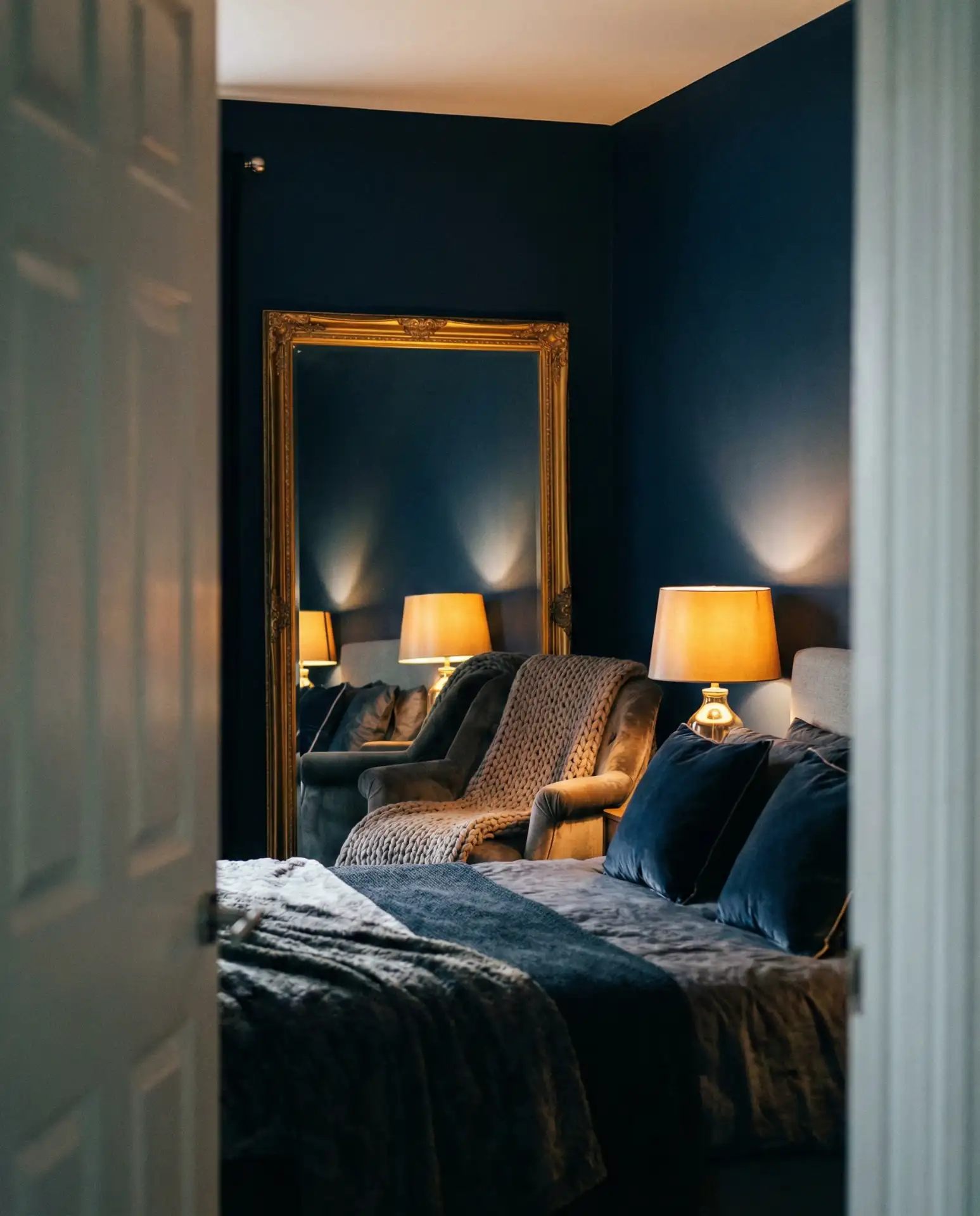
One common mistake with moody rooms is using too little lighting, which can make the space feel oppressive rather than inviting. Layer your light sources: overhead fixtures, bedside lamps, wall sconces, and even LED strips behind furniture. This creates depth and allows guests to adjust brightness to their preference. Contrary to popular belief, dark rooms can actually feel larger when done right, because the walls visually recede and the eye focuses on illuminated objects and textures instead.
13. Pull Out Couch for Casual Hosting
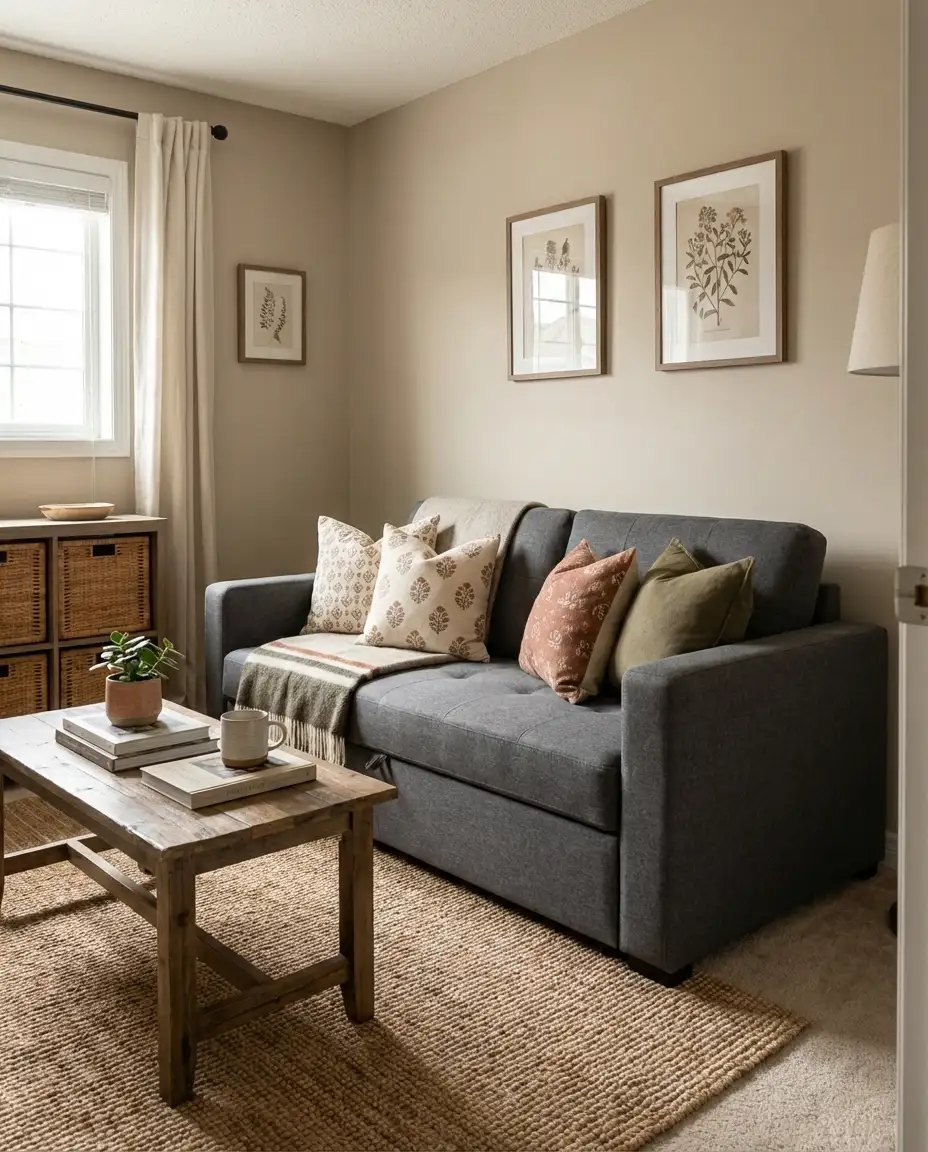
The classic pull out couch remains a practical solution for casual guest hosting, especially in dens, bonus rooms, or living spaces that need to stay multifunctional. Today’s versions feature improved mattress quality and sturdier frames that won’t sag after a few uses. Look for models with easy-pull mechanisms and consider adding a memory foam topper to elevate comfort beyond what the built-in mattress provides.
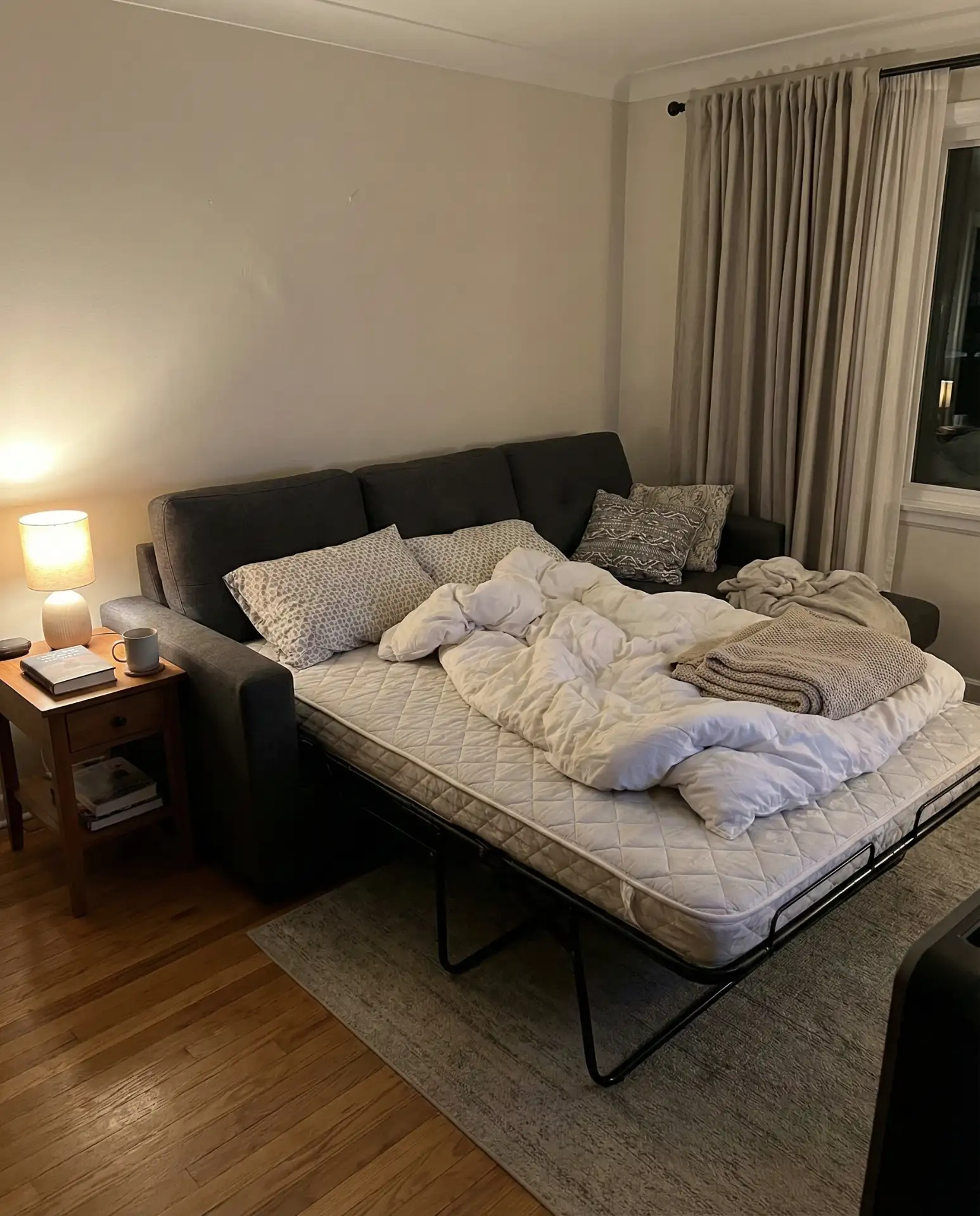
American lifestyle trends show more people hosting friends for short stays rather than formal multi-day visits, making the pull-out couch perfect for spontaneous hospitality. It’s also ideal for young families who need flexible space as kids grow. Keep a storage ottoman or closet nearby stocked with sheets, blankets, and pillows so you can set up the bed quickly without scrambling. The easier you make the process, the more likely you’ll actually use the space to host.
14. Study and Guest Combo with Smart Dividers
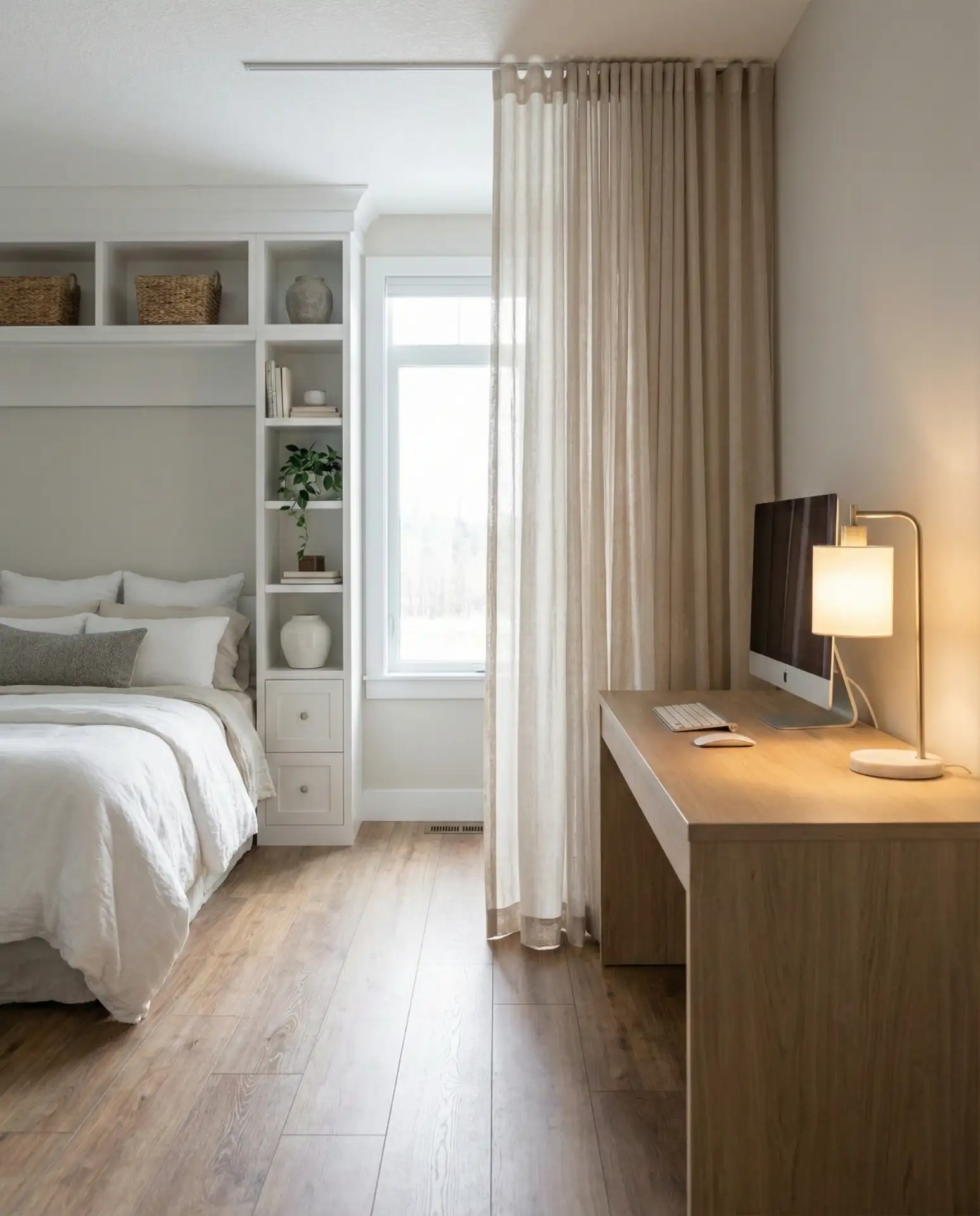
Combining a study and guest room requires thoughtful zoning so neither function suffers. Use a bookshelf as a room divider, install a curtain track for flexible privacy, or position furniture to create distinct zones without building permanent walls. The desk area should face away from the bed so guests aren’t staring at your work setup, and keep work clutter contained to one side of the room.
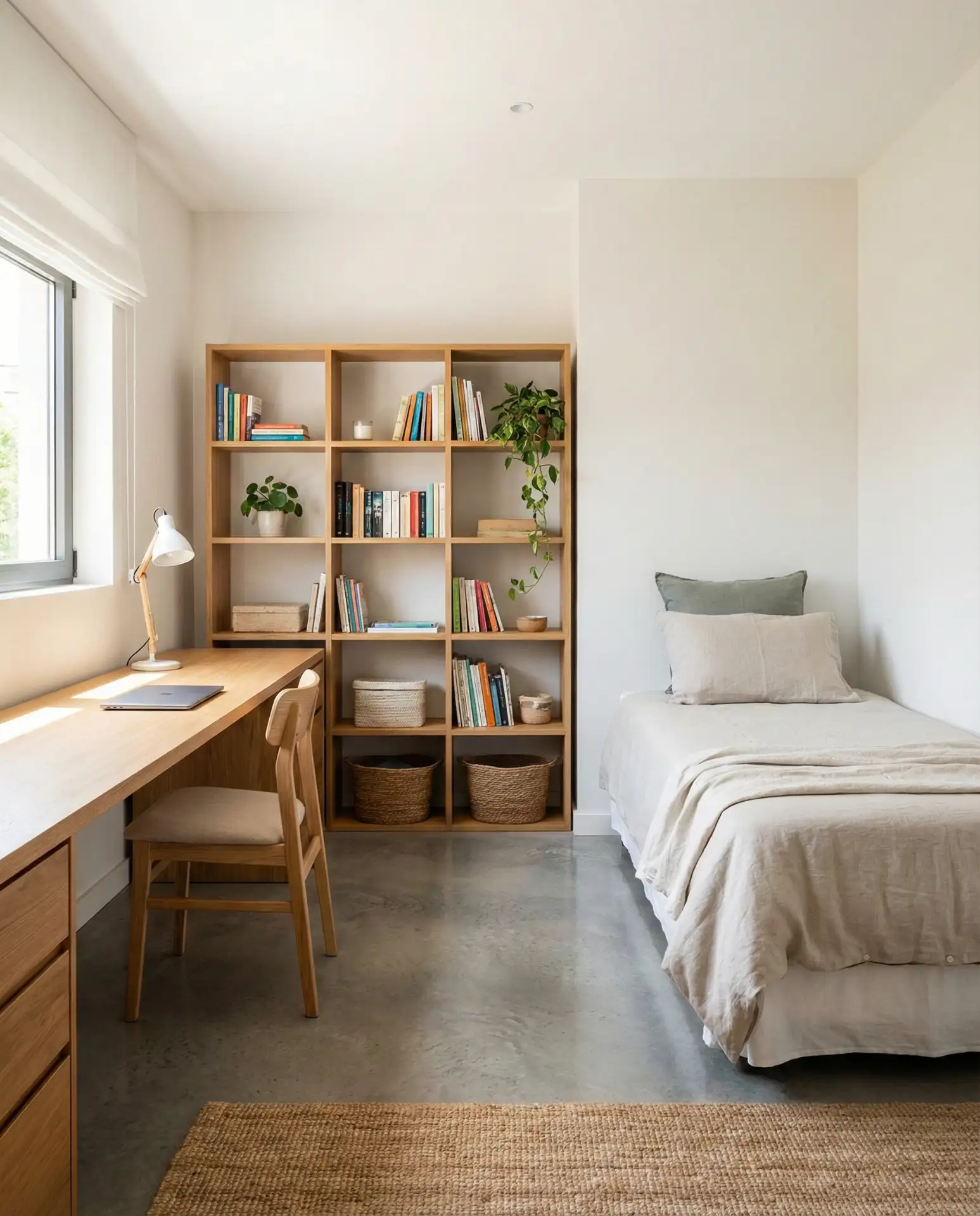
This configuration works best for remote workers who need dedicated home office space but can’t sacrifice an entire room just for occasional guests. In the suburbs of Denver and Charlotte, where home offices became essential during the pandemic, this hybrid setup has become increasingly common. Invest in good organizational systems—file cabinets with locks if you handle sensitive work, and storage bins that keep office supplies out of sight when guests arrive.
15. Pull Out Sofa Bed in Modern Fabric
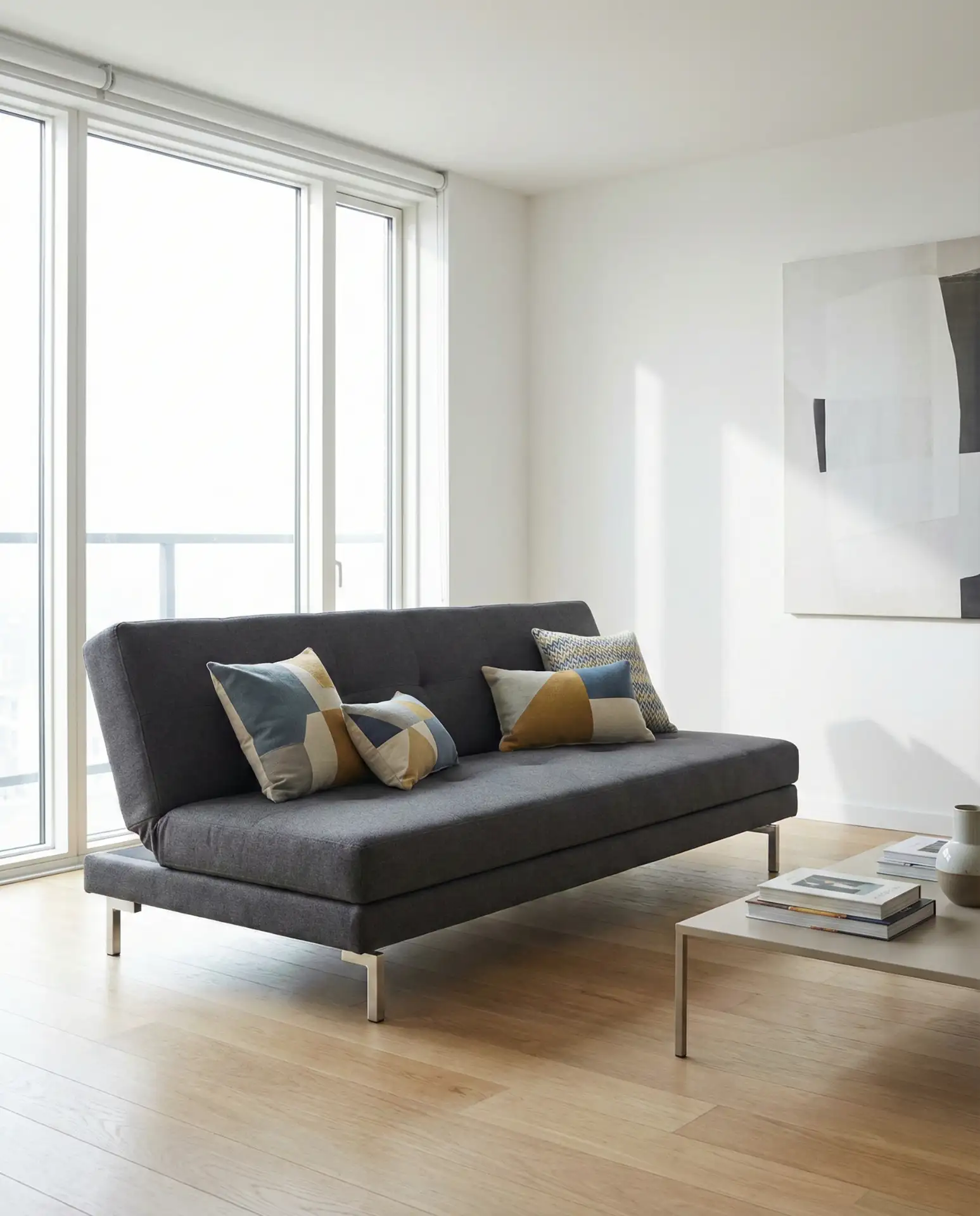
A contemporary pull out sofa bed in performance fabric elevates the concept beyond budget college furniture into genuinely stylish territory. Choose stain-resistant materials like Crypton or Revolution fabrics that can handle real life, and opt for clean-lined Scandinavian or mid-century modern silhouettes that look intentional even in their everyday sofa form. These pieces prove you don’t have to sacrifice aesthetics for functionality.
Where this works best is in urban condos and lofts where space is at a premium but design standards remain high. Residents of cities like Chicago and Seattle are particularly drawn to this approach because it allows them to maintain a polished living room that can transform for guests without looking like a compromise. Price points range from $800 for entry-level options to $3,000+ for designer pieces, but the quality difference is noticeable in both comfort and longevity.
16. Daybed Corner with Window Seat Vibes
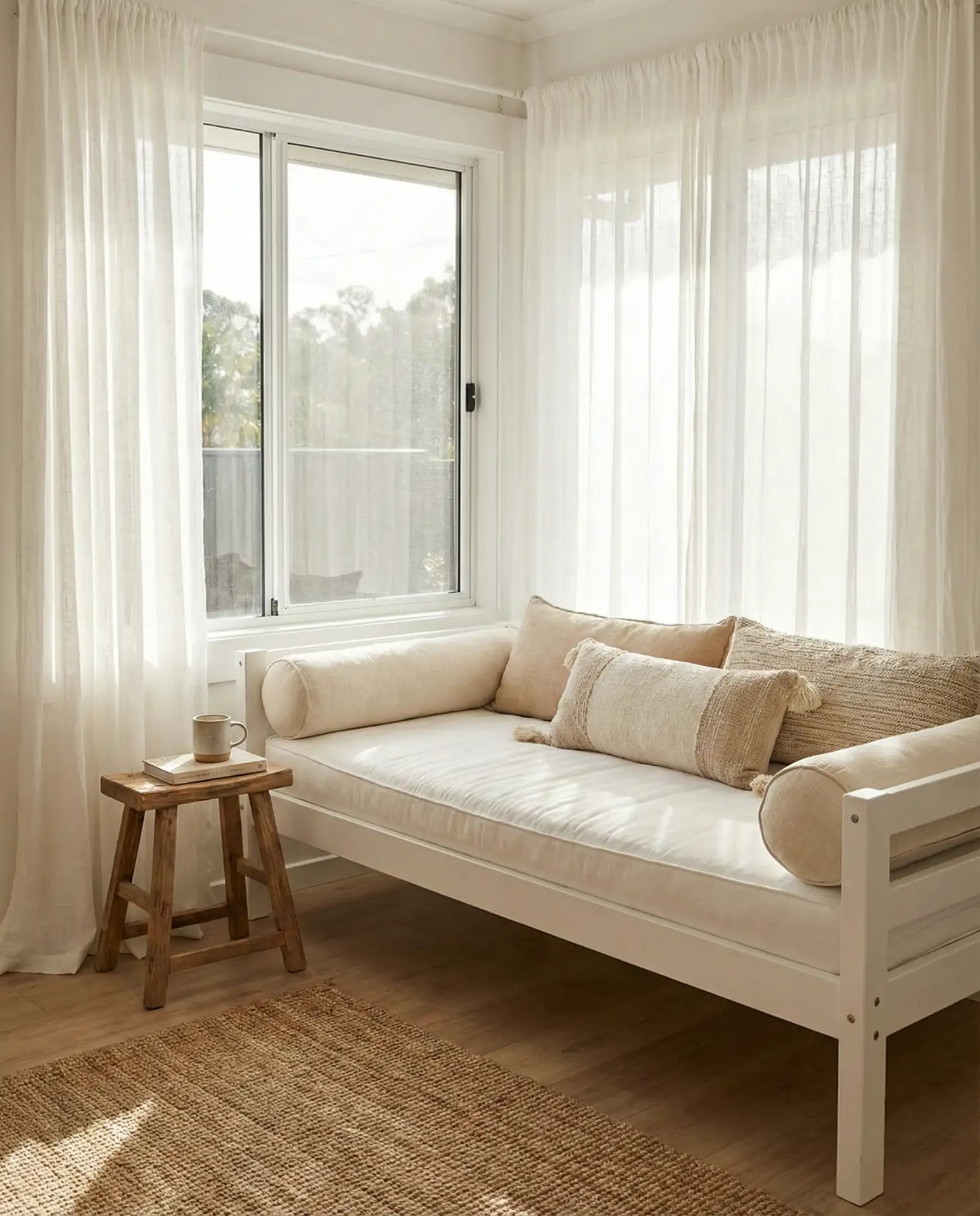
A daybed positioned under or near a window creates an inviting nook that feels like a luxurious built-in even if it’s just freestanding furniture. Dress it with plenty of throw pillows for lounging during the day, and keep a storage trunk nearby for extra bedding. This setup works beautifully in rooms with architectural interest like bay windows or dormer spaces, where you can really lean into the cozy factor.
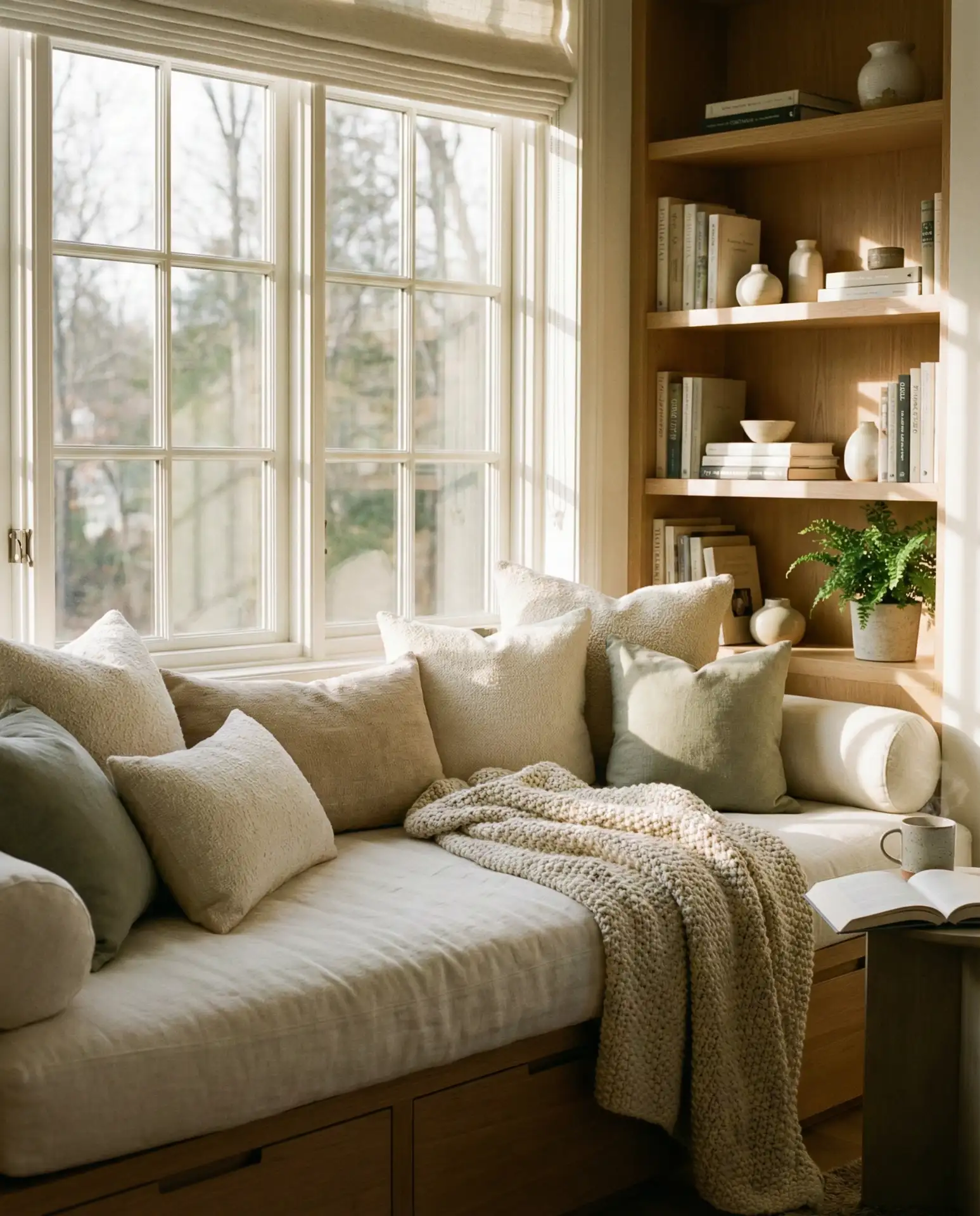
An expert perspective here: daybeds with trundles underneath are even more versatile, allowing you to host two guests when needed. This is especially popular in homes where grandchildren visit frequently—one child sleeps on the daybed, another pulls out the trundle, and suddenly you’ve accommodated everyone without a cramped bunk bed situation. The window placement is key; natural light makes the space feel open during the day and transforms it into a special retreat that guests genuinely look forward to using.
17. Indian-Inspired Guest Room with Rich Textiles
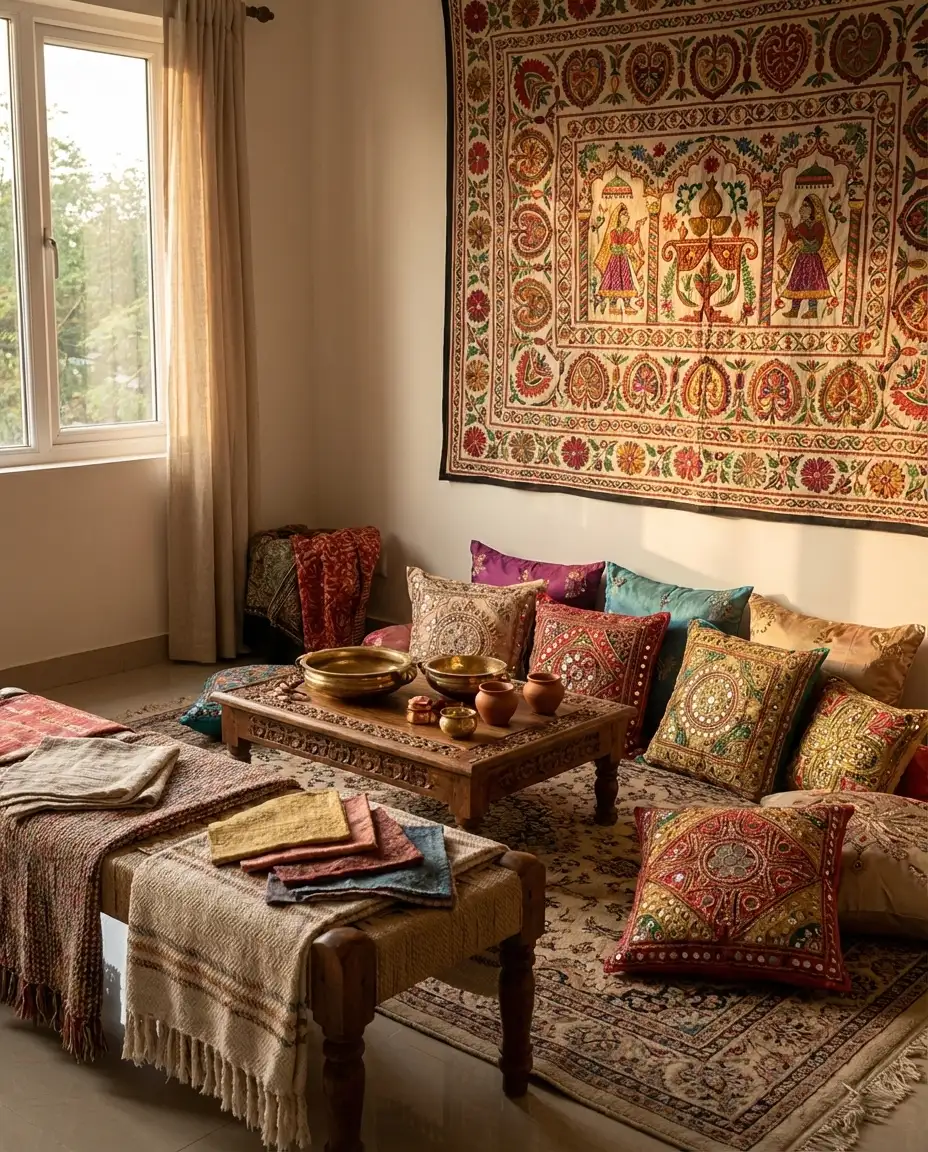
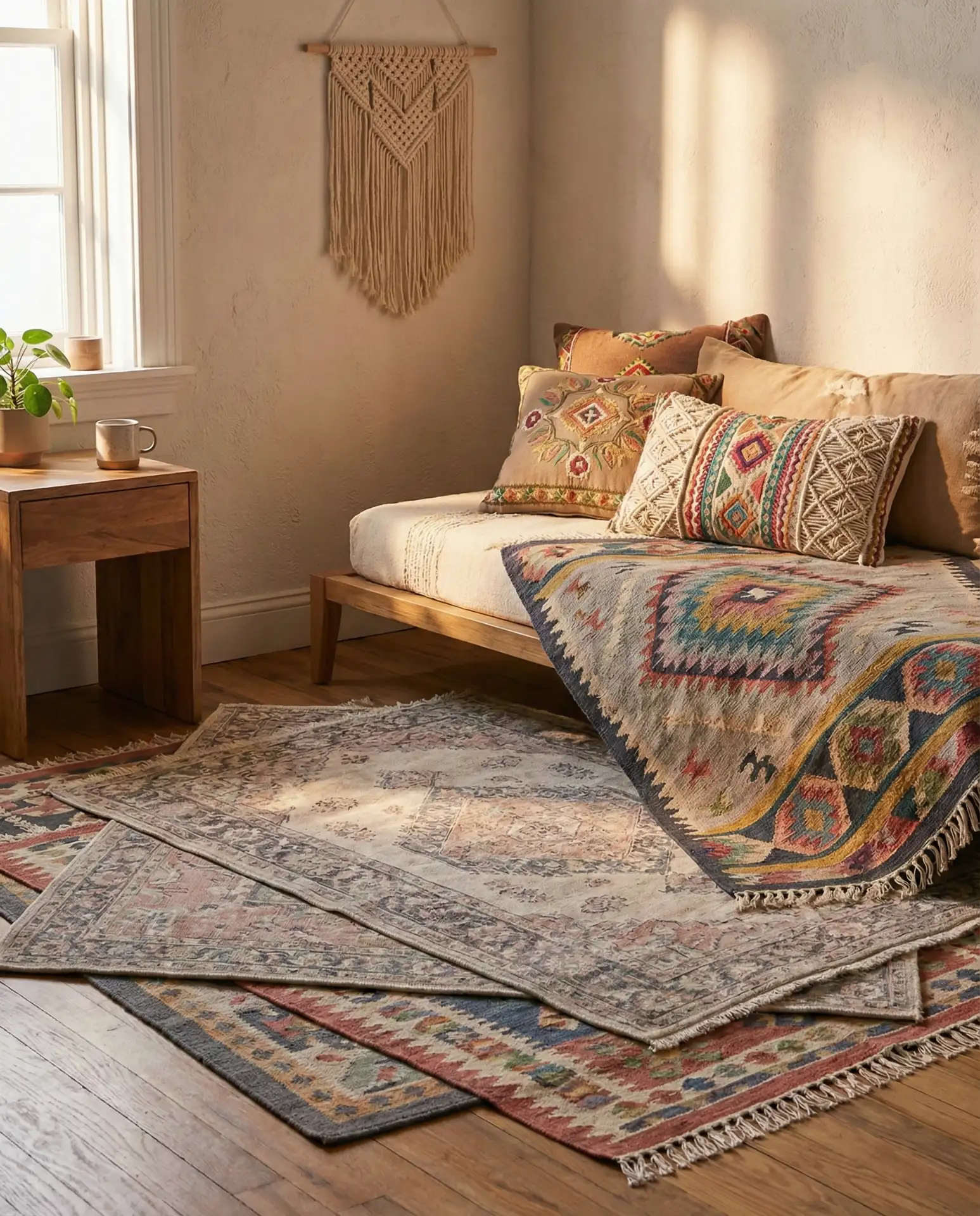
An Indian-inspired guest room brings global flair through jewel tones, intricate textiles, and handcrafted accents that create warmth and visual interest. Think block-printed bedding, carved wood furniture, brass or copper accessories, and layered rugs in saturated colors like deep red, sapphire blue, or golden yellow. This style celebrates pattern and texture in a way that feels collected and curated rather than overly themed.
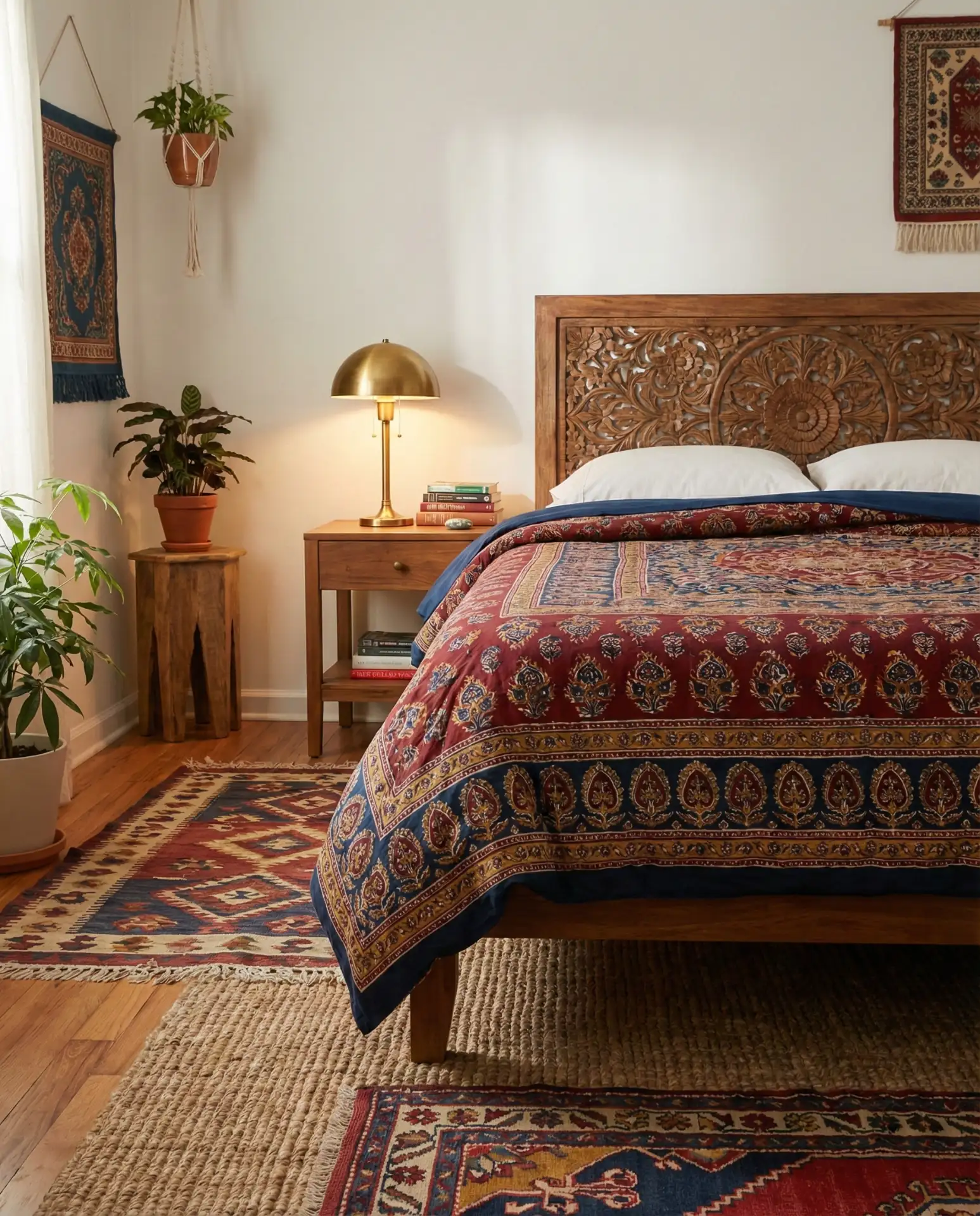
In areas with diverse populations like the San Francisco Bay Area or New York metro, homeowners often draw on their heritage to create guest spaces that tell a story and share their culture. A homeowner in New Jersey mentioned that her Indian-inspired guest room sparks conversation and makes visitors feel they’re experiencing something special and intentional. The key is balance—use bold elements thoughtfully rather than overwhelming the space, and mix in enough neutral breathing room to keep it restful rather than visually exhausting.
18. Budget-Friendly Makeover with Thrift Finds
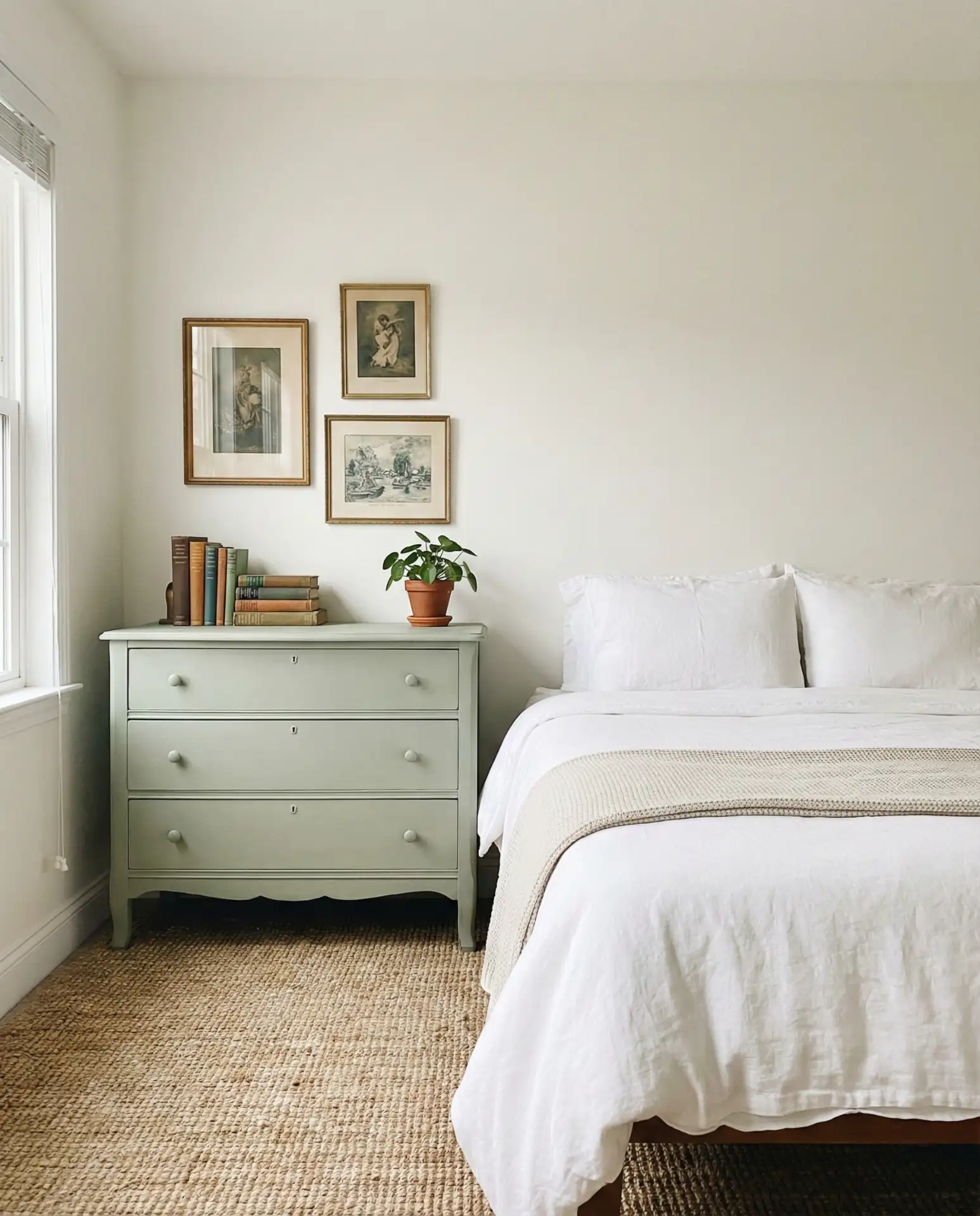
Creating a welcoming guest room on a budget is entirely possible with strategic thrifting, DIY projects, and smart shopping. Hit estate sales for quality wood furniture, refresh pieces with paint or new hardware, and scour discount stores for bedding basics. A fresh coat of paint on the walls costs under $50 and makes the biggest visual impact per dollar spent. Focus your money on a decent mattress—guests will forgive mismatched furniture if they sleep well.
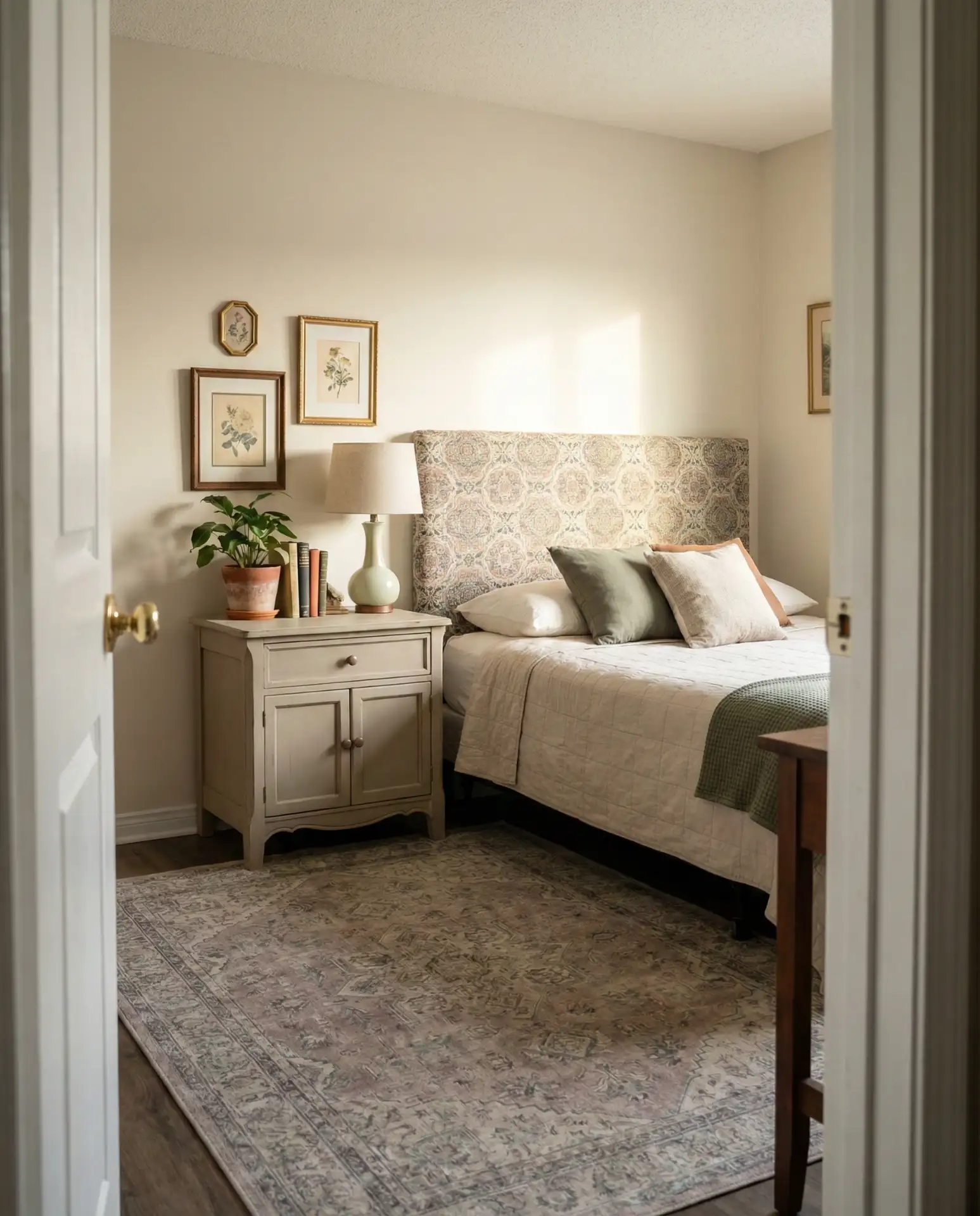
Budget and price angles matter tremendously to young homeowners and renters trying to furnish spaces without breaking the bank. You can fully outfit a basic guest room for under $500 if you’re patient and strategic: $200 for a quality mattress on sale, $100 for a secondhand bed frame, $75 for bedding and pillows, $50 for paint, and $75 for lamps, curtains, and accessories. The result won’t look expensive, but it can absolutely look clean, welcoming, and thoughtfully pulled together.
19. Bed as Focal Point with Statement Headboard
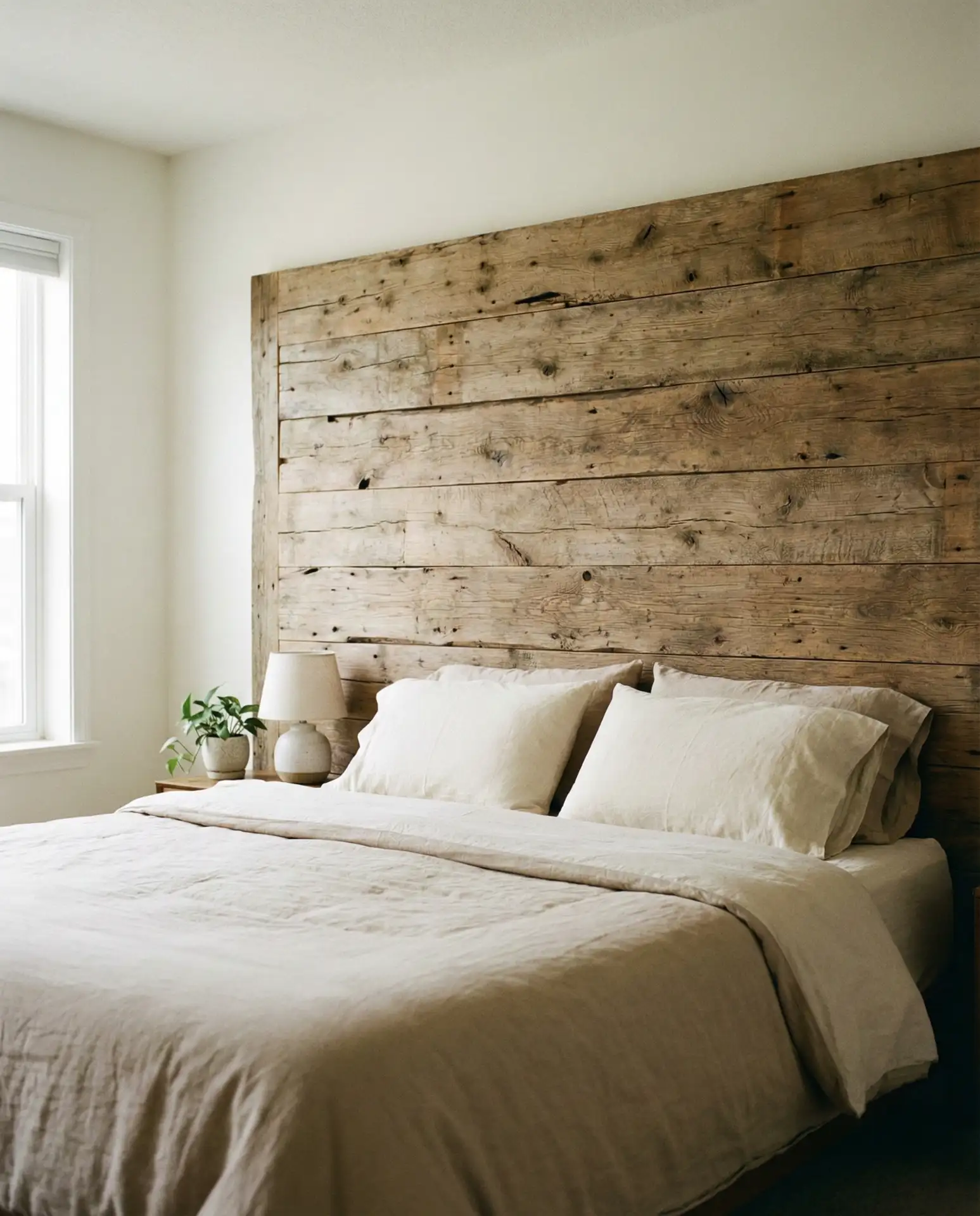
When the bed itself becomes the room’s centerpiece through a dramatic headboard, the rest of the design can stay simple and supportive. Consider upholstered headboards in velvet or linen, reclaimed wood planks arranged vertically, or even a bold painted accent wall behind the bed that serves as an architectural headboard. This approach anchors the room visually and gives it a finished, intentional look without requiring extensive decoration.
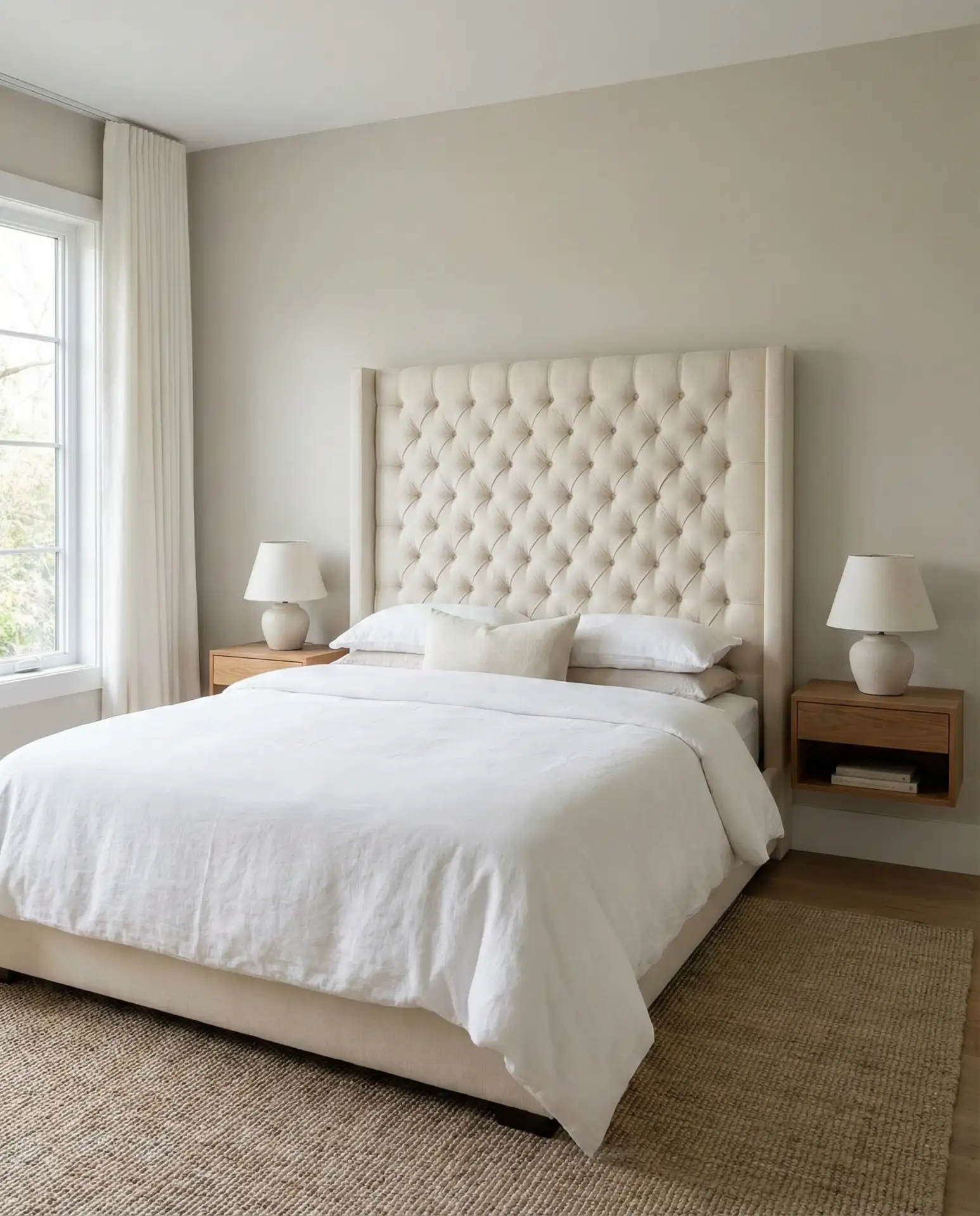
A practical insight for this approach: statement headboards work especially well in smaller guest rooms where you can’t fit much additional furniture anyway. By making the bed the hero piece, you solve the “what should I do with this bland space” problem in one decision. Many designers recommend this strategy for rental properties and Airbnbs, where you want impact without complexity. The headboard does the heavy lifting, and everything else can be clean and simple.
20. Small Bedroom Layout with Smart Furniture
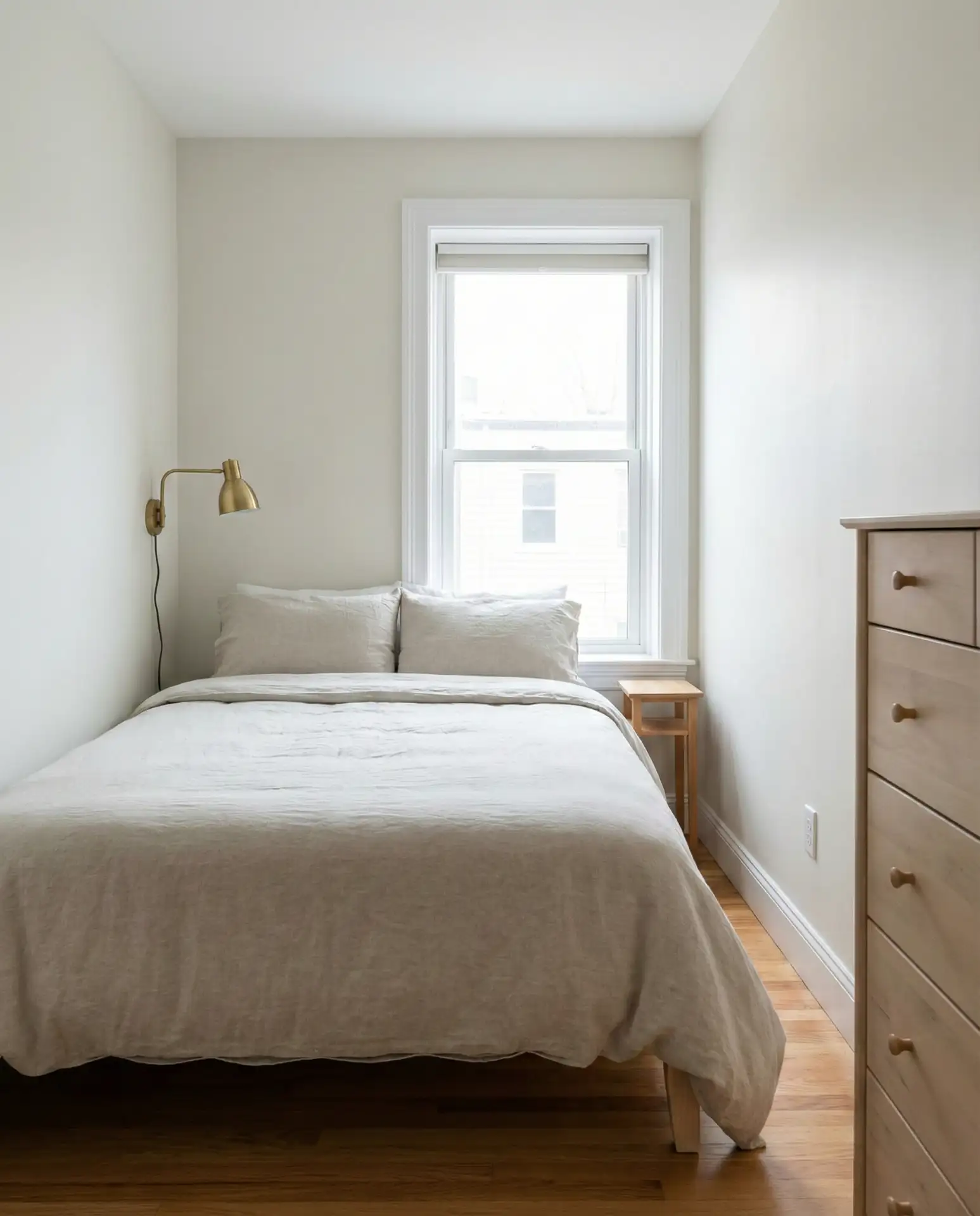
Optimizing a small bedroom layout means choosing furniture that’s scaled appropriately and positioned to maximize flow. Float the bed away from walls if possible to create pathways on both sides, use wall-mounted lighting to save nightstand space, and select a narrow dresser over a wide one. Every piece should serve a clear purpose without making the room feel cluttered or difficult to navigate.
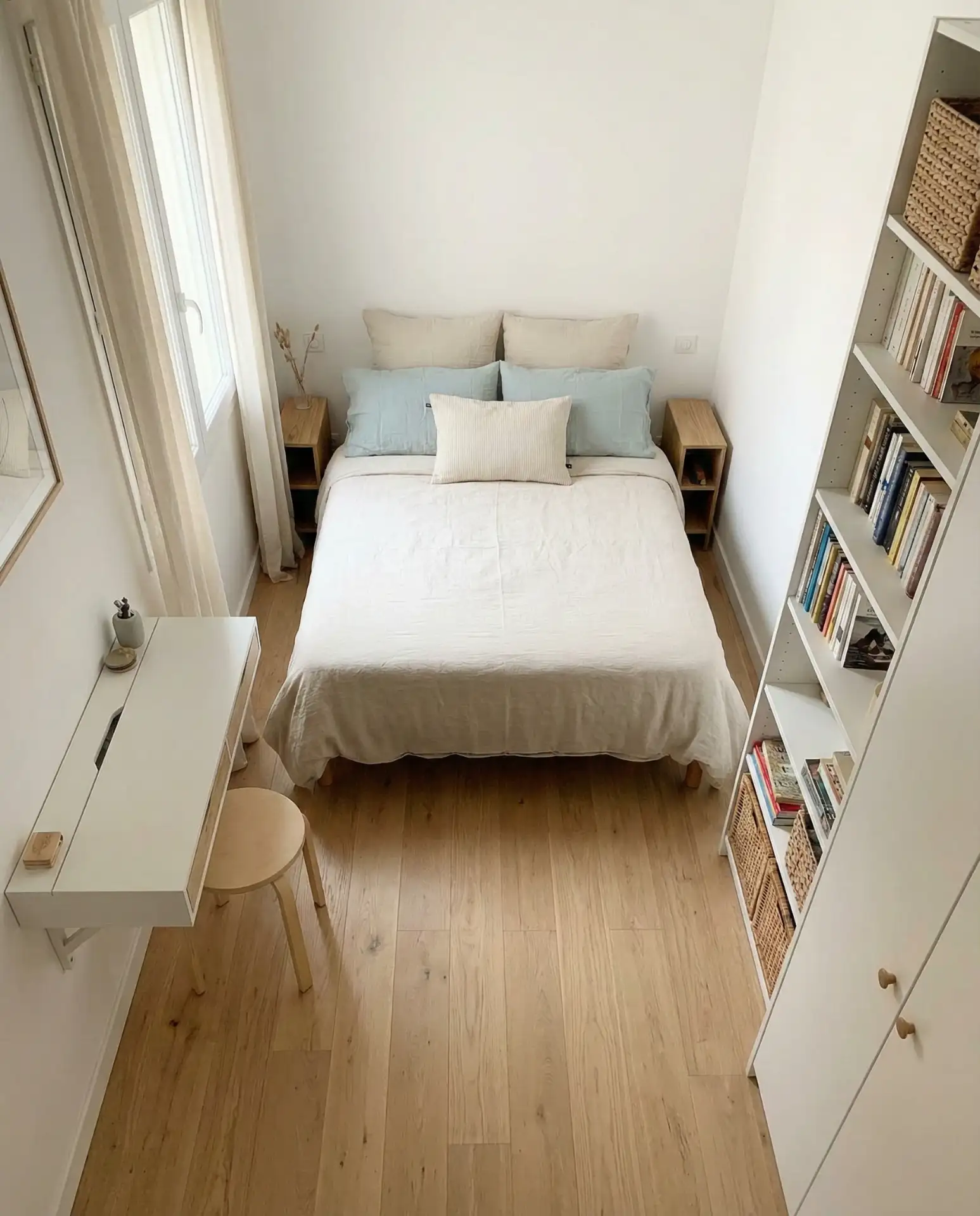
Common mistakes in small bedrooms include pushing all furniture against the walls, which actually makes the room feel smaller and more cramped, or choosing a bed that’s too large for the footprint. A real homeowner in Seattle downsized from a queen to a full bed in her 10×10 guest room and was amazed at how much more functional the space became. She could suddenly fit a comfortable reading chair and still move around freely. Sometimes less really is more, especially when square footage is limited.
21. Bloxburg-Inspired Modern Minimalism
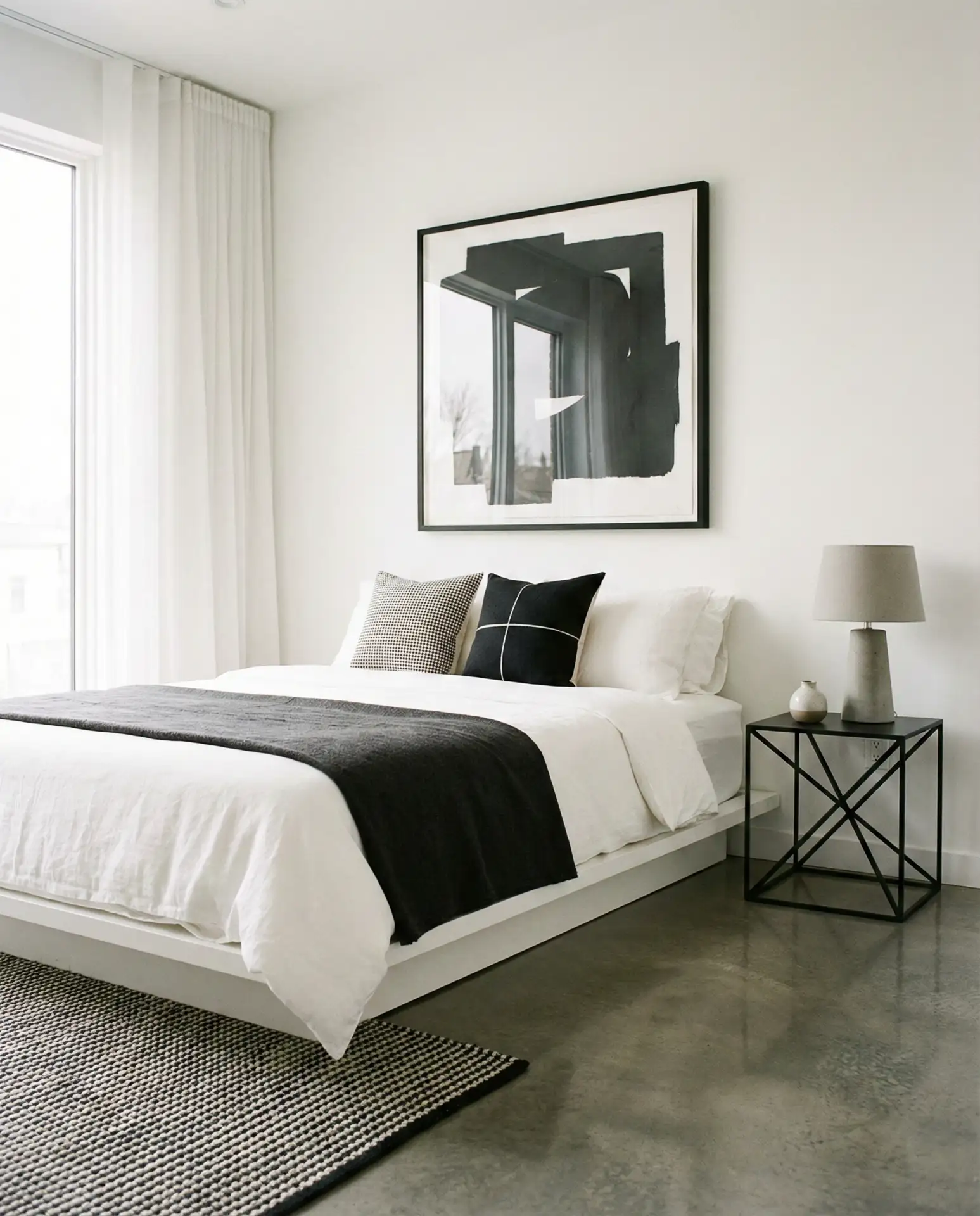
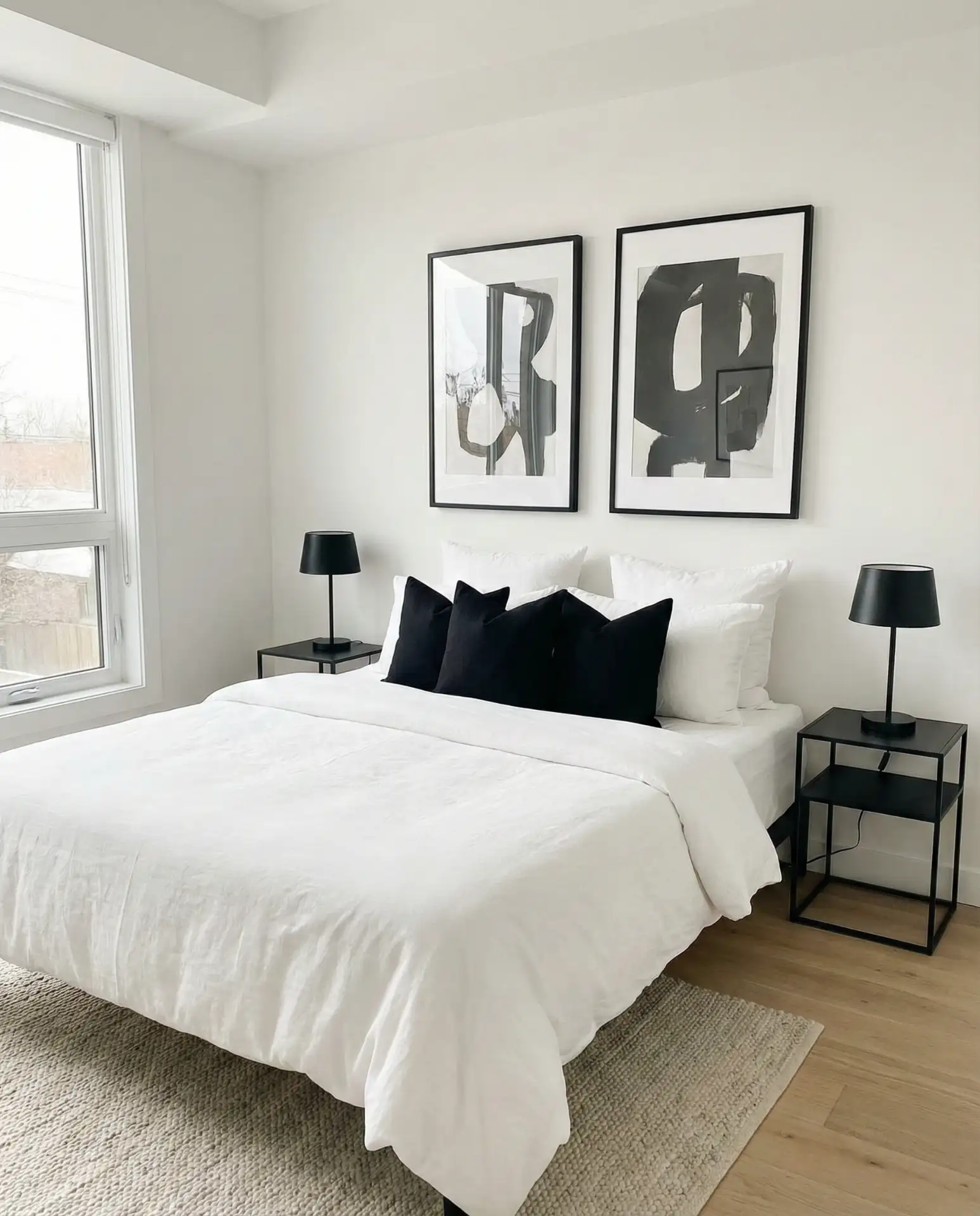
Taking cues from Bloxburg design aesthetics—the popular Roblox game known for its clean, modern builds—translates surprisingly well to real-world guest rooms. Think crisp white walls, geometric furniture with strong lines, minimal decoration, and pops of black or gray for contrast. This ultra-clean approach appeals to younger homeowners who appreciate a contemporary look without a lot of fuss or maintenance.
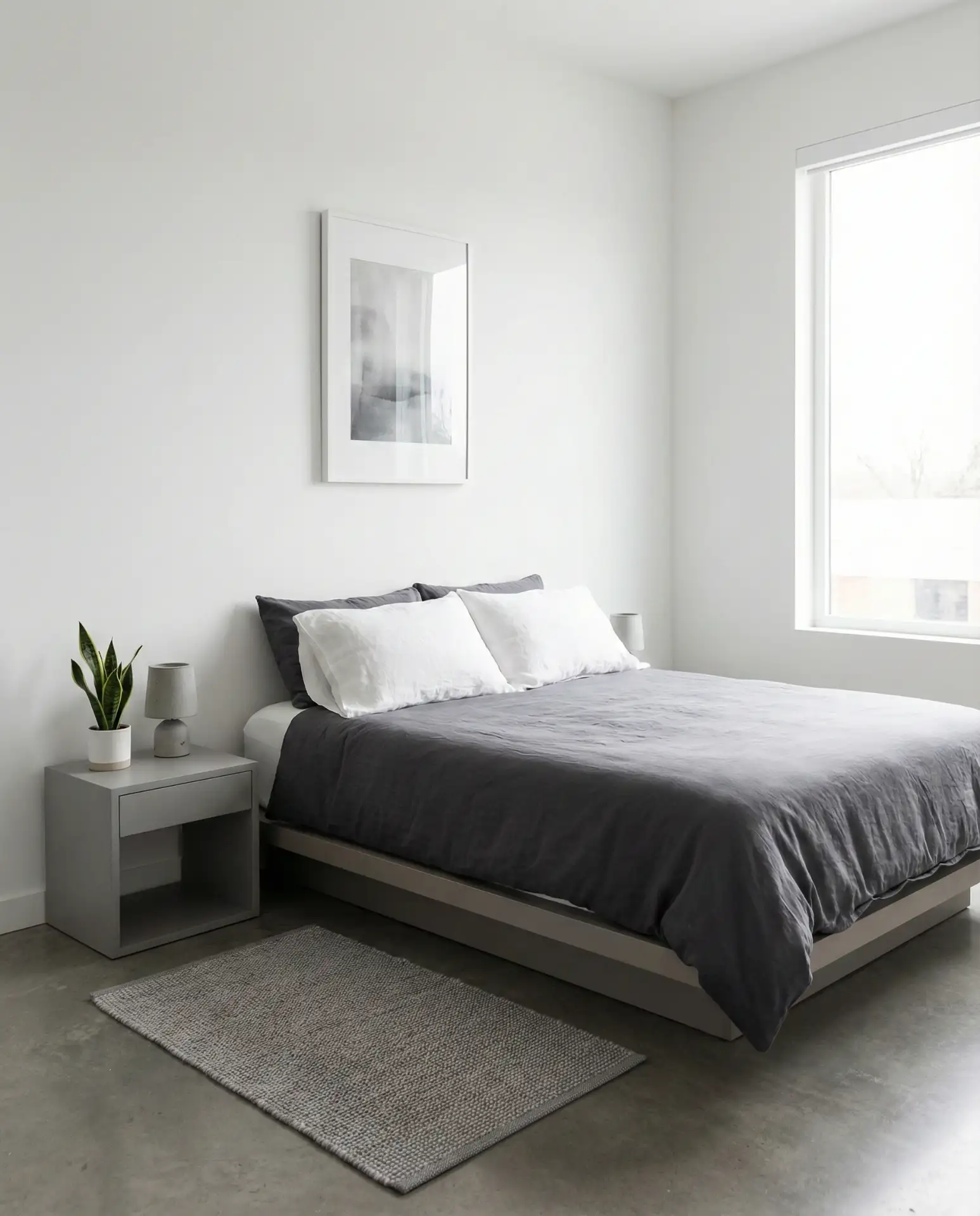
Where this works best is in newer construction homes or recently renovated spaces that already have clean architectural bones. The minimalist approach is also incredibly forgiving for people who aren’t naturally decorators—fewer items mean fewer chances to make visual mistakes. Gen Z and younger Millennial homeowners gravitate toward this style because it photographs well for social media while being genuinely easy to maintain in daily life.
22. Toca Boca Playful Pastel Guest Room
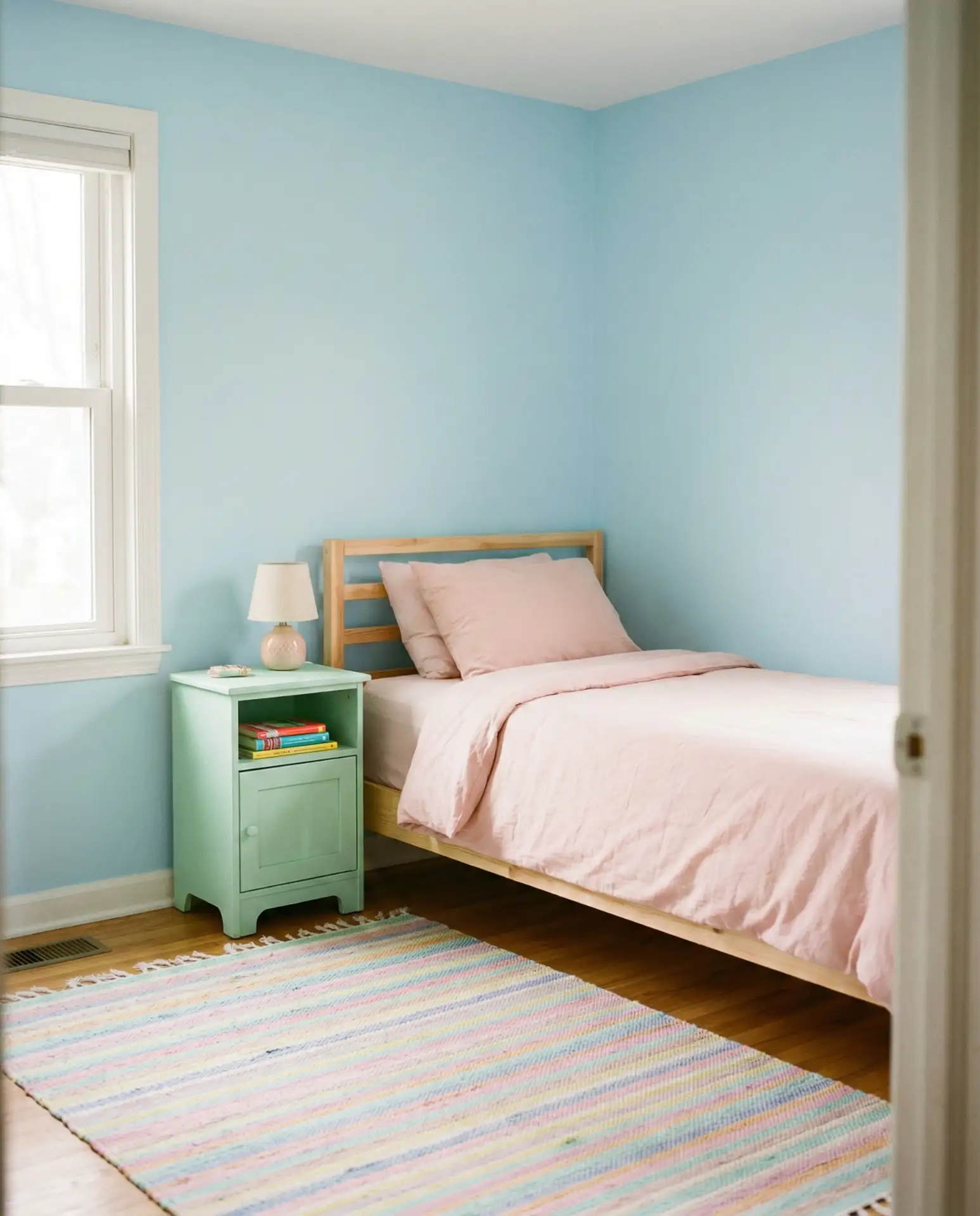
Drawing inspiration from the cheerful world of Toca Boca games, a pastel-forward guest room uses soft pinks, mint greens, lavender, and buttery yellows to create an atmosphere that’s youthful and optimistic. This works especially well for guest rooms that will host younger visitors or families with children, but it can also appeal to adults who appreciate whimsical, lighthearted design. Keep patterns simple and let the colors do the talking.
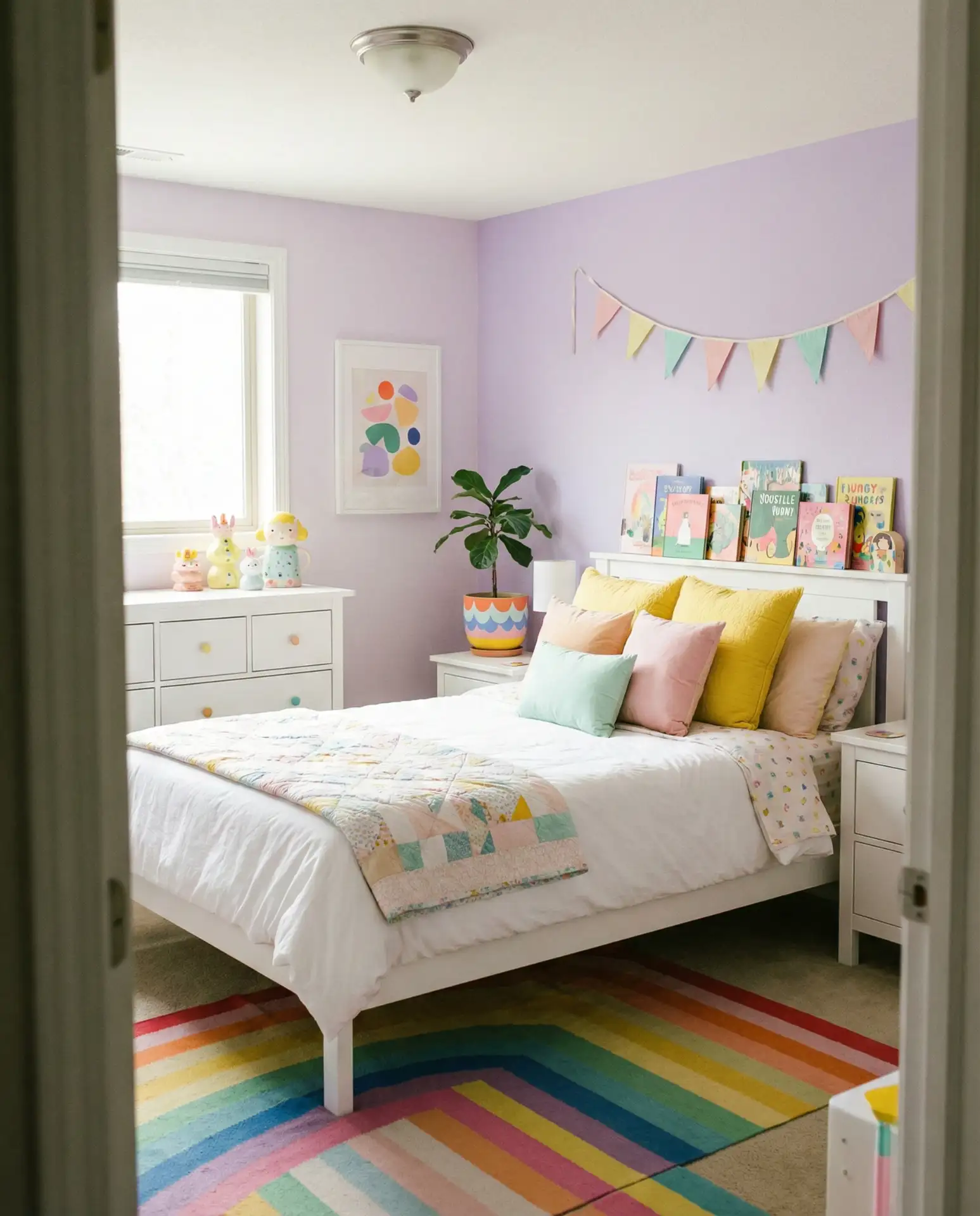
American lifestyle trends show that millennials with young families are increasingly incorporating playful elements into their homes rather than maintaining rigidly adult spaces. A pastel guest room can double as a play area when kids visit, then transition back to a sweet retreat for adult guests. The key is avoiding anything too juvenile—stick with sophisticated pastel shades and mature furniture silhouettes so the room doesn’t read as a nursery.
23. Twisted Wonderland Gothic Romance Theme
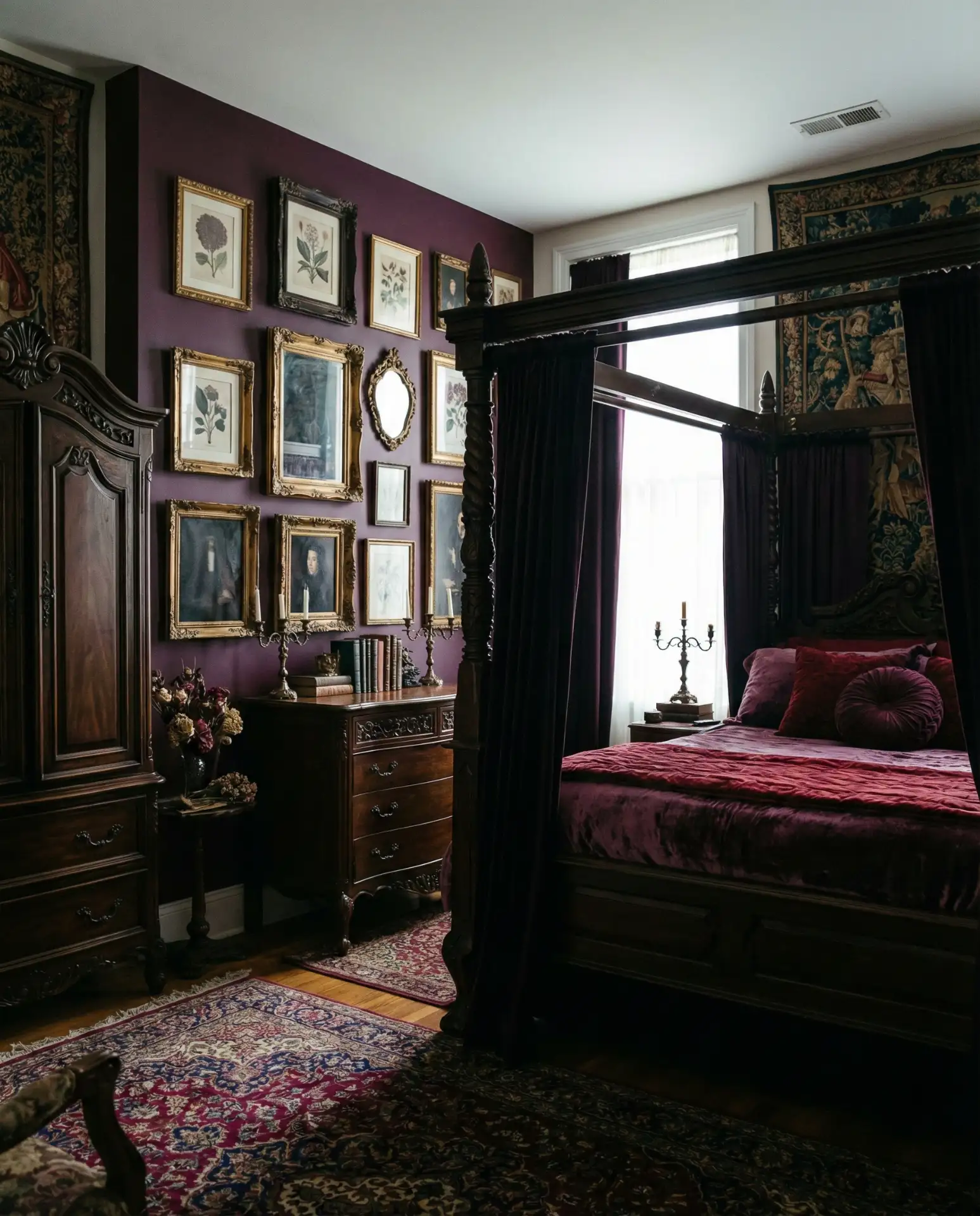
For fans of Twisted Wonderland or gothic romance aesthetics, a dramatic guest room with dark florals, vintage frames, and rich jewel tones creates an unforgettable impression. Deep plum or burgundy walls, ornate mirrors, velvet textiles, and antique-inspired furniture evoke a Victorian manor vibe that’s theatrical without being costume-y. This bold choice works best when you commit fully to the mood rather than trying to water it down.
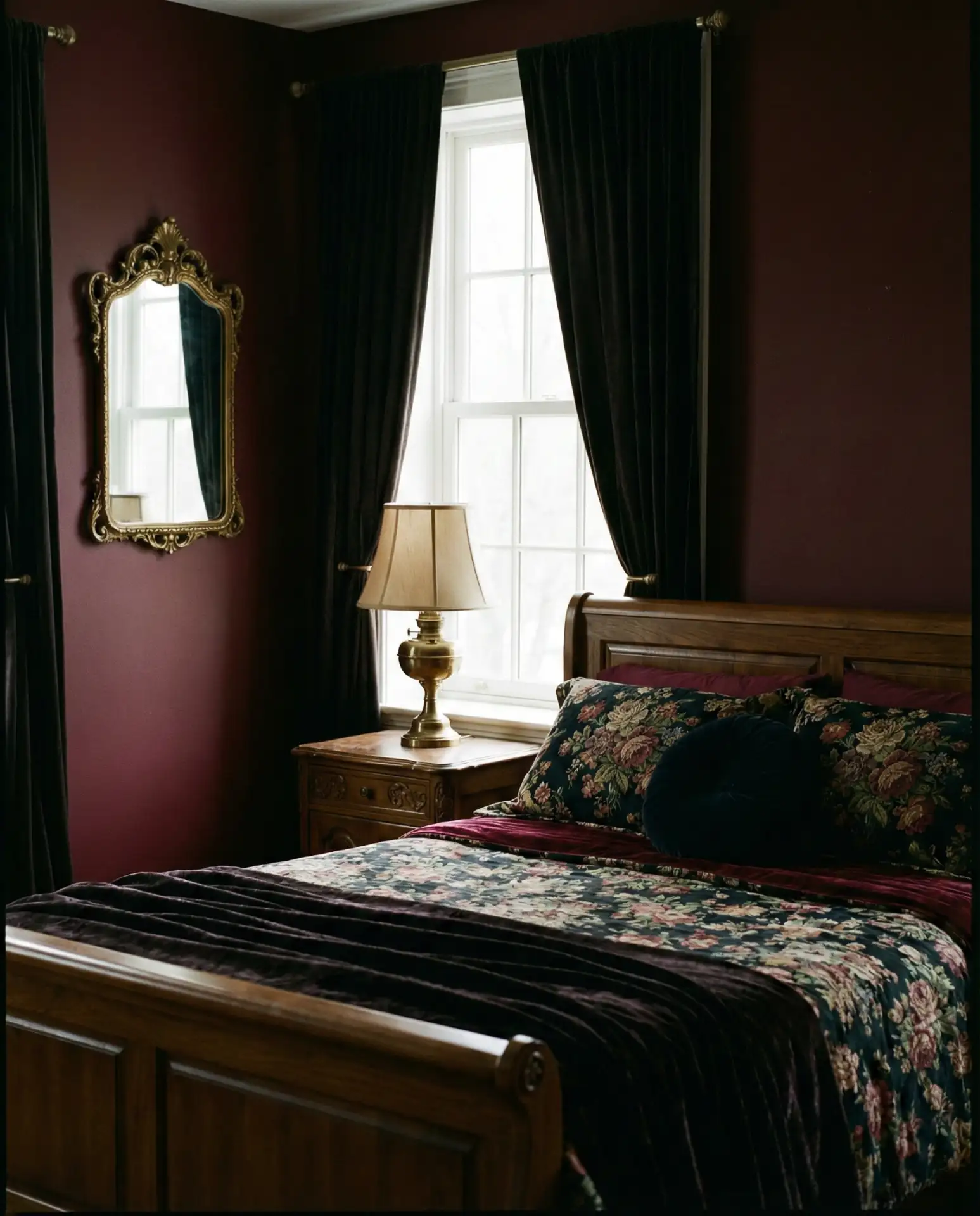
Expert designers note that themed rooms walk a fine line between memorable and too niche, but when executed with quality materials and genuine design skill, they become talking points that guests genuinely appreciate. This approach is particularly popular in historic homes or neighborhoods where the architecture already leans Victorian or Arts and Crafts. One homeowner in Savannah transformed her guest room this way and found that visitors requested it specifically, often extending stays just to enjoy the immersive atmosphere a bit longer.
Conclusion
Your guest room deserves the same thoughtfulness you’d put into any other space in your home, and hopefully these ideas have sparked some inspiration for your own project. Whether you’re working with a tiny corner or a full basement suite, a tight budget or room to splurge, there’s an approach here that can work for your specific situation. Drop a comment below and let us know which idea you’re most excited to try—we’d love to hear about your guest room transformations and what your visitors have said about them.