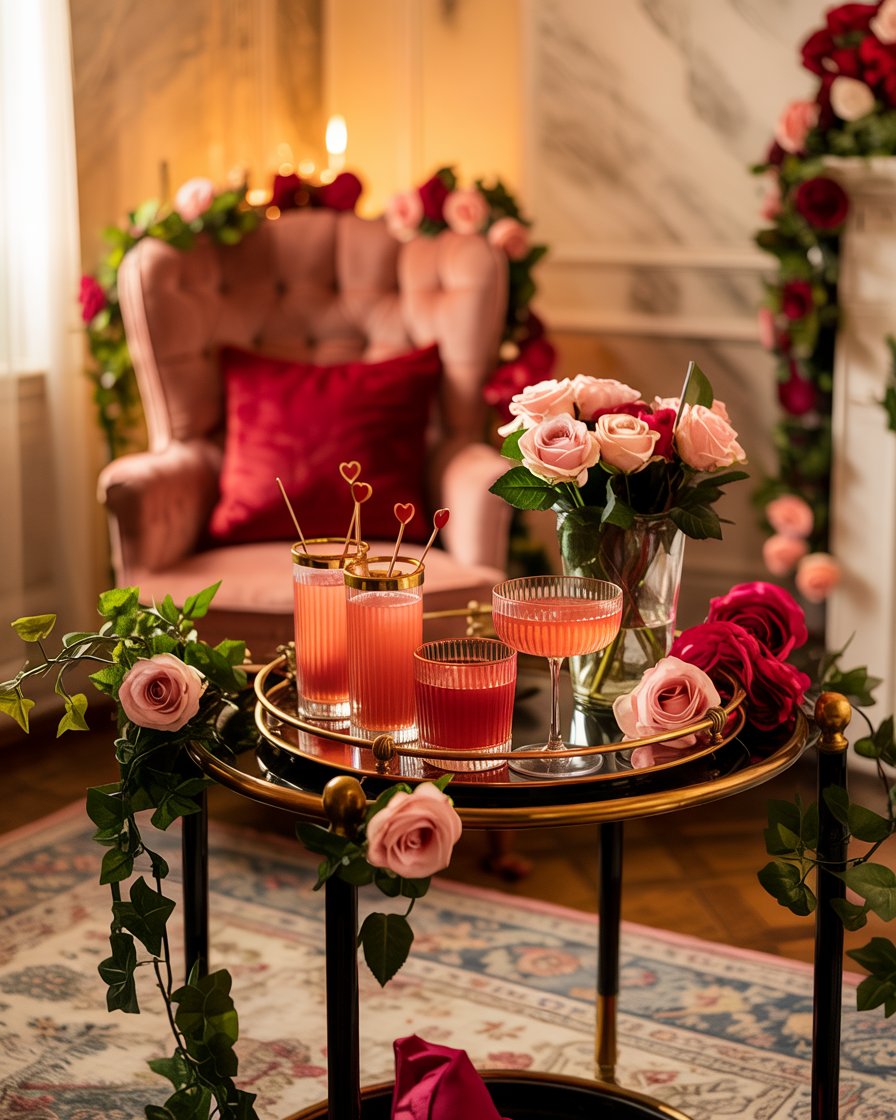
As we move into 2026, American homes are embracing a beautiful blend of comfort, personality, and sustainability. From Pinterest boards overflowing with rustic charm to the rise of grandmacore aesthetics, this year’s decor trends celebrate individuality and warmth. Whether you’re drawn to luxury minimalism or thrifted treasures, there’s never been a better time to refresh your space with ideas that feel both current and timeless. In this guide, we’re exploring inspiring home decor concepts that resonate with American lifestyles—from cozy autumn updates to vibrant Mexican influences. Get ready to transform your home into a space that truly reflects who you are.
1. Rustic Western Living Rooms
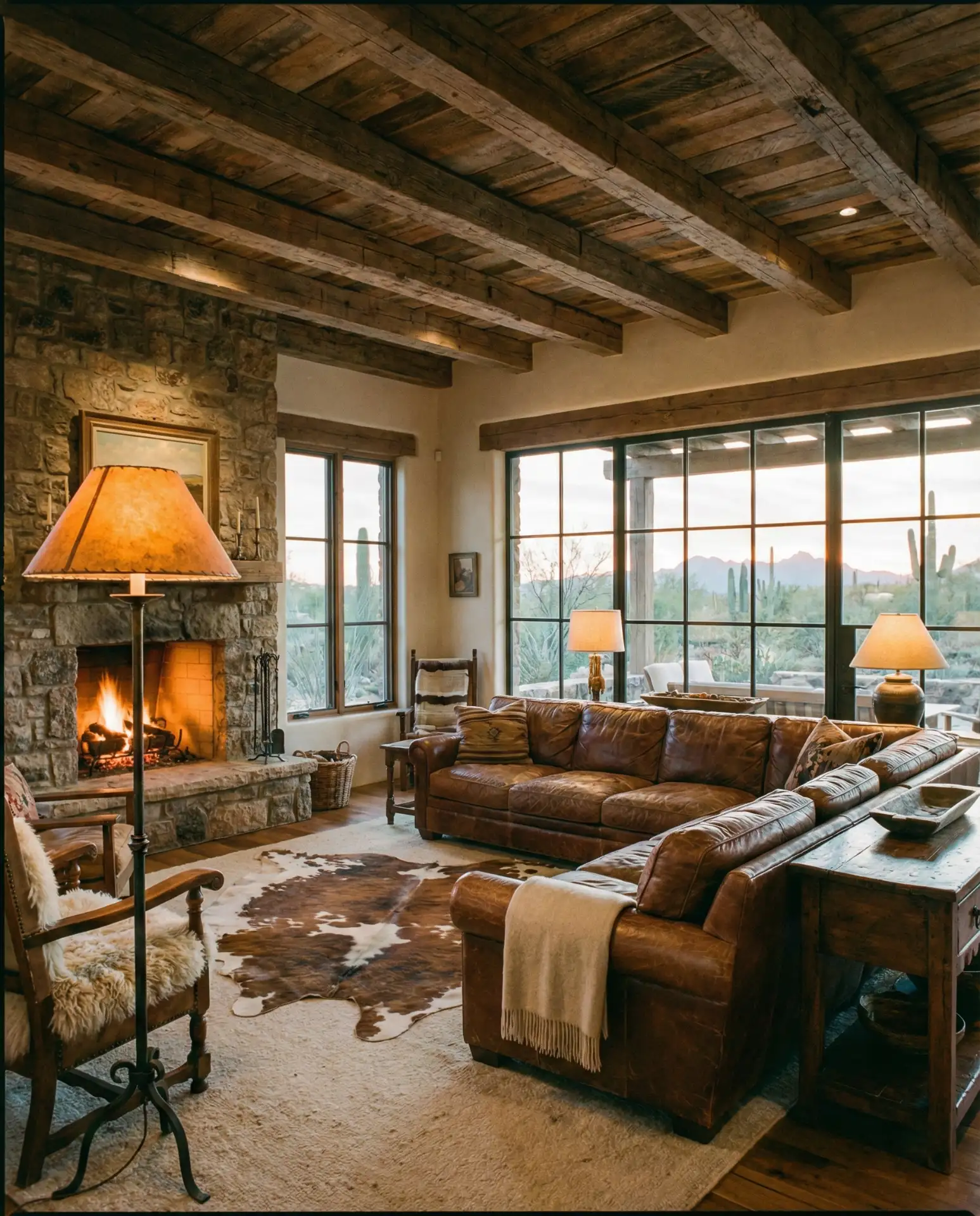
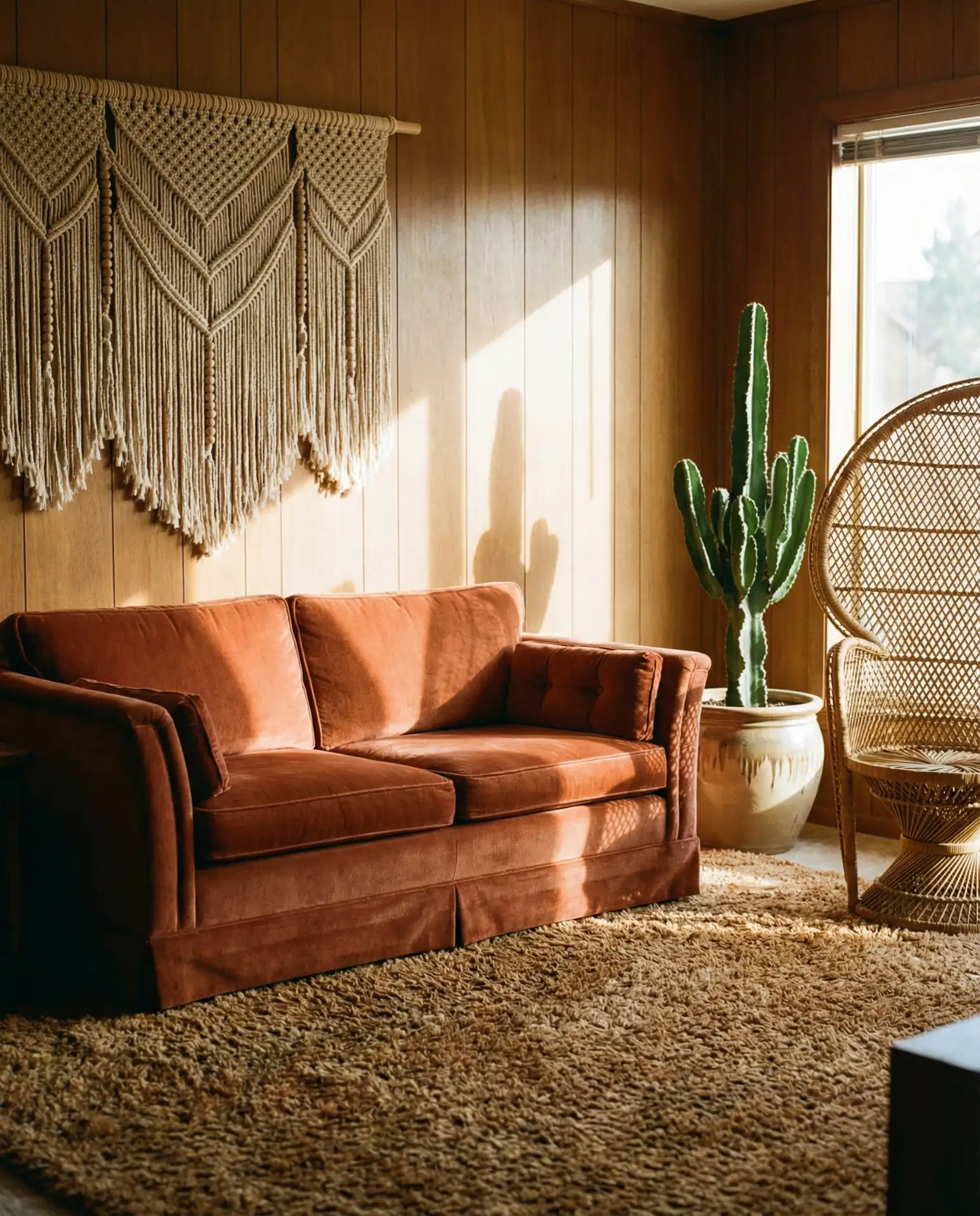
The rustic western aesthetic continues to captivate homeowners across the Southwest and beyond, blending raw wood beams, leather furnishings, and vintage textiles. This style works beautifully in open-plan living room and kitchen spaces where natural materials can flow seamlessly from one area to another. Incorporating elements like reclaimed barn wood, wrought iron accents, and Navajo-inspired rugs brings an authentic frontier feel that’s both grounded and welcoming.
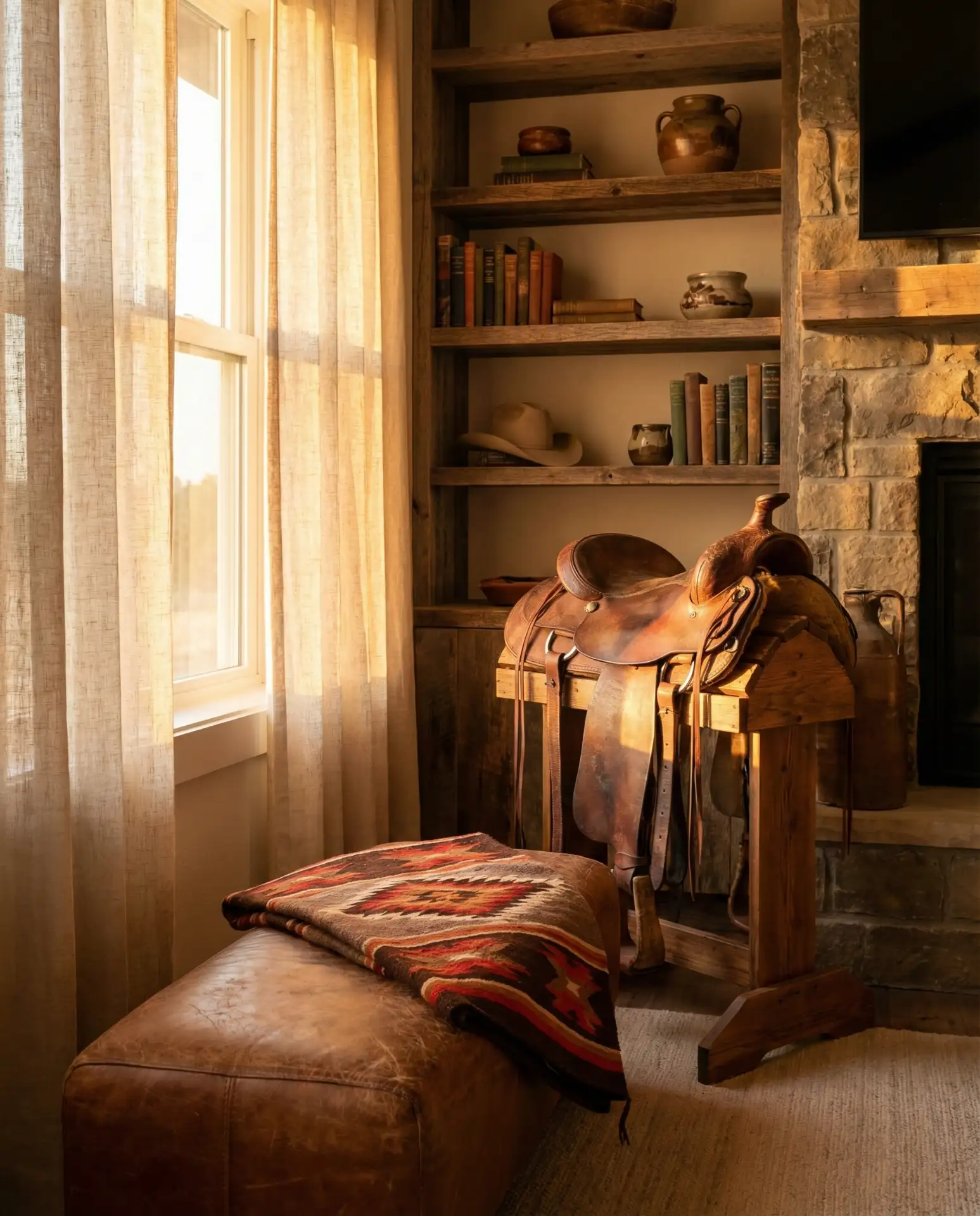
This look works best in homes with good natural light and high ceilings, particularly in Texas, Arizona, and Montana, where the landscape itself inspires the palette. Avoid overdoing the “saloon” theme—modern western decor balances heritage pieces with clean lines and neutral tones to prevent the space from feeling like a theme park. Mixing in contemporary art or sleek lighting fixtures keeps the aesthetic fresh and livable for 2026.
2. Dark Cozy Walls
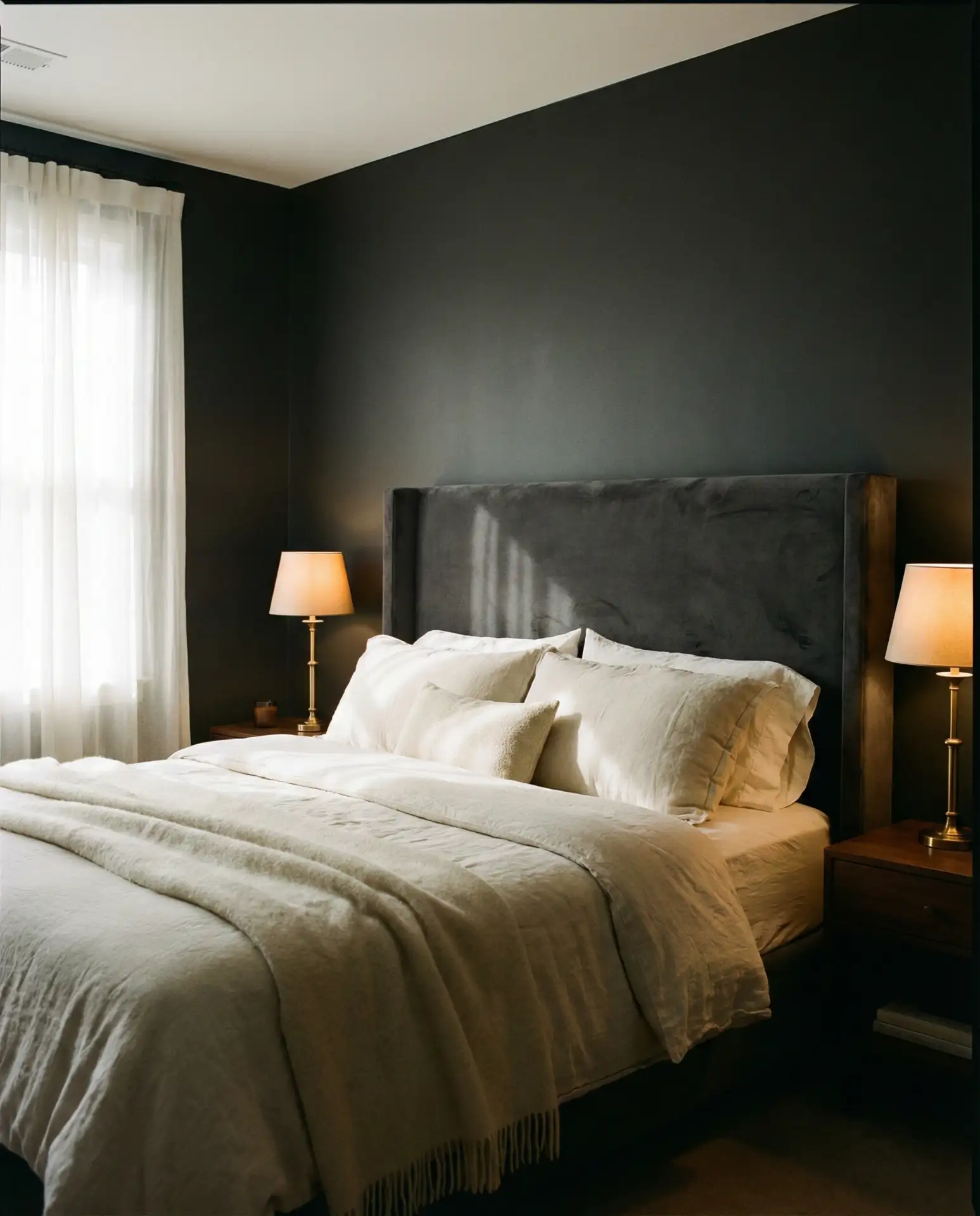
Embracing dark wall colors is one of 2026’s boldest moves, transforming bedrooms, dining rooms, and home offices into intimate sanctuaries. Deep charcoal, forest green, navy, and chocolate brown create a cocoon effect that feels especially luxurious during evening hours. Pair these moody hues with warm brass fixtures, layered textiles, and plenty of ambient lighting to prevent the space from feeling heavy or closed-in.
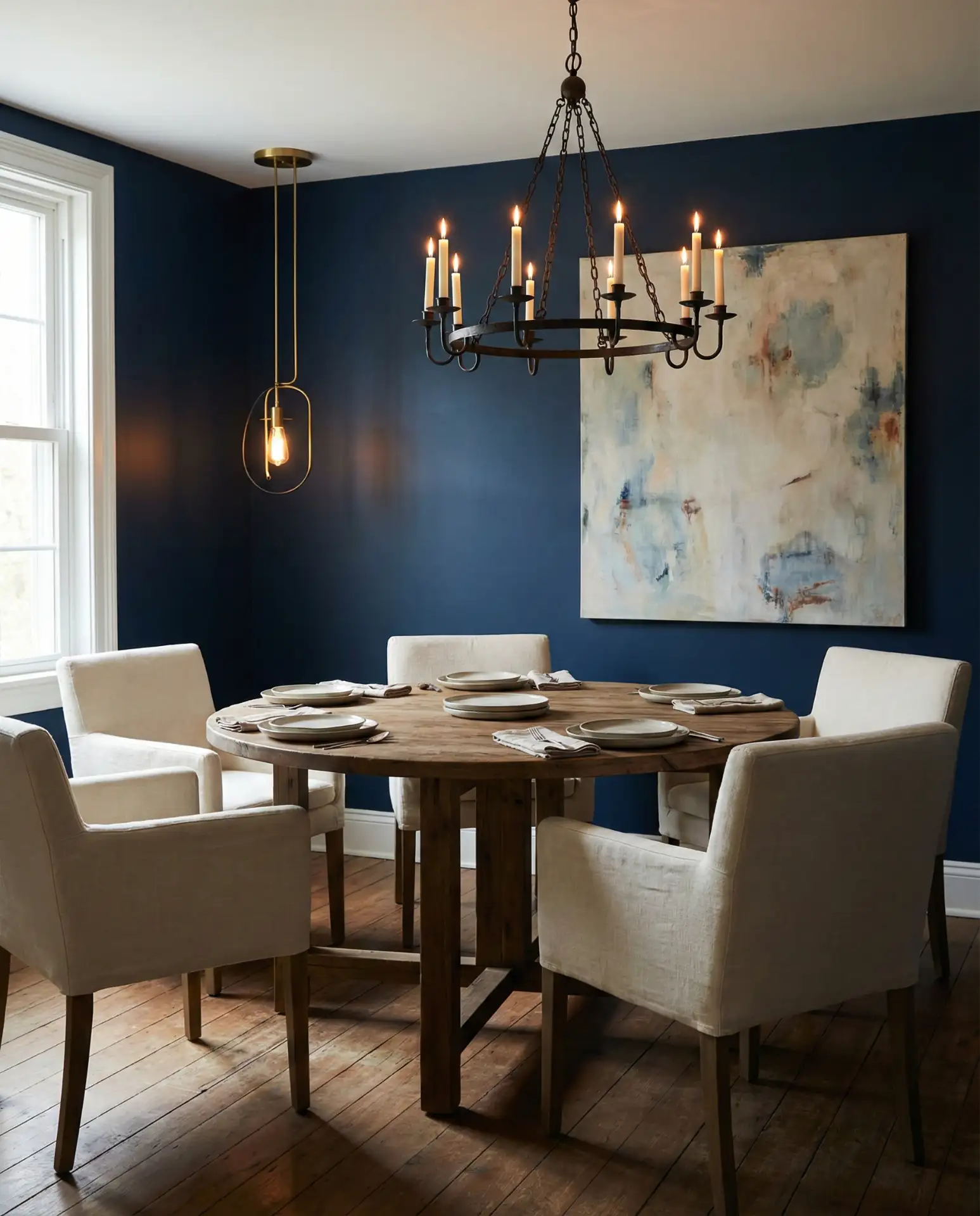
One common mistake is choosing dark paint without considering the room’s natural light exposure. South-facing rooms can handle deeper shades beautifully, while north-facing spaces may benefit from warmer undertones like terracotta-black or plum. Always test samples on multiple walls and observe them throughout the day before committing—what looks dramatic at noon might feel oppressive at dusk.
3. Grandmacore Charm
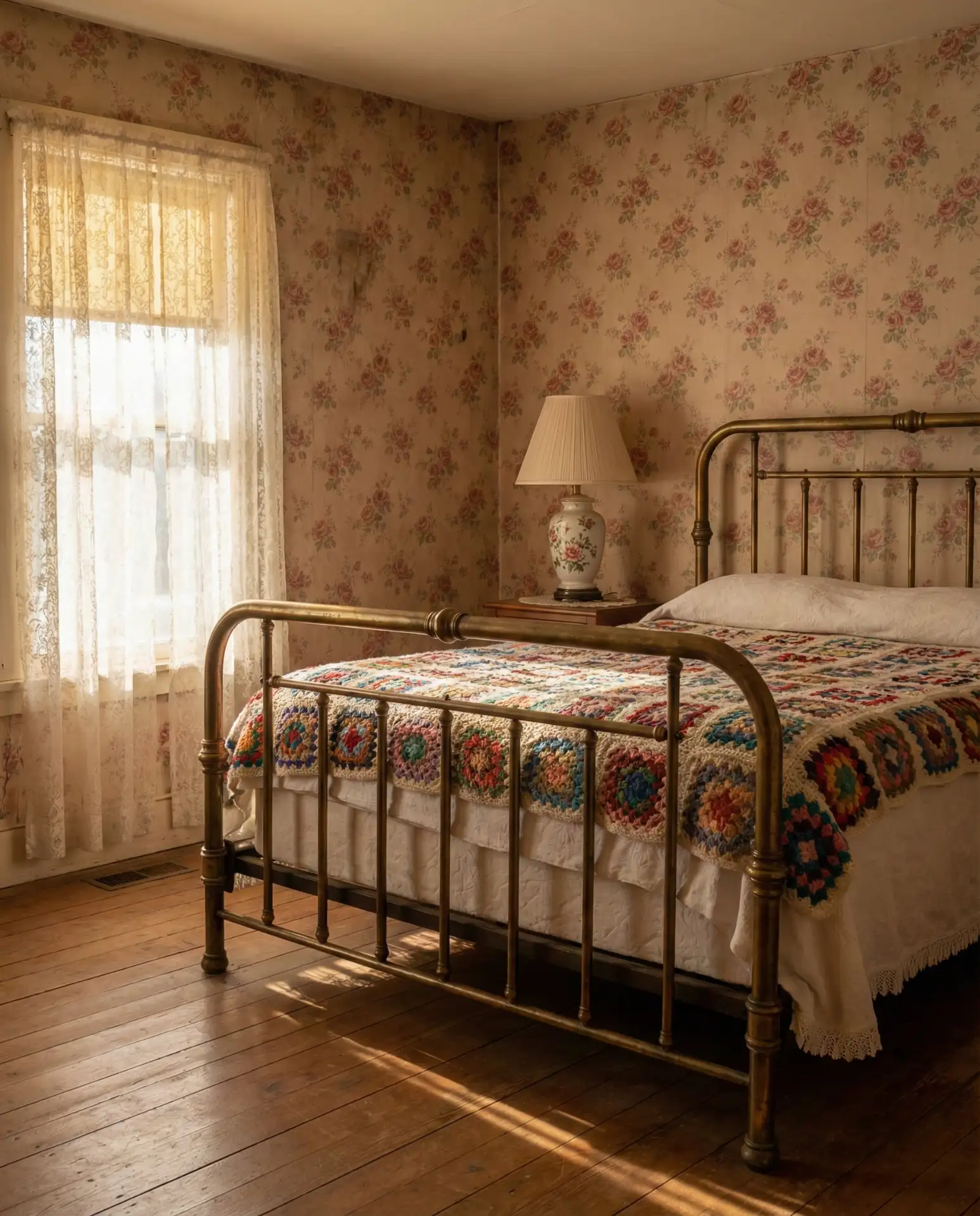
The grandmacore movement celebrates vintage femininity with floral wallpapers, crochet throws, lace curtains, and heirloom furniture passed down through generations. This aesthetic taps into nostalgia while offering a sustainable alternative to fast furniture—many enthusiasts hunt for thrifted treasures at estate sales and antique markets. It’s about creating spaces that feel lived-in, cherished, and rich with personal history.
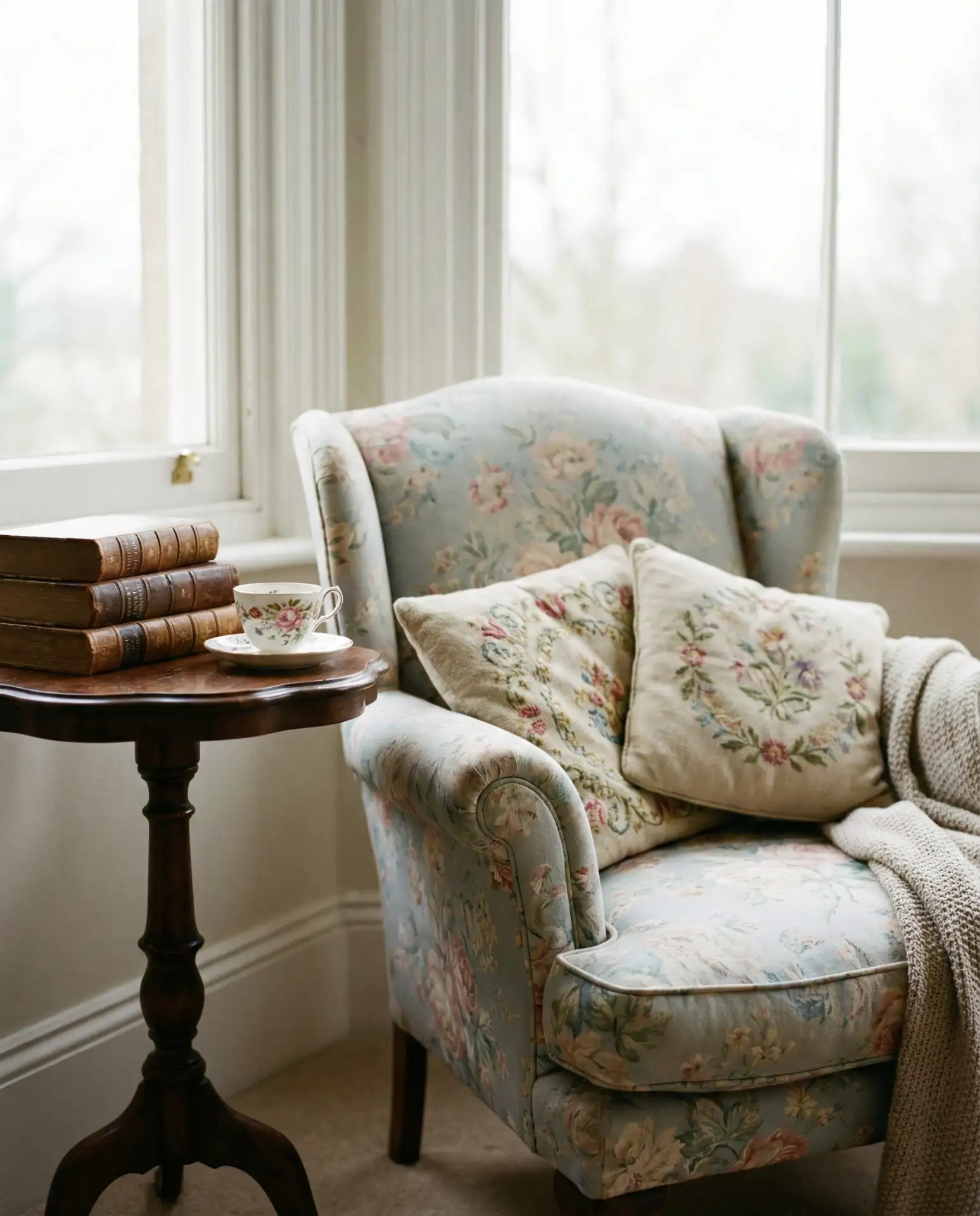
A designer friend recently transformed her Chicago apartment using only pieces from her grandmother’s attic and local thrift stores, spending under $800 total. The result felt more curated and personal than any big-box retailer could offer, proving that grandmacore isn’t just stylish—it’s budget-friendly and environmentally conscious too.
4. Earthy Cottage Vibes
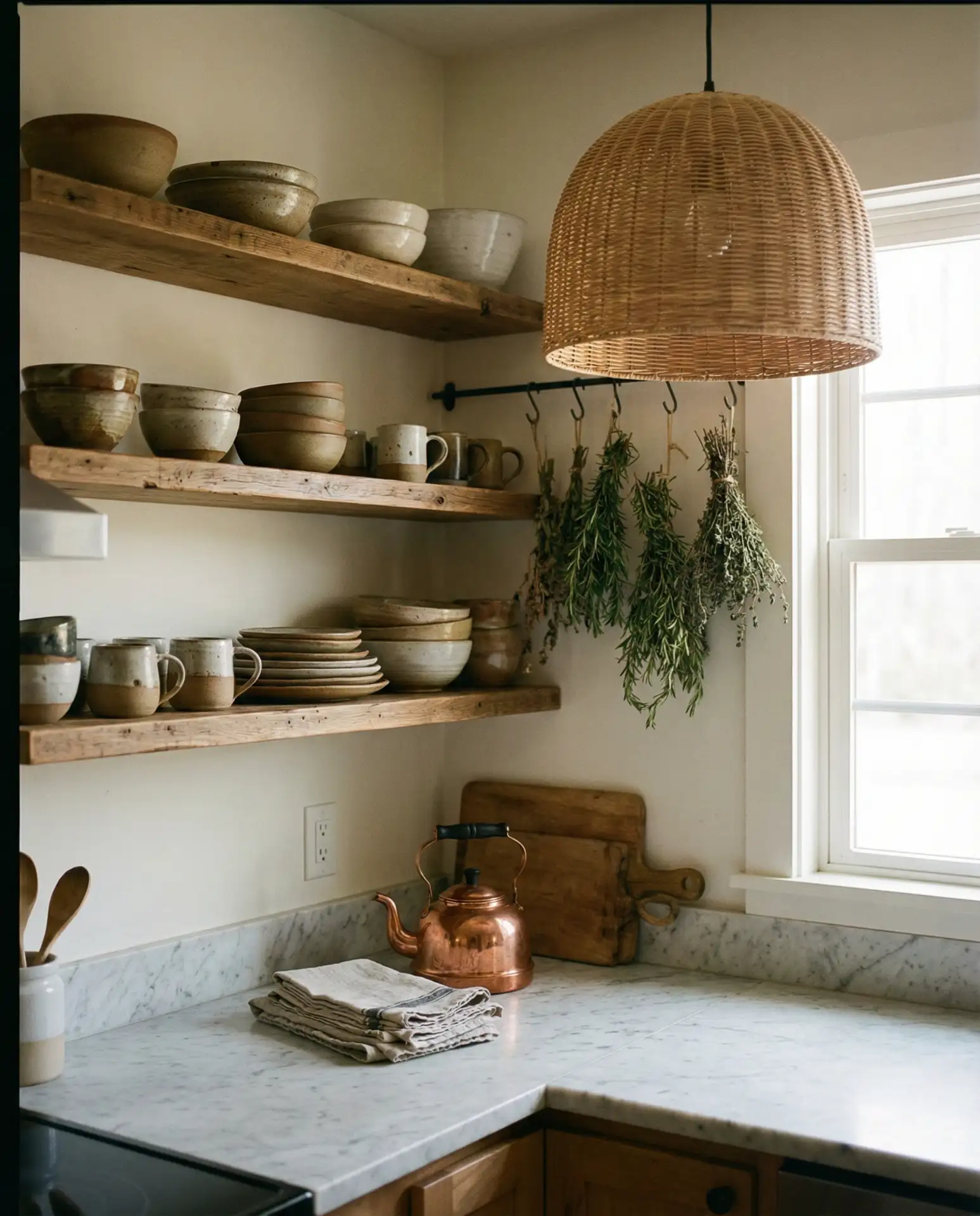
The earthy cottage aesthetic blends natural textures, muted earth tones, and organic shapes to create calming, grounded interiors. Think terracotta pots, woven baskets, linen upholstery, and plenty of greenery throughout the home. This style thrives in rental spaces because it relies more on removable decor and furniture than permanent architectural changes, making it perfect for apartment dwellers who want personality without losing their security deposit.
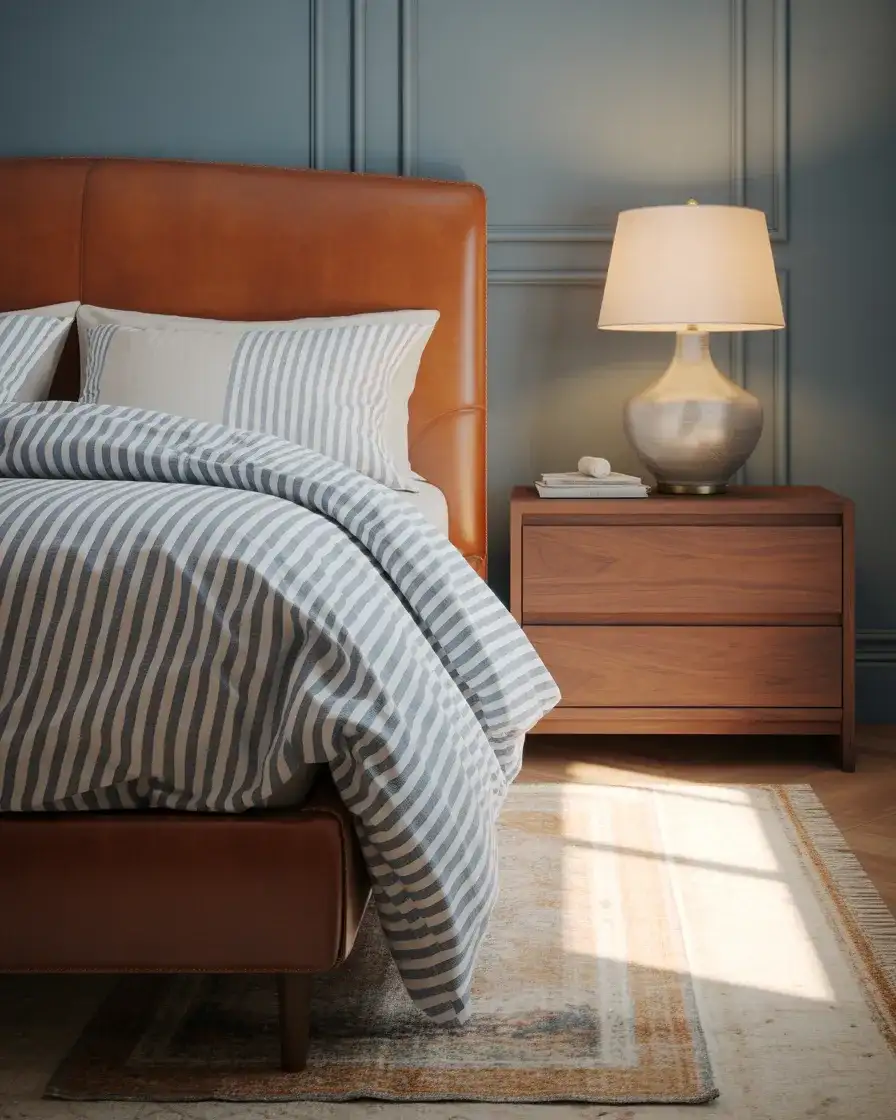
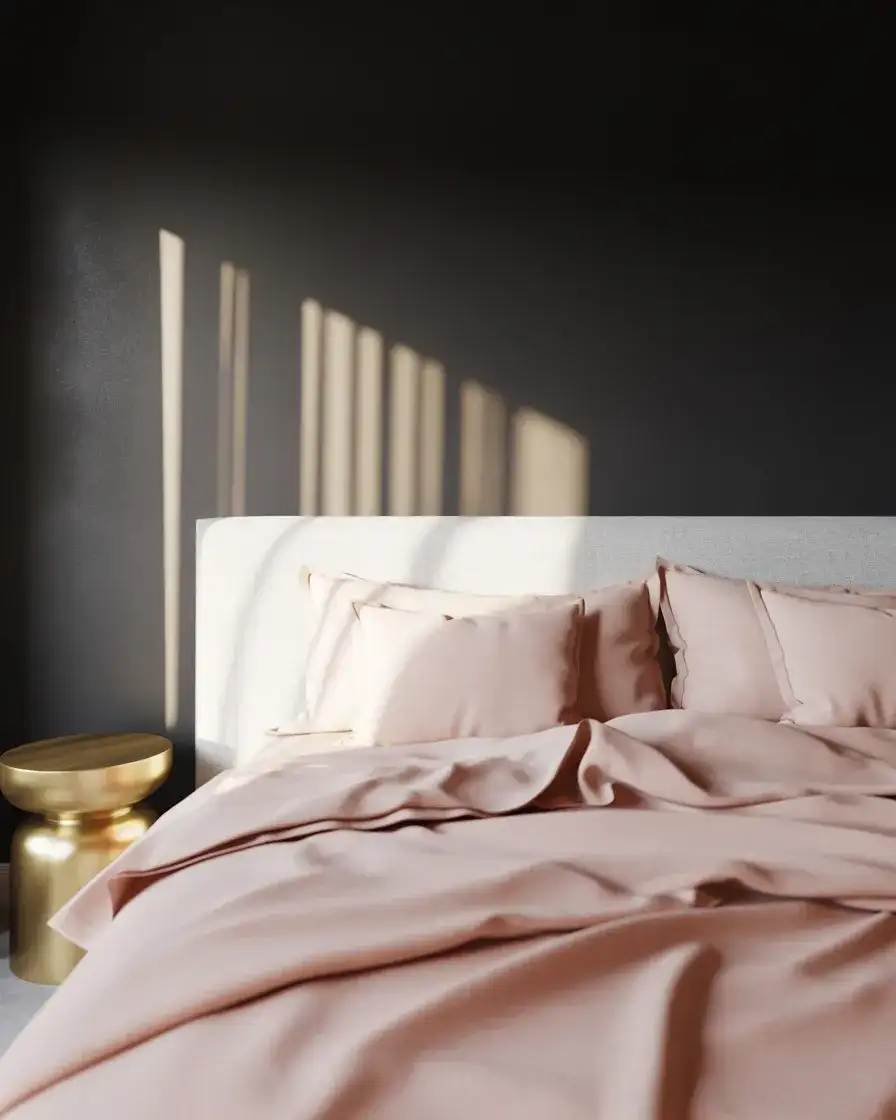
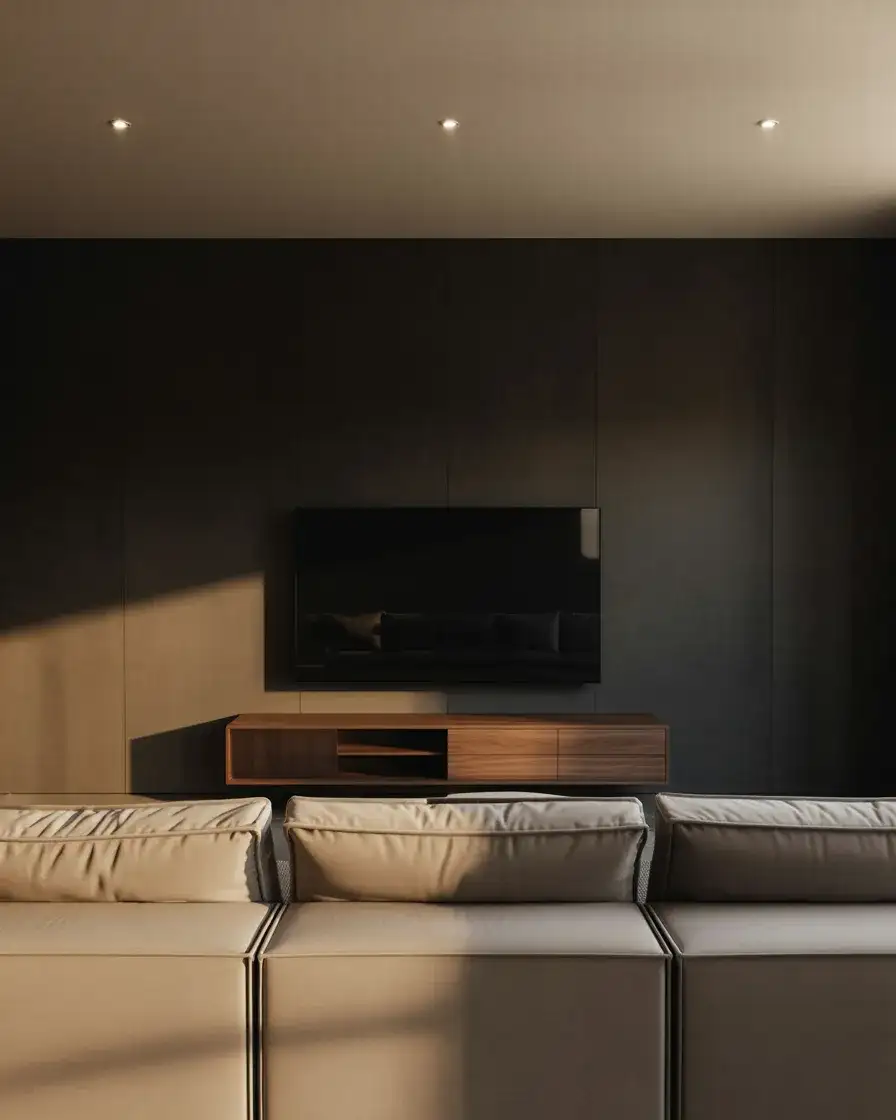
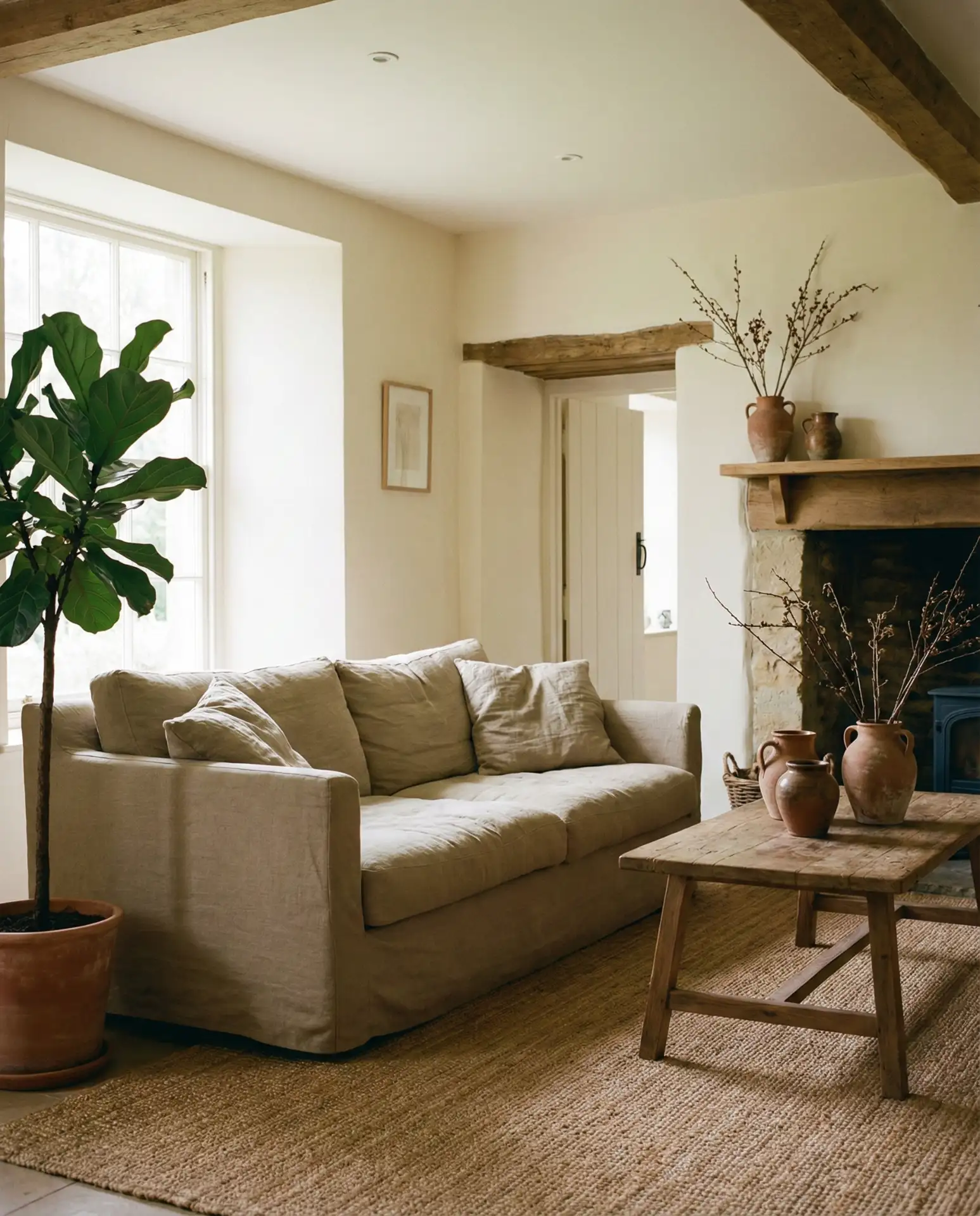
Many American renters gravitate toward this look because it transforms generic apartments into personalized retreats without painting walls or installing fixtures. Focus on layering textures—a chunky knit throw over a linen sofa, a sisal rug beneath a weathered wood coffee table—to build visual interest that feels collected over time rather than bought all at once.
5. Funky Maximalist Spaces
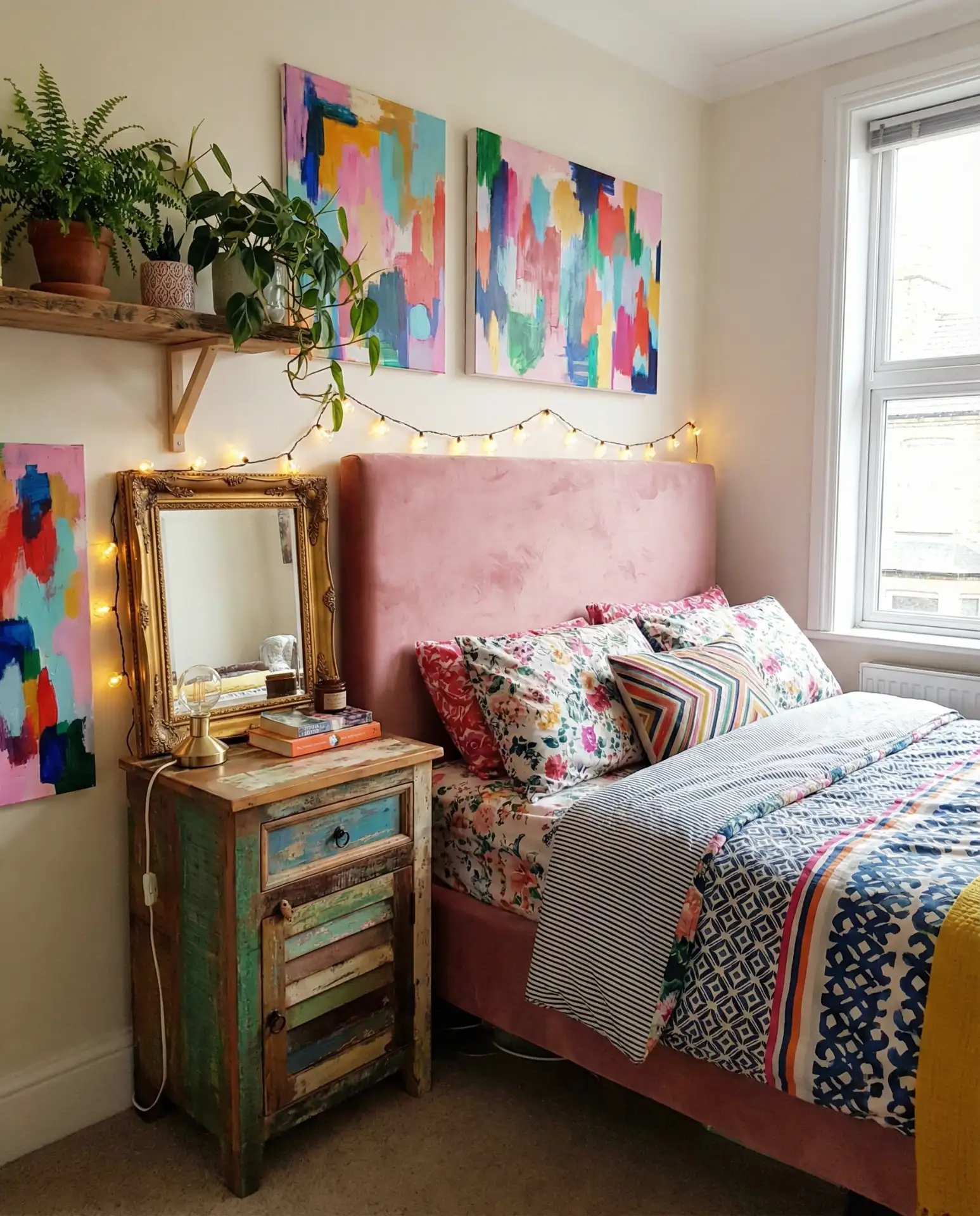
For those who find minimalism sterile, funky maximalism offers a vibrant alternative filled with bold patterns, unexpected color combinations, and eclectic collections. This approach celebrates personality over perfection, mixing vintage finds with handmade art, colorful textiles, and statement furniture that sparks conversation. It’s particularly popular among creative professionals and younger homeowners who view their spaces as canvases for self-expression.
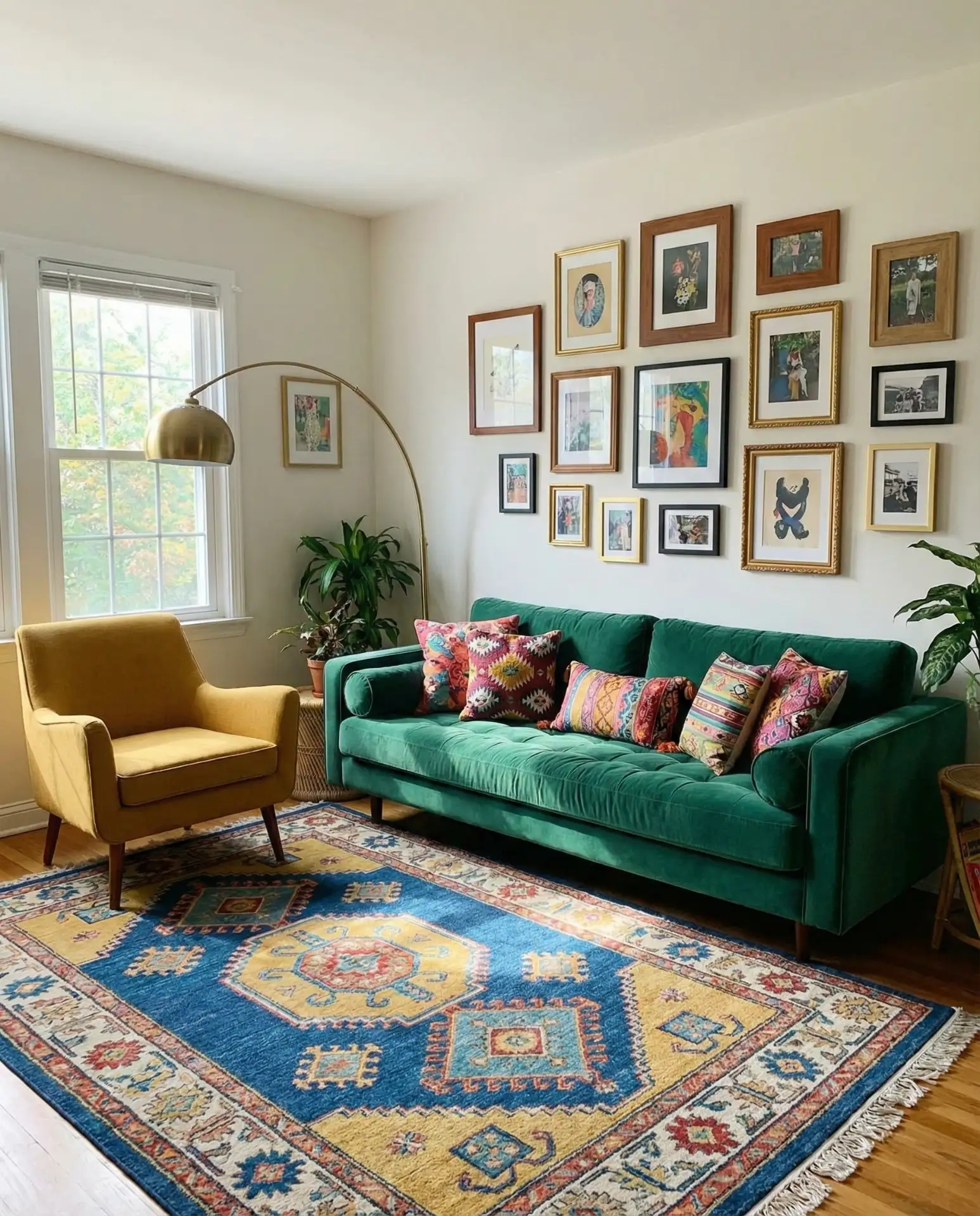
The key to pulling off funky maximalism is intentionality—each piece should feel deliberately chosen rather than randomly accumulated. Create visual balance by repeating certain colors or shapes throughout the room, and don’t be afraid to edit; even maximalist spaces benefit from occasional decluttering to keep them joyful rather than chaotic.
6. Luxury Minimalist Bedrooms
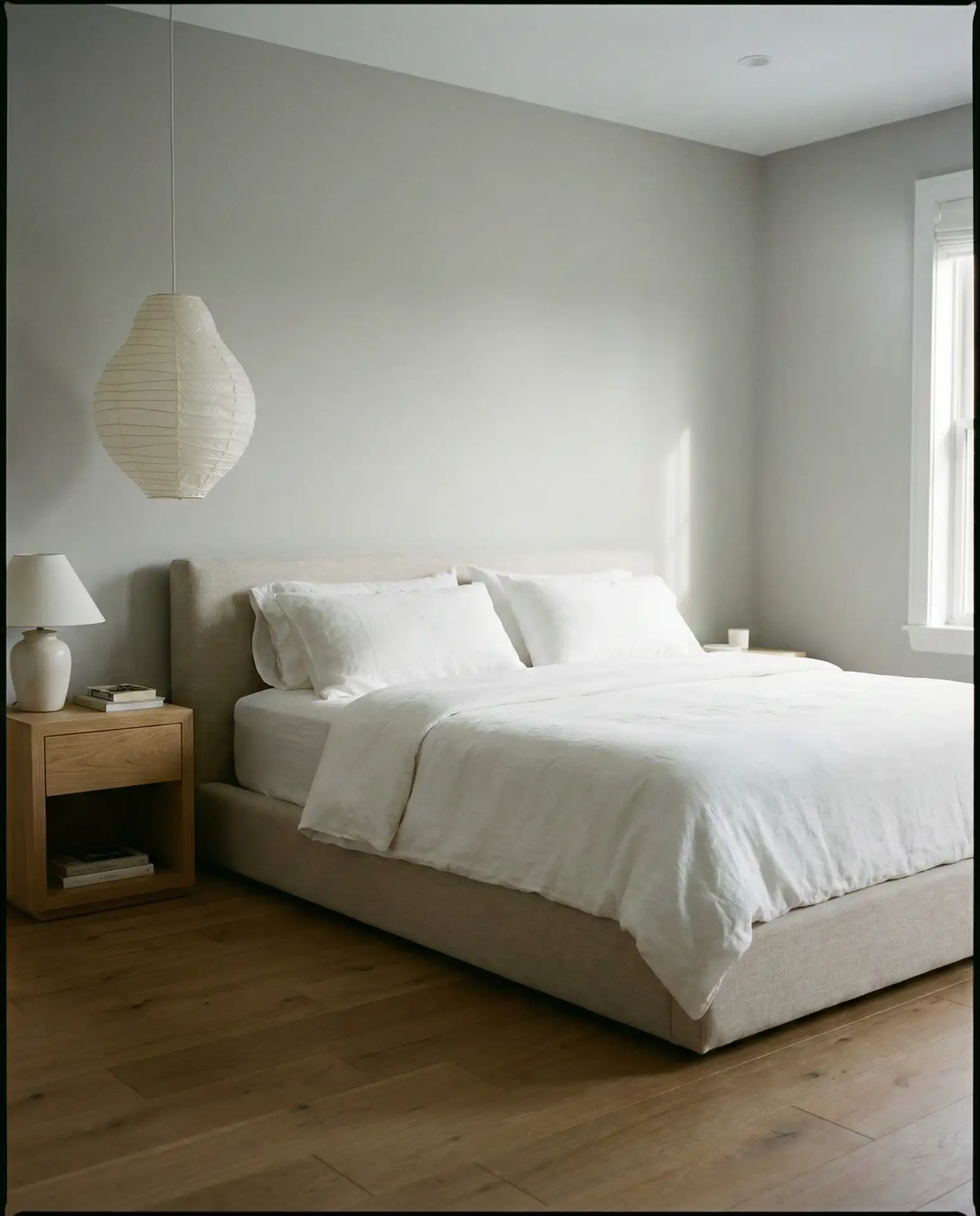
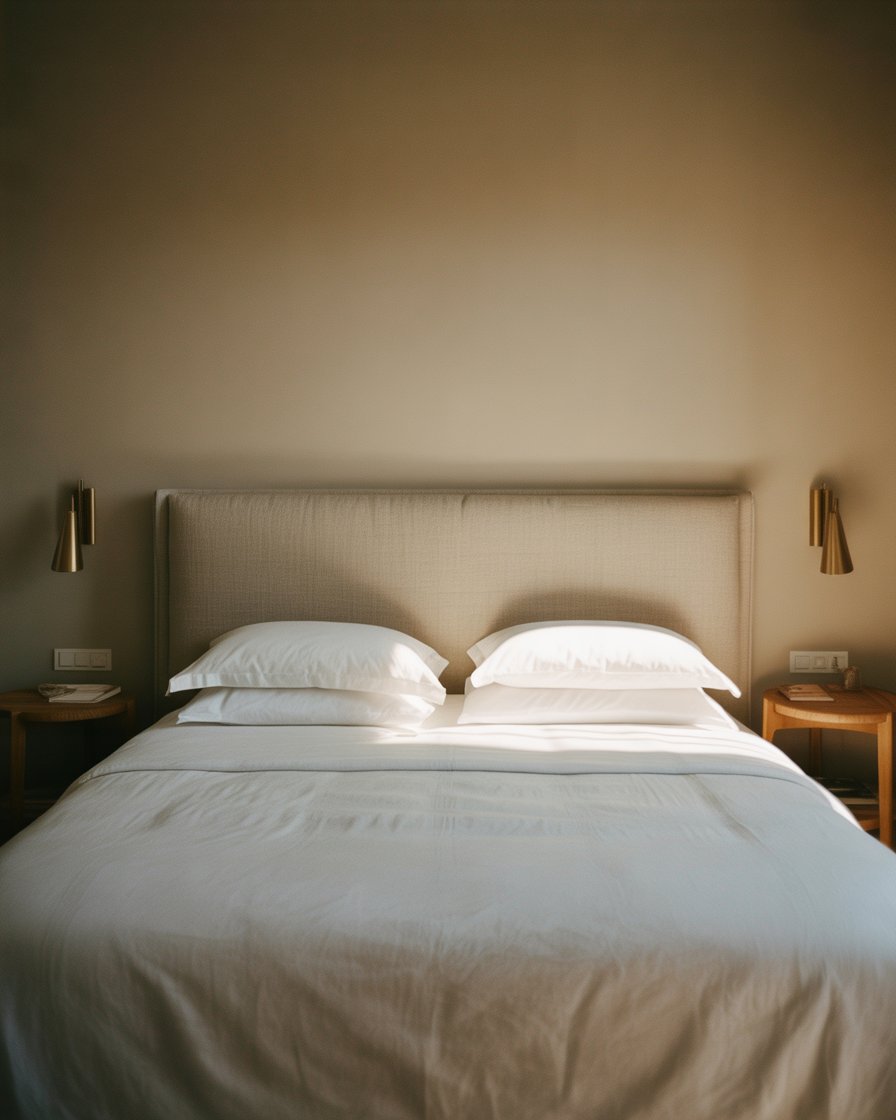
The luxury minimalist bedroom strips away excess to reveal exceptional quality in every remaining element. High-thread-count linens, sculptural lighting, and precisely chosen furniture in neutral palettes create serene retreats that prioritize rest and rejuvenation. This aesthetic values craftsmanship over quantity, often featuring investment pieces in natural materials like walnut, marble, or cashmere.
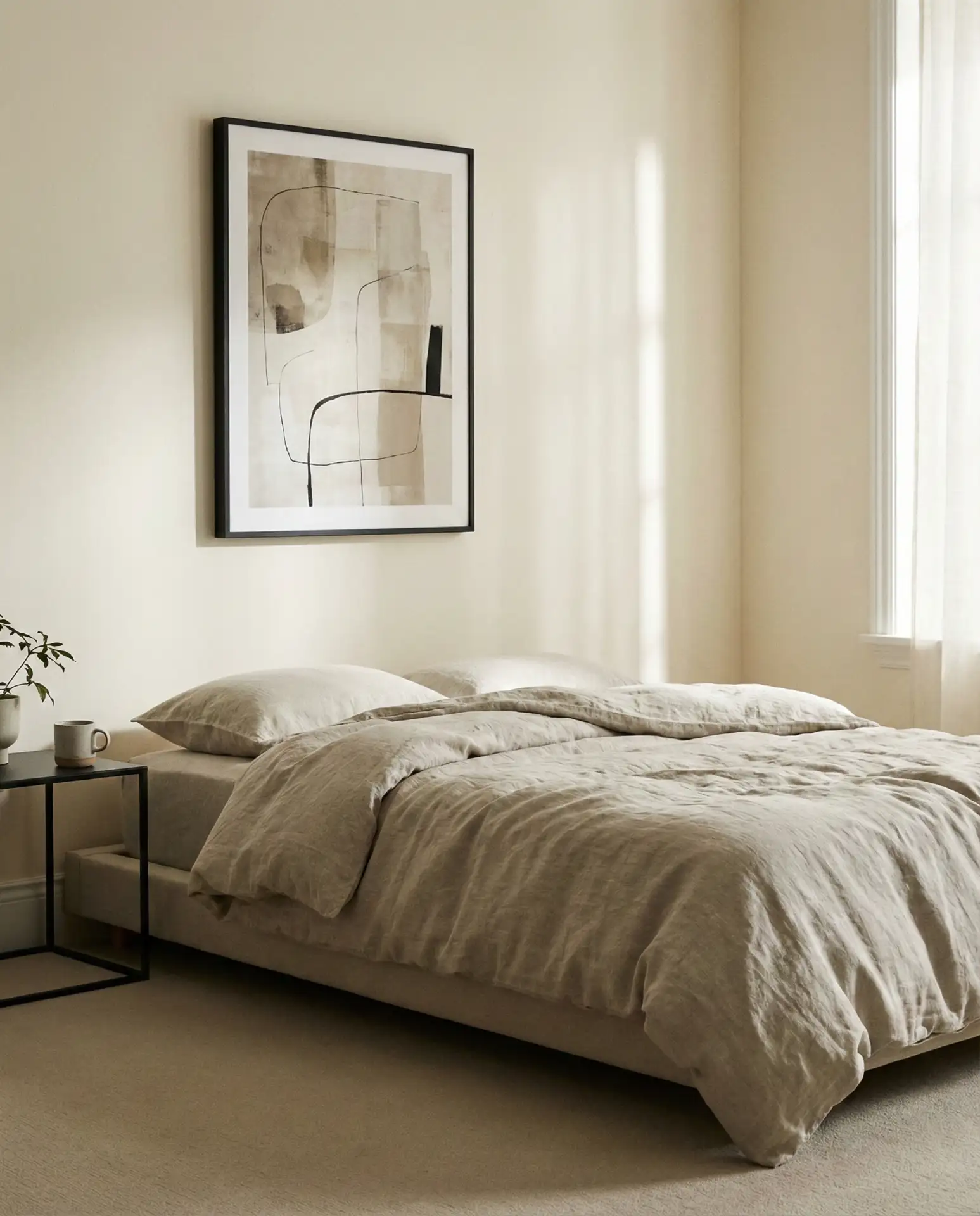
This style thrives in master suites and guest rooms where tranquility matters most, particularly in urban environments where visual calm provides relief from busy city life. Expect to invest more per piece but buy far fewer items—a single handcrafted walnut dresser will outlast and outperform five particle board alternatives while elevating the entire room’s aesthetic.
7. Traditional Dining Rooms
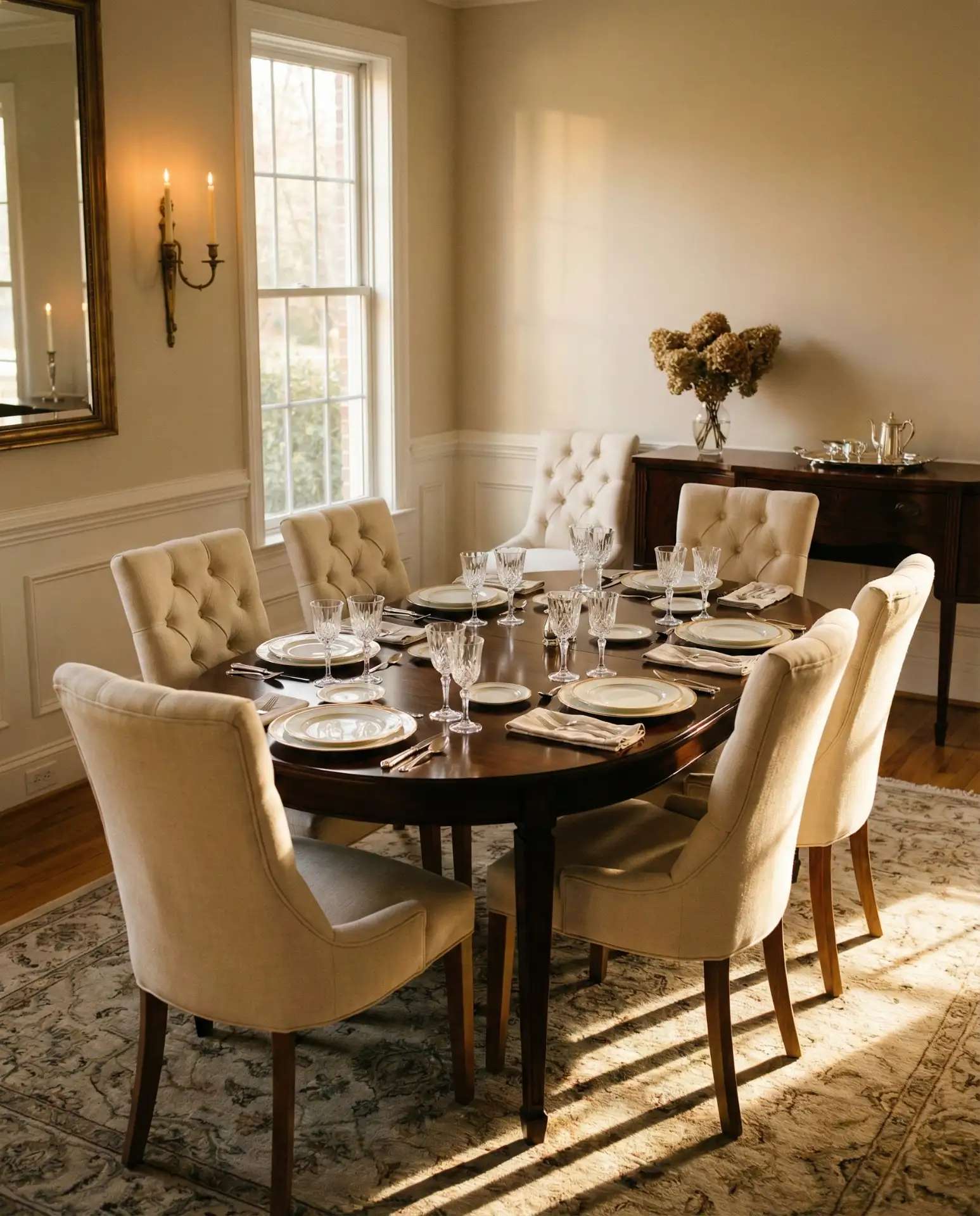
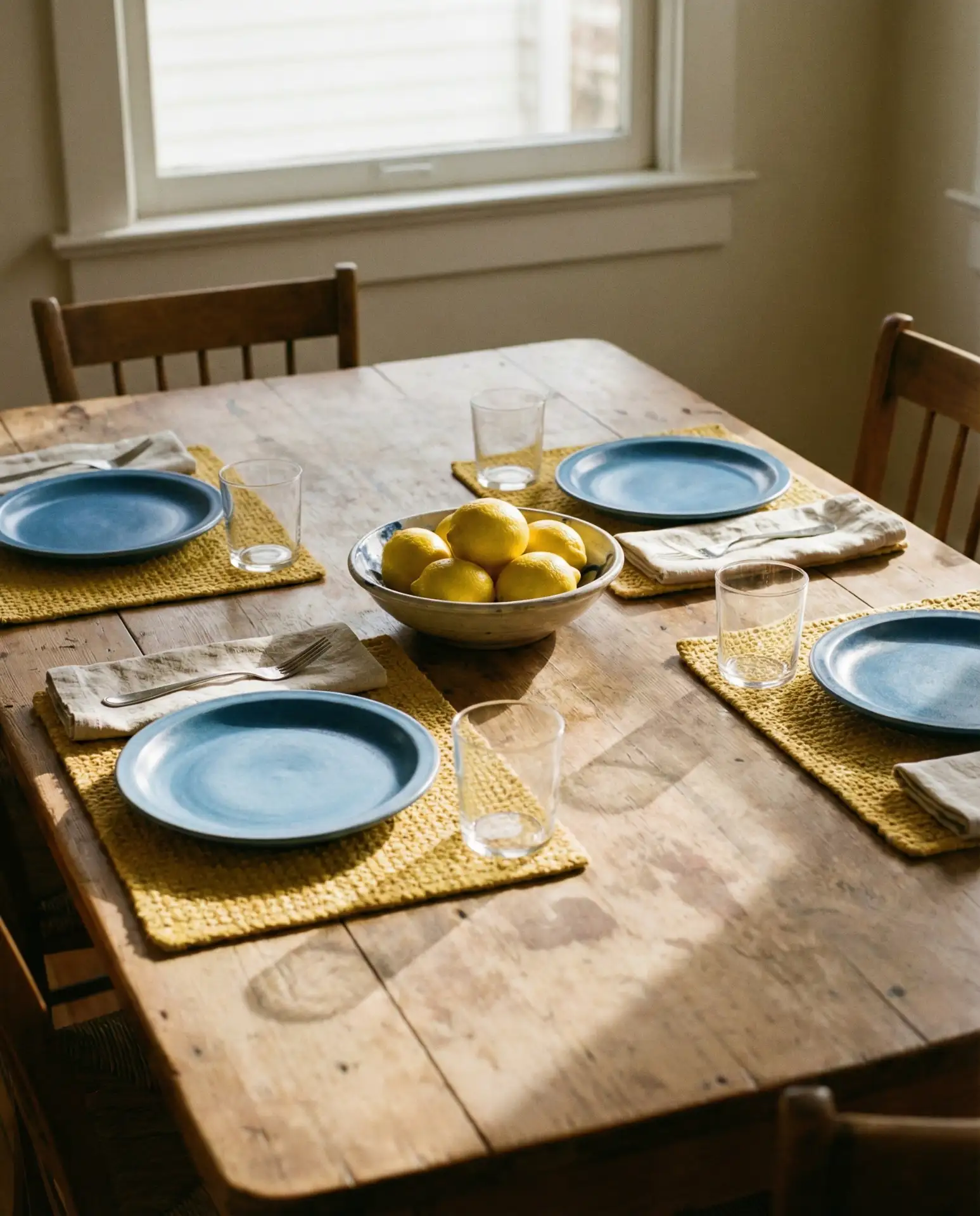
The traditional dining room never truly goes out of style, offering timeless elegance through classic furniture silhouettes, refined color schemes, and formal table settings. Rich wood tables, upholstered chairs, crystal chandeliers, and china cabinets create spaces designed for gathering and celebration. This approach appeals particularly to families who prioritize holiday entertaining and multi-generational meals.
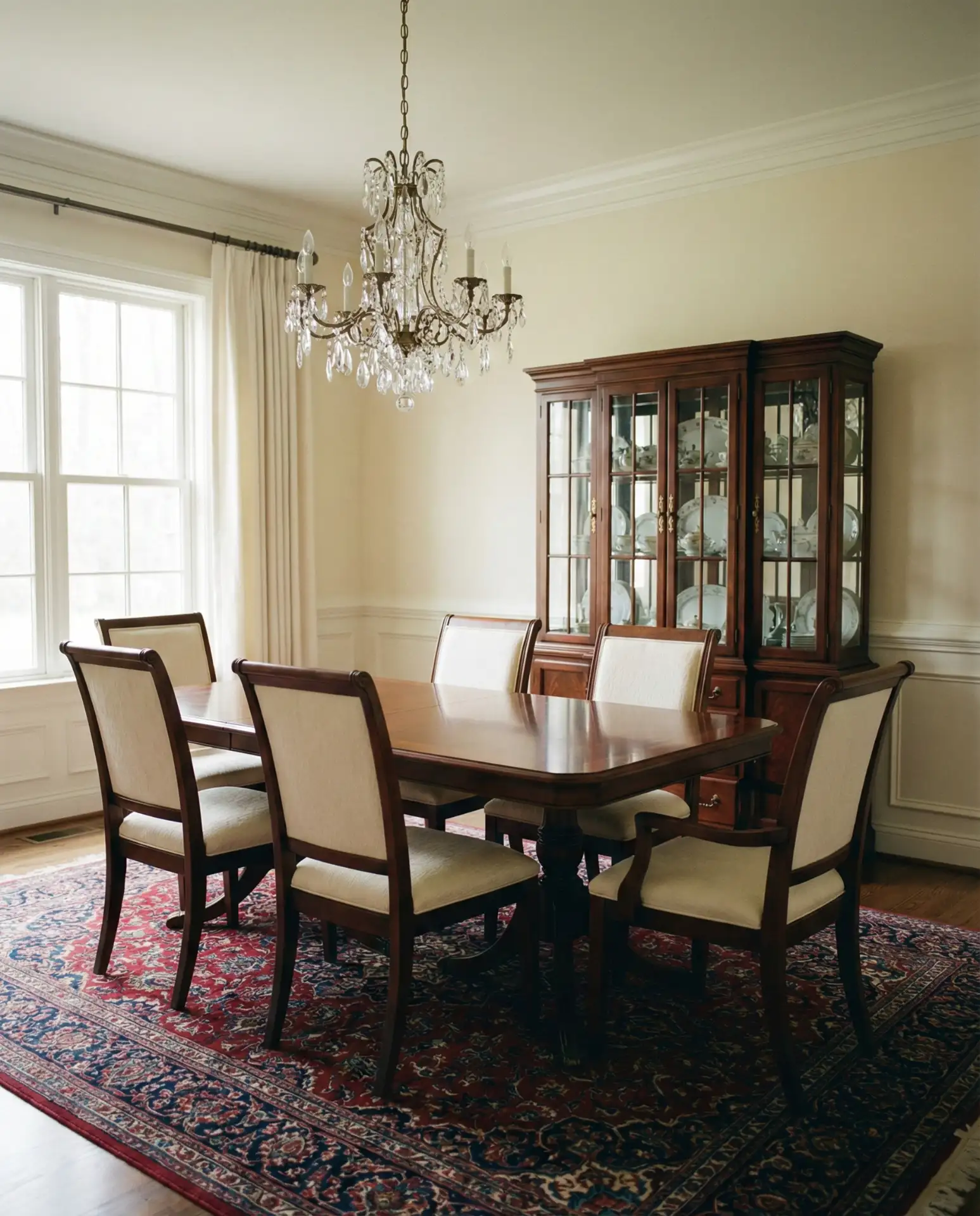
In many American homes, especially in the South and Midwest, the dining room remains a sacred space reserved for special occasions rather than daily use. The formality isn’t about stuffiness—it’s about creating an environment where meals feel ceremonial and conversations linger long after plates are cleared, a counterbalance to our increasingly casual culture.
8. Autumn-Inspired Warmth
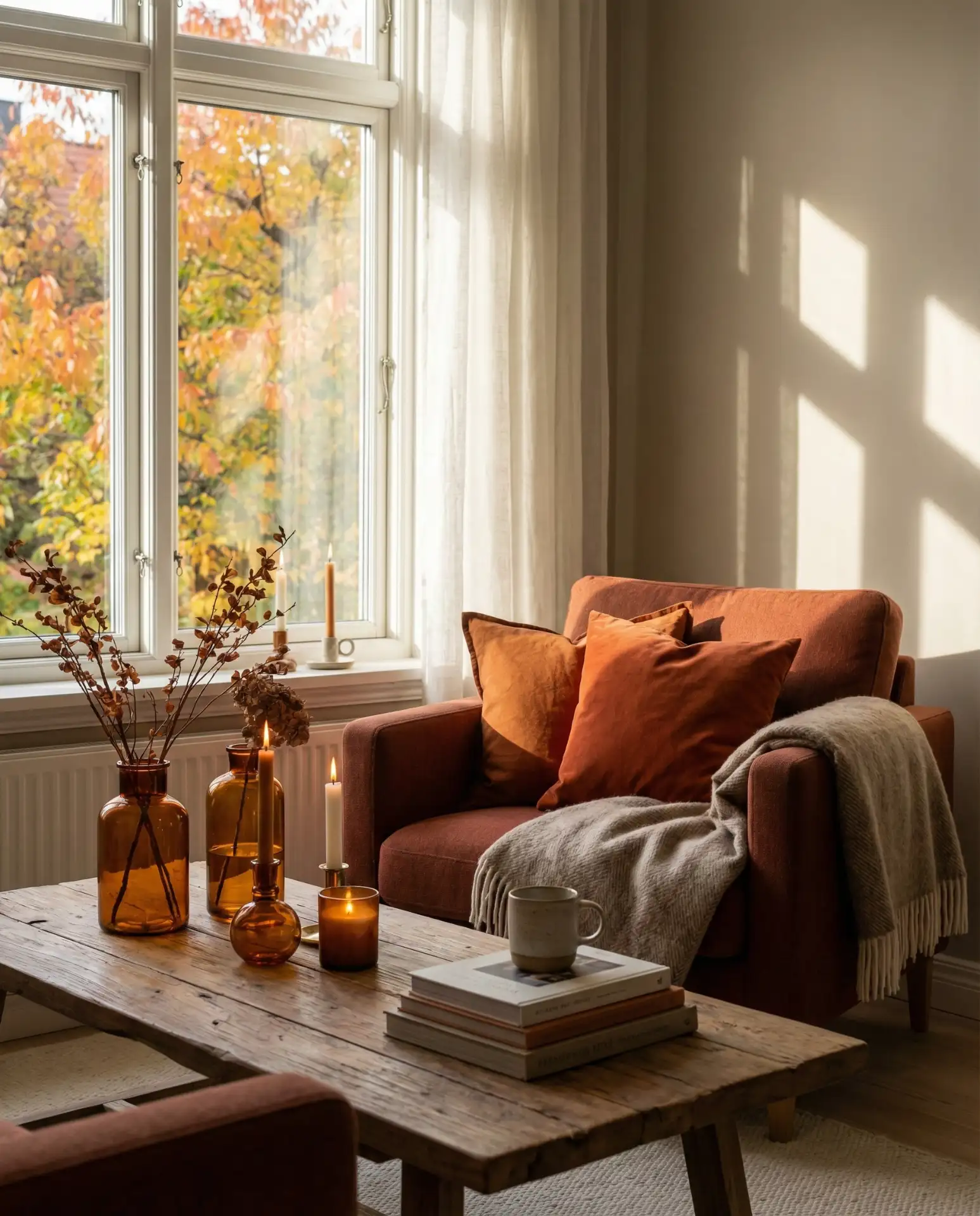
Bringing autumn warmth into your home year-round means embracing burnt orange, deep burgundy, golden yellow, and chocolate brown throughout textiles, artwork, and accent pieces. This palette creates instant coziness and pairs beautifully with natural materials like wool, leather, and weathered wood. Many homeowners refresh their spaces seasonally, but these tones work surprisingly well as permanent fixtures, especially in regions with distinct fall seasons.
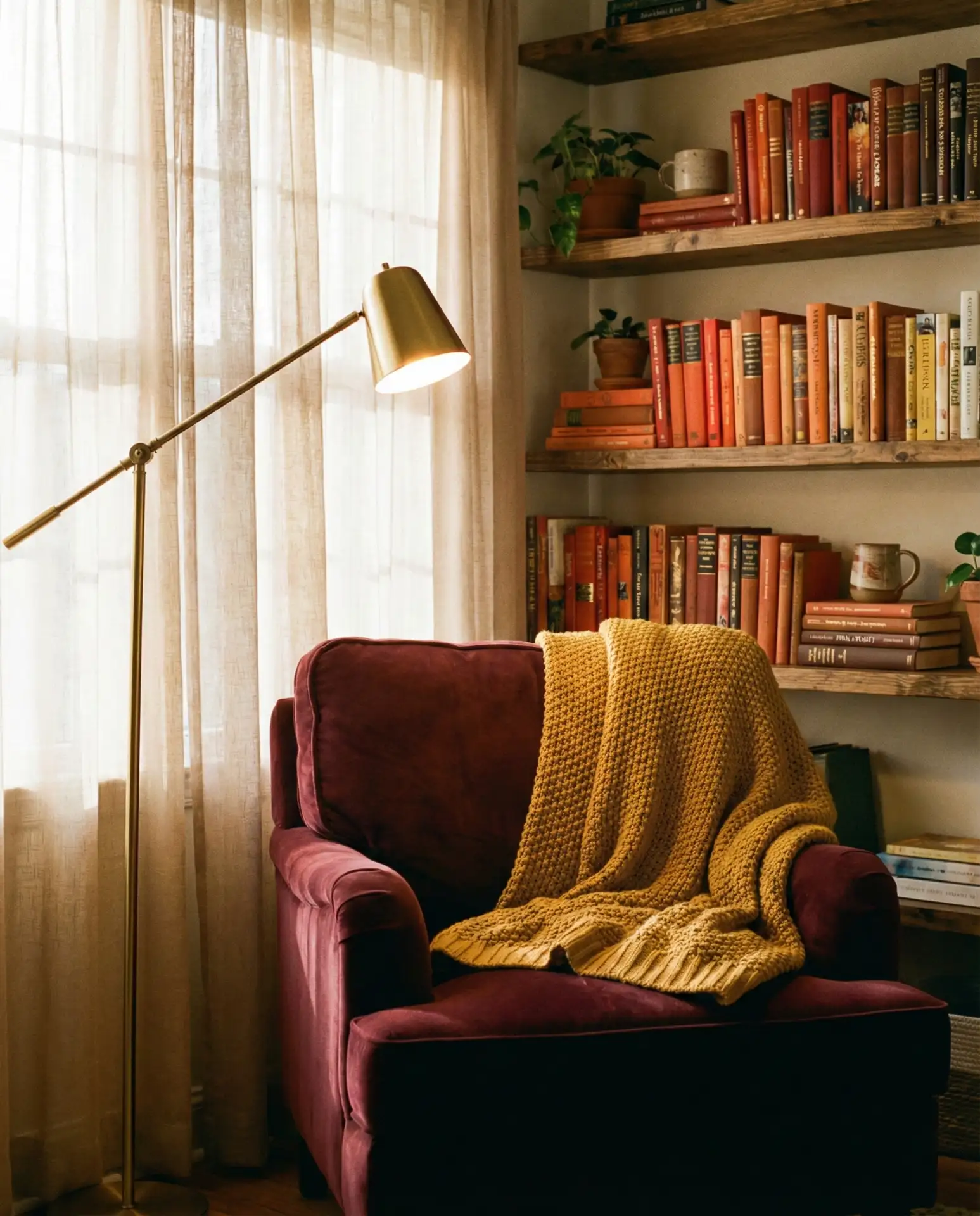
One homeowner in Vermont told me she keeps autumn colors as her base palette because they complement both snowy winters and verdant summers, eliminating the need for complete seasonal overhauls. The trick is balancing warm tones with plenty of natural light and avoiding the temptation to add too many harvest-themed accessories, which can tip the space into kitsch rather than sophistication.
9. Mexican Folk Art Accents
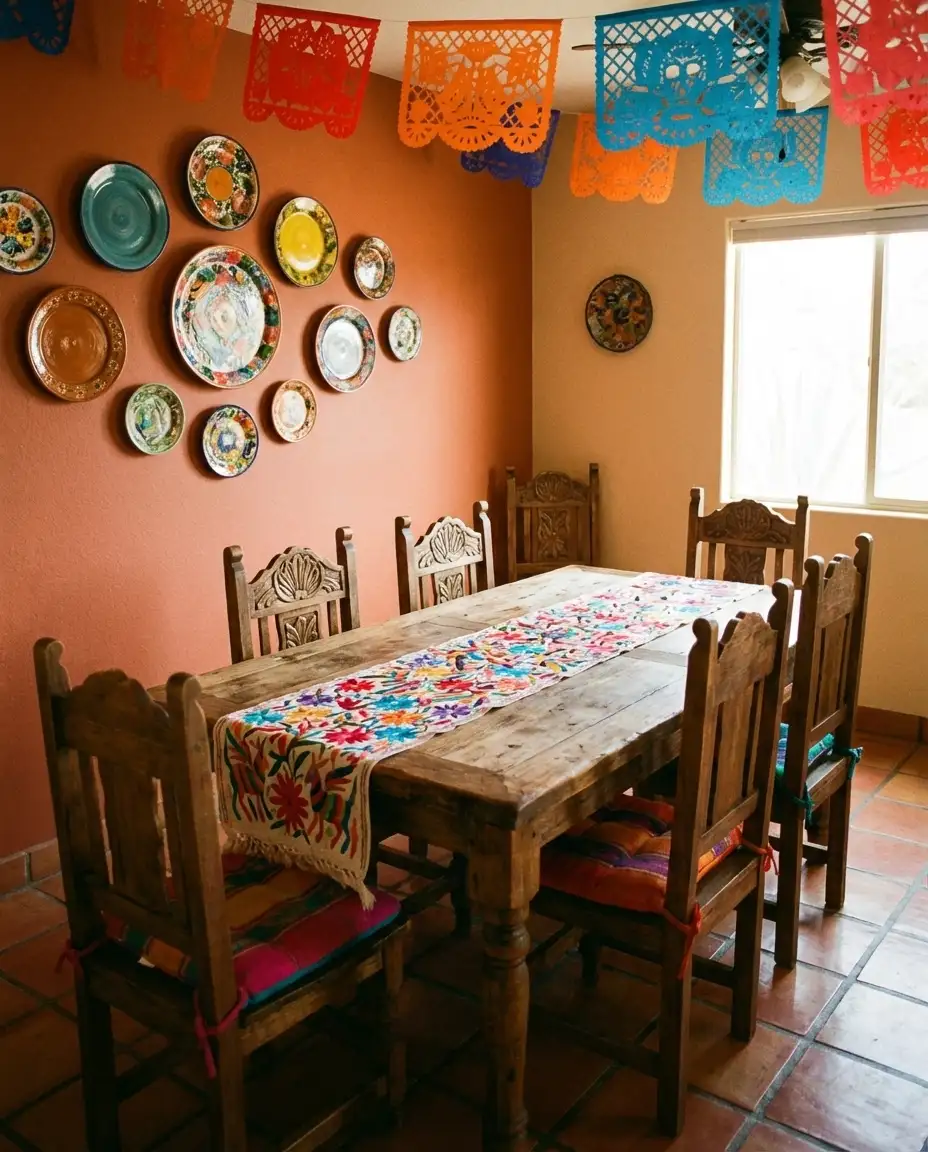
Mexican design influences bring vibrant energy through hand-painted Talavera tiles, embroidered textiles, carved wooden furniture, and bold color combinations that celebrate craftsmanship and cultural heritage. This aesthetic works beautifully in kitchens, patios, and dining areas where the lively palette encourages gathering and conversation. Incorporating authentic handmade pieces supports artisan communities while adding genuine character to your home.
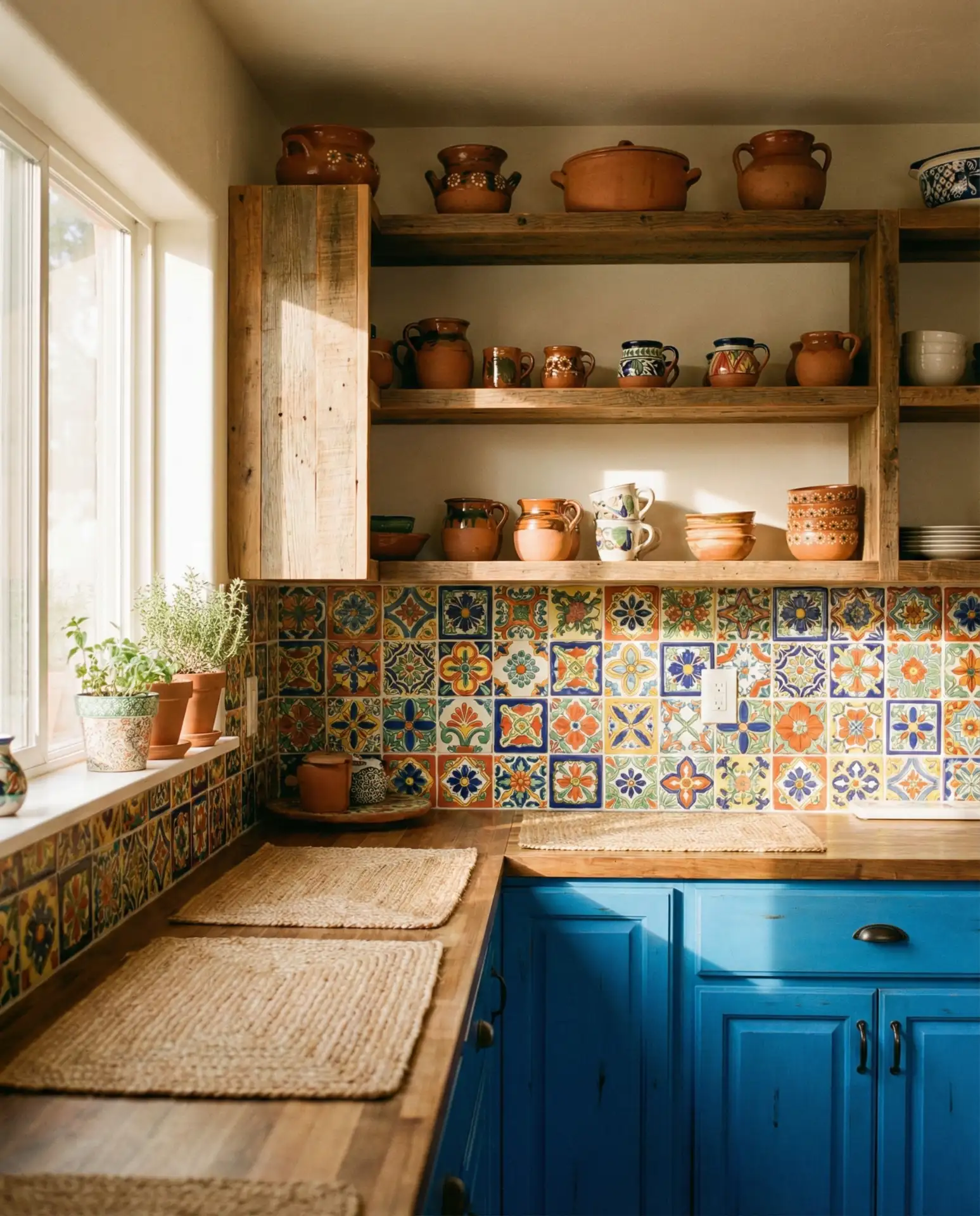
This style thrives in Southwestern states like California, Texas, and Arizona, where Mexican cultural influences are deeply woven into regional identity. However, it’s increasingly popular nationwide as Americans seek authentic, story-rich decor that breaks from mass-produced sameness. When shopping, prioritize fair-trade sources and actual Mexican artisans rather than imported imitations to ensure cultural respect and quality.
10. Modern Western Fusion
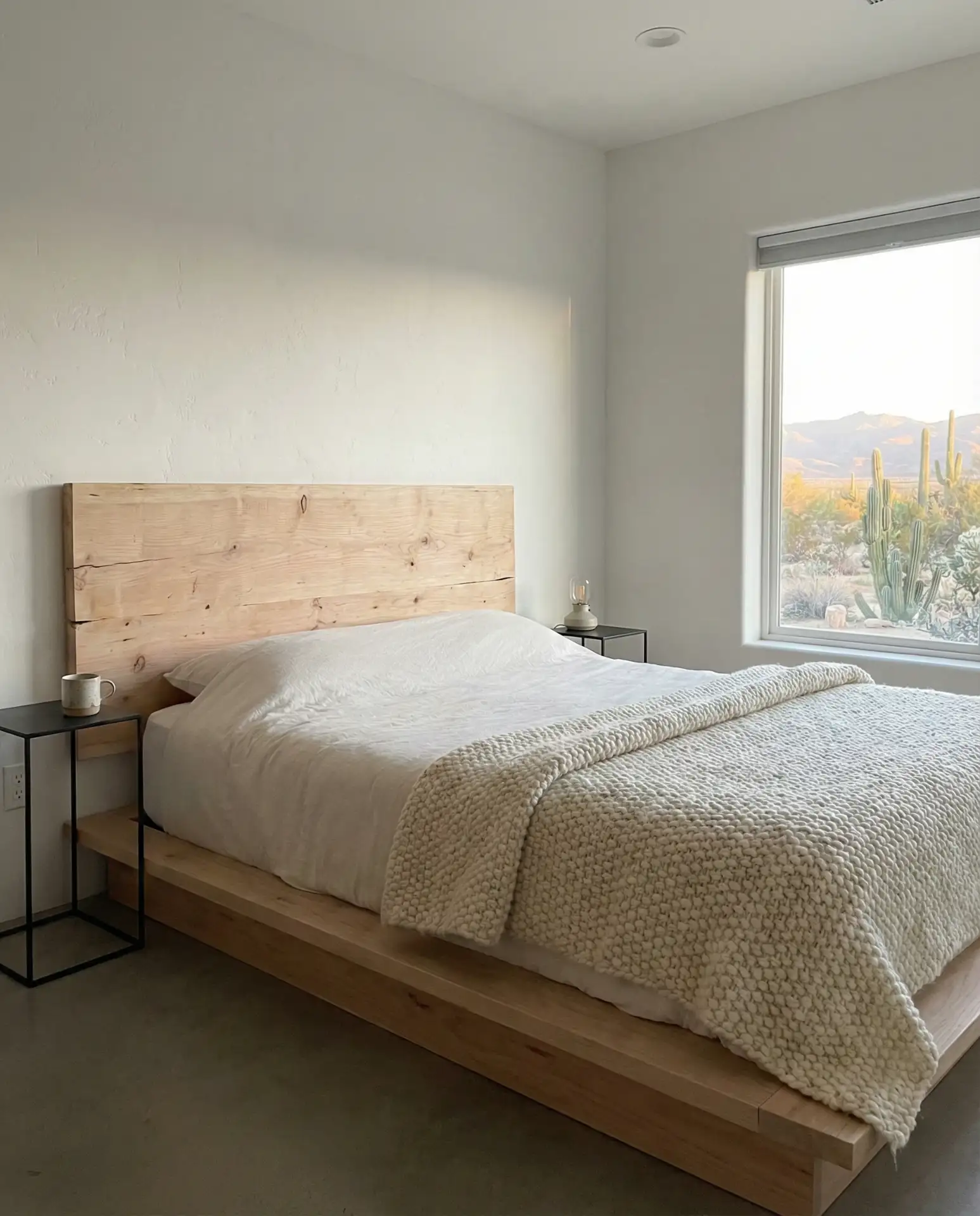
Modern Western design takes classic frontier elements and refines them through contemporary lenses, pairing sleek furniture with rugged textures and clean lines with organic materials. Think black steel-framed windows, minimalist leather seating, and whitewashed wood against concrete or plaster walls. This evolution of rustic style appeals to homeowners who want western character without the heaviness of traditional ranch decor.
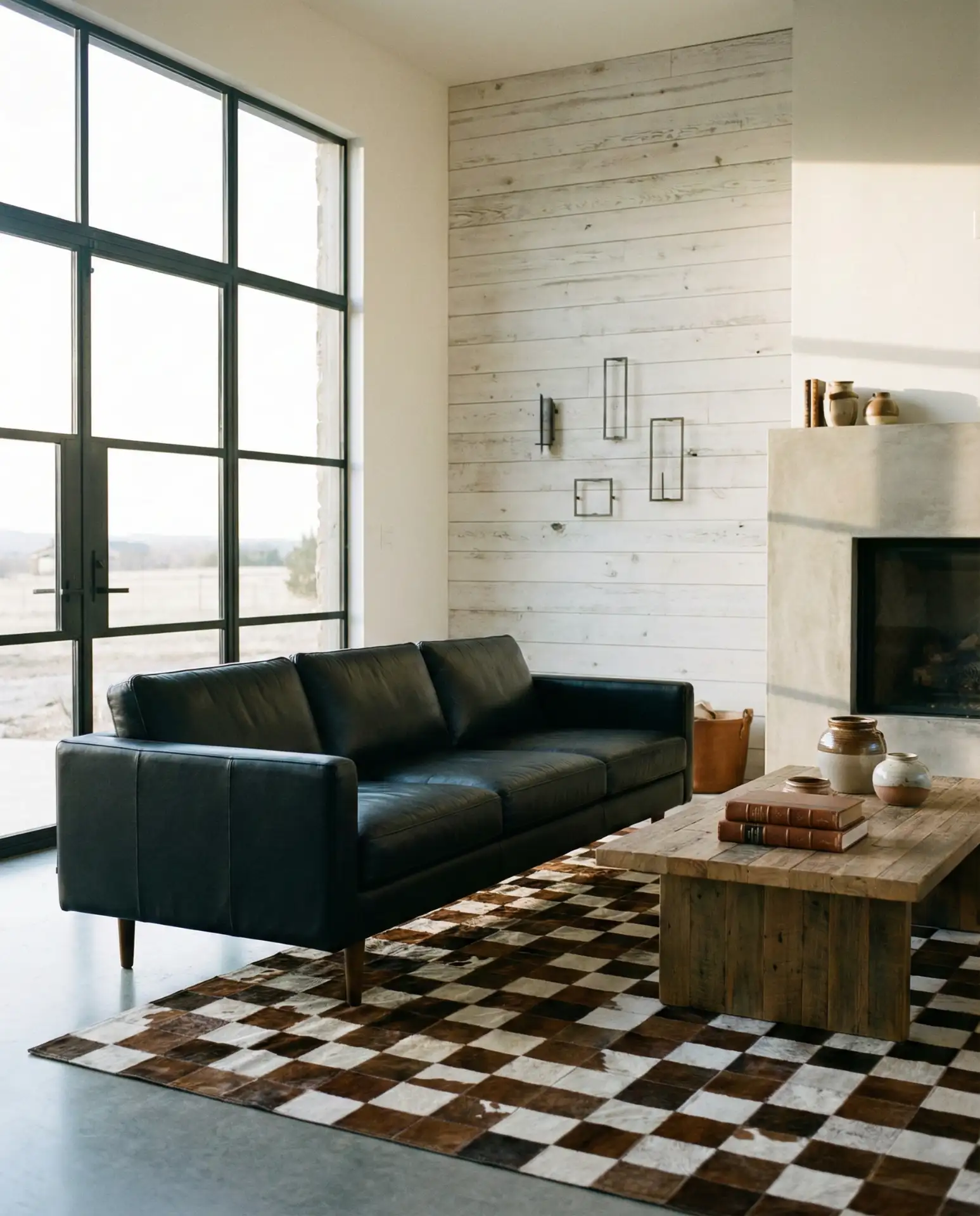
According to interior designers working in Denver and Santa Fe, the biggest mistake in modern western design is trying to include too many obvious frontier references. The best spaces let one or two strong western elements—like a statement leather piece or dramatic wood ceiling—anchor the room while keeping everything else streamlined and contemporary for a balanced, sophisticated result.
11. Pink Accent Rooms
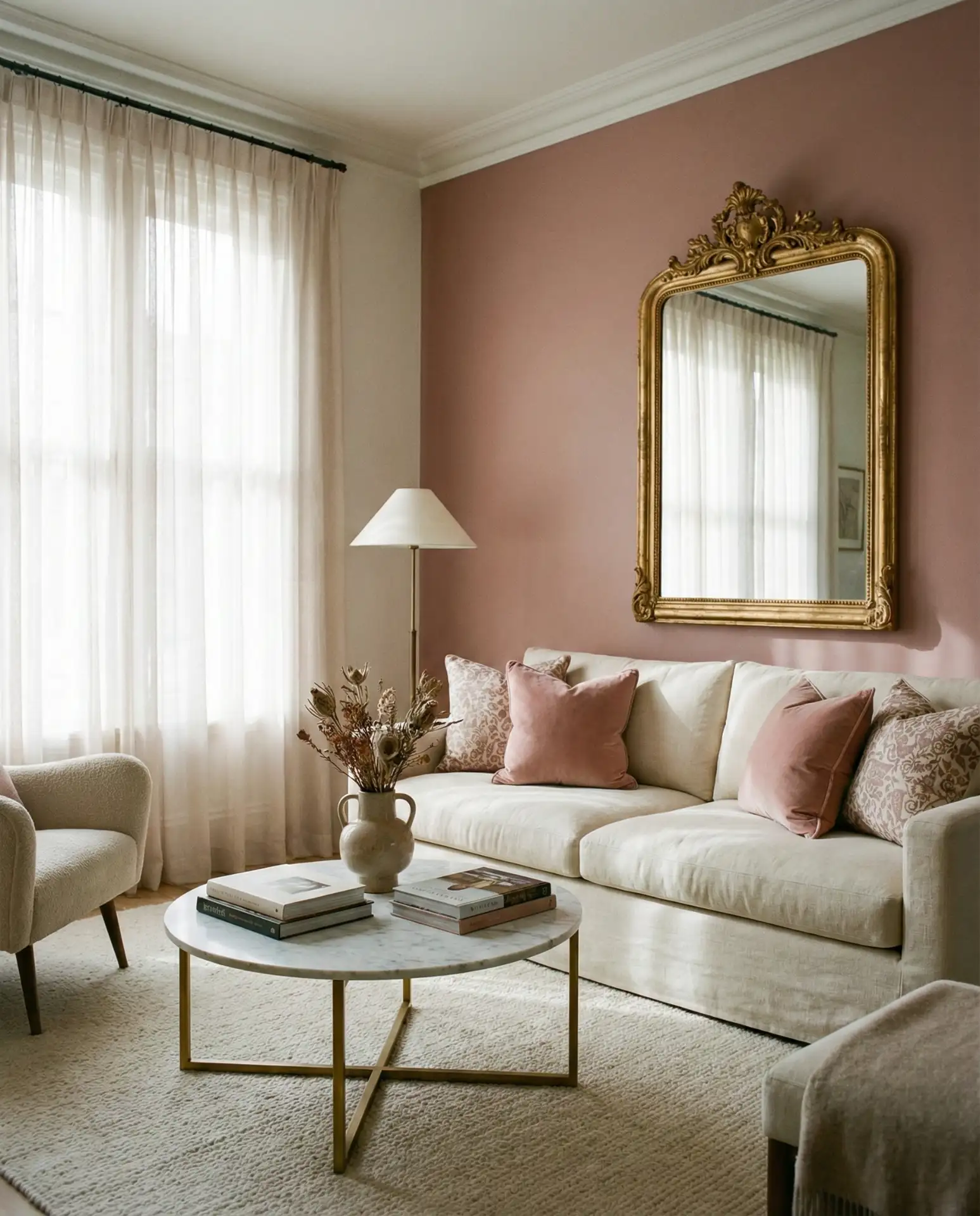
Pink has evolved far beyond nurseries and powder rooms, now appearing in sophisticated living spaces, home offices, and even kitchens through dusty rose, terracotta-pink, and blush tones. This versatile color adds warmth and personality without overwhelming a space, especially when balanced with neutral grays, creams, or natural wood. It’s particularly effective in rooms with abundant natural light, where the color can shift beautifully throughout the day.
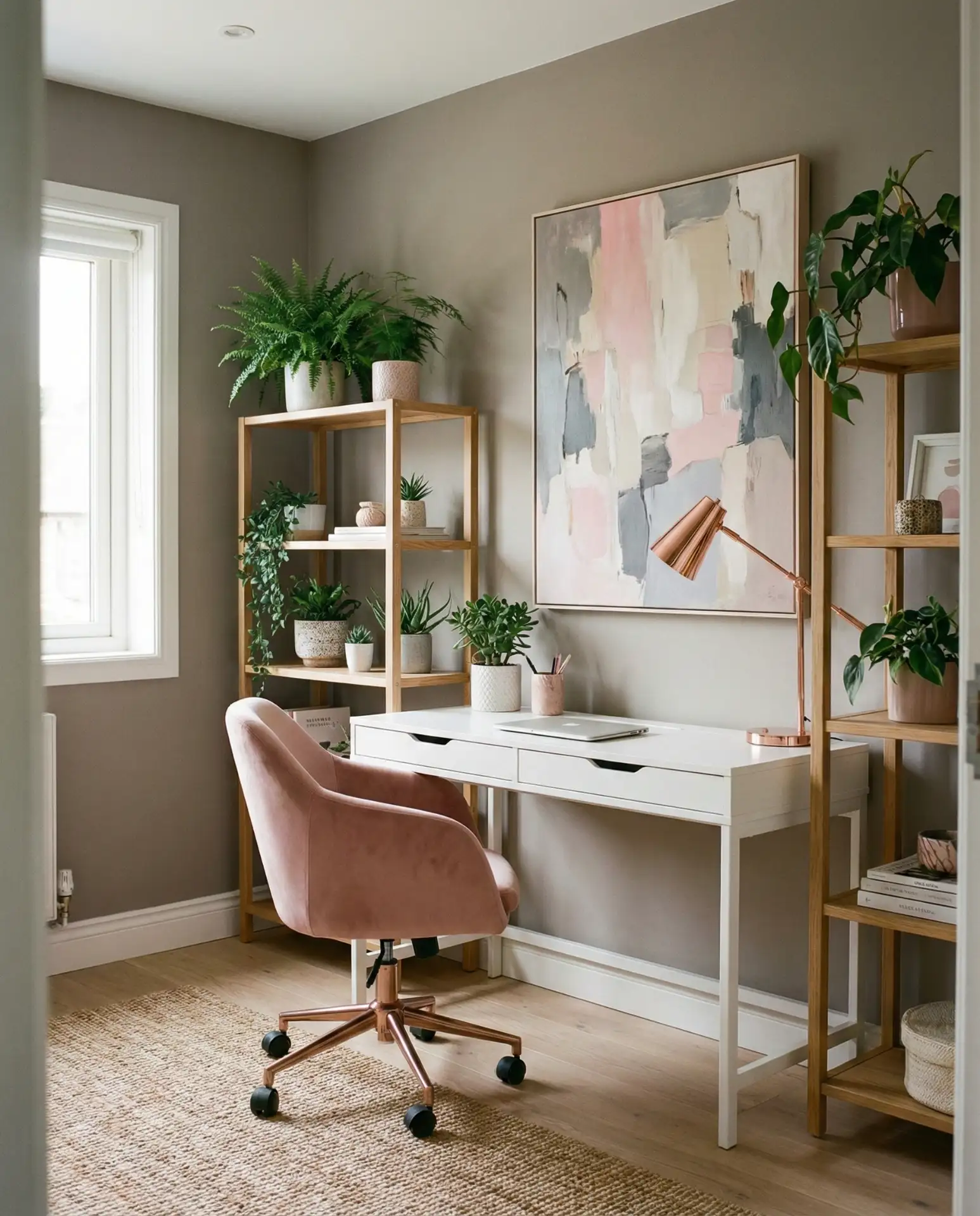
Pink works beautifully in north-facing rooms that tend toward coolness, where it adds necessary warmth without requiring heavy drapes or dark paint. Start small with throw pillows or artwork before committing to larger pink elements, and remember that cooler pinks read more sophisticated, while warmer peachy pinks can feel tropical or playful depending on context.
12. Rental-Friendly Updates
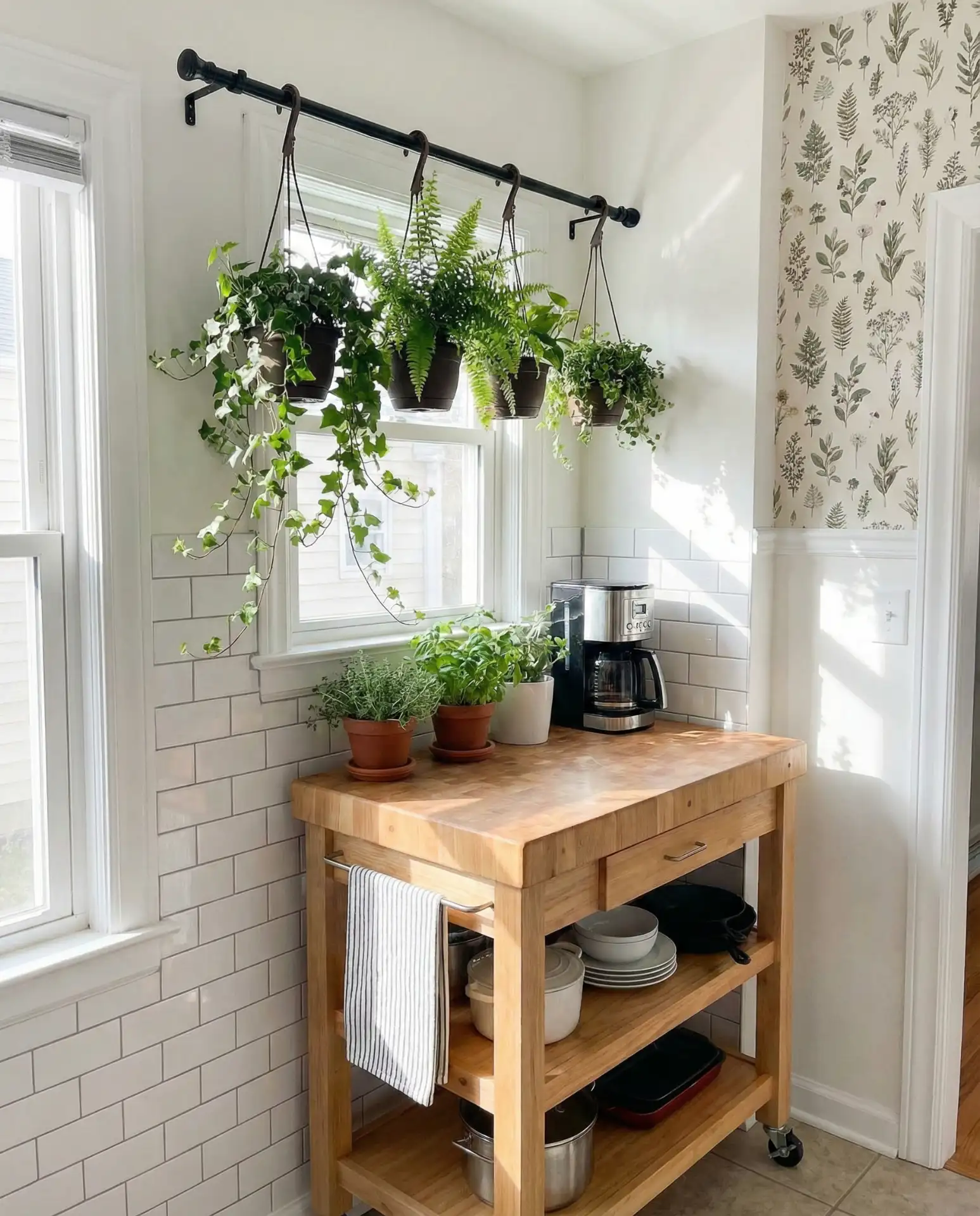
Transforming rental spaces without losing security deposits requires strategic thinking about removable wallpaper, tension rods, freestanding furniture, and Command Hooks instead of nails. The rise of peel-and-stick products has revolutionized renter decor, allowing temporary backsplashes, floor tiles, and wall treatments that pack up when you move. This approach proves you don’t need to own property to create a home that feels distinctly yours.
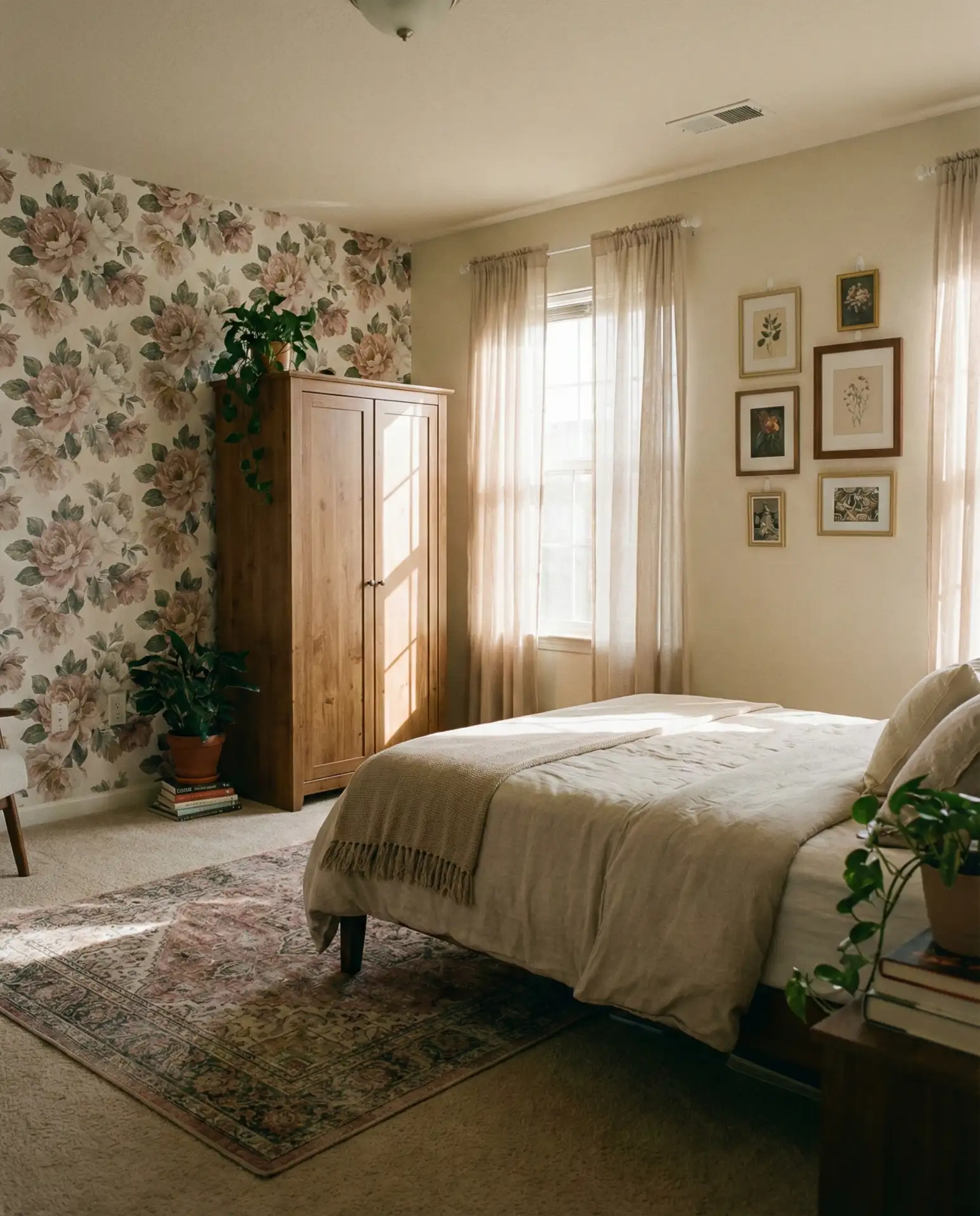
With over one-third of American households renting, this market has exploded with innovative solutions. Budget-wise, renters can transform entire apartments for under $500 using strategic furniture placement, lighting upgrades, and textile layering—all of which travel to the next place. The investment pays off in daily enjoyment and the ability to create Instagram-worthy spaces without homeownership.
13. Rustic Mexican Kitchens
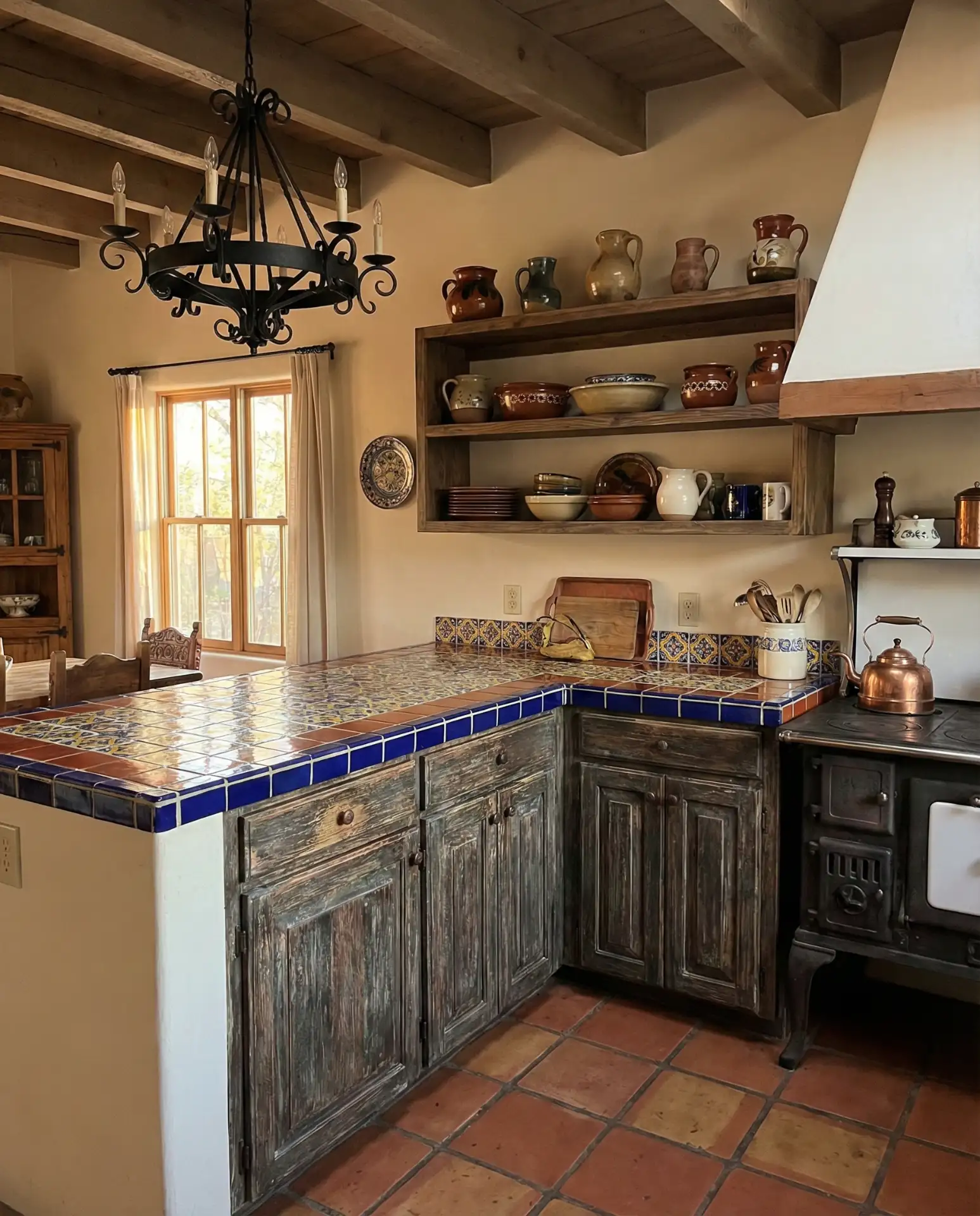
The rustic Mexican kitchen combines weathered wood, colorful ceramic tiles, wrought iron hardware, and handcrafted details for a warm, lived-in aesthetic. Exposed beam ceilings, terracotta floor tiles, and open shelving displaying traditional pottery create spaces that honor cooking traditions and family gatherings. This style particularly resonates in Texas, New Mexico, and Southern California, where Mexican architectural heritage runs deep.
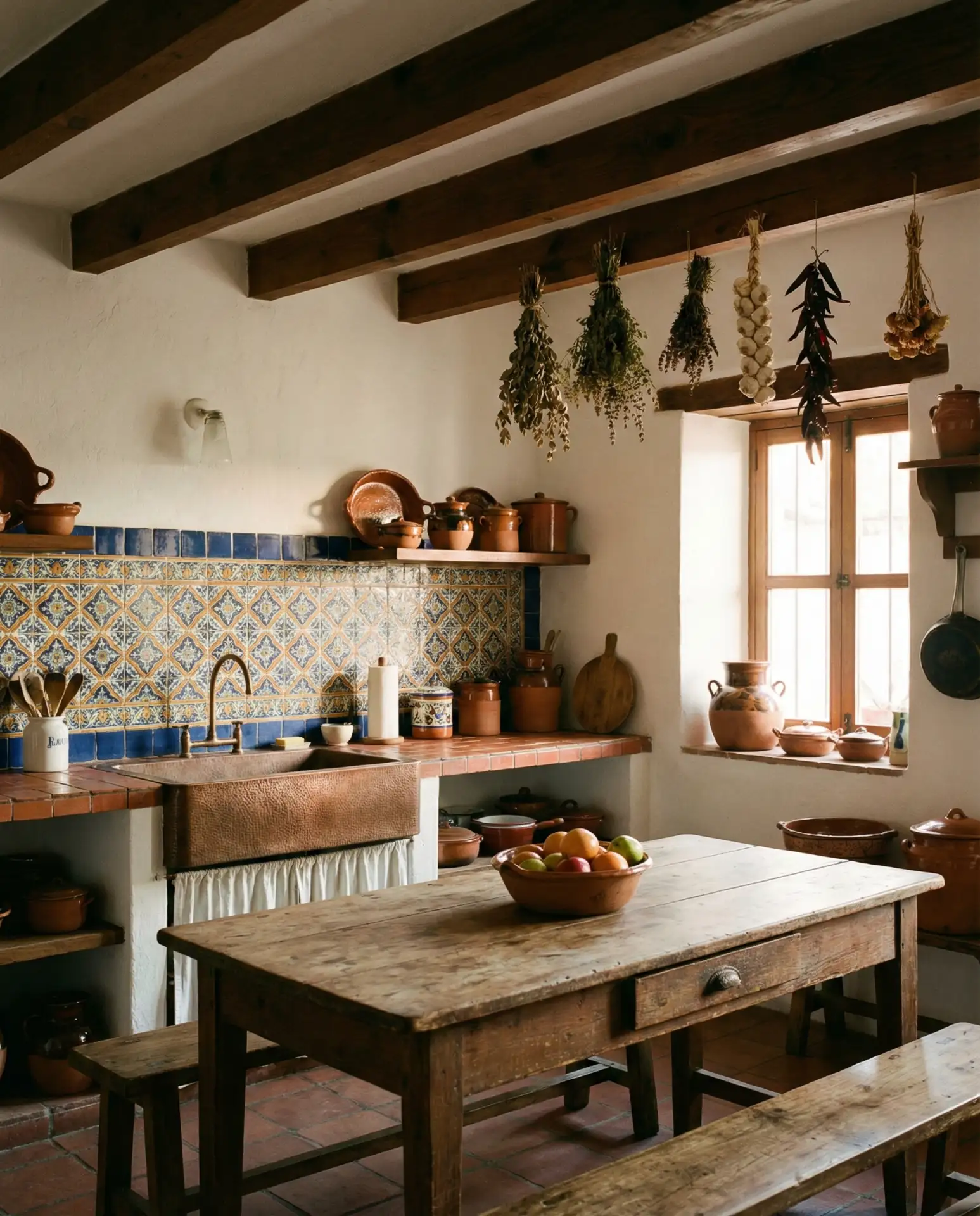
Real homeowners in these regions often source tiles directly from Mexican artisans during border town visits, bringing back unique patterns unavailable in chain stores. The authentic imperfections in handmade tiles—slight color variations and irregular edges—add character impossible to replicate with factory-produced alternatives, making each kitchen genuinely one-of-a-kind while celebrating cultural craftsmanship.
14. Amazon Budget Makeovers
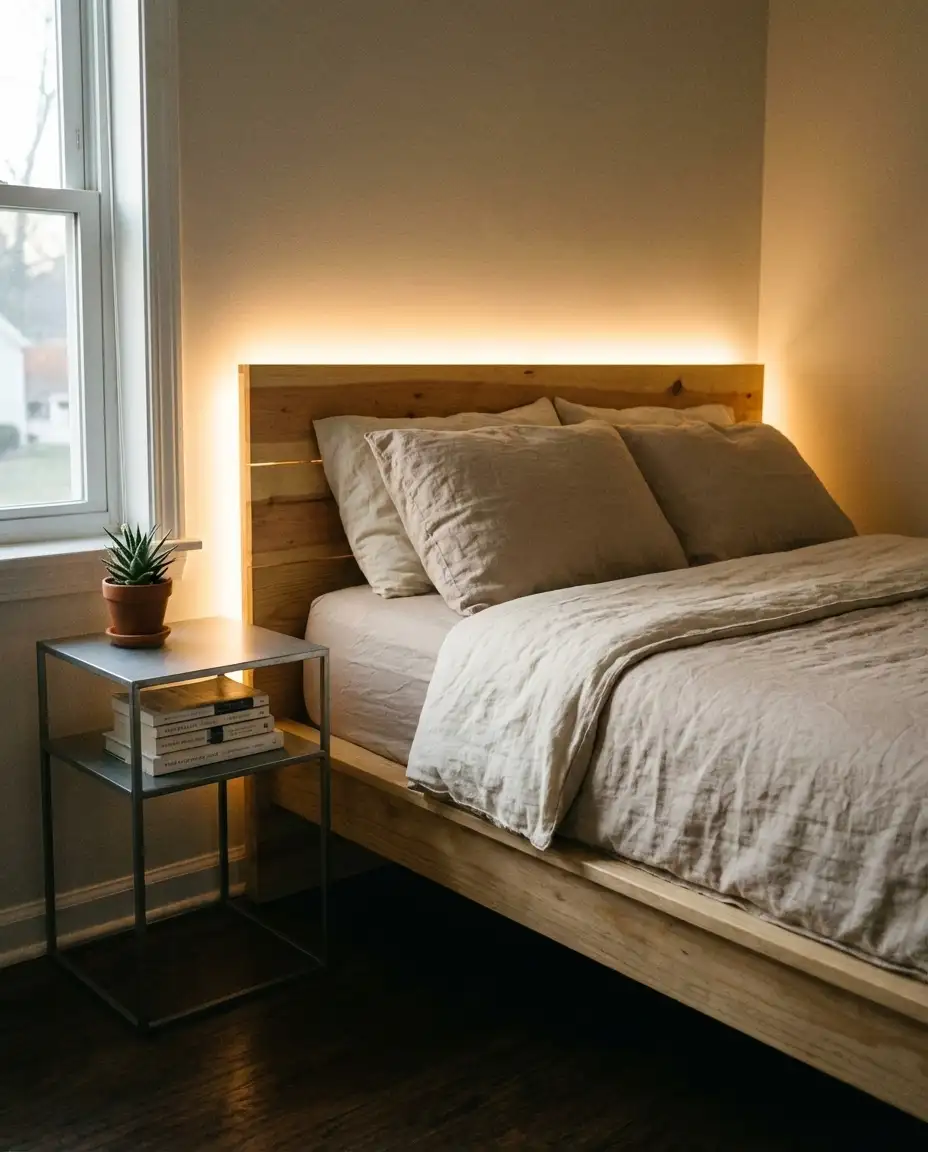
Strategic shopping on Amazon has democratized home decor, making trendy pieces accessible at various price points with quick delivery nationwide. From LED strip lighting to duvet covers to floating shelves, entire room refreshes can happen within days and budgets under $300. The key is reading reviews carefully, understanding return policies, and mixing affordable finds with a few quality anchor pieces to avoid the disposable furniture trap.
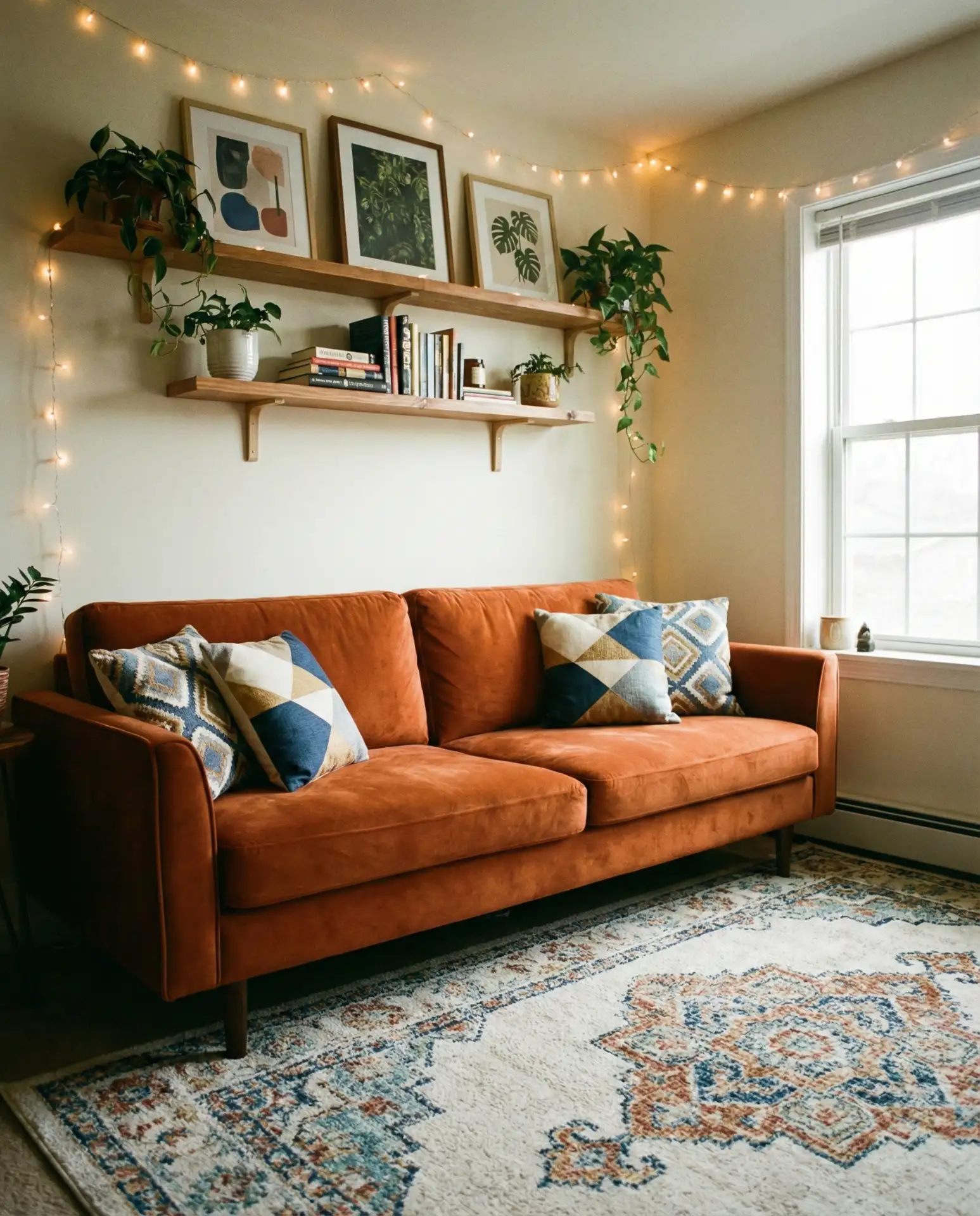
Smart Amazon shoppers know that certain categories—bedding, lighting, and storage solutions—offer excellent value, while others, like major furniture, benefit from in-person assessment. Creating wishlists and watching for Prime Day deals can stretch budgets significantly, with many decorators reporting complete room transformations for what designer showrooms charge for a single chair.
15. Halloween Decor Beyond October
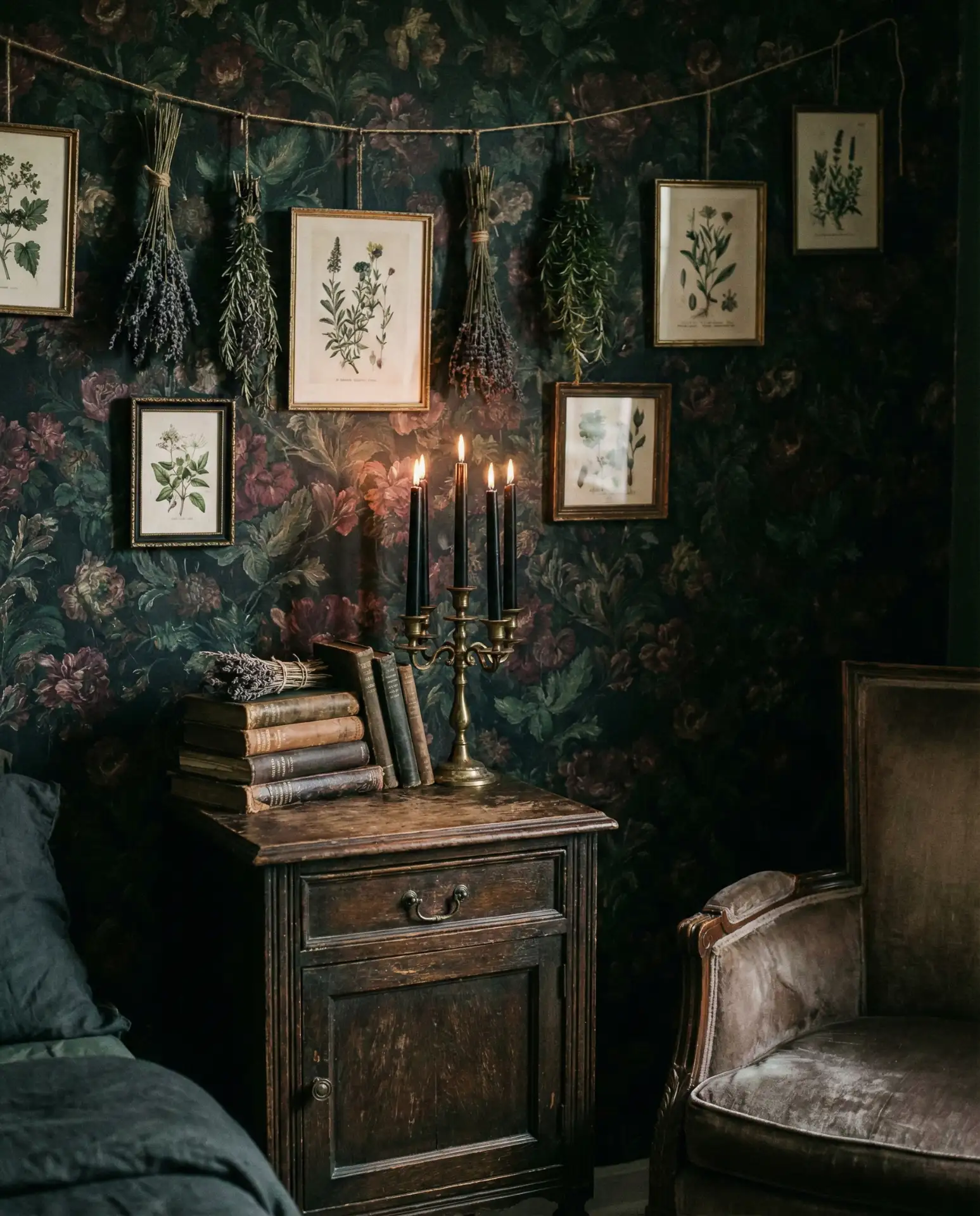
Halloween enthusiasts increasingly incorporate gothic and moody elements year-round rather than packing everything away November first. Black candles, vintage apothecary bottles, dried botanicals, and dark romantic textiles create sophisticated spaces that honor spooky aesthetics without seasonal limitations. This approach appeals to those who appreciate Victorian-inspired drama, witchy cottagecore, or simply prefer darker palettes in their daily environments.
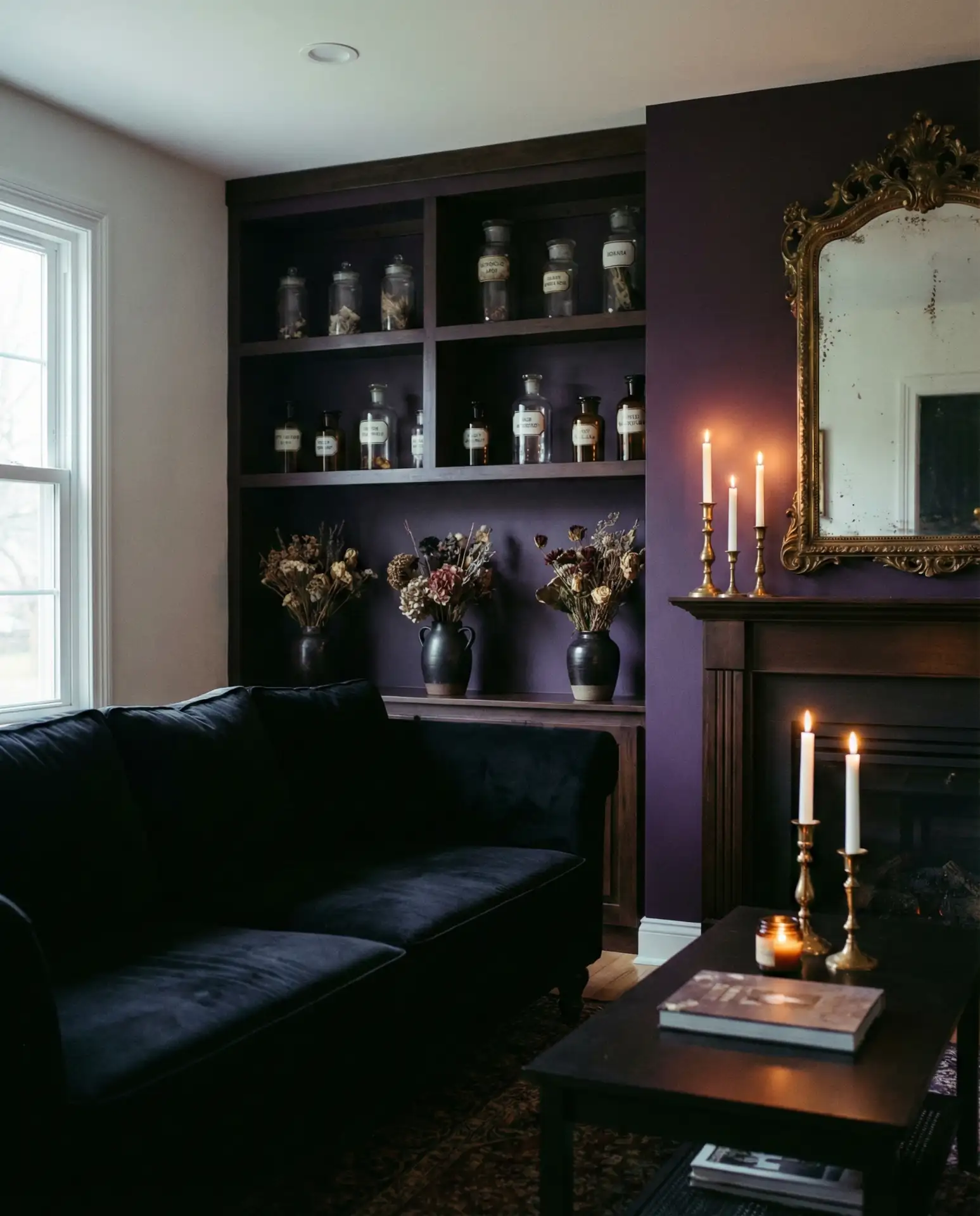
The growing “dark academia” and “witchy home” movements on Pinterest demonstrate that Halloween aesthetics have evolved into legitimate design categories with dedicated followings. The secret to making it work daily is subtlety—skip the plastic skeletons and cartoon pumpkins in favor of genuine vintage curiosities, botanical prints, and quality dark textiles that read as intentionally curated rather than leftover party decorations.
16. India-Inspired Textiles
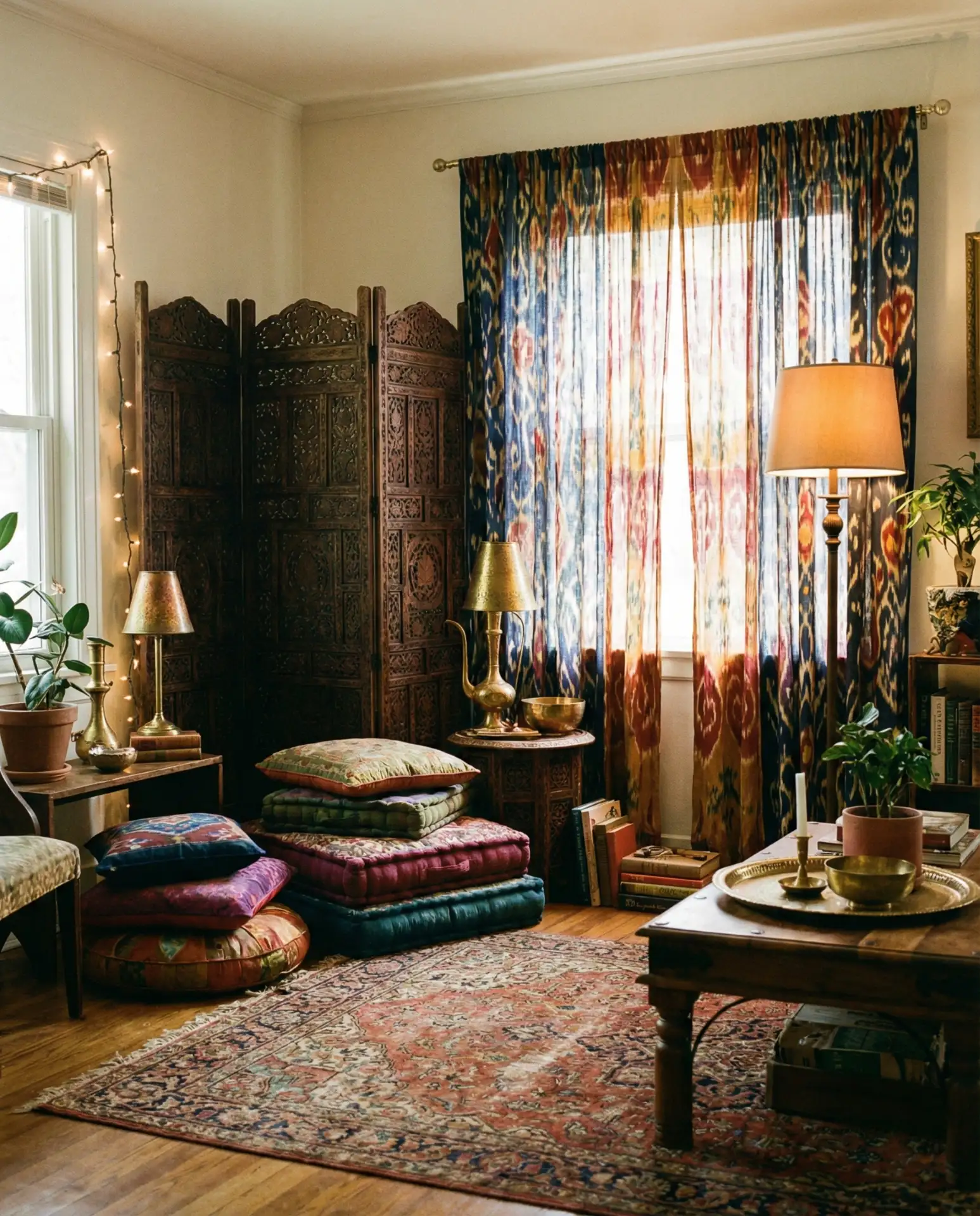
India offers an incredible wealth of textile traditions—block-printed cottons, embroidered silk pillows, hand-knotted rugs, and vibrant ikat patterns—that instantly elevate any room. These pieces bring global perspective while supporting traditional craftsmanship, and they layer beautifully with both traditional and contemporary furniture. Americans increasingly appreciate the story and skill behind handmade Indian textiles, making them popular statement pieces in living rooms and bedrooms nationwide.
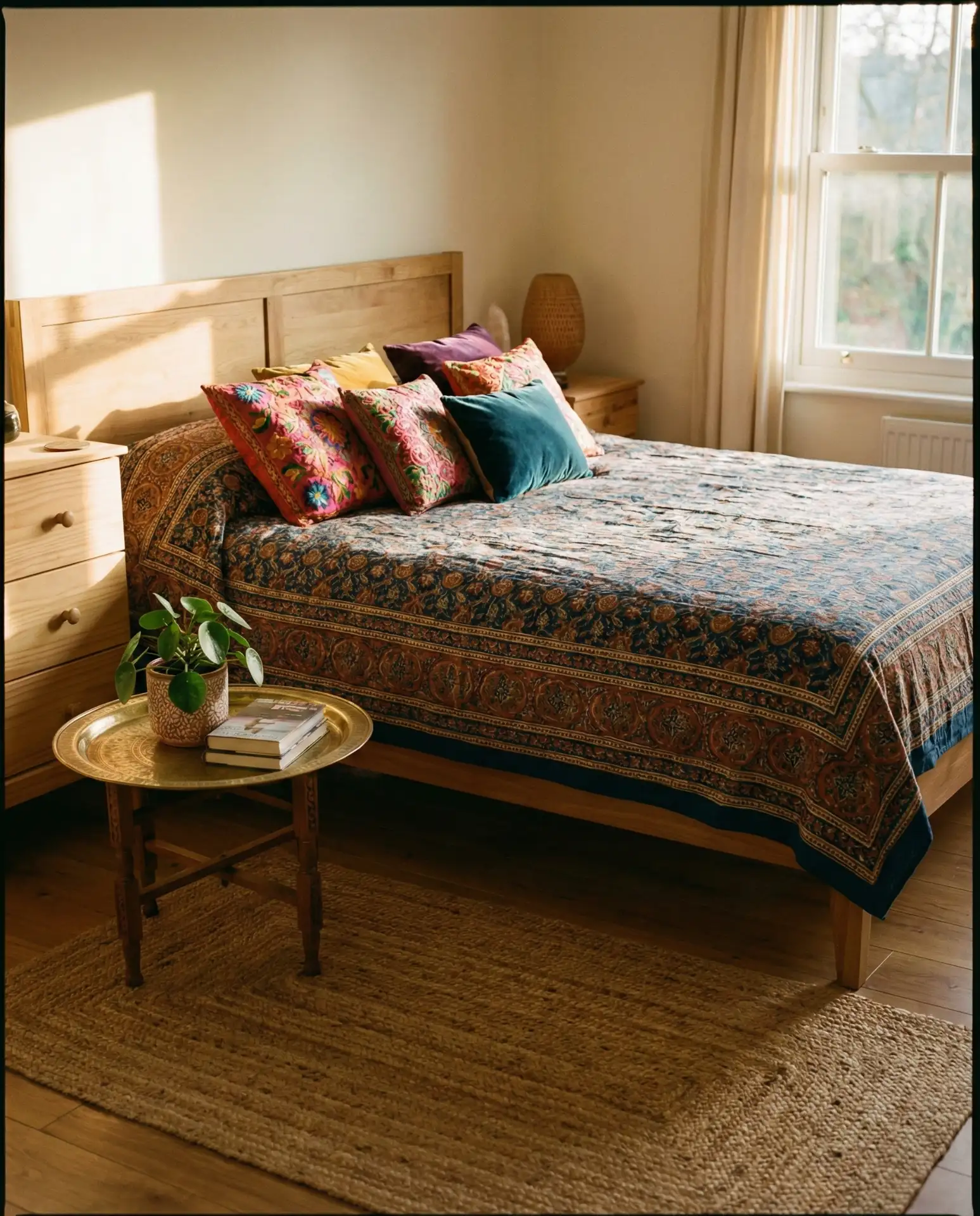
When incorporating Indian textiles, avoid the common pitfall of creating an overly themed space that feels more like a store display than a home. Select one or two standout pieces—perhaps a stunning block-printed quilt or embroidered curtain panels—and let them shine against simpler surroundings. This restraint allows the craftsmanship to be appreciated rather than lost in visual chaos.
17. Crochet and Handmade Accents
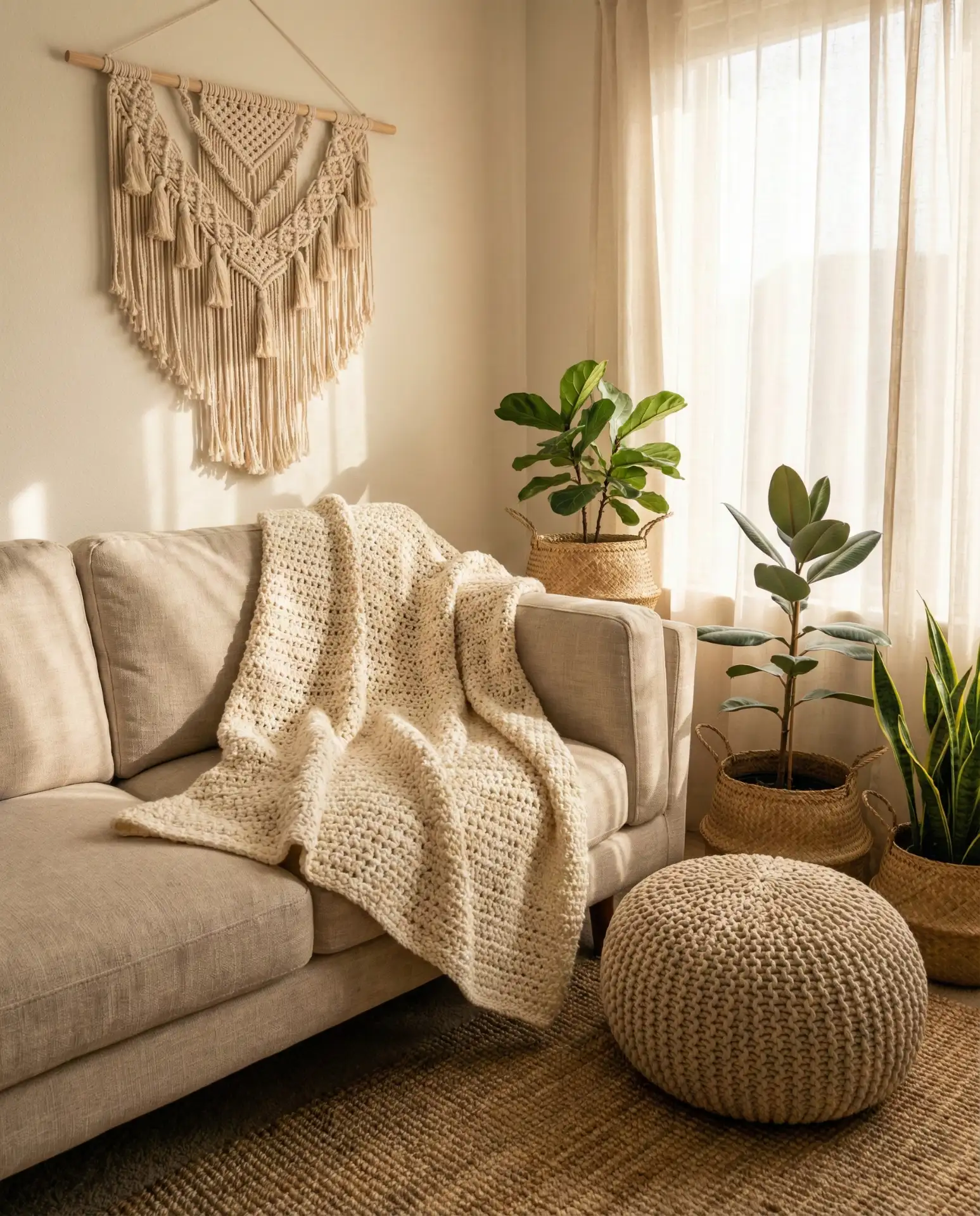
Crochet and other handmade fiber arts are experiencing a major renaissance as people seek tangible connections in an increasingly digital world. Hand-crocheted blankets, macramé wall hangings, woven tapestries, and knitted poufs add texture and warmth while celebrating slow craft traditions. Many homeowners now display their own creations or support independent makers through Etsy and local craft fairs, valuing uniqueness over mass production.
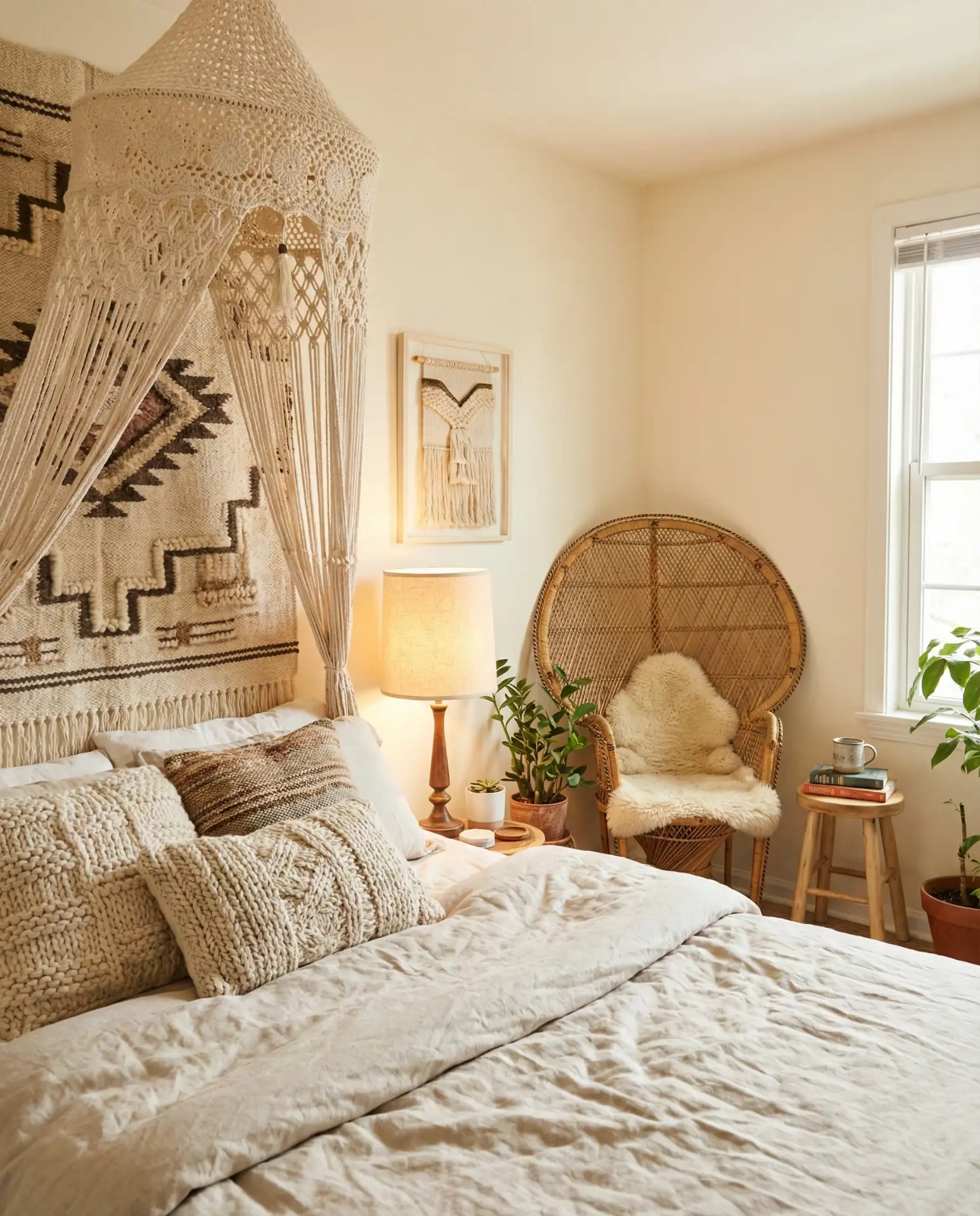
The handmade movement connects to broader sustainability concerns—buying one quality crocheted blanket that lasts decades feels more meaningful than replacing cheap throws every season. For those learning the craft, online tutorials have made fiber arts accessible to beginners, and displaying your own work creates deep personal satisfaction that purchased decor simply can’t match.
18. Christmas Decor That Stays
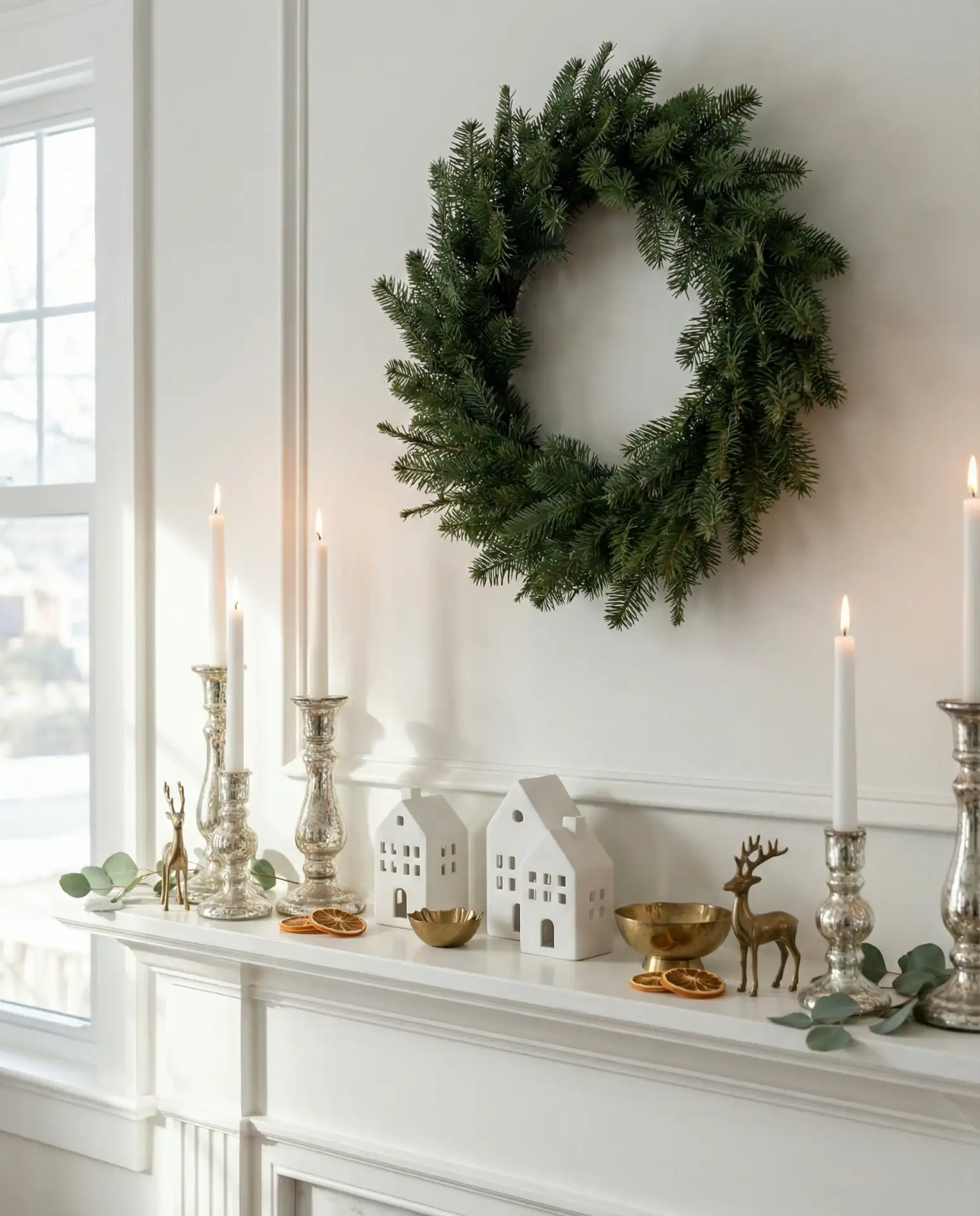
Rather than packing away all Christmas elements after the holidays, thoughtful decorators keep certain pieces year-round—vintage wooden nutcrackers as sculptural objects, mercury glass in metallic vignettes, elegant wreaths as perpetual door decor, or string lights that create ambient glow in any season. This approach reduces storage needs while maintaining festive touches that bring joy beyond December, particularly for those who treasure holiday aesthetics.
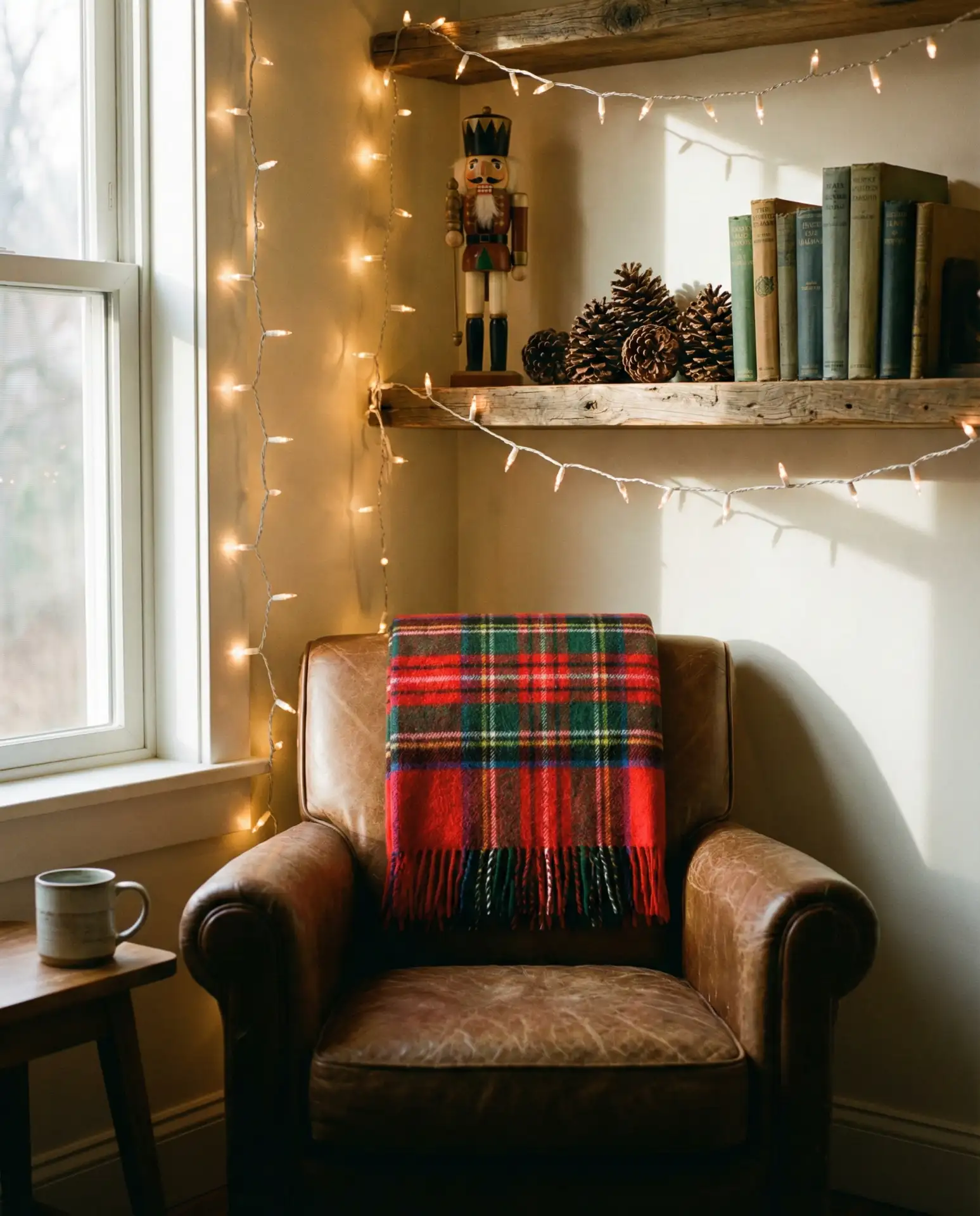
Many Americans now invest in higher-quality holiday decor specifically because they plan to display it longer, making cost-per-use more reasonable. A beautiful brass candleholder or handcrafted wooden advent calendar becomes part of the everyday aesthetic rather than a once-a-year appearance, and subtle winter themes—pinecones, evergreen branches, cozy plaids—transition beautifully through the entire cold season without feeling specifically Christmas-coded.
19. Mobile Home Transformations
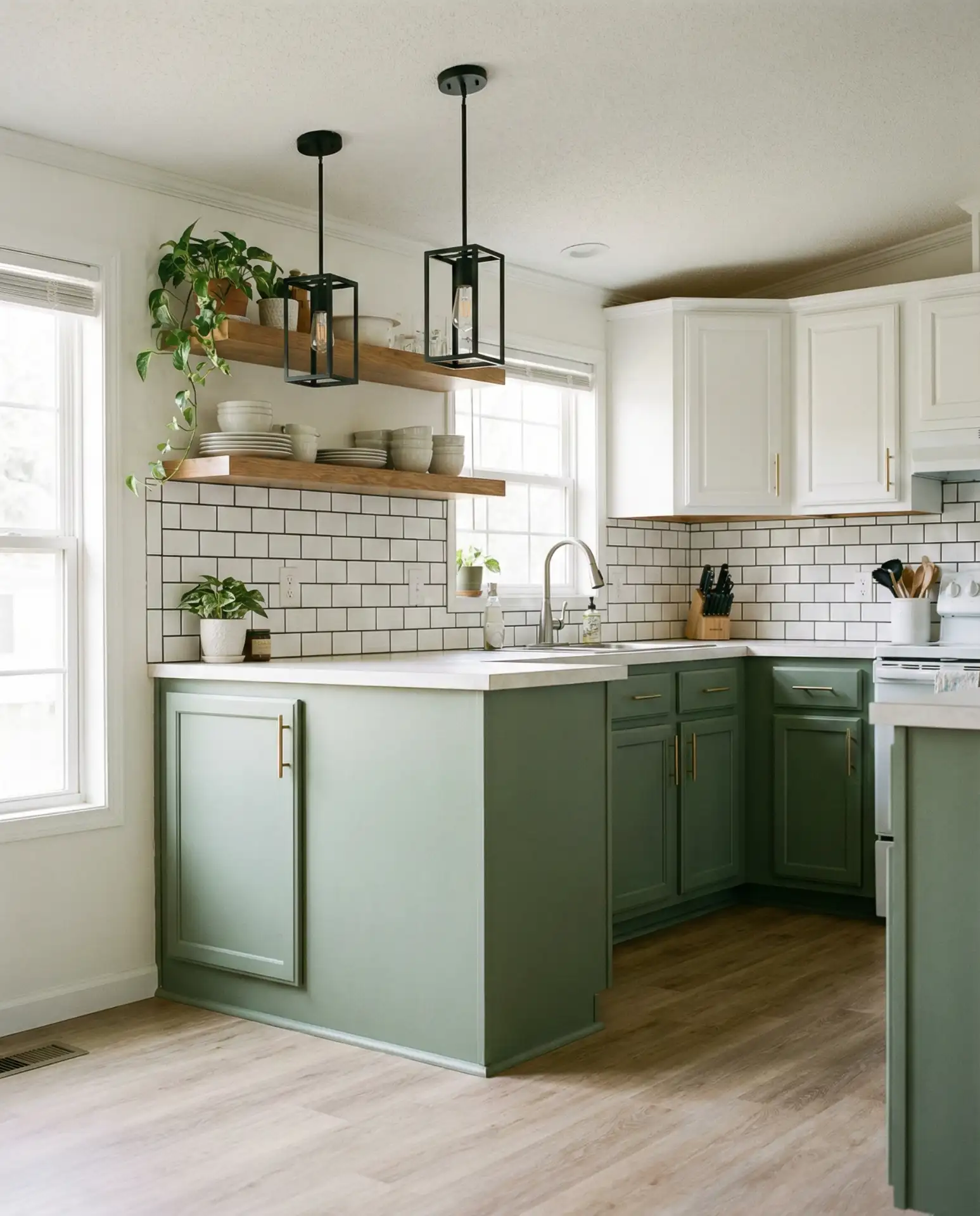
Mobile and manufactured homes represent significant portions of American housing, and their owners increasingly reject outdated stigmas by creating stunning interiors that rival traditional houses. Smart updates focus on paint, lighting upgrades, modern fixtures, and strategic furniture placement to overcome dimensional limitations. The rising “modern manufactured home” movement on social media proves that style knows no structural boundaries.
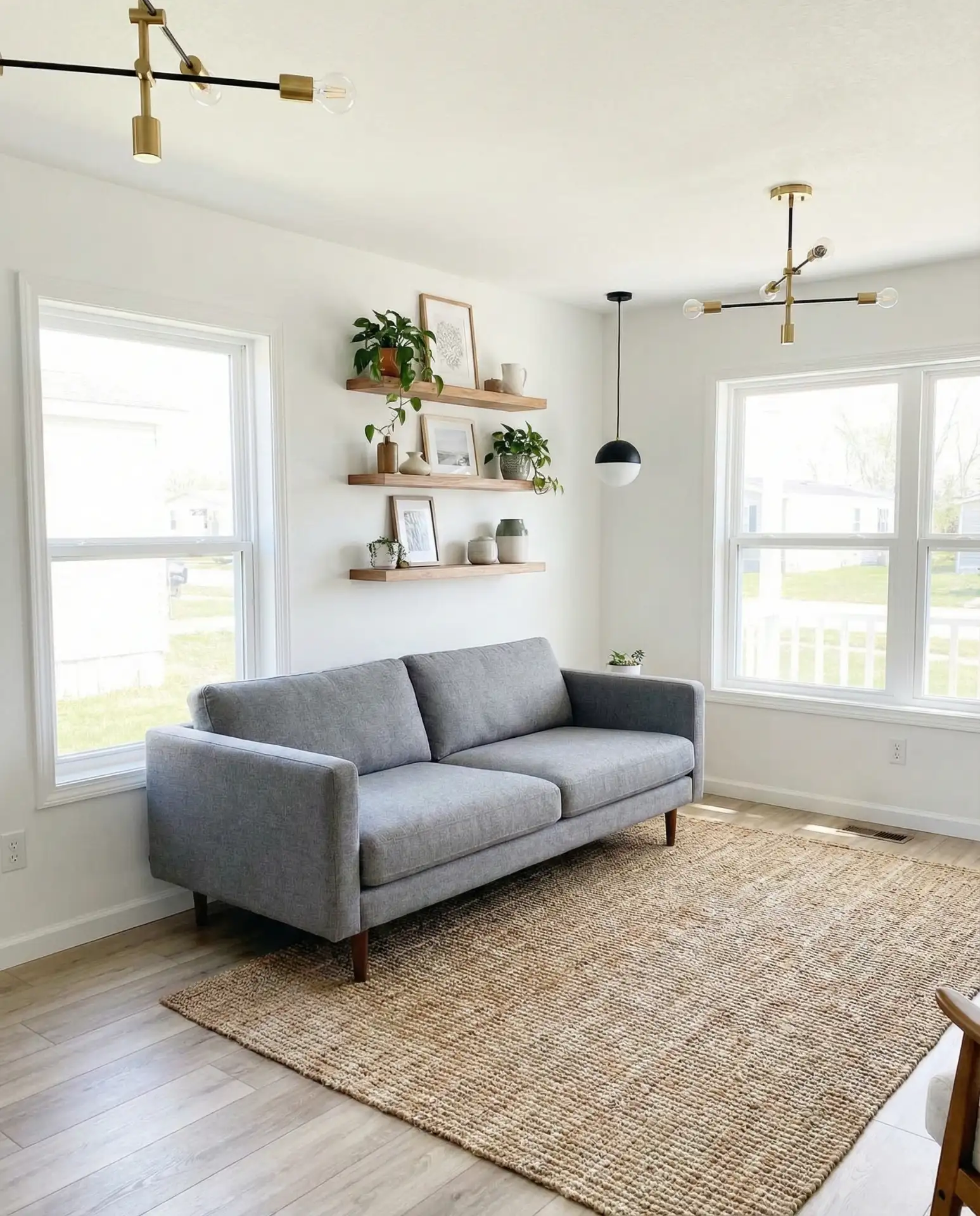
Budget constraints often inspire the most creative solutions in mobile homes, where every dollar must work harder. Owners frequently tackle DIY projects like removing soffits for more open layouts, replacing standard-issue light fixtures with modern alternatives, and using paint to unify mismatched finishes—all proving that good design transcends housing type and budget level.
20. Thrifted Treasure Displays
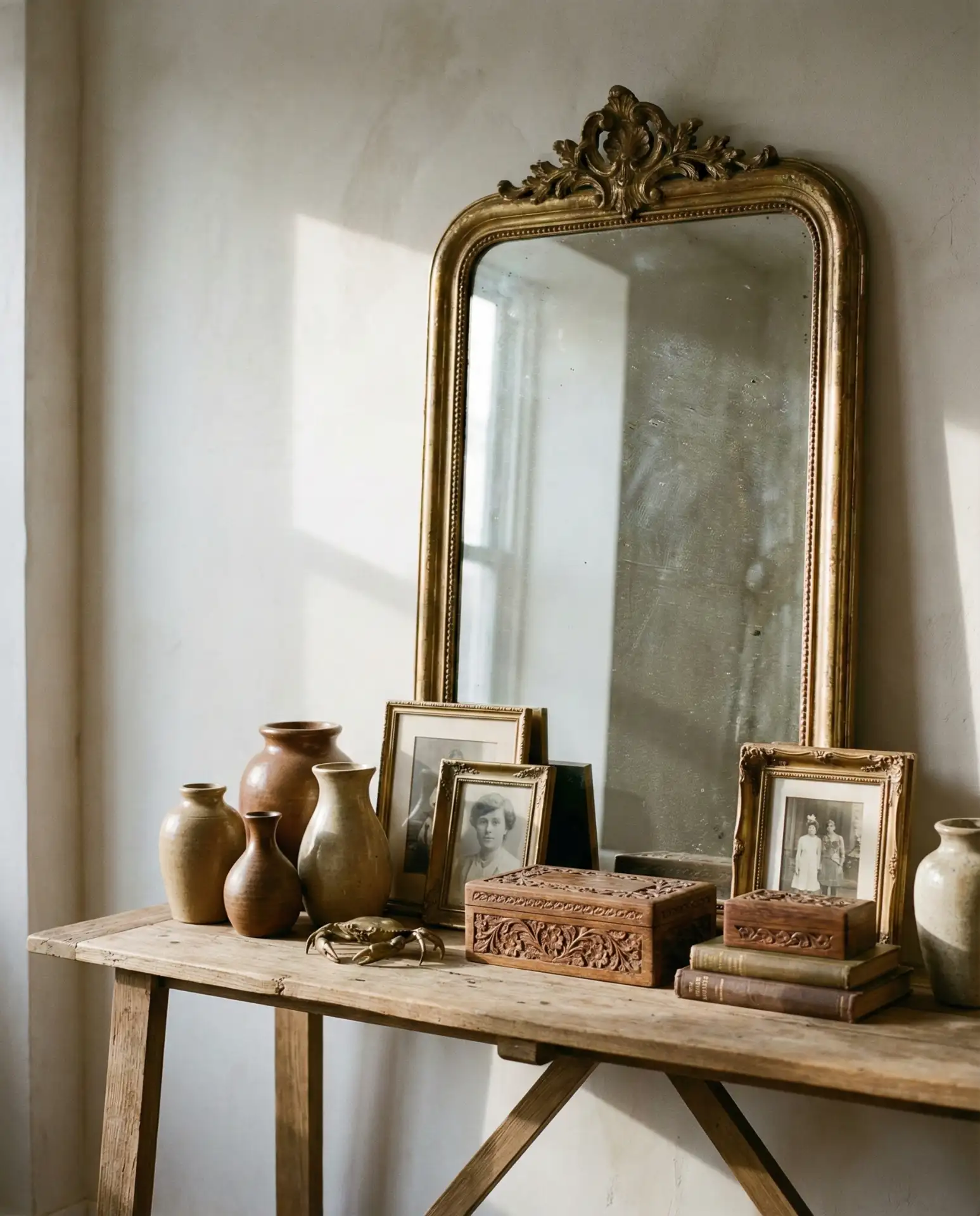
The art of styling thrifted finds has become a legitimate design skill, with enthusiasts curating collections of vintage brass, mismatched china, old books, and architectural salvage into cohesive displays. This sustainable approach offers unique character impossible to achieve with retail purchases while keeping quality items out of landfills. Successful thrift decorating requires patience, a good eye, and a willingness to refinish or repurpose pieces for modern use.
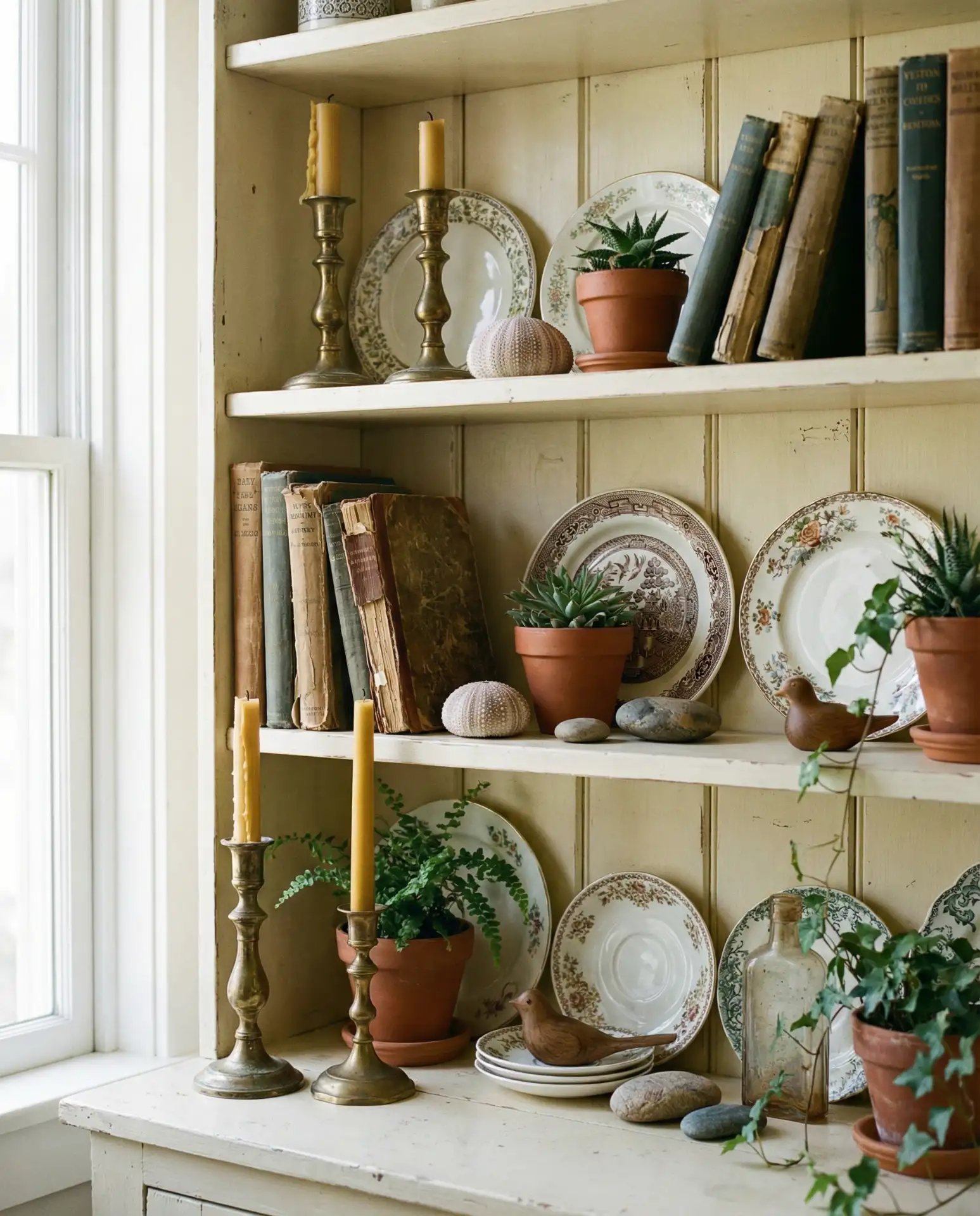
Seasoned thrifters know that the best finds often need work—a brass lamp requiring rewiring, a solid wood dresser needing refinishing—but the investment pays off in pieces with genuine history and superior construction. The thrill of discovery, combined with significant cost savings compared to retail, has built an entire community of Americans who wouldn’t dream of furnishing homes any other way, sharing their finds and techniques across social media platforms.
21. Living Room and Kitchen Flow
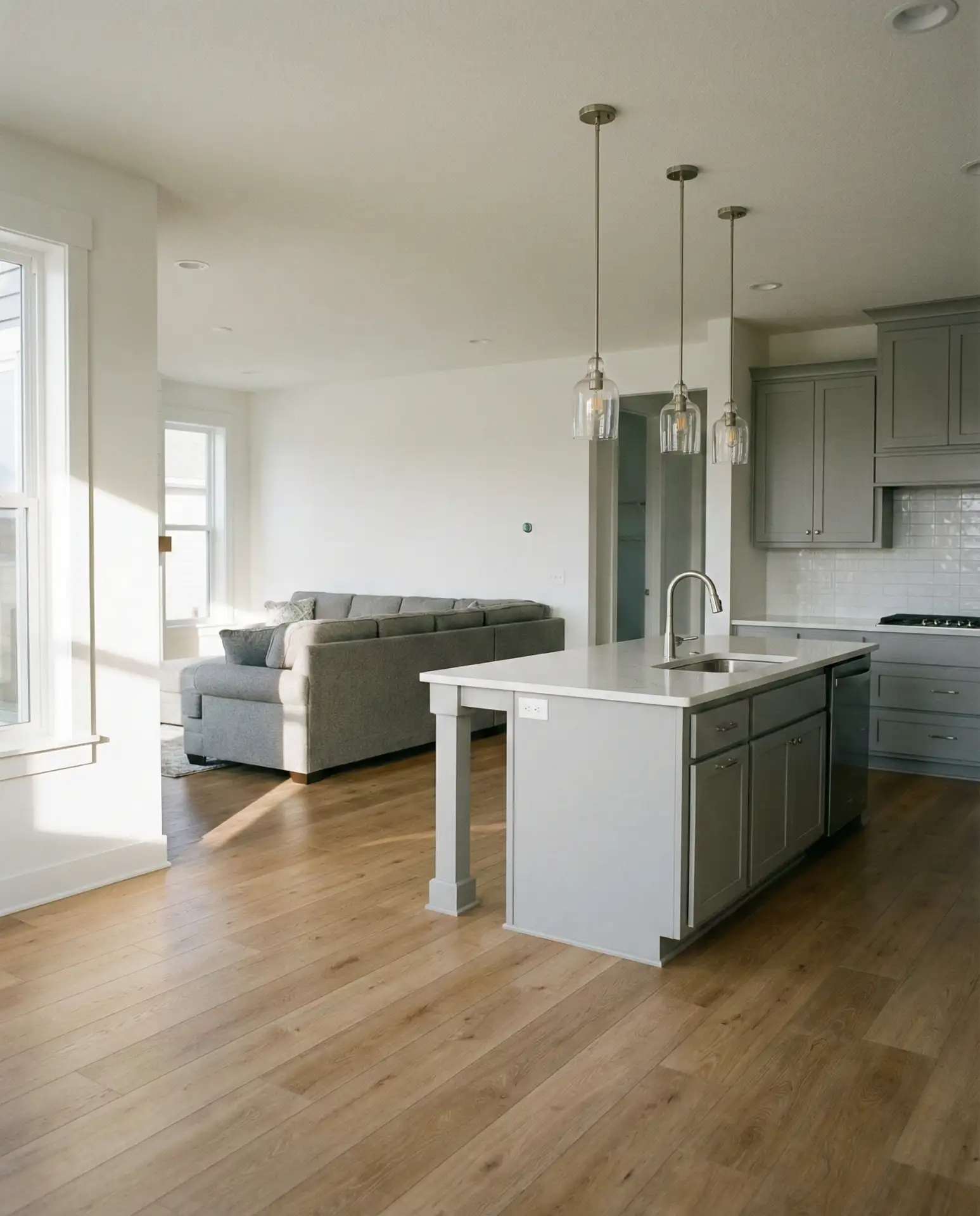
Open-concept living room and kitchen spaces dominate modern American homes, requiring thoughtful design to create visual flow while defining distinct zones. Coordinated but not matching color palettes, consistent flooring, and strategic furniture placement help these areas feel connected yet purposeful. The challenge lies in balancing kitchen functionality with living room comfort while maintaining aesthetic coherence across the expanded space.
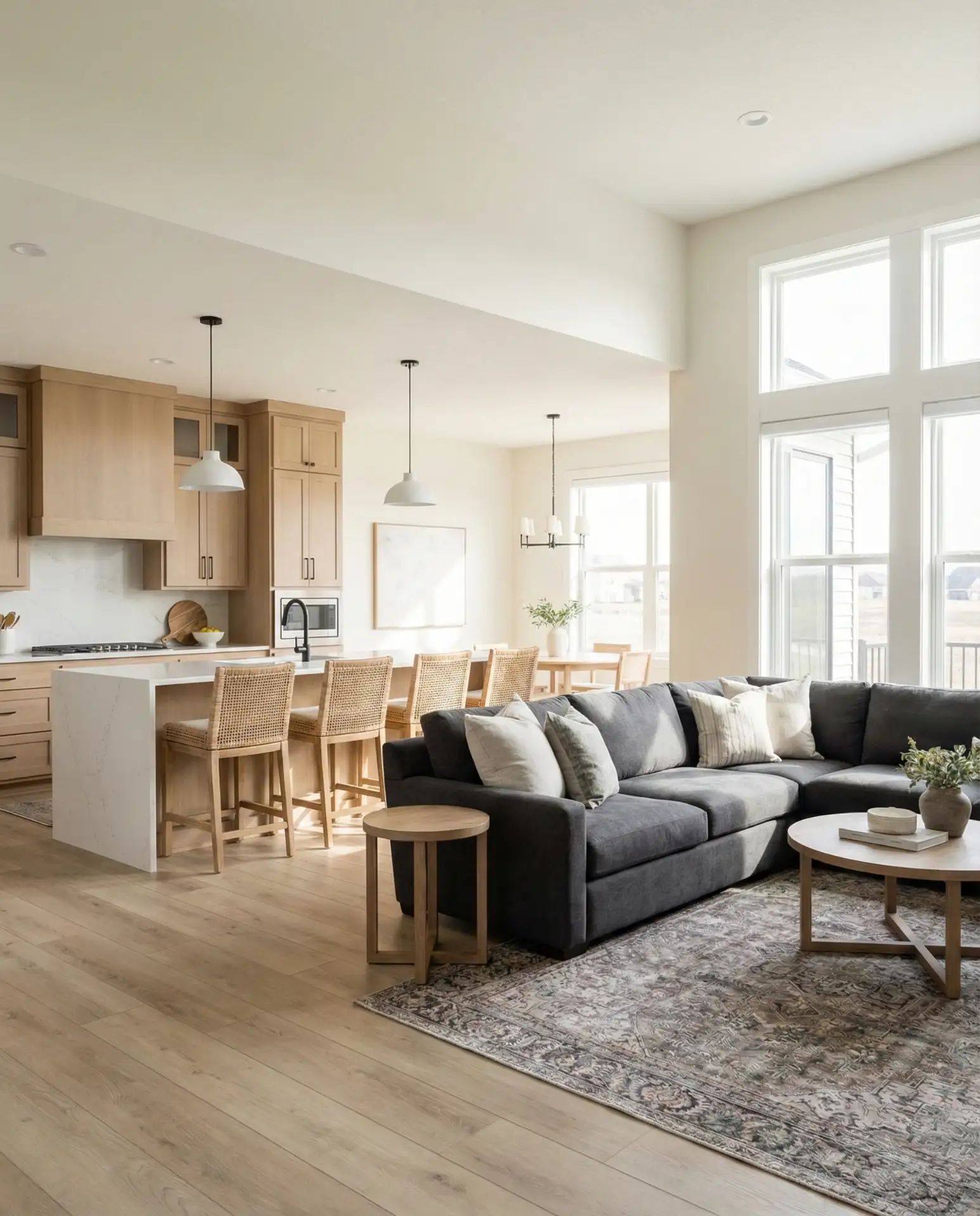
According to designers specializing in open-plan homes, the biggest mistake is treating these as completely separate rooms that happen to share space rather than one integrated environment. Repeating materials—like using the same wood tone in both kitchen stools and the living room coffee table—creates subtle continuity, while area rugs and lighting zones prevent the space from feeling like an undifferentiated expanse.
22. Neutral Palette Foundations
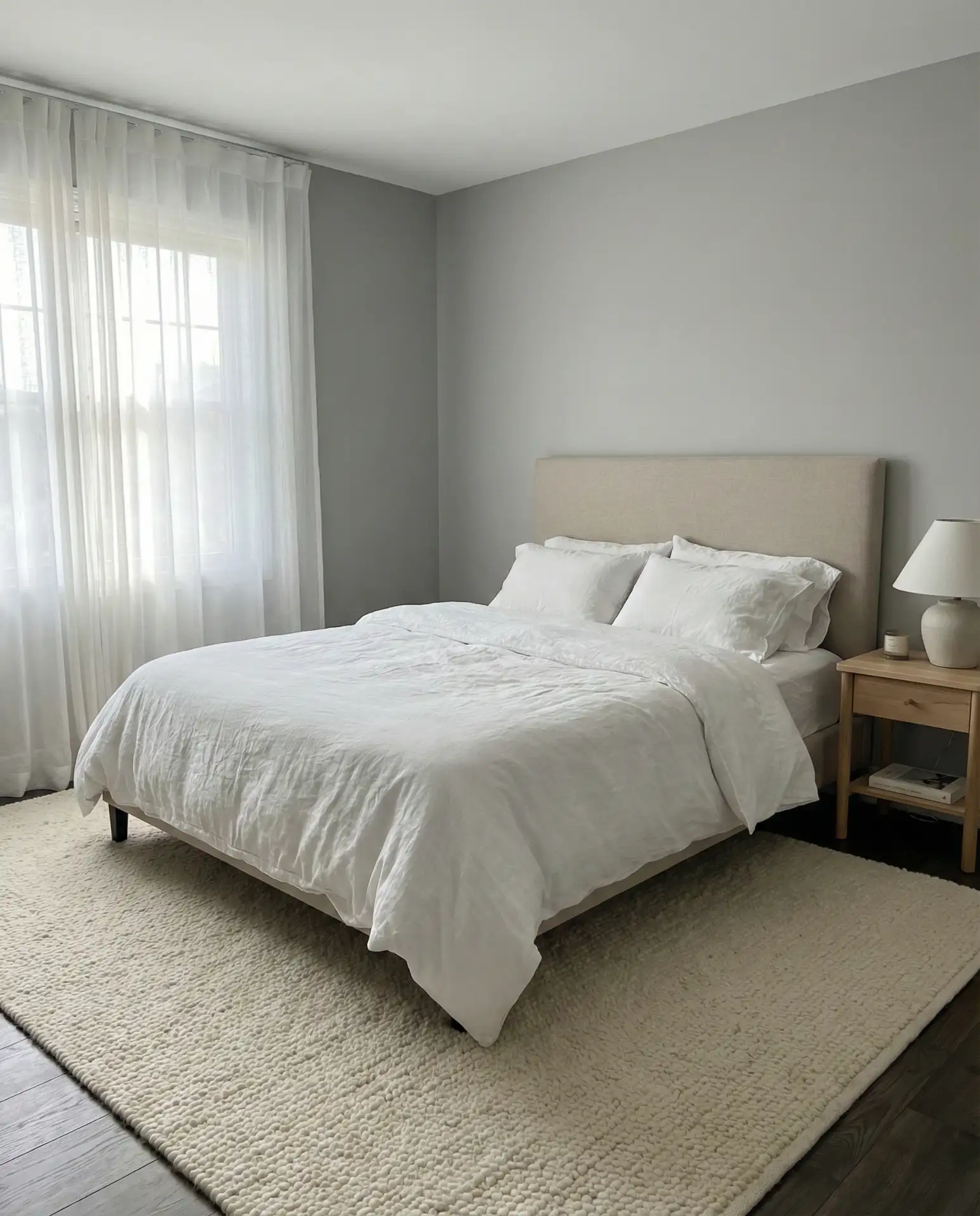
Building rooms around neutral foundations—whites, beiges, grays, and soft taupes—creates versatile backdrops that accommodate changing tastes, seasonal updates, and evolving personal style. This approach doesn’t mean boring; layering different neutral textures like linen, wool, leather, and natural wood creates visual interest through tactile variety. The restraint allows art, plants, and occasional pops of color to truly shine when introduced.
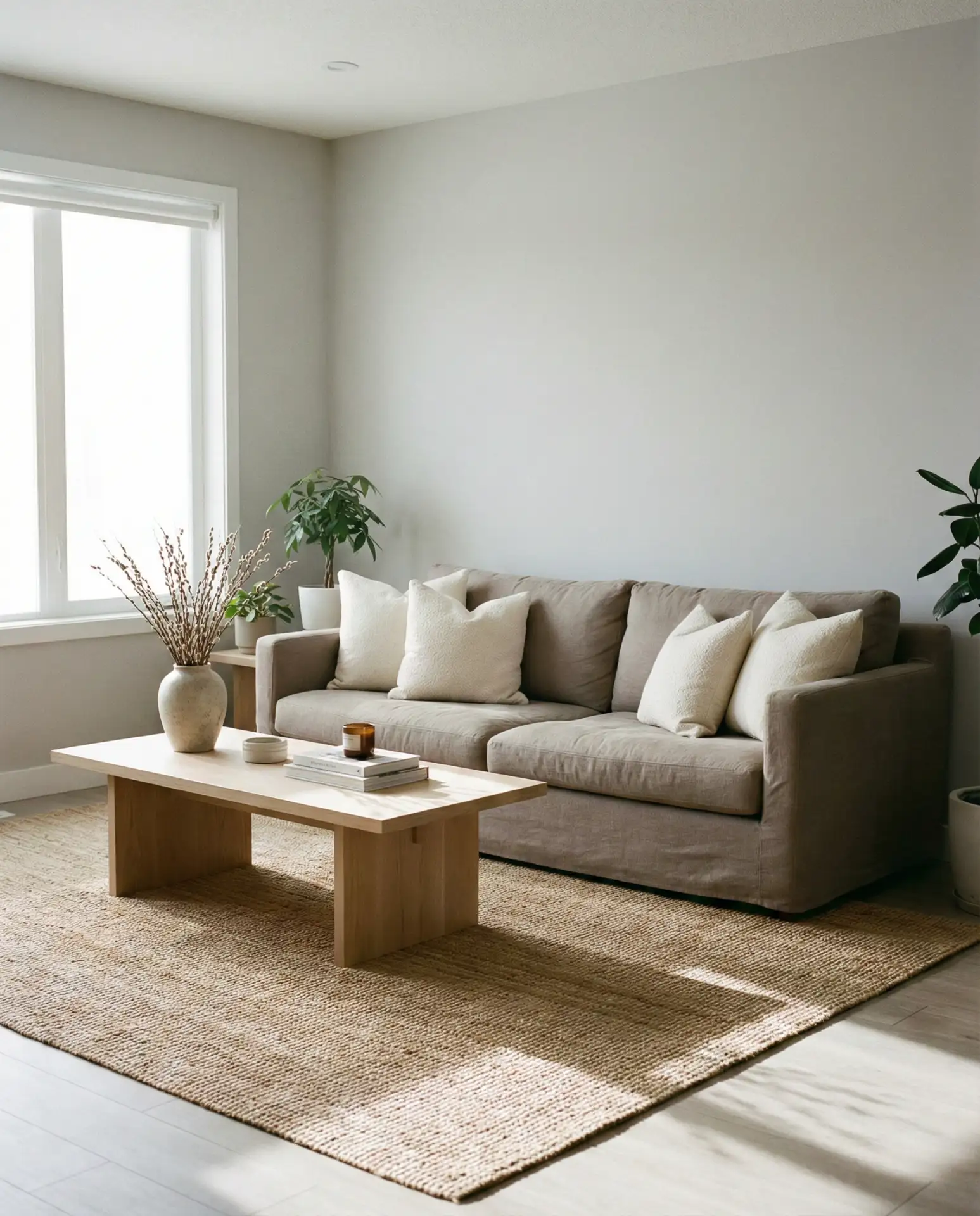
Real estate professionals note that neutral homes photograph beautifully and appeal to broader audiences, making them easier to sell when that time comes. Beyond resale value, neutrals reduce decision fatigue—you’re never locked into a specific color story, and updating your look becomes as simple as swapping throw pillows or artwork rather than repainting entire rooms or replacing major furniture pieces.
23. Ideas for Every Budget
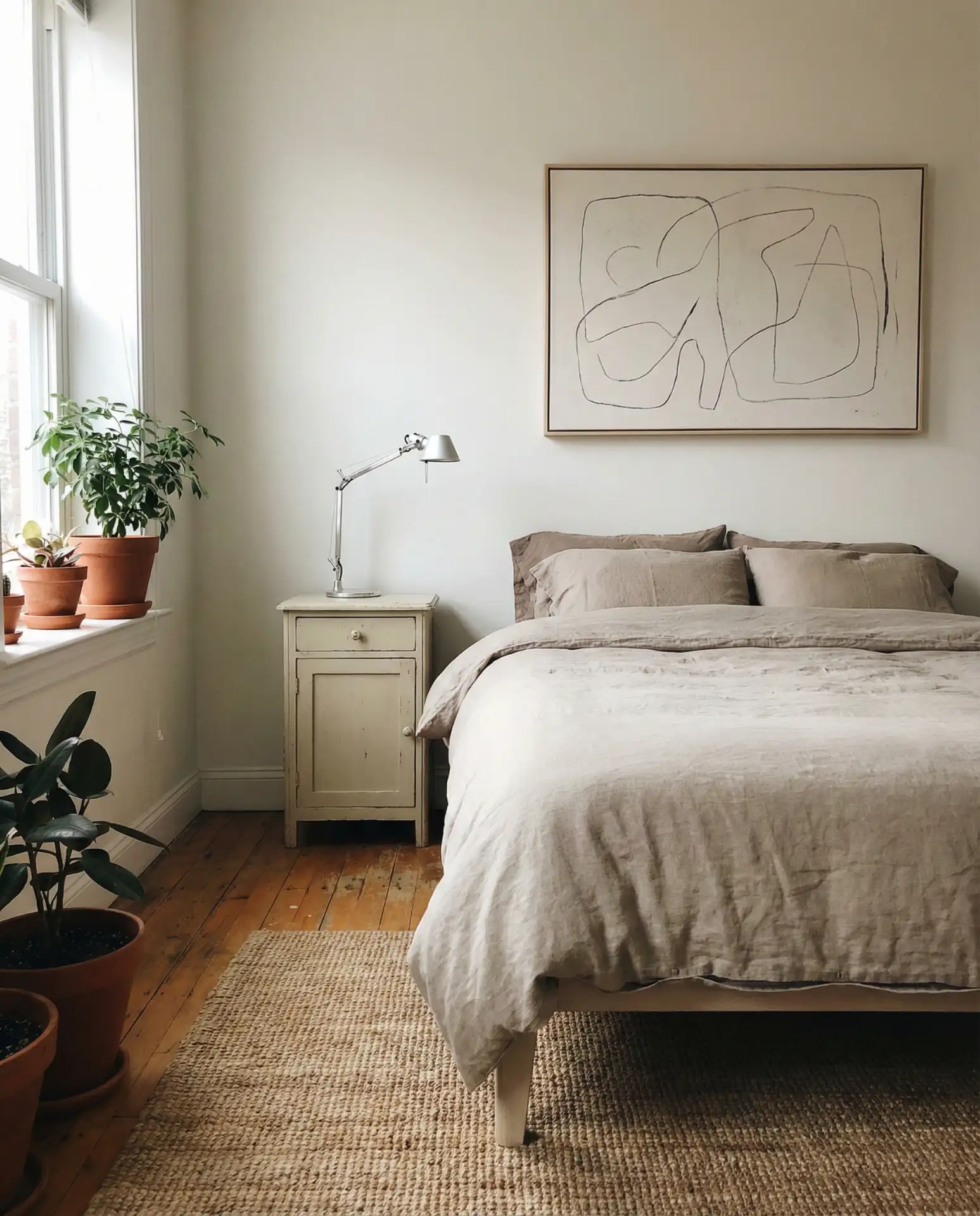
Great ideas transcend budget limitations when you understand design principles and prioritize strategically. Whether investing $100 or $10,000, focus spending on pieces you interact with daily—quality mattresses, comfortable seating, and good lighting—while saving on decorative items that can be thrifted, DIY’d, or purchased affordably. This smart approach builds beautiful, functional spaces without financial stress or debt.
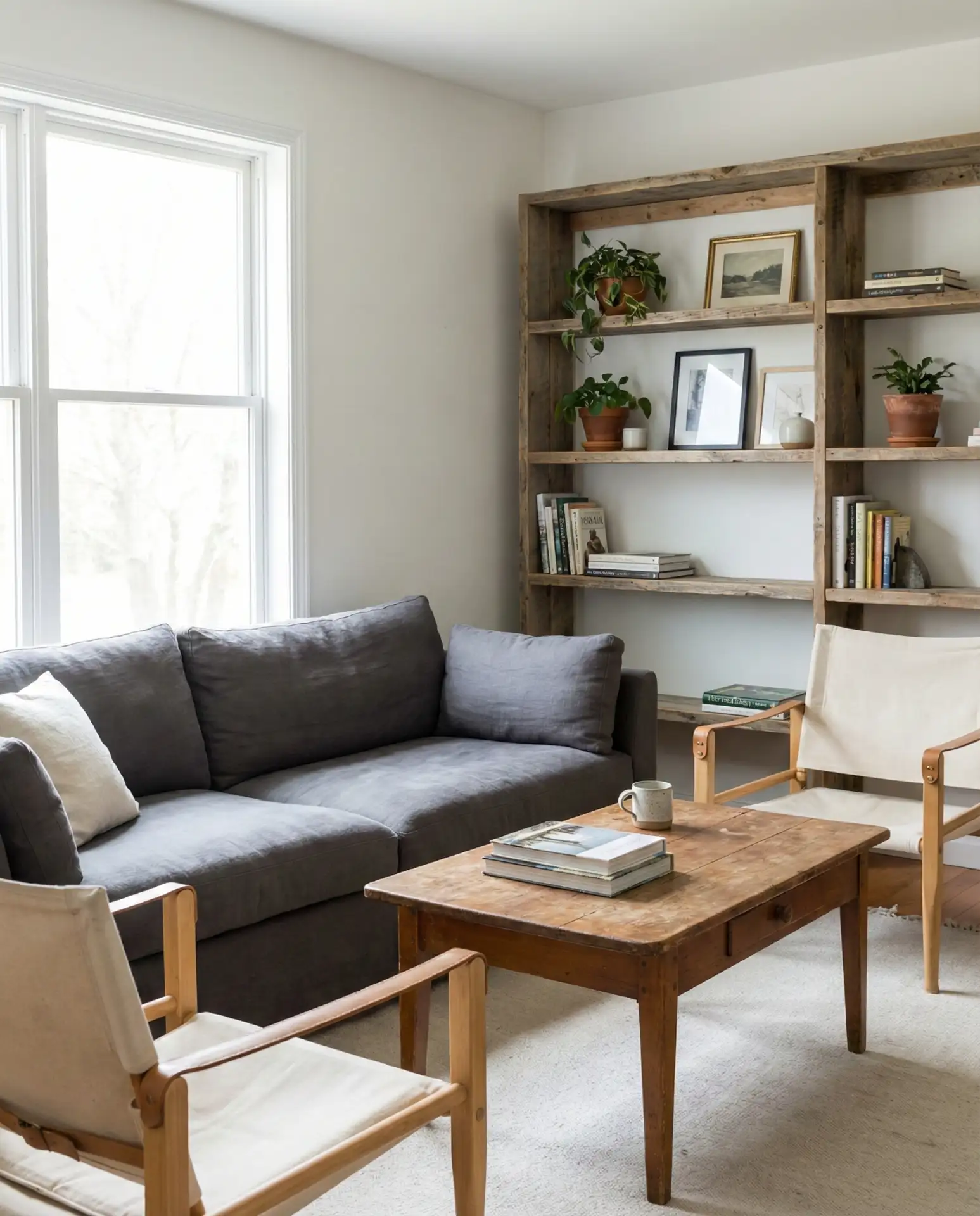
Many Americans successfully furnish entire apartments for under $2,000 by combining free curbside finds, strategic Facebook Marketplace purchases, and selective new items where quality matters most. The secret isn’t having unlimited funds—it’s having vision, patience, and willingness to see potential in imperfect pieces. Your home should reflect your life and values, not your credit limit, and these 23 ideas prove that beautiful, personal spaces are accessible to everyone willing to invest creativity and effort.
Conclusion
Which of these home decor ideas resonates most with your personal style and living situation? Whether you’re drawn to the warmth of rustic western design, the sustainability of thrifted treasures, or the versatility of neutral palettes, we’d love to hear about your decorating journey in the comments below. Share your favorite tips, budget hacks, or transformation stories—your insights might inspire someone else’s next project!