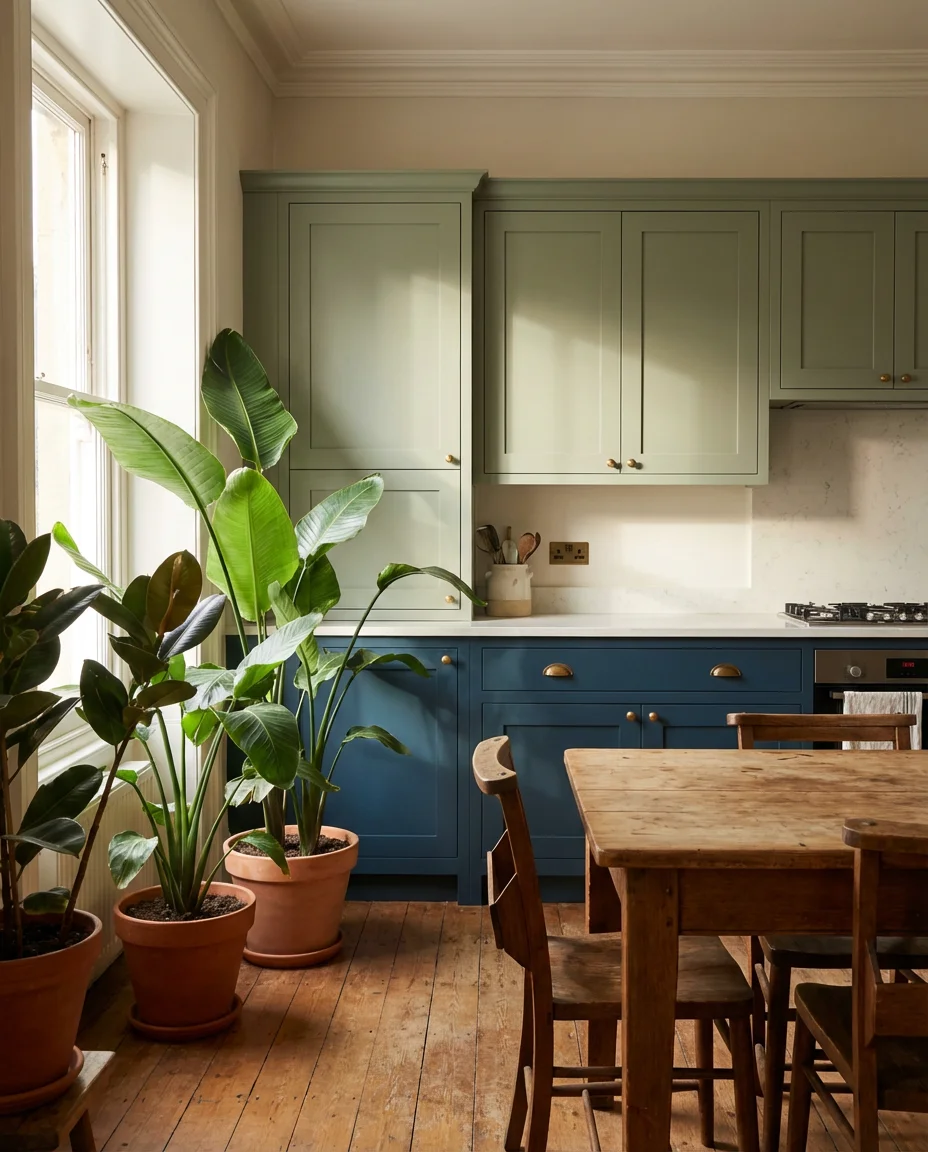
Kitchen countertops are more than just functional surfaces—they’re the visual and practical anchors of the entire space. As we move into 2026, American homeowners are searching for countertop ideas that balance durability, aesthetic impact, and real-life usability. Pinterest has become the go-to platform for inspiration, with millions of users pinning countertop designs that reflect everything from minimalist modern kitchens to warm, layered family spaces. In this article, you’ll discover fresh countertop ideas that speak to current trends, practical needs, and the unique ways Americans use their kitchens every day.
1. Black Quartz Statement Island
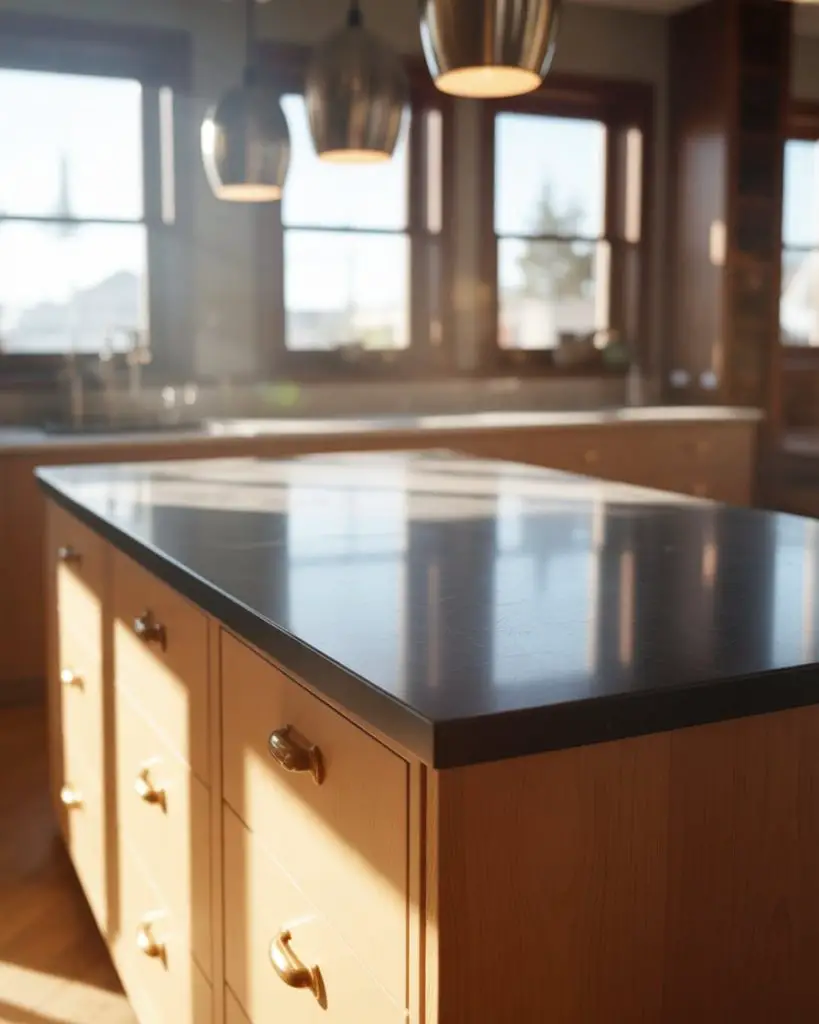
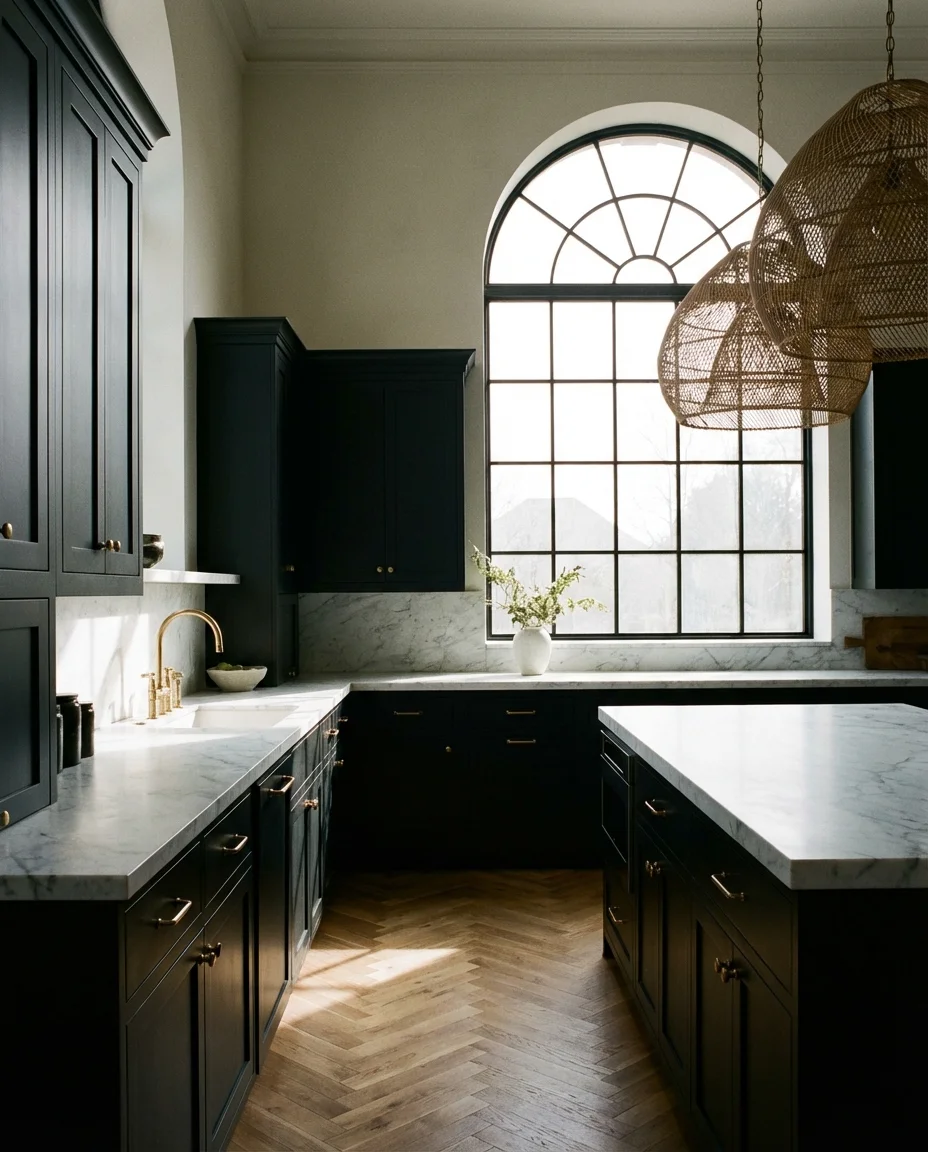
A black quartz island creates an instant focal point in any kitchen, offering a sleek, modern surface that resists stains and scratches better than natural stone. This choice works especially well in open-plan homes where the kitchen flows into the living area, providing visual weight without overwhelming the space. The dark tone pairs beautifully with warm wood cabinetry or brass hardware, creating a contrast that feels intentional and grounded. Many homeowners choose this option for its ability to hide everyday wear while maintaining a polished look. 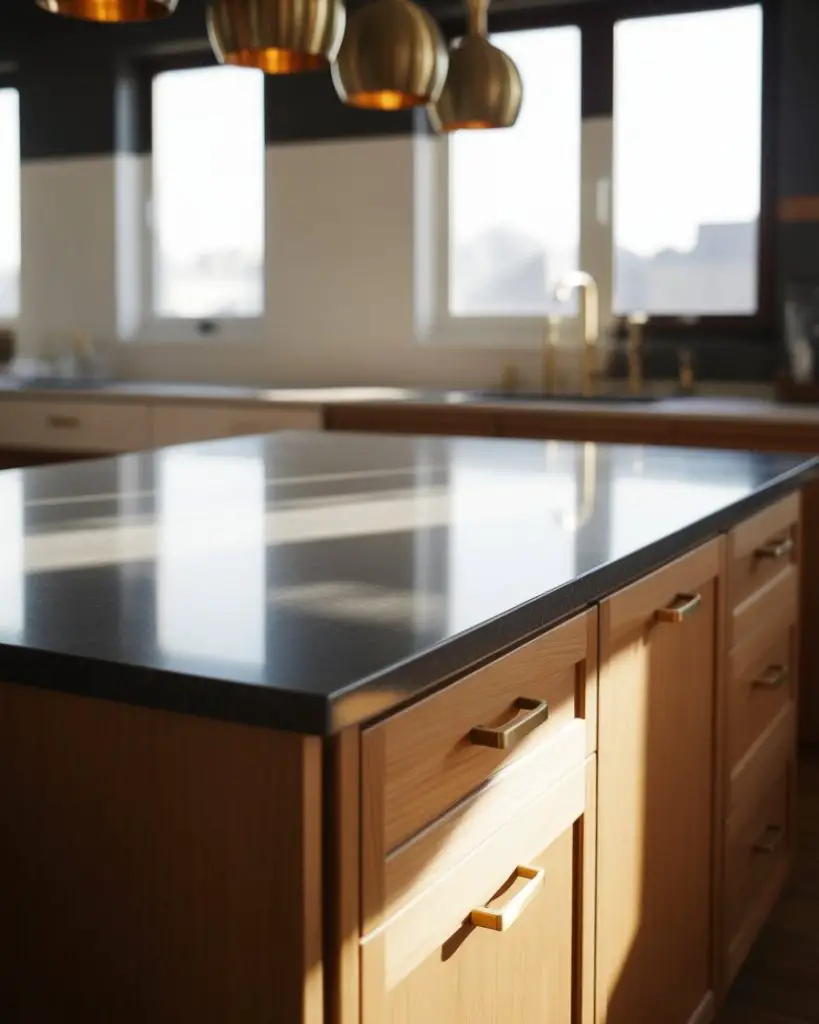
One common mistake is pairing black countertops with all-dark cabinetry, which can make the kitchen feel heavy and closed-in. Instead, balance the drama with lighter elements—white walls, natural wood, or light-colored tile backsplashes. This approach keeps the space feeling open while letting the countertop remain the star. Consider under-cabinet lighting to prevent the dark surface from absorbing too much light during evening hours.
2. Warm Quartz Perimeter Counters
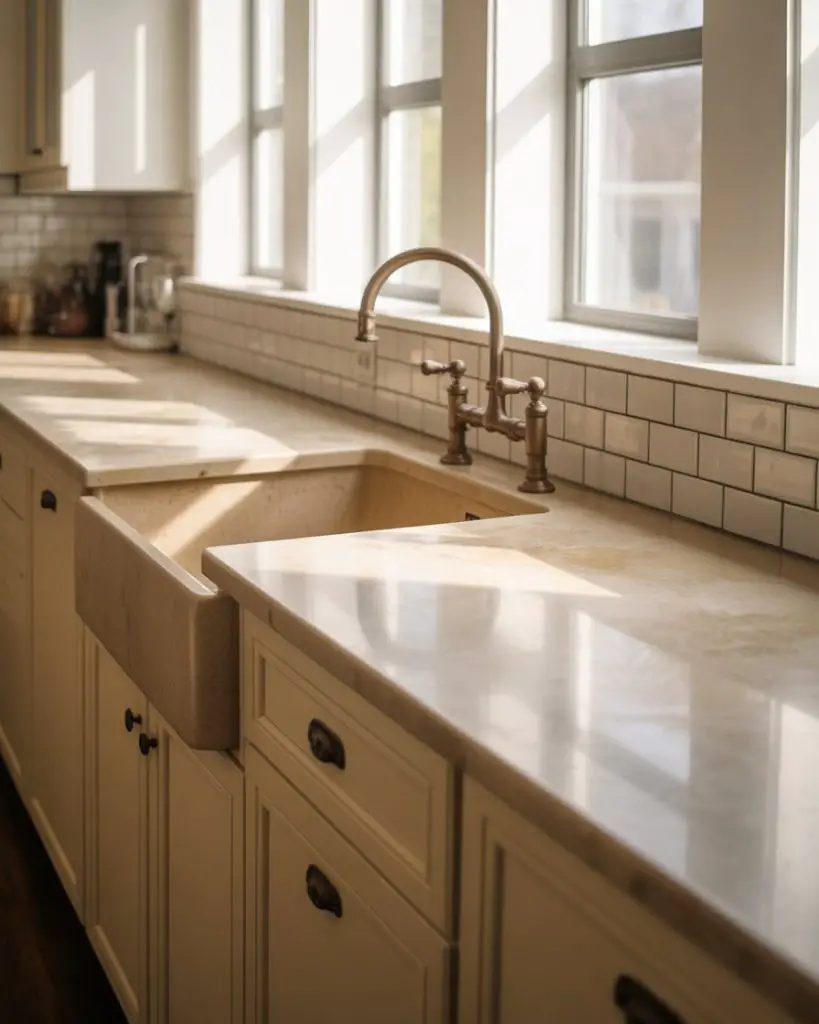
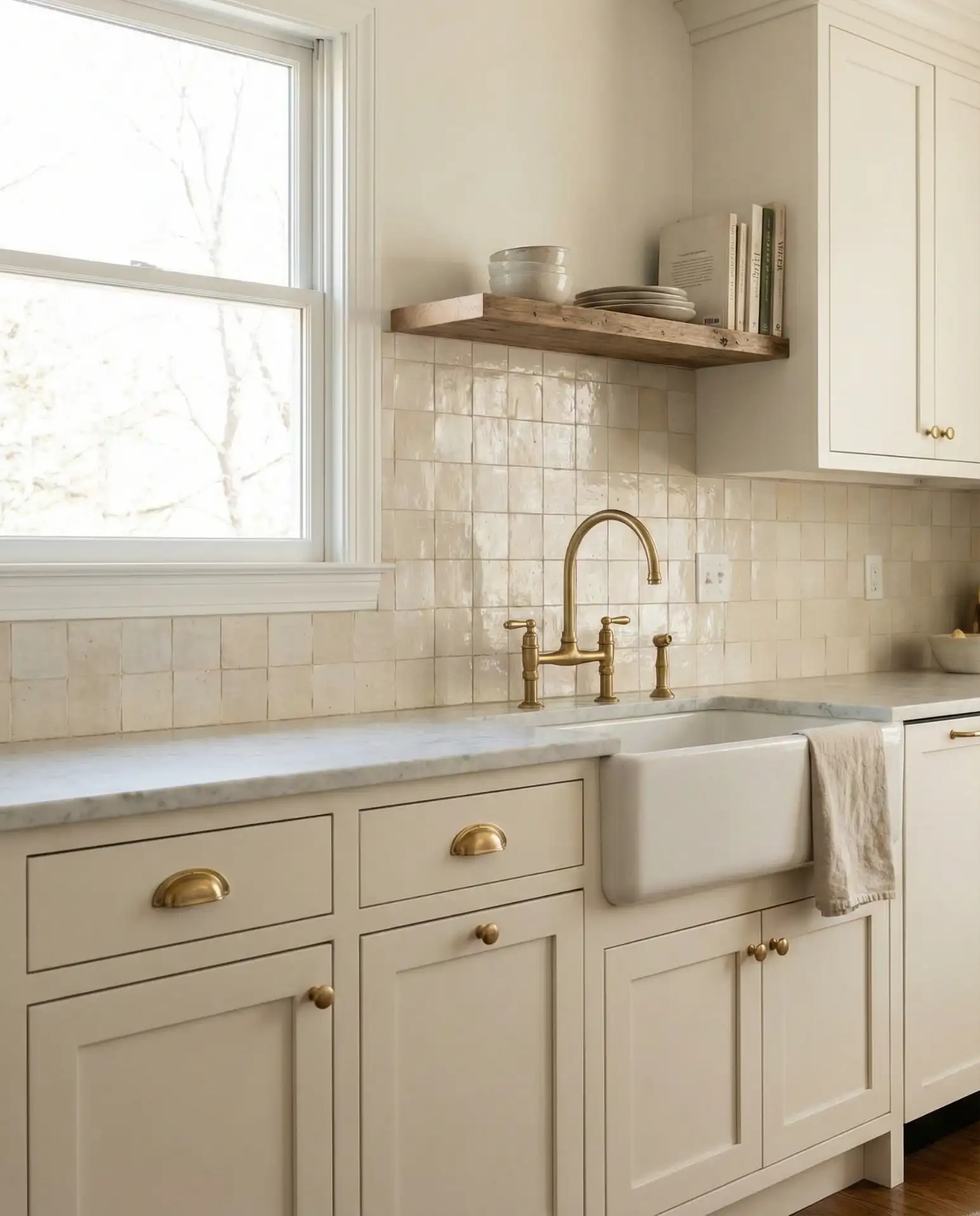
Warm quartz in creamy beige or soft taupe tones has become a favorite for perimeter countertops, offering the look of natural stone with none of the maintenance. This material works particularly well in Midwestern and Southern homes where homeowners want a welcoming, lived-in feel. The quartz surface provides durability for busy families while maintaining a softer, more approachable aesthetic than stark white or gray options. It’s also forgiving with fingerprints and water spots, making it ideal for kitchens that see constant use. 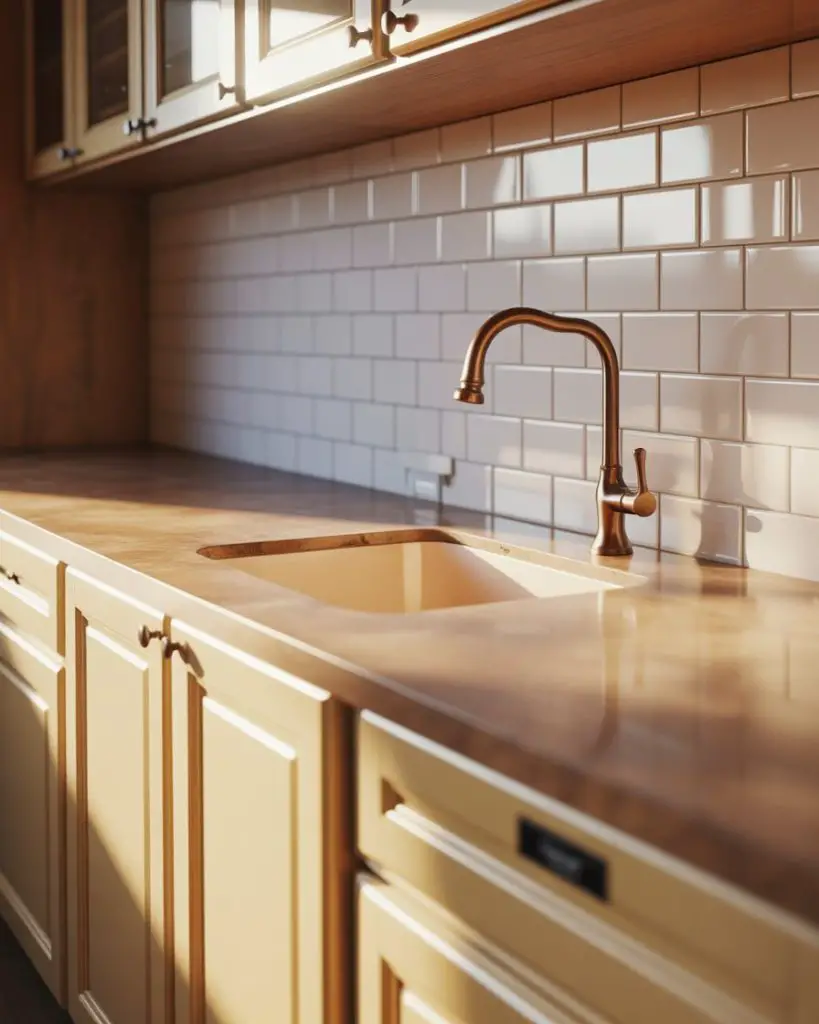
In many American homes, the kitchen serves as the homework station, mail sorting area, and casual dining spot all at once. Warm quartz handles this multi-use reality beautifully—it doesn’t show every coffee ring or flour spill the way darker surfaces do. Homeowners in Texas and Georgia report that this choice holds up well in humid climates, and the neutral tone ages gracefully as design trends shift over the years.
3. Quartzite Drama for High-End Remodels
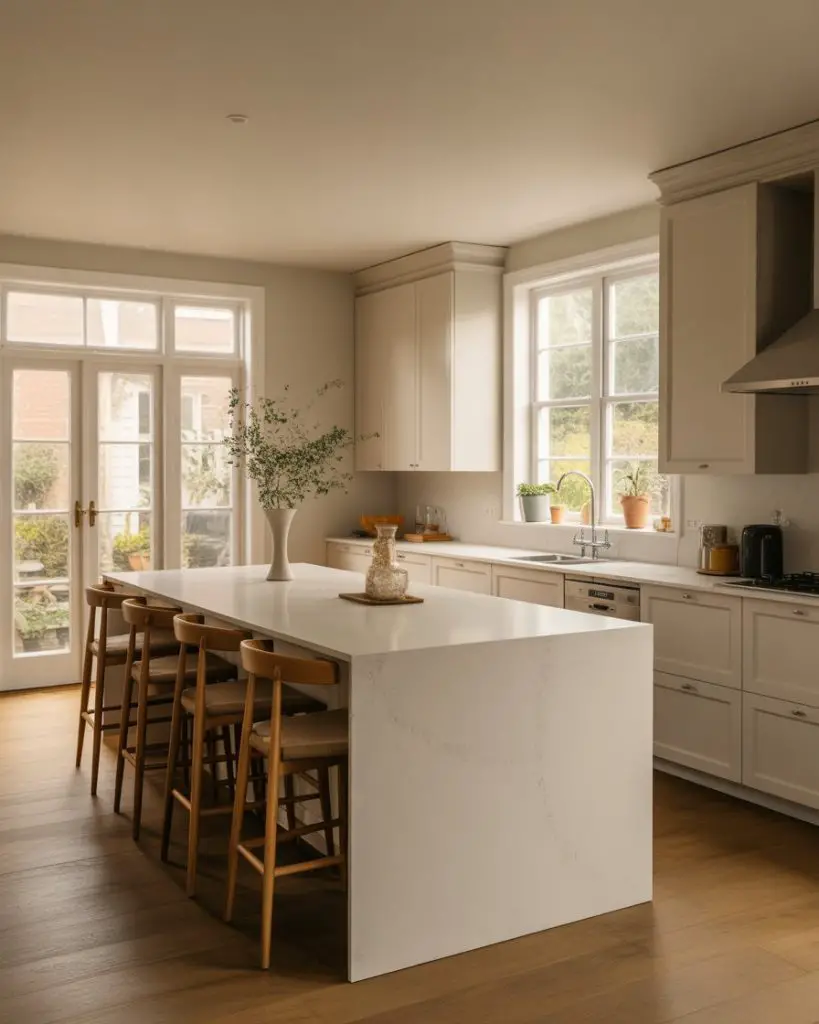
For homeowners willing to invest in a show-stopping surface, quartzite delivers unmatched natural beauty with veining that rivals marble. This material has gained traction in coastal California and Northeastern markets where high-end finishes are expected. Unlike quartz, quartzite is a natural stone, which means each slab is completely unique—no two kitchens will look identical. The white and gray varieties with subtle movement remain the most popular, offering elegance without excessive visual noise. 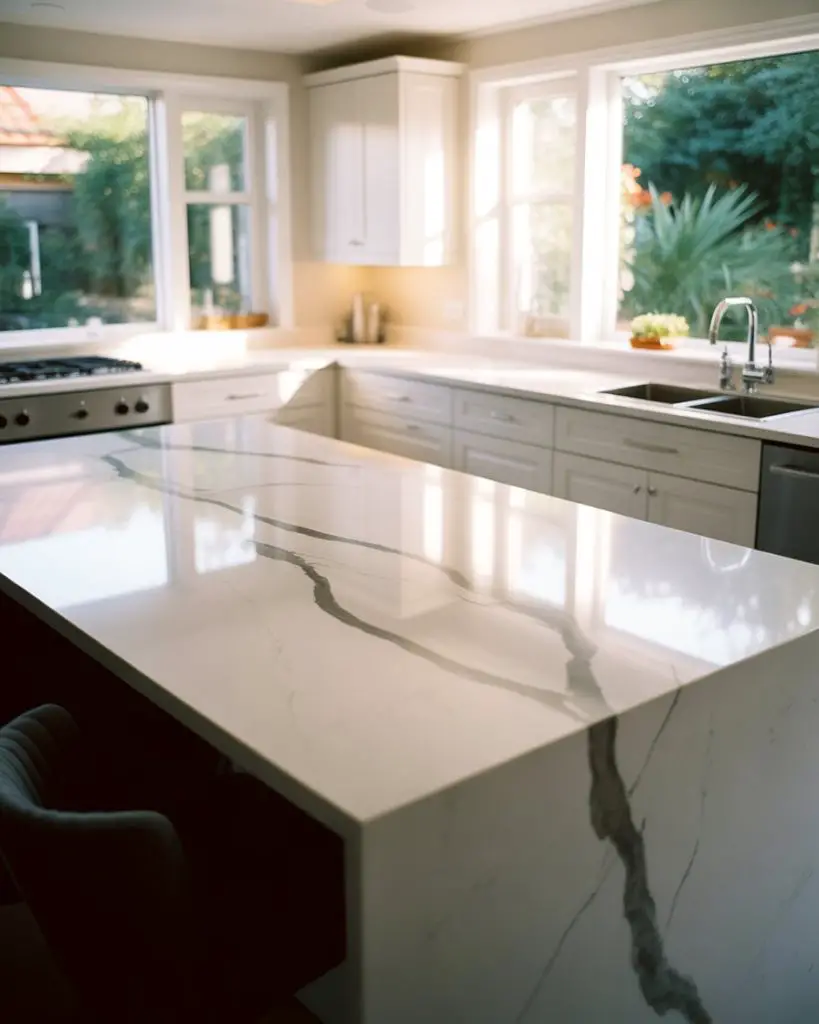
Quartzite does require sealing once or twice a year to maintain its resistance to stains, but many homeowners find this minimal upkeep worthwhile for the luxurious appearance. It’s harder than granite and more heat-resistant than quartz, making it a smart choice for serious home cooks. Expect to budget $80 to $150 per square foot installed, with exotic varieties pushing even higher. The investment pays off in resale value, especially in markets where buyers expect premium materials.
4. Wooden Butcher Block for Farmhouse Warmth
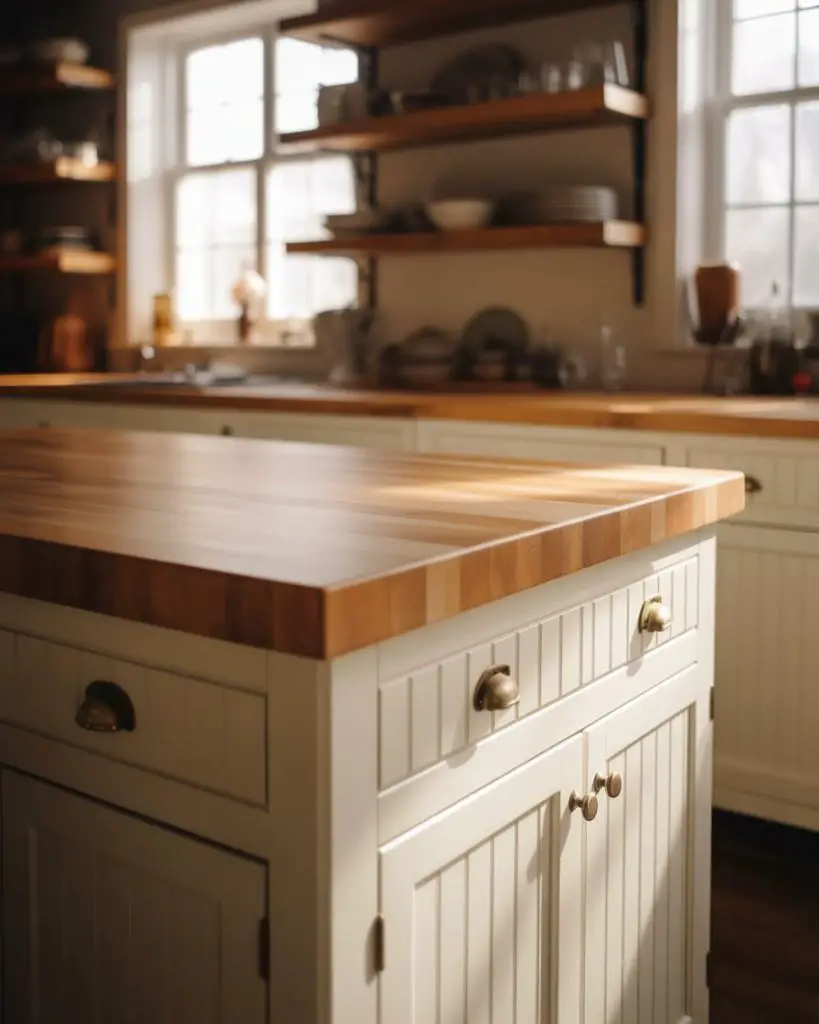
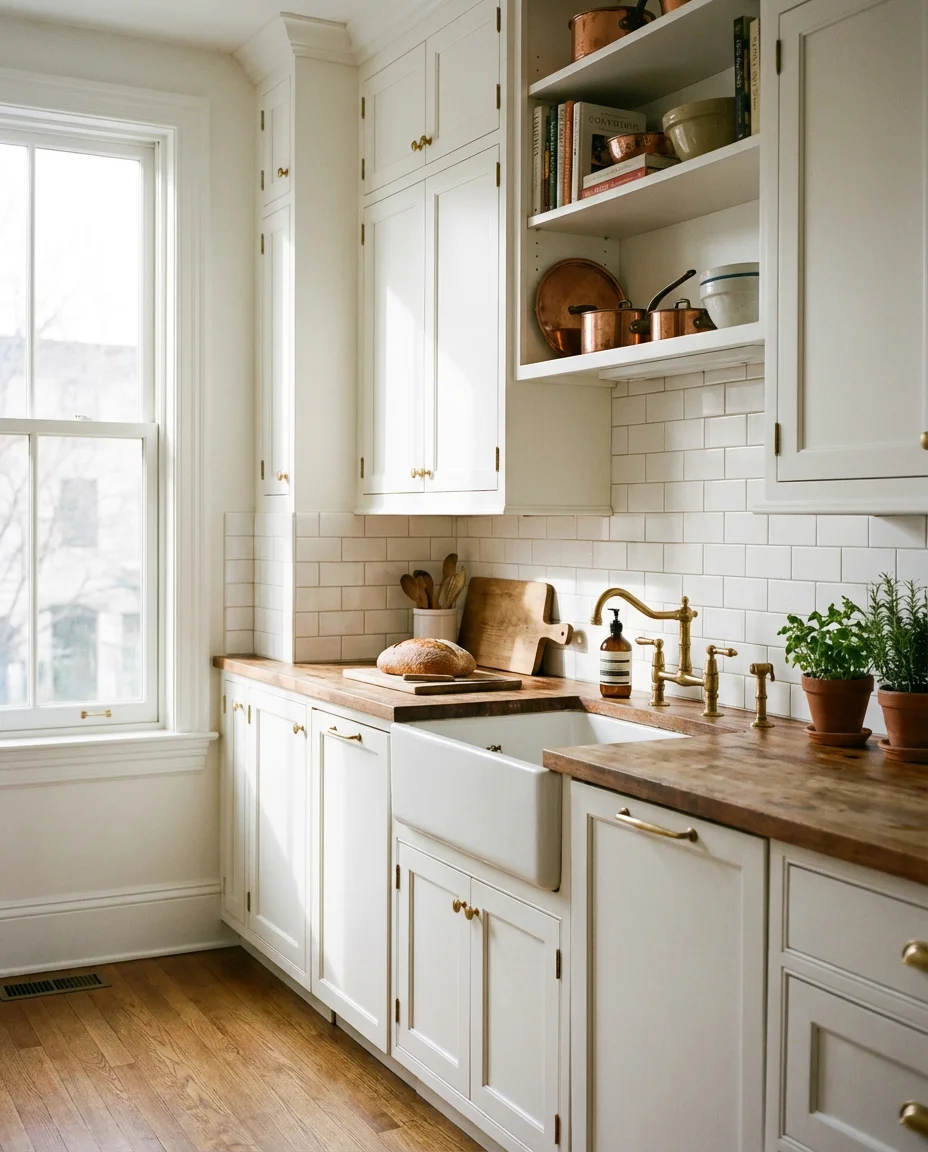
Wooden countertops bring an organic, tactile quality that no stone or engineered material can replicate. This choice has surged in popularity across rural communities and suburban homes that lean into farmhouse or cottage aesthetics. The natural grain and warm honey tones create a countertop that feels like furniture rather than a cold, industrial surface. Many homeowners use butcher block on islands or coffee station areas, where the wood adds visual warmth without covering the entire kitchen. 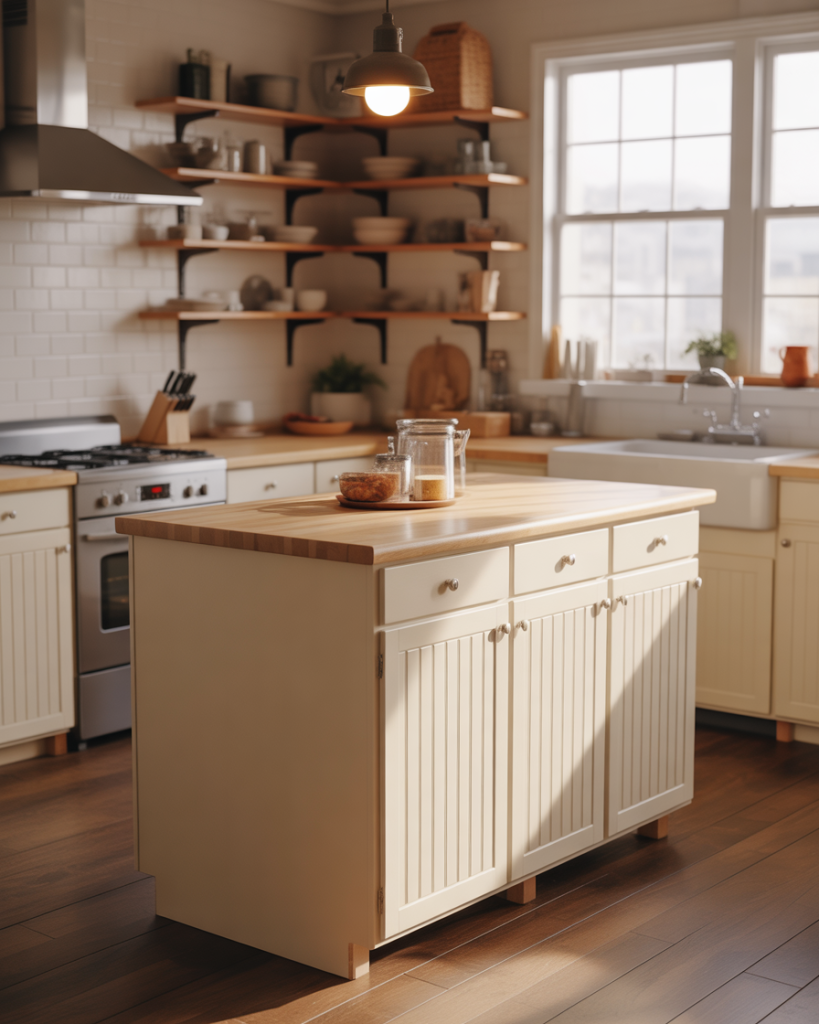
A couple in Vermont shared that their walnut butcher block island has become the heart of their kitchen—friends gravitate toward it during gatherings, and the wood’s warmth makes the space feel inviting even in the middle of winter. Wood does require regular oiling and can show knife marks over time, but many people embrace this patina as part of the material’s character. Avoid placing hot pots directly on the surface, and wipe up spills promptly to prevent staining.
5. Concrete Counters for Industrial Edge
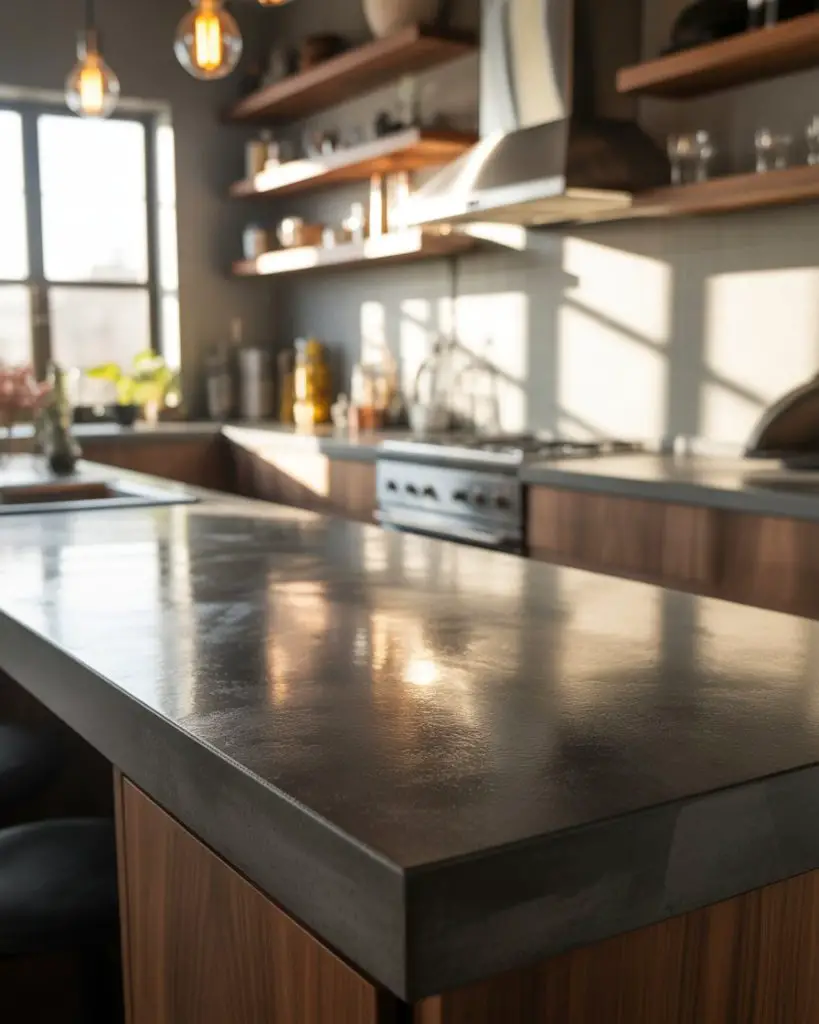
Concrete countertops appeal to homeowners who want a custom, artisan-made look that stands apart from mass-produced options. This material has found a niche in urban lofts and modern homes where industrial elements mix with warm textures. The surface can be tinted, textured, or embedded with glass or stone, offering endless customization. Styling concrete counters often involves pairing them with open shelving, metal fixtures, and minimalist cabinetry to emphasize the raw, honest quality of the material. 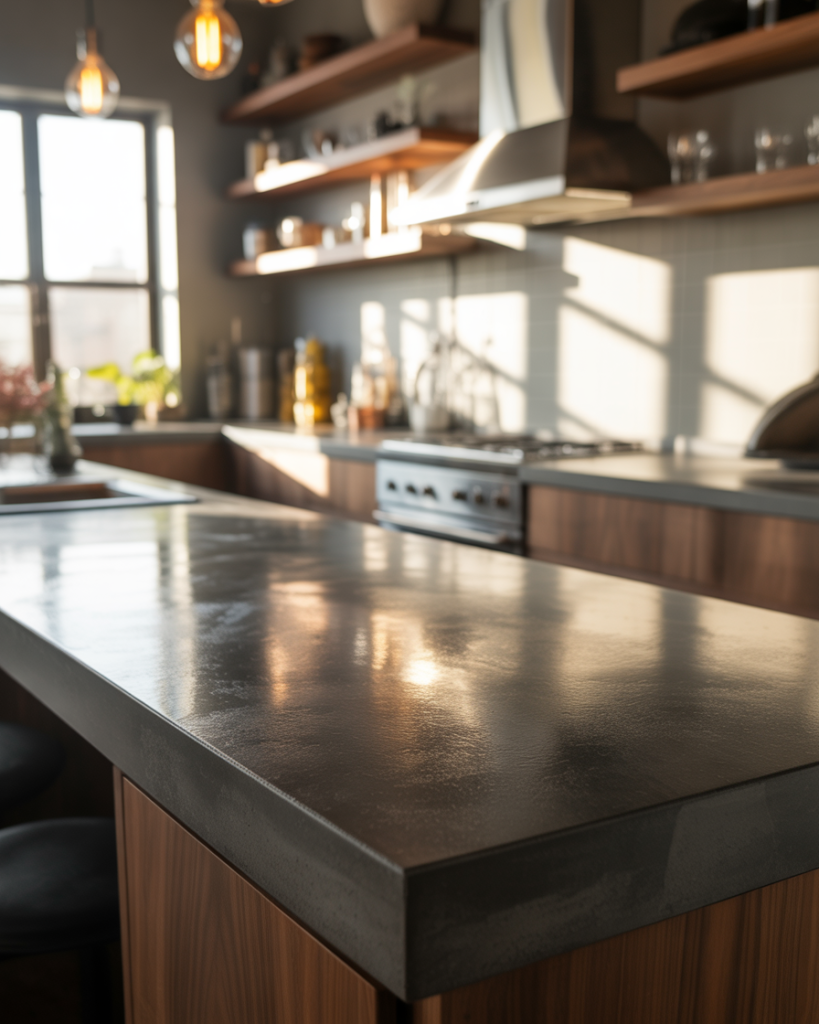
Concrete works best in kitchens where the homeowner appreciates an evolving surface—minor cracks and color shifts are part of the material’s nature. It’s particularly popular in Portland, Austin, and Brooklyn, where the DIY ethos and appreciation for handmade elements run strong. Sealing is essential to prevent staining, and some homeowners apply food-safe wax every few months to maintain the finish. The upfront cost is comparable to mid-range granite, but the uniqueness factor is unmatched.
6. Terrazzo Revival in Bold Patterns
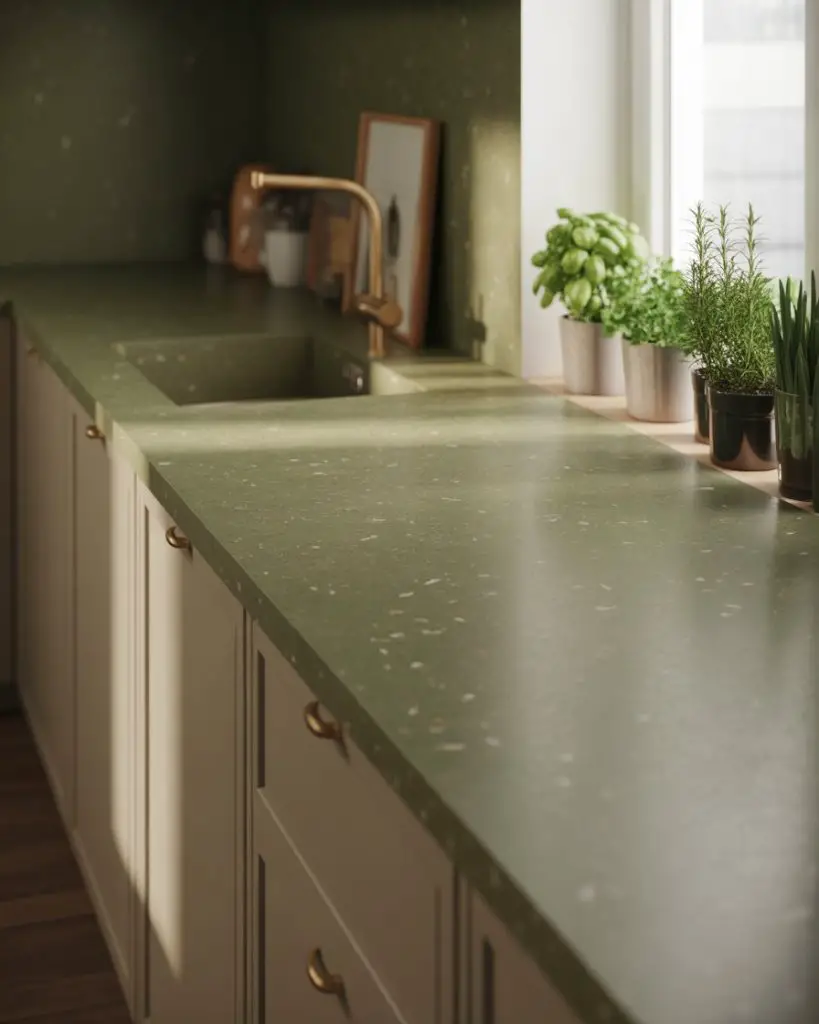
Terrazzo has made a dramatic comeback, moving from retro throwback to contemporary design statement. This composite material—made of chips of marble, quartz, granite, or glass set in concrete or resin—offers a playful, speckled appearance that adds personality without feeling overly trendy. The green and pink terrazzo varieties have become especially popular among younger homeowners looking to inject color into neutral kitchens. It’s durable, low-maintenance, and endlessly customizable in terms of chip size and color palette. 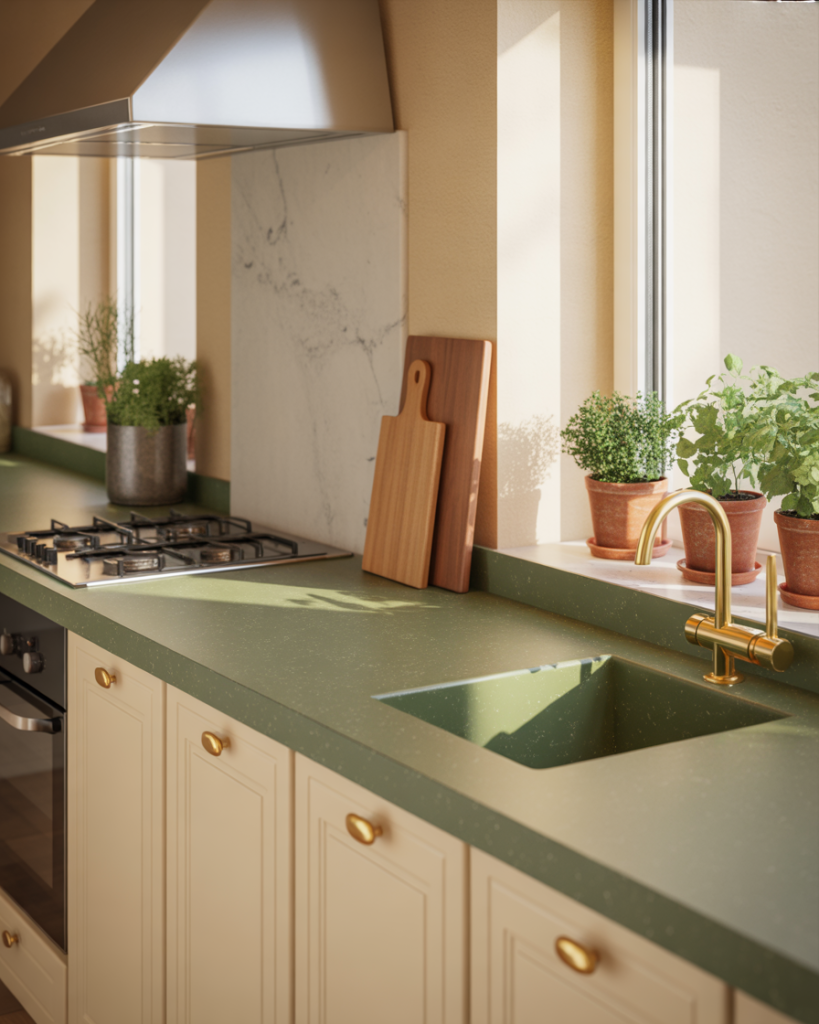
Where it works best: Terrazzo shines in kitchens that already have a strong design point of view—mid-century modern, eclectic, or contemporary spaces where the countertop becomes a piece of art. It’s less suited to traditional or farmhouse kitchens unless you’re intentionally mixing styles. The material is making waves in design-forward cities like Los Angeles and Miami, where homeowners aren’t afraid to take risks. Maintenance is simple—just soap and water—and the surface won’t stain or etch like natural stone.
7. Granite Classics That Never Quit
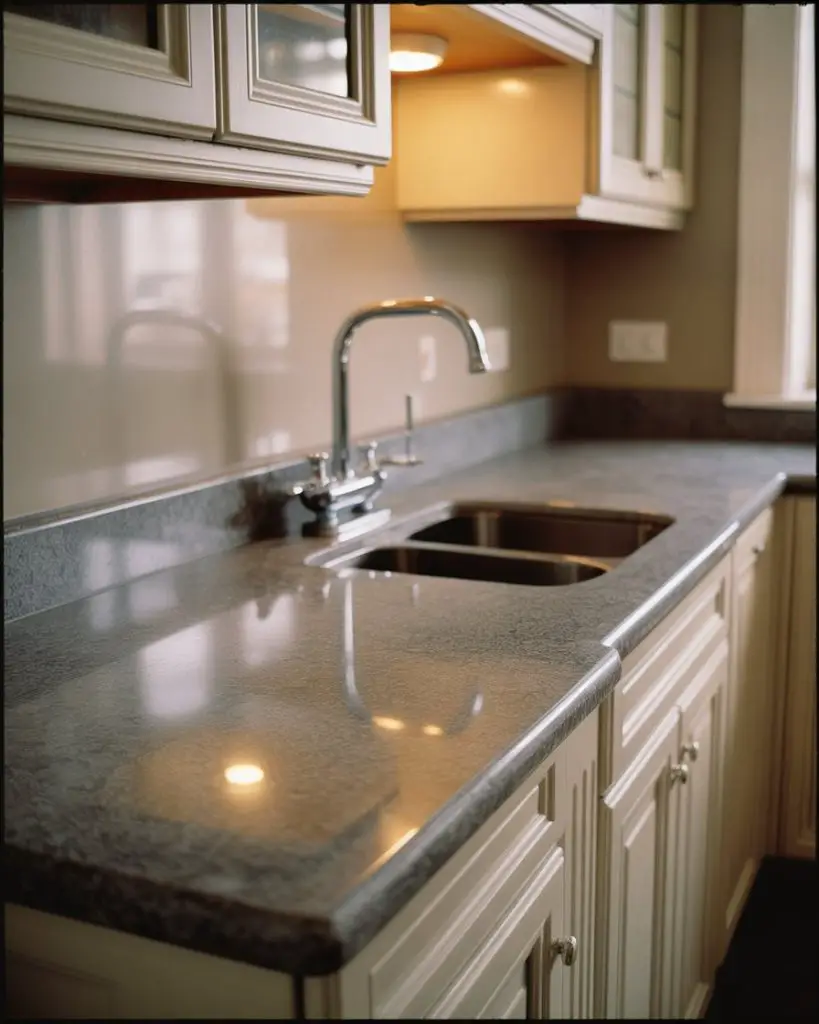
Granite remains one of America’s most trusted countertop materials, valued for its proven durability and timeless appeal. While it may not generate the same Pinterest buzz as newer options, it continues to dominate kitchen remodels across the Midwest and South. The natural stone offers heat resistance, scratch resistance, and a wide range of colors and patterns. Grey and black granite varieties remain the most popular, especially in kitchens with white or cream cabinetry. 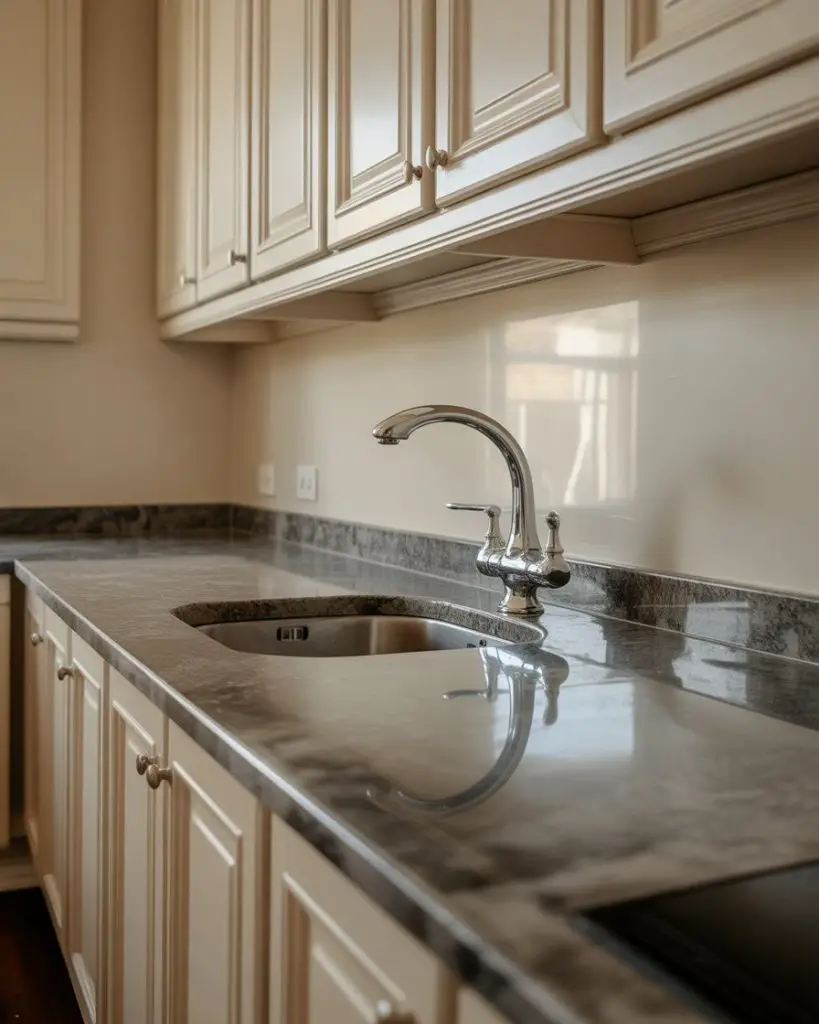
Granite typically costs between $40 and $100 per square foot installed, making it accessible for a wide range of budgets. The lower end of that spectrum gets you solid, dependable stone in more common patterns, while the higher end offers exotic colors and dramatic veining. Many homeowners appreciate that granite adds value to their homes without requiring specialized care—just regular sealing once a year. It’s a safe, smart choice for families who plan to stay in their homes long-term.
8. Stainless Steel for Professional Kitchens
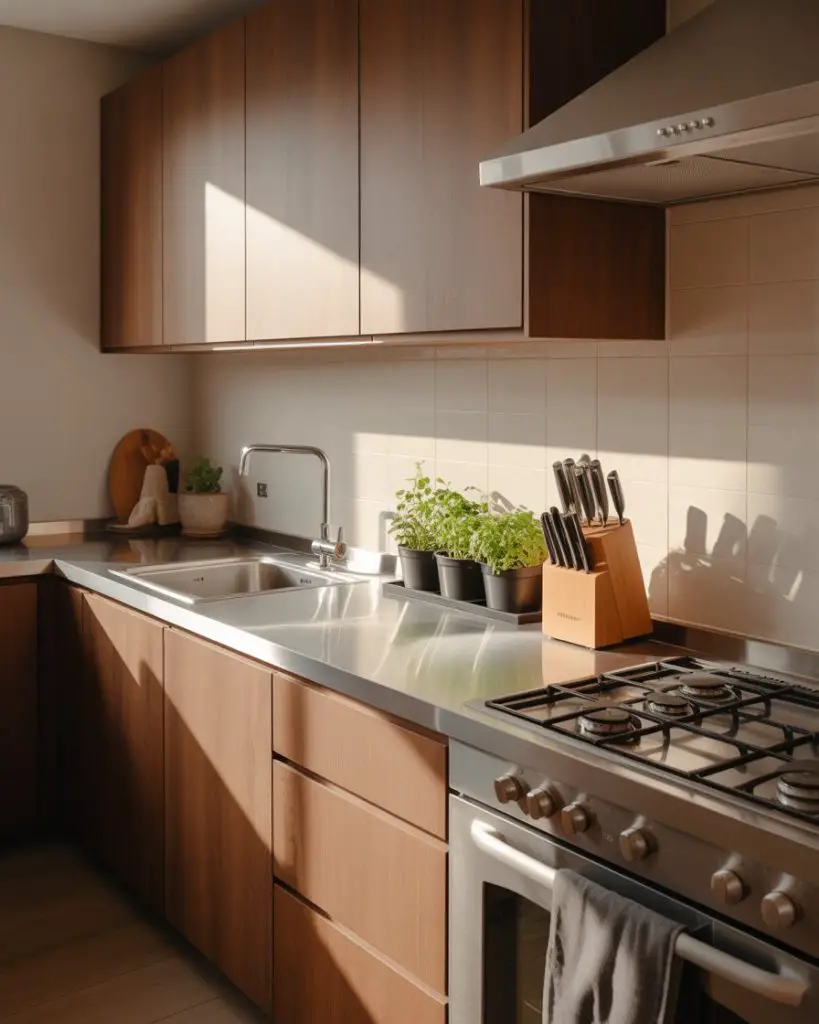
Stainless steel countertops bring a commercial kitchen aesthetic into residential spaces, appealing to serious cooks who prioritize function over traditional beauty. This material is hygienic, heat-resistant, and incredibly durable, making it ideal for homeowners who cook frequently and need a surface that can handle abuse. The reflective quality adds light to the space, and the industrial look pairs well with modern or minimalist cabinetry. Organization becomes easier with integrated drainboards and custom cutouts for sinks and cooktops. 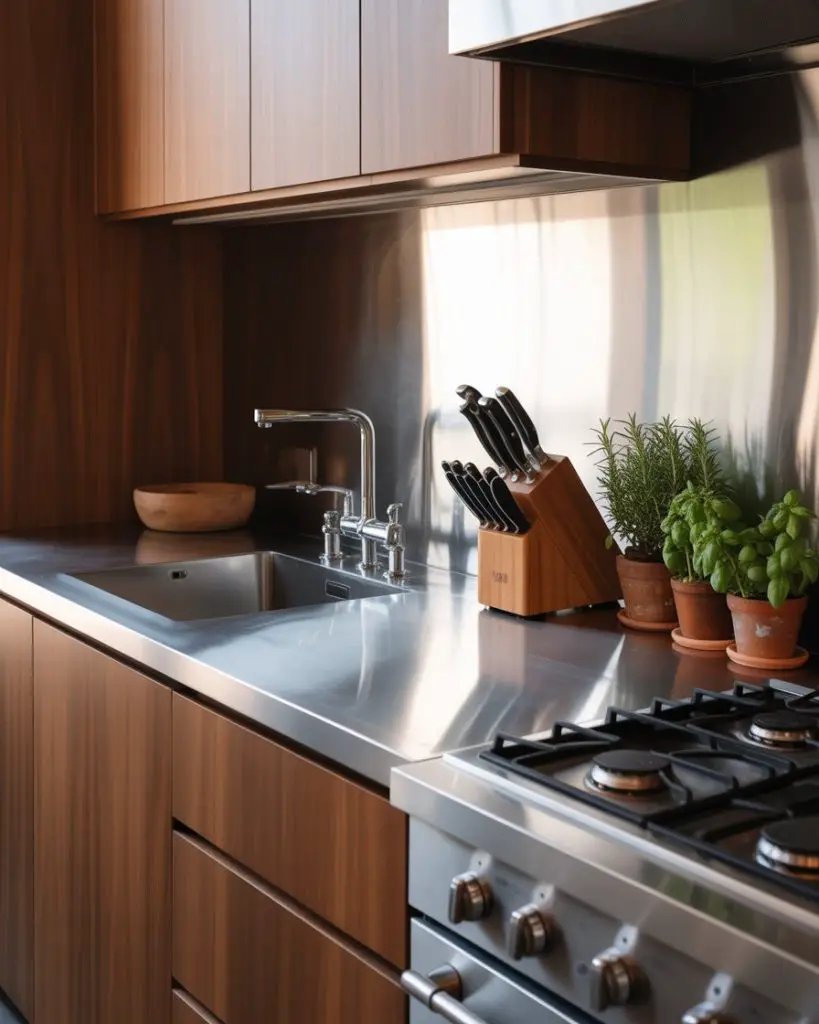
Design experts note that stainless steel works best in kitchens with strong architectural bones and a commitment to the industrial aesthetic—it can feel cold or clinical if not balanced with warm wood, textured fabrics, or greenery. Scratches and dents are inevitable, but many homeowners view these as part of the material’s character, like a well-used chef’s knife. Fingerprints show easily, so daily wiping is necessary. This choice is most popular in urban apartments and loft conversions where the restaurant-quality vibe feels intentional.
9. Dedicated Coffee Station with Marble
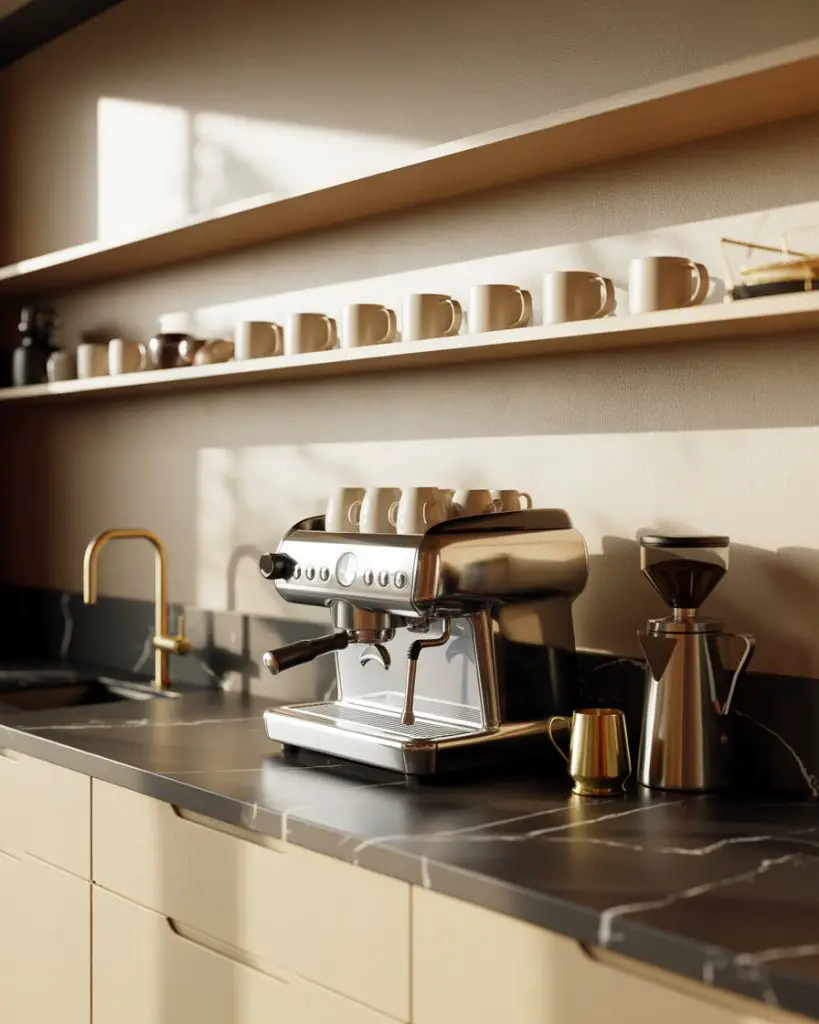
Creating a coffee corner with its own distinct countertop material has become a popular way to add function and personality to the kitchen. Many homeowners choose a small section of black marble or contrasting stone for their coffee area, separating it visually from the main work zones. This dedicated space often includes storage for mugs, a built-in espresso machine, and easy access to the sink. The dark marble adds a café-like sophistication while keeping coffee stains and water rings less visible than they would be on lighter surfaces. 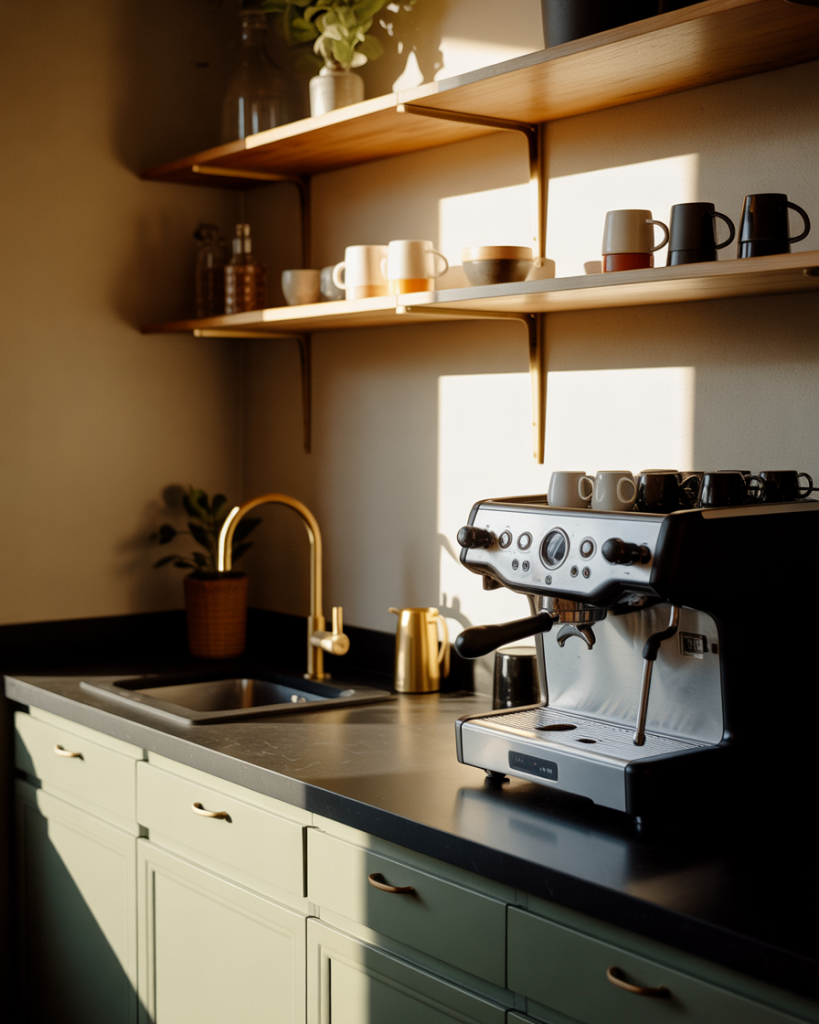
In real homeowner behavior, the coffee station has become the most-used spot in many kitchens—it’s the first stop in the morning and often the last at night. By giving this area its own identity with a special countertop material, you create a focal point that feels both practical and indulgent. Consider adding a small backsplash in complementary tile or continuing the marble up the wall for a luxe effect. This setup works especially well in open kitchens where the coffee area faces the living room, making it easy to chat with family while brewing.
10. Taj Mahal Quartzite for Soft Elegance
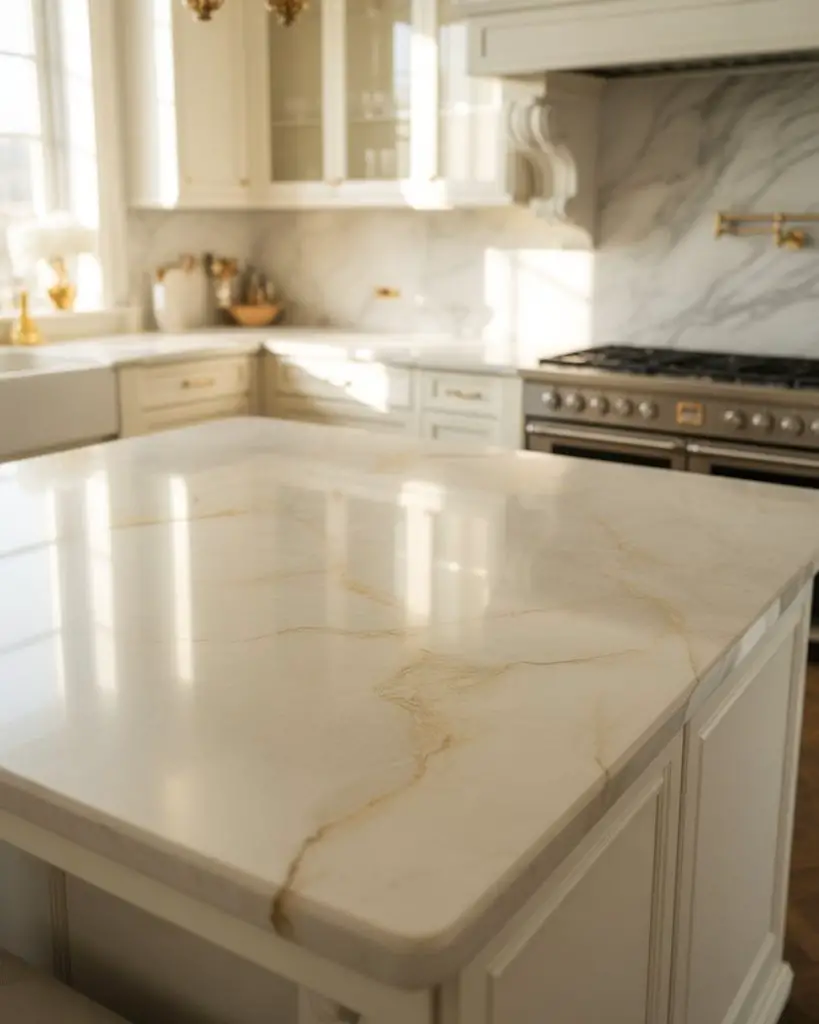
Taj Mahal quartzite has developed a cult following among homeowners and designers for its creamy, soft appearance with delicate gold and gray veining. This particular stone offers the elegance of marble without the high maintenance, making it perfect for white and neutral kitchens that need visual interest without bold contrast. The subtle movement in the stone catches light beautifully, creating depth that solid-color surfaces can’t match. It’s become especially popular in Southeastern and West Coast homes where soft, coastal aesthetics dominate. 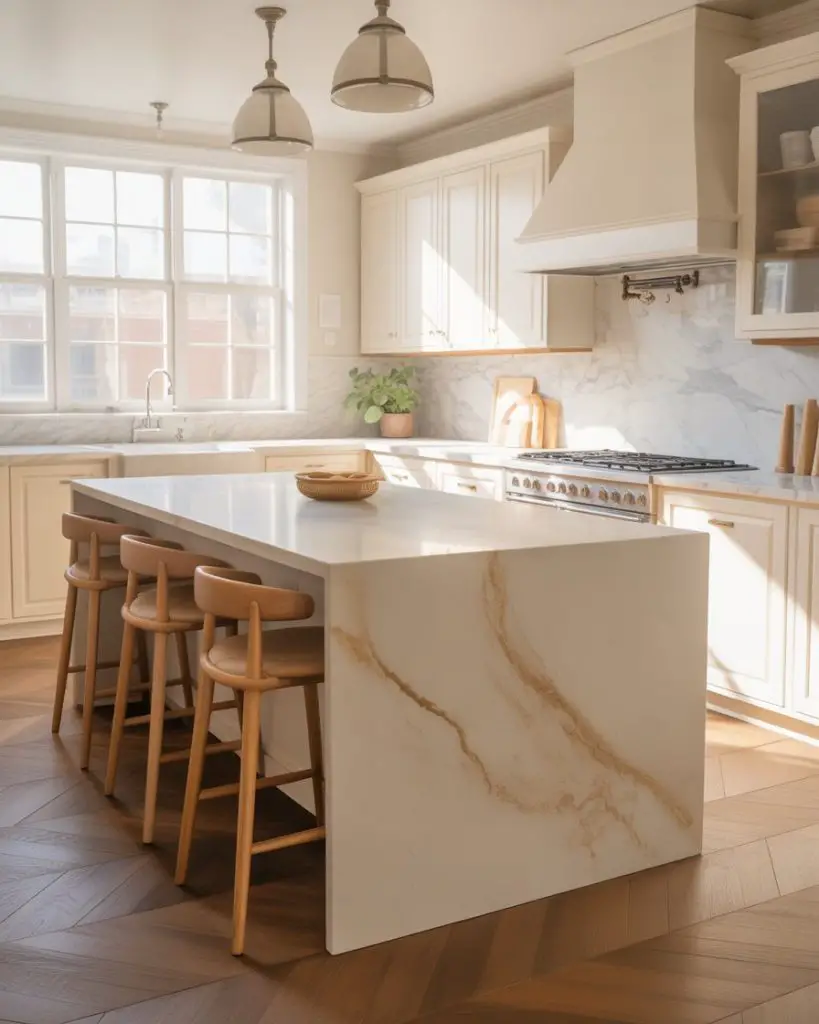
A homeowner in Charleston mentioned that her Taj Mahal countertops were the single most-complimented element of her kitchen remodel—guests constantly ask what stone it is and run their hands across the smooth surface. The stone is durable enough for daily use but feels special and elevated in a way that engineered materials don’t. Sealing is recommended but infrequent, and the stone resists heat and scratching well. Expect to pay premium prices, often $100 to $180 per square foot, but the investment creates a kitchen that feels custom and thoughtful.
11. Grey Quartz for Timeless Neutrals
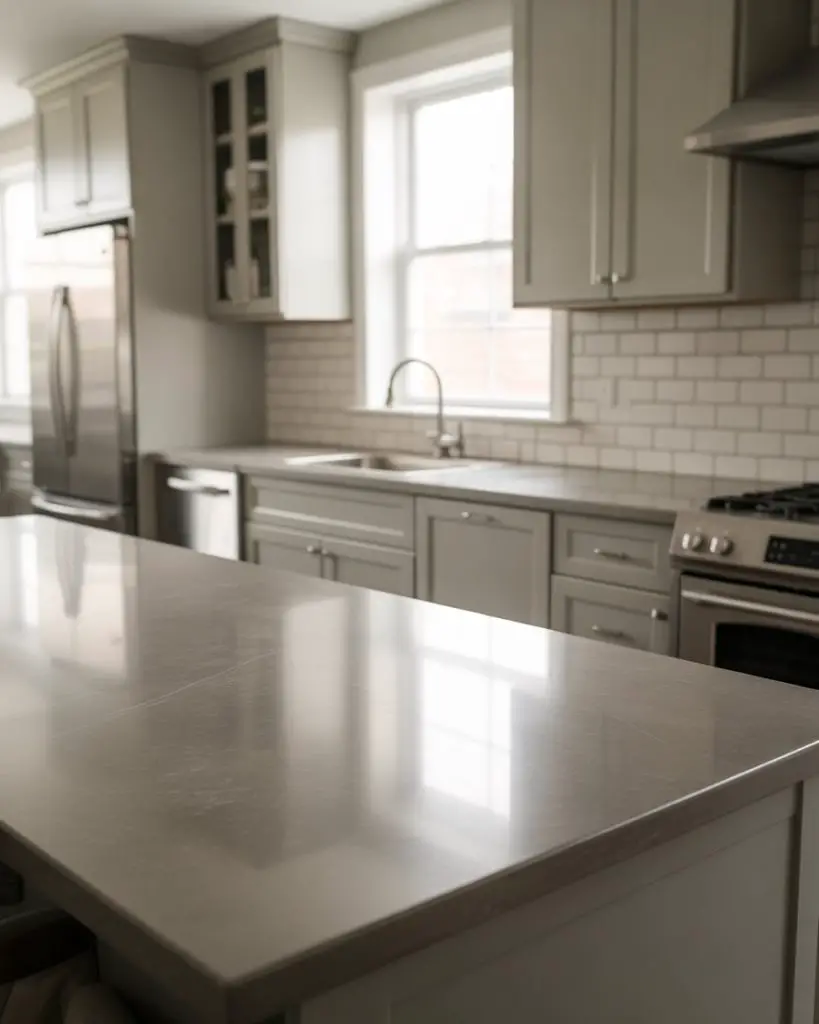
Grey quartz has become the safe, smart choice for homeowners who want a neutral foundation that won’t look dated in five years. This engineered material offers consistency that natural stone can’t match—every slab looks nearly identical, making it easy to replace a section if damage occurs. The quartz surface resists staining, never needs sealing, and comes in dozens of shades from light dove gray to deep charcoal. It pairs effortlessly with both warm and cool color schemes, making it a versatile backdrop for changing decor. 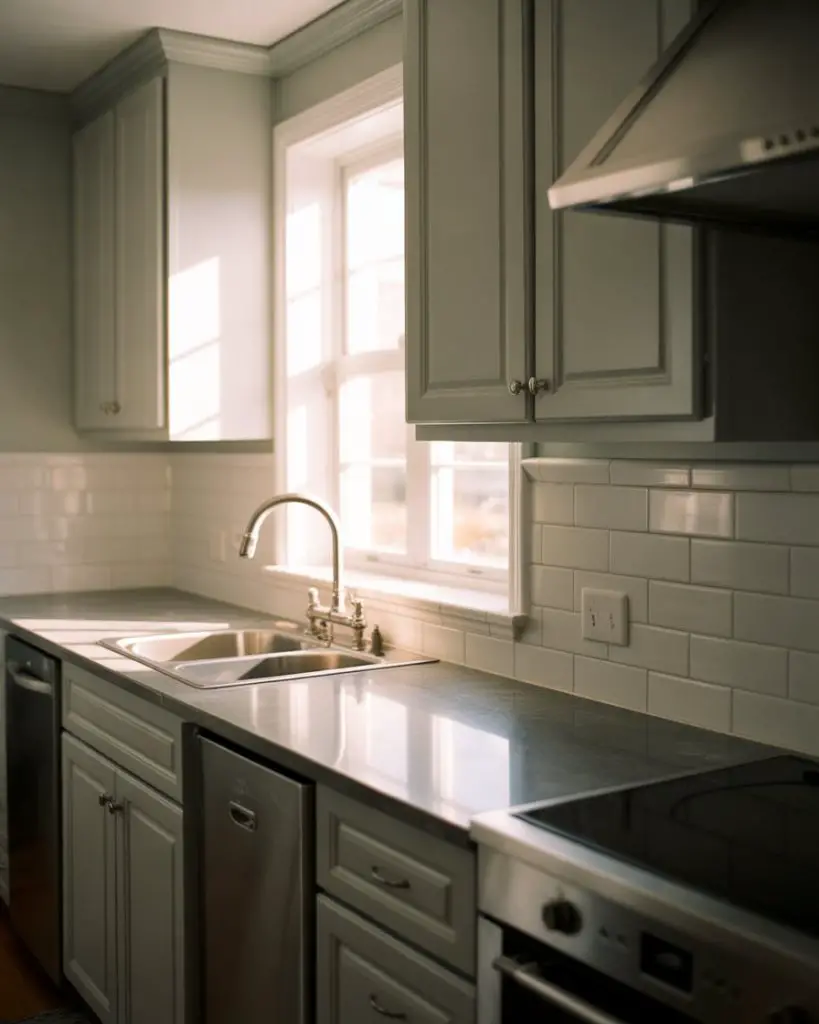
Practical insight: Grey quartz hides crumbs and dust better than white surfaces but doesn’t show water spots as obviously as black countertops. It’s the Goldilocks choice for busy families who want something attractive without constant maintenance. Many manufacturers now offer grey quartz with subtle veining or texture to mimic natural stone, giving you the look without the upkeep. Installation costs range from $50 to $90 per square foot, making it affordable for most remodeling budgets while delivering a high-end appearance.
12. Formica Comeback in Bold Colors
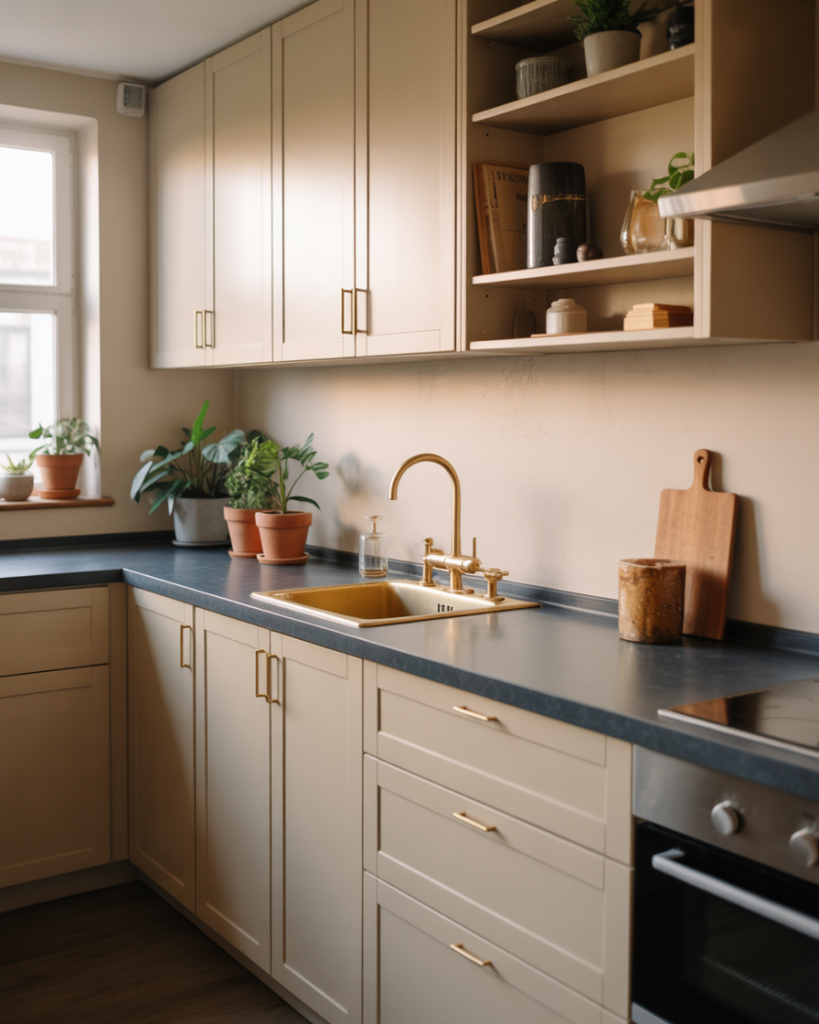
Formica and other laminate countertops have shed their outdated reputation, returning with contemporary patterns, textures, and edge details that rival more expensive materials. Today’s laminates can mimic marble, concrete, or wood with surprising realism, and they’re available in bold solid colors that feel fresh and modern. This option works particularly well for rental properties, budget-conscious remodels, or homeowners who like to change their kitchen’s look every few years. The to style these countertops, pair them with updated hardware, fresh paint, and quality fixtures to avoid a cheap or dated appearance. 
Budget angle: Laminate countertops cost between $10 and $40 per square foot installed, making them the most affordable option for full kitchen remodels. The savings allow homeowners to invest in other high-impact areas like cabinetry or appliances. While laminate won’t add resale value the way natural stone does, it’s perfectly functional for everyday use and can look quite sophisticated in the right design. Avoid placing hot pans directly on the surface, and use cutting boards to prevent knife marks.
13. Dark Quartz for Moody Interiors
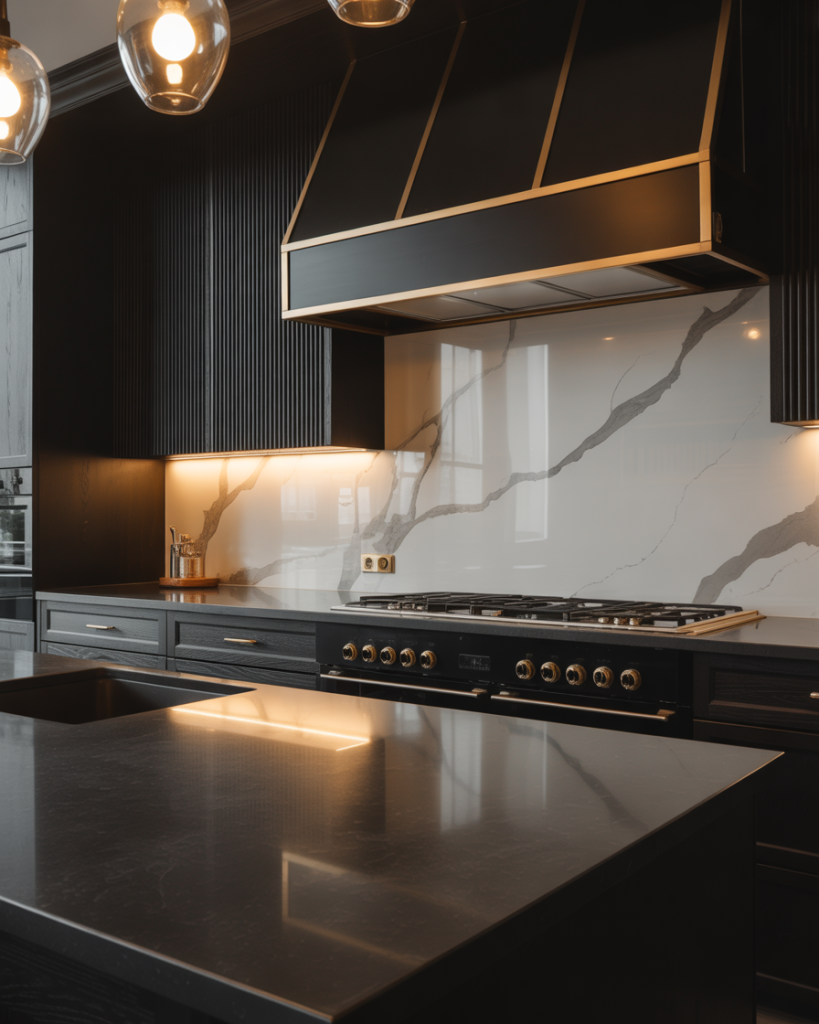
Dark quartz in shades of charcoal, navy, or near-black has become the countertop of choice for homeowners embracing moodier, more dramatic interiors. This trend has gained momentum in urban markets and among younger buyers who reject the all-white kitchen in favor of richer, more layered spaces. The dark surface creates a striking contrast against lighter cabinetry or plays into an all-dark scheme for maximum impact. Unlike natural dark stone, quartz won’t show etching from acidic foods and requires no sealing. 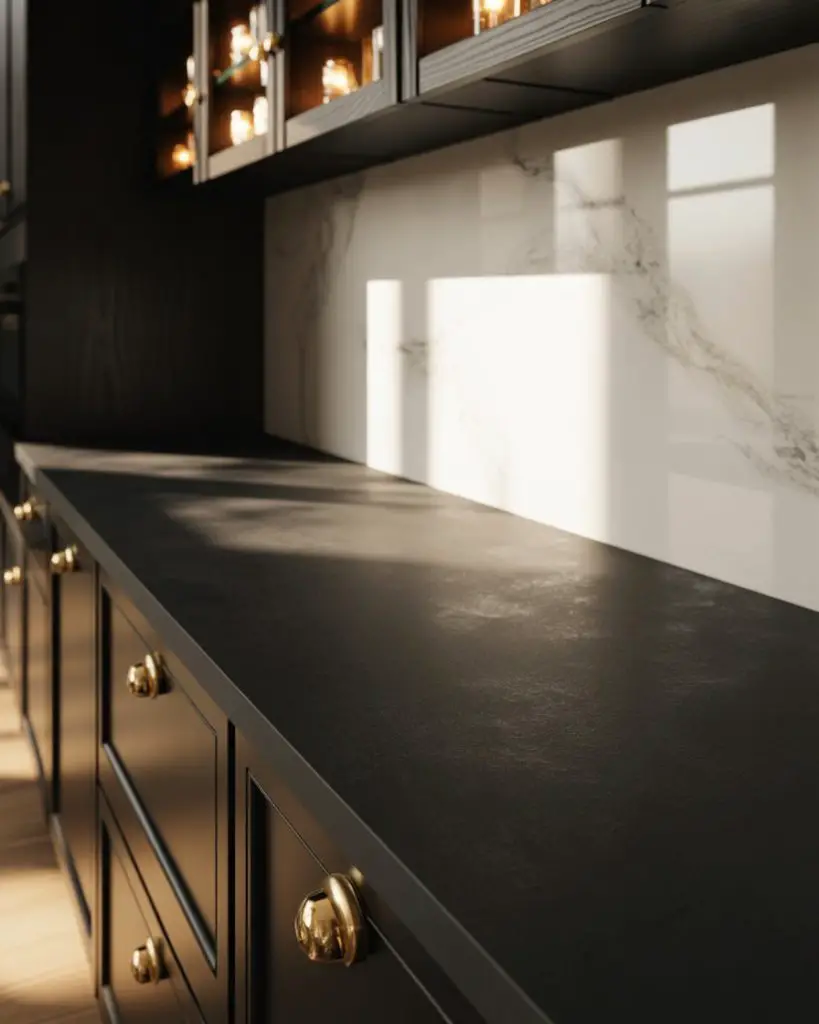
Where it works best: Dark quartz counters excel in kitchens with ample natural light or strong artificial lighting—without sufficient light, the space can feel cave-like rather than cozy. They’re also ideal for homeowners who entertain frequently, as the dark surface provides a sophisticated backdrop for food presentation and doesn’t show every crumb between cleanings. Balance the darkness with reflective elements like glass, metal, or glossy tile to keep the space from feeling too heavy.
14. Green Marble for Natural Beauty
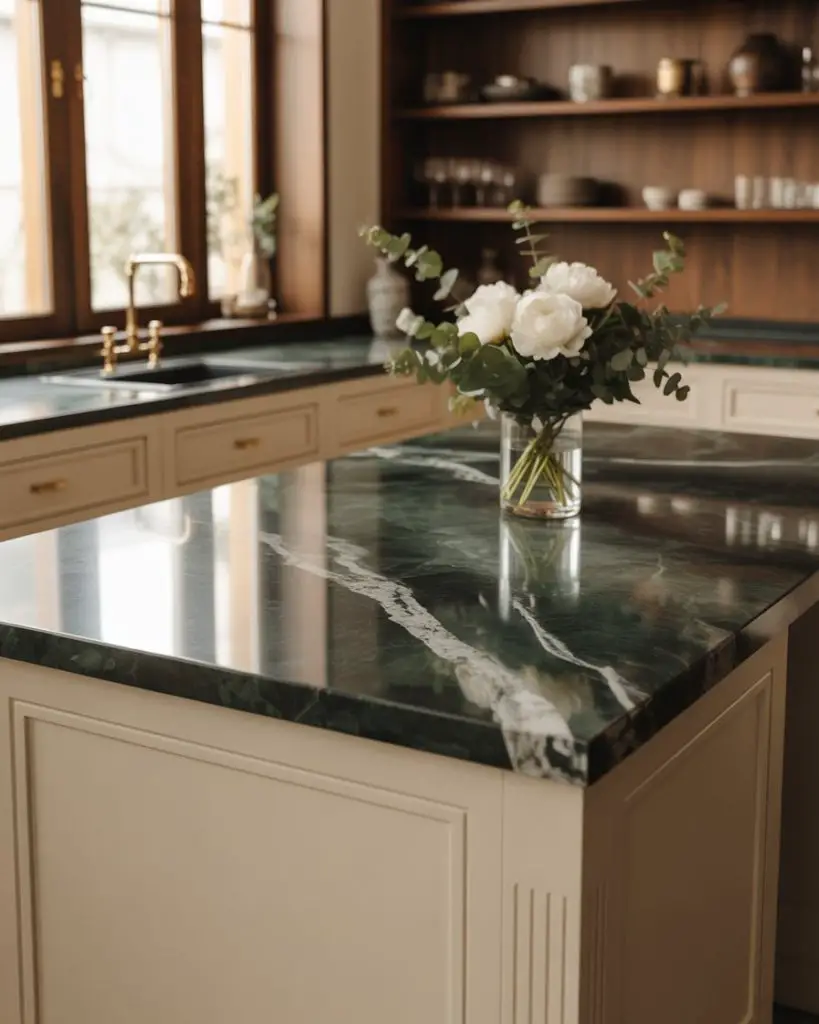
Green marble brings an unexpected organic quality to kitchens, with shades ranging from soft sage to deep forest tones streaked with white or gold veining. This natural stone has become popular among homeowners who want to connect their interiors to nature without relying on the usual white marble. The green tones pair beautifully with brass fixtures, warm wood cabinetry, and organic textures like rattan or linen. It’s a bold choice that makes a statement while still feeling grounded and timeless. 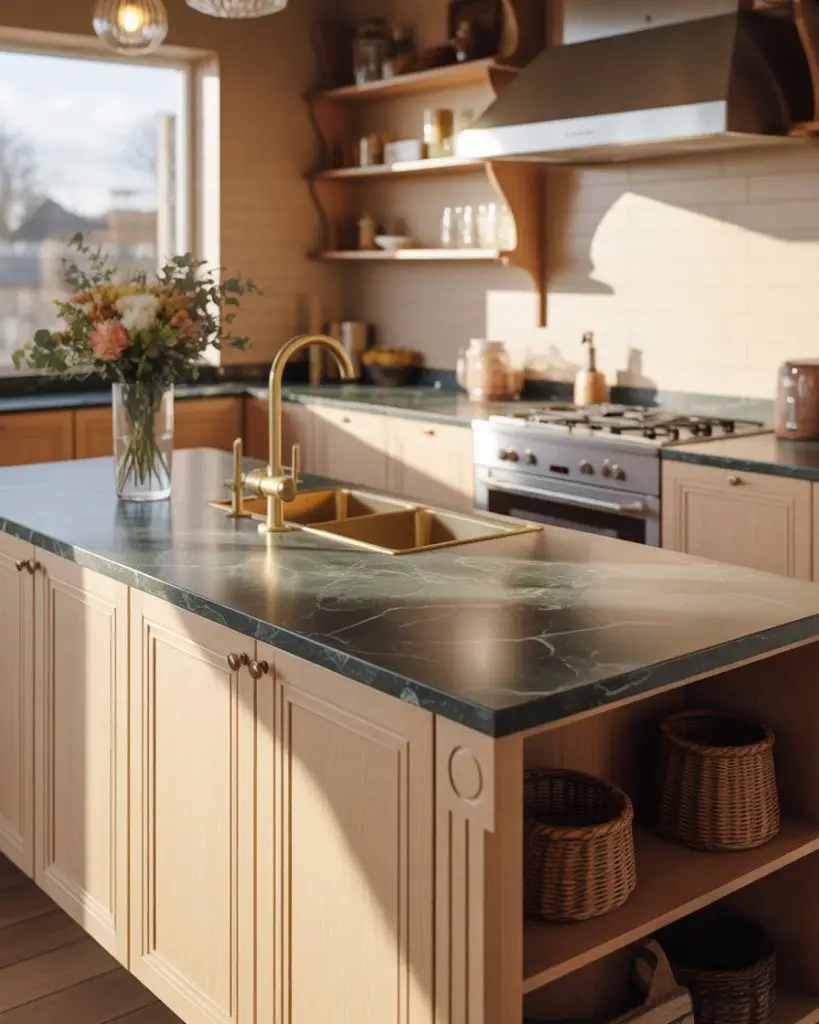
A designer in San Francisco noted that green marble has become her go-to recommendation for clients who want something special but not trendy—it has historical precedent in European design but feels fresh in American kitchens. Like all marble, it requires sealing and careful maintenance to prevent etching and staining. Many homeowners choose to use green marble on an island or a small section rather than the entire kitchen, concentrating the impact and limiting the maintenance burden. The stone reads as both luxurious and earthy, a rare combination in countertop materials.
15. Live Edge Wood for Organic Style
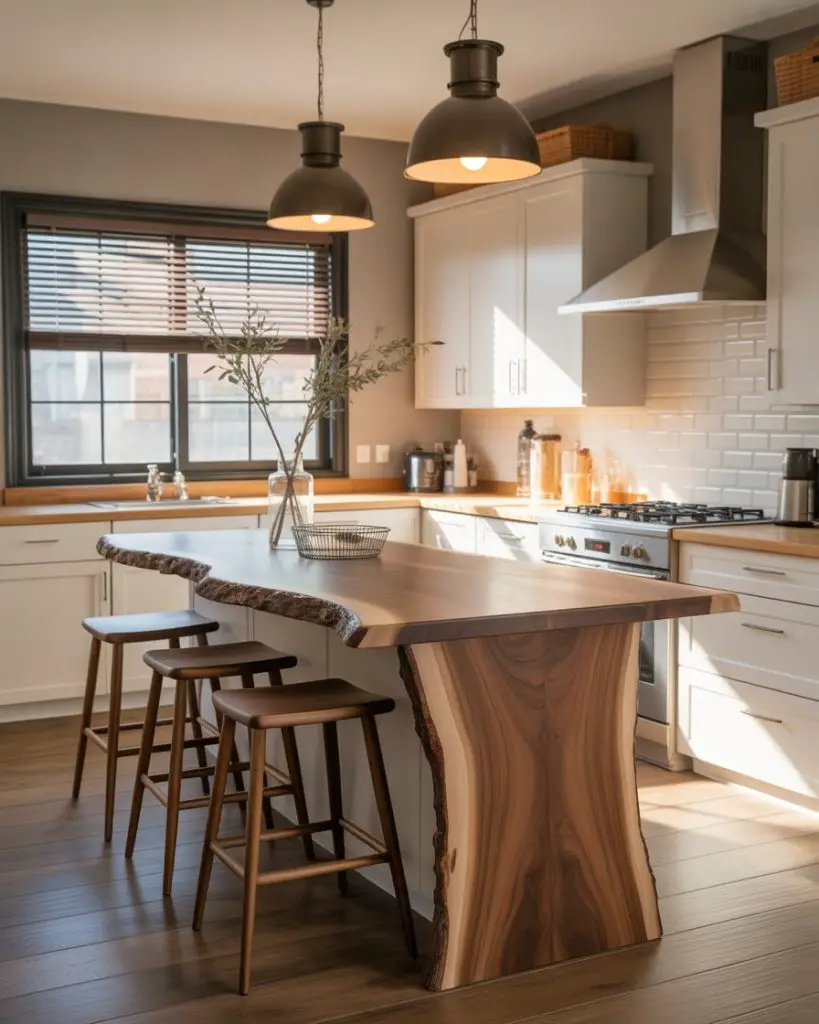
Live edge wood countertops celebrate the natural form of the tree, preserving the irregular, bark-edged perimeter for a rustic, organic look. This choice has become popular in mountain homes, cabins, and modern farmhouse kitchens where the connection to nature is a priority. The wooden surface adds warmth and texture, and no two pieces are alike—each slab tells its own story through grain pattern and natural imperfections. Live edge counters work particularly well on islands or breakfast bars where the sculptural edge can be appreciated from all sides. 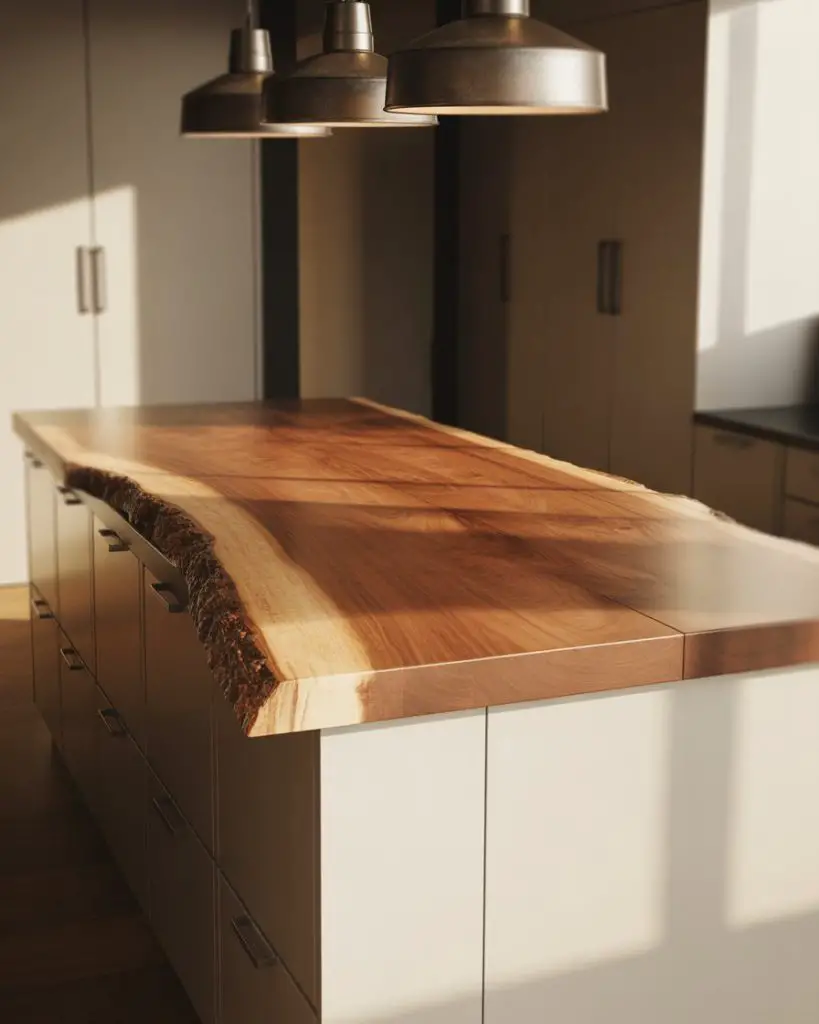
Common mistakes include pairing live edge wood with overly rustic elements, which can feel theme-park rather than authentic. Instead, balance the organic wood with clean-lined cabinetry, modern fixtures, and minimal accessories to let the natural beauty shine. The wood requires regular oiling to maintain its finish and protect against moisture, and it will develop a patina over time. Homeowners who embrace the evolving nature of wood find that it becomes more beautiful with age, while those who prefer unchanging surfaces may find the maintenance frustrating.
16. Travertine for Mediterranean Warmth
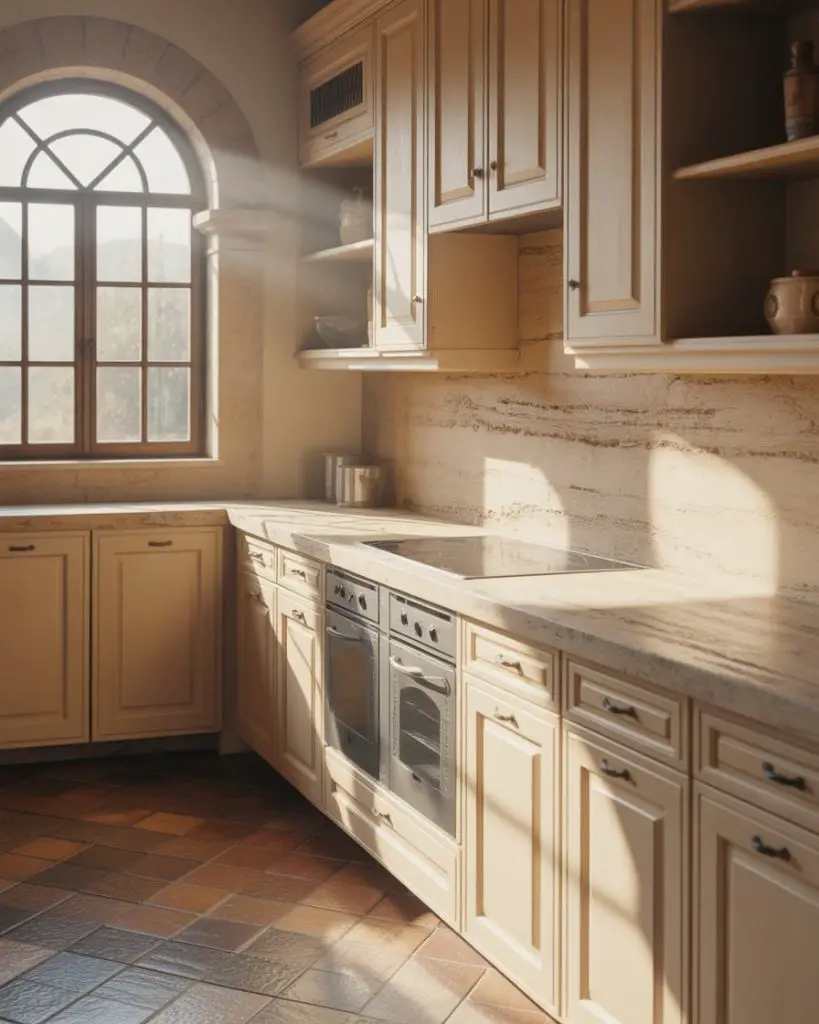
Travertine countertops bring a soft, Mediterranean quality to kitchens with their porous texture and warm cream to tan coloring. This natural stone has a distinctly different character than polished marble or granite—it’s matte, textured, and feels ancient rather than modern. The material works beautifully in kitchens with European or Old World influences, especially when paired with hand-painted tile, wrought iron fixtures, or rough-hewn wood beams. The styling approach should lean into the stone’s natural, imperfect beauty rather than trying to make it look sleek or contemporary. 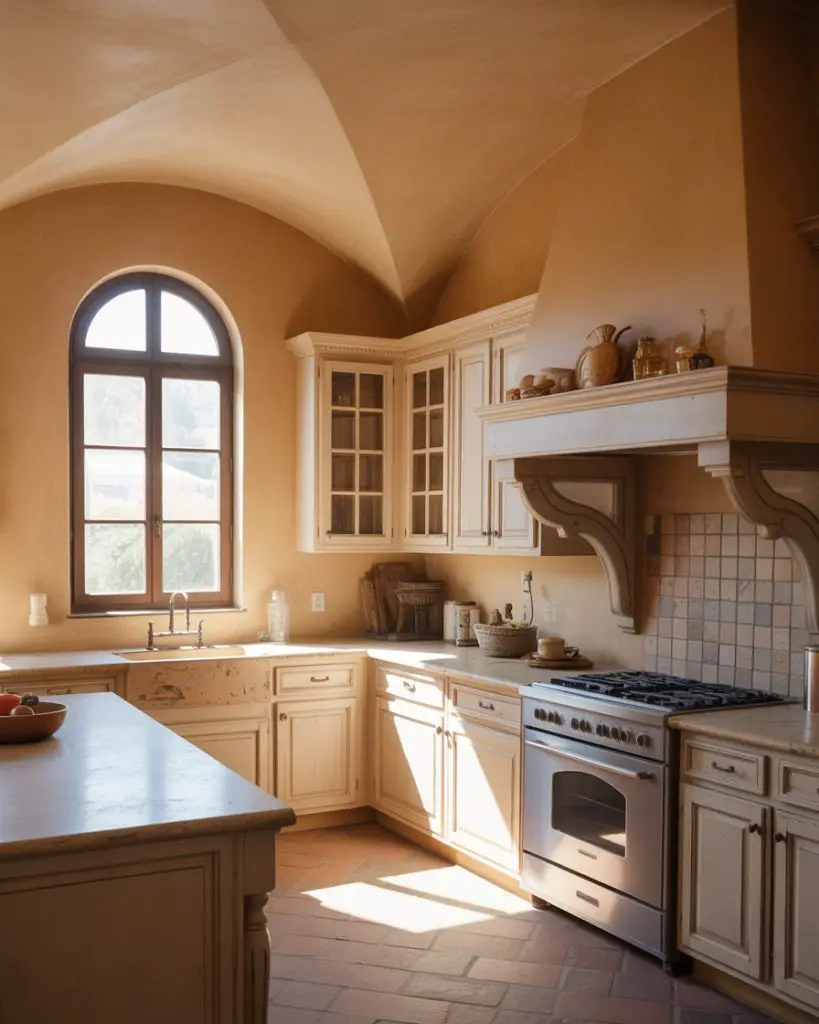
Travertine is less common in American kitchens than granite or quartz, but it’s gaining appreciation among homeowners who want something different from the mainstream options. The stone is softer than granite and more porous than marble, so it requires sealing every few months and careful attention to spills. Many people fill the natural pits and holes in the stone for a smoother surface, though some prefer to leave them visible for added texture and character. This is a countertop for those who value patina and authenticity over pristine perfection.
17. White Quartz for Bright, Airy Kitchens
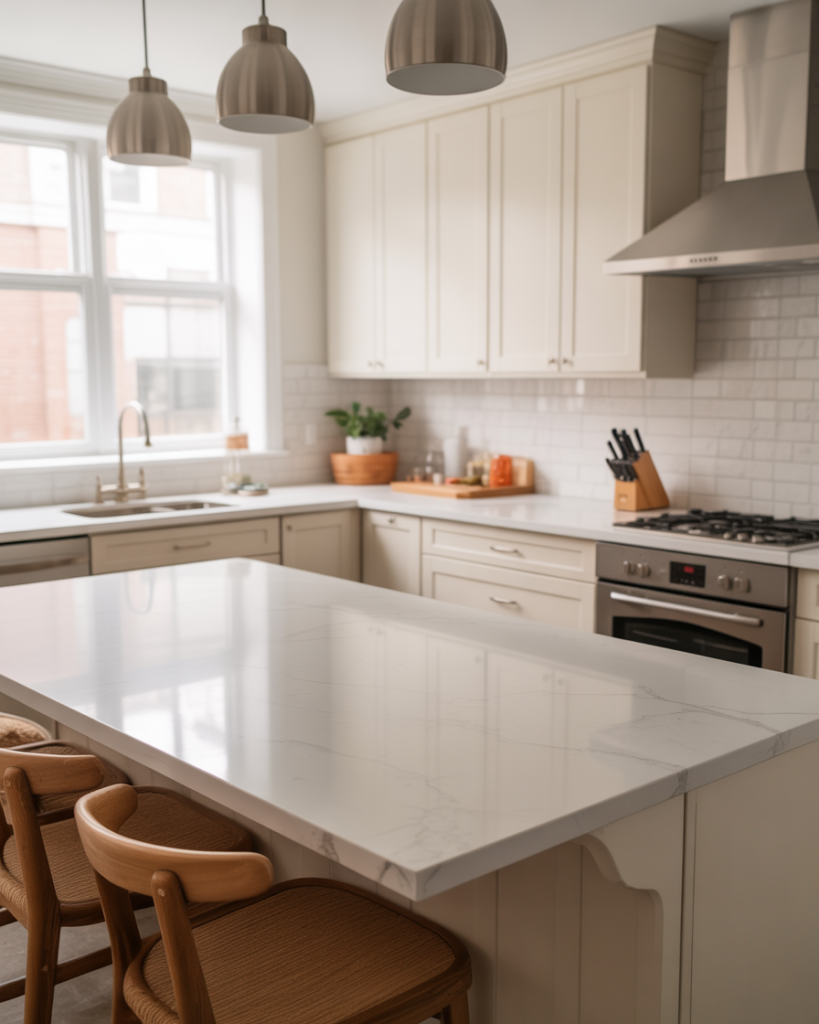
White quartz remains the most popular countertop choice in American kitchens, valued for its clean, bright appearance and practical performance. This engineered material offers the look of marble without the maintenance anxiety, making it perfect for families who want beauty without constant worry. The quartz surface comes in dozens of white varieties—from pure snow white to creamy off-white, with options for subtle veining or solid color. It reflects light beautifully, making even small kitchens feel more spacious and open. 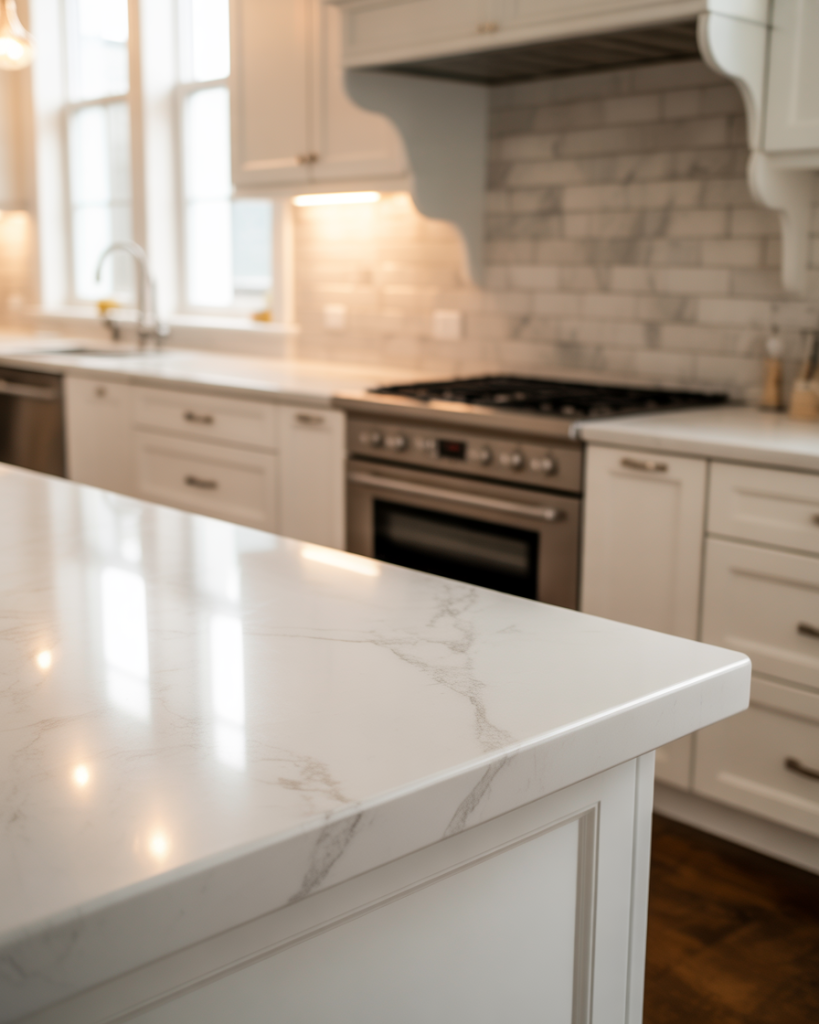
In American lifestyle terms, white quartz has become the default choice for homeowners who want a safe, timeless kitchen that appeals to the broadest range of tastes. It works equally well in traditional, transitional, and modern kitchens, serving as a neutral backdrop that allows other elements to shine. The surface shows dust and dark crumbs more readily than darker colors, but many people find that daily wiping is a small price to pay for the bright, clean aesthetic. Installation costs typically range from $55 to $95 per square foot.
18. Coffee Station Organization with Built-Ins
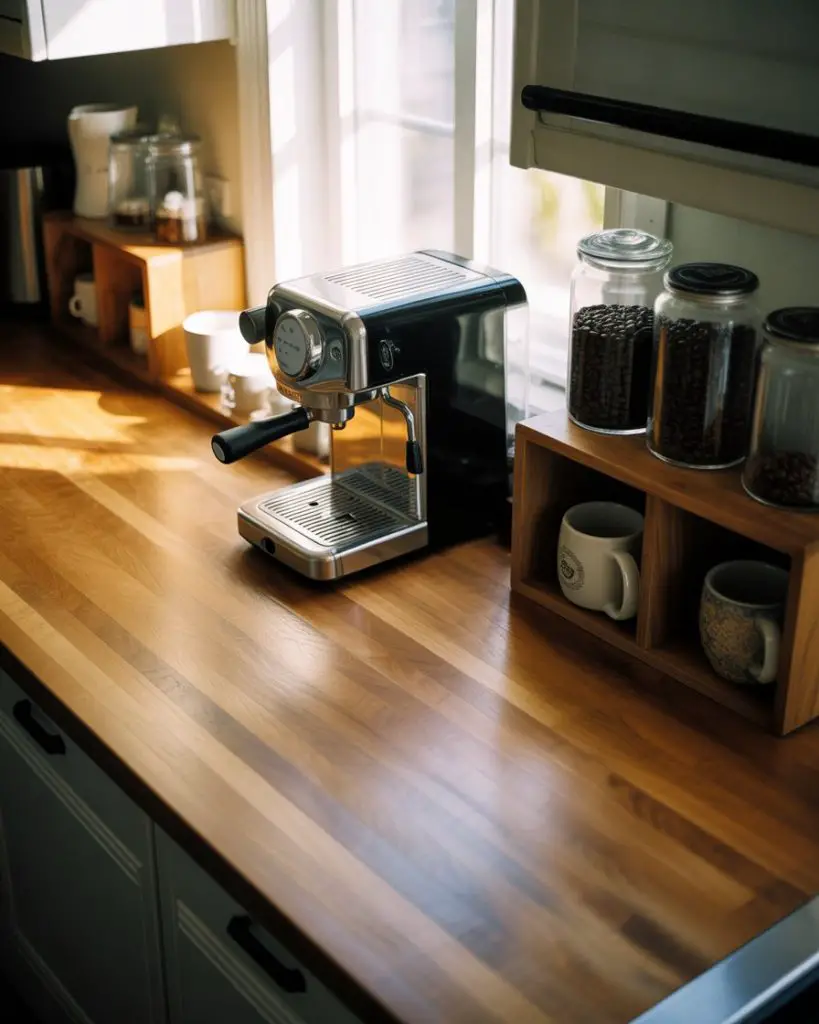
Beyond just choosing a countertop material, creating an organized coffee station involves thoughtful planning of storage, workflow, and surface space. Many homeowners dedicate a 24- to 36-inch section of counter specifically for coffee preparation, often with a warm quartz or butcher block surface that feels different from the main counters. Built-in storage for coffee beans, filters, and syrups keeps the area tidy, while a small appliance garage hides the coffee maker when not in use. This level of organization transforms a cluttered corner into a functional, attractive feature. 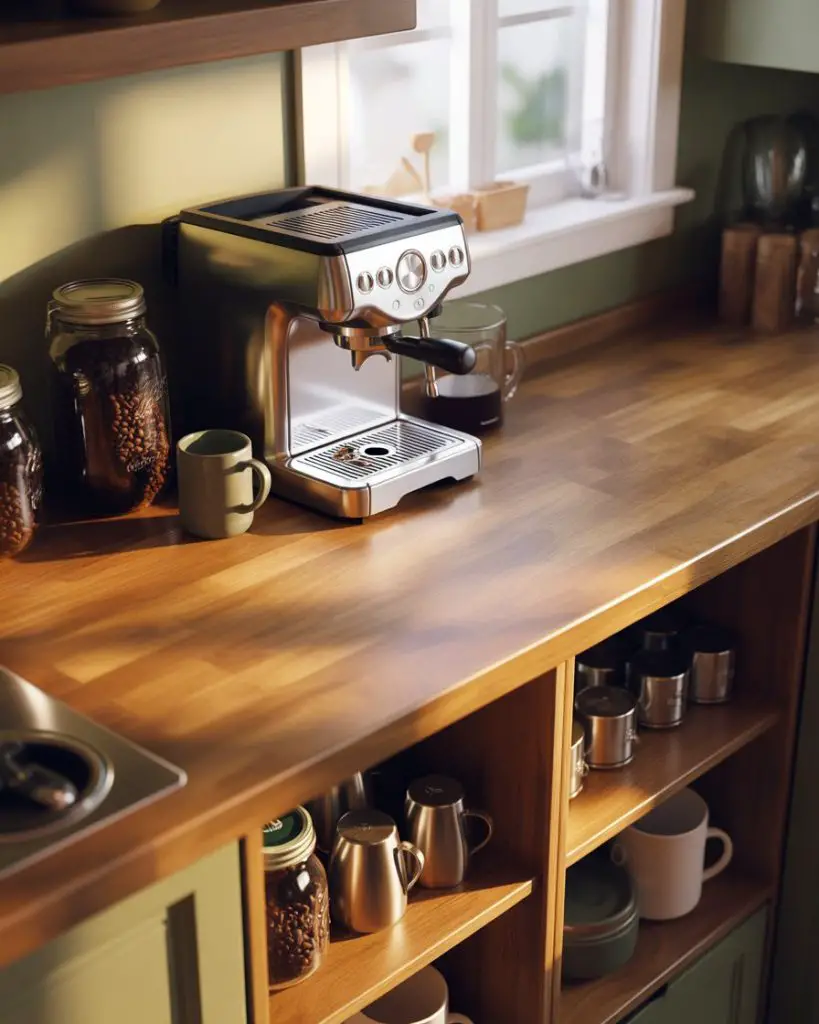
Real homeowner behavior shows that coffee stations get used multiple times per day, making them high-traffic zones that need durable surfaces and easy-to-clean materials. Including a small sink in or near the coffee area is a luxury that serious coffee lovers appreciate—it eliminates trips to the main sink for filling water reservoirs or rinsing equipment. Consider adding a small wine fridge or beverage cooler below the counter to store milk and creamers at the perfect temperature. The investment in a dedicated, well-organized coffee area pays dividends in daily convenience and enjoyment.
19. Mixing Materials for Custom Look
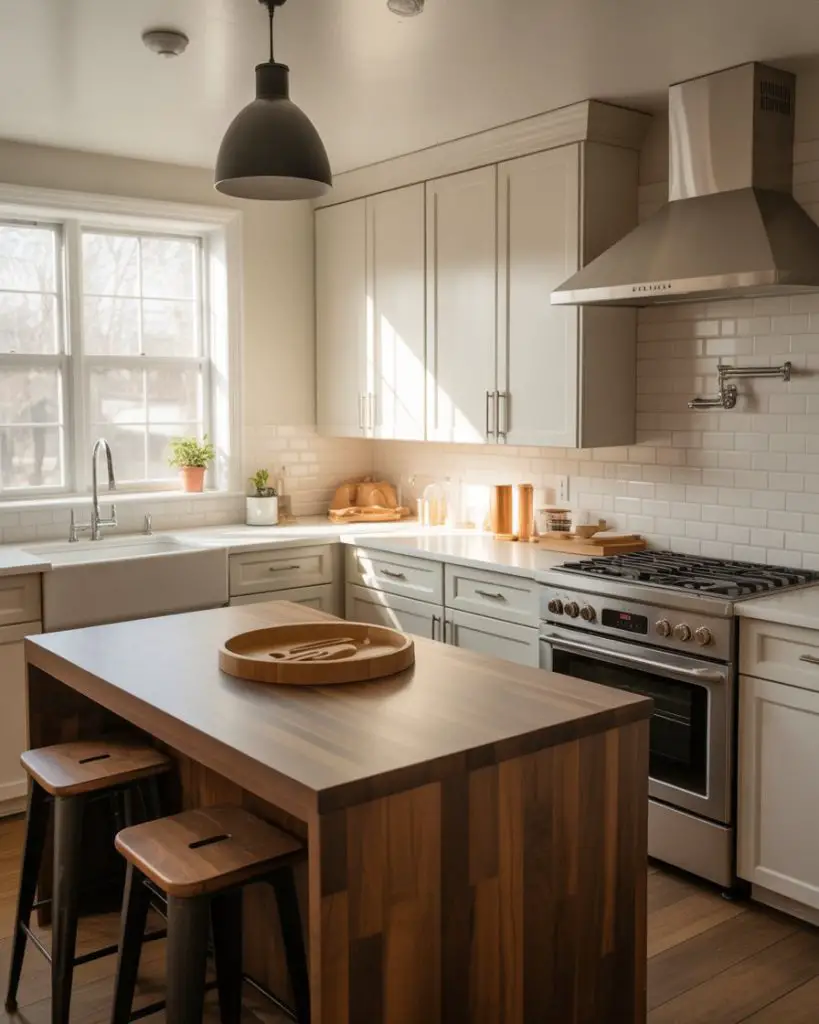
One of the biggest trends in kitchen design is mixing different countertop materials within the same space—quartz on the perimeter with butcher block on the island, or marble on a baking station with granite on the main work surfaces. This approach allows homeowners to get the benefits of multiple materials while creating visual interest and defining different zones. The key is choosing materials that complement rather than compete, staying within a cohesive color palette while varying texture and finish. 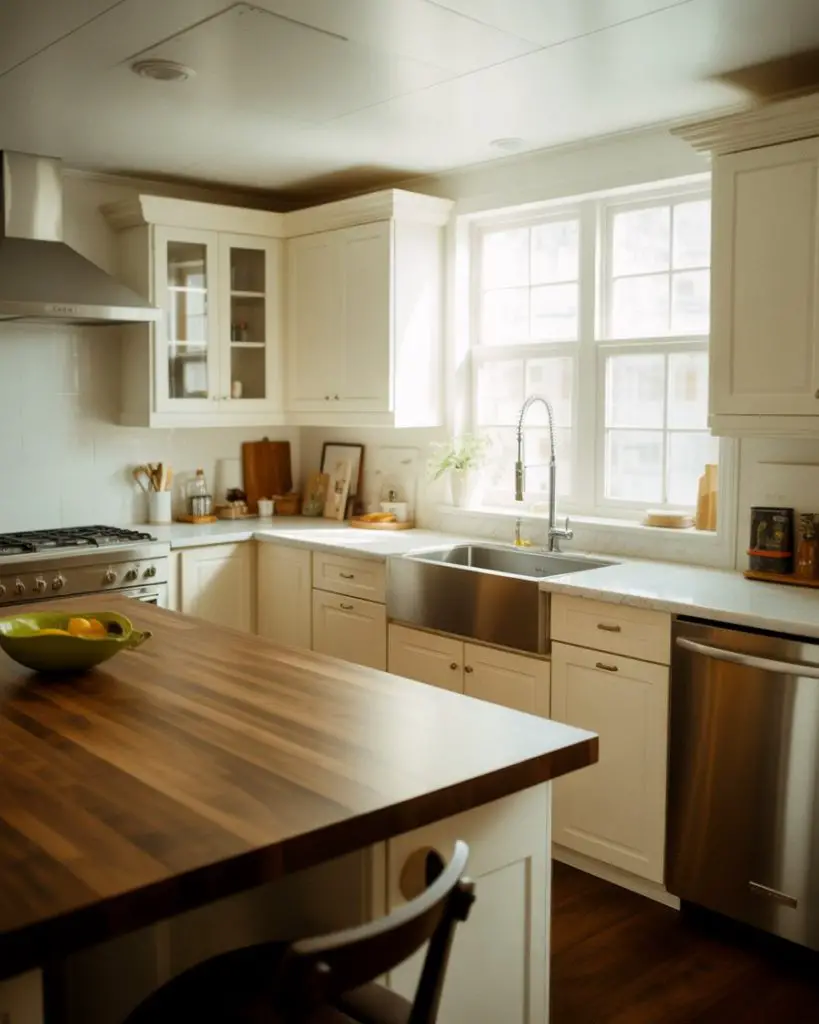
Expert designers note that mixing materials works best when there’s a clear logic to the choices—marble where you roll out pastry, butcher block where you prep vegetables, and stainless steel near the range for heat resistance. This functional approach prevents the mixed materials from looking random or chaotic. Budget-wise, it also allows you to splurge on expensive stone in small doses while using more affordable materials where they make sense. The result is a kitchen that feels custom and thoughtfully designed rather than one-note.
20. Waterfall Edge for Modern Drama
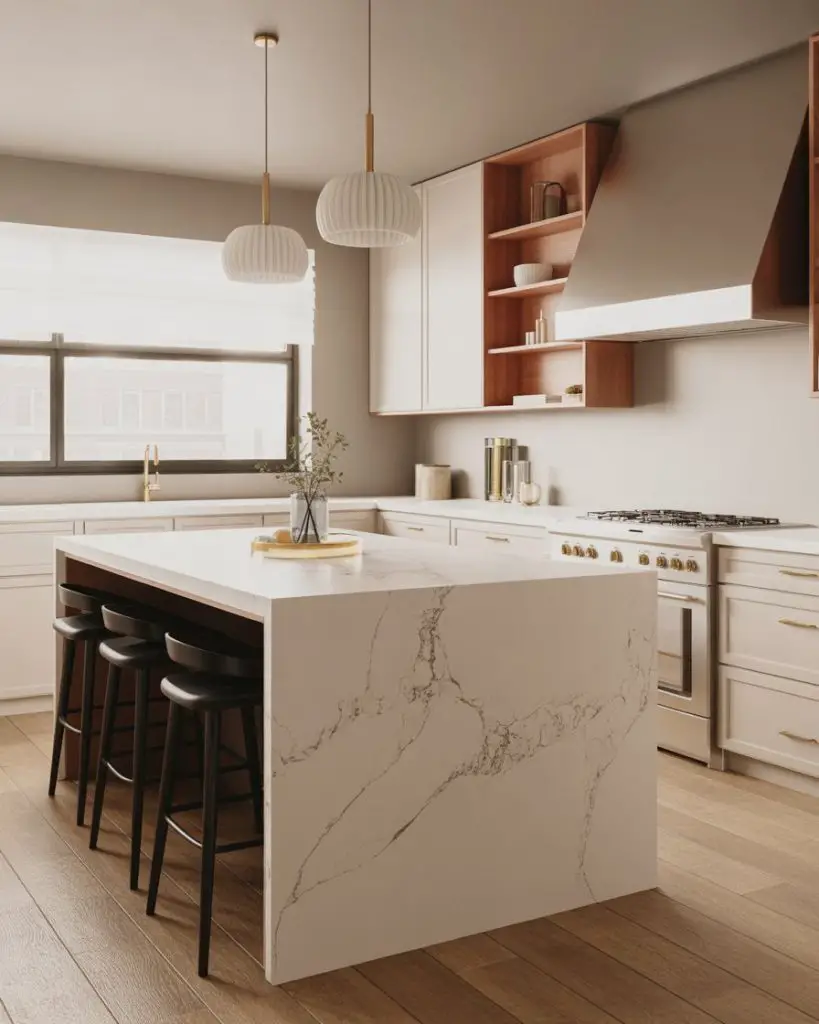
Extending countertop material down the sides of an island in a waterfall edge has become one of the most requested details in modern kitchen design. This treatment works with virtually any material—quartzite, quartz, marble, or even concrete—and creates a sculptural, furniture-like quality. The continuous flow of material from horizontal to vertical surface adds visual weight and sophistication, making the island feel like a intentional piece rather than just a functional work surface. It’s especially striking with heavily veined stone, where the pattern wraps around the edge. 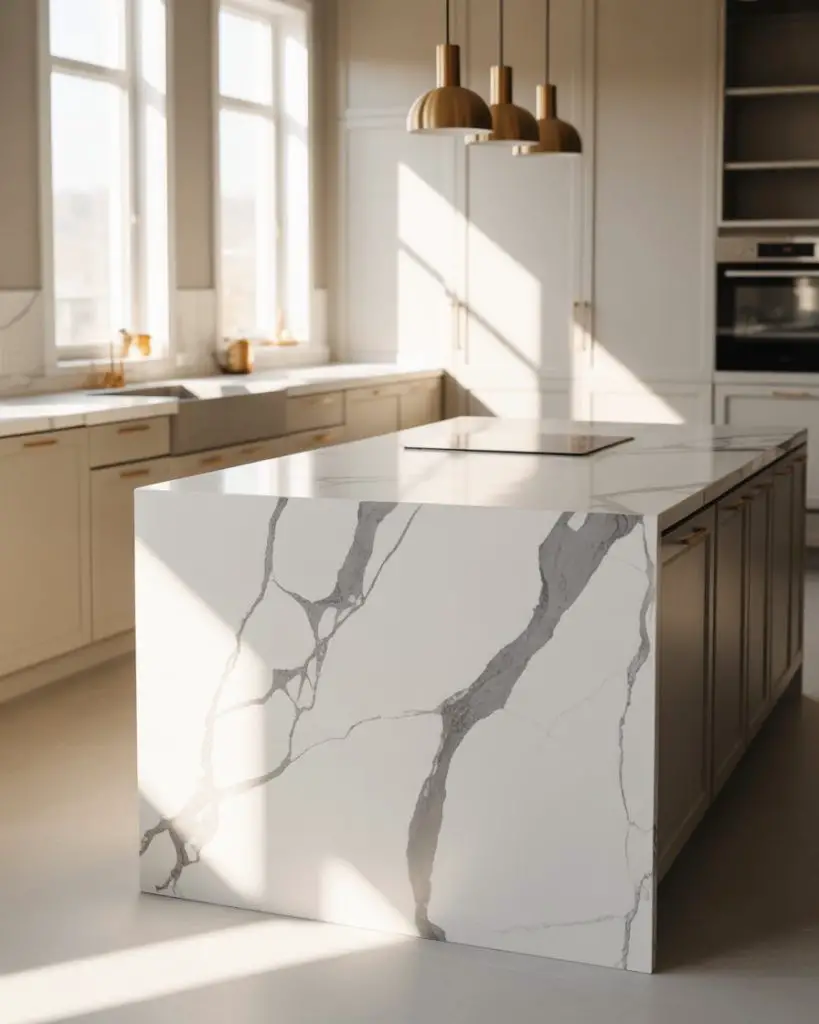
Where it works best: Waterfall edges shine in open-concept homes where the island is visible from multiple angles—the 360-degree beauty justifies the extra material cost. They’re less impactful in galley kitchens or spaces where only one side of the island is visible. The detail does add significant expense since you’re using more material and the fabrication is more complex, but many homeowners find it’s the defining feature that elevates their kitchen from nice to exceptional. Consider the thickness of your countertop material carefully—thicker edges create more drama but also feel heavier in smaller spaces.
21. Leathered Finish for Texture
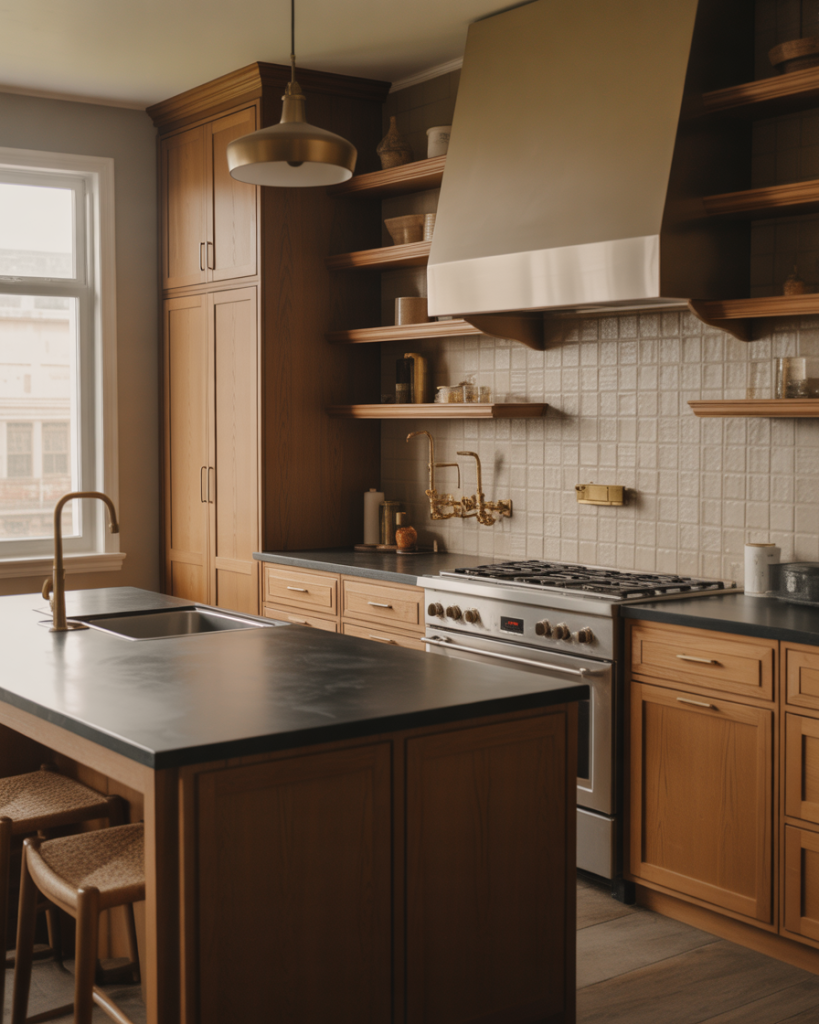
Moving beyond polished or honed finishes, leathered granite and quartzite offer a textured surface that hides fingerprints and adds subtle dimension. This finish process creates a slightly rough, pebbly texture that catches light differently than smooth stone, adding visual interest without bold pattern or color. It works particularly well on dark stones where polished surfaces can look too shiny or show every smudge. The leathered finish is popular in modern and transitional kitchens that layer different textures—smooth cabinetry, rough stone, soft fabrics. 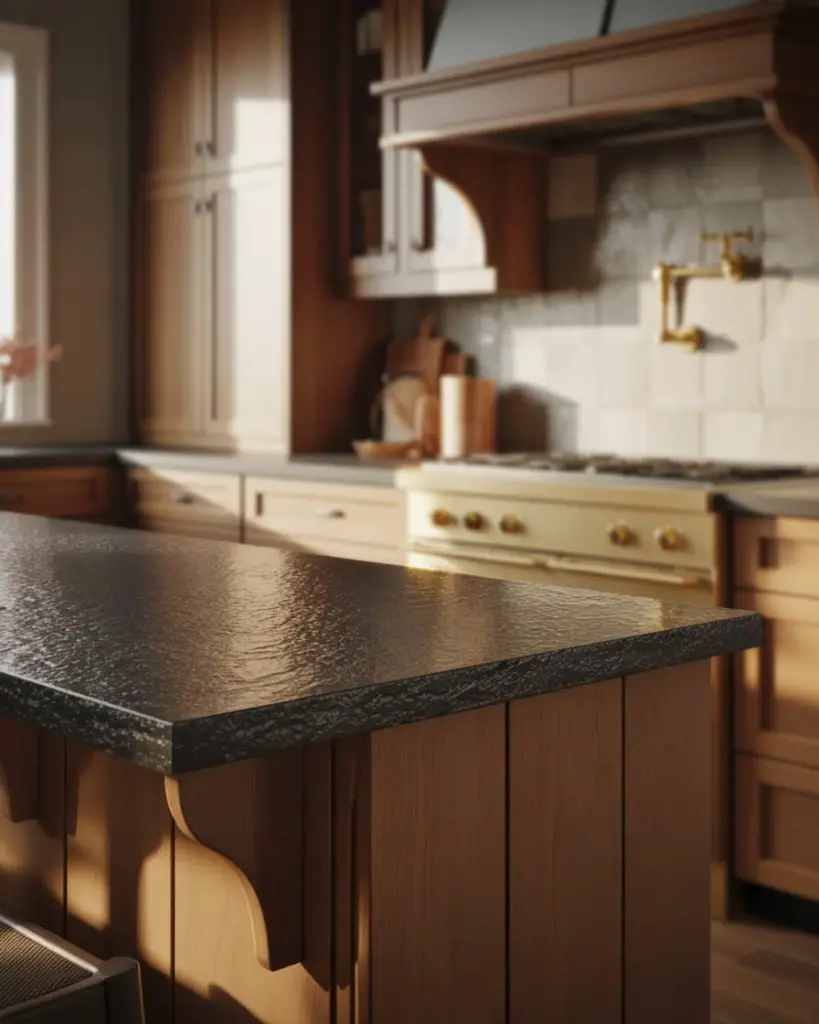
A homeowner in Arizona mentioned that her leathered granite counters have held up beautifully in a household with three kids—spills don’t show immediately, and the texture disguises minor scratches that would be obvious on polished stone. The finish is easier to maintain than polished granite because you’re not trying to preserve a mirror shine. It does require the same sealing schedule as other natural stone finishes. Leathered countertops appeal to people who want natural stone character without the high-maintenance glossy finish.
22. Integrated Sink for Seamless Look
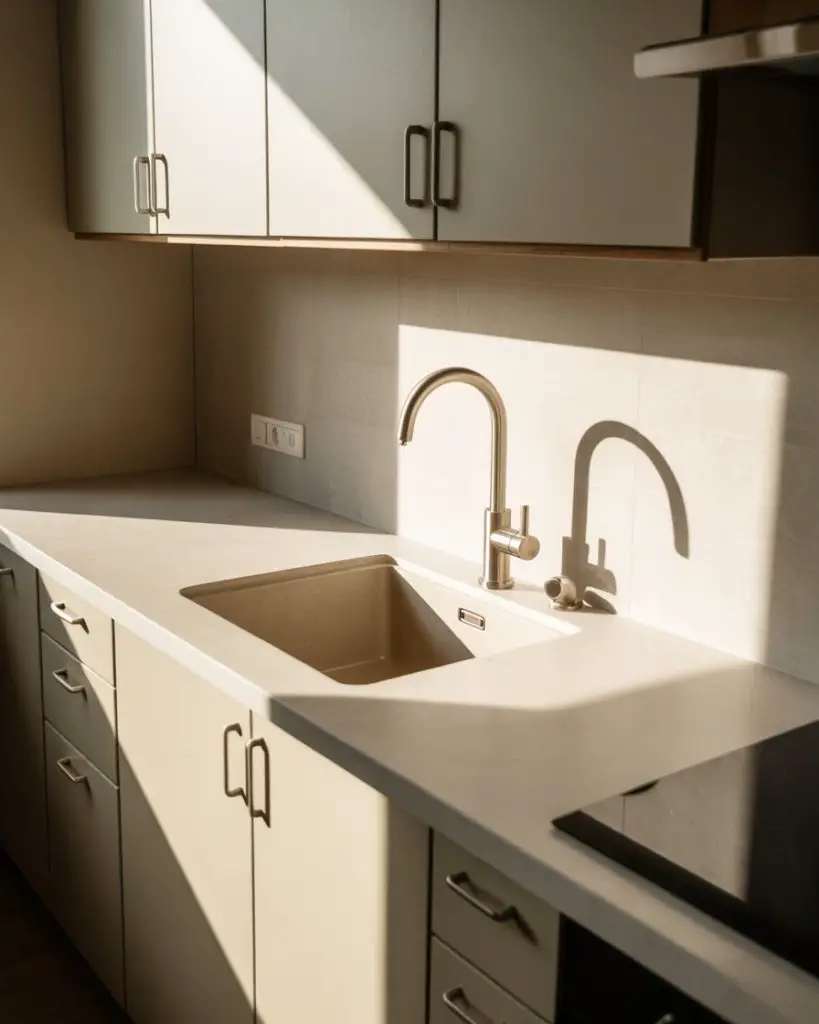
An integrated or undermount sink in the same material as the countertop creates a seamless, continuous surface that’s both beautiful and practical. This detail works especially well with quartz, concrete, or solid surface materials that can be fabricated into custom shapes. The lack of a raised rim means crumbs and water can be swept directly into the sink without catching on an edge—a small convenience that makes daily cleaning noticeably easier. The unified look also creates a cleaner, more modern aesthetic than traditional drop-in sinks. 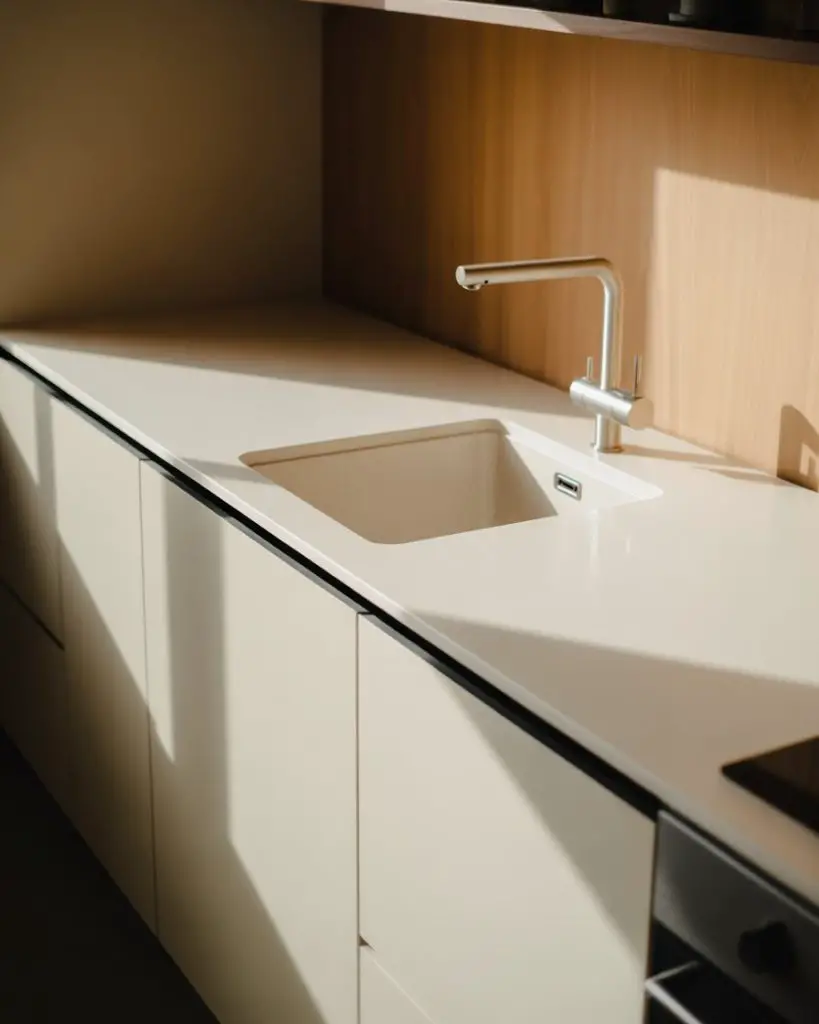
Practical insight: Integrated sinks eliminate the black rubber gasket or metal rim that can trap food particles and grime, making them more hygienic and easier to keep clean. They’re particularly popular among homeowners who value minimalist design and streamlined surfaces. The custom fabrication does add to the overall cost, but many people find the investment worthwhile for the clean lines and easy maintenance. Consider this detail if you’re already choosing quartz or solid surface and want to maximize the material’s seamless potential.
23. Honed Marble for Soft Patina
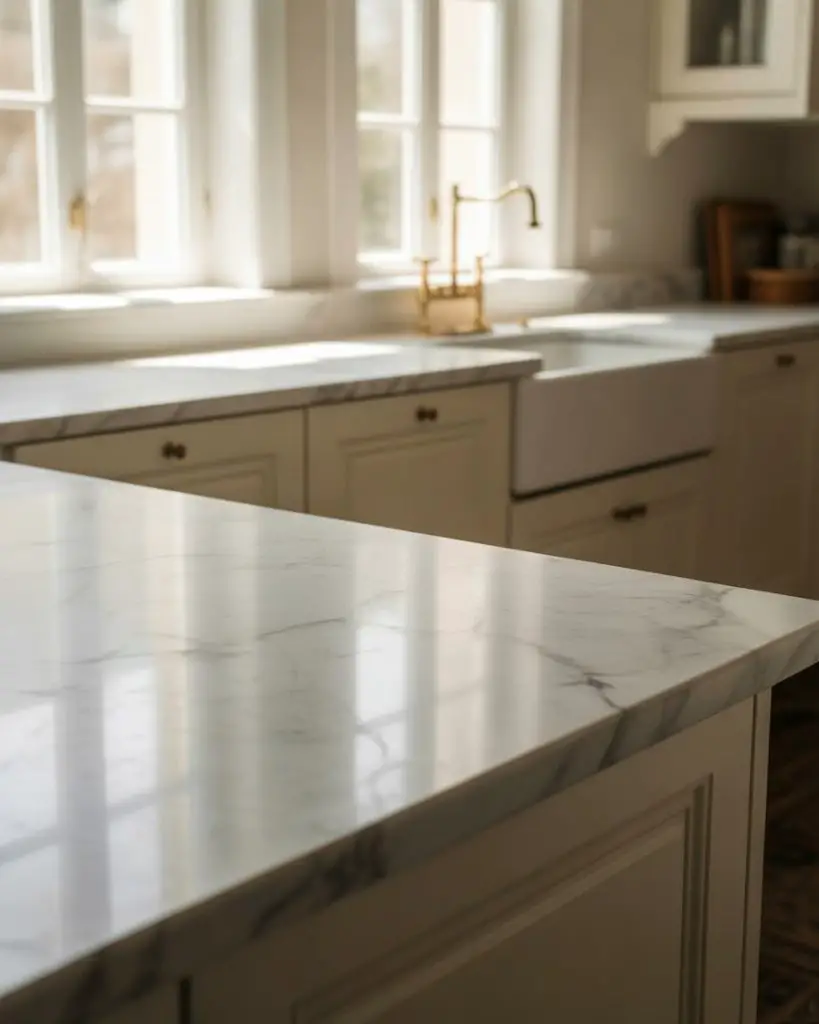
Choosing marble with a honed rather than polished finish changes the entire character of the stone, creating a softer, more matte appearance that ages gracefully rather than showing every etch mark. This approach appeals to homeowners who love white marble’s beauty but accept that it will develop a patina over time. The honed finish shows etching and staining less dramatically than polished marble, making it a more practical choice for kitchens that see real use. It’s particularly popular in European-inspired kitchens where imperfection is valued as part of the material’s character. 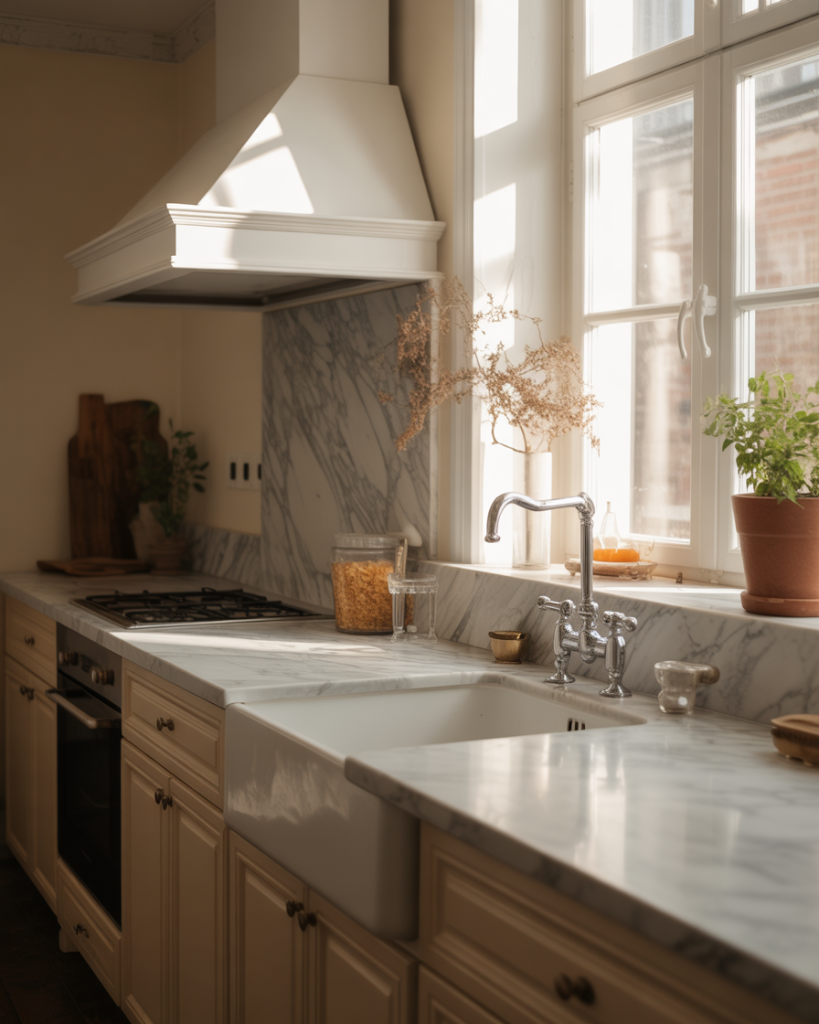
One homeowner in Boston described her honed marble counters as “living surfaces” that tell the story of her family’s daily life—the slight darkening near the coffee maker, the barely-visible lemon juice marks from summer cocktails. She loves that the marble isn’t trying to stay perfect but rather embraces use and time. This mindset shift is essential if you choose marble—you’re selecting it for its beauty and unique character, not for its resistance to change. Regular sealing helps, but accepting the natural aging process is part of the marble experience.
Conclusion
Your kitchen countertops will anchor the space for years to come, so choosing materials and styles that align with both your aesthetic preferences and daily reality makes all the difference. Whether you’re drawn to the drama of black quartz, the warmth of butcher block, or the timeless appeal of Taj Mahal quartzite, there’s never been more variety or creativity in countertop design. We’d love to hear which ideas resonated with you—drop a comment below and share which countertop style you’re considering for your own kitchen.