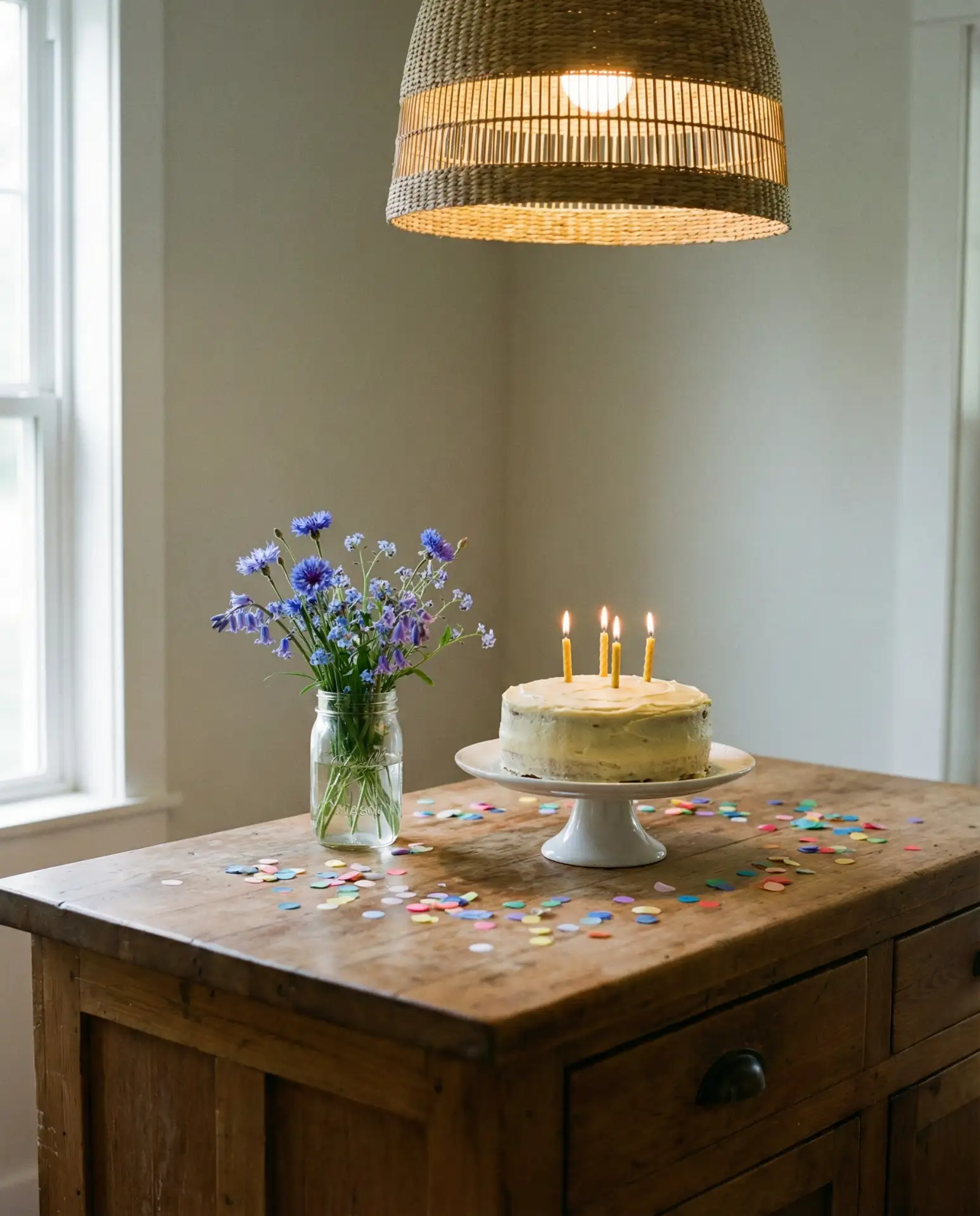
If your kitchen is due for a refresh—or you’re just deep in a late-night Pinterest spiral dreaming about one—you’re in exactly the right place. Kitchen design in 2026 has become a genuine cultural moment, blending global aesthetics, smarter layouts, and a refreshing push toward spaces that feel as personal as they are functional. Americans are searching for ideas that go beyond the all-white remodel: they want warmth, meaning, and rooms that actually fit the way they cook and live. Whether you’re planning a full renovation or just hunting for that one idea that finally clicks, this guide brings together 22 kitchen directions worth exploring this year.
1. Warm Minimal Kitchens with Natural Wood Tones
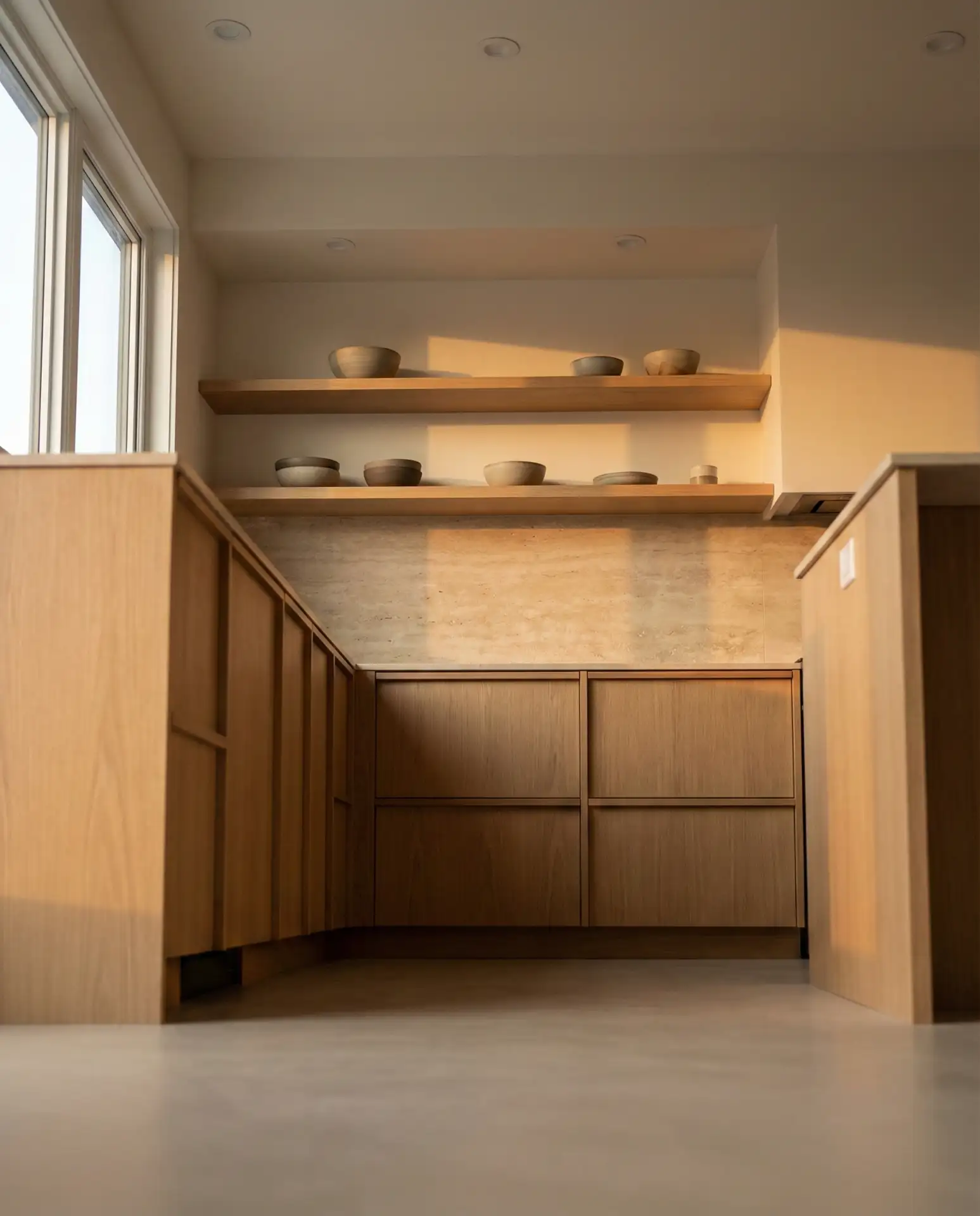
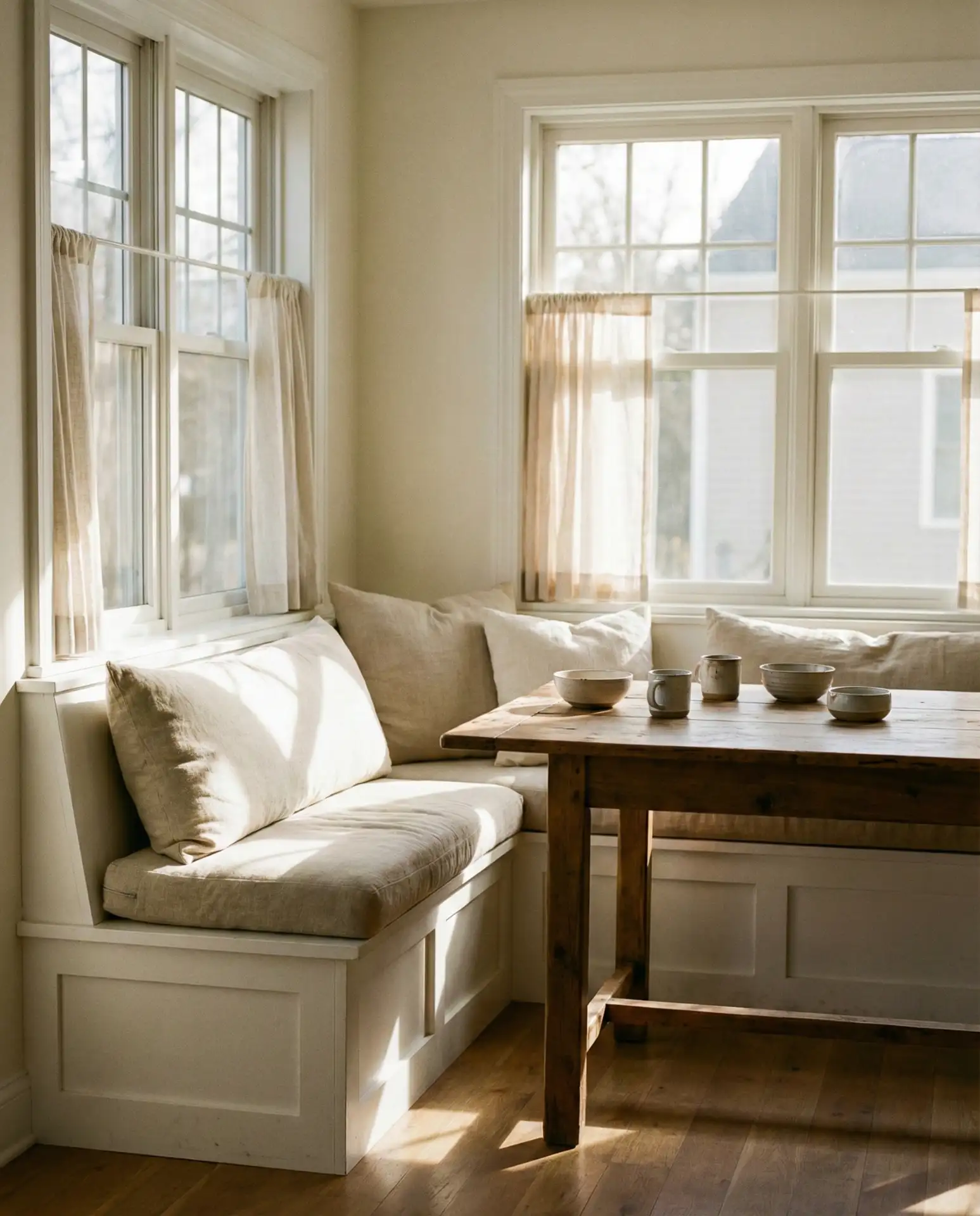
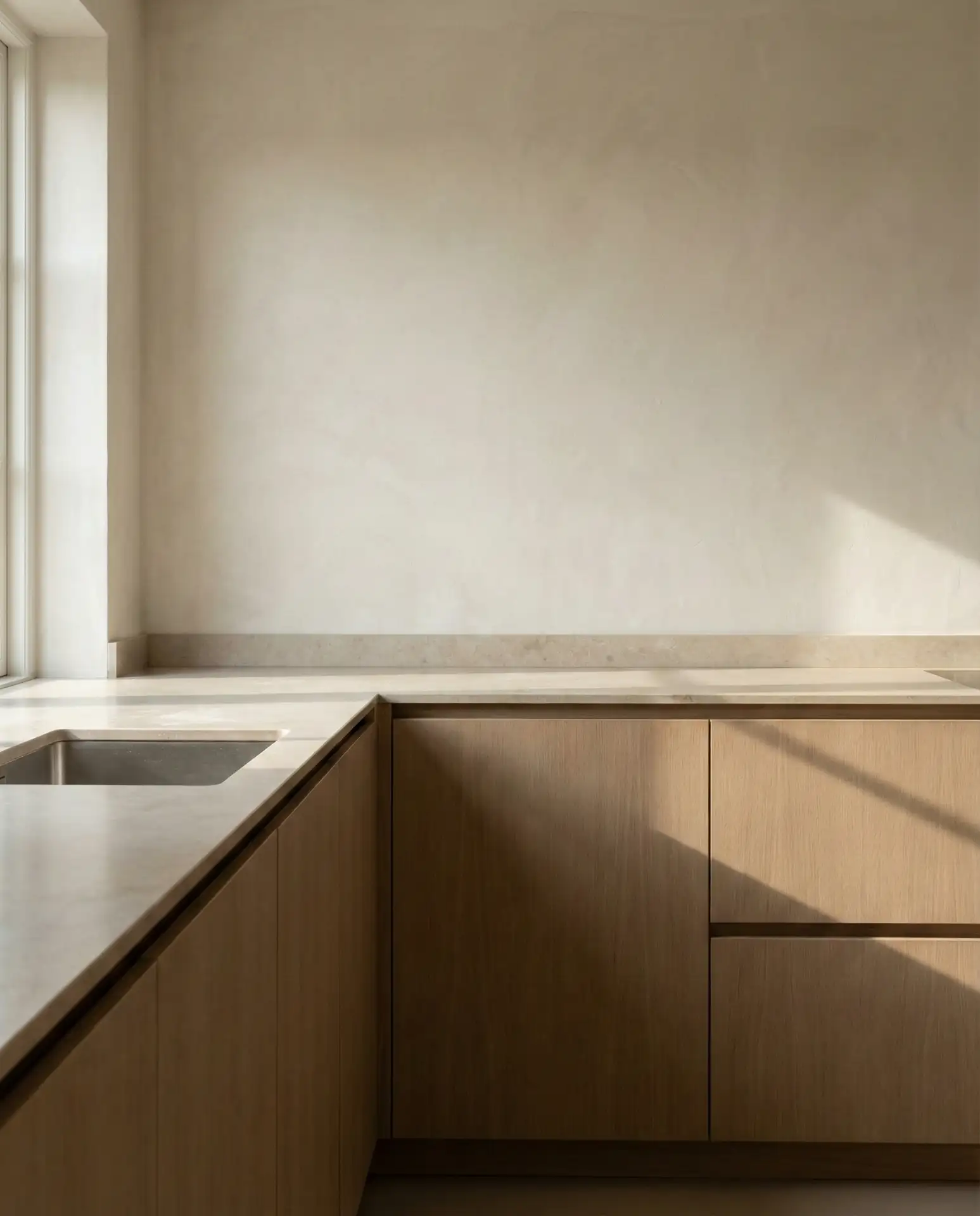
There’s a quiet revolution happening in American kitchens, and it smells like white oak. The minimalist kitchen of 2026 is trading its cold, sterile palette for something warmer—think natural wood grain cabinetry, matte stone countertops, and an almost meditative stillness in the layout. This is the modern kitchen distilled to its essence: nothing excess, nothing wasted. It works especially well in open-plan homes where the kitchen bleeds into the living area, creating one breathing, unified space.
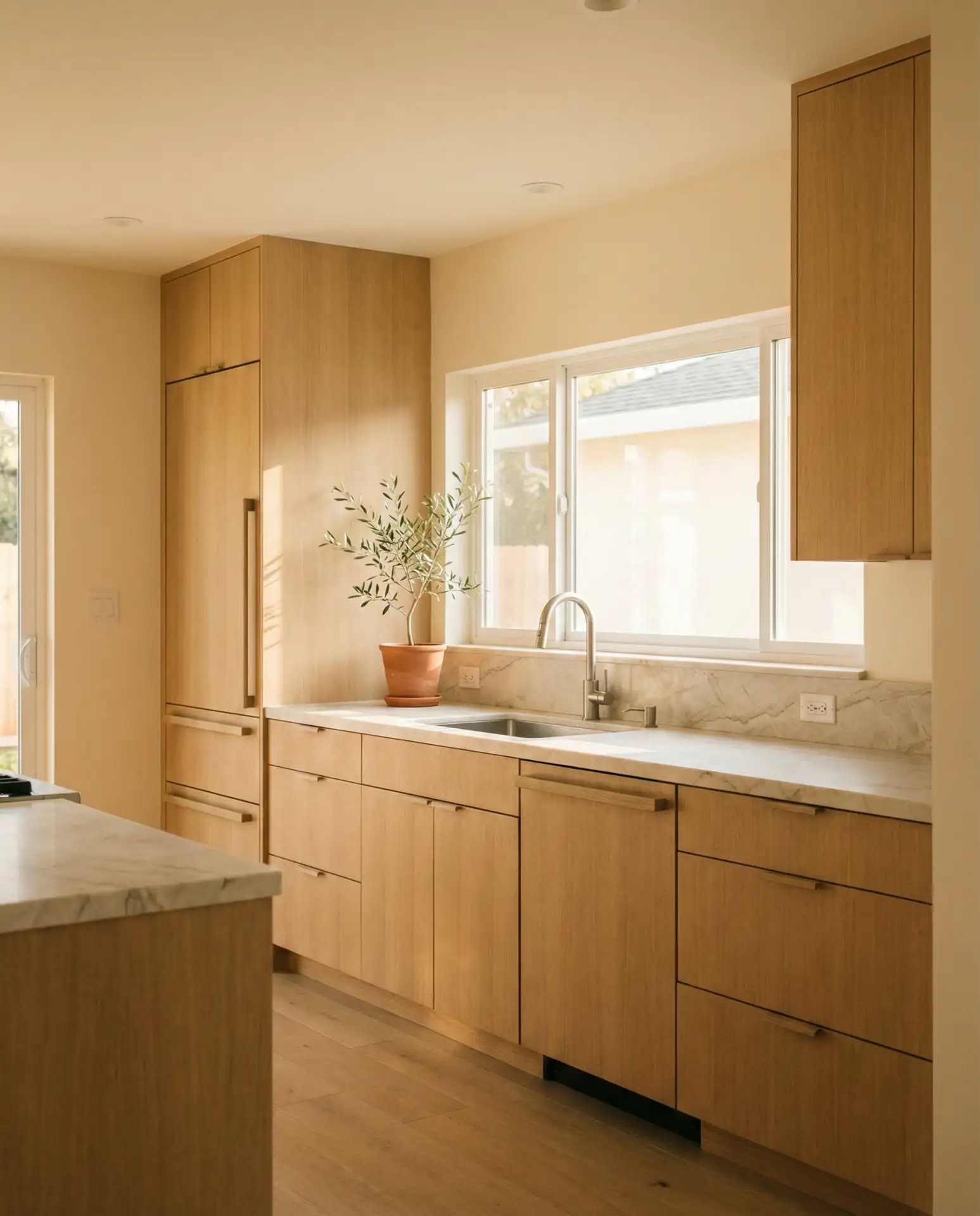
The practical insight here is that fewer materials mean lower long-term maintenance. When you limit your palette to two or three natural materials—wood, stone, and linen—cleaning becomes intuitive, and the kitchen ages gracefully rather than dating itself in five years. Pair white oak with a matte concrete-look countertop, and you’ve got a kitchen that will still feel fresh a decade from now.
2. Japandi Kitchen Aesthetics for Calm Cooking Spaces
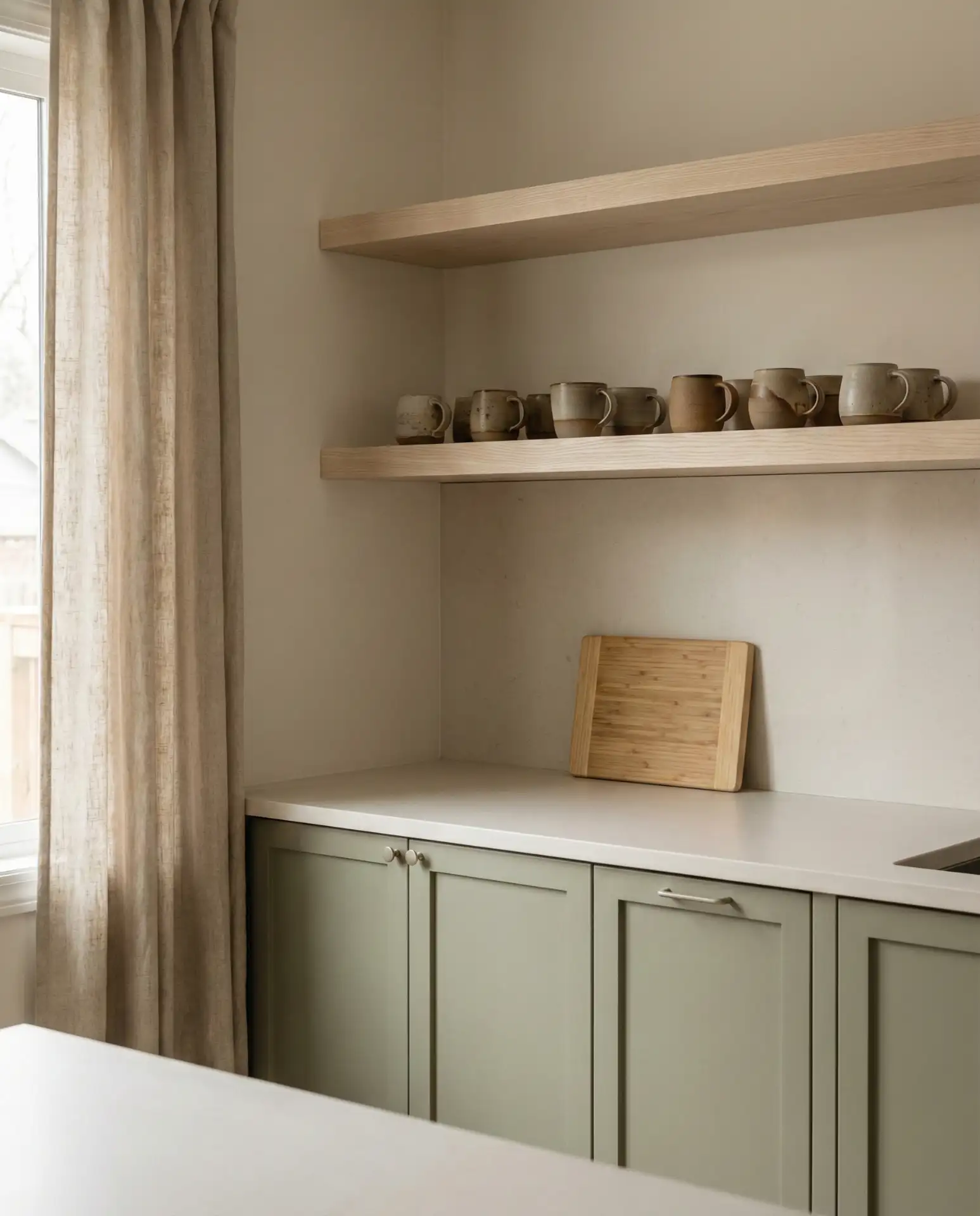
The Japandi kitchen is having a full cultural moment, and honestly, it’s earned it. This East-meets-Scandinavian design philosophy layers Japanese restraint—wabi-sabi imperfection, negative space, and handcrafted objects—with the Scandinavian love of functionality and light woods. In a kitchen context, that translates to hand-thrown ceramic vessels on open shelving, muted warm grays and sage greens, and cabinetry that sits quietly without demanding attention. It’s a style rooted in intention rather than decoration.
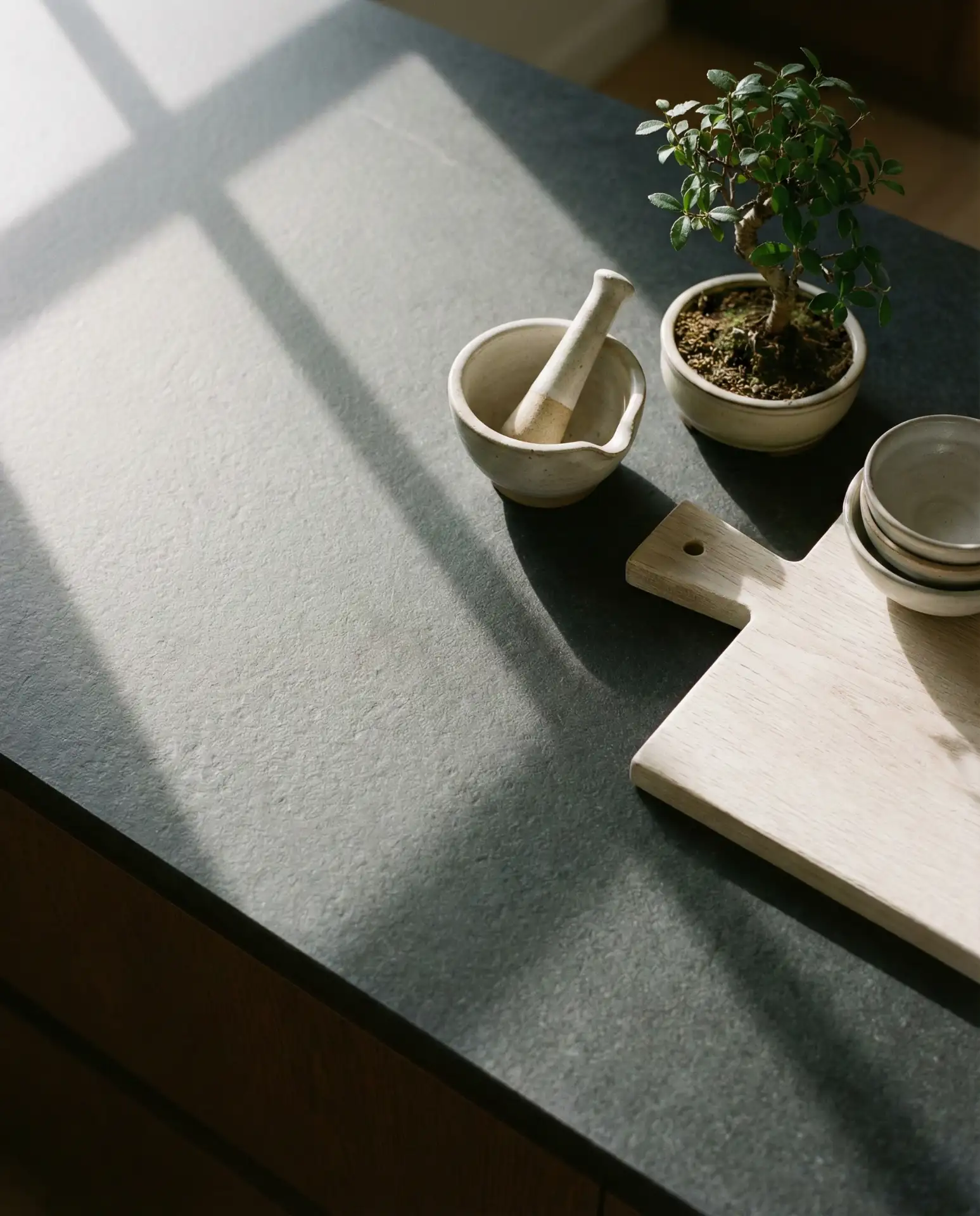
Where it works best: apartments and smaller urban homes where the kitchen doubles as a sanctuary. One Chicago designer described her Japandi renovation as “the first kitchen that actually made her want to cook on weekday mornings.” It’s less about the tiles and more about designing for a feeling—calm, grounded, present. Keep the color count low and let the texture do the talking.
3. Luxury Open Kitchen Plans with Island Seating
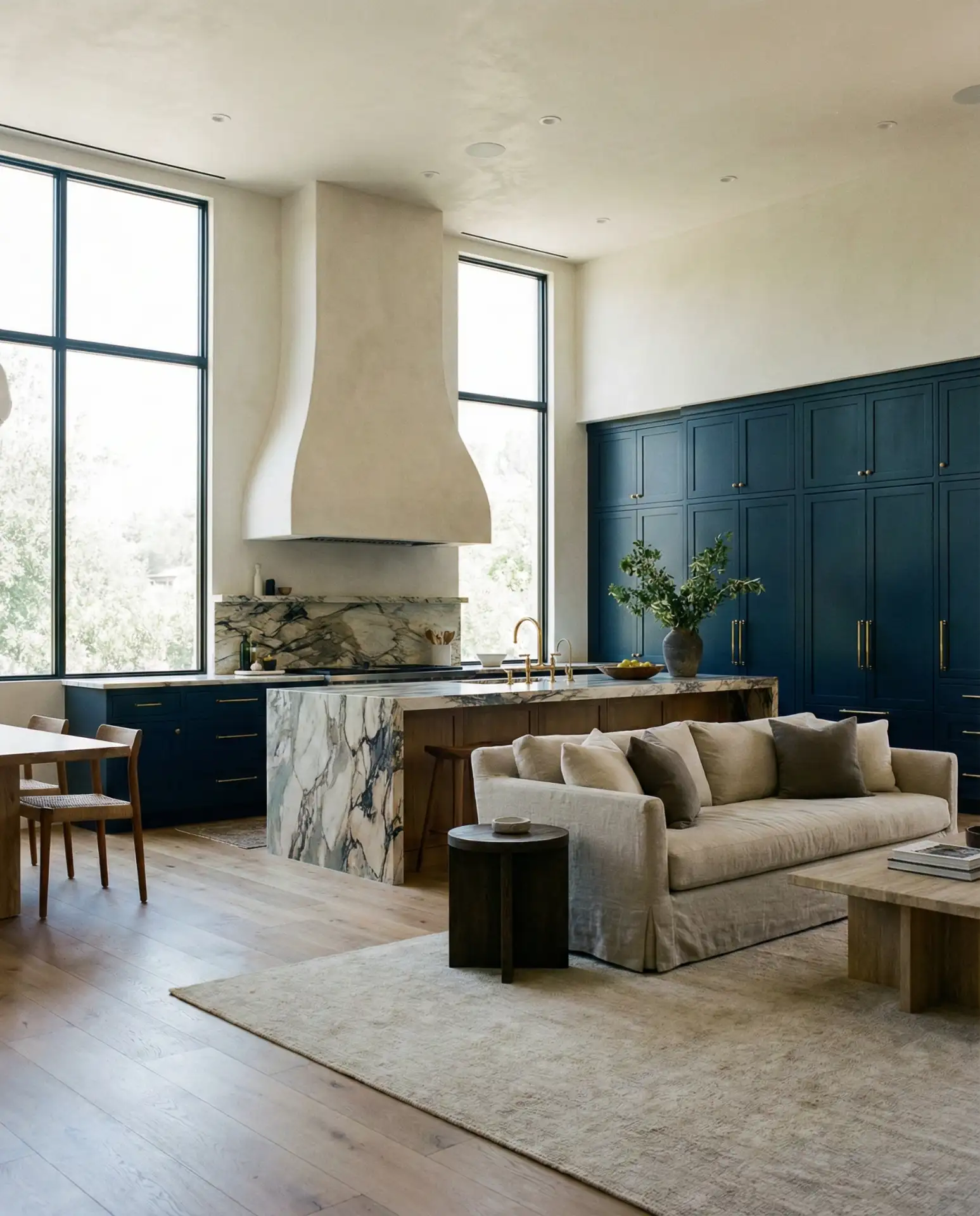
In upscale American homes, the luxury kitchen has moved well past granite and stainless steel. The 2026 version of high-end kitchen design is defined by its open flow—vast islands with waterfall countertops in book-matched marble, custom range hoods that read like sculptures, and integrated appliance panels that hide refrigerators behind cabinet doors. The kitchen isn’t just a workspace anymore; it’s the centerpiece of domestic life, designed to host, impress, and function at a professional level.
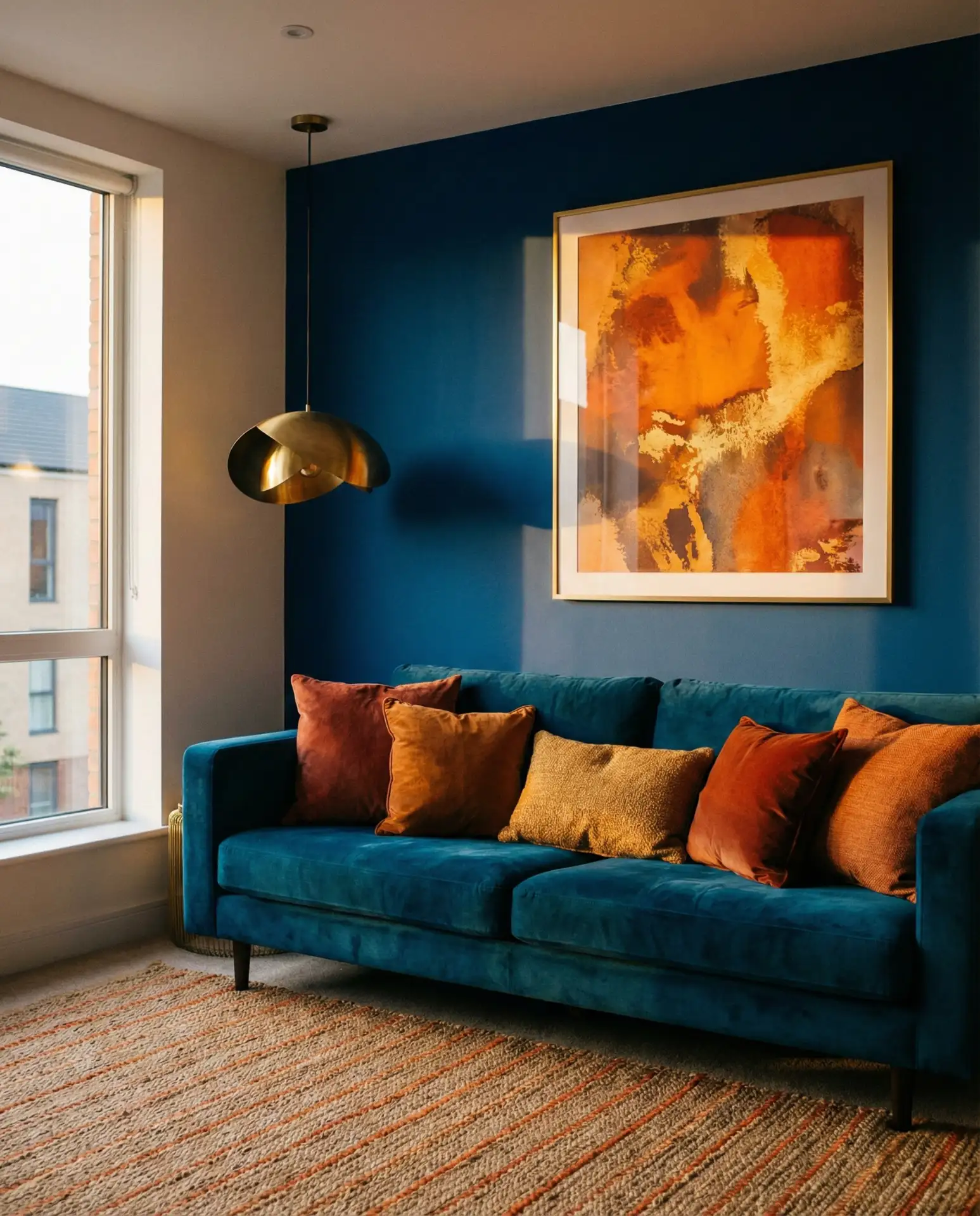
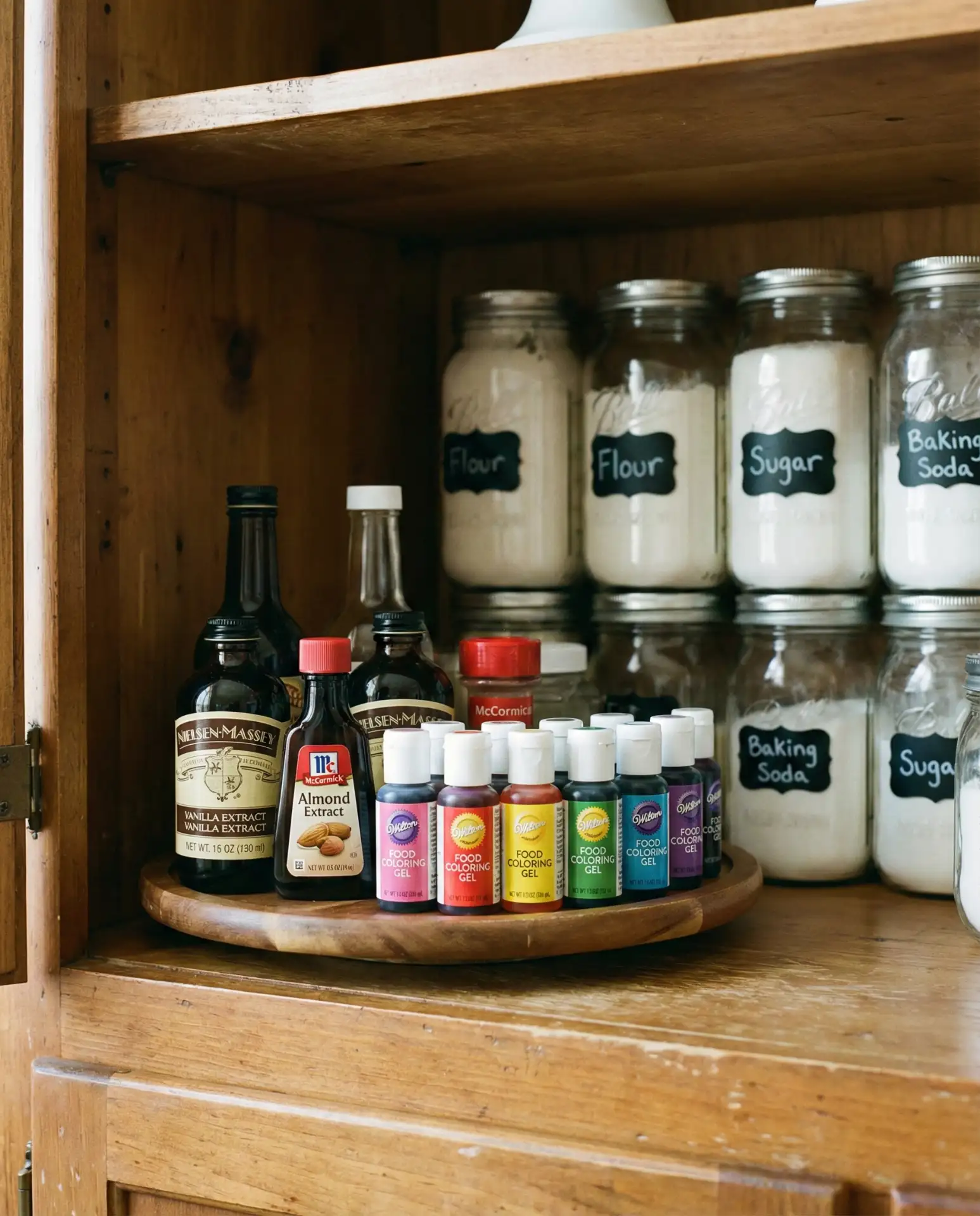
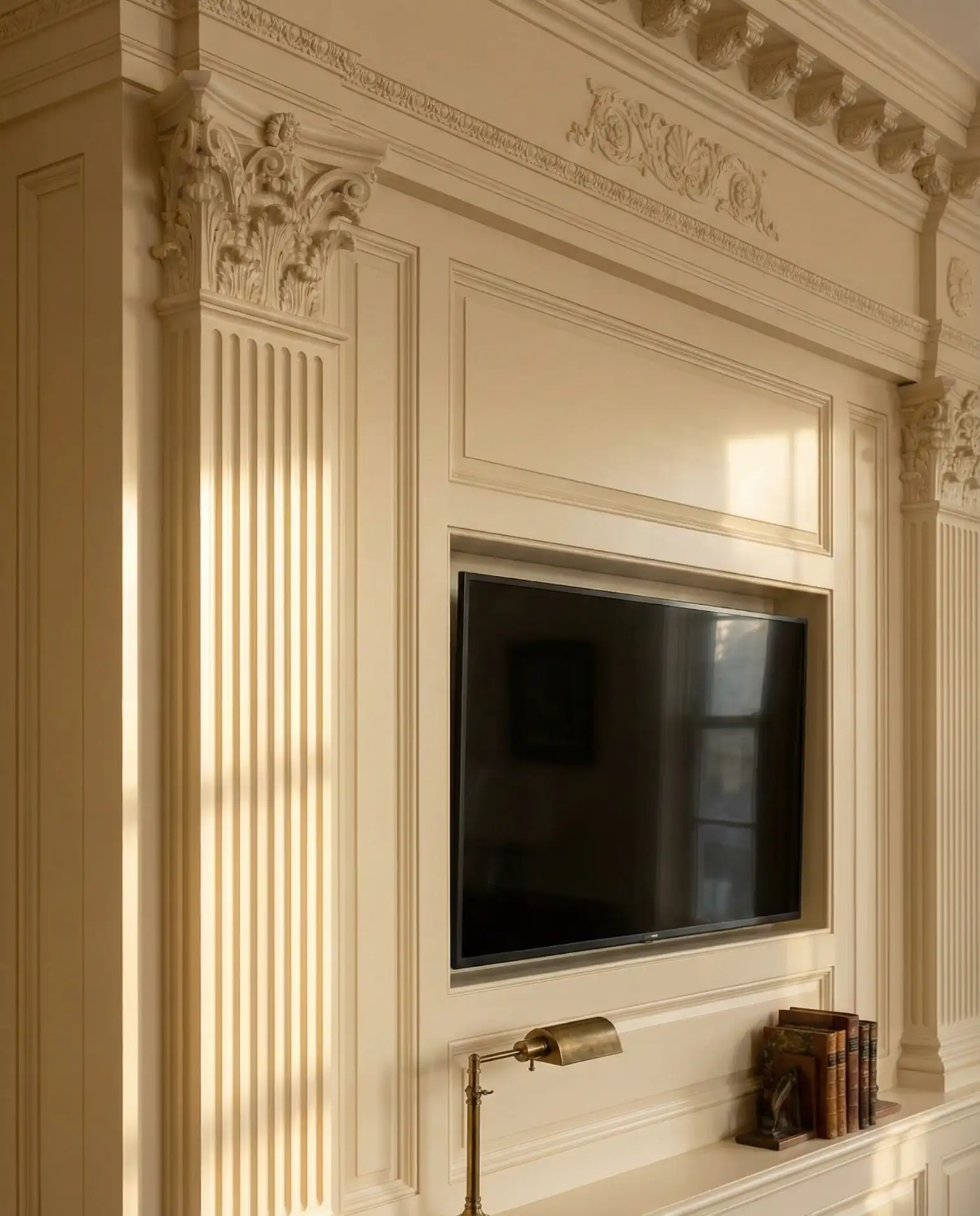
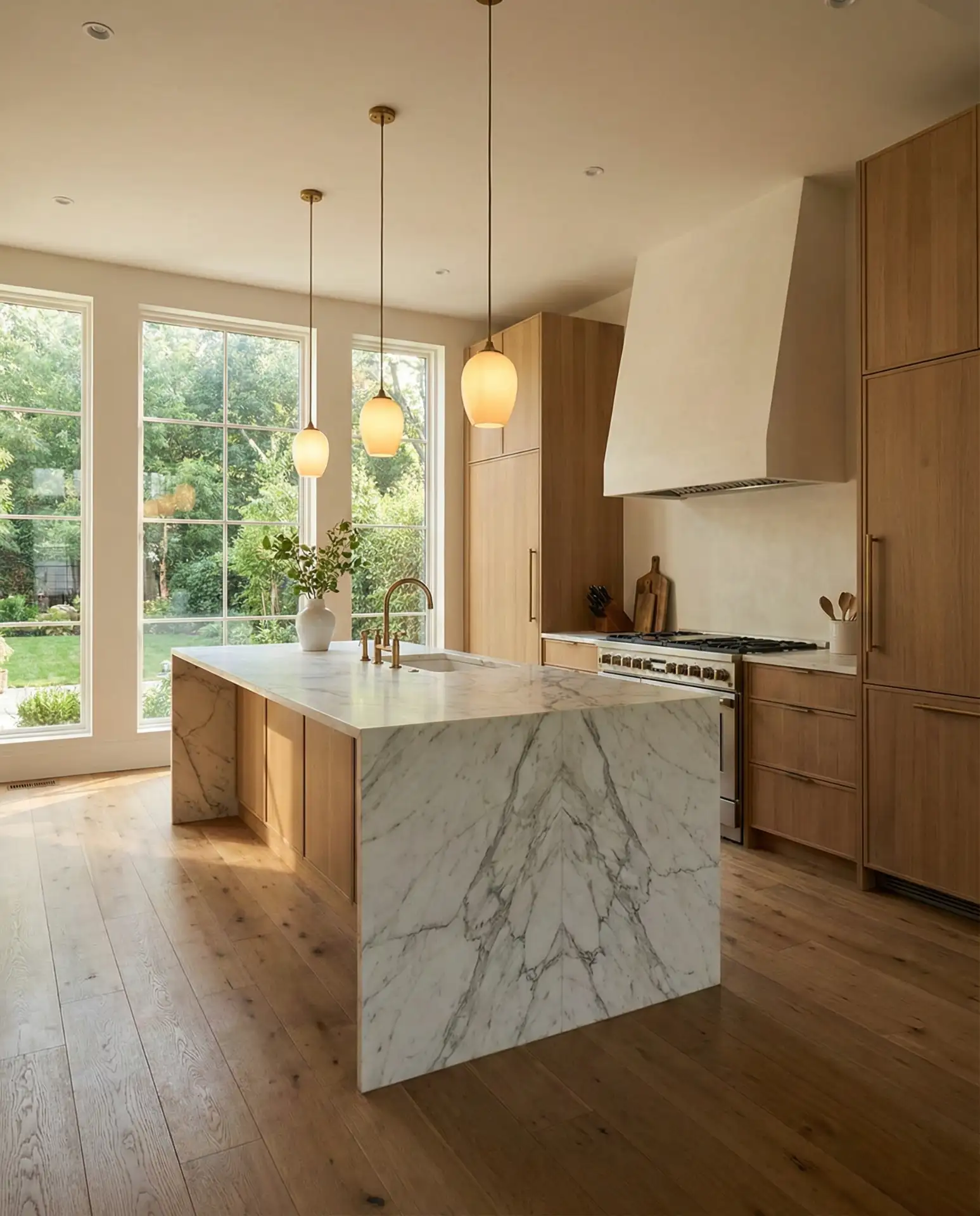
Budget reality check: a true luxury island kitchen starts around $80,000–$150,000 for the cabinetry and surfaces alone, not counting appliances. But the design language is accessible at lower price points—a waterfall edge in quartz costs a fraction of marble and delivers a similar visual payoff. If you’re planning from scratch, allocate your biggest spend to cabinetry and countertops; they’re the elements that define the room’s entire character.
4. Small Space Kitchen Solutions That Actually Work
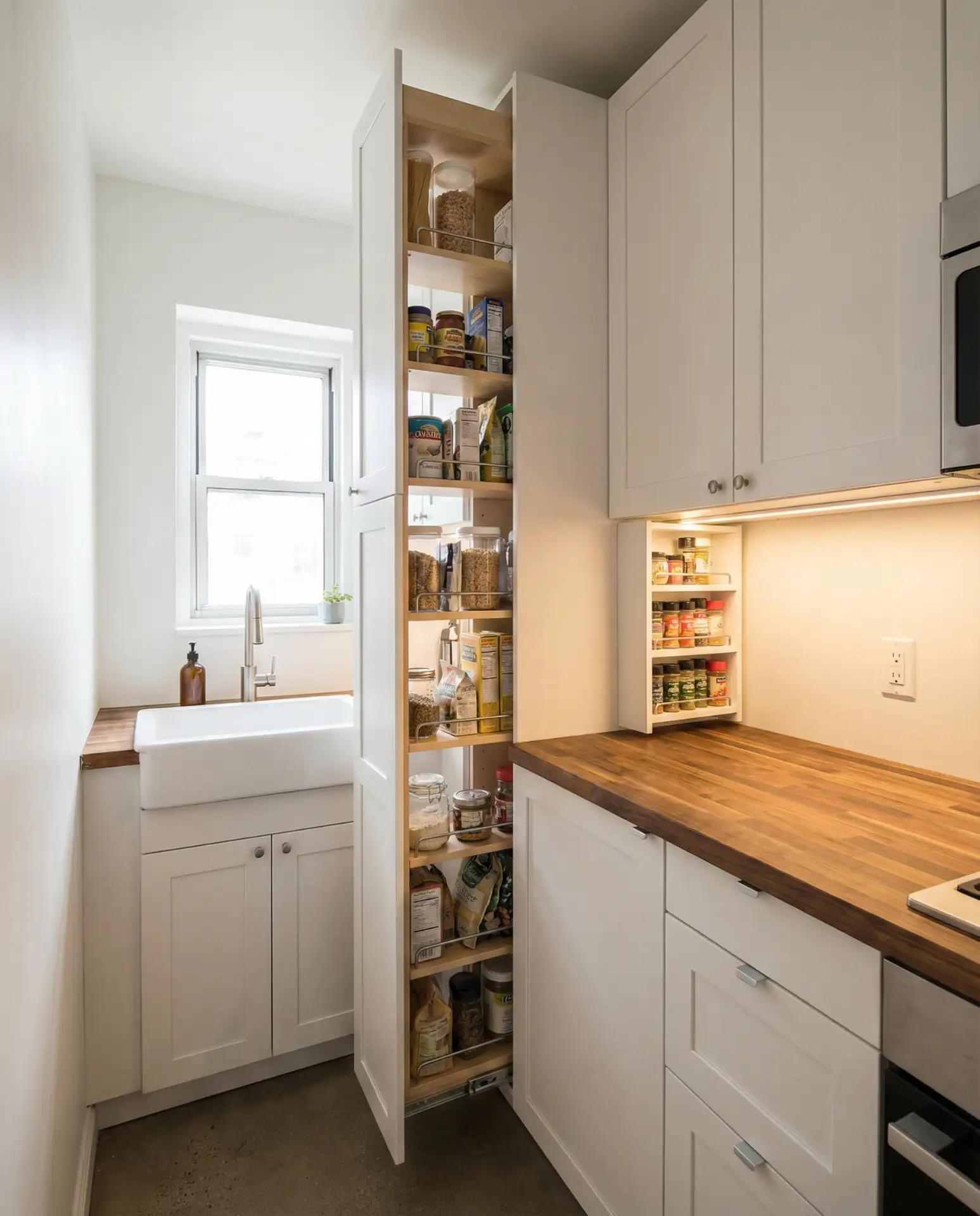
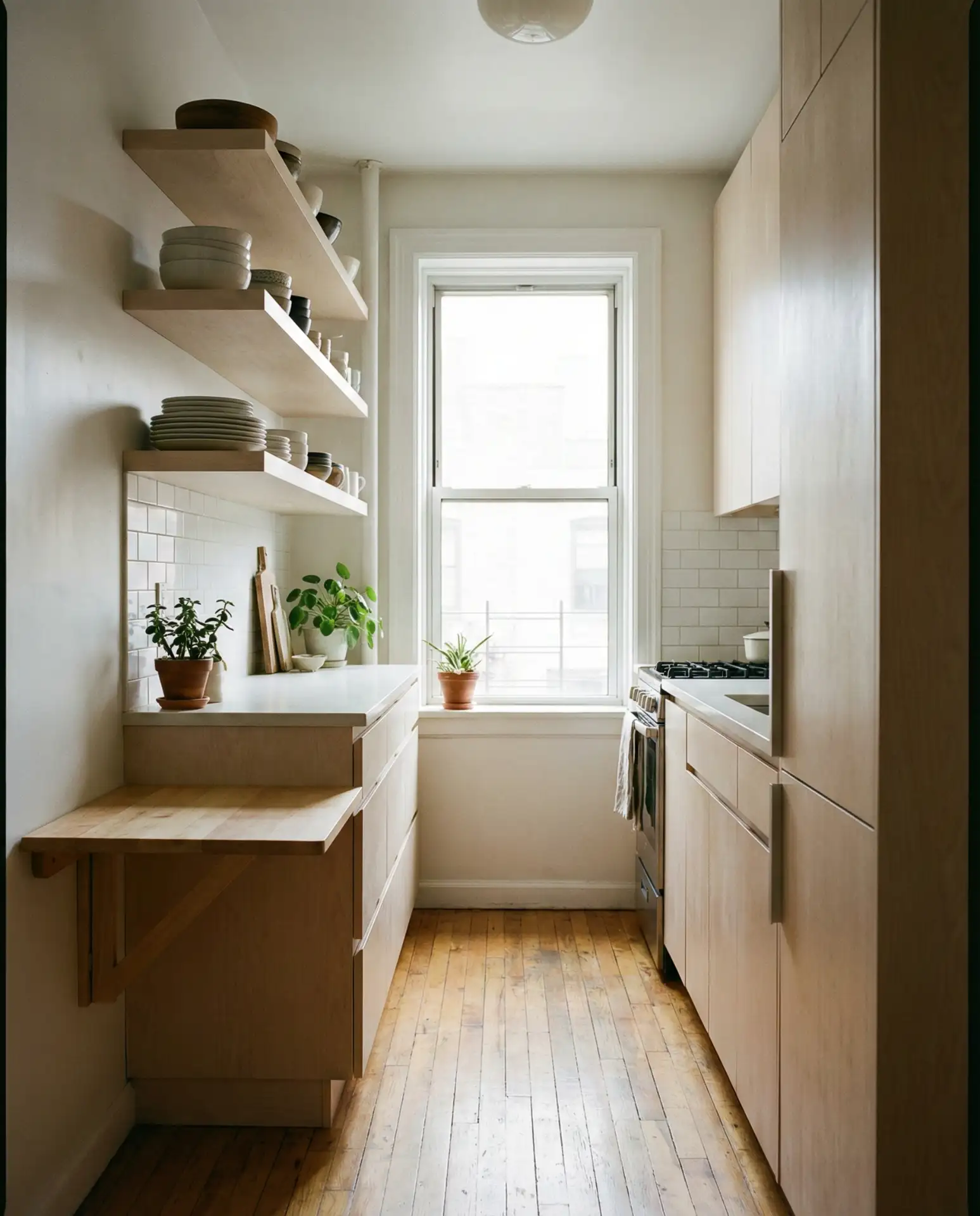
Living in a 650-square-foot apartment in New York, Austin, or Seattle doesn’t mean accepting a dysfunctional kitchen. The small-space kitchen revolution in 2026 is all about vertical thinking, hidden storage, and furniture-grade pieces that earn their keep. Modular systems—cabinetry and countertop units that can be reconfigured as your needs evolve—are especially popular with renters and first-time buyers who don’t want to commit to a permanent layout. Even a galley layout can feel spacious when you design it with real intention.
One of the most common mistakes people make in small kitchens is overfilling them. A countertop covered in appliances actually makes a tiny kitchen feel more chaotic, not more functional. Keep the toaster in a cabinet and only pull it out when you need it. Designing for clear counters—even in compact kitchens—instantly makes the space feel twice its actual size.
5. Industrial Kitchen Style with Exposed Elements
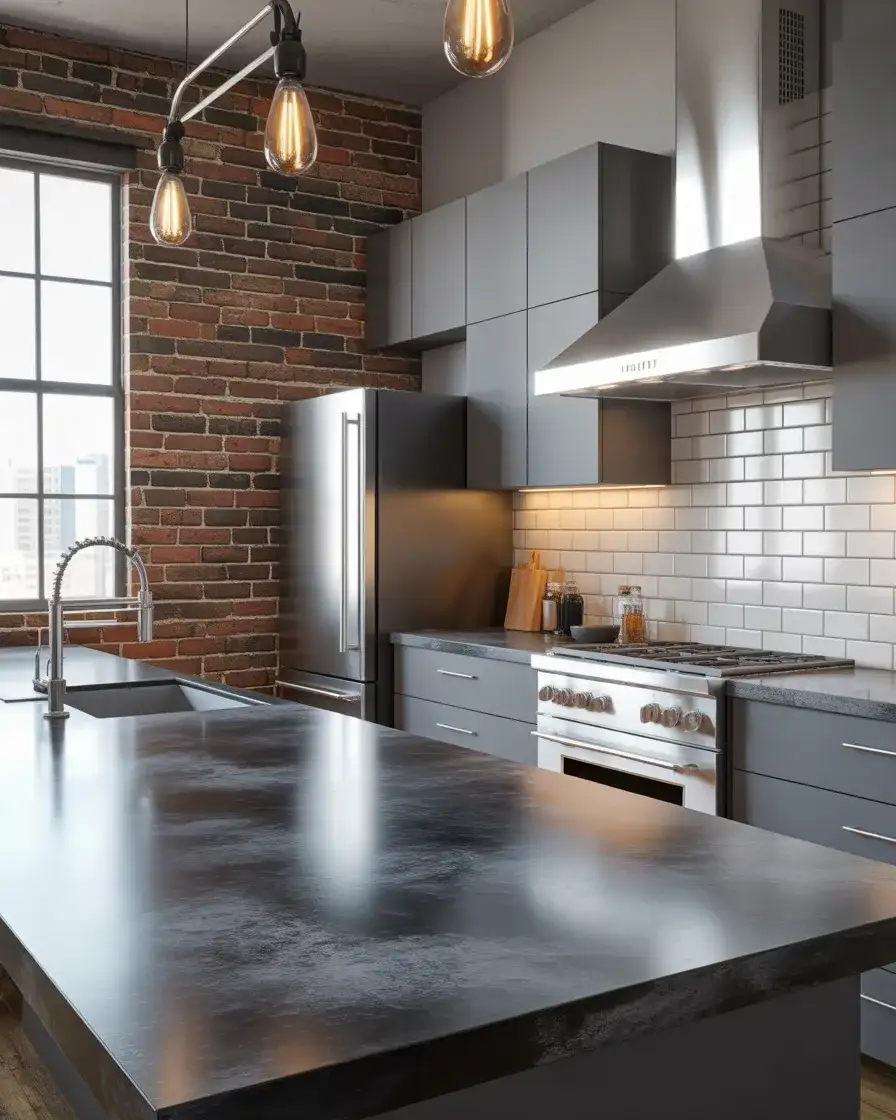
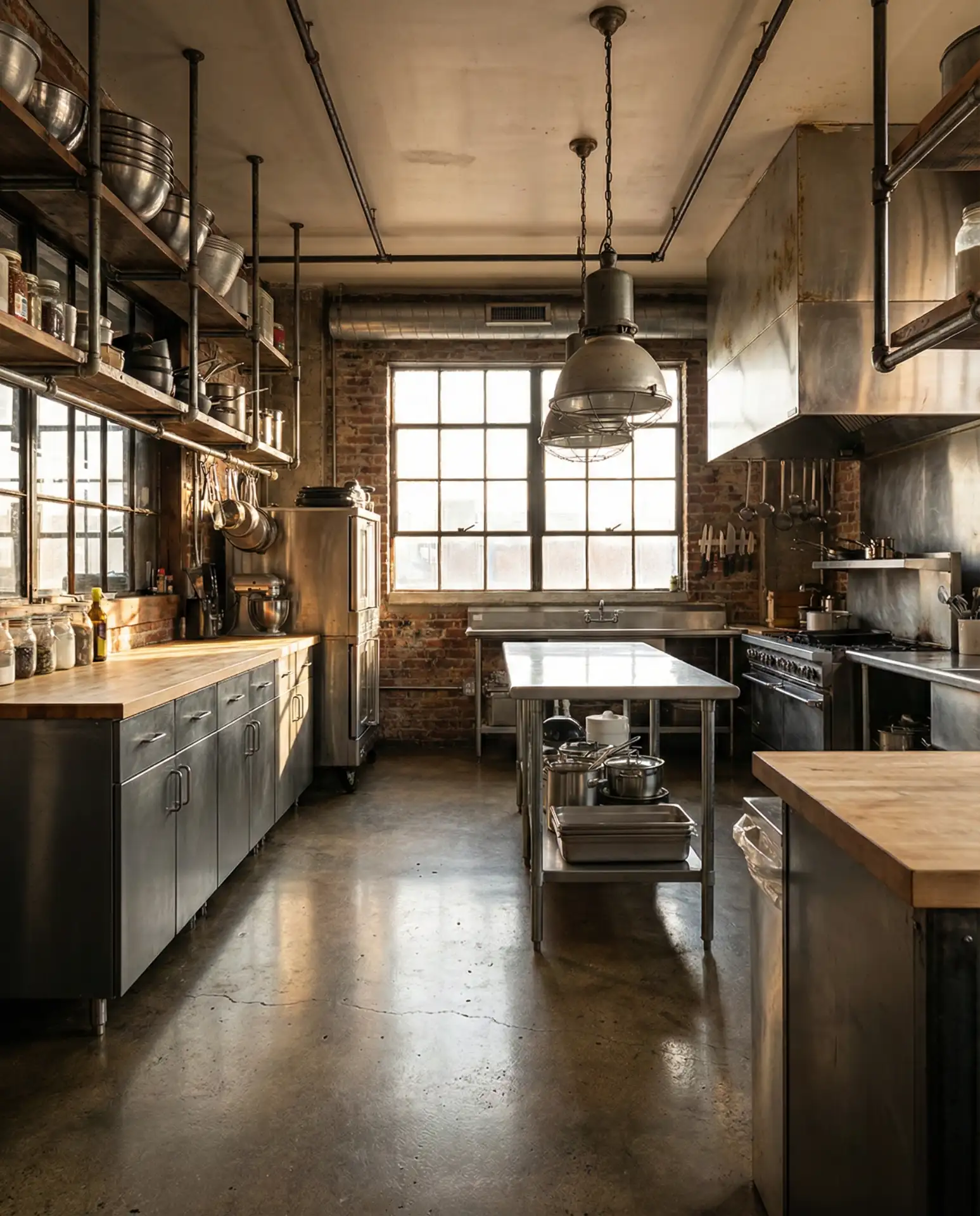
The industrial kitchen draws its power from honesty—raw materials left unapologetically visible, rather than hidden behind drywall and paint. Think exposed brick or concrete block walls, open steel shelving, factory-style pendant lighting, and commercial-grade appliances. It’s a look that feels at home in loft conversions, warehouse apartments, and urban townhouses, and it’s gaining traction well beyond Brooklyn and Chicago’s West Loop. The raw aesthetic reads bold on Pinterest and ages remarkably well in real life.
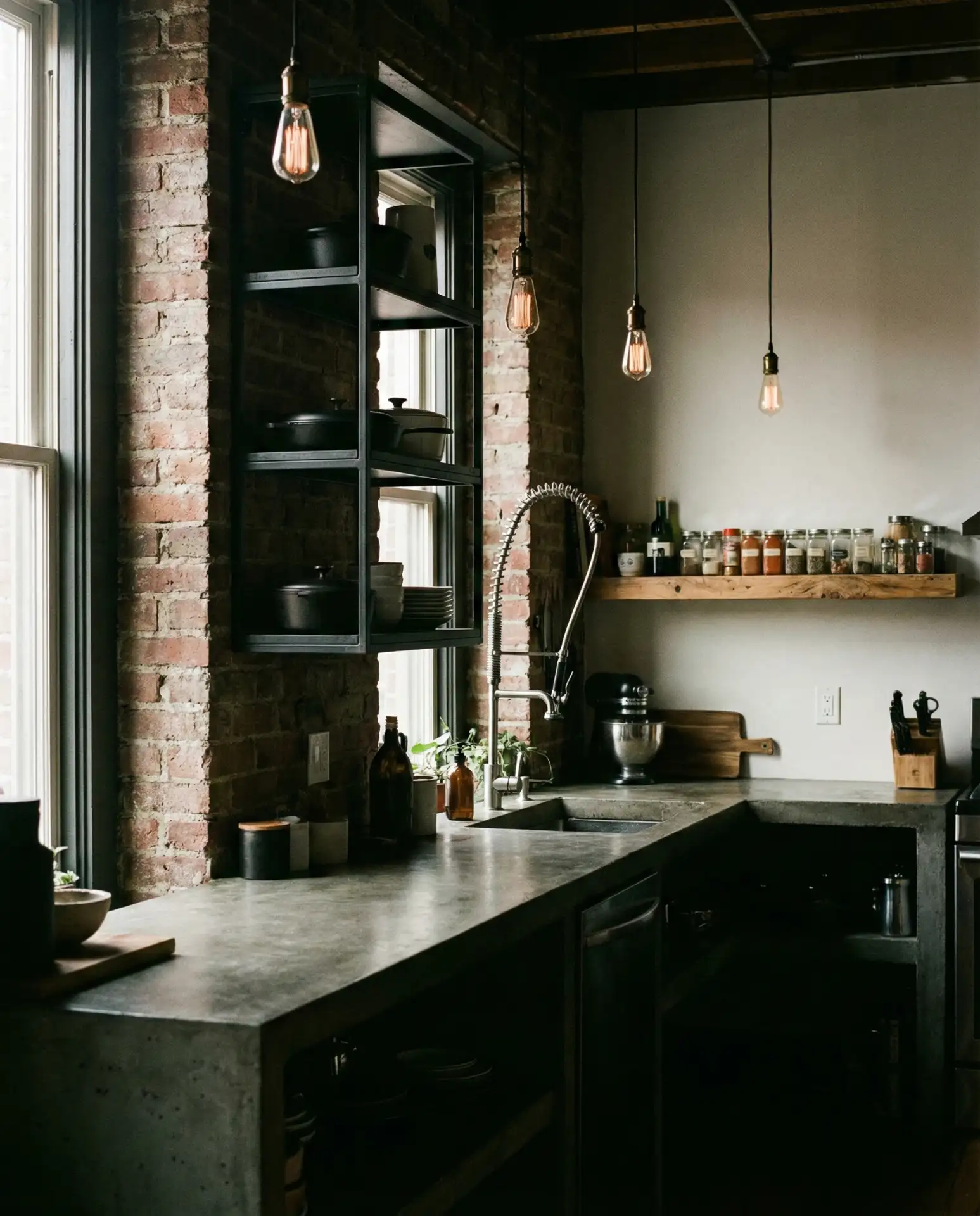
Where it works best: open-plan lofts and homes with high ceilings, where the rawness doesn’t feel oppressive. In a traditional suburban ranch house, full industrial can feel forced—but picking one or two elements (a concrete countertop, black steel shelving) layered into an otherwise warmer kitchen creates that tension in the best way. The contrast is the point.
6. Green Kitchen Cabinetry and Biophilic Design
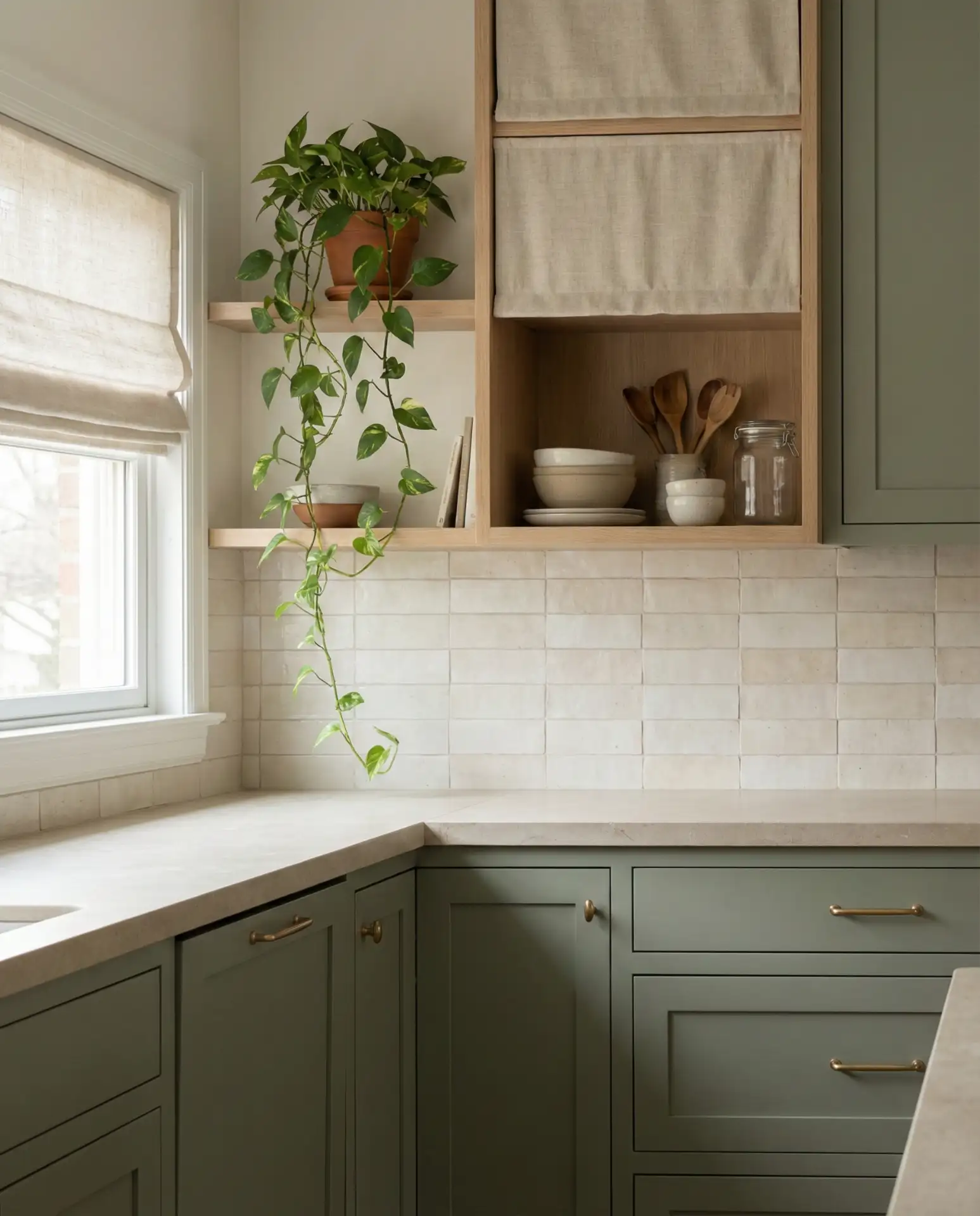
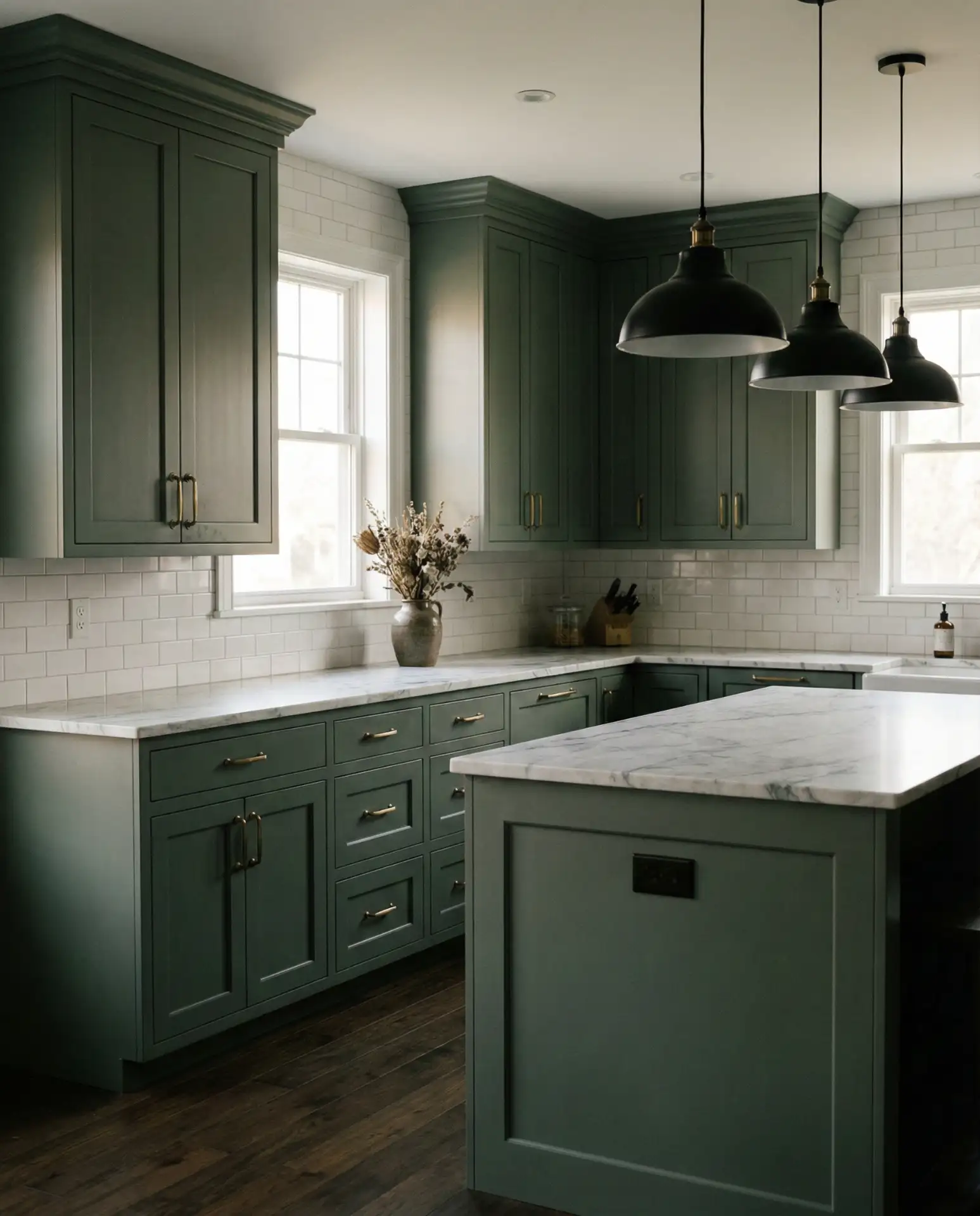
Green kitchens aren’t going anywhere—and in 2026, the trend has matured from “trendy” to genuinely nuanced. Green cabinetry now spans a wide spectrum: forest green, sage, dusty olive, eucalyptus, and hunter. The contemporary approach pairs it with natural stone, potted herbs on the windowsill, and materials chosen for their sustainable credentials as much as their visual appeal. This is biophilic design made practical—bringing the outdoors in through color, texture, and living plants.
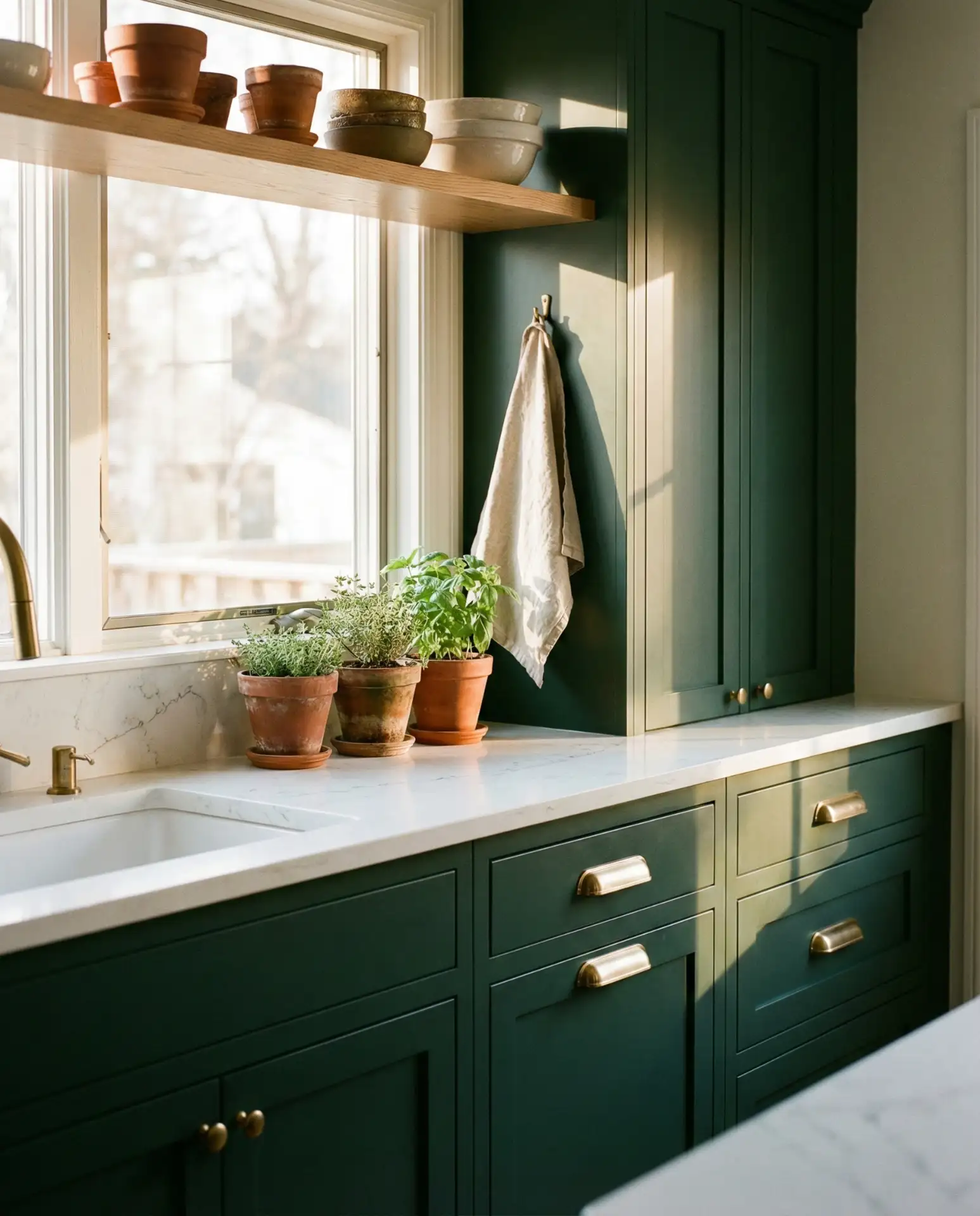
American homeowners in the Pacific Northwest and New England have led this trend, partly because it harmonizes with their natural surroundings. But a green kitchen reads beautifully in any climate. An interior designer based in Austin shared that sage green kitchens photograph particularly well in homes with warm Texas light—the natural undertones in the paint interact with the golden afternoon sun in a way that no studio filter can replicate.
7. Classic White Kitchen Reimagined for 2026
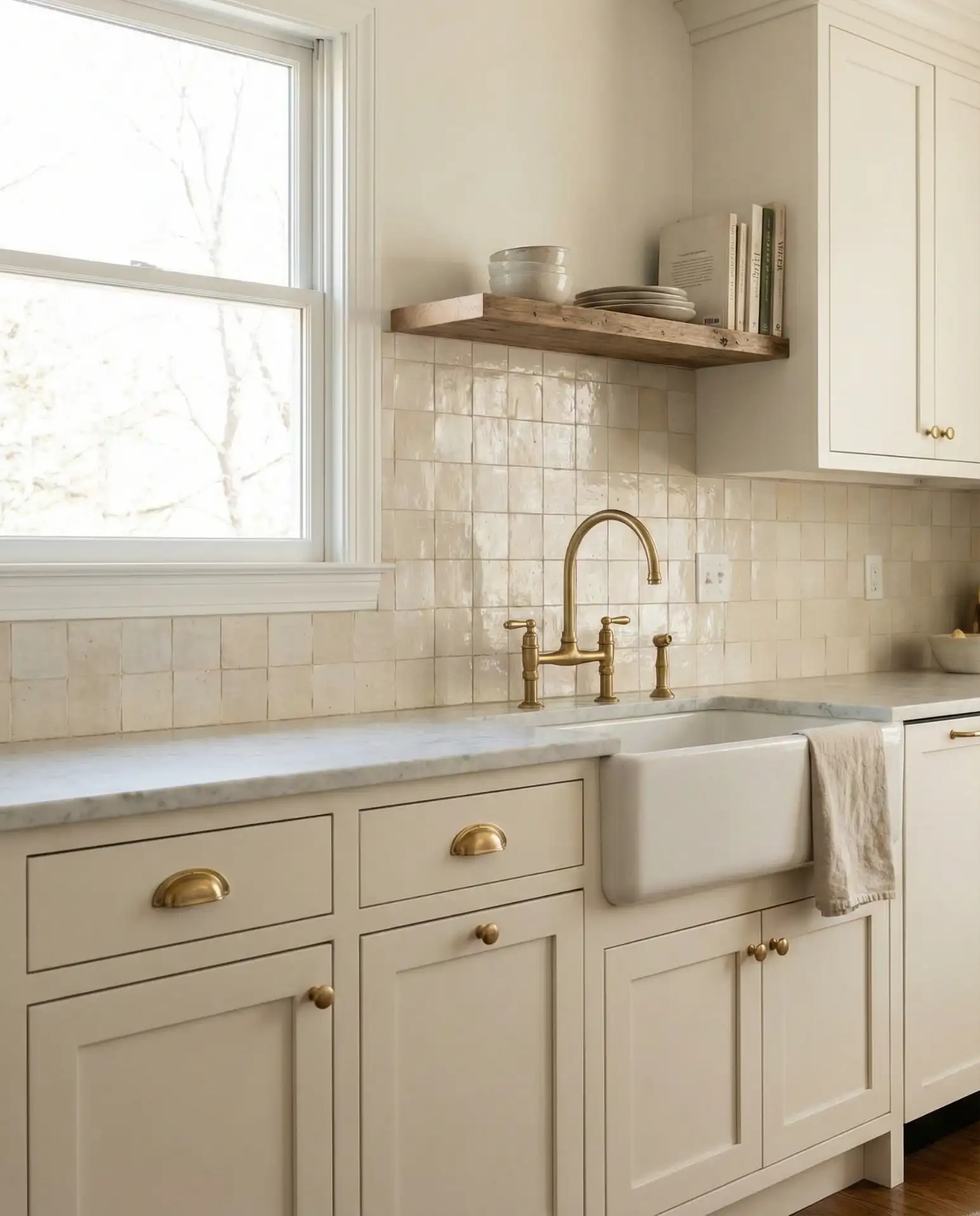
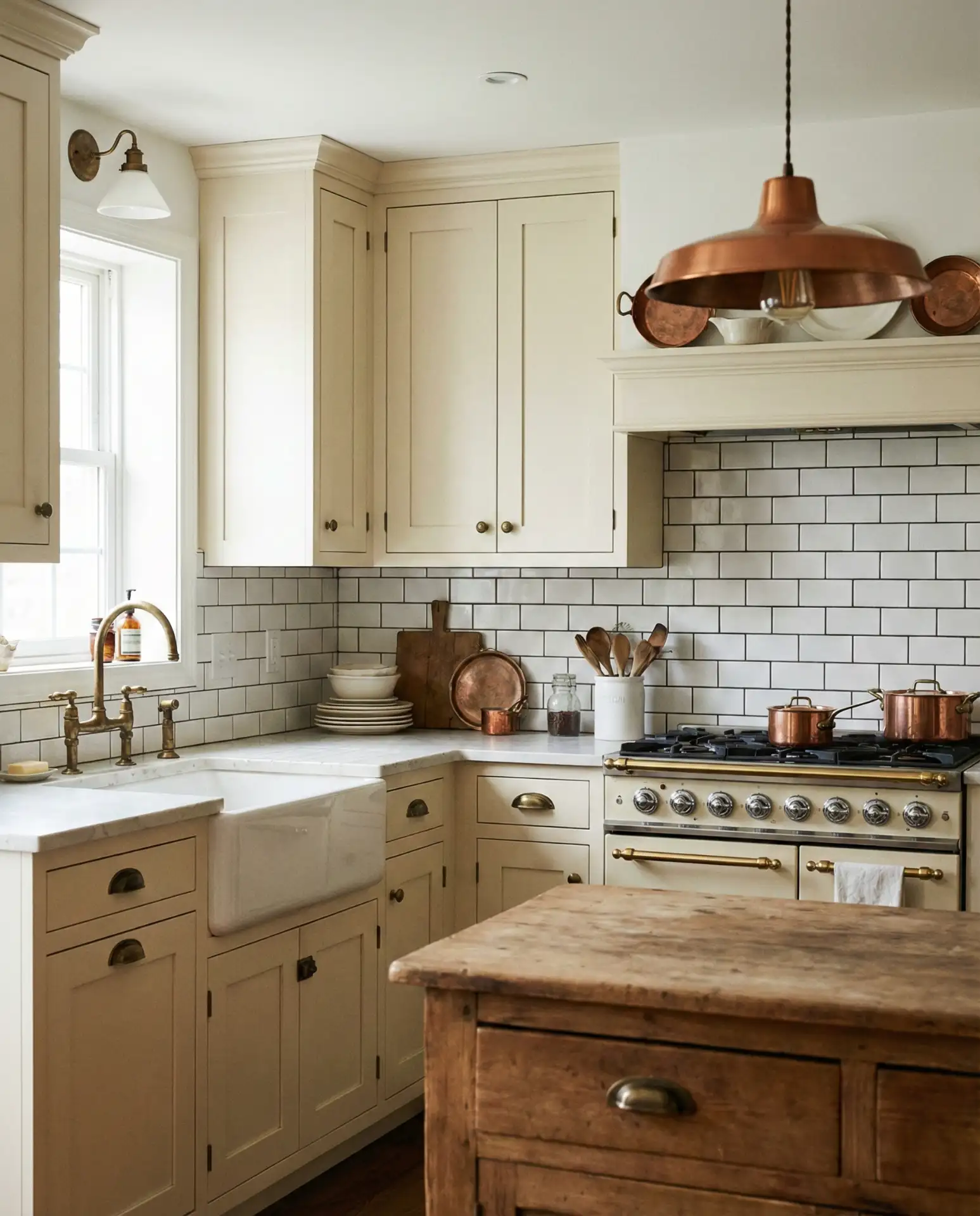
Reports of the white kitchen’s death have been greatly exaggerated. The classic white kitchen is very much alive in 2026 — it’s just been reimagined with more dimension and personality. Rather than the flat, high-gloss, “scrub everything clean” version of the 2010s, today’s white kitchen leans into warmth: warm white and cream tones, layered textures like shiplap or zellige tile, brushed hardware in unlacquered brass or aged iron, and plenty of natural wood as a counterpoint. It’s elegant without being cold.
 .
.
Real homeowner behavior worth noting: most families who paint their kitchens white end up gravitating toward a warmer shade—Benjamin Moore White Dove, Sherwin-Williams Alabaster—within a renovation cycle or two. Pure cool whites can read clinical under incandescent lighting, especially in kitchens without much natural light. Test three or four shades in your specific light conditions before committing. It sounds obvious, but it’s the step most people skip.
8. Mid-Century Modern Kitchen Design with Retro Warmth
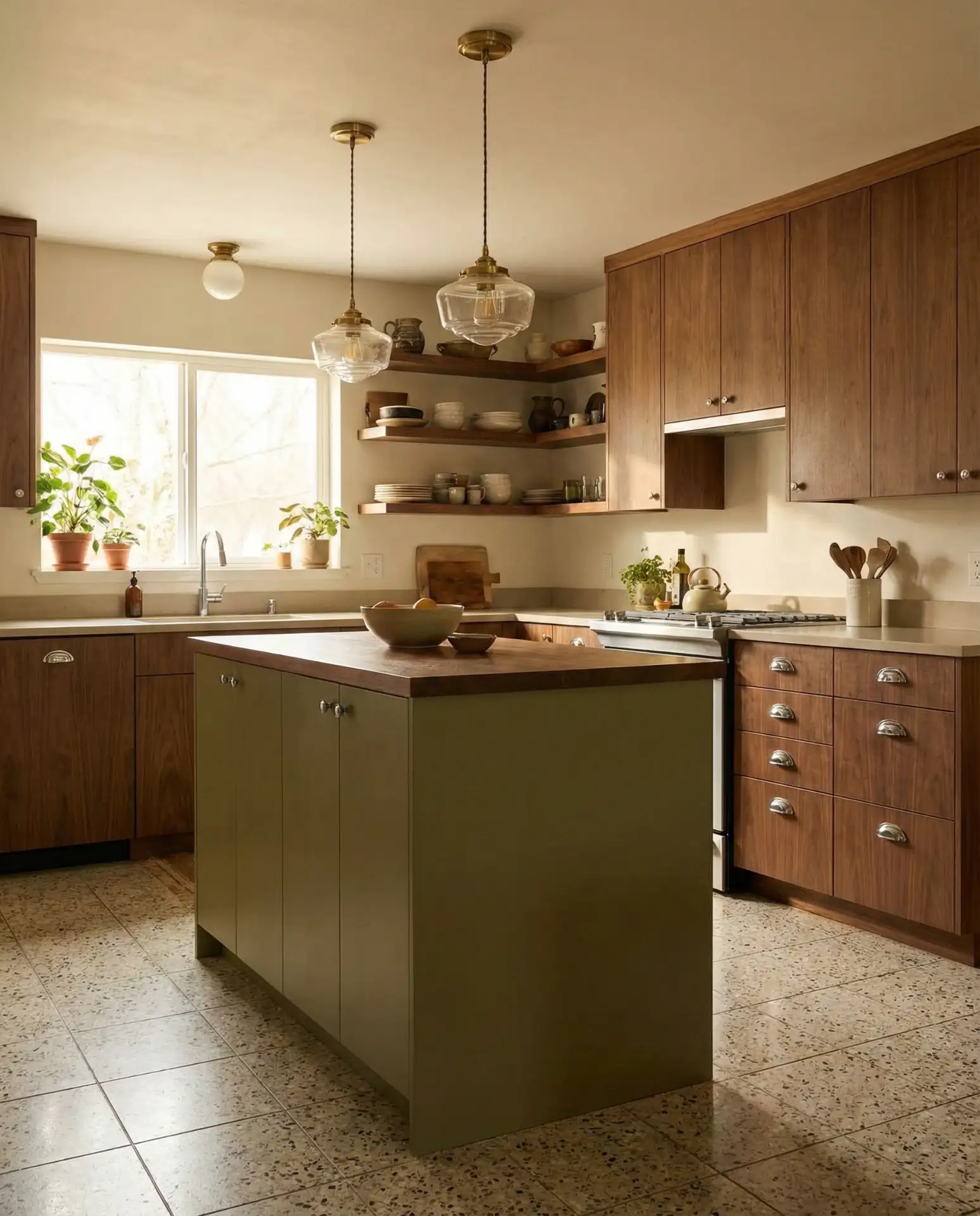
There’s something deeply satisfying about a mid-century modern kitchen—it feels both nostalgic and current, which is a difficult balance to strike. In 2026, this style is being interpreted with more warmth and livability than its more austere historical versions. Expect walnut cabinetry with tapered legs, terrazzo or linoleum flooring in muted palettes, and fixtures that nod to 1950s–1960s Americana without becoming a theme park. The result is a kitchen that feels like a home, not a showroom.
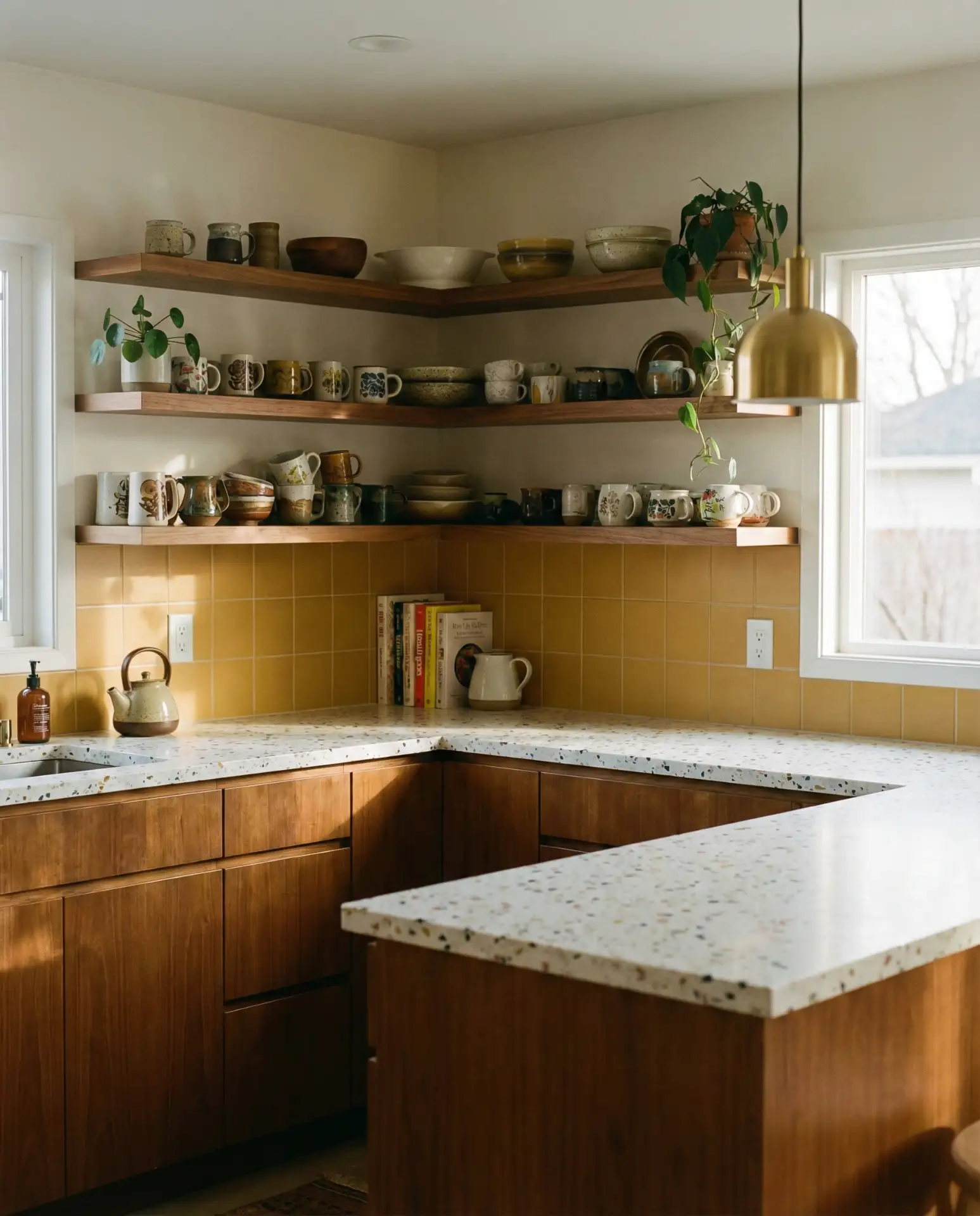
Expert-style insight: the key to avoiding a costume-y MCM kitchen is restraint in the retro details. Pick one or two authentic period references—the terrazzo floor, the tapered cabinet legs—and let the rest of the space breathe in a more timeless direction. Over-commit to the era, and it reads like a set design. Stay selective, and it reads like effortless taste. Less is more, even in a style known for its personality.
9. Parallel Kitchen Layout for Efficient Cooking Flow
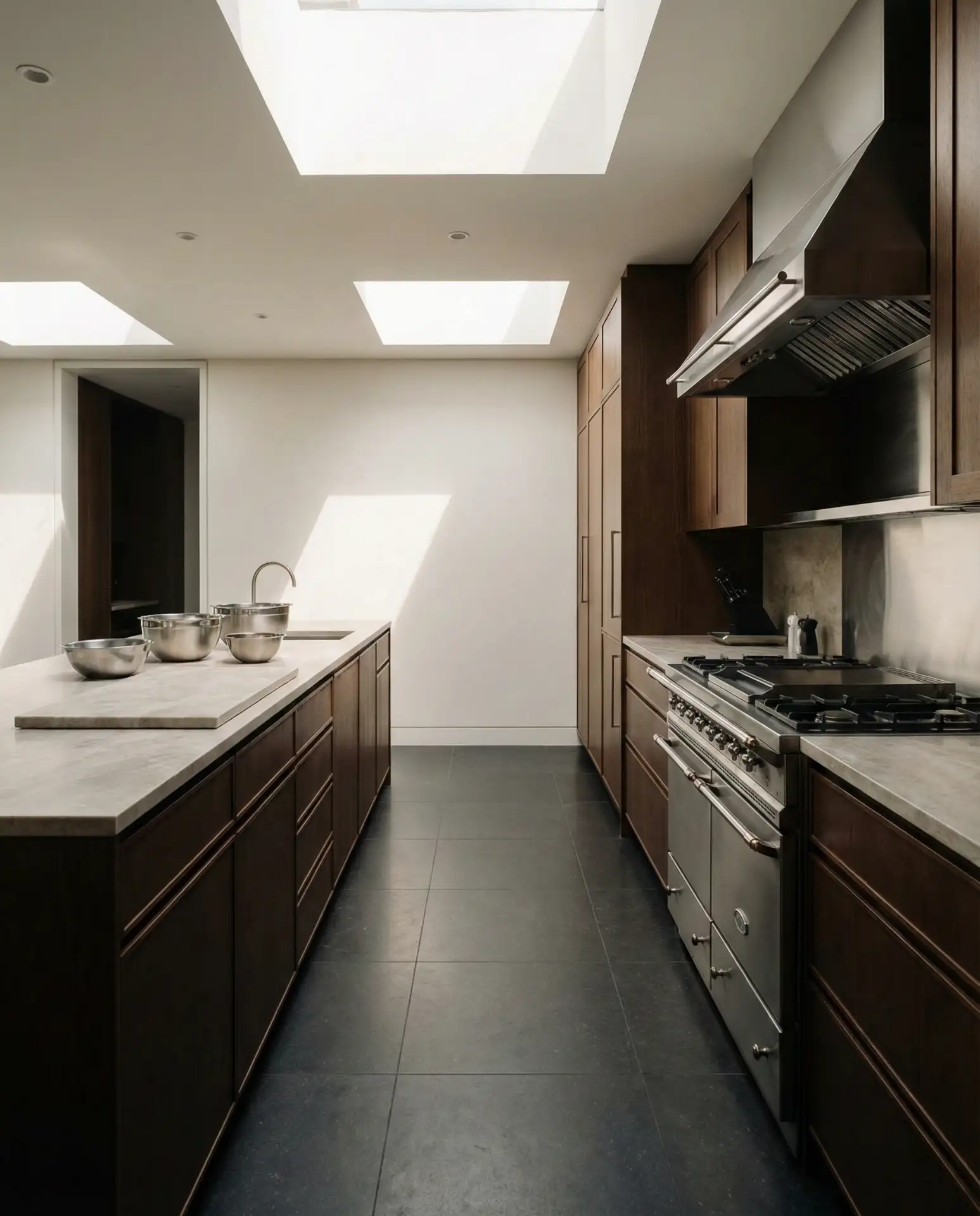
The parallel kitchen—two facing runs of cabinetry and countertops with a corridor between them—is one of the most practical layouts in existence, and it’s finding new fans among serious home cooks in 2026. It mirrors the workflow of a professional kitchen: prep on one side, cooking on the other, with everything within arm’s reach. For contemporary homes where the kitchen is a dedicated workspace rather than a social centerpiece, this layout eliminates the compromises that come with islands and peninsulas.
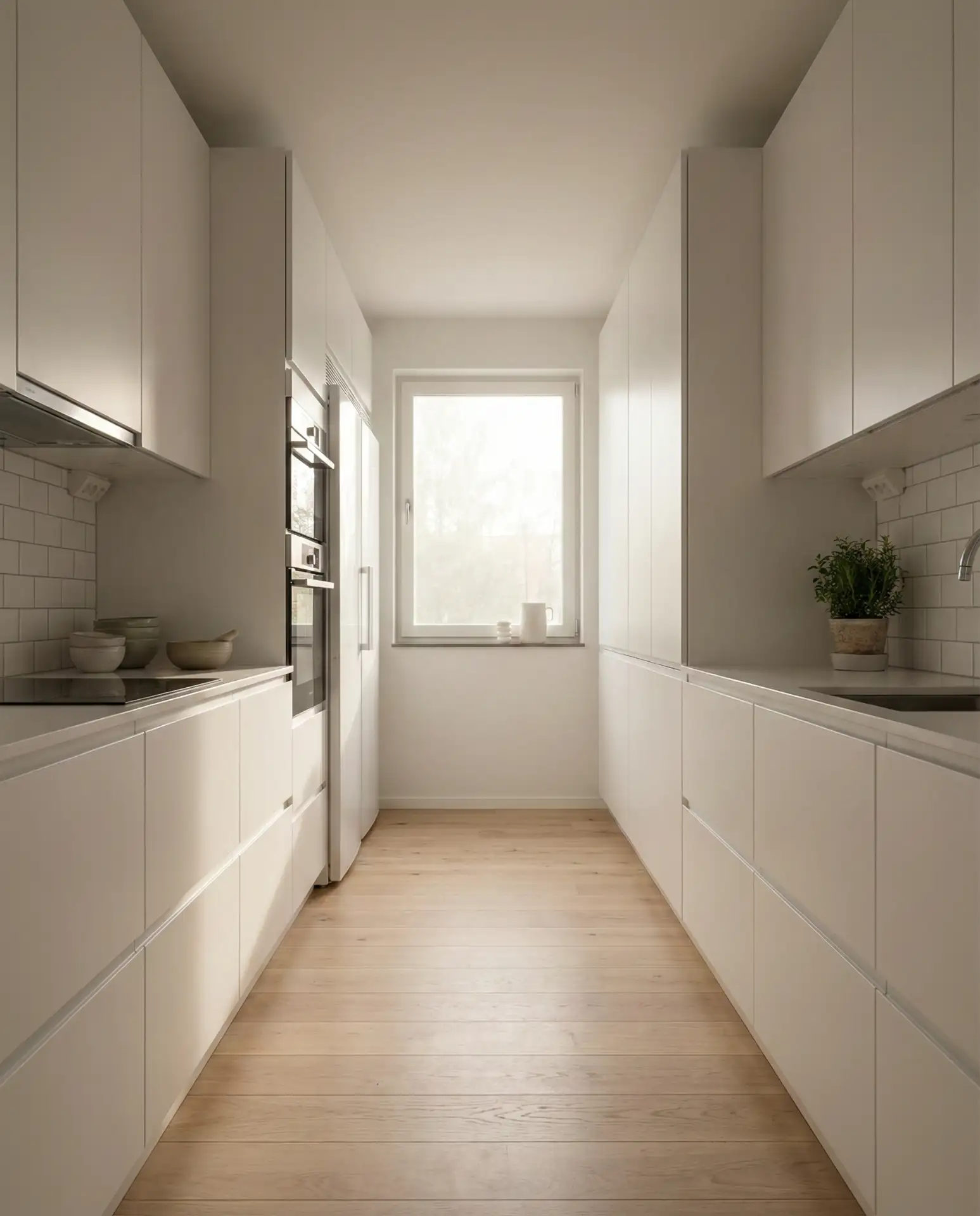
American lifestyle context: this layout is especially popular in townhouses and narrow urban lots, where the footprint doesn’t accommodate an island. It’s also a favorite among food bloggers and recipe developers who genuinely use every inch of counter space. One Portland-based home cook described her parallel remodel as “the best decision I’ve ever made for my cooking “life”—the workflow is simply superior when everything is symmetrically accessible on both sides.
10. Elegant Dark Kitchen Design with Moody Drama
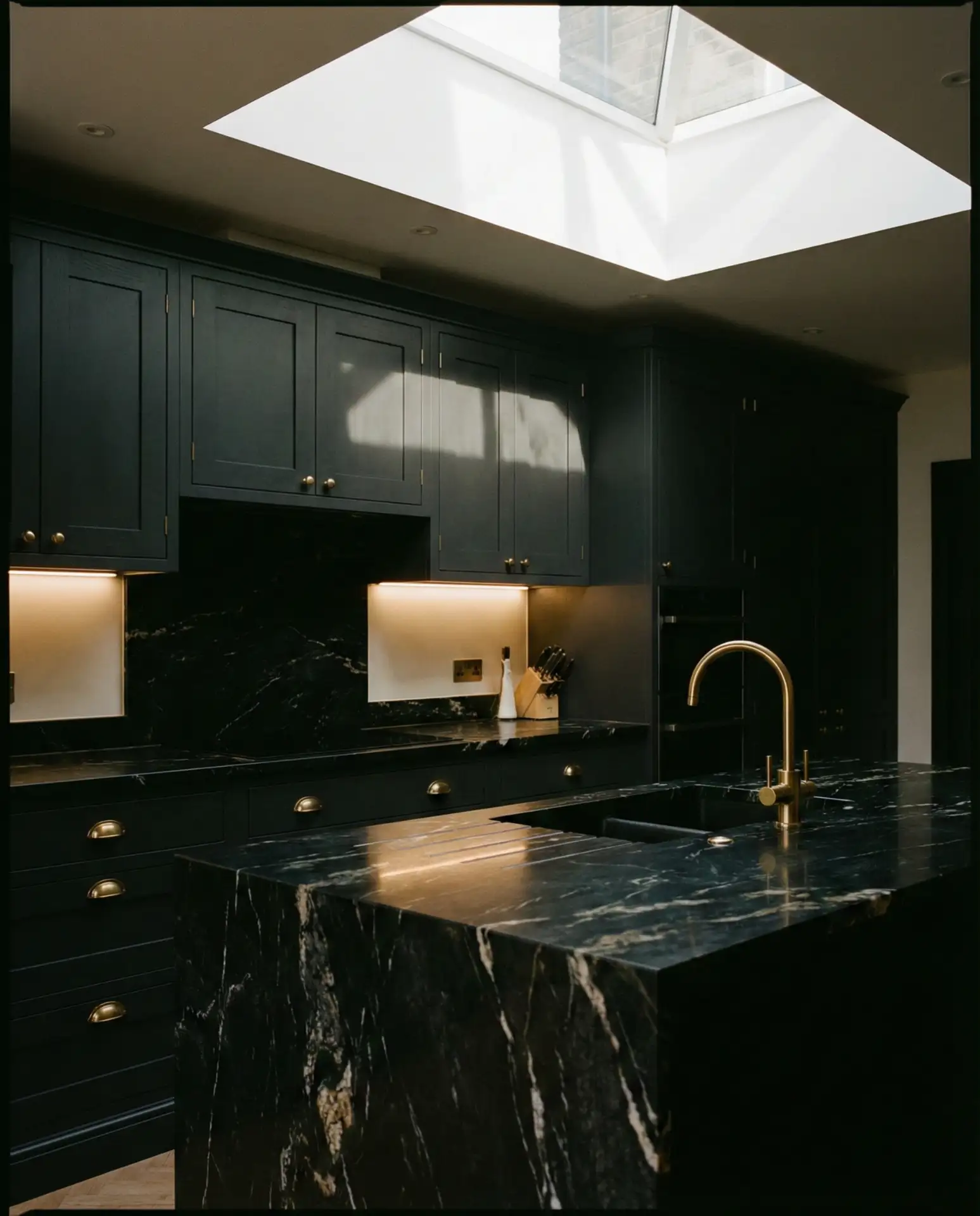
Dark kitchens polarize people—you either get it immediately or you don’t. But the homeowners who commit to an elegant dark palette almost never regret it. In 2026, this means charcoal, deep navy, forest black, and warm espresso tones across cabinetry, paired with dramatic veined stone and warm brass or matte gold hardware. The luxury connotation is intentional: dark kitchens photograph like editorial spreads, and they create an atmosphere that light-filled kitchens simply cannot replicate.
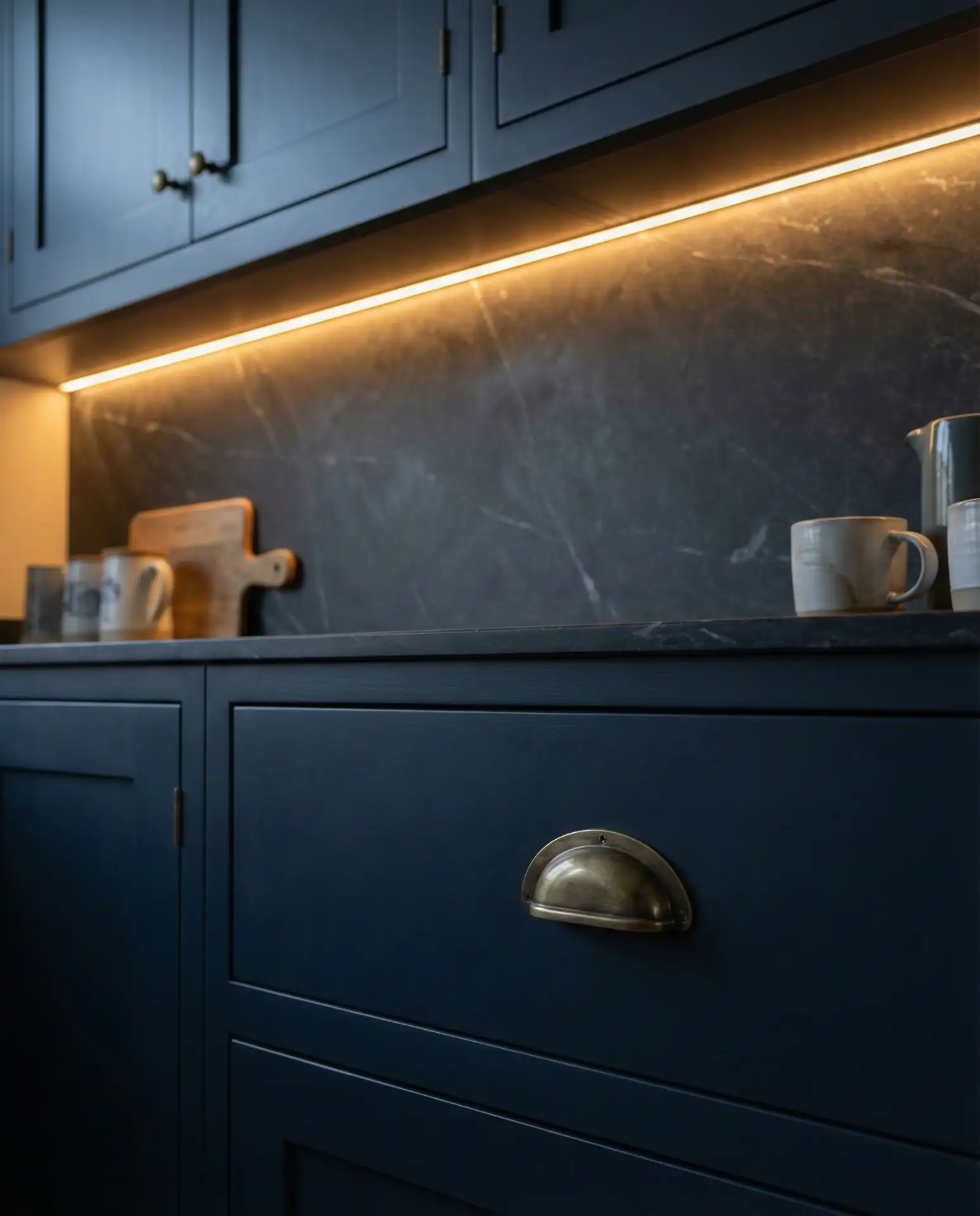
Practical insight: dark kitchens hide wear and everyday cooking marks far better than white kitchens, which is a truth that doesn’t get said enough in design media. Fingerprints, coffee splashes, and the general evidence of a well-used kitchen are far less visible on dark surfaces. The real maintenance challenge is different—you’ll want to be more diligent about backsplash grease—but overall, dark kitchens are often more forgiving in a busy household than their white counterparts.
11. Scandinavian Kitchen Design with Functional Beauty
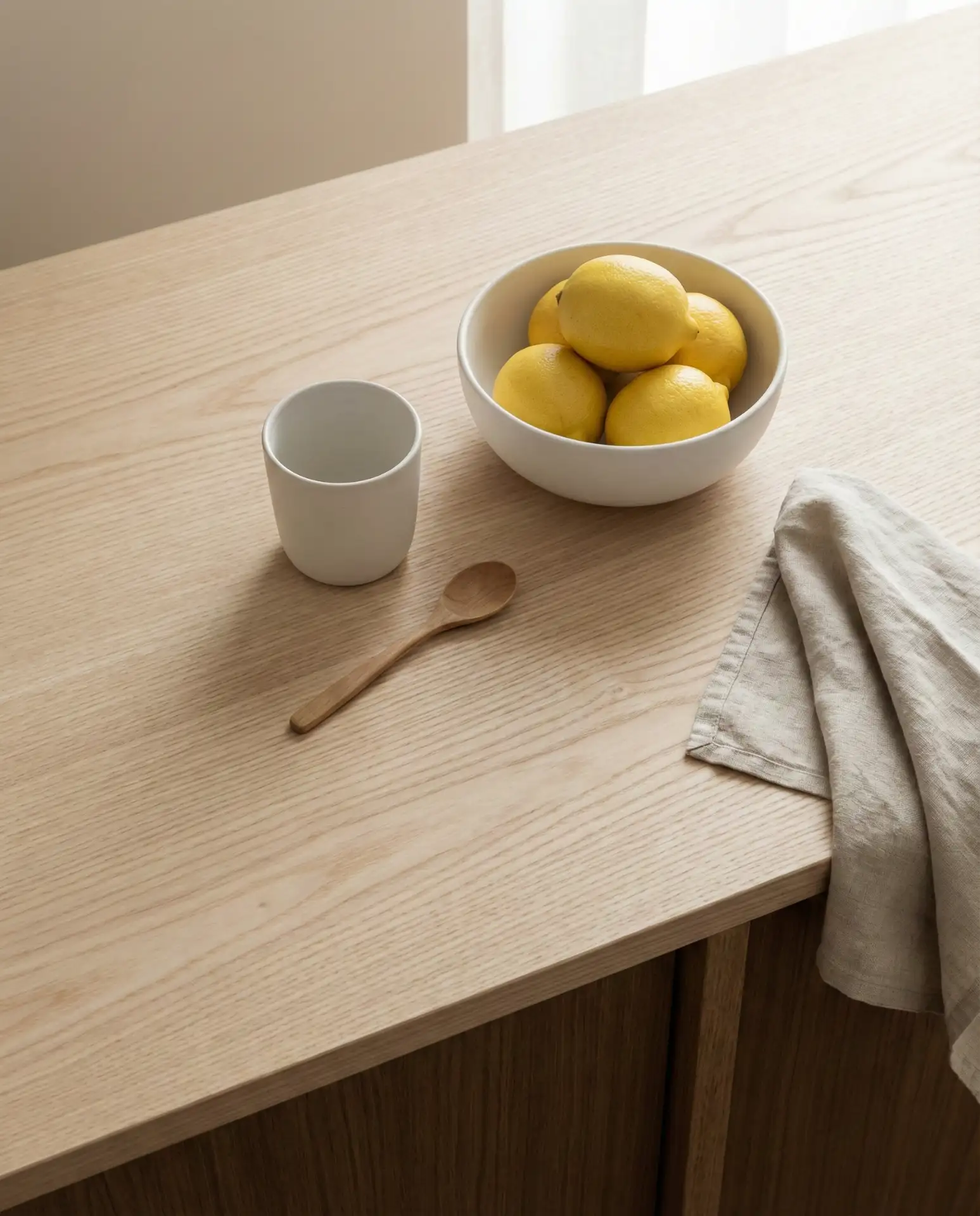
The Scandinavian kitchen philosophy can be summarized in three words: form follows function. But what Scandinavian design does that pure functionalism doesn’t is make function genuinely beautiful. In 2026, this means pale birch or ash cabinetry, uncluttered worktops, integrated appliances, and an emphasis on natural light that borders on obsessive. Every drawer pull, every cabinet proportion, and every light fixture is considered carefully. Nothing is decorative purely for decoration’s sake.
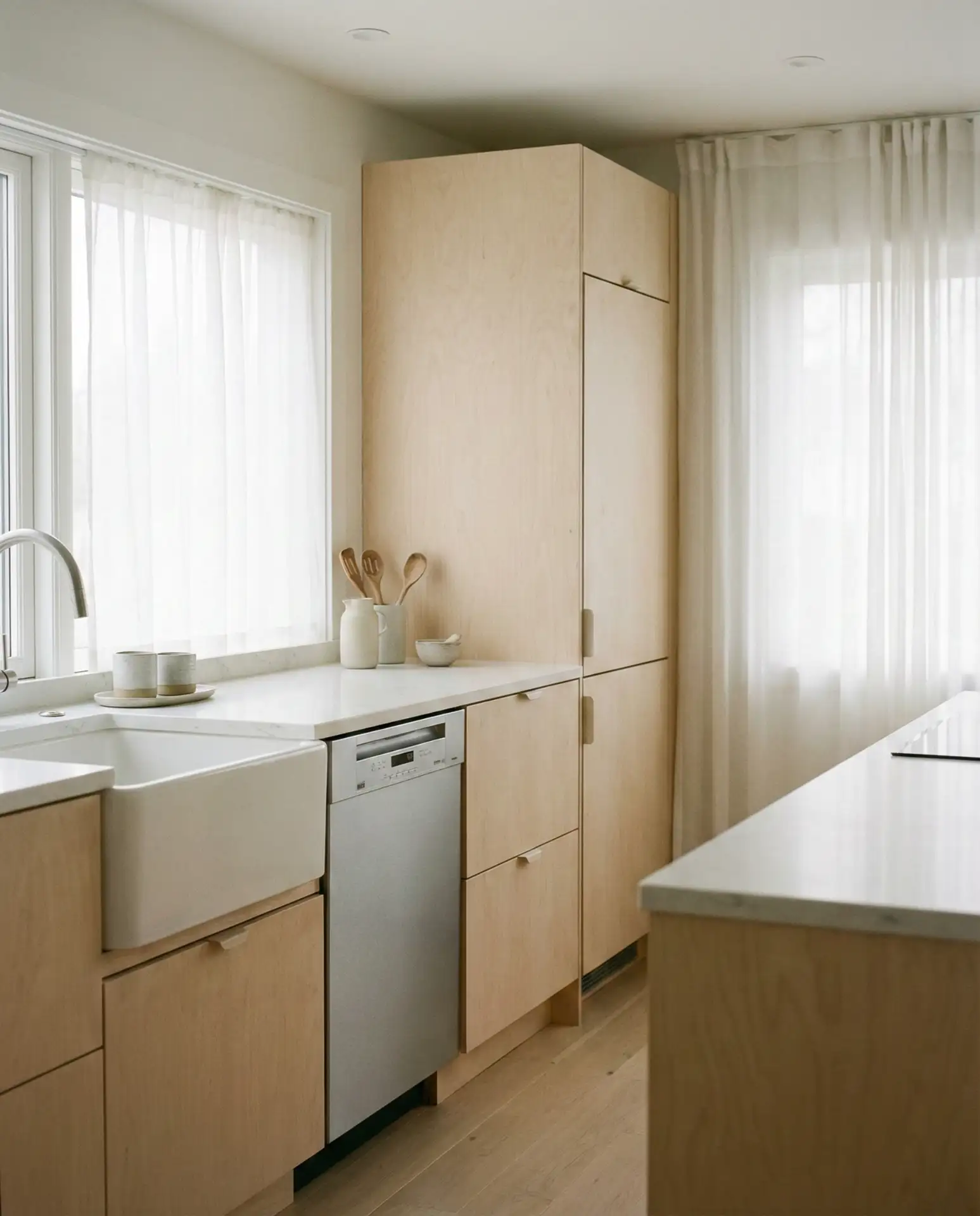
Where it works best: homes with good natural light, particularly those with north-facing windows or skylights that provide diffused, even illumination throughout the day. In darker environments, Scandinavian kitchens can feel flat—in which case, layer in warm artificial lighting at key points: under-cabinet strips, pendant warmth over the sink, and a statement light above any dining or prep area. Light is the material Scandinavian designers value most.
12. Traditional Kitchen with Timeless Craftsmanship
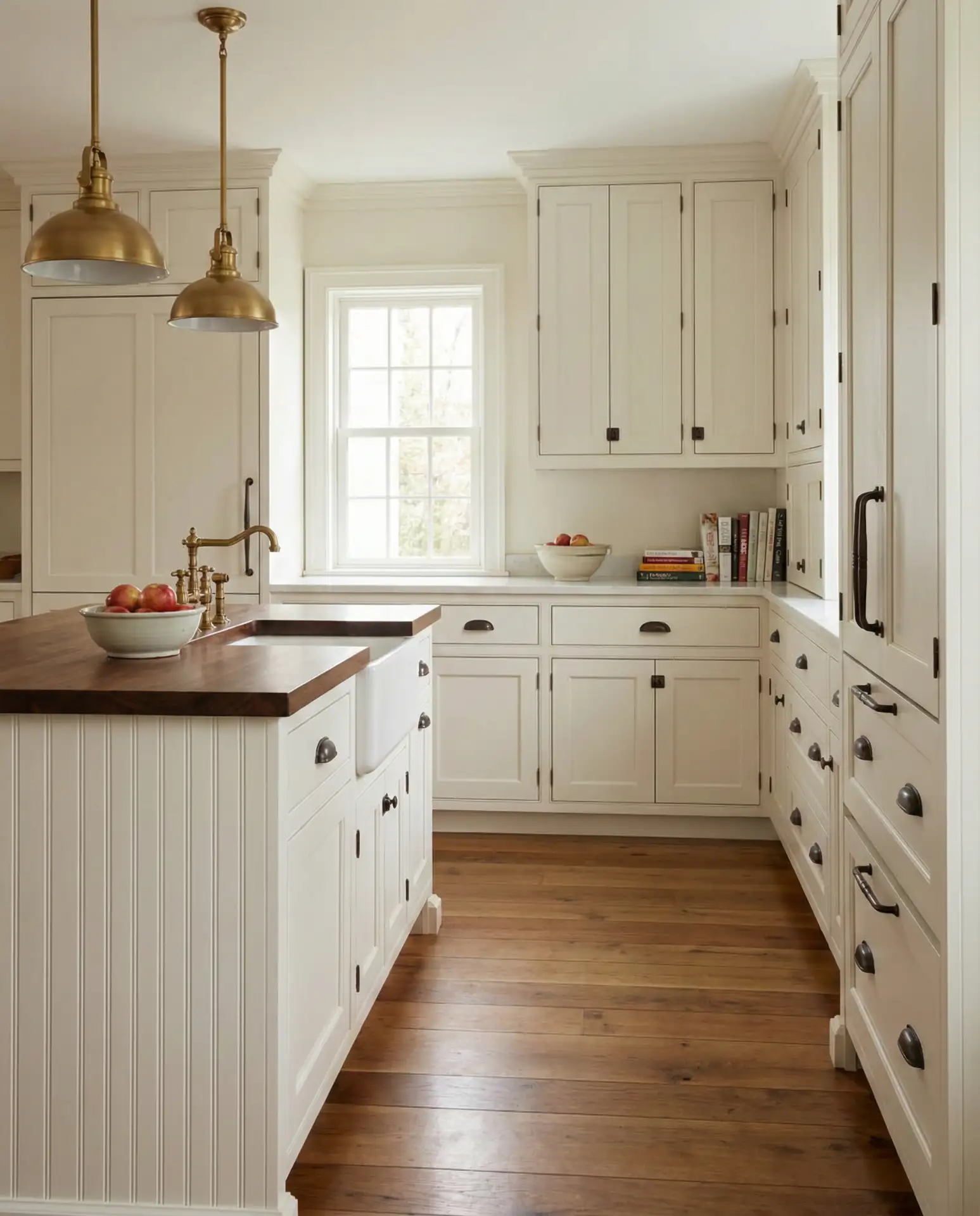
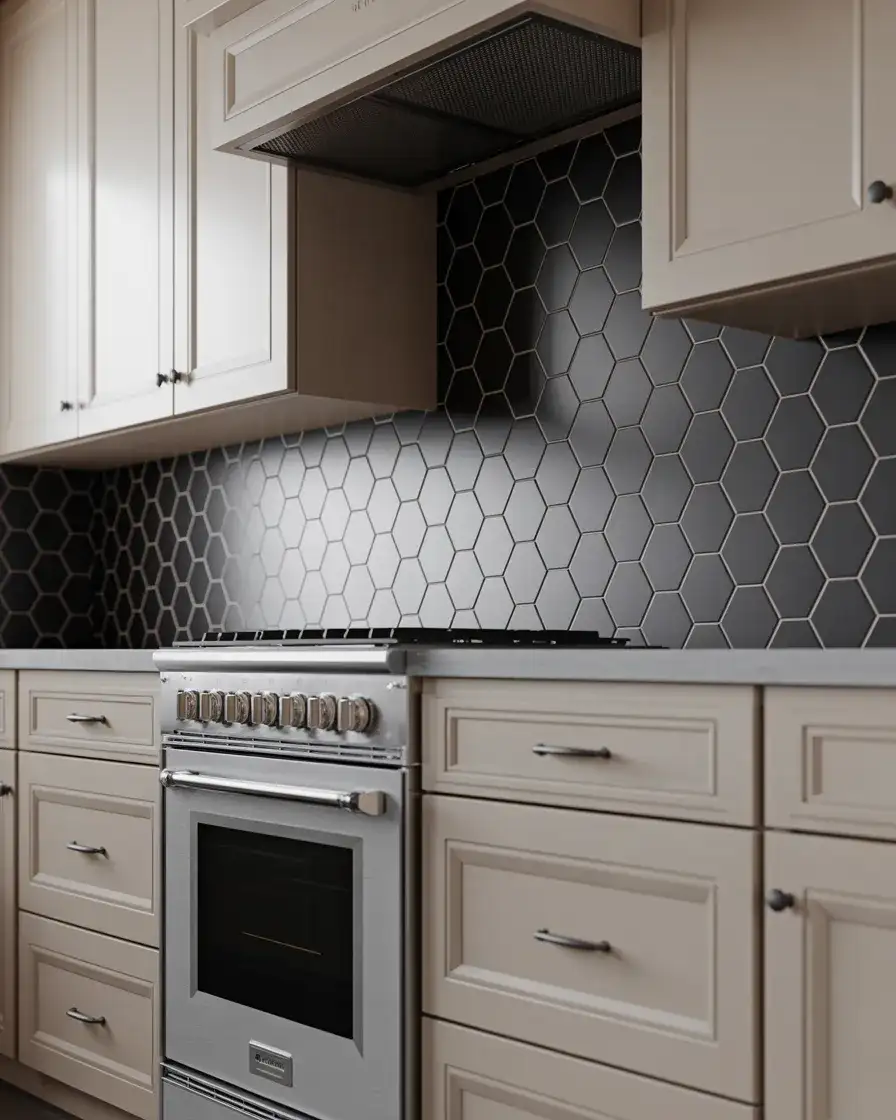
In a design world that sometimes conflates “new” with “better,” the traditional kitchen is a quiet act of confidence. In 2026, traditional doesn’t mean stuffy—it means inset cabinetry with beaded details, furniture-grade finishes, painted Shaker or raised-panel doors, and a sense that this kitchen was built to last generations. The classic American kitchen—think southern farmhouses, New England Colonials, and Midwest craftsman bungalows—is getting a thoughtful update without losing what makes it beloved.
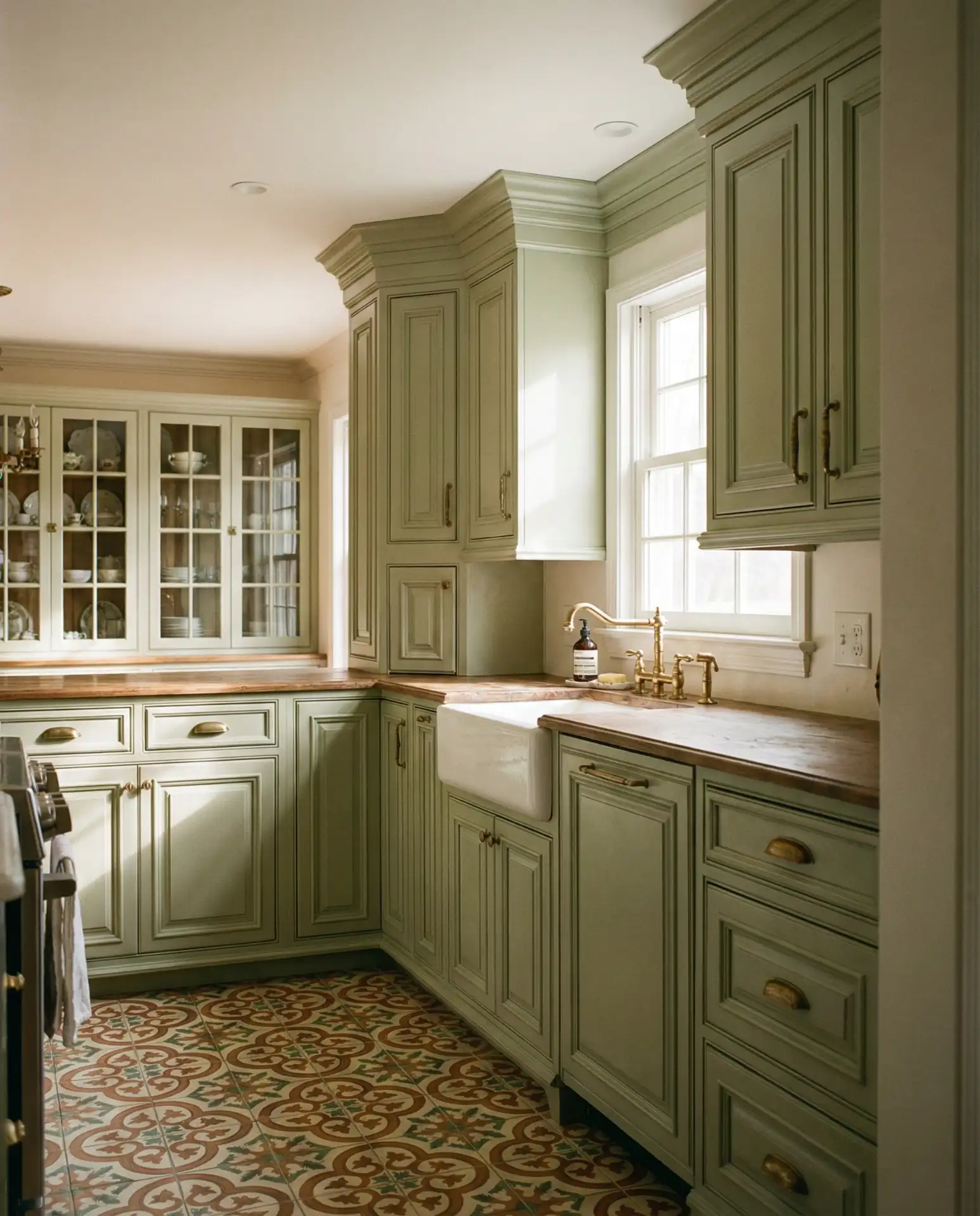
Micro anecdote: a family in Ohio who restored their 1920s Craftsman home chose to replicate the original kitchen cabinetry using Douglas fir, hand-painted in a period-appropriate cream. The result—documented on their renovation blog—drove more Pinterest traffic than any contemporary update they’d shared. Traditional kitchens resonate deeply because they carry an implicit promise: this kitchen was made to be used and loved, not photographed once and replaced in a decade.
13. Latest Modular Kitchen Systems for Flexible Homes
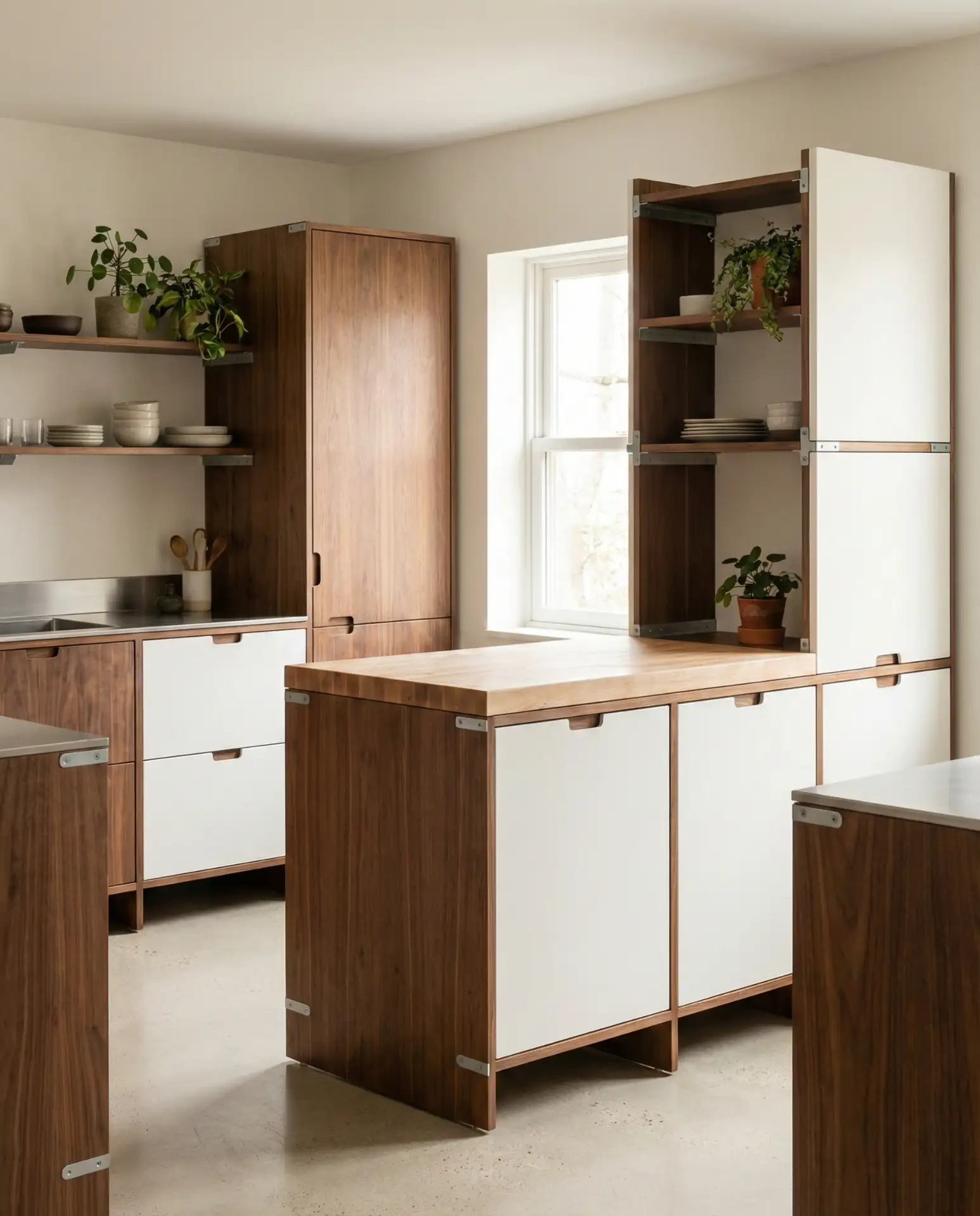
The latest modular kitchen systems of 2026 are a far cry from the flat-pack options of even five years ago. Today’s systems are built with furniture-grade materials, precision hardware, and enough configurability to work in a studio apartment or a sprawling open-plan home. Modular kitchens appeal particularly to renters, frequent movers, and anyone living in a phased renovation situation—you buy what you need now and expand the system later without starting over from scratch. The flexibility is the feature.
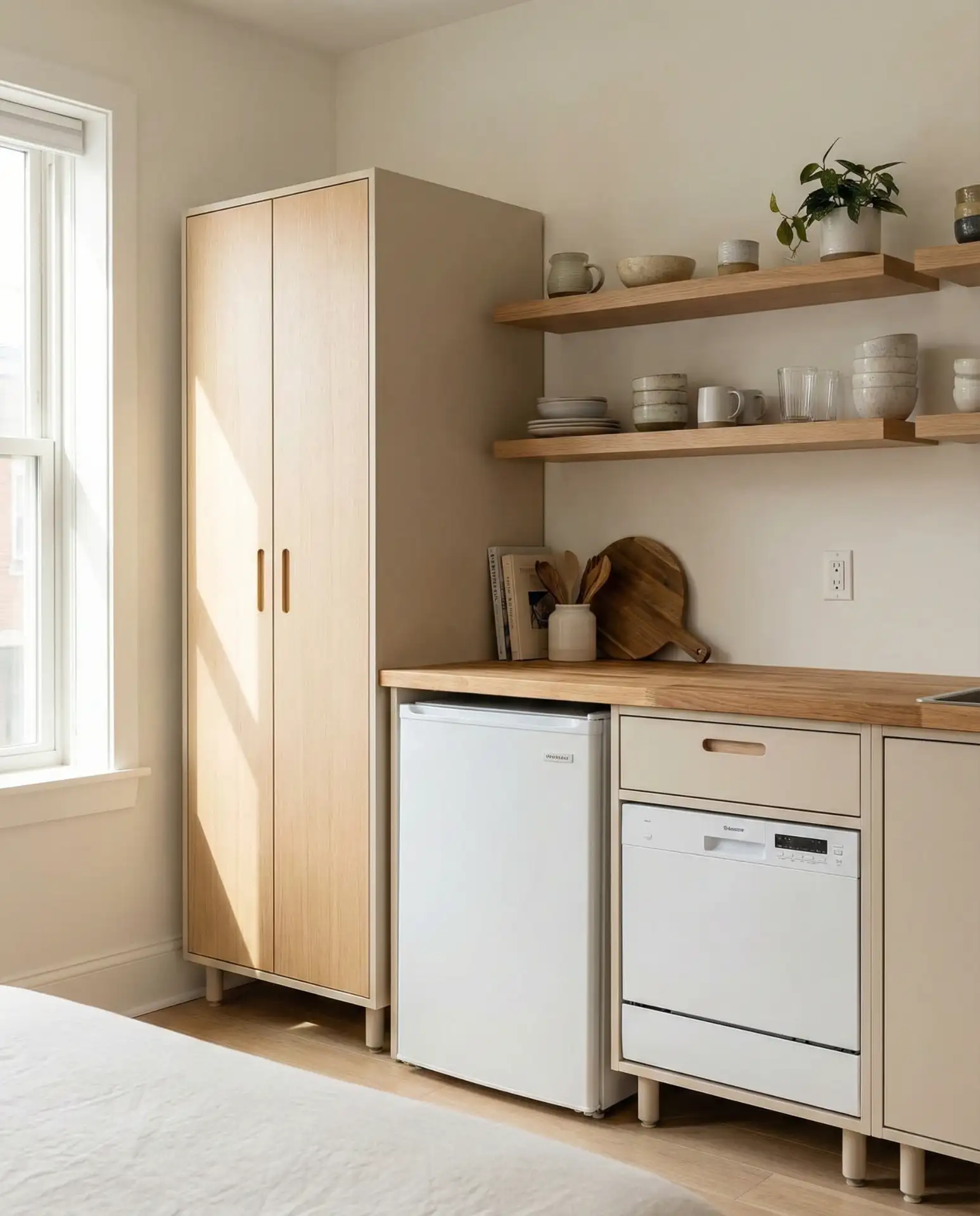
Budget angle: entry-level modular systems from brands like IKEA’s SEKTION line start around $3,000–$8,000 for a complete small kitchen. Premium European modular systems from companies like Vipp or Bulthaup can run $30,000 and up. The middle market—where most of the real innovation is happening—sits around $10,000–$20,000 and offers genuine design quality alongside reconfigurability. The investment often makes more sense than a traditional custom build for non-permanent living situations.
14. Dream Kitchen Design Inspired by Professional Kitchens
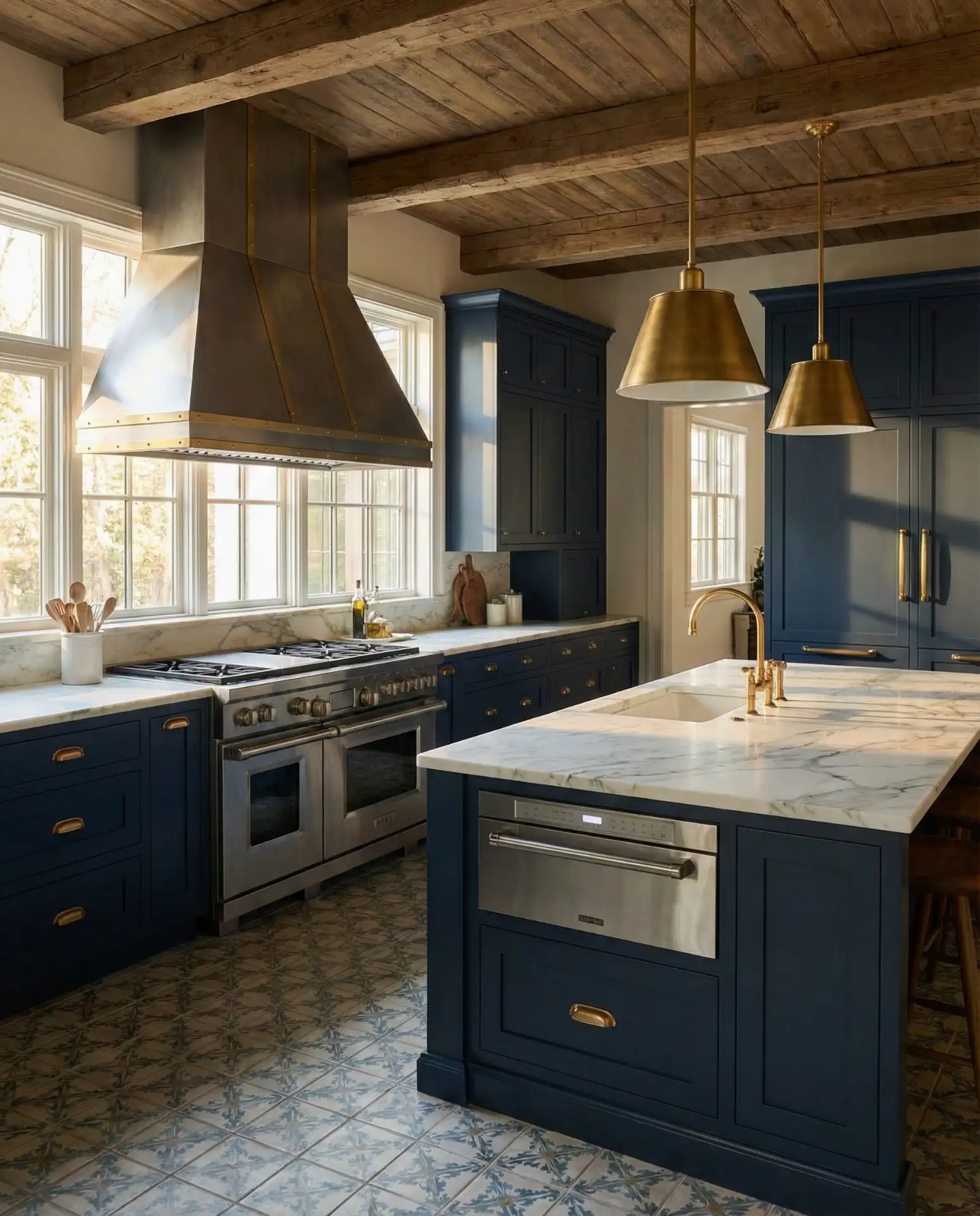
The dream kitchen for many Americans in 2026 takes direct cues from restaurant and professional kitchens—not the stainless steel everything approach of the early 2000s, but the smart workflow and material honesty of modern professional spaces. This means proper ventilation with commercial-style hoods, double oven stacks, warming drawers, dedicated prep sinks in the island, and carefully considered work triangle logic. Simple in its organization but extraordinary in its execution—that’s the aspiration.
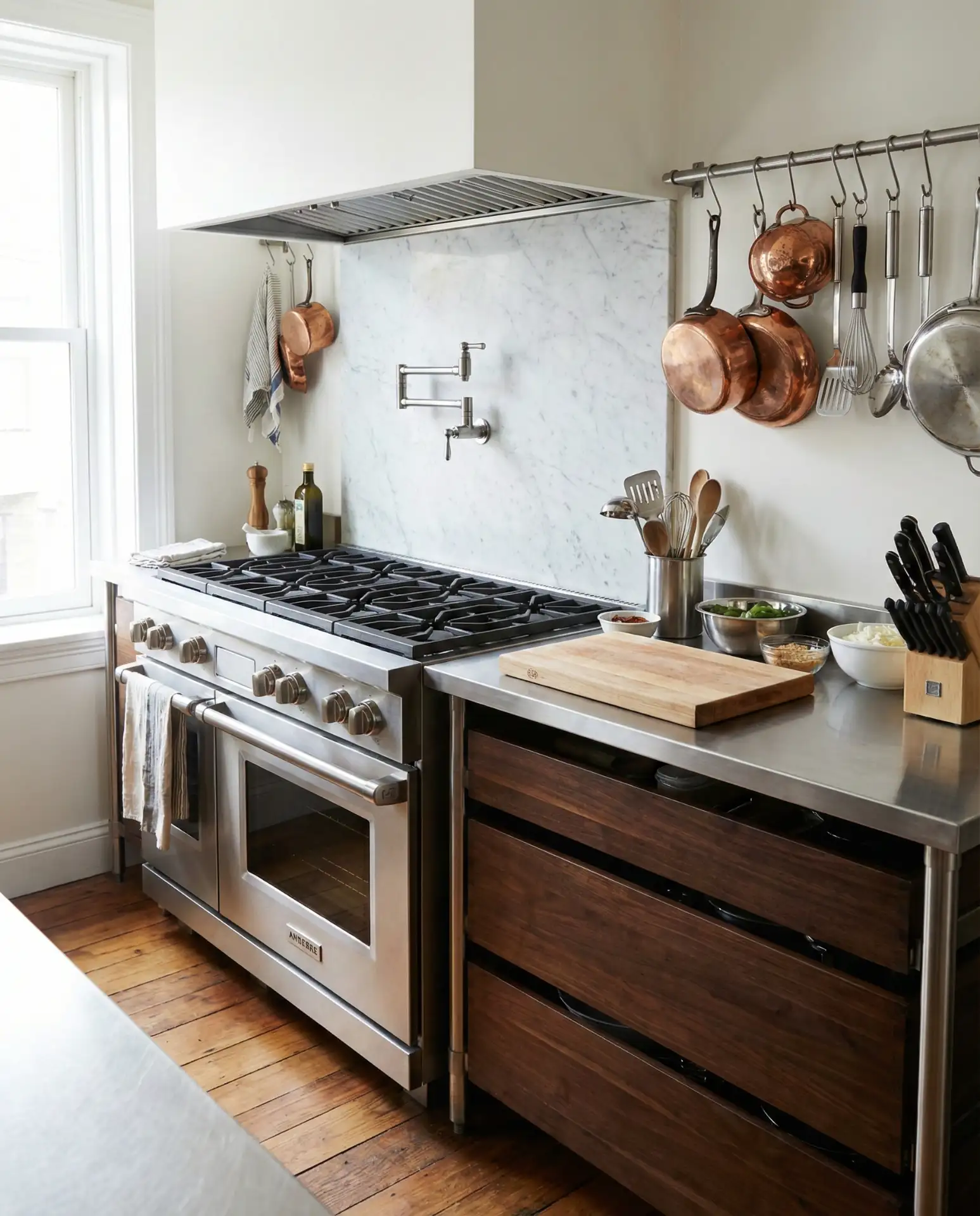
Expert-style commentary: kitchen designers consistently report that clients underestimate ventilation when planning their dream kitchen. A powerful hood—genuinely powerful, not just decorative—transforms the cooking experience. A 600–1200 CFM range hood appropriate for a serious range eliminates the smoke, smell, and steam that turn cooking into an ordeal. Plan the hood before you design around the aesthetic, not after. It shapes everything else.
15. Contemporary Kitchen with Mixed Material Palettes
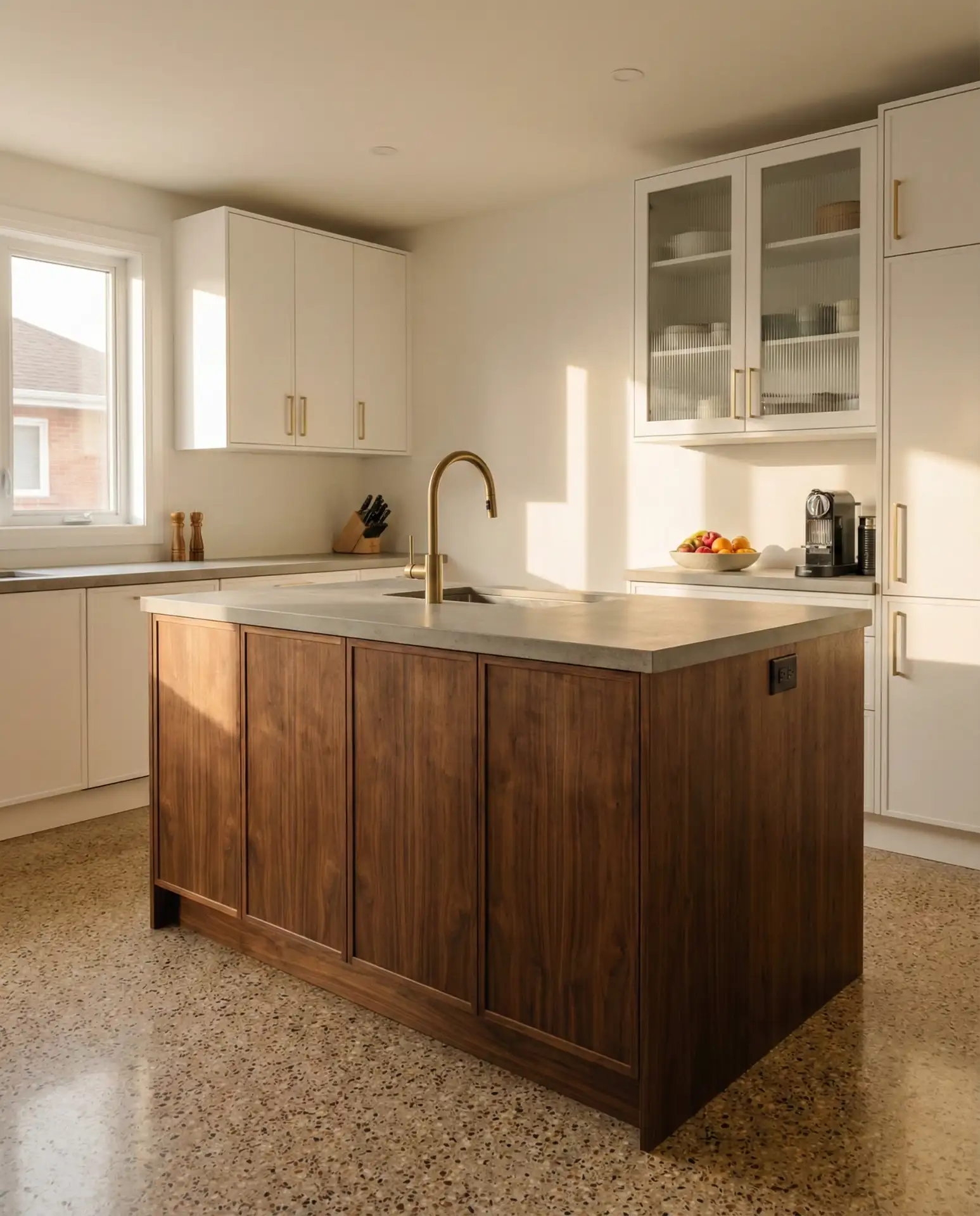
The most interesting kitchens in 2026 aren’t committed to a single material or finish—they’re built on deliberate contrast. Contemporary kitchen design right now means pairing matte concrete with warm wood, mixing unlacquered brass with brushed steel, and layering textured plaster walls against smooth stone countertops. These latest material combinations move beyond safe matching into something more sophisticated—the kind of layering that takes confidence and a good eye but always rewards both.
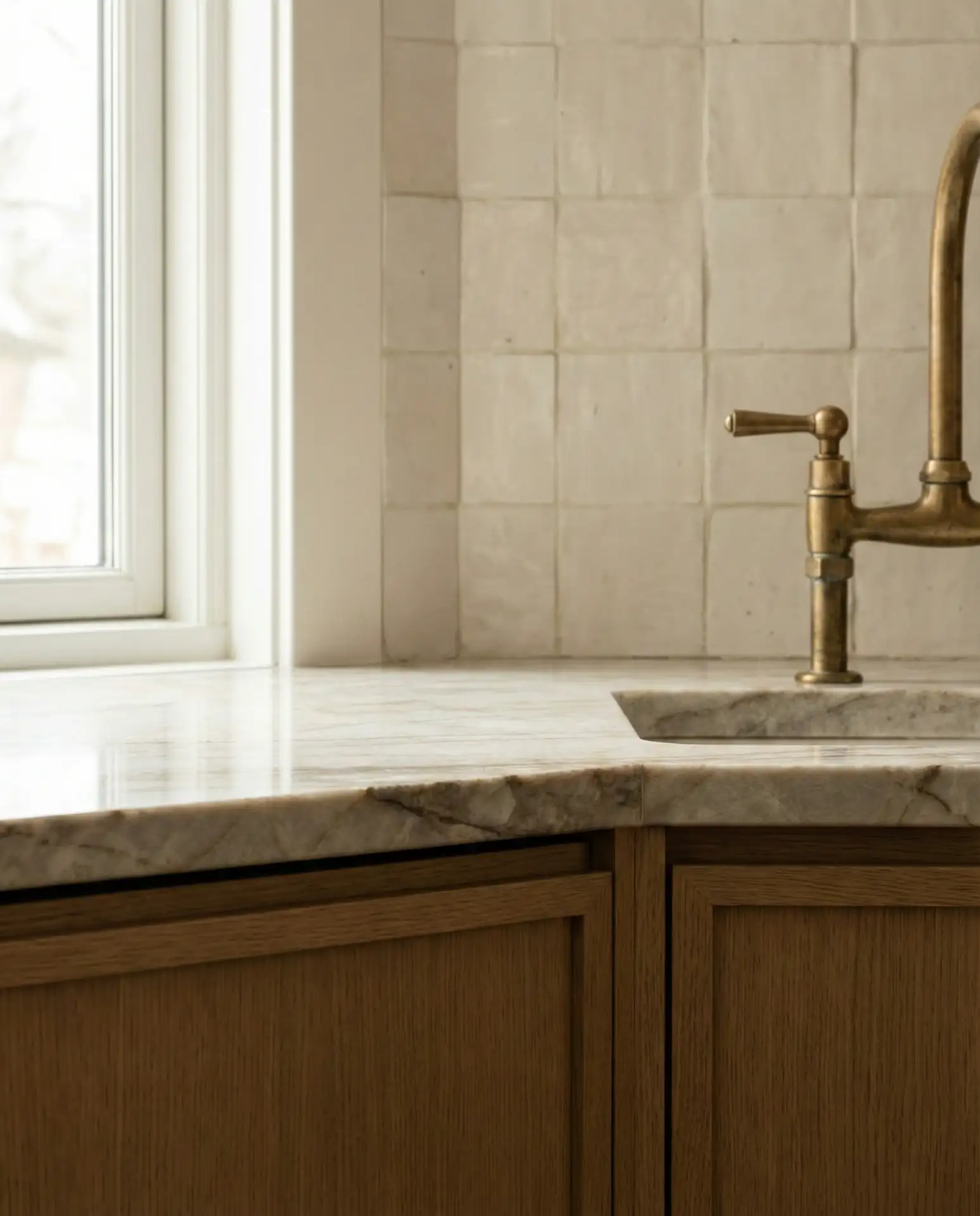
Regional context: mixed-material kitchens are especially popular in California and Texas, where indoor-outdoor living and architectural diversity have cultivated an appetite for more adventurous interiors. Homeowners in these markets tend to be earlier adopters of design trends and more willing to commission custom work. If you’re planning a mixed-material kitchen outside these markets, a skilled local designer who’s seen these combinations in person is worth their fee—the details are everything.
16. Open Kitchen Layout Connecting to Living Spaces
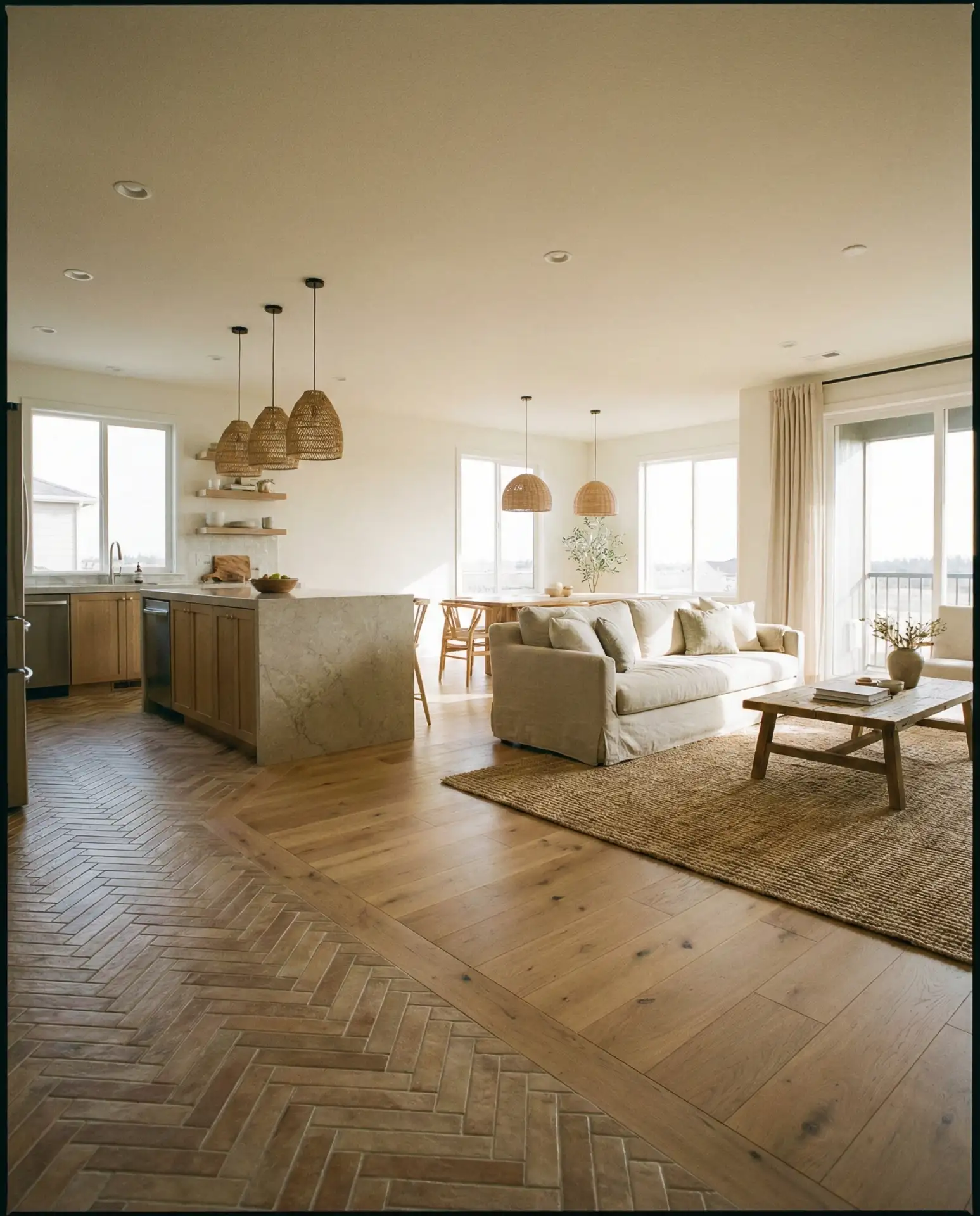
The open kitchen became the defining architectural choice of the early 21st century, and in 2026, it’s being refined rather than replaced. The challenge designers are solving now is how to make an open-plan kitchen feel intentional rather than accidental—how to define the kitchen zone without walls, using changes in flooring, ceiling height, pendant clusters, or material shifts. Plans that succeed do so by acknowledging that a kitchen is a workspace that benefits from some spatial definition, even in an open scheme.
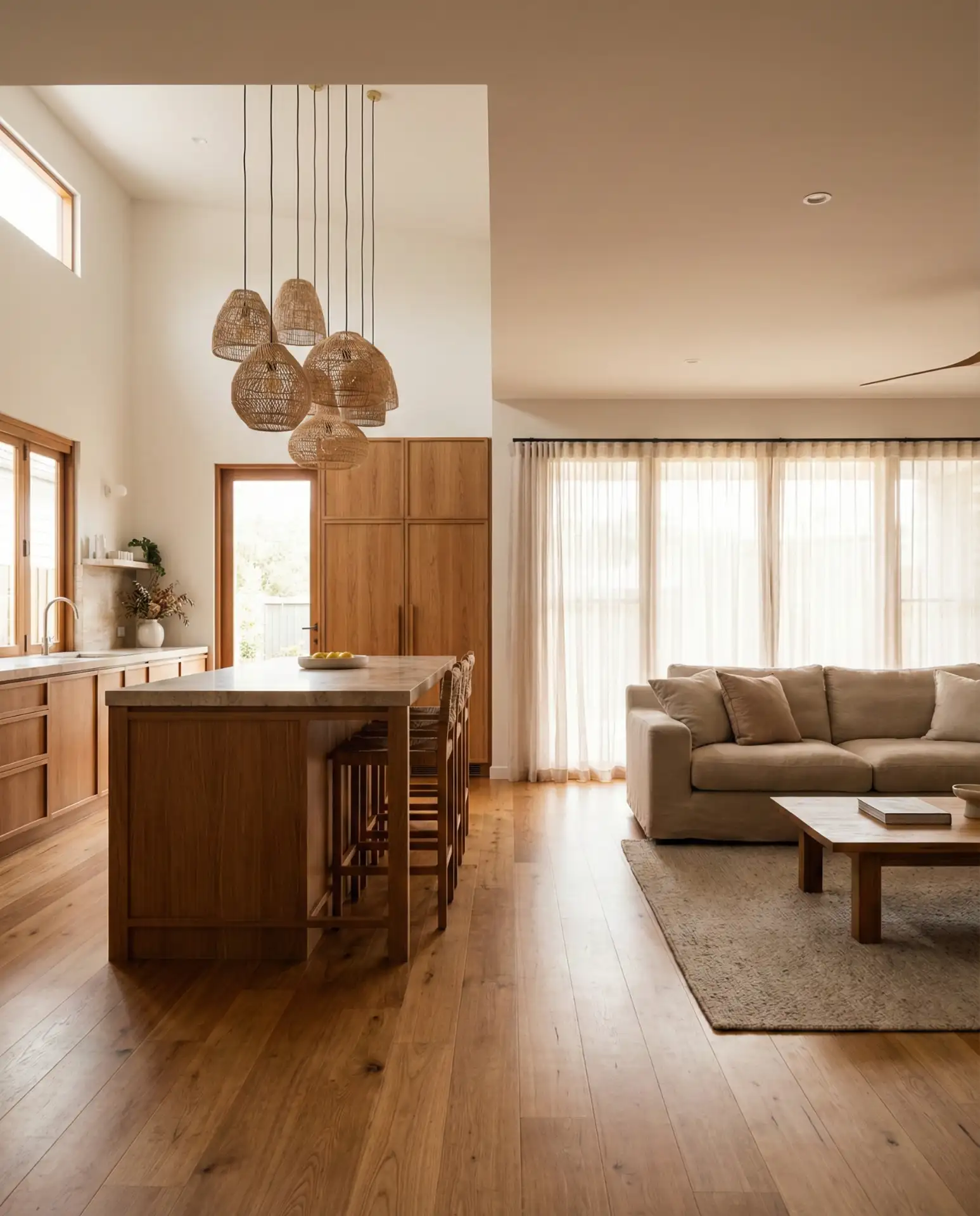
Where it works best: family homes where the cook genuinely wants to be connected to the living and dining areas—watching the kids, hosting guests, and keeping conversation going. It’s less ideal for serious home chefs who prefer the focused environment of a closed kitchen. The compromise increasingly popular in 2026: a “broken-plan” layout that offers connection but with a partial wall or pass-through that can buffer noise and smell when needed.
17. Tiny Kitchen Design for Compact Living
The tiny kitchen is having a genuinely creative moment. With the rise of micro-apartments, ADUs (accessory dwelling units), and tiny home living across American cities, designers are being forced to solve the fundamental problem of kitchen function in spaces as small as 40–60 square feet. And the solutions are remarkable: fold-down counters, drawer dishwashers, two-burner induction tops, refrigerator drawers, and ultra-tall cabinetry that uses every vertical inch without overwhelming the eye.
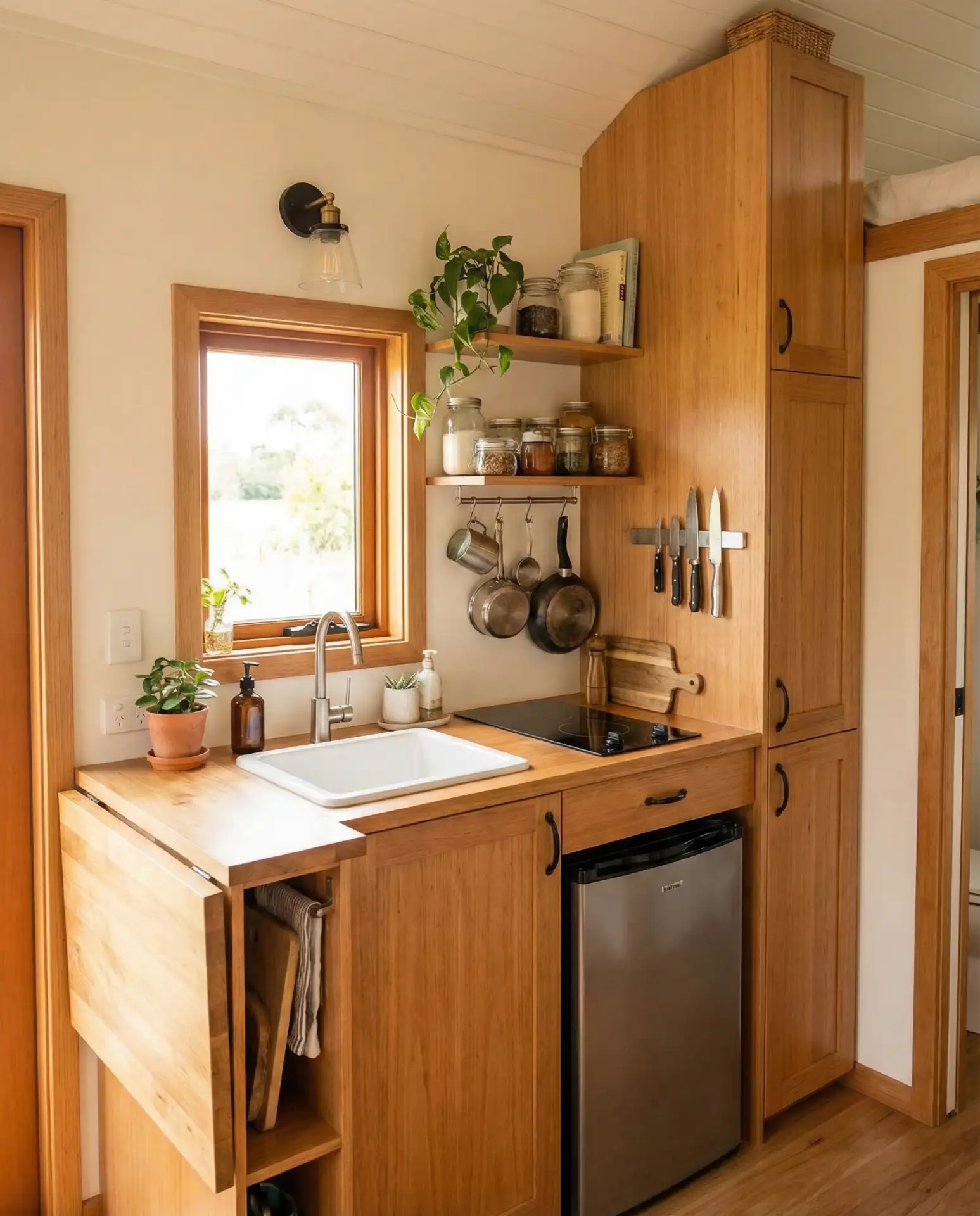
Micro anecdote: a Brooklyn couple moved from a 900-square-foot apartment to a 300-square-foot converted carriage house—their kitchen dropped from a full galley to an 8-foot run. Within six months, they’d adapted their cooking habits around it and consistently report they waste less food, cook with more intention, and spend less time cleaning. Constraint, they discovered, can be a form of design wisdom rather than deprivation.
18. Acnh-Inspired Cottage Kitchen with Soft Whimsy
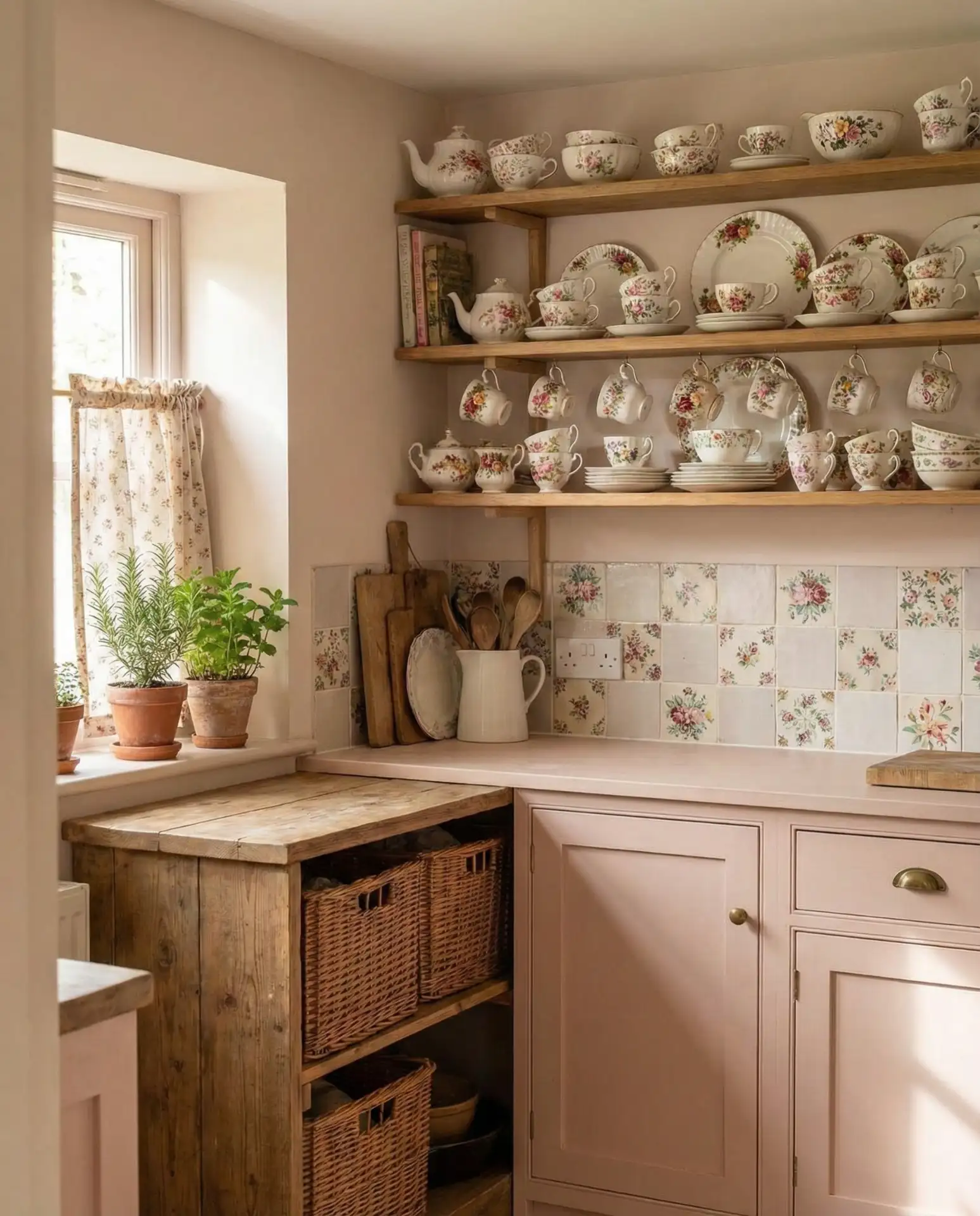
The Acnh (Animal Crossing: New Horizons) design aesthetic has jumped the screen and landed in real homes—and nowhere more charmingly than in the kitchen. This Nintendo game popularized an interior style defined by soft pastels, rounded furniture, cozy layering, and a relentless warmth that feels like a permanent spring afternoon. In real kitchens, this translates to blush pink or butter yellow cabinetry, floral vintage-inspired tiles, open shelving crowded with cheerful ceramics, and curtains that billow softly. It is, unapologetically, the opposite of minimalism.
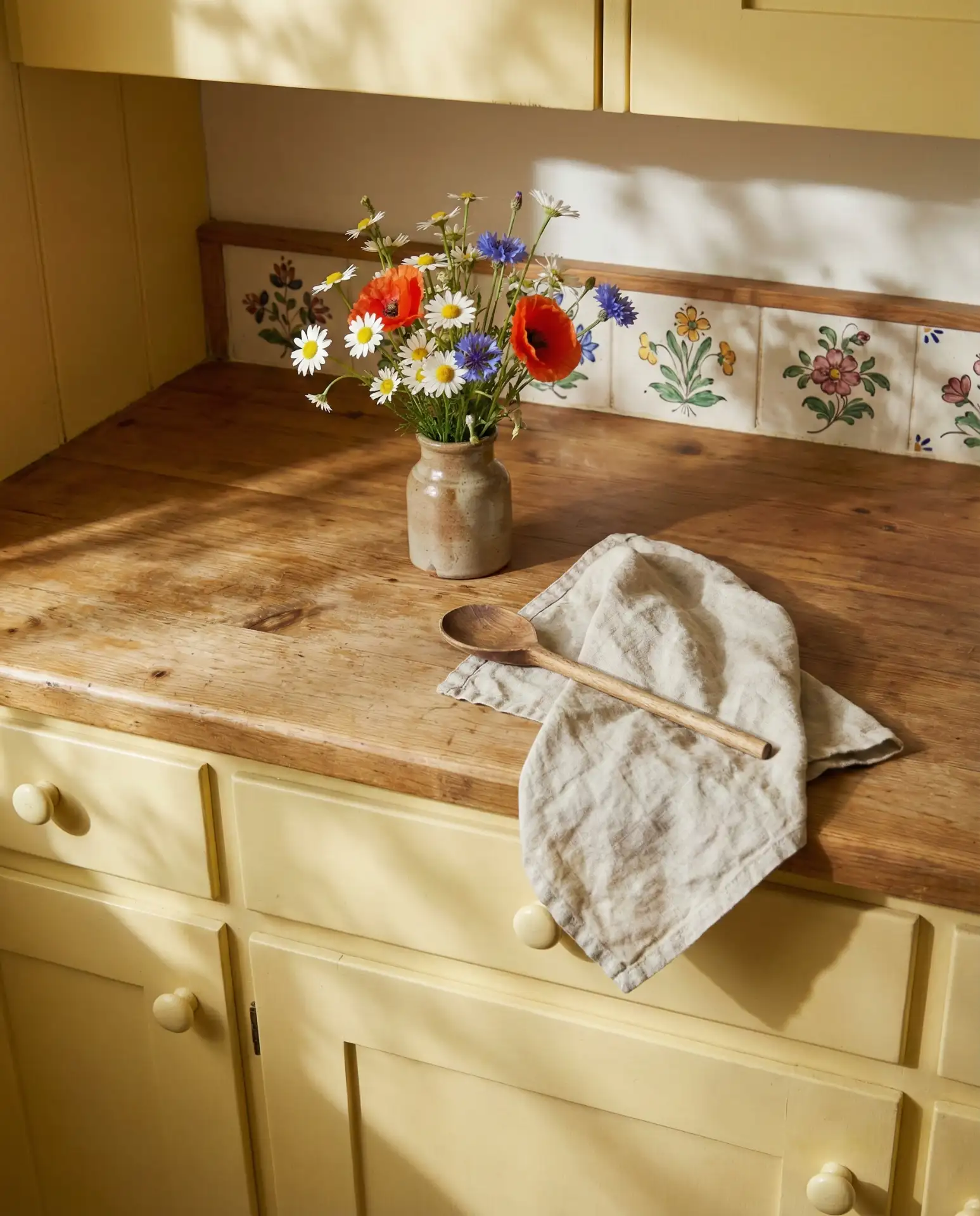
Real homeowner behavior: this style is disproportionately popular among Gen Z and younger millennial homeowners who grew up with gaming aesthetics and feel no obligation to conform to “mature” design conventions. Cottage kitchens also perform exceptionally well on social media—the layers of texture and color photograph warmly and invite the kind of engagement that cleaner, more minimal kitchens rarely generate. If your kitchen is your personal joy and you’re not trying to sell anytime soon, lean in completely.
19. Elegant L-Shape Kitchen Design for Corner Efficiency
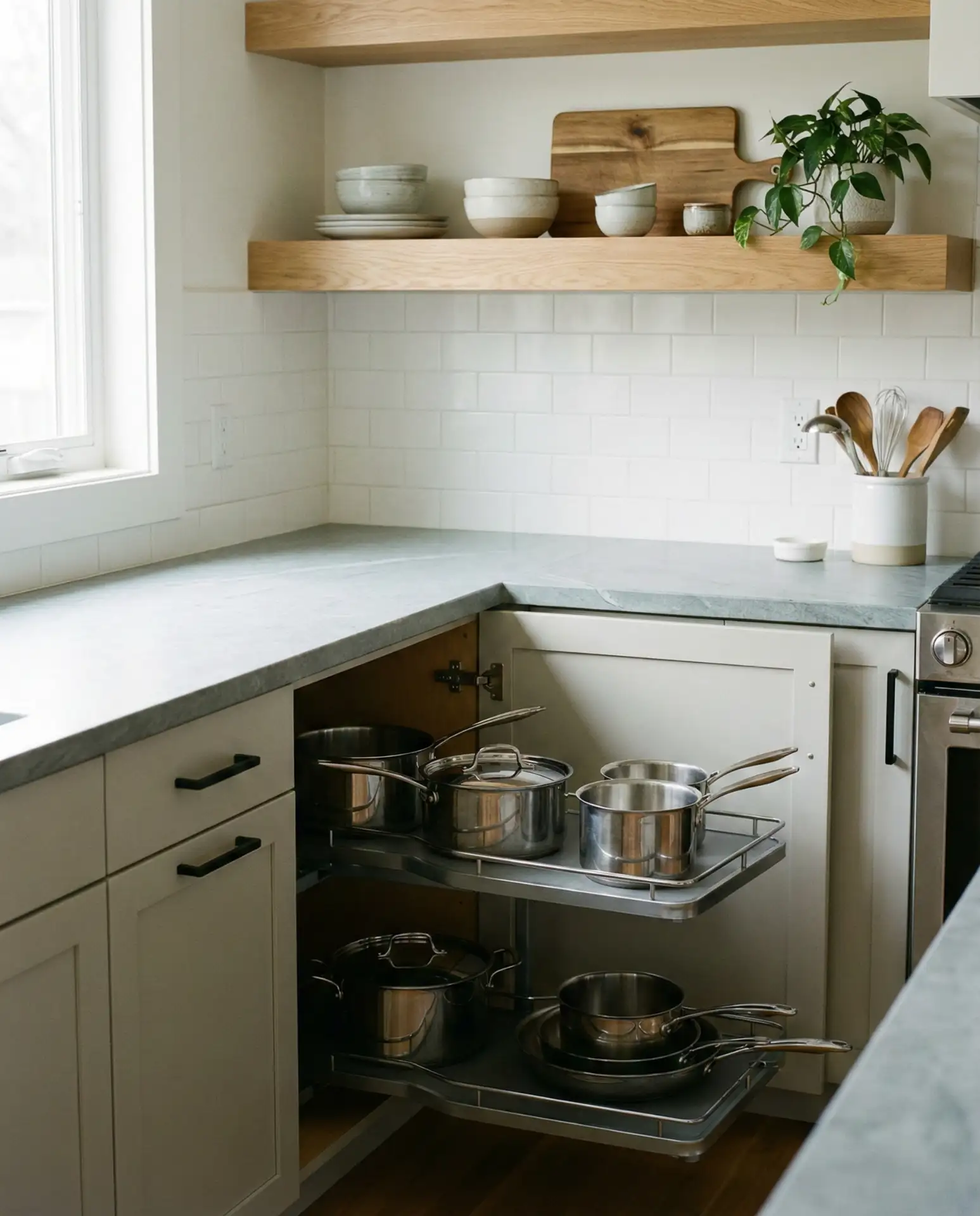
The L-shaped kitchen is among the most versatile layouts available, and the 2026 interpretation is treating it with new sophistication. By extending one arm longer than the other, adding a breakfast bar to the shorter run, or finishing one side with open shelving instead of upper cabinets, designers are finding fresh life in a familiar footprint. This layout works especially well in square or rectangular rooms and pairs naturally with dining tables positioned close to one of the legs. Simple and sensible, it scales beautifully from small apartments to generous family kitchens.
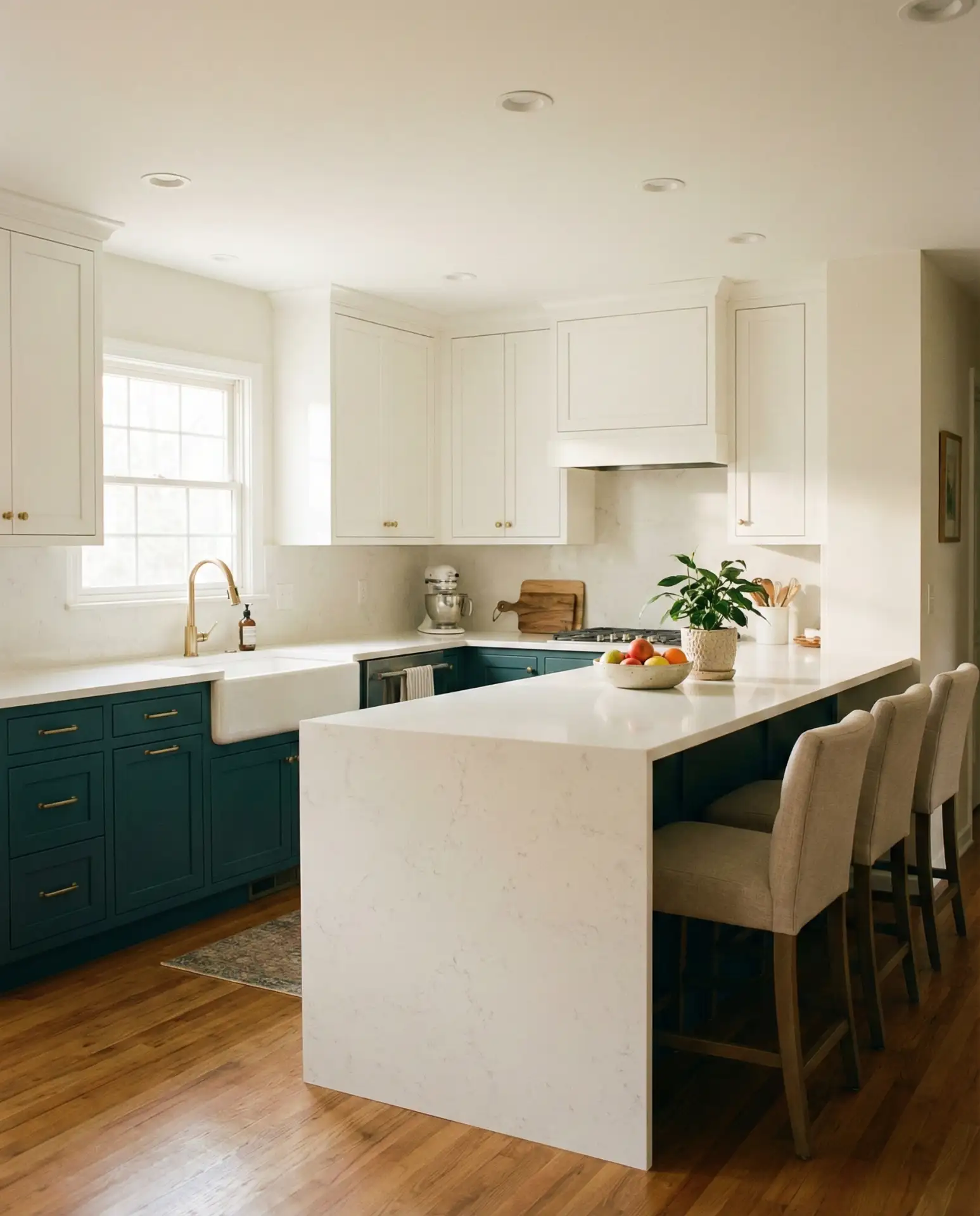
Common mistake to avoid: underutilizing the corner. The blind corner cabinet is the most wasted real estate in kitchen design, and most homeowners live with it rather than solving it. Modern pull-out corner systems—Magic Corners, Le Mans units, and similar solutions—can reclaim 70–80% of that corner volume. If you’re renovating an L-shaped kitchen, budget for proper corner hardware. It costs $300–$800 per unit but transforms one of the most frustrating aspects of kitchen storage into one of the most satisfying.
20. Modern Farmhouse Kitchen with Gathered Soul
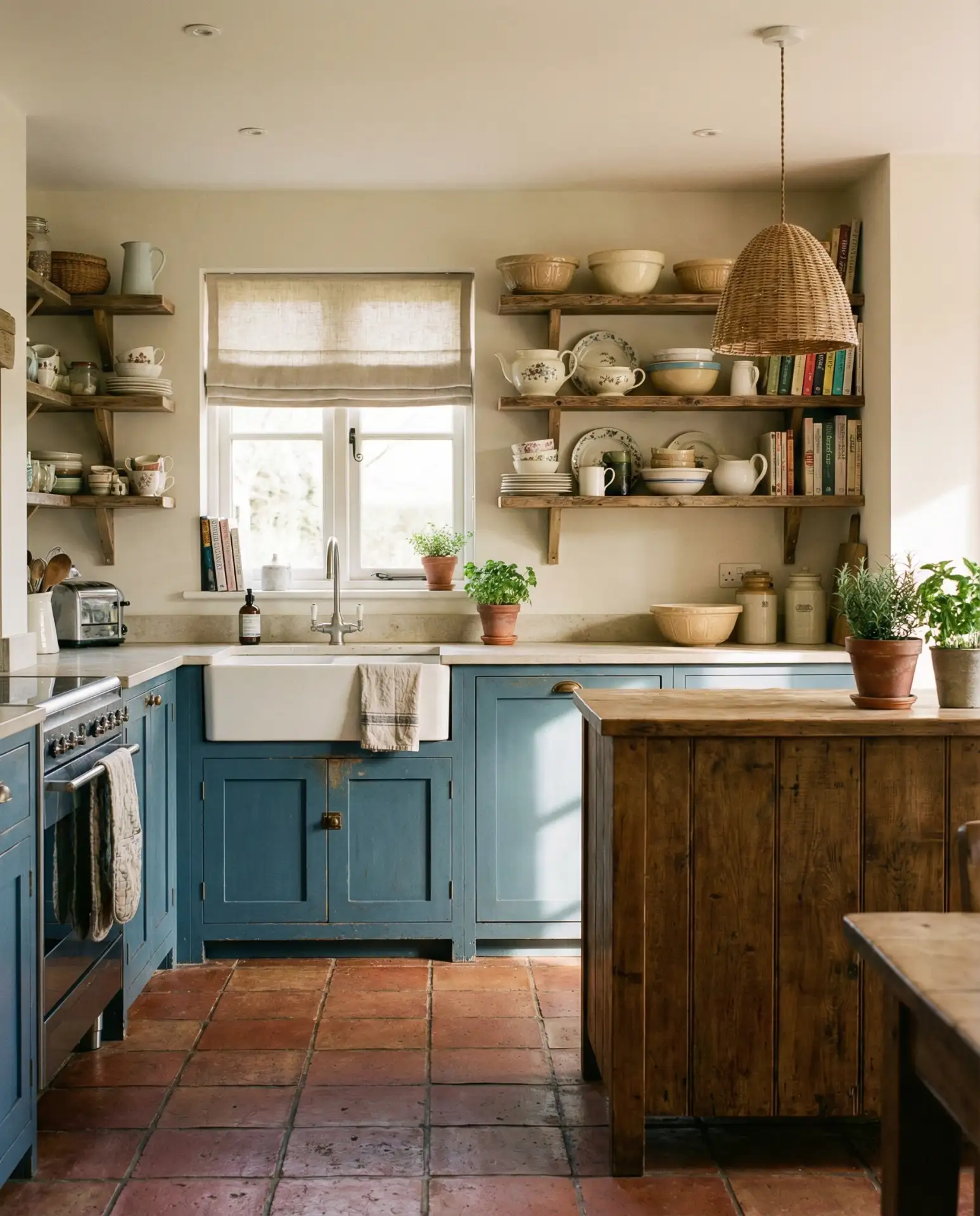
The modern farmhouse kitchen has been one of the dominant American kitchen styles for nearly a decade, and the 2026 version has matured past the shiplap-and-subway-tile formula into something more personal and layered. Today’s take on this modern style incorporates more color—warm terracottas, dark greens, aged blues—more texture, and more genuine vintage pieces mixed in with the new. It’s a style that rewards accumulation: the kitchen that looks like it’s been assembled over a lifetime rather than bought in a weekend.
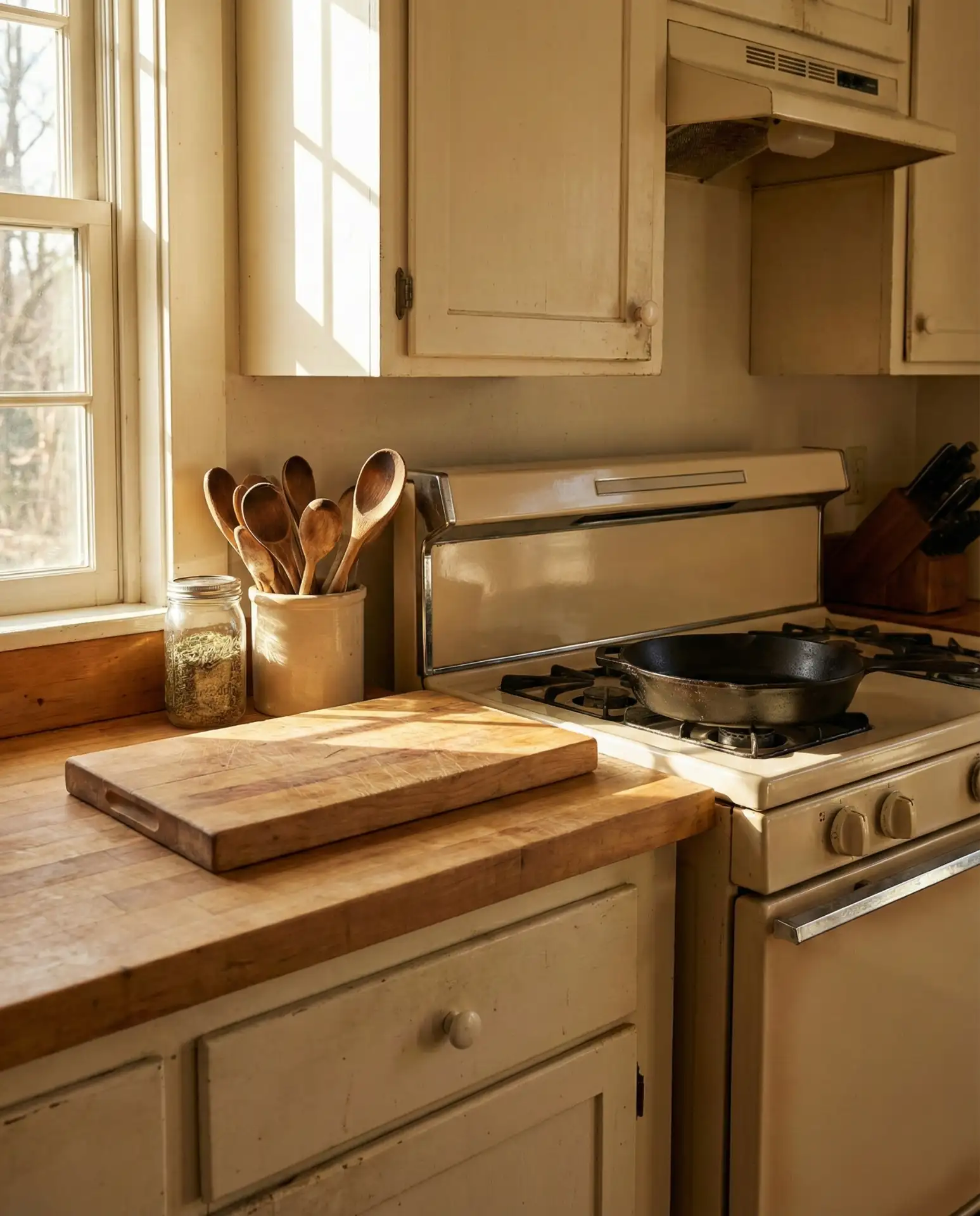
American lifestyle context: the modern farmhouse kitchen resonates deeply with American notions of domesticity—it’s a kitchen that says people eat here, gather here, and belong here. It’s no coincidence that the style surged during periods when Americans were spending more time at home and re-evaluating their relationships with domestic space. It’s not just an aesthetic choice; for many families, it’s a statement of values about how they want to live.
21. Minimalist Kitchen Design That Breathes
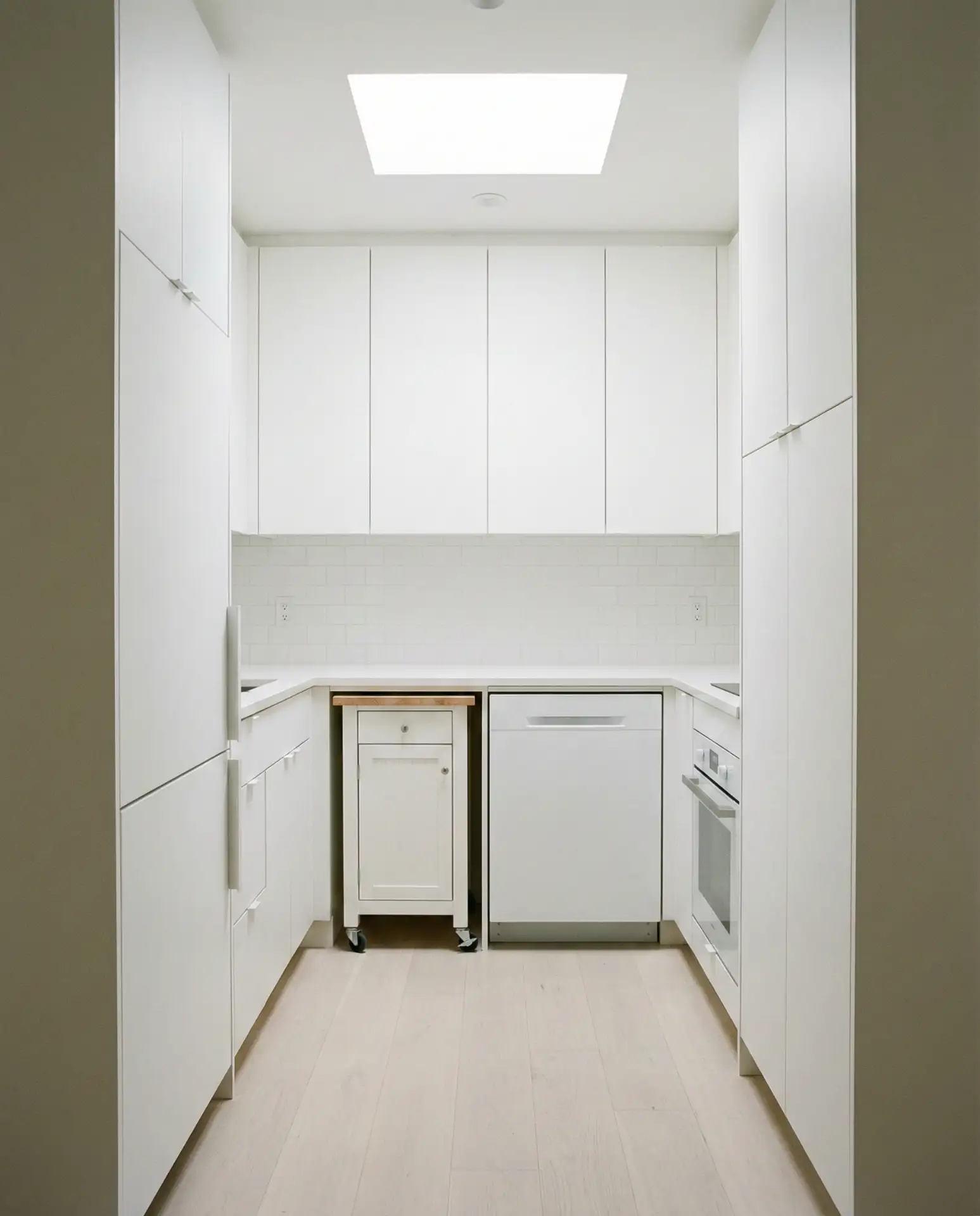
True minimalist kitchen design is not about deprivation—it’s about ruthless curation. In 2026, the best minimal kitchens operate on a principle of “only what is essential, made as beautiful as possible.” Handleless flat-front cabinetry, integrated appliances flush with the cabinetry plane, a single statement material for countertops and backsplash, and lighting that illuminates without announcing itself. The kitchen disappears into the architecture of the home, which is exactly the point. The result is a space that feels profoundly calm to inhabit.
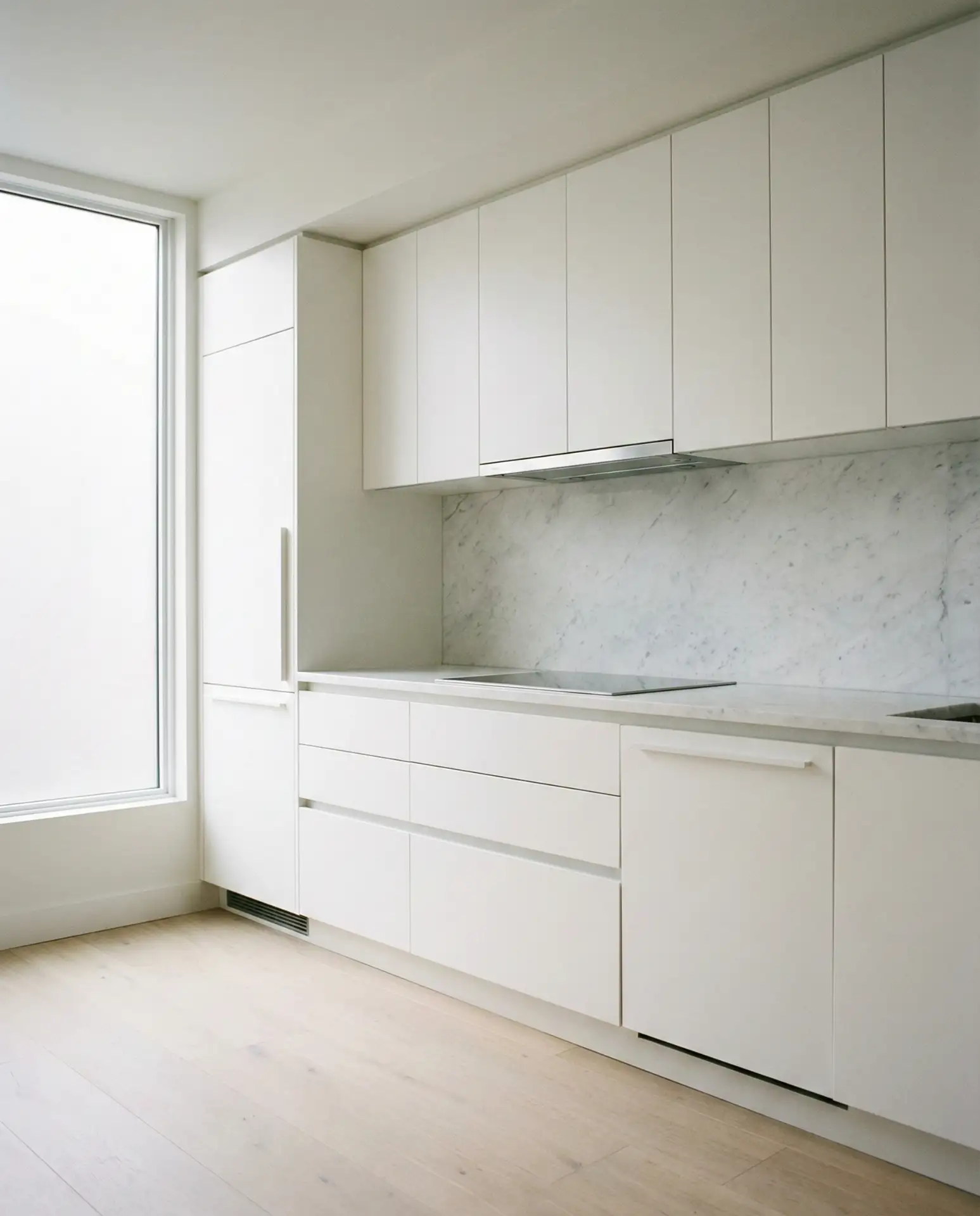
Expert-style commentary: the most common failure in minimalist kitchens is insufficient storage planning. When you remove everything from the surface, it has to go somewhere—and that somewhere needs to be meticulously designed before construction begins. A truly minimalist kitchen requires more detailed storage planning than a traditional one, not less. Work with your designer on a complete object inventory before finalizing cabinetry layouts. Underbuild the storage, and the minimalism collapses the moment daily life begins.
22. Simple Kitchen Refresh with Maximum Visual Impact
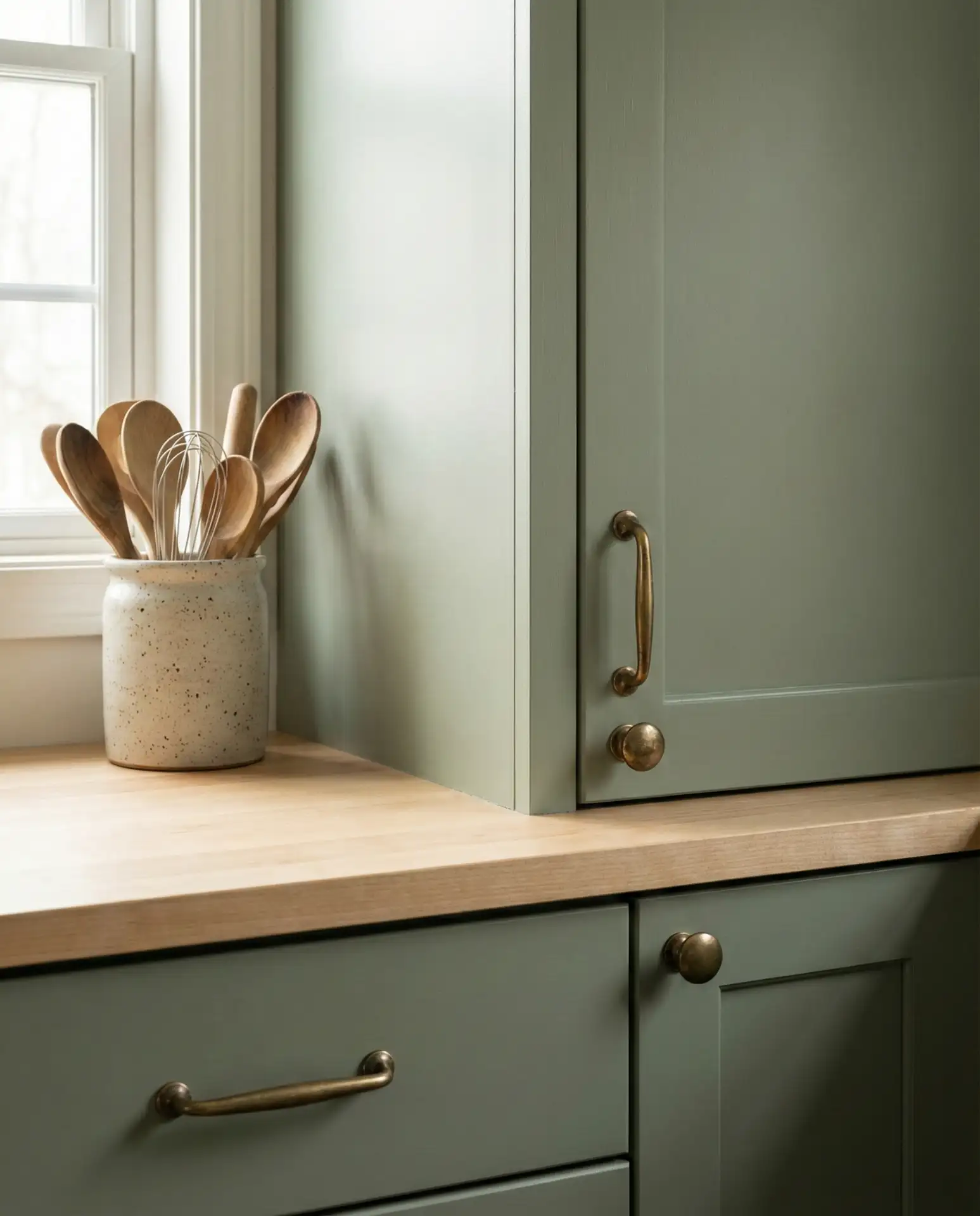
Not every kitchen transformation requires a gut renovation—and the simple refresh is one of the most satisfying design exercises in existence. In 2026, homeowners are discovering that swapping cabinet hardware, painting cabinets in a bold or warm tone, adding a new backsplash, or replacing a dated light fixture can transform the character of a kitchen completely. These are accessible interventions that don’t require permits or months of disruption but deliver genuinely dramatic results when chosen with care and intention.
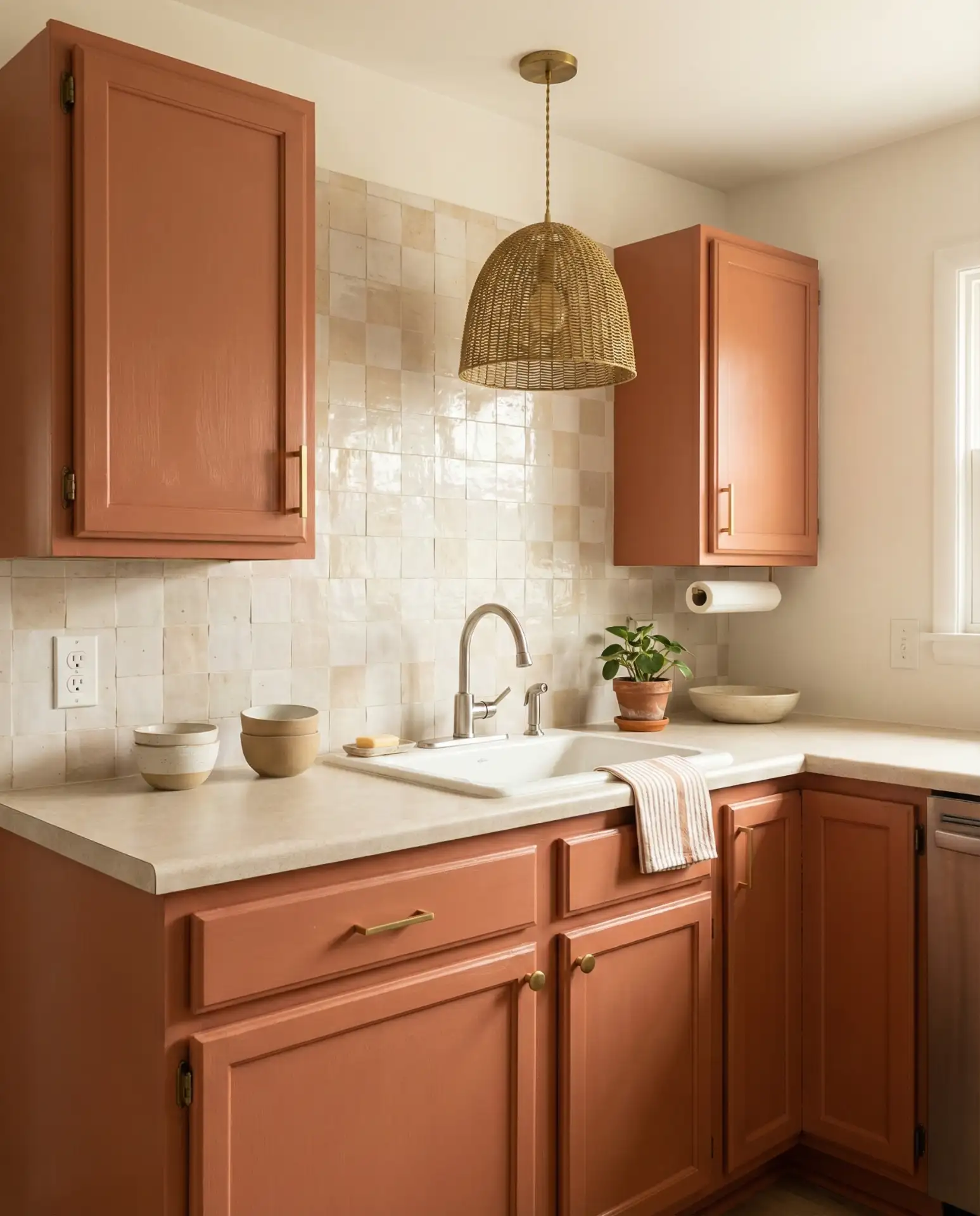
Budget angle: a thoughtfully executed kitchen refresh can run $500–$5,000 depending on whether you’re doing it yourself or hiring out. New cabinet hardware alone—budgeted at $10–$30 per pull, multiplied across 30–40 cabinets—is often the highest-ROI investment per dollar in kitchen design. Paint, hardware, and a new light fixture can collectively shift a kitchen’s entire personality without touching a single cabinet box. Start there before you start calling contractors.
Conclusion
Kitchen design in 2026 is wide open, which is the best possible news if you’ve been hesitating to commit to a direction. Whether you’re drawn to the serene restraint of Japandi minimalism, the dramatic depth of dark cabinetry, the playful warmth of a cottage kitchen, or the bulletproof logic of a parallel layout, there’s never been a better moment to define what kind of kitchen you actually want to live in. Now we’d love to know what’s on your list—drop a comment below and tell us which kitchen style is calling to you most, or share what you’re working on in your own space. Your next chapter starts with one idea.