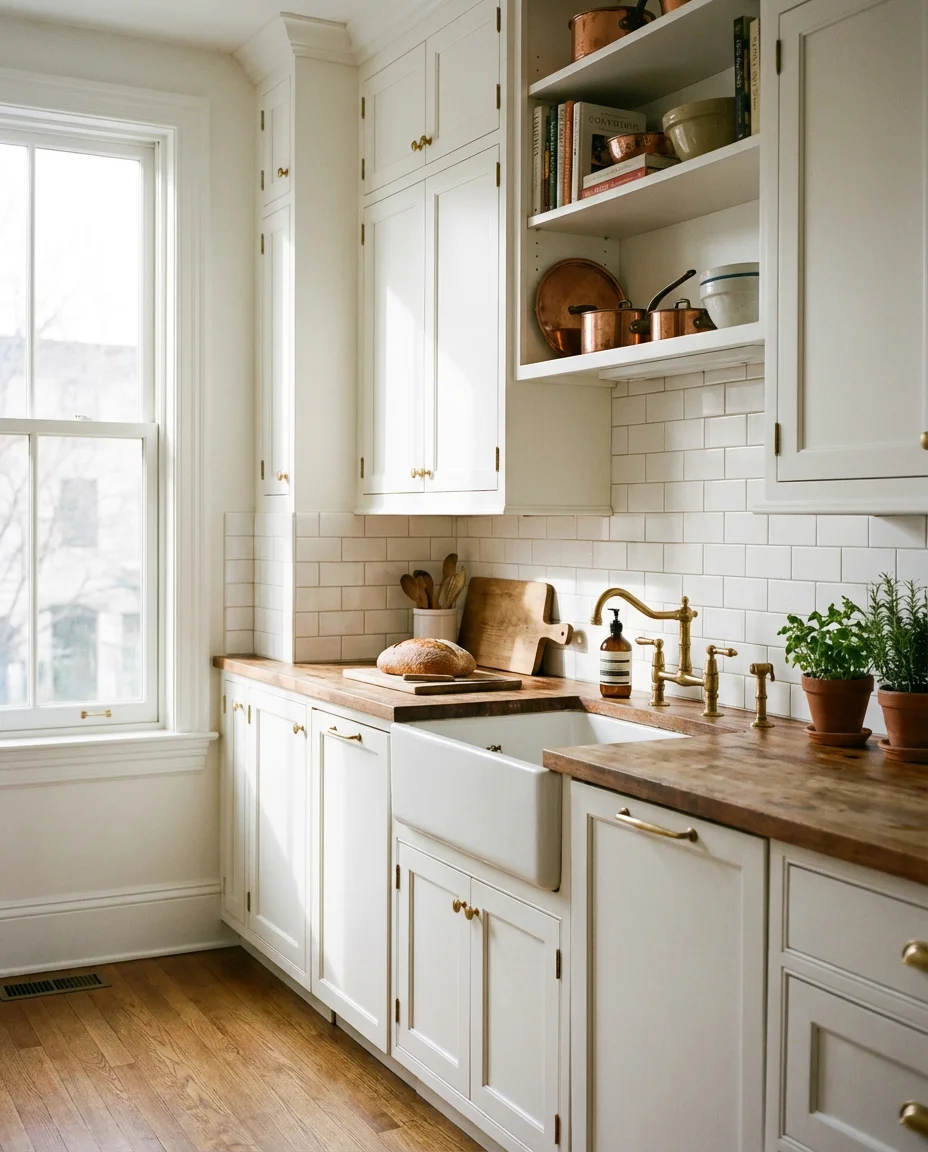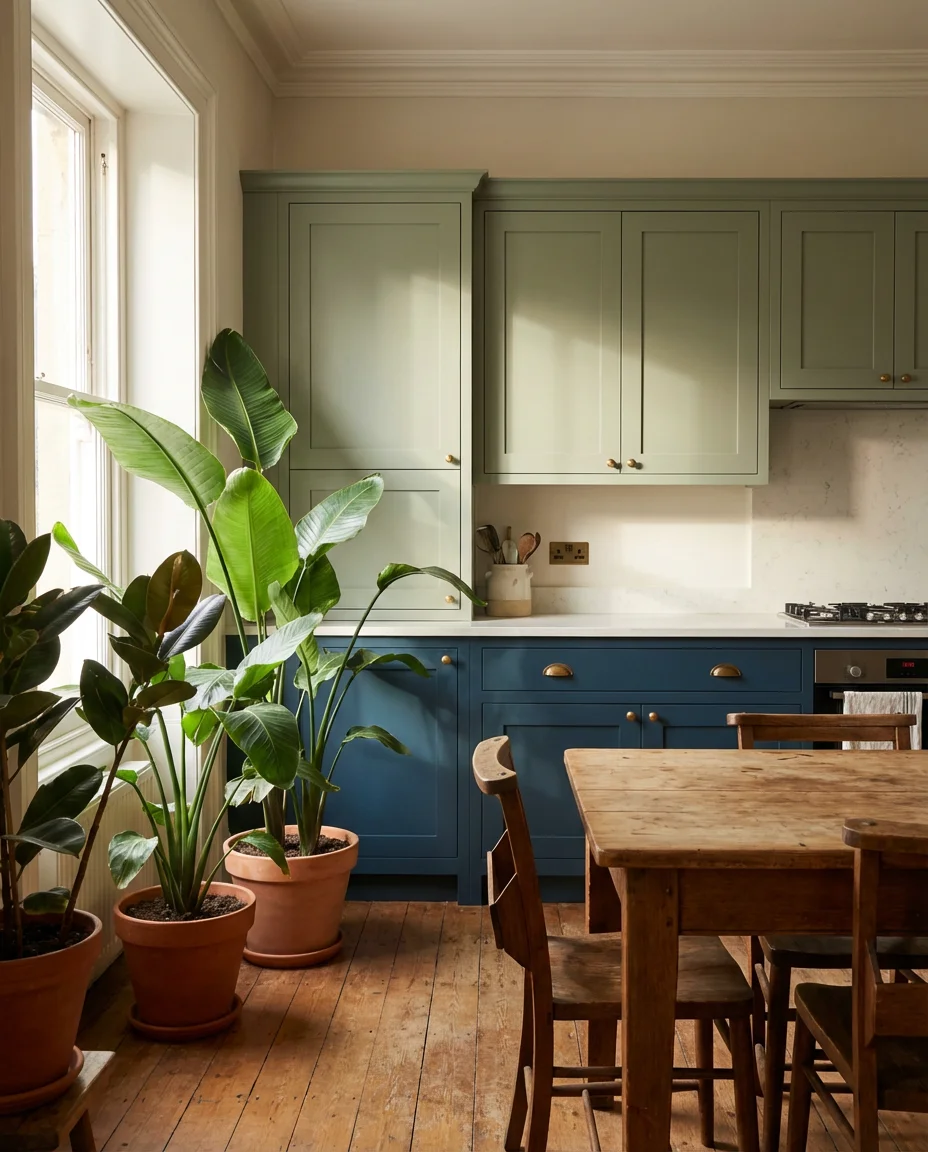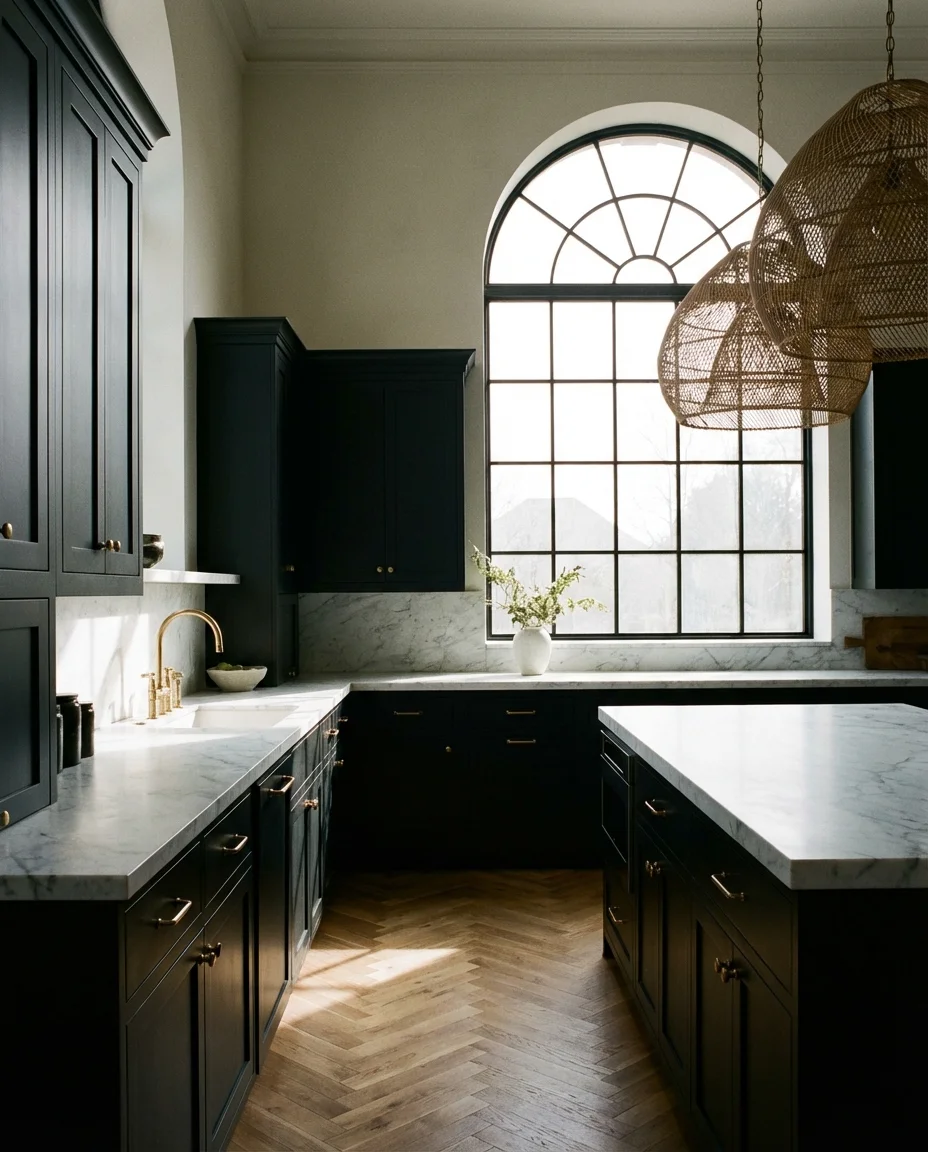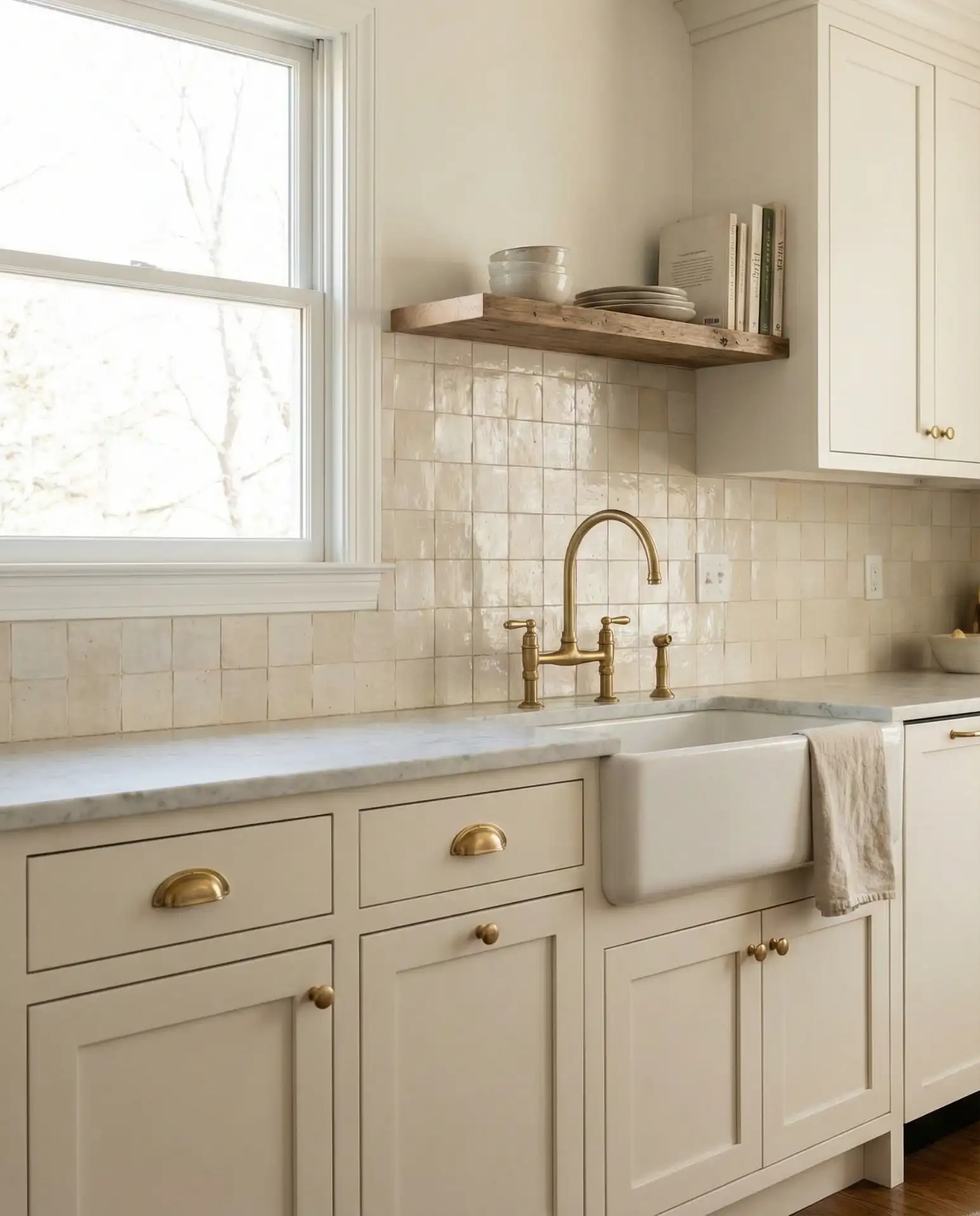
Kitchen layouts are evolving faster than ever, and 2026 is shaping up to be a year of bold experimentation and smart functionality. American homeowners are moving beyond cookie-cutter designs, seeking spaces that blend beauty with real-life usability—whether that’s a compact galley that maximizes every inch or an expansive island that doubles as a command center and gathering spot. Pinterest boards are overflowing with inspiration, from sleek single-wall setups to outdoor cooking zones that extend living space into the backyard. In this guide, you’ll find fresh kitchen layout ideas that reflect the trends, challenges, and opportunities defining how we cook, entertain, and live in 2026.
1. Spacious Island-Centered Layout with Open Sightlines

The kitchen layout with a generous island remains a top choice for families who want prep space, seating, and storage in one central feature. This design thrives in open living room floor plans, where the island acts as a natural divider without blocking conversation or views. It’s especially popular in suburban homes where entertaining and weeknight homework sessions happen simultaneously, and the island becomes the heart of daily life. 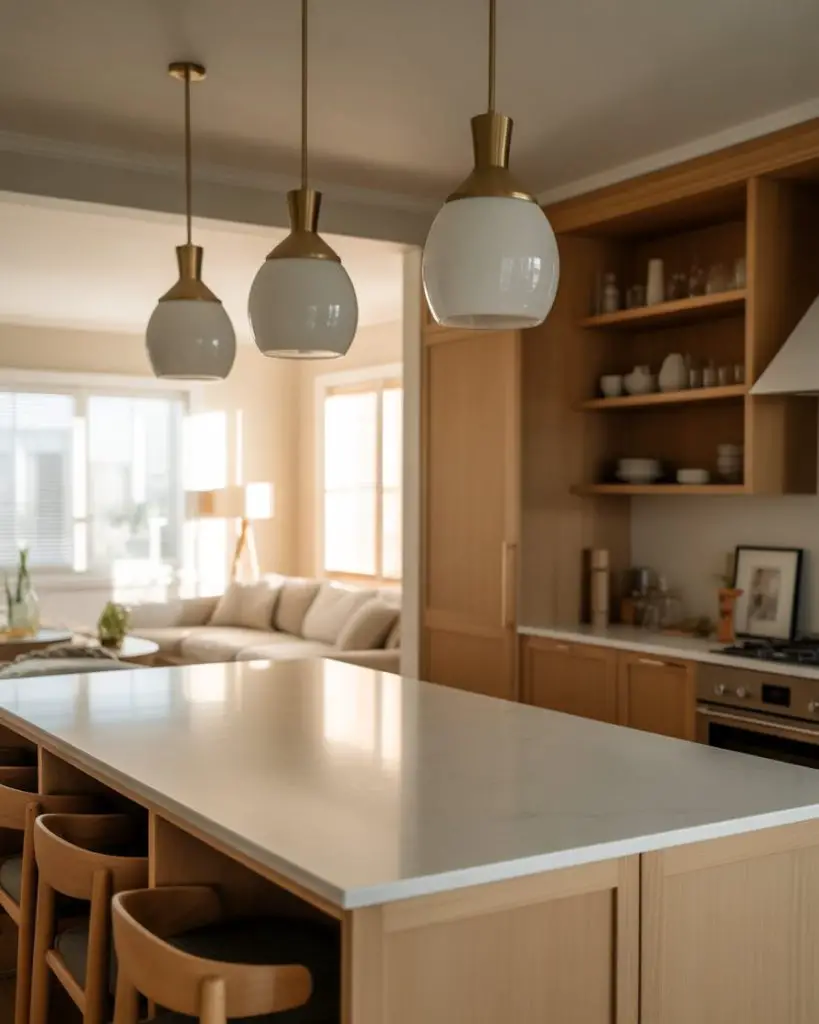
Practical insight: Position your island at least 42 inches from perimeter counters to ensure smooth traffic flow, even when multiple people are cooking. If you’re adding bar seating, leave 24 inches of countertop per person and consider a slightly raised eating ledge to hide prep clutter. Outlets on the island’s side or end keep small appliances accessible without disrupting the clean countertop look.
2. Compact Single Wall Design for Urban Apartments
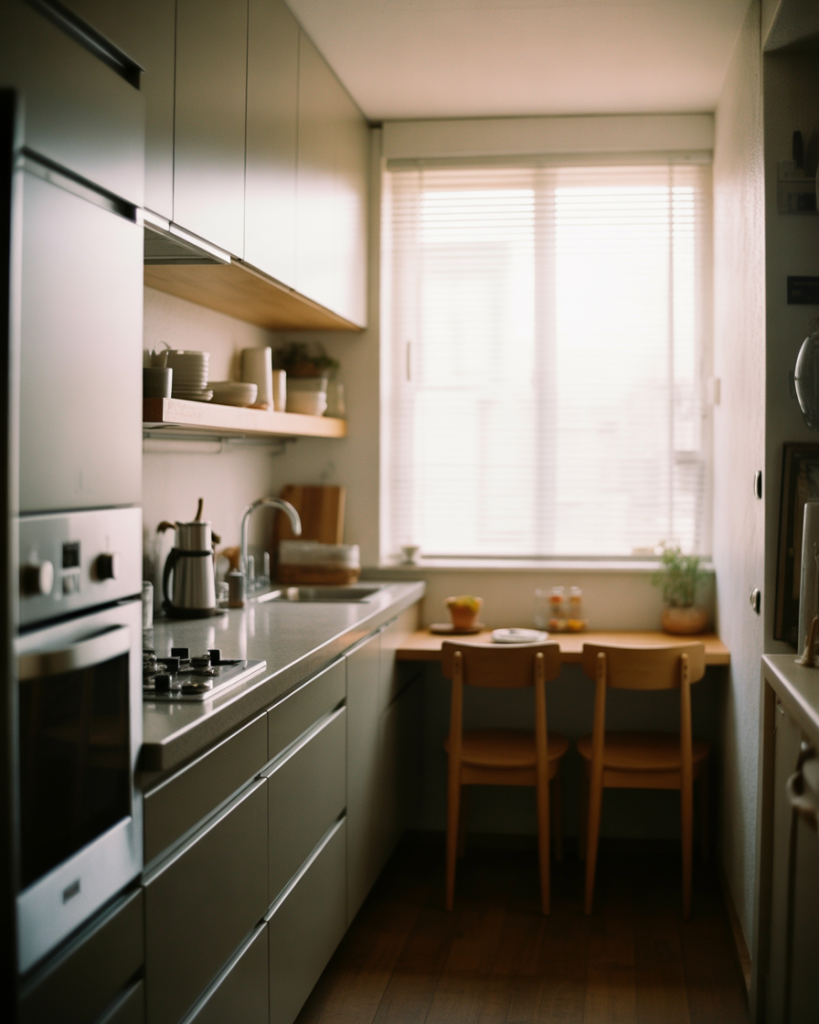
A single-wall kitchen layout maximizes efficiency in smaller footprints, lining up the sink, stove, and fridge along one continuous run. This setup is ideal for tiny house enthusiasts or city dwellers working with narrow spaces, where every square foot counts. It eliminates wasted corner cabinets and keeps the work triangle tight, making meal prep surprisingly streamlined. 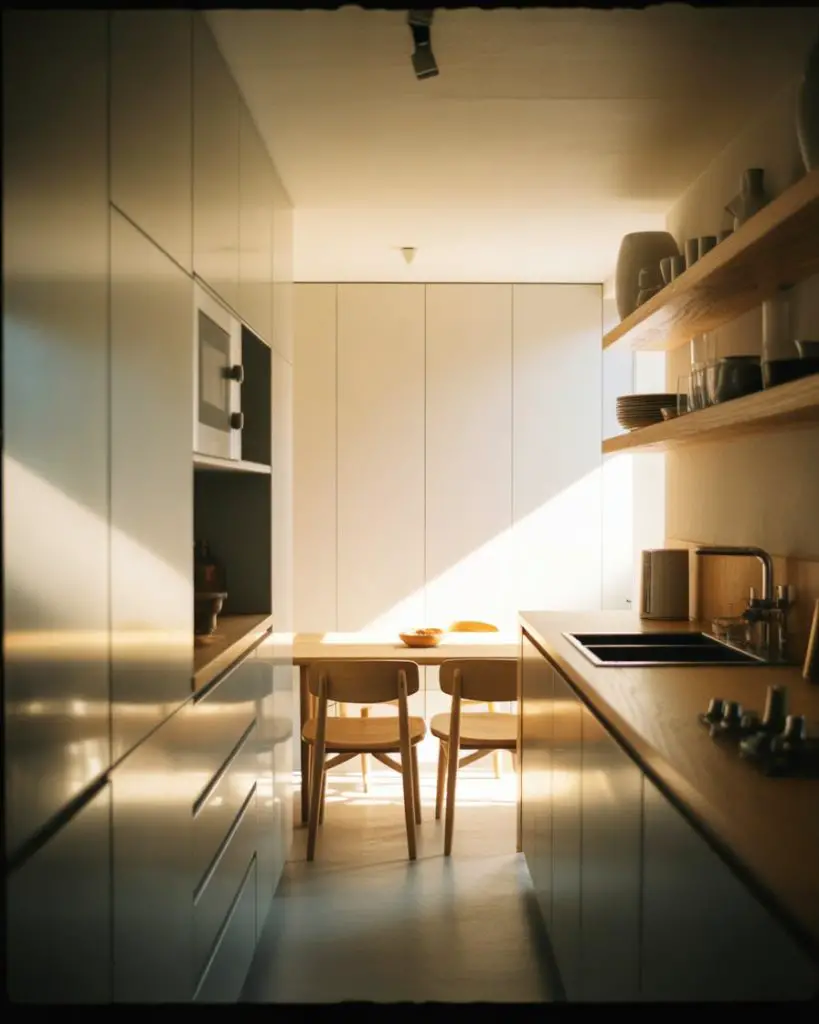
Where it works best: Single-wall layouts shine in studio apartments, in-law suites, or basement kitchenettes where space is at a premium. They’re also budget-friendly, requiring less cabinetry and countertop material than U- or L-shaped designs. To avoid a cramped feel, use vertical storage—tall cabinets, hanging racks, or open shelving—to draw the eye upward and keep counters clear.
3. Classic Galley with Efficient Workflow
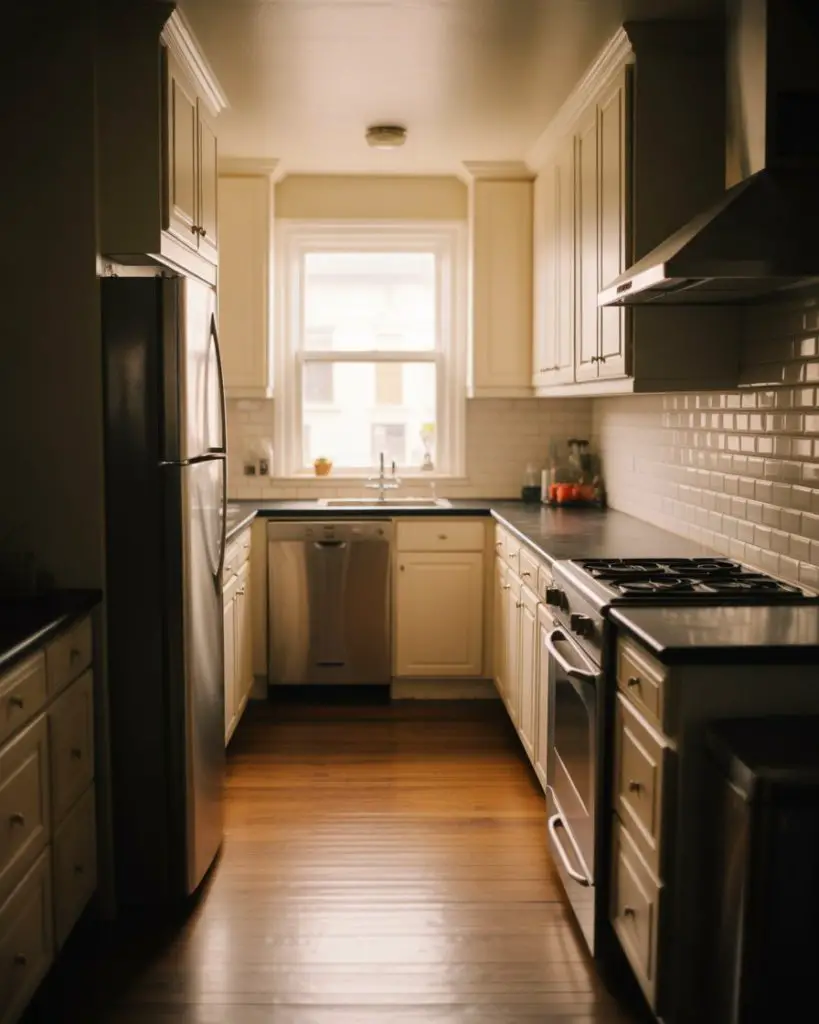
The small galley layout places two parallel counters facing each other, creating a natural corridor that supports the classic work triangle. This shape is beloved in older homes and apartments where space is limited but cooking is taken seriously. It’s a workhorse design that wastes no movement, letting you pivot from fridge to sink to stove in just a few steps. 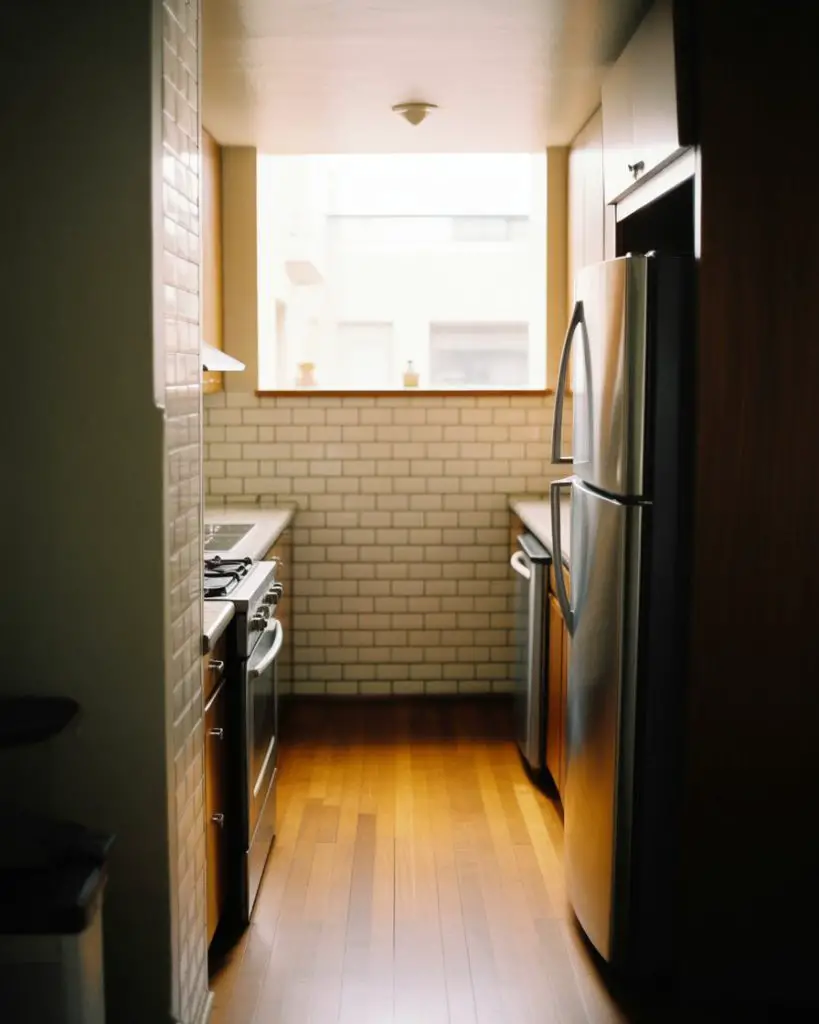
American lifestyle context: Galley kitchens are making a comeback in urban townhomes and bungalow renovations, where homeowners prize authenticity and smart use of square footage. In Southern states, you’ll often see them painted in soft blues or greens, while Midwestern homes lean toward classic white shaker cabinets. The key is keeping the aisle width between 42 and 48 inches—wide enough for two people to pass comfortably.
4. L-Shaped Layout with Corner Sink Efficiency
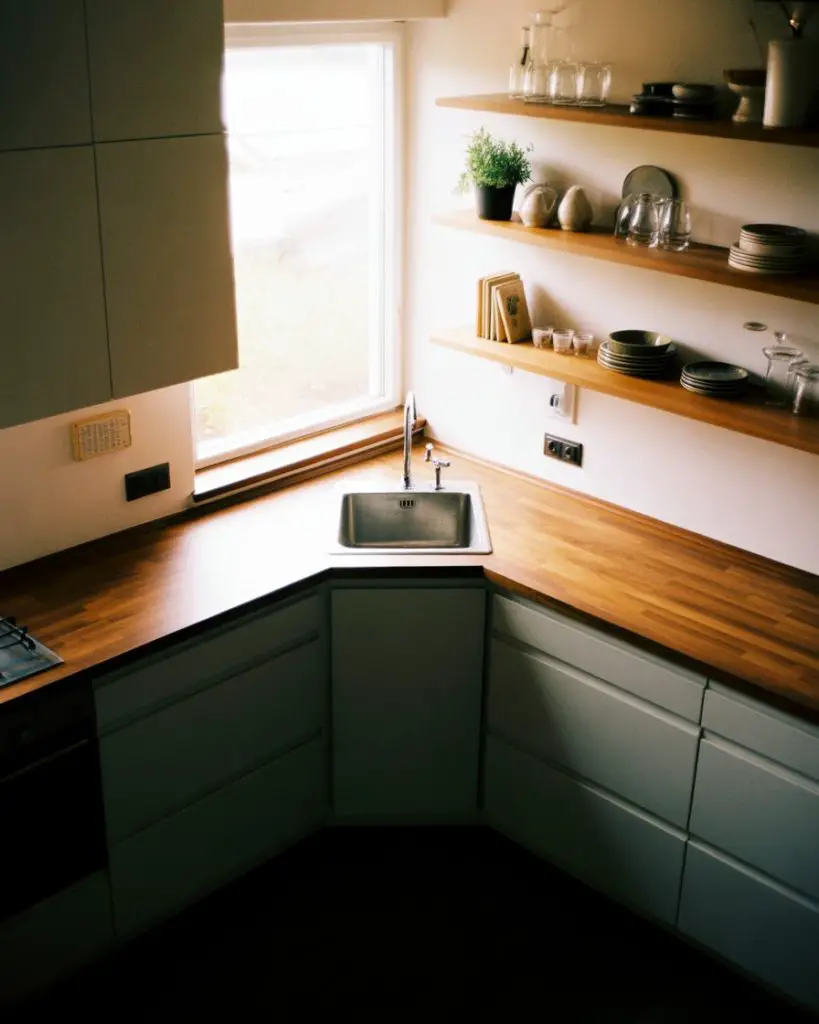
An L-shaped kitchen layout tucks neatly into a corner, opening up the rest of the room for dining or lounge space. When you place a corner sink at the junction, you gain easy access from both sides and maximize counter prep zones on either arm of the L. This configuration is a favorite in ranch-style homes and condos where the kitchen shares a wall with the living area. 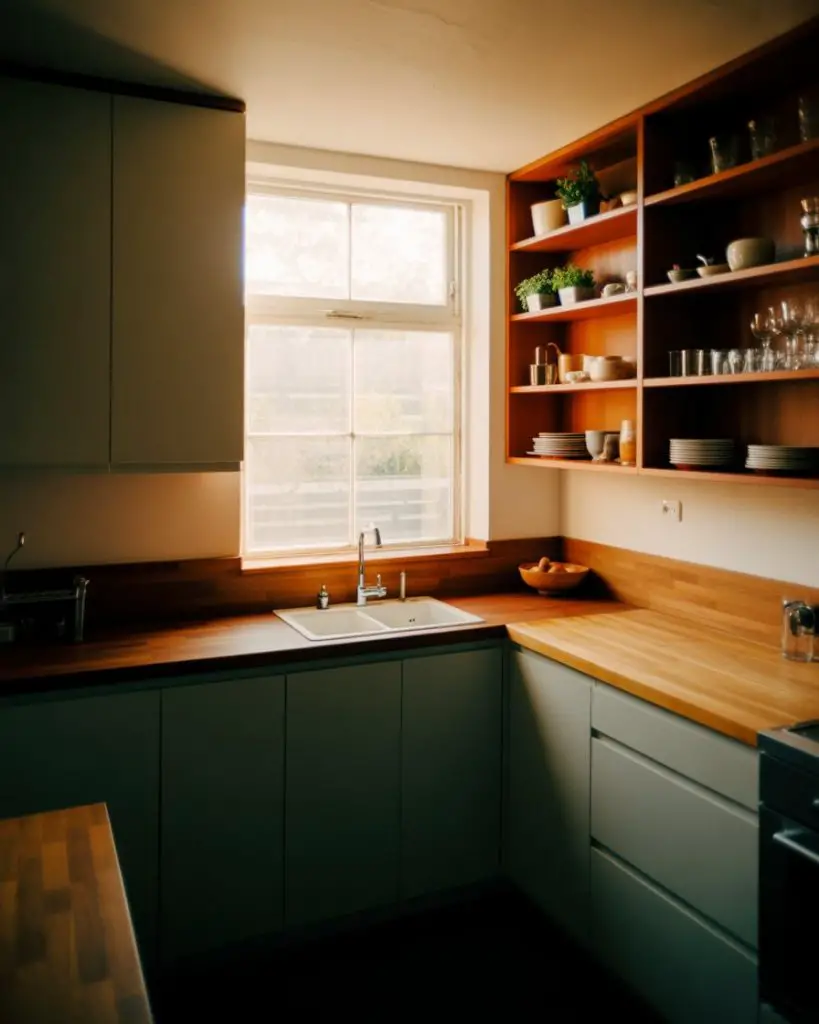
Micro anecdote: One homeowner in Portland installed a deep farmhouse sink in her corner spot and never looked back—she could rinse vegetables, fill stockpots, and gaze into her backyard garden all at once. The corner placement freed up both counter runs for prep work and made the kitchen feel more open than a traditional U-shape. Just be sure to install a lazy Susan or pull-out organizer in the corner base cabinet to avoid a black hole of lost Tupperware.
5. Peninsula Extension for Semi-Open Kitchens
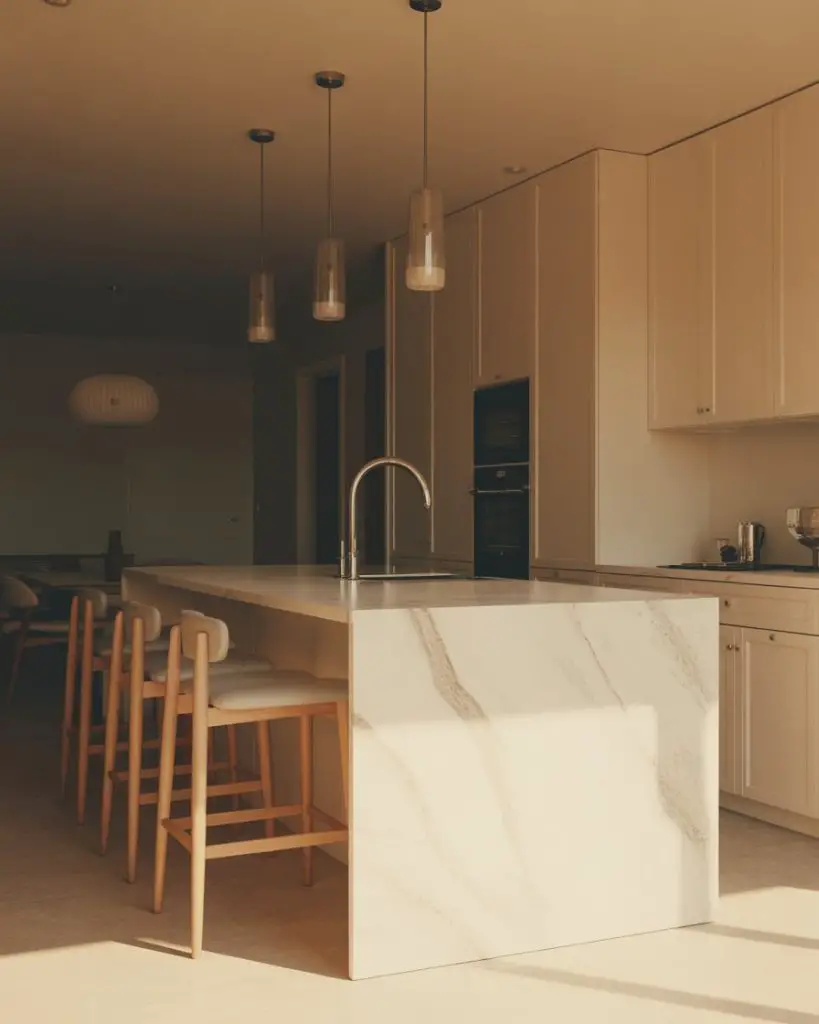
A peninsula layout functions like an island but connects to the main cabinetry run, forming a natural barrier between kitchen and living zones without fully closing them off. It’s a smart middle ground in open living room designs where you want some separation but still crave sightlines and conversation flow. The peninsula offers extra seating, storage, and a spot to tuck away bar stools when not in use. 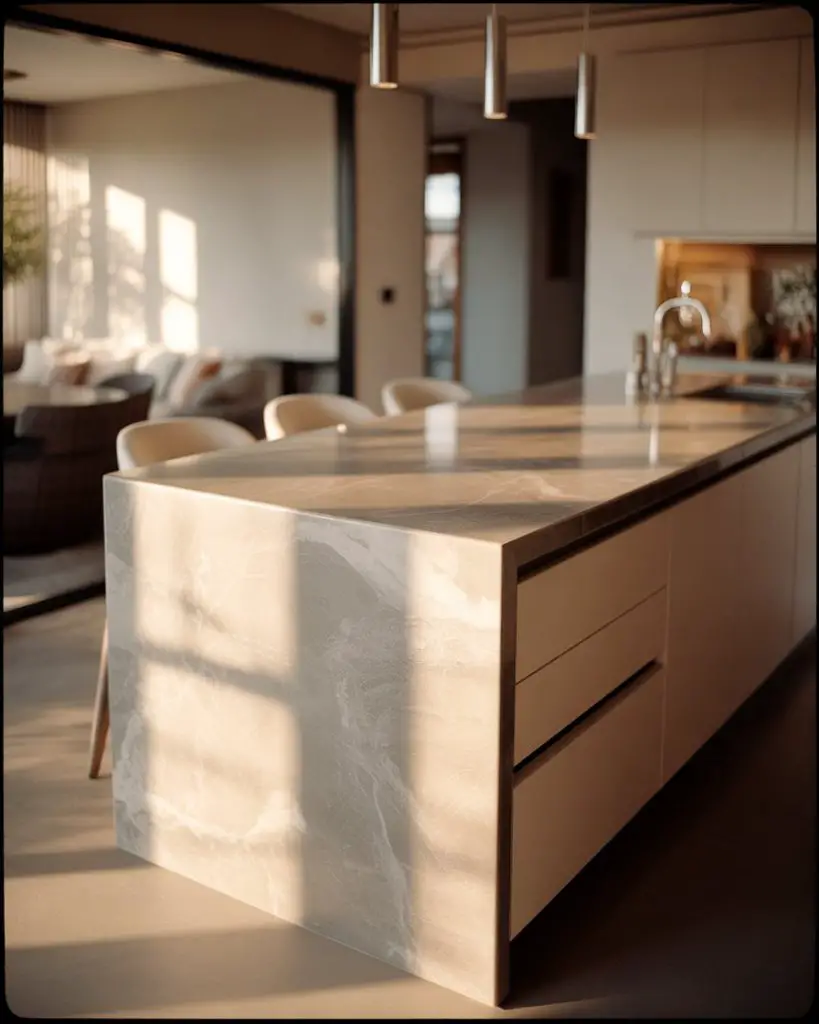
Expert-style commentary: Designers often recommend peninsulas in homes where adding a freestanding island would crowd the space. The attached end provides structural support for a cantilevered overhang, allowing for a breakfast bar without bulky legs. Consider running electrical through the peninsula for outlets or charging stations, and add open shelving on the living room side to display cookbooks or plants.
6. U-Shaped Layout with Double Oven Integration
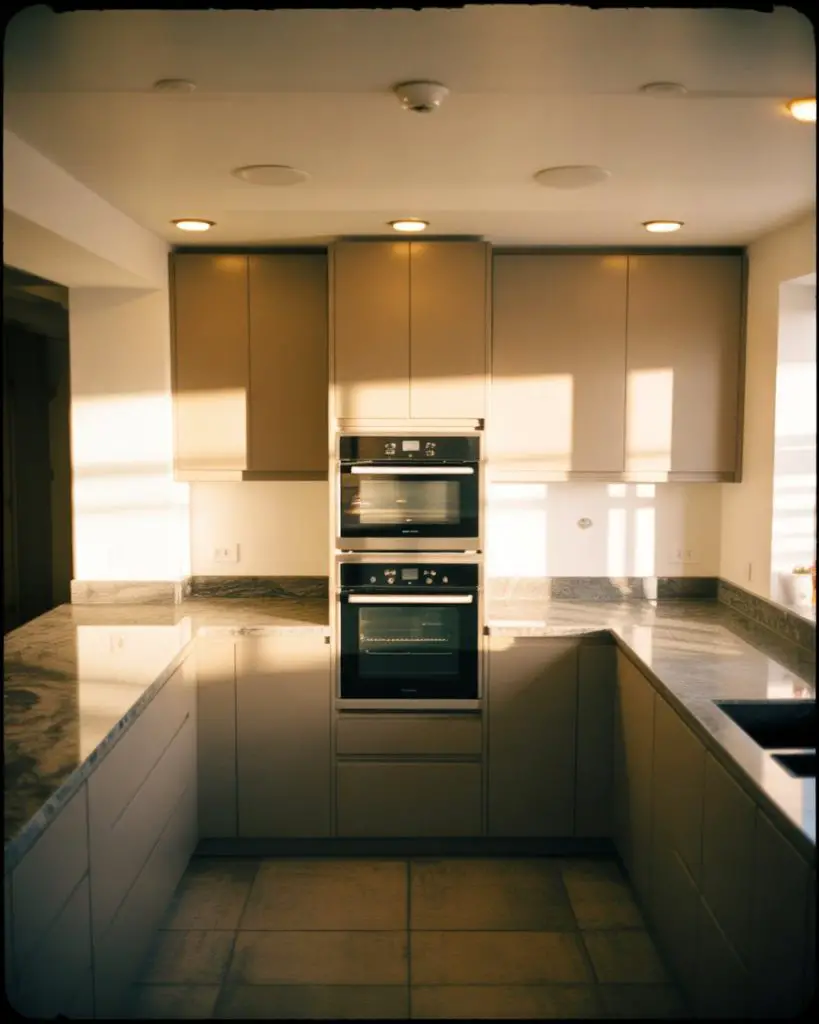
A U-shaped kitchen layout wraps around three walls, delivering maximum counter and cabinet space for serious cooks. When you integrate a double oven into one of the vertical runs, you gain the flexibility to roast and bake simultaneously—a game-changer during holiday meal prep. This setup is especially popular in suburban homes with dedicated kitchen rooms and families who entertain frequently. 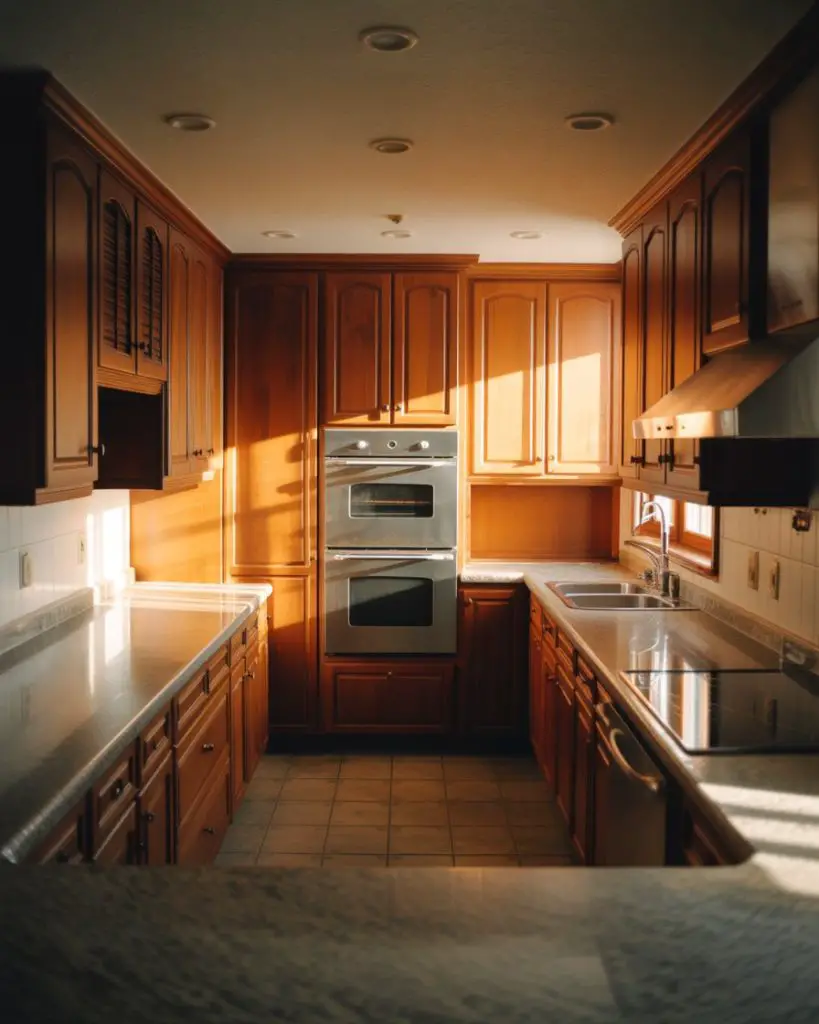
Budget angle: While a U-shaped layout requires more cabinetry and countertop material, it eliminates the need for a separate island, potentially saving several thousand dollars. If you’re installing a double oven, consider a combination unit—one convection oven on top, one microwave or speed oven below—to maximize versatility without doubling your footprint. Outlet placement on all three walls ensures you can plug in appliances wherever you need them.
7. Open Gallery Kitchen with Visual Flow
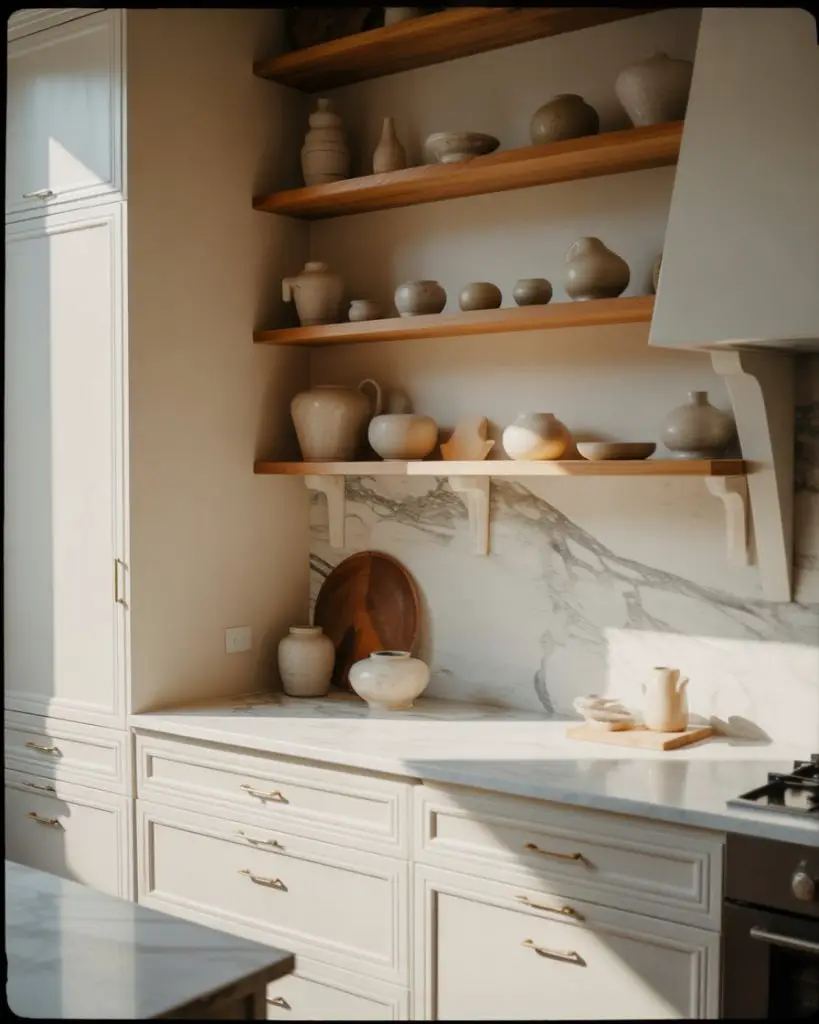
The gallery concept borrows from museum design, treating the kitchen as a curated space with clean lines and intentional display elements. This kitchen layout often features glass-front cabinets, open shelving, and a minimalist palette that encourages you to showcase beautiful dishware and cookware. It’s a hit among design-conscious homeowners who want their kitchen to feel like an extension of their personal style. 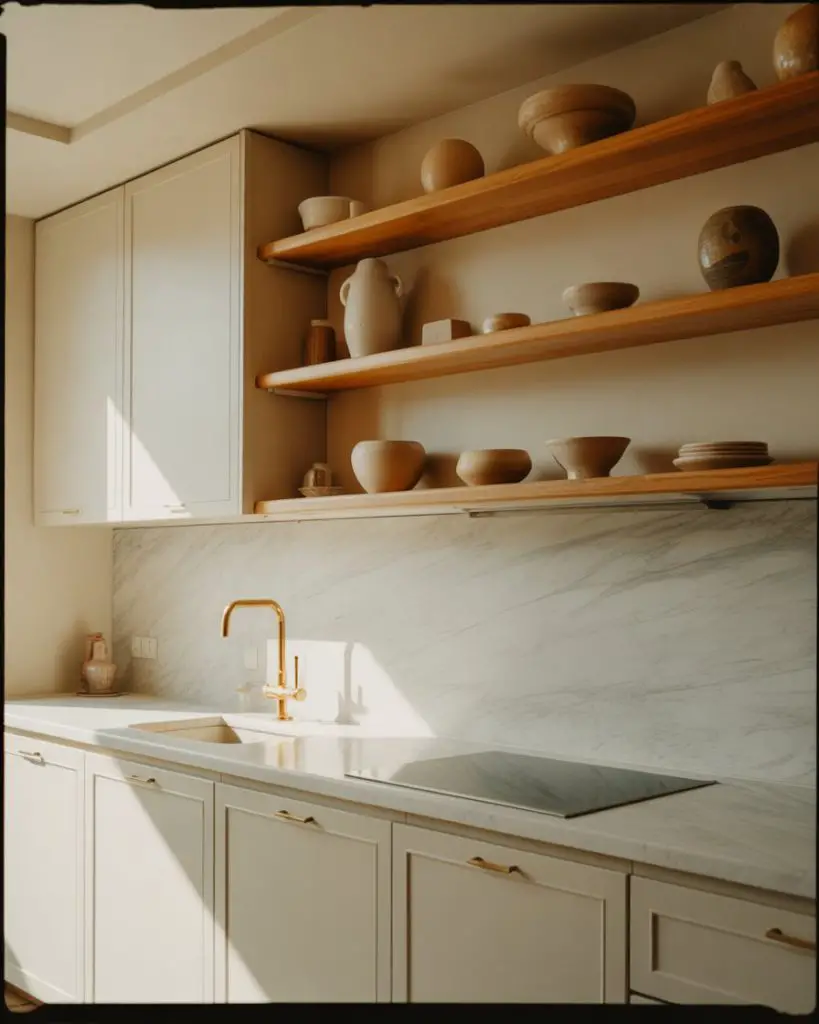
Real homeowner behavior: Many people find that a gallery layout forces them to keep only what they truly use and love—no more mystery Tupperware or chipped mugs hiding in the back of a cabinet. The openness does require regular tidying, but it also makes it easier to grab what you need and spot when supplies are running low. If you’re not ready to commit fully, try converting one upper cabinet section to open shelves as a test run.
8. Outdoor Linear Kitchen for Backyard Entertaining

An outdoor linear kitchen layout arranges the grill, sink, and storage along a single straight run, maximizing patio or deck space while keeping the cooking zone compact. This design is perfect for Southern and Western states where year-round grilling is a lifestyle, and homeowners want to entertain without running back and forth to the indoor kitchen. A linear setup also simplifies utility runs—gas, water, and electric—reducing installation complexity. 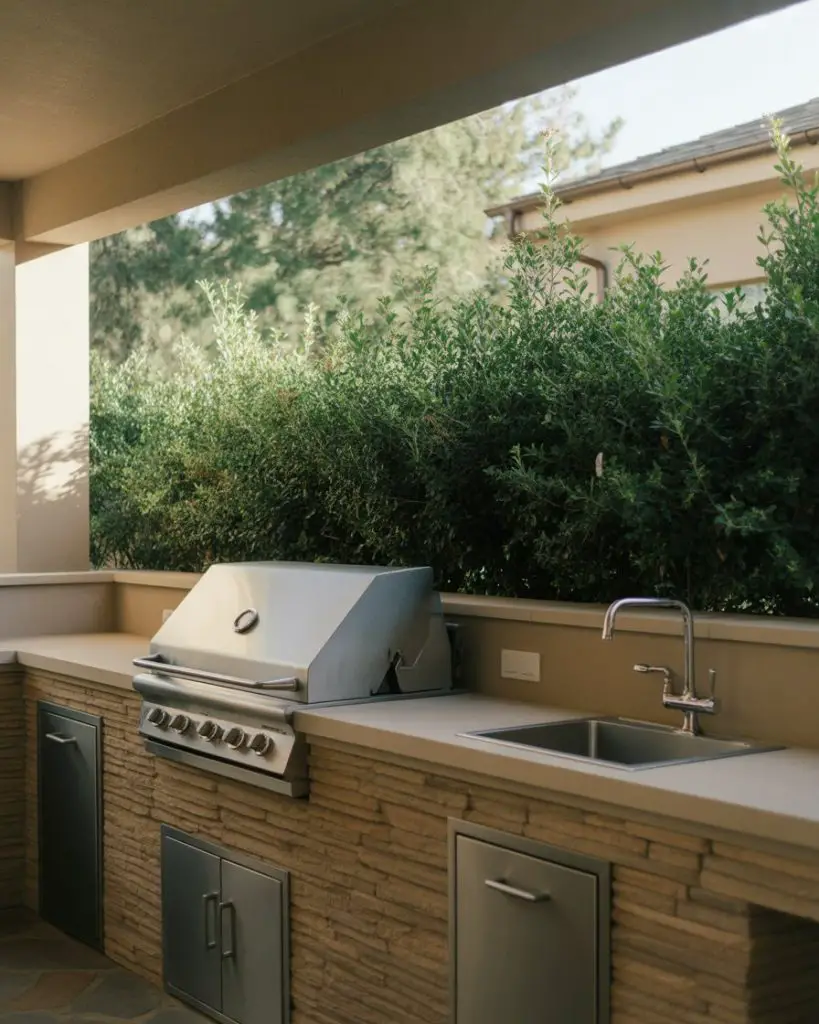
Where it works best: Linear outdoor kitchens thrive in narrow side yards, poolside patios, or rooftop decks where space is limited but the desire to cook and entertain is high. Use weather-resistant materials like stainless steel, concrete, or stone, and include a small refrigerator or beverage cooler to keep drinks cold without indoor trips. Overhead lighting and an outlet for string lights or a small speaker system can transform the space for evening gatherings.
9. Small Bakery-Inspired Layout with Dedicated Zones
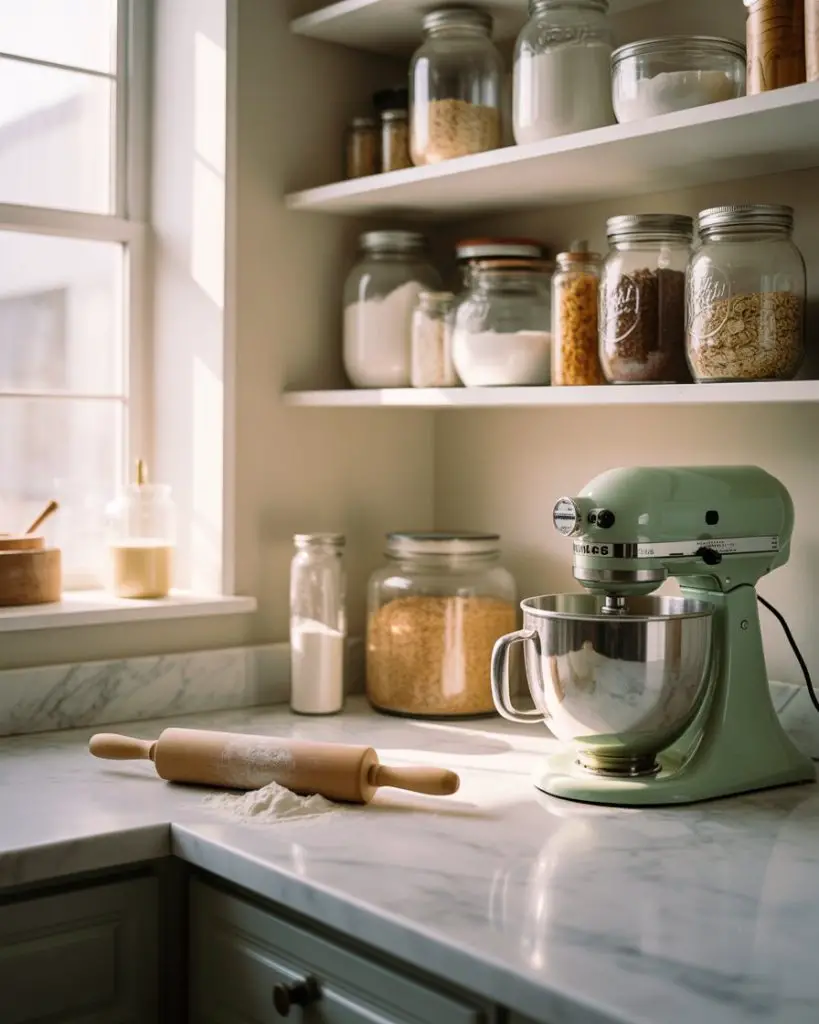
A small bakery layout carves out a dedicated baking station within a larger kitchen, featuring a lower-height counter for rolling dough, a marble or butcher block insert, and nearby storage for flour, sugar, and tools. This kitchen layout appeals to serious home bakers who want professional functionality without converting their entire kitchen. It’s a niche but growing trend as more Americans discover the joys of sourdough, pastry, and homemade bread. 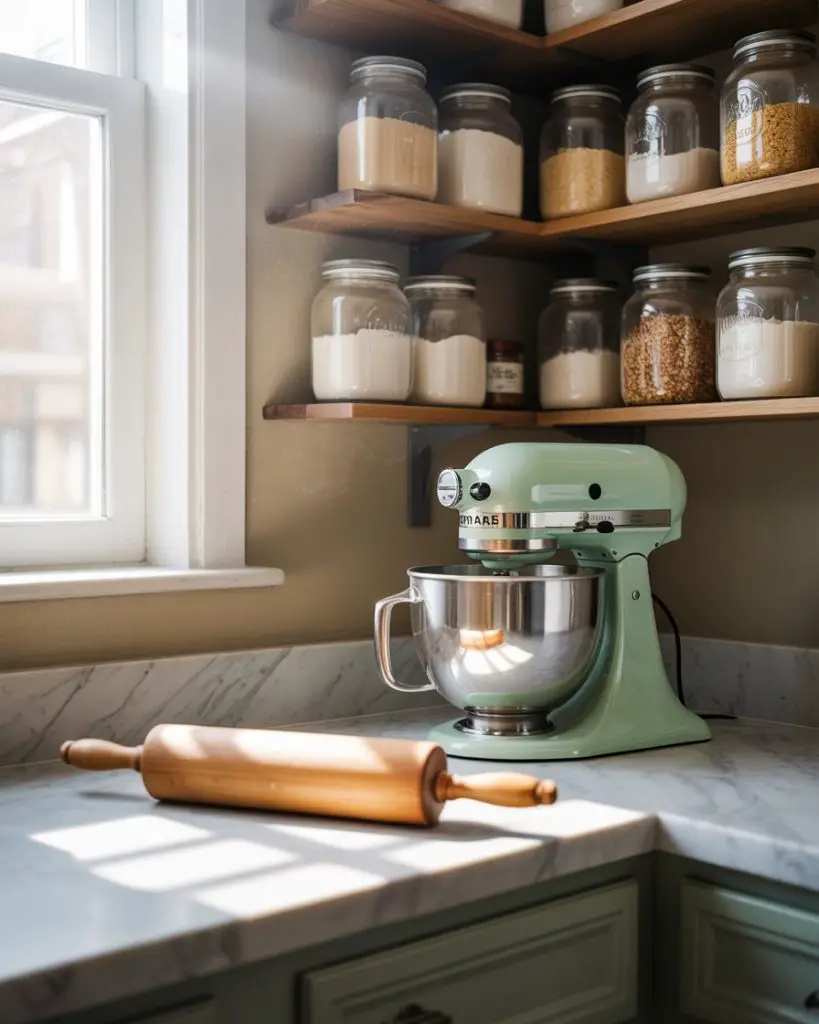
Practical insight: Position your baking zone away from the main cooktop to avoid heat and splatter, and consider a counter height of 32 to 34 inches instead of the standard 36—this reduces shoulder strain when kneading or rolling. Install a pull-out shelf below for a stand mixer, keeping it accessible but out of the way when not in use. If you bake frequently, a second wall oven at eye level speeds up batch work and keeps you from bending down repeatedly.
10. Corner Oven Placement for Ergonomic Access
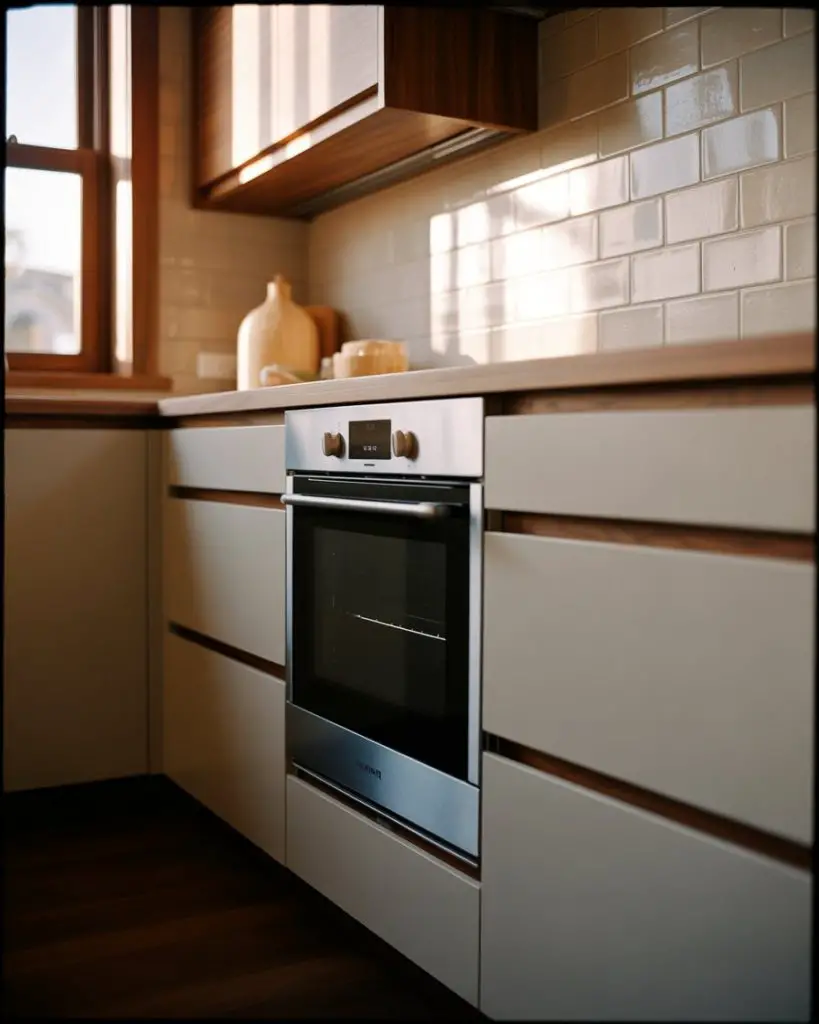
Placing a corner oven in a tall cabinet unit frees up prime base cabinet real estate for drawers and pull-outs, while positioning the oven door at a comfortable height that reduces bending. This kitchen layout choice is especially smart in L-shaped or U-shaped designs where corner space might otherwise go underutilized. It’s gaining traction among older homeowners and anyone with back issues who wants a more ergonomic cooking experience. 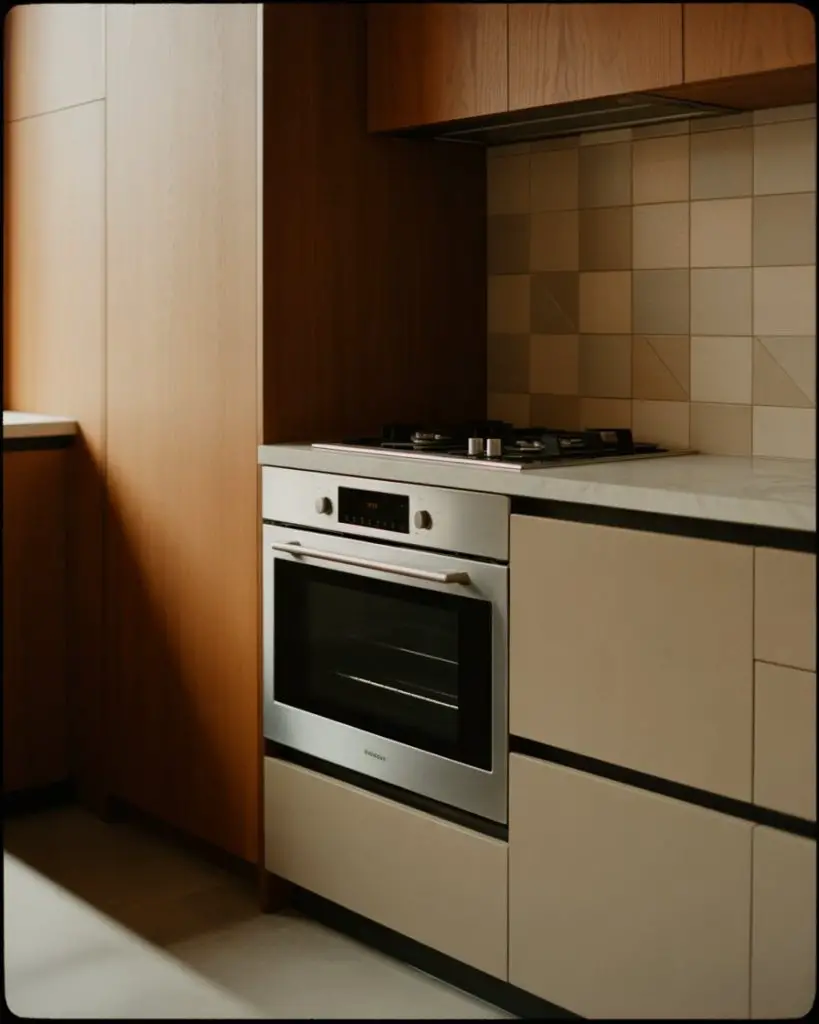
Common mistakes and how to avoid them: Don’t place the oven too close to the corner’s inside edge—you need clearance for the door to open fully and for safe maneuvering of hot pans. Leave at least 15 inches of landing space on one side for setting down dishes. Also, verify that your cabinet depth can accommodate the oven’s venting requirements; some models need extra rear clearance that standard 24-inch cabinets can’t provide.
11. Corner Stove Configuration for Space Efficiency
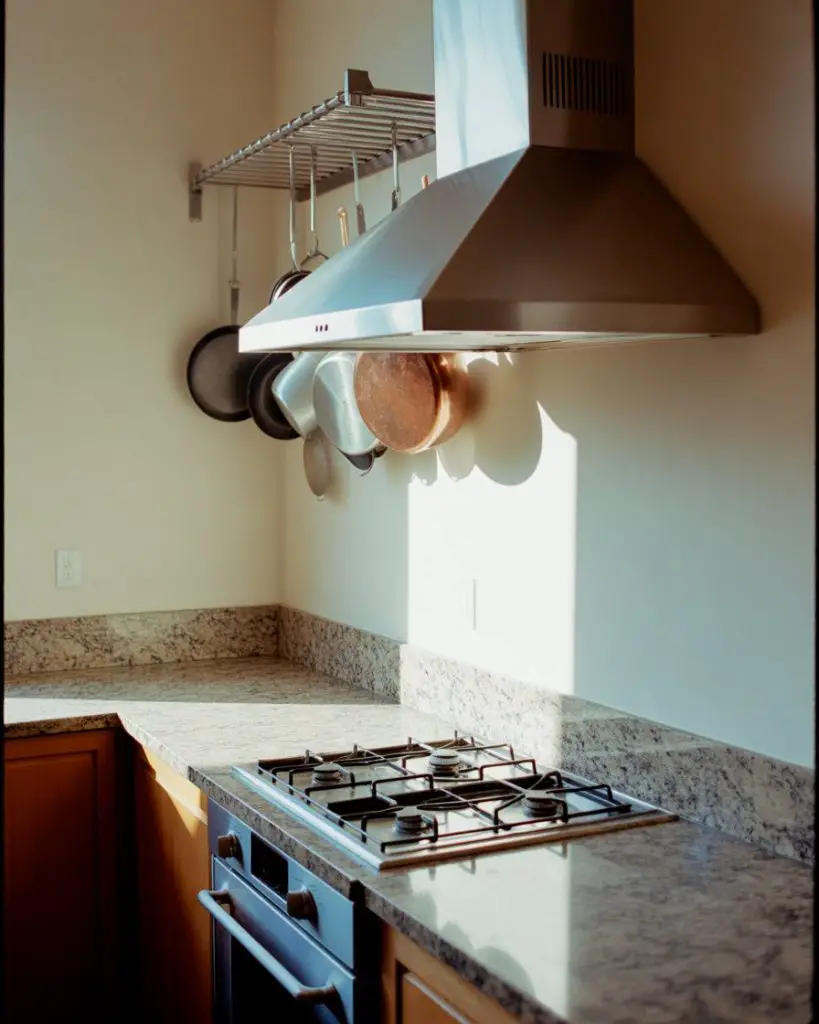
A corner stove setup tucks the cooktop into an angled or diagonal cabinet run, a bold move that reclaims corner space and creates a unique focal point. This kitchen layout works best in smaller kitchens where every inch matters or in open designs where the diagonal placement encourages interaction with guests. It’s unconventional but increasingly popular in urban lofts and modern farmhouse renovations. 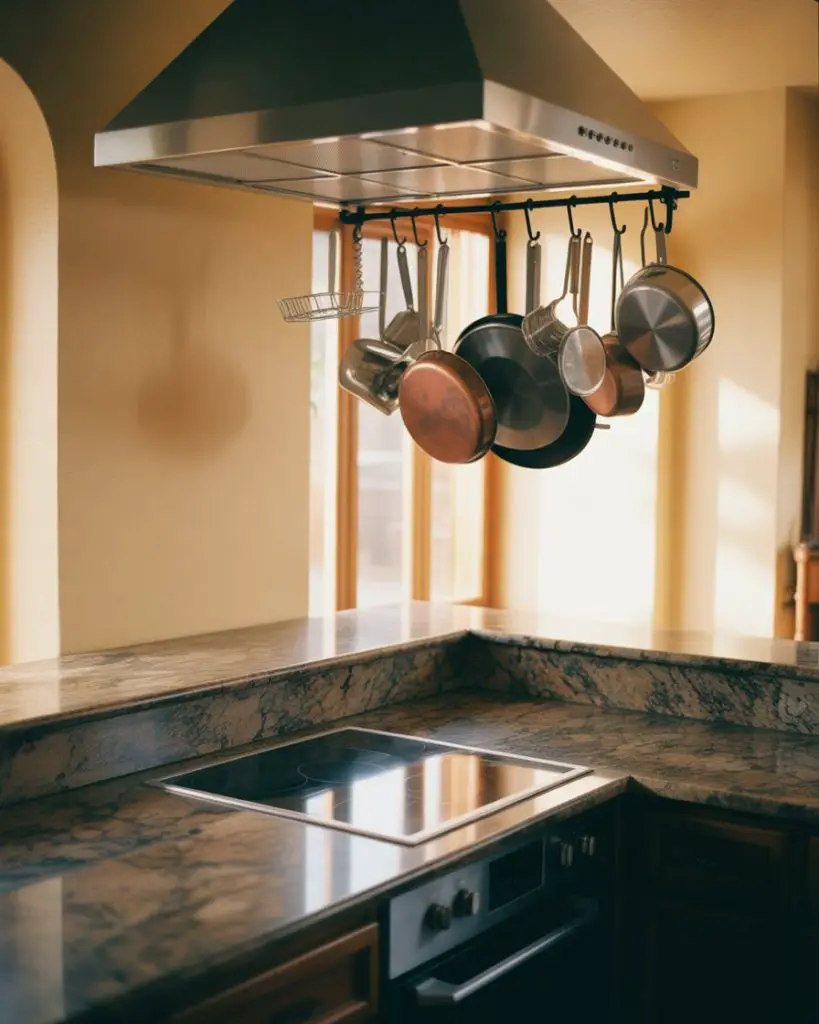
Expert-style commentary: The diagonal stove requires careful planning—ensure adequate ventilation with an overhead hood rated for the placement, and confirm that cabinetry on both sides provides safe clearance from heat. Many homeowners pair this layout with a corner sink on the opposite junction, creating symmetry and maximizing the corner’s utility. It’s a conversation starter and a smart solution when you want to break free from standard parallel or L-shaped norms.
12. Corner Pantry Integration for Maximum Storage
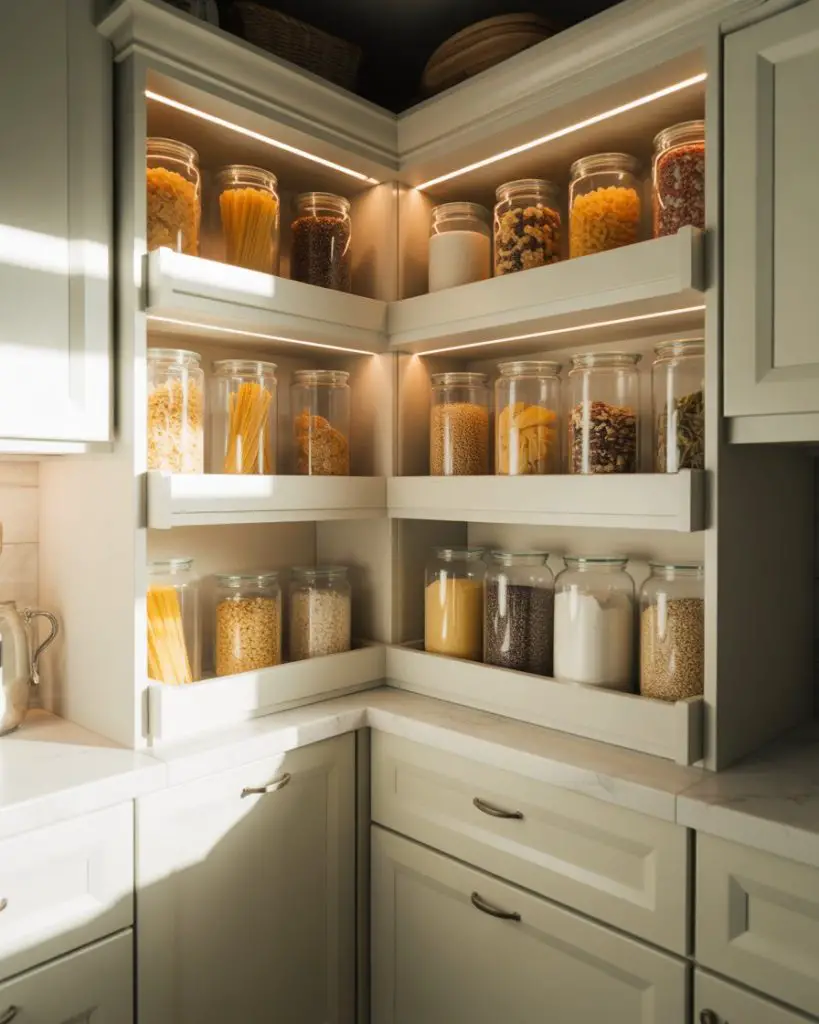
A corner pantry transforms an awkward angle into a storage powerhouse, using rotating shelves, pull-out units, or a walk-in configuration if space allows. This kitchen layout element is a lifesaver in homes where cabinet space is limited, and it keeps dry goods, canned items, and bulk purchases organized and accessible. It’s especially valued by families who shop in bulk or practice canning and preserving. 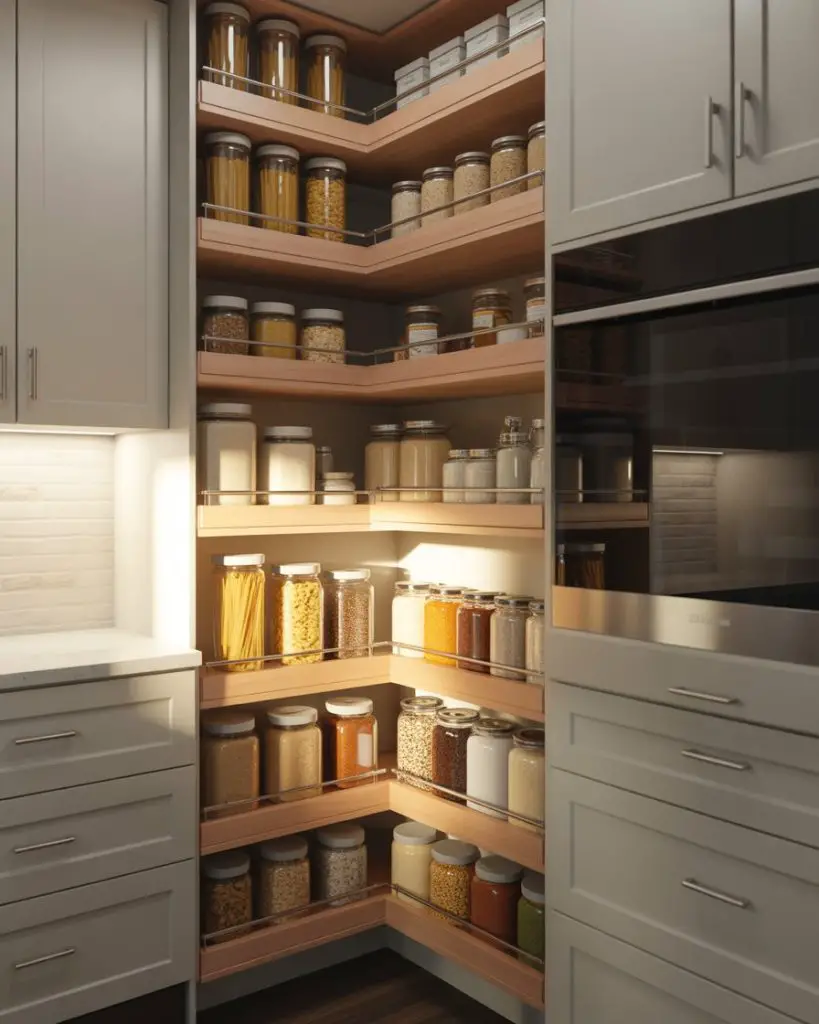
American lifestyle context: In rural and suburban areas, where Costco runs are a monthly ritual, the corner pantry has become a non-negotiable feature. Homeowners in the Midwest often stock up on seasonal produce for canning, while Southwestern families might dedicate shelves to bulk beans, rice, and spices. To maximize the space, install adjustable shelving and use clear bins or baskets to group similar items, making it easy to see inventory at a glance.
13. Commercial-Grade Layout for Serious Cooks
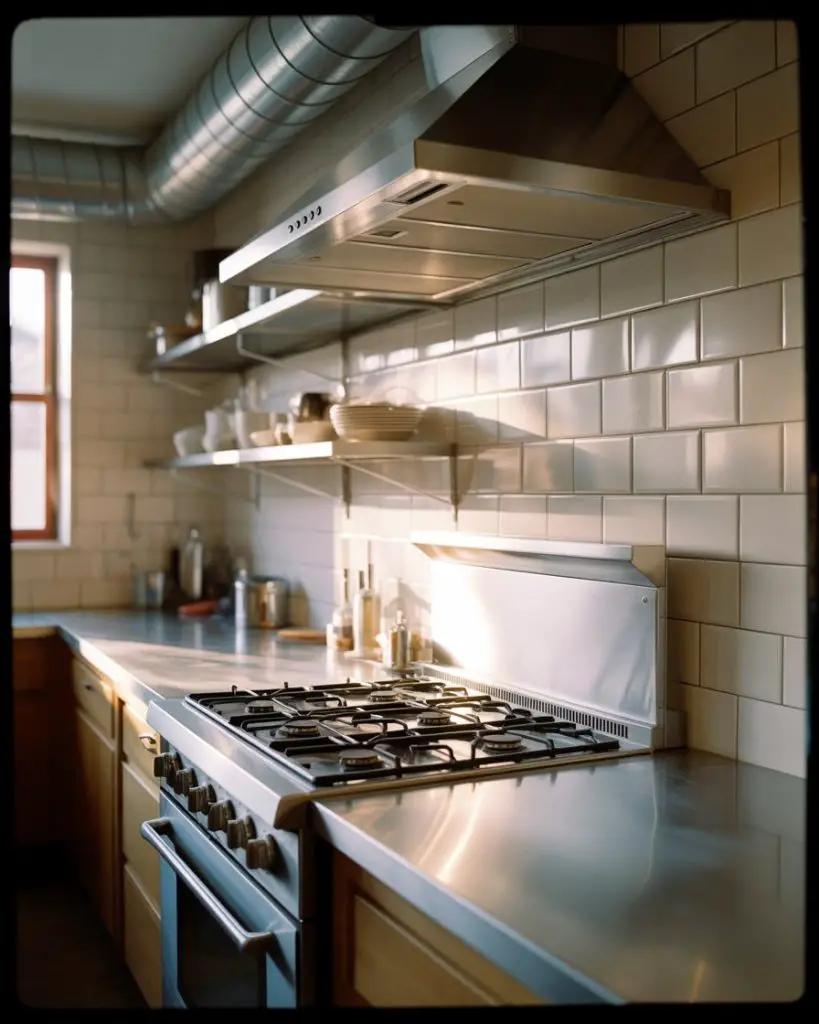
A commercial kitchen layout brings restaurant-level functionality into the home, featuring high-BTU ranges, stainless steel surfaces, and open shelving for quick access to tools and ingredients. This setup appeals to culinary enthusiasts who want professional results and don’t mind the industrial aesthetic. It’s often paired with double oven configurations and oversized sinks that can handle large pots and sheet pans. 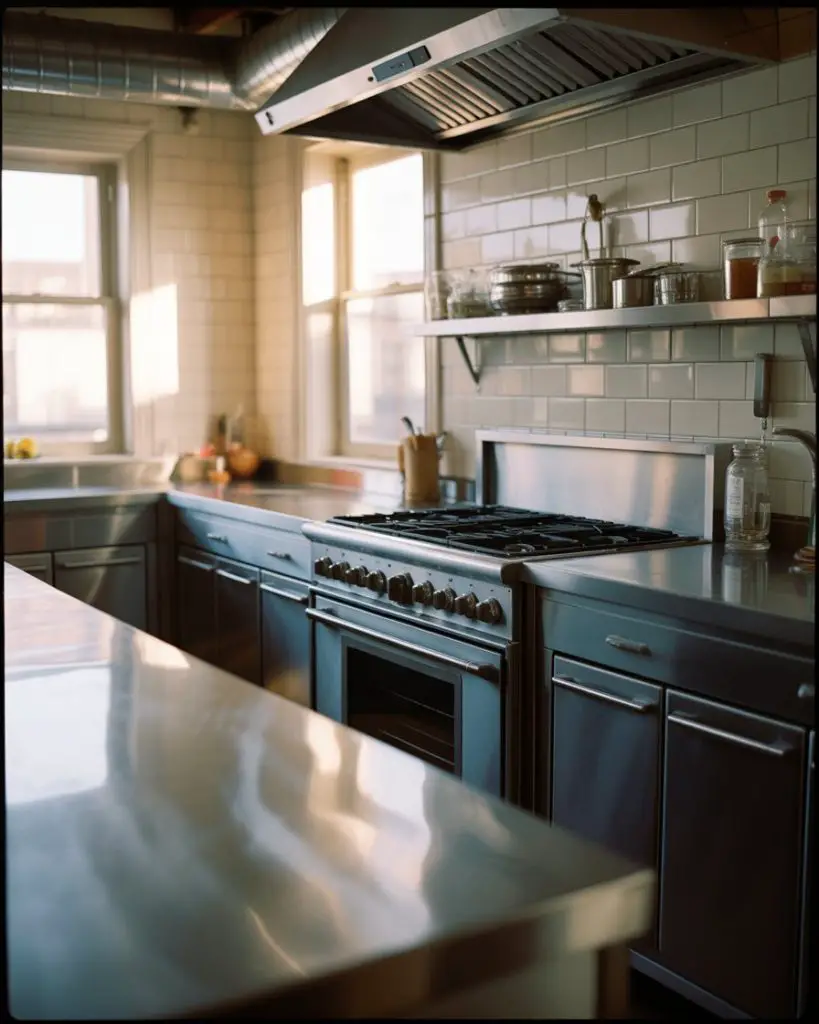
Budget angle: Going commercial-grade doesn’t have to break the bank—look for used equipment from restaurant supply stores or choose a few key pieces like a pro-style range and a deep utility sink while keeping standard cabinets. Be aware that commercial appliances often require upgraded electrical or gas lines, and ventilation codes may be stricter. But if you cook daily and host often, the investment pays off in durability and performance.
14. Restaurant-Inspired Open Kitchen with Pass-Through

A restaurant-style layout features a pass-through window or counter that connects the kitchen to a dining or patio area, mimicking the service window in a cafe or bistro. This kitchen layout is ideal for homeowners who love to entertain but want to keep cooking chaos contained. It encourages interaction without requiring guests to crowd into the work zone, and it’s a nostalgic nod to mid-century American diners. 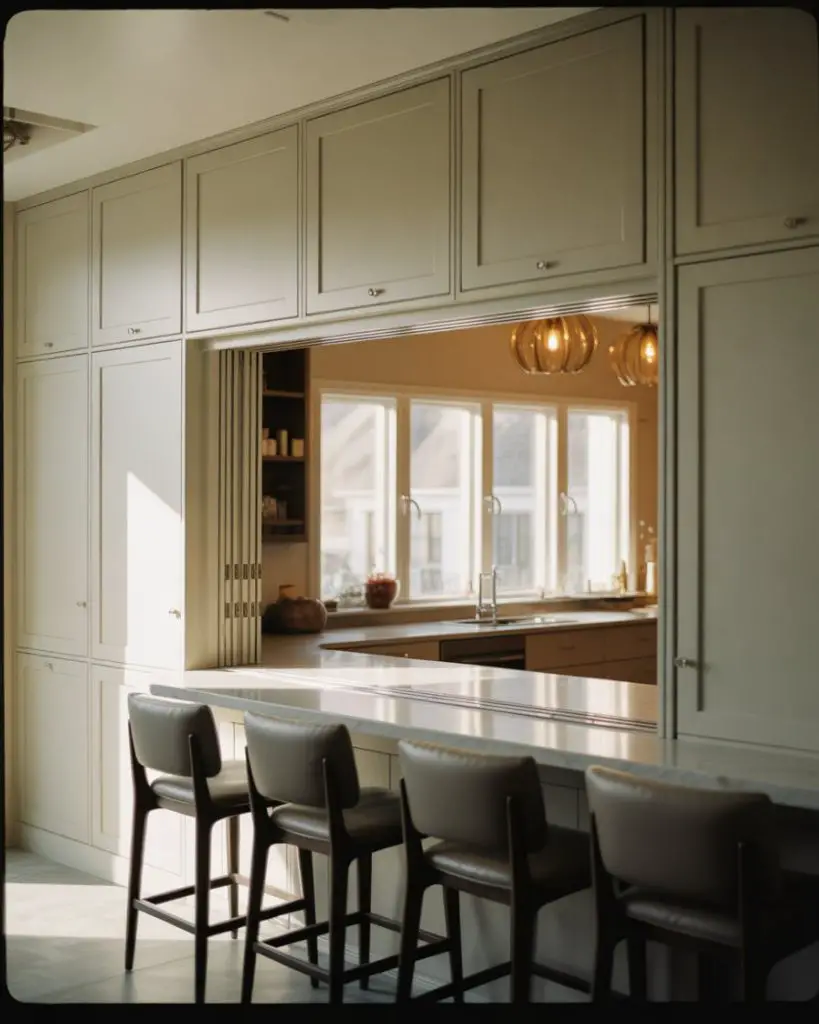
Micro anecdote: A couple in Austin installed a barn-door-style pass-through in their galley kitchen, and it transformed their dinner parties—they could plate dishes and slide them through to the dining room without navigating a narrow doorway, and the window could close after cleanup for a cleaner look. Adding a small countertop on the dining side gave guests a place to set drinks and made serving appetizers effortless.
15. Tiny House Kitchen with Multi-Function Zones
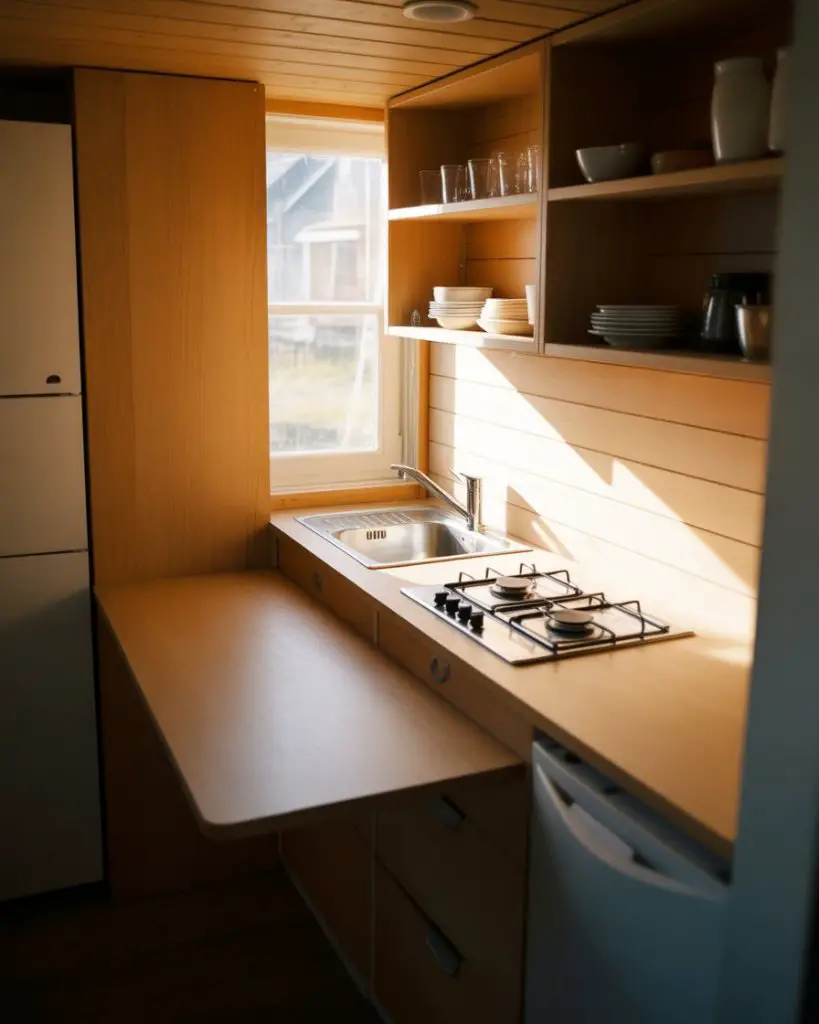
A tiny house kitchen layout demands ruthless efficiency, often combining sink, cooktop, and mini fridge into a compact single wall or L-shaped run that spans less than eight feet. Every inch serves multiple purposes—a cutting board slides over the sink, a stovetop cover creates extra prep space, and storage extends vertically to the ceiling. It’s a masterclass in minimalism and intentional design. 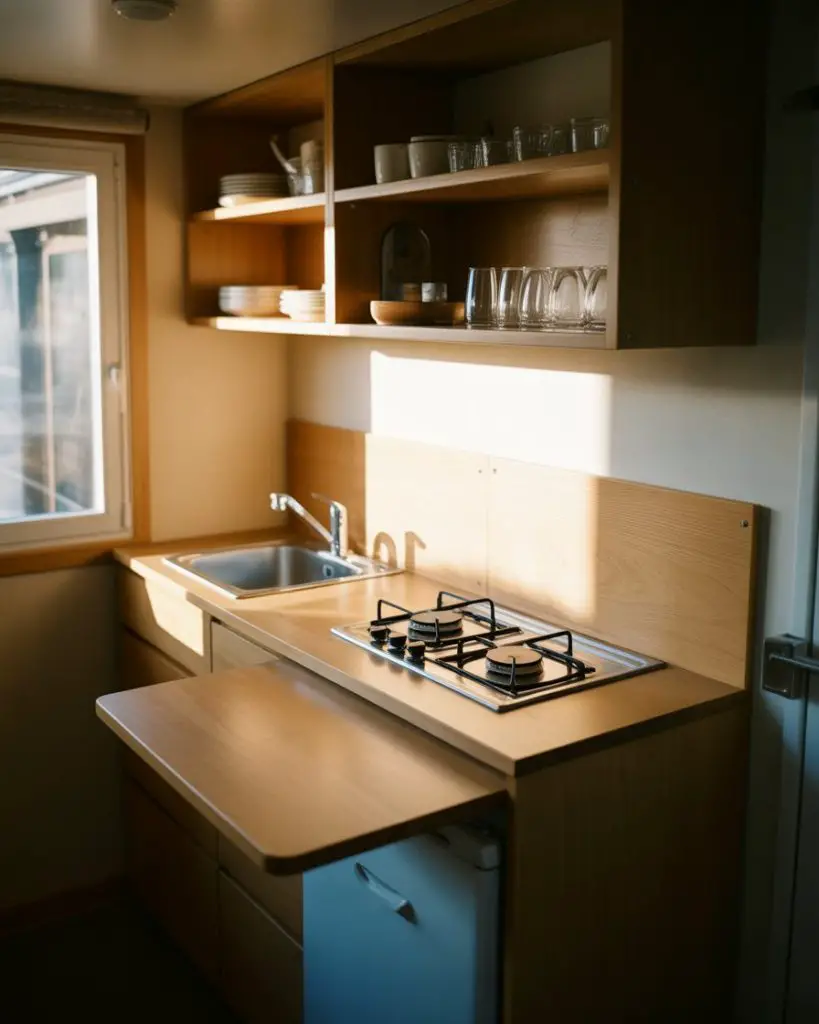
Practical insight: In a tiny kitchen, appliance choices are critical—opt for a two-burner induction cooktop instead of a full range, a compact dishwasher drawer, and a counter-depth refrigerator to save space. Install hooks on every available wall for mugs, utensils, and towels, and use magnetic knife strips to free up drawer space. The key is to keep only what you use weekly; if it doesn’t earn its place, it goes.
16. Fridge Next to Stove Layout for Compact Efficiency
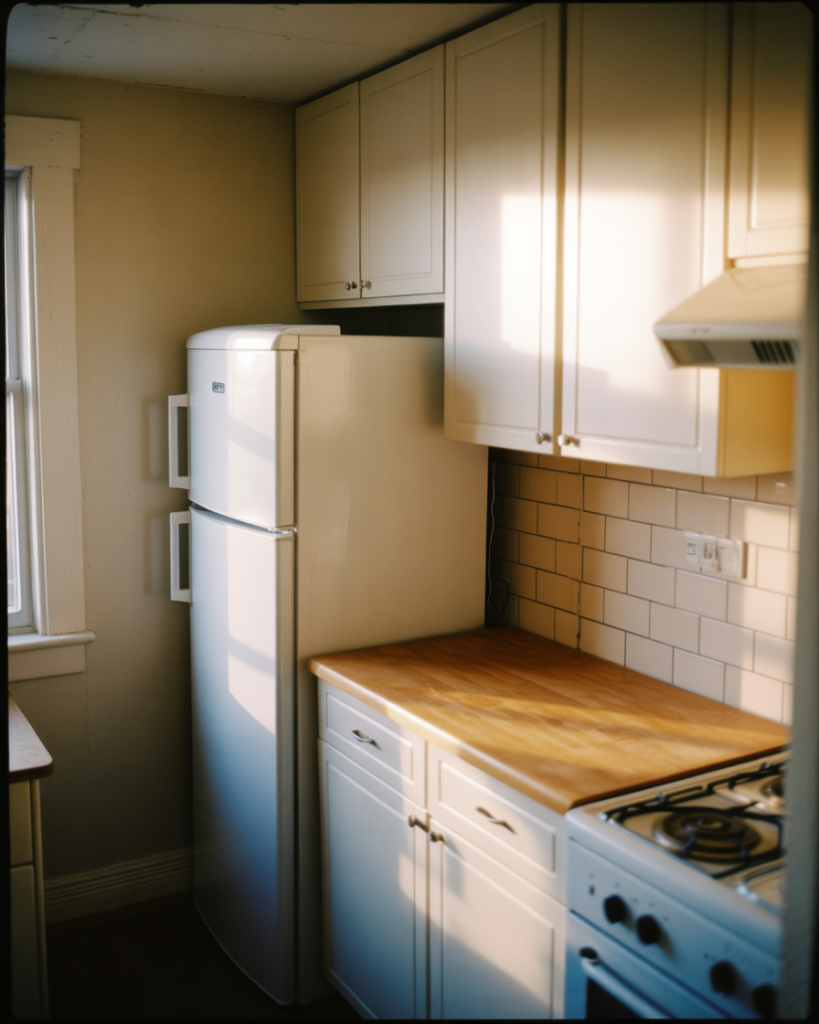
Placing the fridge next to the stove in a tight kitchen layout might seem counterintuitive, but it can actually streamline workflow in very small spaces where the work triangle is compressed. This configuration is common in tiny house and studio apartment kitchens, where the goal is to pack all major appliances into a minimal footprint. With proper insulation and a heat shield, the two can coexist safely. 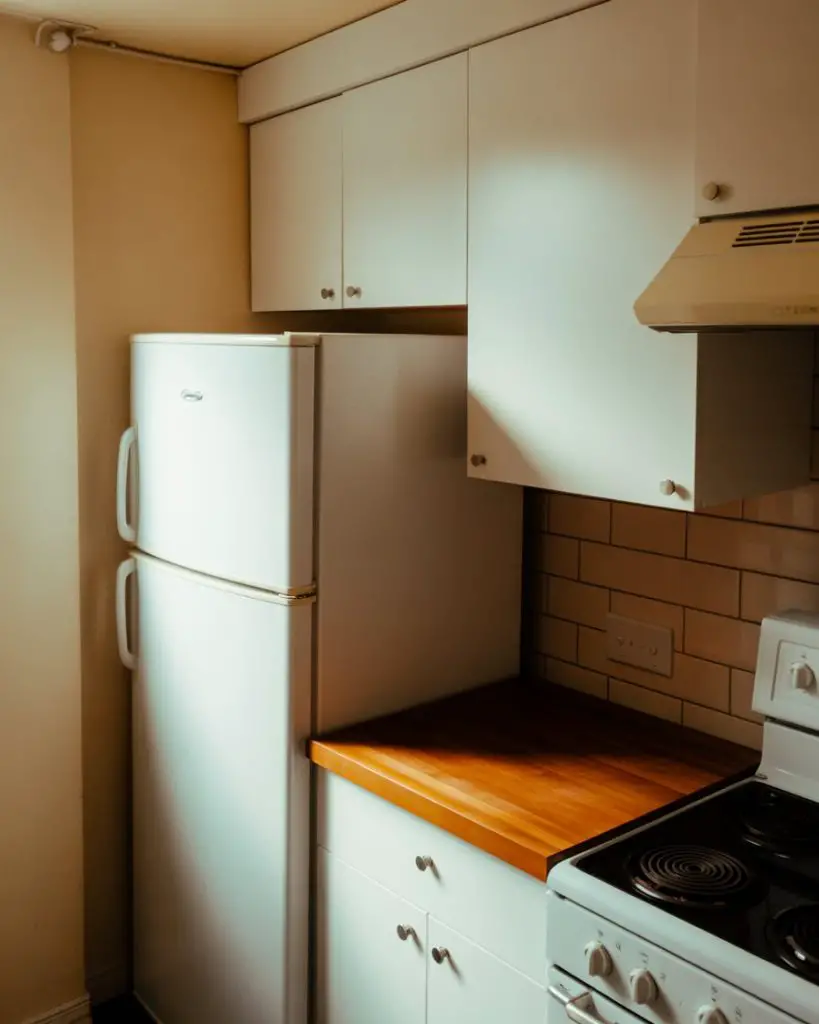
Common mistakes and how to avoid them: Always leave at least a thin filler strip or heat-resistant panel between the fridge and stove to prevent heat transfer that can damage the fridge’s compressor. Check the manufacturer’s clearance requirements—some fridges need three to six inches of space on the hinge side for proper ventilation. If possible, position the fridge so it opens away from the stove, reducing the risk of interference when both are in use.
17. Bloxburg-Inspired Virtual Design Translated to Real Life
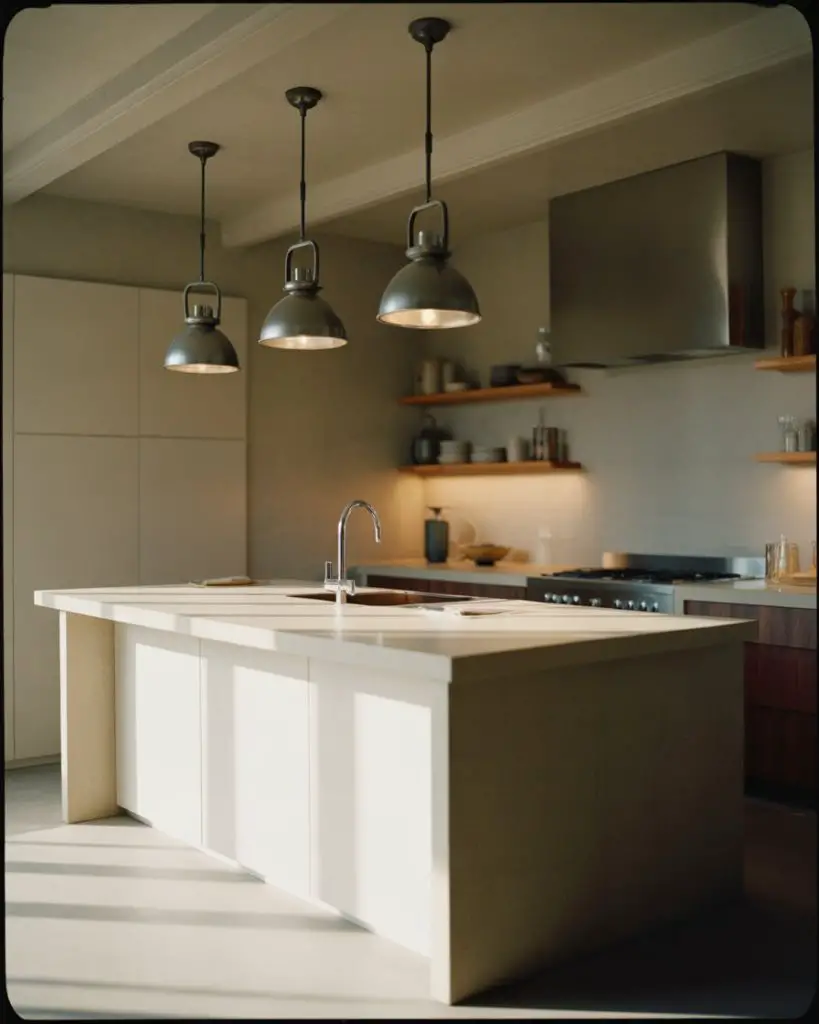
The Bloxburg building game has inspired a generation of young homeowners to experiment with bold kitchen layout ideas—think oversized islands, statement lighting, and open floor plans that blend seamlessly with living spaces. What starts as pixel-perfect planning in a virtual world can translate into real-life design choices, especially for first-time buyers who want a modern, customizable aesthetic. It’s a fun reminder that inspiration can come from unexpected places. 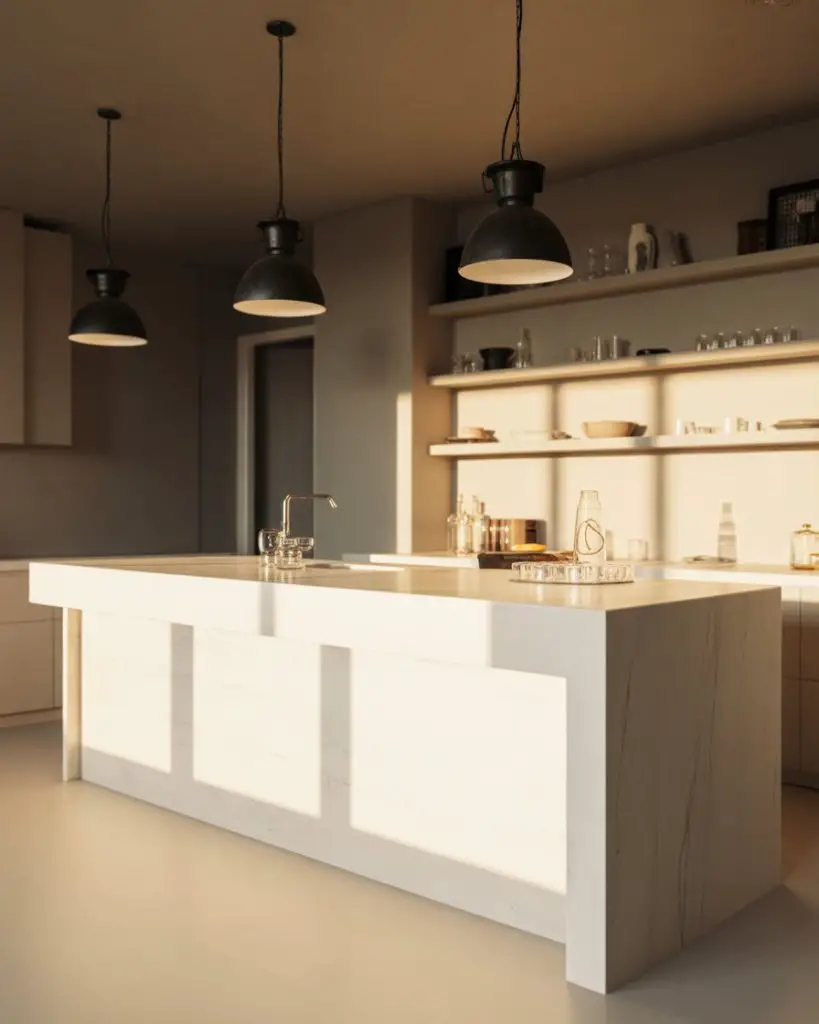
Real homeowner behavior: Young adults who grew up designing homes in Bloxburg often approach real-world renovations with a clear vision and willingness to experiment. They’re comfortable with open layouts, bold accent walls, and mixing materials like wood, metal, and stone. The key difference is budget—in-game upgrades are instant, but real-life renovations require phased planning. Start with structural changes, then layer in finishes and decor as funds allow.
18. Island with Integrated Seating and Storage

An island that combines seating, storage, and prep space into one multifunctional centerpiece is a hallmark of smart kitchen layout design. By incorporating deep drawers on one side and a raised bar counter on the other, you maximize every square foot while keeping the space visually clean. This approach is especially effective in open living room plans where the island needs to serve as both a workspace and a social hub. 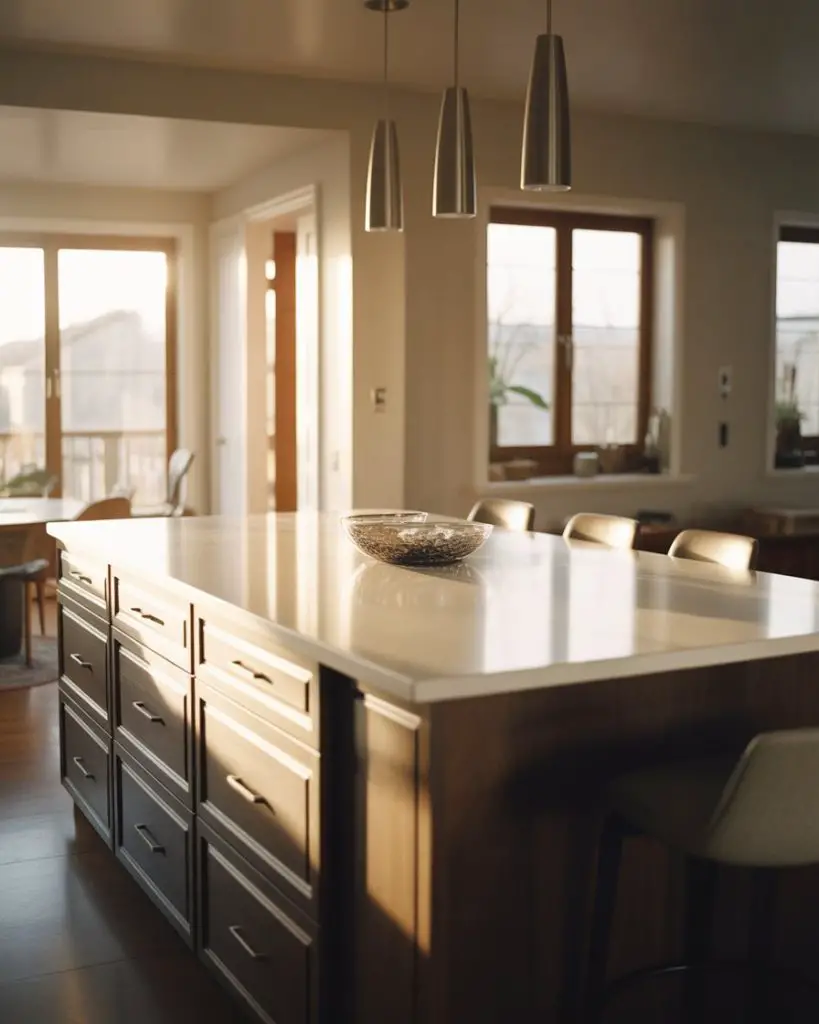
Where it works best: Integrated islands are ideal in homes where square footage is generous but you want to avoid cluttering the space with extra furniture. The seating eliminates the need for a separate breakfast table, and the storage replaces a pantry or buffet. To maintain proportion, ensure the island is at least four feet long—anything smaller won’t comfortably accommodate seating and storage without feeling cramped.
19. Wall Oven Placement for Accessible Cooking
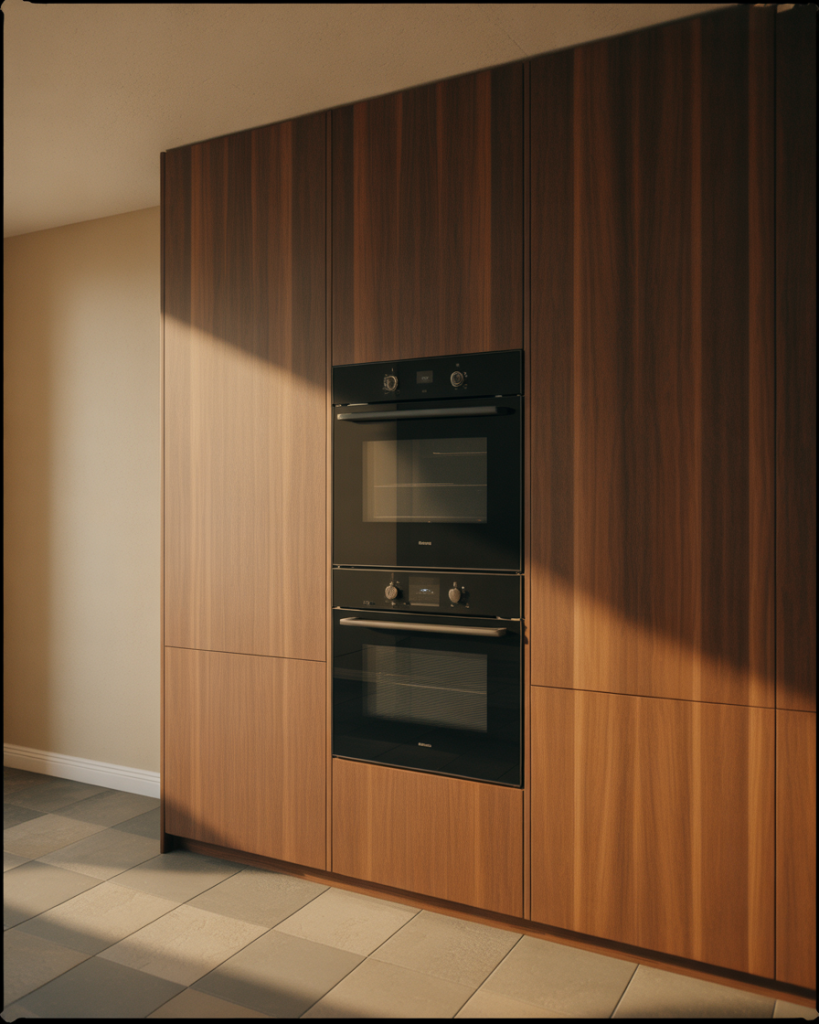
A wall oven installed at eye level is a game-changer for ergonomics, eliminating the need to bend down to check on roasts or retrieve hot dishes. This kitchen layout choice is increasingly popular among aging-in-place homeowners and anyone with mobility challenges, but it’s also simply a more comfortable way to cook. Paired with a separate cooktop on the island or counter, it offers flexibility and convenience. 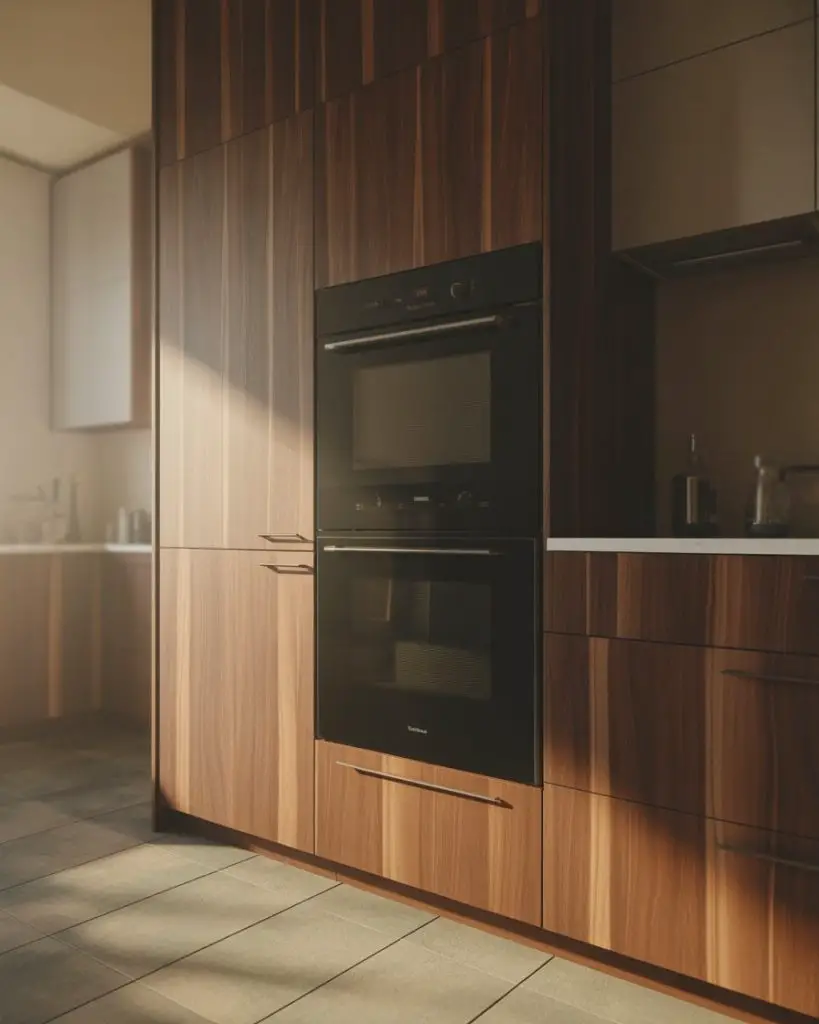
Expert-style commentary: When planning wall oven placement, position it near a counter or peninsula to create a safe landing zone for hot pans—at least 15 inches of countertop on one side is ideal. If you’re installing a double wall oven, the top oven should be no higher than 54 inches to remain accessible for most users. Consider adding a pull-out shelf below the oven for easier loading and unloading of heavy casseroles.
20. Canning Kitchen with Dedicated Workspace
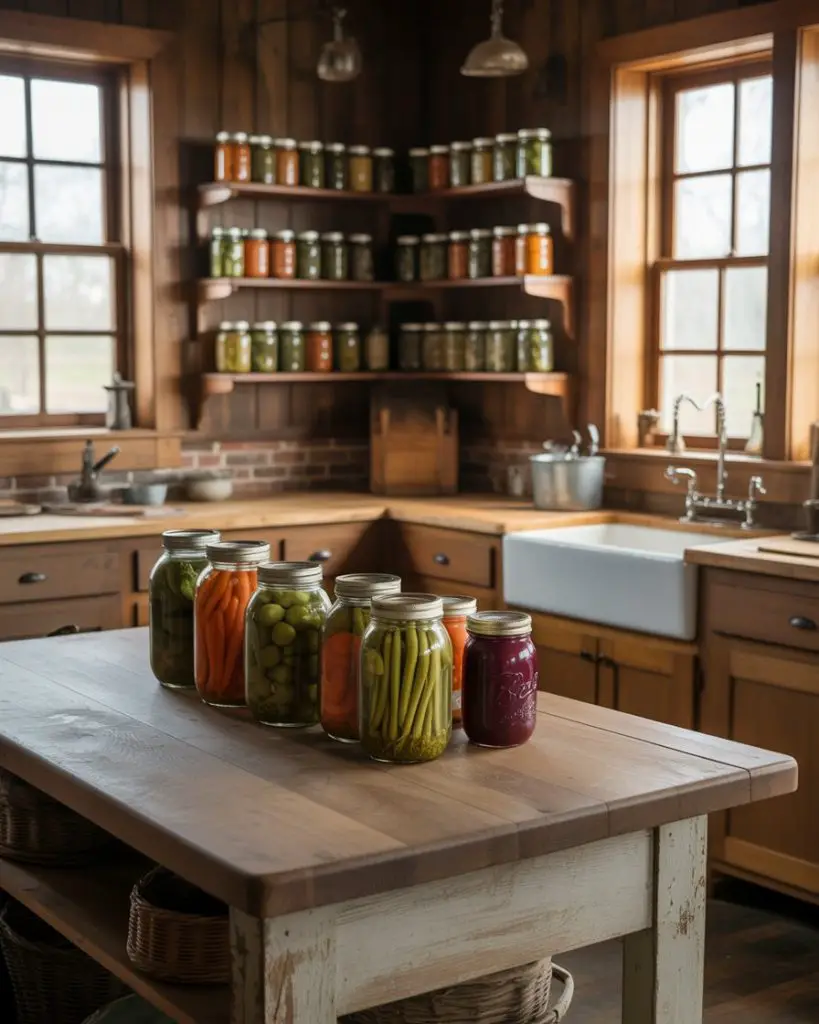
A canning-focused kitchen layout includes a large, heat-resistant work surface, a deep sink for sterilizing jars, and ample counter space for setting up an assembly line during preserving season. This setup is most common in rural homes and among urban homesteaders who value self-sufficiency and seasonal eating. It often features a corner pantry or dedicated shelving to store finished jars and supplies year-round. 
American lifestyle context: Canning has seen a resurgence across the country, from New England apple butter makers to Pacific Northwest berry preservers. Homeowners in agricultural areas often dedicate a weekend in late summer to batch processing, turning bushels of tomatoes or peaches into jars that stock the pantry through winter. If you’re designing for canning, prioritize counter space over upper cabinets—you’ll need room to spread out cutting boards, bowls, and sterilized lids.
21. Drawing Board Kitchen with Design Flexibility

Approaching your kitchen layout as a drawing board exercise—starting from scratch with scaled sketches and mood boards—gives you the freedom to customize every detail to your lifestyle. This planning-focused mindset is essential when renovating older homes or building new construction, where you can choose everything from cabinet height to outlet placement. It’s also a way to ensure the kitchen reflects your personal style rather than defaulting to builder-grade standards. 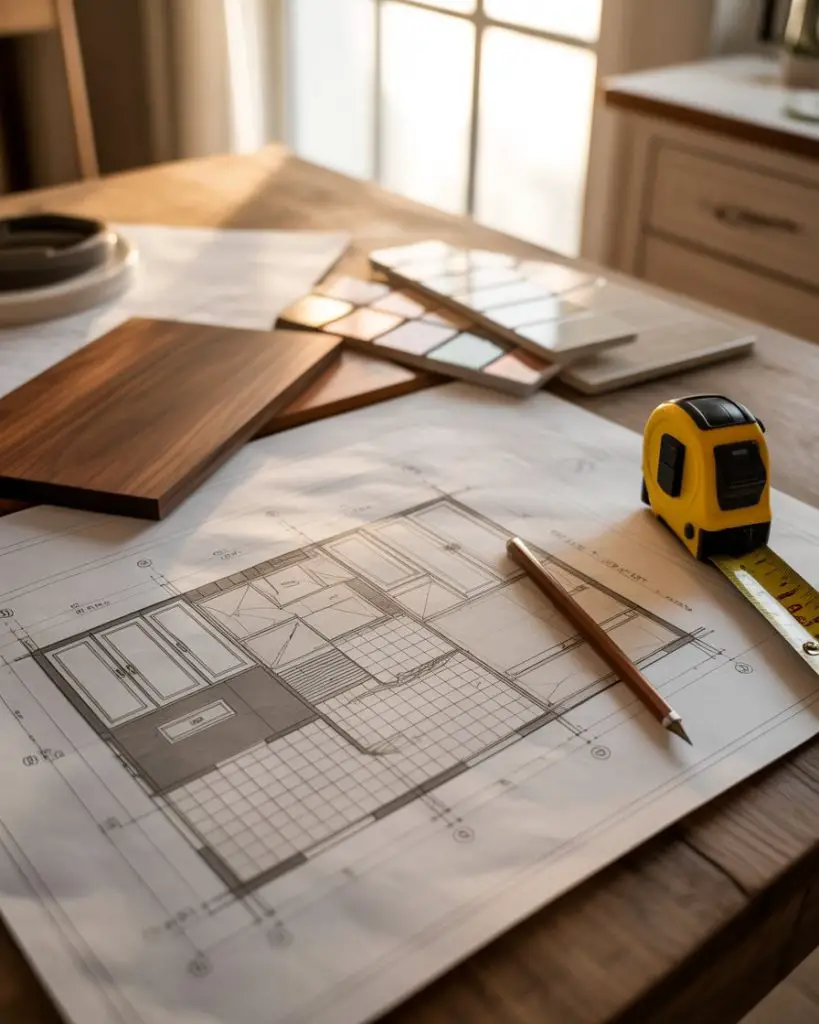
Practical insight: Start your design process by measuring your space and noting existing plumbing, electrical, and gas lines—relocating these can add thousands to your budget. Sketch multiple layouts on graph paper, testing different appliance placements and traffic flows. Visit showrooms to see cabinet depths and island sizes in person; what looks spacious on paper might feel cramped in reality. A well-planned drawing phase saves time and costly mistakes during construction.
22. Long Narrow Kitchen with Strategic Zoning
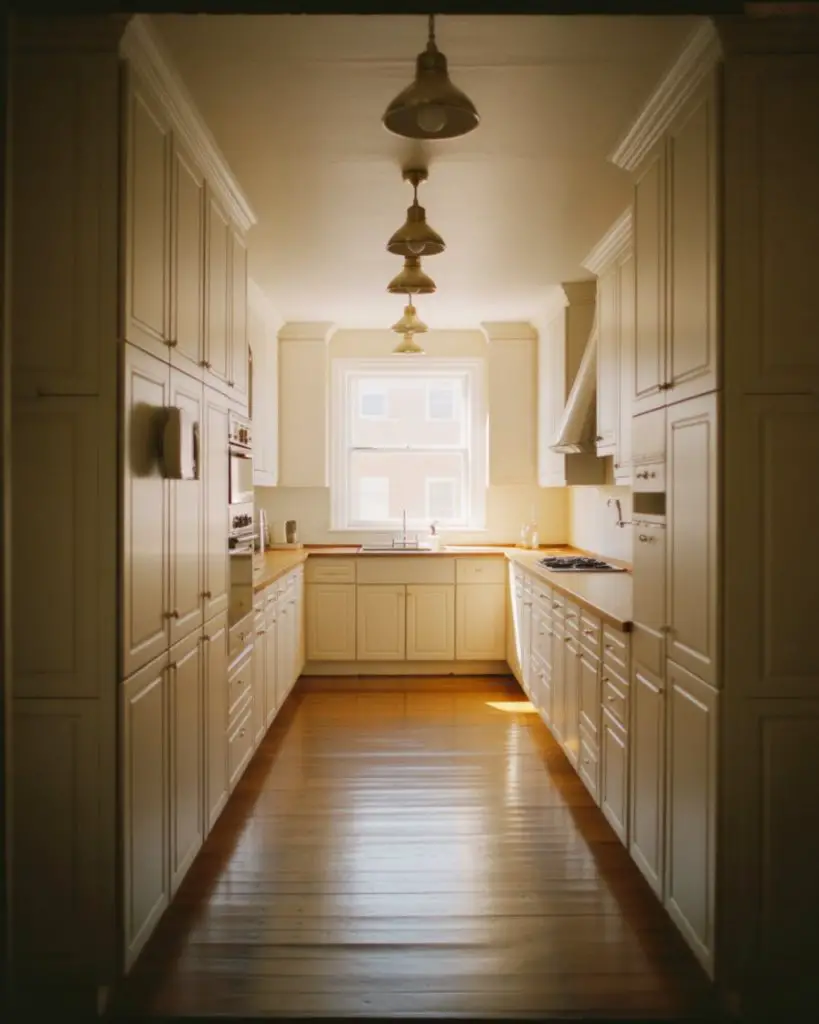
A long kitchen layout stretches the work zone along a single extended wall or two parallel runs, creating distinct areas for prep, cooking, and cleanup without physical dividers. This shape works well in rowhouses, converted warehouses, or homes with unusual footprints where width is limited but length is generous. Strategic placement of appliances and storage keeps the workflow logical and prevents the space from feeling like a bowling alley. 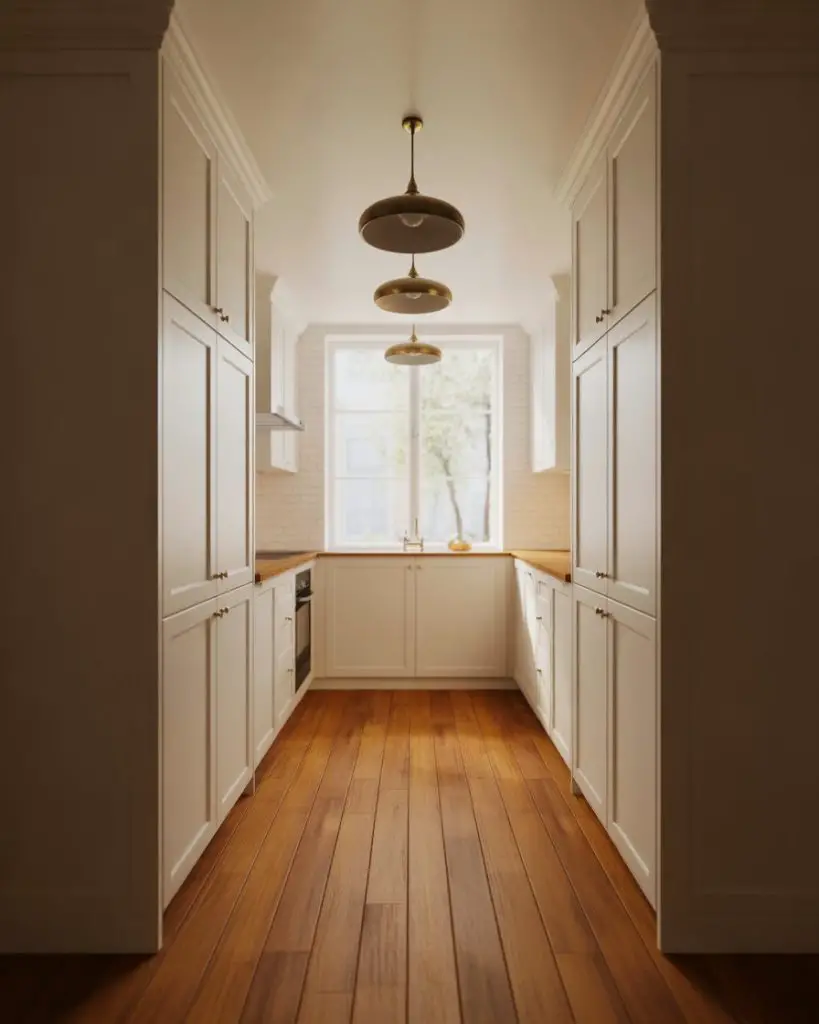
Micro anecdote: A designer in Philadelphia transformed a 22-foot-long narrow kitchen by dividing it into three zones—prep near the entrance, cooking in the middle, and cleanup at the far end near the window. She used different countertop materials to subtly mark each zone, and the result felt organized rather than cramped. Lighting played a key role too, with task lights over each work area and ambient pendants to soften the corridor effect.
23. Kitchen Layout with Ideas That Grow with You
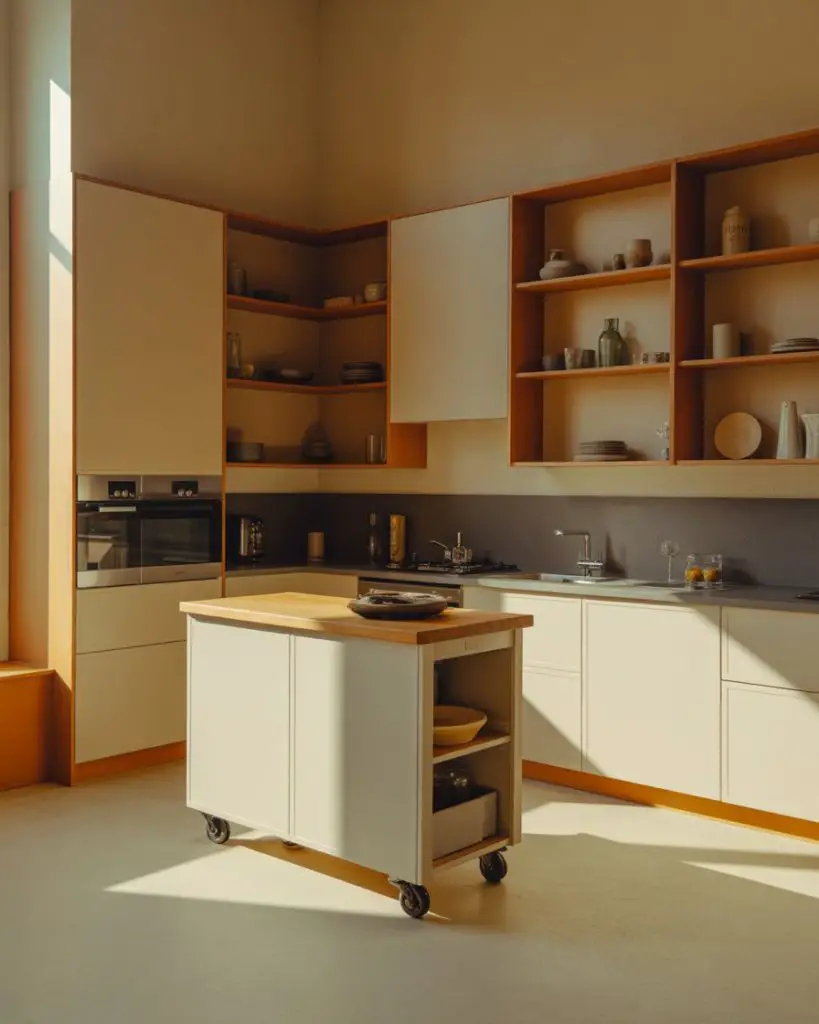
The best kitchen layout ideas are those that adapt as your life changes—whether that’s swapping a breakfast bar for an island when kids arrive, converting a corner pantry into a coffee station as routines shift, or adding a second wall oven when entertaining becomes a regular habit. Flexibility doesn’t mean compromising on style; it means planning for the future with smart choices like modular cabinetry, moveable islands, and timeless finishes that won’t date quickly. 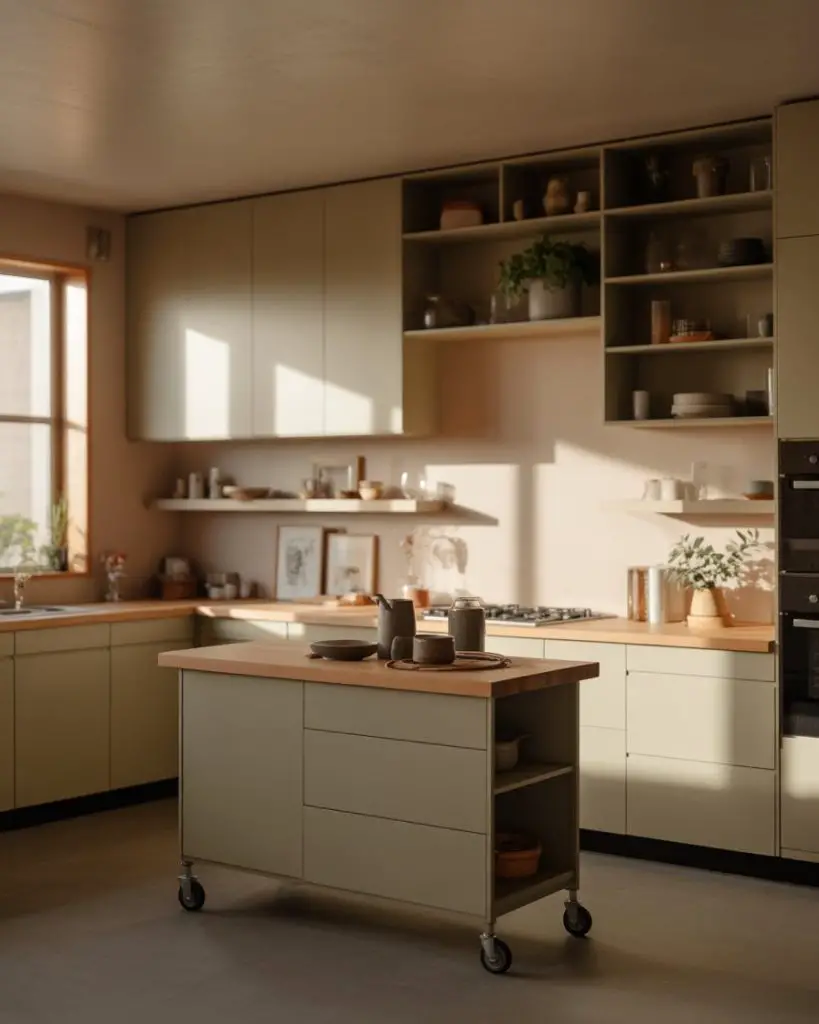
Real homeowner behavior: Many people redesign their kitchens with a five- to ten-year vision, anticipating changes like grown children moving out, aging parents moving in, or a shift to remote work that makes the kitchen a daytime office as well as a cooking space. To build in adaptability, avoid overly trendy finishes, choose durable materials that can be refreshed with paint or hardware, and leave room in the budget for future upgrades like smart appliances or added storage.
Conclusion
These kitchen layout ideas offer a starting point for envisioning a space that truly works for your life—whether you’re dreaming of an expansive island, perfecting a compact galley, or planning an outdoor cooking zone that extends your home into the backyard. What layout resonates most with your vision, and what challenges are you navigating in your own kitchen planning? Share your thoughts, questions, or favorite ideas in the comments below—we’d love to hear what inspires you.