Kitchen windows have evolved from purely functional elements into design statements that define the entire heart of the home. In 2026, American homeowners are searching Pinterest for fresh ways to transform these often-overlooked spaces into focal points that balance natural light, privacy, and personal style. Whether you’re renovating a century-old cottage or updating a modern apartment, the right window treatment or design approach can completely change how your kitchen feels throughout the day. This guide presents twenty-two thoughtfully curated ideas that blend current trends with timeless functionality, offering inspiration for every kitchen style, size, and budget.
1. Layered Linen Curtains with Roman Shade Backup
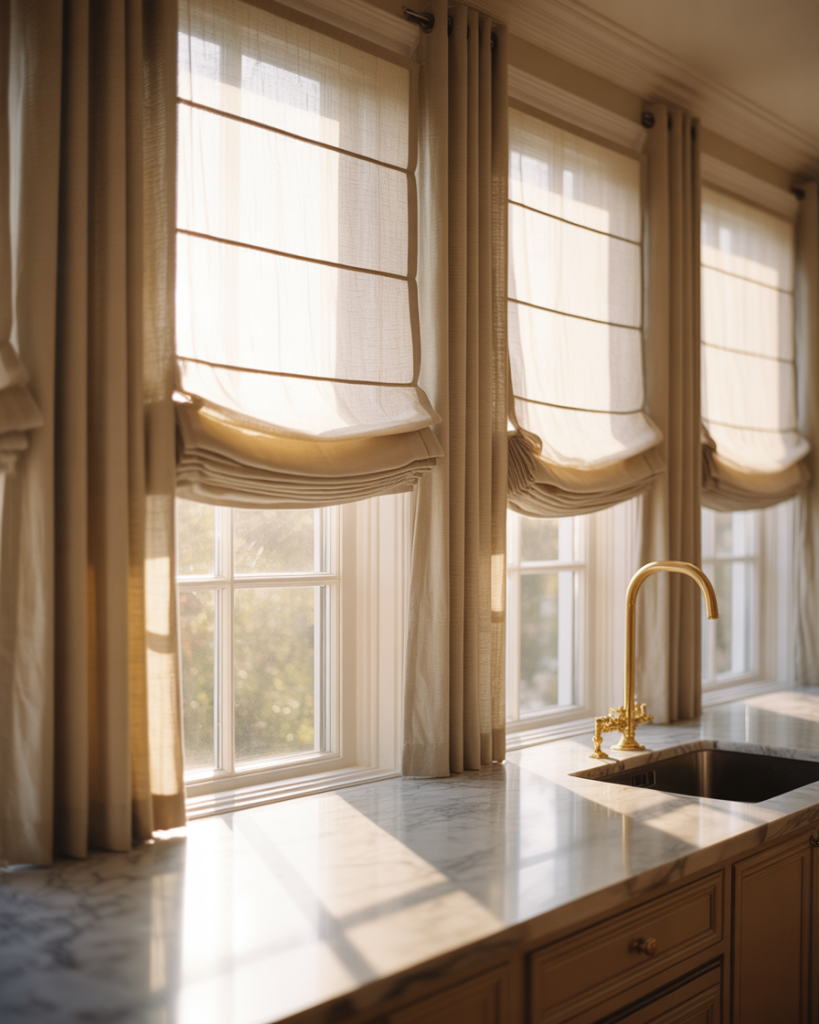
The double-layer approach has become a go-to solution for homeowners who want flexibility throughout the day, particularly in kitchens with large windows facing busy streets or neighboring properties. Soft linen curtains for the outer layer provide texture and warmth during daylight hours, while a mounted Roman shade underneath handles privacy concerns after sunset. This combination works beautifully in transitional and farmhouse-style kitchens where you want that breezy, lived-in aesthetic without sacrificing control over sightlines. 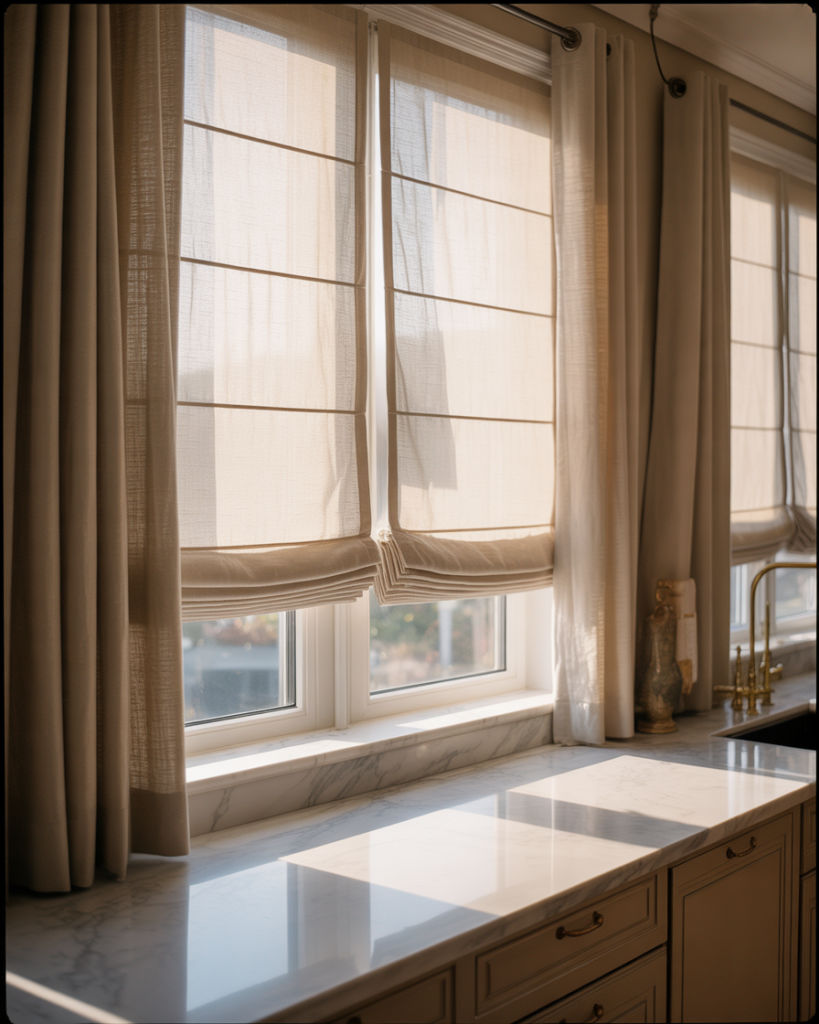
The genius of this setup lies in its adaptability to American cooking habits—you can pull the shade down while prepping dinner to avoid glare on screens or reflective surfaces, then raise it again for evening entertaining. Installation is straightforward with standard curtain rods and inside-mount shade hardware, making this a weekend DIY project that delivers both style and substance without requiring professional help or permanent alterations to your window frames.
2. Plantation Shutters Painted in Bold Kitchen Accent Colors
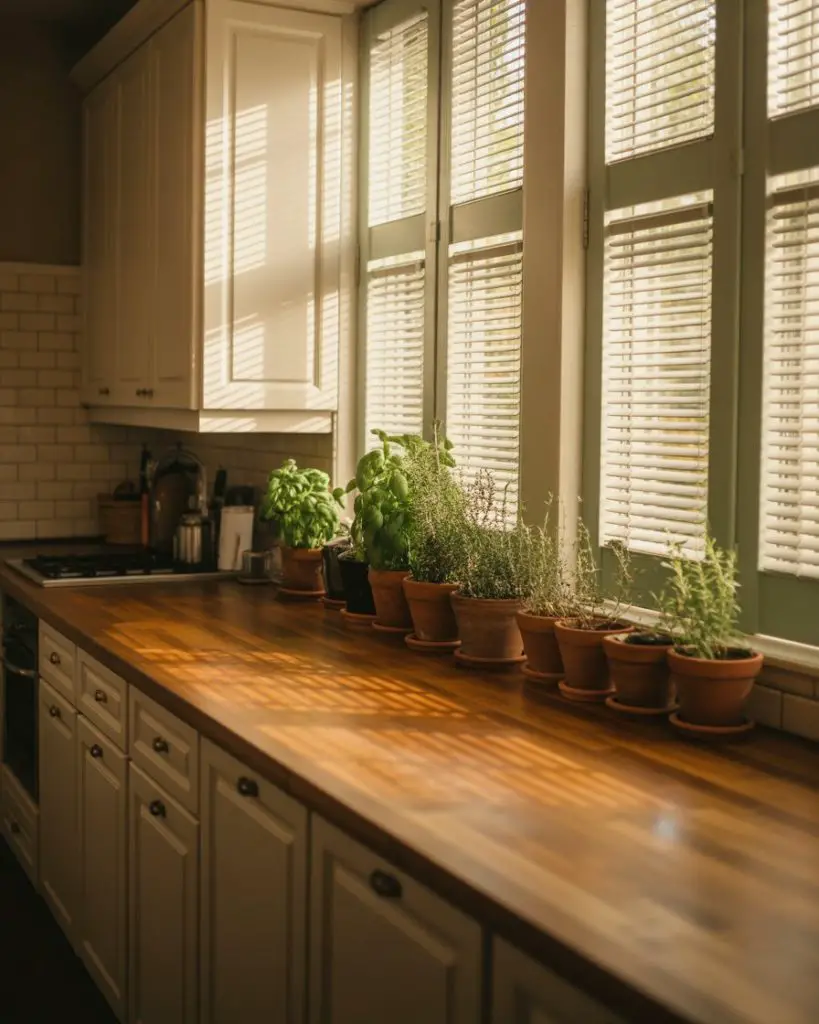
Traditional white plantation shutters have given way to custom-painted versions that echo cabinetry colors or introduce unexpected pops of personality into neutral kitchens. Homeowners are choosing deep forest greens, warm terracottas, and even soft blush tones for their wooden blind alternatives, creating visual continuity between window treatments and other design elements. This approach works particularly well in cottage- and coastal-style kitchens where architectural details deserve to shine rather than fade into the background. 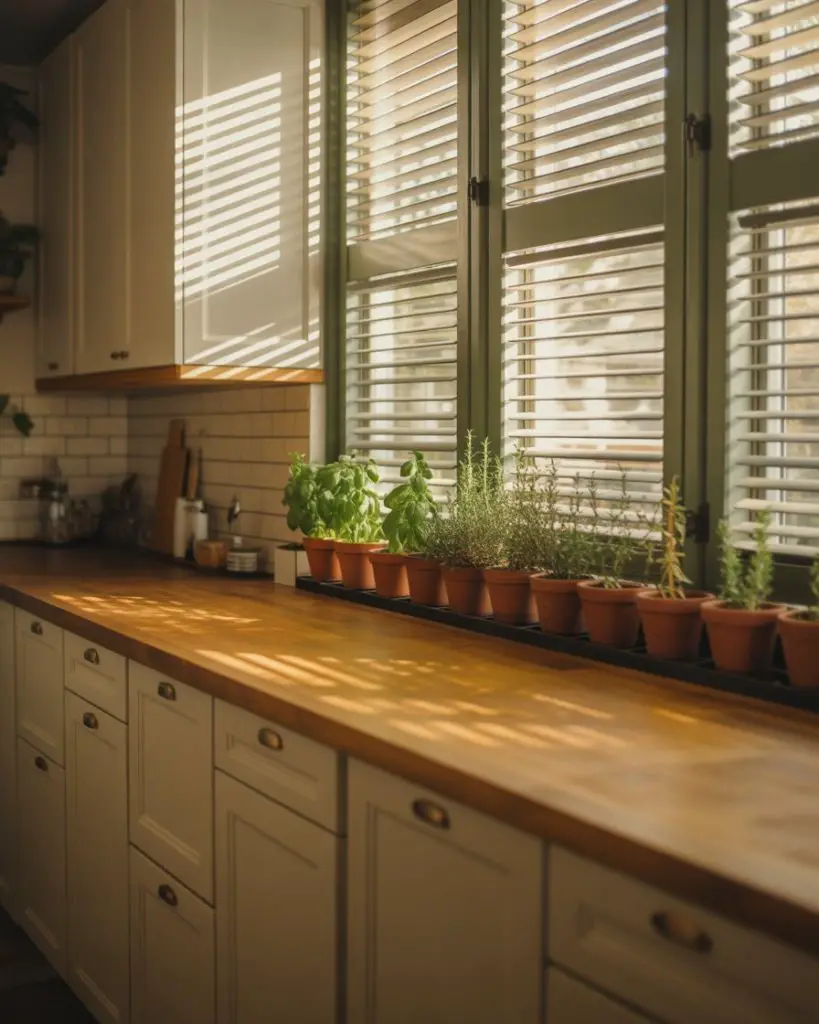
Budget-conscious renovators appreciate that painting existing shutters costs a fraction of replacement, typically between $50 and $150 for quality exterior-grade paint and primer. The key is selecting a semi-gloss or satin finish that withstands kitchen moisture and wipes clean easily—flat paints may look sophisticated initially but show every fingerprint and splatter within weeks of installation in high-traffic cooking zones.
3. Floor-Length Cafe Curtains with Vintage Hardware
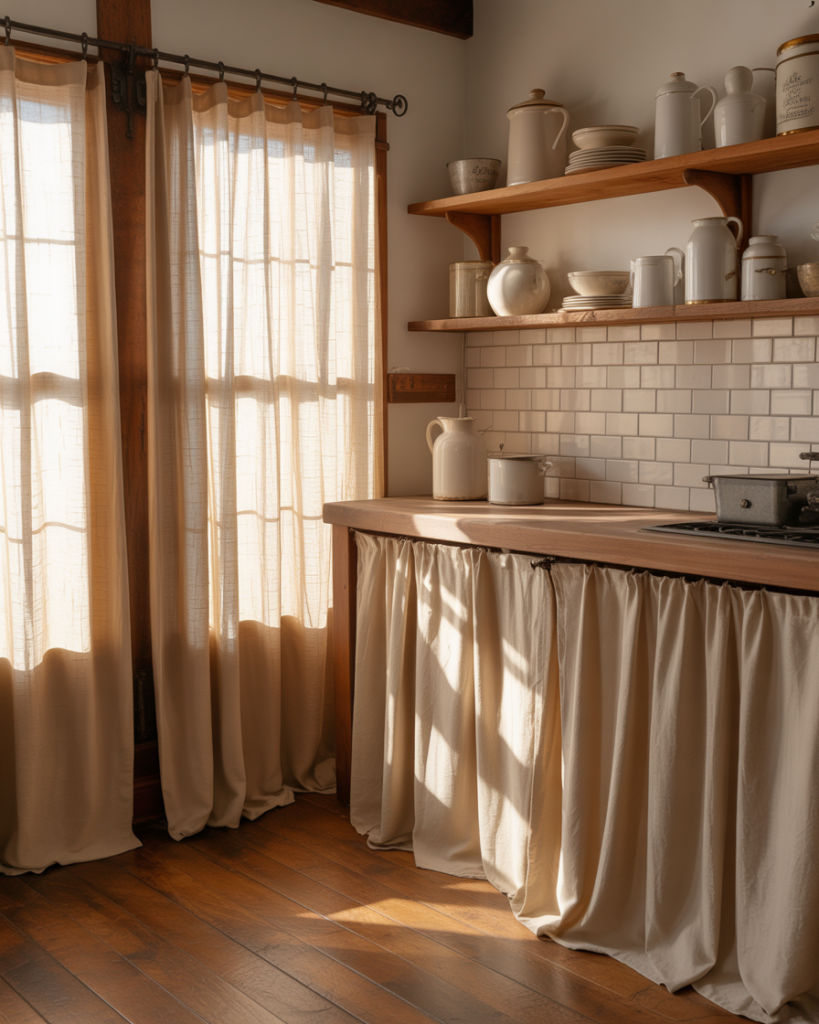
The curtains for long windows trend has been reimagined through cafe-style installations that extend all the way to the floor while maintaining that charming bistro aesthetic. Rather than stopping at the sill, these panels run the full height of double windows or French doors, creating elegant vertical lines that make ceilings feel higher. Mounted on decorative iron or brass swing-arm rods, they offer the nostalgic appeal of European cafes while providing practical light filtering for modern American kitchens. 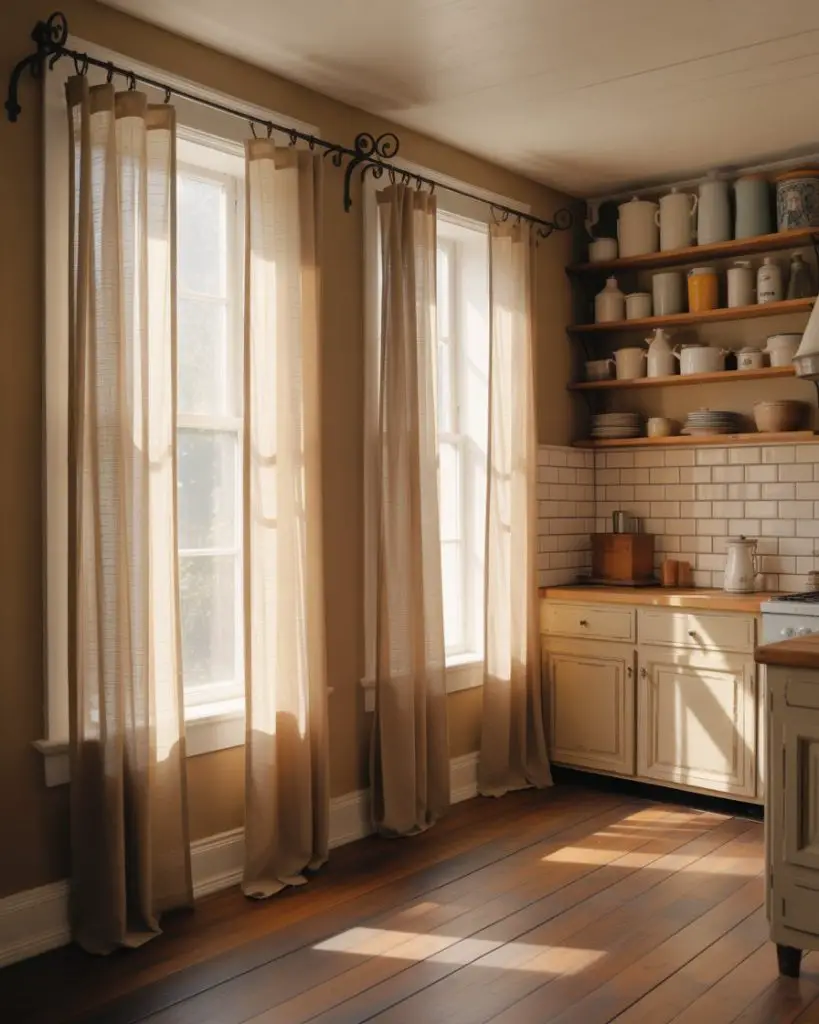
Where this works best is in kitchens with original architectural features you want to preserve—older homes with tall windows, breakfast nooks with garden views, or galley kitchens where traditional drapes would overwhelm the space. The swing-arm hardware allows you to push panels completely aside during meal prep, then pull them across for intimate dinner settings, giving you restaurant-quality ambiance without the commitment of permanent window coverings.
4. Woven Wood Shades in Natural Jute or Bamboo
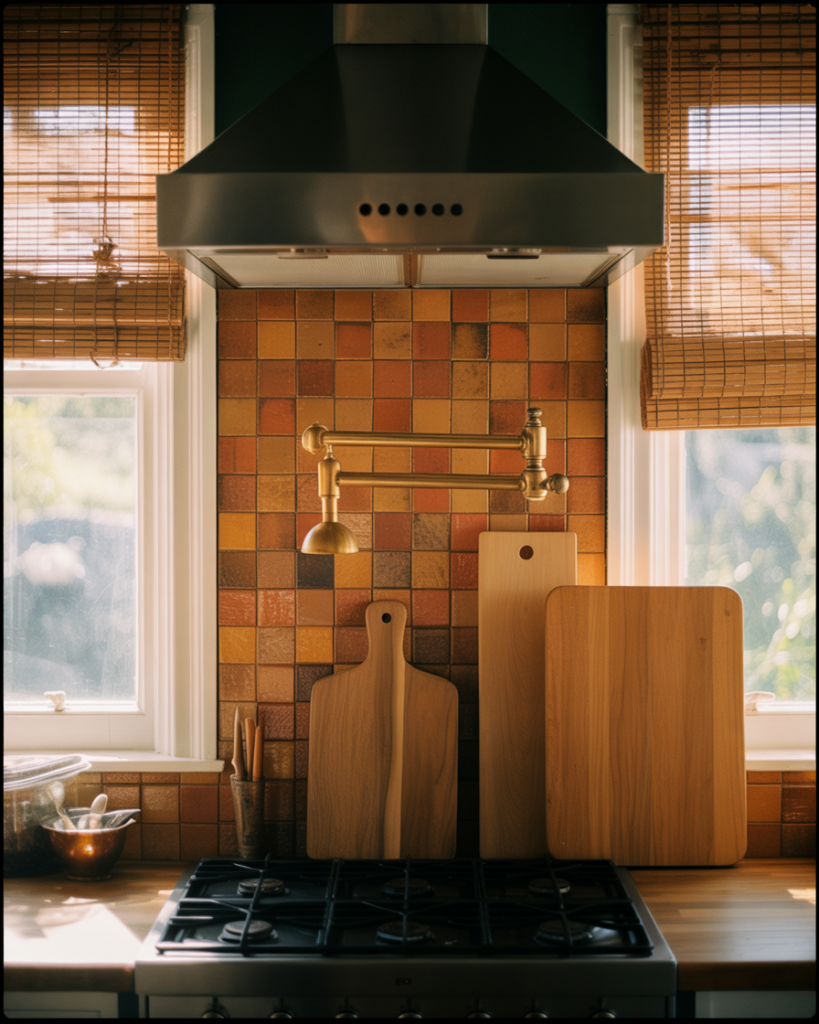
The shift toward sustainable materials has made blinds for kitchen windows more tactile and organic, with woven wood options leading the category in 2026. These shades bring warmth without blocking light entirely, filtering sun through natural fibers that create beautiful dappled patterns on countertops and walls. Perfect for rustic kitchens or spaces with earthy color palettes, they pair beautifully with ceramic tile, soapstone counters, and handmade pottery displayed on open shelves.
A neighbor recently installed these in her Craftsman bungalow and mentioned how the texture completely transformed her sterile white kitchen into something that felt handcrafted and intentional. The motorized lift options have become surprisingly affordable—around $200-300 per window—making them accessible for households where reaching high windows safely is a concern, particularly in homes with vaulted ceilings or clerestory window arrangements above standard cabinetry.
5. Stained Glass Film for Privacy Without Permanent Alteration
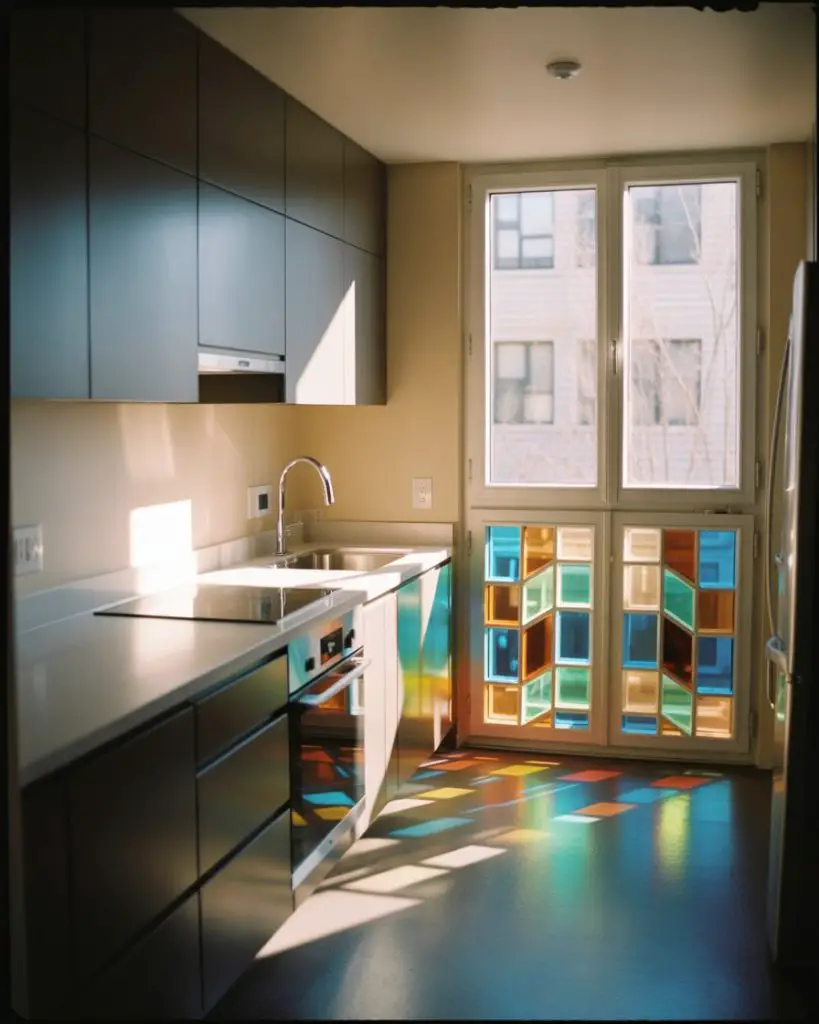
Renters and homeowners in apartment settings have discovered removable stained glass films that deliver pattern and color while preserving natural light flow. These adhesive-backed sheets come in geometric, floral, and abstract designs that mimic authentic leaded glass at a fraction of the cost and installation complexity. They’re especially valuable in urban kitchens where privacy from neighboring buildings is essential, but heavy window treatments would make compact spaces feel claustrophobic. 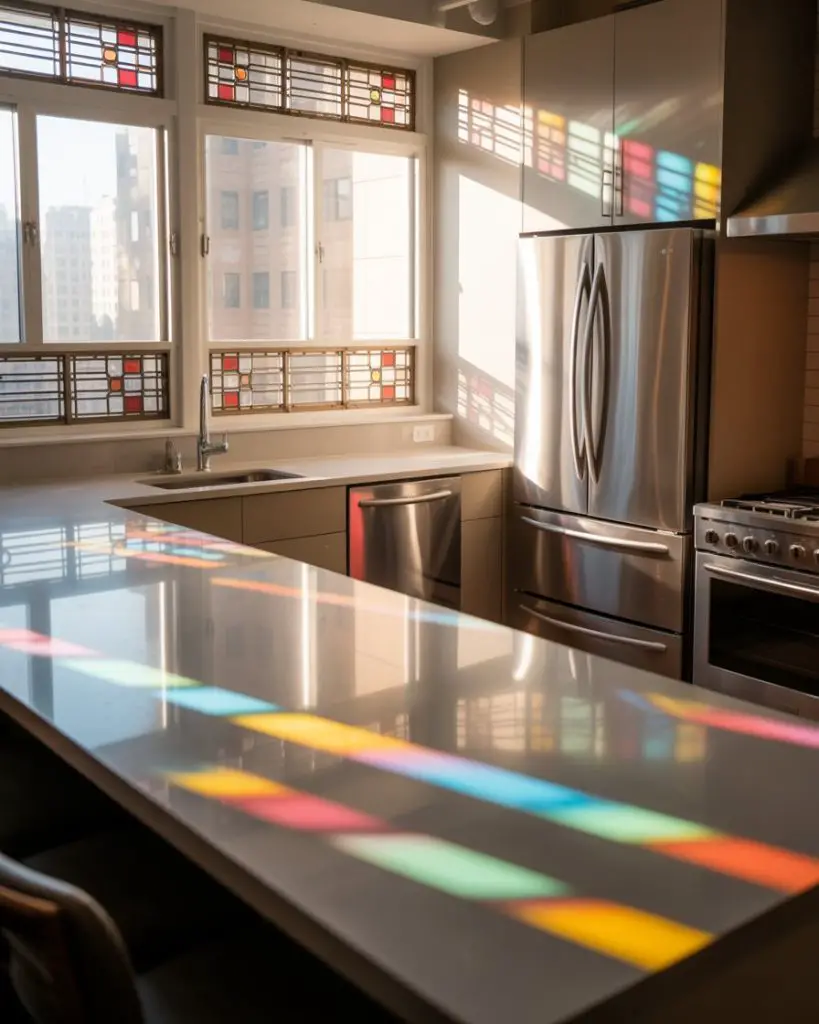
Installation takes about fifteen minutes per window with just soapy water and a squeegee, making this the ultimate weekend refresh for kitchens that need instant personality. The films peel off cleanly when you move or change your mind, leaving no residue on the glass—a crucial consideration for renters who want customization without losing security deposits or violating lease agreements that prohibit permanent window modifications.
6. Outdoor Kitchen Pass-Through Windows with Folding Screens
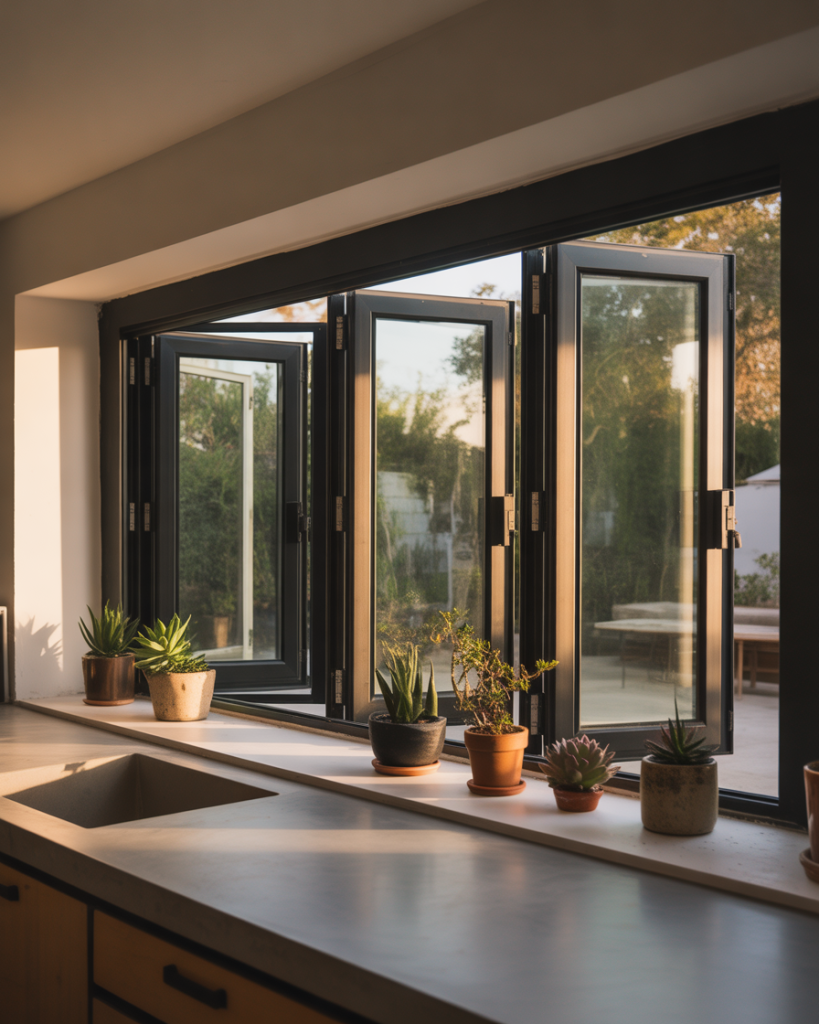
The indoor-outdoor kitchen trend has made outdoor serving windows incredibly popular in suburban and rural homes with patios or deck access. These operable windows fold completely open to create a bar-style pass-through, blurring the line between cooking and entertaining spaces. When closed, retractable screens or louvered shutters protect against insects and weather while maintaining airflow—essential for kitchens in humid Southern states or coastal regions where cross-ventilation prevents moisture buildup and keeps energy costs manageable.
Real homeowner behavior shows these windows get used far more than traditional sliding doors for casual entertaining—hosts can hand drinks and appetizers directly to guests without tracking dirt inside, kids can grab snacks without disrupting meal prep, and the cook stays connected to outdoor conversations without leaving their station. The screens are crucial; forgetting them means spending your gathering swatting away moths and mosquitoes rather than enjoying the elevated functionality.
7. Adjustable Frosted Panels for Sink-Area Privacy
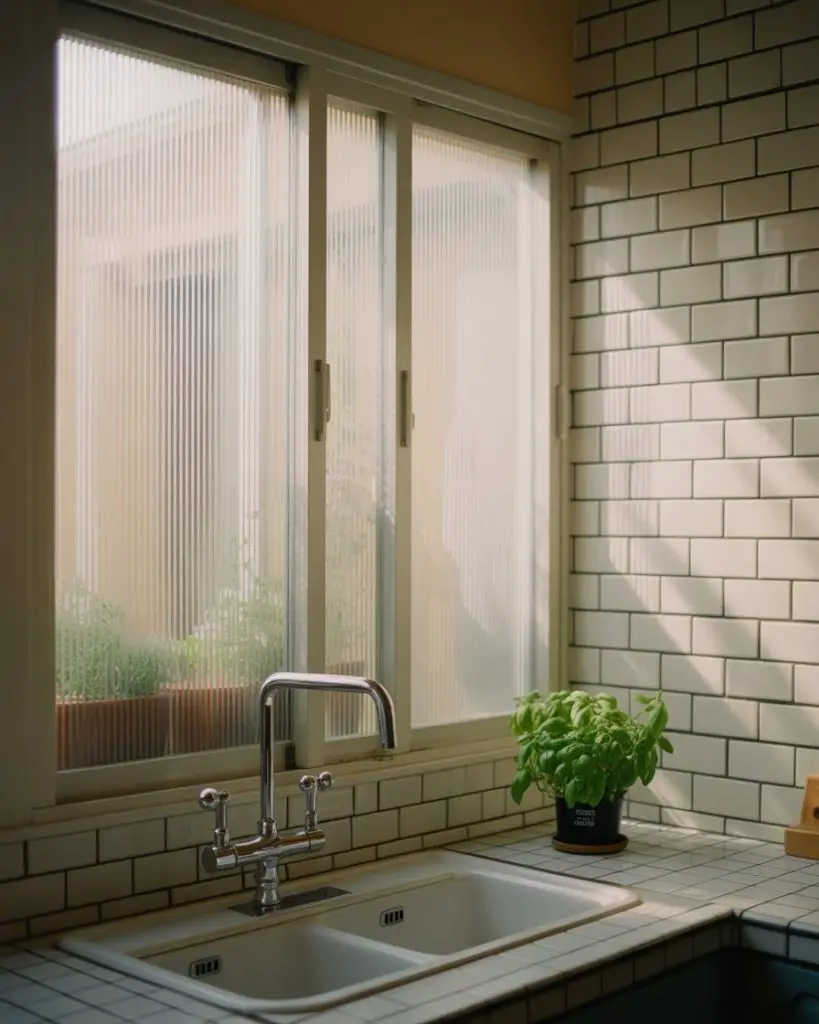
Kitchens with sink windows facing driveways, sidewalks, or neighbors’ windows benefit from adjustable frosted panels that slide horizontally on top-mounted tracks. Unlike static sink curtain options that gather moisture and cooking splatter, these acrylic or glass panels stay clean with a quick wipe and can be positioned exactly where needed throughout the day. They’re particularly useful in tiny galley kitchens where every inch of wall space matters and bulky curtain rods would encroach on already limited counter real estate. 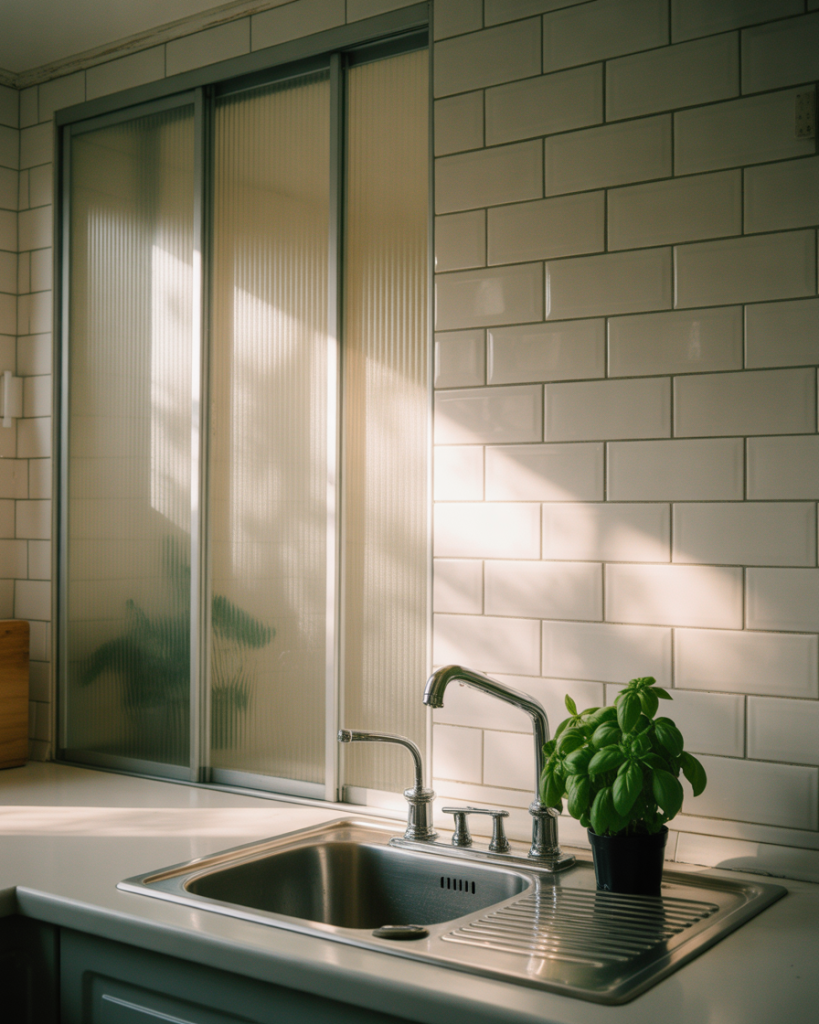
The practical insight here involves measuring carefully before ordering—panels should extend 4-6 inches beyond the window frame on each side to prevent sightline gaps when positioned for maximum coverage. Most manufacturers offer custom sizing for $150-400 depending on dimensions and panel thickness, with installation simple enough for confident DIYers who can handle a drill and level without professional assistance.
8. Trailing Plant Shelves Across Bay Window Spans
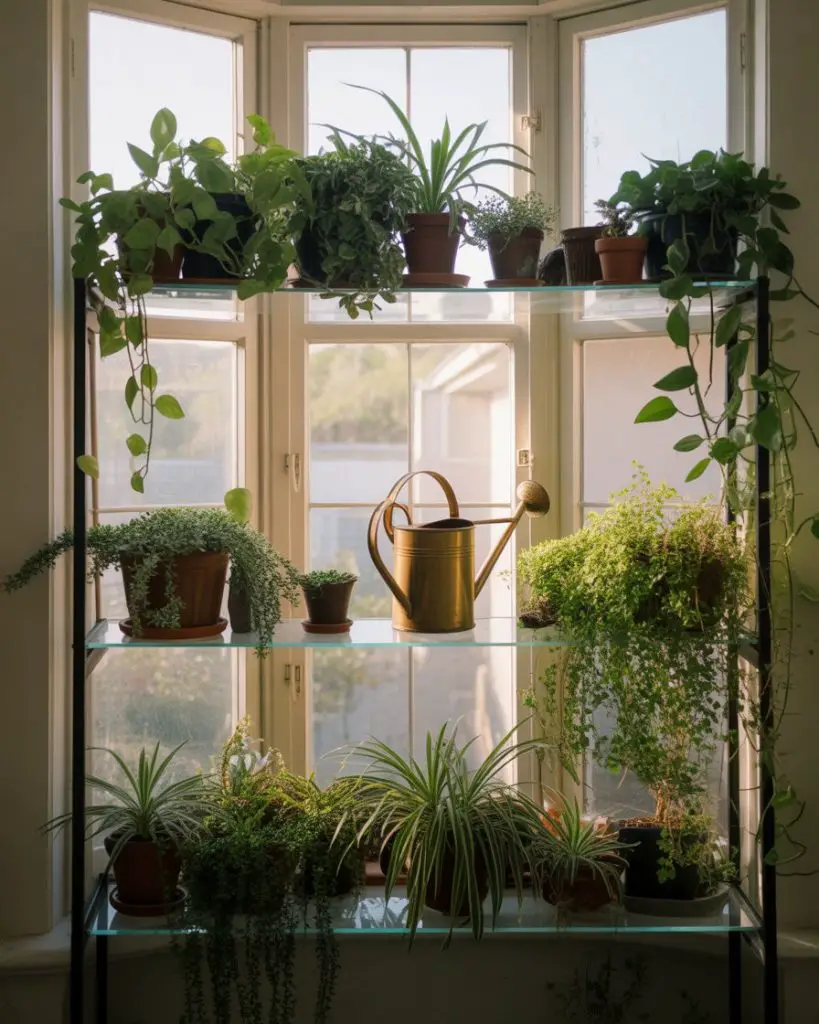
Maximizing bay window real estate with tiered plant shelving has become the signature move for kitchens with southeastern or southwestern exposures. Glass or acrylic shelves mounted at staggered heights create living curtains of trailing pothos, philodendron, and string-of-pearls that filter light naturally while improving indoor air quality. This approach works beautifully in French country and eclectic kitchens where organic elements soften hard surfaces like tile and stone, creating a market-garden aesthetic that feels curated rather than cluttered. 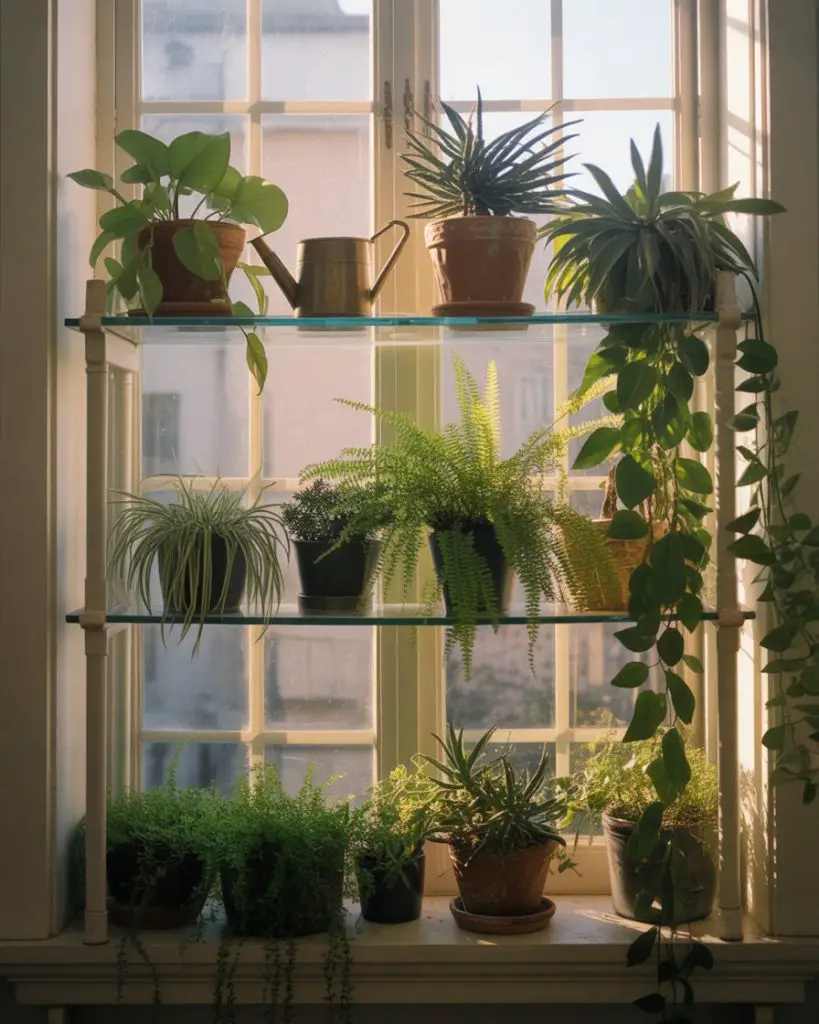
Where it works best is in homes where the kitchen serves as a genuine gathering space rather than just a cooking zone—plants signal permanence and care, inviting people to linger over coffee or homework rather than rushing through meals. The key maintenance trick involves rotating pots weekly so all sides receive even light exposure, preventing that lopsided growth that makes installations look neglected and amateur within months of setup.
9. Motorized Roller Shades in Performance Fabrics
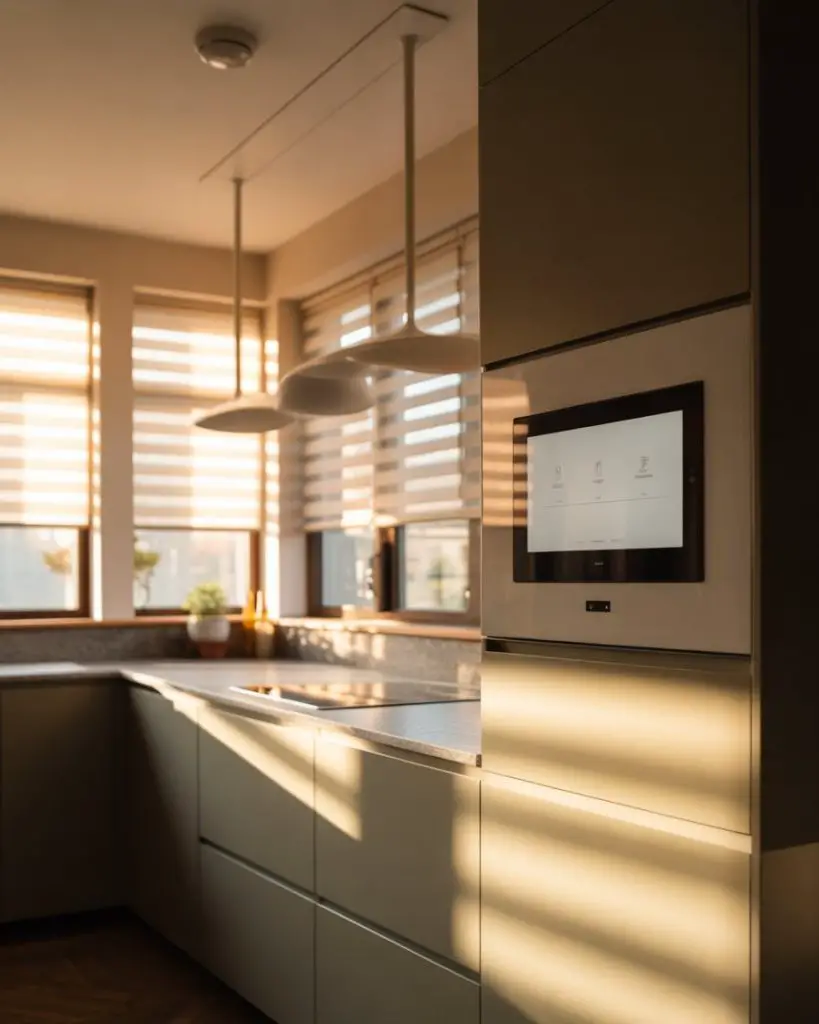
Smart home integration has made roller blinds the practical choice for kitchens where hands-free operation matters during messy cooking sessions. Mounted inside the window frame, these sleek shades raise and lower via smartphone apps or voice commands, with solar-blocking fabrics that reject heat while preserving outward views. They’re especially valuable in west-facing kitchens where afternoon sun creates unbearable glare on digital screens and stainless appliances, making meal prep uncomfortable without constant squinting or repositioning. 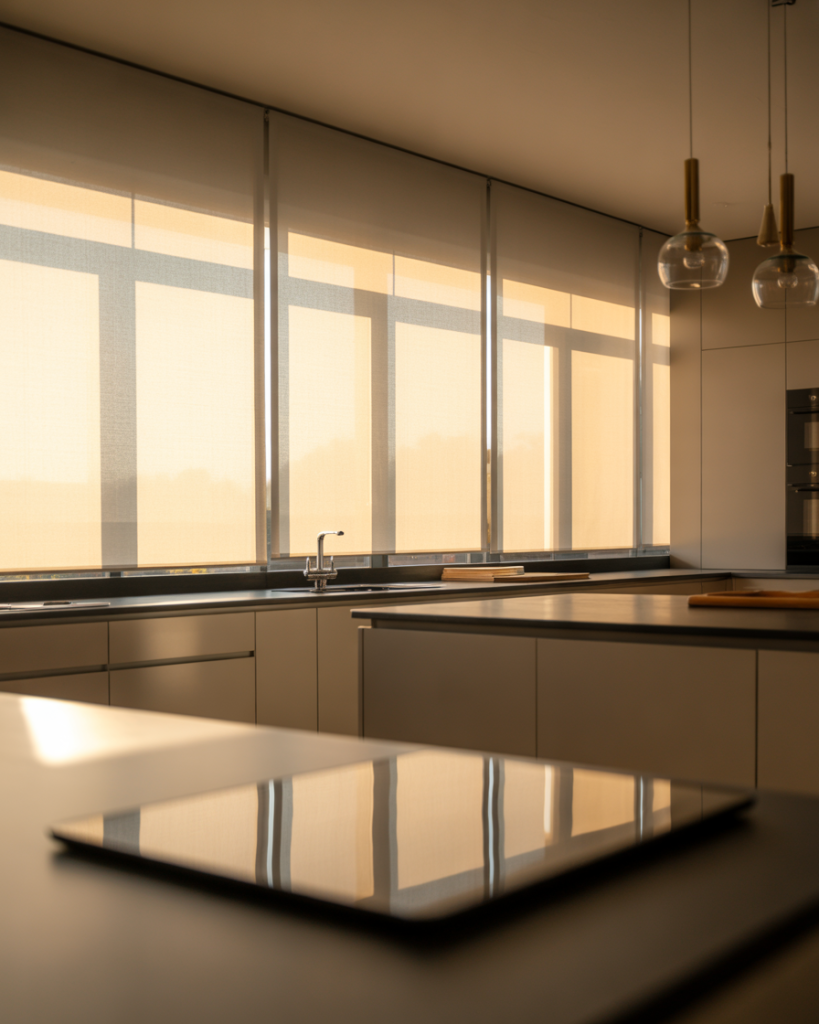
The common mistake involves choosing opaque fabrics that completely block natural light when lowered, forcing you to choose between temperature control and illumination. Instead, specify light-filtering or solar-screen materials that maintain daytime privacy while reducing heat gain by up to 70%—you get the functional benefits without turning your kitchen into a cave every time the shades come down for sun protection.
10. Repurposed Vintage Window Frames as Decorative Panels
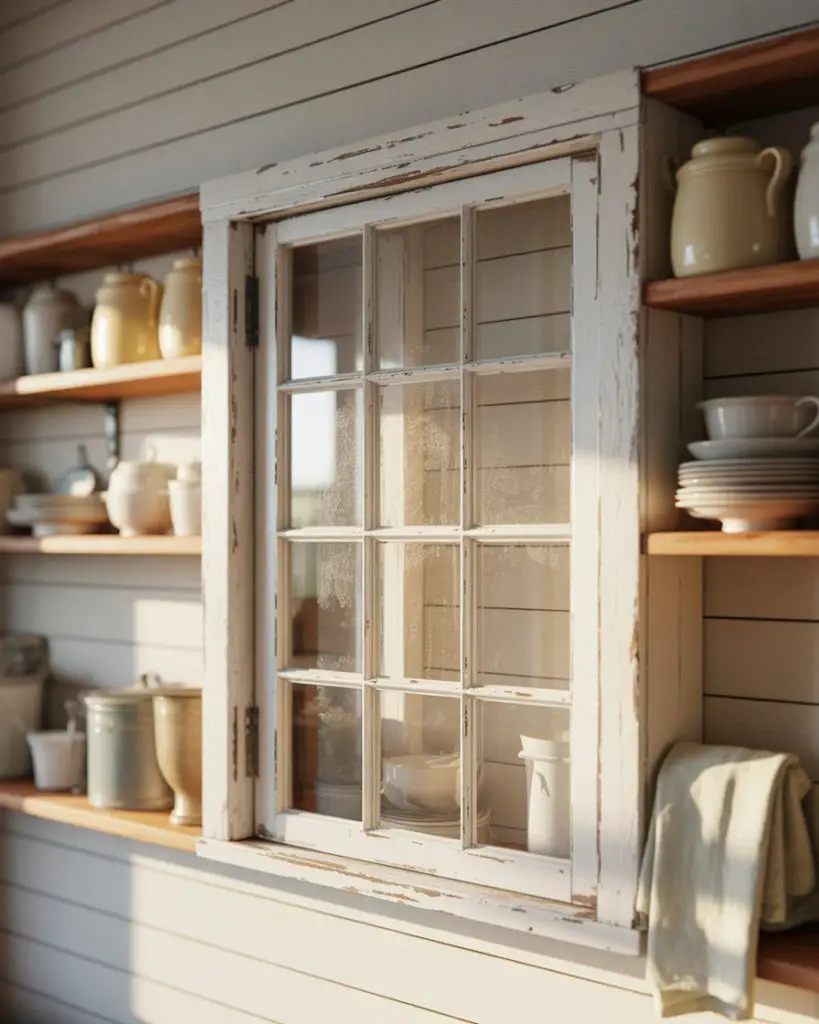
The unique aesthetic of salvaged window frames has transcended pure decoration to become functional design elements in rustic and industrial kitchens. Mounted to existing walls adjacent to actual windows, these frames—often with original wavy glass, peeling paint, or decorative muntin patterns—create visual interest and architectural depth. Some homeowners install them over drywall where windows once existed in renovated spaces, maintaining historical character while gaining wall space for upper cabinetry or open shelving.
Architectural salvage yards across the Midwest and South offer these frames for $30-150 depending on size and condition, making this an affordable way to add character to builder-grade kitchens that lack original details. The frames work beautifully in open-concept layouts where you want to define the kitchen zone without blocking sightlines—they create a subtle boundary that feels intentional rather than restrictive, adding layers of visual texture that photograph beautifully for social media sharing.
11. Corner Window Greenhouse Bump-Outs
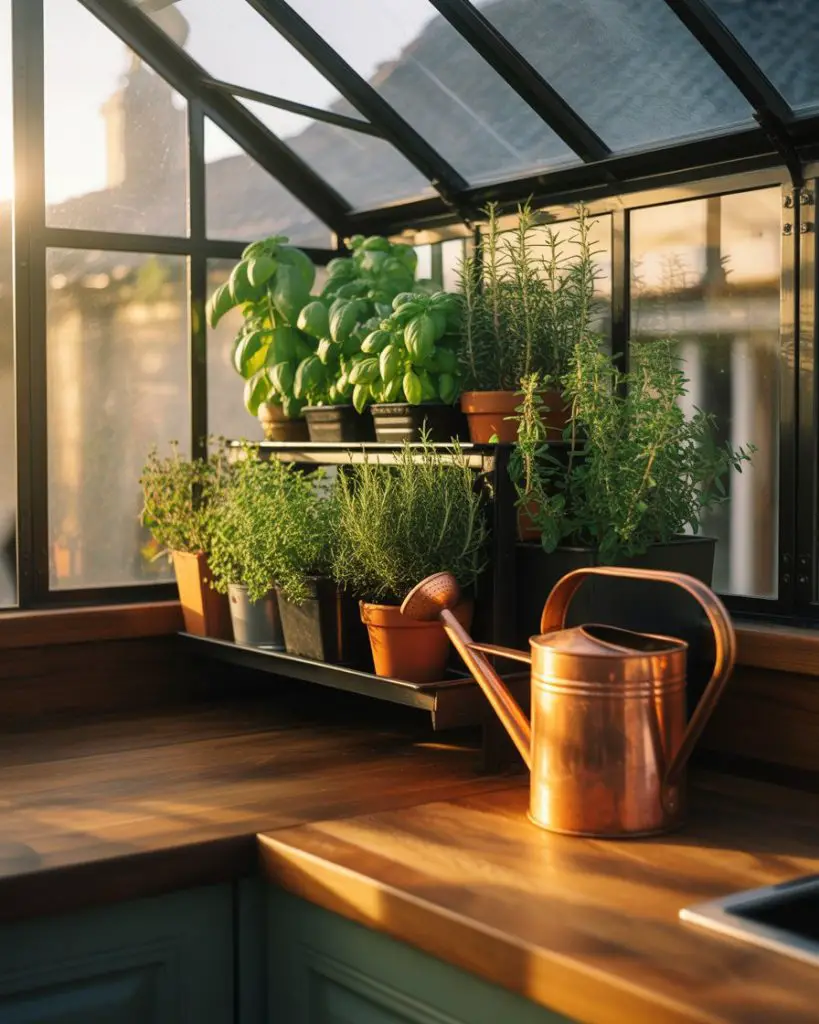
Dedicated corner window greenhouses have evolved from simple box structures to architectural features that extend 12-24 inches beyond the exterior wall line. These glass-enclosed bump-outs capture sunlight from multiple angles, creating ideal growing conditions for sink plants like herbs, microgreens, and compact tomatoes. They’re particularly effective in Indian and Asian-influenced kitchens where fresh curry leaves, lemongrass, and Thai basil are cooking essentials rather than occasional garnishes, making this a functional investment rather than a purely decorative indulgence. 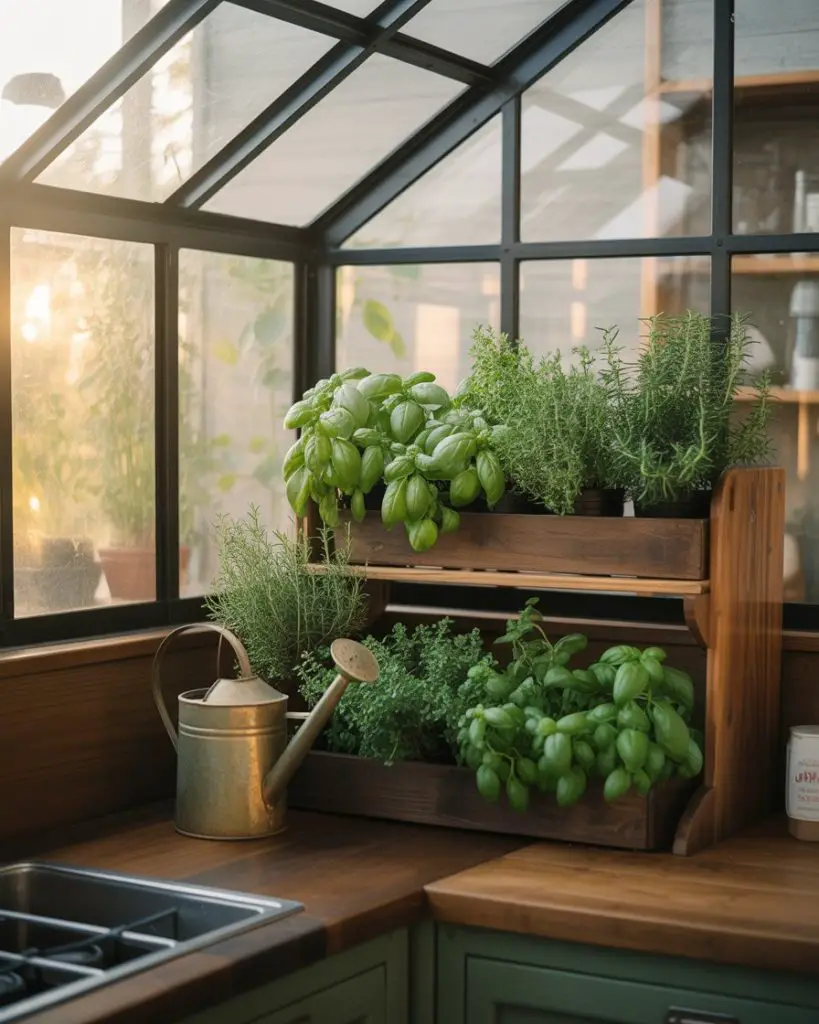
A friend who installed one last spring mentioned she saves roughly $40 monthly on herbs alone, paying off the $800 installation cost within two years while enjoying superior flavor from just-picked ingredients. The structures require professional installation to ensure proper flashing and weatherproofing, but most manufacturers include detailed specs that simplify the permitting process for contractors familiar with window replacement rather than requiring specialized greenhouse expertise.
12. Minimalist Black-Framed Steel Windows
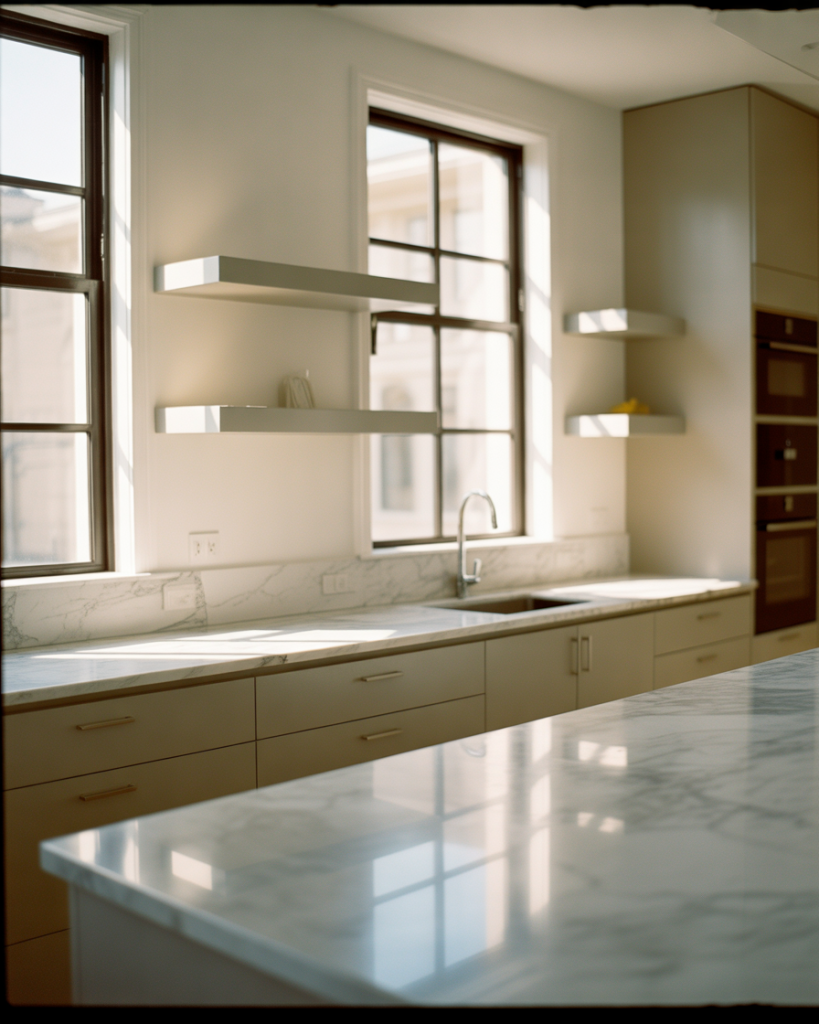
The industrial aesthetic has made black steel-framed windows the statement choice for modern and contemporary kitchens, particularly in loft conversions and new construction with clean lines. These slim-profile frames maximize glass area while creating bold graphic impact against white walls and light cabinetry. Unlike traditional wooden blinds, these windows pair better with motorized interior shades or simple linen panels that don’t compete with the architectural statement the frames themselves make.
Budget considerations matter significantly here—authentic steel windows cost $1,200-2,500 per unit installed, while aluminum alternatives that mimic the look run $400-800 with similar durability and thermal performance. The investment makes sense in homes where the kitchen serves as the architectural focal point, particularly in open plans where the windows are visible from multiple rooms and establish the aesthetic vocabulary for the entire living space.
13. Seasonal Swap-Out Cafe Tiers for Holiday Expression
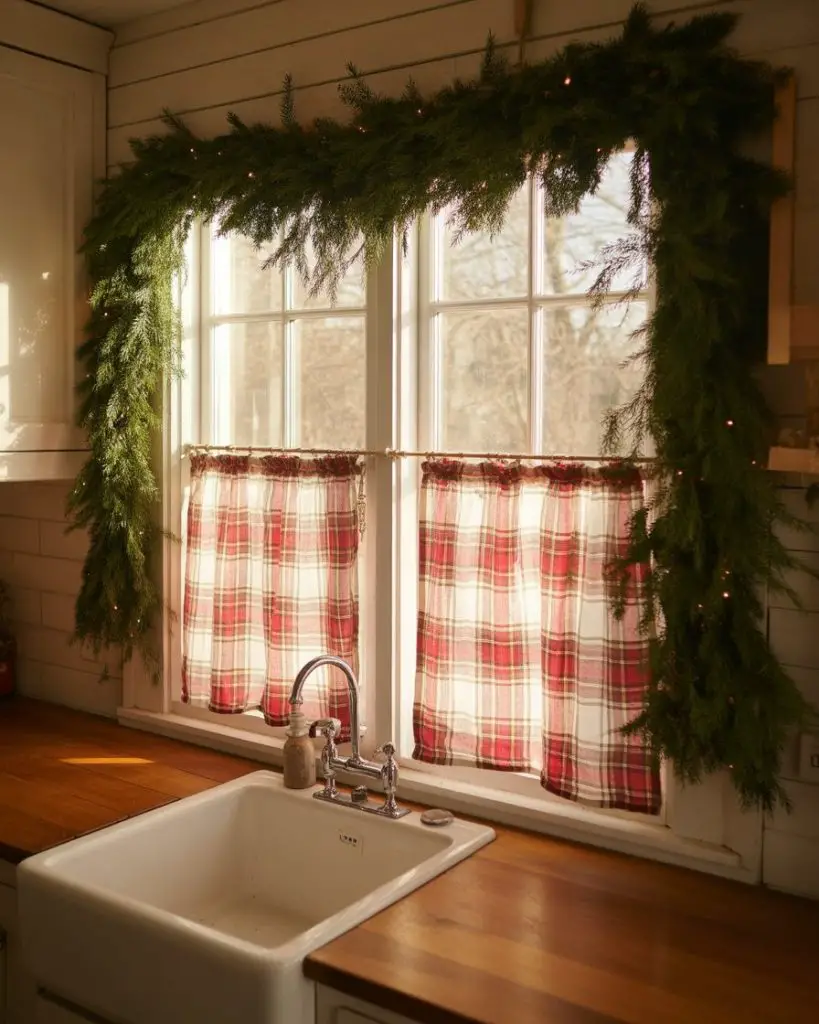
Maintaining a collection of Christmas and seasonal cafe curtains allows homeowners to refresh their kitchen’s personality throughout the year without major expense or time commitment. Simple tension rods make swapping panels a five-minute task, with lightweight cotton tiers in festive patterns stored flat in labeled bins between uses. This approach particularly resonates in cottage and farmhouse kitchens, where cozy, rotating decor is part of the home’s charm and personality rather than a design distraction. 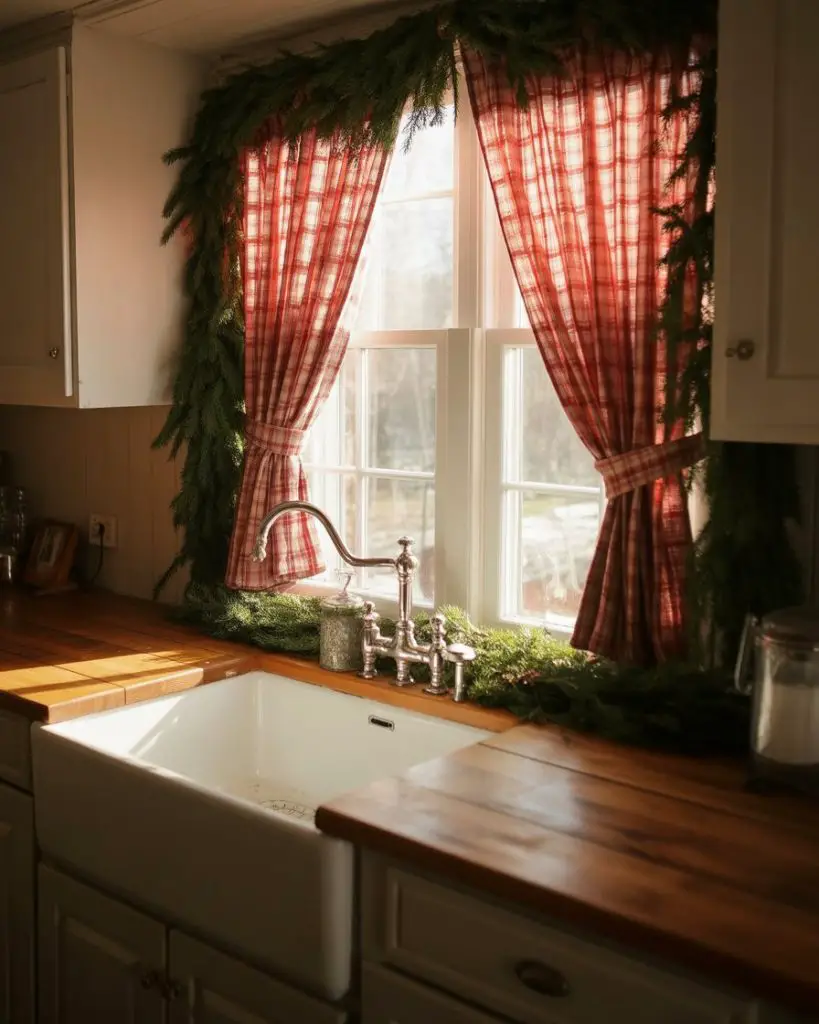
The regional context shows this practice is strongest in the Northeast and Midwest, where distinct seasons encourage homeowners to mark transitions through decor changes. Ready-made cafe tiers cost $15-40 per window at major retailers, making it feasible to build a rotation of spring florals, summer stripes, autumn plaids, and holiday patterns without exceeding $200 for an entire kitchen—roughly the cost of a single custom window treatment installation.
14. Arched Window Treatments with Custom Rods
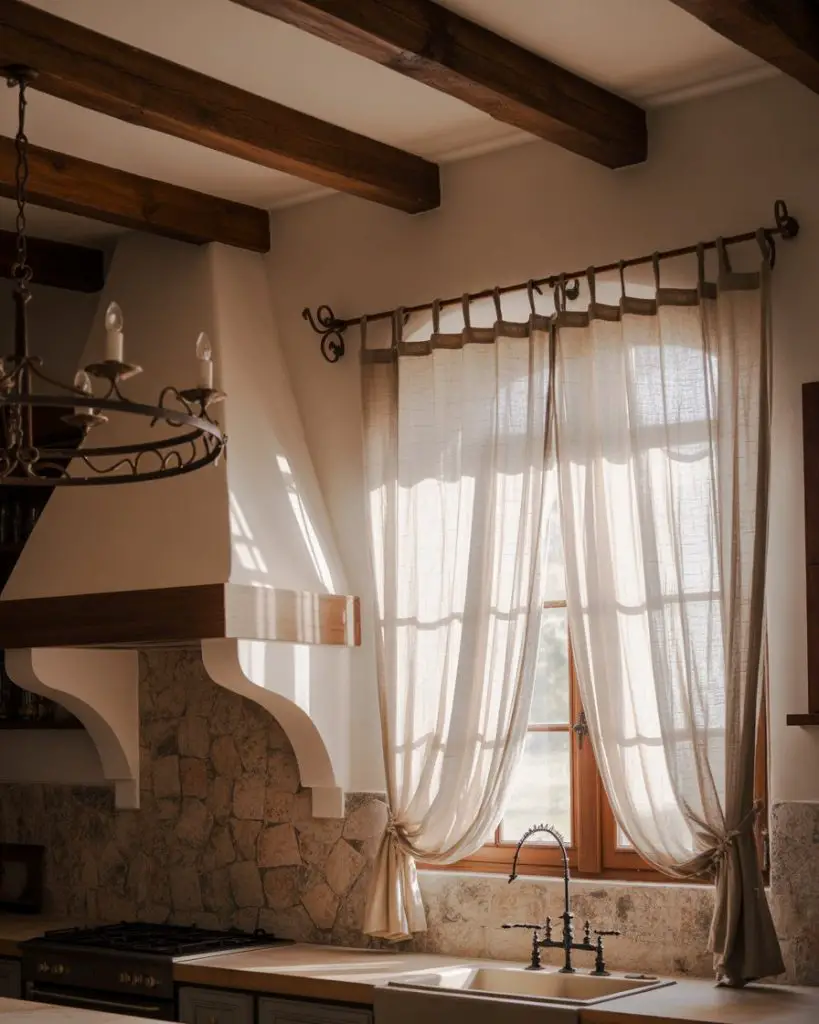
Kitchens blessed with arched windows face unique challenges that standard curtains for rectangular openings can’t address without awkward gaps and poor proportion. Curved curtain rods that follow the arch’s profile have become more accessible through online retailers offering custom fabrication at reasonable prices, typically $150-300 for hardware alone. Paired with gathered panels or soft Roman shades with curved bottom hems, these treatments honor the architectural feature rather than fighting against it or leaving it bare. 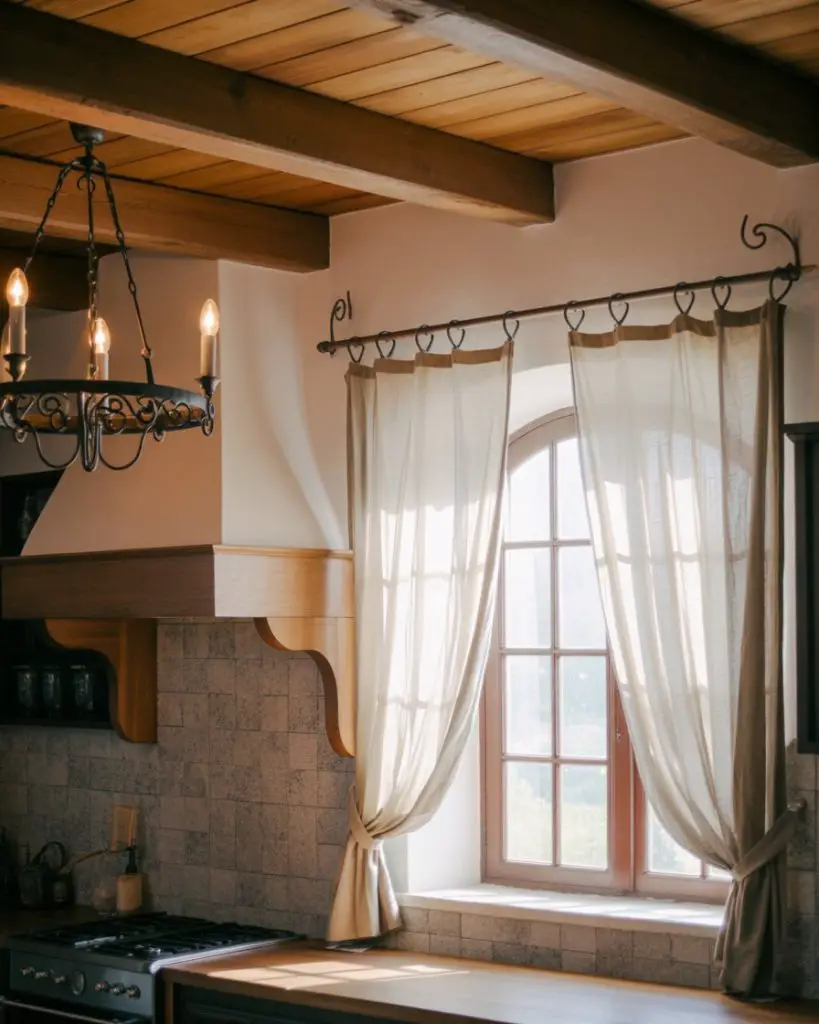
Where it works best is in Mediterranean, Tuscan, and Spanish Colonial-style kitchens where arched openings are original architectural elements worth celebrating rather than concealing. The common mistake involves ignoring the arch and mounting straight rods below the curve, which makes the window appear shorter and wastes the dramatic vertical height that gives these openings their elegant proportions and timeless appeal.
15. Low-Sill Windows with Built-In Bench Seating
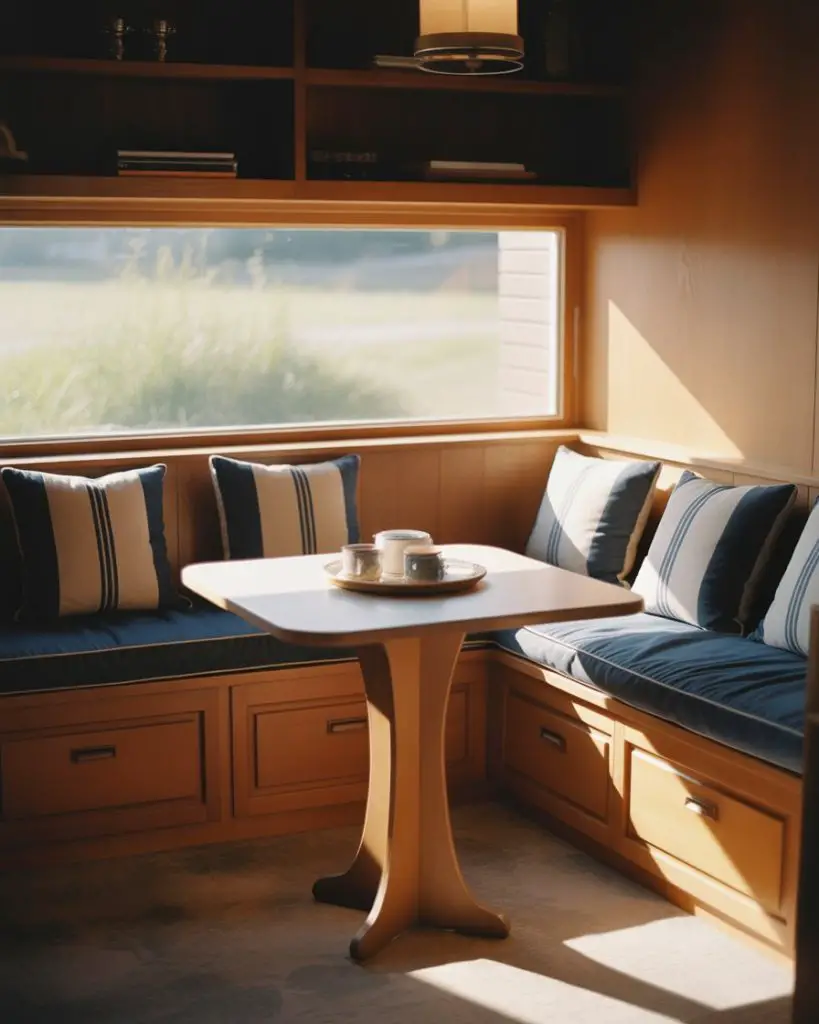
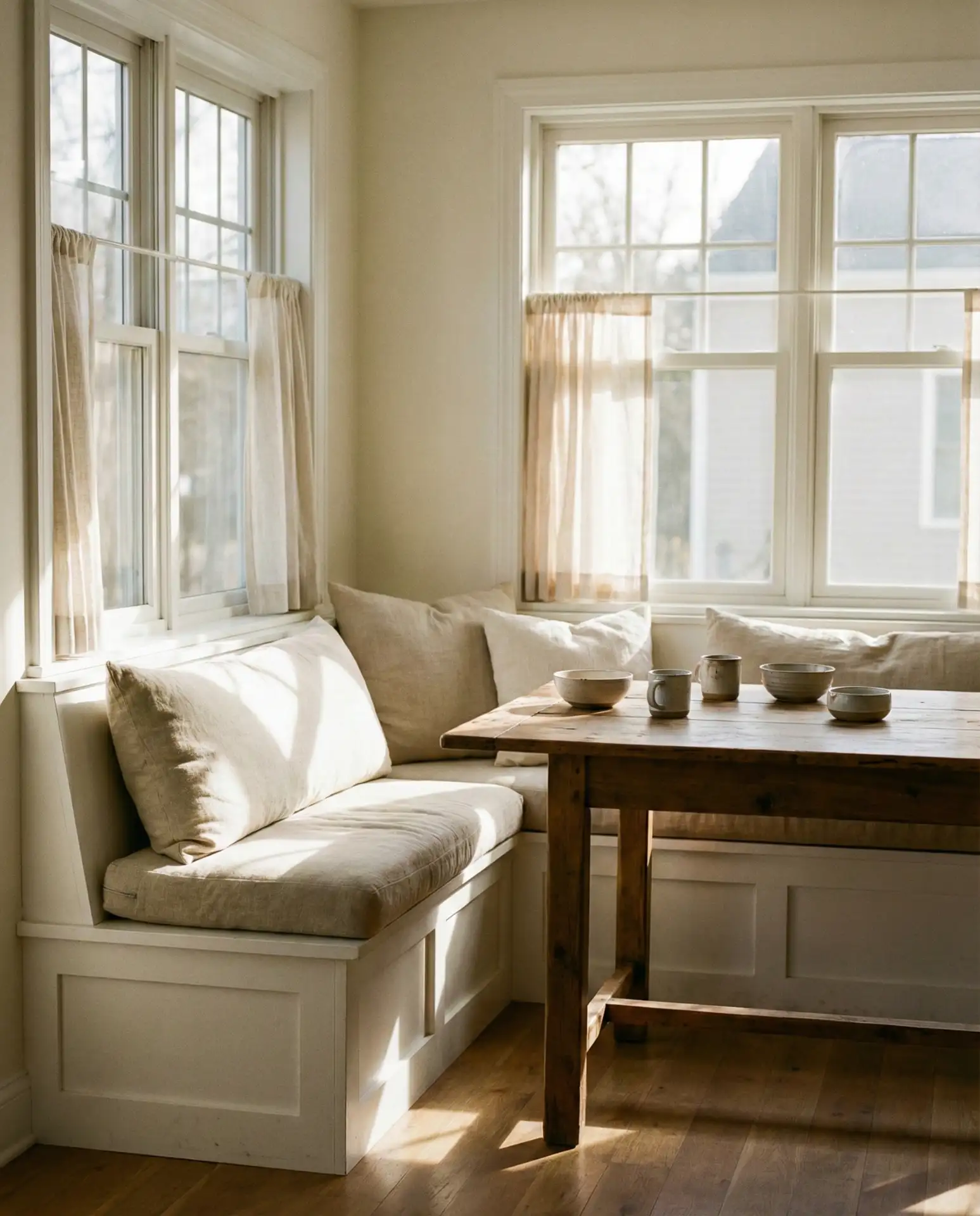
Designing around low windows by incorporating built-in banquette seating creates multifunctional breakfast nooks that maximize awkward kitchen footprints. Cushioned benches with lift-top storage compartments underneath make use of space that standard cabinetry can’t accommodate, while the windows themselves often require only sheer panels or no treatment at all since the low positioning naturally limits sightlines from outside. This solution works particularly well in tiny urban kitchens where separate dining areas aren’t feasible and every square foot must serve multiple purposes. 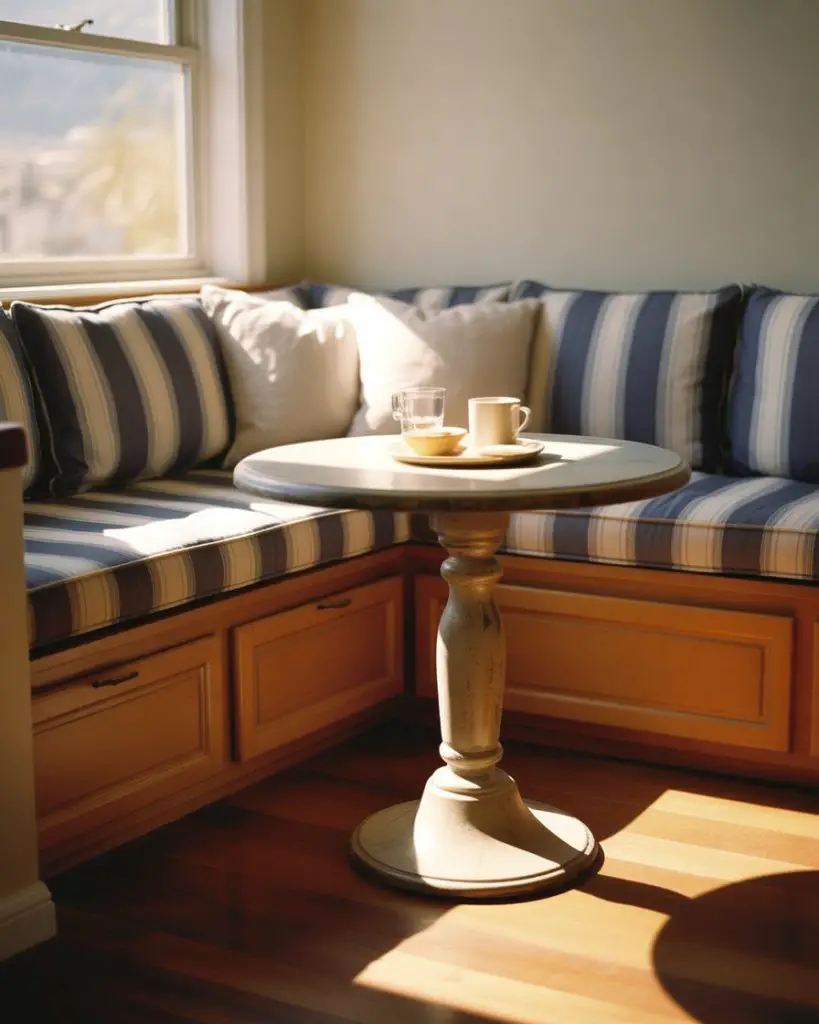
The practical insight involves planning electrical outlets within the bench structure for charging devices during casual meals, plus task lighting above the table for homework and laptop work. Most carpenters charge $1,500-3,500 for basic built-ins depending on finish quality and complexity, with the storage capacity often eliminating the need for additional pantry solutions in space-challenged kitchens where every cubic inch of organization matters significantly.
16. Farmhouse Sink Windows with Open Shelving Sides
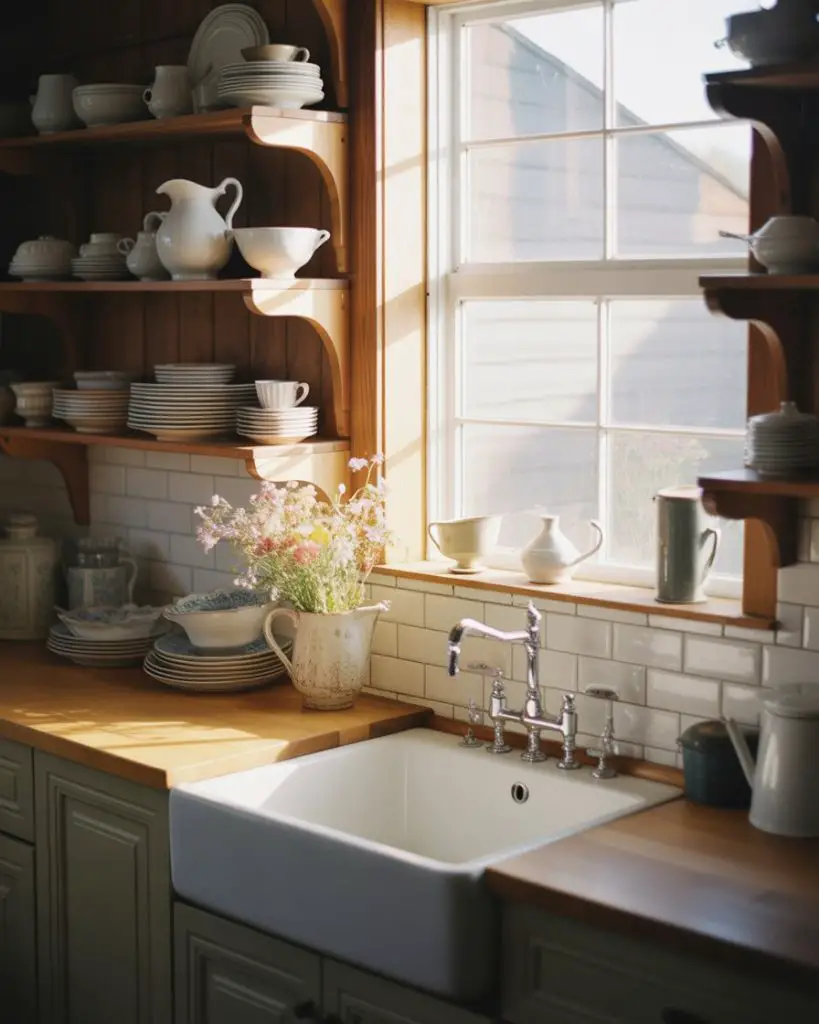
The classic farmhouse sink window has been elevated by flanking it with open shelving that extends from counter to ceiling, creating a gallery-like display for everyday dishes, glassware, and decorative objects. This arrangement draws the eye upward while keeping frequently used items within arm’s reach of the cleanup zone. The window itself typically receives minimal treatment—perhaps a simple sink curtain valance or café tier that can be pushed aside during dishwashing without dripping water on fabric. 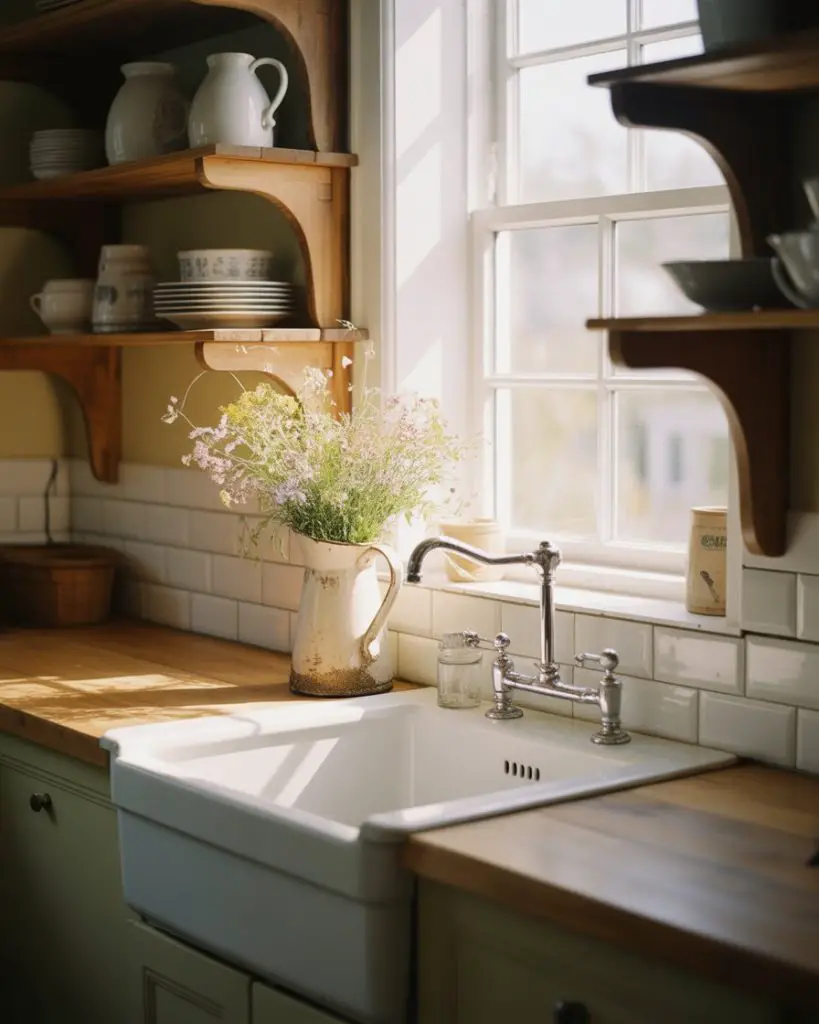
Expert commentary from kitchen designers suggests this configuration works best when the window is centered precisely over the sink rather than offset—even a few inches of asymmetry creates visual tension that bothers people subconsciously every time they approach the sink. The shelving should be deep enough (10-12 inches minimum) to accommodate dinner plates and serving bowls without items appearing crammed or precarious, which undermines the casual elegance this look is meant to convey.
17. Clerestory Windows with Reflective Ceiling Treatments

High-mounted clerestory windows solve the challenge of bringing natural light into kitchens without sacrificing wall space needed for upper cabinetry or compromising privacy in densely built neighborhoods. These horizontal windows positioned near the ceiling work even better when the ceiling itself is painted in high-gloss white or light-reflective finishes that bounce illumination deeper into the room. The windows themselves rarely need treatments since their height makes them invisible from ground level outside, though motorized shades remain an option for controlling heat gain in southern exposures.
This approach has gained particular traction in passive solar designs and net-zero homes throughout the Southwest, where maximizing daylight reduces artificial lighting loads without increasing cooling demands. The windows typically add $500-1,000 per linear foot during construction, but retrofitting existing structures costs significantly more due to structural modifications required to support headers and maintain roof integrity across the new openings.
18. Traditional Kerala-Style Wooden Jalousie Windows
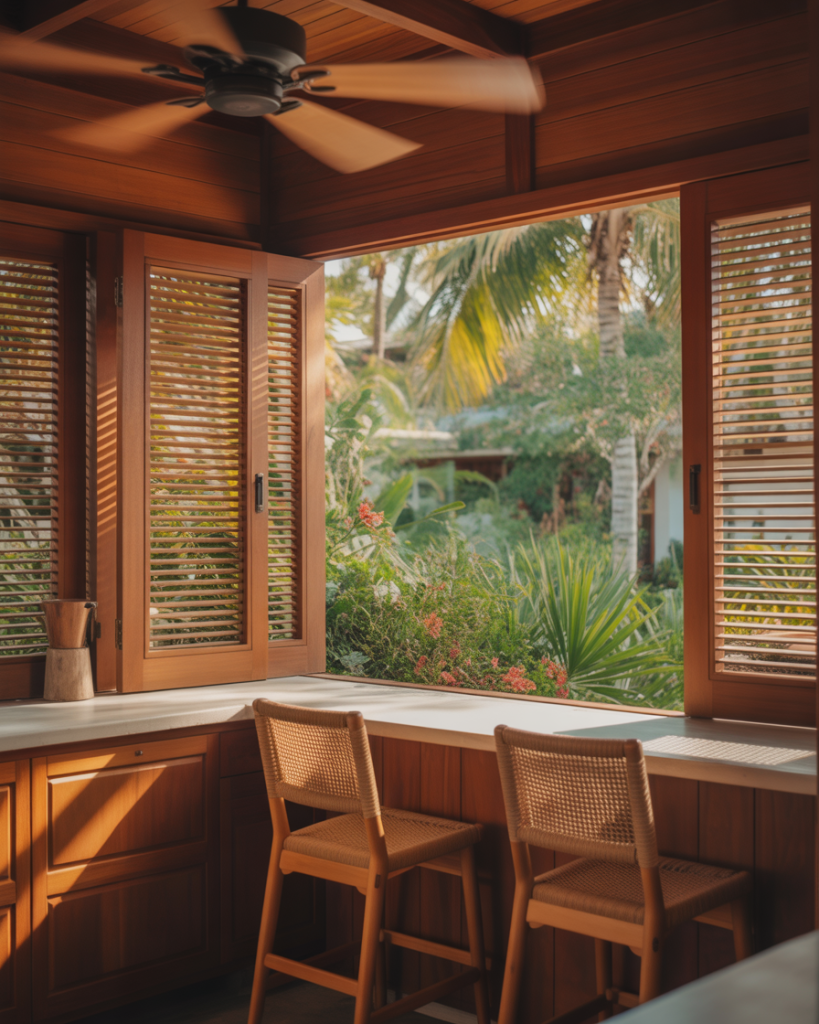
The Kerala tradition of adjustable wooden slat windows has found new appreciation in American kitchens seeking natural ventilation without screens or moving parts. These jalousie-style panels feature horizontal wood slats that tilt open in unison via a simple crank mechanism, allowing breeze circulation while maintaining privacy and rain protection. They’re particularly suited to covered porch kitchens or screened outdoor cooking spaces in Southern states, where year-round temperate weather makes permanent window glazing less essential than airflow control.
A common mistake involves installing these in cold-climate regions where their minimal insulation value and air leakage create uncomfortable drafts and energy waste during heating season. They excel in zones 8-10, where heating degree days are minimal and the priority is managing humidity and maximizing natural cooling rather than retaining warmth—essentially a specialized solution for specific climatic conditions rather than a universal window style.
19. Garden Window Greenhouses for Culinary Herbs
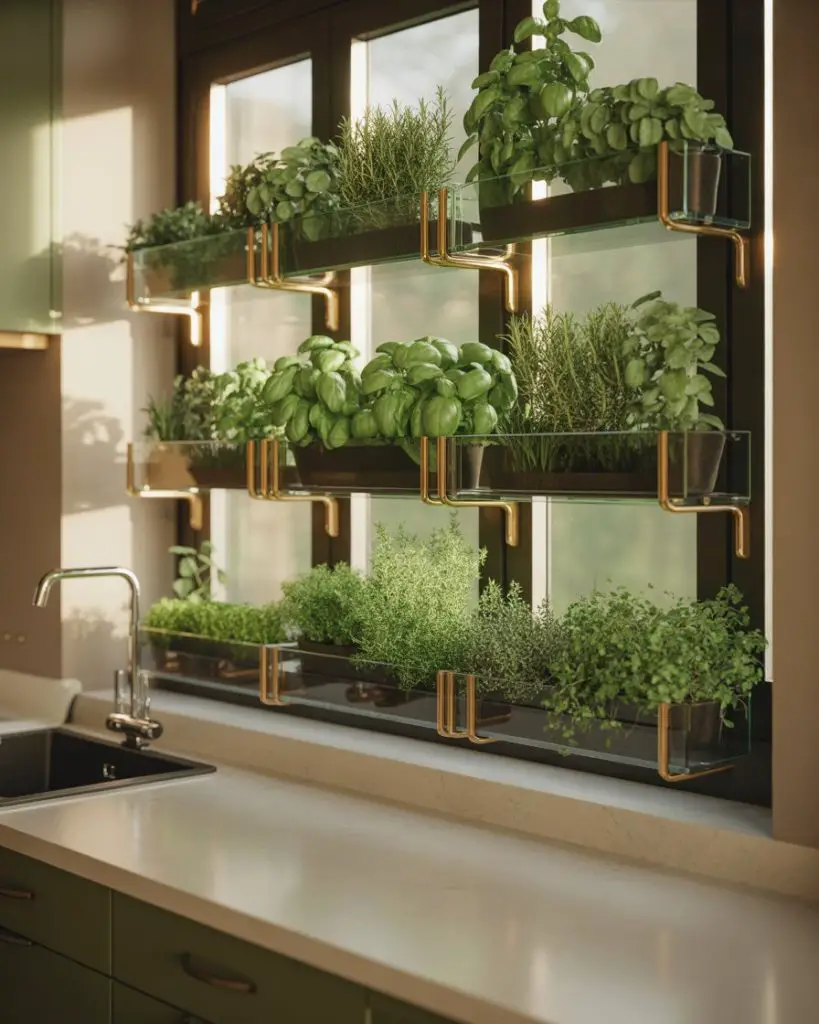
The garden window format—essentially a miniature greenhouse that projects outward from the kitchen wall—has evolved beyond 1980s cliché to become a serious growing station for home cooks who use fresh herbs daily. Modern versions feature tempered glass, built-in grow lights for winter supplementation, and integrated drip trays that manage moisture without damaging sills or walls. These units work beautifully above sinks or in breakfast nook areas where they don’t interfere with upper cabinetry but still receive adequate sunlight for vigorous plant growth. 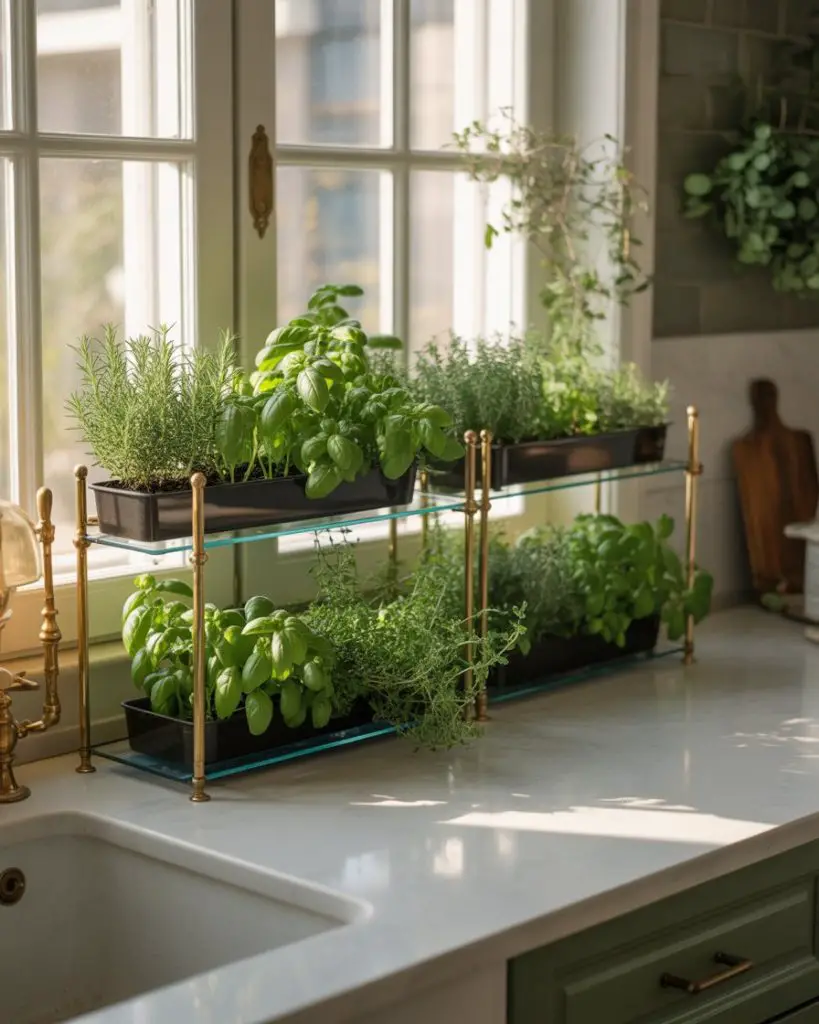
Real homeowner behavior shows these windows get used most consistently by people who already cook from scratch regularly—they’re an enhancement for existing habits rather than a catalyst that suddenly inspires gourmet cooking. Installation costs range from $1,000 to $2,500, including professional fitting and exterior flashing, with ongoing value derived from the $20-40 monthly savings on packaged herbs plus the superior flavor and nutrition of just-harvested ingredients versus supermarket options that may be days old before purchase.
20. Horizontal Barn-Style Sliding Shutters
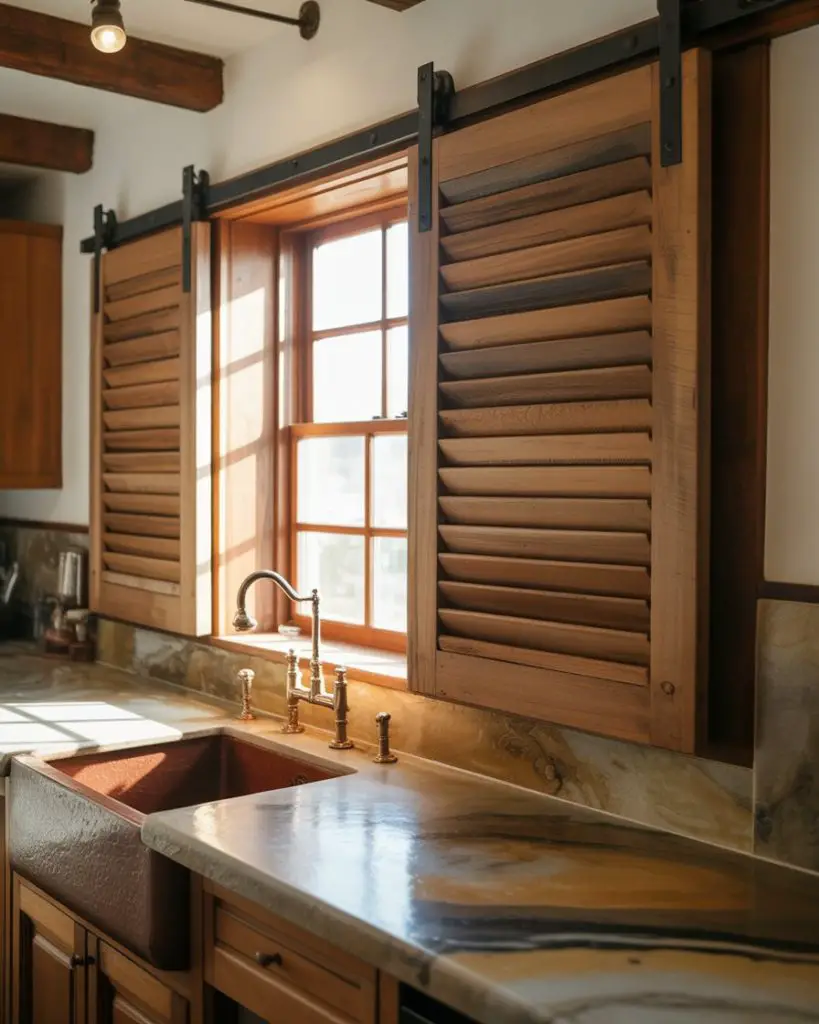
Interior sliding shutters mounted on barn door hardware provide flexible light control for large kitchen windows without the floor space requirements of swinging shutters or the visual bulk of heavy drapes. The shutters slide along wall-mounted tracks, stacking neatly to one side when open or covering the entire window when closed. This solution works particularly well in rustic and modern farmhouse kitchens where the industrial hardware doubles as decorative sculpture, especially when crafted from reclaimed wood with visible grain patterns and authentic weathering. 
The budget angle here favors DIY-skilled homeowners who can source reclaimed boards for $50-150 and install track kits themselves for around $100, creating custom window treatments for under $300 total. Professional fabrication and installation typically runs $600-1,200 per window, which remains competitive with high-quality motorized blinds while delivering significantly more character and handcrafted appeal that resonates with the current preference for artisanal elements over mass-produced solutions.
21. Scalloped Awning Windows with Decorative Trim
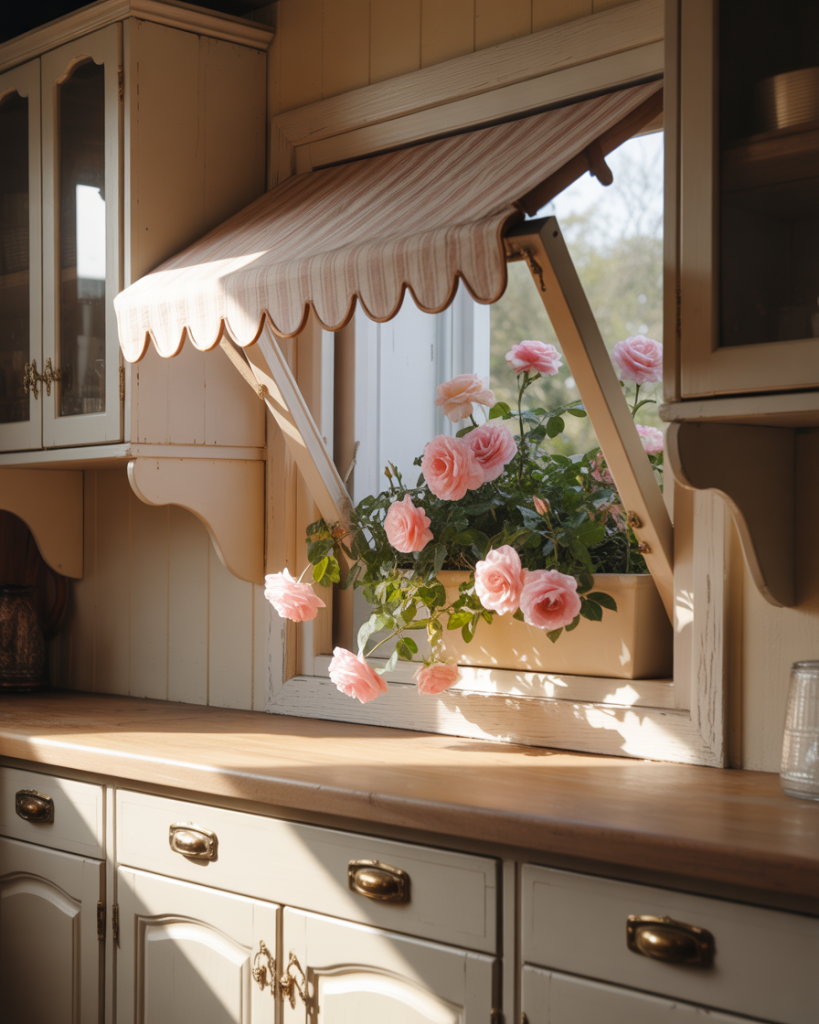
Awning-style windows that hinge at the top and open outward have been enhanced with scalloped or arched bottom edges and decorative exterior trim that evokes cottage and storybook architecture. These windows provide rain-protected ventilation since they can remain open during light precipitation, making them ideal above sinks or food prep areas where steam and cooking odors need continuous venting. Interior treatments are minimal—typically just a simple valance or no covering at all, since the architectural details of the window itself provide sufficient visual interest. 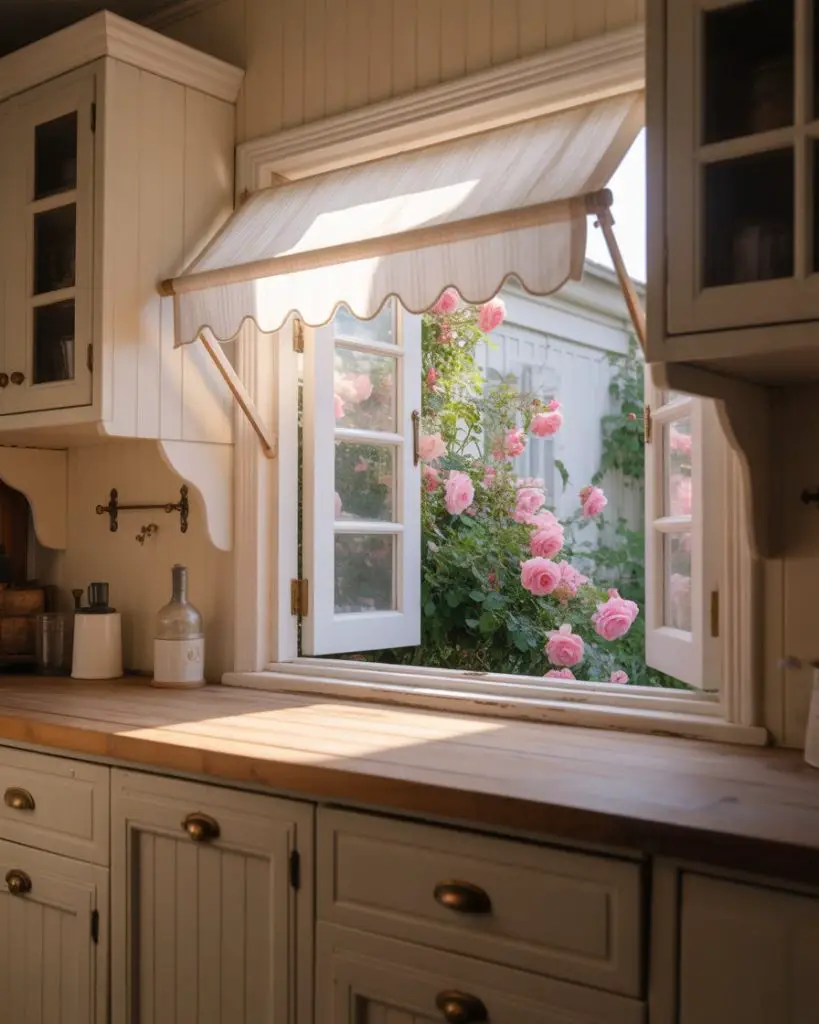
Where this works best is in homes with prominent roof overhangs that provide additional rain protection and shade the windows from direct afternoon sun that could otherwise overheat interiors during summer months. The scalloped profiles add approximately 15-20% to window costs compared to standard awning units, but the architectural impact far exceeds the modest price premium, particularly in neighborhoods where period-appropriate details maintain property values and neighborhood character.
22. Transom Windows Above Standard Kitchen Windows
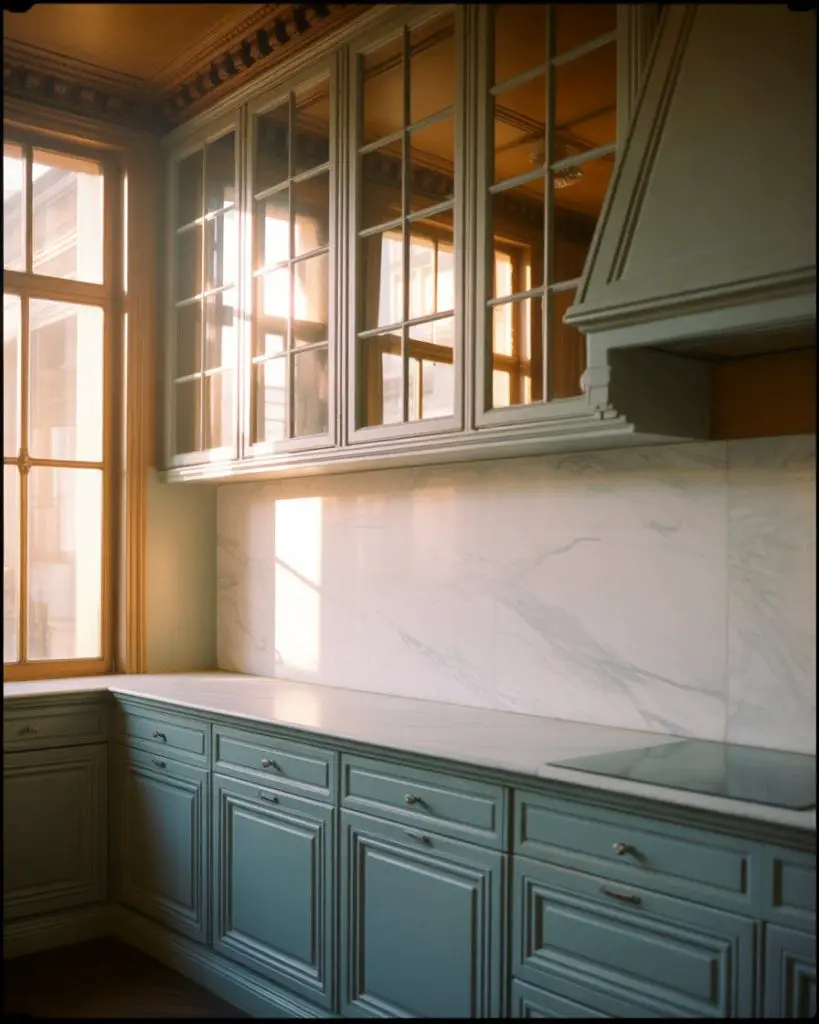
Adding transom windows above existing kitchen windows captures light from higher angles throughout the day, reducing reliance on artificial lighting during early morning and late afternoon hours. These narrow horizontal windows work particularly well in kitchens with 9-10 foot ceilings where wall space exists above standard window headers. They typically don’t require treatments since their height provides natural privacy, though decorative stained glass or frosted panels can add color and pattern if desired for aesthetic rather than functional reasons. 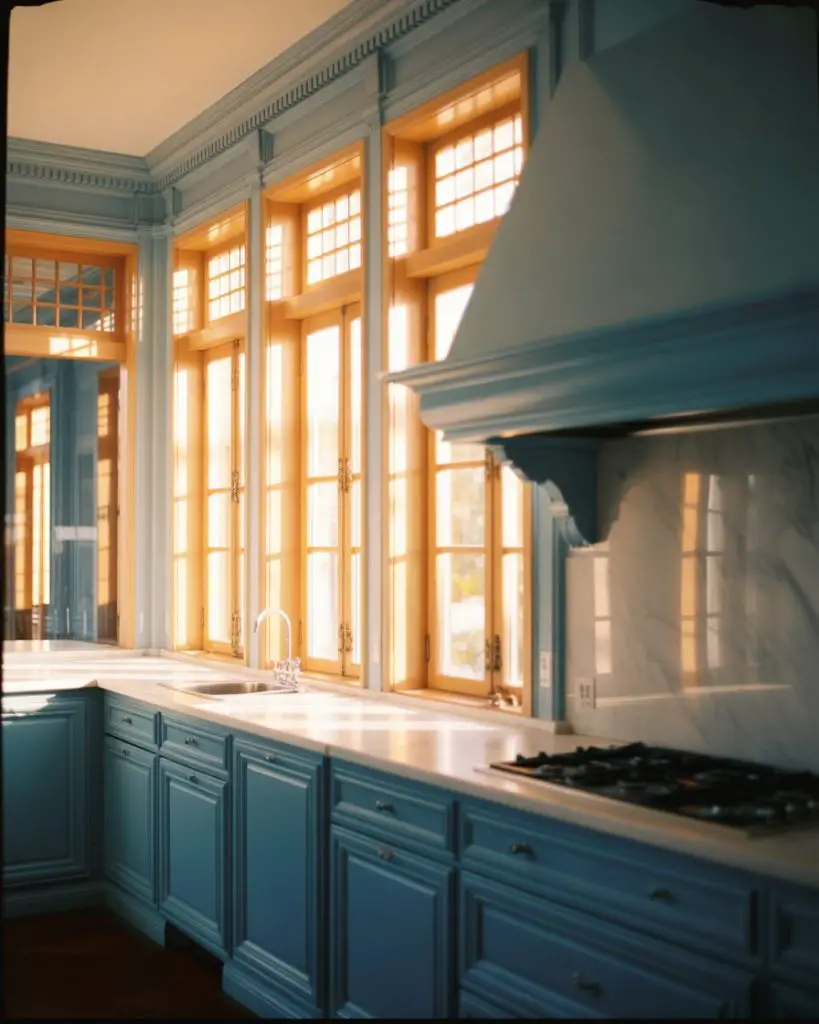
The practical insight involves coordinating transom installation with any electrical or HVAC work since you’ll need access to wall cavities anyway—bundling projects saves on contractor mobilization costs and minimizes the disruption period. Expect to invest $400-800 per transom, including installation, with payback coming through reduced lighting costs and the intangible but meaningful improvement in how the kitchen feels throughout the day as natural light quality changes with the sun’s movement across the sky.
Conclusion
These twenty-two approaches to kitchen window design demonstrate that the right solution depends on your specific architecture, lifestyle, and aesthetic preferences rather than following a single trending formula. Whether you’re drawn to the warmth of natural materials, the convenience of smart home integration, or the charm of vintage details, there’s a window treatment strategy that can transform your kitchen’s ambiance and functionality. We’d love to hear which ideas resonate with your own kitchen plans—share your thoughts in the comments below and let us know what challenges you’re facing with your current window situation.