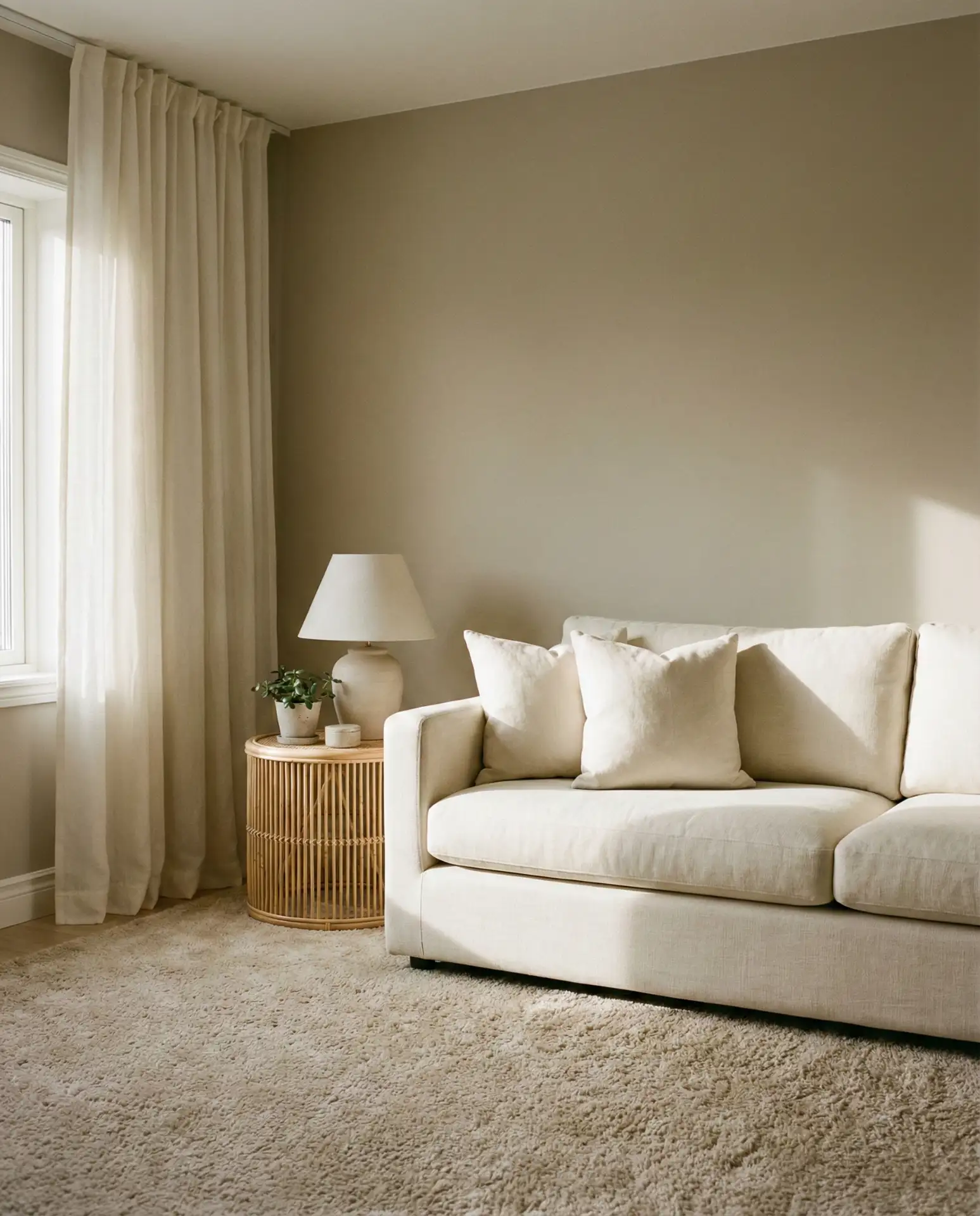
Living room design in 2026 is all about intentional spaces that balance beauty with real life. Americans are searching for ways to make their homes feel fresh, functional, and deeply personal—whether that means embracing minimalism, layering in warm and cozy textures, or experimenting with bold colorful accents. Pinterest has become the go-to place for visual inspiration, and the trends emerging now reflect a desire for rooms that work harder and feel better. In this article, you’ll discover 21 living room ideas that capture the spirit of 2026, from small spaces solutions to luxury statements, each designed to help you create a space you’ll actually want to spend time in.
1. Japandi Serenity with Natural Wood Accents
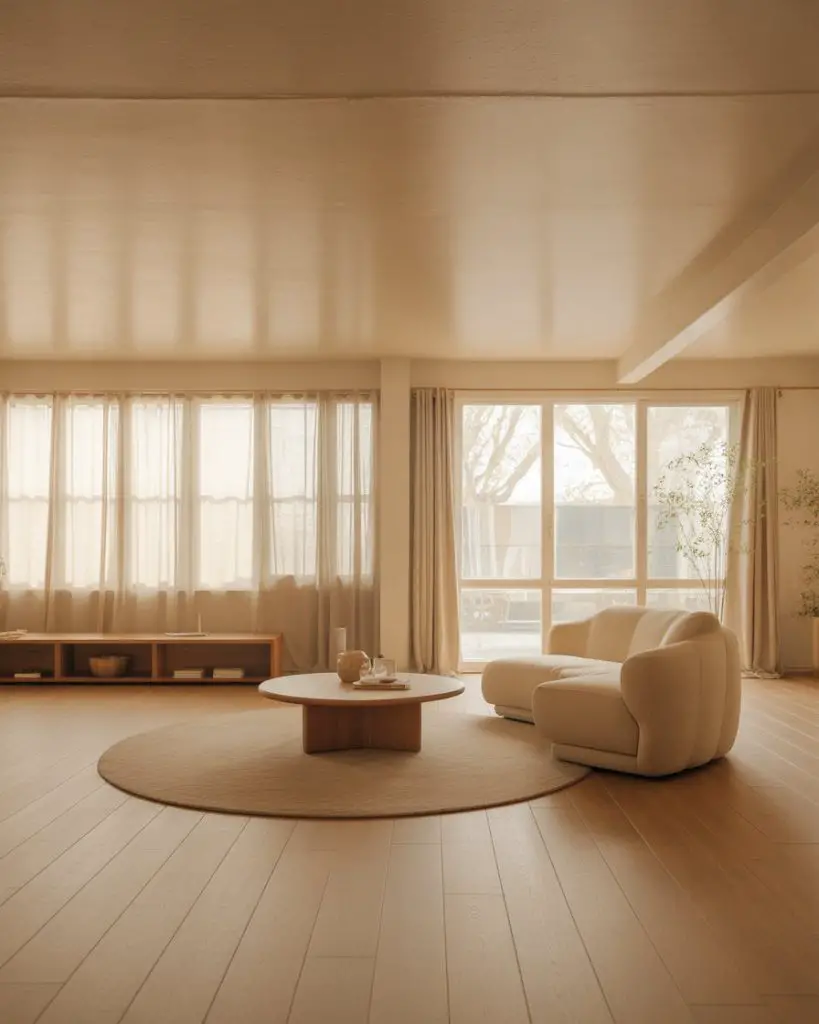
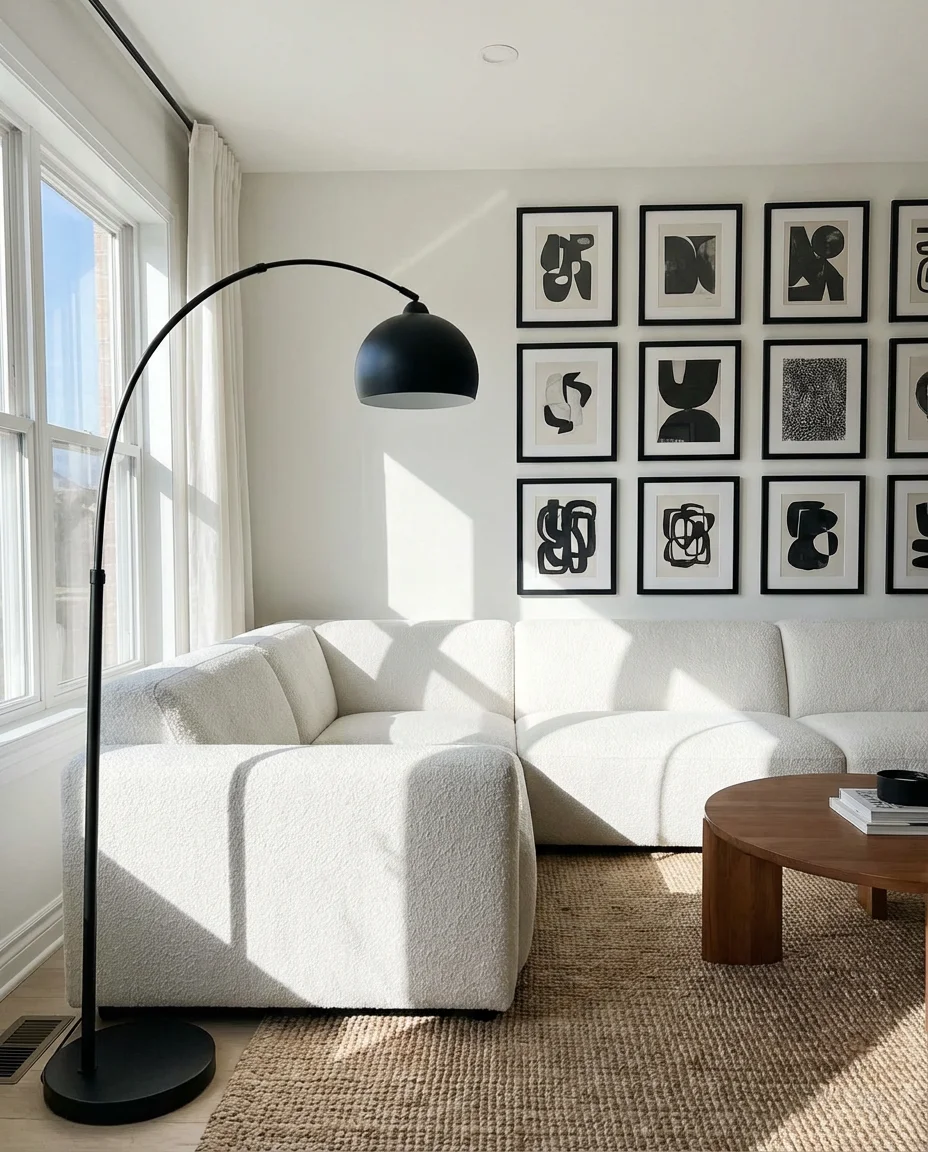
This approach merges Japanese minimalism with Scandinavian warmth, creating a living room that feels both grounded and airy. Japandi design emphasizes natural materials like oak and walnut, paired with neutral tones and uncluttered surfaces. It’s ideal for anyone seeking a minimal aesthetic that doesn’t sacrifice comfort. The key is balancing simplicity with thoughtful details—a low-profile sofa, handmade ceramics, and plenty of negative space. 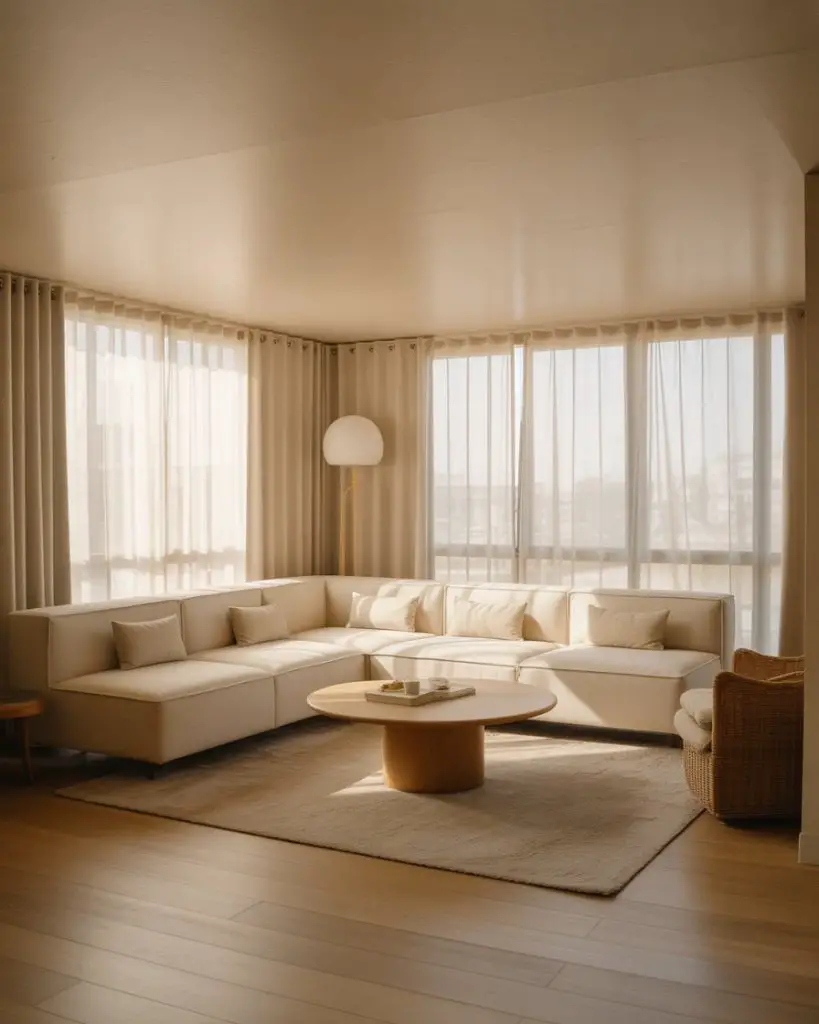
This style works best in homes where natural light is abundant, as it enhances the soft palette and organic textures. Many homeowners find that Japandi spaces feel easier to maintain because the reduced clutter naturally discourages accumulation. It’s a design philosophy that rewards restraint, making it perfect for those who want their living room to be a true retreat from the noise of everyday life.
2. Warm and Cozy Layers with Chunky Textiles
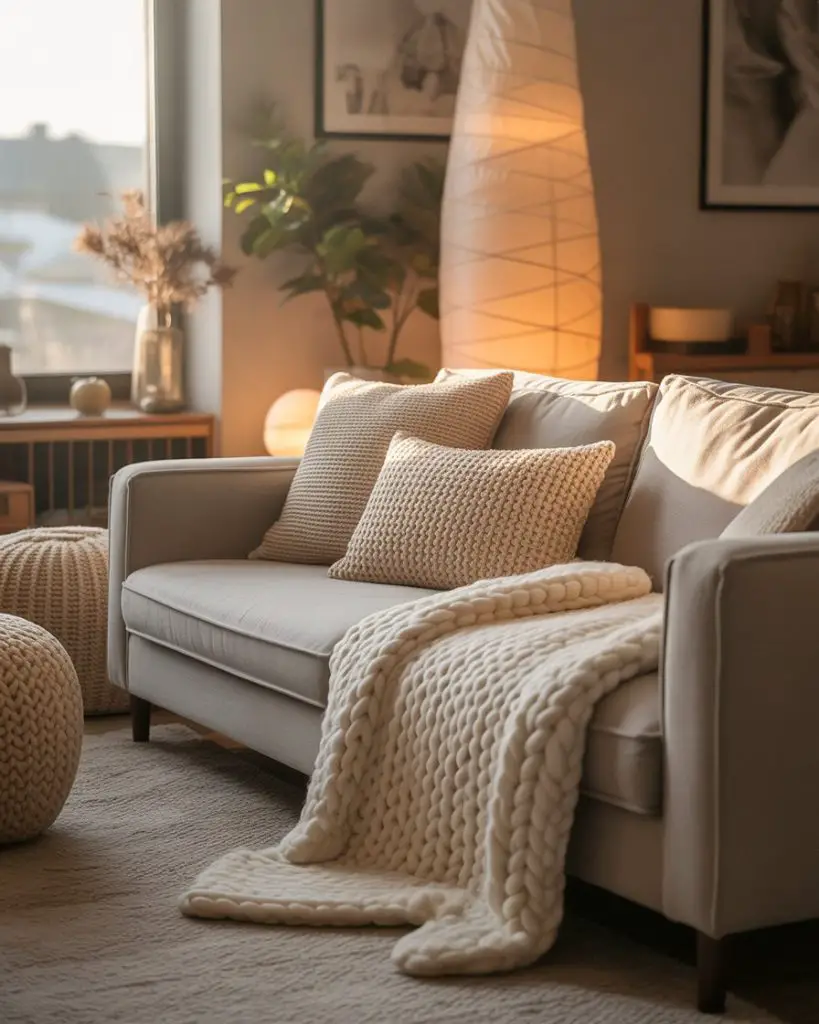
If you want a living room that invites you to curl up and stay awhile, layering soft textiles is the answer. Think oversized knit throws, velvet cushions, and plush area rugs in earthy tones. This warm and cozy approach is especially popular in colder climates, where comfort is non-negotiable. The goal is to create depth and tactile interest without overwhelming the space. 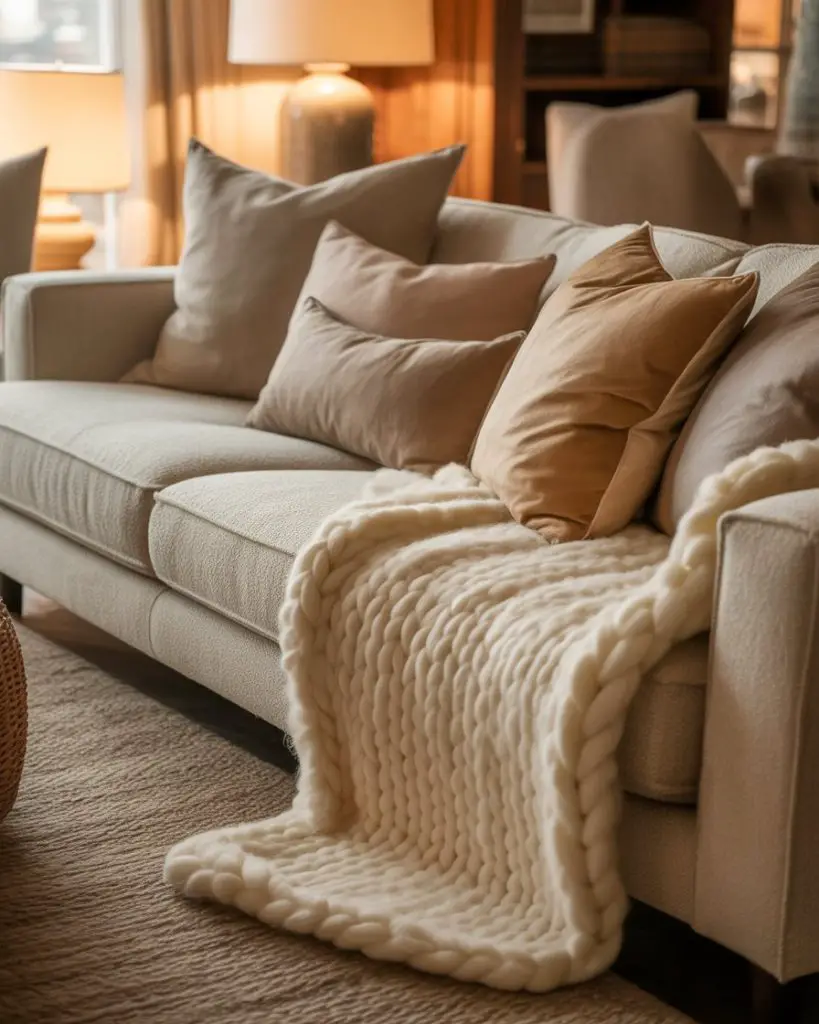
One common mistake is choosing textiles that look great but feel scratchy or stiff. Always touch before you buy—especially for throws and pillows that will see daily use. In American homes, this style often shows up in family rooms and basements, where the priority is relaxation over formality. It’s a forgiving design that adapts easily to different lifestyles and budgets.
3. Modern Luxury with Statement Lighting
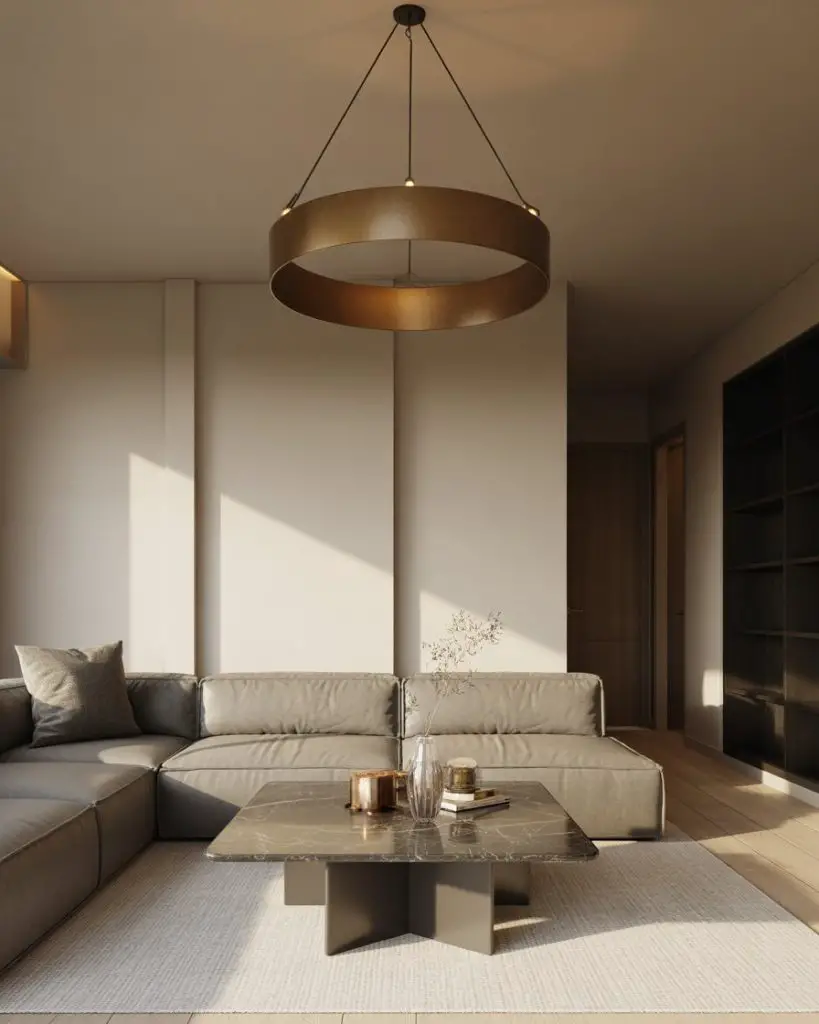
A sculptural chandelier or an oversized pendant can completely transform a living room, elevating it from ordinary to extraordinary. Modern luxury design leans on bold lighting as both art and function. Pair these pieces with sleek furniture in neutral tones to let the fixture take center stage. This approach works particularly well in open-concept homes where the living room connects to the dining area or kitchen. 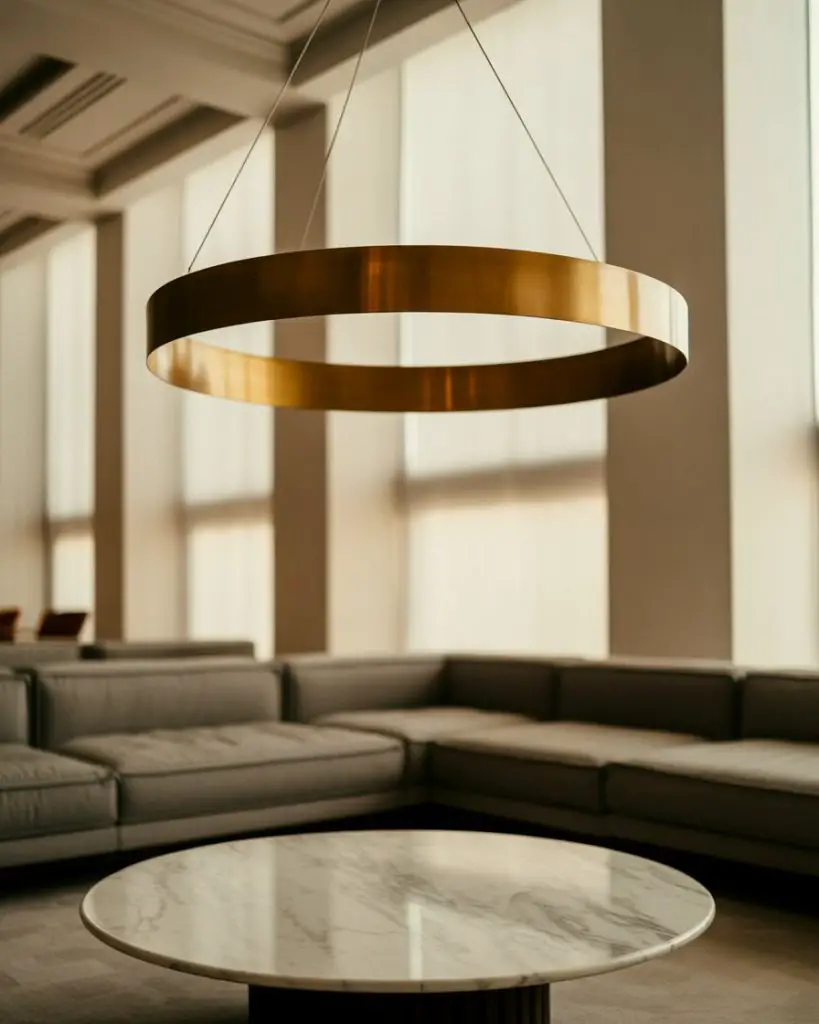
In coastal cities like Miami and Los Angeles, designers often use lighting to create drama in otherwise minimal spaces. The investment in a quality fixture pays off—not just aesthetically, but in how it changes the mood of the room. Consider dimmers to adjust the intensity for different times of day, making the space versatile enough for both entertaining and quiet evenings.
4. Small Spaces Apartment Decorating with Vertical Storage
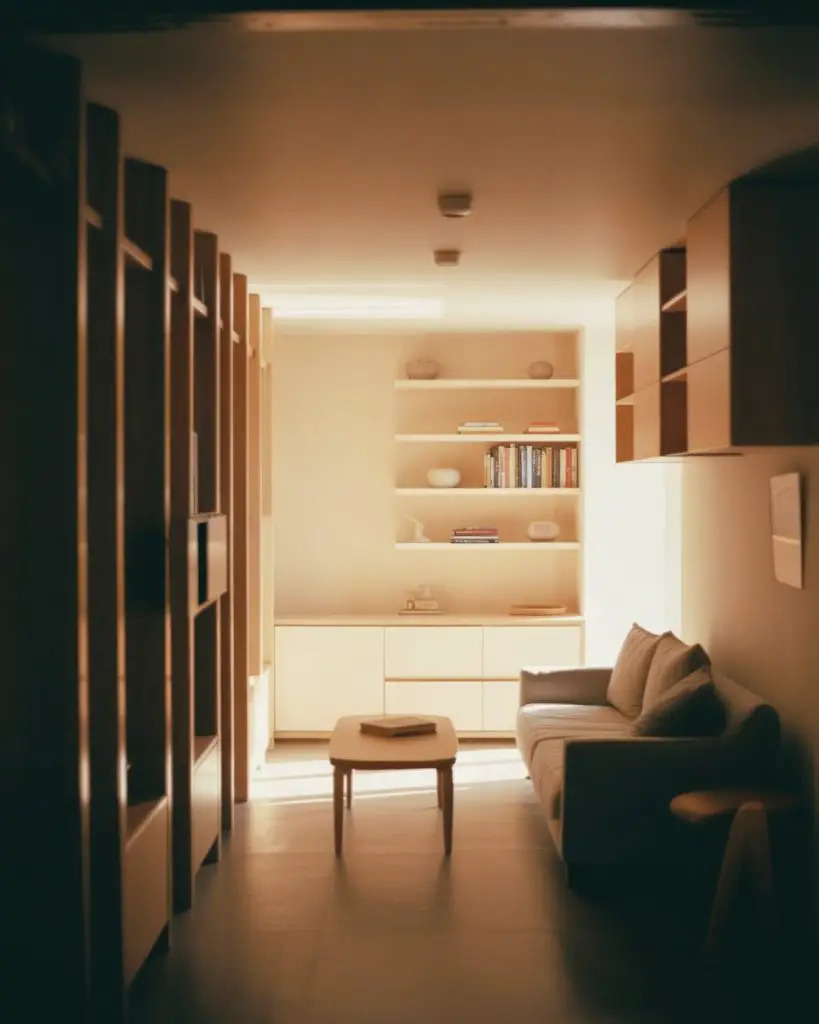
When floor space is limited, the only way to go is up. Small spaces apartment decorating ideas often revolve around vertical storage solutions—floating shelves, tall bookcases, and wall-mounted cabinets that free up precious square footage. This strategy is essential in urban apartments where every inch counts. The trick is to keep the vertical elements visually light so the room doesn’t feel cramped. 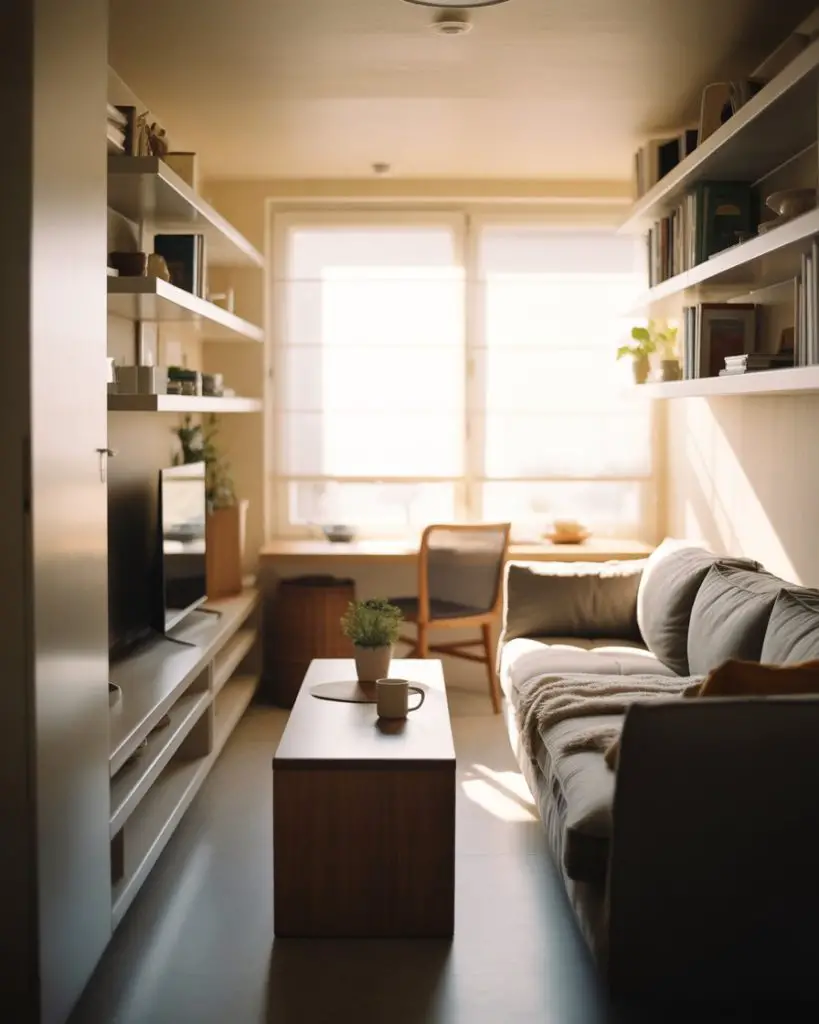
Many New Yorkers and San Franciscans swear by modular furniture that can be reconfigured as needs change. A sofa that converts to a guest bed or a coffee table with hidden storage can be game-changers. The key is choosing pieces that serve multiple purposes without looking utilitarian. This approach is also budget-friendly, as it reduces the need for excess furniture.
5. Elegant Neoclassic with Architectural Molding
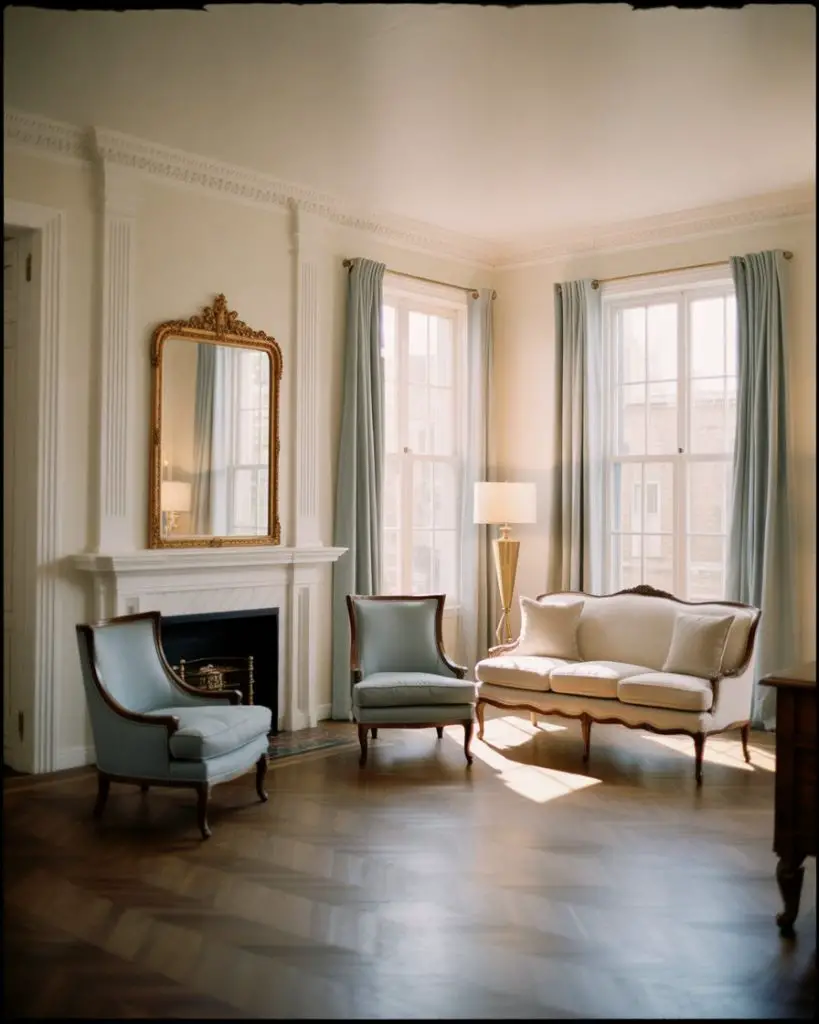
Crown molding, wainscoting, and decorative trim bring a sense of grandeur to any living room. Neoclassic design borrows from European traditions, emphasizing symmetry, proportion, and refined details. This style is particularly popular in older homes with high ceilings and large windows. Pair the architectural elements with elegant furnishings in soft blues, creams, and golds for a timeless look. 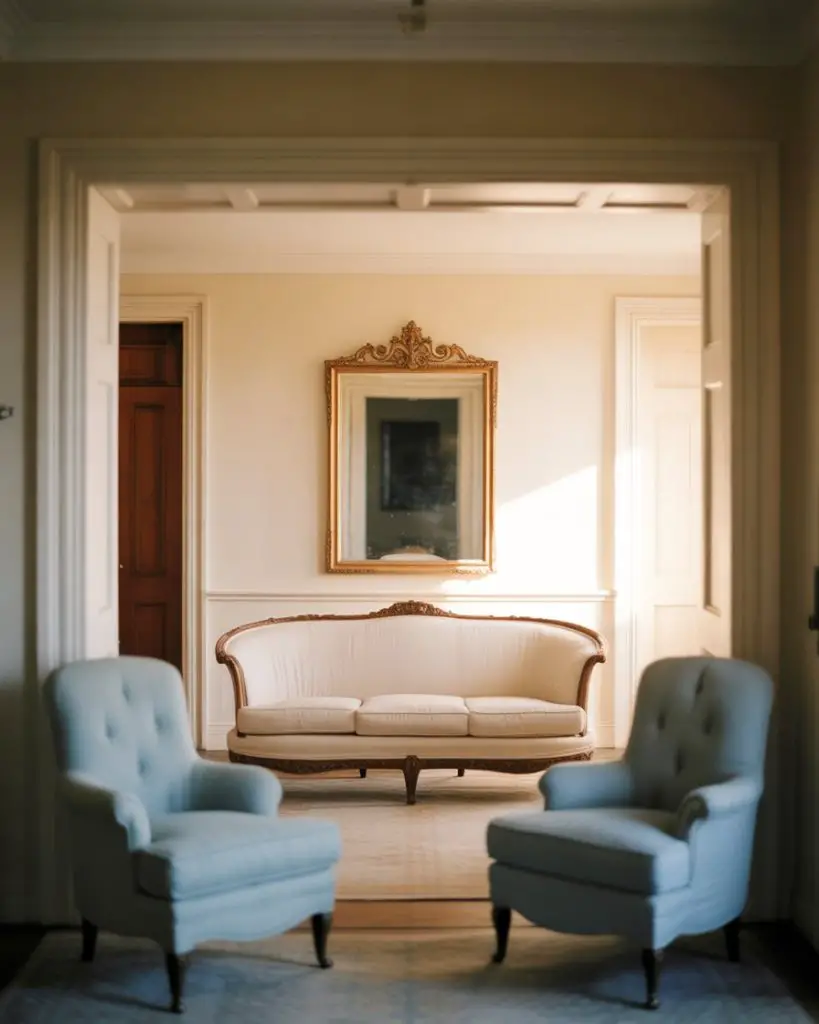
This style works best in homes with existing architectural character, where the details can be highlighted rather than added. In cities like Charleston and Boston, neoclassic living rooms are common in historic districts. One expert tip: avoid overdoing the ornamentation. Let the architecture speak for itself and keep the furniture relatively simple to maintain balance.
6. Gray Couch as a Neutral Foundation
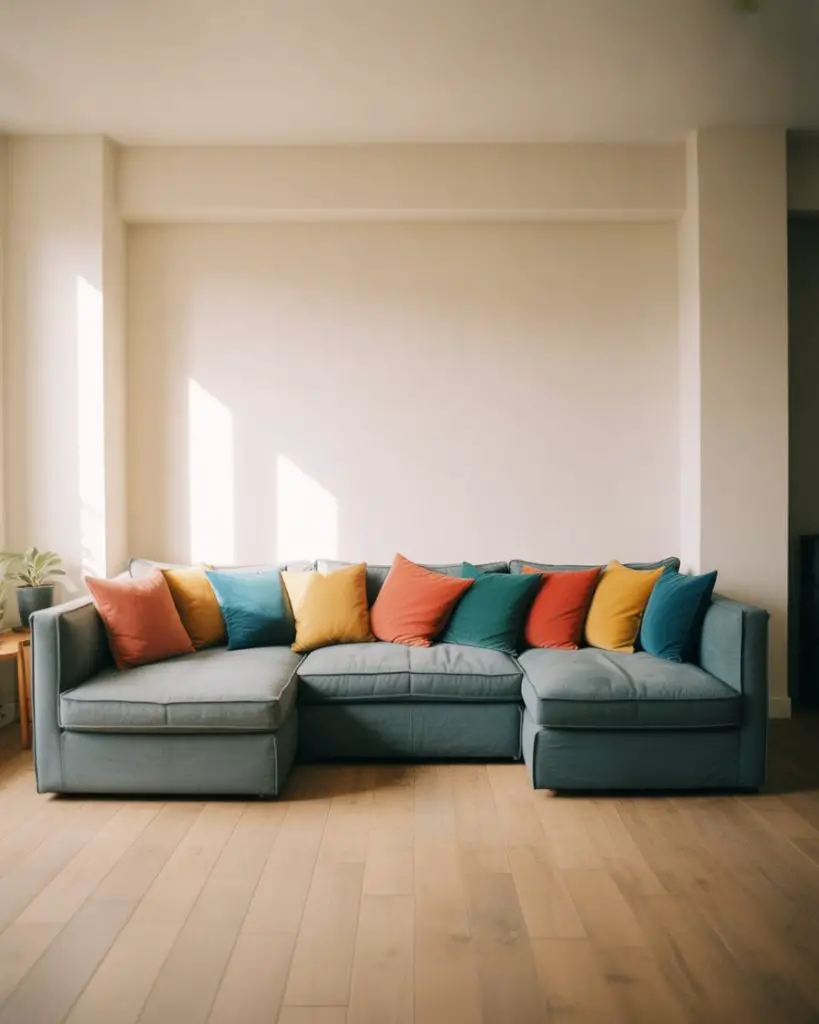
A grey couch is one of the most versatile pieces you can own, serving as a blank canvas for rotating decor. It pairs well with nearly any color palette, from bold jewel tones to soft pastels. This makes it ideal for people who like to refresh their living room seasonally without committing to a major overhaul. The key is choosing the right shade of gray—cooler tones work in modern spaces, while warmer grays suit traditional settings. 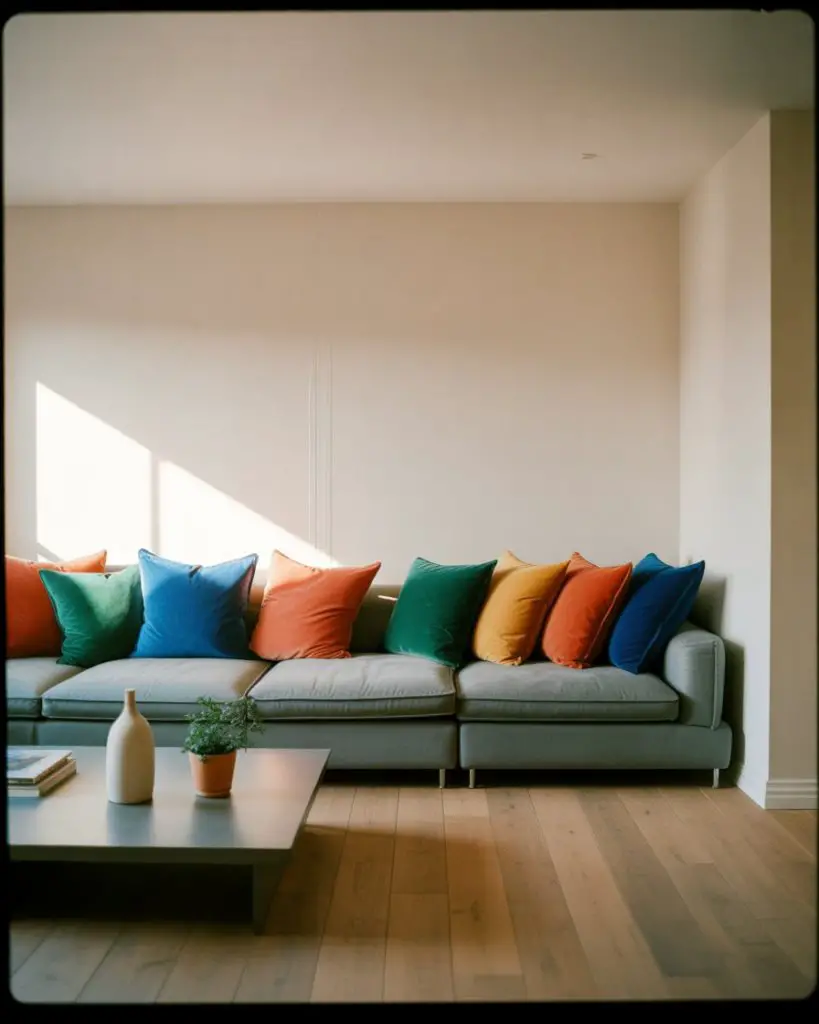
One homeowner shared that her gray sofa has survived three different decor phases—from bohemian to minimalist to coastal—without ever feeling out of place. It’s also a practical choice for families with kids or pets, as darker grays hide stains better than lighter fabrics. When shopping, test the fabric in natural light to ensure the undertone matches your vision.
7. Fireplace as the Focal Point
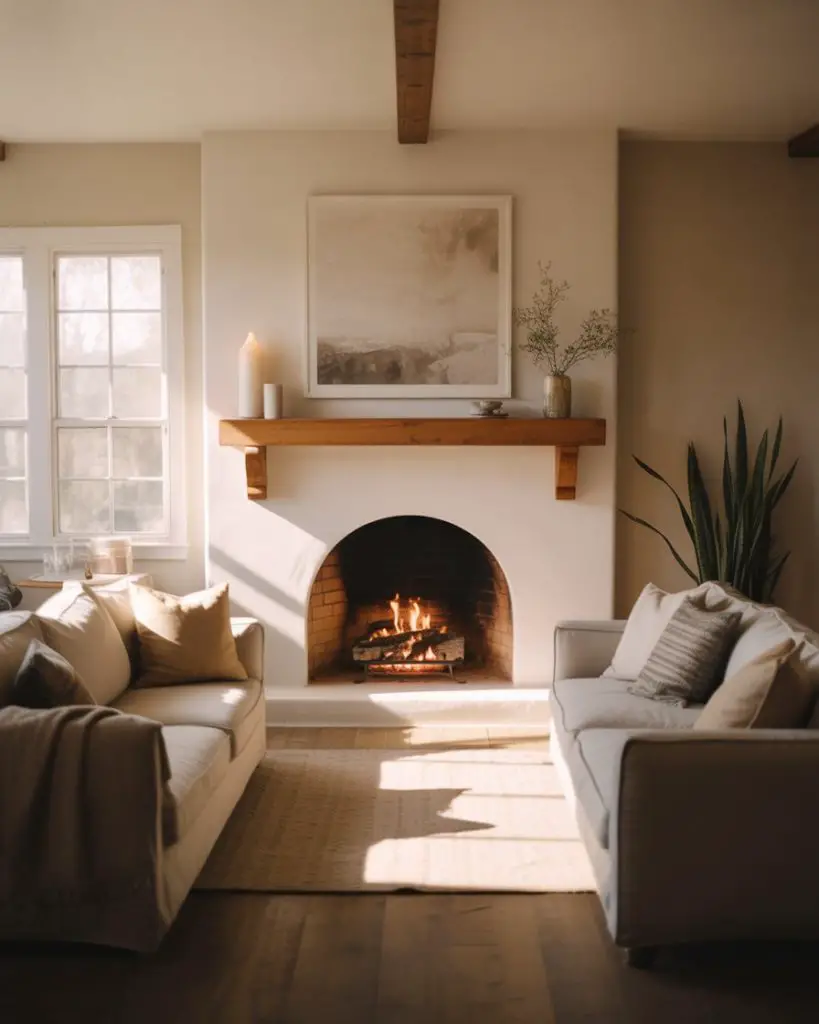
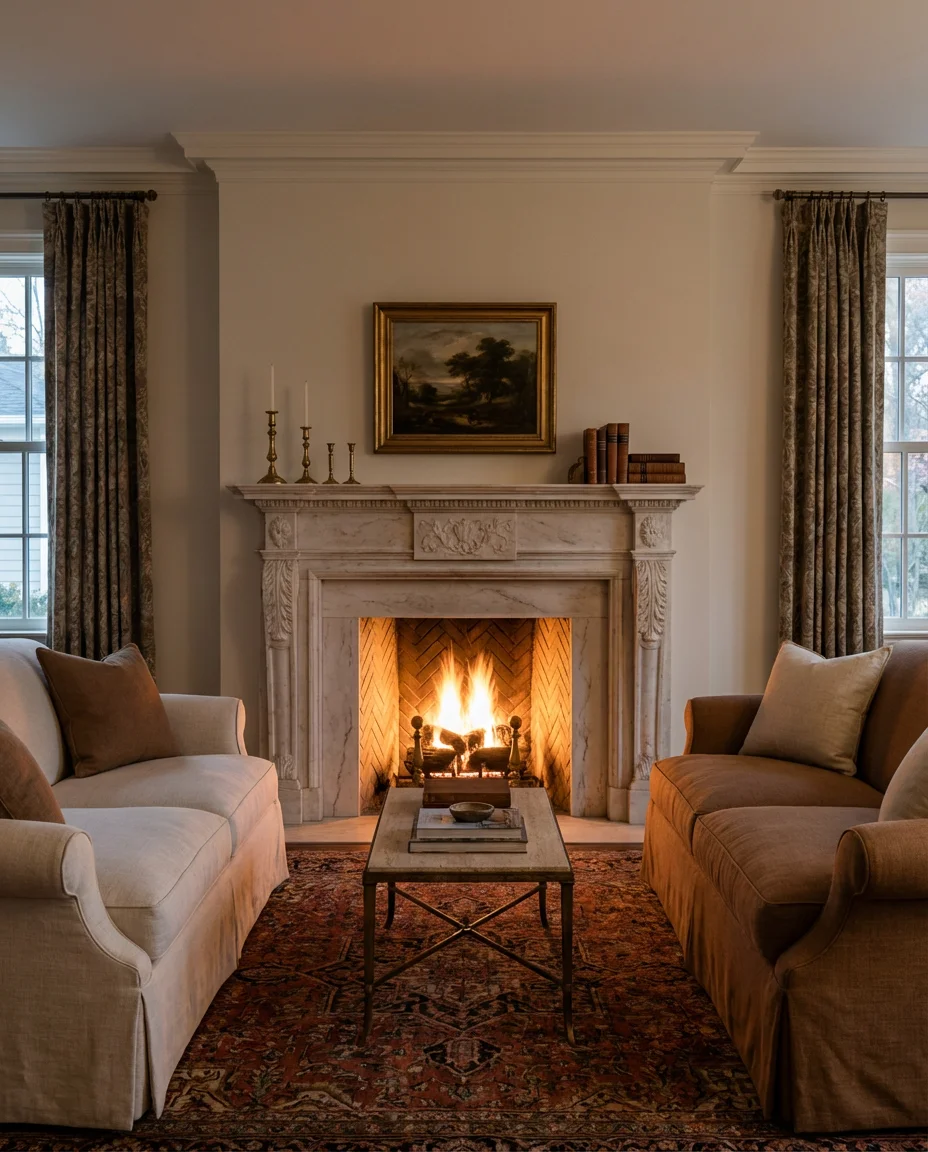
A fireplace naturally draws the eye and anchors the entire living room layout. Whether it’s a traditional wood-burning hearth or a sleek electric insert, centering your furniture around it creates instant coziness. In 2026, homeowners are embracing both rustic stone surrounds and minimalist floating designs. The choice depends on your overall aesthetic, but the function remains the same—bringing warmth and gathering the family. 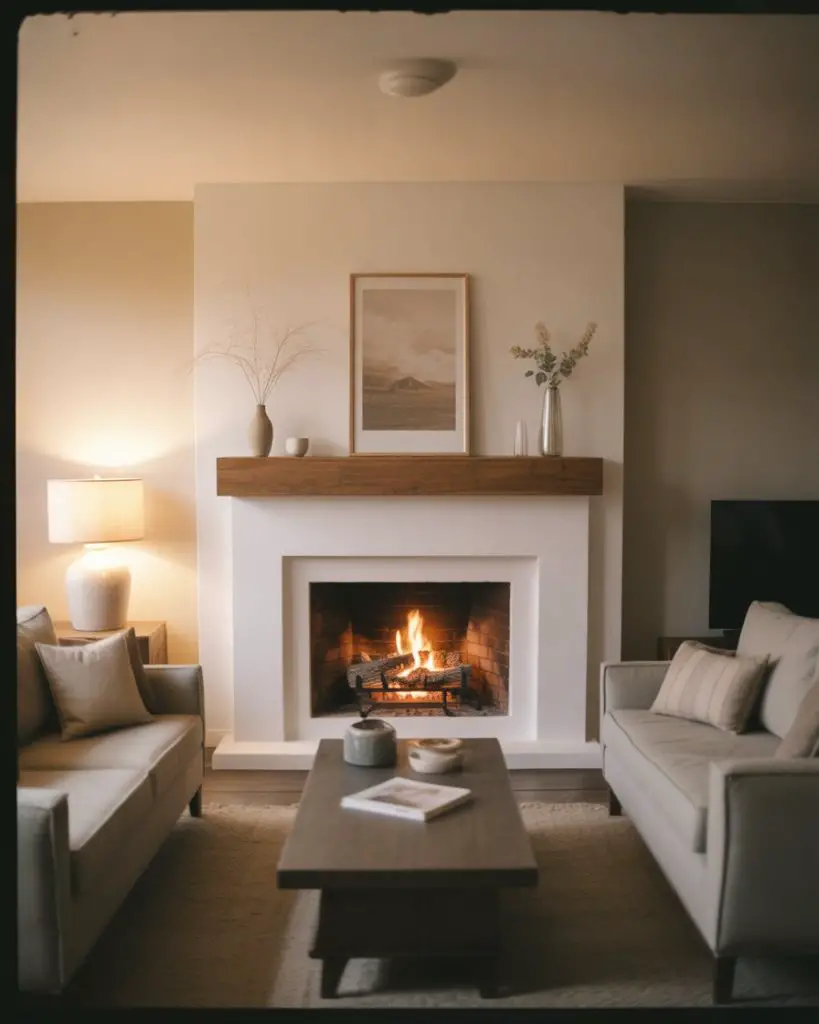
In the Pacific Northwest and New England, fireplaces are more than decorative—they’re essential for comfort during long winters. Even in warmer climates like Texas, a fireplace adds architectural interest and can be used year-round with candles or decorative logs. The surrounding mantel offers prime real estate for seasonal decor, making it easy to shift the room’s mood without major changes.
8. Colorful Accent Walls for Personality
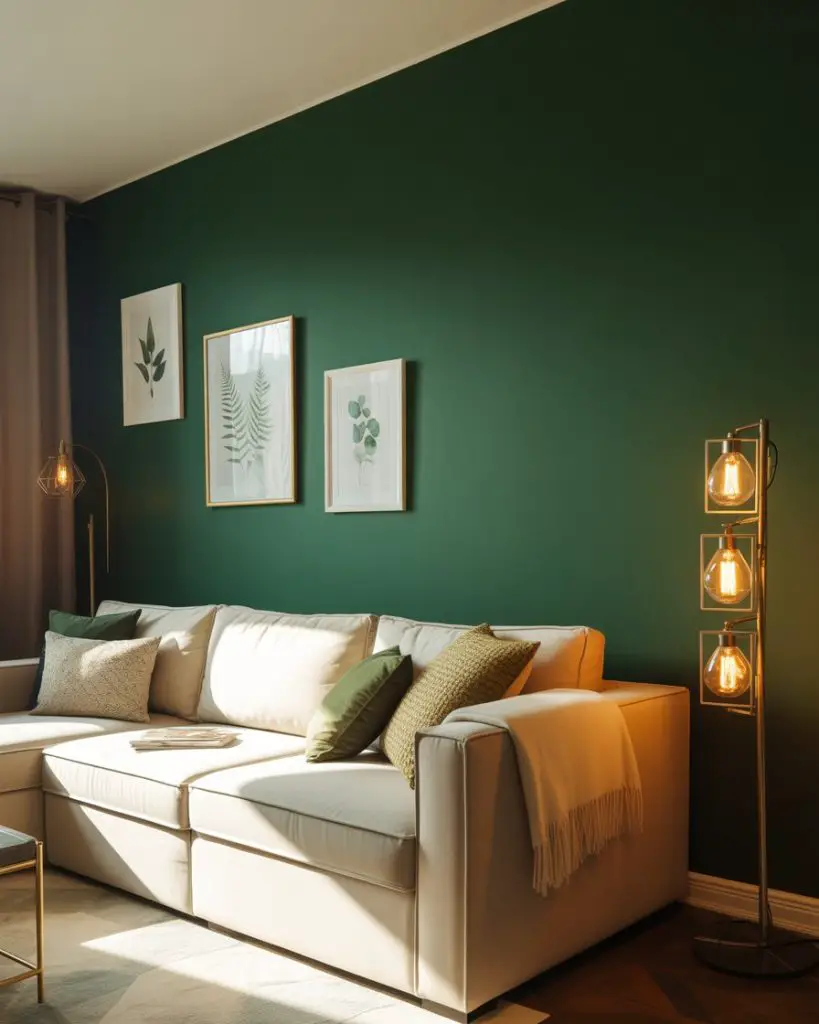
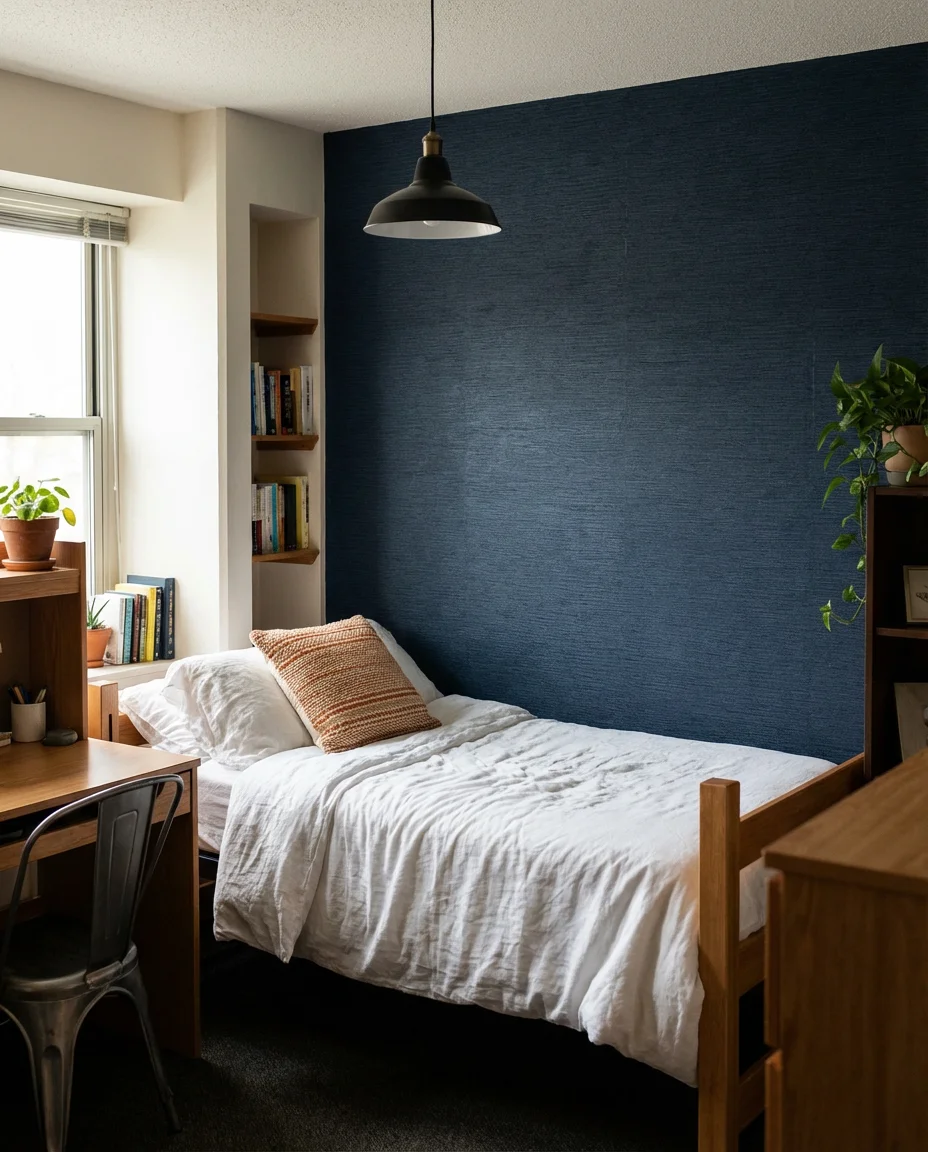
A single colorful wall can inject life into a neutral living room without overwhelming the space. Deep emerald, terracotta, or navy blue are trending choices that add sophistication and depth. This strategy is perfect for renters or anyone hesitant to commit to bold color throughout the room. Pair the accent wall with complementary decor to create a cohesive look. 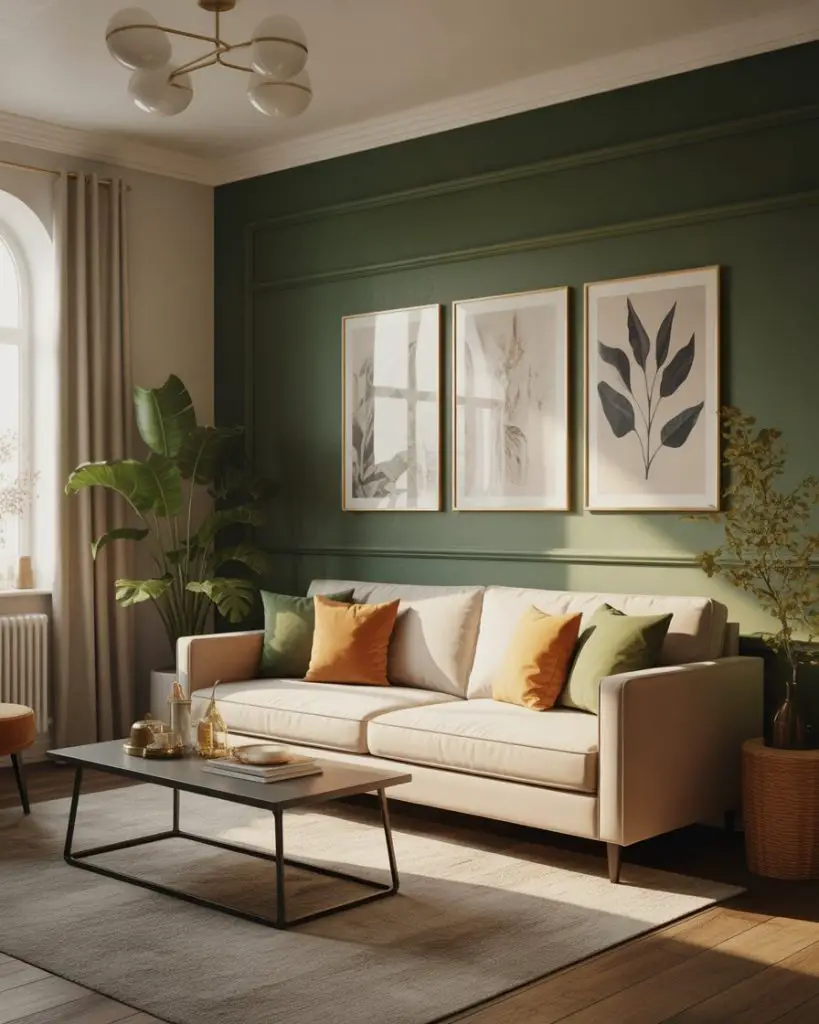
Accent walls work best behind the sofa or the TV, as these areas naturally draw attention. One common mistake is choosing a color that clashes with existing furniture—always test paint samples in different lighting before committing. In open-plan homes, a bold wall can also help define the living area without the need for physical dividers.
9. TV Wall with Integrated Storage
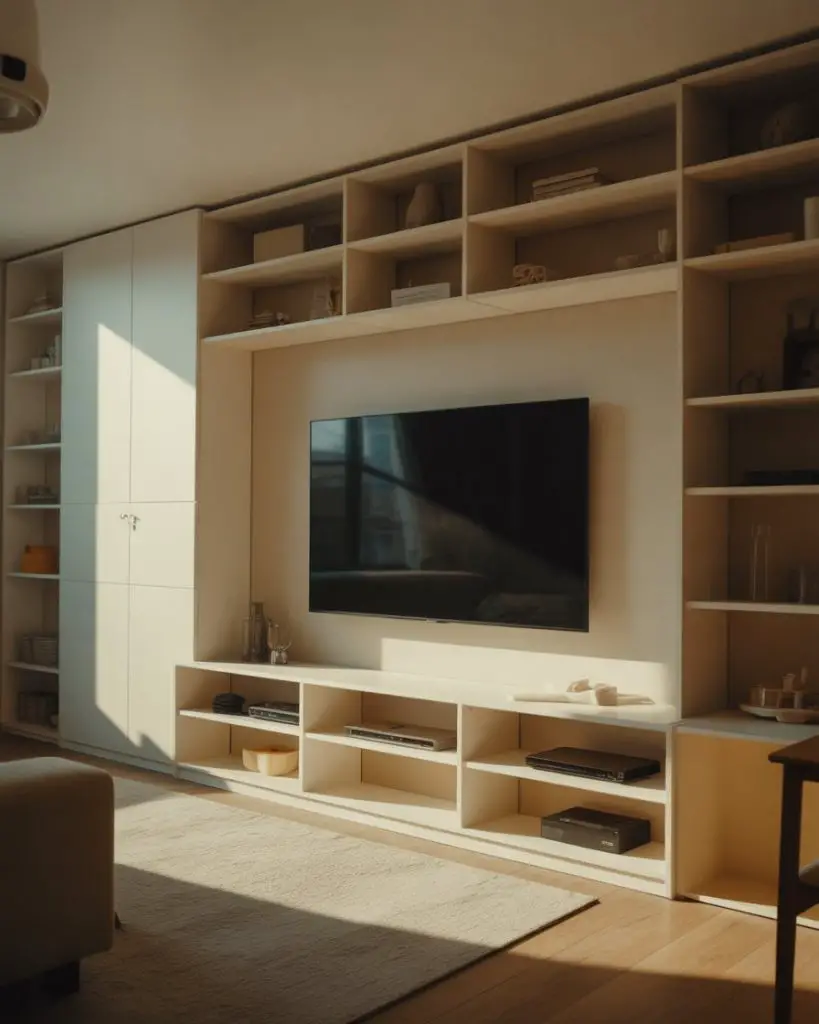
The TV wall has evolved from a simple media console to a full design feature, often incorporating built-in shelving and concealed storage. This approach keeps cables hidden and provides display space for books, plants, and decorative objects. It’s especially useful in small spaces where multifunctional furniture is a must. Floating units create a sleek, modern look while freeing up floor space. 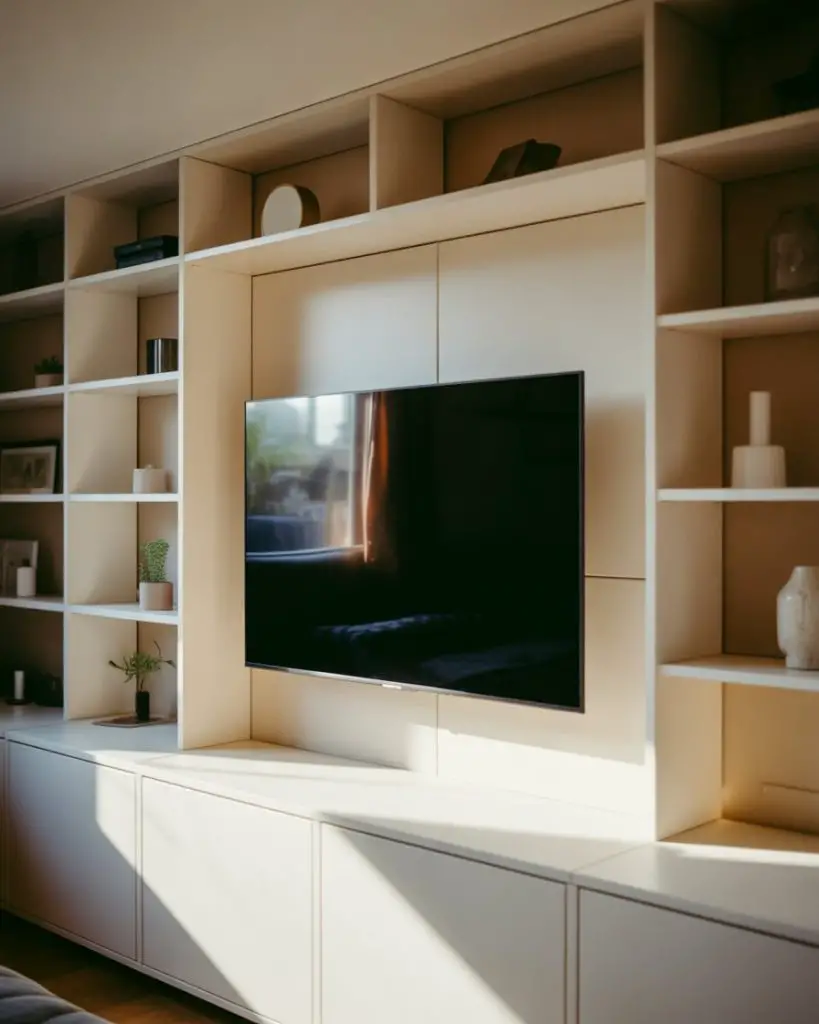
Many Americans now prefer this setup over traditional entertainment centers, which can feel bulky and outdated. The key is balancing the technology with personal touches—mix in framed photos or ceramic pieces to soften the tech-heavy look. In terms of budget, this can range from affordable IKEA hacks to custom carpentry, making it accessible at multiple price points.
10. Traditional Indian with Rich Textiles and Patterns
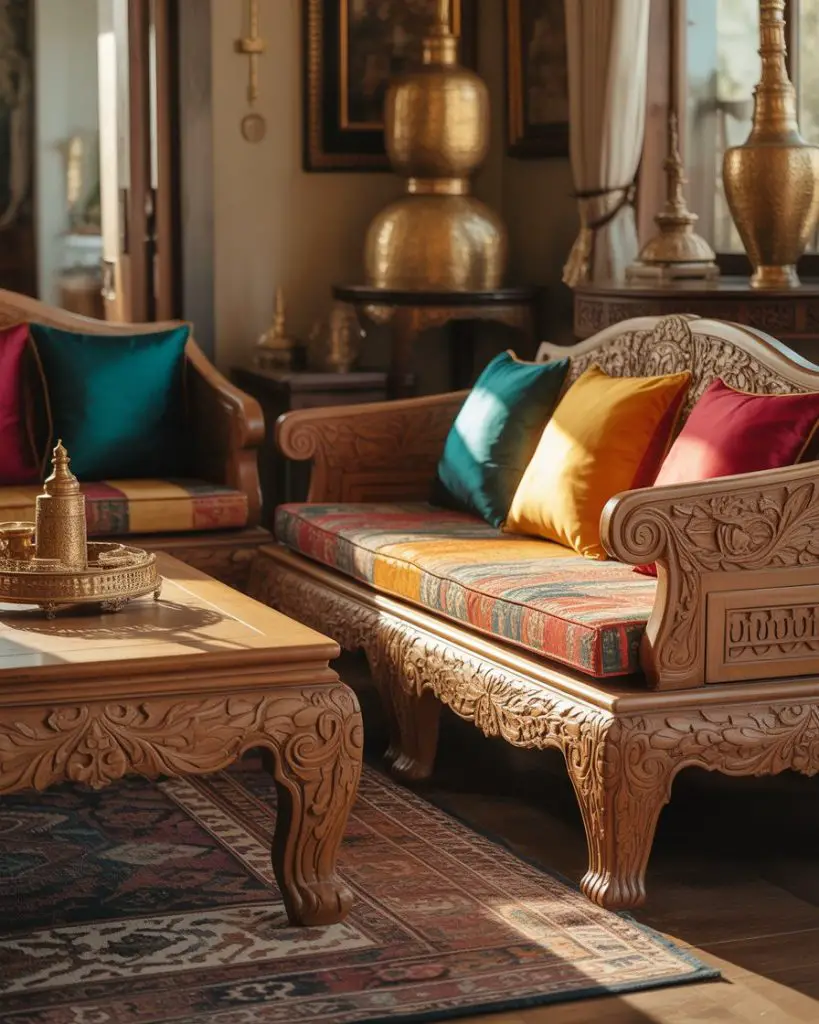
A traditional Indian living room celebrates color, texture, and intricate detail. Think hand-carved wooden furniture, silk cushions, and ornate rugs in jewel tones. This style is deeply rooted in cultural heritage and often passed down through generations. It’s ideal for anyone who wants their space to tell a story and reflect a rich aesthetic tradition. 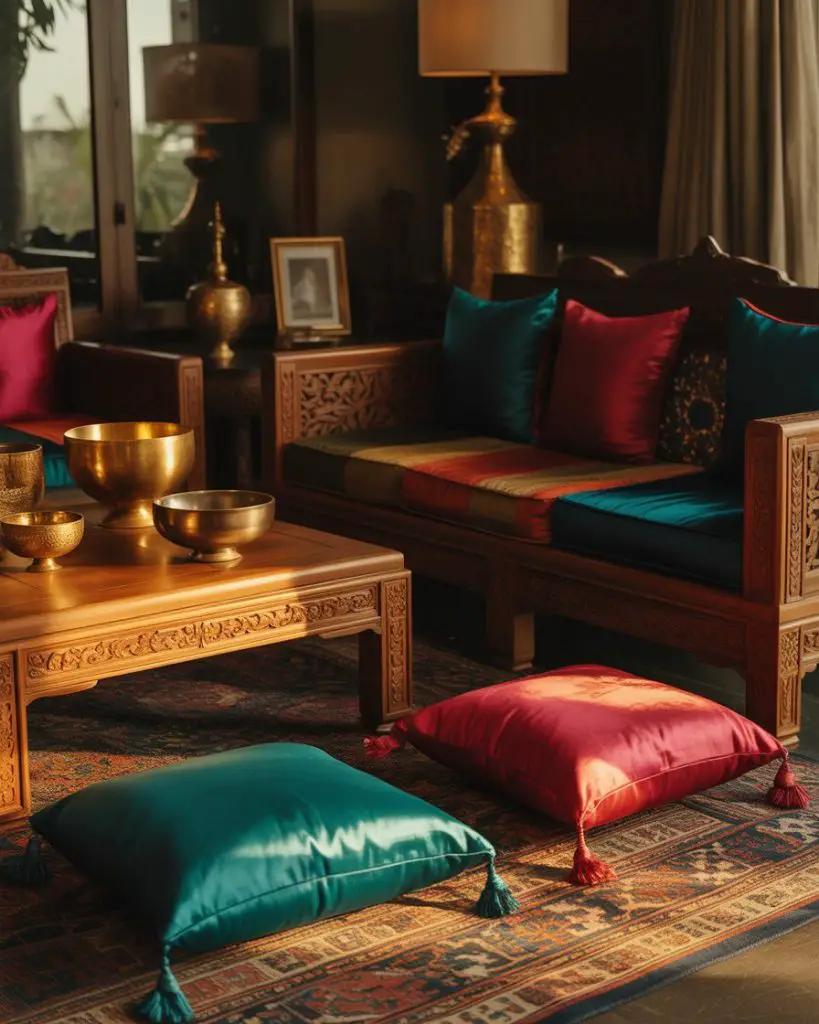
In American cities with large South Asian communities, like Edison or Fremont, this style is common and celebrated. The challenge is balancing the boldness with modern sensibilities—too much pattern can feel chaotic, so consider grounding the space with neutral walls. The textiles are often the most expensive investment, but they’re also what give the room its soul and authenticity.
11. Contemporary Luxury with Mixed Metals
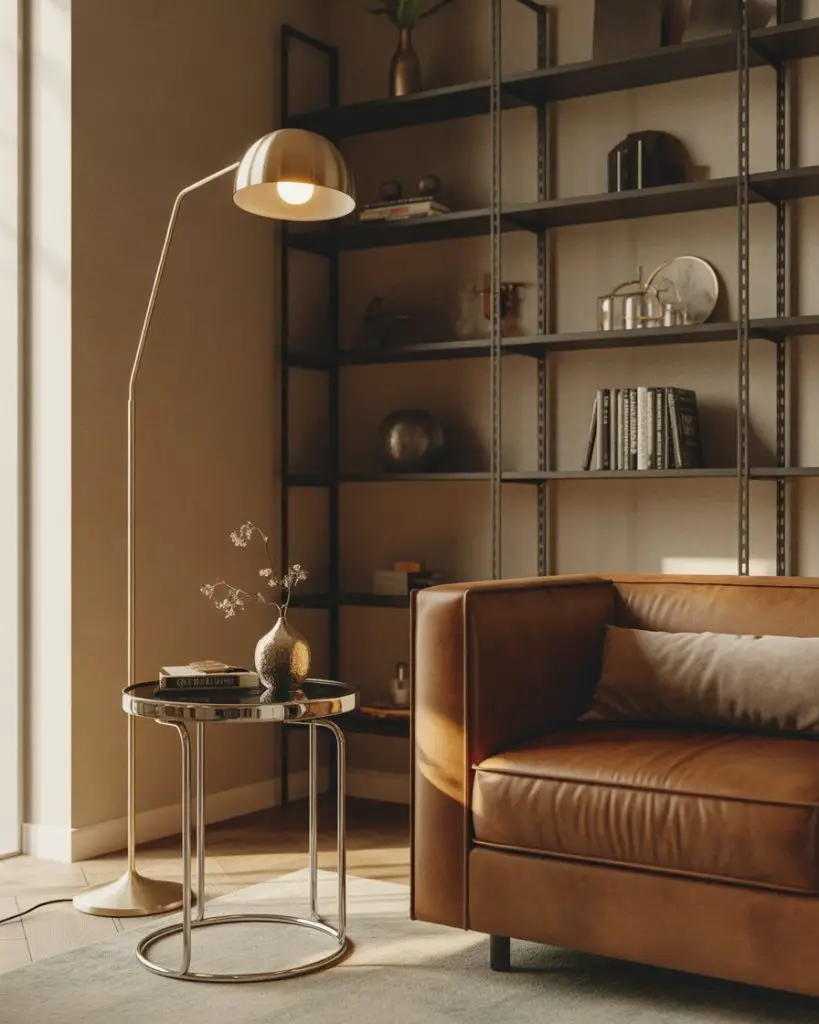
Contemporary luxury design embraces the unexpected, and mixing metals—brass, chrome, matte black—is a hallmark of this approach. The contrast adds visual interest and prevents the room from feeling too matchy-matchy. Pair metallic accents with plush fabrics and clean-lined furniture for a balanced, high-end look. This style is popular in urban lofts and newly built homes. 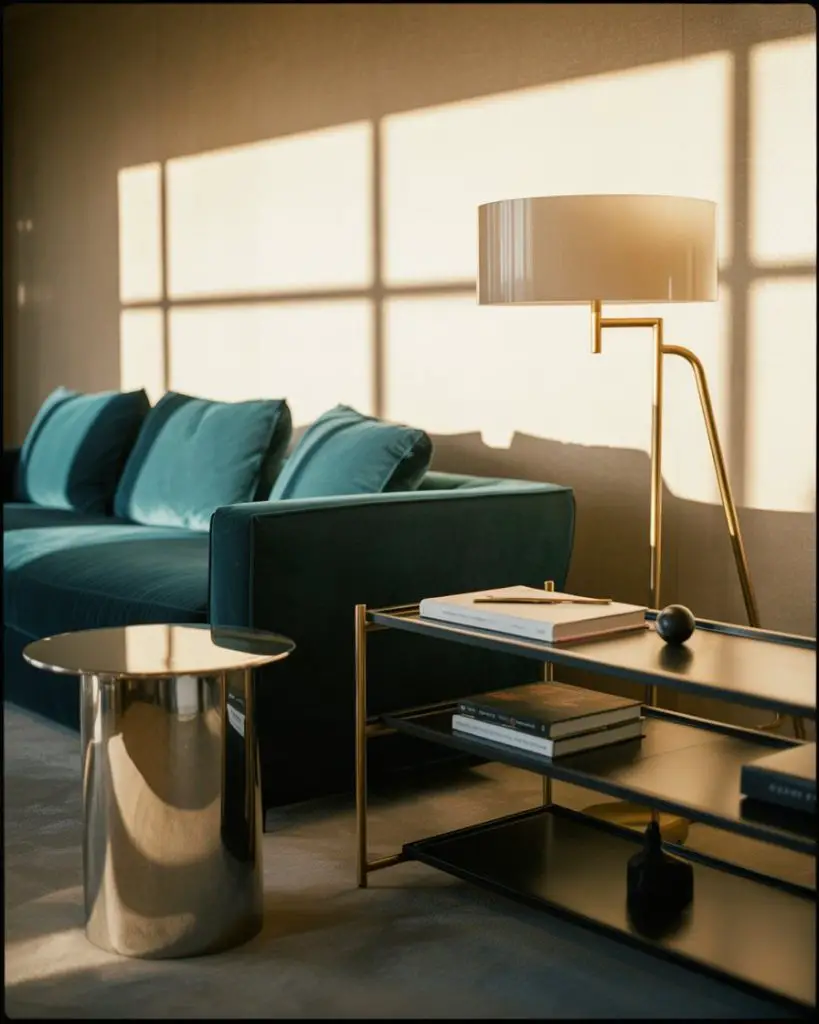
Designers often recommend sticking to two or three metal finishes to avoid visual clutter. In practice, this might mean brass lighting, chrome hardware, and matte black frames. The beauty of this approach is that it allows for evolution—you can swap out accessories without needing to replace major furniture. It’s a style that rewards attention to detail and careful curation.
12. Minimal Living with Hidden Storage
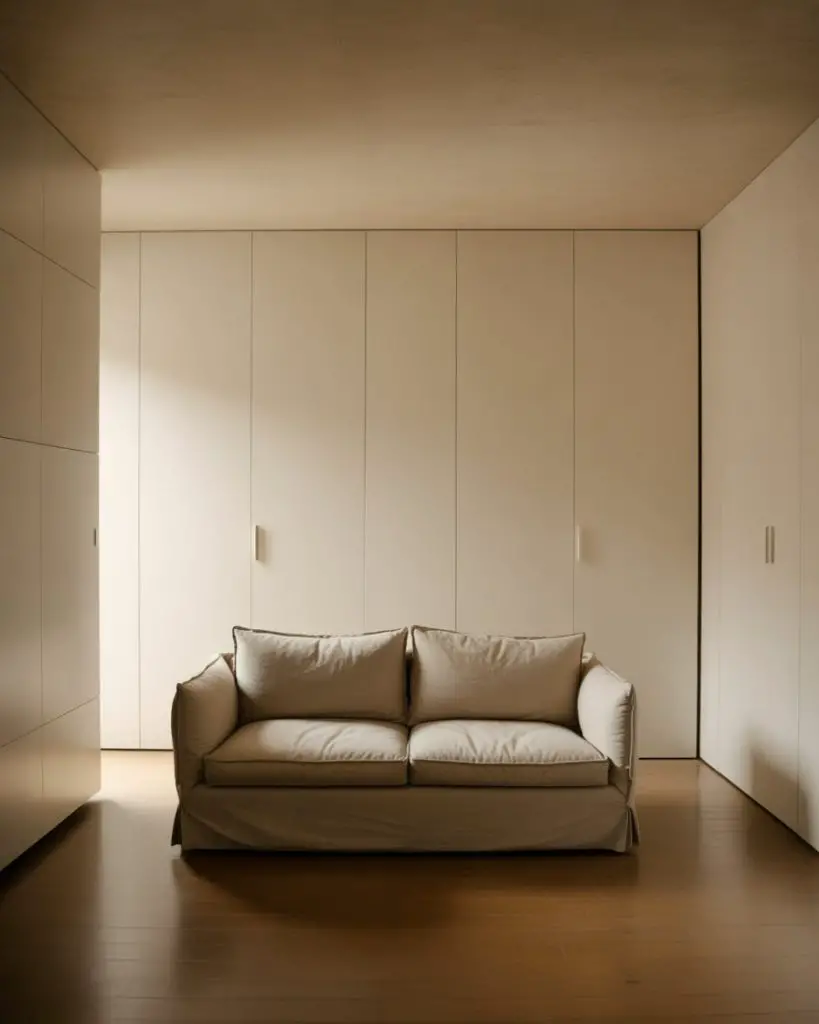
True minimal design isn’t just about owning less—it’s about smart organization. Hidden storage is essential for maintaining clean lines and uncluttered surfaces. Built-in cabinets, ottomans with compartments, and under-sofa drawers keep everyday items accessible but out of sight. This approach is perfect for those who crave visual calm but still need to store the realities of daily life. 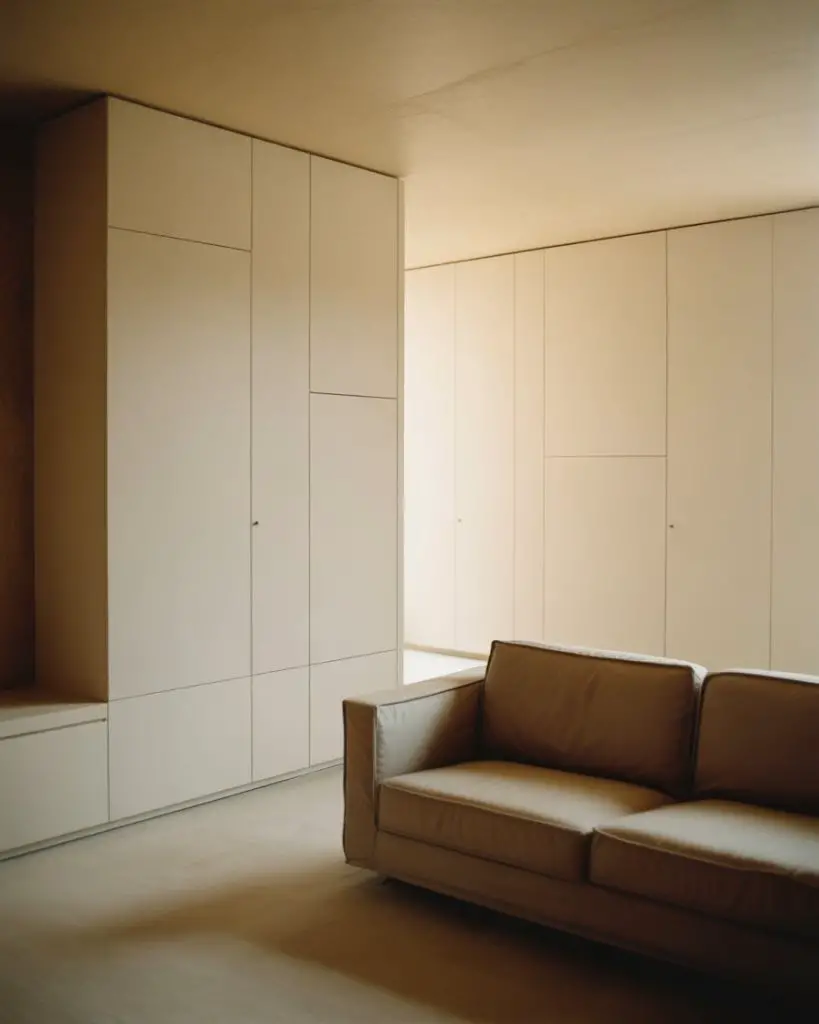
One real homeowner behavior: people with minimal living rooms often have a “one in, one out” rule to prevent accumulation. It’s a discipline that keeps the aesthetic intact over time. In terms of cost, custom built-ins can be pricey, but modular systems like those from Muji or The Container Store offer affordable alternatives. The investment pays off in long-term peace of mind.
13. Classic Symmetry with Timeless Furniture
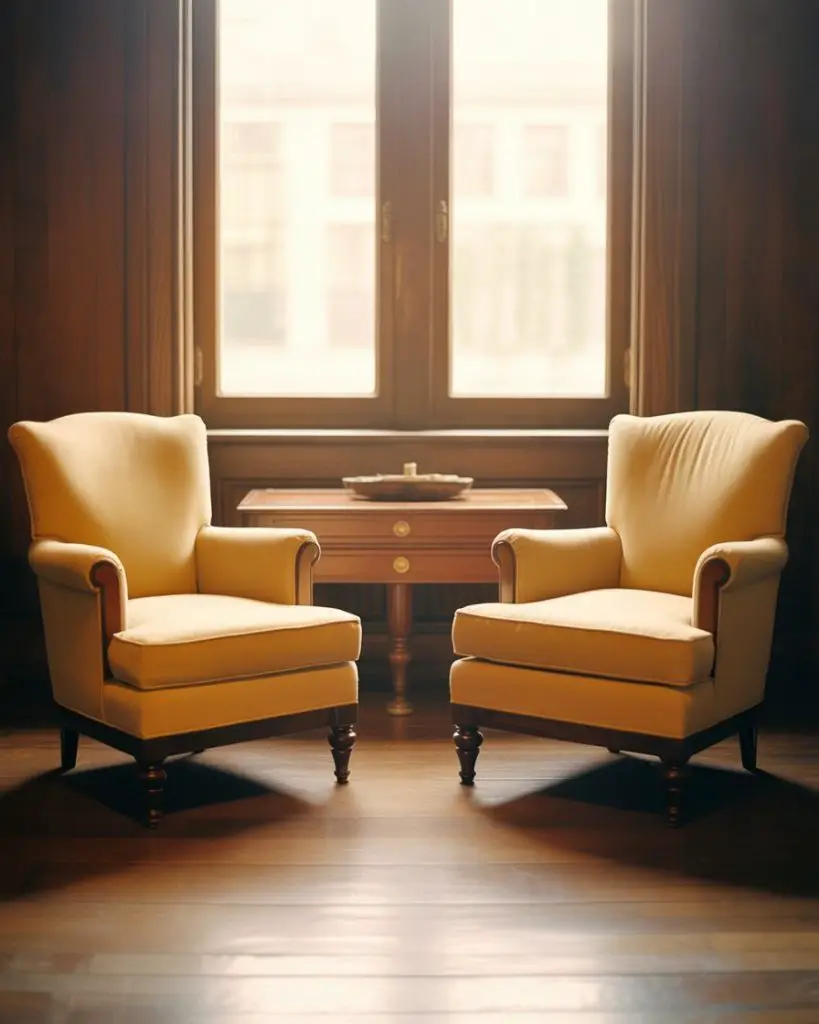
A classic living room relies on symmetry and proportion to create a sense of order and elegance. Matching sofas flanking a fireplace, paired table lamps, and centered artwork are all hallmarks of this approach. It’s a style that never goes out of fashion, making it a safe choice for those who want longevity in their design decisions. The furniture tends to be traditional in silhouette but can be updated with modern fabrics. 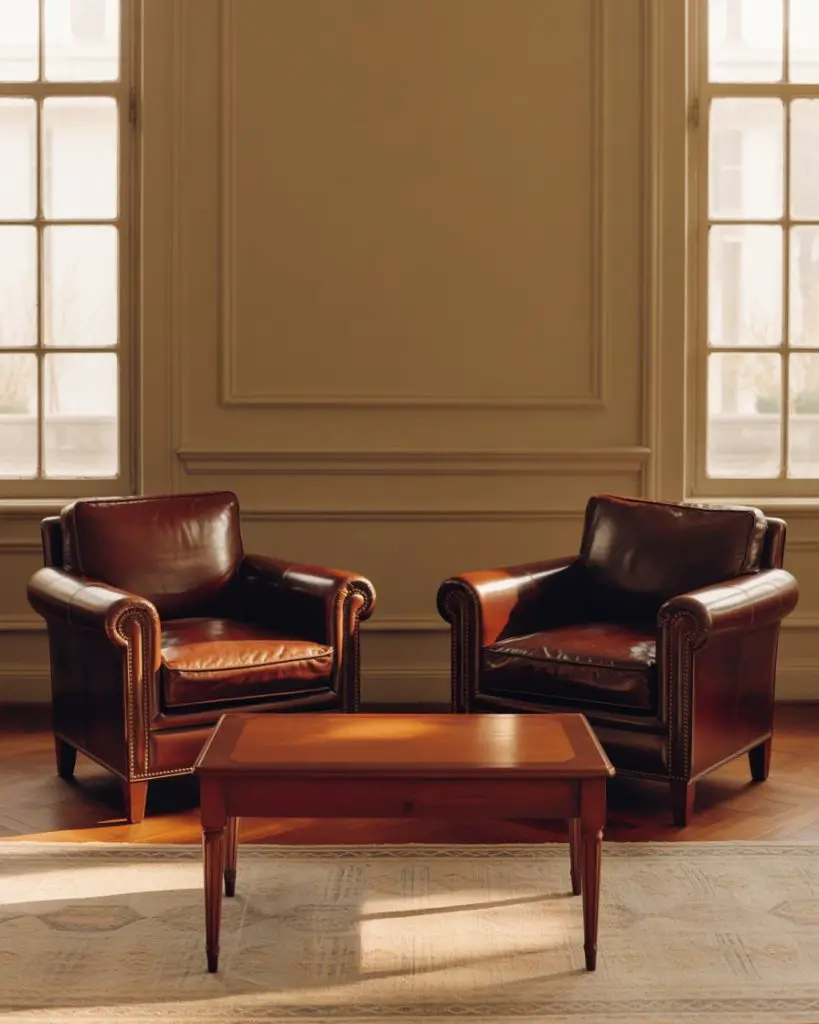
This layout works particularly well in formal living rooms that aren’t used daily. In Southern states like Georgia and Virginia, classic symmetry is common in historic homes where maintaining the original character is a priority. The downside is that it can feel stiff if not softened with textiles or personal touches. A well-placed throw or a stack of books can make the space feel lived-in without disrupting the overall balance.
14. Latest Trends: Curved Furniture
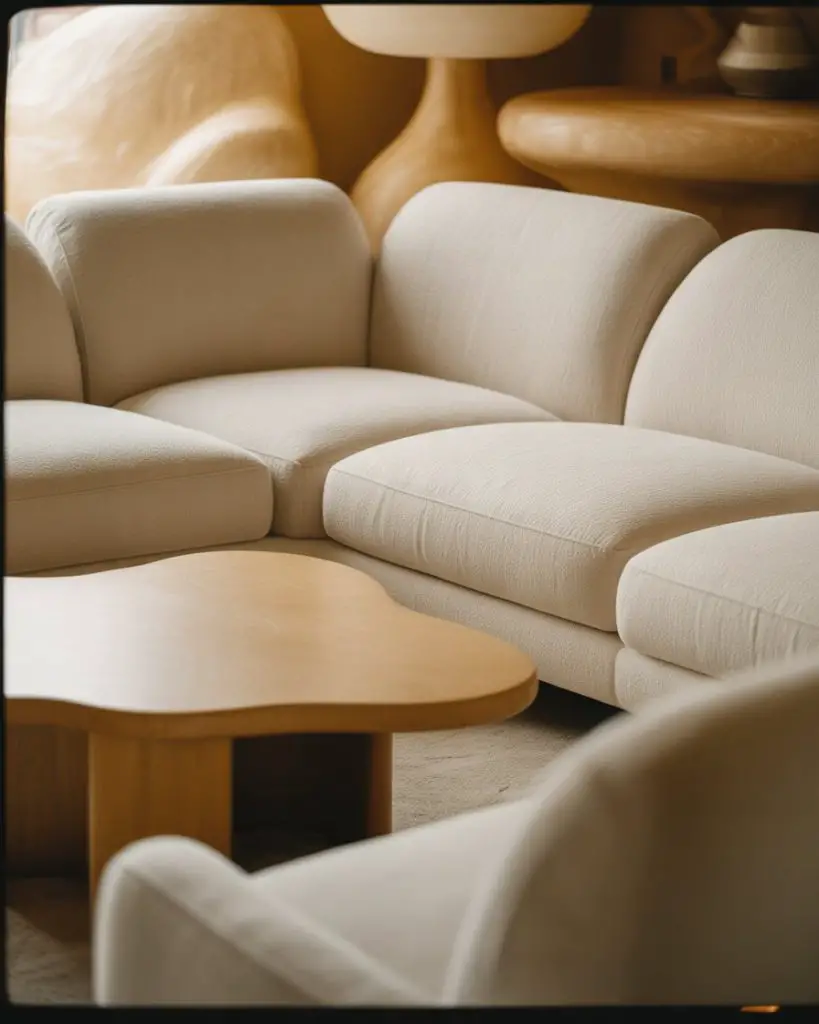
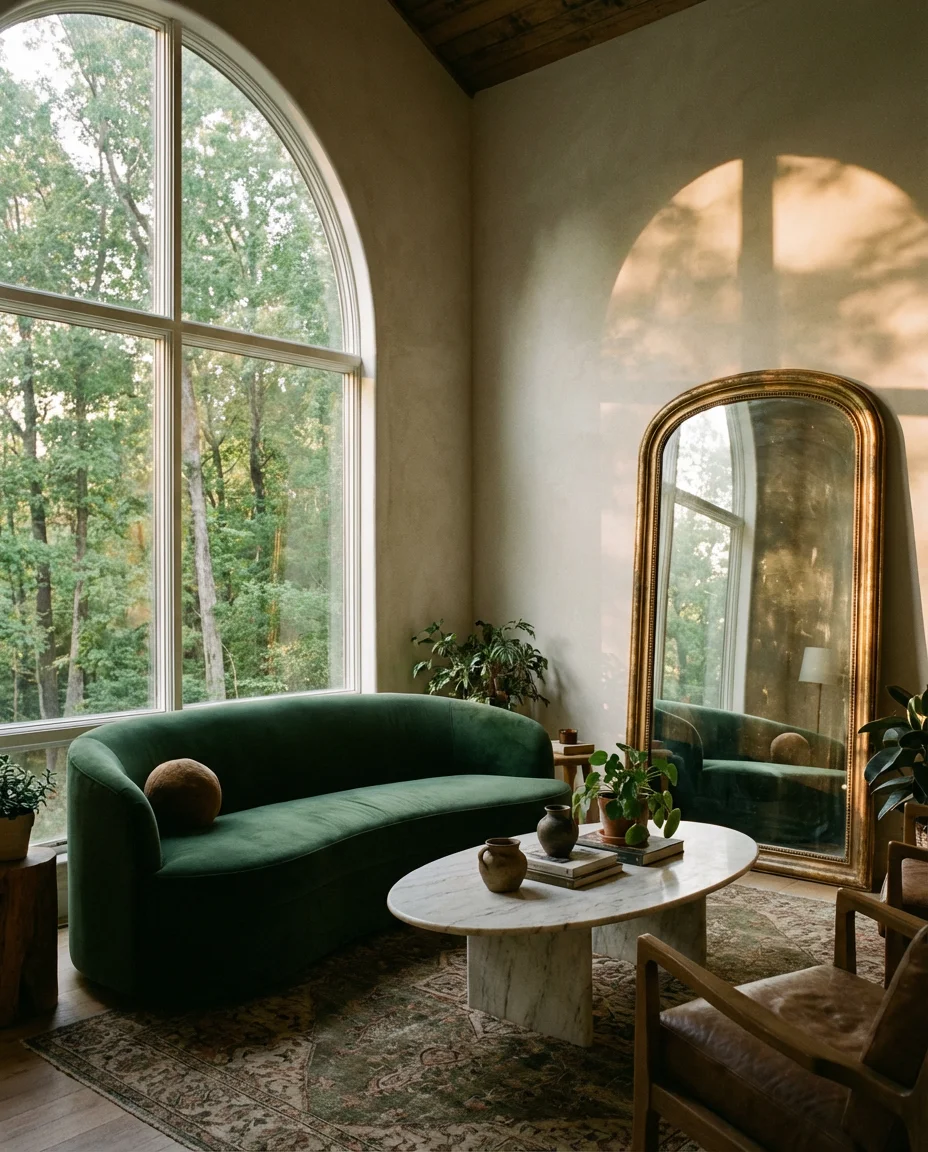
One of the latest trends in 2026 is the resurgence of curved furniture—sofas, chairs, and even coffee tables with rounded edges. This softens the look of a room and creates a more inviting, approachable feel. It’s a departure from the angular minimalism that dominated the last decade. Curved pieces work especially well in small spaces, where they improve flow and prevent sharp corners from feeling obtrusive. 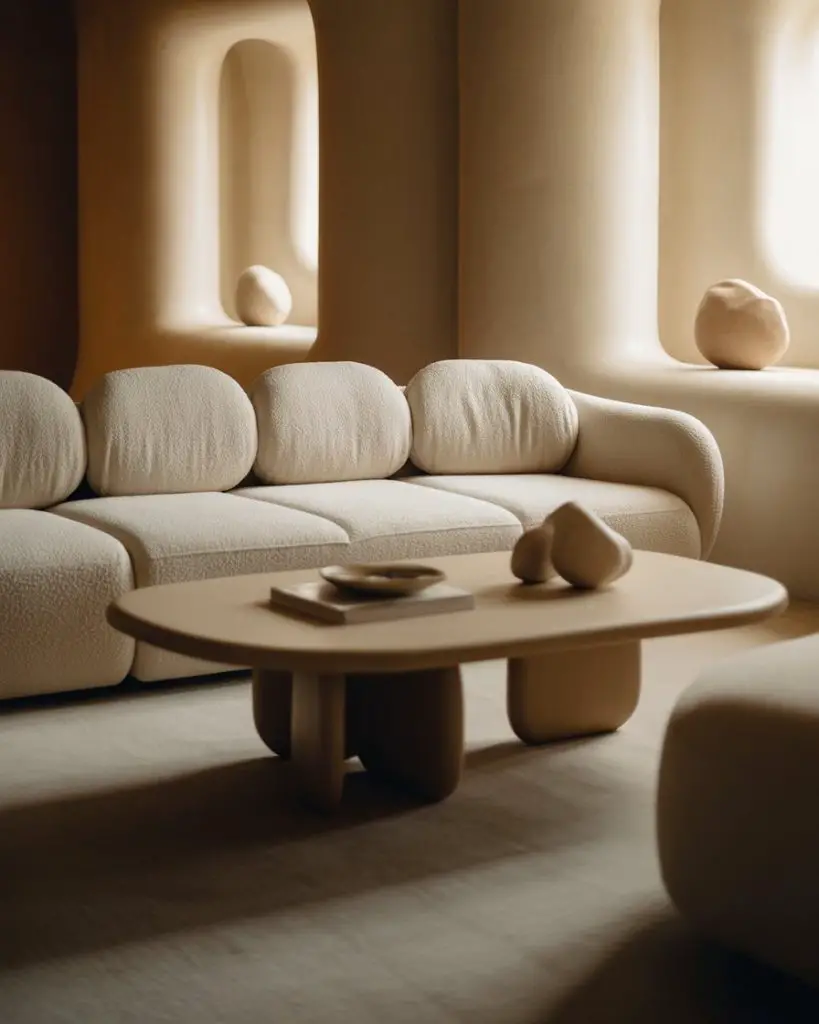
Curved furniture is showing up everywhere from West Elm to high-end showrooms, signaling a broad appeal. One practical insight: these pieces photograph beautifully, which is part of why they’re trending on Pinterest. They’re also forgiving in mixed-use spaces, as the soft lines make rooms feel less rigid. Expect to see more of this in 2026 and beyond.
15. Inspiration from Nature with Indoor Greenery
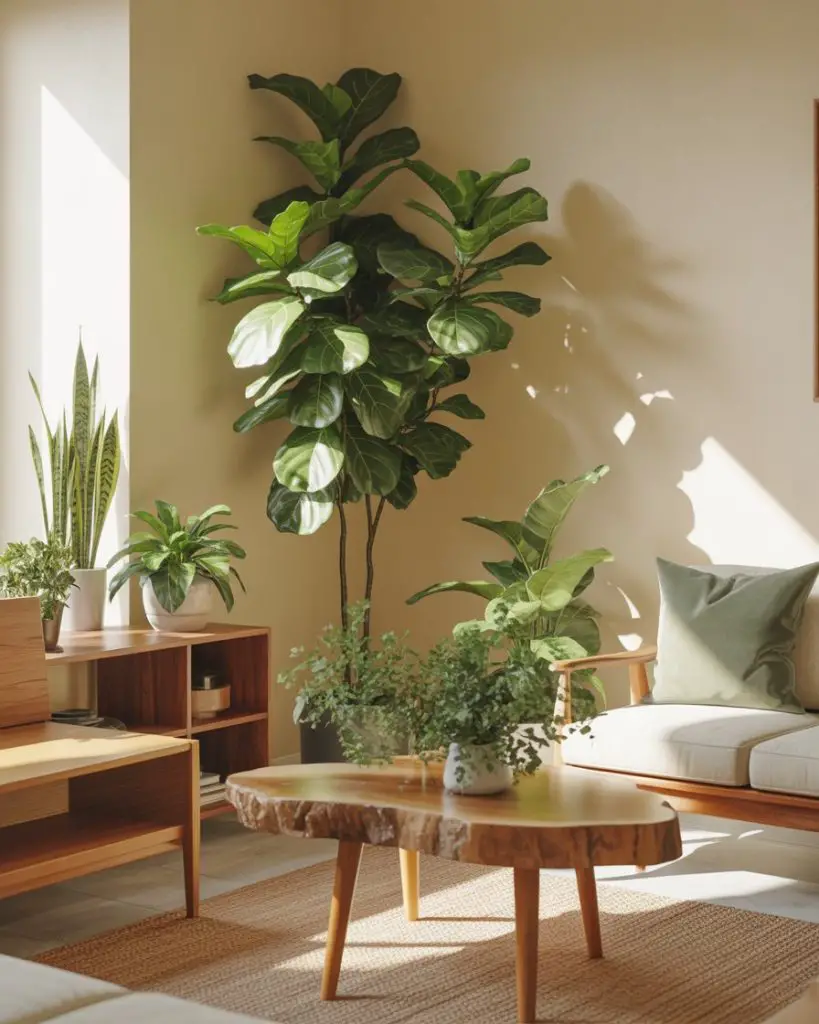
Bringing the outdoors in is a key source of inspiration for 2026 living rooms. Large potted plants, hanging vines, and even small indoor trees add life and improve air quality. This trend pairs well with natural materials like wood, stone, and linen. It’s a low-cost way to refresh a space and make it feel more vibrant. The key is choosing plants that thrive in your specific light conditions. 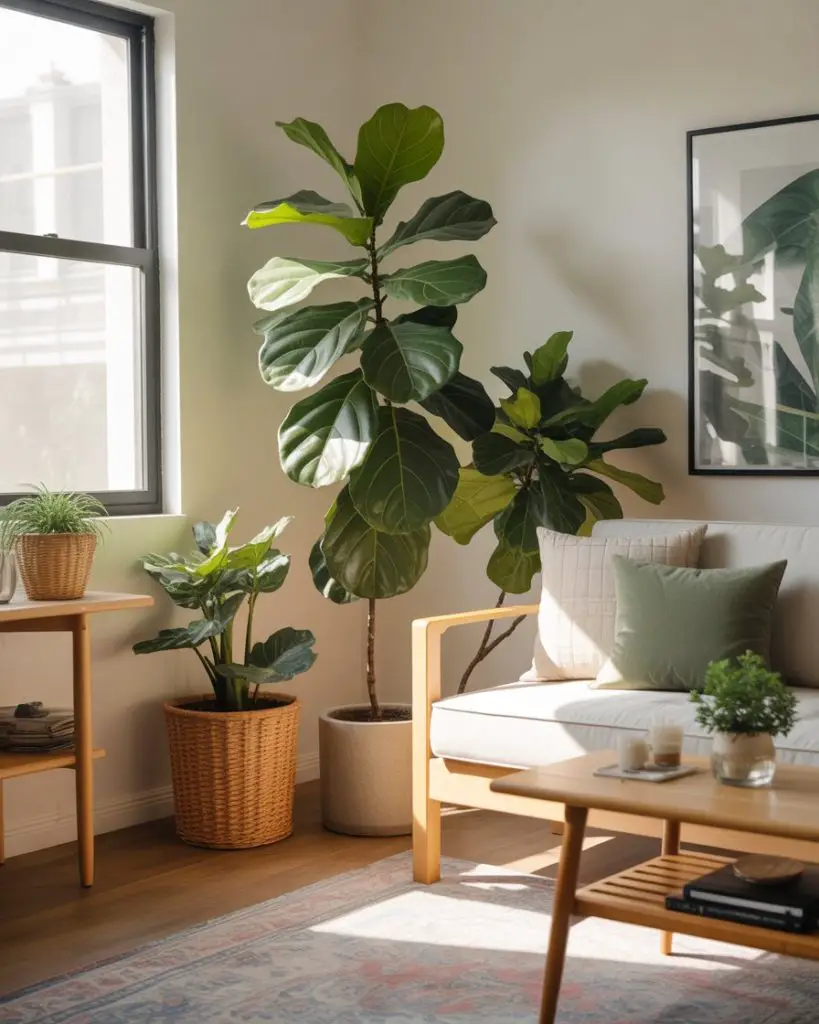
In cities like Portland and Denver, where outdoor culture is strong, this style feels especially authentic. One common mistake is overwatering or choosing high-maintenance plants that quickly become a burden. Start with hardy varieties like pothos or snake plants, and expand as you gain confidence. The visual payoff is immediate, and the ongoing care becomes a grounding ritual.
16. Gray Palette with Layered Textures
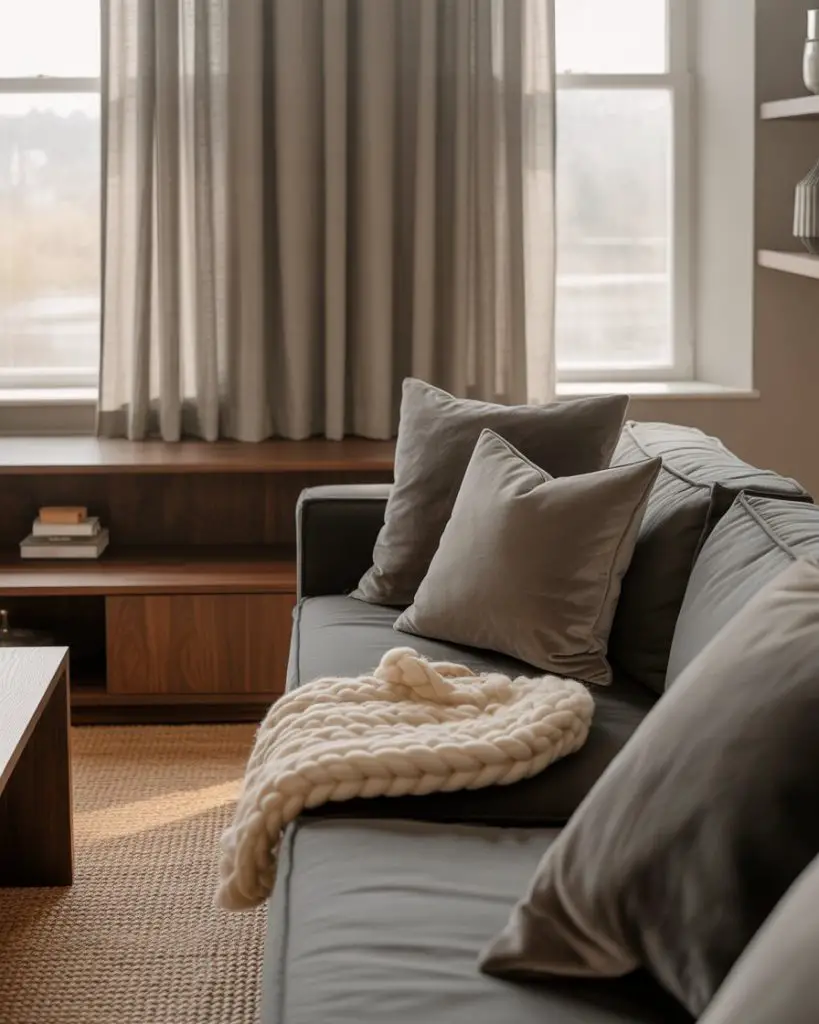
Gray doesn’t have to mean boring or cold. When layered with varied textures—nubby linen, smooth velvet, rough wool—a gray palette becomes rich and inviting. This approach is sophisticated and works in both modern and traditional settings. The secret is introducing warmth through wood tones and soft lighting, which prevent the space from feeling sterile. 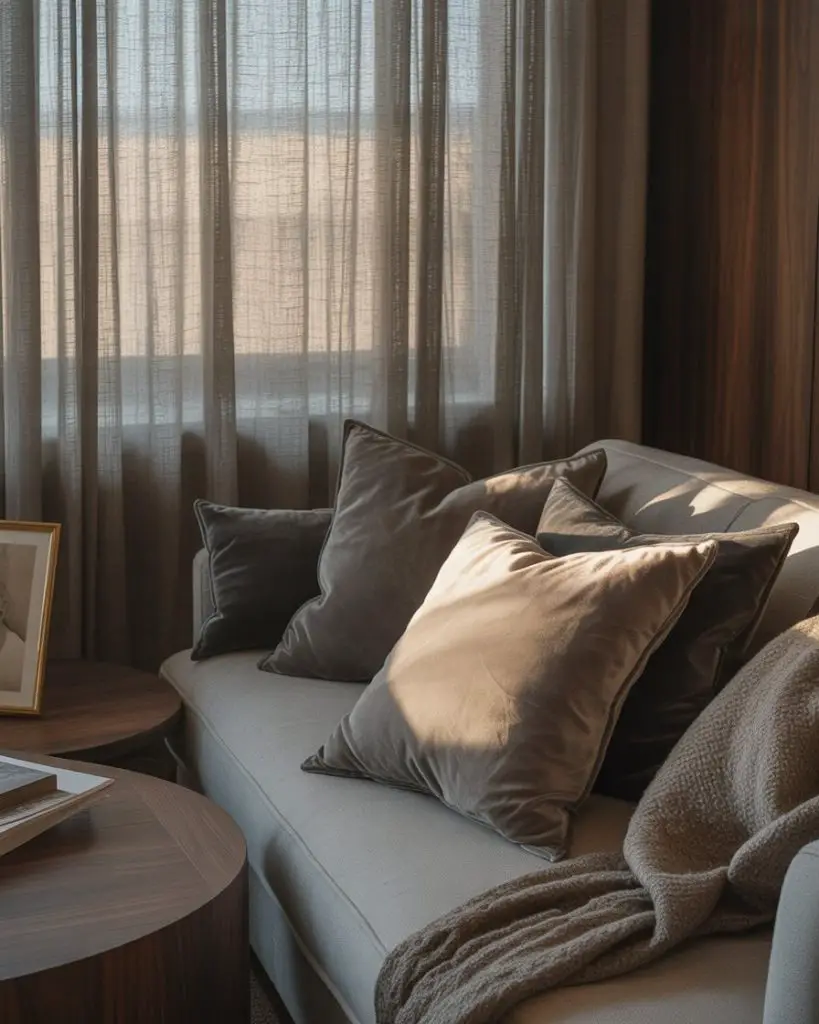
This works best in homes with ample natural light, as it enhances the subtle variations in tone. In areas like Seattle, where overcast days are common, homeowners often add warmer grays and plenty of lamps to combat the gloom. Budget-wise, you can achieve this look gradually by swapping out textiles and accessories rather than overhauling furniture.
17. 2025 Trends Carried Forward: Sustainability
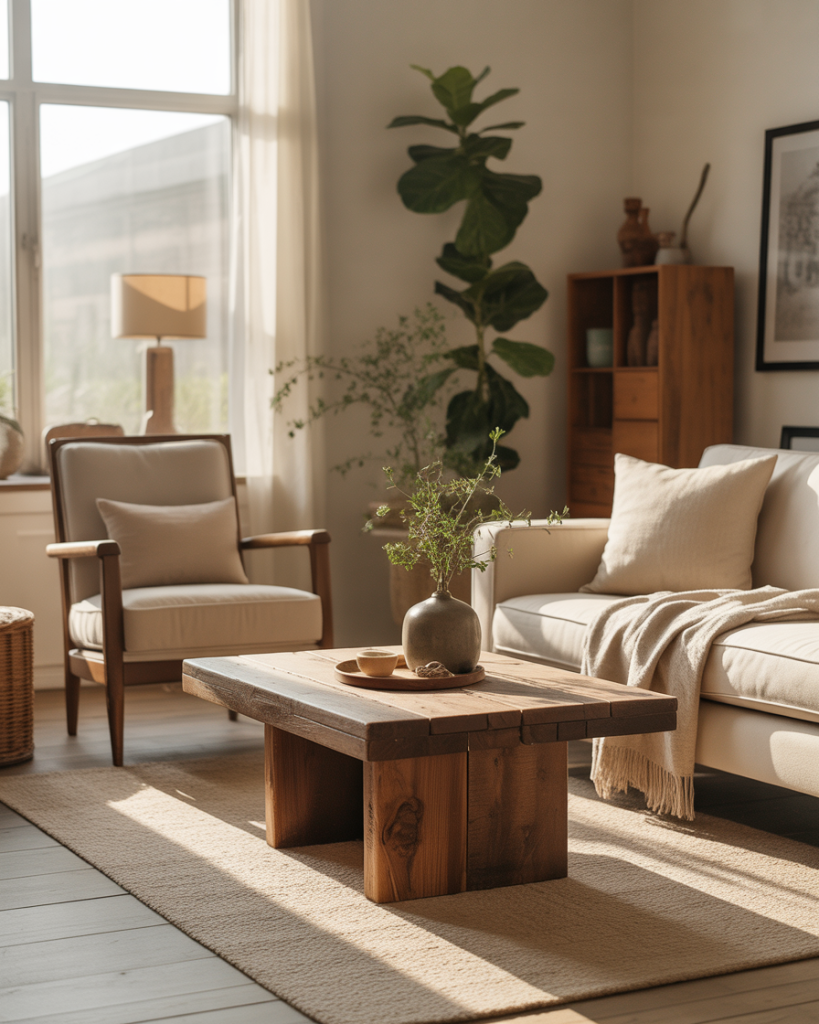
The 2025 trends around sustainable design are only getting stronger in 2026. Reclaimed wood, vintage furniture, and eco-friendly fabrics are now mainstream choices. This isn’t just about aesthetics—it’s a values-driven decision that resonates with younger homeowners and renters. The living room becomes a reflection of environmental consciousness without sacrificing style. 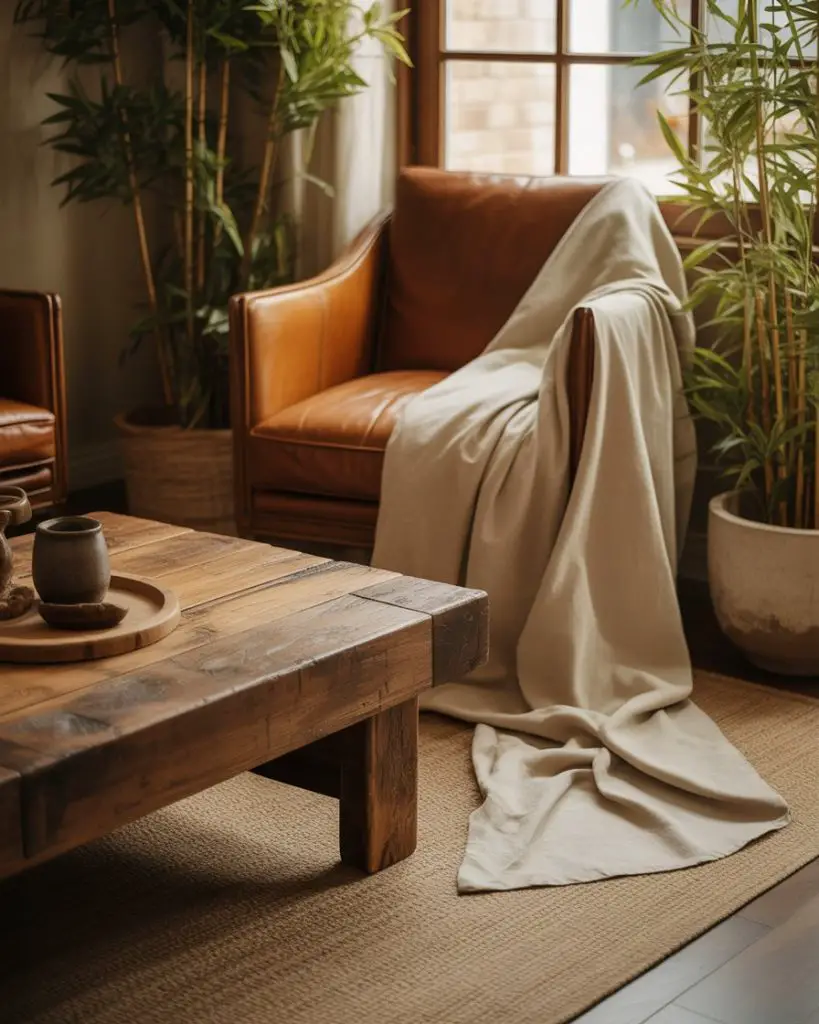
In states like California and Colorado, where environmental awareness is high, this trend is particularly visible. One expert commentary: sustainable choices often mean investing more upfront, but the pieces last longer and hold their value. Thrift stores, estate sales, and platforms like Chairish make it easier than ever to find quality secondhand furniture.
18. Decor with Personal Collections
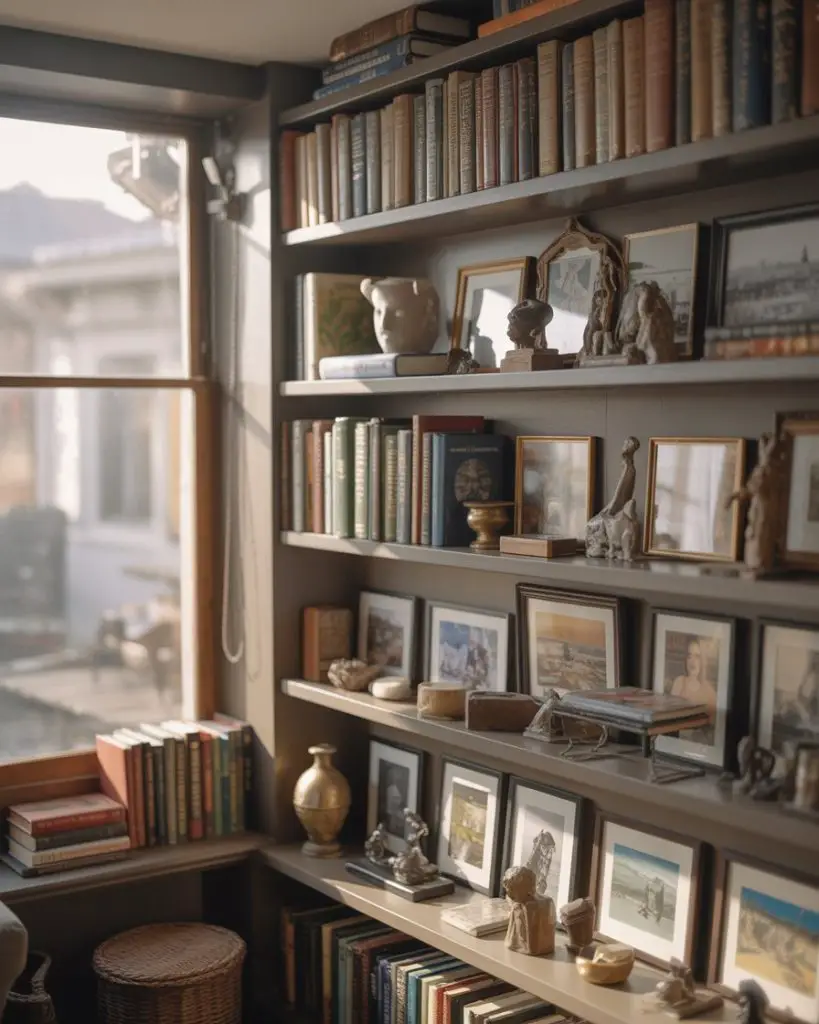
Your living room should tell your story, and decor built around personal collections does exactly that. Whether it’s vintage cameras, travel souvenirs, or inherited ceramics, displaying what you love makes the space uniquely yours. This approach prevents the room from feeling generic or overly styled. The trick is curating thoughtfully—too much can tip into clutter. 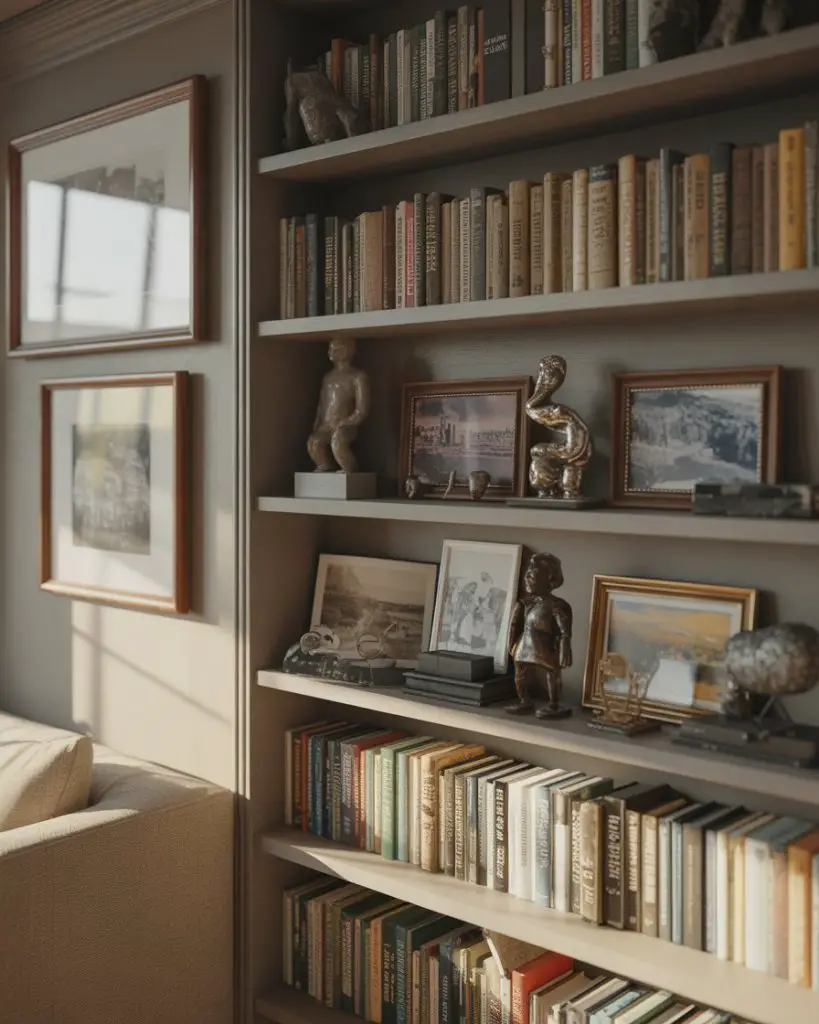
Many Americans treat their living rooms as evolving galleries, rotating items based on season or mood. One real behavior: people often underestimate the emotional impact of surrounding themselves with meaningful objects. It’s a form of self-expression that doesn’t require a big budget—just intentionality. Arrange items in odd-numbered groups for visual balance, and leave some breathing room between pieces.
19. Bloxburg-Inspired Virtual to Real Design
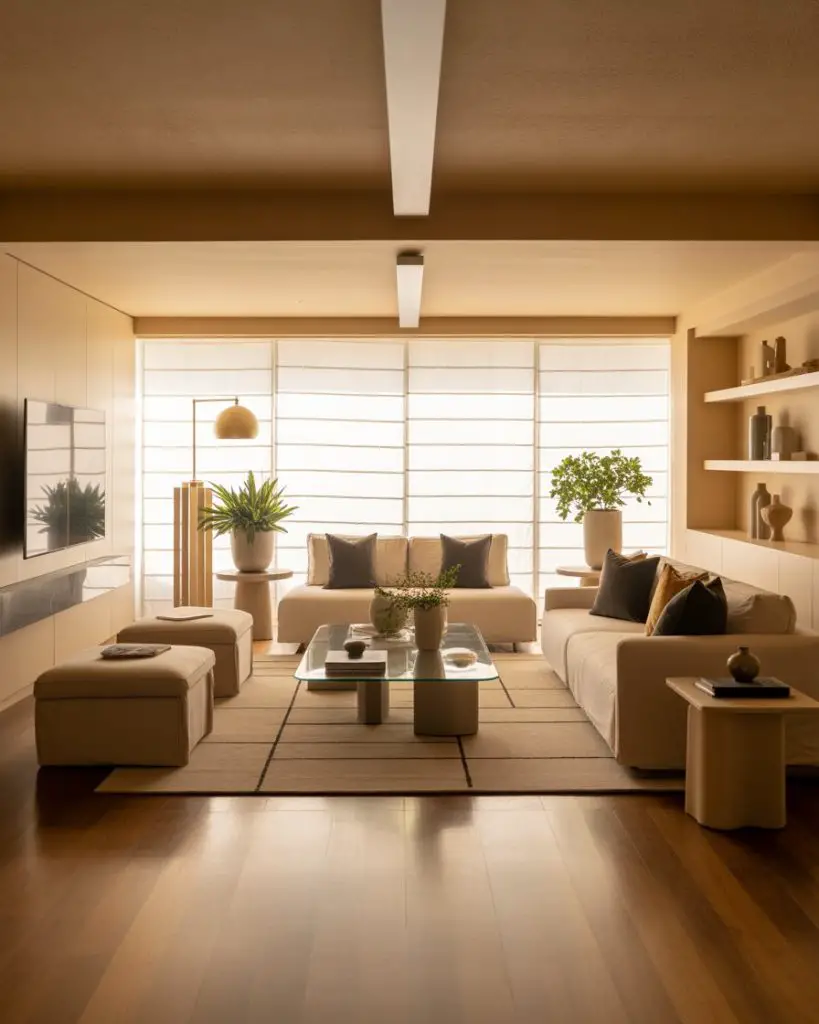
Platforms like Bloxburg have introduced a generation to design principles, and those digital experiments are now influencing real living rooms. The game’s emphasis on symmetry, color coordination, and layout translates surprisingly well to physical spaces. Young homeowners and renters are using what they learned virtually to create stylish, cohesive rooms on tight budgets. It’s a playful, creative approach that democratizes design. 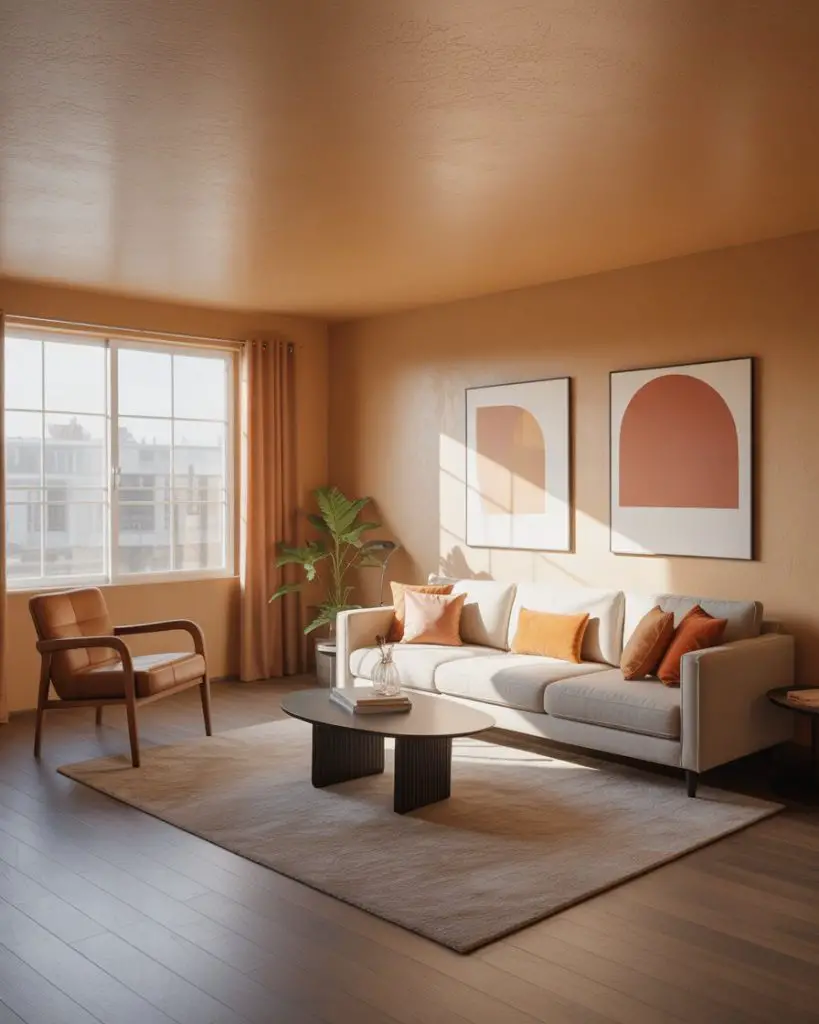
This trend is especially common among Gen Z, who grew up building and decorating digital homes. The skills transfer—understanding scale, flow, and color theory—are the same whether you’re clicking or shopping. In practice, this often results in rooms that are thoughtfully arranged and visually cohesive, even if the furniture is affordable or secondhand. It’s proof that good design is more about taste and effort than money.
20. ACNH Aesthetic with Soft Pastels
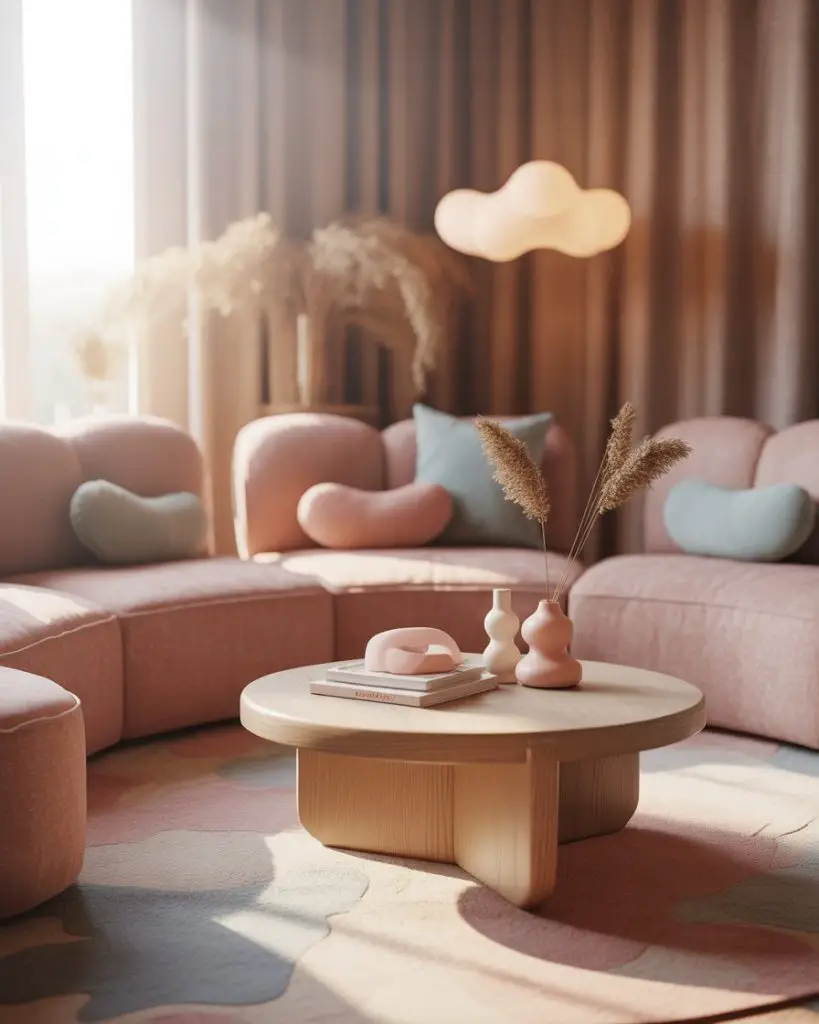
The gentle, whimsical aesthetic of ACNH (Animal Crossing: New Horizons) has seeped into real-world design, particularly among millennials and Gen Z. Think soft pastels, rounded edges, and a generally lighthearted vibe. It’s a reaction against the stark minimalism of previous years, favoring warmth and approachability instead. This style works especially well in bedrooms and small living areas where a sense of calm is prioritized. 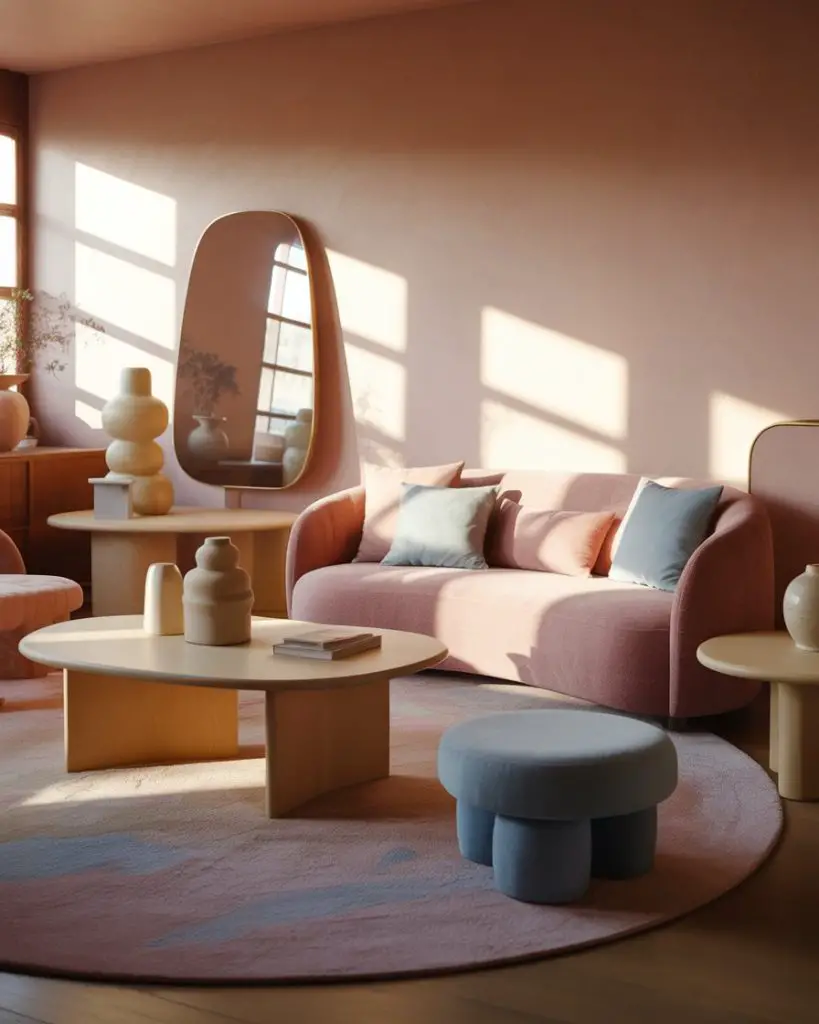
This aesthetic is popular in college towns and among younger renters who want their spaces to feel personal and joyful. One practical insight: pastel palettes are forgiving and easy to update with seasonal decor. The challenge is keeping it from feeling too juvenile—grounding the pastels with natural textures and avoiding cartoon motifs helps maintain sophistication.
21. Cozy Corners for Reading and Relaxation
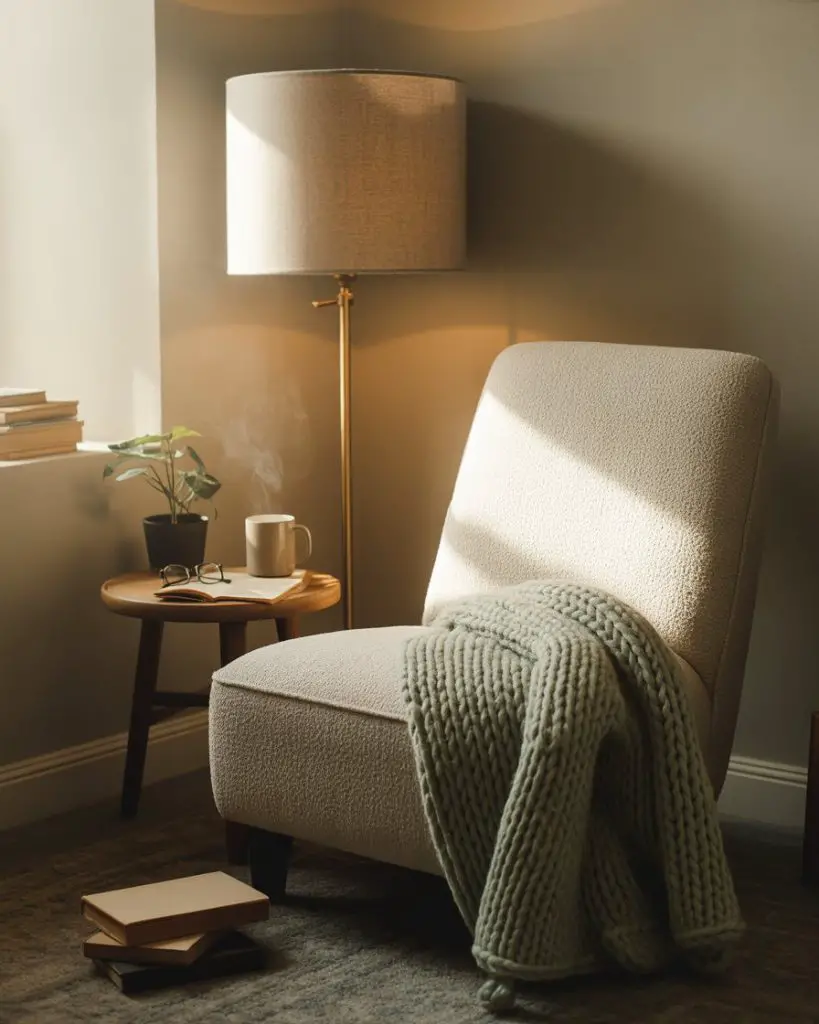
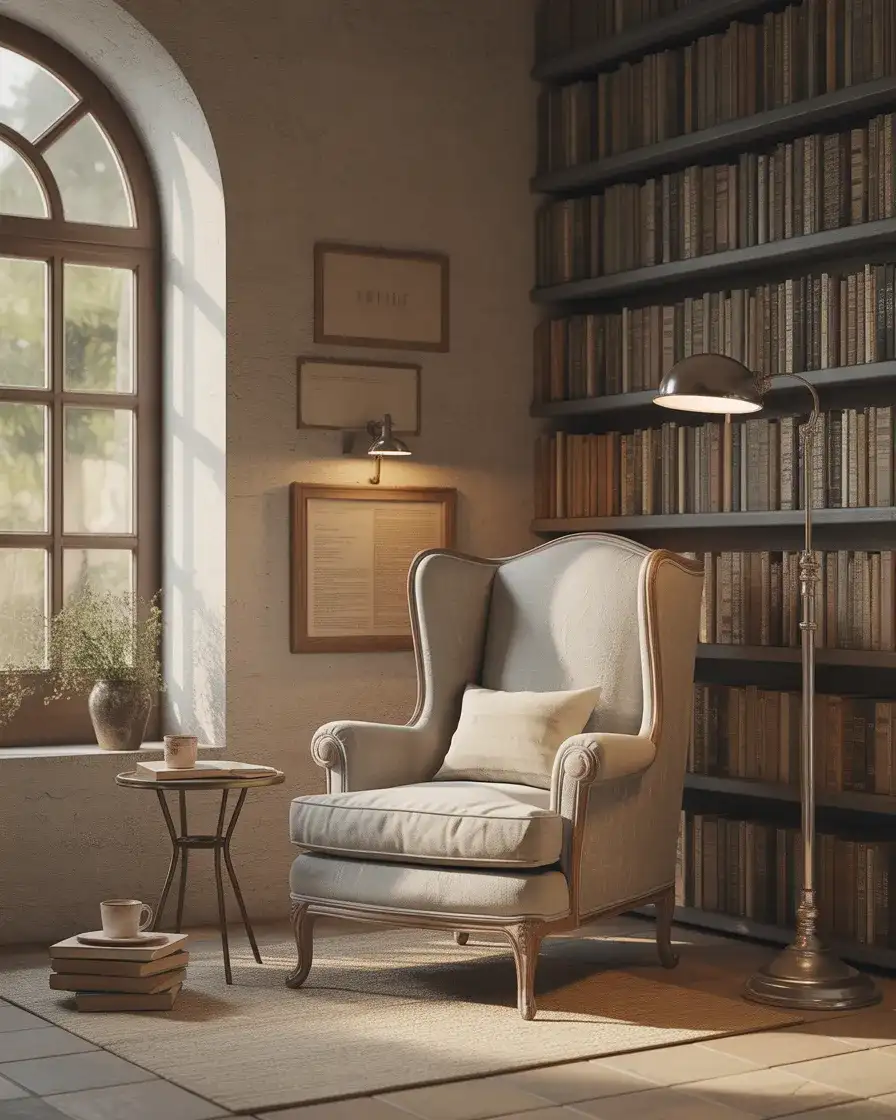
Every cozy living room benefits from a dedicated corner for reading or quiet time. A comfortable chair, good lighting, and a small side table are all you need. This micro-zone within the larger space offers a retreat without requiring a separate room. It’s especially valuable in open-concept homes where defining different functions can be challenging. 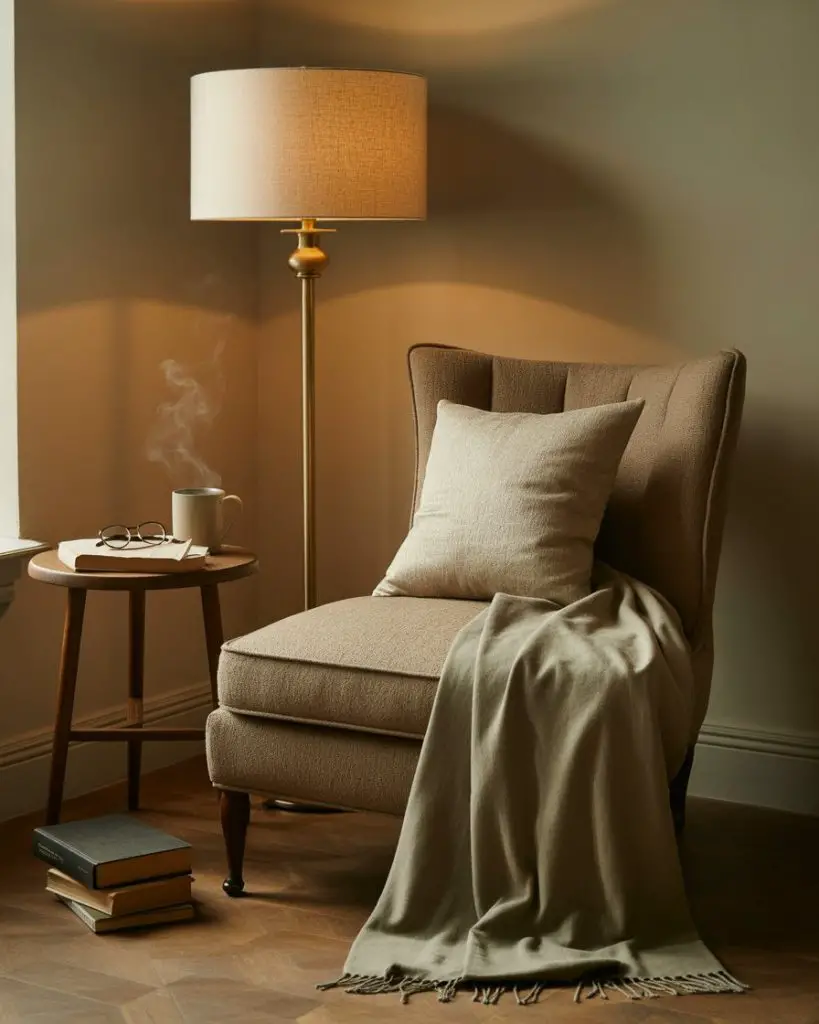
Where it works best: near a window with natural light during the day, or in a quieter corner away from the TV. Many homeowners underestimate how much they’ll use a reading nook until they have one. It becomes a habit—morning coffee, evening wind-down—and adds real value to daily life. Even in small apartments, carving out this intentional space is worth the square footage.
Conclusion
These ideas offer a snapshot of where living room design is headed in 2026—grounded in real life, inspired by global trends, and adaptable to American homes of all sizes and styles. Whether you’re drawn to the calm of Japandi, the richness of traditional Indian decor, or the playful pastels of virtual-inspired design, there’s a direction here that can work for you. Try one approach, mix a few together, or use these as starting points for your own vision. What’s your living room saying about you right now, and where do you want to take it next? Share your thoughts in the comments below.