Living room lighting is evolving rapidly in 2026, with homeowners seeking designs that blend functionality, ambiance, and personal style. Americans browsing Pinterest are no longer satisfied with a single overhead fixture—they want layered lighting that transforms their space from morning coffee to movie night. Whether you’re working with vaulted ceilings or a cozy low-ceiling setup, the right combination of fixtures can make your living room feel both spacious and intimate. In this guide, you’ll discover inspiring lighting ideas tailored to different styles, ceiling heights, and color schemes, from Japandi minimalism to mid-century modern charm.
1. Ceiling Chandeliers for High Drama
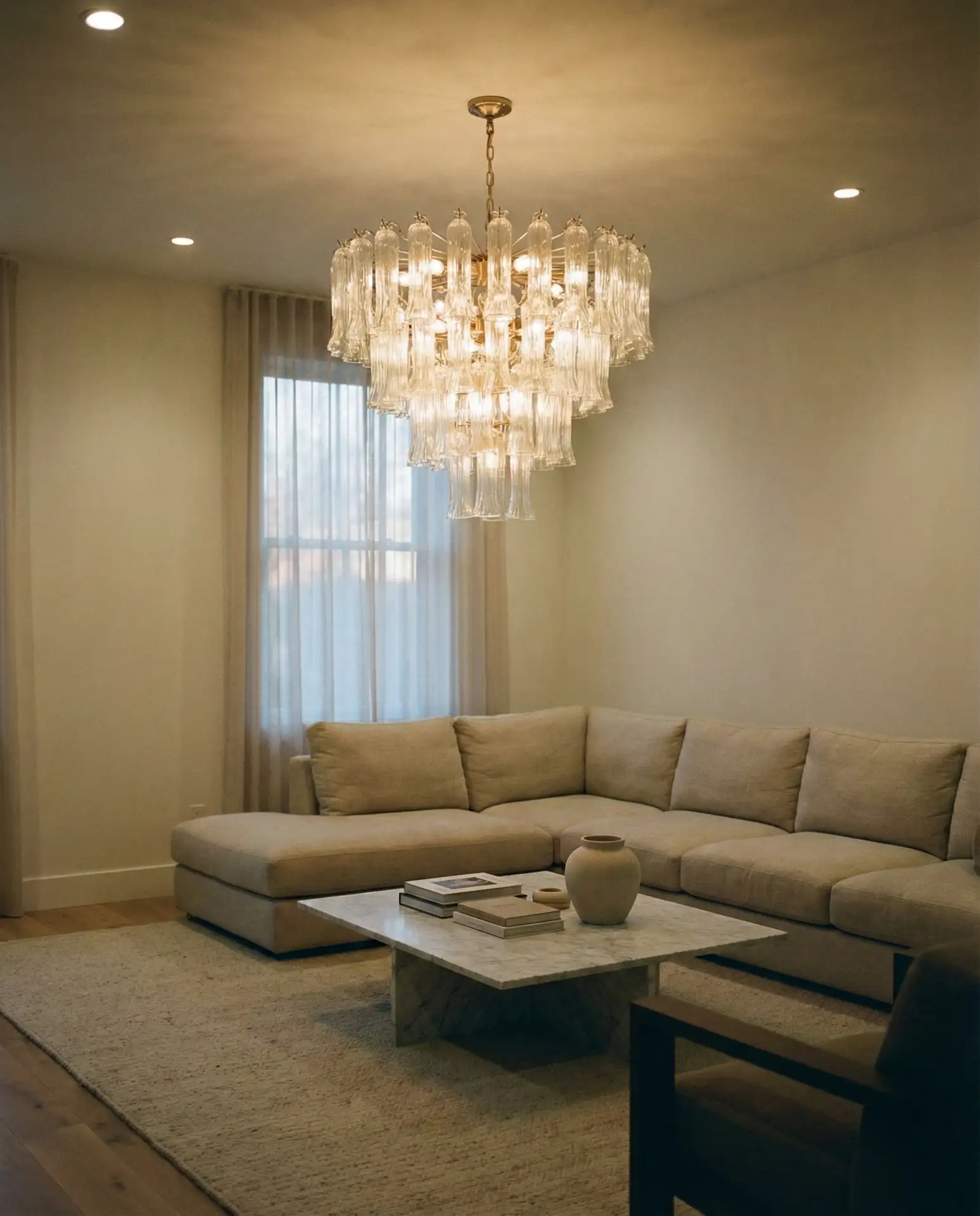
A statement ceiling chandelier instantly elevates a living room, especially when paired with a grey couch that grounds the space. Think cascading glass orbs or sculptural brass designs that draw the eye upward, creating vertical interest in rooms with high ceilings. This approach works beautifully in formal living areas or open-concept homes where the chandelier becomes a focal point visible from multiple angles.
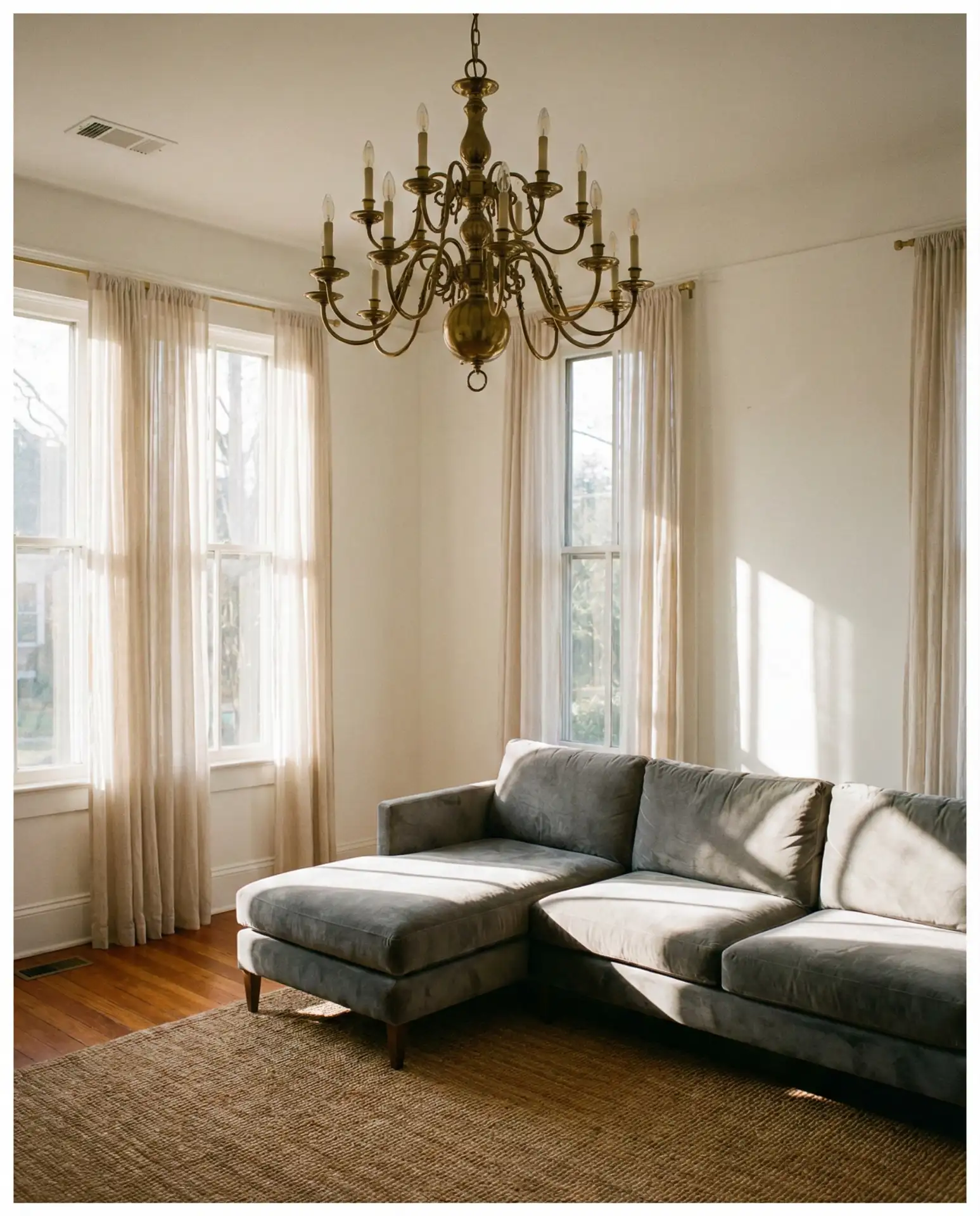
Where it works best: Homes with ceilings above nine feet, particularly in suburbs like Charlotte or Austin, where new construction often includes dramatic vertical space. Pair your chandelier with dimmer switches to adjust the mood from bright and energizing during the day to soft and welcoming at night. Avoid installing chandeliers too low—maintain at least seven feet of clearance to prevent head bumps and preserve sight lines.
2. Cozy Low Ceiling Lighting Solutions
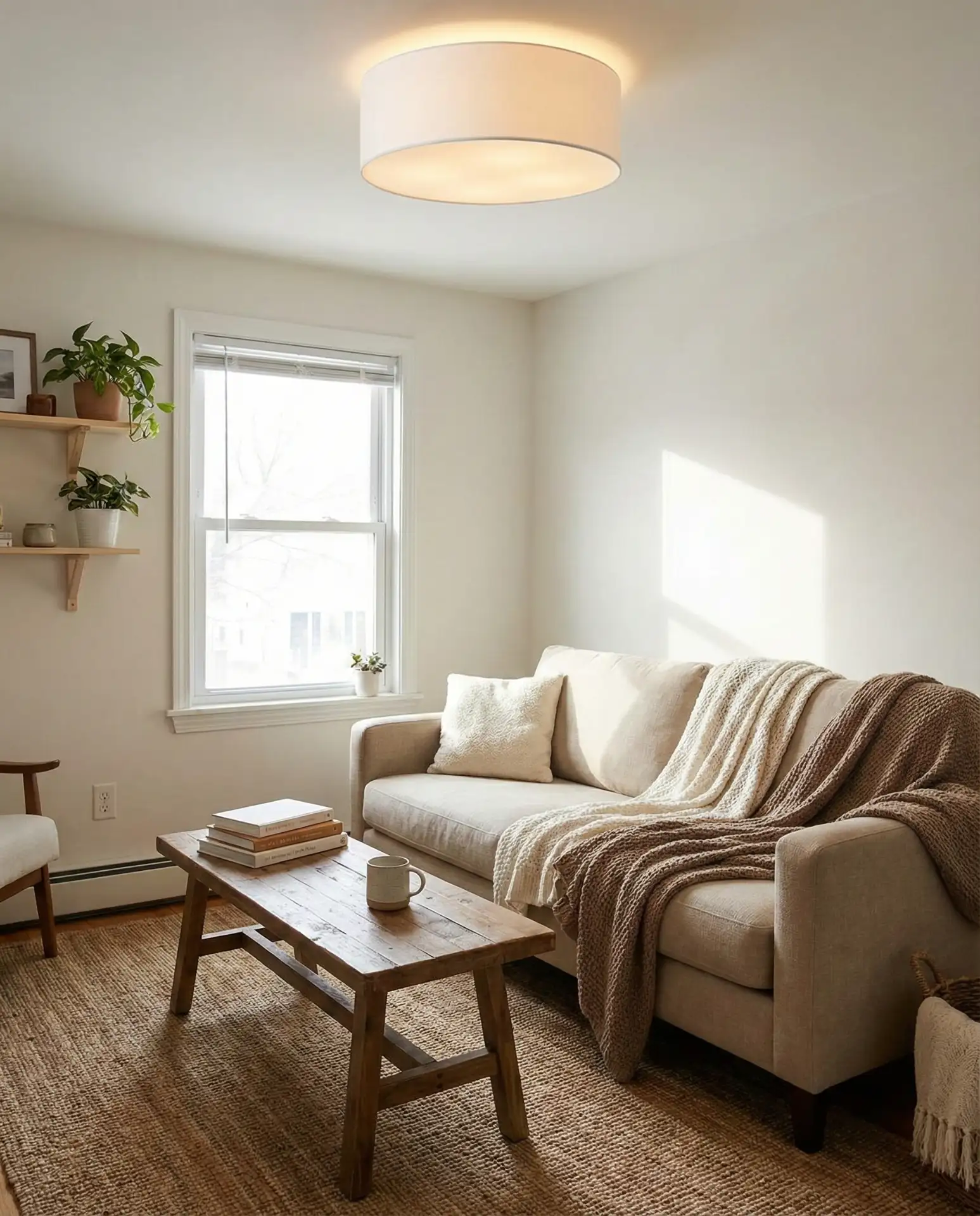
Living rooms with low ceilings benefit from flush-mount or semi-flush fixtures that provide ample light without overwhelming the space. Look for designs with diffused glass or fabric shades that spread illumination evenly, creating a cozy atmosphere perfect for reading nooks or intimate conversation areas. Complementing these with table lamps and floor lamps adds layers of light that make the room feel larger and more inviting.
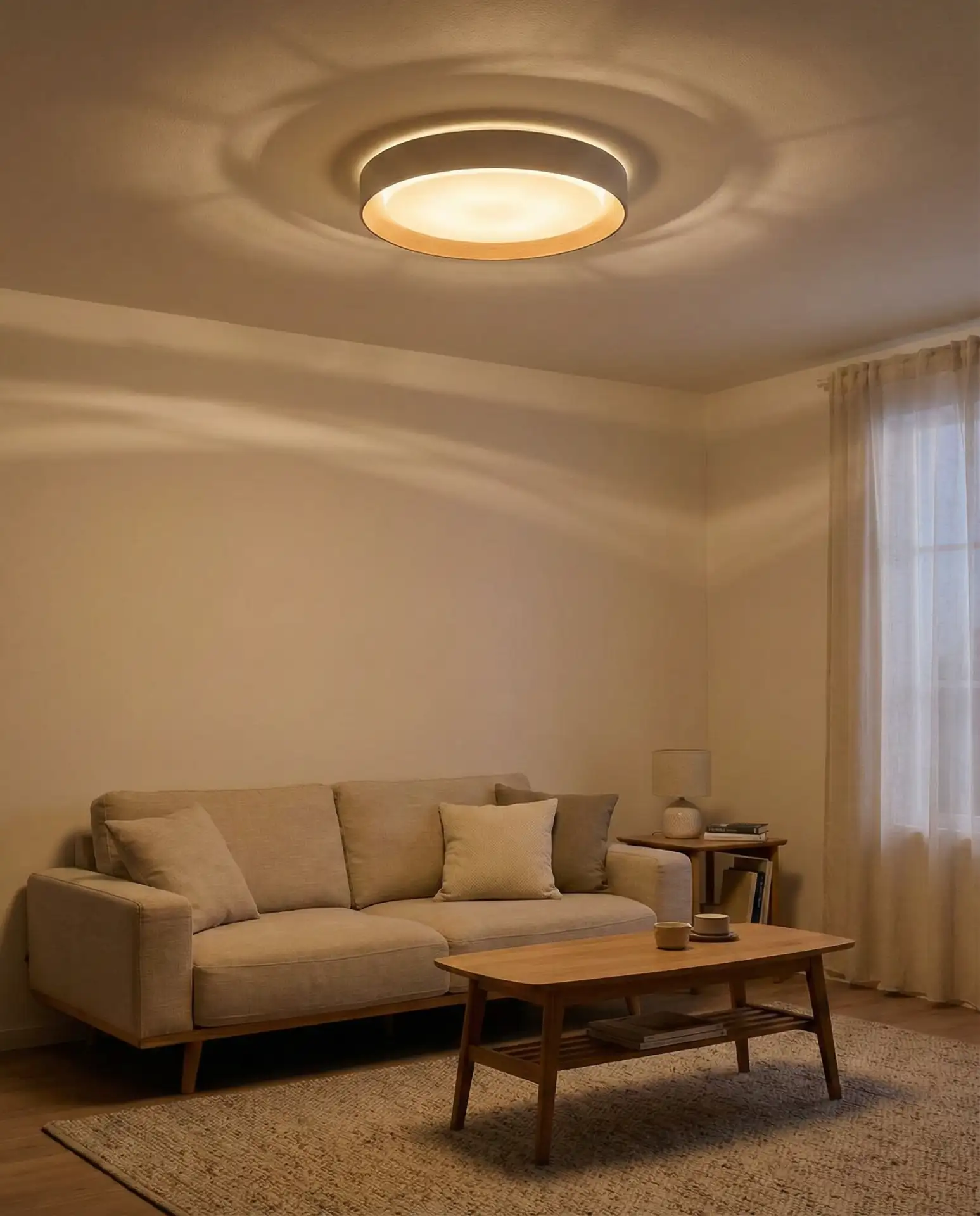
Budget angle: Quality flush-mount fixtures range from $80 to $300, making them an affordable way to refresh your lighting without major electrical work. Brands like Progress Lighting and Kichler offer stylish options that don’t sacrifice quality. Consider LED bulbs rated at 2700K for a warm white glow that mimics traditional incandescent lighting while saving on energy costs.
3. Japandi Wood and Paper Lamps
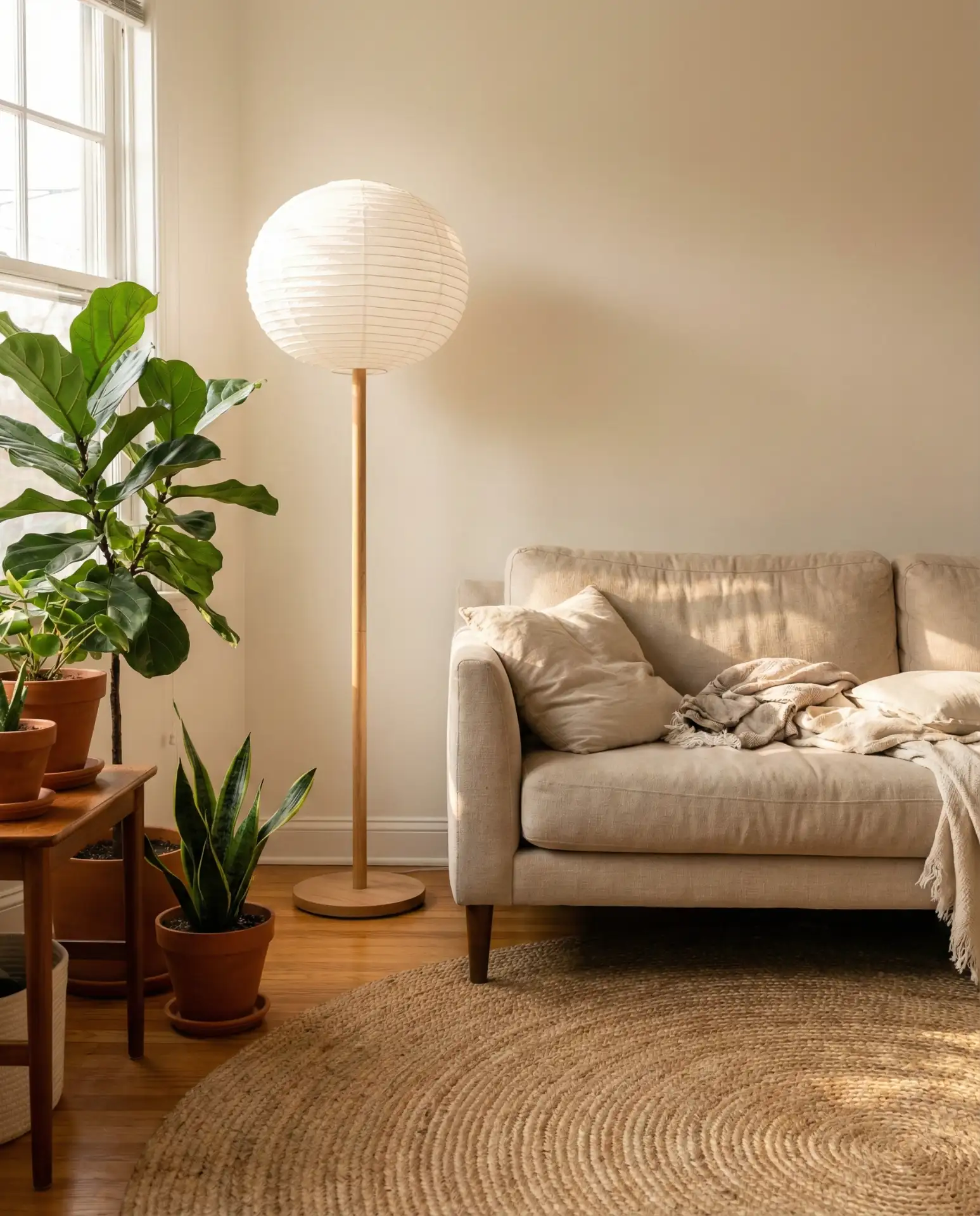
The Japandi aesthetic combines Japanese minimalism with Scandinavian warmth, featuring wood frames and rice paper shades that diffuse light softly throughout the room. These lamps work beautifully as floor or table fixtures, casting gentle shadows that enhance the serene, uncluttered vibe central to this design philosophy. Pair them with natural materials like linen, bamboo, and stone to complete the look.
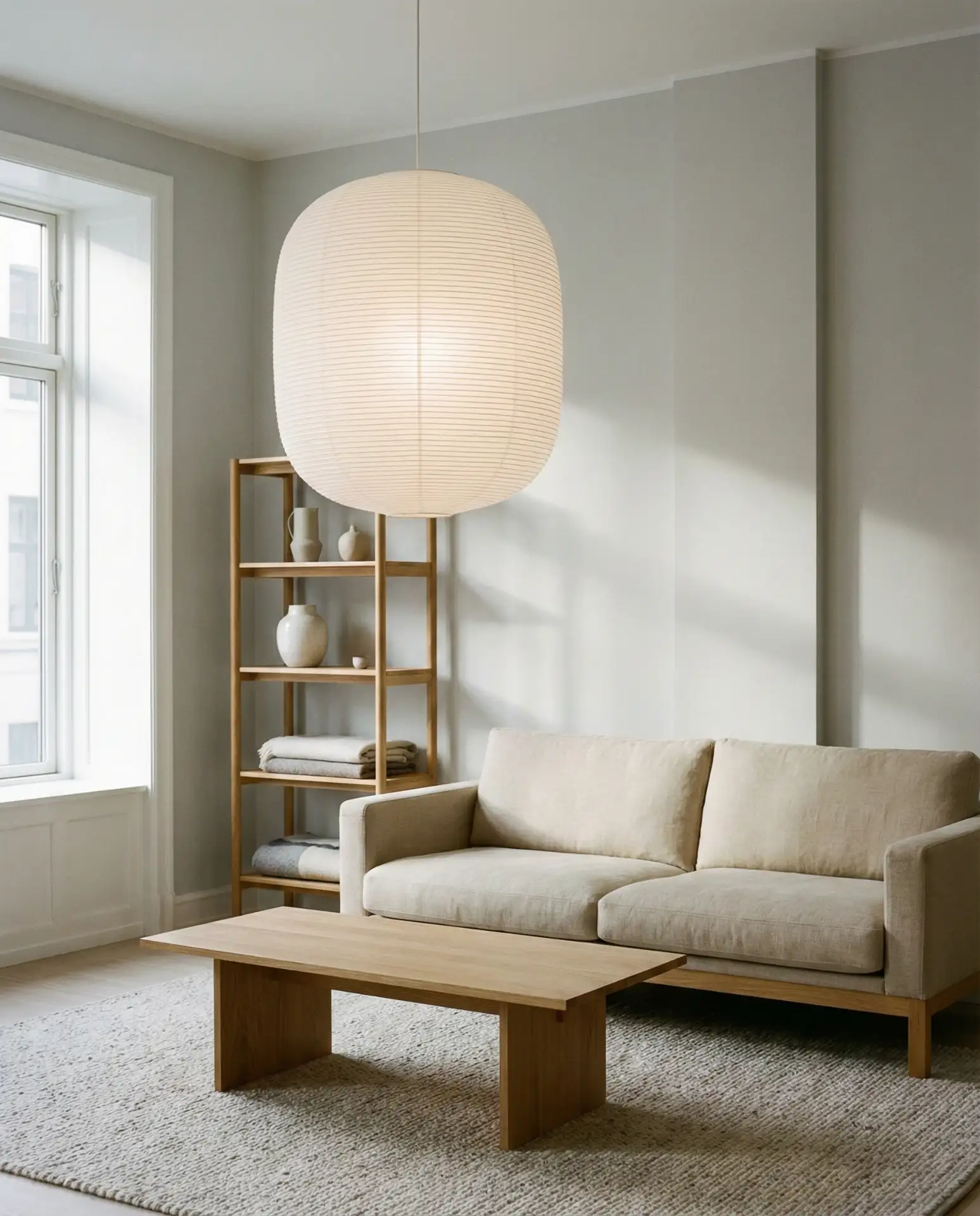
Expert-style commentary: Lighting designers recommend keeping Japandi spaces to no more than three light sources per room to maintain the style’s signature simplicity. Use one overhead pendant, one floor lamp, and one accent lamp to create depth without clutter. The soft, shadowless light from paper shades reduces eye strain and promotes relaxation, making these fixtures ideal for living rooms used for meditation or quiet evenings.
4. Mid-Century Modern Fixtures
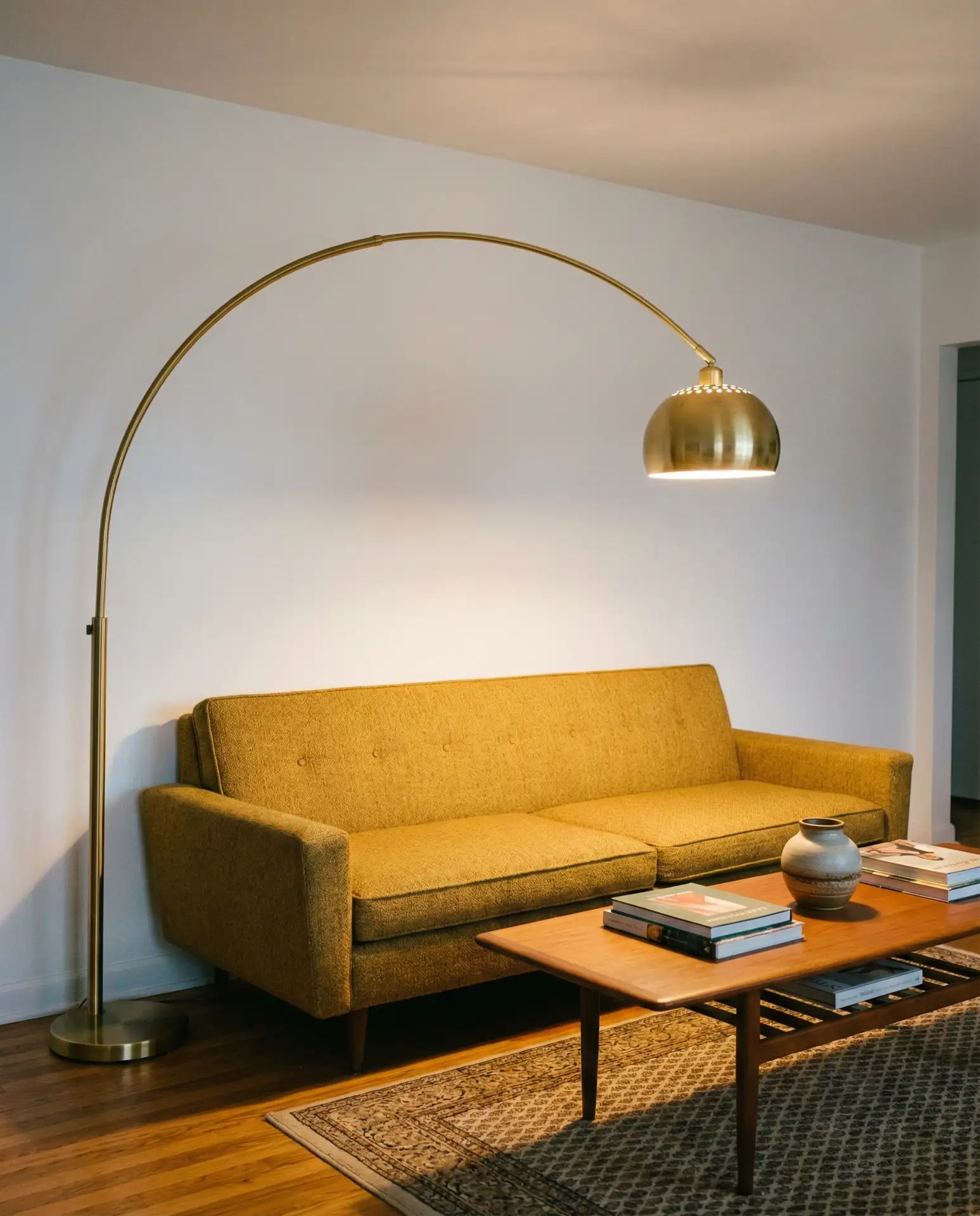
Embrace the timeless appeal of mid-century modern lighting with Sputnik chandeliers, arc floor lamps, and globe pendants that nod to the 1950s and 60s. These fixtures pair naturally with wood furniture, tapered legs, and geometric patterns, creating a cohesive, retro-inspired living room. The clean lines and sculptural forms add visual interest without overwhelming the space.
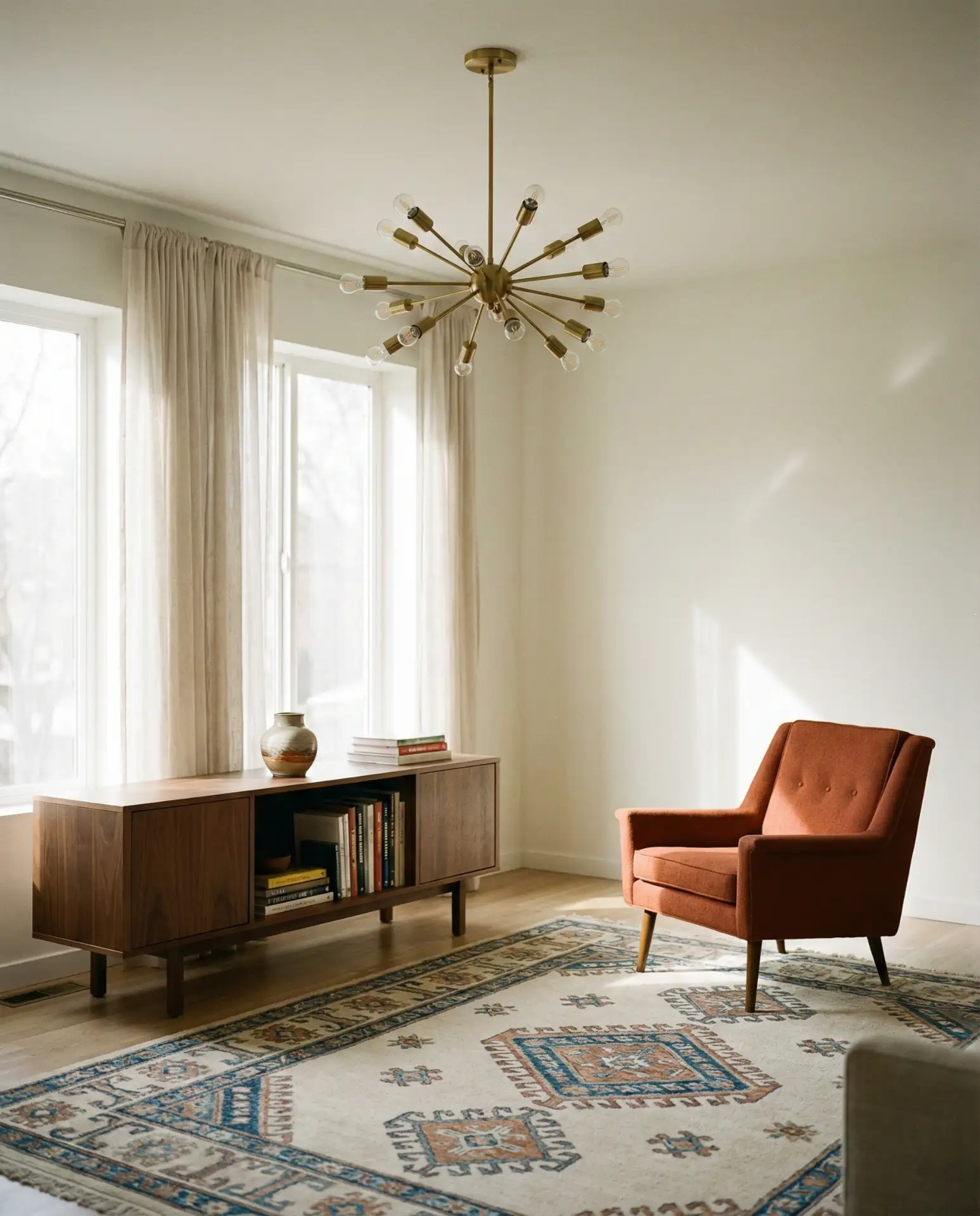
American lifestyle context: Mid-century modern remains hugely popular in cities like Palm Springs, Denver, and Portland, where original Eichler and ranch-style homes preserve this aesthetic. Modern reproductions from West Elm and CB2 make the look accessible at various price points. Layer your lighting by combining overhead fixtures with task lighting to maintain the style’s functional, livable approach.
5. Vaulted Ceiling Pendant Clusters
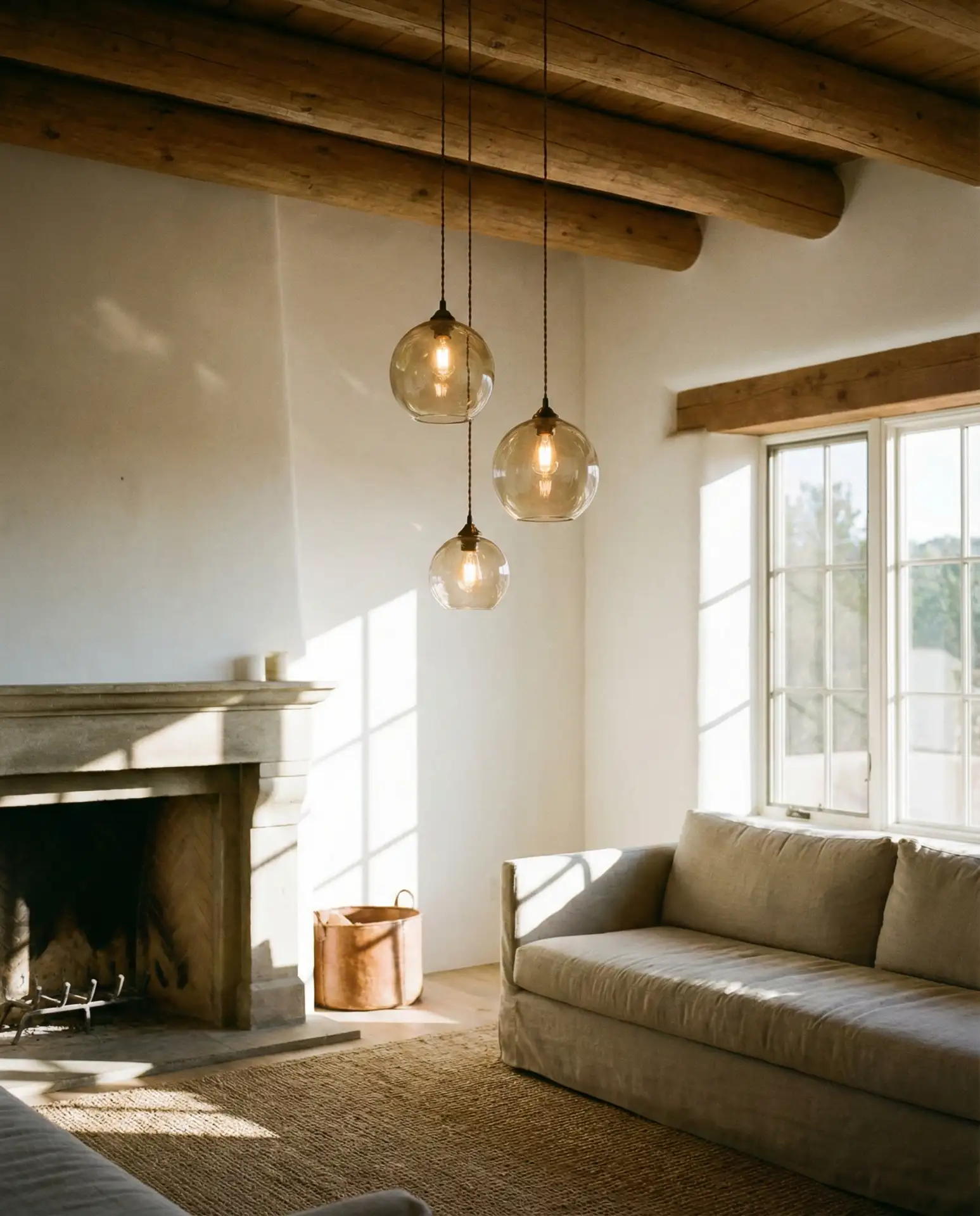
Living rooms with vaulted ceilings present both a challenge and an opportunity—fill the vertical space with clustered pendants at varying heights to create visual drama. This approach works especially well with ceiling fixtures in mixed metals or glass, which catch and reflect light throughout the day. The staggered arrangement prevents the ceiling from feeling empty while maintaining an airy, open feel.
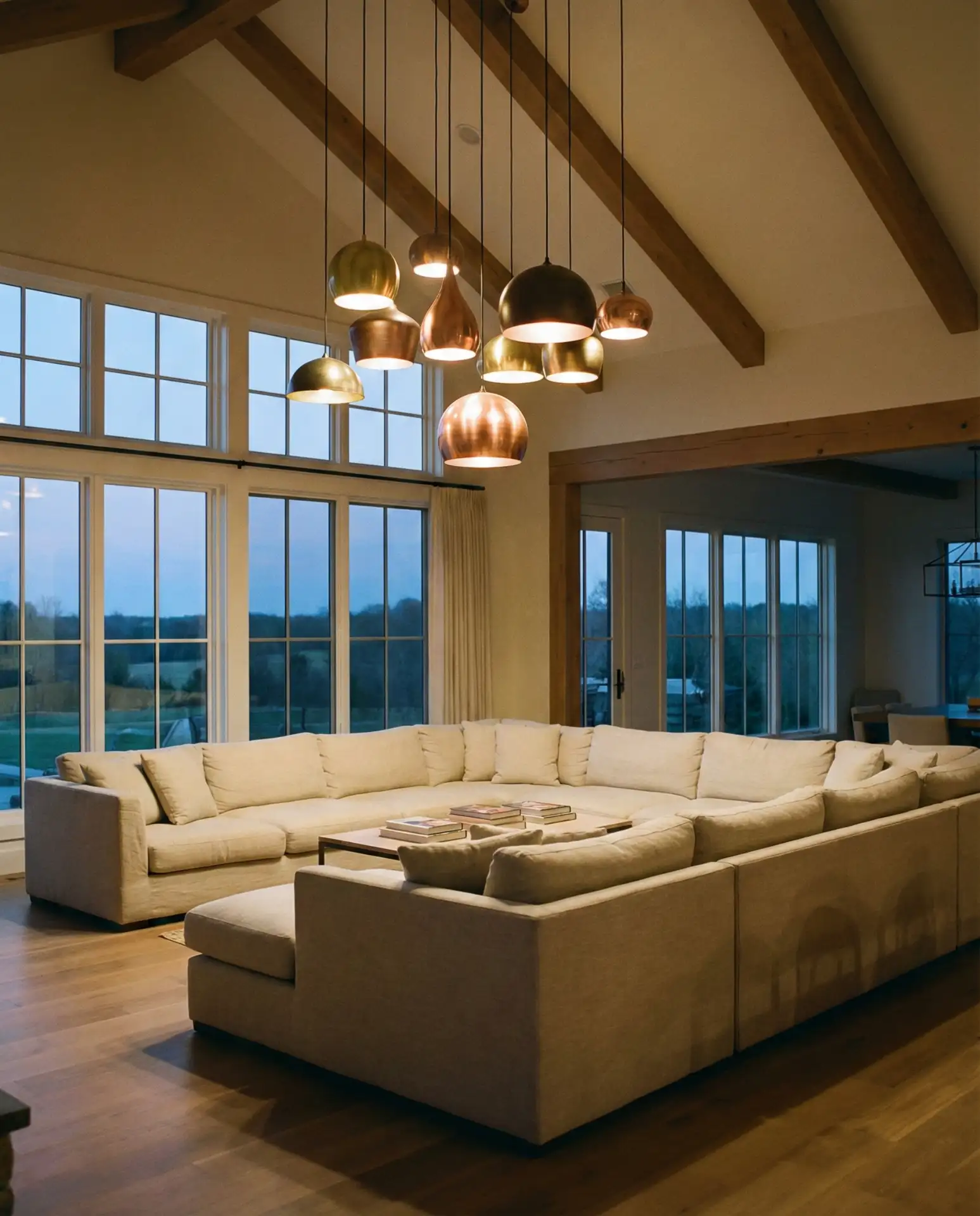
Common mistakes and how to avoid them: Many homeowners hang pendants too high, losing the intimate lighting effect that makes a room feel grounded. For vaulted ceilings, aim for the lowest pendant to hang approximately seven feet from the floor, with others extending upward to follow the ceiling line. Avoid spacing fixtures too far apart—clusters should feel intentional and grouped, not randomly scattered.
6. Blue Walls with Warm Brass Lighting
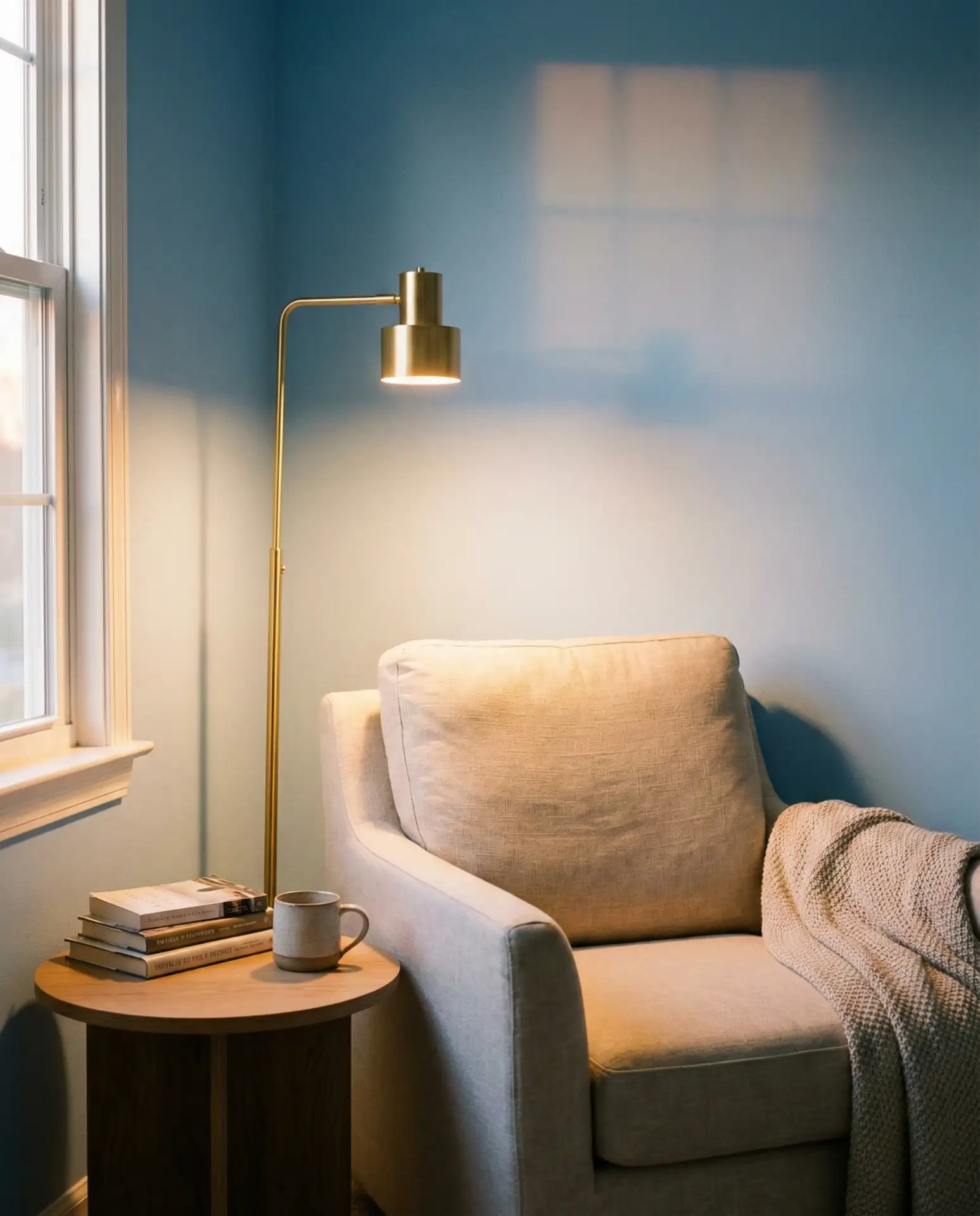
Painting your living room in blue tones creates a calming backdrop that pairs beautifully with warm brass or gold lighting fixtures. The contrast between cool walls and warm metal adds depth and sophistication, particularly effective with navy, powder blue, or slate shades. This color combination works in both traditional and contemporary spaces, from Boston brownstones to California beach houses.
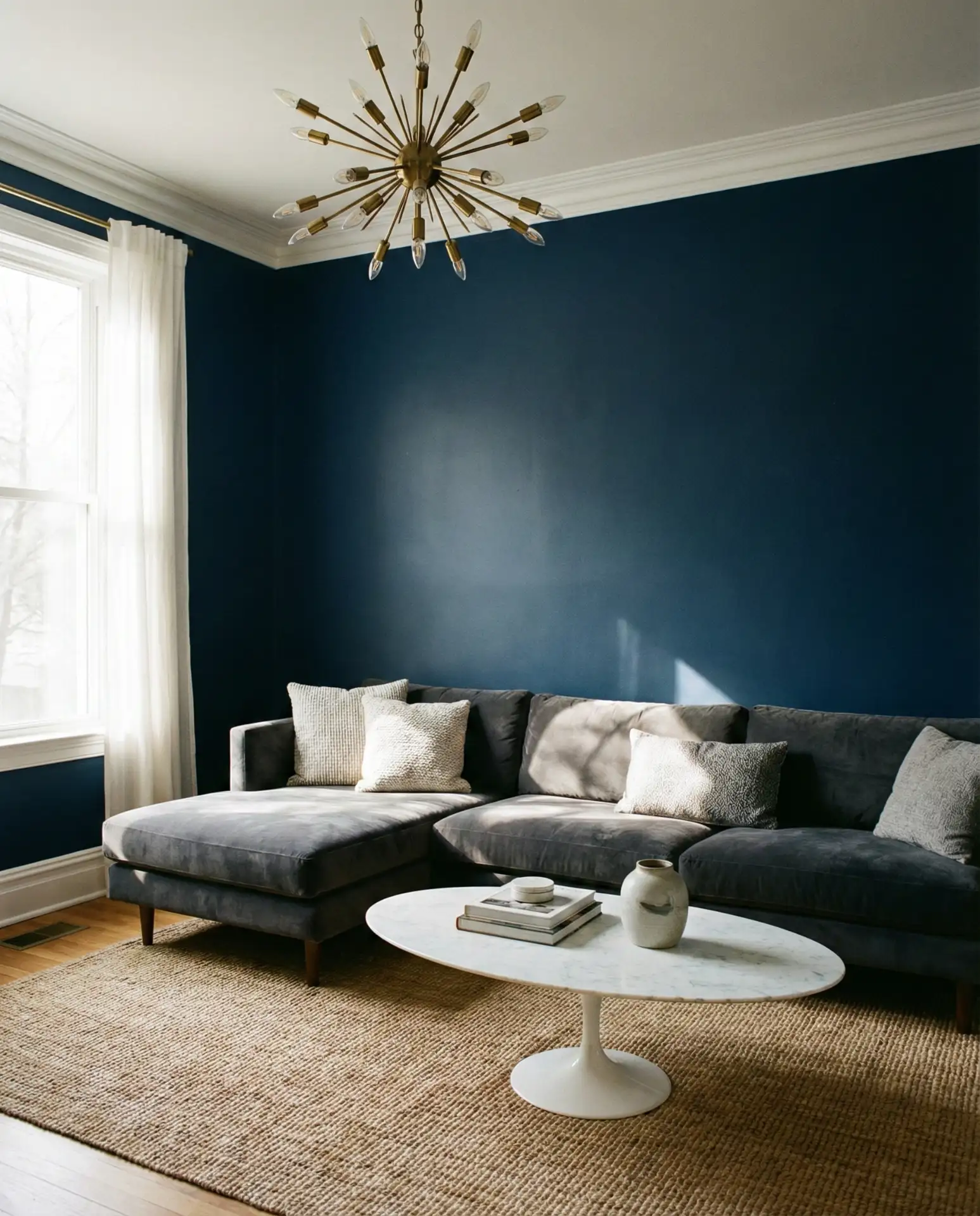
Real homeowner behavior: Many people initially worry that blue walls will feel cold, but the right lighting temperature completely transforms the space. Use bulbs rated at 2700K to 3000K to bring warmth into blue rooms, making them feel cozy rather than sterile. Pinterest searches for “blue living room” spike in winter months, suggesting Americans crave this calming color when natural light is scarce.
7. Green Accent Walls with Natural Lighting
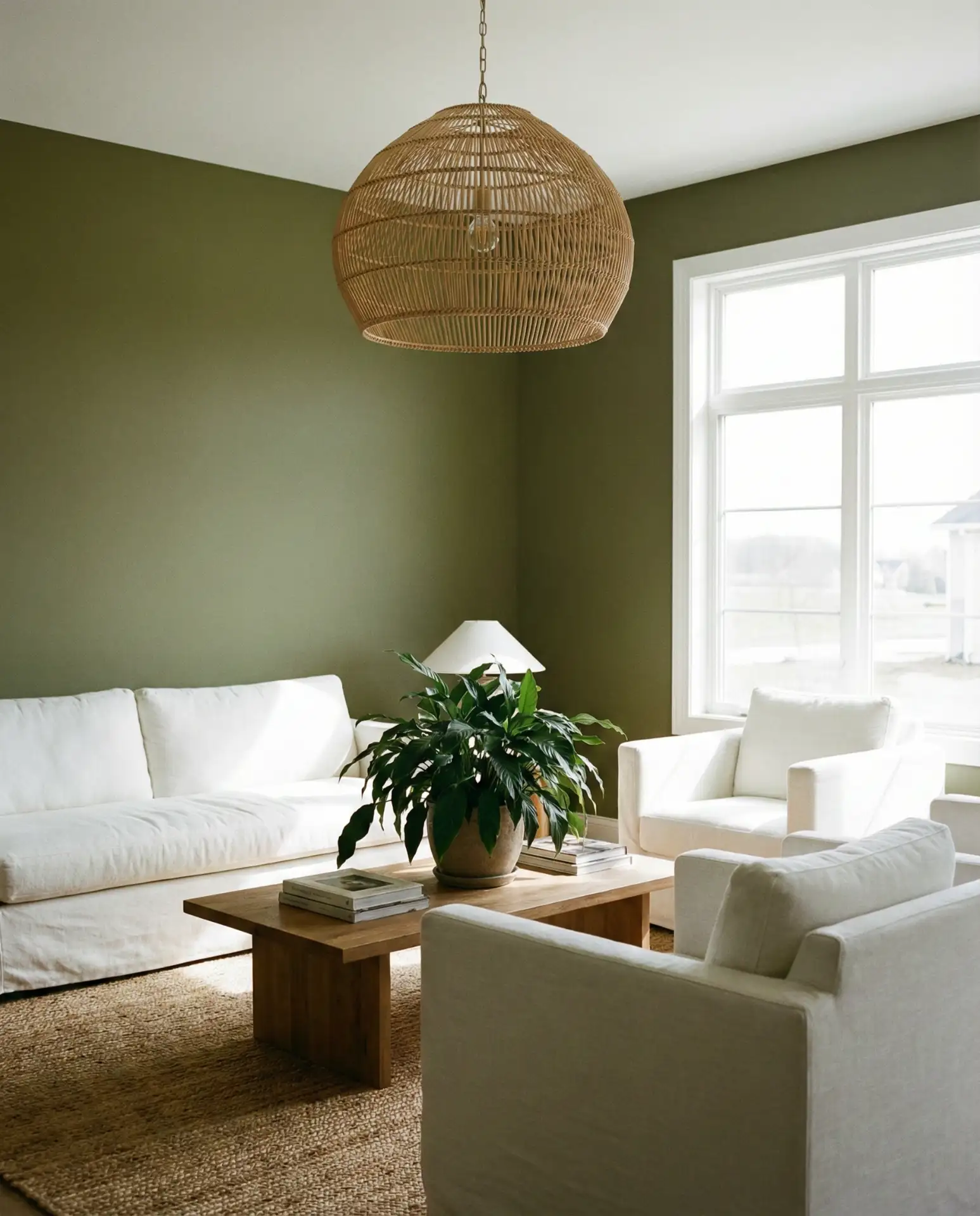
Incorporating green walls into your living room brings the outdoors in, a trend that continues to dominate in 2026 as homeowners seek connections to nature. Pair sage, olive, or forest green walls with natural wood lighting fixtures and linen shades that enhance the organic feel. Maximize natural light with sheer curtains and strategically placed mirrors to keep the space from feeling too dark.
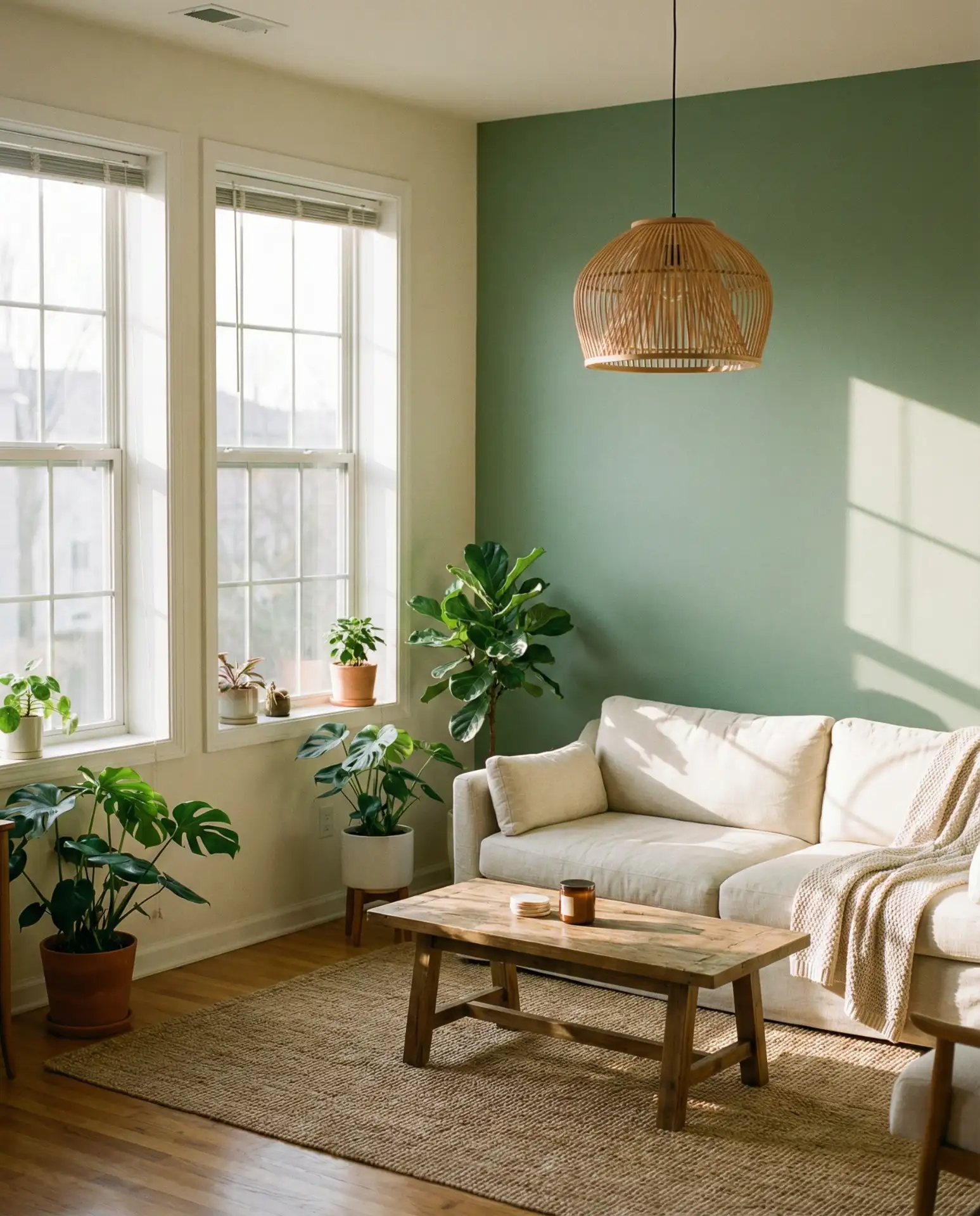
Practical insight: Green walls absorb light differently than whites or grays, so plan for additional task lighting in corners and reading areas. Layer ambient, task, and accent lighting to compensate for the color’s depth. Use LED strips behind floating shelves or under crown molding to add subtle uplighting that prevents the room from feeling cave-like in the evening.
8. Grey Couch with Layered Lamp Lighting
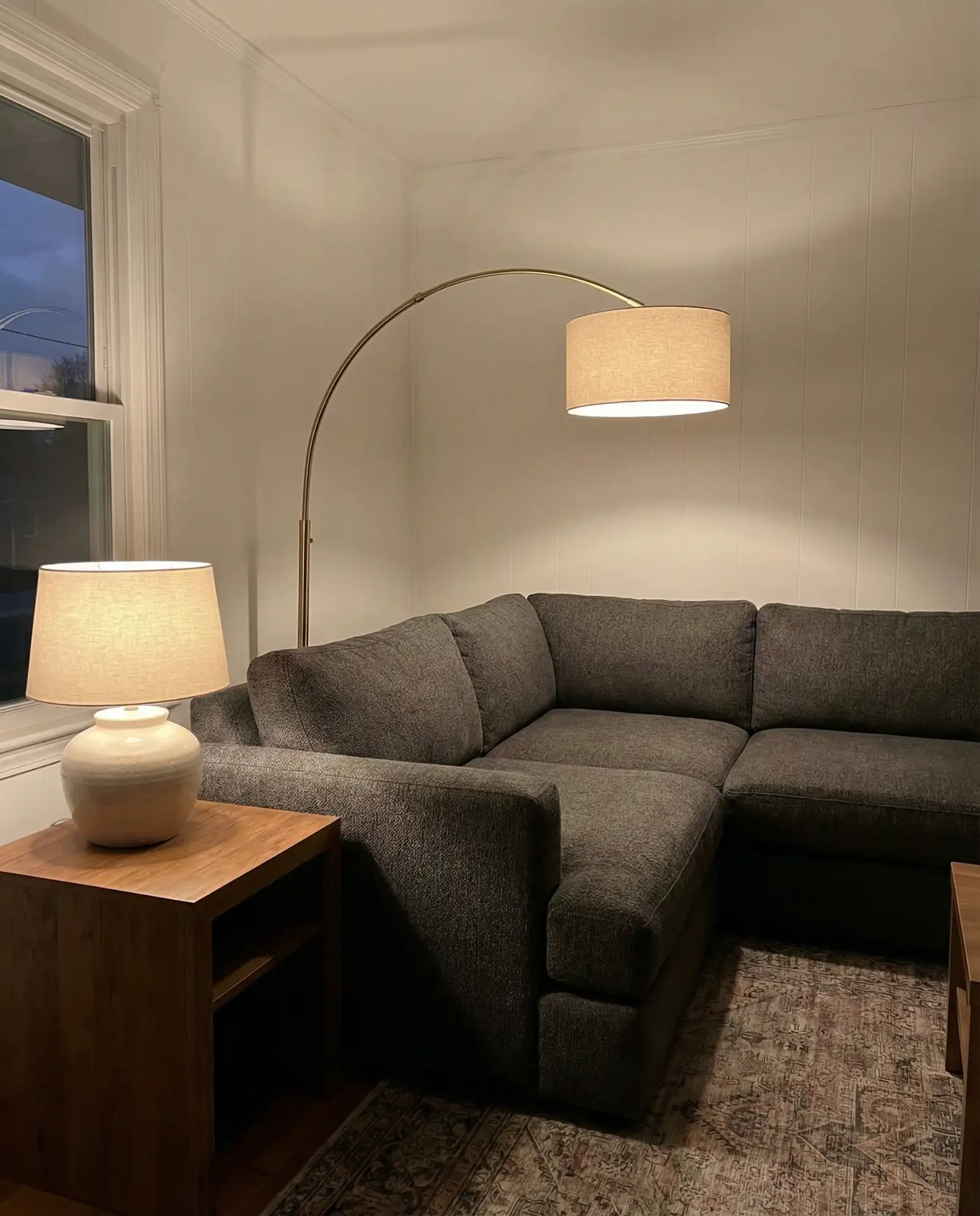
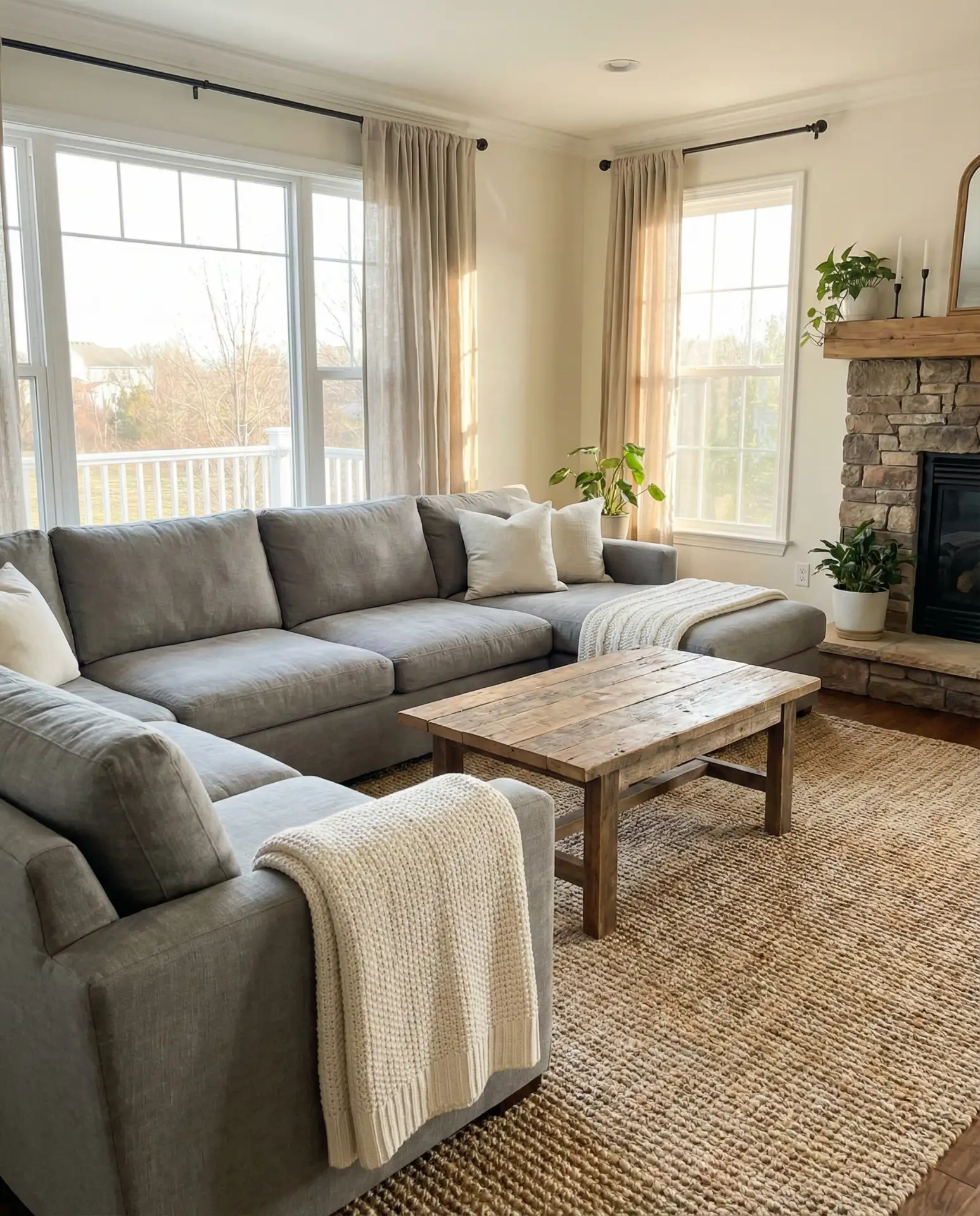
A gray couch serves as the perfect neutral foundation for experimenting with lighting layers. Combine floor lamps, table lamps, and overhead fixtures to create flexible lighting that adapts to different activities throughout the day. This approach allows you to illuminate specific zones for reading, conversation, or television without relying solely on harsh overhead lights.
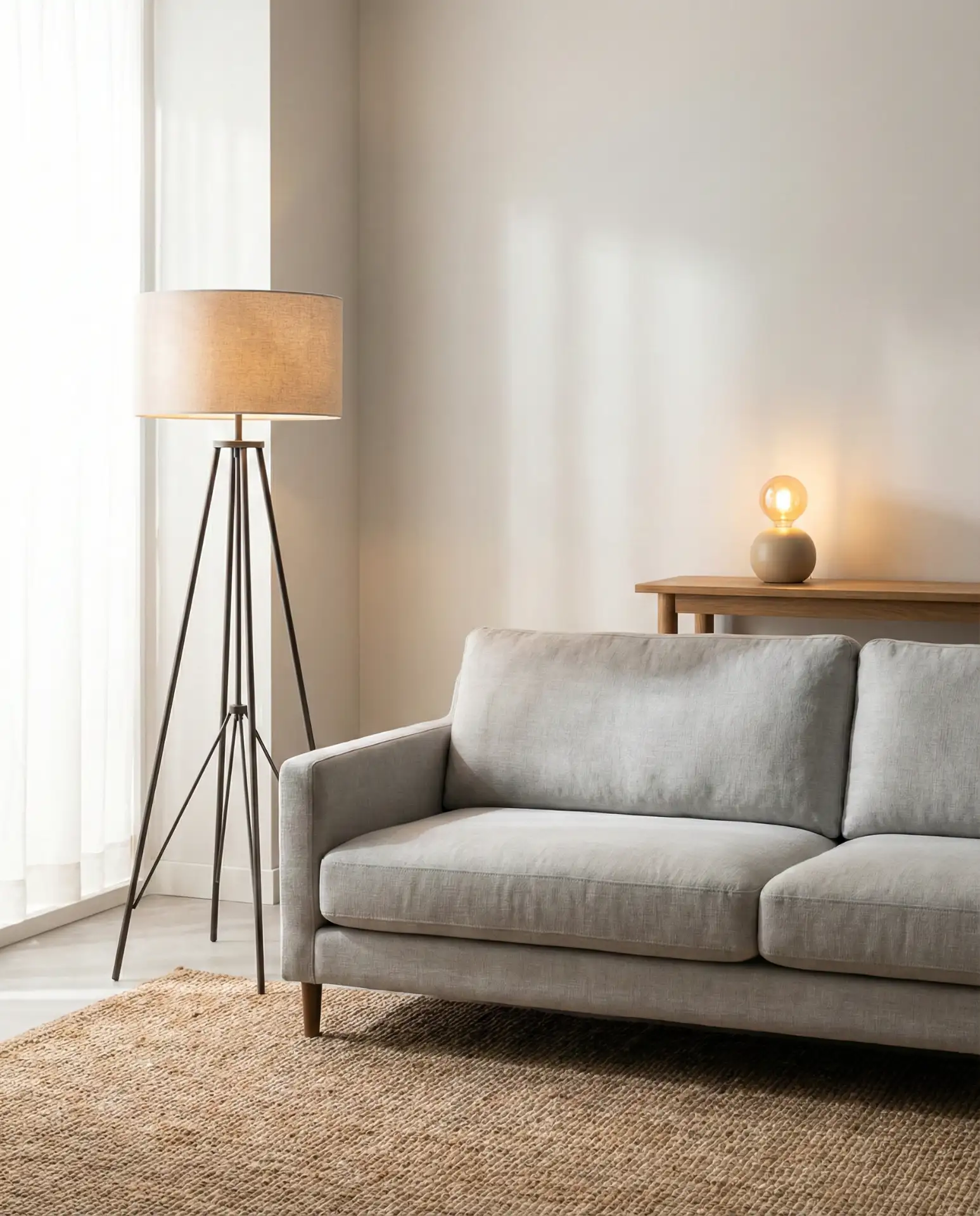
Micro anecdote: A designer friend once told me that the biggest mistake people make is buying all their lamps at once from the same collection—it creates a showroom feel rather than a lived-in home. Instead, mix lamp heights, shade shapes, and metal finishes to add personality while maintaining cohesion through a shared color palette or style era.
9. Blue Couch with Statement Ceiling Lights
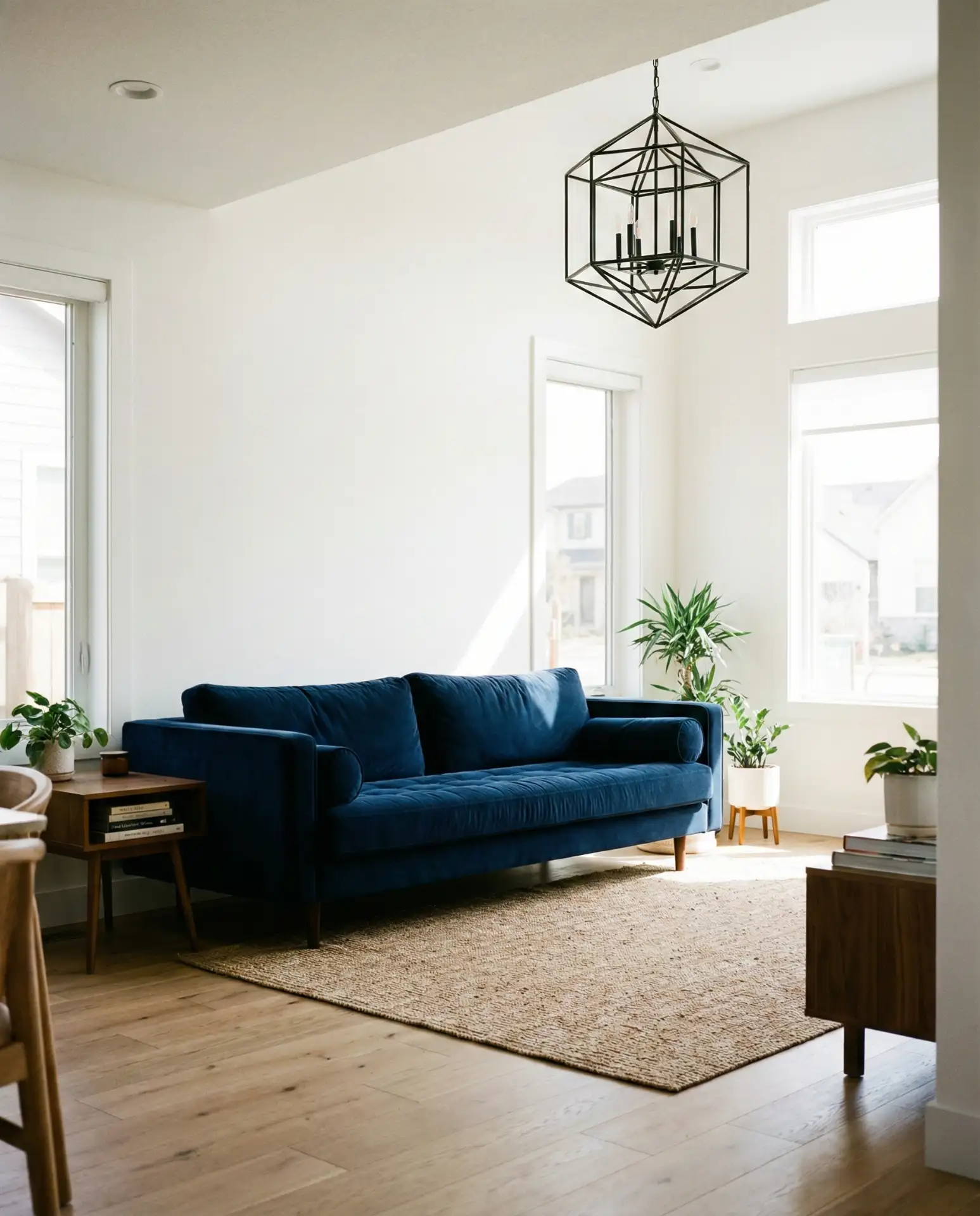
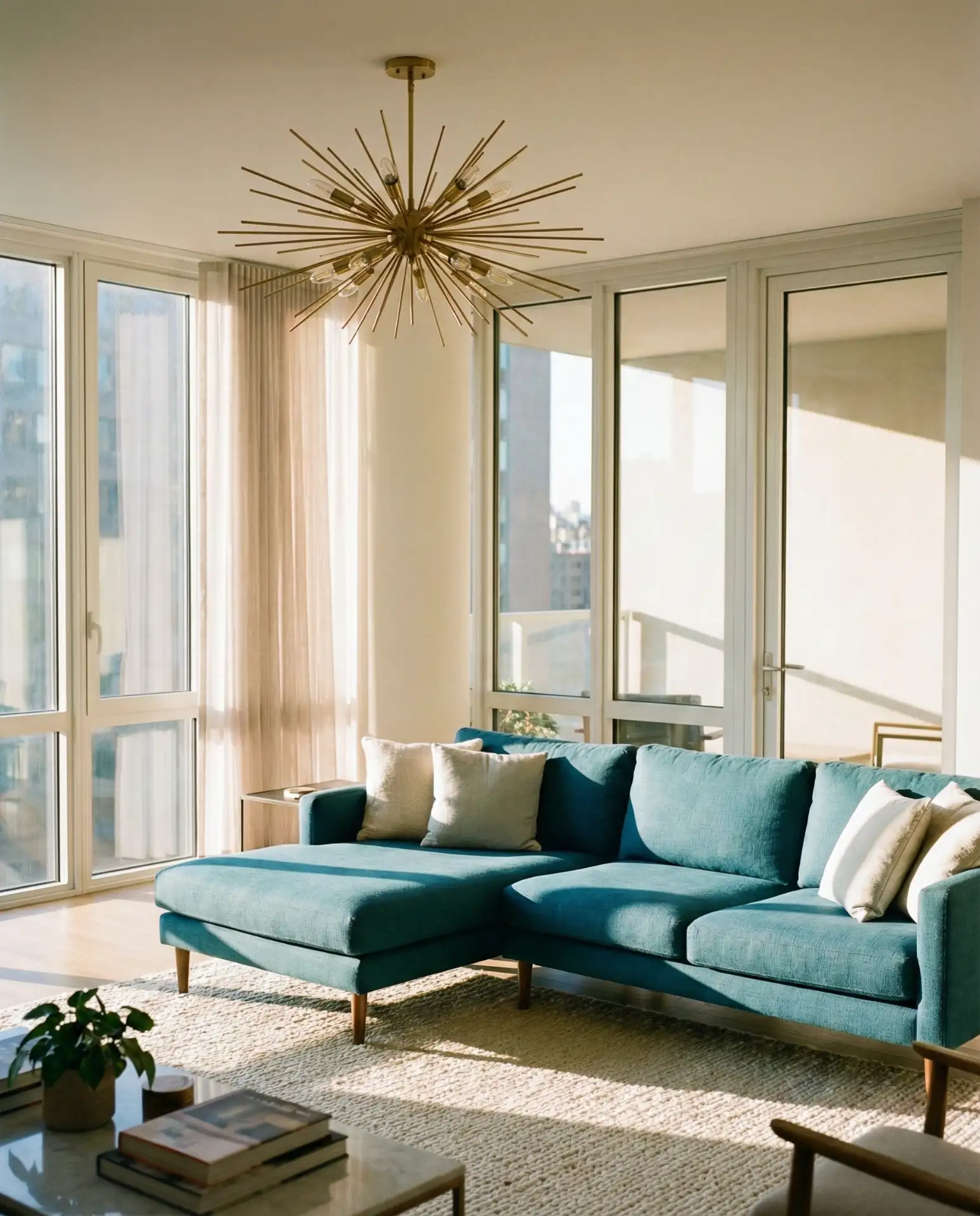
A blue couch in navy, cobalt, or teal becomes even more striking when paired with sculptural ceiling lighting that draws attention upward. Choose fixtures with interesting silhouettes—think geometric cages, organic forms, or crystal details that complement the richness of blue upholstery. This combination works particularly well in rooms with neutral walls, allowing both elements to shine without competing.
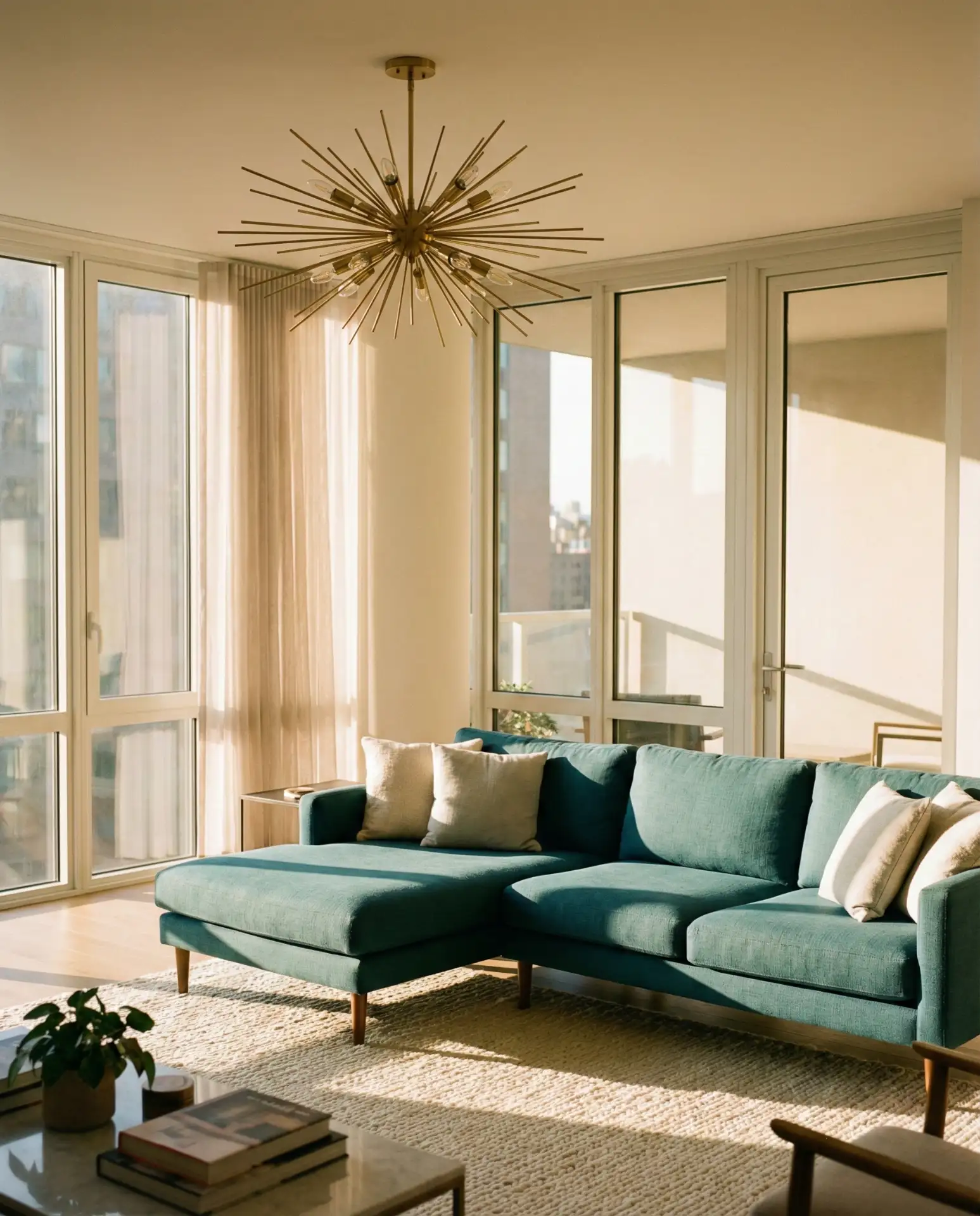
Where it works best: Coastal areas like San Diego, Miami, and the Outer Banks embrace blue furniture as a nod to ocean views, but the look translates beautifully inland when balanced with warm lighting. The key is choosing the right blue—cooler tones need warmer light bulbs, while warmer blue-greens can handle neutral white lighting. Test paint samples and fabric swatches under your existing lighting before committing.
10. Modern Minimalist Ceiling Design
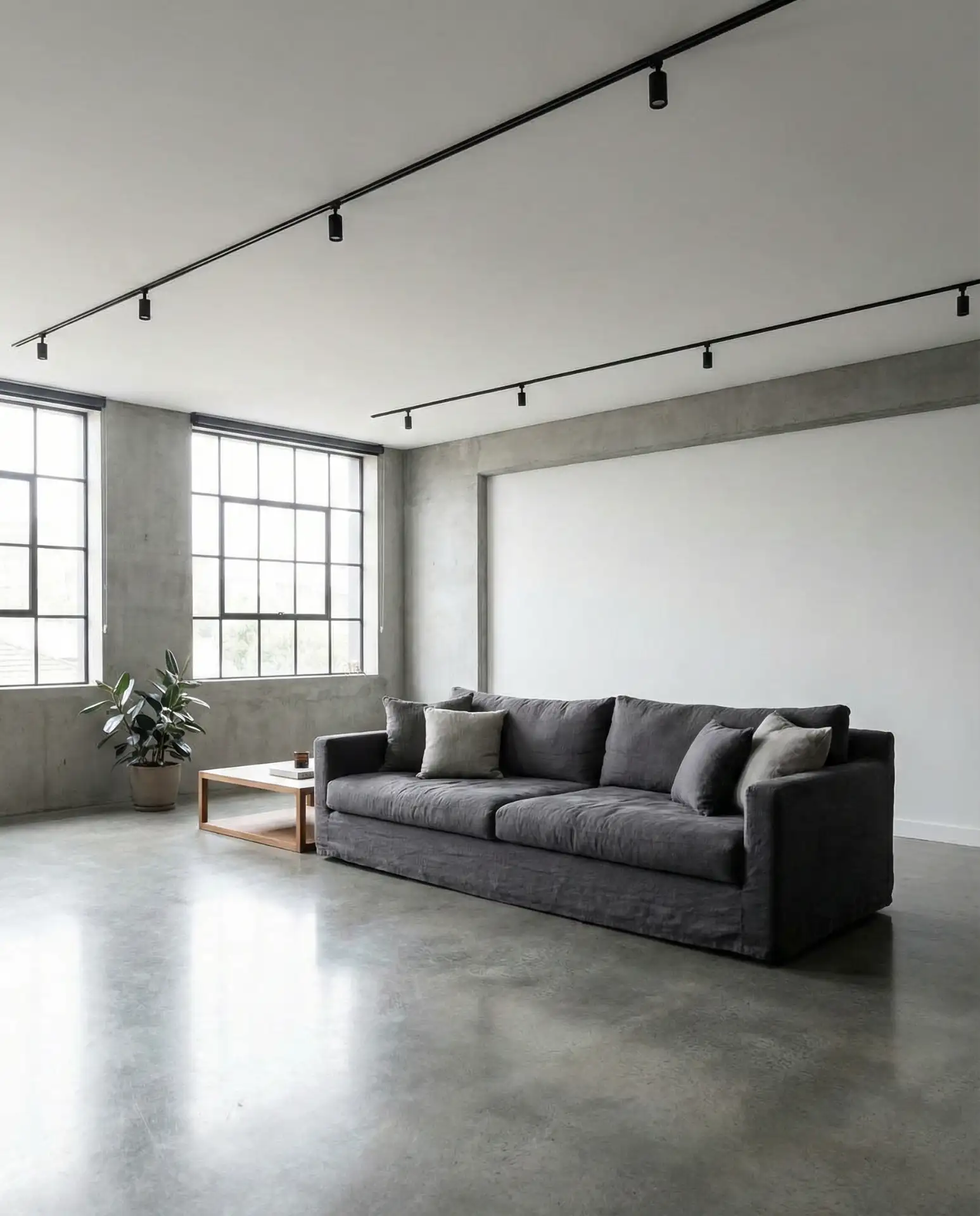
The modern minimalist approach to the ceiling strips away ornament in favor of clean lines and functional beauty. Recessed LED lighting, simple track systems, or ultra-thin flush mounts disappear into the architecture while providing ample illumination. This design philosophy prioritizes what’s essential, creating living rooms that feel spacious and uncluttered.
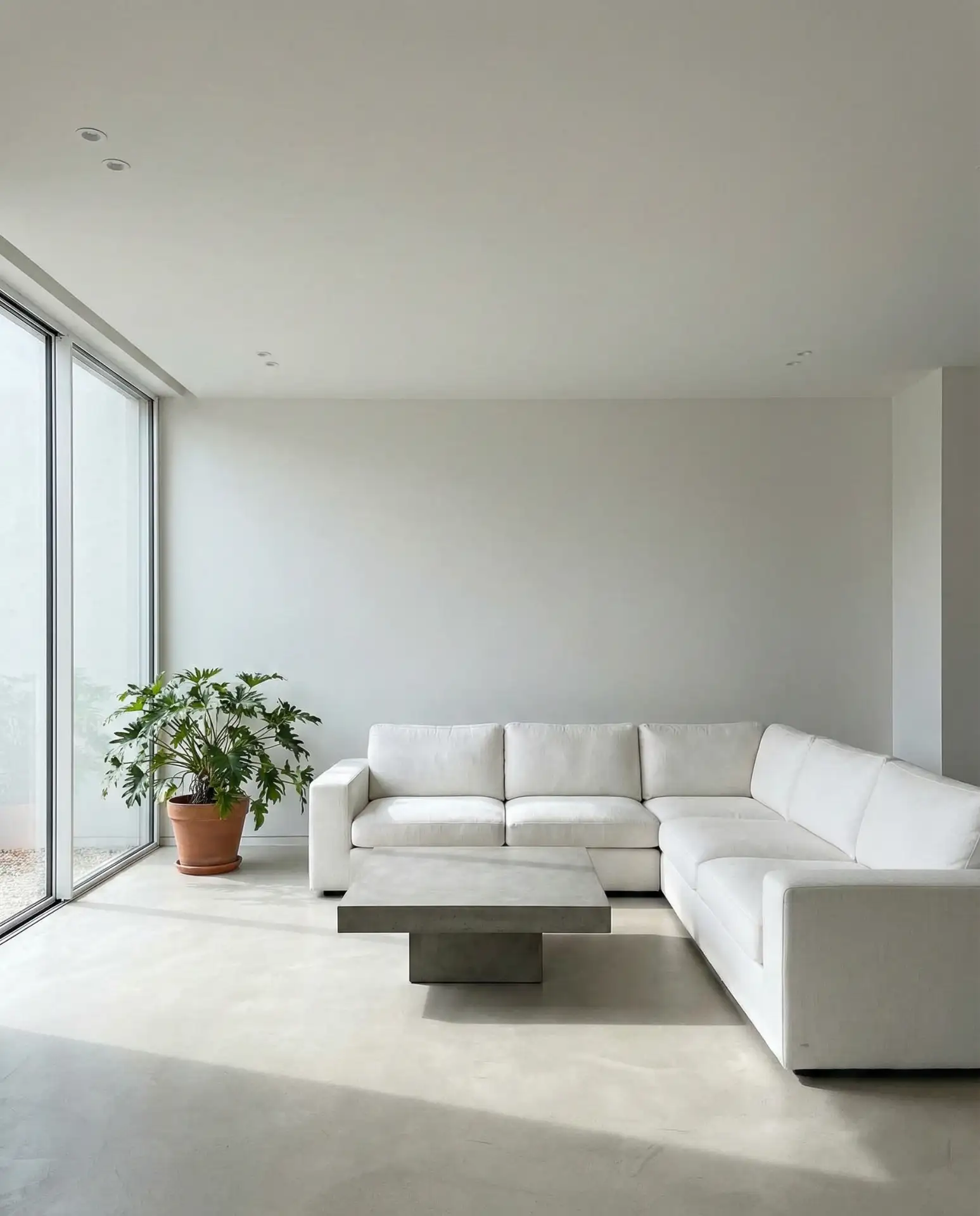
Expert-style commentary: Minimalist lighting requires careful planning since you can’t rely on decorative fixtures to add visual interest. Focus on lighting quality rather than fixture statement—high CRI (Color Rendering Index) bulbs above 90 ensure colors look true and vibrant. Consider installing dimmers on every circuit to adjust ambiance throughout the day, giving you flexibility without adding physical clutter.
11. Lighting Plan for Open Concepts
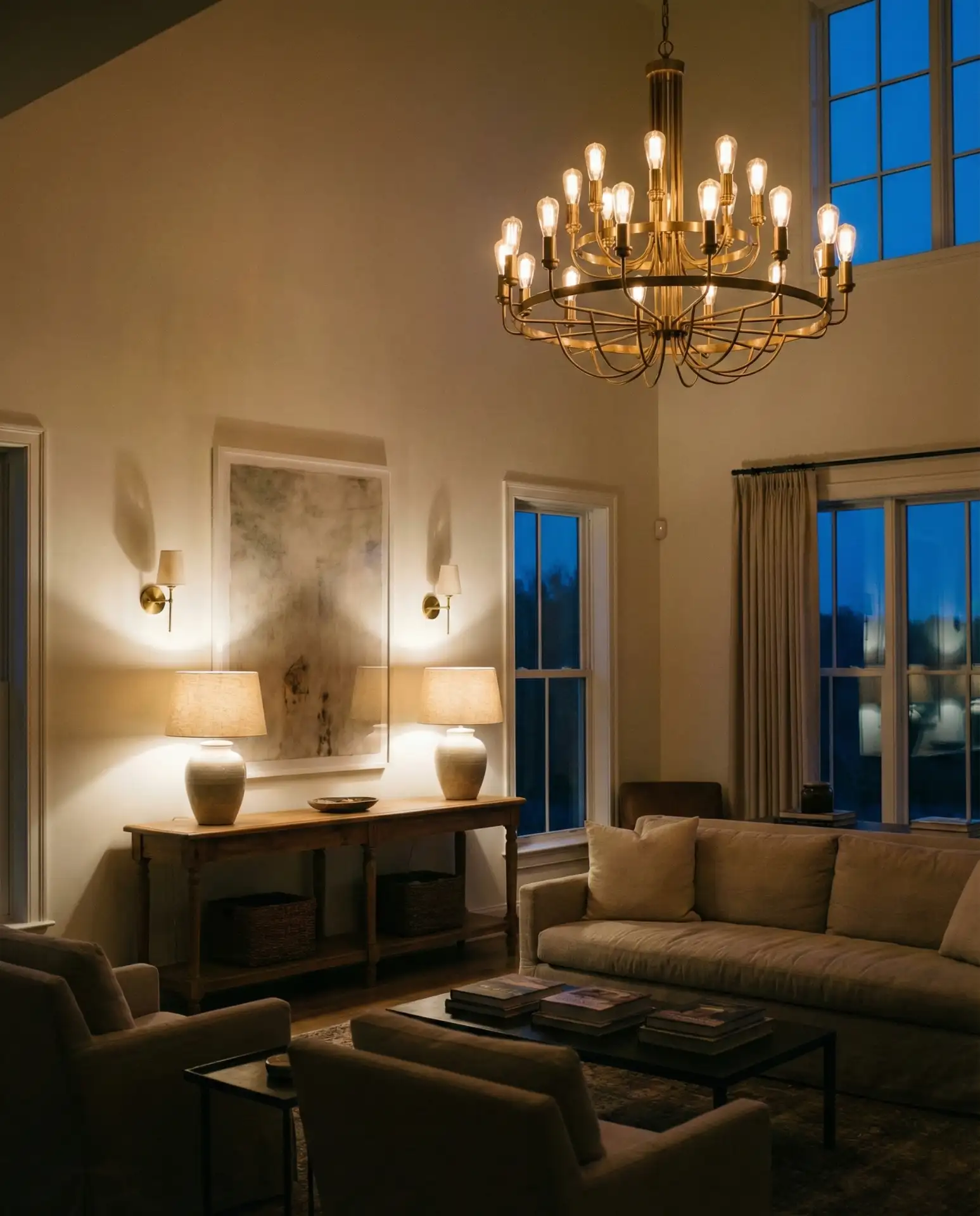
Creating a comprehensive lighting plan for open-concept living spaces requires zoning different areas with distinct fixtures while maintaining visual cohesion. Use pendants over conversation areas, recessed lights for general illumination, and accent lamps to define specific zones like reading corners or media centers. The goal is to create flexible lighting that adapts as you move through different activities.
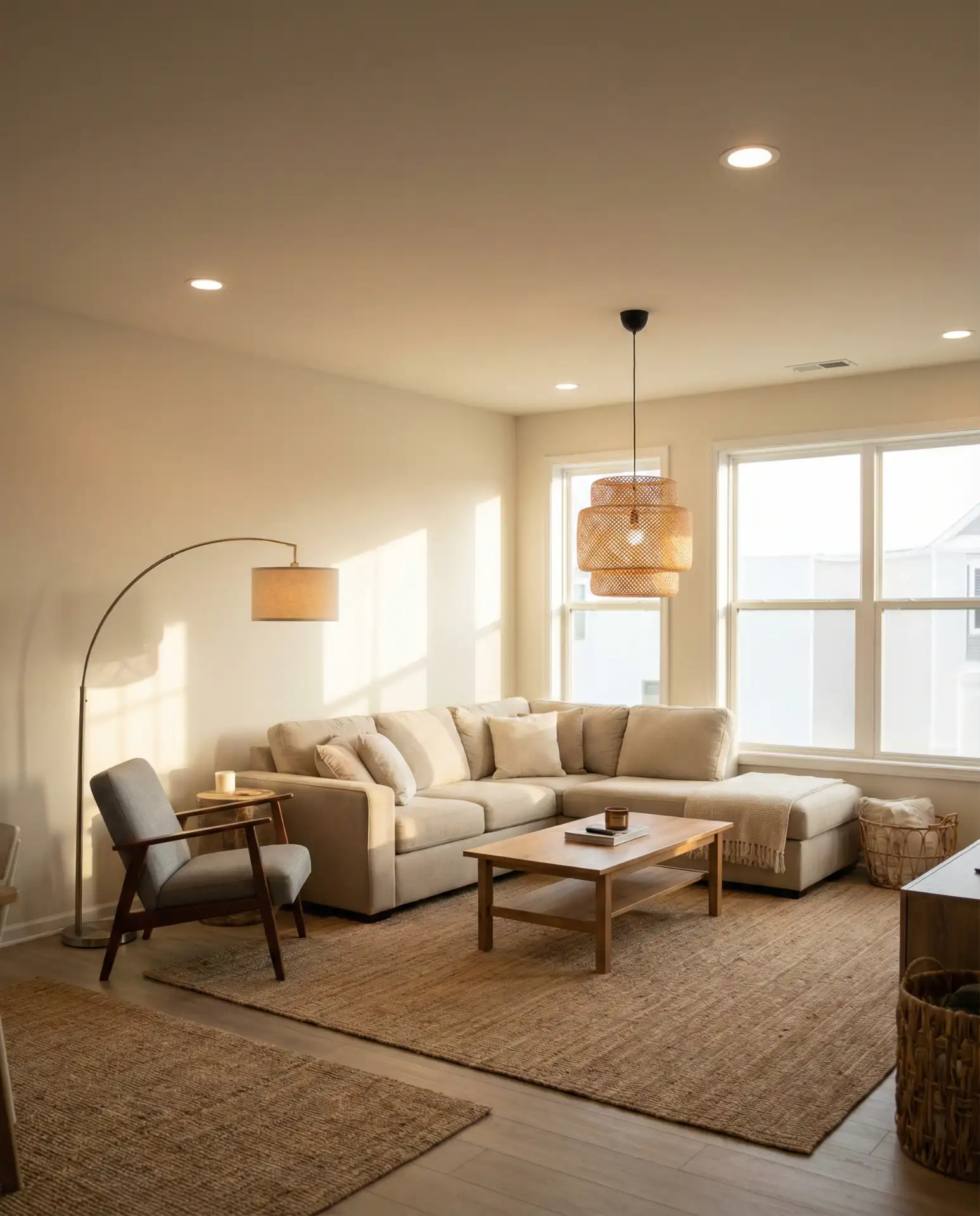
Practical insight: Divide your lighting plan into three categories—ambient (overhead general lighting), task (reading or work lights), and accent (highlighting art or architecture). Each zone in an open concept should have at least two of these three types. Use separate switches or smart controls for each zone so you can illuminate only the areas you’re actively using, saving energy and creating intimacy in large spaces.
12. Cosy Reading Nook Lighting
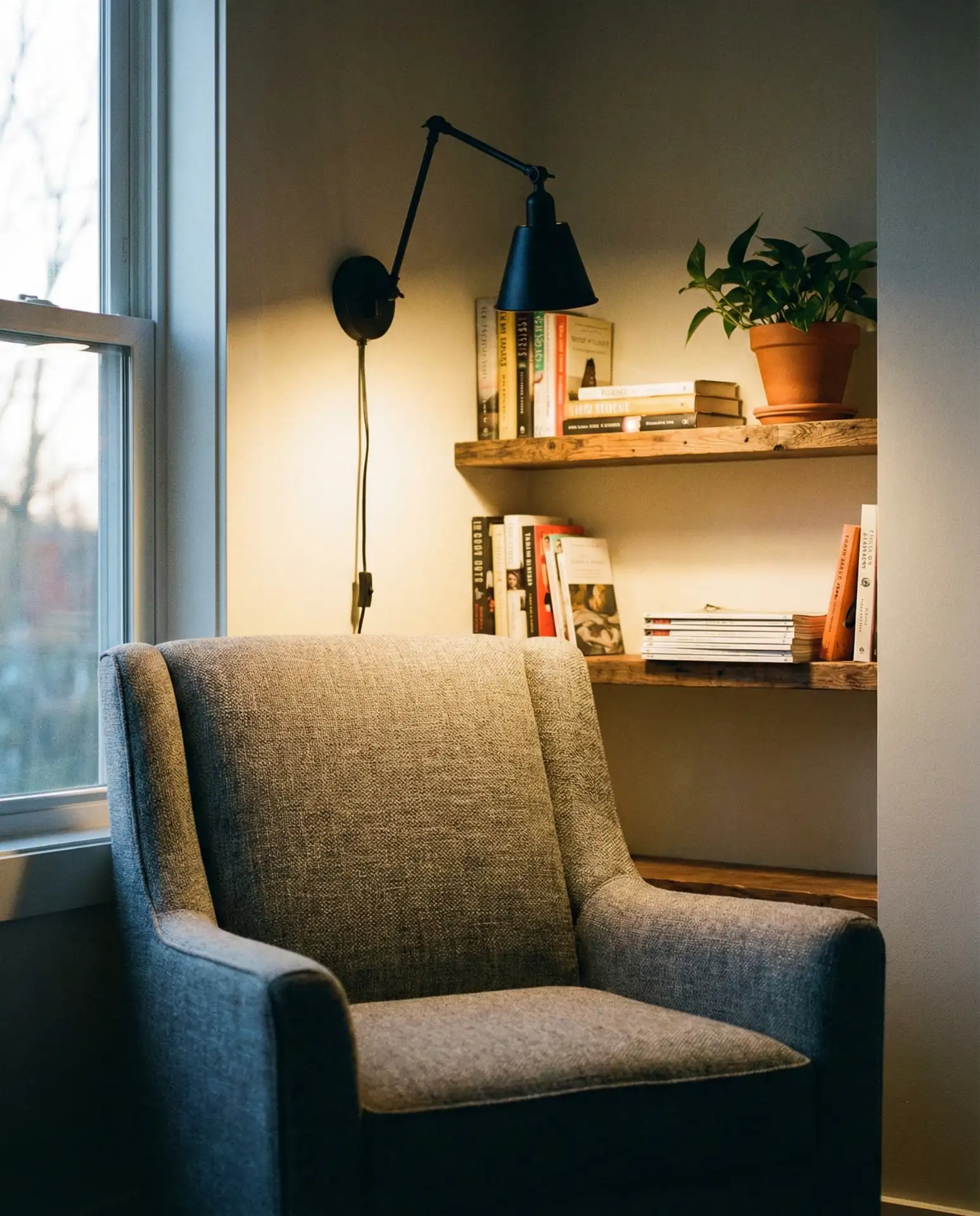
Every cozy living room benefits from a dedicated reading nook illuminated by adjustable task lighting. Position an arc floor lamp or swing-arm wall sconce near your favorite chair, ensuring the light source is slightly behind and to the side of where you’ll sit. This prevents glare while casting focused light on your book or tablet.
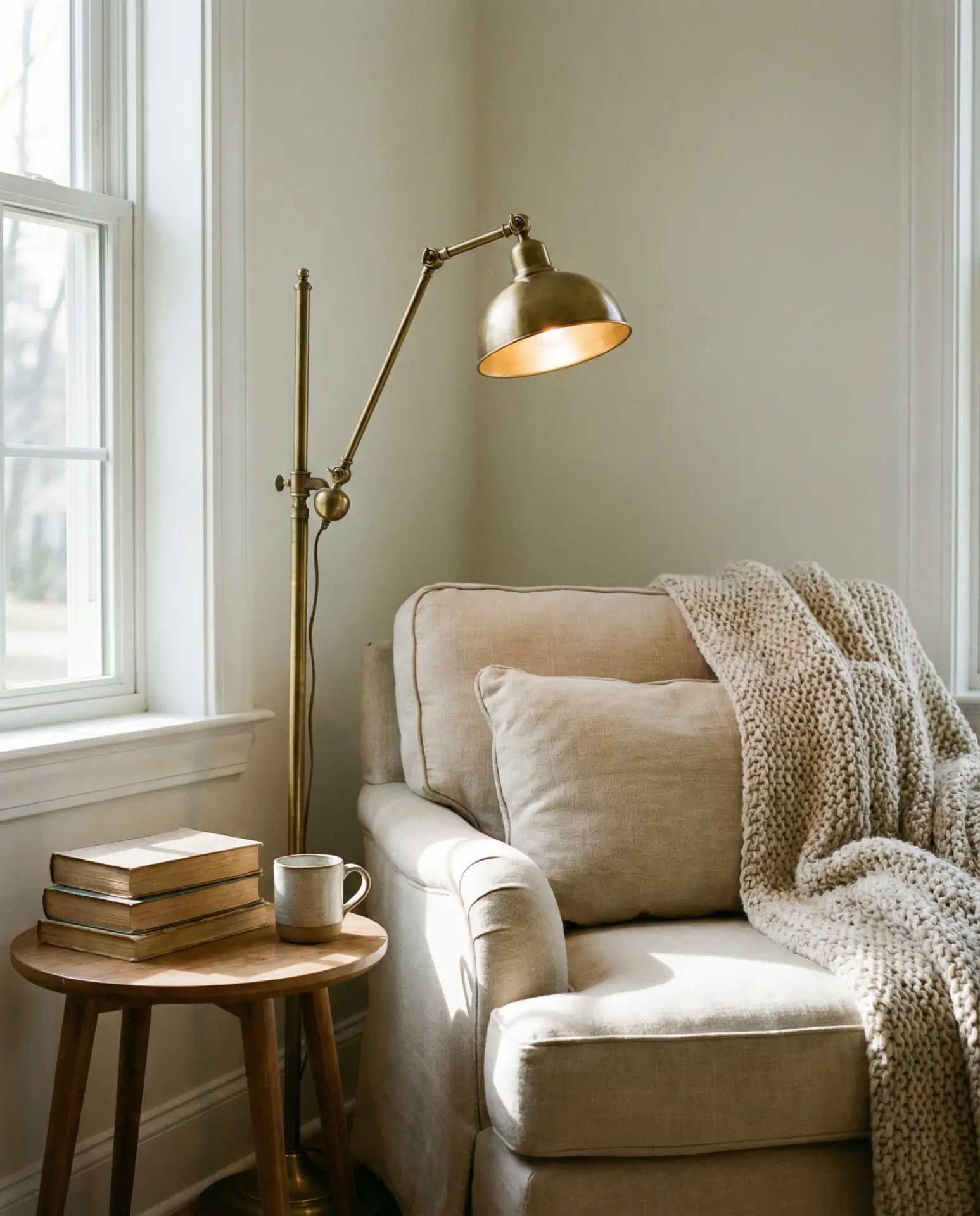
Budget angle: Quality reading lamps start around $60 from brands like IKEA and Target, with premium adjustable options from Anglepoise or Koncept running $200-$400. The investment pays off in reduced eye strain and increased reading time. Look for lamps with dimmer switches or three-way bulbs so you can adjust brightness based on time of day and natural light levels.
13. Fixtures for Low-Ceiling Small Spaces
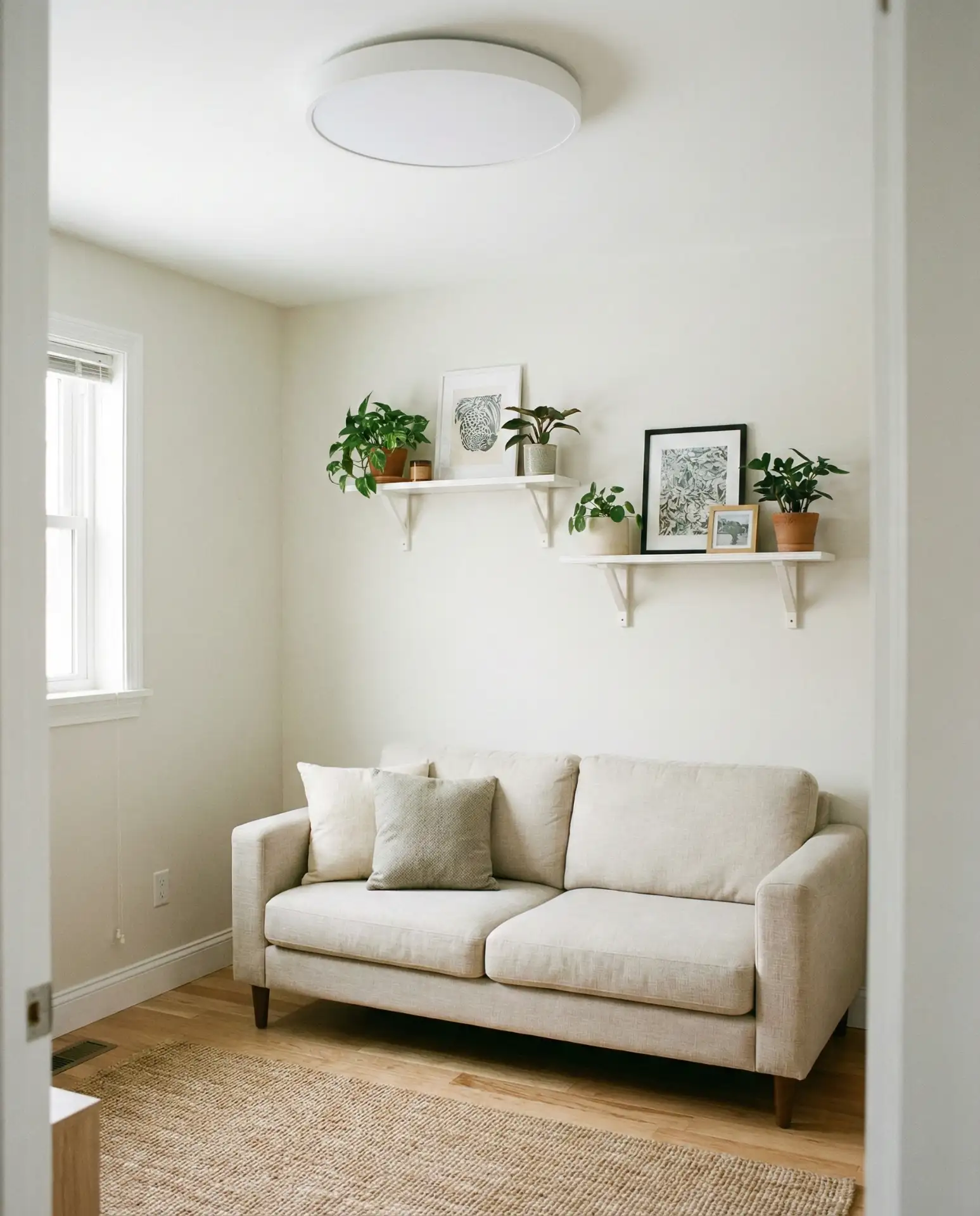
Small living rooms with low ceiling lights need fixtures that maximize light output while maintaining clearance and visual lightness. Choose slim-profile designs with glass or open metalwork that allows light to pass through rather than being blocked by solid shades. Wall sconces and table lamps become essential supplements, directing light up and out to make the ceiling feel higher.
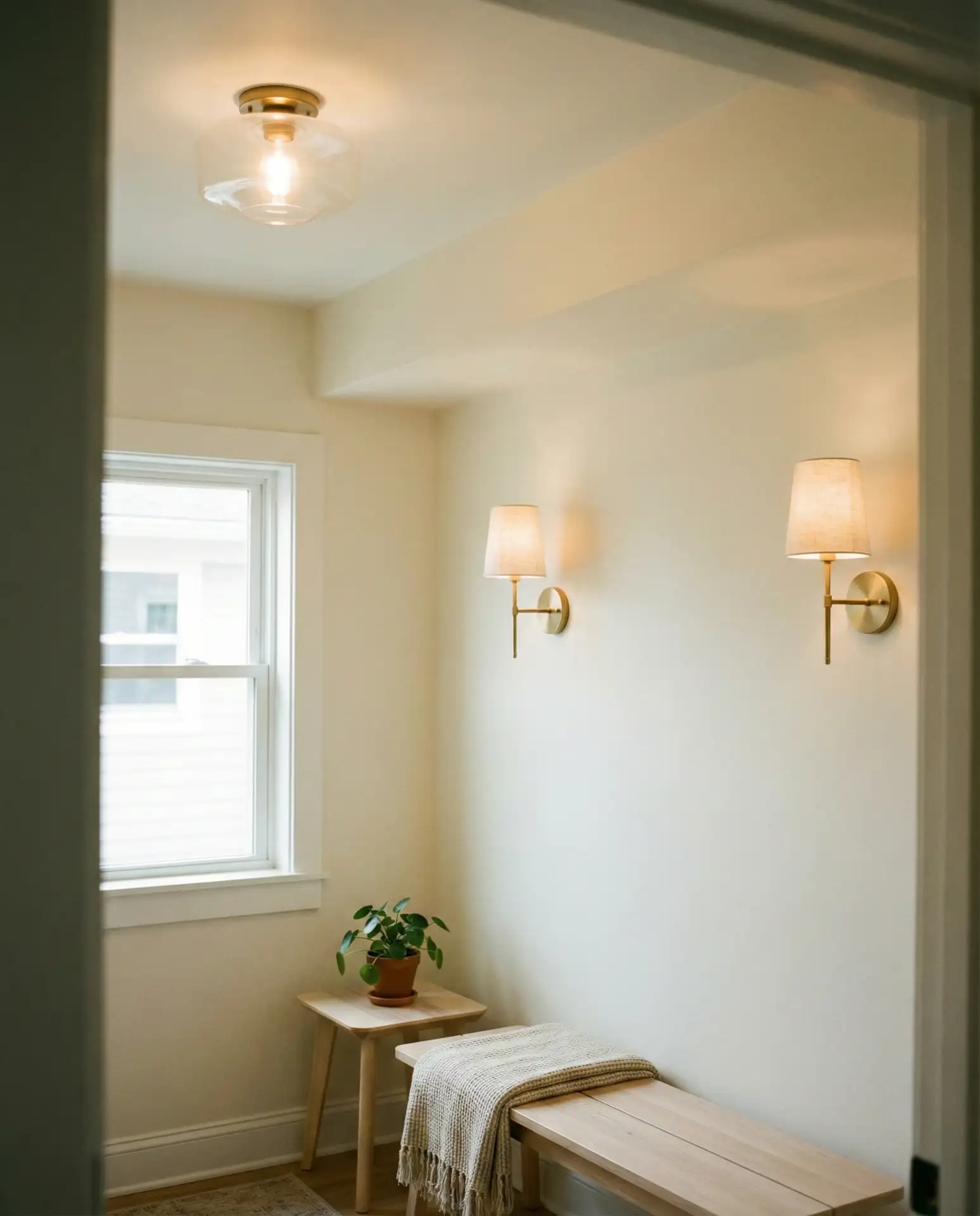
Common mistakes and how to avoid them: Oversized fixtures overwhelm small rooms with low ceilings, creating a claustrophobic feeling. Measure your ceiling height and room dimensions before shopping—a good rule is fixtures no wider than one-third of the room’s narrowest dimension. Also avoid dark or opaque shades that trap light; instead, choose clear, frosted, or light-colored materials that diffuse illumination throughout the space.
14. Color Temperature for Different Moods
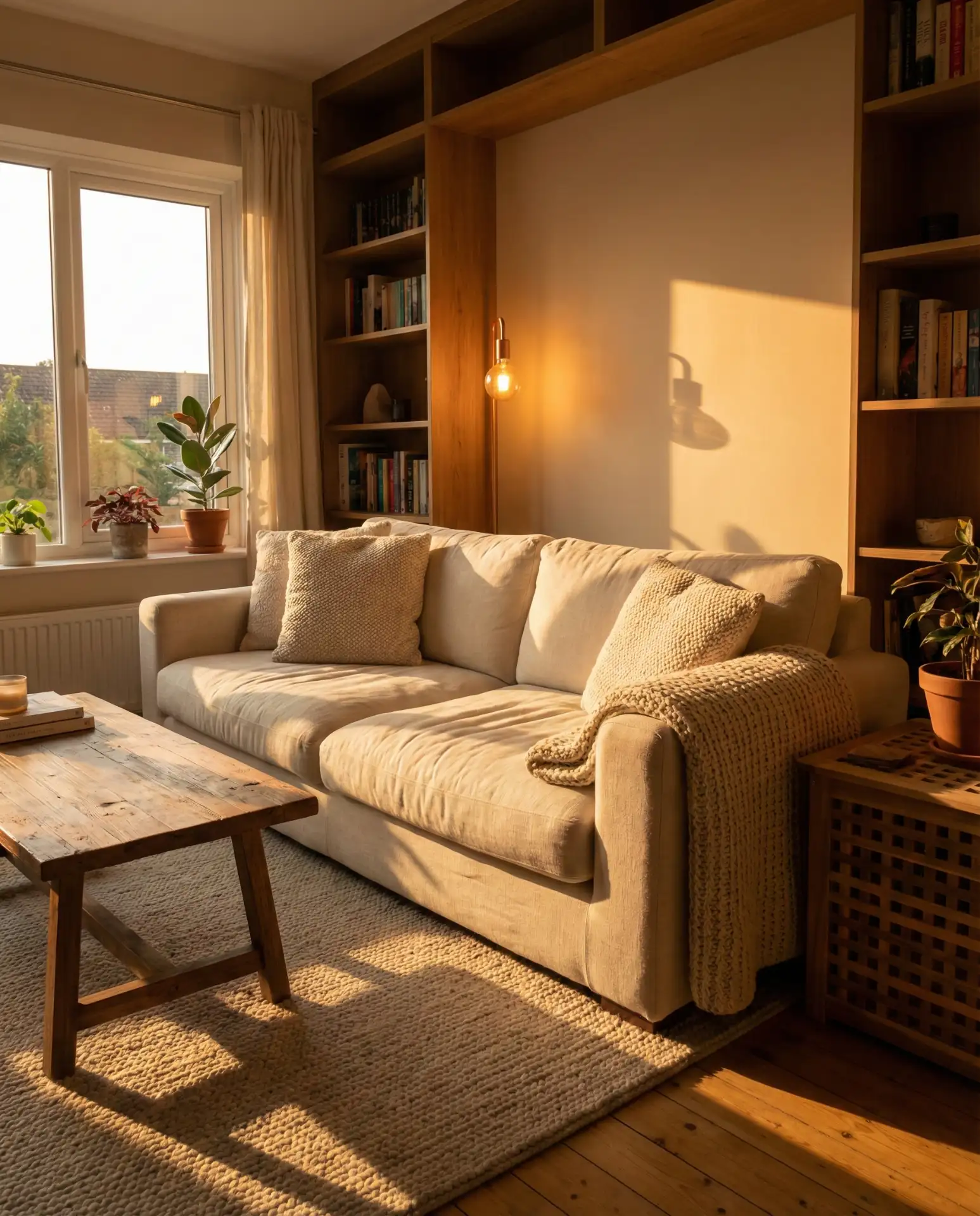
Understanding how lighting colors affect mood transforms your living room from a single-purpose space into a versatile environment. Warm white bulbs (2700K-3000K) create intimacy and relaxation, perfect for evenings, while neutral white (3500K-4100K) energizes the space for daytime activities. Many homeowners now install smart bulbs that shift color temperature throughout the day, mimicking natural light patterns.
American lifestyle context: Americans increasingly work from home, using living rooms as multi-purpose spaces for Zoom calls, family time, and relaxation. Adjustable color temperature accommodates these shifting needs without requiring multiple lamp sets. Popular smart bulb brands like Philips Hue and LIFX allow you to program lighting scenes—”focus” for work hours, “relax” for evenings, and “party” for entertaining.
15. High Ceiling Statement Lighting
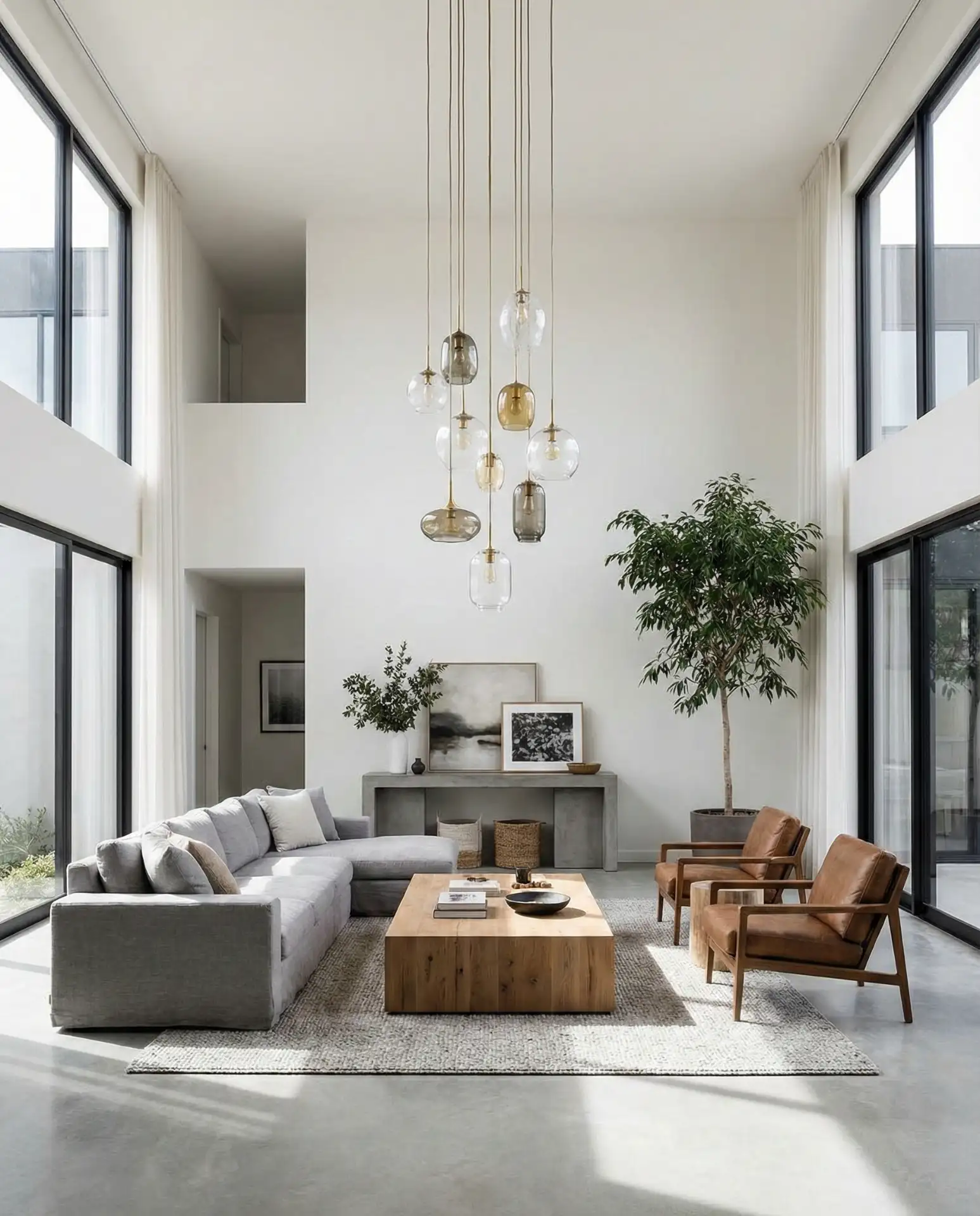
Rooms with high ceilings demand bold fixtures that fill vertical space without disappearing into the architecture. Oversized chandeliers, long linear pendants, or sculptural installations become room-defining elements that draw the eye upward. The key is proportionality—fixtures should feel substantial but not overwhelming, typically measuring one-third to one-half the width of the furniture grouping beneath them.
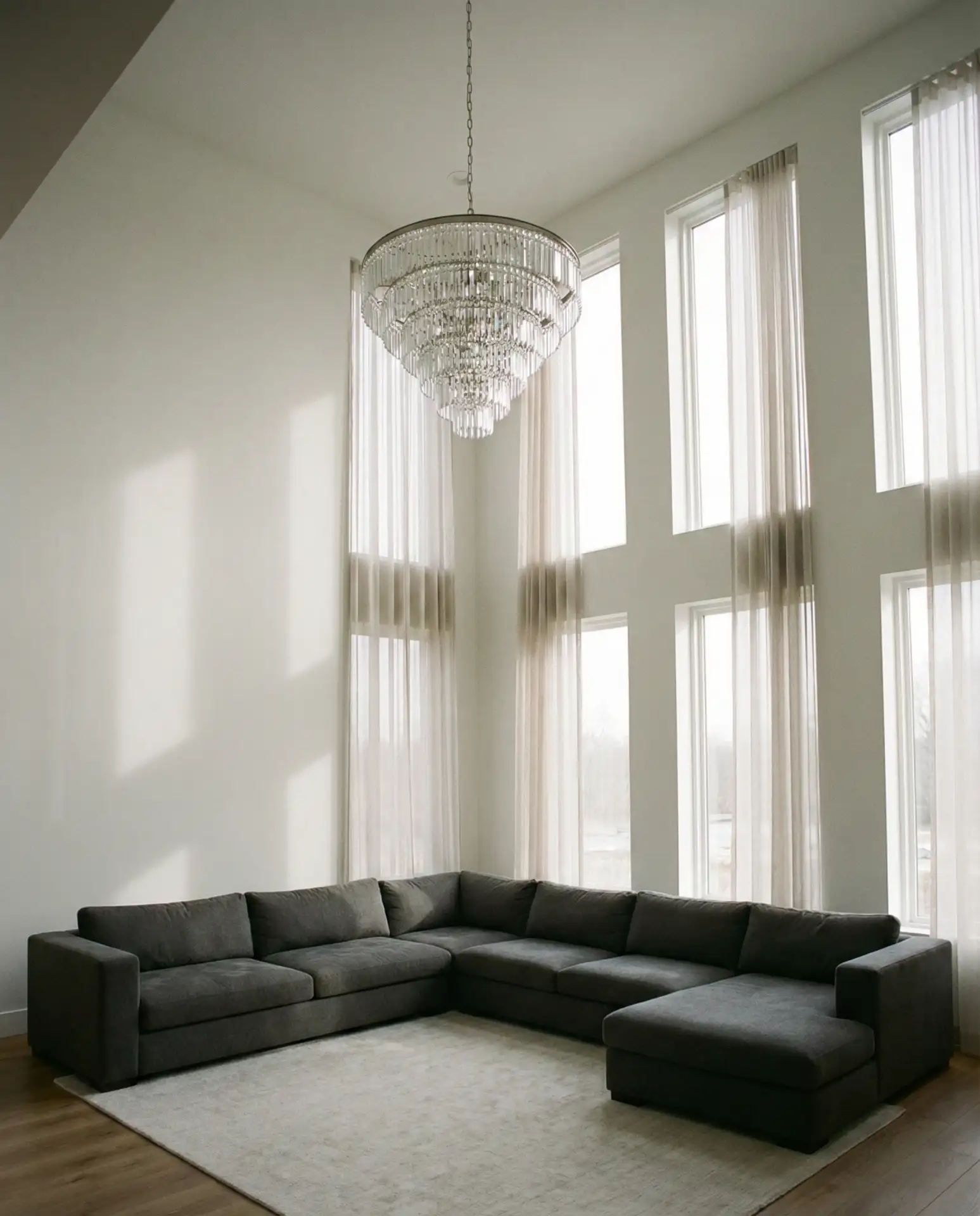
Real homeowner behavior: Many people with high ceilings initially install standard-sized fixtures, then realize the room feels unbalanced. Upgrading to appropriately scaled lighting often requires reinforced ceiling mounts and professional installation, typically costing $200-$500 in labor. Factor this into your budget when planning. Also consider how you’ll change bulbs—fixtures above 12 feet may require specialty ladders or electrician visits.
16. Fixtures for High Ceiling Versatility
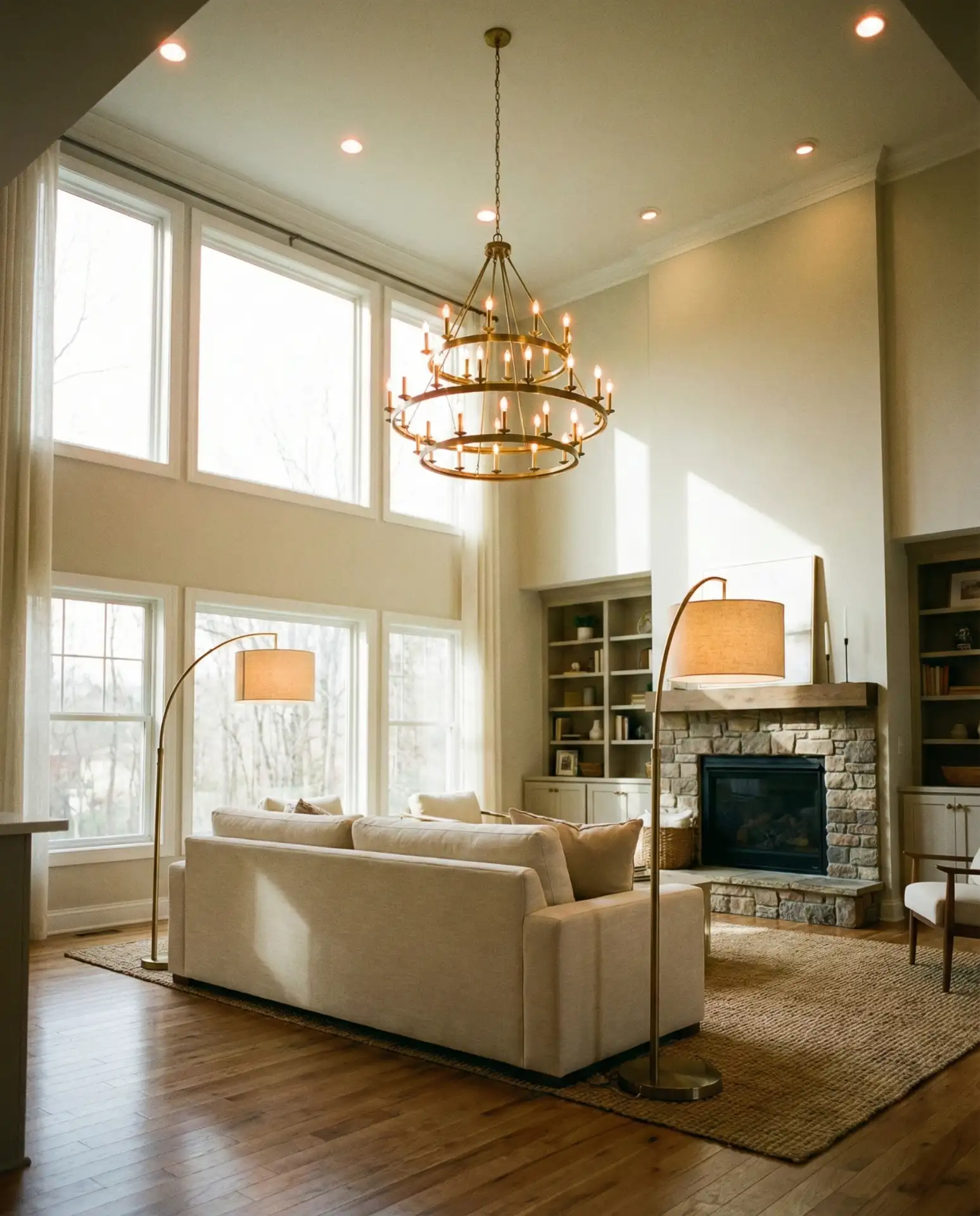
The best fixtures for high-ceiling installations combine overhead drama with accessible task lighting at a human scale. Layer your approach with a statement chandelier or pendant as the focal point, supplemented by floor and table lamps that provide functional light where you actually live. This prevents the common problem of beautiful ceiling fixtures that illuminate everything except the activities happening below.
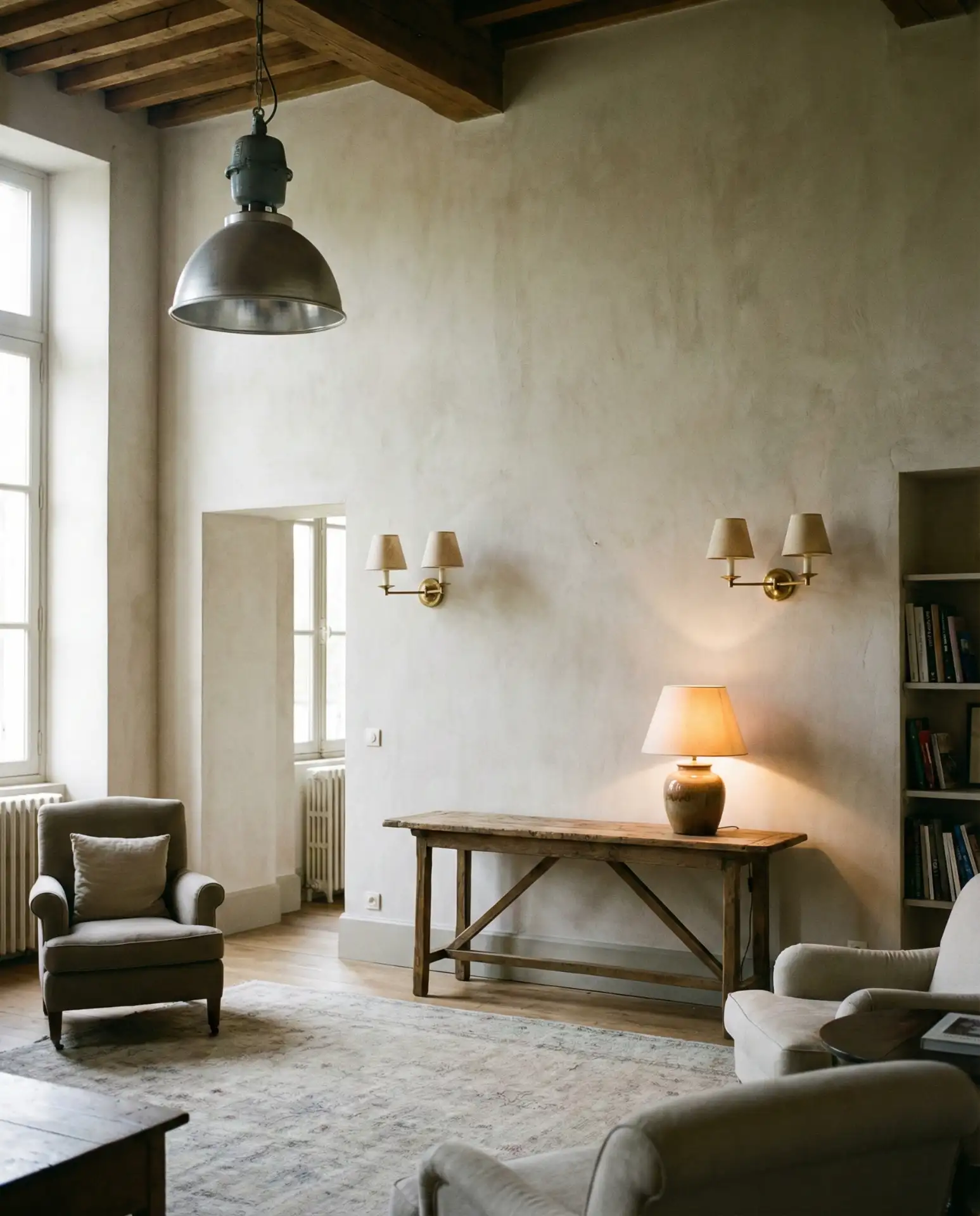
Practical insight: High ceilings often create acoustic challenges—sound bounces and echoes in ways that affect conversation quality. Fabric lampshades, upholstered furniture, and area rugs absorb sound while your lighting plan illuminates the space. Consider this acoustic-visual relationship when selecting fixtures; pendant lights with fabric drums or woven shades serve double duty by softening both light and sound.
17. Ideas for Low Ceiling Charm
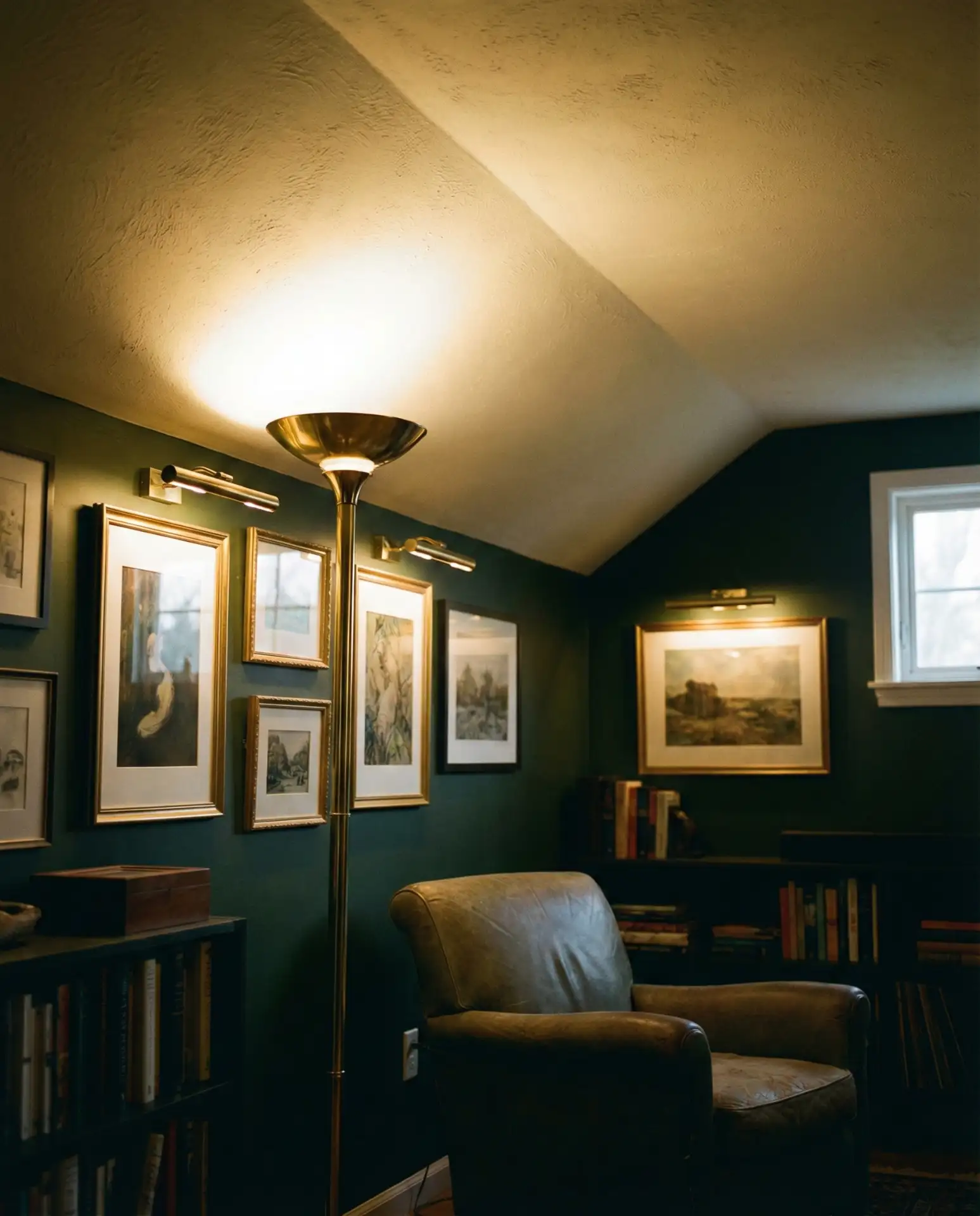
Turning low ceiling limitations into advantages requires embracing the cozy, intimate atmosphere they naturally create. Install uplighting that washes the ceiling in soft light, visually lifting it while adding ambient glow. Combine this with picture lights, wall sconces, and table lamps positioned below eye level to draw attention away from ceiling height toward the room’s horizontal dimensions.
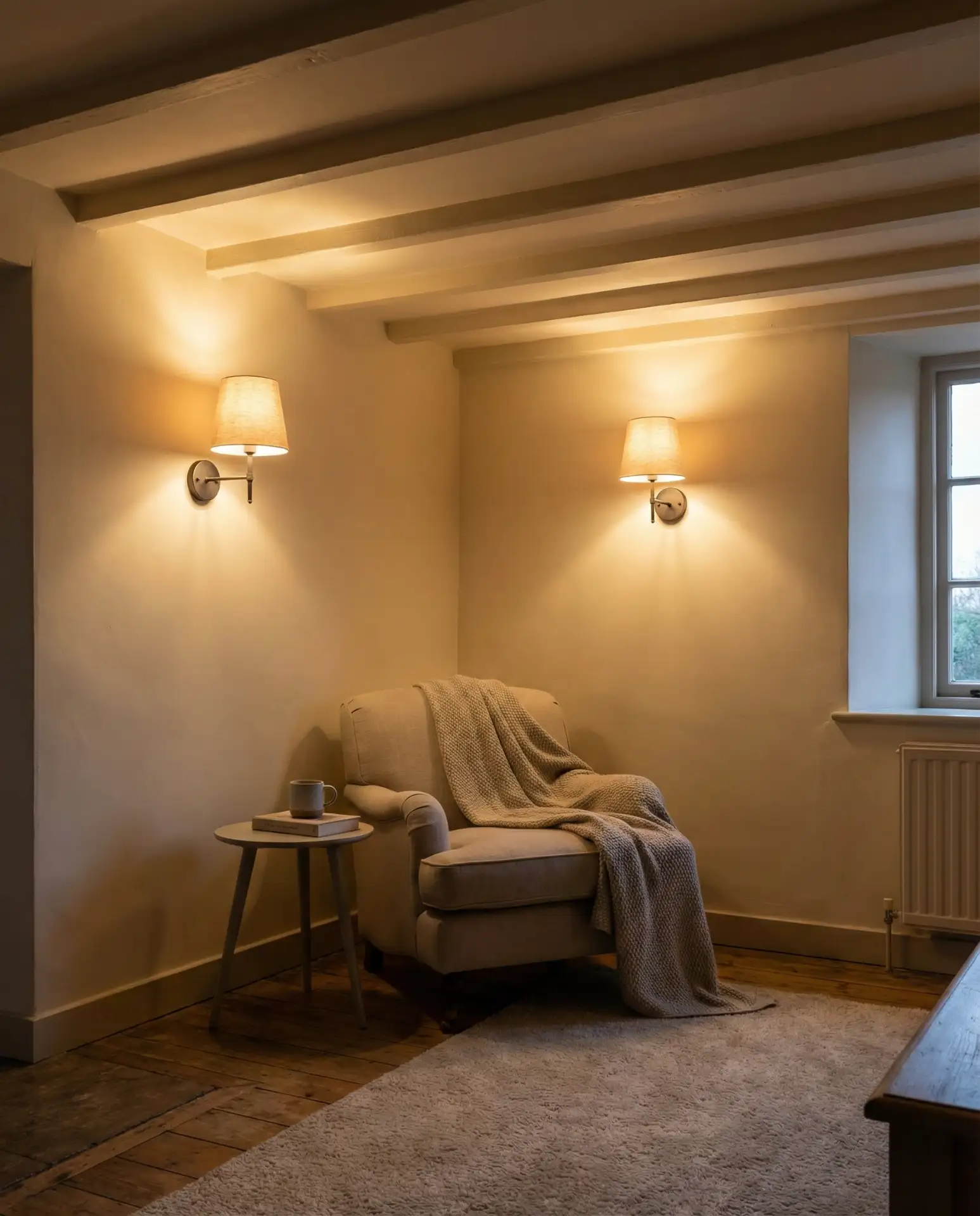
Micro anecdote: My neighbor’s 1960s ranch house has seven-foot ceilings throughout, which she initially considered a major flaw. After installing LED tape lighting in cove molding and replacing ceiling fans with slim fixtures, she transformed the space into what visitors now describe as “cottage-like” and “inviting”—proof that perceived limitations can become defining characteristics with the right approach.
18. Lamp Styling for Visual Interest
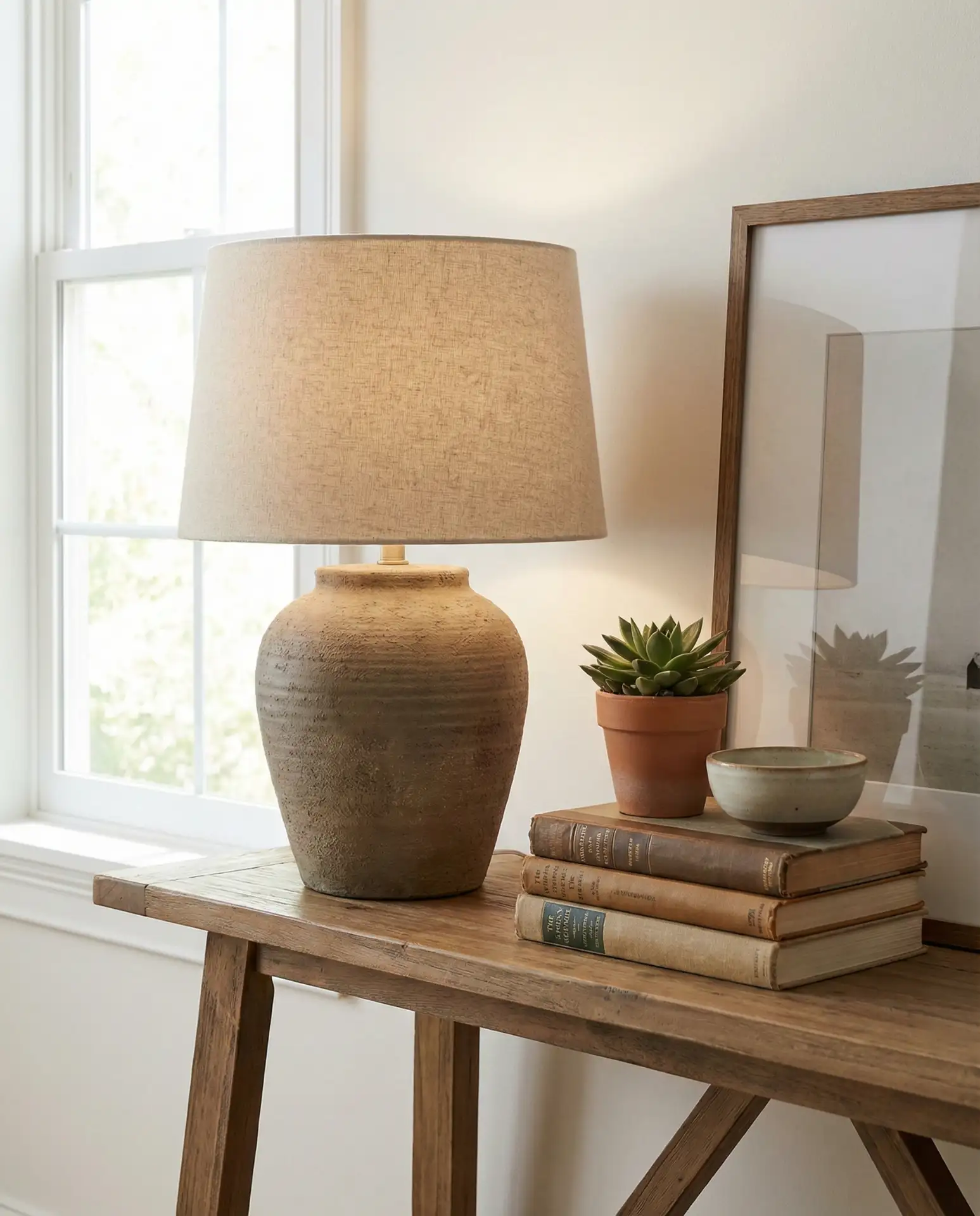
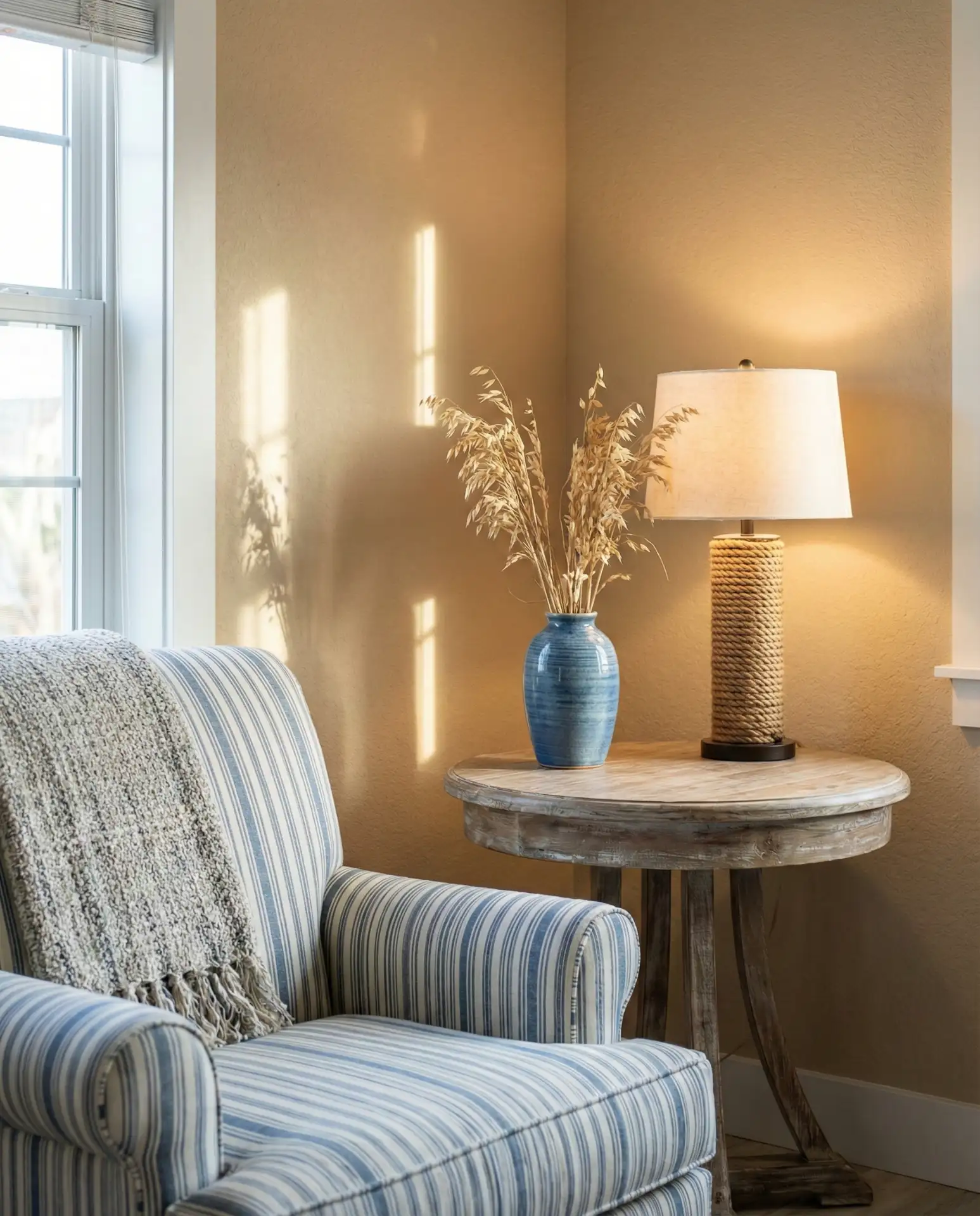
Treating lamps as sculptural objects rather than purely functional fixtures elevates your living room’s design. Choose bases with interesting textures—ceramic, turned wood, hammered metal—and vary heights between 24 and 32 inches to create visual rhythm on side tables and consoles. The shade shape matters too; drum shades offer clean modern lines, while empire shades provide traditional elegance.
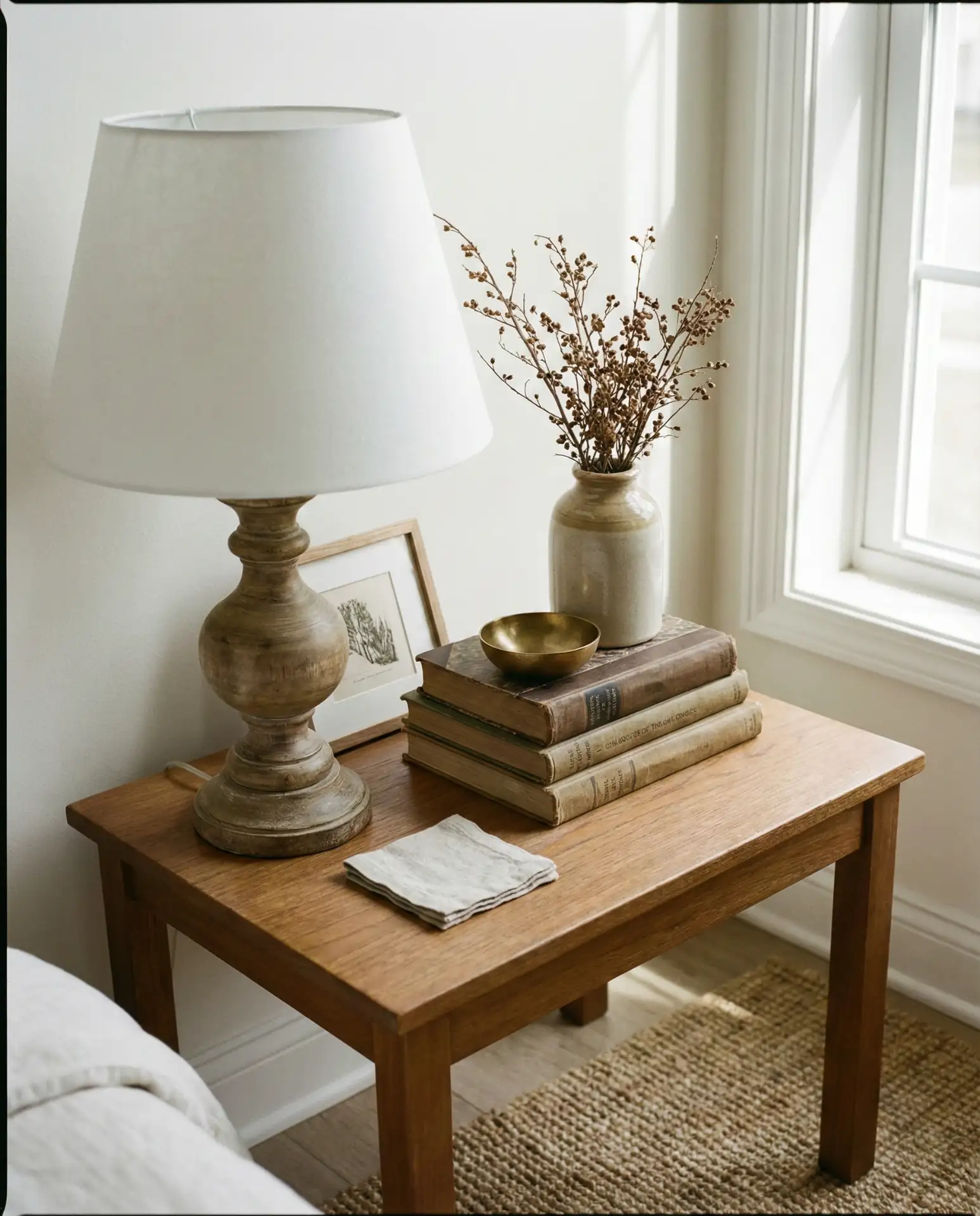
Where it works best: Rooms that serve multiple functions—living, working, entertaining—benefit most from varied lamp placement. Position lamps at different heights and in different zones to provide flexibility. In urban apartments from Seattle to Boston, where square footage is limited, well-chosen lamps define areas without requiring permanent walls or dividers, creating psychological boundaries through light.
19. Ideas Ceiling Modern Updates
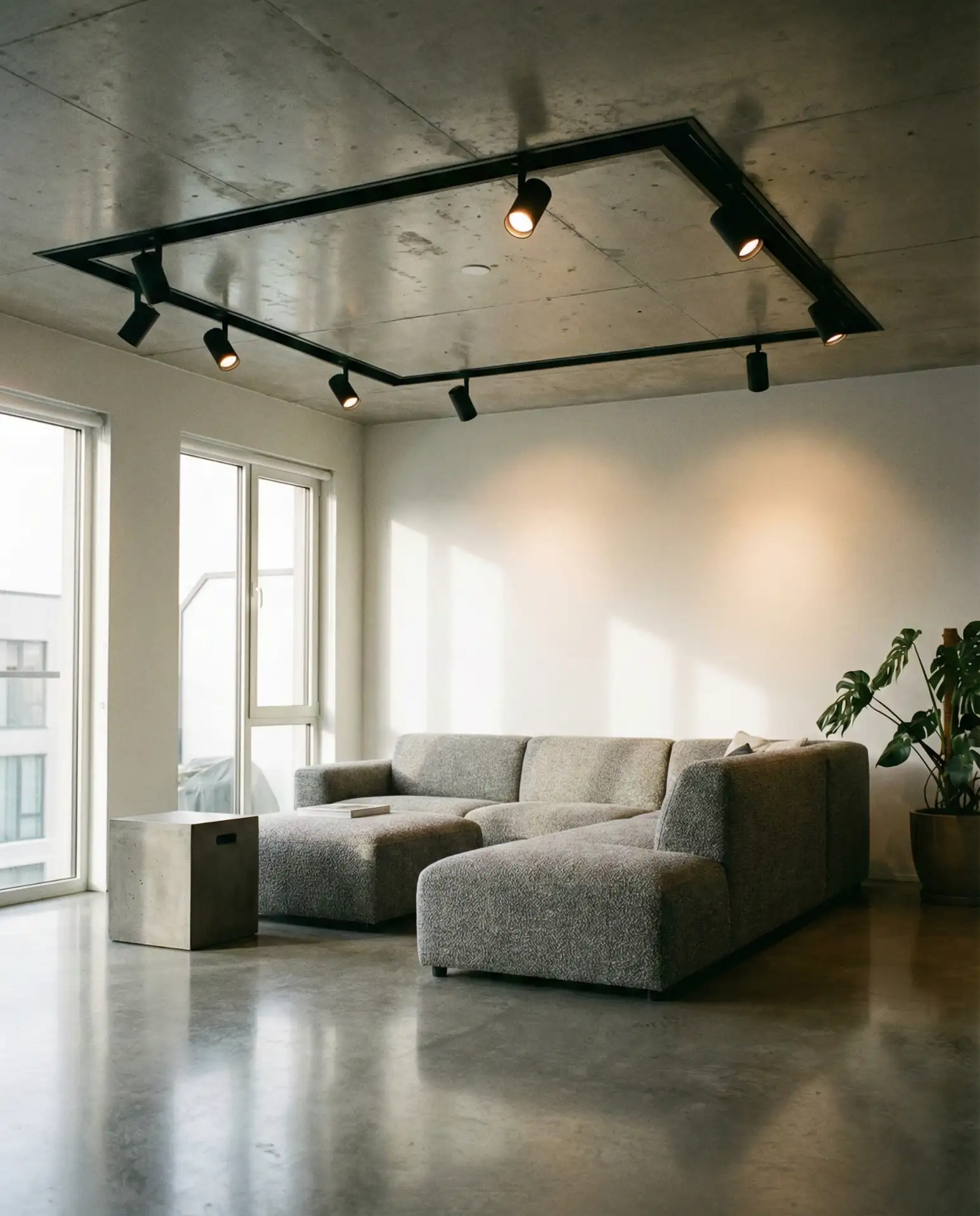
Refreshing your ideas with a ceiling approach with modern fixtures instantly updates dated living rooms. Replace brass ceiling fans from the 1990s with sleek matte black or brushed nickel alternatives featuring integrated LED lighting. Consider trackless magnetic lighting systems that offer flexibility to adjust beam angles and fixture positions as your furniture arrangement evolves.
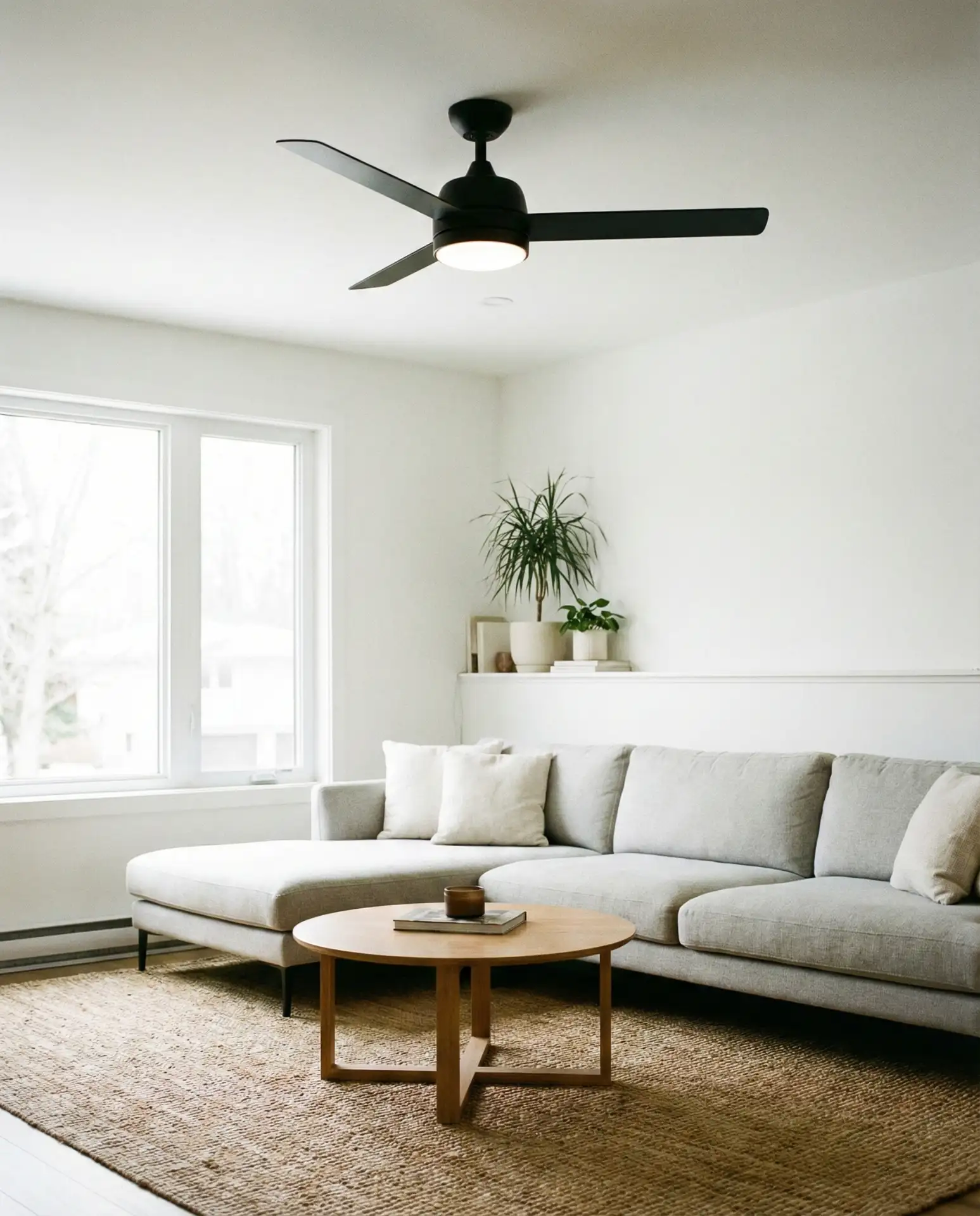
Budget angle: Updating ceiling fixtures ranges from $50 DIY flush-mounts to $500+ designer pendants requiring professional installation. The most cost-effective upgrade is replacing outdated builder-grade fixtures with modern versions of a similar type—swap an old flush mount for a contemporary drum design using the existing electrical box. This keeps labor costs under $100 while dramatically improving aesthetics.
20. Lighting for Grey Couch Schemes
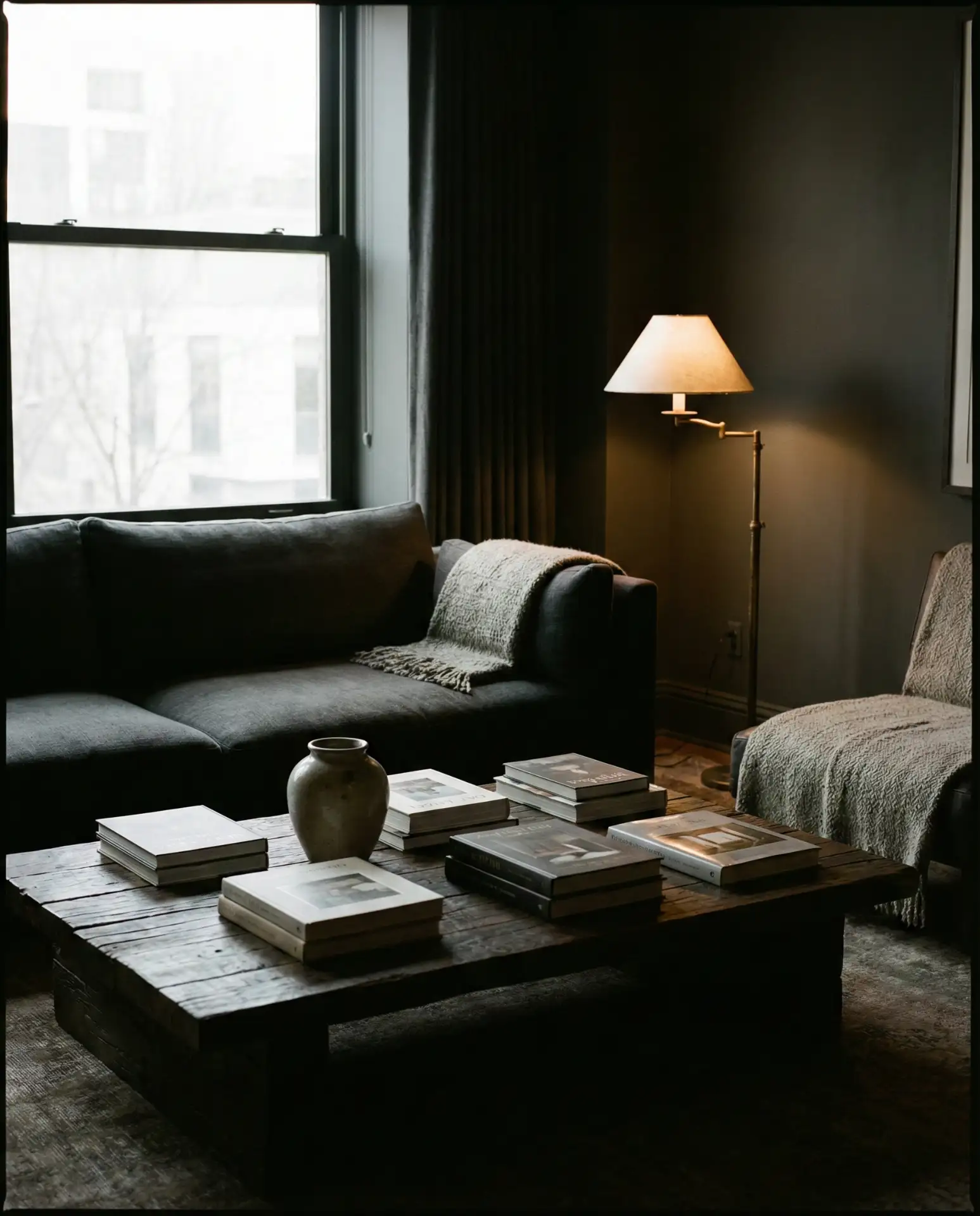
A gray couch provides a neutral canvas that works with virtually any lighting style, but the specific shade affects which fixtures look best. Charcoal and slate grays pair beautifully with matte black or aged brass fixtures for moody, sophisticated spaces, while light heather grays welcome polished chrome or brushed nickel for airy, Scandinavian-inspired rooms. The undertones in your gray—whether warm (brown-based) or cool (blue-based)—should guide metal finish choices.
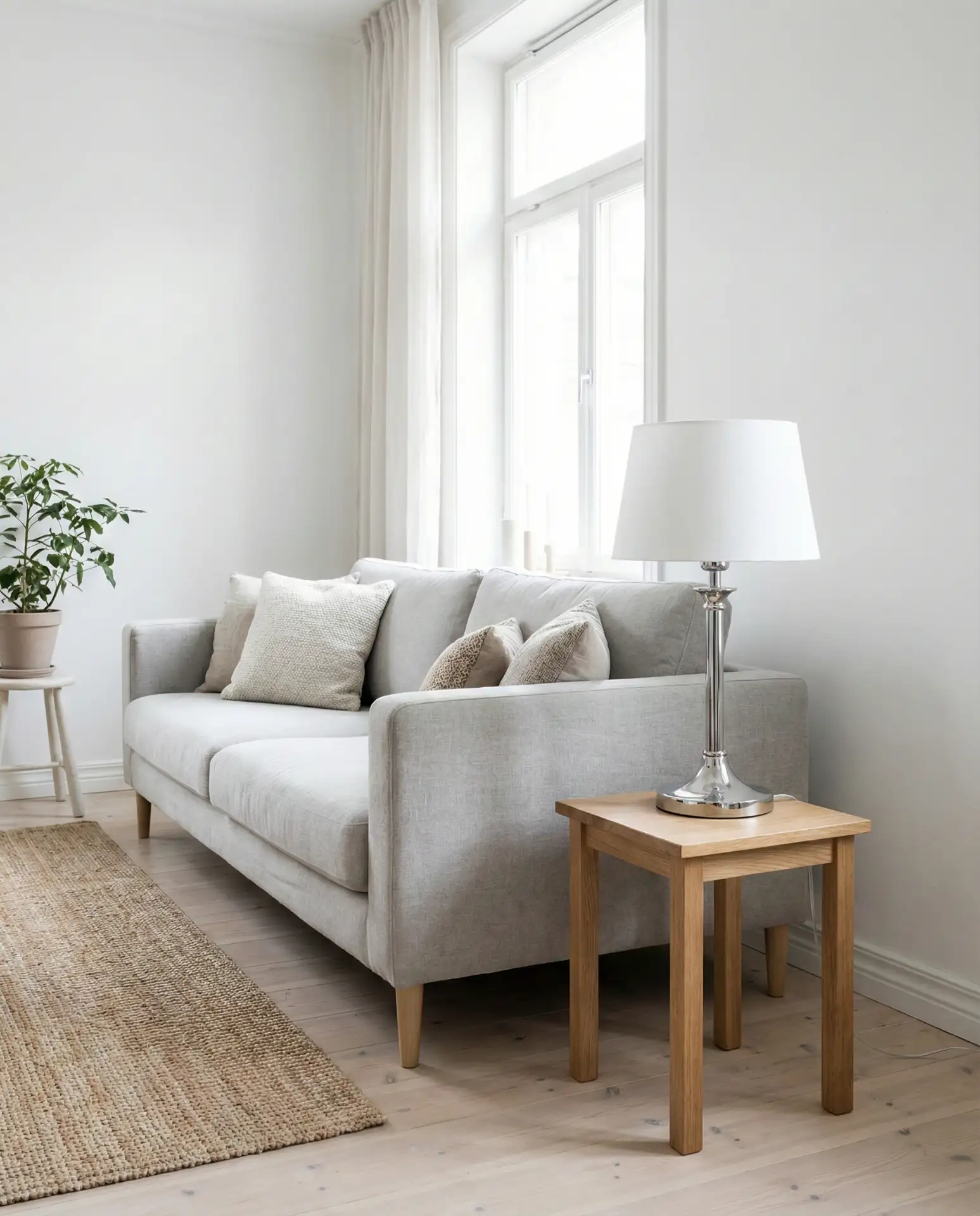
Expert-style commentary: Interior designers recommend testing lighting fixtures against your sofa fabric in natural daylight and artificial evening light before committing—colors shift dramatically under different illumination. Many showrooms and online retailers offer sample programs or generous return policies specifically for this reason. Take photos of fixtures with your gray couch at different times of day to evaluate how they interact before making final selections.
21. Wood Fixtures for Organic Warmth
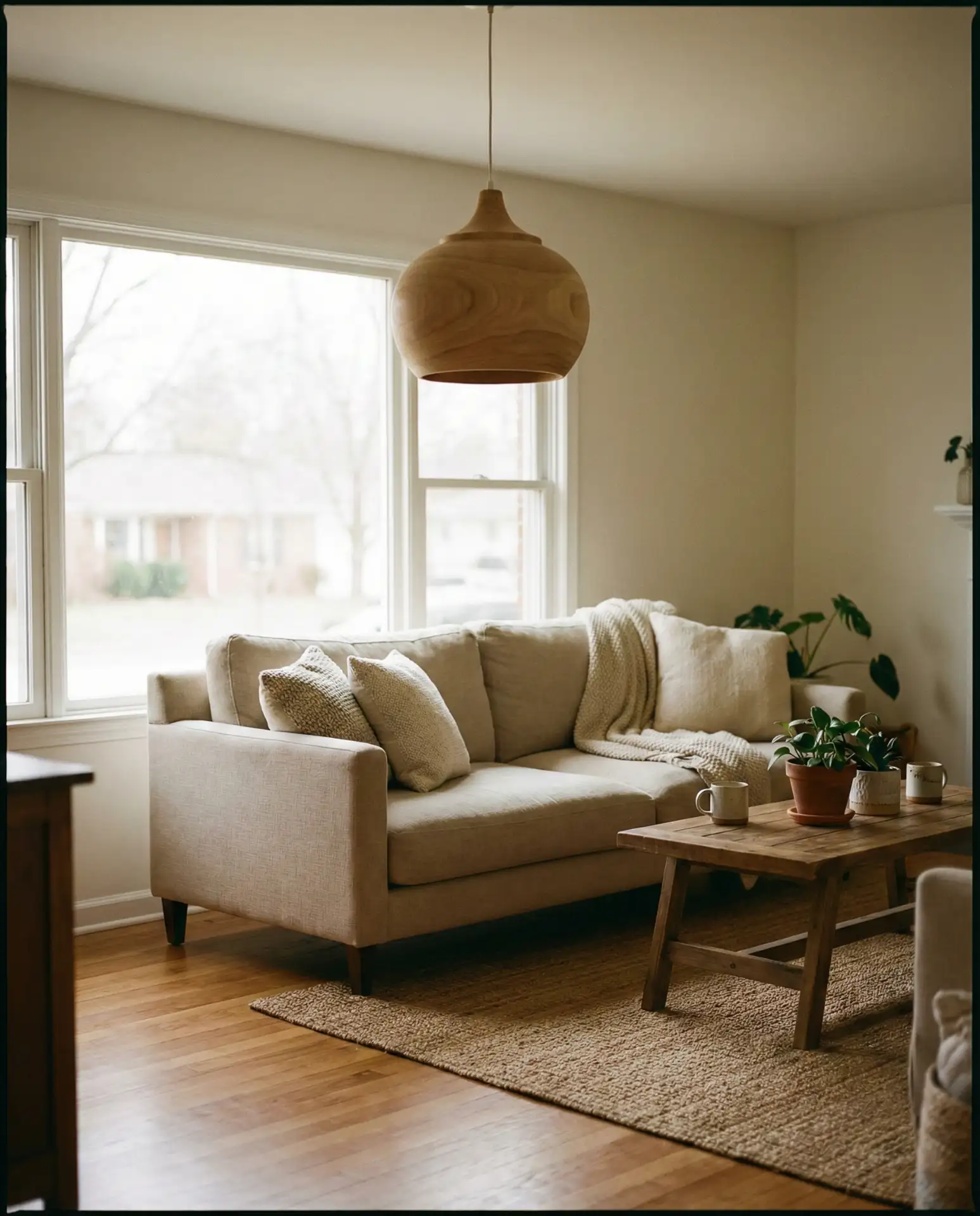
Incorporating wood lighting fixtures brings natural texture and warmth that metal and glass can’t replicate. Turned wood pendants, carved floor lamp bases, and beaded chandelier accents introduce organic shapes that soften modern interiors. These fixtures work especially well in living rooms with exposed beams, hardwood floors, or other wood elements, creating cohesive material stories throughout the space.
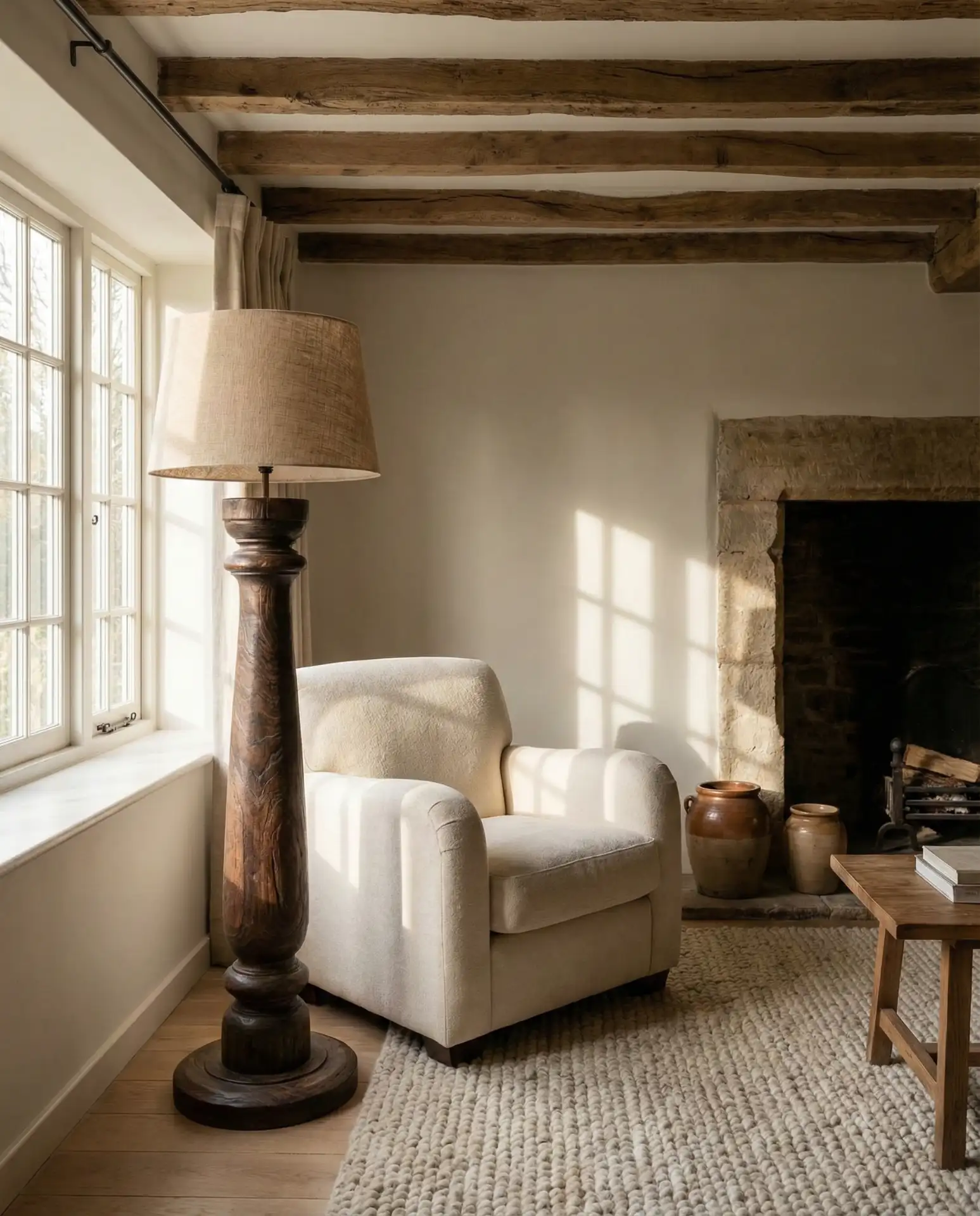
American lifestyle context: The trend toward biophilic design—bringing nature indoors—has driven increased demand for wood fixtures, particularly in health-conscious cities like Portland, Boulder, and Asheville. Research suggests that natural materials reduce stress and improve mood, making wood lighting both aesthetically pleasing and psychologically beneficial. Combine wood fixtures with live plants, natural fiber rugs, and stone accents to maximize these wellness effects.
22. Ceiling 2026 Trends
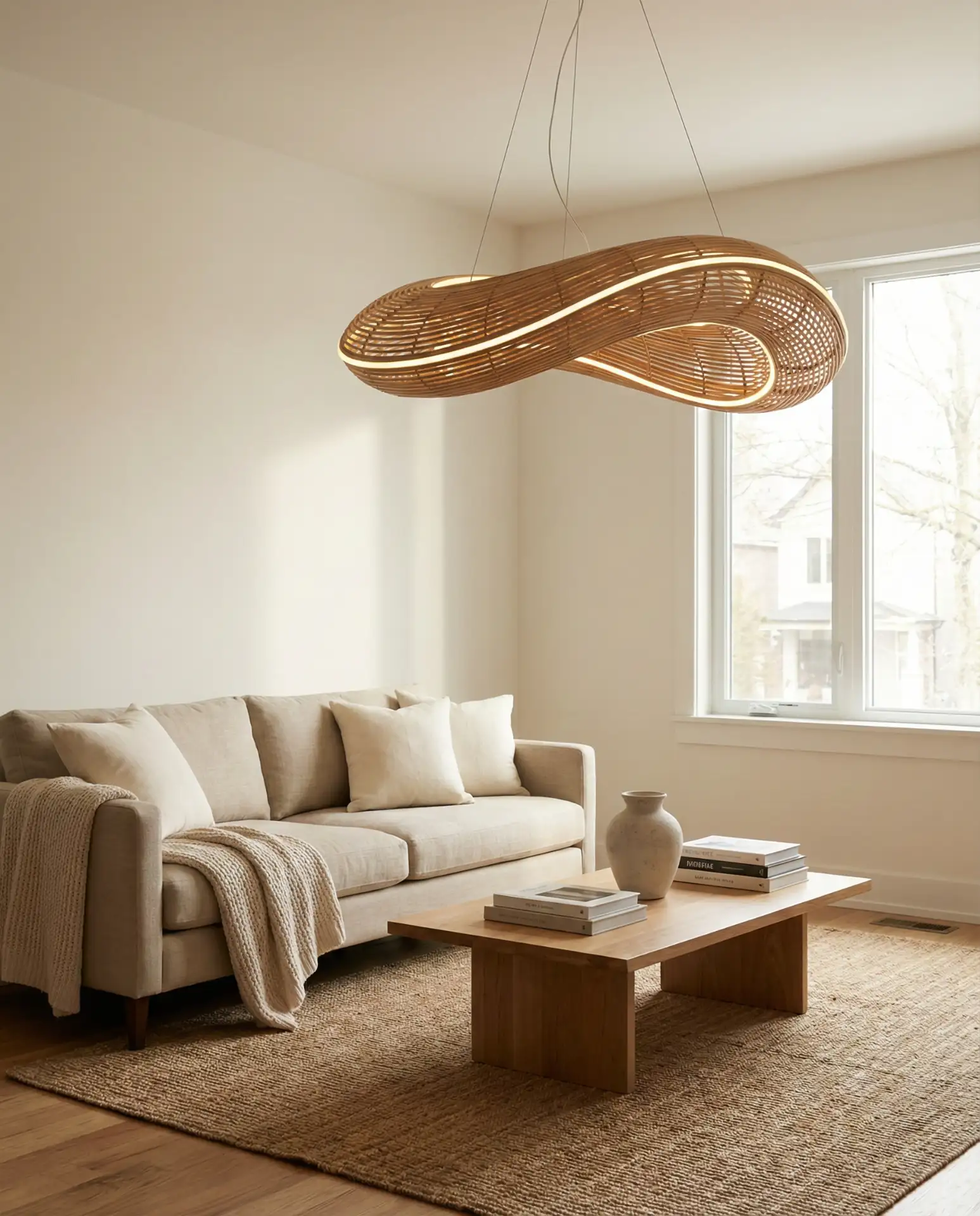
The 2026 landscape emphasizes sustainability, smart technology, and artistic expression. LED efficiency is now standard rather than premium, while integrated smart controls allow voice and app management of brightness, color temperature, and scheduling. Expect to see more artisan-made fixtures featuring reclaimed materials, hand-blown glass, and sculptural forms that blur the line between lighting and art installation.
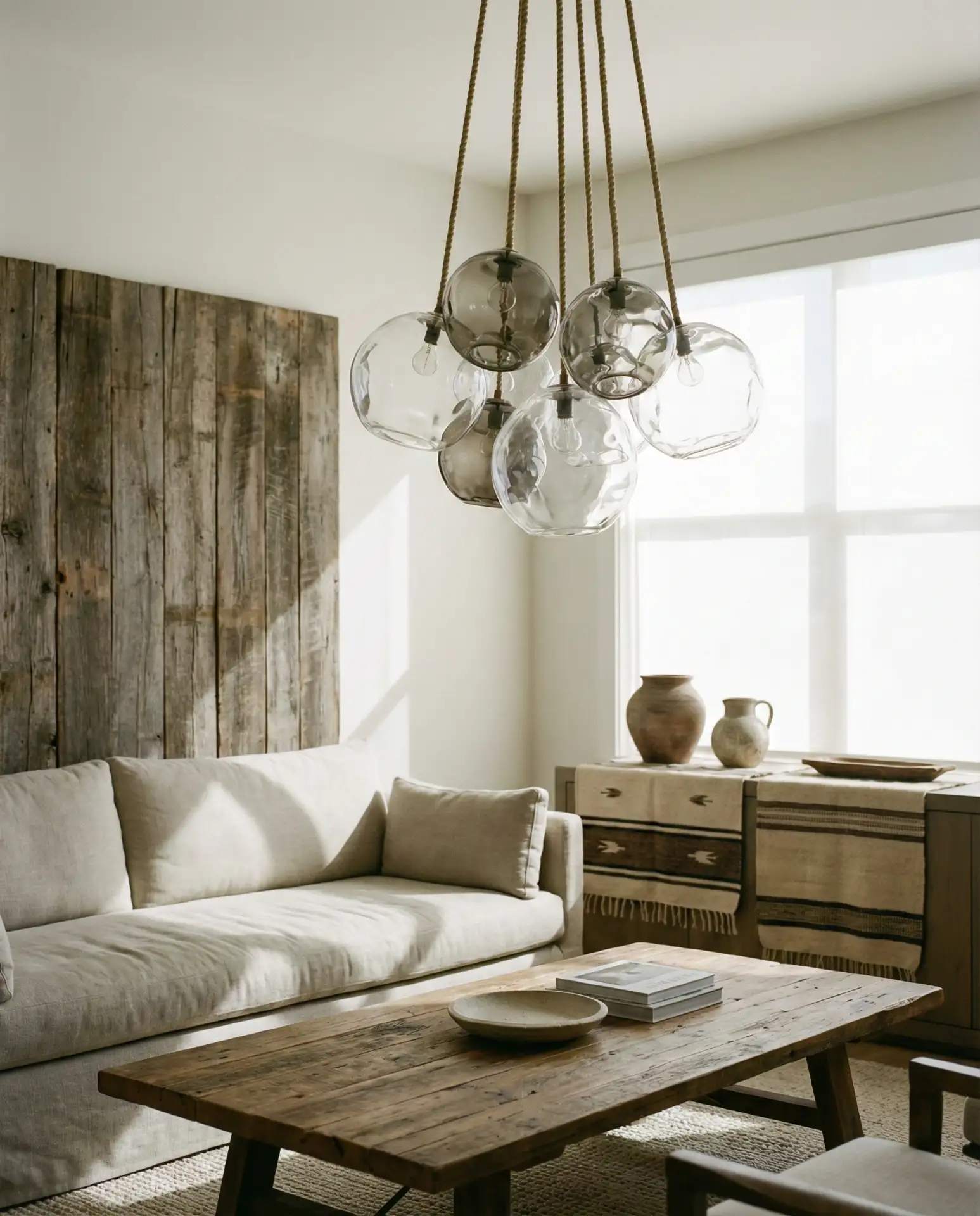
Real homeowner behavior: Pinterest data shows Americans increasingly search for “sustainable lighting” and “eco-friendly fixtures,” particularly millennials and Gen Z homeowners making their first major home purchases. They’re willing to invest more upfront for fixtures that last longer and use less energy. Brands responding to this shift now highlight materials sourcing, manufacturing processes, and end-of-life recyclability in product descriptions.
23. Balanced Lighting for Entertaining
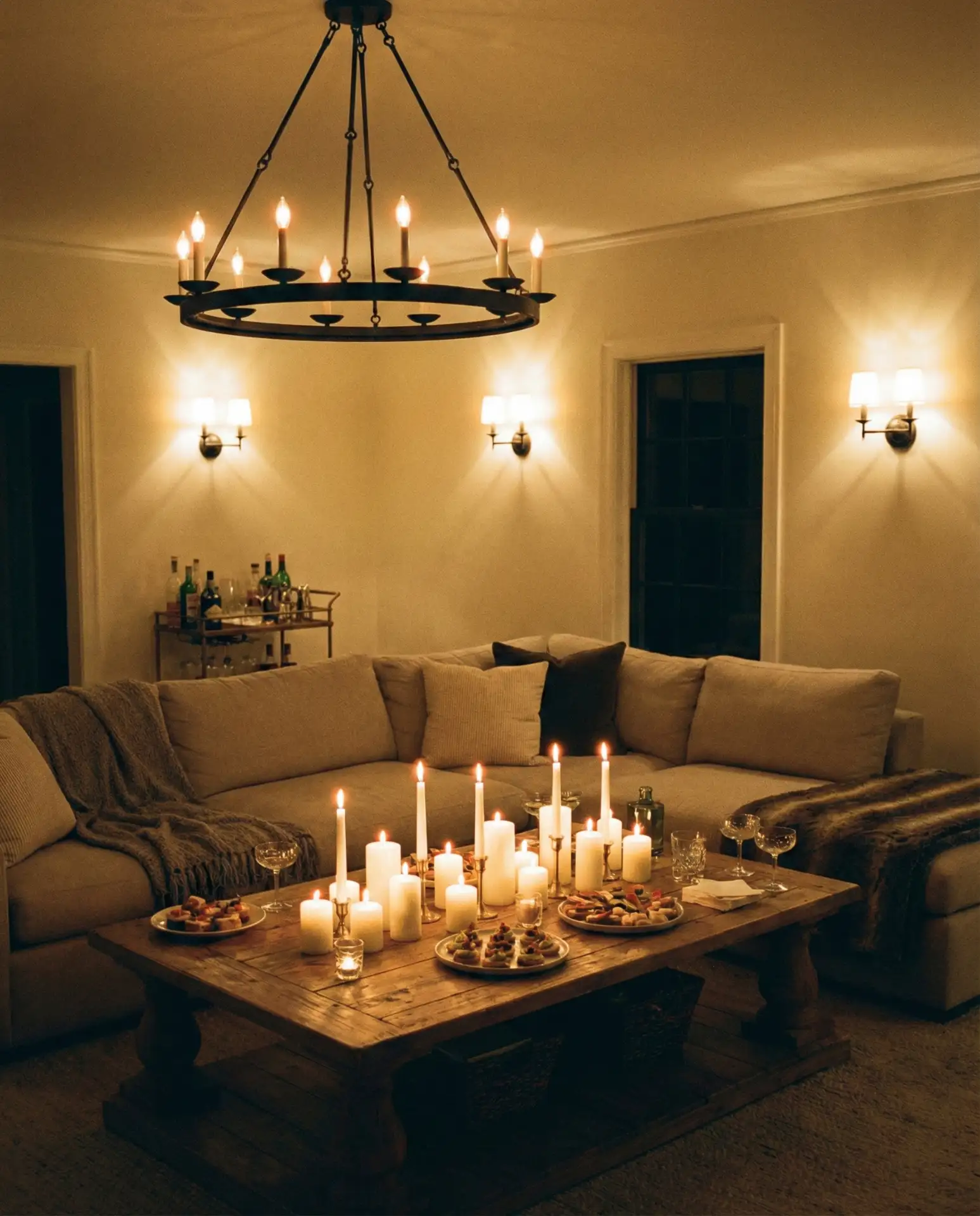
Creating the perfect lighting for entertaining requires flexibility to shift from bright and energetic during cocktail hour to soft and intimate during dinner conversation. Install dimmers on every circuit and layer multiple light sources at different heights—a chandelier or pendant overhead, wall sconces at eye level, and accent lamps on surfaces. This gives you complete control over ambiance as the evening progresses.
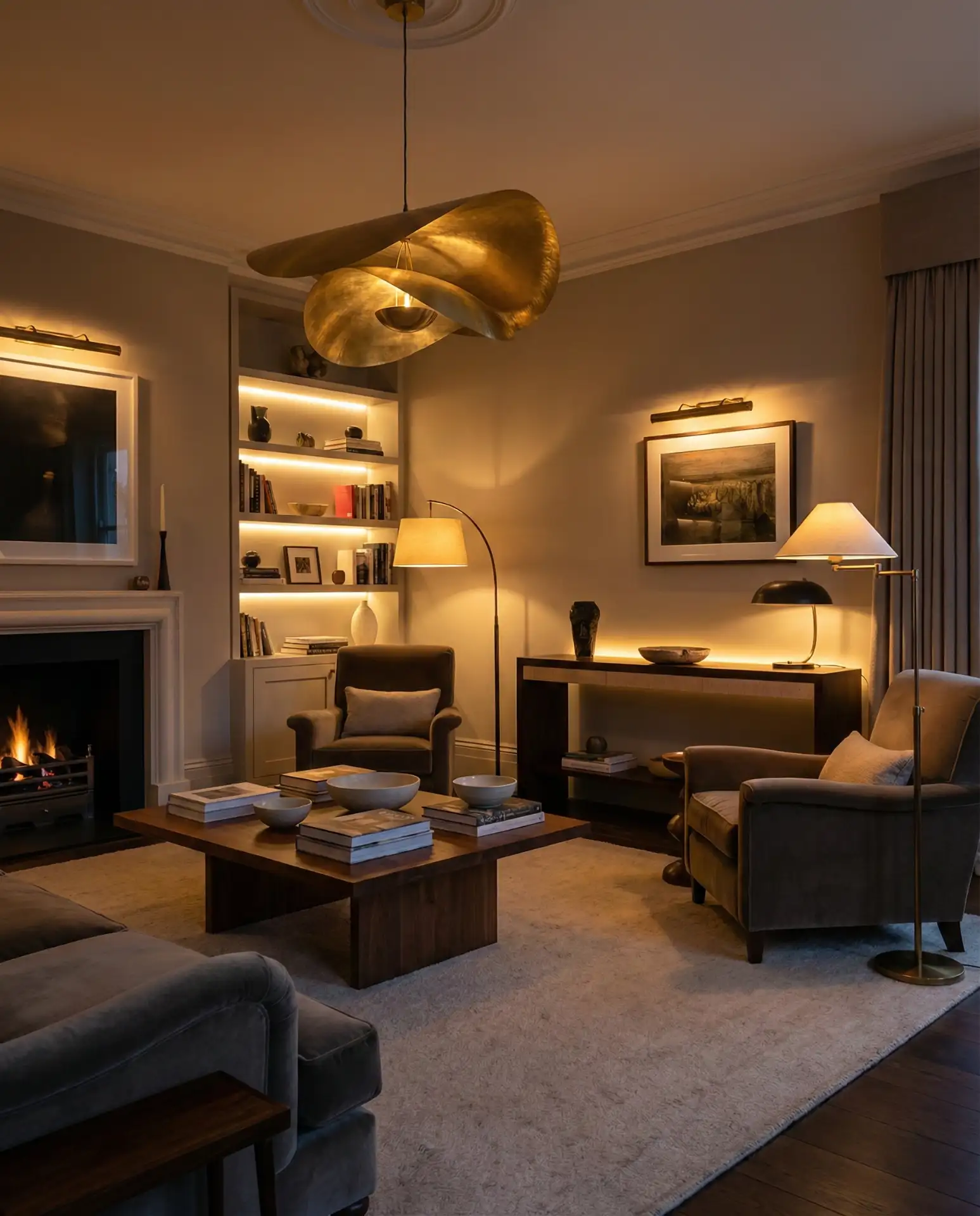
Practical insight: The most successful entertaining spaces have lighting controls accessible from multiple locations—by the entrance, near seating areas, and from a smartphone app. This prevents awkward mid-party trips across the room to adjust fixtures. Smart switches from Lutron, Leviton, or TP-Link cost $30-$80 per switch but transform how you use your space. Program scenes like “Arrival,” “Dinner,” and “Late Night” to adjust all lights with a single tap.
24. Future-Proof Lighting Investments
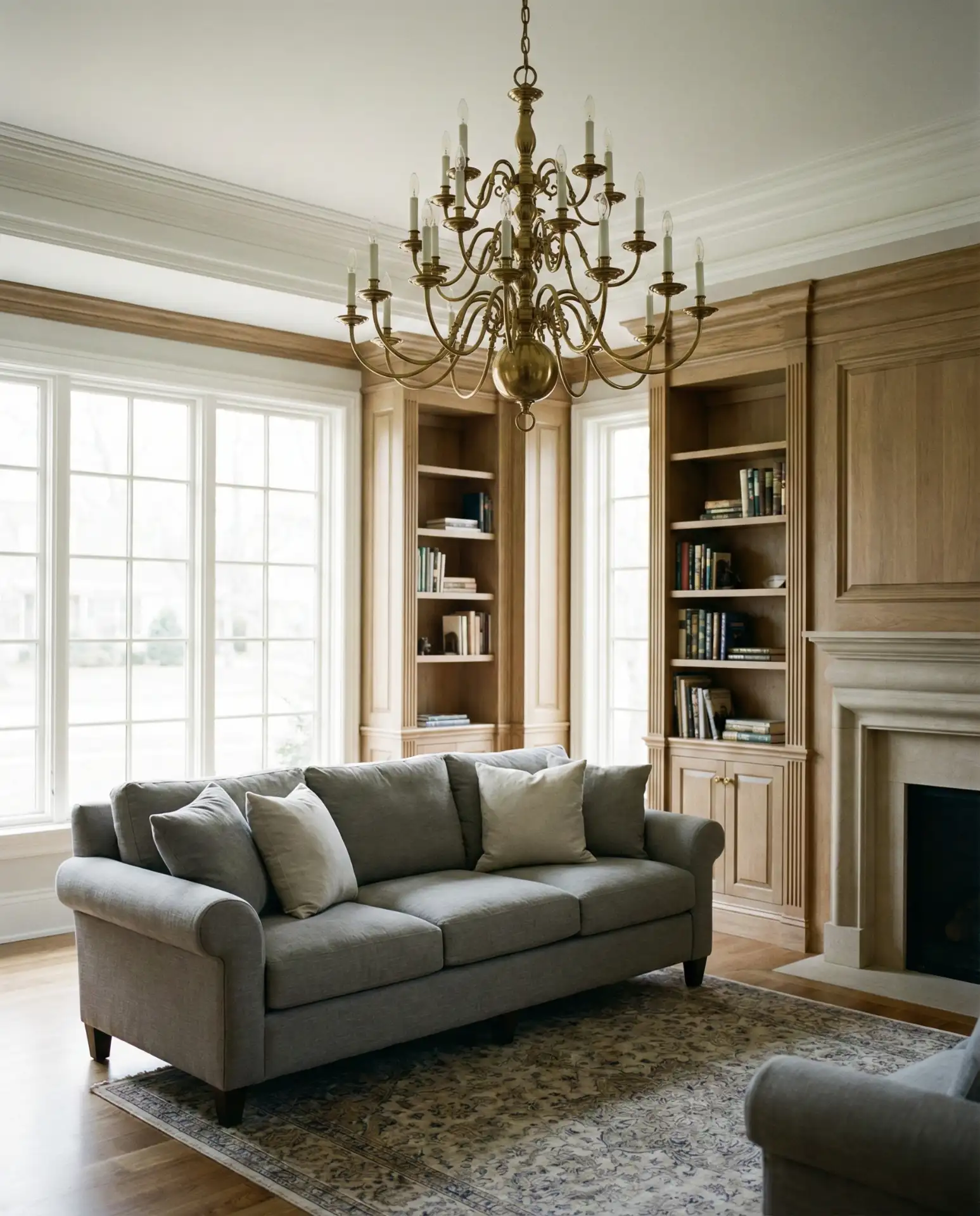
Investing in quality lighting pays dividends through longevity, energy efficiency, and timeless design that transcends trends. Choose fixtures with replaceable LED modules rather than integrated LEDs that require full fixture replacement when bulbs die. Select classic silhouettes in versatile finishes like brushed nickel, aged brass, or matte black that work across multiple design eras and decorating schemes.
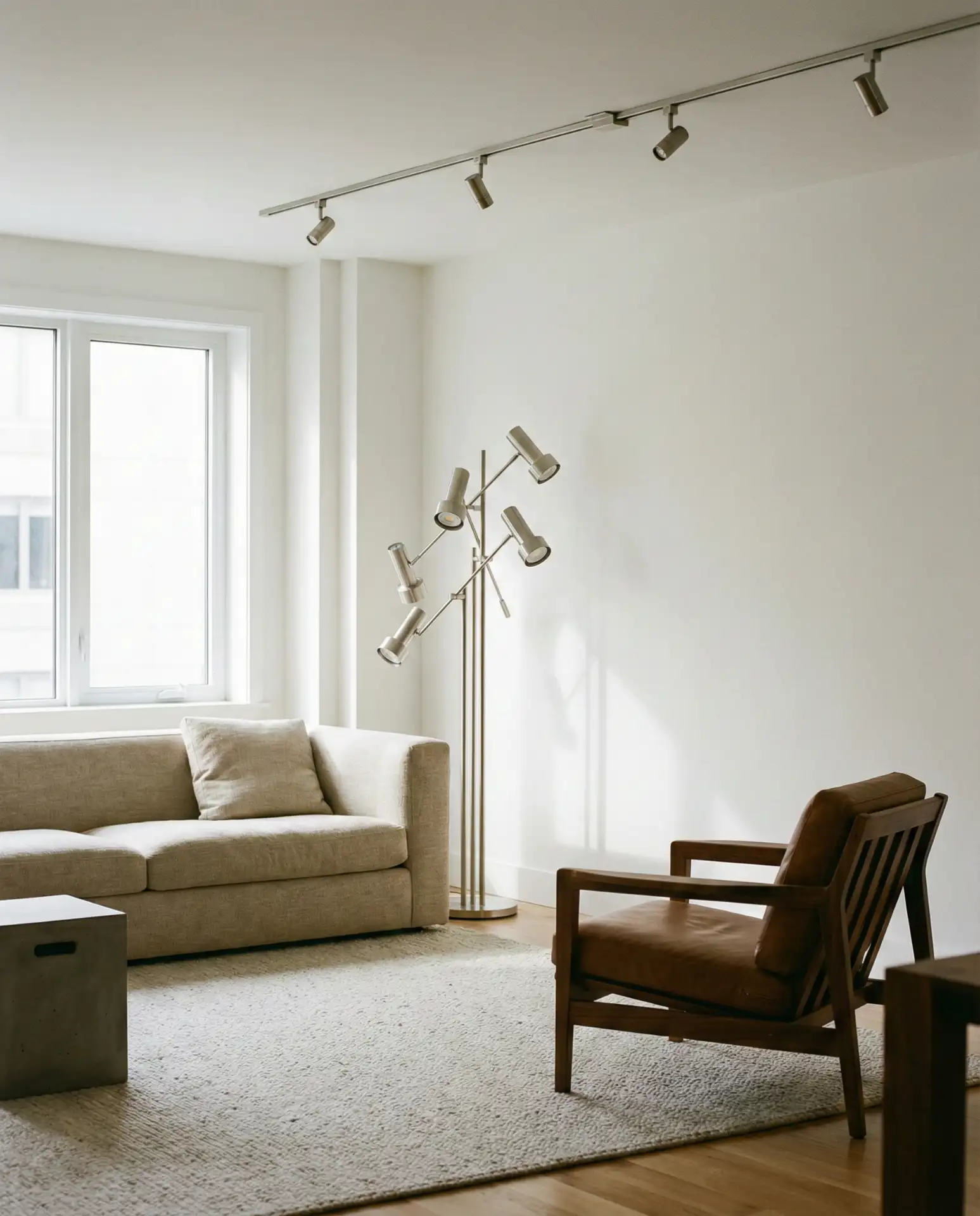
Common mistakes and how to avoid them: The biggest mistake is choosing fixtures based solely on current trends rather than long-term compatibility with your home’s architecture and your personal style. Avoid overly trendy finishes like rose gold or ultra-specific styles like industrial-only designs unless your entire home commits to that aesthetic. Instead, select fixtures you’ll still appreciate in five or ten years, focusing on quality materials and craftsmanship that improve rather than date over time.
Conclusion
Living room lighting in 2026 offers more possibilities than ever, from smart technology that adapts throughout the day to artisan fixtures that double as sculpture. Whether you’re working with soaring vaulted ceilings or creating coziness in a low-ceiling space, the right combination of ambient, task, and accent lighting transforms how you experience your home. We’d love to hear which ideas resonated with you—share your favorite lighting approaches or questions in the comments below.