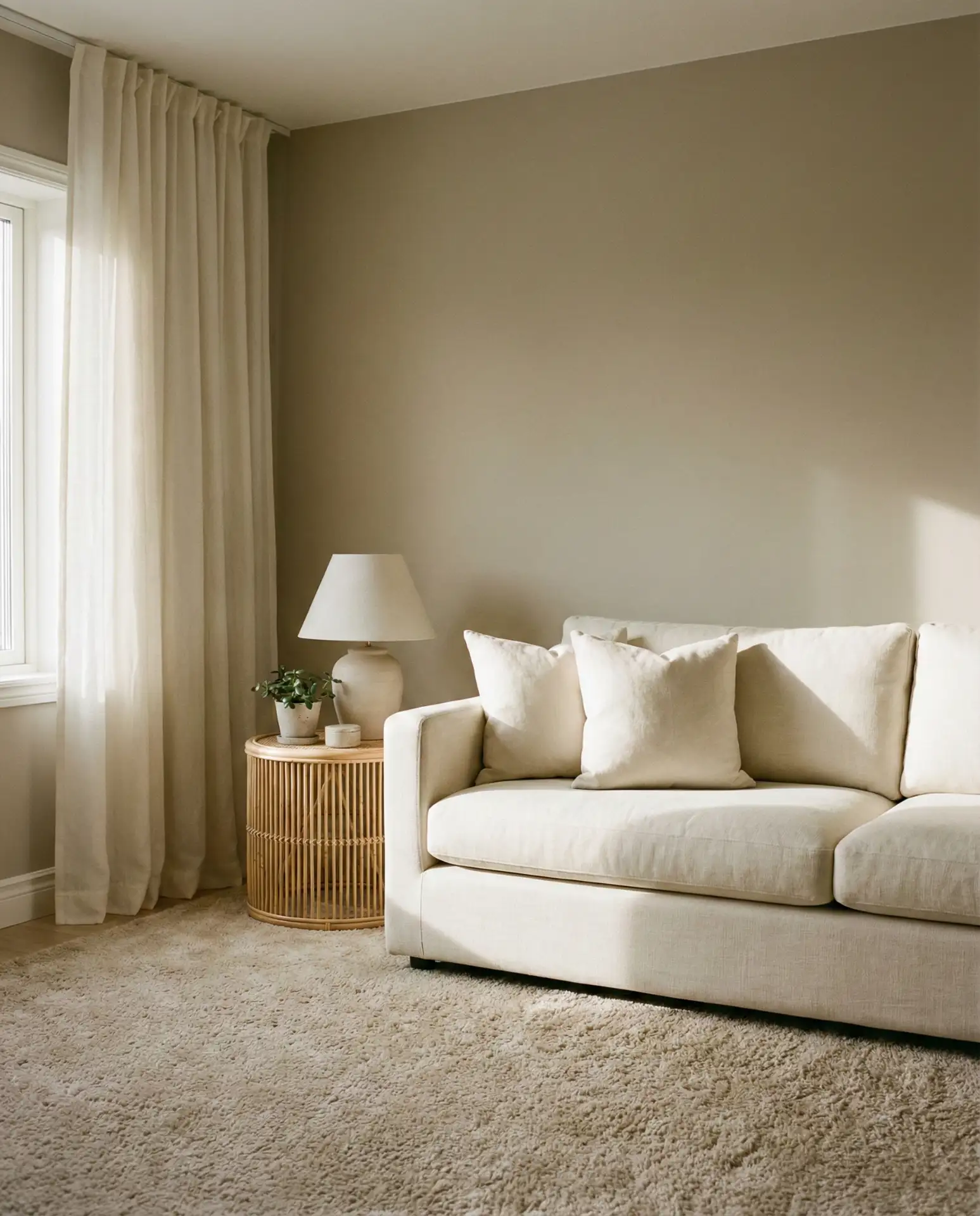
Minimalist living rooms continue to dominate American interior design as we move into 2026, offering a peaceful retreat from our increasingly busy lives. Pinterest users are searching for ways to create serene, clutter-free spaces that feel both modern and welcoming—rooms that balance simplicity with warmth. Whether you’re drawn to Scandinavian whites, cozy boho textures, or mid-century elegance, minimalism adapts beautifully to your personal style. This collection of ideas will show you how to design a living room that breathes, inspires, and centers you every time you walk through the door.
1 Neutral Scandinavian Sanctuary
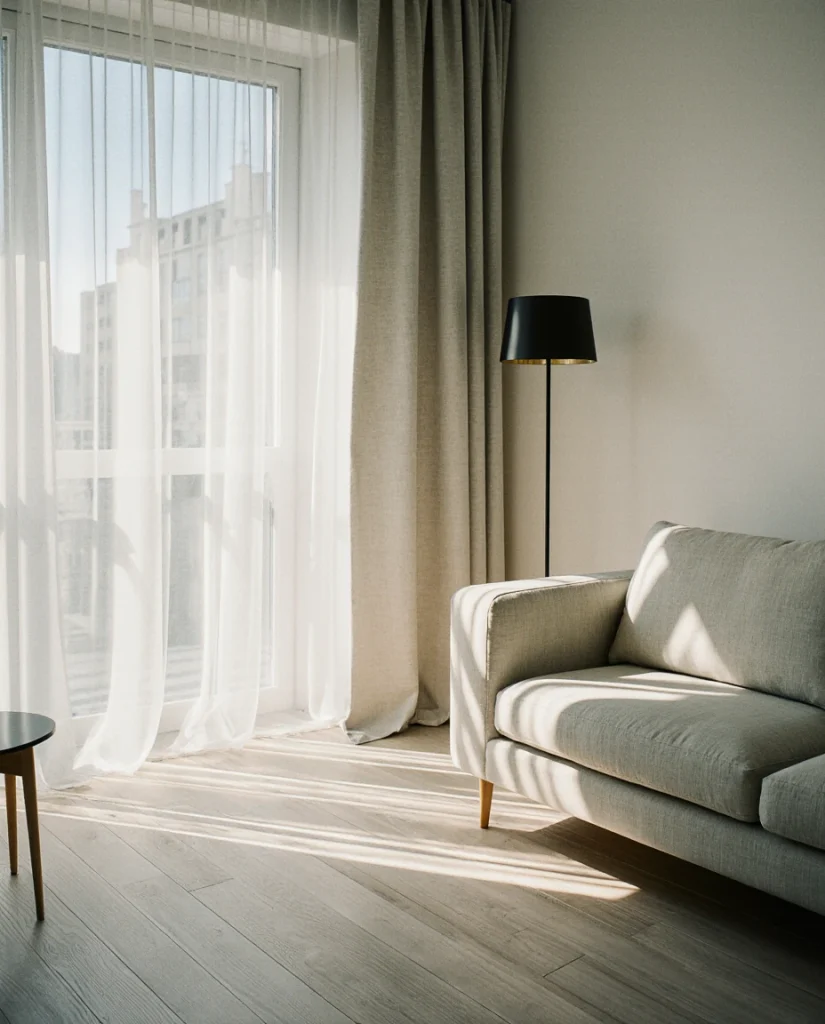
A Scandinavian approach to minimalism creates living rooms that feel airy and calm, using a palette of soft whites, warm grays, and natural wood tones. This modern neutral style relies on quality over quantity—think a single sculptural floor lamp, a low-profile linen sofa, and perhaps one carefully chosen ceramic vase. The design inspiration comes from Nordic winters, where maximizing natural light and creating cozy interiors became essential to well-being. Large windows left bare or dressed in sheer linens invite daylight to flood the space, making even compact urban apartments feel expansive and breathable. 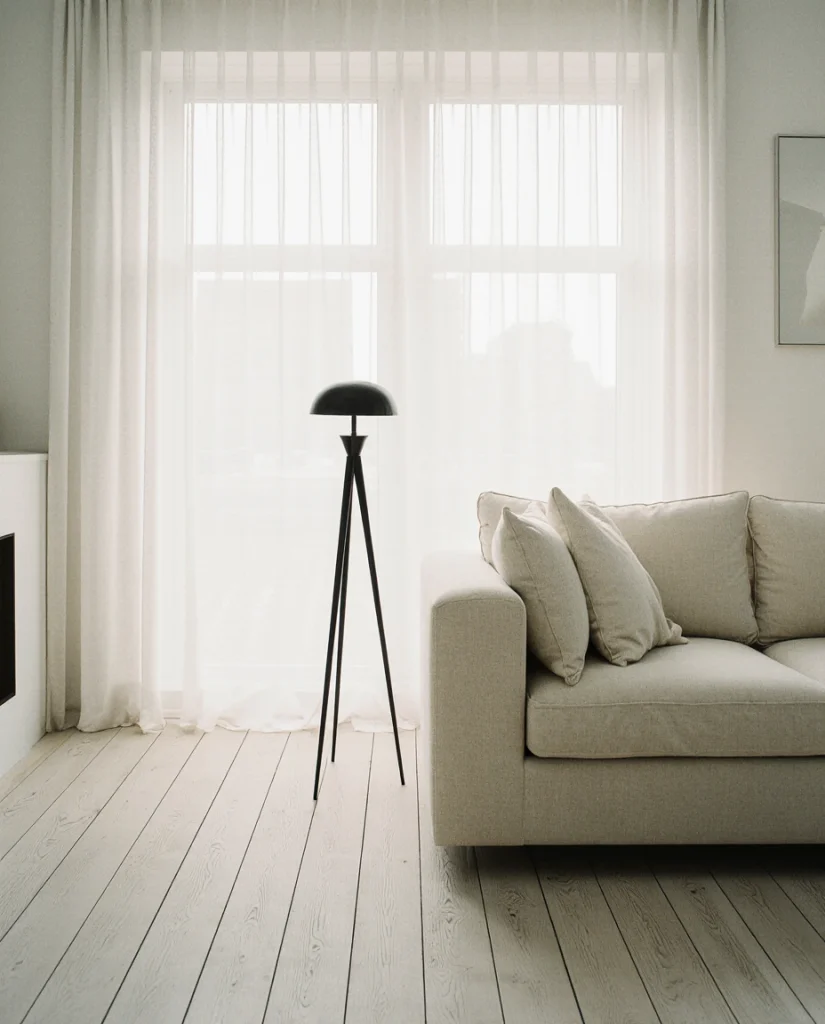
This style works exceptionally well in smaller apartments where visual clutter can make spaces feel cramped. Americans living in cities like Seattle, Portland, and Minneapolis have embraced this aesthetic because it pairs beautifully with the natural landscapes outside their windows. The key is resisting the urge to fill empty corners—that negative space is intentional and gives your eyes (and mind) a place to rest. Budget-conscious decorators can achieve this look by investing in one statement piece like a quality sofa, then filling in with affordable basics from IKEA or vintage finds.
2 Earthy Japanese-Inspired Minimalism
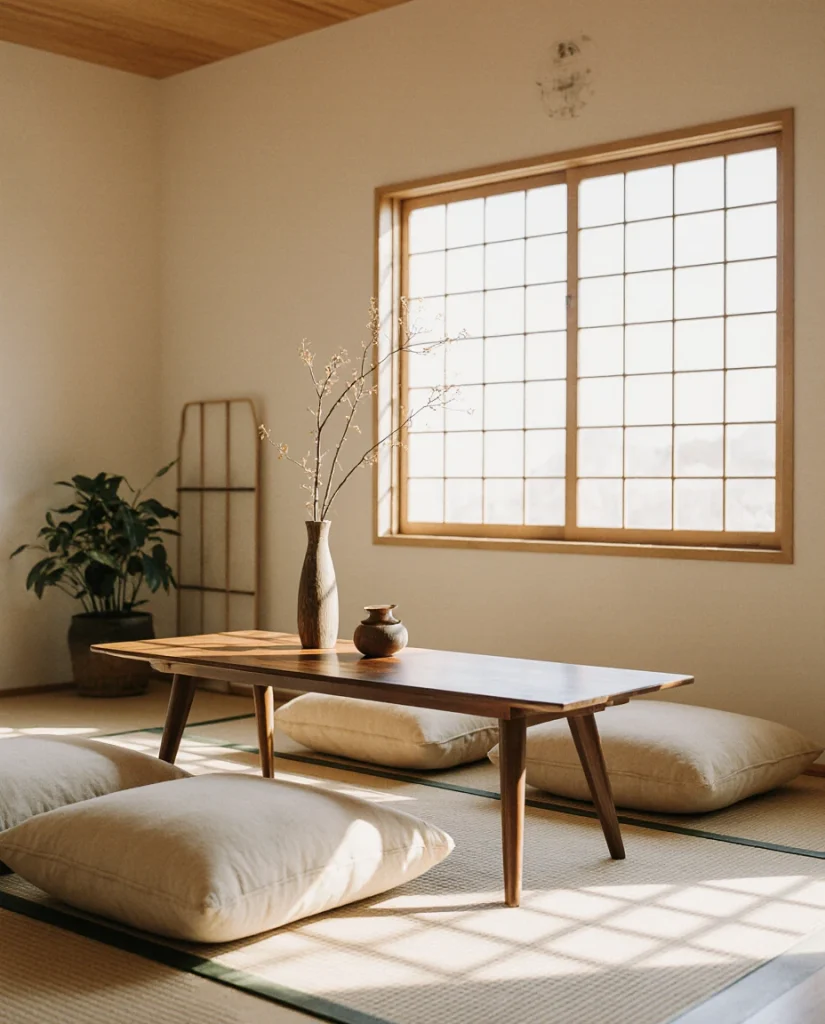
Borrowing from Japanese design principles, this living room approach emphasizes natural materials, low furniture, and a deep connection to nature. Earthy tones like terracotta, sage green, and warm beige create a grounded feeling that contrasts beautifully with the clean lines of minimalist furniture. Tatami-inspired floor cushions, a low wooden coffee table, and perhaps a single ikebana arrangement demonstrate how less truly becomes more. The philosophy here extends beyond aesthetics—it’s about creating a space that encourages mindfulness and presence in your daily life. 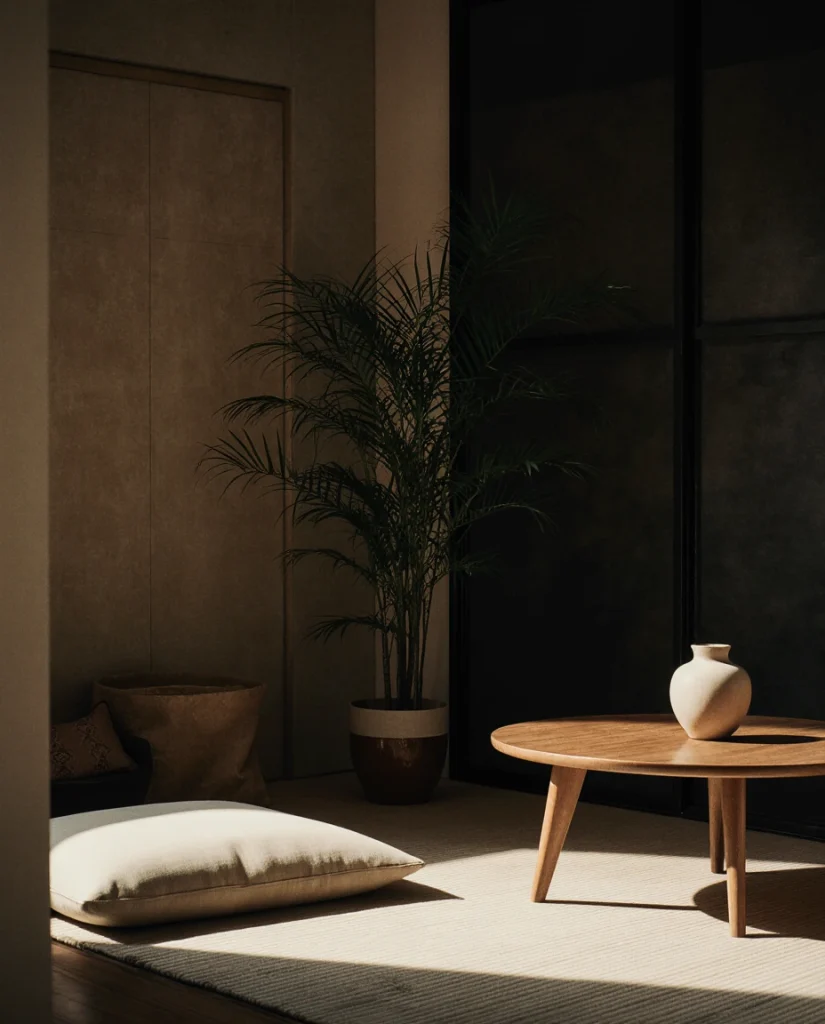
A common mistake is mixing too many cultural references, which dilutes the intentional simplicity of Japanese design. Stick to authentic materials like rice paper, natural wood, and stone rather than synthetic imitations. Many homeowners in California and the Pacific Northwest have adopted this style because it complements their outdoor lifestyles—the living room becomes a transitional space between garden and home. The low furniture profile also makes rooms feel taller and more spacious, a clever optical trick for homes with standard eight-foot ceilings.
3 Dark Moody Minimalism
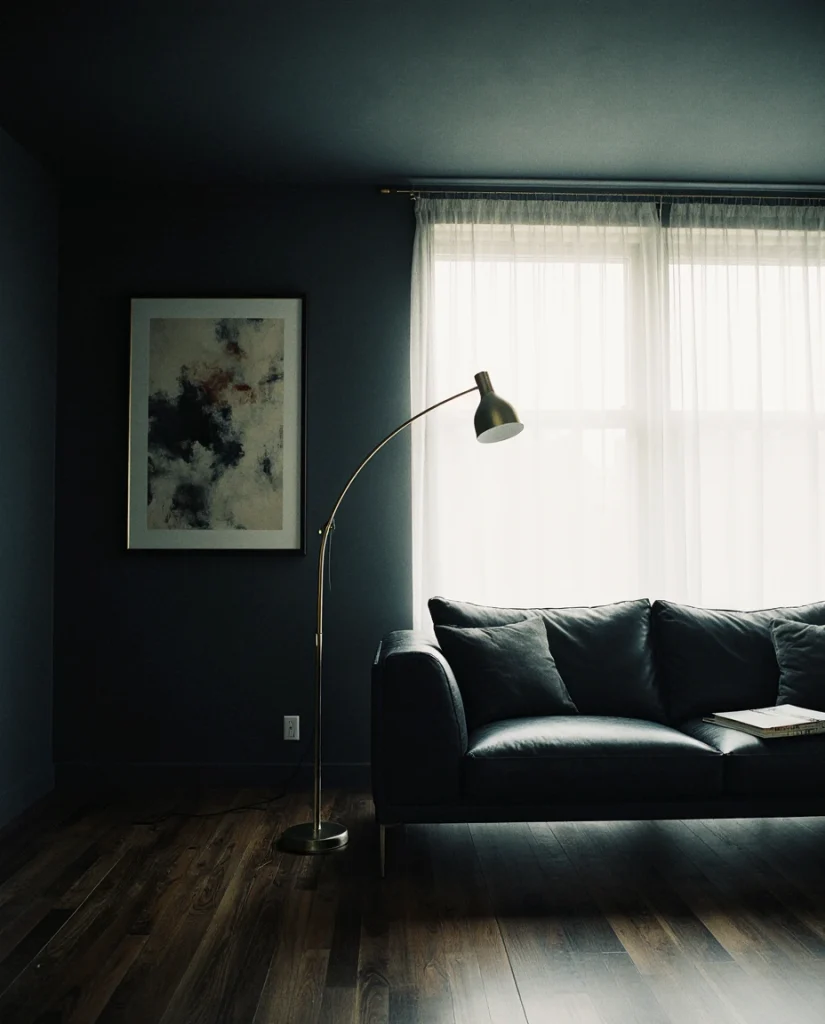
Not all minimalism needs to be bright and airy—dark, moody palettes create living rooms with dramatic depth and sophistication. Charcoal walls, black-stained oak floors, and deep navy accents prove that minimalist spaces can feel cozy and enveloping rather than cold. This contemporary approach works especially well in homes with abundant natural light, where the darkness creates a striking contrast during the day and an intimate cocoon at night. A single pendant light with a warm bulb, a charcoal velvet sofa, and perhaps one piece of abstract art in muted tones complete the look. 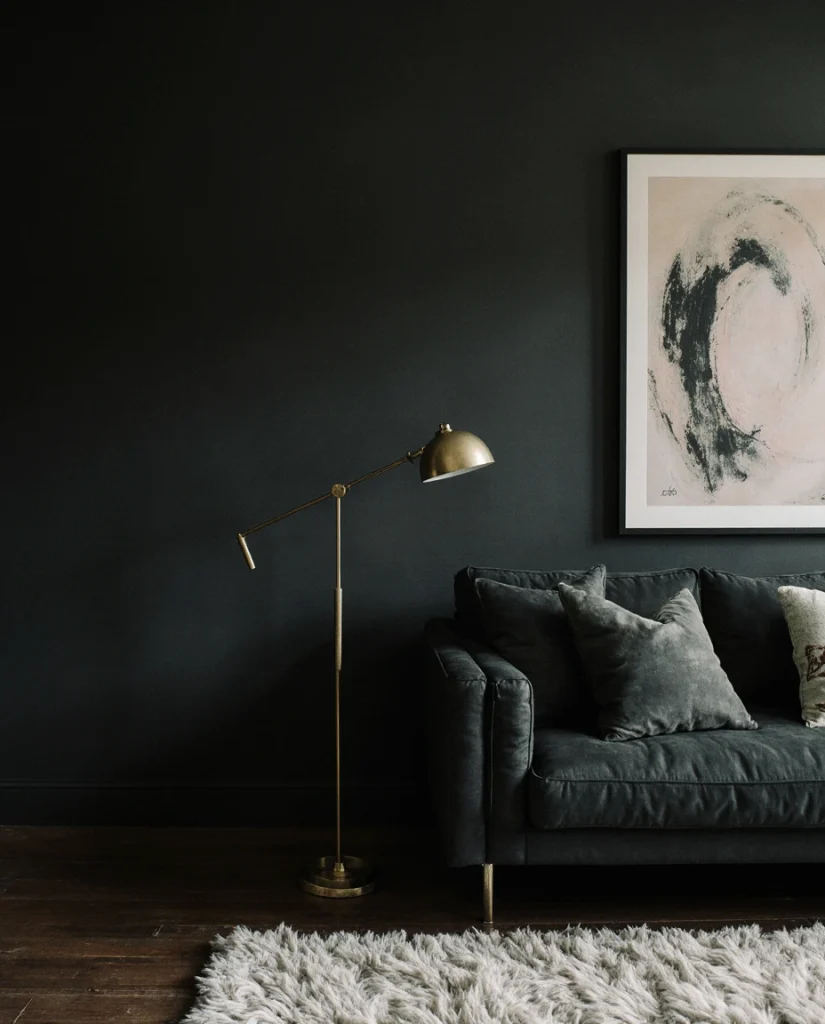
This aesthetic particularly resonates in loft apartments and converted industrial spaces across cities like Brooklyn, Chicago, and Austin. The key is balancing darkness with texture—matte paint finishes, brushed metals, and soft fabrics prevent the space from feeling flat or oppressive. Real homeowners often incorporate one unexpected warm element, like a cognac leather chair or a rust-colored throw blanket, to keep the room from feeling too austere. Lighting becomes crucial here; install dimmers on all fixtures to adjust the mood from morning coffee to evening relaxation.
4 Cozy Boho Minimalism
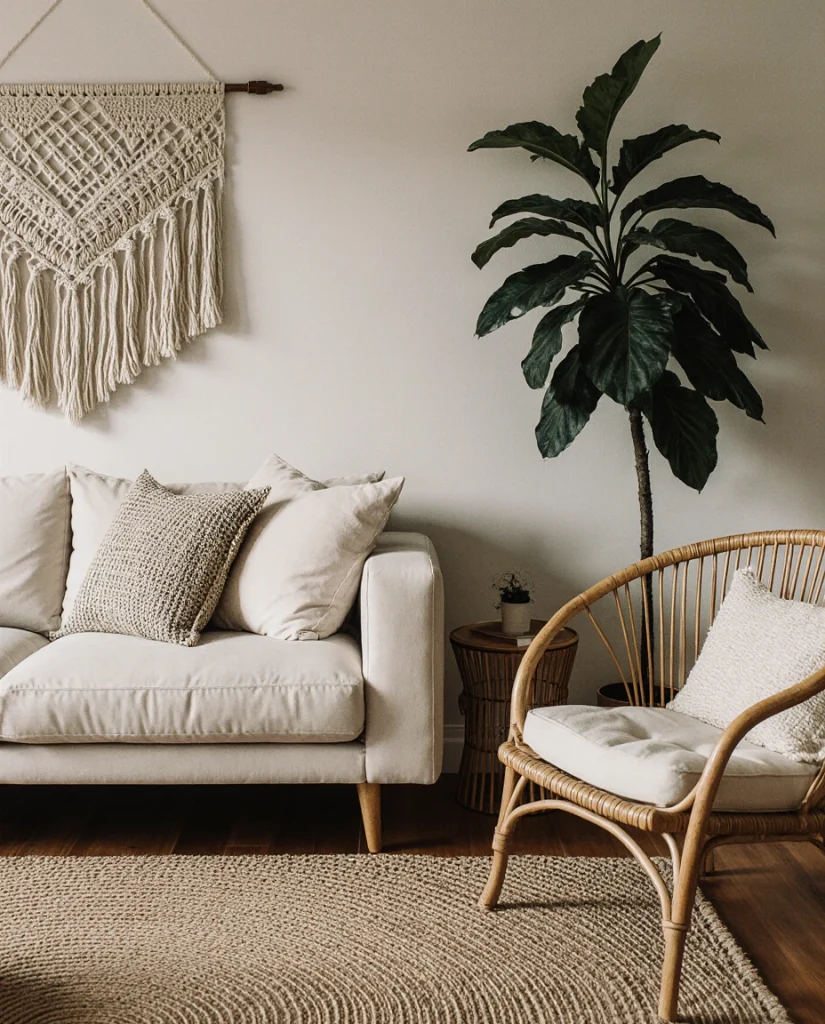
The intersection of cozy boho warmth and minimalist restraint creates living rooms that feel collected rather than cluttered. This style embraces natural textures—a chunky knit throw, a jute rug, and a macramé wall hanging—while maintaining clean lines and uncluttered surfaces. Bohemian elements like a single vintage rattan chair or a terracotta planter add personality without overwhelming the space. The trick is choosing pieces that serve both function and beauty, like a woven basket that stores blankets while adding visual interest to an empty corner. 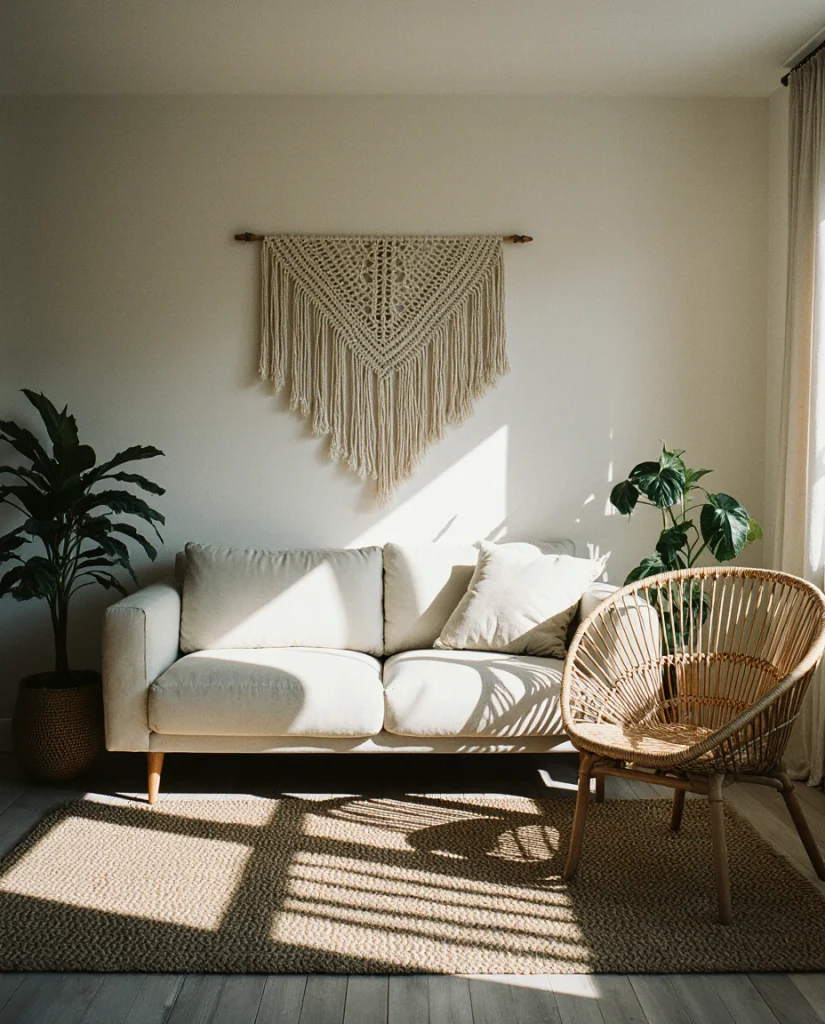
This works well in houses in the Southwest and California that have a lot of exposure to the sun, especially the ones that have the Bohemian design. The warmth of the natural fibers and earthy color palette make the space feel cozy. This design is inviting and living, not designing a living room to feel precious and untouched. A practical insight: allow yourself to have a maximum of three textures in a room to keep the minimalist vibe and design the warm layer feeling inviting of bohemian rooms.
5 Grey Tonal Living Room
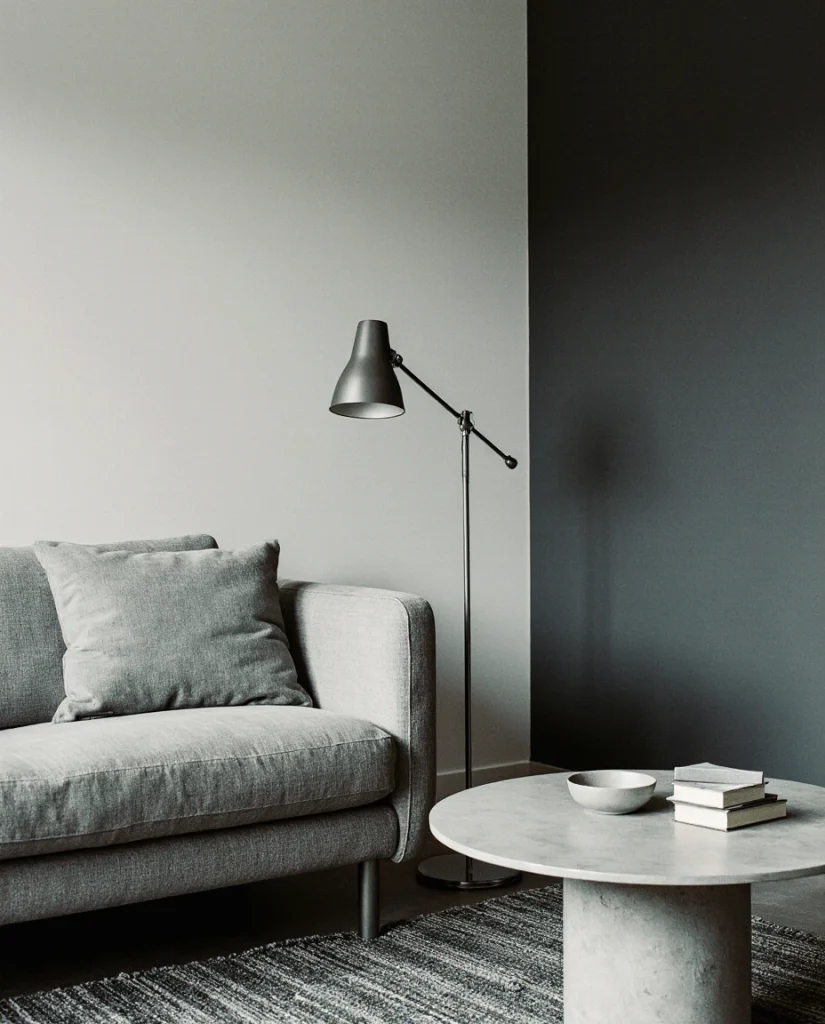
The sophistication of a monochrome palette in varying greys is always a stylish choice. This contemporary design style uses varying tones of a color, in this case, grey, to add depth and create a dynamic look without introducing new colors. A light grey linen sofa, medium grey walls, darker grey accent pillows, and perhaps a silvery metallic side table are a great example of how using a single color family can feel dynamic and not flat. The absence of color forces you to appreciate form, shadow, and the way light moves through the space throughout the day. 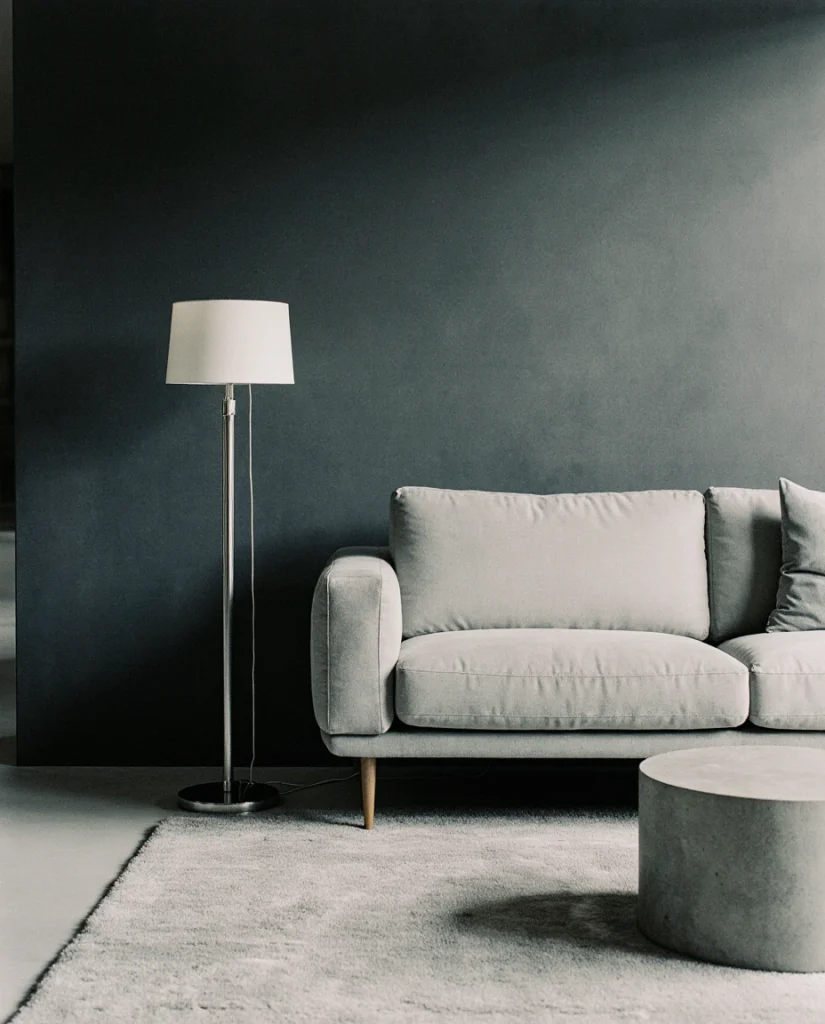
My neighbor also renovated a 1950s ranch home, also in this color palette, and says that the grey background makes her vintage art collection pop more than the bright white walls did, and also, the grey backdrop works in tone. This works beautifully for an open-concept home where you want visual flow between the kitchen, dining and living areas without the harsh color blocking. An expert tip is to test the paint sample in the morning and evening light, because a grey can shift dramatically in warmth and coolness depending on the light exposure and direction.
6 Mid-Century Modern Foundations
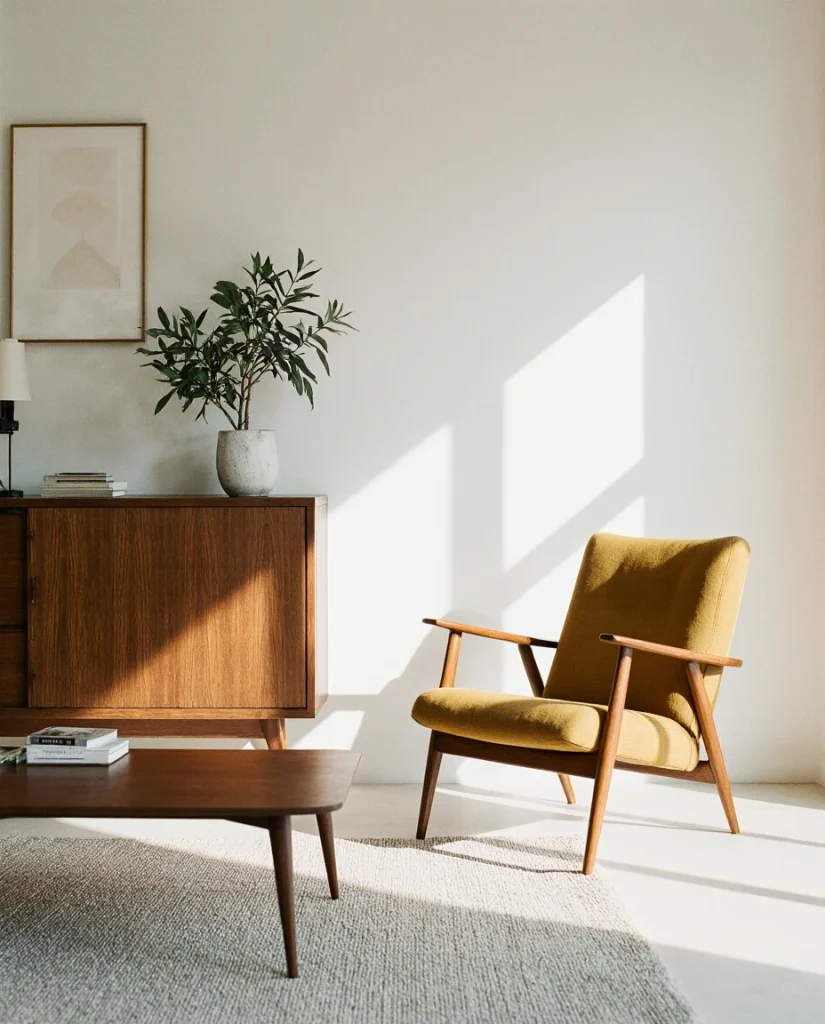
Having mid-century modern furniture really does provide the perfect bones for a minimalist living room, because the mid century pieces have a clean and organic shape that streamlines the room and makes it feel big. An ideal mix would be a walnut credenza, Eames-style lounge chair, and a contemporary sofa with tapered wooden legs to really anchor the space, with that timeless mid century look. This style branched off from the mid century period in America, where designers functionalized honest materials in a space, which works really well with contemporary minimalism today. Constructing a room around vintage reproductions also works, because it provides a nostalgic feel to the polished modern look. 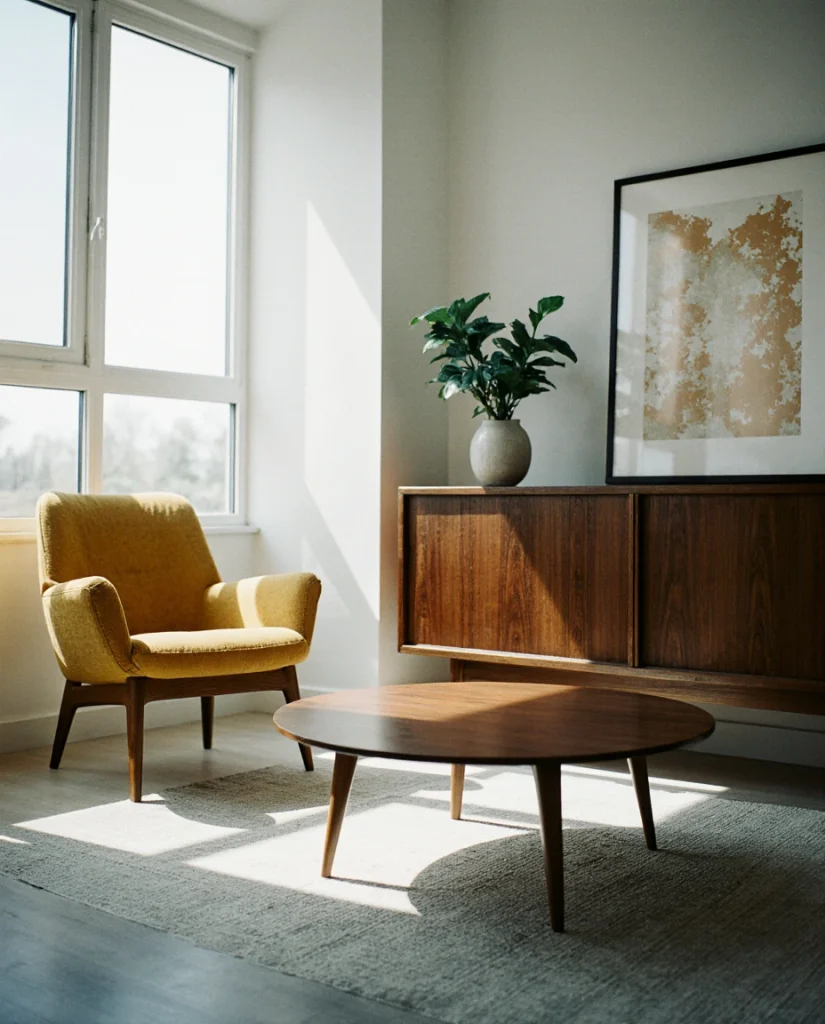
This style is prominent in ranch-style houses and mid-century suburban developments from all over the USA, including the Maryland suburbs and Palm Springs. In terms of budget, you shouldn’t have to go on the quest to find vintage Knoll pieces—mid-century look-alikes can be found at Article, West Elm, and even Target, which are all more reasonably priced. A common mistake is over accessorizing. Mid-century minimalism works because the pieces complement each other. So follow the blueprint of the period, and remember that the furniture can speak for itself.
7 White Minimalist Canvases
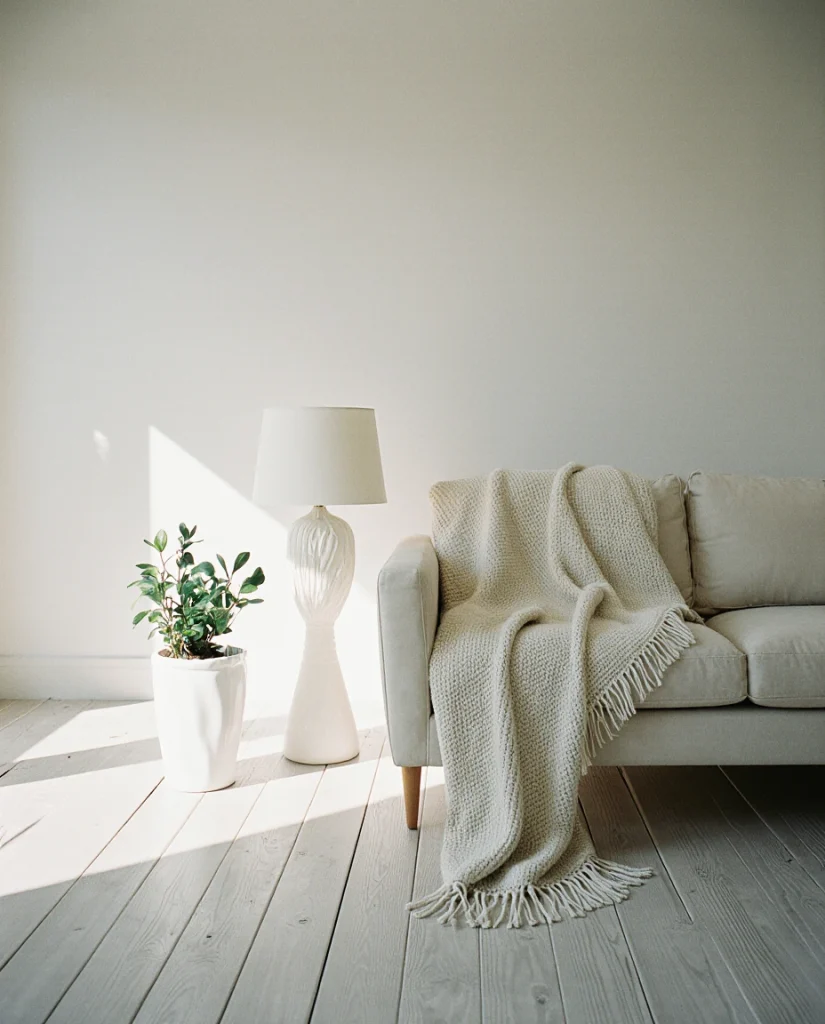
A completely white living room is the ideal base to start with, as it lets the architecture and light take center stage. This modern neutral approach is not neutral. It’s about crafting a visually quiet space that makes the subtle design elements stand out, like how the afternoon sun plays on the wooden floor or the shadow created by a plant. A space with white walls, a cream linen couch, white plaster lamps, and oak wooden flooring all demonstrate how to use variations in texture and materials to prevent monotony. This design is discipline heavy but creates a space that feels fresh and available for new possibilities. 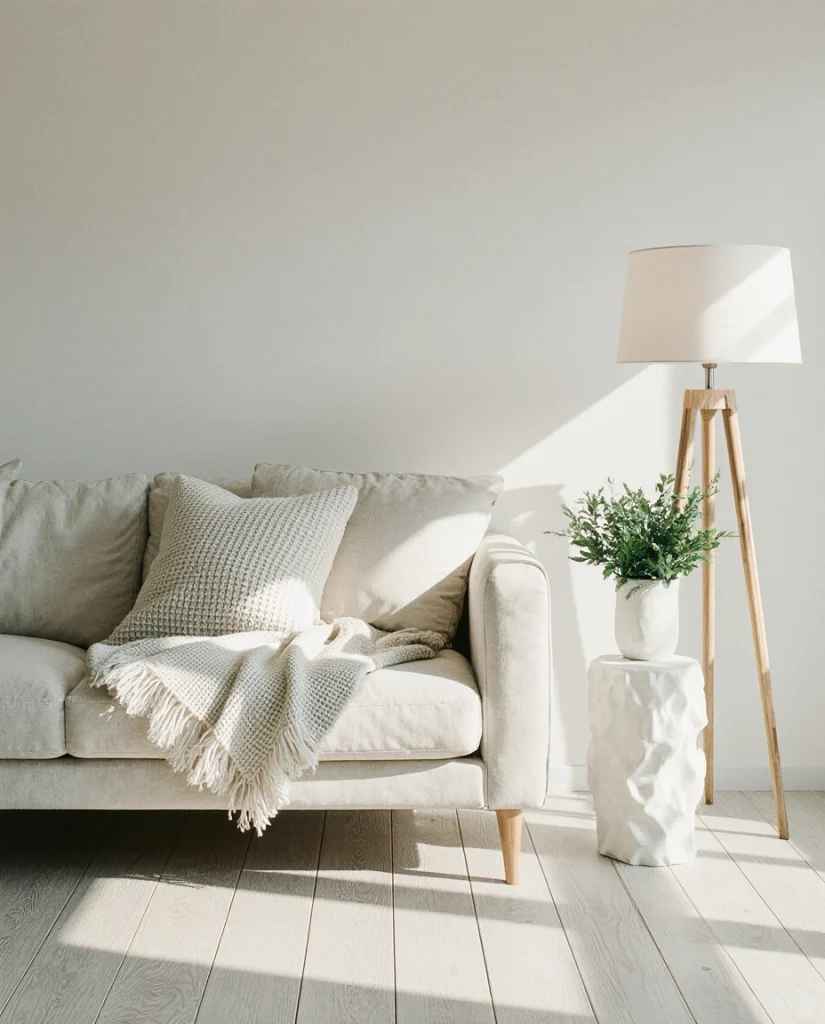
White living rooms work exceptionally well in beach communities and sunny climates where you want to maximize the feeling of brightness and airiness. In the Northeast or Pacific Northwest, choose warmer whites with beige or cream undertones to prevent the space from feeling cold during grey winter months. Real homeowners with kids or pets often worry about maintenance, but modern performance fabrics and washable slipcovers have made white upholstery surprisingly practical—many families report that stains are actually easier to treat on white fabrics than on patterns that hide dirt but never really get clean.
8. Small Space Minimalism
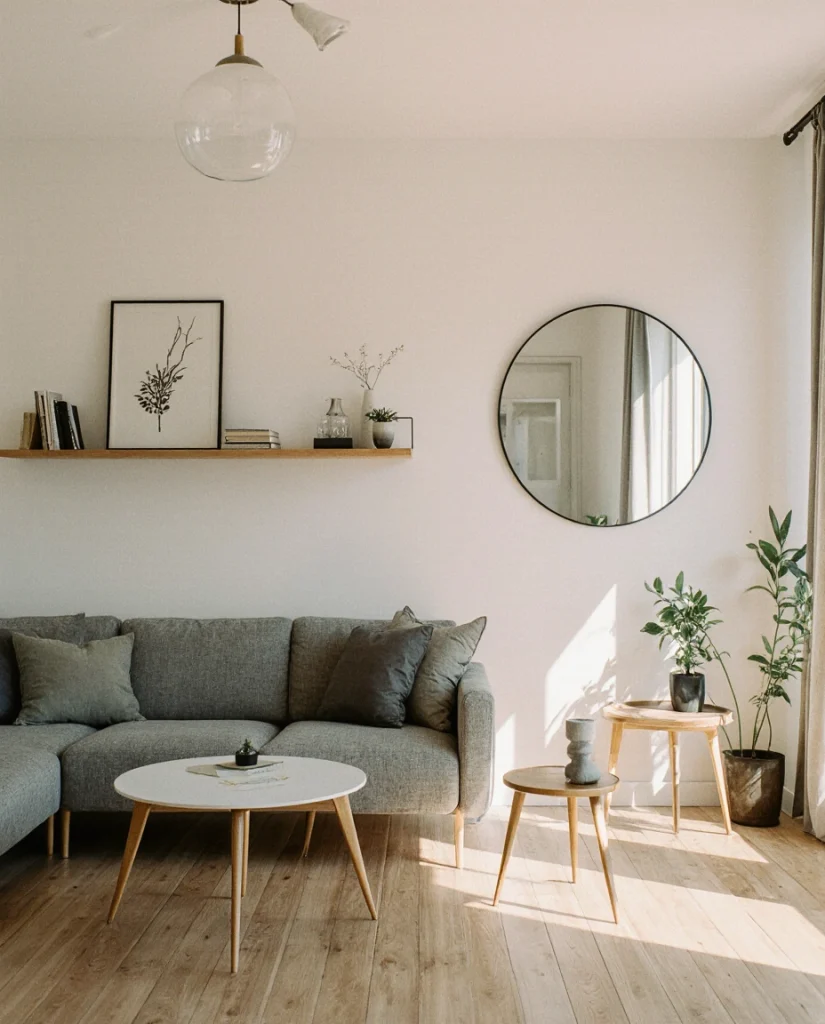
Minimalist principles become especially valuable in small tiny homes where every square foot must work harder. A compact apartment living room benefits from multi-functional furniture—an ottoman with hidden storage, a coffee table that lifts to dining height, and floating shelves instead of bulky bookcases. The design inspiration comes from Japanese efficiency and European flat living, where thoughtful design compensates for limited space. Keeping the color palette simple and the furniture low-profile makes even a 200-square-foot living room feel breathable rather than cramped.
This approach is essential for urban dwellers in expensive markets like San Francisco, New York, and Seattle, where small apartments are the norm rather than the exception. A practical insight that many decorators overlook: vertical space matters enormously in small rooms. Floor-to-ceiling curtains draw the eye upward and make ceilings feel taller, while mounted lighting frees up precious floor and table surfaces. The biggest mistake is trying to shrink full-size furniture into a tiny room—instead, invest in appropriately scaled pieces that leave room to move comfortably.
9 TV Console Modern Integration
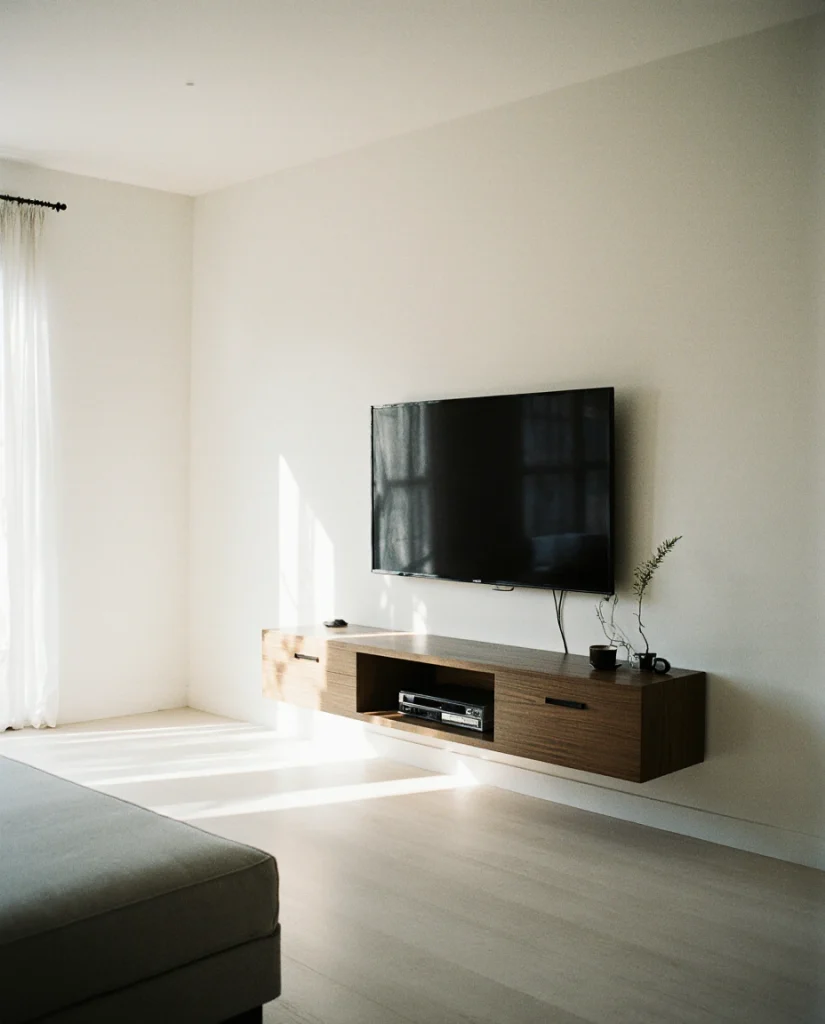
The challenge of incorporating a television into a minimalist living room has spawned clever modern TV console solutions that hide or celebrate the screen. A floating walnut console keeps the floor clear and creates visual lightness, while built-in cabinetry can conceal the TV behind sliding panels when not in use. Contemporary designs treat the TV as an intentional element rather than an eyesore, sometimes mounting it within a gallery wall or framing it with architectural details. The key is creating a setup that serves your actual viewing habits rather than fighting against the reality that most Americans watch television daily. 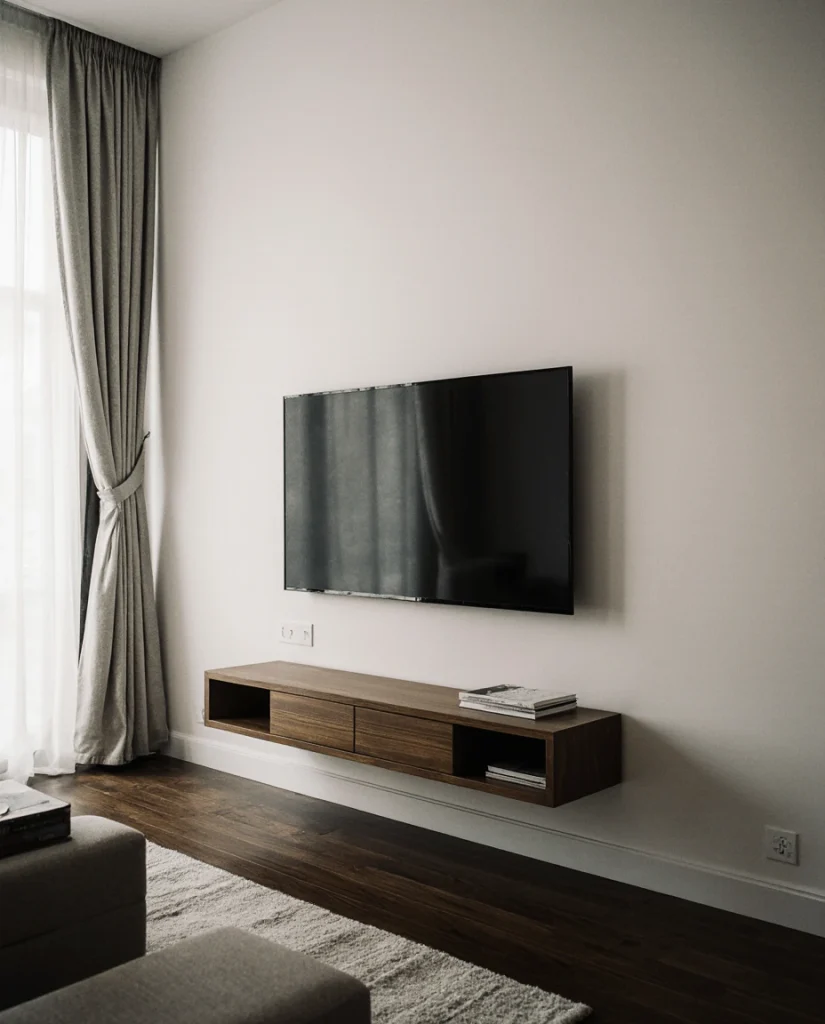
Suggestions from design professionals about your usual viewing distance and screen size, determine what distance feel comfortable watching. Oversized televisions tend to overshadow minimalistic spaces, and instead of enhancing the design, work to destroy the simplicty. In open concept spaces, it is helpful to position the tv console to define the living area from dining, creating functional zones without the use of walls. Integrated cable management systems are worth it. Visible cords are the fastest to destroy a clean minimalist aesthetic and create visual noise that defeats the entire purpose of the style.
10 Eclectic Minimalism
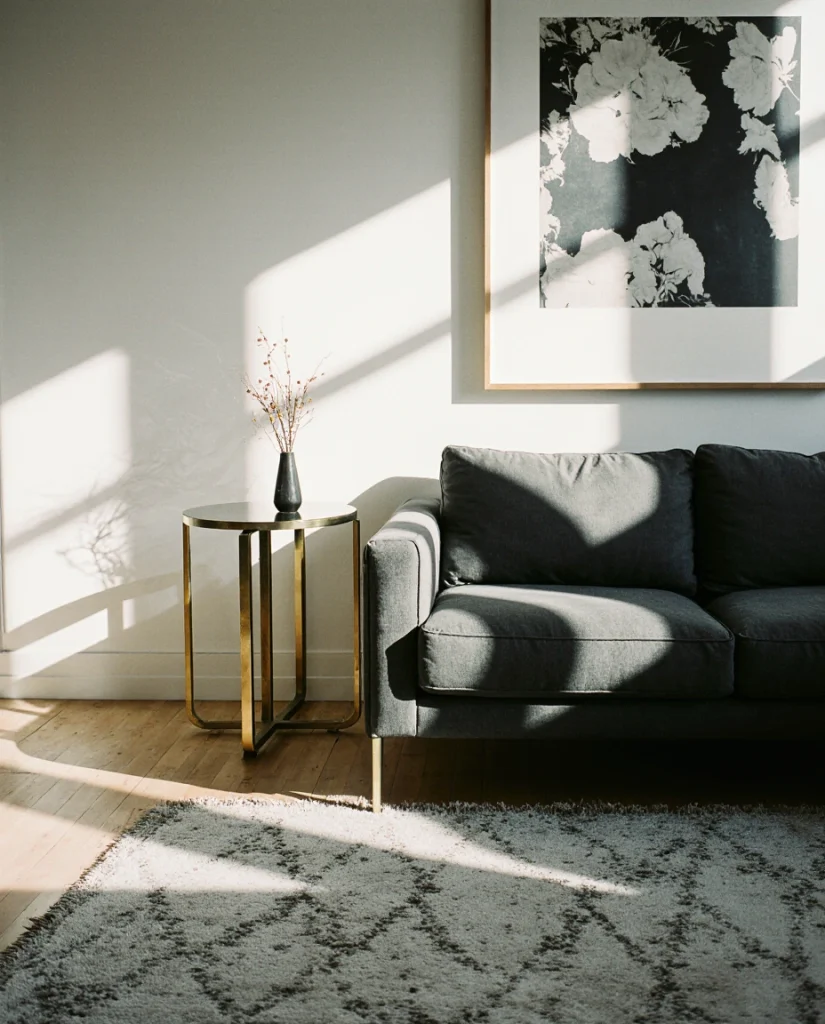
In the case of minimalism, the eclectic approach curates a few pieces from different eras and styles, which are united with a color palette of neutral tones and are balanced with some open space. A vintage Moroccan rug may well set the stage for a modern, neutral-toned set of furniture and a piece of contemporary art. The intention of the pieces is to create a collected overtime, rather than a showroom-styled minimalism. It is about choosing pieces you genuinely love and letting them shine, rather than the opposite of throwing a bunch of coordinated sets into a room, impersonal and devoid of history. 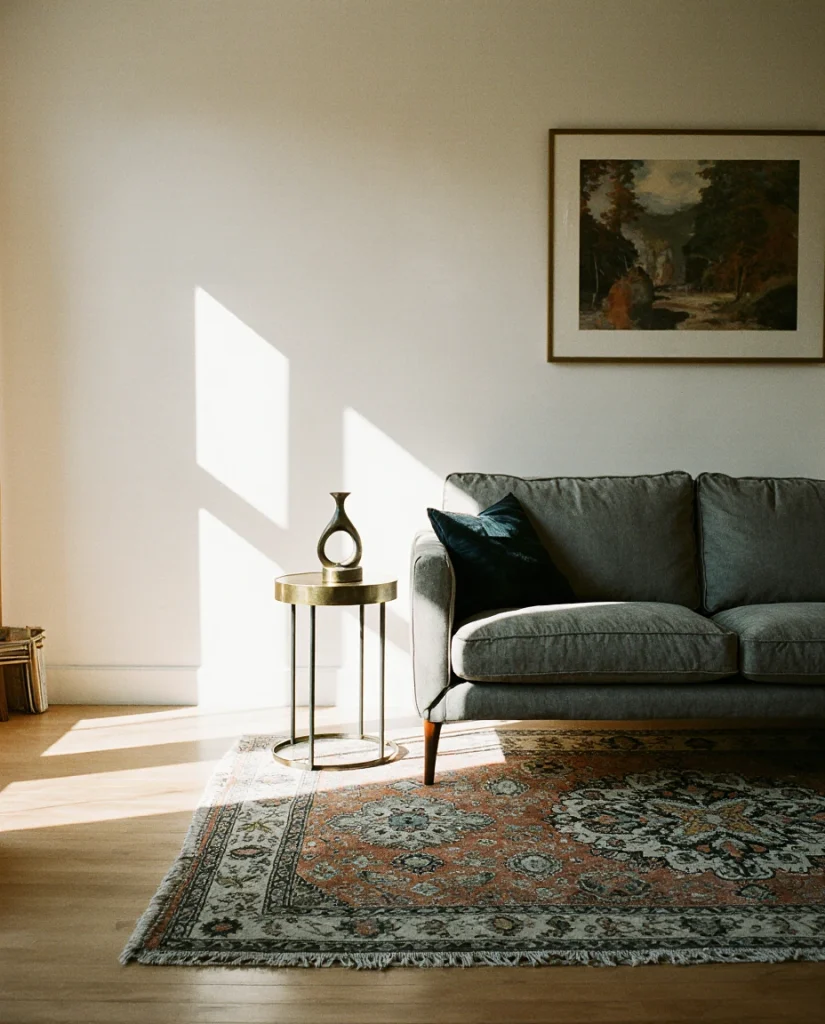
This design is preferred by Americans who have traveled or have family antiques that they would like to keep but do not want it to be cluttered. A common mistake is mixing too many styles without anything to tie it together, so it is important to have a cohesive color story or material palette, such as all warm woods and metals. It’s a common mistake that less seasoned decorators make. Some budget decorators do this by having one investment piece, such as a sofa that is of good quality, and then having a few vintage treasures that are found at estate sales or flea markets. It ends up feeling personalized, lived-in, and especially minimalist, as it has a clean and uncluttered foundation.
11 Colorful Minimalist Accents
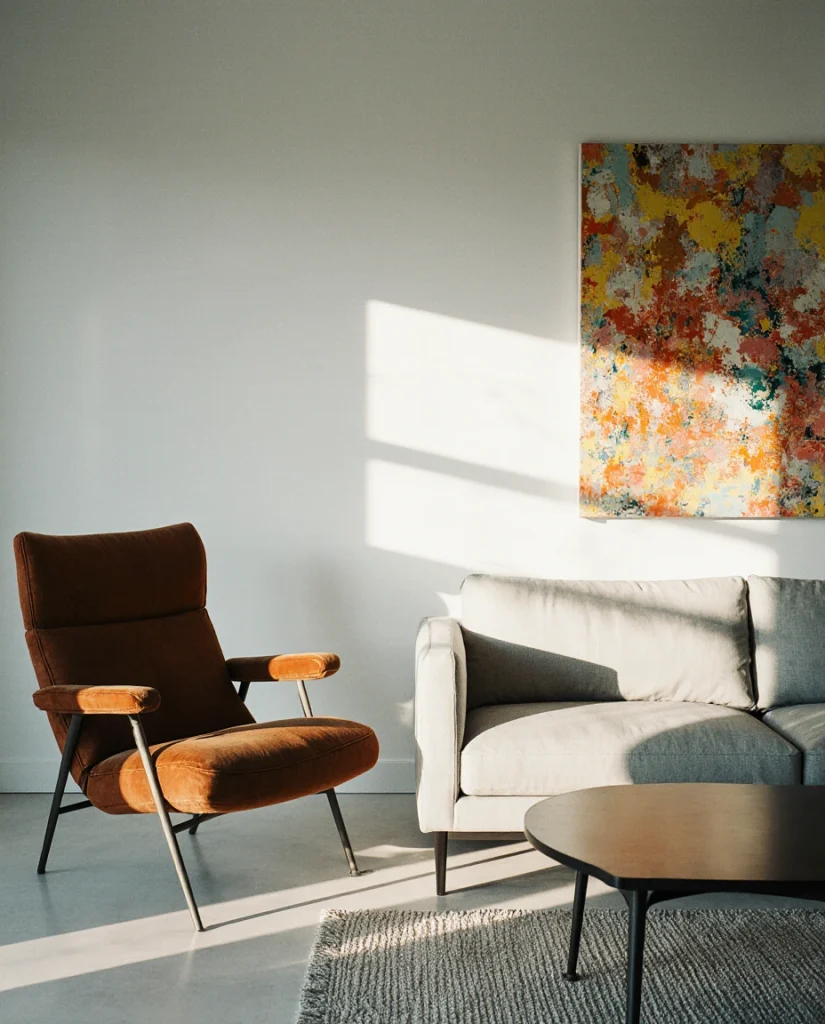
Strategic pops of colorful accents prove that minimalism doesn’t require a neutral-only rule. A single burnt orange velvet chair, a cobalt blue abstract painting, or emerald green throw pillows can energize an otherwise subdued palette without creating clutter. The contemporary approach is restraint—one or two carefully chosen color moments that draw the eye and create visual interest. This technique works particularly well in modern new construction homes where architecture might be beautiful but relatively neutral, allowing your personal color preferences to shine through intentional accents. 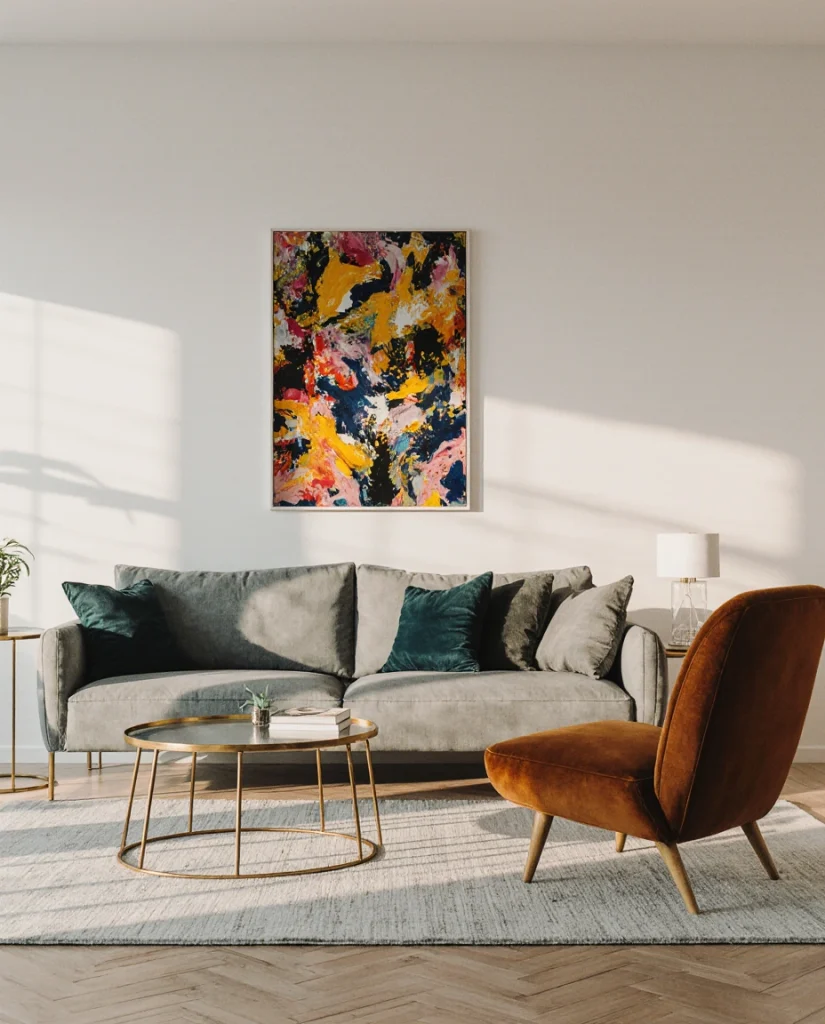
In regions with long grey winters—think Seattle, Portland, and Boston—these color moments provide psychological warmth and visual relief when skies stay overcast for months. A practical approach is choosing your accent color based on what makes you feel energized or calm, then repeating that shade in exactly two places: perhaps a chair and artwork, or pillows and a vase. Real homeowners appreciate that swapping these accent pieces seasonally is an affordable way to refresh the room’s feeling without major renovation. The key is maintaining proportion: your colorful elements should comprise about 10-20% of the visual field.
12 Dining Area Integration
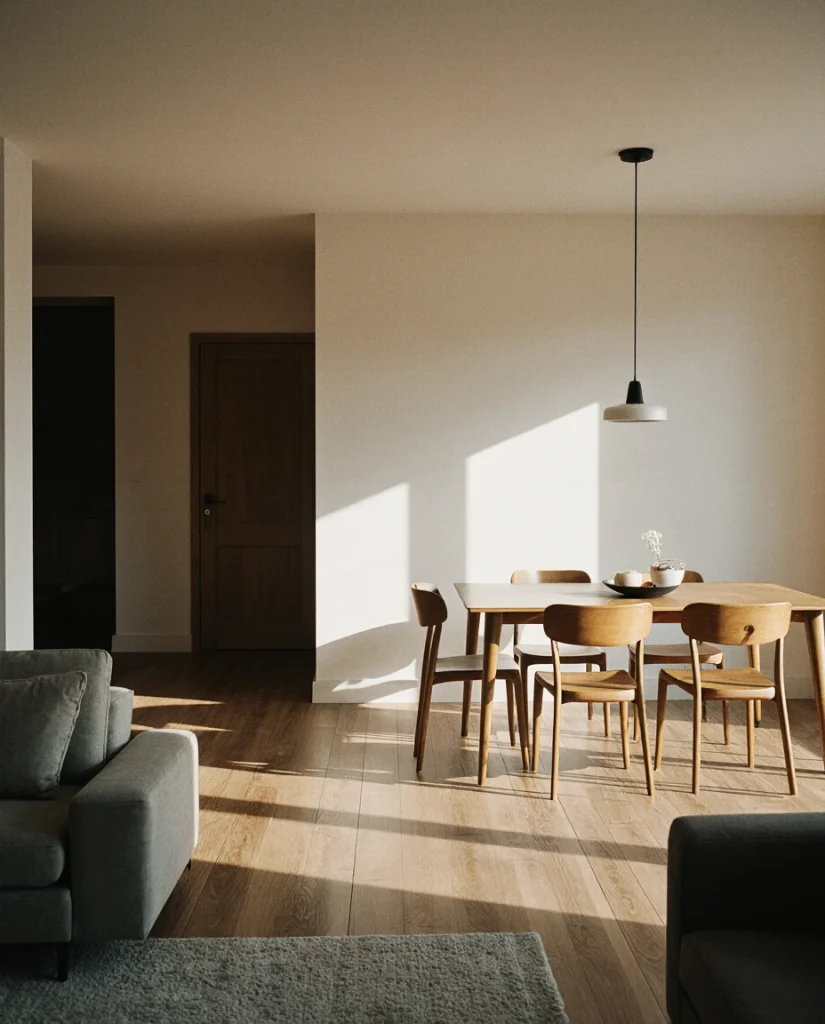
In open-concept homes, a minimalist dining area that flows seamlessly into the living room requires thoughtful spatial definition without walls. A simple wooden dining table with sculptural chairs creates a functional zone while maintaining visual transparency between spaces. The modern approach uses consistent flooring, complementary furniture styles, and unified color palettes to create cohesion. Perhaps the living room features a grey sofa while the dining area introduces grey upholstered dining chairs—subtle repetition that ties spaces together without matchy-matchy coordination. 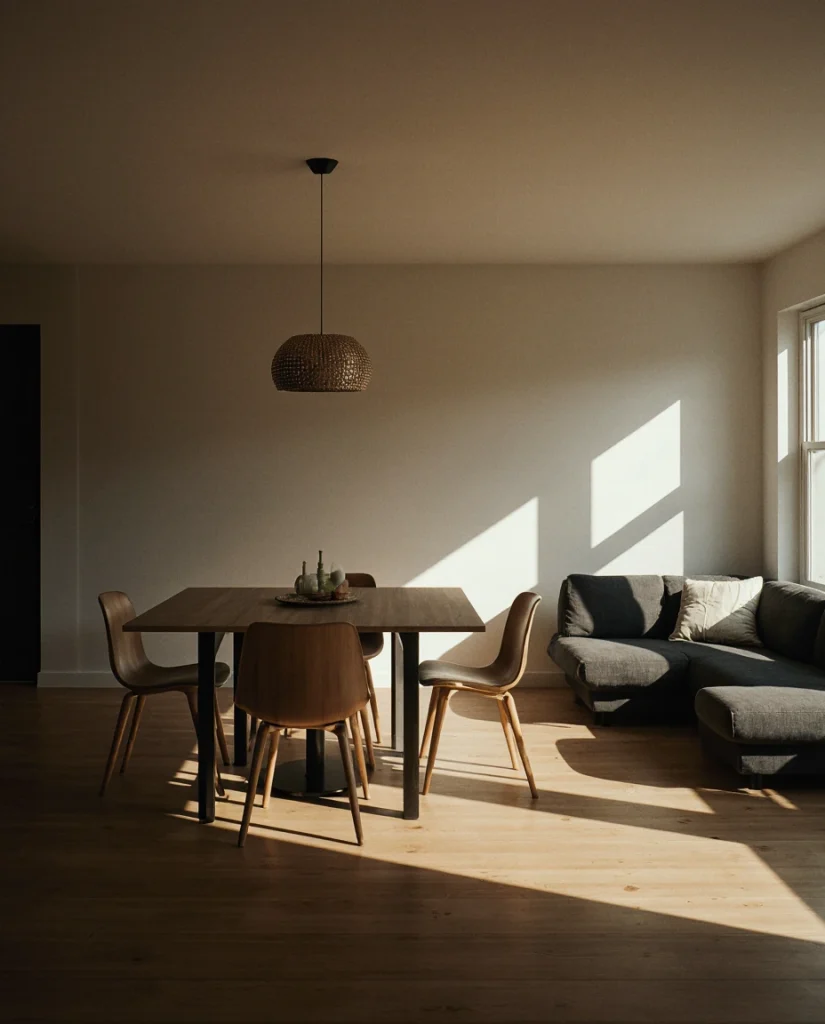
This layout dominates new American construction and renovated loft apartments, where removing walls creates the feeling of spaciousness even in modest square footage. My sister’s Denver condo uses a large area rug to visually anchor the living room seating area, while the dining table sits on bare hardwood—this simple trick defines zones without interrupting sight lines or light flow. The biggest mistake is using dramatically different styles in connected spaces; the eye needs visual rest and continuity, especially in minimalist design where every element receives attention.
13 Inspiration Gallery Wall
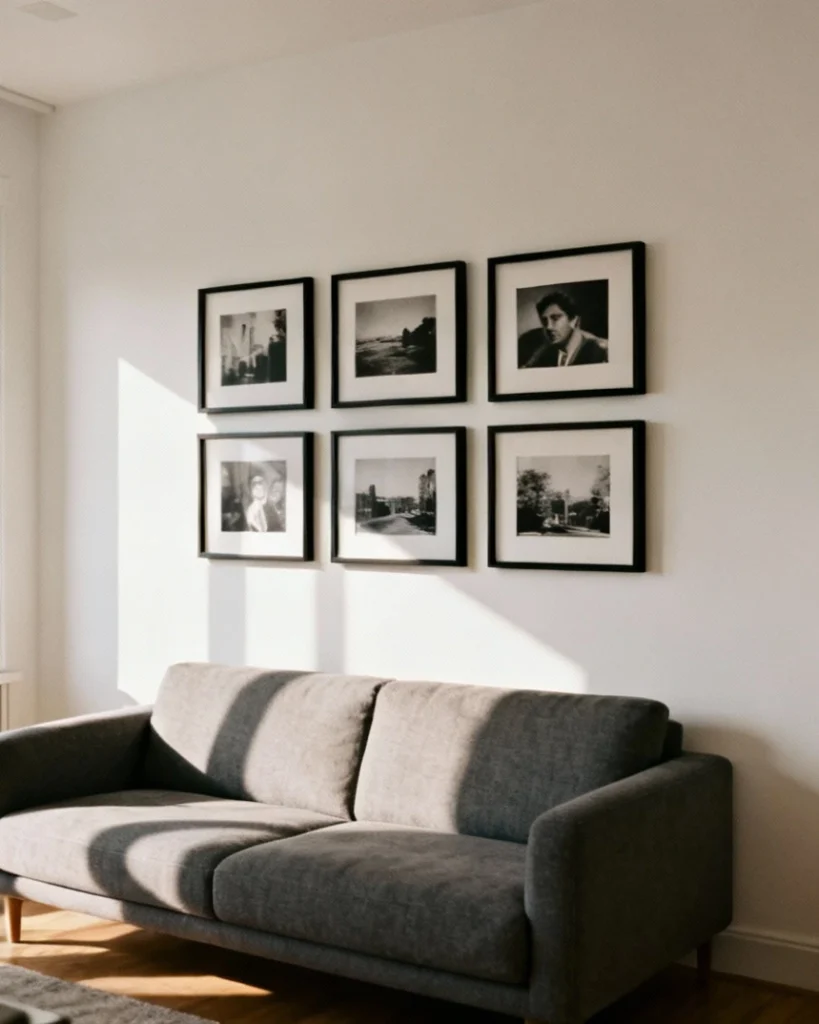
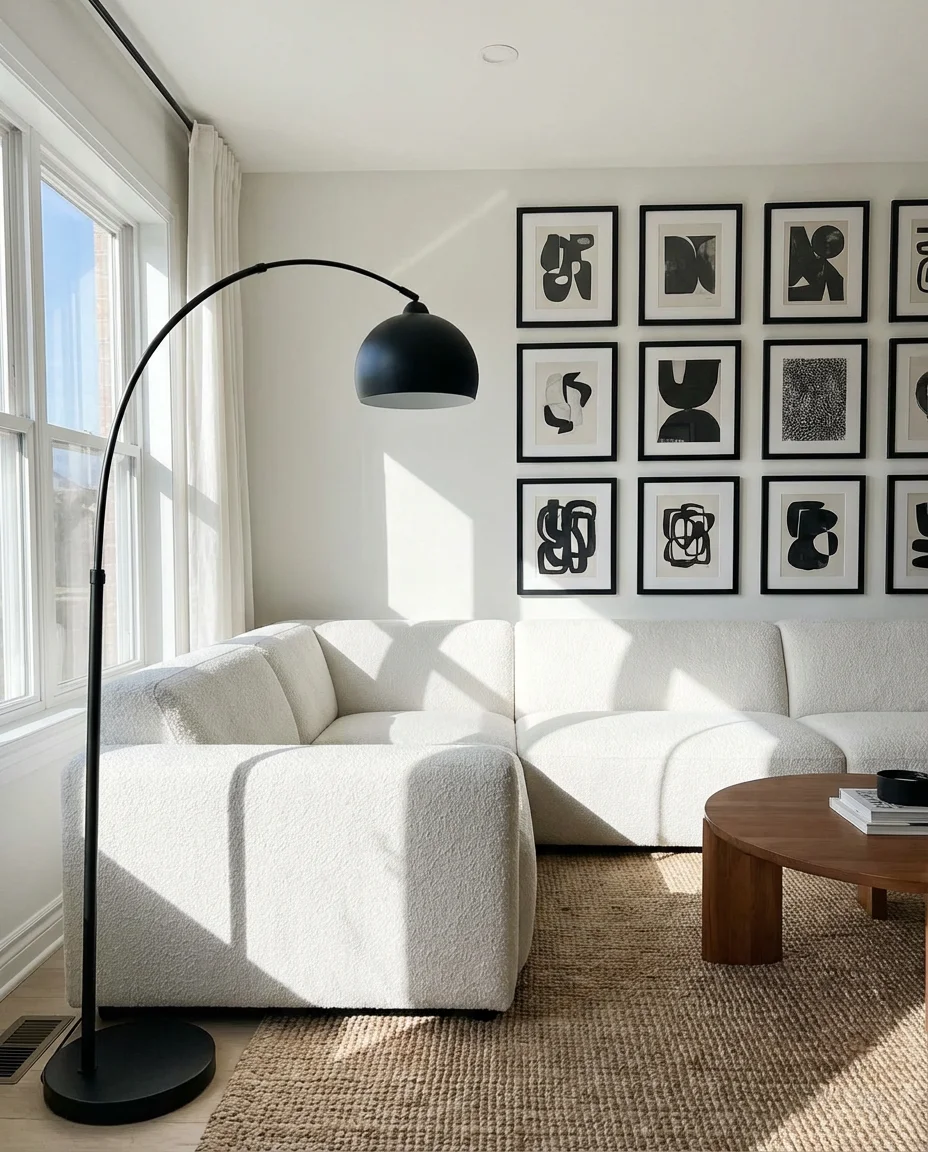
A curated inspiration gallery wall can work within minimalist principles when executed with restraint and consistent framing. Choose a unified frame style—all black metal, all natural wood, or all white matte—and create a simple grid layout rather than a scattered salon hang. The design’s modern luxury approach might feature six identically framed black-and-white photographs in two rows of three. This creates a focal point without the visual chaos that comes from mismatched frames, varied sizes, and competing content. The negative space around the gallery matters as much as the artwork itself.
This works best on a single feature wall, leaving the other three walls blank to maintain breathing room. Americans increasingly use gallery walls to display personal photography from travels or family moments, making the minimalist space feel personal without sacrificing its clean aesthetic. Budget-conscious decorators can achieve a high-end look using affordable frames from IKEA or Target as long as they’re identical—consistency matters more than price point. Avoid the common trap of filling every wall; a single gallery wall in a room of otherwise bare walls creates much more impact than artwork scattered throughout.
14 Ideas for Adaptive Minimalism
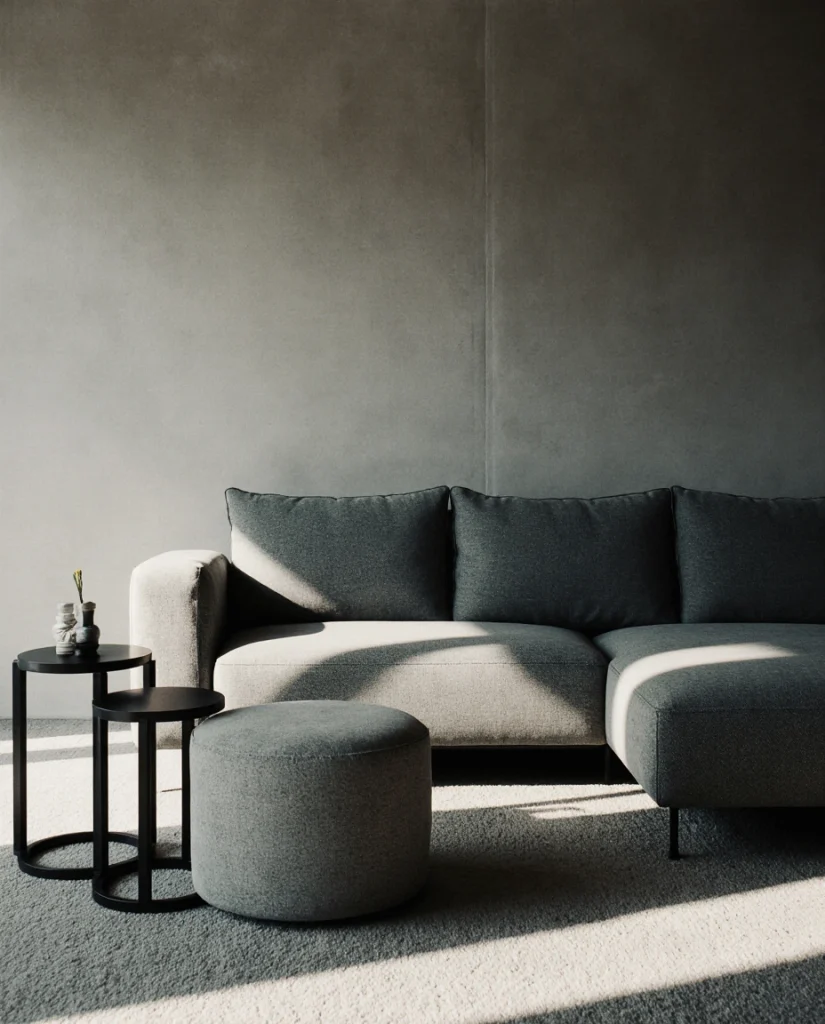
The best minimalist living rooms evolve with your life rather than remaining static museum pieces. Ideas for 2025 emphasize flexible furniture that adapts to changing needs—modular sofas that reconfigure, nesting tables that expand for entertaining, and lightweight chairs that move easily. This modern approach acknowledges that real homes serve multiple functions: workspace during the day, entertainment zone on weekends, and quiet reading retreat in evenings. The minimalist framework provides a calm foundation while allowing temporary additions and subtractions as life demands. 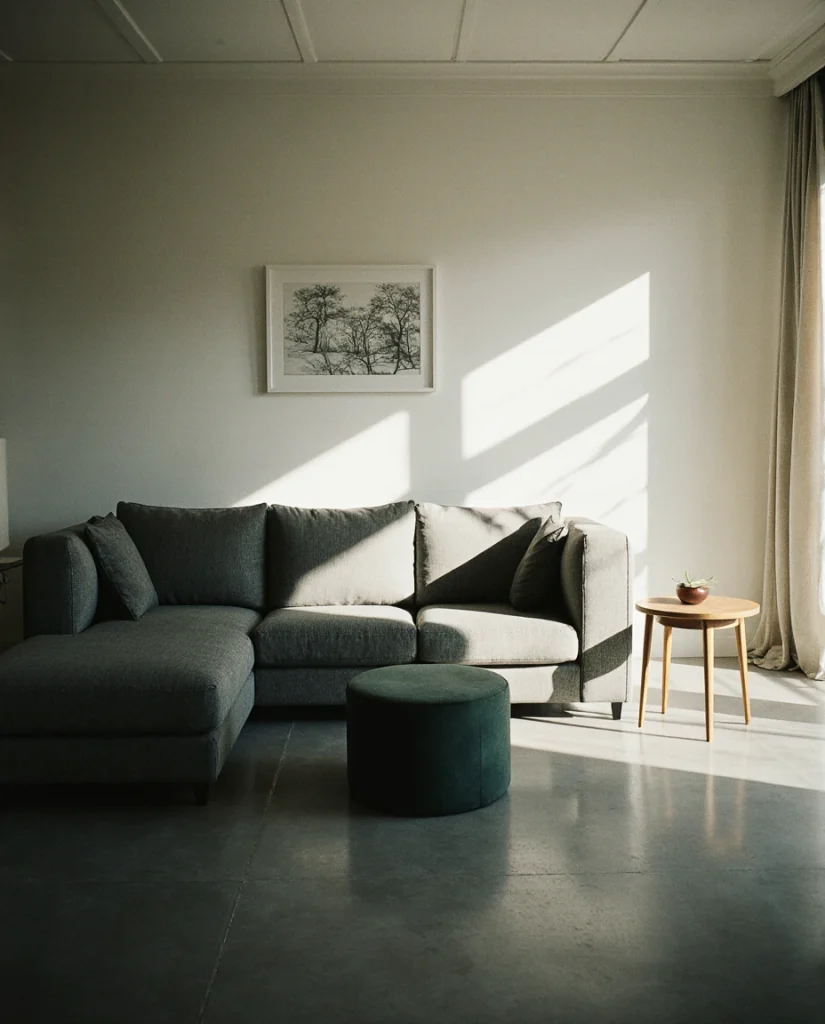
Where this works best is in homes with young families or people who work from home—populations that have grown significantly since 2020. The ability to shift your living room from play space to Zoom background to dinner party venue requires furniture that doesn’t lock you into one configuration. Expert designers recommend investing in quality pieces with simple, timeless silhouettes that work in multiple arrangements. A common mistake is buying trendy modular systems that look exciting in showrooms but prove cumbersome to actually reconfigure; test the mechanisms before purchasing to ensure they’re genuinely user-friendly.
15 Cozy Layered Textures
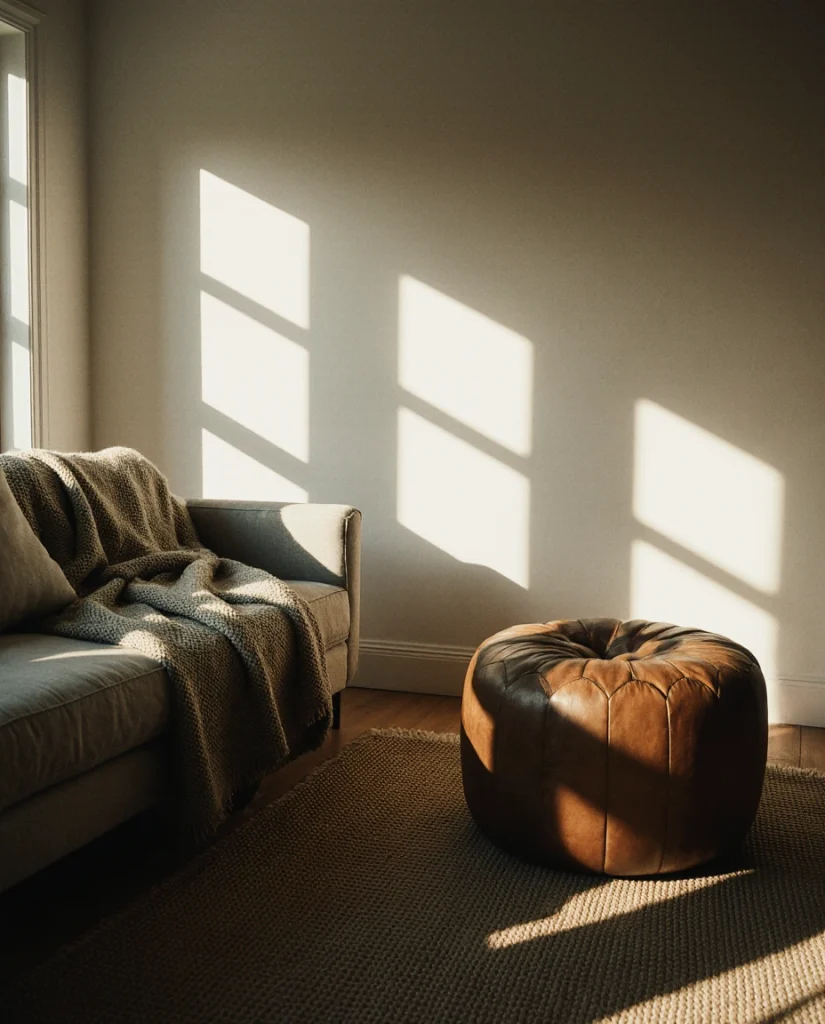
Creating a cozy minimalist living room relies heavily on texture layering rather than color or pattern complexity. A linen sofa, wool throw blanket, leather ottoman, jute rug, and ceramic lamp base introduce five different materials while maintaining a cohesive neutral palette. The earthy approach favors natural fibers and materials that age beautifully—think how leather develops patina or linen softens with washing. These textural variations catch light differently throughout the day, creating visual interest that prevents the space from feeling flat or sterile despite its simplicity. 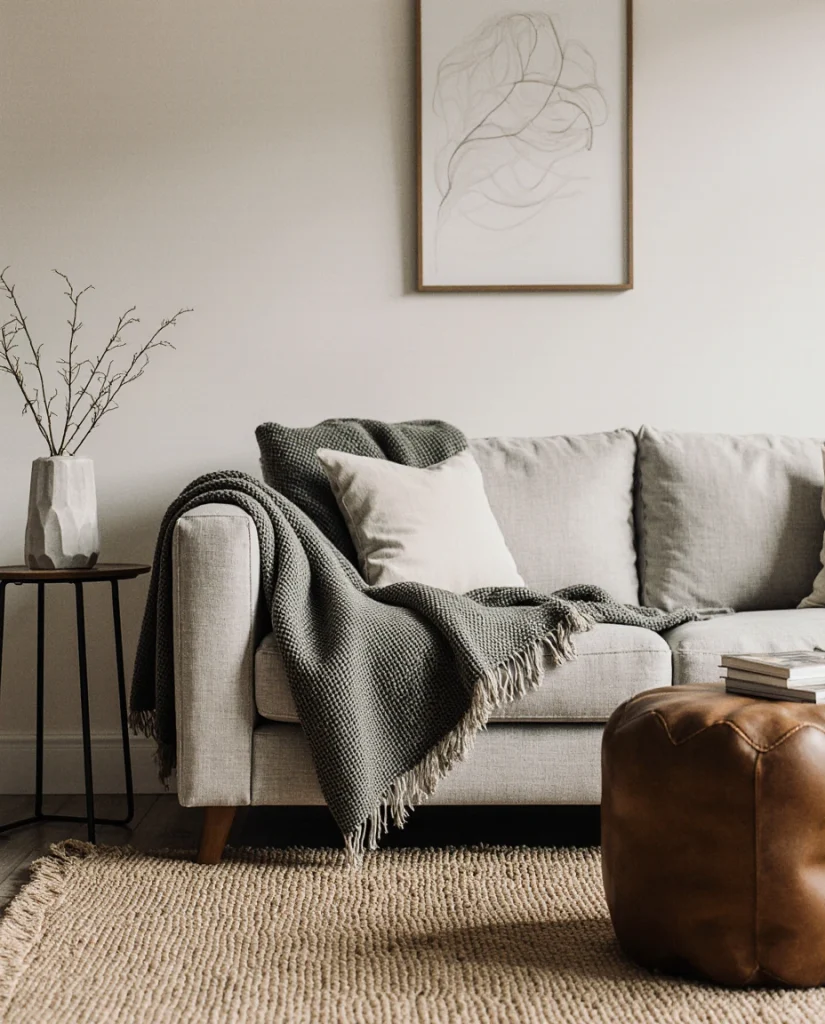
This technique particularly benefits homes in colder climates where creating visual and physical warmth matters during long winters. A practical insight: mix rough and smooth textures in roughly equal measure—too much nubby texture (all chunky knits and jute) can feel overwhelming, while too much smooth surface (all leather and polished wood) feels cold. Real homeowners often start with a large textural anchor piece like a jute or wool rug, then build layers from there. The investment pays off in how the space feels to occupy; texture engages your sense of touch and makes a minimalist room genuinely inviting rather than just visually appealing.
16 Modern Luxury Minimalism
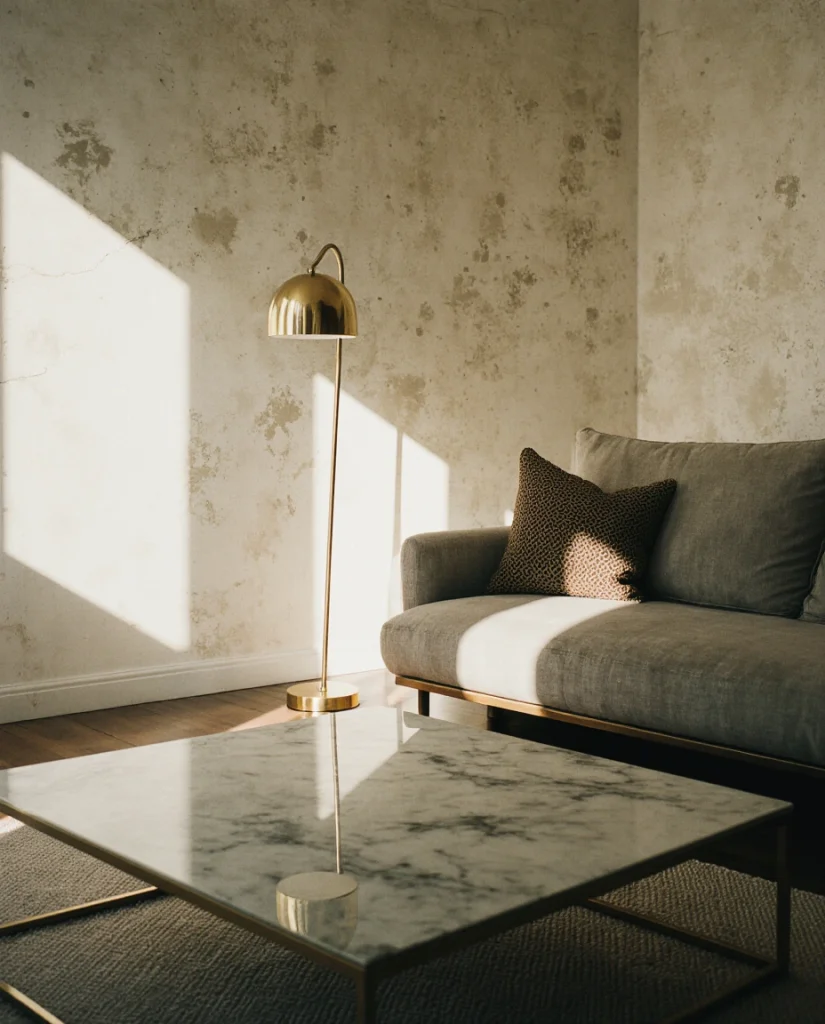
A design’s modern luxury approach elevates minimalism through exceptional materials and craftsmanship rather than ornate details. Marble coffee tables, bouclé upholstery, brushed brass fixtures, and hand-plastered walls demonstrate how quality and restraint create sophisticated spaces. The contemporary luxury aesthetic avoids logo-heavy designer pieces in favor of understated excellence—furniture that looks simple but reveals its quality through construction, fabric hand, and finish details. This is minimalism for those who appreciate the difference between an affordable linen and a Belgian linen, or between veneer and solid walnut. 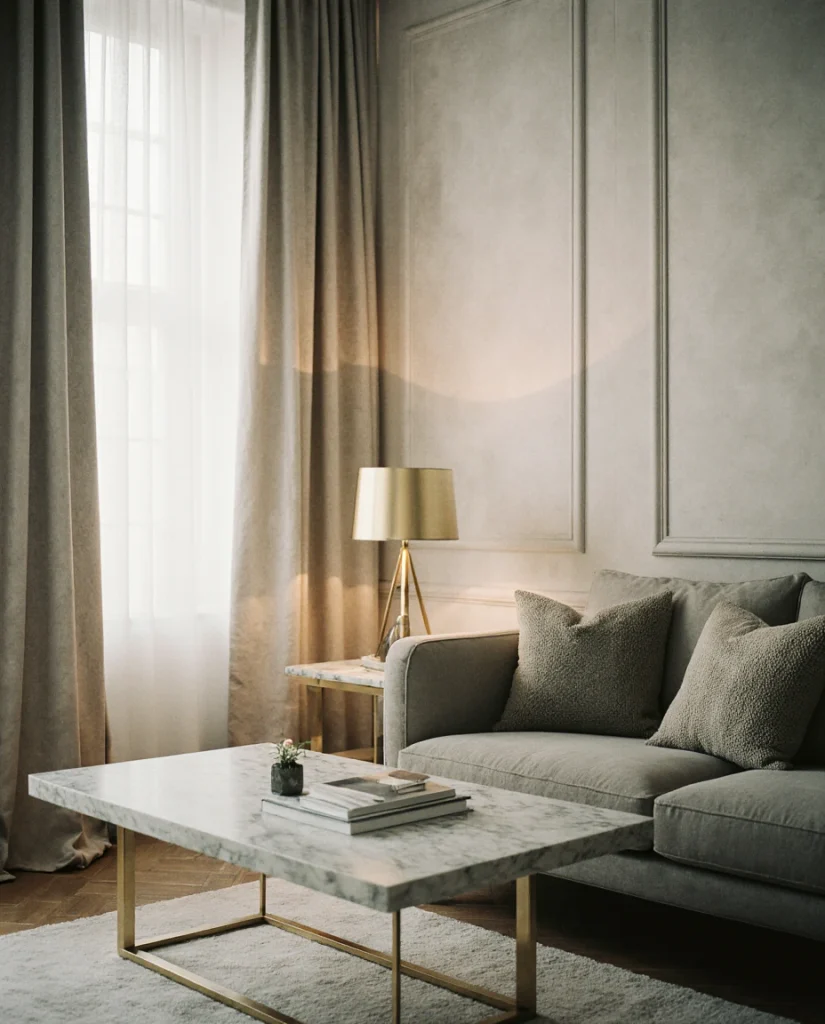
This aesthetic thrives in upscale urban condos and renovated historic homes where architectural bones justify investment in furnishings. Budget considerations shift from “how cheap can I go?” to “which pieces deserve the investment”—it’s often better to have one museum-quality sofa and affordable side tables than medium-quality everything. The common mistake is assuming luxury minimalism requires buying everything new and expensive; mixing one or two investment pieces with vintage finds and affordable basics creates a more interesting and authentic space. Authenticity matters more than price tags; a genuinely beautiful hand-thrown ceramic bowl from a local artist often contributes more to luxury minimalism than an expensive designer tchotchke.
17 Natural Light Maximization
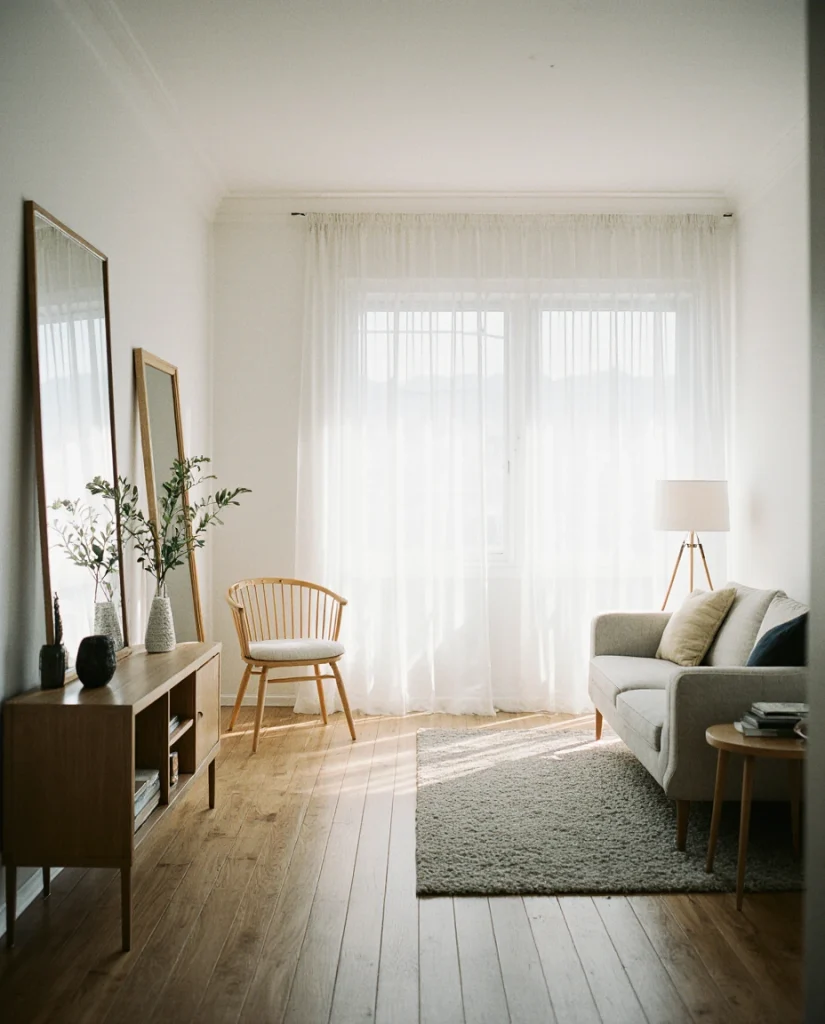
Minimalist living rooms treat natural light as a design element, using window treatments and reflective surfaces to amplify available daylight. Sheer linen curtains, strategically placed mirrors, light wood floors, and white or pale walls bounce light throughout the space. This modern neutral approach recognizes that in minimalist design, where you’ve removed visual complexity, the play of light and shadow becomes entertainment for the eye. South-facing windows might need UV-filtering sheers to protect furniture, while north-facing rooms benefit from mirrors positioned to reflect any available light deeper into the space. 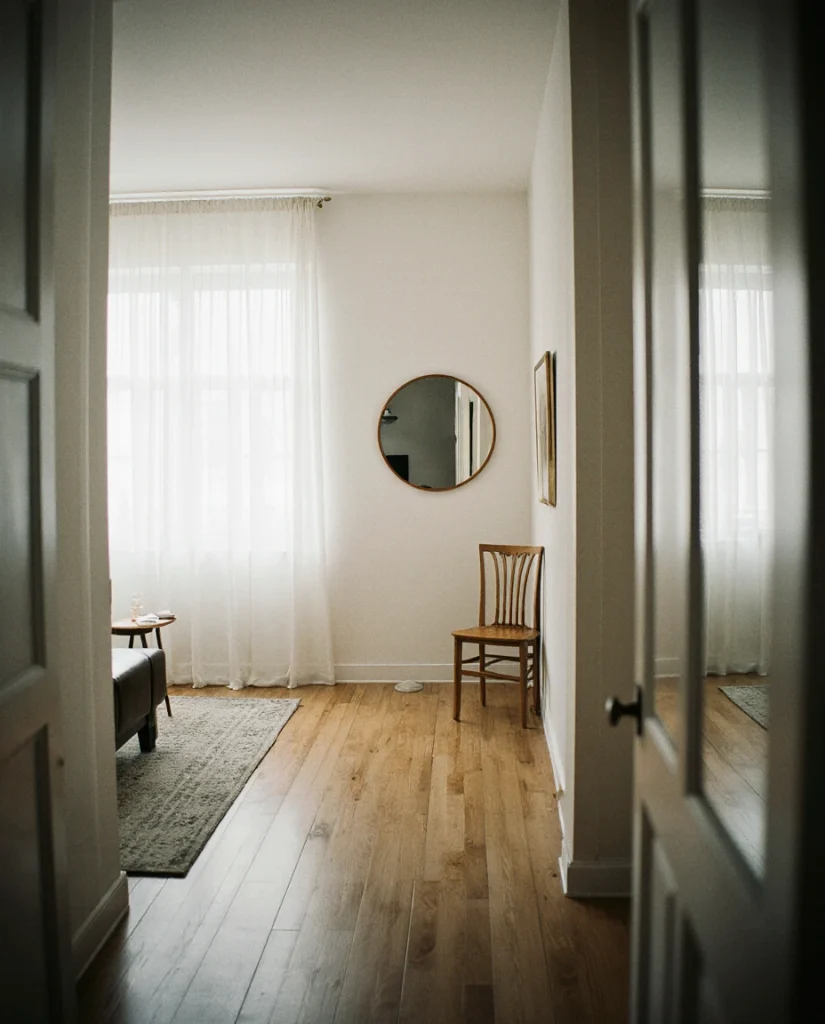
In regions like the Pacific Northwest, where overcast skies dominate much of the year, maximizing natural light becomes crucial for preventing minimalist spaces from feeling gloomy. I know someone in Seattle who installed a large leaning mirror opposite her window, effectively doubling the perceived light in her small living room during grey winter months. Expert lighting designers recommend layering light sources—ambient ceiling fixtures, task floor lamps, and accent picture lights—so you can adjust the brightness and mood throughout the day. The biggest oversight is forgetting that minimalism requires excellent lighting; when you remove visual interest through décor, proper illumination becomes essential.
18 Sculptural Statement Furniture
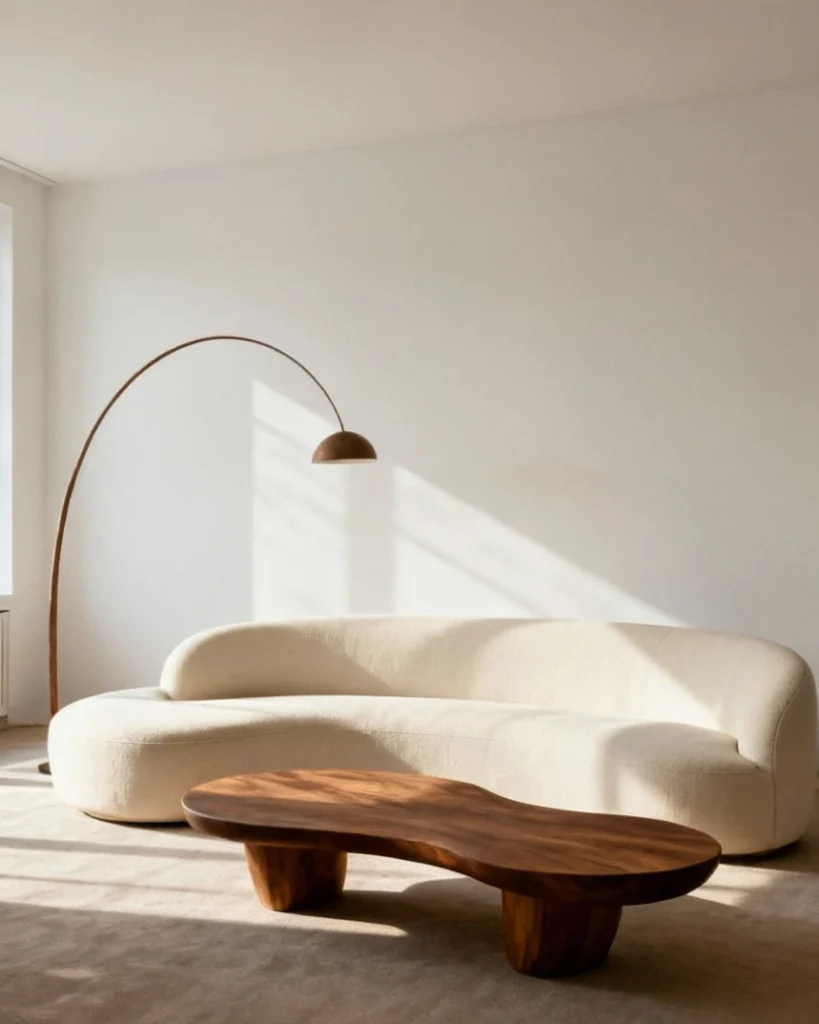
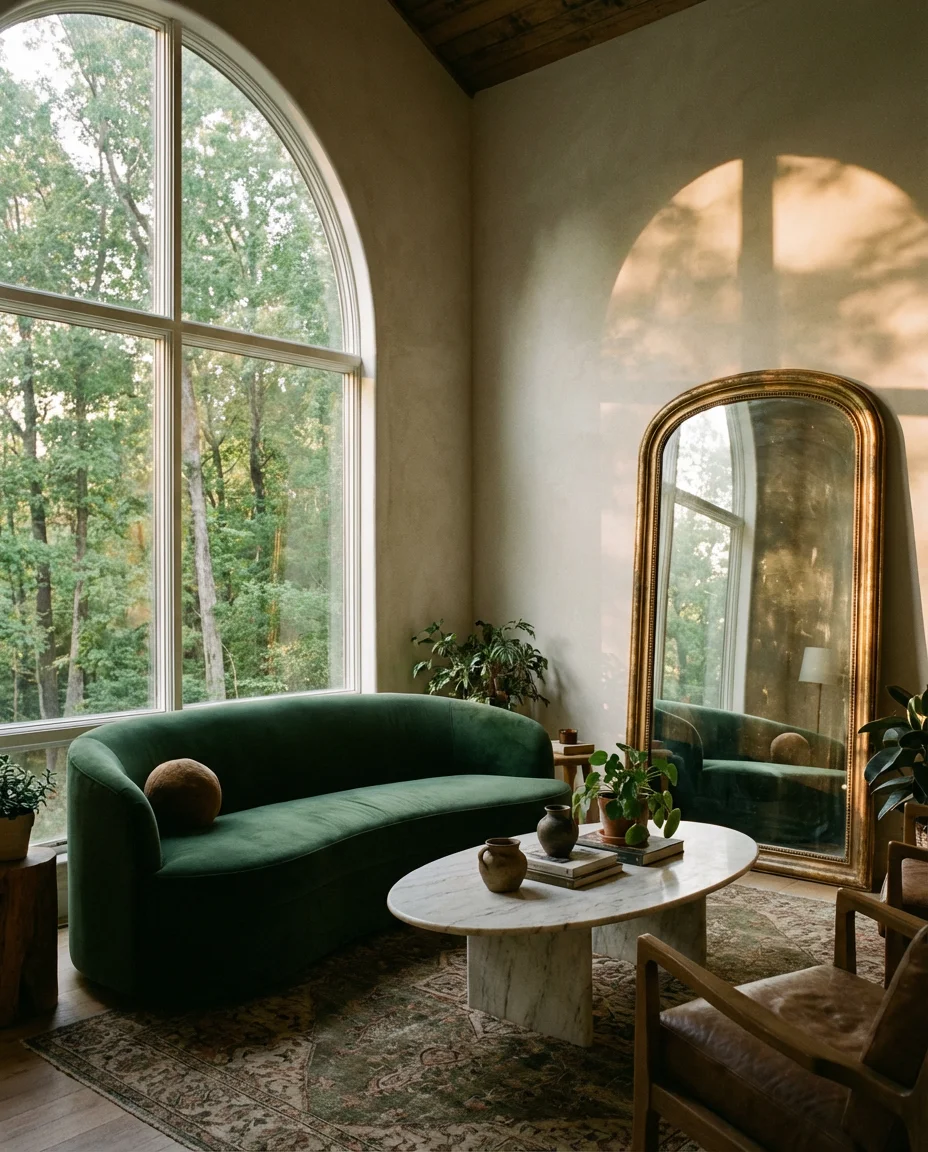
In minimalist living rooms, each furniture piece receives attention, making sculptural forms especially impactful. A curved modern sofa, an organically shaped coffee table, or a dramatic arc floor lamp becomes functional art that doesn’t require additional decoration. The contemporary approach favors pieces with interesting silhouettes that look beautiful from multiple angles—important in open-concept homes where furniture is visible from the kitchen or entryway. These sculptural elements prevent minimalism from feeling too rigid or boxy while maintaining the uncluttered aesthetic that defines the style.
This approach works particularly well for people who love design but want to avoid the clutter of excessive accessories. One beautifully designed chair can provide all the visual interest a room needs, eliminating the pressure to add throw pillows, side tables, or decorative objects. Budget-wise, prioritize one sculptural investment piece—perhaps a statement sofa or iconic chair—then keep surrounding pieces simple and affordable. Real homeowners often report that visitors comment on their “one amazing piece” rather than noticing the IKEA side tables, proving that strategic investment creates more impact than spending moderately on everything.
19 Indoor-Outdoor Connection
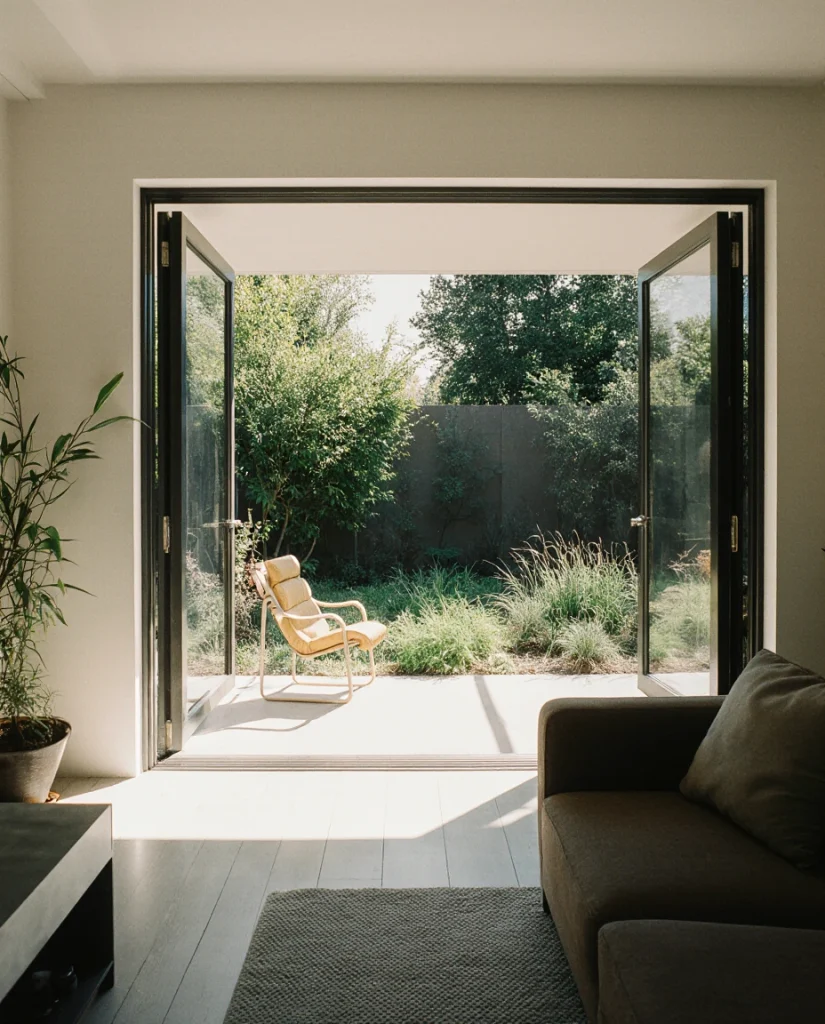
Minimalist living rooms often blur boundaries between interior and exterior spaces, especially in temperate climates. Large glass doors, consistent flooring materials that extend to a patio, and earthy indoor plants create visual flow between inside and outside. The modern approach treats gardens, balconies, or courtyards as extensions of the living room, with similar furniture styles and color palettes. This connection to nature reinforces minimalism’s emphasis on authenticity and natural materials while making interior spaces feel larger through borrowed views.
This design strategy thrives in California, the Southwest, and the Southeast, where mild weather allows year-round outdoor living. My cousin in San Diego removed the wall between her living room and patio, installing accordion glass doors that stack completely open—on pleasant days, it’s genuinely unclear where the house ends and the garden begins. A common mistake is using dramatically different aesthetics inside versus outside; maintain consistency in furniture style and materials to strengthen the connection. Even in colder climates, positioning seating to face windows with garden views creates a sense of expanded space and connection to the changing seasons.
20 Minimalist Home Office Integrations
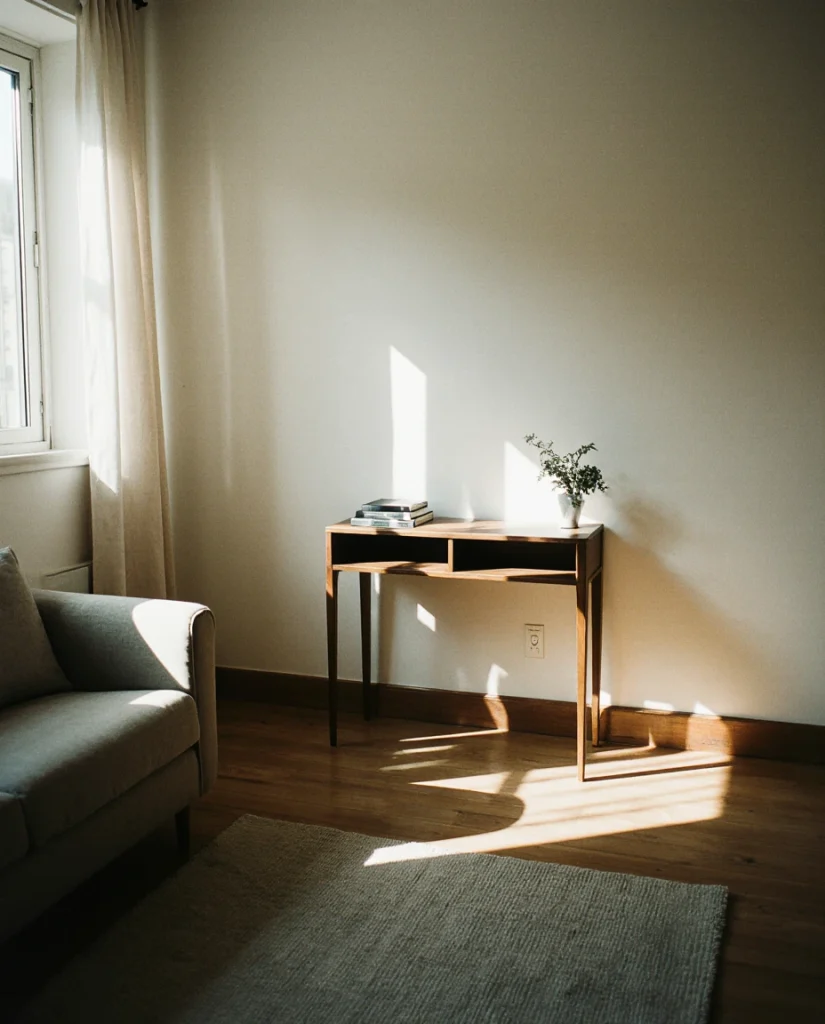
As remote work persists, integrating a workspace into a minimalist living room requires invisible boundaries and dual-purpose furniture. A slim console table behind the sofa doubles as a desk; a laptop stored in a credenza drawer disappears after work hours, or a beautiful writing desk serves both aesthetic and practical functions. The contemporary challenge is creating a productive work environment that can be quickly transformed back into a relaxation space. This requires discipline in cable management, storage solutions, and maintaining the clean surfaces that make minimalism work.
This setup has become essential for Americans in urban apartments where dedicated home offices aren’t feasible but remote work is permanent. The key is creating psychological boundaries even without physical walls—perhaps the desk faces away from the TV, or you use a specific lamp only during work hours to signal “office mode.” Practical storage systems matter enormously; a beautiful credenza with internal file organization keeps work materials hidden but accessible. The biggest pitfall is allowing work creep, where papers and tech gradually colonize the entire living room. Establish a “put away at 5 PM” rule to maintain the peace and order that make minimalist living rooms such effective retreats.
21 Seasonal Adaptability
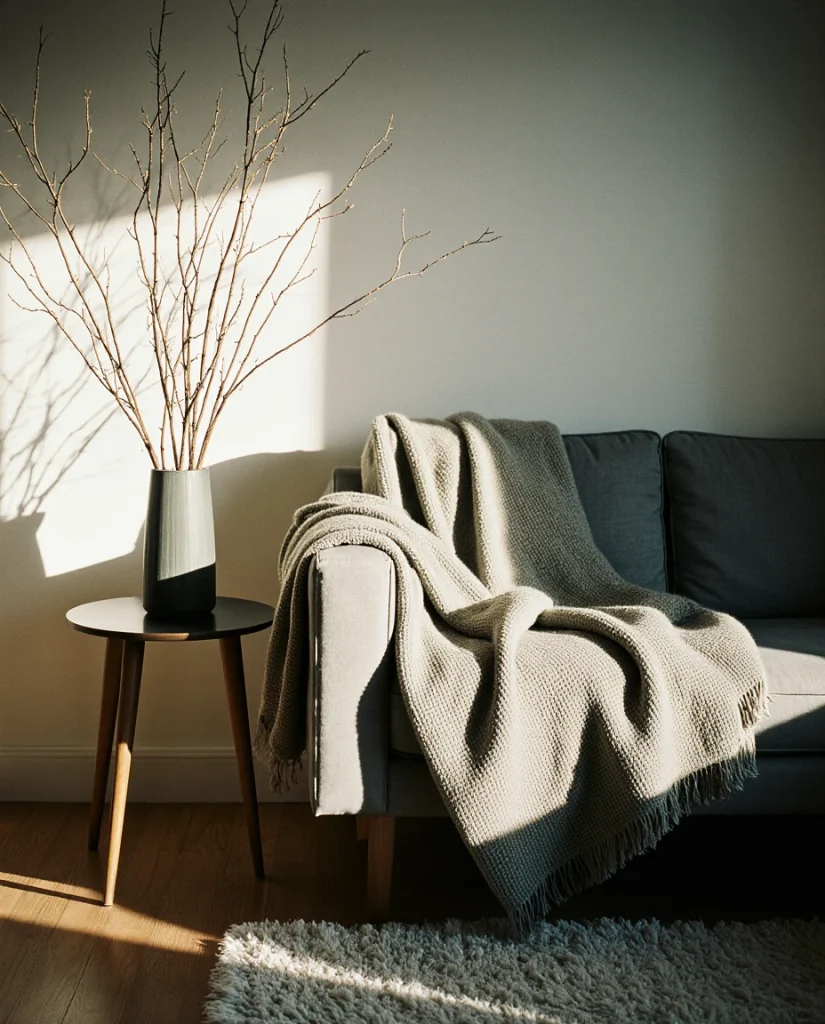
The best minimalist living rooms adapt subtly to seasons through textile swaps and natural elements rather than themed décor. Summer might bring lightweight linen throws and fresh greenery, while winter introduces heavier wool blankets and dried branches. This cozy approach to seasonality maintains the minimalist foundation—same furniture, same color palette—while acknowledging our human desire for variety and connection to the natural world. A single vase of seasonal branches or a swapped throw blanket provides enough change to feel fresh without requiring storage units full of decorations. 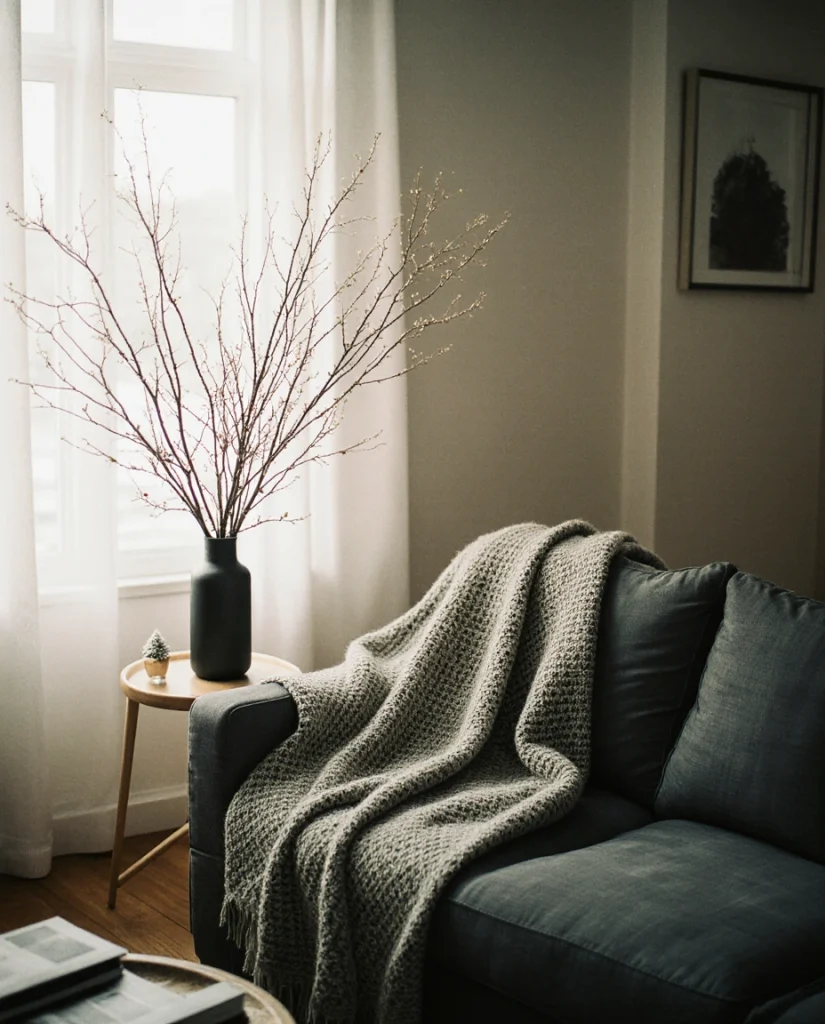
This resonates particularly with Americans who feel pressure to decorate for every holiday but want to avoid the visual chaos and storage burden of traditional seasonal décor. Where it works best is in homes with defined seasons—New England, the Midwest, mountain regions—where the changing landscape outside your window naturally prompts subtle interior adjustments. Expert decorators recommend keeping a small bin of seasonal textiles (linen for summer, wool for winter, maybe a festive runner for December) rather than accumulated bins of themed items. The restraint keeps your space feeling curated and intentional year-round while still honoring the rhythms of the seasons.
22 Personal Meaningful Minimalism
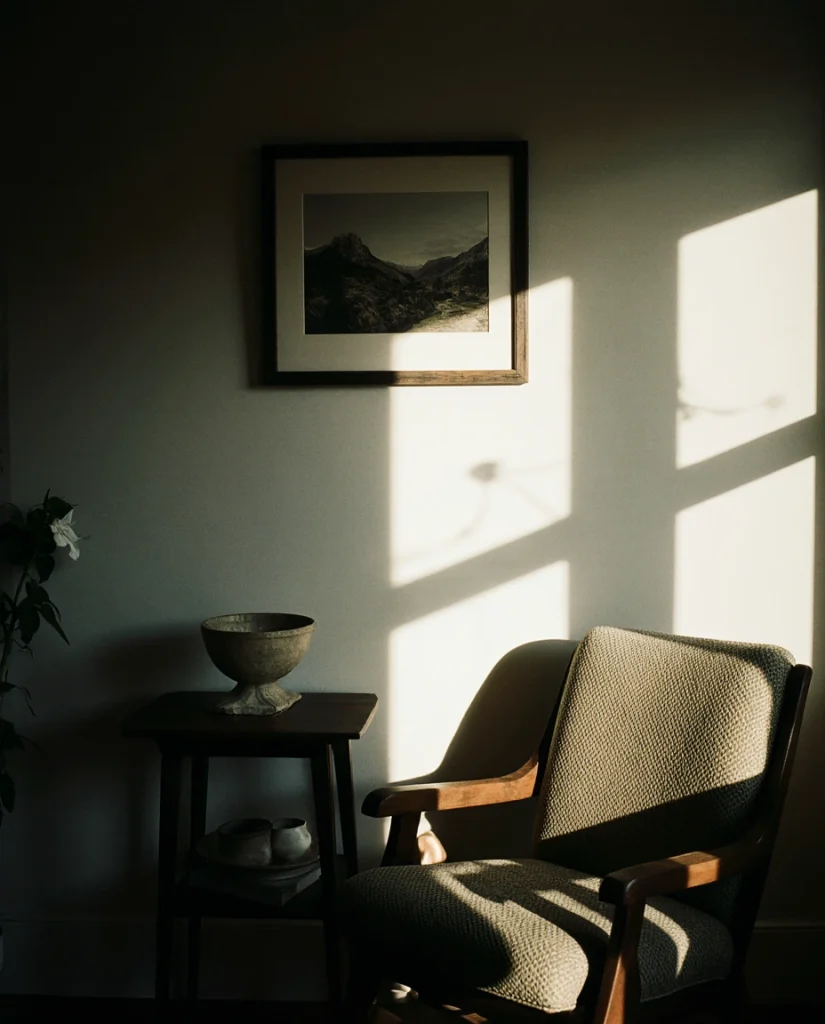
The most successful minimalist living rooms balance design principles with personal meaning, creating spaces that feel like homes rather than showrooms. Perhaps it’s your grandmother’s single ceramic bowl displayed on the coffee table, a modern framed photograph from a meaningful trip, or a vintage chair inherited from your first apartment. The inspiration comes from knowing that minimalism isn’t about erasing personality—it’s about being intentional with what you keep, ensuring every object either serves a function or holds genuine meaning. This approach creates rooms that tell your story without overwhelming the senses. 
Americans increasingly push back against Pinterest-perfect rooms that look beautiful but feel anonymous, seeking instead to create homes that reflect actual lives and values. The practice of choosing meaningful objects over decorative fillers saves money while creating deeper satisfaction—you genuinely love everything in your space rather than tolerating generic décor. A common mistake is keeping objects out of obligation rather than genuine connection; if your aunt’s vase doesn’t bring you joy or serve a purpose, it’s okay to let it go. The most authentic minimalist living rooms emerge when you’re honest about what matters to you, curating a space that supports how you actually want to live rather than how you think you should.
Conclusion
These approaches to minimalist living room design prove the style’s versatility and staying power as we move into 2026. Whether you’re drawn to Scandinavian simplicity, Japanese restraint, or eclectic curation, minimalism provides a framework for creating spaces that breathe, inspire, and center you. Which of these ideas resonates most with your vision for a peaceful, intentional living space? Share your thoughts and your own minimalist design experiments in the comments below.