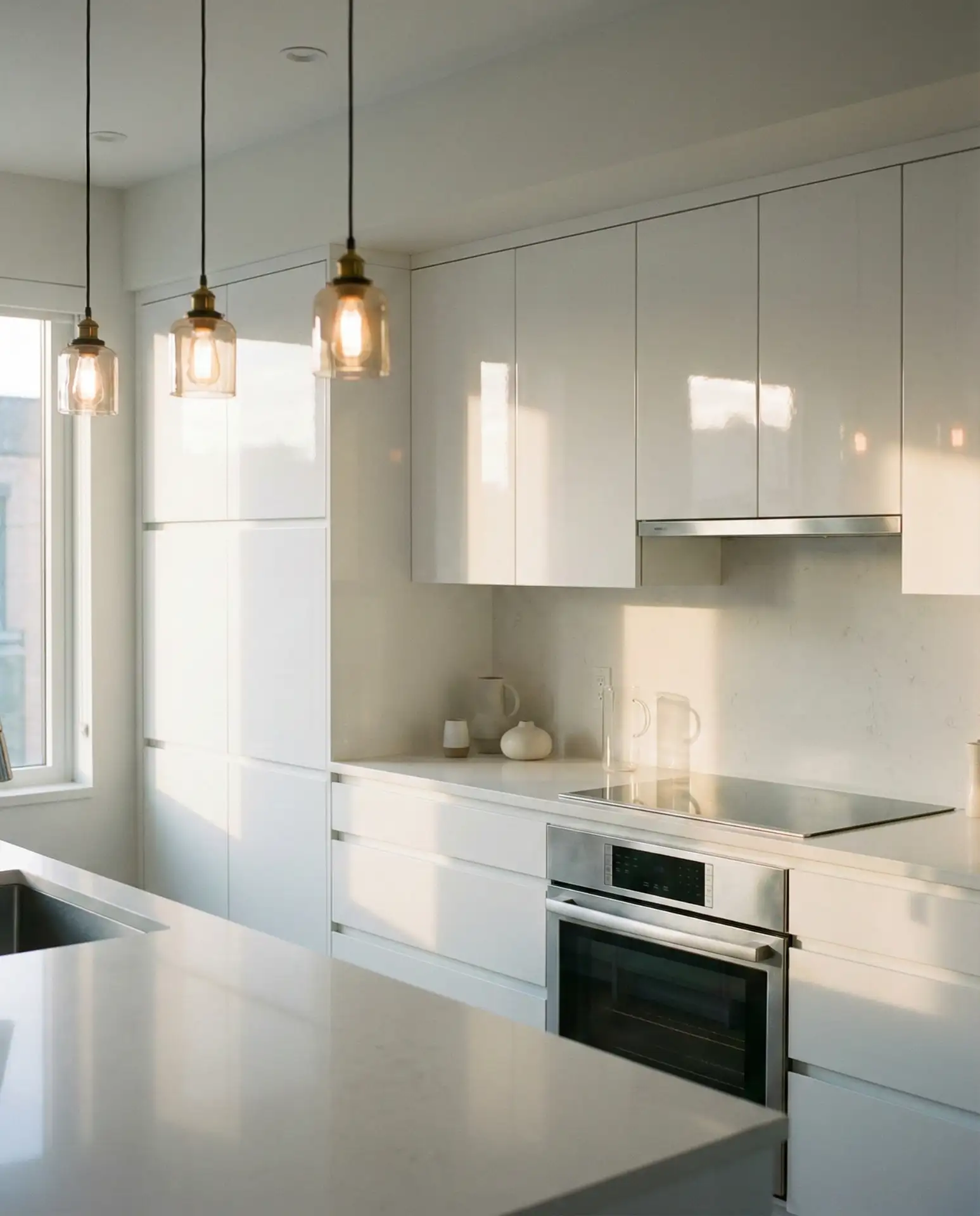
Modern kitchen design in 2026 is all about blending functionality with personal style, and American homeowners are turning to Pinterest more than ever to visualize their dream spaces. Whether you’re planning a full renovation or just looking for fresh ideas, this year’s trends emphasize smart layouts, versatile storage, and designs that work for real life—from compact city apartments to spacious suburban homes. In this guide, you’ll discover inspiring kitchen concepts that reflect how we cook, gather, and live today, each one designed to spark your imagination and help you create a space that truly feels like home.
1. Streamlined Single Wall Kitchen with Hidden Storage
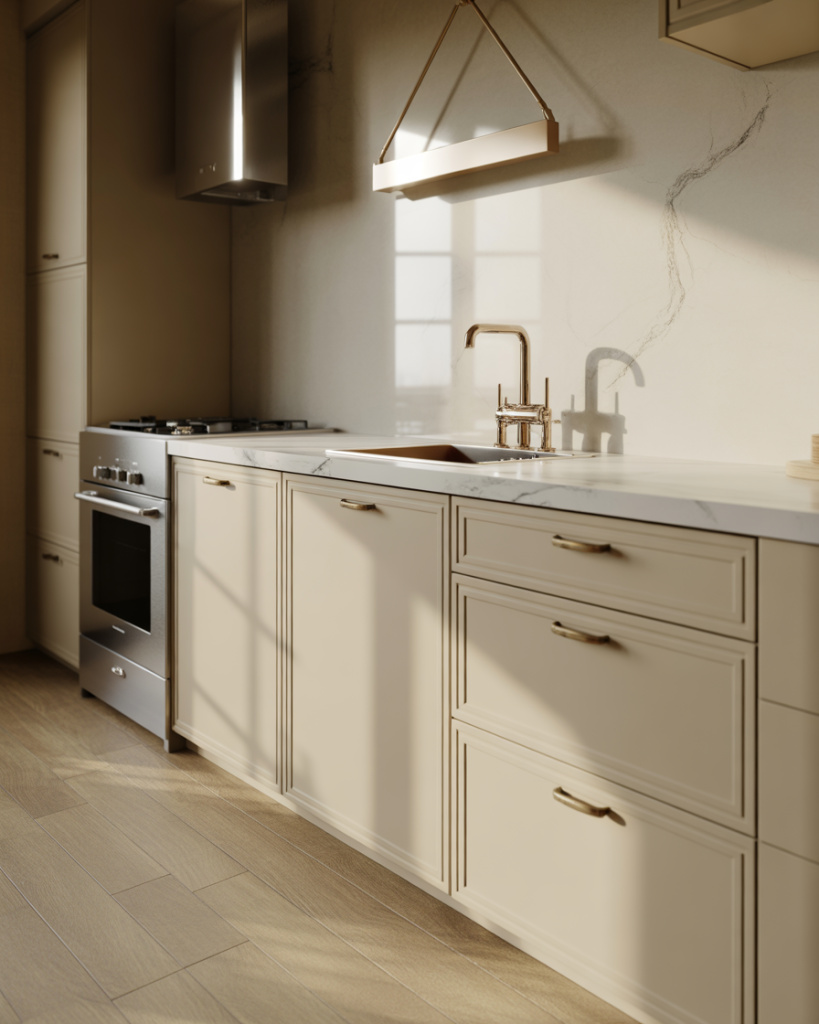
A single-wall layout maximizes every inch in narrow spaces, making it ideal for urban apartments or tiny house living. This design places all appliances, counters, and cabinets along one continuous wall, creating an uninterrupted flow that feels open and efficient. The key is choosing sleek cabinetry with integrated pulls and concealed storage to keep the look clean and modern without sacrificing functionality. 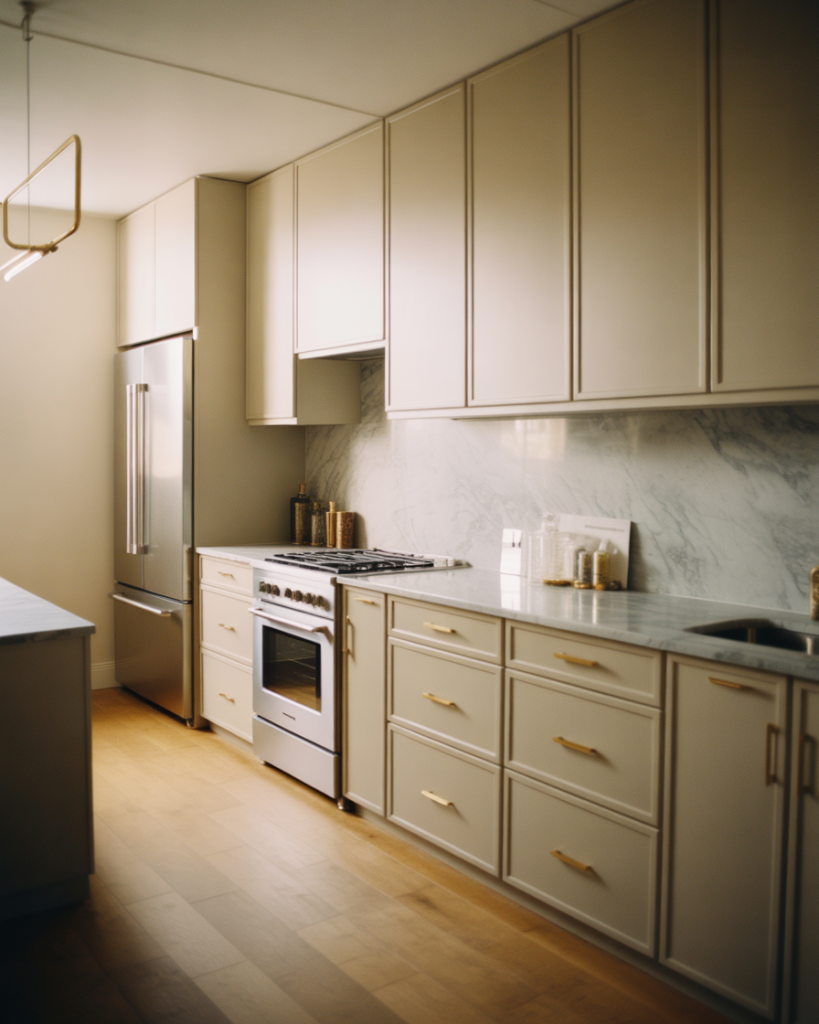
This layout works best in studio apartments or narrow galley-style homes where square footage is limited. One common mistake is overcrowding the wall with too many upper cabinets—instead, opt for a mix of open shelving and closed storage to maintain visual breathing room. Homeowners often underestimate how much prep space they need, so plan for at least 36 inches of counter between the sink and stove.
2. Industrial-Style Kitchen with Commercial Touches
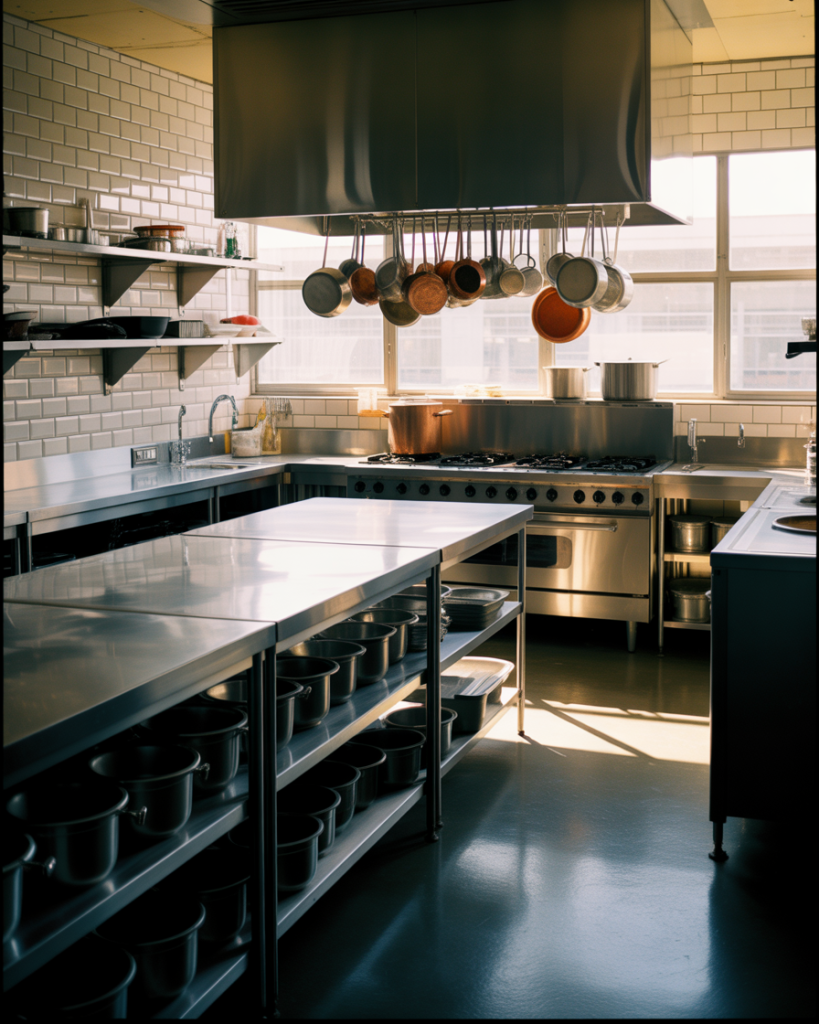
Bringing commercial-grade elements into a home kitchen adds serious functionality and a bold aesthetic edge. Stainless steel counters, open shelving, and restaurant-quality ranges are no longer just for professional chefs—they’re becoming staples in modern American homes. This approach pairs beautifully with exposed brick, concrete floors, and matte black fixtures for a look that’s both rugged and refined. 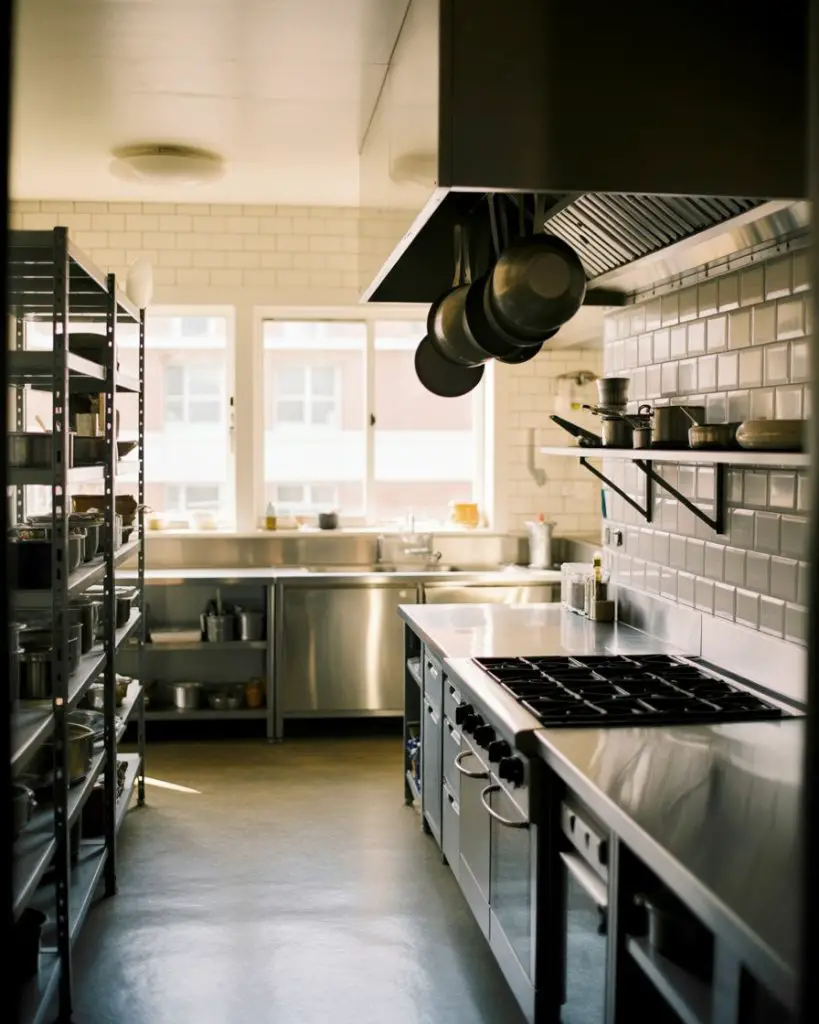
In cities like New York or Chicago, this style resonates with loft dwellers who want durability and a no-nonsense vibe. The beauty of commercial elements is their longevity—stainless steel resists stains and heat, and heavy-duty appliances are built to withstand daily use. Budget-conscious renovators can start small by swapping in a commercial faucet or adding industrial-style shelving before investing in larger pieces.
3. Airy Small Galley Kitchen with Smart Lighting
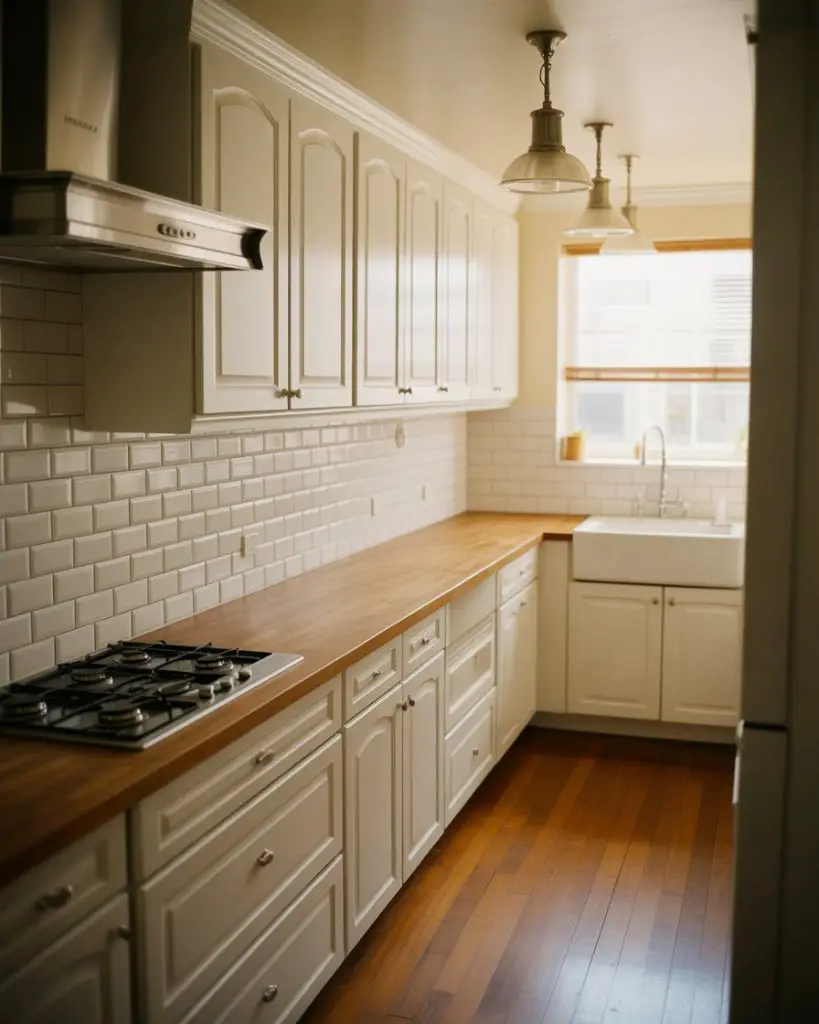
A small galley kitchen doesn’t have to feel cramped when you prioritize light and flow. Positioning cabinets on both sides creates a corridor layout that’s efficient for cooking, while light-colored finishes and under-cabinet LED strips make the space feel larger. Adding a skylight or window at one end transforms the galley from tunnel-like to bright and welcoming. 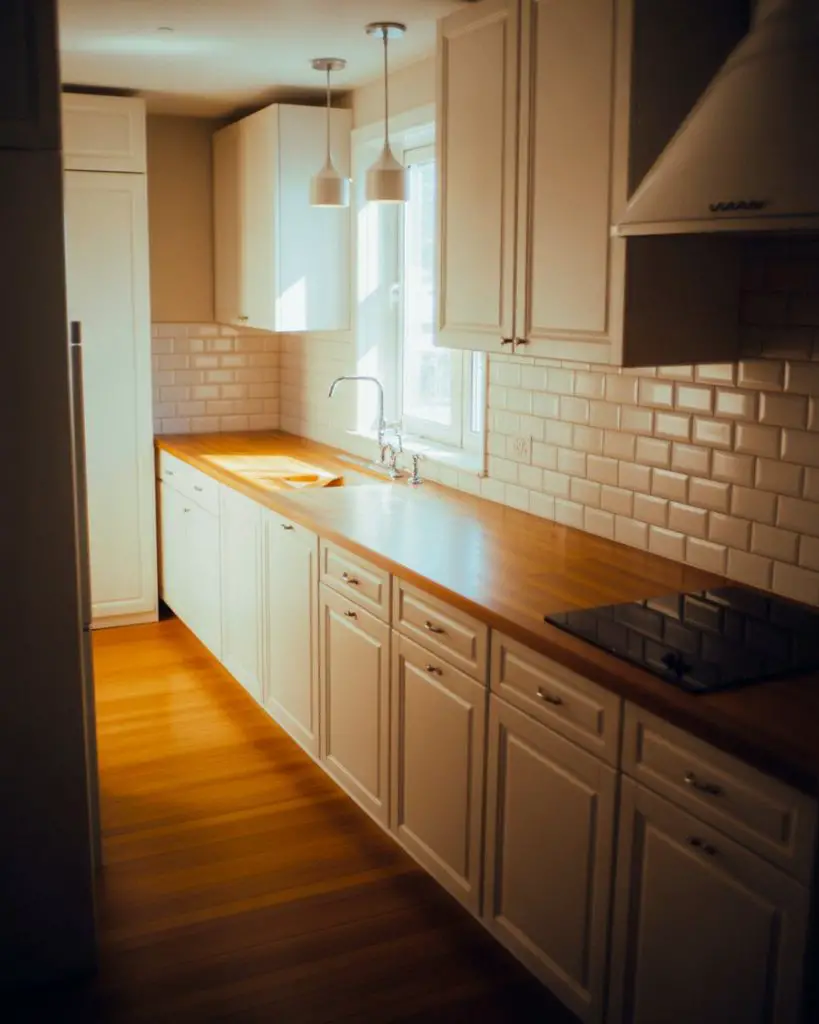
Where it works best: in older row houses, narrow condos, or vintage apartments where the footprint is fixed. Many homeowners make the mistake of choosing dark colors to “hide” the size—but in reality, soft whites, pale grays, and natural wood tones open up the space. Keep the aisle between counters at least 42 inches wide to allow comfortable movement, especially if two people cook together.
4. Central Island Kitchen with Seating and Prep Zone
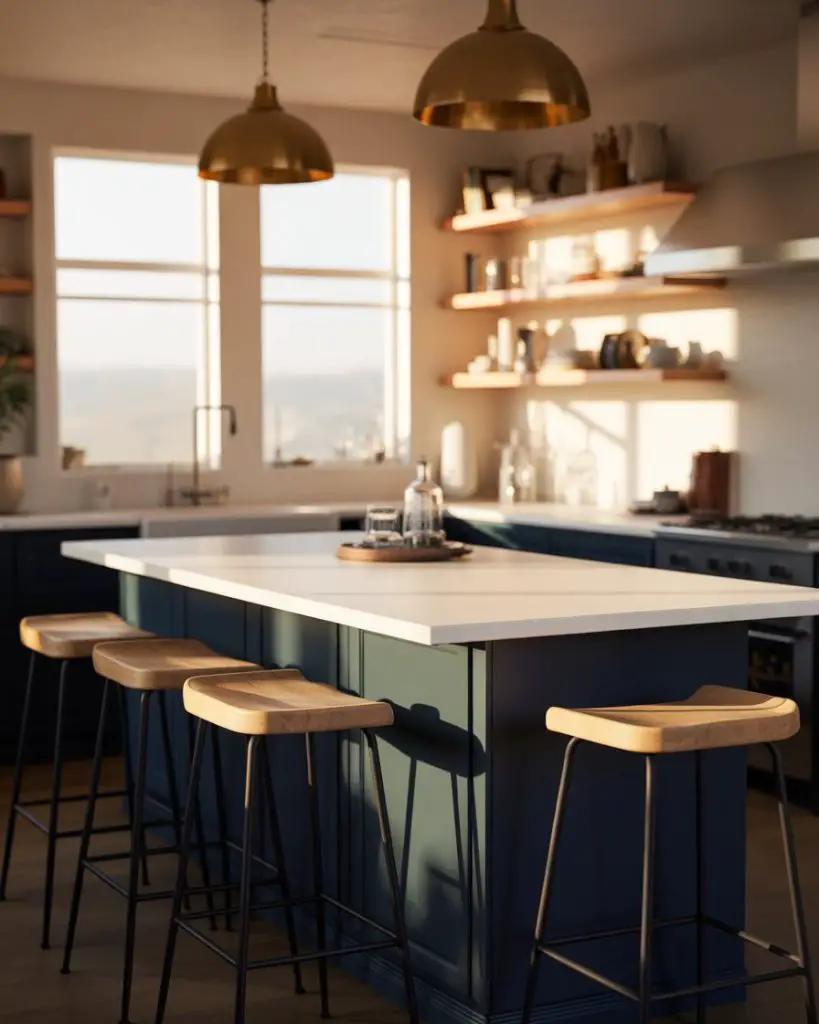
An island anchors the room and offers a multipurpose hub for cooking, dining, and socializing. Modern designs feature waterfall edges, built-in appliances, and seating for three or four, making the island the heart of family life. Pairing the island with pendant lighting and contrasting finishes—like a dark base with a light countertop—adds visual interest without overwhelming the space. 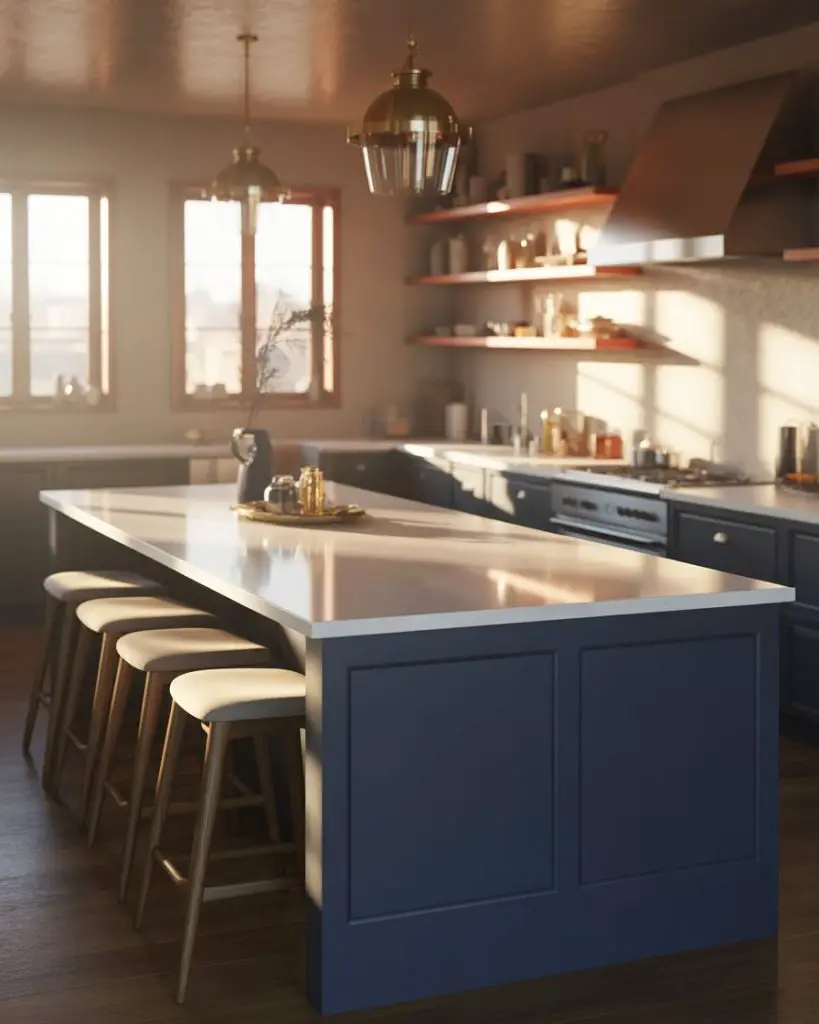
One designer I spoke with mentioned that clients often regret undersizing their islands—if your kitchen allows, aim for at least 4 feet in length to accommodate both prep work and casual meals. Islands also offer hidden storage opportunities: deep drawers for pots, pull-out trash bins, and even wine coolers. Just make sure to leave 42–48 inches of clearance on all sides for easy traffic flow.
5. L-Shaped Kitchen with Corner Sink Innovation
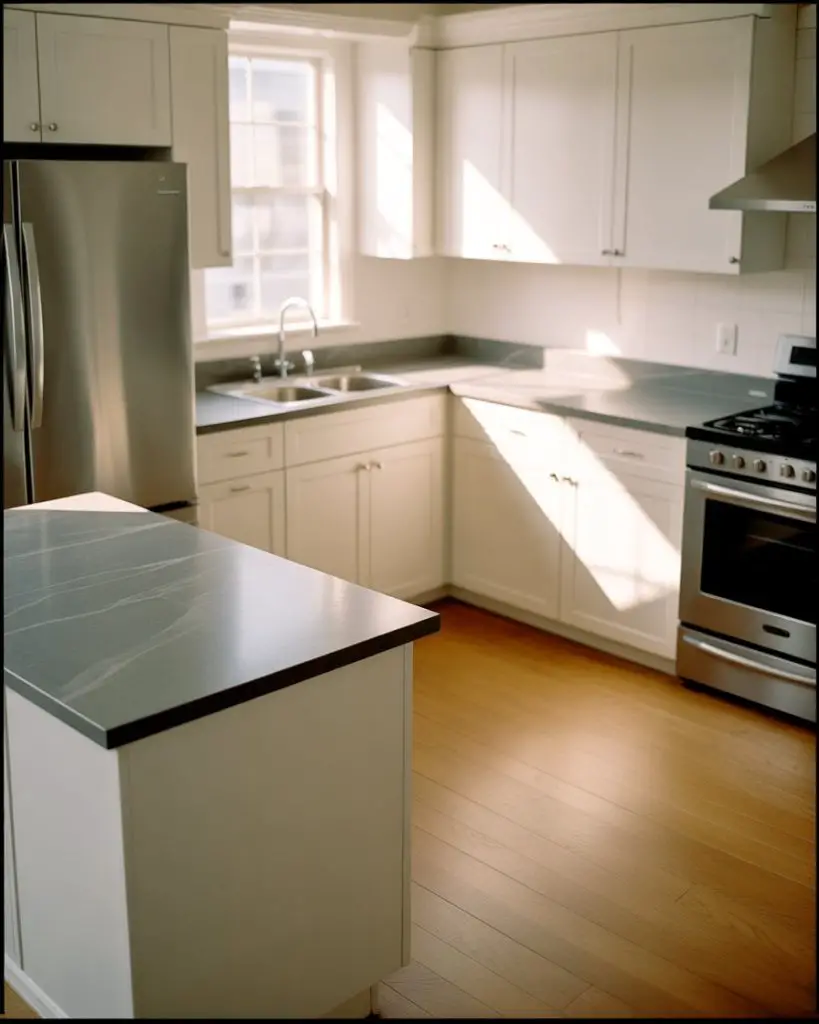
An L-shaped layout naturally creates a work triangle, and placing a corner sink in the bend optimizes that flow. This setup frees up linear counter space for prep while making use of an often-awkward corner. Pair it with a large window above the sink for natural light and a view, which is especially popular in suburban homes with backyard access. 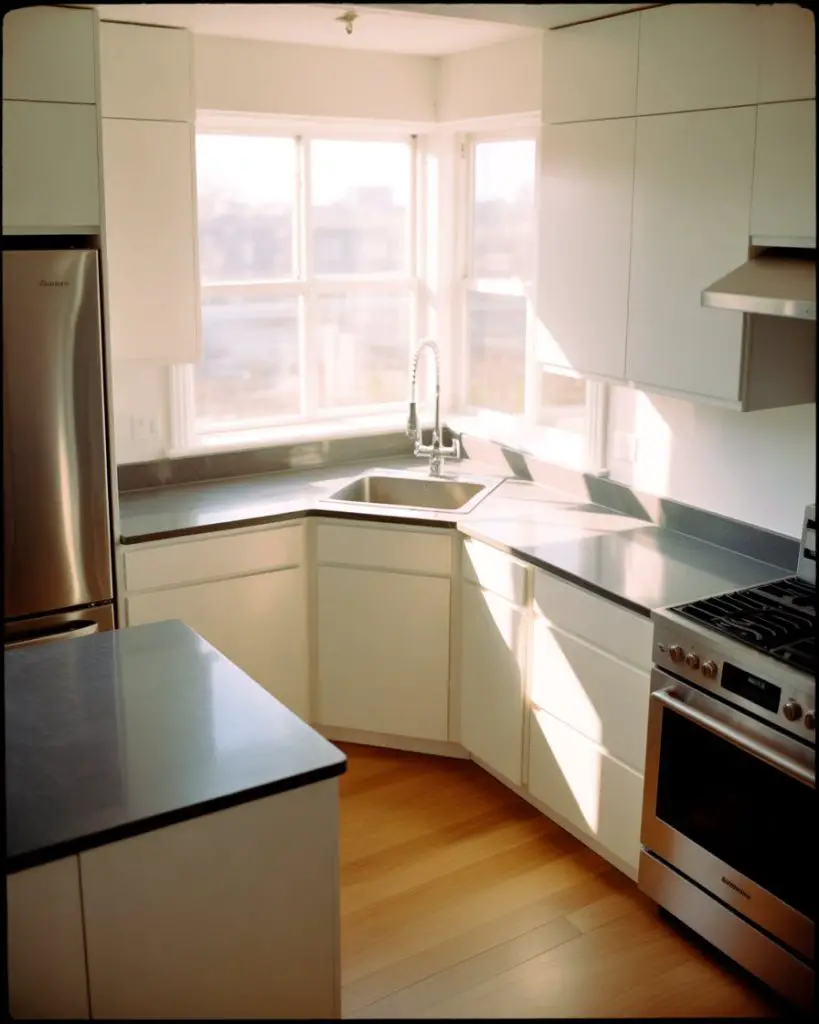
This layout is a favorite among American families who want flexibility without sacrificing counter space. A common pitfall is installing standard cabinets in the corner, which creates dead space—instead, use a lazy Susan or pull-out drawer system to access every inch. If you’re placing a sink in the corner, make sure the faucet has enough clearance, and consider an angled design for easier use.
6. Open Concept Kitchen Flowing into Living Room
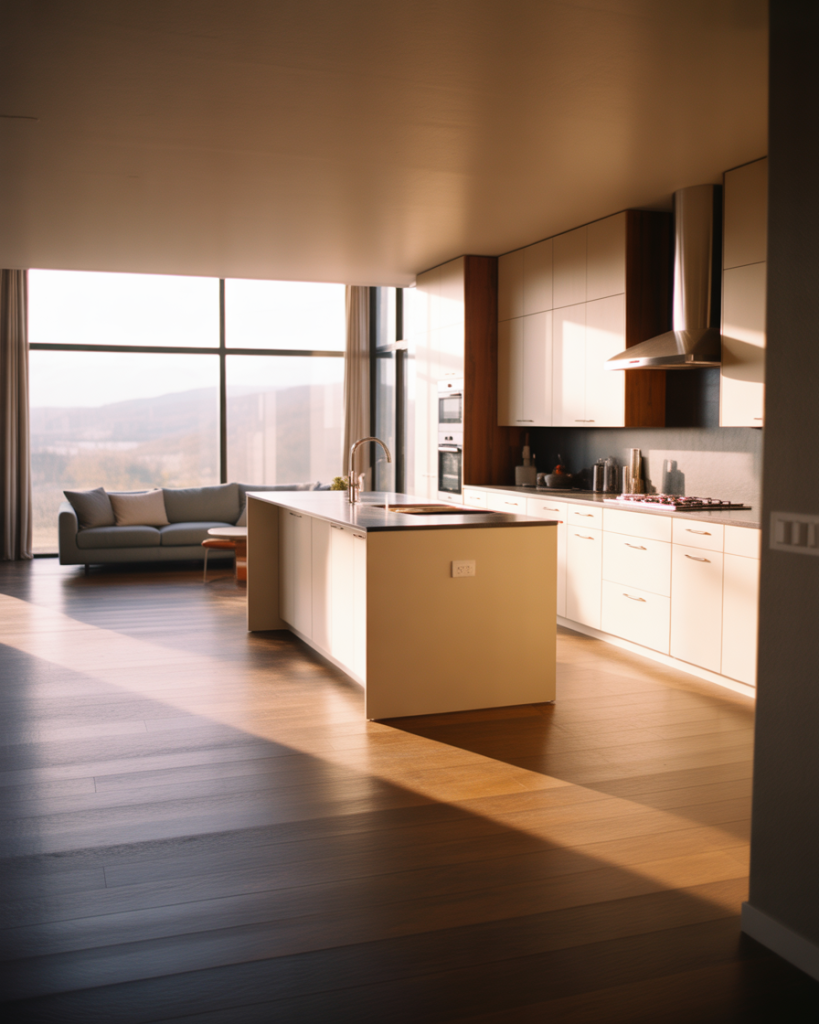
The open living room kitchen is still going strong in 2026, especially in homes where entertaining and family time overlap. Removing walls between the kitchen and living area creates a sense of spaciousness and allows the cook to stay connected with guests. Designers are now using subtle zoning tricks—like a change in flooring, a partial wall, or a low bookshelf—to define spaces without closing them off. 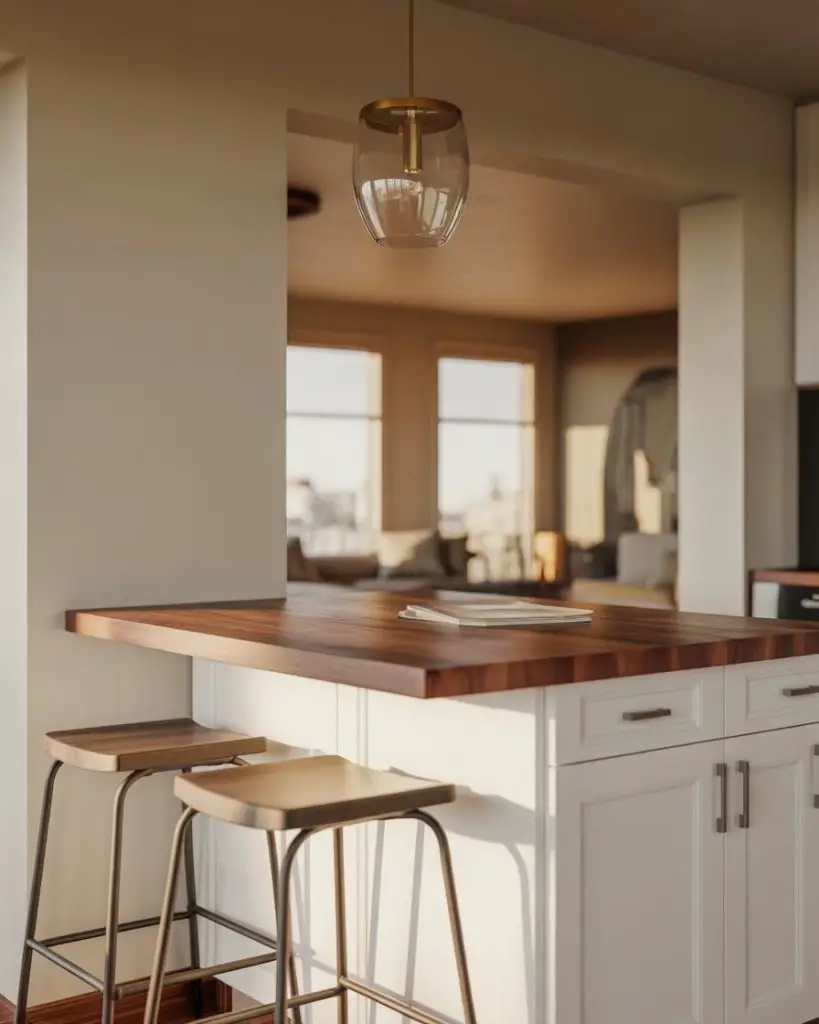
In the Midwest and South, where homes tend to have larger footprints, this layout is almost standard in new builds. Real homeowners often mention that the biggest adjustment is keeping the kitchen tidy—since it’s always visible, clutter becomes more obvious. Investing in closed cabinetry, a dedicated pantry, or a prep sink on the island helps manage the mess while keeping the social flow intact.
7. Compact Peninsula Kitchen for Tight Spaces
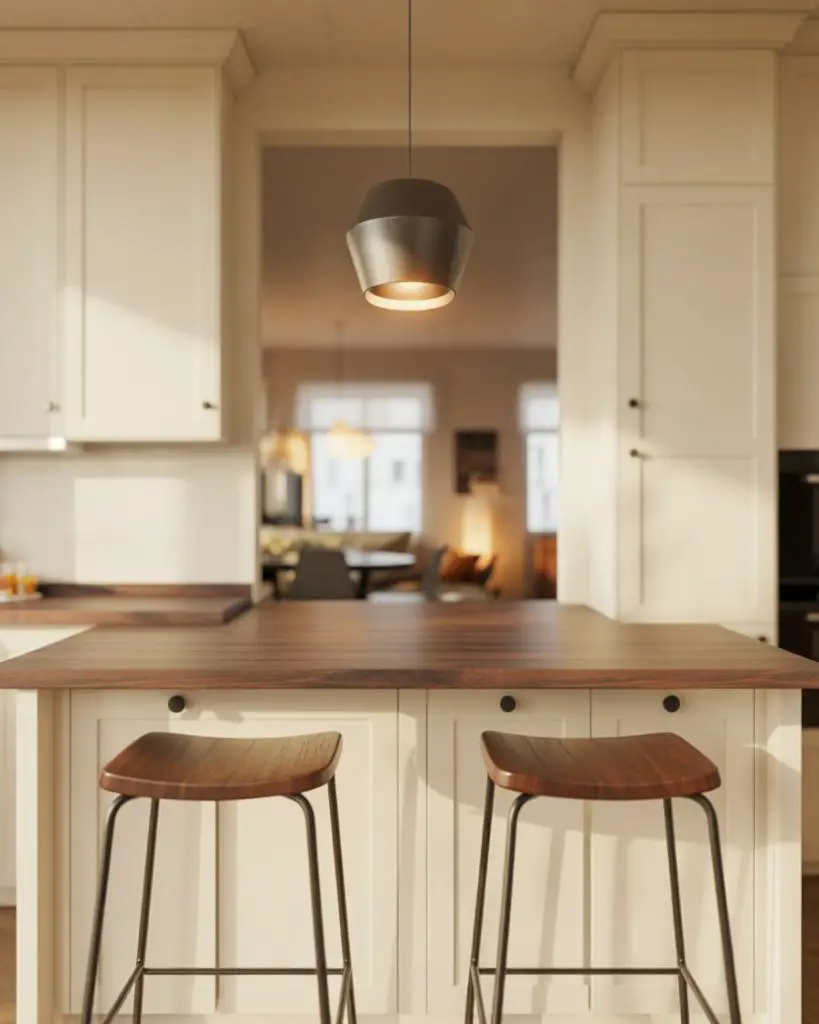
A peninsula offers the benefits of an island without requiring as much floor space, making it perfect for smaller or oddly shaped kitchens. It extends from one wall or cabinet run, creating a natural divider between the kitchen and an adjacent dining or living area. This layout is especially useful in condos or open-plan apartments where you want definition without full walls. 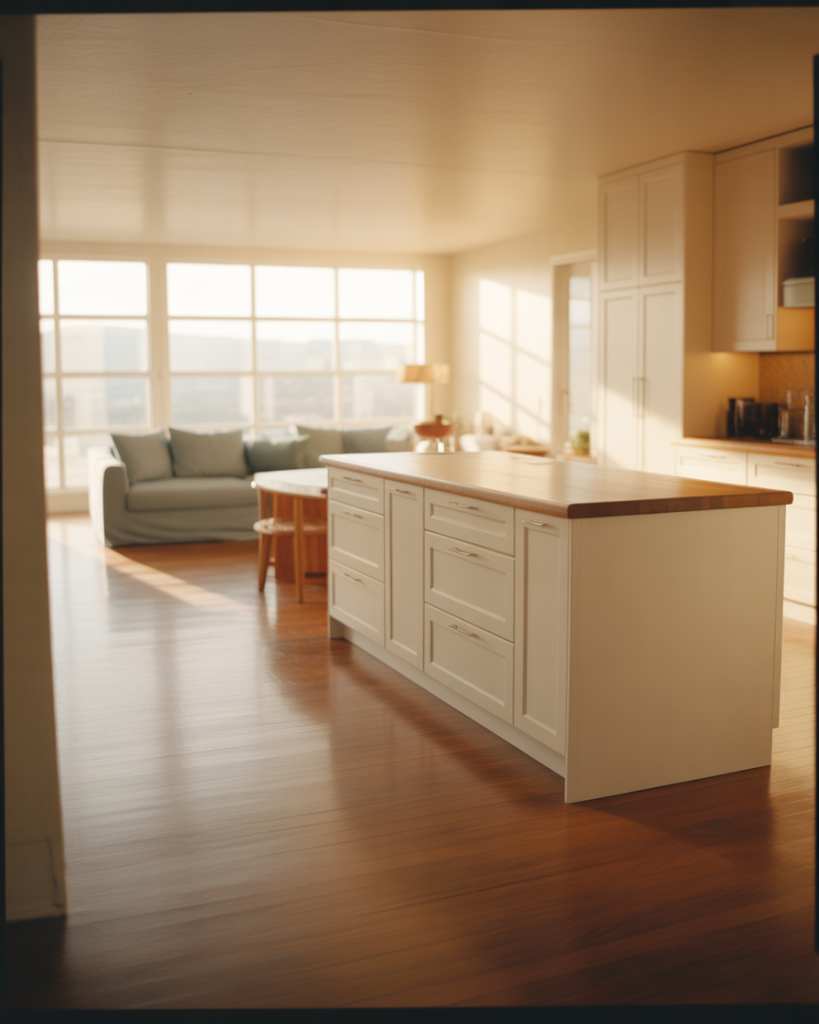
Where it works best: in kitchens that open to a hallway or living space but lack room for a freestanding island. One expert noted that peninsulas are ideal for creating a casual breakfast bar or homework station for kids. Avoid making the peninsula too narrow—at least 24 inches of overhang allows for comfortable seating. And if you’re adding a cooktop or sink, plan for proper ventilation and plumbing access.
8. Long Linear Kitchen with Gallery-Style Flow
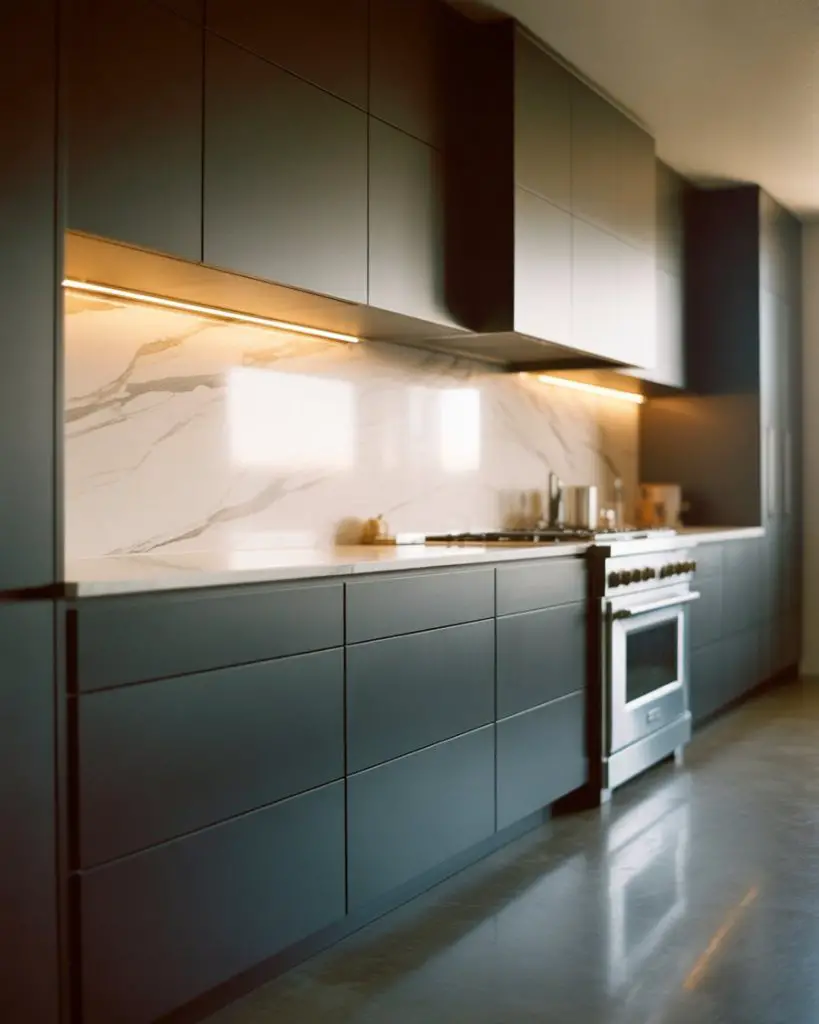
A long gallery kitchen stretches along one extended wall, creating a runway-like aesthetic that’s both functional and visually striking. This layout works beautifully in lofts or homes with high ceilings, where the length can be balanced by vertical elements like tall cabinets or open shelving. Keeping the color palette cohesive and adding a statement backsplash helps prevent the design from feeling monotonous. 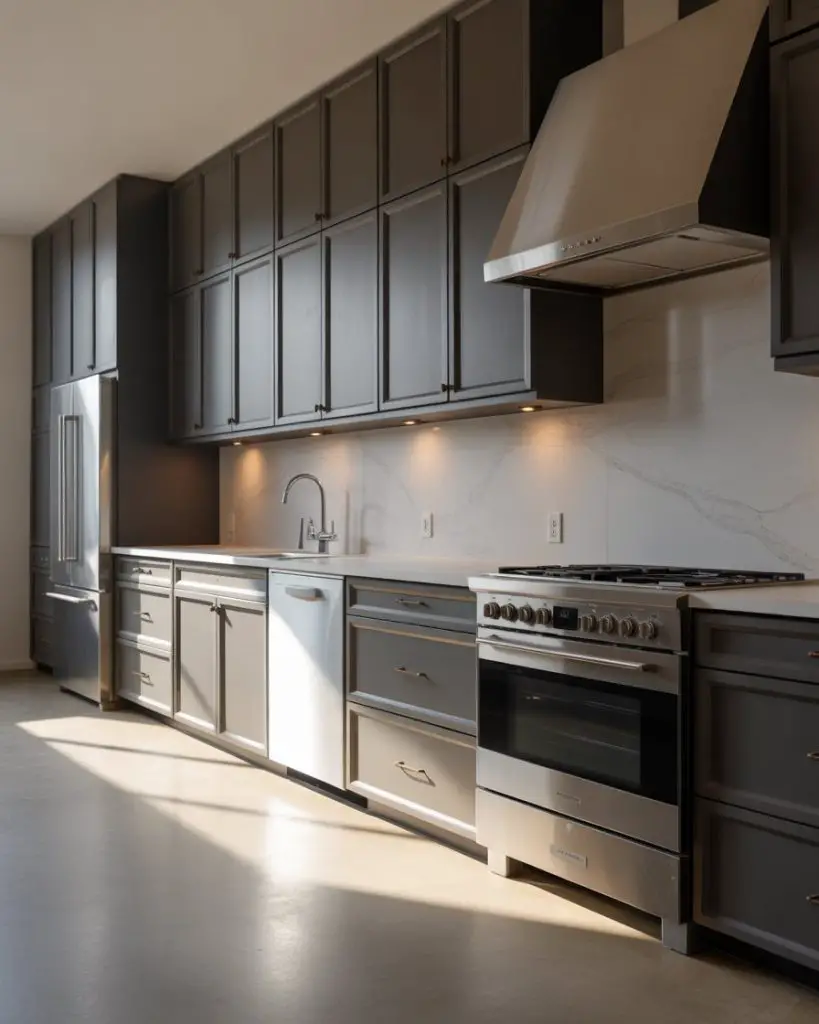
This style is gaining traction in cities like Los Angeles and San Francisco, where open-plan living is the norm. The key is to break up the length with varied textures—matte cabinetry, glossy tile, and wood accents—to avoid a flat look. Homeowners sometimes regret not installing enough task lighting along the run, so plan for under-cabinet strips or recessed spots every few feet to illuminate work surfaces evenly.
9. Classic Kitchen with Double Oven Convenience
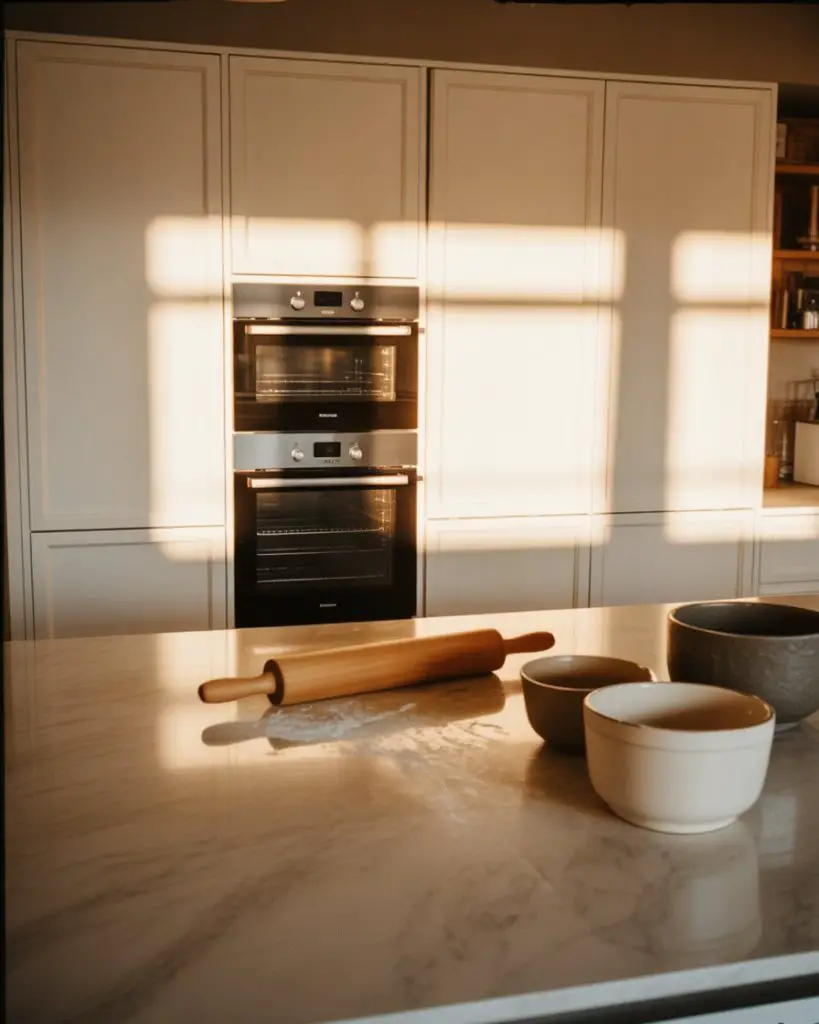
A double oven setup is a game-changer for anyone who loves to bake or host large gatherings. Stacking two ovens vertically saves counter space while giving you the flexibility to cook multiple dishes at different temperatures. This feature is especially popular among home bakers and families who prepare big holiday meals, and it pairs well with a spacious island or dedicated baking station. 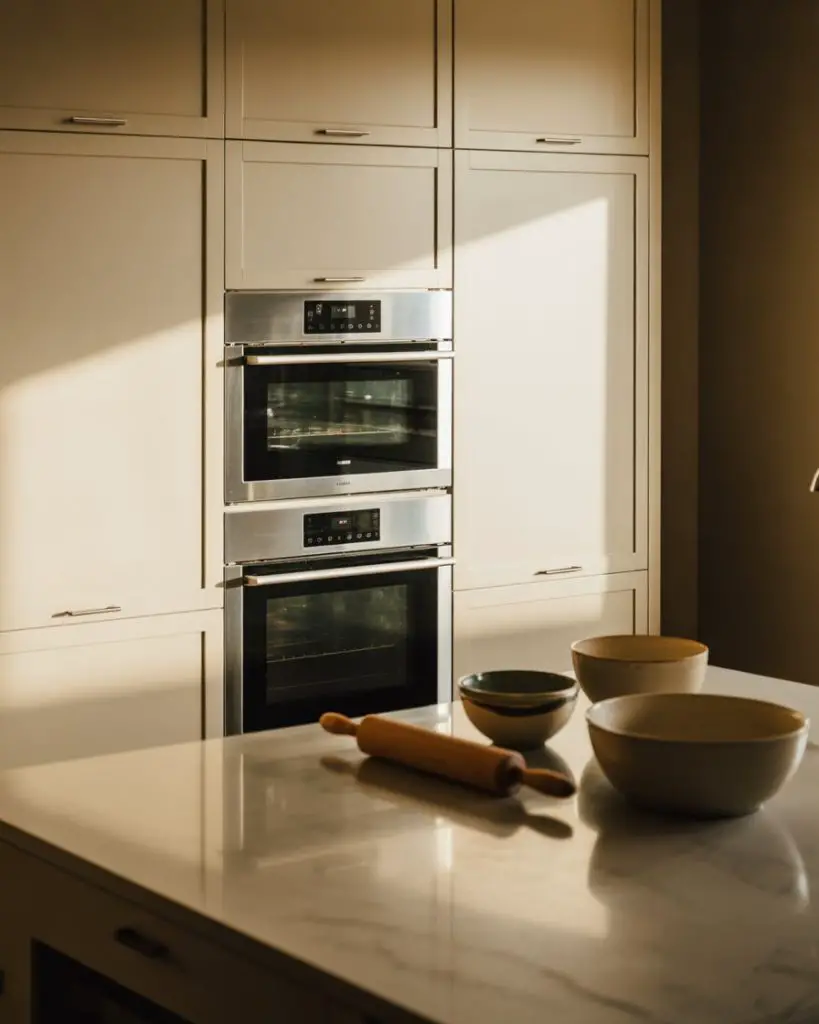
Budget-wise, double ovens add roughly $1,500–$4,000 to a renovation, depending on whether you choose electric or gas. But for serious cooks, the investment pays off in convenience. One common mistake is placing the ovens too high or too low—ideally, the top oven should be at eye level for easy monitoring, and the bottom oven should be accessible without excessive bending.
10. Charming Small Bakery-Inspired Kitchen
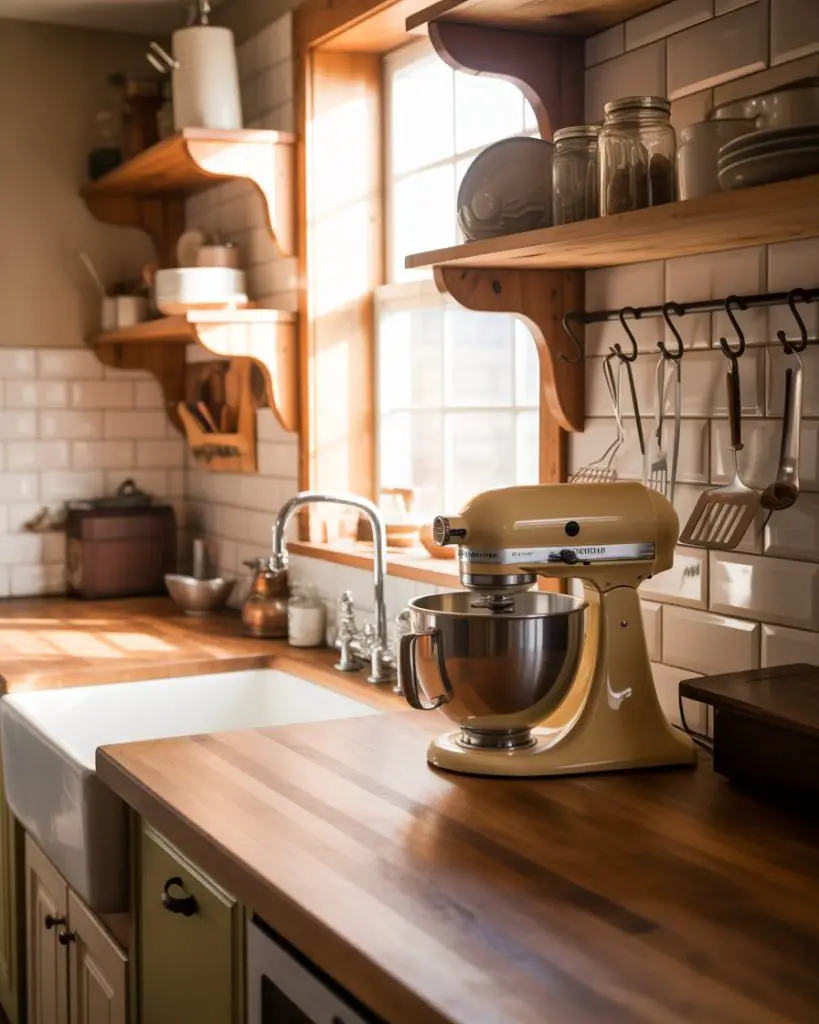
Taking cues from a small bakery, this kitchen style emphasizes open shelving, butcher block counters, and vintage-inspired fixtures. Think rustic wooden shelves stocked with ceramic bowls, a farmhouse sink, and a freestanding mixer on display. It’s a warm, inviting aesthetic that makes the kitchen feel like a place where creativity happens, not just cooking. 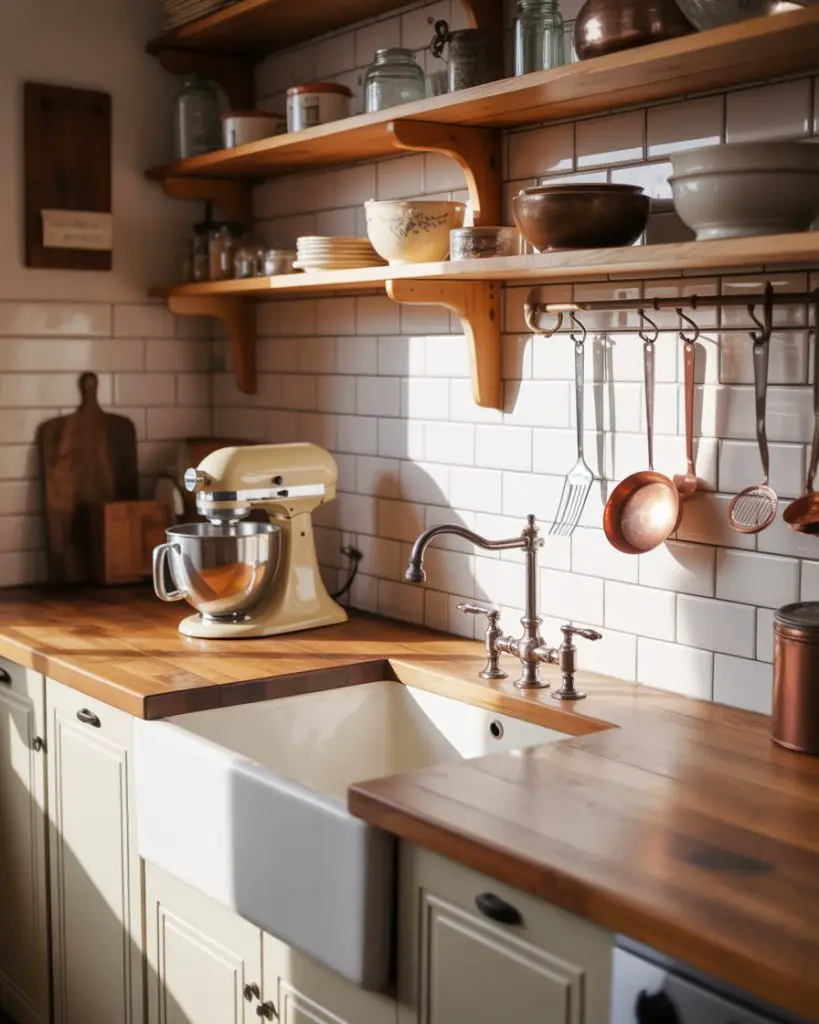
In the Pacific Northwest and New England, where farmhouse and cottage styles are beloved, this look resonates deeply. Practical insight: open shelving requires regular upkeep—dust and grease accumulate quickly—so balance it with closed cabinets for less-used items. Adding a rolling cart or baker’s rack provides extra storage and reinforces the artisan vibe without permanent commitment.
11. Sleek Kitchen with Integrated Wall Oven
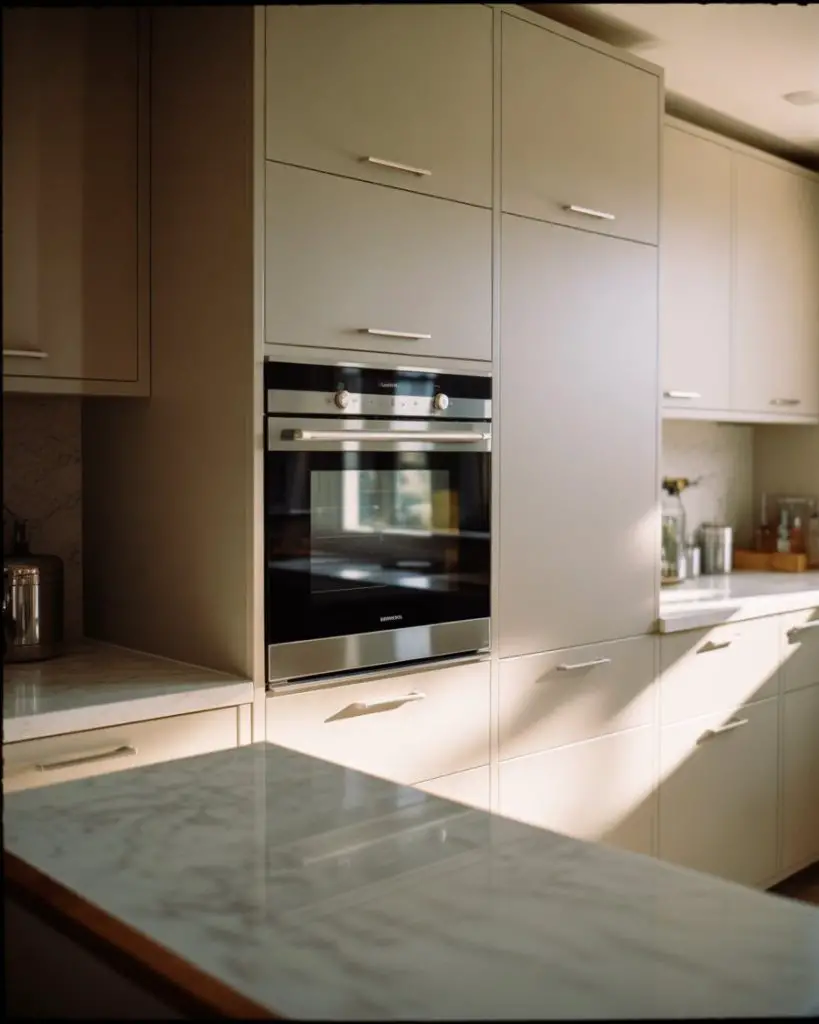
A built-in wall oven elevates the kitchen both functionally and visually, freeing up base cabinets for storage and creating a streamlined look. Positioned at eye level, it eliminates the need to bend down, which is especially appreciated by older homeowners or anyone with mobility concerns. Pairing a wall oven with a separate cooktop offers maximum flexibility in layout and appliance choice. 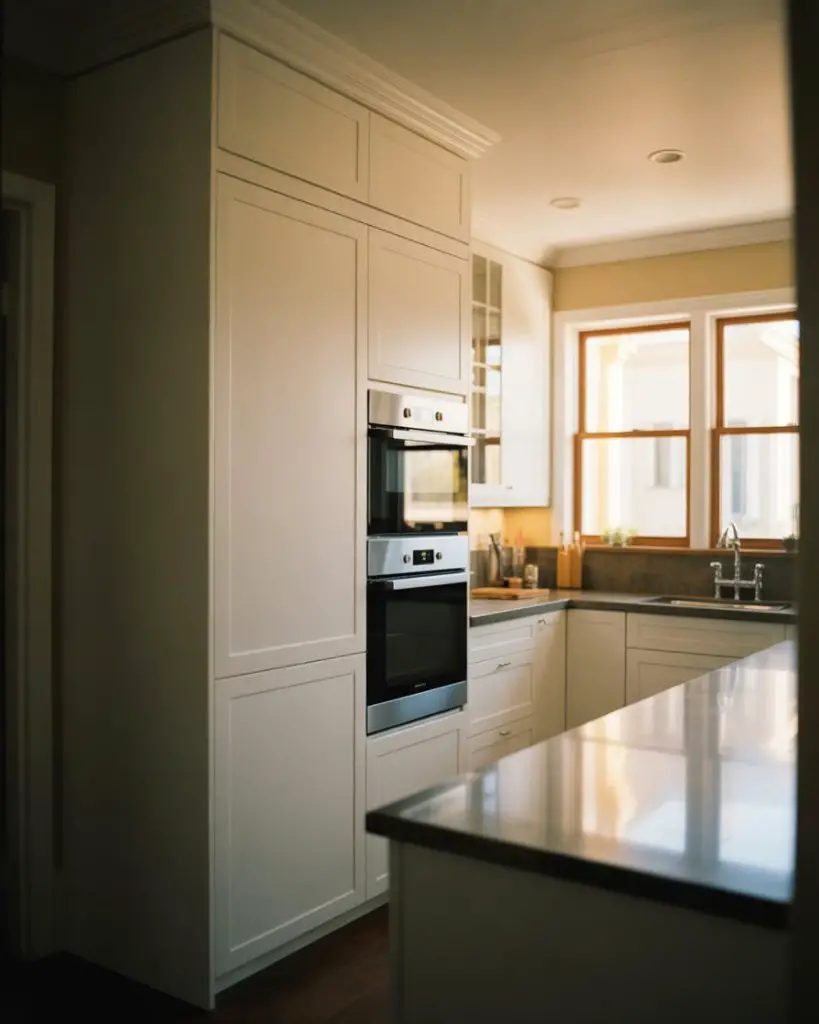
Where it works best: in medium to large kitchens where you have the wall space to dedicate to a tall cabinet. A friend who recently renovated mentioned that having the oven at chest height made checking on roasts and pulling out hot pans infinitely easier. Just ensure there’s adequate counter space nearby for setting down hot dishes, and consider a matching microwave above or below for a cohesive look.
12. Smart Corner Pantry Storage Solution
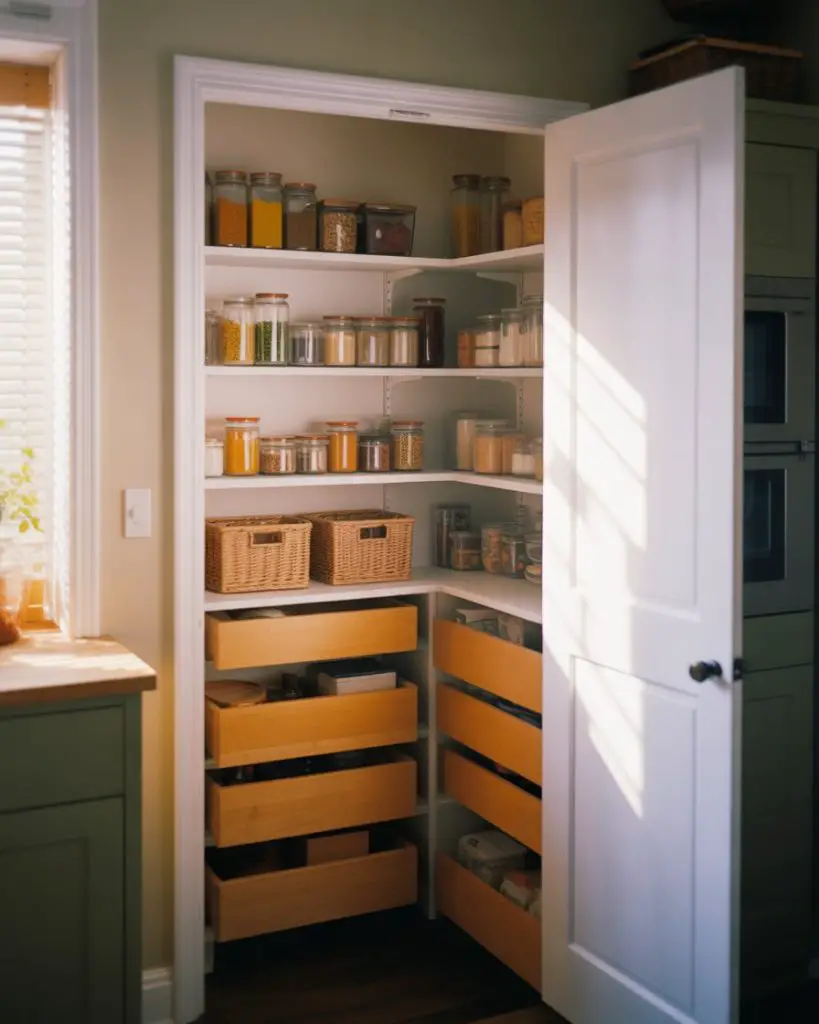
A corner pantry transforms an awkward angle into a functional powerhouse, offering deep storage for dry goods, small appliances, and bulk items. Walk-in corner pantries are especially popular in suburban homes, while smaller kitchens benefit from tall corner cabinets with pull-out shelves. This design keeps clutter off the counters and creates a more organized cooking environment. 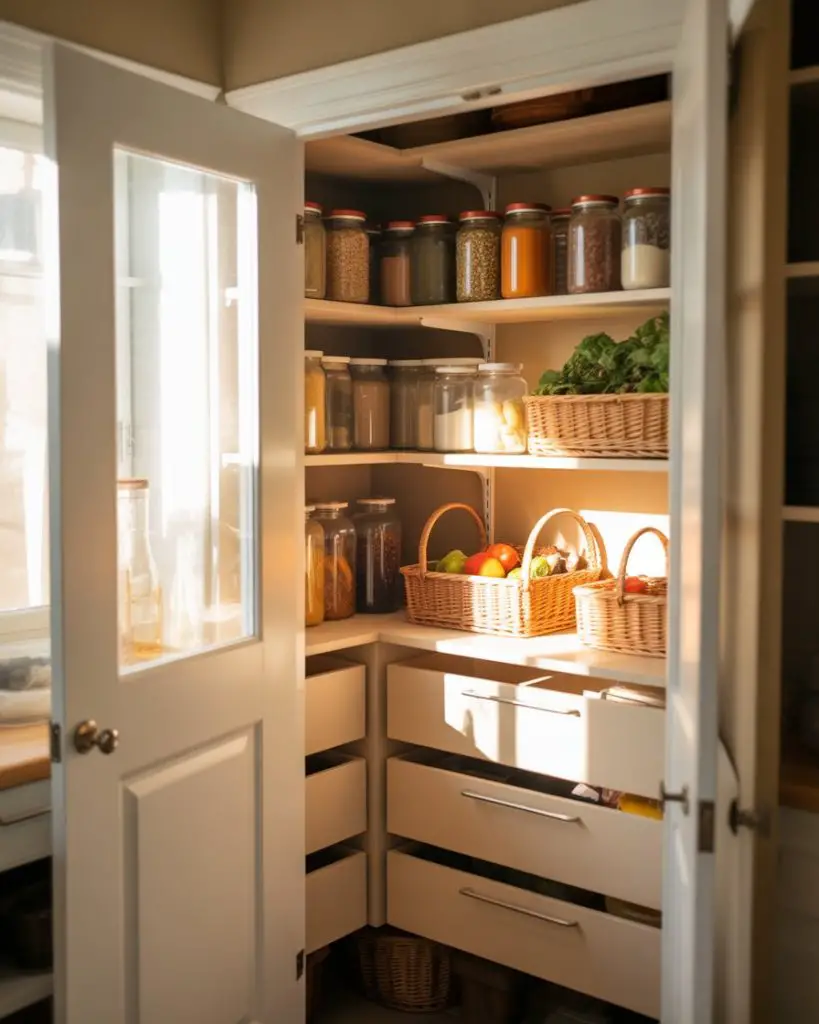
Common mistakes include installing fixed shelves that waste vertical space—adjustable or tiered shelving makes it easier to customize storage as needs change. Homeowners also tend to underestimate how much pantry space they actually need; aim for at least 24 inches of depth if you’re doing a walk-in, and consider adding interior lighting so you can see everything at a glance. This is one area where a small upfront investment dramatically improves daily life.
13. Bold Kitchen with Corner Stove Placement
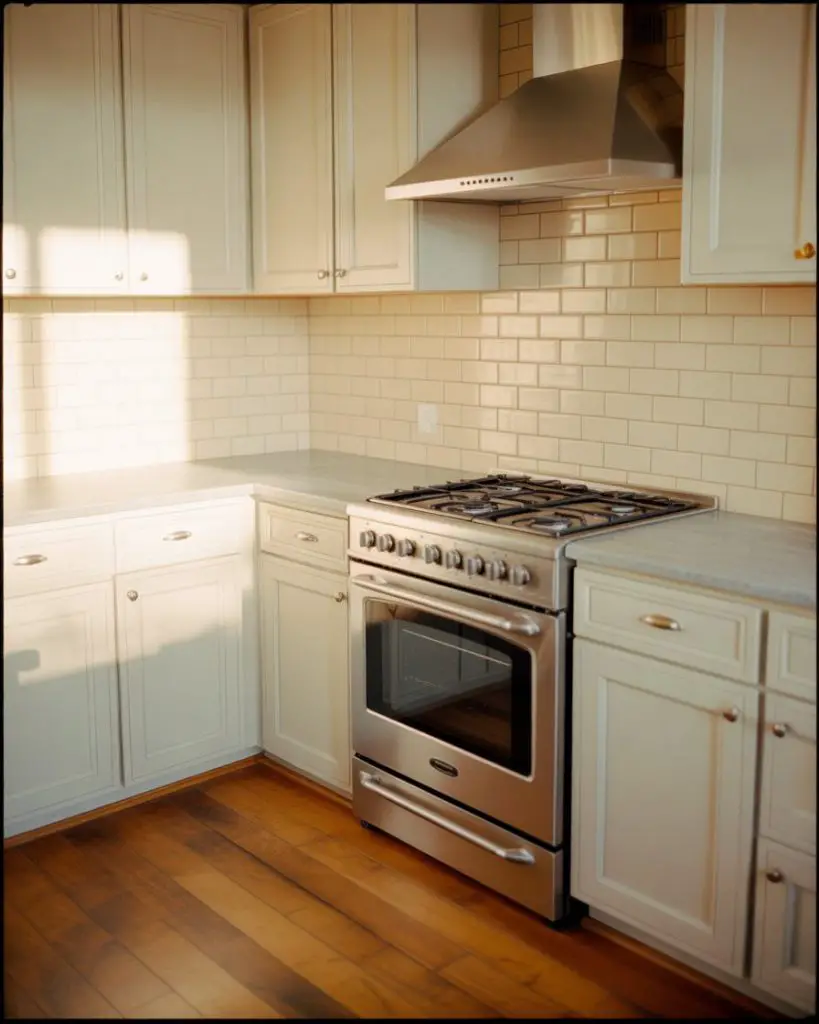
Placing a corner stove is unconventional, but it can unlock creative layouts and make use of space that might otherwise go unused. This works especially well in L-shaped or U-shaped kitchens, where the stove becomes a focal point and opens up adjacent counter areas for prep. Proper ventilation is critical, so plan for a hood or downdraft system that handles the angled placement. 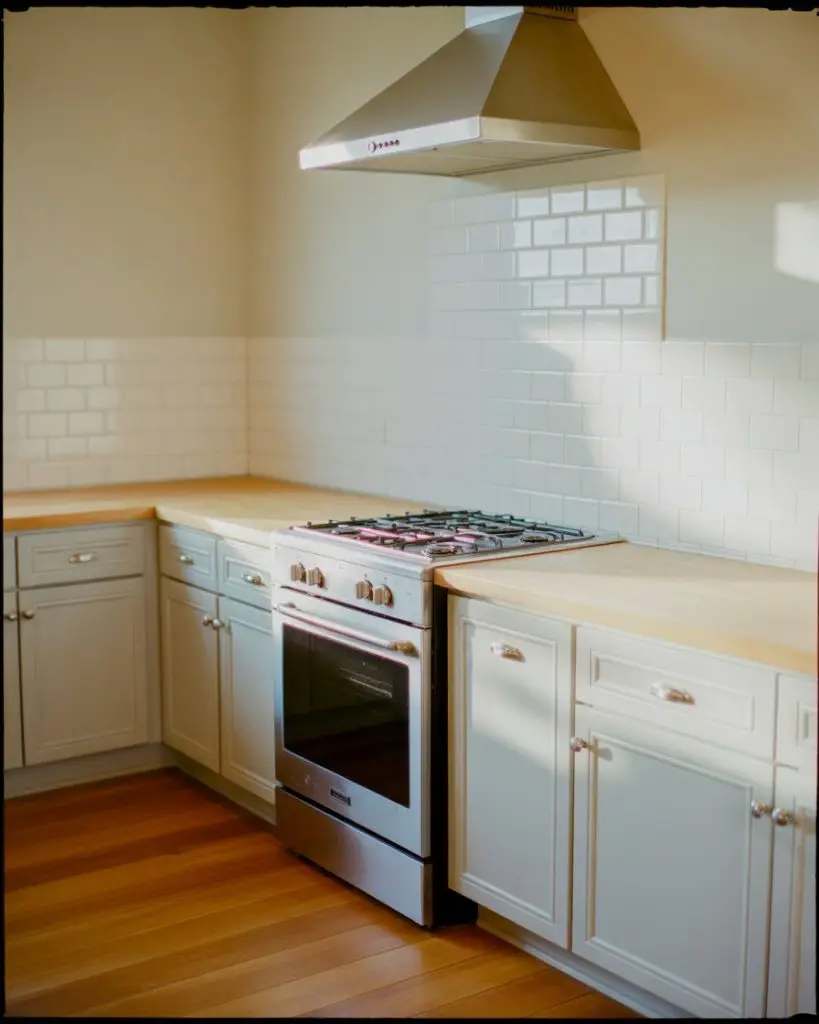
This layout is more common in custom builds and high-end renovations where homeowners want something unique. One designer shared that corner stoves work best when flanked by at least 18 inches of counter on each side, giving you safe space to set down hot pots. Avoid this setup if your kitchen is very small—it can make movement awkward and reduce usable counter space.
14. Efficient Corner Oven Configuration
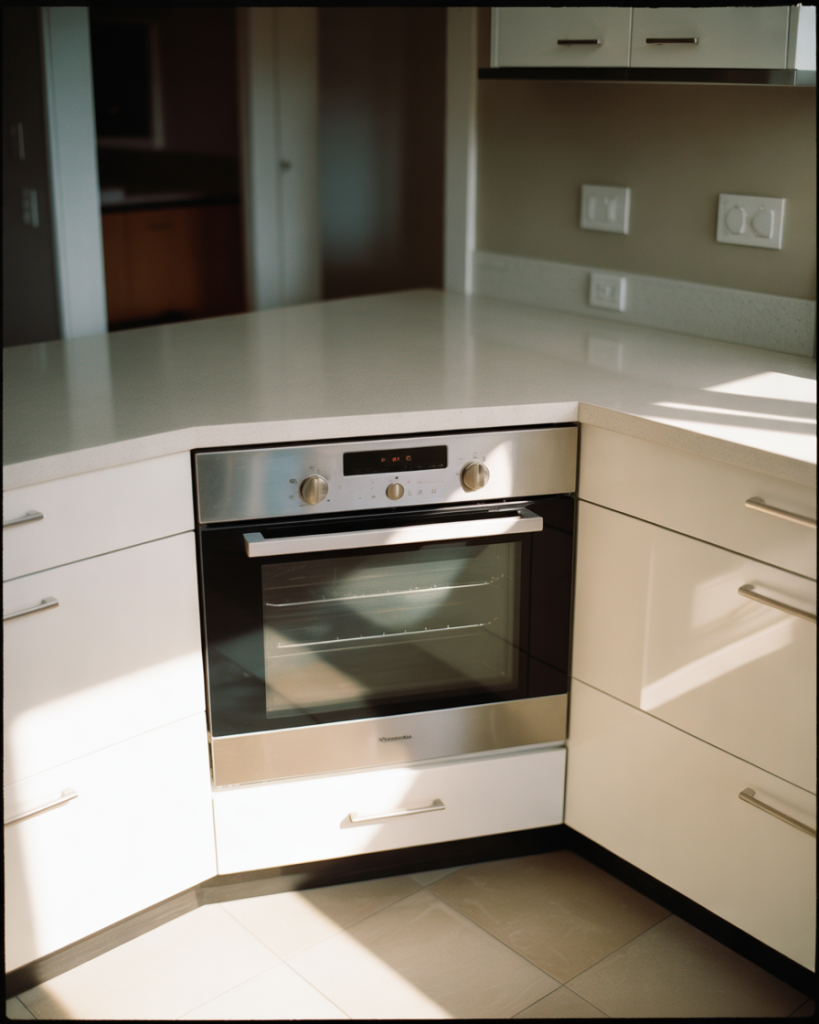
A corner oven is another space-saving innovation, ideal for kitchens where every square foot counts. By angling the oven into the corner, you preserve linear runs for prep and storage while still enjoying the benefits of a full-size appliance. This setup is often paired with diagonal cabinetry or a lazy Susan system to maximize accessibility. 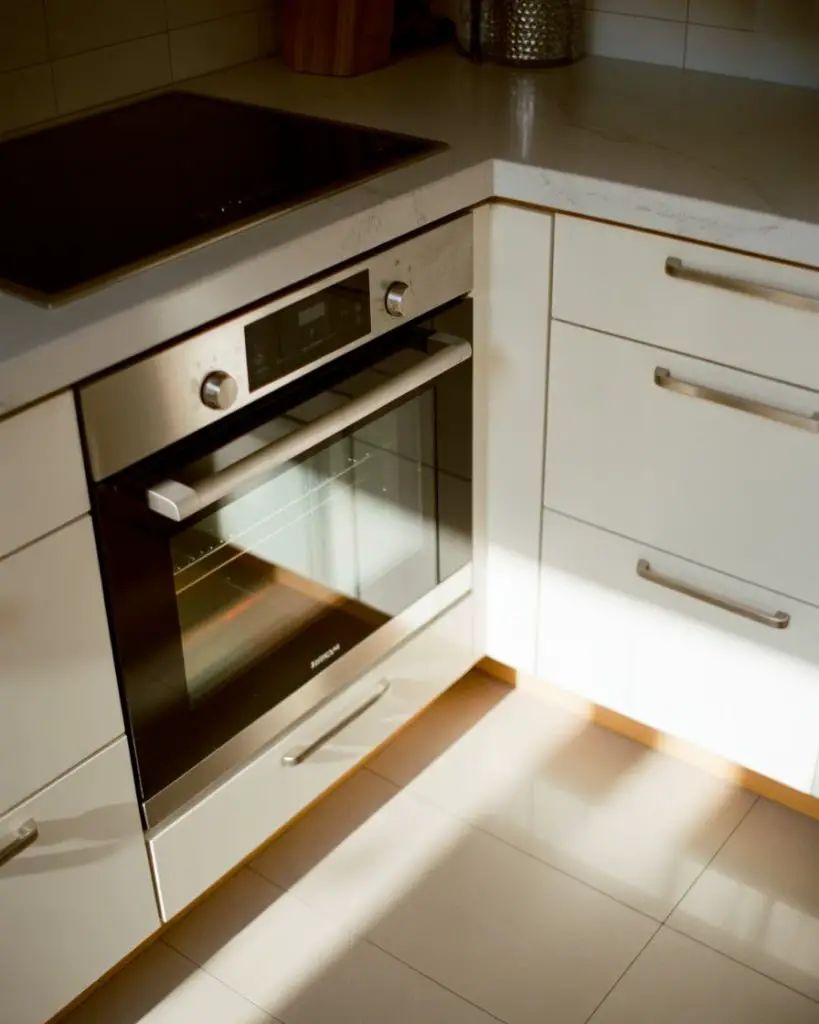
Where it works best: in compact kitchens or awkward floor plans where a traditional wall oven won’t fit. Real homeowners often note that corner ovens feel surprisingly roomy once installed, and they appreciate the extra counter space gained by not committing an entire wall. Just make sure doors can open fully without hitting adjacent cabinets or walls—measure carefully during the planning phase.
15. Cozy Kitchen with Canning and Preserving Station
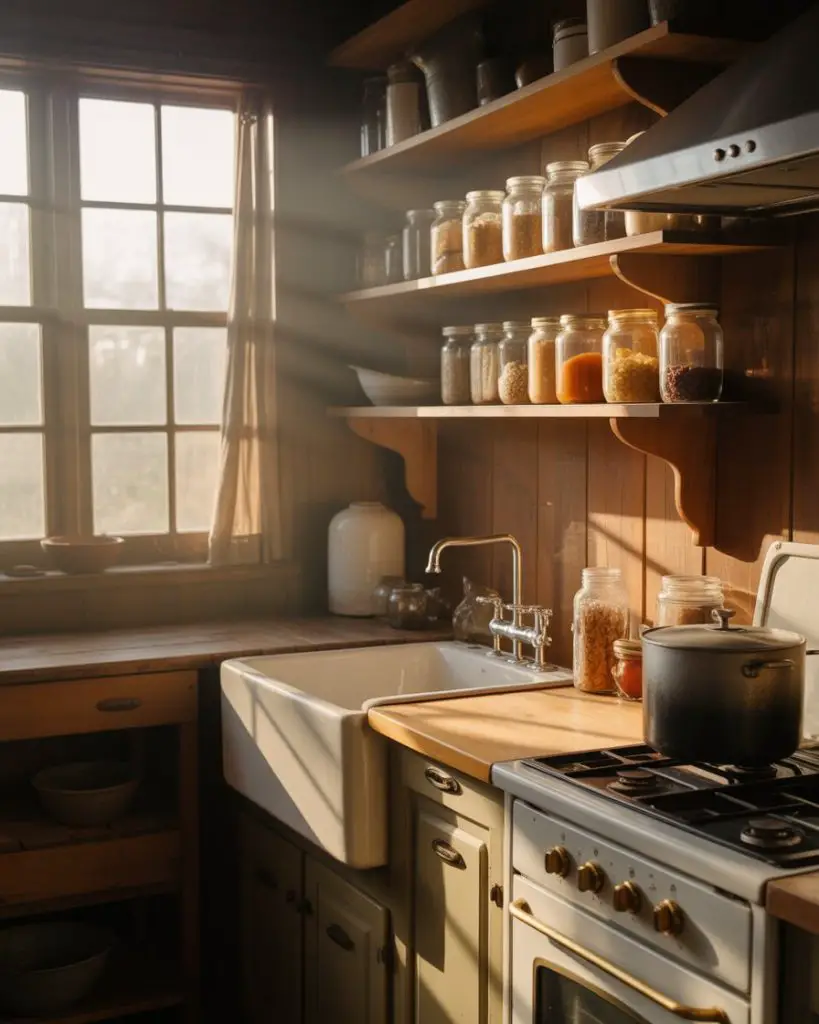
For homeowners who embrace seasonal cooking and preservation, a dedicated canning station brings form and function together. This might include a deep farmhouse sink, open shelving for jars and supplies, and extra counter space near the stove for cooling batches. It’s a nod to traditional American kitchens while fitting perfectly into today’s farm-to-table movement. 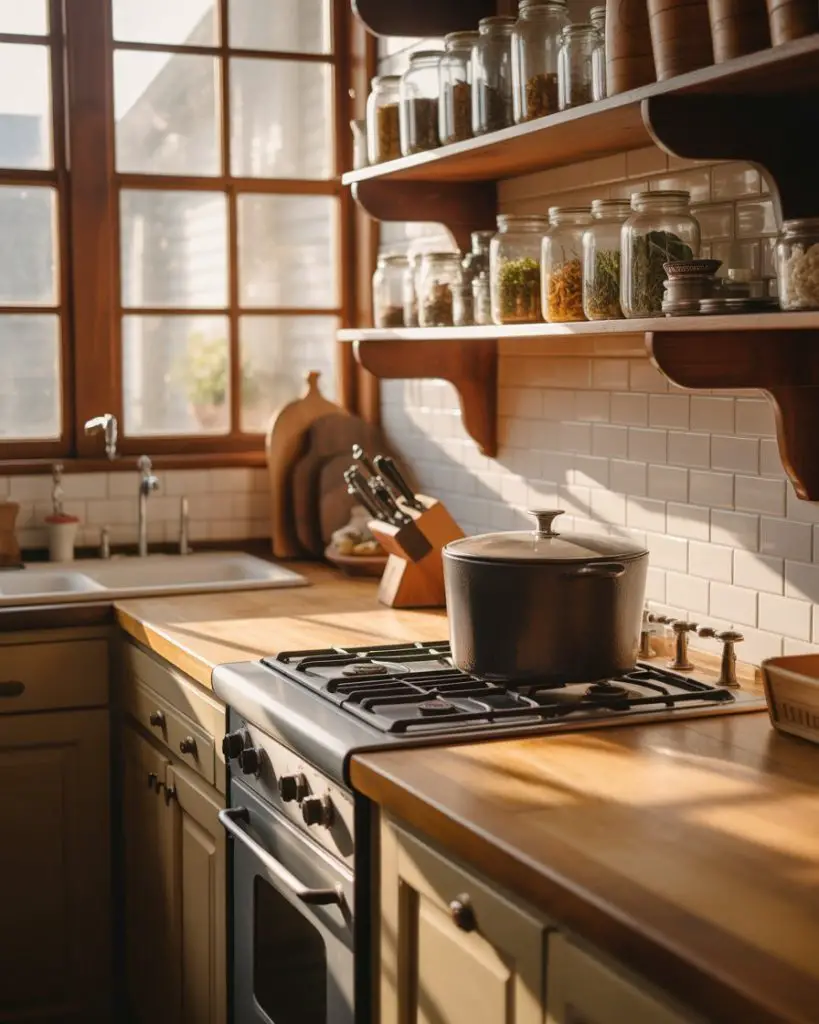
In rural areas and smaller towns, especially in the South and Midwest, canning is experiencing a revival among younger homeowners. Practical insight: if you plan to can regularly, invest in a pot filler faucet near the stove to save trips back and forth with heavy pots. Also, ensure your cabinets can handle the weight of stored jars—reinforced shelving or a dedicated pantry makes a big difference.
16. High-End Restaurant-Style Kitchen at Home
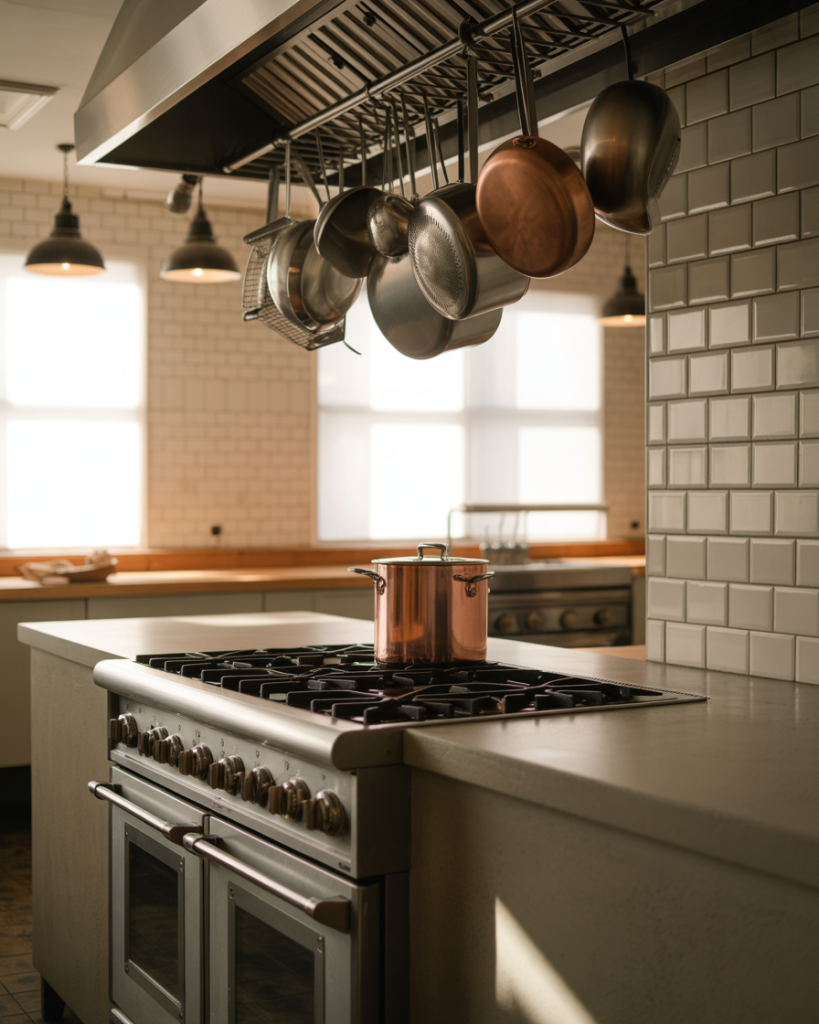
A restaurant kitchen at home means professional-grade appliances, durable surfaces, and a layout designed for serious cooking. Think six-burner ranges, walk-in coolers, and commercial exhaust systems. While this setup requires significant investment, it’s increasingly popular among culinary enthusiasts who want the tools to match their skills. 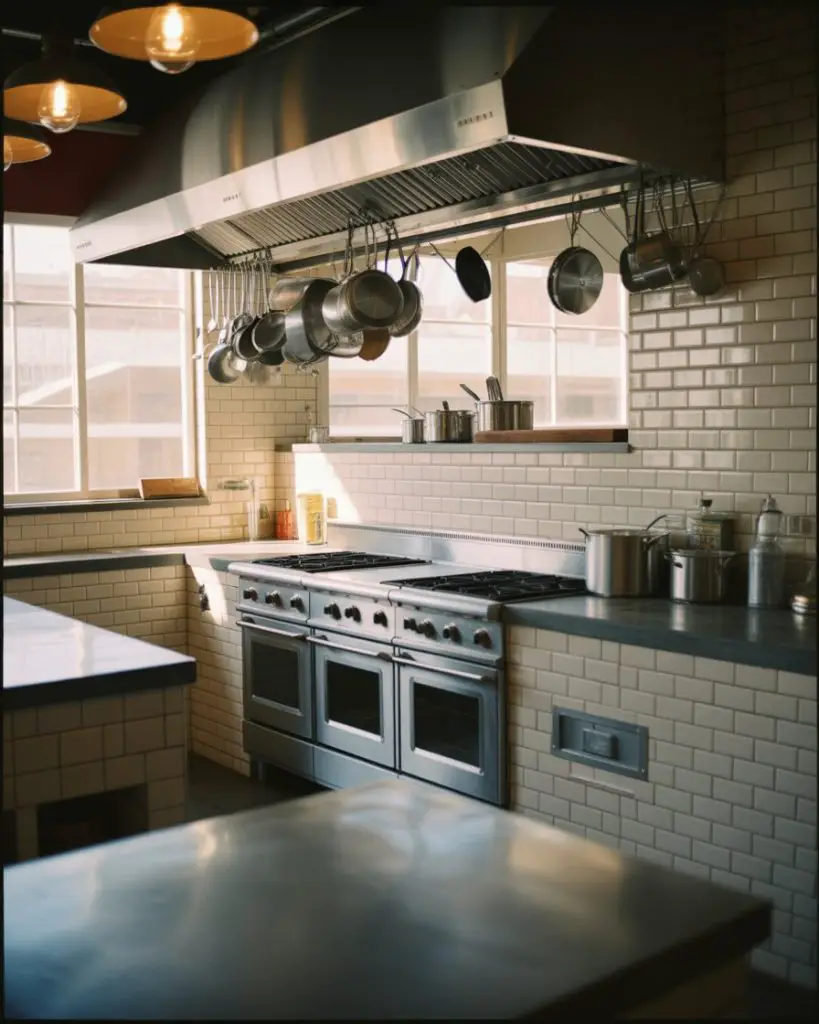
Budget angle: a full restaurant kitchen renovation can run $50,000–$150,000 or more, but you can achieve a similar aesthetic on a smaller scale by starting with a high-quality range and upgrading surfaces gradually. Homeowners sometimes regret not planning for adequate electrical and gas capacity—commercial appliances draw more power, so consult a contractor early. Ventilation is also non-negotiable; underpowered hoods lead to lingering odors and grease buildup.
17. Compact Outdoor Kitchen for Year-Round Grilling
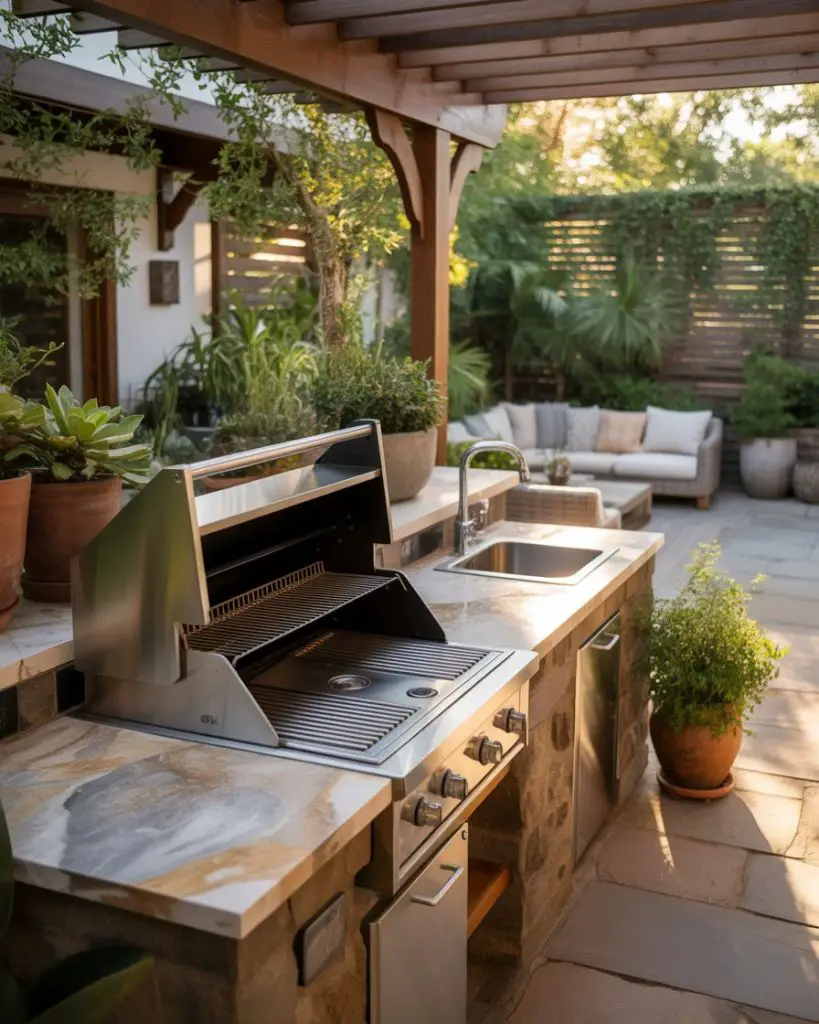
An outdoor kitchen extends your entertaining space and makes the most of warm weather, whether you’re in California, Texas, or Florida. Modern designs go beyond a simple grill, incorporating counters, sinks, refrigeration, and even pizza ovens. Durable materials like stainless steel, stone, and sealed concrete withstand the elements while maintaining a polished look. 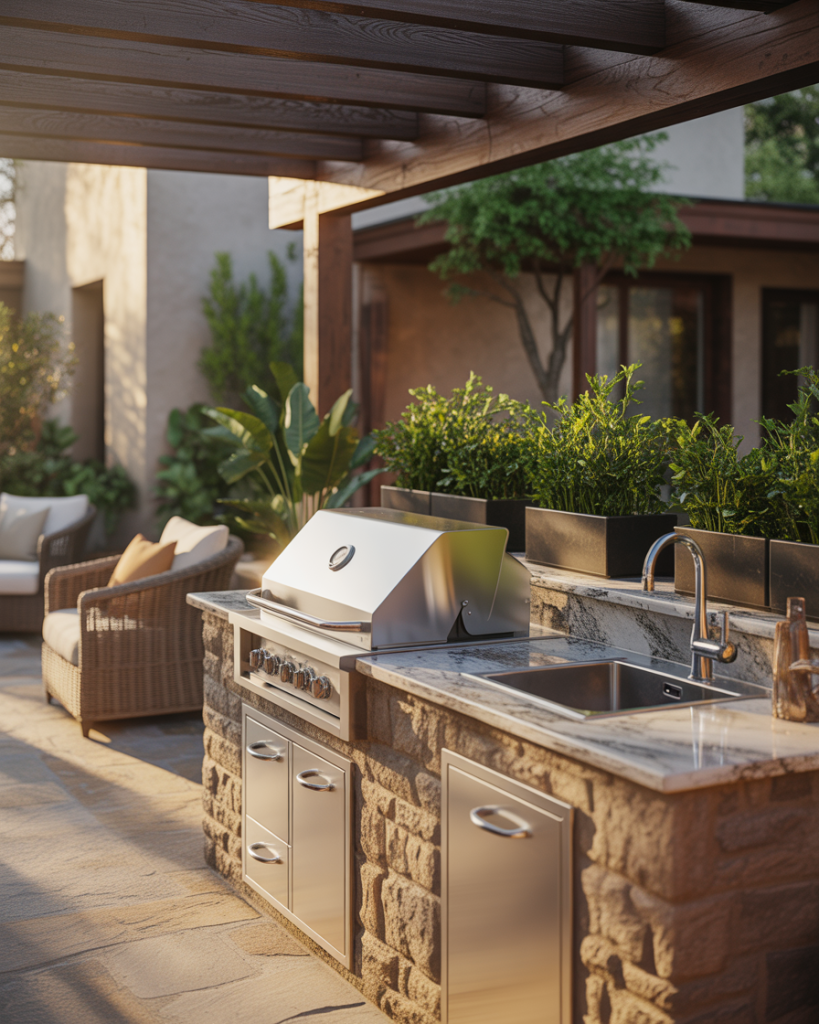
Real homeowner behavior: many people overestimate how much they’ll use an outdoor kitchen, so start with essentials—grill, counter, and storage—before adding luxury items. In regions with harsh winters, weatherproofing and covers are critical to protect your investment. Also, locate the outdoor kitchen within easy reach of the indoor kitchen to streamline food prep and cleanup.
18. Minimalist Linear Kitchen with Clean Lines
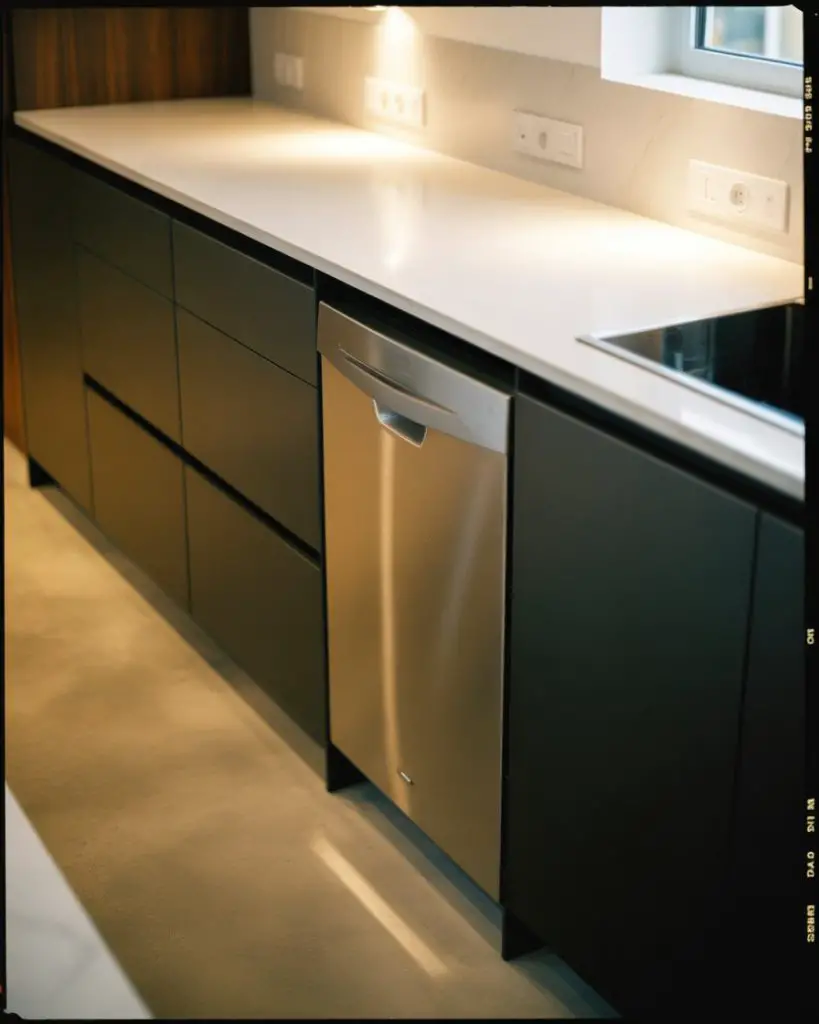
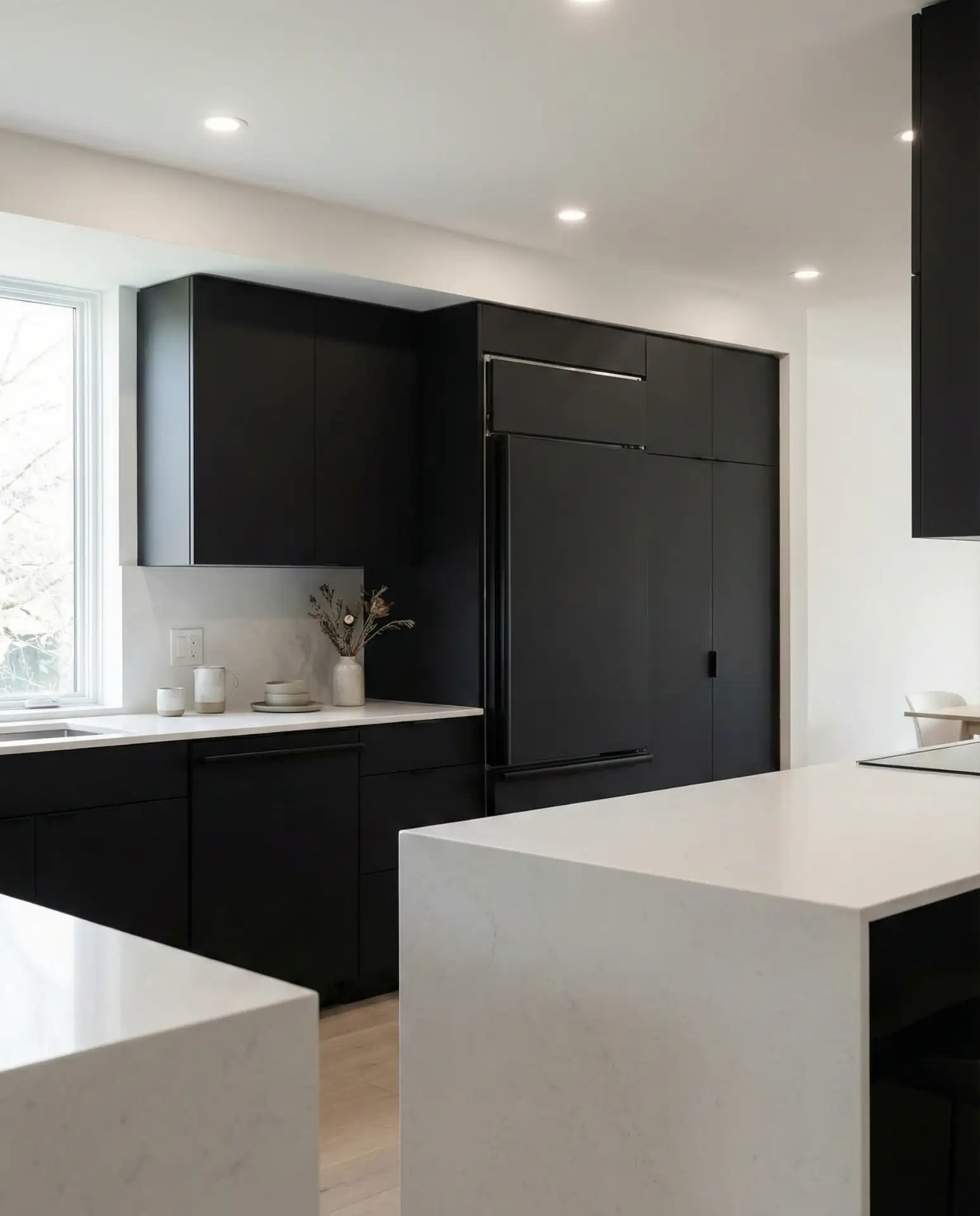
A linear kitchen layout places all elements along a single wall, creating a sleek, uncluttered aesthetic. This design is ideal for open-plan homes or studio apartments where you want the kitchen to blend seamlessly into the living area. Handleless cabinets, integrated appliances, and a monochromatic palette reinforce the minimalist vibe. 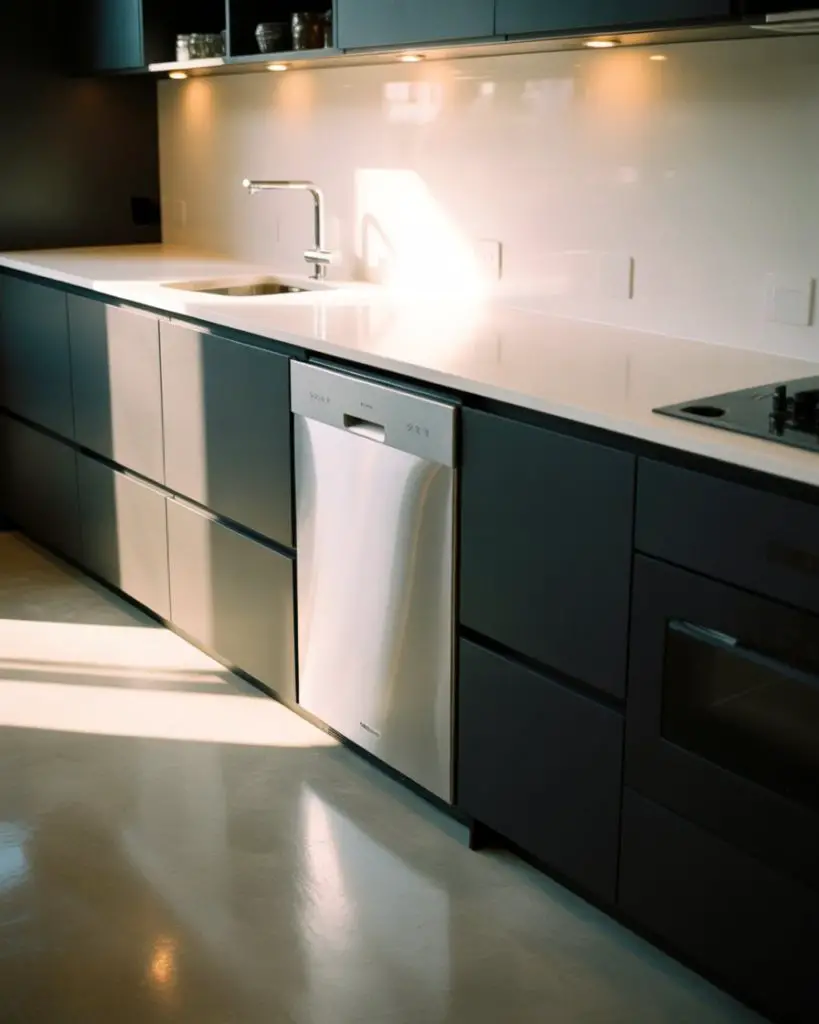
This layout is especially popular in coastal cities like Seattle and Miami, where modern, minimal design is prized. One common mistake is skimping on counter space—even in a linear layout, you need at least 36 inches for prep. Another pitfall is underestimating storage; without an island or pantry, you’ll rely heavily on vertical cabinetry and smart organizers to keep clutter at bay.
19. Versatile Ideas with Island for Multi-Functional Spaces
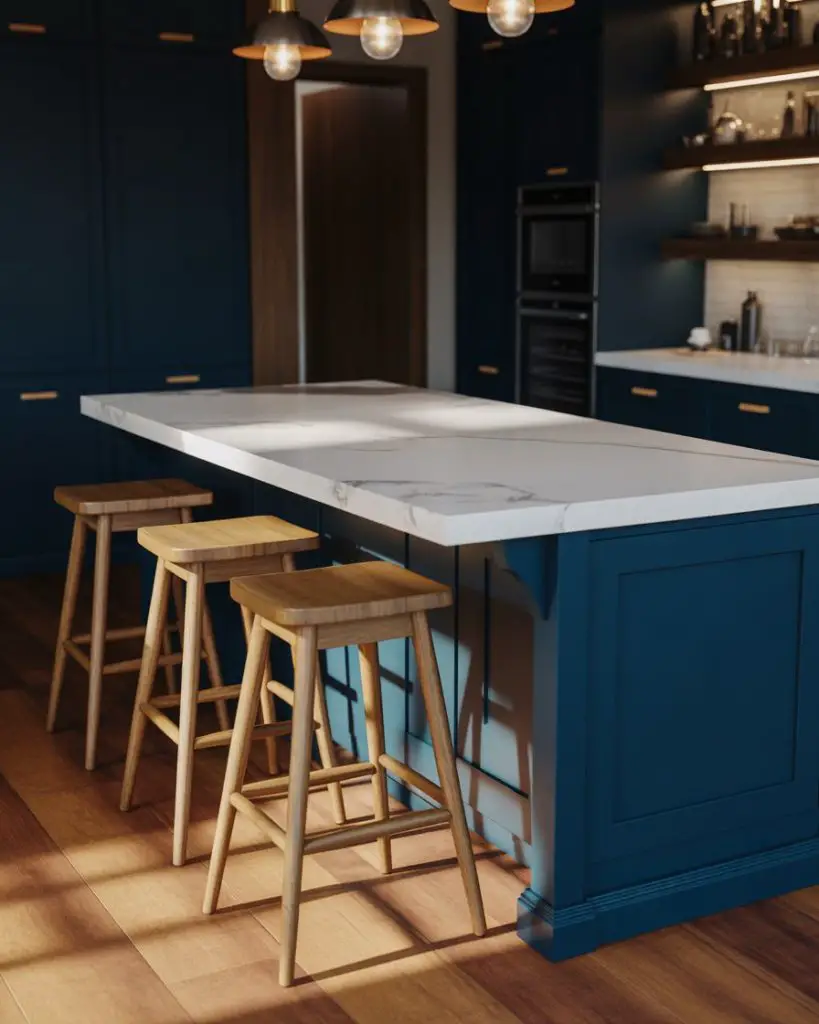
When you think of ideas for an island, the possibilities are endless: seating, storage, prep, or even a secondary sink. Modern islands are often designed with contrasting materials—say, a butcher block top on a painted base—to add visual interest. They’re perfect for homes where the kitchen serves as the main gathering spot, allowing family and guests to interact while meals are prepared. 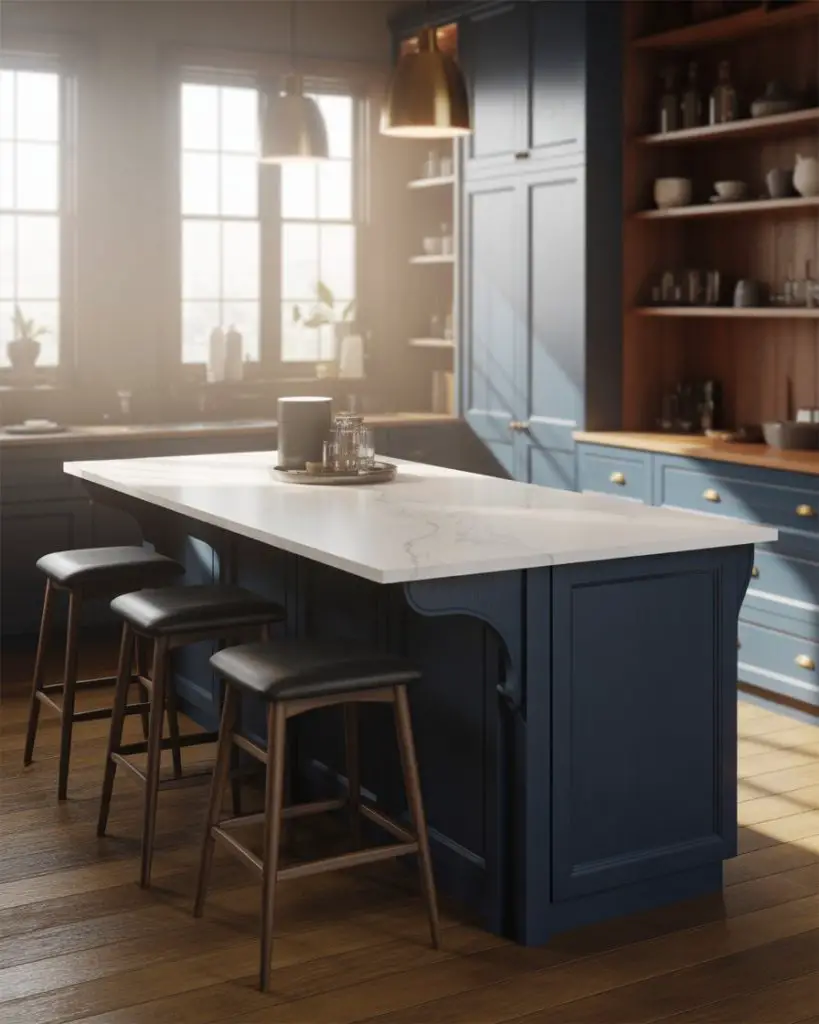
Where it works best: in medium to large kitchens with at least 10 feet of clearance to accommodate the island and surrounding traffic flow. A designer once told me that the most requested island feature is a prep sink, which keeps the main sink free for cleanup. Just remember to plan plumbing and electrical rough-ins early, and consider adding outlets on the island for small appliances or charging devices.
20. Creative Drawing and Sketching Kitchen Concepts
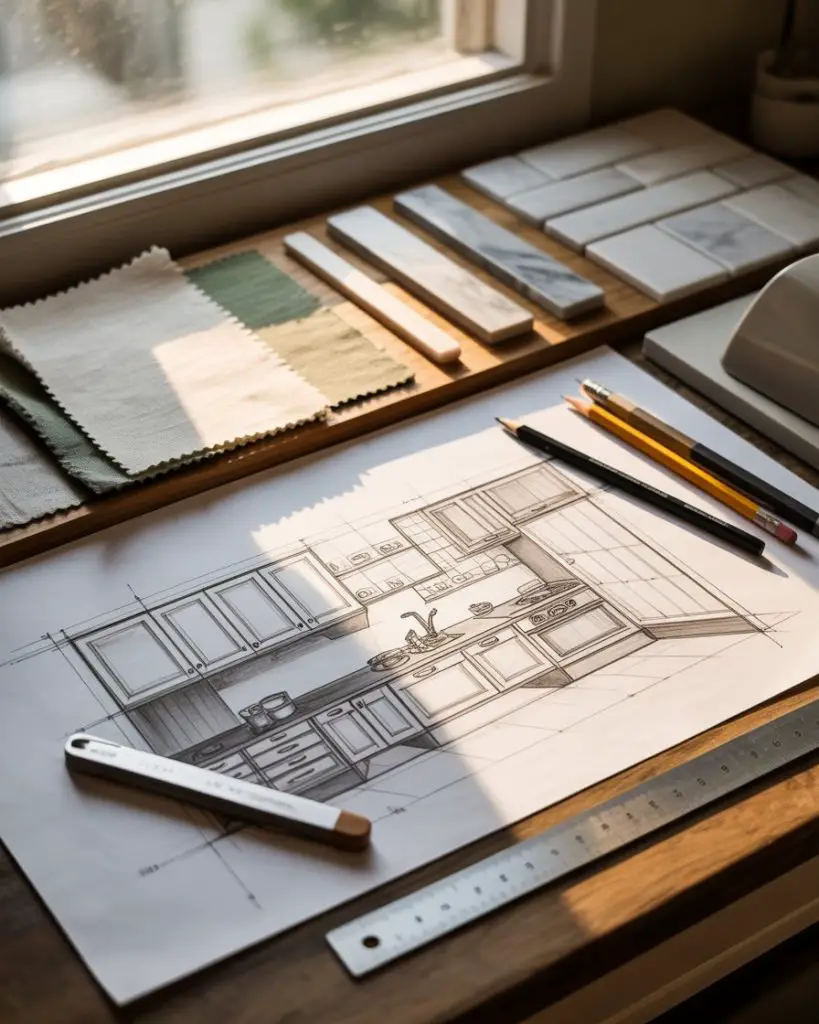
Sometimes the best way to visualize your dream kitchen is through drawing—whether hand-sketched or digitally rendered. This process helps you experiment with layouts, finishes, and details before committing to a contractor. Many American homeowners start with Pinterest boards and rough sketches, then refine their ideas with design software or professional help. 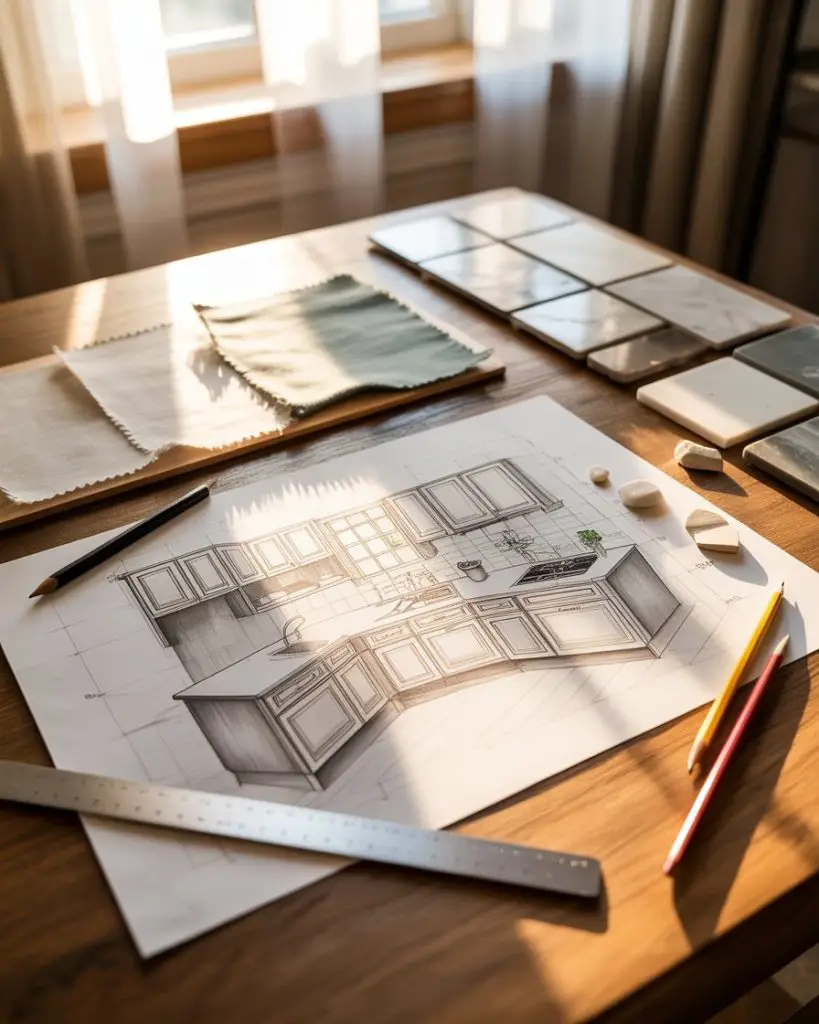
Practical insight: even if you’re working with a designer, creating your own rough sketches helps you communicate your vision more clearly. Free tools like SketchUp or RoomSketcher make it easy to play with dimensions and see how different elements interact. Don’t skip this step—it’s much easier (and cheaper) to change your mind on paper than mid-renovation.
21. Space-Saving Fridge Next to Stove Layout
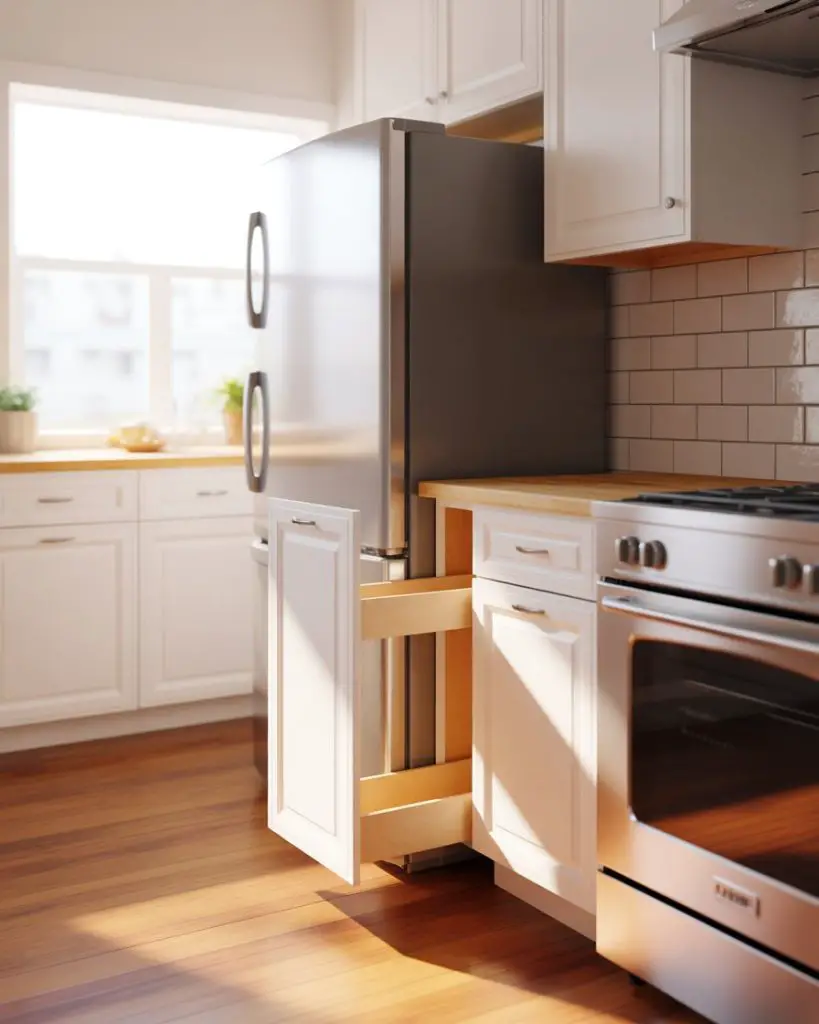
Placing the fridge next to the stove can be efficient in tight kitchens, but it requires careful planning to avoid heat damage and ensure smooth workflow. Modern appliances are better insulated, making this arrangement more viable, but you’ll still want a small buffer—even a narrow cabinet or pull-out pantry—between the two. This layout can work especially well in galley kitchens where space is at a premium. 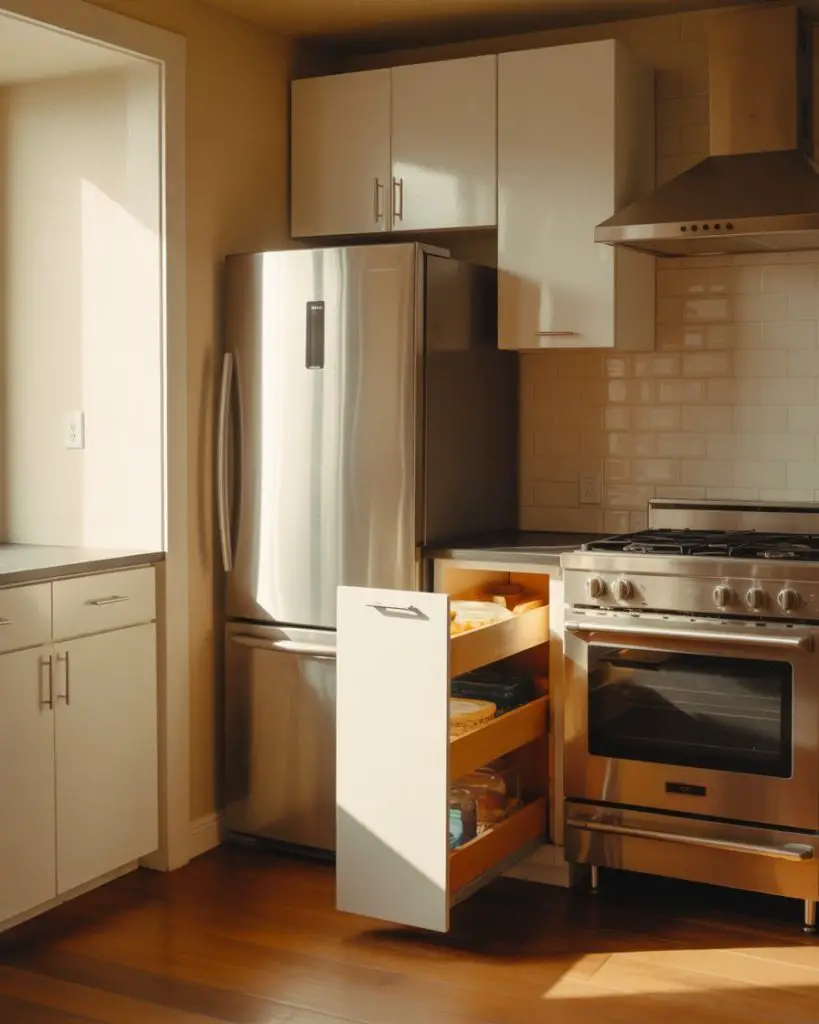
Common mistakes include ignoring the fridge door swing—make sure it opens away from the stove, not toward it, to avoid blocking access. Also, verify that your fridge manufacturer doesn’t recommend a minimum distance from heat sources; some warranties specify clearance requirements. If you’re stuck with this layout, adding a heat shield or ensuring good ventilation can prevent long-term issues.
22. Playful Kitchen Design Inspired by Bloxburg Aesthetics
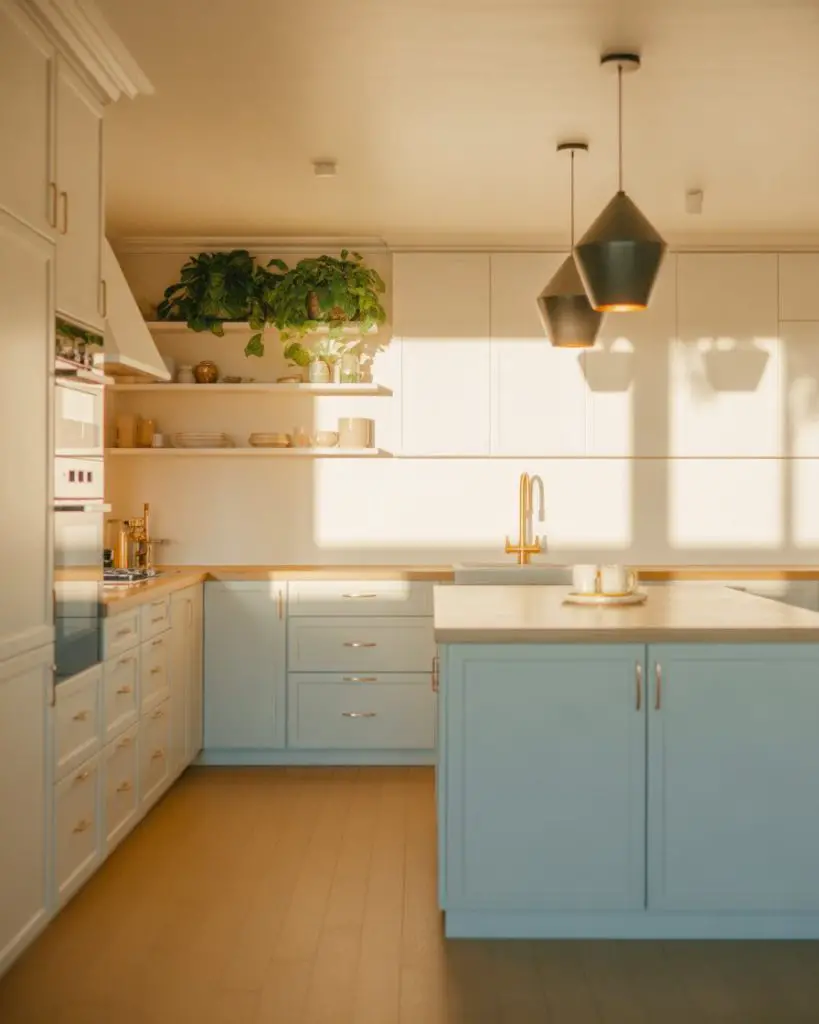
For younger homeowners or those influenced by gaming and virtual design, Bloxburg kitchens offer a fun, aspirational aesthetic—think clean lines, bold accent colors, and trendy fixtures. While Bloxburg is a virtual world, its design principles translate surprisingly well to real life: open shelving, statement lighting, and a mix of modern and cozy elements. This style appeals to Gen Z and younger millennials who grew up customizing digital spaces. 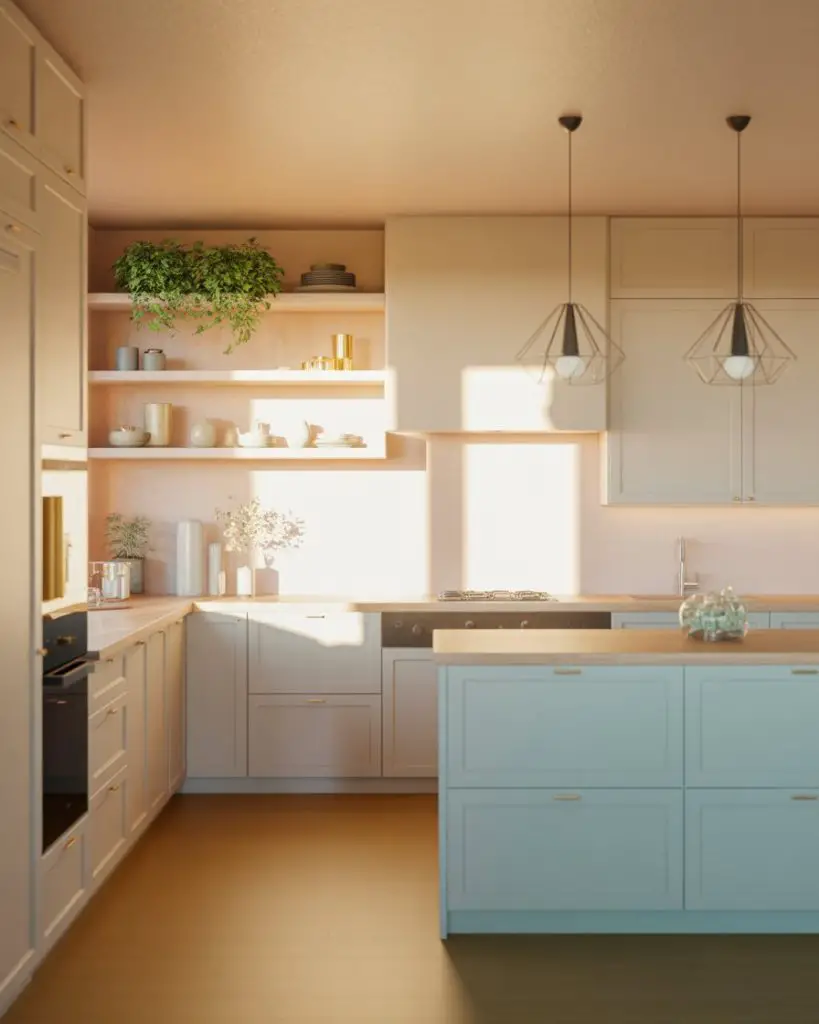
Where it works best: in starter homes or rentals where you want a fresh, personalized look without major construction. Real homeowner behavior shows that younger buyers often start with affordable updates—peel-and-stick backsplash, painted cabinets, new hardware—before committing to bigger changes. The key is balancing trendy elements with timeless foundations so your kitchen doesn’t feel dated in a few years.
Conclusion
Whether you’re drawn to the sleek minimalism of a linear layout, the cozy charm of a small bakery-inspired space, or the bold functionality of a commercial-style kitchen, there’s a modern design that fits your lifestyle and budget. We’d love to hear which ideas resonated with you—drop a comment below and let us know what you’re planning for your own kitchen transformation!