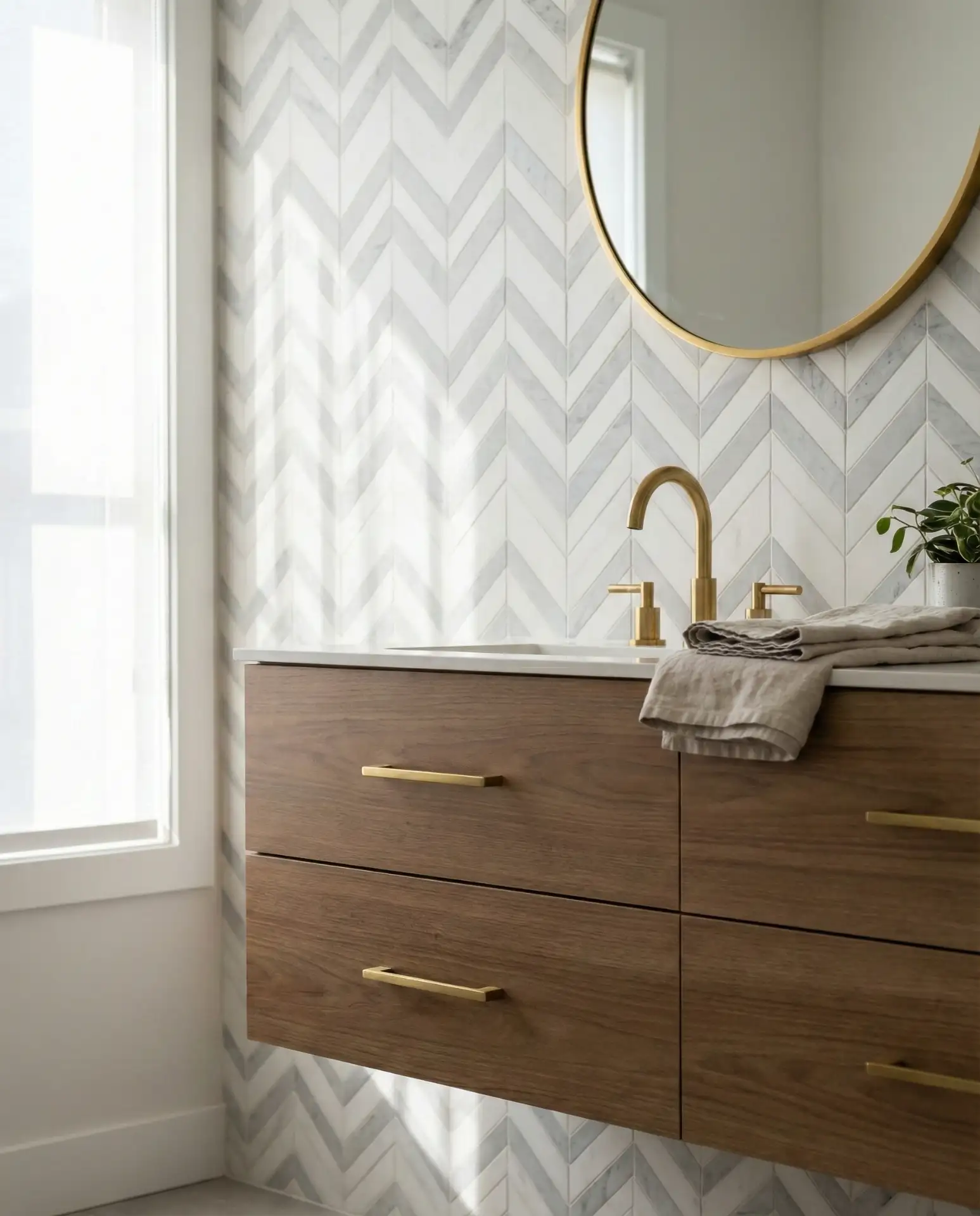
Small bathrooms are no longer a design compromise—they’re a canvas for creativity, especially as we move into 2026. American homeowners are searching Pinterest more than ever for smart solutions that blend style with function, whether they’re renovating a tiny powder room in a city apartment or refreshing a compact master bath in a suburban home. From clever storage hacks to bold color choices that expand visual space, the latest trends prove that square footage doesn’t limit your design ambitions. This guide walks you through inspiring ideas that work beautifully in real homes, covering everything from coastal vibes to industrial edges, budget-friendly updates to luxurious touches.
1. Floating Vanity with Deep Drawers
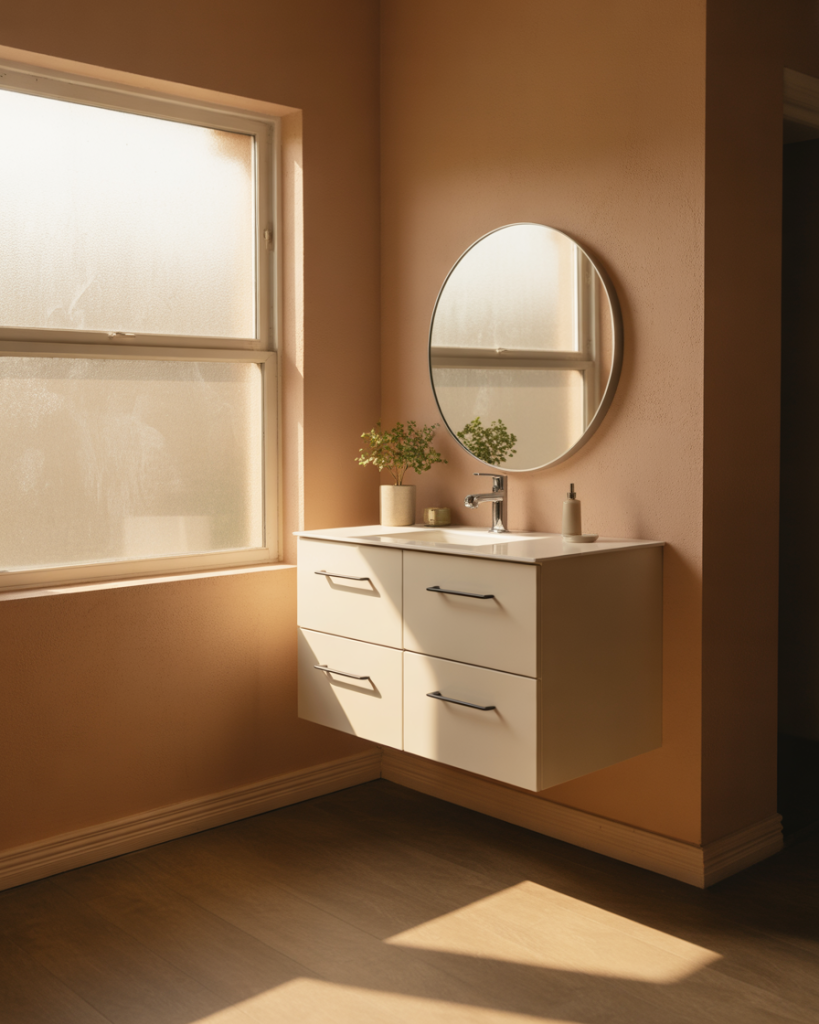
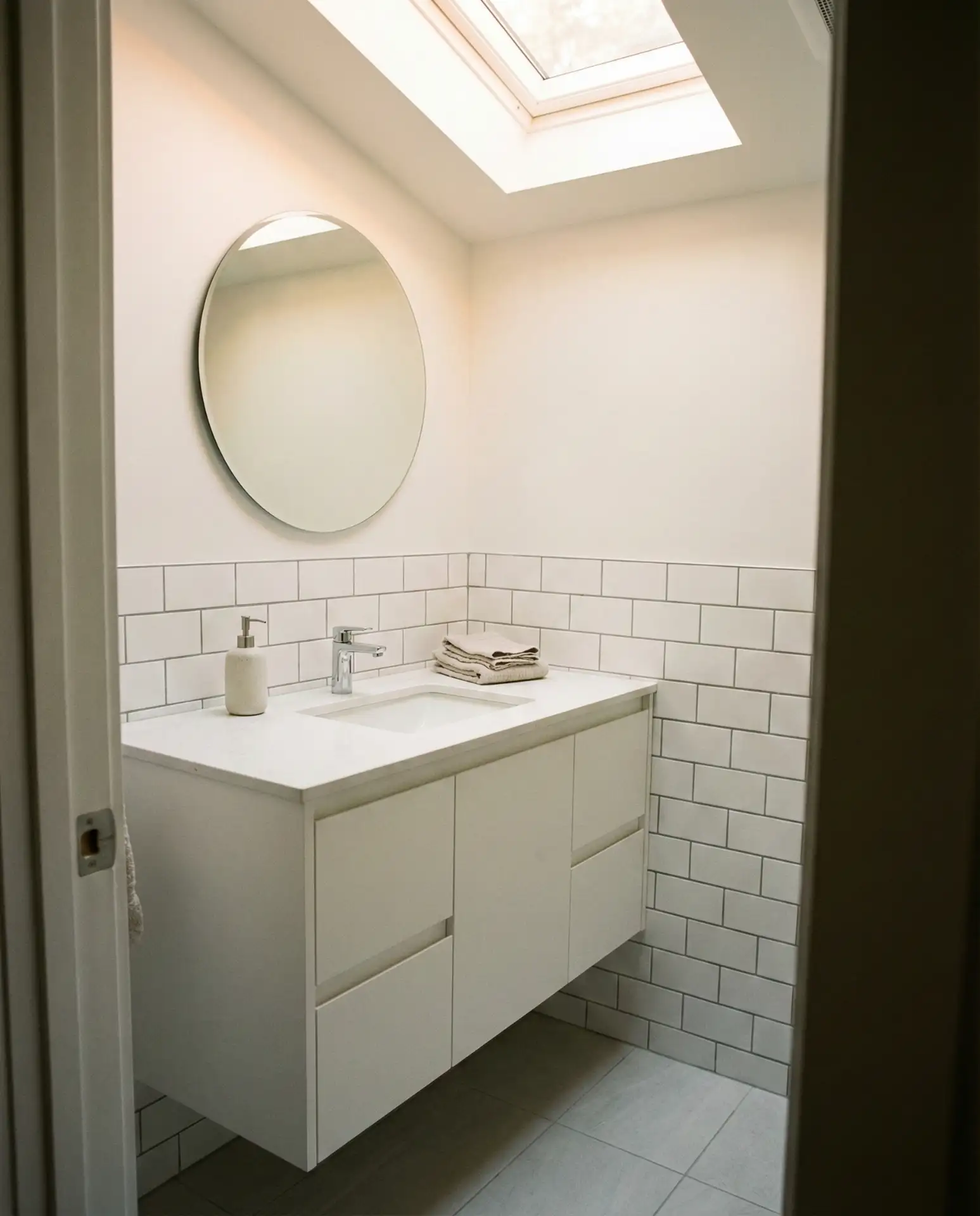
A wall-mounted vanity instantly creates the illusion of more floor space while offering extra storage where you need it most. Choose a simple design with soft-close drawers that tuck away toiletries, hair tools, and cleaning supplies without visual clutter. The gap beneath the vanity allows light to flow underneath, making even the smallest bathroom feel airier and more open. Pair it with a shallow basin to maximize counter space for your morning routine. 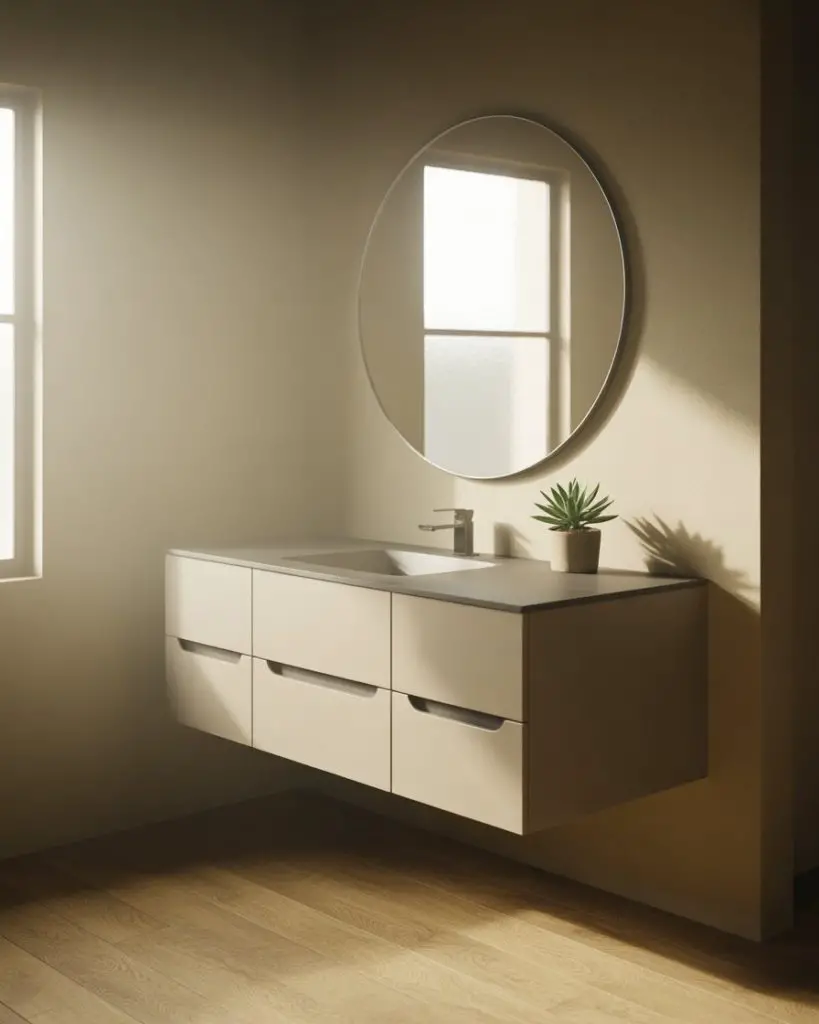
This setup works especially well in homes built before the 1980s, where bathrooms often lack built-in cabinetry. Many homeowners report that switching to a floating vanity freed up enough visual space to add a small stool or hamper without the room feeling cramped. It’s also easier to clean underneath, which matters when you’re dealing with limited square footage and want to keep things feeling fresh.
2. Walk-In Shower with Glass Enclosure
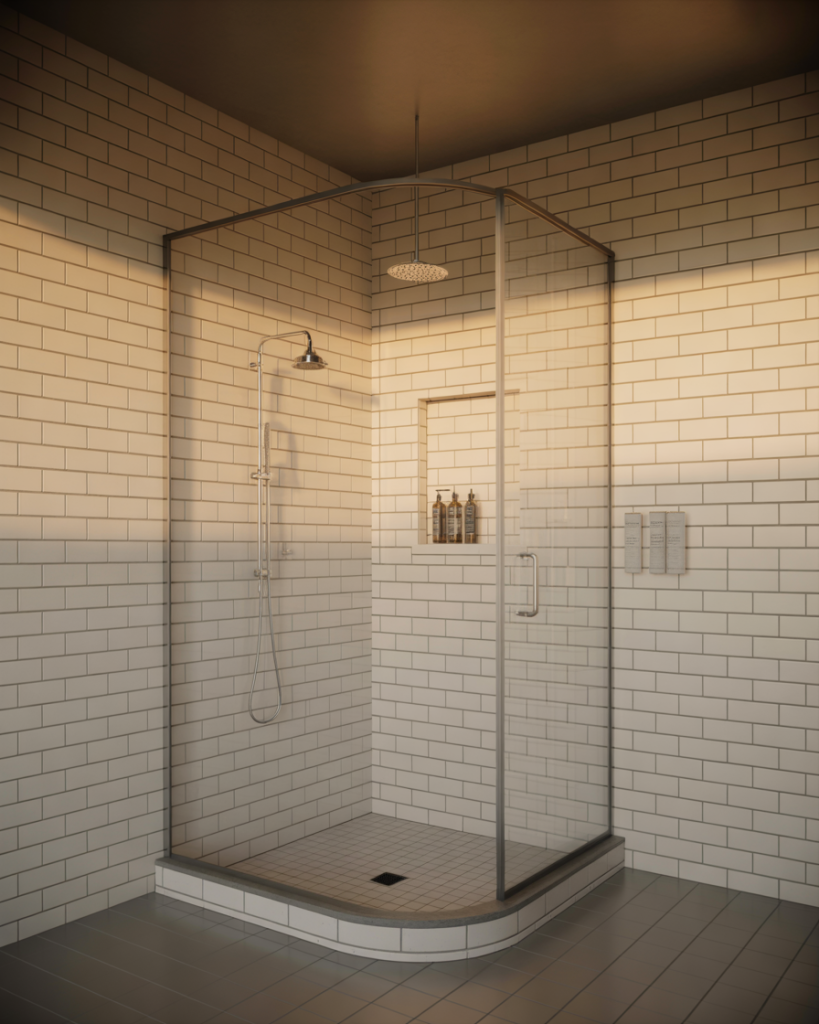
Eliminating the tub in favor of a walk-in shower can transform a cramped layout into a spa-like retreat. A frameless glass enclosure keeps sightlines open, preventing the space from feeling chopped up or boxed in. Built-in niches and corner shelves replace bulky caddies, while a rainfall showerhead adds a touch of luxury without requiring extra room. This approach is elegant and surprisingly practical for busy households.
Across the Midwest and Northeast, where older homes often have tub-shower combos with dated curtains, this update delivers immediate visual impact. The glass enclosure tricks the eye into seeing the full depth of the room, and the lack of a curb makes the space feel continuous. One common mistake is choosing textured glass for privacy—it actually makes the room feel smaller. Clear glass with a good ventilation fan works better.
3. Black and White Geometric Floors
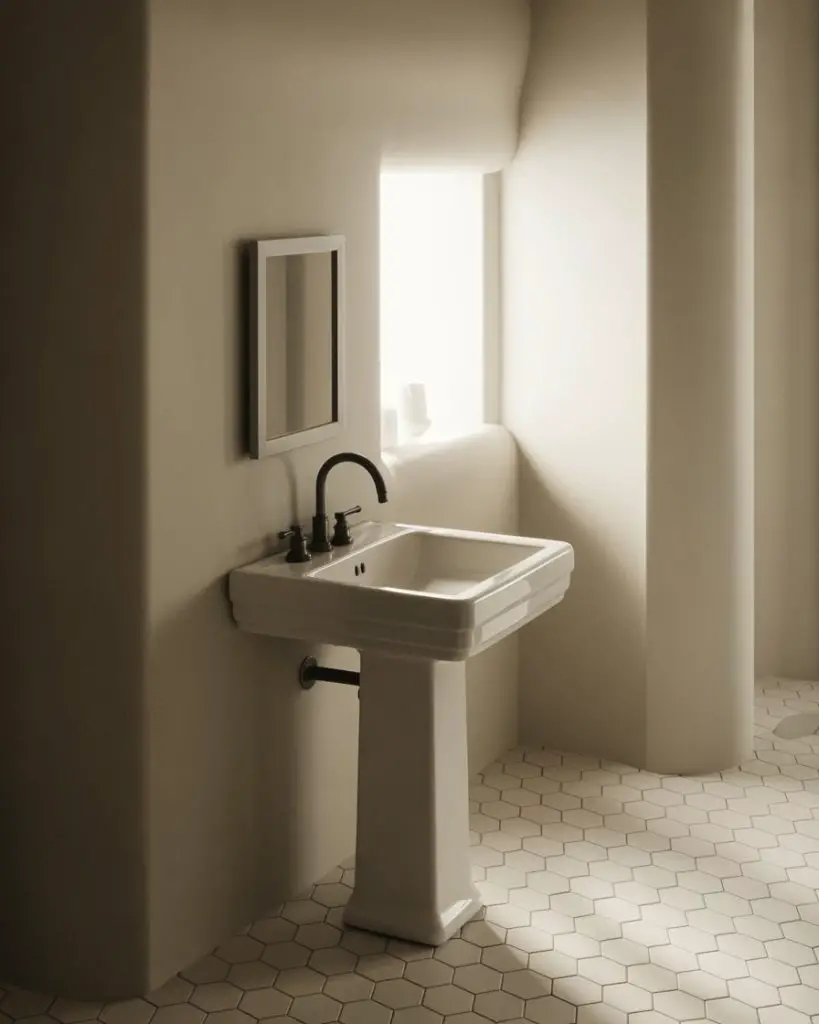
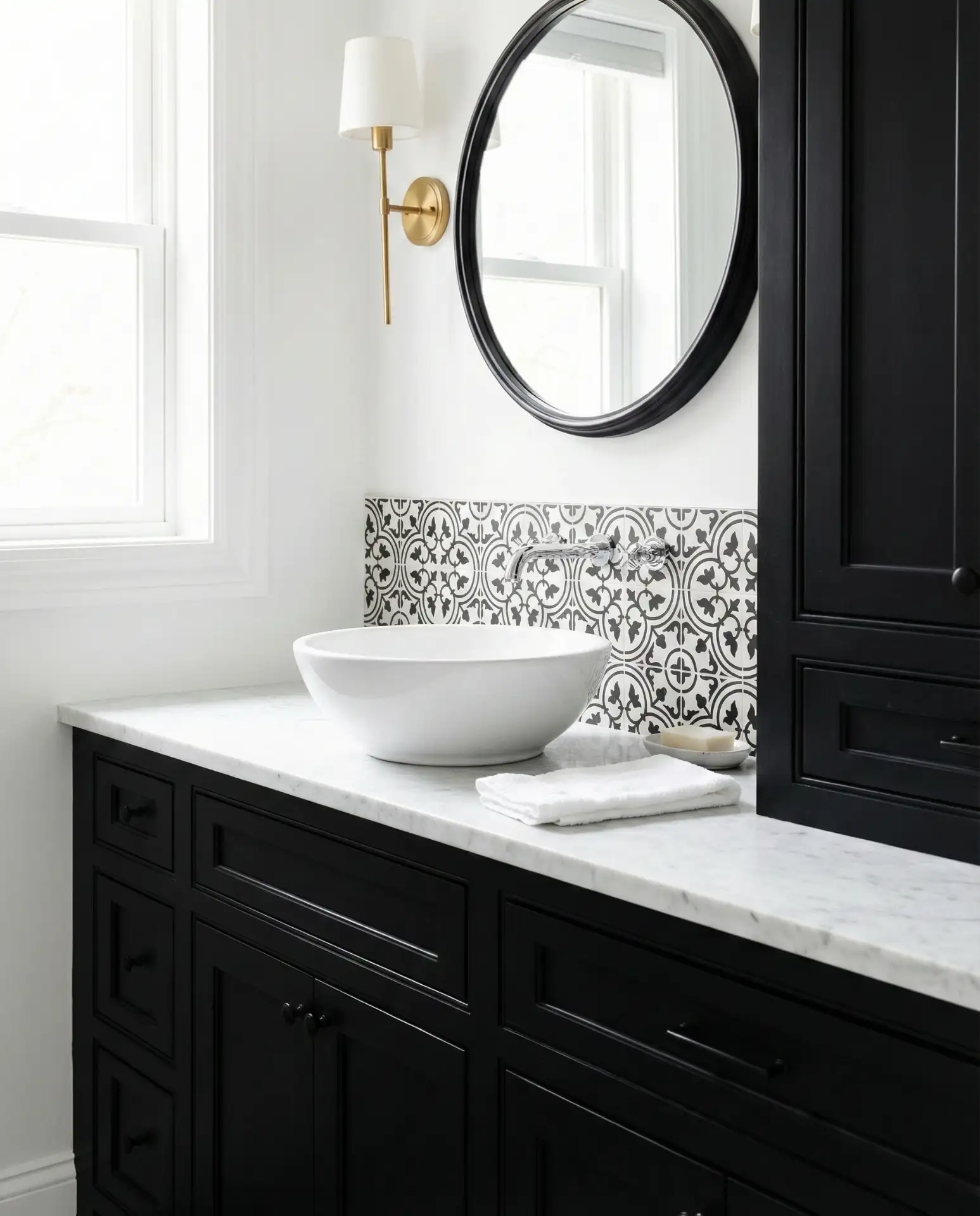
Classic black and white floor tiles bring personality and pattern without overwhelming a small footprint. Geometric designs—hexagons, checkerboards, or Moroccan-inspired shapes—draw the eye downward and create visual interest that distracts from tight dimensions. Pair them with neutral walls to let the floor become the focal point, and keep fixtures minimal to maintain balance. This timeless combination suits everything from vintage bungalows to modern condos. 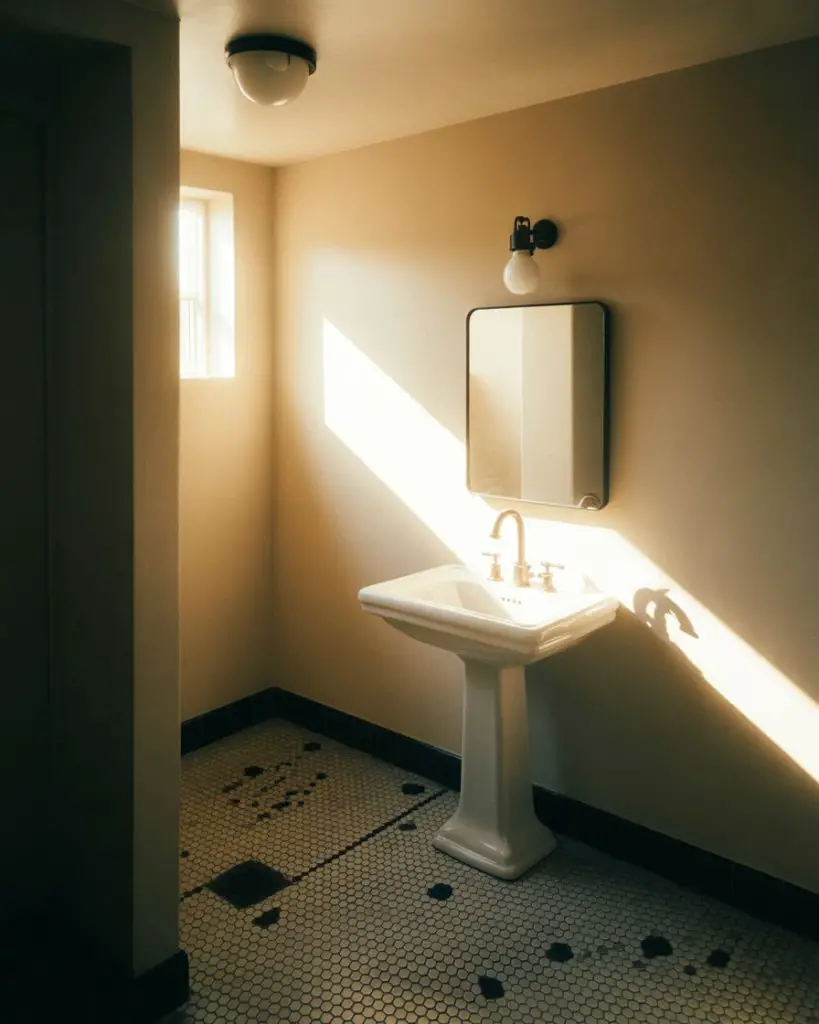
This works best in powder rooms or half baths where you can afford to be bold—spaces that guests use briefly but remember vividly. The pattern gives you permission to keep everything else understated, which actually makes the room feel larger. Budget around $8–$12 per square foot for quality porcelain tiles that can handle moisture and foot traffic over the years.
4. Coastal Blue Shiplap Walls
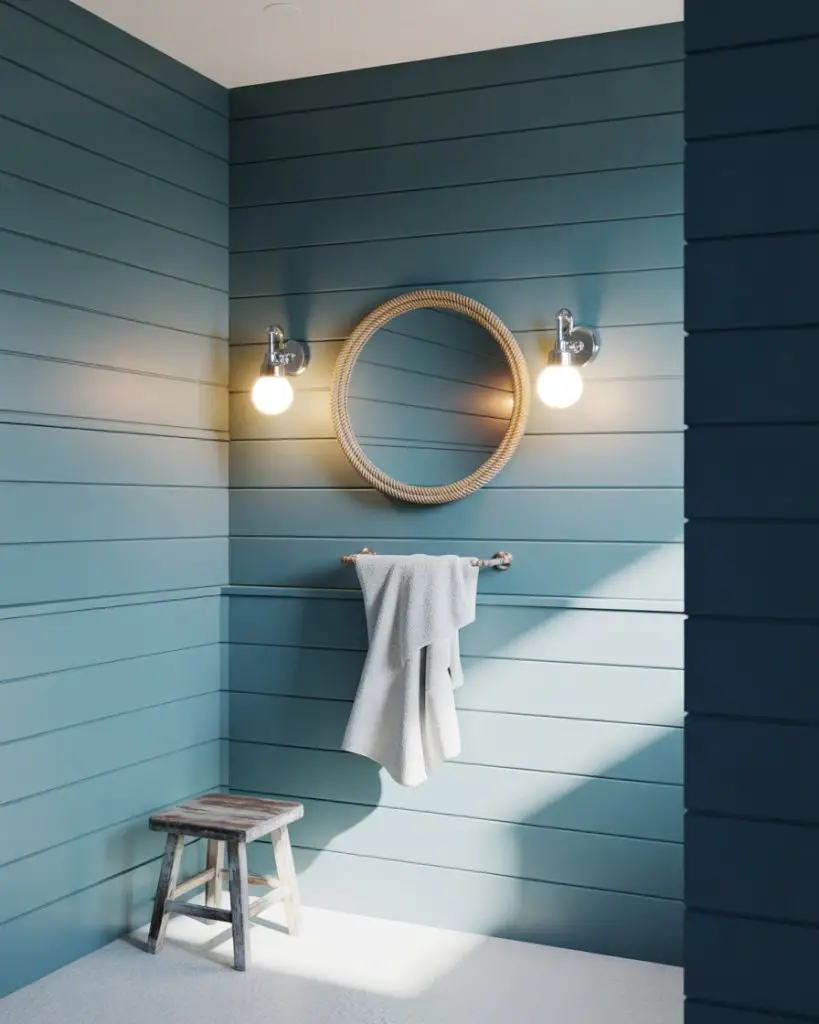
Painting tongue-and-groove shiplap in a soft coastal blue brings texture and warmth to a small bathroom without adding bulk. The horizontal lines create a subtle sense of width, while the color evokes calm and openness—perfect for a space that can feel claustrophobic. Leave the ceiling white to maintain height, and add brass or chrome fixtures for a touch of refinement. This look translates beautifully whether you’re near the ocean or landlocked in Kansas. 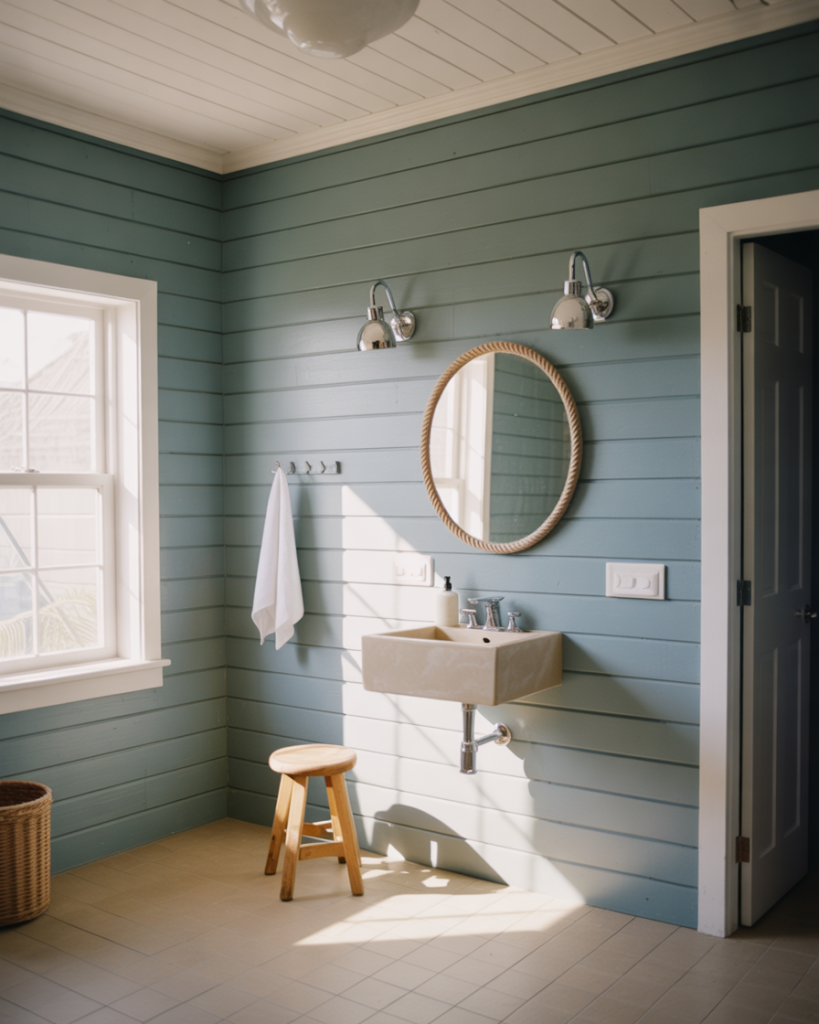
Shiplap is forgiving for DIYers—it covers imperfect walls and installs over a weekend. The groove lines hide minor inconsistencies, and the paint finish is easy to touch up when moisture causes wear. Many homeowners in Florida and the Carolinas use this technique to bring a beachy vibe indoors, but it’s equally popular in landlocked states where people crave that vacation feeling year-round.
5. Pink Accent Wall with Gold Hardware
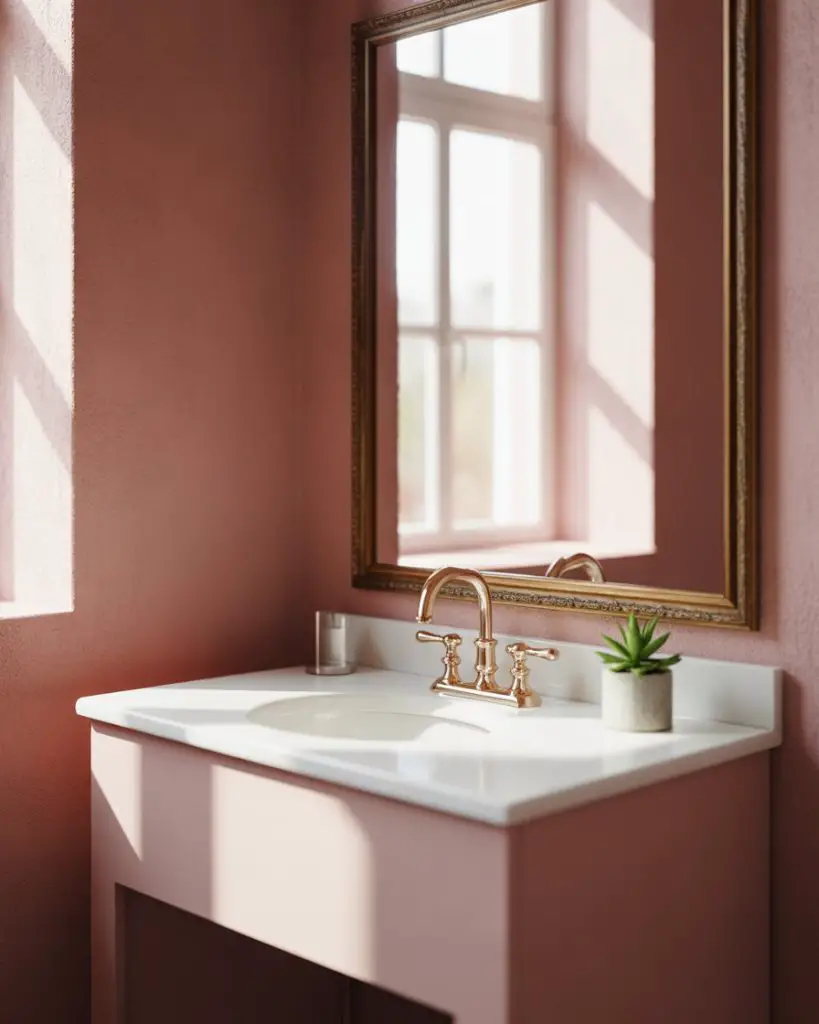
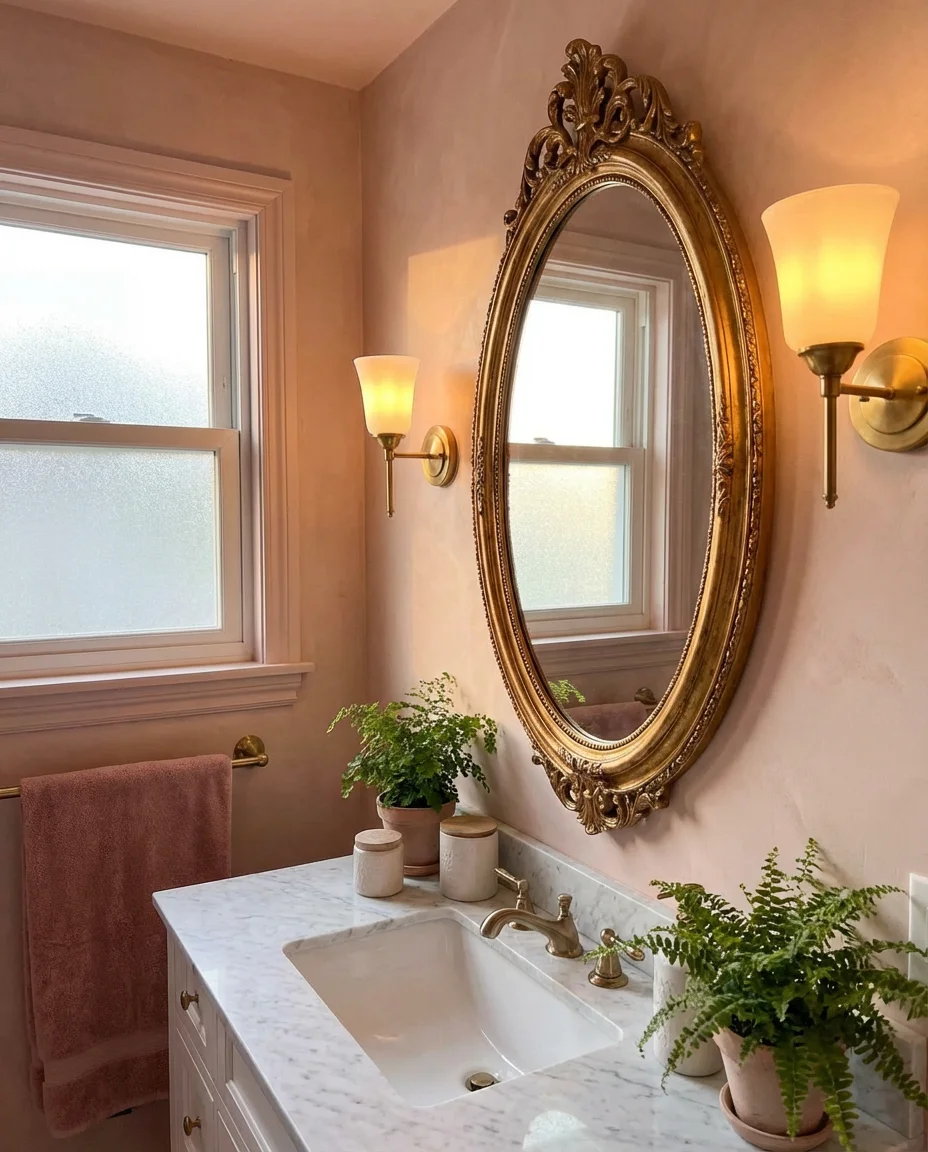
A single wall painted in muted pink—think dusty rose or terracotta-blush—adds warmth and sophistication without shrinking the room. Pair it with gold or brass hardware on the vanity, mirror, and lighting to create a layered, curated look. Keep the other three walls neutral to prevent the space from feeling too saturated, and choose white or cream fixtures to let the color breathe. This palette feels fresh and grown-up, far from bubblegum or childish. 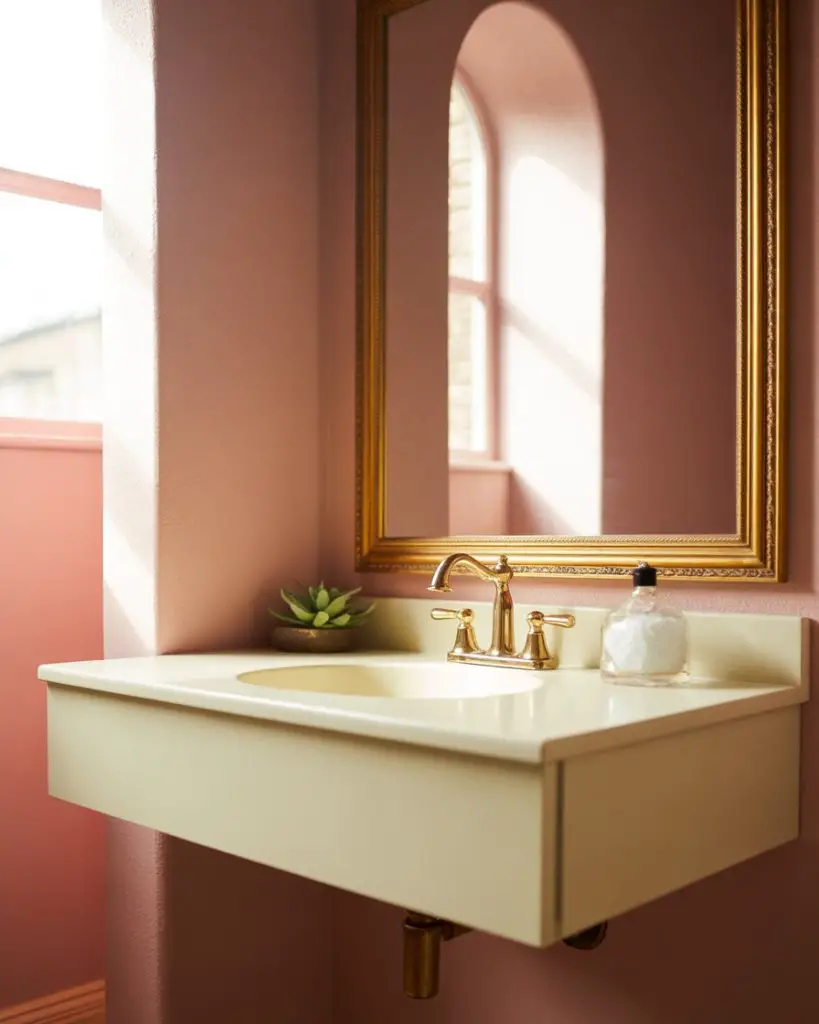
This color gained traction after several design magazines featured it in 2024, and it’s still climbing Pinterest boards in 2026. The warmth counteracts the cold, sterile feeling that all-white bathrooms can have, especially in basements or interior rooms without windows. One designer noted that pink reflects light beautifully, which is why it works so well in spaces where natural light is limited.
6. Industrial Exposed Pipe Shelving
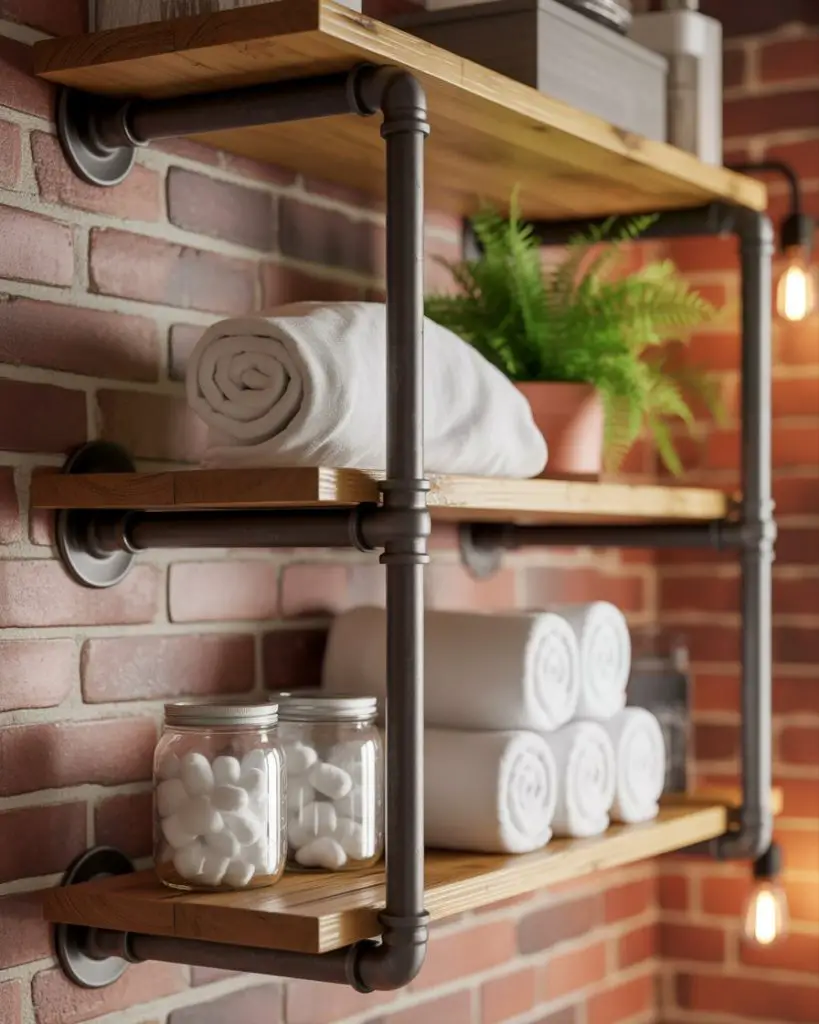
Black iron pipes and reclaimed wood planks create open shelving with an industrial edge that’s both functional and stylish. This DIY-friendly solution costs far less than built-in cabinetry and can be customized to fit any awkward nook or narrow wall. Stack folded towels, toiletries in matching jars, and a few small plants to keep the display organized and intentional. The raw materials add character without requiring a full renovation. 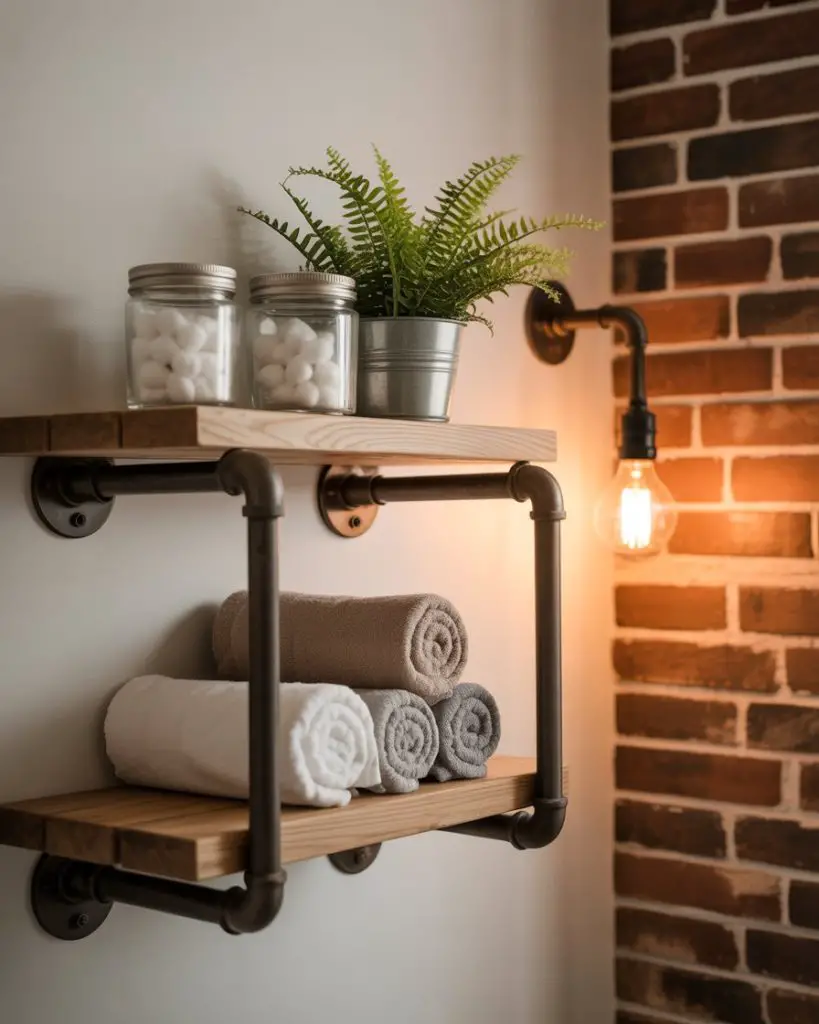
In cities like Portland, Brooklyn, and Austin, this aesthetic fits right into loft apartments and converted warehouses where exposed brick and ductwork are already part of the architecture. But it also works in suburban homes where homeowners want to inject some urban grit. The key is keeping the shelves tidy—open storage in a small bathroom only works if you’re disciplined about what you display.
7. Grey Subway Tile with Dark Grout
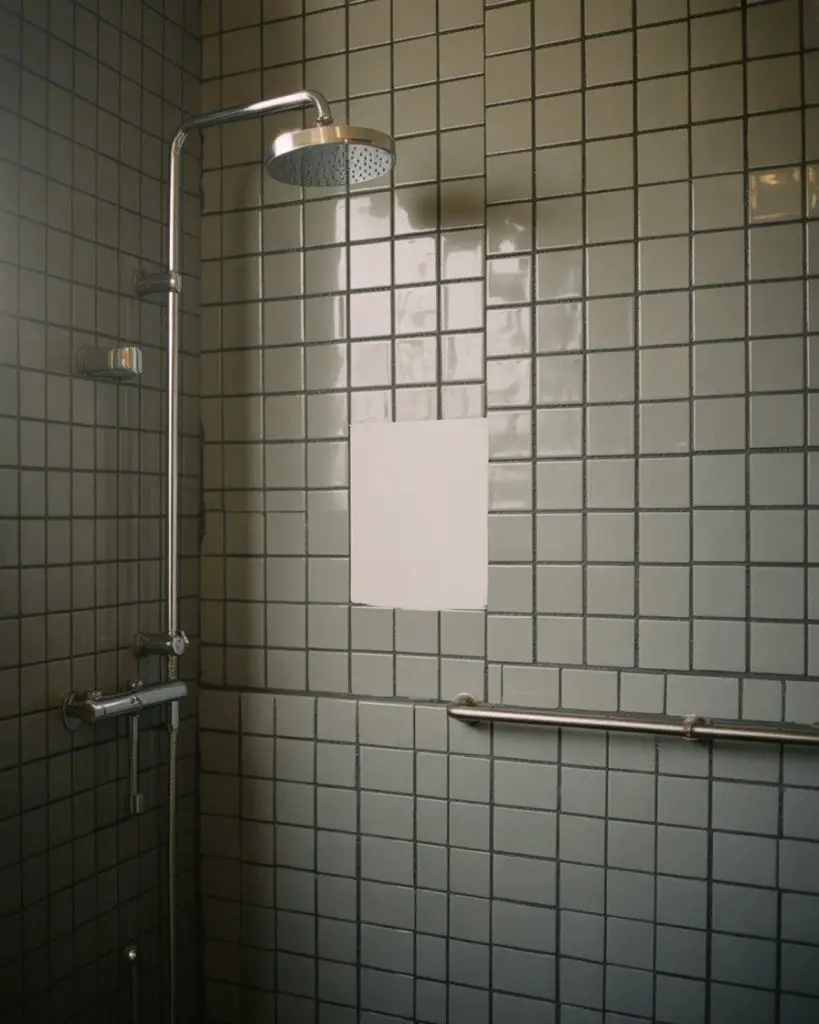
Swapping white subway tile for grey versions—especially in a matte finish—gives you a modern, understated backdrop that hides water spots and soap residue better than stark white. Pair it with dark charcoal grout to define each tile and add depth without busy patterns. This combination works beautifully in shower surrounds and behind sinks, creating a cohesive look that feels intentional but not overly designed. It’s a subtle shift that makes a big impact. 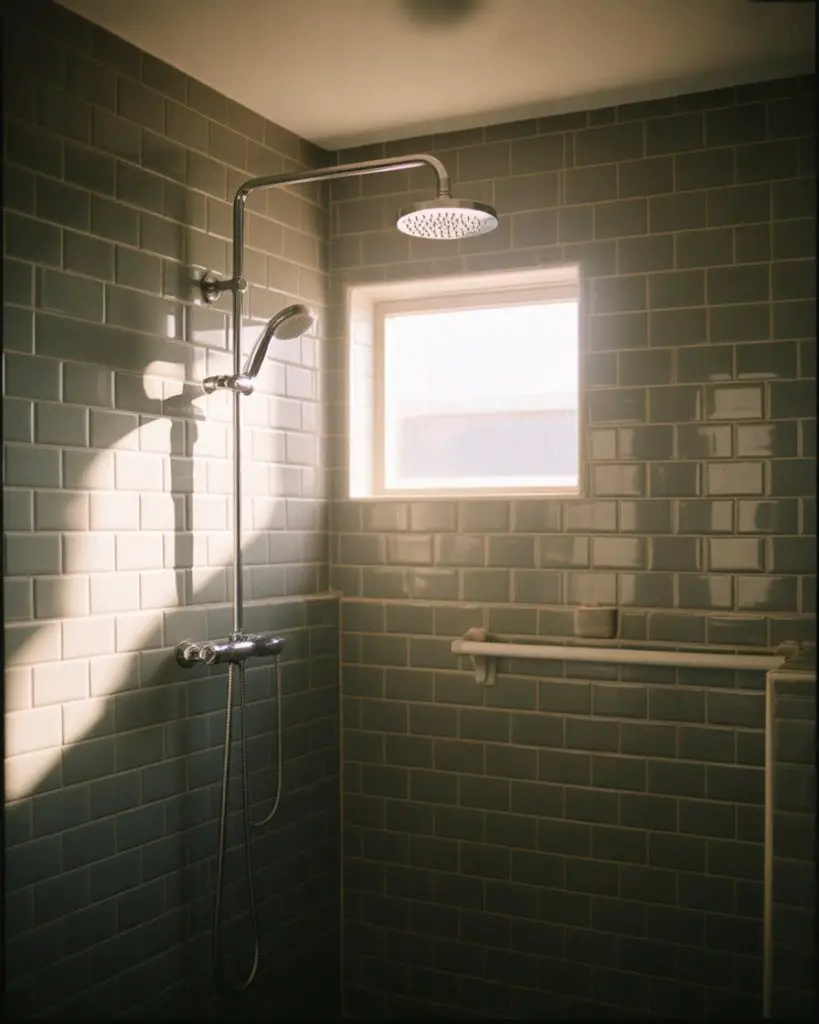
This is especially popular in the Pacific Northwest, where grey tones echo the region’s misty, moody weather. Homeowners appreciate that the darker grout doesn’t show mildew as quickly, which means less scrubbing and more time enjoying the space. One common mistake is choosing grout that’s too dark—it can look heavy. Aim for a medium charcoal that contrasts without overwhelming.
8. Bathtub Alcove with Built-In Storage
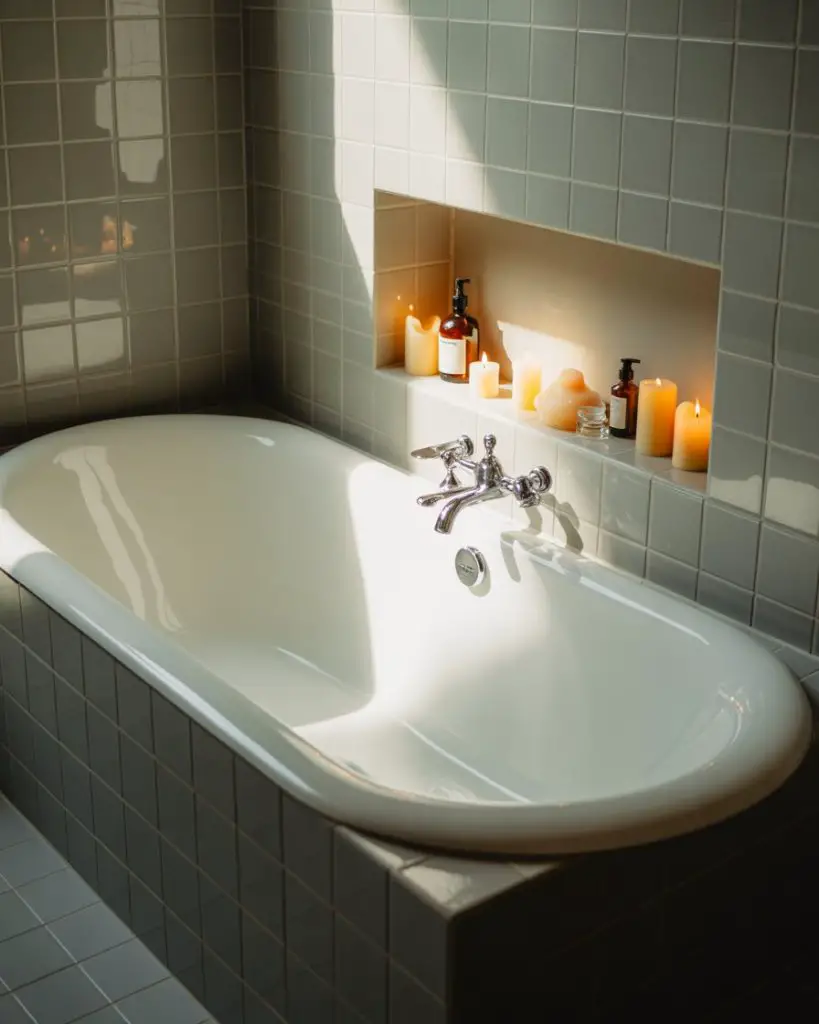
If you’re committed to keeping a bathtub in a tight space, nestle it into an alcove with built-in shelving on one or both sides. Recessed niches for shampoo bottles, candles, and bath salts keep essentials within reach without cluttering the tub deck. Tile the alcove floor to ceiling for a seamless look, and consider a deep soaking tub to maximize relaxation in minimal square footage. This setup feels spa-like and intentional. 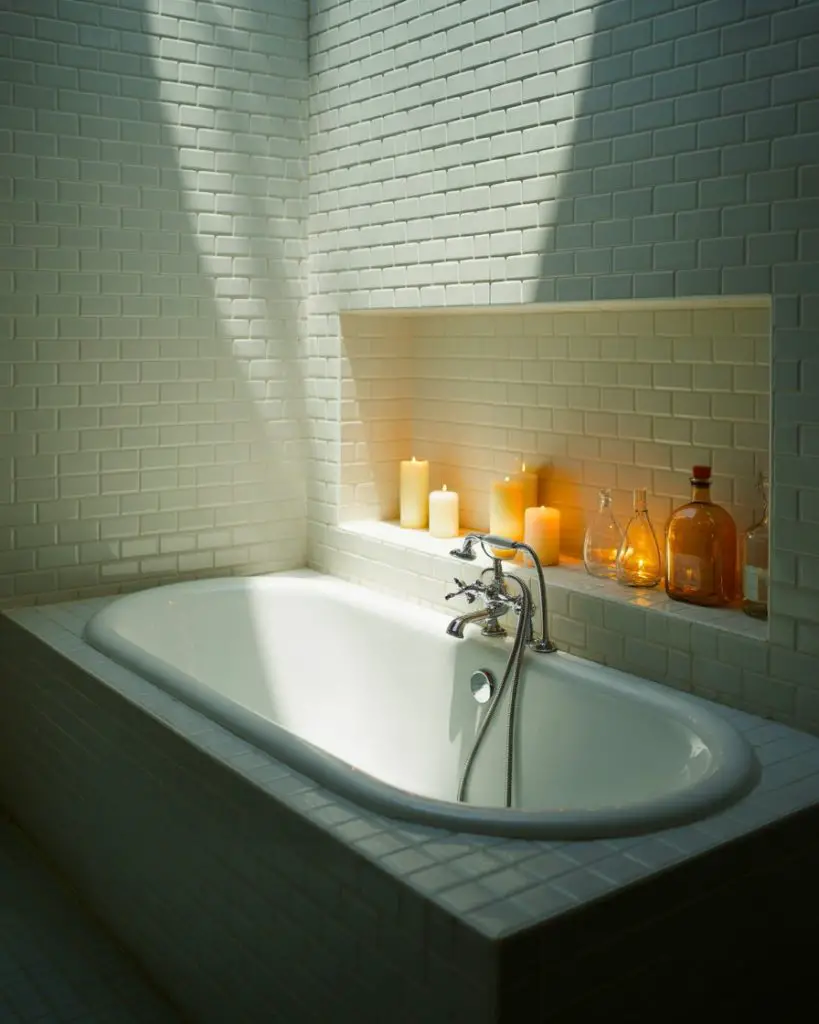
Many homeowners in colder climates—think Minnesota, Colorado, or upstate New York—refuse to give up their tubs because a hot soak after shoveling snow is non-negotiable. The alcove design solves the space crunch by using vertical real estate efficiently. A neighbor of mine recently installed one and said it transformed her cramped bathroom from frustrating to functional overnight, especially with two kids who still need tub baths.
9. Budget-Friendly Peel-and-Stick Wallpaper
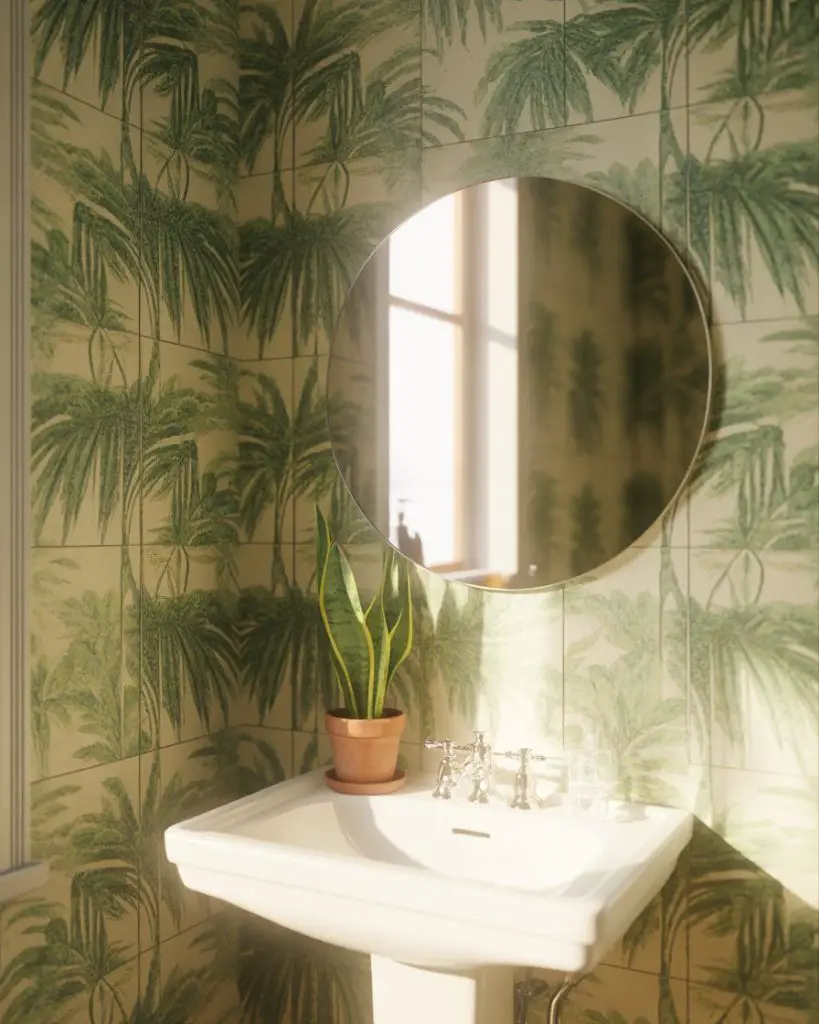
Removable wallpaper in bold prints or subtle textures offers a budget-friendly way to add personality without committing to permanent changes. Choose moisture-resistant options designed for bathrooms, and apply them to a single accent wall to avoid overwhelming the space. Patterns like botanical leaves, geometric lines, or vintage florals can completely shift the mood. This is ideal for renters or anyone who likes to refresh their decor every few years. 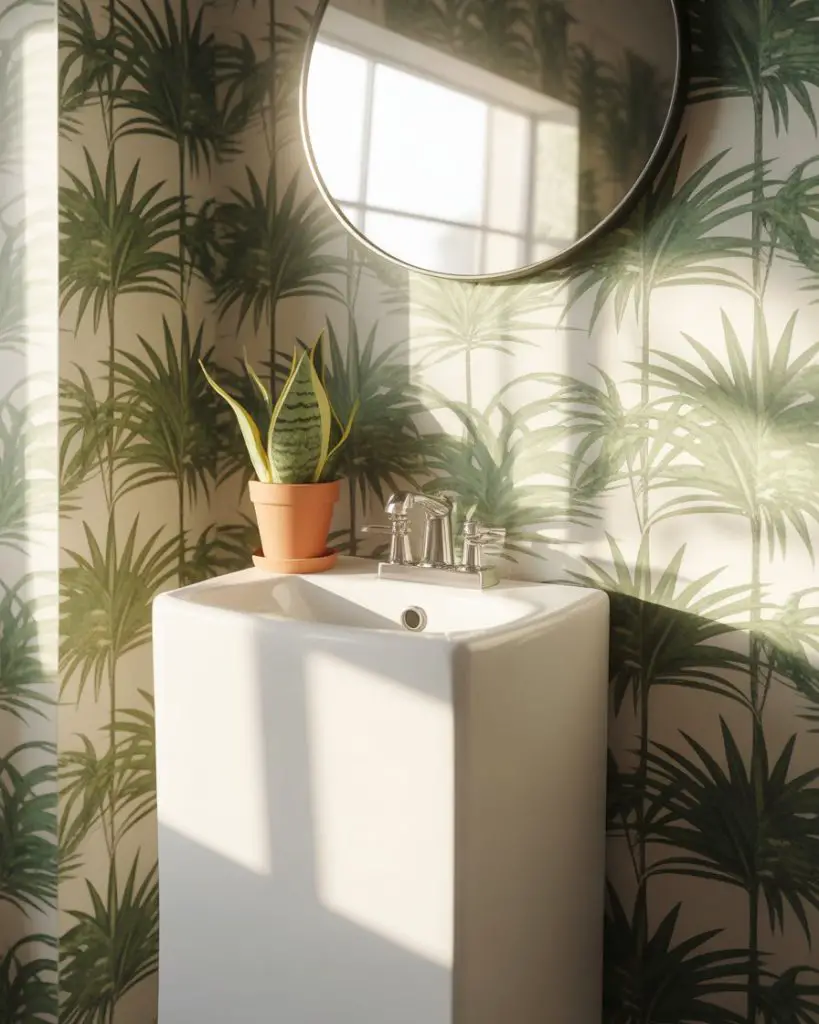
Renters across urban centers like Chicago, San Francisco, and Boston have embraced this hack because it peels off cleanly when the lease ends. You can find quality options for $30–$60 per roll, and installation takes just an afternoon. The catch is that cheap versions bubble and peel in humid conditions, so it’s worth spending a bit more for brands specifically rated for bathrooms.
10. Rustic Wood Vanity with Vessel Sink
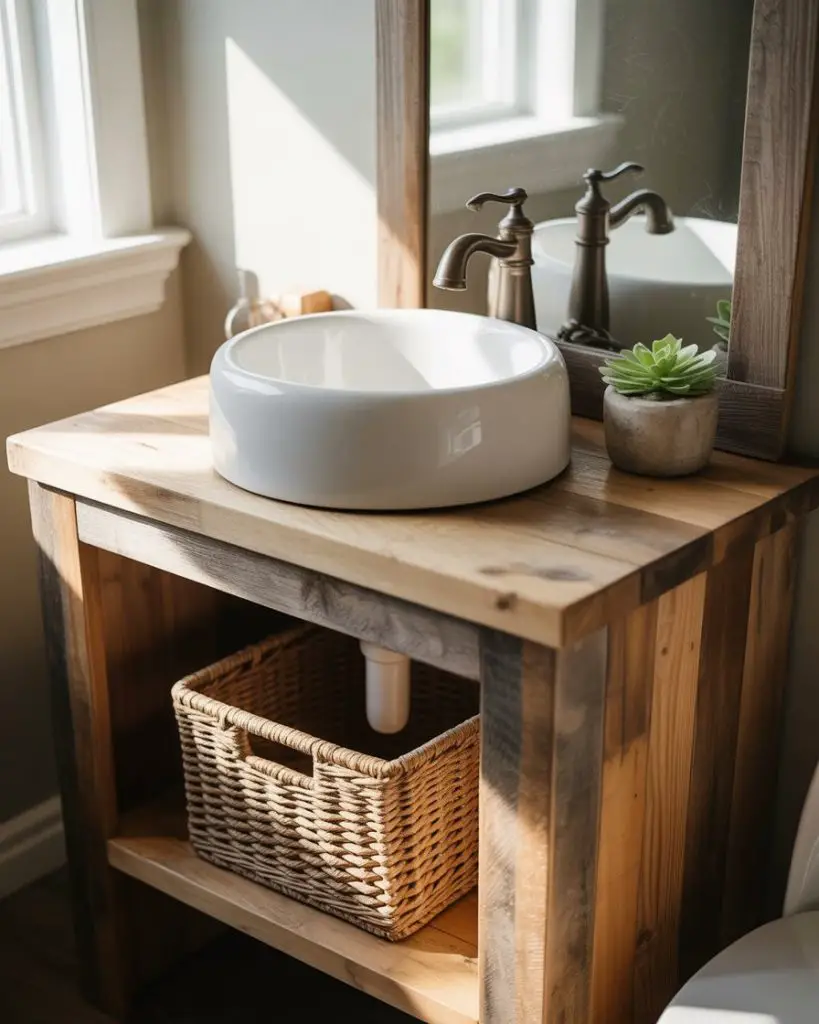
A rustic wood vanity—whether reclaimed barn wood or new lumber with a distressed finish—brings warmth and texture to a small bathroom that might otherwise feel sterile. Top it with a vessel sink in white ceramic or hammered copper to add a focal point without taking up counter space. Open shelving below keeps the look airy, and the wood grain introduces natural variation that makes the room feel lived-in and inviting. This works beautifully in farmhouse, bohemian, or eclectic homes. 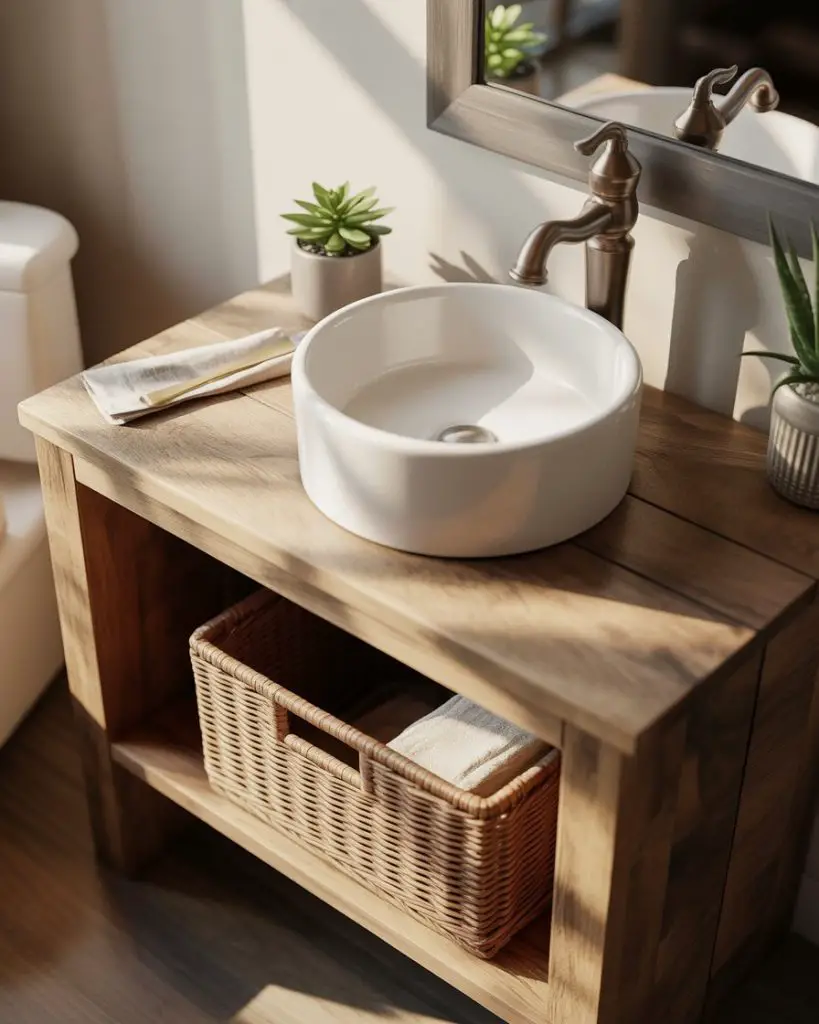
This style resonates in rural and semi-rural areas across the South and Mountain West, where barn wood and reclaimed materials are easier to source. The vessel sink sits on top of the counter, which means you can use a shallower vanity—perfect when every inch counts. Make sure to seal the wood properly to protect against moisture, or you’ll be refinishing it within a year.
11. Green Tile Feature Wall
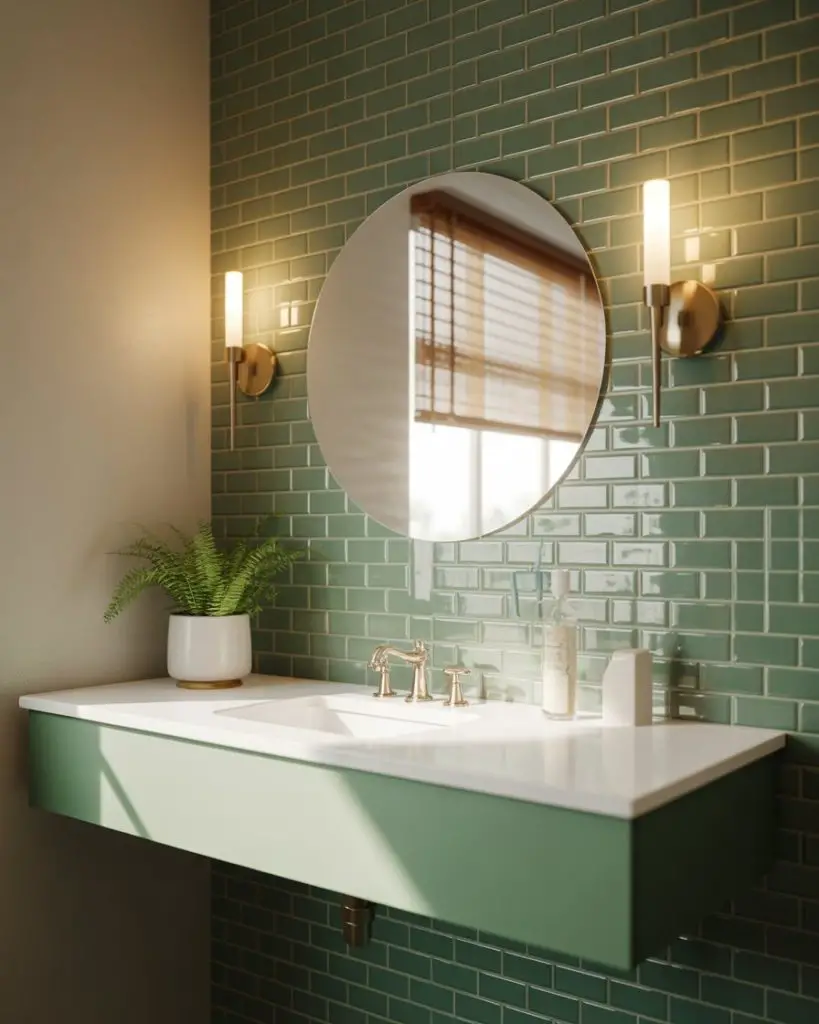
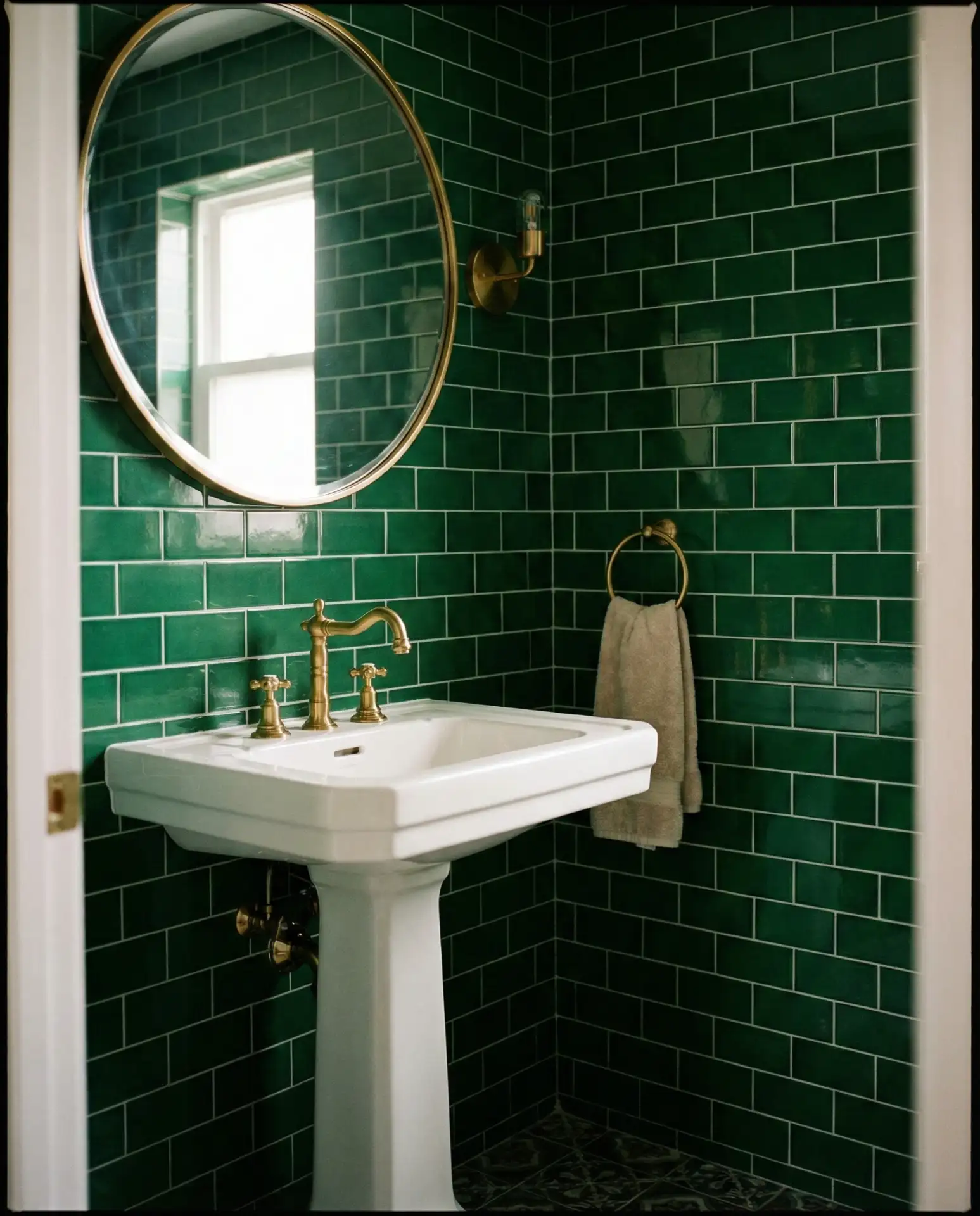
A vertical strip or half-wall of green tile—sage, forest, or emerald—creates a striking focal point that grounds the space without overwhelming it. Use it behind the vanity or in the shower, and pair it with white or light wood tones to keep the palette balanced. Green connects to nature and promotes calm, making it a smart choice for a room where you start and end your day. The color also photographs beautifully, which is why it dominates Pinterest boards right now. 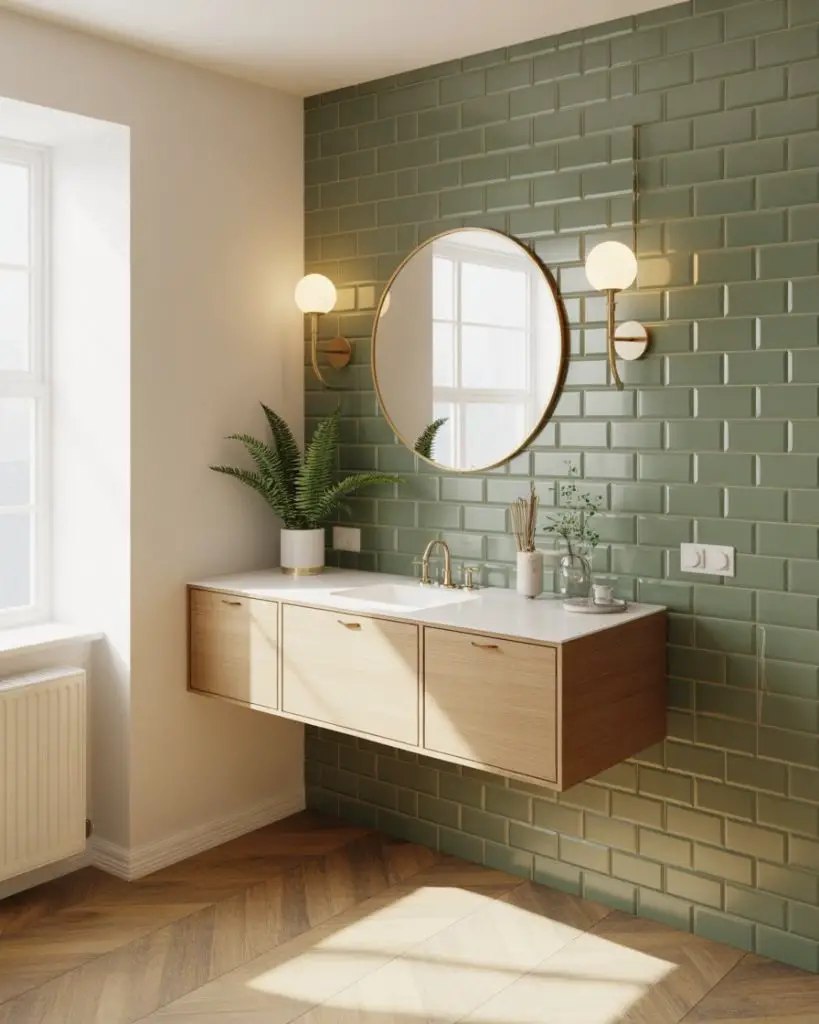
Interior designers have been pushing green as the “new neutral” for a couple of years now, and it’s finally catching on in middle America. Where it works best is in bathrooms with good natural light—north-facing or heavily shaded rooms can make darker greens feel murky. If you’re unsure, test a sample tile on the wall and live with it for a week before committing to the full installation.
12. Compact Washing Machine Niche
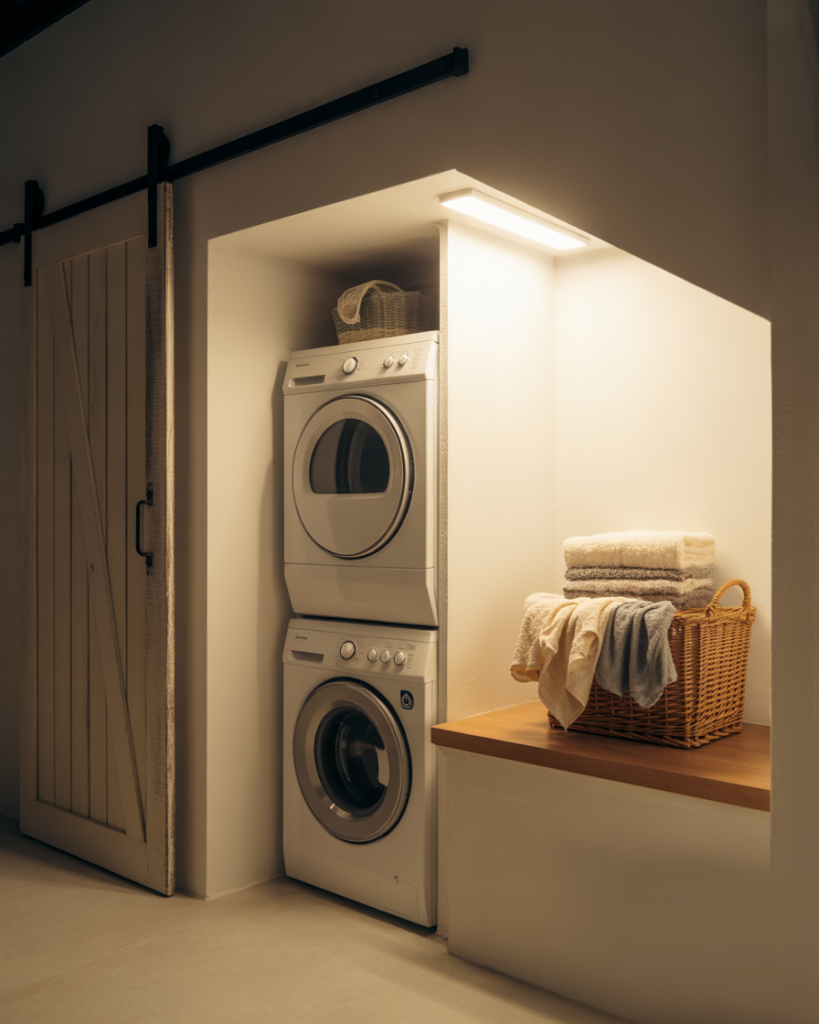
Carving out a wash machine niche in a small bathroom solves two problems at once: laundry access and space efficiency. A stackable washer-dryer unit fits into a closet-sized footprint, and adding a sliding barn door or curtain keeps the appliances hidden when not in use. This setup is especially valuable in apartments or homes without dedicated laundry rooms. Include a small countertop above for folding or sorting, and you’ve created a genuinely useful secondary function. 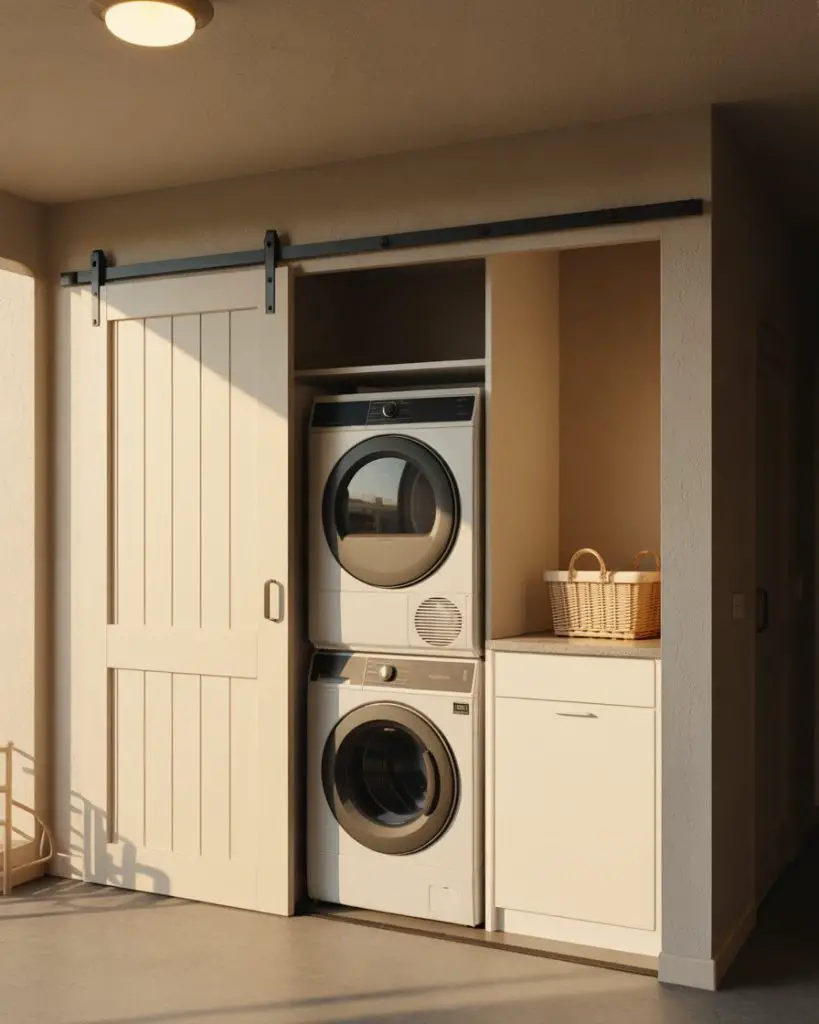
This is incredibly common in older East Coast cities where square footage is at a premium and basements are damp or unfinished. A friend in Philadelphia installed hers last year and said it completely changed her routine—no more lugging laundry down two flights of stairs. The biggest challenge is ensuring proper ventilation for the dryer, so consult a contractor if you’re retrofitting an existing bathroom.
13. Shower-Only Layout with Bench Seating
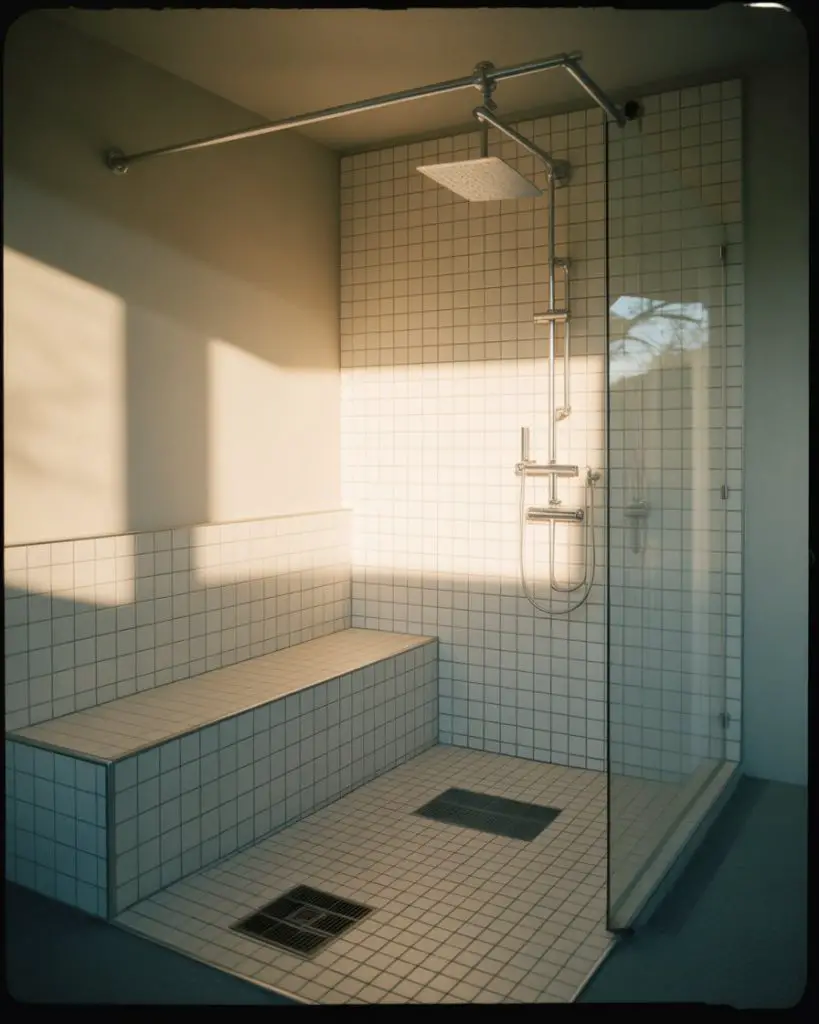
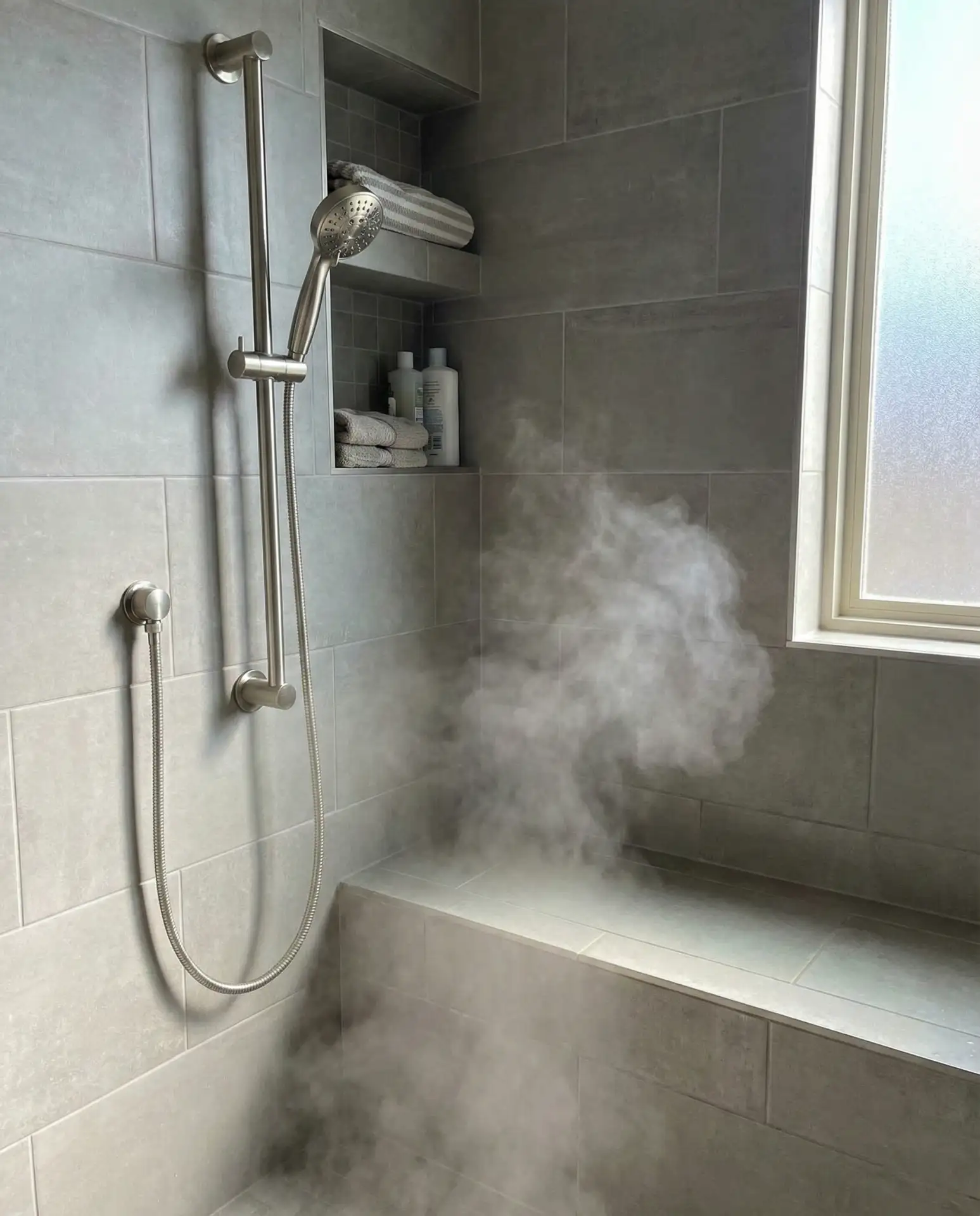
Committing to a shower only layout frees up valuable floor space and allows you to build in luxuries like a tiled bench or fold-down teak seat. The bench doubles as a footrest for shaving, a shelf for bath products, or simply a place to sit and enjoy the steam. Pair it with a handheld showerhead for flexibility, and choose slip-resistant floor tiles for safety. This layout is practical, modern, and surprisingly family-friendly. 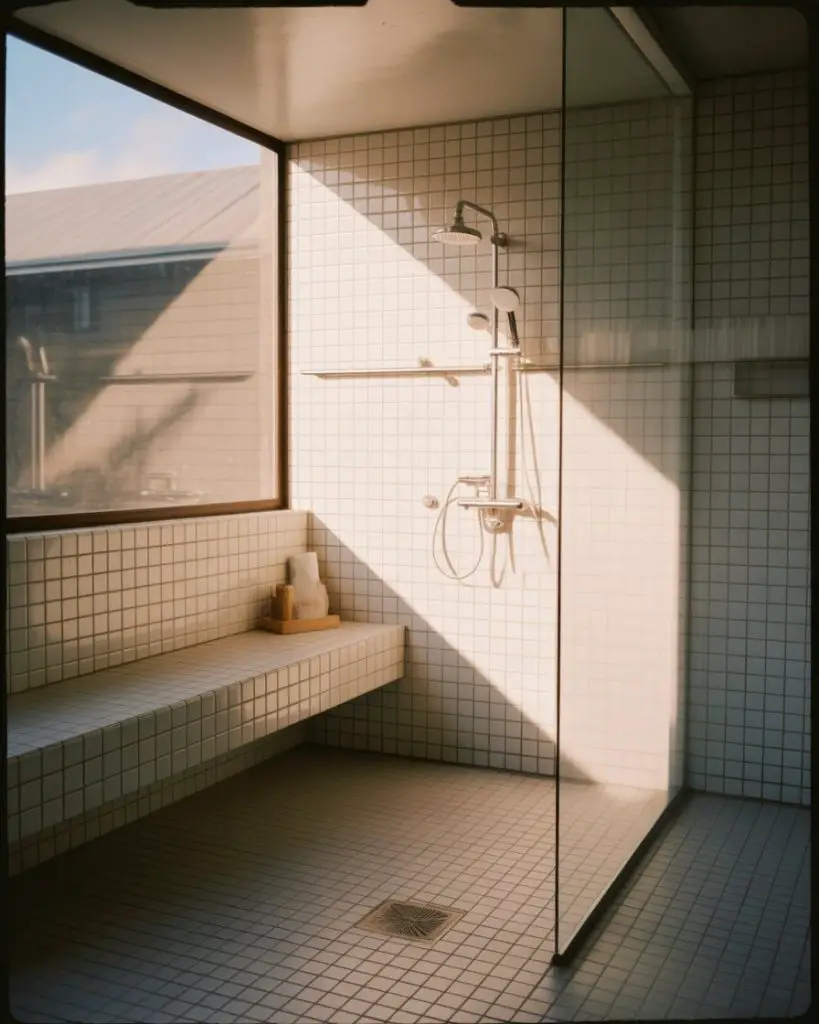
Many aging-in-place homeowners are opting for this setup because it eliminates the need to step over a tub edge, reducing fall risk. It’s also popular with younger families who find baths impractical once kids outgrow the toddler stage. The bench adds about $500–$800 to the project if you’re tiling it in, but it’s worth it for the daily comfort and resale appeal.
14. Bohemian Woven Textures and Plants
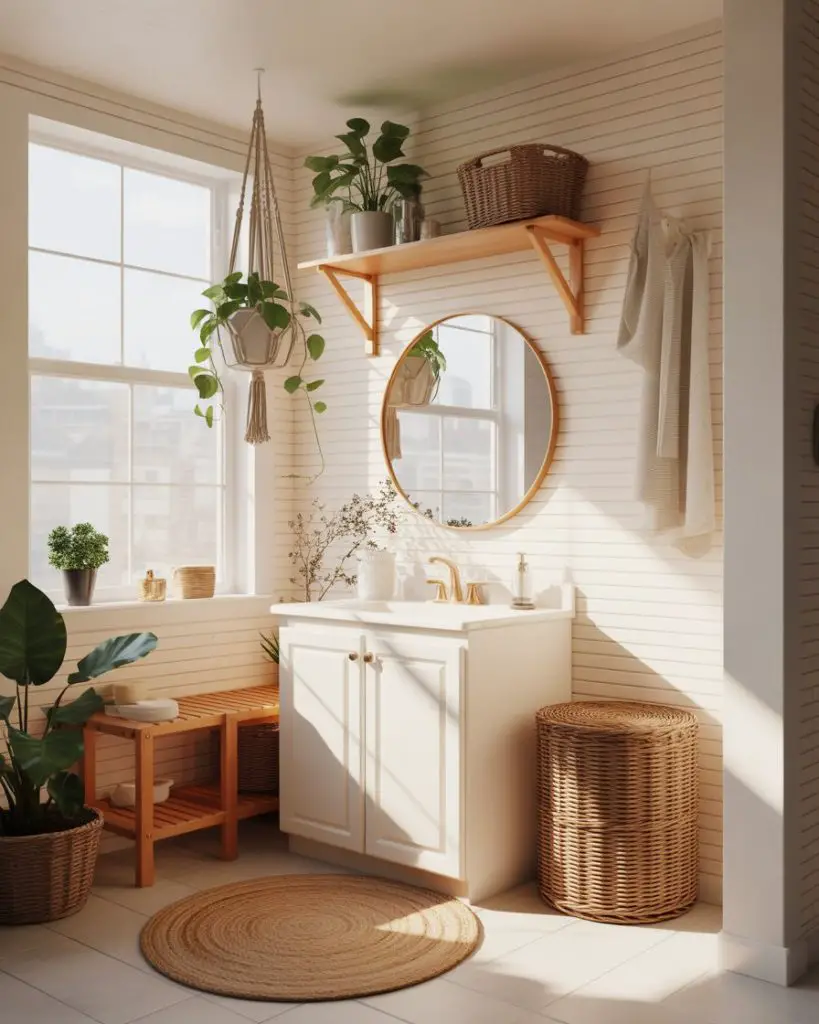
Layering bohemian textiles—a jute rug, macramé wall hanging, or woven basket—adds warmth and personality to a small bathroom without permanent changes. Pair these with potted plants like pothos, snake plants, or ferns that thrive in humid conditions. The mix of natural fibers and greenery softens hard surfaces and makes the space feel collected and intentional rather than sterile. This approach works beautifully in rentals or homes where you’re not ready for a full remodel. 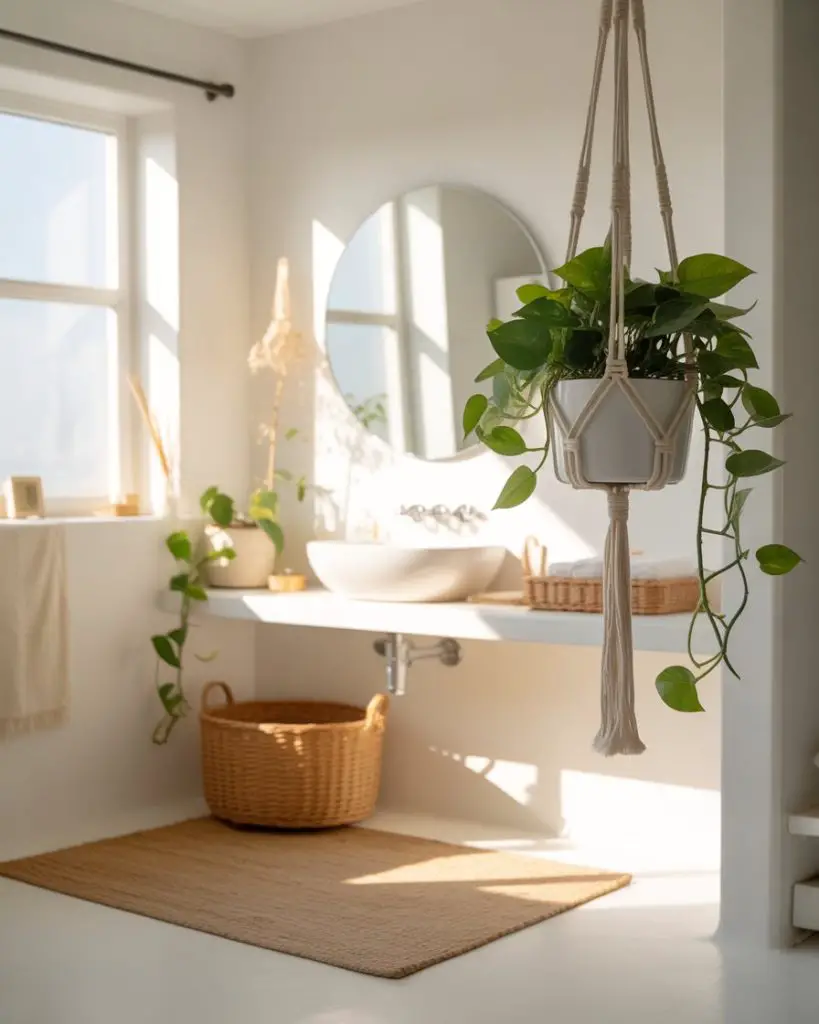
One homeowner in Tucson told me she transformed her bland builder-grade bathroom into something she actually looks forward to using just by adding plants and swapping out the bath mat. The humidity from showers keeps the plants happy without extra effort, and the textures make the room feel less echo-y. Just make sure your rug is machine-washable—bathrooms get wet, and nobody wants a mildewed jute situation.
15. Dark Moody Walls with Brass Accents
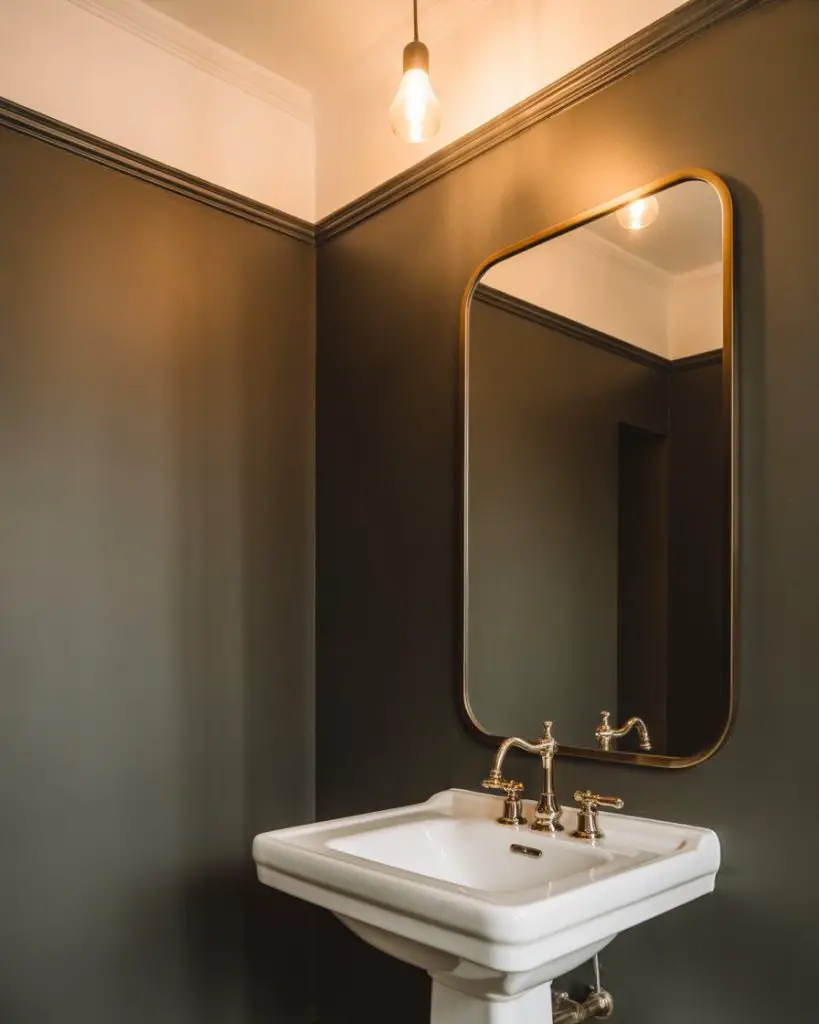
Painting walls in dark charcoal, navy, or forest green might seem counterintuitive in a small bathroom, but the drama actually makes the space feel intentional and cozy rather than cramped. Pair it with brass or gold fixtures, mirrors, and lighting to reflect light and add warmth. Keep the ceiling white to maintain a sense of height, and use ample lighting to prevent the room from feeling cave-like. This bold move pays off in style and sophistication. 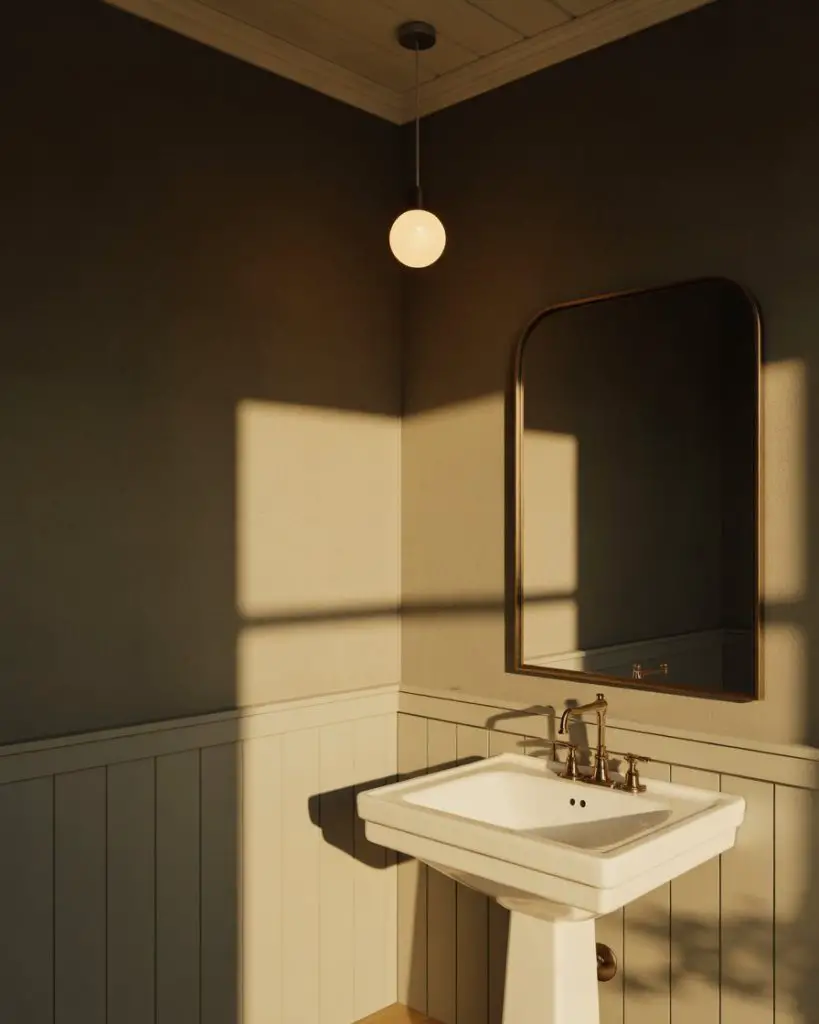
This trend took off in the UK a few years ago and is now gaining traction in American homes, especially among younger homeowners who aren’t afraid of color. The key is lighting—install multiple sources (overhead, sconces, even LED strips) so the room doesn’t feel oppressive. A designer I know says dark walls work best in powder rooms where you’re not spending long stretches of time, though plenty of people love them in full baths too.
16. Super Minimalist All-White Everything
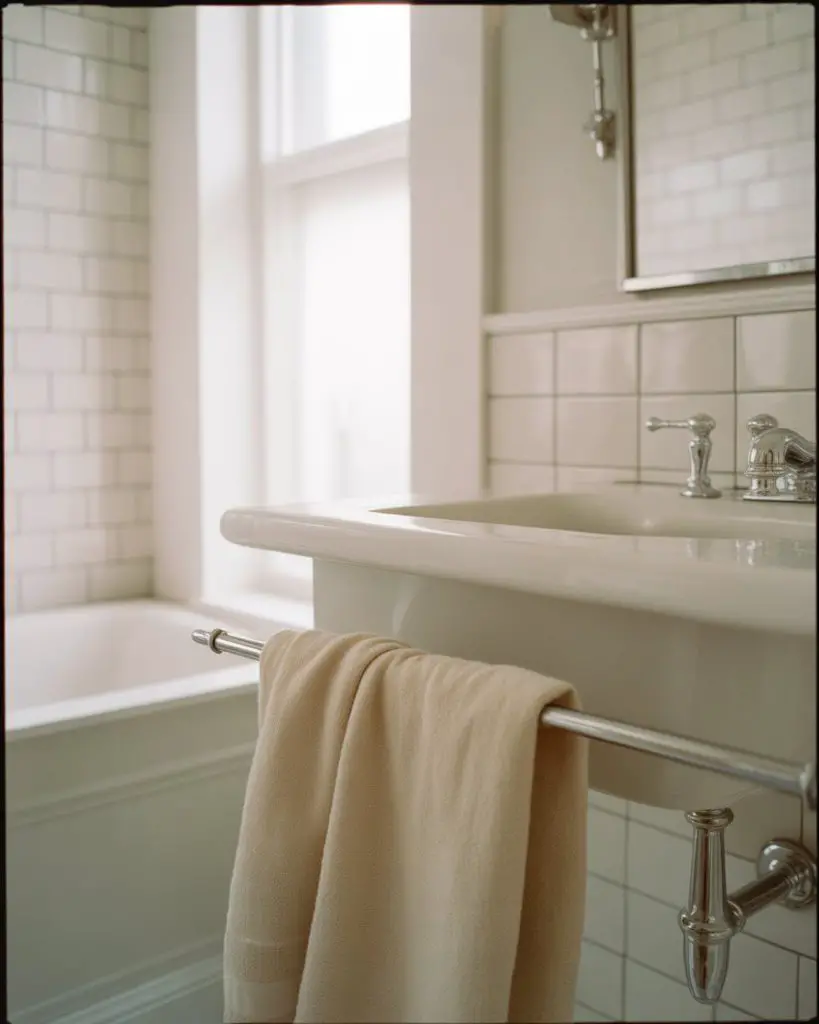
Going super minimal with an all-white palette—walls, tile, fixtures, and accessories—creates a serene, spa-like atmosphere that makes a small bathroom feel larger and brighter. The trick is layering different textures: matte paint, glossy tile, linen towels, and a natural fiber rug to prevent the space from feeling flat or clinical. This approach requires discipline to keep clutter hidden, but the payoff is a calm, timeless space that never goes out of style. 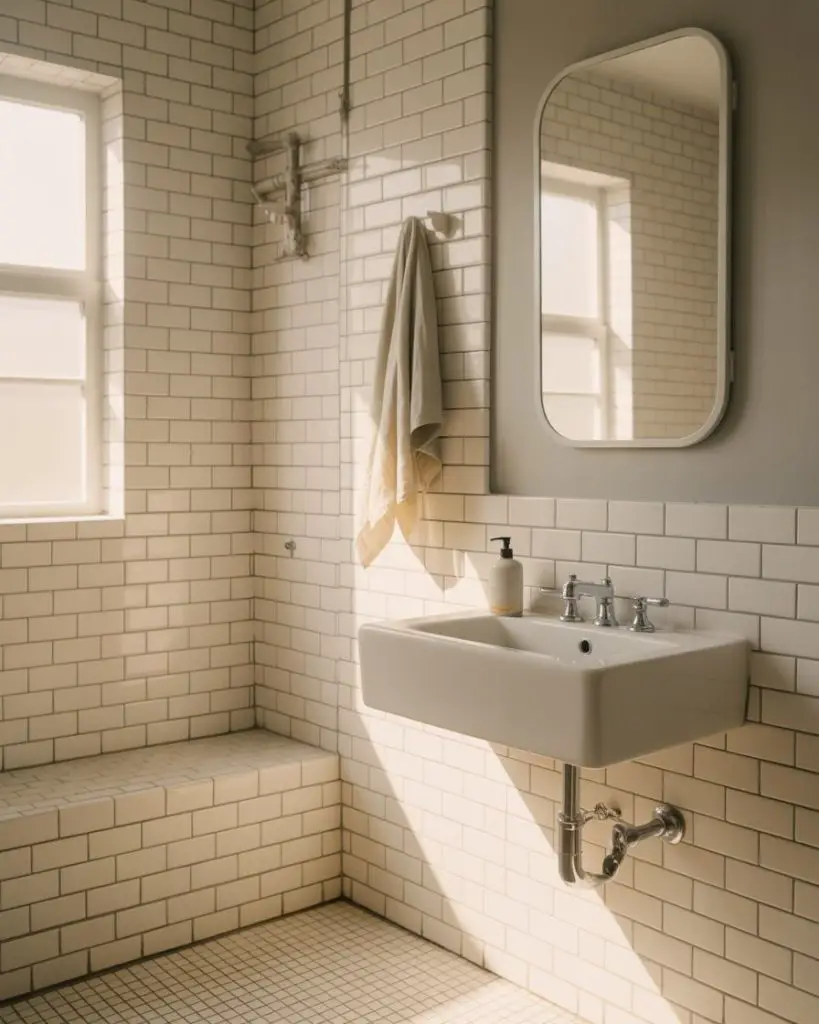
This works best for people who genuinely prefer minimalism and won’t leave makeup, hair products, or laundry piled on the counter. A real estate agent in California told me that all-white bathrooms photograph incredibly well and appeal to the broadest range of buyers, which makes them a safe bet if you’re planning to sell within a few years. The downside is that every smudge and water spot shows, so you’ll be wiping down surfaces more often.
17. Bloxburg-Inspired Symmetrical Layout
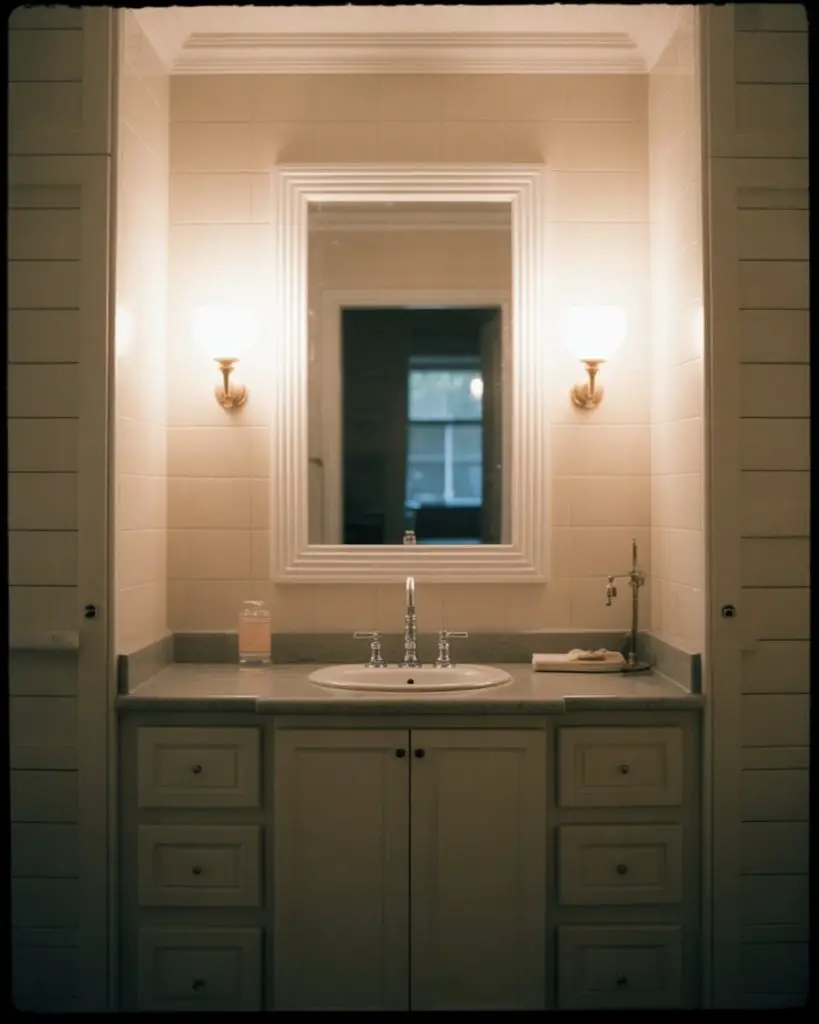
Taking a page from the Bloxburg aesthetic—clean lines, symmetrical placement, and balanced proportions—can make a small bathroom feel more organized and visually calm. Center the mirror over the sink, flank it with matching sconces, and keep accessories minimal and paired. This video-game-inspired design philosophy translates surprisingly well to real life, especially for people who crave order and simplicity. It’s about making every element feel intentional and thought-out. 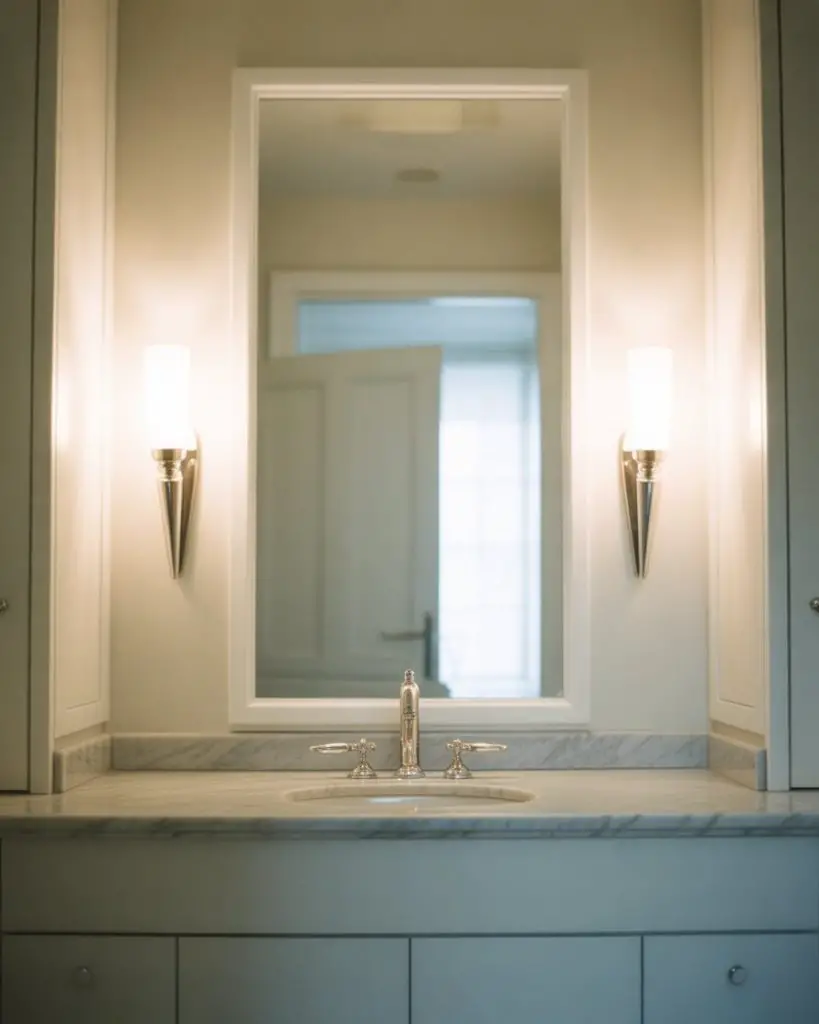
Younger homeowners and renters who grew up playing design-focused games are bringing that sense of order and balance into their real spaces. The symmetry creates a calming effect that’s especially valuable in a room where you’re trying to relax or get ready for the day. One pitfall is that achieving perfect symmetry in an older home with off-center plumbing or windows can be expensive, so sometimes “visual balance” is good enough.
18. Elegant Marble-Look Porcelain Tile
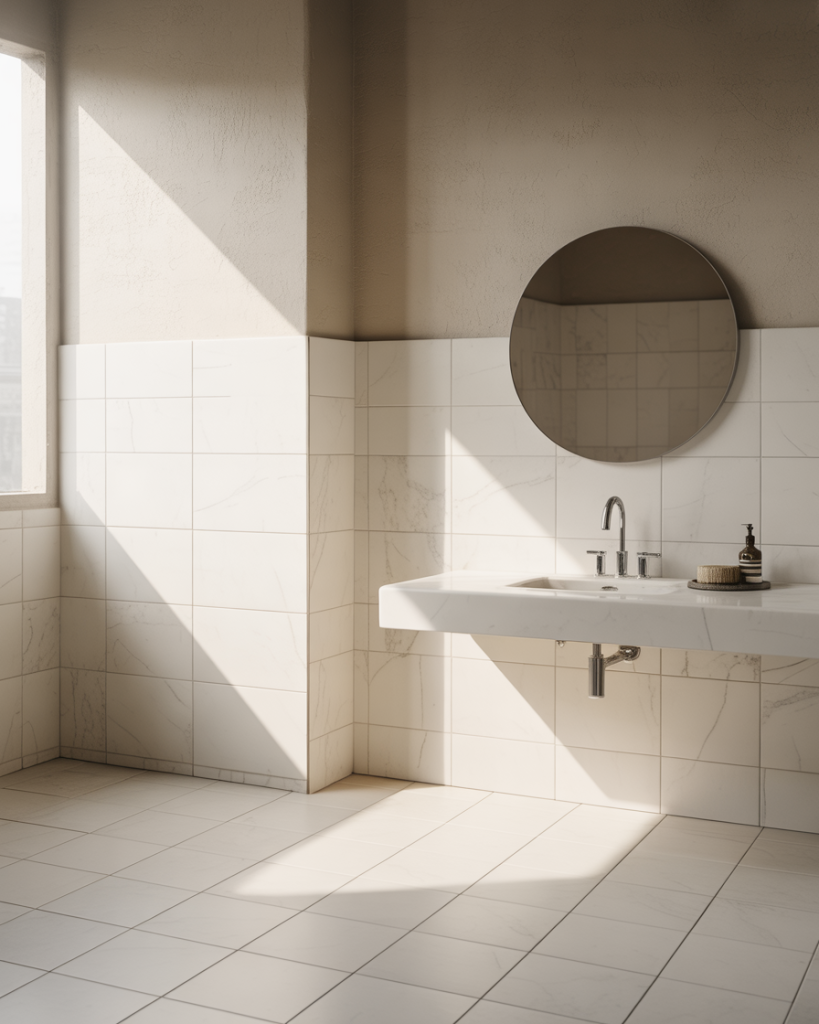
Choosing elegant marble-look porcelain tile gives you the luxury aesthetic of real stone without the maintenance headaches or cost. These tiles are waterproof, stain-resistant, and come in large formats that reduce grout lines and make the space feel more expansive. Use them on floors and walls for a cohesive, high-end look, and pair them with simple fixtures that let the tile shine. The veining and depth create visual interest without pattern overload. 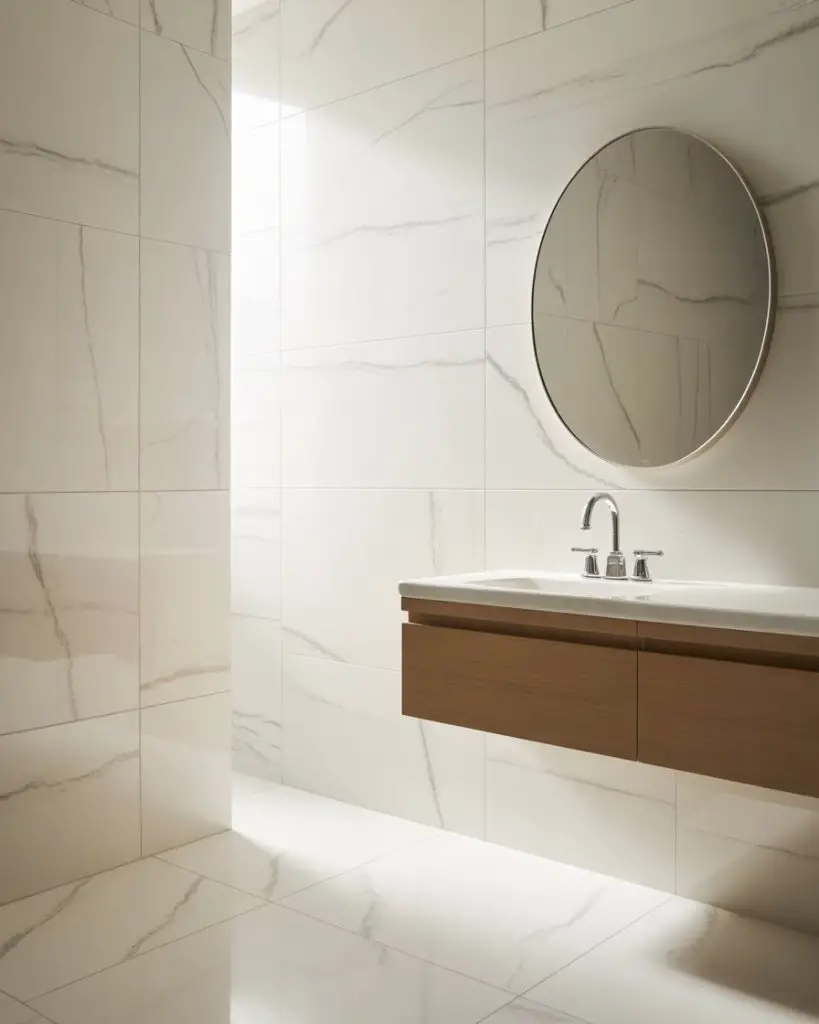
This has become a go-to for bathroom renovations across the country because it delivers the “expensive” look at a fraction of the price—you’ll spend $4–$8 per square foot versus $15–$25 for real marble. The large-format tiles (12×24 or bigger) also install faster and create fewer grout lines, which means less cleaning and a more seamless appearance. Just make sure your installer is experienced with large-format tile to avoid lippage issues.
19. Toca Boca Playful Color Blocking
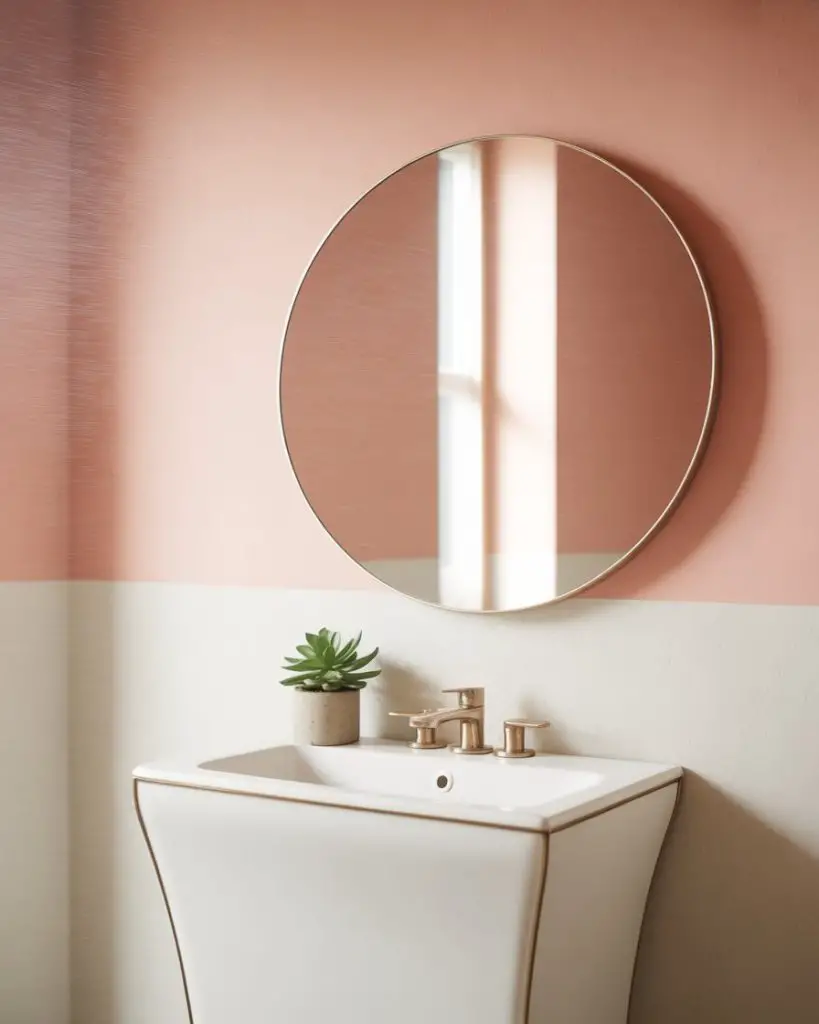
Inspired by the whimsical, color-blocked worlds of Toca Boca games, this approach uses bold geometric sections of color—think a pink lower half and white upper half, or a blue vanity against a yellow wall. It’s playful and unexpected, perfect for powder rooms or kids’ bathrooms where you can afford to take risks. The key is choosing colors that share an undertone (all warm or all cool) so the contrast feels intentional rather than chaotic. 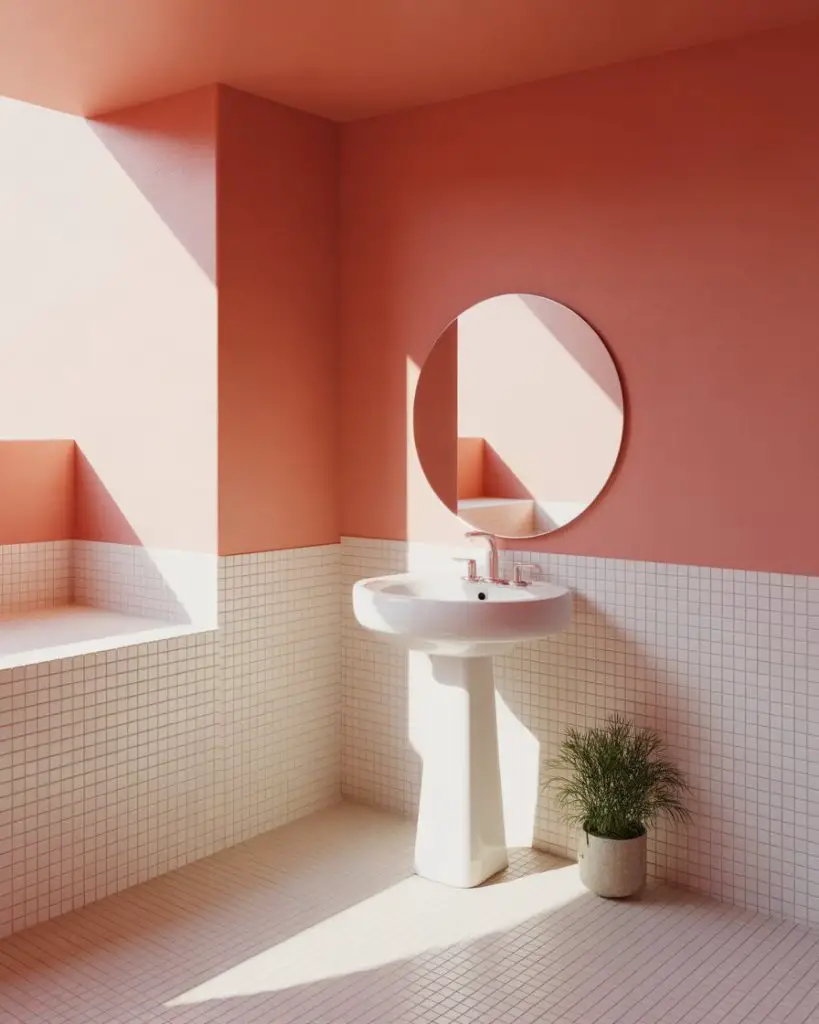
This trend is mostly showing up in homes with young families or creative types who aren’t afraid to push boundaries. It’s definitely not for everyone—buyers with more traditional tastes might be put off—but if you’re staying in your home for a while and want something fun, why not? The paint can always be changed. One parent I know did this in her kids’ bathroom and said it instantly became their favorite room in the house.
20. Tub with Very Efficient Corner Placement
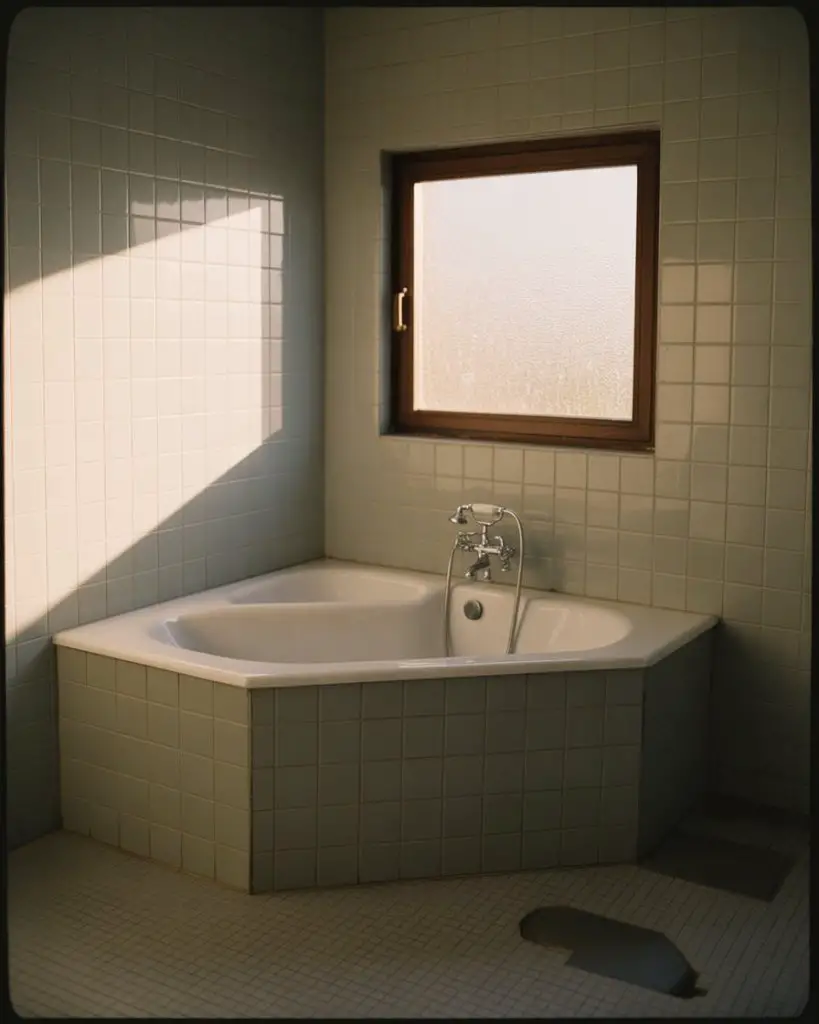
Positioning a tub in the corner of a small bathroom, especially a very compact freestanding model, opens up the rest of the floor for a more generous shower or vanity area. Corner tubs—whether angular or rounded—fit snugly and often come with built-in armrests or backrests for comfort. This layout works especially well in square-shaped bathrooms where traditional placements feel awkward or wasteful. Tile the surrounding walls to create a defined bathing zone.
This setup is popular in condos and townhomes where the bathroom footprint is predetermined and odd-shaped. The corner placement feels space-efficient and intentional, and it allows you to allocate more room to the shower or vanity—areas you use daily. Budget-wise, corner tubs are often cheaper than standard models because they’re smaller, and installation is straightforward as long as your plumbing can be routed to the corner.
21. Simple Floating Shelves with Minimal Decor
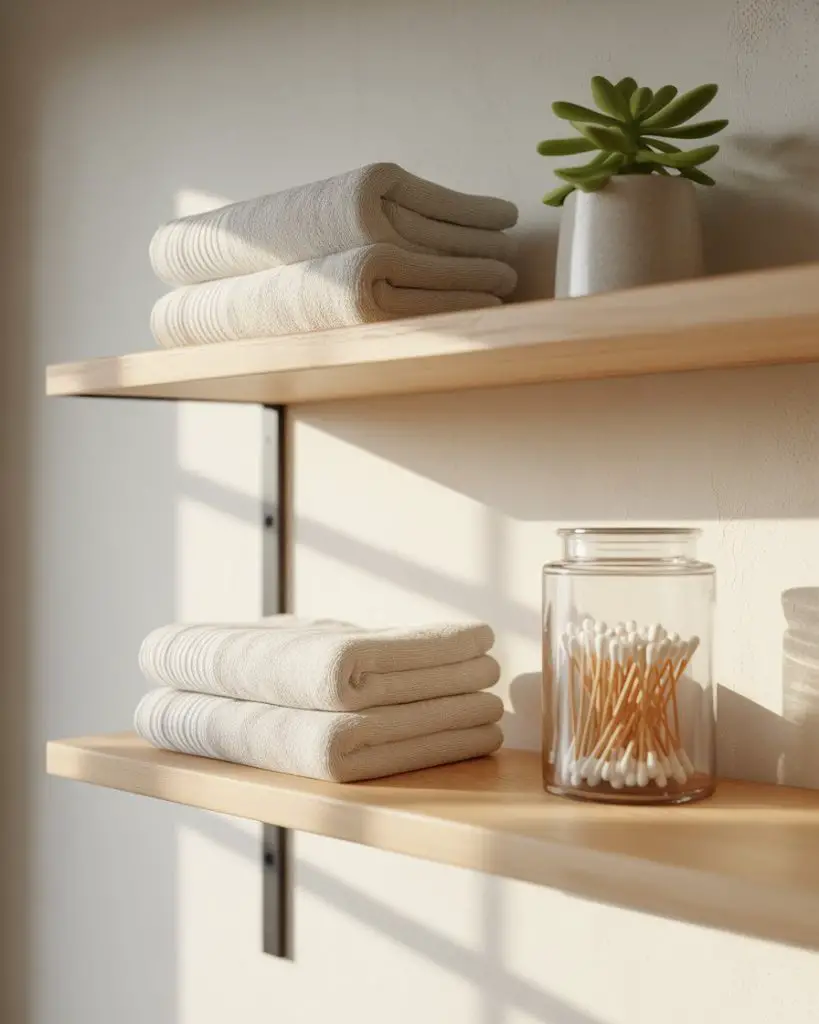
Installing simple floating shelves in natural wood or matte white adds storage and display space without the visual weight of traditional cabinetry. Keep the styling minimal—a few folded towels, a small plant, and maybe a candle—to avoid clutter. This approach is budget-friendly, DIY-able in an afternoon, and easily adjustable if your needs change. The clean lines and open design keep the room feeling light and unenclosed, which is crucial in a tight space. 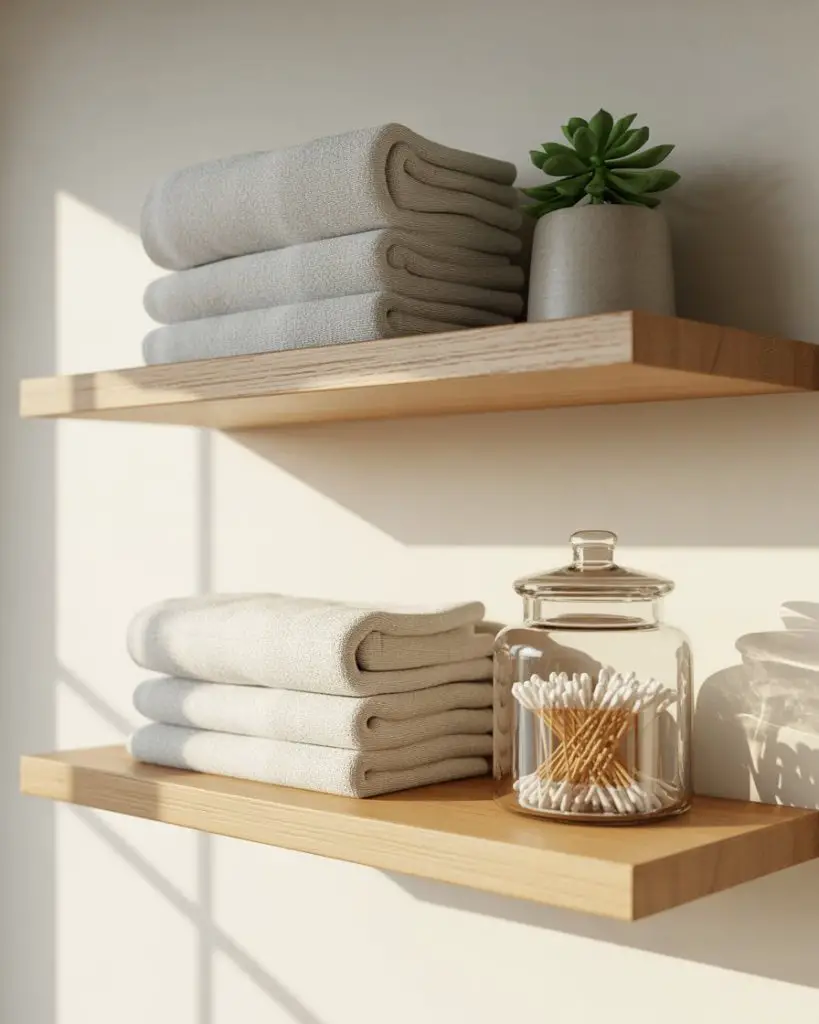
This is one of the easiest updates you can make—shelves cost $20–$50 each at most home improvement stores, and installation requires just a drill and level. The catch is that open shelving only looks good if you maintain it, so be honest with yourself about whether you’ll keep things tidy or if closed storage suits your lifestyle better. Many homeowners start with open shelves and later add baskets or bins to corral smaller items while keeping the airy feel.
Conclusion
Small bathrooms in 2026 are all about making smart choices that reflect your lifestyle and aesthetic preferences. Whether you’re drawn to coastal calm, industrial grit, or playful color, there’s a solution here that can work in your space. Try one idea or combine a few to create something uniquely yours, and don’t be afraid to experiment—bathrooms are small enough that even bold moves are easy to adjust if they don’t work out. Drop a comment below and tell us which idea you’re most excited to try, or share a photo if you’ve already tackled a small bathroom transformation.