If your apartment feels like it’s slowly closing in on you, you’re not imagining things—and you’re definitely not alone. With more Americans living in compact city apartments, starter homes, and cozy rentals than ever before, the search for smart storage solutions has never been more urgent (or more inspiring). Pinterest feeds everywhere are overflowing with before-and-after transformations that prove a tight floor plan doesn’t have to mean a cluttered life. Whether you’re tackling a chaotic entryway, a bedroom with zero closet space, or a garage that hasn’t seen a car in years, this guide has 23 genuinely clever ideas to help you reclaim every inch of your home in 2026.
1. Over-the-Door Shoe Organizers Beyond the Closet
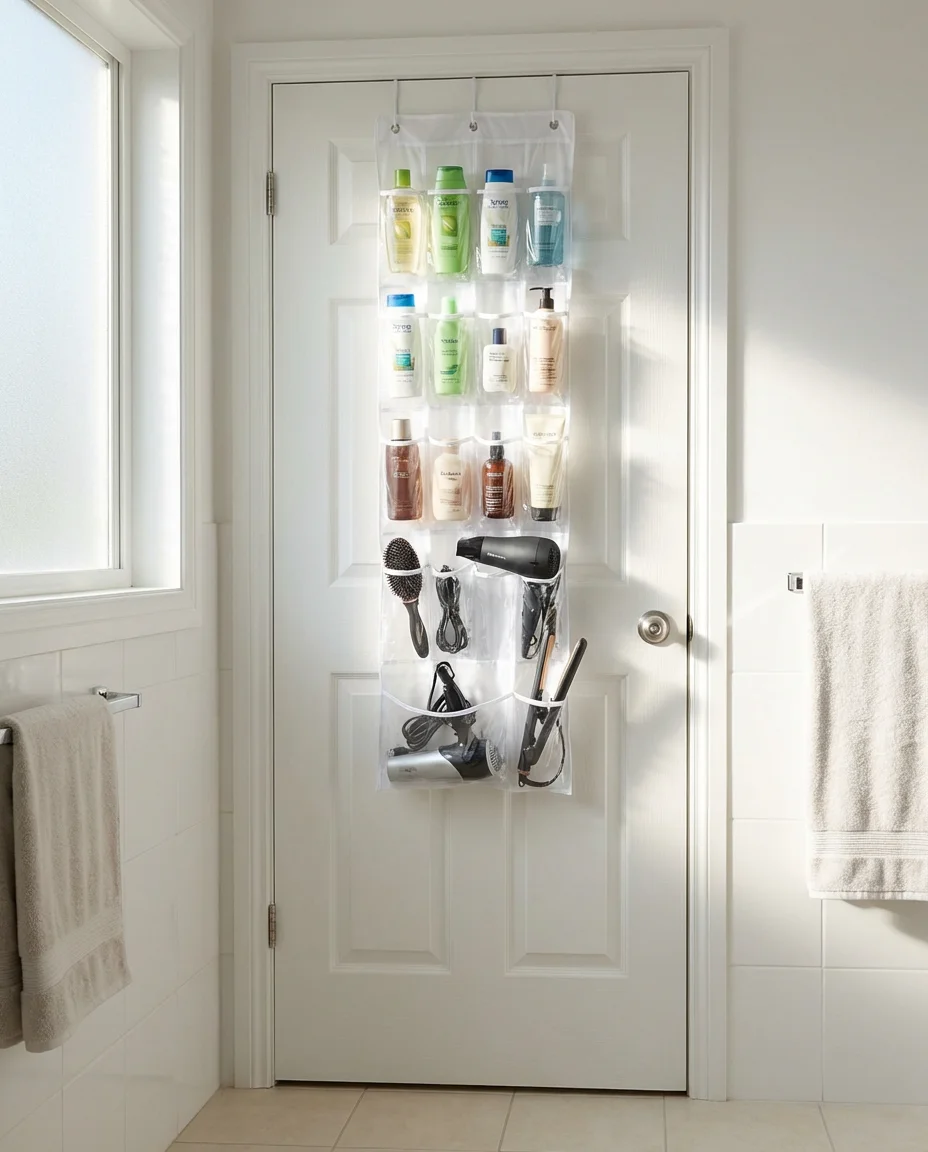
Most people hang an over-the-door organizer in the closet and call it a day—but this underrated tool works just as brilliantly in bathrooms, laundry rooms, and home offices. A clear-pocket shoe organizer mounted on the back of your bathroom door can hold hair tools, cleaning supplies, and toiletries with zero counter clutter. It’s one of those clever hacks that costs under $15 and quietly transforms a chaotic space into something that actually functions.
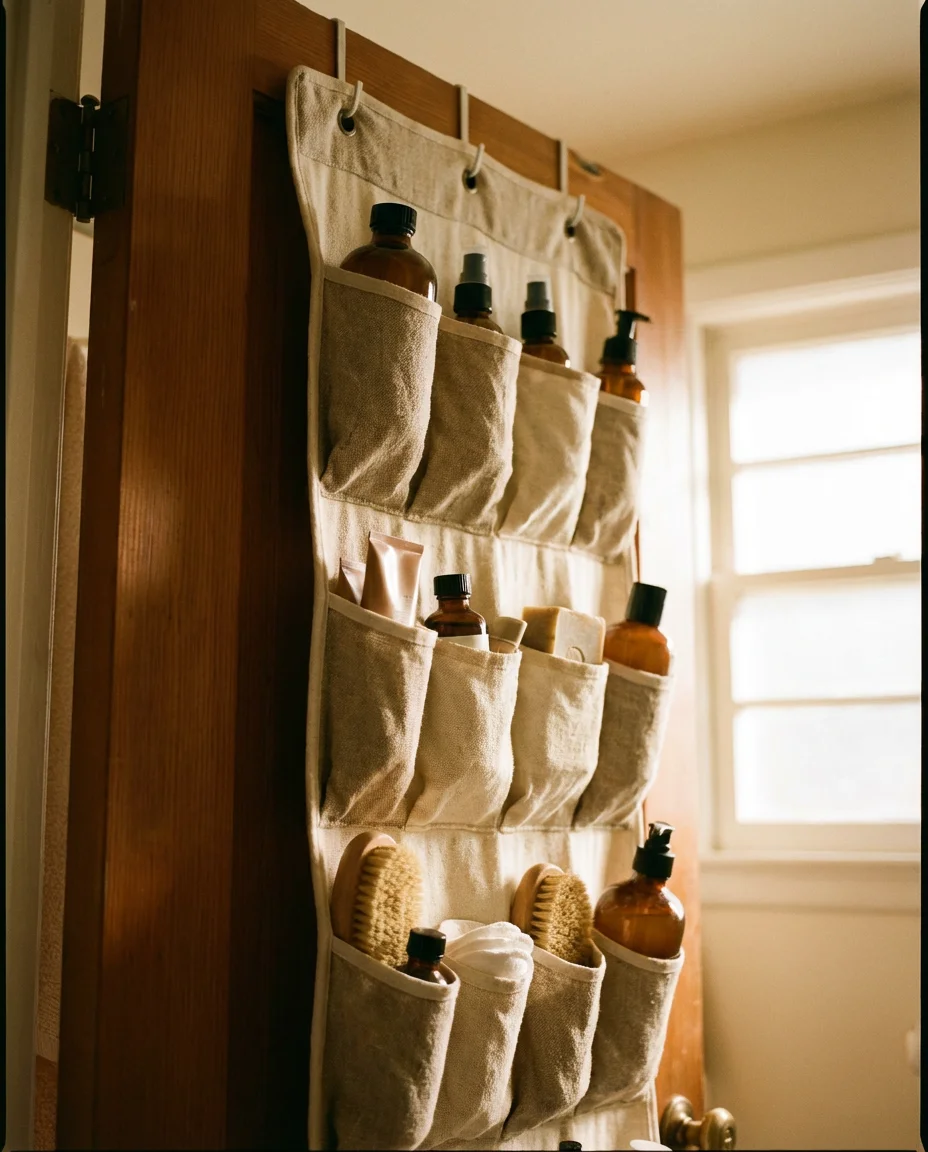
If you’ve ever lost a hair dryer under a pile of towels, this one’s for you. Renters especially love this trick because it requires no drilling, no landlord conversations, and no permanent modifications. You can find these organizers at Target or Amazon in fabric, mesh, or clear plastic—and if you go the fabric route, they look tidy enough to leave visible without feeling embarrassed when guests come over.
2. Floating Wall Shelves in Unexpected Rooms
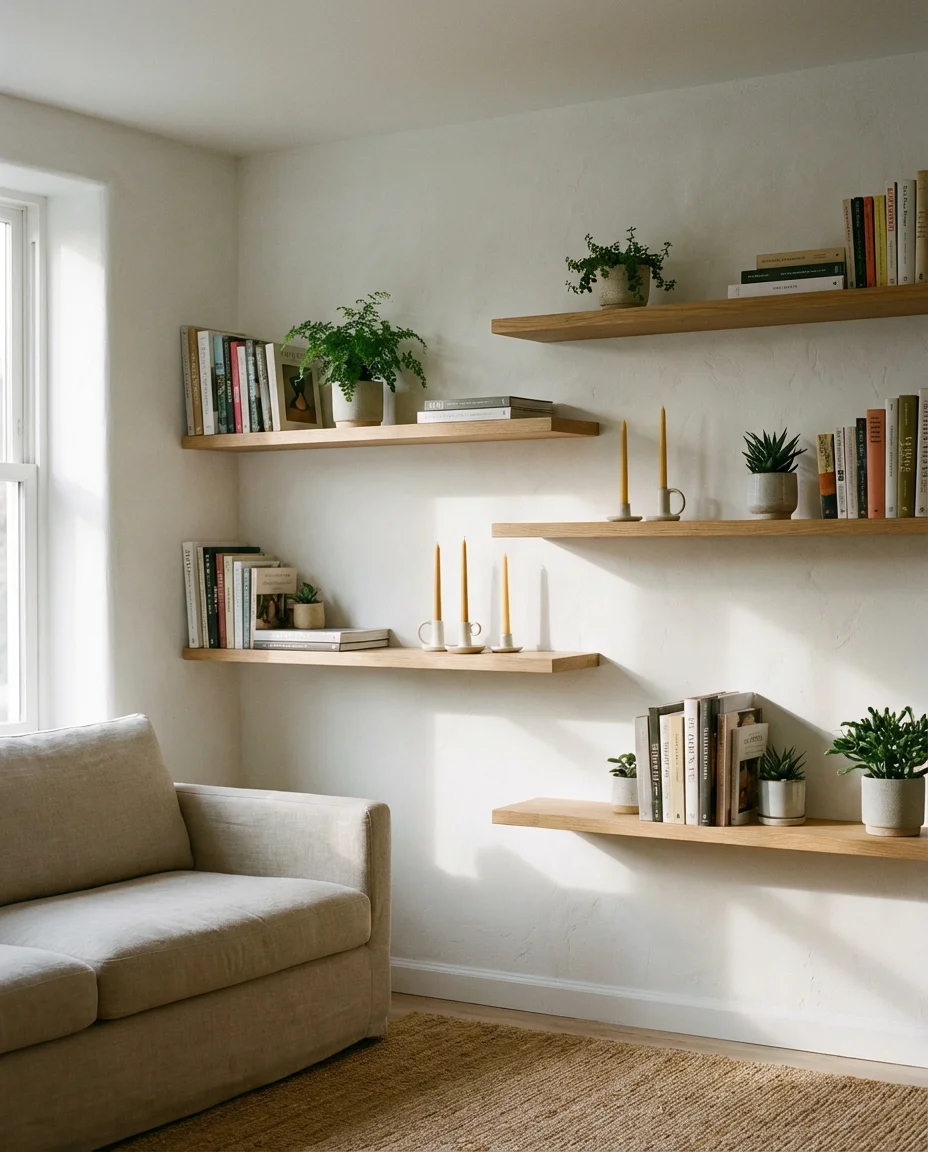
When floor space is limited, the only direction left is up. Wall-mounted floating shelves have had a serious design glow-up in recent years—they’re no longer just pine boards with basic brackets. Think matte black metal, rounded-edge oak, and asymmetrical gallery-style arrangements that turn storage into a statement. Use them in the kitchen for spices and cookbooks, in the bedroom for a bedside alternative, or stacked high in a living room to book lovers’ delight.
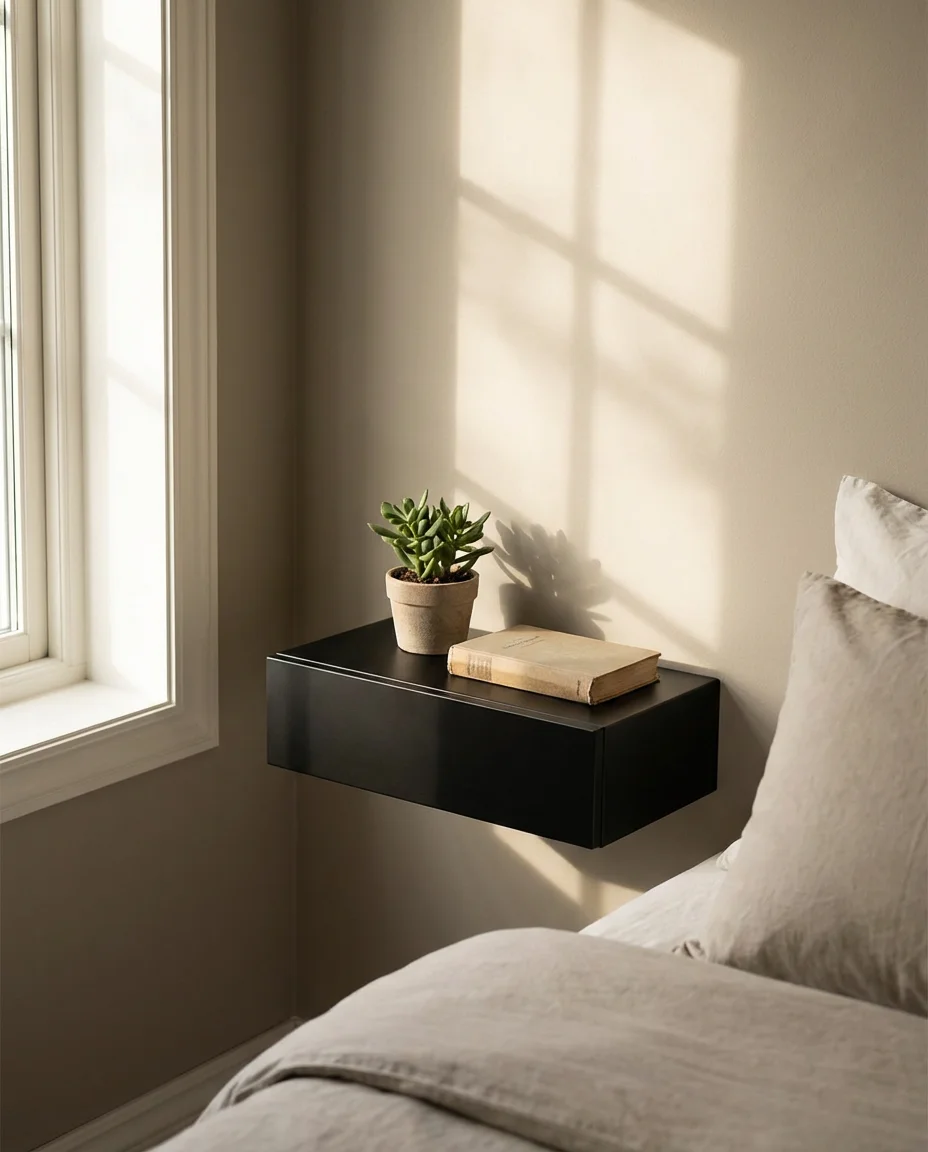
Designers consistently recommend floating shelves because they create storage without visually weighing down a room the way bulky furniture does. Keep the styling intentional—group books by color, display a few plants alongside practical items, and resist the urge to pile everything on at once. The visual breathing room between objects is what makes the difference between “organized storage” and “Pinterest-worthy shelfie.”
3. Hidden Storage Ottomans and Benches
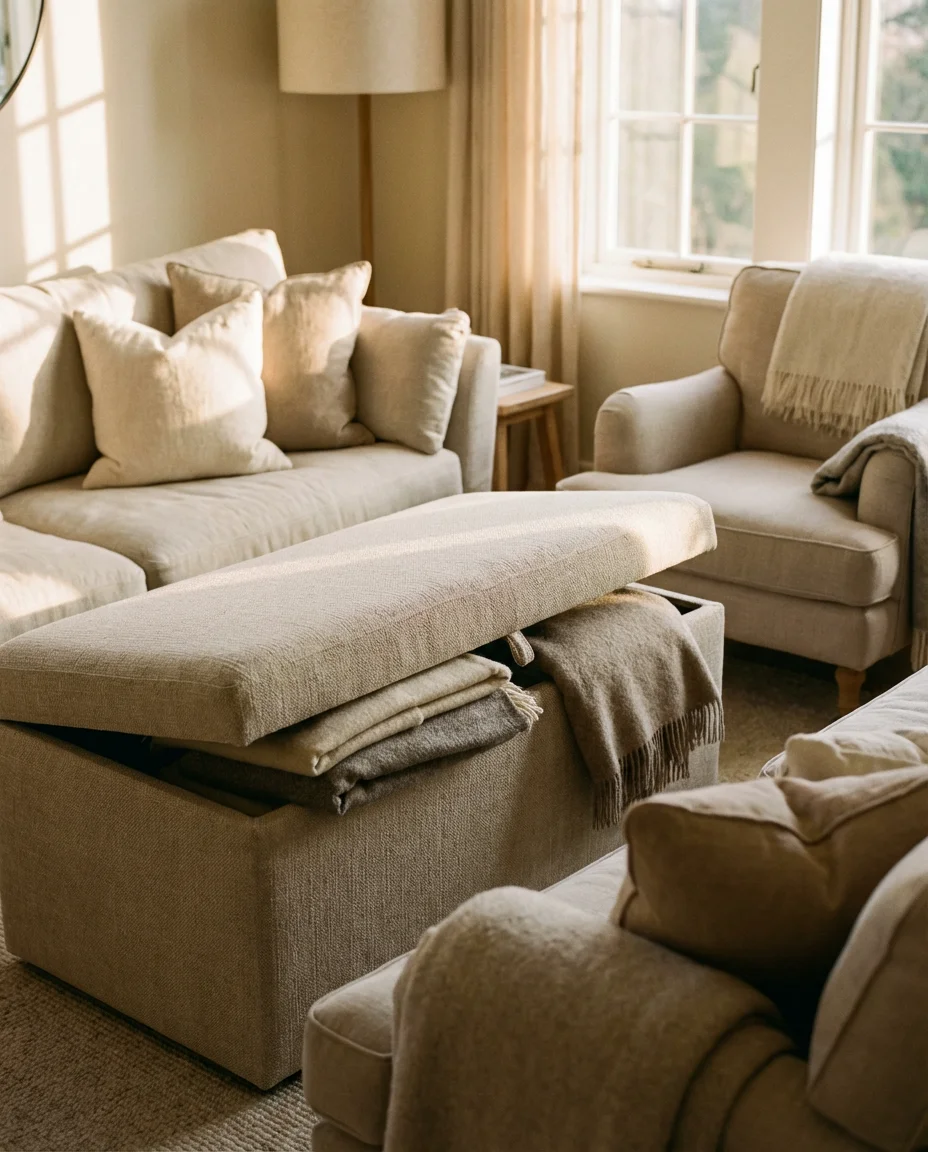
The best hidden storage is the kind that looks like furniture first and a solution second. Storage ottomans are the ultimate multitaskers—they serve as a coffee table, extra seating, a footrest, and a place to stuff throw blankets, board games, and remote controls all in one. In a small apartment, every piece of furniture needs to earn its square footage, and an ottoman that opens up is hard to beat for sheer versatility.
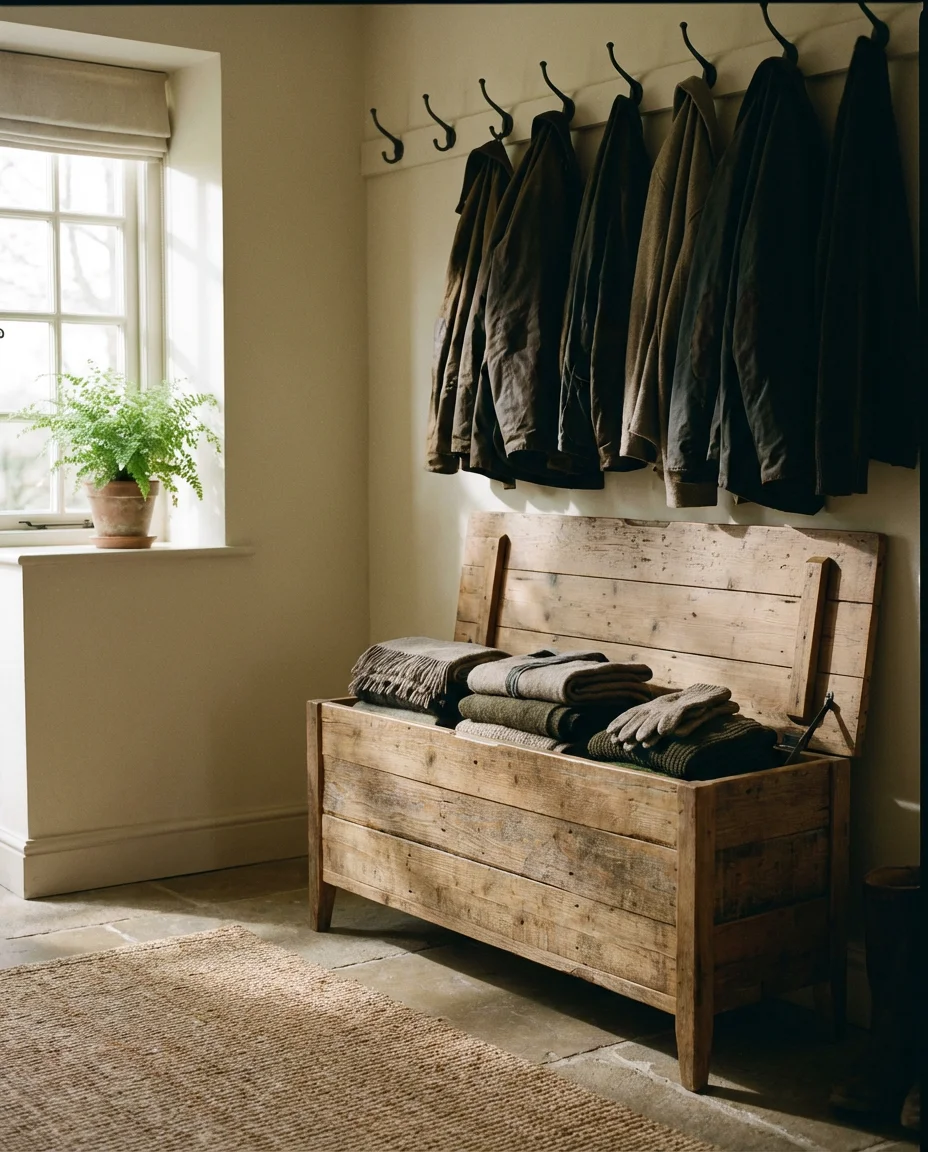
Storage benches work especially well at the foot of a bed or in an entryway where you also need a place to sit while putting on shoes. One homeowner in a 550-square-foot Brooklyn studio replaced her coffee table entirely with a large storage ottoman and freed up so much visual space that her living room felt like a completely different room. The trick is choosing a style that matches your decor—there are good-looking options at every price point from IKEA to West Elm.
4. Pegboard Walls for Craft Rooms and Kitchens
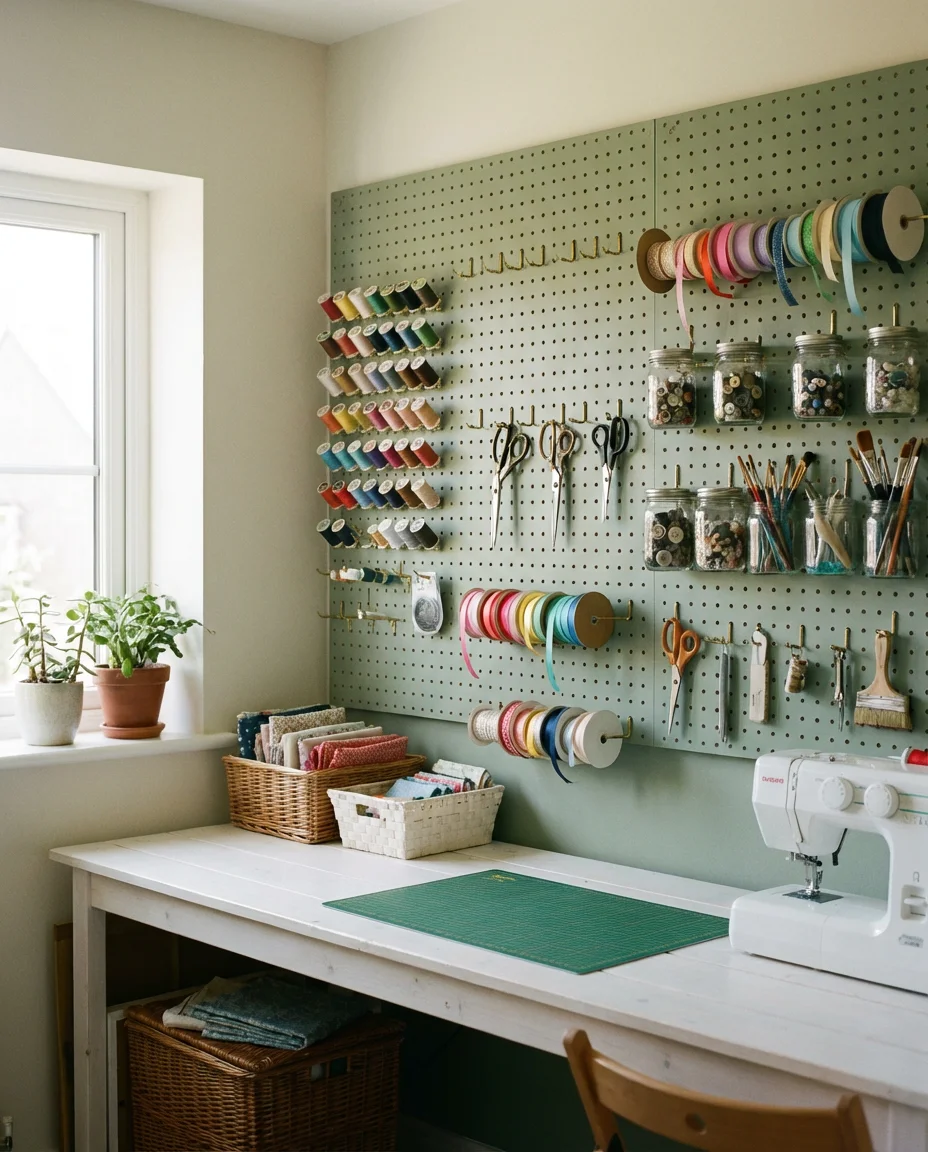
Pegboards have made a major comeback—and honestly, they never should have left. For craft rooms, hobby spaces, and small kitchens, a painted pegboard wall offers infinitely customizable storage that you can rearrange as your needs change. Hang scissors, tape, ribbon, paintbrushes, and jars of supplies at eye level so nothing gets buried in a drawer ever again. Painted in a soft sage or bold navy, a pegboard becomes creative decor rather than just utilitarian storage.
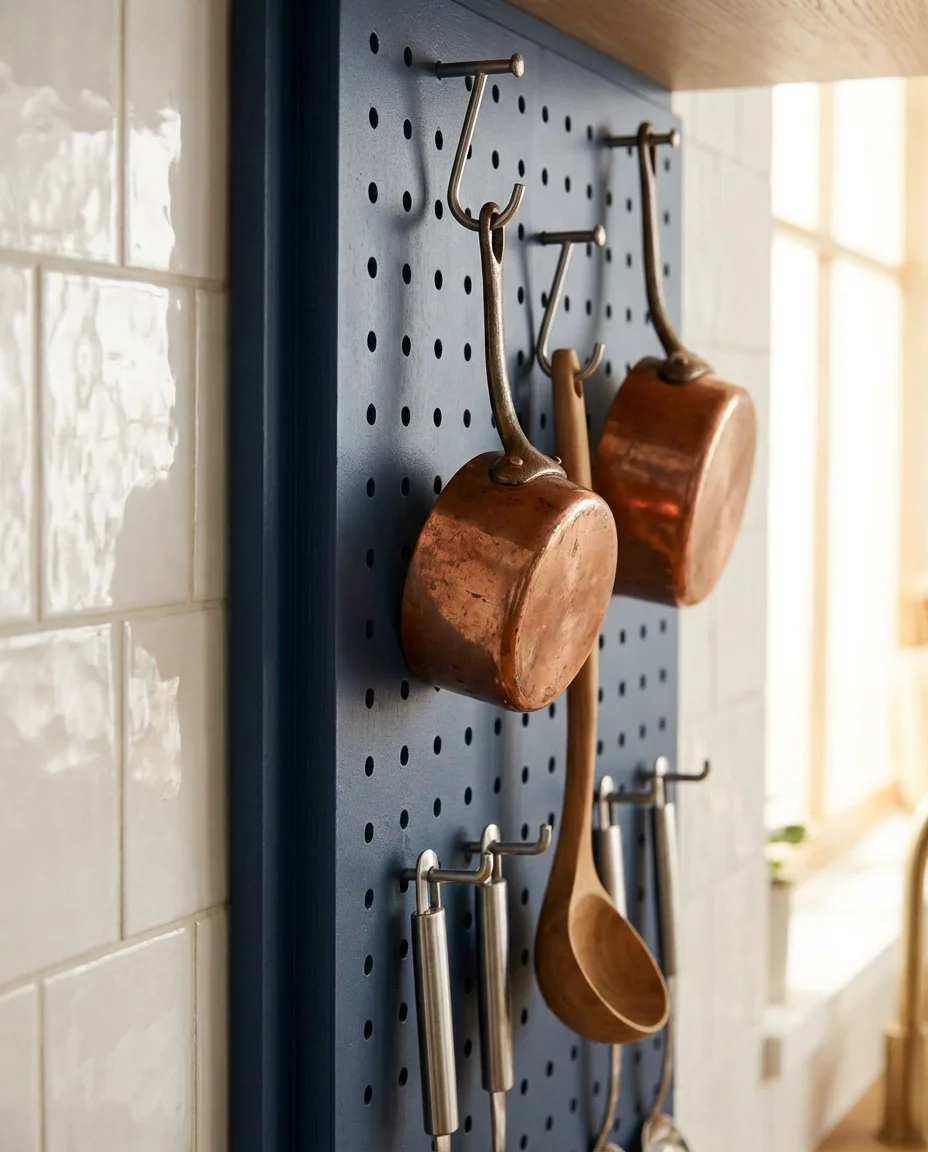
The budget angle here is genuinely impressive: a 4×4 sheet of pegboard from Home Depot runs about $15, and a complete set of hooks and accessories rarely exceeds $30. That’s a fully functional organization wall for under $50 — a fraction of what modular wall systems cost. Paint it to match your room, and suddenly it looks deliberate and designed rather than like something out of a garage workshop.
5. Corner Shelving Units That Actually Work
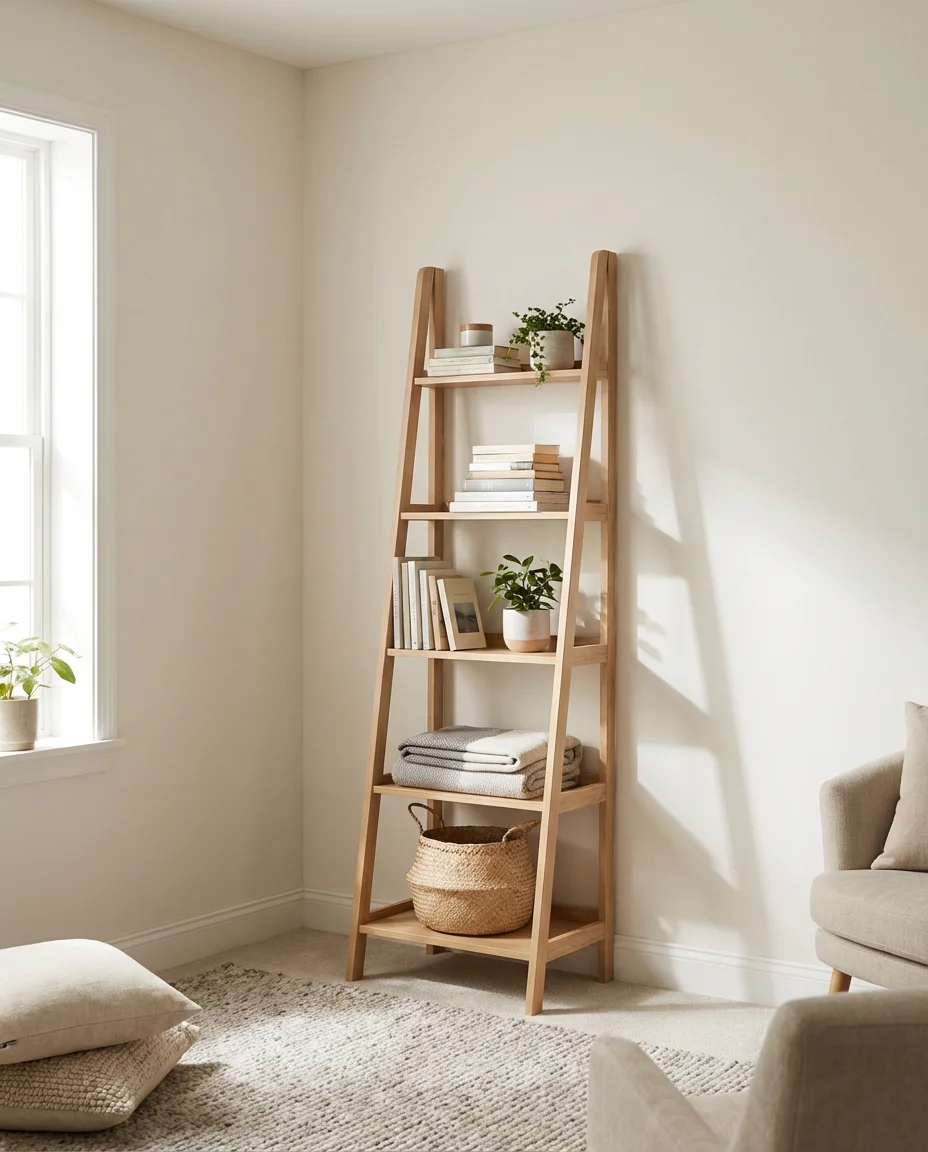
Corner spaces are some of the most consistently wasted real estate in any home. A well-chosen corner shelving unit—whether freestanding or wall-mounted—can transform those awkward 90-degree dead zones into purposeful display and storage areas. They work especially well in living rooms for books and decor, in bathrooms for towels and products, and in kids’ rooms for toy collections that seem to multiply overnight. This is one of those smart solutions that feels almost obvious once you see it done well.
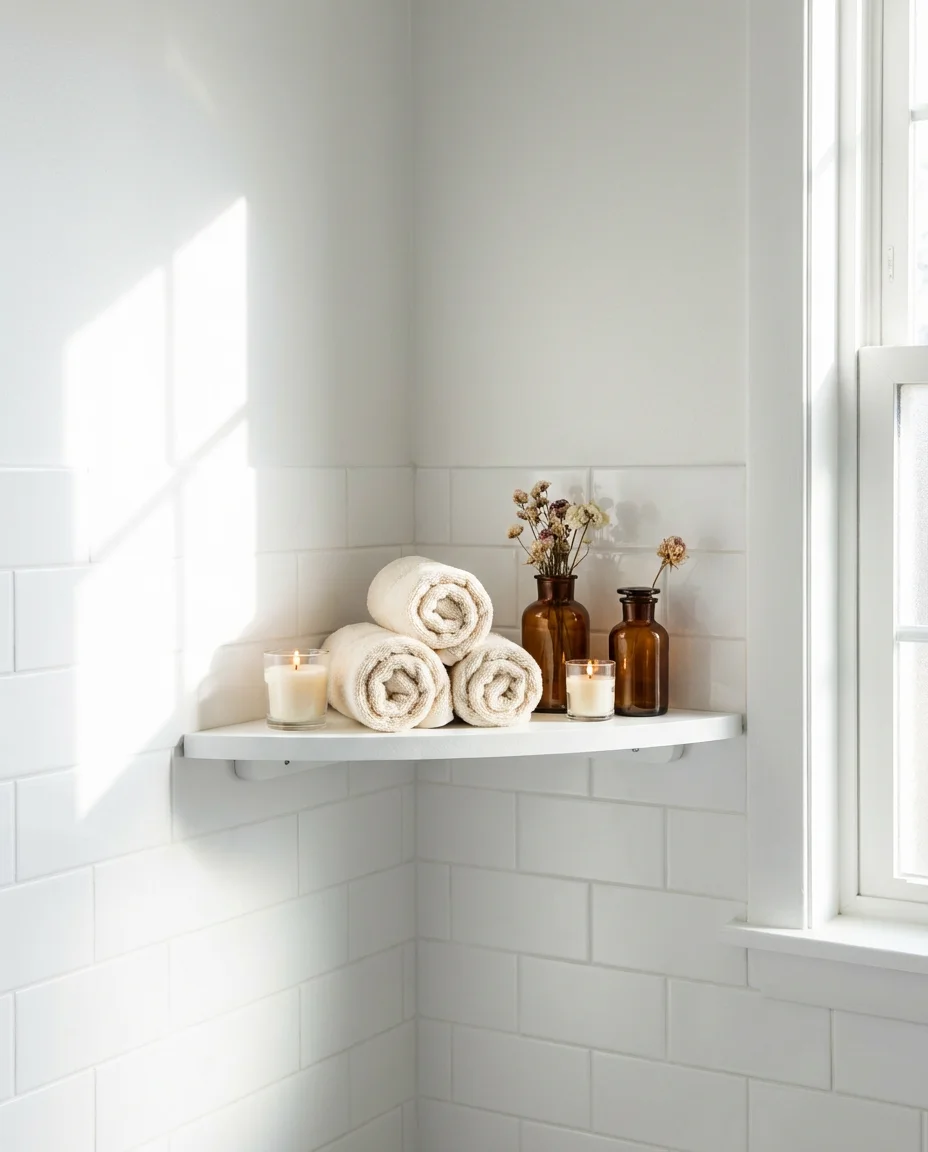
Where this works best: rooms where you have open corners near doorways or windows that aren’t being used for anything structural. Ladder-style corner shelves in particular have a light, airy quality that doesn’t make a small room feel more cramped. IKEA’s HYLLIS and similar styles keep costs low while still looking clean and intentional—and they assemble in under 30 minutes.
6. Under-Bed Storage Done Right
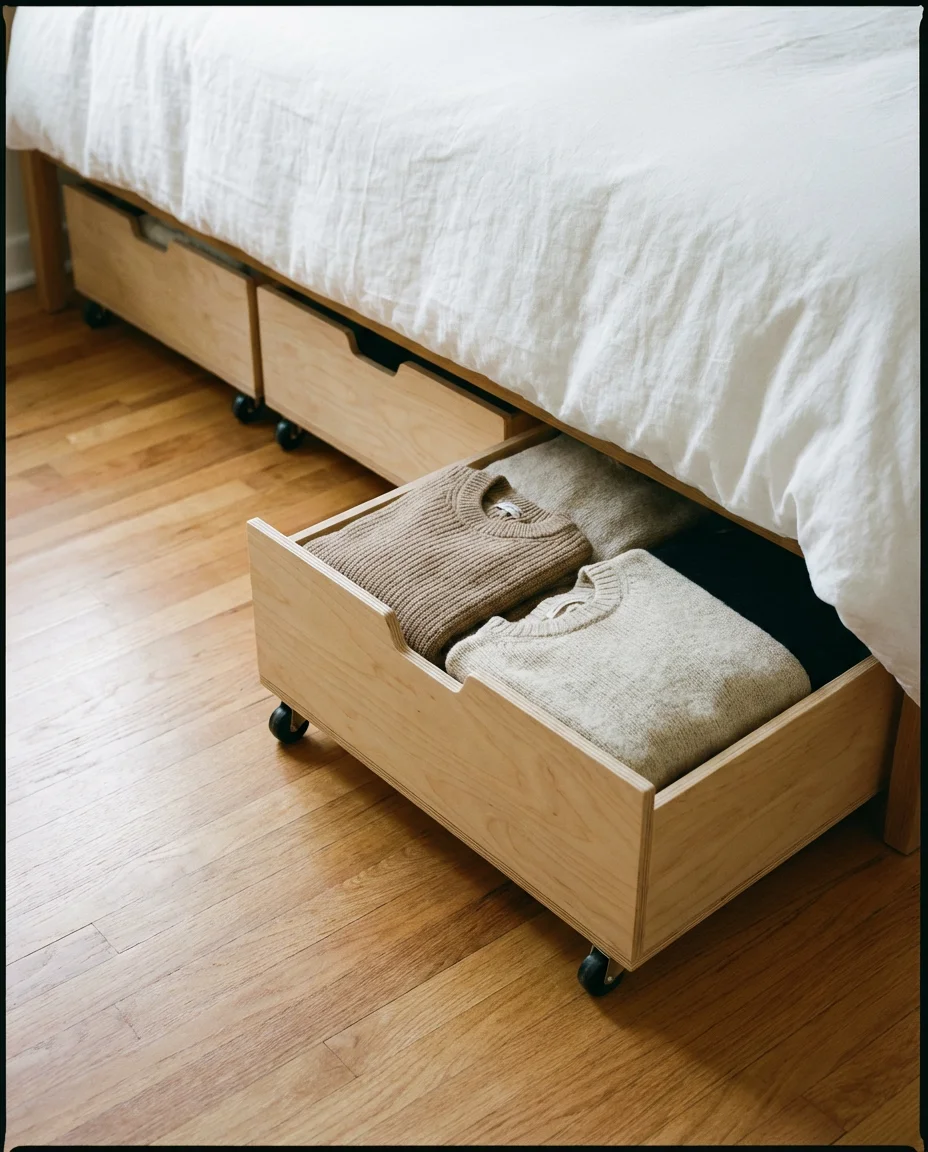
The space under your bed is essentially a free storage unit that most people either ignore or fill with dust bunnies and forgotten items. With the right approach, this zone can hold off-season clothes, extra bedroom linens, shoes, or even an entire capsule wardrobe. Flat rolling bins with lids keep things dust-free and visible; vacuum storage bags are ideal for bulky sweaters and comforters that compress down to almost nothing.
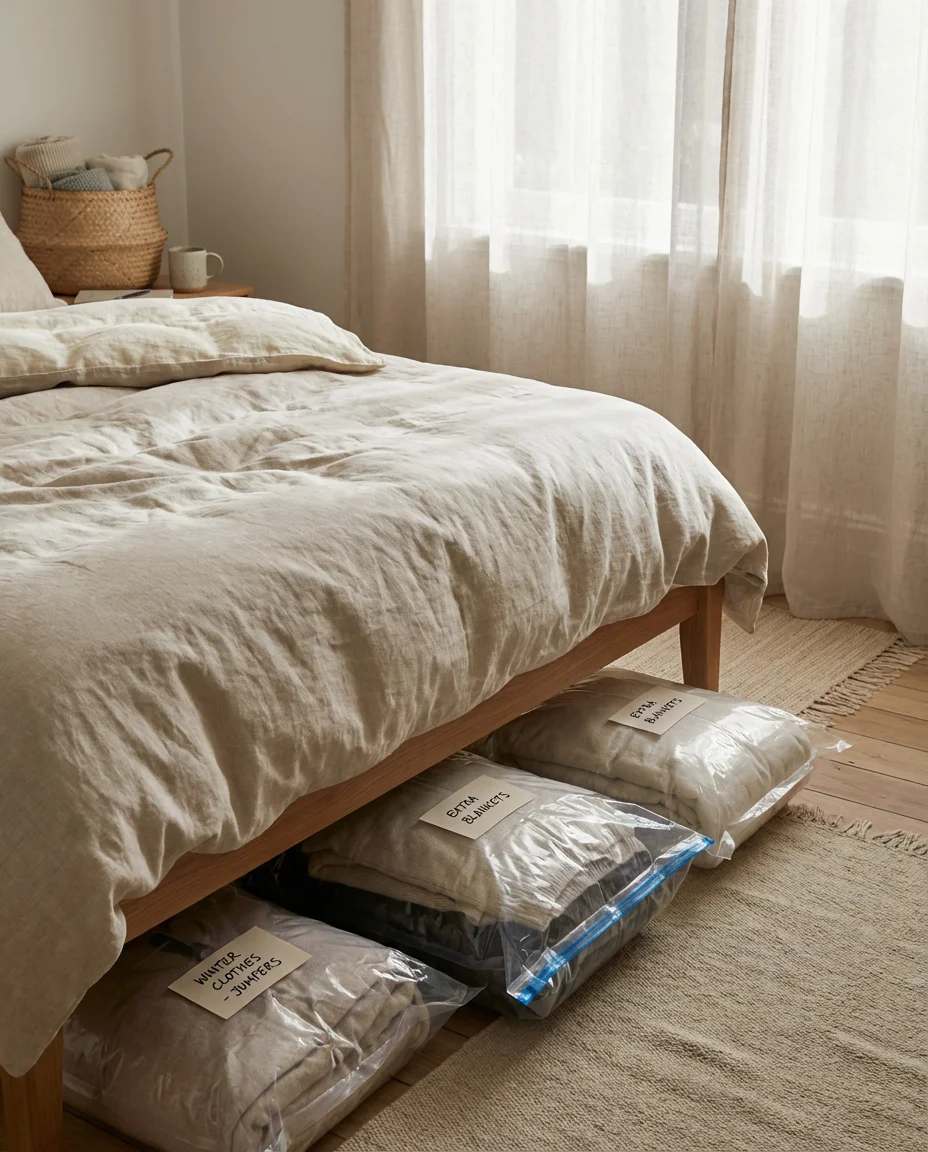
One common mistake is choosing bins that are too tall for the clearance under your bed—always measure first. Another pitfall is throwing things under there without a system, which turns it into a black hole where items disappear indefinitely. Label everything, group by category, and do a twice-yearly swap when seasons change. Bed risers can also add 3–5 inches of extra clearance if needed, opening up possibilities for even bulkier storage.
7. DIY Built-In Bookcase Using IKEA Hacks
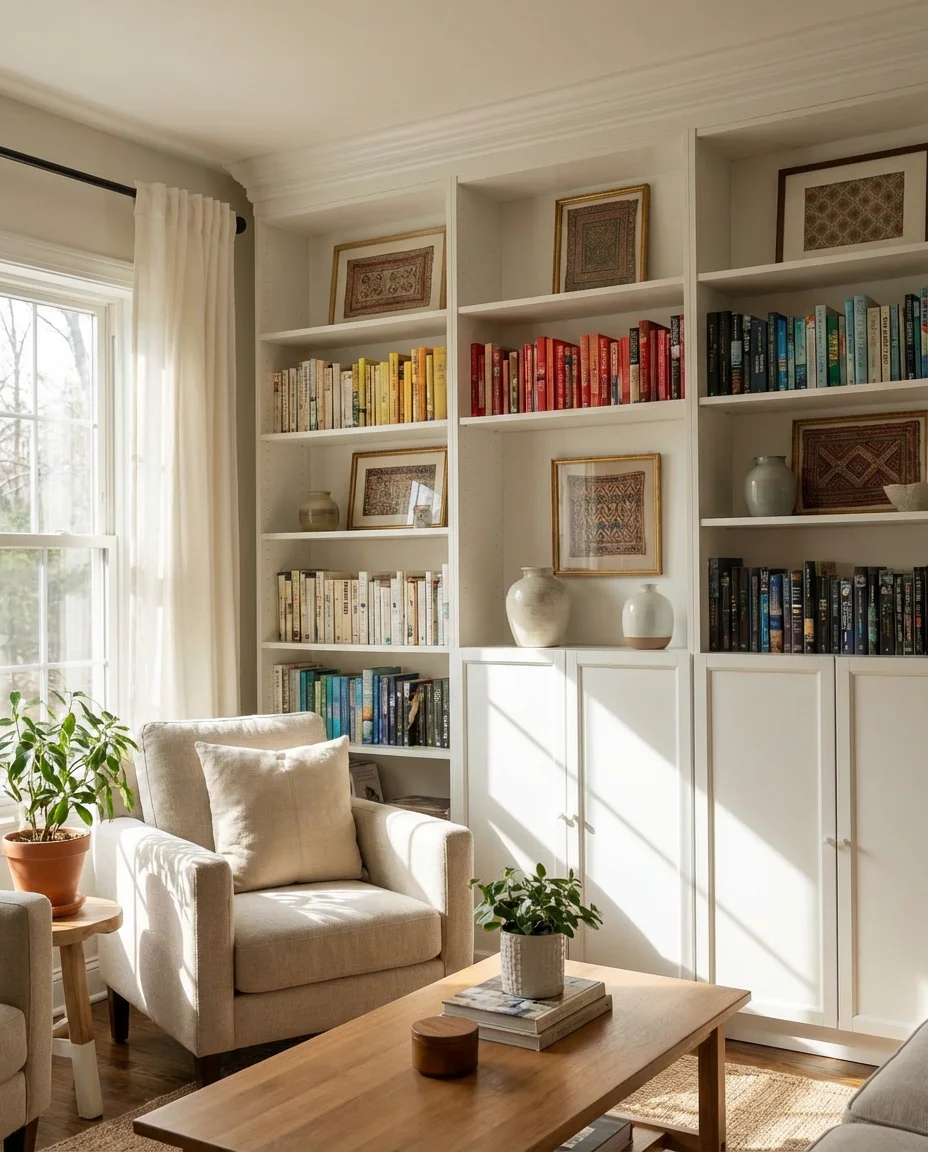
The IKEA Billy bookcase hack has reached near-legendary status in American home design—and for good reason. With a few modifications, a row of inexpensive Billy shelves can look like expensive, custom bookcase built-ins that cost thousands. Add crown molding at the top, paint everything the same color as your wall, and suddenly you have a floor-to-ceiling storage wall that looks completely intentional. This DIY approach is perfect for a bedroom room organization cheap makeover that punches way above its price point.
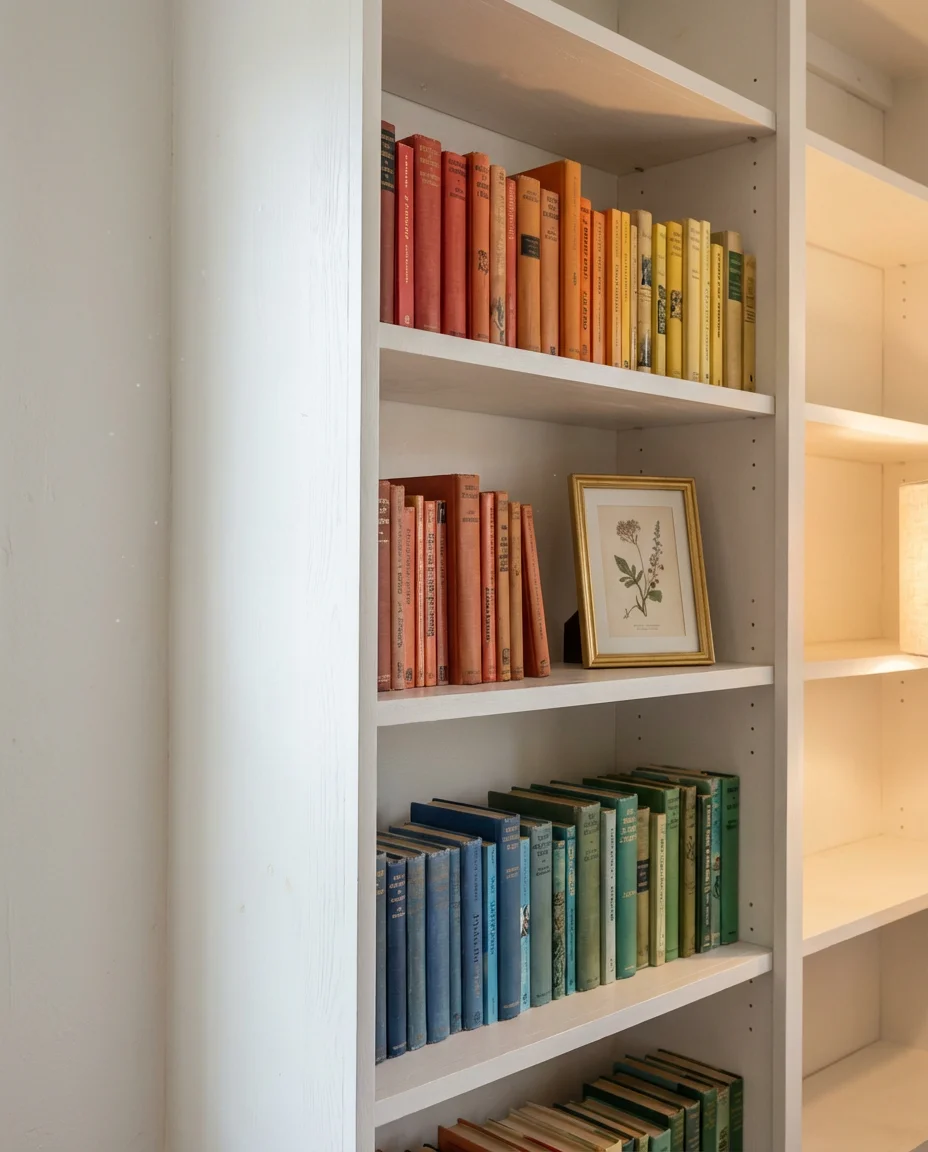
The total cost for a wall of Billy bookcases, molding, and paint typically lands between $300 and $600 — compared to $3,000–$8,000 for actual custom built-ins. Interior designers will genuinely struggle to tell the difference once it’s painted out. The key steps are to anchor to wall studs for safety, caulk all gaps between units and the ceiling, and use the same paint finish throughout for a seamless effect.
8. Entryway Organization for Small Foyers
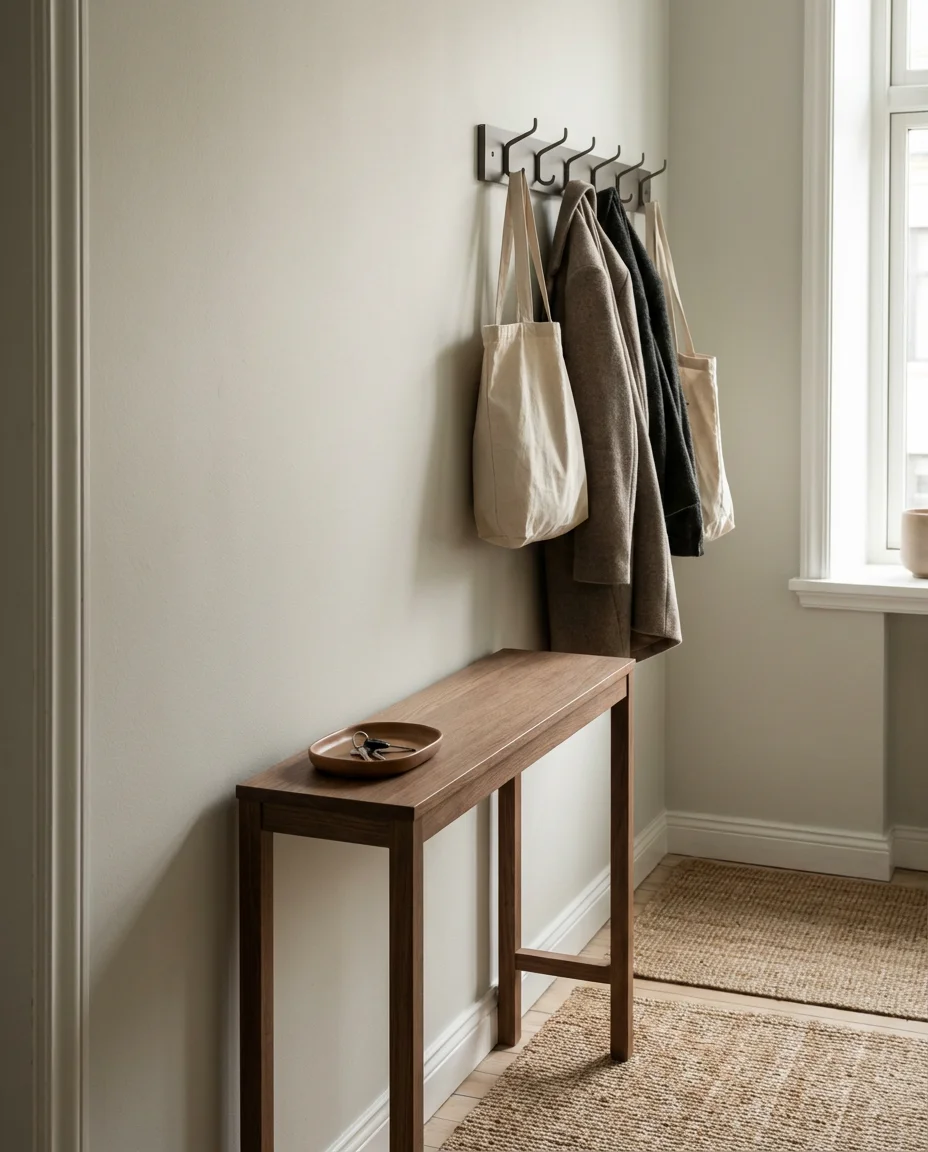
The entryway sets the tone for your entire home—and in small spaces, a chaotic entry can make everything beyond it feel more overwhelming. A slim console table with a drawer, a row of hooks at different heights, and a small basket or tray for keys and mail can completely transform even a narrow apartment hallway. Think of it as a decompression zone: a place where bags land, boots come off, and the stress of the outside world gets organized before you walk deeper into your home.
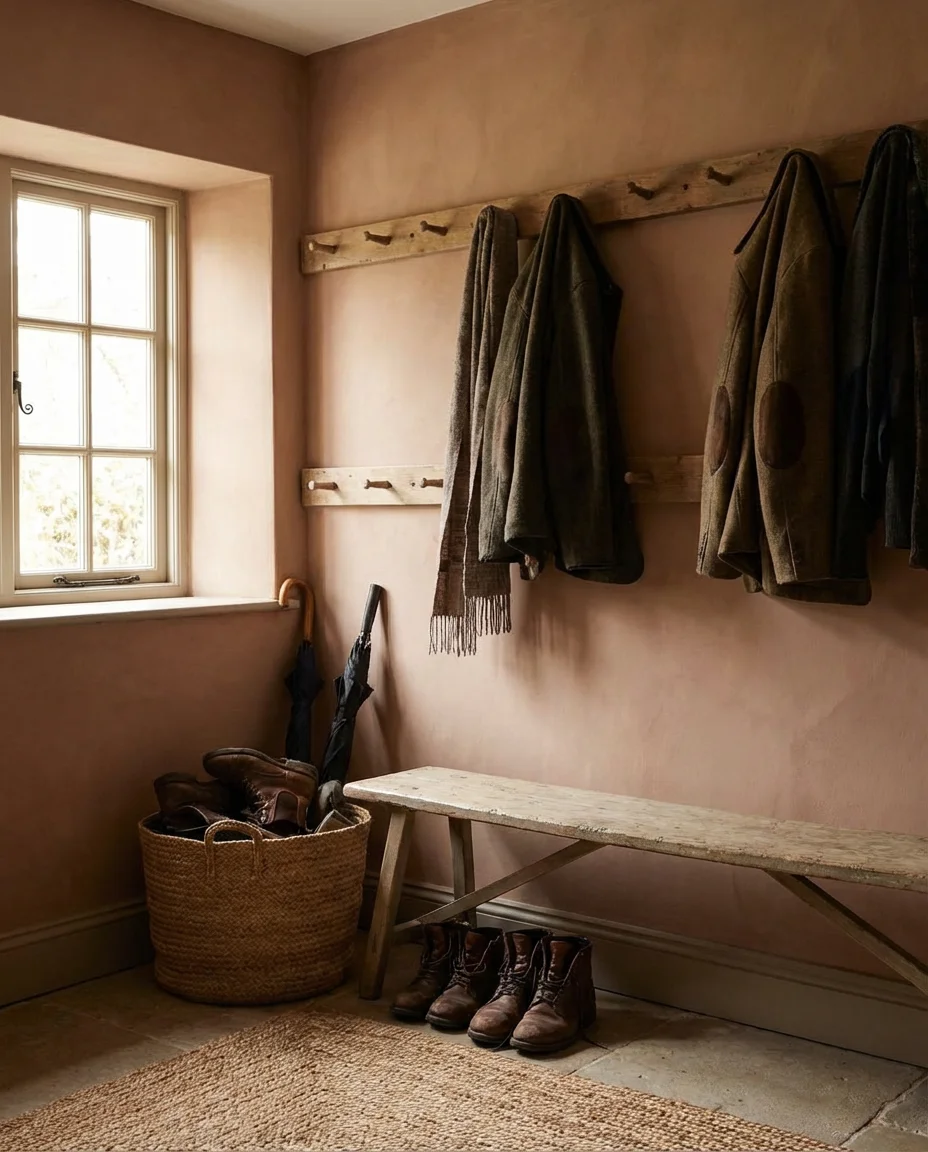
Real homeowners consistently report that their entryway is the first place that spirals into chaos and the last place they actually organize intentionally. Starting here has a psychological ripple effect—when you walk into a tidy, functional entry, it sets your expectations for the rest of your home and motivates you to maintain that standard throughout. Invest even modestly here: a $25 hook rail and a $15 basket can make a $300 difference in how your home feels.
9. Bathroom Storage Without Extra Square Footage
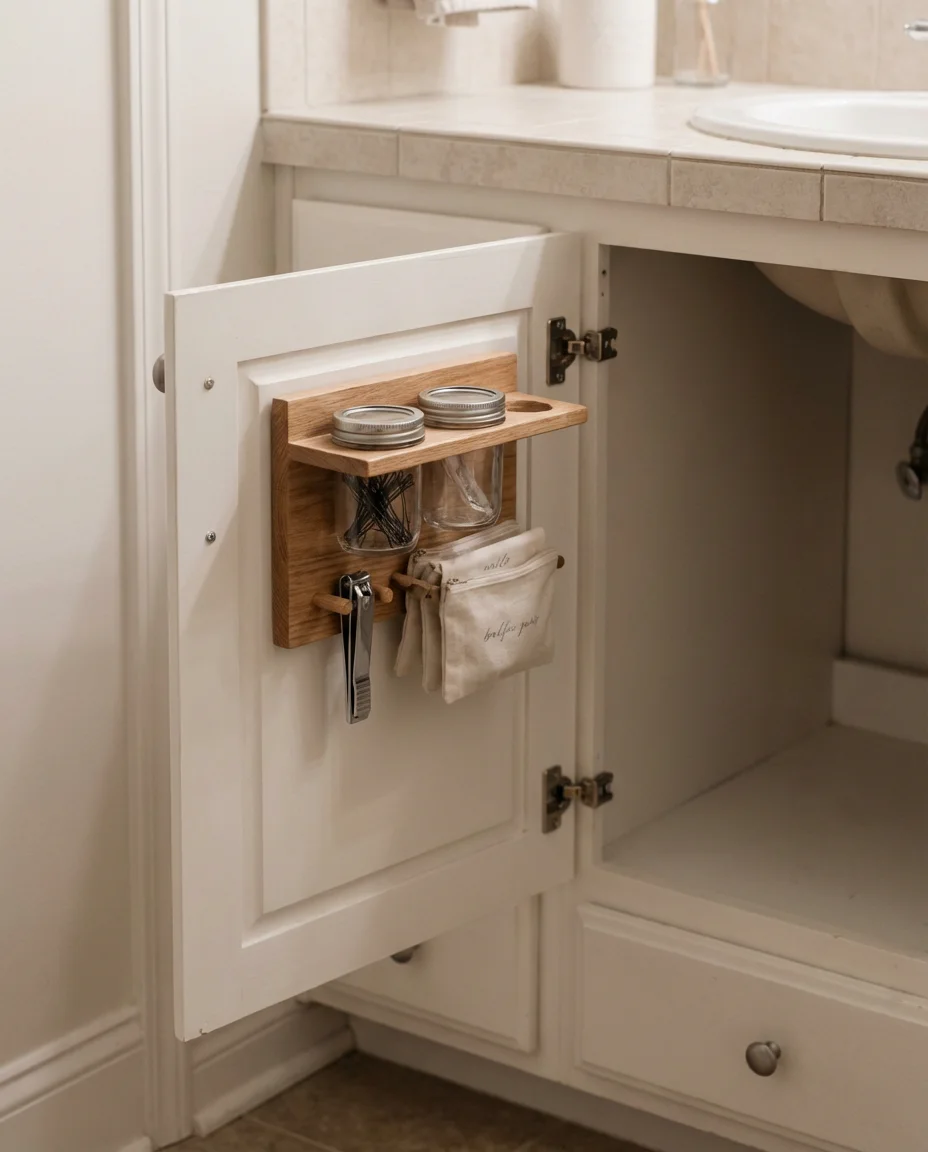
Small bathroom storage is one of the most-searched topics on Pinterest for a reason—these rooms have the highest product density of any space in the house and often the least storage built in. Magnetic strips on the inside of cabinet doors can hold bobby pins and nail clippers. Tension rods under the sink create a second shelf for spray bottles. Fabric baskets on open shelves keep things organized while adding warmth and texture to what can otherwise feel like a cold, clinical space.
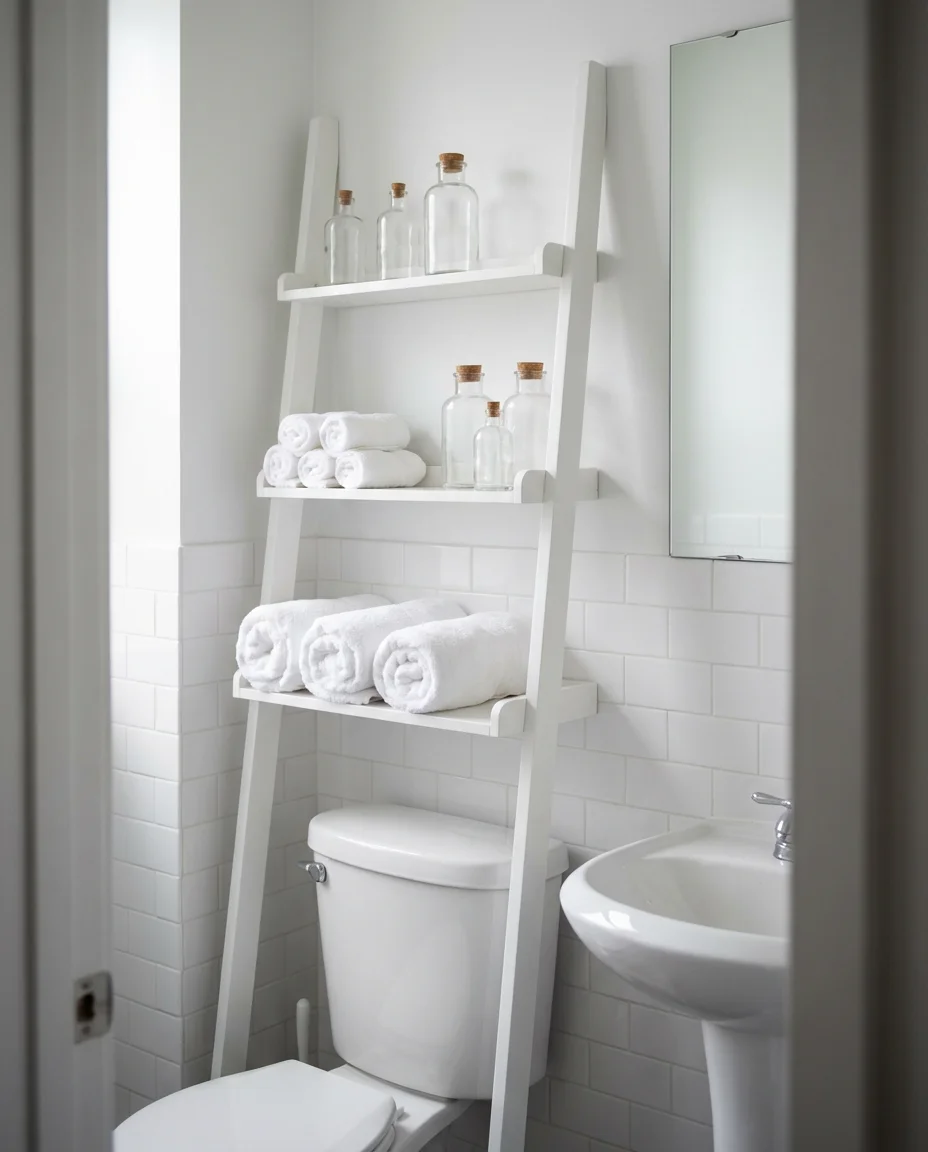
An expert tip worth remembering: think vertically first. Most bathroom walls have significant unused space between the top of the toilet tank and the ceiling. A slim over-toilet shelving unit—available at Target or Amazon for $40–$80 — can hold months of backup supplies without eating into your floor plan at all. Just make sure whatever you install is rated for humid environments so it doesn’t warp or rust over time.
10. Garage Tool Storage That Doesn’t Cost a Fortune
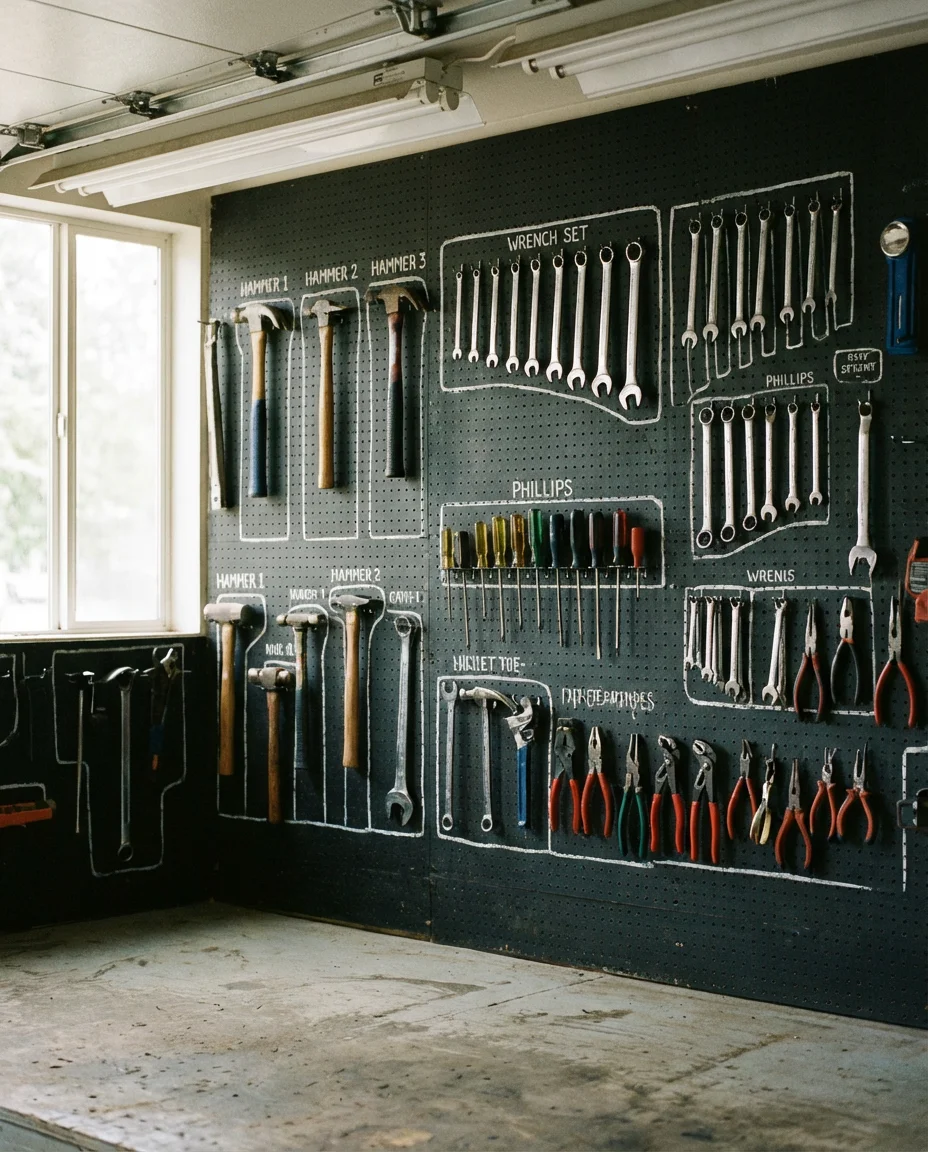
The American garage has a complicated relationship with organization. It starts as a parking spot, slowly becomes a storage unit, and eventually reaches a state of entropy where finding a screwdriver requires a 20-minute excavation. The good news: a simple wall-mounted system using a pegboard or French cleats can hold every tool you own in clear view, within arm’s reach, and off the floor. No more rummaging through plastic bins hoping for the best.
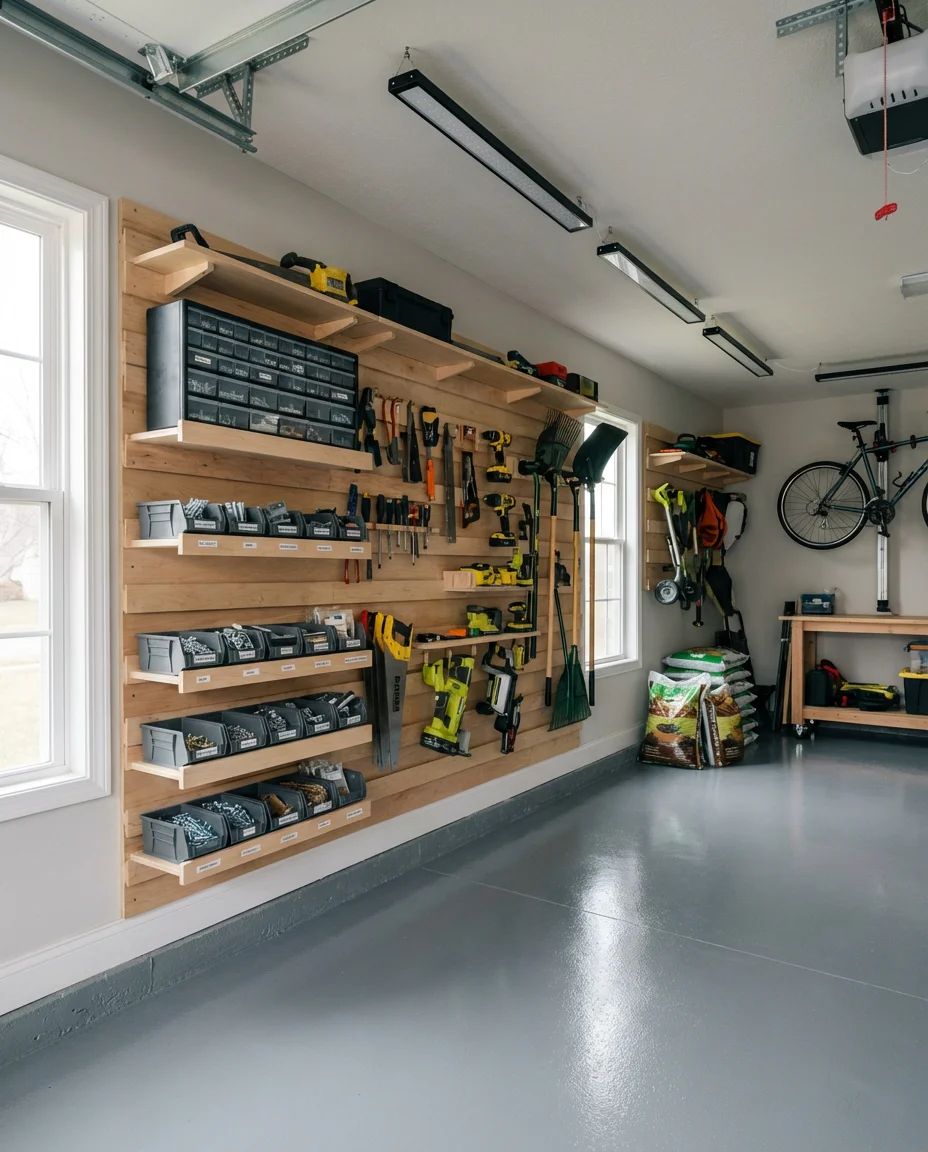
French cleat systems are particularly popular because they’re endlessly modular—you can add hooks, shelves, and bins wherever you need them and rearrange as your collection grows. A weekend project with about $50 in materials can completely transform a cluttered garage wall. Overhead ceiling storage for seasonal items (holiday bins, camping gear, sports equipment) further reclaims the floor and lets you actually park your car inside again.
11. Closet Organization on a Budget
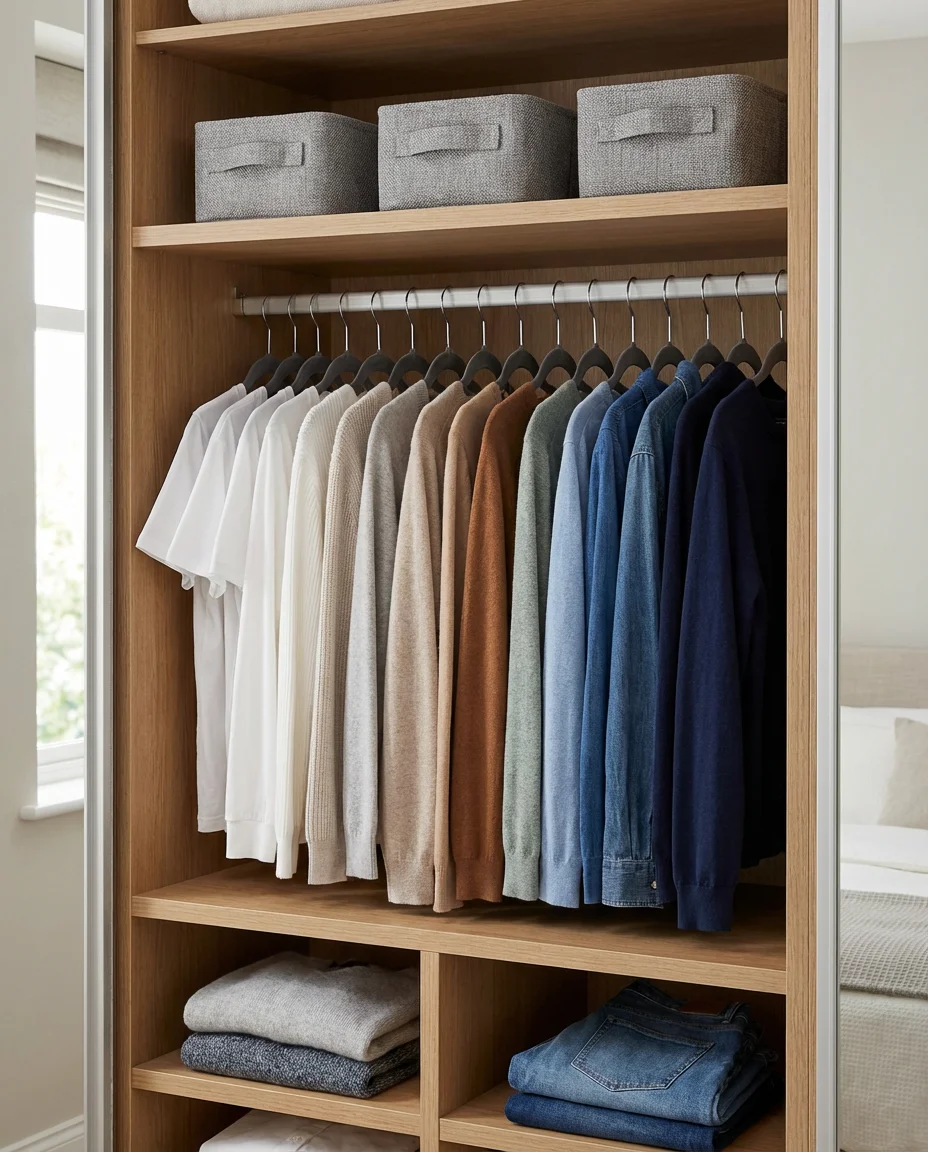
A disorganized closet isn’t just a storage problem—it’s a daily time tax. Spending two minutes every morning searching for a shirt or a matching sock adds up to hours over a year. The good news is that most closet chaos can be solved with a $30–$60 investment in stackable bins, slim velvet hangers, and a simple shelf divider. Even without a full custom clothes system, thoughtful organization transforms how much you can fit and how quickly you can find it.
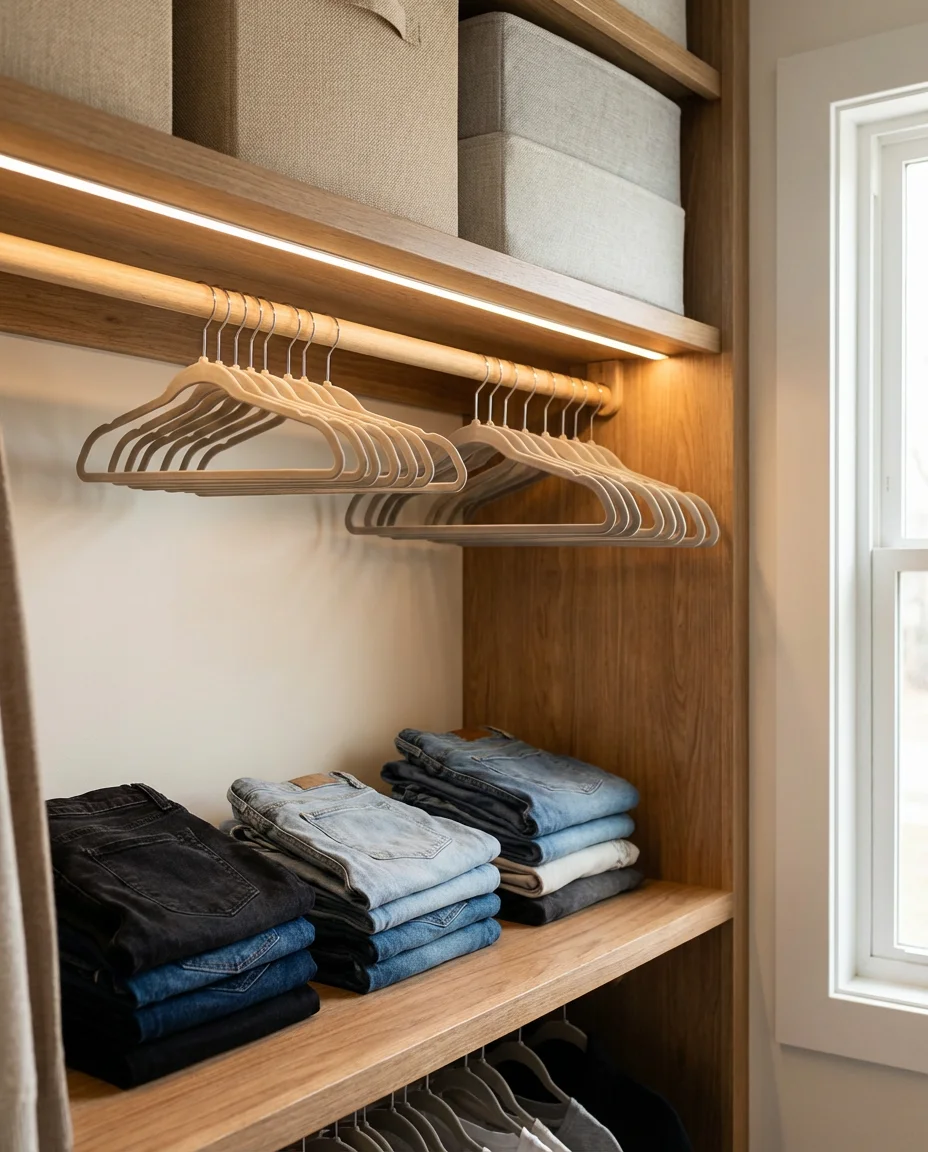
The single most impactful change most people can make is switching to matching slim hangers. Standard plastic hangers are thick and slippery; velvet slim hangers hold clothes in place and take up about half the rod space, which can effectively double your hanging capacity overnight. Pair that with a few shelf organizers for folded items, and suddenly a cramped reach-in closet starts working like a real wardrobe system.
12. Smart Food Storage in Small Kitchens
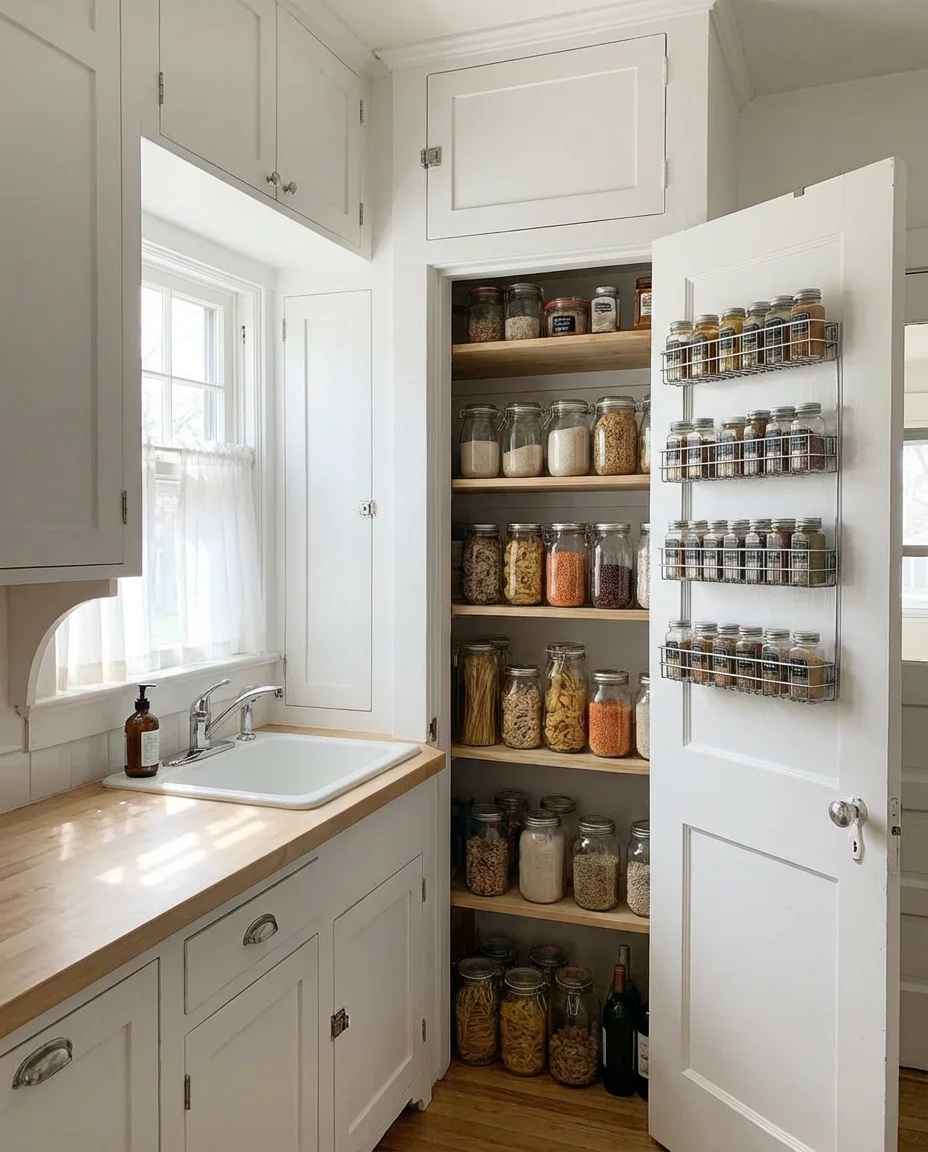
A small kitchen doesn’t have to mean chaotic food storage—it just means being more intentional about how you use every shelf, drawer, and cabinet inch. Smart solutions like stackable airtight containers, door-mounted spice racks, and drawer inserts for utensils can dramatically increase the functional capacity of even the smallest galley kitchen. Decanting dry goods into matching clear containers not only saves space but also makes it instantly obvious when you’re running low on something.
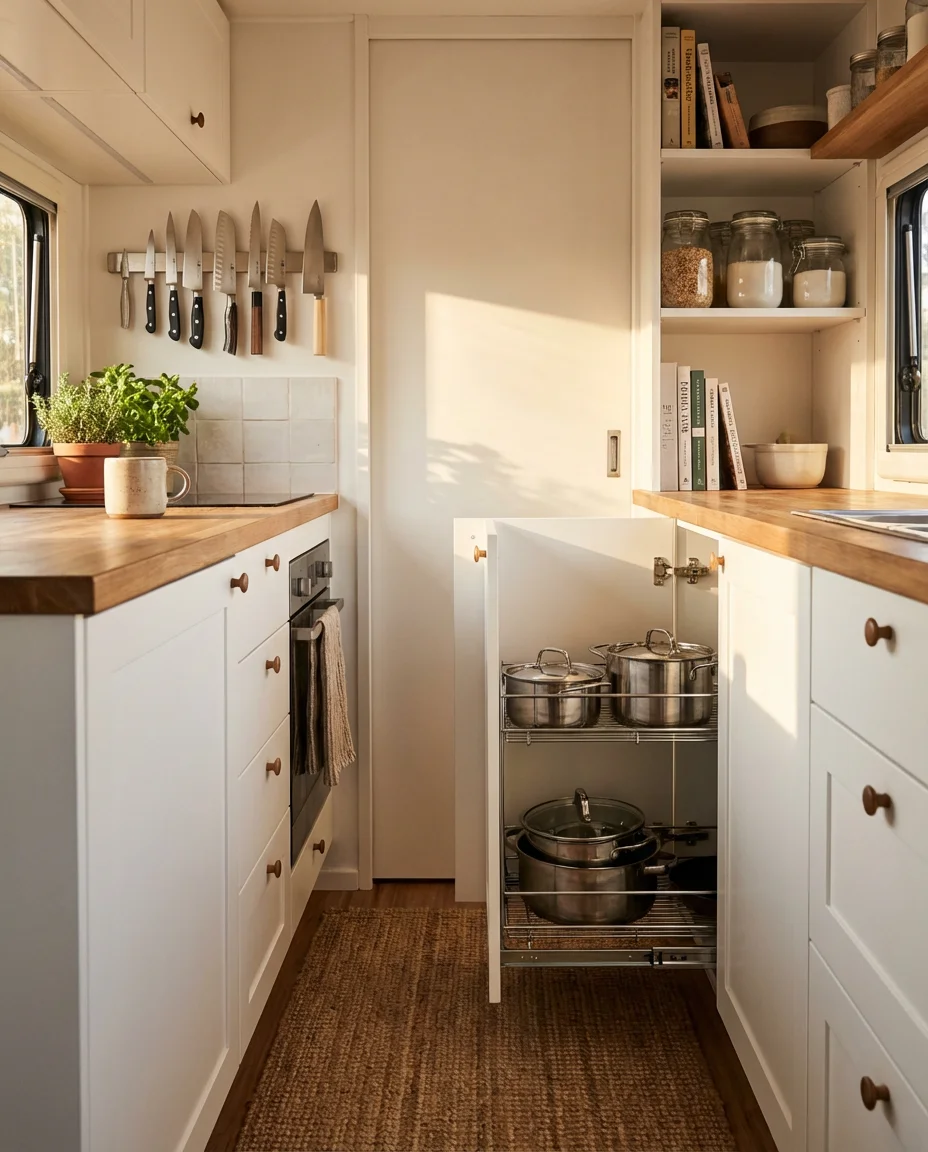
In American apartments especially, the kitchen is often the room where the original designers underestimated storage needs most dramatically. A magnetic knife strip frees up a full drawer. Pull-out cabinet organizers double the usable depth of deep cabinets. And a tension rod installed vertically in a cabinet creates perfect slots for baking sheets, cutting boards, and trays that would otherwise topple every time you open the door. These small shifts compound quickly.
13. Toy Storage That Kids Will Actually Use
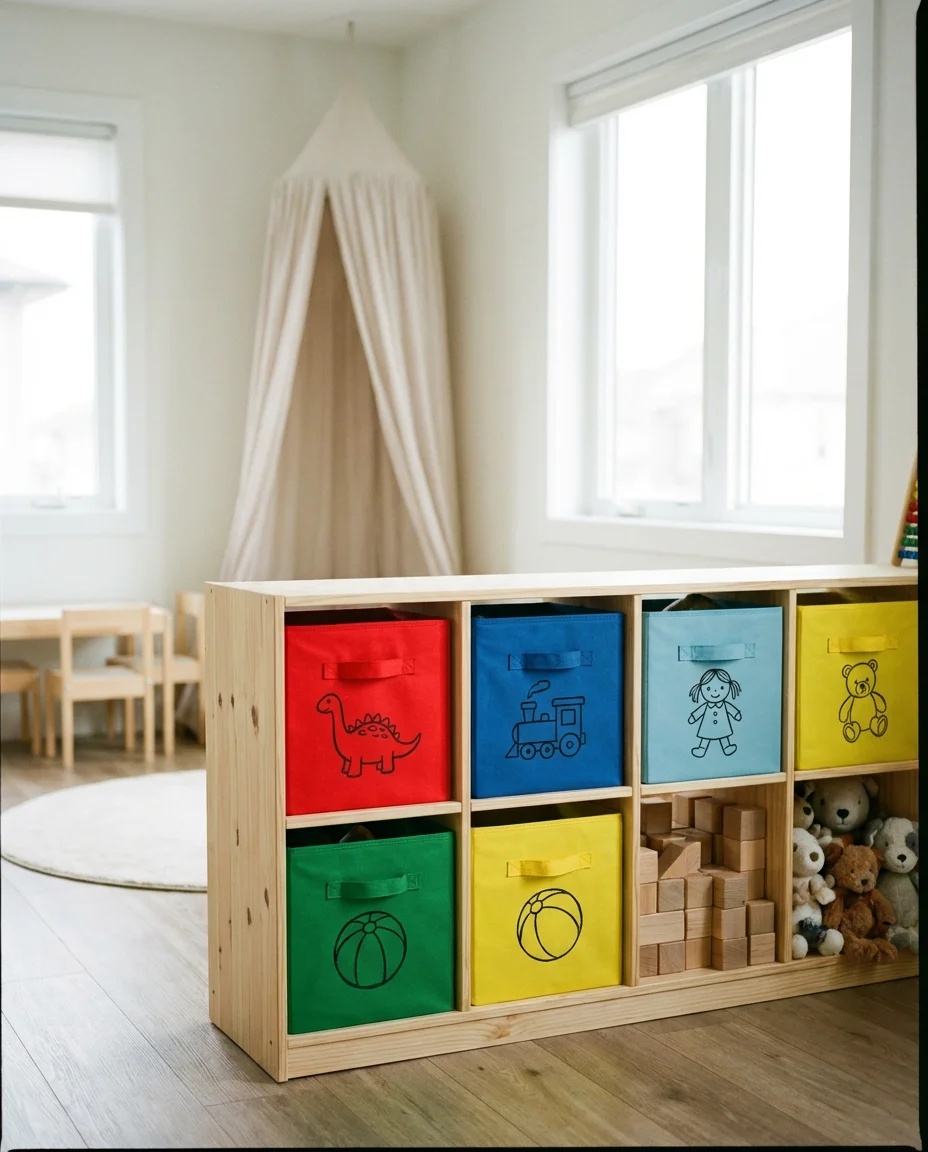
The secret to toy storage that actually works long-term is making it easy enough that children can do it themselves. Open bins at floor level, labeled with pictures rather than words for younger kids, and simple low shelving give children ownership over their space and reduce the parental cleanup burden significantly. In a shared bedroom or small living area, keeping toy storage contained to one zone prevents the whole apartment from feeling like a toy store exploded.
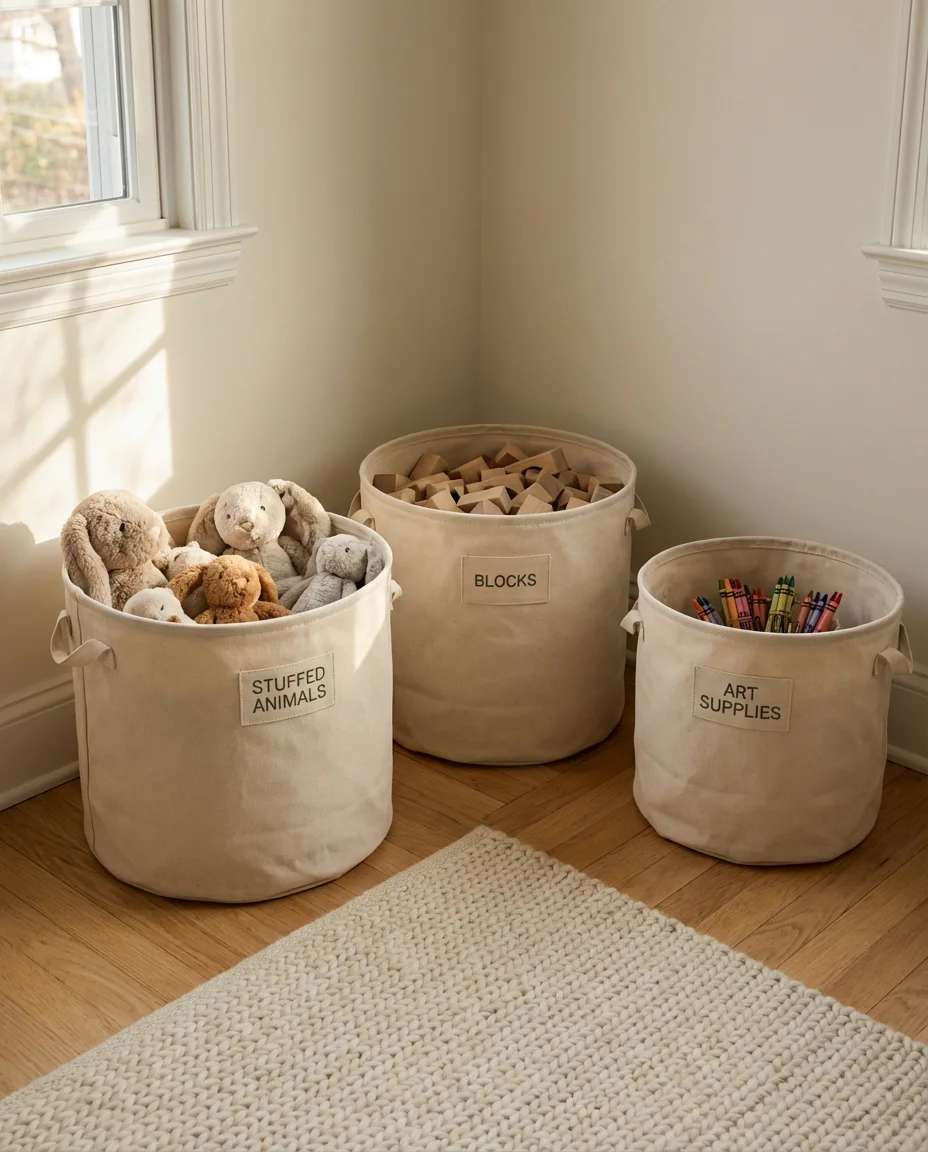
A common mistake parents make is buying too many small bins that are difficult for kids to sort through. Larger categories work better than granular ones—”stuffed animals,” “building blocks,” and “art supplies” rather than 15 individual bins per type. Regular toy rotations (putting some toys away in a bin for a few weeks, then swapping them out) also keep things feeling fresh without buying anything new, which reduces clutter naturally over time.
14. Fabric Cube Organizers as Room Dividers
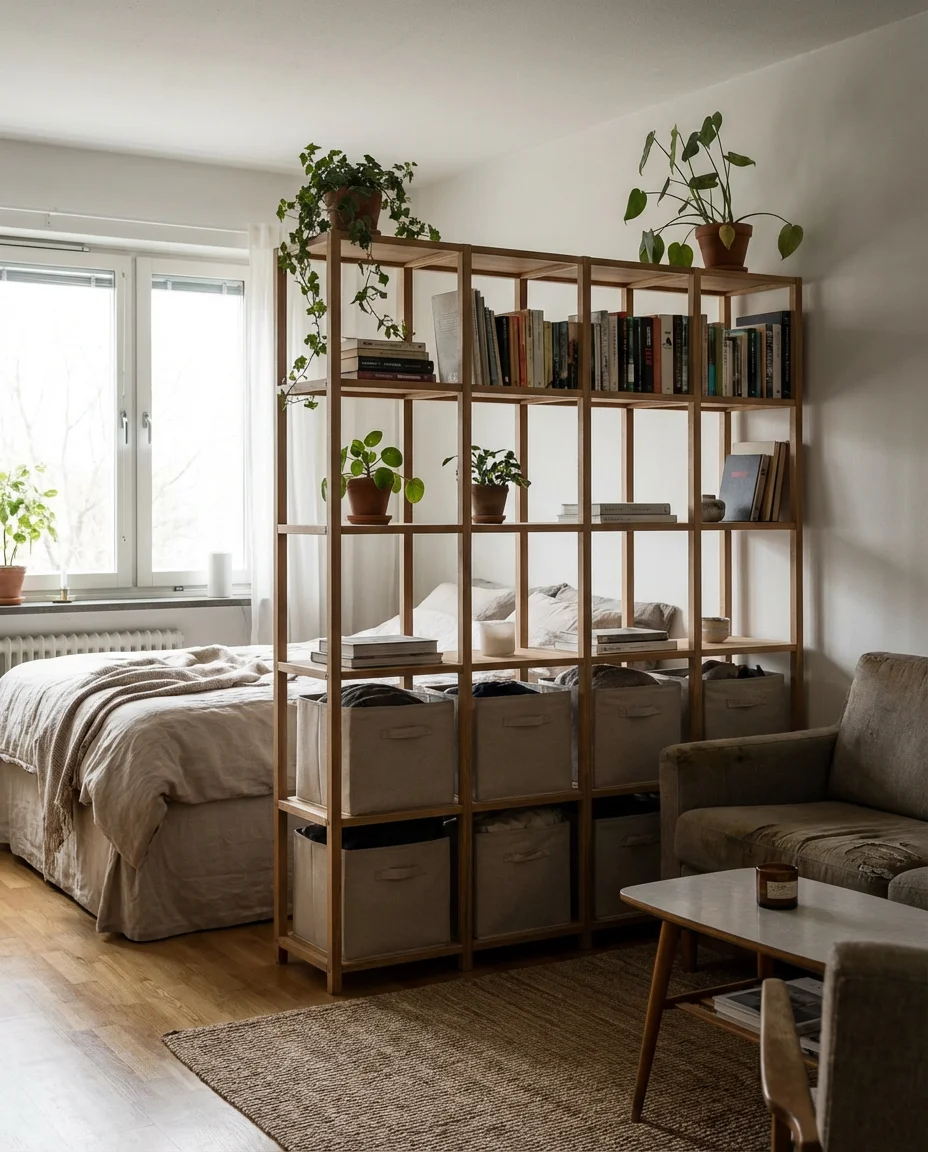
Fabric cube organizers are one of the most versatile—and underutilized—pieces of storage furniture available at any budget. When arranged in a grid configuration, they can function simultaneously as a bookshelf, a room divider, and a toy or linen storage unit all at once. In a studio apartment, a cube shelving unit positioned strategically can visually separate the sleeping area from the living space without the need for a physical wall.
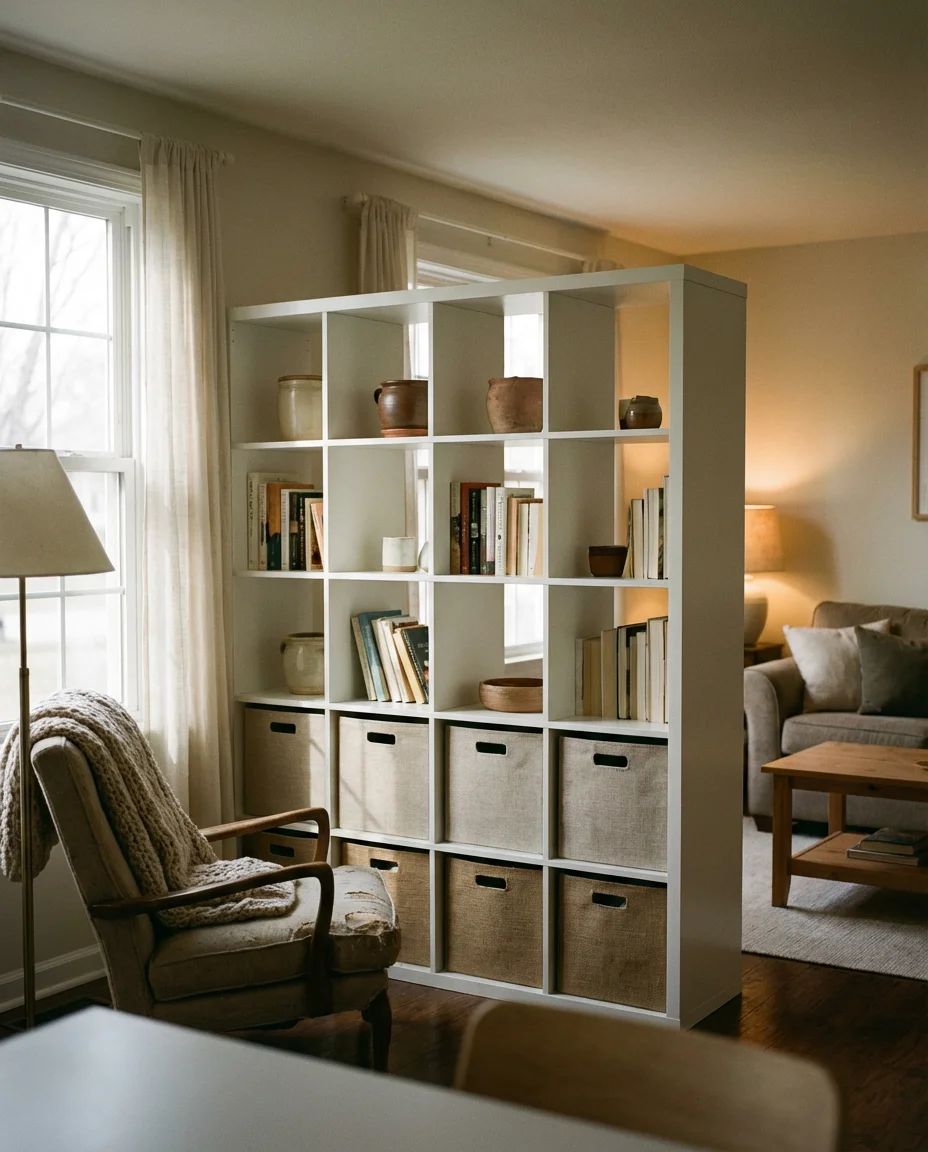
This approach works best in open-plan spaces where you want the suggestion of separate zones without blocking light or making a room feel smaller. Mix fabric bins with open cubes to create visual variety—open cubes for plants and books, closed bins for less photogenic items like cables and cleaning supplies. At $50–$100 for a full unit at IKEA or Target, this is one of the most cost-effective multipurpose solutions in the small-space playbook.
15. Vertical Bike Storage and Sports Equipment Solutions
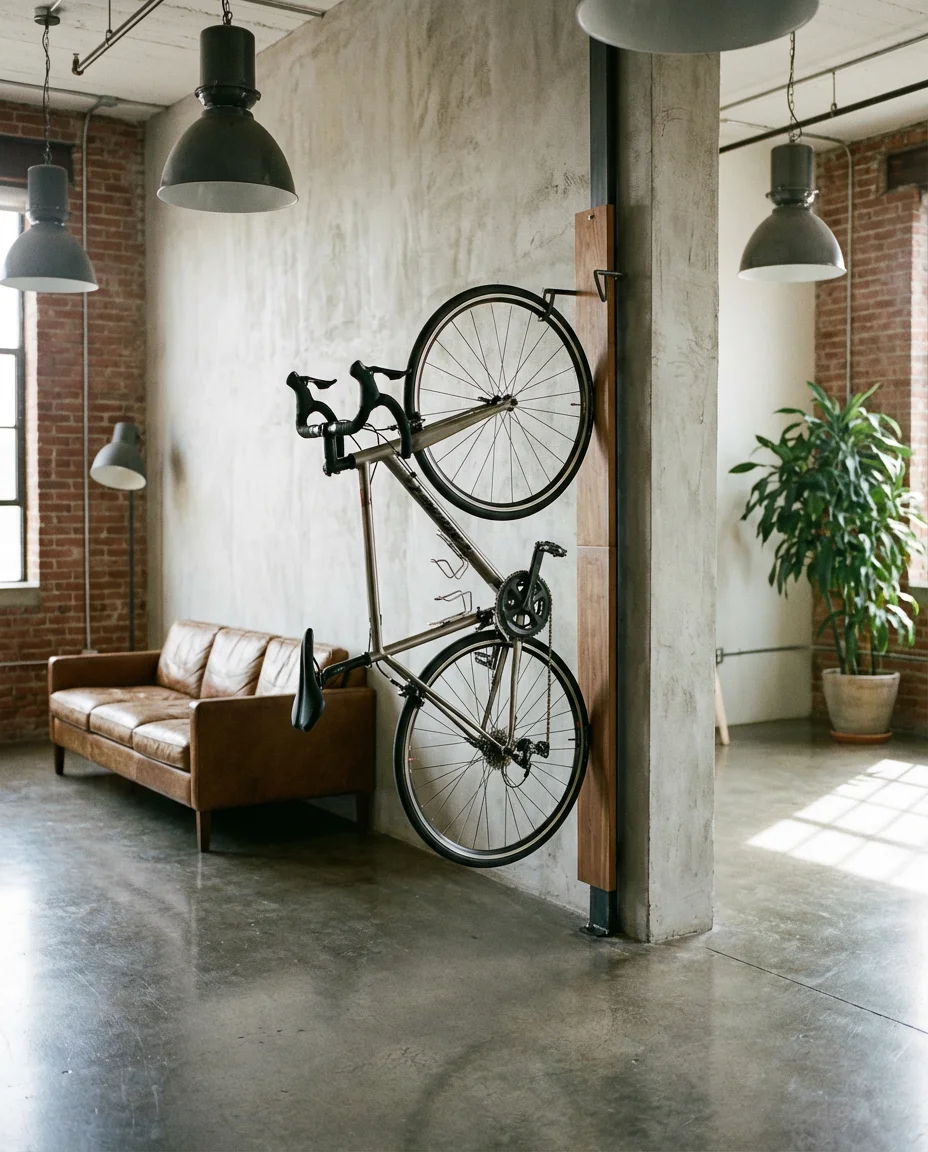
For anyone living in a city apartment or home without a garage, storing a bicycle is one of the biggest spatial headaches imaginable. Vertical wall mounts that let you hang your bike wheel-up take up roughly the same wall space as a framed poster and keep the floor completely clear. Creative mounting systems have evolved significantly in recent years, and modern versions look intentional and even cool—especially in industrial-style lofts and modern apartments.
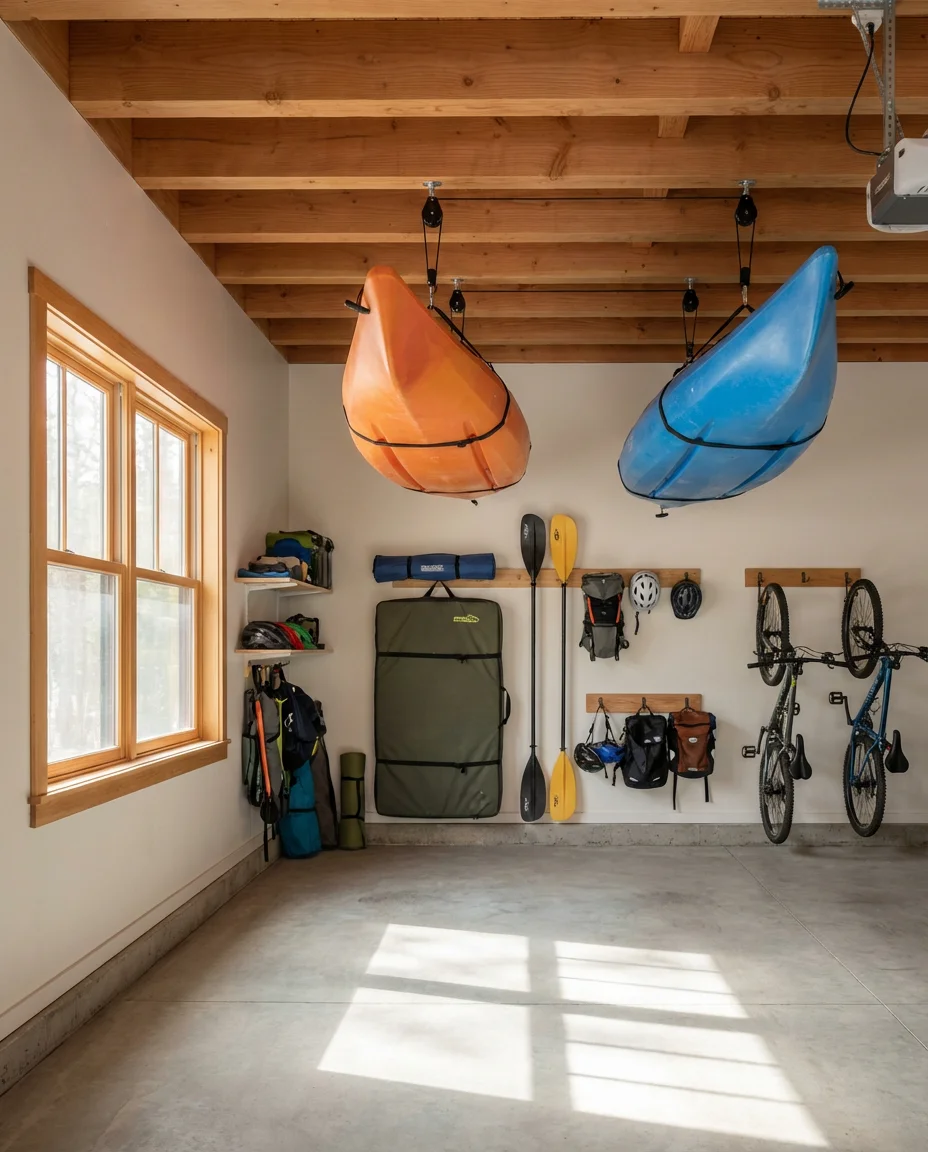
Sports equipment in general benefits from vertical thinking: ceiling-mounted kayak hoists in garages, wall-mounted ski racks, and tall narrow cabinets for baseball bats and hockey sticks all move clutter off the floor and onto otherwise unused wall and ceiling space. The installation typically takes under an hour, and the impact on room livability is immediate. Most mounts are rated for well over 50 pounds, making them a safe and practical long-term solution.
16. Bedside Storage Without a Nightstand
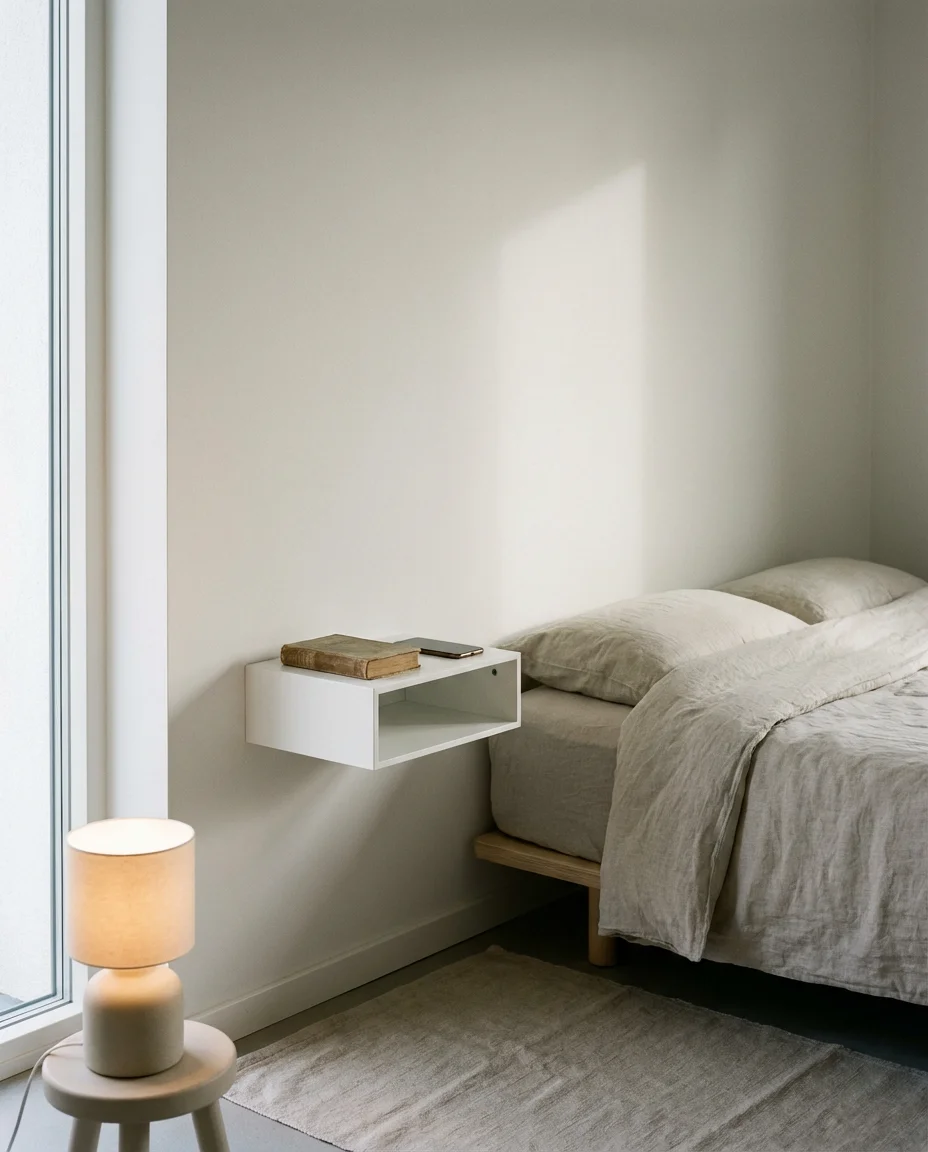
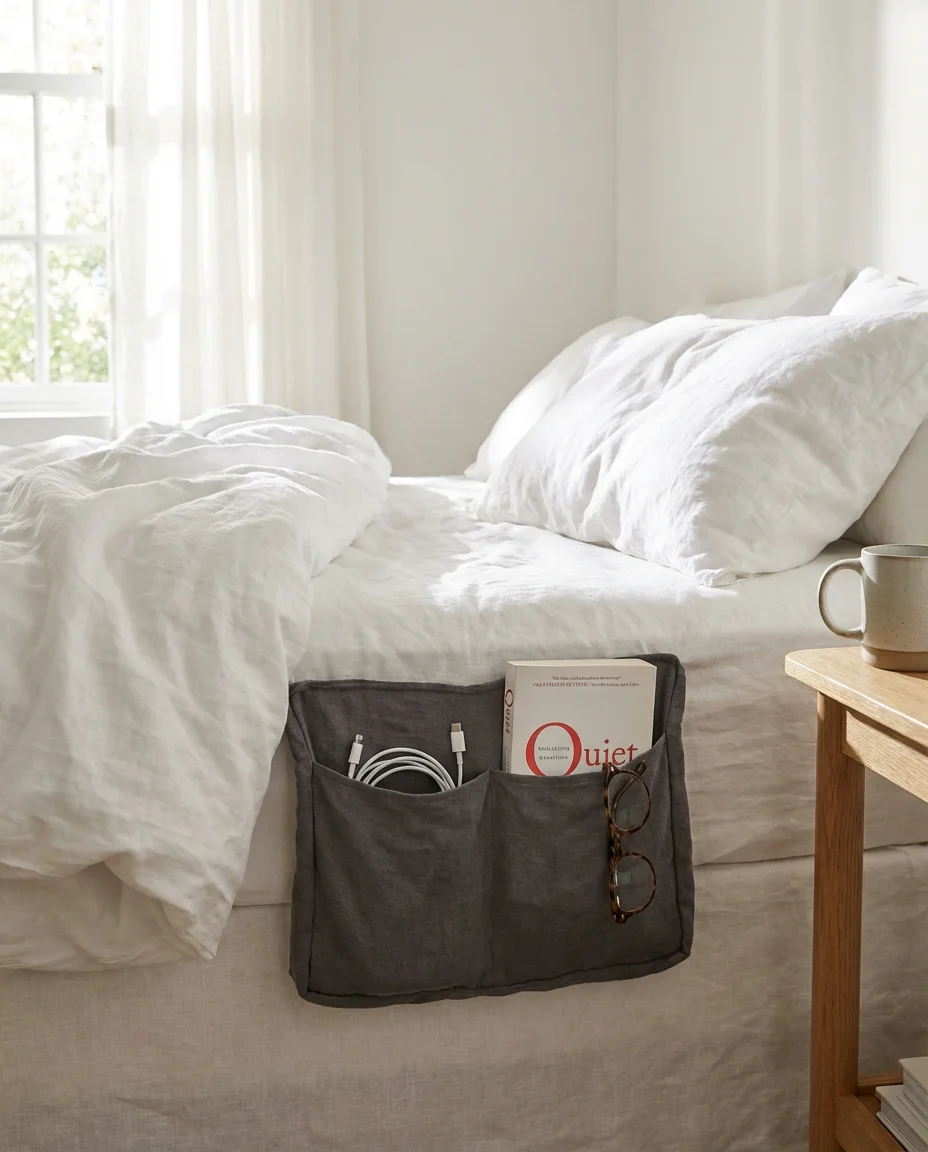
In rooms where there simply isn’t space for a traditional nightstand, bedside storage requires some lateral thinking. A wall-mounted shelf positioned at mattress height takes up zero floor space. A fabric caddy that hangs from the mattress holds a book, phone charger, and glasses without requiring any installation at all. These solutions work especially well in bedroom room organization cheap setups where you’re maximizing a small room without spending much.
A wall-mounted shelf as a nightstand alternative also creates a beautifully clean, minimal aesthetic that many people find they actually prefer to the traditional table-and-lamp setup. You can add a small sconce above it for reading light and keep a single plant on the shelf, and suddenly the corner of your bedroom looks intentionally designed rather than like a compromise. Floating shelves in wood tones or painted to match the wall blend right in.
17. Unique Staircase Storage Ideas
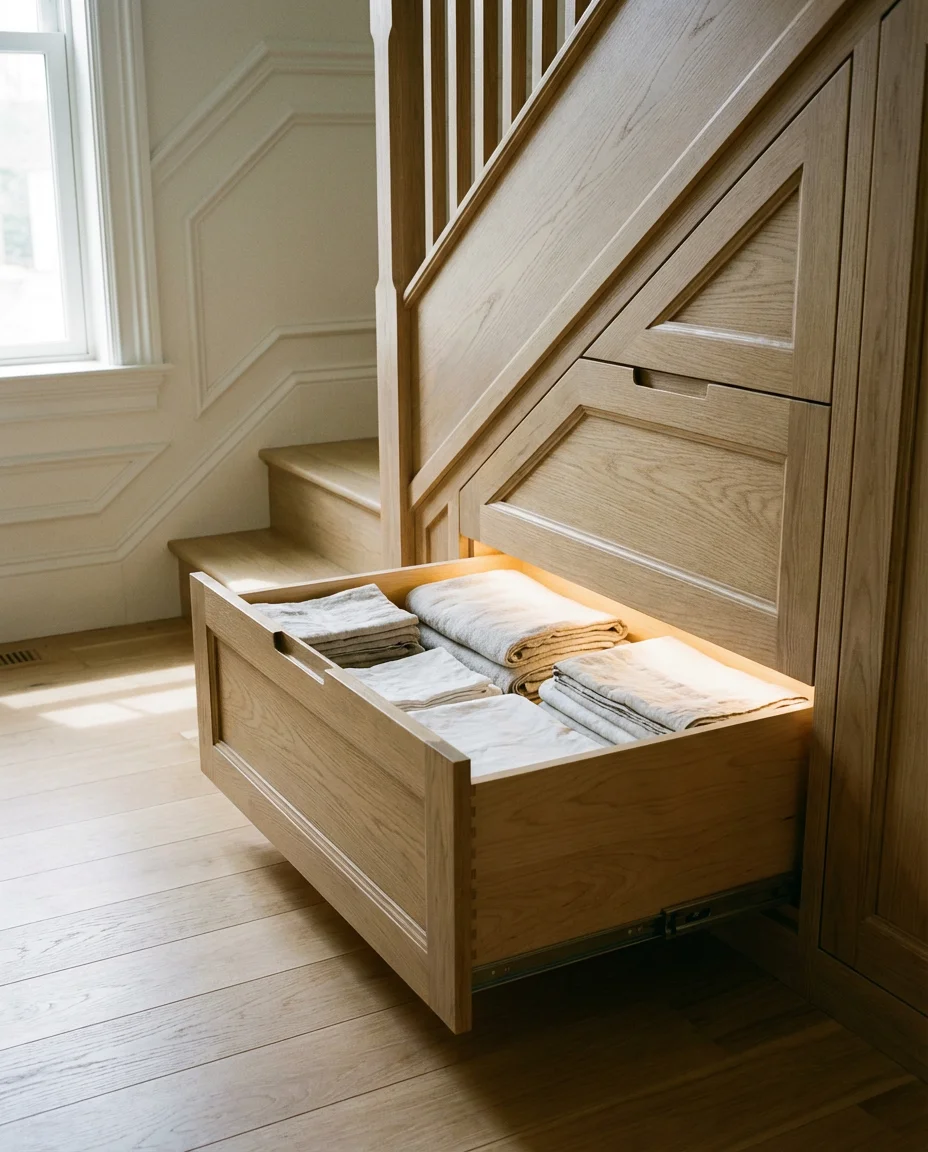
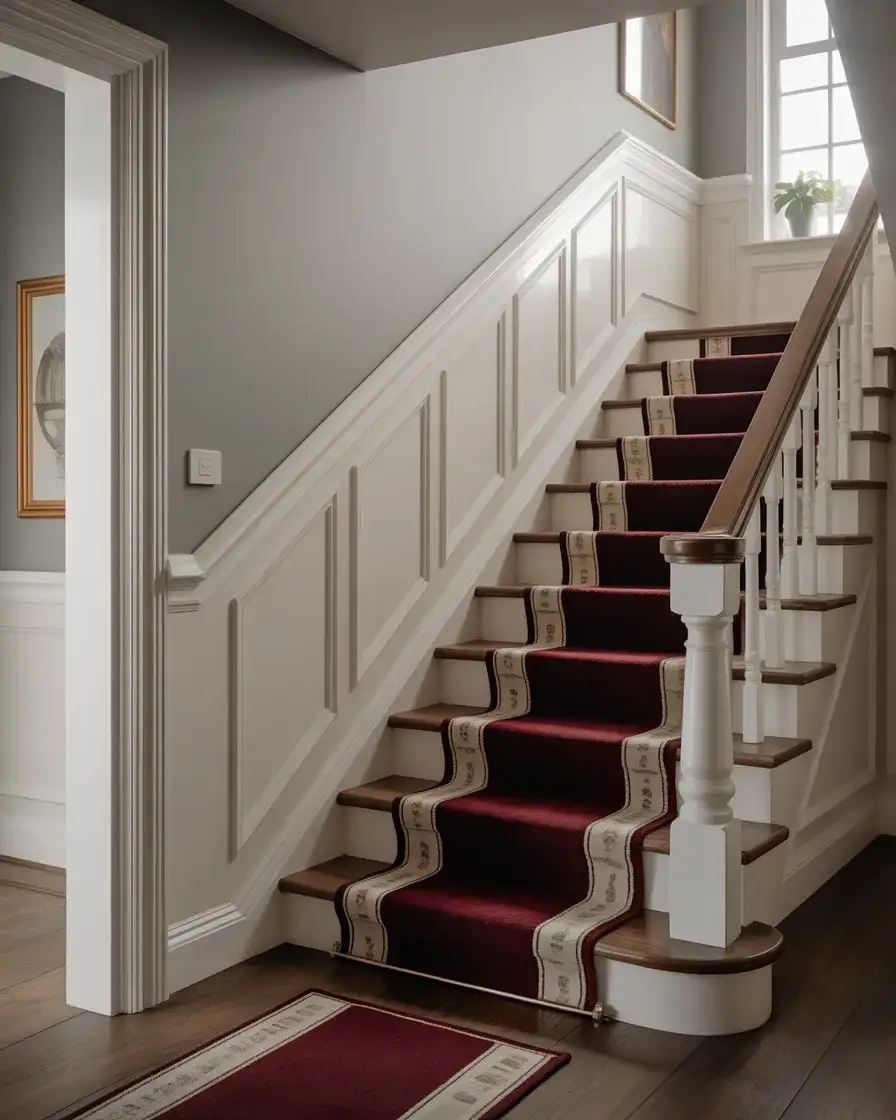
If you have a staircase, you’re sitting on one of the most unique and underutilized storage opportunities in residential architecture. Pull-out drawers built into stair risers can hold shoes, linens, books, and seasonal items in space that would otherwise be completely dead. Even without a renovation, the area under a staircase can accommodate a mini office nook, a reading corner with built-in shelves, or a compact mudroom zone with hooks and cubbies.
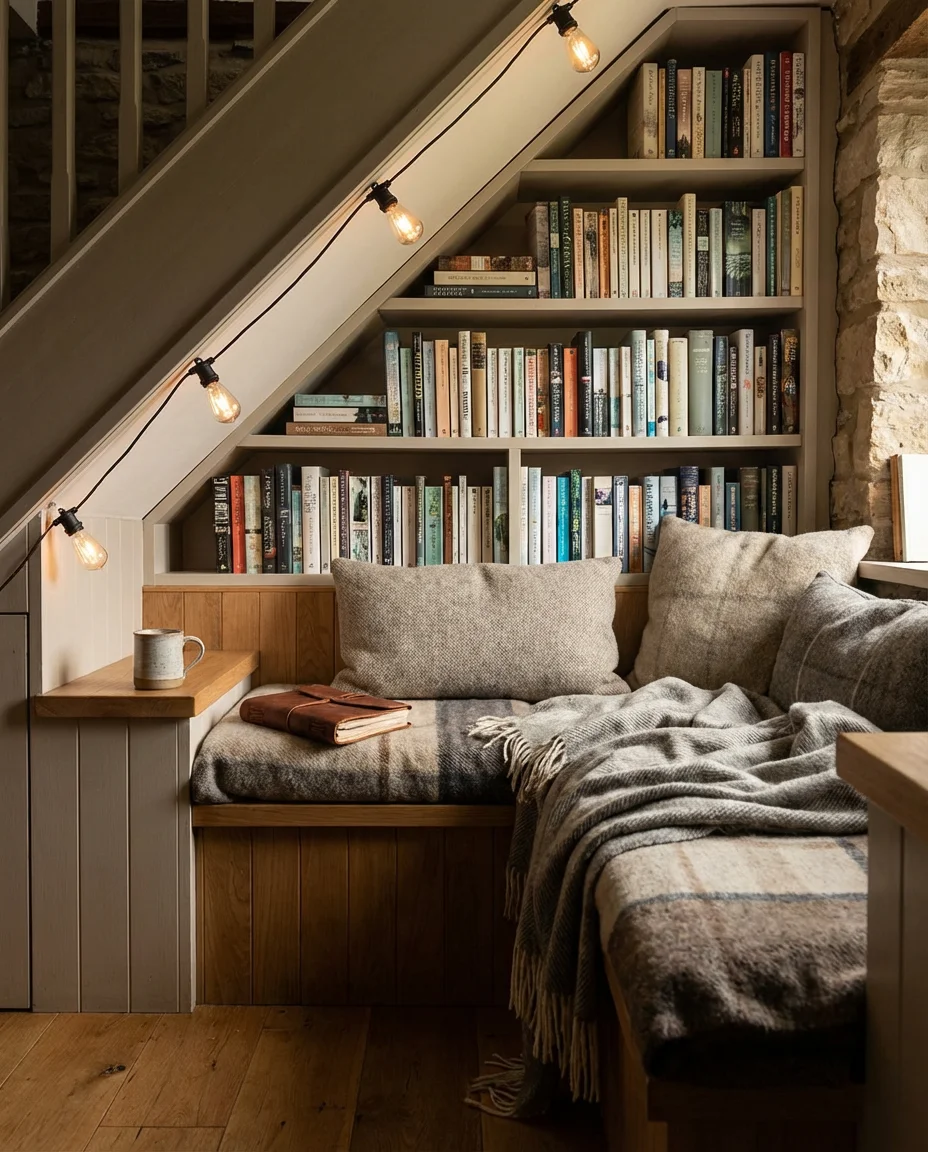
In new construction and renovated homes across the American Southeast and Midwest, under-stair storage rooms are increasingly standard in plans—a sign that homeowners and architects have finally caught on to the value of this space. For existing homes, a skilled contractor can add pull-out drawers to existing stairs for $1,500–$4,000, a cost that pays back in daily convenience and home value alike.
18. Wall-Mounted Folding Desks for Tiny Home Offices
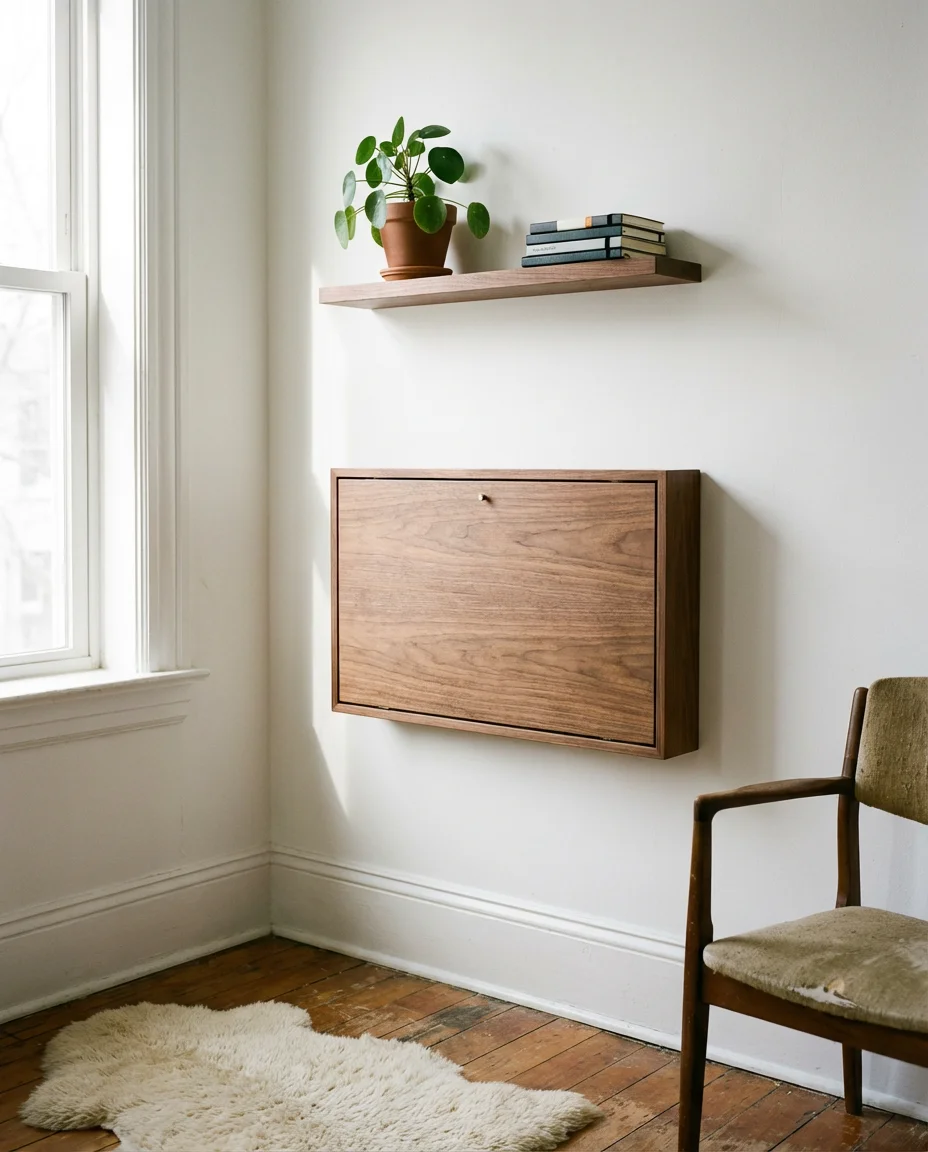
The work-from-home era permanently changed what Americans need from their living spaces—and for people in studios and one-bedrooms, carving out a functional workspace without sacrificing living space has been a real design challenge. A wall-mounted fold-down desk solves this completely: when you’re working, you have a full surface; when you’re done, it folds flat and the room goes back to normal. It’s one of the most genuinely smart space solutions to emerge from the remote work era.
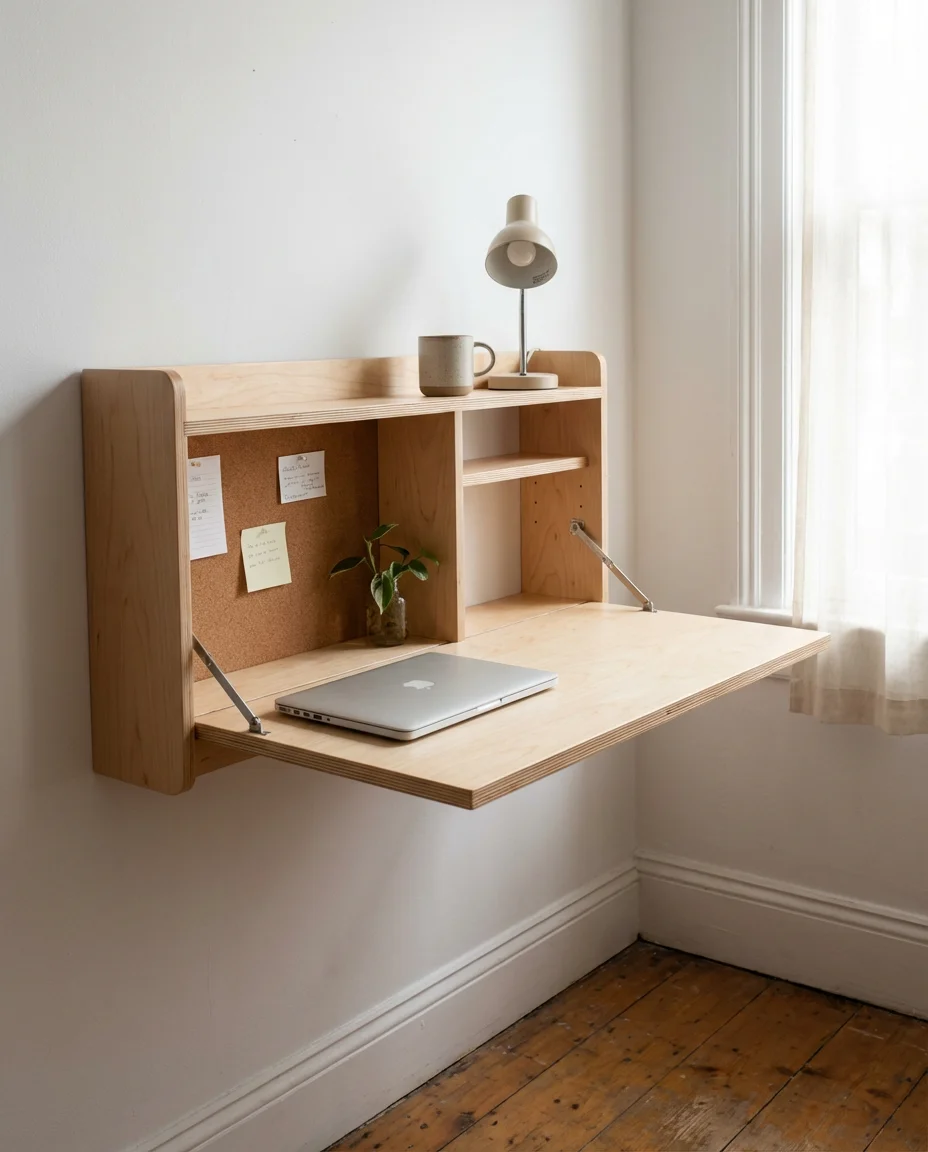
Many fold-down desk designs include built-in shelving, cord management, and even integrated corkboards or whiteboard surfaces—making them a complete mini home office that disappears when the workday ends. This matters psychologically as much as practically: being able to visually “close” work at the end of the day helps establish the mental separation between work and personal time that so many remote workers struggle to maintain in small spaces.
19. Boot and Coat Storage in Mudroom— Stylish Entryways
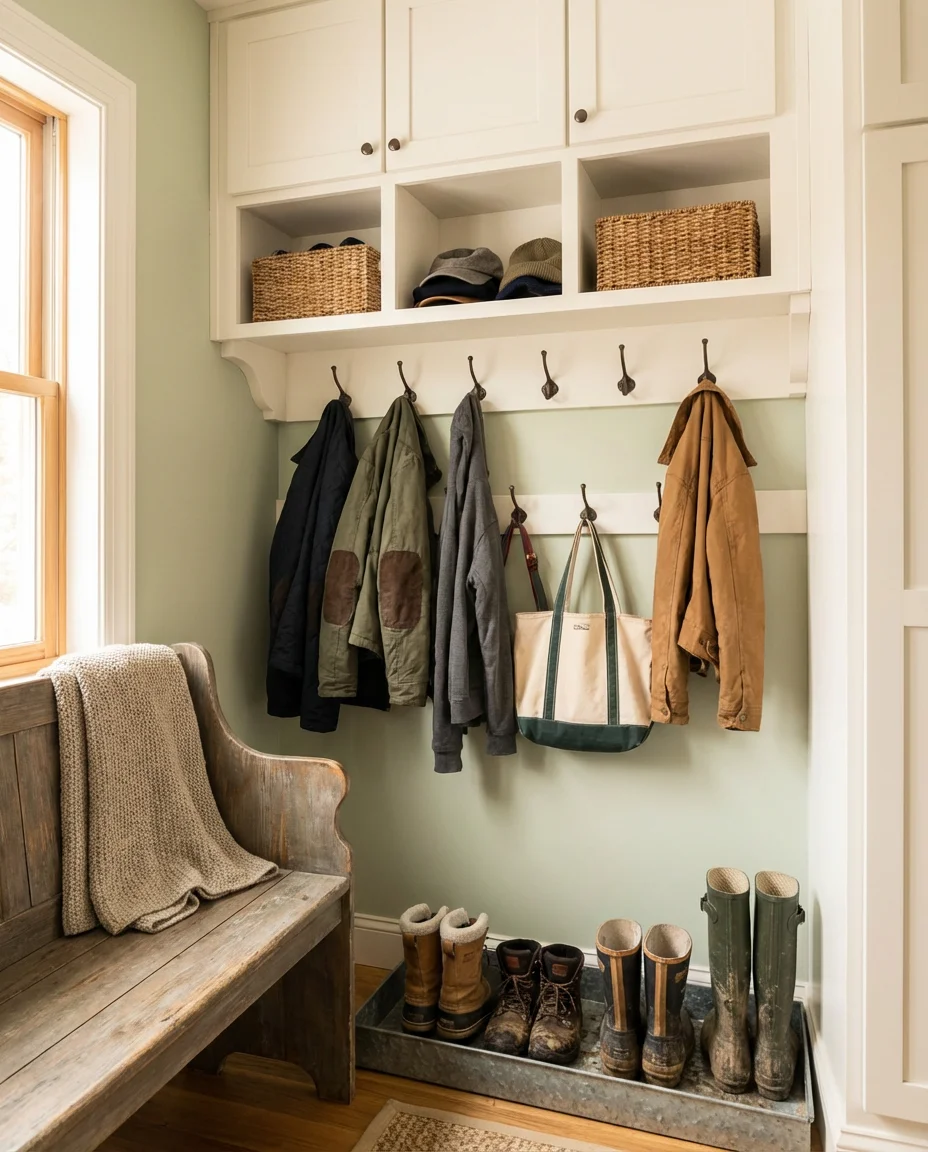
You don’t need a dedicated mudroom to get the organizational benefits of one. A mudroom-style entryway system—built from a combination of hooks, cubbies, a bench, and a boot tray—can be assembled against a single wall in virtually any hallway. This setup is especially valuable for families in snowy Northern states, where winter gear accumulates fast and wet boots left anywhere except a designated tray become a household disaster.
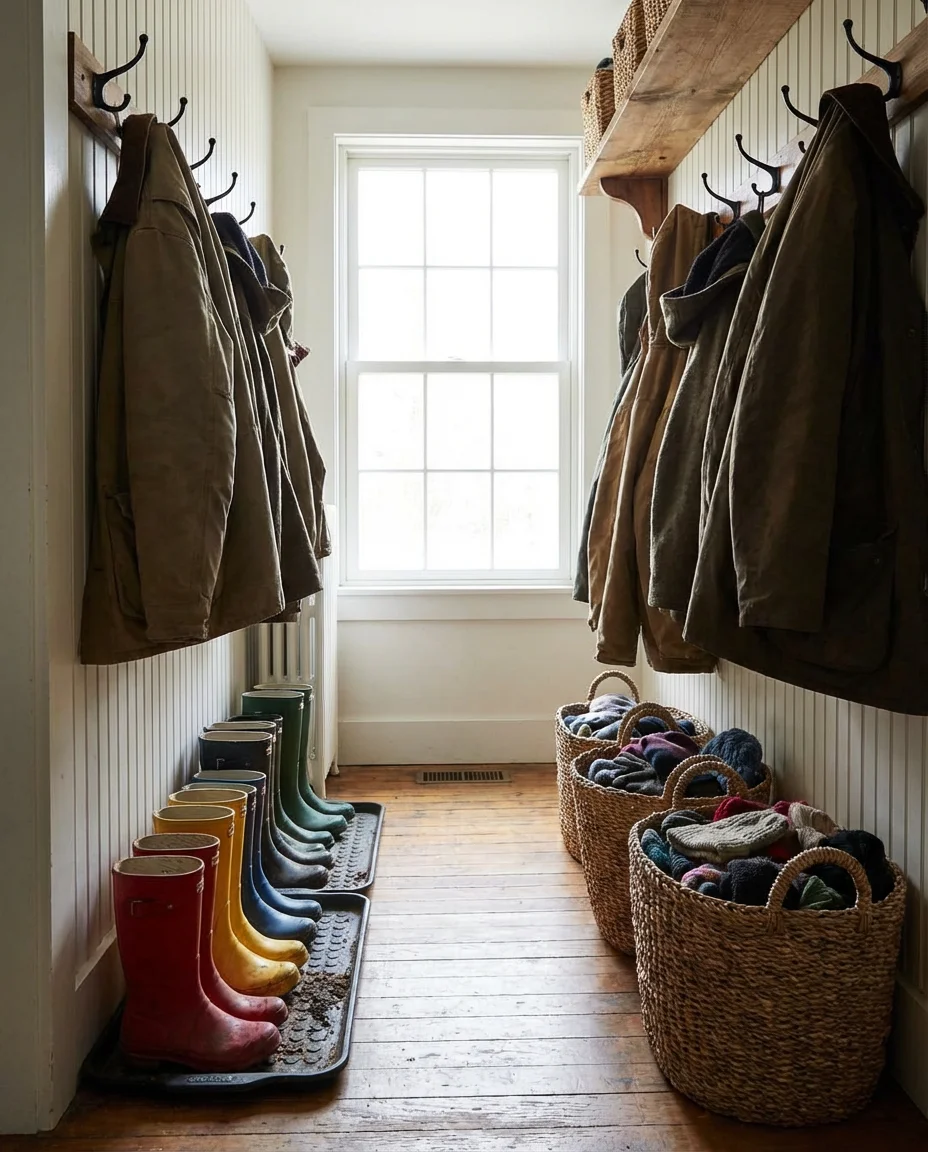
IKEA’s STUVA system, along with countless aftermarket alternatives, lets you build a fully functional mudroom wall for under $200. The key design elements are hooks at adult and child height, cubbies or baskets for each family member’s gear, a boot tray with drainage so moisture doesn’t seep into floors, and ideally a place to sit. Even a narrow 18-inch-deep cabinet with open cubbies on top can serve this function beautifully.
20. Kitchen Cabinet Door Storage Hacks
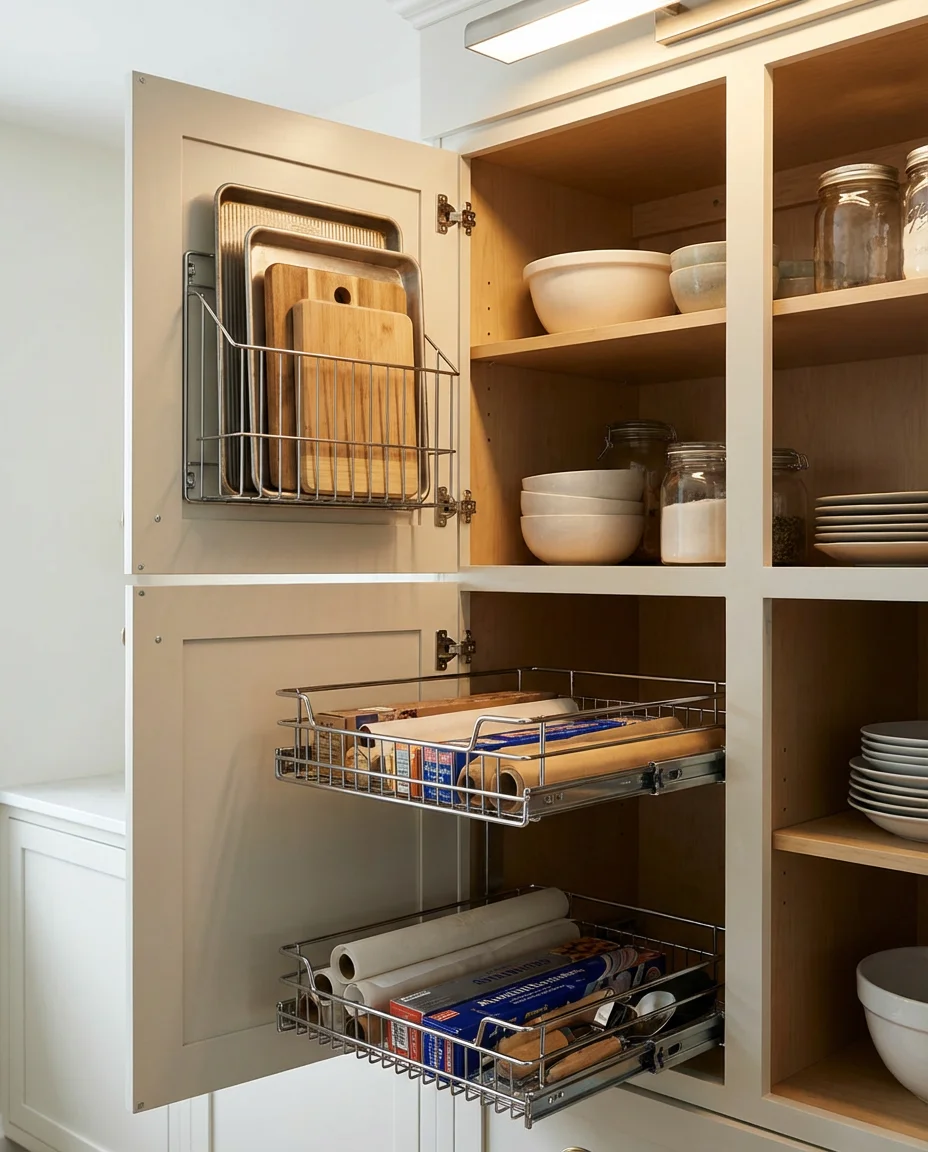
The inside faces of kitchen cabinet doors are prime real estate that almost no one uses—which makes them a clever and completely free storage upgrade waiting to happen. Mount a spice rack on the inside of a pantry door. Add a mounted metal organizer for cutting boards and baking sheets. Use adhesive hooks for measuring cups and pot lids. These hidden solutions keep your counters and drawers clearer without adding a single piece of visible furniture to the room.
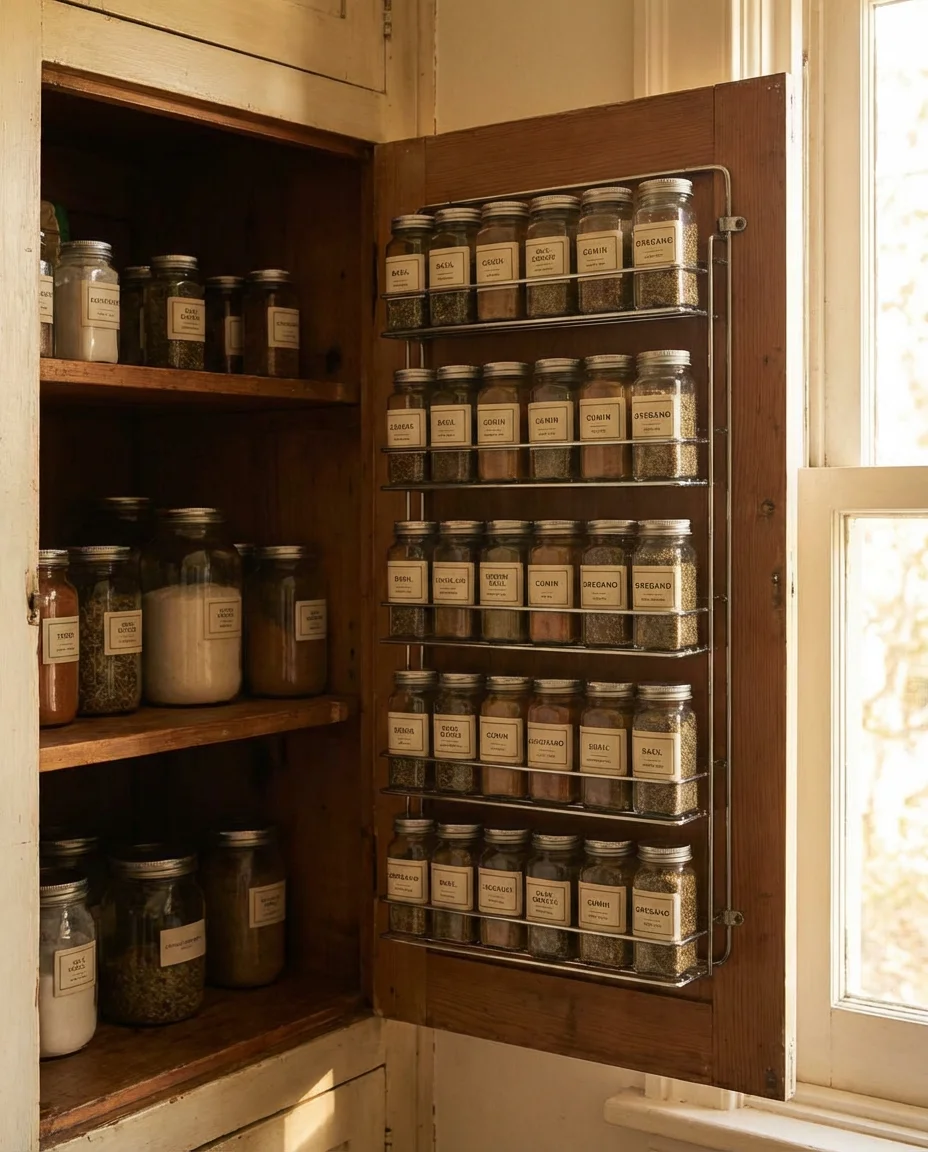
The one thing to watch for: make sure whatever you mount doesn’t prevent the door from closing fully, and check the weight capacity of any adhesive solutions before loading them up. Screw-mounted organizers are significantly more reliable than adhesive ones for heavier items. This is the kind of incremental, DIY-friendly organization upgrade that takes a Saturday afternoon and pays dividends every single day you cook.
21. Minecraft-Inspired Storage Walls for Kids’ Rooms
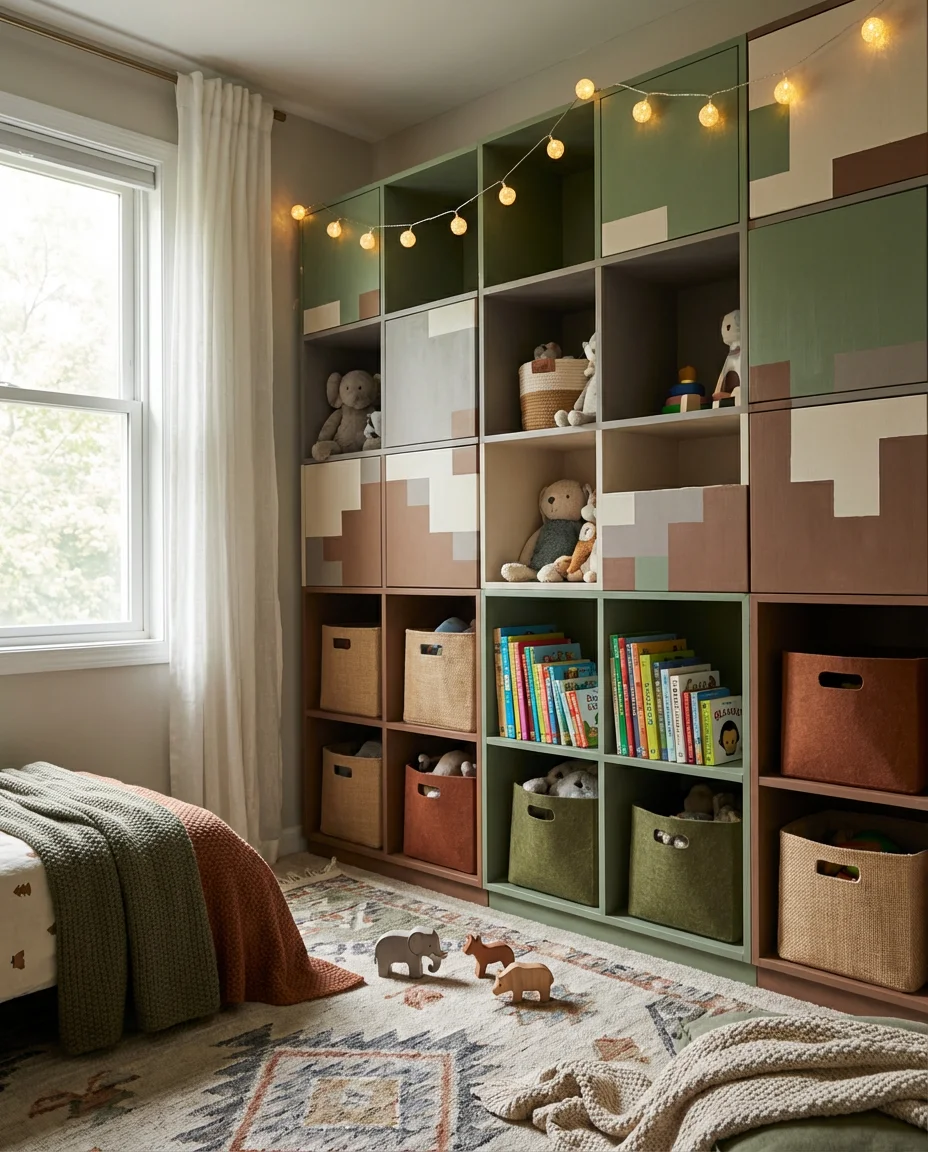
If you’re looking for storage that your kids will genuinely be excited about, a Minecraft-inspired storage wall might be the answer. Modular cube shelving painted in earthy browns, stone grays, and greens—with labels or decals that echo the game’s iconic pixel aesthetic—turns a basic IKEA or Target shelf grid into something a child will actually want to keep organized. It bridges the gap between creative bedroom decor and functional toy and book storage seamlessly.
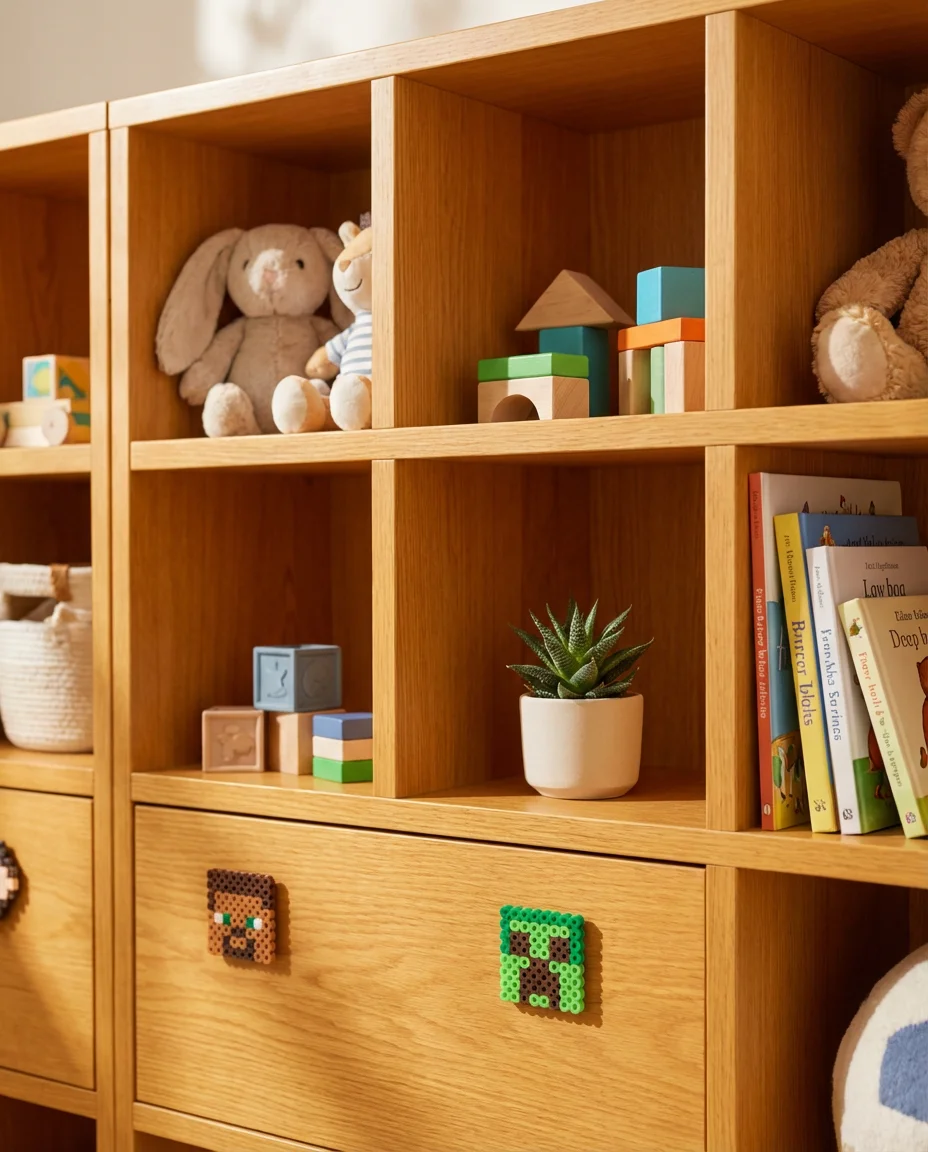
This is one of those rare DIY projects where the “theme” does as much organizational work as the actual shelves—because kids are more motivated to put things away when they feel ownership and pride over their space. Keep the execution simple: you don’t need to craft custom furniture. A painted cube unit with pixel-art drawer pulls and a few vinyl decals from Etsy is all it takes to transform an ordinary room into something your kid will show off to every friend who visits.
22. Garage Food and Pantry Overflow Storage
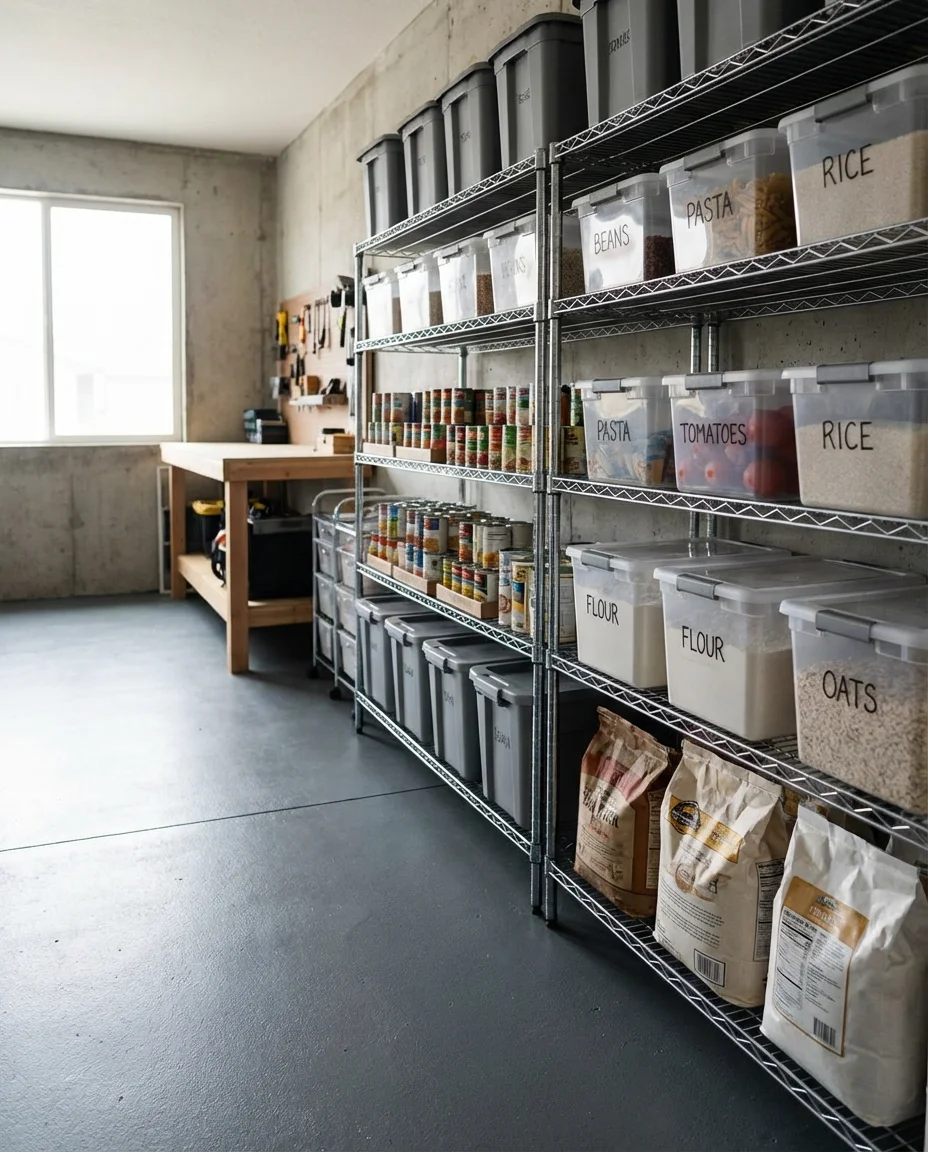
For American families who bulk-shop at Costco or Sam’s Club, the garage has quietly become the second pantry—and there’s nothing wrong with that if it’s organized properly. Heavy-duty wire shelving units rated for 300–500 pounds are the backbone of a great garage food storage setup. Keep items off the ground (away from pests and flooding), store only non-temperature-sensitive items out here, and rotate stock so nothing expires forgotten on a back shelf.
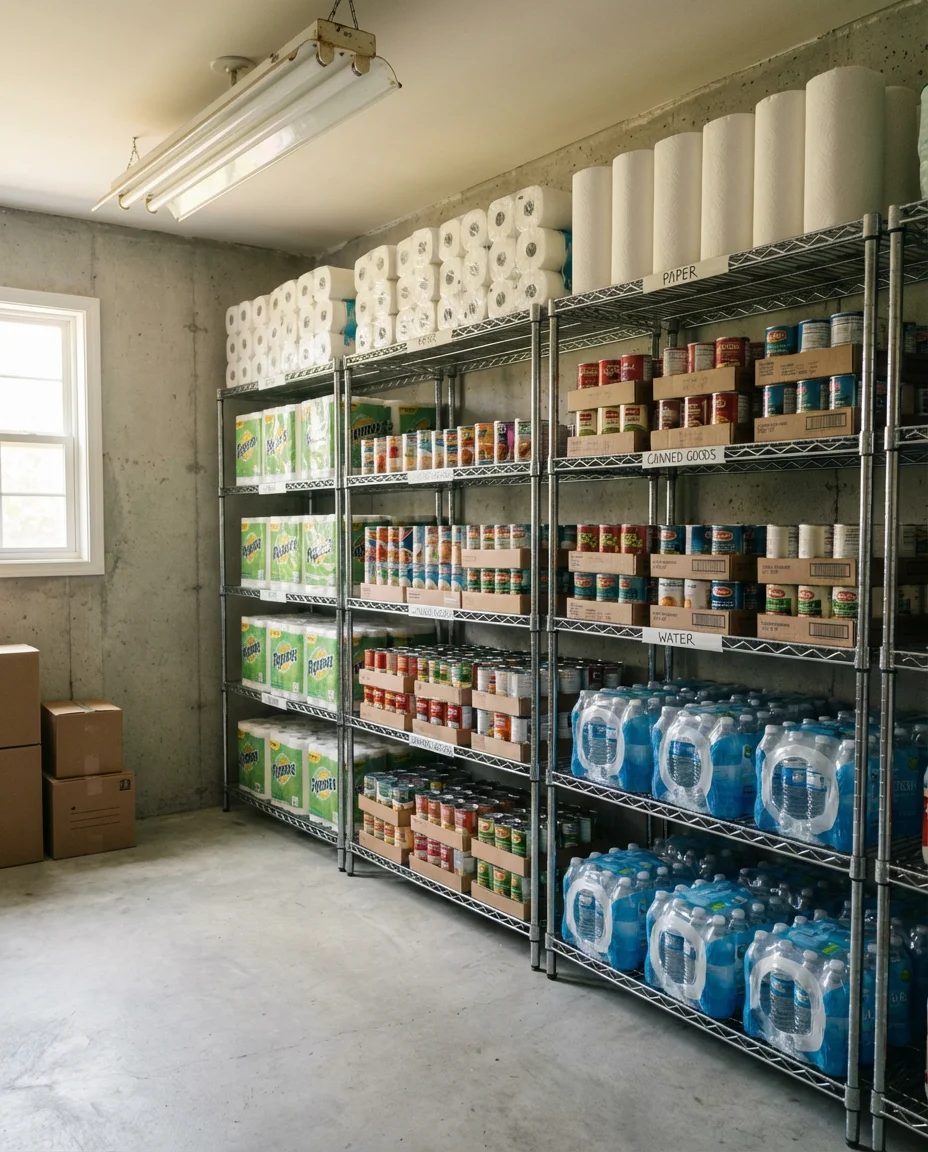
A practical insight many families miss: the garage is ideal for storing paper goods, canned goods, and dry staples but risky for chocolate, cooking oils, and anything that can freeze or melt with temperature swings. In regions with hot summers like Texas, Arizona, and the Deep South, a climate-controlled storage solution or an interior pantry overflow spot is worth the extra consideration. Label your shelves by category and do a quarterly expiration audit to keep things safe and organized year-round.
23. Maximizing Small Apartment Storage From Floor to Ceiling
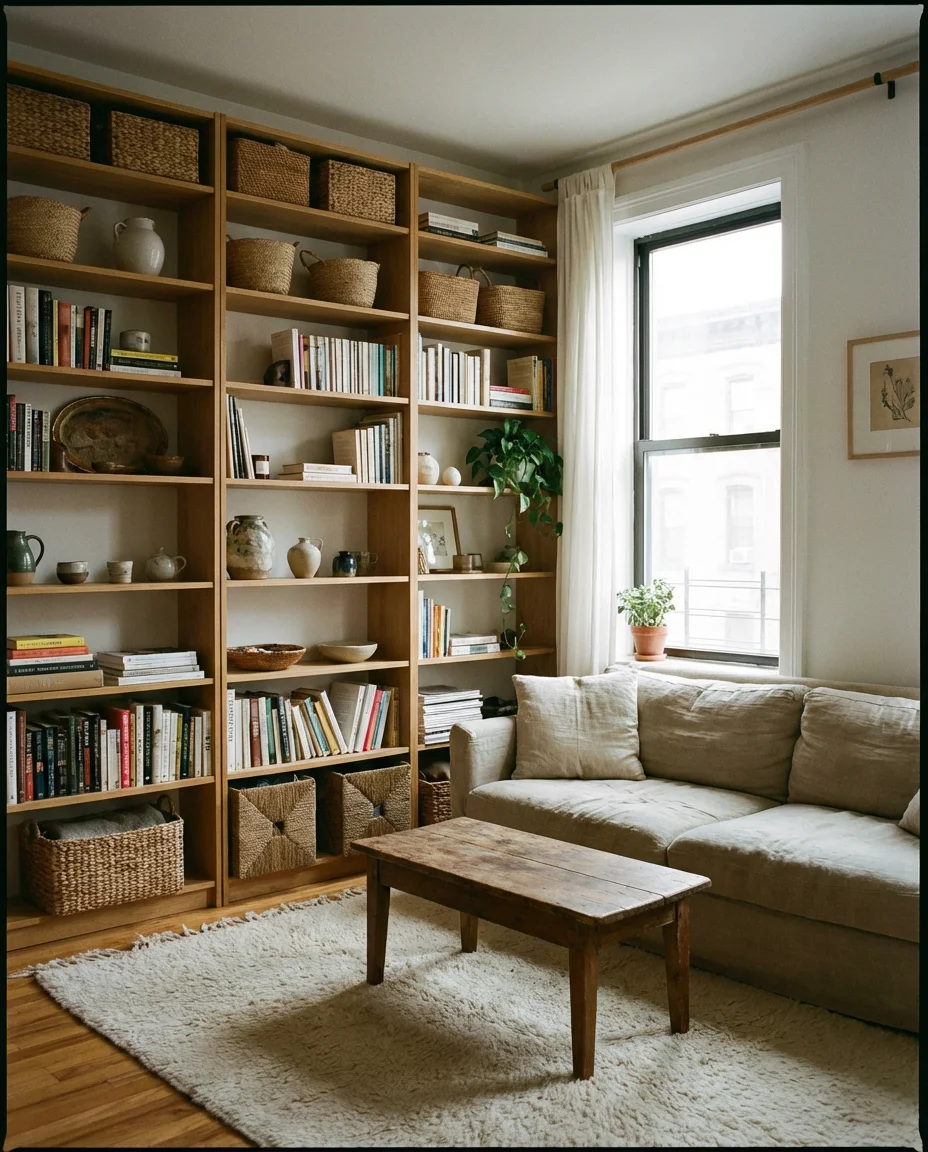
In a truly small apartment, the only way to win the storage game is to stop thinking horizontally and start treating every vertical inch as usable space. Floor-to-ceiling shelving, tall wardrobe systems that reach the ceiling, and stacked storage solutions that climb the walls rather than spread across the floor are the defining features of the most successful small-space homes. This is the organizing philosophy that transforms 400 square feet from cramped to genuinely livable—and it works whether you’re in a Manhattan studio or a Denver micro-apartment.
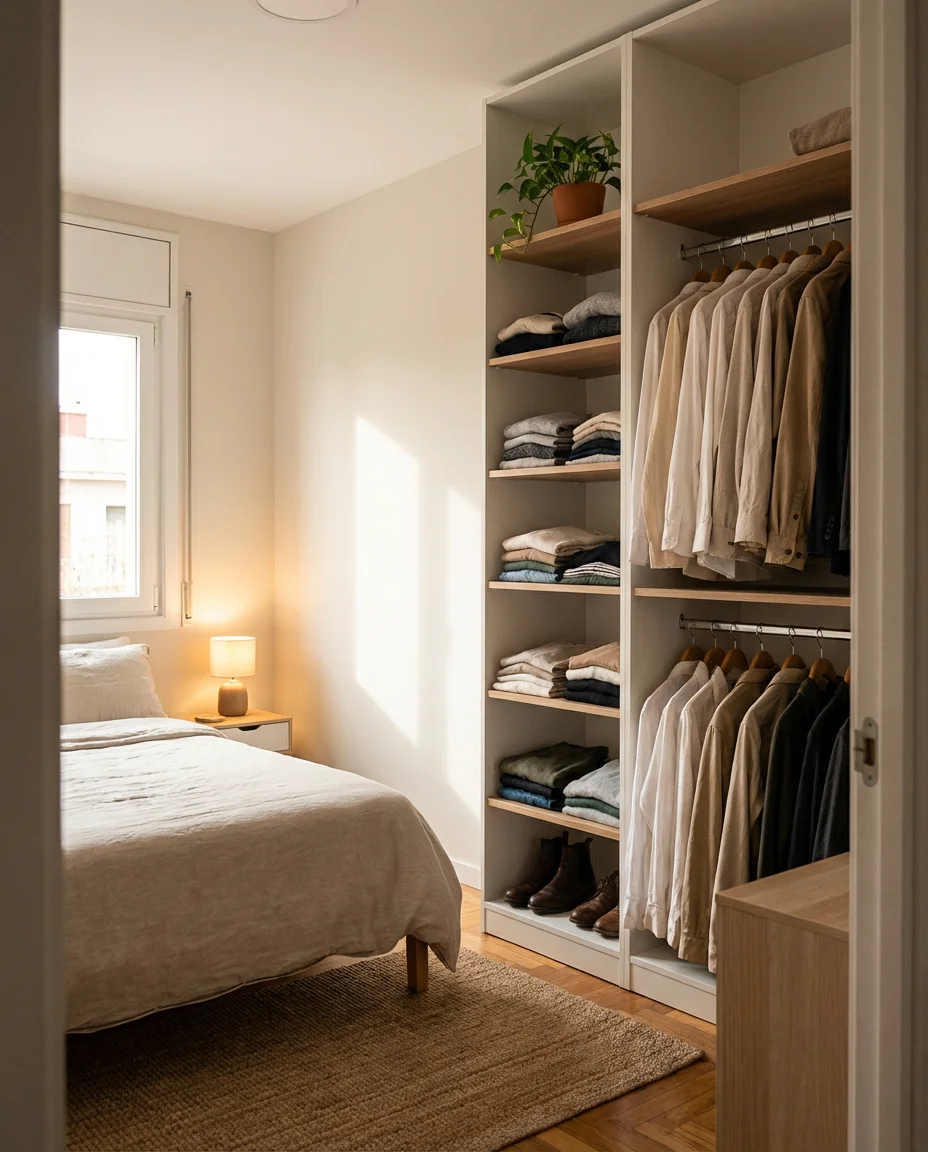
The final key to making all of this work is editing ruthlessly. No storage system, no matter how clever or well-designed, can compensate for simply owning too much stuff. The most beautifully organized small homes share one trait: their owners have made peace with having less, keeping only what they use and love. That mindset shift, combined with the right systems and furniture, is what separates a home that feels tight and stressful from one that feels intentional, open, and genuinely yours.
Conclusion
Small-space living is one of the most creative design challenges you can take on—and the solutions keep getting better every year. Whether you’re tackling one corner at a time or planning a full room overhaul, the ideas here are meant to spark your own thinking and help you see your space with fresh eyes. We’d love to know which ideas you’re planning to try first or what storage hacks have worked best in your own home—drop a comment below, and let’s figure it out together.