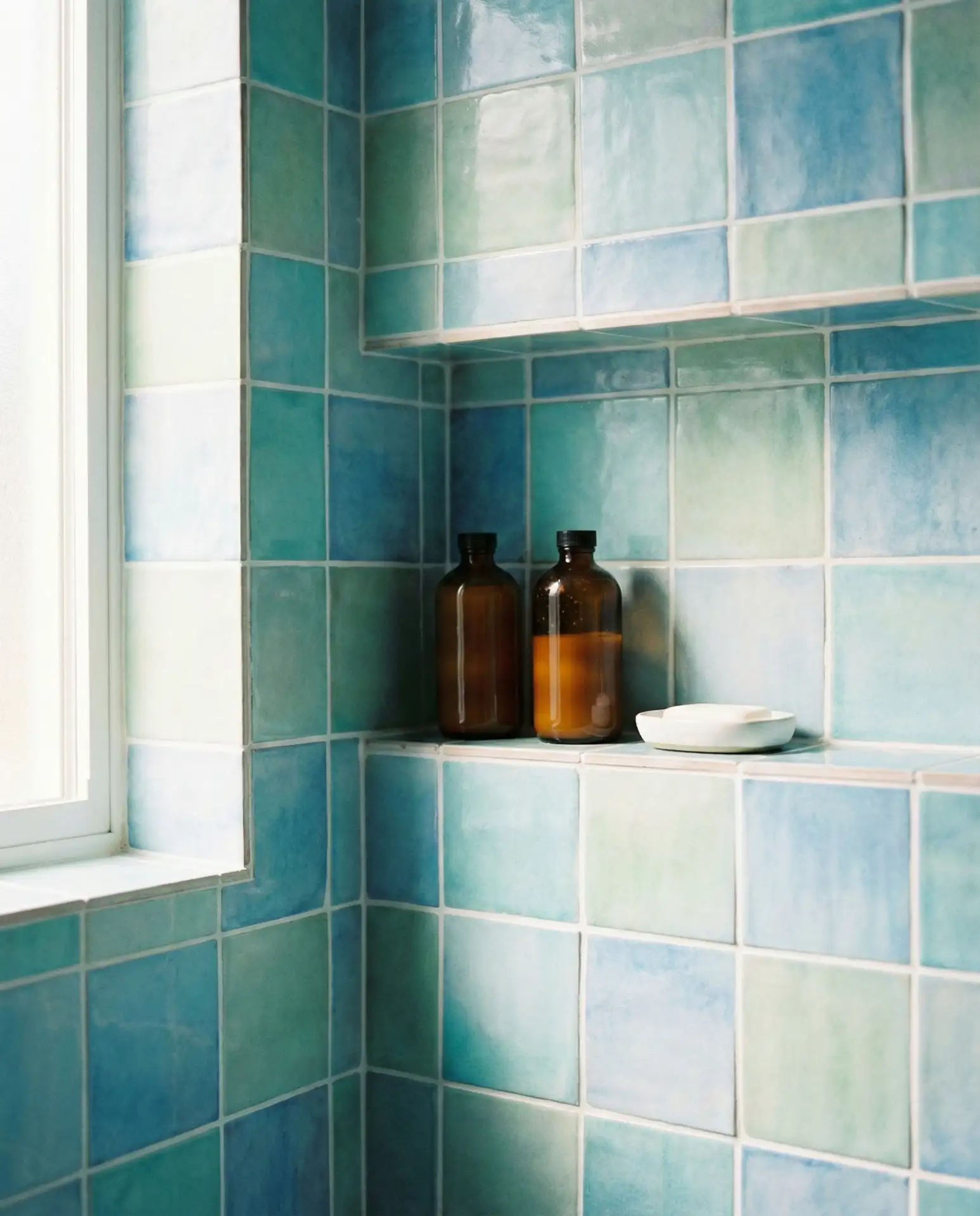
Guest bathrooms are having a major moment in 2025, and Pinterest is absolutely buzzing with fresh takes on how to transform these often-overlooked spaces into welcoming retreats. Whether you’re working with a powder room tucked under the stairs or a full bath down the hall, today’s design trends prove you don’t need a massive budget or square footage to create something memorable. Americans are searching for ways to blend practicality with personality—think spa-like touches, bold color moments, and clever storage that doesn’t sacrifice style. What follows are inspiring ideas that range from playfully eclectic to timelessly elegant, each one designed to help you craft a guest bathroom that feels both thoughtful and genuinely inviting.
1. Spa-Inspired Serenity with Natural Textures
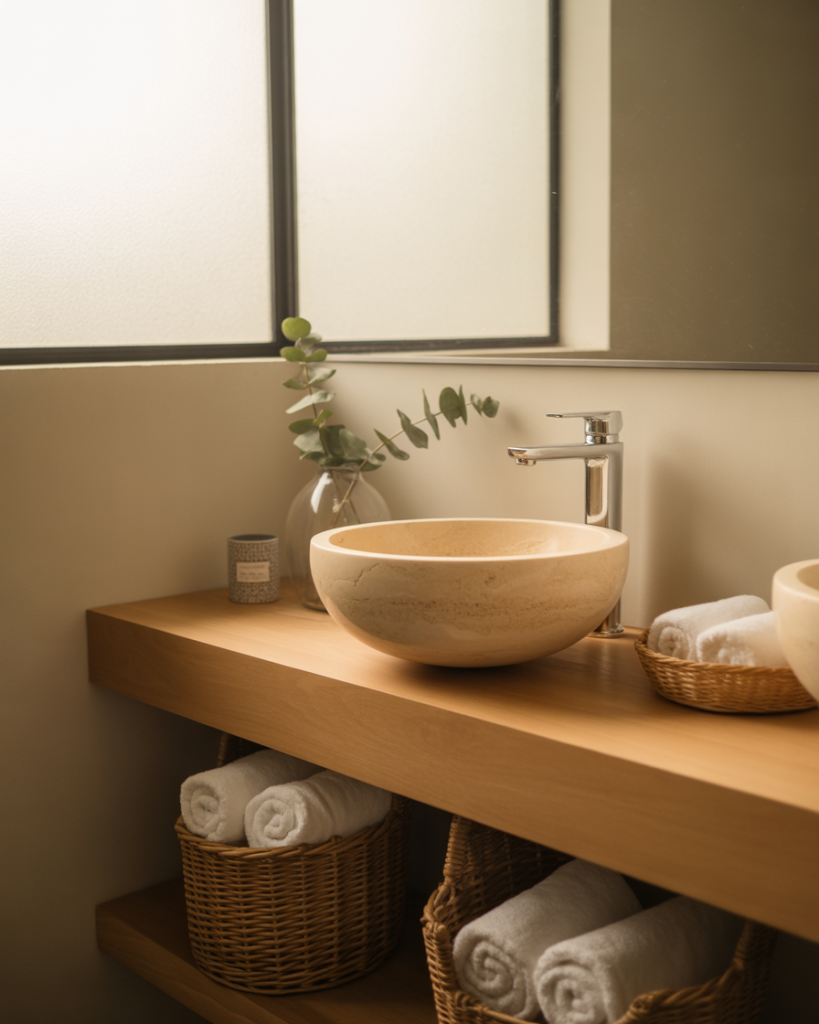
Transform your guest bathroom into a spa-like retreat by layering natural materials like teak, stone, and linen. This approach works beautifully in apartment settings where square footage is limited but the desire for calm is universal. Pair a floating vanity in warm wood with a vessel sink in cream travertine, then add rolled towels in a woven basket and a small potted eucalyptus branch. The neutral palette creates an instant sense of relaxation, while the textures add depth without visual clutter. 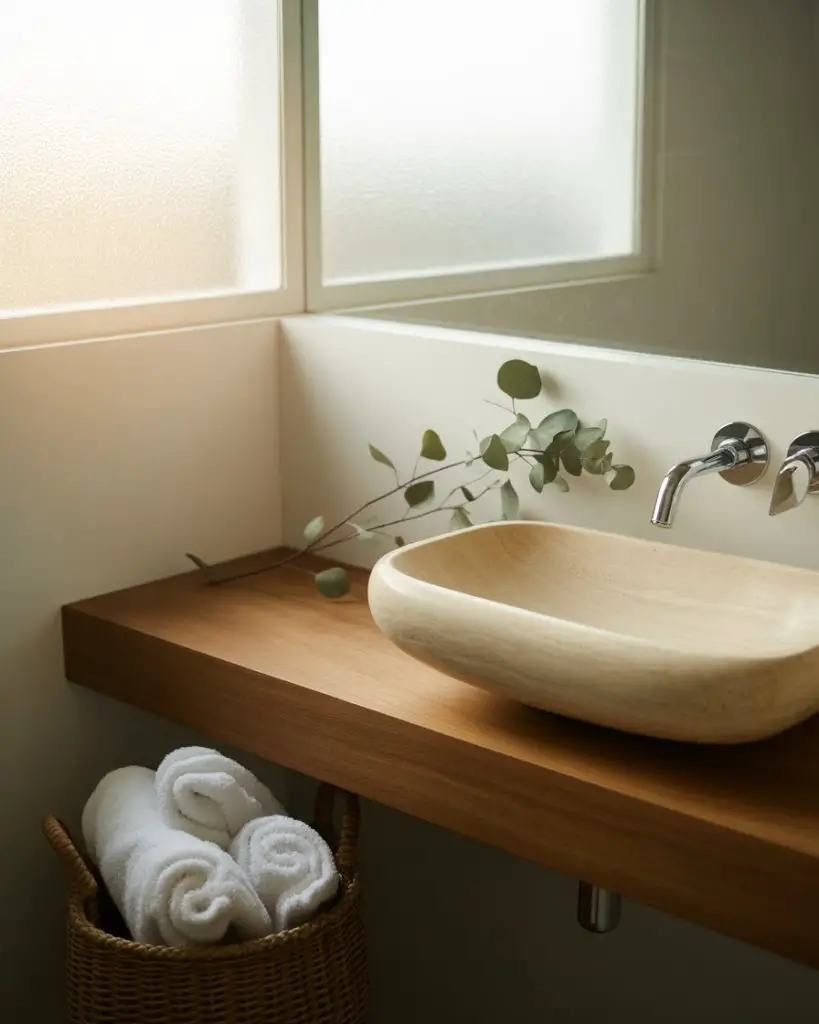
Where it works best: Small urban apartments and condos where the bathroom doubles as a daily-use powder room. The natural materials age gracefully and don’t show water spots as easily as high-gloss finishes, making maintenance surprisingly simple. Consider adding a rainfall showerhead and a small wooden stool to complete the spa experience without overwhelming the space.
2. Moody Drama with Deep Charcoal Walls
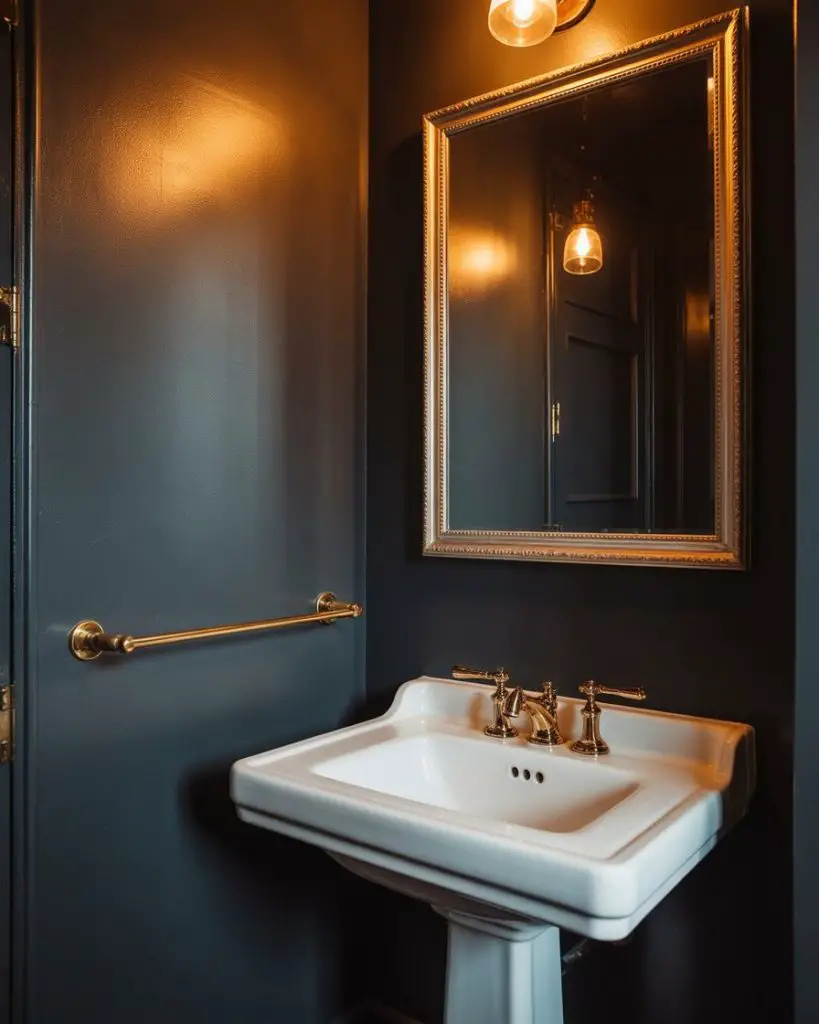
A moody guest bathroom makes a statement that lingers long after your visitors leave. Paint the walls in a rich charcoal or deep navy, then contrast with bright white fixtures and brass hardware for a look that feels both elegant and surprisingly cozy. This works especially well in bathrooms with limited natural light—the dark walls actually embrace the intimacy rather than fighting it. Add a large ornate mirror to bounce light around and prevent the space from feeling too cave-like. 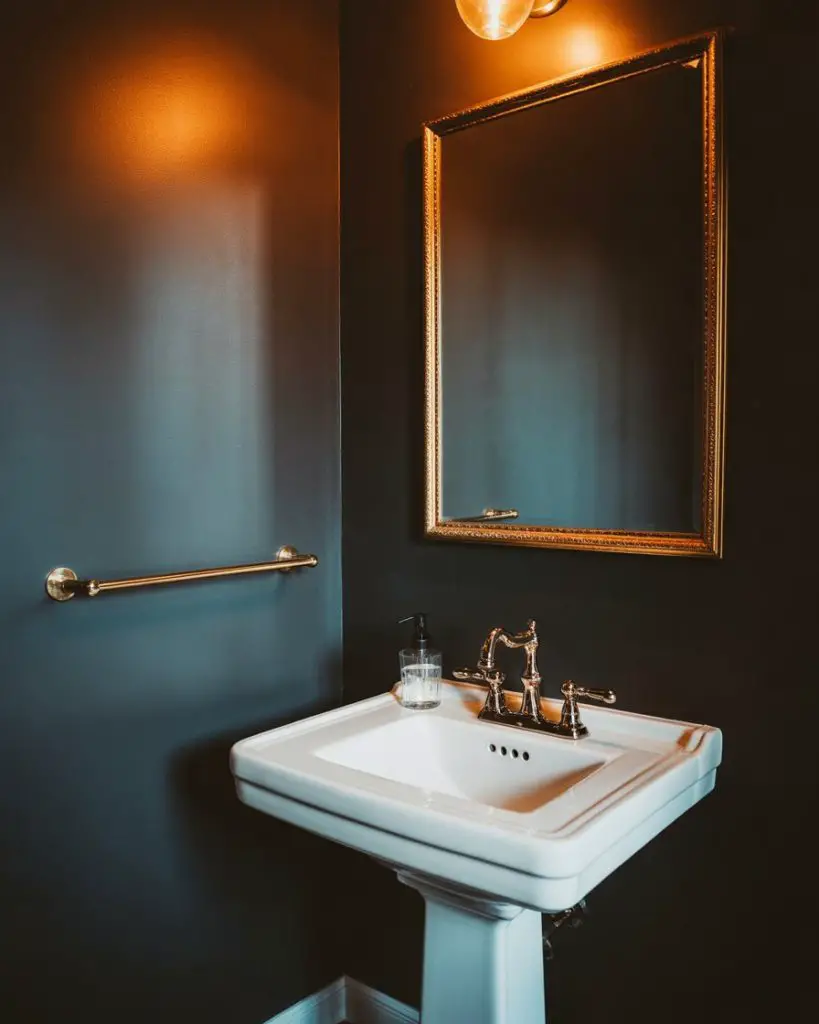
One homeowner in Portland painted her windowless powder room in Benjamin Moore’s Hale Navy and said guests consistently ask about it—the darkness became a feature, not a flaw. She paired it with vintage sconces and suddenly the tight 40-square-foot space felt like a jewel box rather than an afterthought.
3. Playful Tile Patterns for Kids and Families
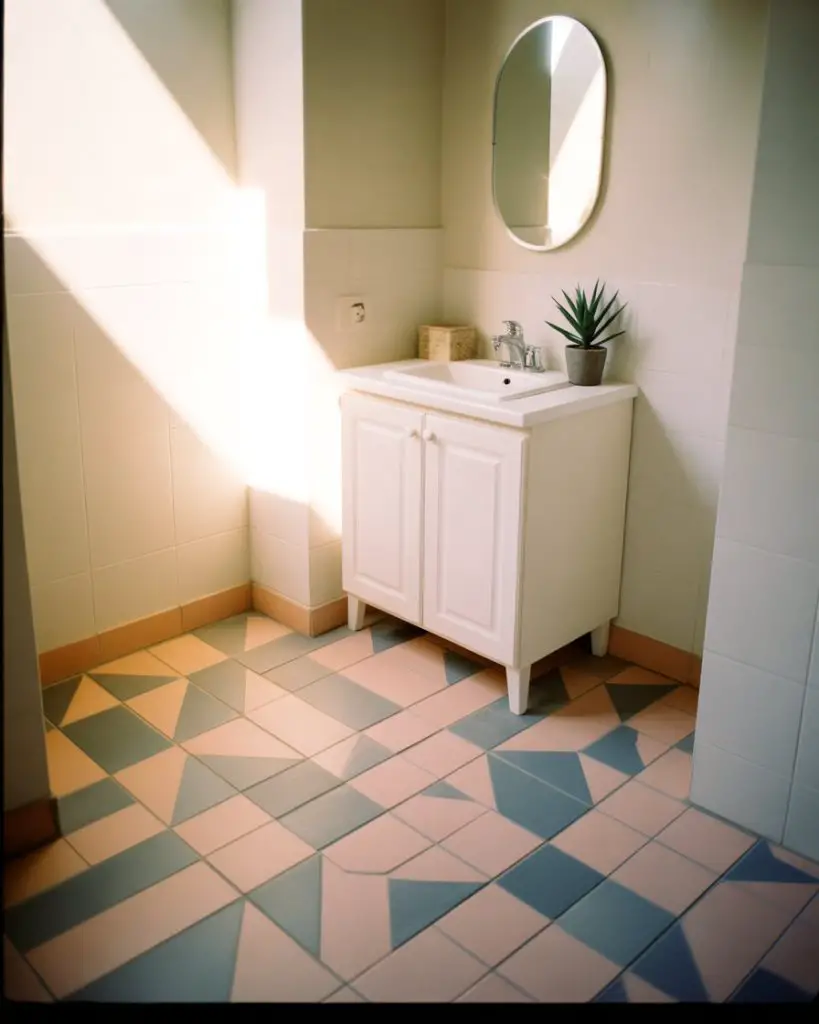
Guest bathrooms that also serve kids need to balance durability with personality, and patterned floor tiles deliver on both fronts. Consider geometric cement tiles in soft pastels or a playful terrazzo look that hides daily wear while adding visual interest. Keep walls simple in white or pale gray so the floor becomes the star, and choose a single sink vanity with plenty of lower storage where little ones can reach their own supplies. This approach feels fun without being overly themed, so the space grows with your family. 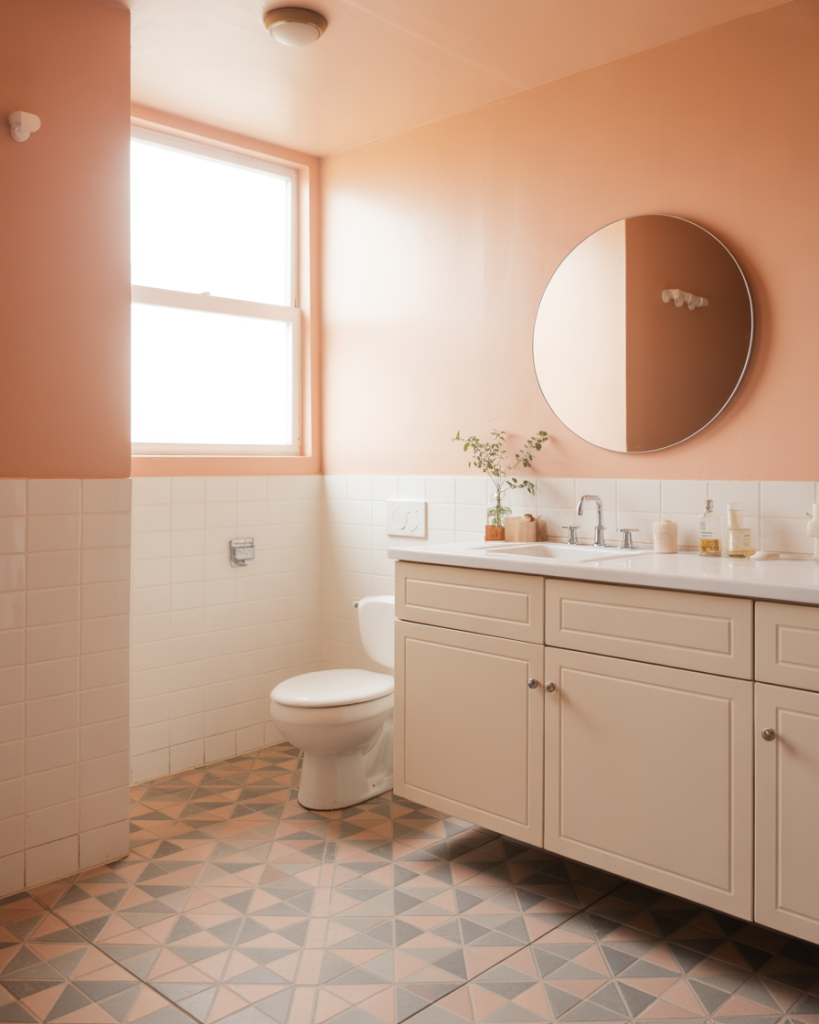
Practical insight: Cement tiles are porous and need to be sealed properly—skip this step and you’ll spend months trying to remove stains. Have a professional seal them at installation, then reseal annually. The payoff is a floor that develops a soft patina over time while standing up to wet towels, toothpaste spills, and the occasional bath toy flood.
4. Vintage Charm with Clawfoot Tub Elegance
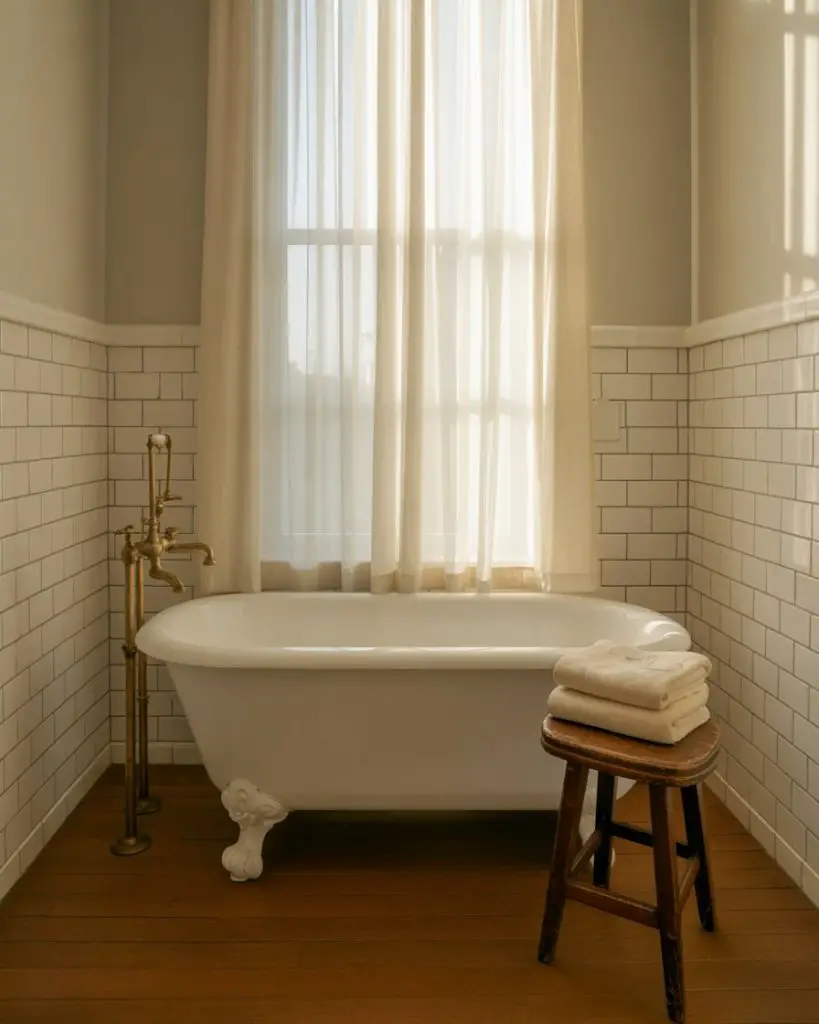
Nothing says elegant quite like a freestanding clawfoot tub positioned under a window with gauzy curtains. This classic look works in both renovated Victorians and newer builds where homeowners want to inject old-world character. Paint the tub’s exterior in a soft sage or leave it in glossy white, then add a vintage-inspired brass floor-mounted faucet. Pair with subway tile, a pedestal sink, and perhaps one piece of antique furniture repurposed as towel storage. 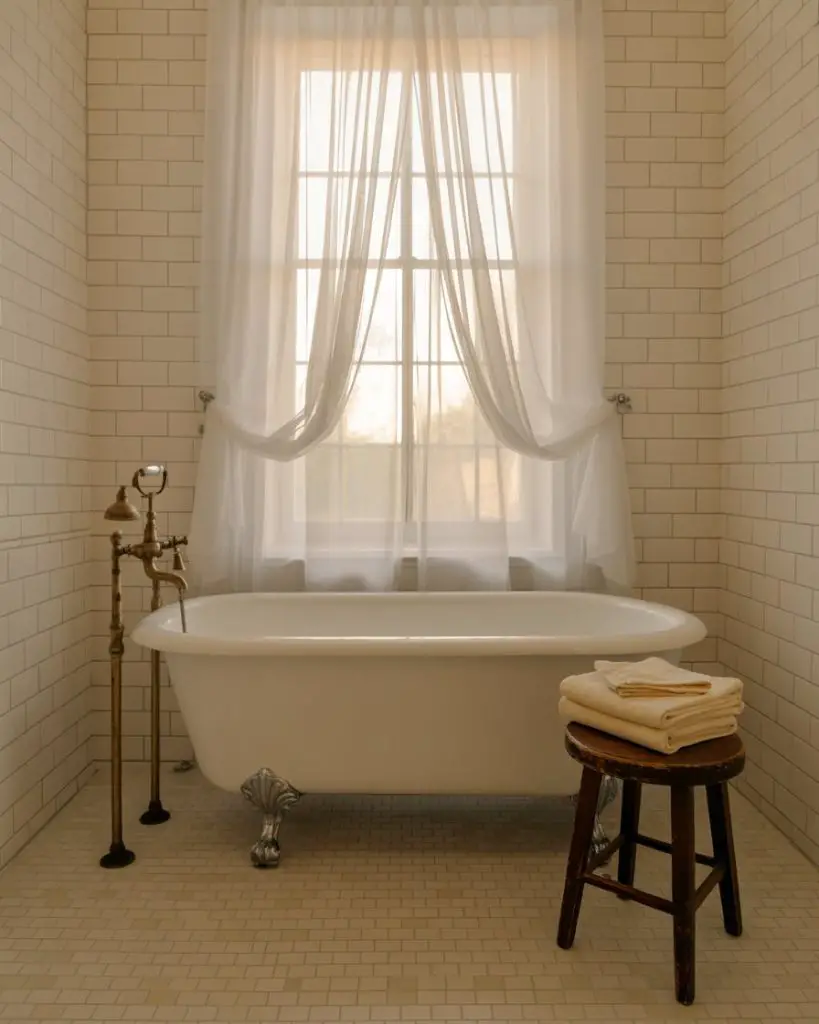
Budget angle: Vintage clawfoot tubs can be found at architectural salvage yards for $200–$600, though refinishing and plumbing installation will add another $800–$1,500. It’s still significantly cheaper than buying new, and you get authentic character that reproductions can’t quite match. Just make sure your floor joists can handle the weight when filled—these beauties can tip the scales at 500 pounds or more.
5. Clean Lines and Timeless White Subway Tile
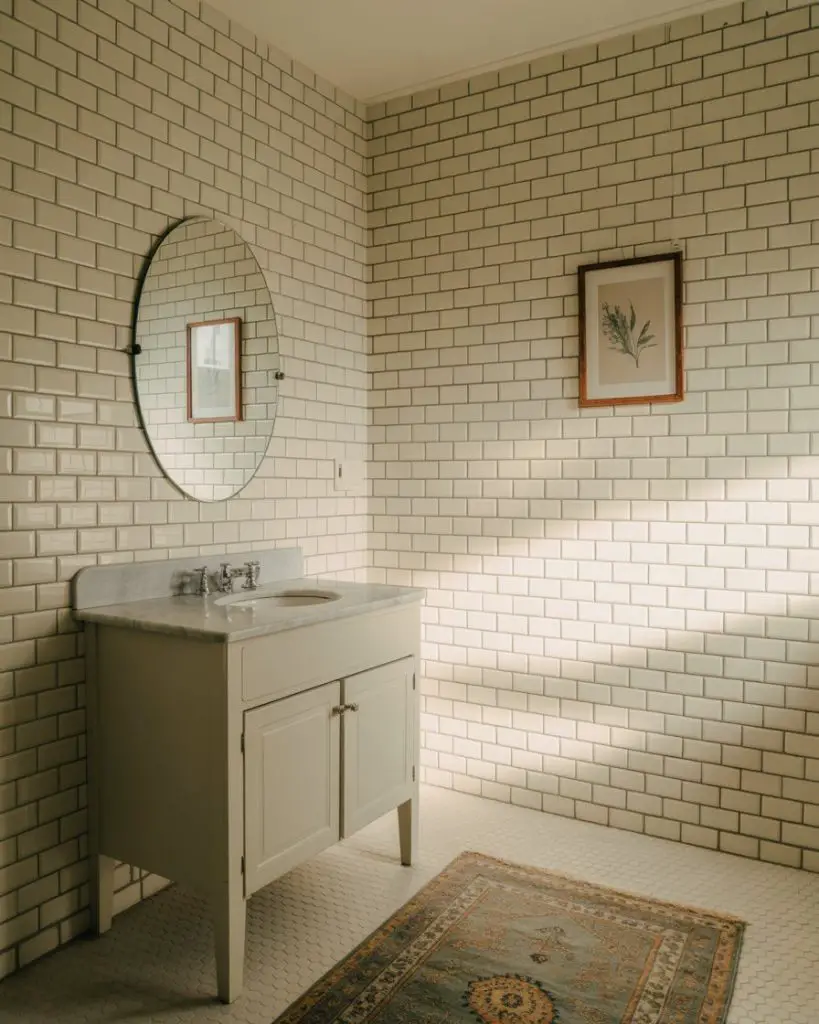
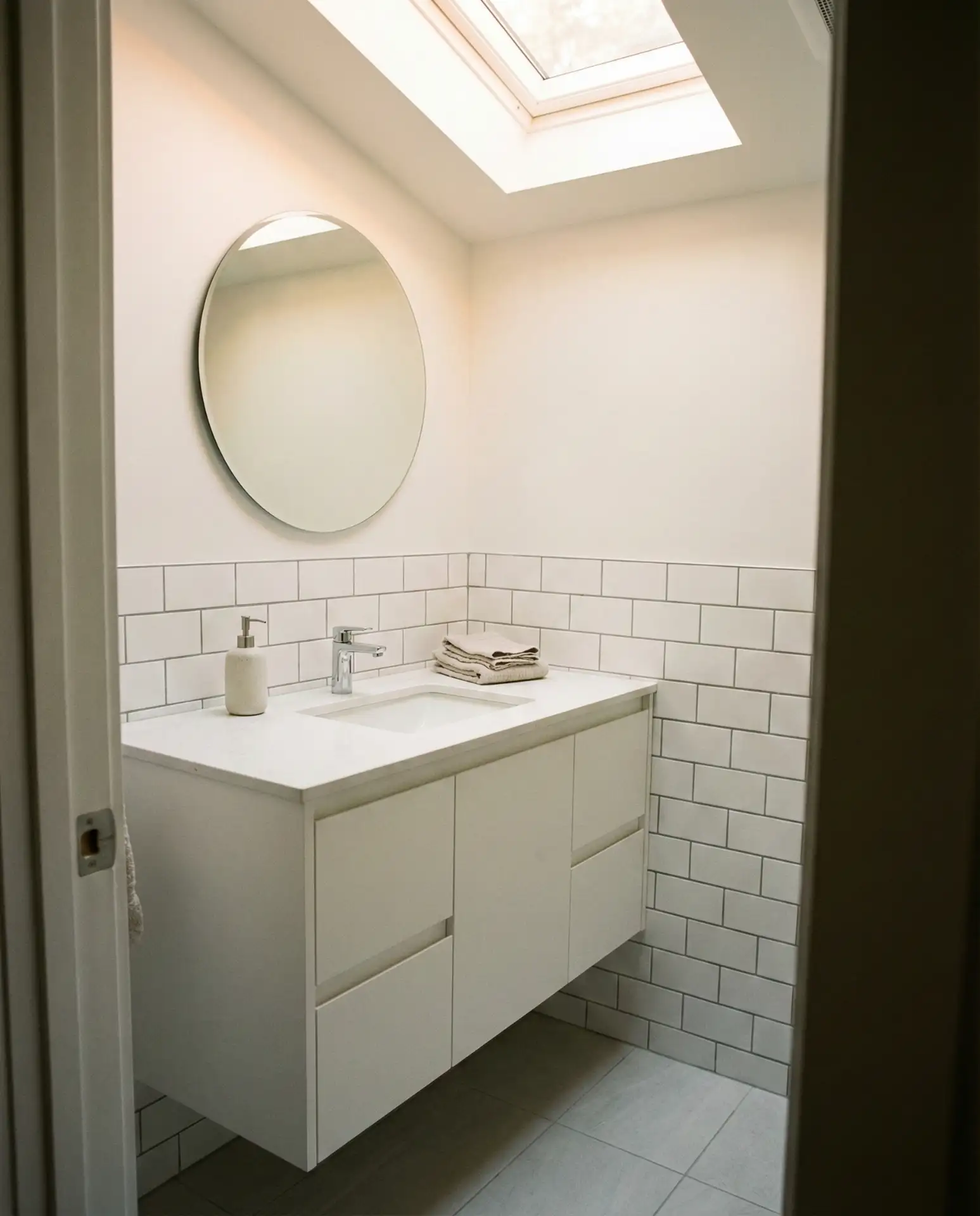
There’s a reason white subway tile remains a go-to choice for timeless guest bathrooms—it works with literally every design style and never feels dated. Lay it in a classic brick pattern or try a vertical stack for a subtle modern twist. Pair with simple chrome fixtures, a white single sink vanity, and perhaps one colorful accent like a vintage rug or a piece of art. The restraint creates a backdrop that feels fresh now and will still look polished in fifteen years. 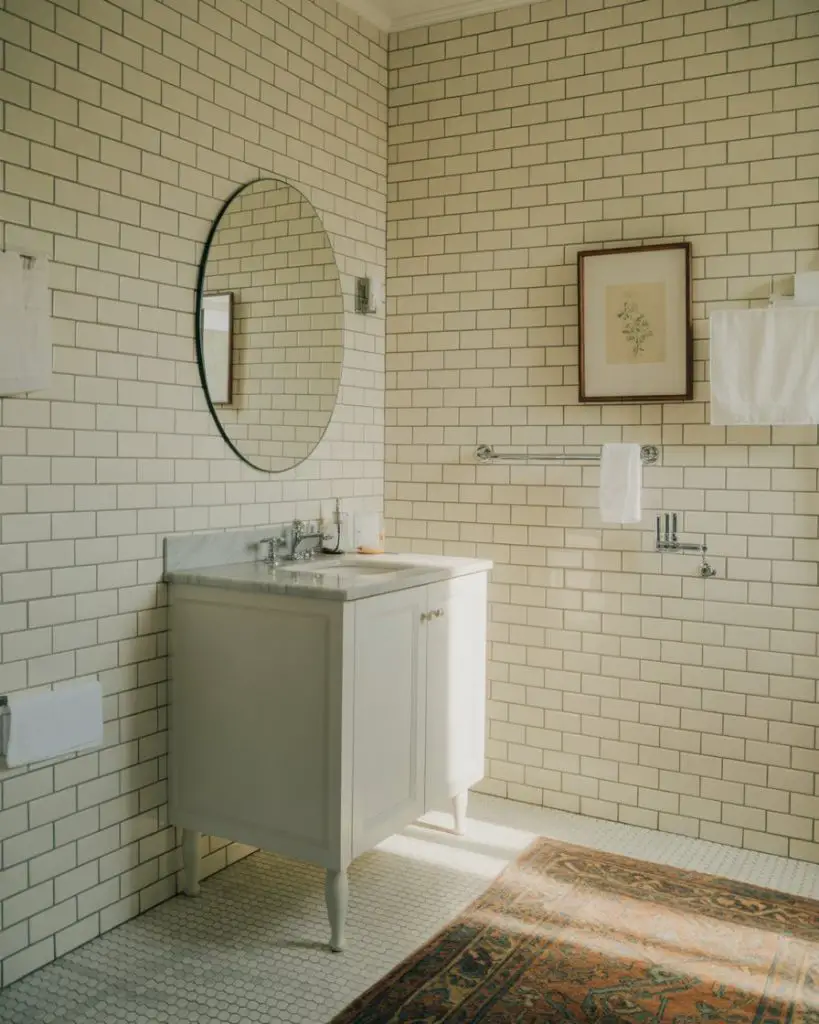
Expert-style commentary: The beauty of this approach is its flexibility—you can swap out accessories, rugs, and art as trends shift without touching the bones of the room. One designer in Charleston uses this formula in all her guest baths, then personalizes each with different hardware finishes and lighting. The result is cohesive but never boring, and renovation costs stay manageable because the tile work doesn’t need updating.
6. Bold Green Walls for Nature Lovers
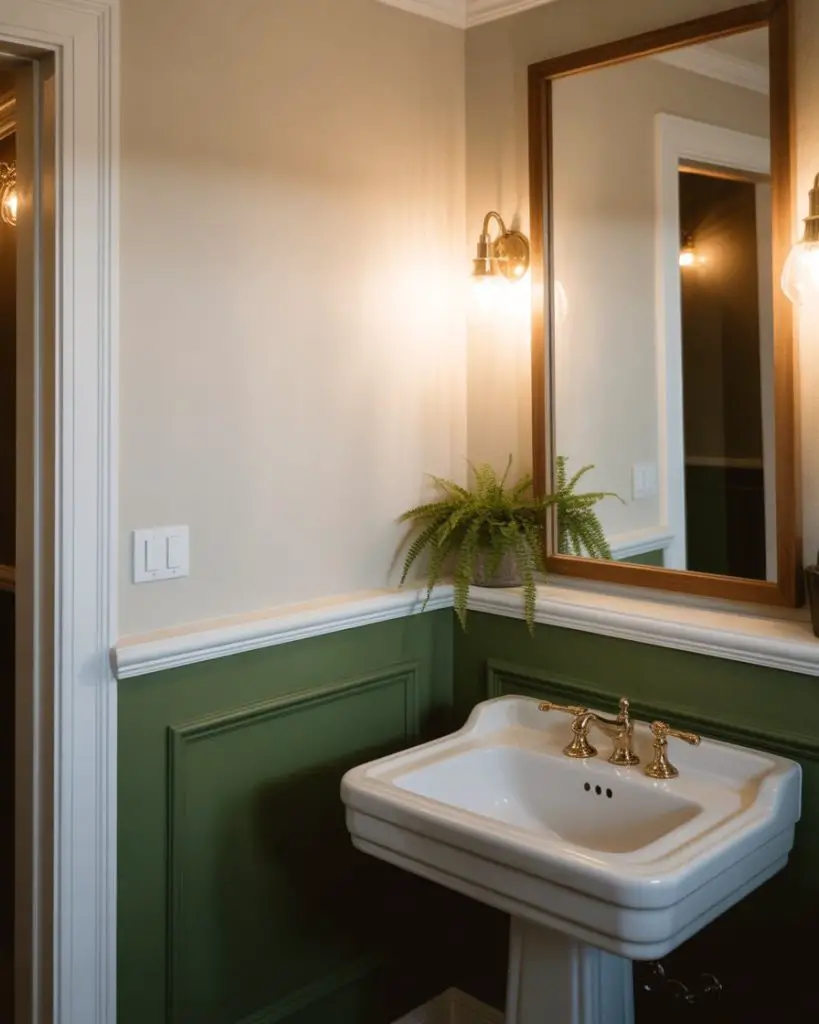
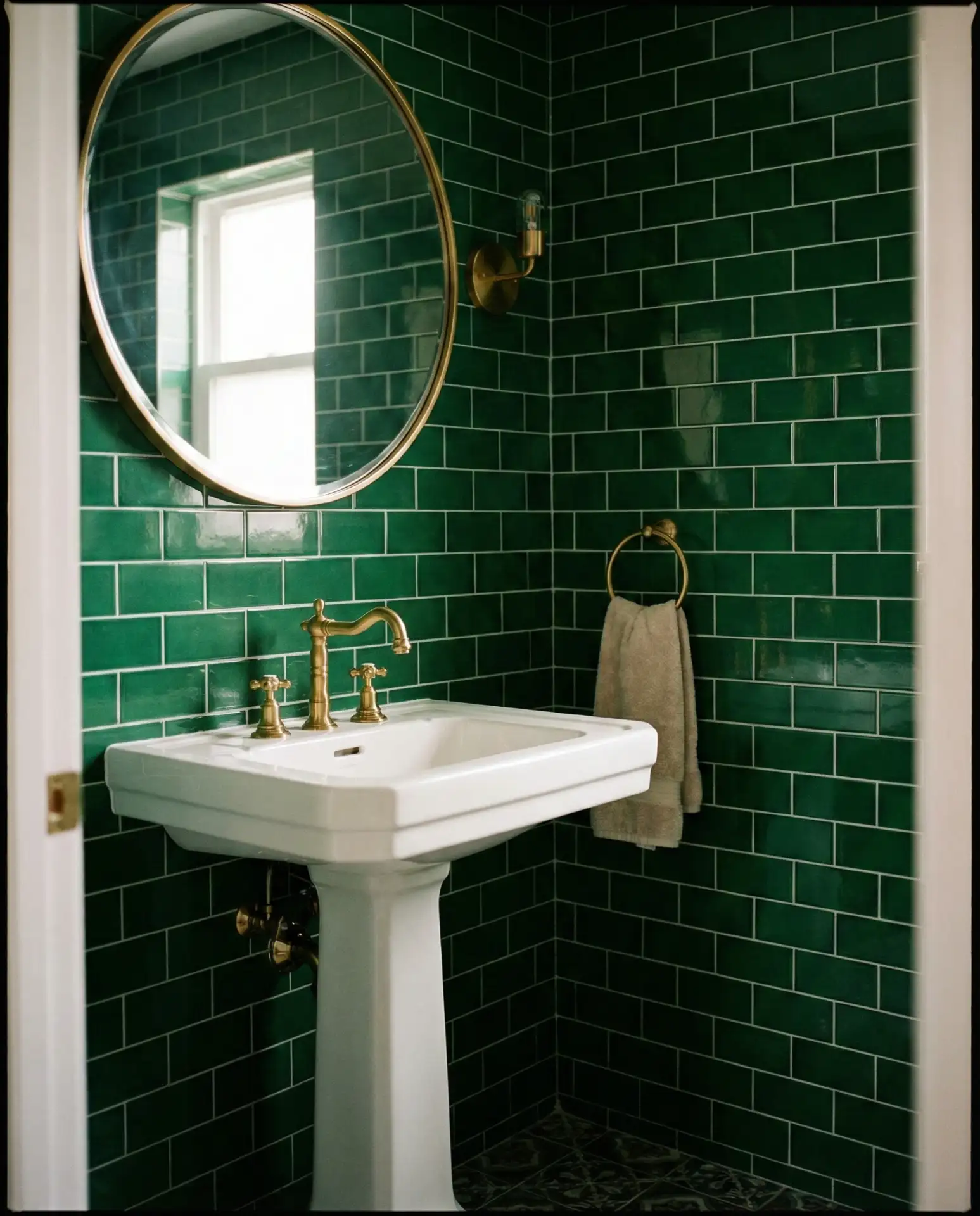
A green guest bathroom channels the outdoors in the most refreshing way, especially when you choose deeper shades like emerald, forest, or olive. This color family pairs beautifully with natural wood, brass fixtures, and white porcelain, creating a look that feels both grounded and elegant modern. Consider painting just the lower half of the walls in green and keeping the upper portion white for a wainscoting effect that adds architectural interest without paint-by-numbers predictability. 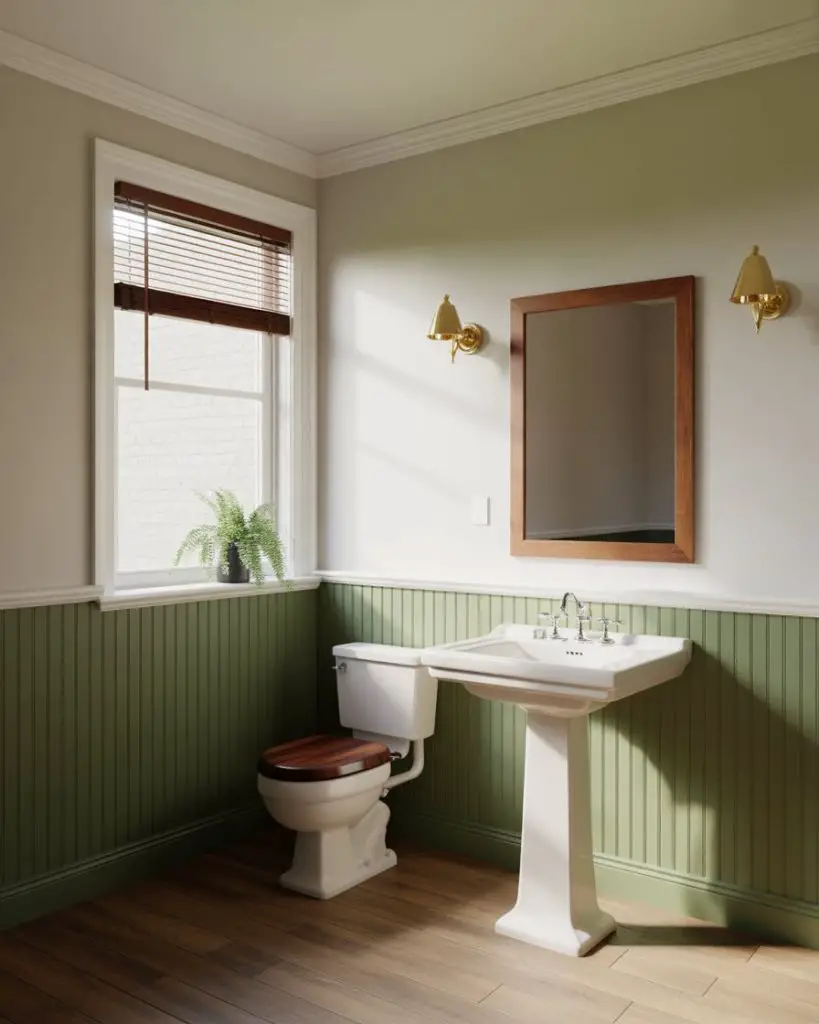
Common mistake to avoid: Green can read muddy or drab in bathrooms with poor lighting. If your guest bath lacks a window, install bright LED bulbs with a high CRI (color rendering index) of 90 or above—this ensures the green looks rich and intentional rather than dingy. Also test paint samples at different times of day, since artificial light can shift undertones significantly.
7. Compact Luxury in a Tiny Powder Room
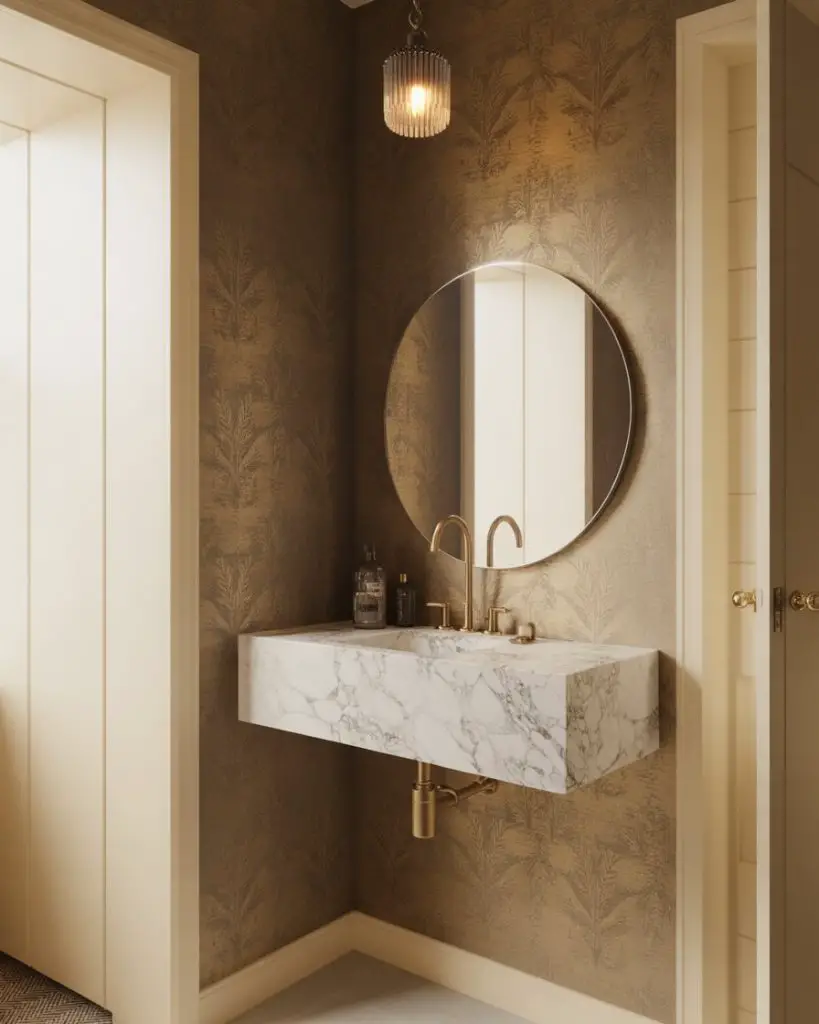
Even the smallest tiny guest bath can feel luxury if you choose materials and details wisely. Splurge on one or two high-impact elements—perhaps a stunning marble vanity top, a sculptural faucet, or wallpaper with metallic accents. Keep the color palette tight, use a large mirror to expand the visual space, and install a beautiful light fixture that draws the eye upward. The key is making every inch count without cluttering the limited square footage. 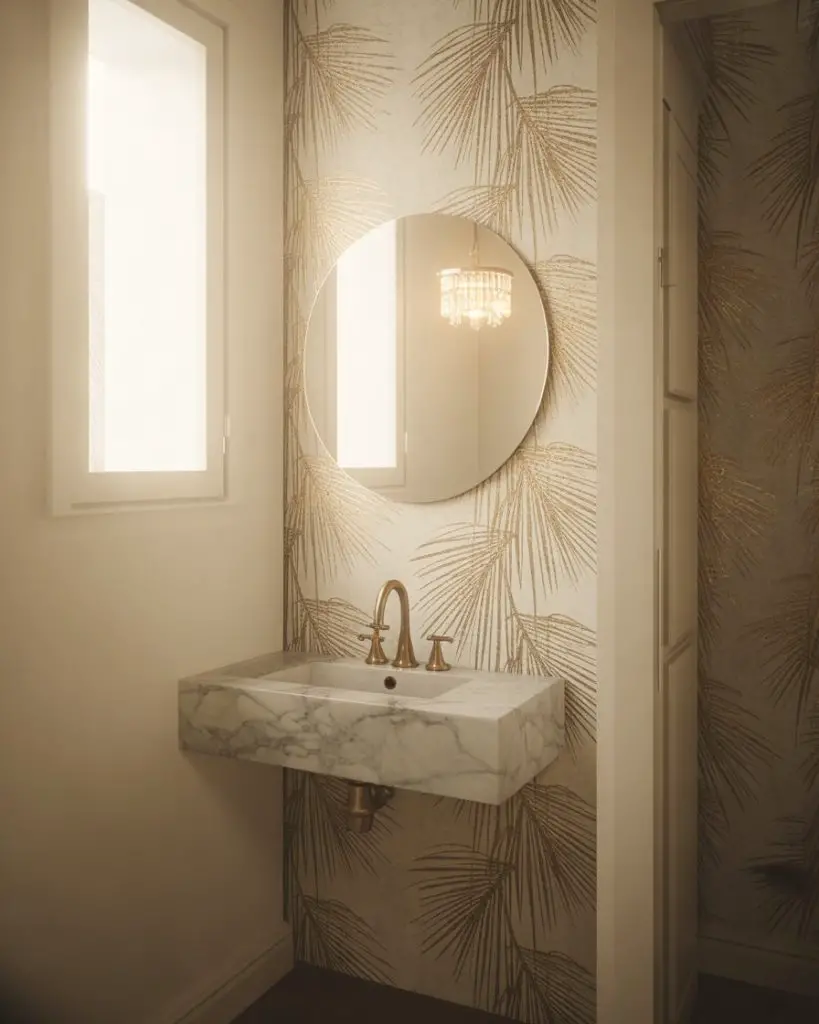
Real homeowner behavior: Many people overthink small bathrooms and end up with too many competing ideas. A homeowner in Brooklyn kept her 15-square-foot powder room dead simple—black hex floor tile, white walls, one statement light fixture—and it became the most photographed room in her apartment. Sometimes restraint is the real luxury, especially when space is at a premium.
8. Coastal Calm with Blue and White Stripes
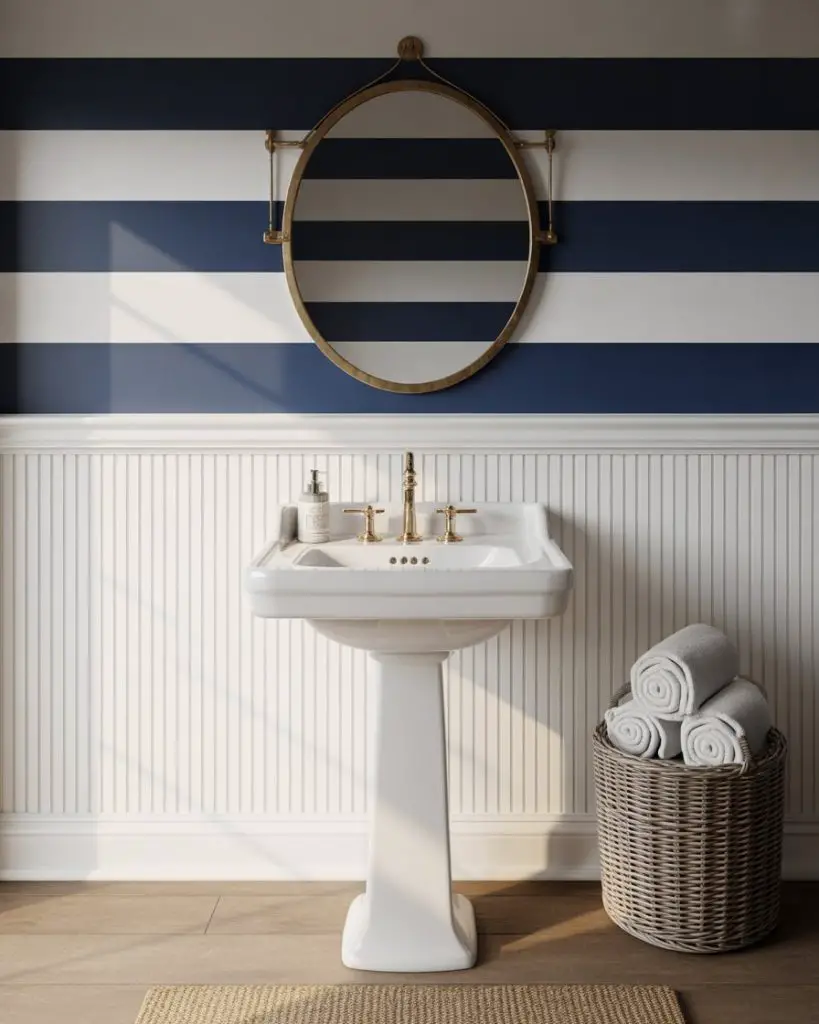
A blue and white guest bathroom evokes seaside relaxation without resorting to literal anchors and seahorses. Consider classic navy-and-white striped wallpaper, or paint horizontal stripes on one accent wall. Pair with crisp white fixtures, nautical-inspired brass details, and natural fiber accessories like a jute rug or woven basket. This look translates beautifully across the country—from New England cottages to California beach houses—and always feels cute without being overly precious. 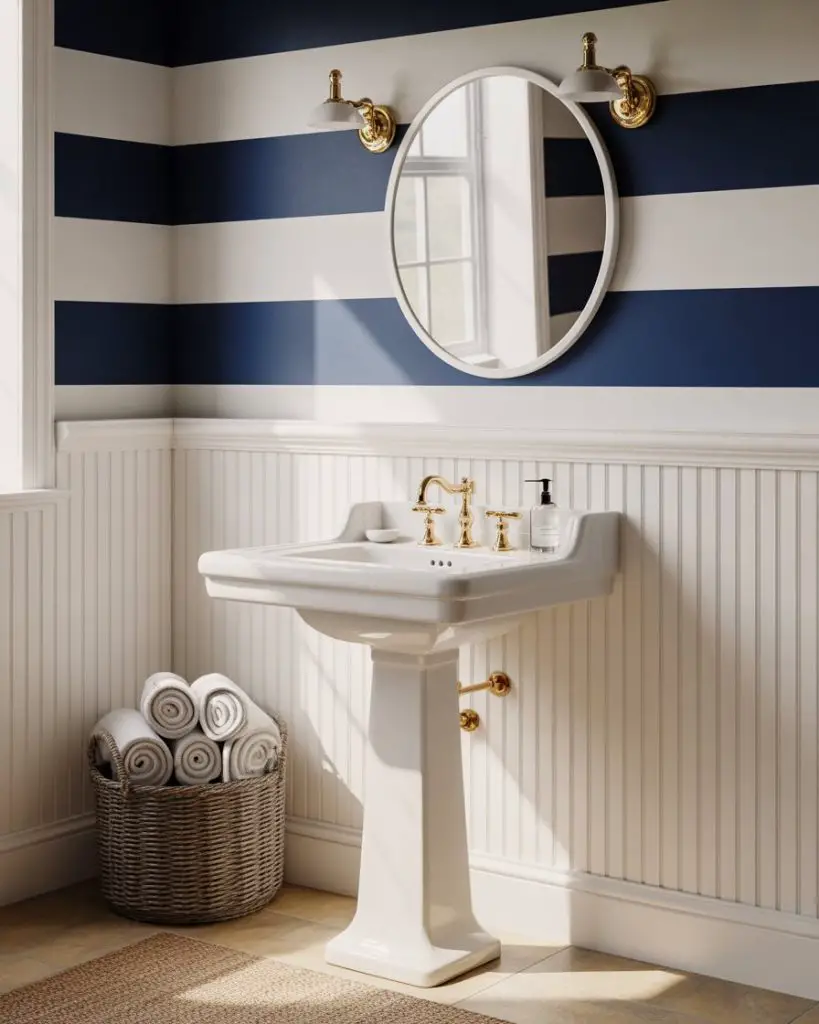
Where it works best: Vacation homes, lake houses, and primary residences in coastal regions where the aesthetic feels authentic rather than forced. The striped pattern adds visual height in rooms with low ceilings, and the navy hides minor splashes and water marks better than pure white. Avoid this look if your home skews rustic or industrial—the preppy vibe will feel disconnected.
9. Elegant Modern Floating Vanity with Geometric Tile
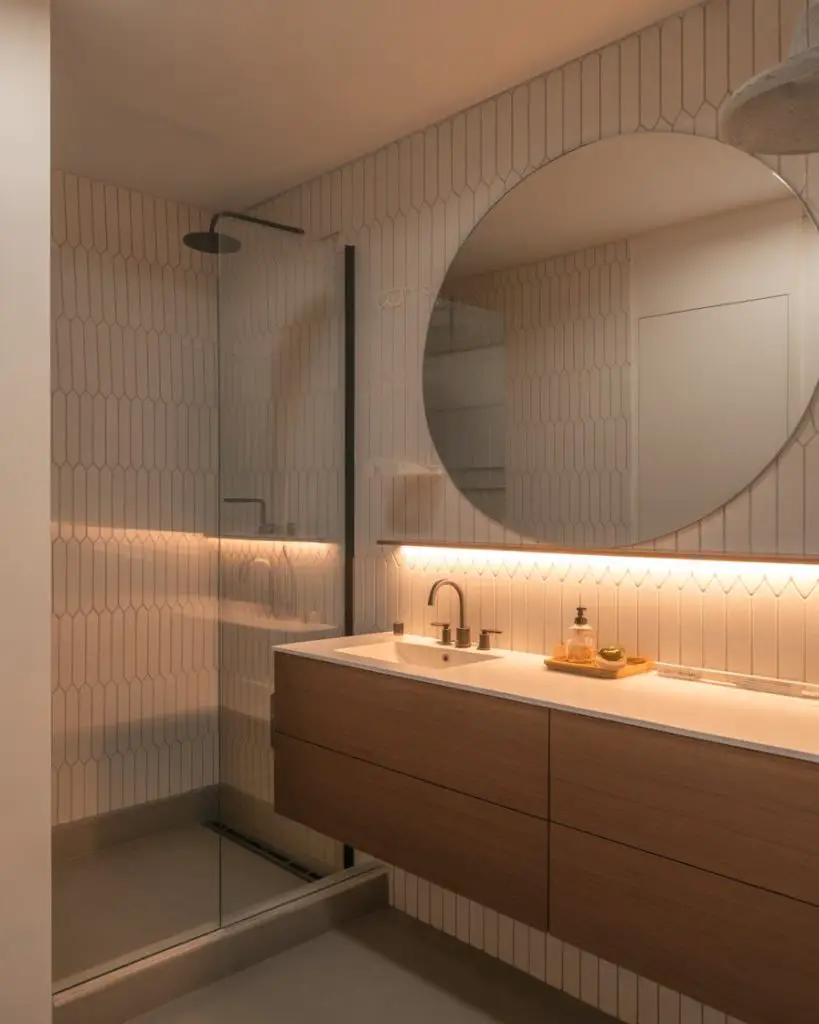
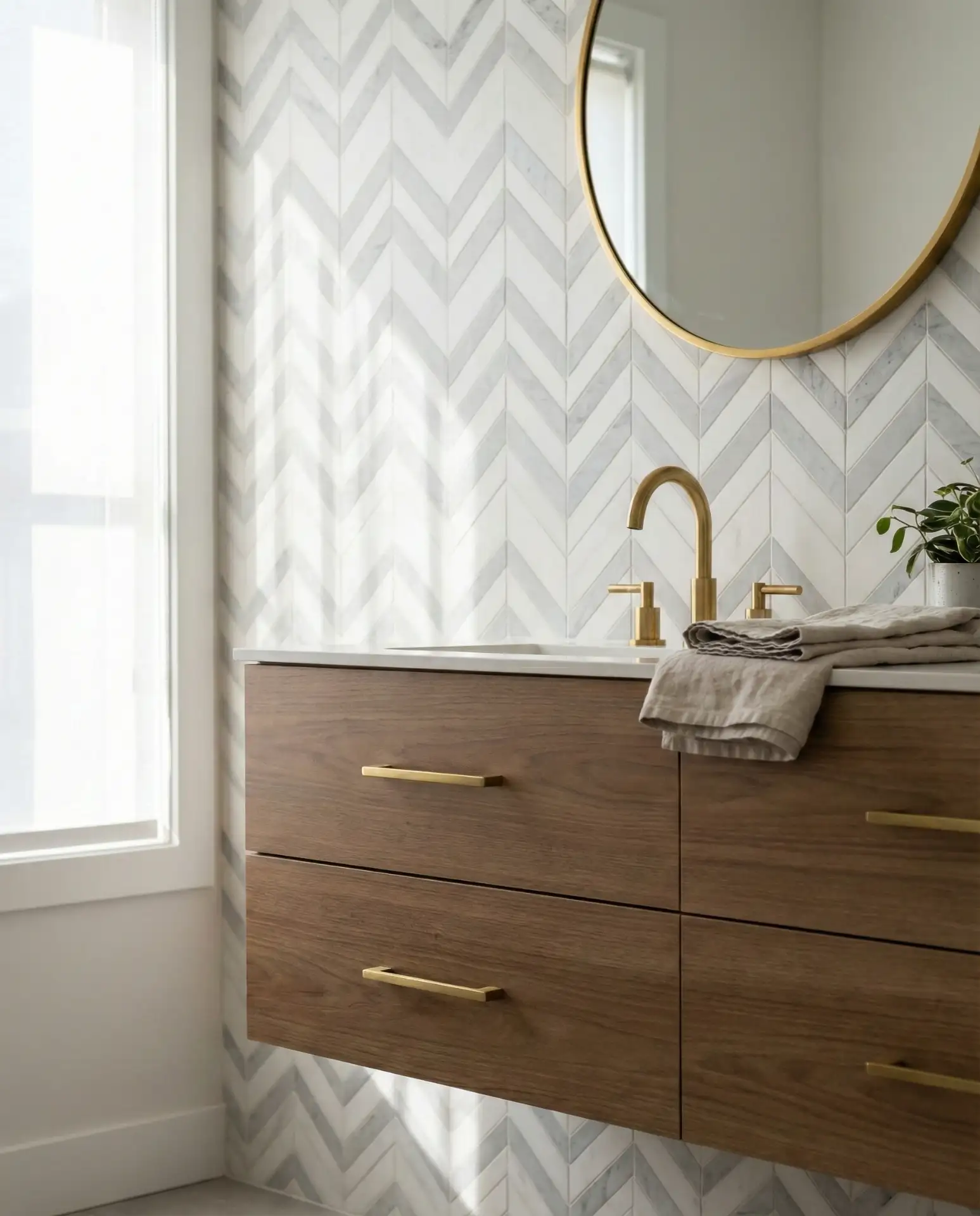
An elegant modern guest bathroom often hinges on the vanity choice, and floating designs deliver clean lines that make even modest spaces feel larger. Choose a sleek wood or lacquered finish, then contrast with a geometric tile backsplash in neutral tones—think hexagons, diamonds, or elongated subway tiles in a herringbone pattern. Undermount sinks keep the look streamlined, while integrated LED lighting beneath the vanity adds a subtle glow that feels both functional and sophisticated. 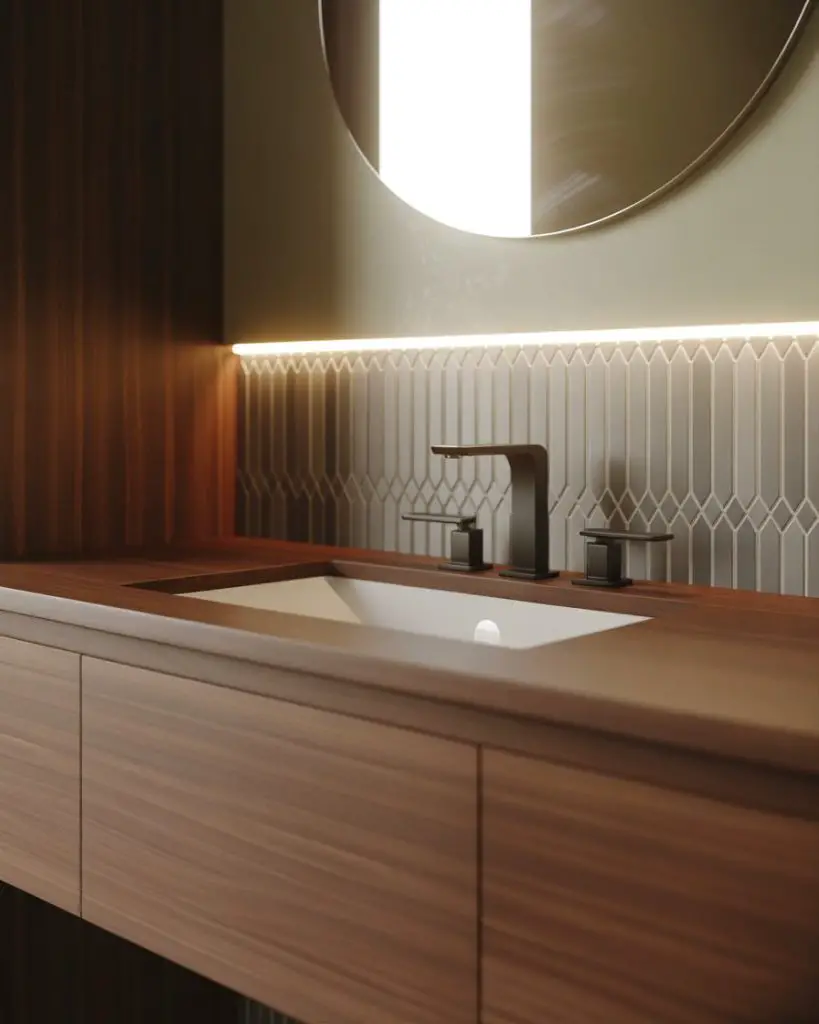
Practical insight: Floating vanities require solid blocking between wall studs during installation—skipping this step means the cabinet will eventually sag or pull away from the wall. Have your contractor install a horizontal 2×8 or plywood backer before drywall goes up. The extra $50 in materials prevents thousands in future repairs and gives you confidence to store heavy items inside the cabinet.
10. Rustic Farmhouse with Reclaimed Wood Accents
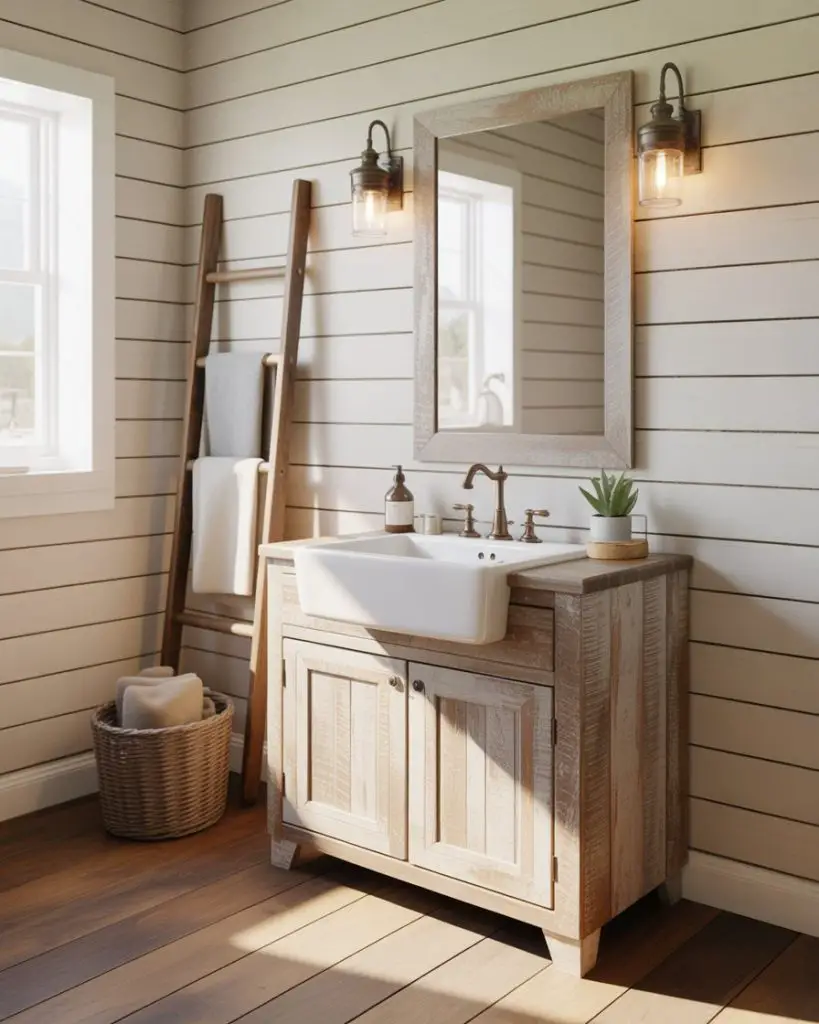
A rustic guest bathroom embraces imperfection in the most charming way—think reclaimed barn wood vanities, vintage-style fixtures, and open shelving made from weathered planks. Pair these organic textures with simple white subway tile or shiplap walls to keep the space from feeling too heavy. Add a galvanized metal mirror frame, mason jar sconces, or an old ladder repurposed as a towel rack. The result feels collected over time rather than decorated in a day. 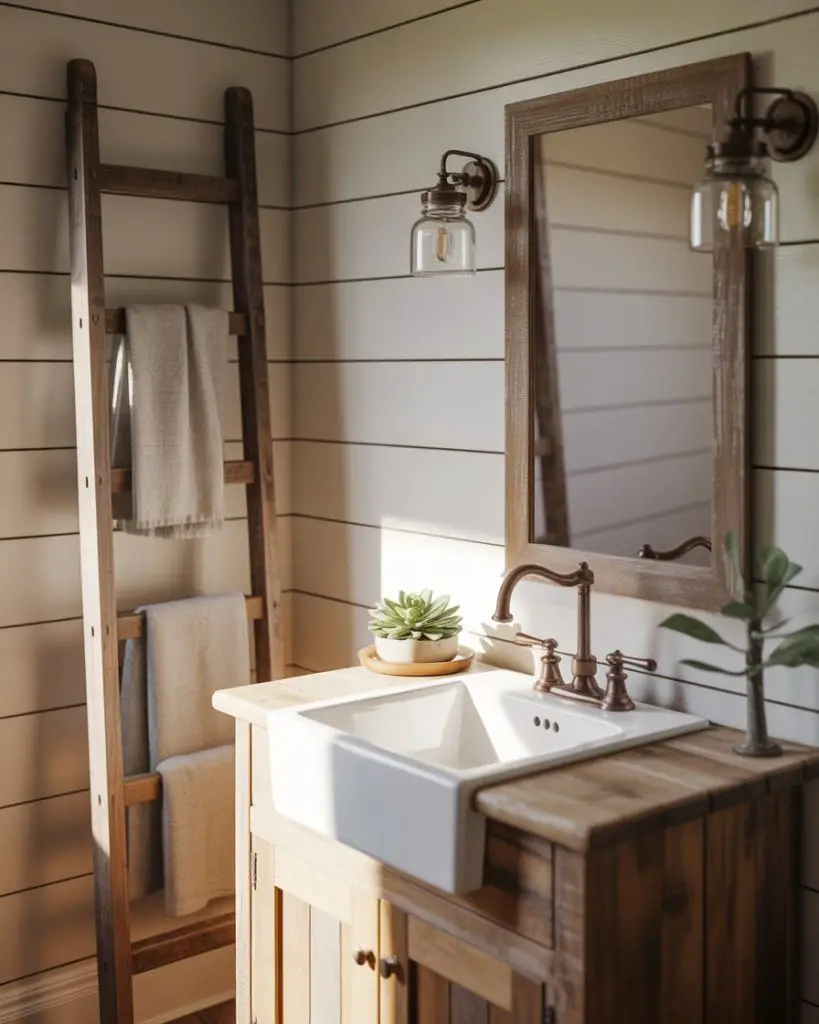
American regional context: This aesthetic resonates particularly well in the South, Midwest, and mountain West, where farmhouse style feels rooted in local history. In urban markets like Brooklyn or Portland, it reads as intentionally curated nostalgia—still charming, but with a different cultural context. Either way, source materials locally when possible; reclaimed wood from a nearby barn tells a better story than mass-produced distressed boards from a big-box store.
11. Shared Kids Bathroom with Double Sinks
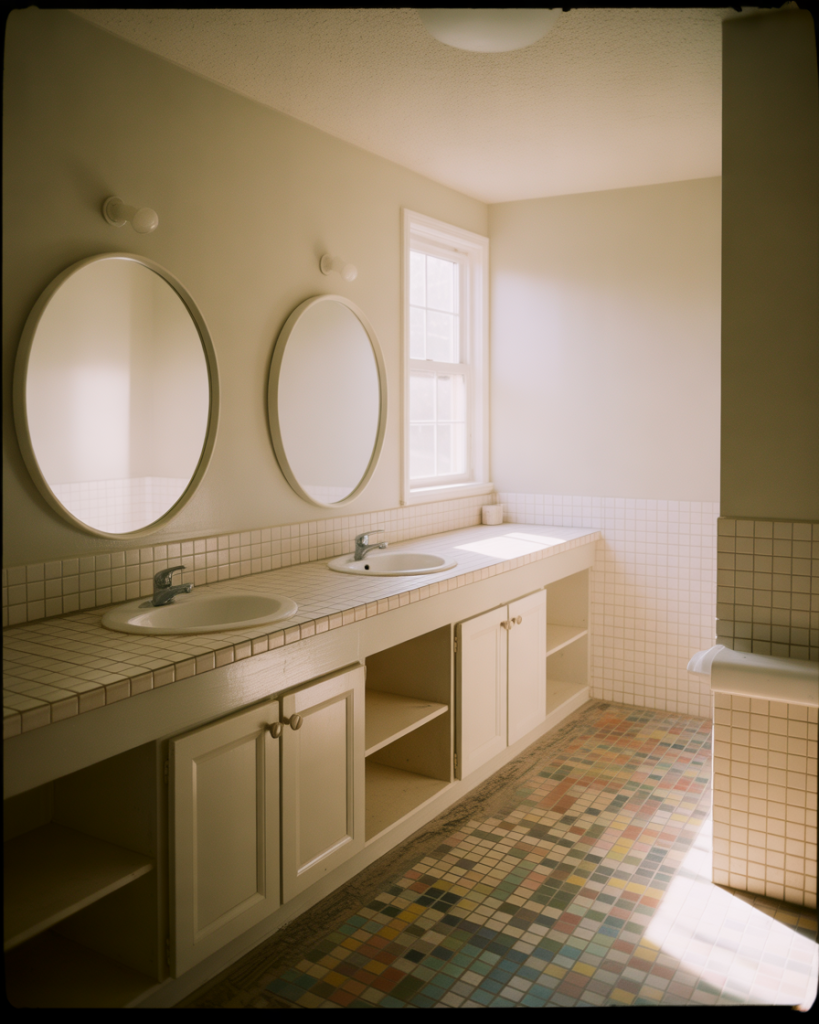
When designing a shared kids bathroom, dual sinks aren’t just convenient—they’re essential for morning peace. Choose a large vanity with clearly defined zones, perhaps in different colors or with individual mirrors, so each child has ownership of their space. Opt for durable materials like quartz countertops and ceramic tile that can handle toothpaste battles and wet towel mishaps. Built-in storage keeps clutter contained, and playful tile or a bold paint color makes the space feel special without being too juvenile. 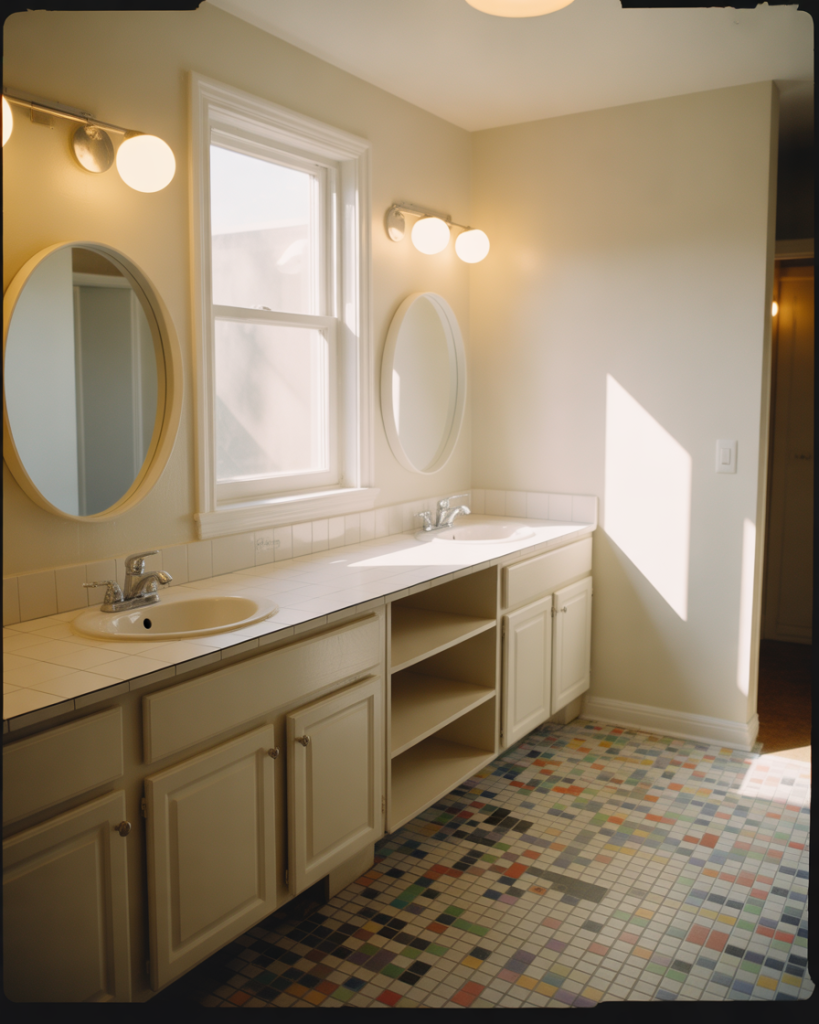
Common mistake to avoid: Installing sinks too close together. Aim for at least 30 inches of centerline-to-centerline spacing so kids (and visiting adults) aren’t bumping elbows. Also consider faucet height—standard 4-inch spouts work for younger children, but as kids grow, you’ll appreciate the clearance of a taller faucet for face-washing and hair-rinsing. These small details make daily use dramatically easier.
12. Black and White Contrast with Graphic Impact
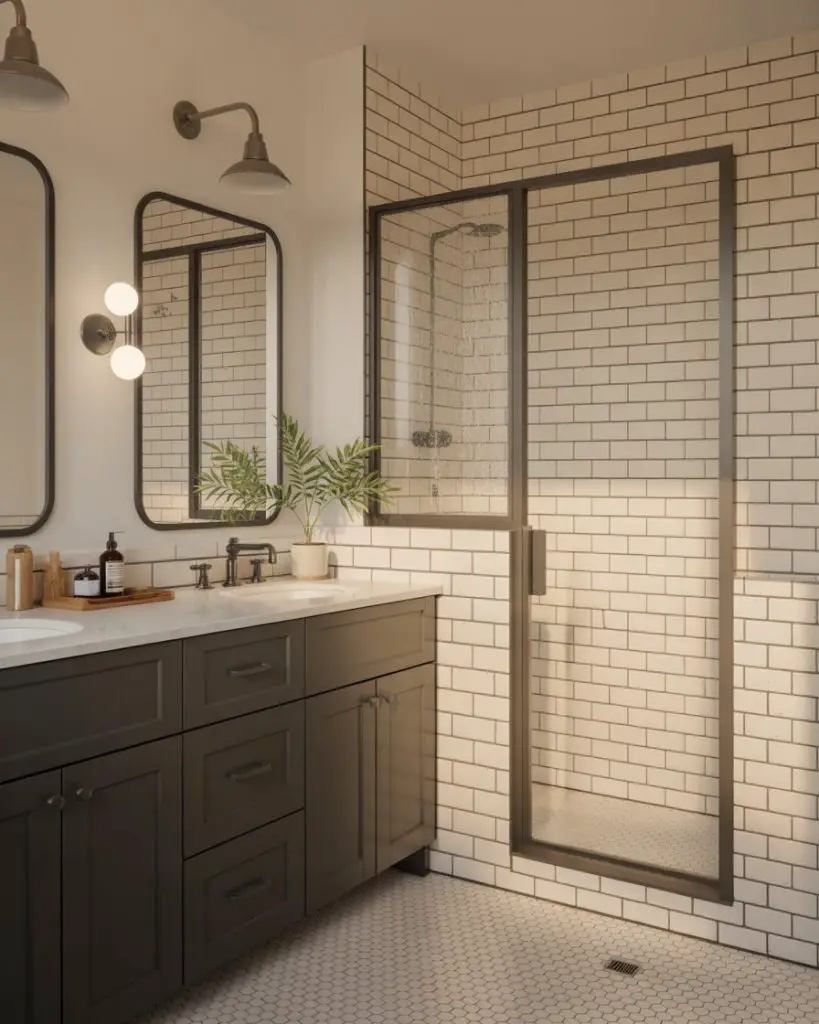
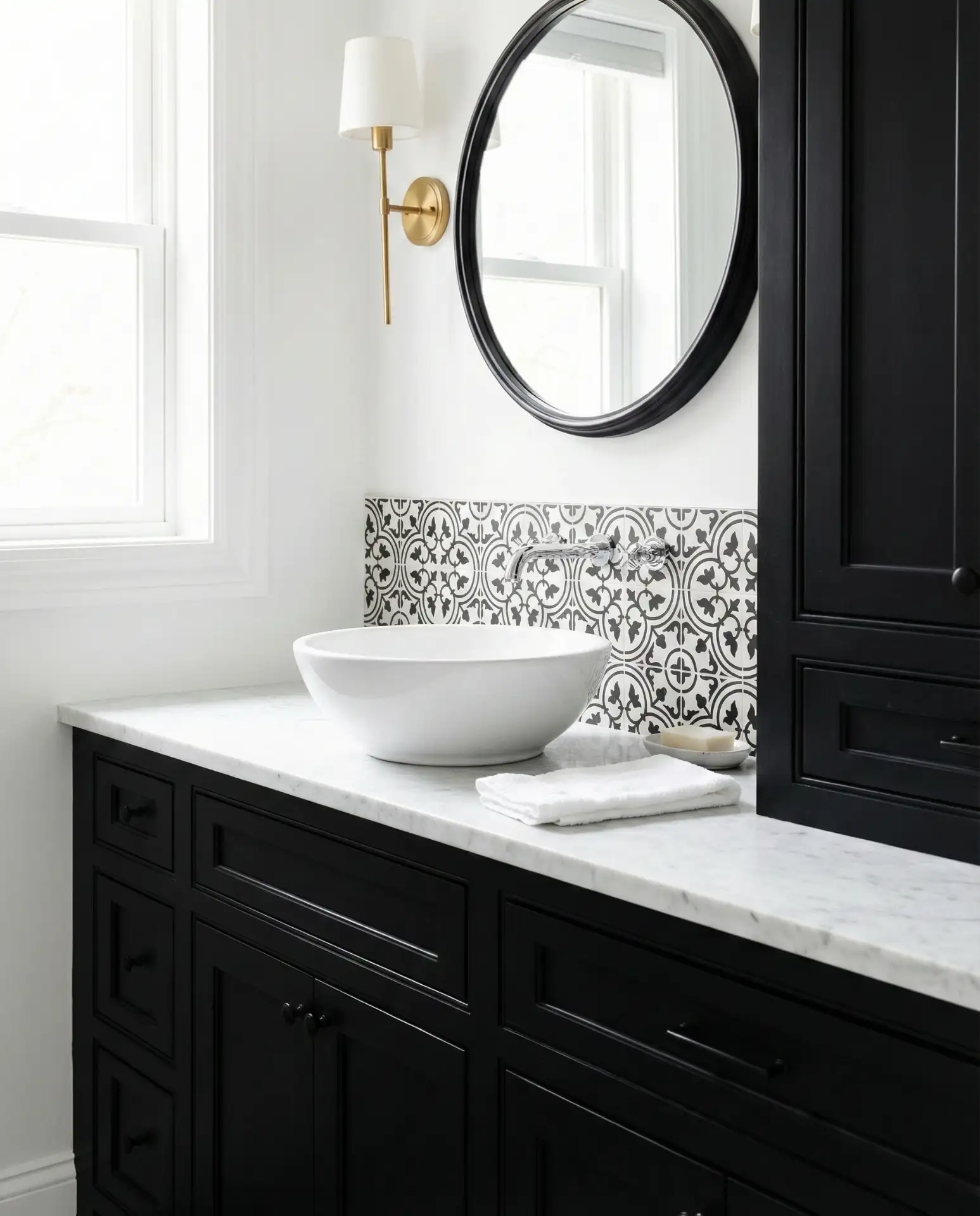
A black and white guest bathroom delivers timeless sophistication with graphic punch. Consider black-framed shower doors, matte black fixtures, and perhaps a black vanity against white walls and floor tile. The high contrast creates architectural clarity—every line and edge reads sharply, which works beautifully in both tiny powder rooms and larger full baths. Add warmth through natural wood accents, plants, or textured textiles so the space doesn’t feel too stark or cold. 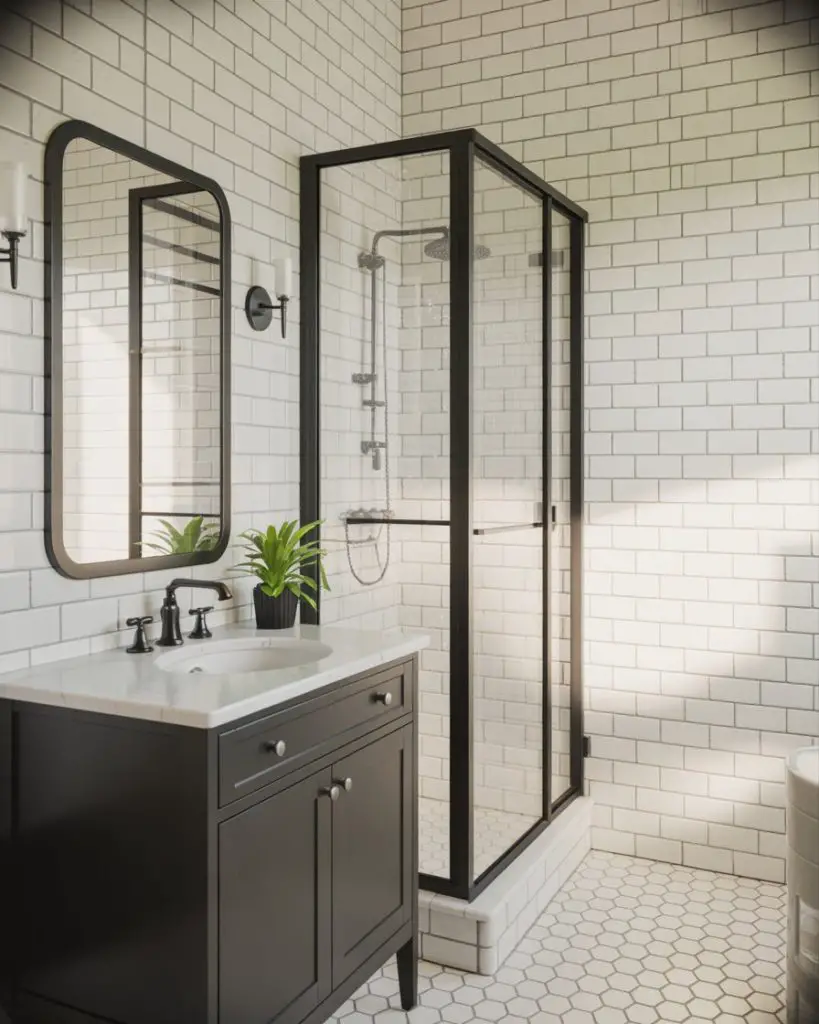
Expert-style commentary: Black fixtures show water spots more readily than chrome or brushed nickel, so factor in a bit more wiping if you’re particular about appearances. That said, the dramatic look is worth it for many homeowners. One interior designer in Austin swears by microfiber cloths kept in a drawer nearby—a quick daily wipe keeps everything gleaming and takes less than 30 seconds.
13. Shower Tub Combo with Smart Space Planning
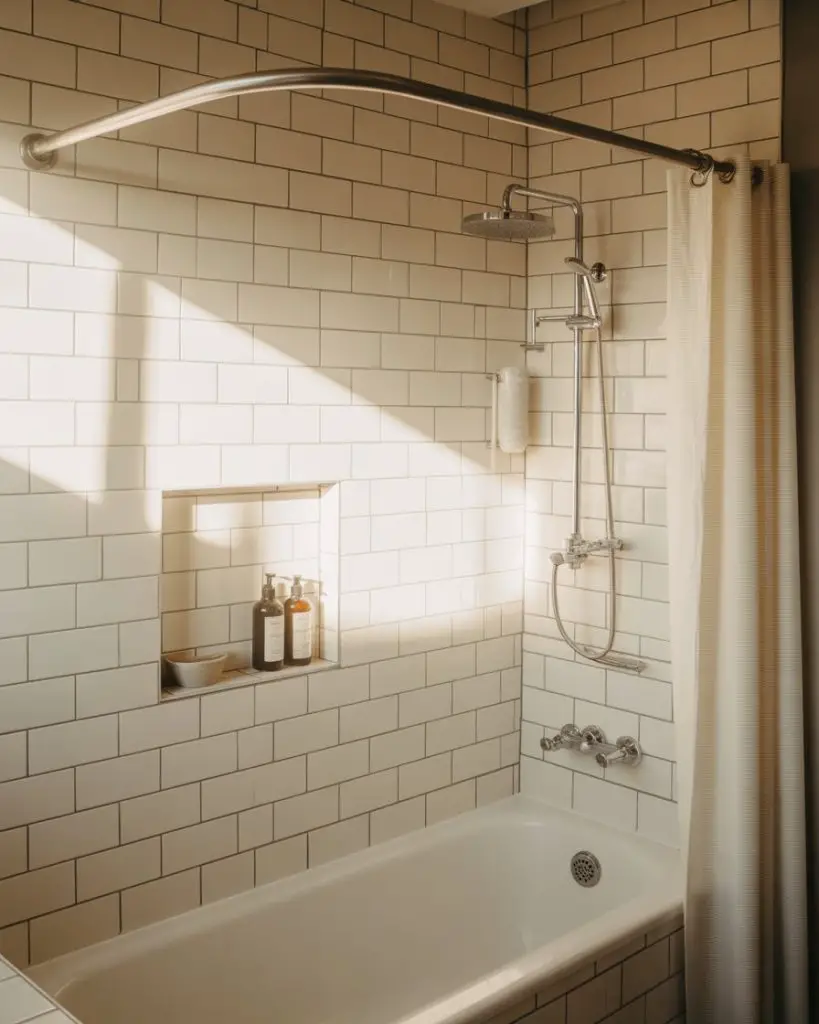
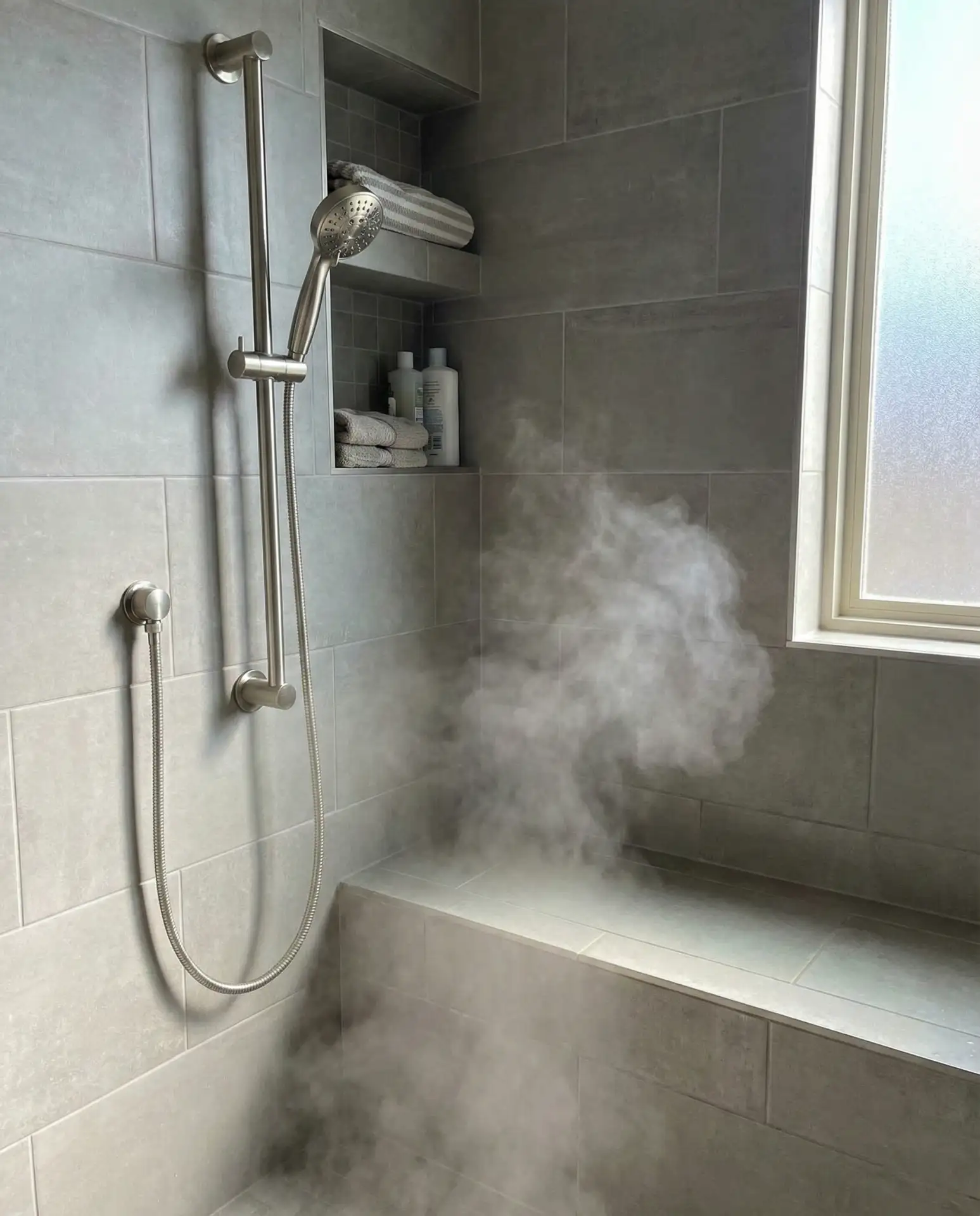
A shower tub combo remains one of the most practical solutions for guest bathrooms, especially in homes where space doesn’t allow for separate fixtures. The key is elevating the standard builder-grade version with thoughtful material choices—think subway tile to the ceiling, a curved shower rod for more elbow room, and a rainfall showerhead that makes the experience feel intentional. Choose a modern tub surround or classic tile rather than the dated fiberglass insert, and suddenly this workhorse layout feels genuinely welcoming. 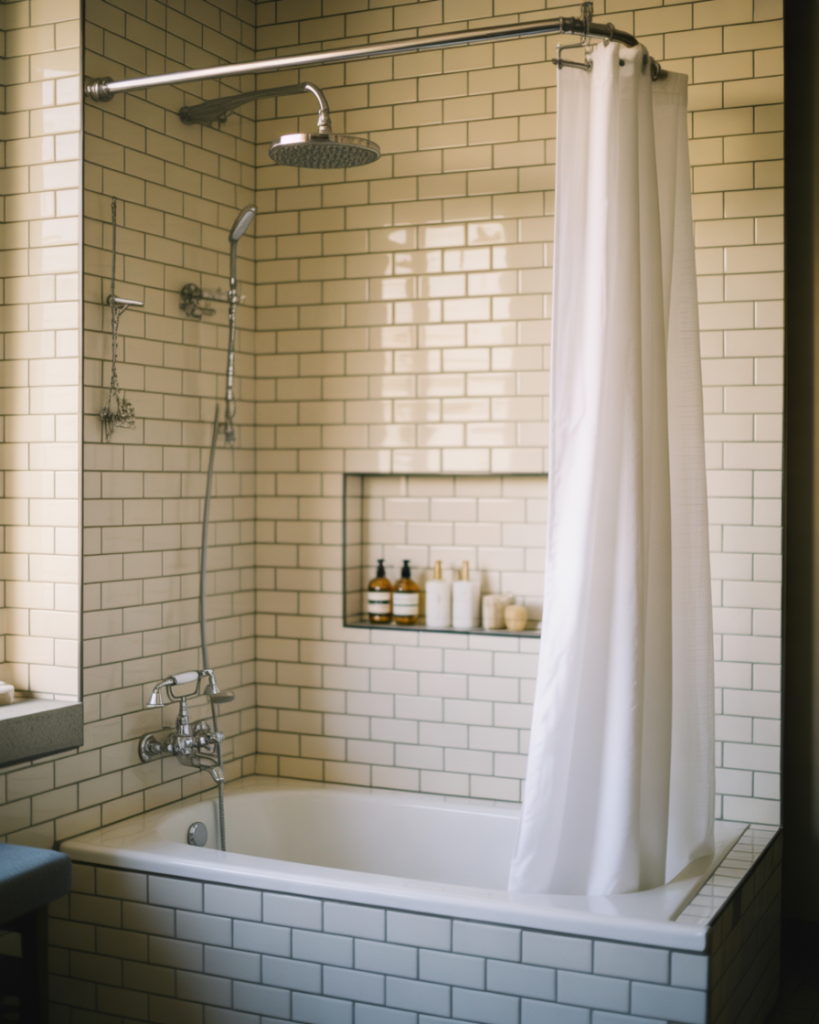
Budget angle: Tiling a tub surround yourself can save $800–$1,500 in labor costs if you’re moderately handy. Subway tile is forgiving for beginners because the grid pattern hides small imperfections, and plenty of YouTube tutorials walk you through the process. Invest in a good wet saw rental ($40–$60 per day) and quality waterproofing membrane—cutting corners here leads to mold and costly repairs down the road.
14. Maximalist Wallpaper for Bold Personalities
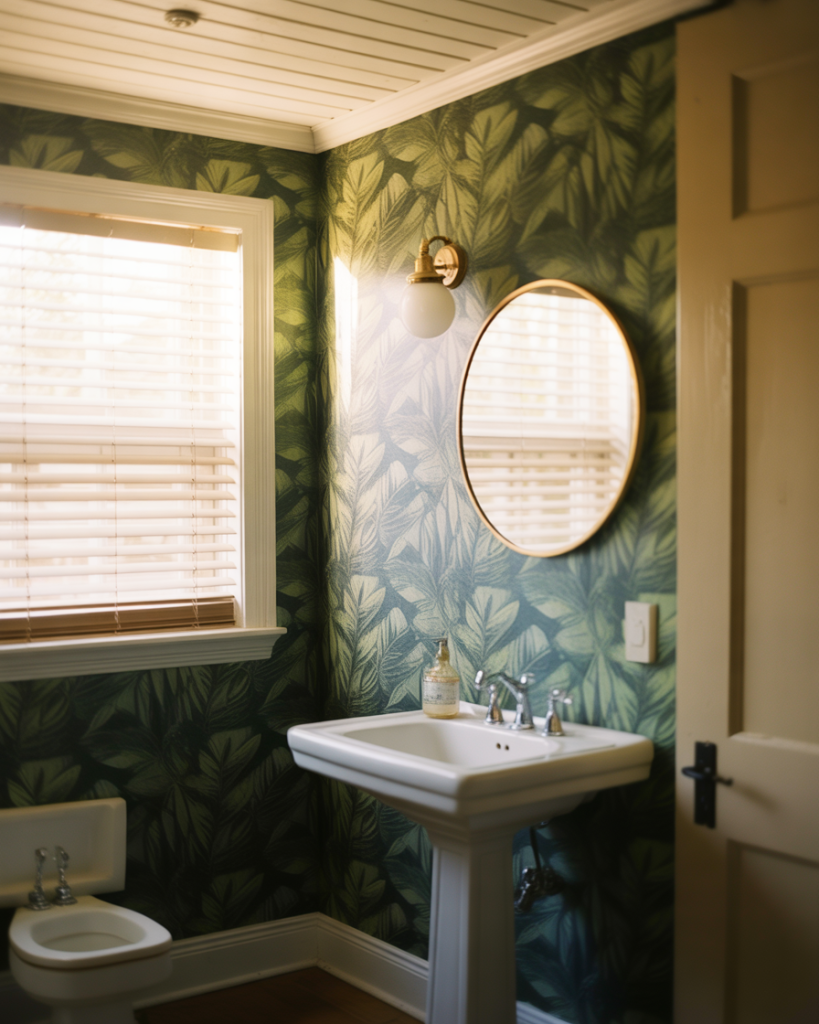
Guest bathrooms offer the perfect opportunity to experiment with bold wallpaper since the commitment is limited to a small space. Choose fun patterns—tropical leaves, chinoiserie, geometric prints, or vintage-inspired florals—that make a statement the moment someone opens the door. Balance the busy walls with simple fixtures in white or neutral tones, and keep accessories minimal. This approach works especially well in powder rooms where there’s no shower steam to worry about, though modern vinyl-coated papers handle moisture reasonably well in full baths too. 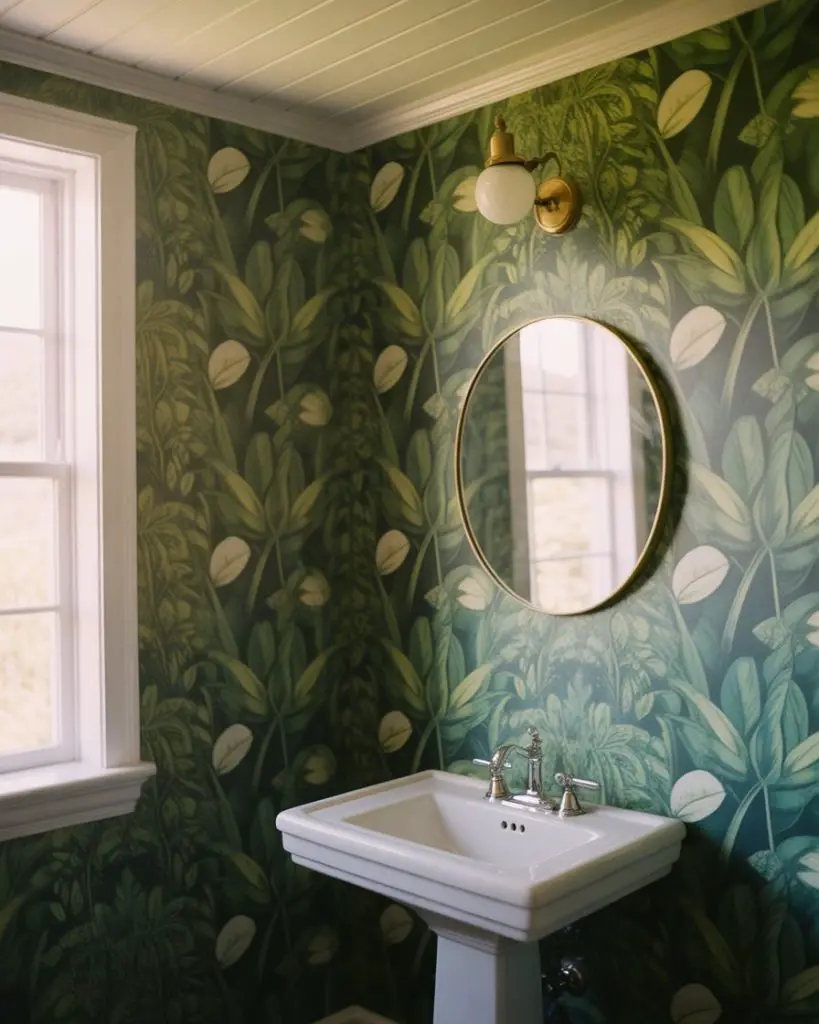
Micro anecdote: A homeowner in Denver papered her tiny guest bath in a dramatic peacock feather print and says it’s become her favorite room in the house. Guests always comment, and she loves that such a small investment (one double roll at $120) creates such an outsized impact. The bold choice transformed what was previously a forgettable pass-through into a memorable moment.
15. Open Shelving for Curated Storage
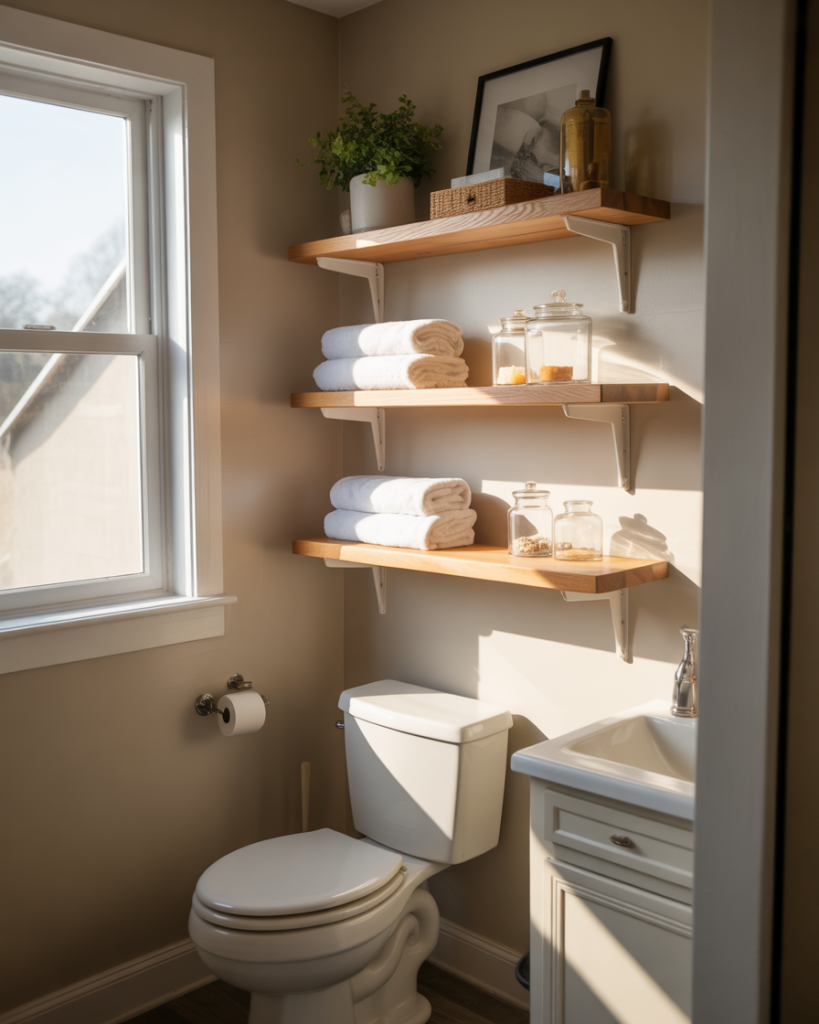
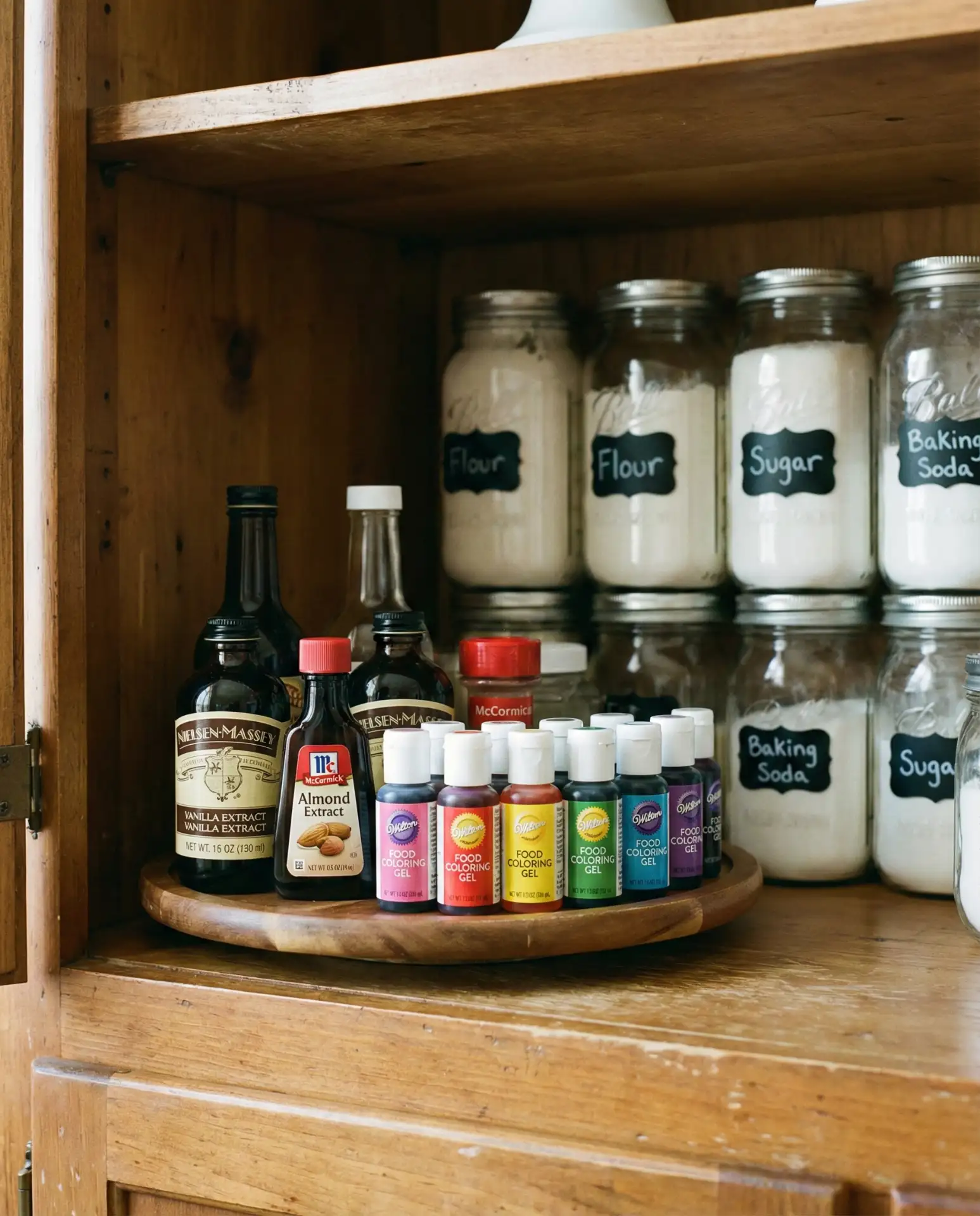
Replacing upper cabinets with open wooden shelves creates an airy, elegant feel while keeping necessities accessible. Style the shelves with rolled towels, small plants, attractive soap dispensers, and perhaps a few decorative objects—the curated look works best when items are both beautiful and functional. This approach suits apartment bathrooms where bulky cabinets can overwhelm, and it forces you to maintain organization since everything is visible. Choose shelves in a finish that coordinates with your vanity or other wood tones in the home. 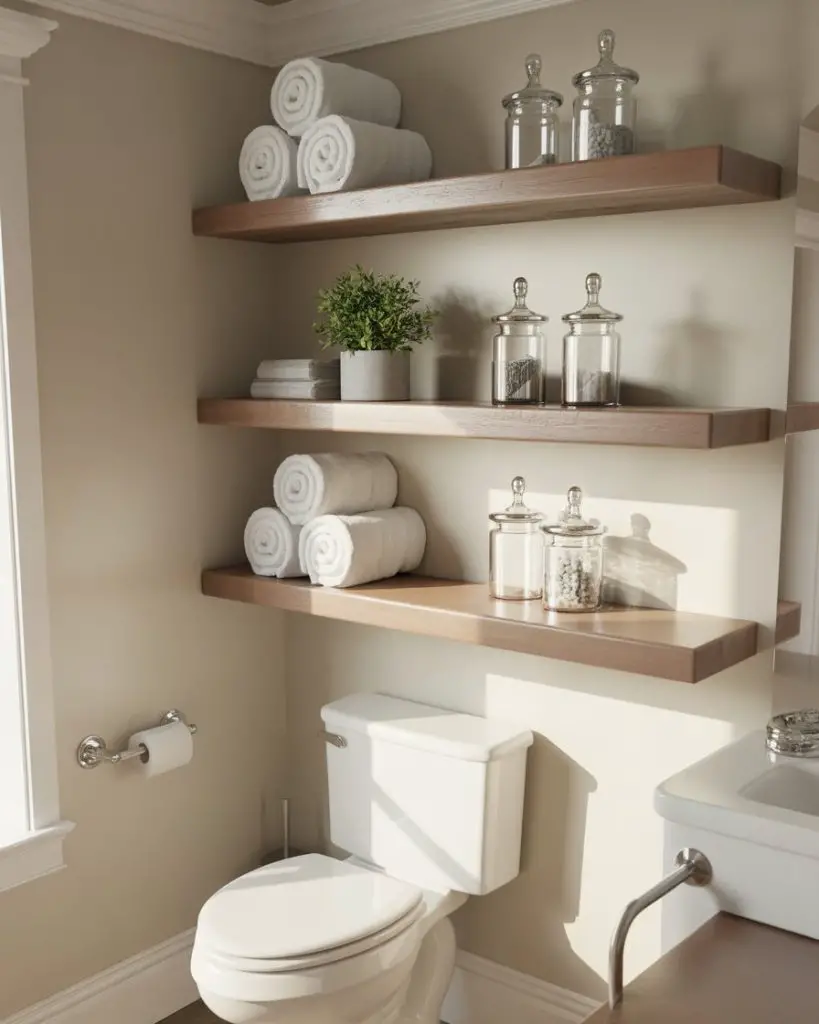
Real homeowner behavior: Most people initially worry that open shelving means everything is on display, but the reality is it encourages better organization. When your storage is visible, you’re more likely to keep it tidy and only stock what you actually use. Keep a lidded basket on the bottom shelf for less photogenic items like extra toilet paper or cleaning supplies—function and aesthetics coexist peacefully.
16. Art Gallery Vibe with Oversized Mirrors
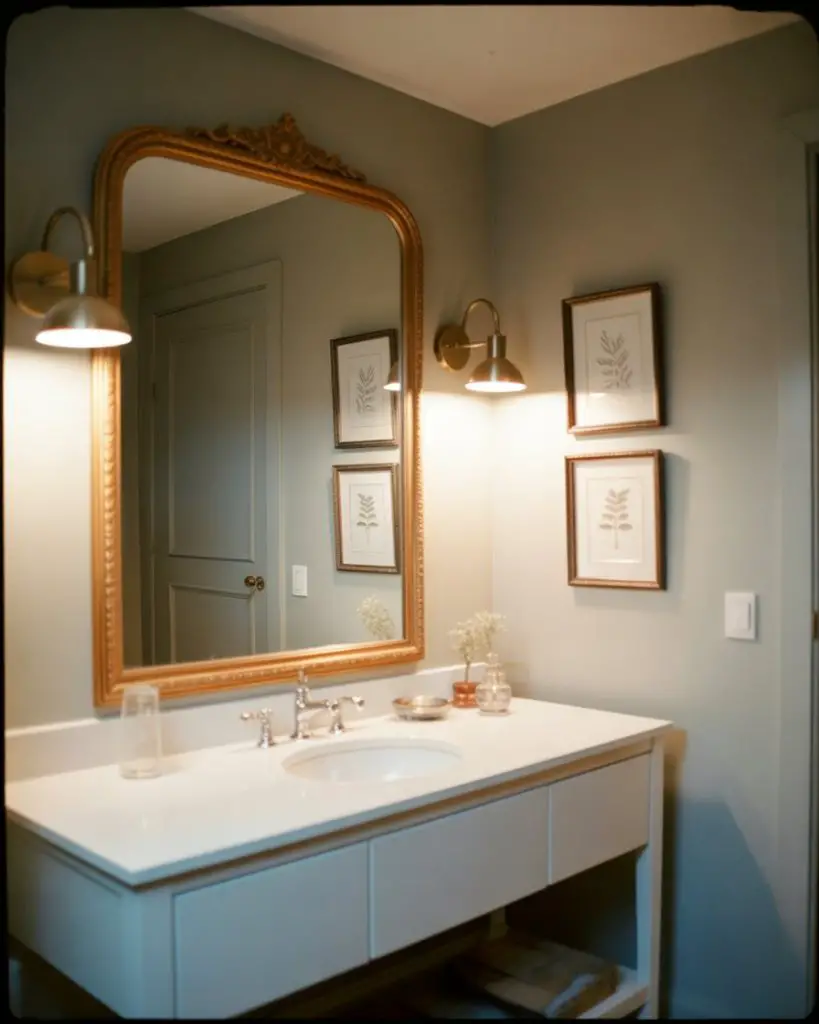
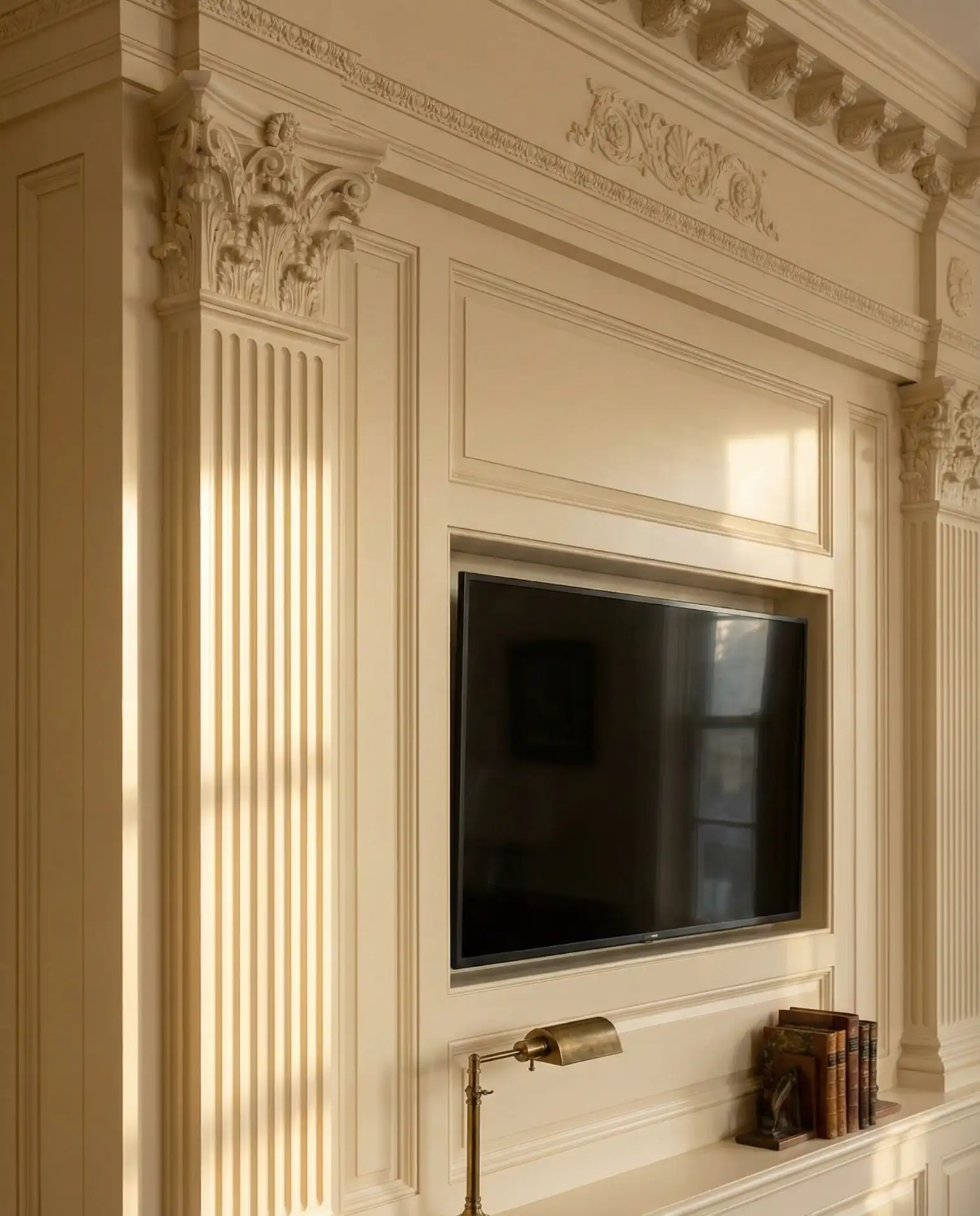
Treating your guest bathroom like a miniature art gallery elevates it from purely functional to genuinely interesting. Hang an oversized mirror with an ornate frame—think antique gold, carved wood, or even a contemporary geometric design—that becomes a focal point rather than just a reflective surface. Add one or two pieces of framed art on adjacent walls, ensure lighting is museum-quality with adjustable sconces, and keep everything else understated. This elegant modern approach works beautifully in neutral spaces where the art and mirror provide all the personality needed. 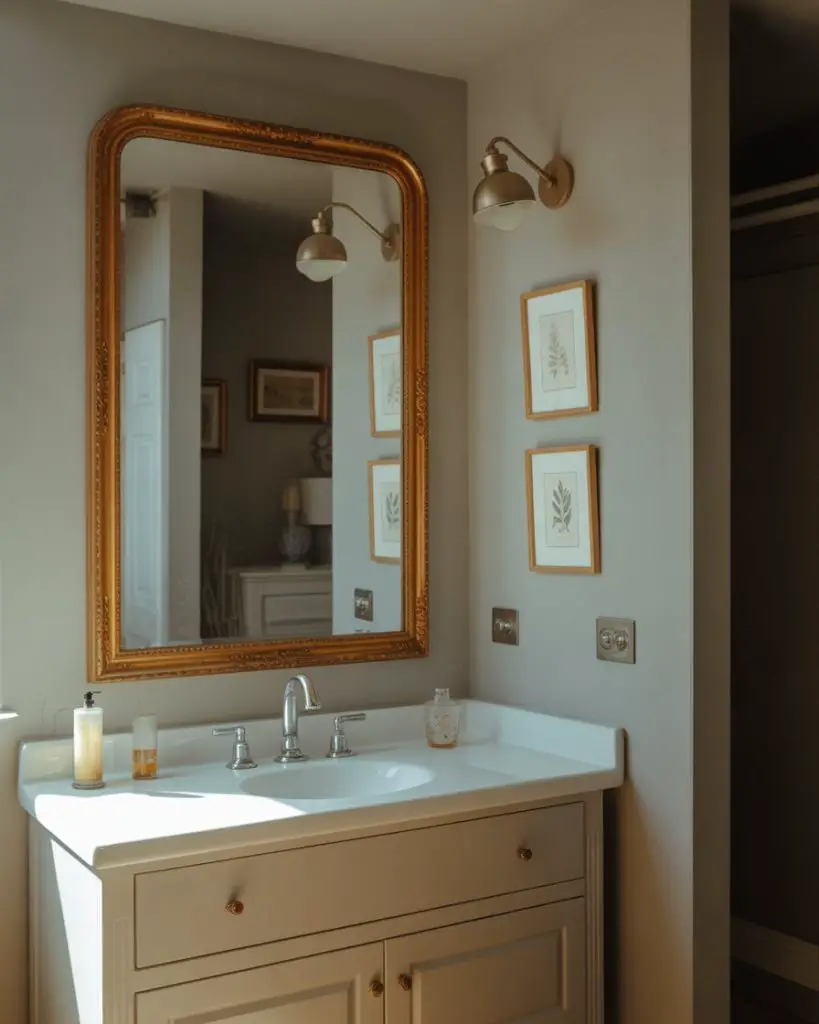
Where it works best: This aesthetic shines in homes with existing art collections or in urban settings where design-forward choices feel natural. It’s also ideal for guest baths adjacent to home offices or living spaces where the visual connection to the rest of the home matters. Avoid this in ultra-casual or kid-centric homes where the refined vibe might feel disconnected from the overall aesthetic.
17. Terrazzo Comeback with Playful Speckles
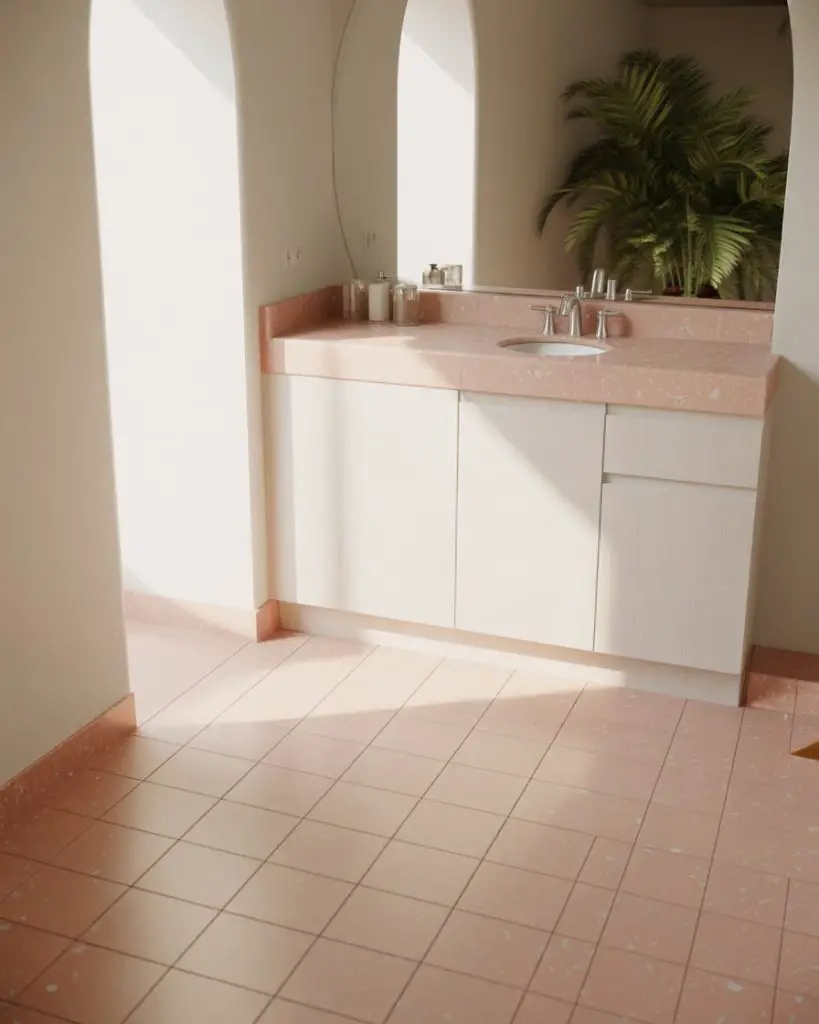
Terrazzo is experiencing a major revival, and guest bathrooms are the perfect place to embrace this fun material. Whether you choose terrazzo floor tile, a vanity top, or even a full shower surround, the speckled pattern adds movement and visual interest while being incredibly forgiving of everyday wear. Modern versions come in colors beyond the traditional pink-and-gray—think soft pastels, bold primaries, or sophisticated monochromatic schemes. Pair with simple fixtures so the terrazzo remains the star, and appreciate that it’s nearly indestructible. 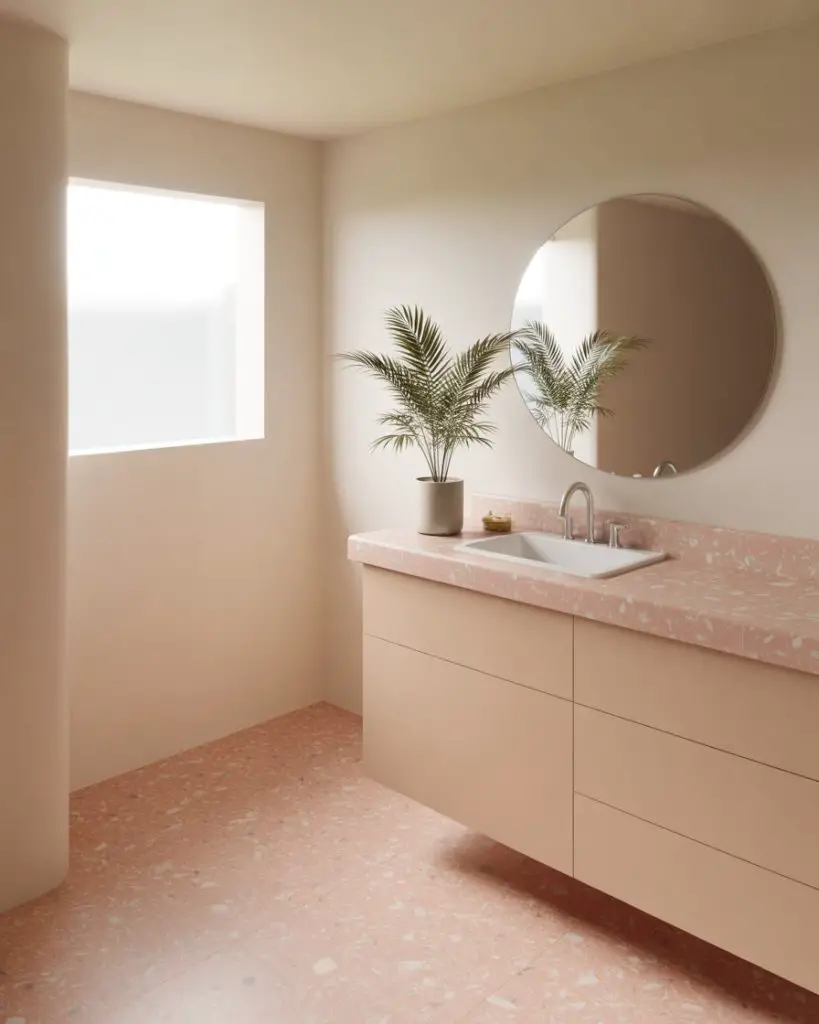
Practical insight: Authentic terrazzo (ground stone set in cement or resin) is pricey at $25–$100 per square foot installed, but terrazzo-look porcelain tiles deliver similar aesthetics for $8–$15 per square foot. The porcelain versions are also easier to install and maintain, with built-in sealing that makes them nearly maintenance-free. Just ensure the pattern scale works for your space—large chips read better in bigger bathrooms, while fine speckles suit smaller rooms.
18. Industrial Edge with Concrete and Metal
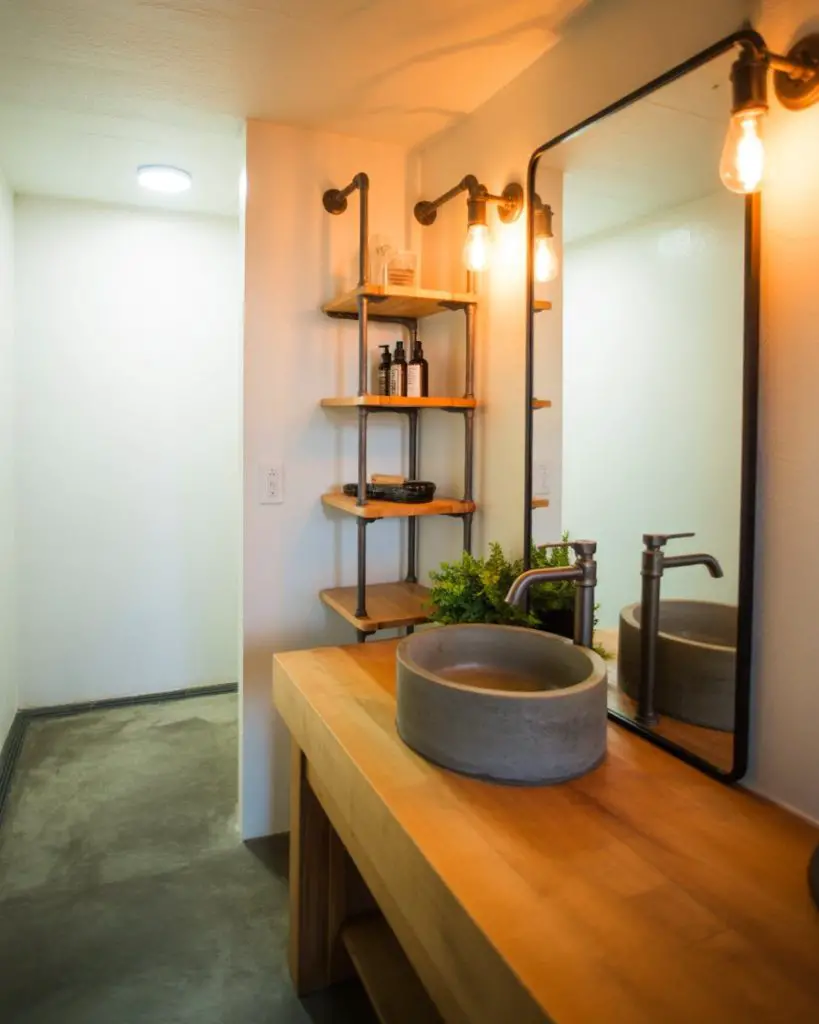
An industrial-inspired guest bathroom pairs raw concrete elements with metal accents for a look that feels urban and unexpectedly warm when done right. Consider a concrete vessel sink, open pipe shelving, or even polished concrete floors paired with wood accents to soften the hard edges. Edison bulb sconces, matte black fixtures, and perhaps one vintage mirror add character without cluttering the minimalist foundation. This aesthetic works particularly well in loft apartments or modern builds where the industrial bones are already present, though it can feel out of place in traditional homes. 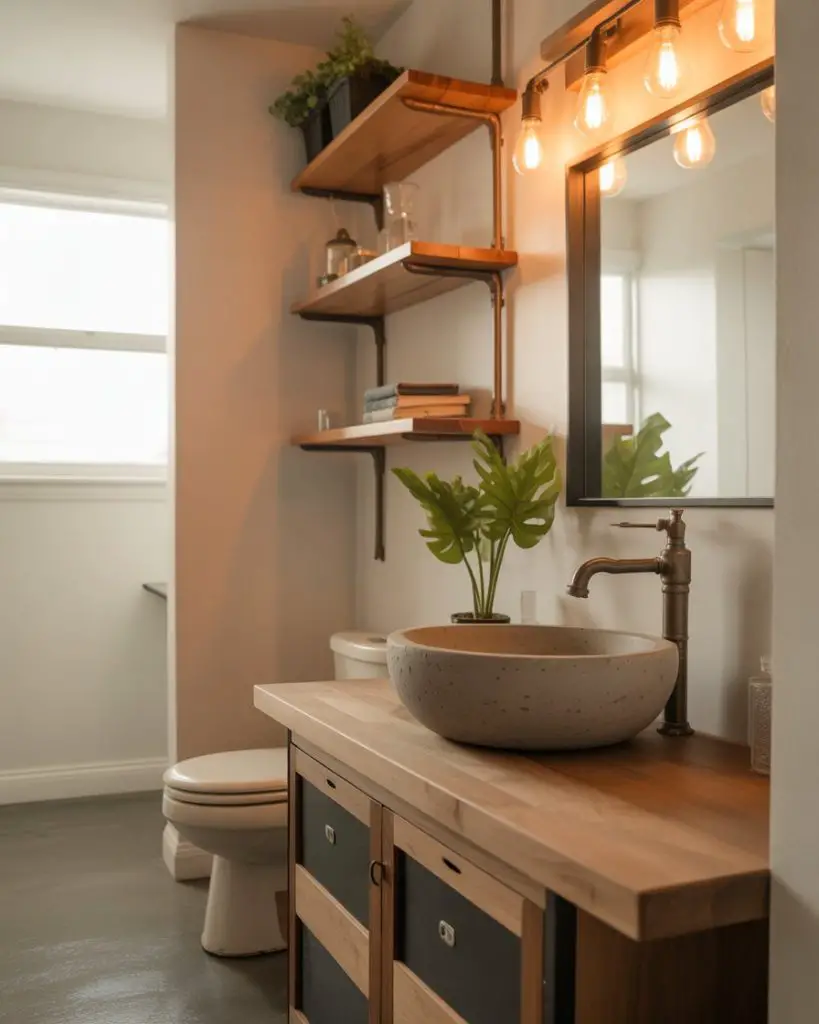
American lifestyle context: The industrial aesthetic gained traction in cities like Chicago, Portland, and Brooklyn where warehouse conversions created a whole design language around exposed brick, concrete, and metal. It’s since spread nationwide, though it reads most authentically in urban settings or renovated industrial buildings. In suburban contexts, it often works best as an accent rather than a whole-house theme, making a guest bathroom an ideal testing ground.
19. Mediterranean Warmth with Terracotta and Arches
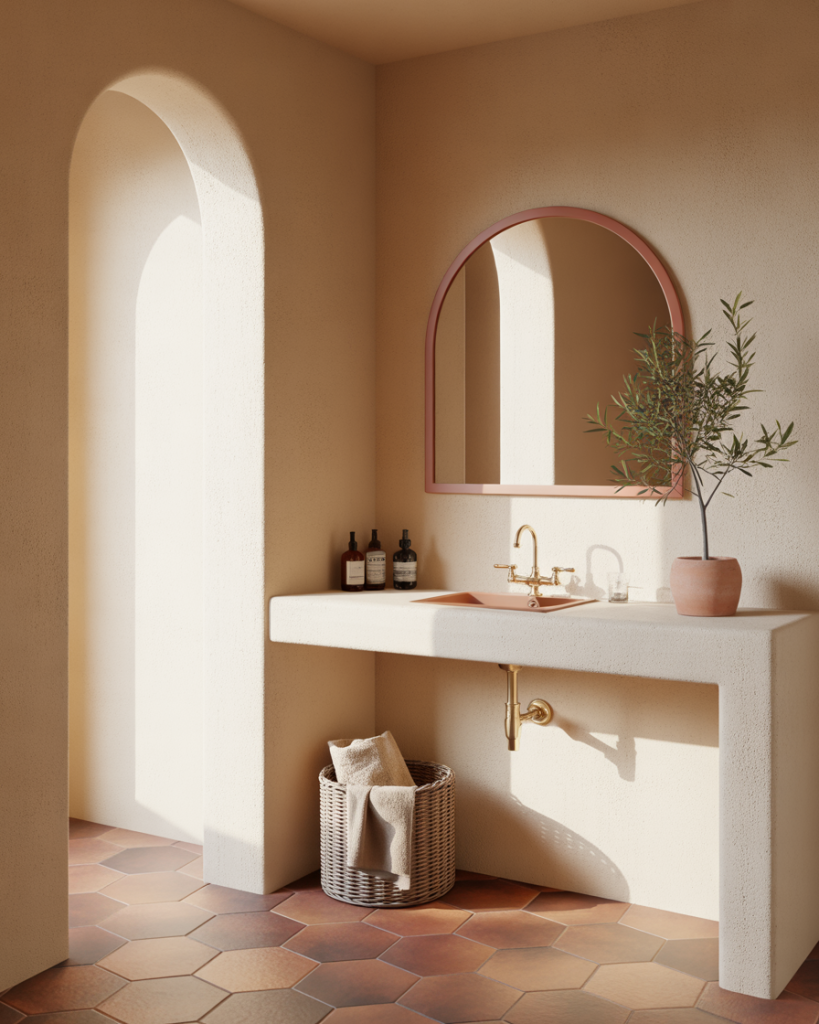
Bring timeless Mediterranean charm to your guest bathroom through warm terracotta floor tile, arched mirrors or doorways, and a palette of cream, terra cotta, and soft blue. This look embraces texture—think hand-plastered walls, rough-hewn wood, and woven baskets—while maintaining a sense of casual elegance. A simple pedestal sink or wall-mounted console keeps the focus on architectural details, and vintage-inspired brass fixtures add warmth without overwhelming the earthy foundation. The result feels like a Spanish villa bathroom transplanted to American soil. 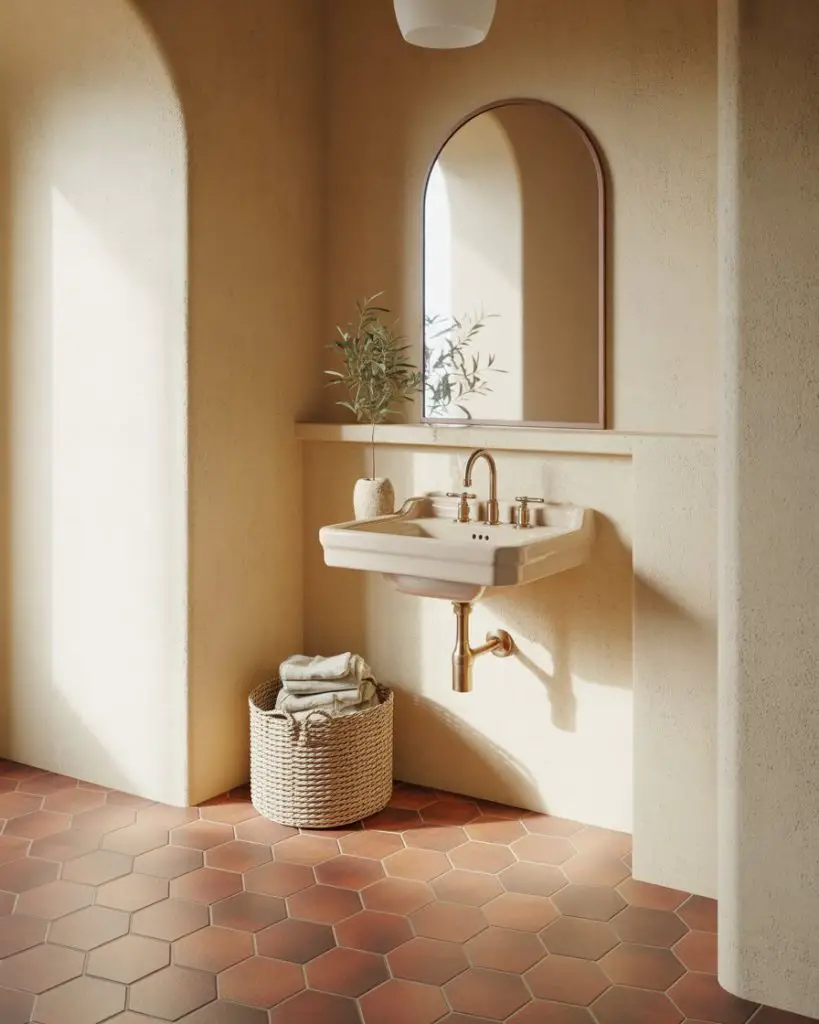
Expert-style commentary: Achieving authentic plaster texture usually requires hiring a skilled applicator, but several paint techniques can approximate the look for a fraction of the cost. Products like Portola Paints’ Roman Clay or even careful layering of standard paint with a damp sponge can create dimension and warmth. The key is embracing slight imperfection—walls shouldn’t look machine-perfect, which is actually liberating for DIYers worried about creating a flawless finish.
20. Japandi Fusion with Minimalist Calm
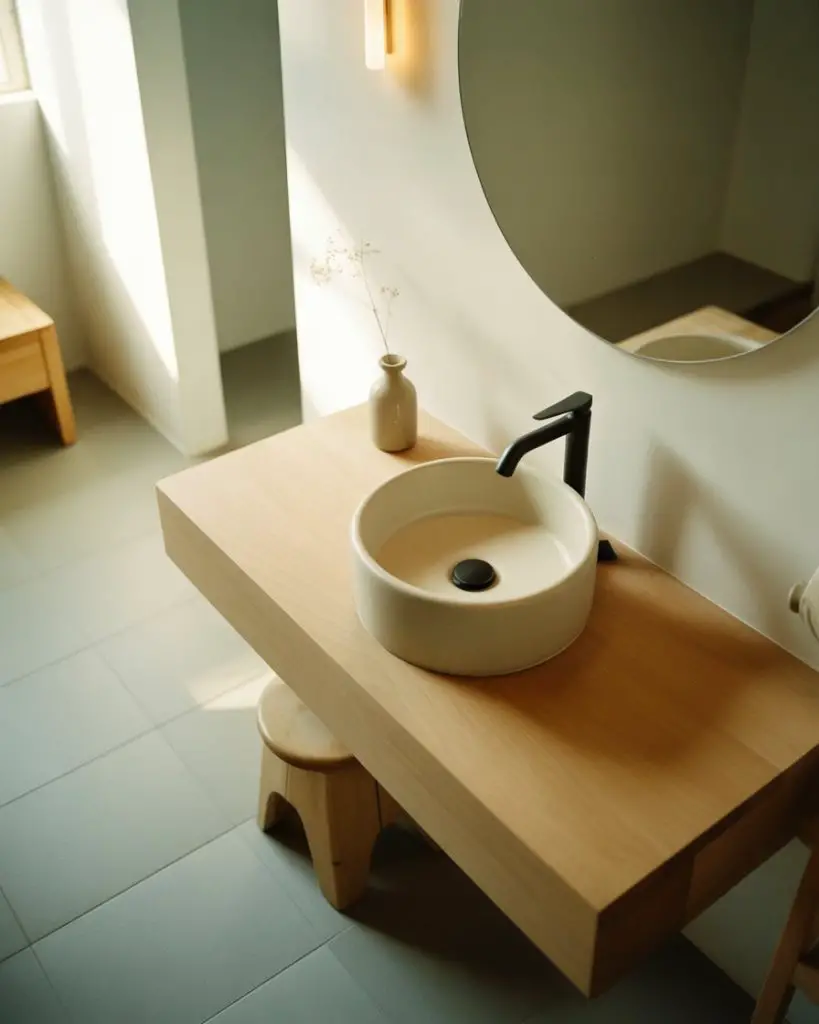
The Japandi aesthetic—a blend of Japanese minimalism and Scandinavian warmth—creates exceptionally peaceful guest bathrooms. Think clean lines, natural materials like light wood and stone, and a muted palette of whites, blacks, and warm woods. A floating vanity in pale oak, simple round vessel sink, and perhaps a deep soaking tub if space allows embody this elegant modern philosophy. Keep accessories to an absolute minimum: one perfect hand towel, a single bud vase, maybe a small wooden stool. The restraint creates a spa-like atmosphere that feels both foreign and familiar. 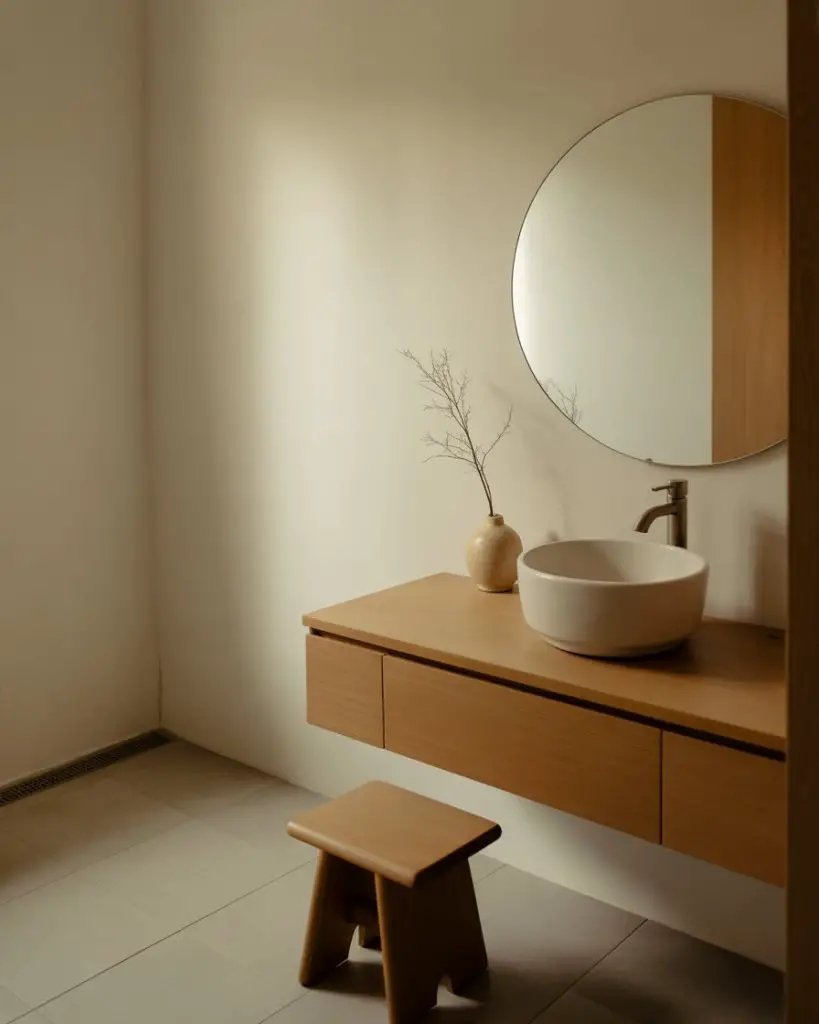
Common mistake to avoid: Japandi can slide into sterile if you remove too much warmth or personality. The “Scandi” part of the equation requires texture and organic elements—a linen towel, a wooden bath mat, perhaps a small plant—to prevent the space from feeling like a showroom rather than a welcoming bathroom. Balance the clean lines with natural imperfections, and remember that minimalism doesn’t mean cold or unwelcoming.
21. Vintage Bloxburg-Inspired Pastel Nostalgia
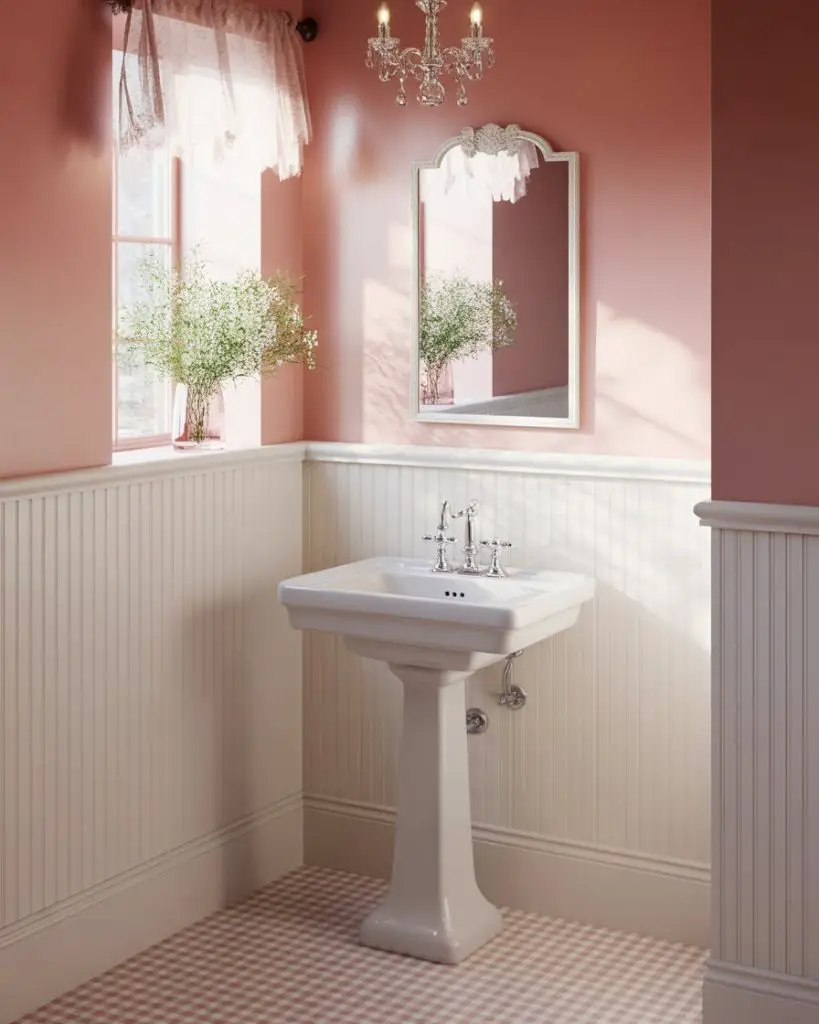
For those familiar with Bloxburg and similar design game aesthetics, recreating that cute pastel nostalgia in a real guest bathroom can be surprisingly satisfying. Think soft pink or mint walls, white beadboard wainscoting, vintage-style fixtures with cross handles, and perhaps a small chandelier or vintage sconces. A pedestal sink keeps the look light, while checkered floor tile in pastel tones adds playful pattern. This approach works best in homes that already embrace traditional or cottage styling, where the sweetness feels intentional rather than disconnected from the overall aesthetic. 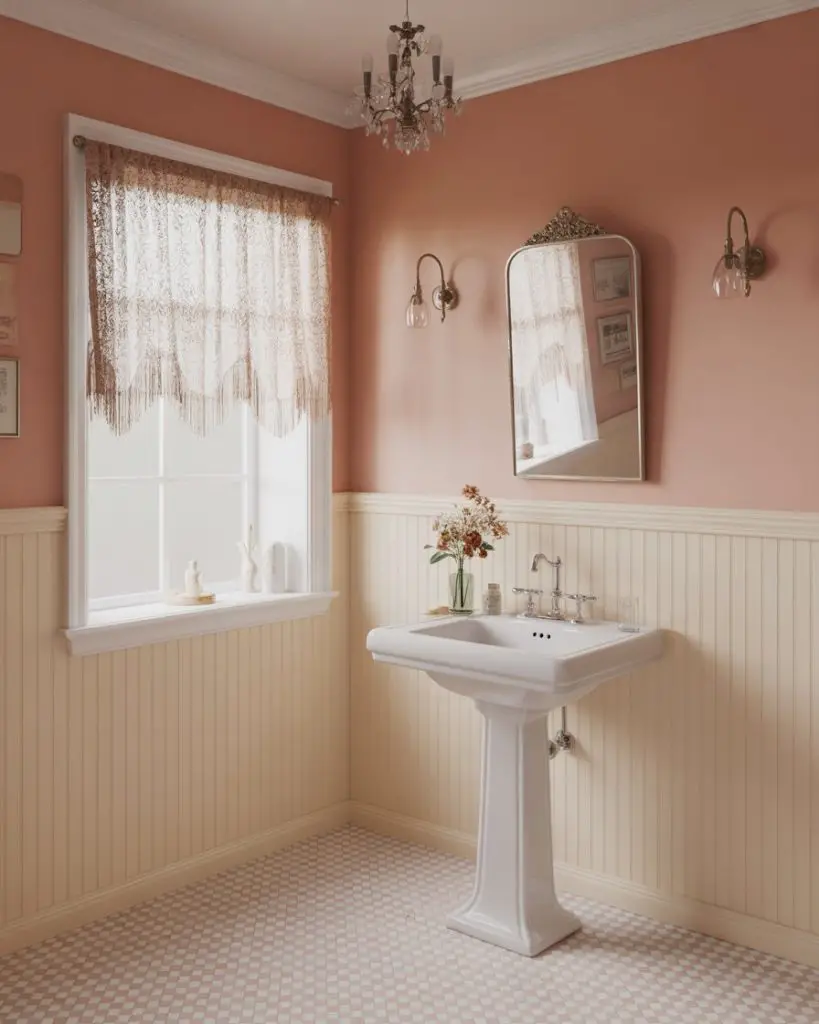
Micro anecdote: A homeowner in suburban Atlanta designed her guest powder room as a pastel throwback after her daughter’s obsession with design games, and it’s become unexpectedly popular on Instagram. She kept the rest of her home neutral and modern, but this one room embraces unabashed sweetness—and guests consistently smile when they walk in. Sometimes the most memorable spaces are the ones that take a risk and commit fully to a specific mood.
Conclusion
These 21 guest bathroom ideas prove that even the smallest or most utilitarian spaces can become memorable with thoughtful design choices. Whether you’re drawn to moody drama, spa-like serenity, or playful vintage charm, the key is selecting an approach that feels authentic to your home and lifestyle. What’s your favorite idea here, or have you tried something completely different in your own guest bath? Share your thoughts and photos in the comments below—we’d love to see how you’re reimagining these essential spaces.