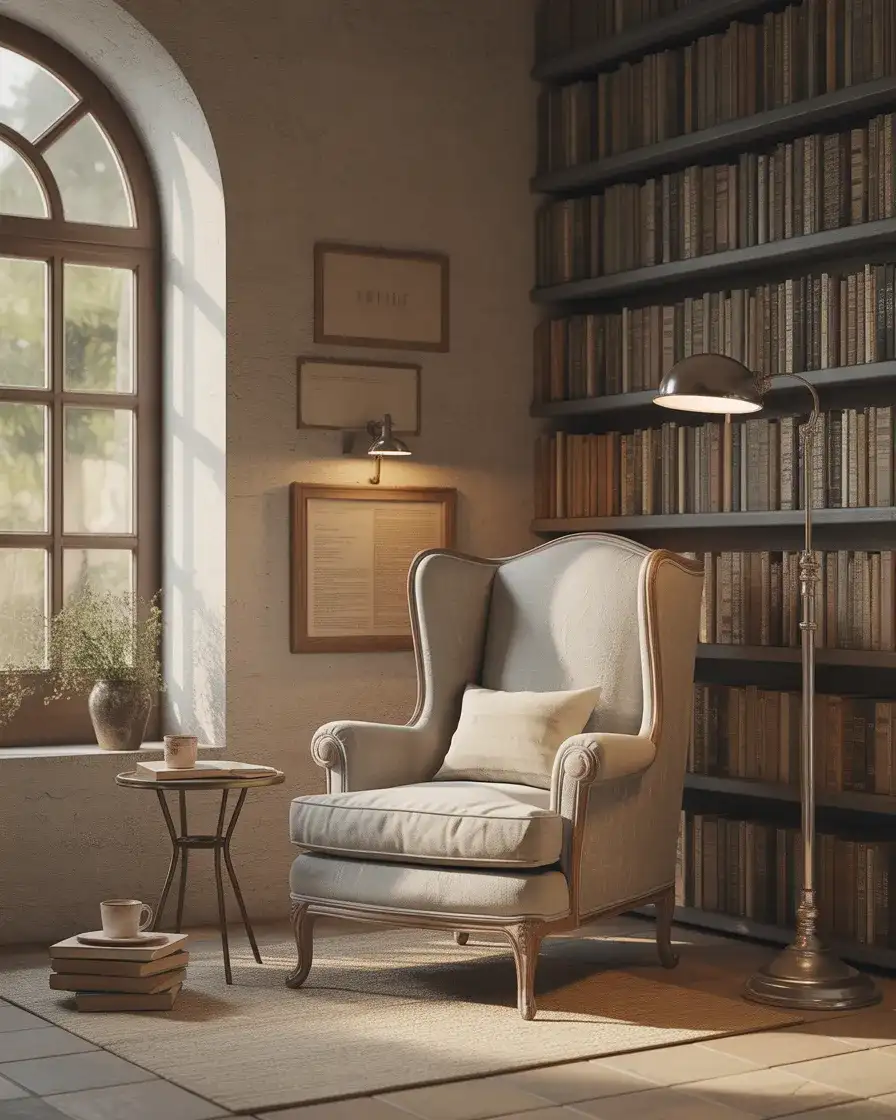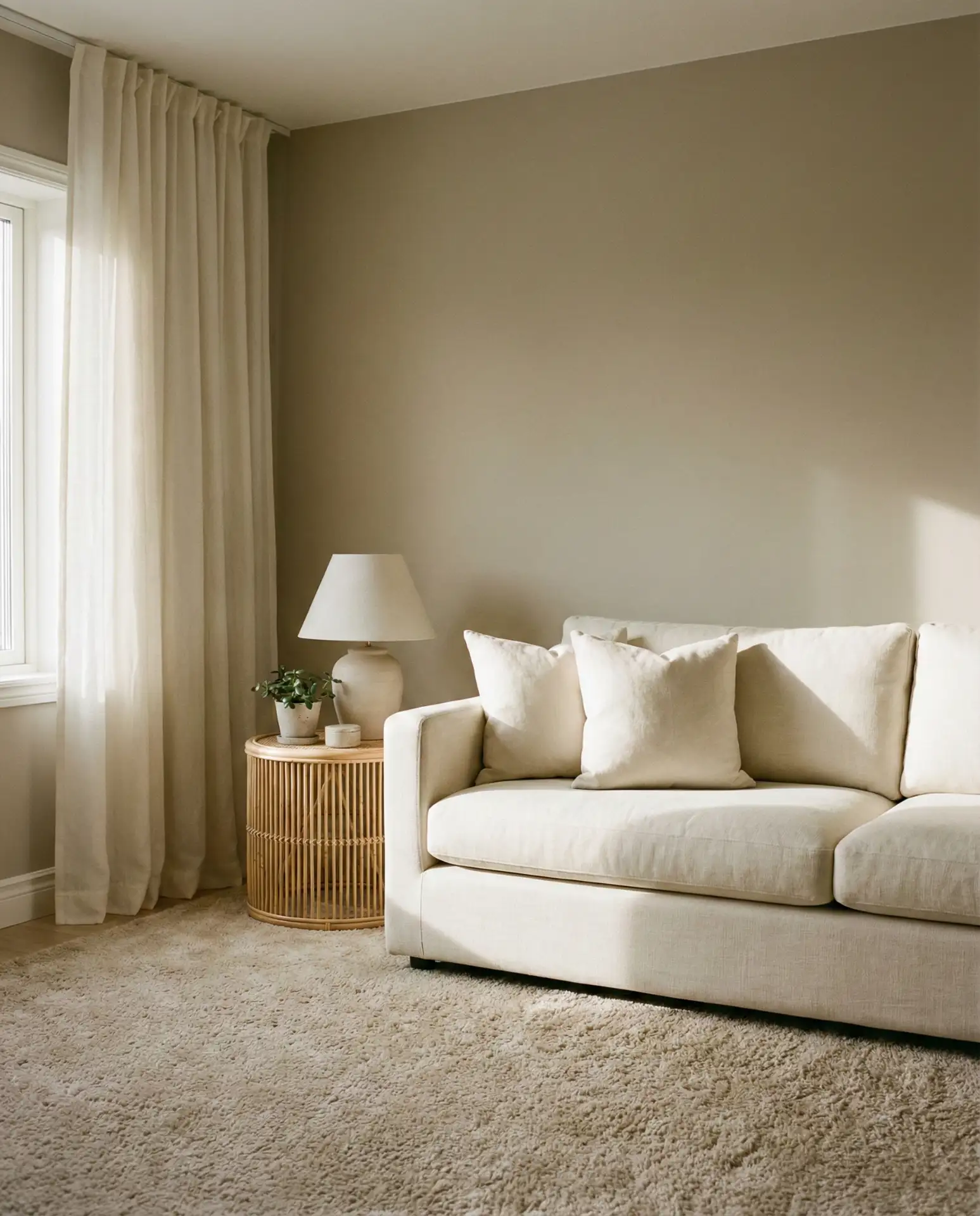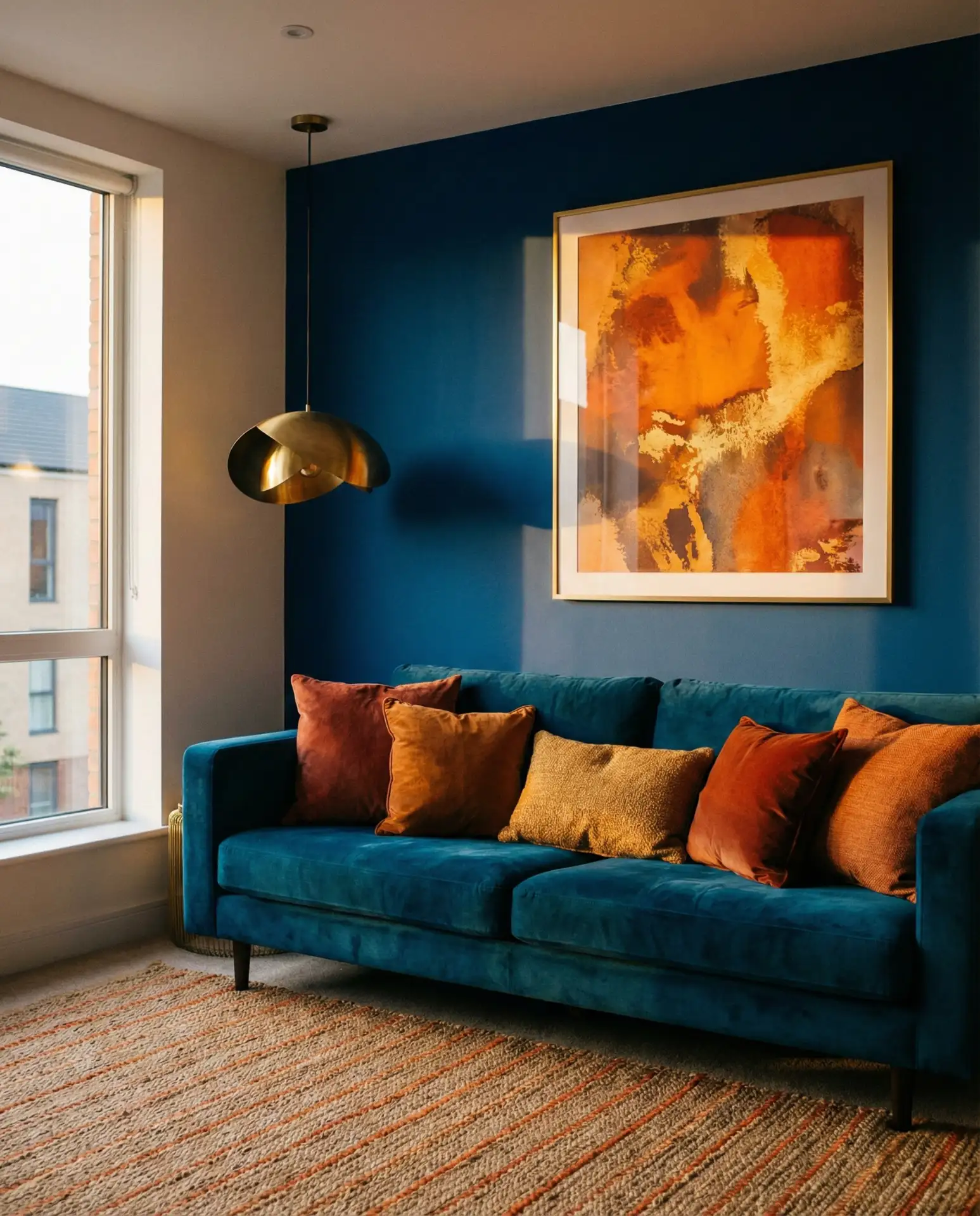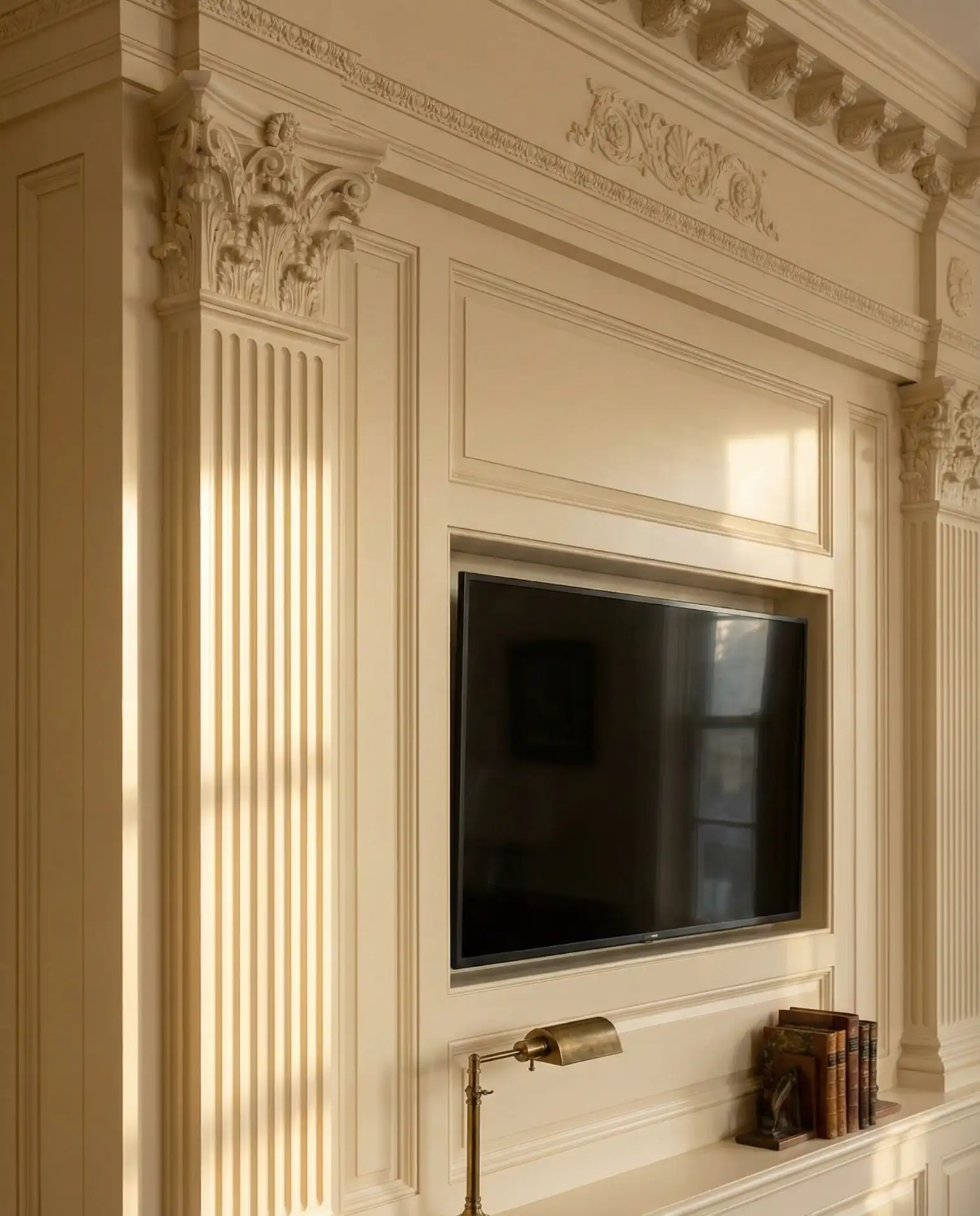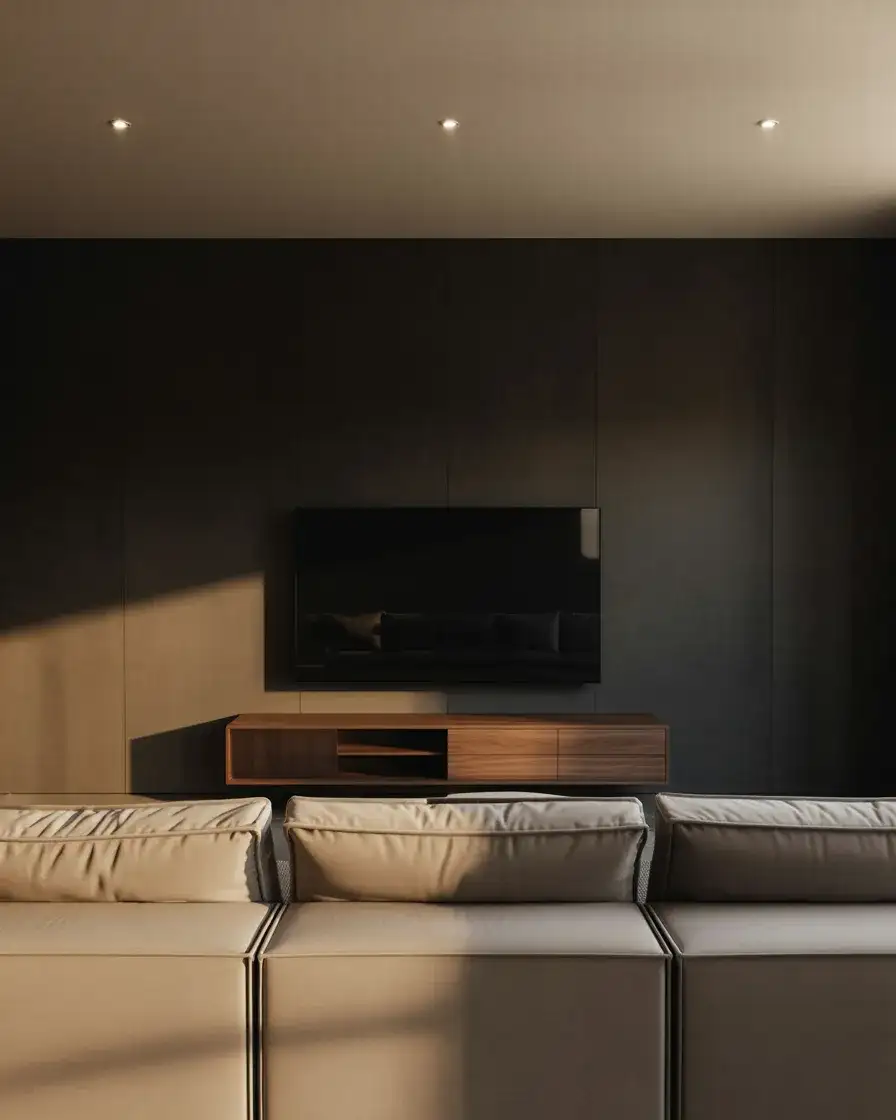
Green living rooms are having a serious moment right now, and if your Pinterest feed looks anything like ours, you already know it. From sage walls paired with warm wood to emerald velvet sofas anchoring an entire room, the spectrum of green in interior design for 2026 is wider—and more exciting—than ever. Americans are leaning into color in a way that feels personal, lived-in, and genuinely cozy rather than showroom-stiff. In this article, we’re walking through green living room ideas that cover every mood, budget, and style—so whether you’re planning a full renovation or just thinking about a paint weekend, you’ll find something here that sparks an idea worth pinning.
1. Sage Green Walls With Warm Wood Accents
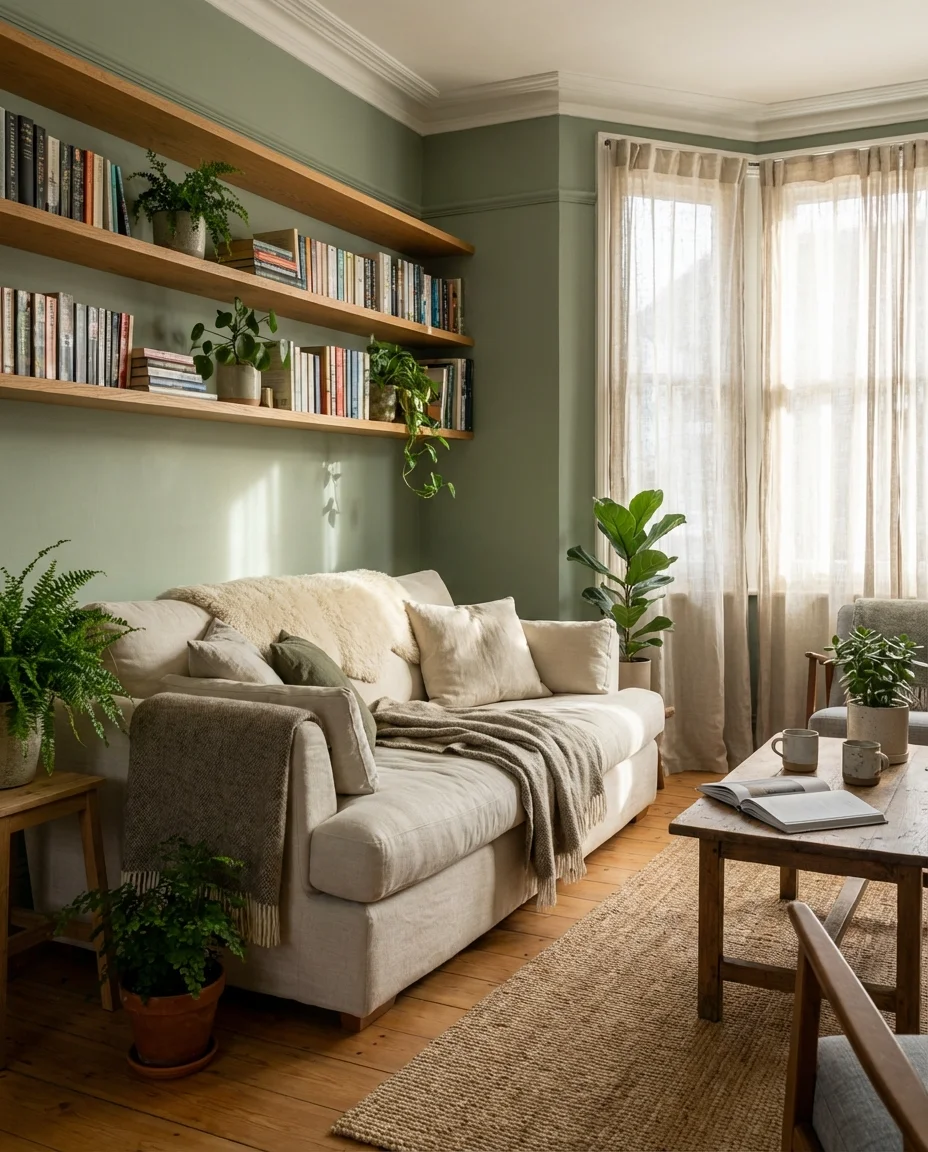
There’s a reason sage has been the It color for several years running—it somehow manages to feel both fresh and deeply calming at once. In a living room, sage walls work like a neutral that isn’t actually neutral: they give you a color story without demanding your furniture compete. Pair them with warm brown shelving, honey-toned oak floors, and linen cushions, and you’ve got a room that feels like a deep exhale. This combination is endlessly popular on Pinterest because it photographs beautifully in natural light.
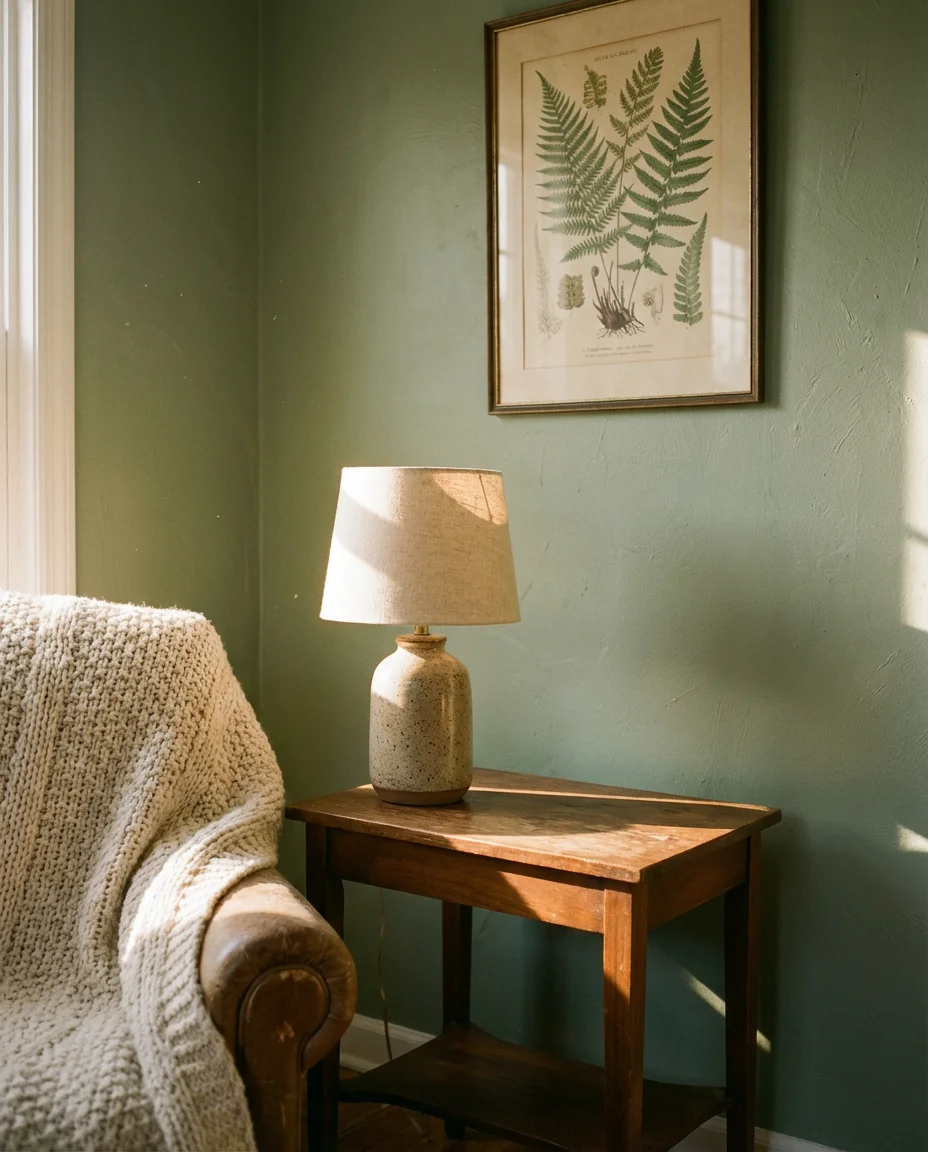
Design-wise, the practical magic here is that sage works across nearly every American home style—whether you’re in a craftsman bungalow in Portland, a condo in Austin, or a colonial in New England. Interior designers consistently note that warm-toned woods like walnut and white oak “ground” green walls in a way that cooler metals simply don’t. If you’re shopping on a budget, even IKEA’s Billy shelving stained in a warm walnut finish pulls this look together convincingly. The investment is mostly in the paint—and a gallon goes a long way.
2. Dark Moody Green With Velvet Furniture
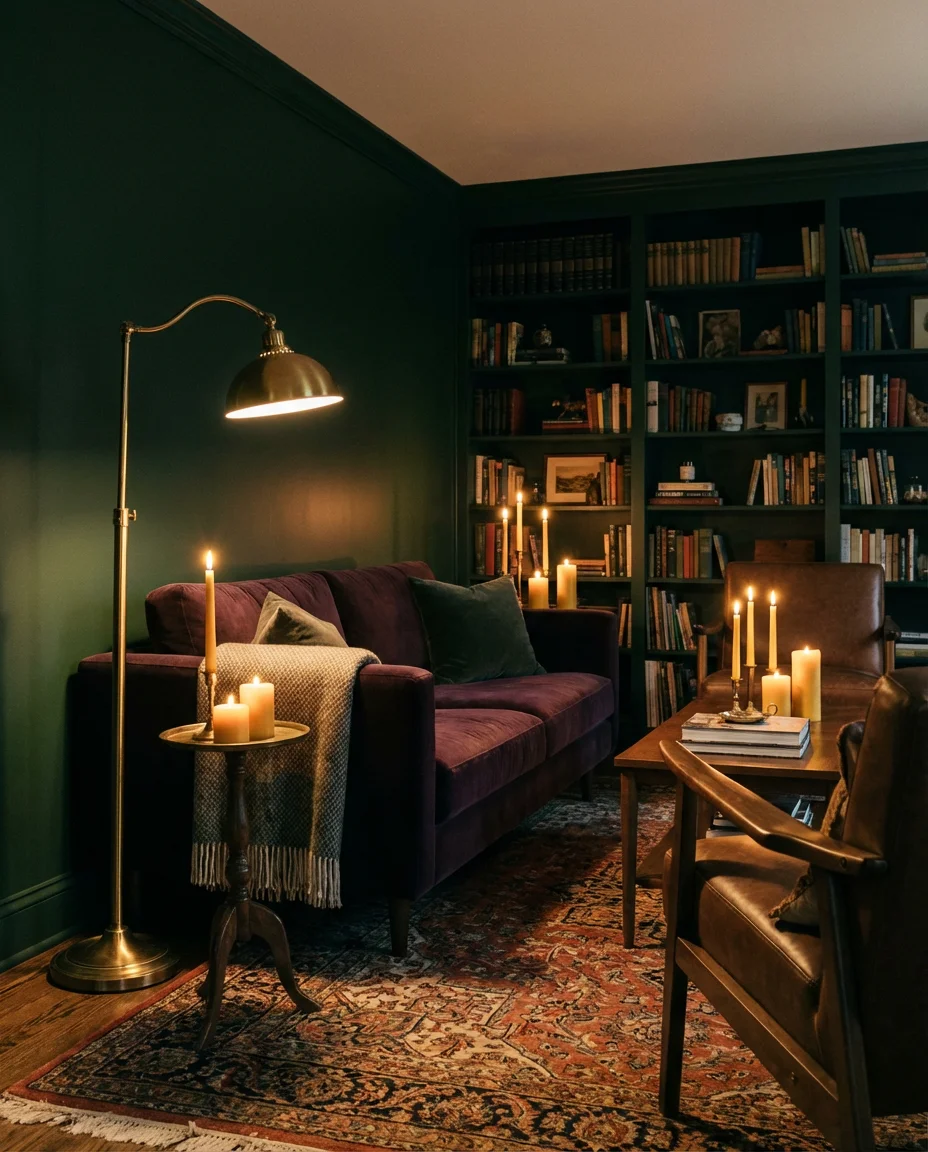
If you’ve been scrolling late-night Pinterest and saving every dark, moody living room you come across, this idea is for you. Deep hunter or bottle-green walls combined with a velvet sofa in a complementary jewel tone—think plum, cognac, or forest—create a room that feels genuinely grown-up and atmospheric. This isn’t a look for people afraid of commitment. It’s for the homeowner who wants their living room to feel like a place, not just a room.
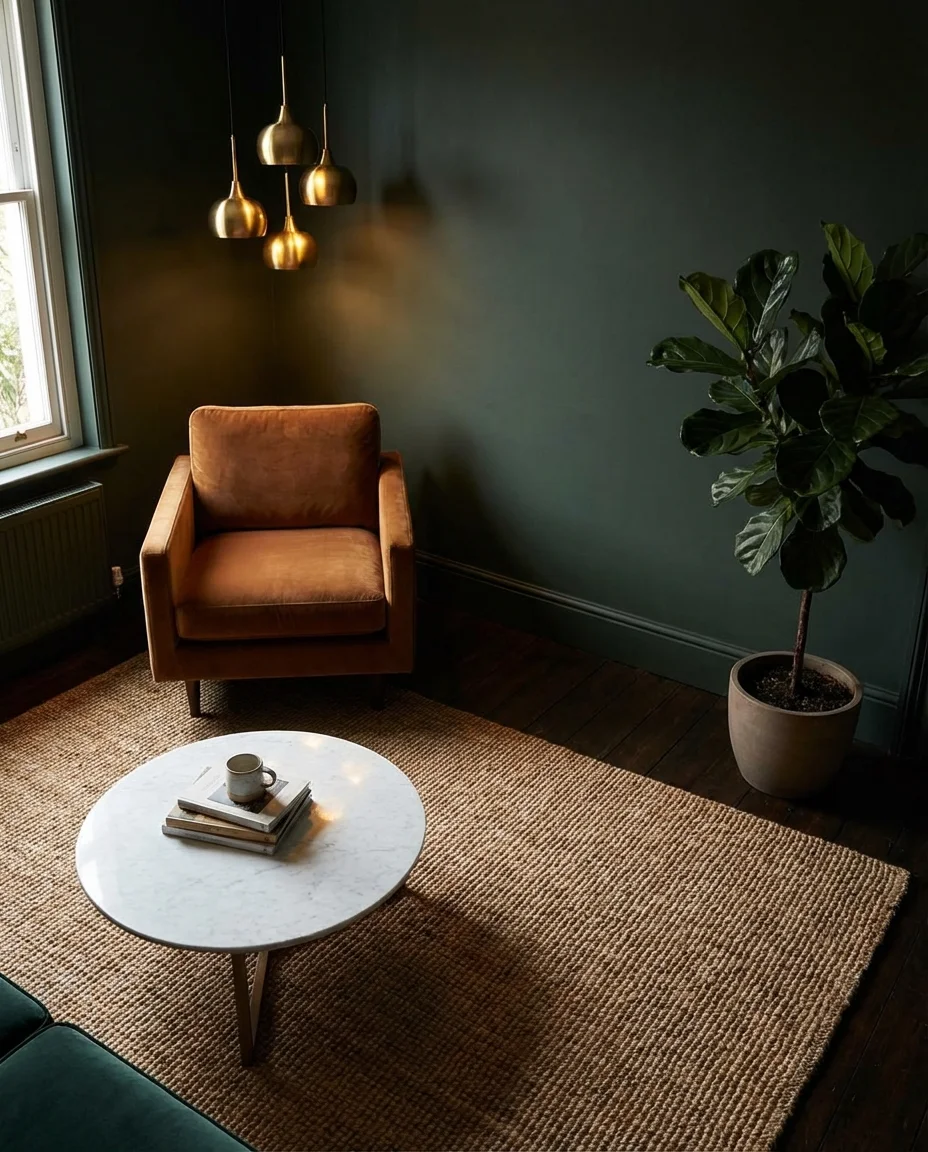
A common mistake people make with dark walls is under-lighting the room and ending up with a space that feels gloomy rather than cozy. The fix is layered lighting—a mix of floor lamps, table lamps, and candles that creates warmth at eye level rather than relying on overhead fixtures alone. Sconces flanking a fireplace or art piece go a long way. Think of the light sources as jewelry for a dark room: the more intentional they are, the better the whole thing reads.
3. Blue and Green Color-Blocked Living Room
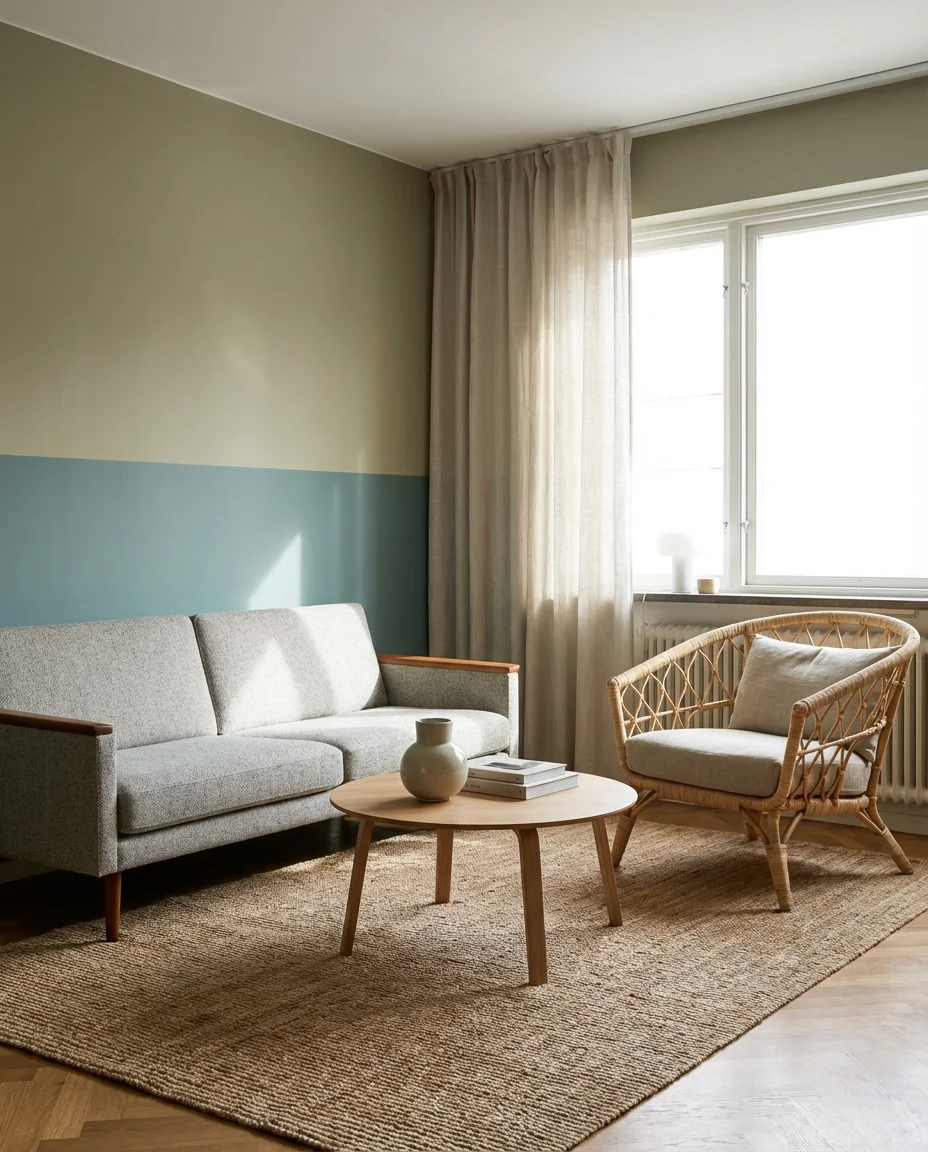
The blue and green combination has been quietly climbing the ranks of designer-favorite palettes, and in 2026 it’s fully arrived. Color-blocking a living room with a muted teal or slate blue on the lower half of the wall and a warm green on the upper half—or across different zones—gives you a layered, visual-artist energy without any gallery-white sterility. It’s a choice that reads as intentional and creative rather than indecisive.
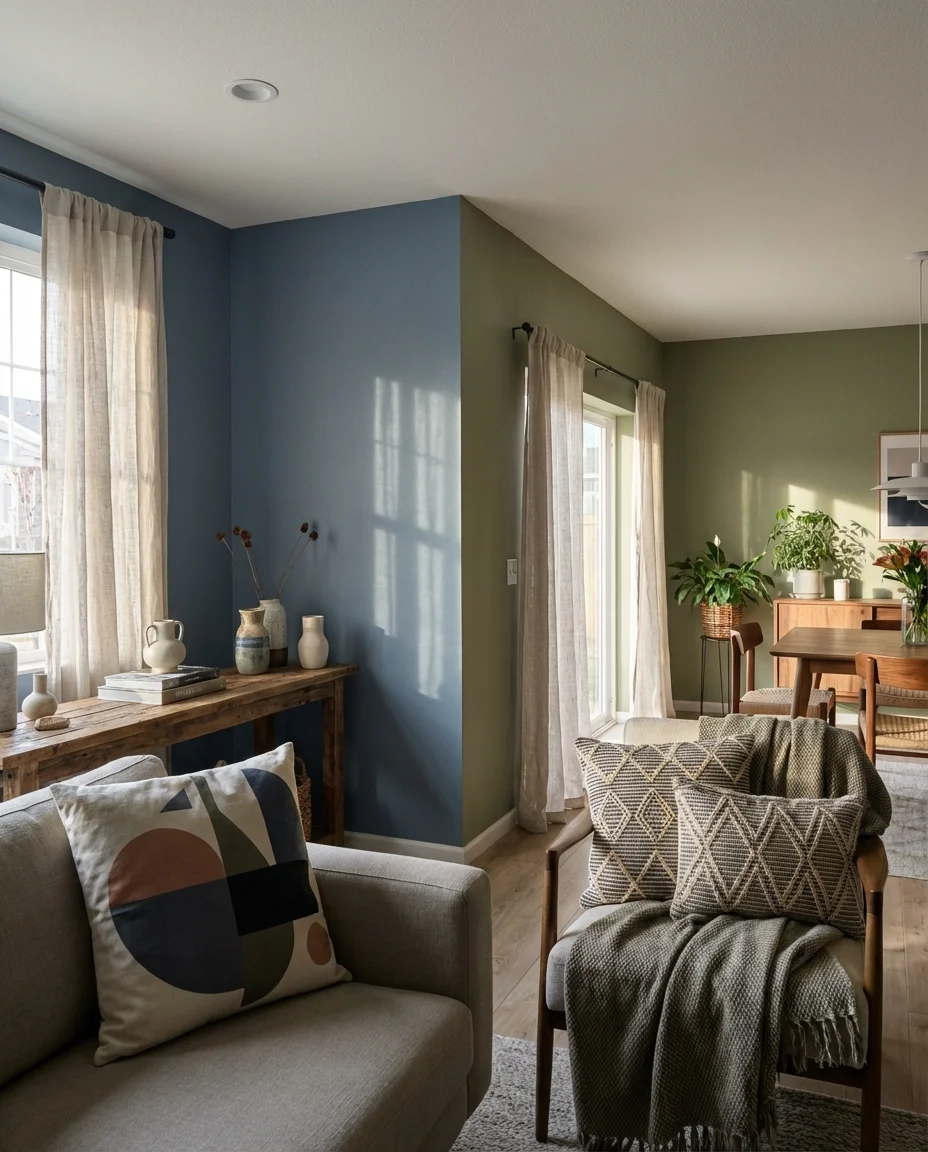
This works especially well in open-plan apartments or living rooms that flow into a dining area—the color-blocking actually helps define zones without needing physical barriers. A designer friend who works primarily with New York City apartments swears by this trick for making small spaces feel edited and considered rather than cramped. The key is keeping the tones in the same temperature family: cool blue with cool sage reads refined, while mixing warm and cool without intention just creates visual noise.
4. Olive Green and Rust Living Room
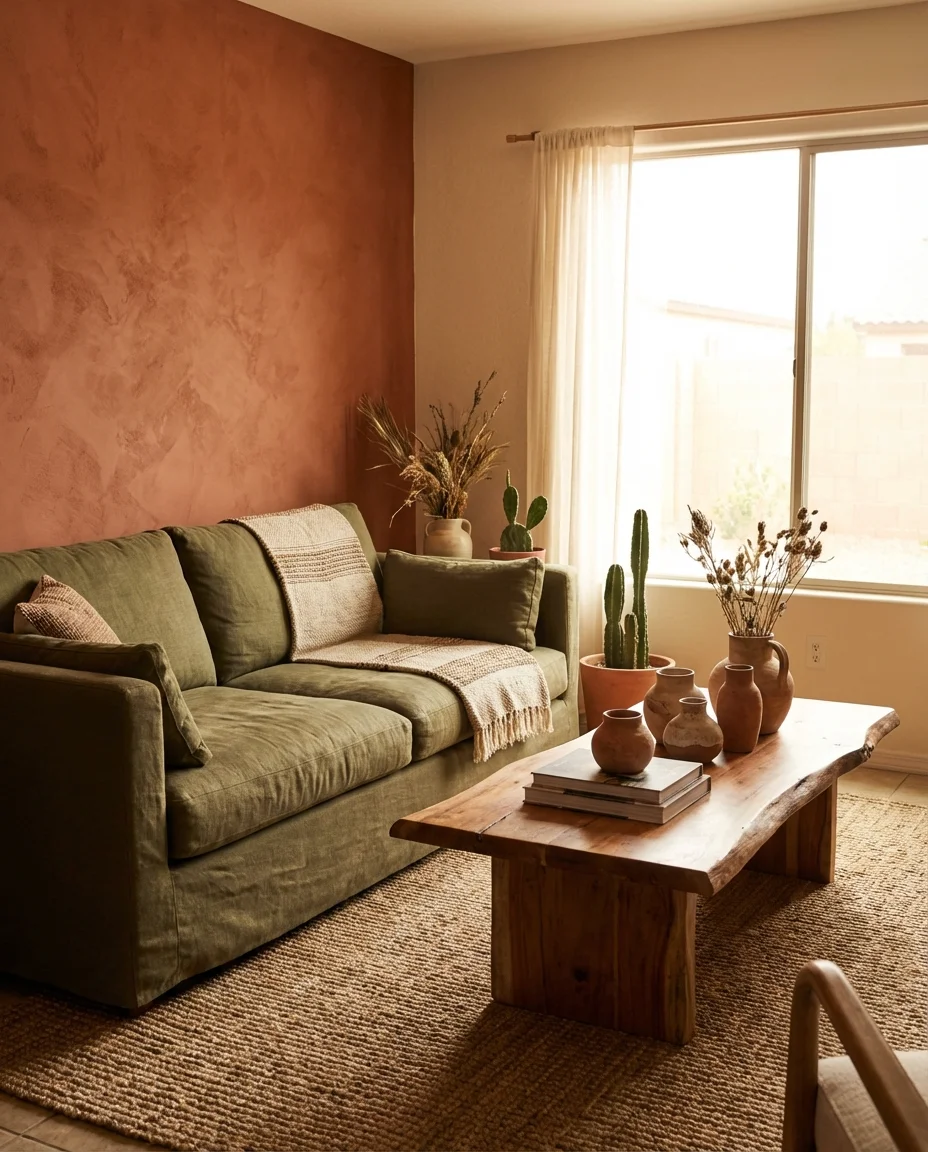
Olive green paired with rust and terracotta tones is one of the most earthy, grounded combinations in interior design right now—and it’s deeply rooted in the American Southwest and California lifestyle aesthetic that has taken over Pinterest. Think of an olive linen sofa against a warm rust-painted accent wall, with clay pots, jute rugs, and textured ceramics completing the picture. It’s warm without being overly warm and rooted without feeling heavy.
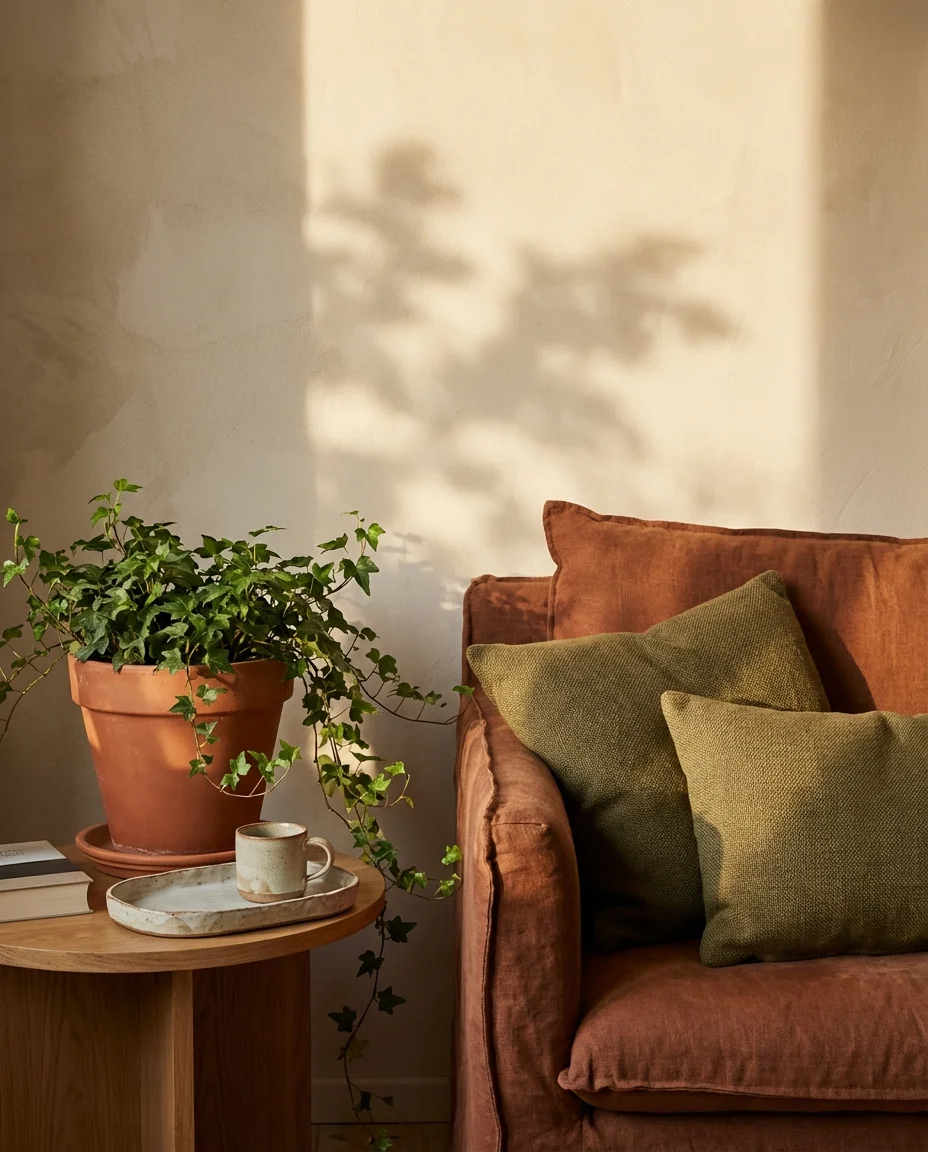
This palette reads effortlessly well in ranch-style homes and bungalows across the South and West, but it’s also been adopted enthusiastically in Northeast brownstones where homeowners are craving a little warmth and earthiness as a counterpoint to cold winters. If you’re working on this look on a budget, the best bang-for-buck move is painting one wall in a rust or terracotta shade—it’s transformative for under $50 in paint and does most of the heavy lifting without a single new furniture purchase.
5. Pink and Green Playful Living Room
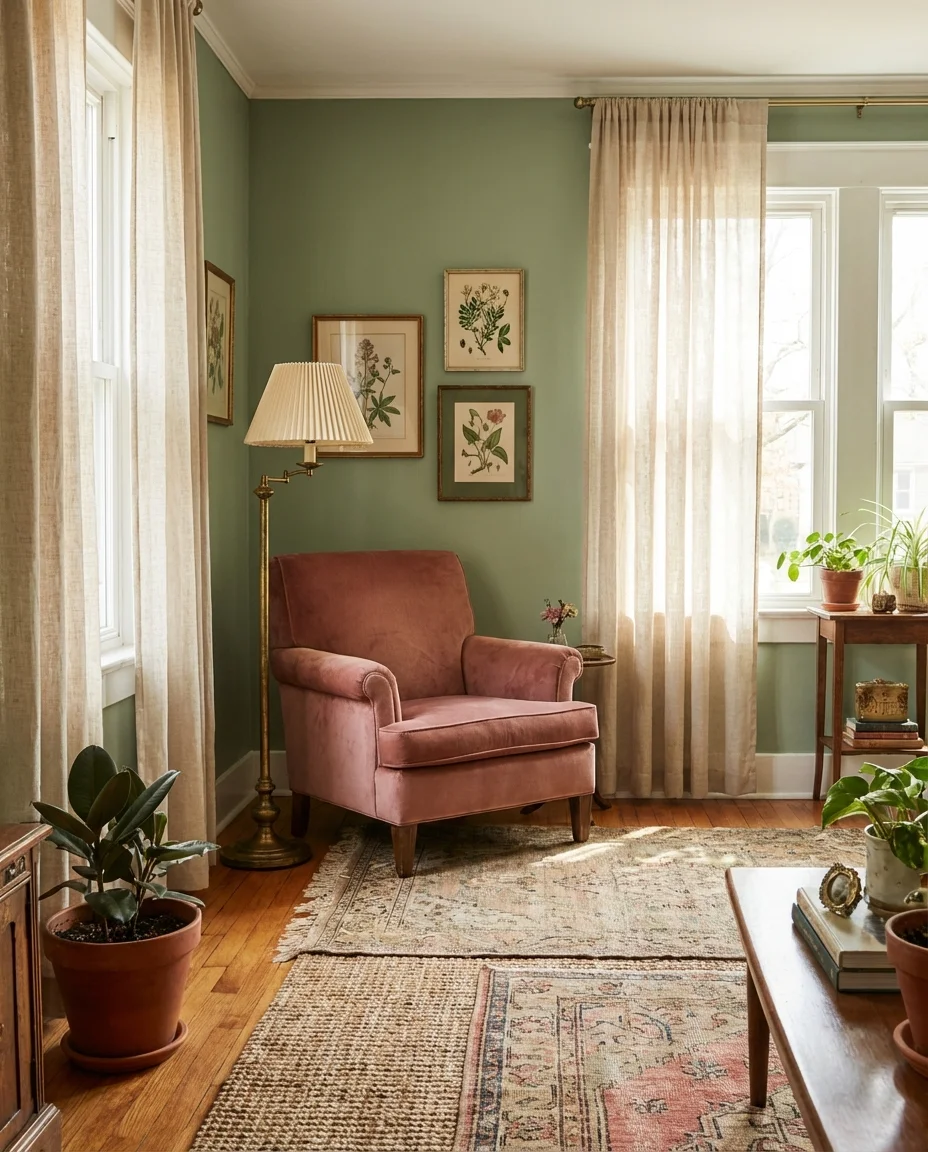
Don’t underestimate the pink and green pairing—it’s having a real design moment that goes well beyond preppy. A dusty rose or blush armchair against sage or bottle-green walls creates a room with genuine personality: soft but not saccharine, playful but not childish. The key is leaning into muted, vintage tones rather than bright primaries. Think faded botanical prints, aged brass hardware, and layered textiles in complementary earth tones to give the room depth.
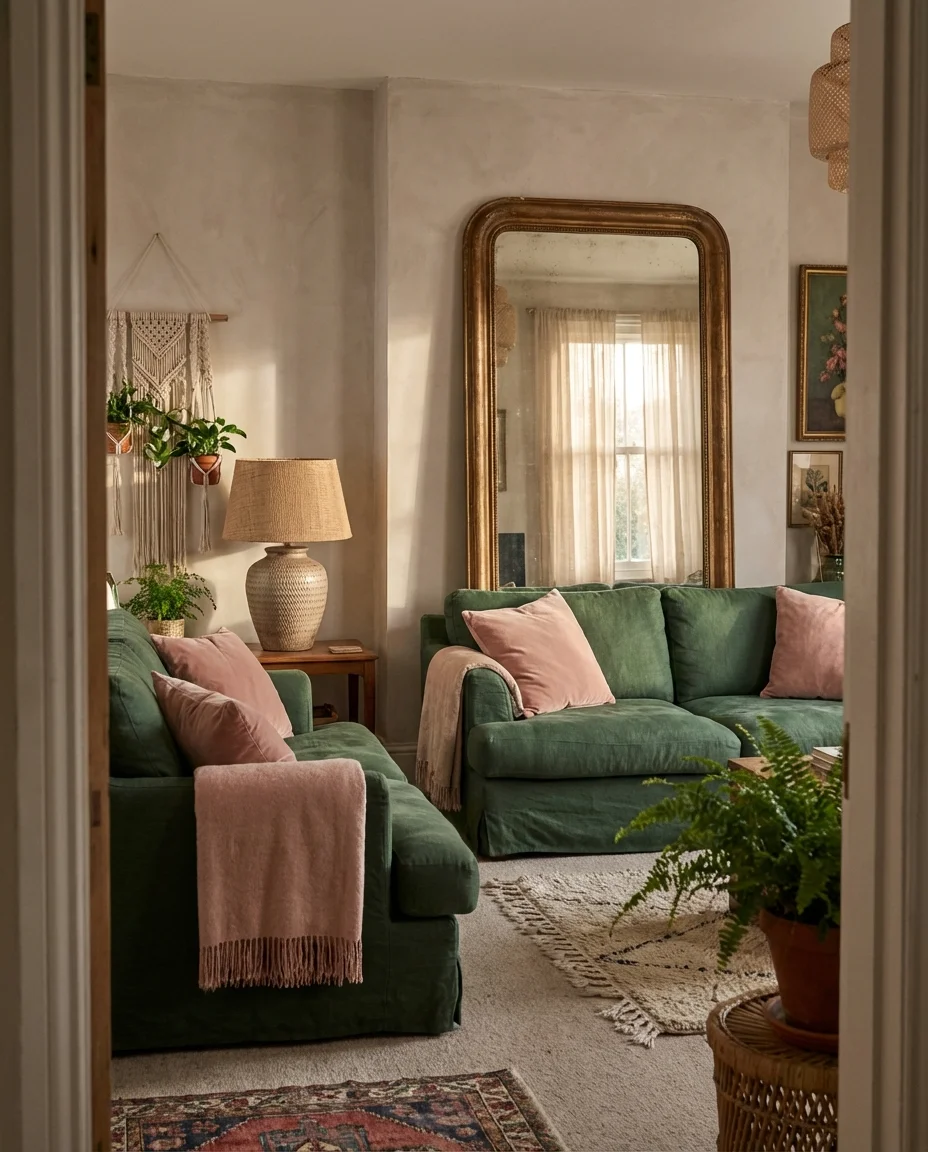
Imagine moving into a first apartment after years of white rental walls and finally painting one room exactly how you want it. That’s the energy this palette carries—it feels like personal expression, not a trend. Interior stylists working with millennial homeowners note this combo scores consistently high on “feels like me” satisfaction surveys. It photographs incredibly well in natural light too, which is probably why it keeps showing up so persistently in Pinterest home tours.
6. Grey and Green Sophisticated Neutral
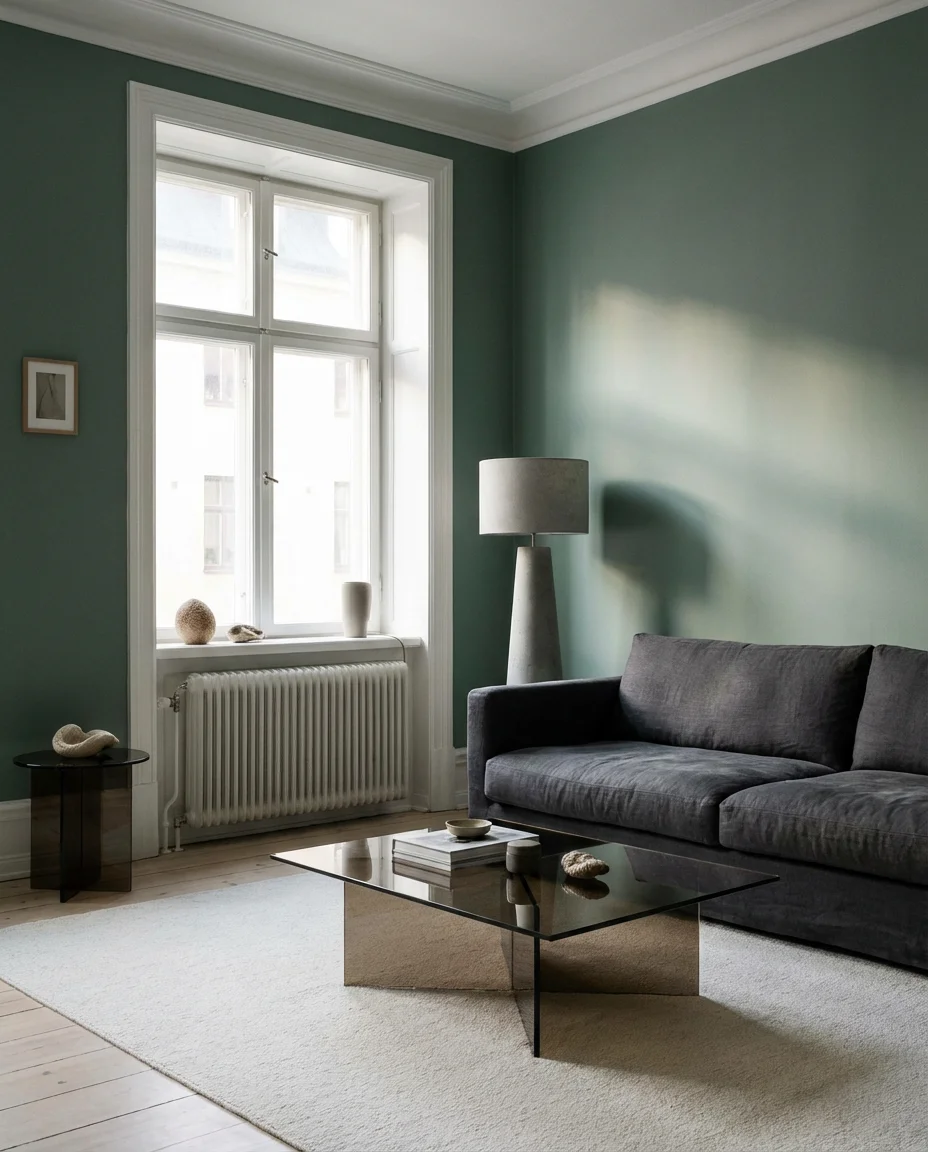
For anyone who loves the idea of green but worries about going too bold, the grey and green combination is the answer. A soft charcoal or warm greige sofa against sage or eucalyptus walls creates a room that feels sophisticated and quietly editorial—the kind of space that appears in design magazines without looking unapproachable in real life. Layer in concrete, brushed steel, and smoked glass accessories, and the room takes on a modern European apartment quality.
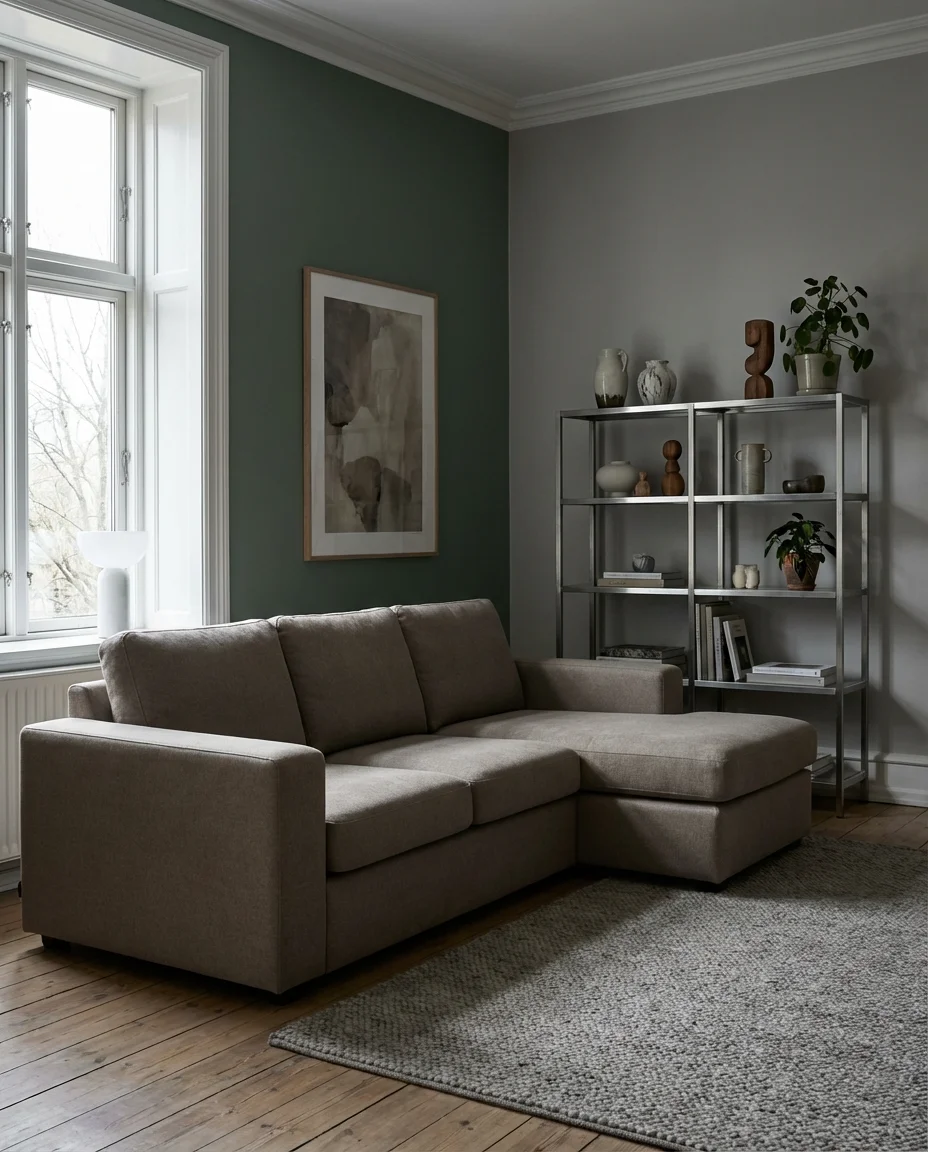
This combination works best in rooms that get good natural light—the grey tones can read flat in low-light situations, so if your living room faces north or has small windows, warm up the grey with camel and cognac leather accents rather than keeping the palette entirely cool. Where it really shines is in modern builds with high ceilings and large windows: spaces where the clean restraint of the palette can breathe and the green reads as a considered choice rather than a compromise.
7. Brown and Green Earthy Retreat
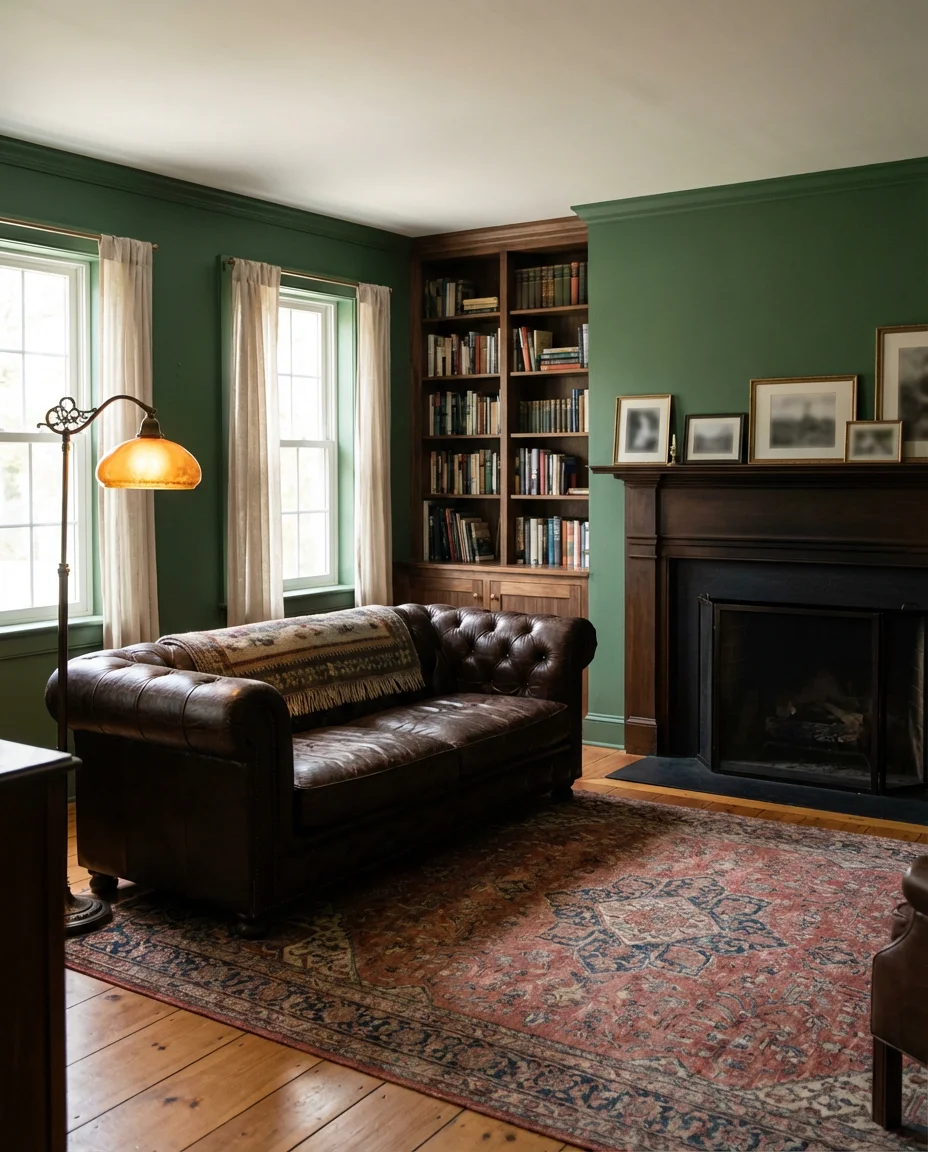
There is something deeply satisfying about a brown and green living room that feels like it was assembled slowly, over time, with care. Dark chocolate leather, walnut furniture, and forest green walls create a space that reads as mature and settled—the design equivalent of a well-worn leather jacket. It’s not trendy in a loud way; it’s the kind of room that looks better the more personal objects you add to it. Perfect for readers, collectors, and anyone who values atmosphere over Instagram-perfect symmetry.
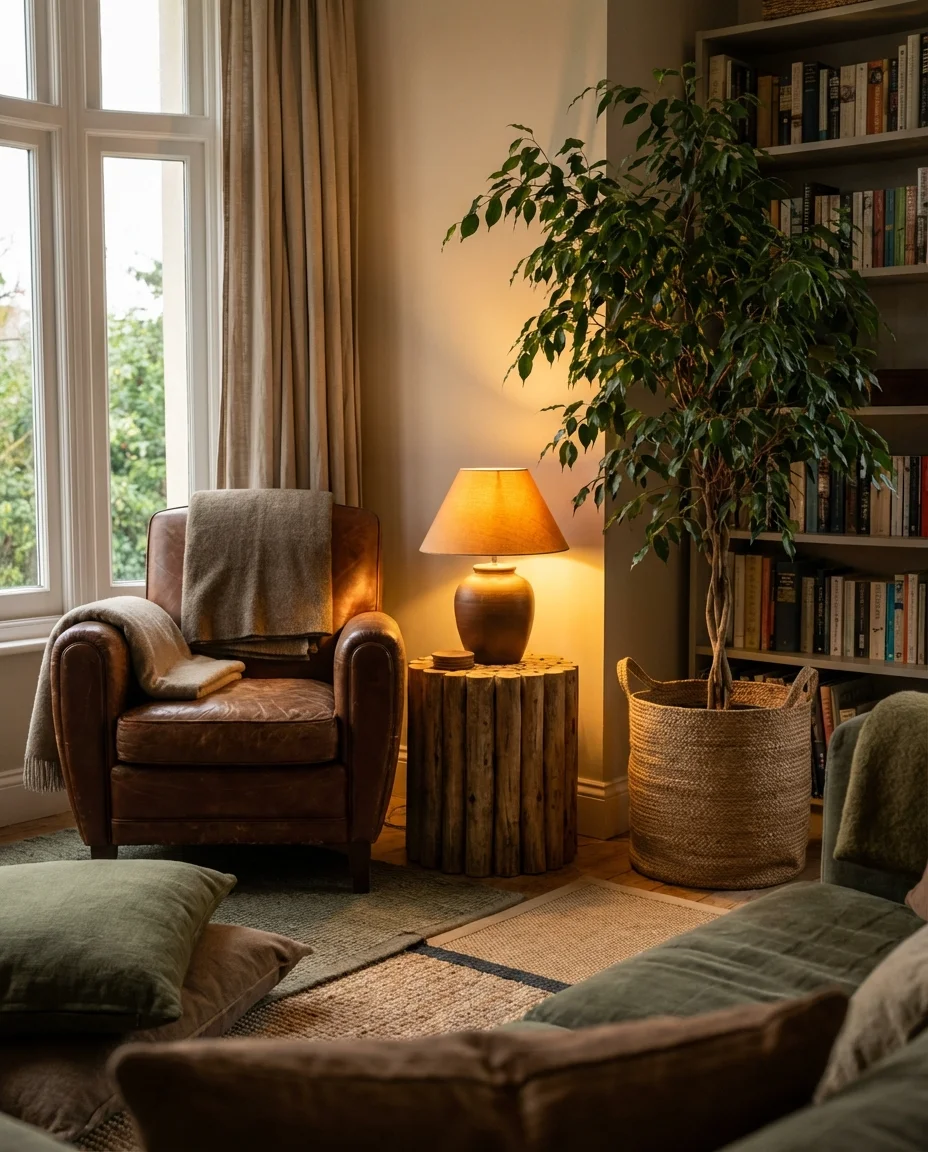
This is a palette that performs particularly well in craftsman homes, Tudor-style houses, and older properties where the bones of the room—moldings, built-ins, original hardwood floors—already have character. Rather than competing, the brown and green palette leans into those architectural elements. An expert tip: keep your textiles varied in texture (velvet, linen, wool, leather) even when the tones are similar—that tactile variety is what prevents an earthy palette from reading as muddy or one-note.
8. Emerald Green Statement Wall
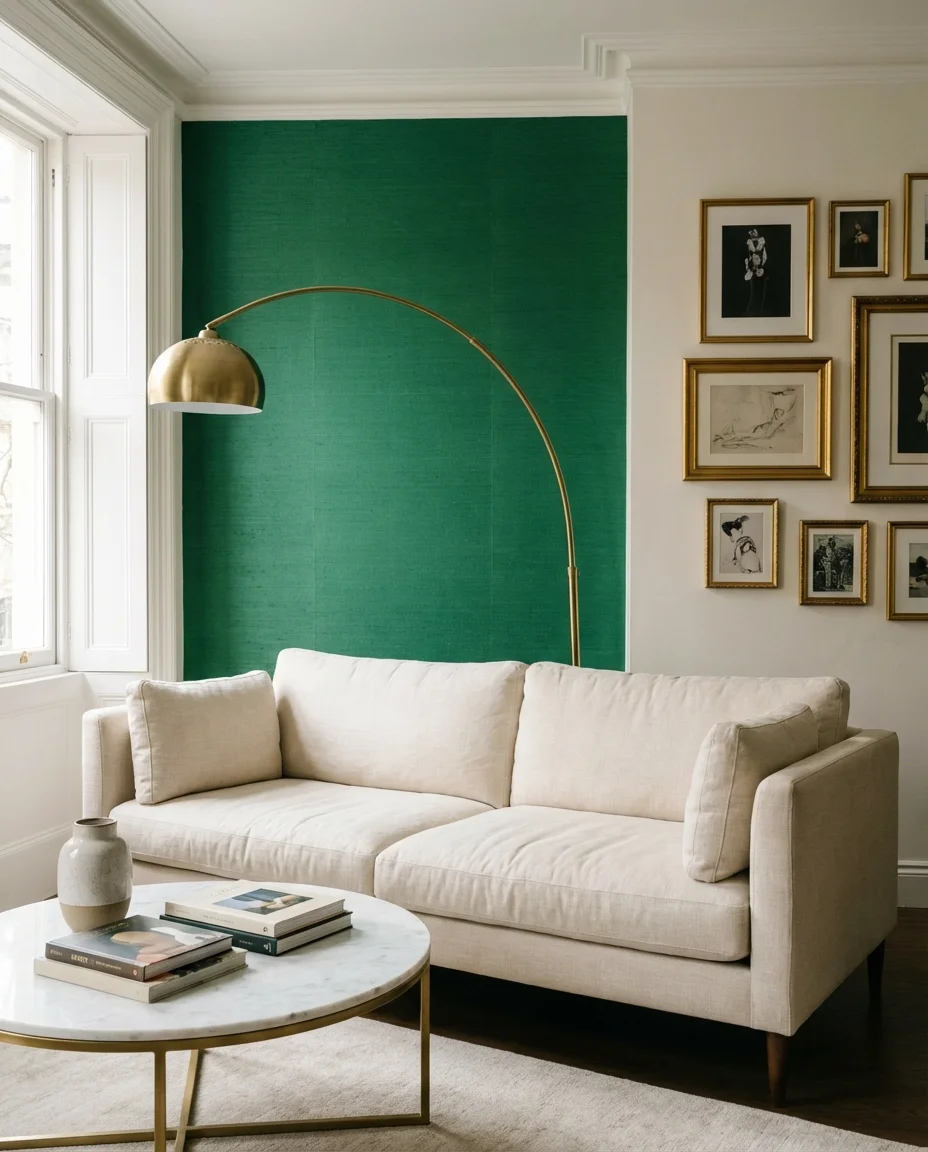
An emerald green feature wall is one of the most dramatic, high-reward moves you can make in a living room—and it costs about the same as a new throw pillow set. When placed behind a sofa or fireplace, deep emerald creates an instant focal point that makes the whole room feel curated and intentional. Against white or off-white walls on the remaining three sides, it pops without overwhelming. The jewel-like quality of emerald means it works equally well with gold, brass, black, and warm wood tones.
Real homeowners who’ve done this report the same experience: they agonized over the color choice for weeks, finally committed on a Saturday morning, and had their living room completely transformed by afternoon. The wall dries darker than the chip, which is worth knowing—always do a large sample swatch first and observe it in both daylight and lamplight before committing. Most paint brands offer deep emerald in their premium lines; Farrow & Ball’s Studio Green and Benjamin Moore’s Hunter Green are two of the most searched options for good reason.
9. Forest Green and Natural Textures
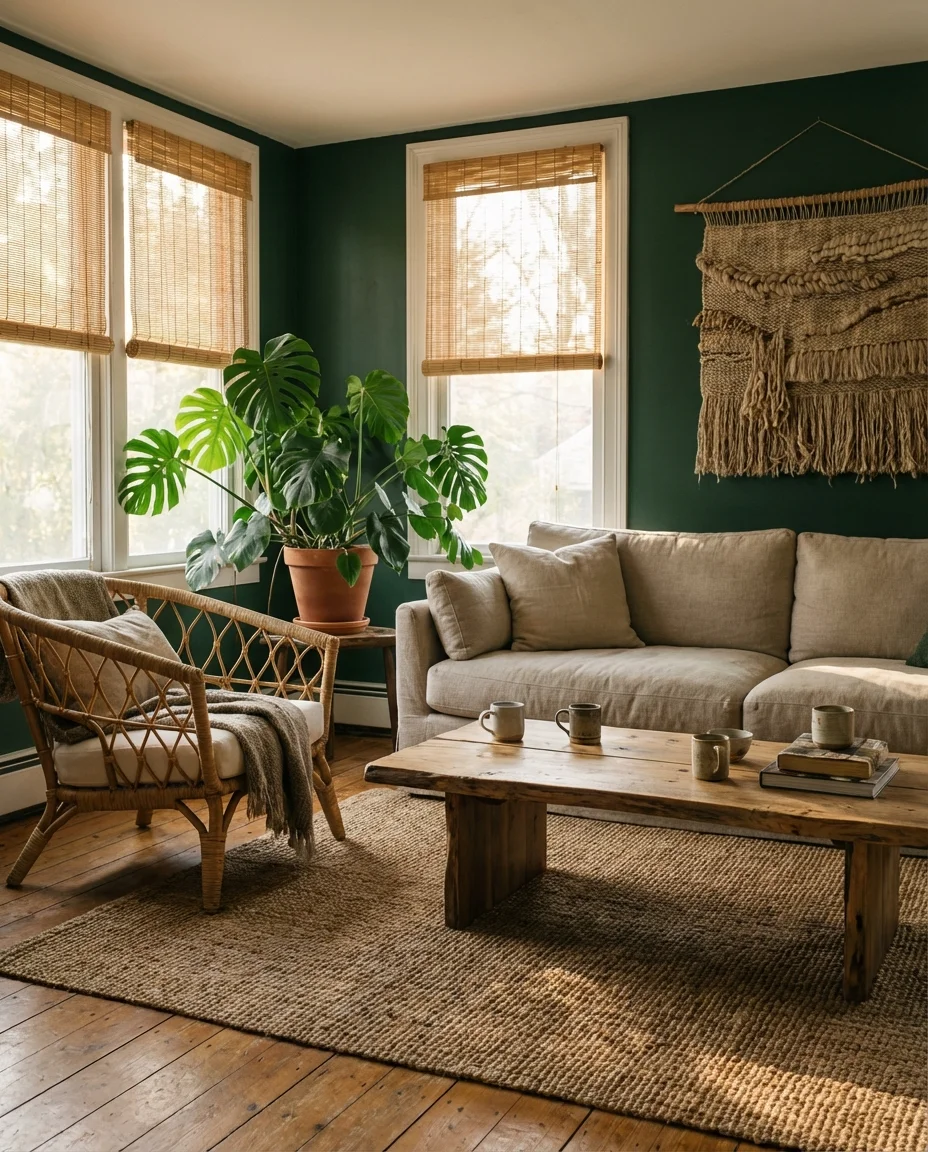
A forest green living room layered with natural textures—rattan, jute, linen, raw wood, and woven baskets—creates a biophilic space that feels genuinely connected to the outdoors. This is the aesthetic that dominates Pacific Northwest-inspired interiors and has been steadily growing in popularity across the rest of the country as people invest more in their home environments. The forest green anchors the room, while natural textures keep it from feeling too heavy or serious.
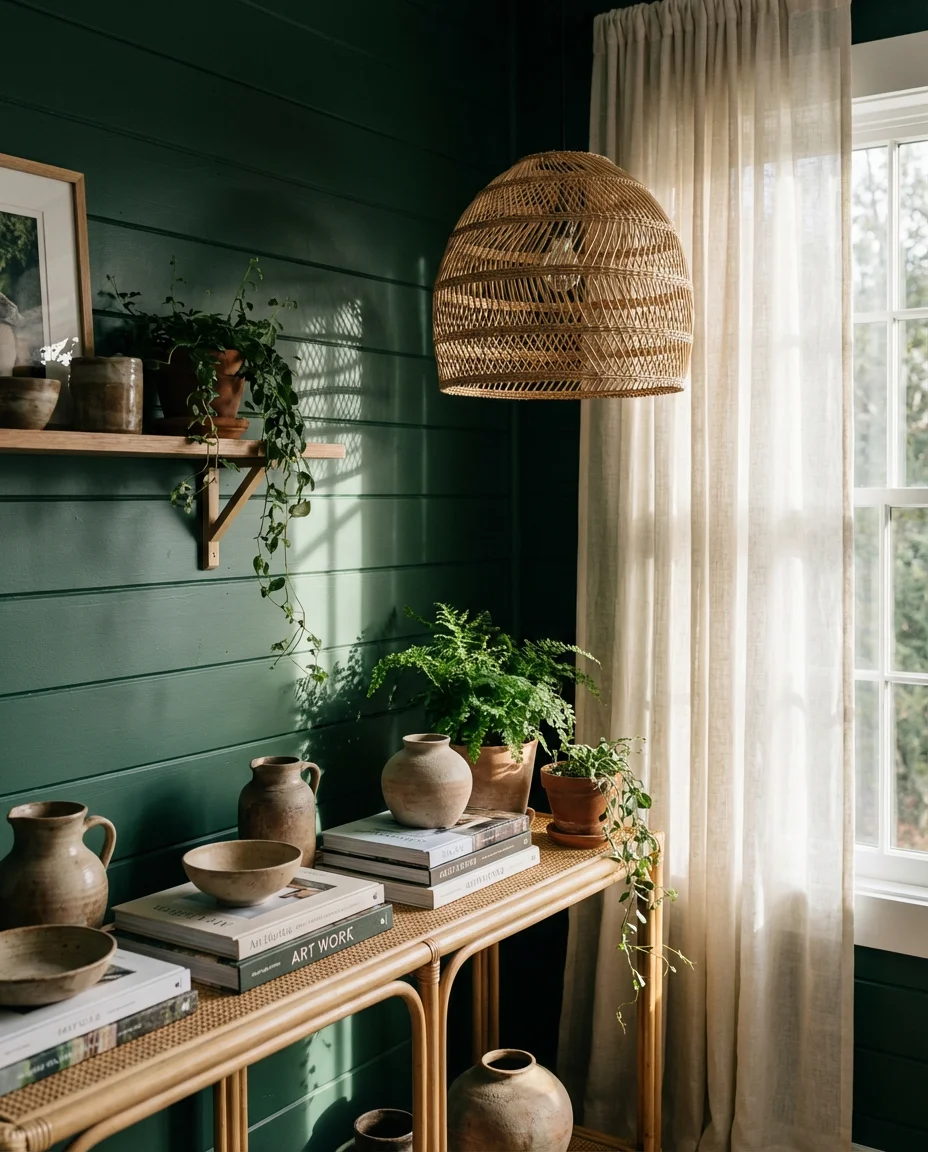
This aesthetic connects particularly deeply with the American wellness movement—people who choose forest green and natural materials often describe wanting their home to feel like a place to recover from the day, not just exist in it. Houseplants are non-negotiable here: a large fiddle leaf fig, trailing pothos, or a dramatic bird of paradise reinforces the forest-meets-home feeling. If you’re just starting, a few well-placed snake plants in terracotta pots will do the work at very little cost.
10. Neutral and Green Minimalist Living Room
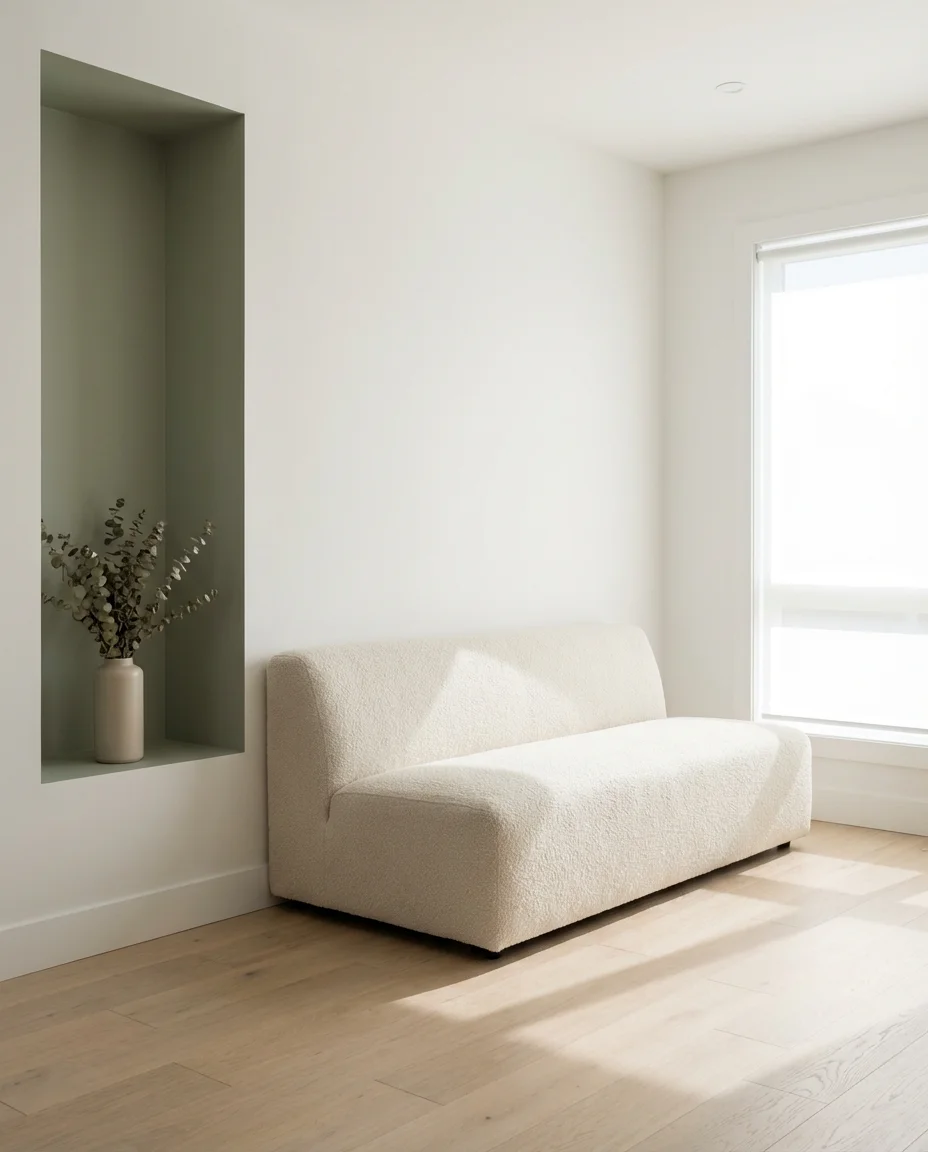
A neutral and green minimalist space strips everything back to what matters: texture, proportion, and light. Think white oak floors, a cream boucle sofa, and a single sage or moss green element—maybe a painted alcove, a ceramic planter, or a wool throw—that gives the room just enough color to feel alive without breaking the calm. This is the living room equivalent of a deep breath. It’s especially popular with Japandi-influenced design fans who want warmth without clutter.
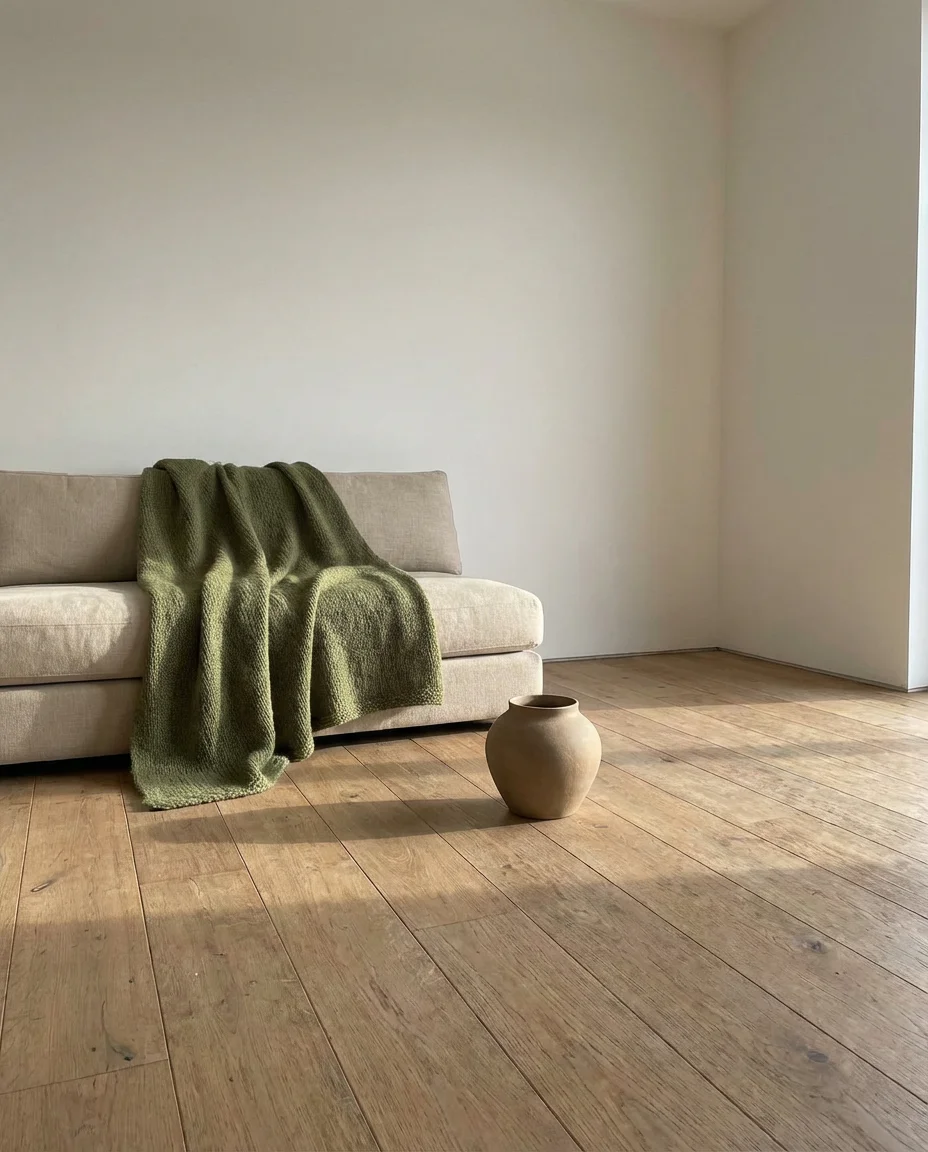
Where this look works best is in newer construction homes and condos with clean lines, flush baseboards, and open-plan layouts—the architectural simplicity supports the design restraint. In older homes with lots of detail, you’d need to either embrace the detail (craftsman-style) or go through the effort of simplifying it. Done right, a neutral-and-green minimal room actually requires more discipline to maintain than a maximalist one: every object you leave out is a design decision as much as every object you bring in.
11. Cozy Green Living Room With Fireplace
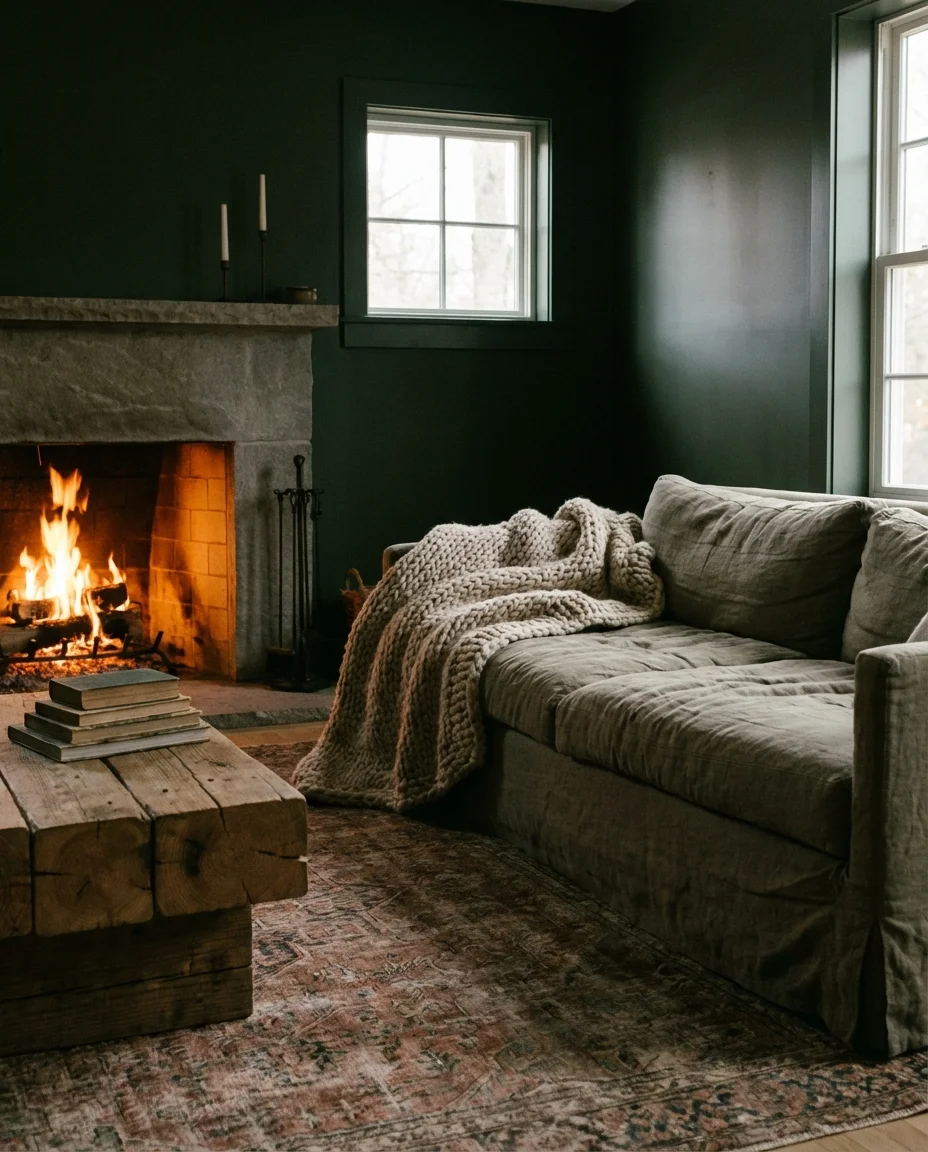
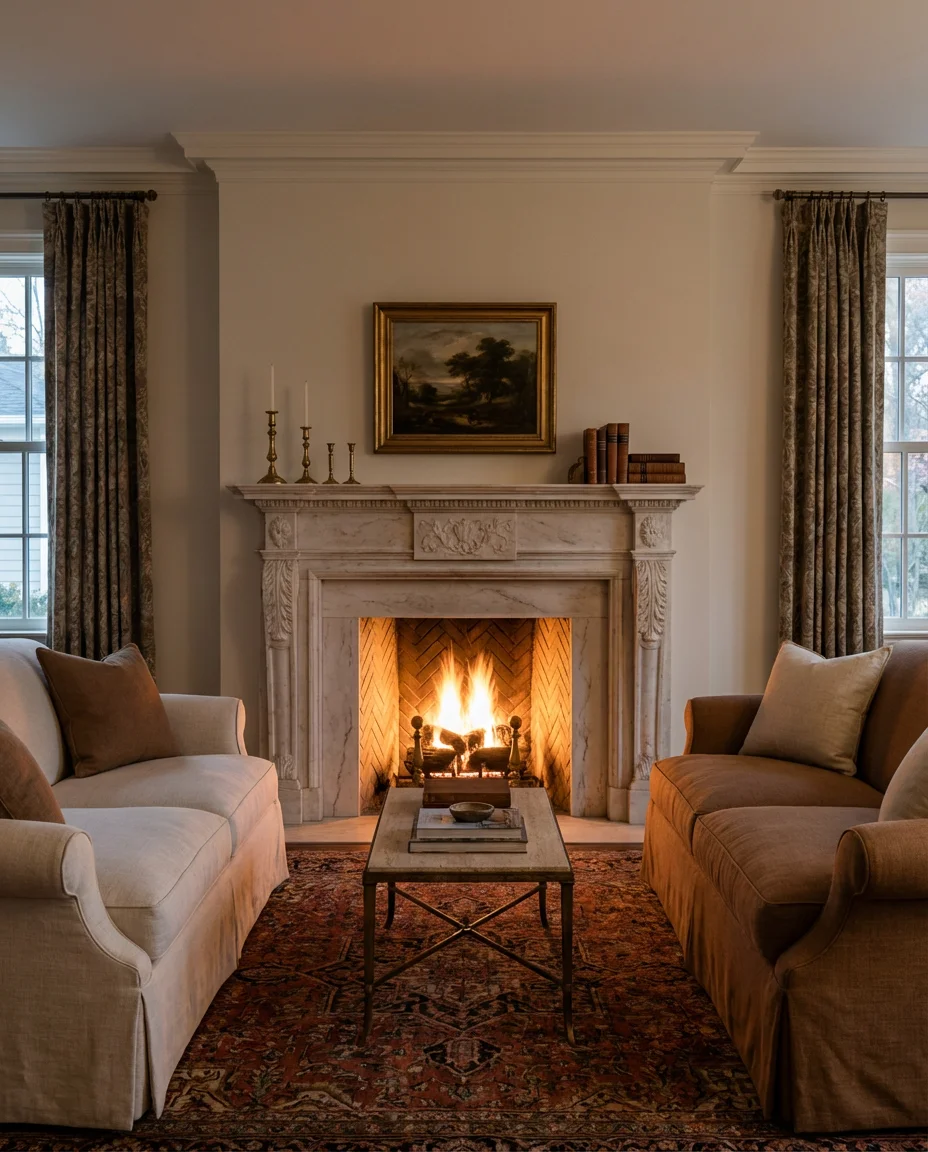
If there’s one room type that consistently earns the most saves on Pinterest, it’s a cozy green living room with a fireplace—and the reasons are obvious. Deep green walls amplify the warmth of firelight in a way that white or beige simply can’t. The color seems to hold the warmth, to intensify it. A chunky knit throw, a low coffee table with a stack of books, and the soft crackle of a fire turn this room into the kind of space people genuinely don’t want to leave.
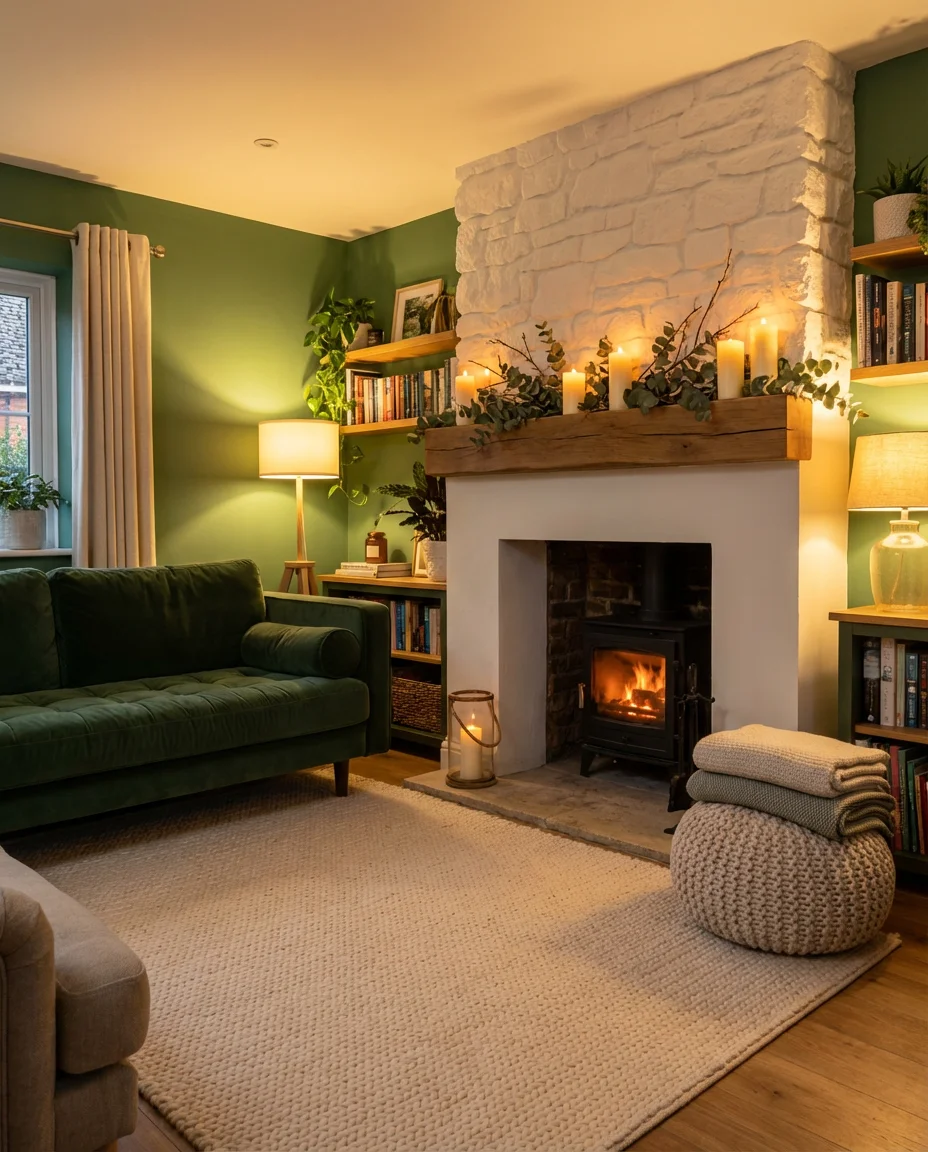
This setup is practically made for American homes in colder climates—think New England, the Midwest, and the Pacific Northwest—where the living room fireplace isn’t decorative but genuinely functional. One homeowner in Vermont described painting her living room a deep fir green last October and said it was the best decision she’d made in a decade: the room finally matched the feeling she’d been going for since she moved in. The moral is that sometimes a $60 can of paint delivers more than a $6,000 sofa.
12. Moody Green Library-Style Living Room
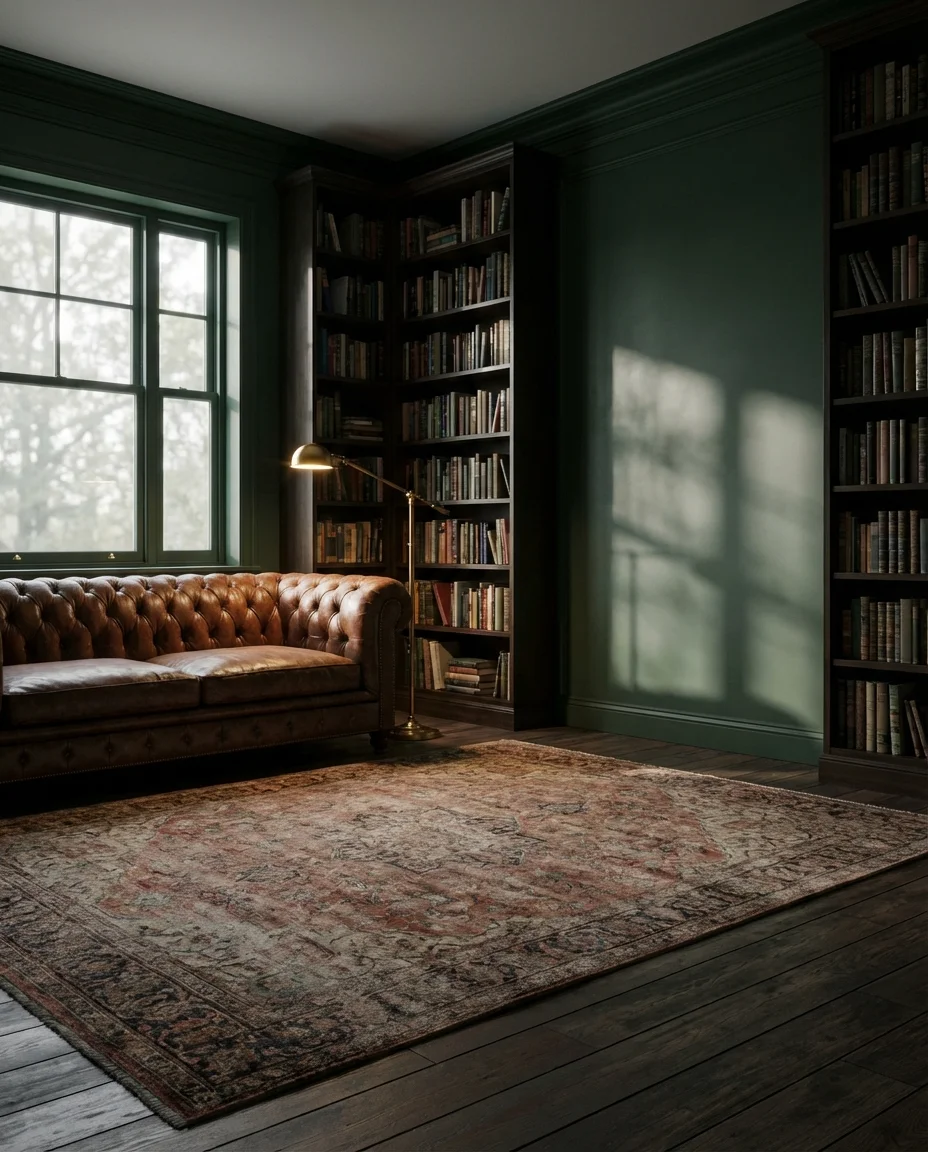
Dark green and floor-to-ceiling bookshelves are a pairing as classic as they are compelling. A moody library-style living room—walls painted in something deep like Farrow & Ball’s Mizzle or Benjamin Moore’s Tarrytown Green, shelves packed with books, a Chesterfield sofa, and a leather-topped desk—is one of those Pinterest fantasies that’s entirely achievable in real life with patience and thrifting. The aesthetic communicates intellectual warmth: “I live here, I think here, I love it here.”
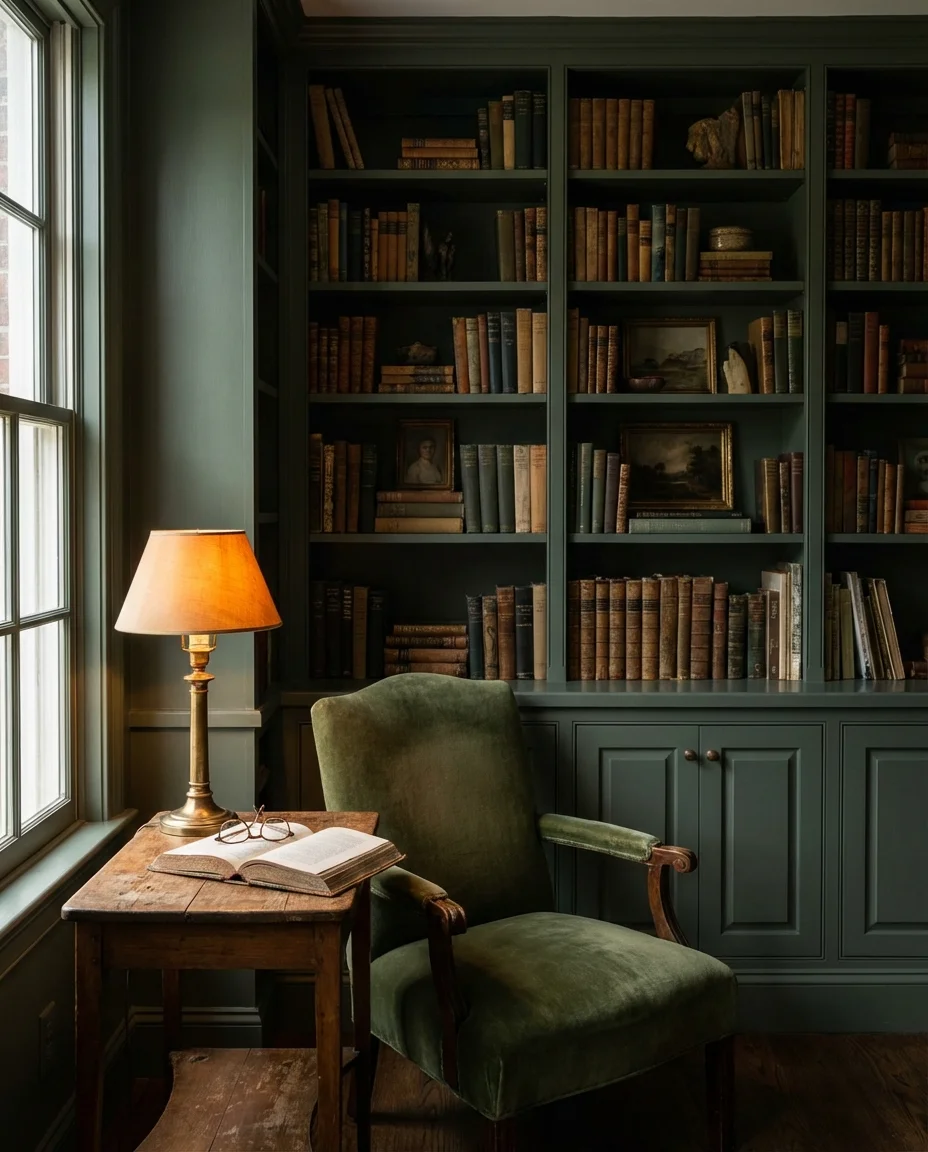
If you don’t have built-in shelving—and most of us don’t—the approach that works is treating IKEA Billy bookcases as blank canvases. Paint them the same deep green as the walls for a built-in effect that costs a fraction of custom millwork. Style with a mix of books facing forward and backward, interspersed with small objects and plants, and the result looks genuinely considered rather than IKEA-assembled. This is one of those achievable transformations that consistently surprises people with how dramatically it elevates a room.
13. Orange and Green Eclectic Living Room
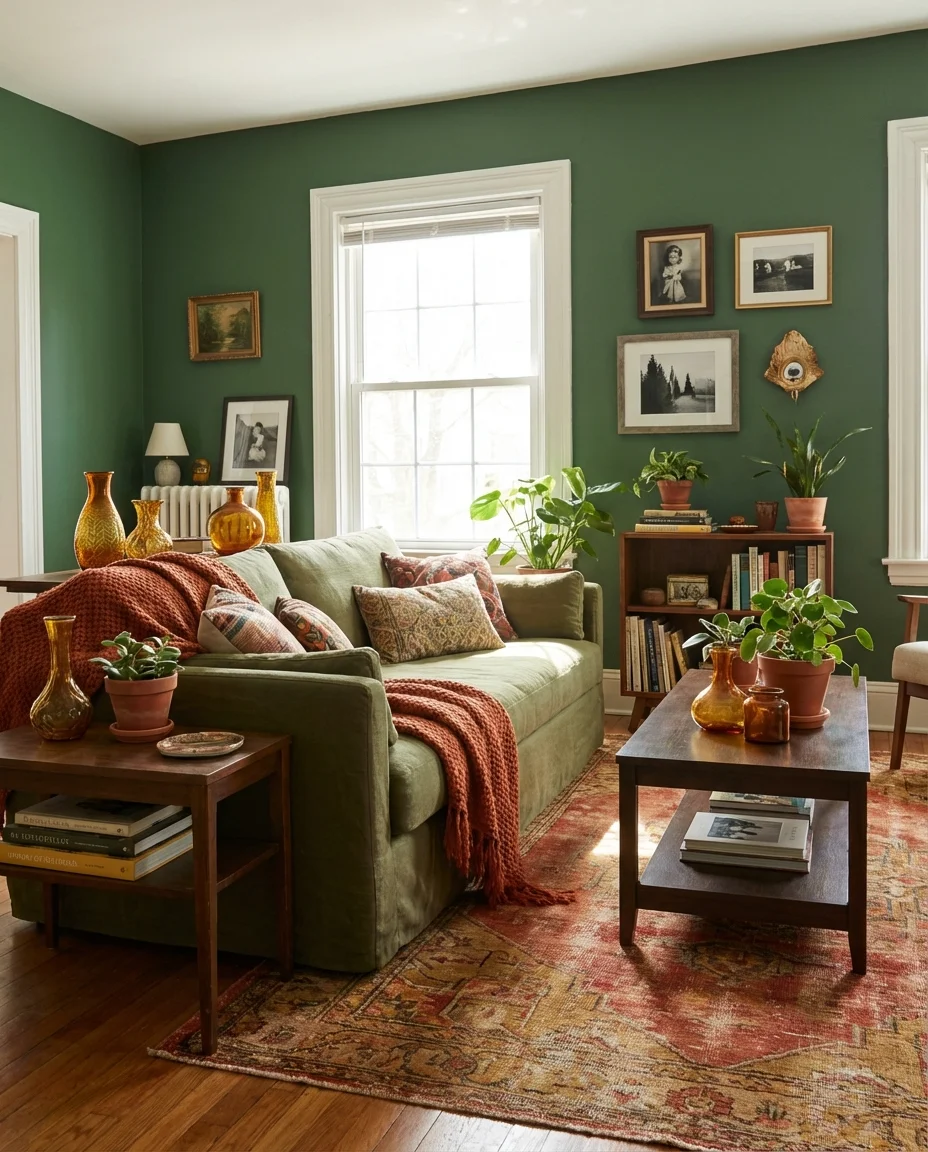
The orange and green combination is bold, yes—but in the right hands it’s incredibly alive. Think of it as the design equivalent of a maximalist’s garden: a terracotta-orange throw against an olive sofa, or amber and jade accessories scattered across a room with forest green walls. The key word here is “eclectic”—this isn’t a matchy-matchy room. It’s a room where things were gathered because they were loved, and the energy of that collecting is palpable and genuinely engaging.
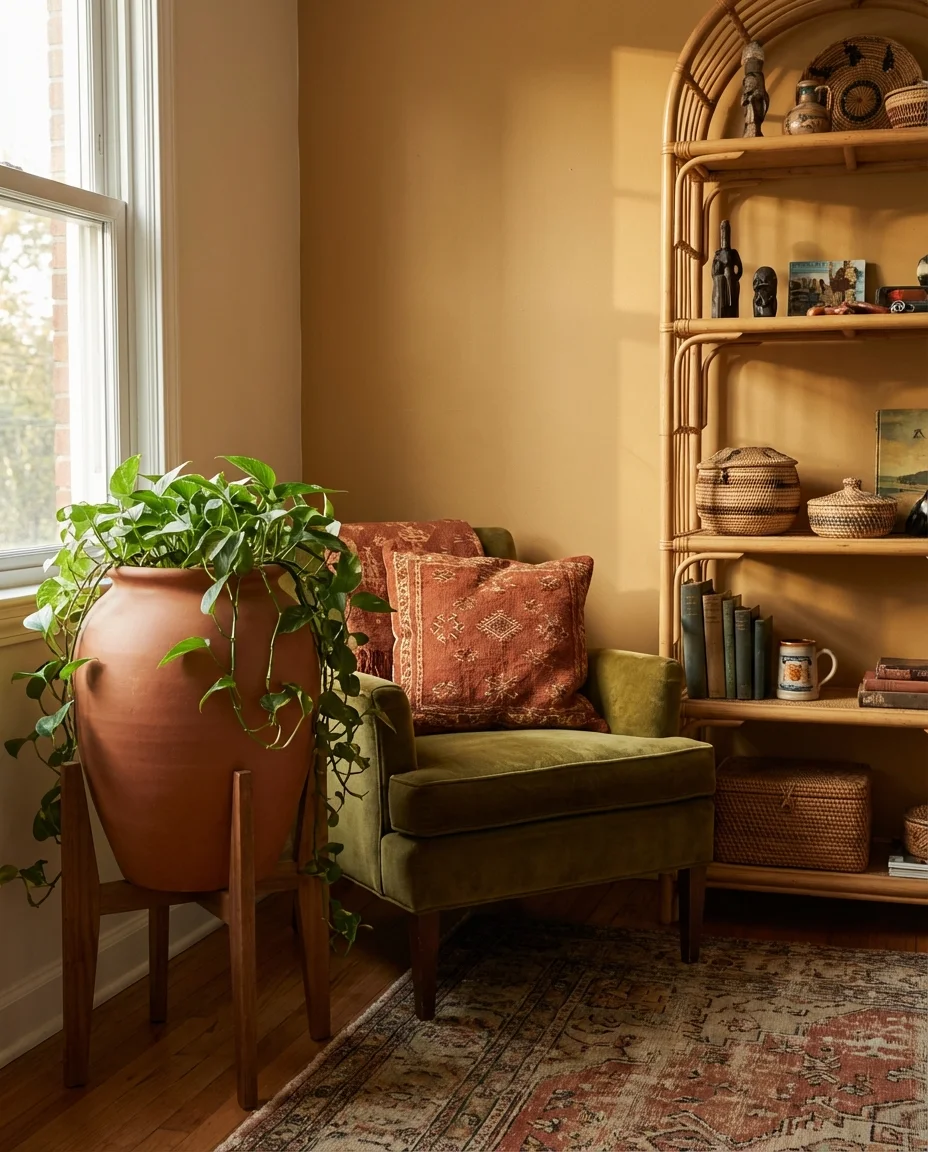
This palette performs best in spaces with strong natural light, which amplifies the warmth of the orange and stops the green from reading too somber. Sunbelt homes in Arizona, California, and Florida are natural environments for this combination—but even in the Northeast, a south-facing living room with these colors in the warmer months feels genuinely joyful. The risk to avoid is using orange and green in exactly equal quantities: let one dominate (usually green on walls) and let the other punctuate (orange in accessories and textiles).
14. Beige and Green Warm Transitional Style
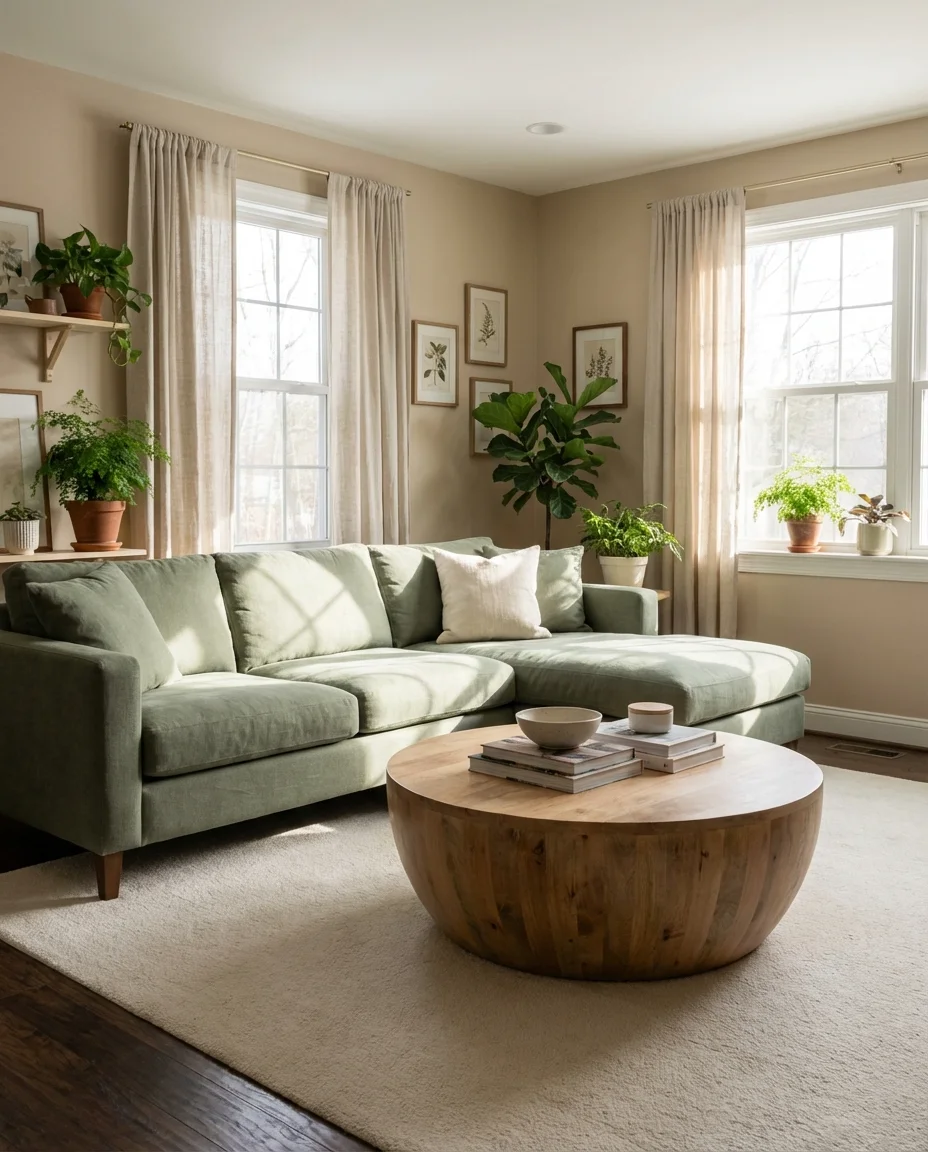
The beige and green combination is the transitional design world’s favorite pairing right now—and it genuinely earns that status. Warm beige or greige walls with sage or olive green upholstery (or the inverse) create a room that functions as a sophisticated neutral while still having personality. It’s approachable for families, easy to layer over time, and immune to the kind of trend fatigue that brighter palettes sometimes suffer.
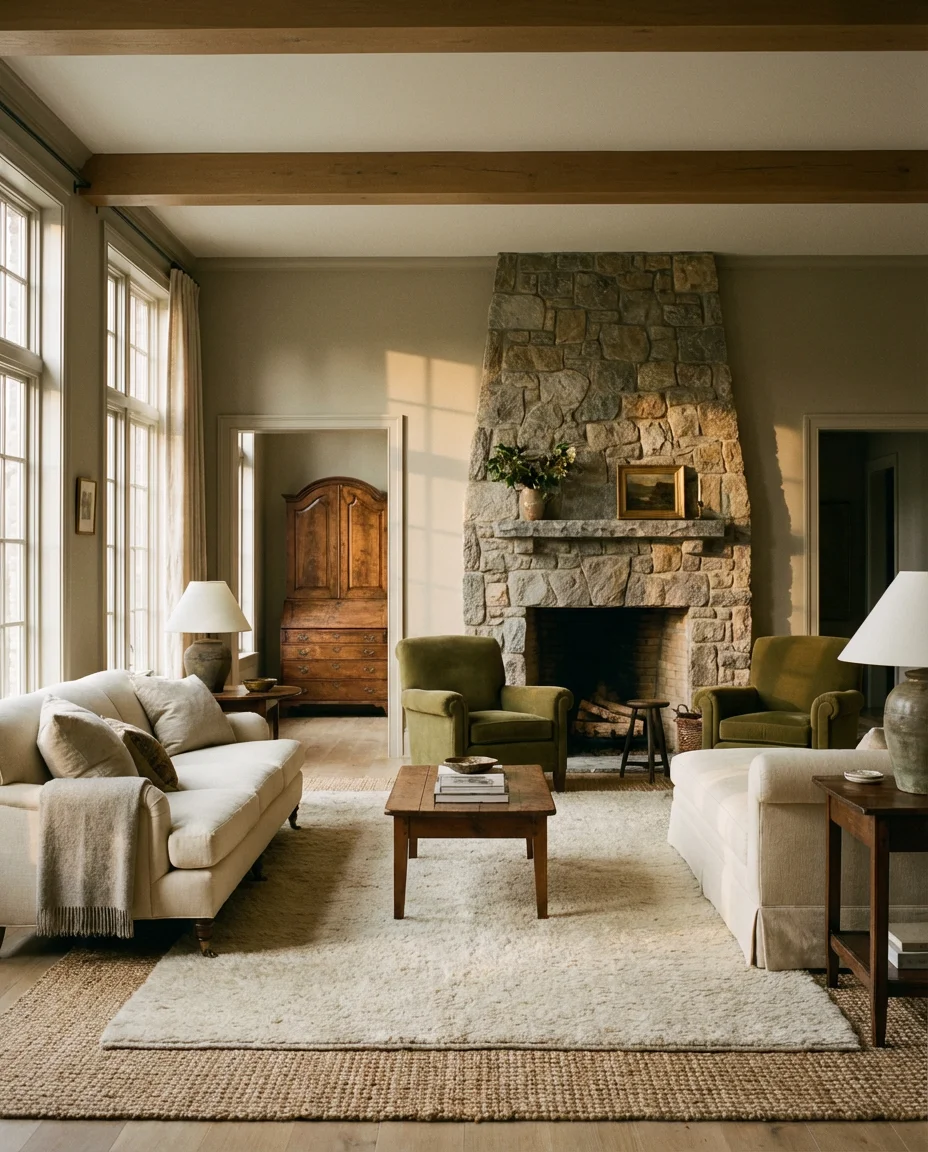
This is genuinely one of the most budget-conscious approaches on this list because you’re not committed to a dramatic choice—adjusting the ratio of beige to green is easy and inexpensive. If you start with a beige room and add green through a sofa and some plants, you can test the waters before committing to wall paint. Most Americans searching Pinterest for “living room refresh” without wanting a dramatic change end up in this space—and it’s a very good space to land in.
15. Earthy Green Bohemian Living Room
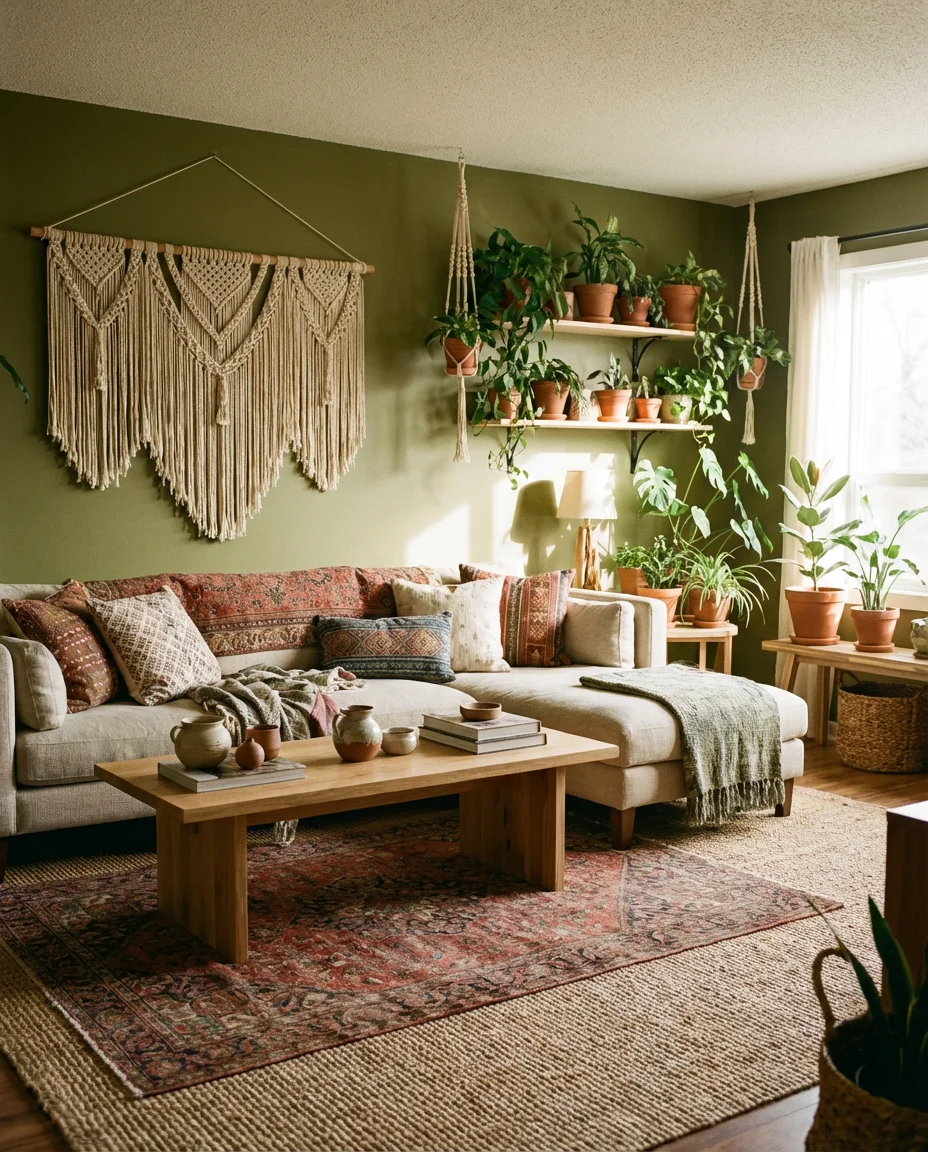
The earthy bohemian living room is layered, abundant, and warm—the kind of space that has a story in every corner. Terracotta walls or olive green ones, overlapping rugs (Persian over jute), macrame, an abundance of houseplants, and found objects from travels or flea markets. This is a green room that feels well-lived-in from day one. It’s not staged; it’s inhabited. And in an era when a lot of design feels performative, that realness is magnetic.
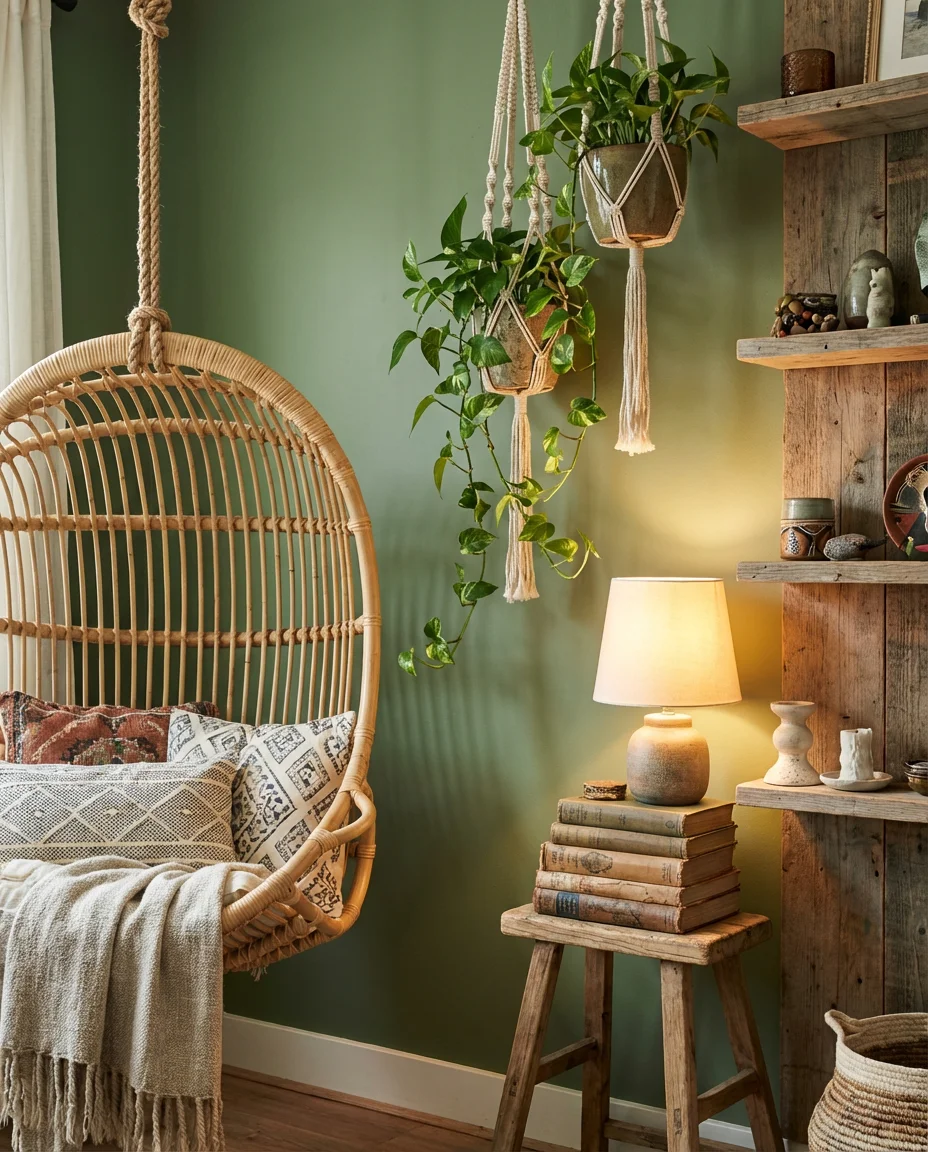
The bohemian aesthetic is one where thrift stores and estate sales genuinely outperform high-end furniture stores—the patina and individuality of vintage pieces is exactly what this look needs, and they cost a fraction of new. Someone who designed their living room entirely from Facebook Marketplace and thrift finds in a $200 budget ended up with a room that looked like it came from an expensive design magazine, simply because the pieces had personality. The green walls were from a $40 sample-sized batch of leftover paint.
16. Rustic Green Living Room With Wood Beams
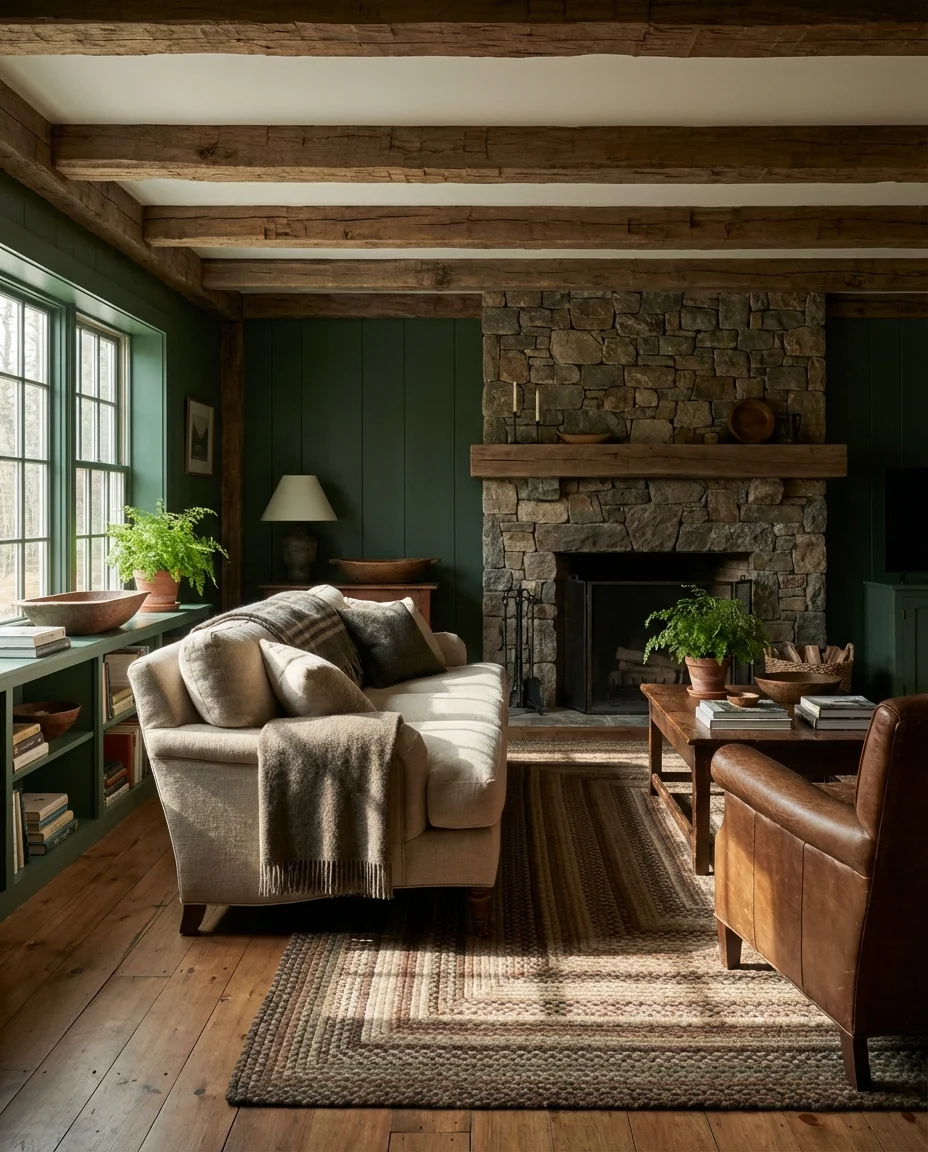
A rustic green living room with exposed wood ceiling beams is essentially a dream on legs—and in 2026, with the farmhouse aesthetic evolving toward something more rich and considered, this combination is everywhere on Pinterest. Deep, aged green (think pine or fern) on the walls beneath raw oak or reclaimed pine beams creates a room that feels genuinely connected to a sense of place and history. It’s rural without being kitschy, and it photographs like a magazine cover.
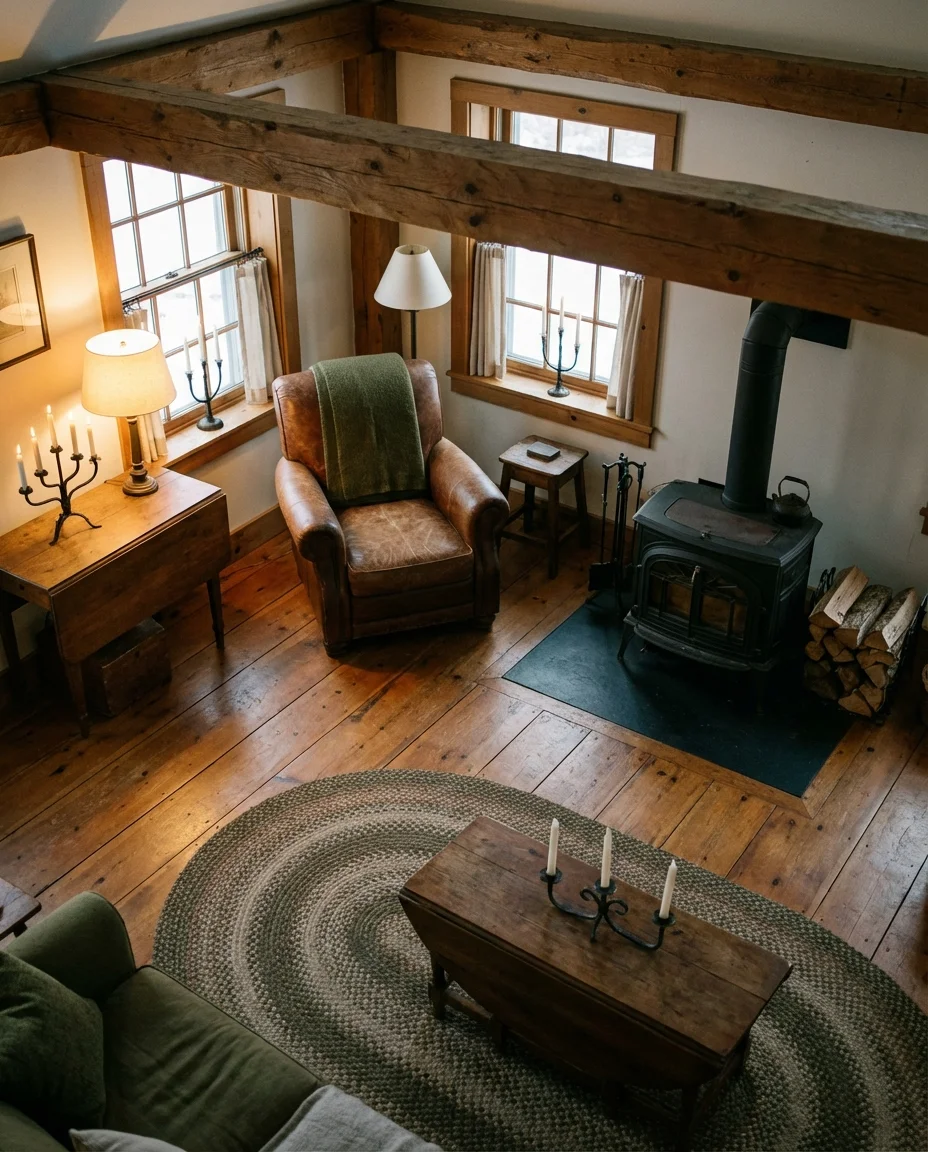
This is where regional context really matters. In Vermont, Tennessee, Colorado, and the Carolinas—anywhere with strong vernacular architectural traditions—this look is a natural extension of the local building heritage. Even in suburban homes with lower ceilings and no original beams, faux wood beams (available at most home improvement stores) can be installed for a few hundred dollars and completely shift the character of a ceiling. Green paint underneath them amplifies the result dramatically.
17. Black and Green High-Contrast Living Room
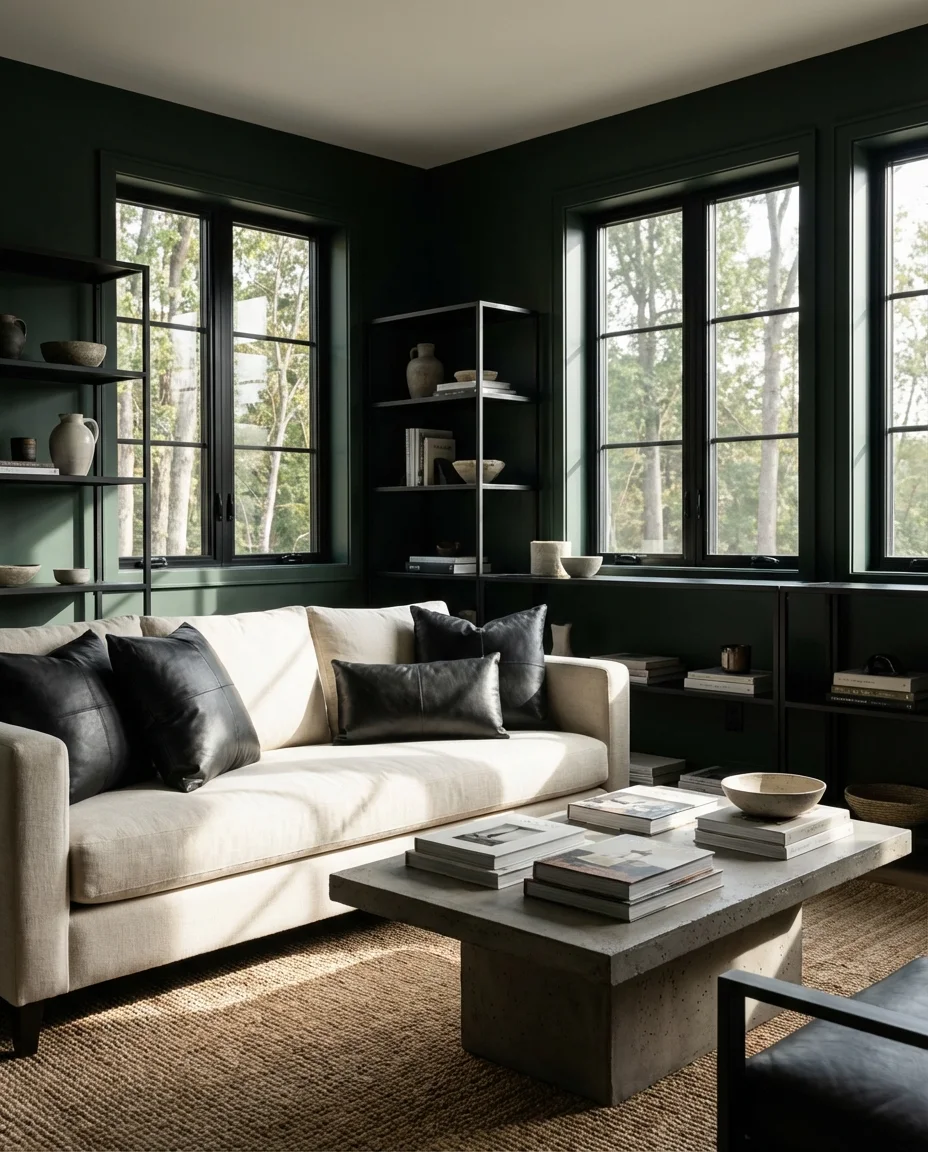
The black and green combination is perhaps the most dramatic take on green living rooms—and one of the most sophisticated. Matte black window frames, black steel shelving, or a black concrete fireplace surround against deep emerald or forest green walls creates a space with serious visual power. It’s a designer trick that works because both colors are neutral-adjacent: neither competes in terms of hue; they just amplify each other’s depth and intensity.
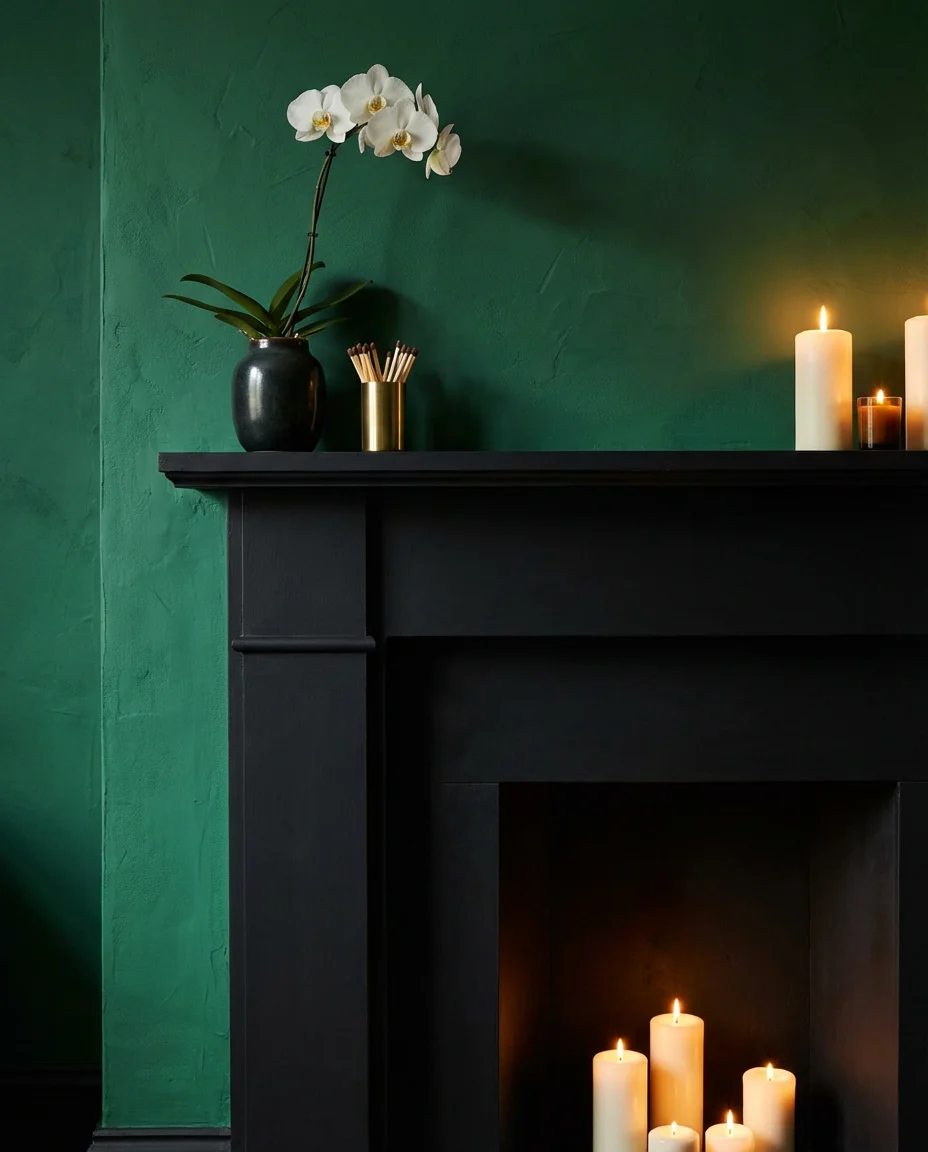
This aesthetic skews toward city apartments and modern homes where the architecture already has some edge to it—loft conversions, industrial renovations, and contemporary builds. It’s less at home in a traditional colonial, though black-painted French doors against a green wall in any home type will do something interesting and good. The common mistake here is softening the combination too much with lots of pale accessories: this palette needs to commit to its drama to succeed, which means letting the contrast breathe rather than diluting it with cream and beige.
18. Gray and Green Contemporary Living Room
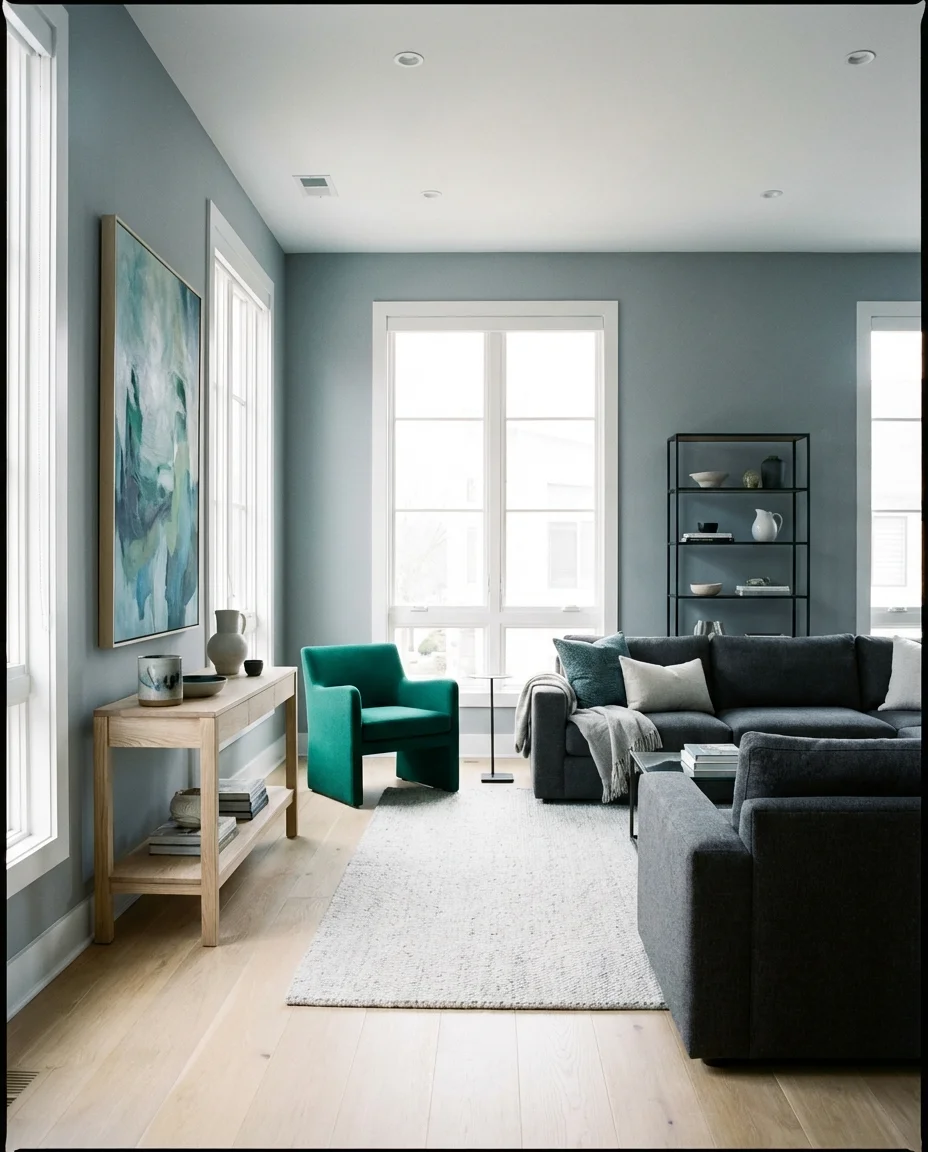
The gray and green contemporary living room takes everything we know about the cool-neutral era and gives it a color upgrade. Cool grey as the dominant wall tone—or as a sleek sectional in charcoal—with a bold sage or teal green element creates a room that reads as modern and polished without the stiffness of all-grey spaces. Adding in walnut or ash wood details warms the palette enough to feel livable rather than corporate.
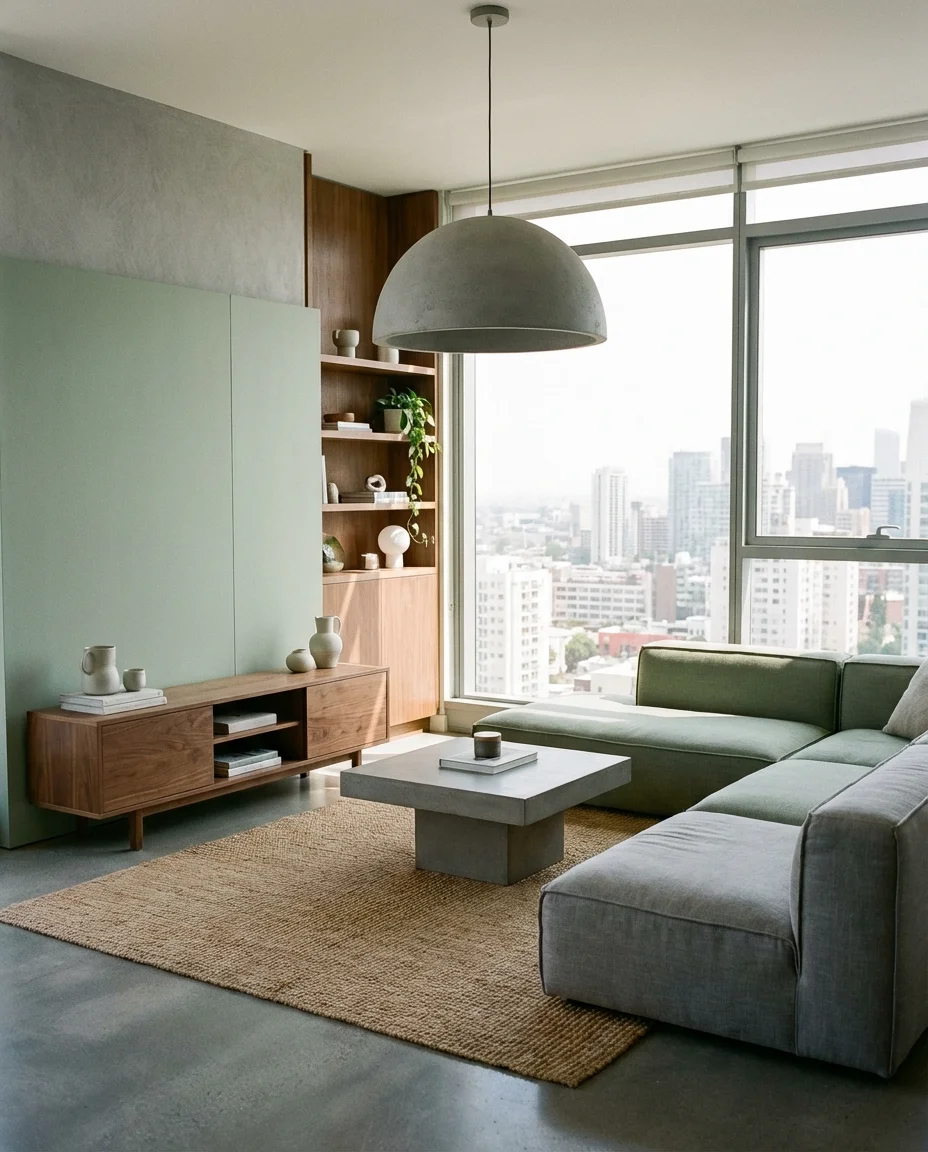
From a practical standpoint, this combination appeals to dual-income couples and design-conscious singles in their 30s who want a room that works for everything from quiet mornings with coffee to hosting friends on weekends. The grey keeps things versatile and elegant, while the green element signals that a real person with taste lives there. It’s the adult version of a college apartment’s all-grey everything—upgraded, considered, and significantly more alive.
19. Terracotta and Green Mediterranean Living Room
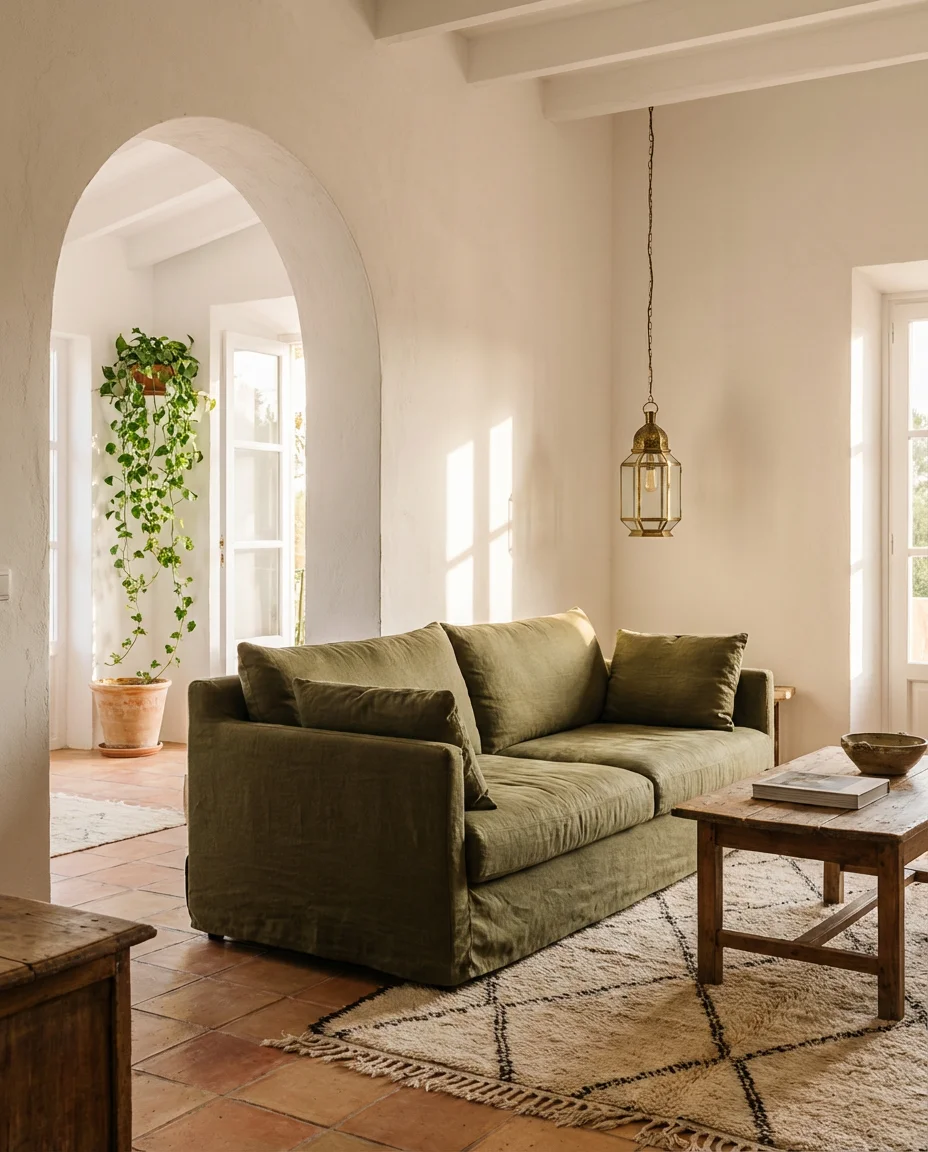
Terracotta and green is the Mediterranean living room palette that Pinterest users are saving in the tens of thousands—and for good reason. Warm clay walls with sage or olive green textiles, terracotta tile floors (or a rug that mimics them), white plaster arched details, and trailing plants create a room that feels like a Moroccan riad or a Tuscan farmhouse even in the middle of suburban America. The warmth of terracotta and the groundedness of green together are genuinely transportive.
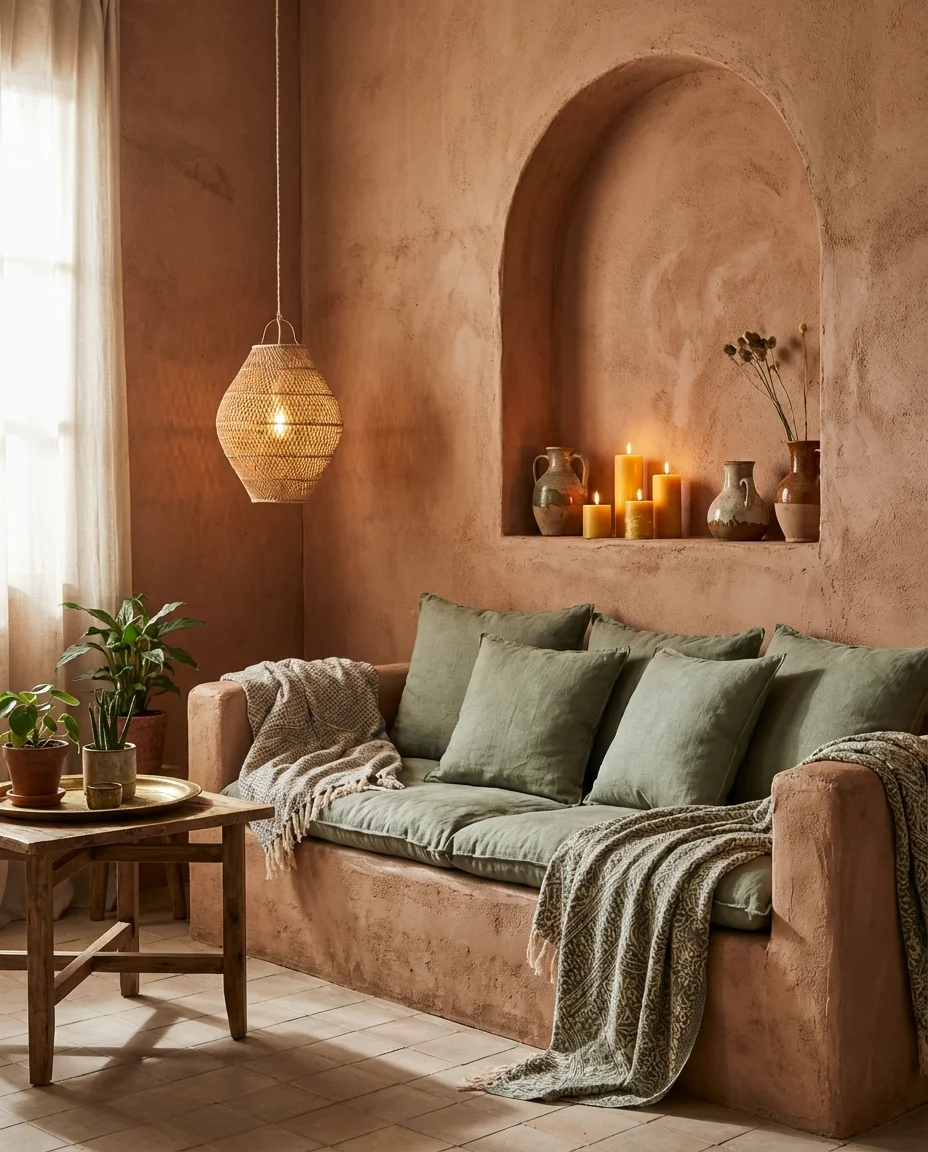
This is a look that can be approximated on almost any budget. The architectural elements—arched doorways, plaster details—make the biggest impact but are expensive to add from scratch. In homes that don’t have them, focusing on the palette through paint, textiles, and accessories does most of the work. A warm terracotta limewash or clay paint effect on one wall costs under $100 in materials and creates that textured, artisanal quality that makes the whole room feel more interesting and authentic.
20. Cream and Green Timeless Classic Living Room
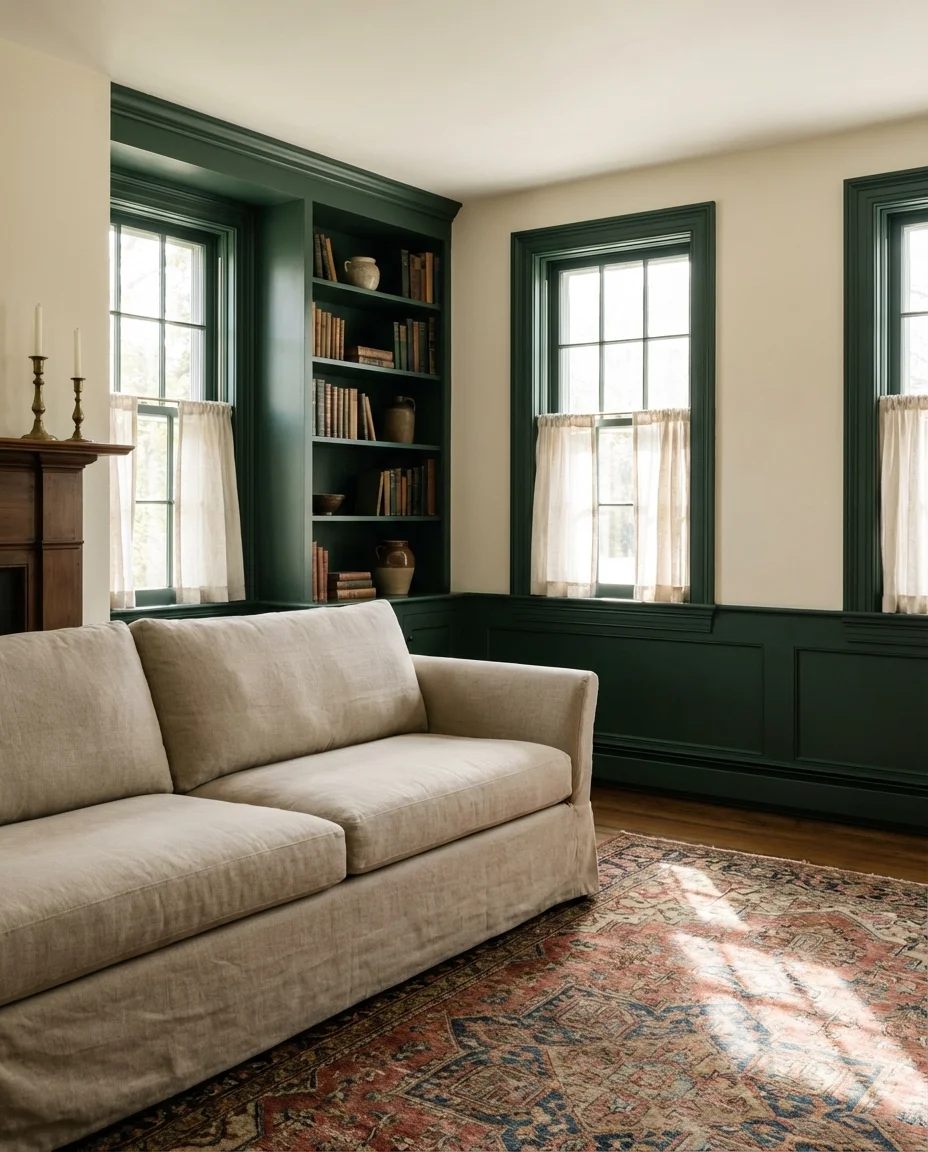
The cream and green combination is as timeless as living room design gets—and it’s been a staple of English country houses, American colonials, and Southern plantation homes for good reason. Cream walls with deep green woodwork and trim (window casings, built-ins, and doors) are a classic architectural play that makes a room feel genuinely historic and considered. In 2026, this look has been updated with more relaxed furniture—linen, bouclé, unstructured shapes—that makes it feel relevant rather than stuffy.
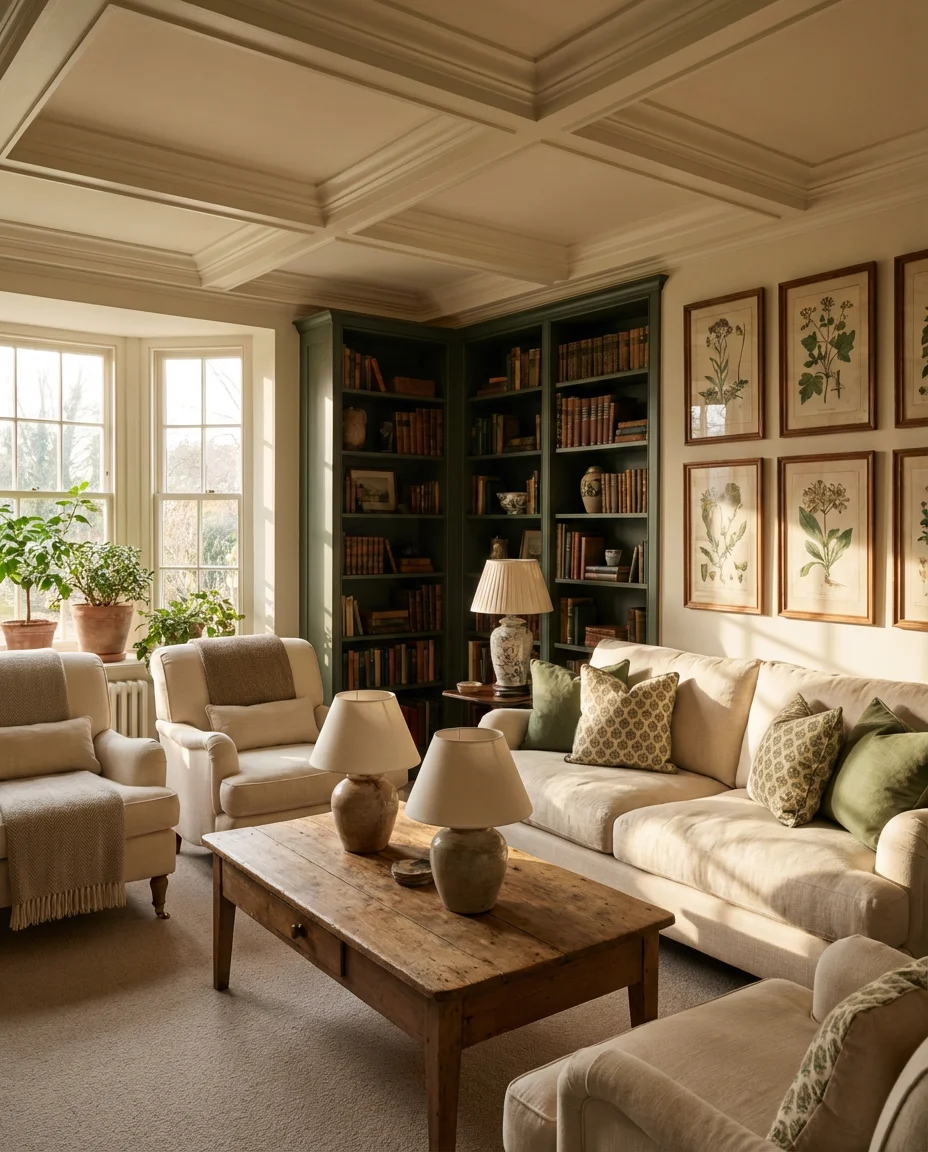
Green woodwork is a trend that’s experiencing a genuine moment right now—driven partly by the growing appreciation for historic paint colors and partly by homeowners who want to add architectural interest without structural changes. The beauty of painting trim, doors, and casings in a contrasting green against cream or white walls is that it costs nothing more than paint and time, yet delivers the kind of “this house has bones” quality that you’d normally associate with a high-budget renovation. It rewards homes that already have good original woodwork enormously.
21. Aesthetic Green Living Room With Arch Details
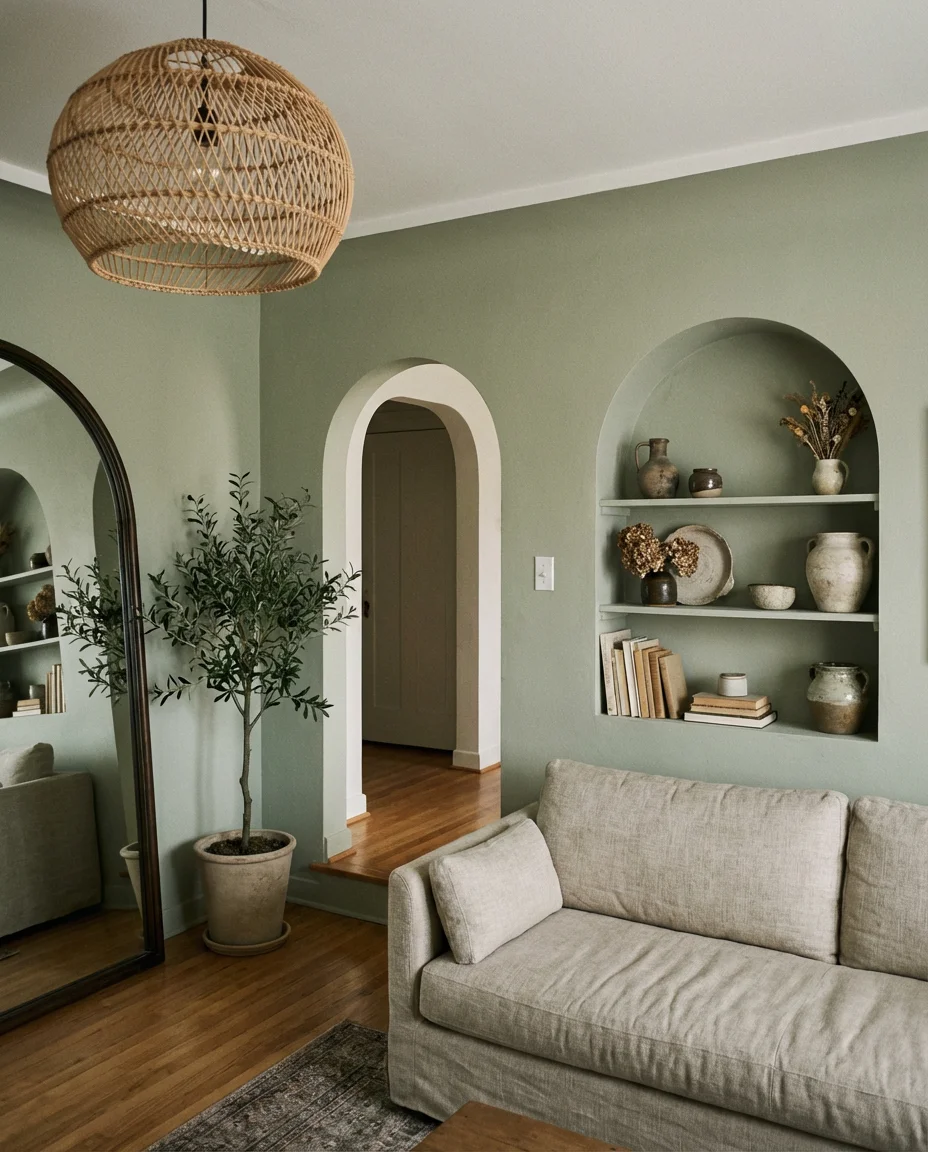
The word “aesthetic” gets thrown around constantly on Pinterest, but in the context of green living rooms with arch details, it genuinely earns its place. Curved arched doorways, arched mirrors, and arched niches—all set against a backdrop of sage, olive, or forest green—create a room that photographs with a quality that feels Mediterranean, storybook, and thoroughly 2026 all at once. The arch softens the room’s geometry in a way that purely rectilinear spaces rarely achieve.
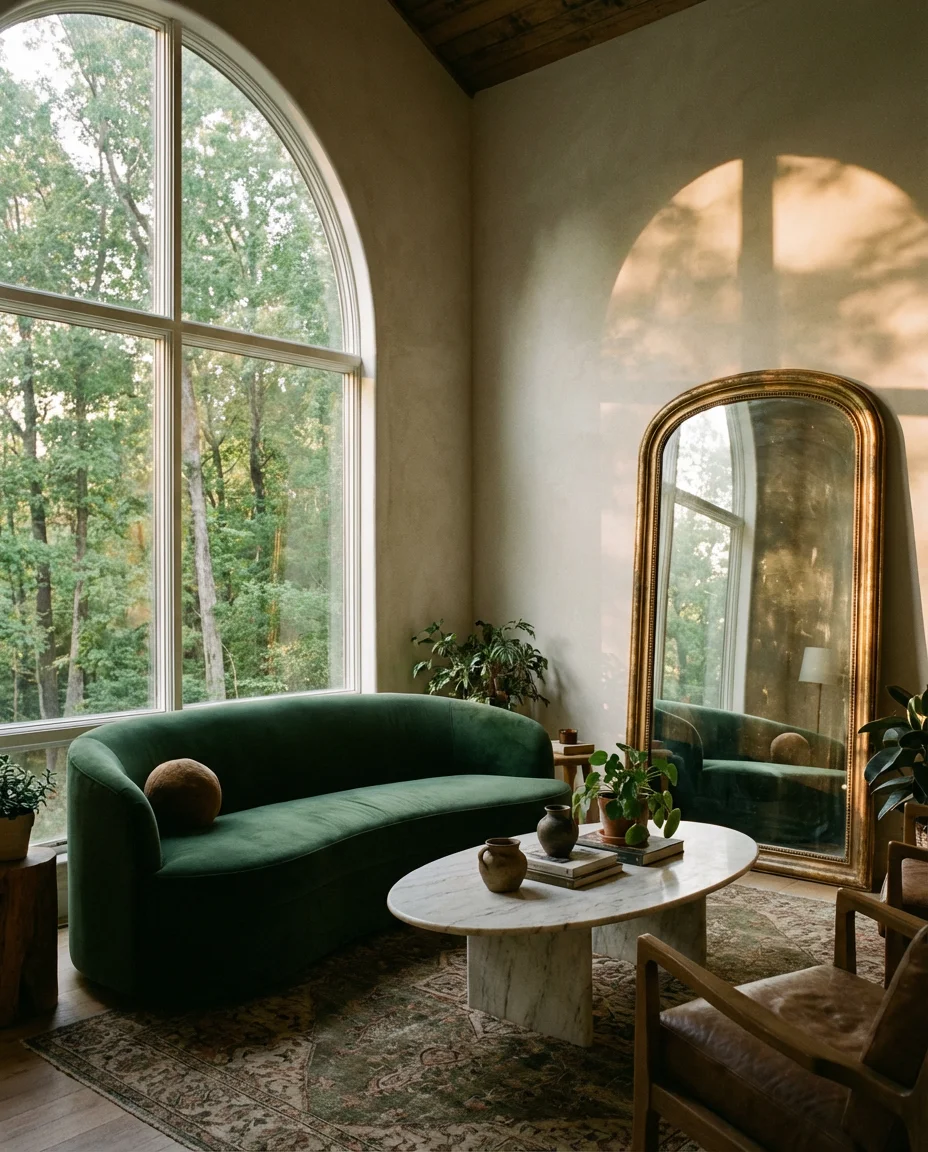
For anyone living in a standard American rectangular box of a room, the most accessible version of this is an arched mirror—they’ve become widely available at retailers from Target to CB2 and the moment you lean one against a green wall, you understand immediately why this look has been so thoroughly pinned. A large arch mirror in a forest green or sage room practically does the whole job of making the space feel considered and curated on its own. The bigger the mirror, the more powerful the effect.
22. Pale Green and White Airy Living Room
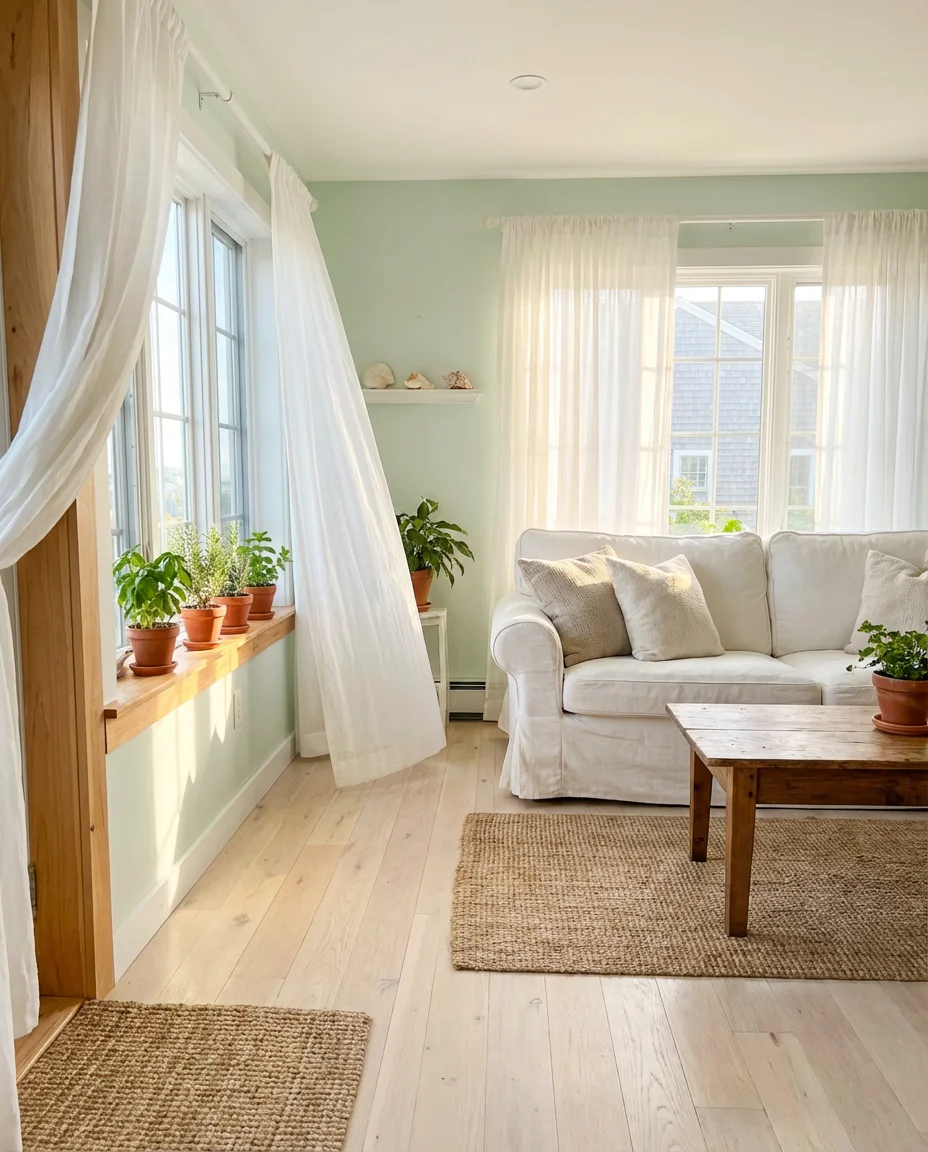
Not every green living room needs drama. A pale green and white and bright scheme—walls in mint or celadon, white furniture, linen and cotton textiles, simple potted herbs and plants—creates a room that feels like an inhale rather than an exhale. It’s light, it’s fresh, and it’s the design equivalent of opening all the windows on the first warm day of spring. This works particularly well in beach houses, cottages, and small apartments where adding weight through color would feel oppressive.
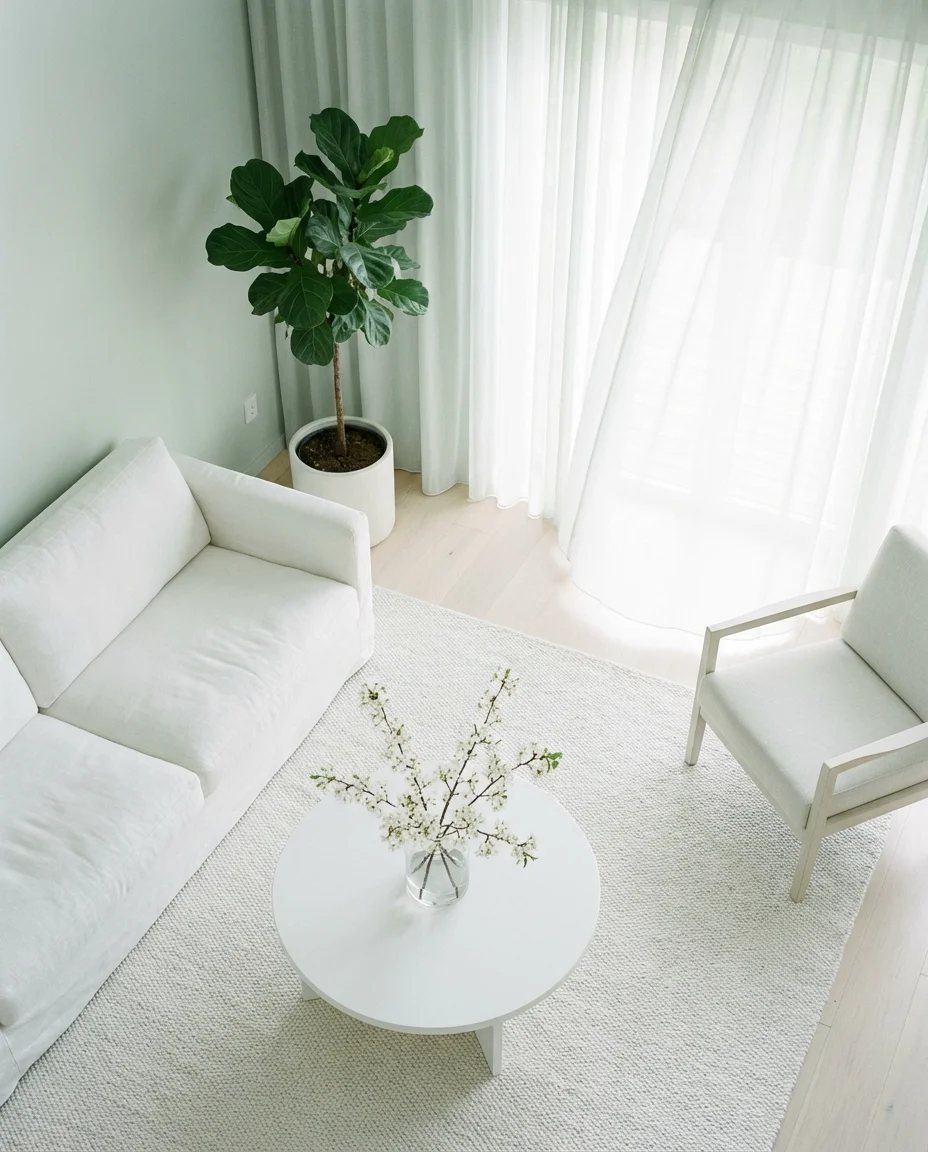
The practical magic of pale green is that it reads differently throughout the day—cooler and mintier in morning light, warmer and more sage-like as the afternoon progresses and changes the quality of natural light. It’s arguably the most versatile shade of green for indecisive decorators: it never overwhelms, it always refreshes, and it works with virtually any furniture you already own. If you’ve wanted to try green but felt nervous about committing, pale green is the entry point that almost never disappoints.
Conclusion
Green living rooms in 2026 aren’t a single look—they’re a whole conversation about how color can shape the way a room feels, functions, and fits your life. Whether you’re drawn to the drama of deep emerald, the softness of sage, or the earthy warmth of olive and rust, there’s a version of this palette that belongs in your home. We’d love to hear which of these 22 ideas sparked something for you—drop your favorite in the comments below, and feel free to share which colors you’re currently considering or already living with.