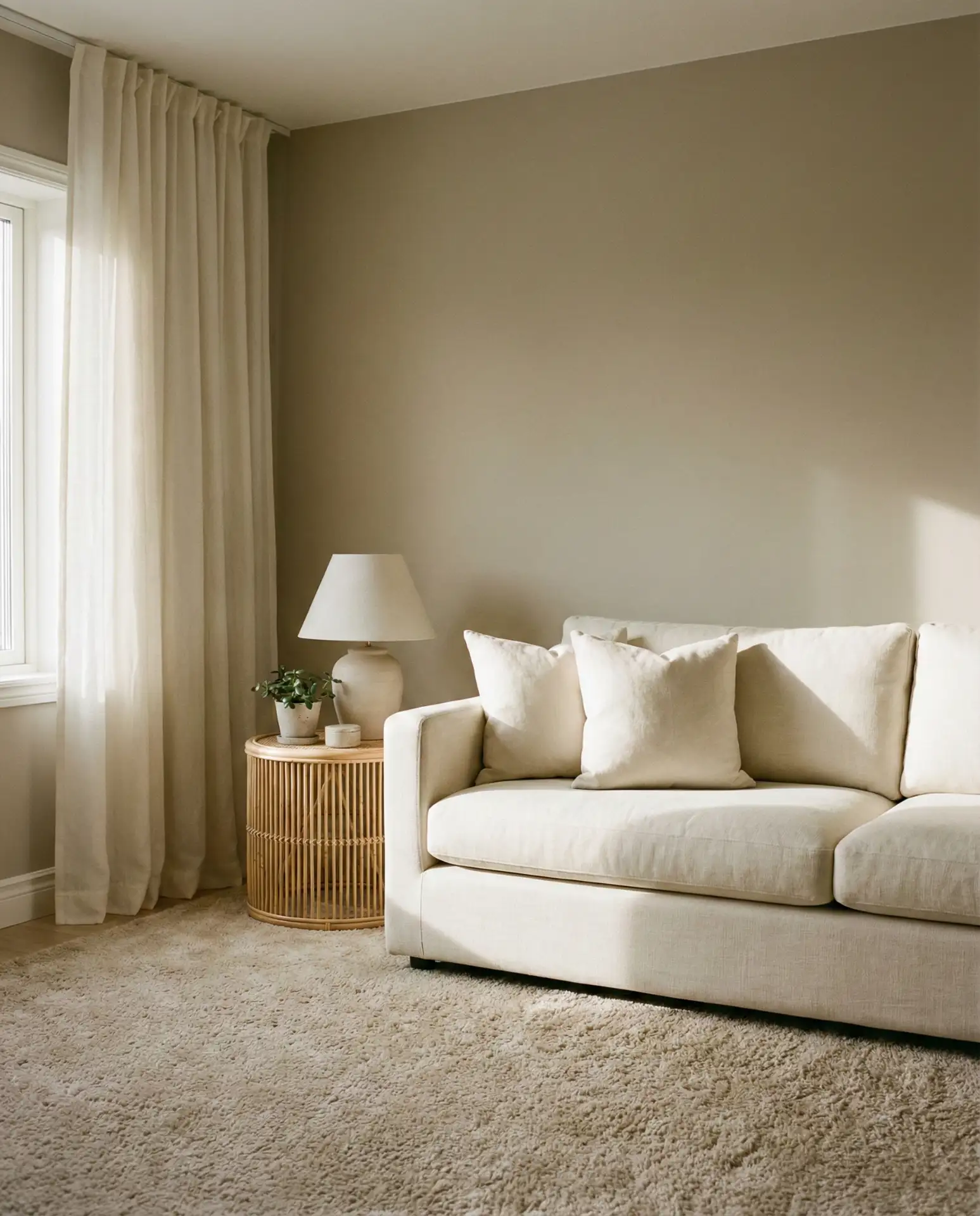
As we move deeper into 2026, the search for cozy living rooms has evolved beyond just throwing a blanket over the couch. Americans are turning to Pinterest in droves, seeking warm interior design that feels deeply personal, lived-in, and restorative. Whether you’re working with small apartment spaces or a sprawling suburban home, the goal remains the same: to create a sanctuary that embraces you the moment you walk in. This guide covers inspiring ideas that blend aesthetic appeal with everyday comfort, proving that coziness doesn’t require sacrificing style.
1. Layered Neutral Textures with Oversized Throws
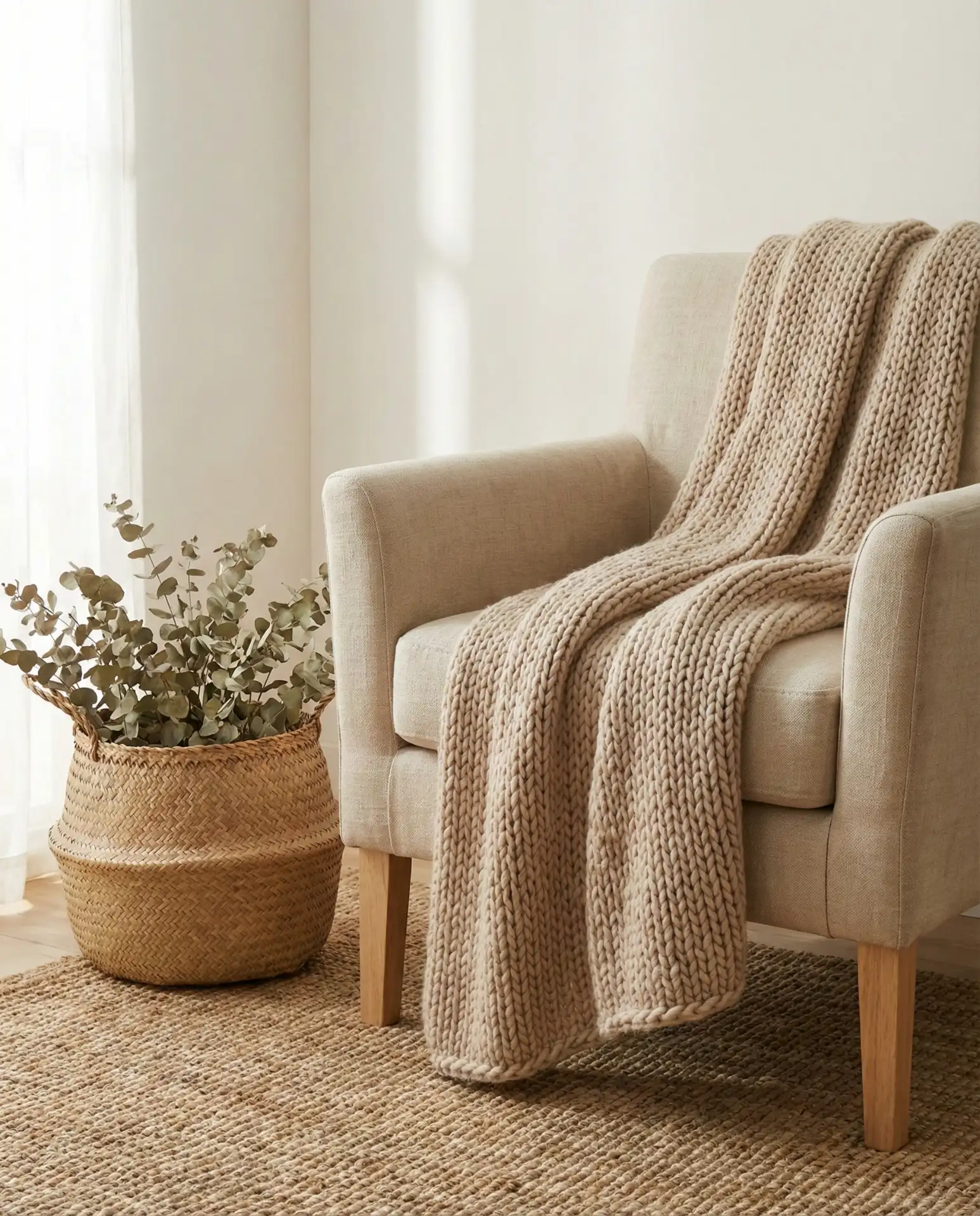
This approach centers on building depth through neutral tones—think oatmeal linen, ivory wool, and soft taupe cotton. The key is layering multiple textures across your sofa, armchairs, and even the floor with plush area rugs. By sticking to a warm color palette, you create a cohesive look that feels intentional rather than cluttered. It’s perfect for anyone drawn to minimal design but craving that tactile, inviting quality.
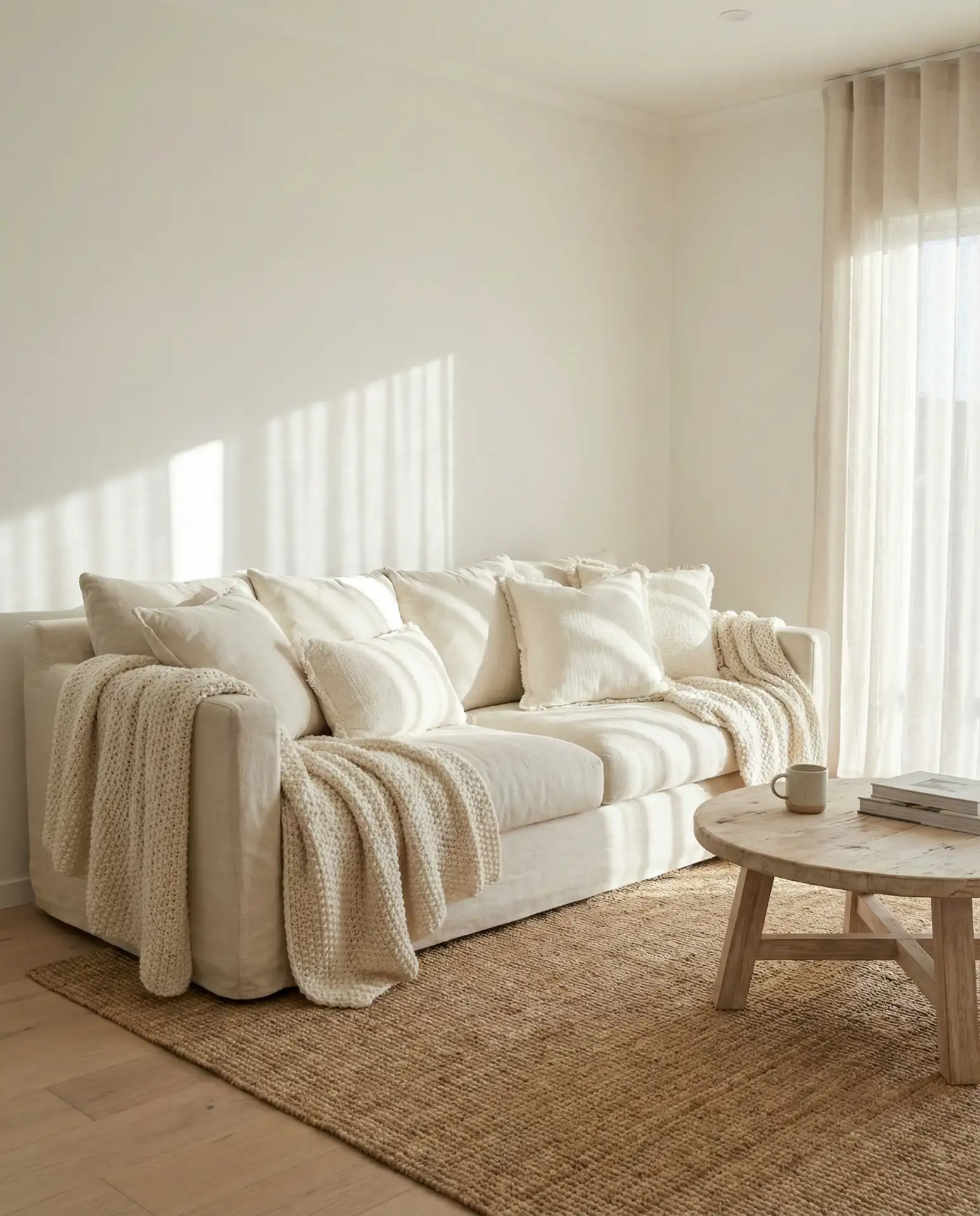
Where this works best is in smaller apartments where you want to maximize light reflection without overwhelming the space. Neutral layers also age gracefully—spills are easier to manage, and you can swap in seasonal accents without starting from scratch. Many homeowners in coastal cities like San Diego and Charleston have embraced this look for its breezy, timeless appeal.
2. Moody Charcoal Walls with Brass Accents
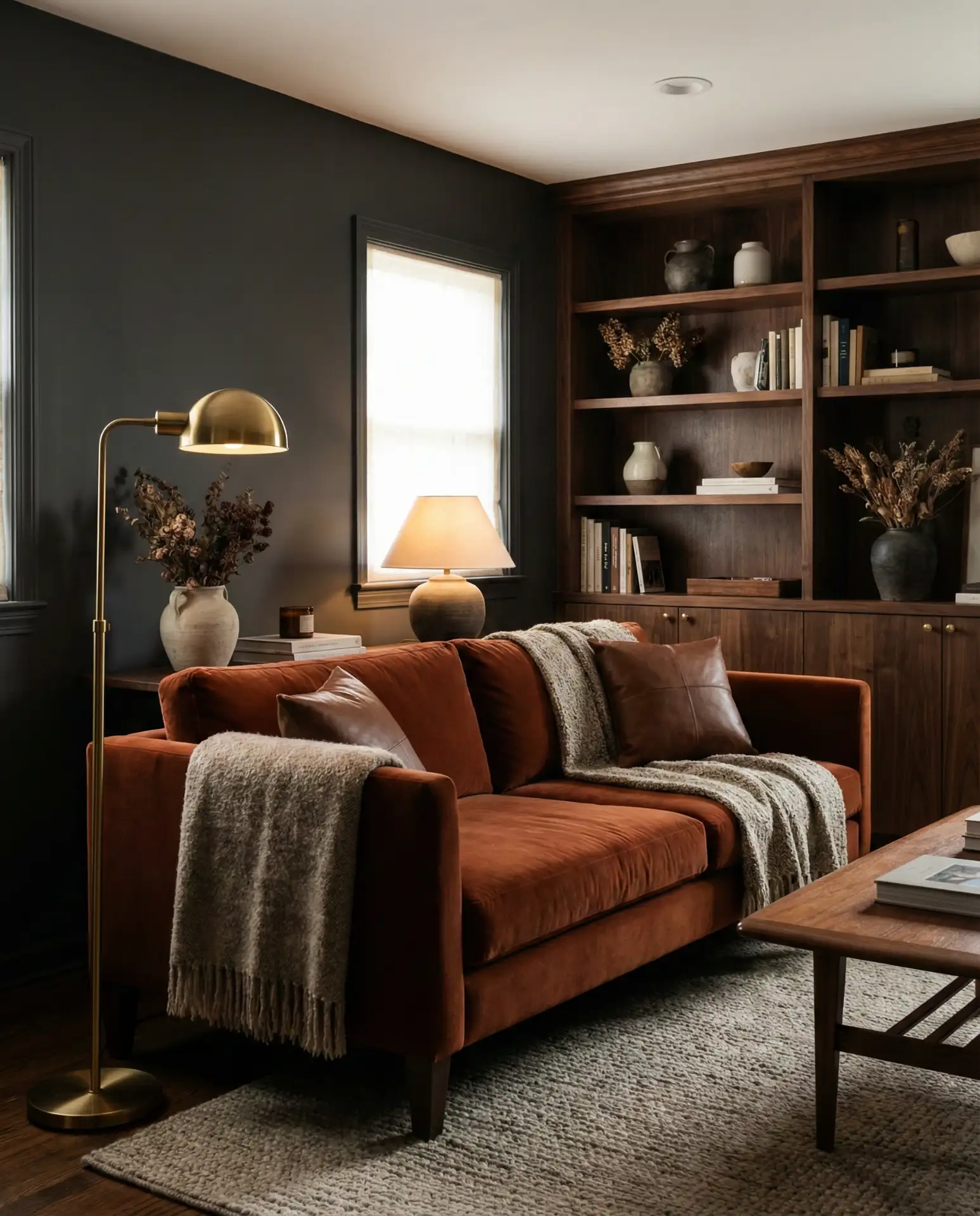
For those drawn to dark interiors, charcoal walls offer a cocooning effect that feels both sophisticated and grounding. Pair them with warm colors in your upholstery and brass or gold hardware to prevent the space from feeling too cold. This combination works especially well in moody settings where you want drama without sacrificing warmth. It’s a bold choice that’s been trending heavily on Pinterest among younger homeowners.
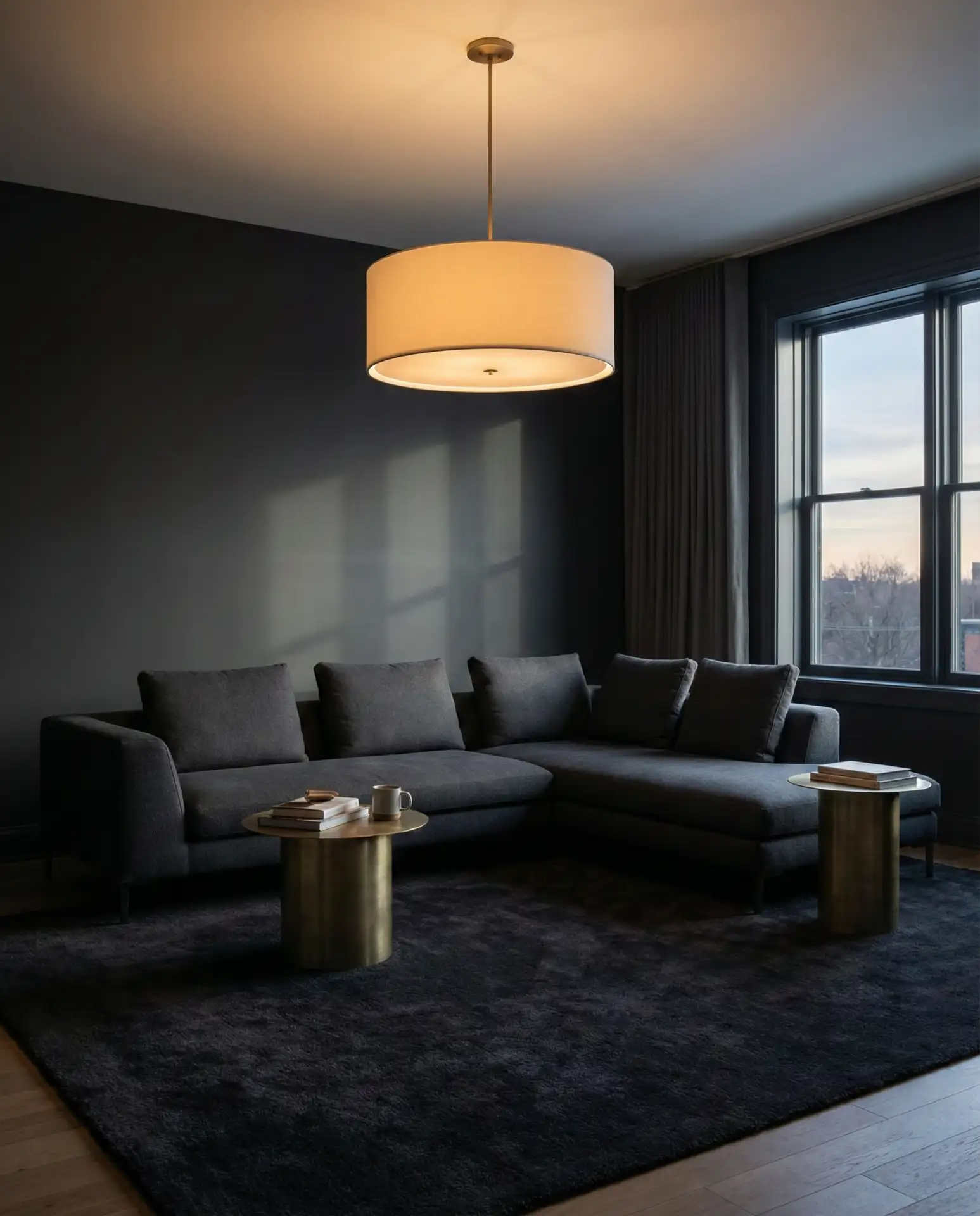
A common mistake is assuming dark walls shrink a room. In reality, when paired with strategic lighting and reflective metals, they create depth and intimacy. Just be sure to balance with lighter furniture or rugs to avoid a cave-like feel. This approach is ideal for evening-focused spaces like media rooms or reading nooks.
3. Corner Fireplace as the Anchor
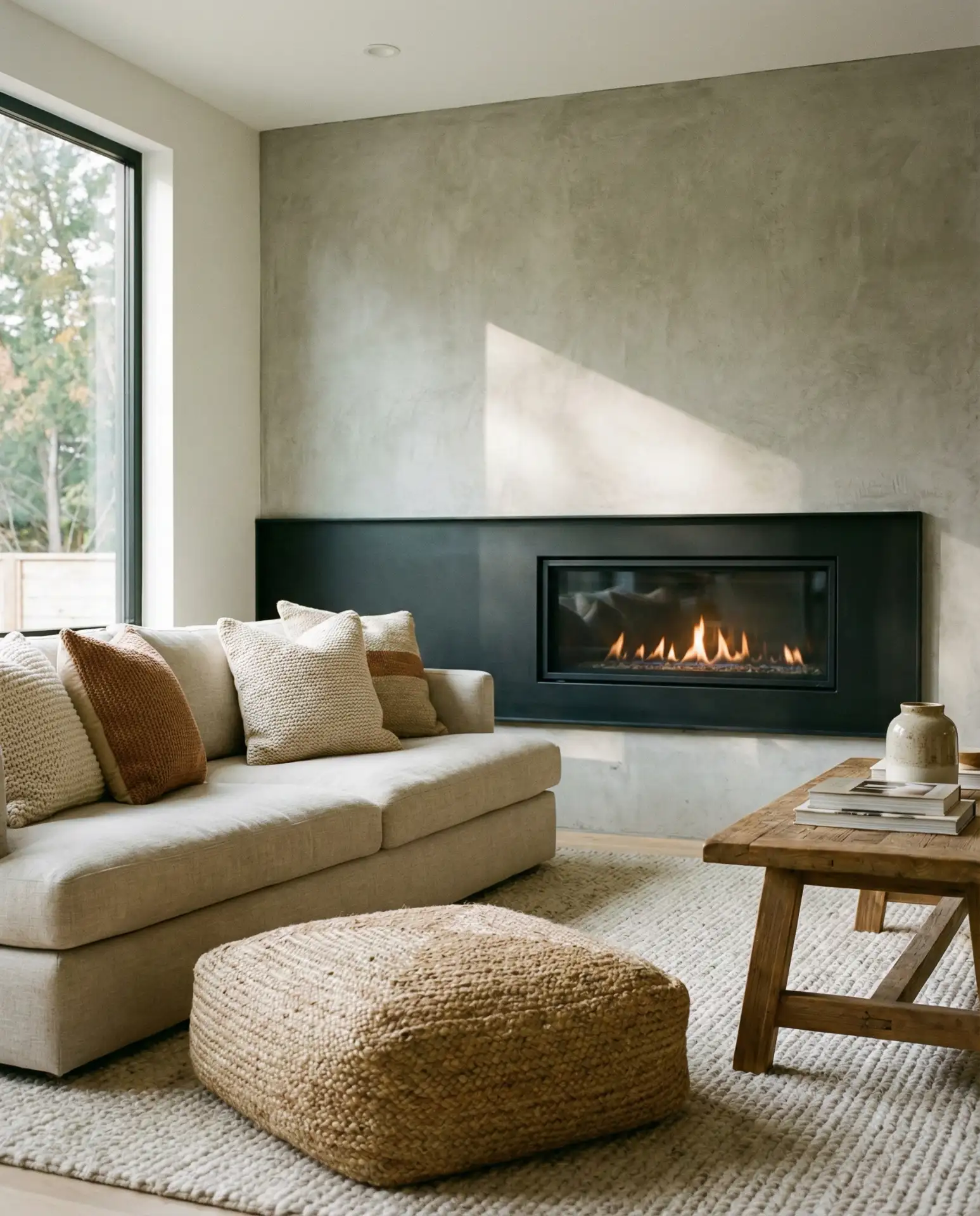
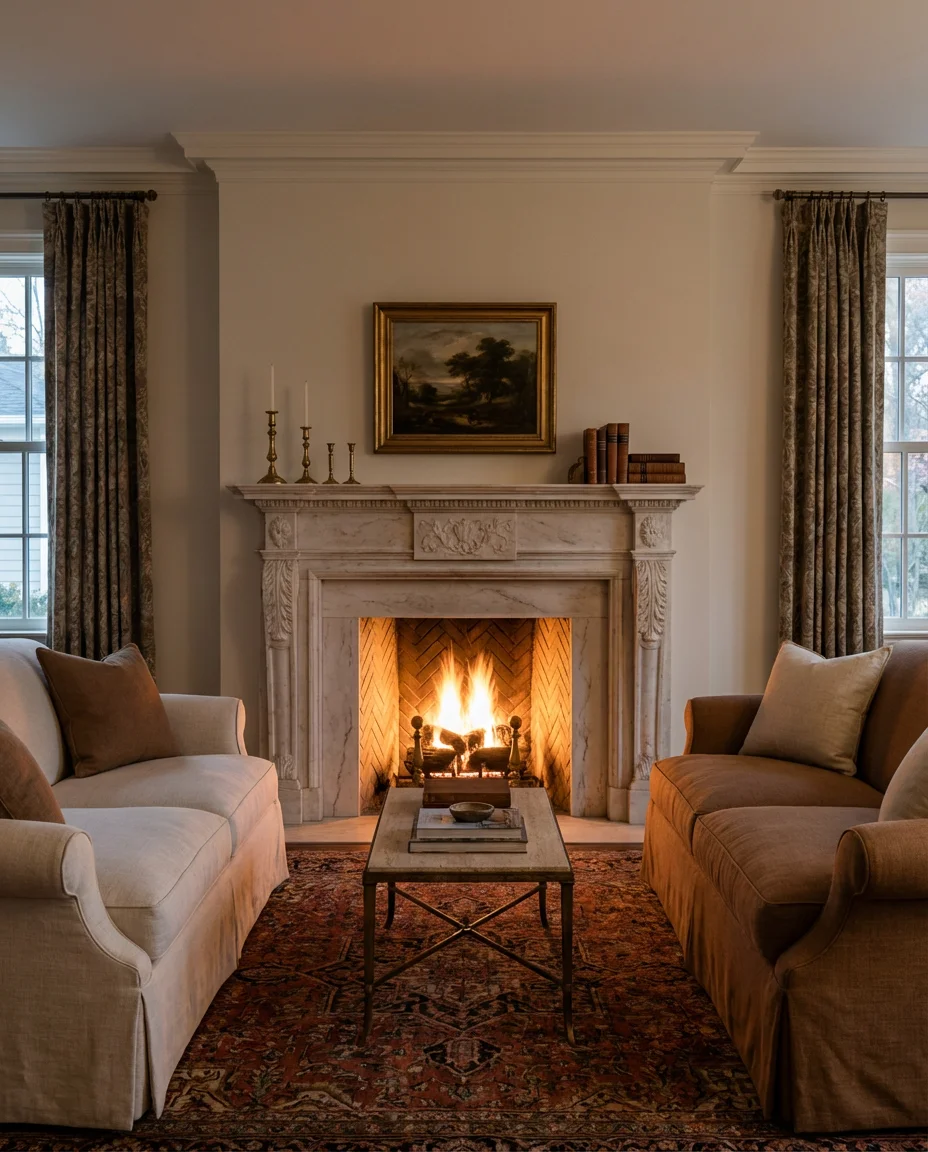
Nothing says cozy quite like a fireplace, and corner placements are having a moment in 2026. This layout frees up wall space for larger furniture arrangements while making the hearth feel like a natural gathering point. Whether it’s gas, electric, or wood-burning, centering your seating around a corner fireplace instantly elevates the room’s comfy factor. It’s especially popular in mountain towns and newer suburban builds.
Practical insight: If you’re installing a new fireplace, opt for models with adjustable flame settings and built-in storage niches. This keeps firewood or decor within reach without cluttering the floor. Corner fireplaces also work beautifully in open-concept spaces, creating a defined zone without the need for physical dividers.
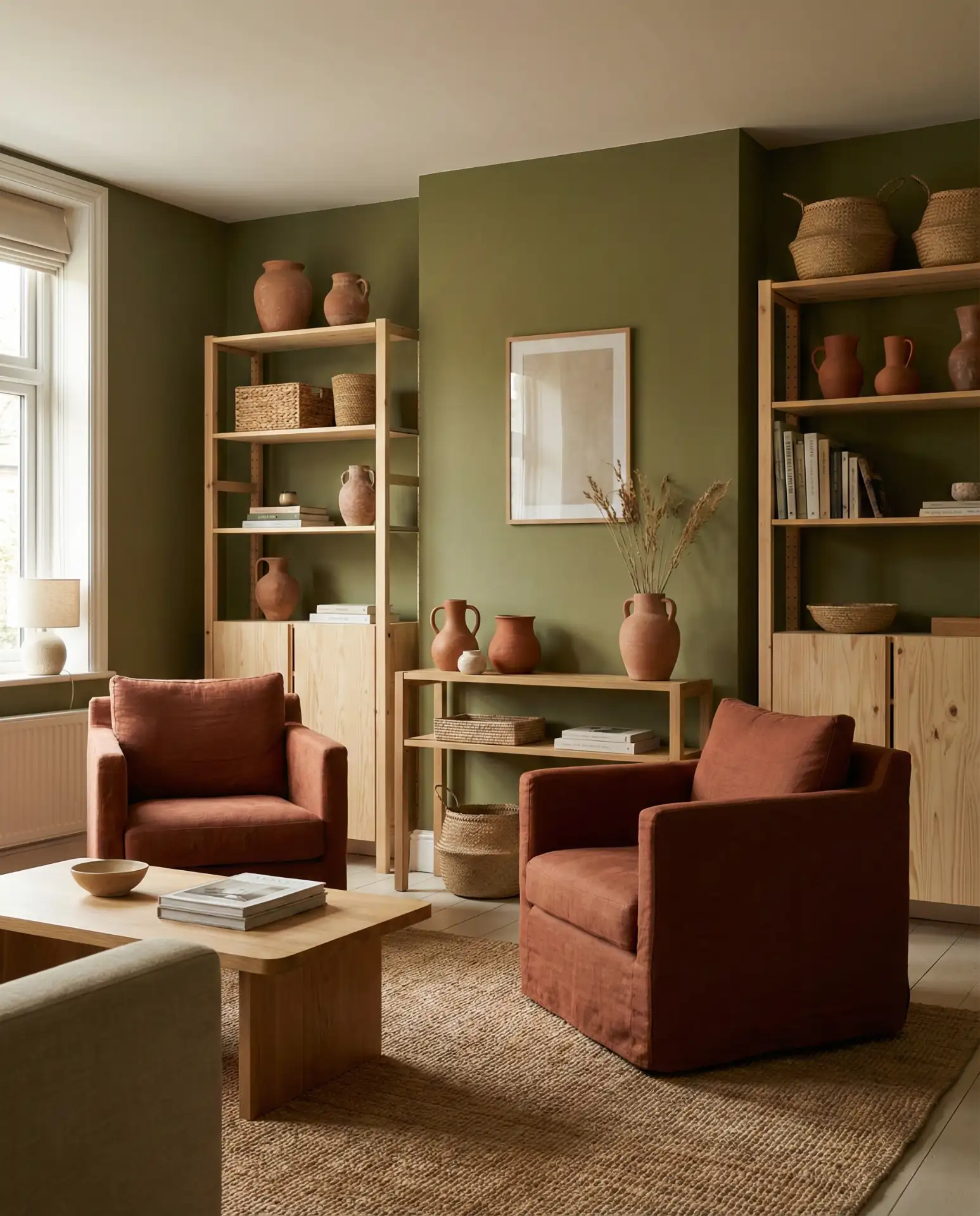
4. Earthy Terracotta and Olive Green Palette
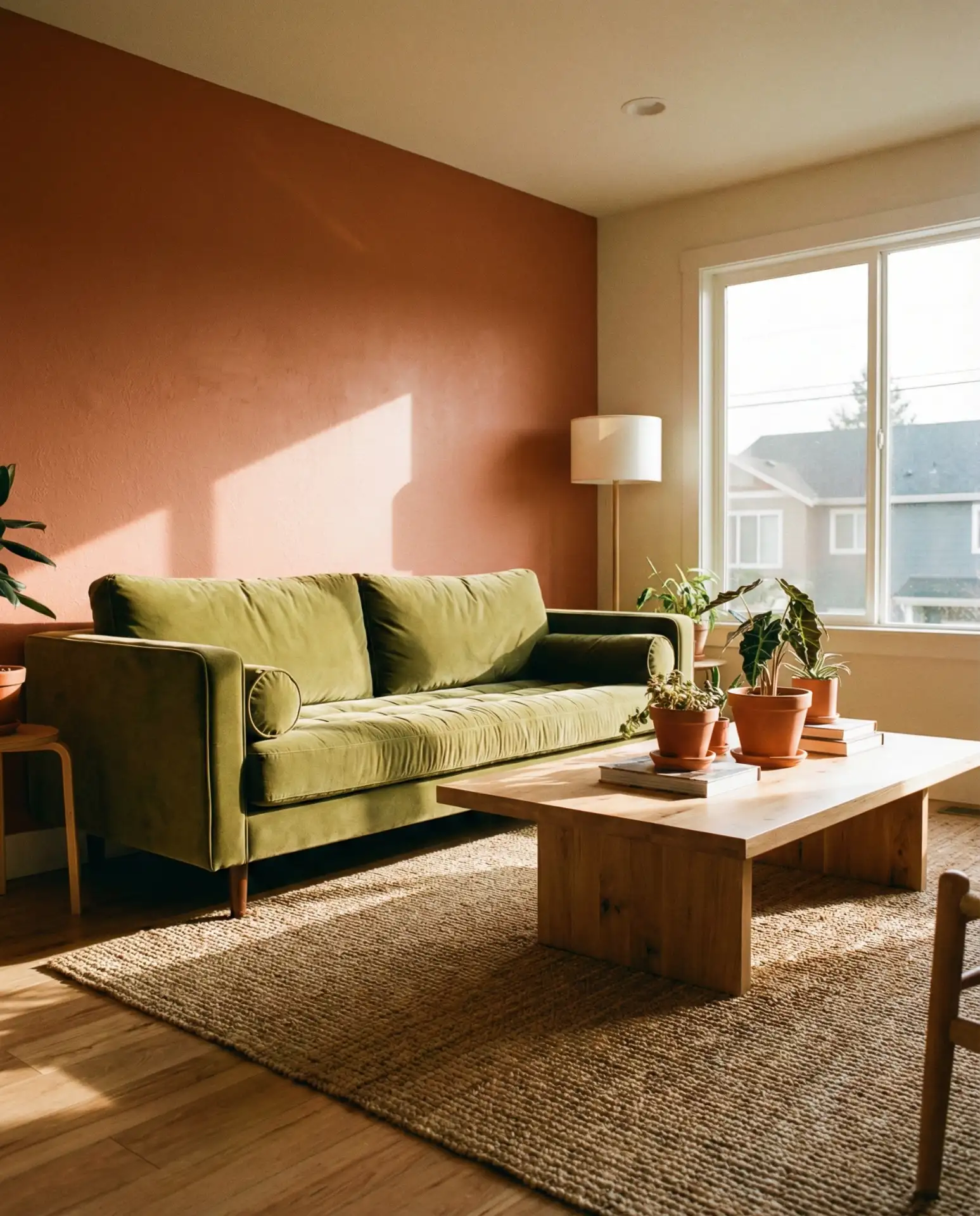
The earthy color trend continues to dominate in 2026, with terracotta and olive green leading the charge. These hues bring an organic, grounded feel that pairs beautifully with natural wood and rattan. If you’re seeking warm colors that feel both modern and timeless, this palette delivers. It’s also forgiving—slightly imperfect paint lines or scuffed furniture only add to the lived-in charm.
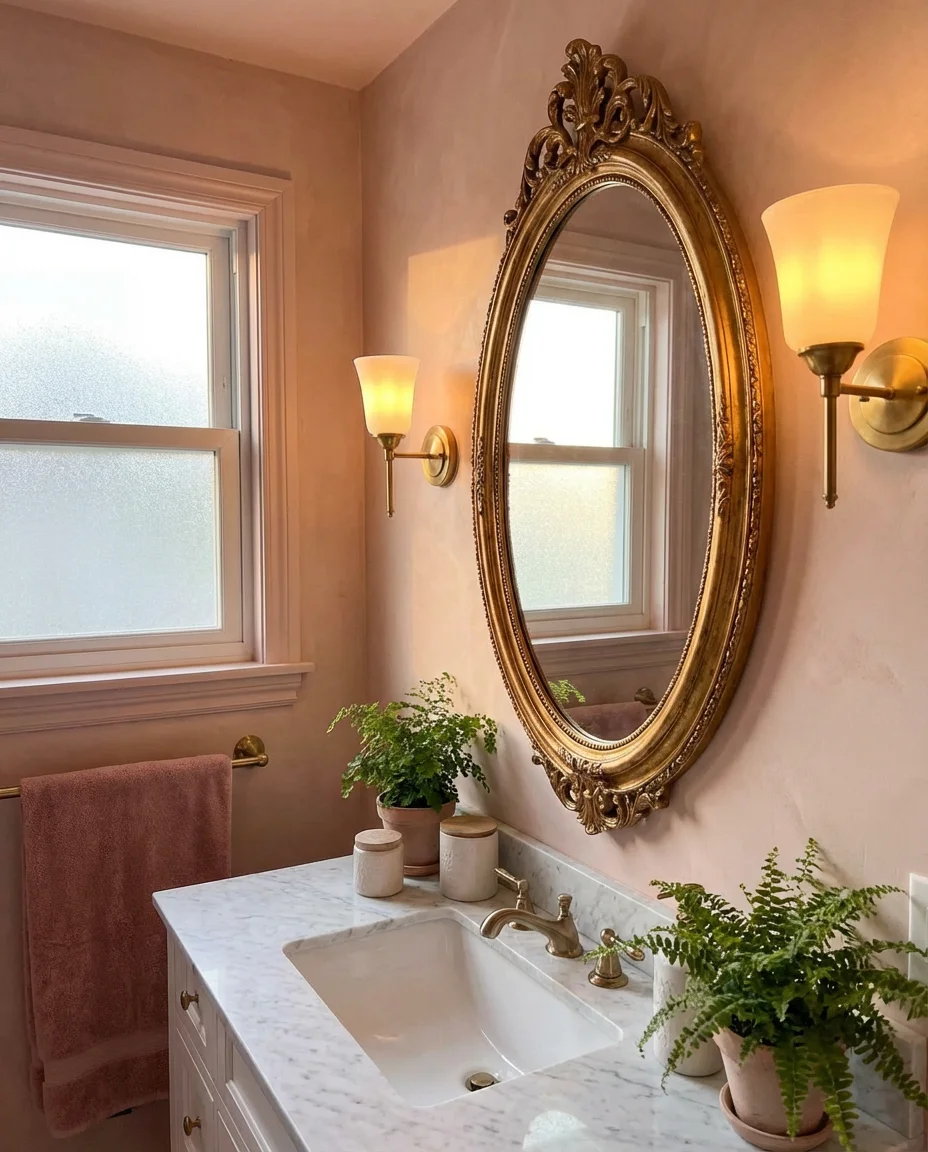
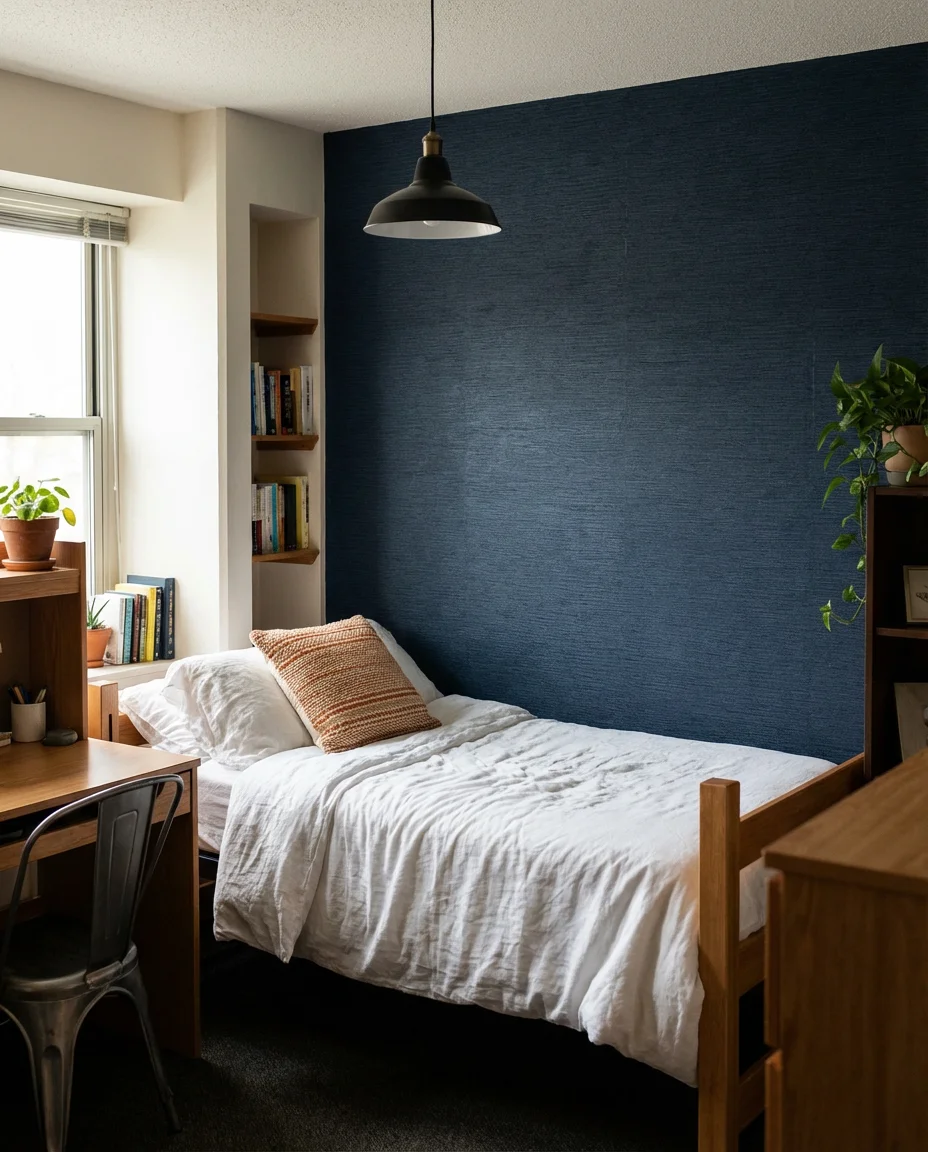
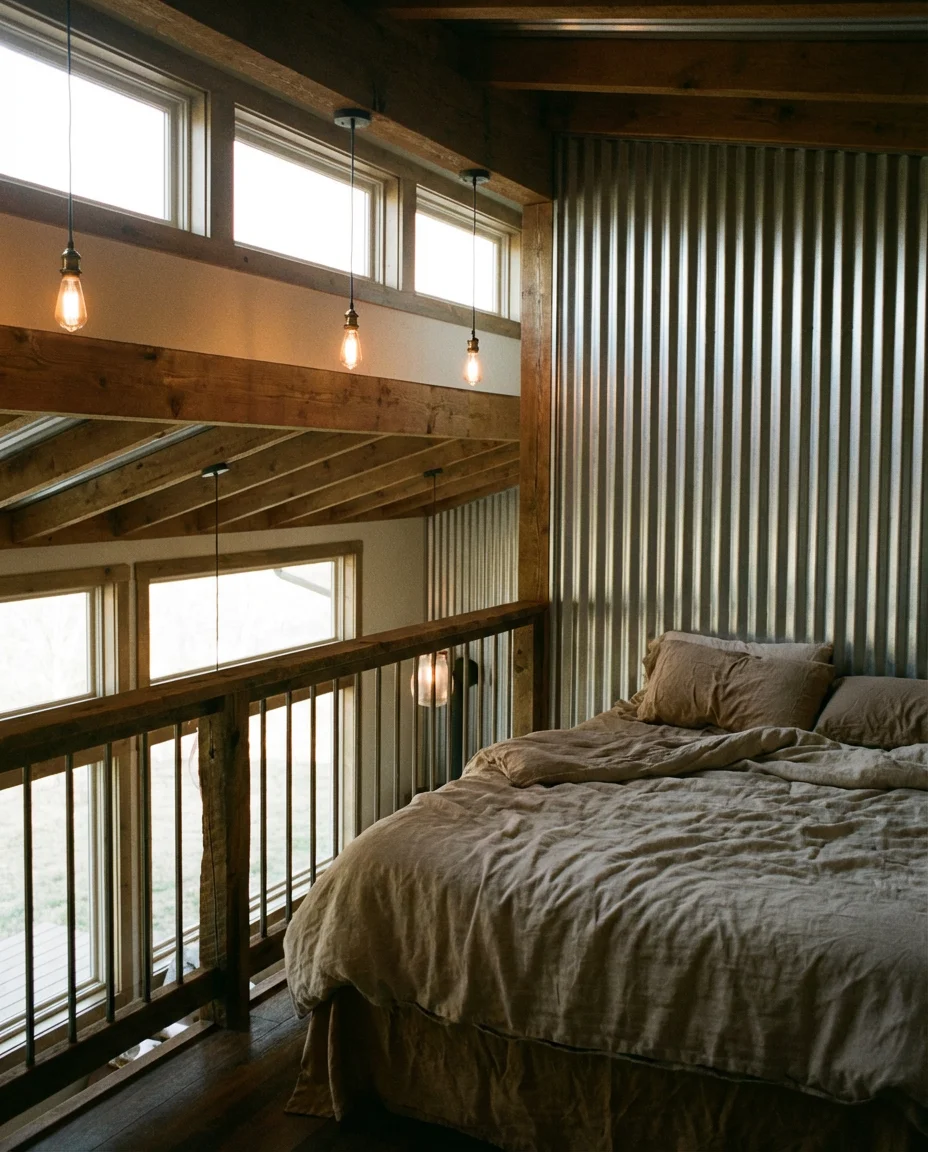
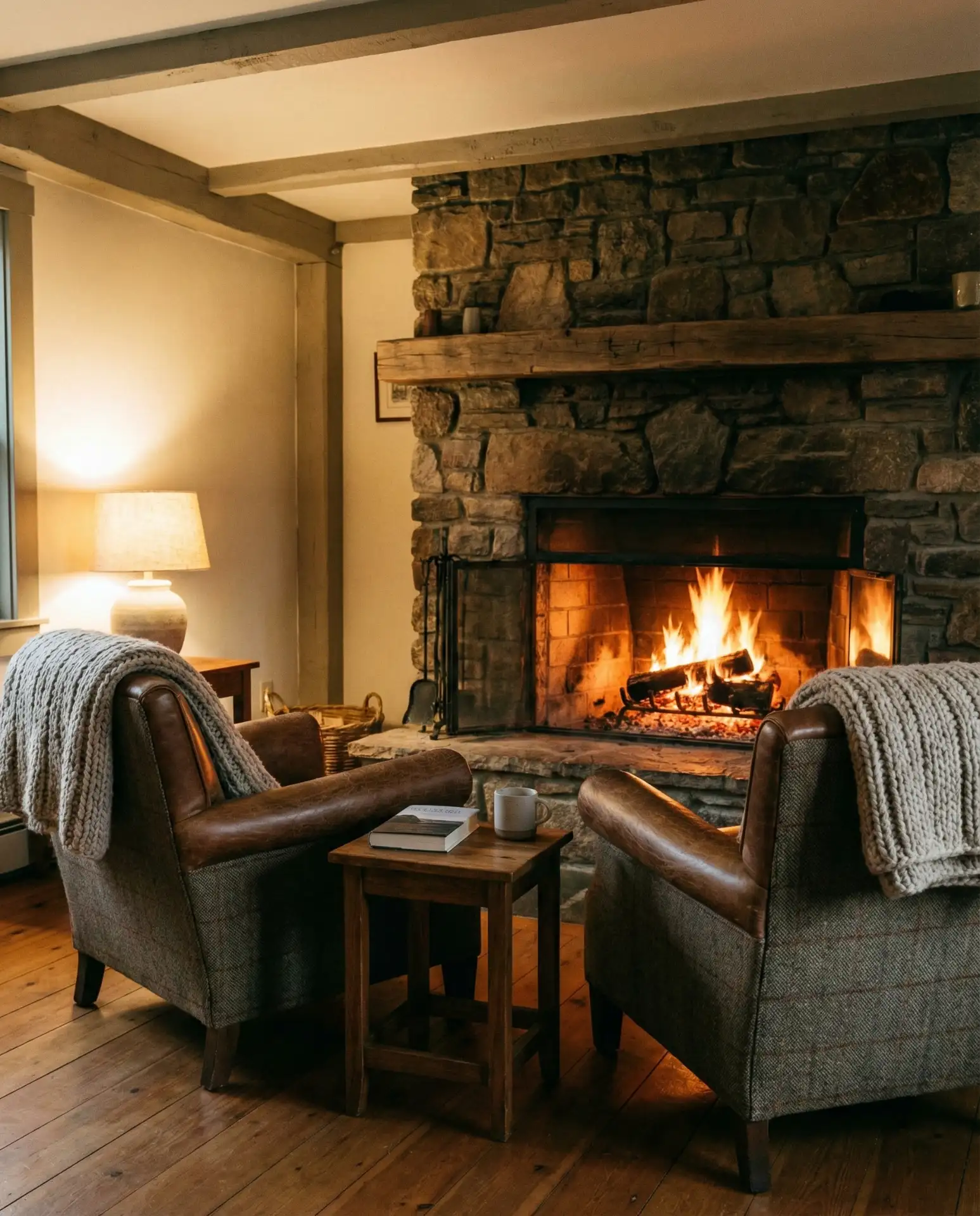
Real homeowner behavior: Many people start with one accent wall in terracotta, then gradually introduce olive through pillows and throws. This phased approach makes the transition easier and lets you test the palette before committing fully. It’s a budget-friendly way to refresh your space without a complete overhaul.
5. Oversized Sectional for Small Spaces
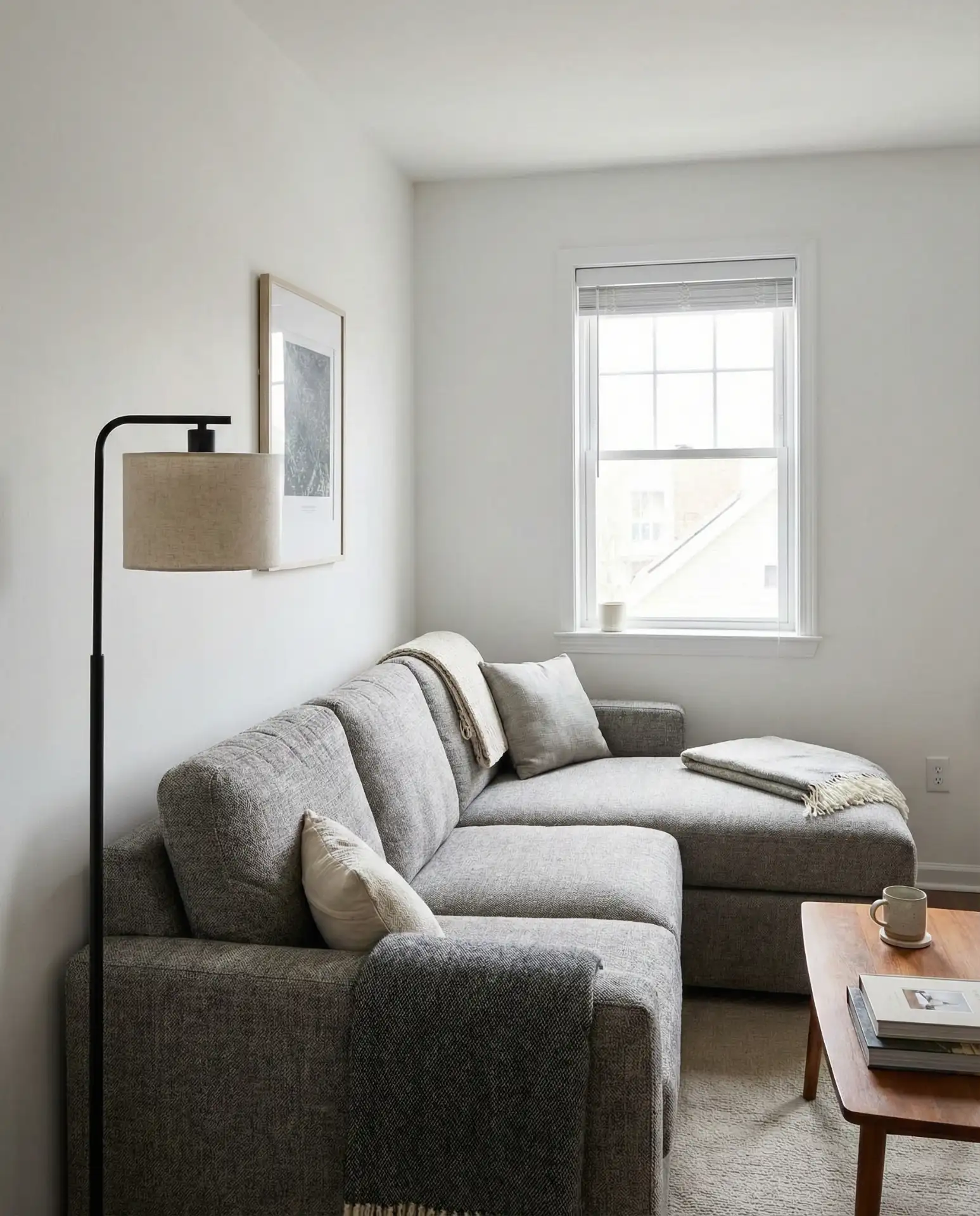
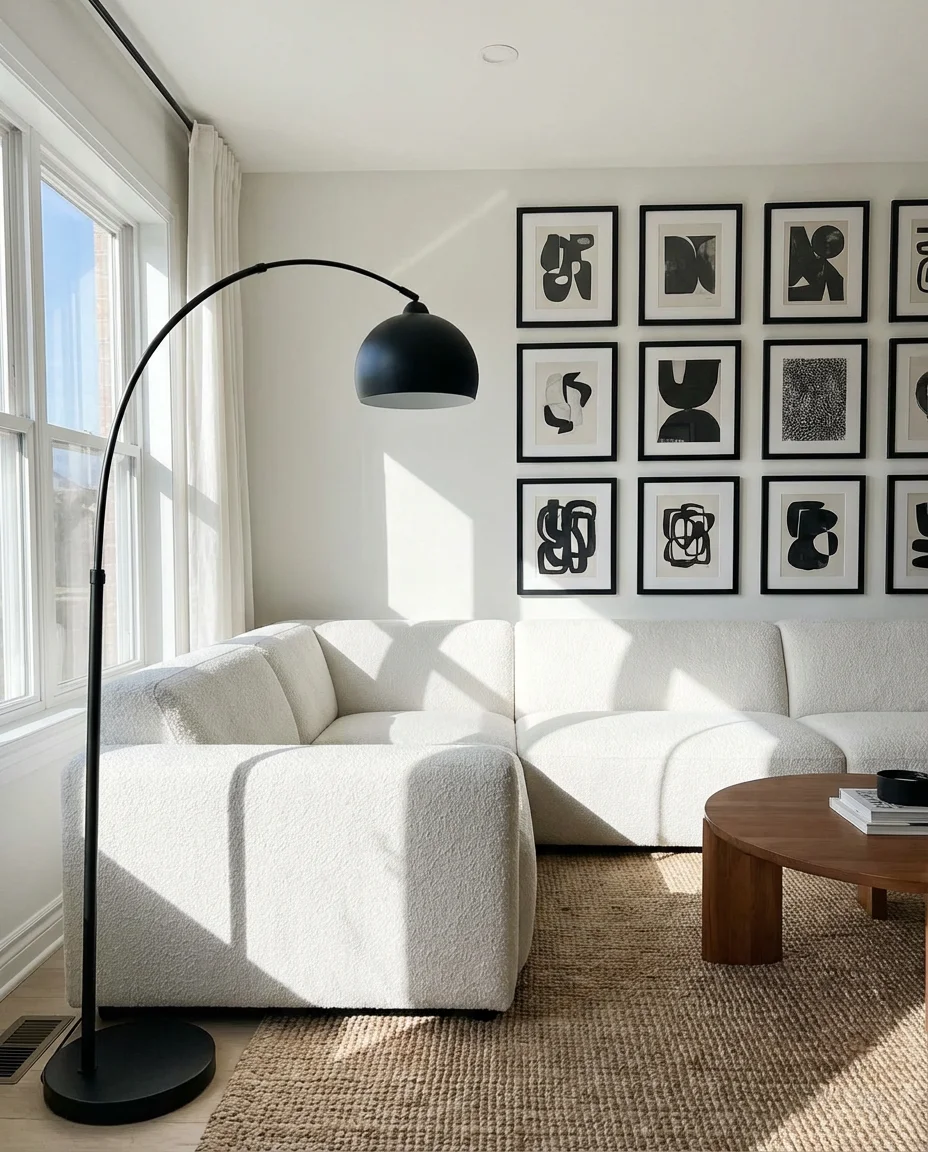
Counterintuitive but effective: an oversized sectional can actually make small apartment spaces feel more intentional. By anchoring the room with one substantial piece, you eliminate the need for multiple chairs and side tables, which can make a small room feel cluttered. Look for low-profile designs in neutral tones that don’t visually overpower the space. This strategy is wildly popular in urban apartments from Brooklyn to Portland.
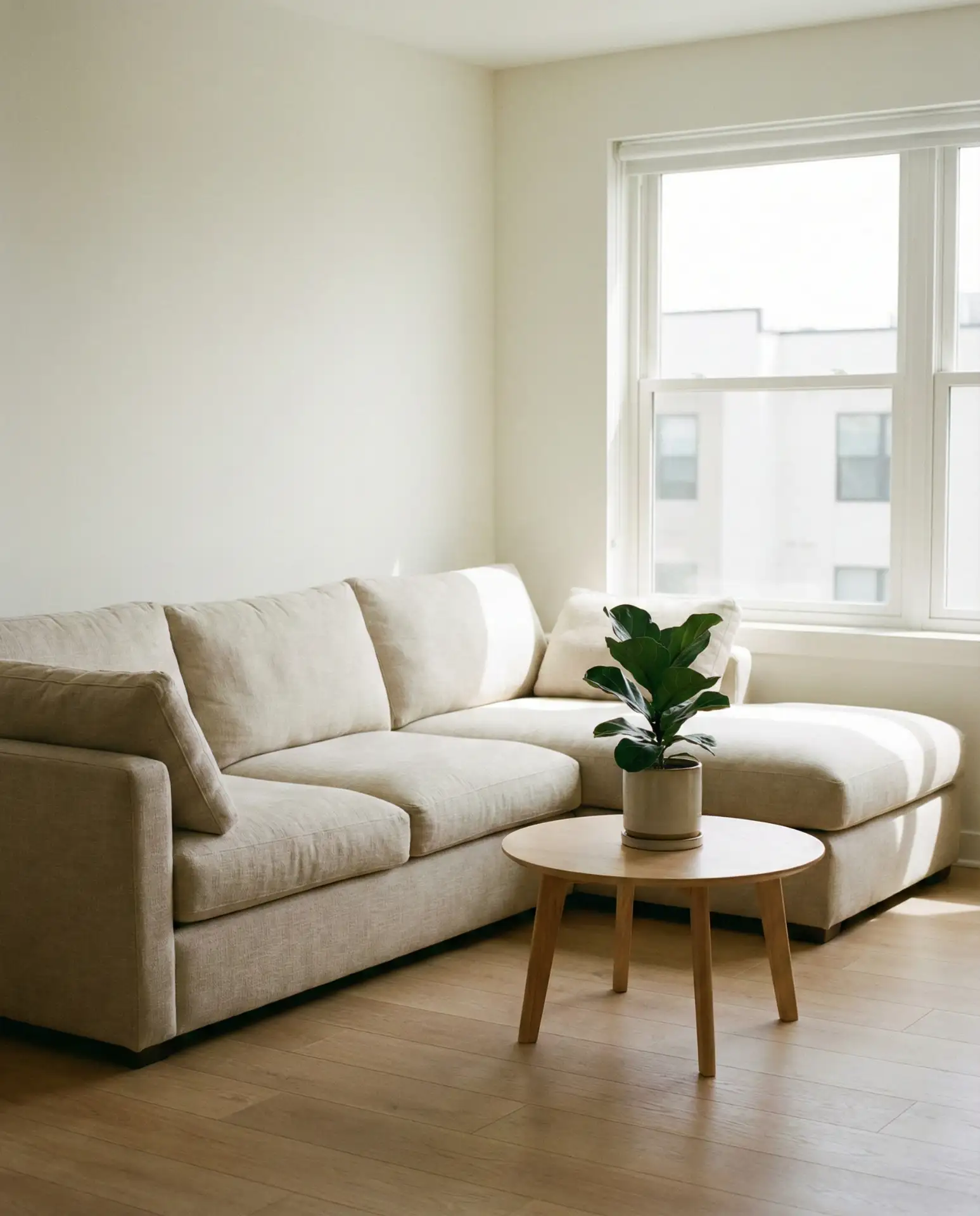
Expert-style commentary: Interior designers often recommend sectionals with hidden storage or pull-out beds for studio and one-bedroom apartments. This dual functionality maximizes every square foot without sacrificing comfort. Just ensure the sectional doesn’t block natural light sources or traffic flow.
6. Vintage Rug as the Focal Point
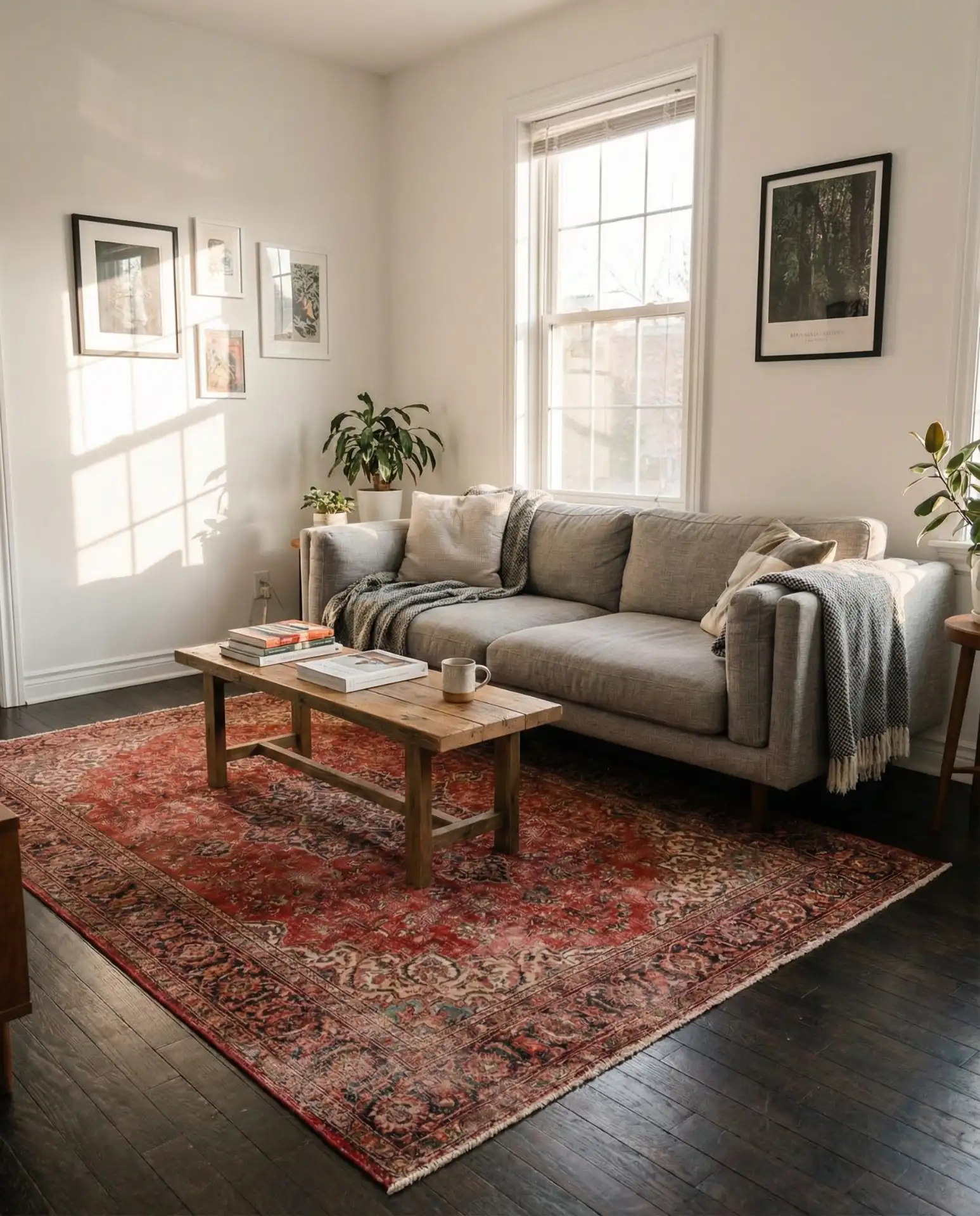
A well-chosen vintage rug can anchor an entire room and serve as your primary source of inspiration. Whether it’s a Persian runner or a faded Turkish kilim, these pieces bring history and character that new rugs simply can’t replicate. Pair with simple, modern furniture to let the rug shine. This is a favorite trick among designers working on apartment aesthetic projects where budget is tight but style can’t be compromised.
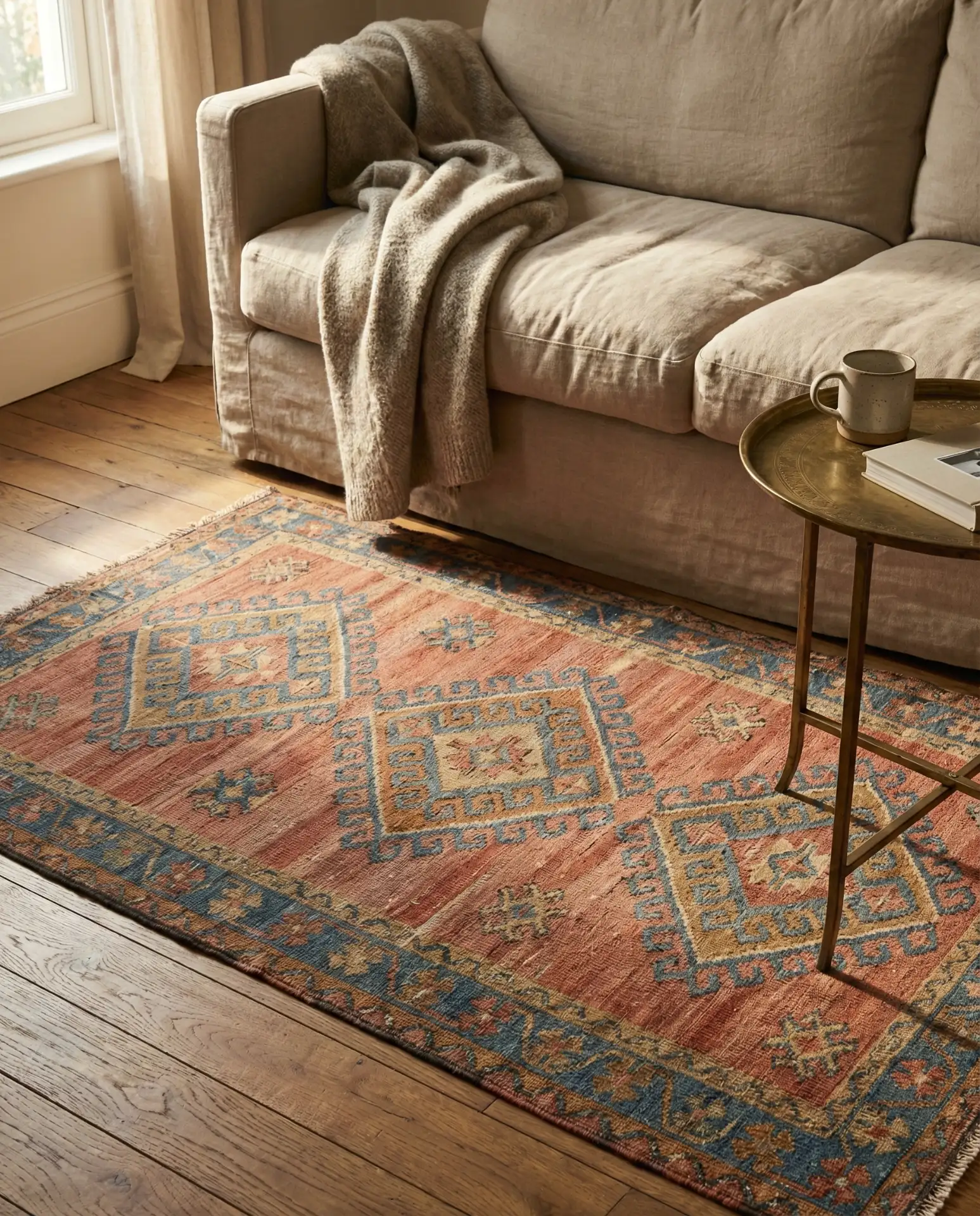
Budget angle: Vintage rugs can range from $200 to several thousand, but even mid-tier options offer more character than mass-produced alternatives. Sites like Etsy and estate sales are goldmines for affordable finds. A single standout rug can eliminate the need for additional artwork or decor, making it a smart investment.
7. Built-In Window Seat with Storage
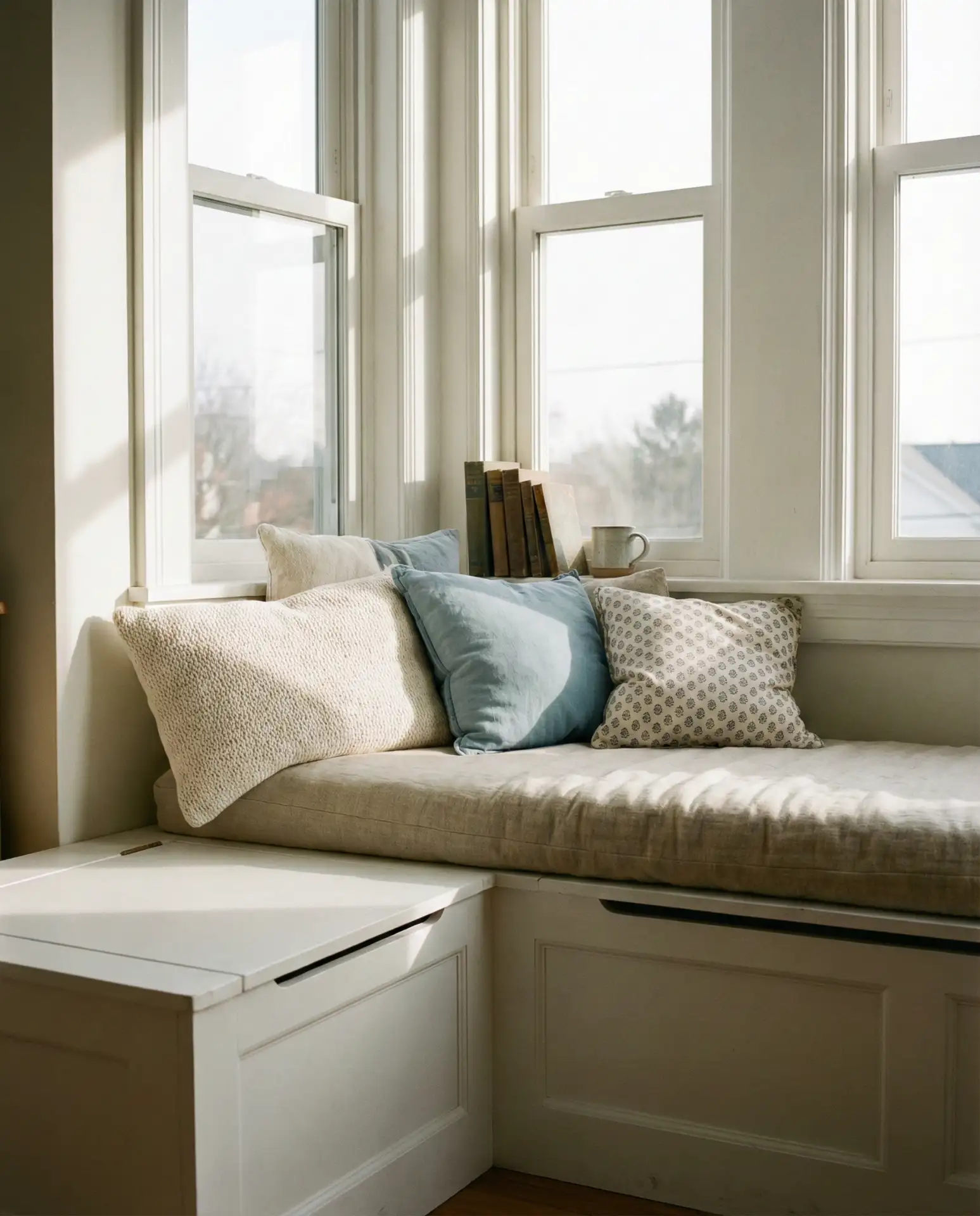
Window seats are making a strong comeback in 2026, especially in homes with bay or picture windows. Adding built-in storage underneath transforms an awkward architectural feature into a functional, cozy nook. Layer with comfy cushions and throws, and you’ve got an instant reading corner. This works beautifully in designs for small spaces where every inch counts.
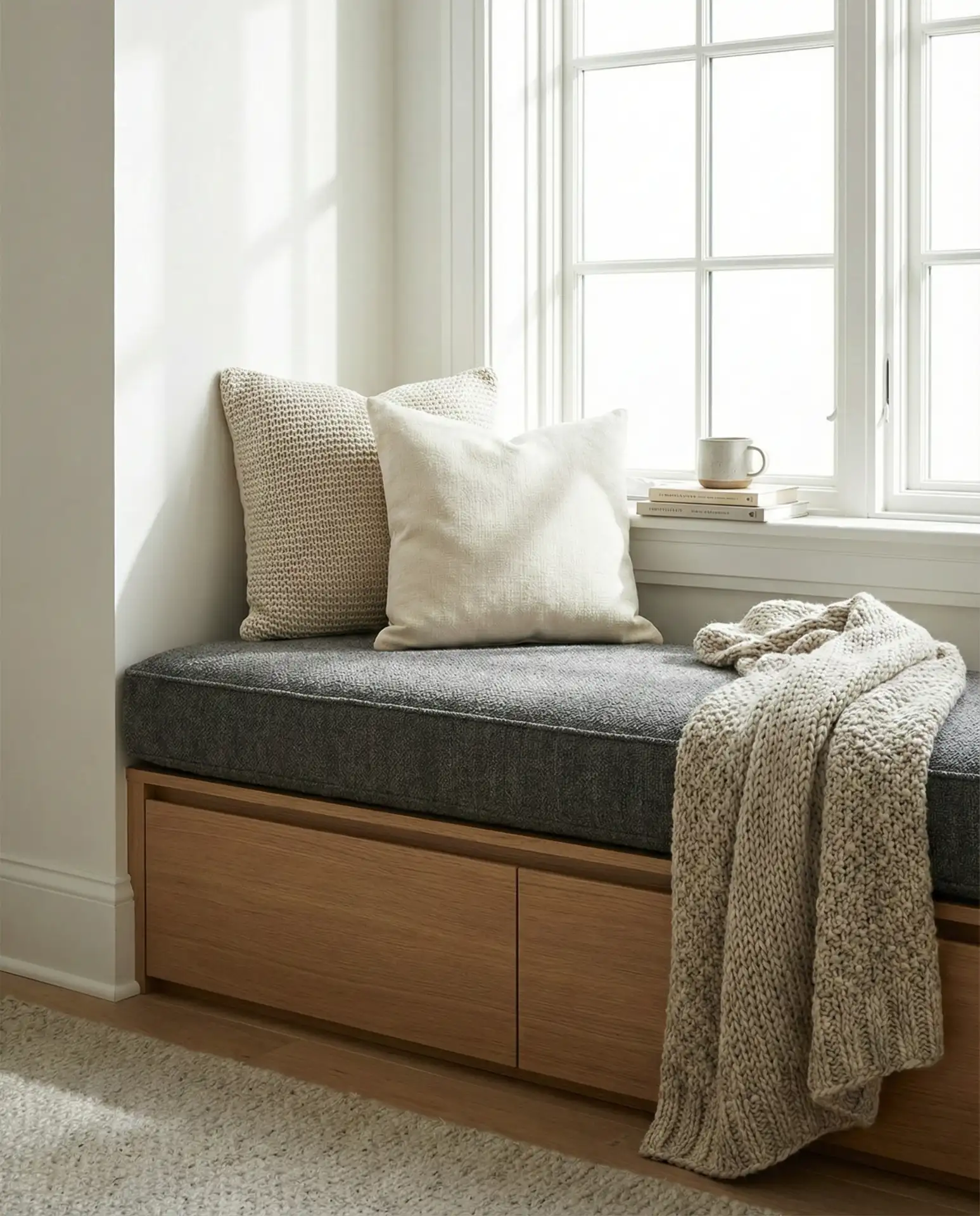
Where it works best: Homes in the Pacific Northwest and New England, where natural light is precious and indoor coziness is a year-round priority. The storage component is ideal for stashing extra blankets, books, or seasonal decor without adding freestanding furniture that interrupts the flow of the room.
8. Warm Edison Bulb Lighting Ideas
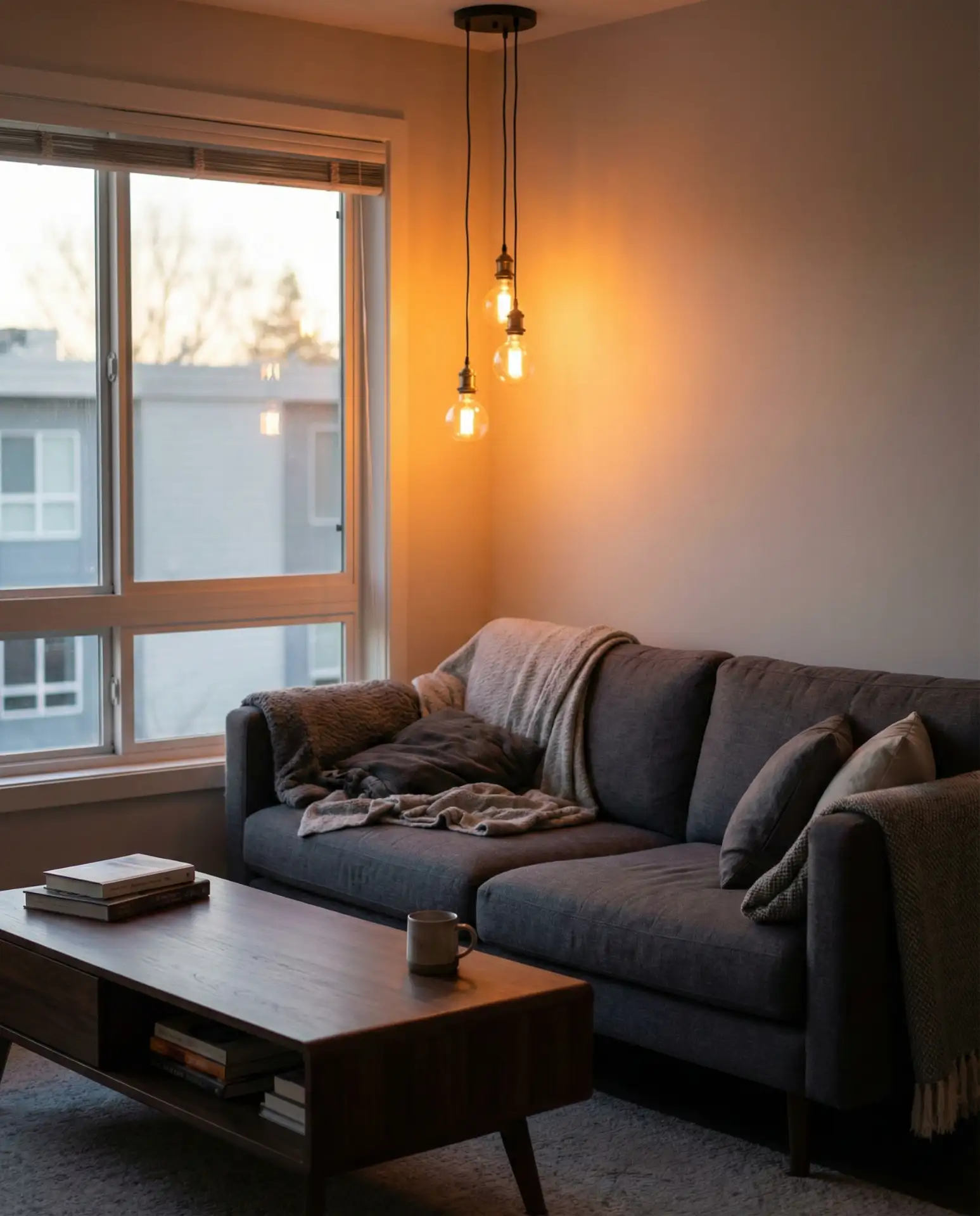
The right lighting ideas can make or break a cozy living room, and Edison bulbs continue to deliver that warm, amber glow we all crave. Swap out harsh overhead fixtures for exposed-bulb pendants, table lamps, or even string lights. The key is layering multiple light sources at different heights to avoid flat, unflattering illumination. This approach is especially popular in apartment inspo boards focused on industrial-chic or modern farmhouse styles.
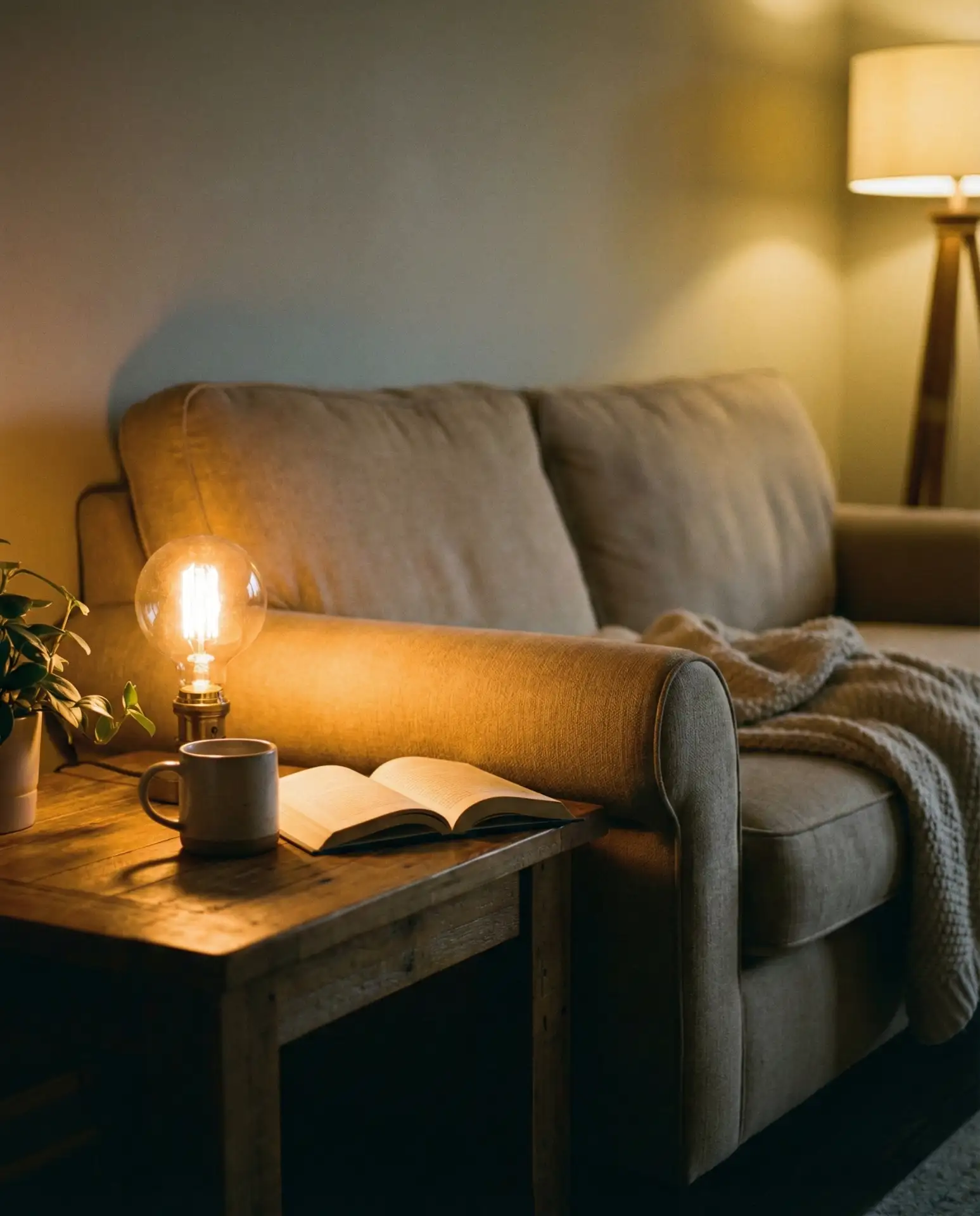
Practical insight: Dimmable Edison bulbs are worth the extra cost. They let you adjust the intensity based on time of day or activity, shifting from bright and functional during work hours to soft and ambient for evening relaxation. Pair with smart switches for even more control.
9. Grey Couch with Jewel-Tone Pillows
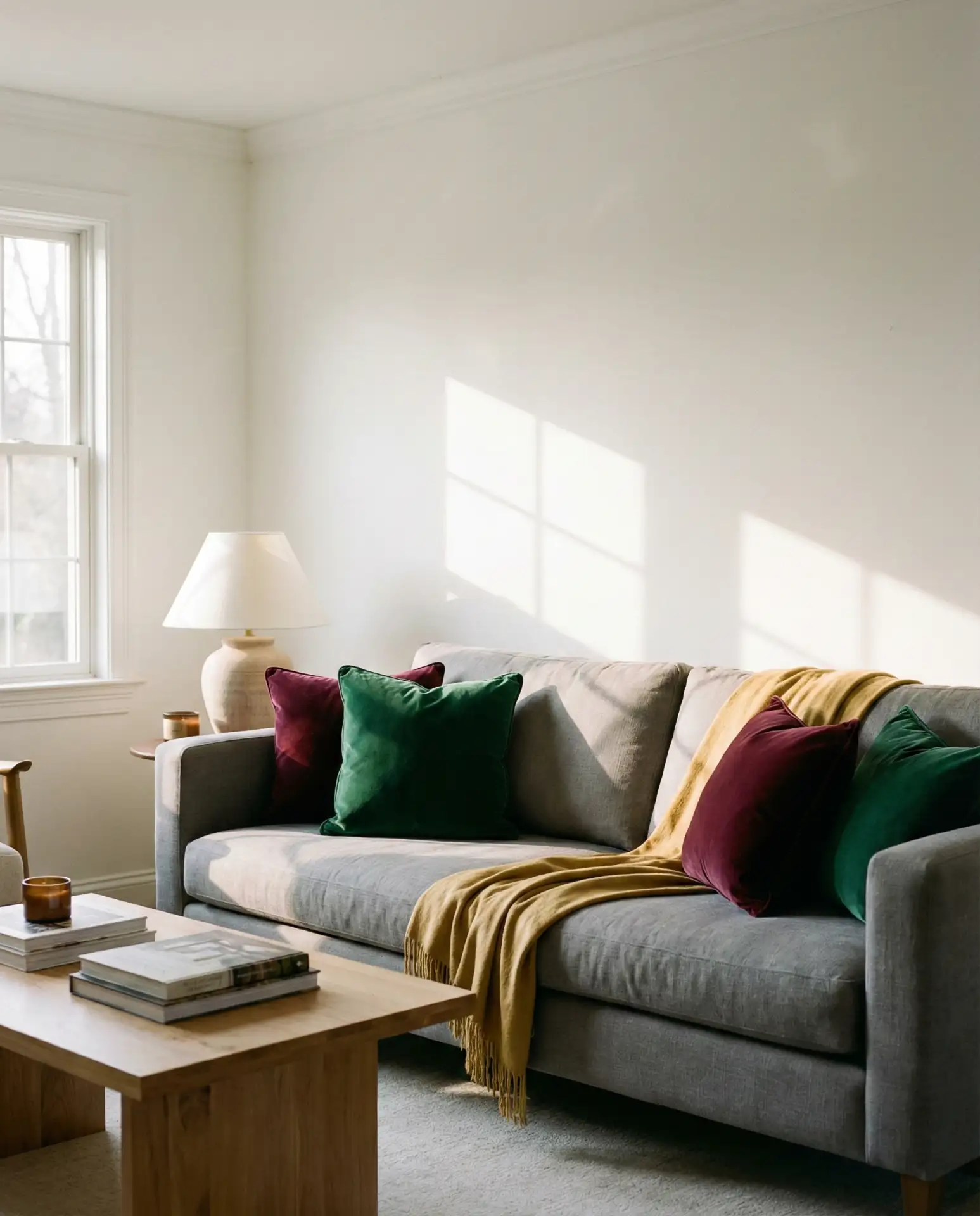
A gray couch is the ultimate neutral foundation, and in 2026, people are bringing it to life with jewel-tone accents—emerald, sapphire, and burgundy. This combo feels both luxurious and grounded, offering colorful pops without overwhelming the space. It’s a strategy that works across design styles, from mid-century modern to contemporary minimalism. Pinterest users searching for “grey couch styling” are leaning heavily into this trend.
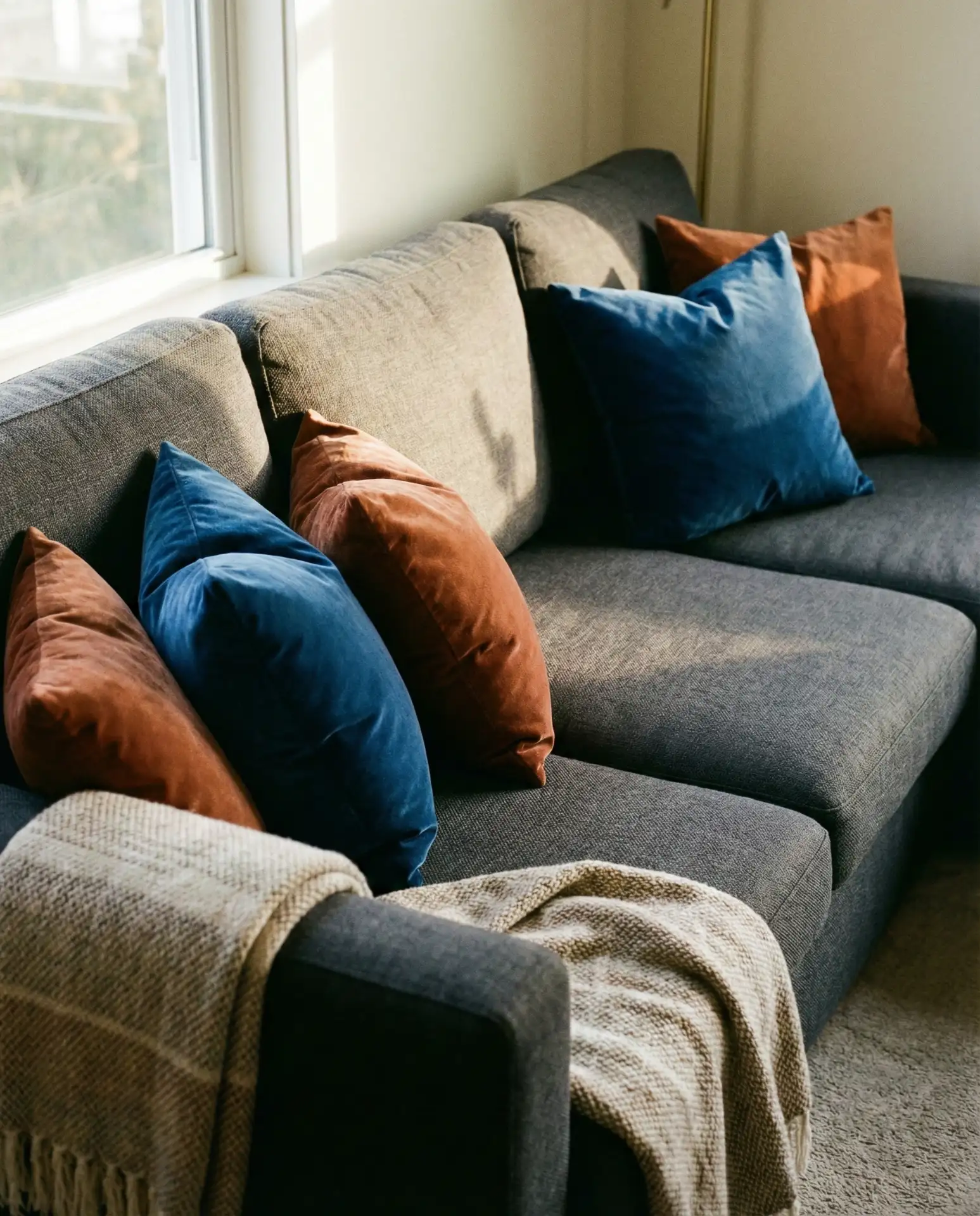
Real homeowner behavior: Many people start with three to five throw pillows, then rotate them seasonally. Winter might call for deeper burgundy and forest green, while spring brings in lighter blues and blush tones. This keeps the space feeling fresh without requiring major purchases.
10. Open Shelving with Warm Wood Tones
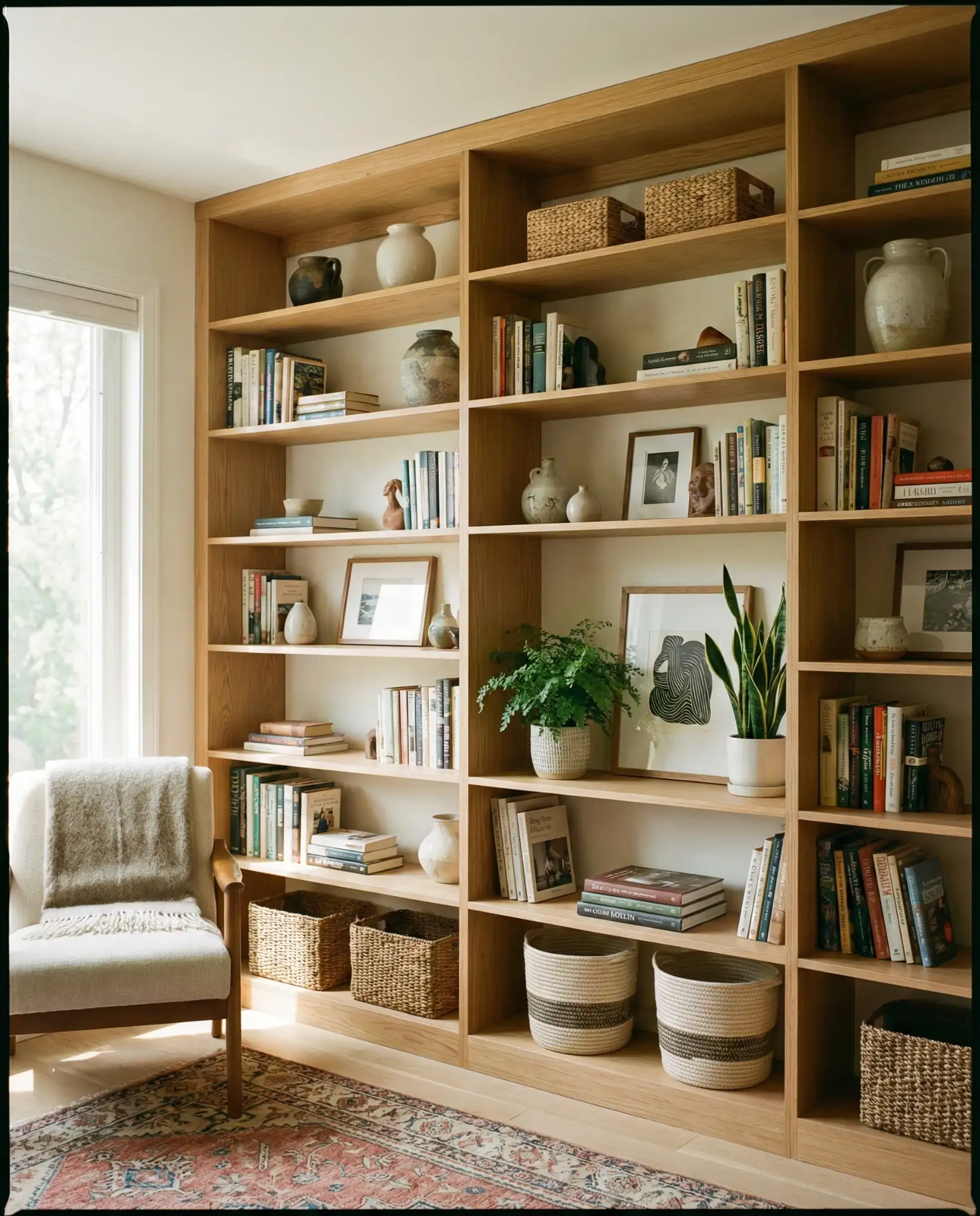
Open shelving in warm colors like walnut or oak adds both function and visual warmth to a living room. Style them with a mix of books, ceramics, and plants to avoid the sterile look of empty shelves. This approach is ideal for those seeking design inspiration that feels curated but not precious. It’s also a clever way to display personal collections without the commitment of built-ins.
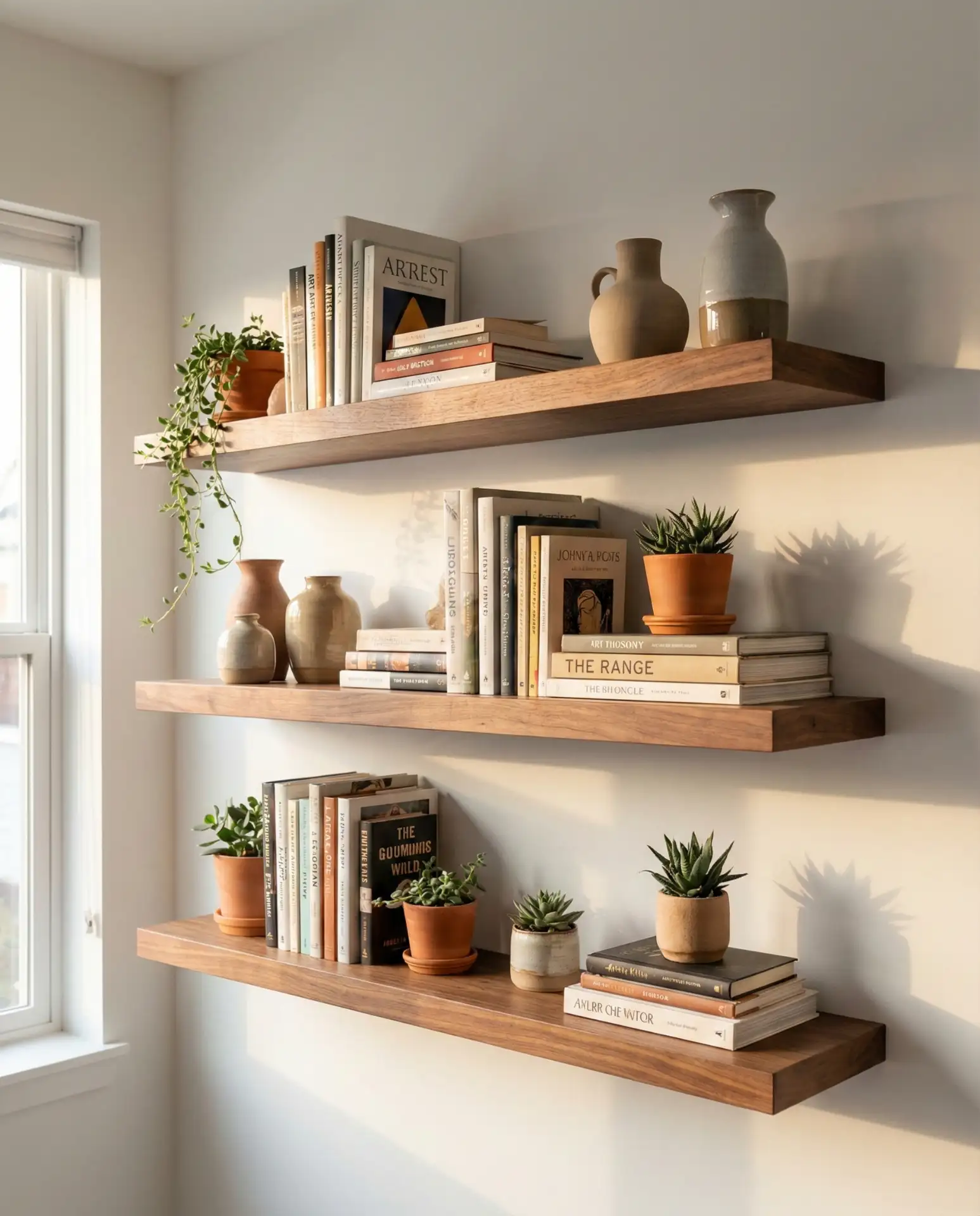
Common mistakes: Overloading shelves or organizing them too symmetrically. The sweet spot is about 60% full, with varied heights and occasional negative space. This prevents the shelves from looking cluttered while maintaining visual interest. Also, avoid placing shelves too high—you want easy access for regular rotation.
11. Plush Velvet Armchairs in Unexpected Colors
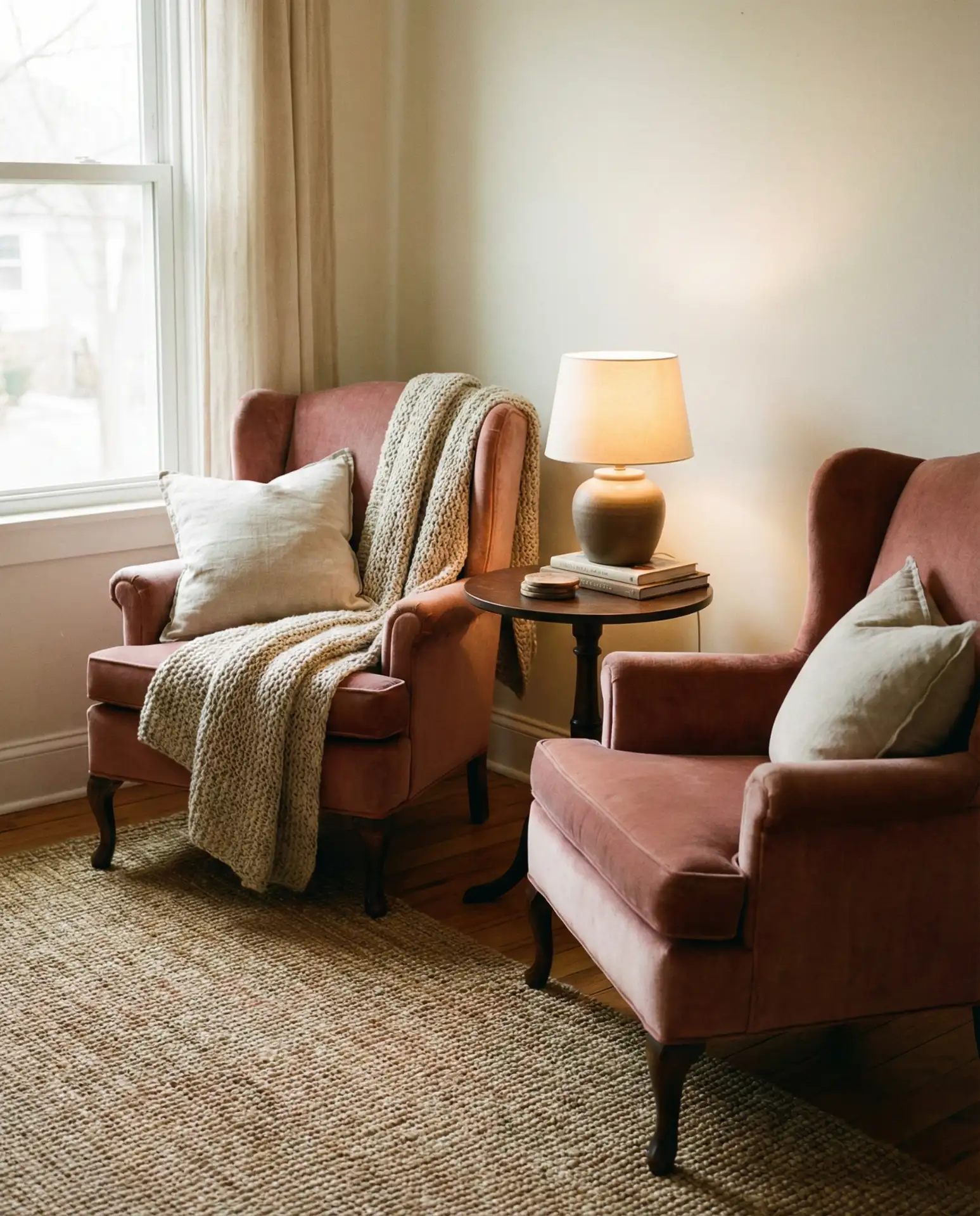
Velvet armchairs in shades like burnt orange, dusty rose, or even mustard are having a major moment. These pieces bring instant comfy vibes while serving as statement furniture that elevates the entire room. Pair with neutral surroundings to let the chairs take center stage. This trend is particularly strong among millennials and Gen Z decorating their first homes.
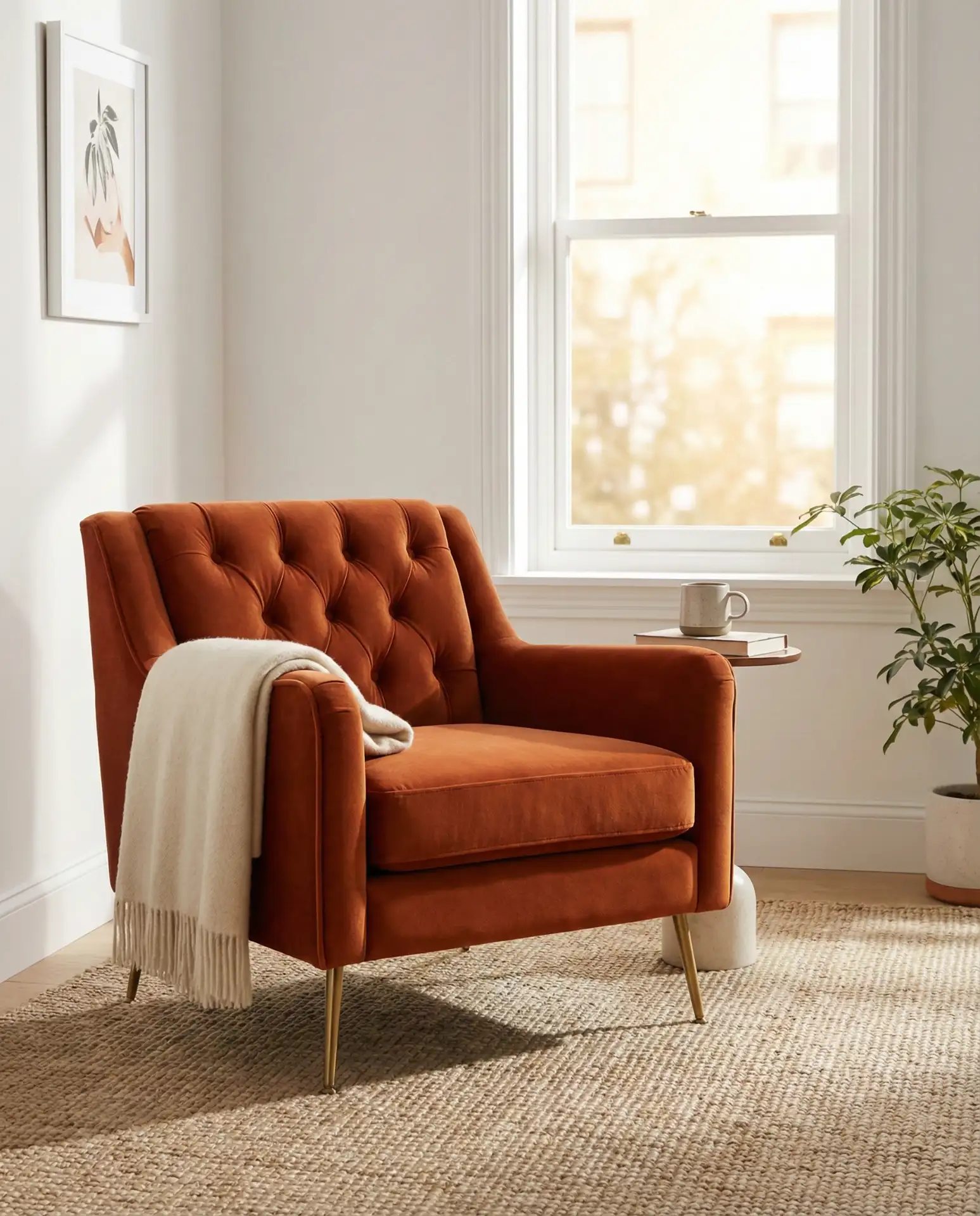
Budget angle: Mid-range velvet chairs typically run $400-$800, but they’re worth the investment for the combination of durability and style. Look for stain-resistant treatments if you have kids or pets. Some retailers offer payment plans, making it easier to snag a high-quality piece without the upfront hit.
12. Layered Curtains for Depth and Privacy
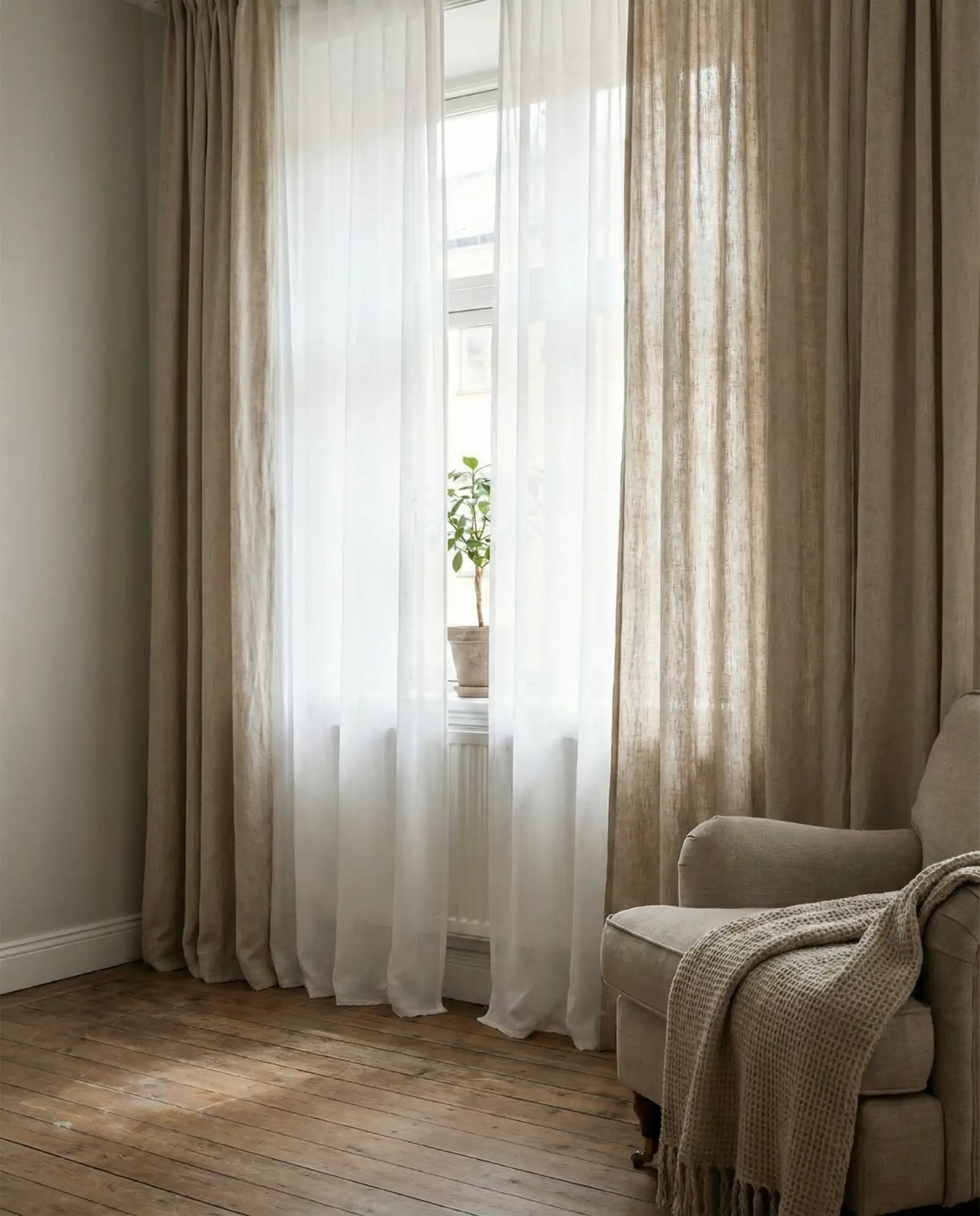
Layering sheer curtains with heavier drapes offers both flexibility and visual interest. The sheers filter warm colors of natural light during the day, while the outer layer provides privacy and insulation at night. This technique is especially effective for small spaces where you want to maintain brightness without sacrificing coziness. Choose linen or cotton blends for a soft, lived-in look.
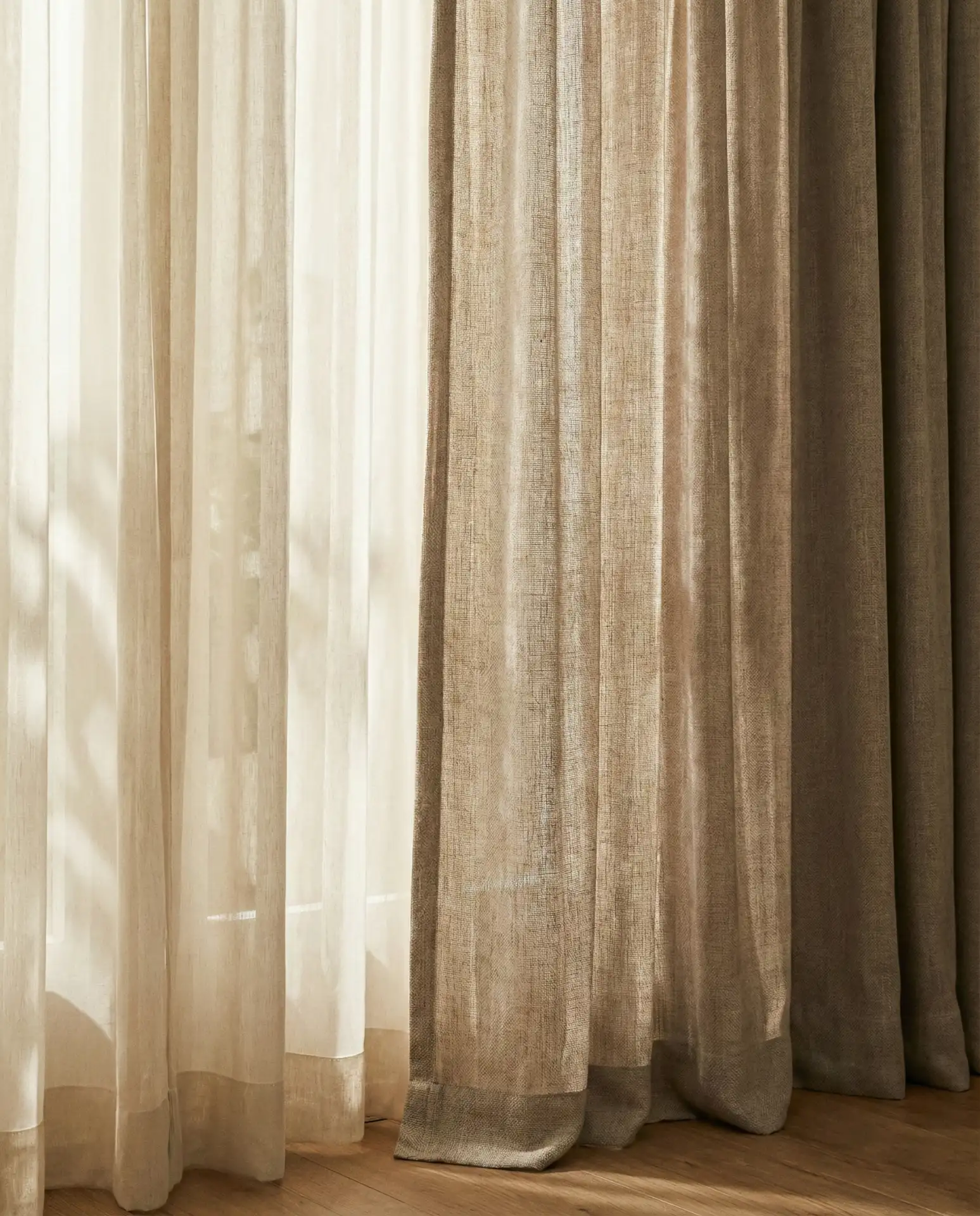
Where it works best: urban apartments where street-facing windows need privacy without sacrificing daylight. The layered approach also works beautifully in homes with varying sun exposure throughout the day, letting you adjust as needed. It’s a low-cost way to add architectural detail to builder-grade windows.
13. Minimalist Coffee Table with Organic Shapes
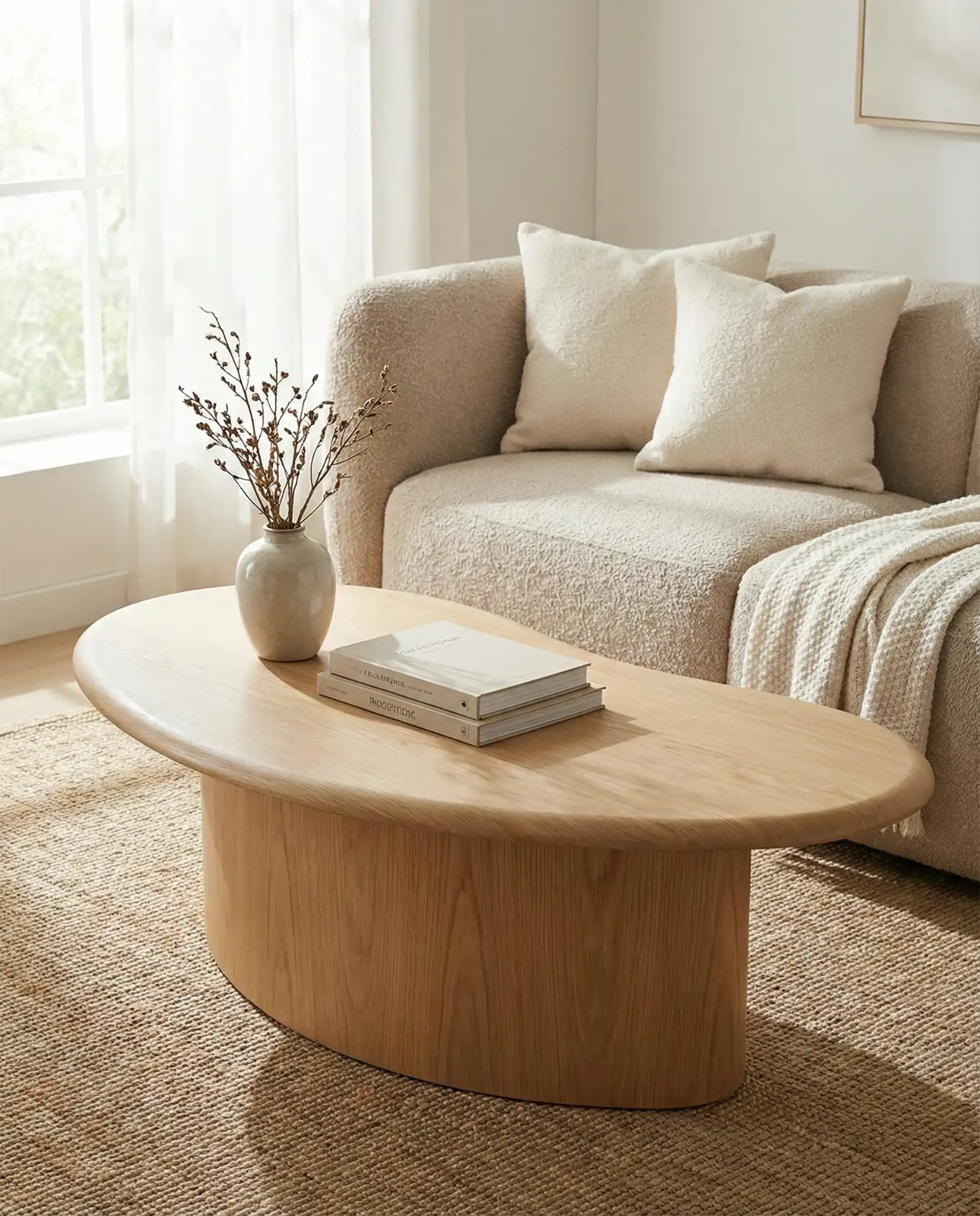
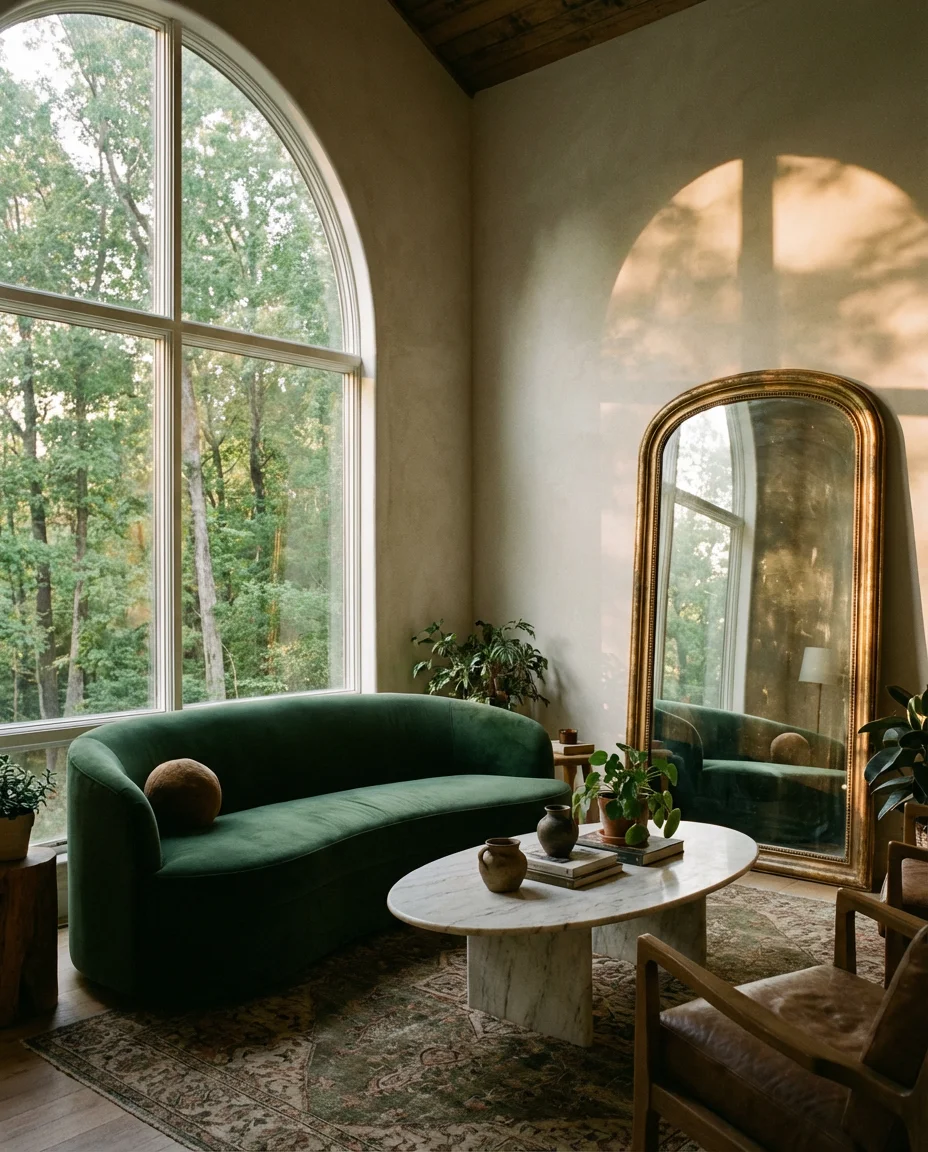
The trend toward minimal furniture with organic, curved edges is in full swing. Think rounded edges, asymmetrical tops, and natural wood or stone materials. These coffee tables feel intentional without being fussy, fitting seamlessly into both modern and traditional interiors. They’re particularly popular in West Coast homes, where the indoor-outdoor aesthetic reigns.
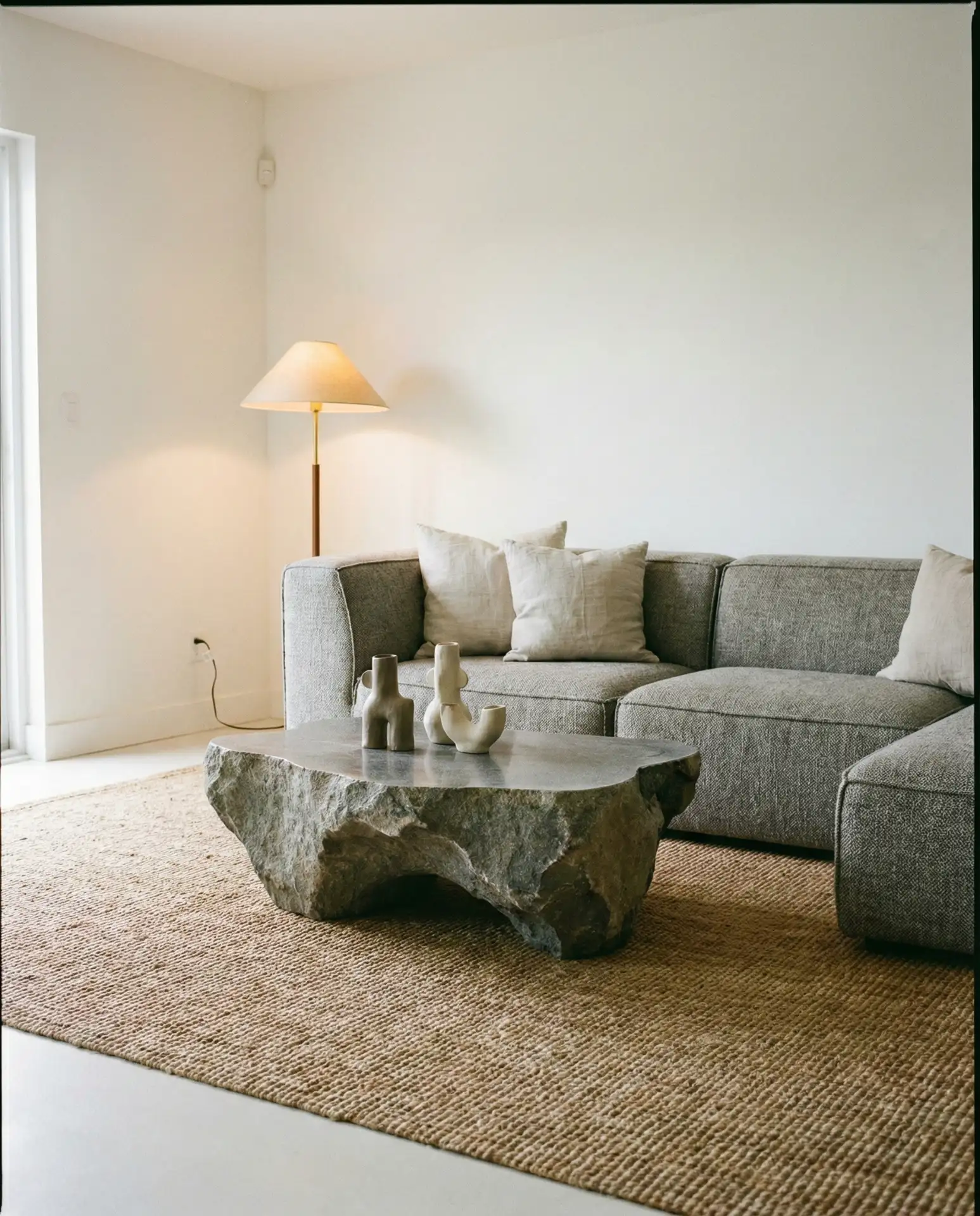
Practical insight: Organic shapes are forgiving—they don’t show scratches or wear as obviously as sharp-edged modern pieces. They’re also safer in homes with small children, eliminating the worry of sharp corners. Look for models with lower profiles if you have a sectional or low sofa.
14. Traditional Wingback Chairs with Modern Upholstery
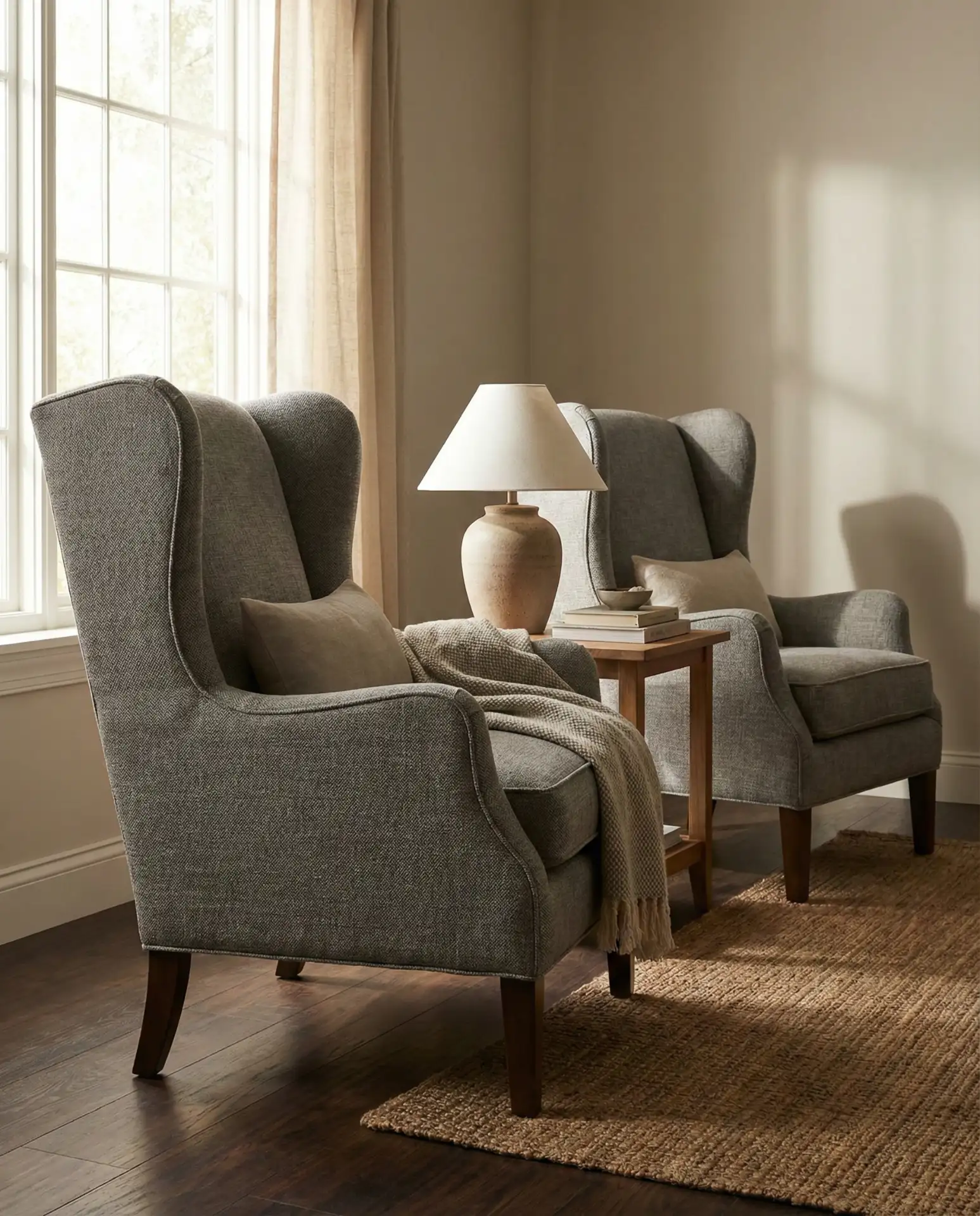
Wingback chairs are a traditional staple, but reupholstering them in contemporary fabrics—bouclé, performance linen, or even bold patterns—gives them new life. This blend of old and new creates a layered, collected-over-time feel that’s central to cozy interiors in 2026. It’s a favorite among those seeking apartment aesthetics with character beyond mass-produced furniture.
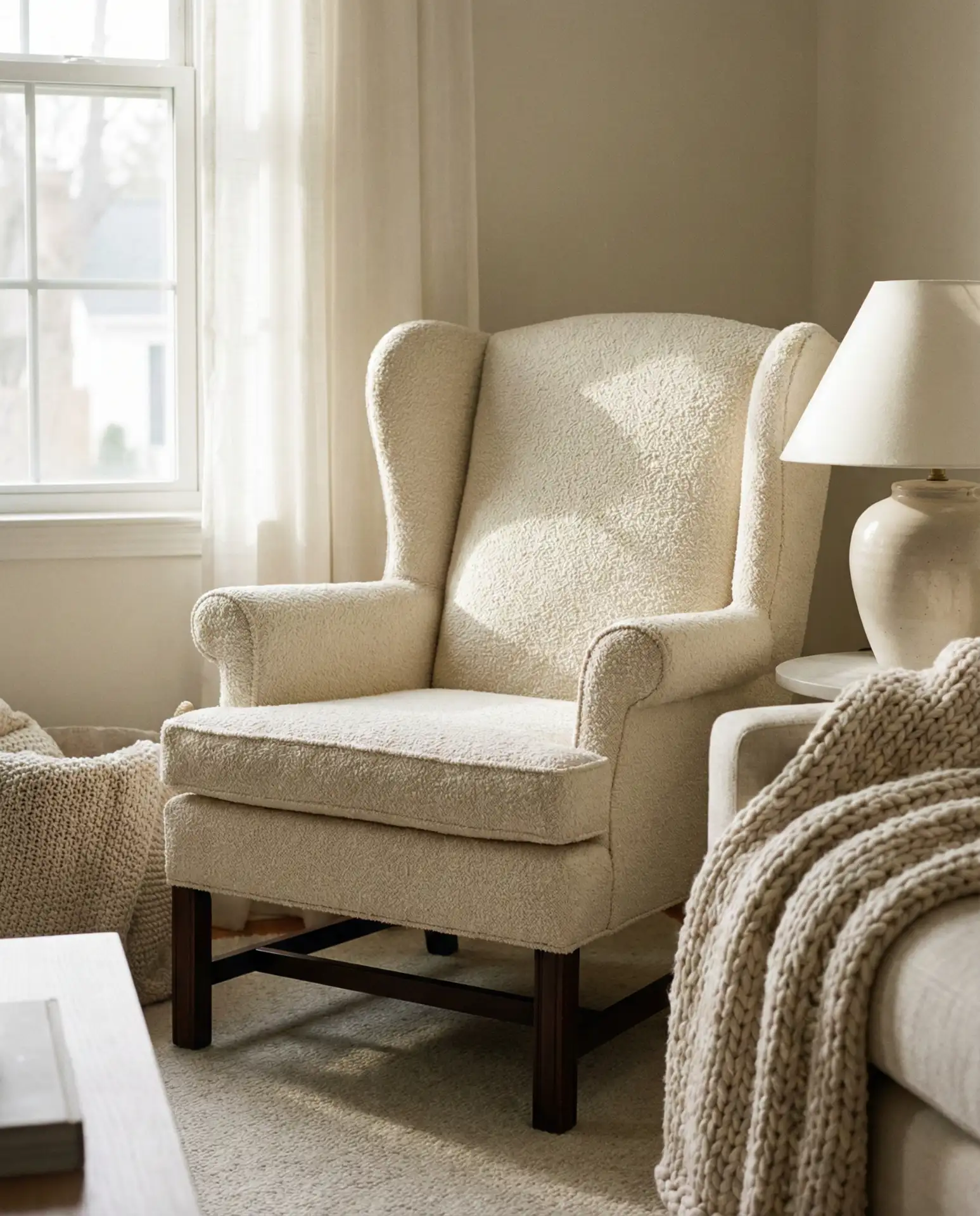
American lifestyle context: In Southern states like Georgia and Tennessee, mixing traditional furniture forms with updated fabrics honors regional design history while keeping homes feeling current. It’s also a sustainable choice—reupholstering extends the life of quality vintage pieces instead of contributing to landfill waste.
15. Statement Wall with Textured Paint Finishes
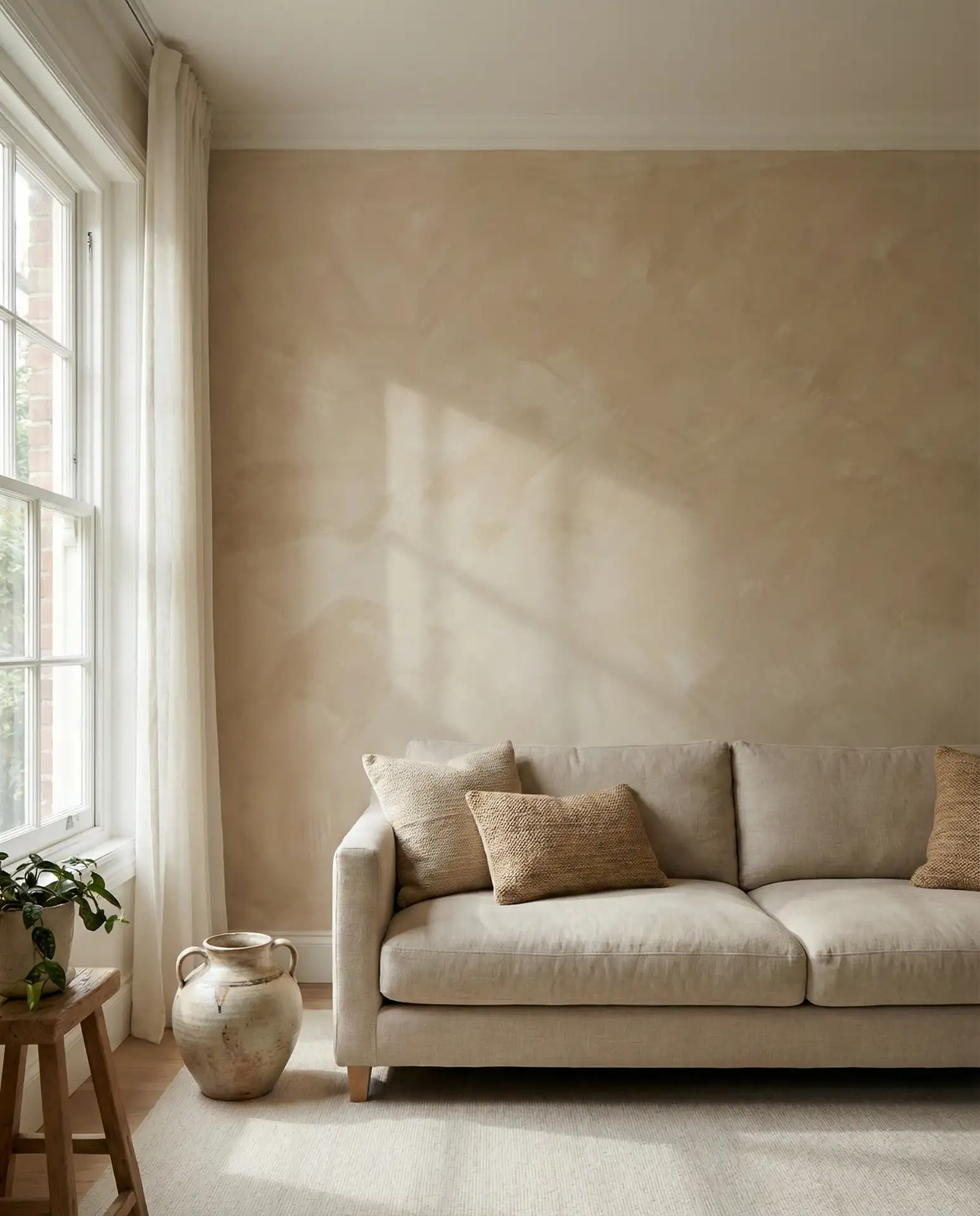
Textured paint colors like limewash or Venetian plaster are trending hard in 2026. These finishes add depth and dimension that flat paint simply can’t match, creating a focal wall that feels organic and handcrafted. Choose warm color palettes—soft terracotta, creamy beige, or muted sage—to enhance the cozy factor. This technique is especially popular in newer homes lacking architectural character.
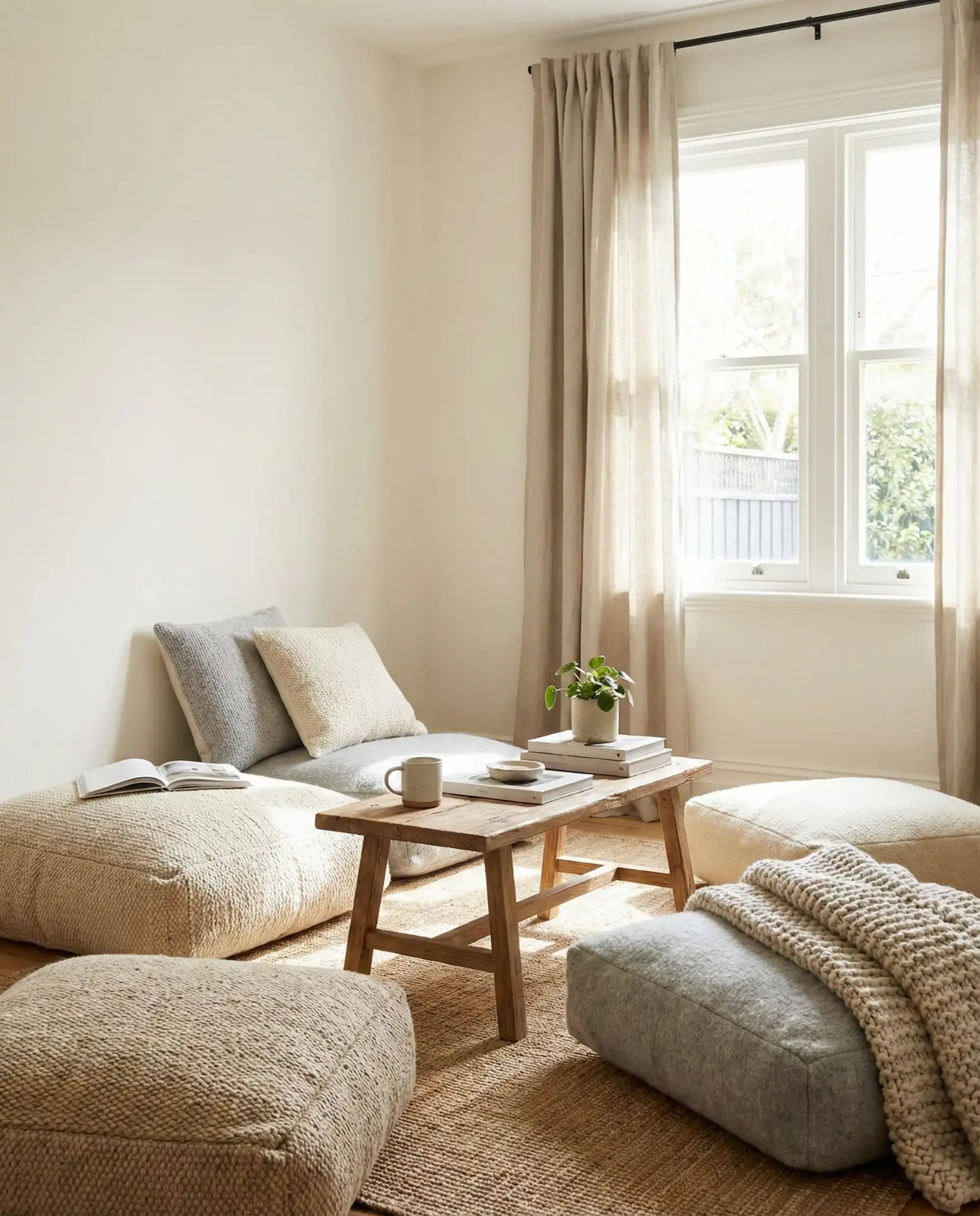
Expert-style commentary: While DIY limewash kits exist, hiring a professional for Venetian plaster is often worth it. The technique requires skill to achieve that signature depth and variation. Budget around $8-$15 per square foot for labor. The result is a one-of-a-kind wall that instantly elevates the room.
16. Floor Cushions and Poufs for Flexible Seating
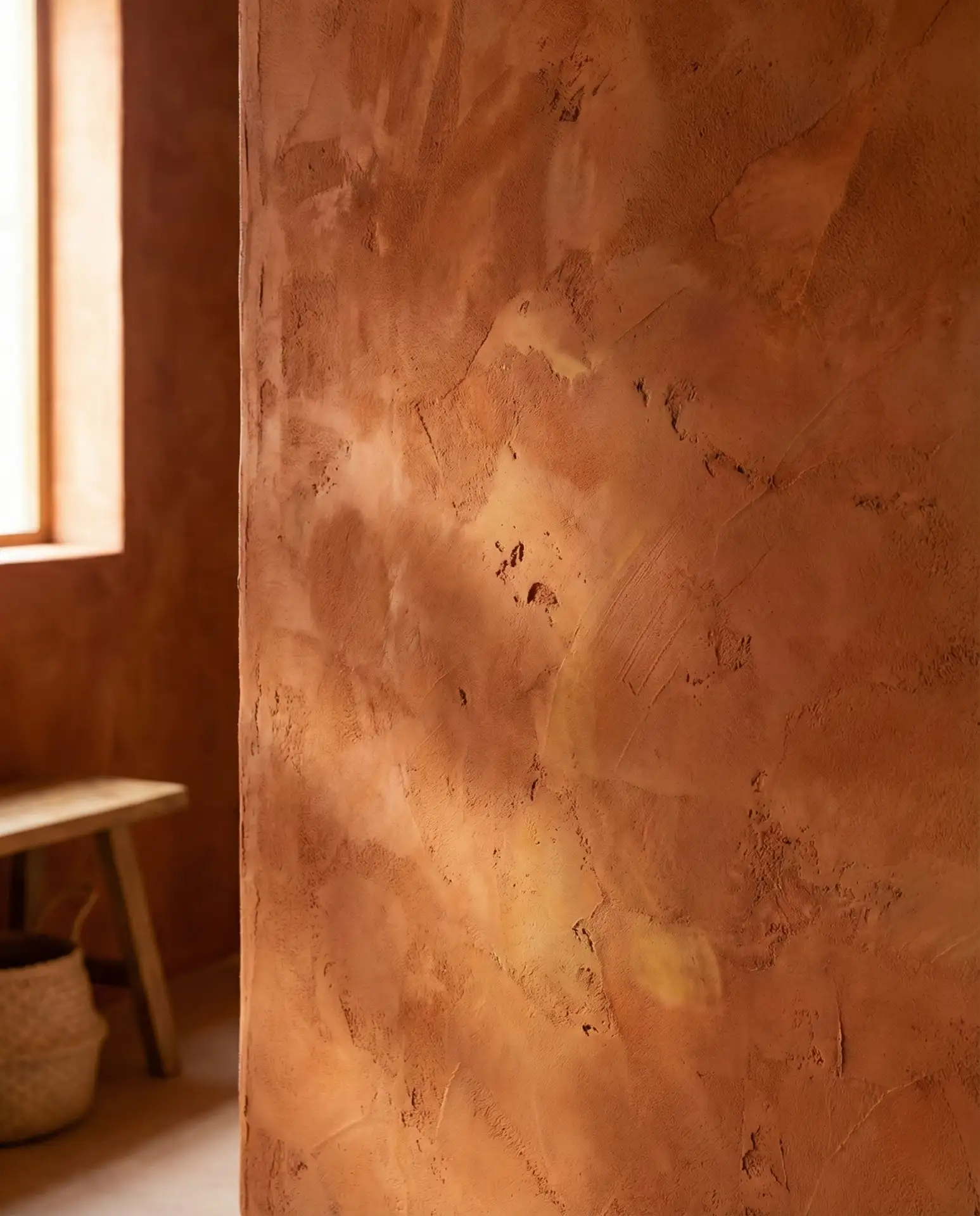
Floor cushions and poufs are a brilliant solution for small apartment spaces where permanent furniture feels too rigid. They offer comfy seating that can be easily moved or tucked away, making them ideal for entertaining or spontaneous movie nights. Look for washable covers in neutral or earthy tones that won’t clash with your existing palette. This trend has roots in bohemian design but has been streamlined for contemporary tastes.
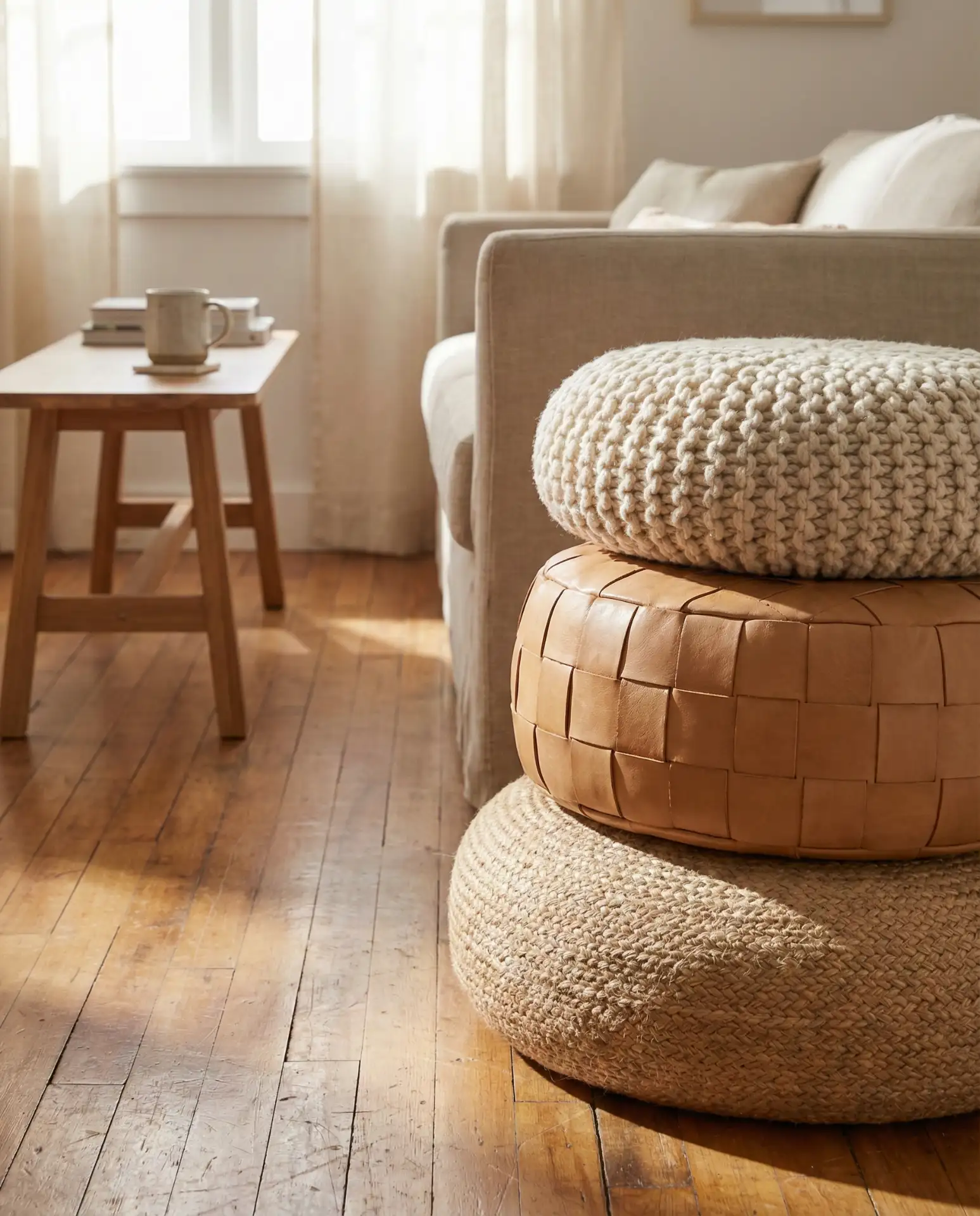
Real homeowner behavior: Many people store floor cushions in closets or under beds when not in use, then pull them out for guests. This keeps the space feeling open day-to-day while offering seating flexibility when needed. It’s a low-cost way to accommodate more people without investing in permanent furniture.
17. Gallery Wall with Personal Photography
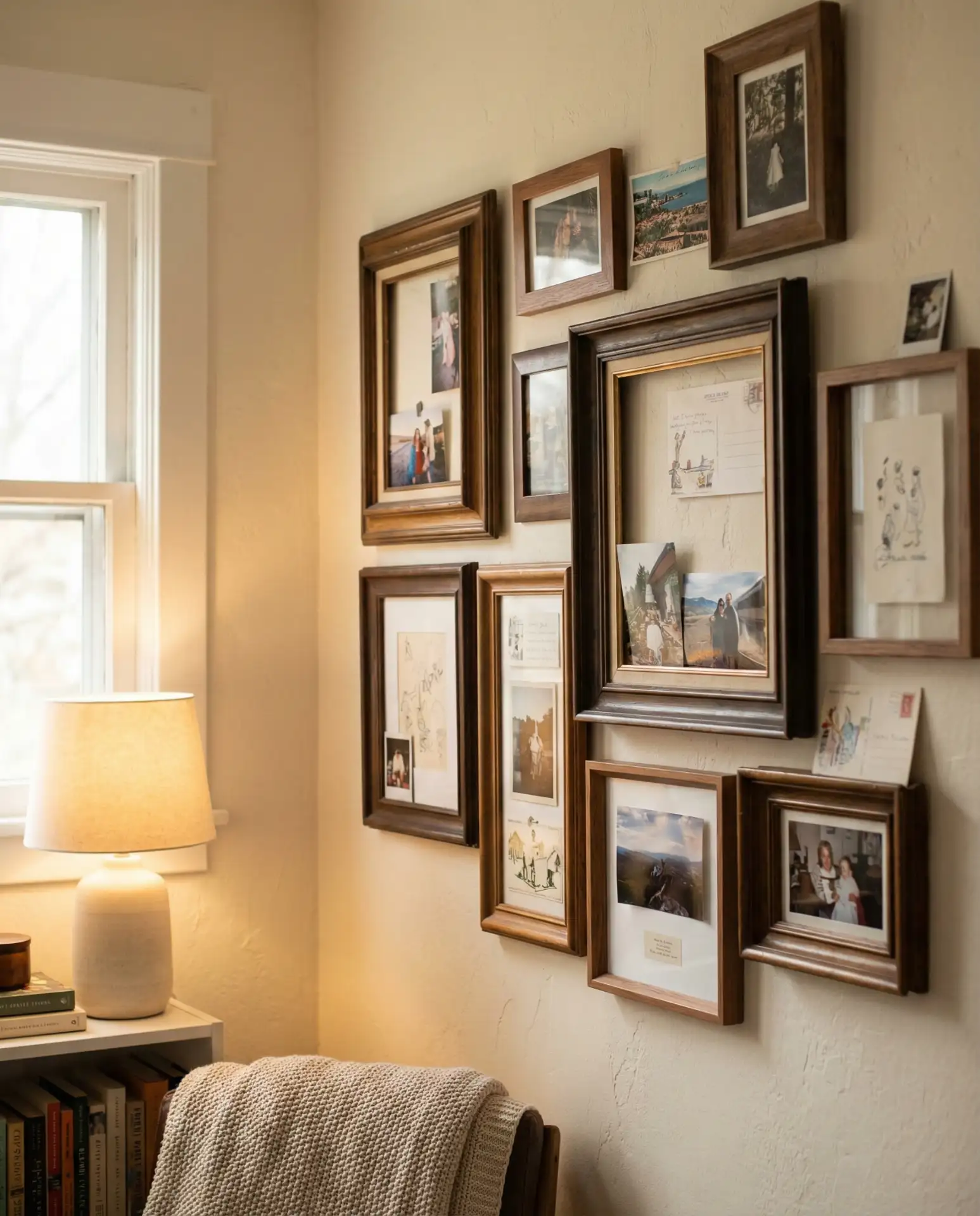
A gallery wall of personal photos instantly makes a space feel like home. Mix black-and-white prints with color, vary frame sizes, and include a few empty frames for visual breathing room. This approach brings inspiration directly from your own life and travels, creating a deeply personal focal point. It’s especially meaningful in apartments where you’re building a sense of permanence in a temporary space.
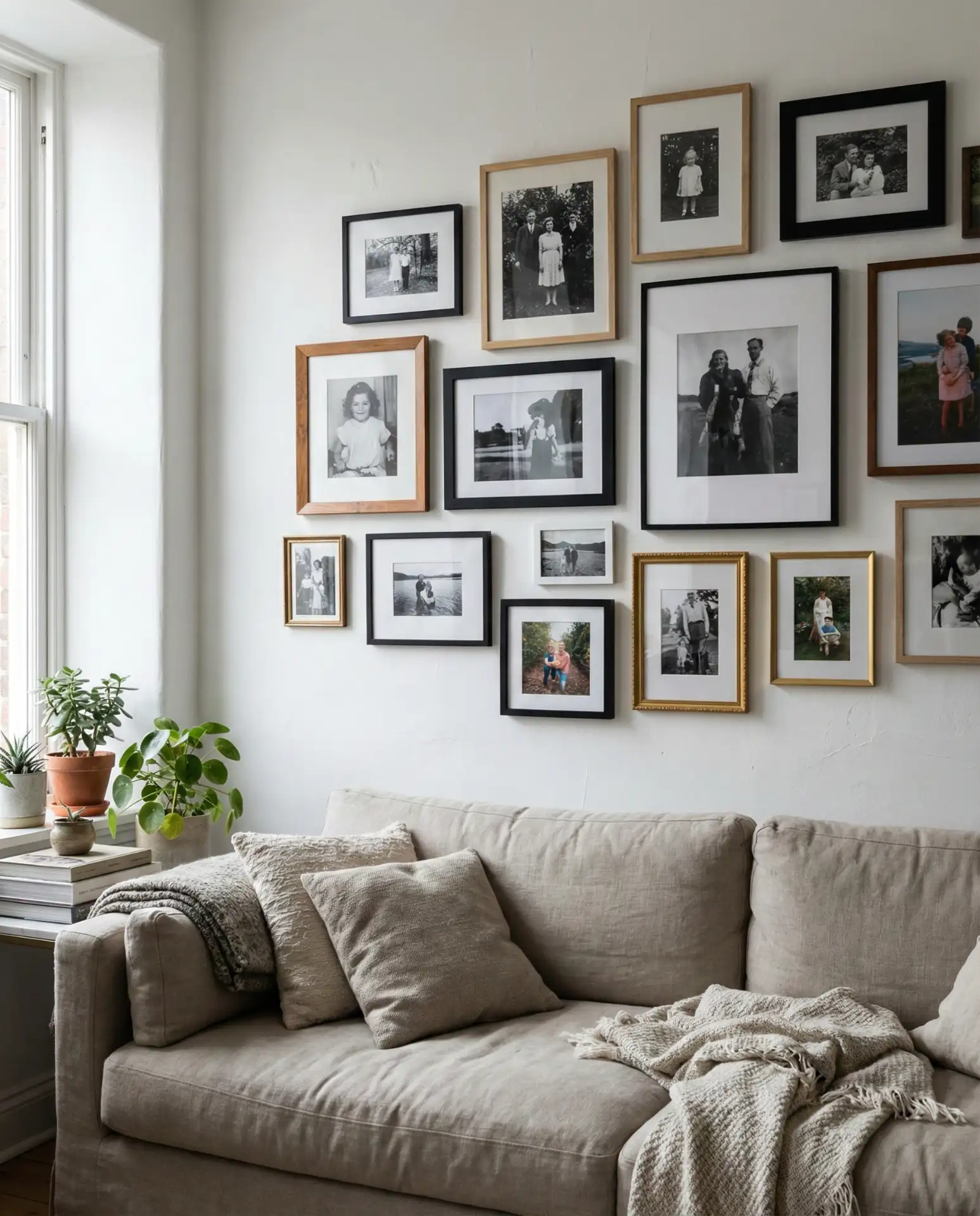
Common mistakes: Hanging frames too high or too far apart. The ideal height is 57-60 inches to the center of the arrangement, with 2-3 inches between frames. Start by laying out the arrangement on the floor before committing to nail holes. This planning step prevents frustration and wasted walls.
18. Cozy Reading Nook with Overhanging Lamp
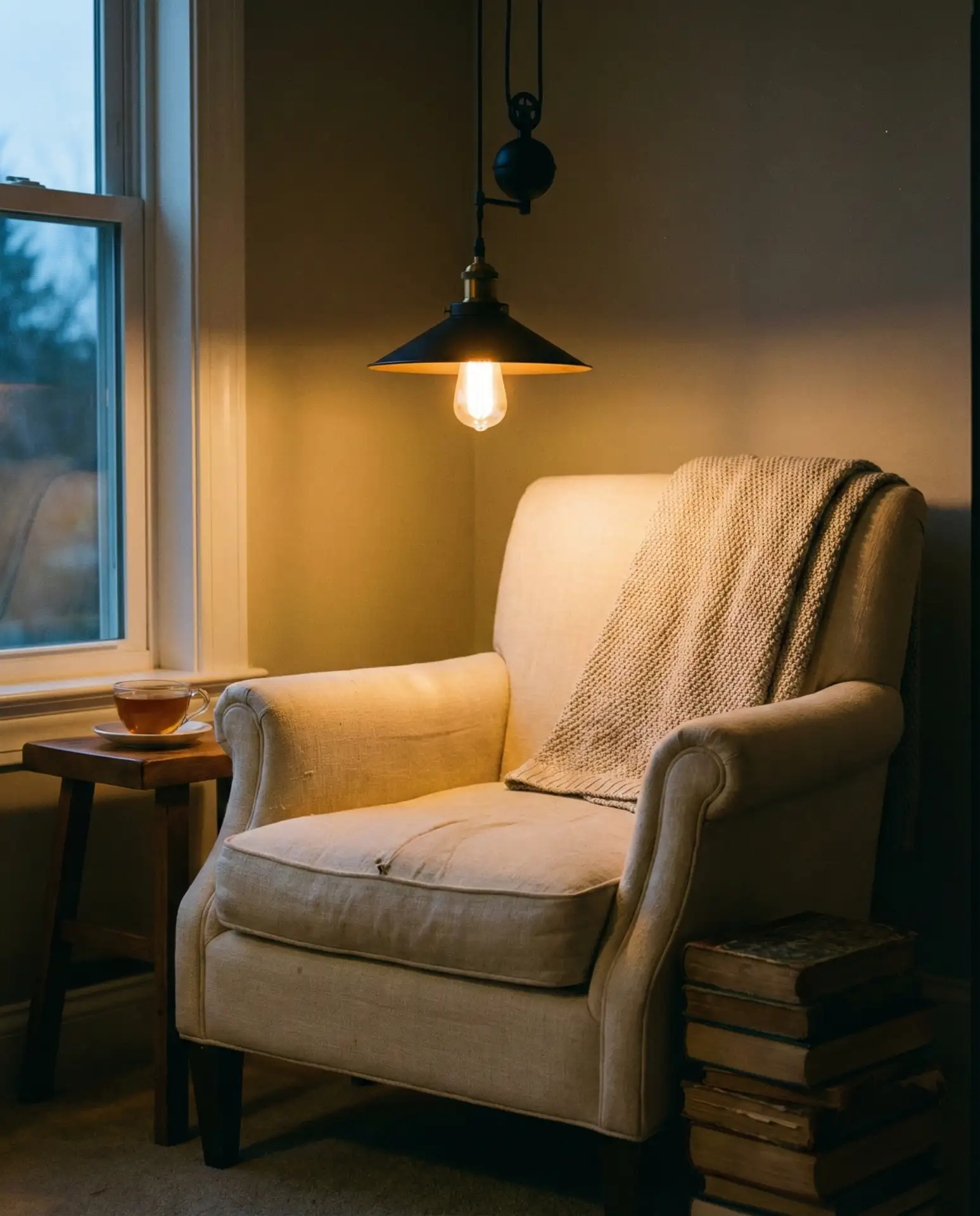
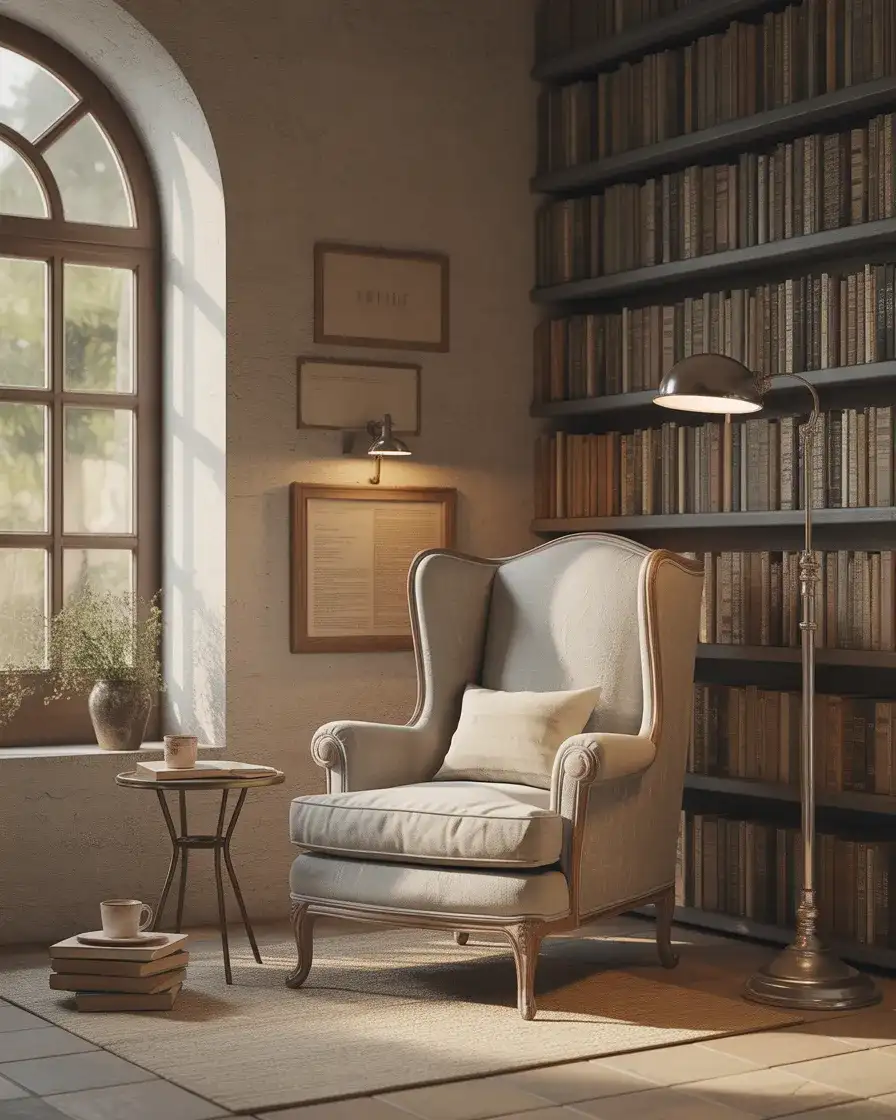
Carving out a dedicated reading nook is a luxury that doesn’t require much space—just a comfortable chair, good task lighting, and a small side table. An arcing floor lamp or pendant light eliminates the need for table space while providing focused illumination. This setup is perfect for inspo seekers who want a retreat within their living room. Choose warm colors and soft textures to make the nook feel like a true escape.
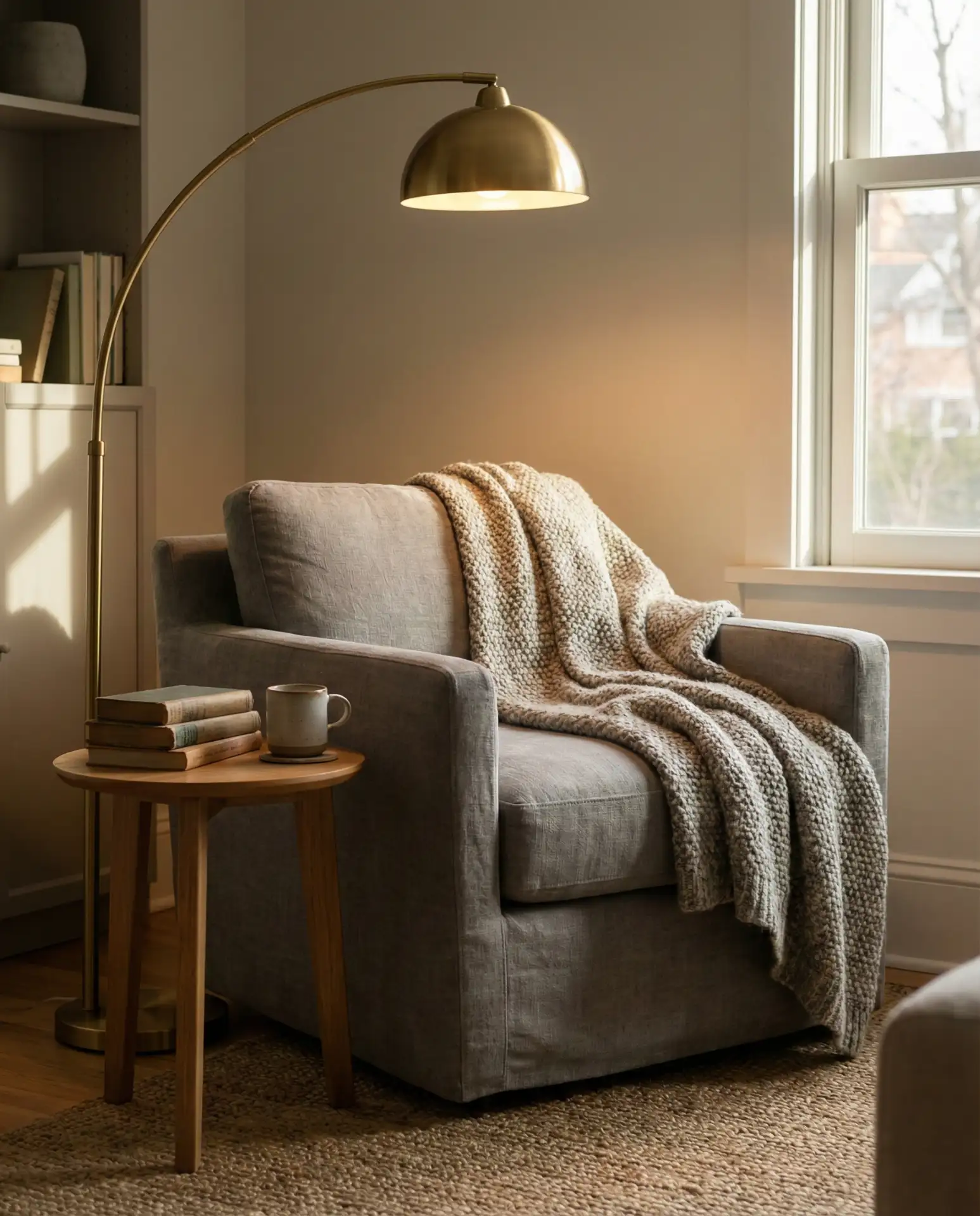
Where it works best: Corners or underutilized spaces near windows. Natural light during the day combined with task lighting at night makes the nook functional around the clock. Many homeowners place their nook near bookshelves, creating a cohesive reading zone that feels intentional.
19. Mixed Metal Accents for Visual Interest
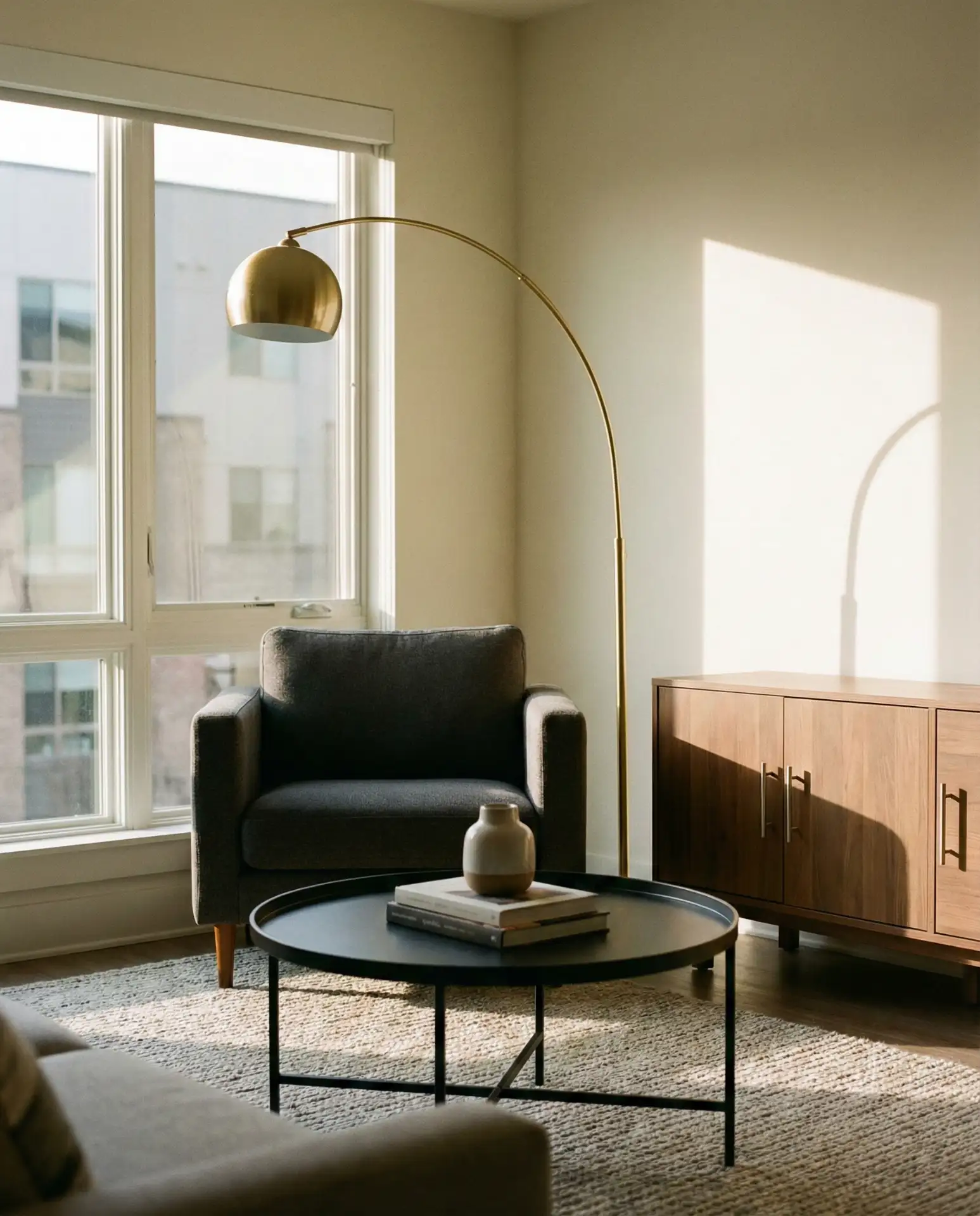
The old rule of sticking to one metal finish is officially dead. Mixing brass, black iron, and brushed nickel adds colorful dimension and prevents a space from feeling too matchy-matchy. The key is repeating each metal at least twice throughout the room—once in lighting, once in hardware, or once in decor. This technique is popular in design inspiration focused on eclectic, layered interiors.
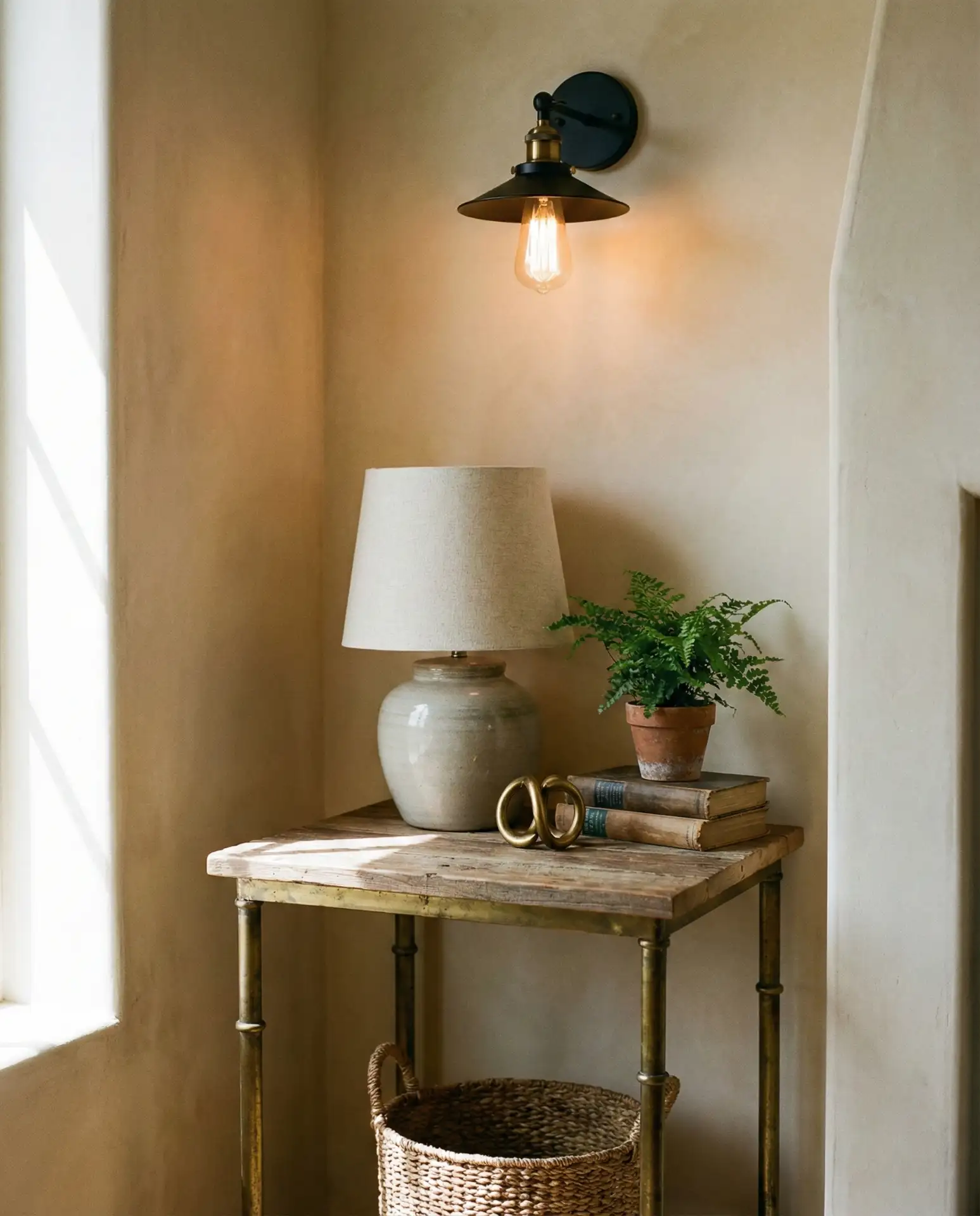
Practical insight: Start with a dominant metal (brass is very popular right now) and use others as accents. This creates cohesion while still offering variety. Avoid more than three metal finishes in one room—beyond that, the look can feel chaotic rather than curated.
20. Toca Boca-Inspired Playful Color Blocking
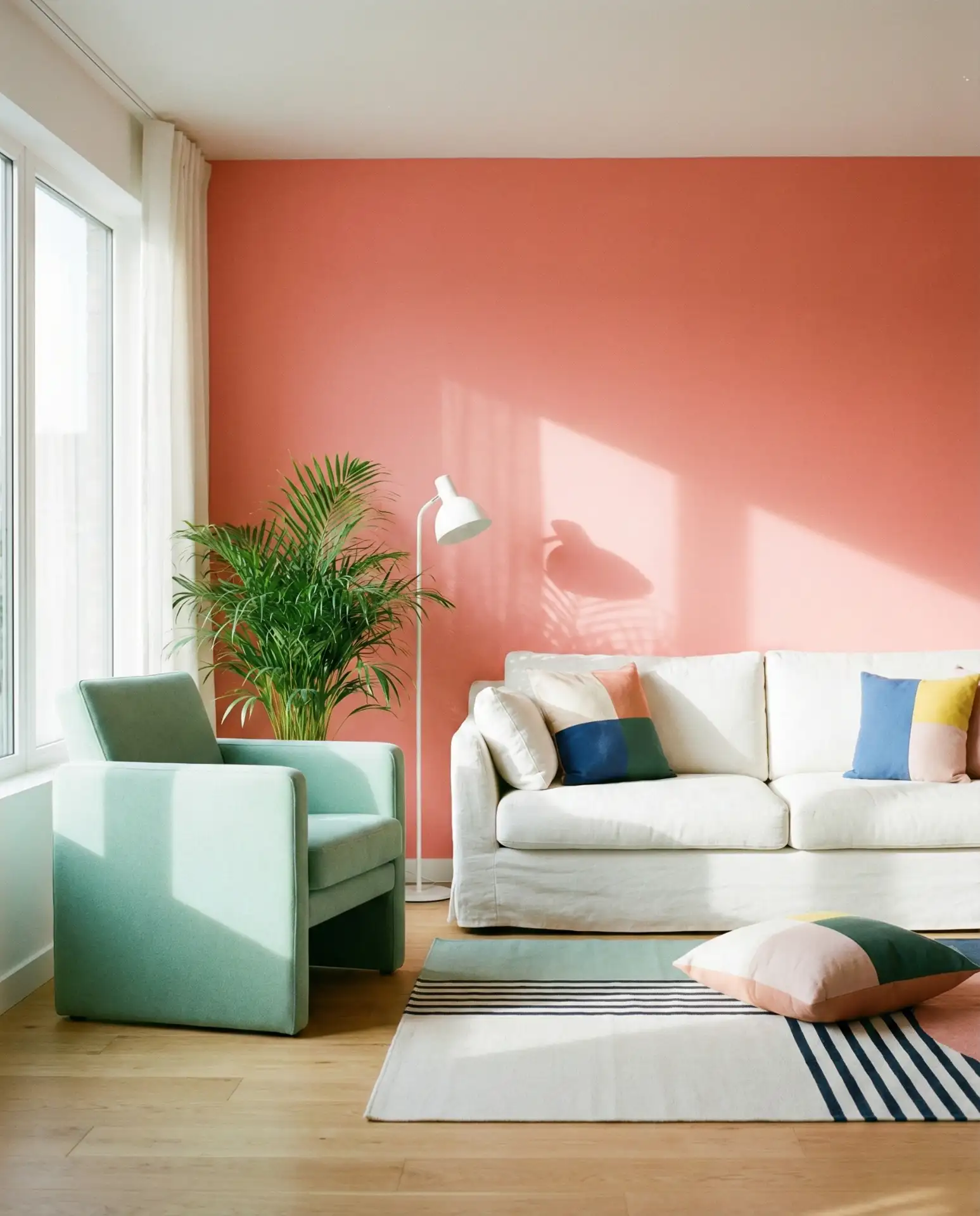
The Toca Boca house ideas’ modern mansion aesthetic—bright, bold color blocks with a playful edge—are crossing over into real-life interiors. Think of one wall in a vibrant coral paired with mint green accents and lots of white space to balance the intensity. This trend appeals to younger homeowners who aren’t afraid of color and want their space to feel joyful. It’s also Instagram-friendly, which doesn’t hurt.
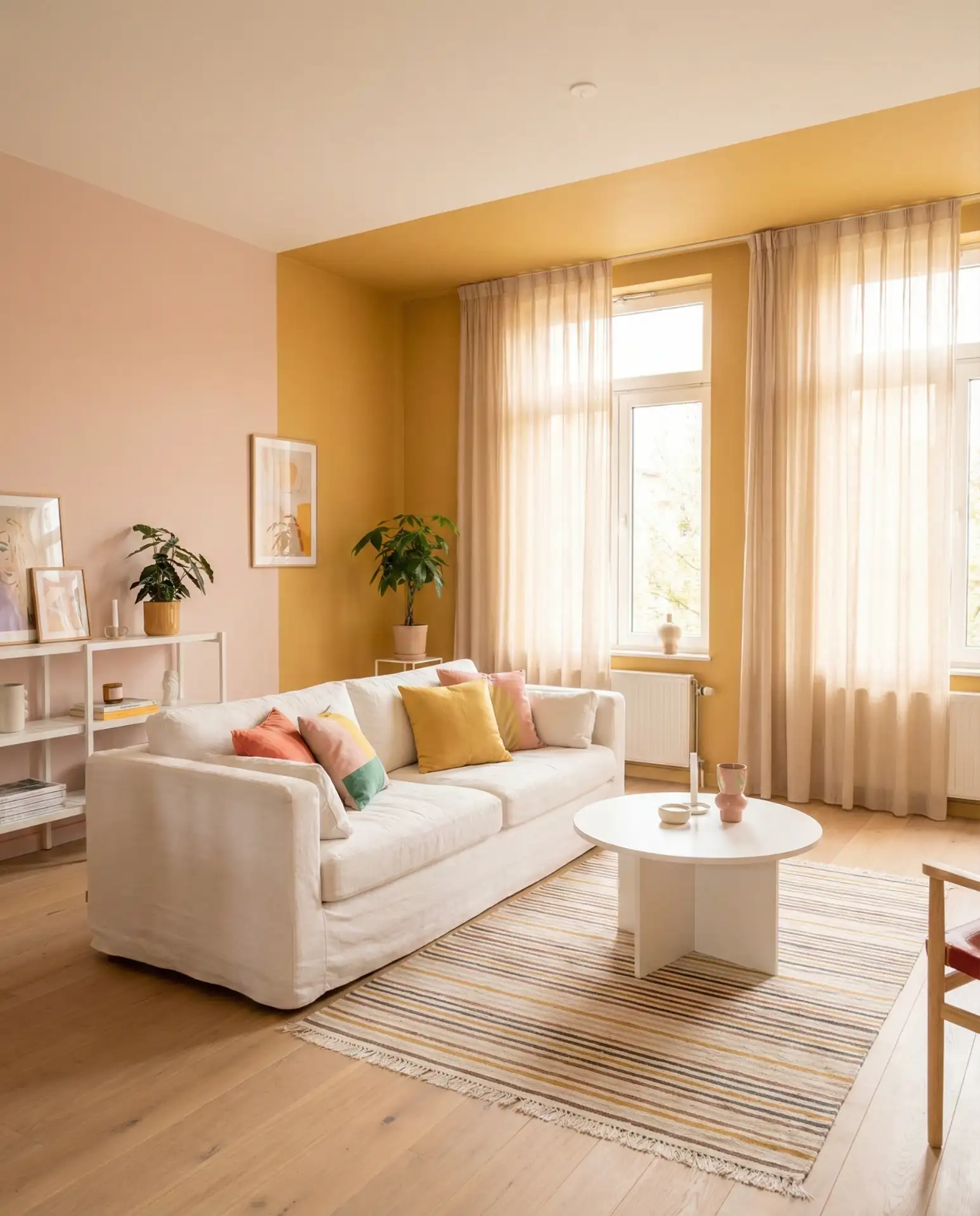
Real homeowner behavior: People often start with one bold wall and see how they feel before committing to more. Removable wallpaper in geometric patterns is another option for those who want the look with less permanence. This approach lets you experiment without the full commitment of paint.
21. Faux Fur Throws for Instant Texture
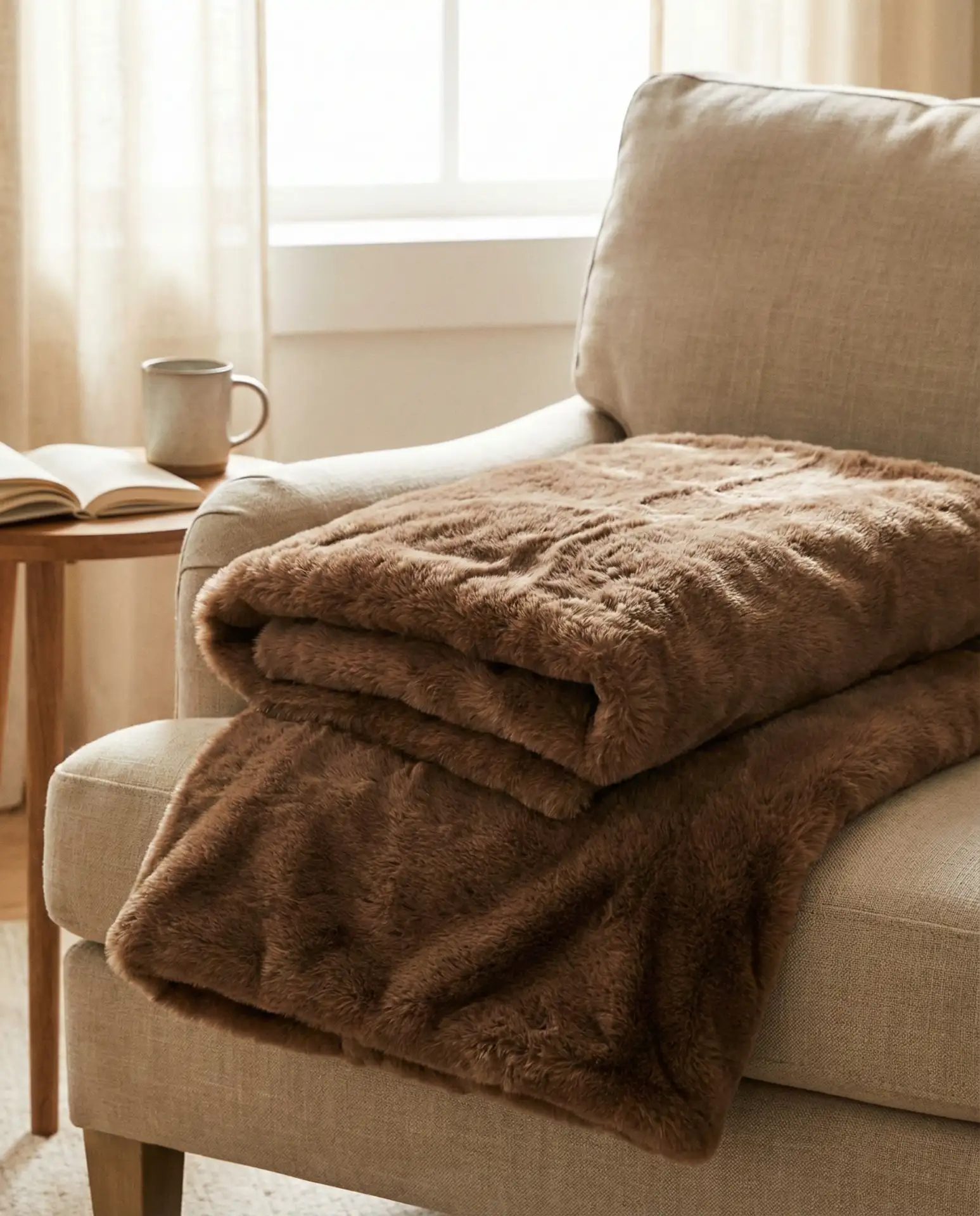
A faux fur throw is one of the quickest ways to add comfy texture to any seating area. Drape it over the back of your sofa or fold it at the foot of a chair—it instantly elevates the cozy factor. Choose neutral shades like cream, grey, or taupe for versatility, or go bold with deep brown or even blush pink. This is a Pinterest favorite for good reason: it’s low-cost, high-impact, and seasonless.
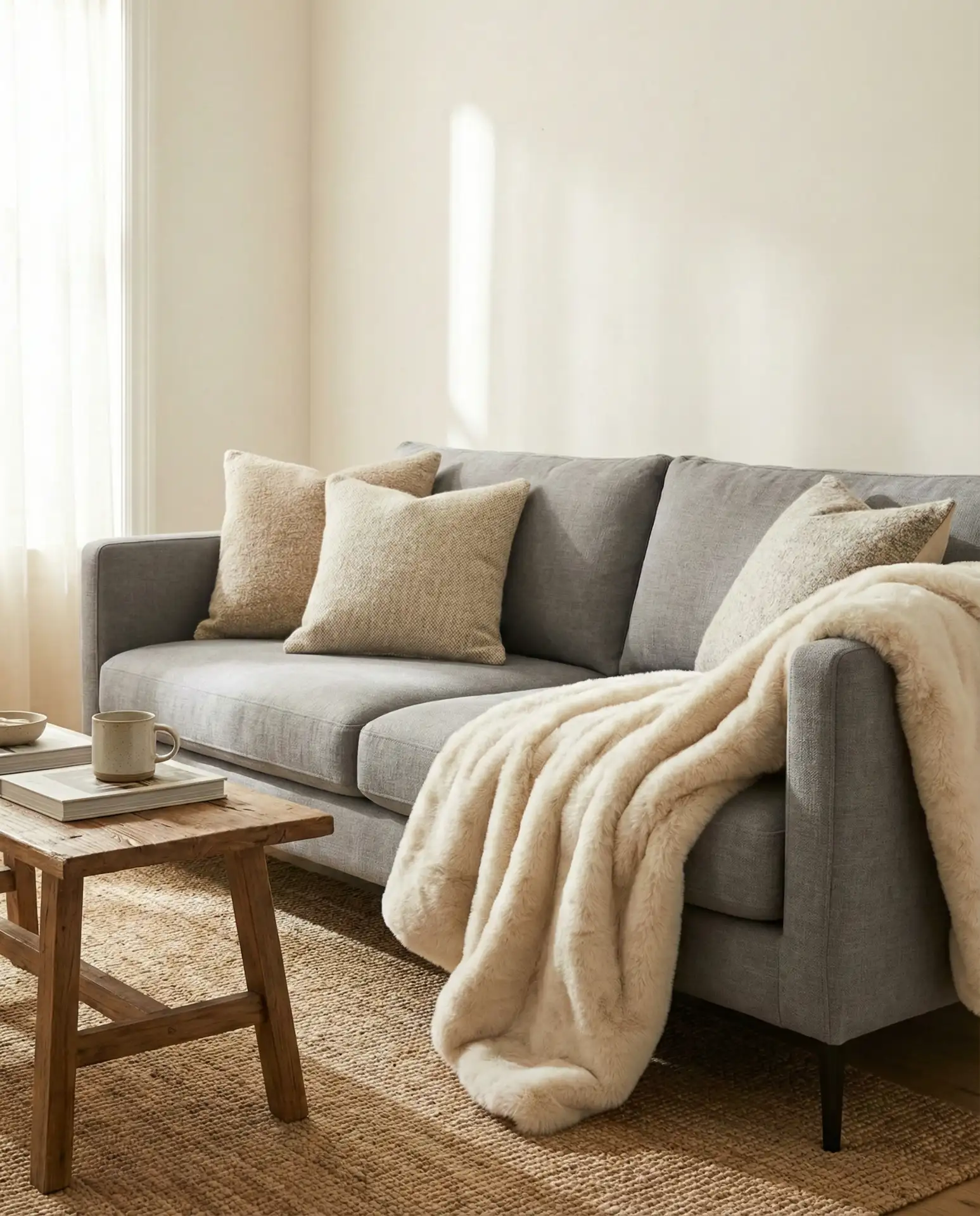
Budget angle: Quality faux fur throws range from $40 to $150. The higher-end options feel more realistic and hold up better in the wash. If you have pets, look for throws with a shorter pile that won’t trap as much fur. Machine-washable versions are a must for real-life use.
22. Scandi-Inspired Hygge Corner with Candles
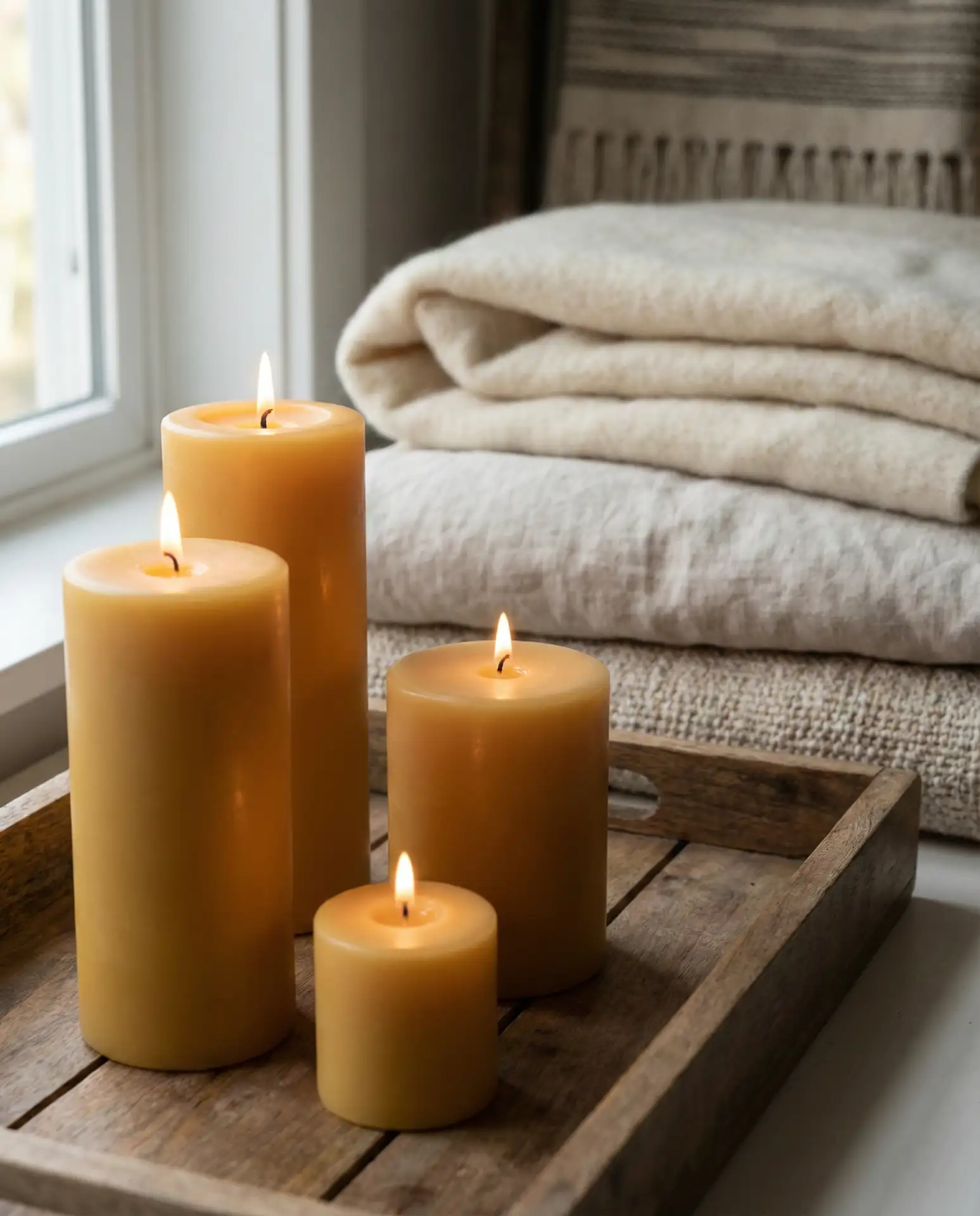
The Scandinavian concept of hygge—creating warmth and contentment through simple pleasures—translates beautifully into American homes. Dedicate a corner to candles, soft textiles, and minimal decor for an instant mood boost. This is a minimal approach that prioritizes feeling over stuff, making it ideal for those who want cozy without clutter. Think warm interior design stripped down to its essence.
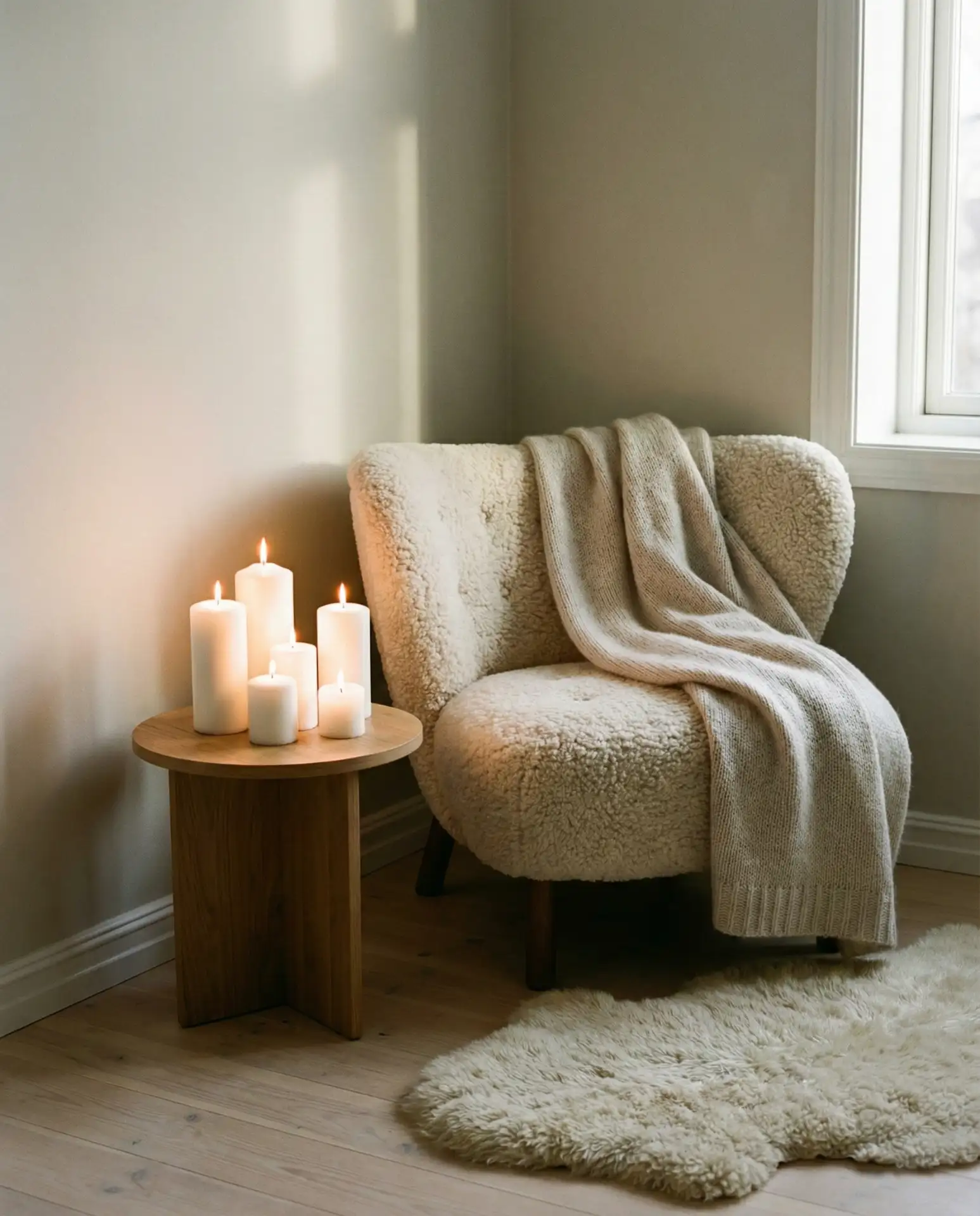
American lifestyle context: In colder climates like Minnesota, Vermont, and upstate New York, the hygge approach resonates deeply during long winters. It’s about making the indoors feel like a sanctuary when outdoor conditions are harsh. Even in warmer states, the concept translates as a quiet retreat from busy modern life.
23. Biophilic Design with Indoor Plants
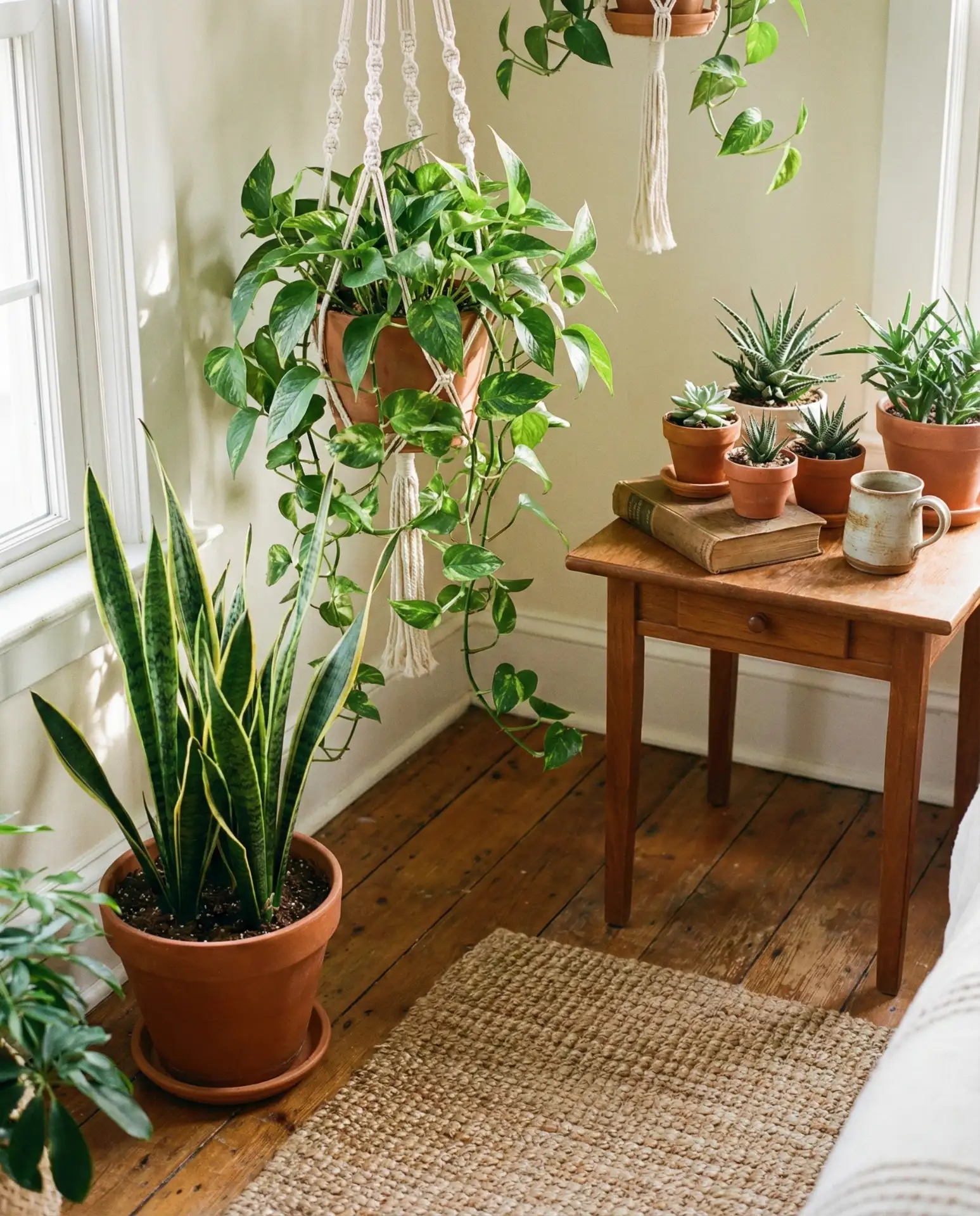
Bringing nature indoors through plants is central to the earthy aesthetic dominating 2026. Mix floor plants like fiddle leaf figs with smaller succulents and hanging pothos to create layers of green throughout the room. This biophilic approach has been shown to reduce stress and improve air quality, making it as functional as it is beautiful. Choose pots in warm colors like terracotta or neutral ceramics to maintain cohesion.
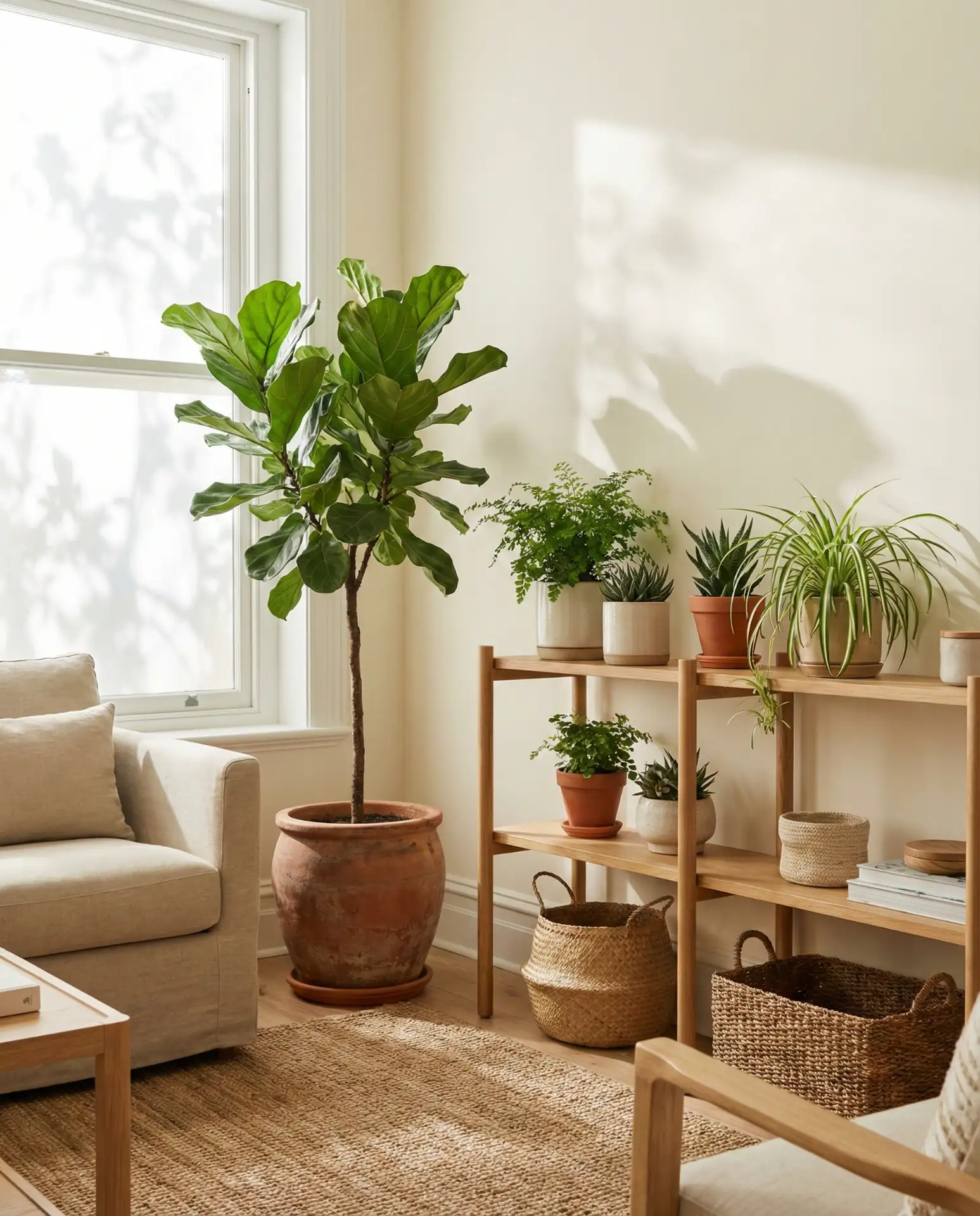
Practical insight: Not all plants thrive in low light. Snake plants, pothos, and ZZ plants are bulletproof for beginners, while fiddle leaf figs and monsteras need bright indirect light. Place plants near windows but not in direct sun, which can scorch leaves. Group plants in odd numbers for a more natural, less staged look.
24. Personal Library Wall for Book Lovers
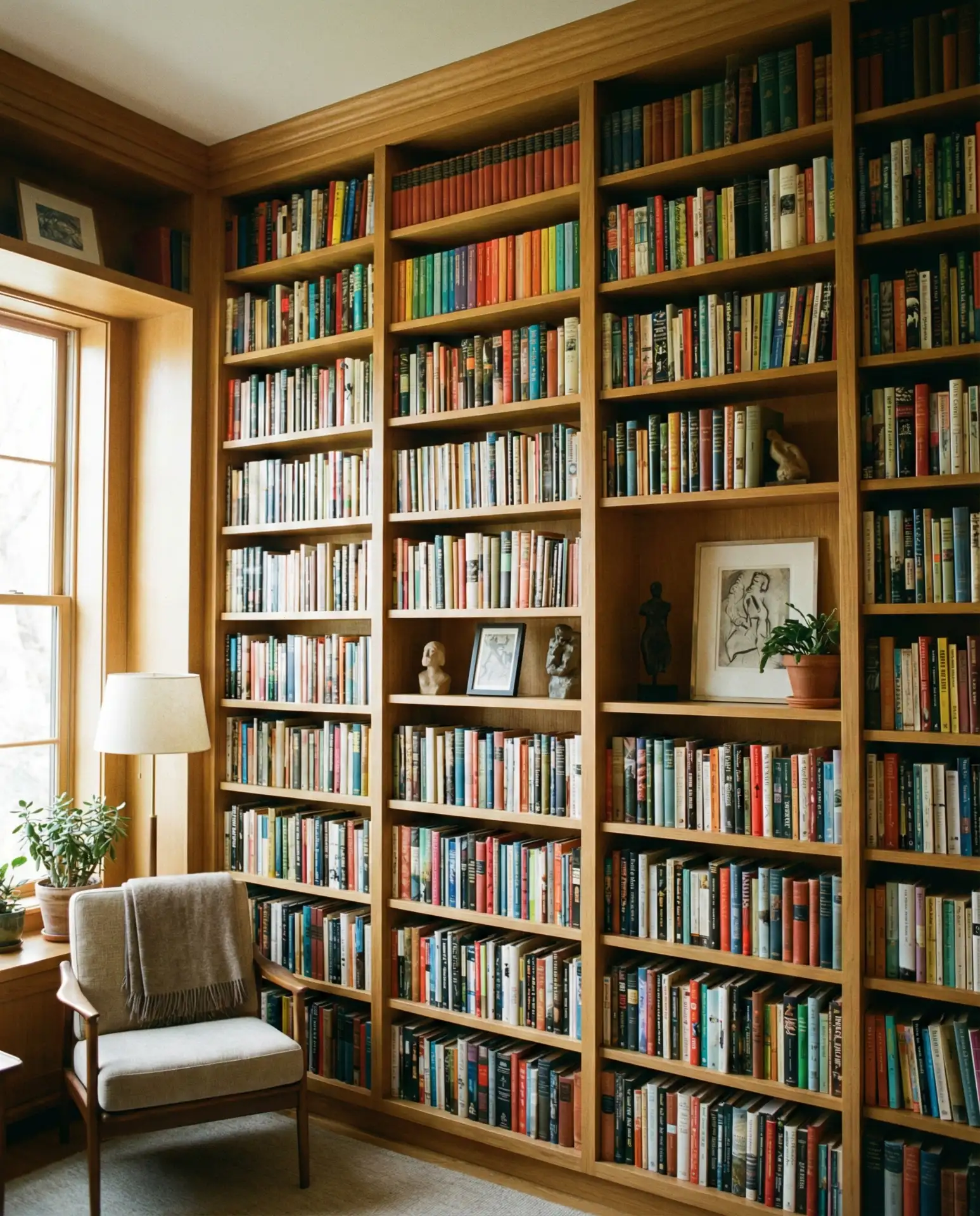
If you have a substantial book collection, don’t hide it—make it the room’s focal point. Floor-to-ceiling shelving filled with books creates instant inspiration and personality. Mix horizontal and vertical stacking, and leave space for a few decorative objects to break up the visual weight. This approach is ideal for those who see their living room as a reflection of their intellectual life, not just a place to watch TV.
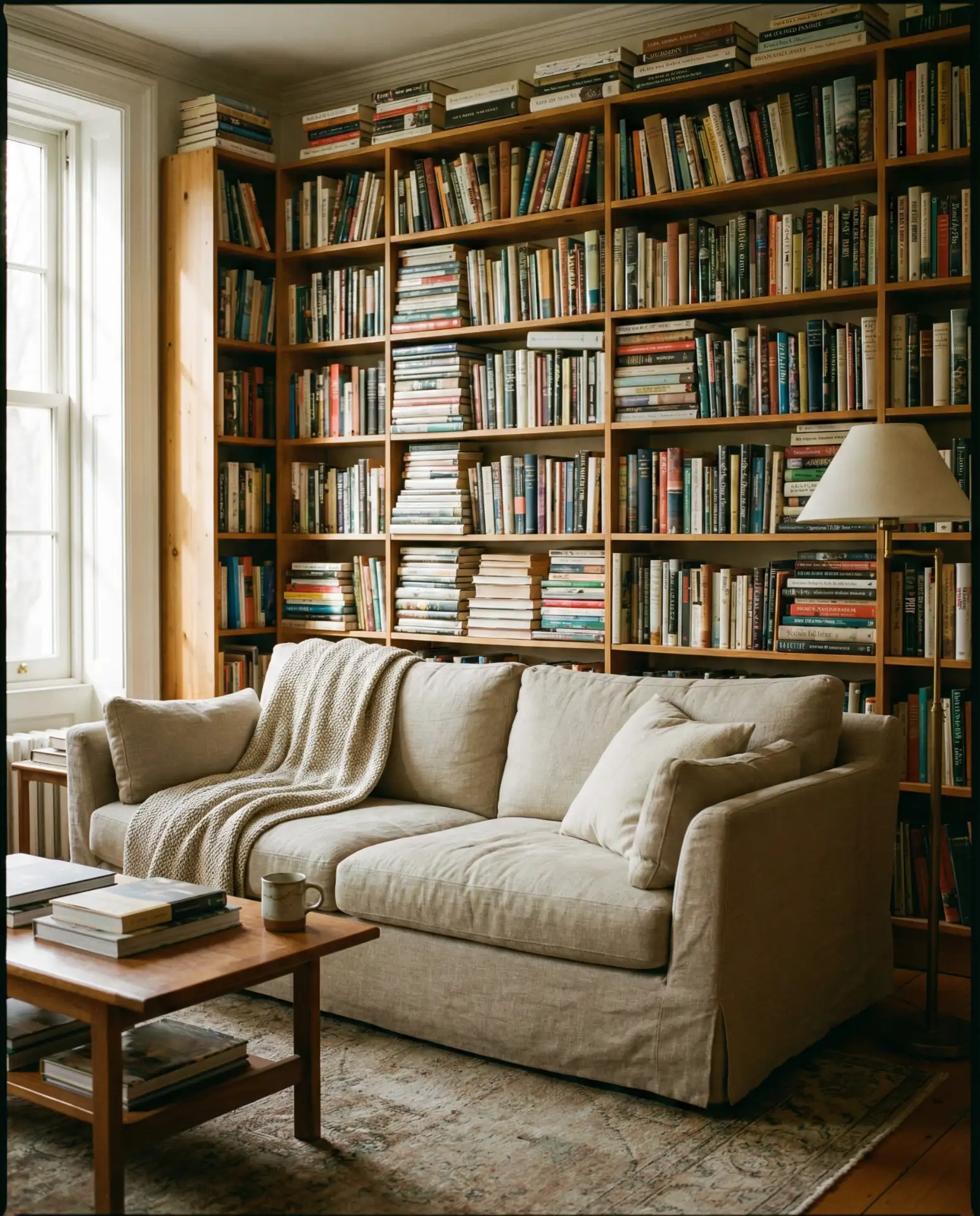
Micro anecdote: One homeowner in Portland turned her entire 12-foot wall into a library by installing IKEA Billy bookcases floor to ceiling. The total cost was under $600, and the result transformed her living room from generic to deeply personal. She even added a rolling ladder for the top shelves, which became a conversation starter at every gathering.
Conclusion
Creating a cozy living room in 2026 is about layering textures, embracing warm tones, and infusing personal touches that tell your story. Whether you’re drawn to moody palettes, minimal designs, or colorful eclectic spaces, these ideas offer a starting point for building a room that feels like home. What’s your favorite cozy element? Drop your thoughts in the comments below—we’d love to hear how you’re making your space work for you.