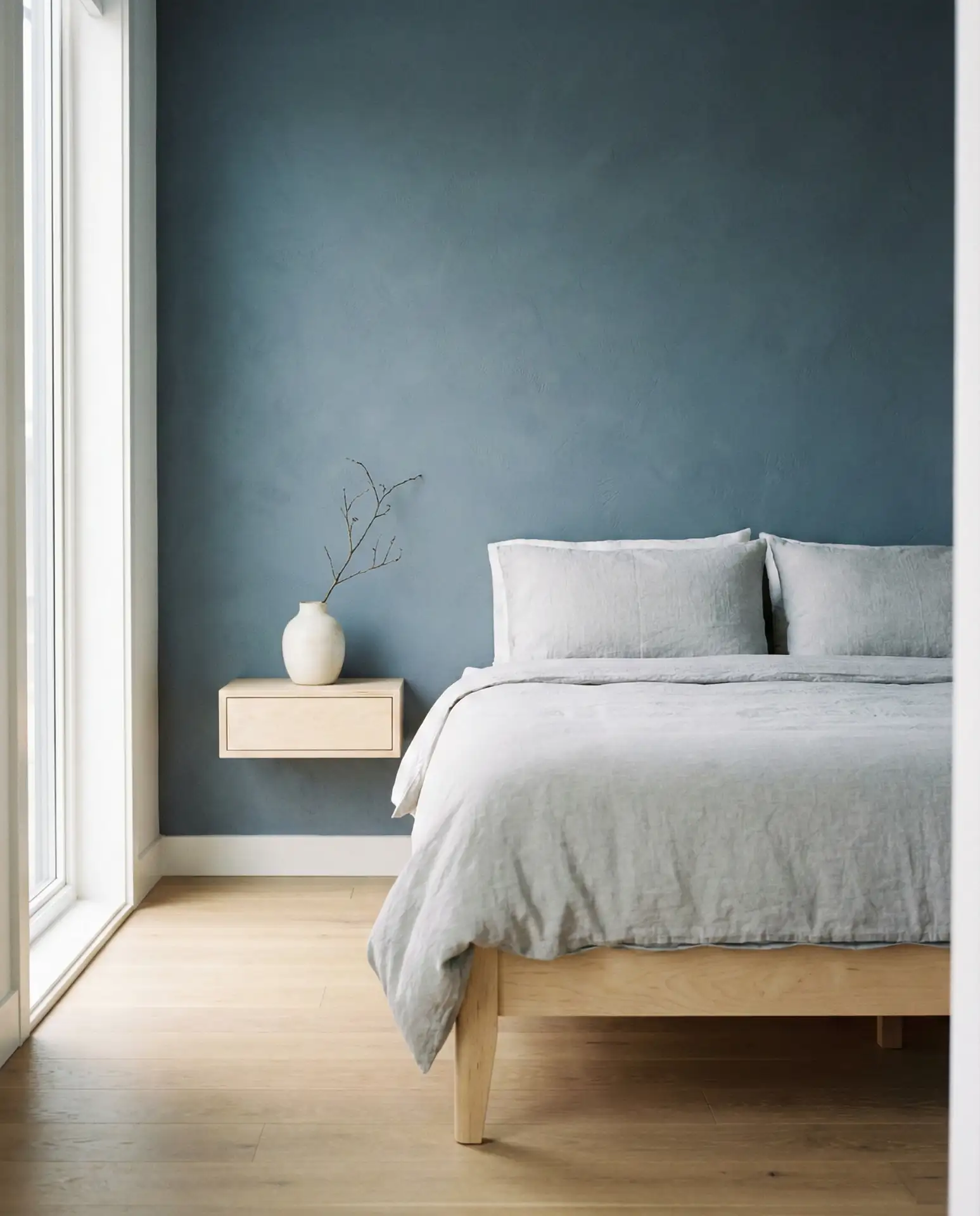
Small bedrooms are one of the most searched home design topics on Pinterest in 2026, and for good reason. Whether you’re navigating a studio apartment in a major city, helping a teen personalize their compact space, or simply trying to make a cozy retreat feel more functional, the challenge is universal. Americans are increasingly drawn to ideas that blend style with smart storage, warmth with practicality. This article walks you through inspiring bedroom ideas tailored for small rooms—each one designed to help you maximize every square foot without sacrificing personality or comfort.
1. Layered Textiles for a Cozy Single Bed Retreat
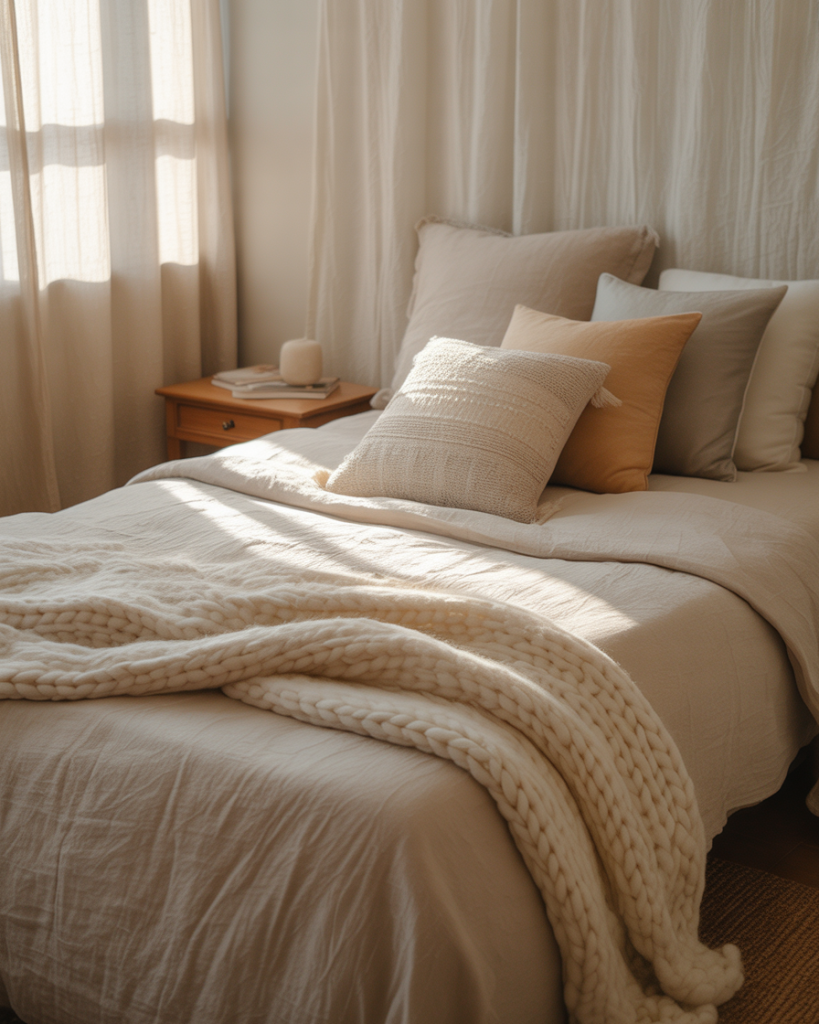
When floor space is limited, your bed becomes the focal point—and layering textiles is one of the easiest ways to create a cozy atmosphere. Think linen duvet covers, knit throws, and a mix of pillows in complementary tones. This approach works especially well in single bed setups where you want the room to feel inviting without overwhelming the space. A neutral base with pops of texture keeps things calm and collected, while still feeling thoughtfully designed. 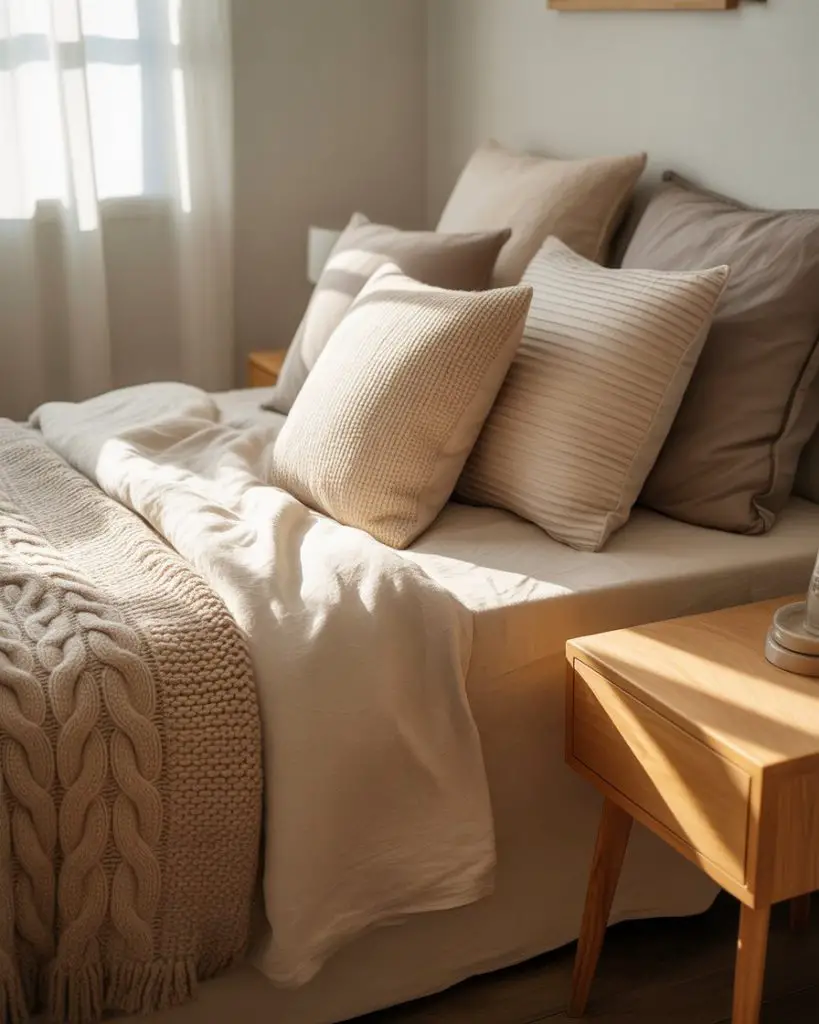
This setup works best in urban apartments or guest rooms where you want maximum comfort with minimal clutter. The key is choosing fabrics that feel lived-in rather than overly polished—washed cotton, linen, and wool blends all add warmth without adding visual weight. If you’re working with a tight budget, start with one or two quality pieces and build from there. Avoid the common mistake of buying too many pillows; three to five is plenty for a small bed.
2. Floating Shelves for Teens Who Need Display Space
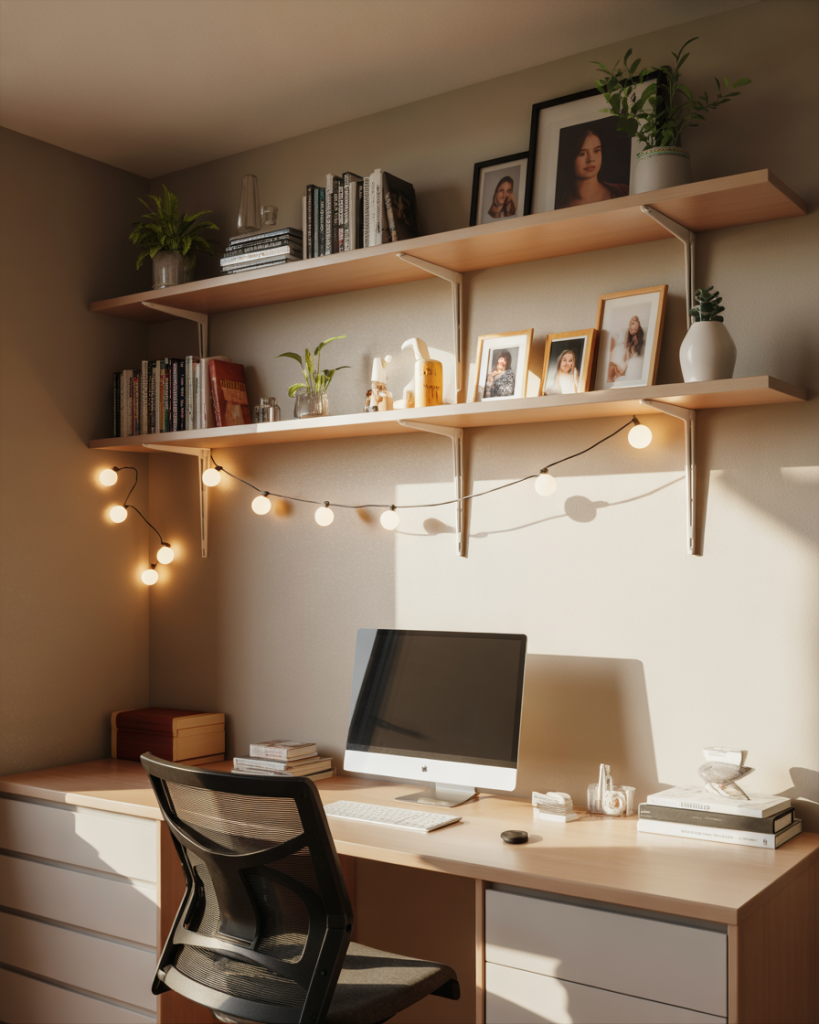
Teenagers need room to express themselves, and floating shelves offer a perfect solution for teens who want to showcase collections, trophies, or aesthetic finds without taking up floor space. Install a series of shelves above the desk or bed to create a gallery-like display. This keeps surfaces clear while giving them control over their décor. Choose simple wooden or metal brackets that blend with the room’s vibe rather than competing with it. 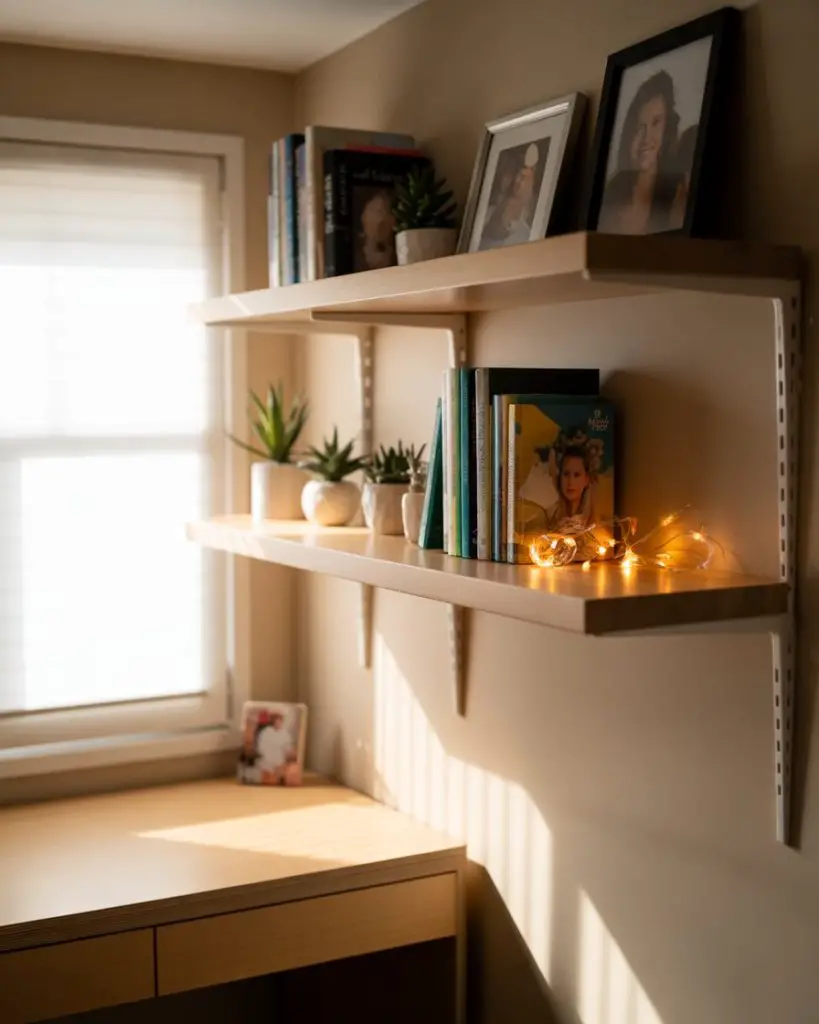
One designer I spoke with mentioned that clients with teens often underestimate how much vertical space can transform a small room. Floating shelves allow for personalization without permanence—items can rotate as interests change. For a cohesive look, stick to a limited color palette on the shelves themselves. And if you’re renting, use adhesive strips rated for heavier loads to avoid wall damage when it’s time to move out.
3. Under-Bed Storage Bins for Organizing Space Saving
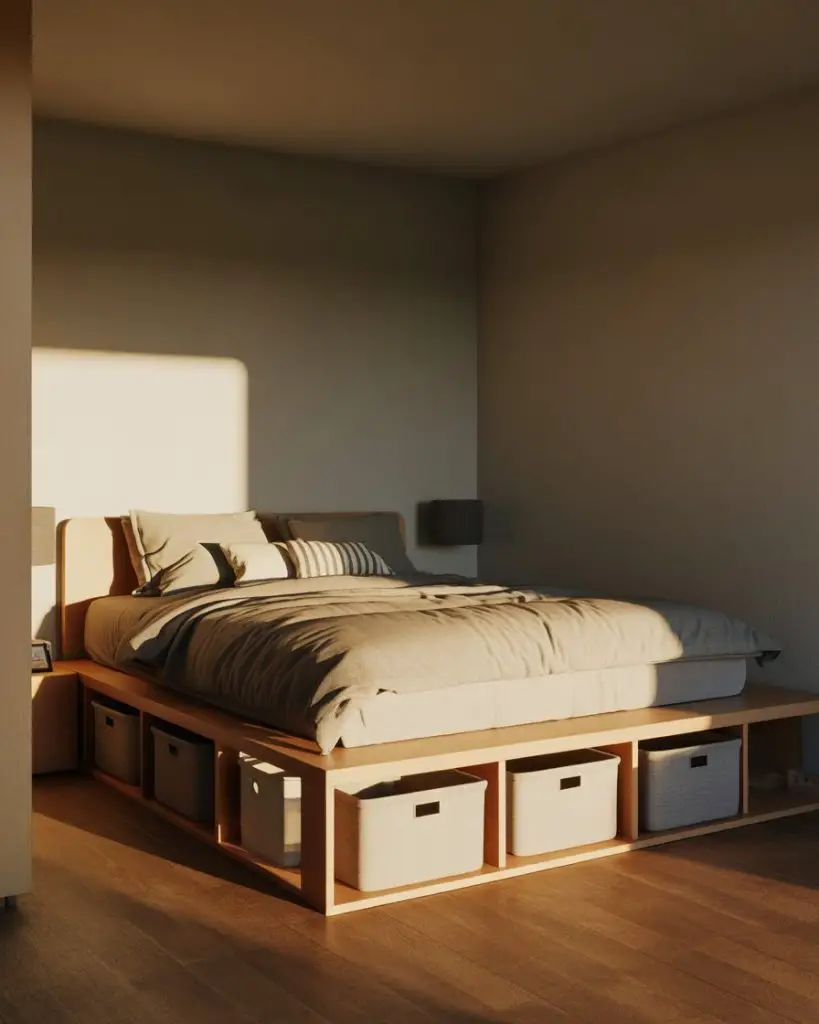
If you’re serious about organizing space saving solutions, the area under your bed is prime real estate. Rolling storage bins or low-profile drawers can hold off-season clothing, extra linens, or shoes—all while staying completely out of sight. Look for bins with lids to keep dust out, and opt for neutral tones so they don’t draw the eye if they peek out. This is especially useful in rooms where a closet is undersized or nonexistent. 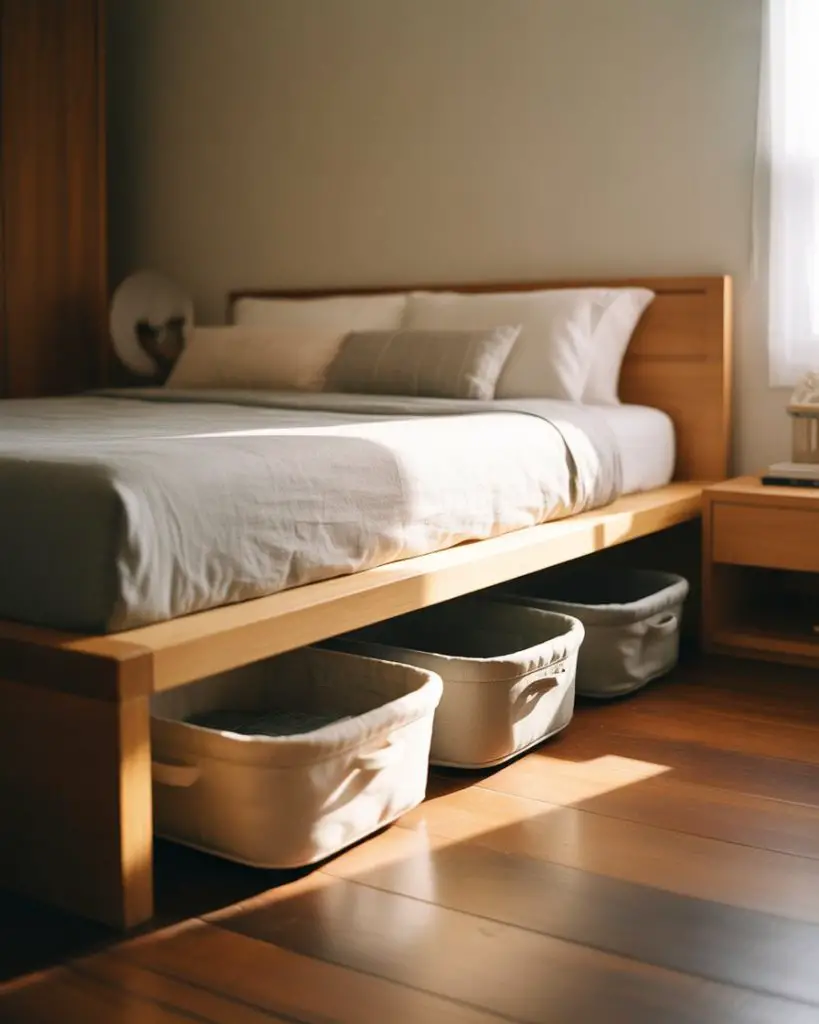
This trick works best in homes where every inch counts—think studio apartments or older homes with quirky layouts. The mistake most people make is buying bins that are too tall; measure your bed frame’s clearance first. If you don’t have a bed frame with built-in height, consider adding risers. They’re inexpensive and can add four to six inches of usable storage space without altering the room’s proportions.
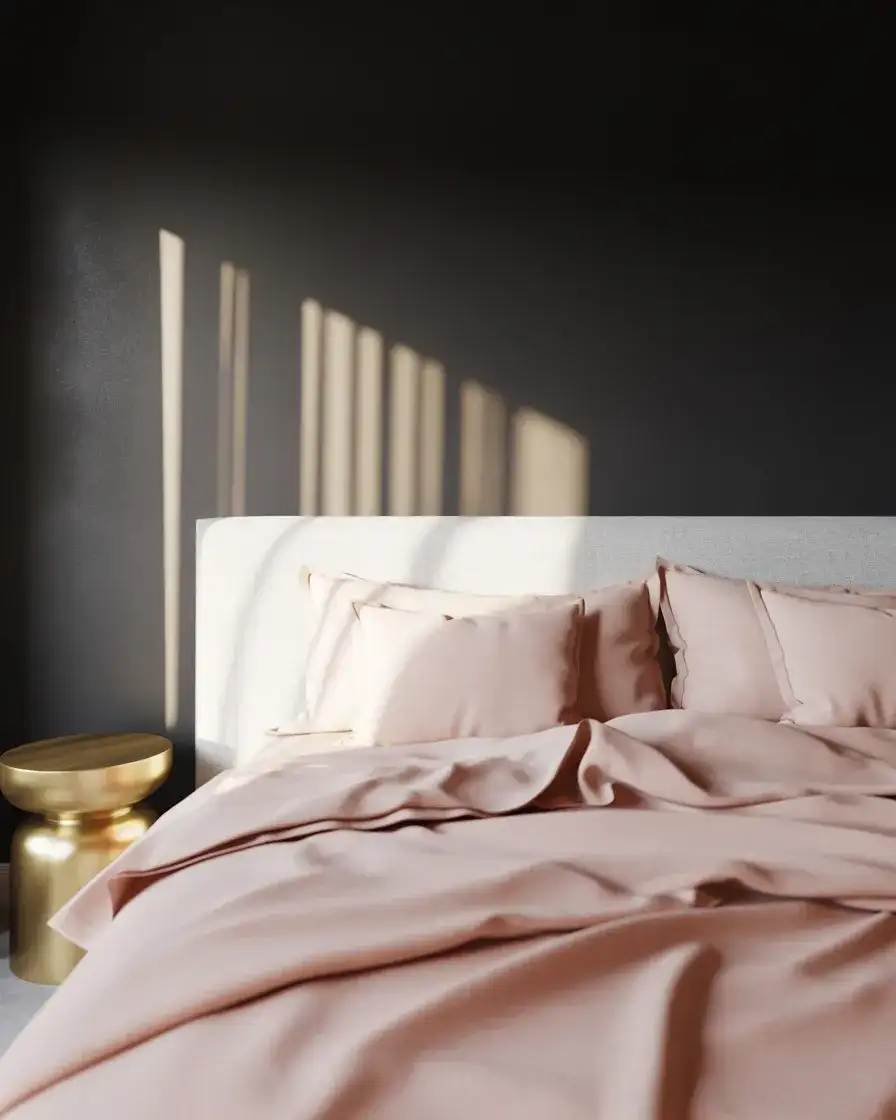
4. Blush Pink Accent Wall for a Cozy Pink Vibe
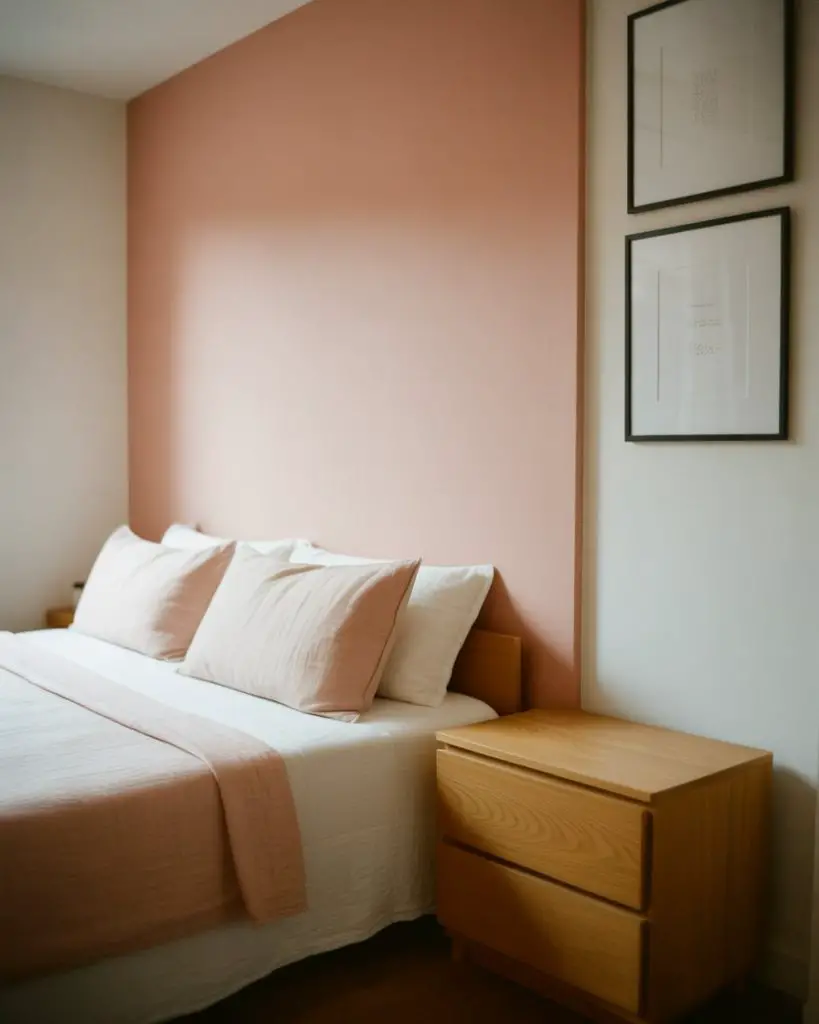
A soft pink accent wall can instantly warm up a small bedroom, especially when you want that cozy pink feel without going full maximalist. Choose a muted blush or dusty rose rather than a bright bubblegum shade—it reads as sophisticated and gender-neutral. Pair it with white or light wood furniture to keep the space feeling open. This works beautifully in rooms with limited natural light, as the pink reflects warmth even on overcast days. 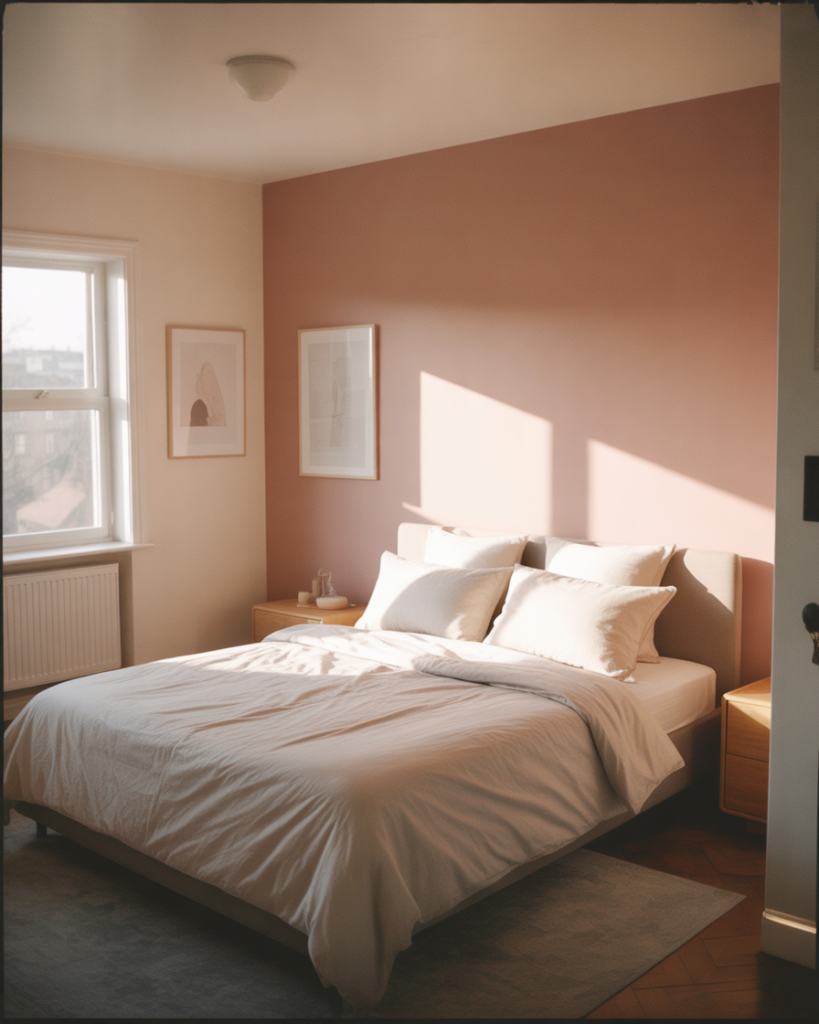
In the Midwest and Pacific Northwest, where gray skies are common, homeowners often use warm paint colors to counteract the lack of sunlight. A blush accent wall does exactly that. If you’re hesitant to commit, try peel-and-stick wallpaper in a similar tone—it’s renter-friendly and easy to remove. The common mistake here is painting all four walls; keep it to one to avoid shrinking the space visually.
5. DIY Pegboard Headboard for Budget-Friendly Style
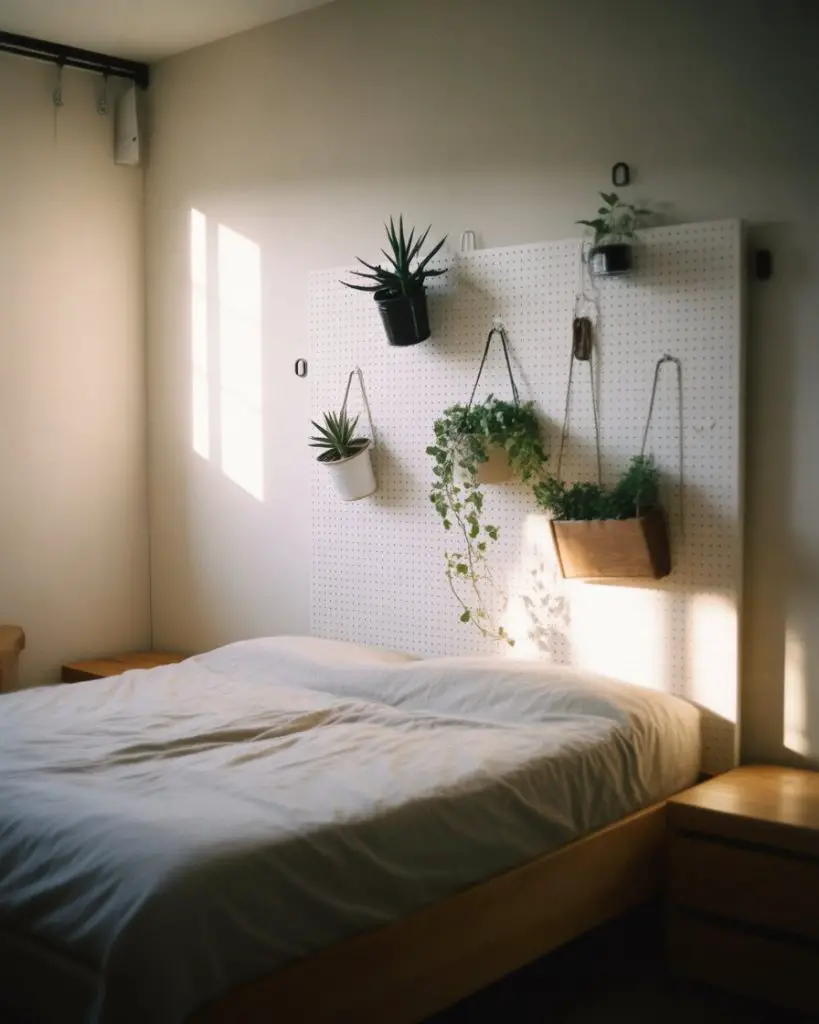
A DIY pegboard headboard is both functional and budget-friendly, letting you hang small plants, hooks for jewelry, or even a reading light. Purchase a sheet of pegboard from a hardware store, paint it in a color that complements your room, and mount it securely behind your bed. The holes allow for endless reconfiguration, so your setup can evolve as your needs change. It’s a favorite among renters who want impact without drilling multiple holes. 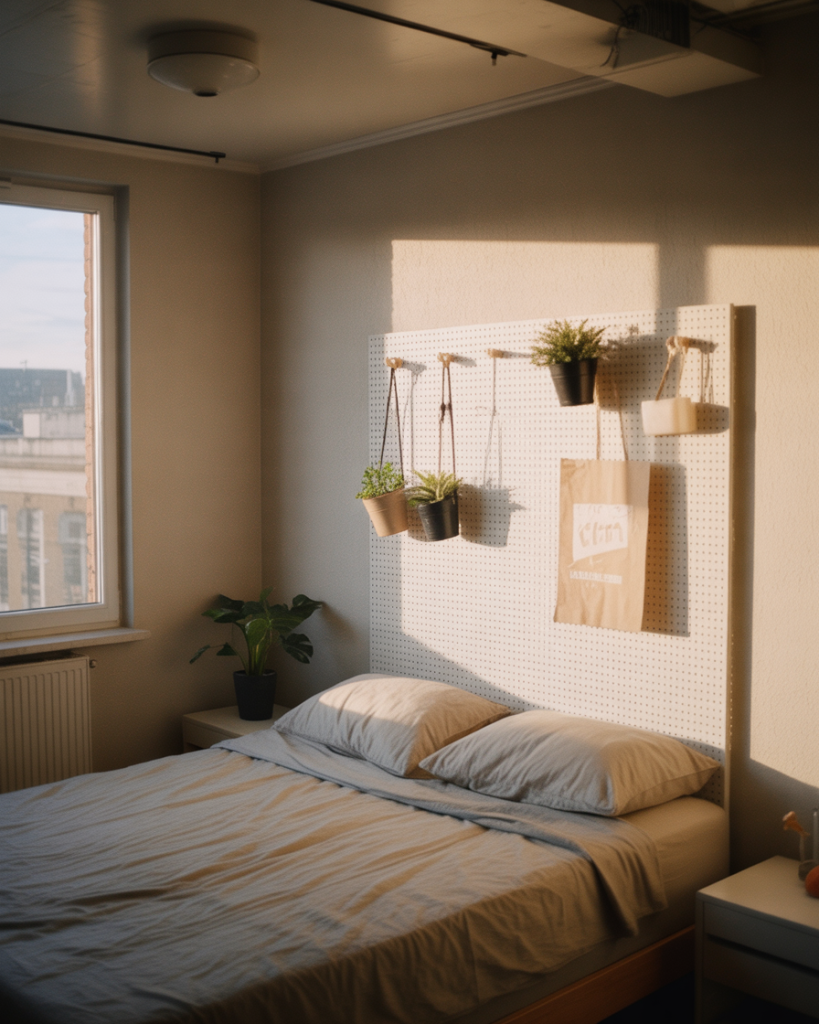
This works best in smaller bedrooms where you need vertical storage but don’t want heavy furniture. A homeowner in Portland told me she uses hers to hold her morning routine essentials—sunglasses, a water bottle, headphones—all within arm’s reach. The trick is not to overload it; keep items light and spaced out. If you skip anchoring it properly, the pegboard can sag or pull away from the wall over time.
6. Monochrome Blue Palette for Calming Colour Schemes
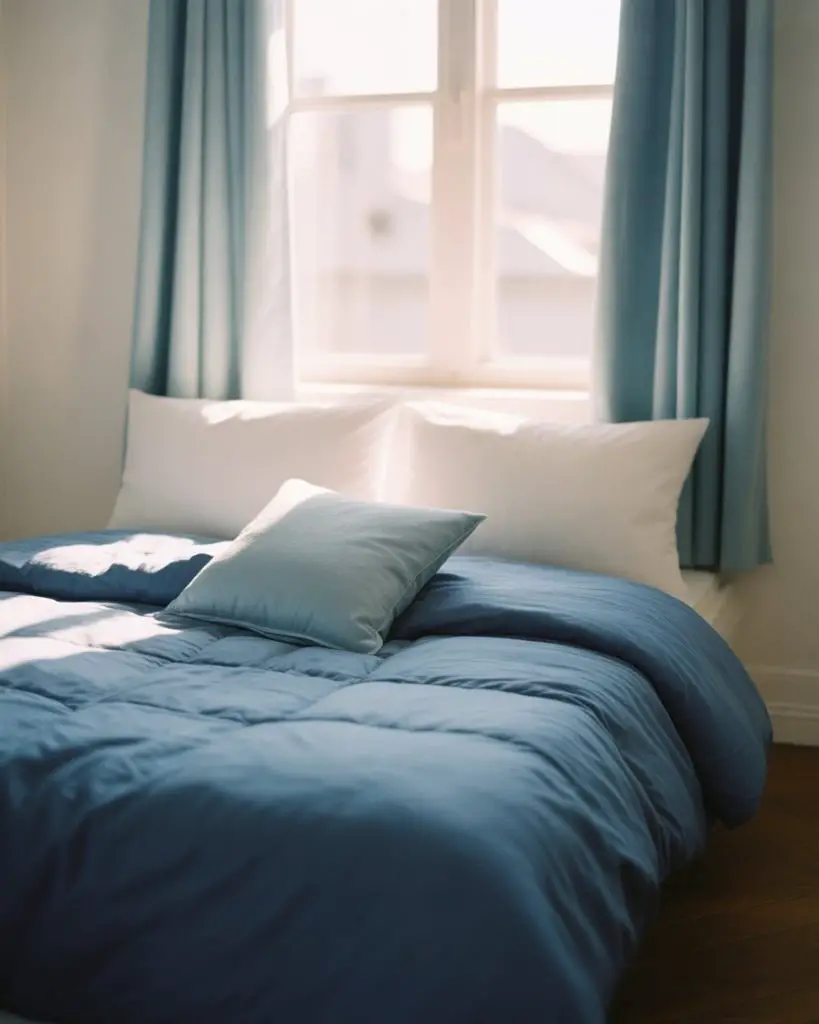
A monochrome blue palette is one of the most calming colour schemes you can choose for a small bedroom. Layer shades from navy to sky blue across bedding, curtains, and a single accent chair. The tonal variation adds depth without visual chaos, and blue naturally promotes relaxation—ideal for a sleep space. Stick to matte finishes and natural fabrics to avoid a clinical feel. 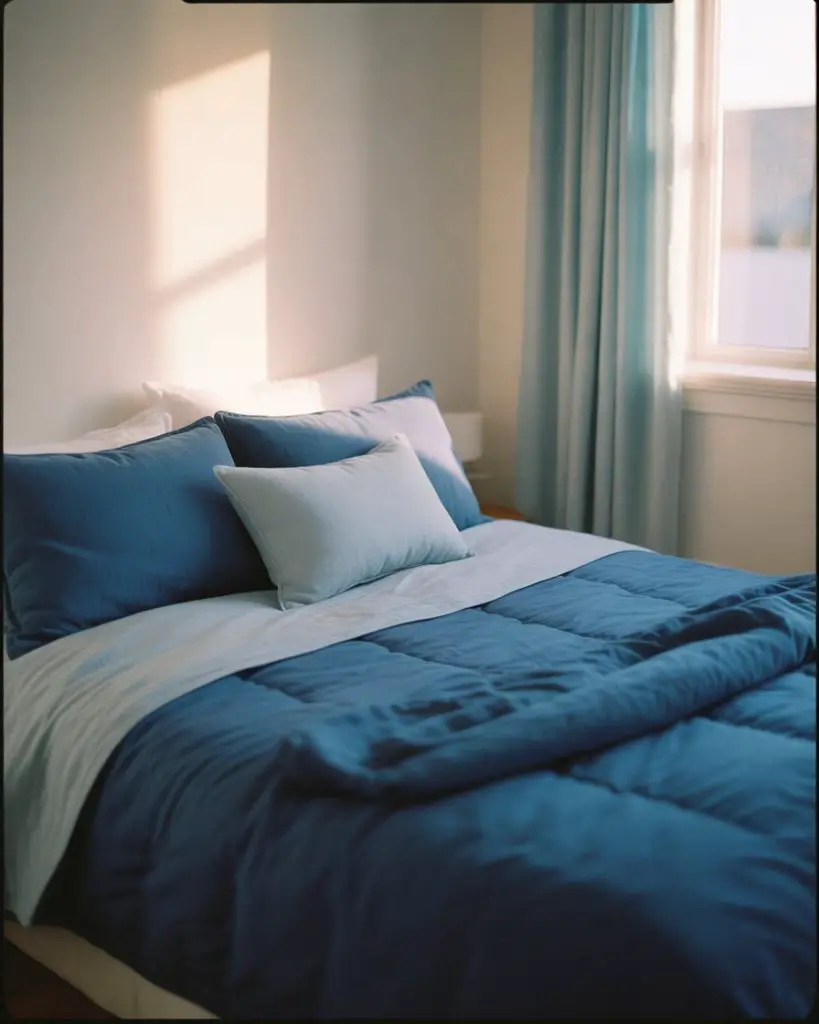
Blue bedrooms are especially popular in coastal areas and the Southwest, where the color echoes natural surroundings. If you’re working on a budget, start with bedding and add smaller blue accents over time—a rug, a lamp, or wall art. The most common mistake is choosing blues that are too saturated; they can feel cold in small spaces. Opt for softer, grayed-out blues instead.
7. Velvet Curtains for Art Deco Glamour
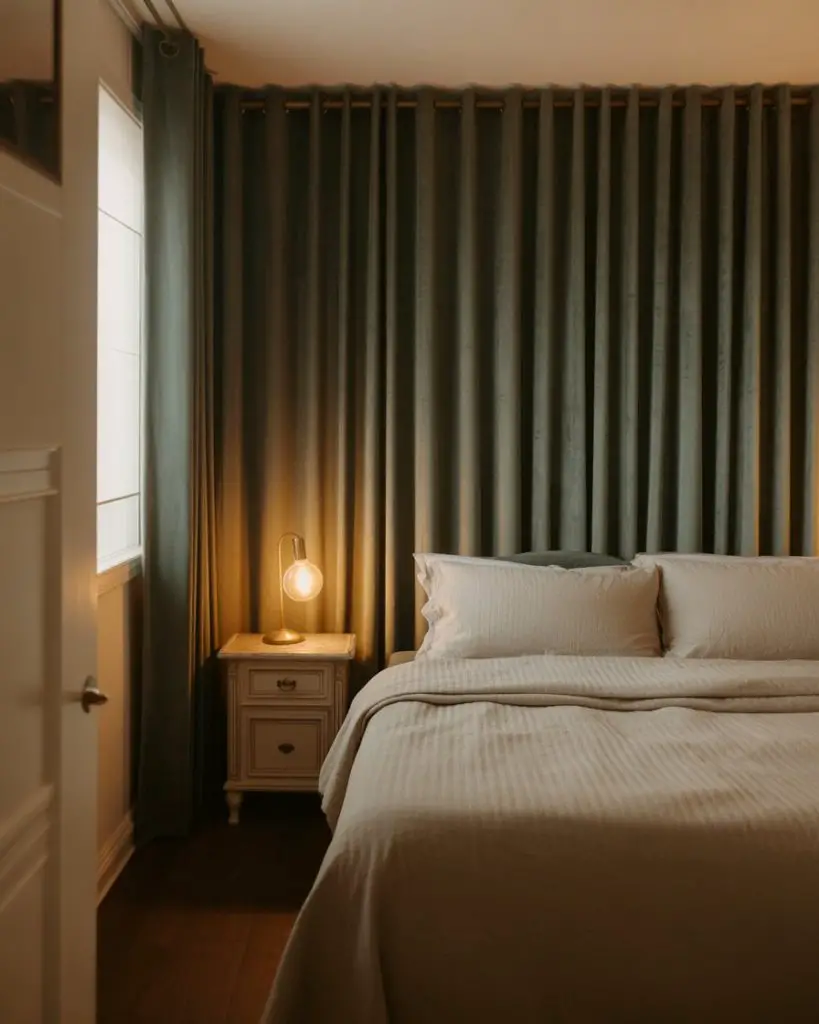
Heavy velvet curtains in jewel tones bring an instant touch of art deco drama to a small bedroom. They also serve a practical purpose: blocking light for better sleep and adding a layer of insulation. Choose emerald green, deep plum, or charcoal gray to complement neutral walls. Hang them high and wide to make windows—and the room—feel larger. This trick works especially well in older homes with ornate molding or vintage details. 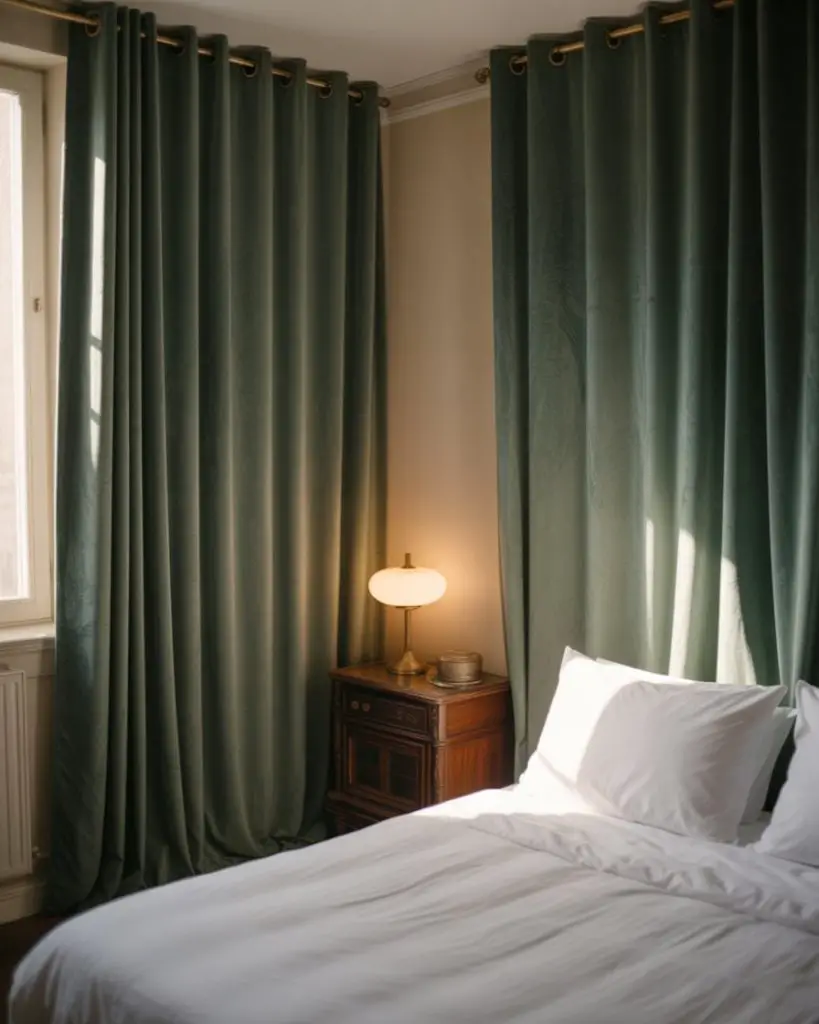
This approach works best in bedrooms with high ceilings or large windows, where the fabric can make a statement without overwhelming the space. A designer friend once pointed out that velvet curtains are often overlooked because people assume they’re too formal, but in small doses they add richness without fuss. Just make sure to measure carefully—curtains that puddle on the floor can look intentional, but only if they’re hemmed evenly.
8. Murphy Bed for Couples in Studio Apartments
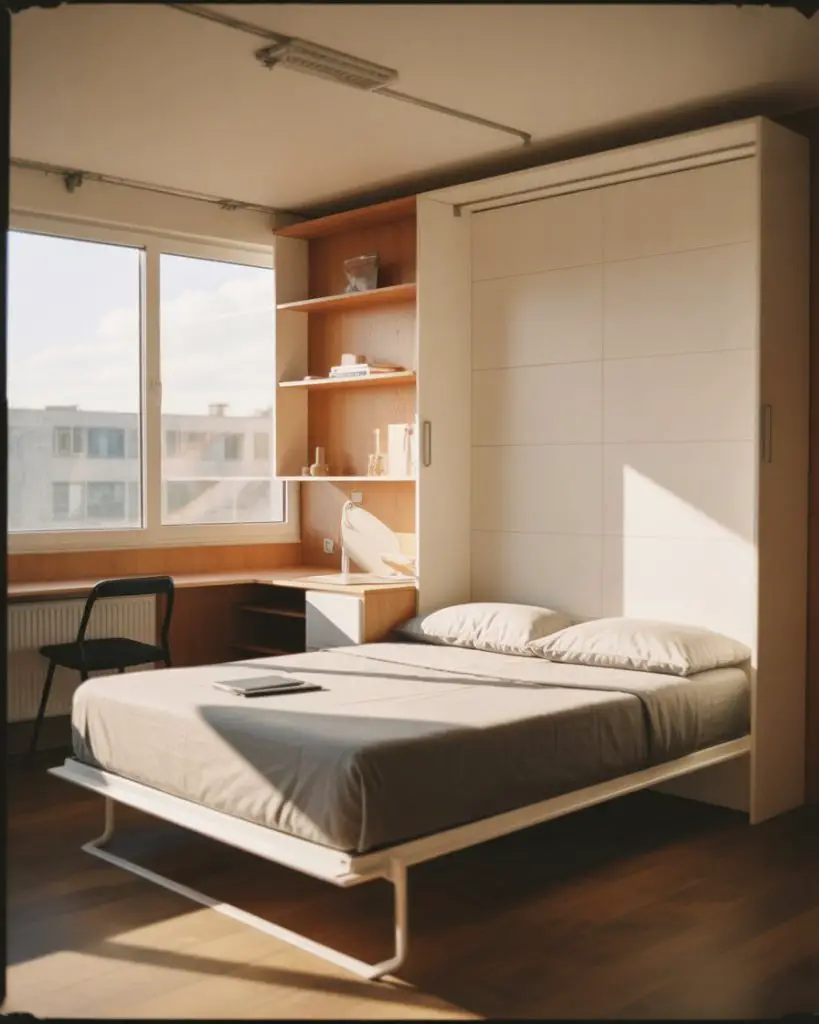
For couples living in a studio or one-bedroom, a Murphy bed can be a game-changer. Modern versions are sleek, easy to operate, and can include built-in shelving or a fold-down desk. When the bed is stowed, you reclaim the entire floor for living, working, or entertaining. It’s an investment, but one that pays off in flexibility—especially in cities where square footage comes at a premium. 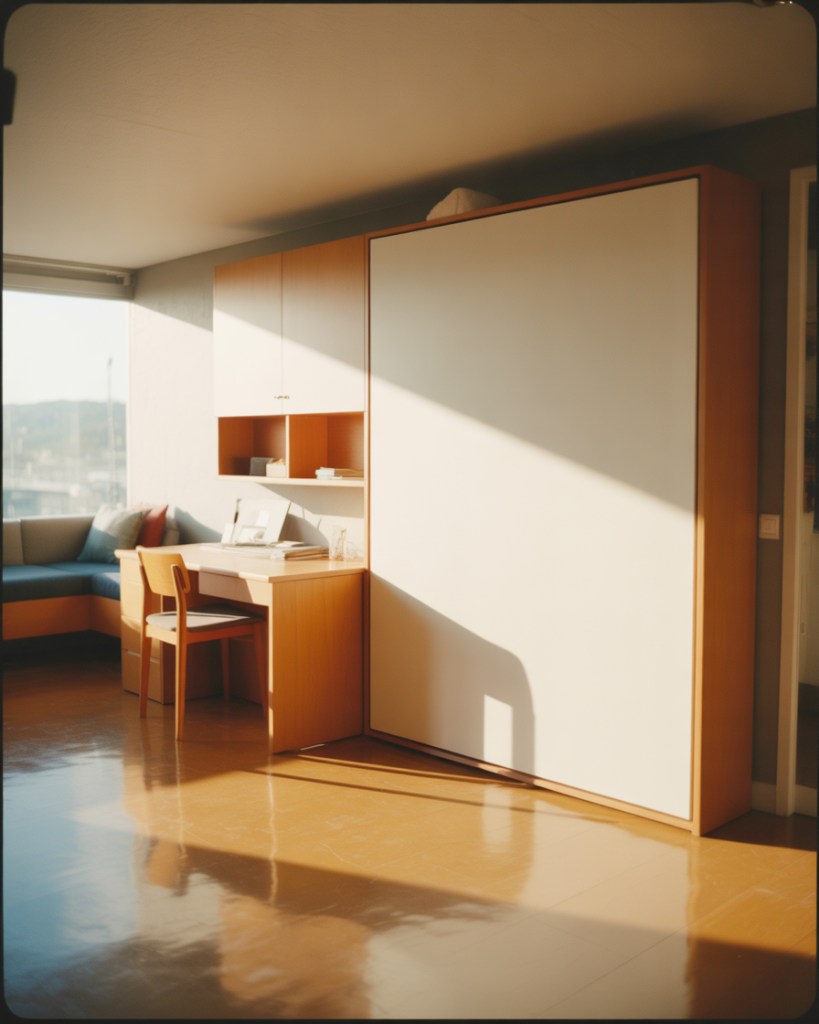
Murphy beds are especially common in cities like New York, San Francisco, and Seattle, where studio apartments are the norm for young professionals. The biggest mistake buyers make is choosing a model that’s too heavy or complicated to lift daily. Look for gas-piston systems that require minimal effort. And make sure the surrounding cabinetry is well-anchored—these units are heavier than they look.
9. Vintage Western Bedframe with Leather Accents
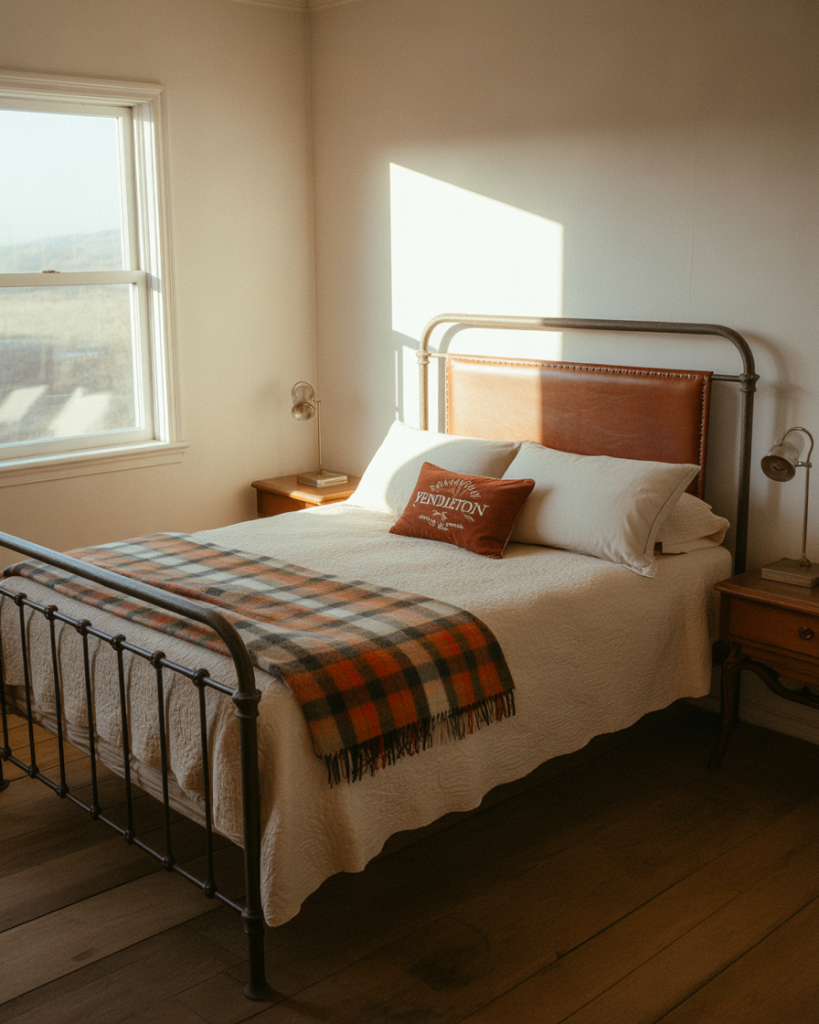
A Western-inspired bedframe with tooled leather details or wrought iron can anchor a small bedroom with character. Pair it with Pendleton blankets, suede throw pillows, and warm wood tones. This style works beautifully in regions like Texas, Arizona, or Montana, where Western décor feels rooted in local culture. Keep the rest of the room minimal so the bed remains the star.
This setup works best in homes with existing rustic or farmhouse elements—exposed beams, brick, or plank flooring. One homeowner in Austin mentioned that she found her bedframe at an estate sale for under two hundred dollars, proving you don’t need to spend a fortune to get the look. Just avoid overloading the space with too many Western motifs; one or two statement pieces are enough.
10. Low Platform Bed for Minimalist Japanese Influence
A low platform bed keeps sightlines open and makes a small bedroom feel more spacious. Inspired by Japanese décor, this style emphasizes simplicity, natural materials, and a connection to the floor. Pair it with a neutral linen duvet, a single potted plant, and a low-profile nightstand. The result is a serene, uncluttered space that feels larger than it is. 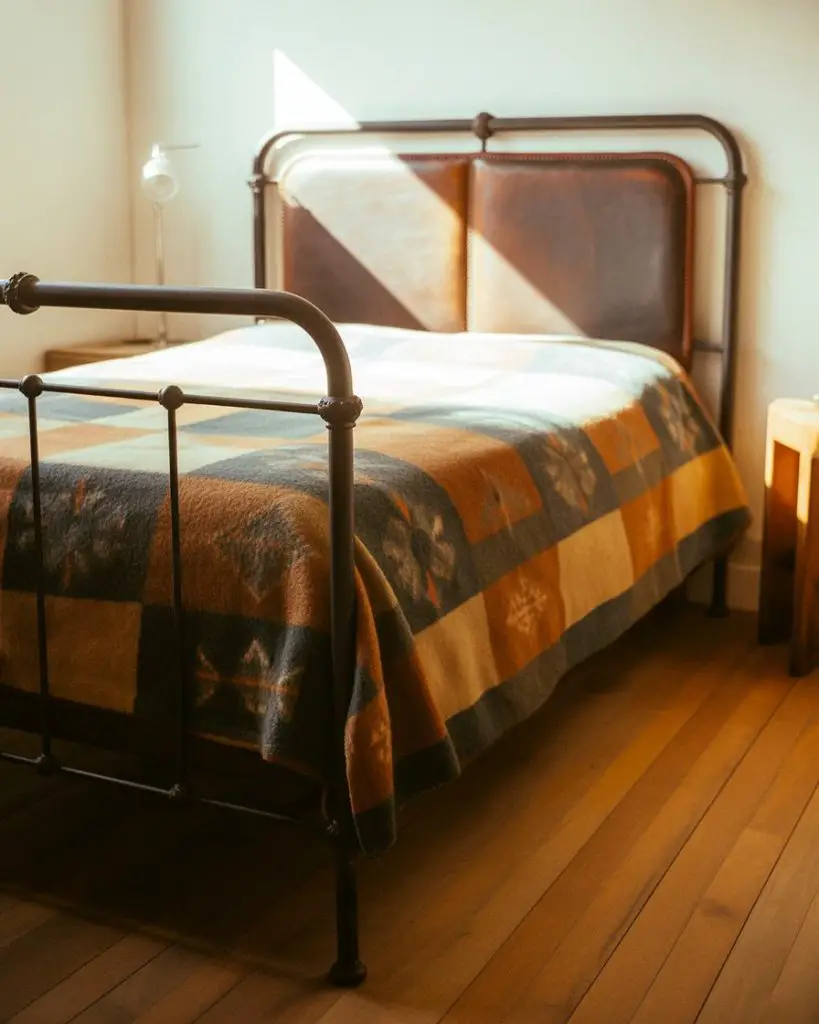
Low beds are ideal for rooms with low ceilings, as they visually lower the room’s center of gravity and create a sense of balance. If you’re on a budget, you can DIY a platform bed using plywood and wooden pallets—it’s one of the most affordable bed styles to build from scratch. The mistake to avoid is pairing a low bed with tall, heavy furniture; keep everything else equally streamlined.
11. Bold Goth Canopy with Sheer Black Drapes
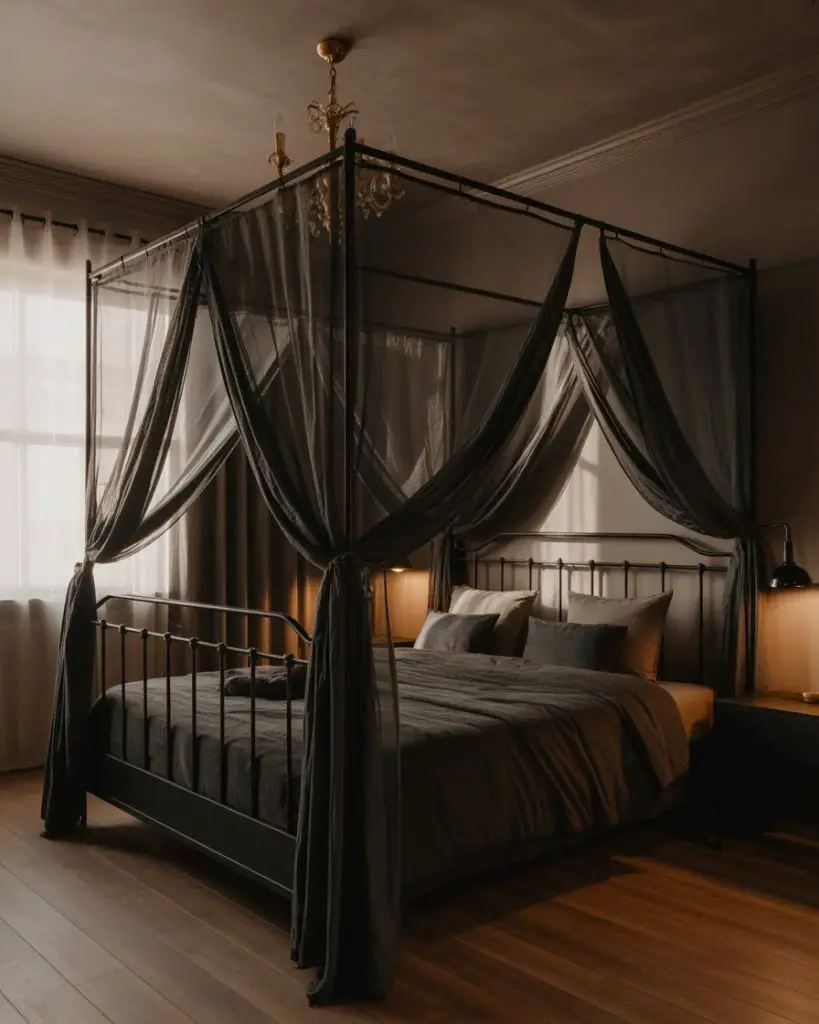
A canopy bed doesn’t have to be frilly—when styled with sheer black drapes, it takes on a moody, goth elegance perfect for small rooms with high ceilings. The sheer fabric adds drama without blocking light, and the frame creates a sense of enclosure that can make a bed feel like a private retreat. Pair it with dark bedding, metallic accents, and low lighting for a cohesive, atmospheric look. 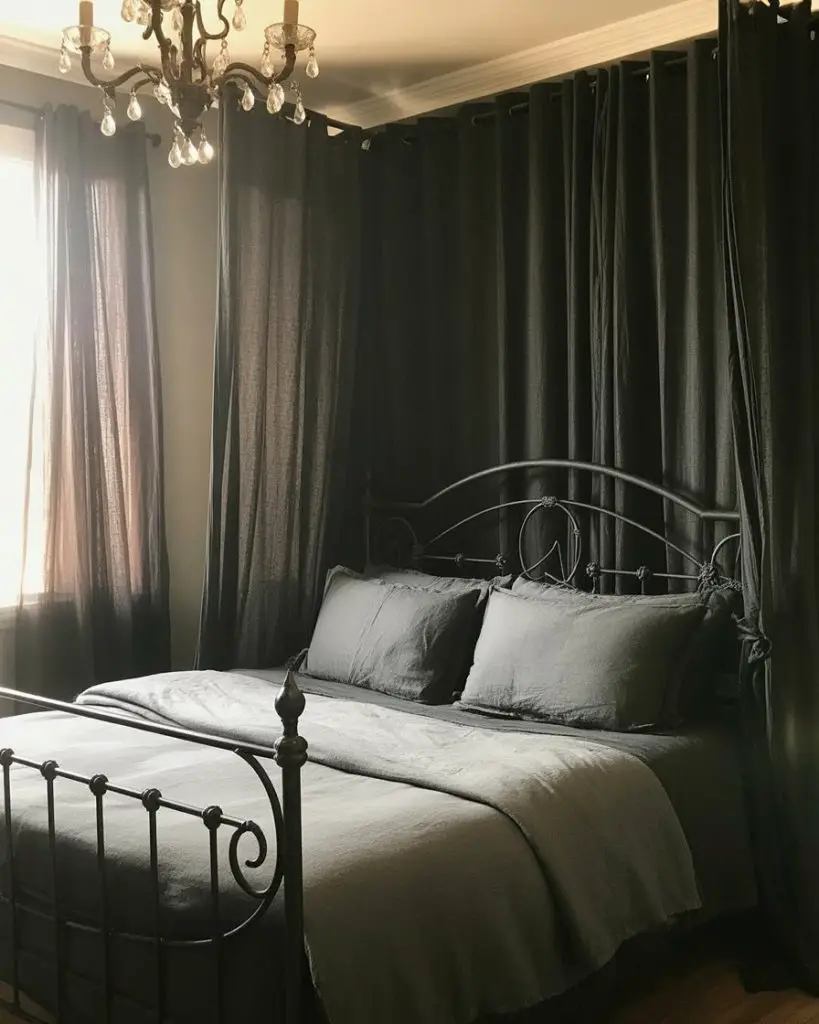
This setup works best in bedrooms with architectural interest—crown molding, tall windows, or hardwood floors. One renter in Brooklyn mentioned she installed a tension-rod canopy to avoid drilling into the ceiling, and it worked beautifully. The key is balancing dark tones with enough light sources—table lamps, string lights, or candles—so the room doesn’t feel oppressive. Avoid heavy blackout curtains on the windows; let some natural light in during the day.
12. Corner Desk Nook for Teens with Study Needs
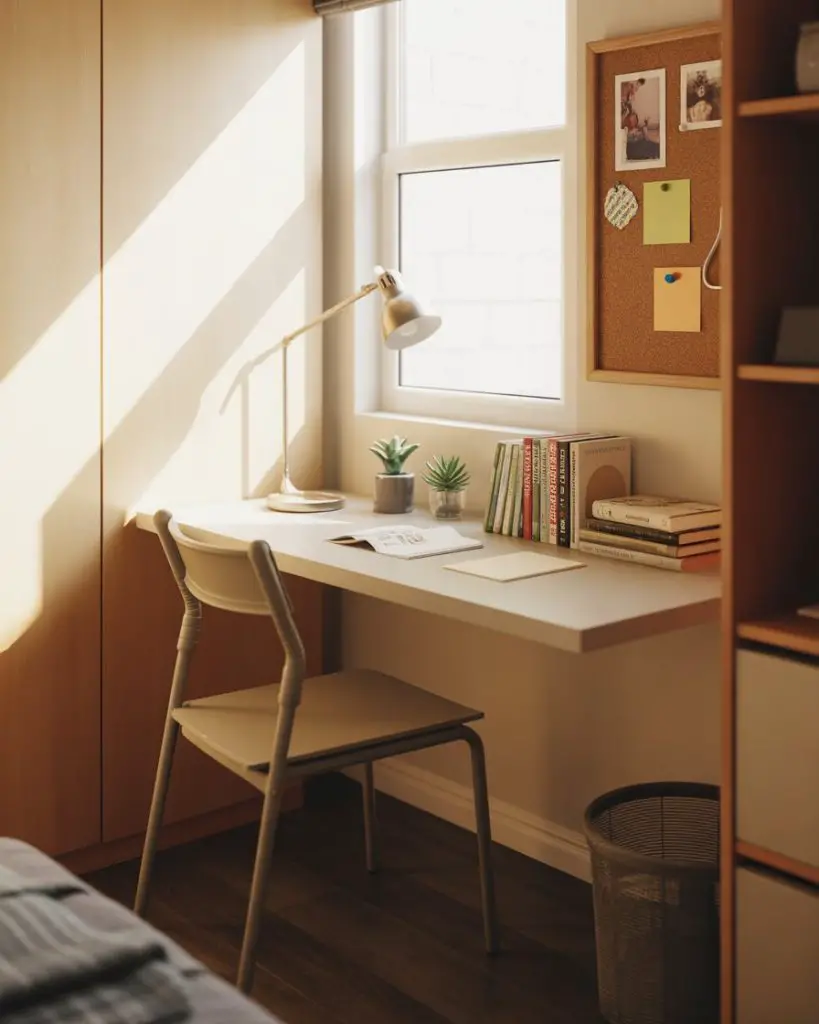
A corner desk maximizes awkward angles and gives teens a dedicated study zone without eating up valuable floor space. Choose a floating desk or a small L-shaped model that tucks neatly into the corner. Add a task lamp, a corkboard for pinning inspiration, and a rolling chair that can be pushed under the desk when not in use. This keeps the room functional and organized, even when square footage is tight. 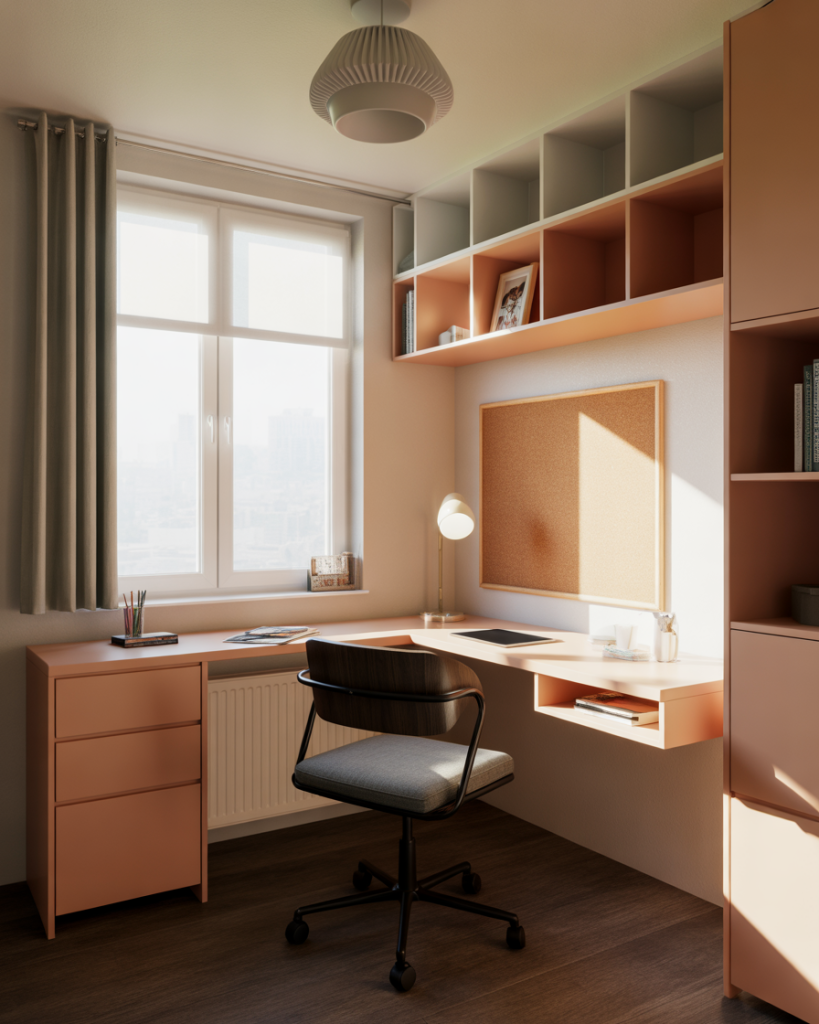
In many suburban homes, kids’ bedrooms are on the smaller side, making corner desks a practical choice for homework and creative projects. The most common mistake is choosing a desk that’s too large for the corner—measure twice, and leave at least a foot of clearance on either side for the chair. If the desk doesn’t come with built-in storage, add a small pegboard or wall-mounted organizer above it.
13. Baddie Vanity Corner with Ring Light and Mirror
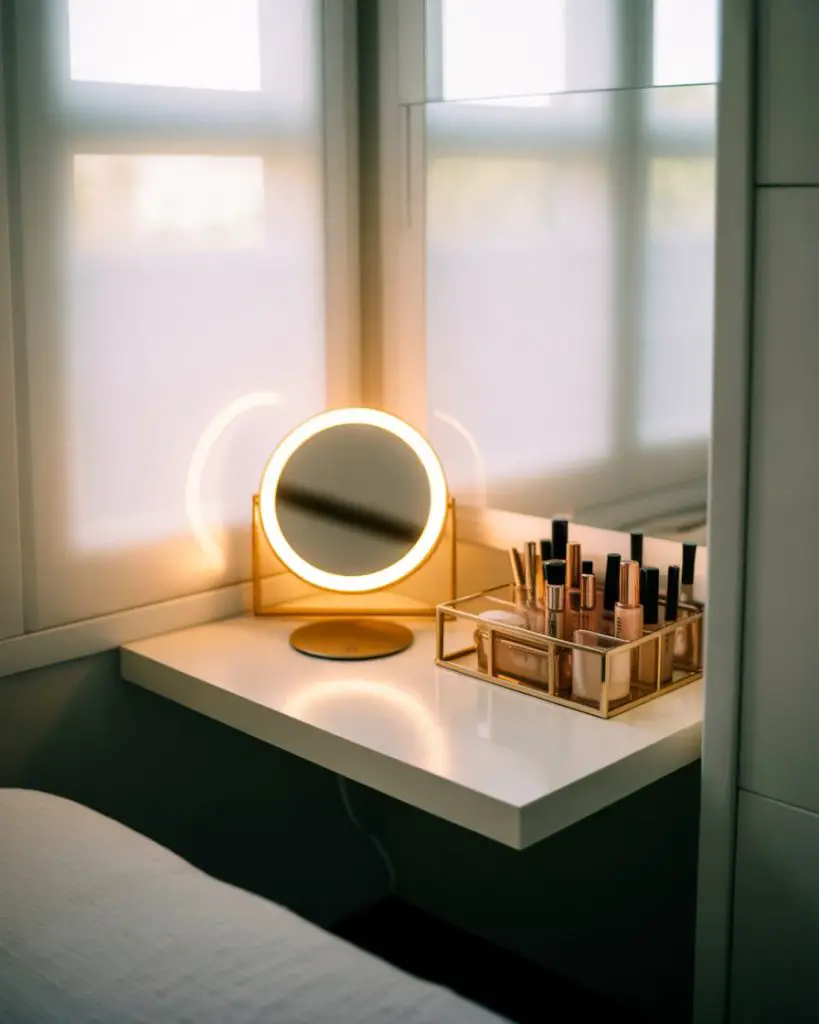
A compact vanity setup is a must for anyone who loves beauty and self-care, and the baddie aesthetic is all about high-glam functionality. Install a small floating shelf or repurpose a narrow console table as a vanity, add a round mirror, and mount a ring light for perfect makeup application. Keep the color palette sleek—black, white, gold, or acrylic accents. This setup takes up minimal space but makes a big visual impact. 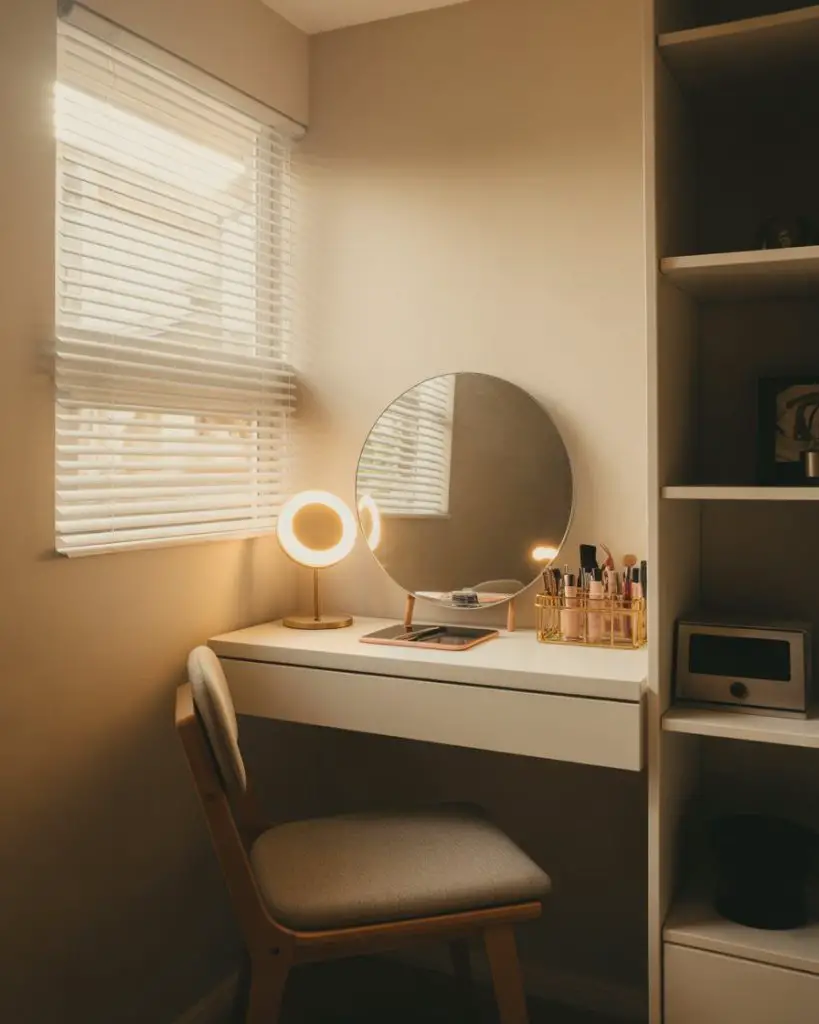
This works best in bedrooms where a traditional dresser or vanity won’t fit. Many renters in urban apartments use adhesive hooks and floating shelves to create this setup without drilling large holes. One common mistake is buying a mirror that’s too small—it should be at least 18 inches in diameter to be functional. And invest in a dimmable ring light so you can adjust the brightness depending on the time of day.
14. Indian Inspired Textiles with Bright Block Prints
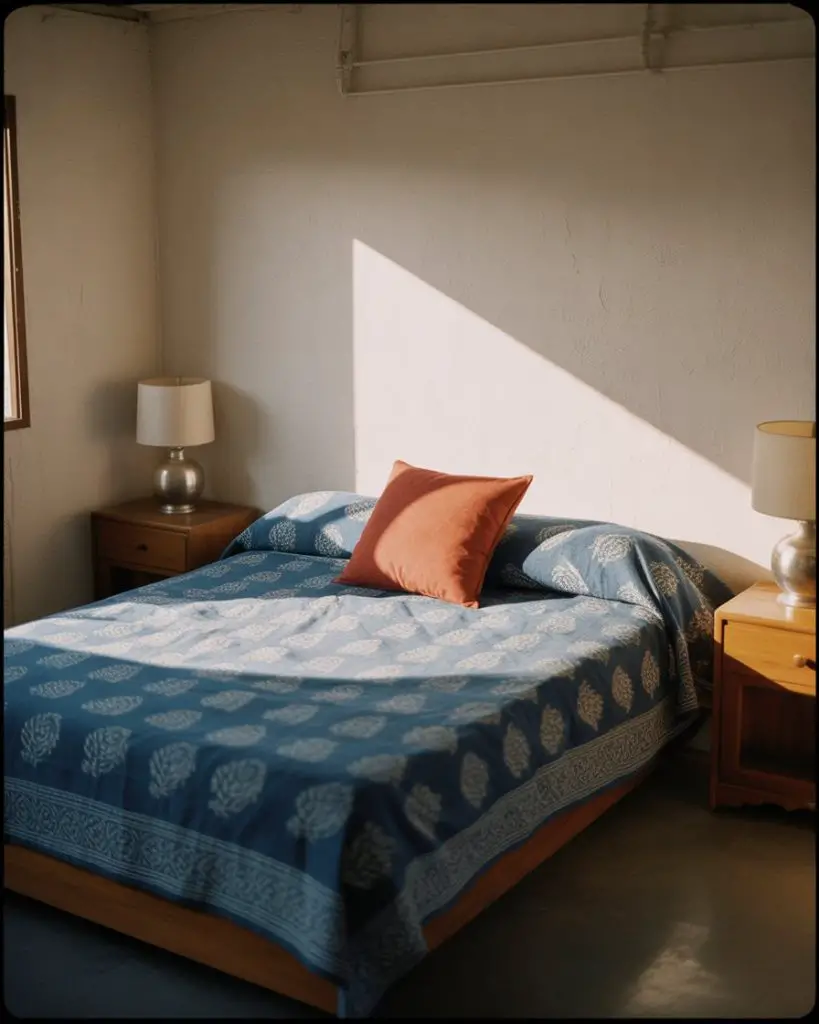
Incorporating Indian block-print textiles—bedspreads, pillow covers, or tapestries—can add warmth and pattern to a small bedroom without overwhelming it. Choose one or two bold pieces in rich colors like indigo, saffron, or terracotta, and keep the rest of the room neutral. The handcrafted quality of these textiles brings texture and global charm, perfect for anyone looking to personalize a rental or starter home. 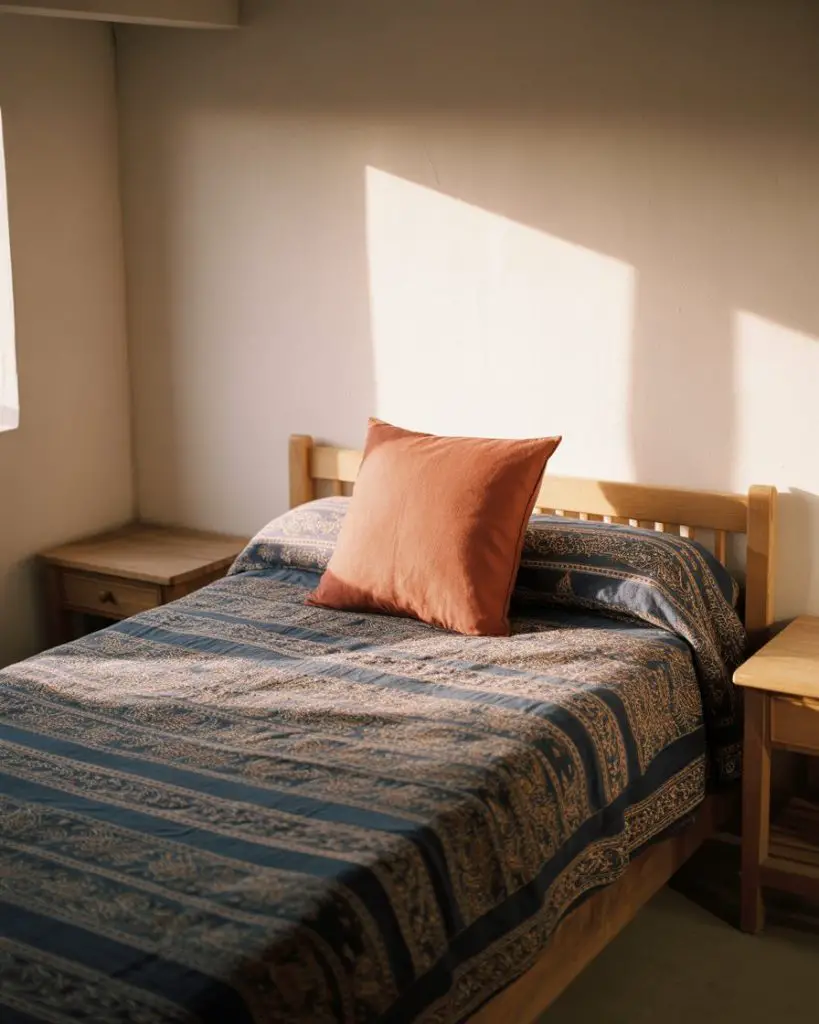
This approach works especially well in eclectic or bohemian-style homes where layering patterns is encouraged. A designer I know sources vintage block-print fabrics from online markets and uses them as wall hangings when floor space is limited. The mistake to avoid is mixing too many patterns at once—stick to one bold print and support it with solids or subtle textures.
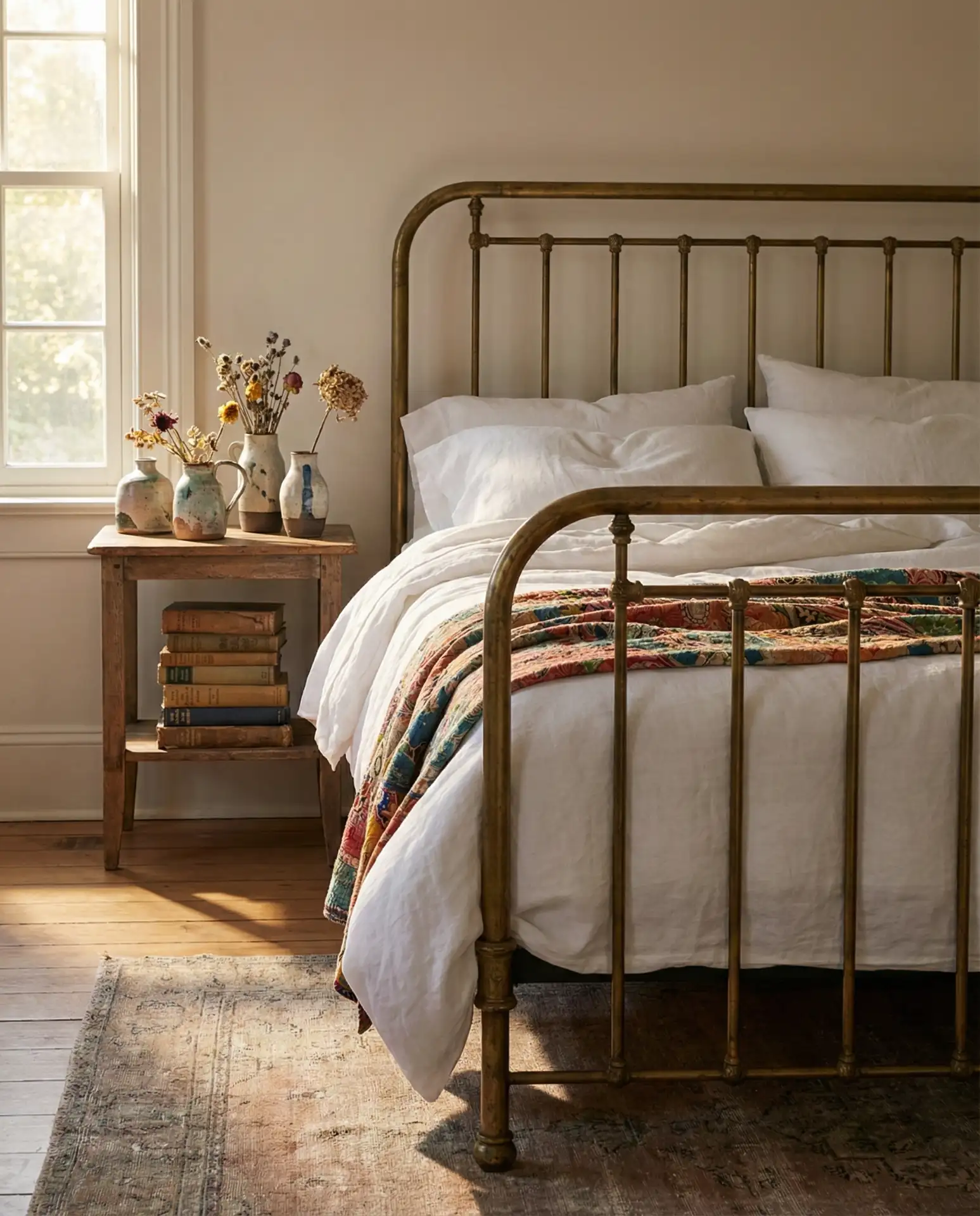
15. Victorian Bed with Tufted Headboard and Brass Details
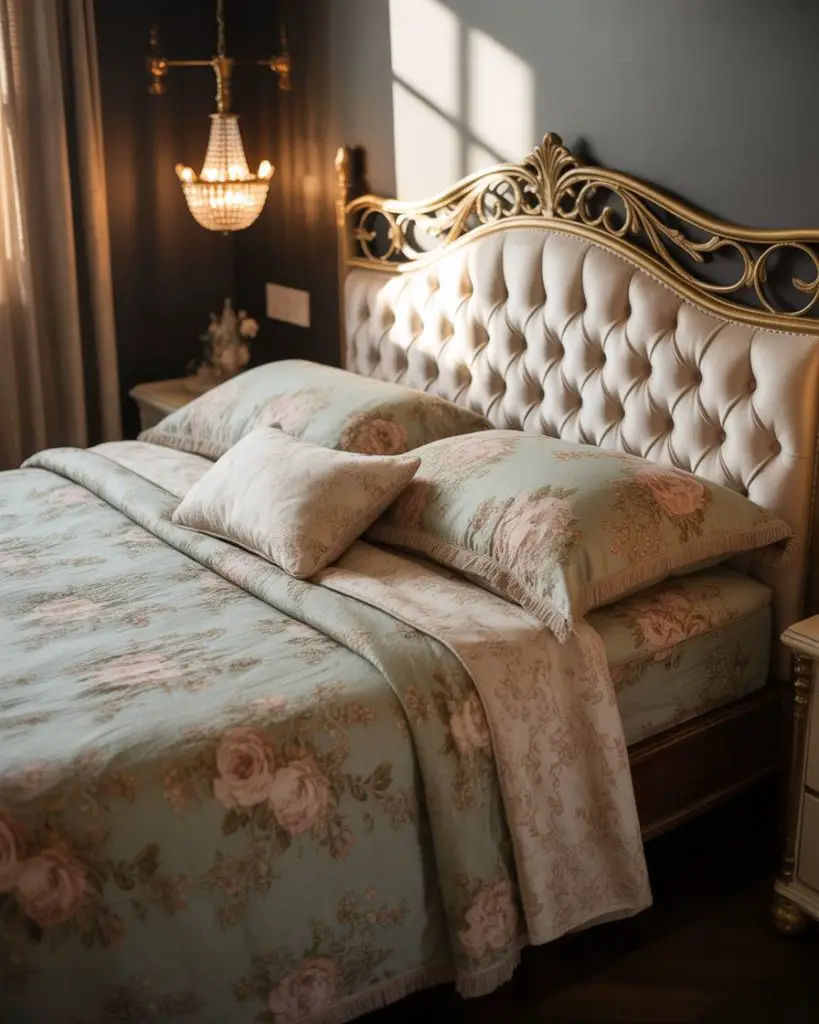
A Victorian-style bed with a tufted headboard and brass or gold accents can bring elegance to even the smallest bedroom. Look for a compact version—many modern interpretations are scaled down for apartments. Pair it with vintage-inspired bedding, a small chandelier, and antique mirrors to complete the look. The key is restraint: one or two statement pieces prevent the room from feeling too busy. 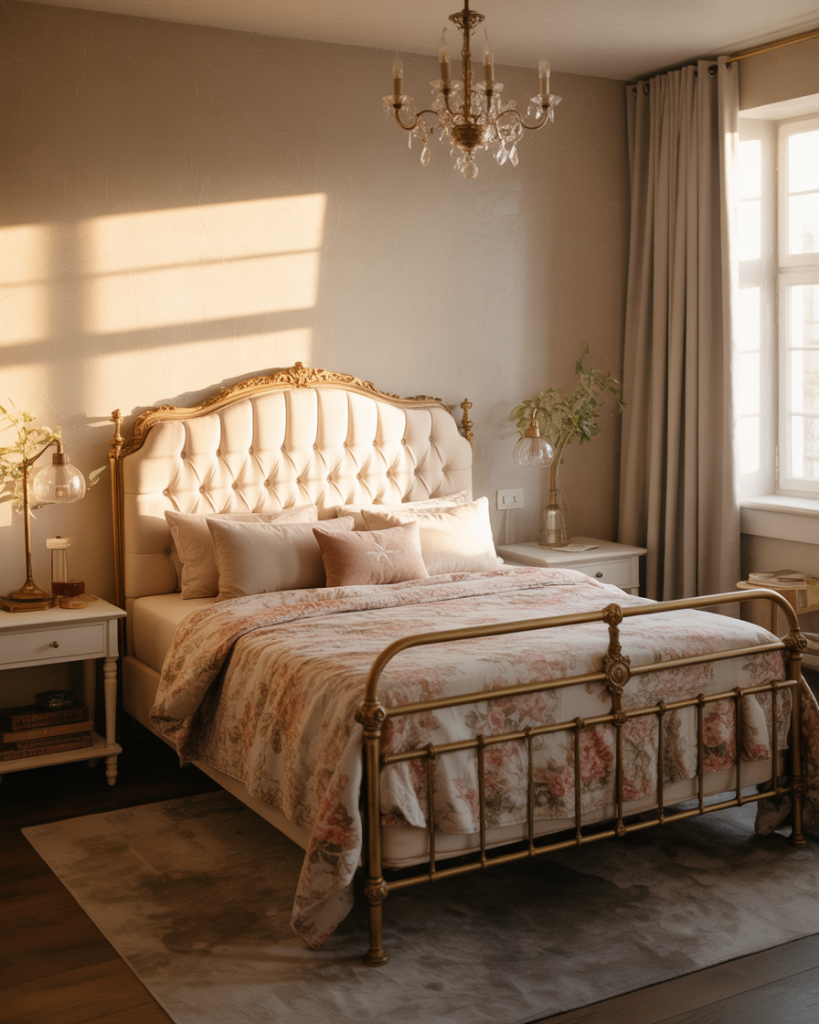
Victorian-inspired bedrooms are popular in older homes with original details—think San Francisco Victorians or New England brownstones. One homeowner mentioned that she found her brass bed frame at a flea market and had it professionally polished for a fraction of the cost of buying new. The common mistake is choosing bedding that’s too ornate; keep it simple with solid colors or subtle florals to balance the richness of the frame.
16. Bunk Beds with Built-In Desks for 2 Kids
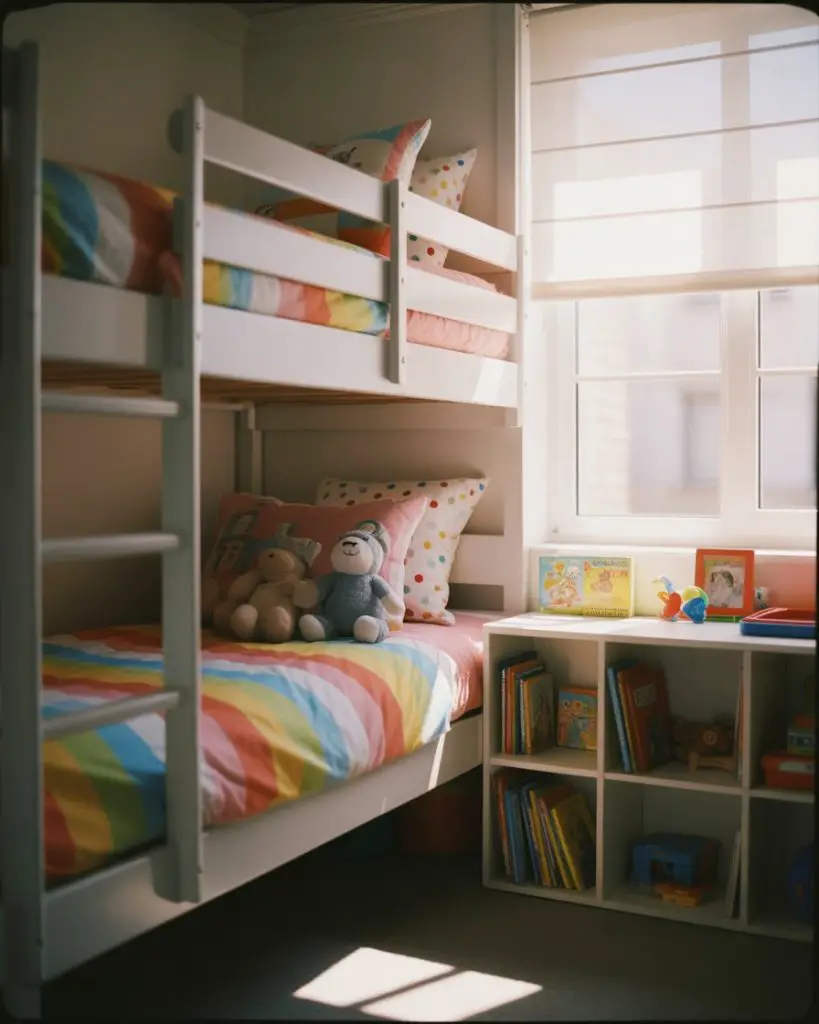
When you’re designing for 2 kids in a shared small bedroom, bunk beds with built-in desks underneath are a brilliant space-saving solution. Each child gets their own sleeping and study area, and the vertical layout frees up the center of the room for play. Choose sturdy wood or metal frames, and add personal touches like different bedding colors or name plaques to give each kid a sense of ownership. 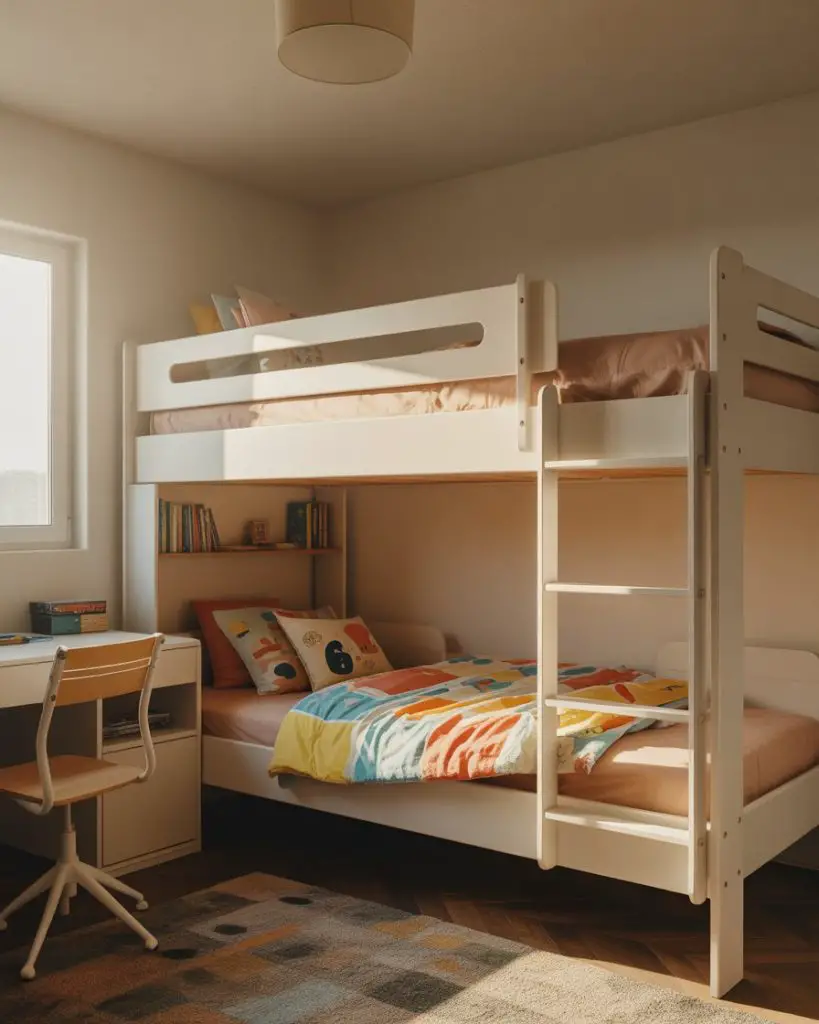
This setup is especially common in suburban homes where families are maximizing every bedroom. A parent in Denver mentioned that adding individual reading lights and small shelves to each bunk made a huge difference in reducing bedtime conflicts. The biggest mistake is skipping a guardrail on the top bunk or choosing a ladder that’s too steep—safety should always come first.
17. Cosy Cheap Fairy Lights and Thrift Store Finds
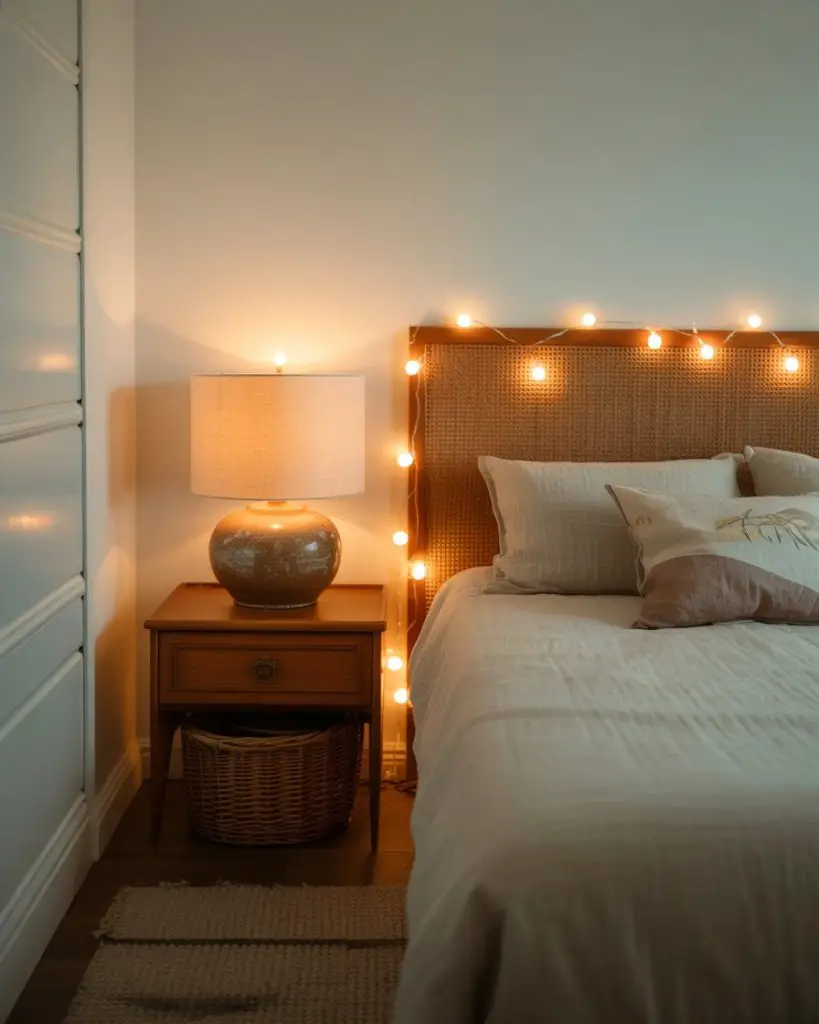
You don’t need a big budget to create a cosy cheap bedroom retreat. String fairy lights around the headboard or drape them along a bookshelf for instant warmth. Mix in thrift store finds—vintage frames, woven baskets, ceramic lamps—and paint or refinish them to match your palette. This approach is perfect for students, renters, or anyone who loves the hunt for one-of-a-kind pieces. 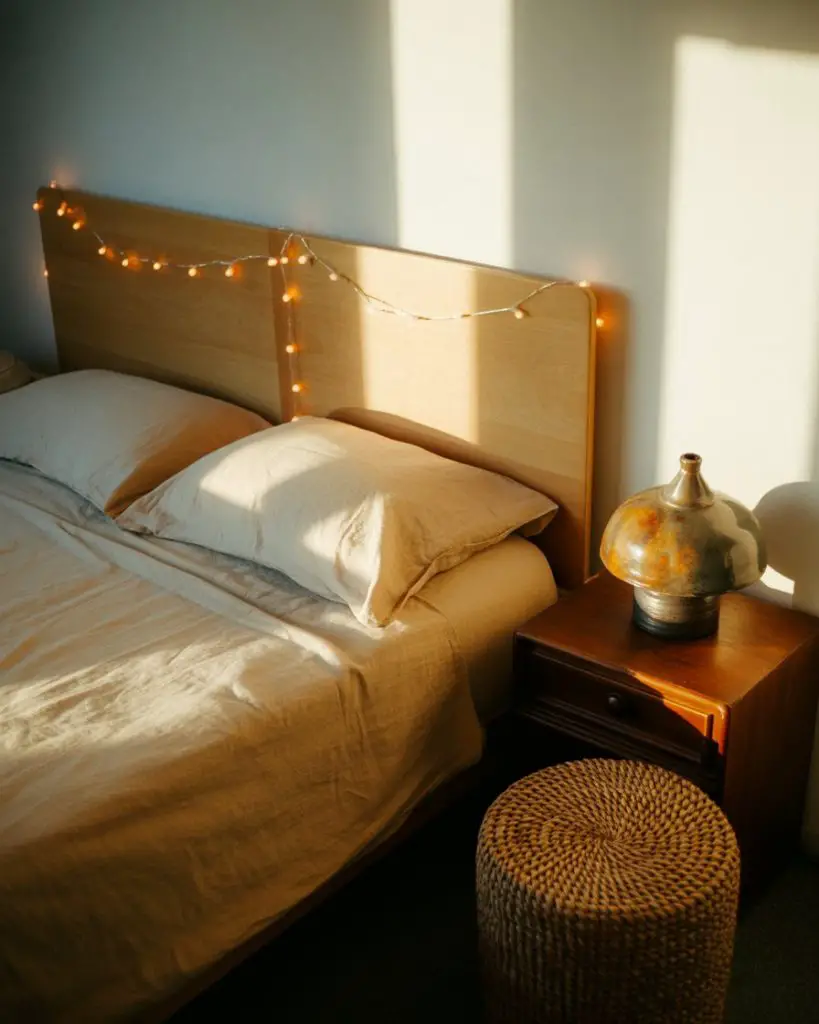
This works best when you’re willing to spend time hunting for pieces rather than buying everything new. One college student I spoke with mentioned she furnished her entire bedroom for under three hundred dollars by shopping estate sales and secondhand stores. The trick is to unify mismatched items with a consistent color palette—whites, creams, and natural woods create cohesion. Avoid buying things just because they’re cheap; make sure each piece adds function or beauty.
18. Wall-Mounted Nightstands for Tight Spaces
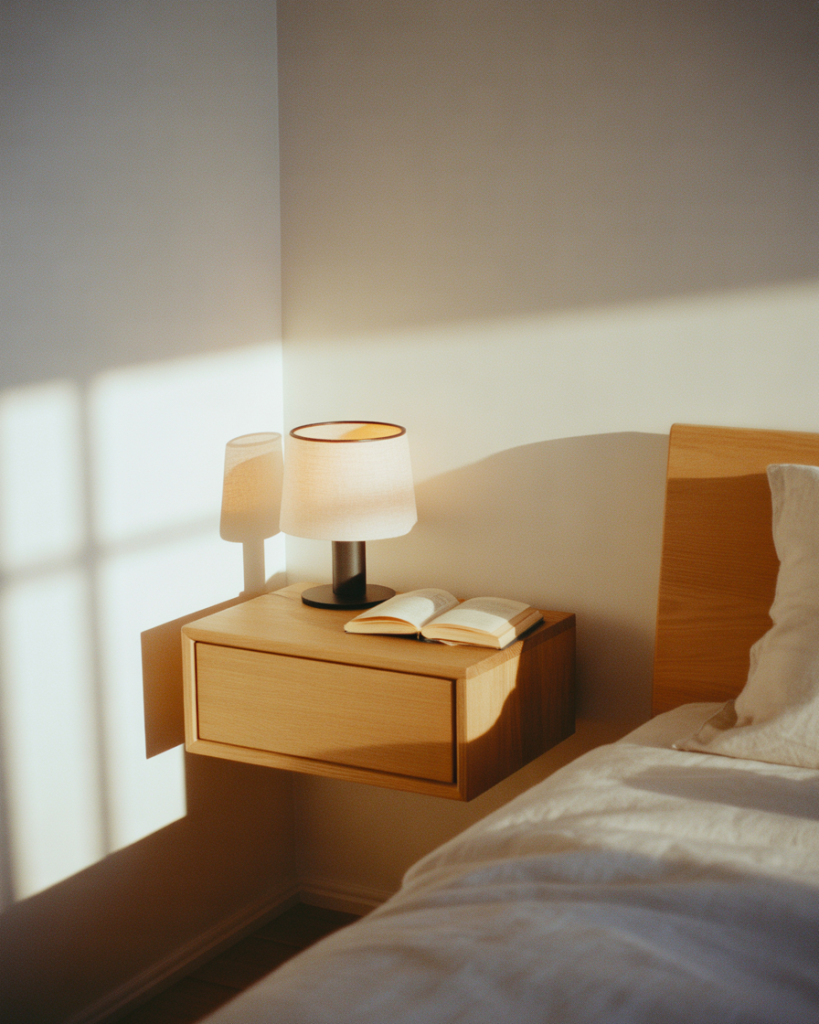
Wall-mounted nightstands eliminate the need for floor space while still providing a surface for lamps, books, and phones. They’re ideal for narrow bedrooms or rooms where traditional nightstands would block pathways. Choose floating shelves with a small drawer or a single ledge, and install them at mattress height for easy access. This solution is both practical and visually light, keeping the room from feeling cramped. 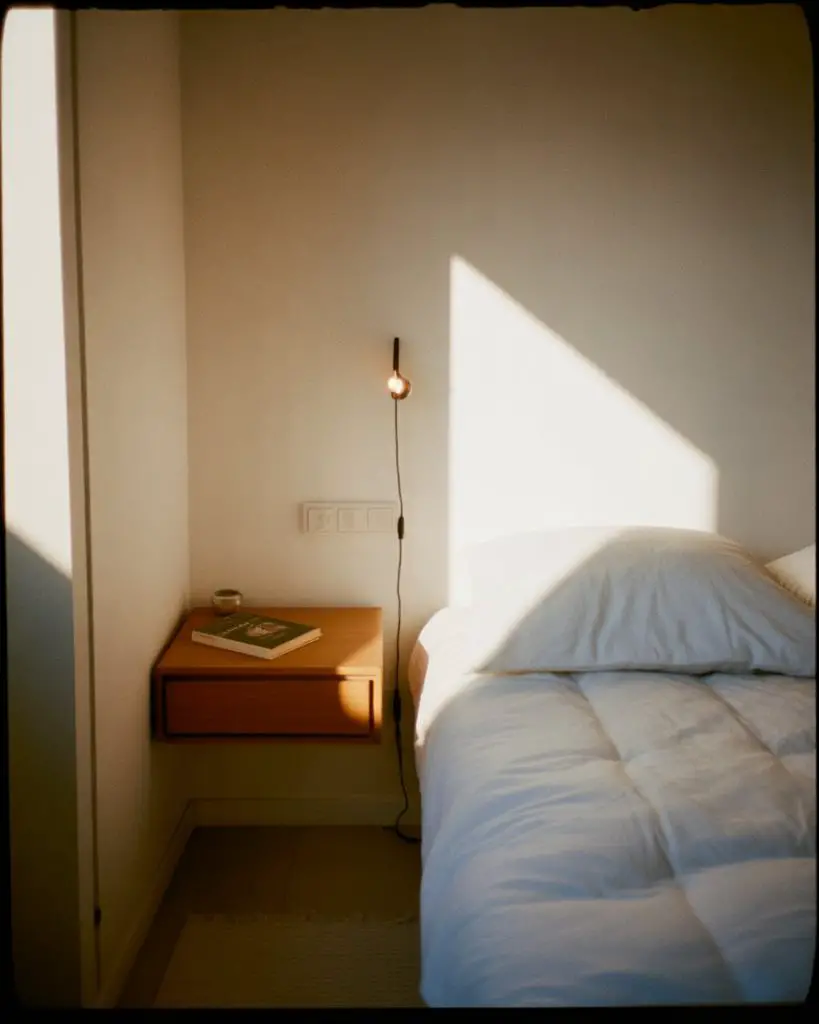
Wall-mounted nightstands are a favorite among renters who need to maximize every inch. The most common mistake is mounting them too high or too low—aim for the top of the mattress as a guide. If you’re drilling into drywall, use heavy-duty anchors to support the weight of lamps and other items. And consider models with a built-in charging station to keep cords tidy.
19. Loaf Style Upholstered Bed with Curved Headboard
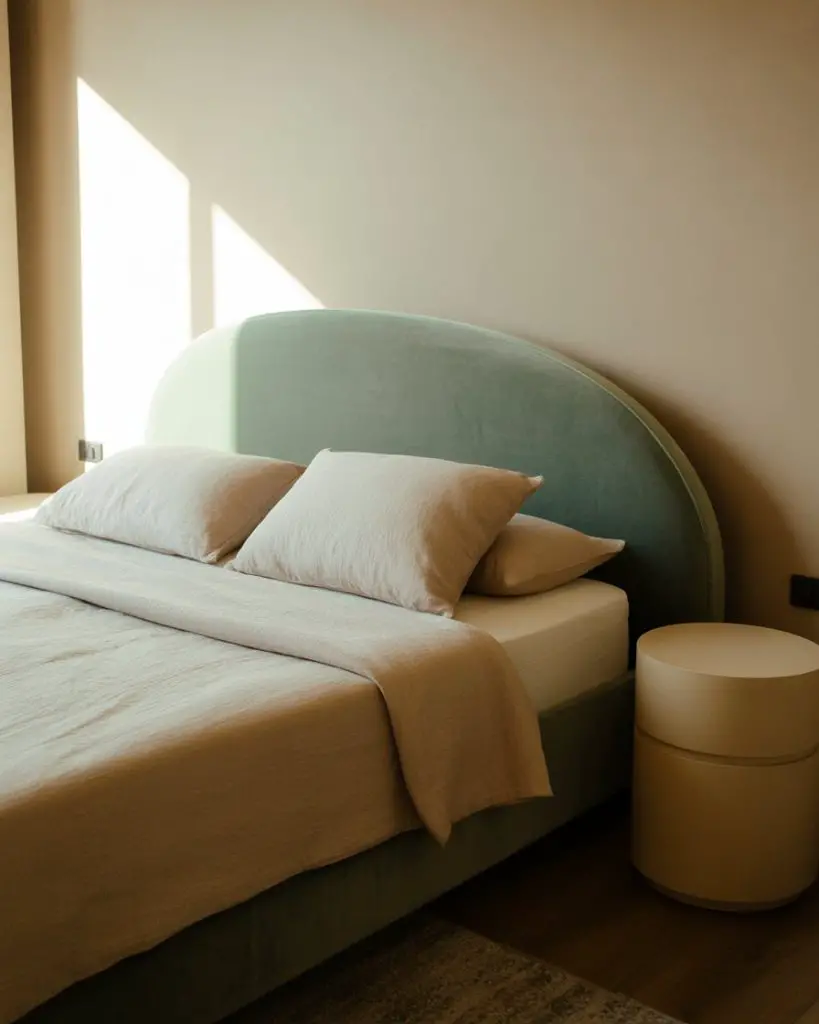
The Loaf-inspired aesthetic is all about soft curves, playful color, and tactile fabrics. An upholstered bed with a gently curved headboard in velvet or linen can anchor a small bedroom with personality. Choose a muted jewel tone—dusty pink, sage green, or warm ochre—and layer in complementary textiles. The rounded silhouette feels inviting and modern, without taking up more visual space than a traditional headboard. 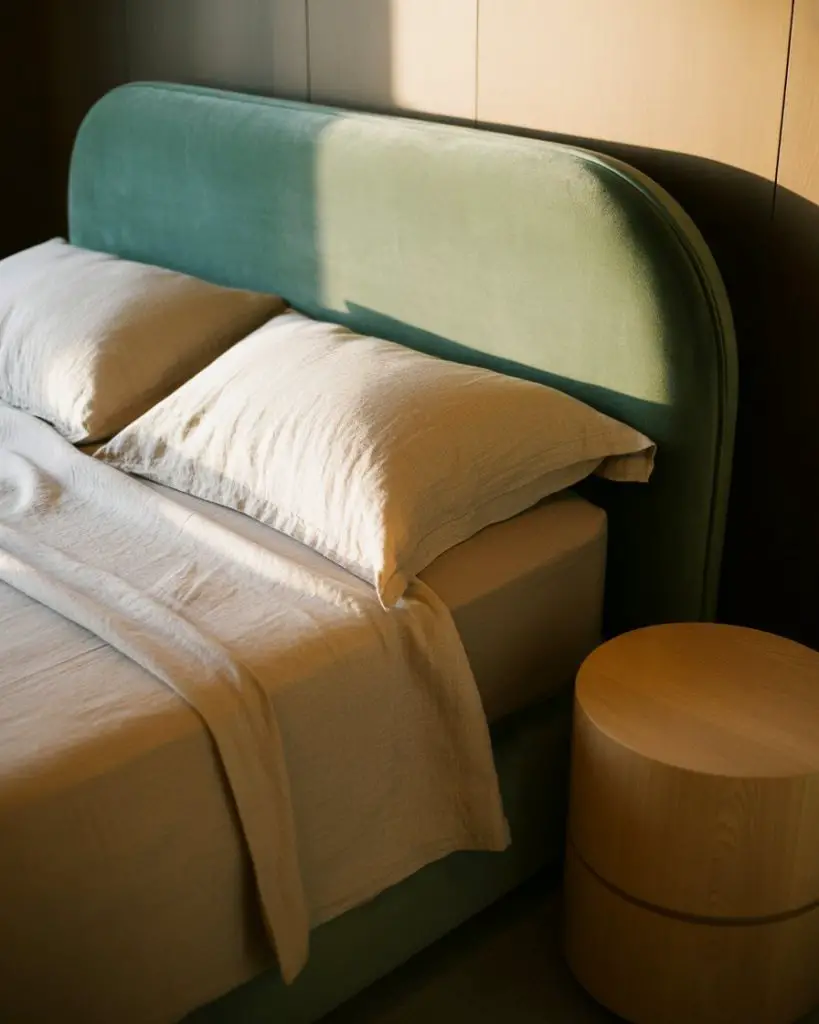
This style works beautifully in contemporary or Scandinavian-inspired bedrooms where comfort and aesthetics are equally important. A homeowner in Los Angeles told me she chose a curved headboard specifically because it softened the hard lines of her mid-century furniture. The mistake to avoid is overcrowding the bed with too many pillows—stick to two or three to let the headboard’s shape shine.
20. Open Clothing Rack for Women’s Colour Palettes
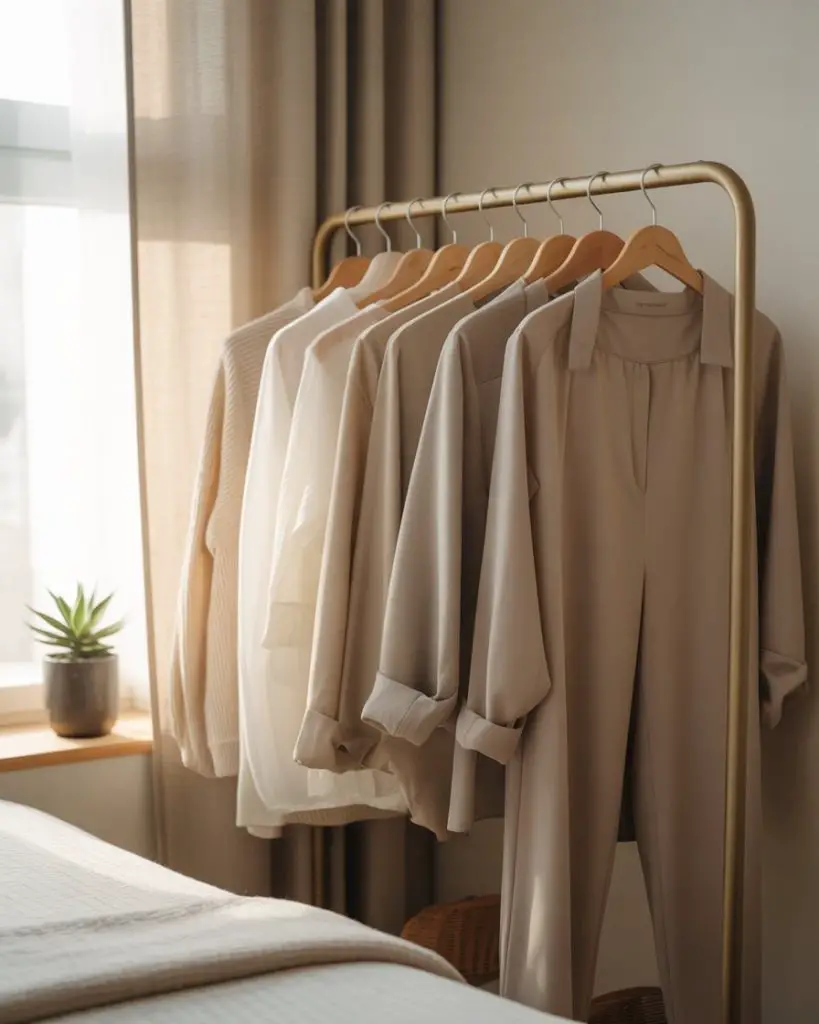
An open clothing rack can double as décor when you organize by colour palettes, creating a curated, boutique-like feel. This is especially effective for women who want their wardrobe to be both accessible and visually pleasing. Stick to a specific palette—neutrals, pastels, or monochromes—and add coordinating hangers for a polished look. It’s a practical solution when closet space is limited, and it makes getting dressed feel intentional. 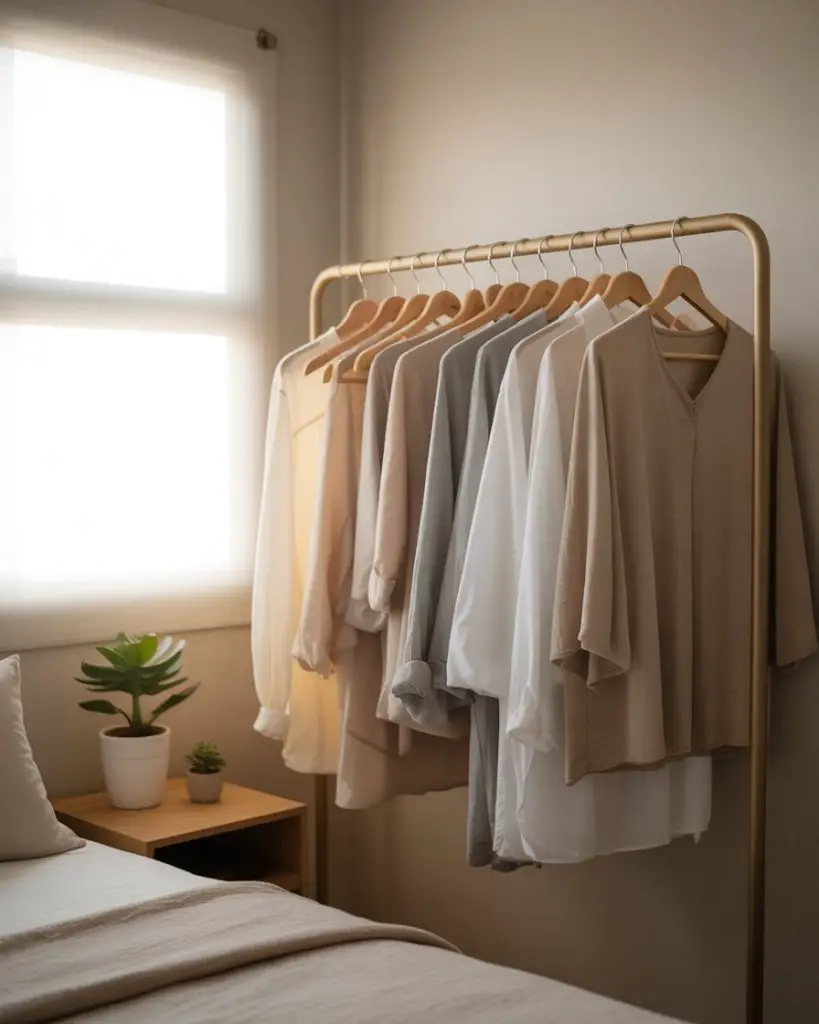
This setup works best in studio apartments or walk-in closets that have been converted into sleeping areas. The key is discipline—only hang items you wear regularly, and keep everything else stored out of sight. One common mistake is letting the rack become a dumping ground for laundry. Treat it like a display, and it will elevate the entire room.
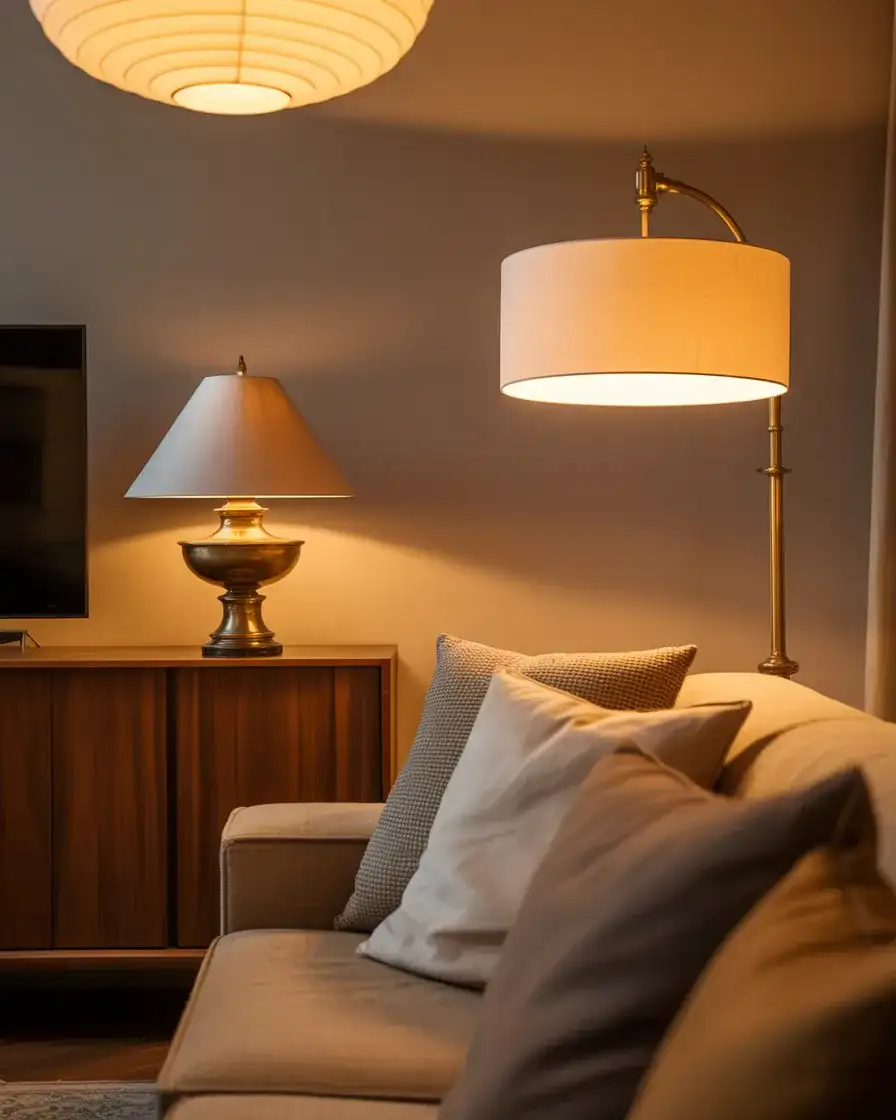
21. Cozy Decor with Warm Lighting and Natural Elements
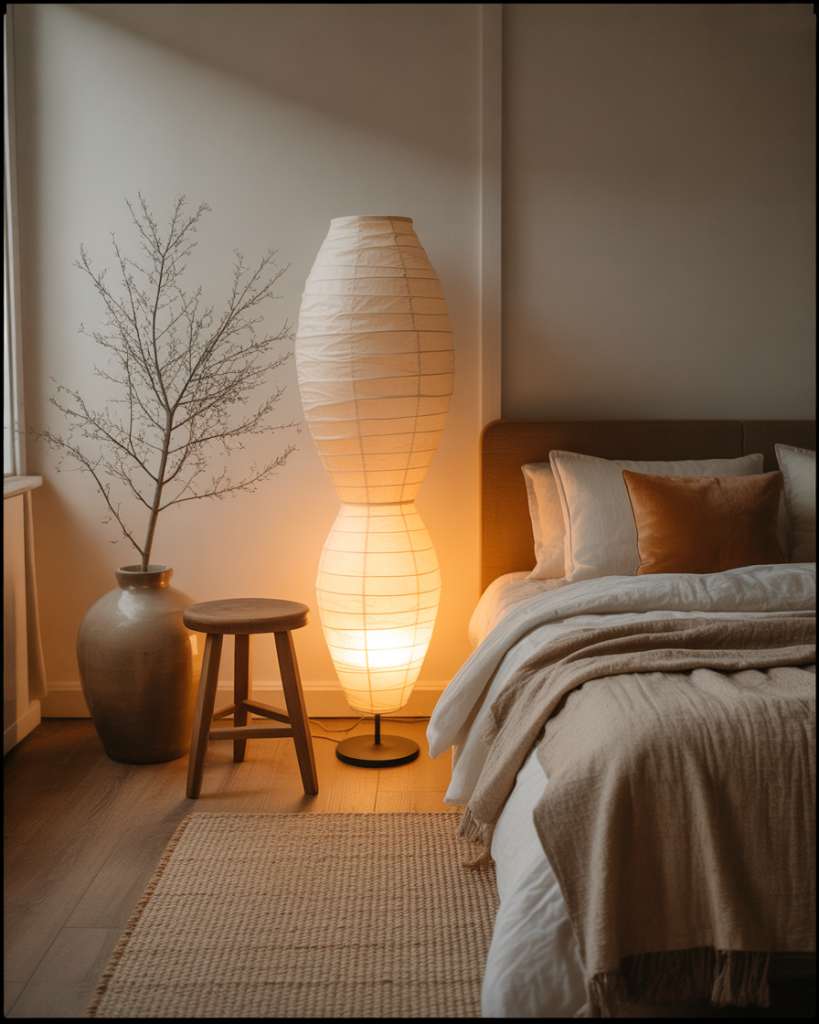
The foundation of cozy decor in a small bedroom is layered lighting and organic materials. Use a combination of floor lamps, table lamps, and candles to create pockets of warmth throughout the room. Add natural elements—a wool rug, a wooden stool, a ceramic vase with dried grasses—to ground the space in texture and simplicity. The goal is to make the room feel like a refuge, no matter how small it is. 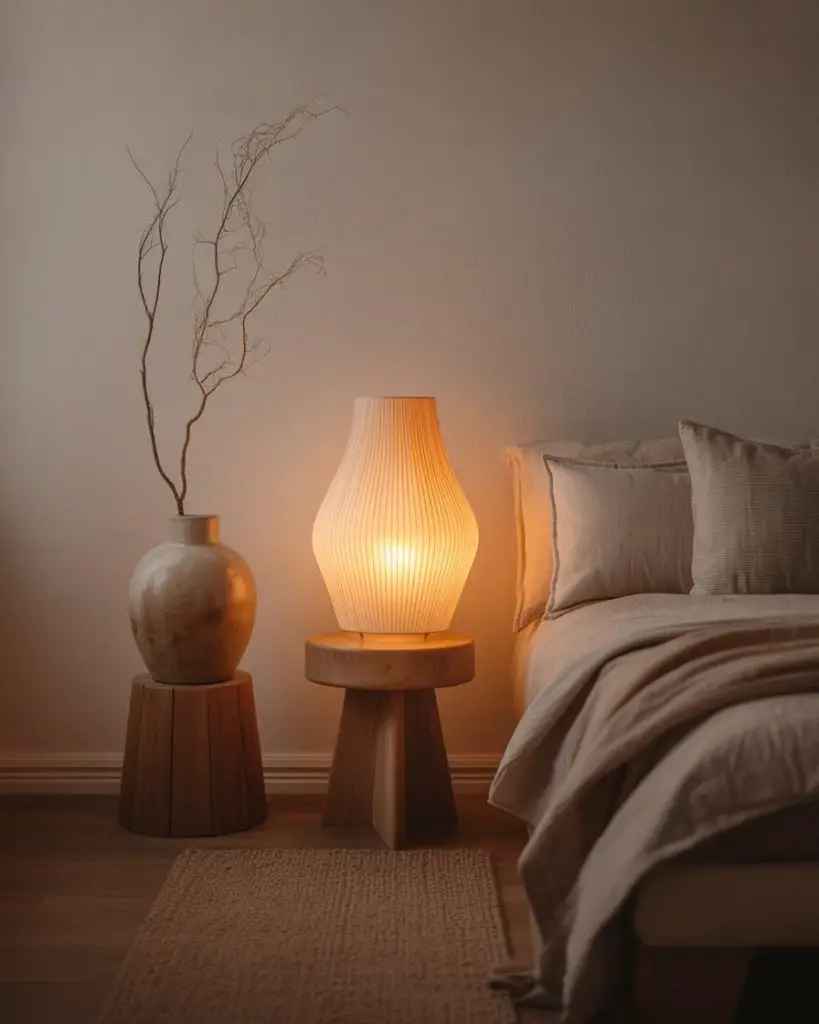
This approach works universally, but it’s especially popular in colder climates where people spend more time indoors. A real estate agent I know mentioned that well-lit, warmly styled bedrooms photograph better and help homes sell faster, even in competitive markets. The mistake to avoid is relying on a single overhead light—it flattens the space and kills the cozy vibe. Invest in dimmers and multiple light sources to create depth and atmosphere.
Conclusion
Now that you’ve seen ways to transform a small bedroom, which ideas are calling out to you? Whether you’re drawn to bold colors, clever storage, or budget-friendly DIY projects, there’s no single right answer—just the one that fits your life. Drop a comment below and let us know which bedroom idea you’re planning to try first, or share your own small-space solutions with the community.