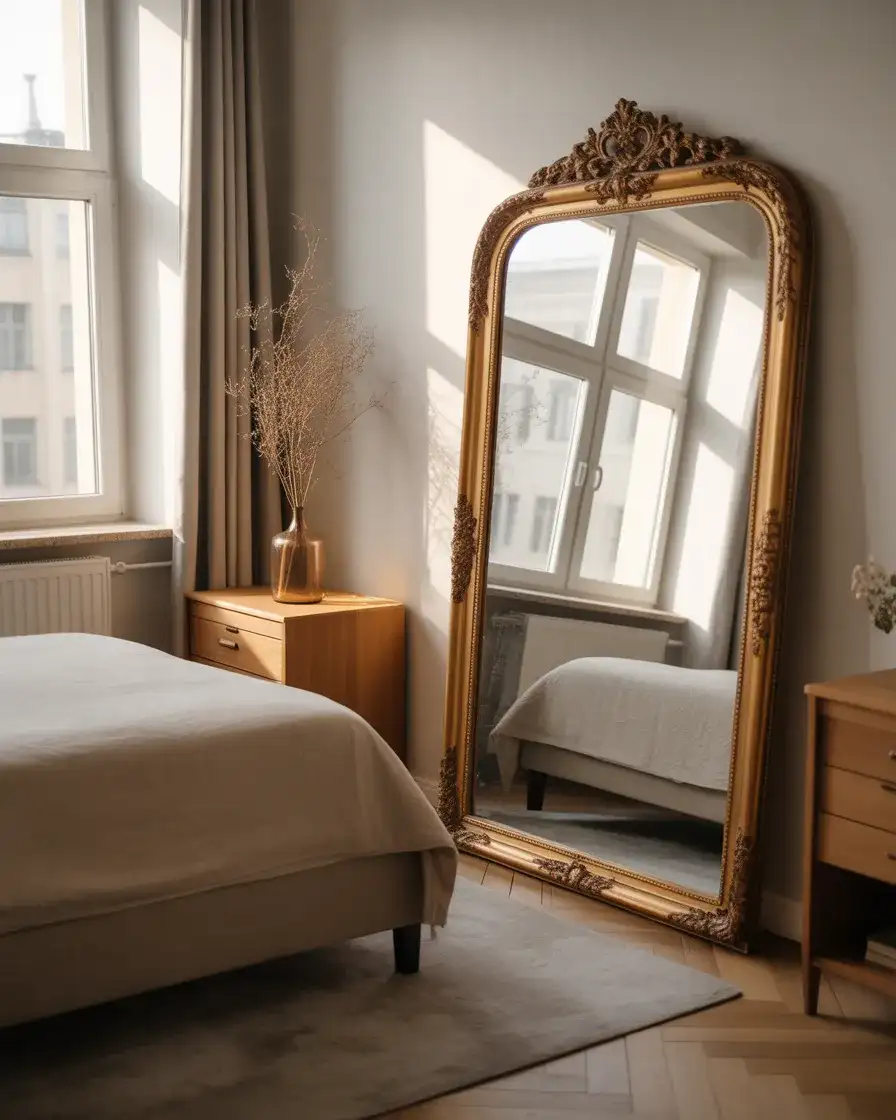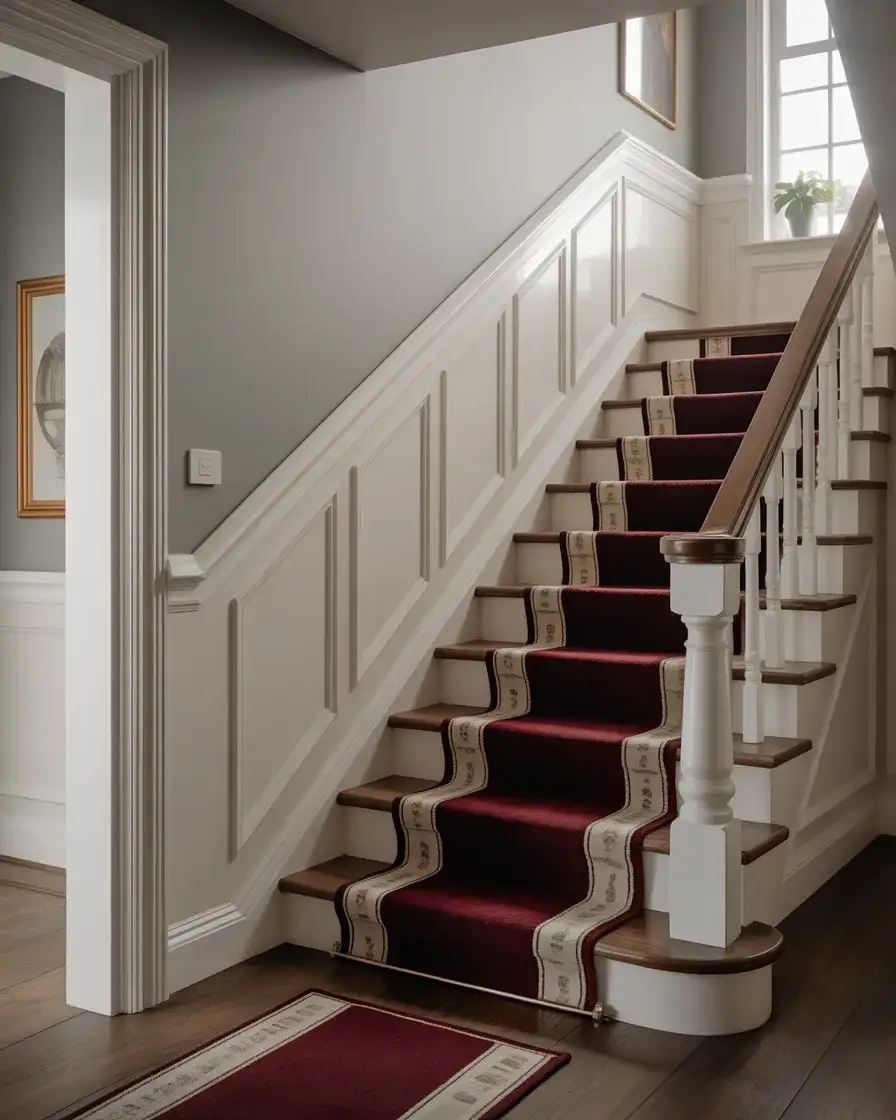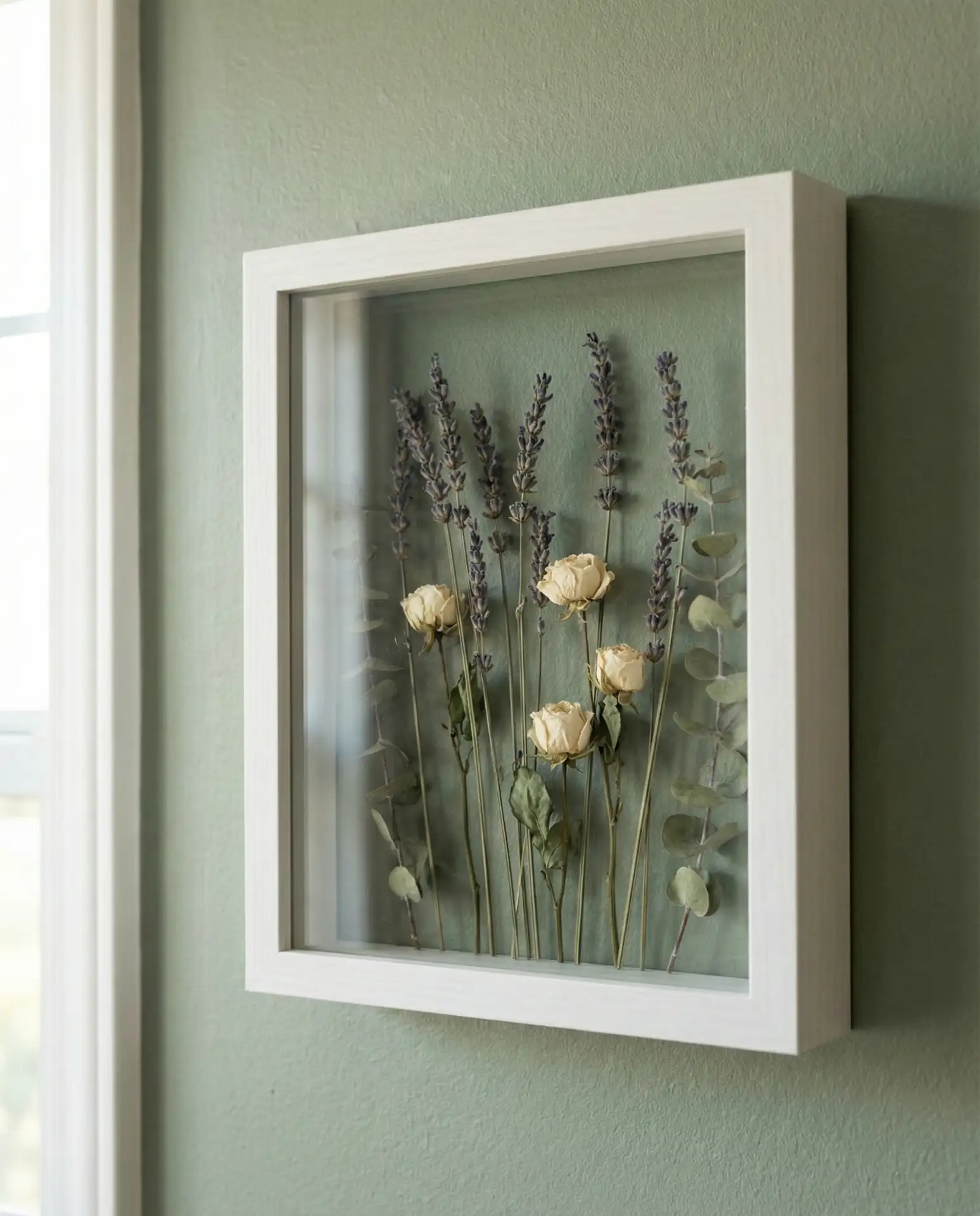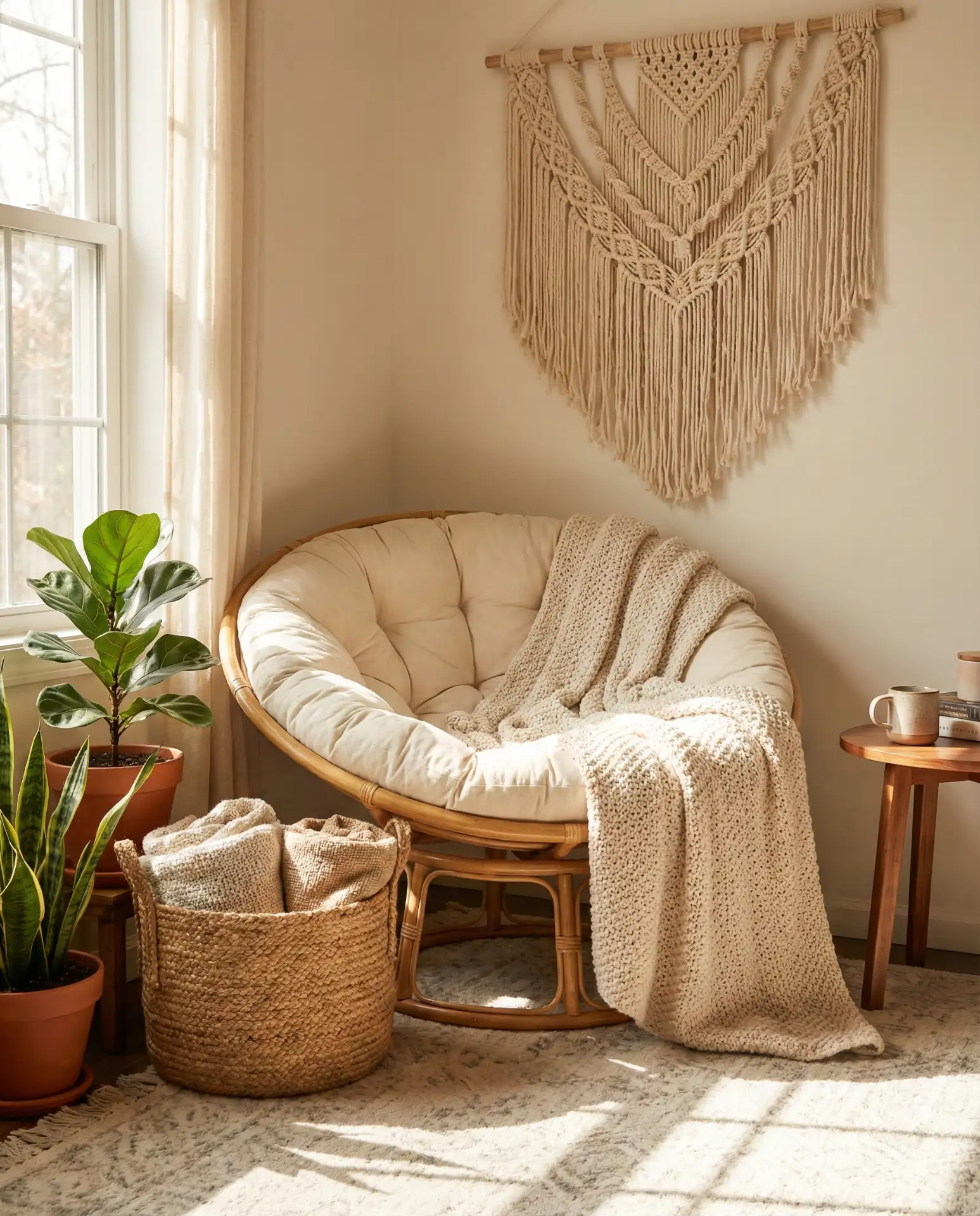
Bookshelves have quietly become one of the most creative focal points in American homes in 2026. What used to be simple storage has evolved into a carefully curated display of personal style, blending functionality with visual storytelling. From cozy reading corners in Brooklyn apartments to expansive built-in libraries in Texas ranch homes, the bookshelf is now a canvas for self-expression. Pinterest searches for bookshelf styling have surged as people look for fresh ways to balance books, objects, and negative space. This guide offers inspiring ideas that reflect the diversity of design trends shaping homes this year.
1. Eclectic Layered Bookshelf with Mixed Texture s
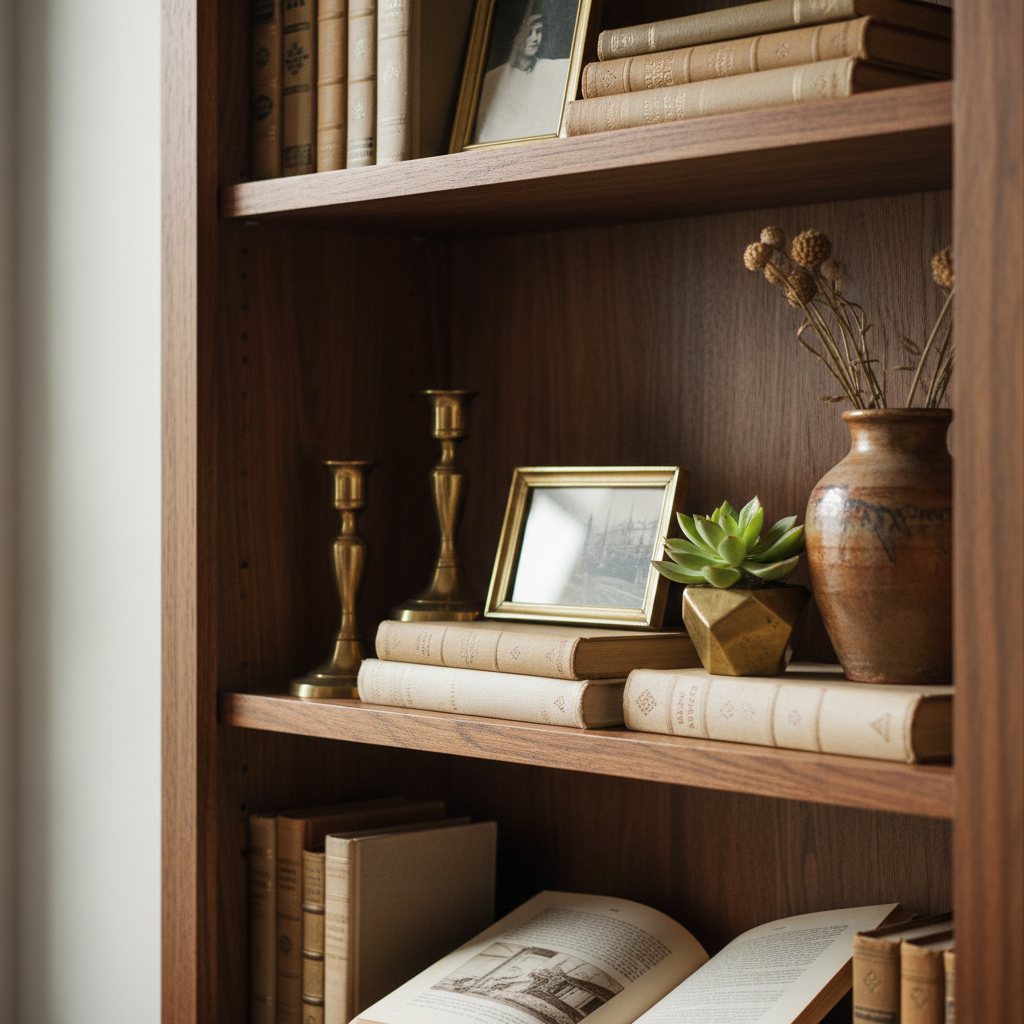
An eclectic bookshelf thrives on contrast and surprise. Think vintage brass candlesticks next to contemporary black ceramic vases, layered in front of stacked hardcovers. This approach works especially well in living rooms where the shelf acts as a conversation starter. The key is to rotate items seasonally so the display never feels static. You can mix glossy and matte finishes, incorporate woven baskets, and lean framed art against the back for depth.
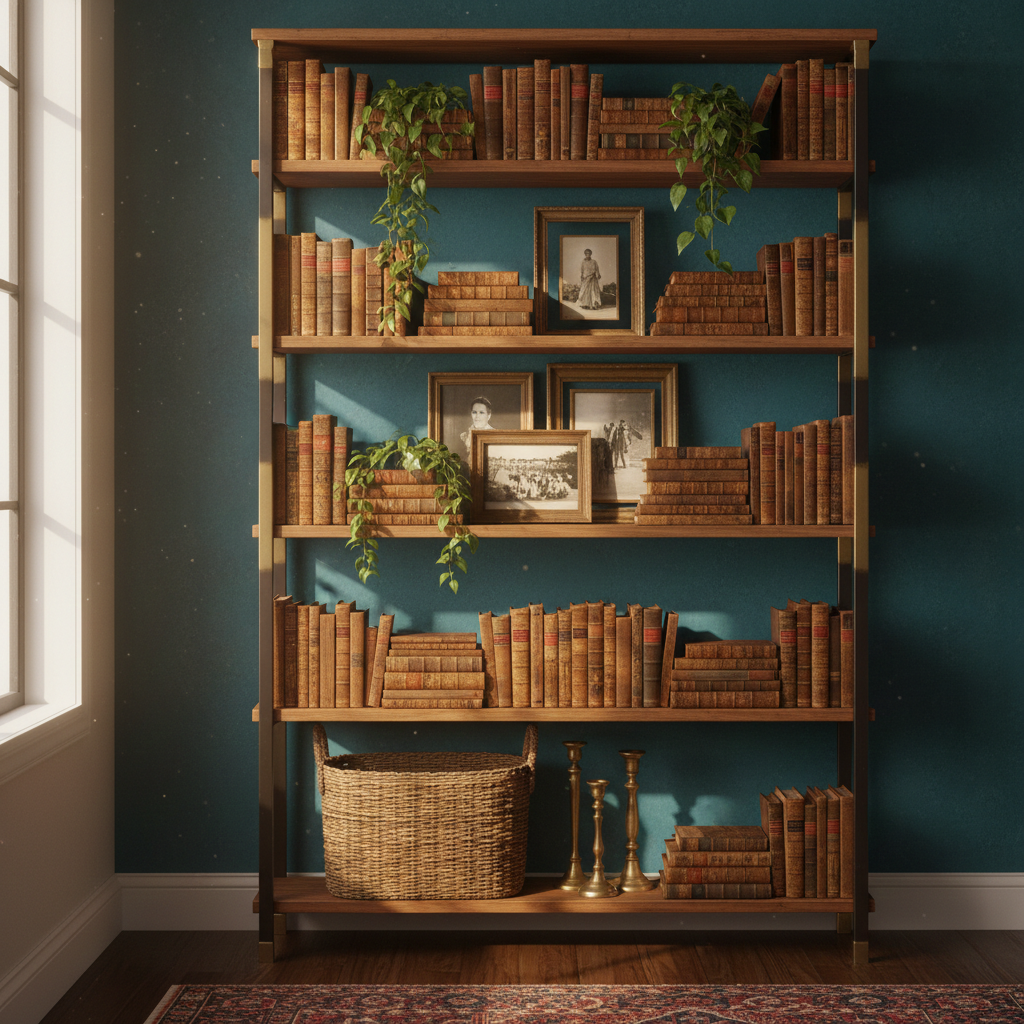
Where it works best: Open-plan homes where the bookshelf is visible from multiple angles benefit most from this layered approach. Because every side matters, you’ll want to style with intention on all exposed edges. Avoid overcrowding the top shelf—it’s tempting, but it can make the whole unit feel cluttered. Instead, leave one shelf partially empty to give the eye a place to rest.
2. Dark Moody Library with Deep Shelving
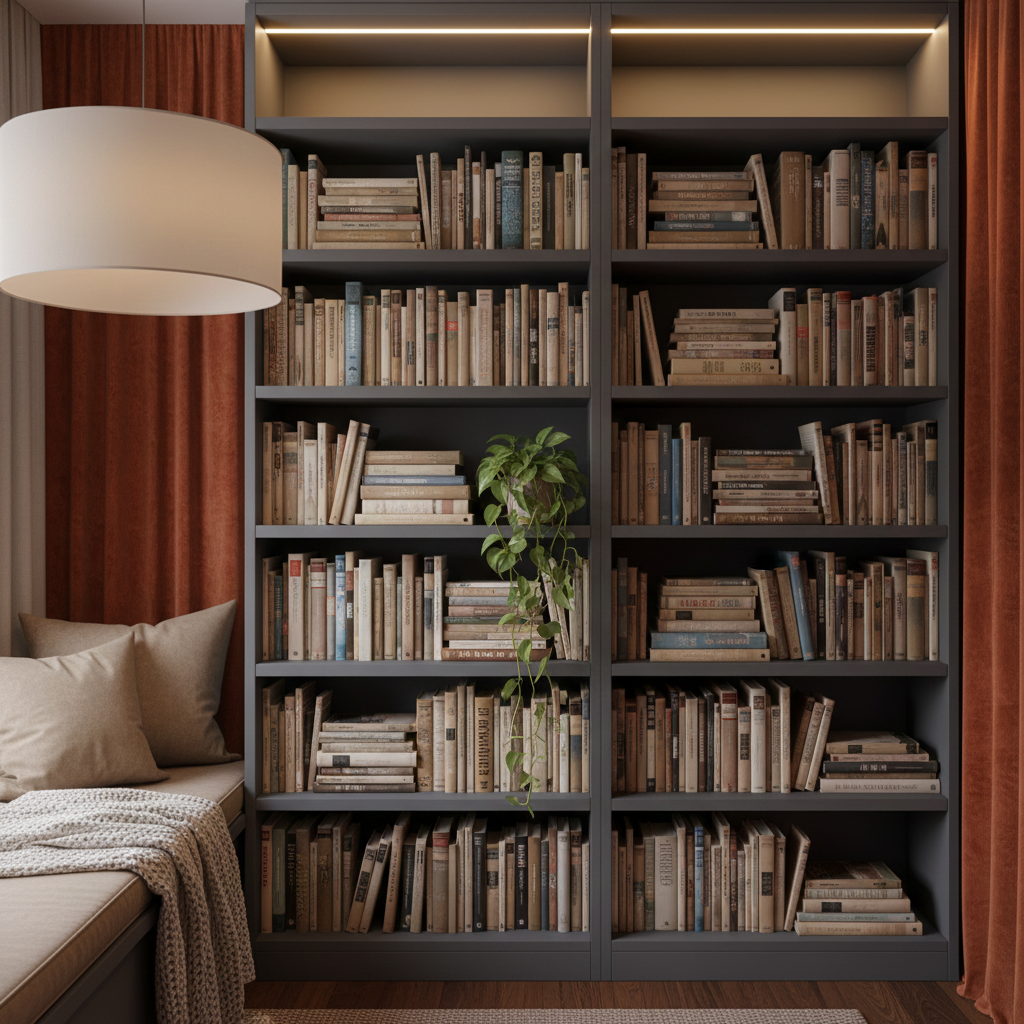
A dark bookshelf backdrop—navy, charcoal, or forest green—transforms a simple storage unit into a dramatic design feature. This trend has taken off in 2026, especially in home offices and dens where a cozy, focused atmosphere is desired. The dark tones make colorful book spines pop and create a gallery-like effect. Pair this with warm lighting, like a small brass sconce or a table lamp, to prevent the space from feeling too heavy.
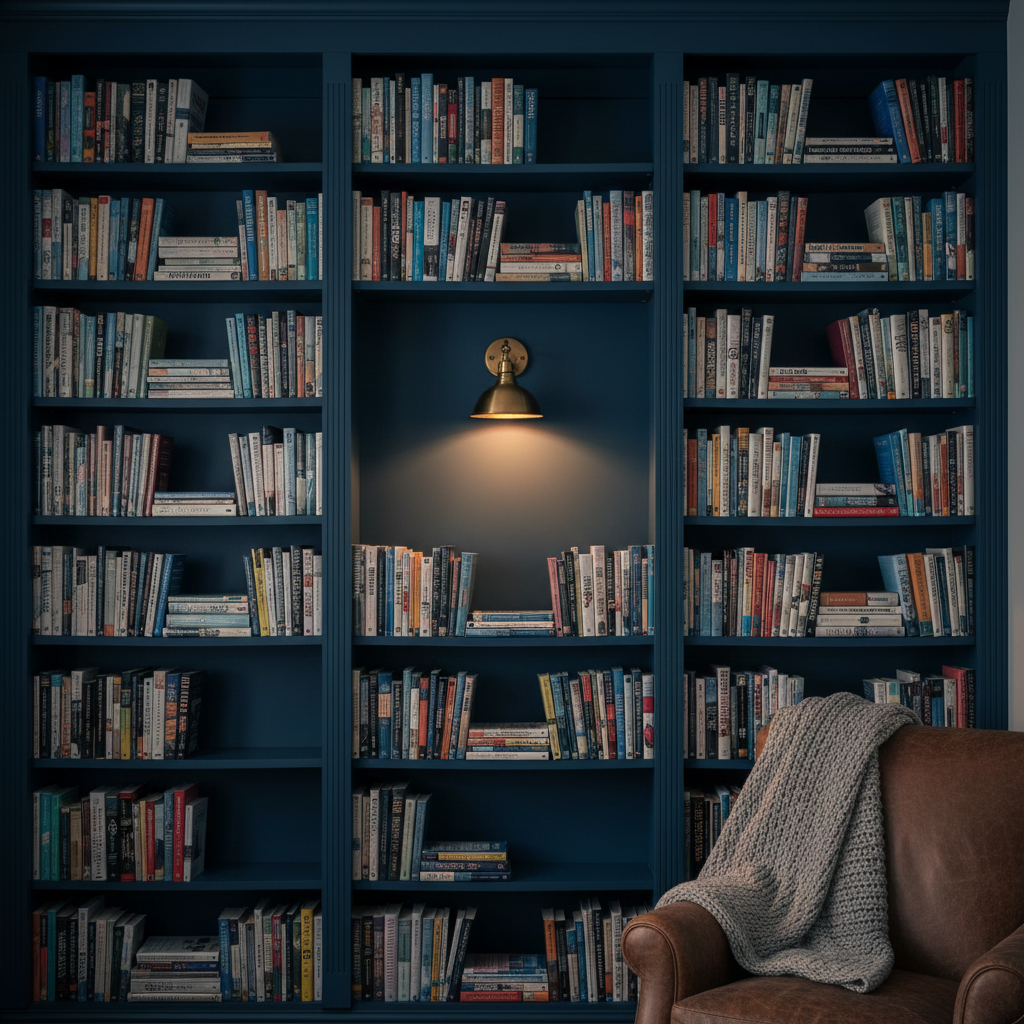
Budget-conscious decorators can achieve this look by painting the back panel of an existing bookshelf in a bold hue. You don’t need custom millwork to make an impact. A quart of deep green paint costs under $40 and can completely change the vibe of a room. Just be sure to tape off edges carefully and use a small roller for a smooth, professional finish.
3. Aesthetic Bookshelf with Neutral Tones and Organic Shapes
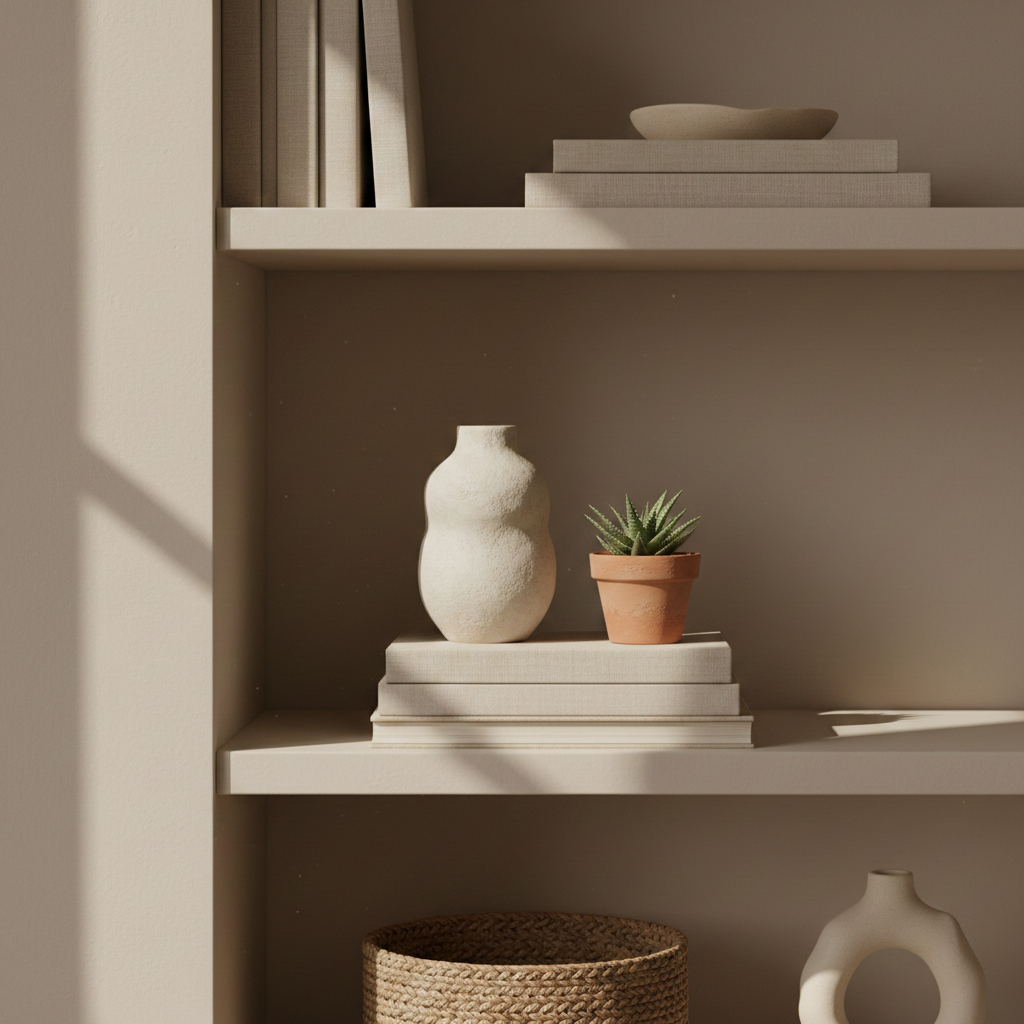
The aesthetic bookshelf trend leans heavily into soft neutrals, curved ceramics, and natural materials. Think linen-bound books, terracotta pots, and hand-thrown stoneware mugs displayed like sculpture. This style is popular among younger homeowners who want their spaces to feel Instagram-ready but still lived-in. The secret is editing ruthlessly—every item should feel intentional, not accidental.
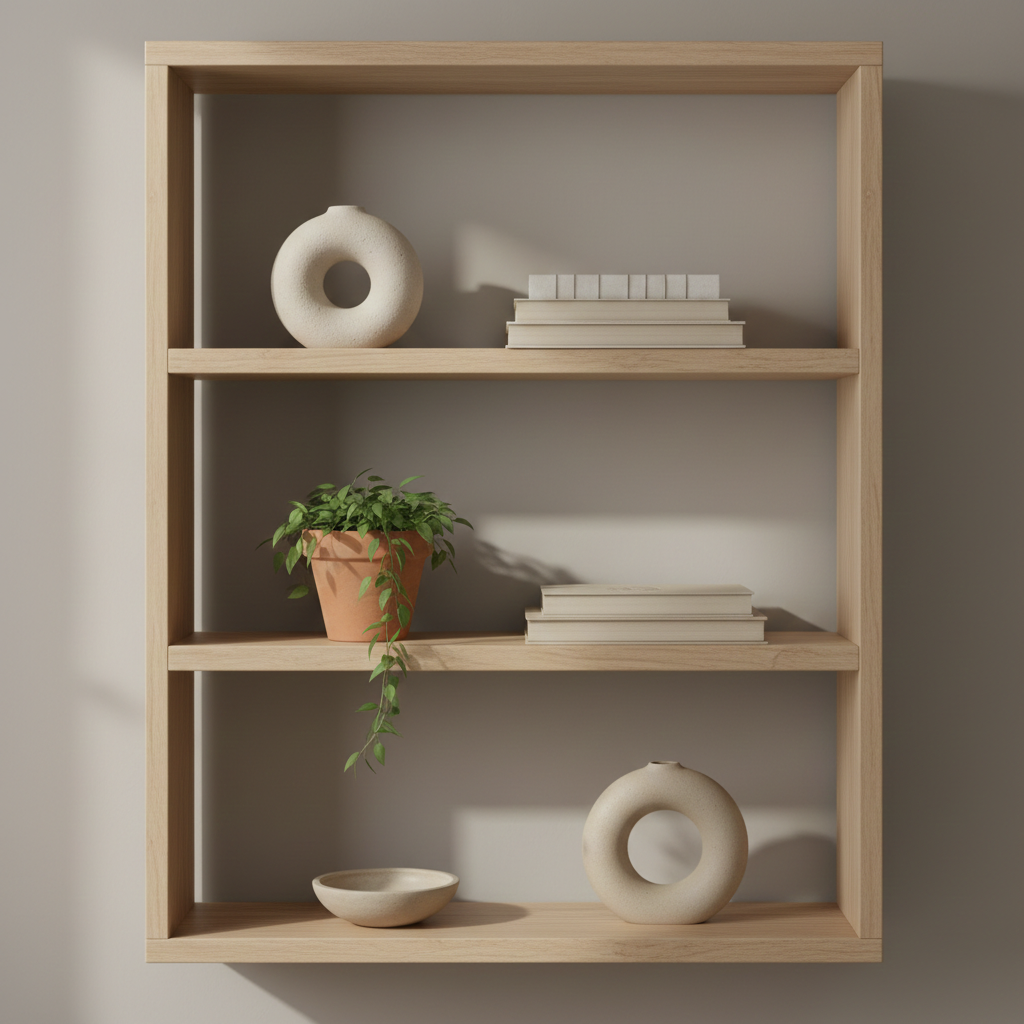
A common mistake is over-styling with too many small objects. Instead, group items in odd numbers—three, five, or seven—and vary their heights. A tall vase next to a short stack of books creates visual rhythm. If something doesn’t contribute to the overall calm, remove it. This restraint is what separates a truly aesthetic bookshelf from a cluttered one.
4. Books—First Display with Color-Coded Spines
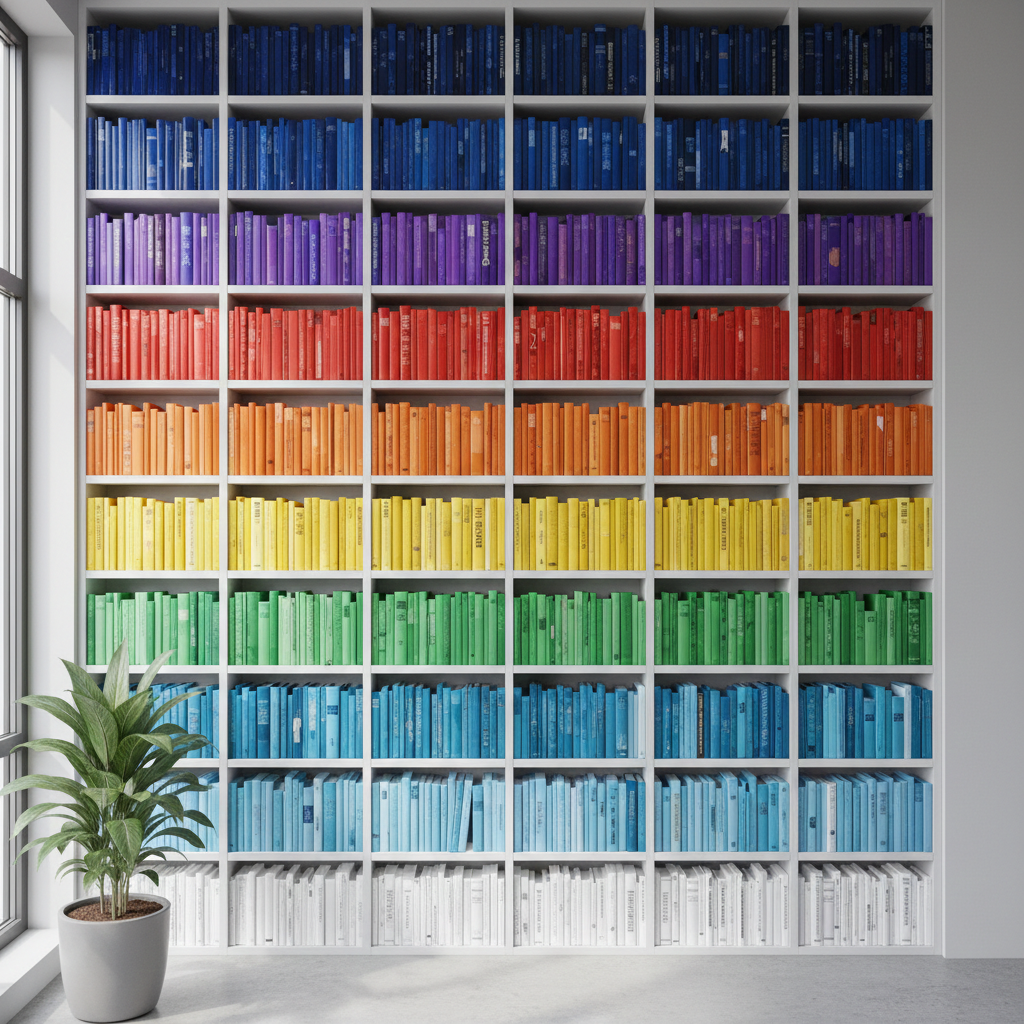
For serious readers, the bookshelf should celebrate books above all else. Color-coding spines—from warm reds to cool blues—creates a gradient effect that’s both functional and beautiful. This method works particularly well on tall shelving units where the rainbow effect can stretch vertically. Some people worry that they won’t be able to find titles, but most avid readers remember books by cover color as much as by title.
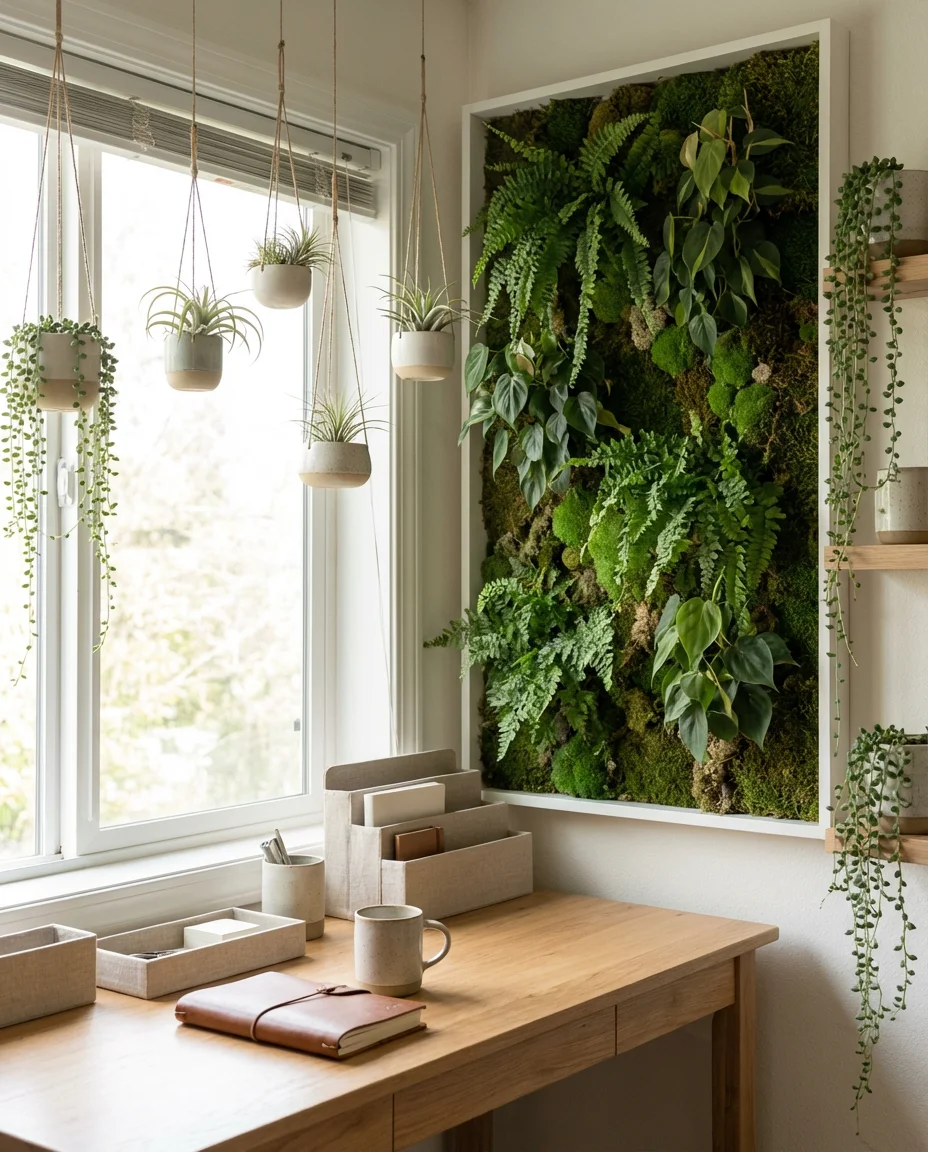
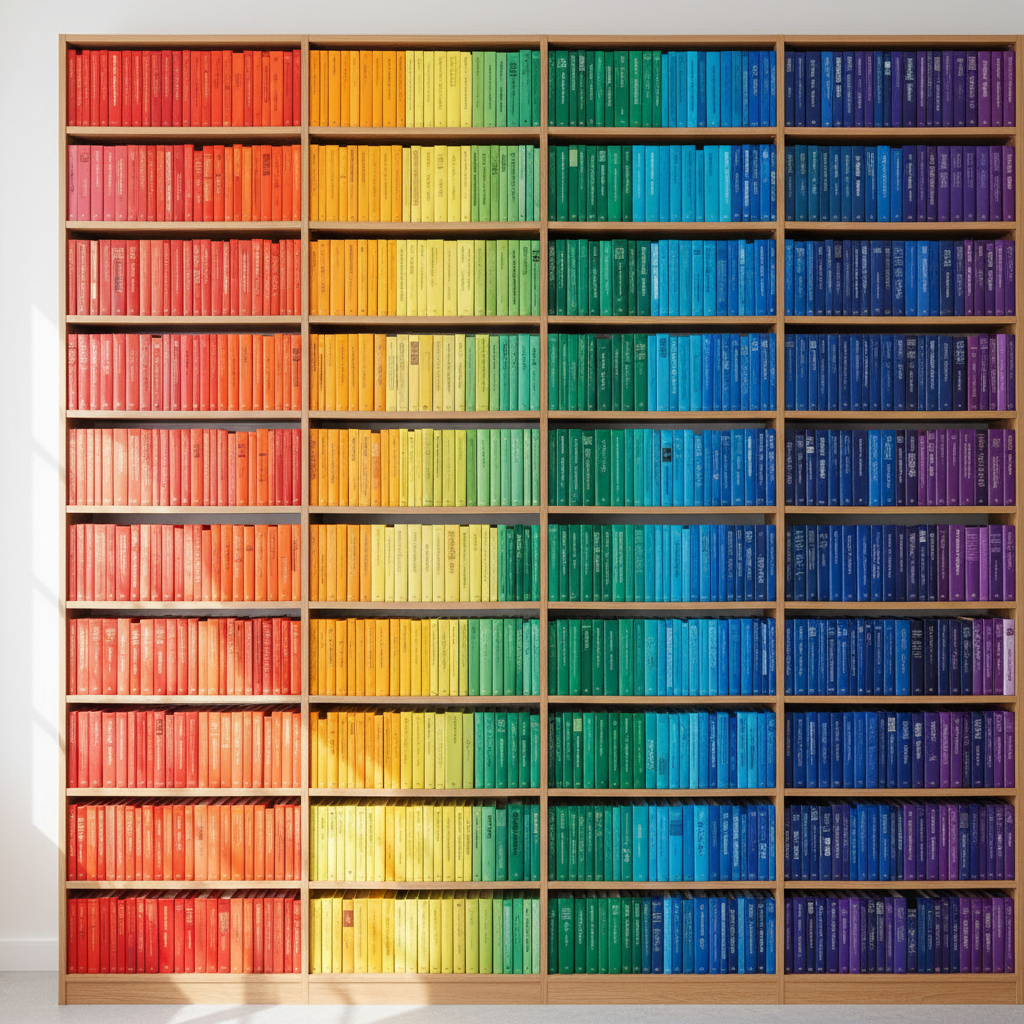
Practical insight: If you have a large collection, photograph each section before reorganizing. This way, you can cross-reference later if you need to locate a specific title quickly. Also, leave a few inches of breathing room on each shelf—books expand and contract with humidity, and overstuffing can warp spines over time.
5. Black Frame Bookshelf with Industrial Edge
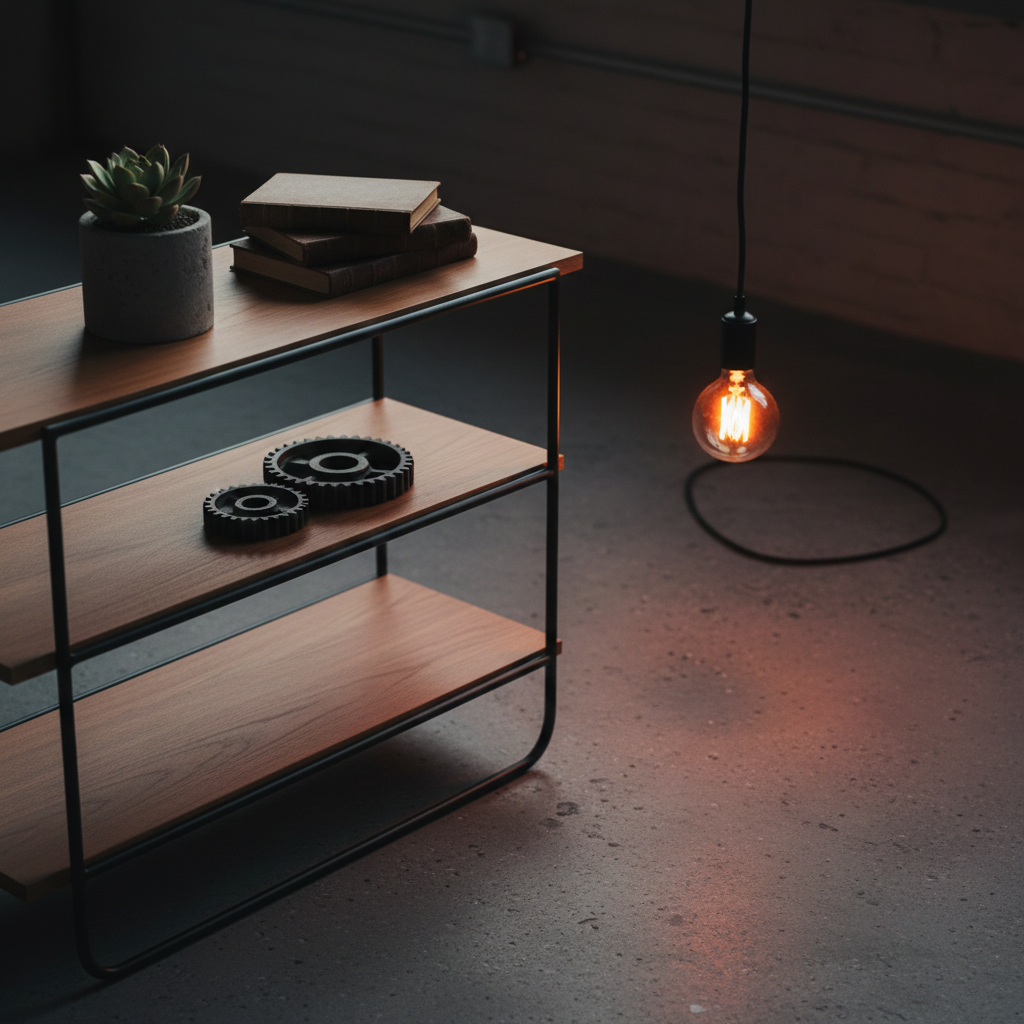
A black metal-framed bookshelf brings an industrial, loft-style vibe to any room. These units pair beautifully with exposed brick, concrete floors, or reclaimed wood furniture. The thin metal profiles keep the look airy despite the dark finish, making them ideal for smaller spaces where you want visual weight without bulk. Style them with a mix of books, greenery, and matte black accessories for a cohesive, modern feel.
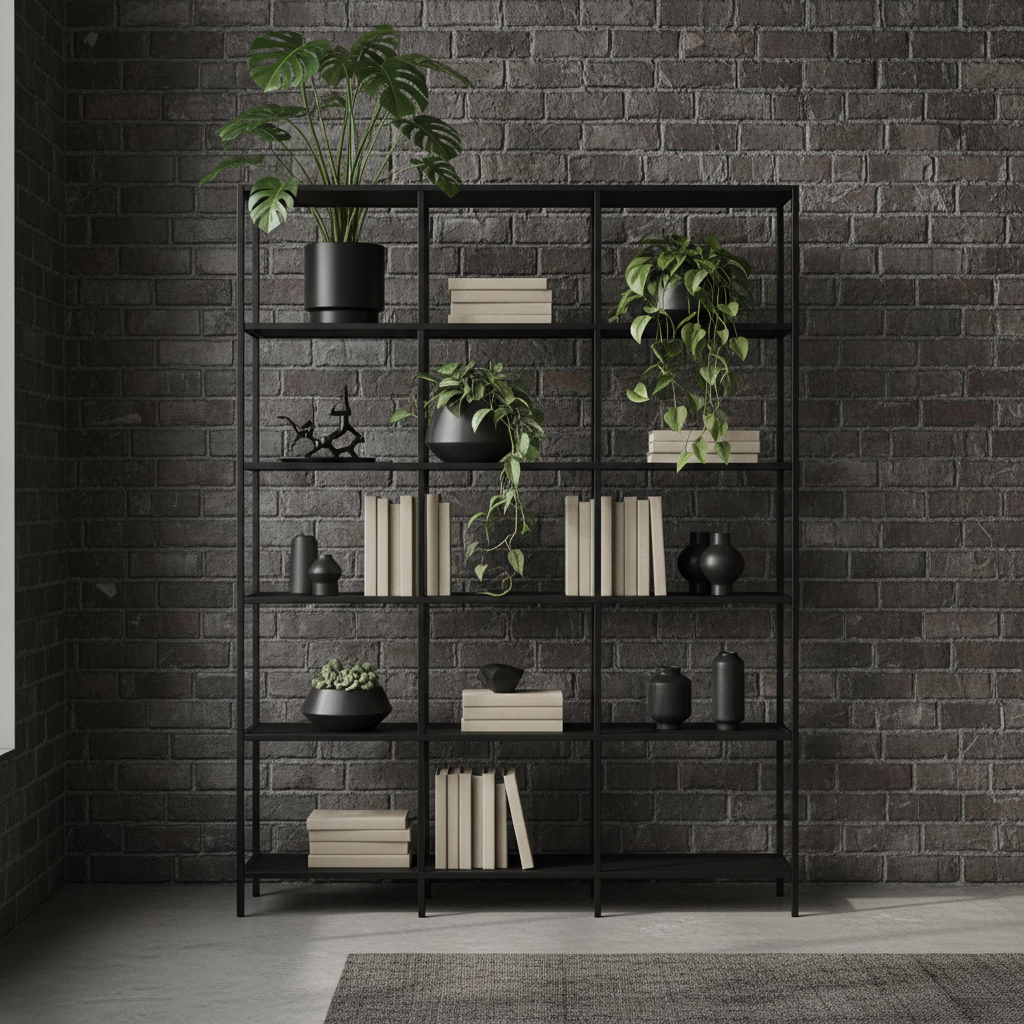
Where it works best: Urban apartments and converted loft spaces are natural homes for this style. The clean lines also work in home offices where you want a professional, no-nonsense look. If your space feels too stark, warm it up with a wool throw draped over a nearby chair or a small brass lamp on the shelf itself.
6. Cube Storage System with Modular Flexibility
The cube bookshelf—think Kallax or similar systems—remains a favorite for its adaptability. Each compartment can hold books, fabric bins, vinyl records, or decorative objects, making it a chameleon in any room. In 2026, people are using these units horizontally as room dividers or TV consoles, not just as vertical shelving. The modular nature means you can expand or reconfigure as your needs change.
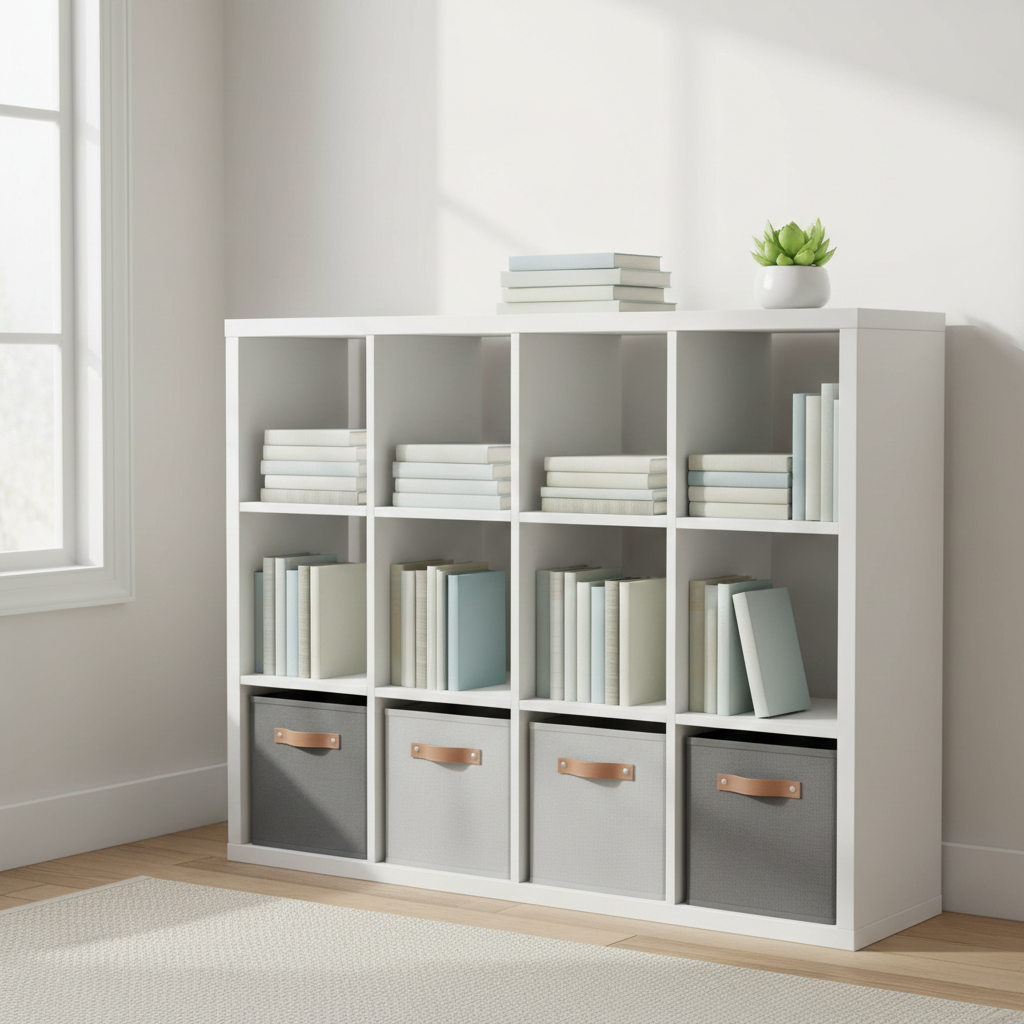
Real homeowner behavior: Many people start with a single four-cube unit and add on over time. This gradual approach lets you test the layout before committing to a full wall. Just make sure to anchor taller configurations to the wall—especially if you have kids or pets—to prevent tipping.
7. Open Floating Shelves with Minimalist Appeal
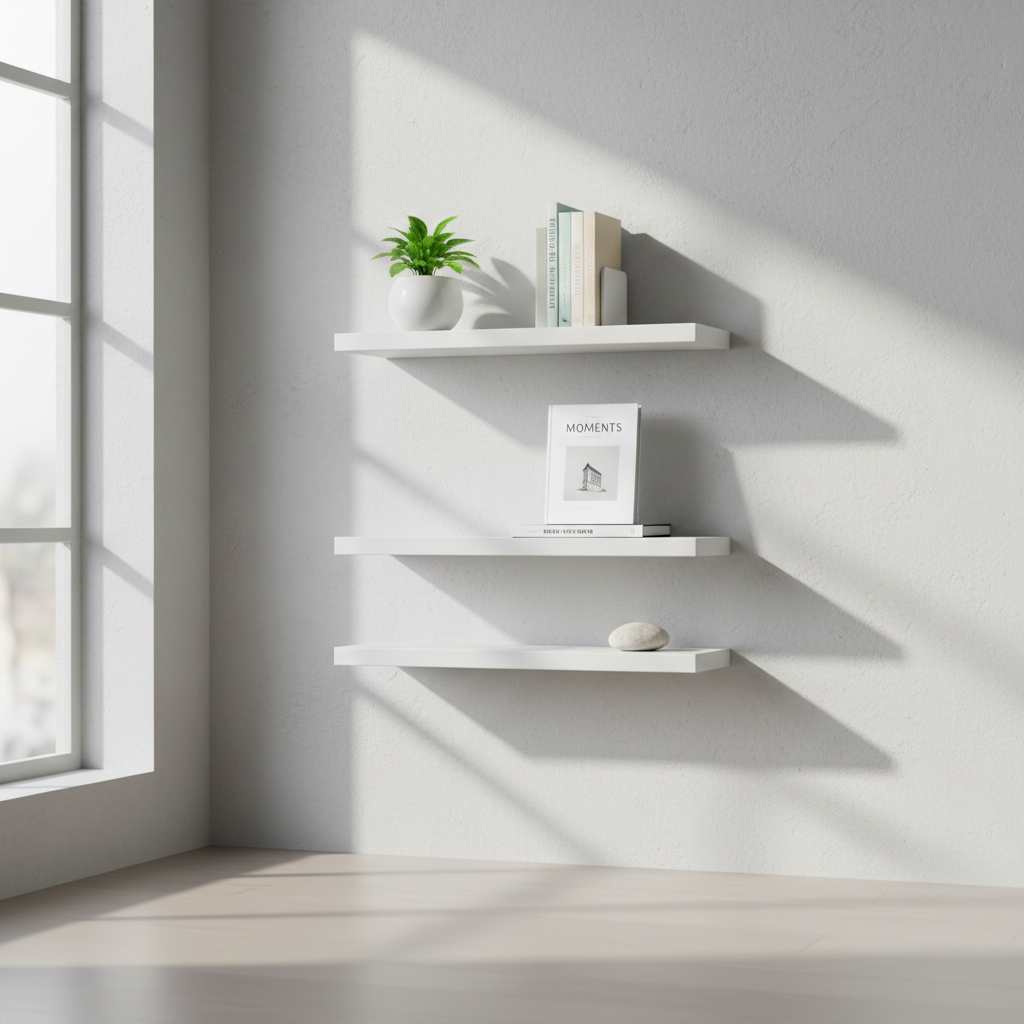
Open floating shelves are the go-to for minimalists who want storage without visual clutter. Without side panels or backing, these shelves feel light and unobtrusive, perfect for small spaces or rooms with high ceilings. The key is to style them sparingly—three to five items per shelf is plenty. A minimal approach here means each object has room to breathe and be appreciated individually.
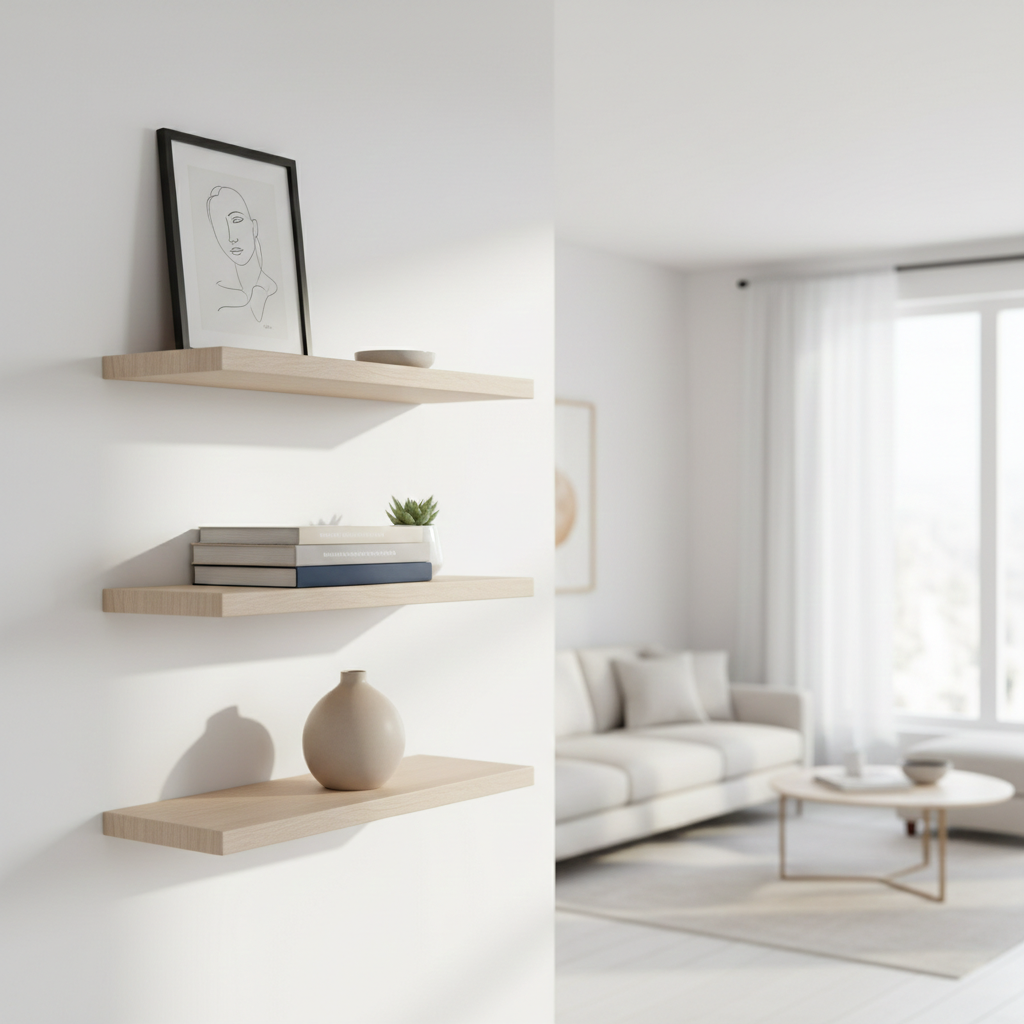
Expert-style commentary: Interior designers often recommend floating shelves in kitchens and bathrooms as well as living spaces. They’re a smart way to display dishware, toiletries, or books without committing to bulky cabinetry. Just be sure the brackets are rated for the weight you’re planning to hold—overloading a shelf can pull it right out of the drywall.
8. Large Statement Bookshelf as Room Anchor

A large, floor-to-ceiling bookshelf can define an entire room’s character. This is especially true in open-concept homes where a single piece of furniture needs to set the tone. Choose a unit with interesting proportions—asymmetrical shelving, varied depths, or integrated lighting—to maximize its impact. The goal is for the bookshelf to feel like architecture, not just furniture.
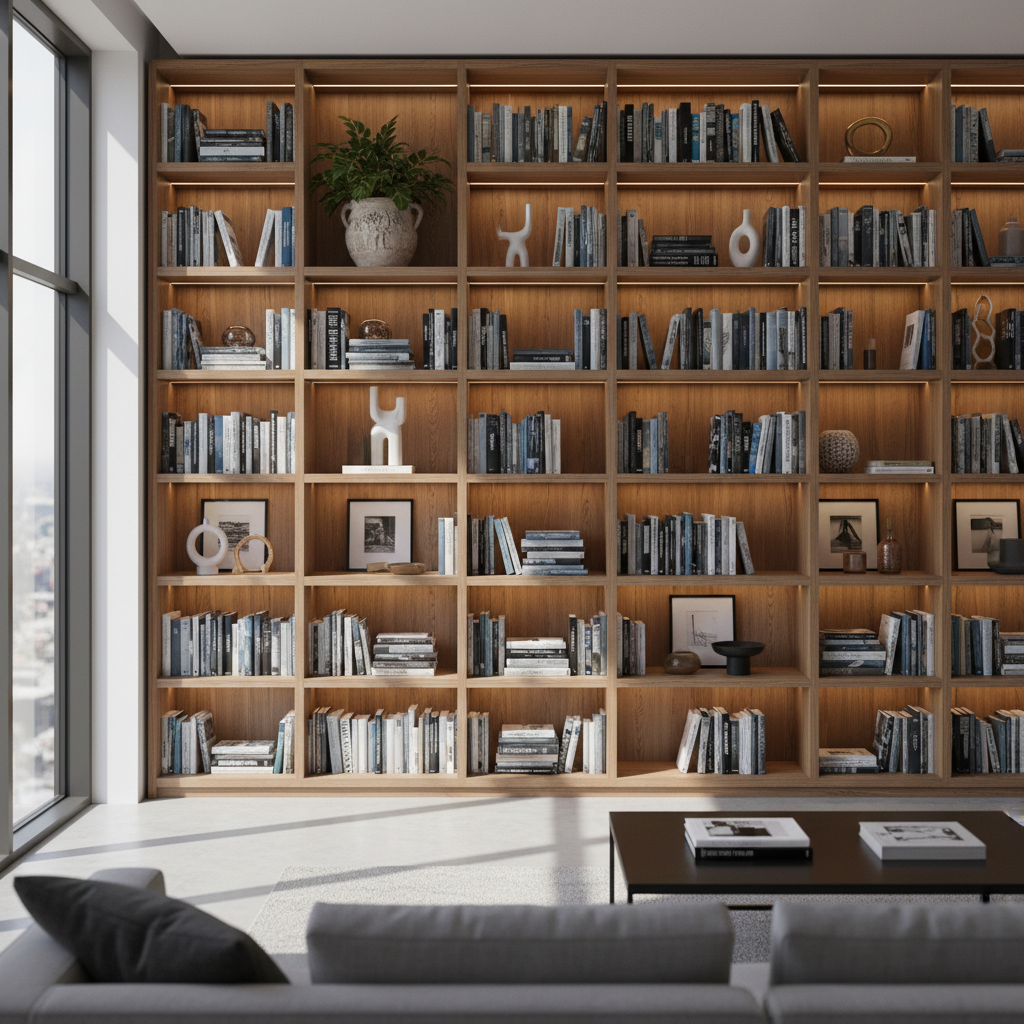
American lifestyle context: In the Midwest and South, where homes often have larger floor plans, these statement pieces are increasingly popular in family rooms and basements. They offer a way to personalize big, open spaces that can otherwise feel impersonal. A well-styled large bookshelf can also serve as a backdrop for video calls, adding warmth and credibility.
9. Ladder Shelf Leaning with Casual Charm
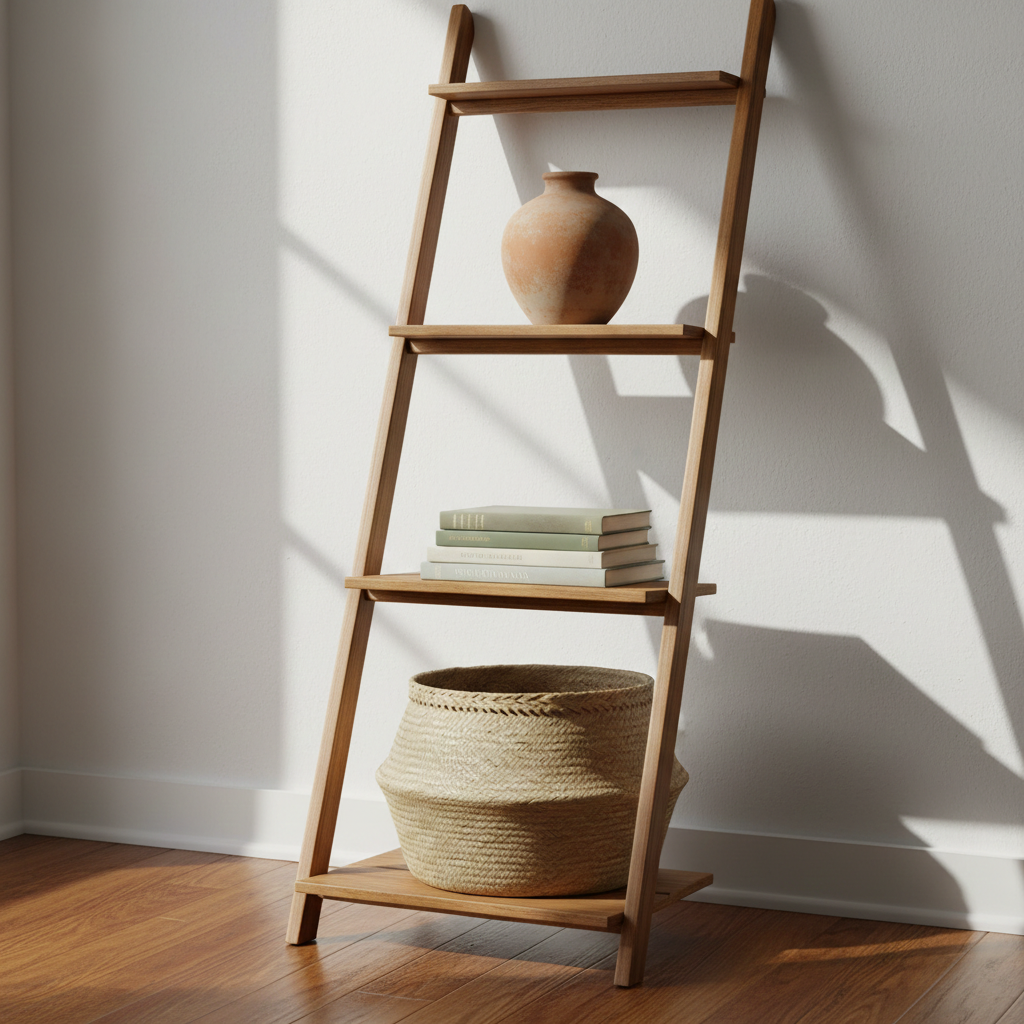
The ladder bookshelf leans against the wall at an angle, offering a relaxed, unfussy look. It’s a favorite in bedrooms and entryways where space is tight but you still want vertical storage. The tapered design—wider at the bottom, narrower at the top—gives it a light footprint. Style the lower shelves with heavier items like books and baskets, and reserve the top for lightweight decor.
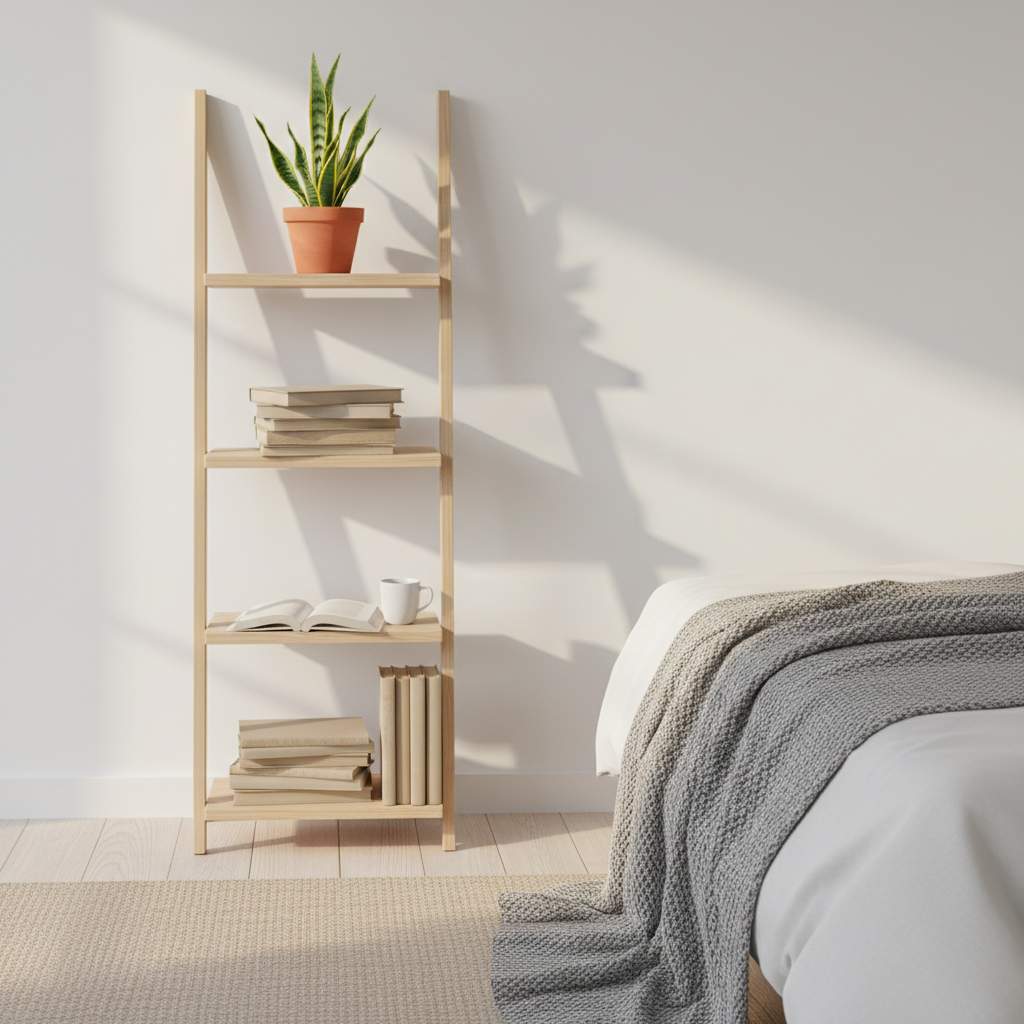
Micro anecdote: A friend in Portland uses a ladder shelf in her tiny studio apartment as a nightstand alternative. It holds her current reads, a glass of water, and a small lamp without taking up much floor space. The vertical orientation is a clever way to reclaim square footage in a cramped layout.
10. Narrow Bookshelf for Tight Spaces
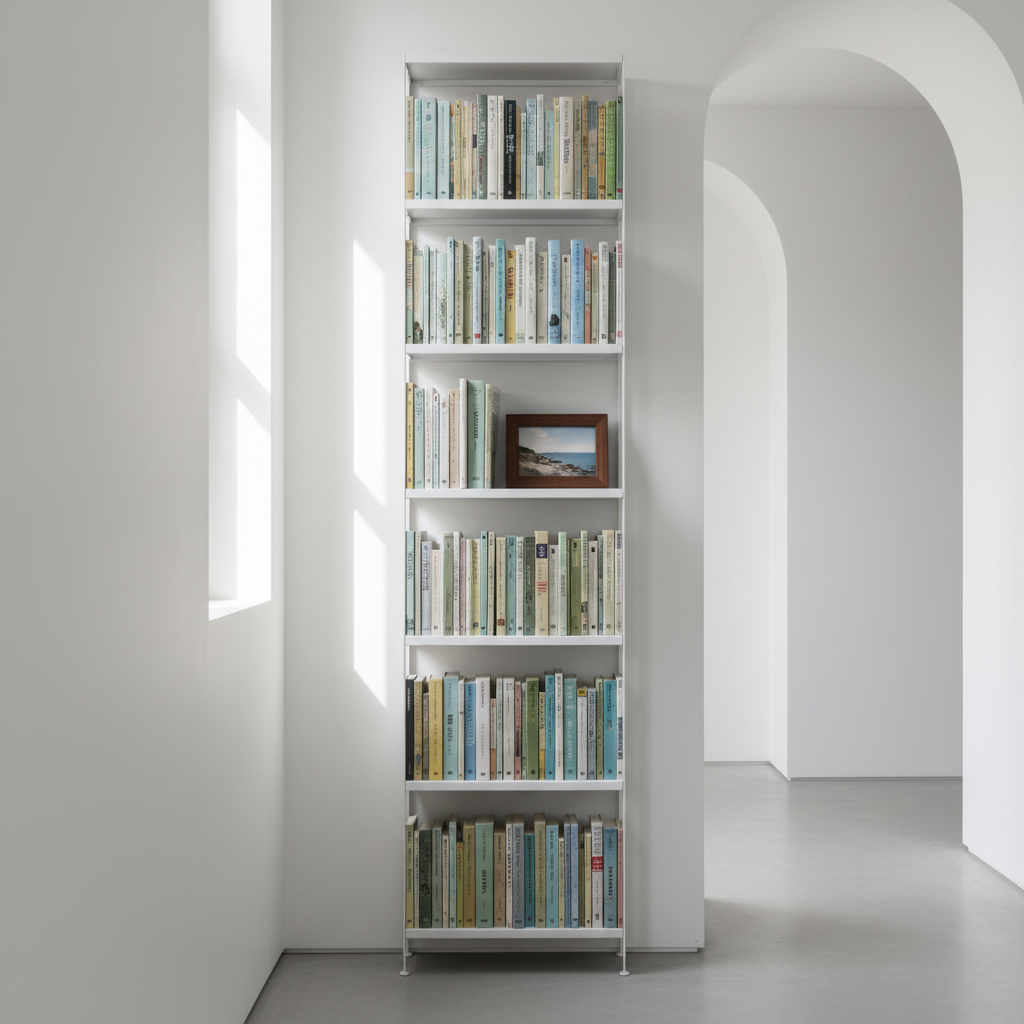
A narrow bookshelf—often 12 inches deep or less—is a lifesaver in hallways, alcoves, or behind doors. These slim units prove that you don’t need a full wall to create a meaningful display. Stack paperbacks vertically, add a few minimal accents, and suddenly an overlooked corner becomes a design moment. The shallow depth also makes it easier to keep things organized since there’s no room for clutter to hide.
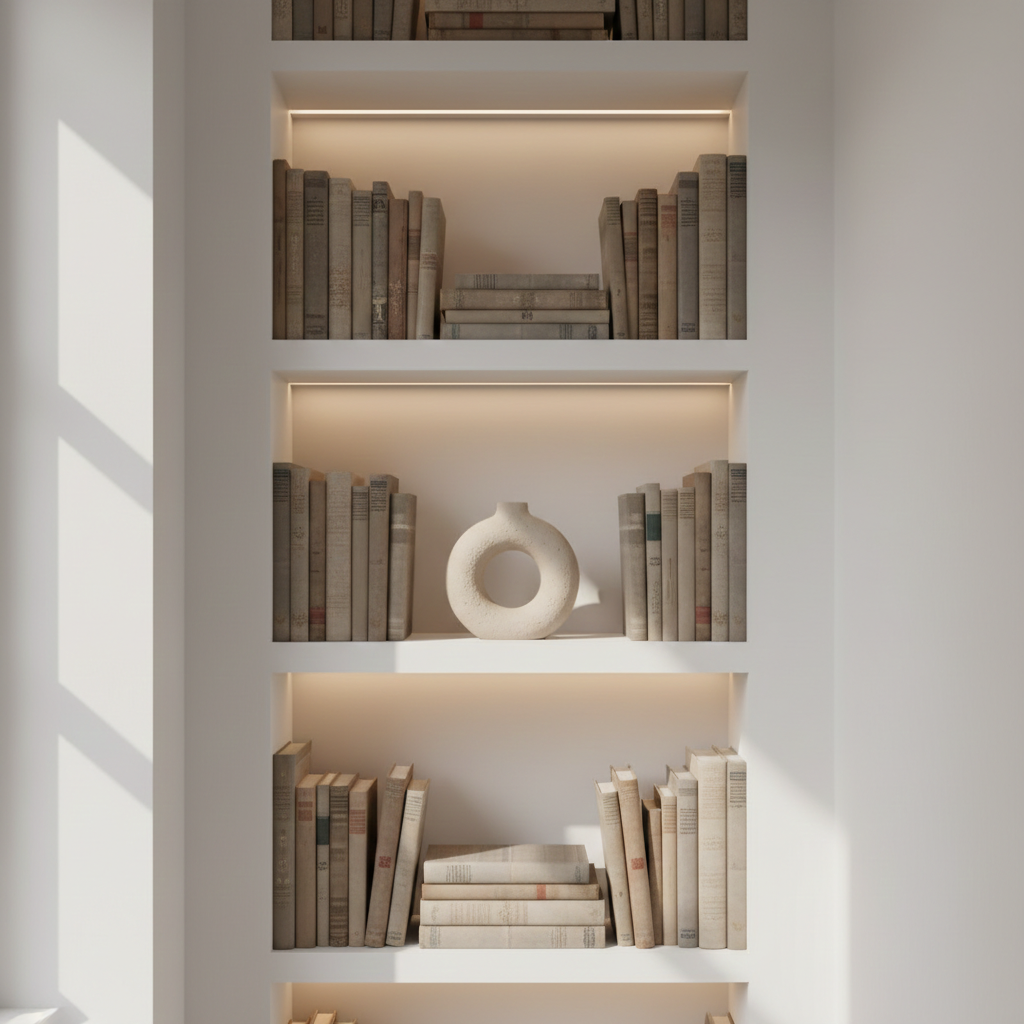
Where it works best: Narrow shelves excel in urban apartments where every inch counts. They’re also great in kids’ rooms for displaying board books or small toys. Just be mindful of wall studs—these thin units can wobble if they’re only anchored to drywall, so use appropriate wall anchors or toggle bolts.
11. Arched Bookshelf with Architectural Interest
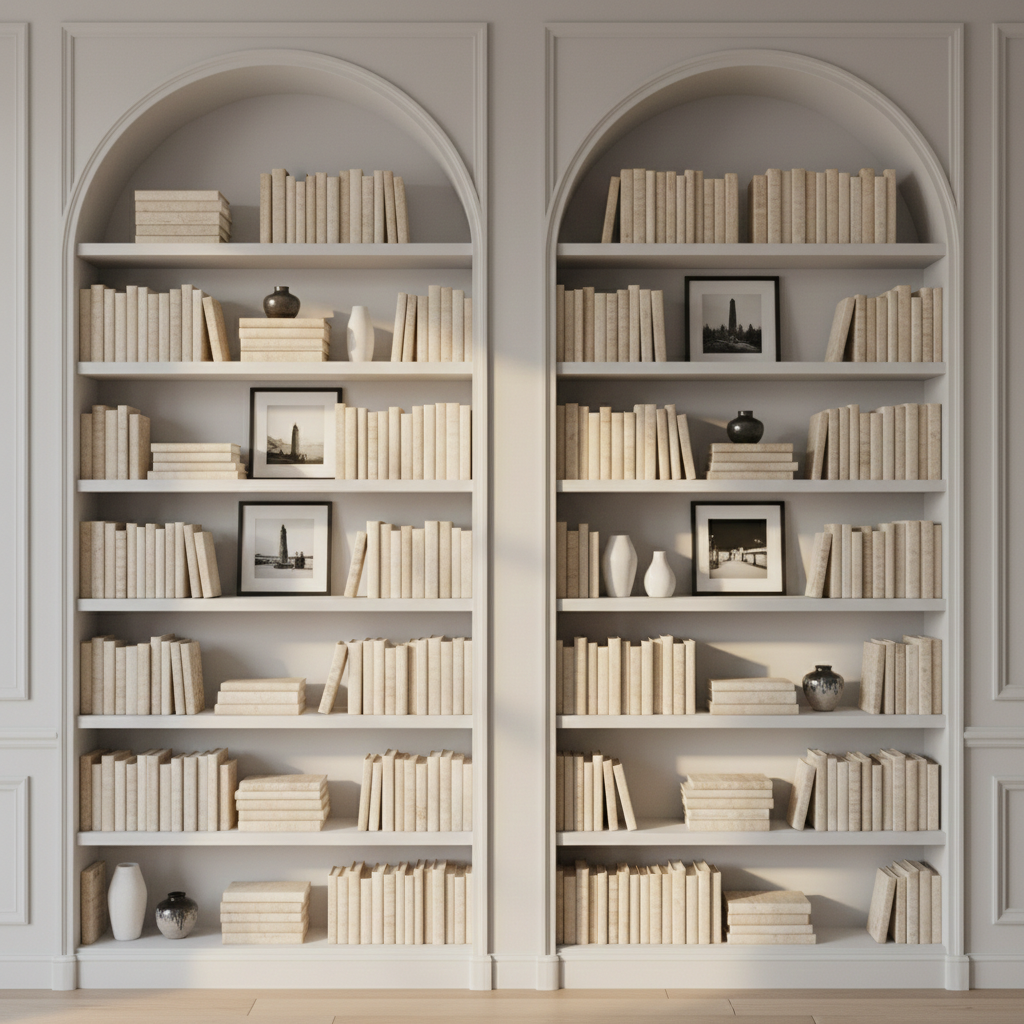
An arched bookshelf brings a touch of Old World elegance into contemporary spaces. The curved top mimics classical doorways and windows, adding softness to a room full of hard edges. This style works beautifully in reading nooks, home libraries, or dining rooms where you want a sense of occasion. Pair it with a velvet armchair and a floor lamp for a truly curated look.
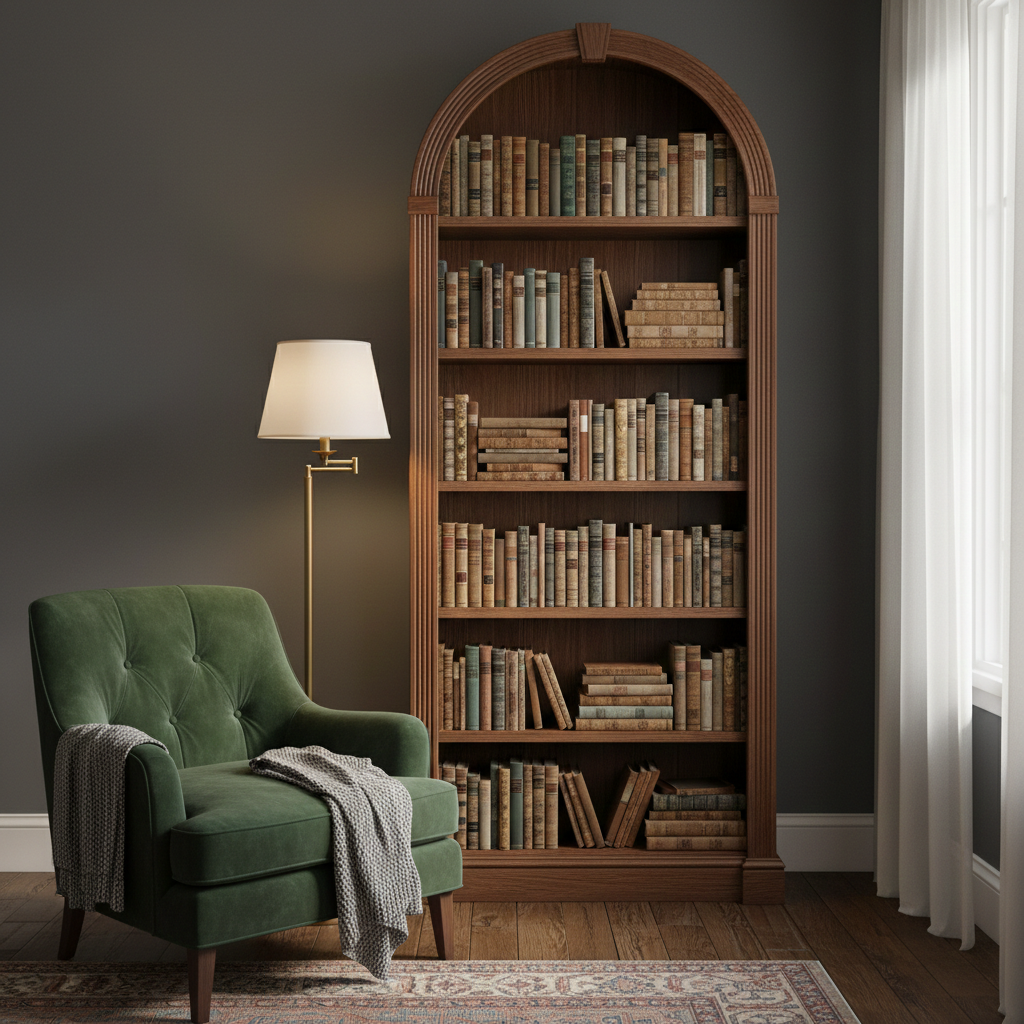
Budget angle: If custom millwork is out of reach, consider retrofitting a standard bookshelf with a wooden arch cut from MDF and painted to match. It’s a DIY-friendly project that costs under $100 in materials and can be completed in a weekend. The transformation is dramatic, and most guests won’t know it wasn’t original to the piece.
12. White Bookshelf for Bright, Airy Spaces
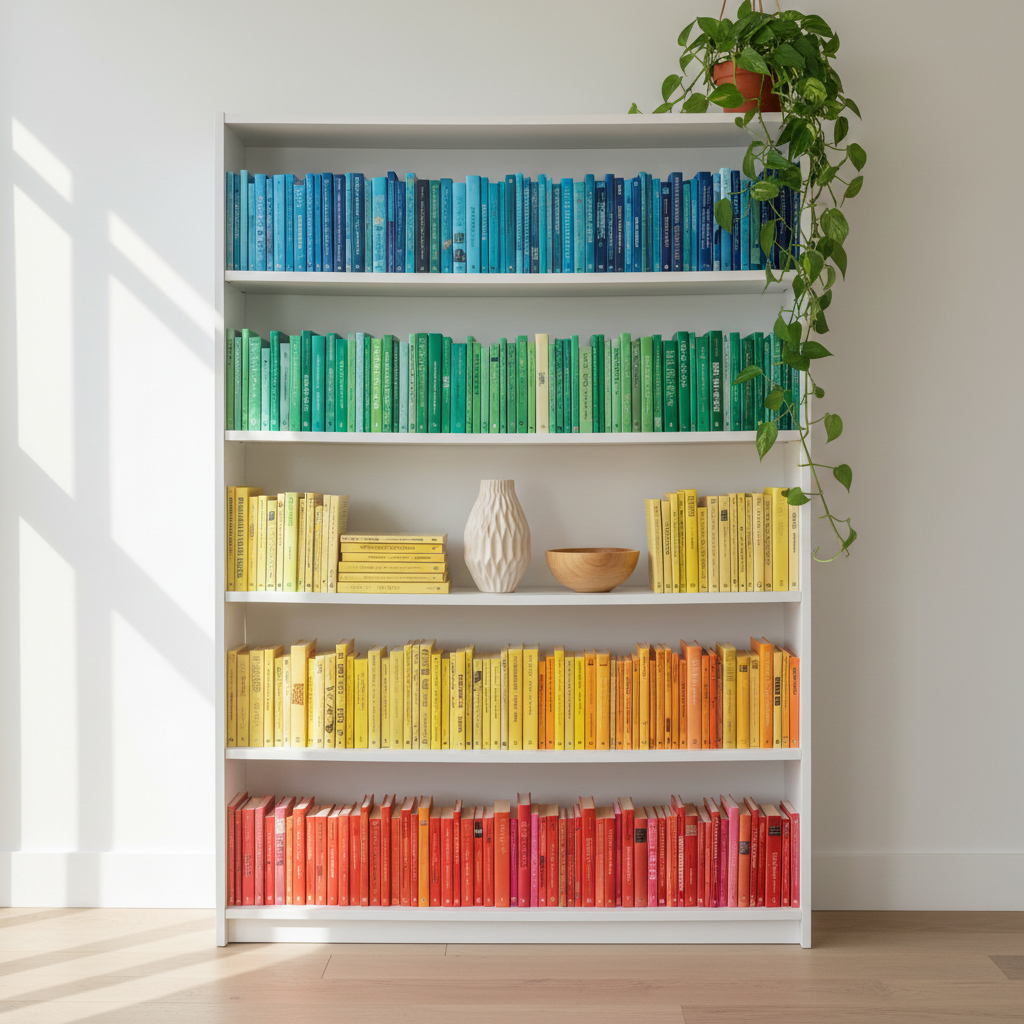
A white bookshelf is a classic choice that never goes out of style. It reflects light, making small rooms feel larger, and serves as a neutral backdrop for colorful book spines and accessories. In 2026, the trend is to style white shelves with a mix of books and sculptural objects in natural materials—think ceramic, wood, and linen. The result is fresh, clean, and effortlessly elegant.
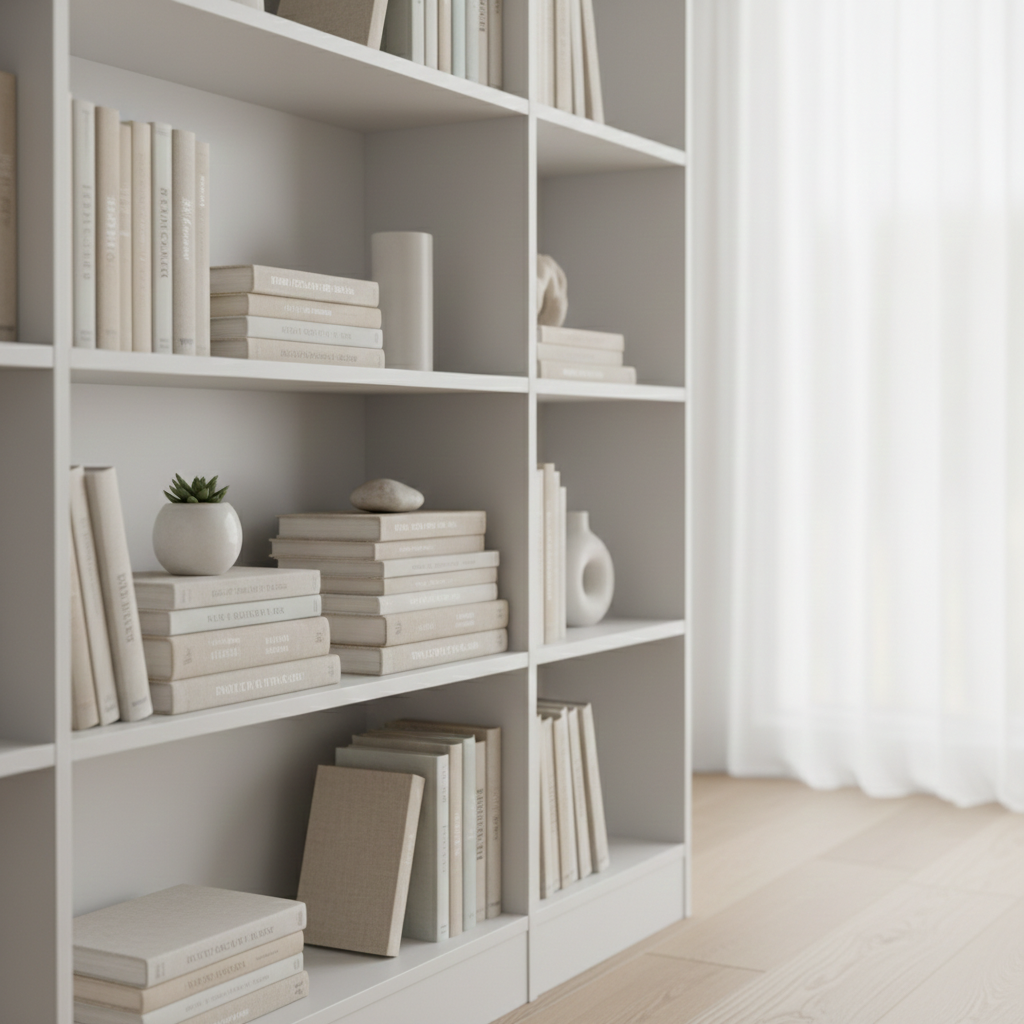
Practical insight: White shelves can show dust and fingerprints more readily than darker finishes, so plan to wipe them down weekly with a damp microfiber cloth. If you have kids, consider a satin or semi-gloss paint finish that’s easier to clean than flat or matte. It’s a small detail that makes a big difference in maintenance.
13. Billy Bookcase Hacks for Custom Look
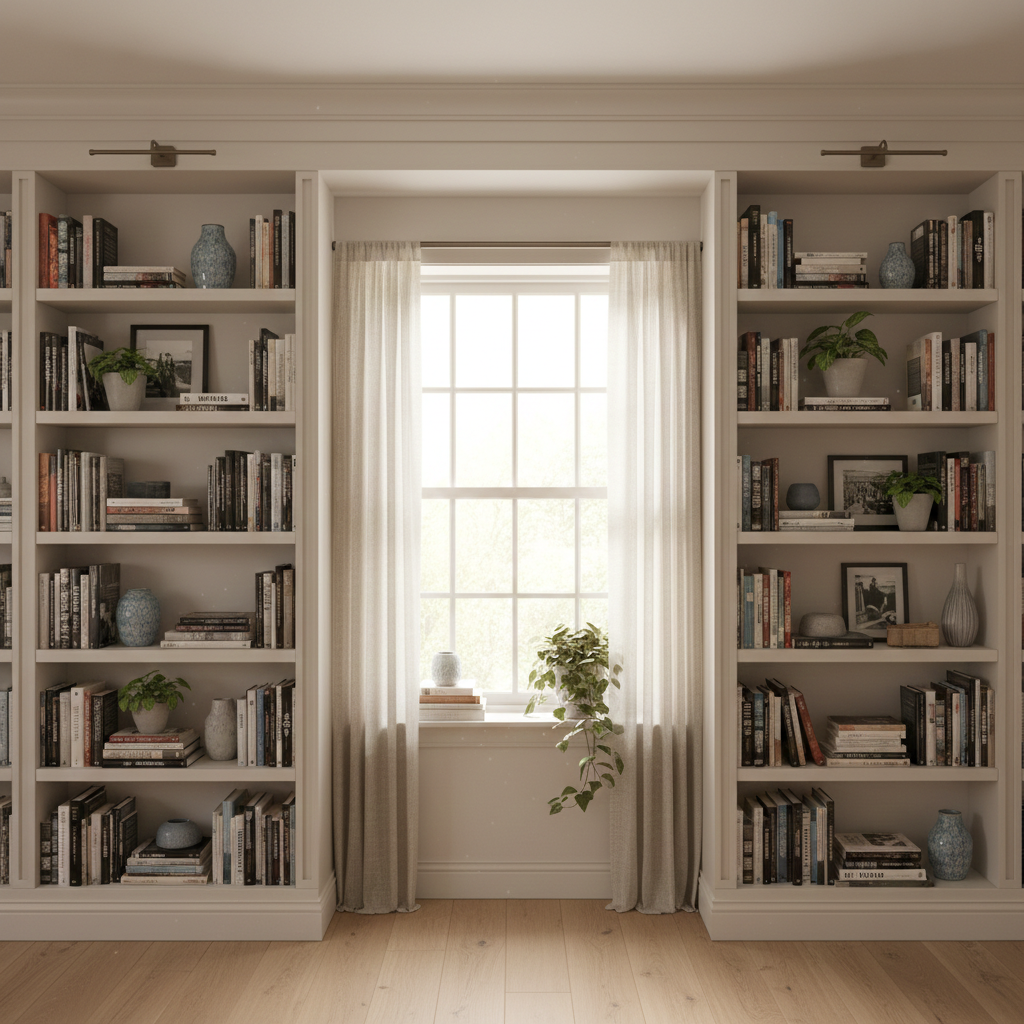
The Ikea Billy bookcase is an affordable workhorse that, with a few modifications, can look custom. Add crown molding, swap out hardware, or paint the back panel in a bold color to elevate the basic design. In 2026, people are also using the Billy as a base for built-in-style installations, flanking a window or doorway and adding trim to unify the look. It’s a smart way to get high-end style on a budget.
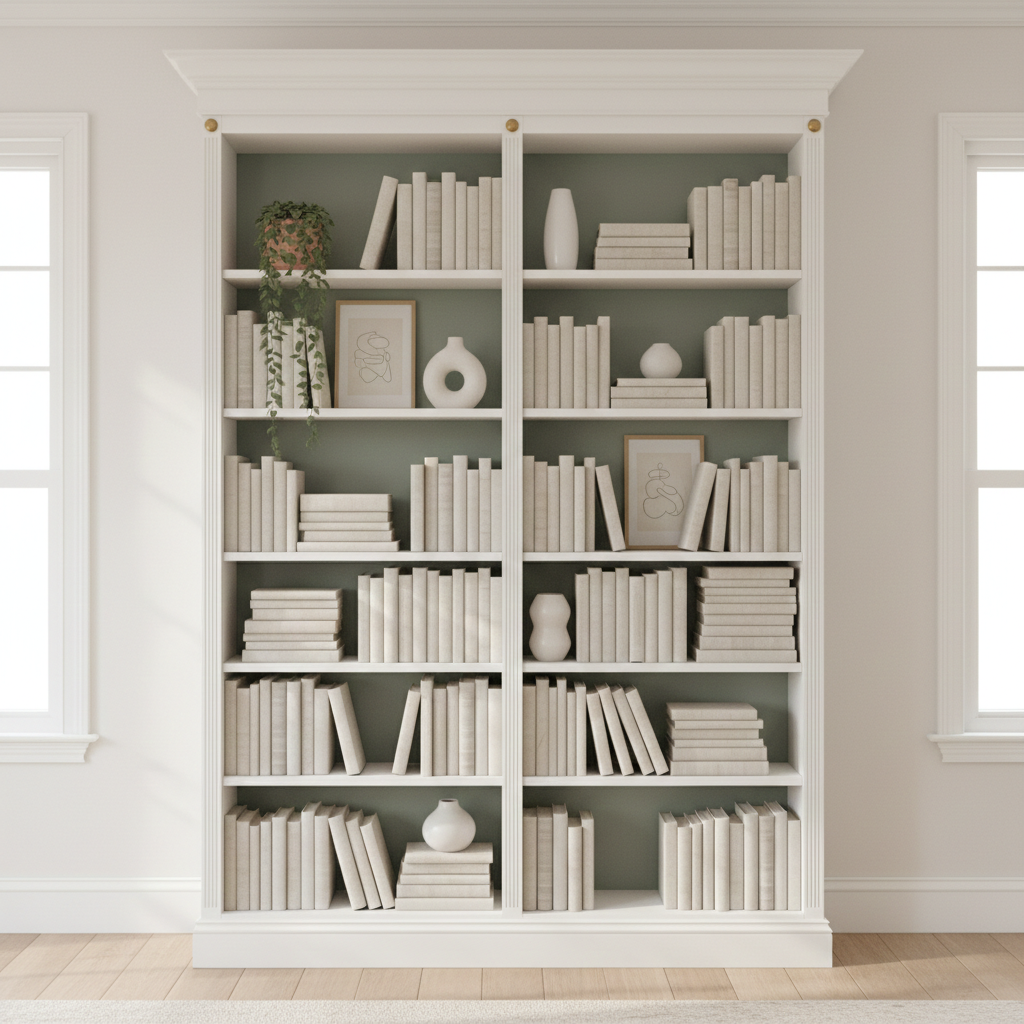
Regional context: In coastal areas like California and Florida, where humidity can warp particleboard, homeowners often seal Ikea furniture with a primer before painting. This extra step adds durability and helps the piece withstand climate challenges. It’s a small investment that extends the life of an already budget-friendly item.
14. Built-In Bookshelf for Seamless Integration
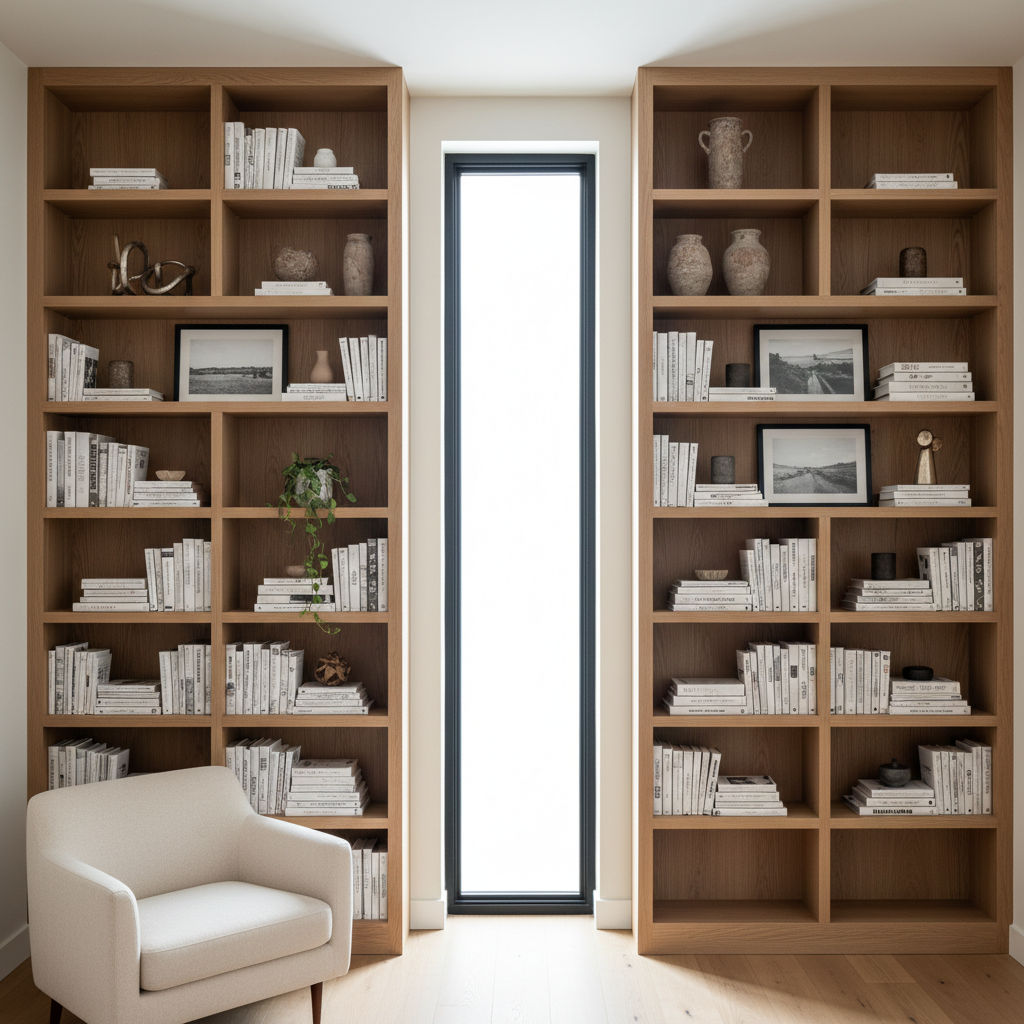
Built-in bookshelves are the pinnacle of custom design, offering a tailored fit that freestanding units can’t match. They’re especially popular in new construction and renovations, where they can be integrated around windows, fireplaces, or awkward nooks. The seamless look adds value to a home and creates a sense of permanence. When styled with a mix of books, family photos, and art, they become a personal archive of a household’s story.
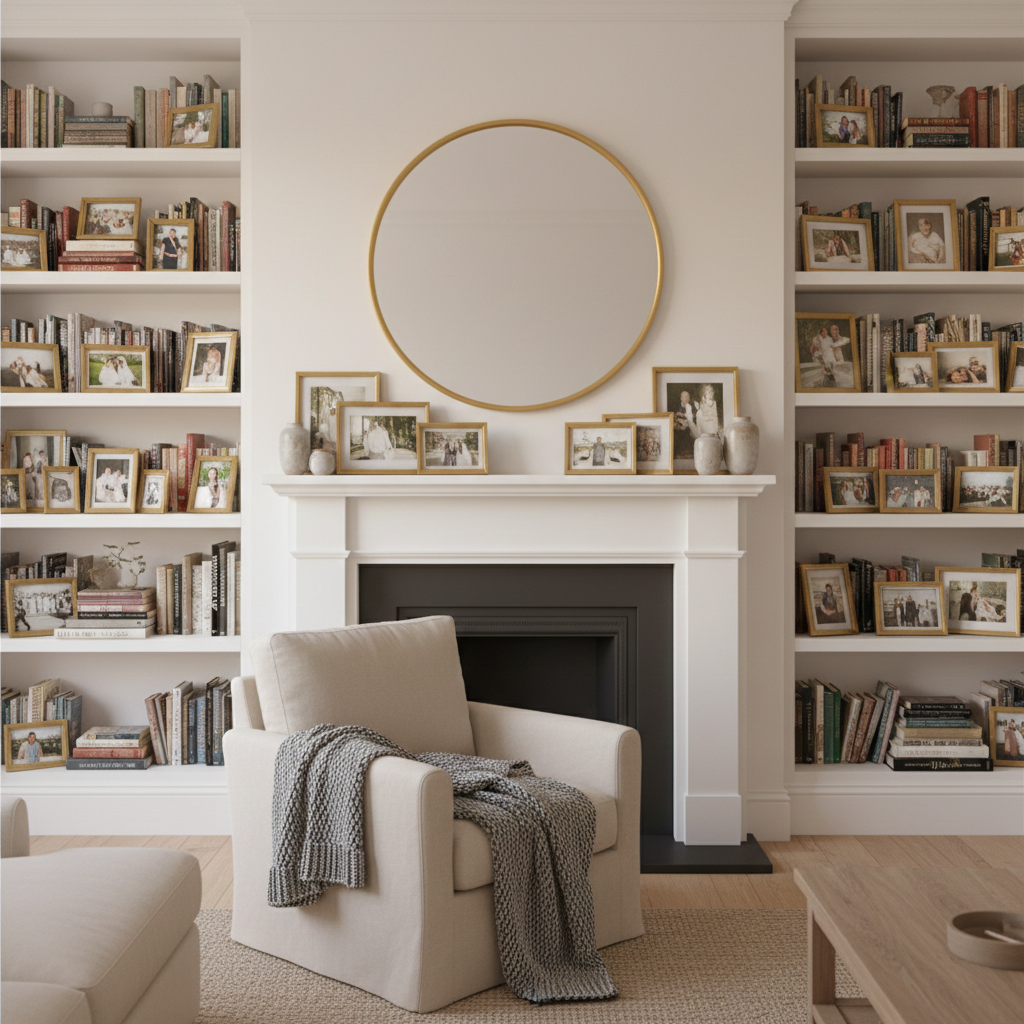
Expert-style commentary: If you’re planning built-ins, work with a carpenter to ensure shelves are adjustable. Book collections grow over time, and fixed shelving can become restrictive. Also, consider adding interior lighting—small LED strips or puck lights—to highlight your favorite items and create ambiance in the evening.
15. Tall Vertical Shelving for Maximum Storage
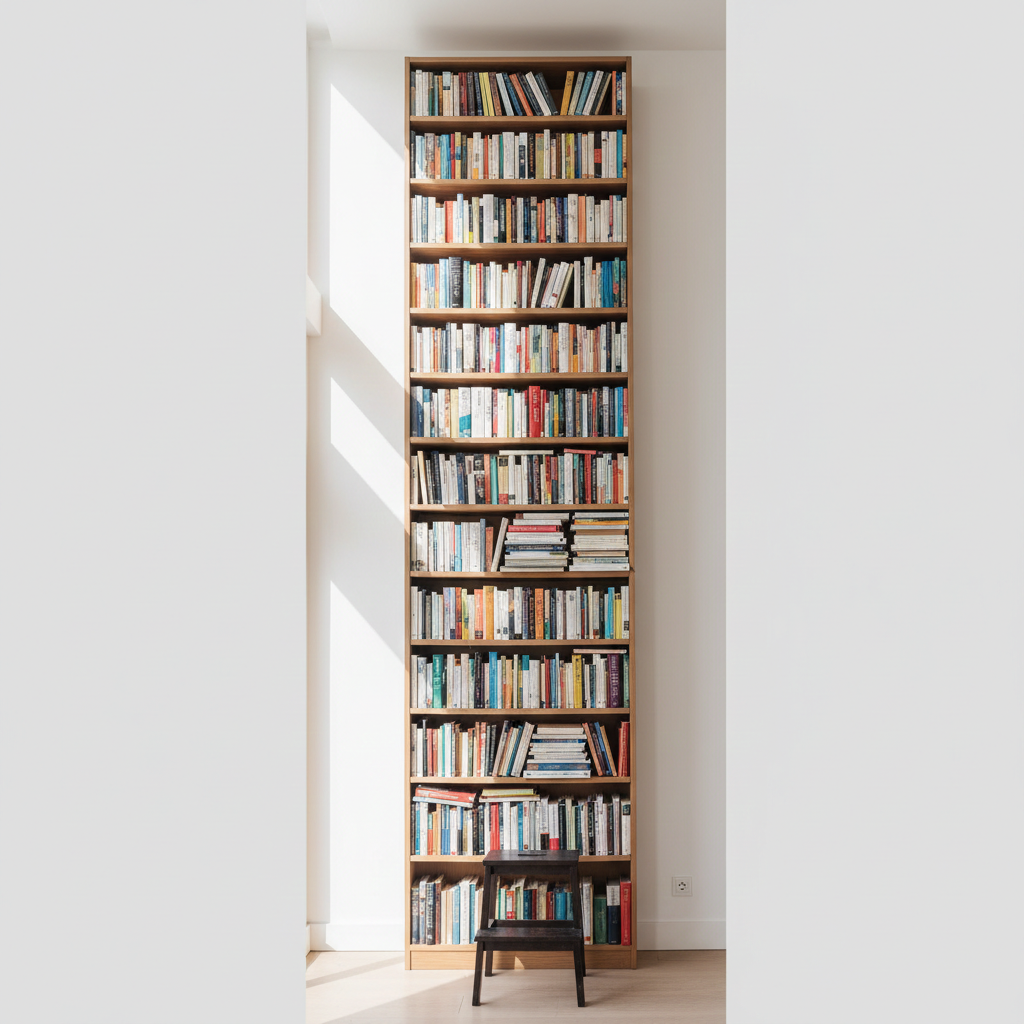
Tall bookshelves that stretch toward the ceiling make a bold statement while maximizing storage. They’re ideal for avid readers who need space for hundreds of volumes or for collectors displaying pottery, baskets, or vinyl. The verticality draws the eye upward, making ceilings feel higher. Just be sure to use a sturdy ladder or step stool to access upper shelves safely.

Common mistake: Filling every shelf from floor to ceiling without leaving visual breaks can make the unit feel overwhelming. Instead, leave one or two shelves less densely packed, or alternate between stacked books and decorative objects. This creates rhythm and prevents the bookshelf from looking like a storage facility rather than a design element.
16. Low Horizontal Bookshelf as Console
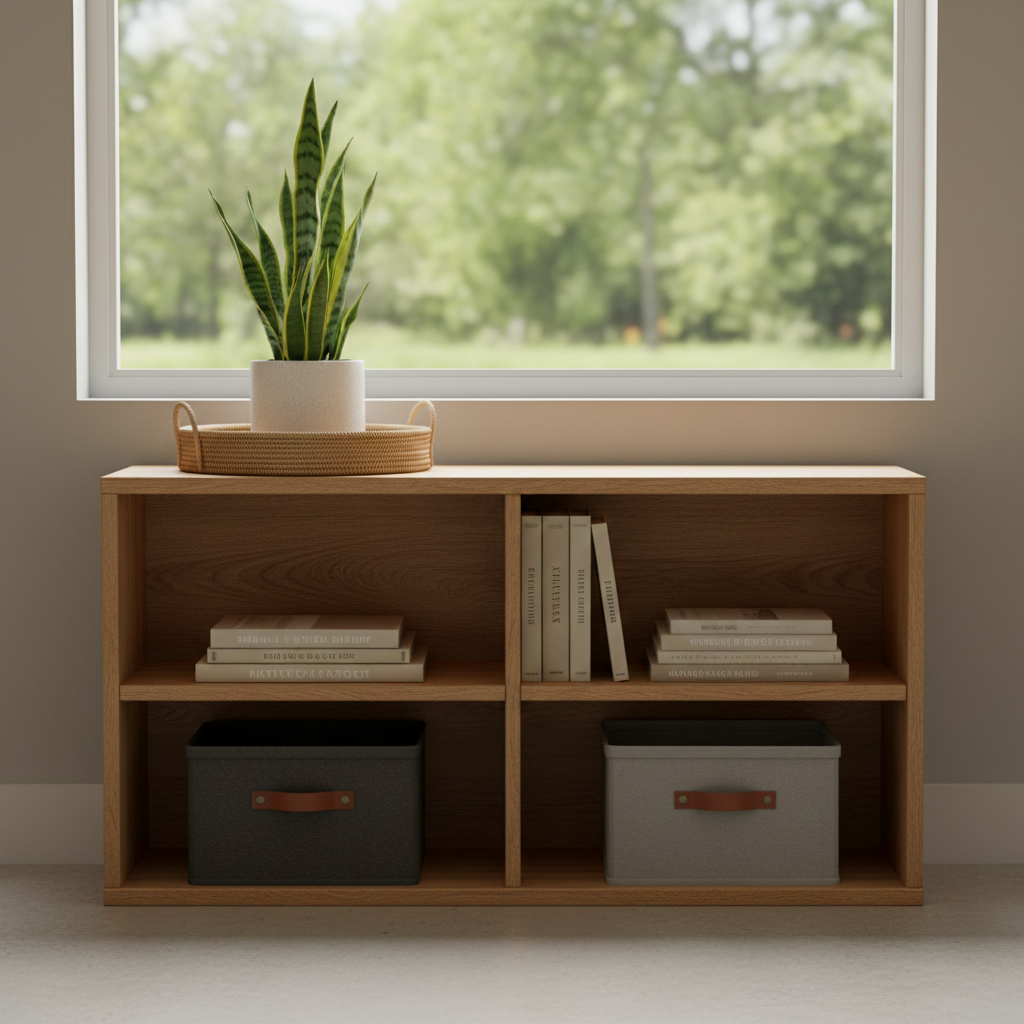
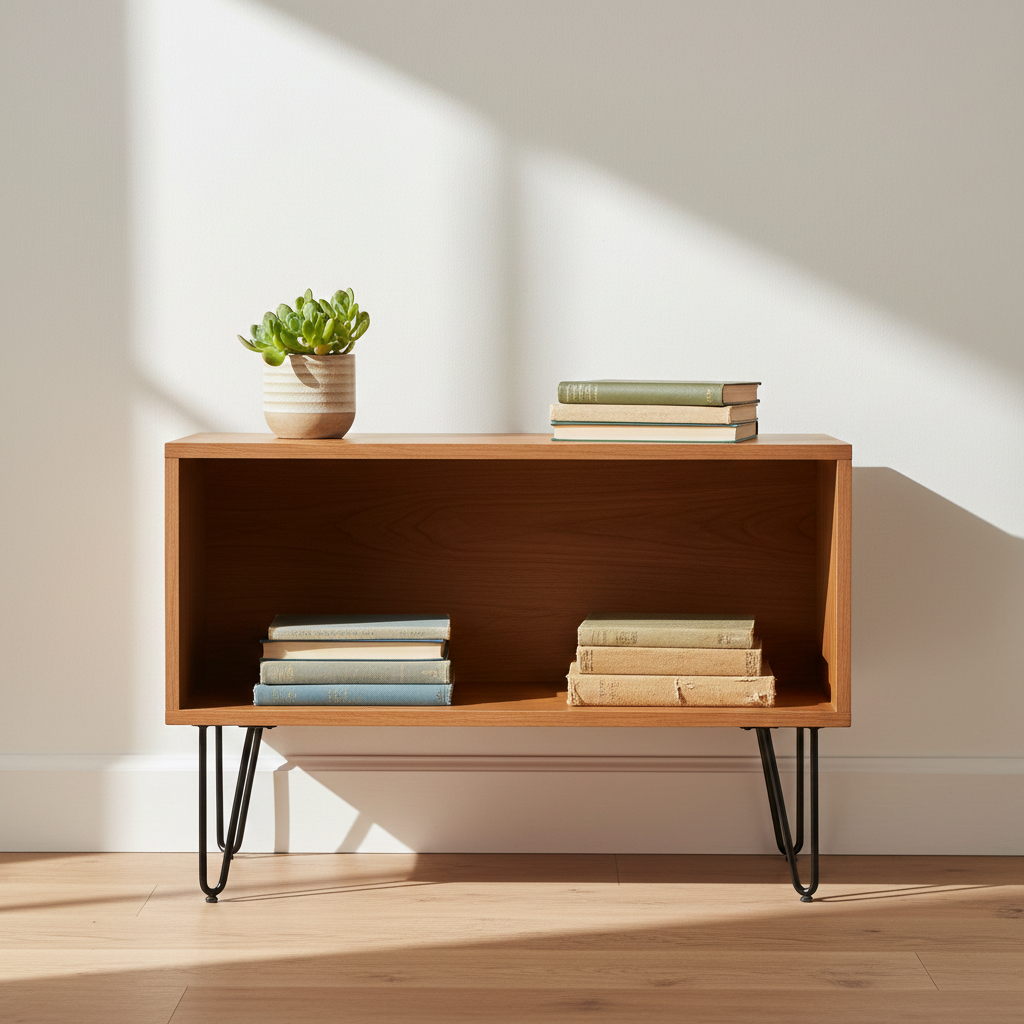
A low bookshelf, typically under 30 inches tall, works beautifully as a console behind a sofa or under a window. It offers storage without blocking sightlines, making it a smart choice in open-plan homes. Style the top surface like you would a sideboard—with a lamp, a tray of decorative objects, and a few coffee table books. The shelves below can hold baskets for remotes, blankets, or magazines.
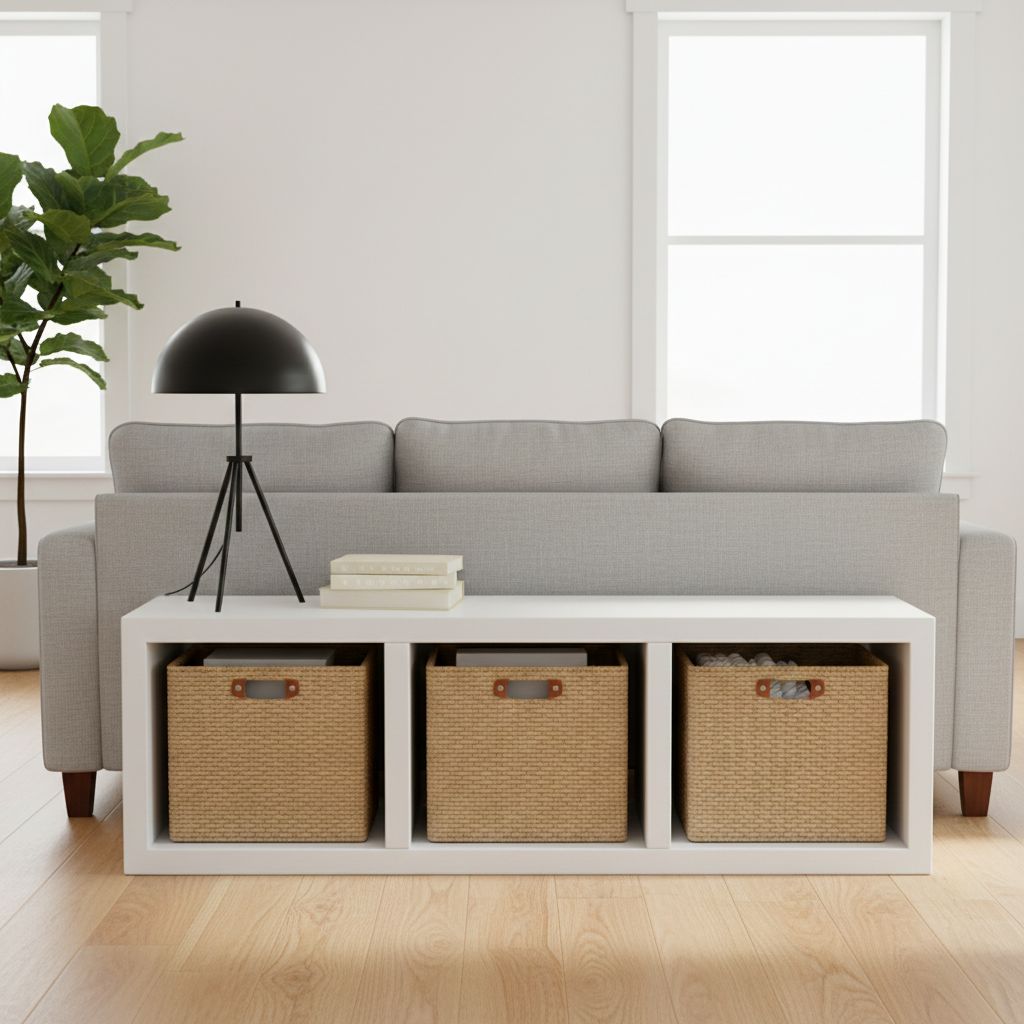
Where it works best: Low bookshelves are particularly useful in homes with young children. They provide accessible storage for kids’ books and toys while keeping breakables out of reach on the top surface. They also work well in apartments where wall space is limited but floor space is more plentiful.
17. Short Bookshelf as Room Divider
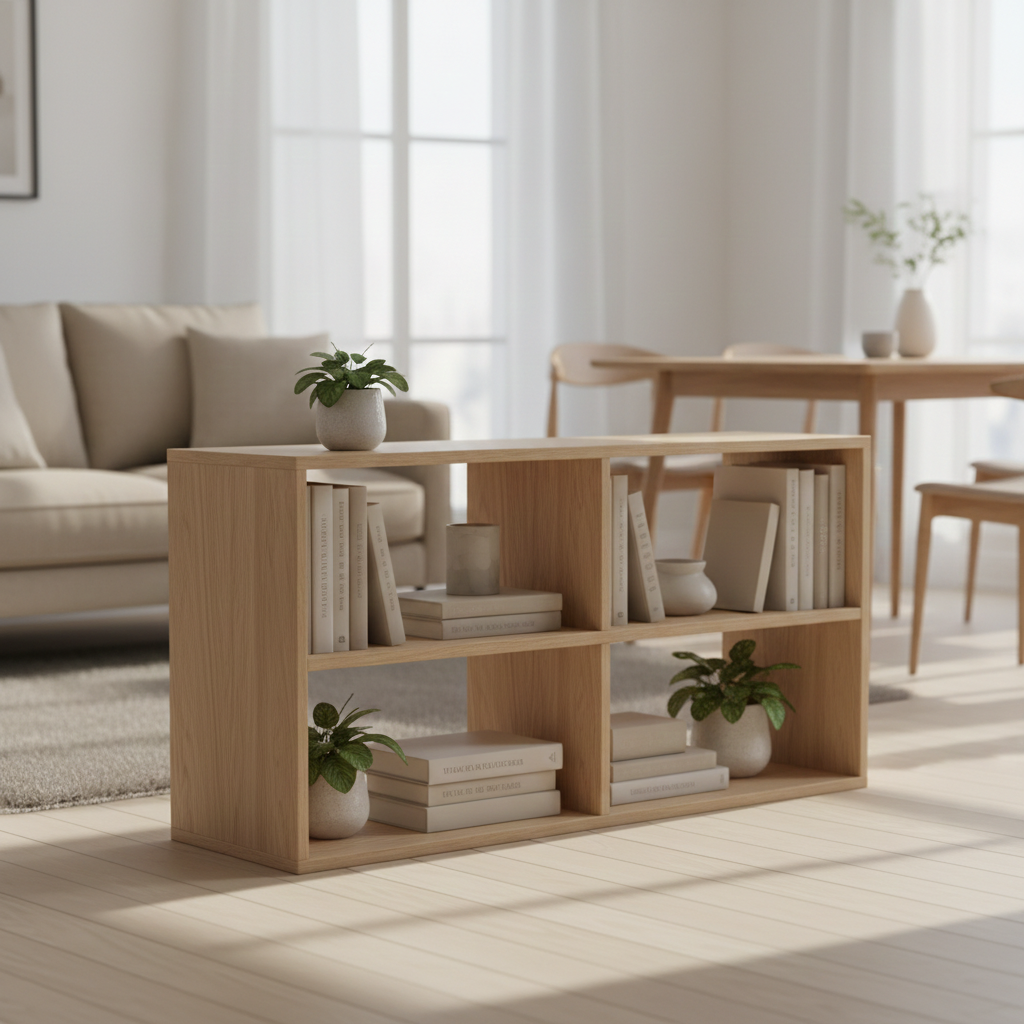
A short bookshelf—waist-height or so—can subtly divide an open floor plan without closing off the space entirely. Place it perpendicular to a wall to separate a living area from a dining nook, or use it to define a home office zone in a bedroom. Because it’s open on both sides, it maintains flow and light. Style both faces so the unit looks intentional from every angle.
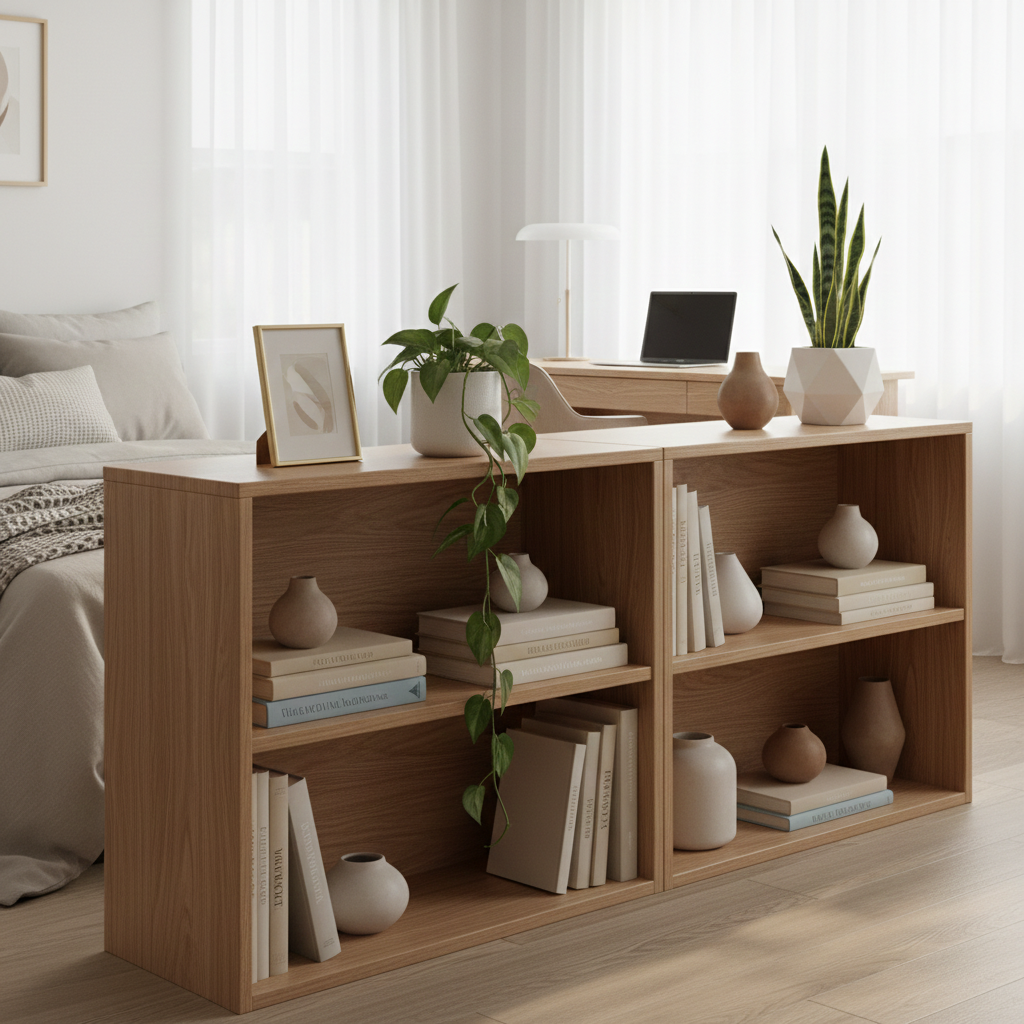
Micro anecdote: A couple in Denver used a short bookshelf to carve out a nursery corner in their studio apartment. They filled it with board books and soft toys, creating a distinct zone for their baby without the expense of a full renovation. The flexibility was key—once their child outgrew the space, they simply moved the shelf elsewhere.
18. Maximalist Bookshelf with Abundant Layers
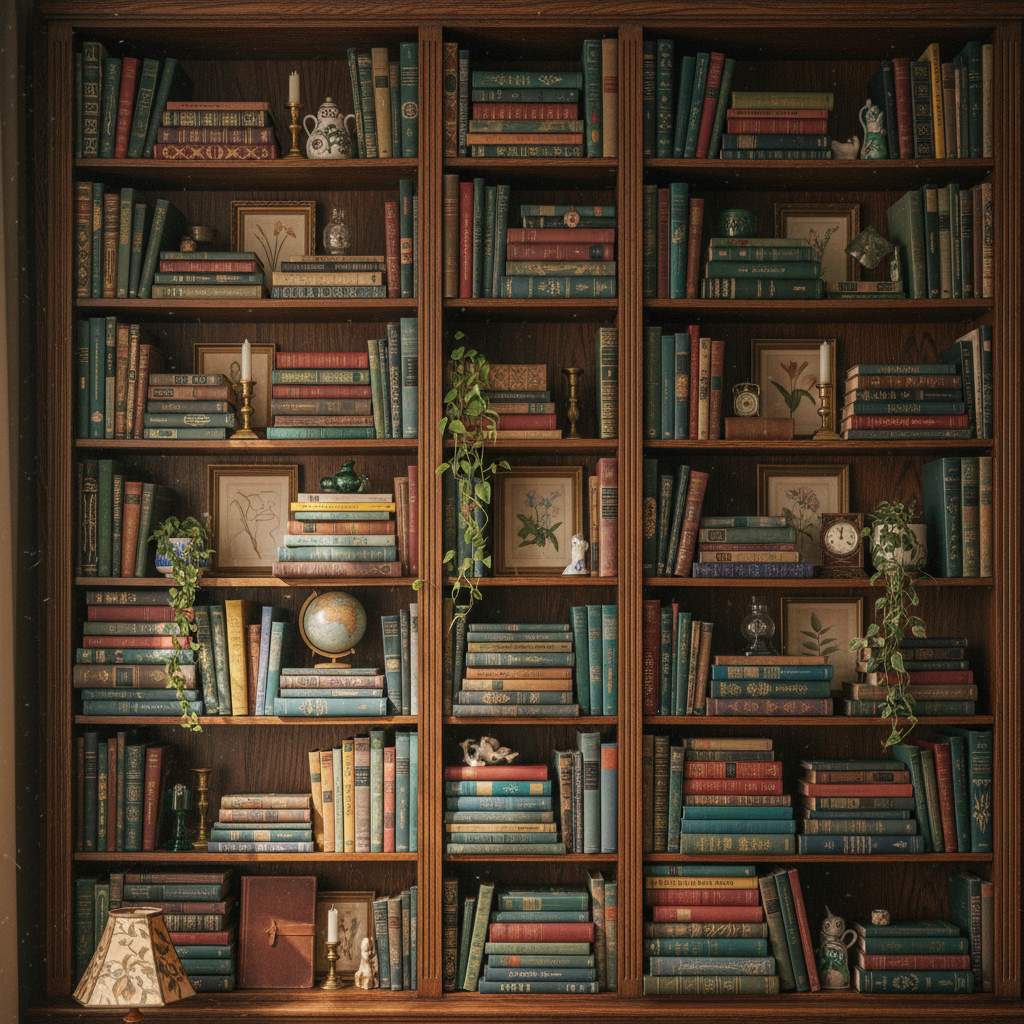
A maximalist bookshelf embraces abundance—every shelf is filled, layered, and bursting with personality. This is the opposite of minimalism, celebrating color, pattern, and the thrill of “more is more.” Think stacks of books mixed with vintage cameras, travel souvenirs, framed art leaning against the back, and potted plants spilling over the edges. It’s a look that rewards close inspection and tells a rich, complex story.
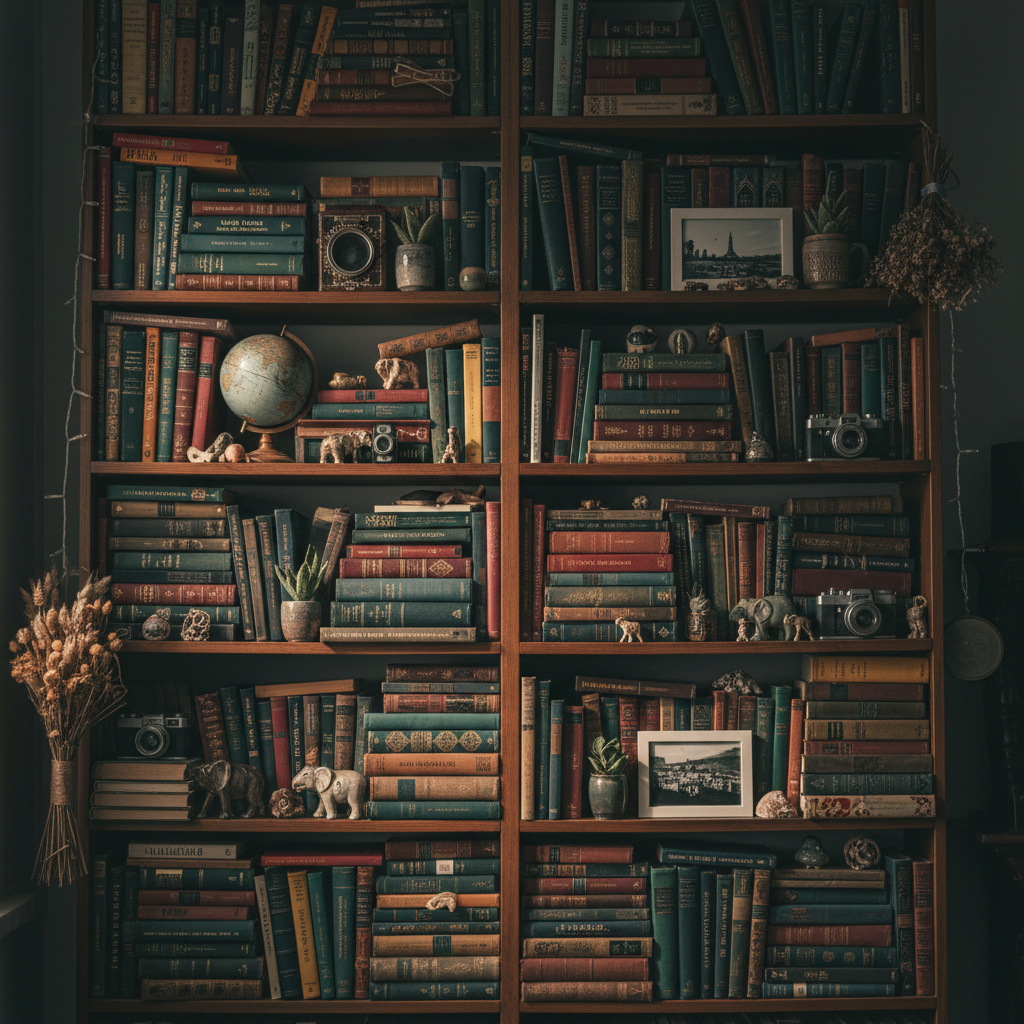
Real homeowner behavior: Maximalist styling evolves over time. Homeowners often rotate items seasonally, swapping out holiday decor, adding new travel finds, or moving books around to keep the display fresh. This constant curation is part of the fun—it’s never “done,” and that’s the point.
19. Mid-Century Modern Bookshelf with Tapered Legs
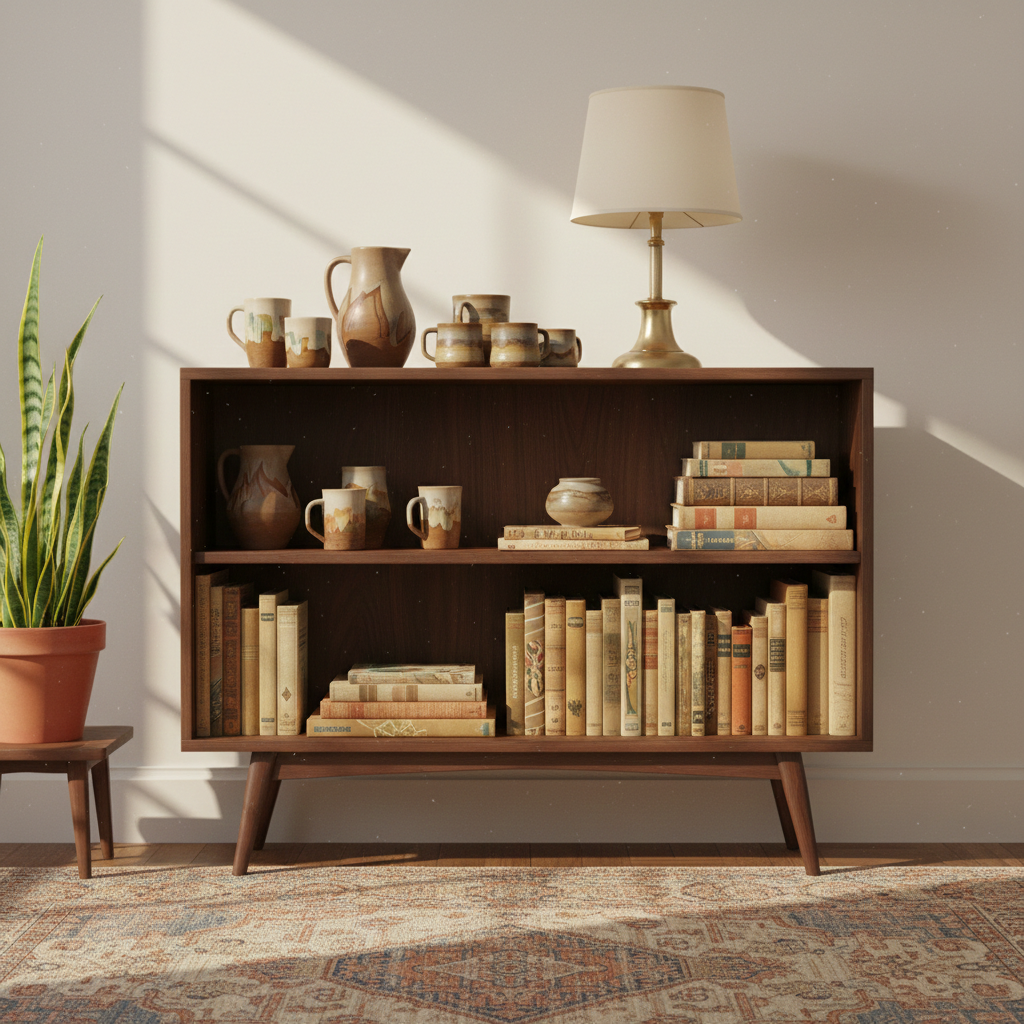
A mid-century modern bookshelf features clean lines, warm wood tones, and tapered legs that lift the piece visually off the floor. This style, often abbreviated as MCM, remains popular in 2026 for its timeless appeal and versatility. Look for teak or walnut finishes and pair with vintage ceramics, brass accents, and a few well-chosen books. The goal is to capture the elegance of the 1950s and 60s without feeling dated.
Budget angle: Authentic mid-century furniture can be pricey, but high-quality reproductions are now widely available at more accessible price points. Look for pieces with solid wood construction and dovetail joints—hallmarks of quality that ensure the bookshelf will last. Even a reproduction will develop character over time, making it a worthy investment.
20. Ralph Lauren-Inspired Bookshelf with Classic Elegance
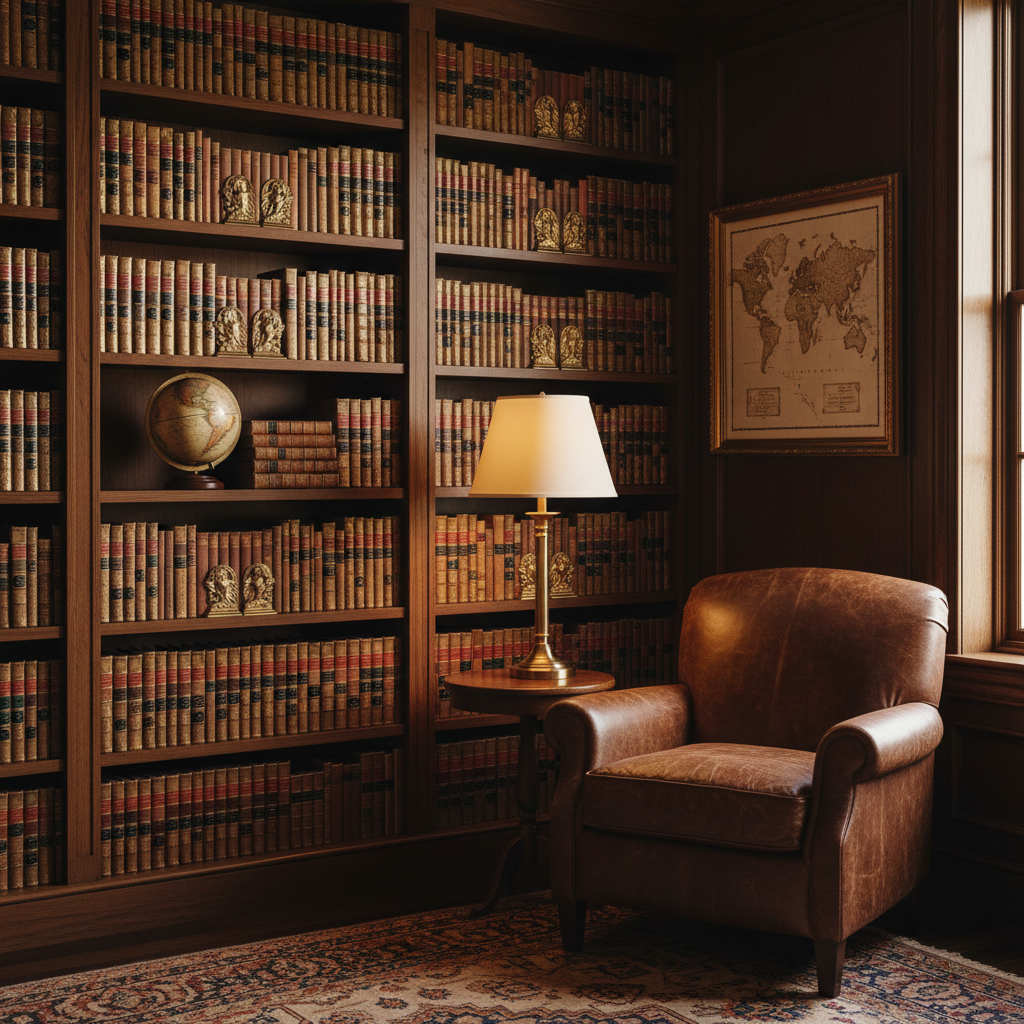
A Ralph Lauren-inspired bookshelf exudes old-money elegance with rich wood finishes, leather-bound books, and equestrian or nautical accents. Think brass bookends, framed vintage maps, and a small globe or telescope. This style suits traditional homes, libraries, or any space where you want to evoke a sense of heritage and refinement. The key is restraint—every item should feel chosen, not cluttered.
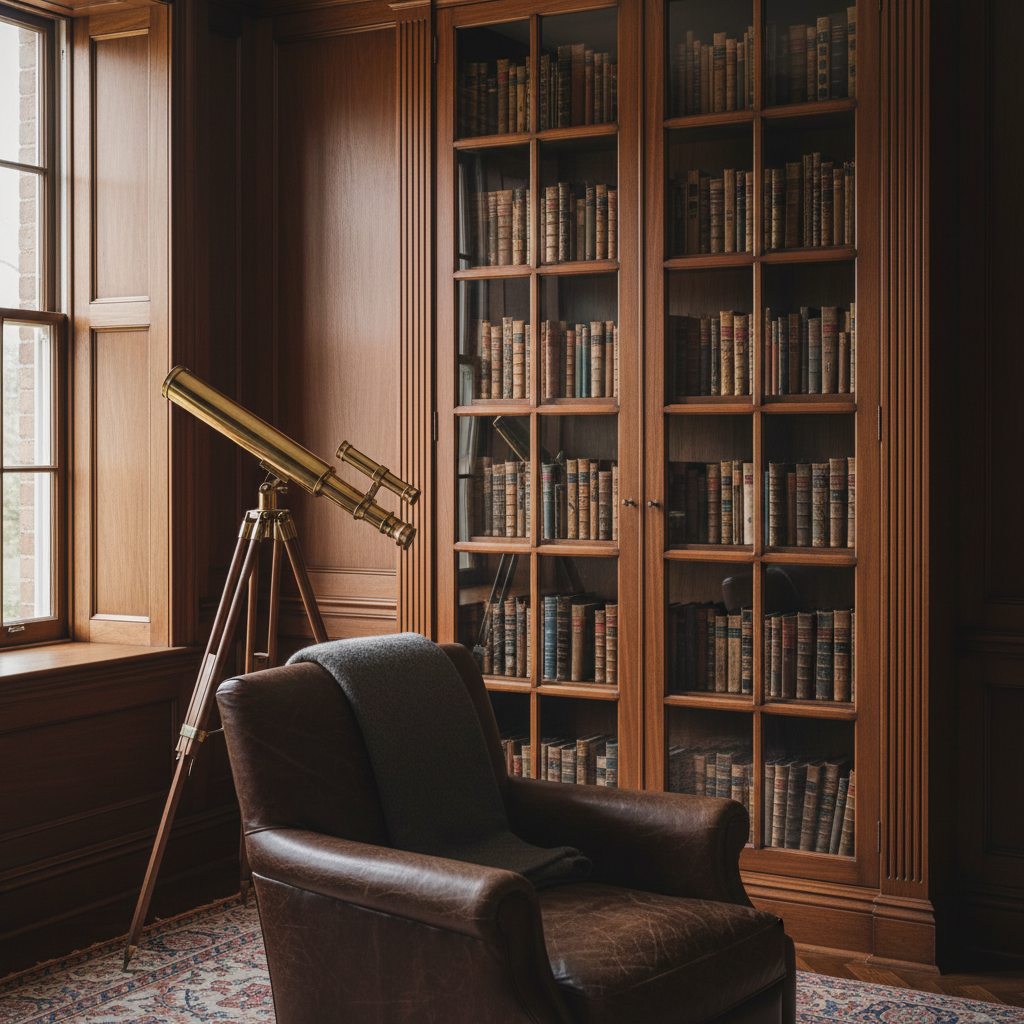
Where it works best: This style shines in formal living rooms, home offices, or studies. It’s less suited to casual family spaces or modern minimalist homes, where the traditional vibe might feel out of place. If you love the look but want to soften it, mix in a few contemporary pieces—a modern vase or abstract sculpture—to bridge styles.
21. Minimal Bookshelf with Strategic Negative Space
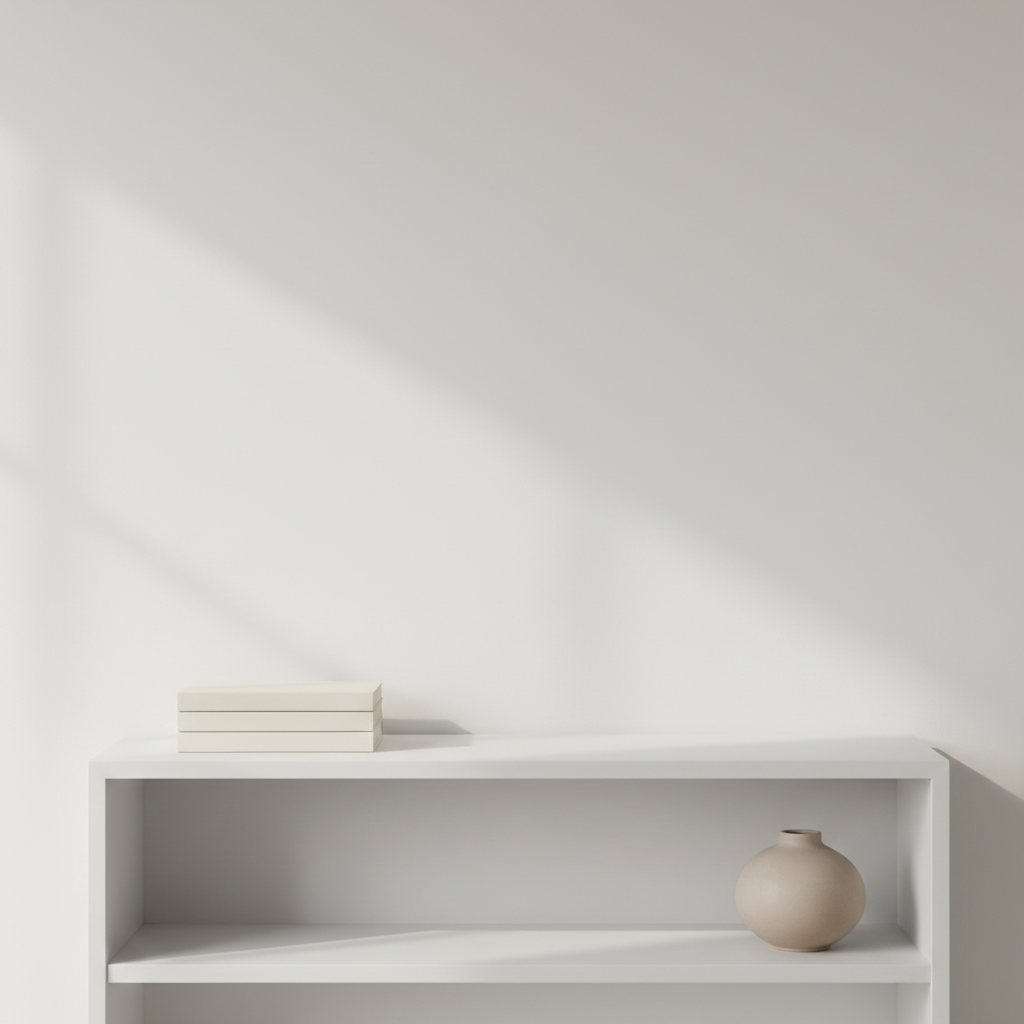
A minimal bookshelf is defined as much by what’s left off as by what’s on it. Strategic negative space gives the eye room to rest and makes each displayed item feel important. Choose a few favorite books, a single sculptural object, and perhaps a small plant. The result is calm, intentional, and deeply satisfying. This approach works particularly well in bedrooms and meditation spaces where visual peace is a priority.
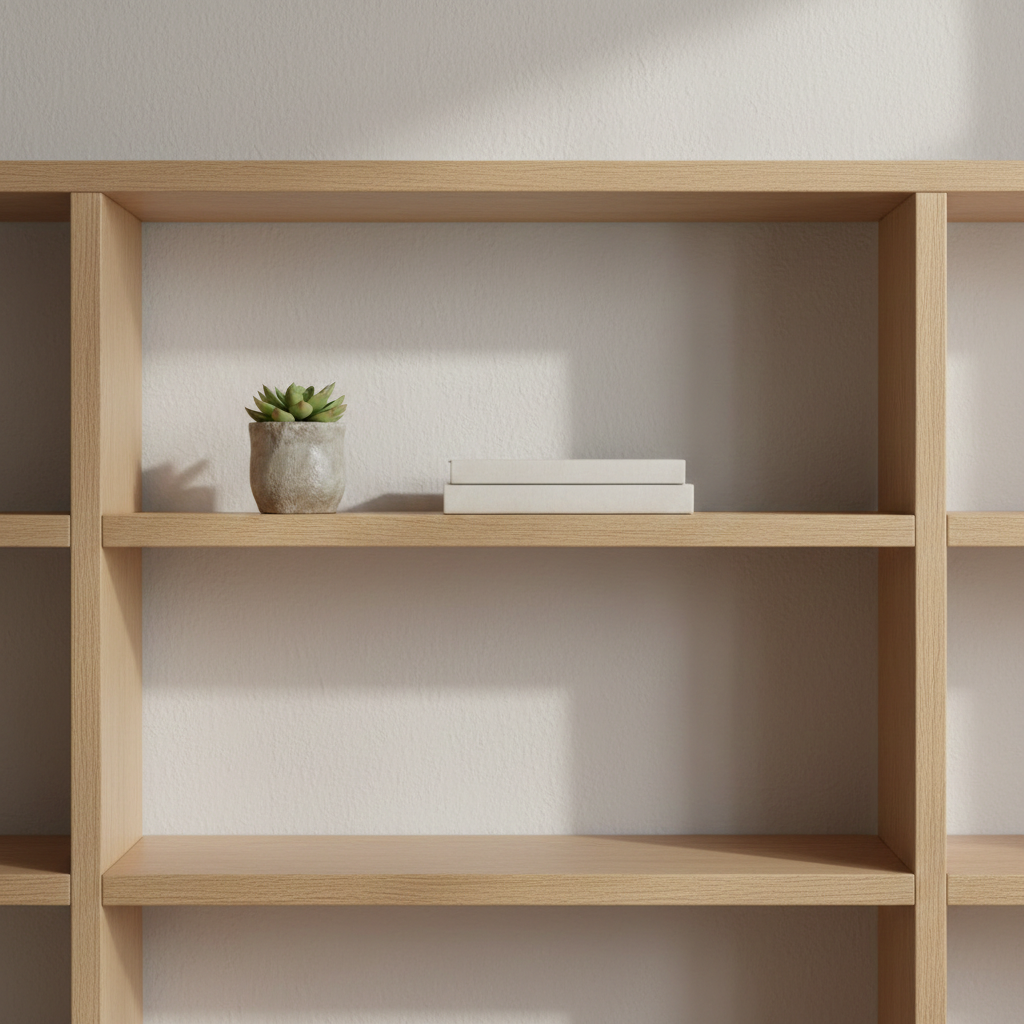
Common mistake: Minimalism doesn’t mean you can never add anything new. The real challenge is being selective—every time you introduce an object, remove something else. This discipline keeps the bookshelf from gradually creeping back into clutter. Treat it like a curated gallery, not a storage unit.
22. Ikea-Inspired Modular System with Custom Tweaks
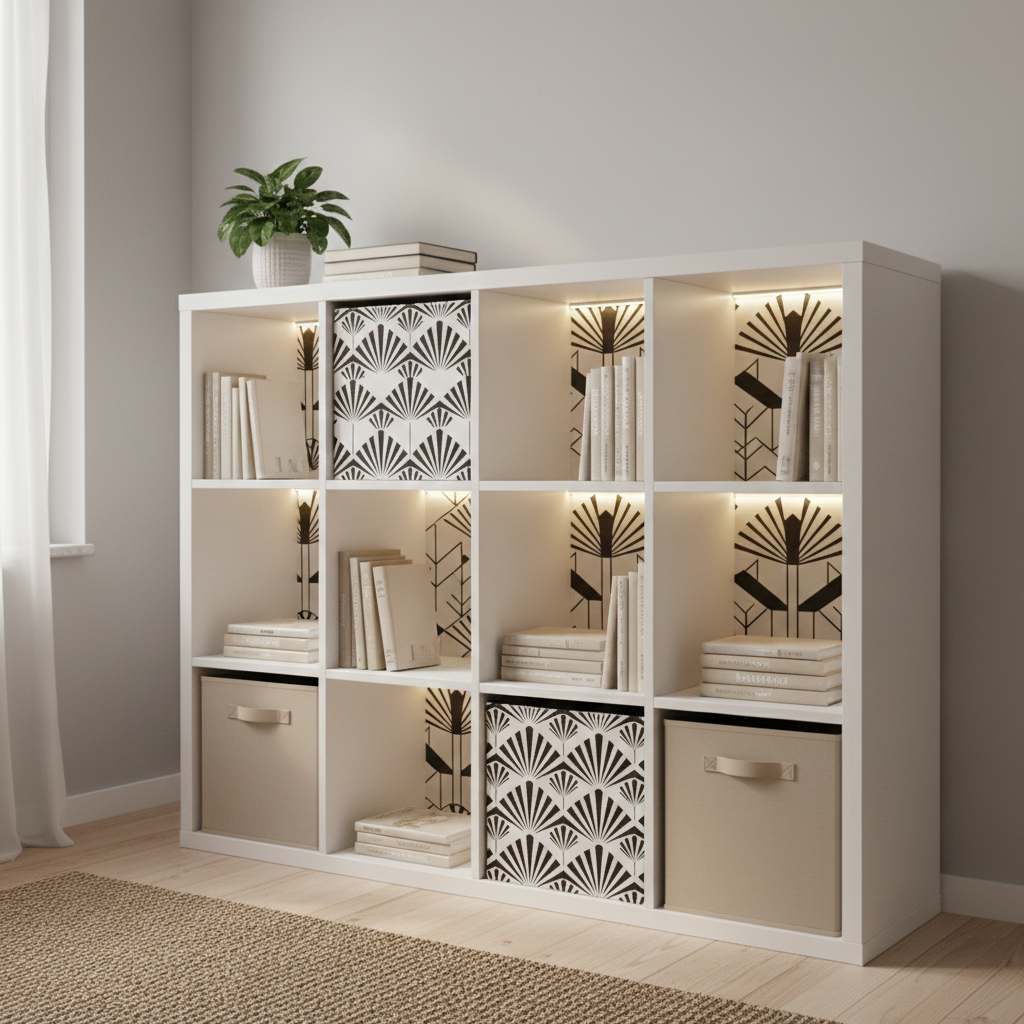
Ikea modular systems like the Kallax, Billy, and Eket offer endless configuration possibilities at a fraction of custom prices. In 2026, homeowners are personalizing these units with paint, wallpaper backing, brass hardware, and even integrated lighting. The beauty is in the customization—two people can start with the same Ikea piece and end up with completely different results. It’s accessible design at its best.
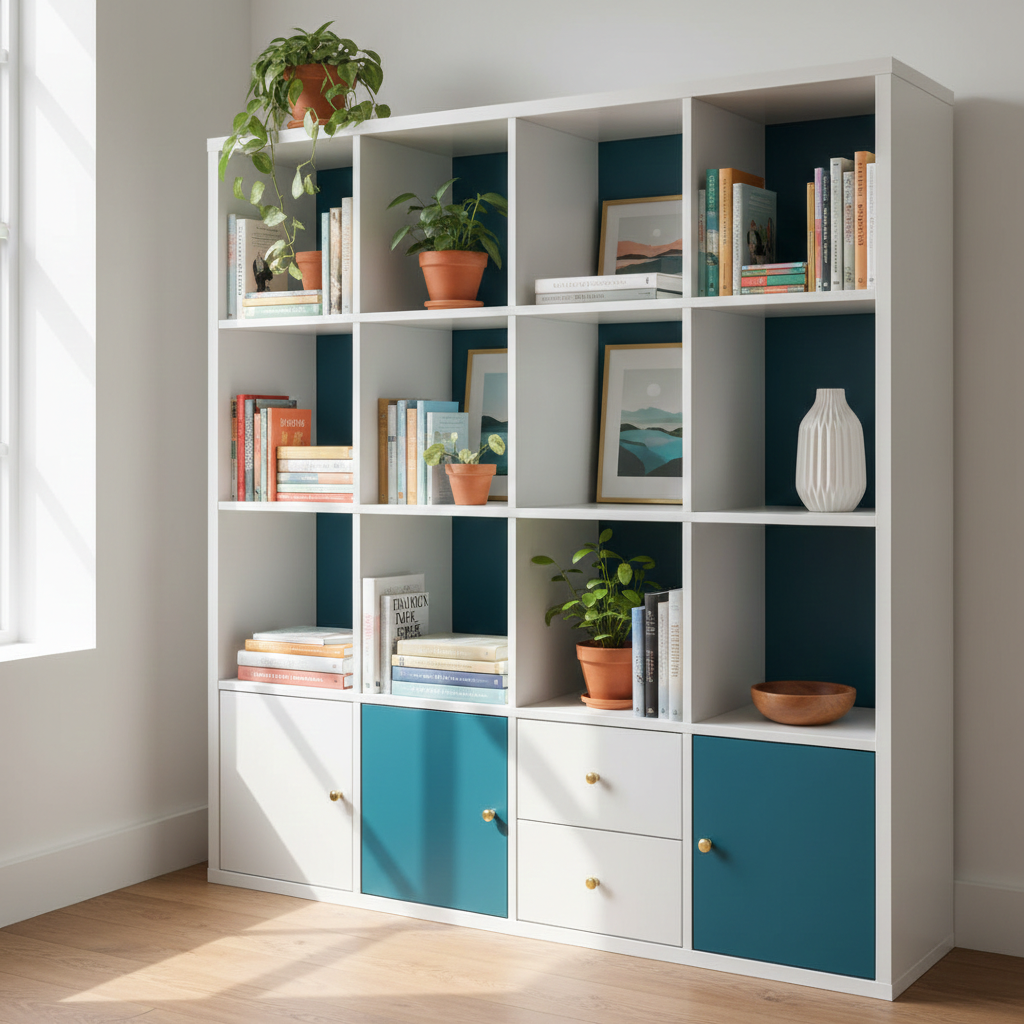
Practical insight: Before assembling any Ikea bookshelf, lay out all the pieces and double-check the instruction manual. It sounds obvious, but rushing through assembly is a common source of frustration and mistakes. Also, invest in a good power drill with a Phillips head bit—it will save hours compared to the included Allen wrench and make the build far less tedious.
Conclusion
Bookshelf styling in 2026 is all about personal expression, whether you lean toward maximalist abundance or minimalist restraint. From the affordable flexibility of Ikea hacks to the architectural drama of built-ins, there’s a bookshelf approach for every home and every aesthetic. We’d love to hear which ideas resonated with you—drop a comment below and share your own bookshelf styling wins or challenges.