As we step into 2026, living room curtains have evolved beyond simple window dressings into statement pieces that define entire interiors. American homeowners are turning to Pinterest in droves, searching for fresh ways to blend comfort, style, and functionality in spaces where they spend most of their waking hours. Whether you’re drawn to the clean elegance of modern minimalism or the layered warmth of traditional design, this year’s curtain trends offer something for every aesthetic and budget. From sustainable fabrics that align with eco-conscious values to bold patterns that transform bland windows into focal points, the possibilities are both exciting and accessible. In this guide, you’ll discover inspiring curtain ideas that reflect what’s working in real American homes right now—practical, beautiful, and ready to adapt to your unique space.
1. Luxe Velvet Panels in Jewel Tones
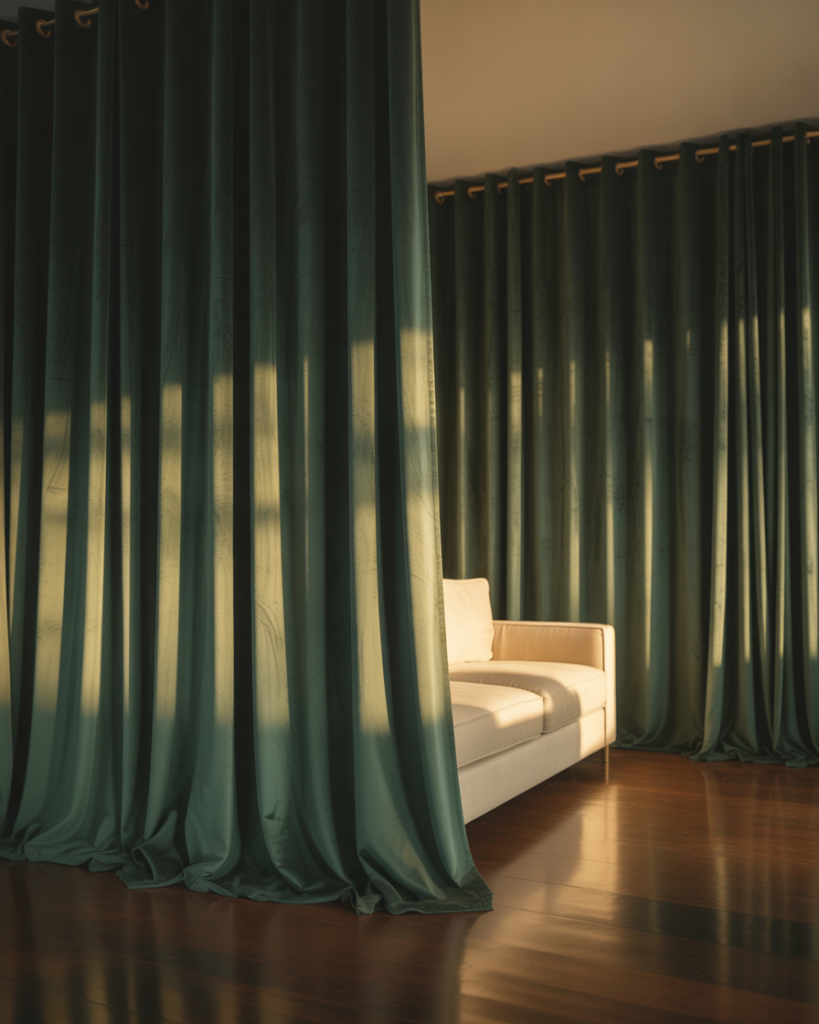
Rich velvet curtains in deep emerald, sapphire, or amethyst bring an instant sense of luxury to living rooms that need a sophisticated edge. These heavy fabrics don’t just look expensive—they also insulate windows effectively, making them ideal for older homes or spaces with drafty windows. The light-absorbing texture of velvet creates dramatic shadows throughout the day, adding depth and movement without requiring any pattern. Pair these with simple brass or matte black rods to let the fabric take center stage, especially in rooms with neutral walls and wood flooring. 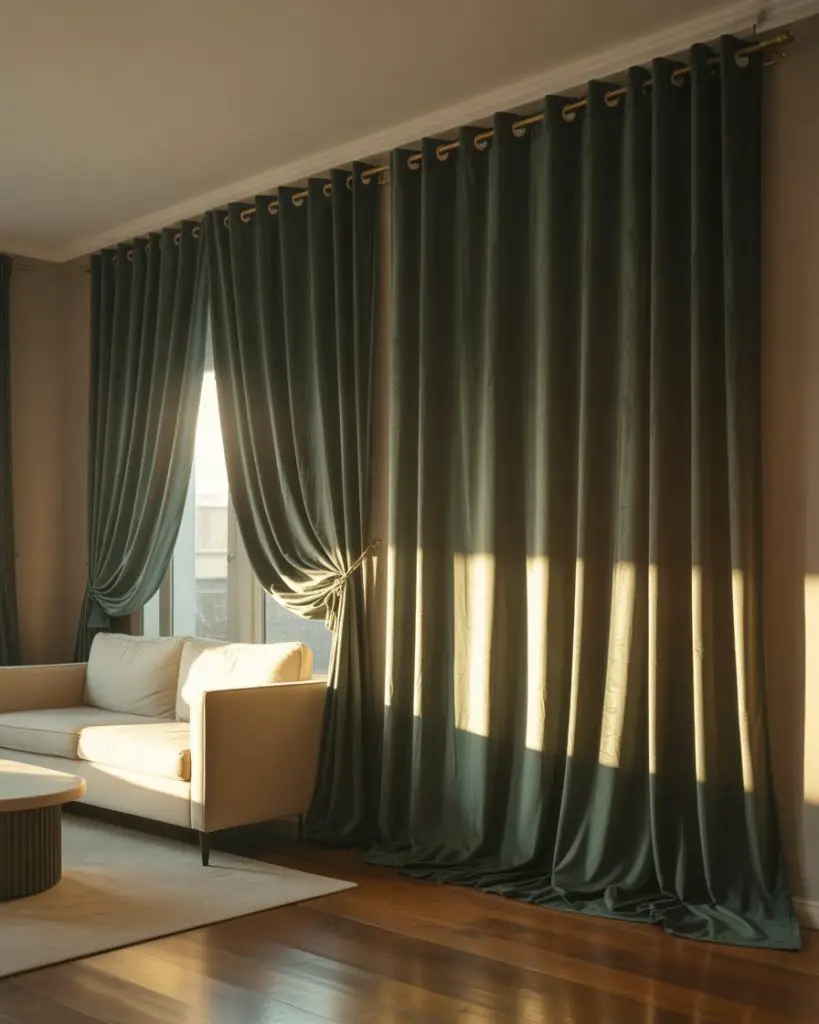
Velvet curtains work particularly well in formal living rooms or spaces where you entertain frequently, as they signal intentionality and care in design. One common mistake is choosing velvet that’s too stiff—look for cotton-velvet blends that drape naturally rather than standing rigid. Another pitfall is neglecting the lining: an unlined velvet curtain loses much of its insulating power and can fade quickly in direct sun. Invest in proper interlining or blackout backing to protect your investment and maximize energy efficiency throughout seasonal temperature swings.
2. Breezy Linen Sheers for California Cool
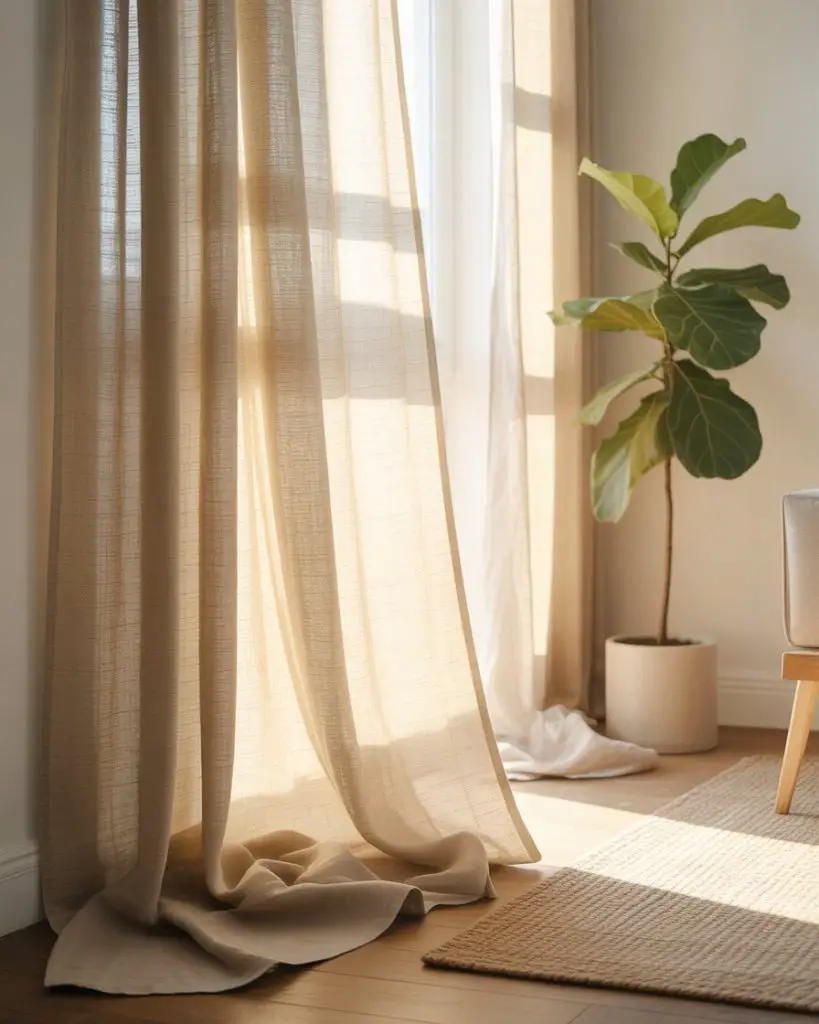
Nothing captures the effortless West Coast vibe quite like linen curtains in their natural, undyed state. These white or cream panels filter sunlight beautifully while maintaining privacy during daytime hours, perfect for California bungalows or Southwestern adobe-style homes. The slightly irregular weave of linen adds texture without overwhelming minimalist interiors, and the fabric’s natural wrinkles read as intentional rather than sloppy. As a bonus, linen is one of the most sustainable curtain materials available, grown with minimal water and processing compared to cotton or synthetic alternatives. 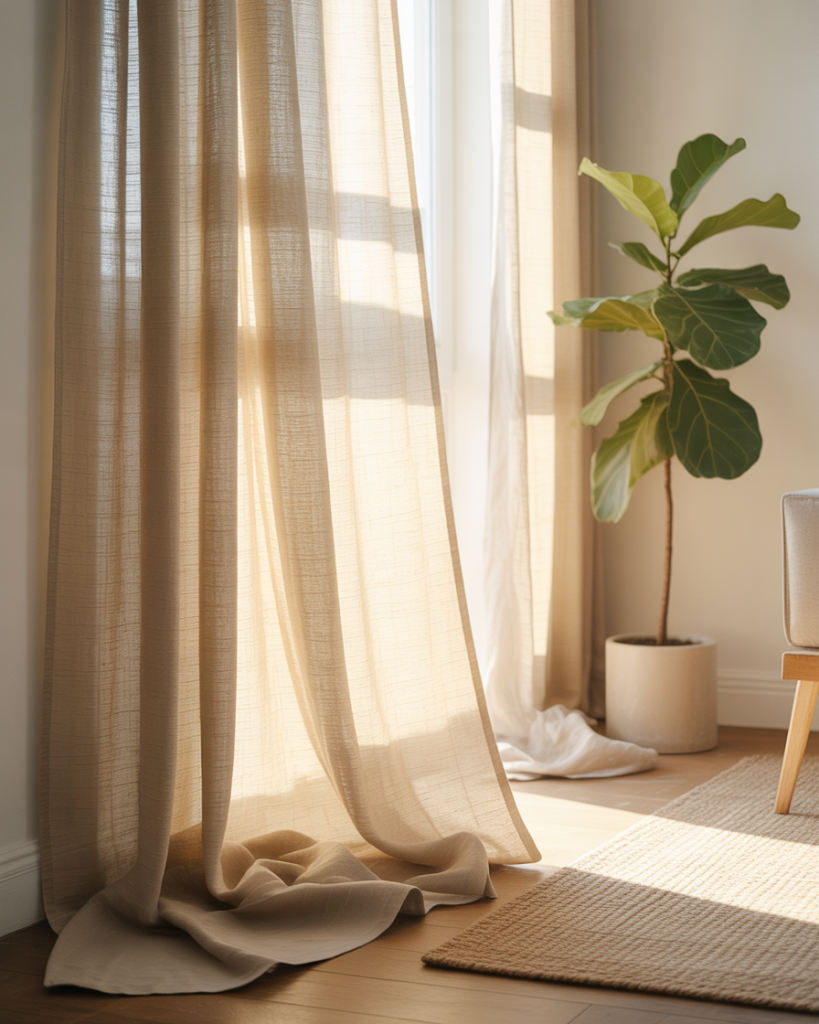
In open-plan homes across Austin, Phoenix, and San Diego, designers are layering linen sheers with heavier drapes for a look that transitions seamlessly from day to night. The sheers stay closed most of the time, diffusing harsh afternoon sun, while blackout panels hide behind them for movie nights or sleeping in on weekends. This double-rod approach costs more upfront but gives you maximum flexibility without changing hardware. Pro tip: wash linen curtains in cold water and hang them slightly damp—they’ll settle into perfectly imperfect folds as they dry, creating that coveted lived-in European aesthetic.
3. Dramatic Ceiling-to-Floor Black Panels
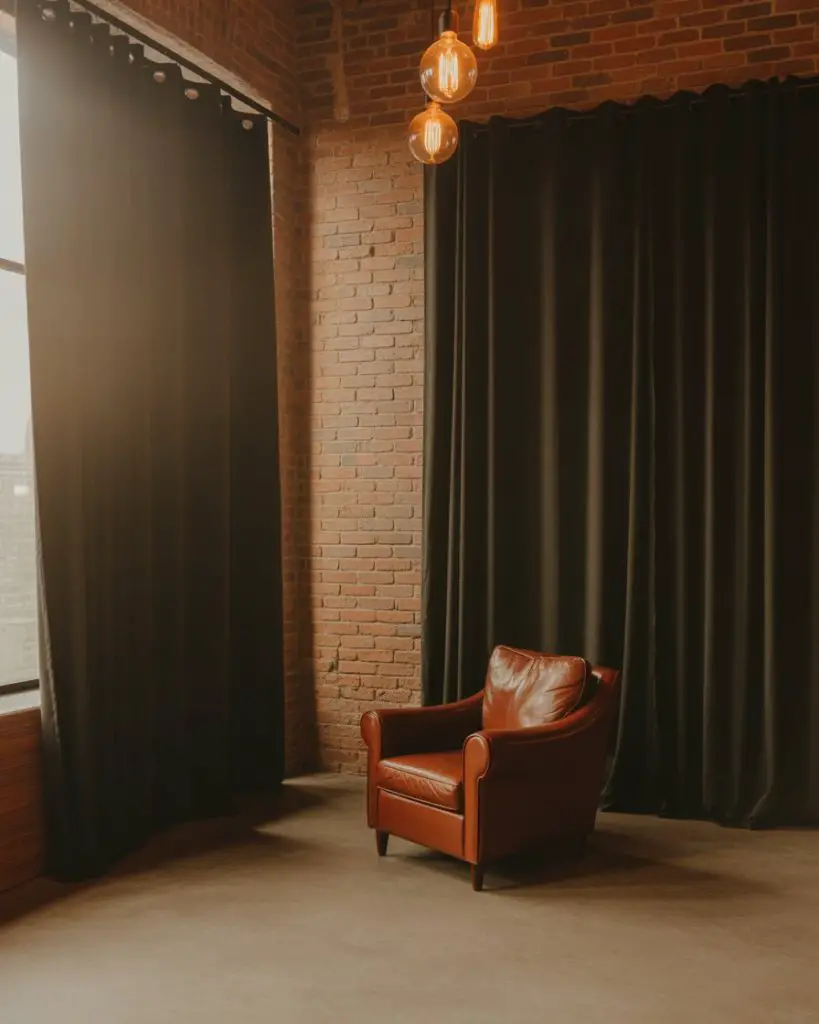
For homeowners ready to make a bold statement, floor-to-ceiling black curtains create instant drama and make standard-height rooms feel taller. This approach works especially well in lofts or homes with exposed brick, where the contrast between industrial textures and formal drapery creates visual tension. Mounting curtain rods as close to the ceiling as possible—ideally within two inches—is the key to pulling off this look without making the space feel bottom-heavy. Black absorbs light differently than lighter colors, so these panels can actually make a small living room feel cozier rather than cramped when paired with warm wood tones and adequate ambient lighting. 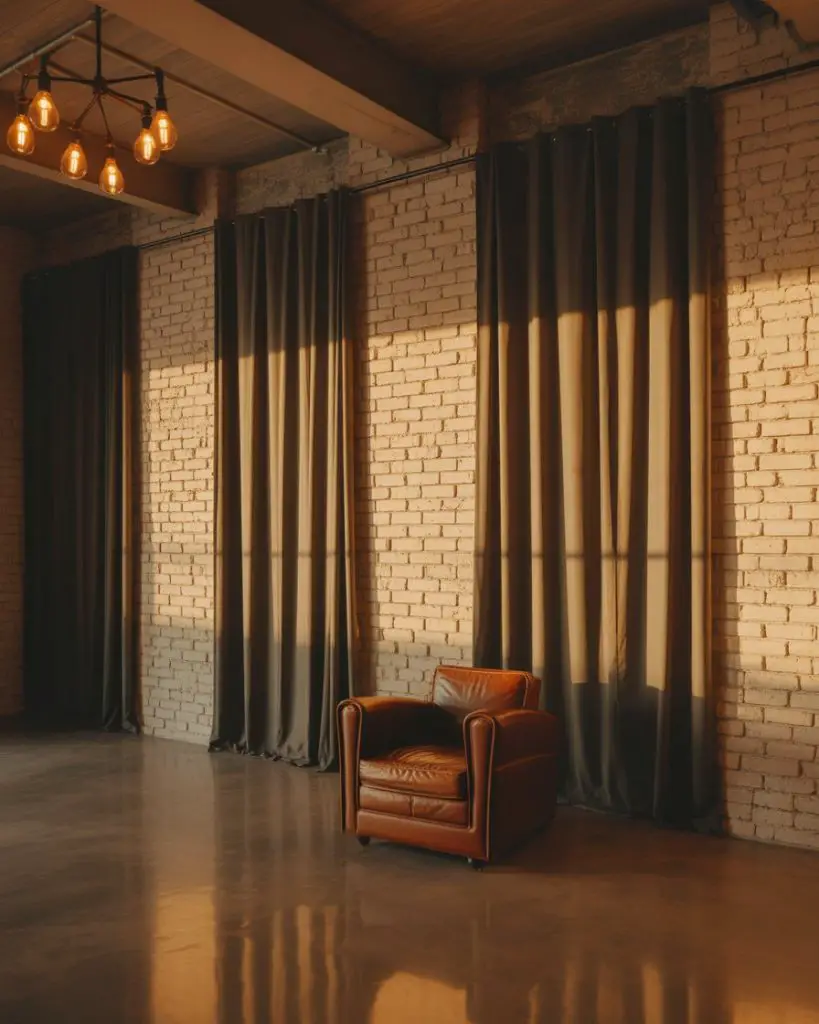
A designer friend in Brooklyn once told me that black curtains are the ultimate test of a room’s lighting design—if your space feels like a cave with them closed, you don’t have enough varied light sources. The solution isn’t to abandon the idea but to add table lamps, floor lamps, and wall sconces at different heights to create layers of illumination. Budget-conscious shoppers should know that IKEA’s Sanela velvet curtains in dark gray (which read nearly black) cost around $60 per pair and punch well above their weight in terms of quality and appearance.
4. Soft Grey Linen for Scandinavian Simplicity
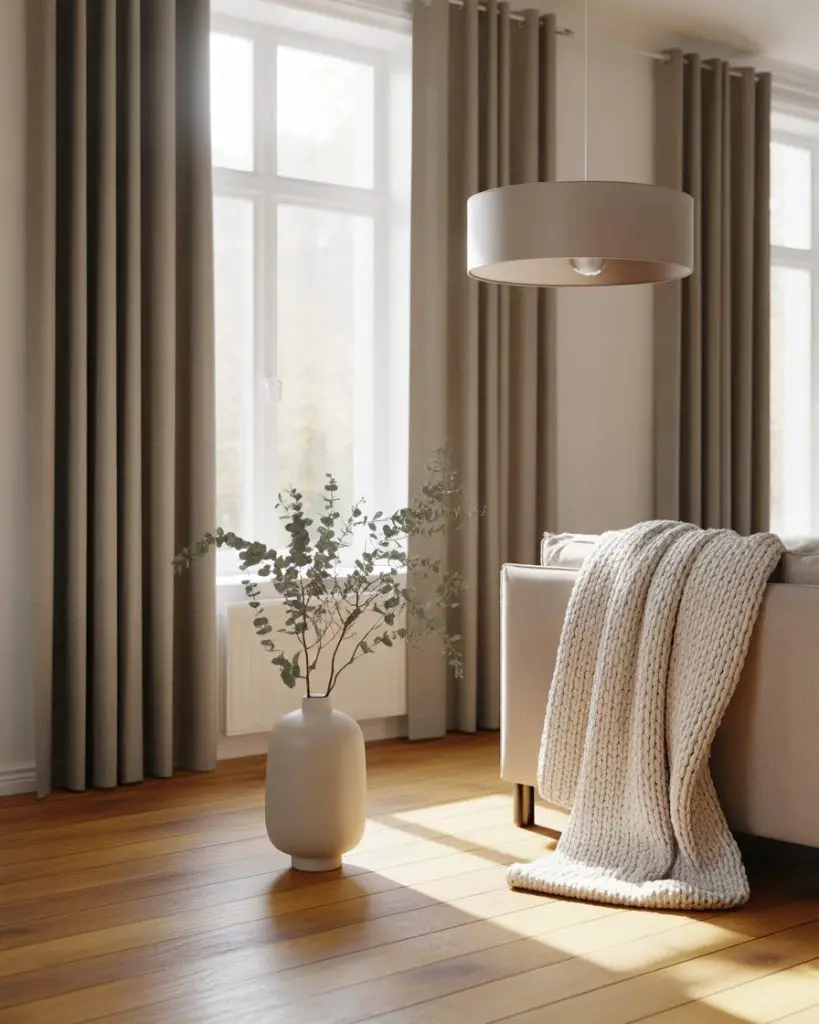
Grey linen curtains occupy the sweet spot between warm and cool, making them incredibly versatile across different regional climates and design styles. In Pacific Northwest homes where overcast skies dominate much of the year, these curtains harmonize with natural light rather than fighting it. The fabric’s slight texture prevents the space from feeling flat or one-dimensional, even in monochromatic color schemes. Light grey works beautifully in north-facing rooms that need brightening, while charcoal grey adds coziness to south-facing spaces with abundant sunshine. 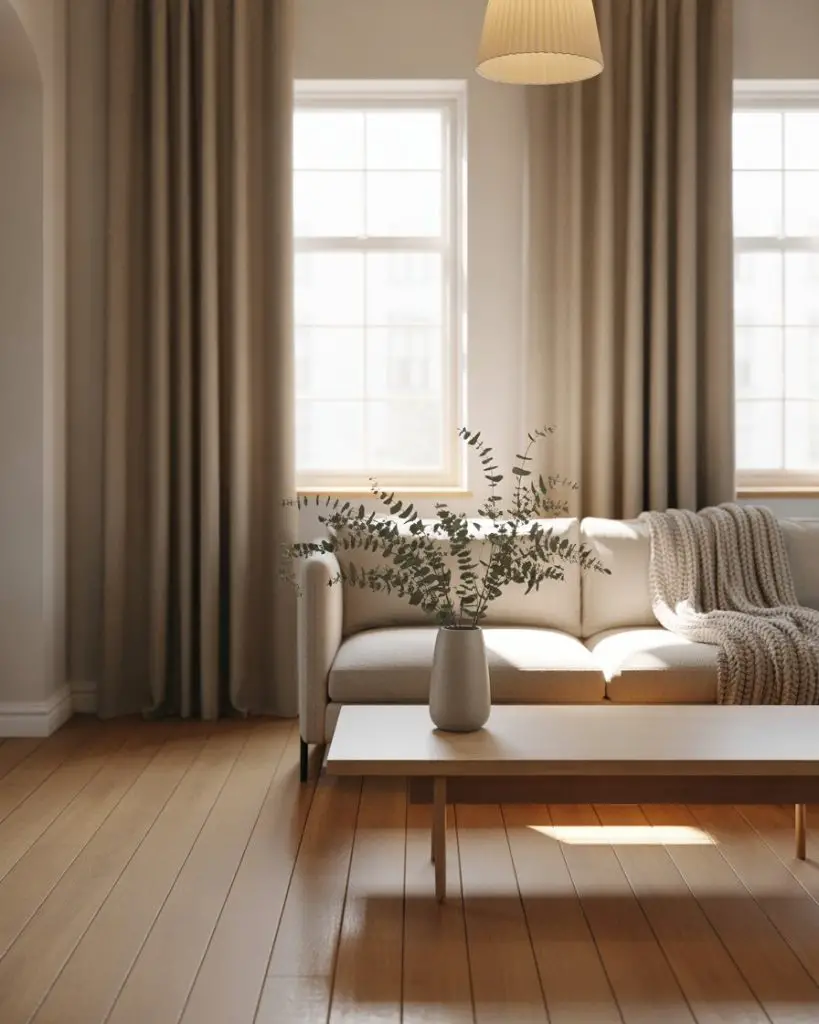
Where it works best: apartments and condos where you can’t control exterior views or neighboring buildings. Grey curtains provide privacy without announcing themselves, blending into backgrounds while still defining the window as an architectural feature. They’re also forgiving when it comes to cleaning—light dust and everyday wear show far less on grey than on stark white. For renters who want to personalize without painting, switching builder-grade beige blinds for quality grey linen panels makes a disproportionate impact relative to the modest investment involved.
5. Warm Beige Tones for Transitional Spaces
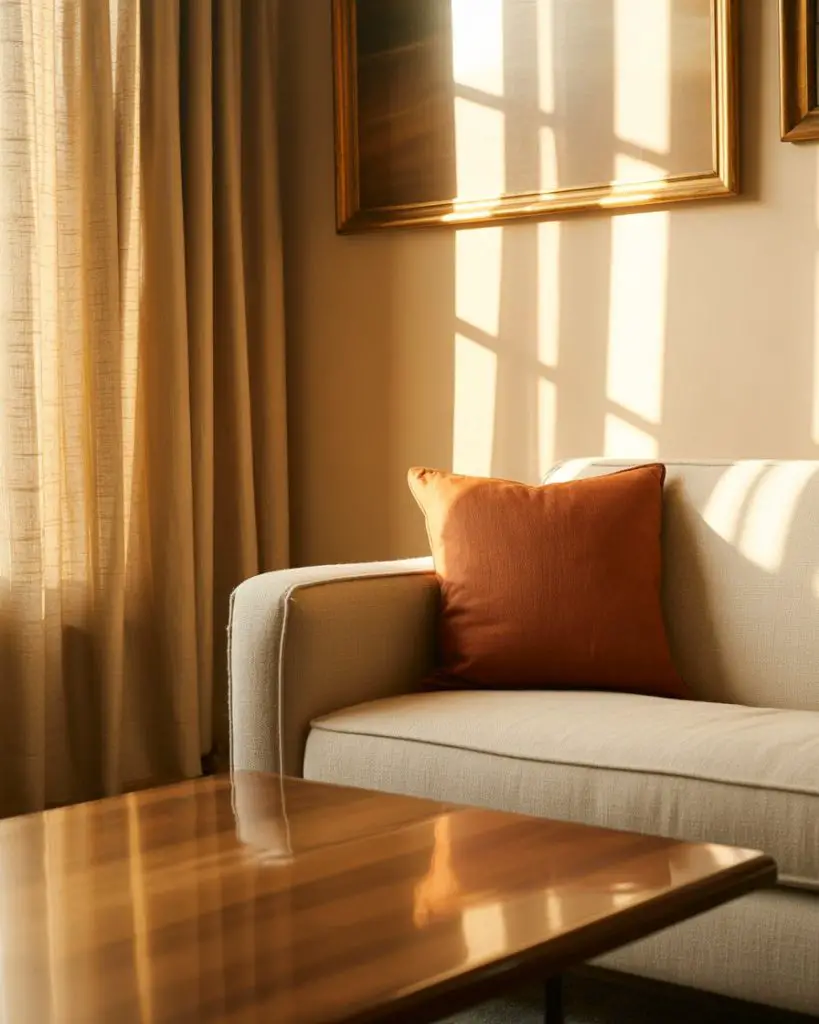
The resurgence of beige in 2026 isn’t about playing it safe—it’s about creating warm, sophisticated backgrounds that let furniture and art shine. Today’s beige curtains come in complex tones like greige, mushroom, and oatmeal that read neutral from a distance but reveal subtle depth up close. These shades complement the honey oak and walnut furniture that’s making a comeback in American homes, particularly in Midwest and Southern markets where traditional sensibilities blend with modern updates. Linen or linen-cotton blends in these warm neutrals work year-round, shifting from cozy in winter to airy in summer depending on how you layer and accessorize. 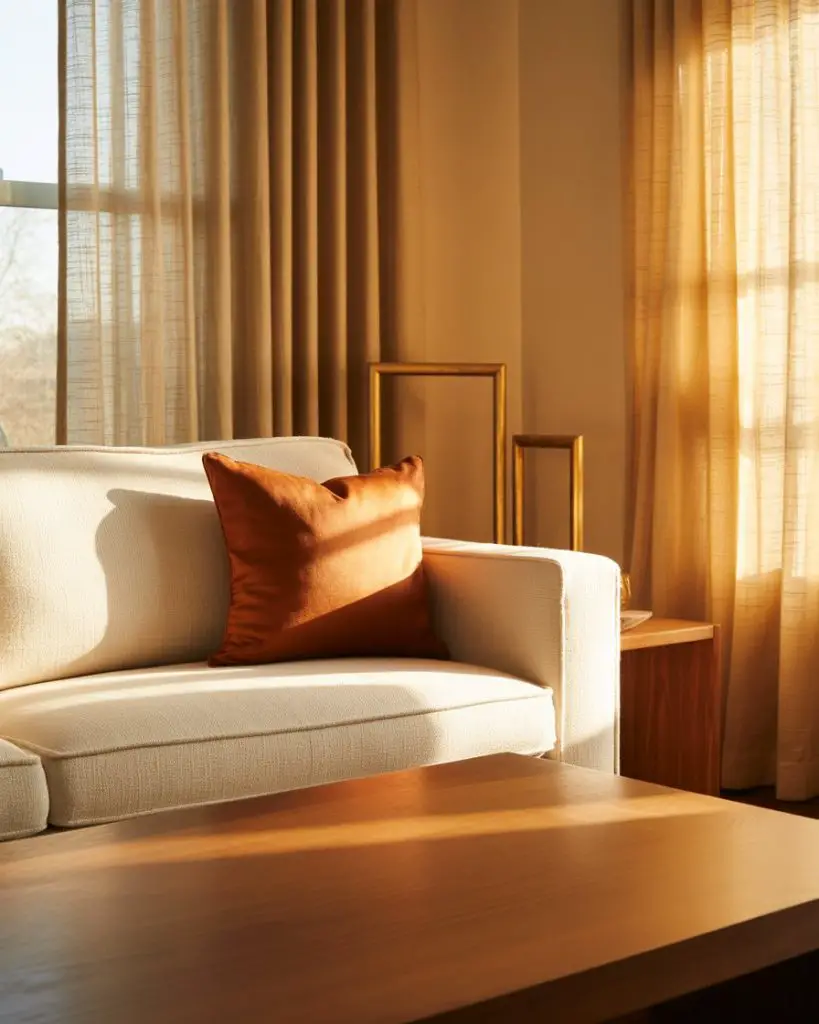
Real homeowner behavior shows that beige curtains are among the most returned items when ordered online, simply because the color can vary dramatically depending on screen calibration and lighting conditions. Order fabric samples before committing to full panels—many retailers offer swatches for under $5, and seeing the material in your actual space saves the hassle of returns. Hold samples against your walls at different times of day, since morning light can make warm beiges look peachy, while evening light brings out grey undertones you might not want.
6. Hunter Green for Library-Inspired Elegance
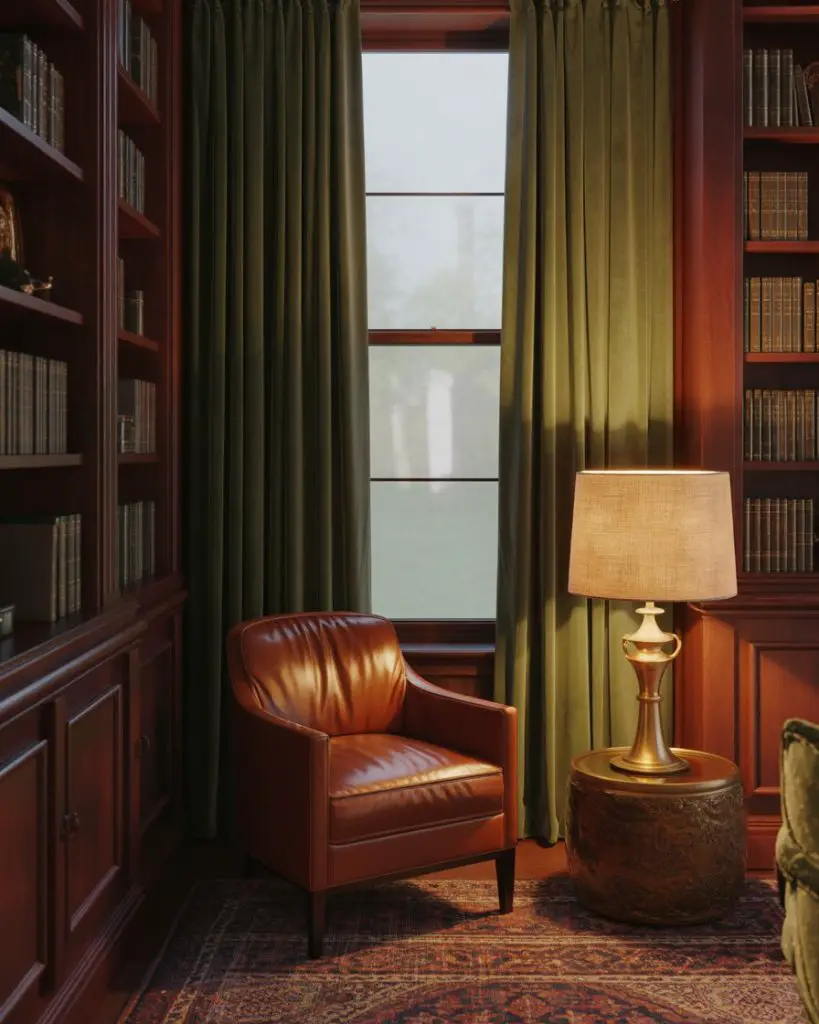
Deep green curtains evoke the richness of private libraries and English country homes, making them perfect for living rooms designed around comfort and contemplation. This shade pairs beautifully with warm wood paneling, leather furniture, and brass accents—a combination that’s trending heavily in renovated Victorian and Craftsman homes across New England and the Mid-Atlantic. Unlike emerald or lime, hunter green feels grounded and sophisticated rather than playful, anchoring a room without overwhelming it. The color also hides dust and pet hair remarkably well, a practical consideration that busy homeowners appreciate. 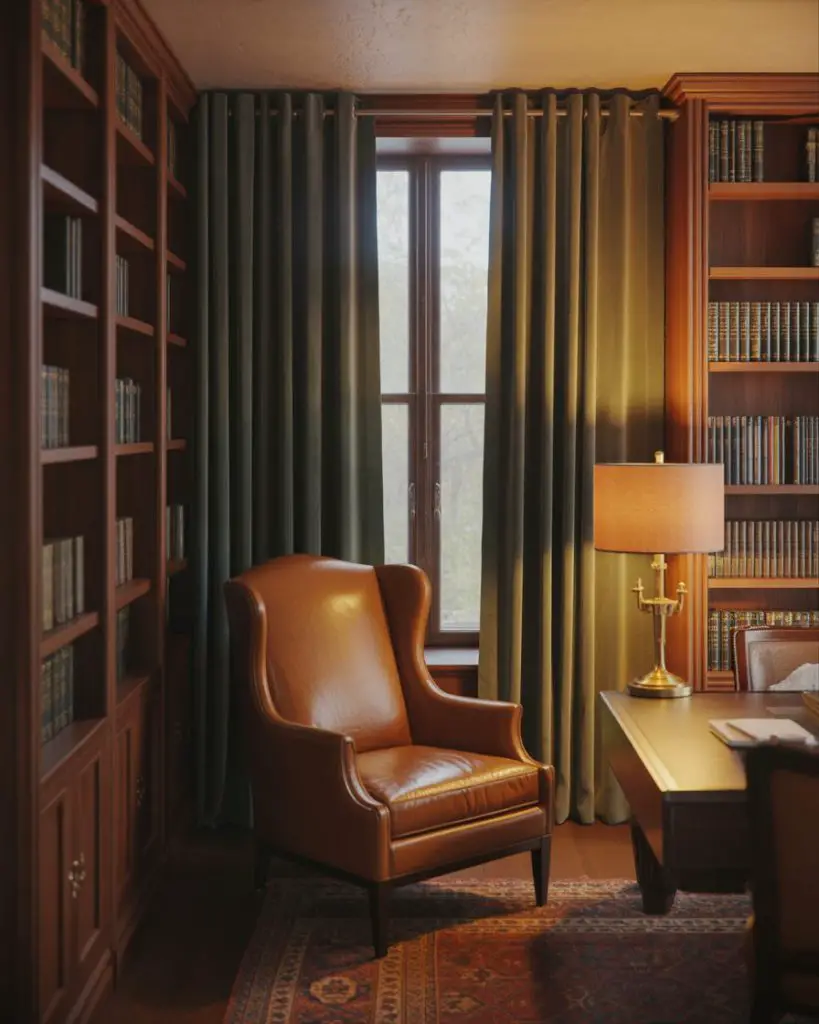
Green curtains demonstrate one of interior design’s paradoxes: the darker the color, the more natural light you need to make it work. In a dim basement or windowless wall, green can turn muddy and oppressive. But in rooms with multiple windows or skylights, the fabric catches and reflects light in constantly shifting ways throughout the day. Practical insight: if you’re considering green but worried about commitment, start with one window rather than outfitting the entire room, and live with it for a month before expanding—your eyes will adjust, and you’ll know whether to proceed or pivot to a lighter shade.
7. Navy Blue Velvet for Coastal Sophistication
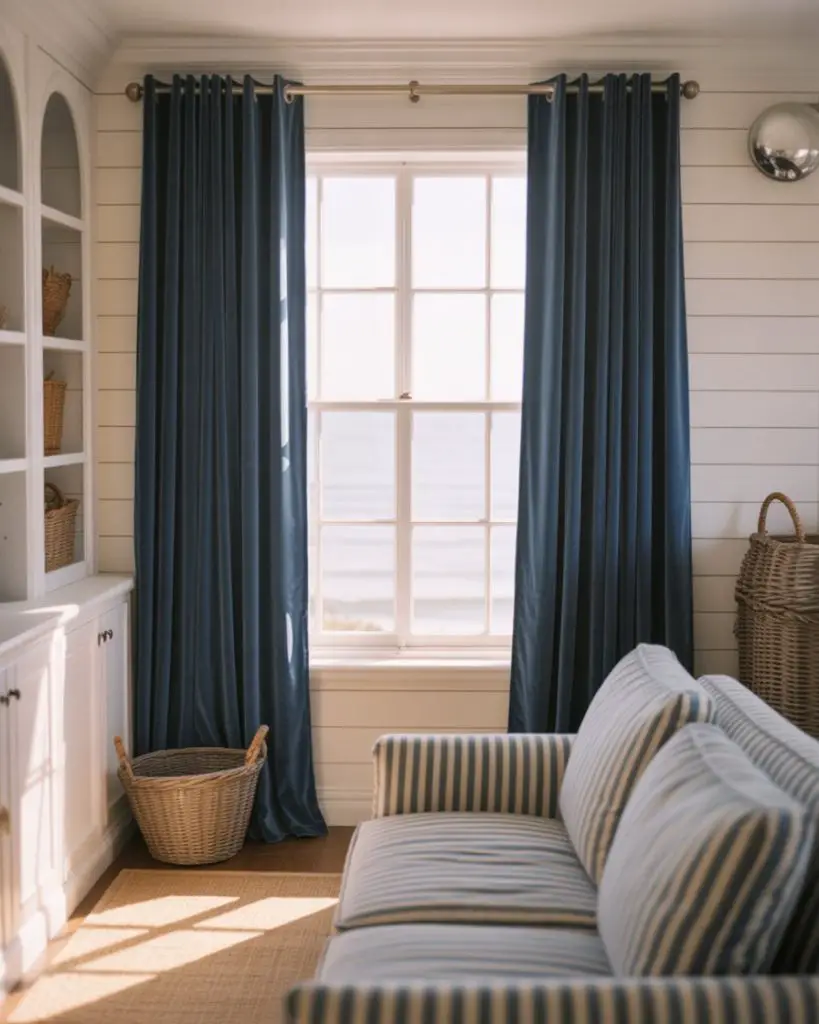
Blue velvet curtains in navy or midnight tones bring nautical references without literal anchors or stripes, perfect for coastal properties from Cape Cod to Southern California. The depth of navy reads nearly neutral in low light but reveals its true color when the sun hits it directly, creating dynamic visual interest. This shade complements both cool grey color schemes and warm whites, making it exceptionally versatile across different seasonal decor rotations. Velvet’s texture amplifies blue’s inherent richness, turning an ordinary window treatment into something that looks custom-designed. 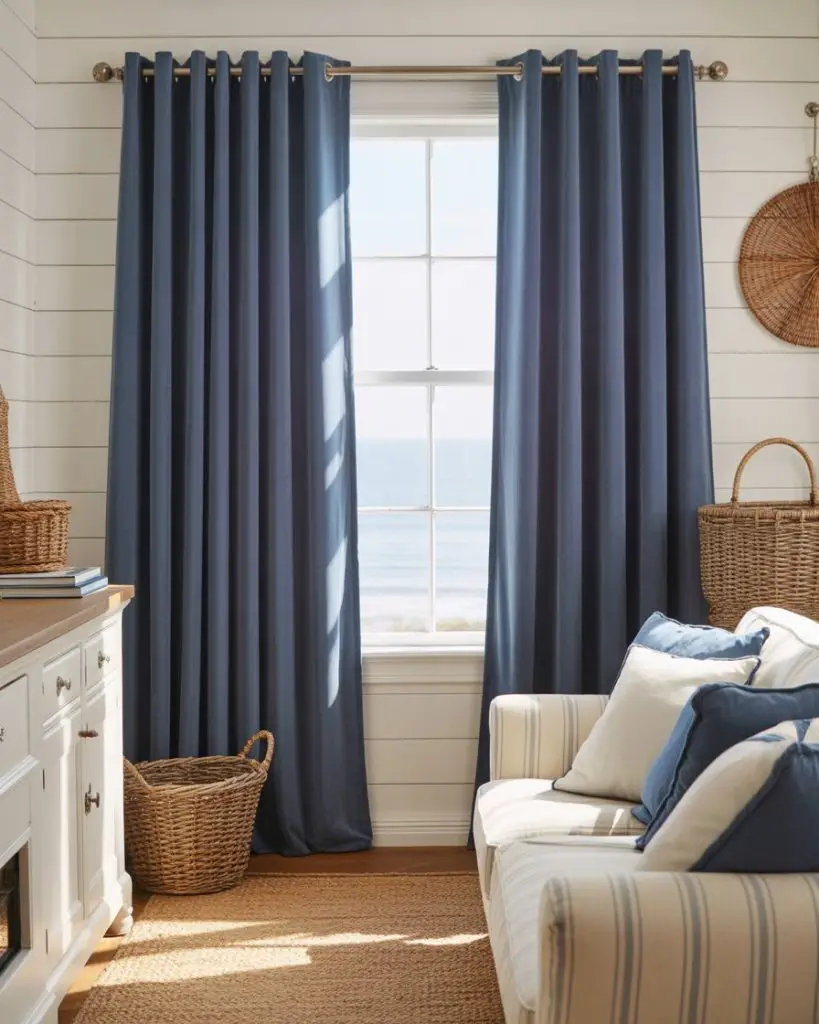
A common mistake with dark curtains is choosing rods that are too lightweight or flimsy—velvet’s weight demands substantial hardware. Look for rods rated for at least twice the weight of your panels, and use wall anchors or stud mounting rather than just drywall screws. In earthquake-prone regions like California, properly anchored curtain rods are a safety consideration, not just an aesthetic one. Budget around $40-80 for quality adjustable rods and another $20-30 for proper mounting hardware; skimping here undermines even the most expensive curtain fabric.
8. Cafe Curtains for Cottage Kitchen-Adjacent Spaces
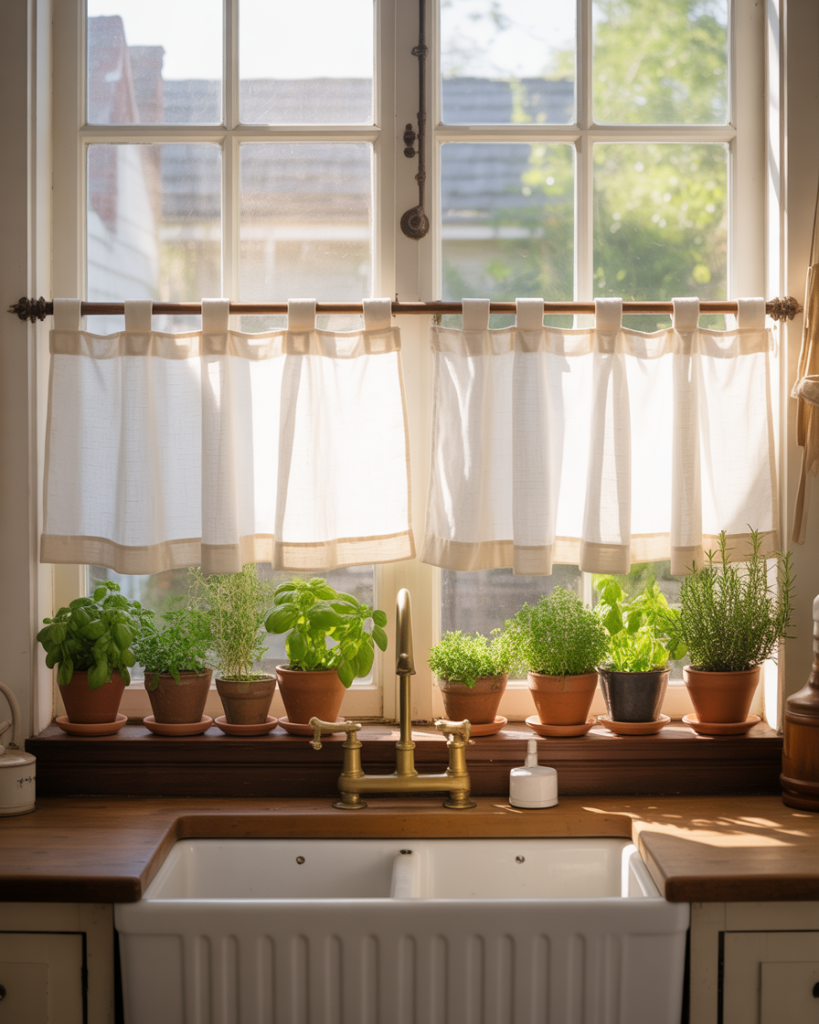
Cafe curtains covering only the lower half of windows bring a nostalgic, homey quality to living rooms that open directly onto kitchens or breakfast nooks. This style originated in European bistros, where privacy was needed at street level, but upper windows let in crucial natural light. In American open-concept homes, cafe curtains define zones without blocking sightlines or airflow between spaces. Choose classic lace, gingham checks, or simple cotton in white or cream to maintain the style’s unpretentious charm. The key is keeping them crisp—wrinkled or drooping cafe curtains look sloppy rather than charming. 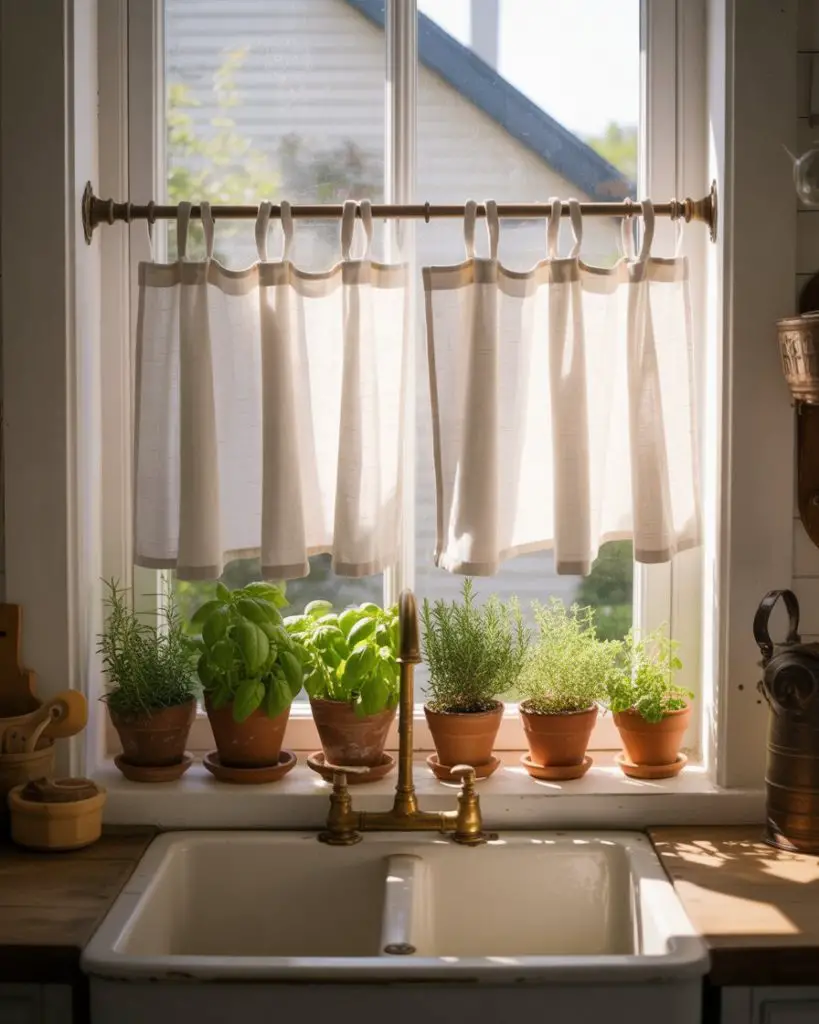
Where it works best: older homes with low windowsills where full-length curtains would interfere with radiators, baseboards, or furniture placement. Cafe curtains solve the privacy problem without requiring you to rearrange entire room layouts. They’re also ideal for households with curious cats or toddlers, since there’s less fabric pooling on the floor to attract fur or tiny hands. Installation takes minutes with spring-tension rods—no drilling required, making them perfect for renters or anyone hesitant about committing to permanent hardware.
9. Double-Layer Functionality for Temperature Control
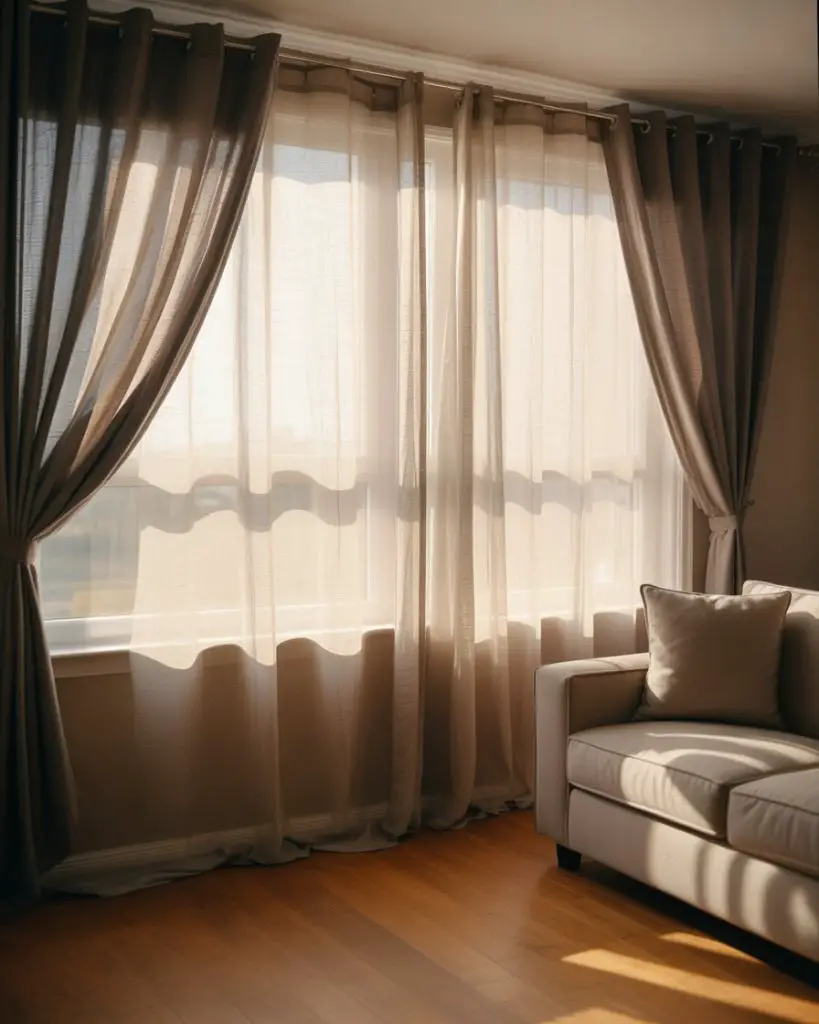
Double-rod systems that combine sheer and opaque panels offer maximum flexibility for homes in climates with extreme seasonal swings. During scorching Arizona summers or freezing Minnesota winters, the insulating properties of layered curtains reduce HVAC costs measurably—some estimates suggest up to 25% savings on heating and cooling when windows are properly dressed. The sheer layer stays in place year-round for daytime privacy and light diffusion, while heavy panels pull closed during temperature extremes or at night. This system also lets you adjust privacy levels throughout the day without sacrificing natural light entirely. 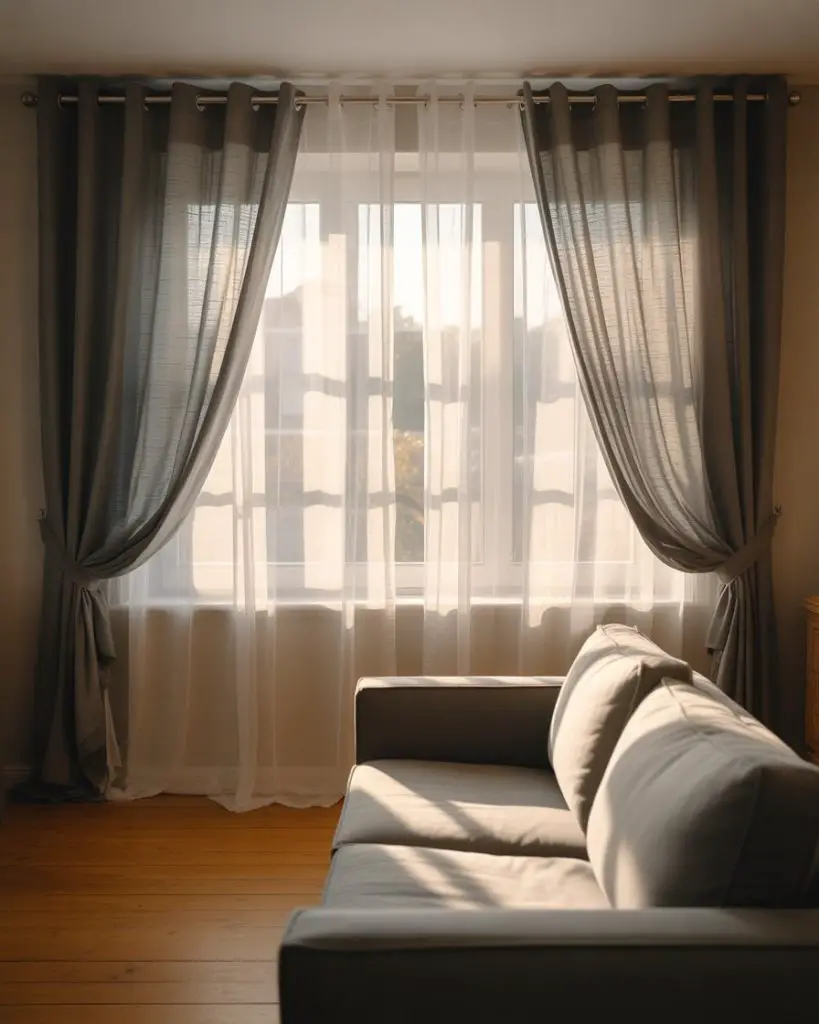
Expert-style commentary from energy auditors confirms that windows are responsible for 25-30% of residential heating and cooling energy use, making curtains one of the most cost-effective efficiency upgrades available. The catch is that curtains only work when you actually close them—a behavioral study from the Pacific Northwest National Laboratory found that even in homes with quality window treatments, occupants frequently leave them open, negating the benefits. Set phone reminders during your first month with new curtains to build the habit of closing them before bed in winter or before leaving for work in summer.
10. Cheerful Yellow Accents for Morning Light
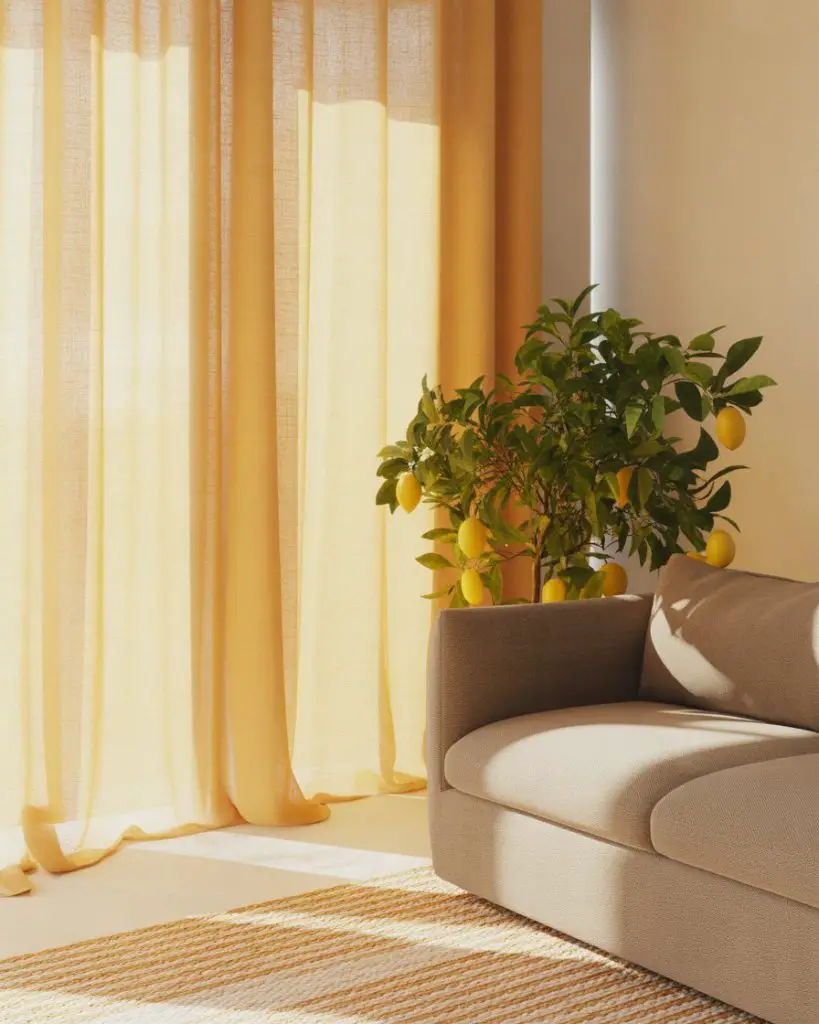
Sunny yellow curtains are having a resurgence in 2026, particularly in spaces that face north or receive limited natural light. The color reflects and amplifies whatever light enters the room, creating a perception of brightness even on overcast days. Opt for soft butter or golden tones rather than harsh neon shades—these warmer yellows pair beautifully with white trim and grey upholstery without overwhelming the space. Yellow curtains work especially well in breakfast nooks that extend into living areas, where morning light and cheerful color start the day on an optimistic note. 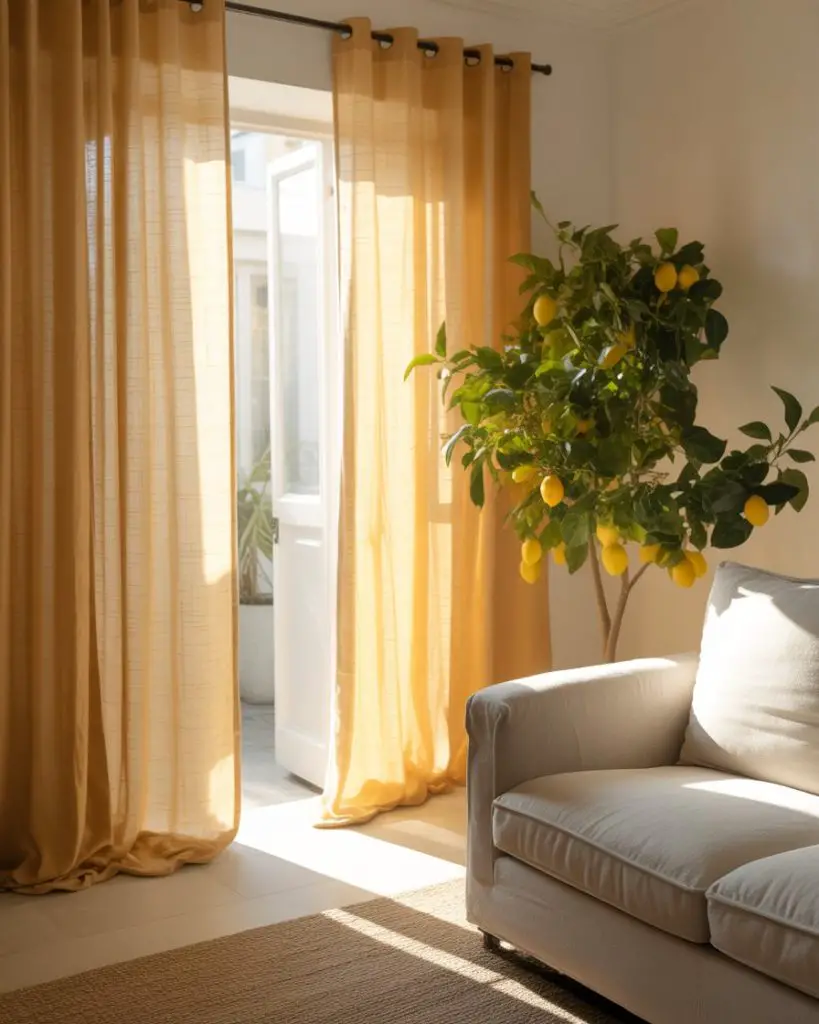
Regional context matters with yellow curtains—they’re gaining traction in Pacific Northwest cities like Portland and Seattle, where grey skies dominate, but homeowners in sun-drenched regions like Florida and Southern California tend to prefer cooler tones that visually counterbalance intense heat. A micro anecdote: a reader from Eugene, Oregon, told me her yellow curtains “trick my brain into thinking it’s sunny even when it’s pouring outside,” which captures exactly why this color works in perpetually damp climates. If you’re hesitant, try yellow curtains in just one room as a mood-boosting experiment before committing to a whole-home approach.
11. Short Curtains for Mid-Century Modern Interiors
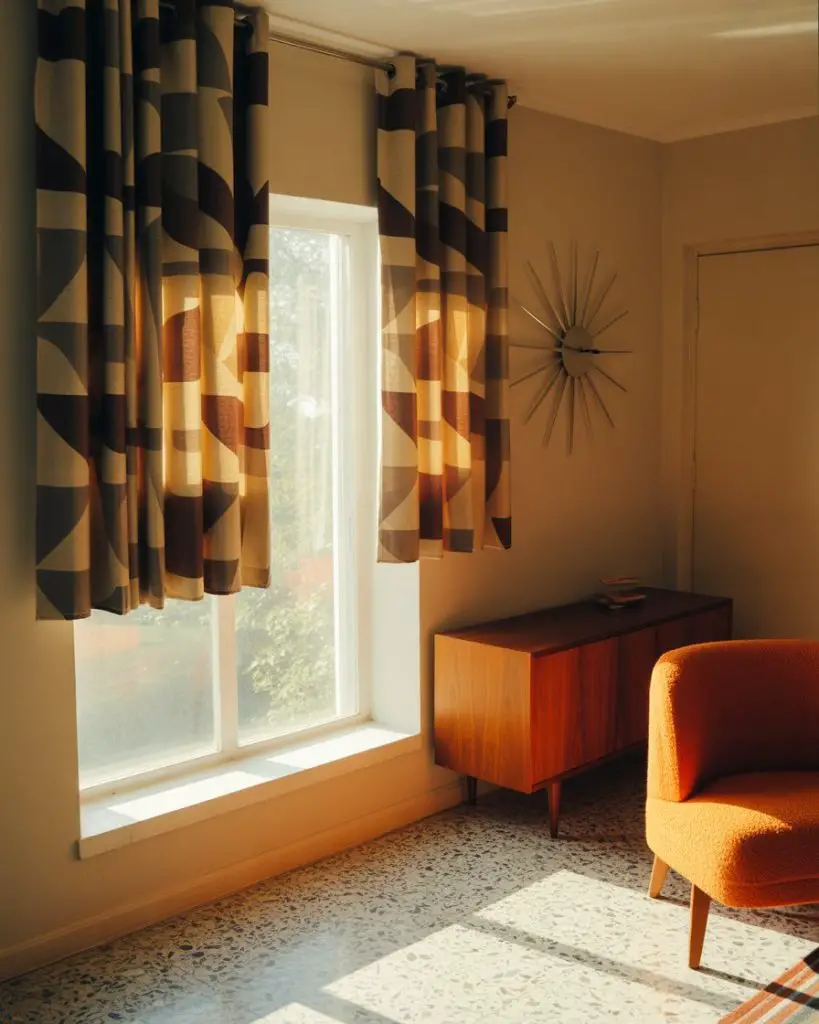
Short curtains that hit just below the window sill or at the floor break conventional wisdom but work beautifully in mid-century modern homes where original architecture emphasized horizontal lines. This length prevents fabric from interfering with period-appropriate radiators, built-in seating, or low-profile furniture arrangements. The look reads intentional rather than accidental when curtains are custom-hemmed to precise measurements and hung on sleek rods that complement the home’s original hardware. Pair short panels with patterned fabrics in geometric prints or abstract designs that echo the era’s bold graphics and playful sensibility. 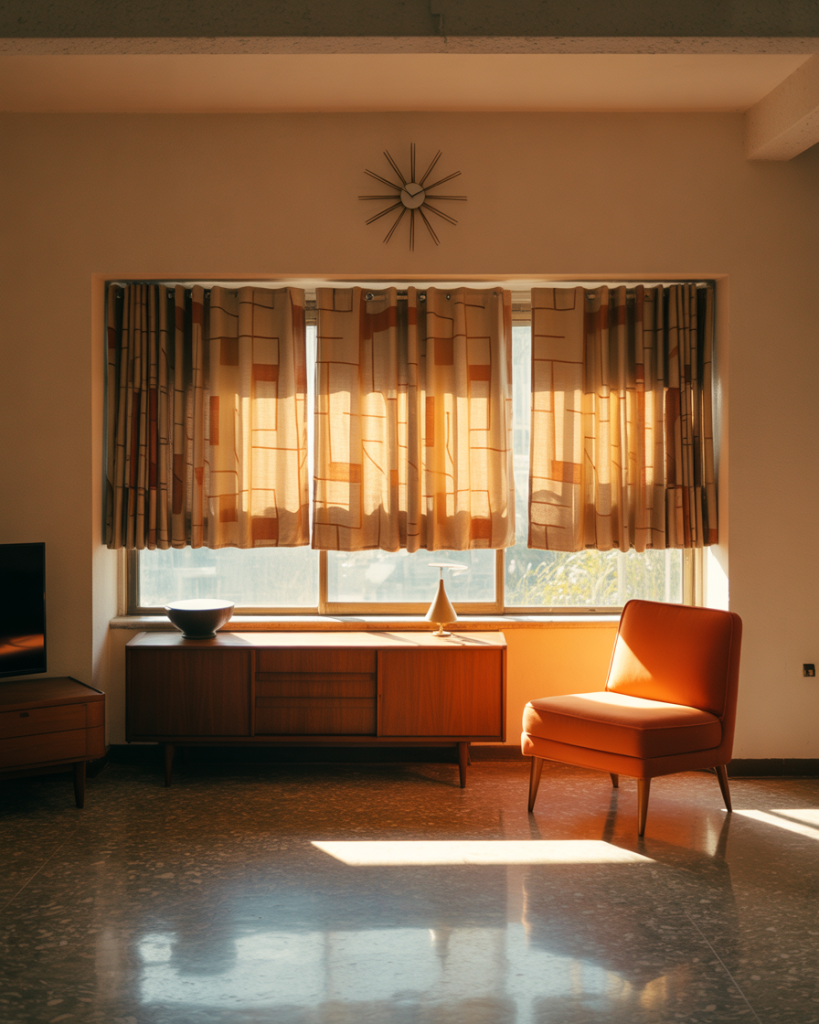
Common mistakes include hanging short curtains too high above the window frame, which creates awkward negative space, or choosing fabrics that are too heavy for the abbreviated length—they’ll stick out rather than drape. The ideal fabric weight for short curtains is light to medium, with enough body to hold shape but not so much that they look stiff. Budget-wise, short curtains save money on fabric, so this is an opportunity to splurge on higher-quality materials or custom printing without breaking the bank. Expect to pay $80-150 per window for well-made short panels in specialty fabrics versus $150-300 for full-length equivalents.
12. Burnt Orange for Southwestern Warmth
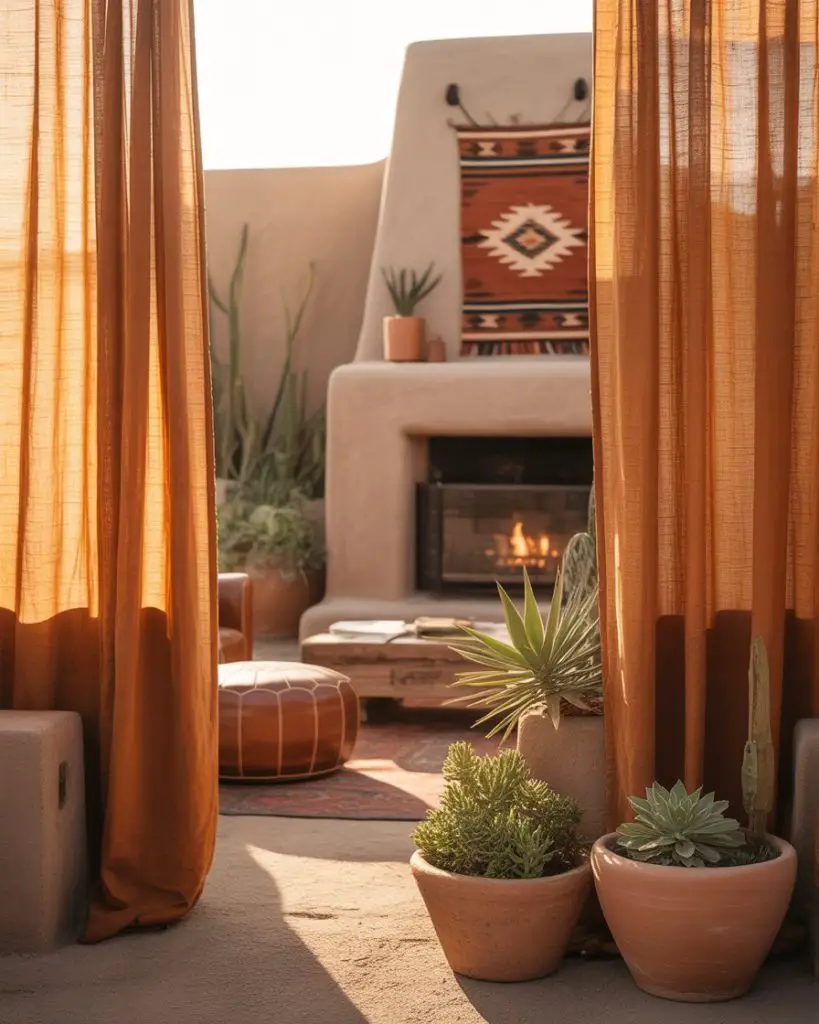
Orange curtains in terracotta, rust, or burnt sienna tones capture the desert landscape’s natural palette, making them ideal for homes in Arizona, New Mexico, and Southern California’s inland regions. These earthy shades complement adobe architecture, Saltillo tile floors, and Southwestern textiles without veering into theme-park territory. The color brings warmth to spaces dominated by hard surfaces like concrete or stucco, softening industrial edges. Unlike brighter oranges that can feel juvenile, these subdued tones read sophisticated and grounded, particularly when paired with natural materials like leather, wood, and woven textiles. 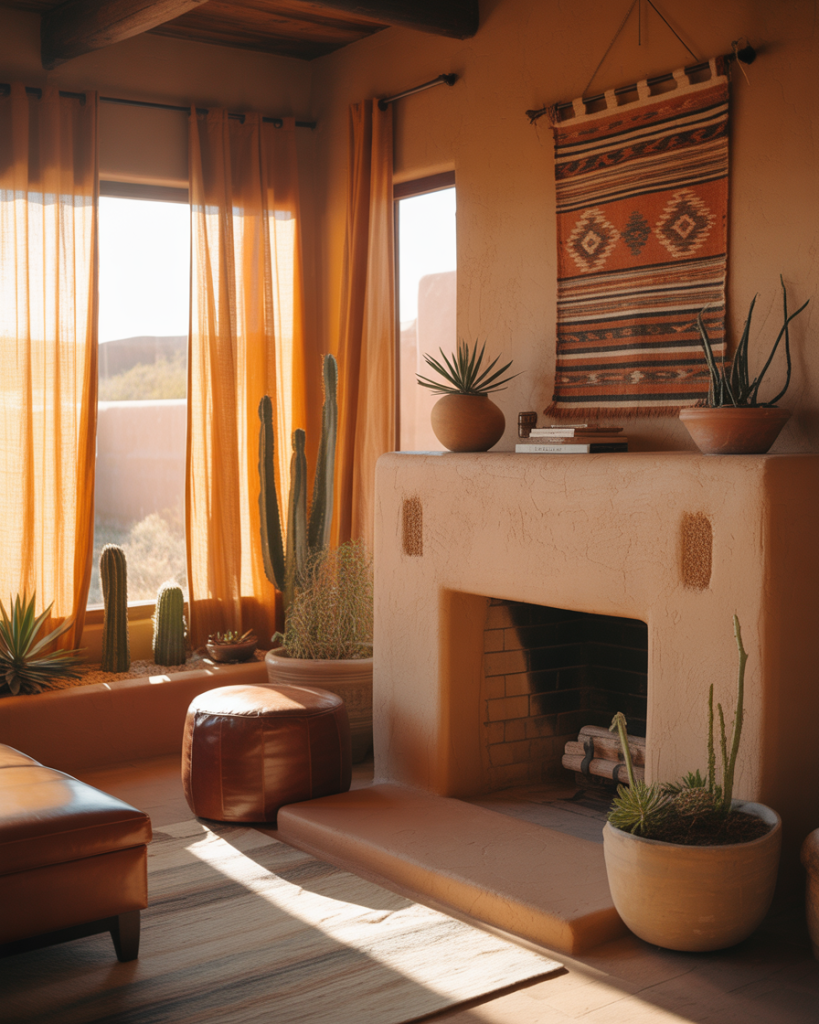
Real homeowner behavior in desert climates shows a preference for lined curtains even in decorative weights, since UV exposure is significantly more intense than in other regions and can fade fabrics within months. Thermal or blackout lining protects your investment while also keeping interiors cooler during brutal summer afternoons. An unlined orange curtain in full Arizona sun will turn pale peach within a single season—protect against this by choosing UV-resistant linings or closing curtains during peak sun hours (typically 11 AM to 4 PM from May through September in southwestern states).
13. French Country Florals for Timeless Romance
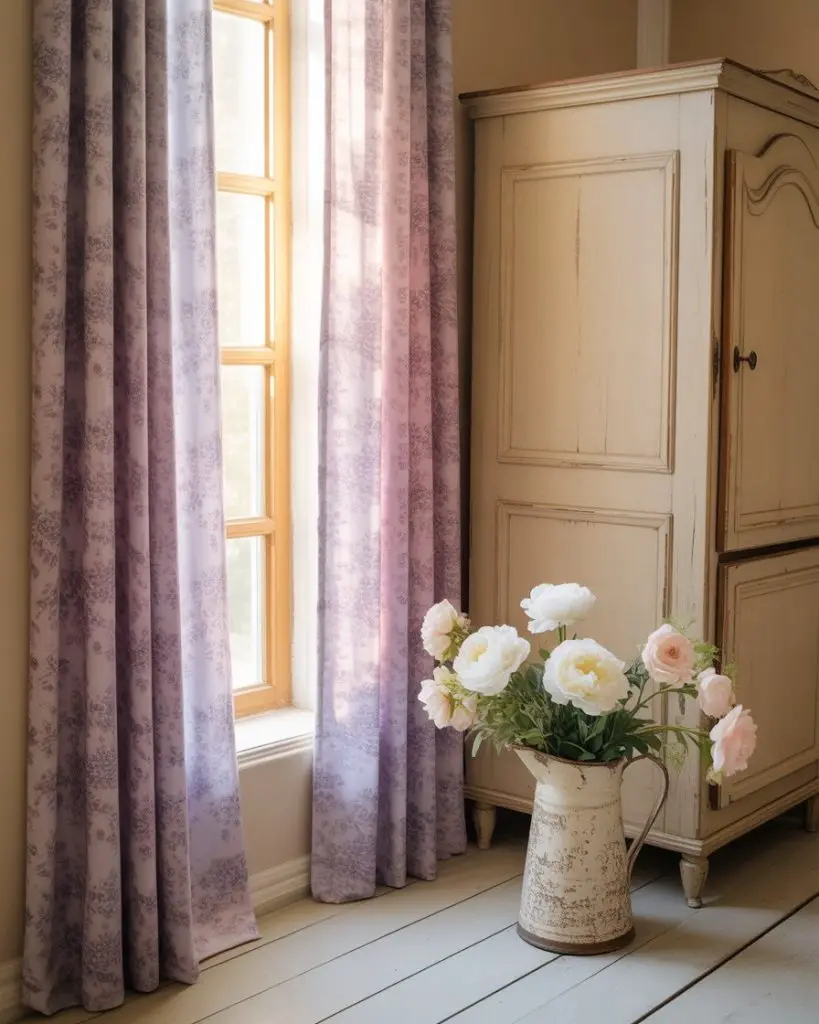
French country style embraces floral patterns that feel collected rather than coordinated, mixing lavender sprigs, roses, or wildflower prints in soft, faded colors. These curtains work beautifully in cottages, farmhouses, or suburban homes where you want to inject personality without going full shabby-chic. The key is choosing patterns with enough white space so they don’t overwhelm—dense, busy florals can make rooms feel cluttered and small. Look for prints inspired by toile, provincial fabrics, or vintage French linens that carry historical authenticity rather than mass-produced reproductions. Natural fabrics like cotton or linen blends enhance the organic, relaxed aesthetic. 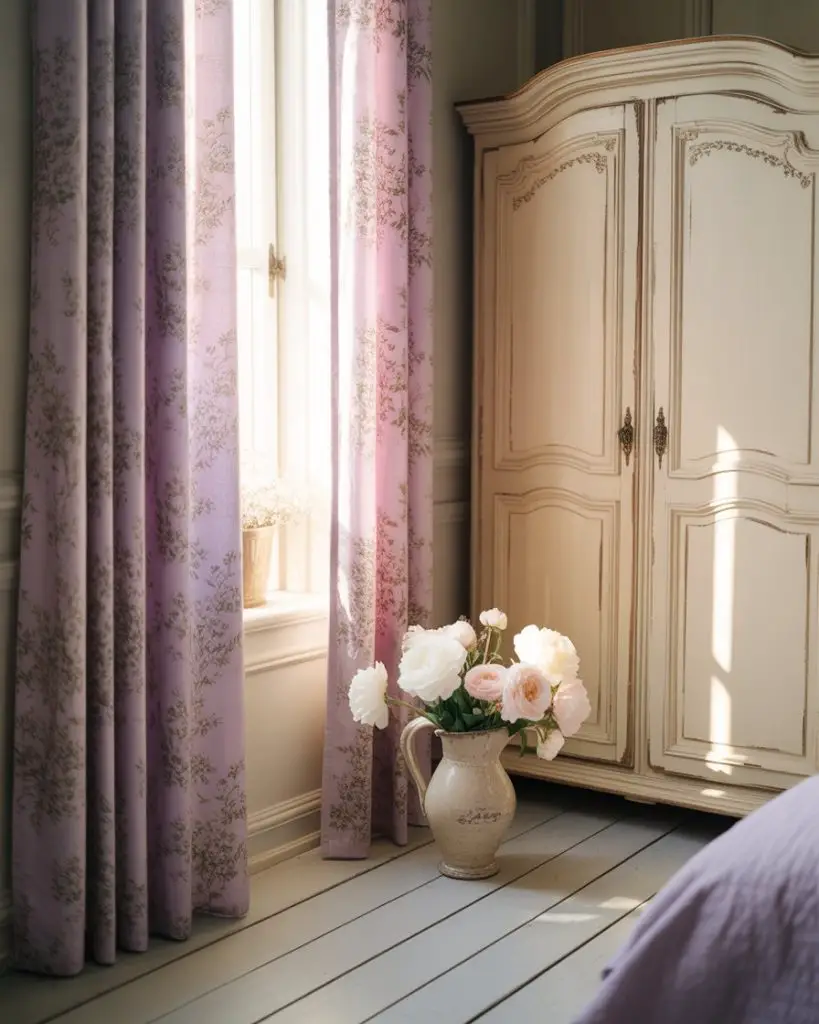
Where it works best: dining rooms that transition into living spaces, where floral curtains can bridge formal and casual zones. The pattern adds visual interest that distracts from less-than-perfect walls or outdated trim without requiring major renovations. One practical insight—floral patterns hide minor stains and imperfections far better than solid colors, making them smart choices for households with kids or pets. Just avoid florals in rooms where you already have patterned upholstery, wallpaper, or rugs; the combination creates competing focal points that tire the eye rather than delighting it.
14. Bay Window Solutions That Don’t Overwhelm
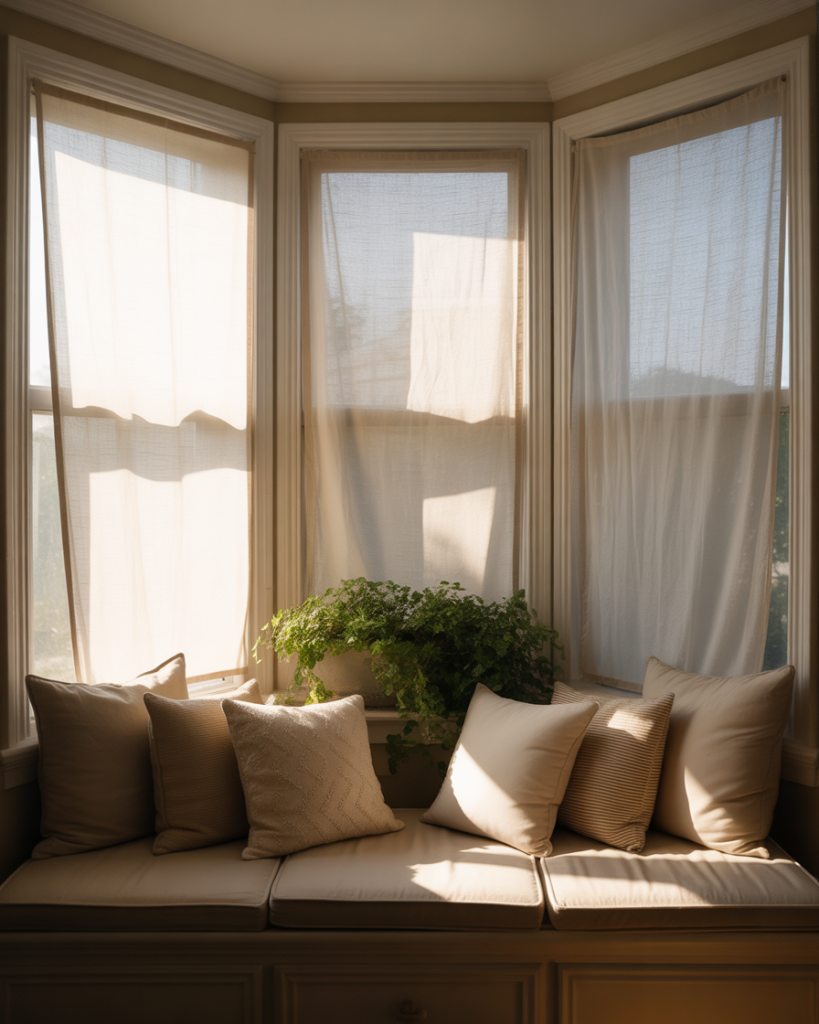
Bay window configurations present unique challenges since three or more windows at different angles require thoughtful curtain planning. Many homeowners default to blinds out of confusion, but the right curtains can transform bay windows into stunning architectural features. The most successful approach uses individual panels on each section rather than trying to span the entire width, which creates bunching and prevents proper opening and closing. Lightweight fabrics like linen or cotton blends work better than heavy velvet in these multi-window arrangements, where excessive fabric bulk makes the space feel closed-in and cluttered. 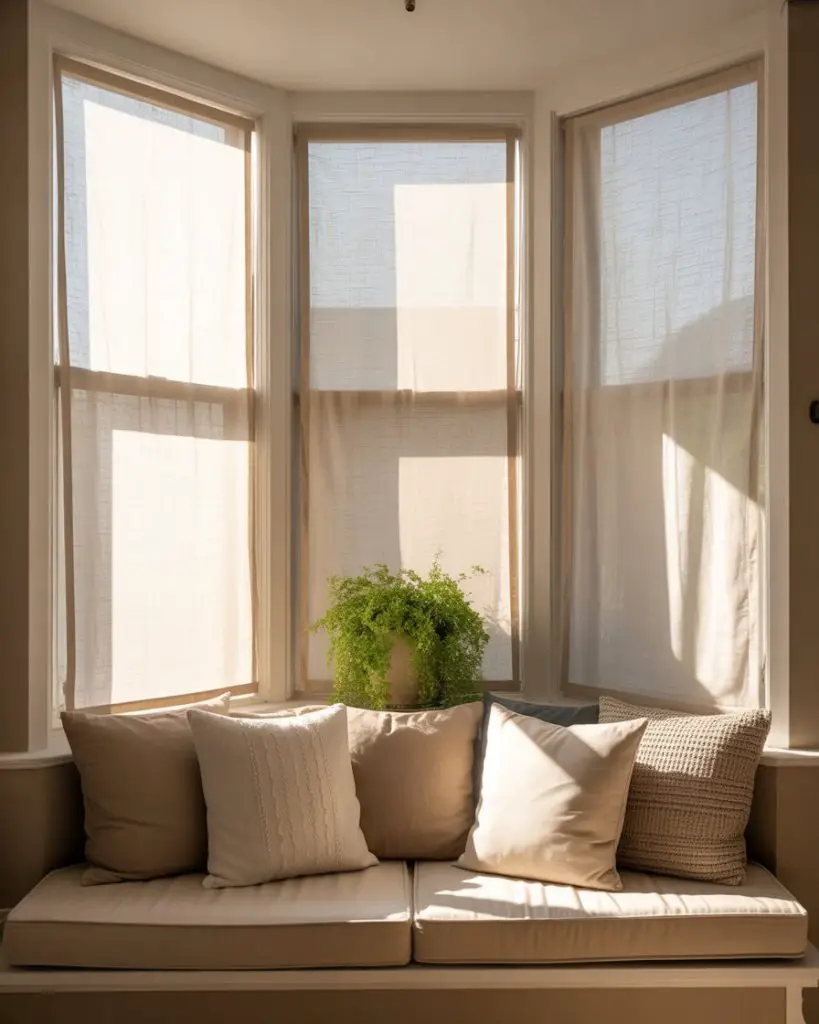
A designer friend who specializes in historic homes once told me that bay windows “test whether you understand how fabric behaves in three-dimensional space,” and she’s right—this isn’t the time to DIY unless you’re confident in your measurements. Professional measuring and installation typically add $200-400 to the project but ensure panels hang properly and move smoothly. Budget-conscious alternatives include using simple tension rods on each section with ready-made panels, which achieves decent results for under $150 total. Just make sure all panels are of identical length and fullness to maintain visual continuity across the window sections.

15. Tall Windows That Command Attention
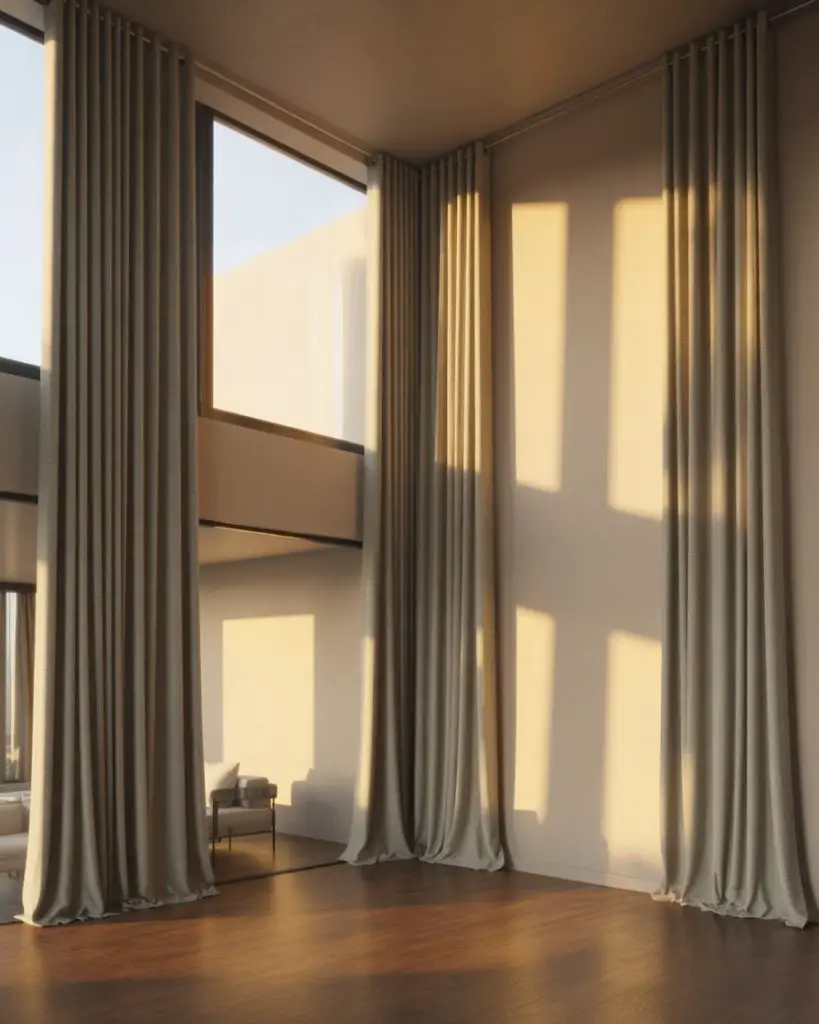
Tall windows in two-story living rooms or loft spaces demand curtains with proper proportions—standard 84-inch or 96-inch panels look comically short on 12-foot or 14-foot windows. Custom curtains become necessary at these heights, but the investment pays dividends in visual impact. Mount rods at the ceiling line and let curtains puddle slightly on the floor for maximum drama, or hem them to kiss the floor precisely for a cleaner, more modern look. Motorized tracks solve the practical problem of opening and closing curtains beyond arm’s reach, with basic systems starting around $500 and smart-home-integrated versions reaching $2,000+. 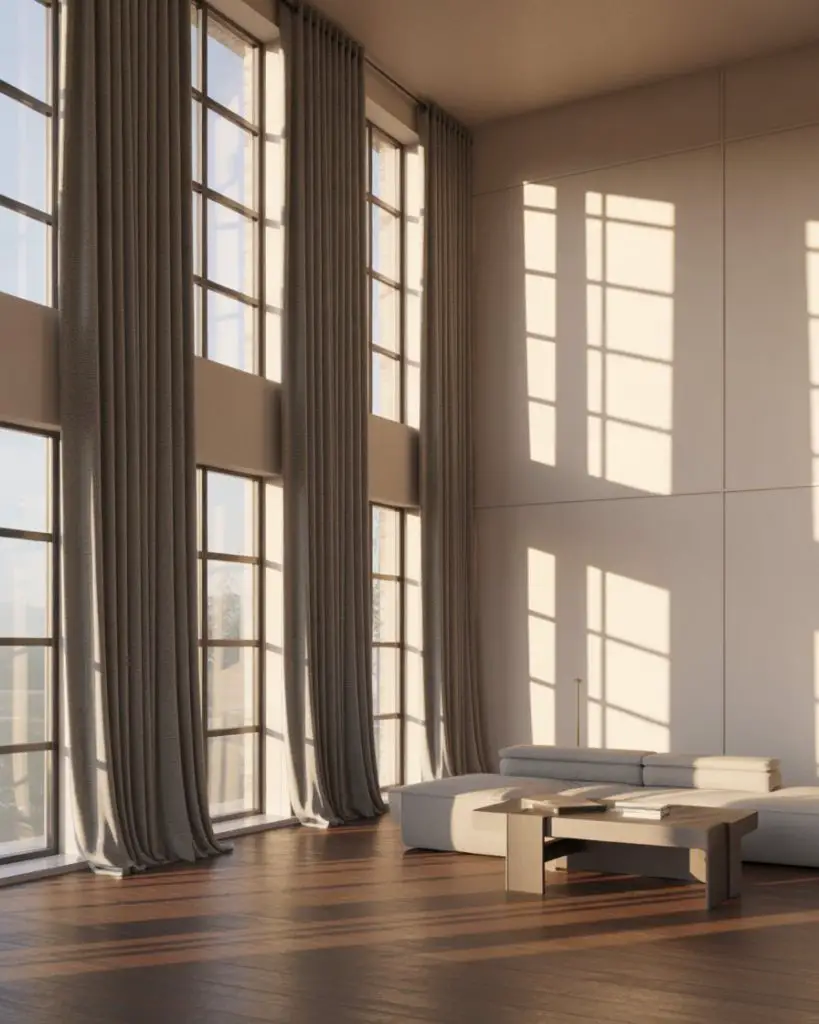
Common mistakes with tall curtains include underestimating fabric weight—at these lengths, even lightweight linen can stress inadequate rods and brackets. Specify commercial-grade hardware designed for tall installations, with wall anchors drilled into studs or blocking rather than just drywall. Another pitfall is neglecting the bottom hem: tall curtains collect dust and pet hair more readily than shorter ones simply due to surface area. Opt for washable fabrics if you have the means to launder large panels, or budget for professional cleaning every 12-18 months to maintain freshness and appearance.
16. Aesthetic Maximalism With Mixed Patterns
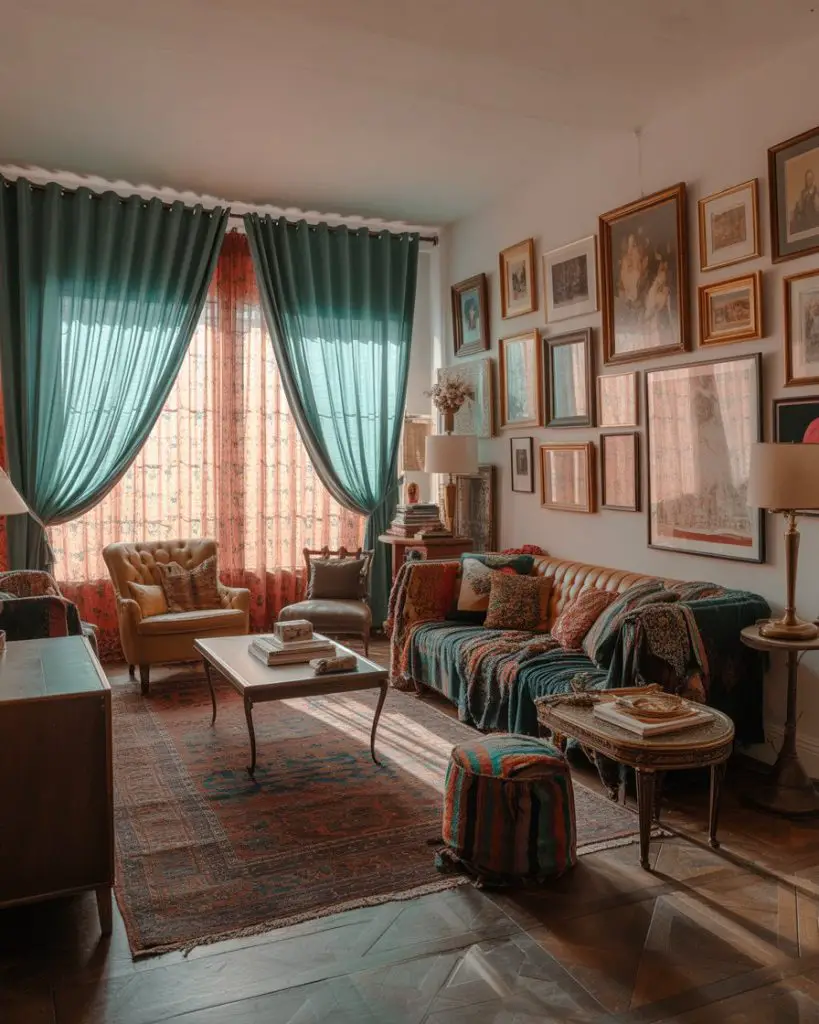
The aesthetic maximalist movement embraces colorful curtain combinations that earlier generations would have considered clashing—think jewel-toned velvets paired with patterned sheers, or mixing florals with geometrics across different windows in the same room. This approach requires confidence and a developed eye for color relationships, but when executed well, it creates deeply personal spaces that reflect genuine personality. Start by choosing a dominant color that appears in various intensities and contexts throughout your selections—this thread of continuity prevents chaos. Test combinations by draping fabric samples together before committing to full panels. 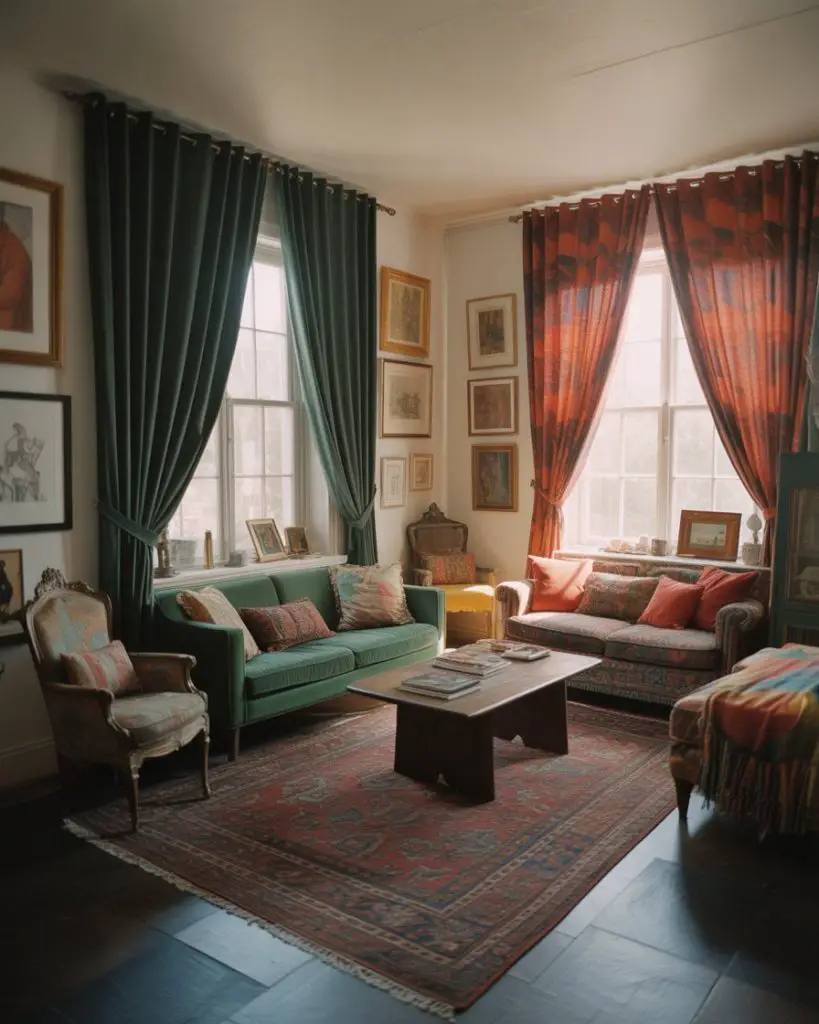
Regional context shows this style gaining traction fastest in creative urban centers like Brooklyn, Portland, and Austin, where younger homeowners reject minimalism’s visual austerity. Practical insight: maximalist curtain schemes work best in rooms with neutral backgrounds (white or pale grey walls, simple flooring) that prevent sensory overload. If your space already features bold wallpaper or colorful furniture, tone down curtain choices or risk creating environments that feel exhausting rather than energizing. The goal is controlled exuberance, not visual noise—every element should feel intentional, not arbitrary.
17. Classic White for Architectural Purity
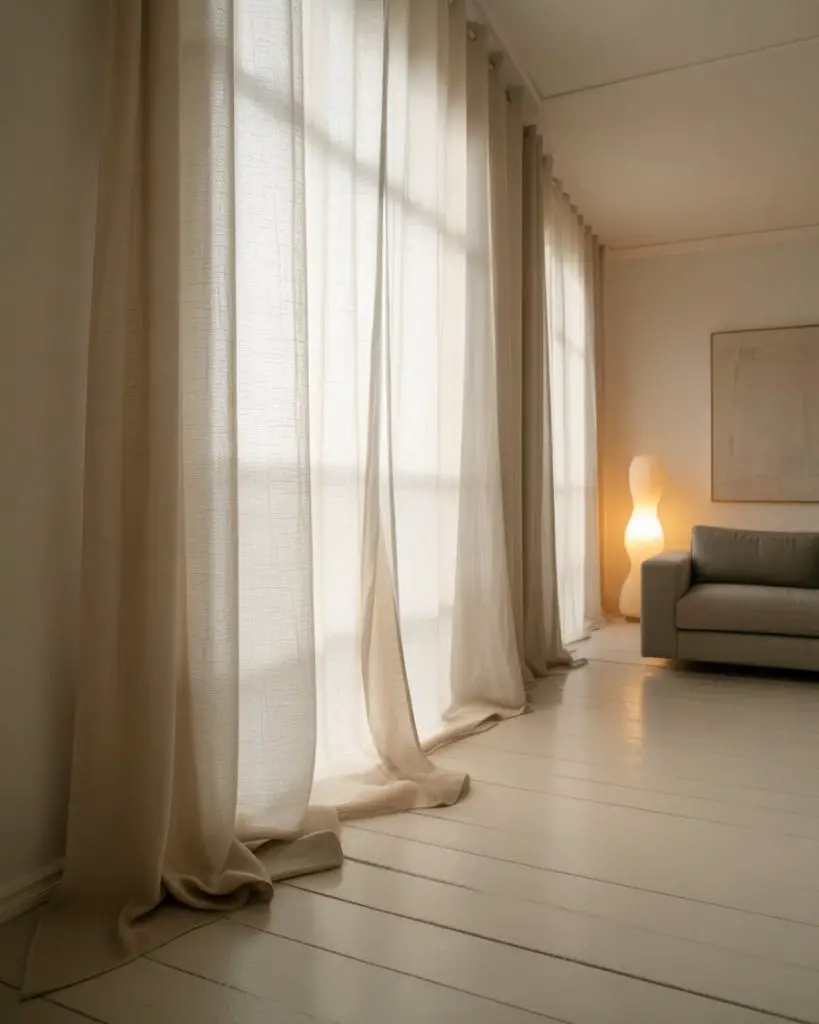
Crisp white curtains remain timeless because they complement literally every design style while making rooms feel larger and brighter. In linen or cotton, white reads soft and organic; in silk or synthetic blends, it can look formal and polished. The fabric choice matters more than you’d think—cheap white polyester curtains yellow within months from sun exposure and washing, while quality natural fibers maintain their brightness for years. White works especially well in spaces with colorful art collections or patterned upholstery, providing visual rest that lets other design elements shine without competition. 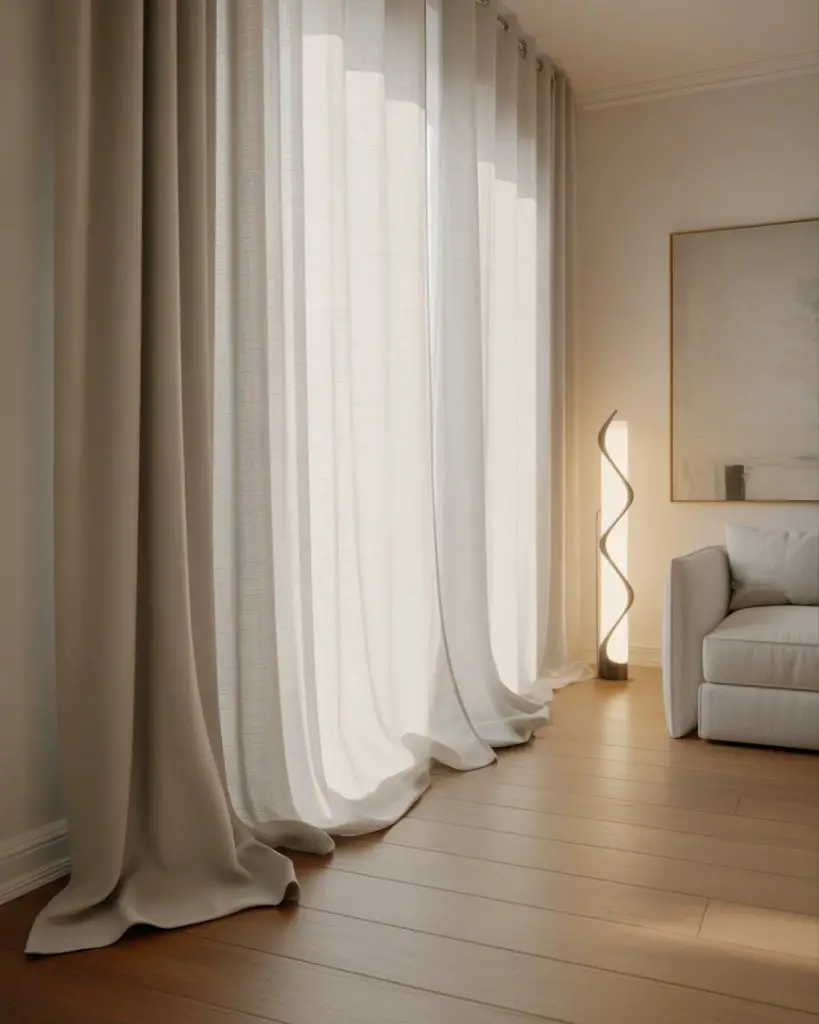
A common mistake is assuming all whites are identical—they range from cool blue-whites to warm cream-whites, and the wrong choice can clash with your wall color or trim. Bring paint chips and fabric samples together in your actual space before ordering, viewing them at different times of day since lighting dramatically affects how white appears. Budget-conscious shoppers should know that IKEA’s Lenda curtains offer surprisingly good quality in pure white cotton for around $25 per pair, while premium options from Restoration Hardware or Pottery Barn run $150-300 for similar lengths in linen blends.
18. Chocolate Brown for Grounded Warmth
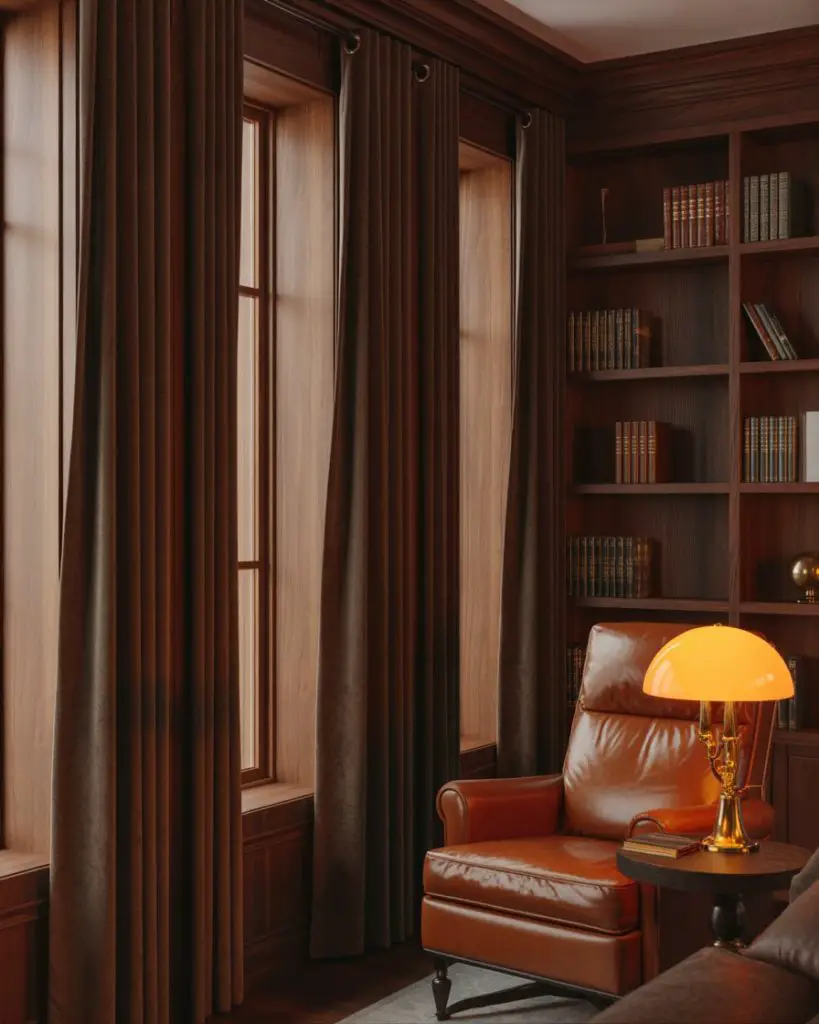
Brown curtains in chocolate, espresso, or walnut tones create cozy, den-like atmospheres perfect for media rooms or reading nooks. This underrated color pairs beautifully with both warm and cool palettes, working alongside cream and tan for traditional schemes or with grey and white for contemporary contrast. Brown’s natural earthiness makes rooms feel settled and established rather than newly decorated, an effect that’s particularly valuable in new construction where everything else feels fresh from the showroom. The color also conceals wear and minor soiling better than lighter neutrals, making it practical for high-traffic households. 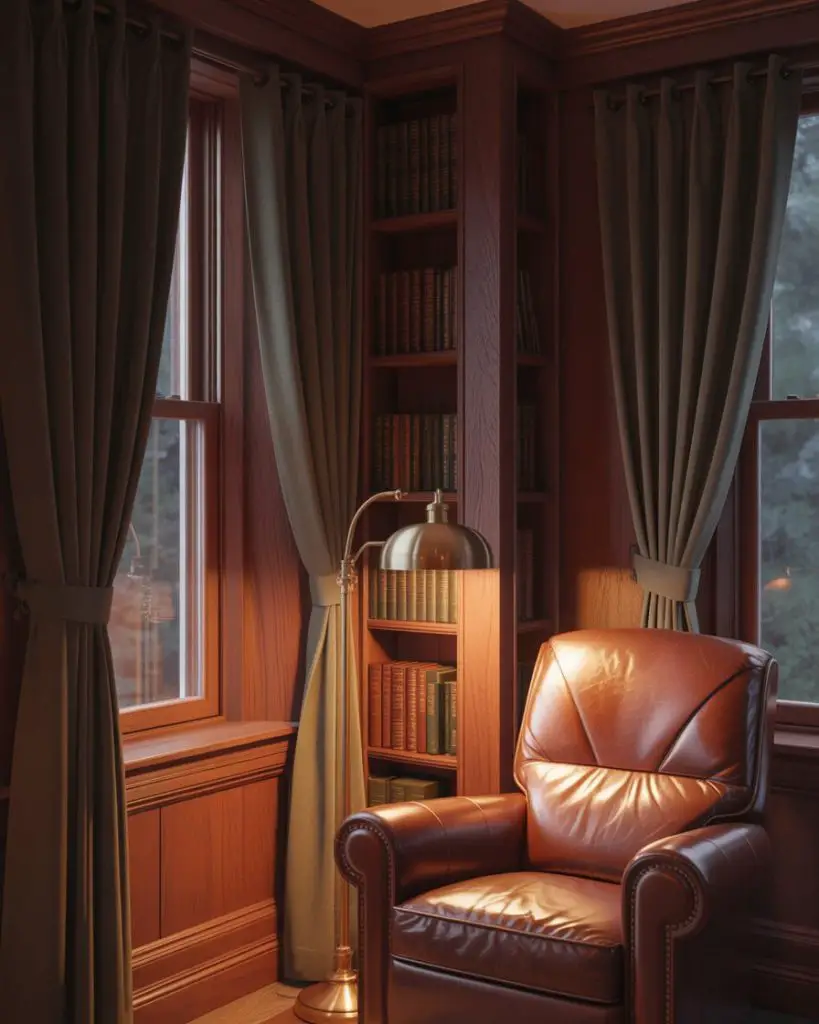
Where it works best: basements or lower-level living spaces where you want to embrace the inherent coziness rather than fight it with artificially bright colors. Brown curtains in these settings feel intentional and welcoming, turning potential negatives (limited natural light, lower ceilings) into design features. The one caution: brown can read dated if combined with certain other 90s-era elements like burgundy accents or brass hardware with fussy details. Keep everything else relatively simple and contemporary—clean-lined furniture, modern art, updated lighting—to prove that brown is a deliberate choice, not a time capsule.
19. Delicate Lace for Vintage Charm
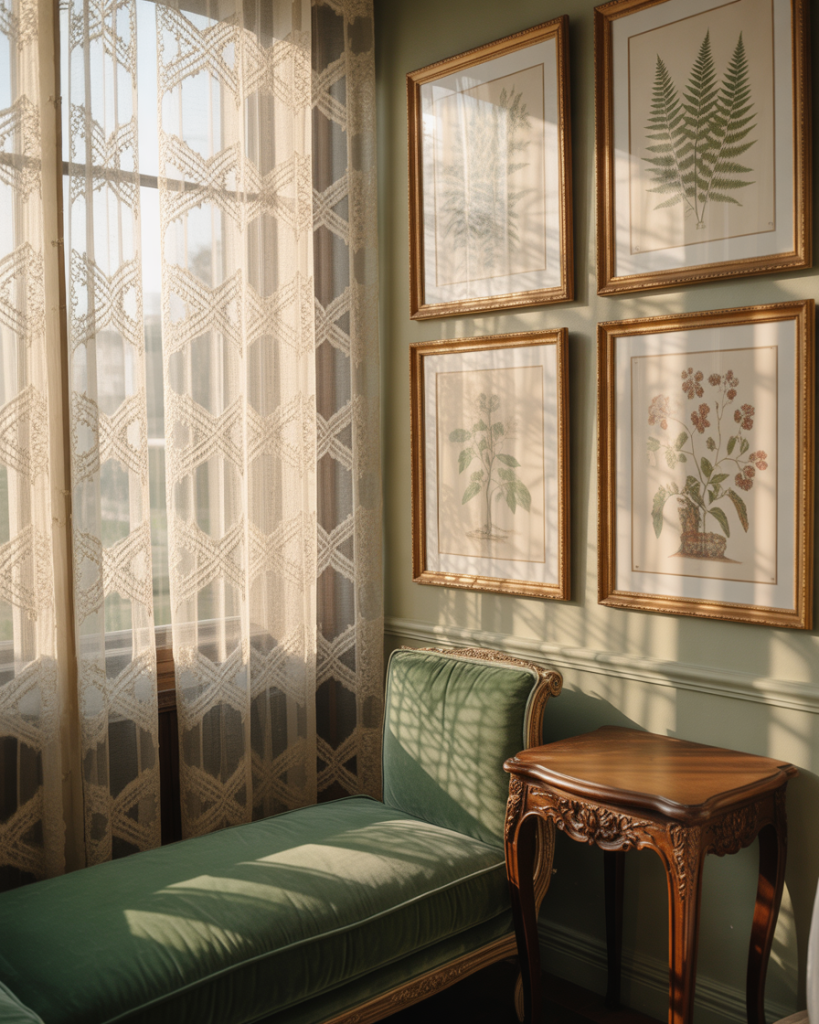
Lace curtains evoke Victorian parlors and grandmothers’ sitting rooms, but contemporary interpretations make this heritage fabric feel fresh rather than fussy. Modern lace comes in oversized geometric patterns or abstract designs that maintain the material’s delicate transparency while shedding old-fashioned motifs. These curtains work beautifully as standalone window treatments in temperate climates or as sheers layered behind heavier panels in regions with weather extremes. White or ecru lace pairs naturally with farmhouse, cottage, and shabby-chic styles, but unexpected colors like charcoal grey or navy lace bring the material into contemporary settings convincingly. 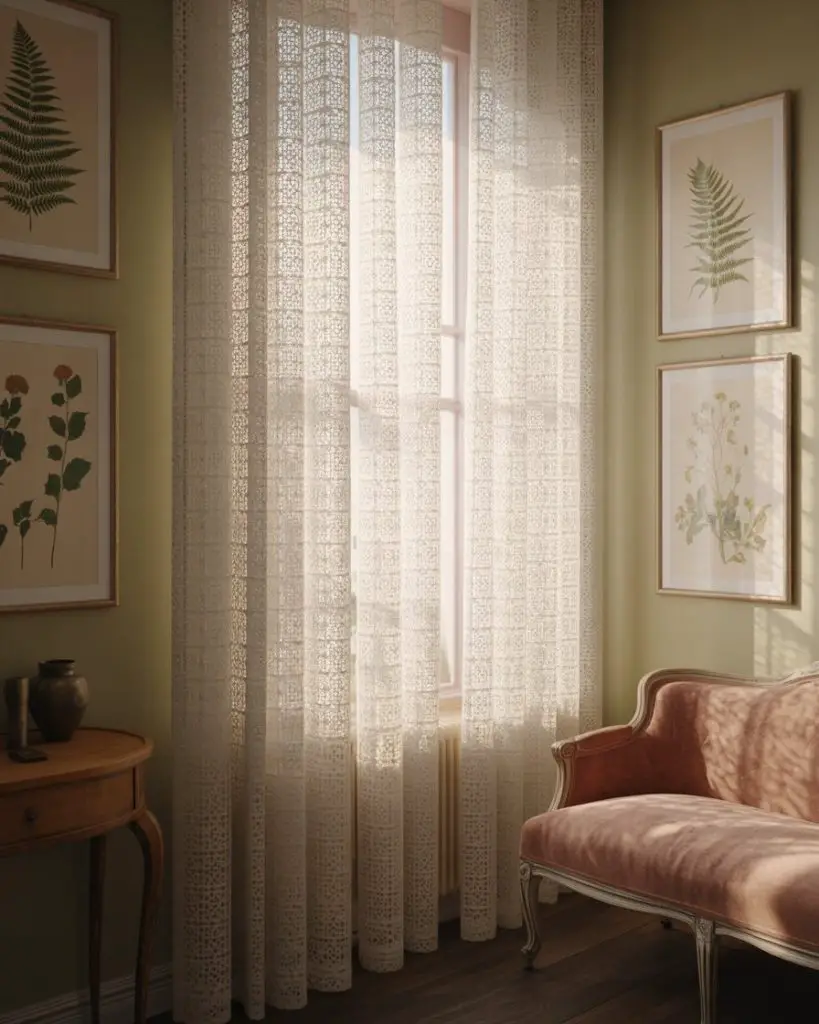
Practical insight: lace curtains require more frequent cleaning than heavier fabrics since their open weave traps dust and allergens readily. Most modern lace is machine-washable on gentle cycles, but always air-dry to prevent shrinkage—tossing lace in the dryer almost guarantees damage. A real homeowner tip from a reader in Charleston: she hangs her lace curtains outside on breezy spring days after washing, and the natural air-drying creates perfectly crisp panels without ironing. This method also naturally brightens white lace through sun exposure, though you’ll want to limit this to a few hours to avoid yellowing.
20. Roman Shades for Tailored Control
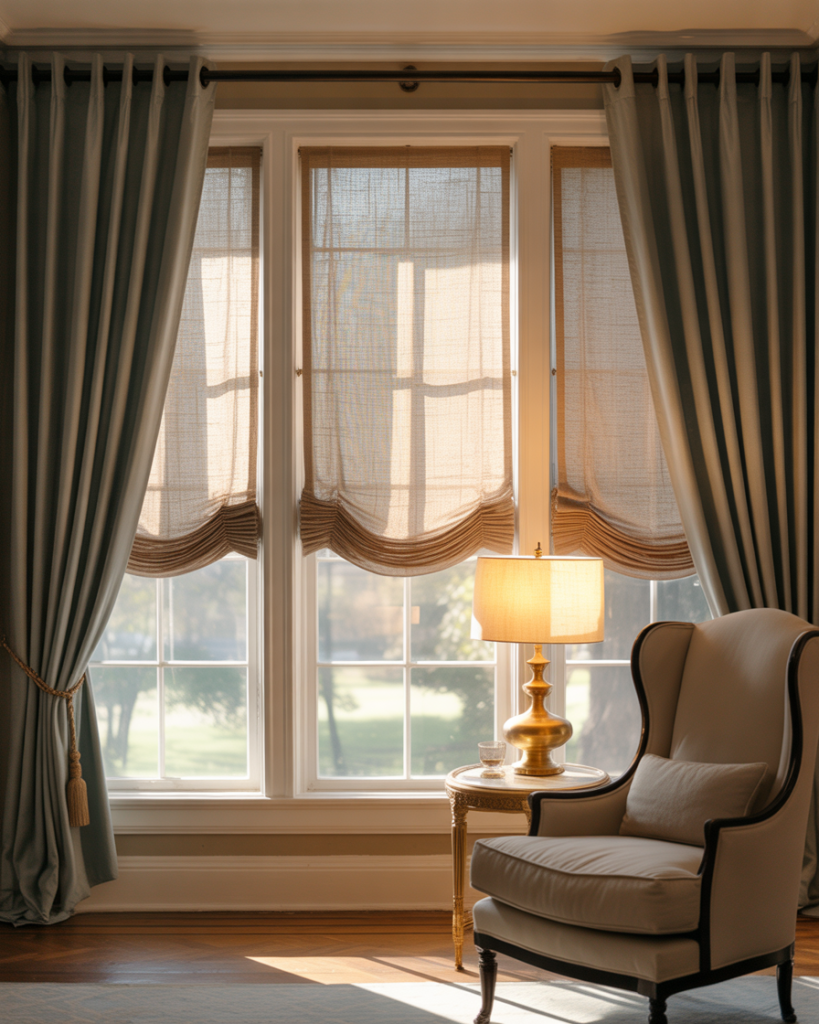
Roman shades technically aren’t curtains, but they’re increasingly paired with curtain panels to create layered window treatments that offer both style and functionality. The shades handle privacy and light control, while decorative side panels add softness and frame the window architecturally. This combination works exceptionally well in formal living rooms or spaces where you need precise light management—think homes in harsh desert sun or northern climates where solar heat gain matters. Choose Roman shades in neutral linen or cotton and save pattern or color for the curtain panels, which can be changed seasonally without touching the functional shades. 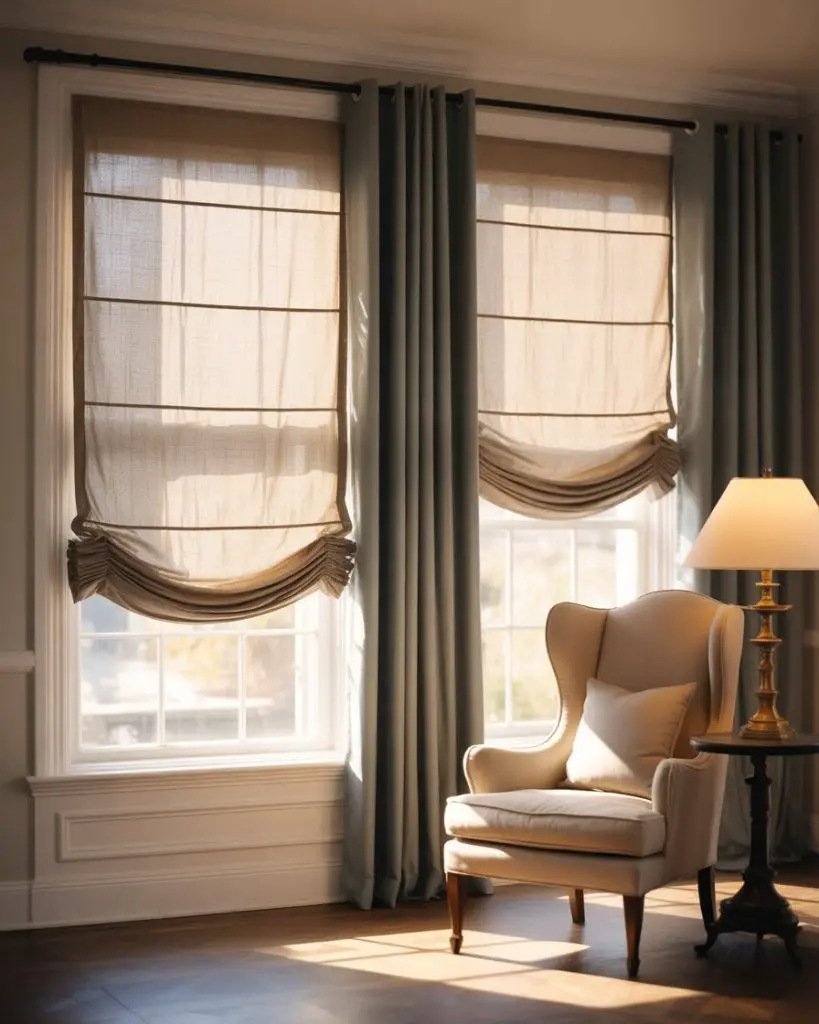
Budget and price angle: custom Roman shades run $200-600 per window depending on size and fabric, while ready-made versions from retailers like The Shade Store or Smith & Noble start around $80-150. Adding curtain panels brings the total cost to $300-800 per window for a fully dressed treatment. This investment makes sense in rooms where you spend significant time and where window treatments meaningfully impact daily comfort—living rooms, primary bedrooms, and home offices. For secondary spaces like guest rooms or basements, simpler solutions deliver better value without sacrificing too much in aesthetics or function.
21. Charcoal Grey Velvet for Modern Drama
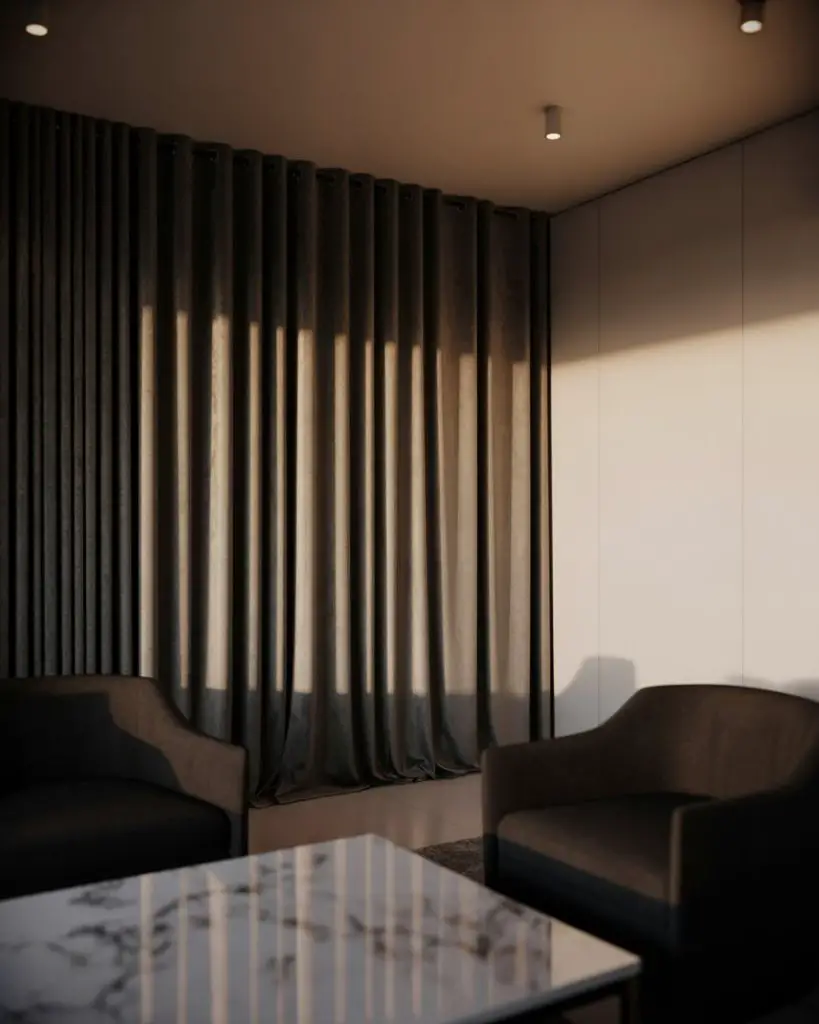
Deep grey velvet curtains split the difference between black’s intensity and lighter greys’ subtlety, creating sophisticated drama without overwhelming spaces. This shade works beautifully in modern interiors where you want texture and depth without literal color—think of it as a neutral with personality. Charcoal velvet catches and reflects light in constantly shifting ways throughout the day, preventing the flat appearance that solid paint colors sometimes create. The fabric’s weight makes these curtains excellent sound dampeners in open-plan homes or urban apartments where street noise intrudes, adding functional value beyond pure aesthetics. 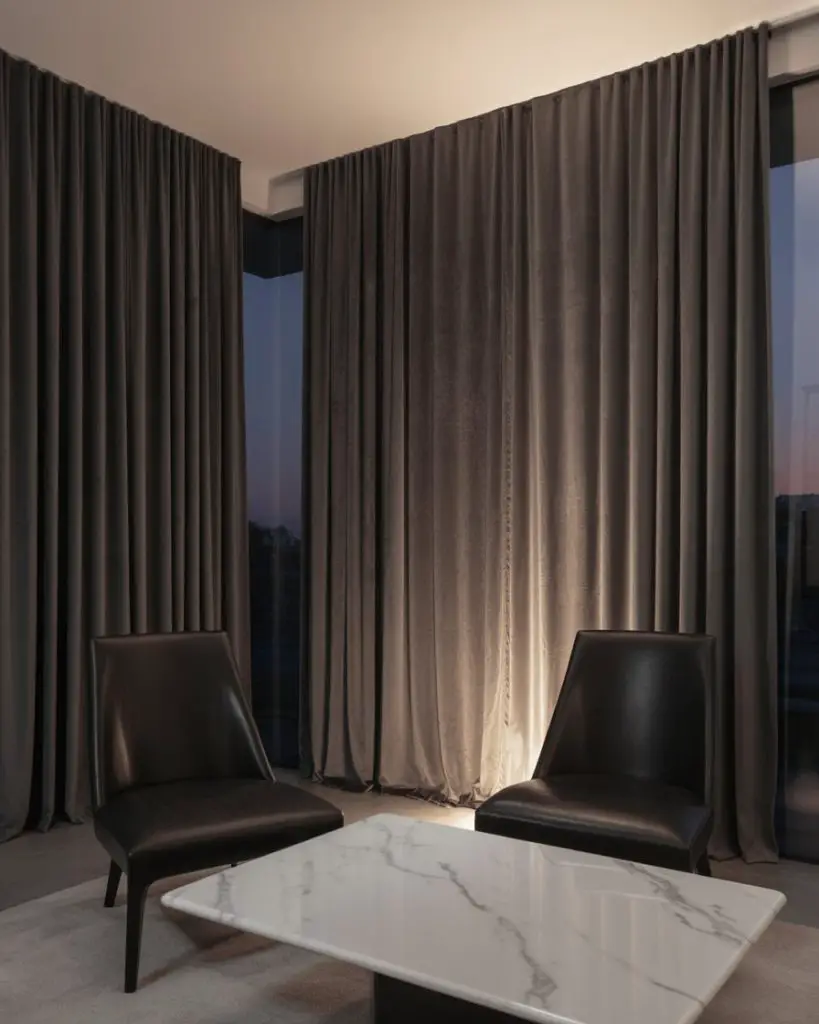
Expert-style commentary from acoustic consultants confirms that heavy velvet curtains can reduce noise transmission by 10-15 decibels when properly installed and fully closed—roughly equivalent to cutting perceived loudness in half. This matters tremendously in cities like New York, Chicago, or San Francisco, where traffic, sirens, and neighbor noise are daily realities. The trick is ensuring curtains extend beyond the window frame by at least 6 inches on each side and hang as close to the wall as possible, creating an effective sound barrier rather than just decoration. Add weighted hem tape to prevent gap formation at the bottom for maximum acoustic benefit.
22. Dusty Blue Linen for Coastal Calm
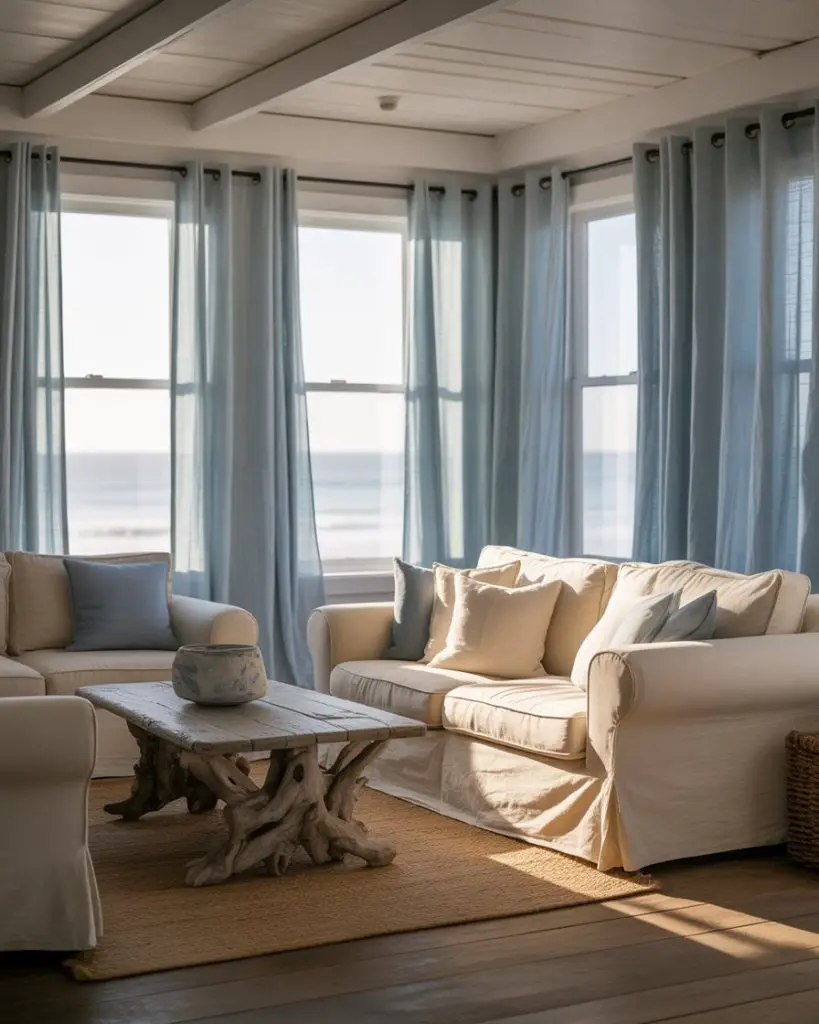
Soft dusty blue in linen fabric brings coastal serenity without resorting to obvious beach themes or nautical clichés. This muted shade works beautifully in both actual beach houses and landlocked homes where you want to evoke waterside calm. The color sits between grey and blue, shifting appearance depending on natural light—looking cooler on overcast days and warmer when sun streams through. Pair with natural wood tones, rope accents, and organic textures like seagrass or jute to complete the relaxed coastal aesthetic. Avoid combining with literal seashell decor or anchor motifs, which push the look from sophisticated to souvenir-shop territory.
Regional context shows dusty blue gaining particular traction in Mid-Atlantic and New England coastal communities, where it harmonizes with the region’s grey-blue skies and weathered shingle architecture. A micro anecdote: a homeowner in Nantucket mentioned choosing this exact shade because it “matches the bay on foggy mornings when you can barely tell where water ends and sky begins.” That poetic observation captures why dusty blue resonates so strongly in these markets—it doesn’t impose an imported aesthetic but rather reflects the existing environment back into interior spaces in a refined, intentional way.
23. Dark Green Velvet for Moody Maximalism
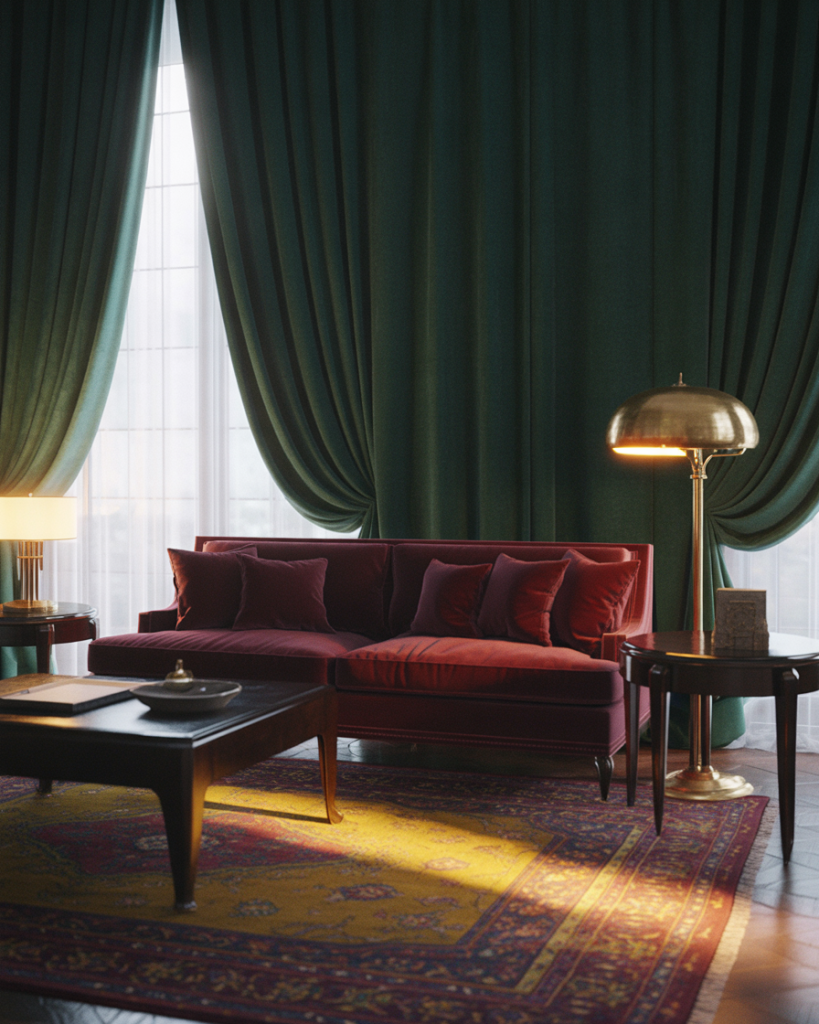
Dark forest green velvet curtains deliver maximum impact for homeowners ready to fully commit to bold, saturated color. This isn’t a safe choice—it’s a statement that announces confidence and design sophistication. The combination of deep color and light-absorbing texture creates rooms that feel intimate and enveloping, particularly effective in larger spaces that otherwise feel cavernous or impersonal. Pair with brass hardware, warm wood furniture, and rich jewel tones in accessories to build cohesive, layered interiors. Avoid pairing with stainless steel or chrome, which creates jarring temperature contrast that undermines the warm, cocooning effect you’re aiming for. 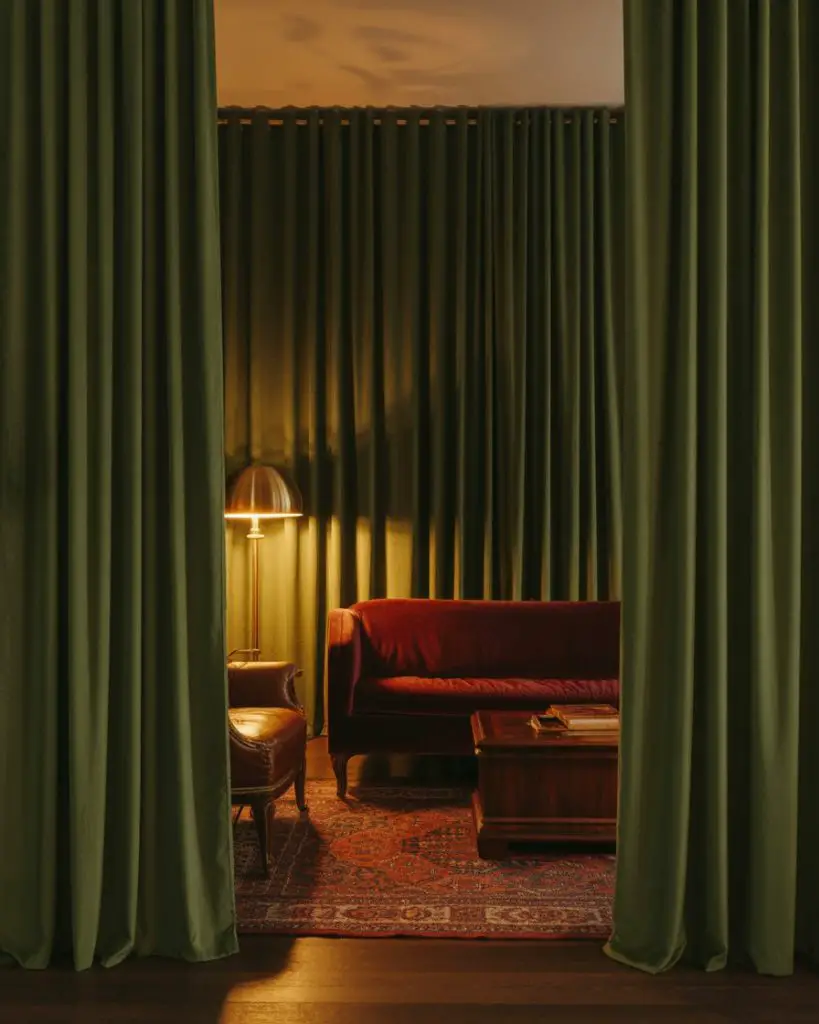
Common mistakes and how to avoid them: dark green velvet curtains fail when installed in already-dim rooms with inadequate lighting plans. The solution isn’t to abandon the curtains but to add multiple light sources at various heights—table lamps, floor lamps, picture lights, and even uplighting behind furniture. A properly lit room with dark curtains feels dramatic and intentional; an under-lit room with the same curtains feels like a cave. Plan for at least five separate light sources in living rooms where you’re using saturated dark colors, ensuring you can adjust brightness for different activities and times of day.
Conclusion
Now that you’ve explored inspiring curtain ideas for living rooms in 2026, you have a roadmap for transforming your windows from functional necessities into design statements that reflect your personal style. Whether you’re drawn to the timeless elegance of white linen or ready to experiment with bold velvet in saturated colors, the key is choosing treatments that balance aesthetics with practical needs like light control, privacy, and energy efficiency. Which of these ideas resonates most with your space? Share your favorite looks or ask questions in the comments below—I’d love to hear what you’re planning for your own home.