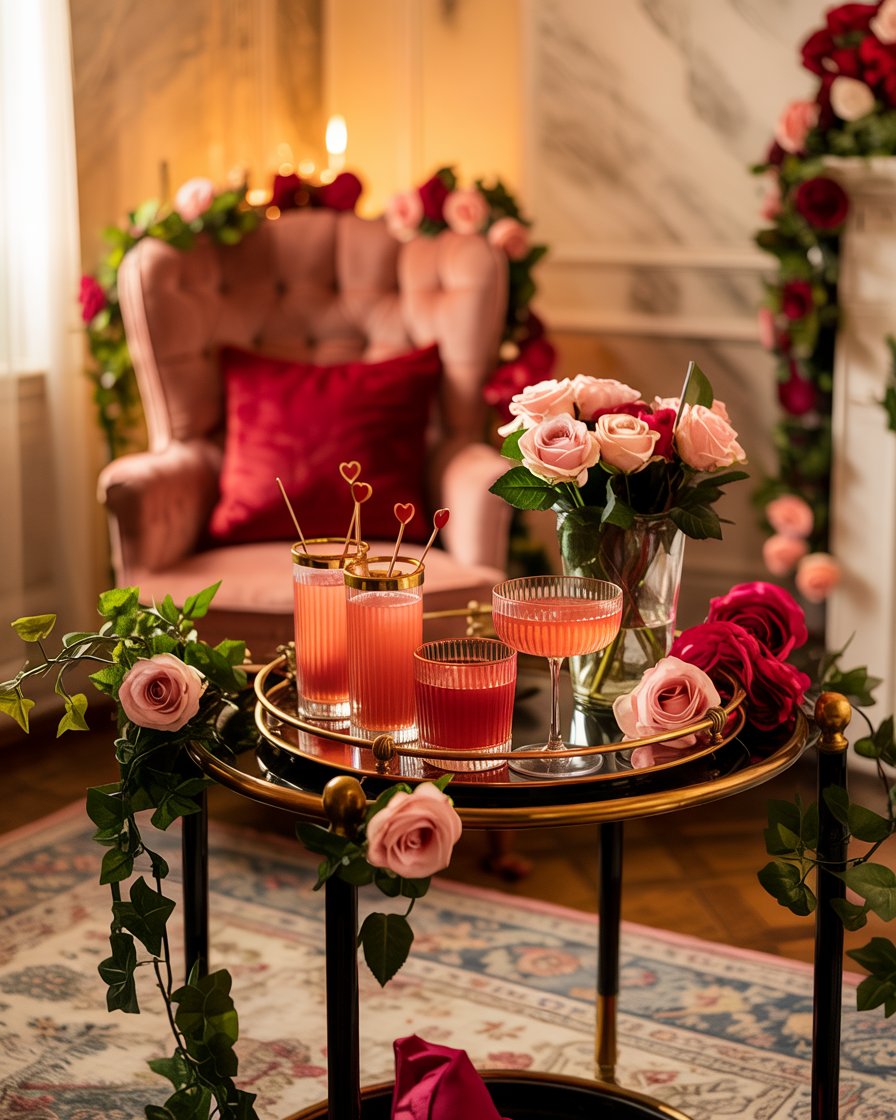
French country decorating has evolved beautifully into 2026, blending timeless European charm with fresh, livable updates that resonate deeply with American homes. Whether you’re drawn to sun-washed neutrals, textured linens, or the quiet elegance of worn wood and stone, this style continues to offer warmth without feeling overly formal. Pinterest users are searching for ways to bring these inviting, layered interiors into their own spaces—from cozy bedrooms to functional kitchens that feel both collected and effortless. This guide walks you through inspiring ideas that capture the heart of French country living, updated for how we actually live today.
1. Soft Linen Curtains in a Sunlit Bedroom
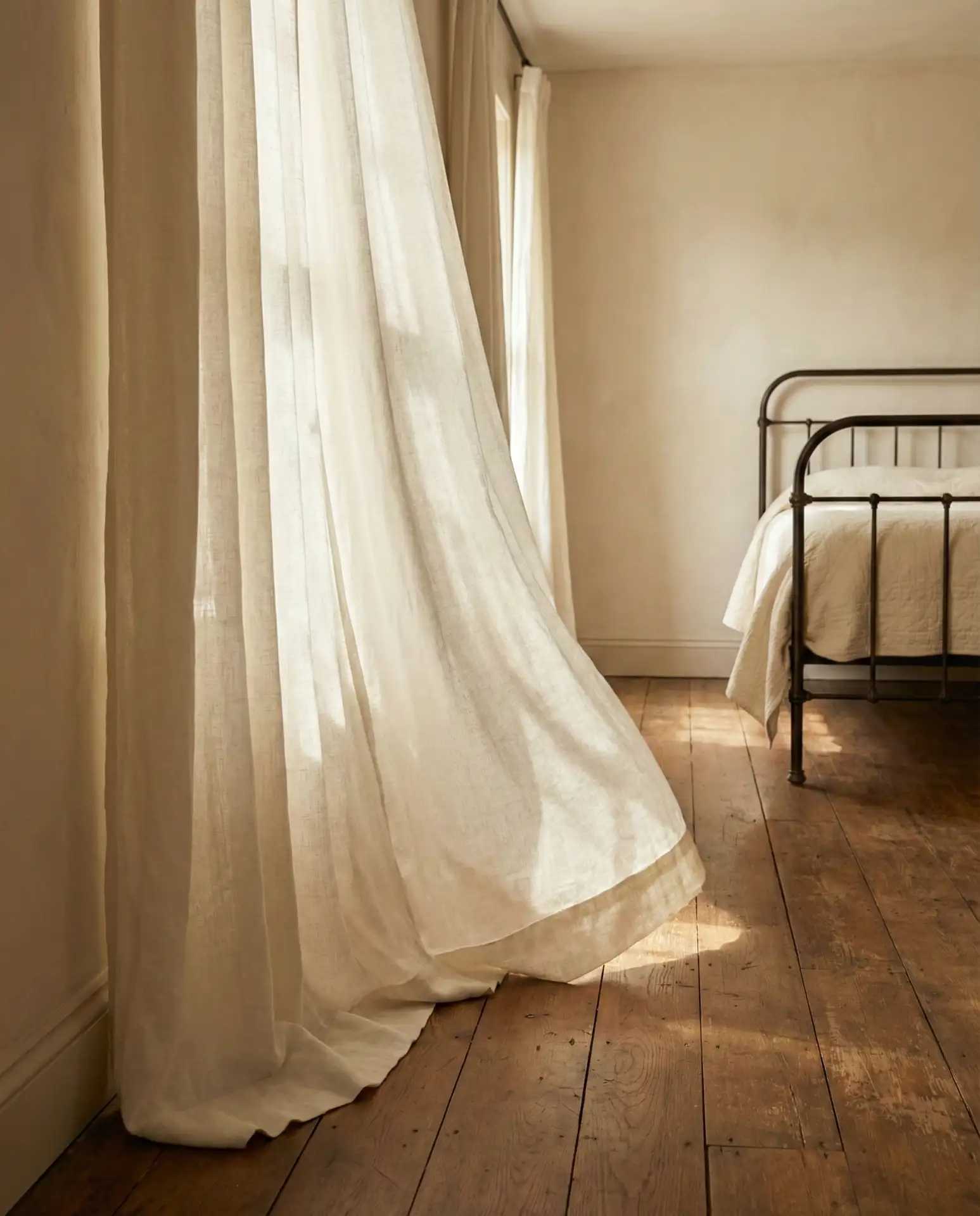
Sheer linen drapes pooling gently on hardwood floors create an instant sense of calm in any bedroom, farmhouse-style, or shabby chic space. The fabric filters morning light beautifully, casting soft shadows that shift throughout the day. Paired with a wrought iron bed frame and vintage quilts, this look feels both romantic and grounded. It’s a small change that completely transforms how a room feels—especially in apartment settings where natural light is precious.
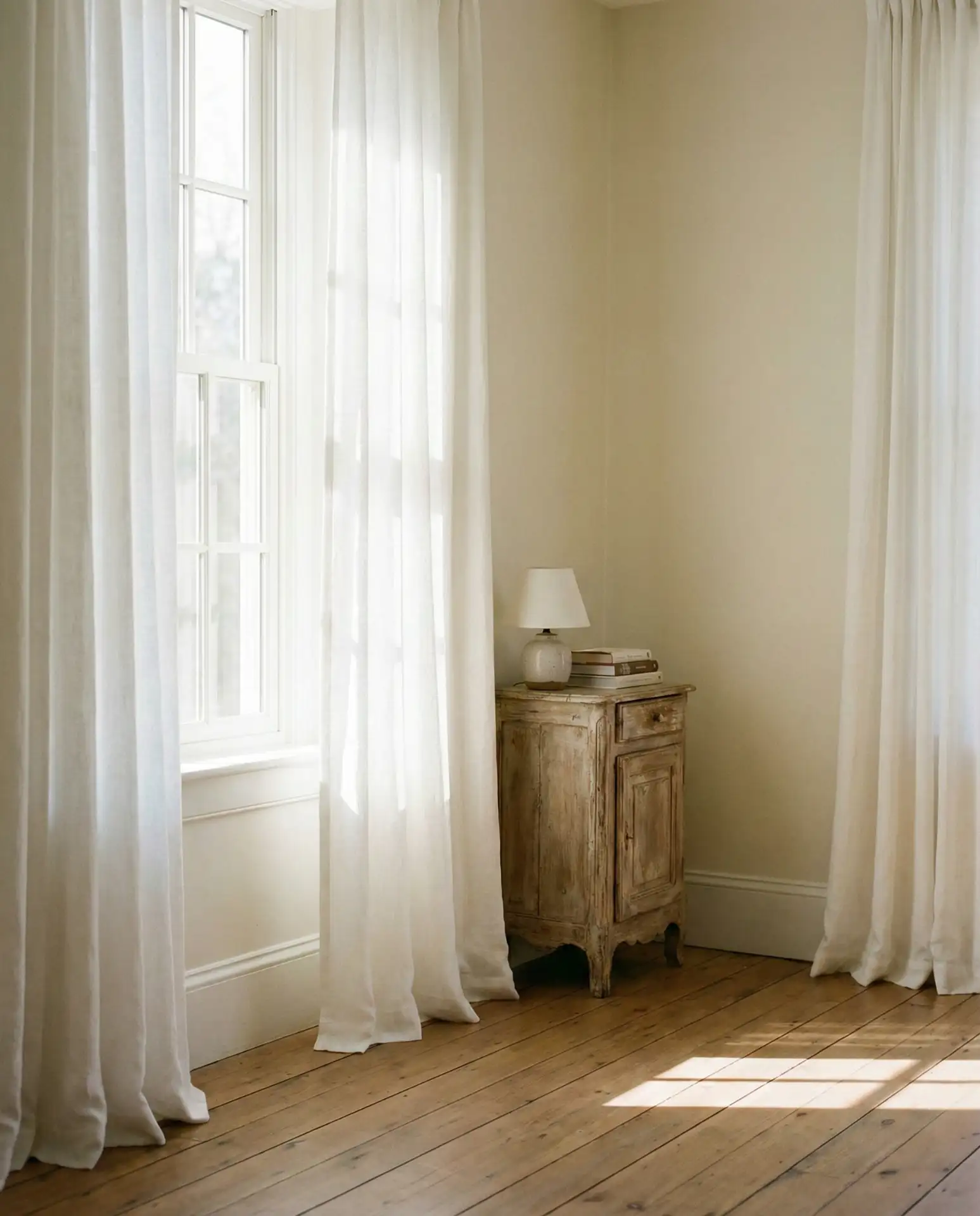
This works best in bedrooms that face east or south, where you want to soften strong light without blocking it entirely. The key is choosing linen that’s not too stiff—it should drape naturally, not stand at attention. Many homeowners make the mistake of hanging curtains too low or too narrow; aim for floor-length panels that extend beyond the window frame to make the room feel taller and more generous.
2. Weathered Blue Kitchen Island
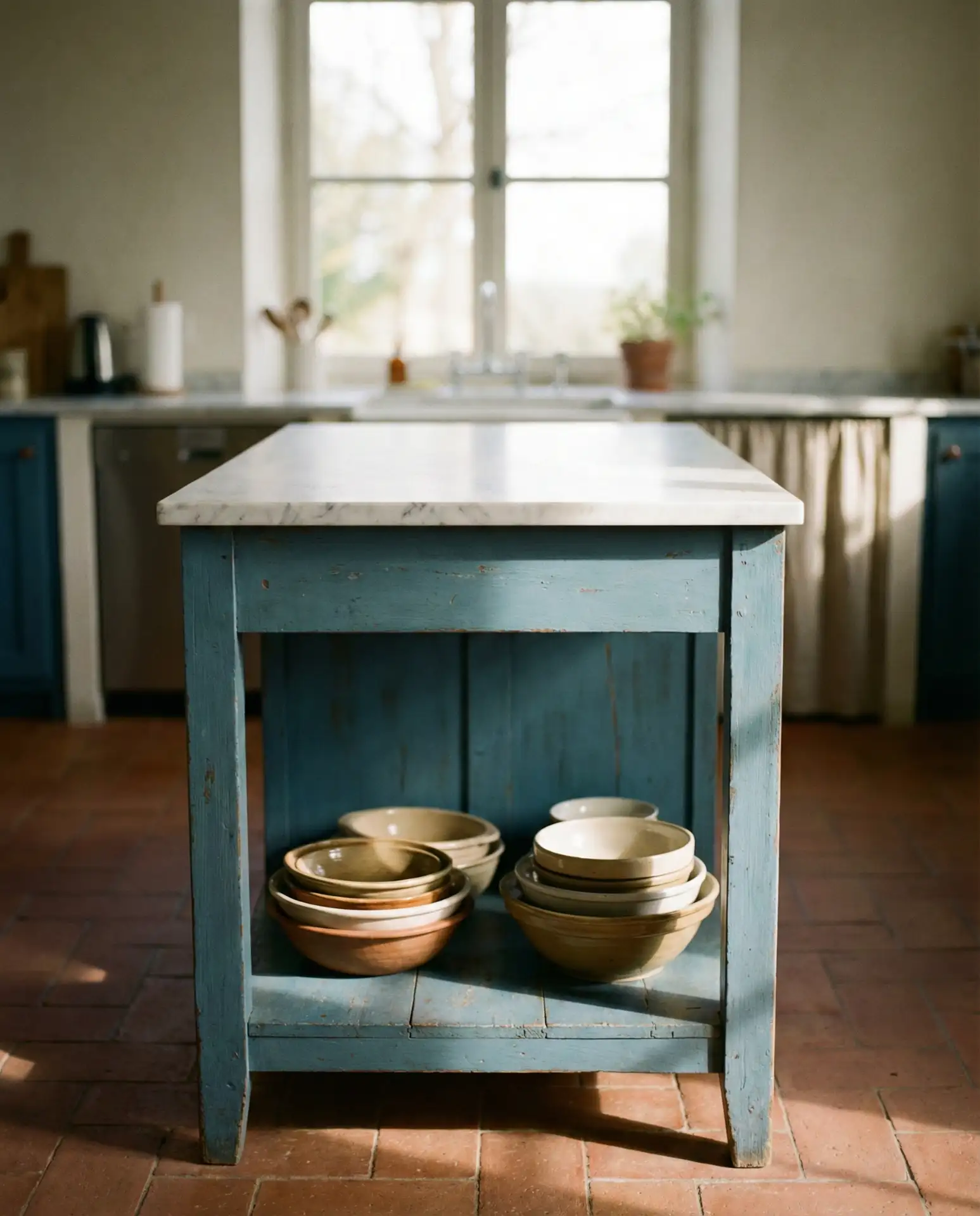
A freestanding island painted in soft, chalky blue tones anchors kitchen design ideas for modern French country spaces with effortless character. The distressed finish hints at years of use, whether real or artfully applied, and pairs beautifully with butcher block countertops or honed marble. Open shelving below keeps everyday dishes within reach while maintaining that collected, unfussy vibe. It’s a centerpiece that works as hard as it looks good.
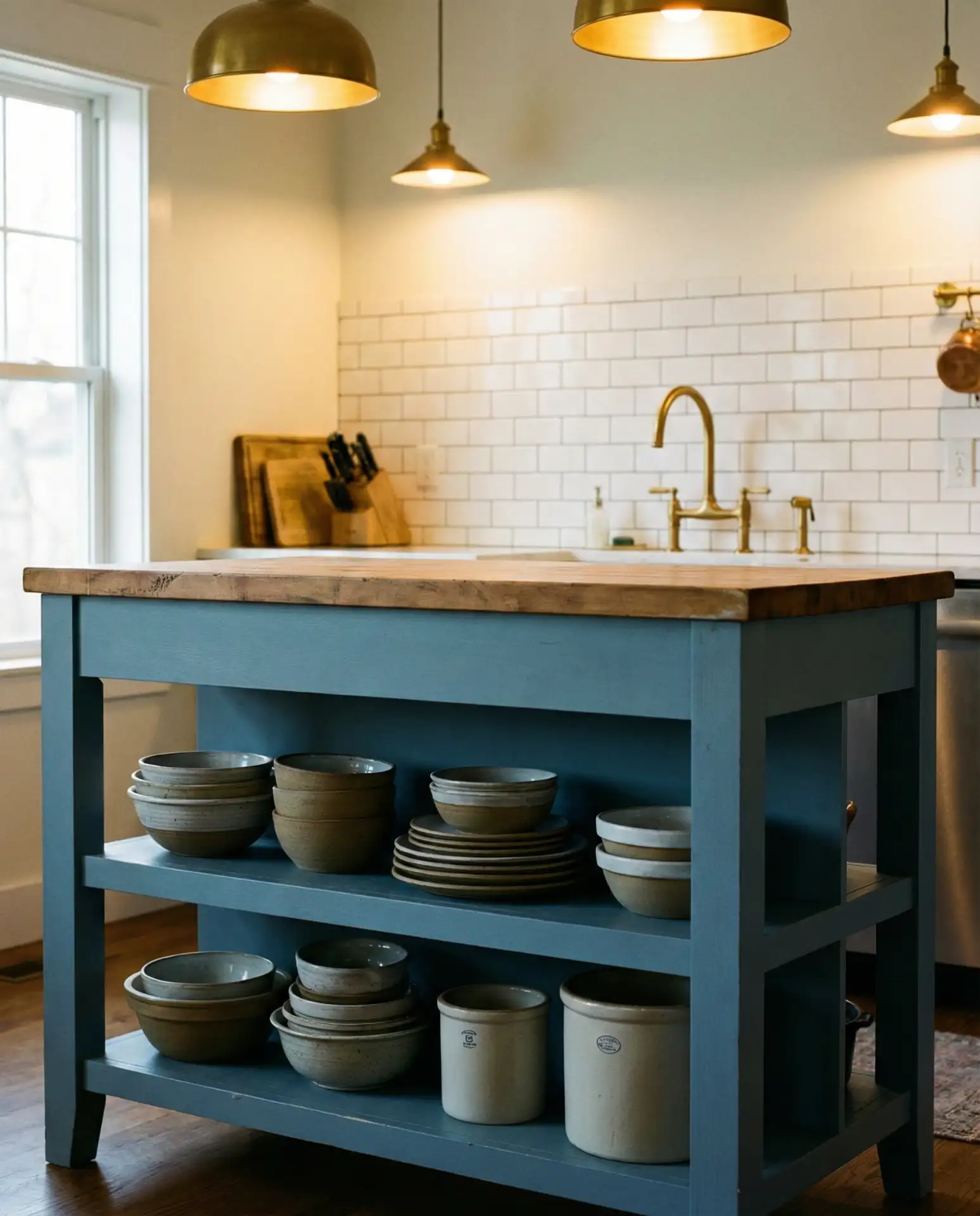
In the Midwest and Northeast, where farmhouse aesthetics run deep, this kind of island feels right at home. It bridges the gap between rustic and refined without tipping too far in either direction. If you’re working with a tighter budget, consider painting an existing island yourself using chalk paint—it’s forgiving and doesn’t require perfect prep work, which actually adds to the authentic worn-in look.
3. Rustic Open Shelving with Ironstone
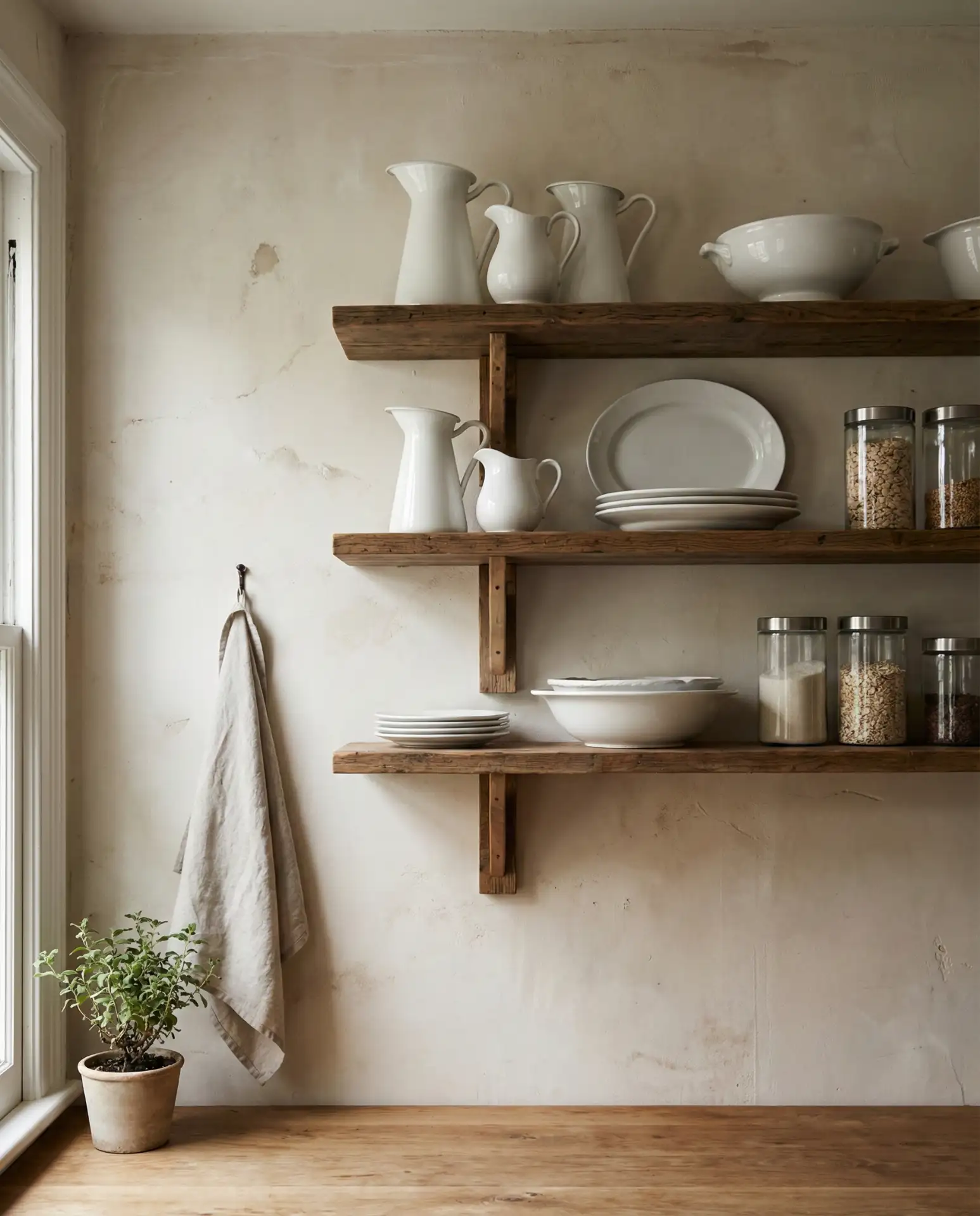
Floating wooden shelves stacked with creamy white ironstone and vintage glassware bring both function and visual rhythm to French country kitchens. The repetition of similar tones and shapes creates a curated look that still feels relaxed and lived-in. This approach works especially well in smaller kitchens where upper cabinets can feel heavy—open shelving lightens the space while keeping essentials accessible. It’s practical storage that doubles as a quiet, beautiful display.
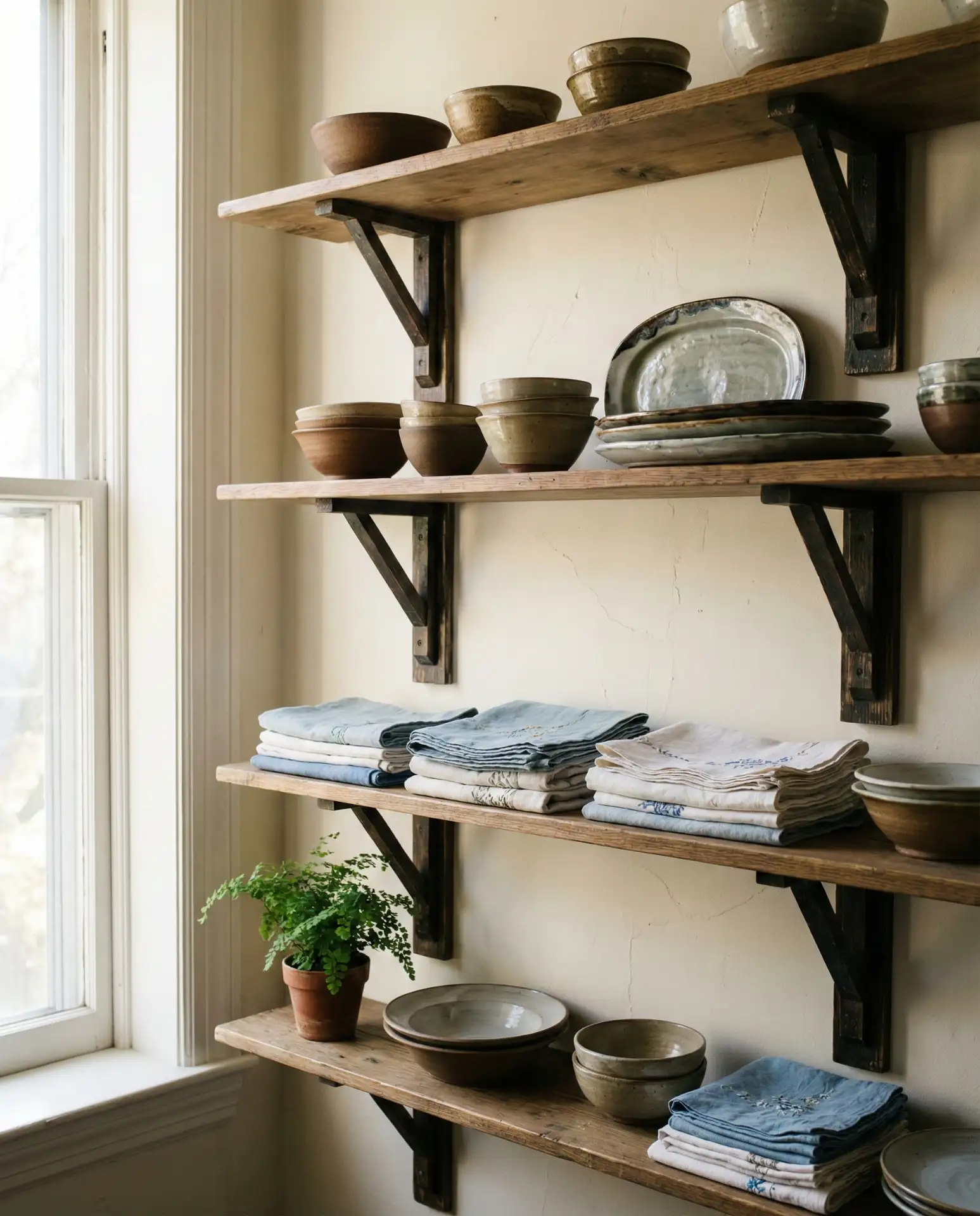
A designer I spoke with recently mentioned that clients often worry open shelving will look messy, but the trick is editing ruthlessly. Stick to a limited color palette—whites, creams, natural wood—and group similar items together. It’s not about perfection; it’s about intentionality. And unlike closed cabinets, open shelves force you to keep only what you actually use, which can be surprisingly freeing.
4. Stone Fireplace Surround in the Living Room
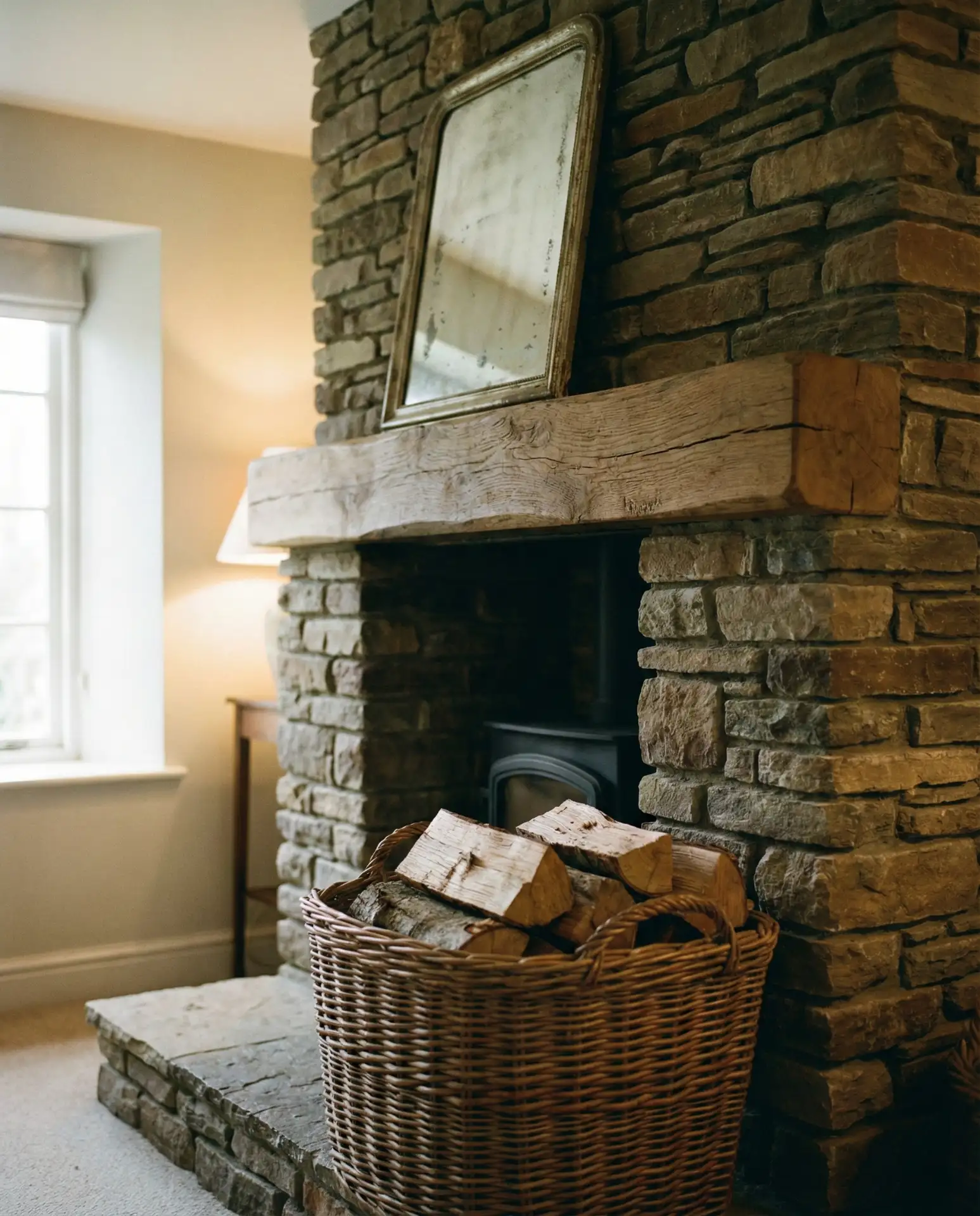
A stacked stone or limestone fireplace instantly grounds a living room farmhouse-style interior with texture and timeless presence. The natural variations in color and shape give each fireplace its own personality, while a simple wood mantel keeps the look from feeling too rustic. Paired with linen upholstery and antique mirrors, it becomes the kind of focal point that invites lingering. It’s architecture that feels both substantial and welcoming.
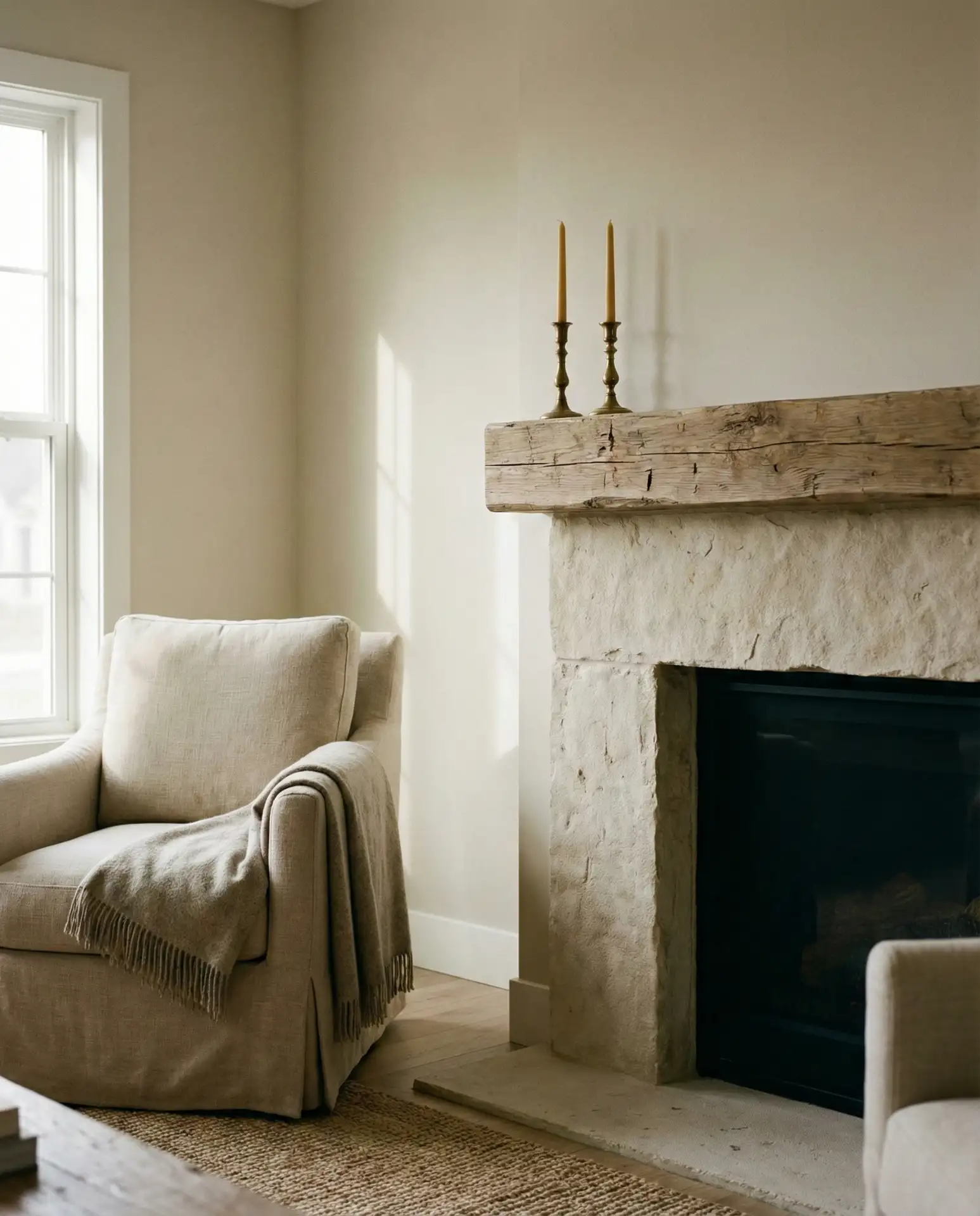
This works best in homes with higher ceilings where the fireplace can rise as a true architectural feature, but even in standard-height rooms, a well-proportioned stone surround adds gravitas. Real homeowners often underestimate how much warmth (literal and visual) a fireplace brings to a space, even when it’s not in use. Just be mindful of scale—overly massive stones can overwhelm a modest room.
5. Whitewashed Brick Accent Wall
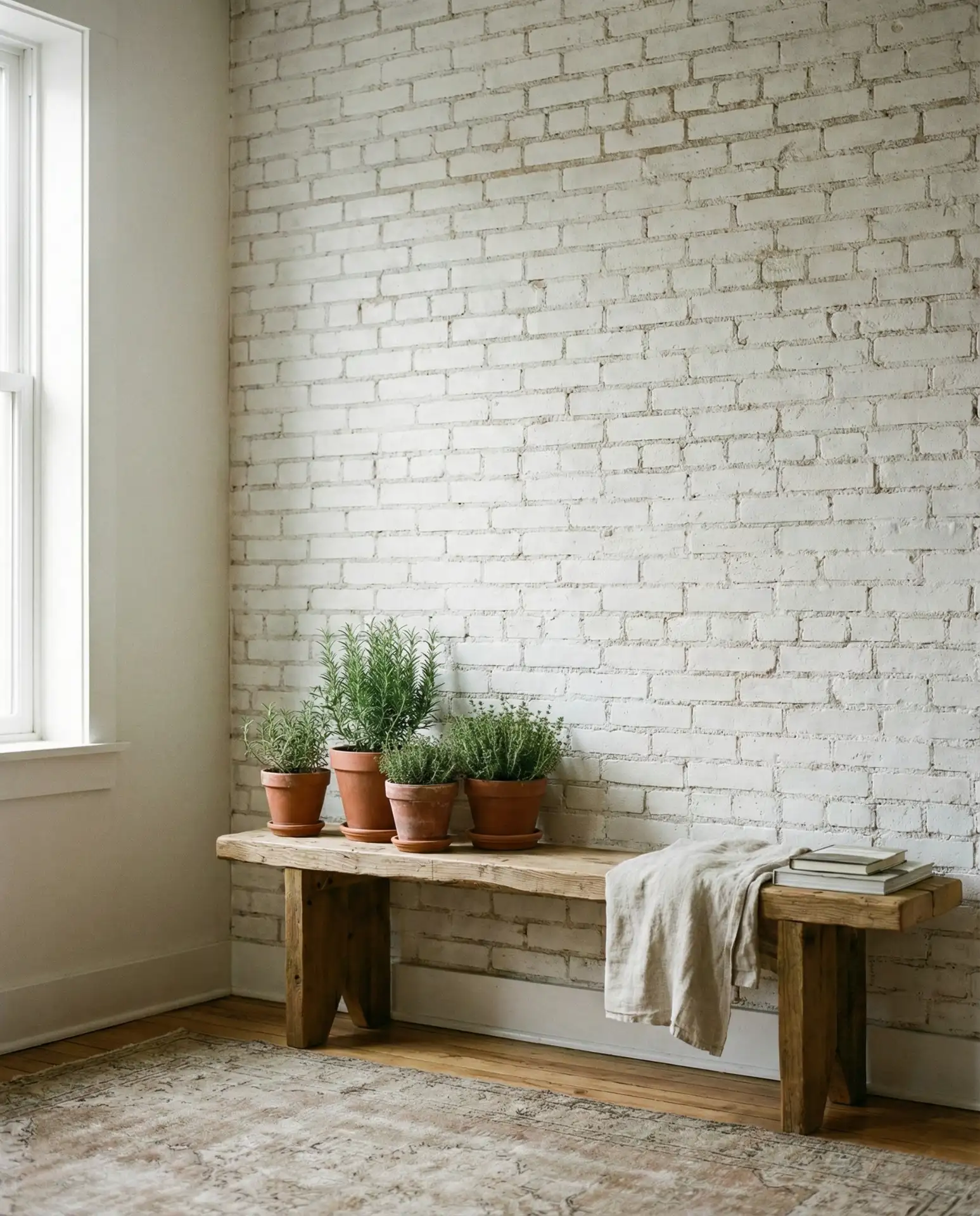
Exposing and whitewashing an interior brick wall adds instant character to apartment spaces that might otherwise feel generic. The technique softens the industrial edge of brick while preserving its texture and history. It’s particularly effective in open-plan layouts, where it defines zones without adding bulk. The result is a backdrop that feels both raw and refined, grounding modern furniture without competing for attention.
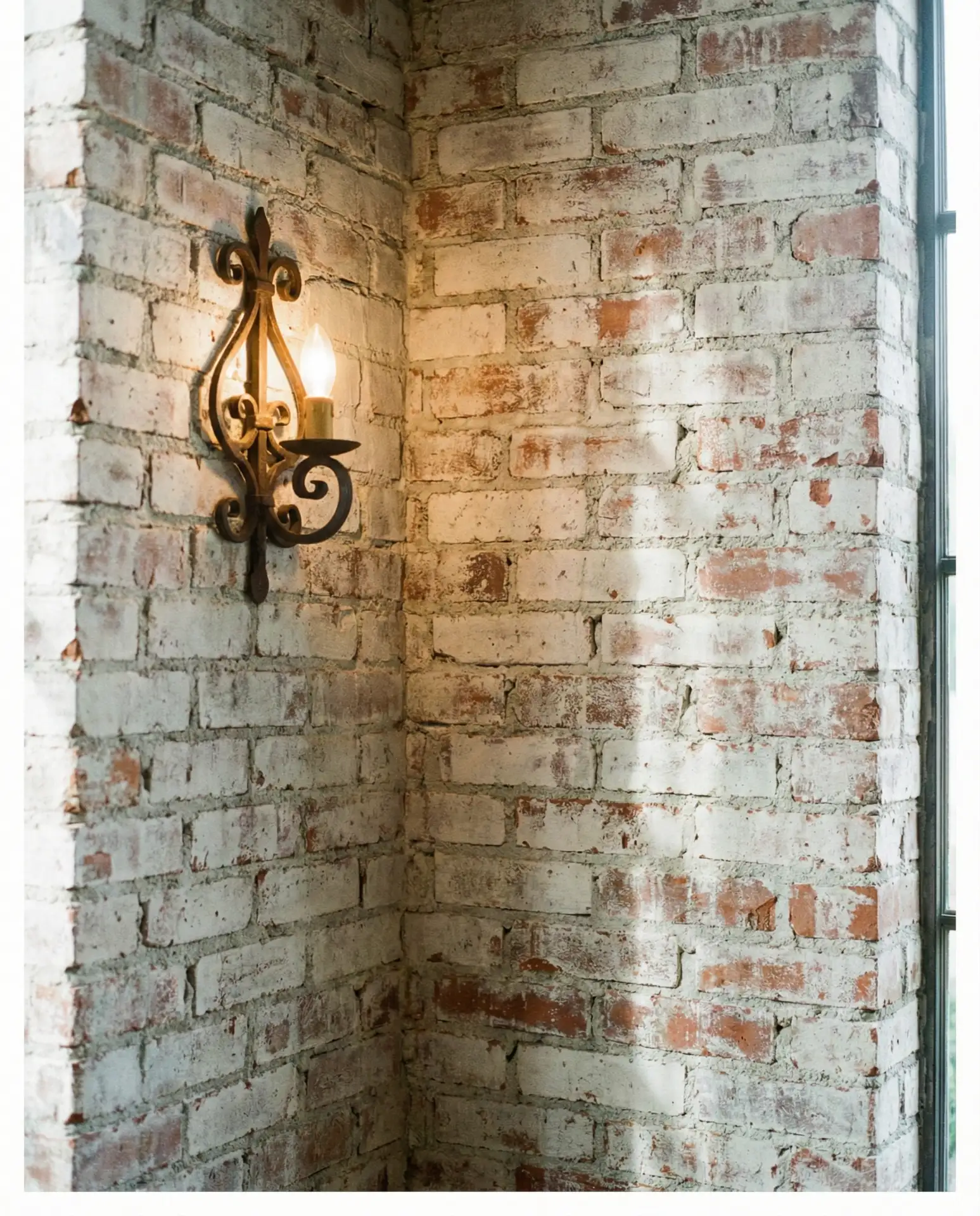
Across urban apartments in cities like Chicago, Brooklyn, and Portland, this treatment has become a go-to for renters and owners alike. It’s one of those updates that feels permanent but is actually reversible if you ever want to restore the original brick. The biggest mistake? Applying paint too thickly. You want a translucent wash that lets the brick’s natural color peek through, not a solid coat that looks like regular painted drywall.
6. Vintage Brass Fixtures in the Bathroom
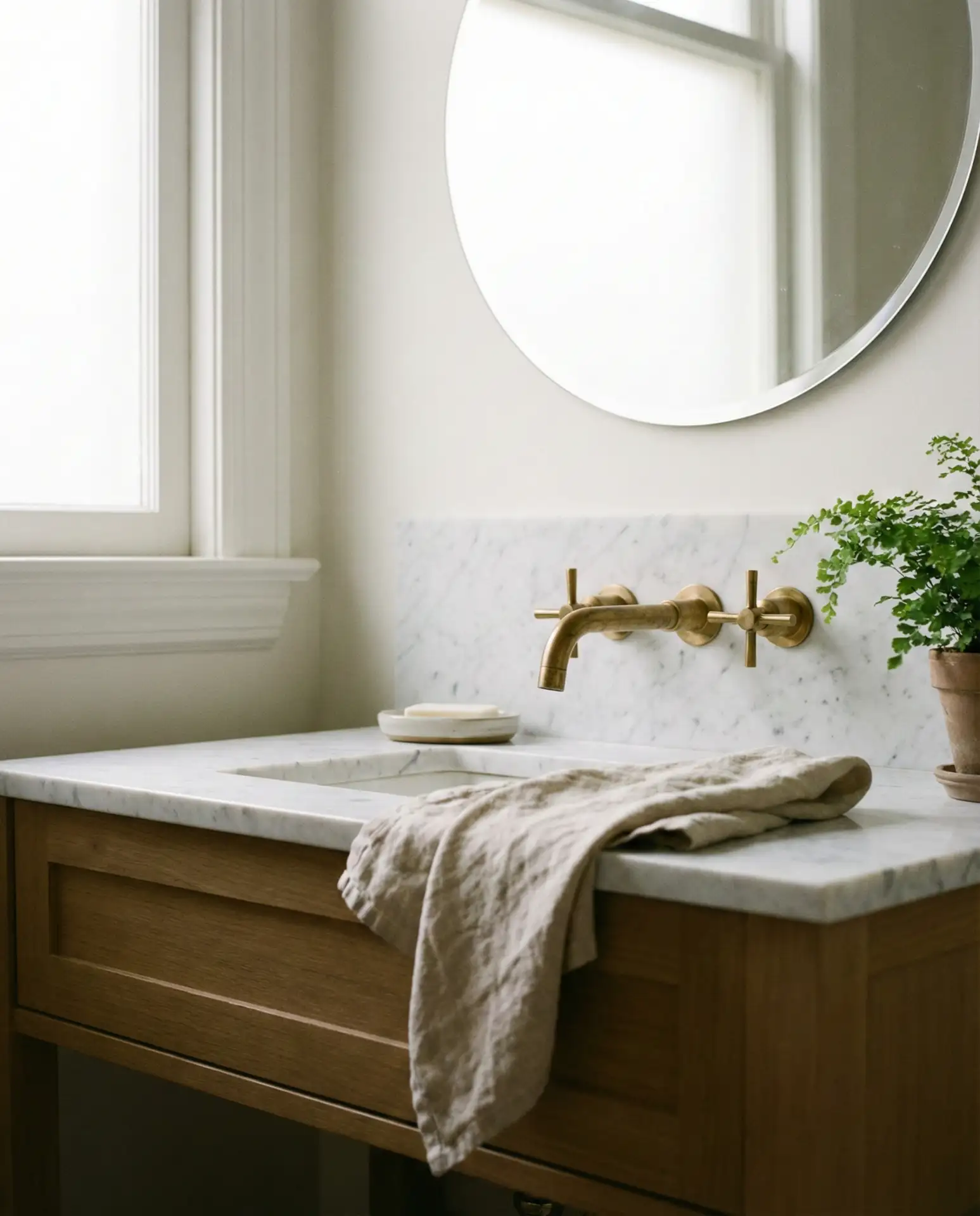
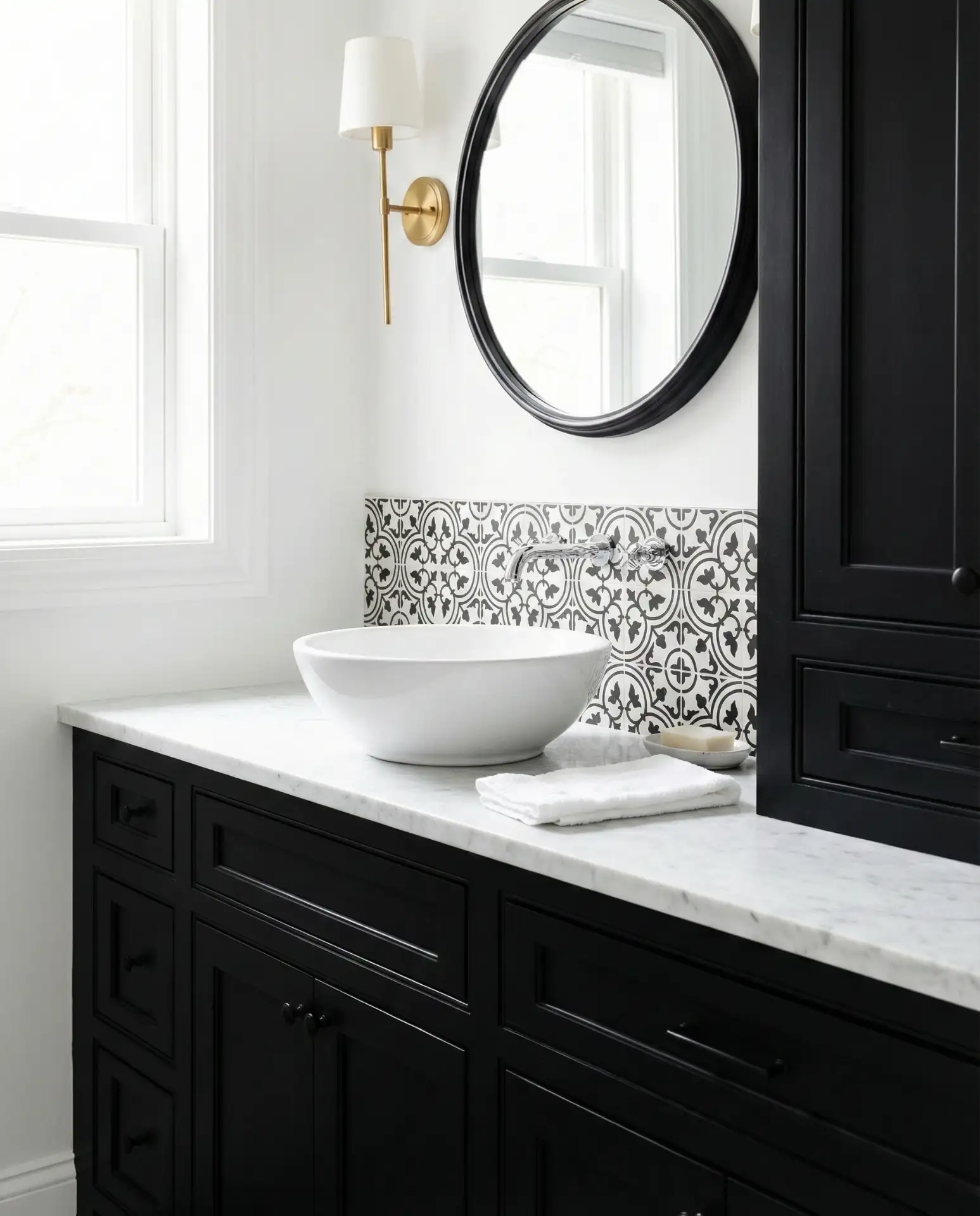
Swapping out chrome or brushed nickel for unlacquered brass faucets and hardware brings warmth and subtle patina to bathroom designs inspired by French country tradition. The metal ages beautifully, developing character over time rather than looking dated. Paired with a marble countertop or pedestal sink, brass fixtures feel quietly luxurious without trying too hard. It’s a detail that elevates the everyday ritual of washing your hands or brushing your teeth.
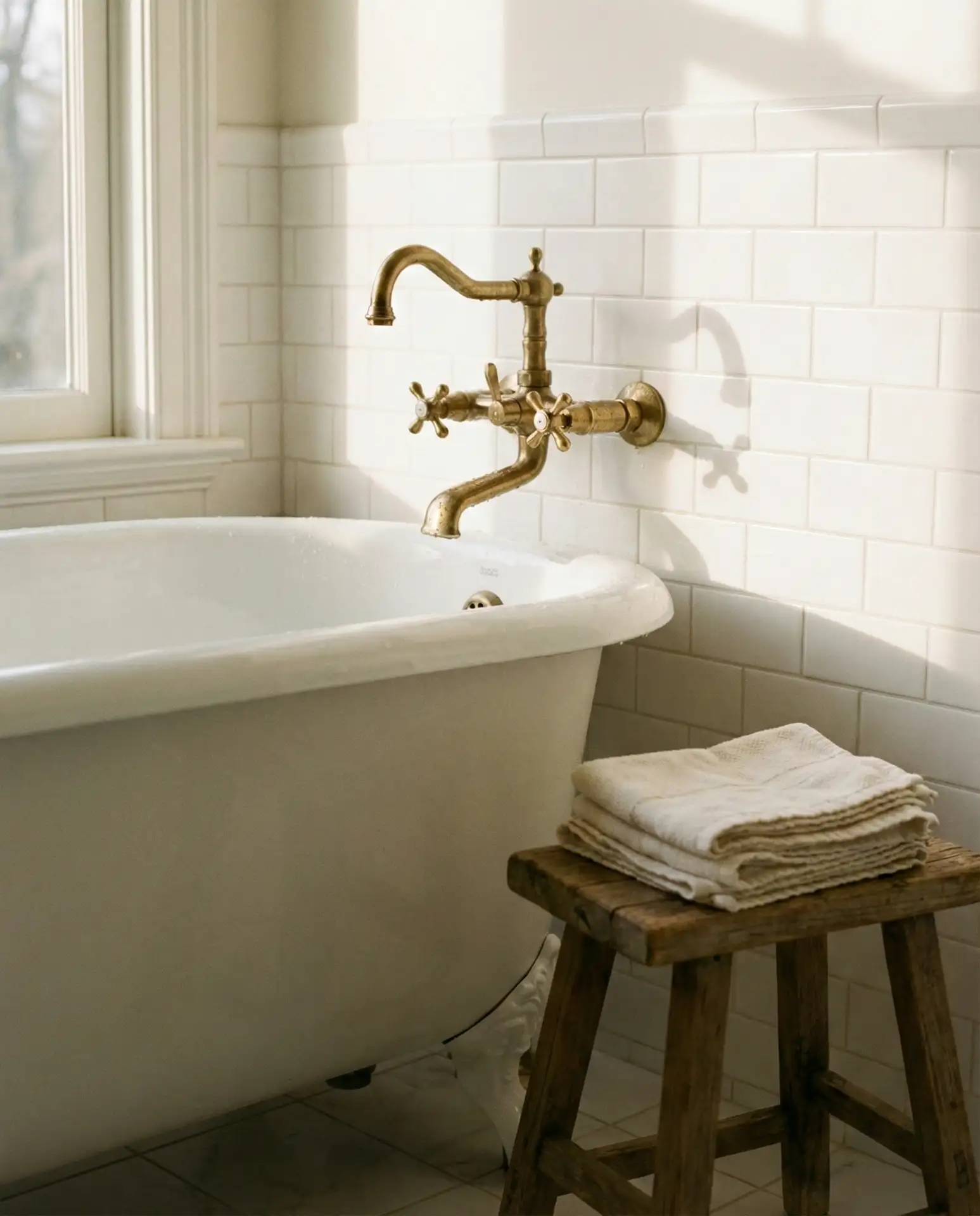
One common mistake is mixing too many metal finishes in a single bathroom, which can feel chaotic. If you commit to brass, carry it through on towel bars, cabinet pulls, and light fixtures for a cohesive look. Budget-wise, unlacquered brass can run higher than standard finishes, but it’s one of those investments that truly ages with grace—no need to replace it when trends shift, because it only gets better with time.
7. Reclaimed Wood Ceiling Beams
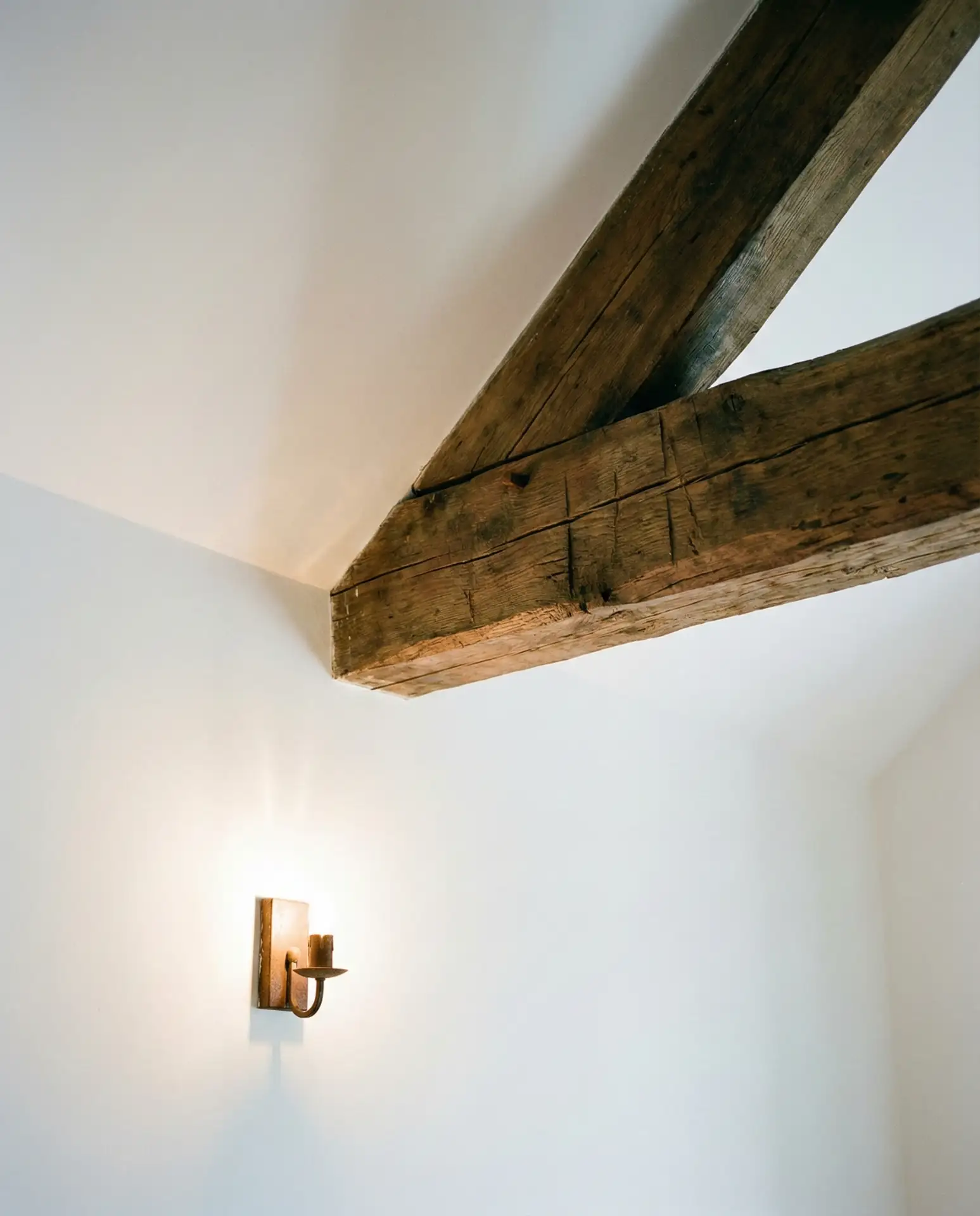
Installing exposed ceiling beams crafted from reclaimed timber adds architectural weight and a sense of history to otherwise flat ceilings. The wood’s natural imperfections—knots, nail holes, and color variation—tell a story that new lumber simply can’t match. This approach works beautifully in both vaulted and standard-height spaces, drawing the eye upward and making rooms feel more substantial. It’s a structural detail that feels both grounding and dramatic.
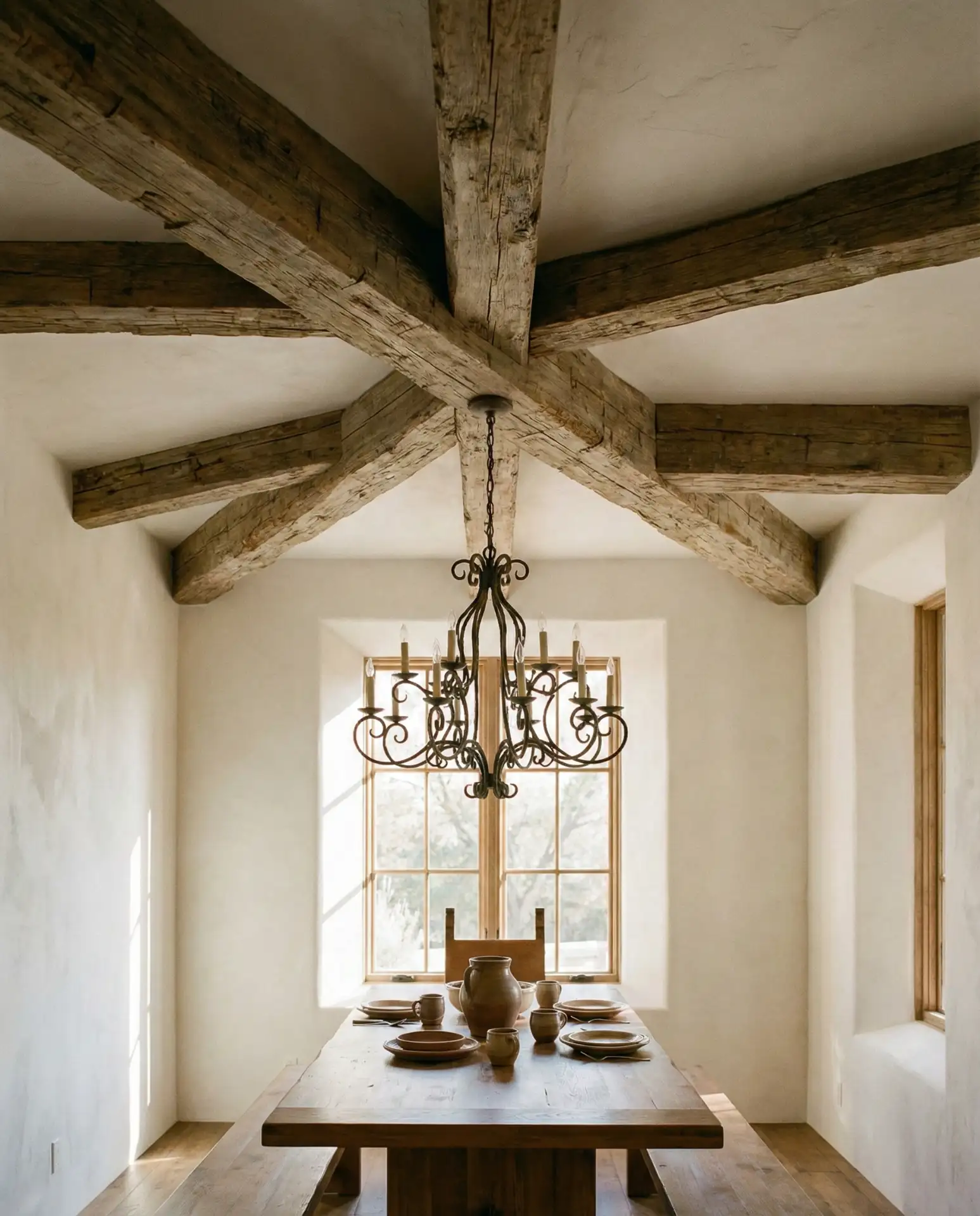
This treatment is especially popular in Southern and Southwestern homes, where rustic elegance is part of the regional vernacular. Real reclaimed beams can be pricey and heavy, requiring professional installation, but faux beams made from lightweight wood or polyurethane have come a long way—they look convincing from below and cost a fraction. Just avoid overdoing it; two or three well-placed beams often read better than a dense grid.
8. Colorful Vintage Rugs Layered on Hardwood
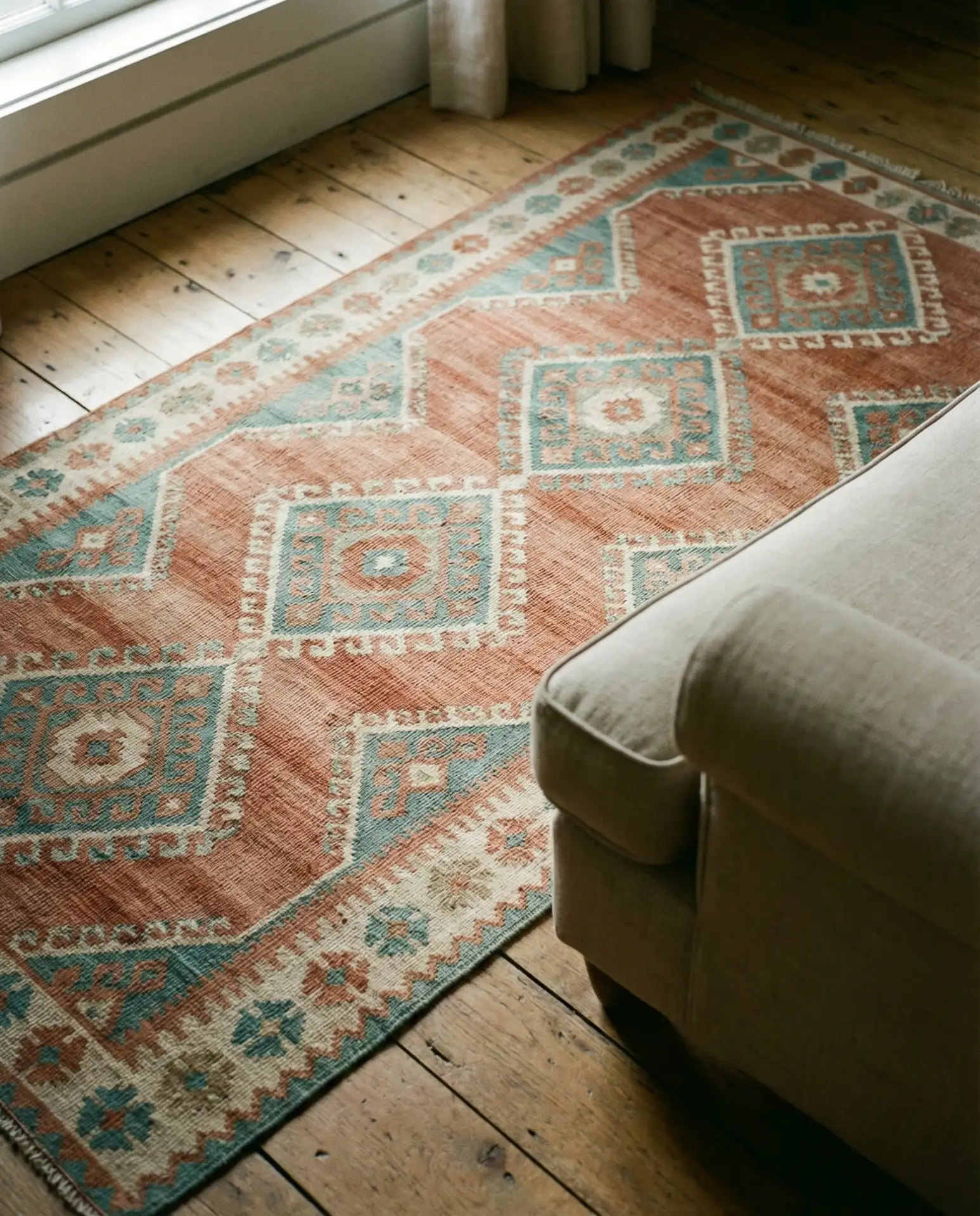
Layering a colorful Persian or Turkish rug over natural wood floors injects pattern and personality into French country interiors without overwhelming the space. The faded jewel tones typical of vintage textiles—dusty pinks, soft blues, muted golds—complement neutral furniture beautifully. It’s a way to introduce richness and warmth underfoot while keeping the overall aesthetic grounded. One well-chosen rug can anchor an entire room’s color story.
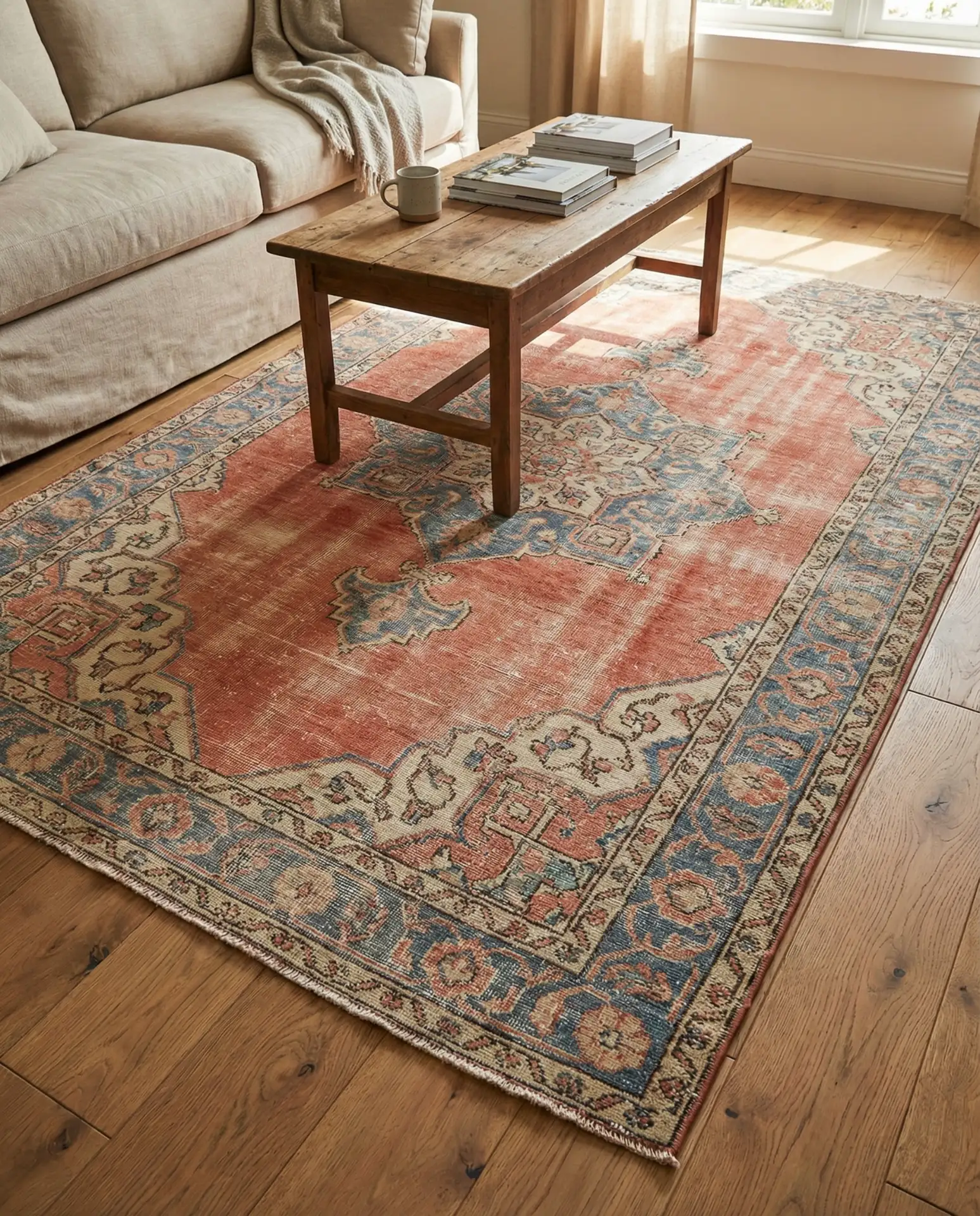
Homeowners sometimes worry that vintage rugs will feel too formal or precious, but the beauty of well-worn textiles is they’re already lived-in—you don’t have to baby them. In fact, a little wear and fading is what gives them their character. If you’re shopping secondhand or online, look for rugs with low pile; they layer better and won’t trip you up. And don’t stress about perfect symmetry—off-center placement often feels more natural and less staged.
9. Farmhouse Apron Sink in White Fireclay
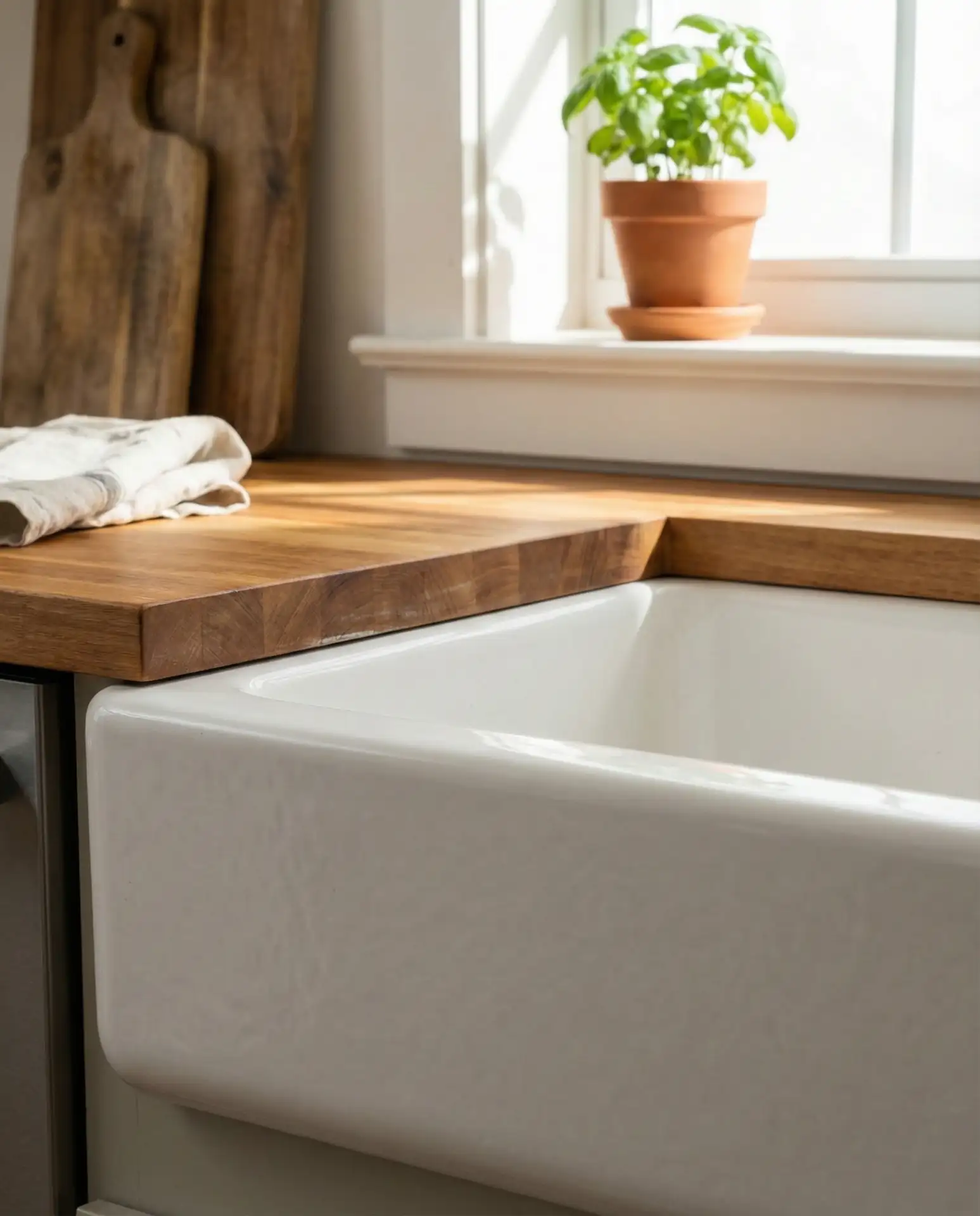
A deep, white fireclay apron-front sink is one of those classic French country elements that never feels dated. Its clean lines and generous basin make kitchen tasks easier, from washing large pots to rinsing fresh vegetables. The material is incredibly durable, resisting chips and stains far better than standard porcelain. It’s both a practical workhorse and a visual anchor that ties together cabinetry, counters, and backsplash.
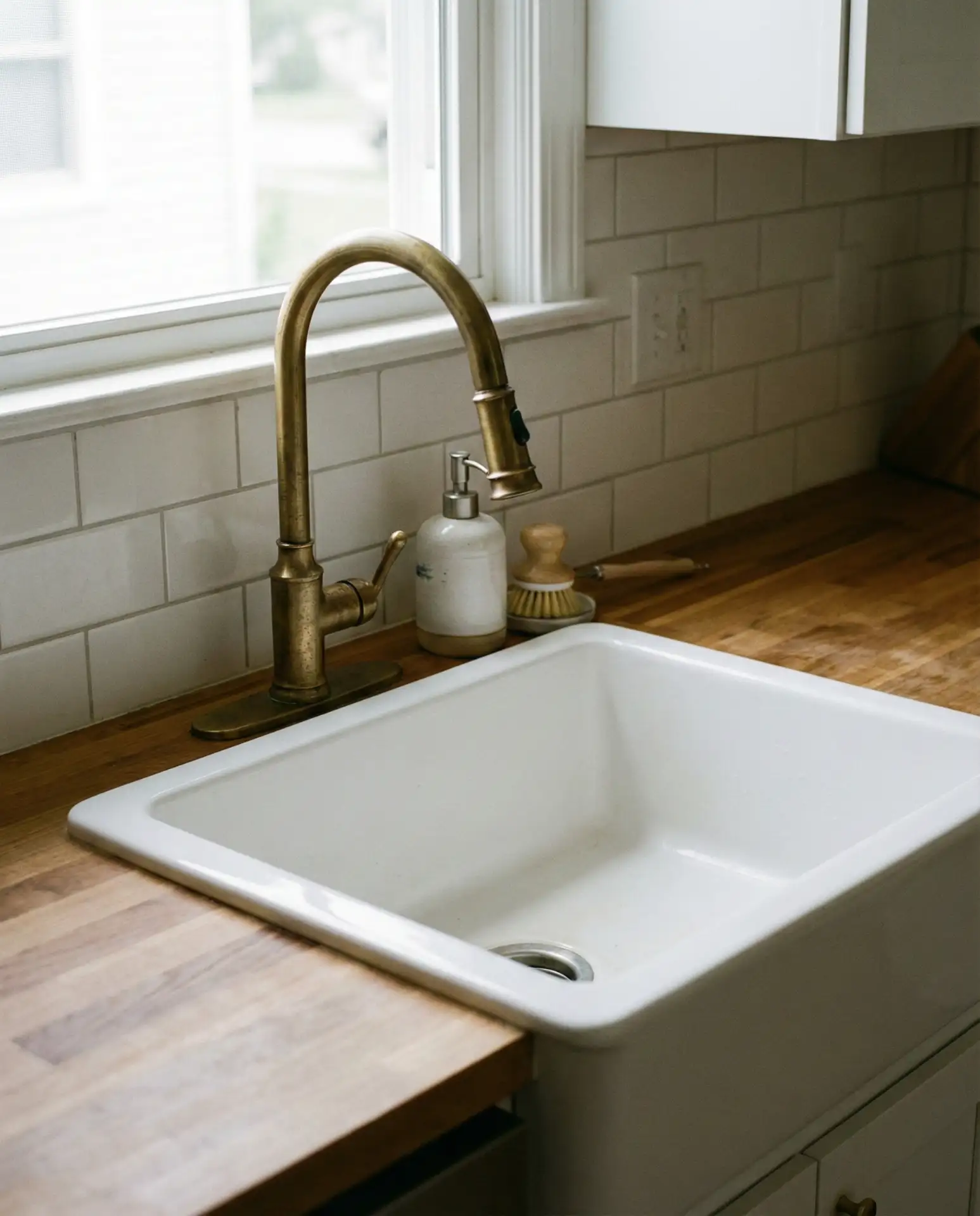
Across the South and rural communities nationwide, farmhouse sinks evoke a sense of nostalgia while functioning beautifully in contemporary kitchens. They’re particularly useful in homes where cooking and entertaining happen frequently—you can stack dishes without worrying about overflow. Price-wise, fireclay runs higher than stainless or composite, but many homeowners consider it a worthy splurge given its longevity and timeless appeal.
10. Dark Moody Walls with Natural Wood Accents
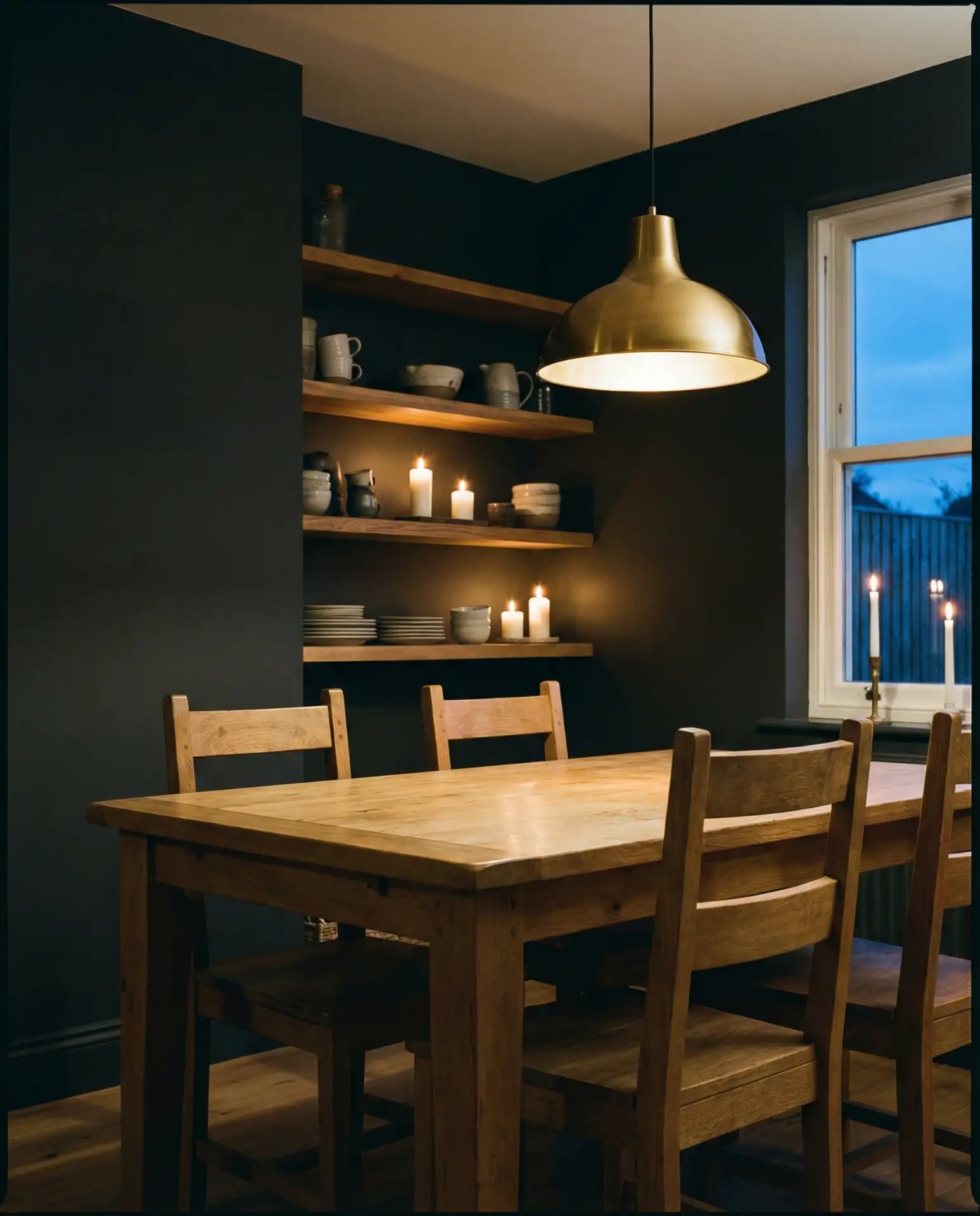
Painting walls in deep charcoal, navy, or forest green creates a cocooning effect that feels both dark and surprisingly warm when balanced with natural wood tones. The richness of the paint color makes wooden furniture, beams, and shelving pop, highlighting their grain and texture. This approach works especially well in dining rooms or libraries where you want an intimate, enveloping atmosphere. It’s a bold move that pays off with serious depth and character.
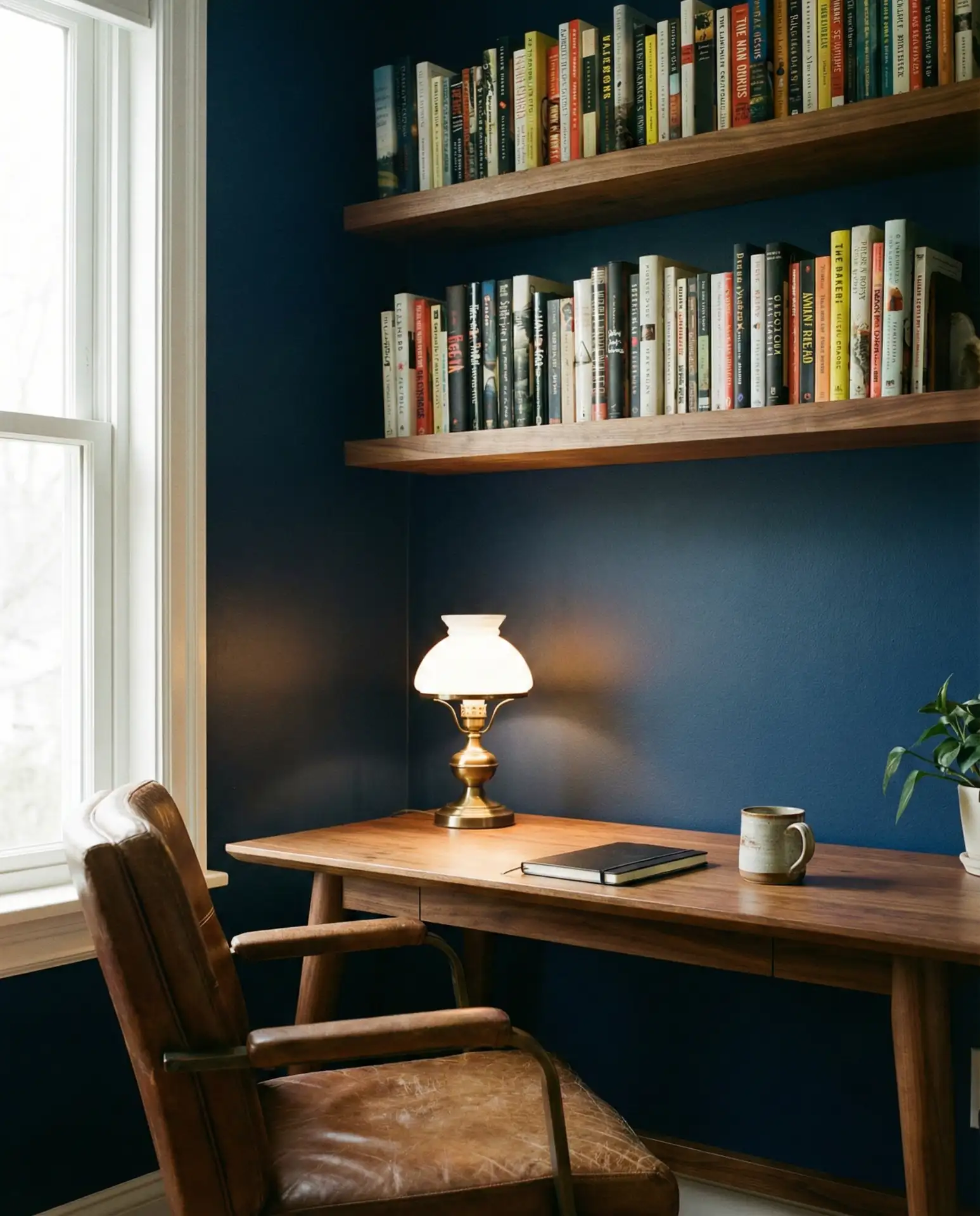
A common mistake is assuming dark walls will make a room feel smaller. In reality, they often do the opposite—by blurring boundaries, they can make walls recede and create a sense of expansiveness. The trick is ensuring you have enough natural light during the day and layered artificial light at night. In older homes with great bones, dark walls can actually highlight architectural details like crown molding or wainscoting that might disappear against lighter colors.
11. Antique Armoire as Kitchen Pantry
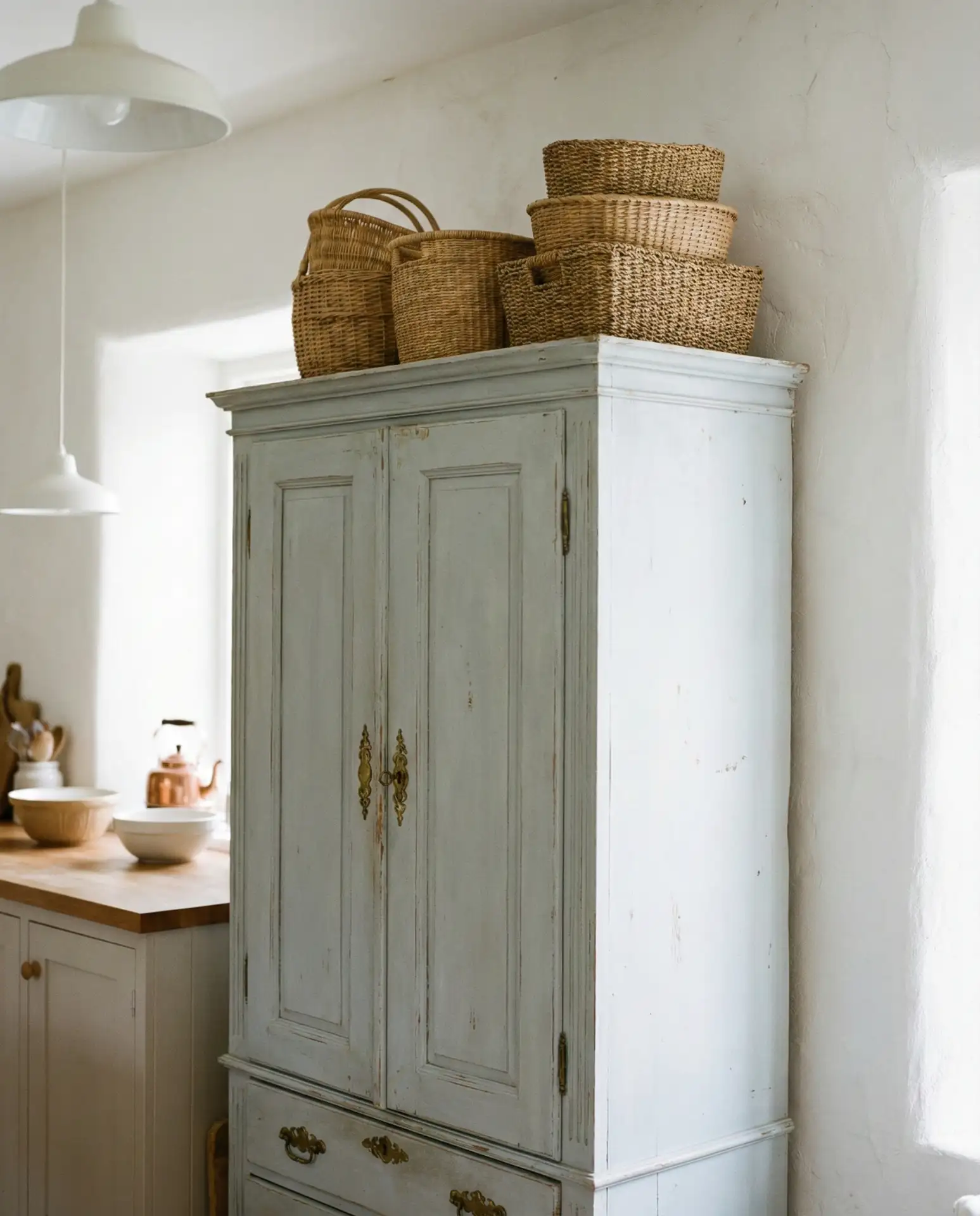
Repurposing a vintage French armoire as freestanding pantry storage brings both function and focal-point charm to kitchens. The piece’s aged wood, original hardware, and carved details add instant personality that built-ins rarely match. Inside, you can organize dry goods, linens, or serving pieces, while the exterior becomes a beautiful statement that grounds the room. It’s furniture with history doing real work in a contemporary home.
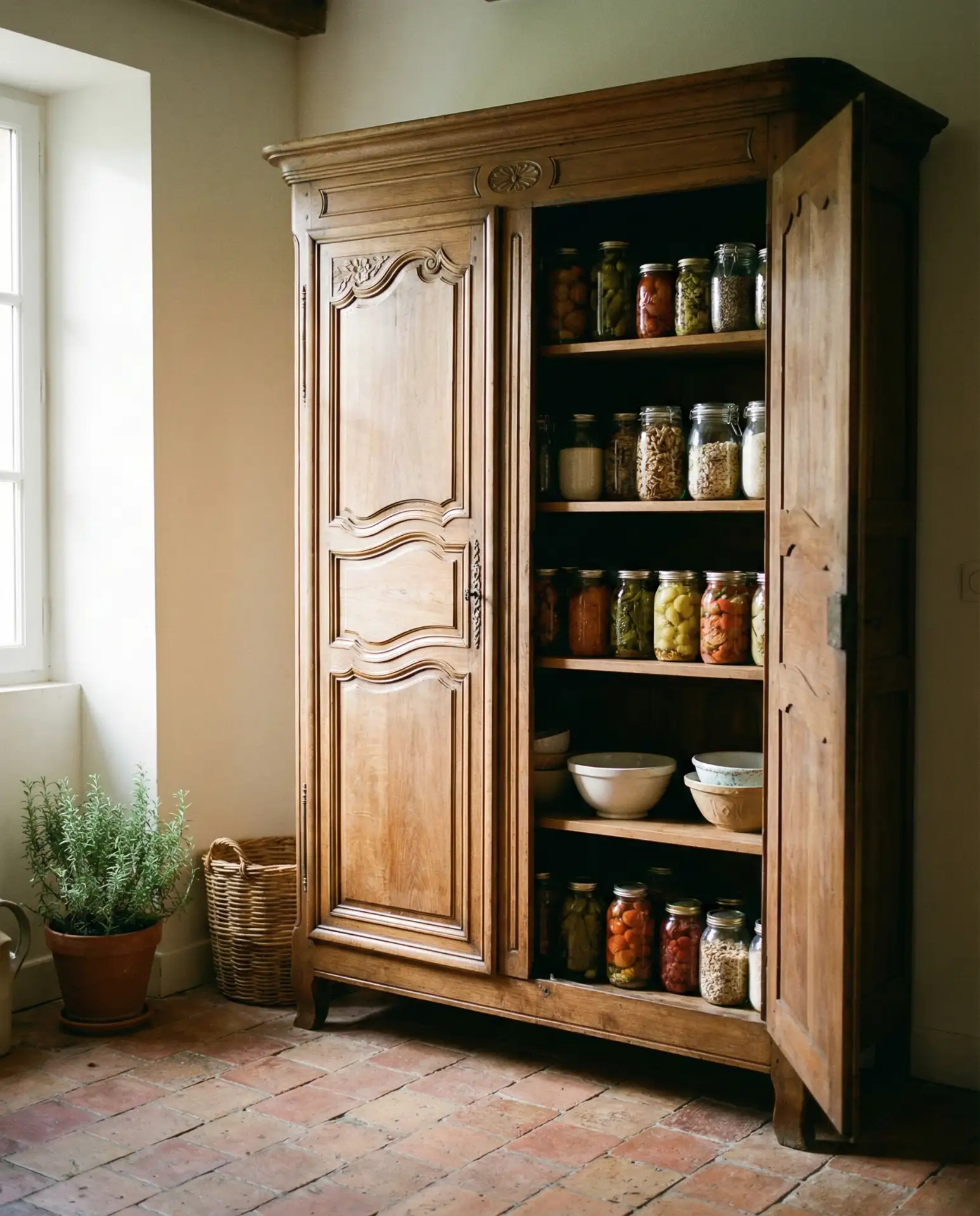
My neighbor recently did this in her 1920s bungalow, and it completely transformed her kitchen without the cost of custom cabinetry. She found the armoire at an estate sale for a few hundred dollars, cleaned it up, and now it’s the most-commented-on piece in her home. The key is making sure it’s proportionate to your space—an oversized armoire in a tiny galley kitchen will feel cramped, but the right piece can make a small kitchen feel more curated and intentional.
12. Blue and Yellow Provence-Inspired Accents
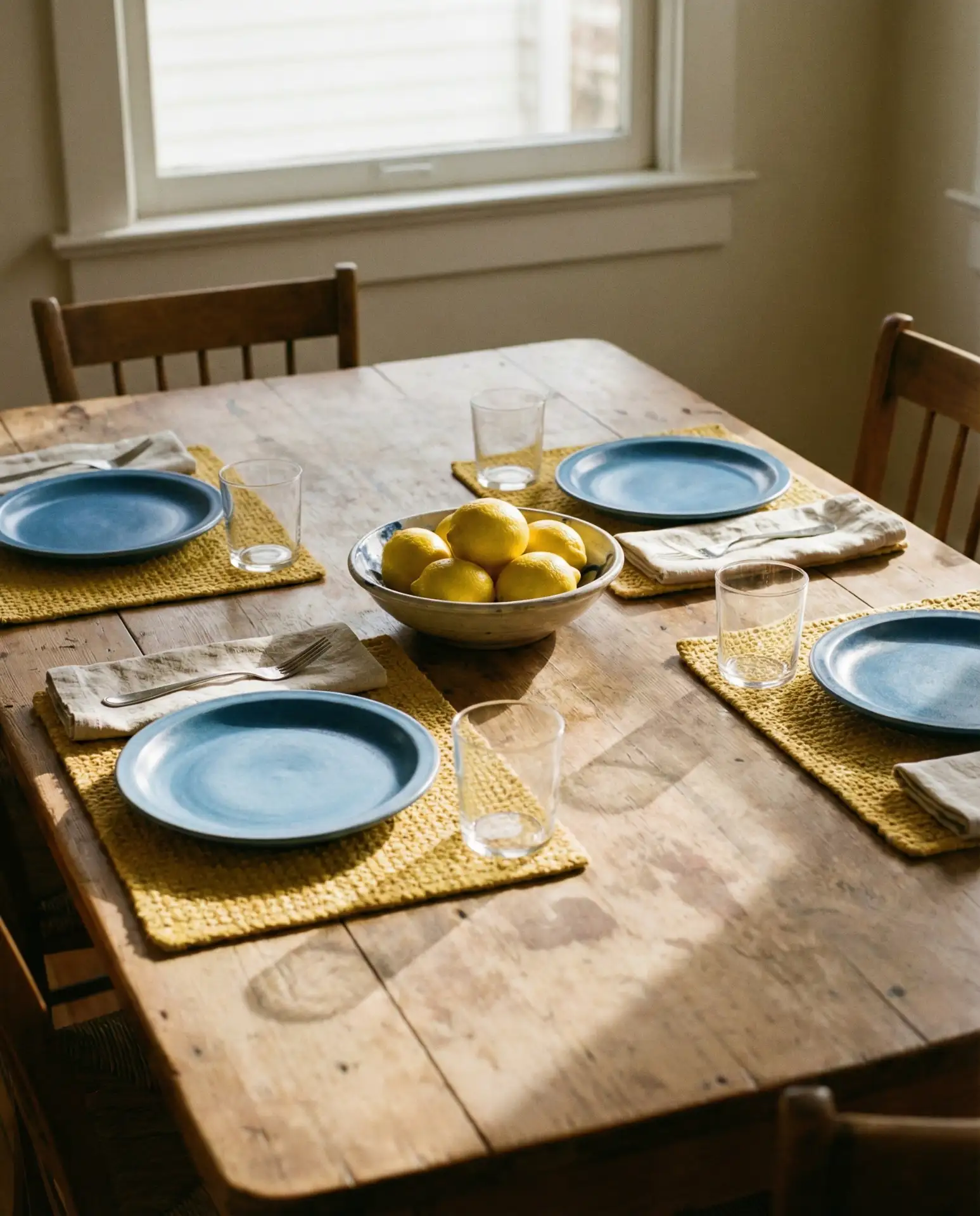
Introducing blue and yellow through textiles, pottery, and small furnishings captures the sun-soaked spirit of southern France without going overboard. Think butter-yellow dish towels, cobalt ceramic bowls, or a faded quilt in these tones draped over a chair. The combination is cheerful but grounded, especially when set against neutral walls and natural wood. Its color is used with restraint, which keeps it from feeling kitschy or overly themed.
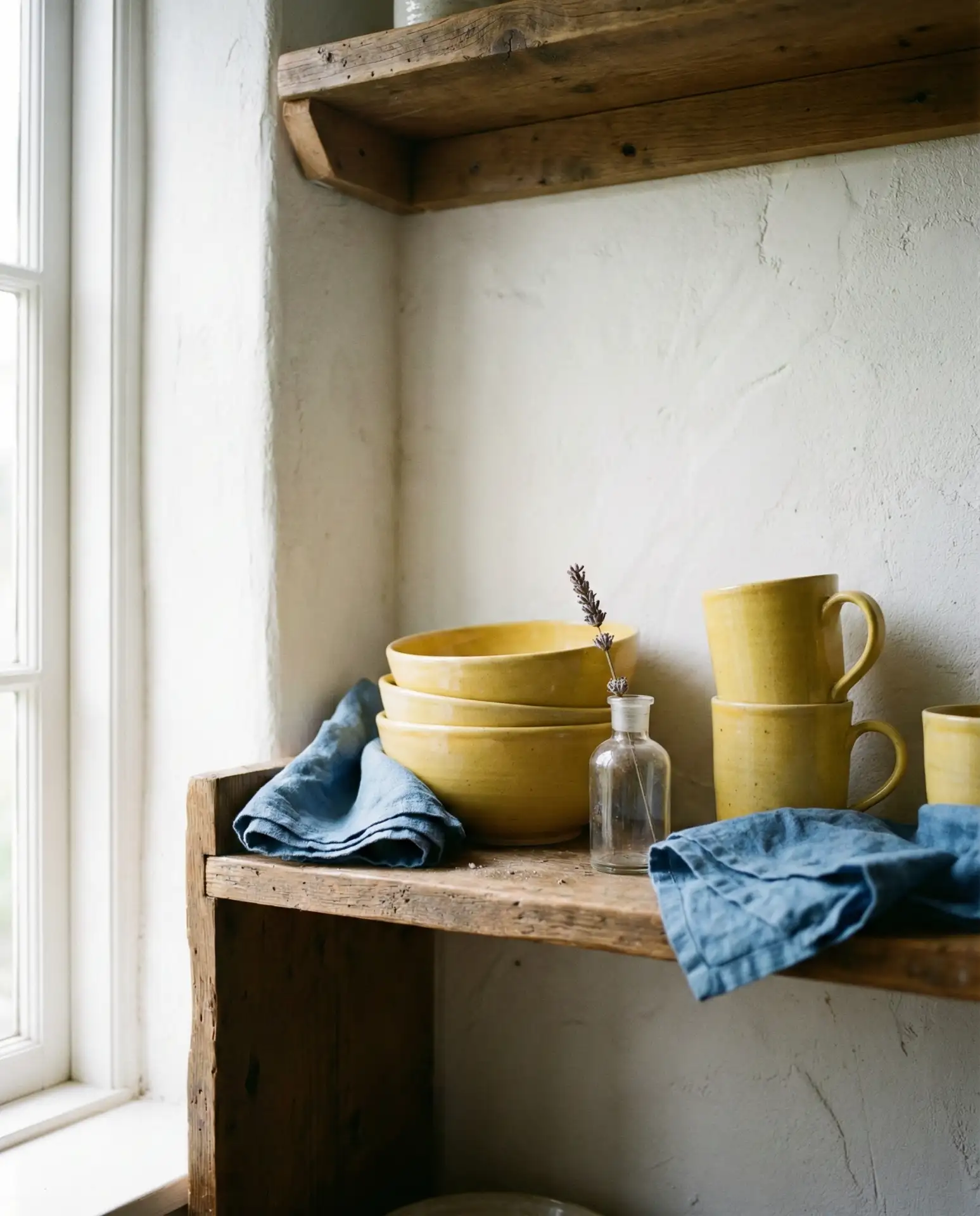
This palette works best when you commit to it in small, deliberate doses rather than painting an entire room or buying a full blue-and-yellow furniture set. Real homeowners who pull this off successfully tend to let one color dominate—say, mostly neutrals with pops of blue and just a touch of yellow—rather than a 50/50 split. It keeps the look sophisticated and avoids veering into country craft store territory.
13. Farmhouse-Style Master Bedroom with Linen Bedding
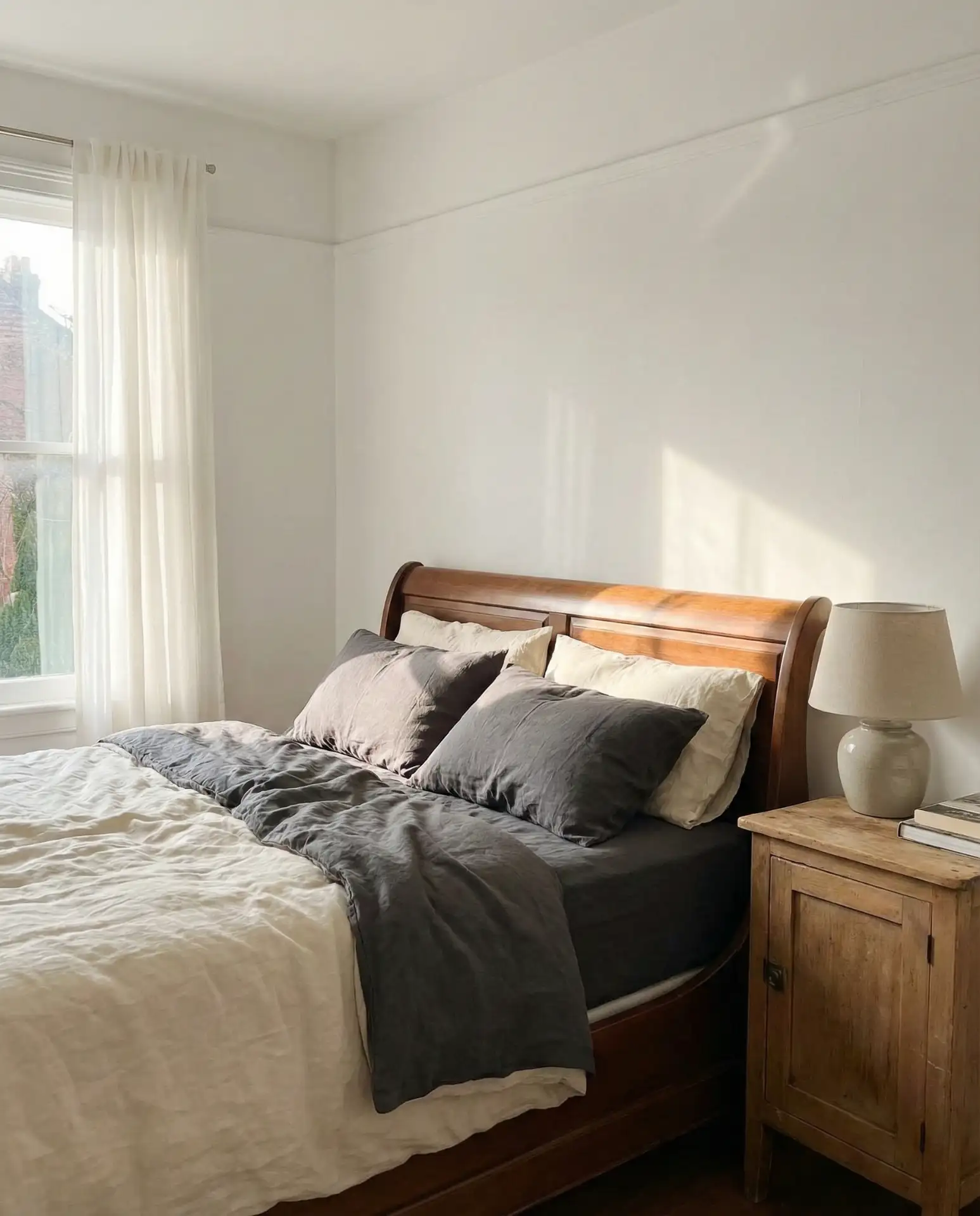
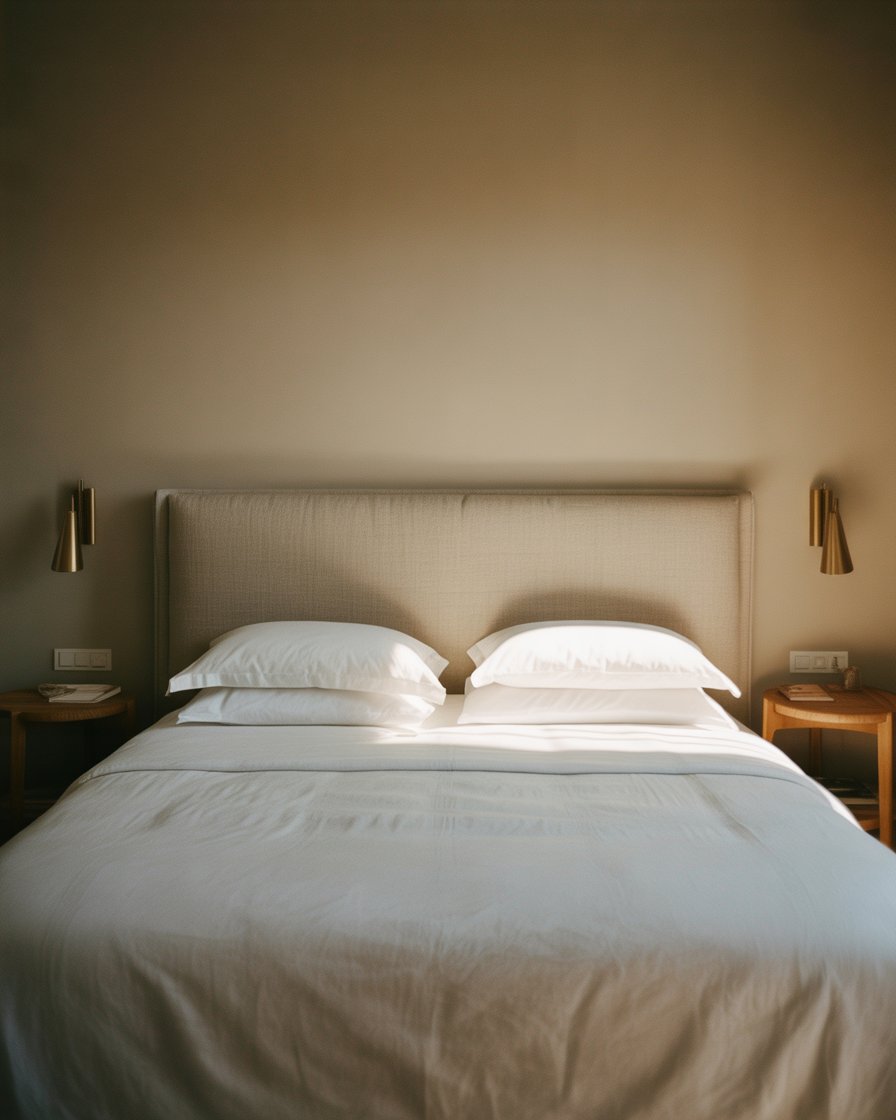
Creating an idyllic farmhouse-style master bedroom retreat starts with layering natural linen sheets, duvet covers, and shams in soft whites and warm grays. The fabric’s inherent texture and slight wrinkle add to the relaxed, lived-in feel that defines French country style. Pair this with a simple wood bed frame, minimal nightstands, and perhaps a vintage chandelier, and you have a space that invites rest without fuss. It’s comfort elevated by quality materials and thoughtful restraint.
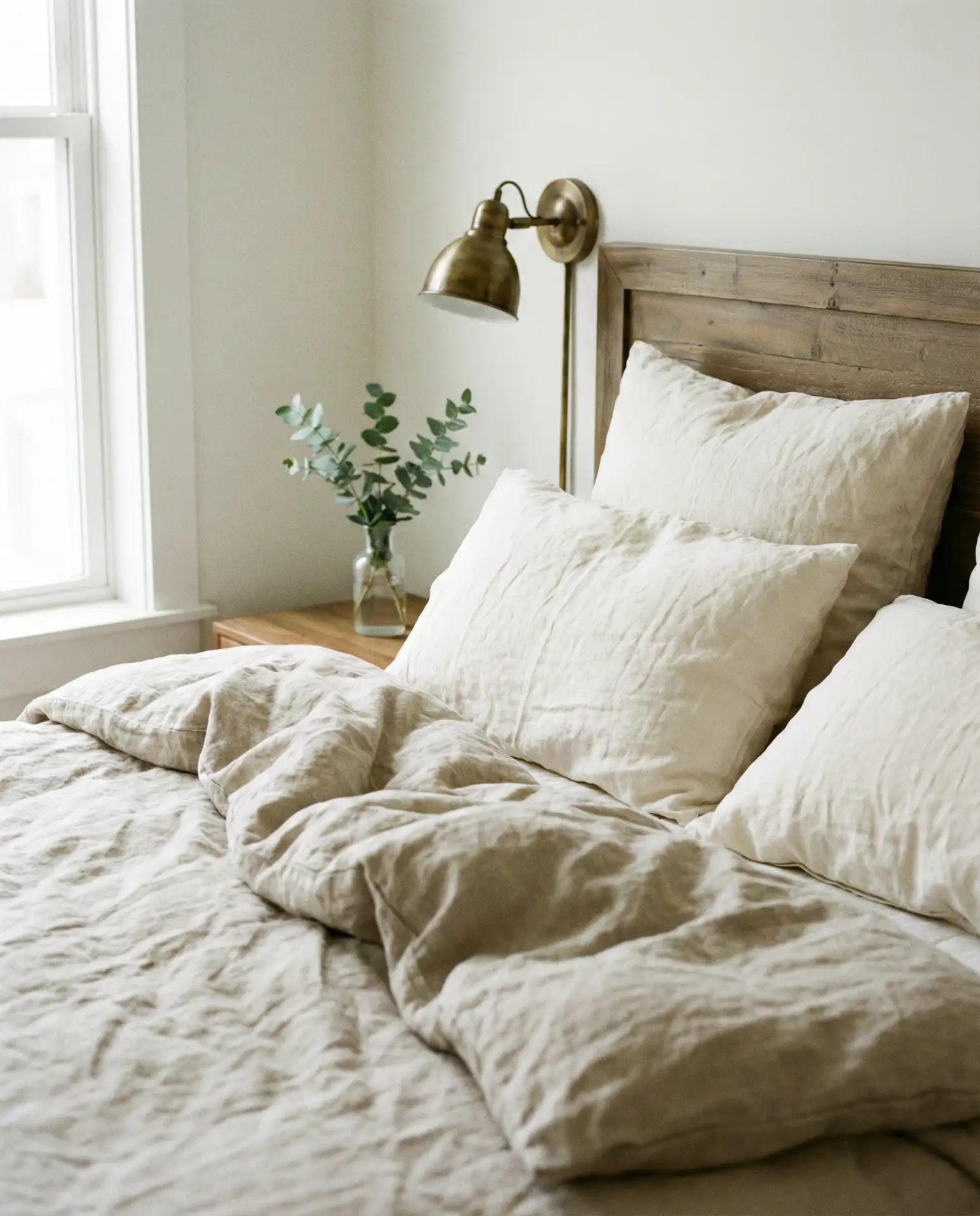
In practice, this look thrives in bedrooms where you can control clutter—linen’s relaxed drape looks effortless, but it can highlight mess if you’re not mindful. Many people worry linen wrinkles too easily, but that’s precisely the point; the fabric is meant to be imperfect. If you want longevity, invest in heavier-weight European linen rather than cheaper blends, which can pill and lose their softness after a few washes.
14. Terracotta Tile Flooring in the Kitchen
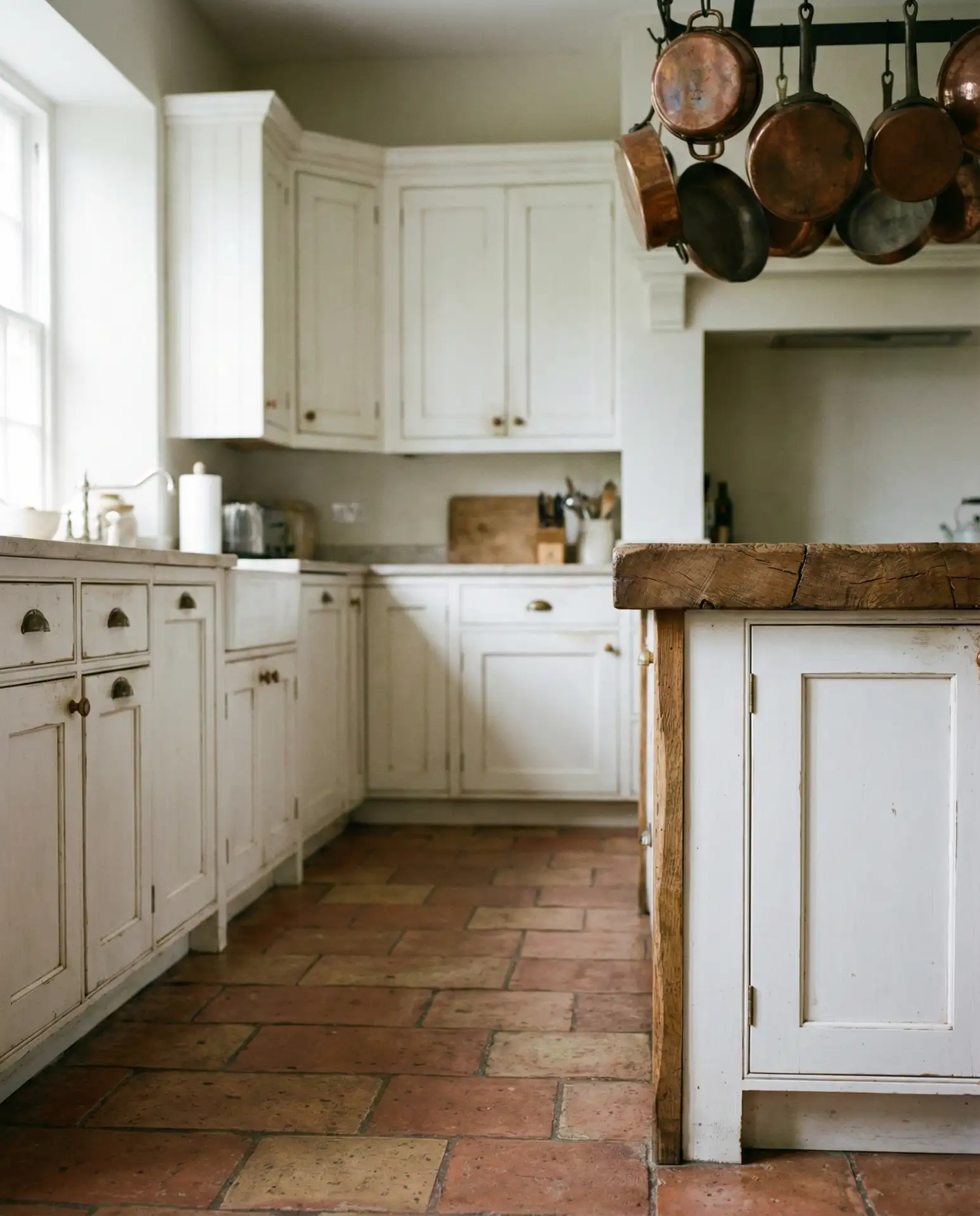
Installing warm terracotta tiles underfoot brings earthy, Old World character to kitchens while offering durability and easy maintenance. The clay’s natural color variations—ranging from pale peachy tones to deep rust—create visual interest without pattern overload. Paired with white cabinetry and butcher block counters, the floors feel both grounding and inviting. It’s a surface that only gets better with age, developing a subtle patina over time.
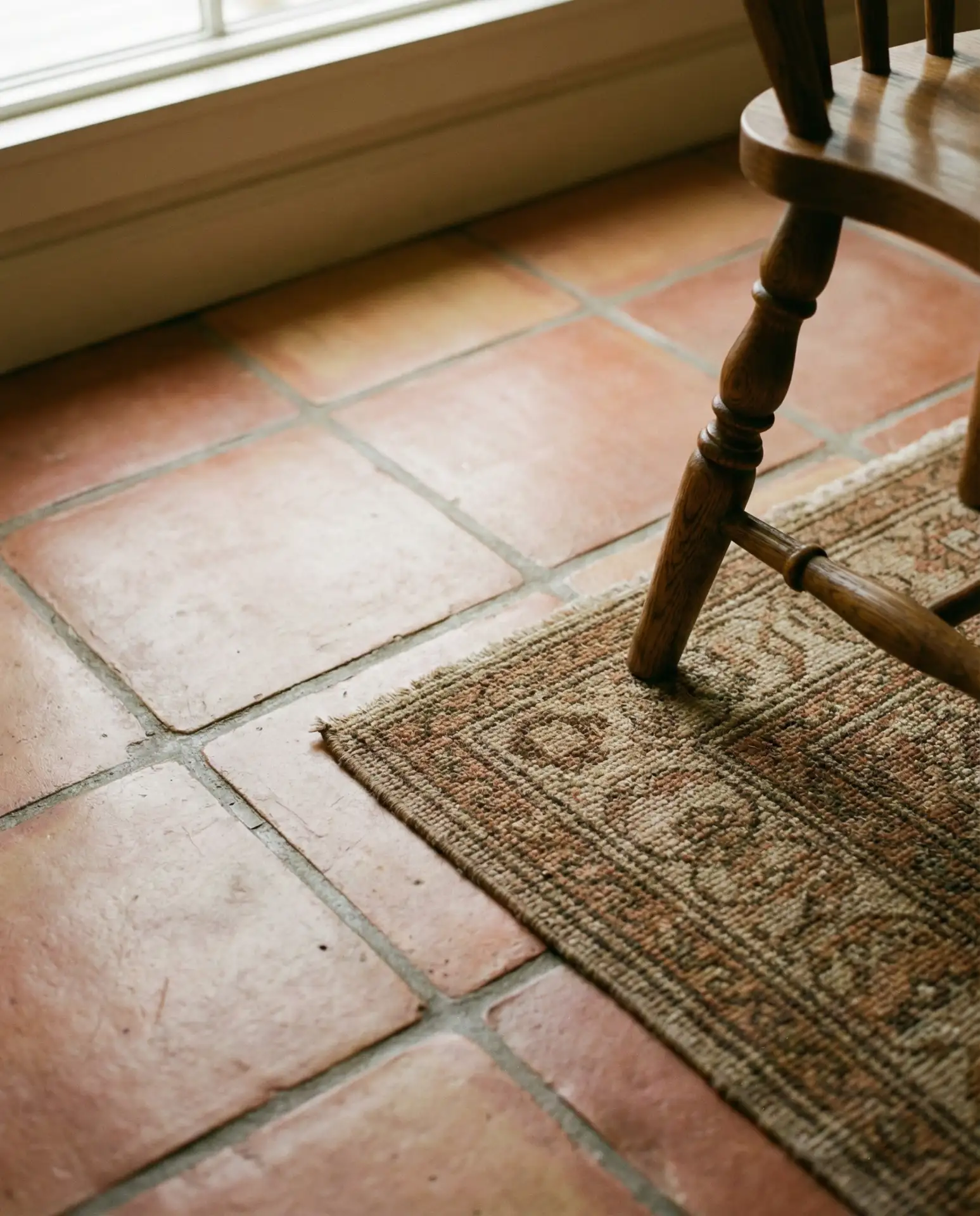
This flooring choice works beautifully in homes across California, the Southwest, and anywhere with Mediterranean or Spanish Revival influence, but it’s increasingly popular in other regions too. Installation can run higher than standard ceramic or vinyl, especially for handmade or reclaimed tiles, but the investment pays off in longevity and timeless appeal. Just be aware that terracotta is porous and needs sealing—skip this step and you’ll end up with stains from spilled wine or olive oil.
15. Wrought Iron Chandeliers Over Dining Tables
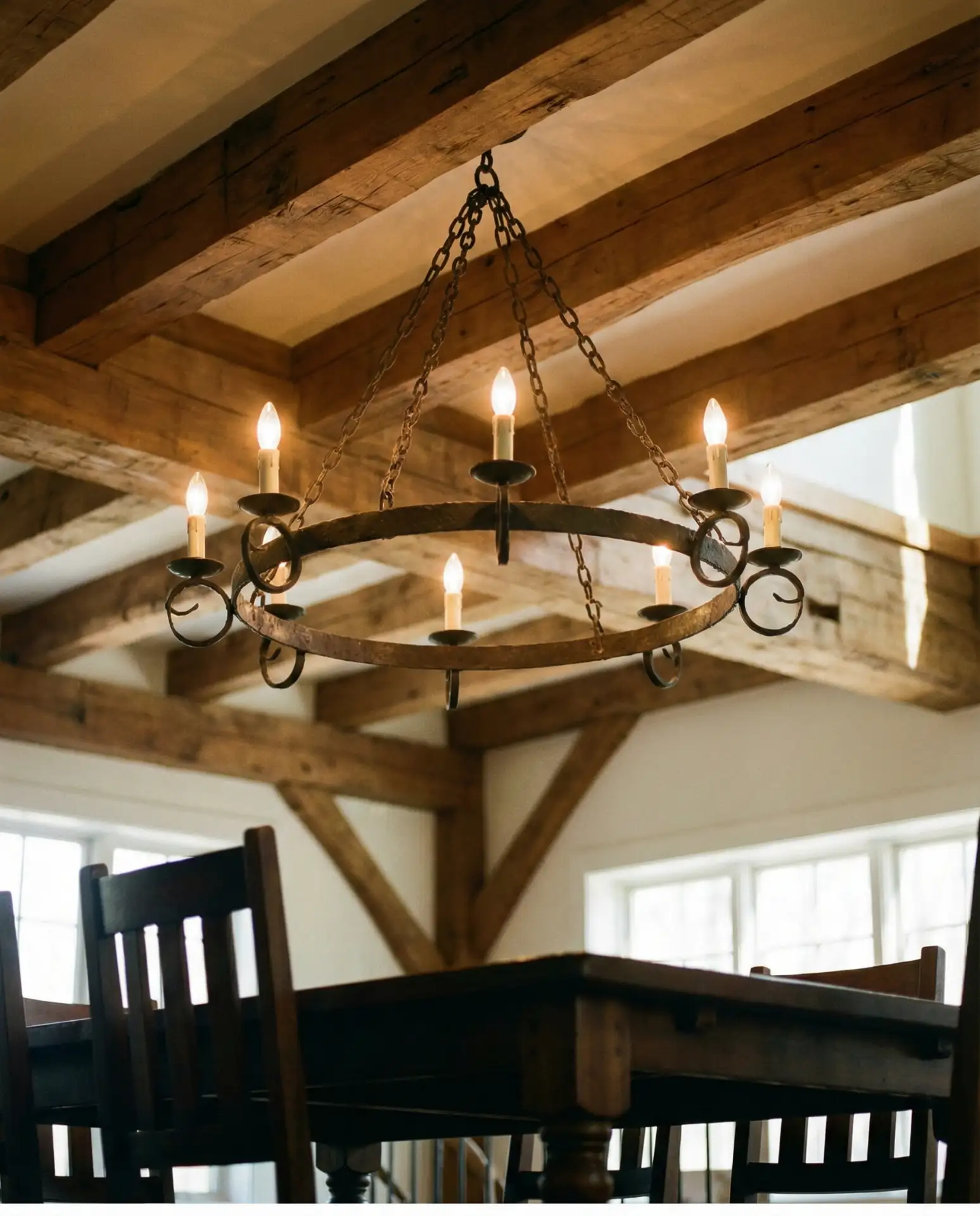
Hanging a simple wrought iron chandelier above a dining table adds architectural drama and a touch of old European grandeur without feeling overwrought. The metal’s dark finish contrasts beautifully with whitewashed or wood-beamed ceilings, while the fixture’s open structure keeps sightlines clear. It’s functional lighting that doubles as sculpture, casting soft shadows and setting the tone for gathered meals. It’s one of those pieces that quietly announces the room’s character.
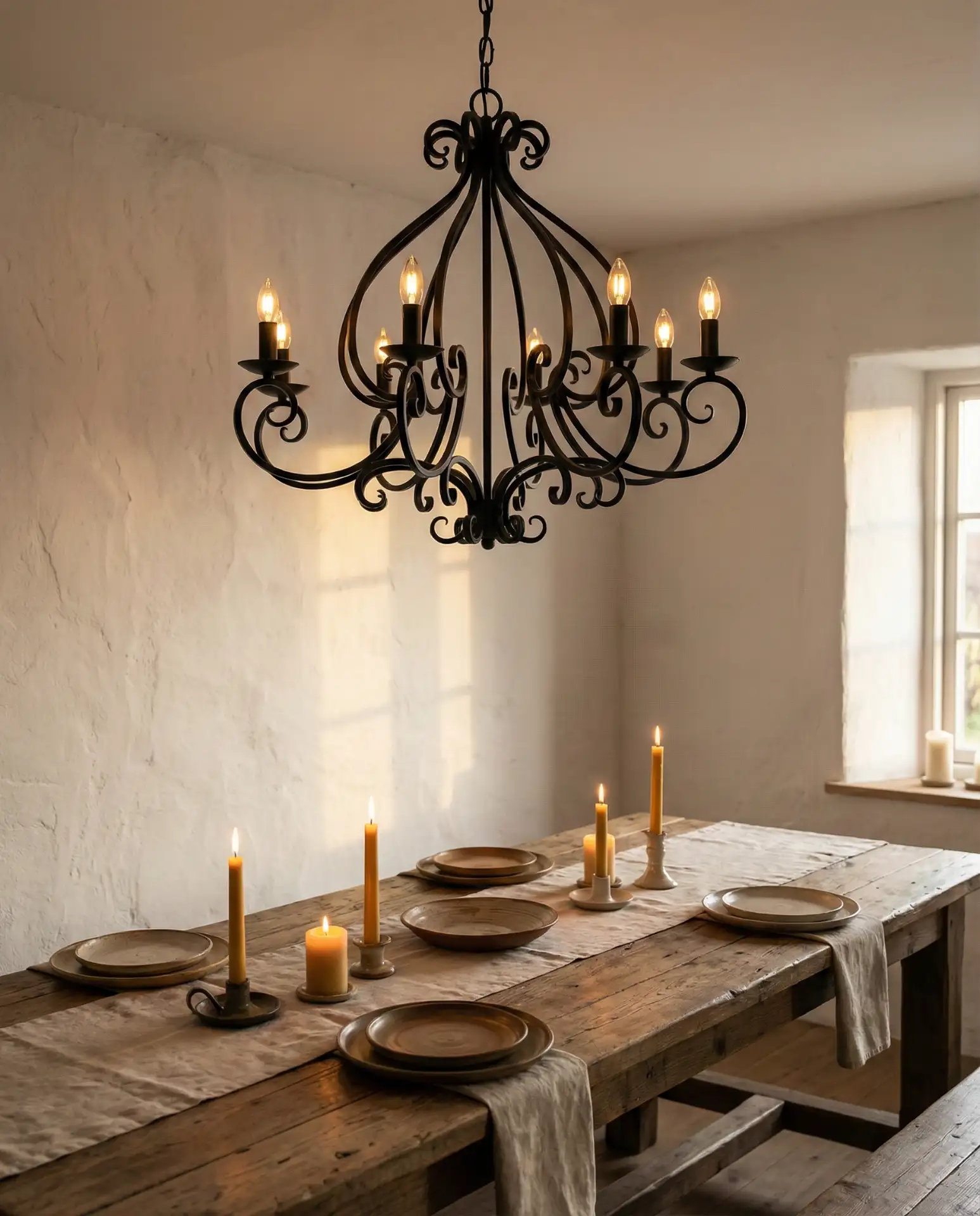
Budget-conscious shoppers can find convincing reproductions for a fraction of what a vintage or custom piece would cost, though it’s worth investing in quality if possible—cheap versions can look tinny and insubstantial. As for scale, the chandelier should be roughly one-half to two-thirds the width of your table; too small and it disappears, too large and it overwhelms. Also, hang it low enough to create intimacy (about 30-36 inches above the table surface) but high enough that tall guests won’t knock their heads.
16. Simple White Subway Tile with Dark Grout
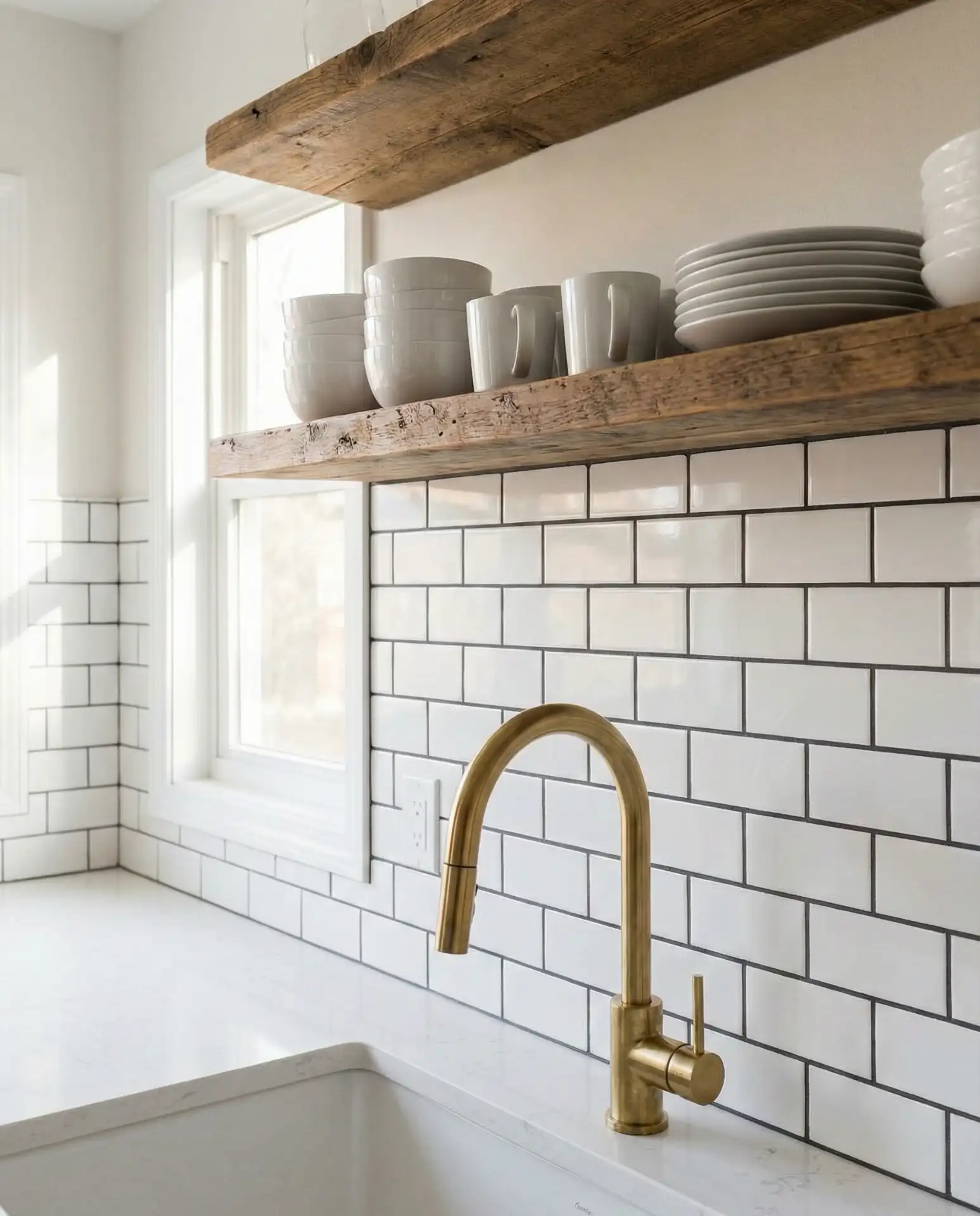
Classic white subway tile paired with charcoal or black grout offers a clean, graphic backdrop that feels both timeless and contemporary. The contrast highlights the tile’s rectangular shape and adds subtle visual interest without competing with other design elements. It’s a versatile choice that works equally well in kitchens and bathrooms, providing a neutral foundation that allows wood, metal, and textile details to shine. It’s simplicity executed with confidence.
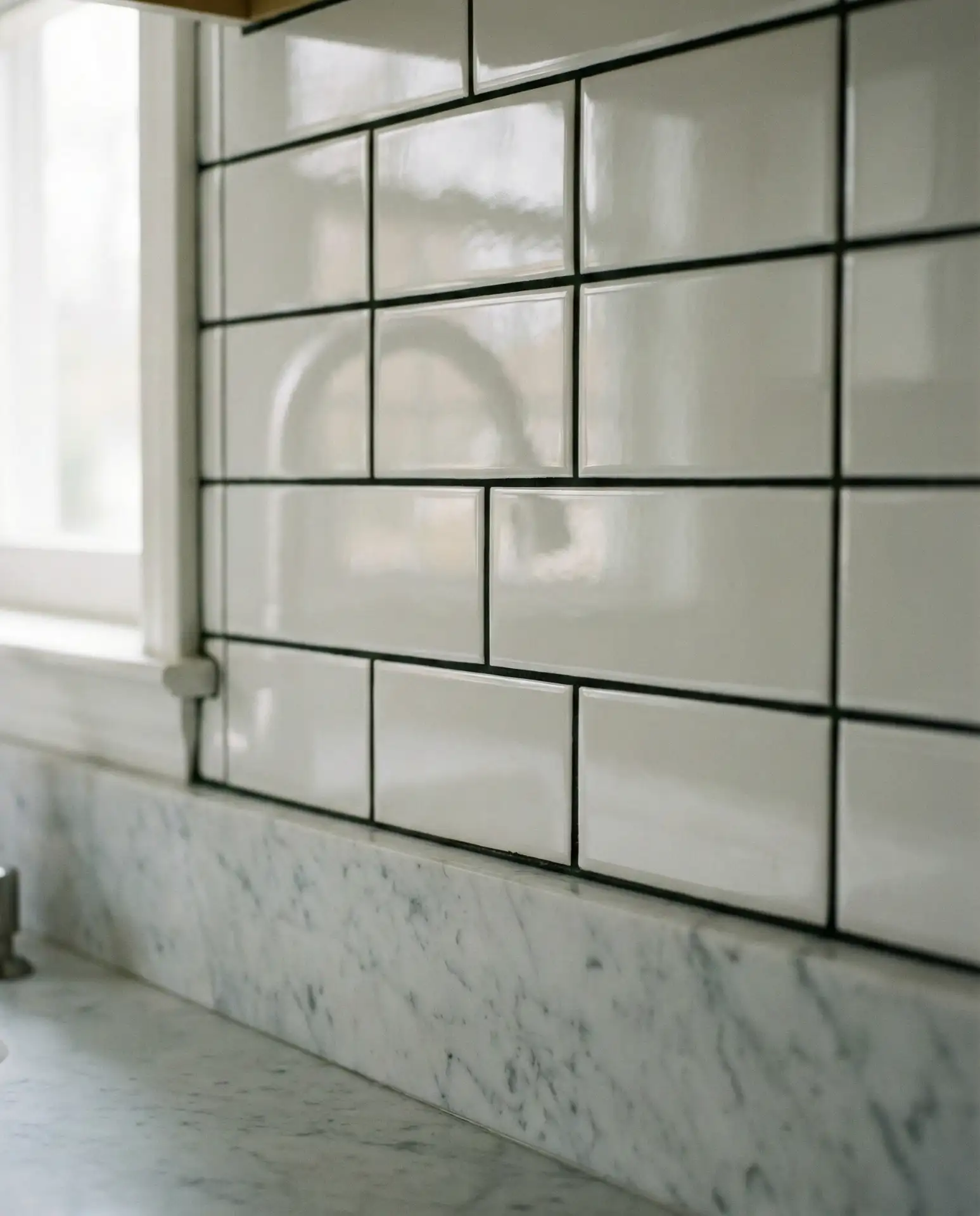
Where this works best is in spaces that need to feel fresh and functional without being sterile. The dark grout is more forgiving than white—it hides dirt and doesn’t yellow over time—making it a smarter long-term choice despite initial hesitation some homeowners feel. One tip from a contractor I know: use a grout sealer to keep those dark lines looking crisp and prevent staining from kitchen splatters.
17. Potted Lavender and Herbs on Windowsills
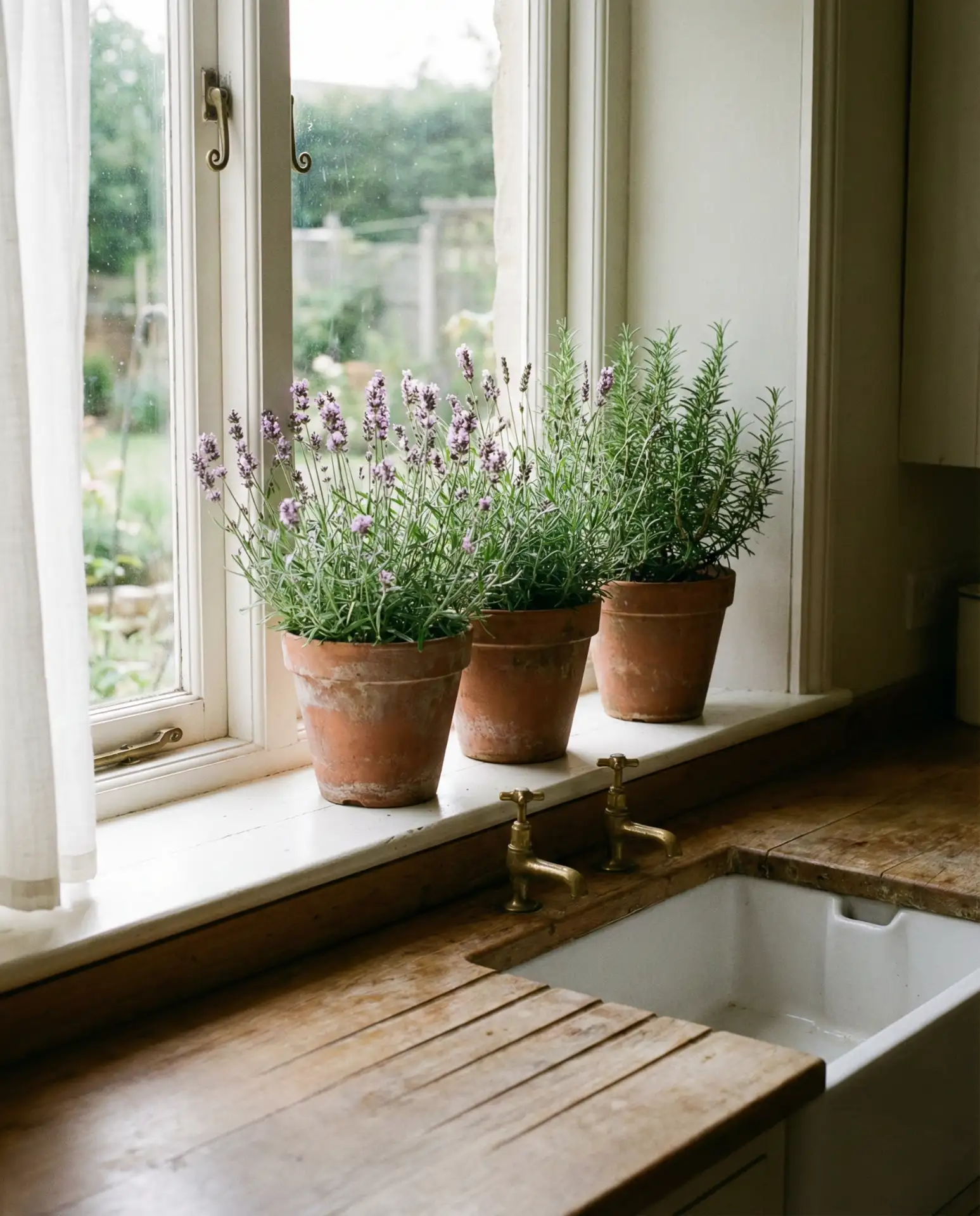
Lining sunny windowsills with small terracotta pots of lavender, rosemary, and thyme brings life and fragrance into French country kitchens and bathrooms. The plants’ silvery greens and soft purples complement neutral palettes beautifully, while their practical use in cooking or sachets adds another layer of charm. It’s a low-commitment way to introduce organic texture and a sense of tending—watering them becomes a quiet daily ritual. Plus, they make the whole room smell incredible.
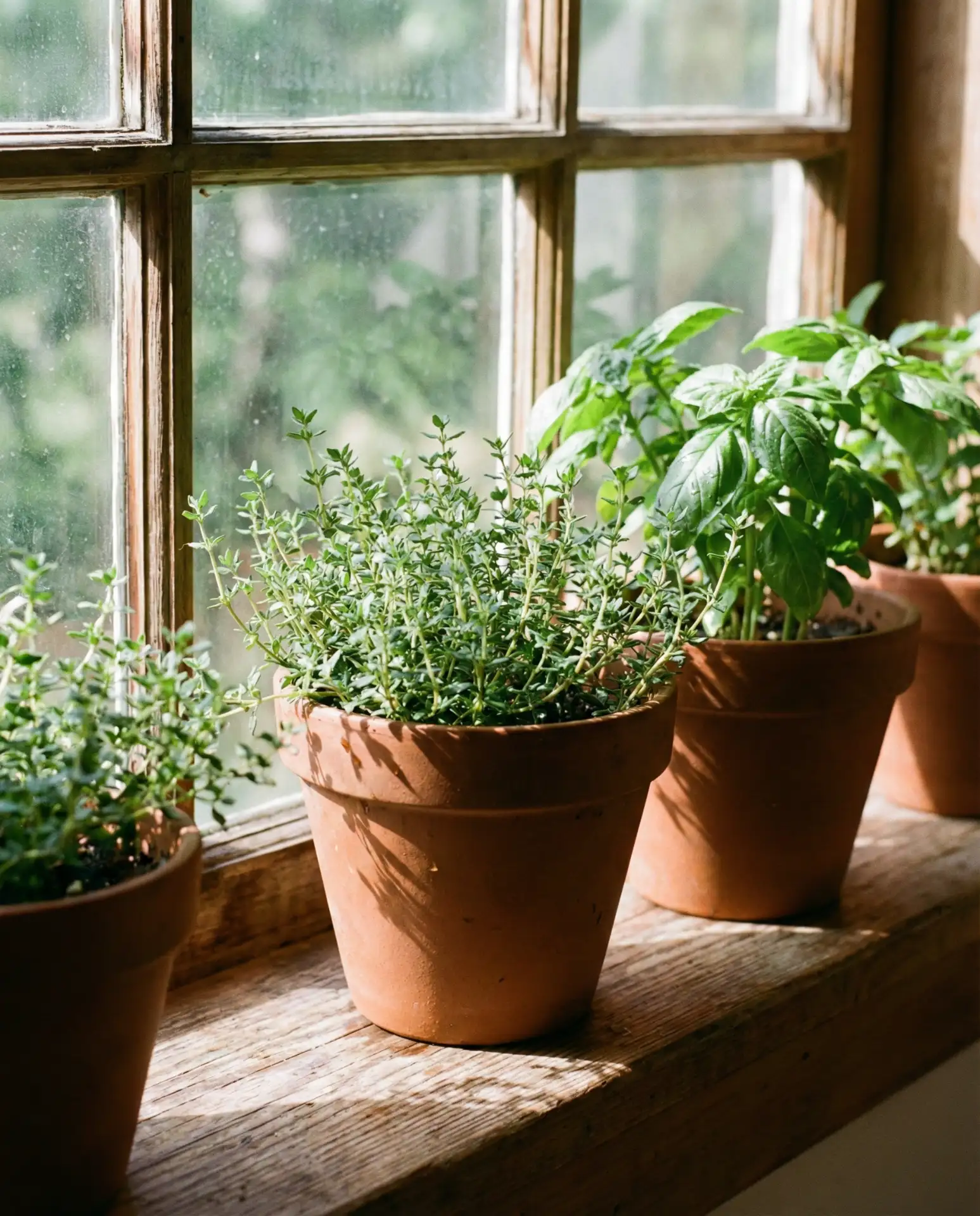
This works particularly well in homes where south- or west-facing windows provide ample light; without it, herbs tend to get leggy and weak. Real homeowners often make the mistake of overwatering or using pots without drainage—both will kill herbs faster than neglect. Stick with unglazed terracotta, which breathes and wicks moisture, and water only when the soil feels dry an inch down. It’s easy, rewarding, and instantly Provençal.
18. Distressed Wood Console Table in the Entryway
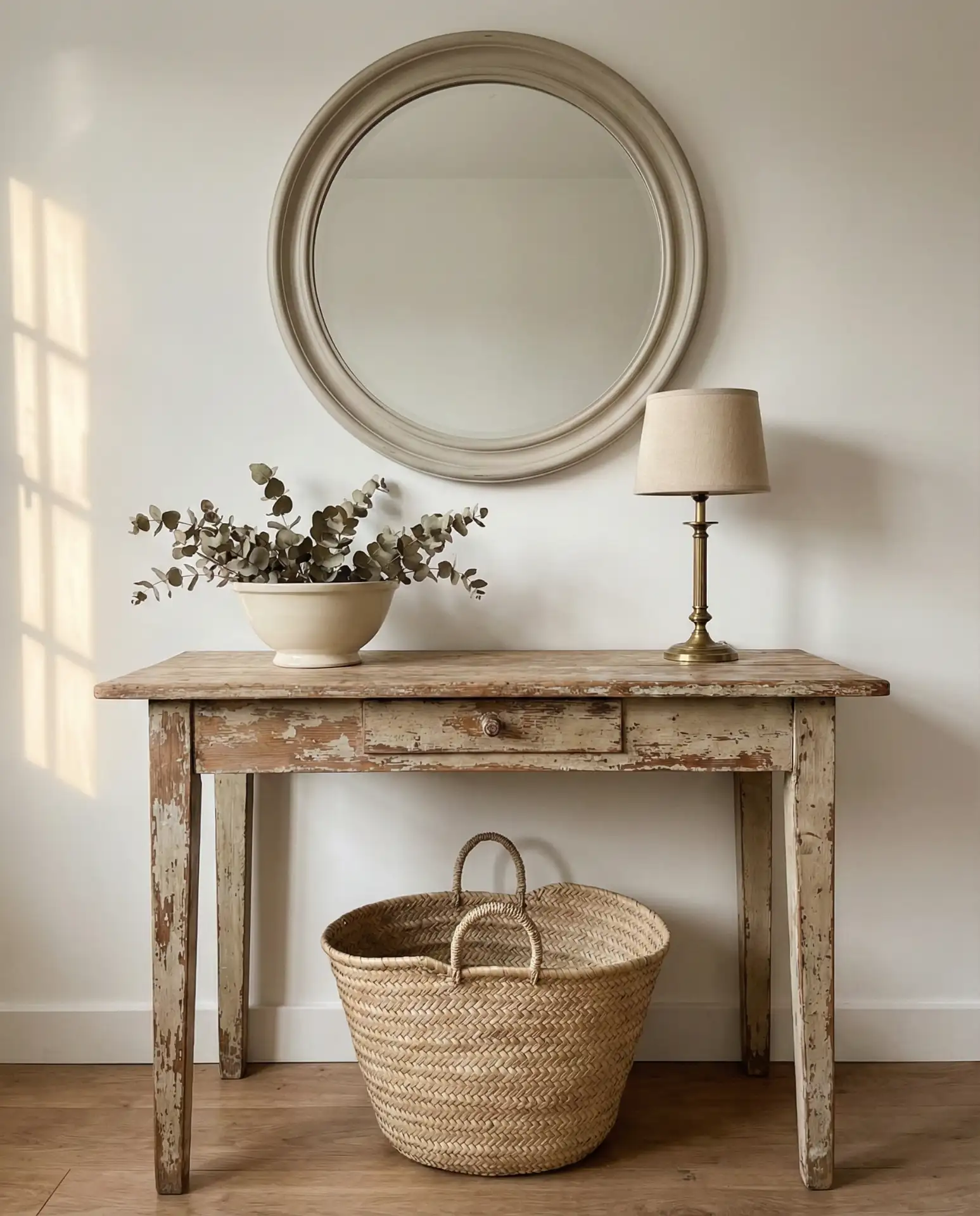
A narrow console table with weathered wood and simple turned legs creates a welcoming focal point in entryways or hallways. The piece’s worn finish suggests years of use and sets a relaxed, approachable tone the moment someone walks in. Top it with a vintage mirror, a ceramic bowl for keys, and a small vase of fresh stems, and you have a vignette that’s both functional and quietly beautiful. It’s furniture that feels collected rather than bought all at once.
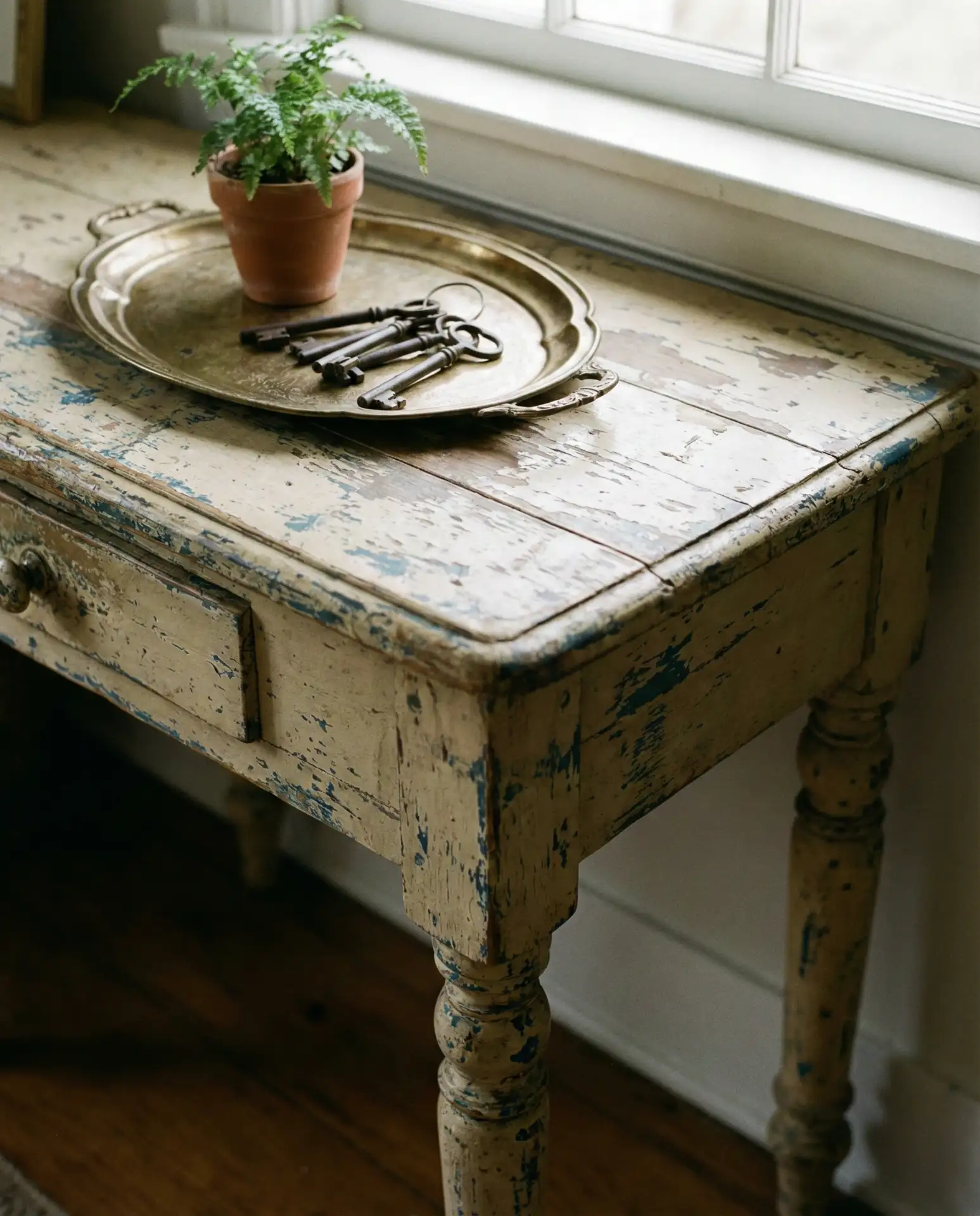
Console tables are one of those pieces where DIY enthusiasts can really shine—sanding and distressing a raw wood table yourself is a weekend project that costs far less than buying something pre-aged. The key is restraint; over-distressing can look forced and artificial. Aim for natural wear patterns—edges, corners, and areas that would actually see contact over decades. And remember, the goal is to suggest history, not manufacture it too obviously.
19. Linen Slipcovered Sofas and Chairs
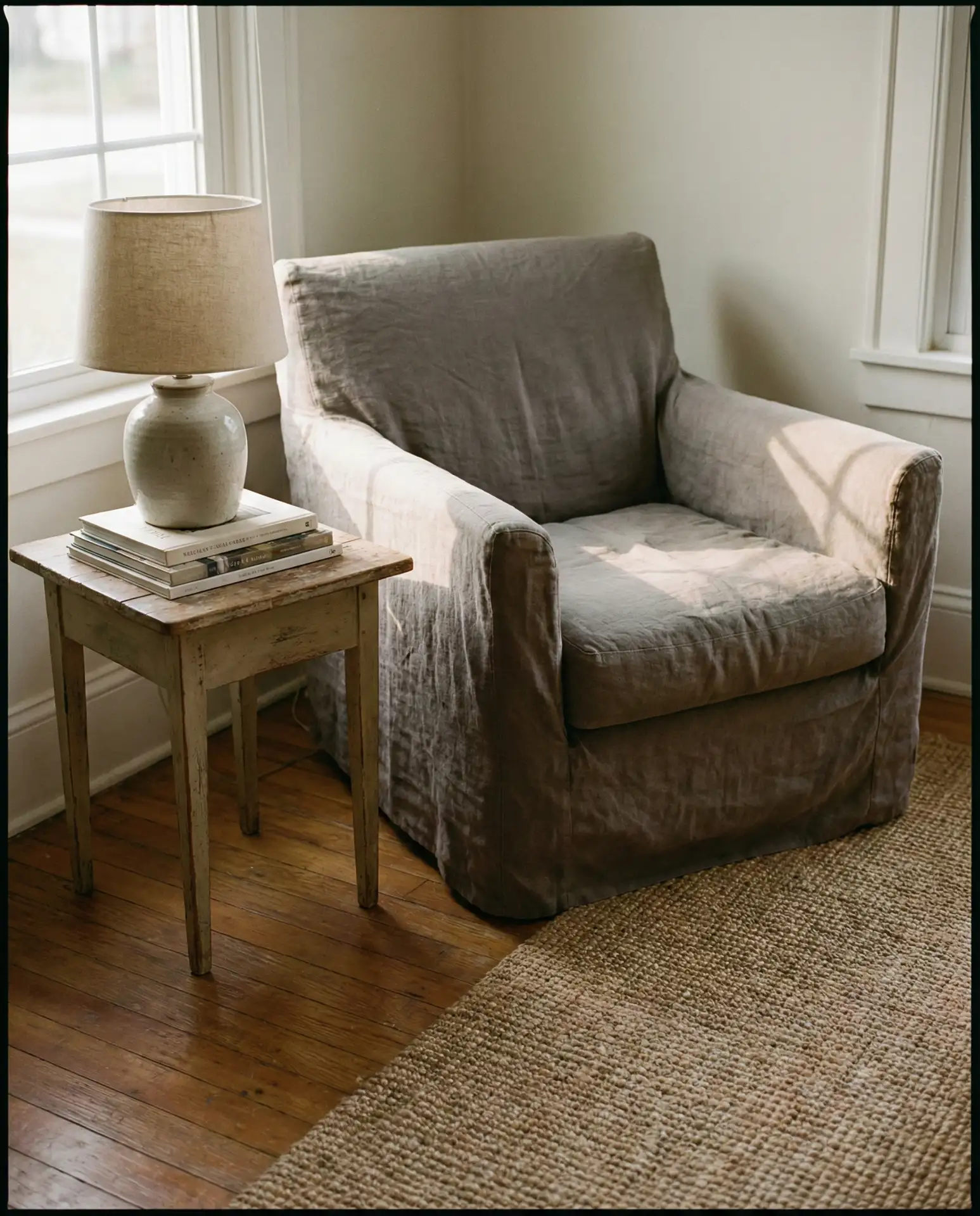
Upholstering sofas and armchairs in natural linen slipcovers brings a relaxed, unfussy elegance to living spaces that feels miles away from stiff, formal furniture. The fabric’s softness and drape invite people to actually sit and linger, while its washability makes it practical for real life—spills, pets, kids. The slightly rumpled look is part of the charm, not a flaw. It’s seating that prioritizes comfort and livability over perfection.
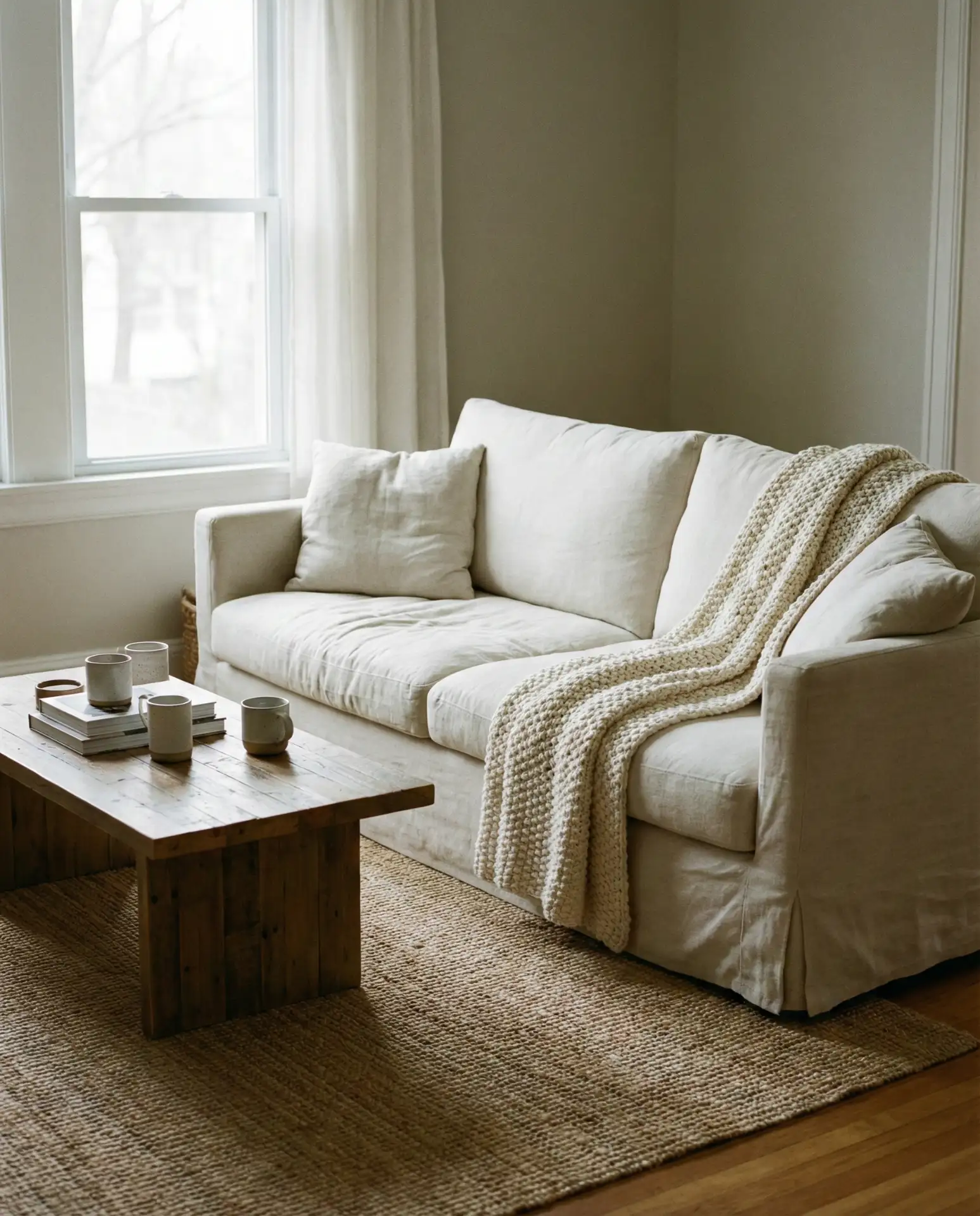
Families with young children or pets often gravitate toward this option because you can simply toss the covers in the wash when needed—something impossible with traditional upholstery. The biggest mistake is choosing too lightweight a linen, which won’t hold its shape well. Look for medium to heavy weight (around 7-9 oz), and pre-wash before fitting if possible to account for shrinkage. Yes, you’ll spend time tucking and smoothing the covers, but that’s part of the lived-in aesthetic that makes French country so appealing.
20. Living Room Table Lamps with Ceramic Bases
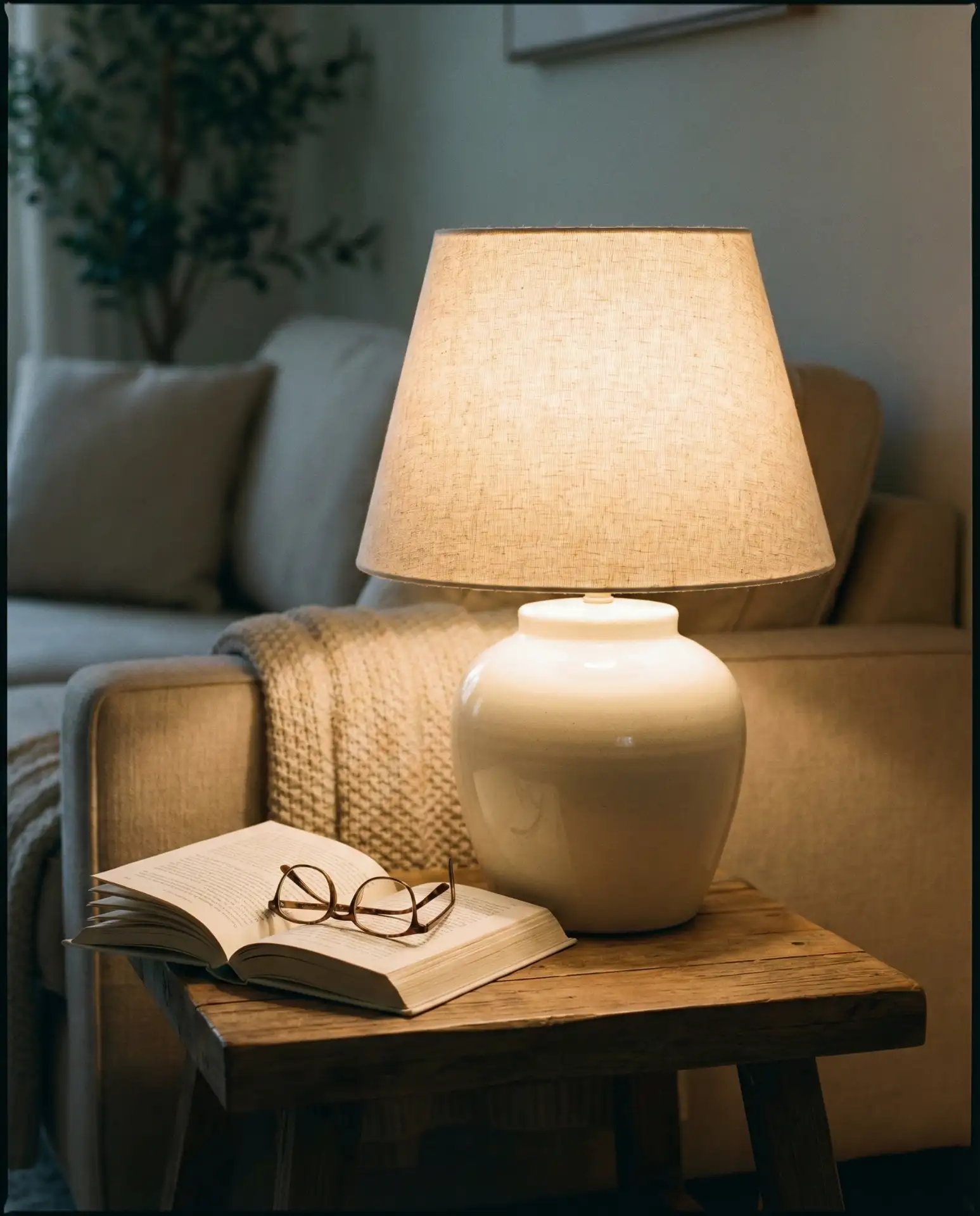
Choosing living room table lamps with simple ceramic or stoneware bases in soft whites, creams, or earthy tones adds warmth and texture to French country interiors. Their handmade quality—visible in slight irregularities and glaze variations—brings artisanal character to side tables and consoles. Paired with linen shades, they cast a gentle, diffused light perfect for evening reading or conversation. It’s functional lighting that quietly elevates the everyday.
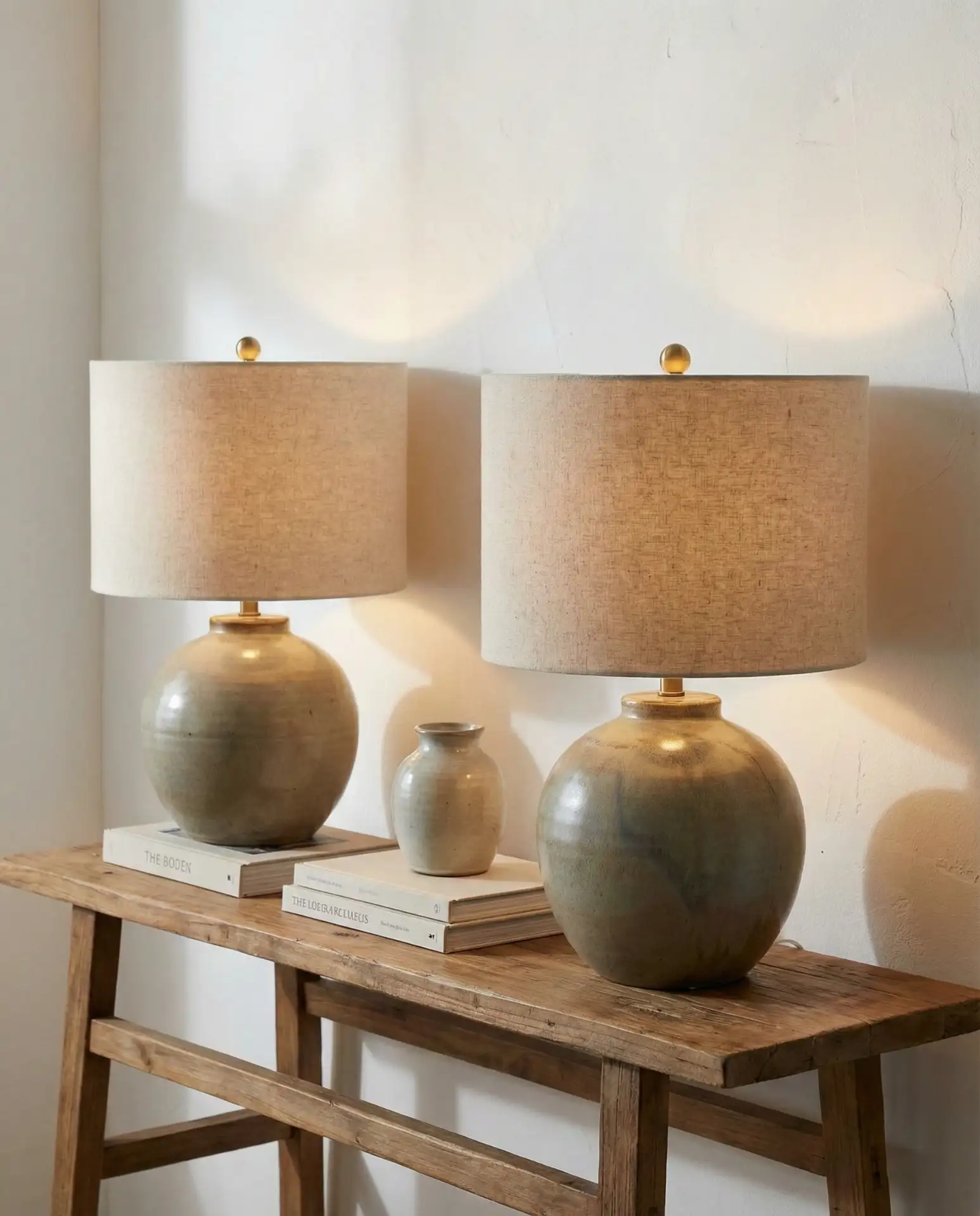
Where this works best is in rooms that need ambient lighting layers but don’t have overhead fixtures or where overhead lighting feels too harsh. A common error is mismatching lamp heights—if you’re using two on either side of a sofa or bed, they should be the same height when lit, even if the bases differ slightly. Also, invest in good bulbs; warm white (2700-3000K) mimics candlelight and feels infinitely more inviting than harsh daylight-spectrum bulbs.
21. Simple Wood Peg Rails for Coats and Bags
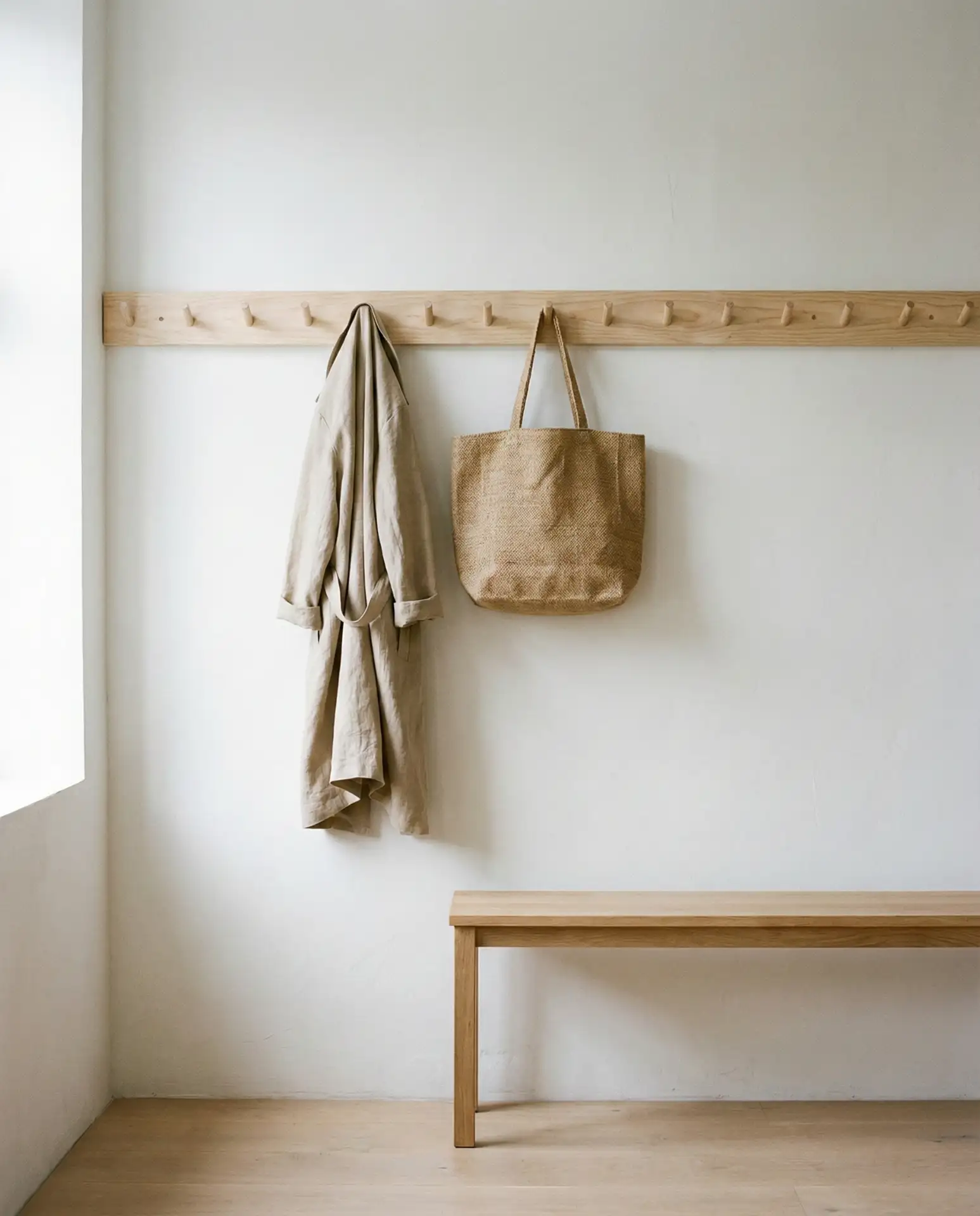
Installing a horizontal wood peg rail in mudrooms or entryways offers practical storage with understated charm. The pegs’ simple round shape and natural wood finish keep the look clean and unfussy, while their spacing allows for coats, bags, and scarves to hang without crowding. It’s a Shaker-inspired detail that fits seamlessly into French country interiors, prioritizing function without sacrificing beauty. Plus, it’s incredibly easy to install and adapt to any wall length.
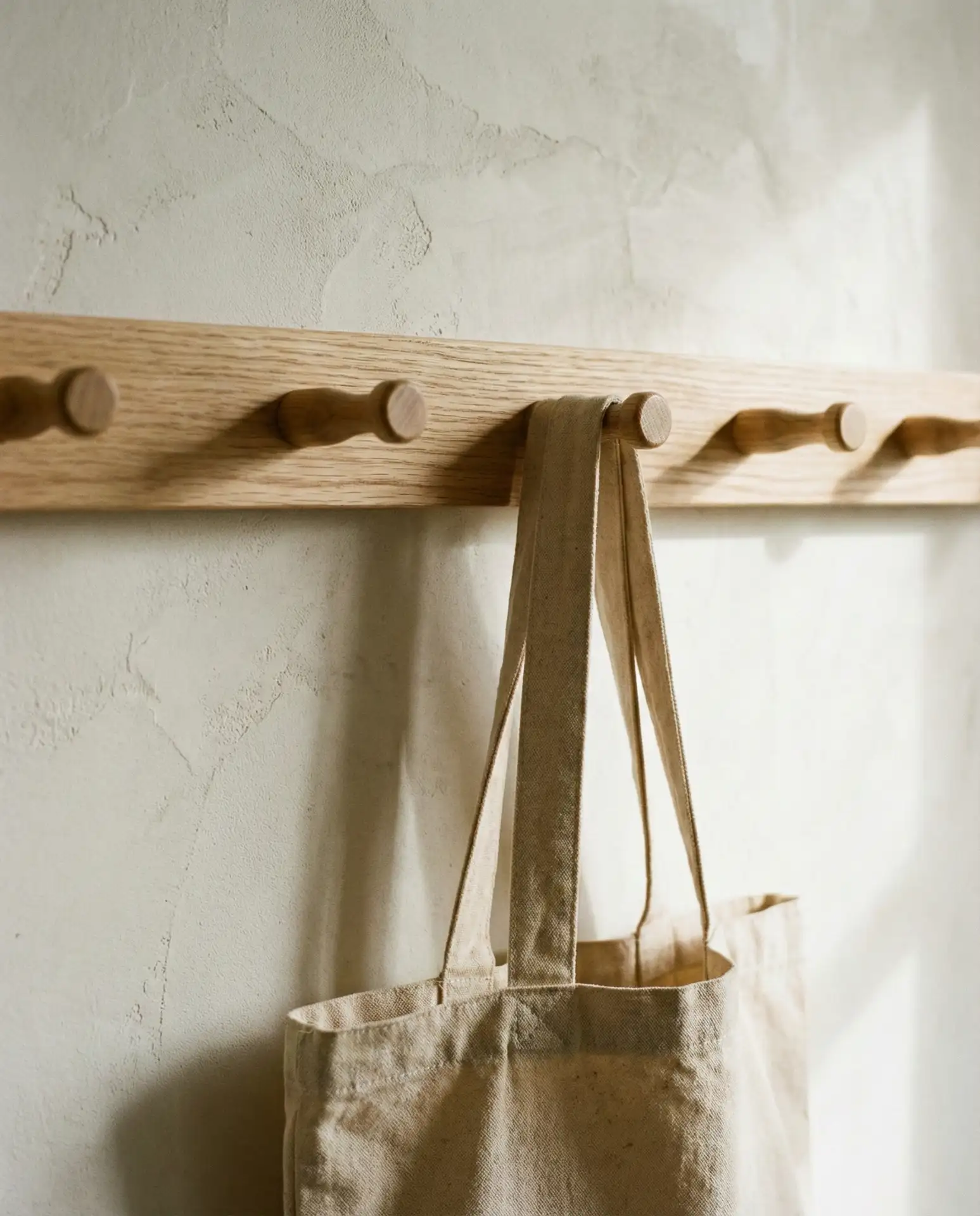
This solution is especially popular in older homes where closets are scarce or awkwardly placed. It’s also one of the more affordable updates you can make—pre-made peg rails run under a hundred dollars, or you can easily DIY one for even less. The trick is positioning it at the right height: around 60-65 inches from the floor for adult use, lower if it’s primarily for kids. And don’t overcrowd it; leave breathing room between items so it doesn’t look like a thrift store rack.
22. Neutral Painted Cabinets with Glass Fronts
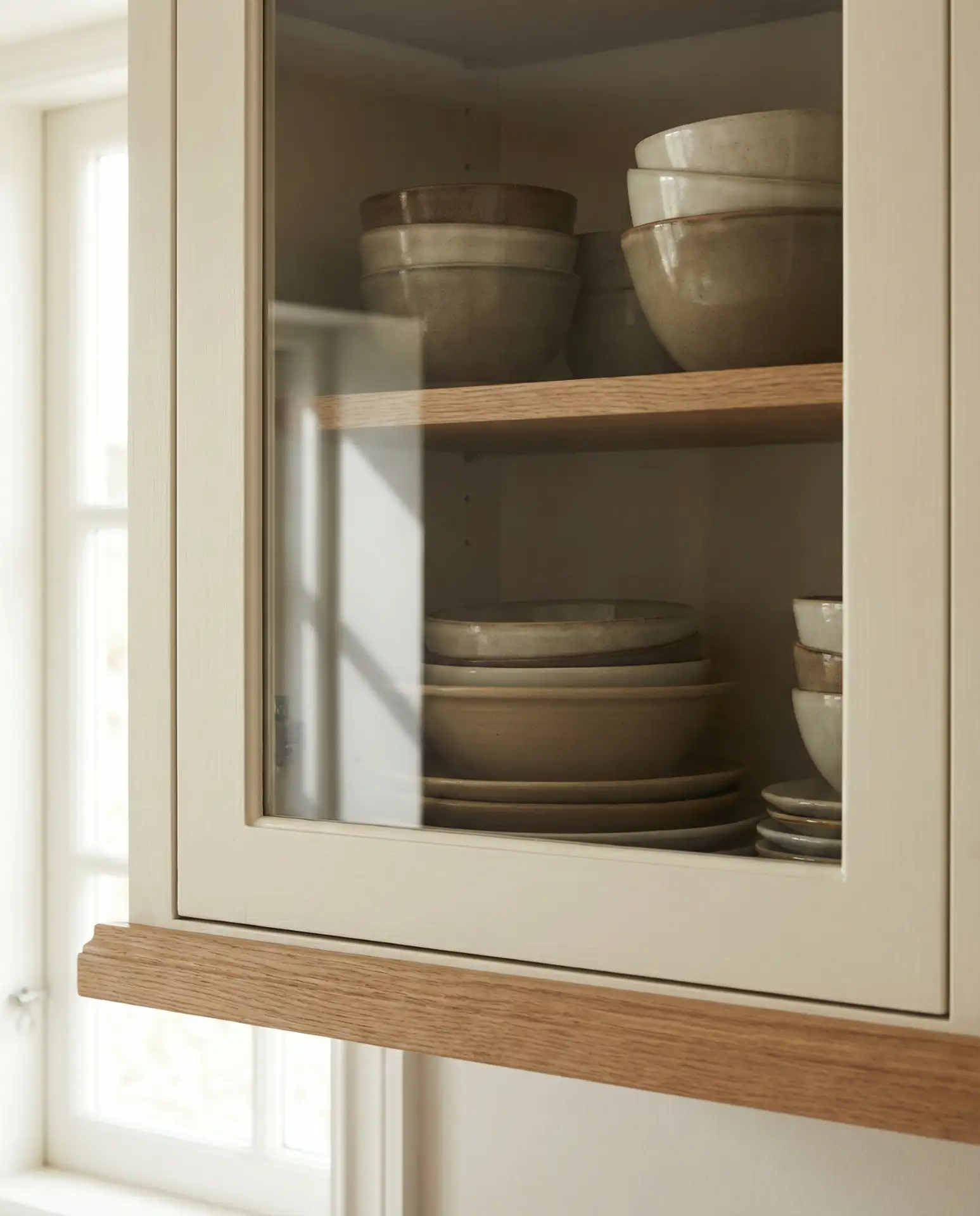
Painting kitchen cabinets in soft greige, warm white, or pale gray and adding glass-front doors creates visual lightness while showcasing beautiful dishware. The transparency breaks up solid expanses of cabinetry and invites you to curate what’s displayed inside—encouraging a more intentional approach to kitchen items. It’s a detail that makes kitchens feel more open and thoughtfully composed, like someone took the time to arrange things just so.
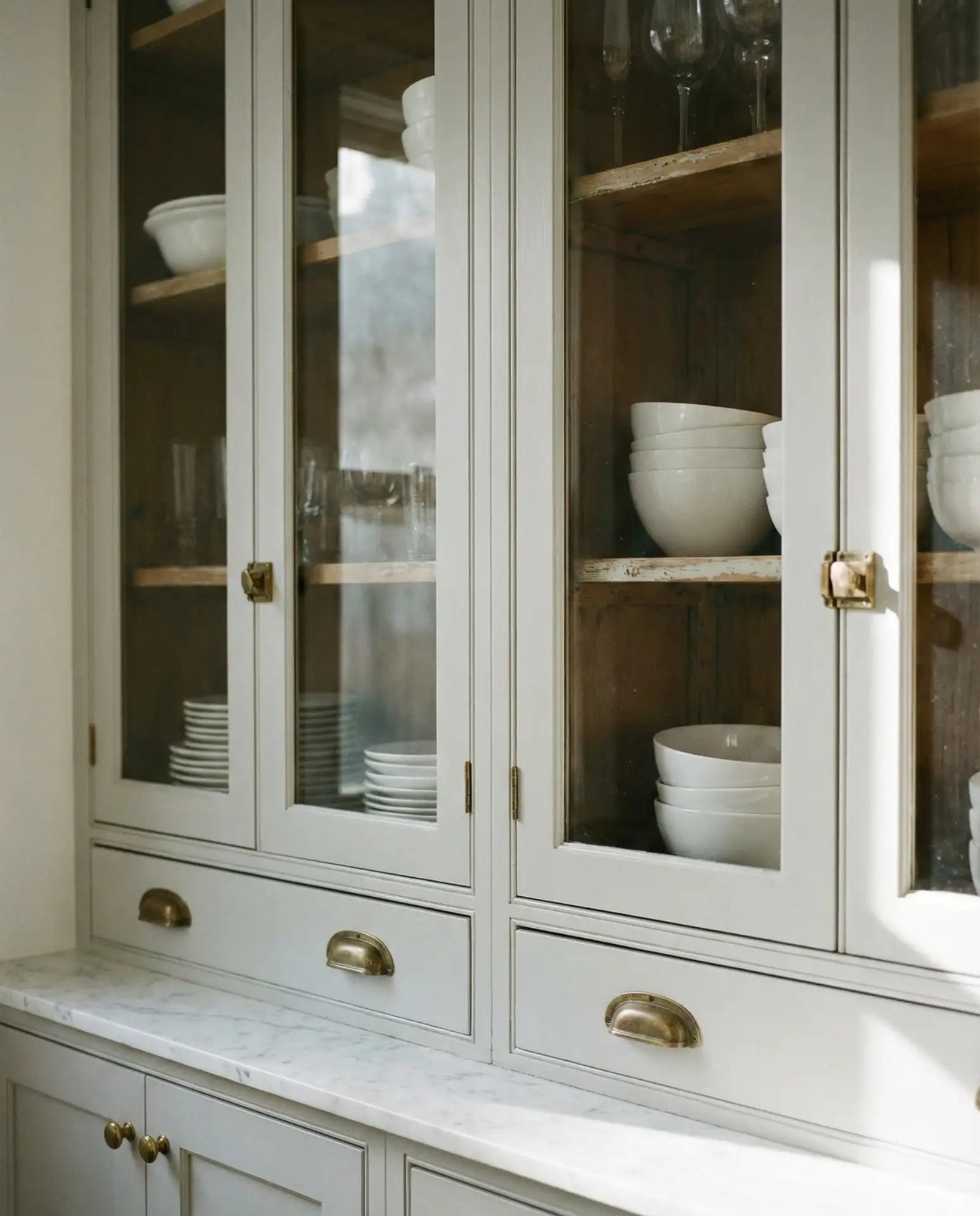
One thing people often overlook is that glass-front cabinets mean everything inside becomes part of the visual landscape—so you need to be tidier and more selective about what you store there. If that feels like pressure, designate just a few upper cabinets for glass and leave the rest solid. Also, consider seeded or wavy glass instead of perfectly clear; it still shows what’s inside but softens and obscures enough to be more forgiving.
23. Freestanding Bathtub on a Platform
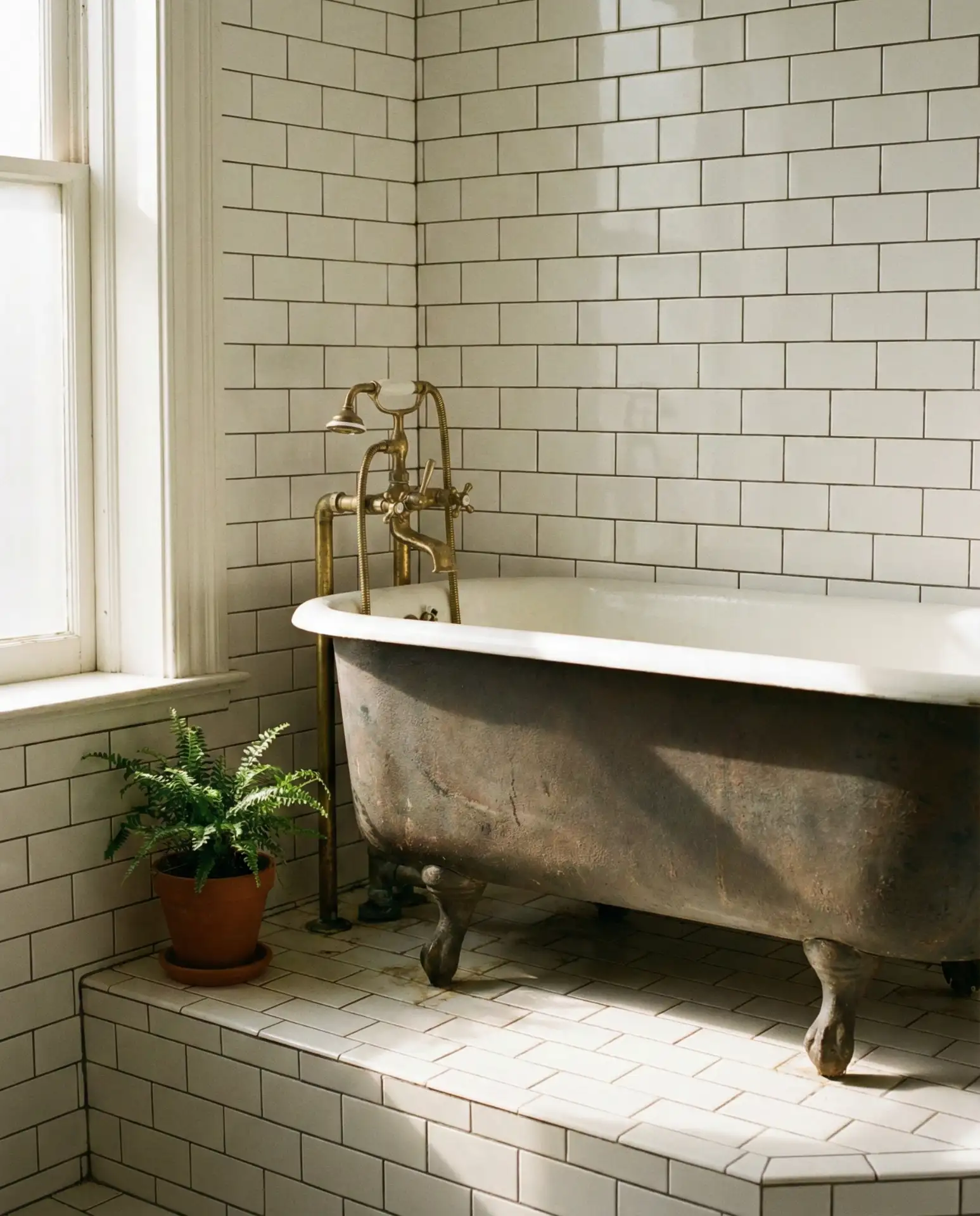
A classic freestanding tub—whether cast iron, copper, or modern acrylic—positioned on a low tiled or wood platform becomes the centerpiece of a French country bathroom. The elevation gives it presence and allows for practical plumbing concealment, while the tub’s sculptural form feels like furniture as much as a fixture. Paired with a simple brass floor-mounted faucet and a small stool for linens, it’s a bathing experience that feels indulgent yet grounded. It’s where function meets quiet luxury.
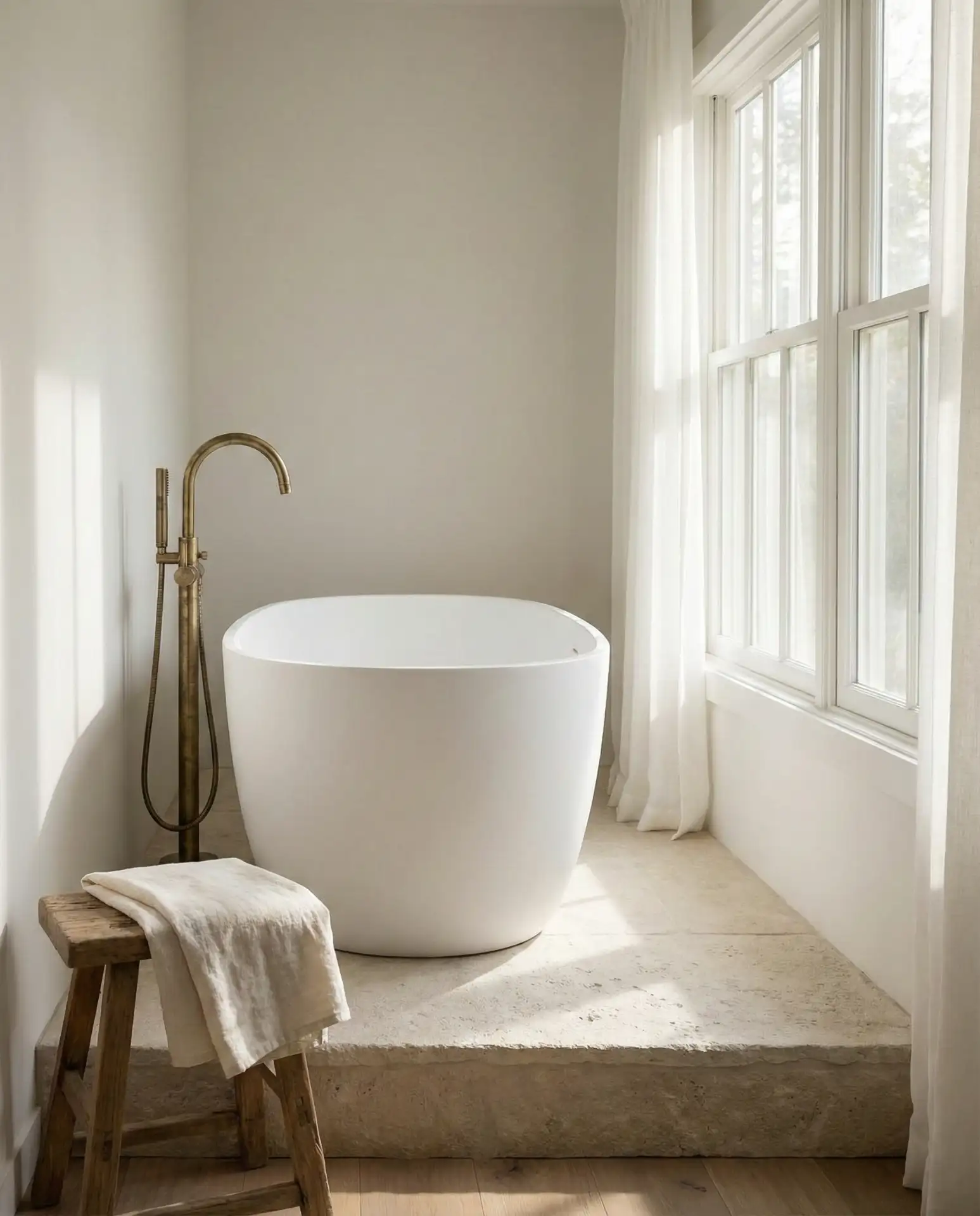
This setup works best in bathrooms with decent square footage—cramming a freestanding tub into a tiny room can make it feel awkward. If you’re working with limited space, consider skipping the platform and placing the tub directly on the floor, which still looks beautiful but takes up less visual room. Regarding materials, cast iron holds heat better but weighs a ton (check your floor joists), while acrylic is lightweight and budget-friendly but can feel less substantial.
24. Wide-Plank Reclaimed Wood Flooring
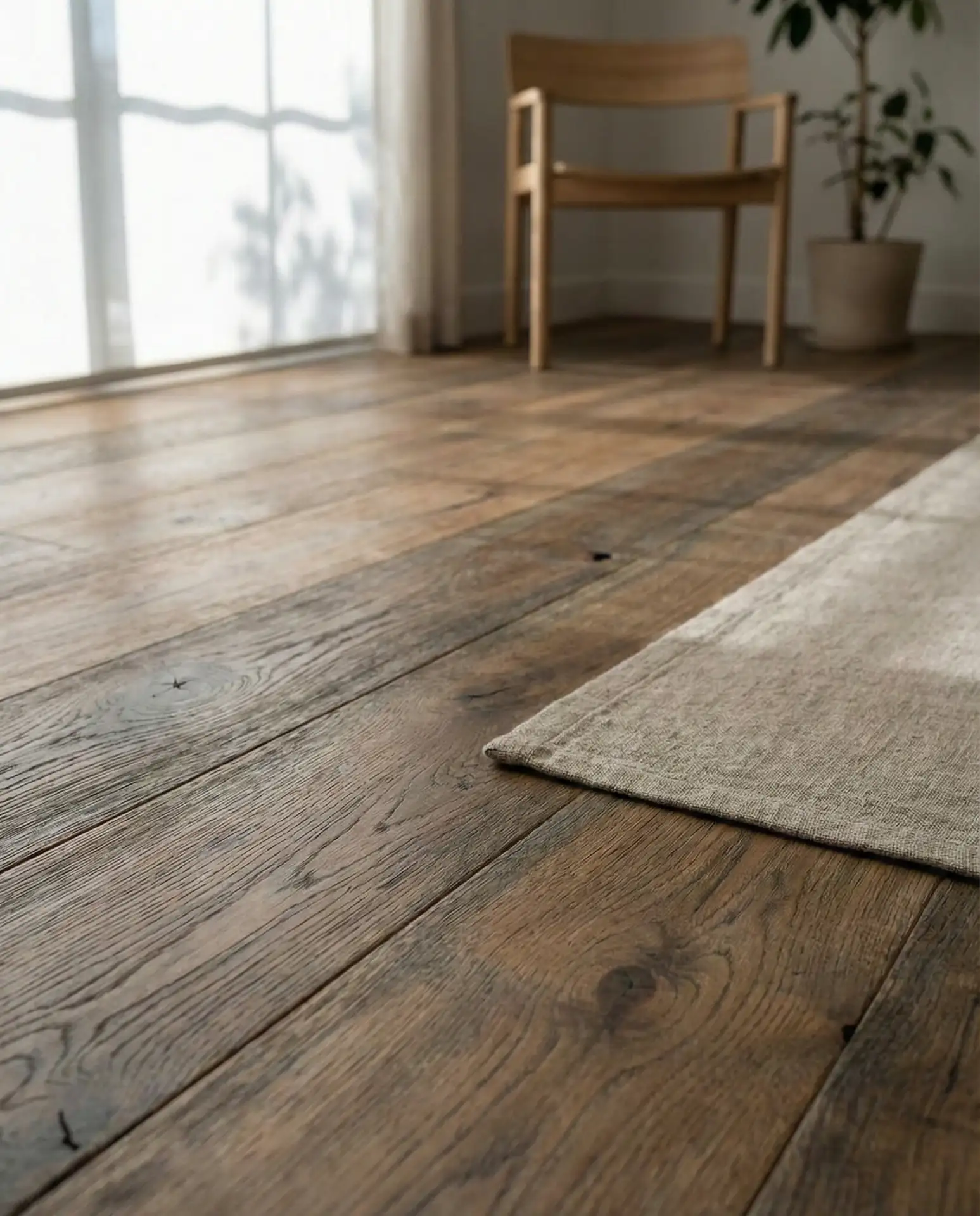
Installing wide-plank reclaimed wood floors throughout living spaces brings instant warmth and character that new wood simply can’t replicate. The boards’ variations in tone, grain, and texture create a rich, lived-in foundation that grounds furniture and decor. Each plank tells its own story through nail holes, saw marks, and natural aging—details that add depth rather than distraction. It’s a flooring choice that only improves over time, developing more patina with wear.
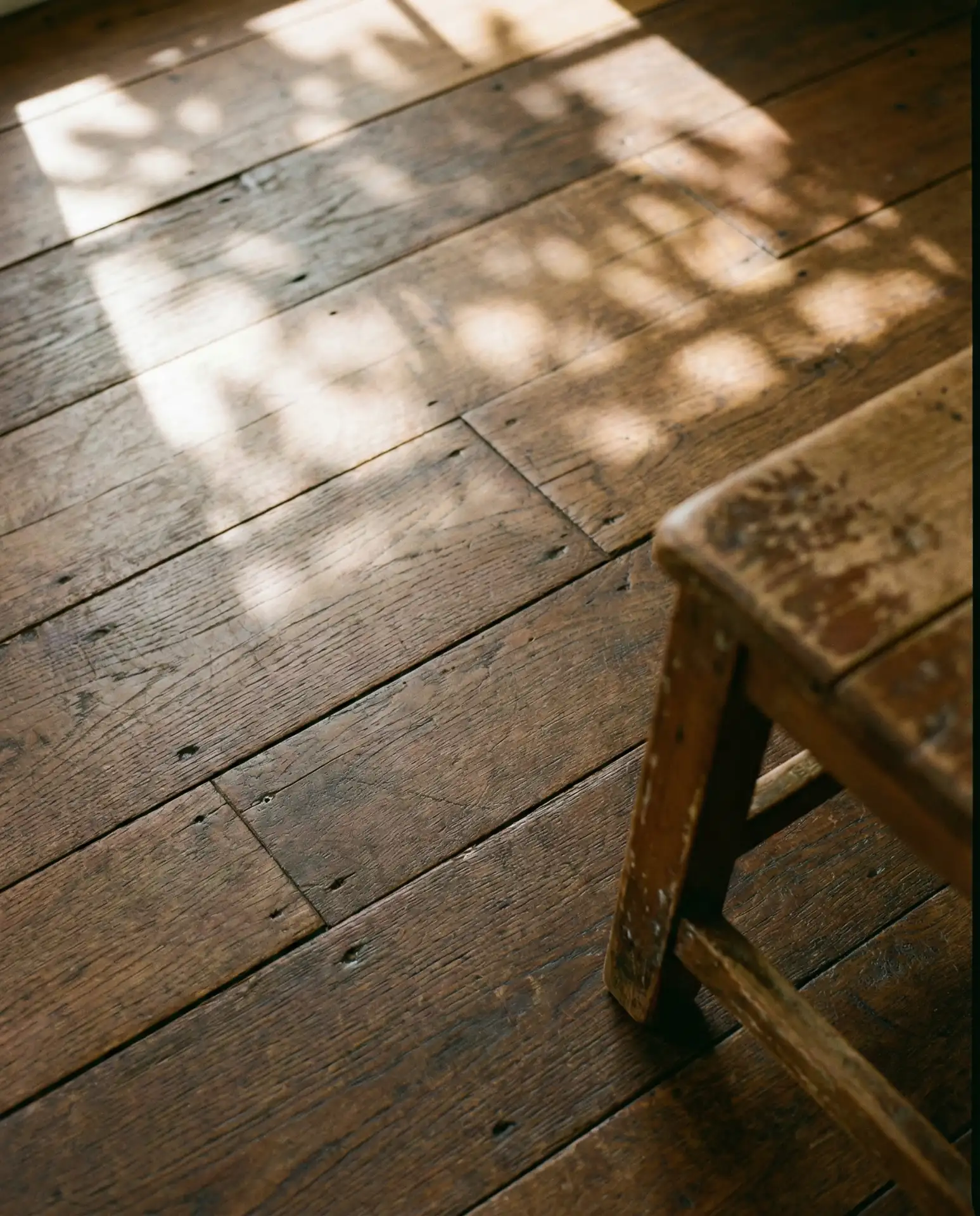
Across New England and the Mid-Atlantic, reclaimed flooring salvaged from old barns and factories has become a sought-after option, though it’s gained traction nationwide. Installation can be more complex than new wood—boards may need custom milling to achieve uniform thickness—so budget for skilled labor. Price-wise, it’s typically higher than standard hardwood, but many homeowners view it as an investment in authenticity and sustainability. Just be sure boards are properly dried and acclimated before installation to prevent warping or gaps.
Conclusion
French country decorating in 2026 continues to prove that style rooted in comfort, authenticity, and quality materials never truly goes out of fashion. These ideas offer endless ways to bring that warm, collected aesthetic into your own home—whether you’re renovating a whole kitchen or simply swapping out a few textiles. We’d love to hear which ideas resonate with you most, or if you’ve tried any of these approaches in your own space. Share your thoughts in the comments below.