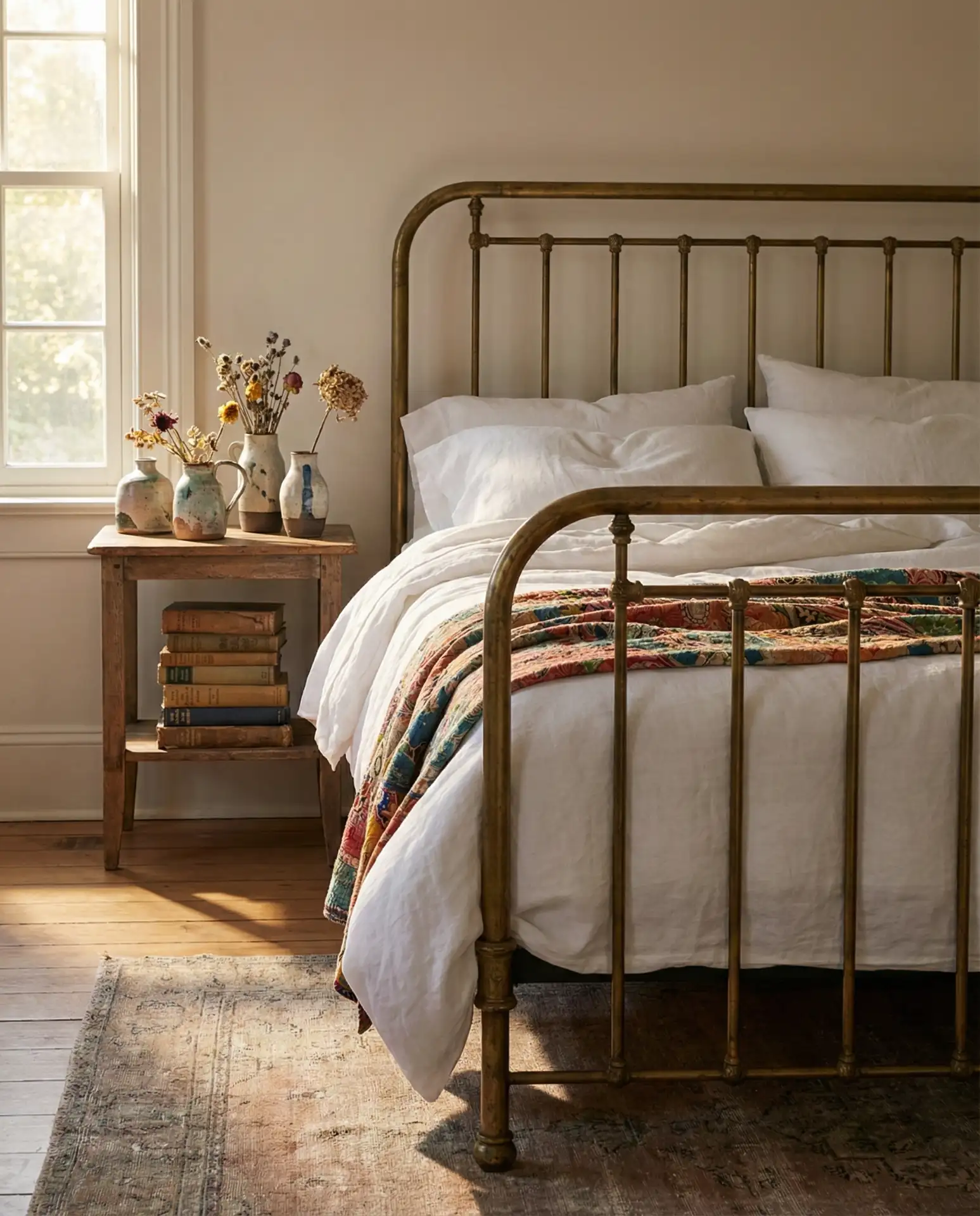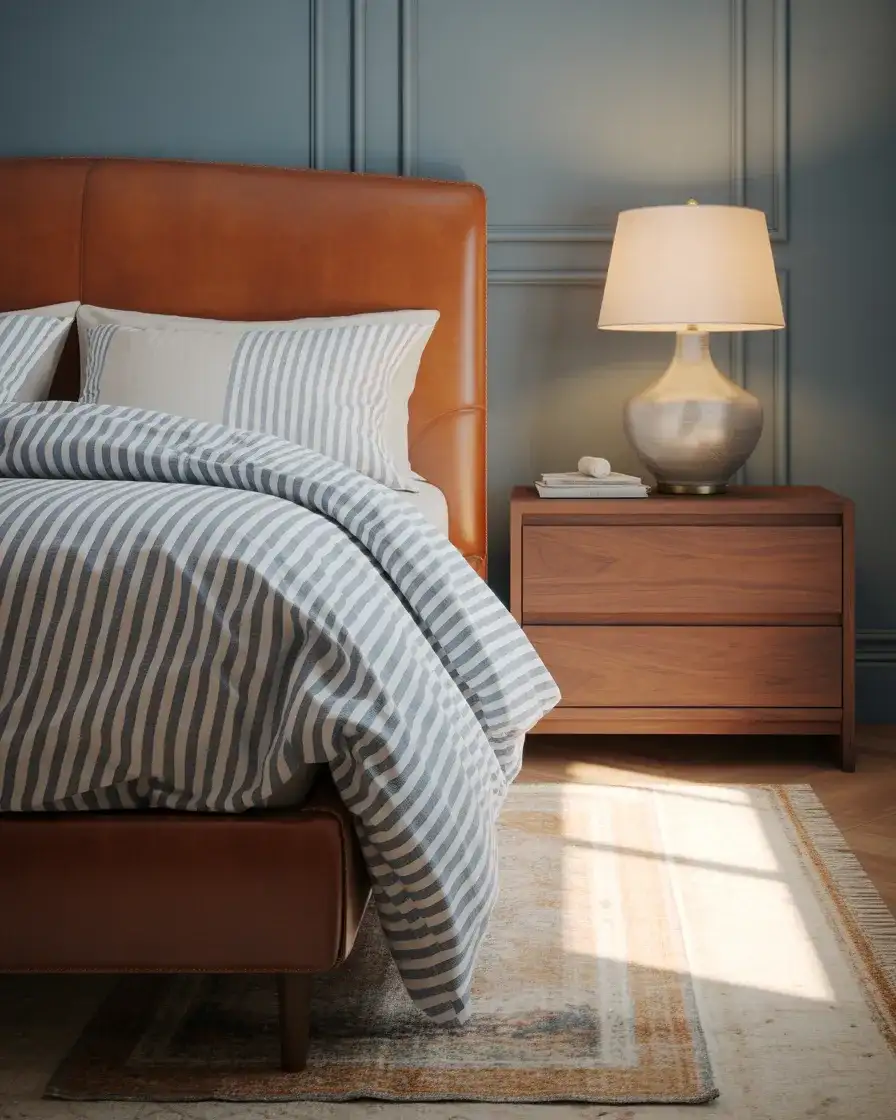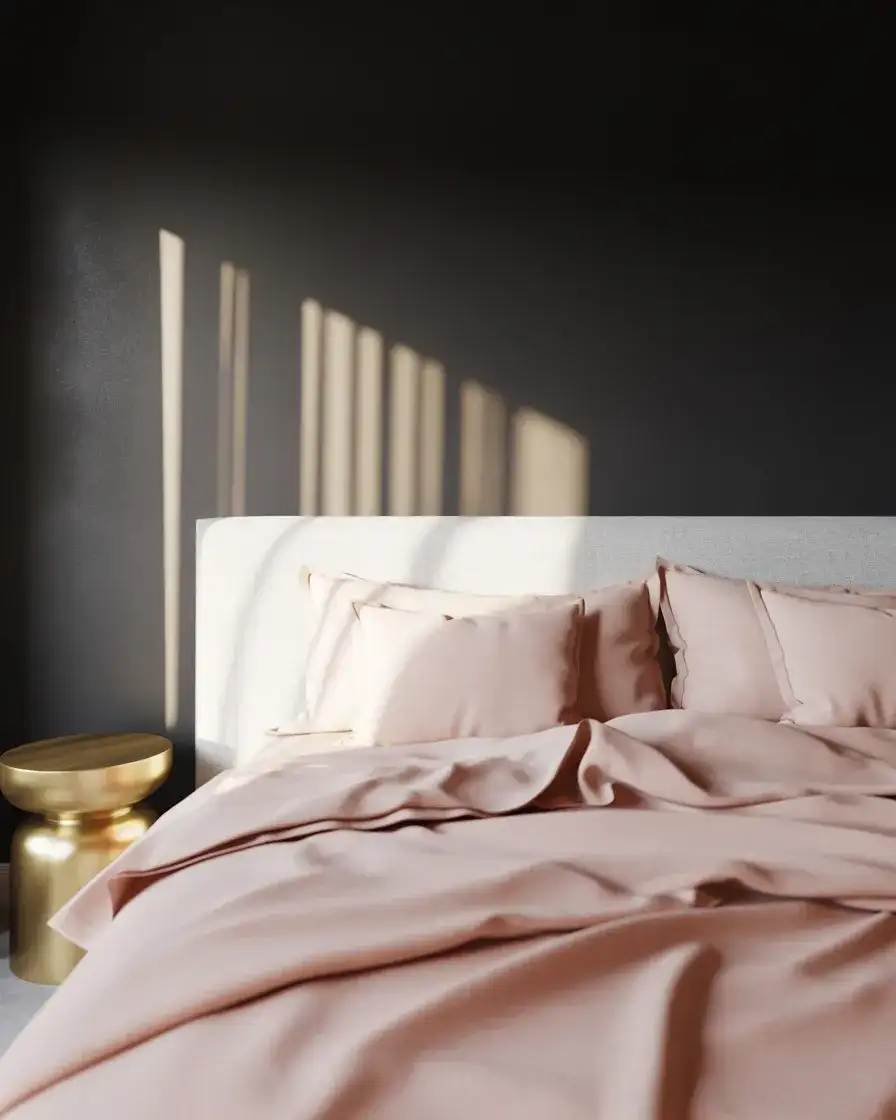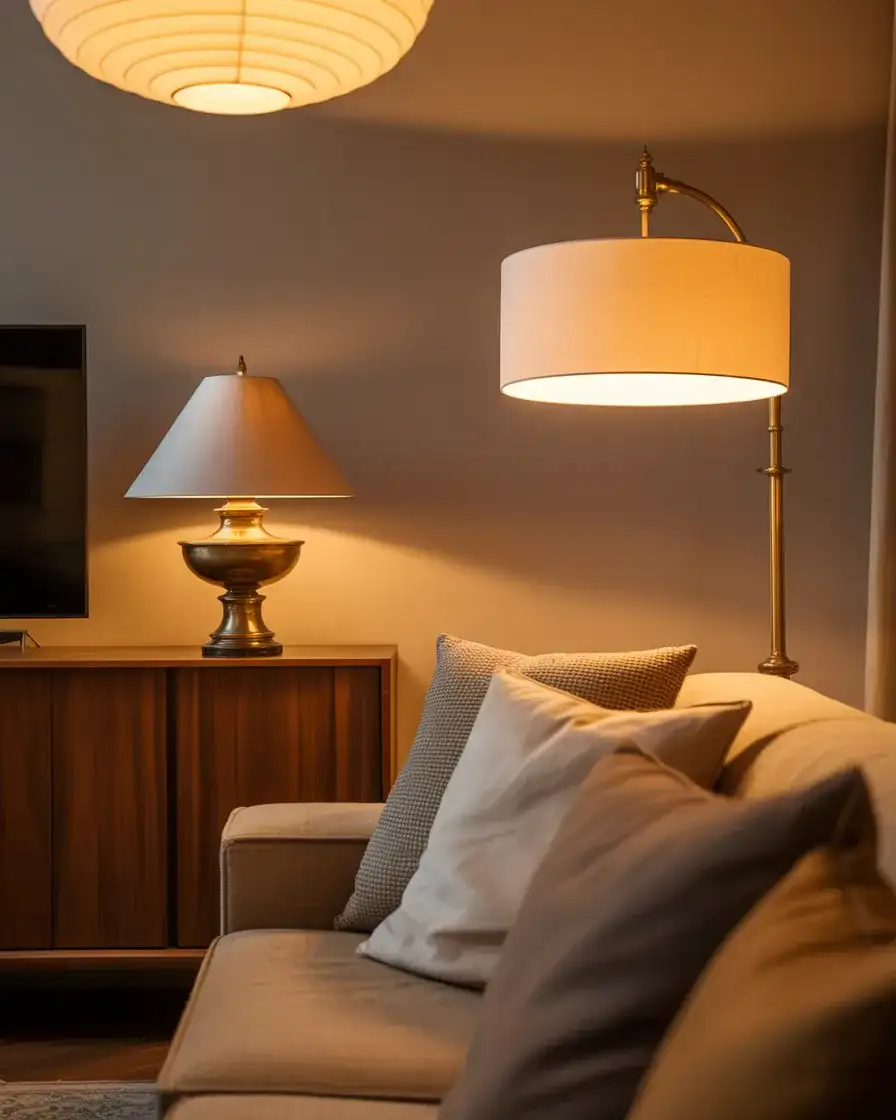
Guest bedrooms are no longer just spare rooms with a bed—they’ve evolved into thoughtfully designed spaces that balance style, comfort, and personality. In 2026, Americans across all age groups are turning to Pinterest for fresh inspiration, seeking ideas that feel both current and timeless. Whether you’re working with a compact space or a generous layout, the goal is to create a welcoming retreat that makes visitors feel truly at home. From coastal calm to modern minimalism, this year’s trends embrace layered textures, smart storage, and personal touches that reflect how we live now. Here are guest bedroom ideas to help you design a space your guests will never want to leave.
1. Cozy Modern Minimalist Haven
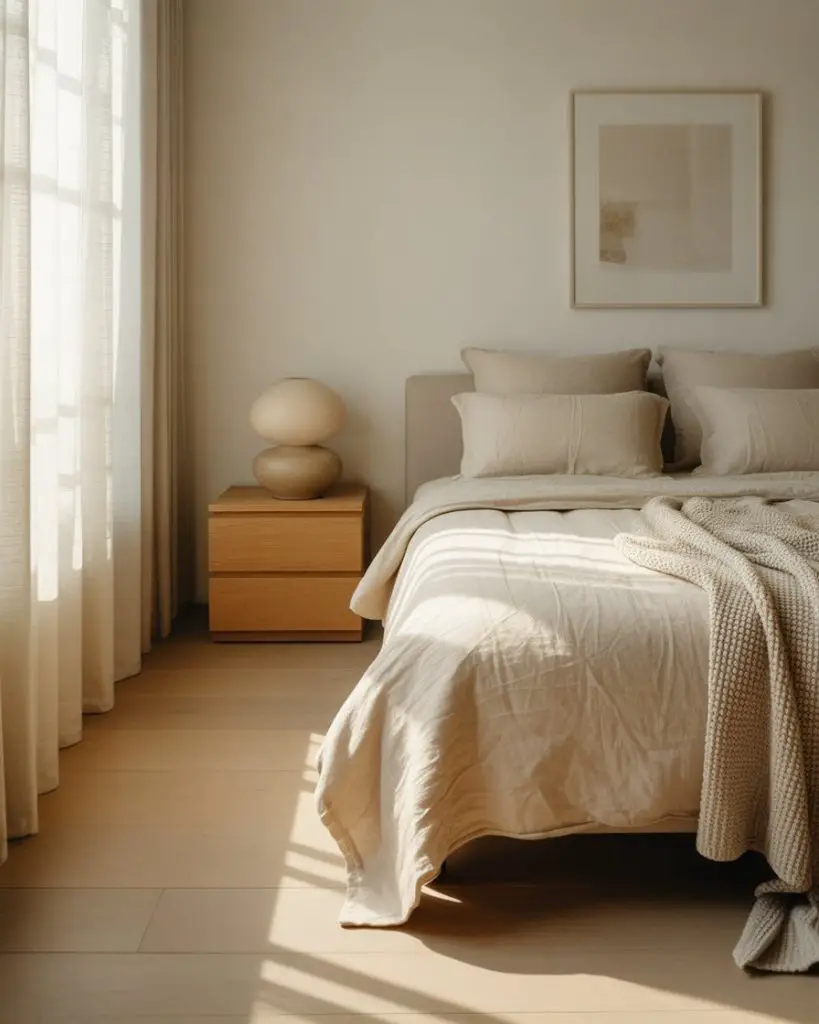
A cozy modern guest bedroom strips away clutter while maintaining warmth through carefully chosen textures and neutral tones. This approach works beautifully in small room settings where every piece needs to earn its place. Think linen bedding in soft ivory, a single statement lamp, and a streamlined nightstand. The simplicity creates a calming environment that appeals to guests who crave a break from visual noise. Layering becomes key—add a chunky knit throw or a woven rug to prevent the space from feeling too stark. 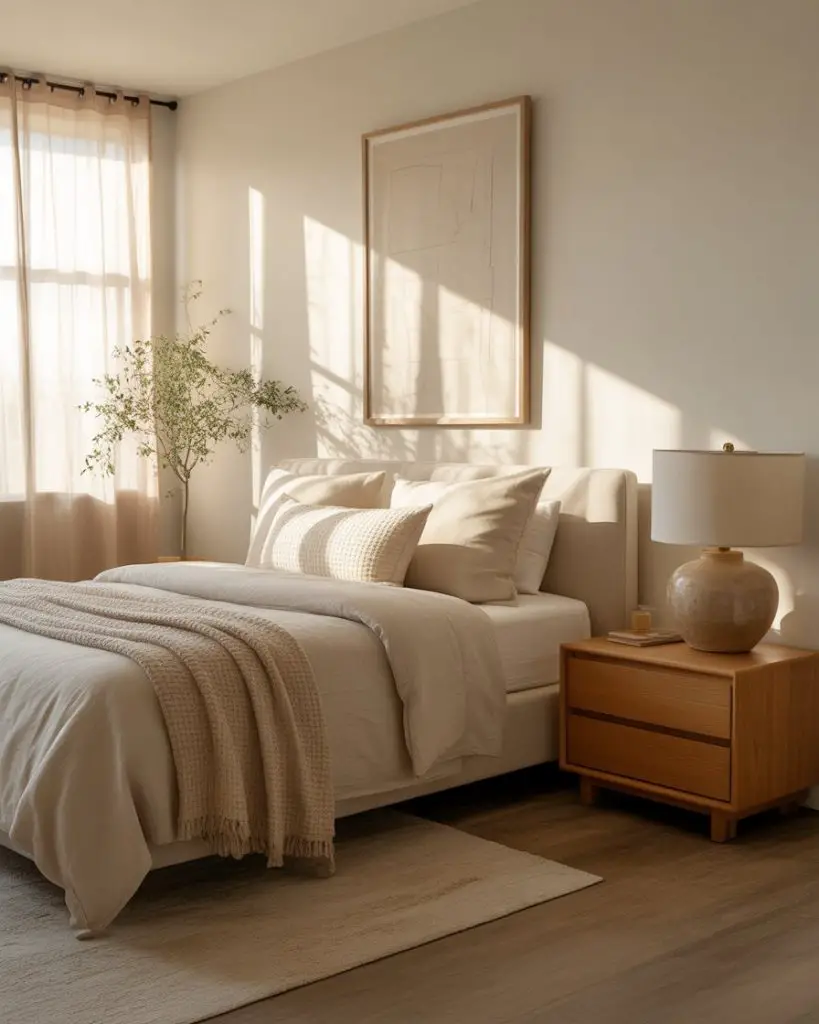
This style particularly suits urban apartments and newer builds where space comes at a premium. Americans working from home often convert underused rooms into guest quarters, and a minimal approach means the space can double as a meditation corner or reading nook between visits. Keep window treatments simple—sheer linen curtains filter light beautifully without adding visual weight. A small tray on the nightstand with a water carafe and glass shows thoughtfulness without overwhelming the clean lines.
2. Twin Beds for Flexible Hosting
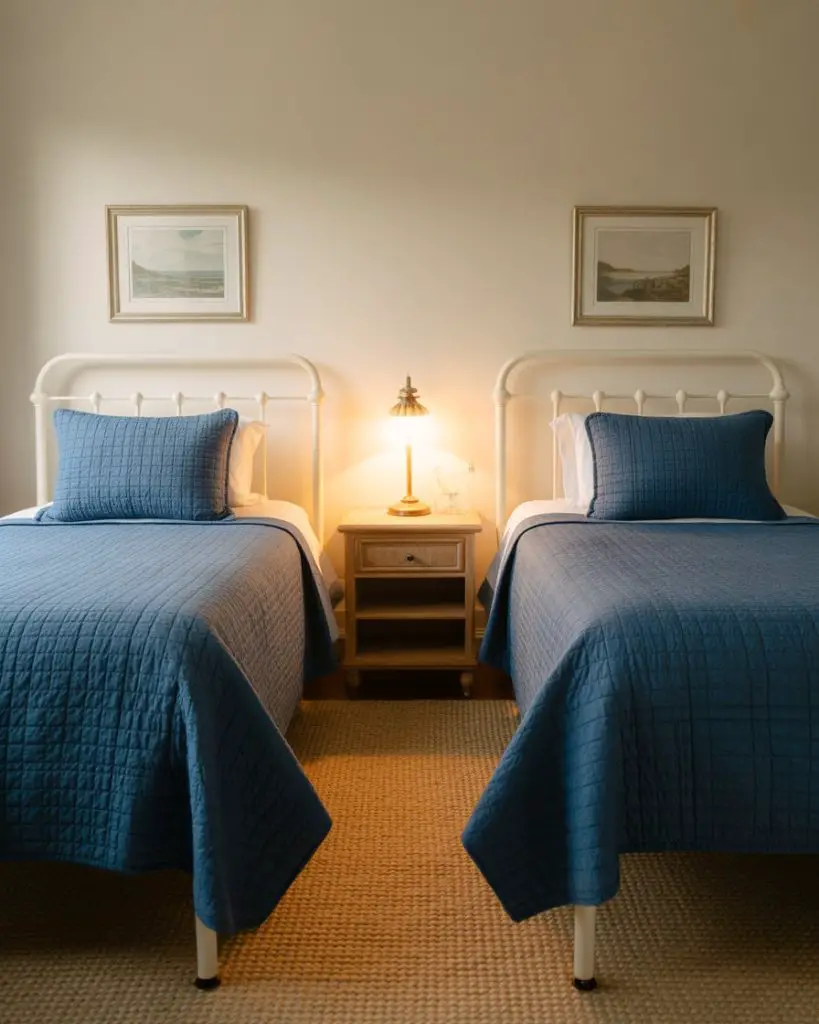
Installing twin beds solves the universal hosting challenge: accommodating friends who don’t share a bed, traveling siblings, or kids visiting grandparents. This layout has surged in popularity as multigenerational travel increases across America. Position the beds parallel with a shared nightstand between them, or angle them in an L-shape for larger rooms. The key is making each bed feel equally important—matching bedding, individual reading lights, and symmetrical styling prevent one side from feeling like an afterthought. 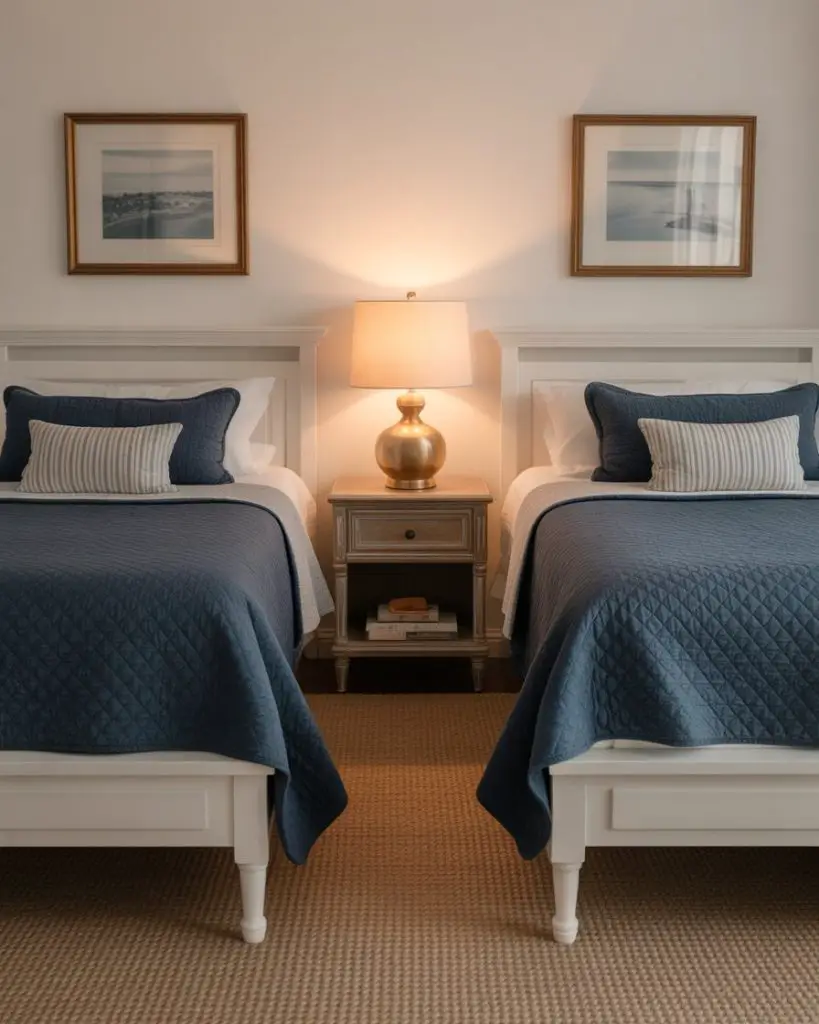
Where this works best: vacation homes, in-law suites, and suburban houses with dedicated guest wings. A design consultant I spoke with noted that families increasingly request twin setups because they extend the room’s useful life—what starts as a kids’ room transitions seamlessly into guest quarters. Consider storage-equipped bed frames; the extra drawers underneath provide overflow space for linens or seasonal clothing without requiring a separate dresser. Wall-mounted reading lights preserve nightstand space and look intentionally designed.
3. Daybed for Multi-Purpose Living
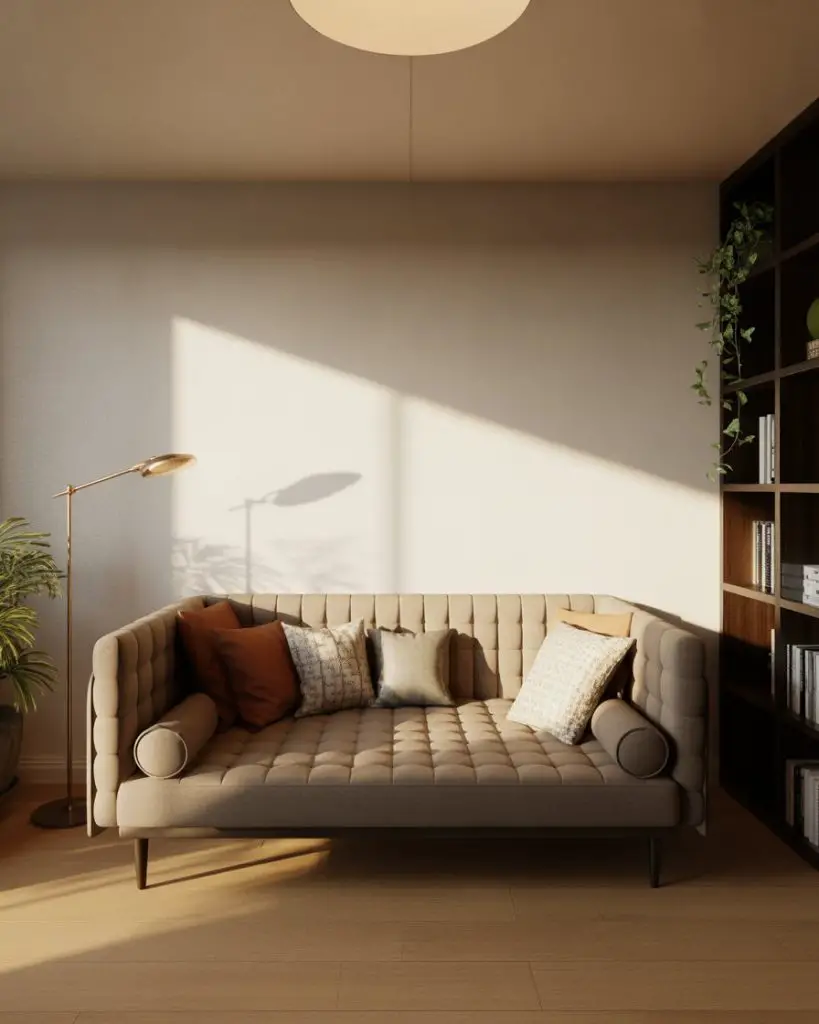
A daybed transforms a guest bedroom into a year-round usable space, functioning as both seating and sleeping surface. This solution appeals to Americans with limited square footage who refuse to sacrifice an entire room for occasional guests. Style it with plenty of throw pillows during non-guest periods—it becomes an inviting reading nook or work-from-home retreat. When visitors arrive, simply remove the decorative pillows and add proper bed linens. The versatility makes it one of 2026’s smartest budget-conscious choices. 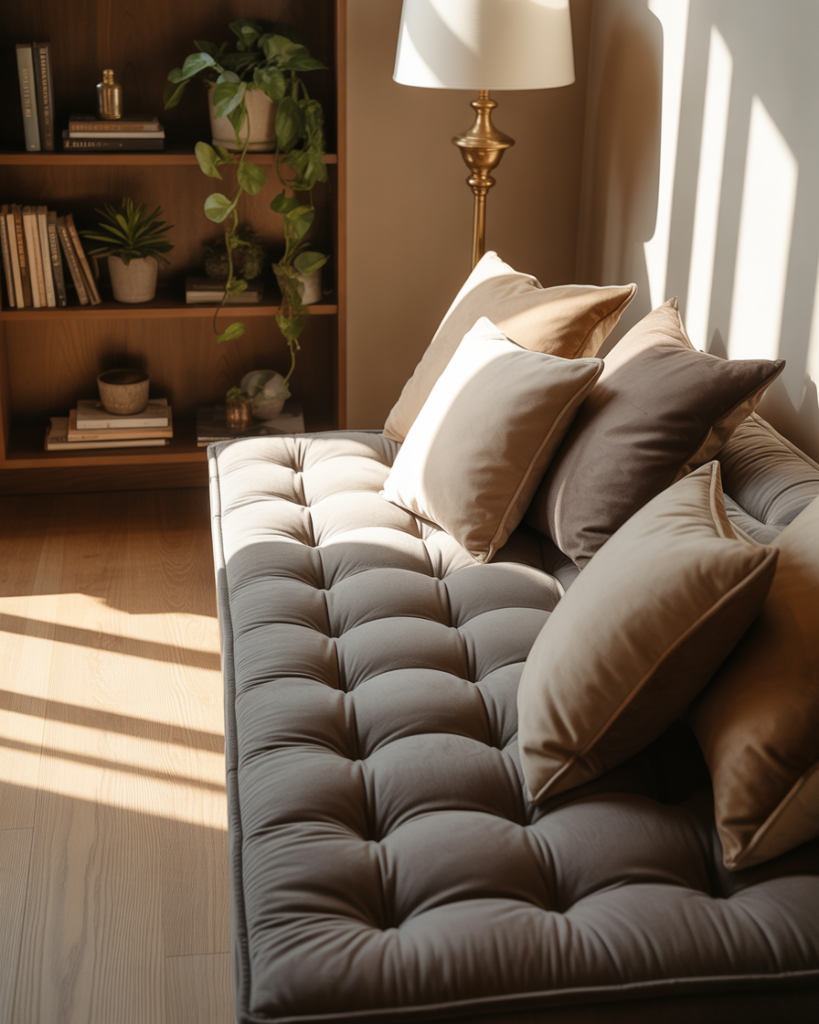
The average American household now hosts guests 4-6 times annually, making dedicated guest rooms feel wasteful during the 340+ days they sit empty. A daybed acknowledges this reality while maintaining hospitality standards. Budget tip: quality daybeds start around $400-600, compared to $800-1,200 for a full bed frame and mattress combo. Add a trundle underneath for bonus sleeping capacity without consuming additional floor space. Position the daybed against the longest wall to maximize flow, and hang curtains behind it to create architectural interest.
4. Bloxburg-Inspired Gaming Aesthetic
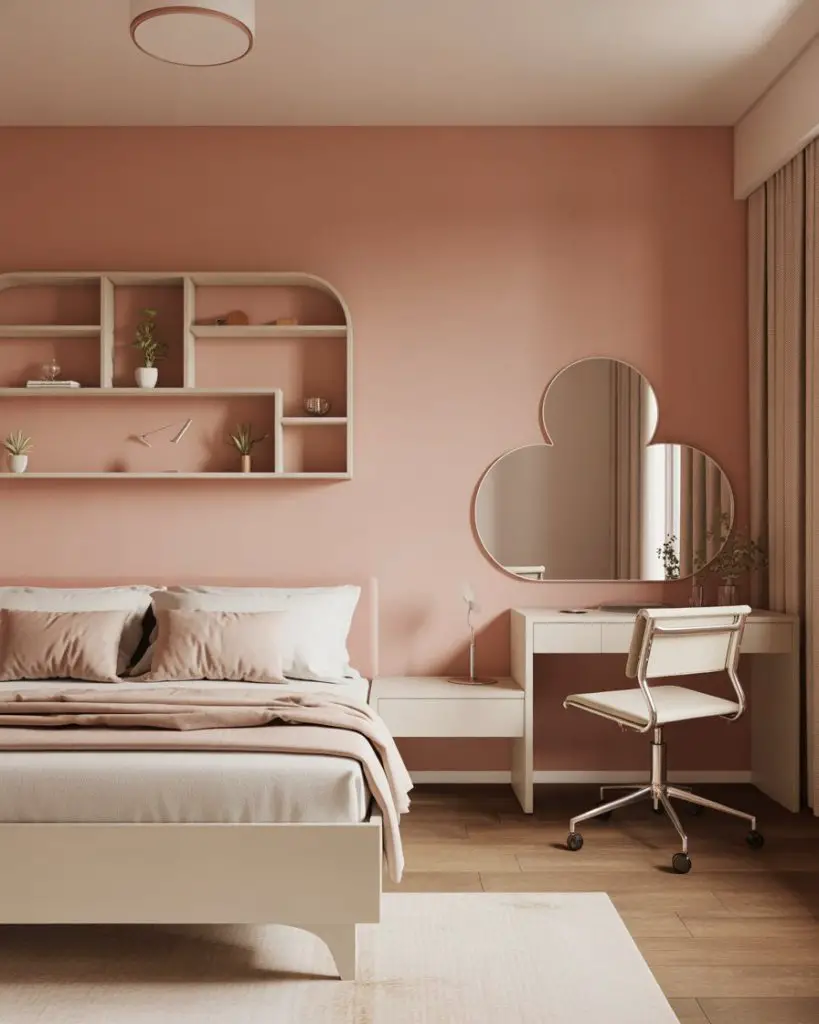
The Bloxburg design trend—originating from the popular Roblox game—has jumped from screens to real bedrooms, particularly appealing to younger homeowners creating spaces for visiting friends. This aesthetic emphasizes clean lines, soft pastels, and intentionally curated accessories that look designed rather than collected. Think millennial pink accents, geometric wall art, and furniture with visible legs that creates an airy feel. The style reads as playful without being juvenile, making guests feel welcomed into a thoughtfully designed environment. 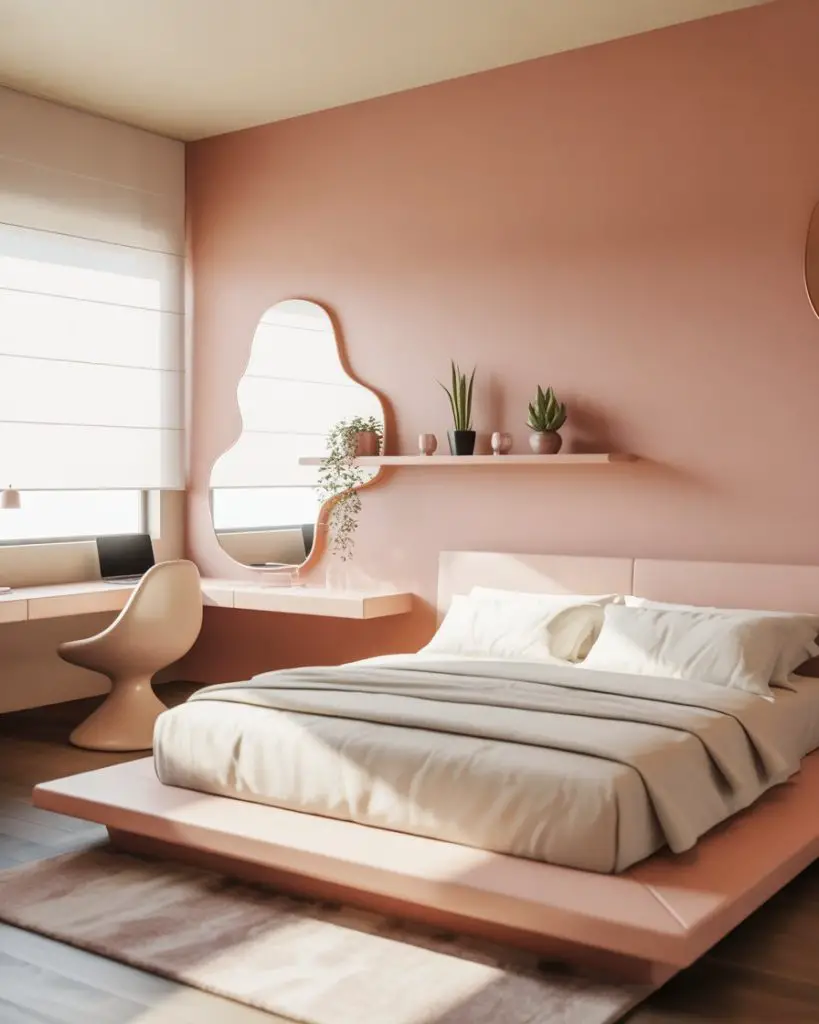
A common mistake with trend-driven designs is over-committing to elements that quickly feel dated. Instead, use Bloxburg principles as inspiration for layout and proportion while keeping major pieces neutral. The aesthetic works particularly well in suburban homes where young couples are establishing their first real guest spaces. Add personality through changeable elements—art prints, throw pillows, small decorative objects—that can evolve as your taste develops. The style’s emphasis on functionality over ornament makes it practical for guests who actually need to use the space.
5. Tiny Room, Maximum Impact
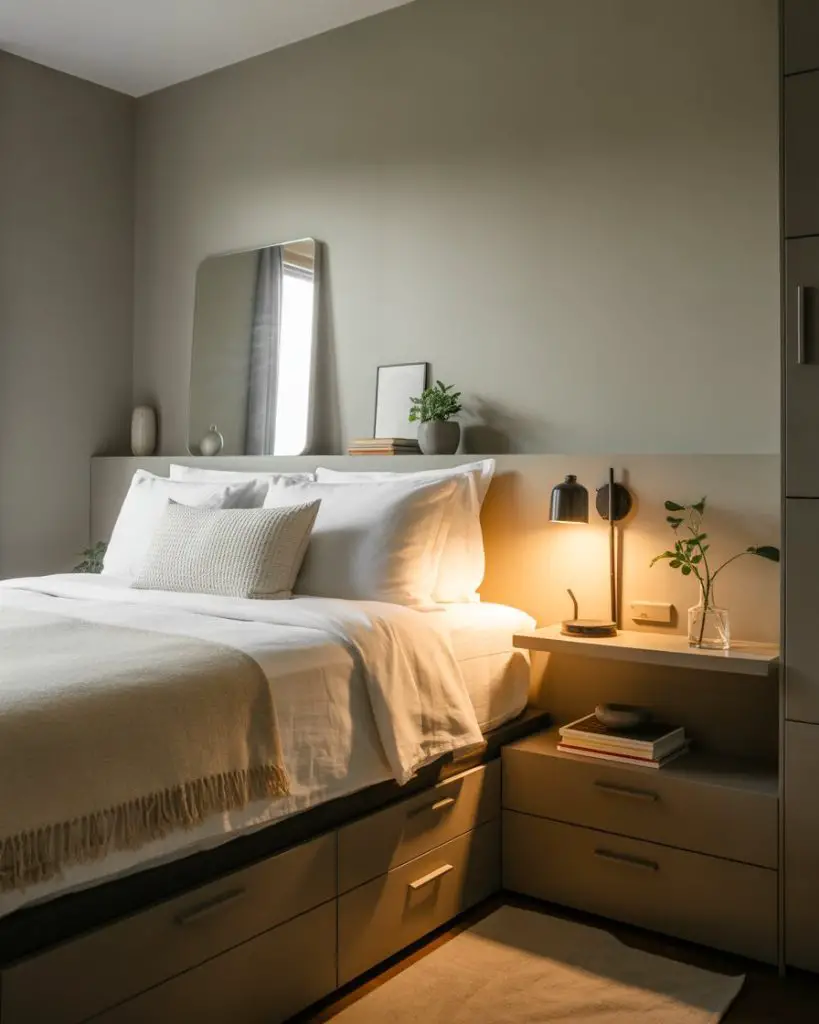
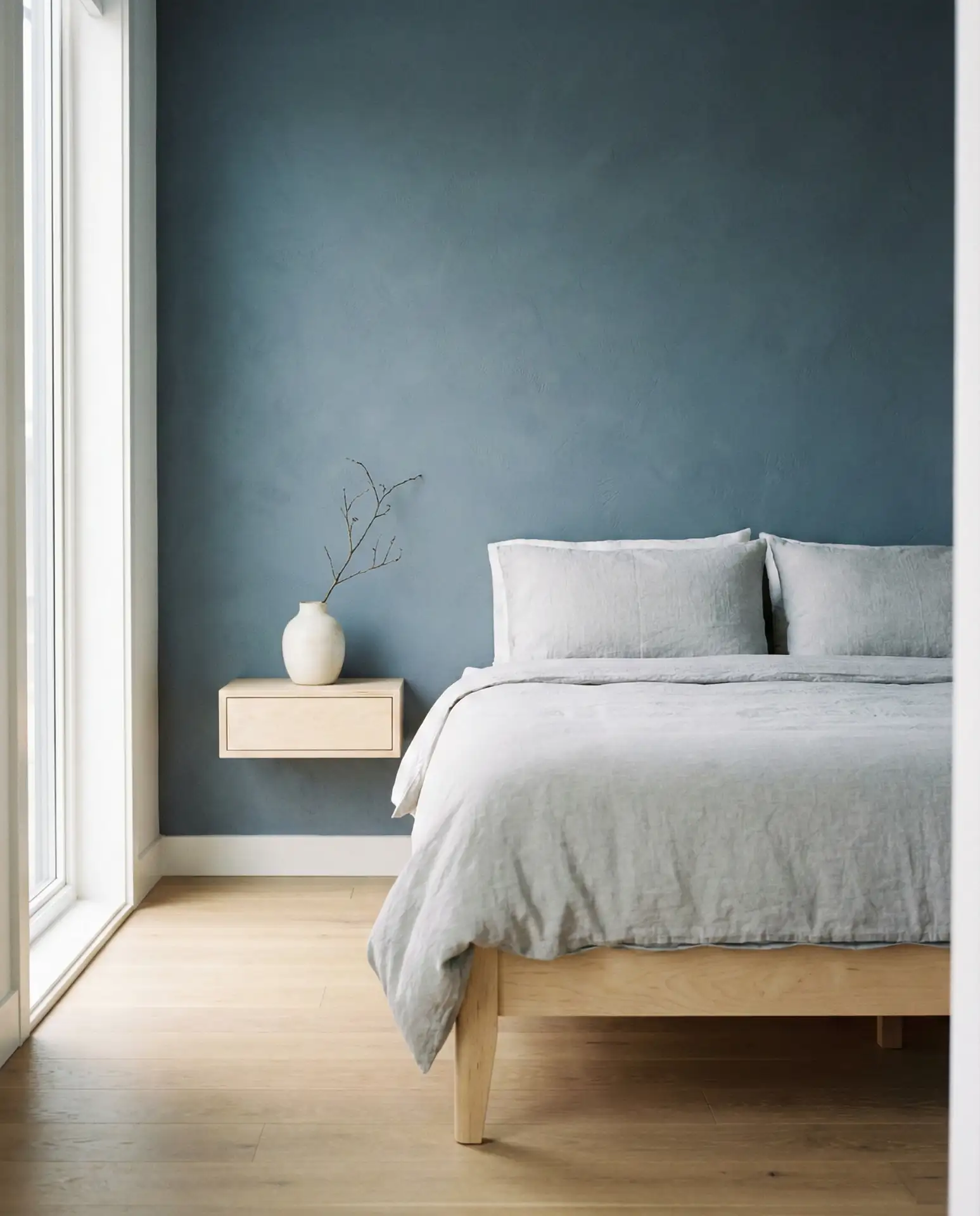
A tiny guest bedroom demands strategic choices that make the space feel intentional rather than cramped. Start with a wall-mounted nightstand that floats rather than sitting on the floor—this single change dramatically opens up visual space. Choose a bed frame with built-in storage underneath, and keep the color palette light to reflect available natural light. Even in tight quarters, you can create a cozy atmosphere through layered lighting: a small pendant or wall sconce instead of space-hogging table lamps. 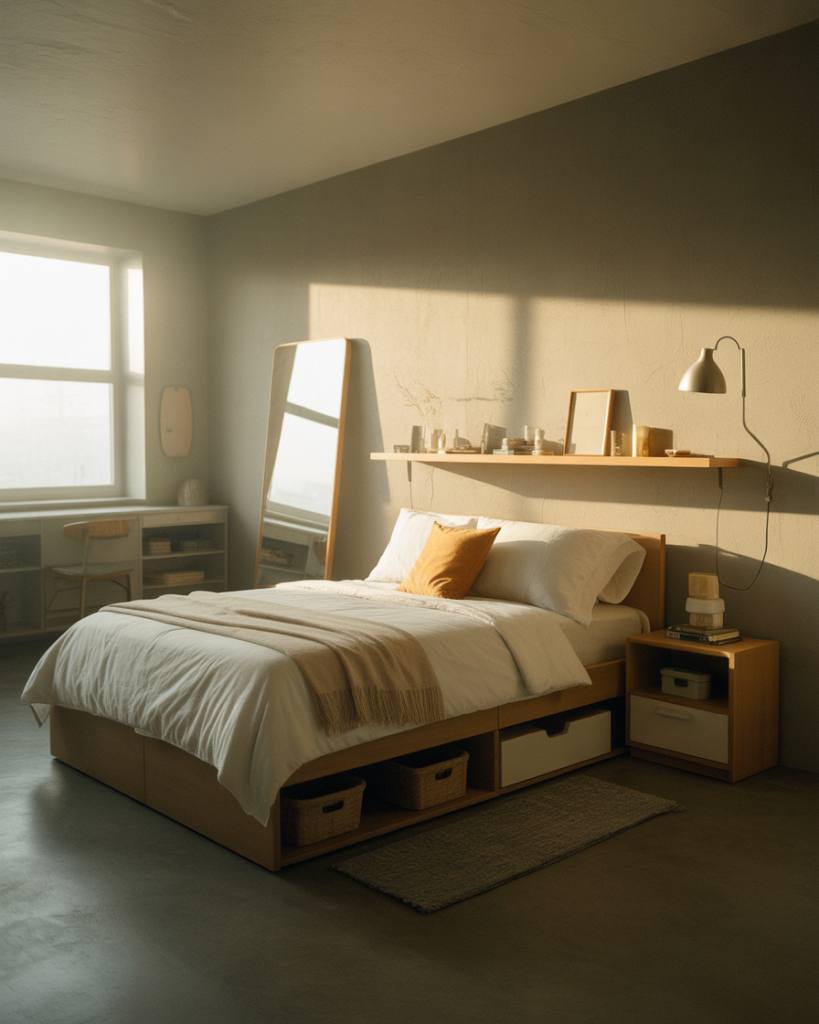
Practical insight: guests primarily need three things in small rooms—comfortable sleeping, a surface for their belongings, and adequate lighting. Everything else is secondary. A narrow console at the foot of the bed serves as luggage rack and display surface. Install a full-length mirror on the back of the door rather than taking up wall space. Consider a murphy bed if the room truly maxes out at 80-90 square feet—modern versions look far more sophisticated than their 1990s predecessors and completely transform space usability when not hosting guests.
6. Fun and Eclectic Mix
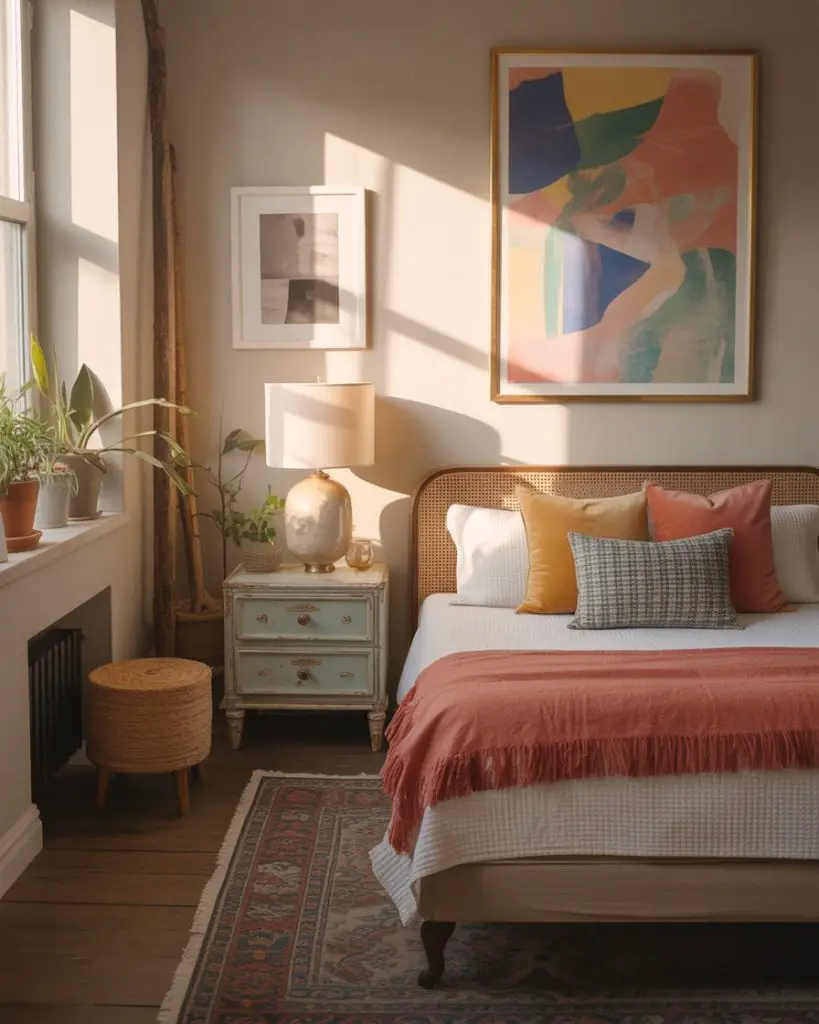
A fun guest bedroom breaks away from safe neutrals and embraces personality through bold pattern mixing, unexpected color combinations, and collected rather than matched furniture. This approach particularly resonates with creative Americans who view their homes as self-expression rather than resale investments. Layer a vintage quilt over modern bedding, hang an oversized abstract painting, or wallpaper a single accent wall in a striking print. The room should feel curated and interesting—somewhere guests will actually want to spend time rather than merely sleep. 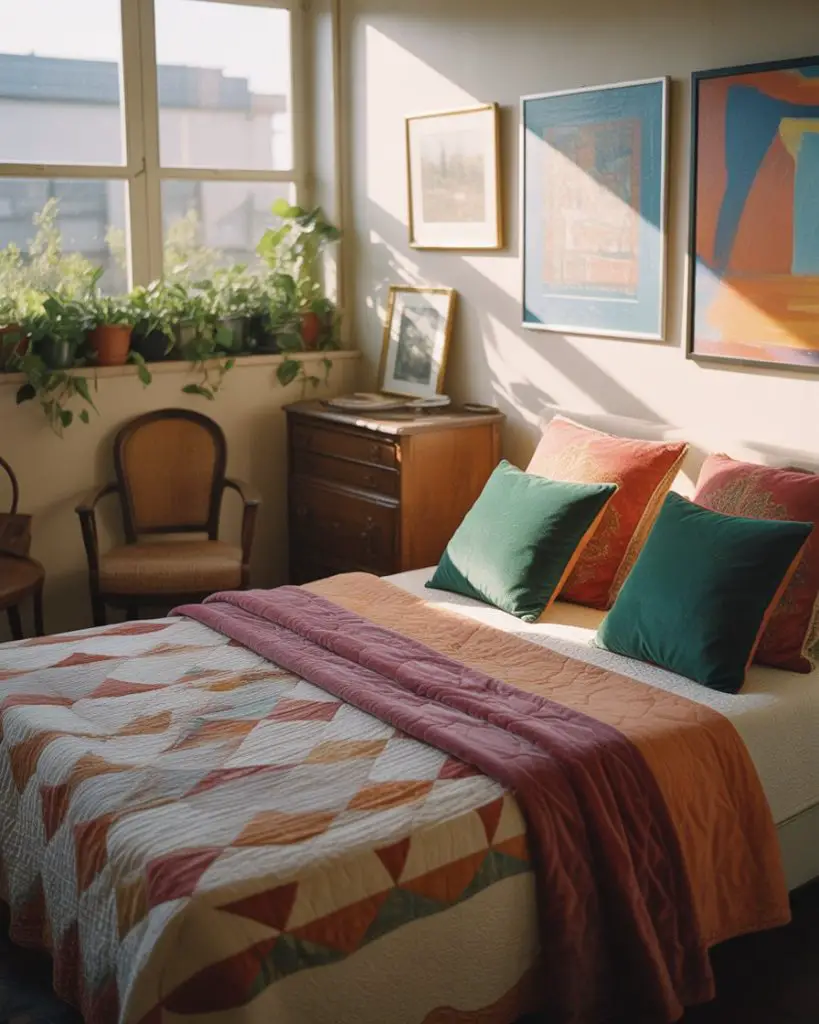
Where this works best: older homes with architectural character, artist studios with guest areas, and urban lofts where the rest of the space already leans unconventional. The key is establishing a unifying element—perhaps a consistent metal finish, a repeated color family, or a shared era of inspiration—that prevents the room from reading as chaotic. Real homeowner behavior shows that guests often remember these personalized spaces far longer than perfectly styled but generic rooms. Consider adding a small bookshelf with actual books, local guides, and magazines—it signals that this room is meant to be enjoyed, not just photographed.
7. Cozy Modern Elegant Retreat
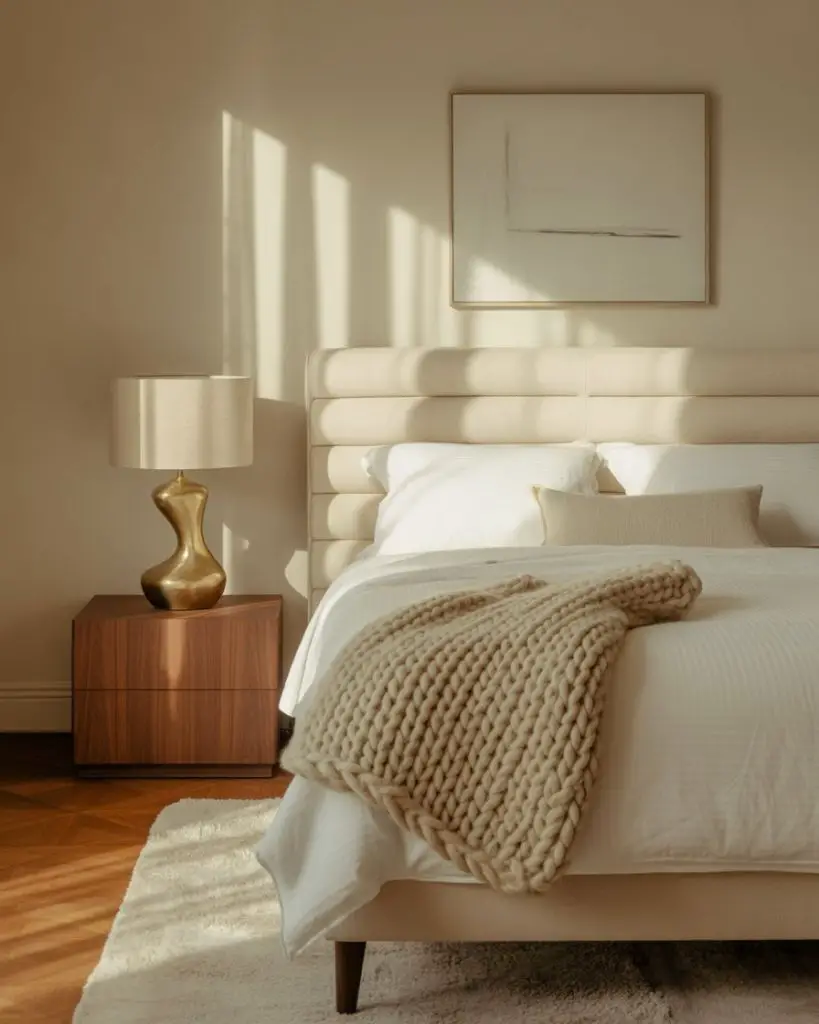
Combining cozy modern elegant elements creates a sophisticated guest bedroom that feels both current and timeless. This approach layers quality materials—linen, wool, natural wood—in a restrained color palette of whites, creams, and warm grays. The elegance comes from proportion and craftsmanship rather than ornamentation. A upholstered headboard in natural fabric, a sculptural bedside lamp, and crisp hotel-style bedding establish refinement without stuffiness. The modern component keeps lines clean and uncluttered. 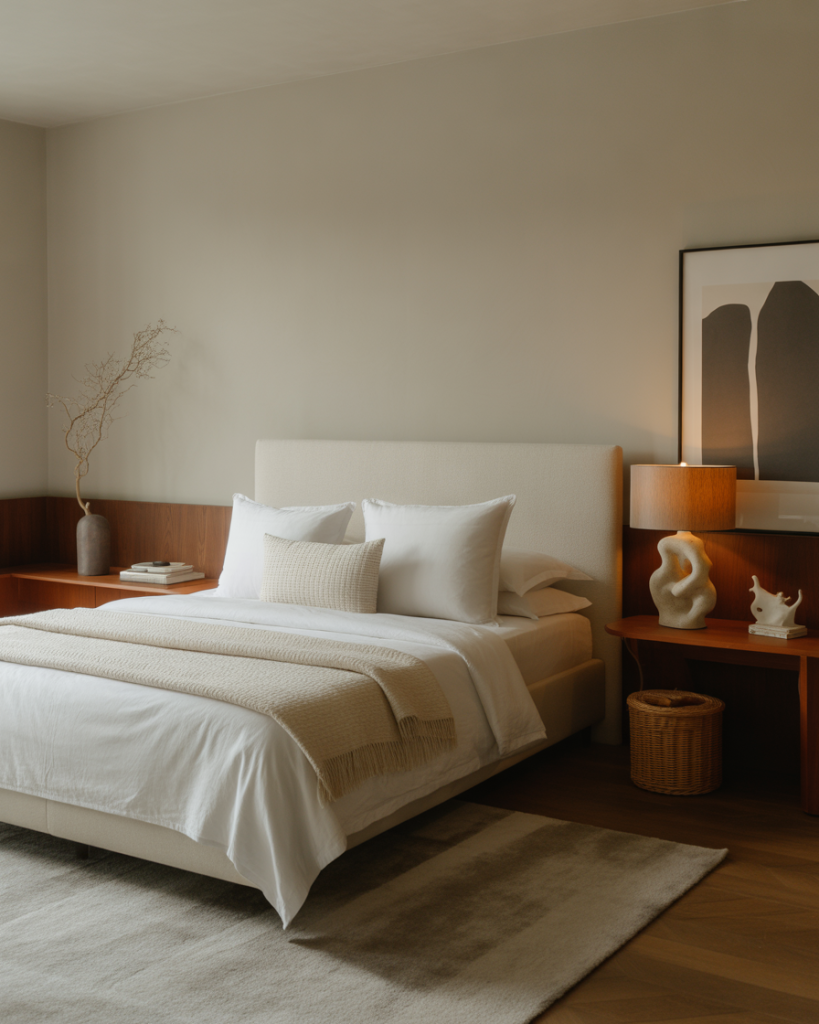
Expert-style commentary: the hospitality industry has dramatically influenced residential guest room design over the past decade. Americans now expect the plush comfort they experience in boutique hotels, translated to their own homes. Invest in your mattress and pillows first—everything else is secondary to actual sleep quality. Add a luggage rack or bench at the foot of the bed; guests appreciate not having to live out of their suitcase on the floor. A carafe of water with glasses on a small tray, reading material on the nightstand, and blackout-capable window treatments show attention to detail that guests genuinely notice and appreciate.
8. Blue for Calm and Serenity
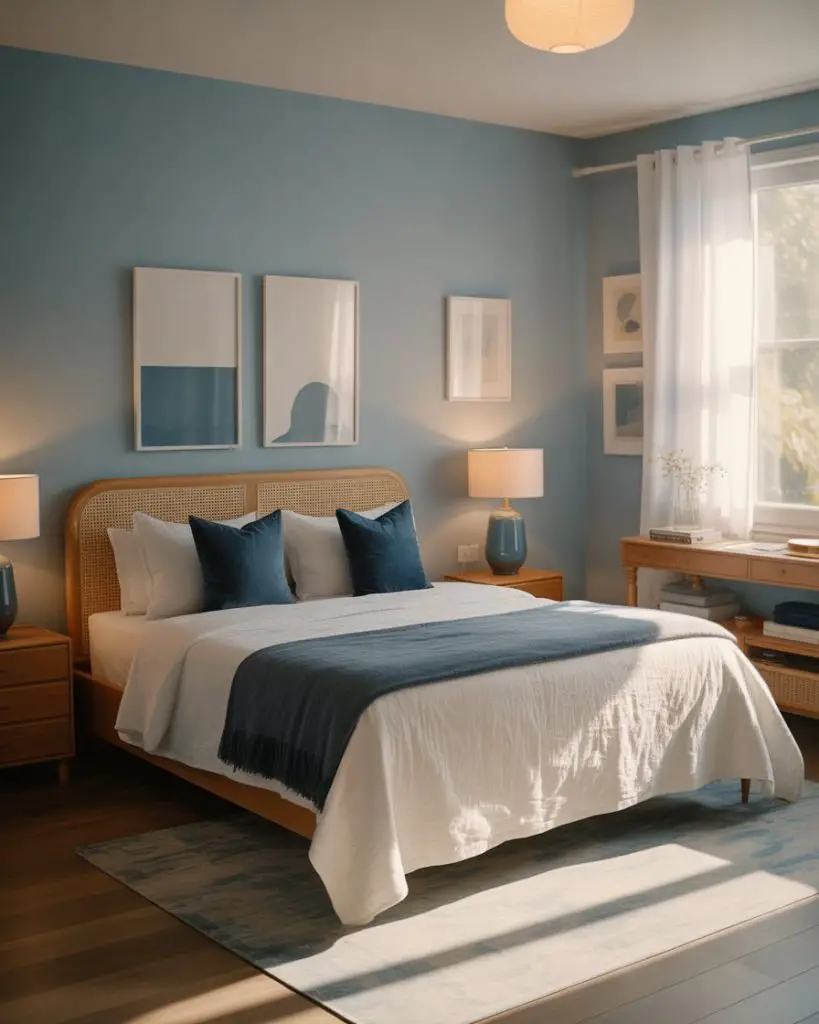
A blue color scheme creates instant tranquility in guest bedrooms, drawing on color psychology that Americans instinctively understand from coastal vacations and spa experiences. Soft blue-gray walls, navy accent pillows, or a faded denim duvet all tap into this calming effect. The color family works across design styles—from beachy casual to sophisticated traditional. Layer different blue tones rather than matching everything exactly; the subtle variation adds depth and prevents the room from feeling flat or predictable. 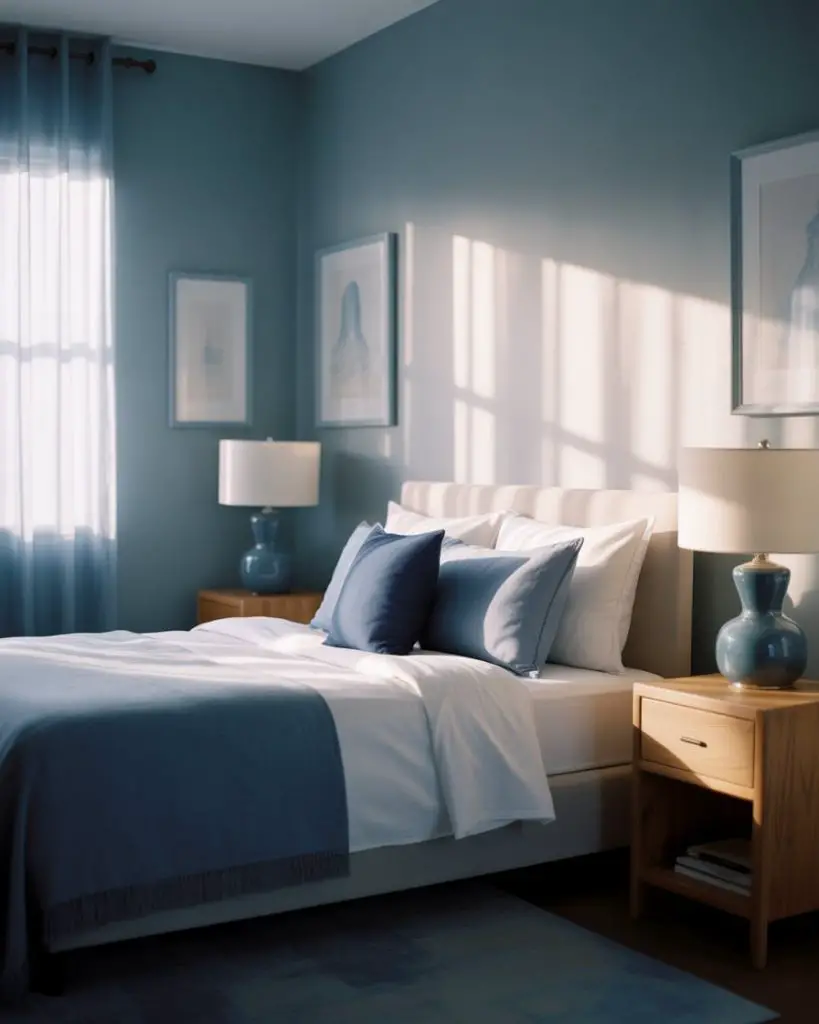
Regional context matters: blue-themed guest rooms feel particularly authentic in coastal states—California, Florida, the Carolinas, New England—where the color references immediate surroundings. Inland, blue reads as universally calming without geographic specificity. A designer friend notes that blue has replaced beige as America’s “safe” guest room color because it offers personality while remaining broadly appealing. Warm the palette with natural wood tones and off-white textiles to prevent it from feeling cold. Consider painting just the ceiling in a pale blue—an unexpected move that adds character without overwhelming the space.
9. Cute and Charming Details
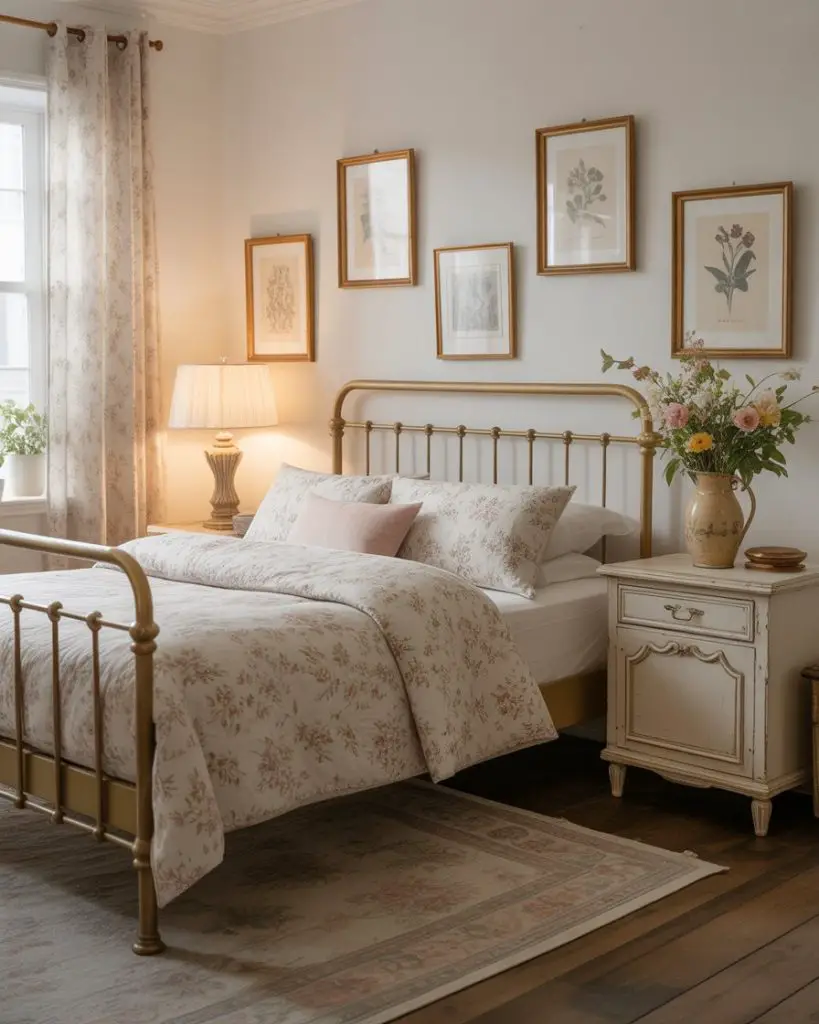
A cute guest bedroom incorporates charming details that make visitors smile without veering into overly precious territory. Think vintage-inspired floral prints scaled appropriately for adults, a collection of mismatched antique frames, or a refurbished vanity that adds character. This aesthetic particularly appeals to hosts who want their guest space to feel personal and collected rather than showroom-perfect. Small touches matter: a vintage pitcher with fresh flowers, patterned wallpaper in an alcove, or quirky drawer pulls on an otherwise simple dresser. 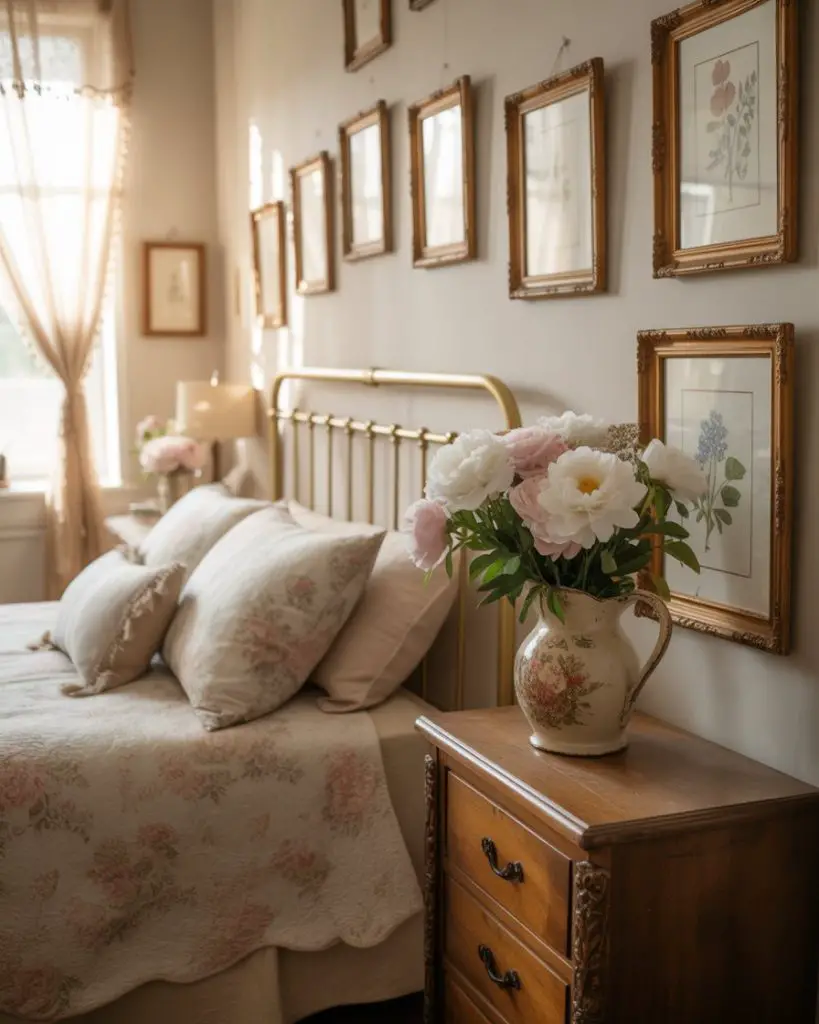
Real homeowner behavior reveals that guests often photograph and share these thoughtfully detailed rooms on social media, which explains why the aesthetic trends heavily on Pinterest. The key is balancing charm with functionality—your grandma’s quilts look lovely folded at the bed’s foot, but guests need modern mattresses for actual sleeping comfort. Mix eras and styles to prevent the room from feeling like a time capsule. A cute room should feel discovered and personal, not decorated from a single shopping trip. Budget-conscious hosts find success at estate sales and antique markets, where unique pieces cost less than mass-market furniture while offering far more character.
10. Relaxing Sanctuary Design
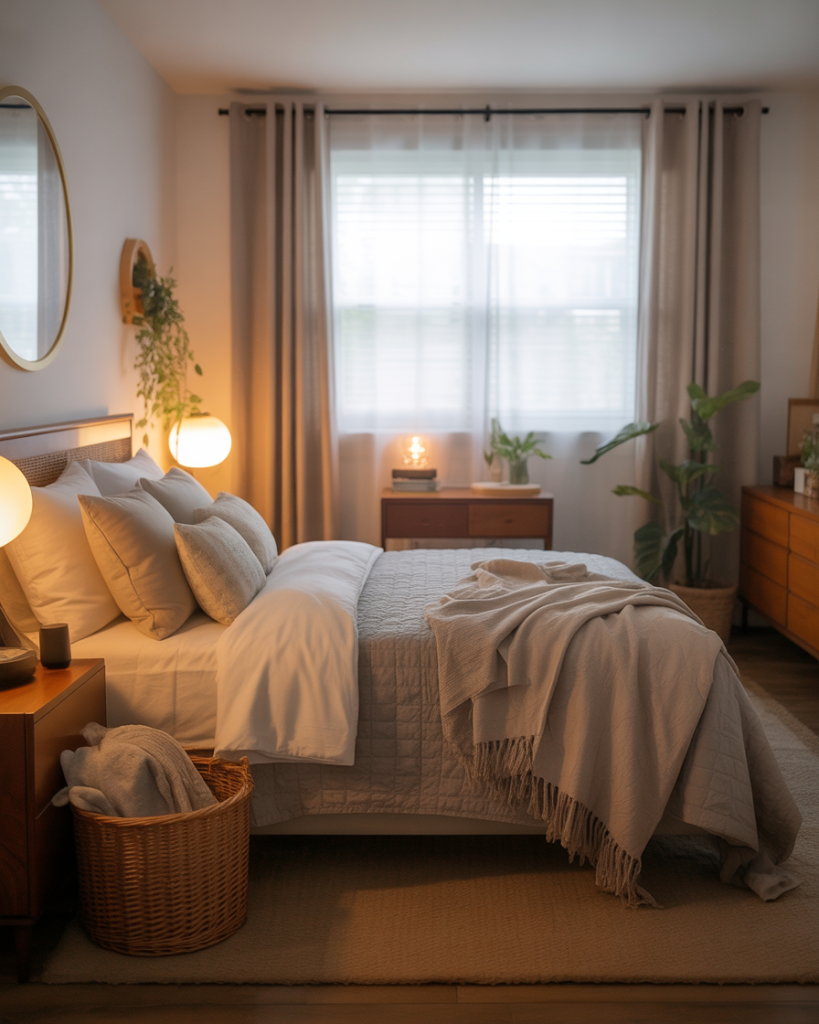
A relaxing guest bedroom prioritizes elements that scientifically reduce stress: soft textures, natural materials, gentle color palettes, and excellent lighting control. This means blackout capabilities for guests who need darkness to sleep, plus layered lighting options for reading, getting ready, or winding down. Temperature control matters too—provide extra blankets in a visible basket so guests can adjust without hunting through closets. The goal is removing any friction that might prevent genuine rest and relaxation. 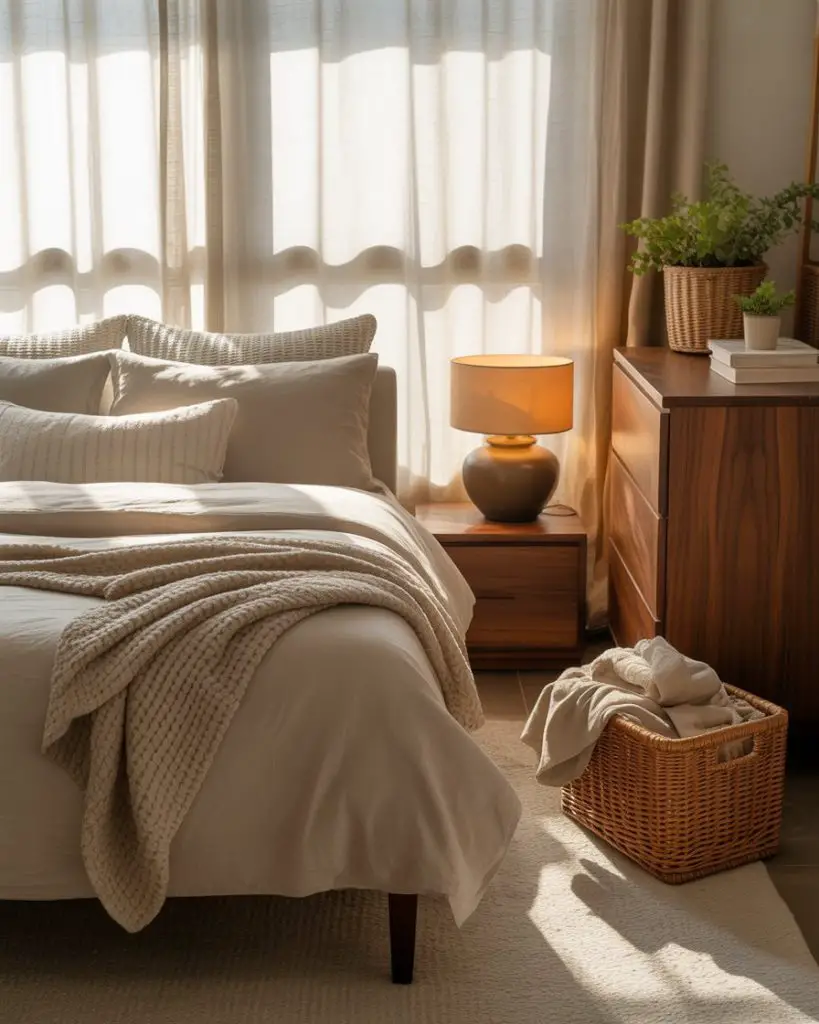
Practical insight: noise control often gets overlooked in guest room design. A white noise machine or fan provides sound masking, particularly valuable in homes with thin walls or early-rising hosts. Add a comfortable reading chair if space allows—guests don’t want to feel confined to the bed during waking hours. Keep surfaces clear; clutter creates visual stress even when guests don’t consciously register it. A small tray with sleep essentials—earplugs, eye mask, phone charger—shows thoughtfulness without being intrusive. Consider the view from the bed itself—what guests see while lying down should be intentionally pleasant, not an awkward angle of a closet door or blank wall.
11. Cozy Modern Simple Foundation
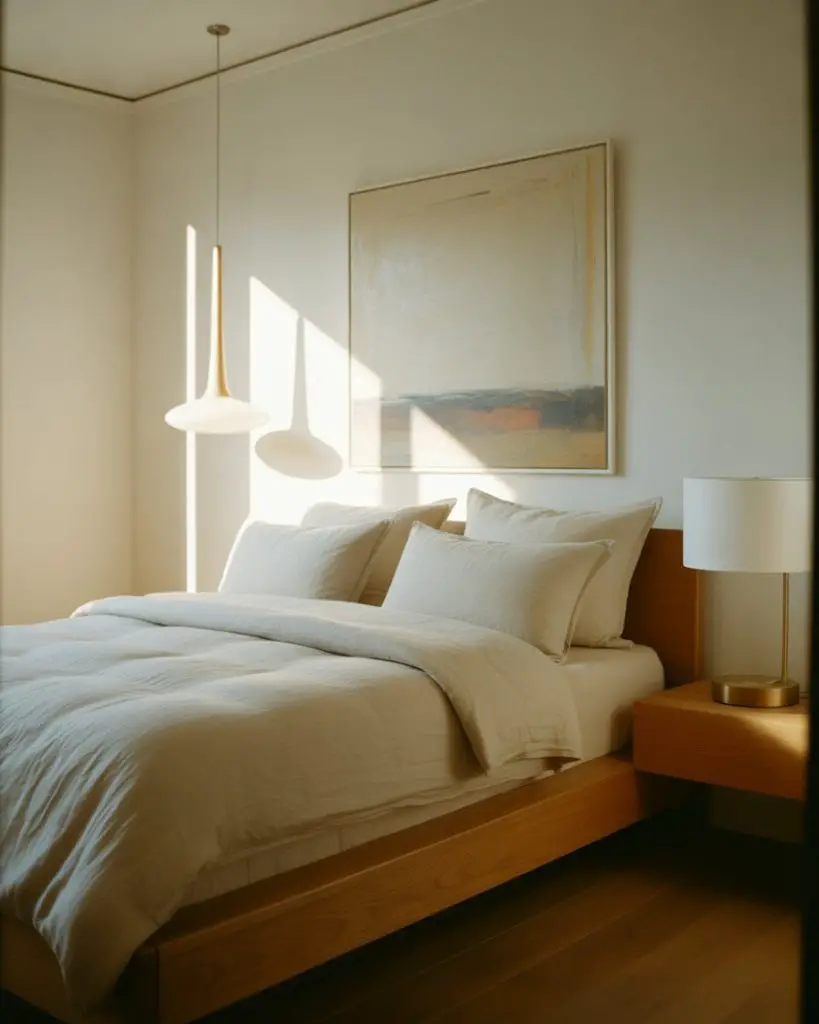
The cozy modern simple approach strips guest bedroom design to its essential elements, then adds warmth through material choices rather than quantity of objects. A quality platform bed, one substantial piece of art, excellent bedding, and strategic lighting create a complete room without excess. This aesthetic has gained serious traction among Americans downsizing or embracing minimalist lifestyles. The simplicity reads as intentional and sophisticated rather than unfinished, particularly when materials—linen, wool, solid wood—showcase visible quality. 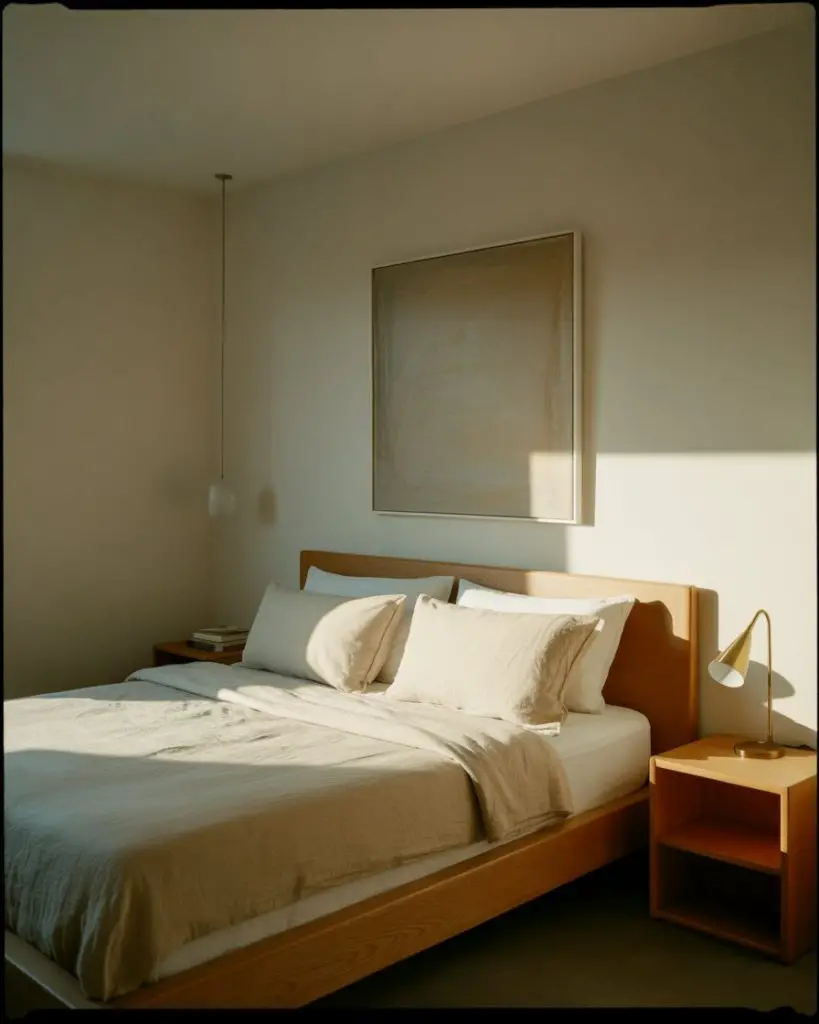
A common mistake with simple design is under-furnishing to the point of discomfort. Guests still need somewhere to place their belongings, hang clothing, and set down a water glass at night. The solution is choosing multi-functional pieces: a bench with storage, a wall-mounted shelf with hooks, or a narrow console that serves multiple purposes. This aesthetic particularly suits new construction and recently renovated homes where architectural details are already clean and contemporary. The style’s restraint also makes it budget-friendly—you’re buying fewer pieces, so you can invest in higher quality items that genuinely last and improve with age.
12. Rustic Warmth and Texture
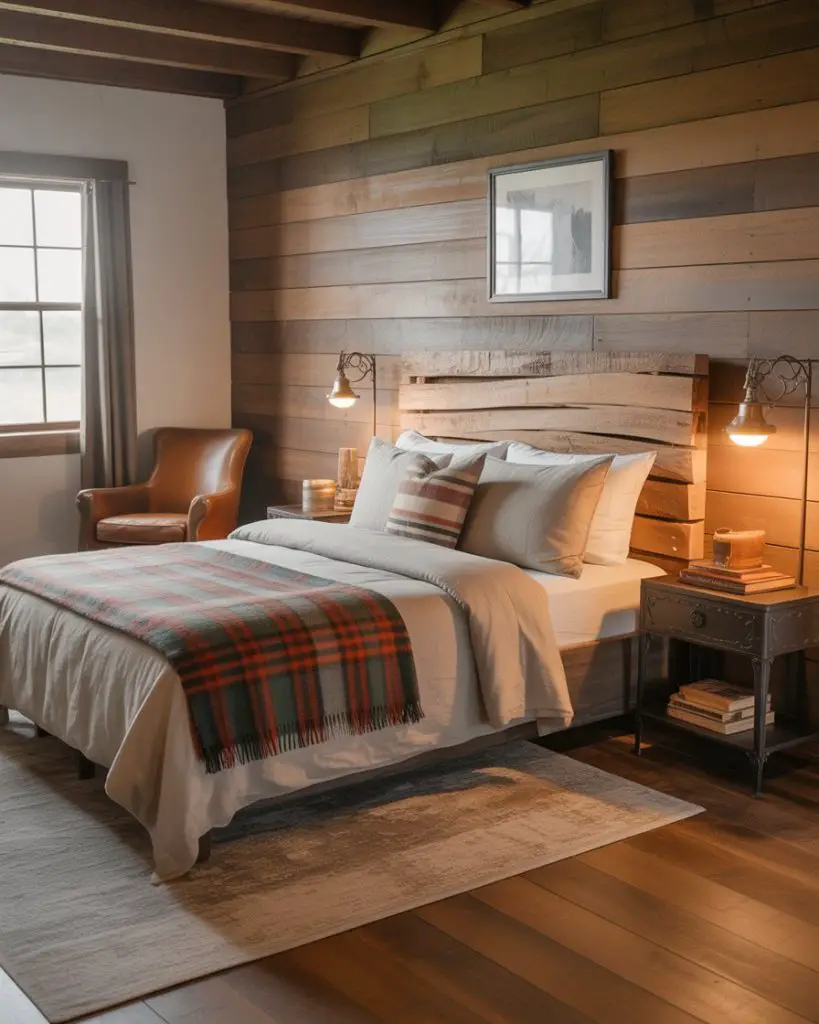
A rustic guest bedroom embraces natural wood, visible grain, and materials that reference the outdoors—stone, leather, wool, linen. This aesthetic resonates strongly in American regions with cabin culture: the Mountain West, Pacific Northwest, and New England. Exposed beams, reclaimed wood accents, and furniture with substantial presence create rooms that feel grounding and substantial. The key is balancing rusticity with comfort; guests should feel cozy, not like they’re roughing it in primitive conditions. 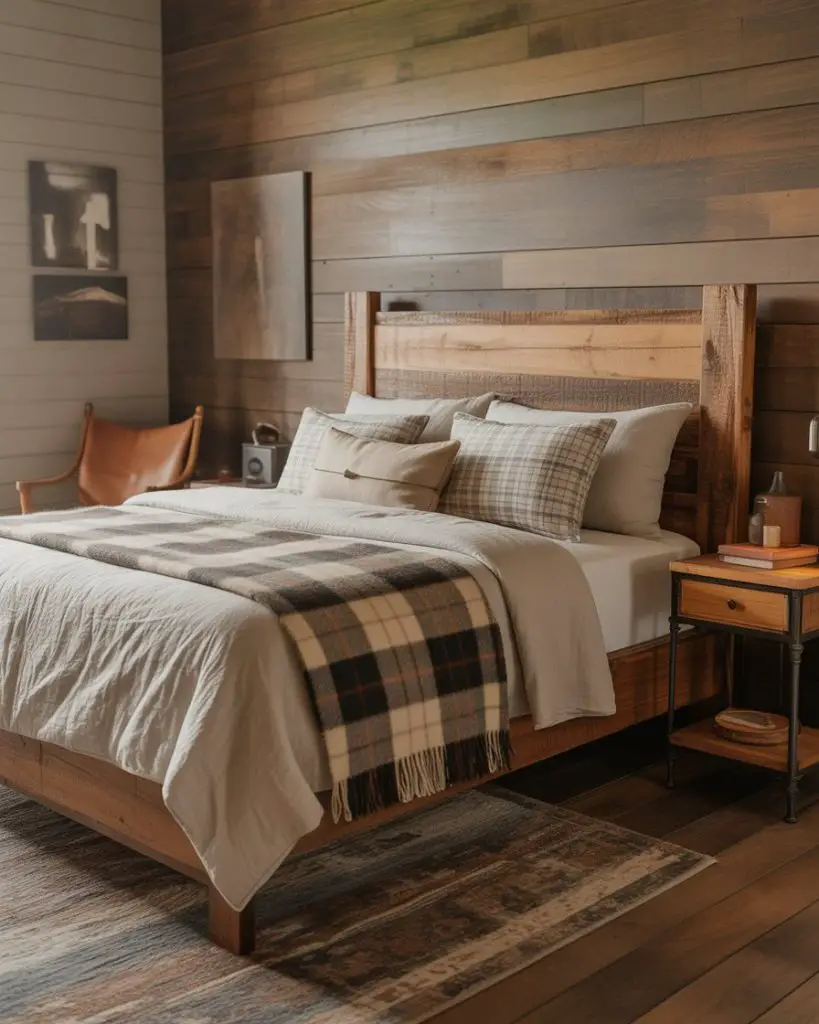
Where this works best: mountain homes, renovated barns, lakeside cottages, and suburban houses where homeowners want one room with distinct character. Modern rustic avoids the heavy, dark aesthetic of 1990s lodge design—instead, it incorporates weathered wood tones with plenty of white and cream to keep spaces feeling open. Add contemporary elements like sleek lighting or abstract art to prevent the room from reading as theme-park rustic. A stone fireplace (or even electric version) becomes a massive asset in rustic guest rooms, providing both visual interest and practical warmth during colder months.
13. Cozy Modern Color Strategy
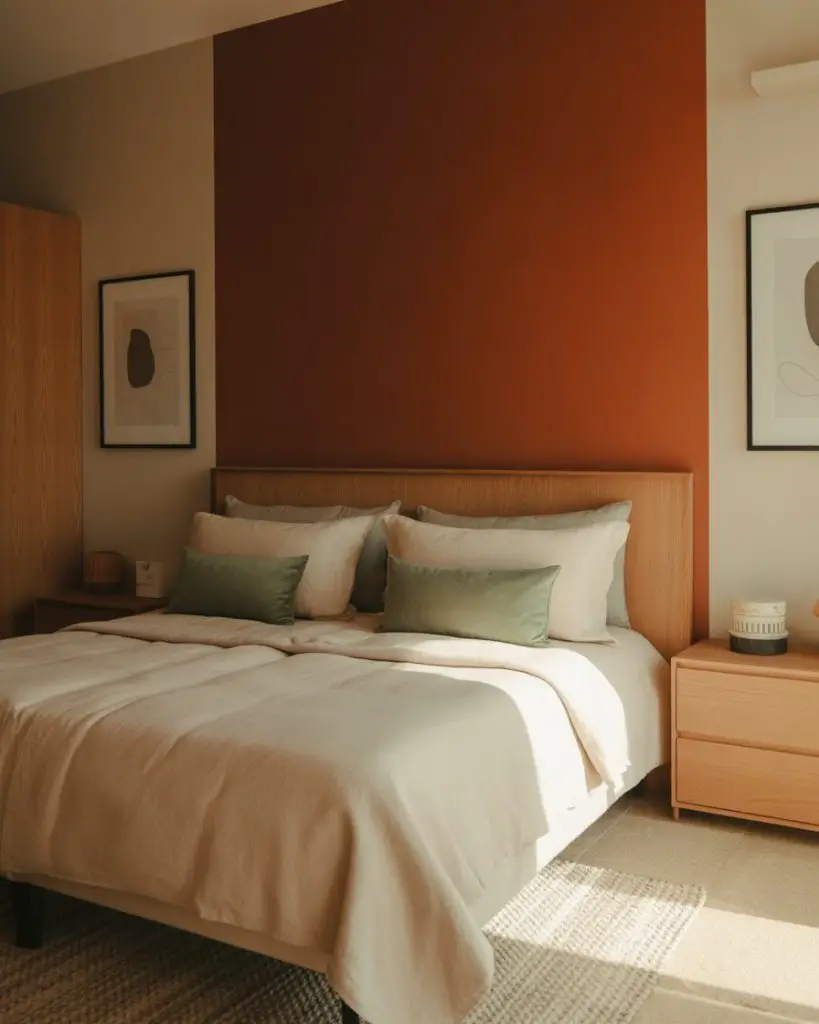
Using cozy modern color principles means selecting a sophisticated palette that feels warm without defaulting to brown. Think terracotta, sage, dusty pink, or warm gray as wall colors, paired with natural wood tones and plenty of texture. The modern component keeps the scheme from feeling too country or traditional—clean lines, minimal pattern, and contemporary furniture silhouettes maintain current relevance. This approach particularly appeals to hosts who want guest rooms that photograph well while still feeling genuinely inviting to occupants. 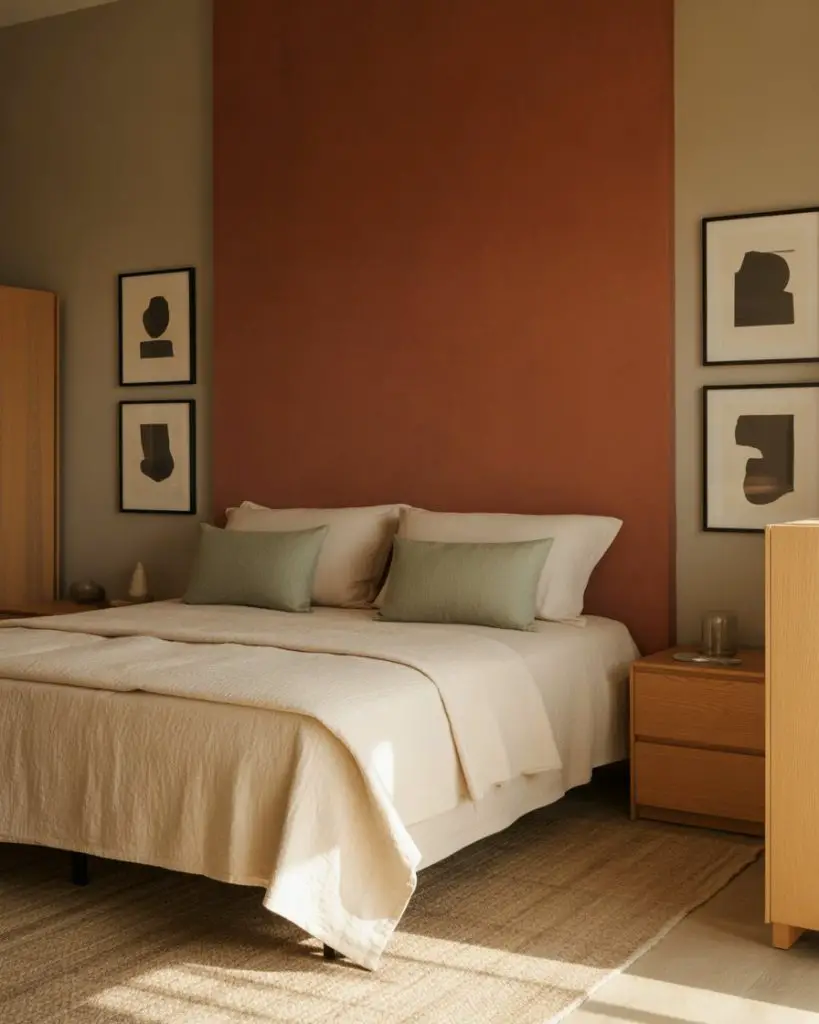
Expert-style commentary: color psychology in guest rooms matters more than in personal bedrooms because you’re trying to appeal to diverse preferences. Warm, muted tones test best across demographics—they’re sophisticated enough for adult guests while remaining approachable and non-intimidating. Avoid stark white walls, which can feel cold and institutional in guest settings. Instead, opt for warm whites or soft neutrals that have visible undertones. Test paint samples at different times of day; bedroom lighting varies dramatically from morning to evening, and you want the color to work under all conditions. Remember that bedding and textiles will introduce additional color, so your walls don’t need to do all the heavy lifting.
14. Grey for Versatile Elegance
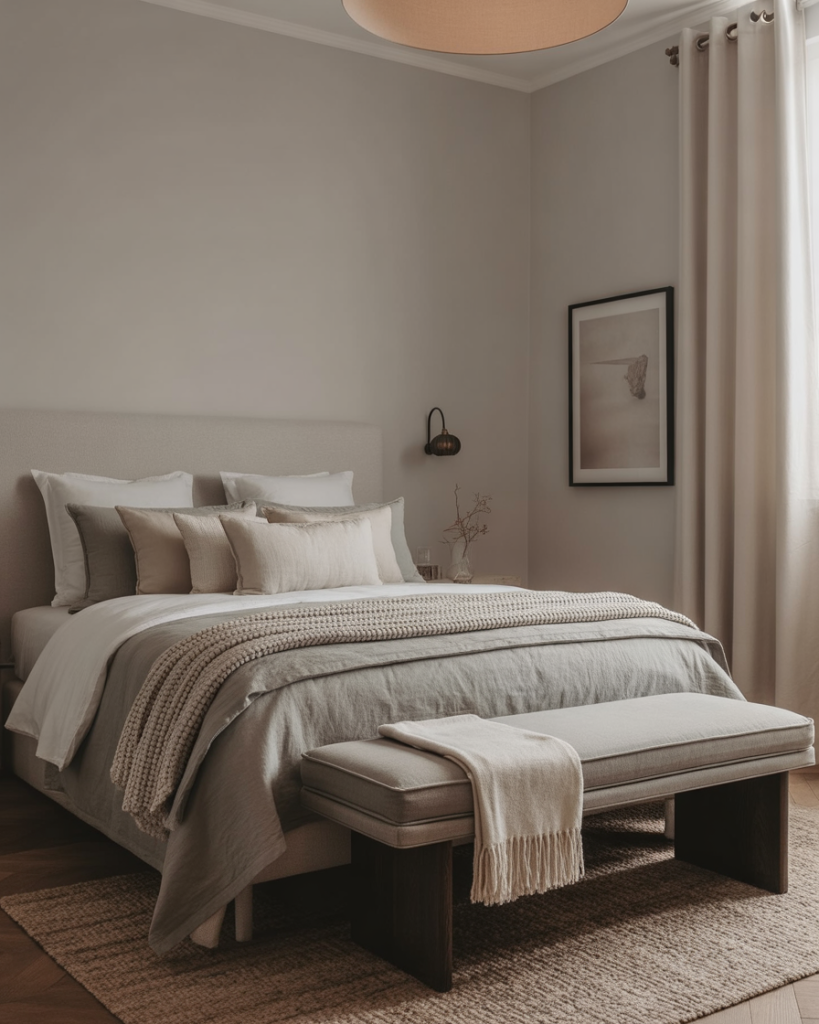
A grey color scheme offers sophisticated neutrality that works with virtually any accent color your guests might bring with them. From pale dove to deep charcoal, grey provides a backdrop that reads as modern and refined without committing to stark white. Layer different grey tones throughout the room—walls, bedding, furniture—to create depth and prevent flatness. The color particularly suits cozy modern aesthetics where you want visual calm with subtle sophistication. 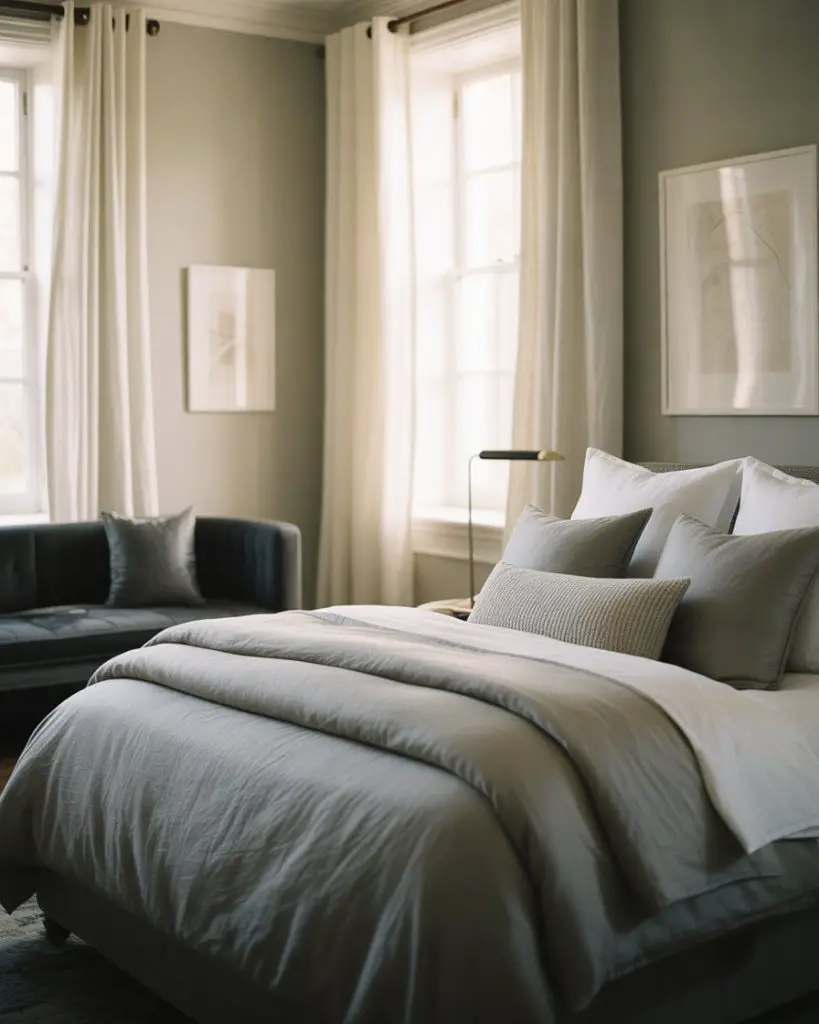
Regional context: grey became America’s go-to neutral after the beige-dominated 2000s, particularly in urban and suburban markets where homeowners want modern aesthetics without trendy colors that quickly date. Warm grey (with slight brown or taupe undertones) reads as cozier than cool grey in bedroom settings. Add warmth through wood furniture, brass or gold metal finishes, and textiles in cream or ivory. A common mistake is making grey rooms too matchy—vary your tones and introduce texture through materials like linen, wool, and velvet to prevent the space from feeling flat or hotel-generic. Consider what your natural light does to grey; north-facing rooms need warmer greys to avoid feeling cold.
15. Green for Natural Connection
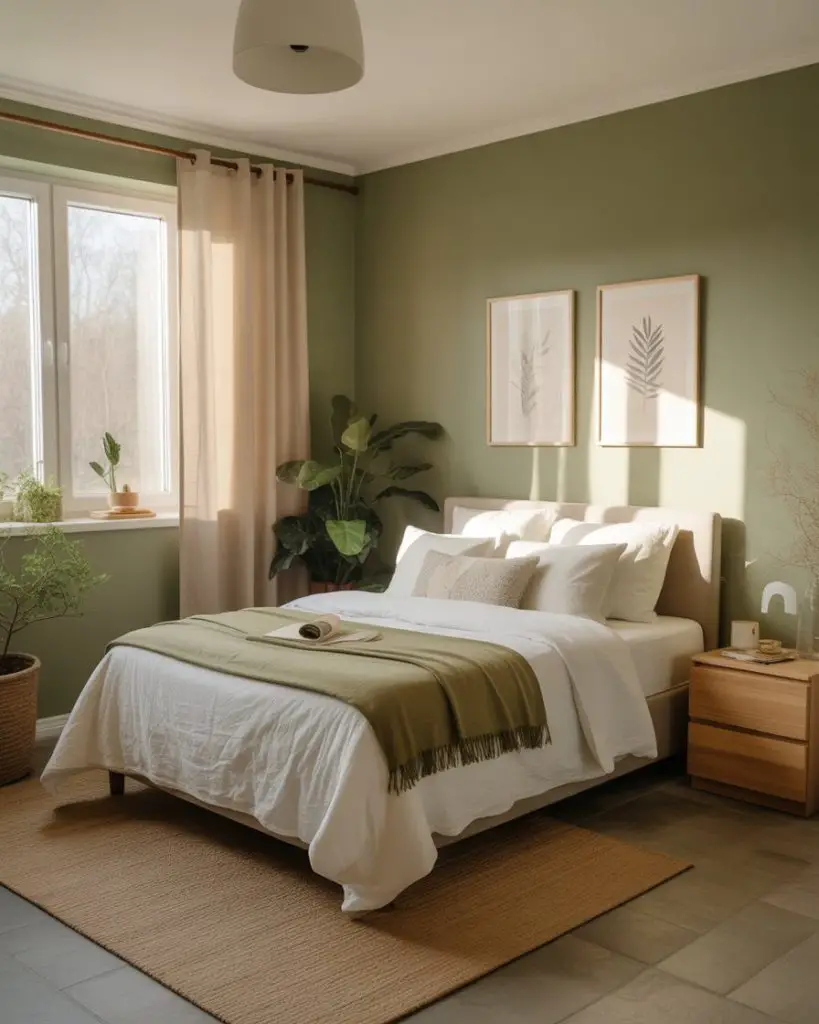
Incorporating green into guest bedrooms taps into biophilic design principles that Americans increasingly value after spending more time at home. Sage walls, olive bedding, or forest green accents all reference nature while remaining sophisticated enough for adult spaces. The color promotes rest and rejuvenation—exactly what you want guests to experience. Green works across design styles: bright emerald for maximalist rooms, soft sage for cozy spaces, deep forest for dramatic moody interiors. 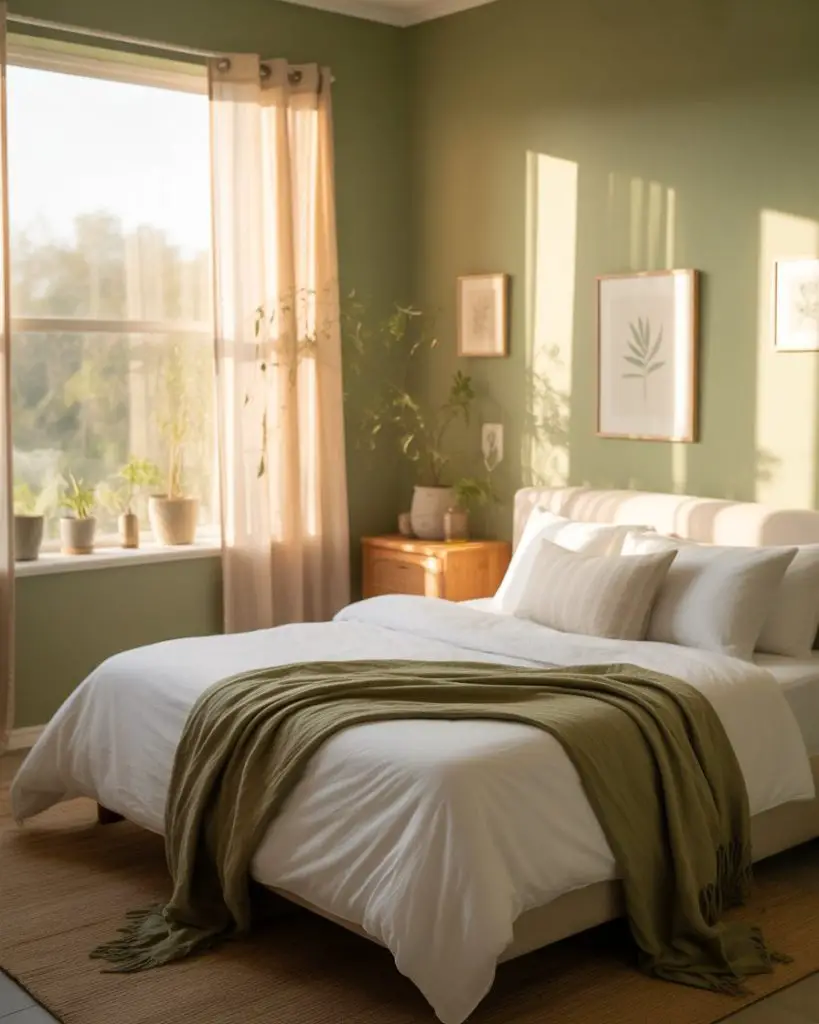
Practical insight: green has become the surprise winner in guest room design as Americans move away from grey fatigue. The color family is vast enough to work in any regional context—from tropical greens in Florida to forest tones in Oregon. Layer in plenty of actual plants; they reinforce the color choice while improving air quality. Mix green with natural materials like rattan, jute, and untreated wood to strengthen the nature connection. Avoid matching green exactly across all elements—variation in tone and saturation creates a more sophisticated, layered look. If you’re nervous about green walls, start with green bedding or a single accent wall before committing to the full room.
16. Small Room Smart Solutions
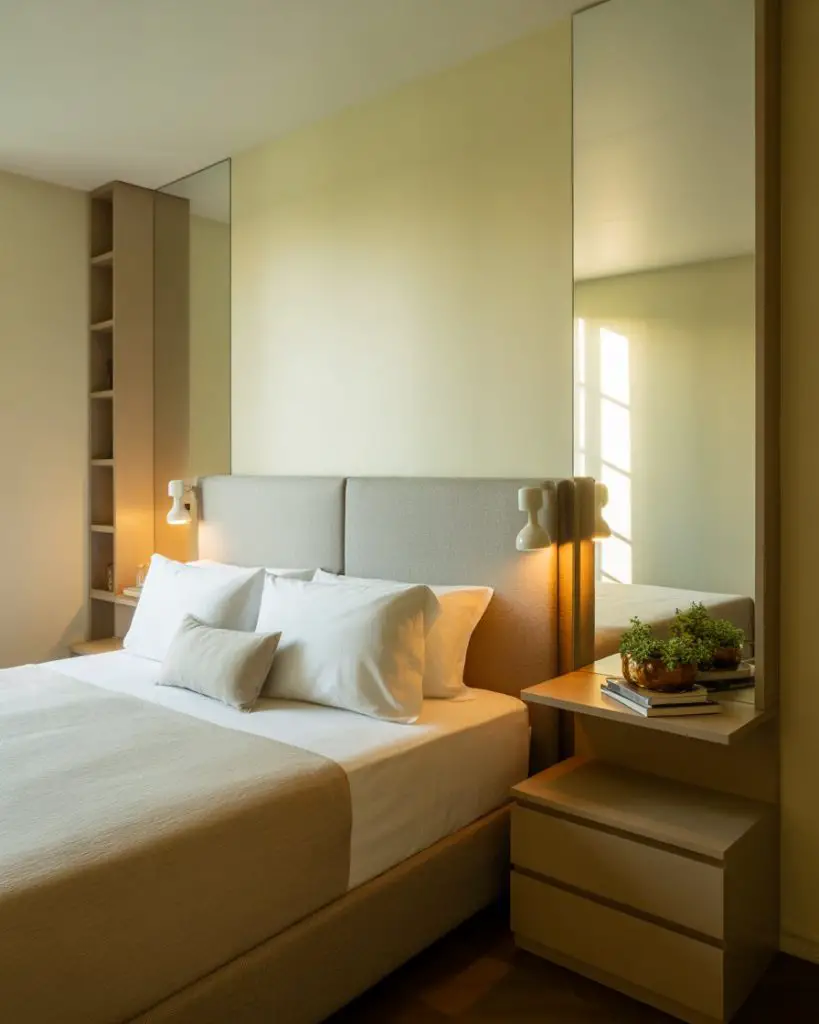
A small room guest bedroom requires ruthless prioritization of essential furniture and creative thinking about vertical space. Wall-mounted nightstands, floating shelves, and murphy desks all preserve precious floor area while maintaining functionality. Light colors and large mirrors amplify available space visually. The goal isn’t making the room feel larger than it is—guests know the actual dimensions—but rather ensuring it feels purposeful and complete despite limitations. Every piece should serve multiple functions or have a clear reason for its presence. 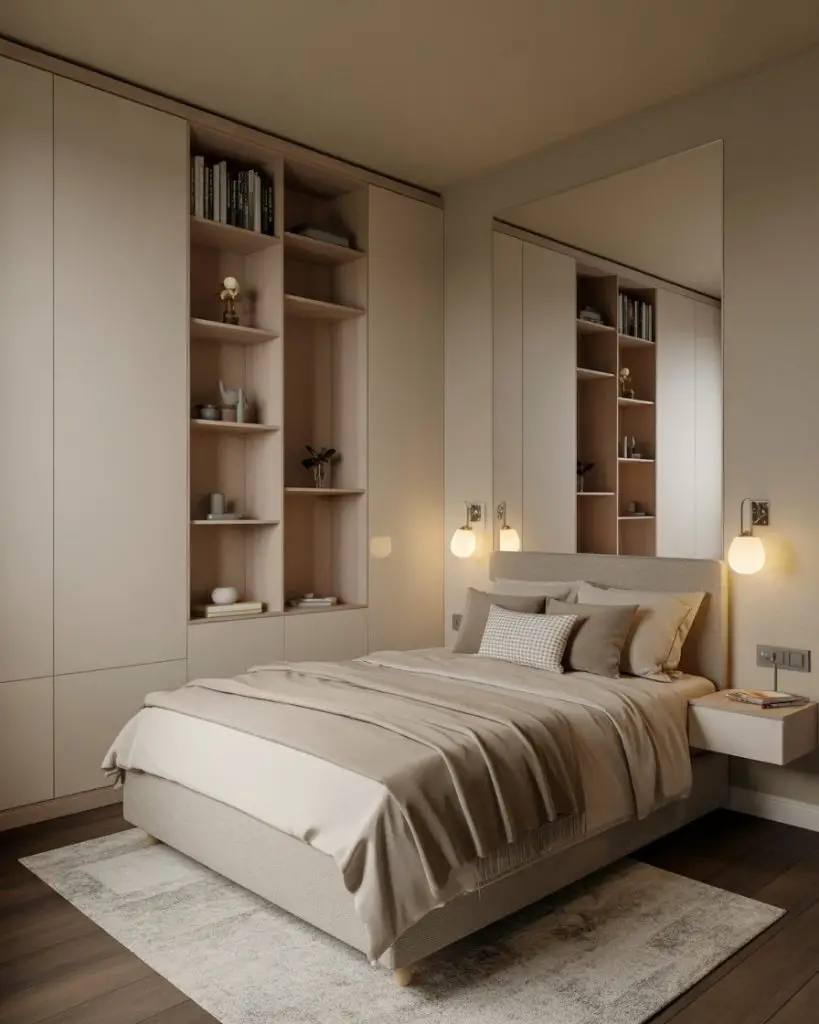
Budget angle: small guest rooms actually offer financial advantages—less square footage means lower costs for flooring, paint, and furnishings. A quality mattress and bedding become even more important in tight quarters since the bed dominates the space. Invest there, then work with budget-friendly solutions elsewhere. Ikea offers excellent space-saving furniture designed specifically for European-sized rooms, which often mirror American small-space challenges. A fold-down desk or wall-mounted drop-leaf table provides workspace without permanent footprint. Consider pocket doors or barn doors instead of traditional swing doors that consume valuable wall space. The key is making guests feel the size was an intentional design choice rather than a compromise.
17. Cozy Modern Relaxing Balance
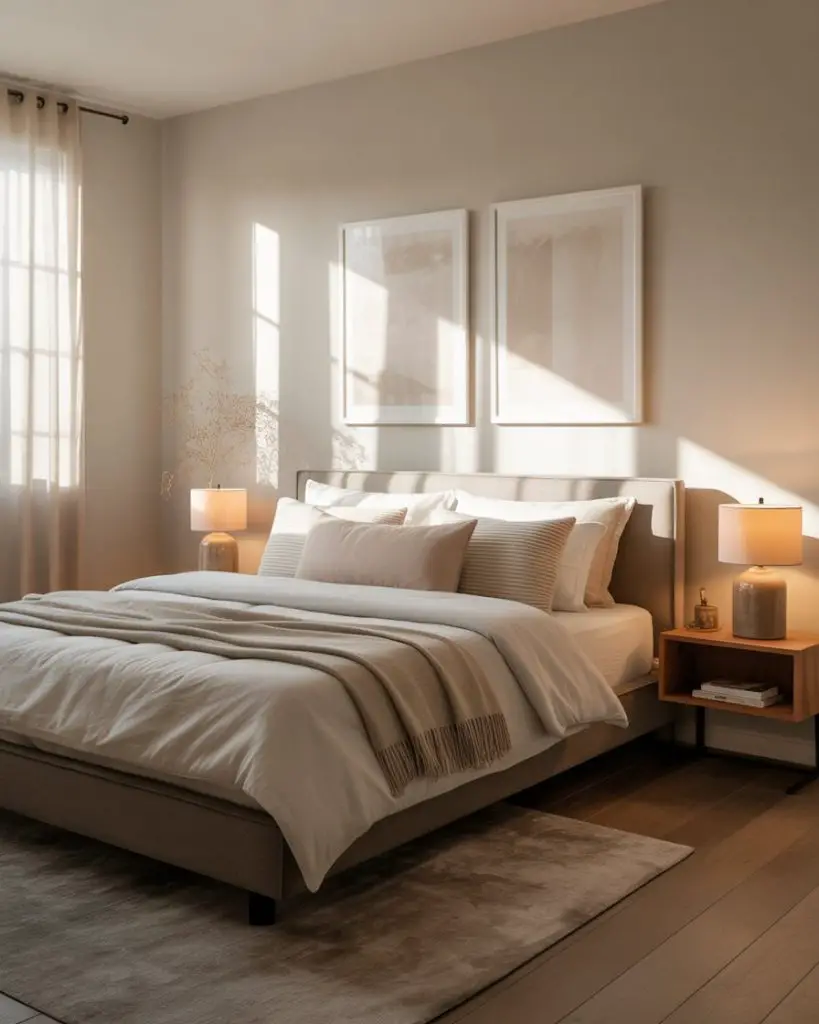
Achieving a cozy modern relaxing guest bedroom means balancing clean contemporary lines with elements that invite genuine comfort and rest. This might mean pairing a sleek platform bed with an oversized knit throw, or hanging minimal art above substantial layered bedding. The modern keeps it from feeling cluttered or dated, while the cozy and relaxing elements ensure guests actually want to spend time in the space. Lighting plays a crucial role—install dimmers on overhead fixtures and provide multiple light sources at different heights. 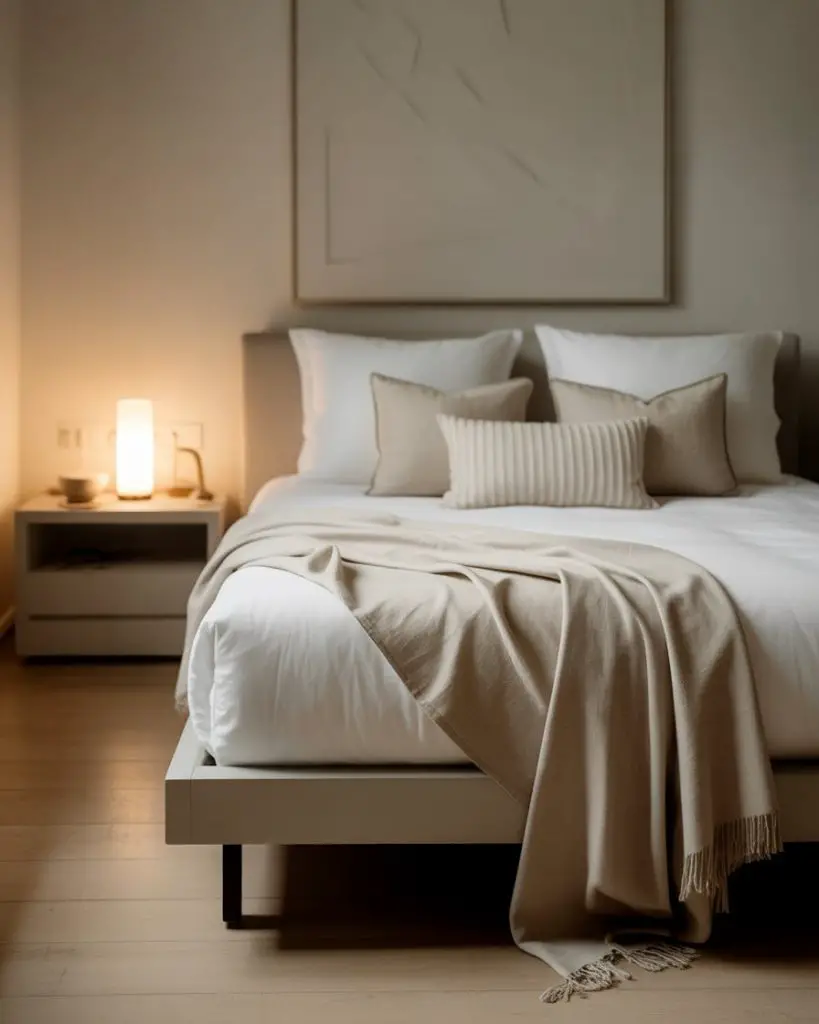
Real homeowner behavior shows that guests often mention lighting as make-or-break for comfort—too bright feels institutional, too dim feels dreary. Install bedside lamps with three-way bulbs or dimmers so guests control their own lighting preferences. Add a comfortable chair if space permits; guests appreciate somewhere to sit besides the bed for putting on shoes, checking phones, or reading. Window treatments should offer both light control and privacy—top-down/bottom-up shades excel at this. Small touches like a water carafe, phone charging station, and extra blanket make the relaxing component feel intentional rather than accidental. The space should feel complete and considered without being fussy.
18. Coastal Breeze and Light
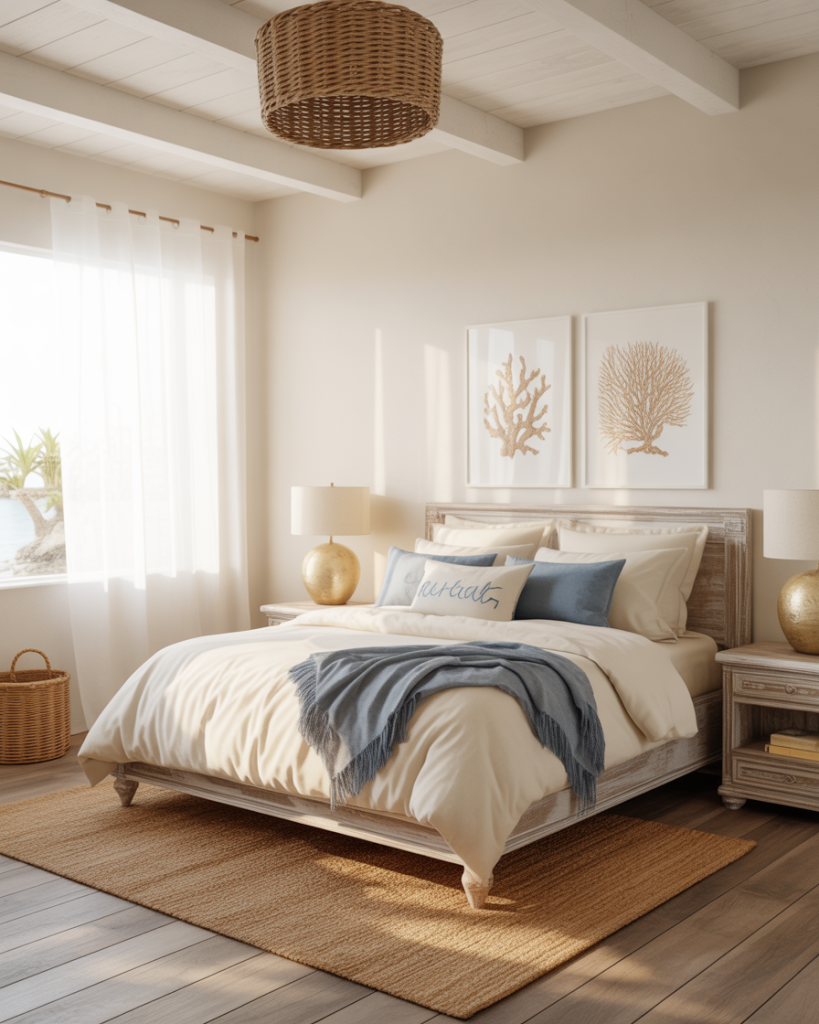
A coastal guest bedroom captures the relaxed elegance of seaside living through color, texture, and material choices. White or cream walls, natural fiber rugs, sheer curtains, and furniture with weathered wood finishes all reference beach house aesthetics. The style works nationwide—not just in actual coastal regions—because it taps into vacation mindset and universal associations with relaxation. Keep it subtle; you’re evoking a feeling rather than creating a literal nautical theme with anchors and sailboats. 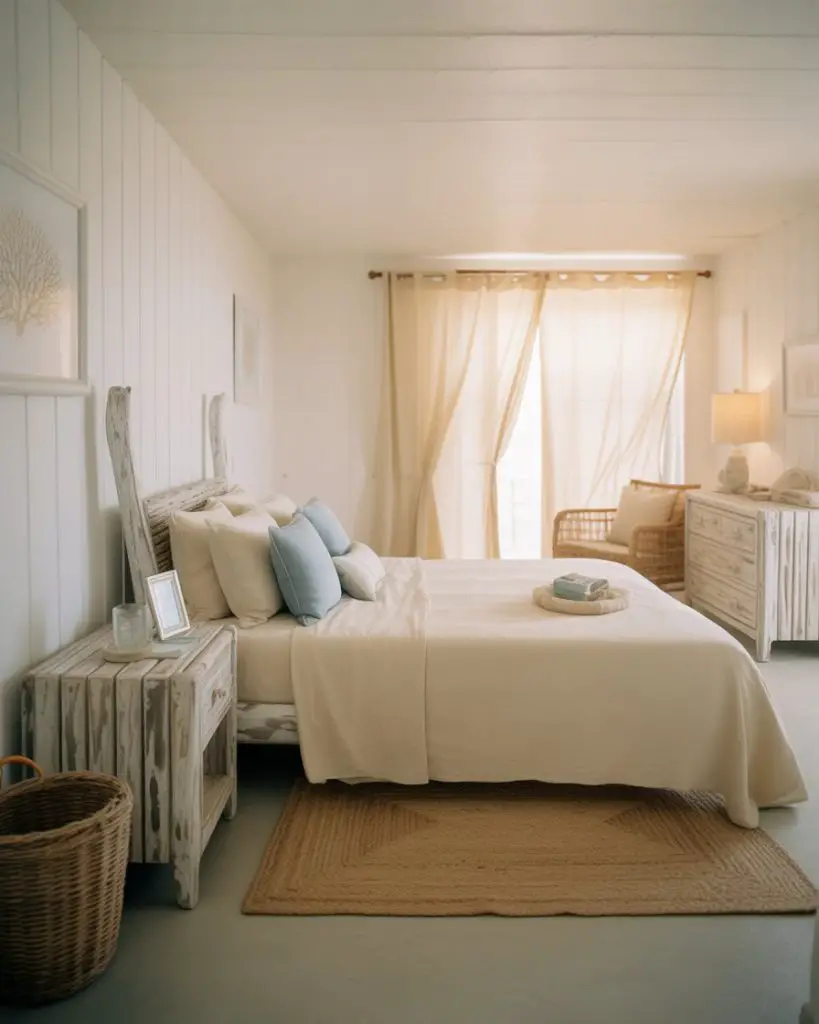
Where this works best: vacation homes (obviously), but also suburban bedrooms where homeowners want a calm retreat aesthetic. The coastal style’s emphasis on natural materials and light colors makes rooms feel larger and more open—valuable in any guest setting. A designer I know suggests limiting your blue to two shades maximum; too many competing blues reads as confused rather than coastal. Add texture through natural materials: seagrass, jute, linen, cotton, and unfinished wood all reinforce the aesthetic without obvious beach symbolism. Real coastal design emphasizes durability and easy maintenance—think slipcovers that wash, rugs that handle sand, and furniture that withstands humidity.
19. Neutral for Universal Appeal
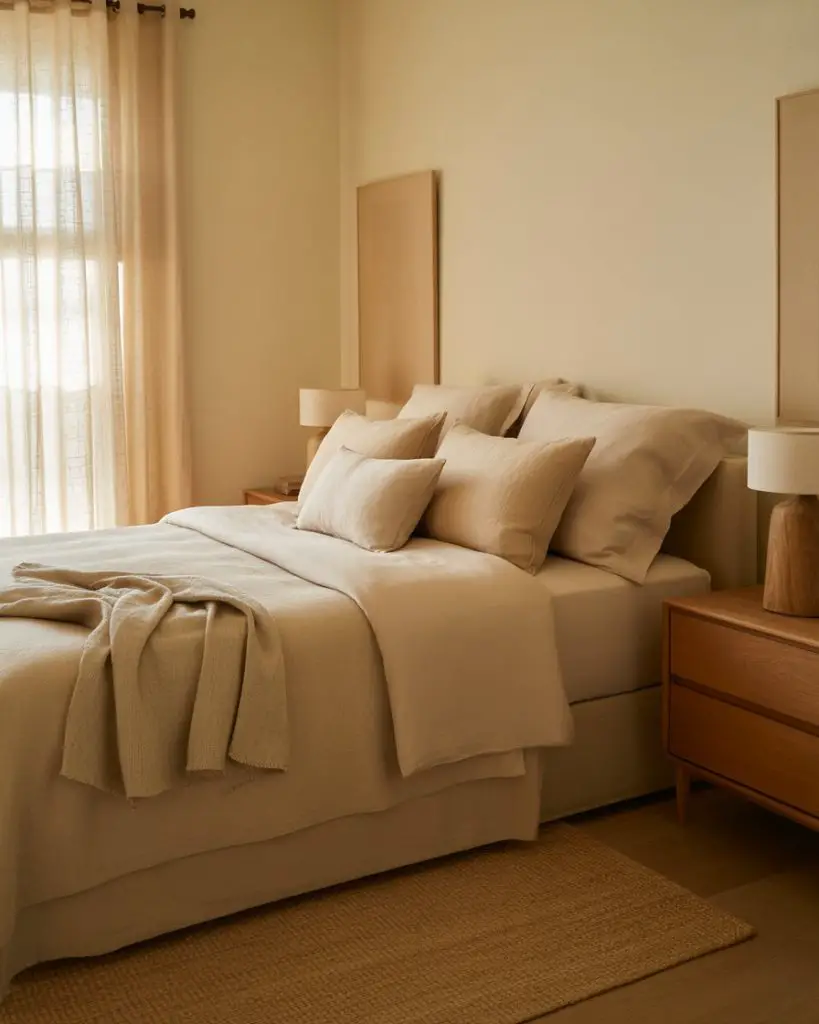
A neutral guest bedroom provides the safest bet for hosts unsure about their guests’ style preferences. Layers of cream, beige, tan, and white create sophisticated spaces that feel intentionally designed rather than default boring. The key is introducing substantial texture—linen bedding, wool throws, jute rugs, velvet pillows—so neutral doesn’t read as flat. This palette works as a canvas that guests mentally decorate with their own belongings, making them feel at home without imposing strong design opinions. 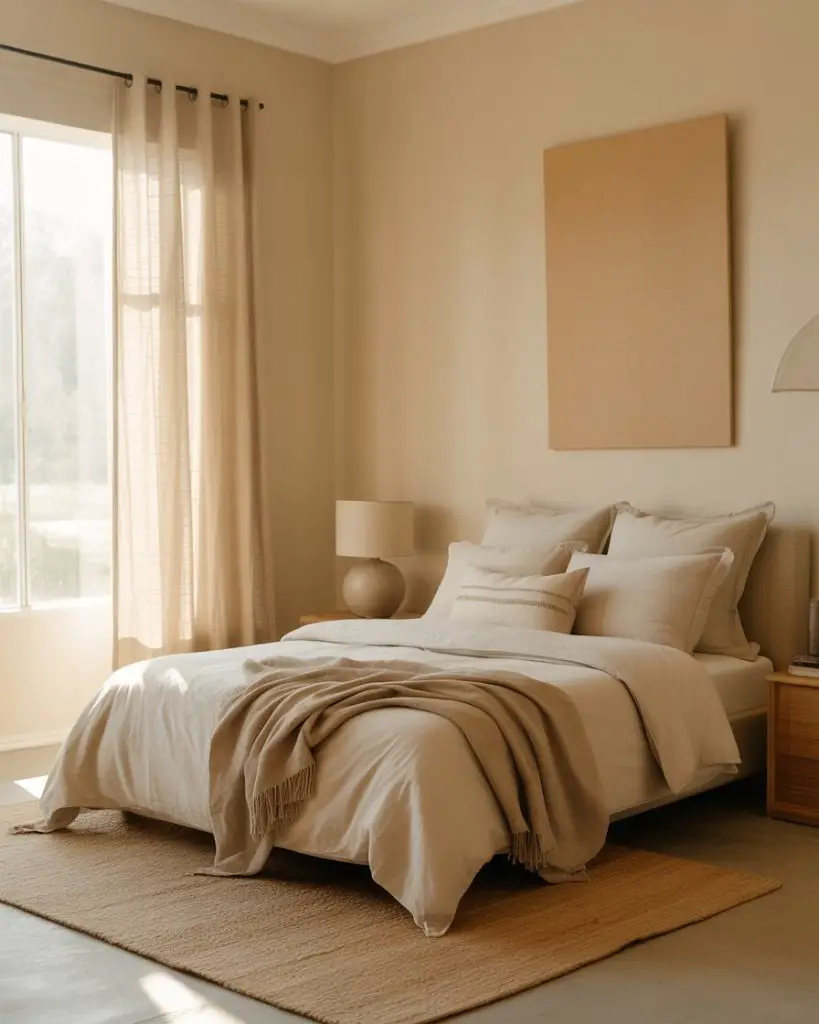
Expert-style commentary: the hospitality industry proves that neutral palettes work—luxury hotels default to these shades because they appeal across demographics and photograph well. The mistake many homeowners make is thinking neutral means no personality. Instead, personality comes through material quality, thoughtful layering, and carefully chosen accessories. A single piece of meaningful art, a vintage rug, or an unusual lamp all provide character without dominating the space. Neutral rooms also age gracefully; you won’t look at photos in five years and cringe at dated color choices. Add living elements through plants and fresh flowers—they provide color and life without permanent commitment. Consider warm neutrals over cool ones in bedroom settings; they’re simply more conducive to rest and relaxation.
20. Black Bed Frame Statement
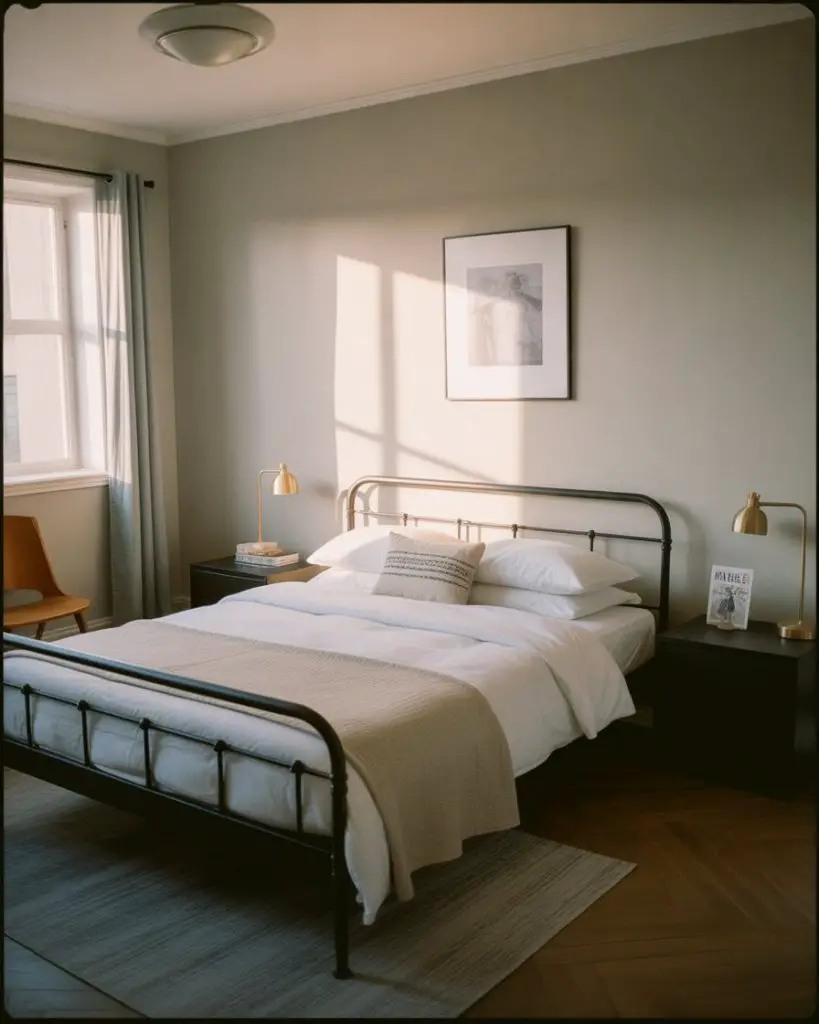
A black bed frame grounds a guest bedroom and provides sophisticated contrast against lighter walls and bedding. This choice has surged in popularity as Americans move beyond the all-white bedroom trend toward spaces with more visual definition. Black metal frames read as modern and minimalist, while black wood frames feel more substantial and traditional. The dark frame makes white or cream bedding look crisper and more intentional, creating a hotel-quality aesthetic that guests appreciate. 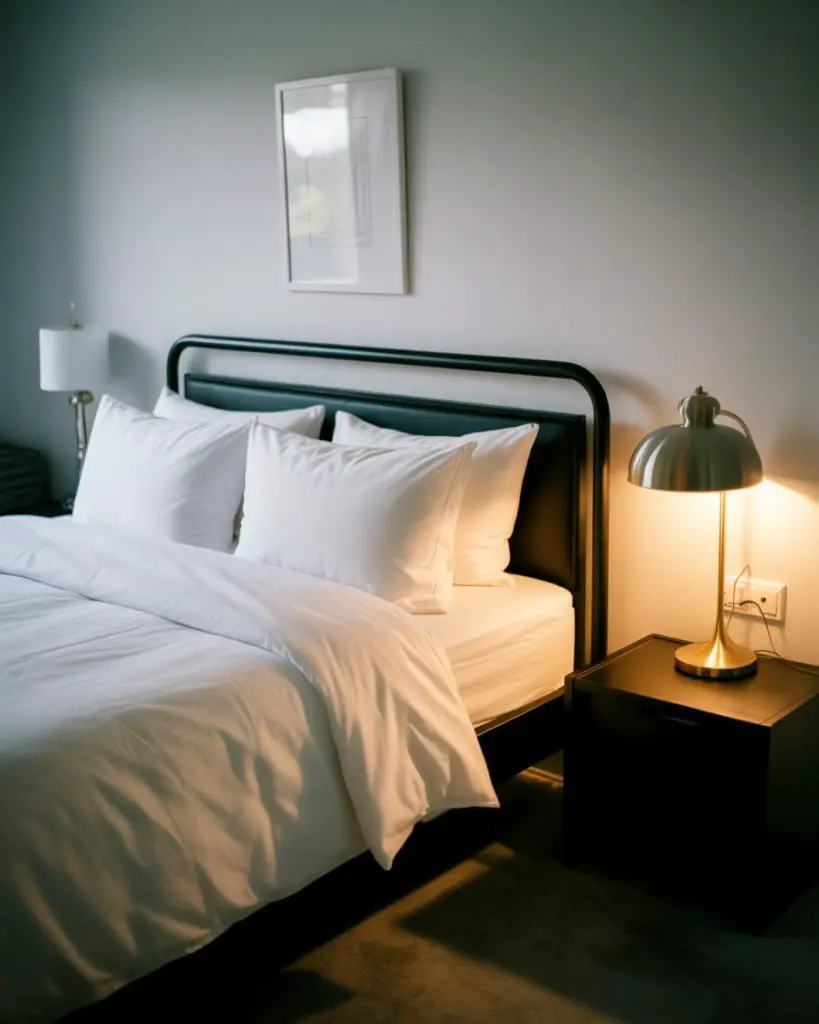
A common mistake is making black the only dark element in an otherwise light room—it can look jarring rather than intentional. Instead, repeat the black in smaller doses: picture frames, lamp base, hardware, or accessories. This creates visual rhythm and makes the bed frame feel like part of a cohesive design rather than an isolated statement. Black frames particularly suit modern and industrial aesthetics but work across styles when properly integrated. Budget tip: black bed frames often cost less than wood equivalents while looking equally sophisticated. Keep surrounding elements relatively simple; the frame provides enough visual interest that you don’t need additional drama from pattern or color.
21. French Country Cozy Charm
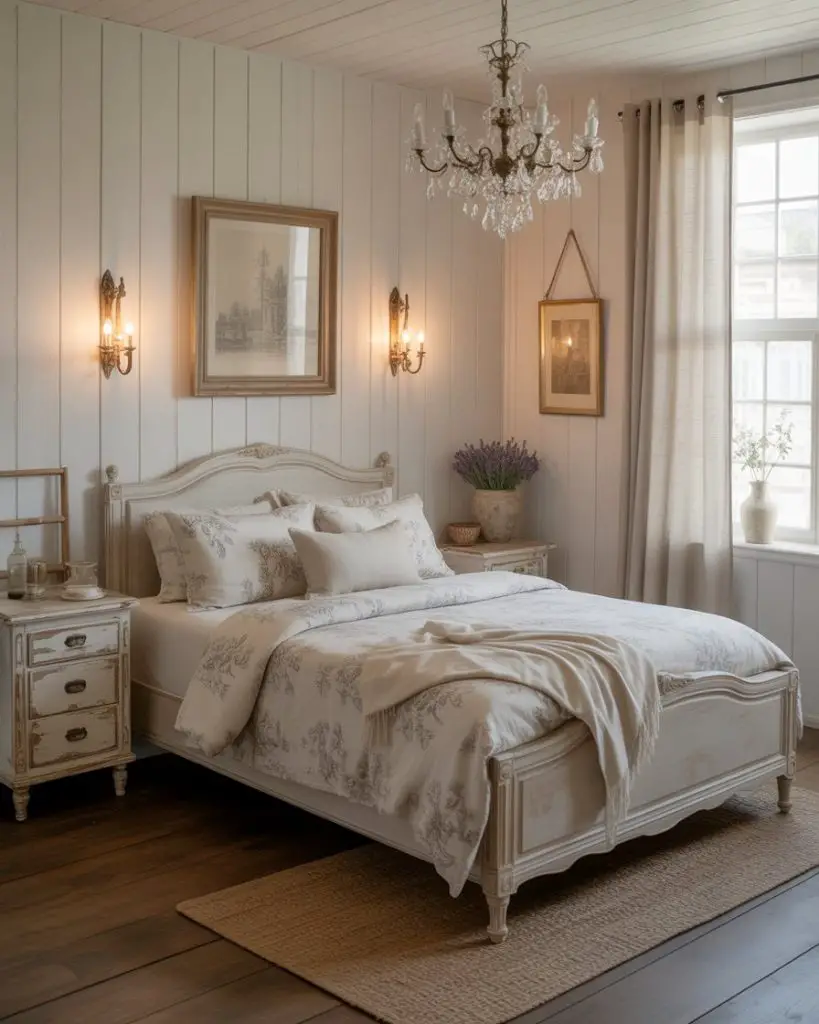
A French country cozy guest bedroom blends rustic European elements with comfortable American sensibilities. Think whitewashed wood furniture, toile prints in soft colors, linen bedding with ruffled edges, and vintage-inspired chandeliers. This aesthetic appeals to Americans drawn to European romance without the formality of traditional French design. The result feels collected, layered, and welcoming—somewhere guests can genuinely relax rather than worry about disturbing a perfect tableaux. Natural materials, distressed finishes, and soft feminine touches all contribute to the look. 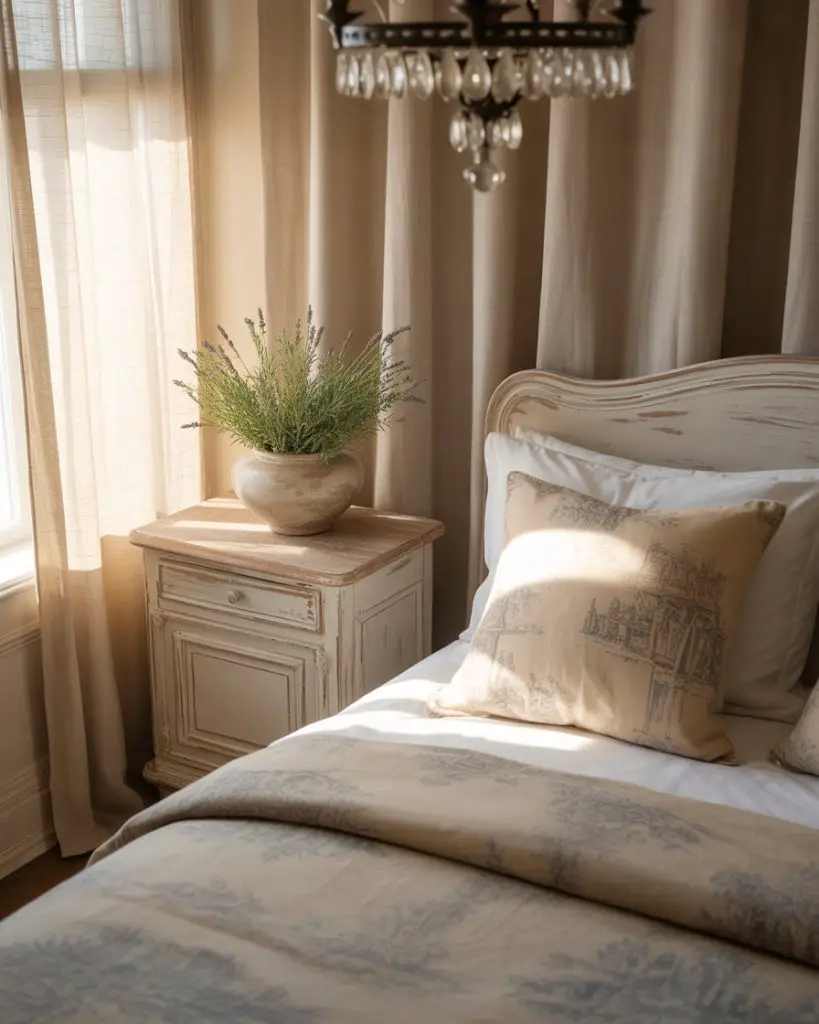
Where this works best: older homes with architectural character, suburban bedrooms where homeowners want European sophistication, and any space where feminine elegance feels appropriate. The style has enjoyed renewed interest as Americans seek alternatives to stark minimalism. Layer patterns carefully—toile, ticking stripe, and small florals all work together if you maintain a consistent color story. Add lavender or eucalyptus in simple vases; the French countryside association strengthens through these natural elements. A small writing desk with a vintage chair creates a romantic vignette that guests often photograph. Quality matters with this aesthetic—cheap furniture looks obviously wrong, while genuine vintage or well-made reproductions feel authentic and considered.
Conclusion
Creating a memorable guest bedroom in 2026 is about balancing current design trends with timeless hospitality principles—comfort, thoughtfulness, and genuine welcome. Whether you gravitate toward minimalist modern, charming rustic, or sophisticated neutral, the spaces that work best are those that consider actual guest needs: quality sleep surfaces, adequate storage, good lighting, and personal touches that make visitors feel valued. Take these ideas as starting points, adapt them to your home’s character and your personal style, and remember that the most important element is the care you put into making guests feel at home. What guest bedroom style speaks to you? Share your favorite approach or your own design ideas in the comments below.