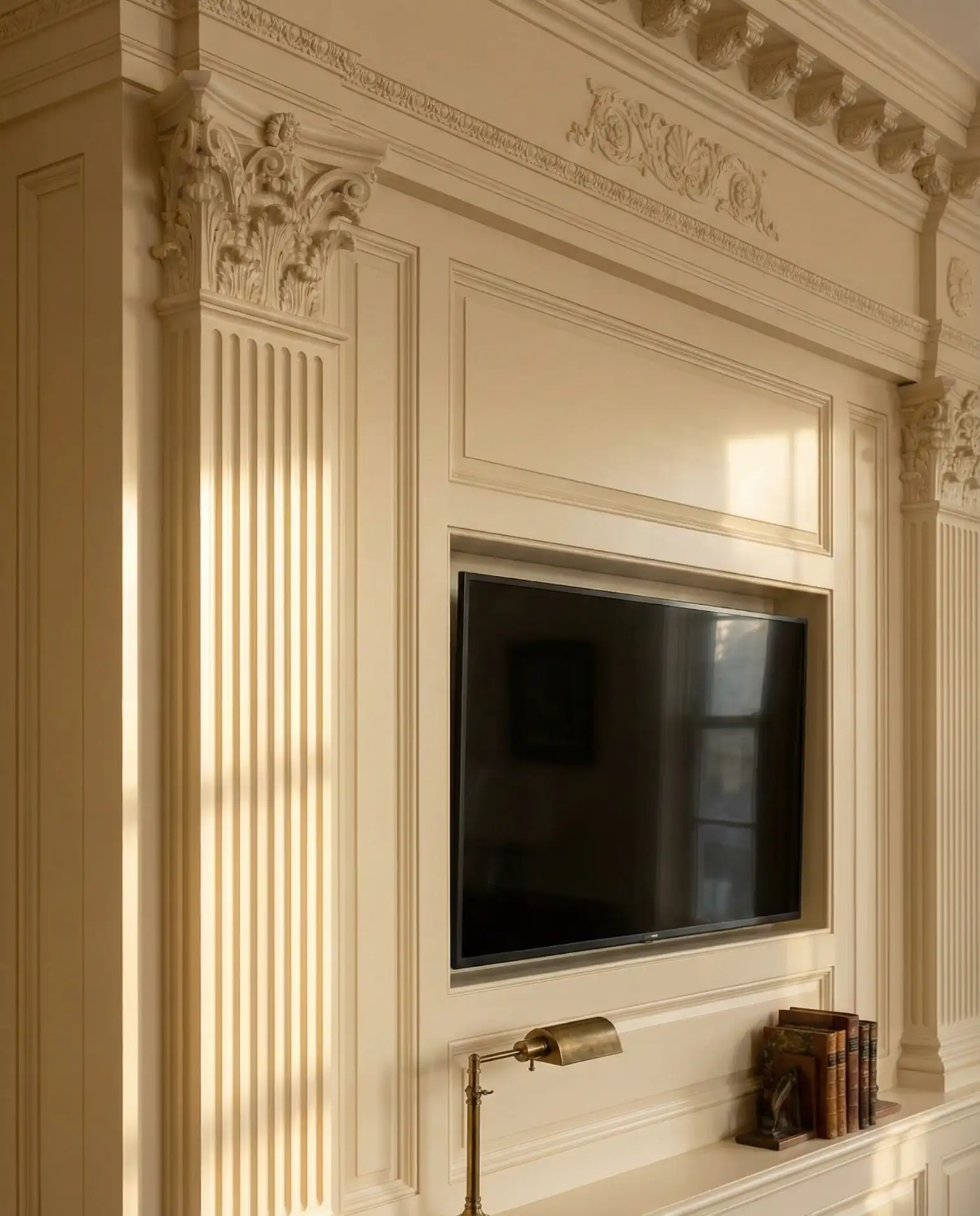
Living rooms are evolving faster than ever, and 2026 is shaping up to be a year where comfort meets bold experimentation. Americans are turning to Pinterest in droves, searching for spaces that feel both deeply personal and visually striking—rooms that balance relaxation with a sense of style that feels fresh and intentional. Whether you’re drawn to the warmth of natural materials, the clean lines of contemporary design, or the playful nostalgia of decades past, this year’s trends offer something for every home. In this guide, you’ll discover living room ideas that capture the spirit of 2026, each one designed to inspire your next refresh.
1. Japandi Serenity with Wooden Accents
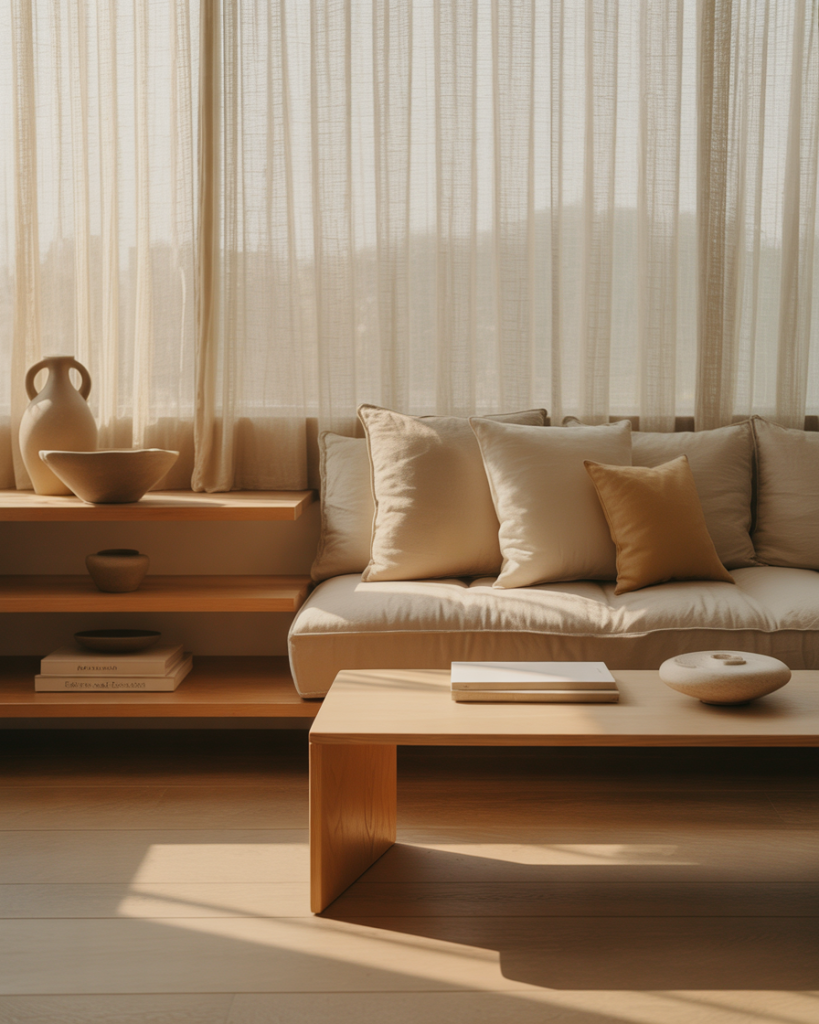
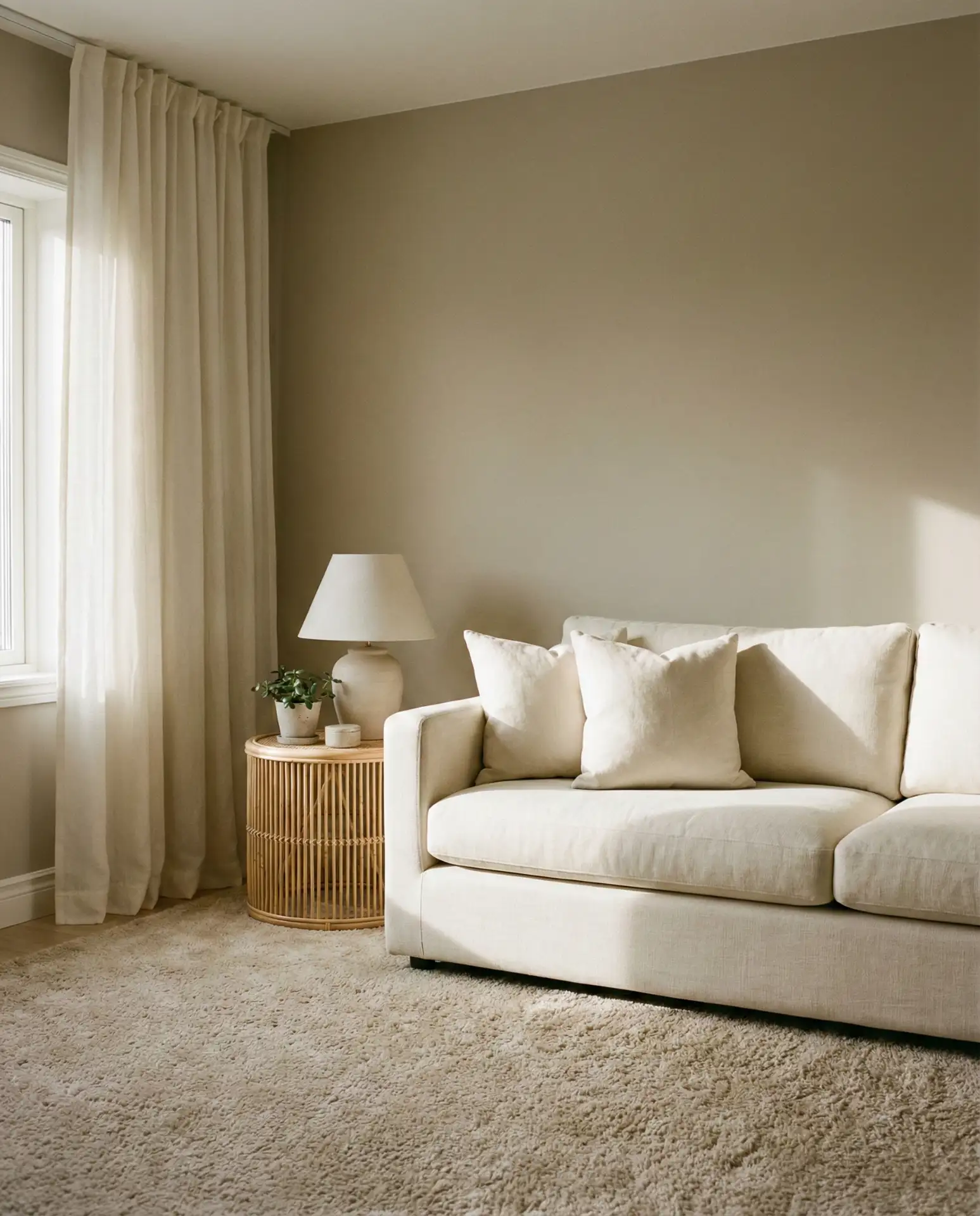
The fusion of Japanese minimalism and Scandinavian coziness continues to captivate American homeowners, especially those seeking calm in chaotic times. A Japandi living room embraces low-profile furniture, neutral palettes, and an abundance of wooden textures that bring warmth without clutter. Think clean-lined sofas paired with handcrafted oak coffee tables, linen throws, and subtle ceramic accents. This aesthetic thrives in home spaces where natural light floods through sheer curtains, creating soft shadows that shift throughout the day. 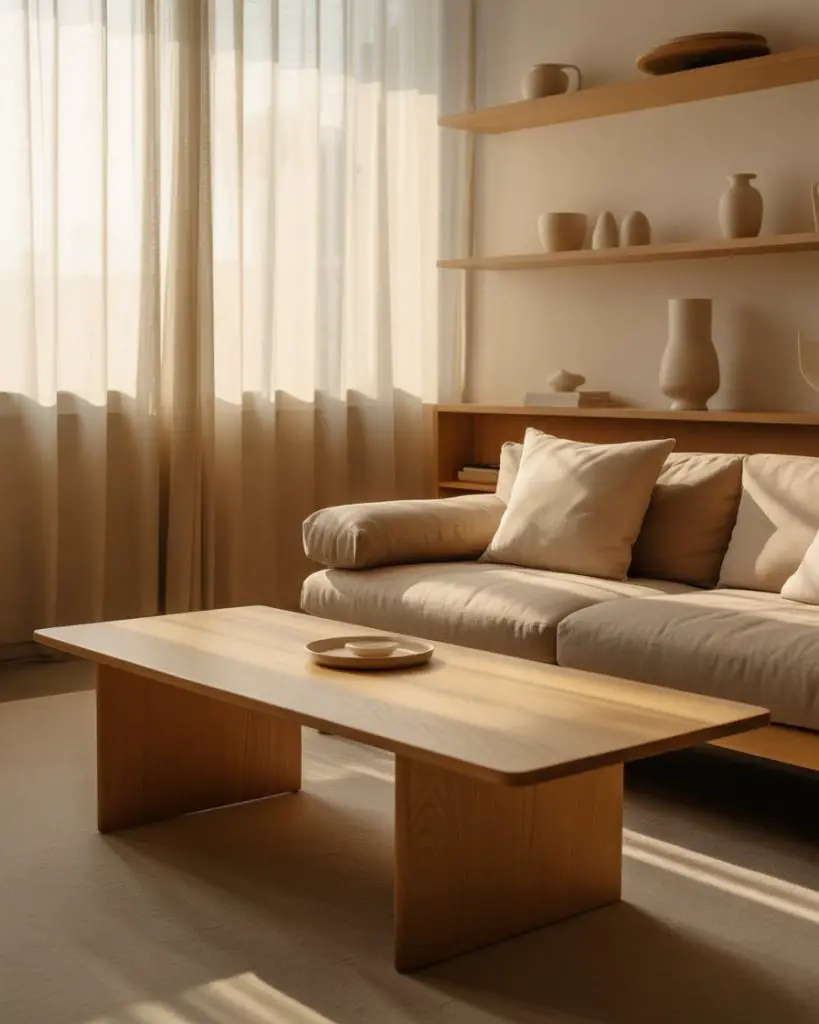
This style works best in smaller homes or apartments where every piece needs to earn its place. Avoid overcrowding the room—Japandi is about breathing room and intentionality. If you’re tempted to add too many decorative objects, step back. The beauty lies in what you leave out, not what you pile on. A single statement vase or a handwoven basket can say more than a dozen tchotchkes ever could.
2. Luxury Velvet in Deep Jewel Tones
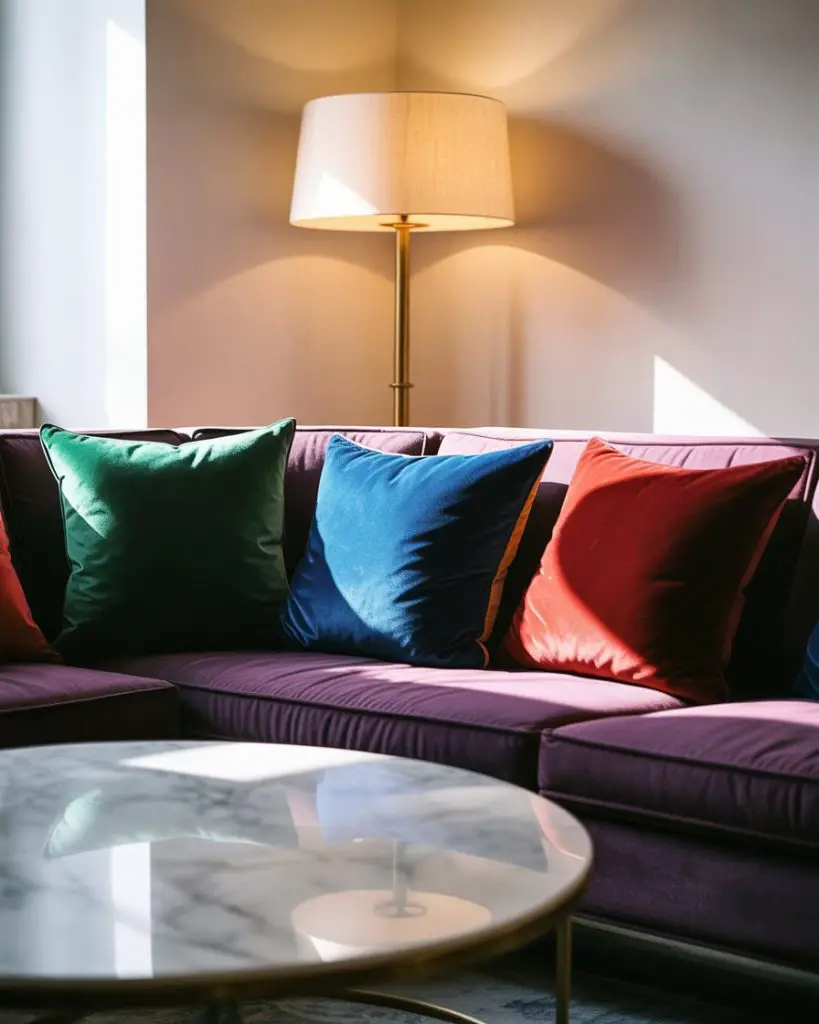
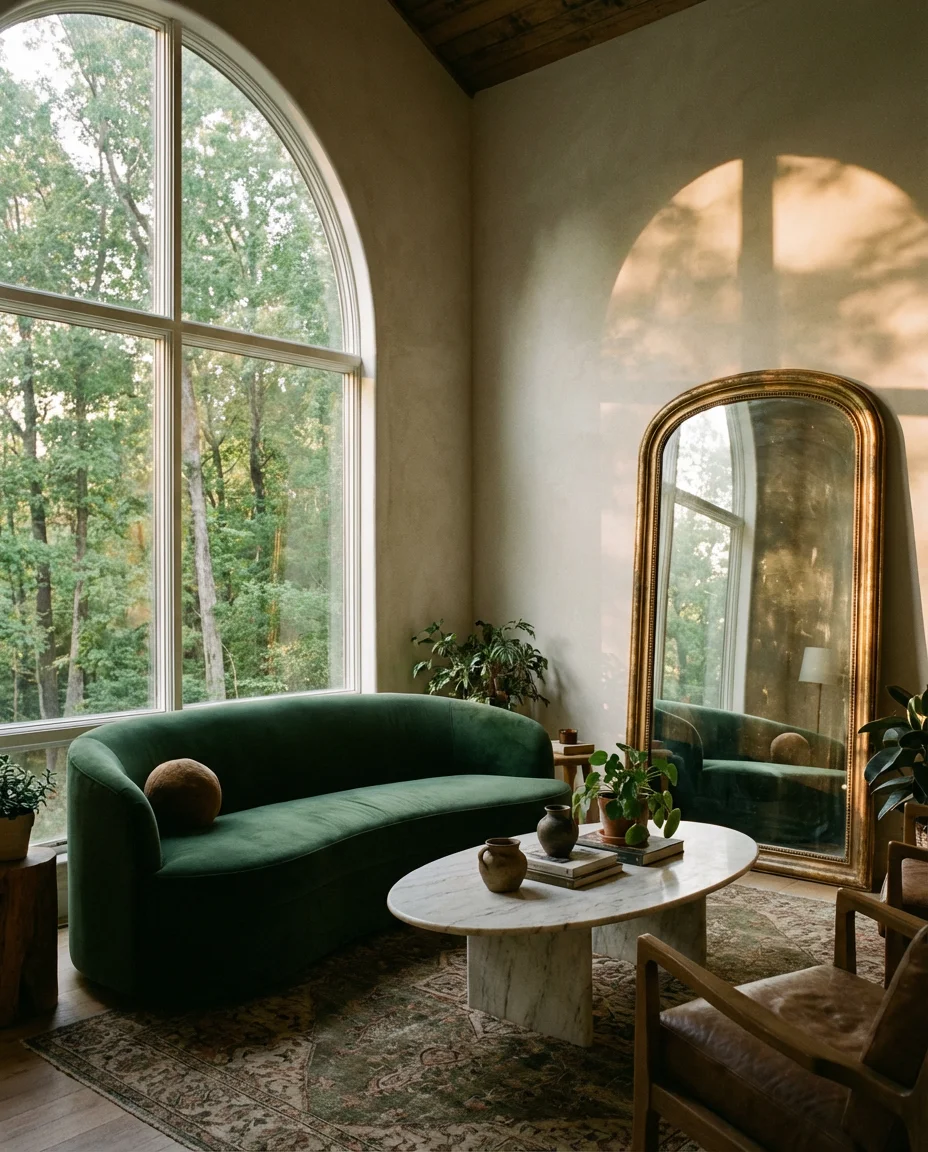
Velvet is staging a major comeback, but this time it’s all about rich, saturated hues that feel both opulent and lived-in. Luxury doesn’t mean untouchable—it means a purple velvet sectional that invites you to sink in after a long day, or a green accent chair that anchors a corner with quiet drama. Pair these pieces with brass fixtures, marble side tables, and layered lighting to create a space that feels expensive without trying too hard. 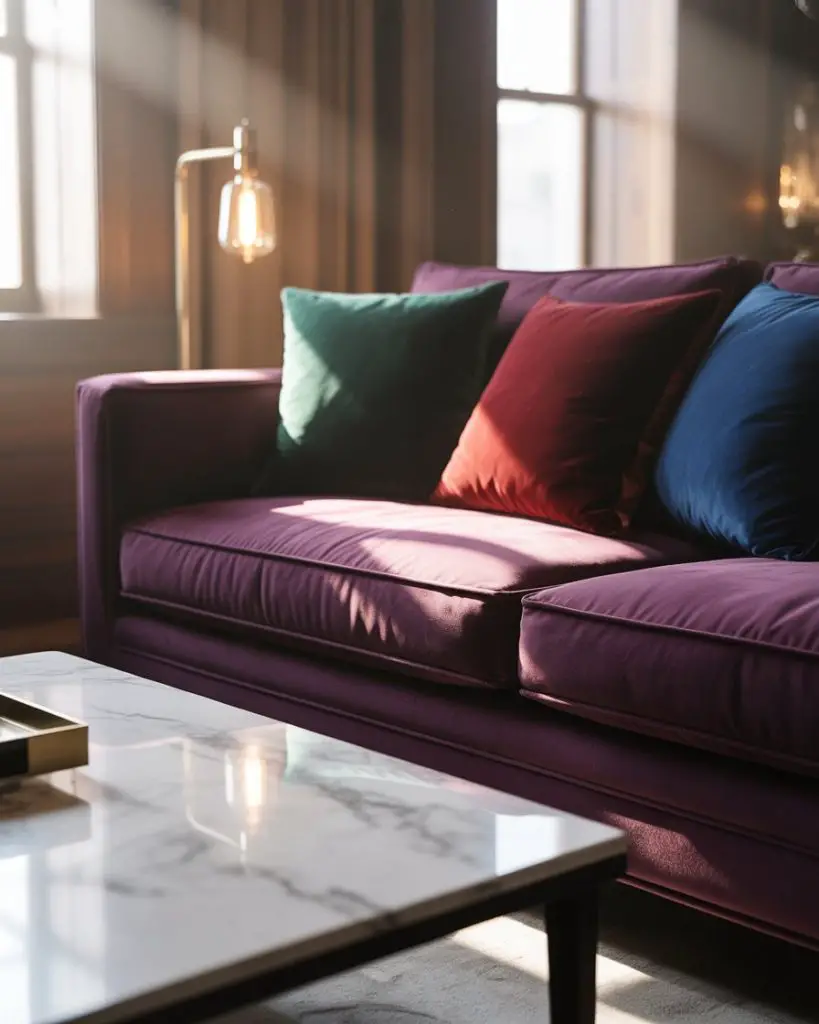
Where it works best: In homes with high ceilings or large windows, where natural light can play off the velvet’s texture throughout the day. The common mistake here is choosing velvet in pale colors that show every mark—stick with deeper tones that age gracefully and hide wear. Jewel tones also photograph beautifully, which is why they’re all over Pinterest feeds right now.
3. Industrial Loft with Exposed Concrete
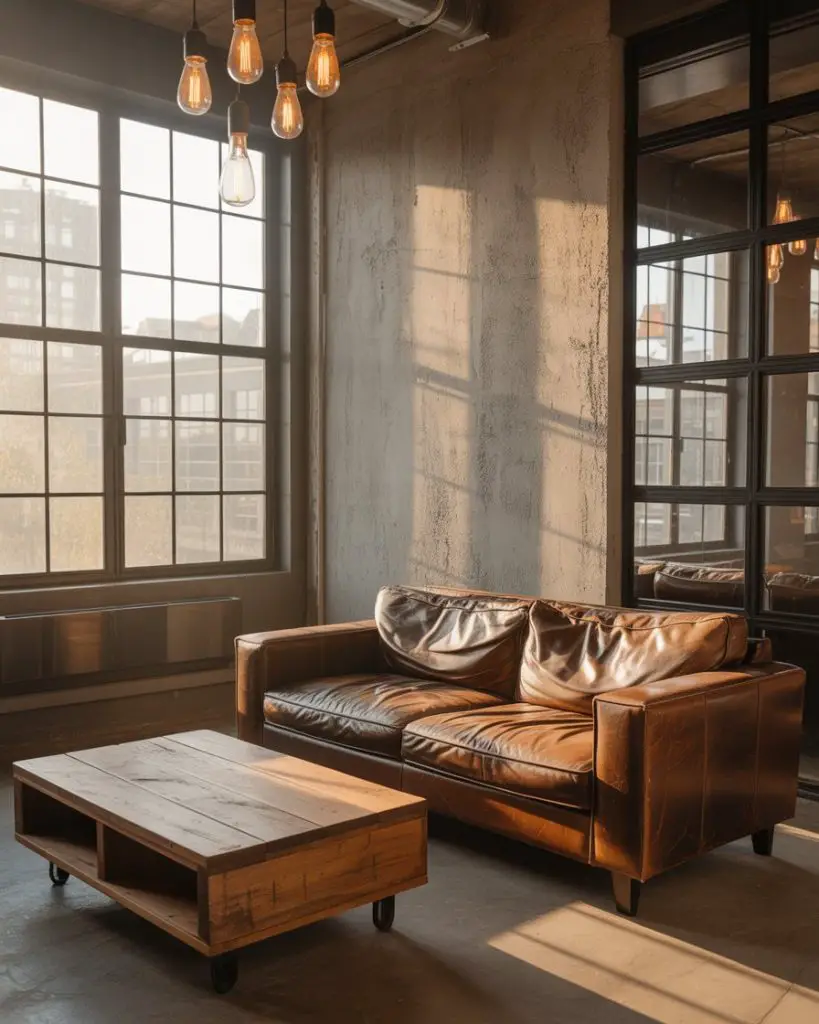
The raw, unfinished look of industrial design continues to resonate with urban dwellers who appreciate authenticity over polish. Exposed concrete walls, steel-framed windows, and reclaimed wood furniture create a backdrop that feels both rugged and refined. This style celebrates imperfection—think visible pipes, Edison bulb fixtures, and leather seating that only gets better with age. It’s a contemporary take on warehouse living that works beautifully in converted lofts or modern builds with an edge. 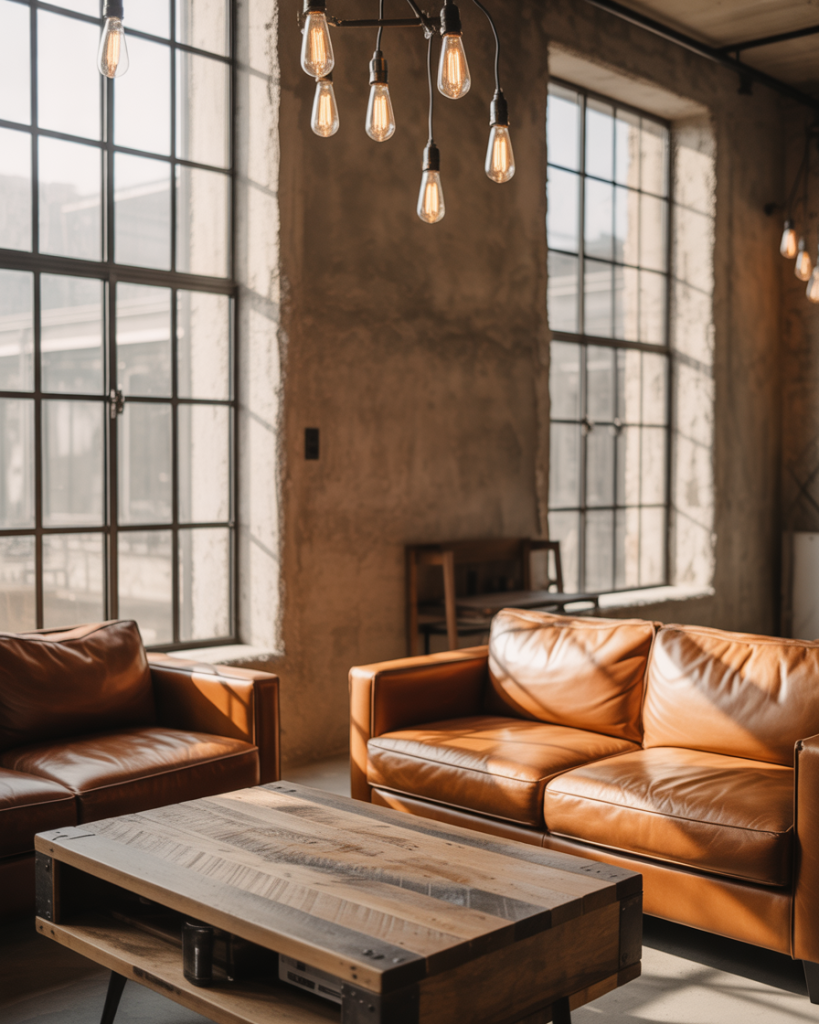
A practical insight: Industrial spaces can feel cold if you don’t layer in warmth. Add thick area rugs, soft throws, and plenty of greenery to soften the hard edges. The beauty of this style is its flexibility—you can keep the bones raw while introducing comfort through textiles and natural elements. Don’t skip the plants; they’re essential for bringing life to all that concrete and metal.
4. Moroccan-Inspired Archways and Patterns
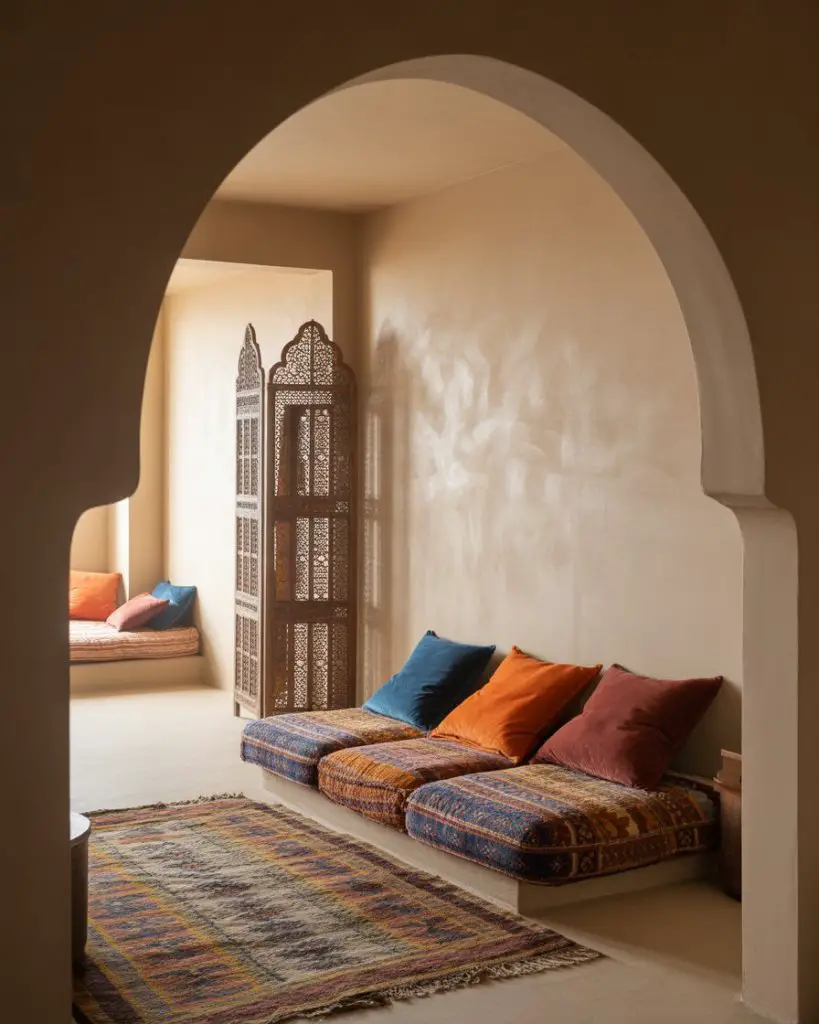
Arched doorways and intricate tile work are no longer reserved for Mediterranean villas—they’re making their way into American living rooms with stunning results. Moroccan design brings warmth through bold geometric patterns, jewel-toned textiles, and carved wooden screens that filter light beautifully. An arch framing the entrance to your living room instantly adds architectural interest, while layered rugs and embroidered cushions create a sense of global sophistication. 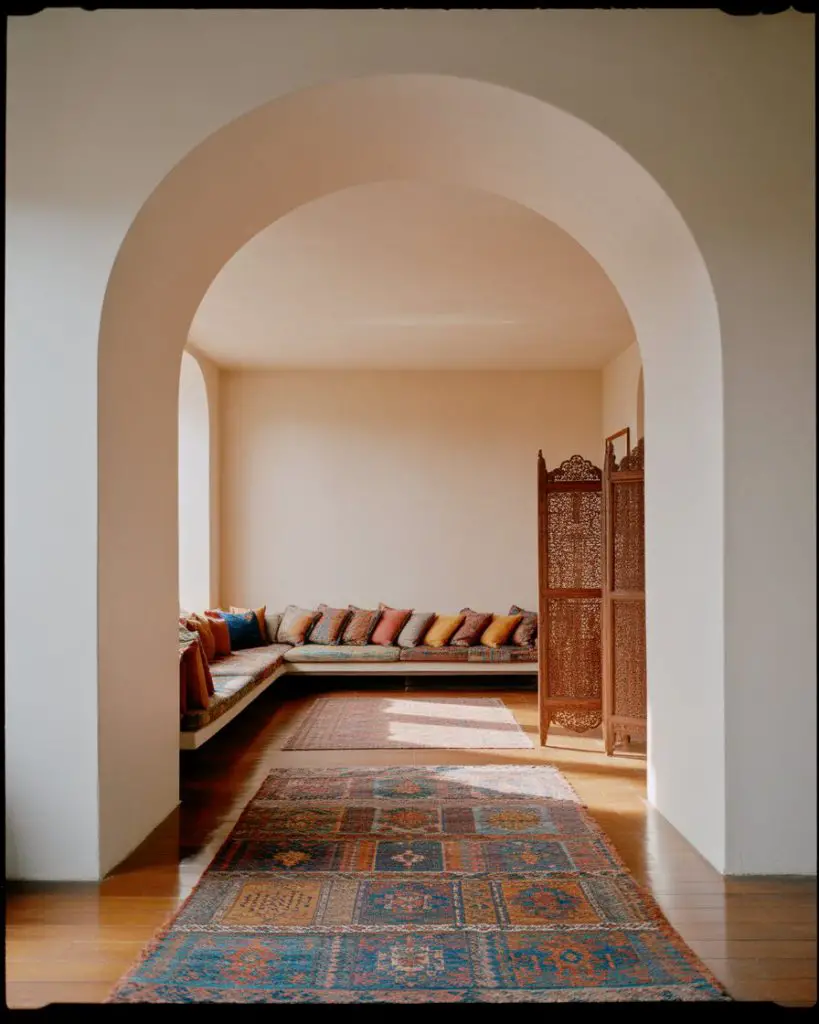
Real homeowner behavior shows that people often go overboard with pattern mixing in Moroccan spaces. The trick is to choose one or two statement pieces—a bold rug or an embroidered ottoman—and keep surrounding elements more subdued. This prevents the room from feeling chaotic. In American homes, Moroccan style works especially well in Southwest regions, where the climate and architecture already lean toward warm, earthy tones.
5. Scandinavian Minimalism with Natural Textures
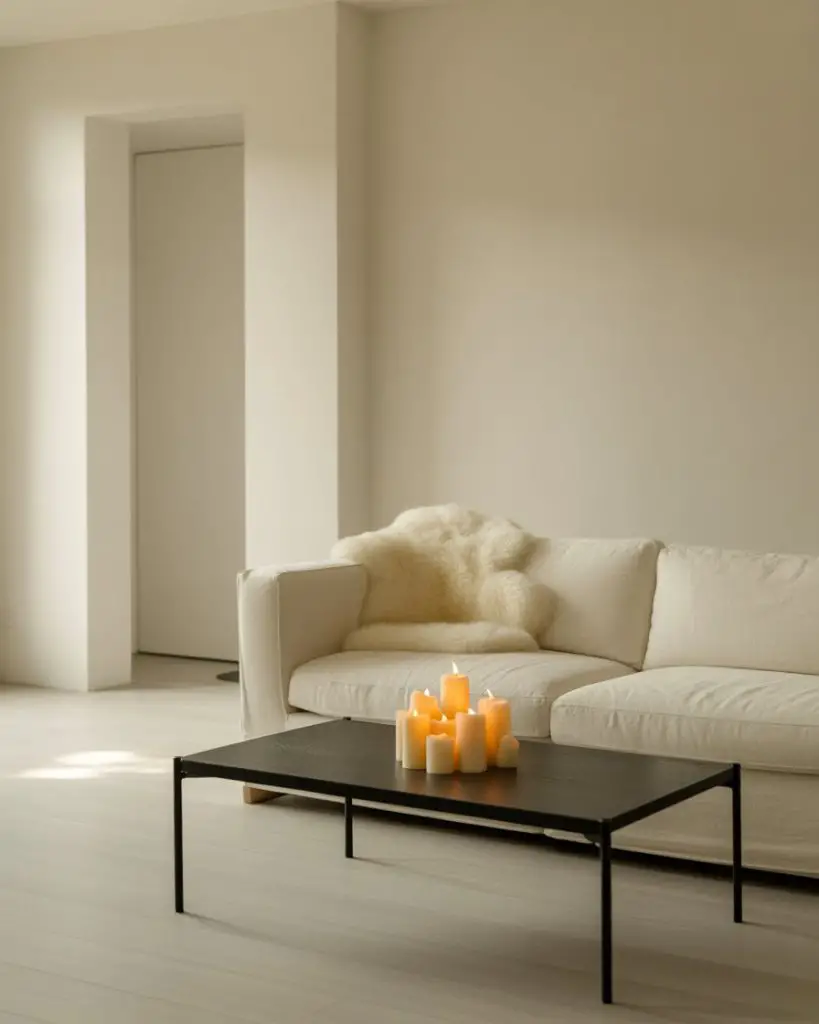
The Scandinavian approach to living room design remains timeless, built on principles of functionality, light, and connection to nature. White walls serve as a canvas for wooden furniture, sheepskin throws, and simple black accents that never feel stark. This isn’t about sterility—it’s about creating a home that breathes, where every object serves a purpose and beauty comes from simplicity. Large windows, minimal window treatments, and plenty of candles complete the hygge-inspired atmosphere. 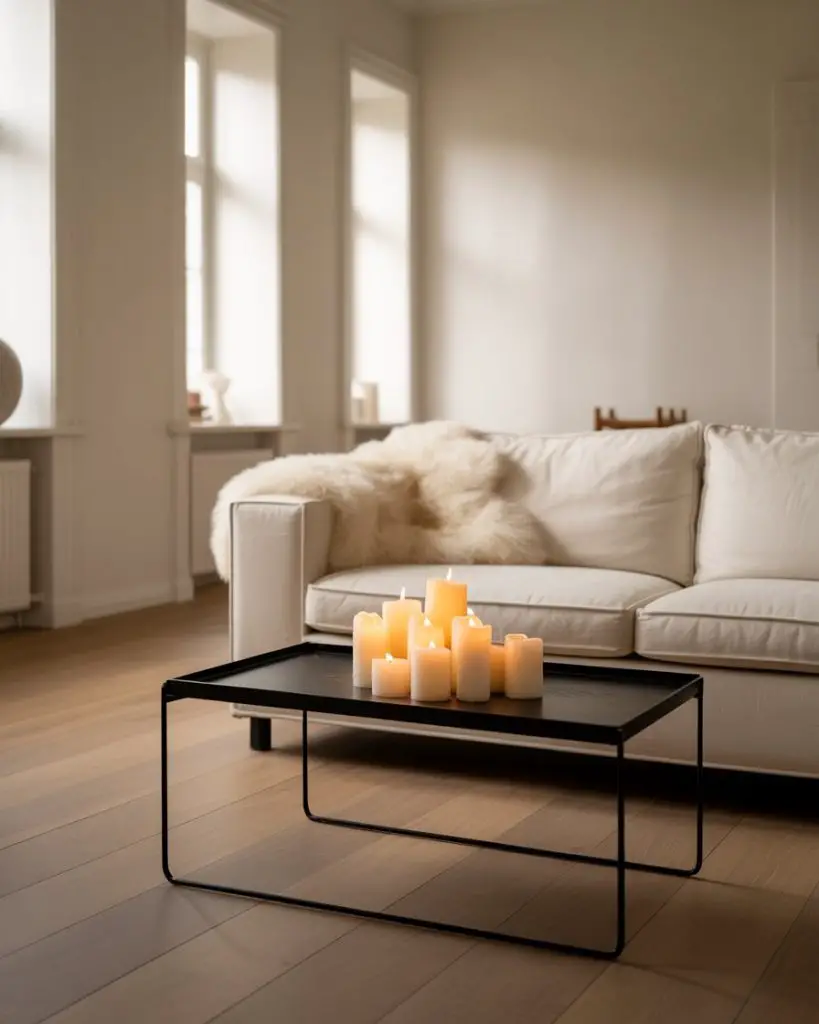
Expert-style commentary suggests that Americans often miss the mark by making Scandinavian rooms too cold. The key is layering—add texture through natural fiber rugs, chunky knit blankets, and plenty of greenery. Think of it as curated coziness rather than minimalist austerity. The best Scandinavian living rooms feel warm and welcoming, not like a showroom.
6. Traditional Elegance with Modern Touches
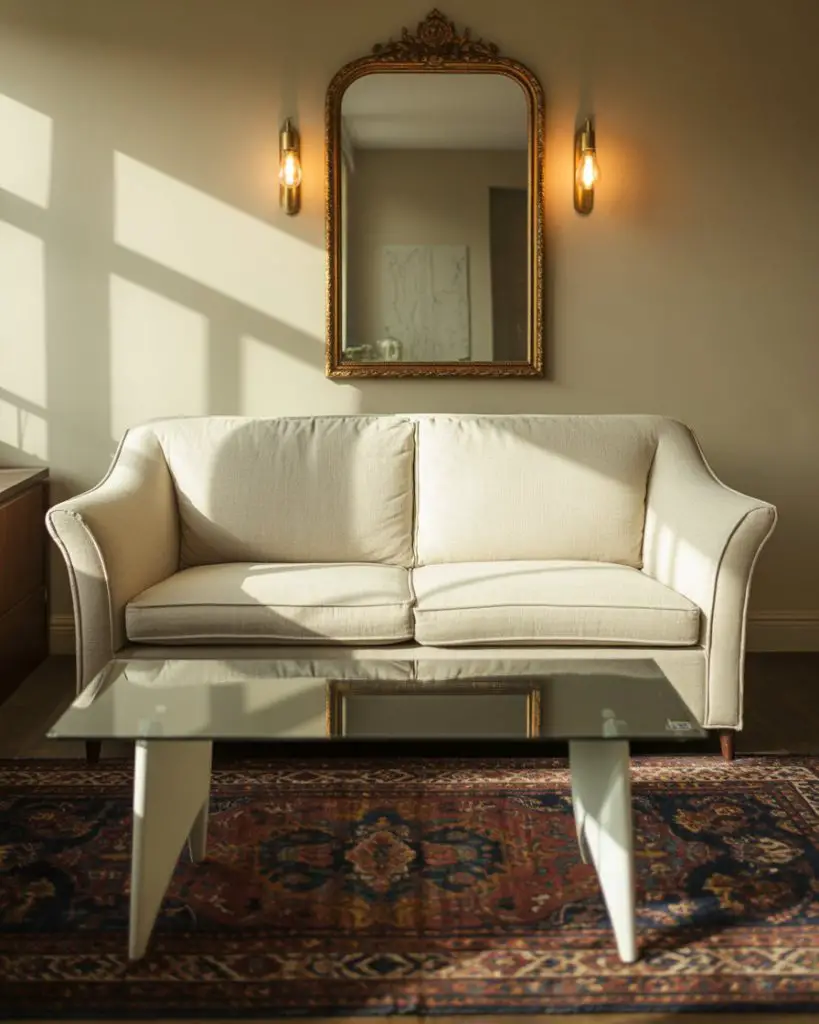
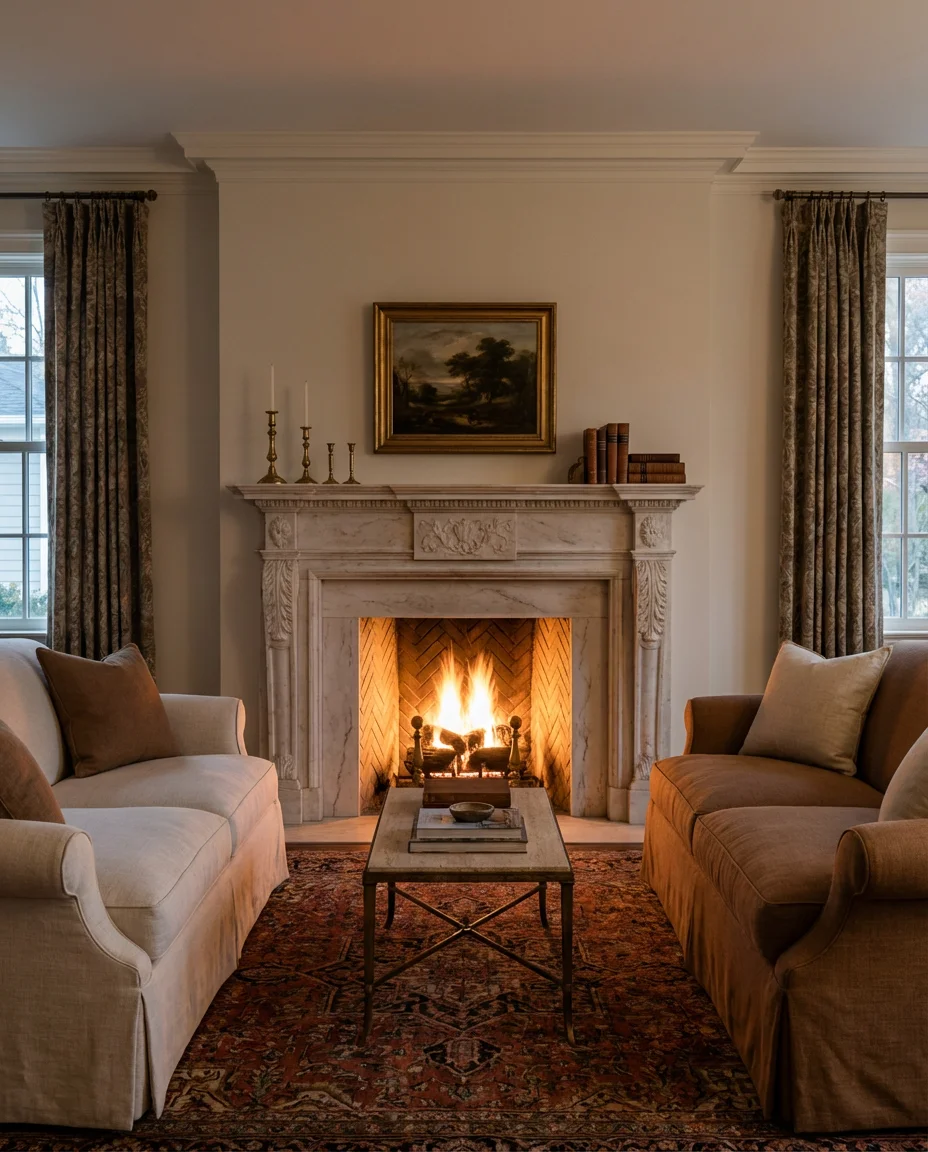
There’s a growing appreciation for traditional furniture that’s been updated for contemporary life. Classic rolled-arm sofas in fresh fabrics, antique mirrors paired with sleek lighting, and Persian rugs grounding modern coffee tables create a layered look that feels collected over time. This approach honors craftsmanship while rejecting the stuffiness of formal living rooms past. It’s about taking the best of neoclassical design and making it livable for everyday American families. 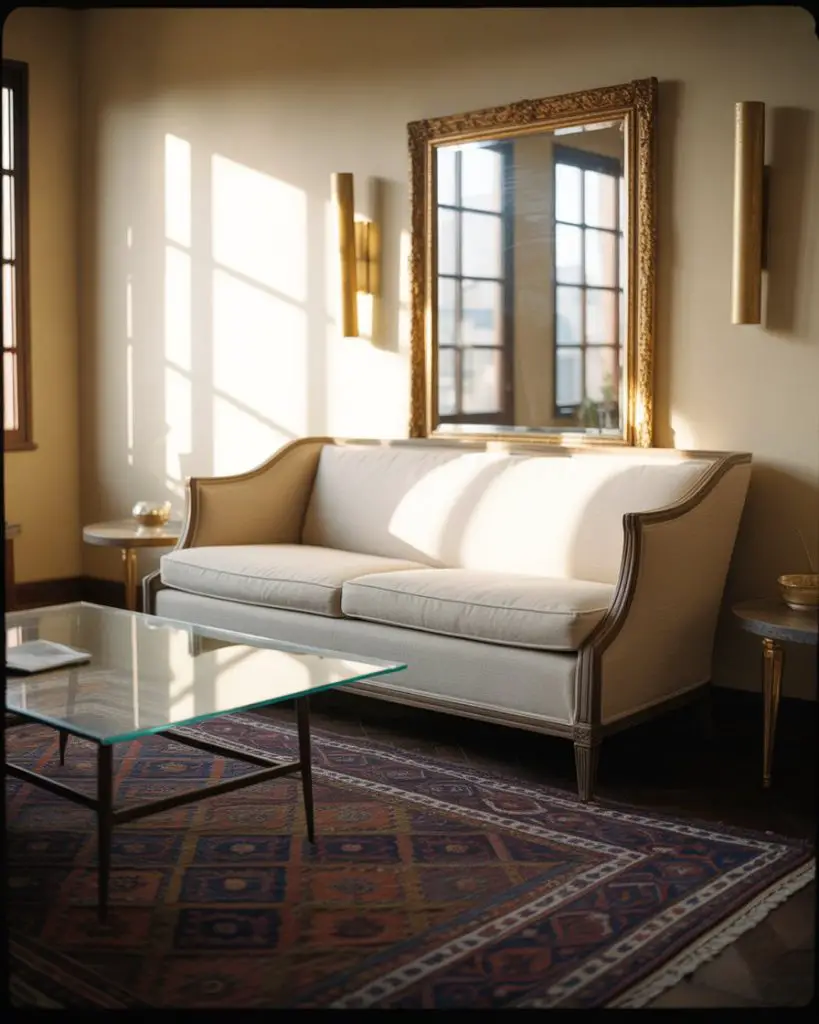
A micro anecdote: A designer friend recently transformed a client’s stuffy traditional living room by swapping heavy drapes for simple linen panels and replacing dark wood tables with lucite alternatives. The bones stayed traditional, but the room suddenly felt lighter and more relevant. This proves you don’t need to abandon inherited pieces—you just need to edit what surrounds them.
7. Tropical Oasis with Lush Greenery
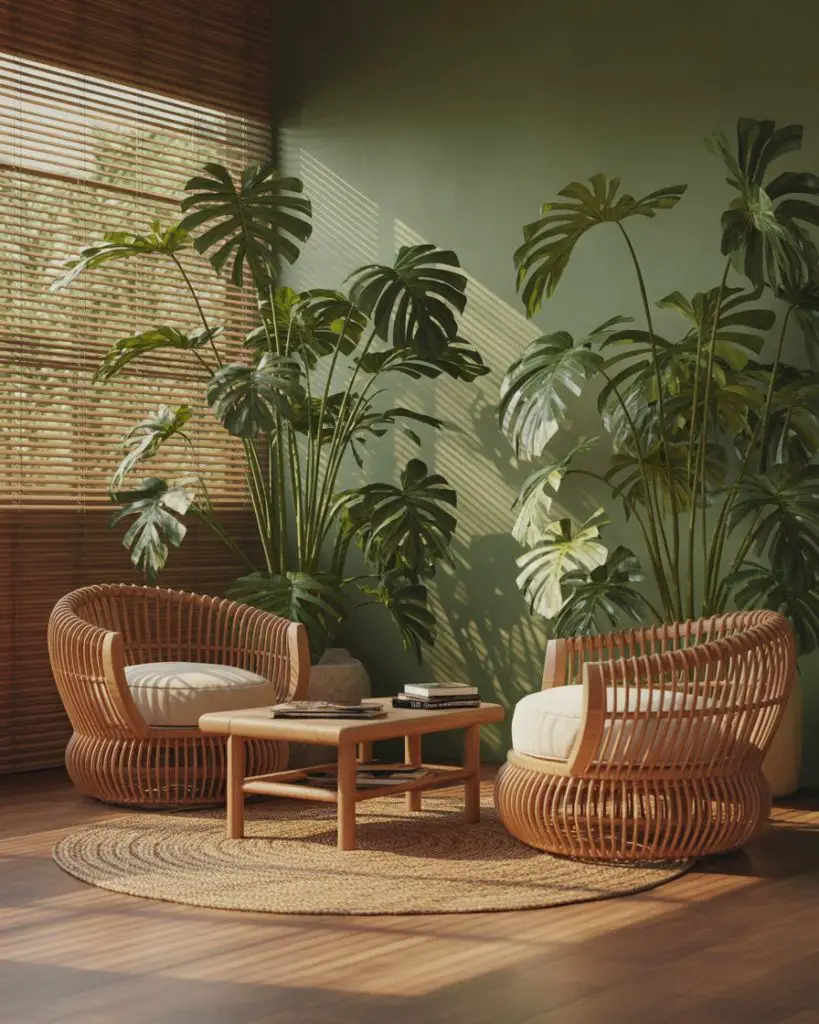
Bringing the outdoors in has never been more literal than in tropical-inspired living rooms that blur the line between interior and exterior. Oversized palm leaves, rattan furniture, and natural fiber rugs create a vacation-like atmosphere that’s especially appealing in warmer American climates. Pair these elements with green accent walls or wallpaper featuring botanical prints, and suddenly your living room feels like a permanent retreat. 
Where it works best: In coastal regions, Florida, California, or any home with access to outdoor living spaces. The style extends beautifully onto patios and sunrooms. Budget-conscious homeowners can achieve this look affordably—thrift vintage rattan, propagate plants from cuttings, and use peel-and-stick wallpaper for temporary tropical impact. The investment pieces should be comfortable seating; everything else can be sourced creatively.
8. 70s Revival with Earthy Tones
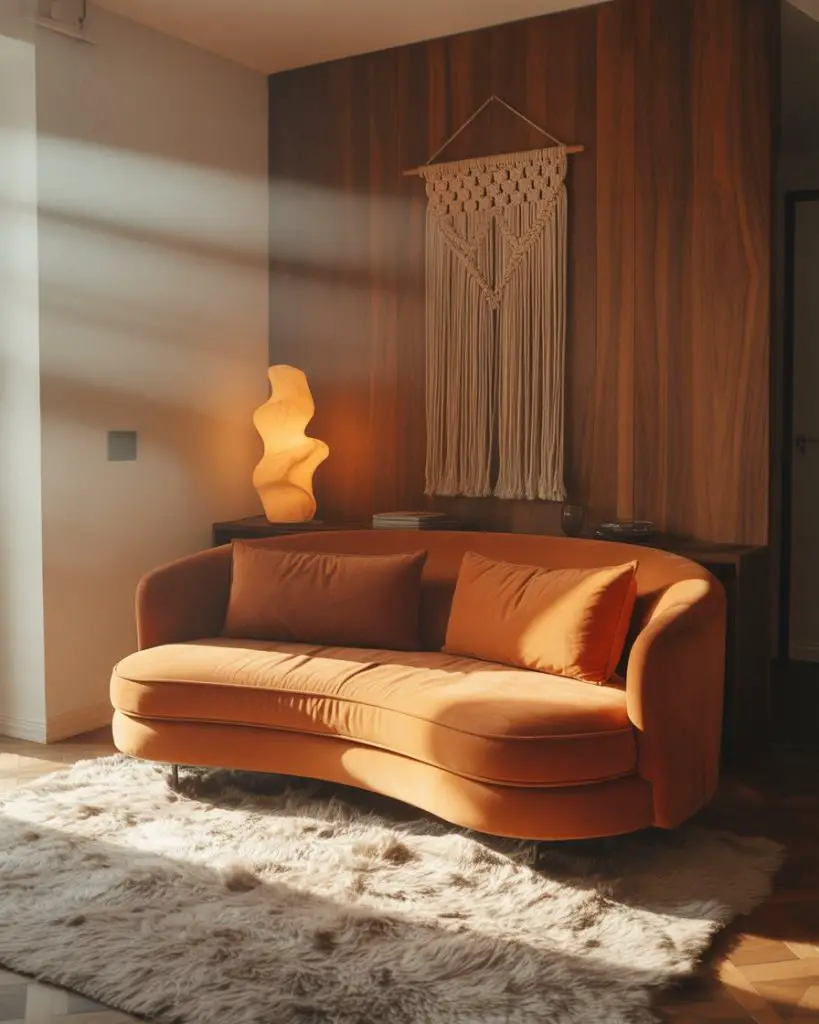
The groovy vibes of the 70s are back, but this time with more restraint and sophistication. Think curved sofas in burnt orange or mustard, shag rugs that beg to be touched, and sculptural table lamps with warm-toned shades. This era’s love of rustic wood paneling and macramé wall hangings translates beautifully into modern home spaces when balanced with contemporary art and cleaner lines. It’s nostalgia without kitsch. 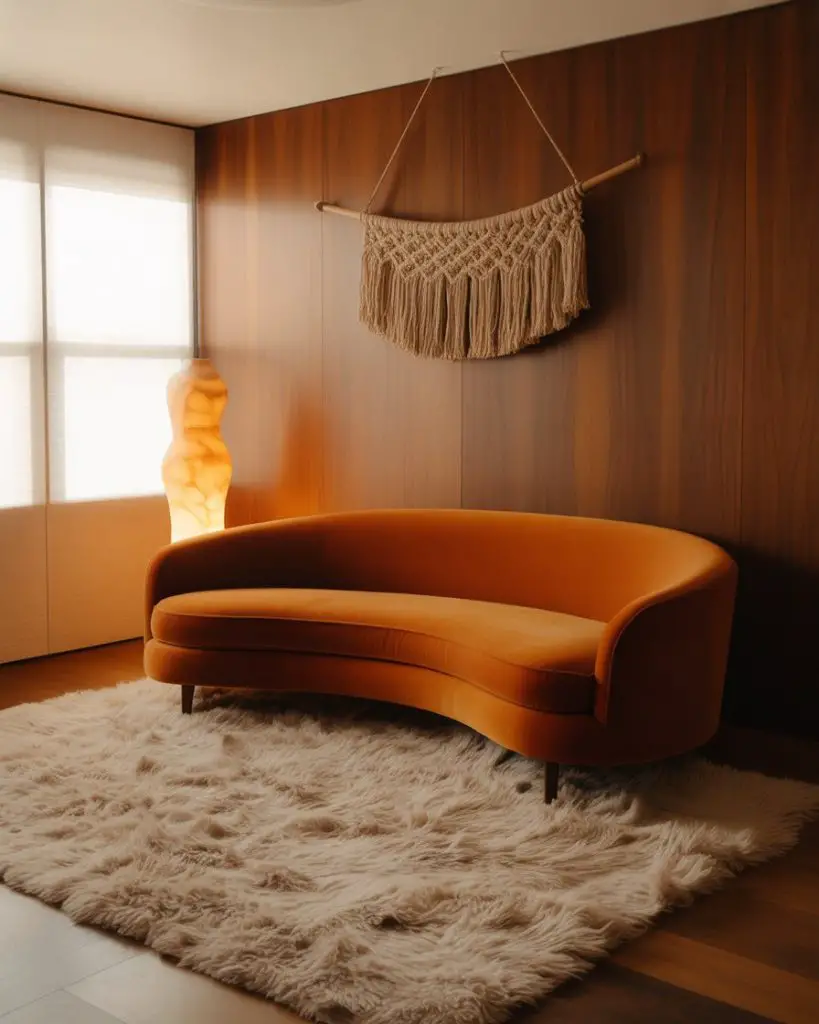
Practical insight: The 70s palette works because it grounds a room in warmth—something many modern spaces lack. These earthy tones (terracotta, olive, and caramel) pair surprisingly well with brass and black accents. Don’t be afraid to mix vintage finds from estate sales with new pieces. The key is maintaining that relaxed, slightly bohemian feel while keeping the room functional for actual living, not just Instagram.
9. Modern Classic with Architectural Details
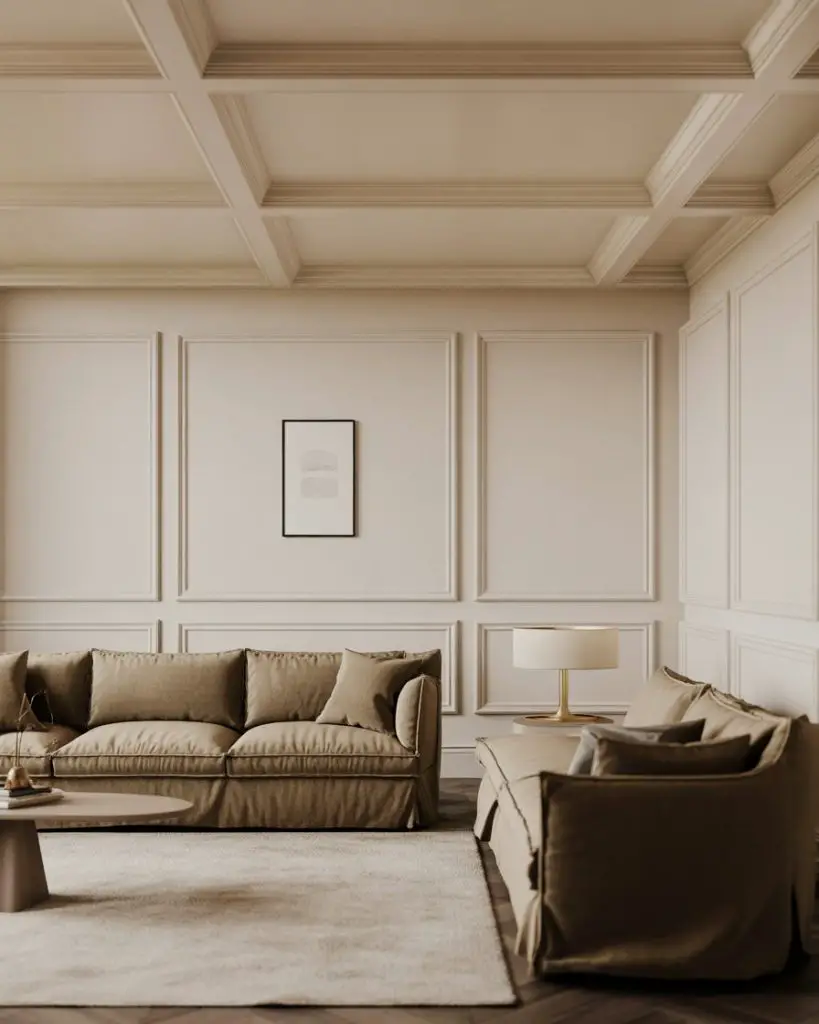
The modern classic living room honors timeless proportions while embracing current sensibilities. Crown molding, coffered ceilings, and elegant wainscoting provide architectural interest, while furniture remains sleek and unfussy. Neutral palettes dominate—creams, taupes, soft grey—punctuated by carefully chosen art and accessories. This approach creates spaces that feel expensive and established without leaning into any single trend too heavily. 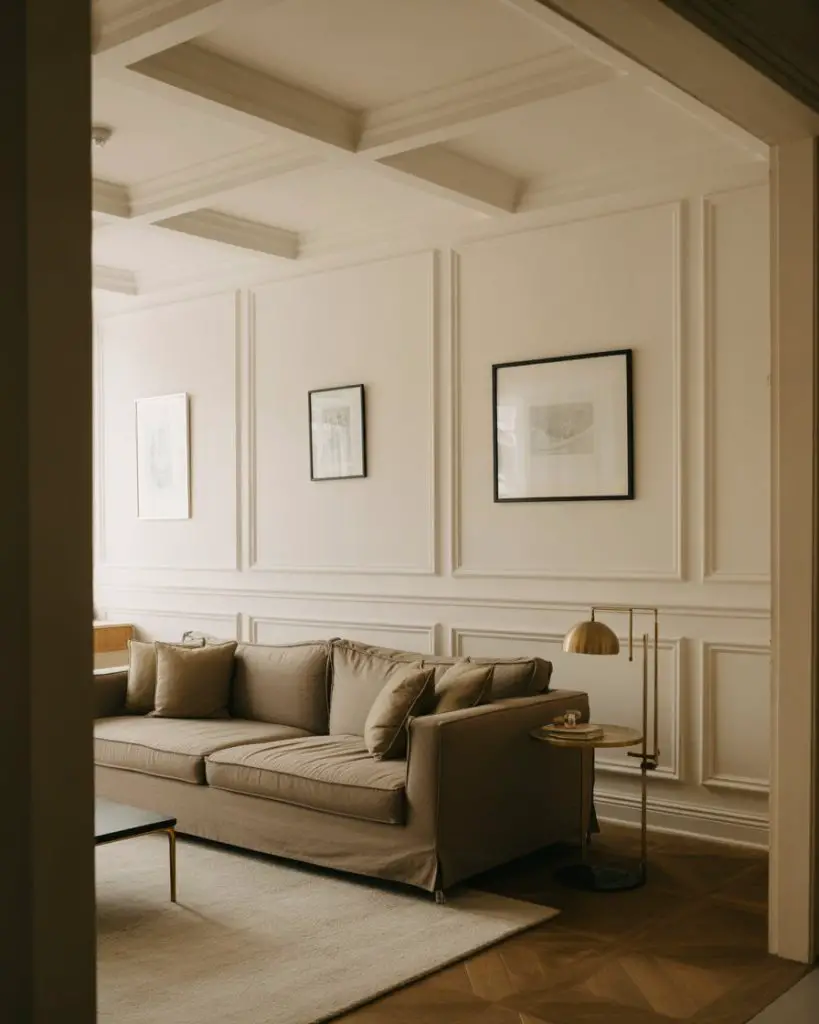
American lifestyle context: This style resonates particularly with homeowners in the Northeast and traditional Southern homes, where architectural details are expected. The beauty is that these rooms age gracefully—they won’t look dated in five years because they’re rooted in proportion and quality rather than fleeting trends. Invest in the bones (molding, quality paint, and good lighting), and the rest falls into place.
10. Bauhaus-Inspired Geometry and Function
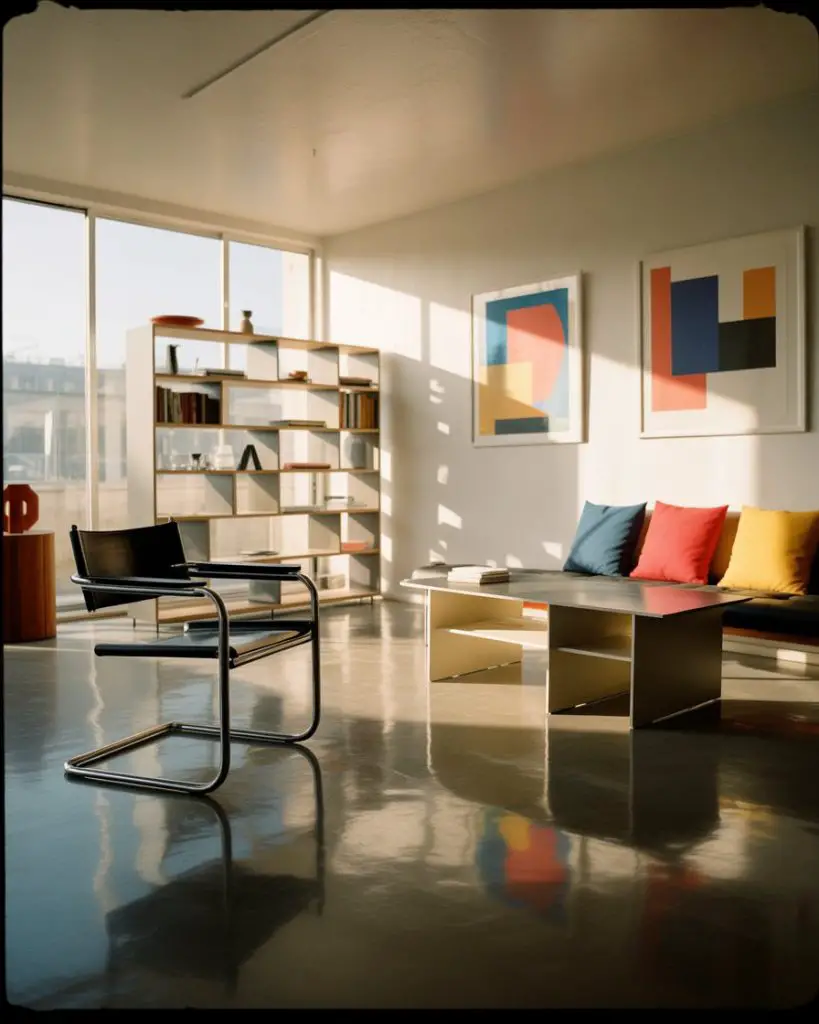
The principles of Bauhaus design—form follows function, honest materials, and geometric clarity—are experiencing a renaissance in American interiors. Think tubular steel chairs, modular shelving systems, and bold primary color accents against neutral backgrounds. This isn’t about coldness; it’s about celebrating the beauty of purposeful design. Every piece in a Bauhaus-inspired living room earns its place through both utility and aesthetic contribution. 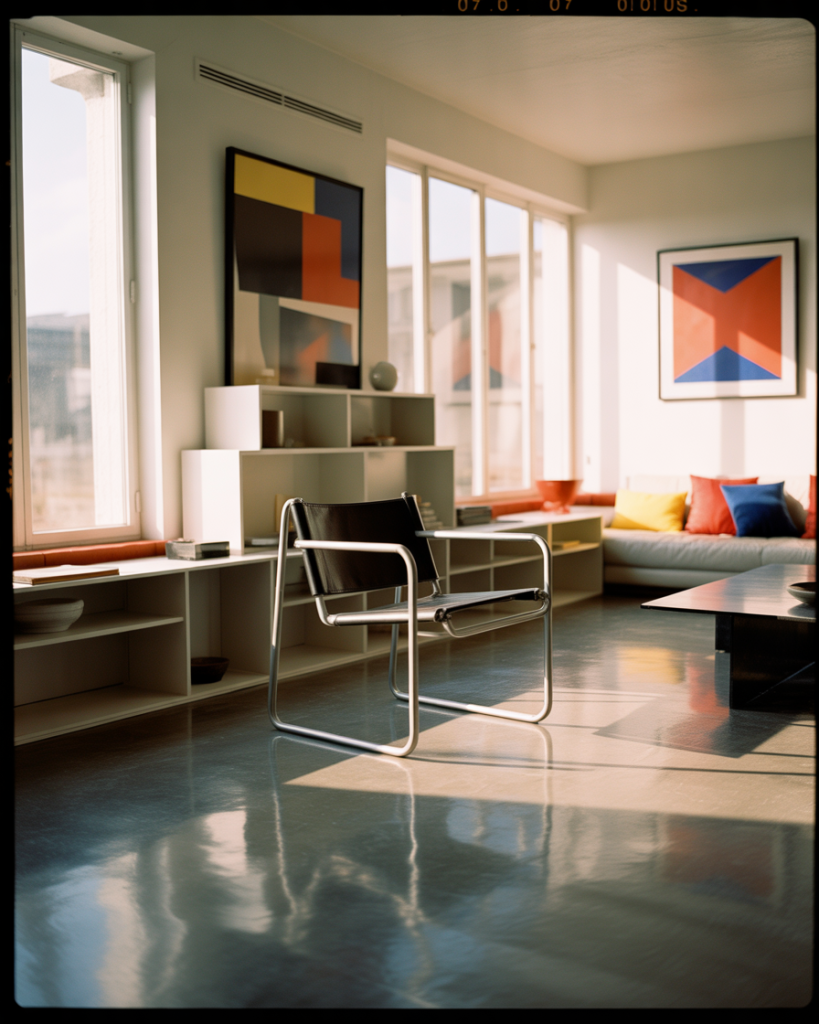
Expert-style commentary: Bauhaus works brilliantly in loft spaces or mid-century homes where the architecture already leans modern. The common mistake is making it too austere—add warmth through textiles, plants, and wood accents. While Bauhaus celebrates industrial materials, it shouldn’t feel institutional. Balance that geometric precision with organic elements to create a space that’s intellectually stimulating but still comfortable enough for movie nights.
11. Blue Haven for Calm and Focus
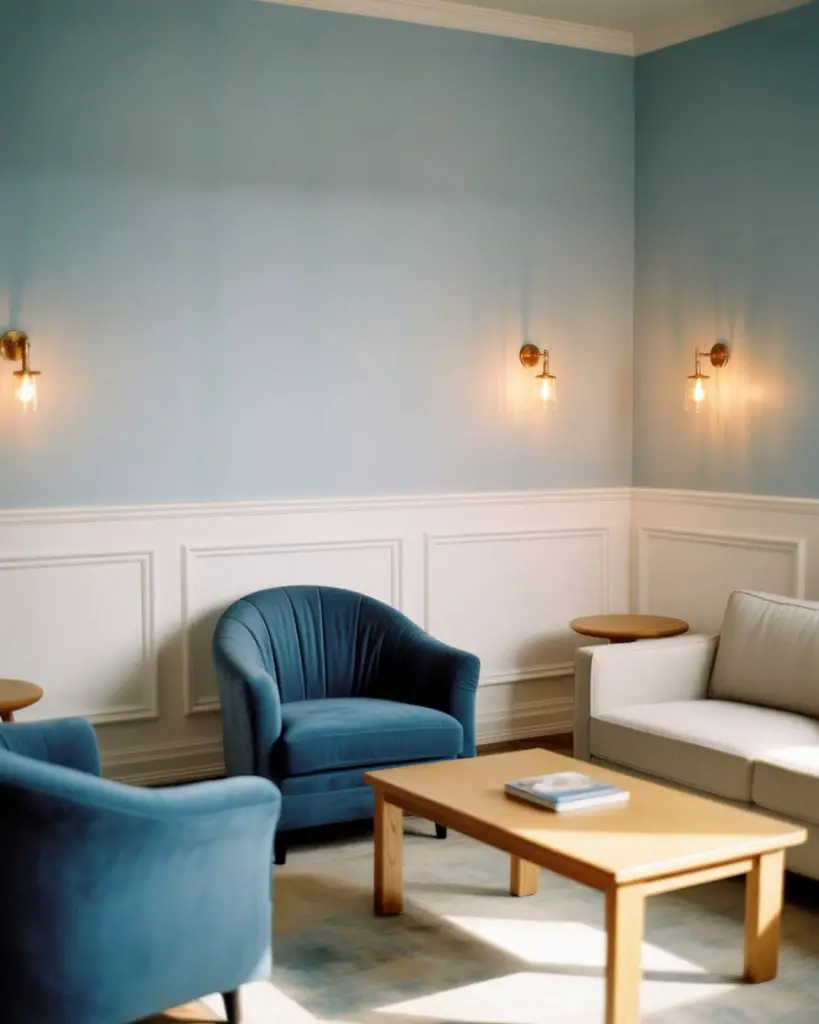
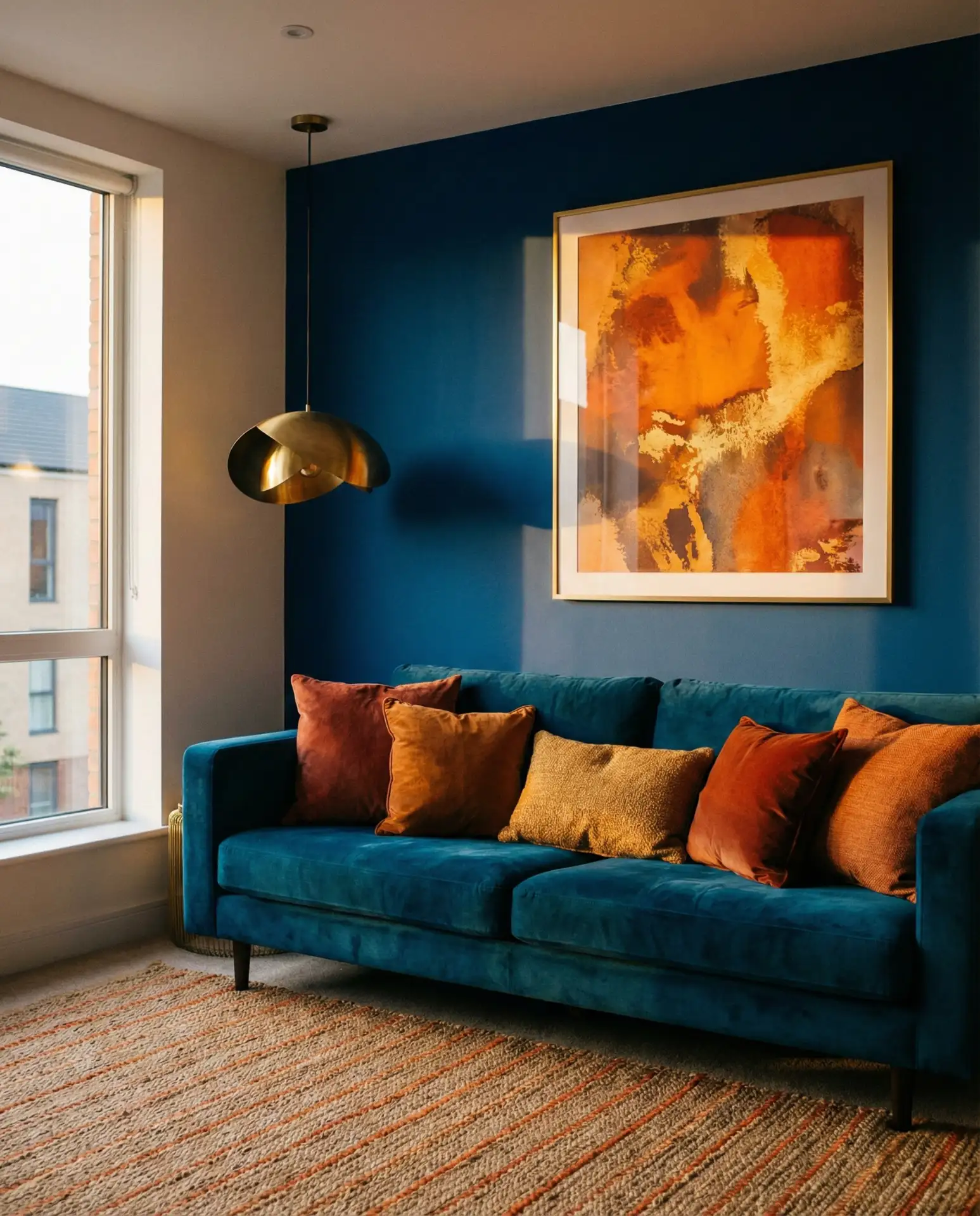
Blue is climbing the ranks as a go-to living room color, offering everything from serene powder blues to dramatic navy depths. This versatile hue promotes relaxation while adding visual interest that neutrals can’t match. Pair lighter blues with white trim and natural wooden furniture for a coastal-casual feel, or go bold with deep indigo walls anchored by luxury velvet seating and metallic accents. The psychological benefits are real—blue spaces feel larger and more peaceful. 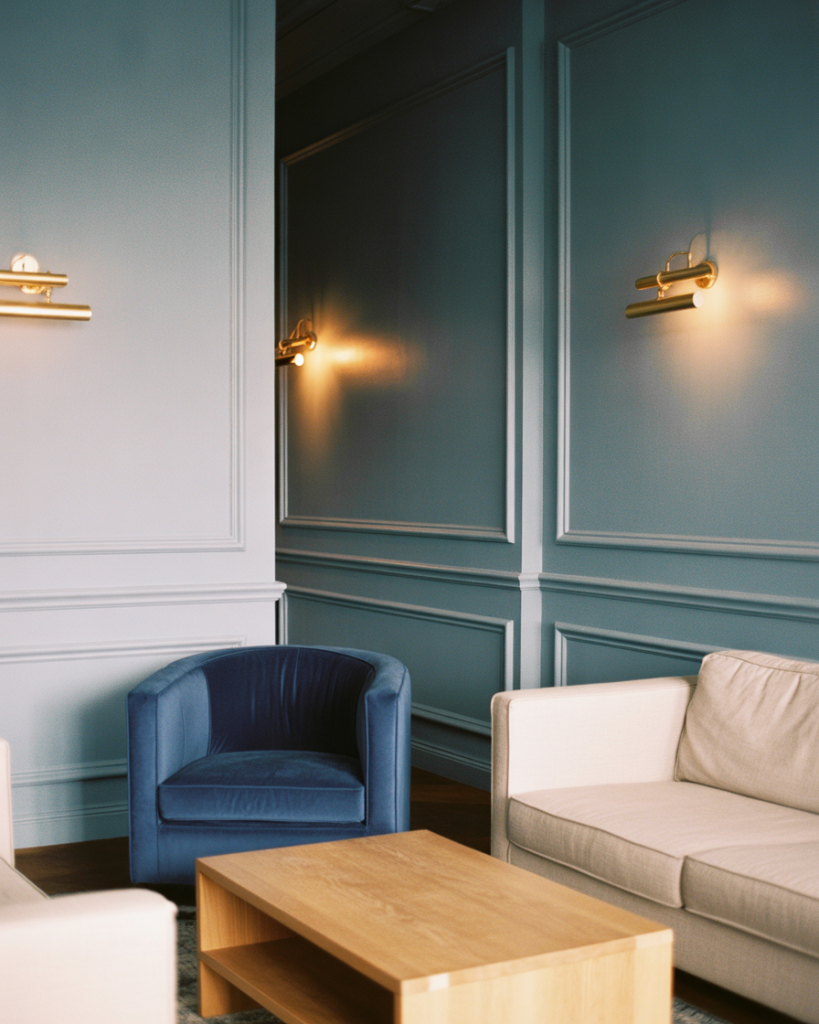
Real homeowner behavior shows that people often choose blue for north-facing rooms to add warmth (use warmer blues with gray undertones) or south-facing spaces to cool them down (crisp, clear blues work here). The budget angle: Blue paint transforms a room affordably, and you can build around it with thrifted finds. Start with walls, then add complementary textiles and accessories as budget allows.
12. Mexican Warmth Through Color and Craft
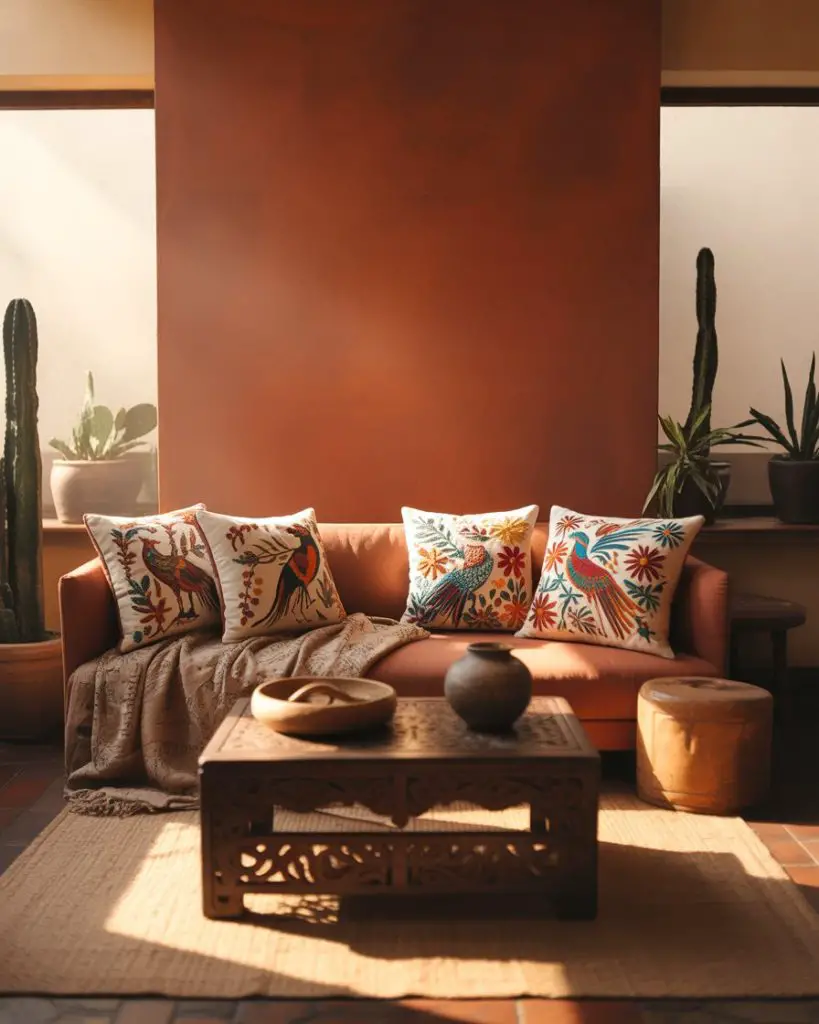
The vibrant spirit of Mexican design brings life to American living rooms through hand-painted tiles, woven textiles, and bold color combinations that celebrate artisan traditions. Think terracotta pots brimming with succulents, colorful Otomi embroidered pillows, and carved wooden furniture that tells a story. This style works beautifully in Southwestern homes but translates anywhere you want to inject warmth and personality. It’s about honoring craft and embracing color without restraint. 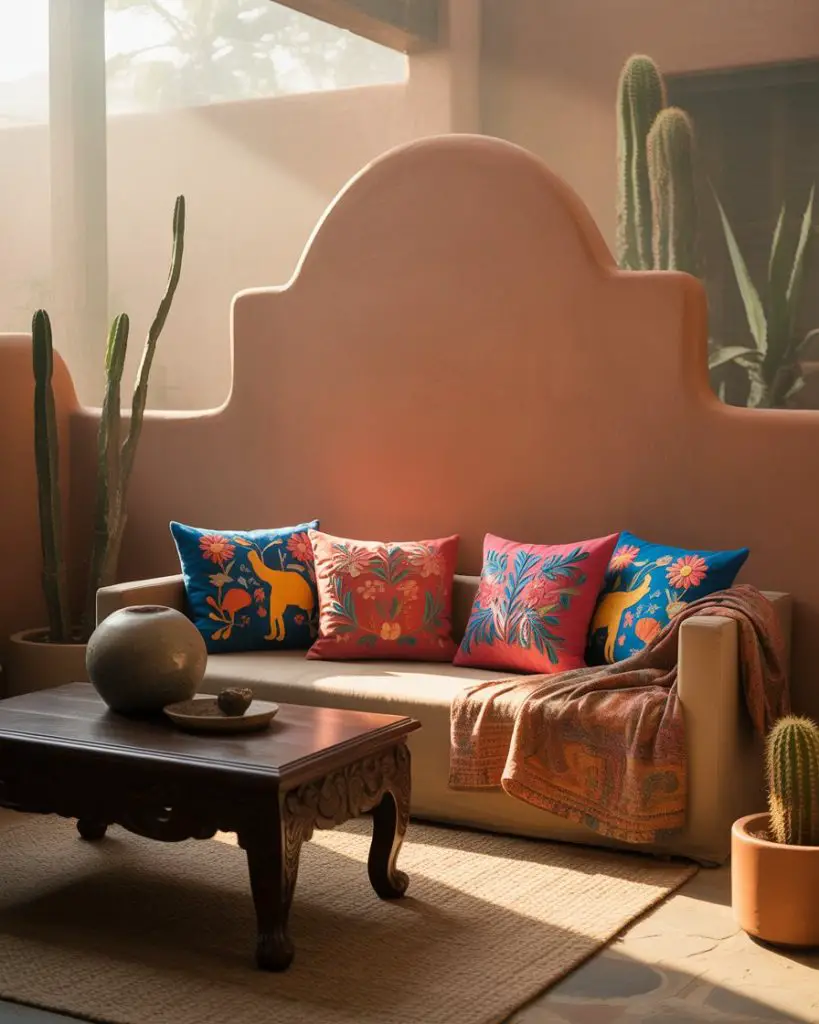
Where it works best: In homes with plenty of natural light and outdoor connections, particularly in Texas, Arizona, New Mexico, and Southern California, where the climate and culture align. Common mistake: Overdoing it with too many competing patterns. Choose one or two statement textiles and let them shine against simpler backgrounds. The authentic Mexican approach is layered but never cluttered—each colorful element should have breathing room.
13. Contemporary Neutrals with Textural Depth
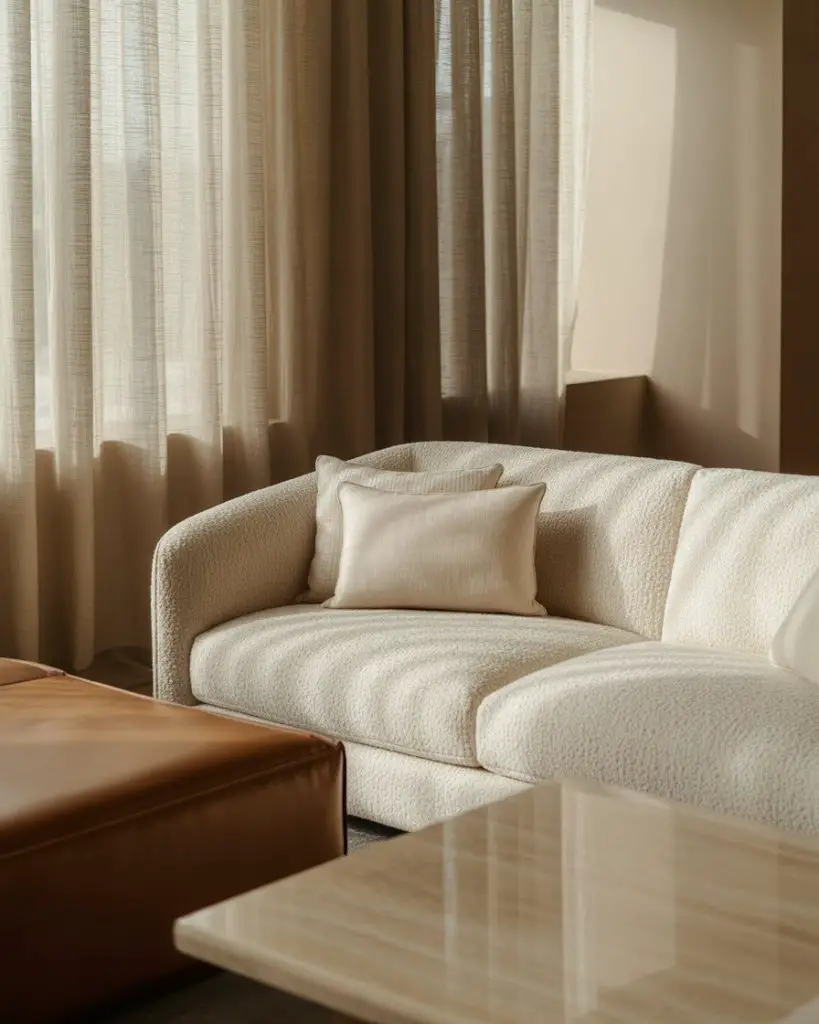
The contemporary living room of 2026 isn’t about stark minimalism—it’s about building richness through texture rather than color. Layered neutrals in varying materials (linen, bouclé, leather, and stone) create visual interest without relying on bold hues. This approach feels sophisticated and calming, perfect for home spaces where you want flexibility to change accessories seasonally without major overhauls. Clean lines and quality materials take center stage. 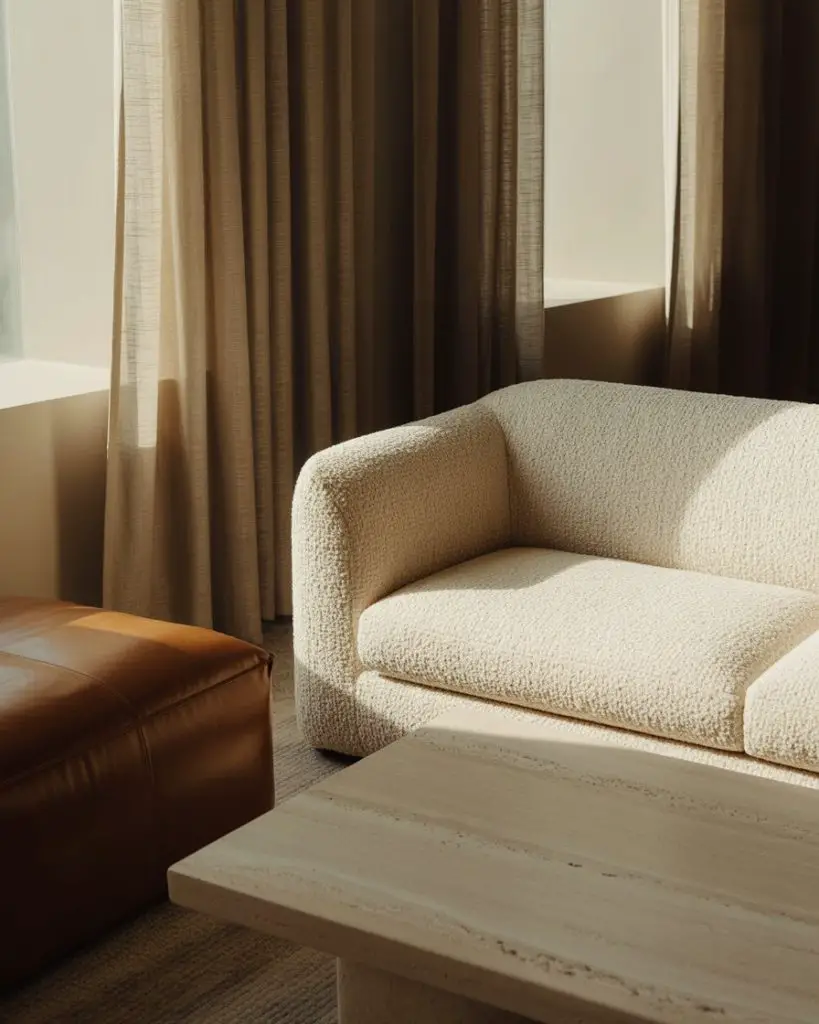
A practical insight that designers share: Textural neutrals photograph beautifully, which explains their Pinterest dominance. In person, the key is ensuring adequate lighting—natural light shows off these subtle variations best. Add dimmers for evening ambiance. The investment here should be in quality fabrics and finishes; cheap versions of bouclé or linen look flat and lifeless. This is one style where splurging on fewer, better pieces pays off.
14. Wallpaper as the Statement Piece
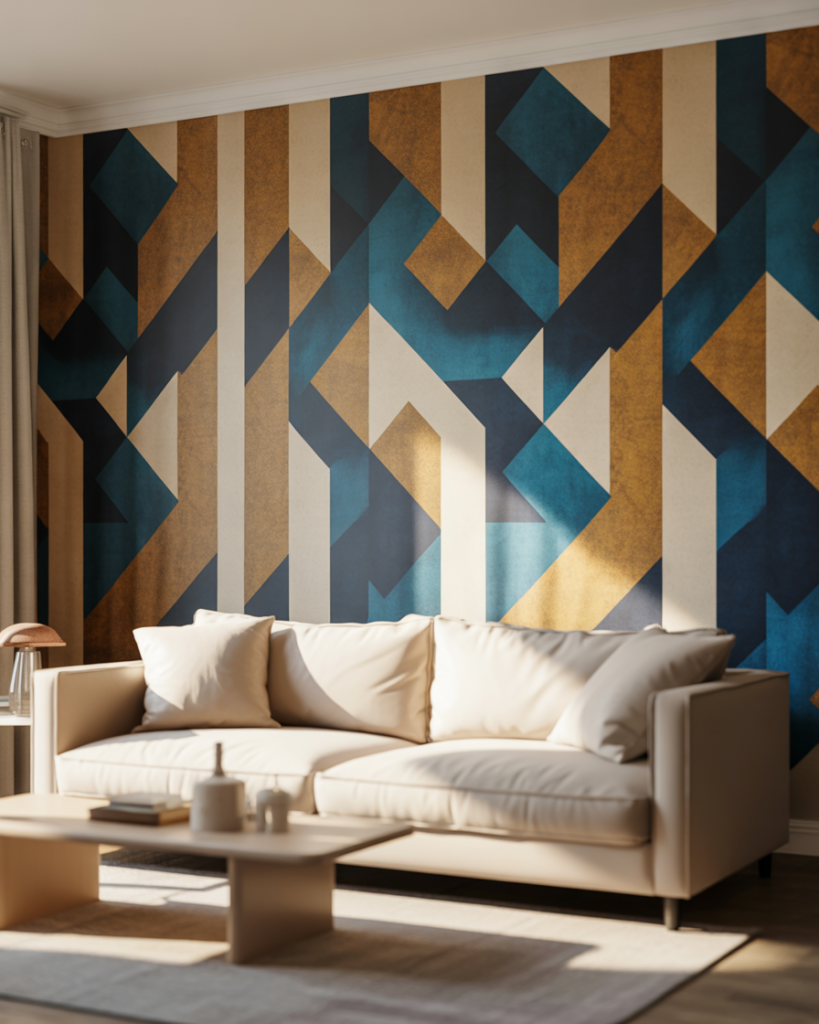
Accent walls are evolving beyond paint, with wallpaper taking center stage as the easiest way to add personality and pattern. From tropical palm prints to geometric Bauhaus-inspired designs, wallpaper lets you make a dramatic statement without permanent commitment. Peel-and-stick options have democratized this trend, making it accessible for renters and commitment-phobes alike. Pair bold wallpaper with simpler furnishings to let the pattern shine without overwhelming. 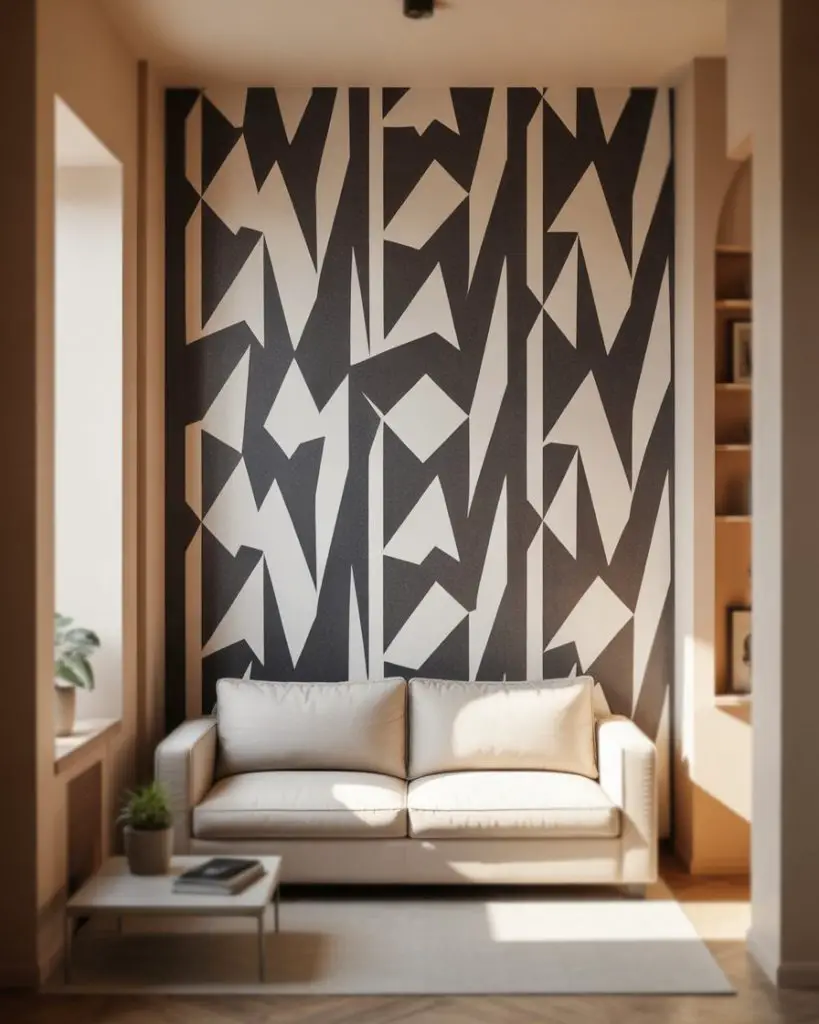
American lifestyle consideration: Wallpaper works particularly well in homes lacking architectural detail—it adds instant character to builder-grade spaces. The budget angle makes this appealing: a single accent wall costs less than repainting an entire room multiple times as trends shift. Start with one wall behind your sofa or TV, and keep surrounding walls neutral. Avoid papering all four walls unless you’re committed to that pattern for years.
15. Rustic Modern Farmhouse
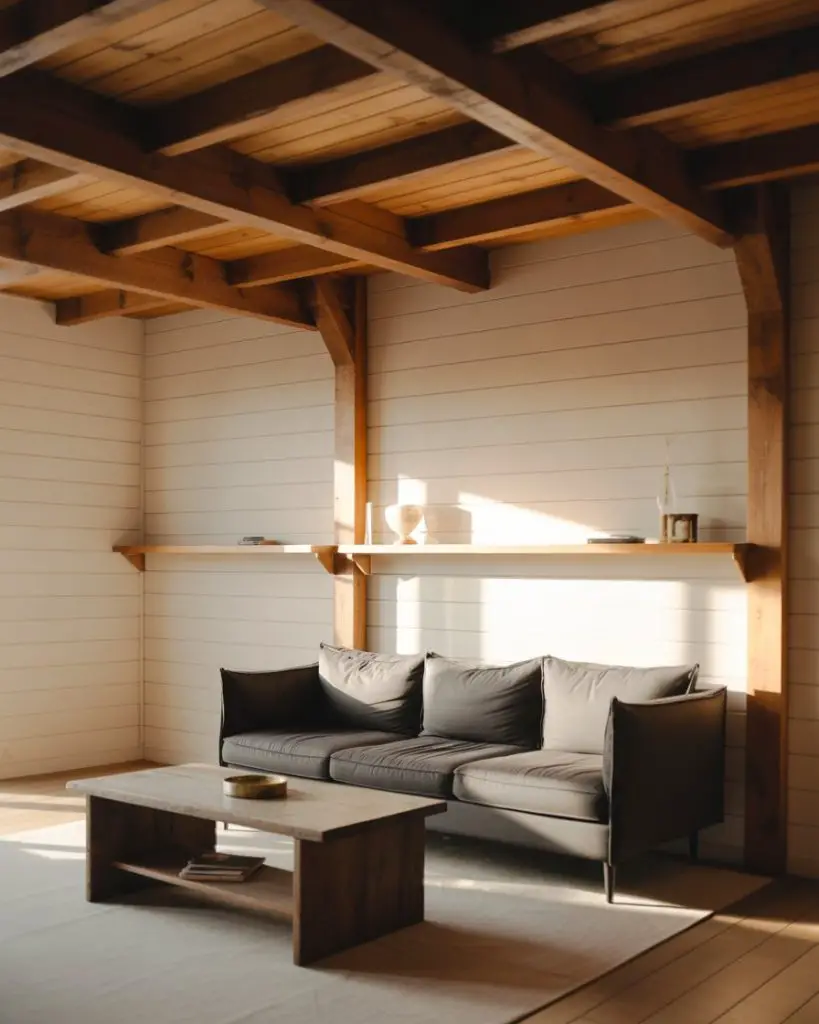
The rustic aesthetic has matured beyond distressed everything into a more refined farmhouse approach that blends reclaimed wooden beams, shiplap accents, and vintage finds with cleaner, more contemporary pieces. This evolution keeps the warmth and character while losing the clutter. Think exposed ceiling beams paired with a streamlined sofa or a weathered barn door leading to a space filled with modern art and sleek lighting. 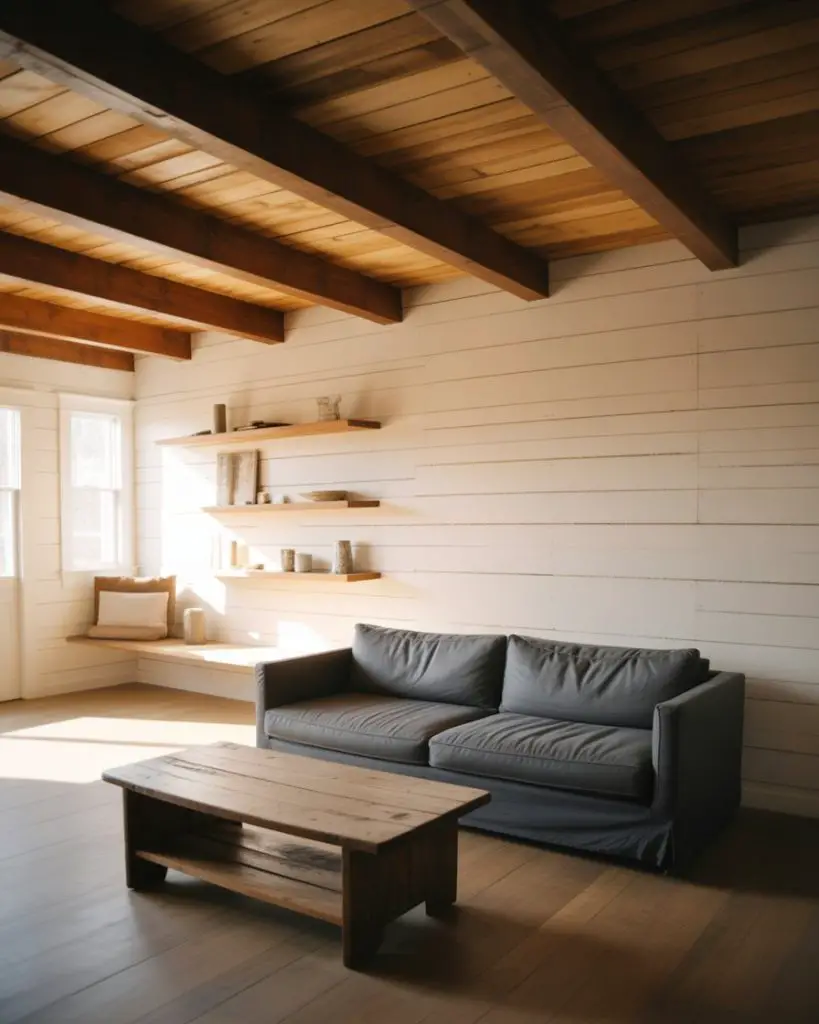
A micro anecdote from the Midwest: A homeowner in rural Ohio kept her home’s original barn beams but painted all the walls crisp white and chose modern furniture. The result felt fresh rather than dated, proving that rustic elements become timeless when not buried in country kitsch. The key is editing ruthlessly—one or two authentic rustic features make more impact than a room full of faux-weathered everything.
16. Grey Sophistication with Warm Undertones
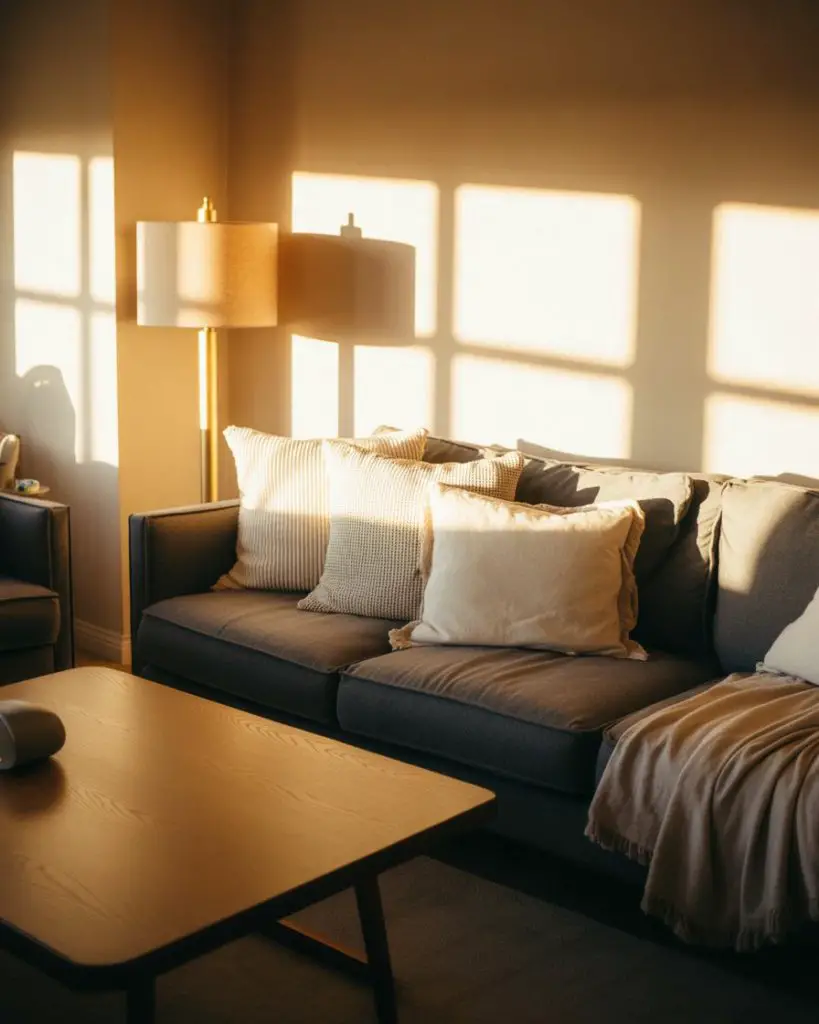
While cool greys dominated the 2010s, grey is evolving into warmer, greige territory that feels more inviting. These sophisticated neutrals provide a perfect backdrop for layering in woods, metallics, and pops of color. Pair warm grey walls with contemporary furniture in varied textures, add brass or gold accents, and incorporate plenty of natural materials to prevent the space from feeling cold. This palette photographs beautifully and never competes with your statement pieces. 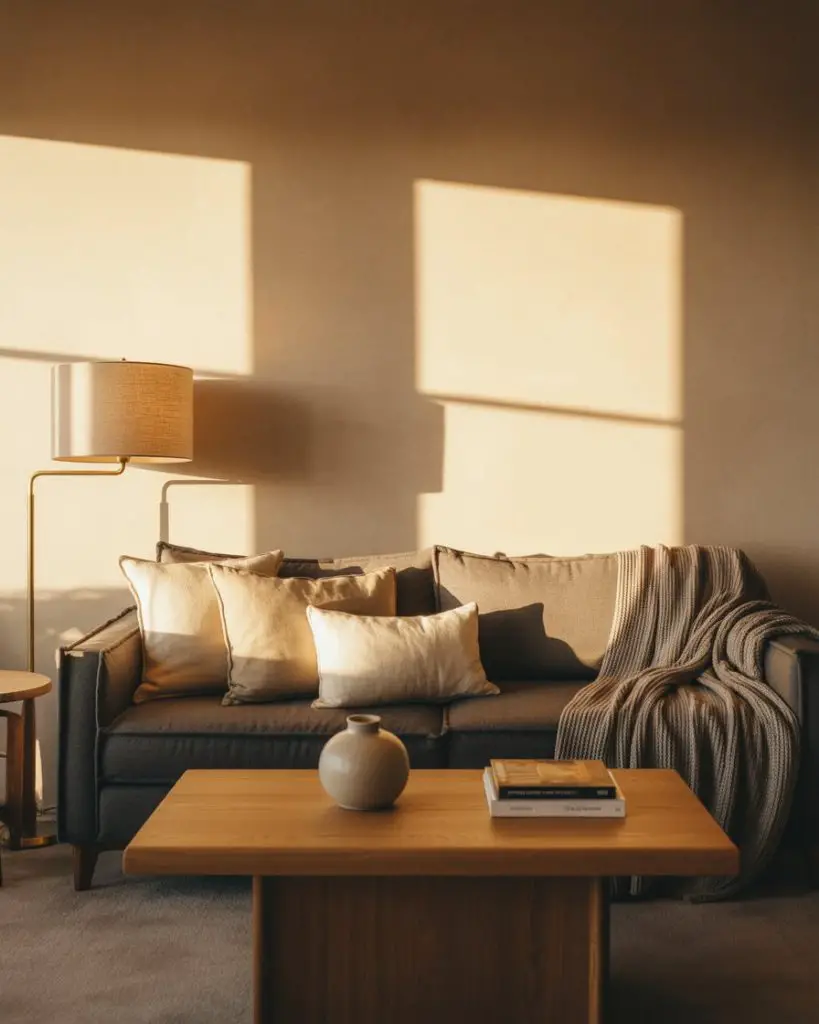
Where it works best: In homes with ample natural light, where warm greys can shift beautifully throughout the day. The common mistake is choosing grays that are too cool or blue-toned, which can feel institutional. Test samples in your actual space at different times of day. Pair with warm-toned woods and plenty of textiles to create depth. Grey succeeds when it feels like a warm embrace, not a corporate waiting room.
17. Staying Current with 2025 Trends
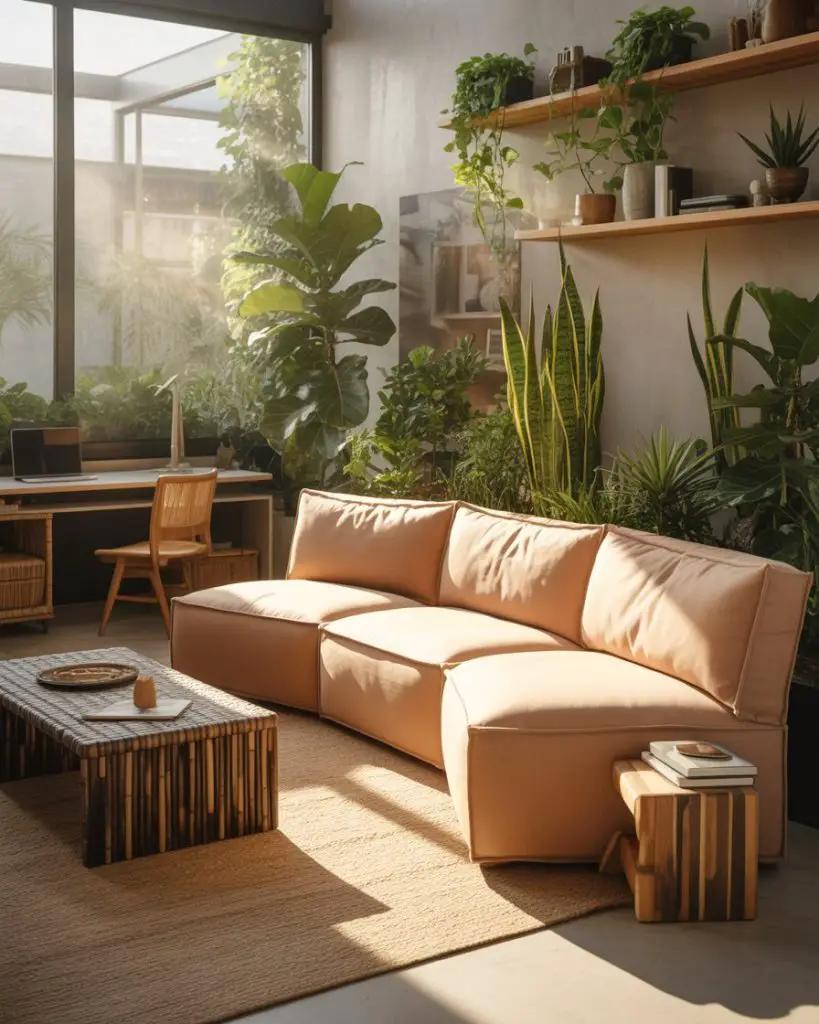
Looking at 2025 trends gives us a roadmap for where living room design is heading. The shift toward biophilic design (bringing nature indoors), curves over harsh angles, and sustainable materials continues to gain momentum. Home spaces are increasingly multifunctional, with living rooms doubling as work-from-home offices, exercise areas, and entertainment zones. This requires smarter furniture choices and flexible layouts that can transform throughout the day. 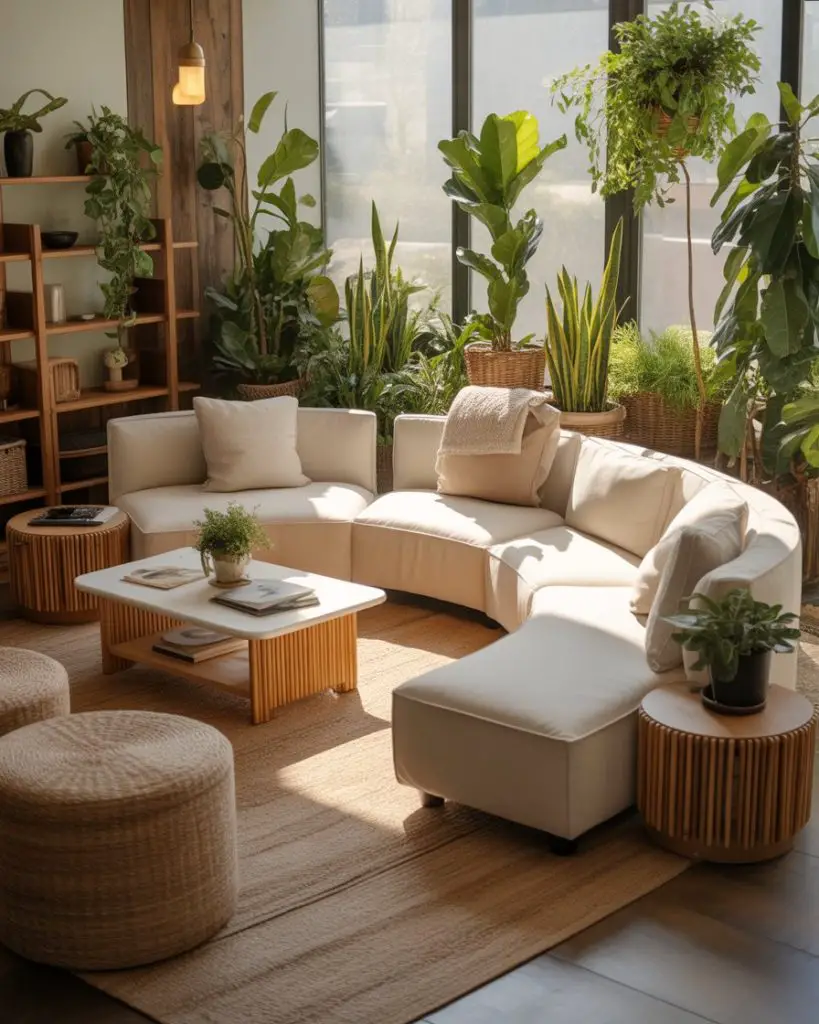
Expert-style commentary suggests the best approach is adopting the principles (sustainability, flexibility, nature connection) rather than chasing specific looks. Invest in quality pieces that serve multiple purposes—a beautiful console that’s also a standing desk, or a stylish storage ottoman that hides clutter. The lasting trend is toward intentional, less wasteful consumption. Buy fewer, better things that genuinely improve your daily life.
18. Minecraft-Inspired Blocky Geometry
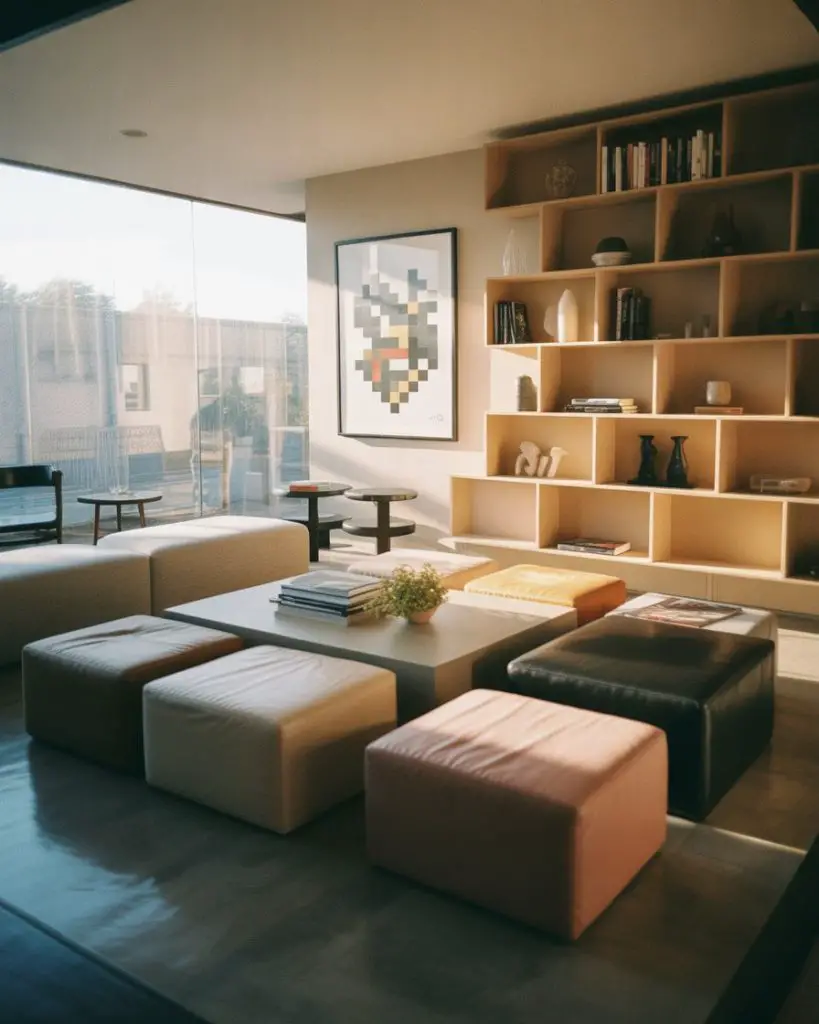
While it might sound whimsical, Minecraft aesthetics are influencing real-world design through chunky, blocky furniture and pixelated patterns that appeal to both kids and adults. Think cube-shaped ottomans, geometric modular shelving that looks like stacked blocks, and abstract art with grid-based patterns. This playful approach works surprisingly well in contemporary spaces where a touch of whimsy prevents things from feeling too serious. It’s especially popular in family living rooms, where parents and kids can both appreciate the aesthetic. 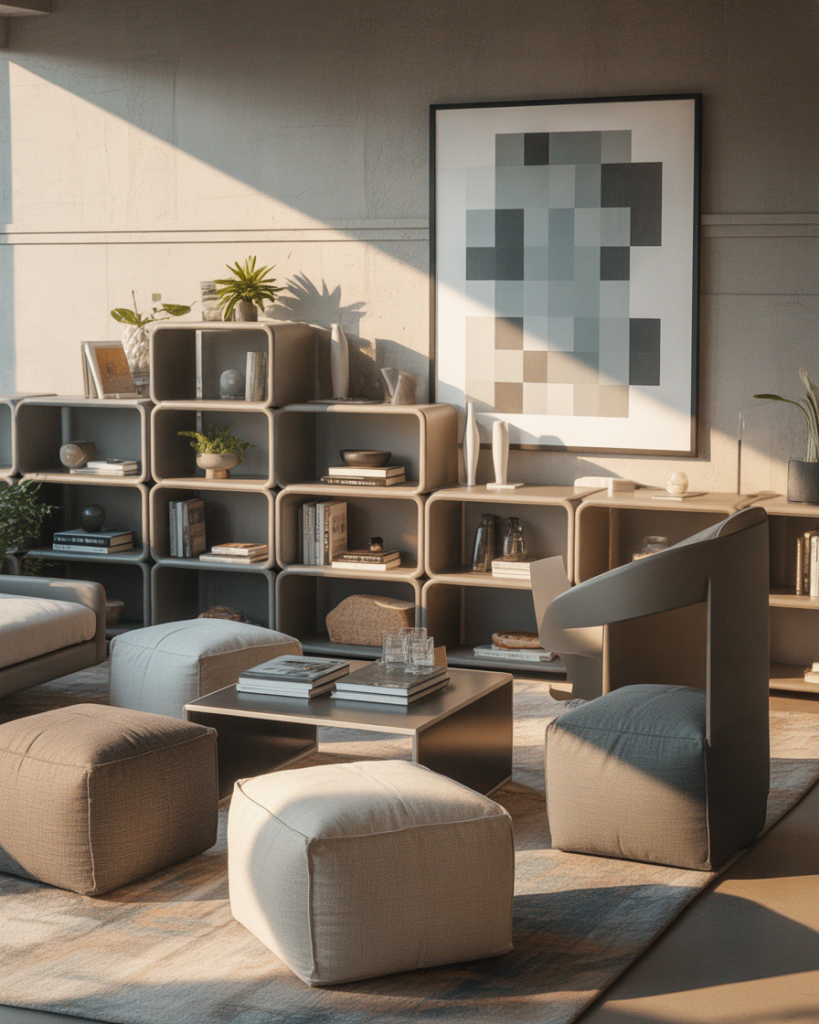
Real homeowner behavior shows this works best when balanced with more traditional elements—don’t make every piece blocky, or it becomes a theme park. Choose one or two Minecraft-influenced pieces (maybe a unique shelving unit or set of cube seating) and surround them with conventional furniture. This creates visual interest without sacrificing functionality. It’s particularly effective in homes with younger family members who appreciate the gaming reference.
19. Archways as Architectural Moments

Beyond Moroccan influences, arch shapes are appearing everywhere as homeowners seek to add architectural interest to otherwise ordinary spaces. Whether it’s a doorway transformed into a graceful curve, arched built-in shelving, or even arched mirrors that create the illusion of windows, this detail elevates a room instantly. The beauty of arches is their timelessness—they reference both classical architecture and modern classic sensibilities while feeling completely current.
Budget considerations: Adding arches isn’t cheap if you’re altering actual doorways (expect several thousand dollars for professional installation), but you can achieve the look more affordably with arched mirrors, archway wallpaper murals, or arched furniture silhouettes. In American homes, this works particularly well in Spanish Colonial, Mediterranean, or even Craftsman-style houses where the curves complement existing architecture. The investment adds resale value because it’s a permanent architectural upgrade.
20. Neo-Classic Meets Contemporary Edge
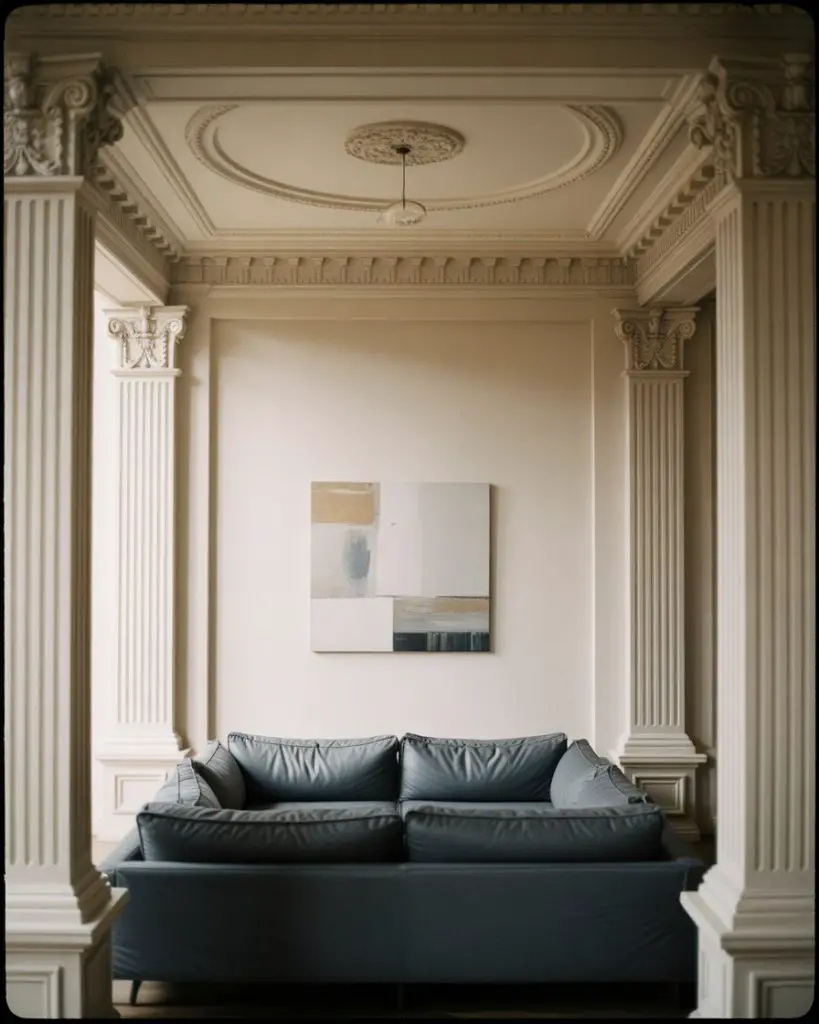
The neoclassical movement brings ornate details like carved moldings, classical columns, and symmetrical layouts into conversation with sleek modern furniture and contemporary art. This isn’t about recreating a palace—it’s about borrowing the grandeur of classical design while keeping things livable and fresh. Picture a living room with elaborate ceiling medallions paired with a minimalist sectional or fluted pilasters framing a modern media console. The contrast creates visual drama. 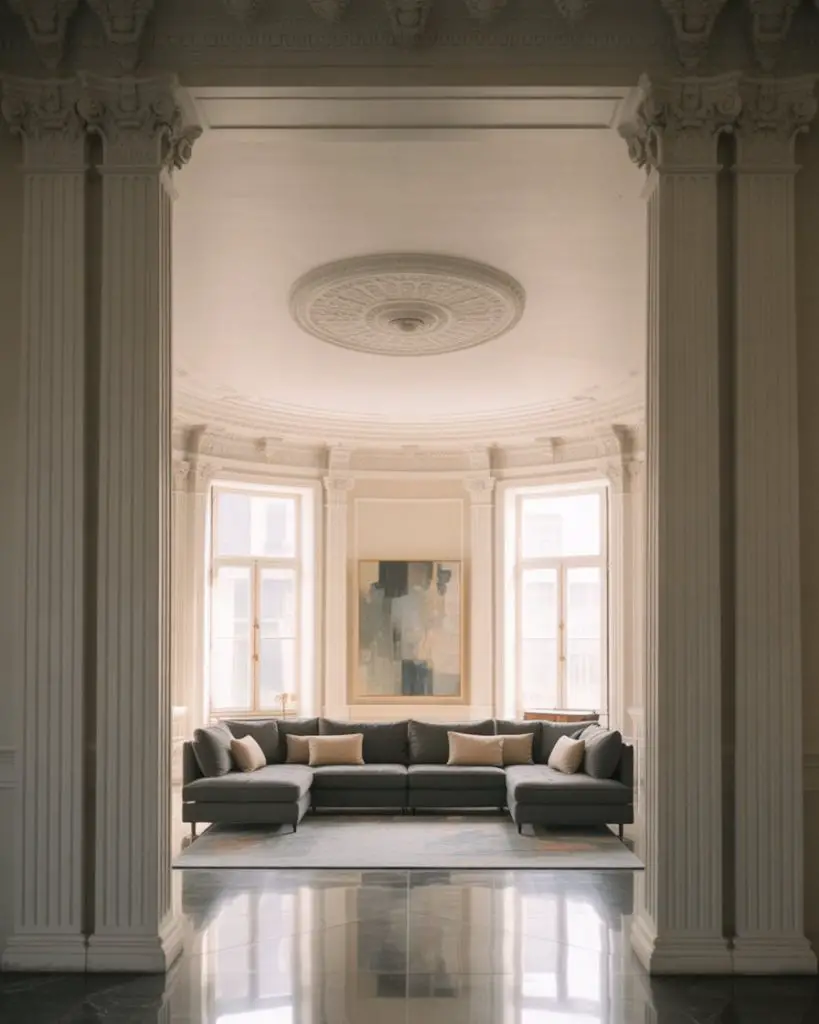
American regional context: This approach resonates particularly in historic homes throughout Boston, Philadelphia, Charleston, and other cities with classical architecture, where residents want to honor original details while living contemporary lives. The trick is restraint—choose either classical architecture OR classical furniture, then keep the other element modern. Mixing both creates museum formality. One modern and one classical keep it dynamic and livable.
21. Green Living Walls and Biophilic Design
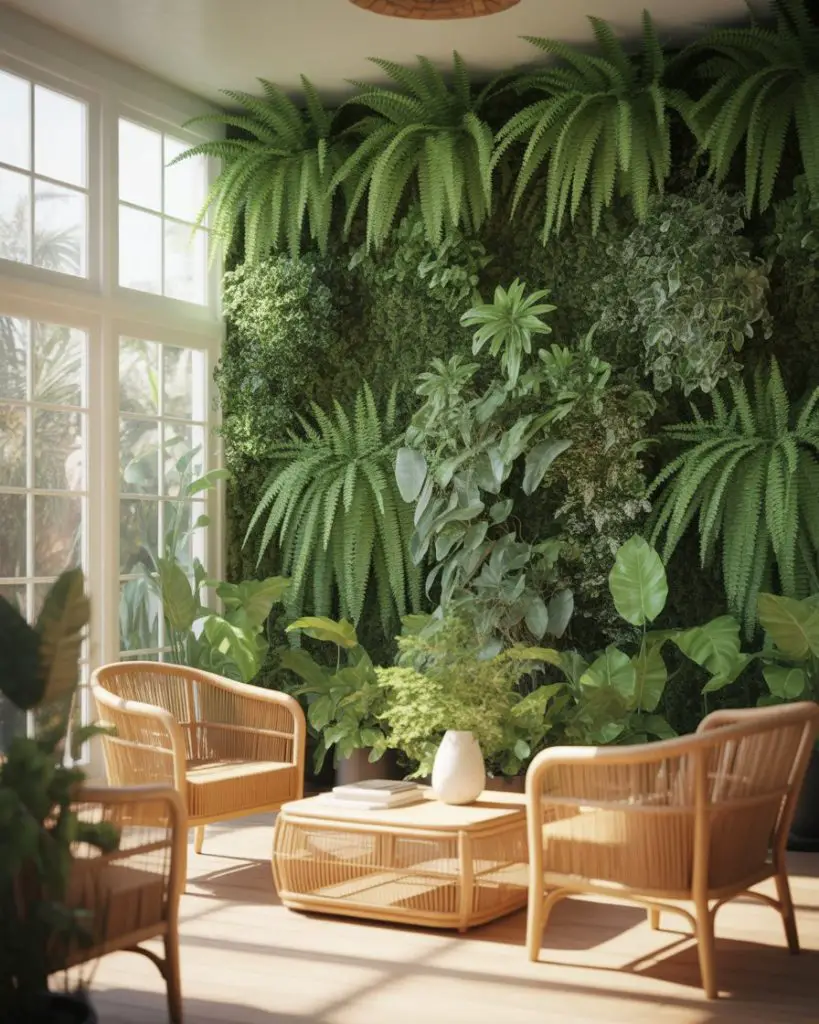
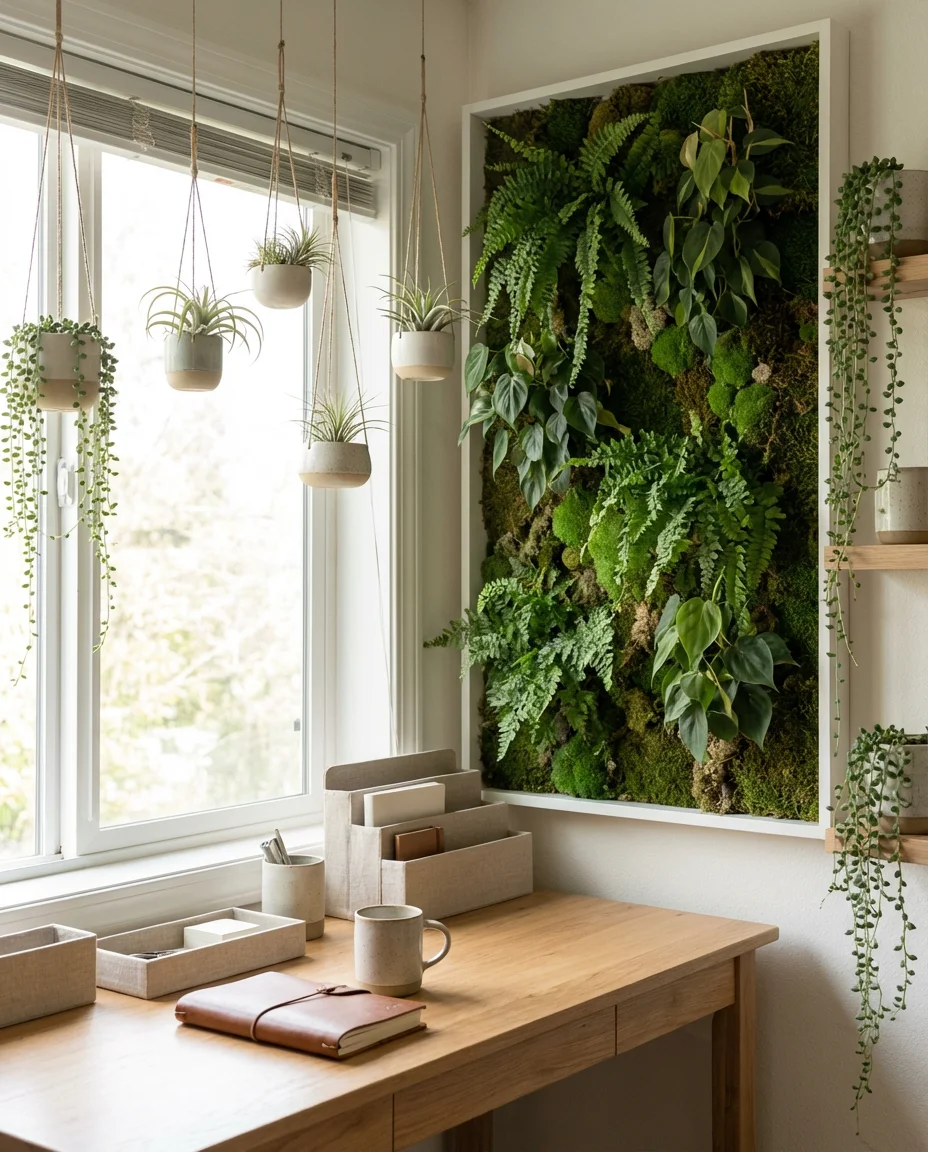
The desire to bring nature indoors has evolved beyond scattered houseplants into intentional green living walls that serve as both art and air purification. These vertical gardens range from simple mounted planters to elaborate irrigation systems, transforming entire walls into lush focal points. Combined with tropical furniture in natural materials and plenty of natural light, this approach creates spaces that genuinely improve well-being. It’s designed as a health intervention. 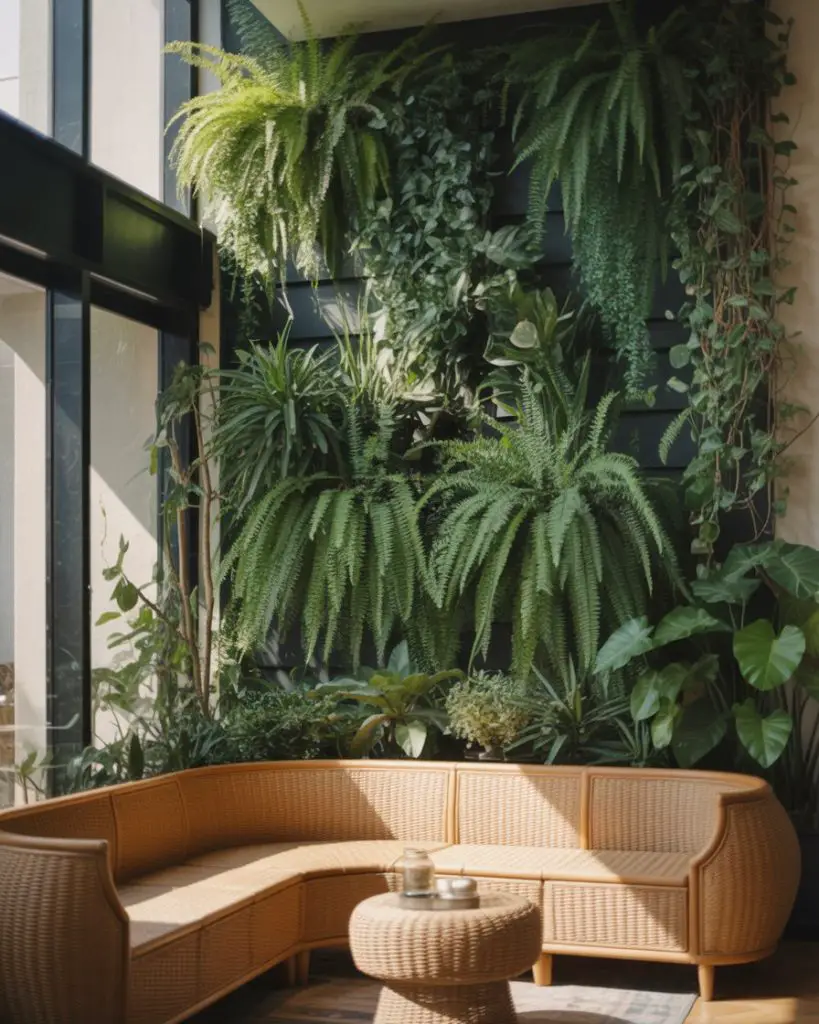
Practical insight for maintenance: Living walls require commitment—expect weekly watering and monthly pruning. Start small with a modular system you can expand, or choose low-light-tolerant plants if your space lacks sun. In American homes, these work particularly well in urban apartments where outdoor space is limited but residents crave nature. The air quality benefits are measurable, especially in cities. Budget for proper lighting if your wall doesn’t get adequate natural sun.
22. Industrial Meets Luxury in Unexpected Ways

The final trend blends the raw edges of industrial design with unexpected luxury materials—think exposed brick walls behind sumptuous velvet sofas or polished concrete floors paired with silk curtains and crystal chandeliers. This high-low mixing creates spaces with personality and depth, avoiding the one-note feeling of strictly following any single style. It’s about surprising contrasts that somehow make perfect sense together. 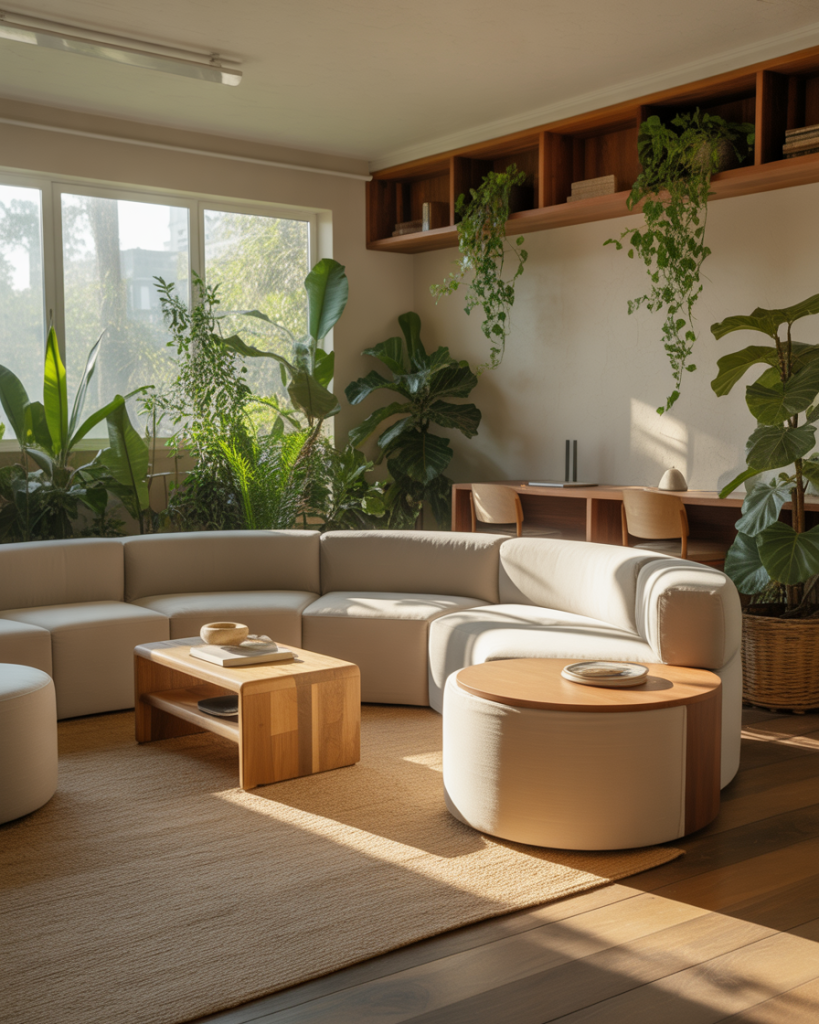
Common mistakes and how to avoid them: The biggest error is choosing luxury pieces that are too formal or industrial elements that are too rough—everything should feel intentional, not accidental. Balance is achieved through repetition: if you have industrial metal shelving, echo that finish in picture frames or lighting. If your luxury element is velvet seating, repeat velvet in curtains or cushions. This creates cohesion despite the contrast. The result should feel collected and deliberate, not confused.
Conclusion
These 22 living room ideas capture the diverse directions that American home design is heading in 2026—from serene Japandi calm to bold 70s revival, from tech-inspired geometric play to nature-immersed biophilic spaces. The common thread is intentionality, with homeowners choosing quality over quantity and personal expression over cookie-cutter trends. Which of these ideas speaks to your style? Share your thoughts in the comments below, and let us know which direction you’re taking your living room this year.