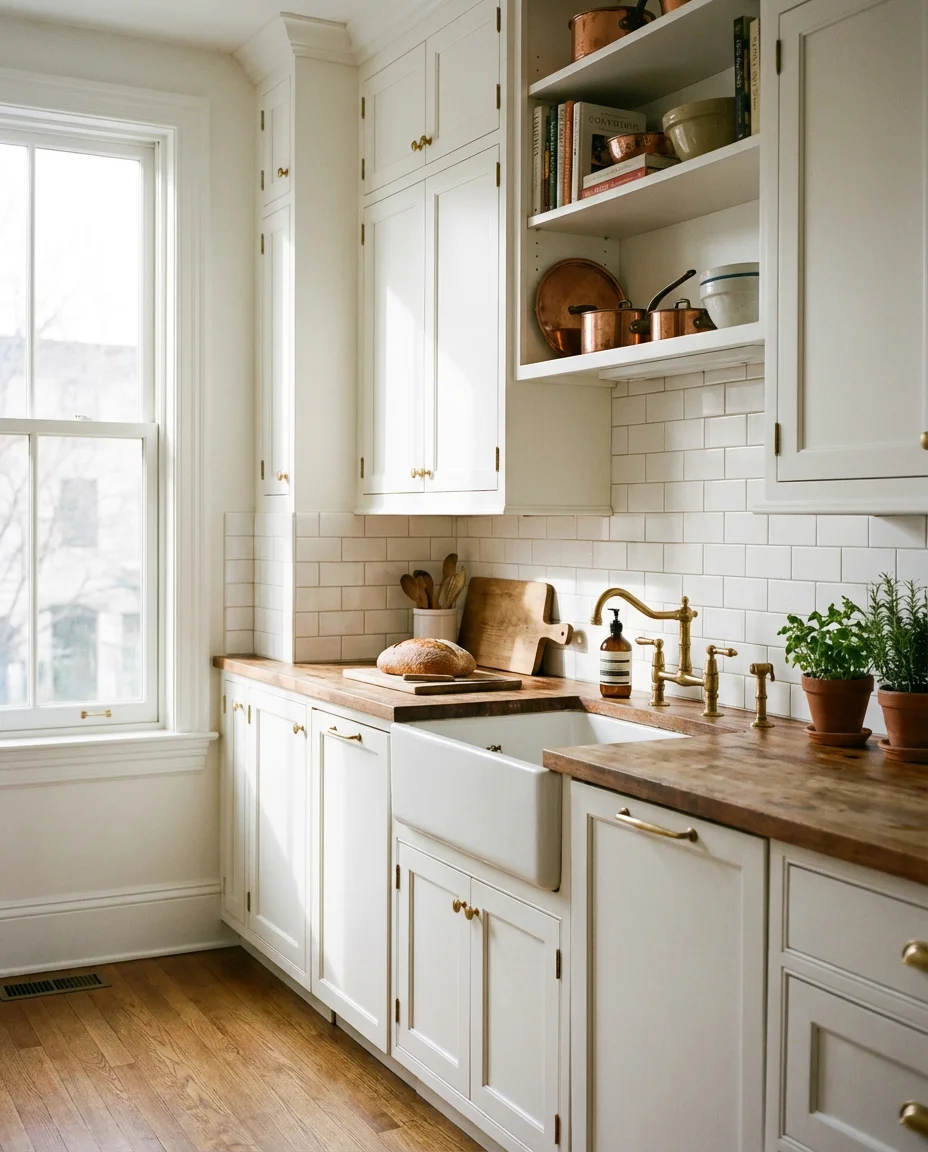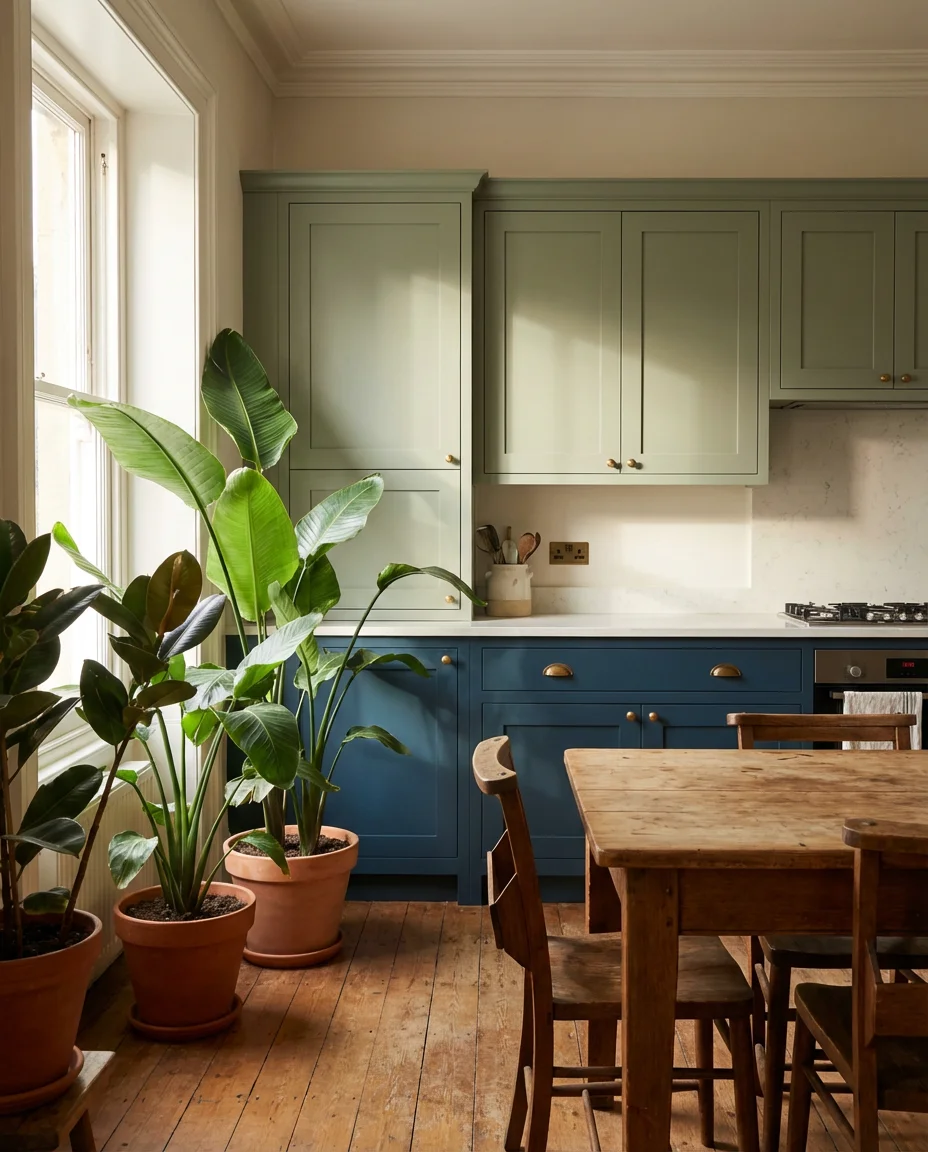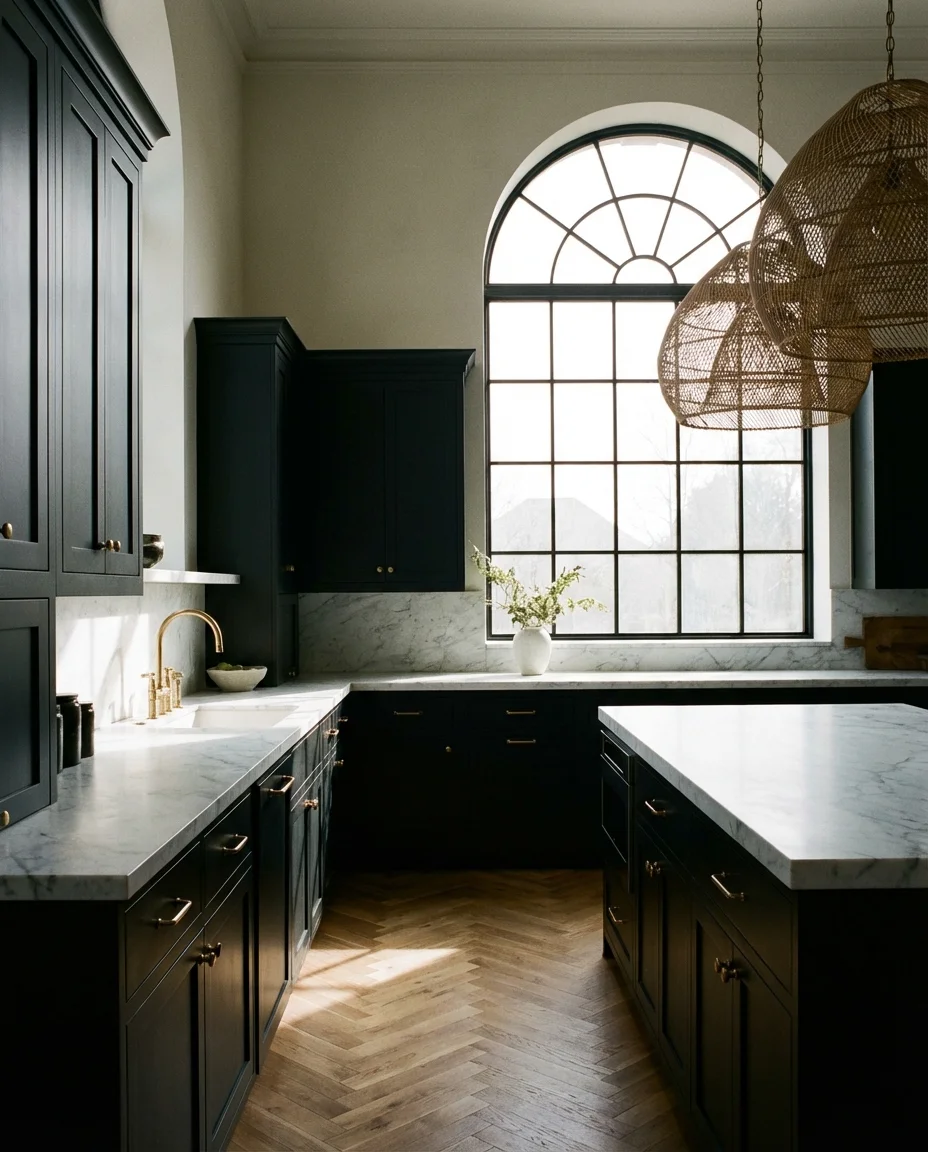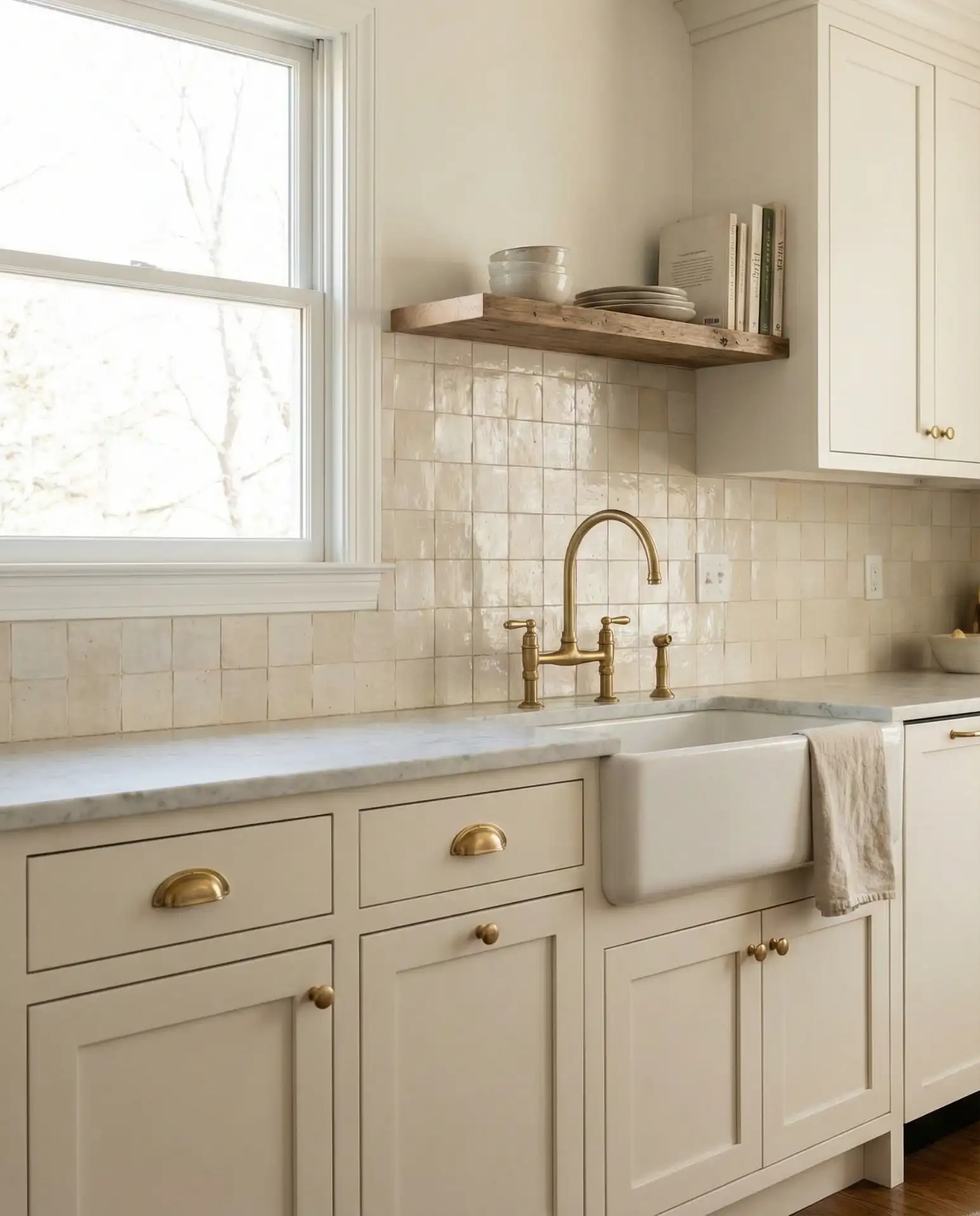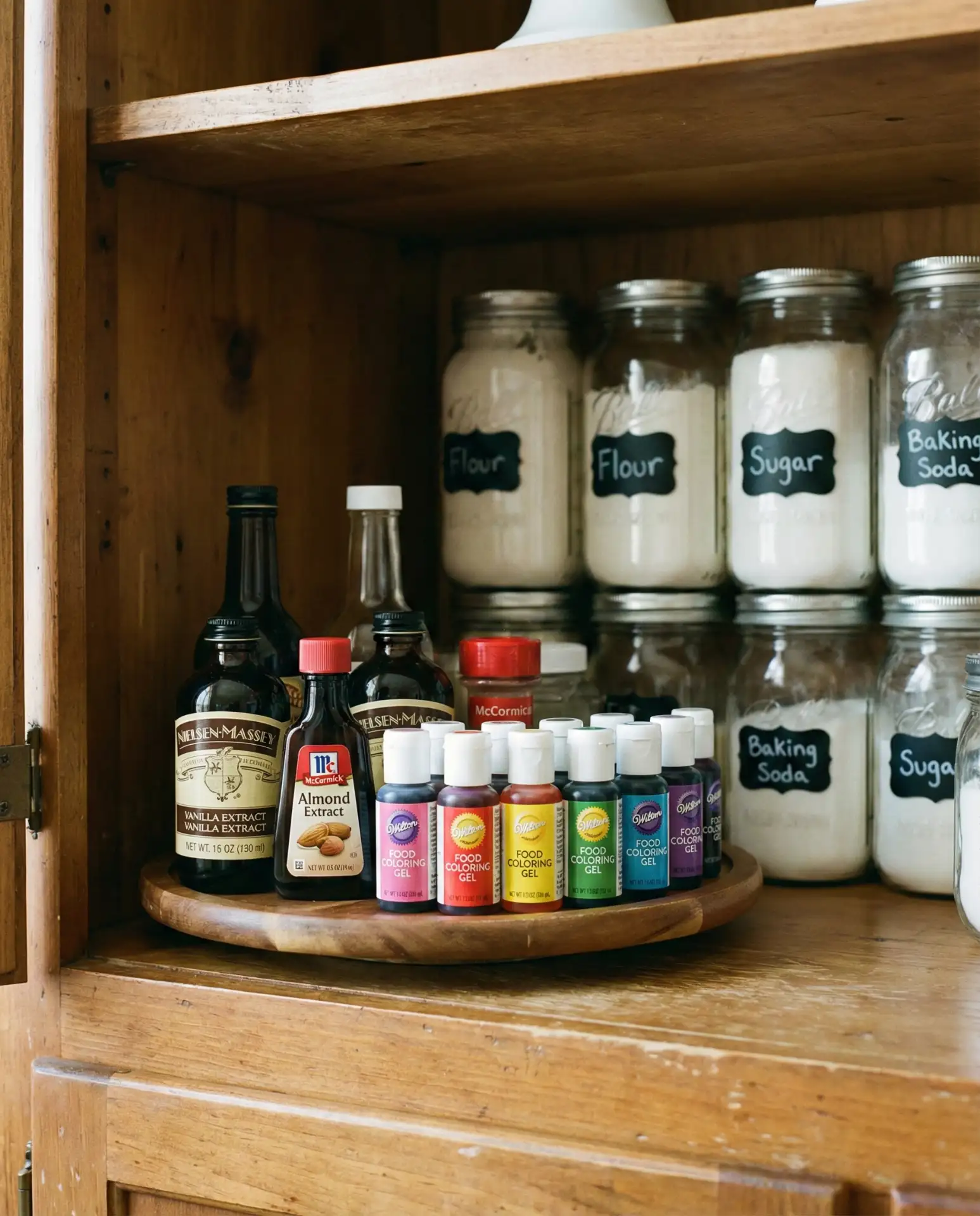
Kitchen islands have become the heart of American homes, and as we move into 2026, homeowners are searching for fresh ways to make this central feature both beautiful and functional. Pinterest users are flooding design boards with everything from compact solutions for tight spaces to statement-making pieces that define an entire room. Whether you’re planning a full renovation or looking for simple updates, this collection of kitchen island ideas will help you discover styles that match your lifestyle, from rustic farmhouse charm to sleek modern minimalism. Each concept here is designed to inspire practical changes you can actually implement, with real-world applications that work for busy families, home cooks, and design enthusiasts alike.
1. Compact Island with Integrated Seating
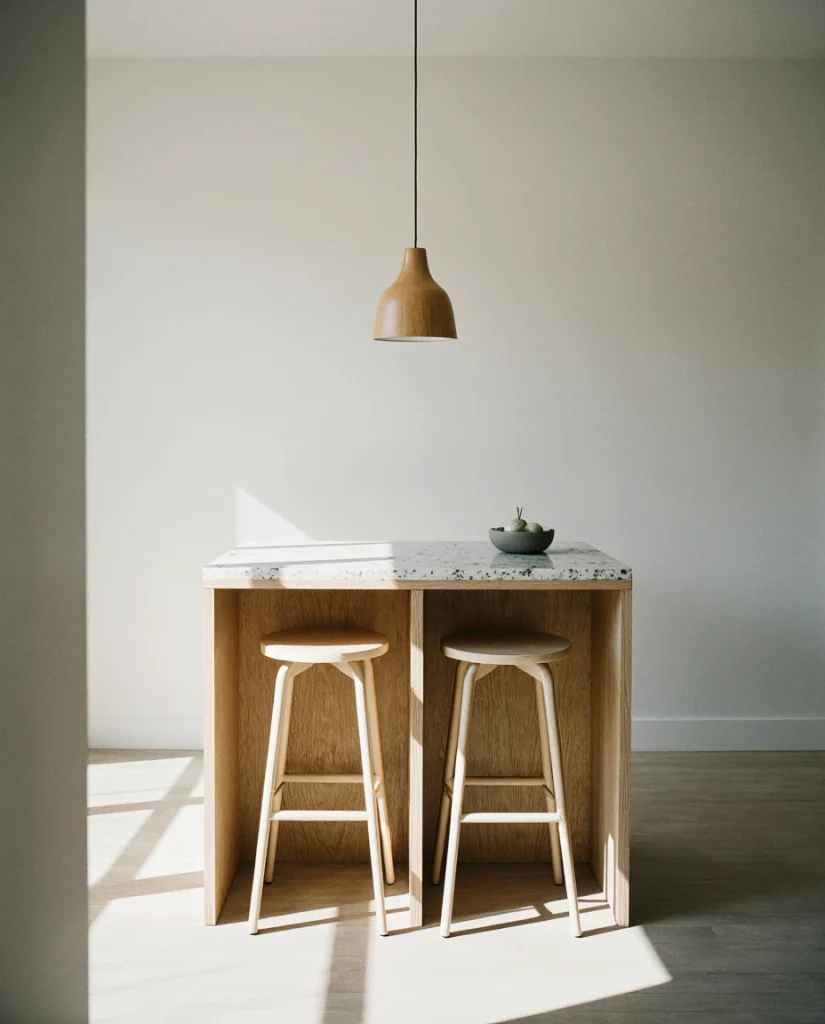
A small-space kitchen doesn’t mean sacrificing the island dream. Modern designs now feature seating built directly into compact footprints, often using bar stools that tuck completely underneath when not in use. These islands typically measure 4 to 5 feet long and provide both prep area and casual dining without overwhelming tight quarters. The key is choosing a design that flows with your existing layout rather than fighting against it.
This approach works exceptionally well in urban apartments and starter homes where square footage comes at a premium. Many homeowners report that adding even a small island transformed their kitchen workflow, creating a natural gathering spot that didn’t exist before. The investment typically ranges from $800 to $2,500 for quality pieces, making it accessible for most budgets while delivering significant daily value.
2. Rustic Reclaimed Wood Statement Piece
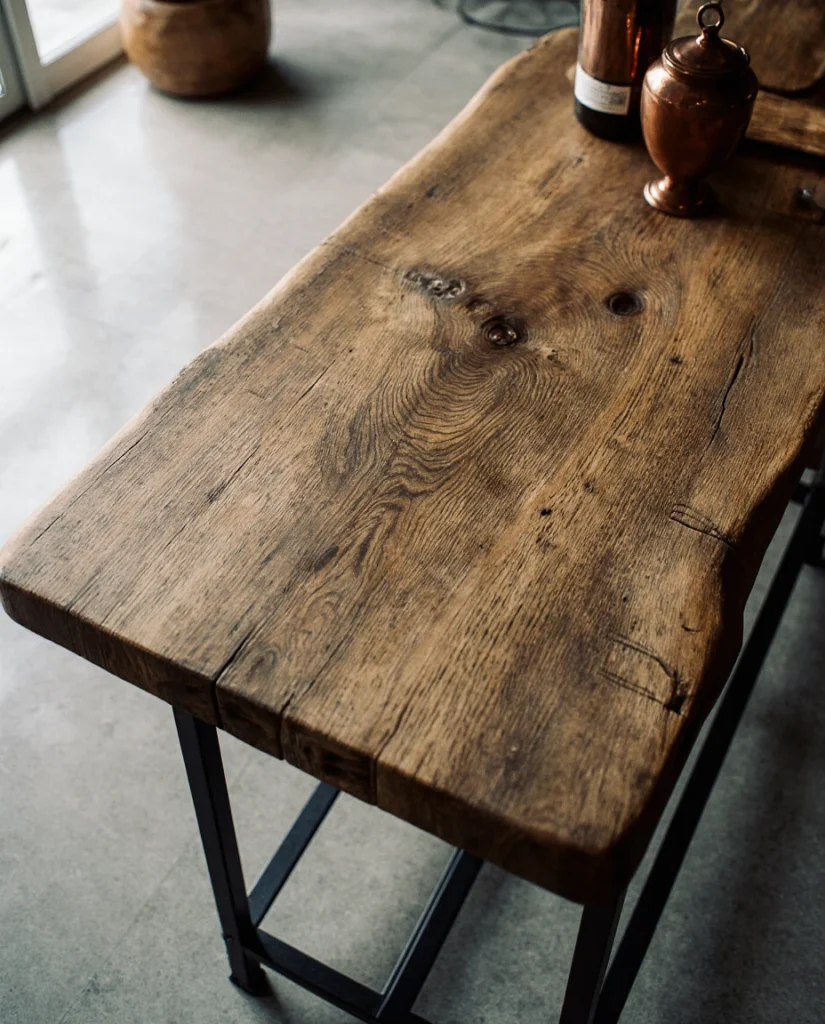
The rustic island trend continues strong into 2026, with wood countertops crafted from reclaimed barn siding or salvaged factory timbers. These pieces bring warmth and character that new materials simply can’t replicate, often featuring natural imperfections that tell a story. White oak and weathered pine remain popular choices, paired with metal brackets or industrial-style legs for structural support. 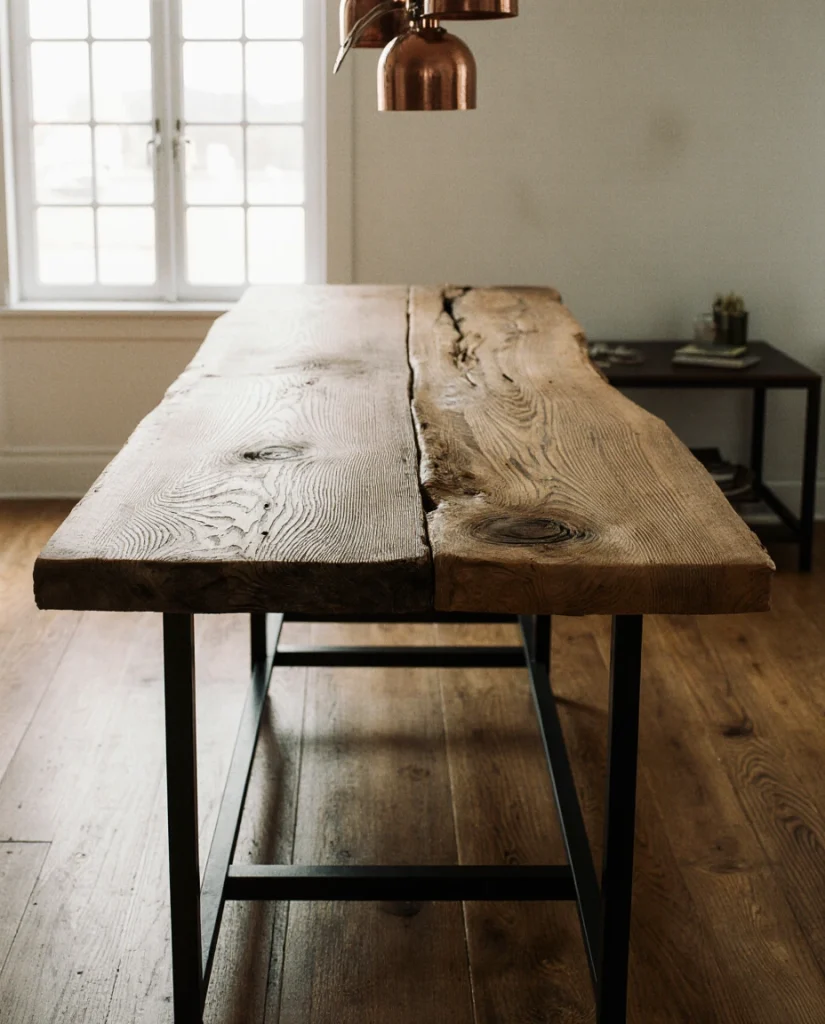
In regions like Texas, Montana, and the Pacific Northwest, this style resonates particularly well with homeowners who value authenticity and connection to regional heritage. The reclaimed wood surface develops a rich patina over time, actually improving with age rather than showing wear. Budget considerations vary widely—expect $1,200 to $5,000 depending on wood source and size, but the visual impact per dollar spent often exceeds more conventional options.
3. Mobile Kitchen Cart for Flexibility
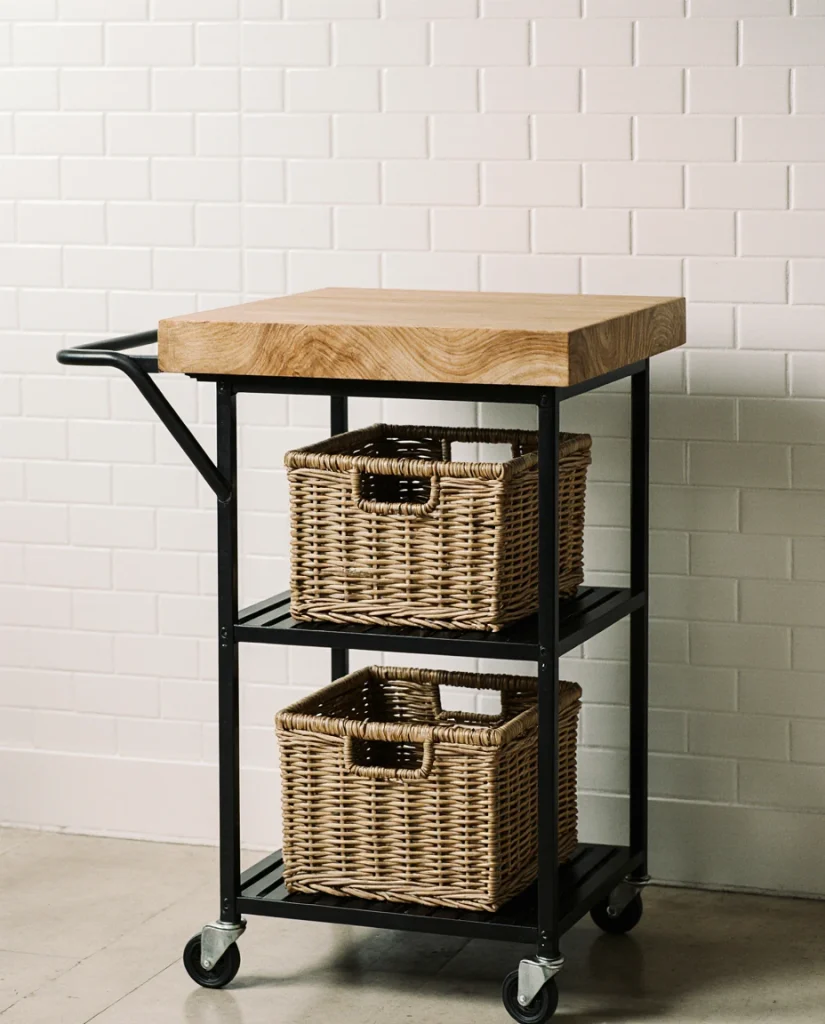
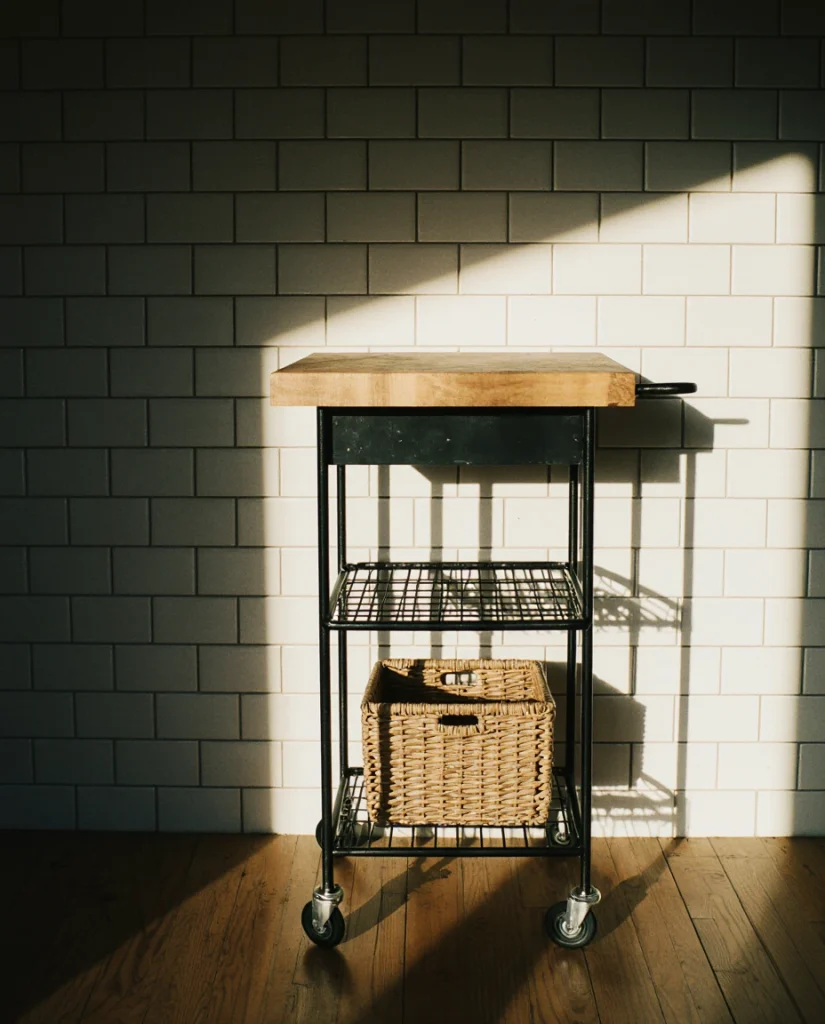
A portable island solution offers versatility that fixed installations can’t match, which is especially valuable for renters or those who frequently rearrange their spaces. Mobile carts now come with locking casters, butcher block tops, and built-in storage that rivals permanent islands. Ikea and several American manufacturers offer models that can be positioned wherever you need extra workspace, then rolled aside when you want open floor space.
Where this works best is in studio apartments, seasonal homes, and kitchens that serve multiple purposes throughout the day. One Boston homeowner I spoke with uses her mobile island as a baking station in the morning, rolls it near the window for herb gardening in the afternoon, and positions it as a bar cart for evening entertaining. This flexibility makes the $300 to $1,200 investment particularly smart for adaptable lifestyles.
4. Two-Tone Contrast Design
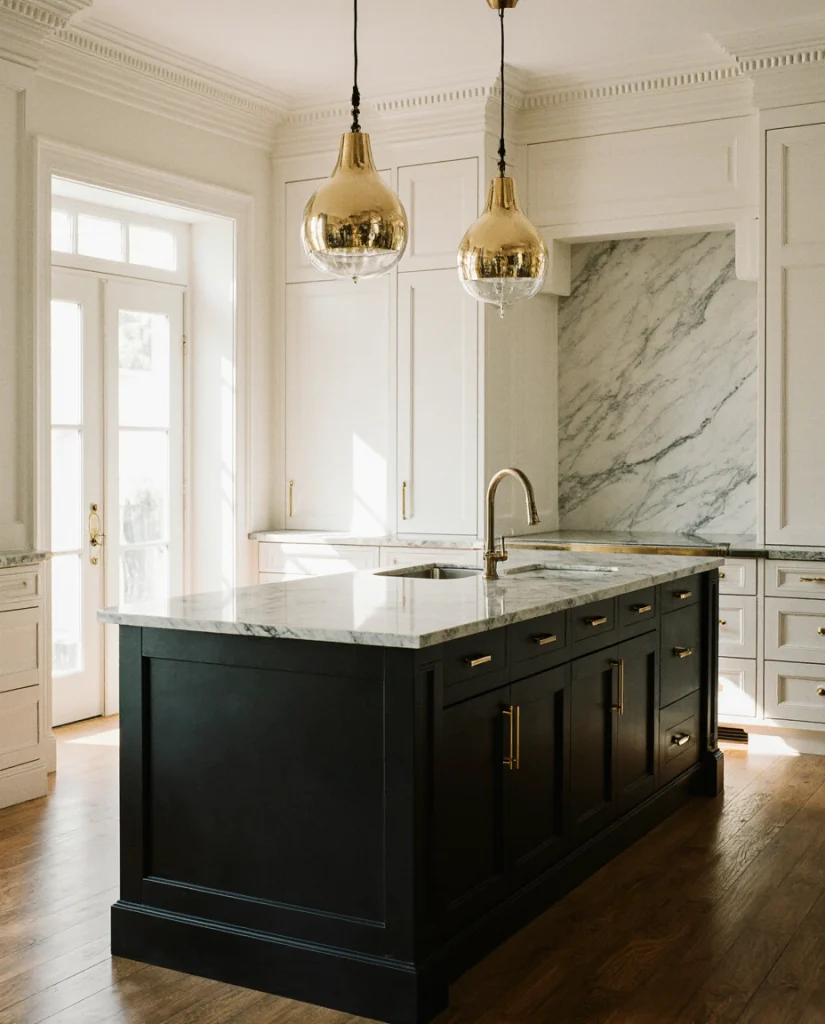
Creating visual interest through color contrast has become a signature move in contemporary kitchens, with islands painted in bold black tones against white perimeter cabinets being the most popular combination. This design strategy draws the eye to the island as the room’s focal point while maintaining overall brightness. The contrast works equally well in reverse or with navy, forest green, and charcoal gray as emerging alternatives. 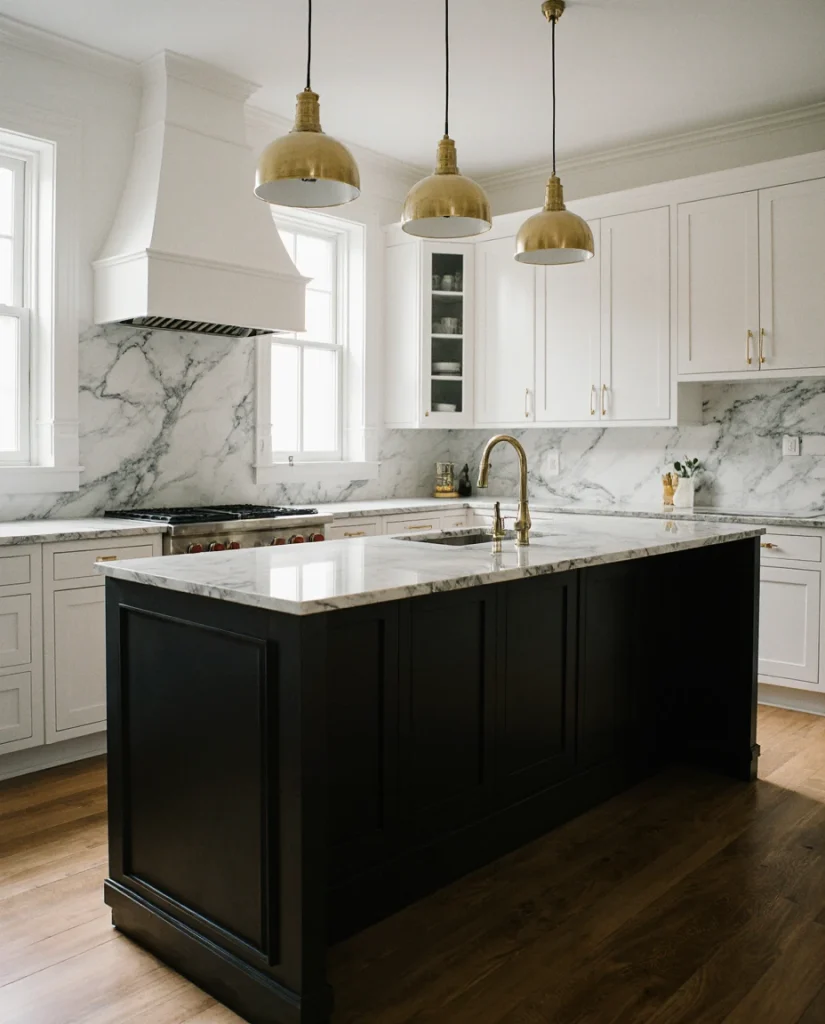
The two-tone approach allows homeowners to introduce personality without committing to a bold color throughout the entire kitchen. Paint is also one of the most budget-friendly renovation tactics, typically costing $150 to $400 in materials for a quality finish. A common mistake is choosing colors that clash with existing flooring—always test samples in your actual lighting conditions before committing to the full project.
5. Waterfall Edge Countertop Luxury
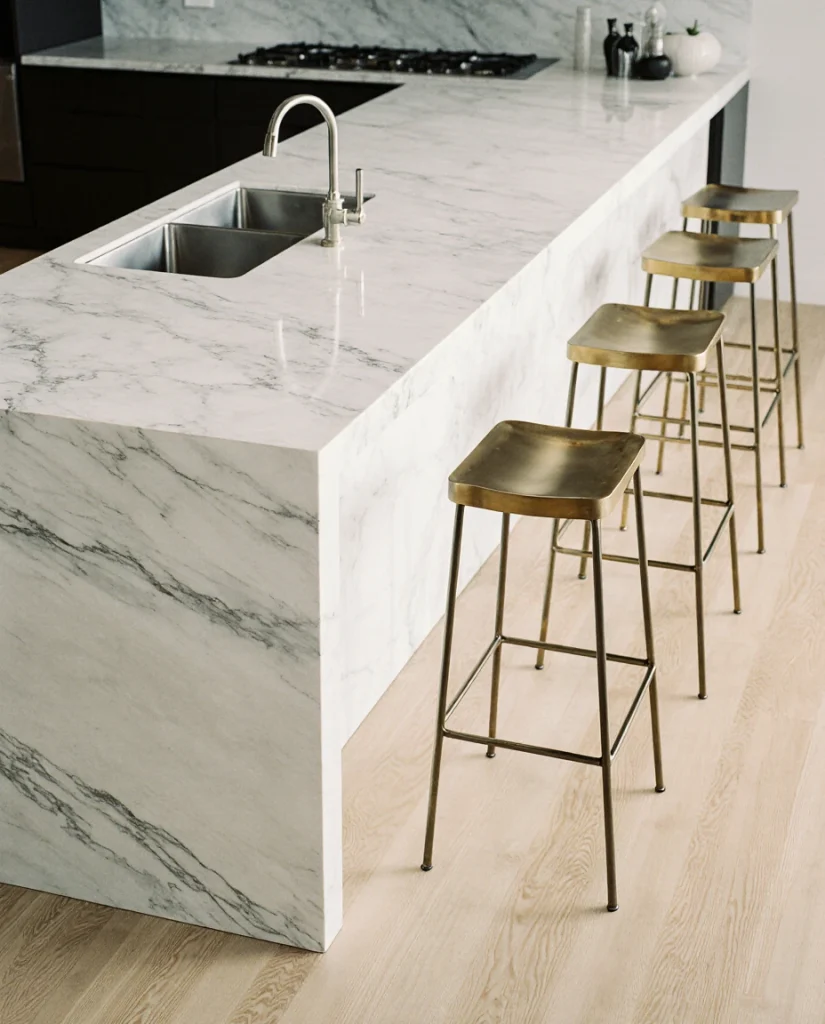
The waterfall edge detail, where countertop material cascades down the sides to the floor, creates an upscale architectural statement that defines luxury kitchen design. Large slabs of quartz, marble, or granite showcase continuous veining patterns that catch light beautifully throughout the day. This technique particularly elevates white marble or dramatic book-matched stone, making even modest-sized islands appear more substantial.
This design choice signals investment in quality materials and craftsmanship, with fabrication costs typically running $3,000 to $8,000 depending on stone selection and size. The visual payoff is substantial—real estate agents consistently note that waterfall islands photograph exceptionally well and create memorable impressions during home showings. Beyond aesthetics, the wrapped edges protect cabinetry corners from bumps and scuffs in high-traffic kitchens.
6. Integrated Sink and Prep Station
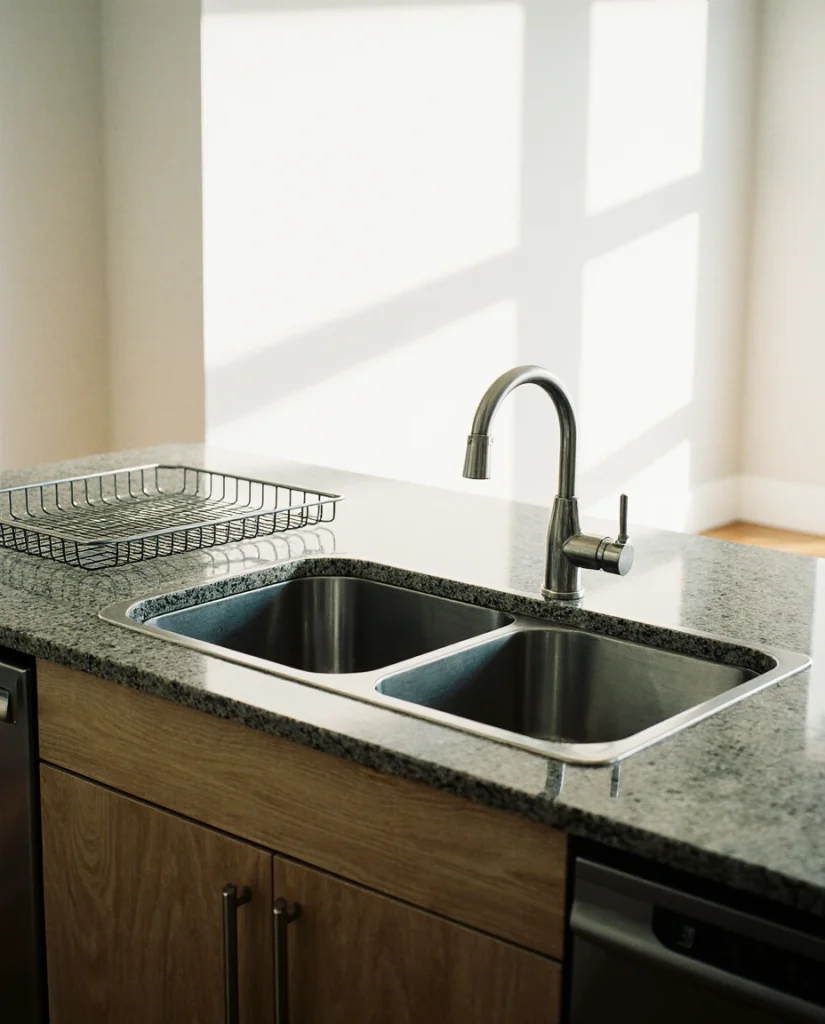
Placing a sink in your island transforms it from simple counter space into a fully functional work zone where you can wash vegetables, fill pots, and clean up while remaining engaged with family or guests. Modern designs often include the main prep sink here rather than against the wall, completely reimagining traditional kitchen workflow. Unique configurations might add a small vegetable sink alongside the primary basin or incorporate a pot filler for serious home cooks. 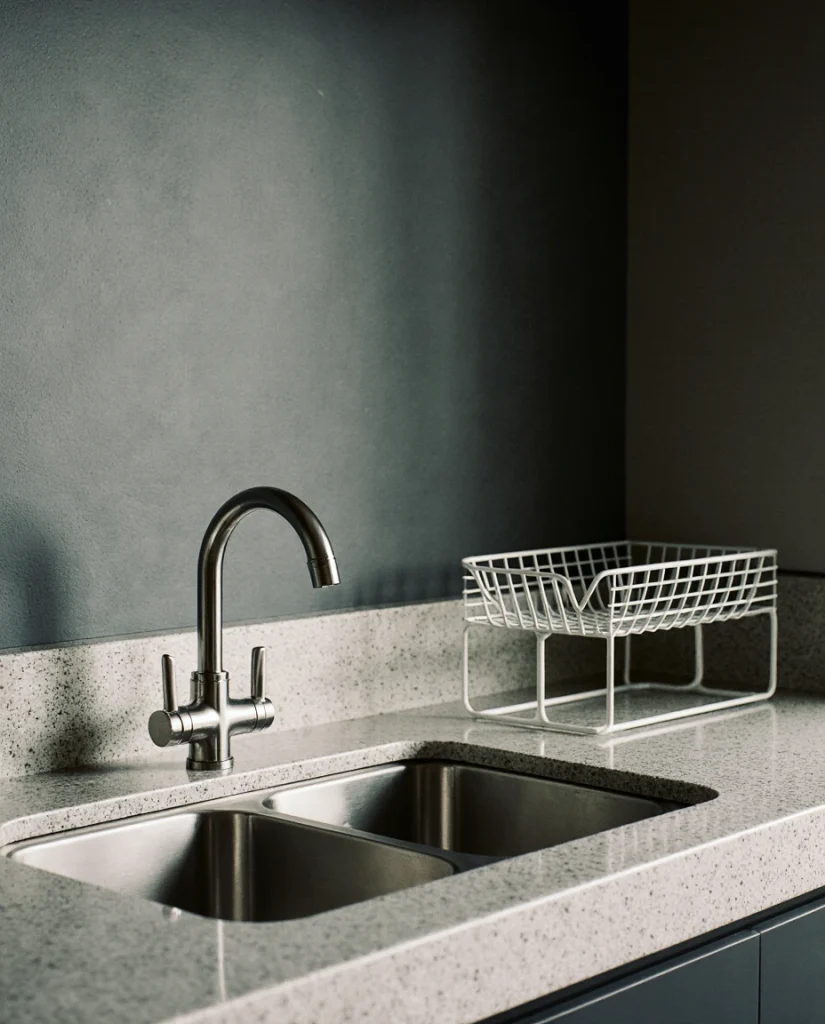
Plumbing an island sink requires running water lines through the floor, which adds complexity and cost to renovations—budget an additional $1,500 to $3,500 for professional installation beyond the sink itself. However, families consistently report this as one of the most valuable changes they’ve made, as it allows the cook to face into the room rather than staring at a wall. The social aspect of this configuration cannot be overstated for those who frequently entertain.
7. Curved Edge Organic Shape
Breaking away from standard rectangular forms, curved and round islands soften kitchen aesthetics while improving traffic flow around the workspace. These organic shapes eliminate sharp corners that can be hazardous in busy households, particularly valuable for families with young children. The curves also create a more inviting gathering spot, subconsciously encouraging people to cluster around rather than simply pass by. 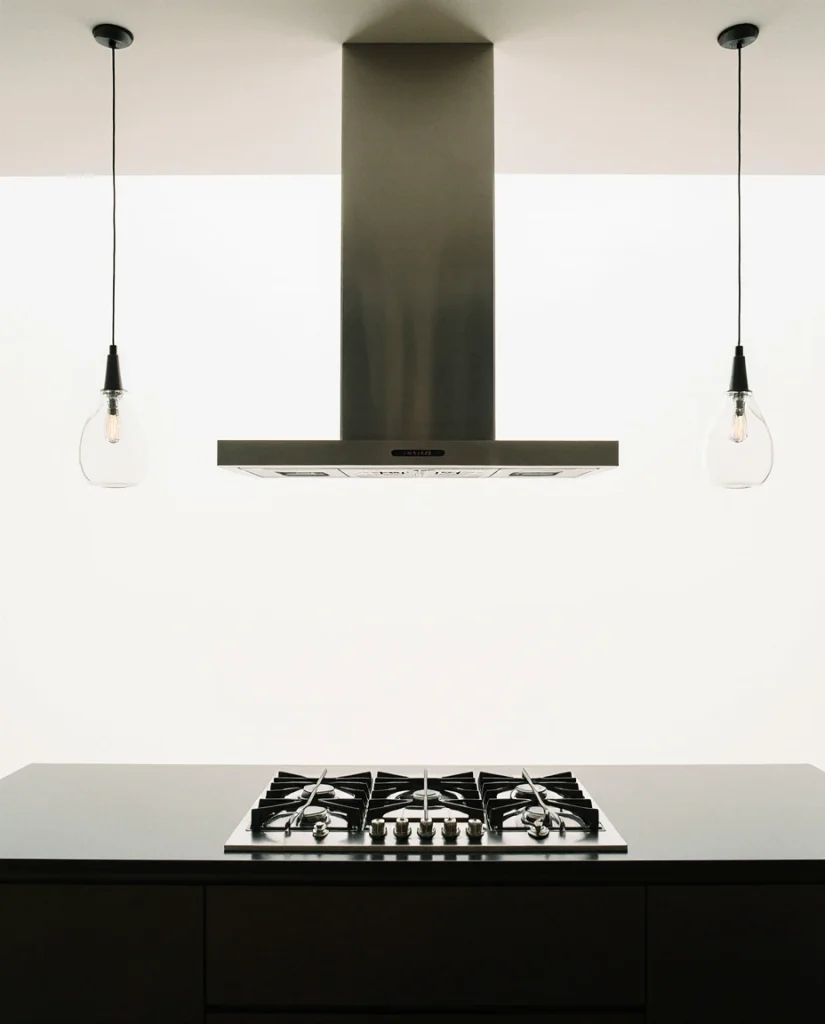
Custom fabrication for curved designs typically costs 20 to 35 percent more than standard rectangular builds due to increased material waste and specialized craftsmanship. Despite this premium, designers report growing demand for these softer silhouettes, especially in open-concept homes where the island serves as a transitional element between kitchen and living areas. The investment pays dividends in both safety and aesthetic sophistication.
8. Built-In Cooktop Island
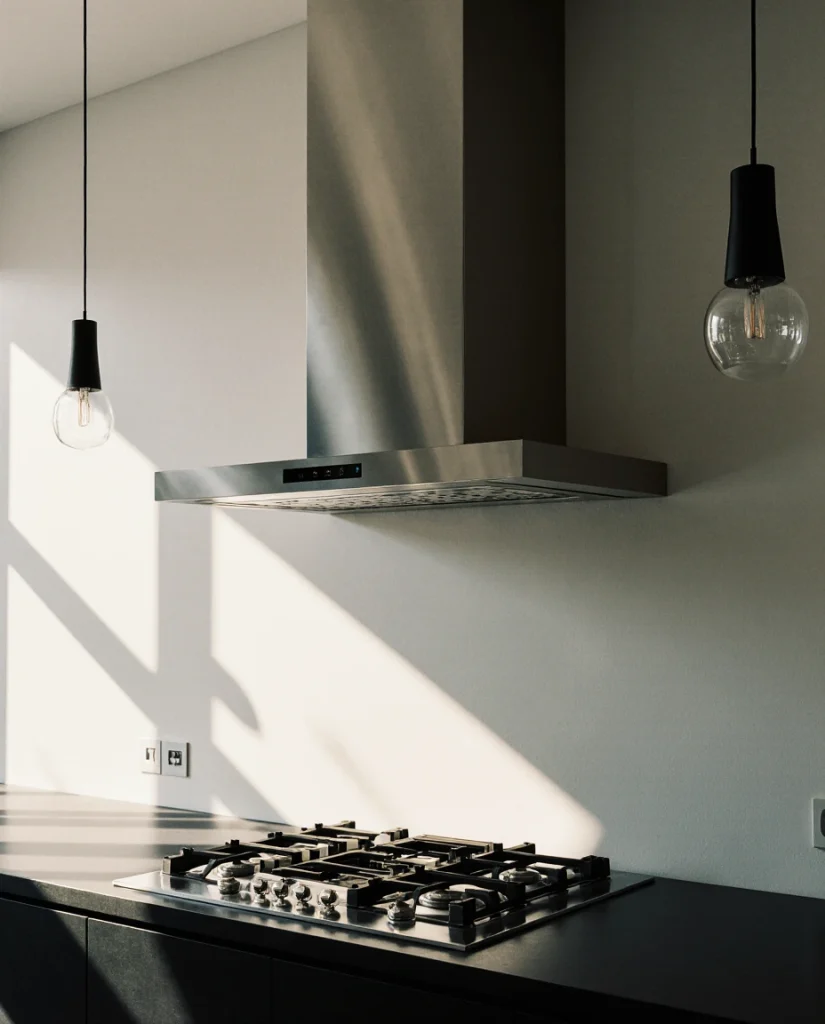
Installing a stove or cooktop directly into your island positions the chef at the center of activity, turning meal preparation into a social event rather than isolated work. This configuration requires robust ventilation—either a dramatic overhead hood or a downdraft system that rises from the countertop when needed. Double burners or full ranges can fit depending on your island dimensions and cooking style.
A Nashville interior designer shared that clients initially worry about cooking smells dispersing through open living spaces, but proper ventilation eliminates this concern entirely. The key mistake homeowners make is underestimating required clearances—you need at least 12 inches of heatproof counter space on each side of the cooking surface, plus adequate distance to seating areas. Plan for $2,500 to $6,000 in professional installation, including electrical, gas lines, and ventilation.
9. Narrow Island for Galley Kitchens
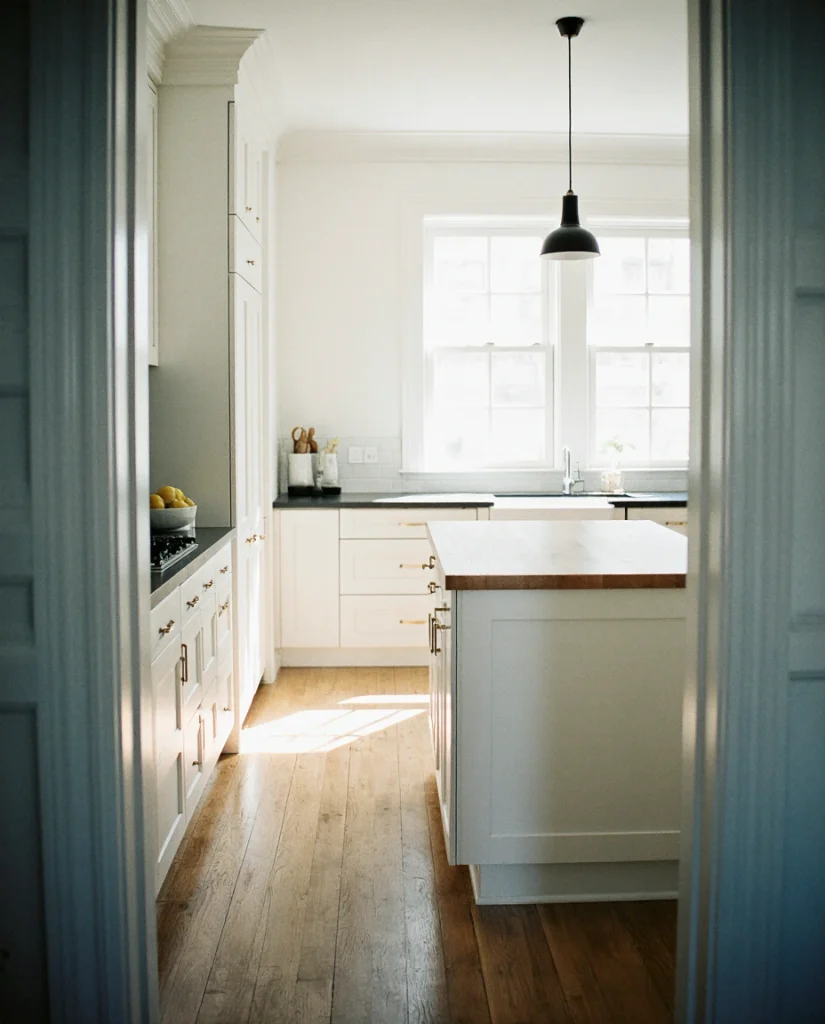
A narrow island profile, typically 24 to 30 inches wide instead of the standard 36 to 42 inches, makes island functionality possible in galley-style kitchens where space is at a premium. These slimmer designs maintain adequate walkway clearance on both sides—the critical 36 to 42 inches needed for comfortable movement and appliance door operation. Tiny kitchens benefit enormously from this scaled-down approach that doesn’t force uncomfortable compromises.
This solution works exceptionally well in older homes, particularly in Northeast cities where Victorian and brownstone kitchens were designed before islands became standard. The narrow footprint still provides valuable storage underneath via shelves or slim cabinets, plus 10 to 12 linear feet of additional prep space. Cost ranges from $600 to $2,200 depending on materials and finish complexity, offering significant functionality gains relative to investment.
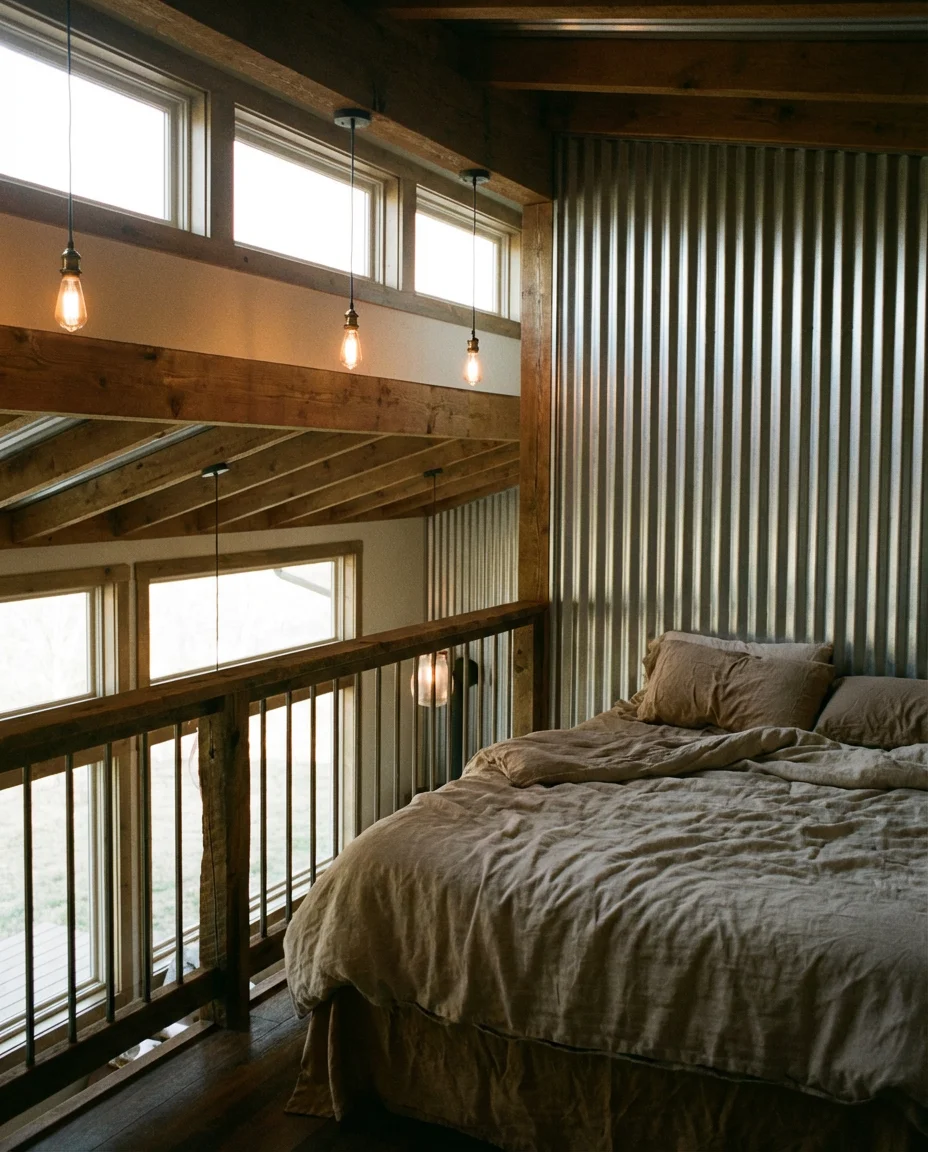
10. Open Shelving Display Island
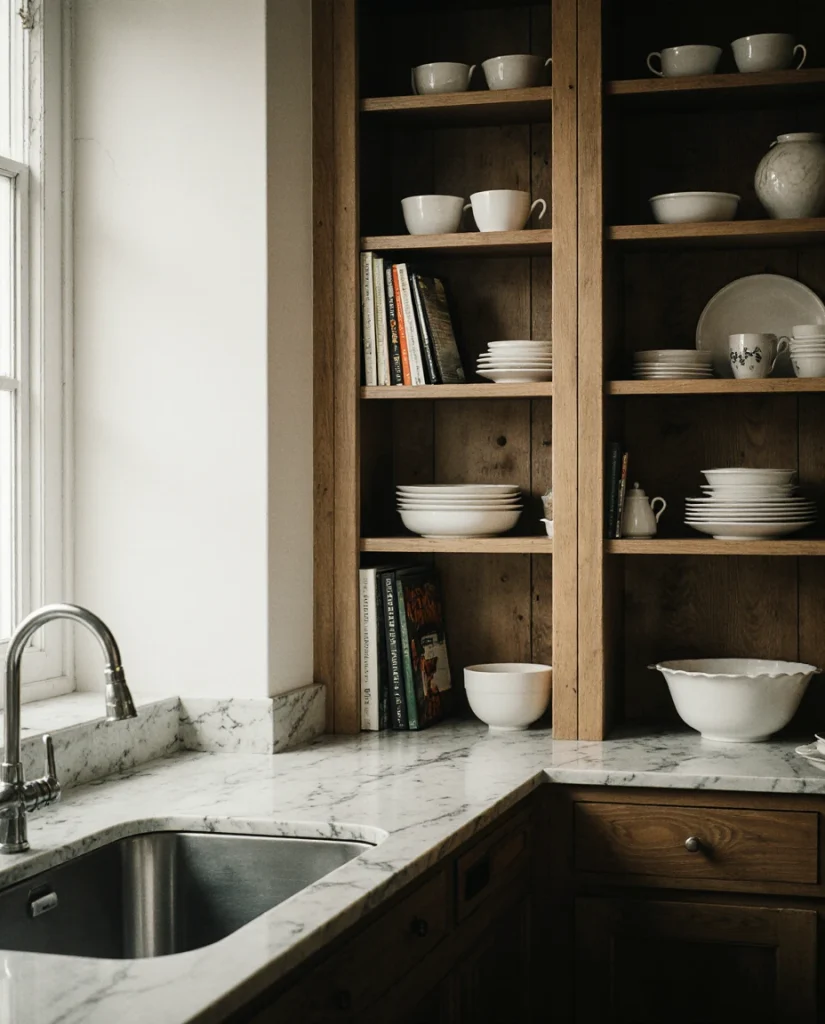
Replacing solid cabinet doors with open shelving transforms your island into a display opportunity for cookbooks, beautiful dishware, or artfully arranged pantry items in glass containers. This design creates visual lightness in the space while keeping frequently used items within easy reach. The open concept works particularly well when the island’s end panels face into living or dining areas, showcasing curated collections rather than hiding them away. 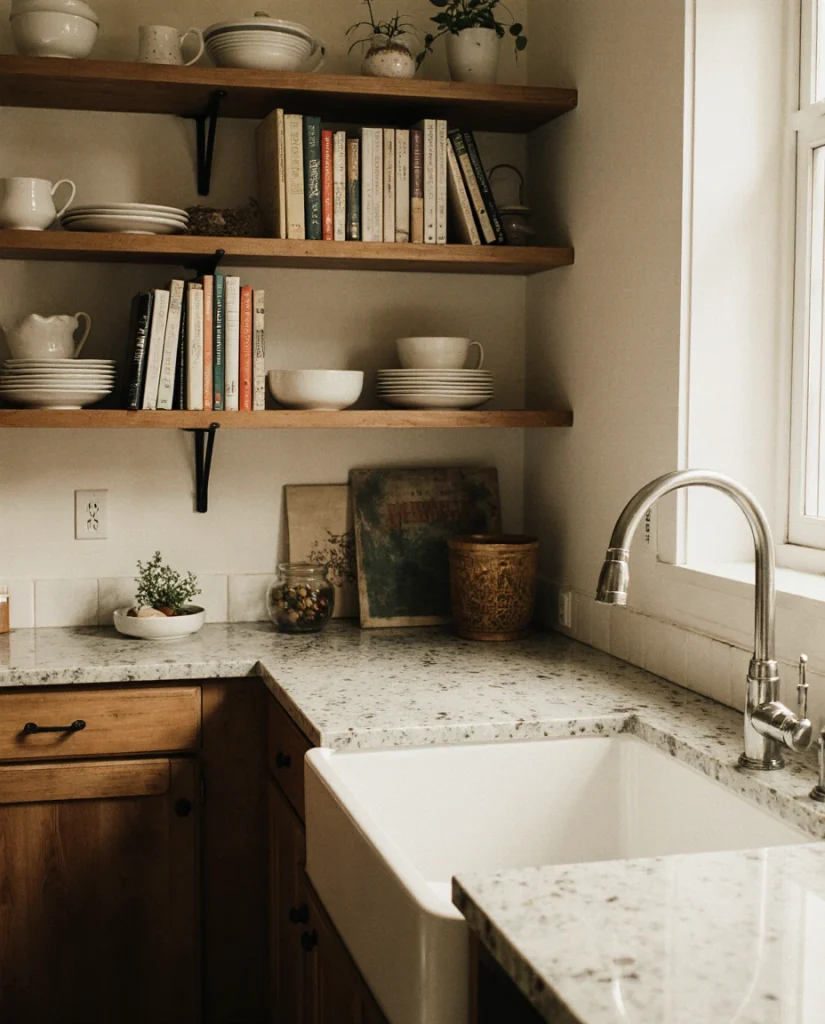
The challenge with open shelving is maintaining visual order—cluttered shelves quickly undermine the intended aesthetic. Successful implementations use matching containers, limited color palettes, and regular editing to keep displays fresh. A Portland homeowner noted that having open shelves forced her to be more intentional about what she keeps in the kitchen, ultimately leading to better organization throughout the space. Budget around $400 to $1,800 for quality open shelving builds.
11 DIY Repurposed Furniture Island
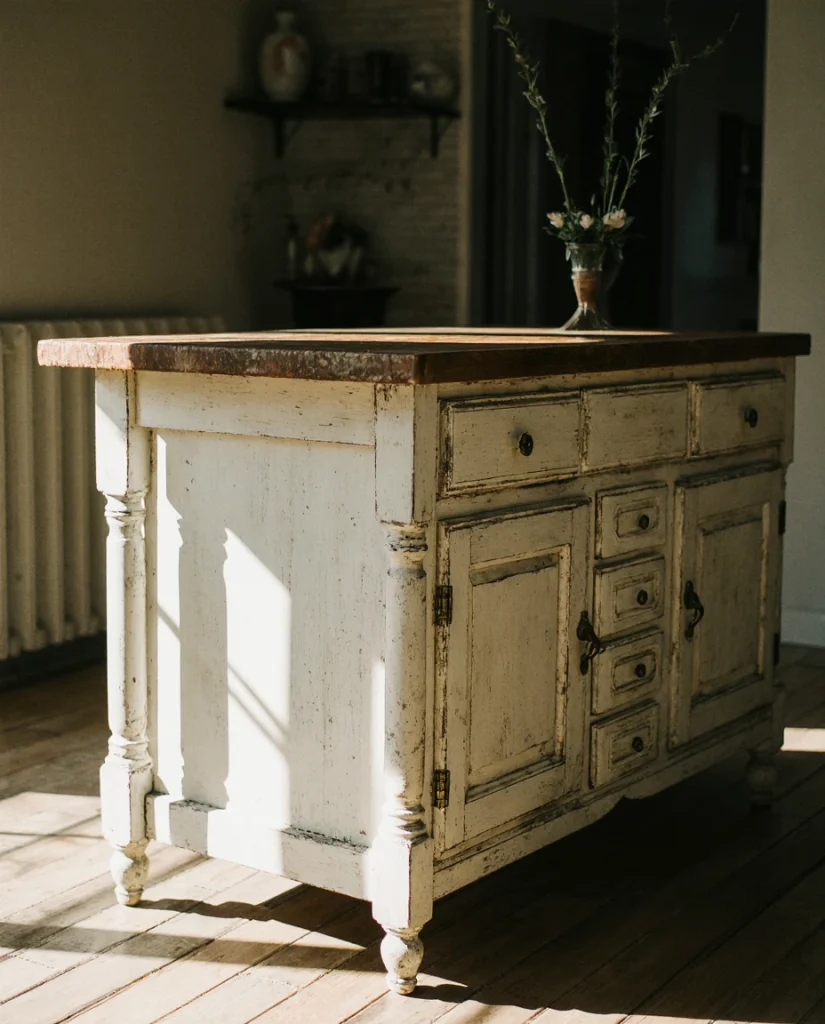
The easy DIY approach to island creation involves repurposing vintage furniture pieces like dressers, workbenches, or sideboards into functional kitchen workspaces. Antique pieces bring instant character and often feature superior construction compared to modern particleboard alternatives. A butcher block or stone counter can be added to the top, with the existing drawers and compartments providing ready-made storage.
Practical insight here centers on proper height adjustment—standard dining furniture sits too low for comfortable food prep, so you’ll likely need to add feet or casters to reach the ideal 36-inch work surface height. Flea markets, estate sales, and online marketplaces offer abundant options in the $100 to $600 range, with another $150 to $400 needed for countertop materials and finishing supplies. This personalized approach delivers one-of-a-kind results impossible to find in retail stores.
12. Architectural Column Detail
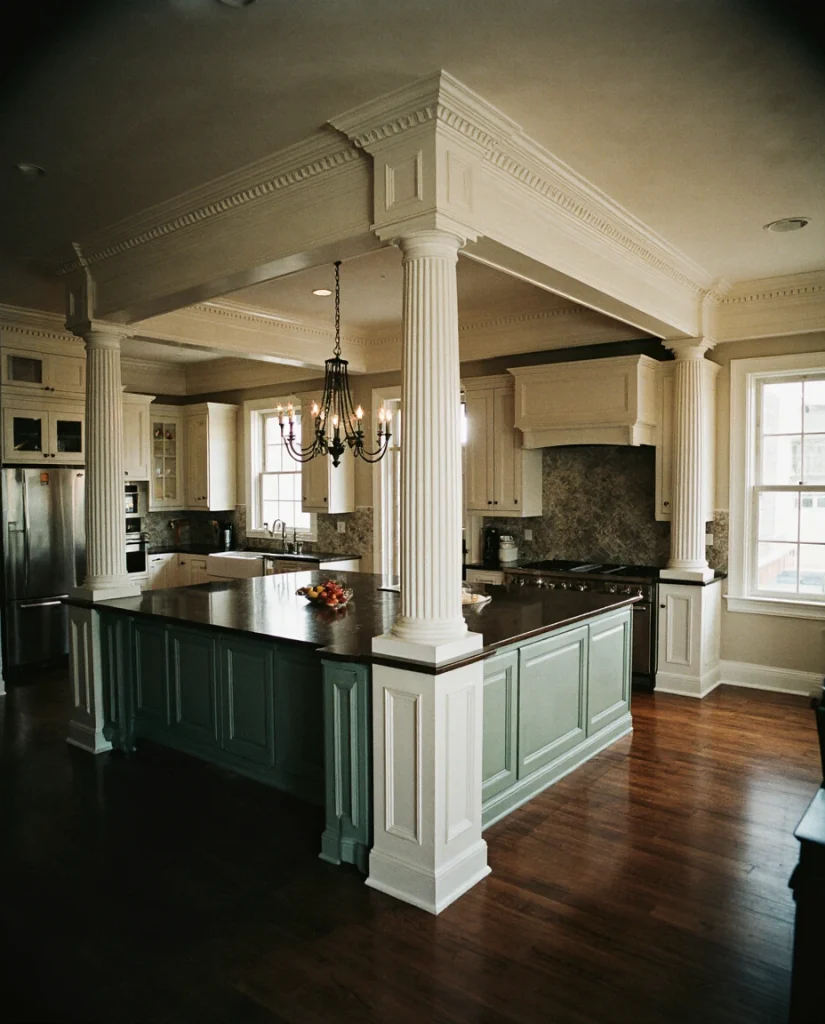
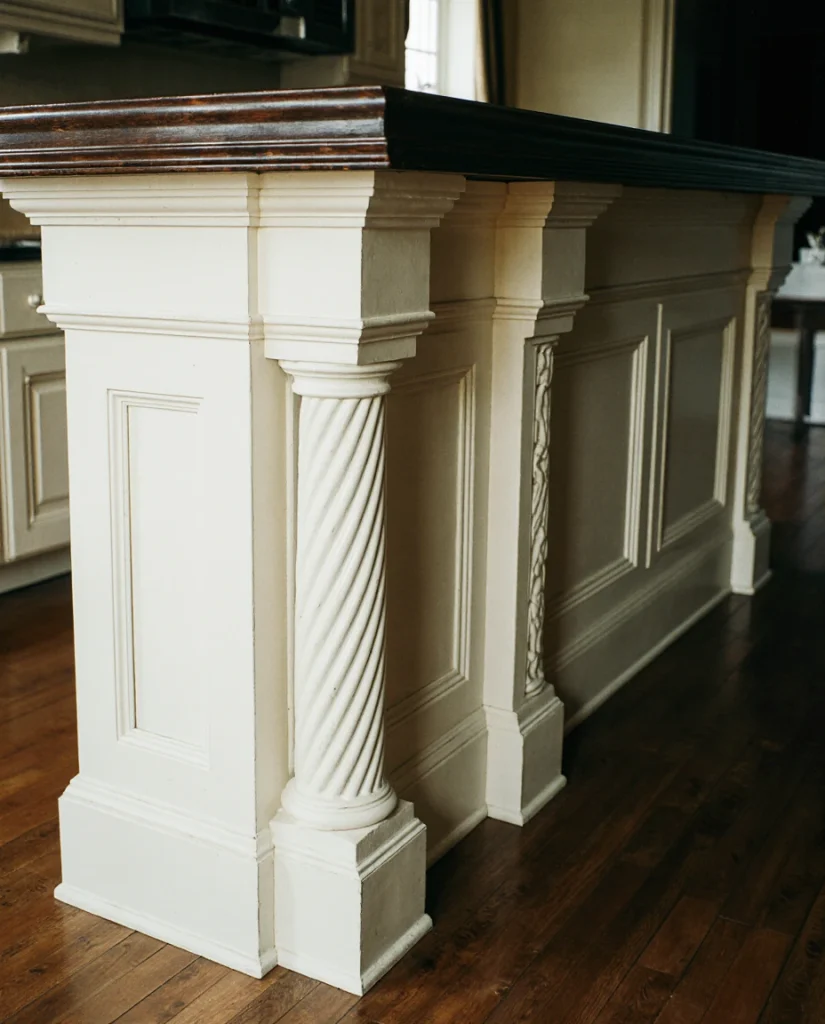
Adding decorative columns or substantial legs to your island creates architectural gravitas that elevates the entire kitchen aesthetic. These vertical elements can reference classical design with turned wood posts, embrace craftsman style with squared mission profiles, or go contemporary with metal supports. The columns serve dual purposes—structural support for overhanging counters and visual anchors that ground the island in the space. 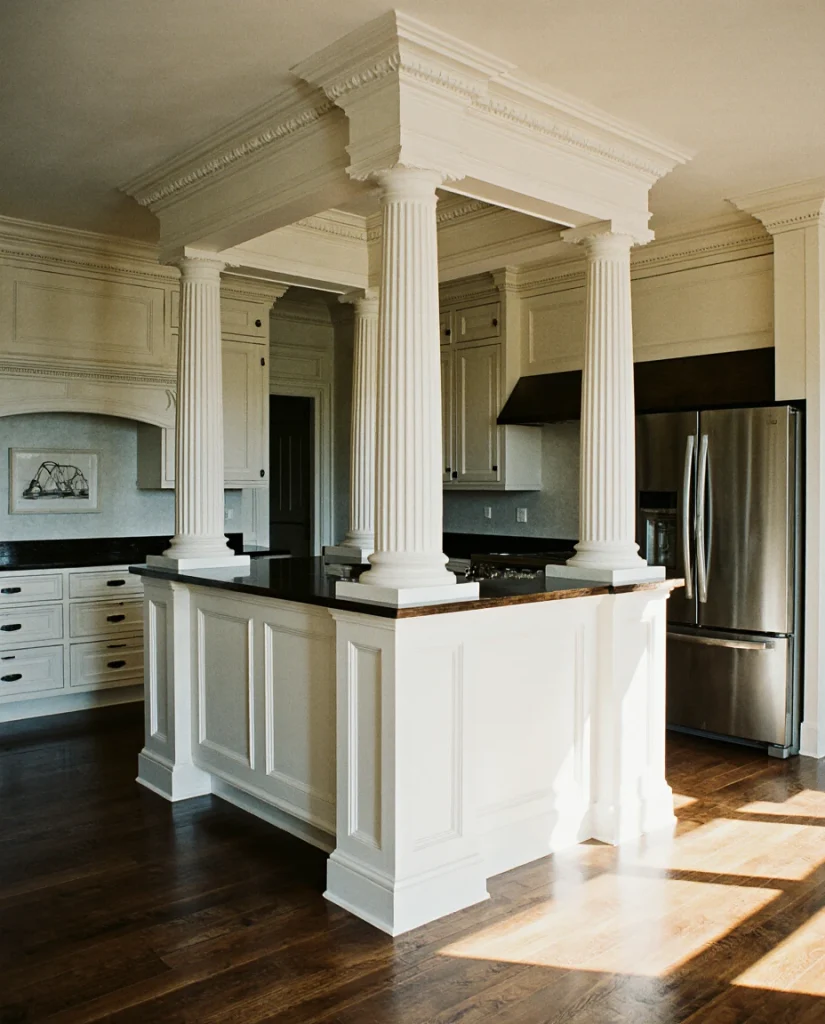
In Southern states, particularly in homes built with traditional or colonial revival architecture, this detail helps the kitchen feel integrated with the home’s overall design language rather than appearing as a modern afterthought. The cost addition for decorative columns runs $200 to $800 over standard construction, a modest premium for the substantial visual impact achieved. Expert designers recommend scaling column size proportionally to island dimensions—undersized columns look flimsy, while oversized ones overwhelm.
13. All-White Minimalist Design
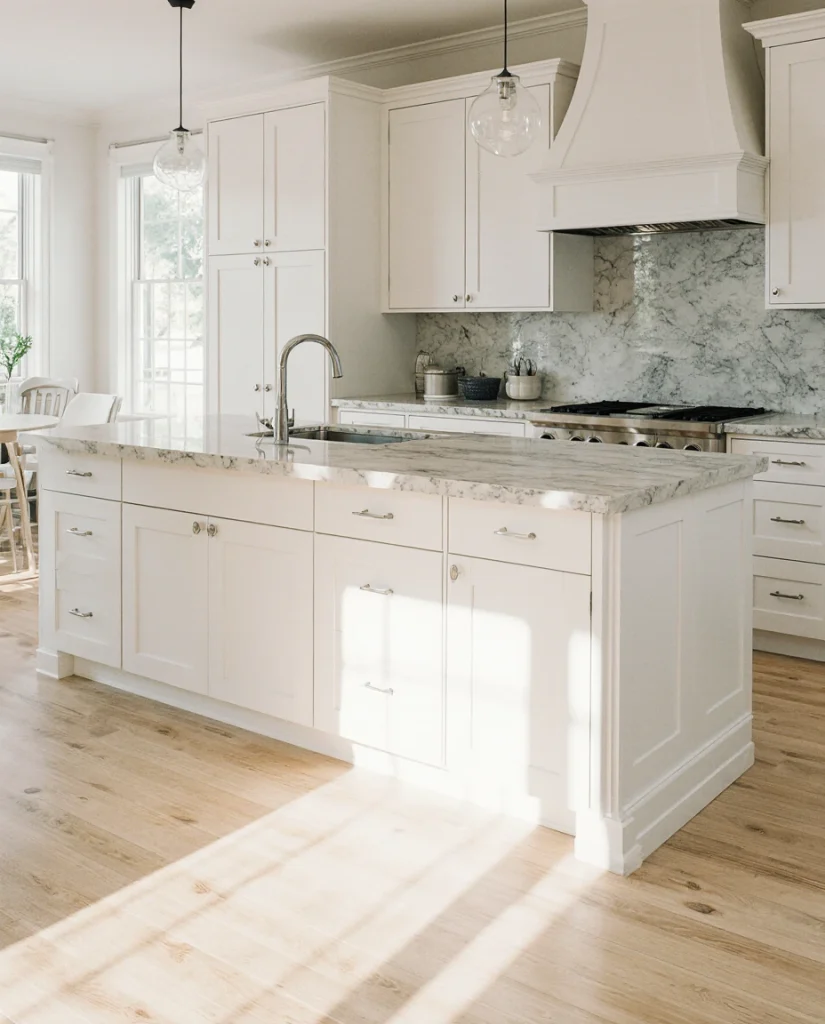
A completely white island creates serene simplicity that never goes out of style, serving as a neutral foundation that adapts to changing décor preferences. White cabinetry paired with white stone or quartz countertops produces a clean, gallery-like aesthetic particularly popular in coastal and Scandinavian-inspired kitchens. The monochromatic approach maximizes light reflection, making spaces feel larger and more open. 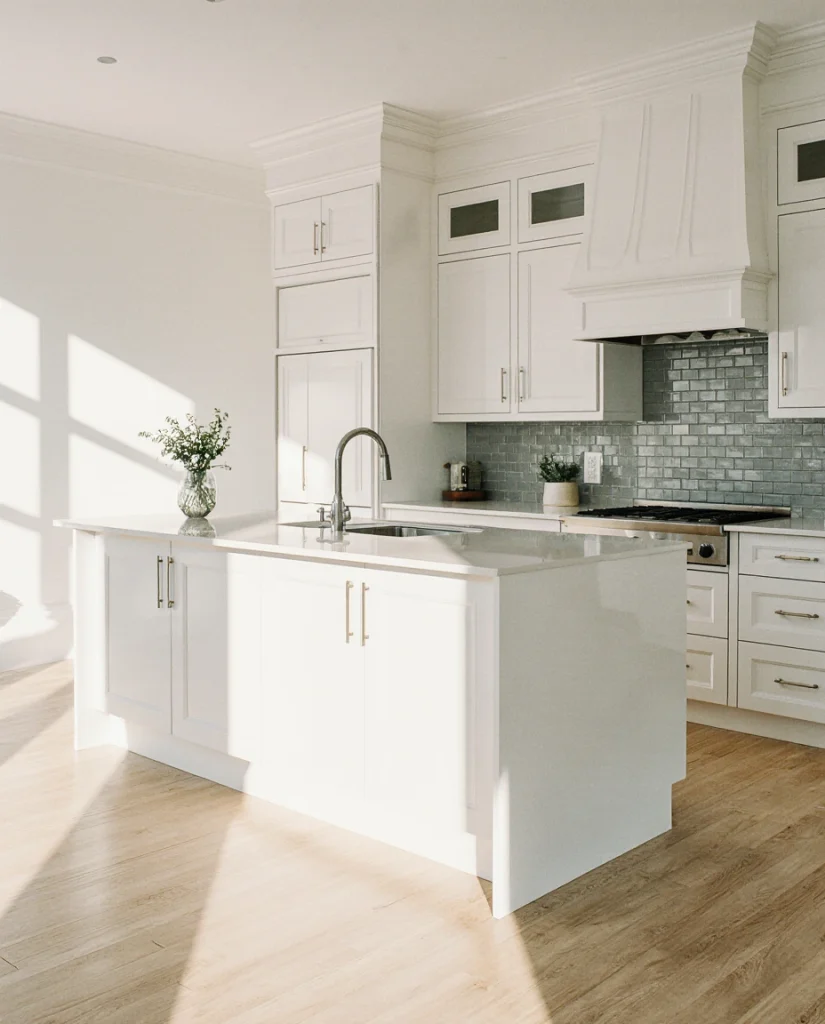
Real homeowner behavior shows that white islands require more frequent cleaning to maintain their pristine appearance—daily wiping becomes essential rather than optional. However, modern stain-resistant finishes and non-porous quartz surfaces make maintenance far easier than in previous decades. The budget-friendly nature of white materials, often $200 to $500 less than specialty colors or finishes, makes this choice both beautiful and economical for first-time renovators.
14. Outdoor Kitchen Island Extension
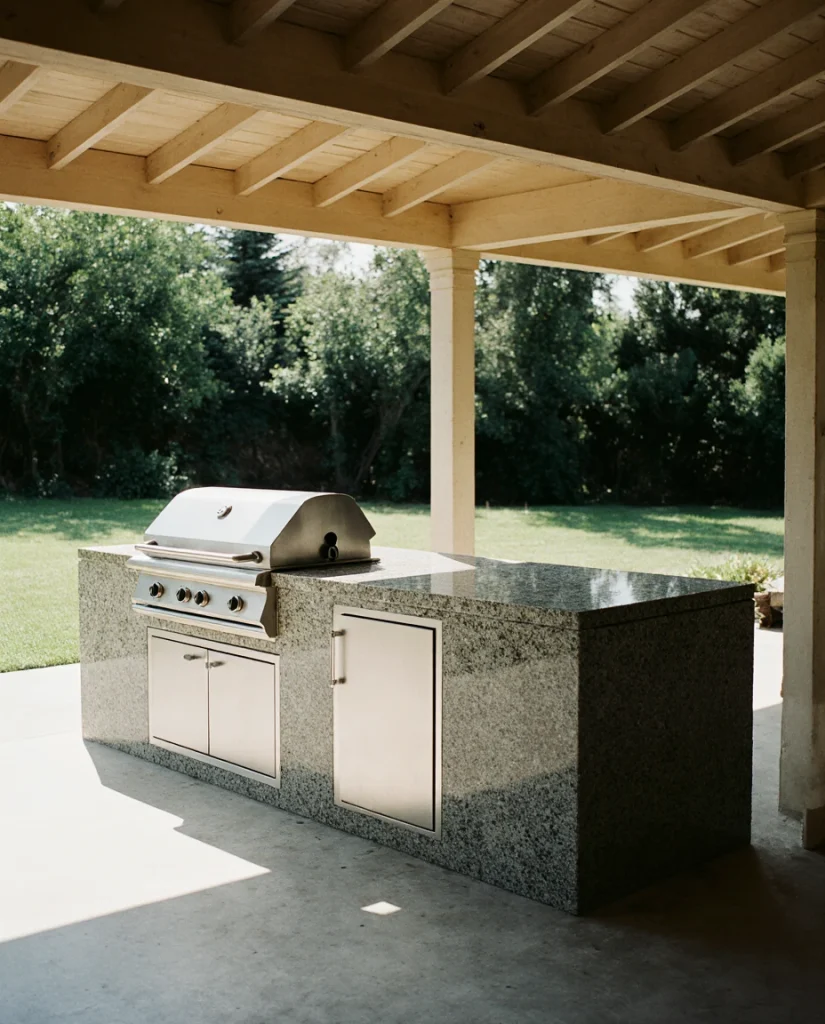
Extending kitchen island concepts to outdoor spaces creates cohesive indoor-outdoor living that’s become a hallmark of American lifestyle, especially in Sun Belt states. Outdoor islands incorporate weather-resistant materials like stainless steel, concrete, or sealed stone, often housing built-in grills, refrigeration, or storage for entertaining essentials. The positioning typically mirrors the indoor island’s gathering function, becoming the natural hub for backyard parties. 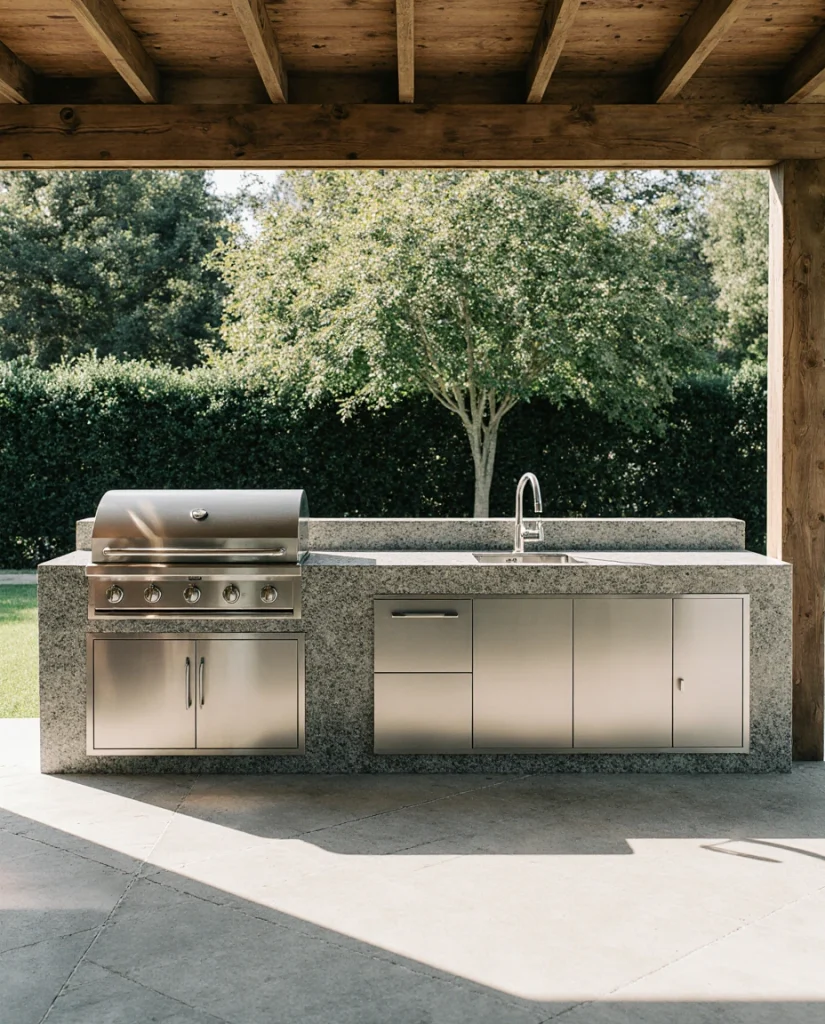
California and Arizona homeowners particularly embrace this concept, with outdoor kitchens adding significant value to properties in markets where year-round outdoor living is feasible. Construction costs run higher than indoor equivalents—expect $4,000 to $12,000 for professional installation, including gas lines, electrical, and weather-resistant materials. The common mistake is inadequate weather protection; even in dry climates, UV exposure and occasional rain require proper sealing and material selection.
15. Multi-Level Counter Heights
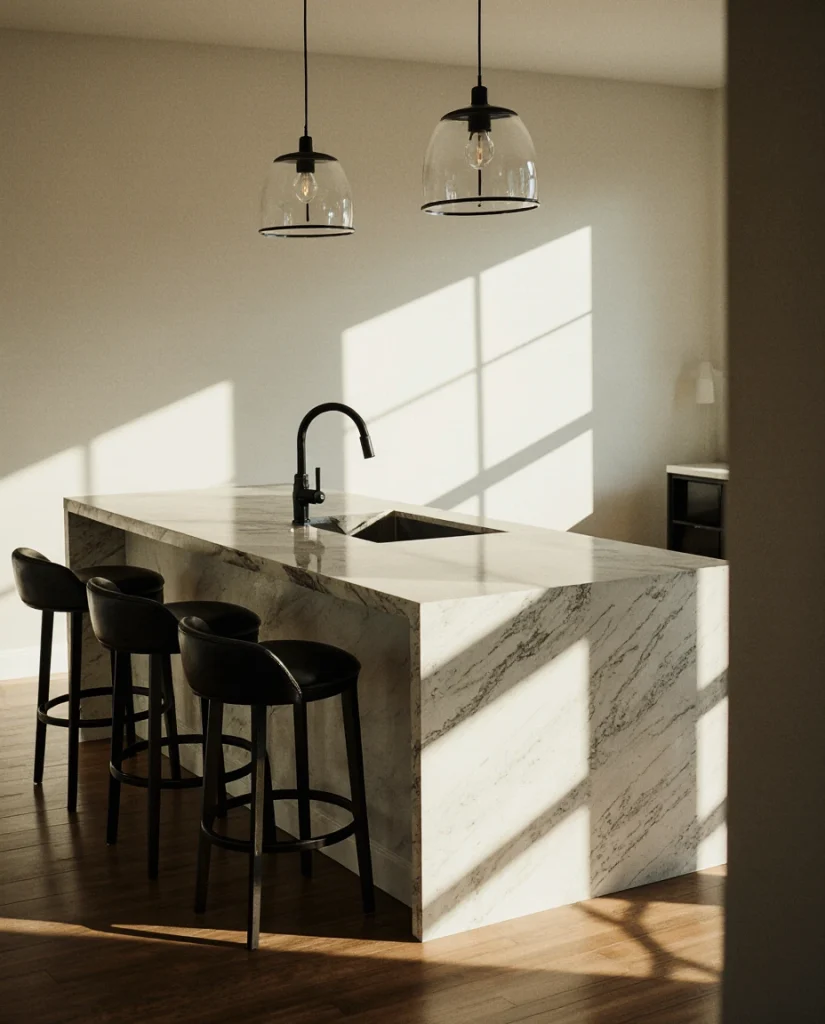
Incorporating bar stools at different heights creates distinct functional zones within a single island structure. A standard 36-inch prep surface on one side transitions to a raised bar counter at 42 inches on the other, providing comfortable seating while concealing kitchen mess from guests. This double-height approach cleverly separates working and socializing spaces without requiring additional square footage. 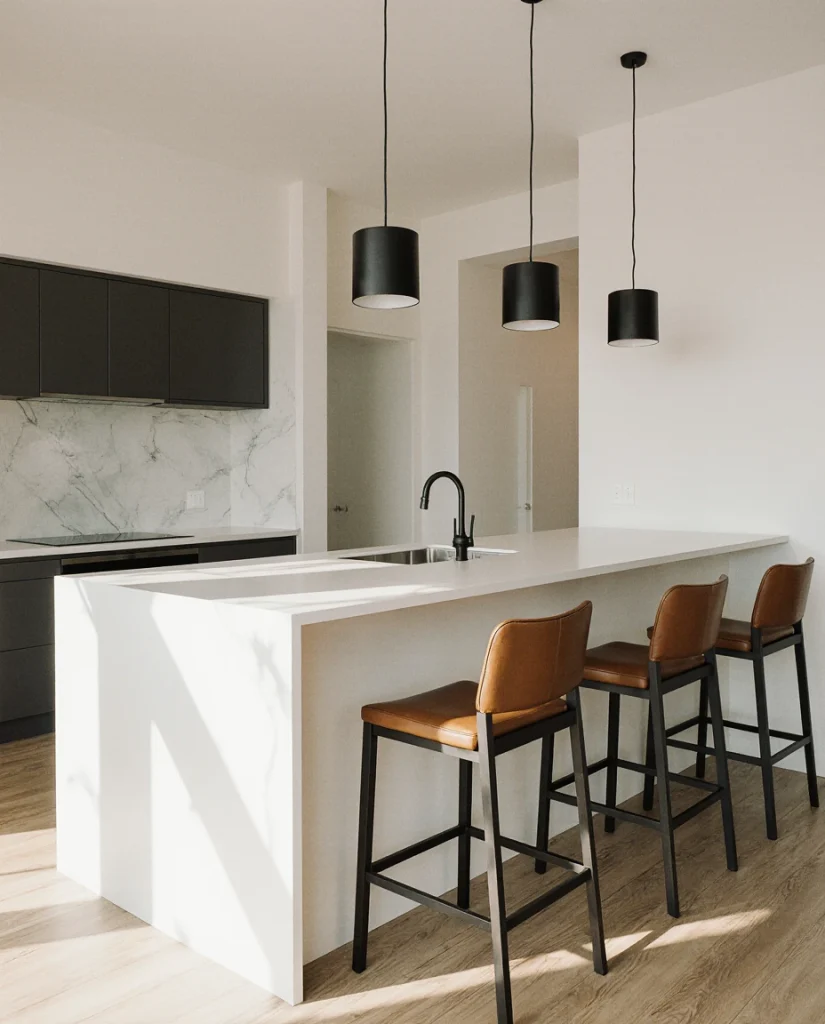
Midwest homeowners often appreciate this configuration for its ability to supervise homework or entertain guests while cooking—the raised side provides visual connection without inviting people into the actual work zone. One Chicago family shared that the two-level island solved their longstanding conflict between wanting an open kitchen and needing to hide dinner prep chaos. Budget an extra $800 to $2,000 for the more complex construction and additional cabinetry height.
16. Industrial Metal and Wood Hybrid
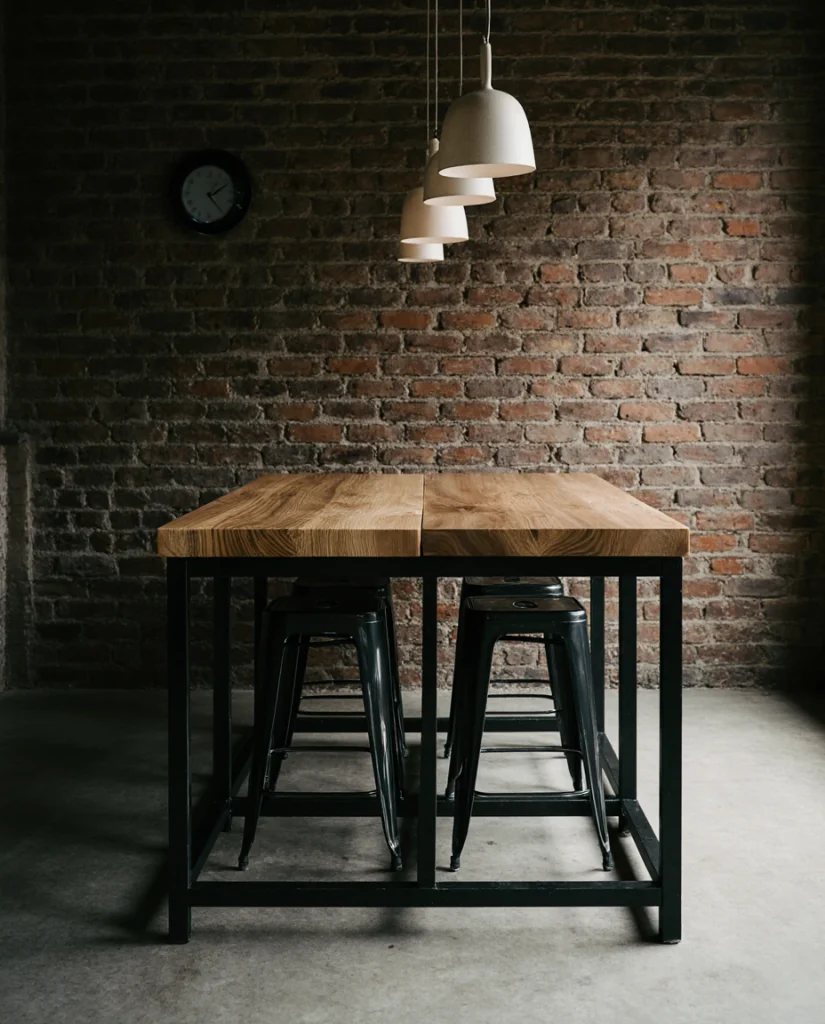
Combining raw wood surfaces with metal framework creates industrial-modern islands that feel both substantial and current. Black steel legs or frames contrast beautifully against natural wood tones, particularly walnut or white oak butcher block. This style references commercial kitchen aesthetics while remaining approachable for residential use, often incorporating exposed fasteners or rivets as intentional design elements. 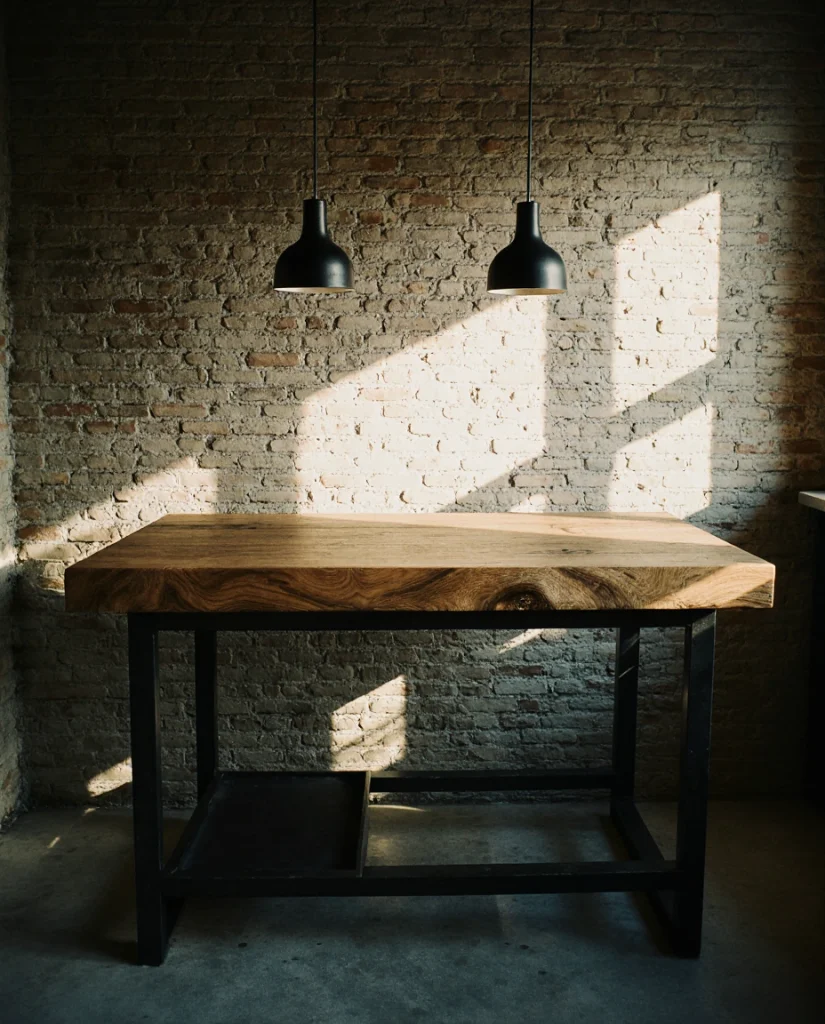
This aesthetic particularly resonates in loft conversions and renovated warehouse spaces common in cities like Denver, Nashville, and Brooklyn. The honest materials approach celebrates craftsmanship and durability over fleeting trends. Cost varies significantly based on custom versus prefabricated options—mass-produced industrial-style islands start around $1,000, while custom-built pieces from local metalworkers and woodshops run $3,000 to $7,000 with substantially better quality and exact size specifications.
17. Hidden Storage and Organization
Modern islands maximize every cubic inch with clever internal organization systems—pull-out spice racks, dedicated trash and recycling bins, appliance garages, and customized drawer inserts for utensils. Unique mechanisms include pop-up electrical outlets that remain hidden when not in use and seating that conceals storage underneath cushioned tops. The goal is to maintain clean exterior lines while packing extraordinary functionality inside.
Where this works best is in kitchens lacking adequate perimeter cabinet space or for minimalists who want surfaces completely clear of appliances and clutter. The upfront cost for custom organization systems adds $500 to $2,500 to island construction, but users consistently report this as money well spent. A Seattle homeowner mentioned that proper organization transformed her island from a cluttered catch-all into a highly efficient workspace that actually makes cooking faster and more enjoyable.
18. Natural Live Edge Wood Feature
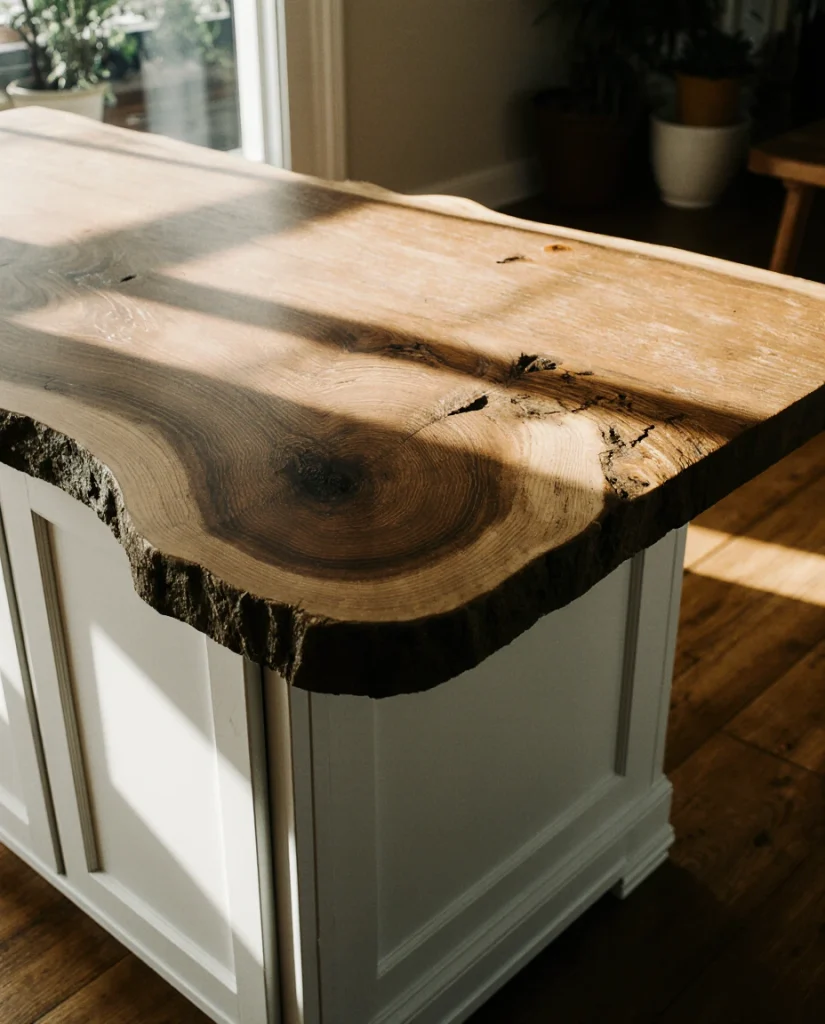
Live edge wood countertops preserve the natural contours of the tree, creating organic, unique silhouettes that ensure no two islands are identical. These dramatic surfaces typically feature one or both edges showing bark and natural wood grain, often with the growth rings and character marks fully visible. Rustic appeal meets contemporary design when paired with clean-lined cabinets, creating compelling contrast between refined and raw. 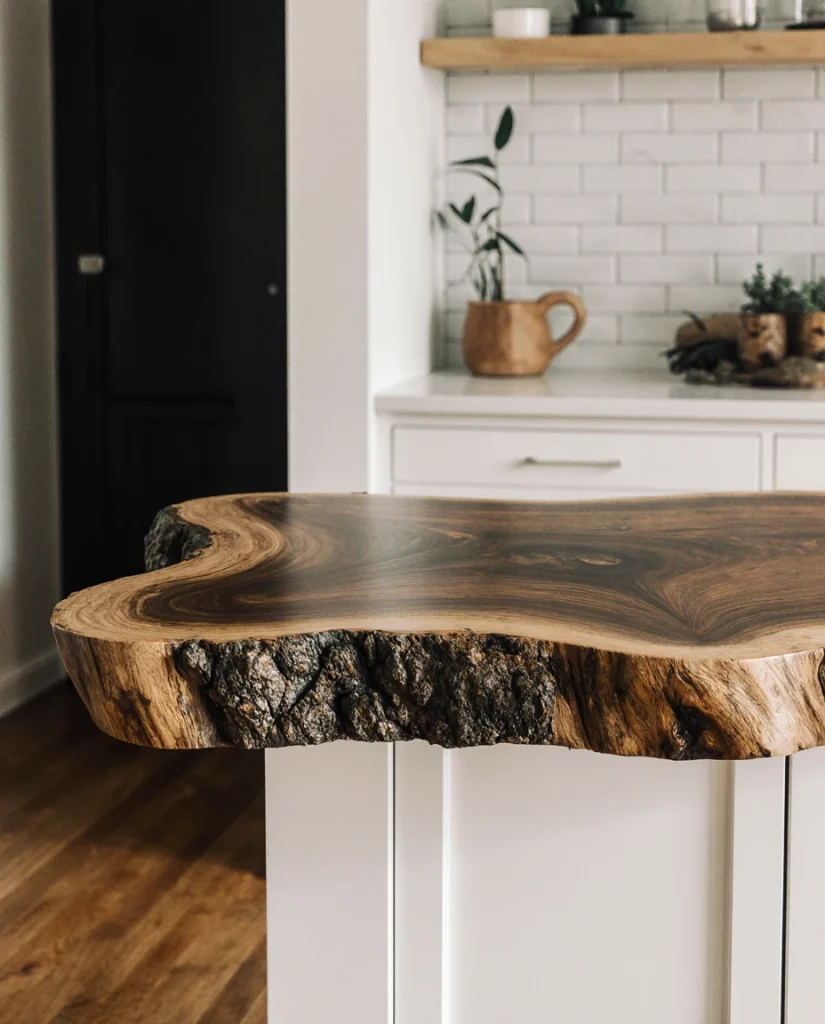
Expert commentary from custom woodworkers emphasizes proper sealing as critical—food-safe epoxy or polyurethane finishes protect the wood while maintaining its natural appearance. Live edge slabs range dramatically in price based on species and size, from $800 for smaller pine pieces to $5,000-plus for premium walnut or maple. The investment delivers a true statement piece that guests will always notice and comment on, serving as both a functional surface and sculptural art.
19. Streamlined Handleless Design
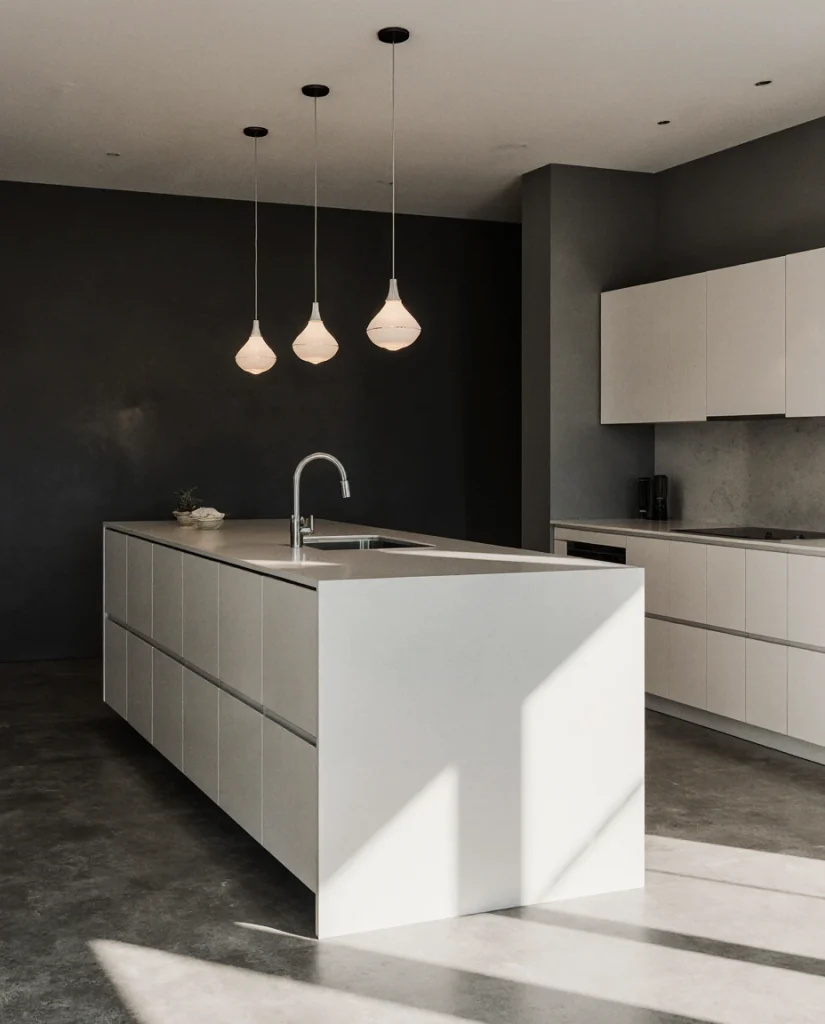
Push-to-open mechanisms and integrated finger pulls create seamless surfaces without visible hardware, producing a sleek contemporary aesthetic that’s dominated kitchen design trends. White or black flat-panel cabinets look particularly striking in this style, where the absence of handles emphasizes clean horizontal lines. The minimalist approach works beautifully in modern and transitional kitchens seeking uncluttered sophistication. 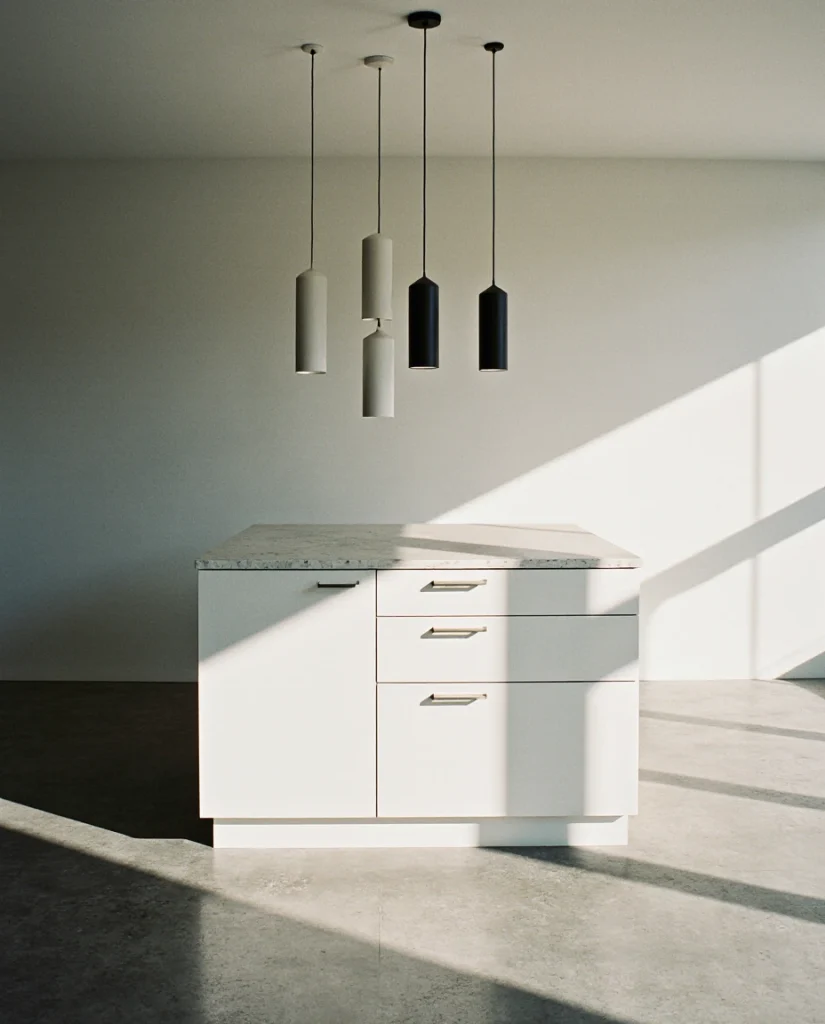
The handleless approach costs $400 to $1,200 more than traditional hardware installation due to specialized hinges and drawer mechanisms but eliminates ongoing concerns about hardware styles dating the kitchen. Touch-latch systems occasionally require adjustment as they age—a minor maintenance consideration balanced against the dramatic visual simplification achieved. Many homeowners report the smooth surfaces are easier to clean without hardware catching dust and grease.
20. Vintage Apothecary-Inspired Storage
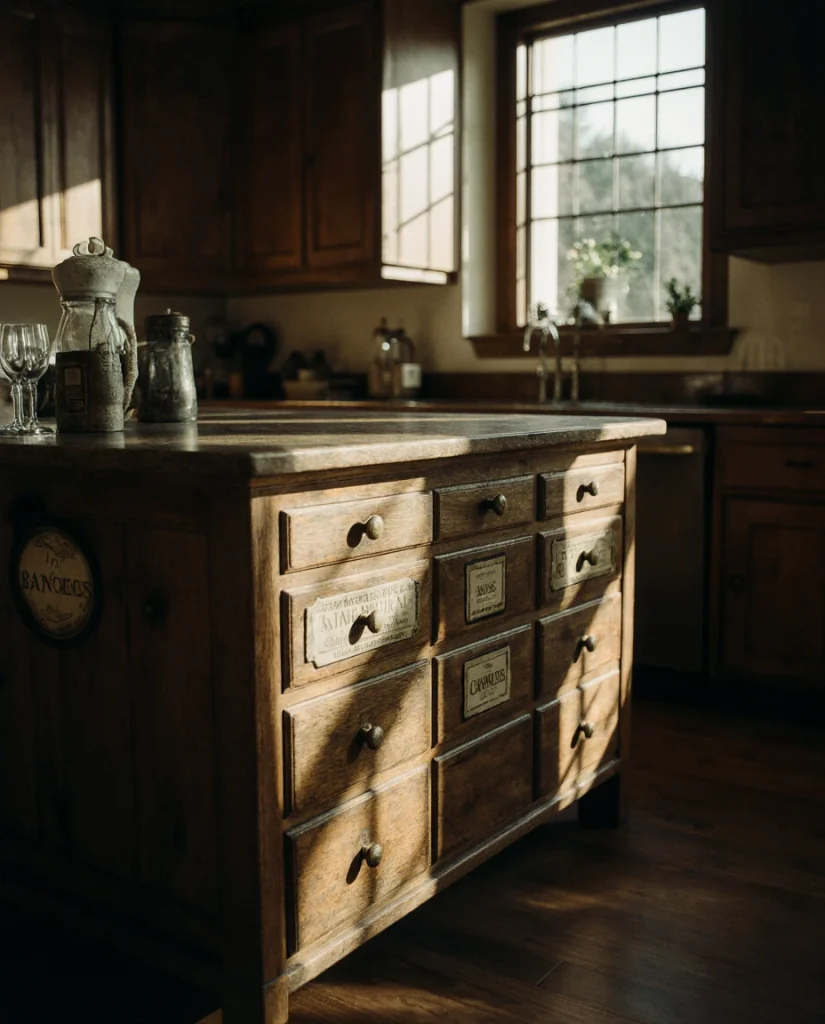
Drawing inspiration from old pharmacy cabinets, this antique-influenced design features numerous small drawers and compartments ideal for organizing kitchen miscellany. Unique labeling systems, glass-fronted drawers, or vintage-style bin pulls add authentic period detail. These islands combine nostalgic charm with genuinely useful organization, providing dedicated spots for everything from spices to linens to rarely used serving pieces.
Budget considerations here lean toward custom or semi-custom cabinetry, as mass-market options rarely offer this level of specialized storage—expect $2,500 to $6,000 for quality construction with authentic details. The style particularly complements historic homes in New England and the Mid-Atlantic, where period-appropriate design maintains property value. One Rhode Island homeowner shared that her apothecary island became the most photographed feature when listing her home, generating significantly more showing requests than comparable properties.
21. Minimalist Floating Design
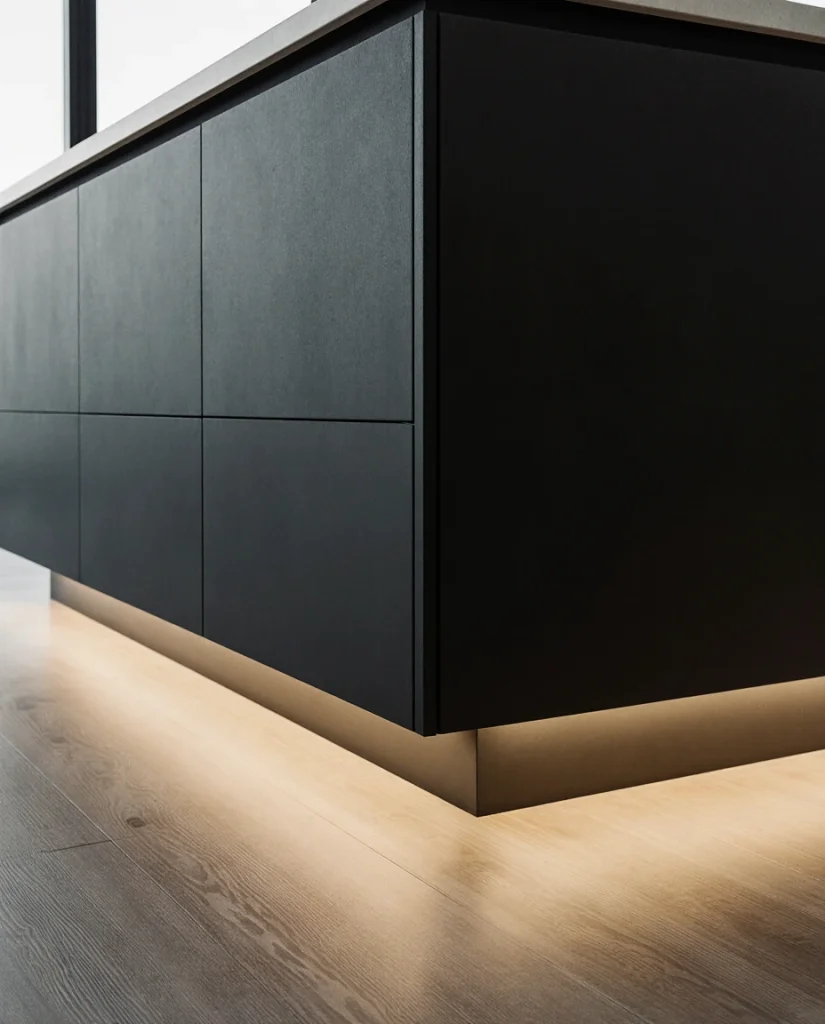
Creating the illusion that your island floats involves recessing the base cabinet back from the countertop edge and installing LED strip lighting underneath, producing a dramatic hovering effect. This unique approach works with any cabinet finish but looks particularly striking in black or dark wood tones against light flooring. The visual lightness contrasts with the island’s actual substantial presence, creating interesting optical tension. 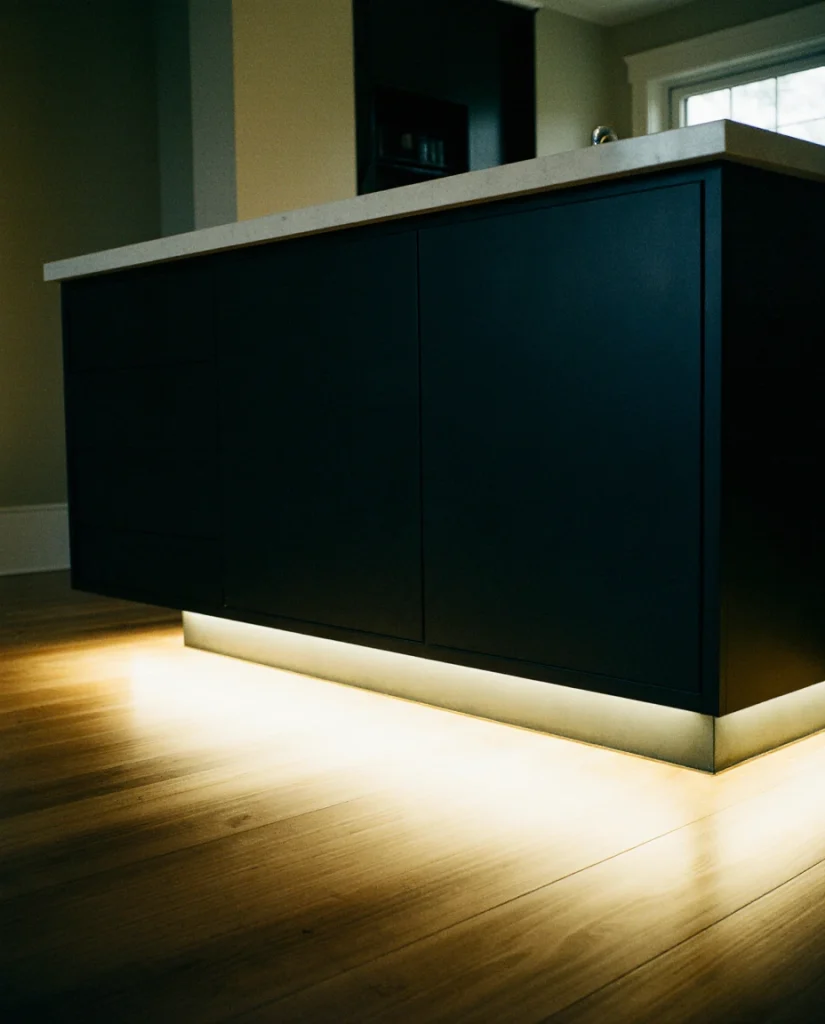
A common mistake is inadequate structural support when creating the recessed base—the floating effect requires engineered solutions to handle countertop weight without visible brackets or legs. Professional installation runs $500 to $1,500 more than standard construction but delivers remarkable visual impact, particularly impressive in evening hours when the under-cabinet lighting activates. This design particularly suits contemporary homes where architectural drama and innovative details are valued over traditional approaches.
Conclusion
Now that you’ve explored these diverse kitchen island possibilities, which concepts resonate most with your home and cooking style? Share your favorite ideas or your own island solutions in the comments below—I’d love to hear what’s working in your kitchen and what challenges you’re trying to solve.