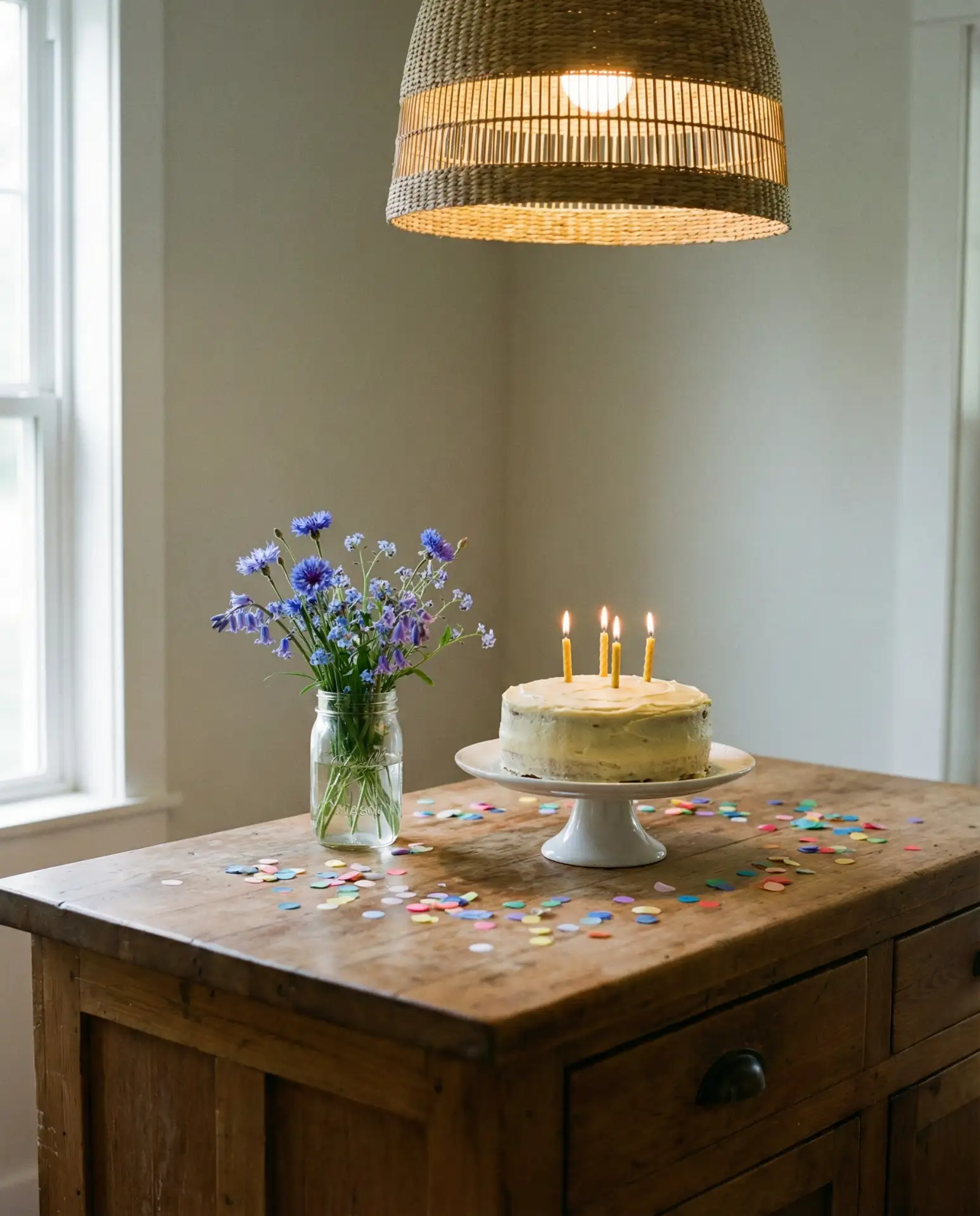
Kitchen lighting is having a major moment in 2026, and it’s not just about seeing what you’re chopping anymore. American homeowners are rethinking their kitchens as multi-functional spaces where meal prep, homework, and hosting all happen under the same roof, and Pinterest boards are overflowing with inspiration that blends function with serious style. Whether you’re planning a full remodel or just swapping out a few fixtures, the right lighting can completely transform how your kitchen looks and feels. From statement pendants over islands to unexpected color choices and clever tricks for low ceilings, this year’s trends are all about creating spaces that feel warm, intentional, and uniquely yours. Here are fresh ideas to light up your kitchen in ways that work for real life.
1. Layered Lighting Over Your Island

The kitchen island has become the heart of the home, and lighting fixtures over island setups are getting more sophisticated in 2026. Instead of relying on a single row of pendants, designers are layering multiple light sources at different heights to create depth and visual interest. Combine sleek hanging pendants with recessed overhead lighting or under-cabinet strips to ensure every task, from slicing vegetables to serving appetizers, is perfectly lit without harsh shadows. 
This approach works especially well in open-concept homes where the island doubles as a dining spot and workspace. The layered effect allows you to dim certain lights during dinner while keeping task lighting bright when you’re cooking. It’s a simple upgrade that makes your kitchen feel like it was designed by a professional, and it gives you control over the mood throughout the day.
2. Statement Flush Mount Fixtures
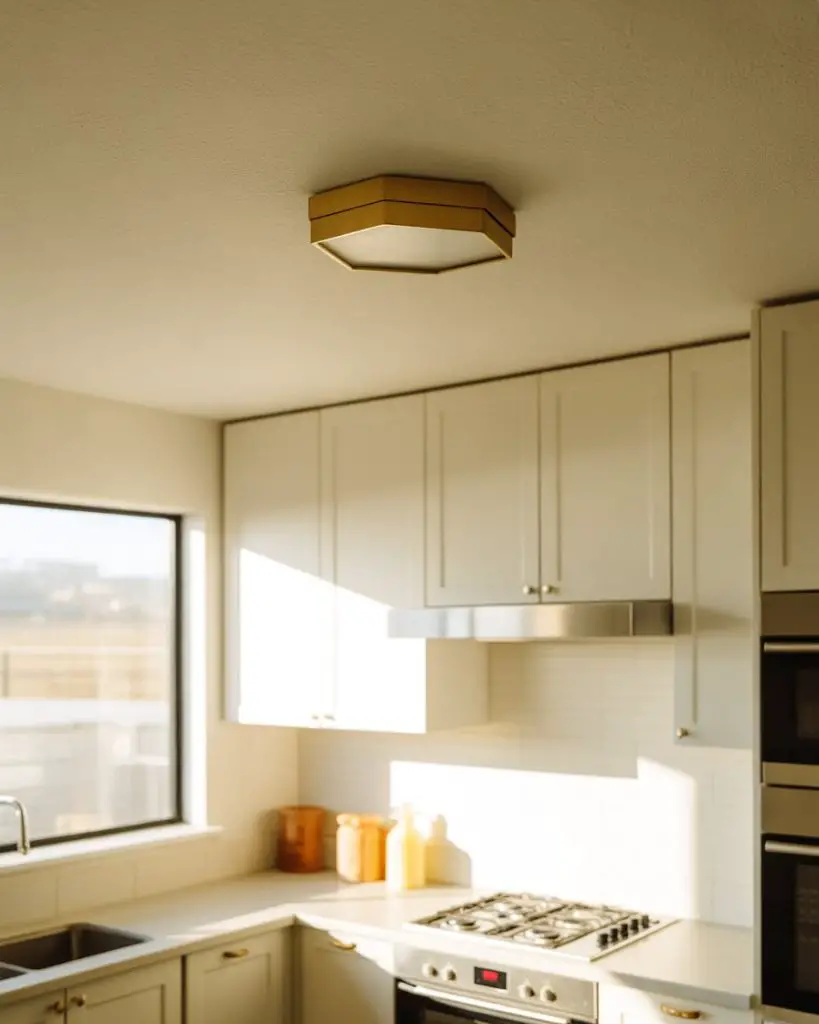
Gone are the days when flush mount ceiling lights were boring builder-grade afterthoughts. In 2026, fixtures flush mount styles are coming in bold geometric shapes, textured glass, and mixed metals that make them conversation starters rather than background players. These work beautifully in kitchens with standard ceiling heights where pendants might hang too low, offering style without sacrificing precious vertical space. 
A common mistake homeowners make is choosing flush mounts that are too small for their space, which can make the ceiling feel empty and the room feel unfinished. Measure your kitchen’s square footage and choose a fixture with a diameter that’s proportional—generally, add the room’s length and width in feet, and that number in inches is a good starting diameter. This simple calculation prevents that “lost lightbulb” look and ensures your fixture makes the impact it deserves.
3. Cottage-Style Warmth
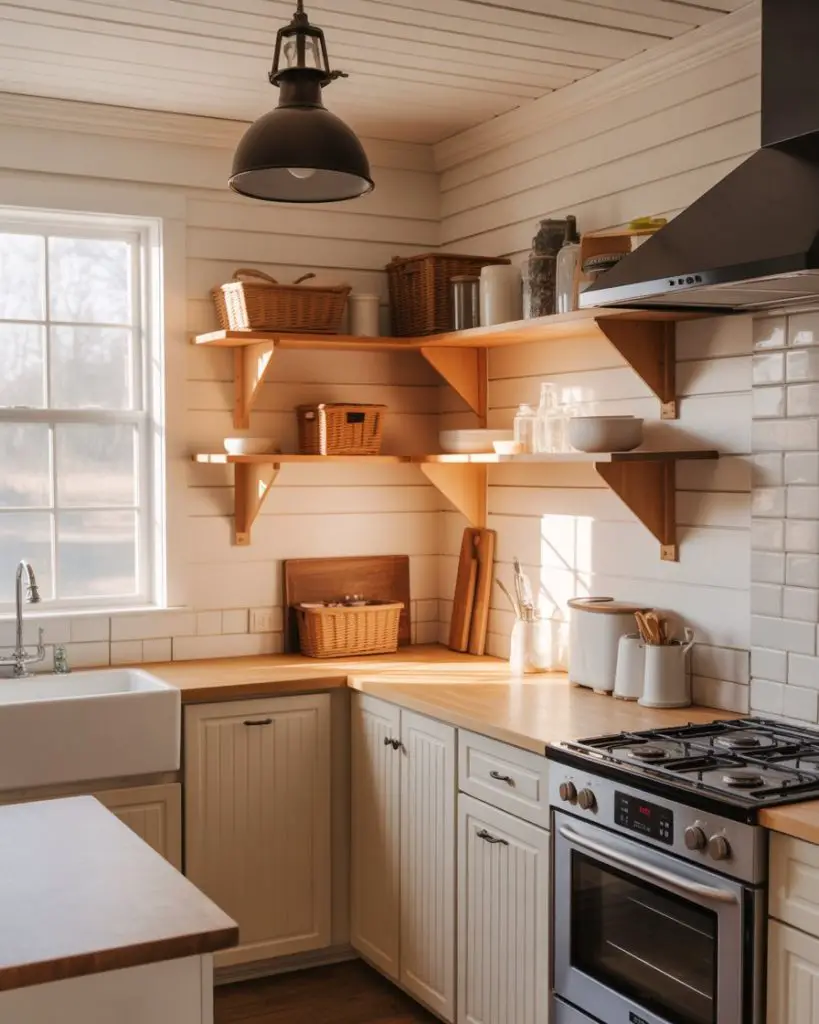
The cottage aesthetic is all about creating a kitchen that feels lived-in and welcoming, and lighting plays a huge role in achieving that vibe. Think vintage-inspired schoolhouse pendants, Edison bulbs with visible filaments, and fixtures with aged brass or oil-rubbed bronze finishes. Pair these with wood cabinets in natural or painted finishes to complete the look, and you’ve got a space that feels like a retreat from the chaos of modern life. 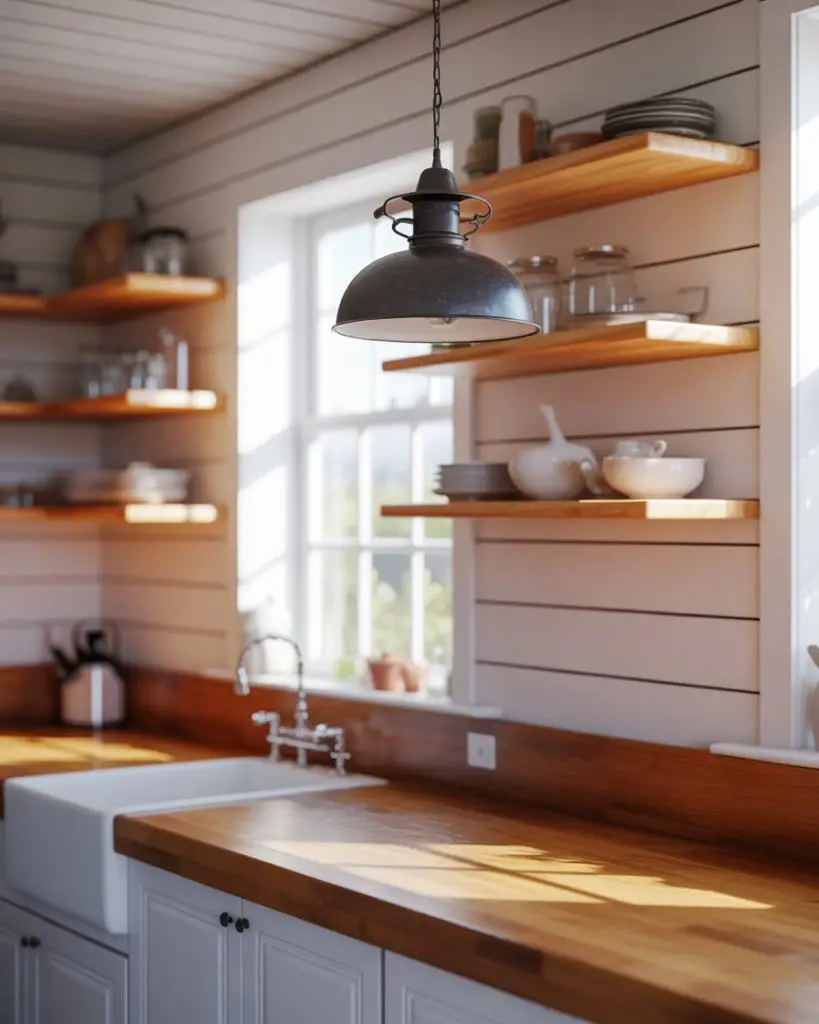
In the Pacific Northwest and New England, where cottage and farmhouse styles never really go out of fashion, homeowners often mix vintage flea market finds with new fixtures to create an authentically layered look. The key is avoiding anything too matchy-matchy—imperfection is part of the charm. Let your lighting feel collected over time rather than purchased all at once from the same catalog.
4. Bold Blue Accents
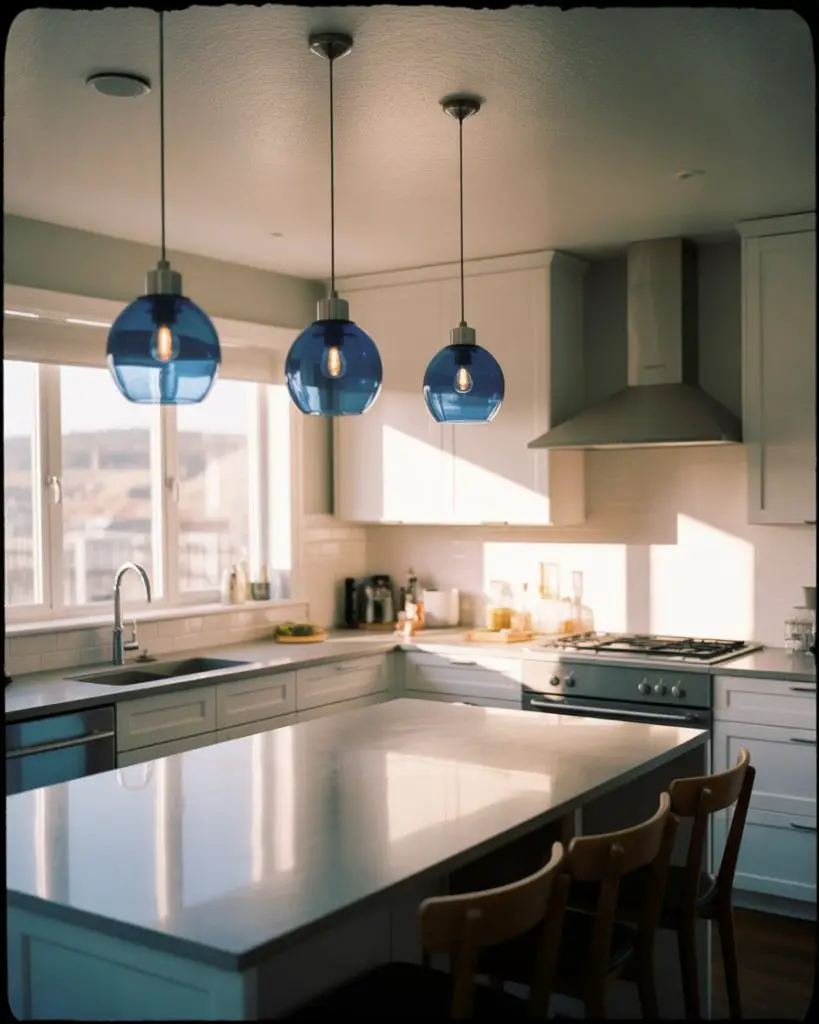
Color is making a comeback in kitchen design, and blue is leading the charge in 2026. From navy to powder blue to deep teal, colored light fixtures add personality without overwhelming the space. Consider blue glass pendants over an island or a statement chandelier with blue accents to bring in this trend. It pairs especially well with white or grey cabinetry, creating a fresh coastal or modern farmhouse feel. 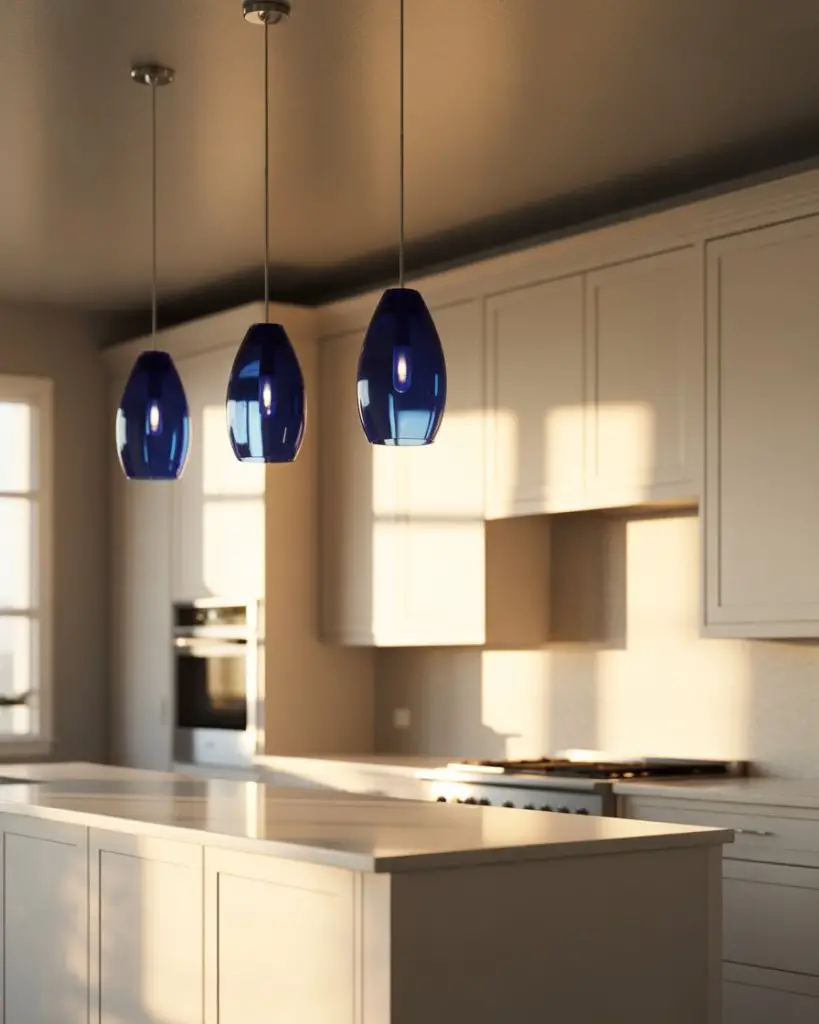
Budget-conscious homeowners often start with one statement blue fixture rather than committing to an entire lighting overhaul. A single dramatic piece over the sink or table can test the waters without requiring a major investment. If you love it after a few months, you can expand the palette. If not, swapping out one fixture is far less painful than replacing six.
5. Rustic Meets Modern
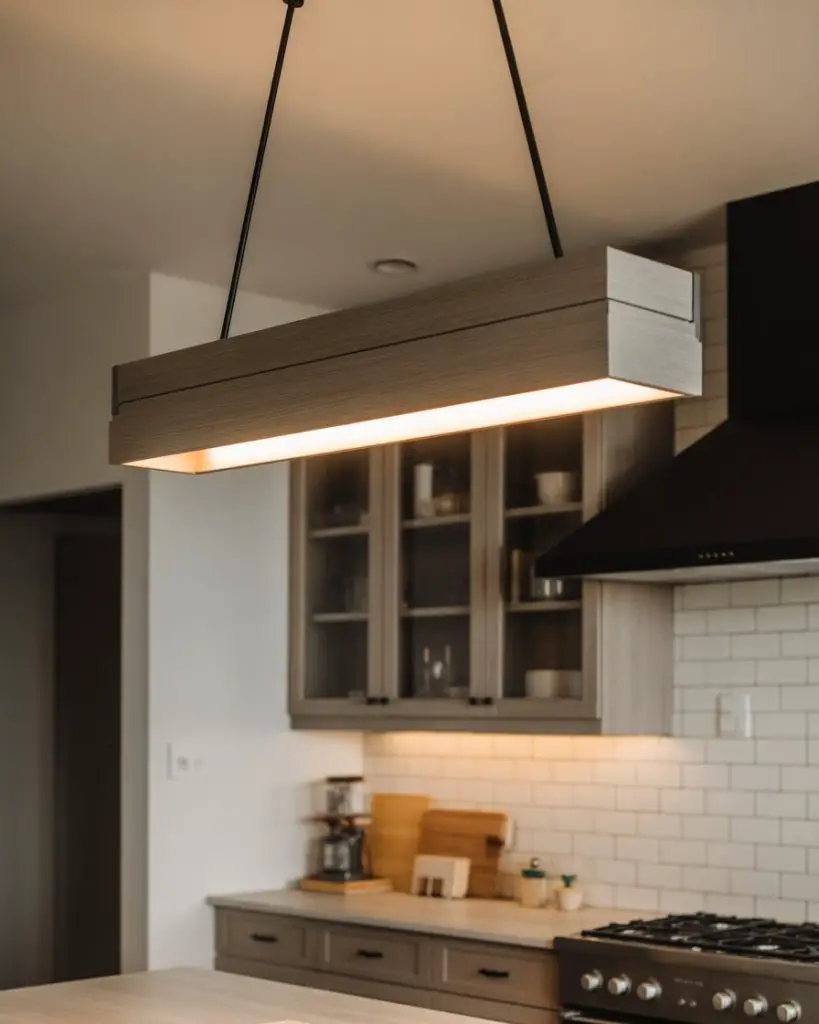
The rustic lighting trend has evolved beyond basic farmhouse chandeliers into something more refined and unexpected. In 2026, look for fixtures that combine raw materials like reclaimed wood or iron with sleek, modern silhouettes. These hybrid pieces feel current but grounded, making them perfect for kitchens that want inspiration from multiple design eras without feeling cluttered or confused. 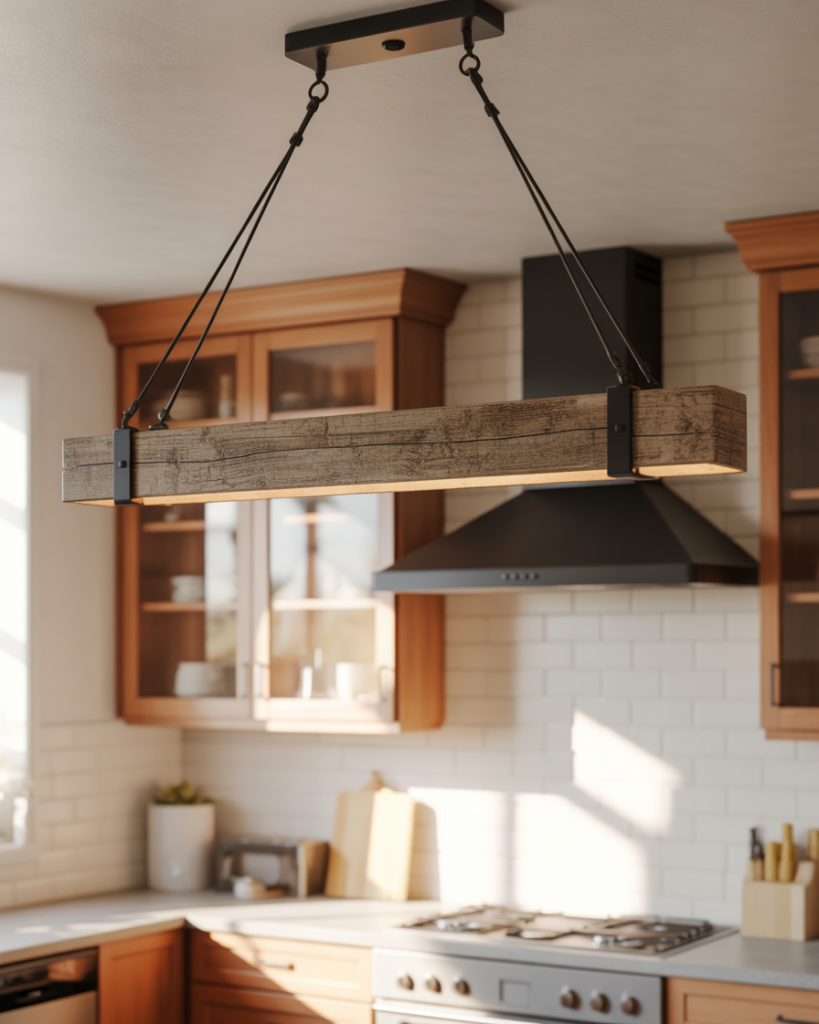
Where this works best is in homes that already have architectural elements like exposed beams or brick walls—the lighting becomes a bridge between old and new. Even in newer construction, a single rustic-modern fixture can add character and warmth that prevents the space from feeling too sterile. It’s a style that appeals to homeowners who want their kitchen to tell a story rather than look like a showroom.
6. Galley Kitchen Solutions
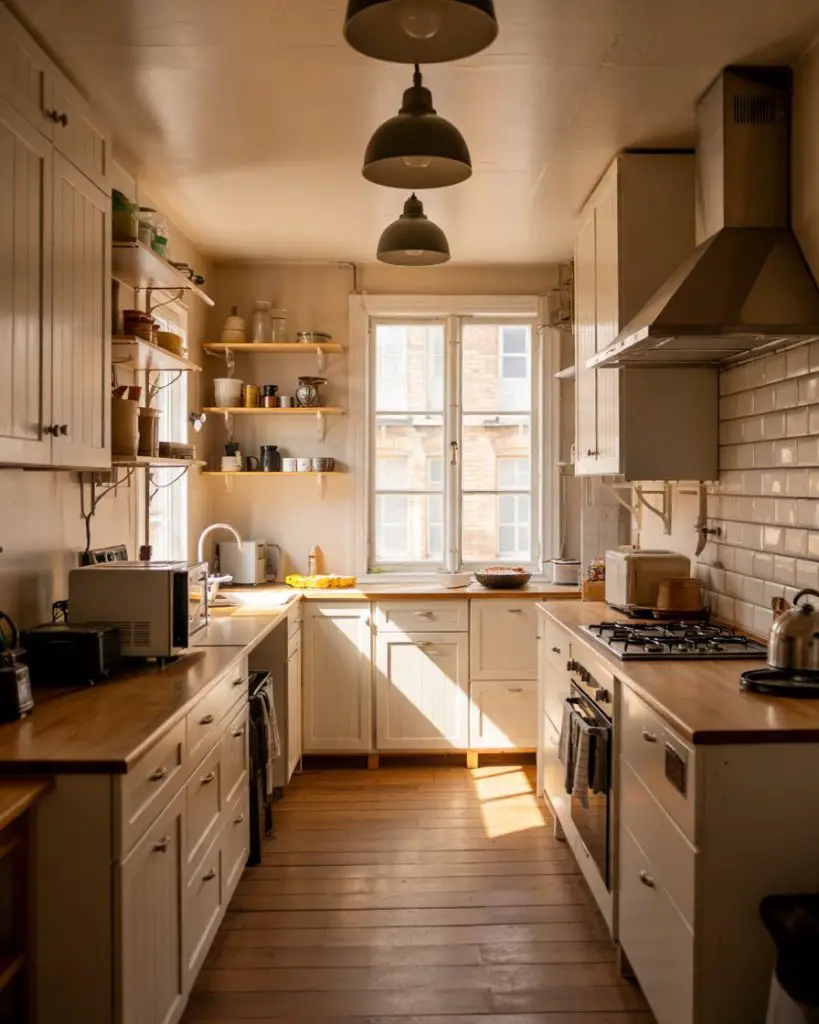
Lighting a galley kitchen comes with unique challenges since the narrow layout can feel cramped if not done right. The trick is using multiple small fixtures ceiling sources rather than one large overhead light, which creates more even illumination and visually widens the space. Track lighting or a series of small pendants running down the center line of the ceiling keeps things bright without creating the tunnel effect that single-source lighting can cause. 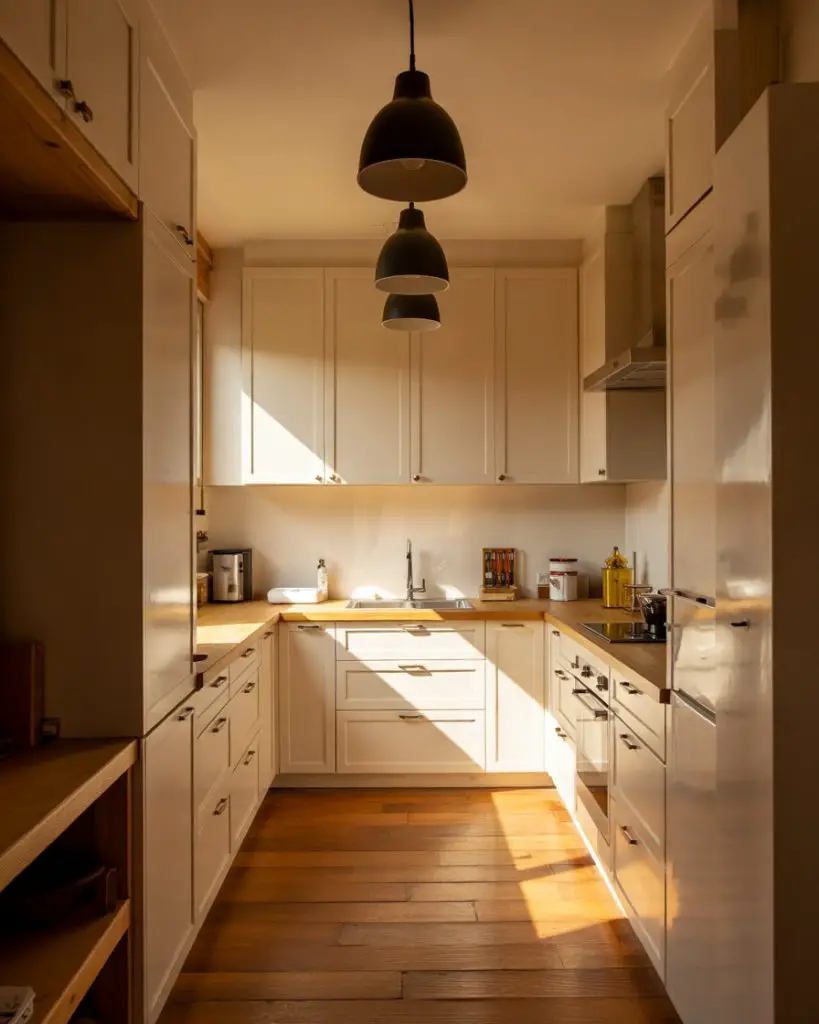
Real homeowners with galley kitchens often make the mistake of only lighting the center, leaving the countertops in shadow. Adding under-cabinet LED strips solves this instantly and makes food prep safer and easier. It’s a relatively inexpensive upgrade that has an outsized impact on how functional your kitchen feels, especially in older homes where the galley was an afterthought rather than a design choice.
7. Green for a Fresh Look
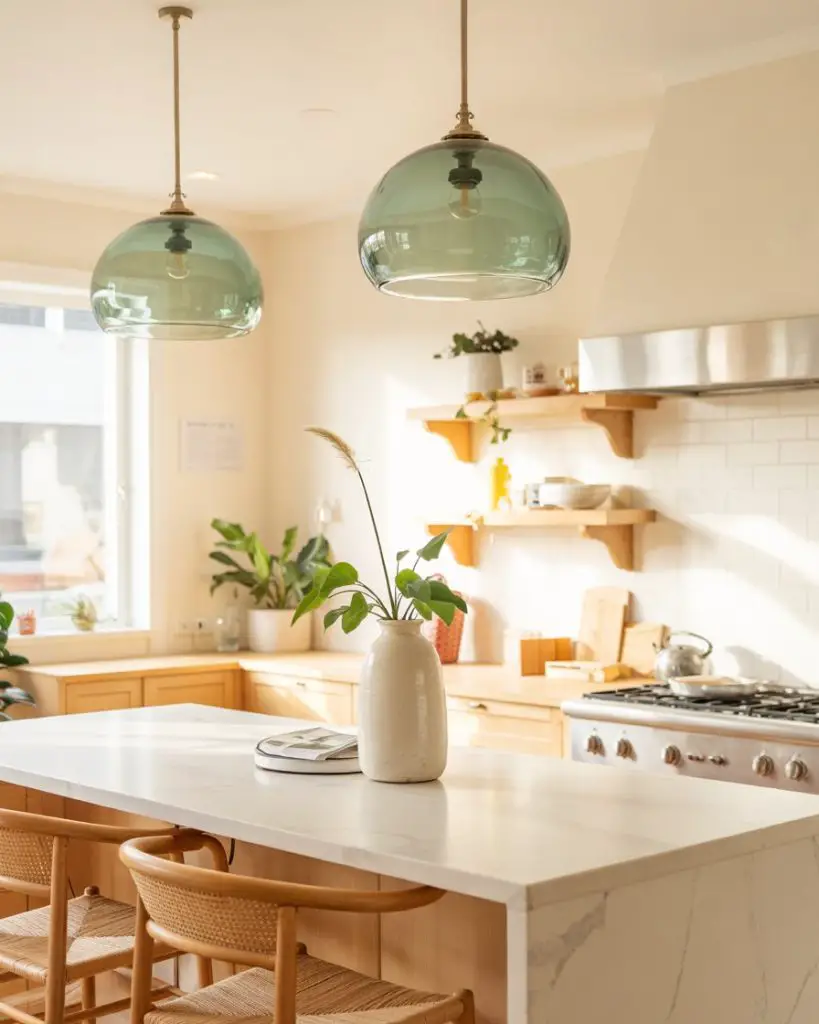
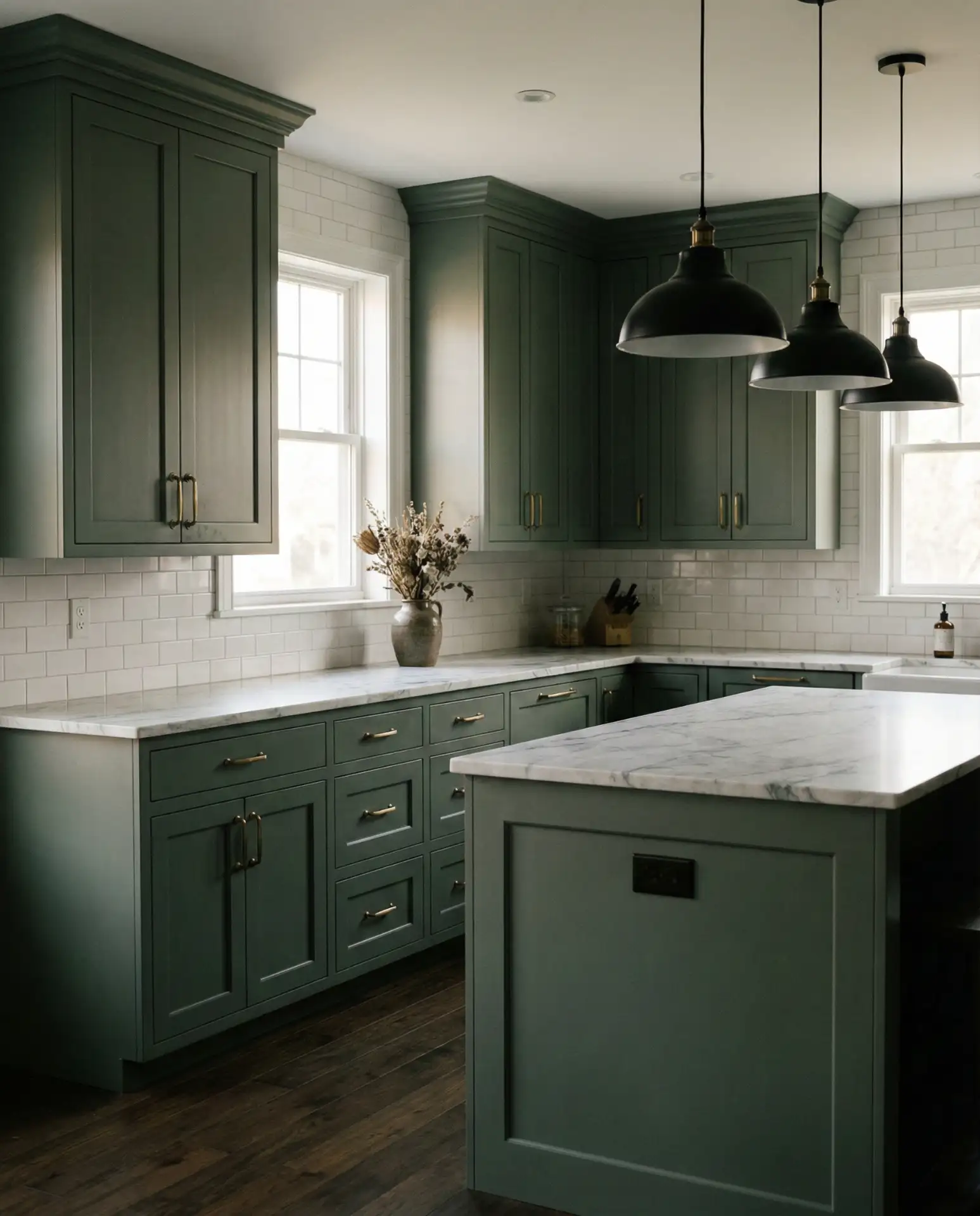
Move over blue—green is the color gaining serious momentum in kitchen lighting this year. From sage to emerald to olive, green fixtures bring an organic, calming energy that feels both trendy and timeless. Pair green glass pendants with natural wood cabinets or white shaker-style cabinetry for a look that’s fresh without feeling overly trendy or dated in five years. 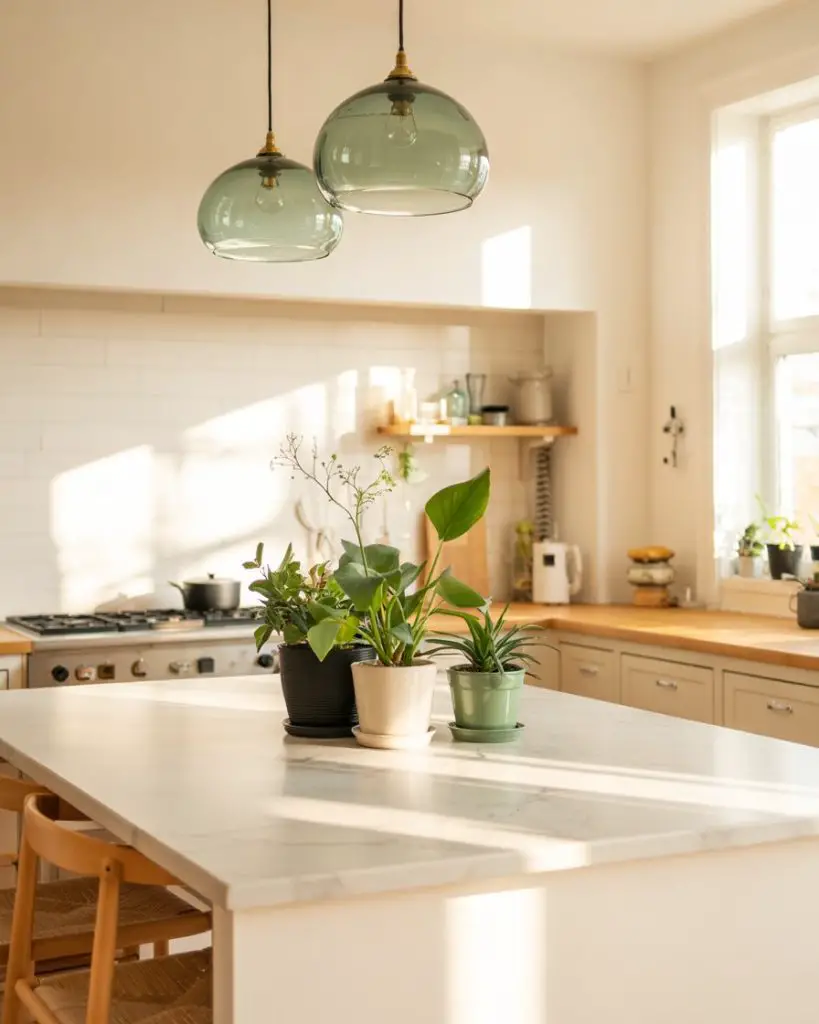
A designer I spoke with recently mentioned that clients who choose green lighting tend to be drawn to biophilic design—bringing nature indoors through materials, colors, and textures. The fixtures become part of a larger strategy to make the kitchen feel less like a sterile workspace and more like an extension of the garden or landscape outside. It’s especially popular in California and the Southwest, where indoor-outdoor living is a way of life.
8. Fixtures Over the Sink

The area above the sink is often neglected in lighting plans, but fixtures over sink setups and thoughtful ideas over sink can make dishwashing and food prep feel less like chores. A small pendant or a pair of sconces flanking a window brings both task lighting and visual interest to a spot you use dozens of times a day. It’s a detail that elevates the entire kitchen without requiring a full renovation. 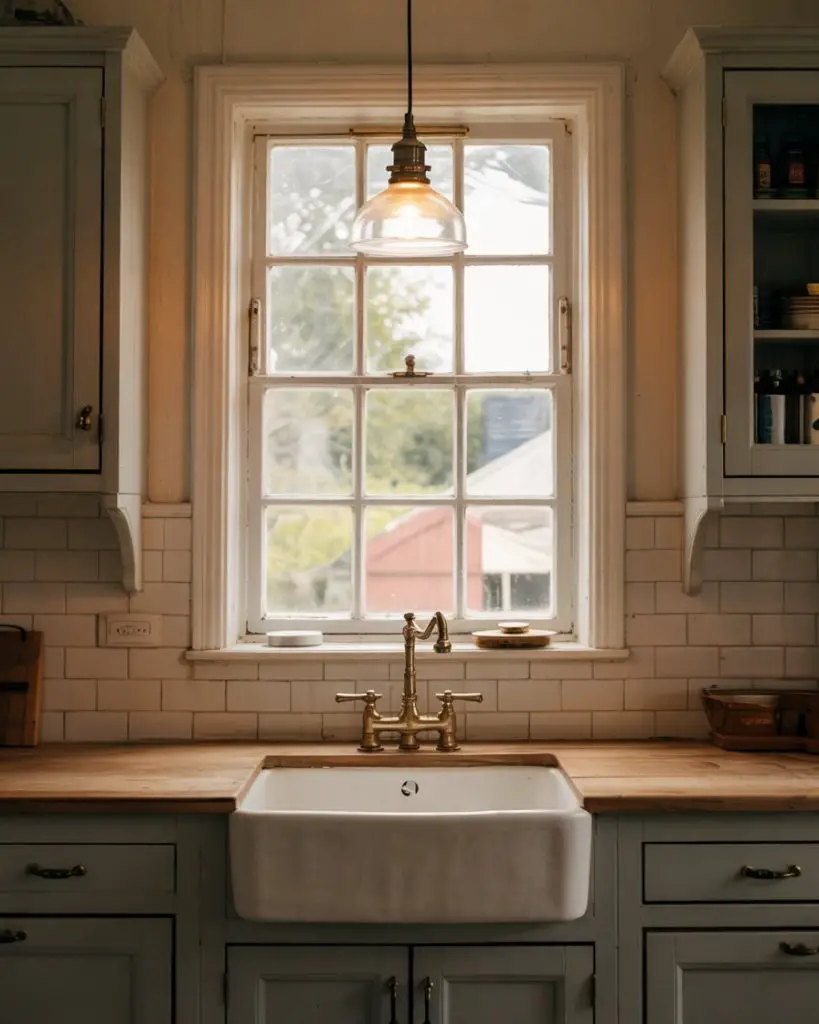
If you have a window over your sink, choose a fixture that doesn’t block the view but still provides light for evening tasks. A single slender pendant or recessed lighting in a nearby soffit works beautifully. The goal is to make the sink area feel intentional and designed rather than an afterthought—because you’ll spend more time here than almost anywhere else in your kitchen.
9. Low Ceiling Creativity
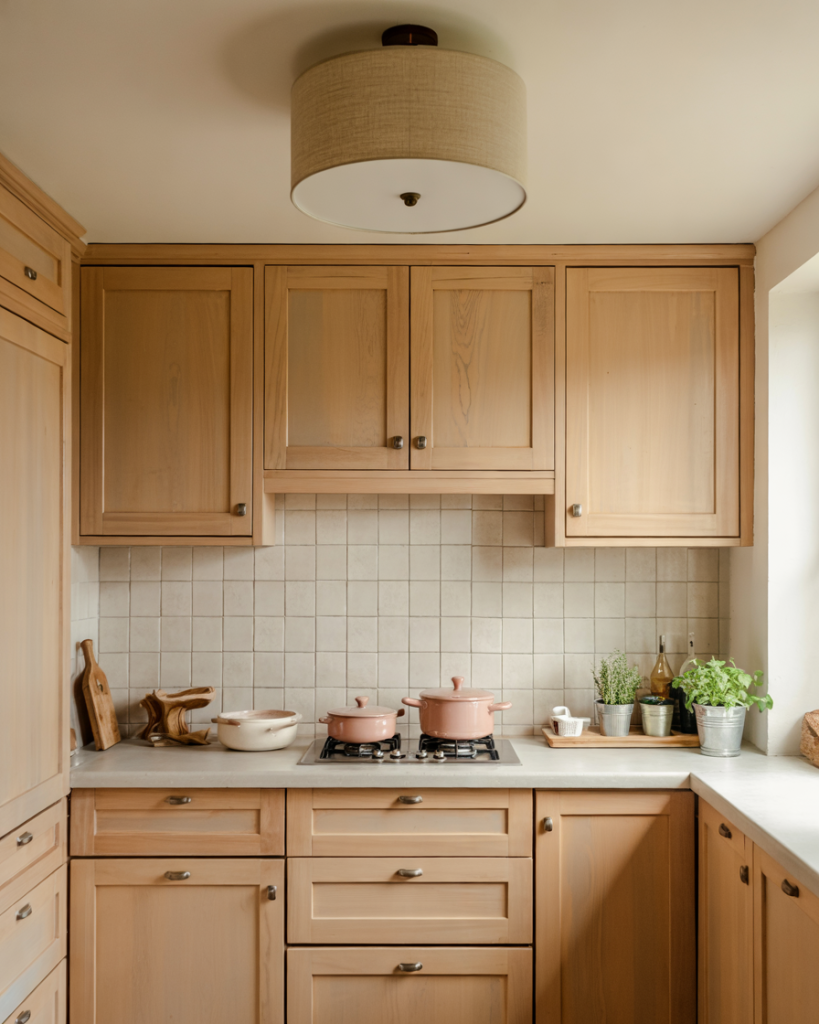
Kitchens with low ceilings don’t have to settle for boring lighting. Ideas for low ceilings in 2026 focus on horizontal visual interest rather than vertical drama—think wide, shallow fixtures or multiple small lights spread across the space. Flush mount options have expanded dramatically, with designs that feel just as stylish as their dangling counterparts. You can have personality and function without anyone bumping their head. 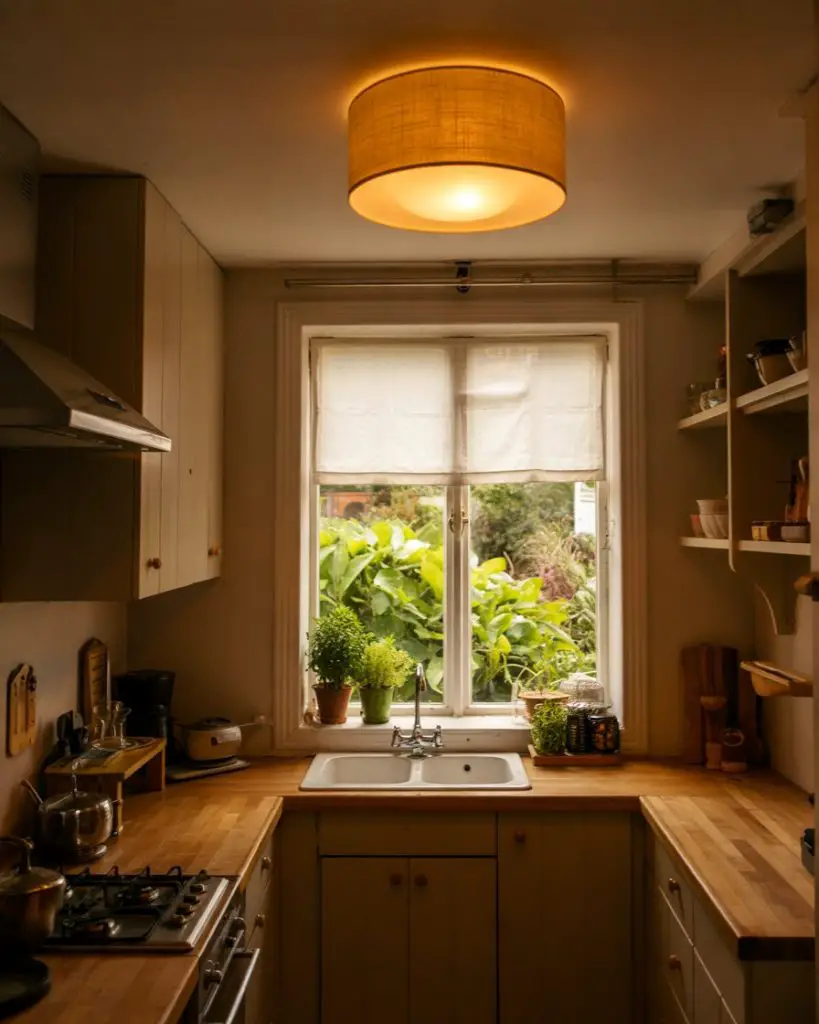
Where this works best is in older homes, basement kitchens, or apartments where ceiling height is fixed and can’t be changed. Instead of fighting the architecture, embrace it by choosing lighting that draws the eye horizontally across the space rather than up and down. This creates the illusion of width and openness, making the kitchen feel larger than it actually is.
10. Dining Table Integration
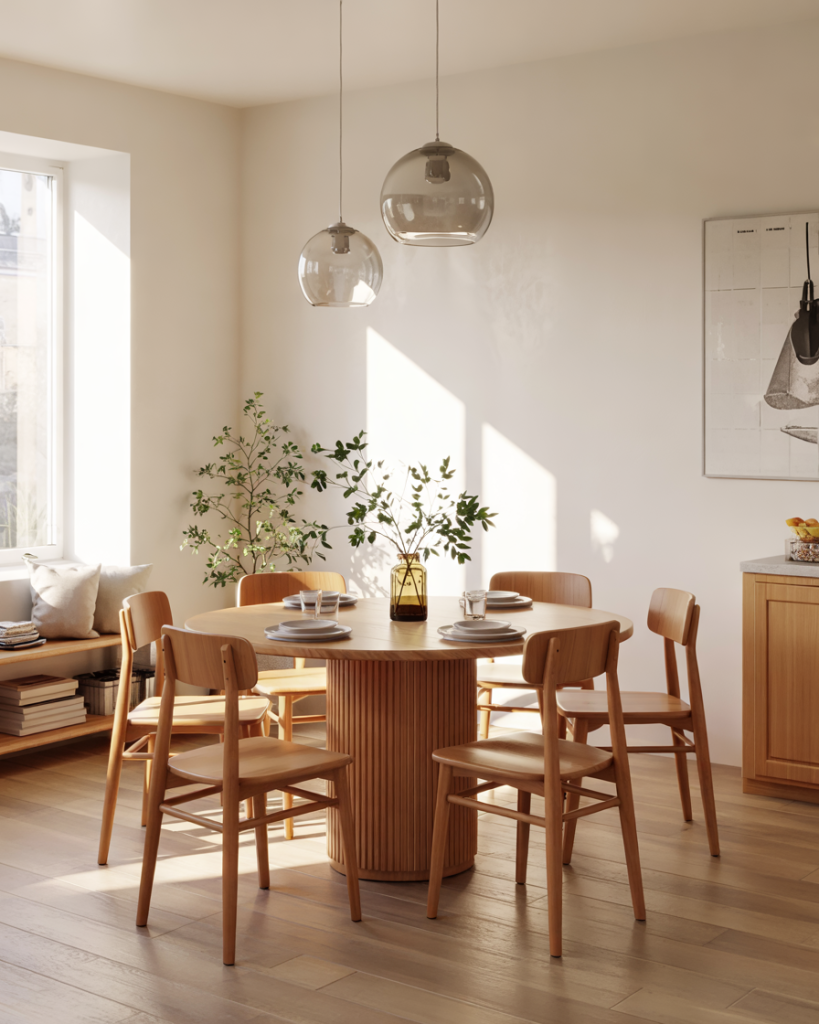
When your kitchen includes a table for casual meals, the lighting needs to serve double duty—task lighting for eating and homework, plus ambiance for dinner parties. Fixtures over table designs and ideas over table strategies in 2026 lean toward adjustable or dimmable options that let you control the mood. A statement chandelier or a trio of pendants hung at the right height (typically 30-36 inches above the table surface) creates a focal point that anchors the entire room. 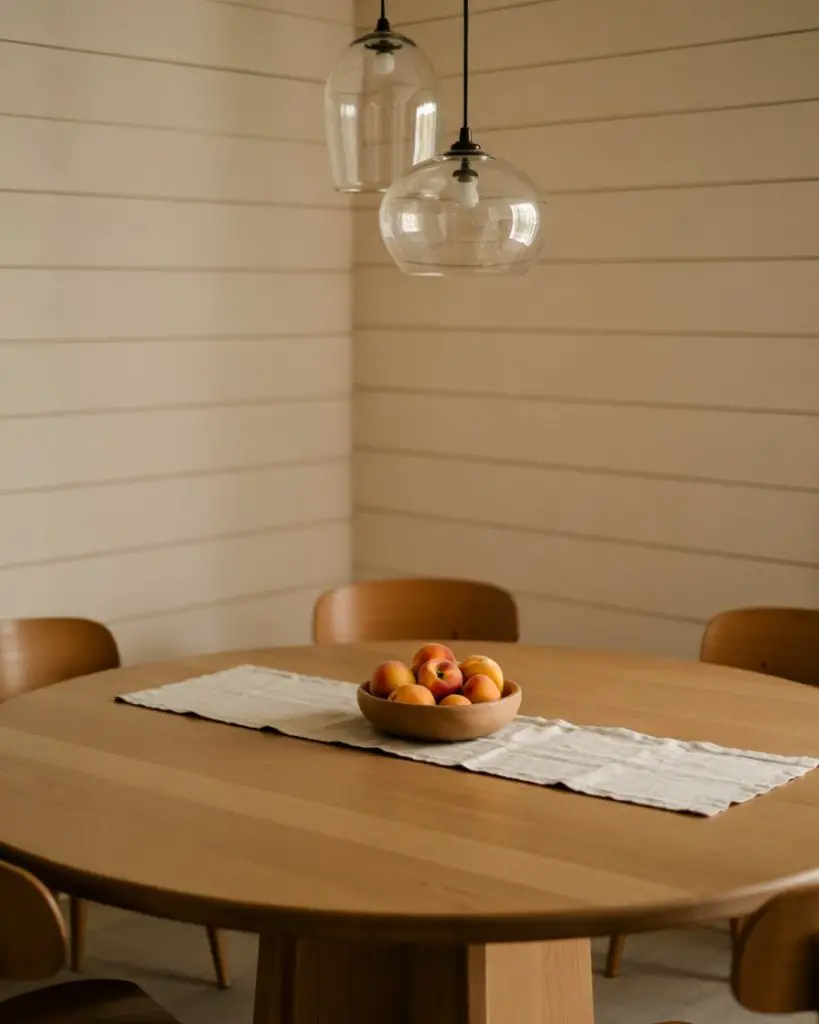
Many homeowners forget that table lighting should be on its own dimmer switch, separate from the rest of the kitchen. This allows you to drop the light level during meals while keeping the cooking area bright, or vice versa. It’s a small electrical upgrade during a remodel that pays dividends in versatility and makes your kitchen feel more like multiple rooms in one.
11. Cozy Ambient Layers
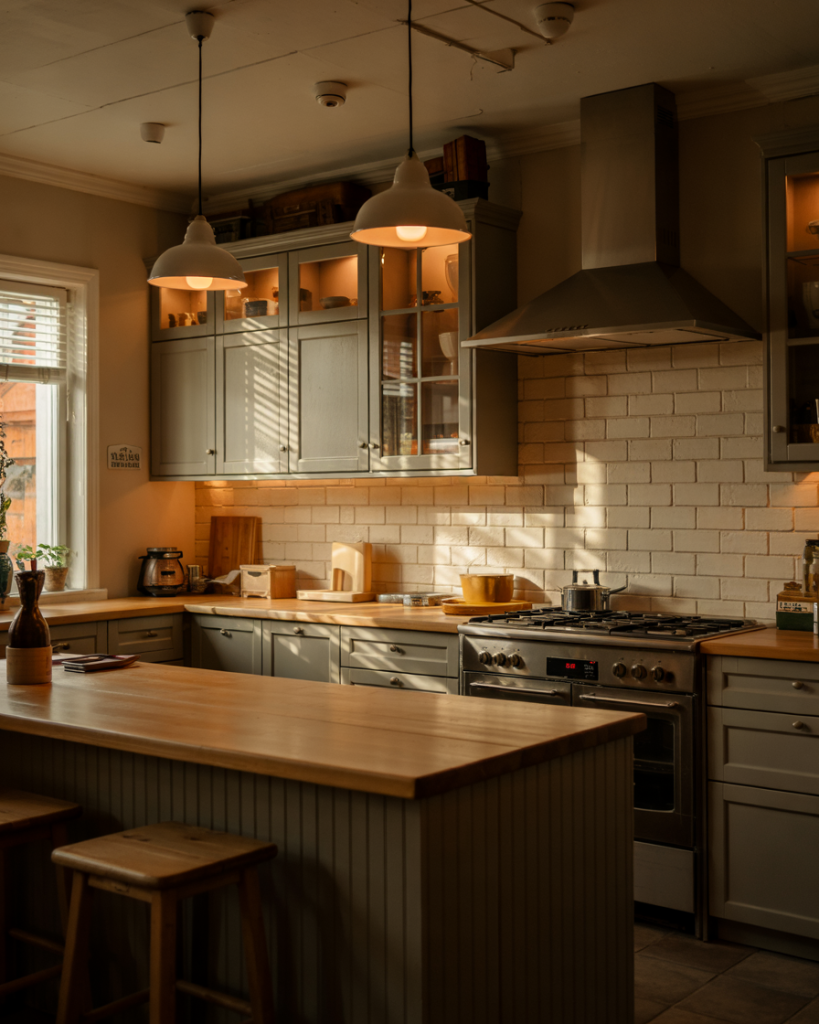
Creating a cozy kitchen isn’t just about decor—it’s about how you layer your light sources to create warmth and depth. Combine overhead recessed lighting with under-cabinet strips, pendants, and even small accent lights inside glass-front cabinets. This multi-source approach means you’re never relying on harsh, flat illumination from a single ceiling fixture. Instead, you’re building a glow that invites people to linger. 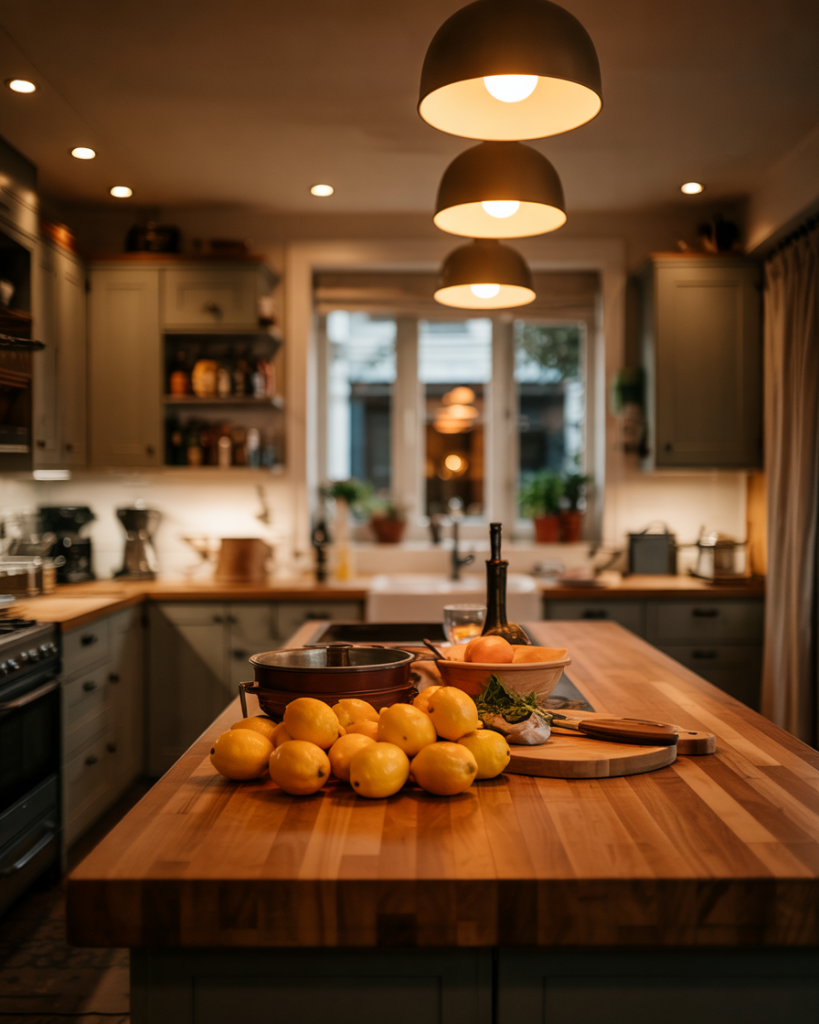
In colder climates like the Midwest and Northeast, where kitchens double as gathering spots during long winters, homeowners often choose warmer color temperatures (2700K-3000K) for their bulbs to combat the grey skies outside. The right lighting can make a kitchen feel like a refuge rather than just a functional space. It’s about designing for how you actually live, not just how the room photographs.
12. Grey and Metallic Harmony
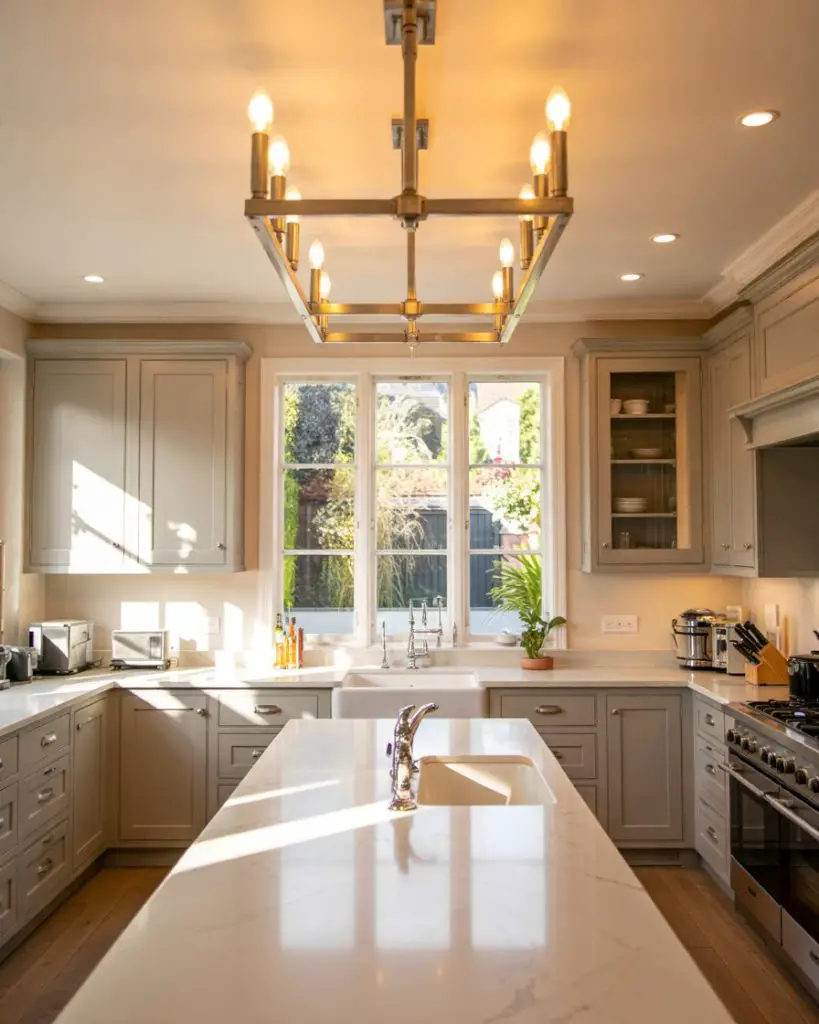
The enduring popularity of grey cabinetry and countertops has driven demand for lighting that complements these neutral tones without disappearing into the background. Mixed metal finishes—think brushed nickel, aged brass, or matte black—add contrast and dimension against grey surfaces. The key is choosing fixtures with enough visual weight and texture to stand out while still feeling cohesive with the overall design palette. 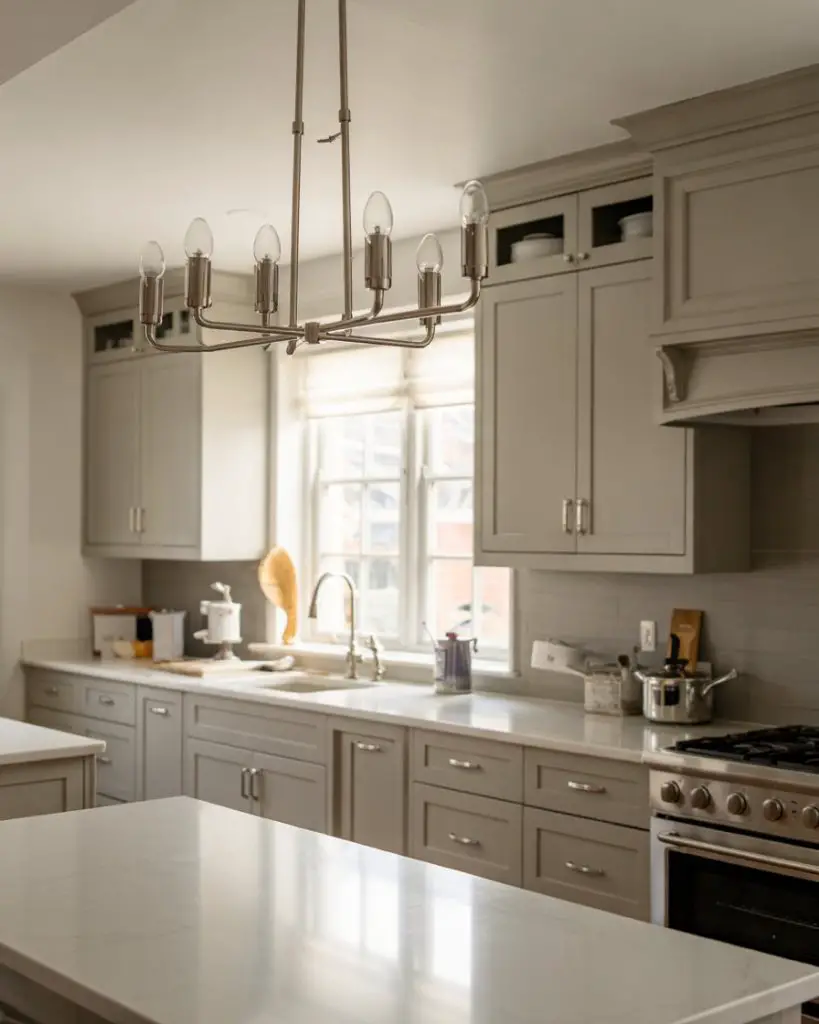
One expert tip: if your grey leans cool (with blue undertones), choose lighting with warmer metal finishes like brass or bronze to prevent the space from feeling sterile. If your grey is warm (with beige or greige tones), cooler metals like chrome or nickel work beautifully. This balance ensures your lighting enhances the palette rather than competing with it or making everything feel one-note.
13. Outdoor Kitchen Lighting
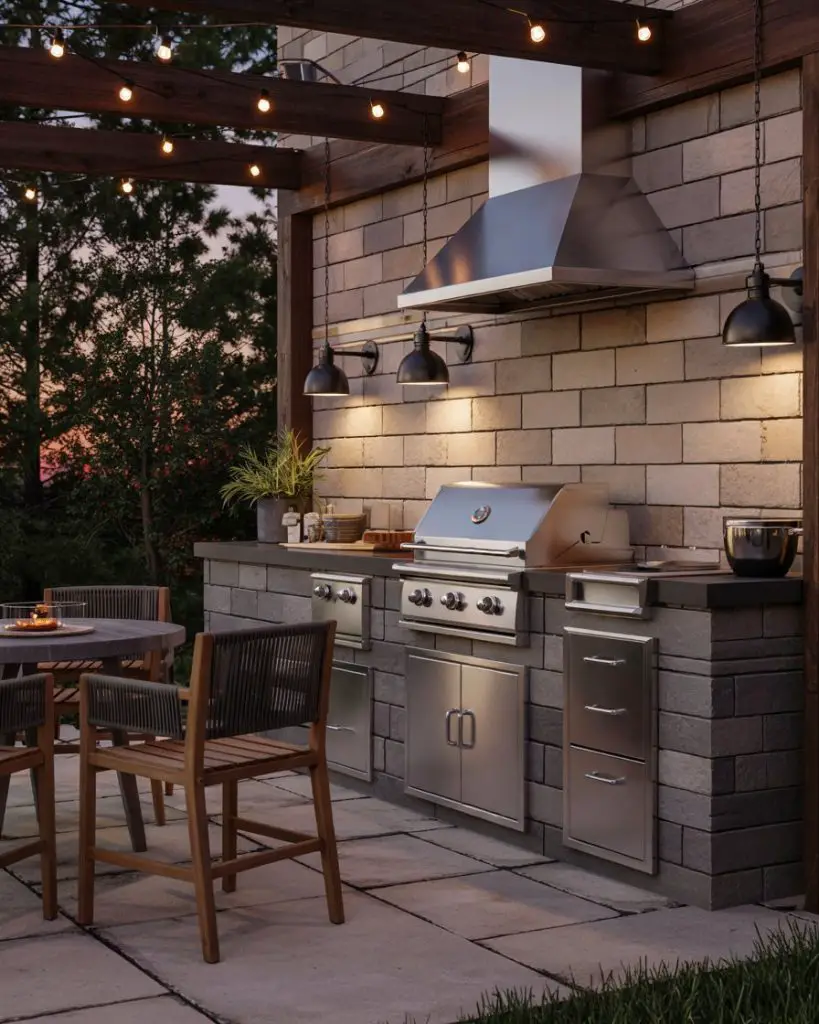
The rise of outdoor kitchens in American backyards has created new lighting challenges and opportunities. These spaces need fixtures that can withstand the elements while providing enough illumination for evening cooking and entertaining. Look for wet-rated pendants, LED strip lighting under counters, and strategically placed landscape lighting to create a cohesive flow from indoor to outdoor spaces. It’s about extending your living space rather than treating the backyard as a separate entity. 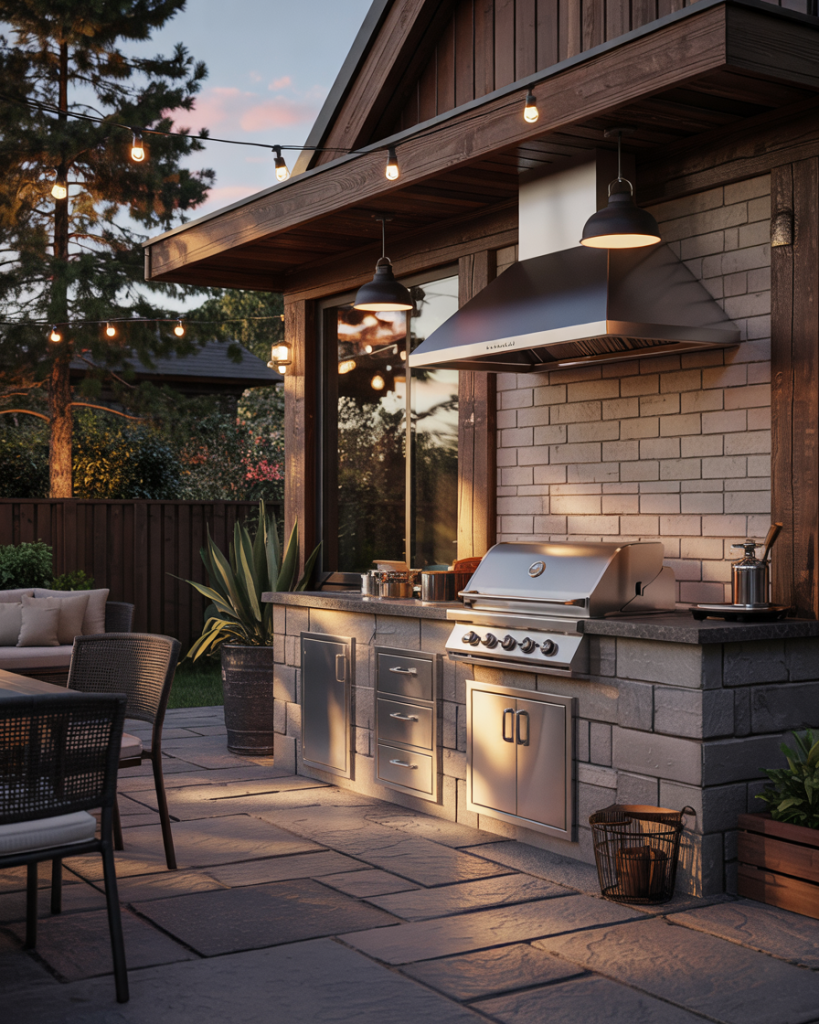
Real homeowners often underestimate how much light they’ll need outdoors—what feels bright during installation can seem dim once the sun sets completely. Plan for 50% more light than you think you’ll need, and put everything on dimmers so you can adjust. Also consider adding lighting to walkways and steps leading to and from the outdoor kitchen for safety after dark.
14. Wood Cabinet Enhancement

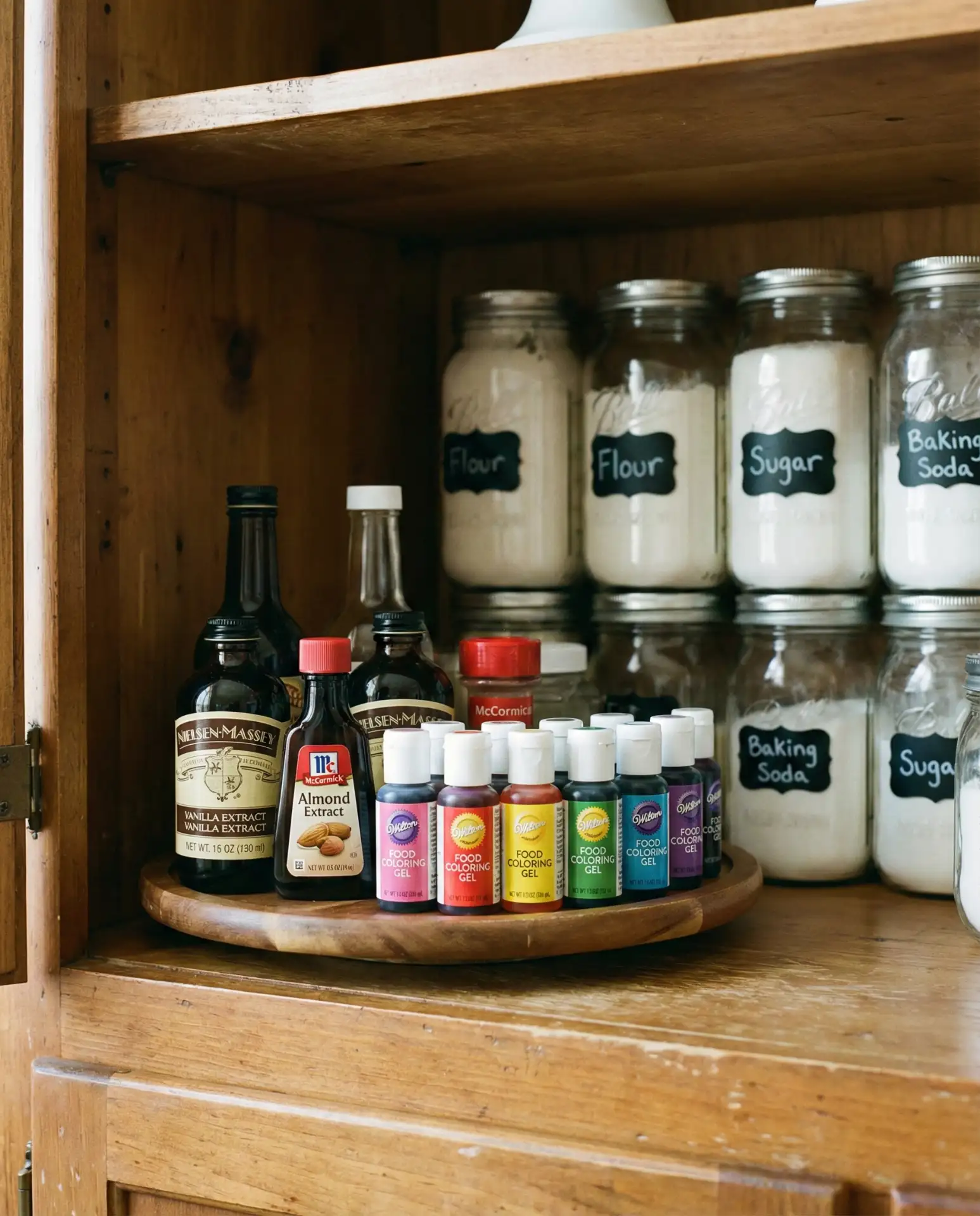
Kitchens with wood cabinets benefit from lighting that enhances the natural grain and warmth of the material rather than washing it out. Warmer bulb temperatures (2700K-3000K) bring out the richness in oak, cherry, or walnut, while cooler temperatures can make wood look dull or lifeless. Under-cabinet lighting is especially important here—it prevents the lower cabinets from casting shadows on your workspace and highlights the wood’s natural beauty from below. 
A common mistake is choosing cool LED strips that make natural wood look orange or artificially yellow. Always test a small section before committing to the entire kitchen. Many homeowners buy a single strip, install it temporarily, and live with it for a week to see how it looks at different times of day. This small extra step prevents expensive regrets and ensures your wood looks its absolute best.
15. Hanging Statement Pieces
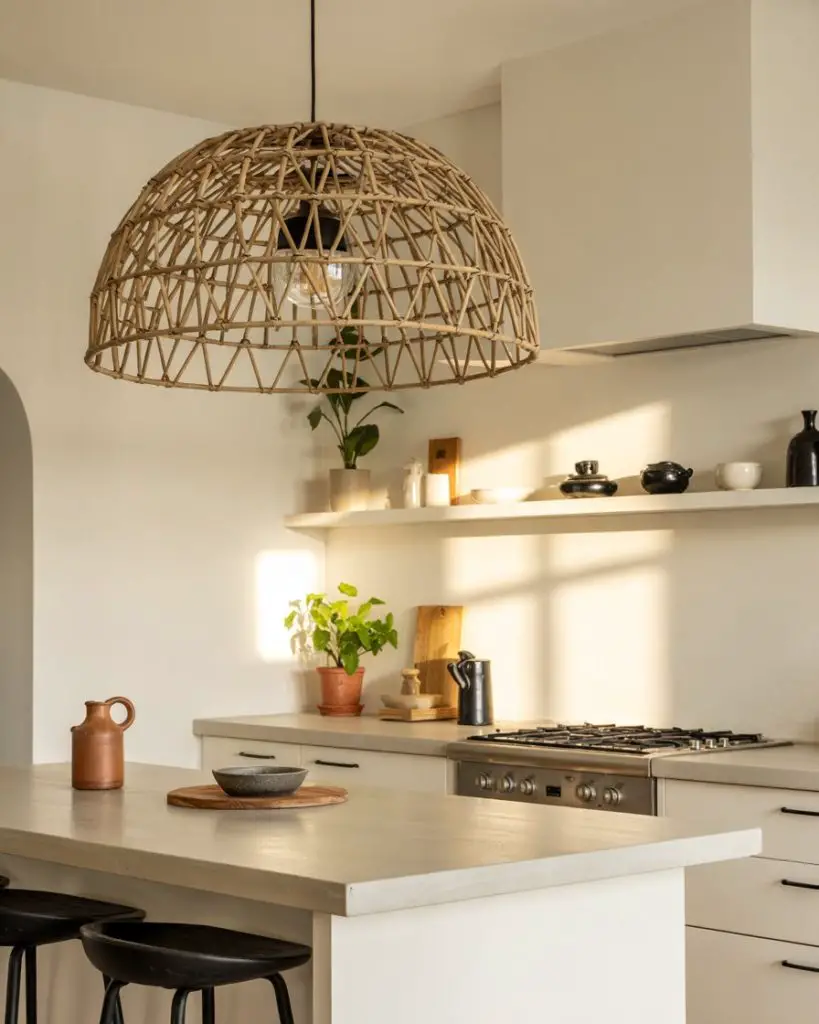
The hanging pendant has evolved from simple glass globes to sculptural art pieces that command attention. In 2026, oversized single pendants over islands are competing with clusters of varied shapes and sizes for visual impact. The trend is about making your lighting a deliberate design statement rather than a neutral background element. Choose fixtures that reflect your personality and make guests ask, “Where did you get that?” 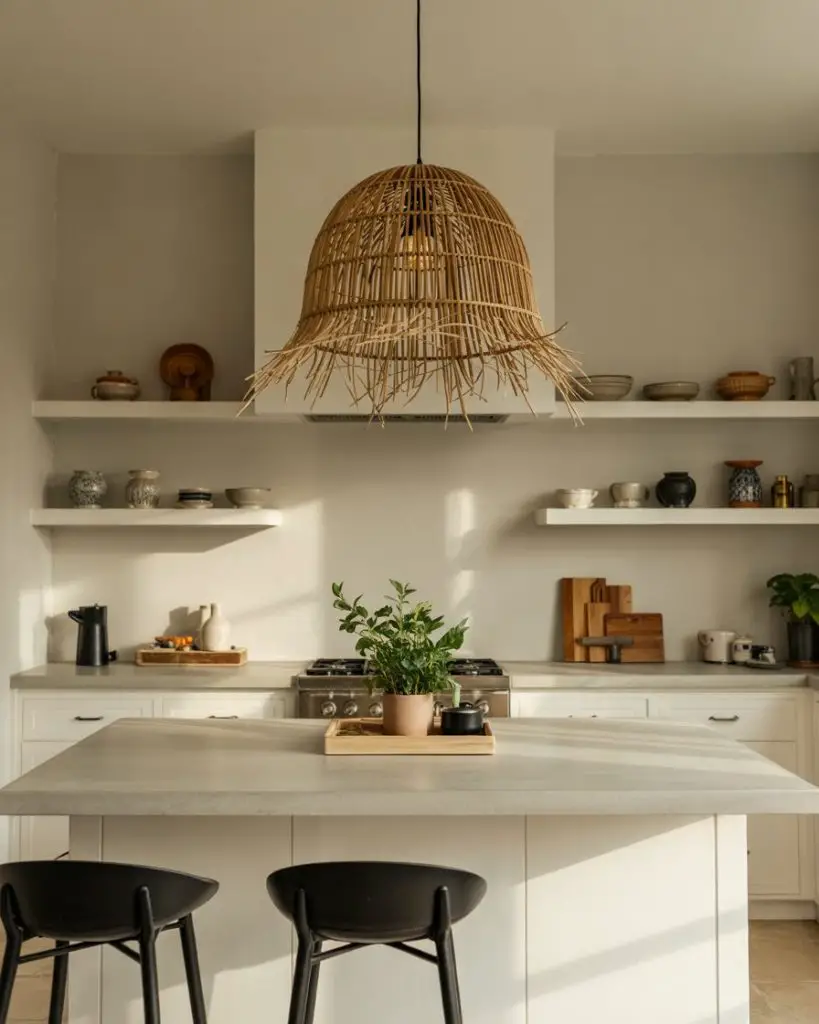
The key to pulling off statement lighting is balance—if your fixture is dramatic, keep the surrounding elements simpler so the room doesn’t feel chaotic. A bold pendant works beautifully over a clean white island with minimal decor, but might overwhelm a space that’s already packed with pattern and color. Let your lighting be the star and style the rest of the room as the supporting cast.
16. Ceiling Fixture Innovation
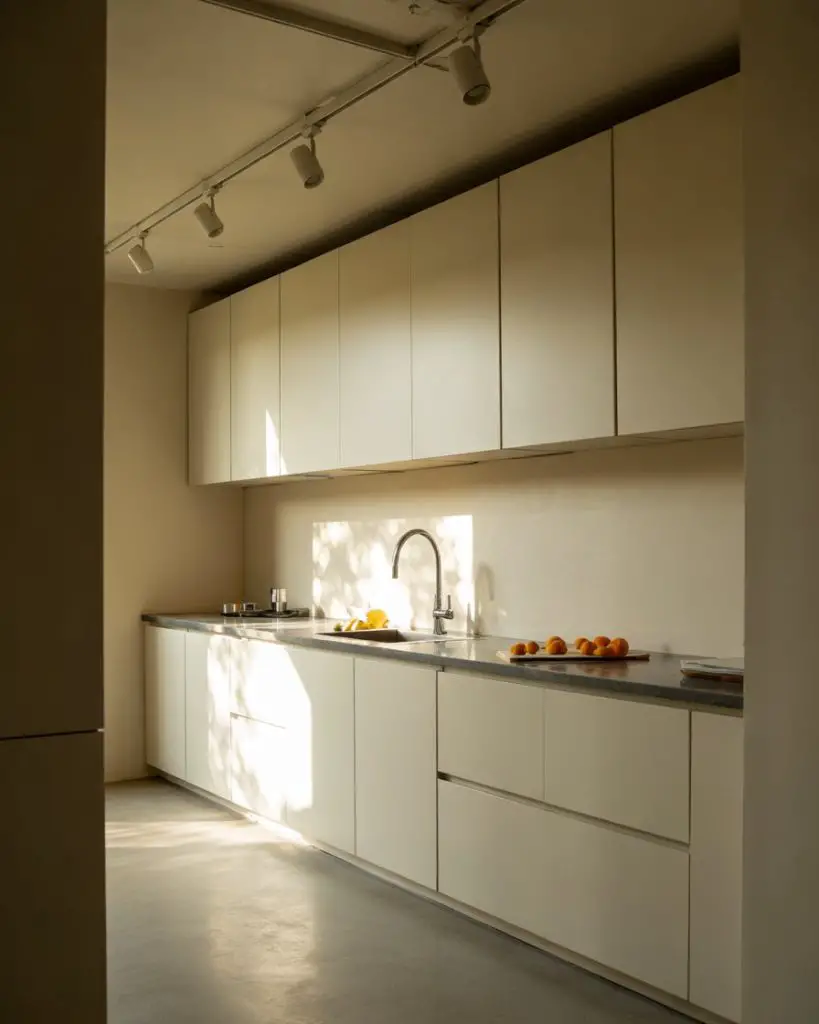
Fixtures ceiling options have expanded beyond the basic choices of years past, with semi-flush mounts, chandeliers, and track systems all competing for attention. The innovation in 2026 is about flexibility—modular systems that let you adjust the direction of individual lights, or fixtures with interchangeable shades and finishes. This adaptability means your lighting can evolve with your style without requiring complete replacement. 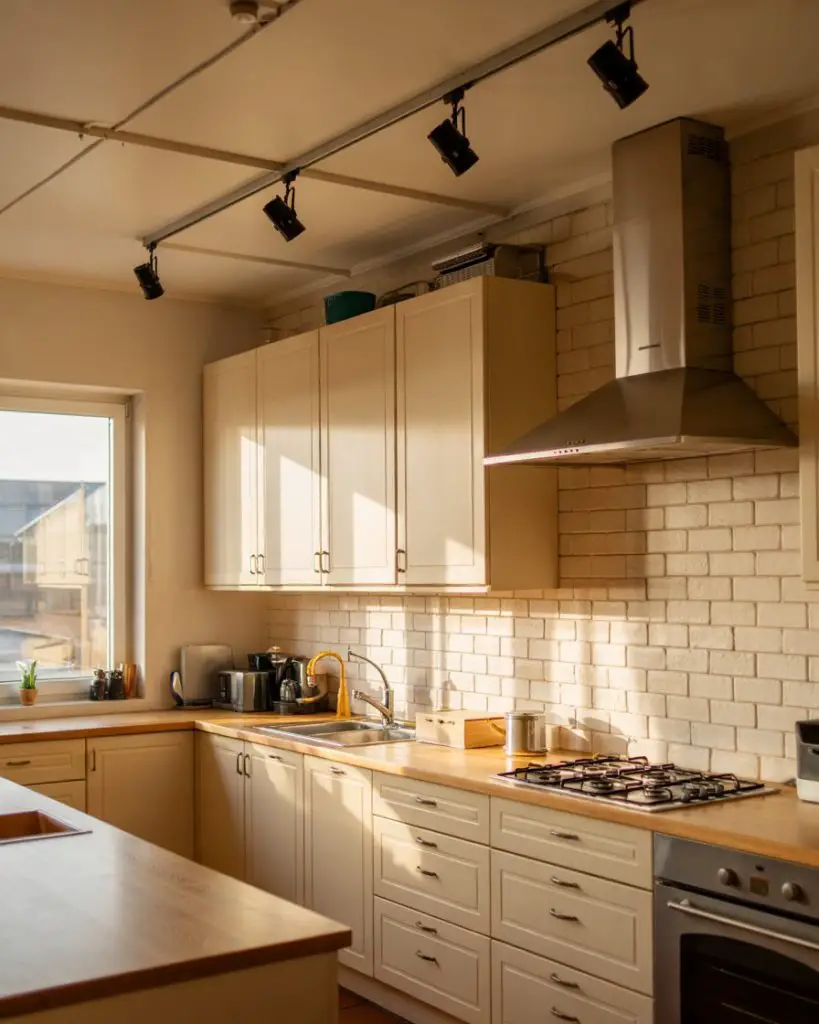
In the South and Southwest, where open-concept great rooms often include the kitchen, homeowners are increasingly using ceiling fixtures to visually define the cooking zone without adding walls. A distinctive overhead fixture creates a “room within a room” effect that helps the space feel organized and intentional. It’s especially useful in new construction where traditional boundaries between rooms have been eliminated.
17. Box Makeover Magic
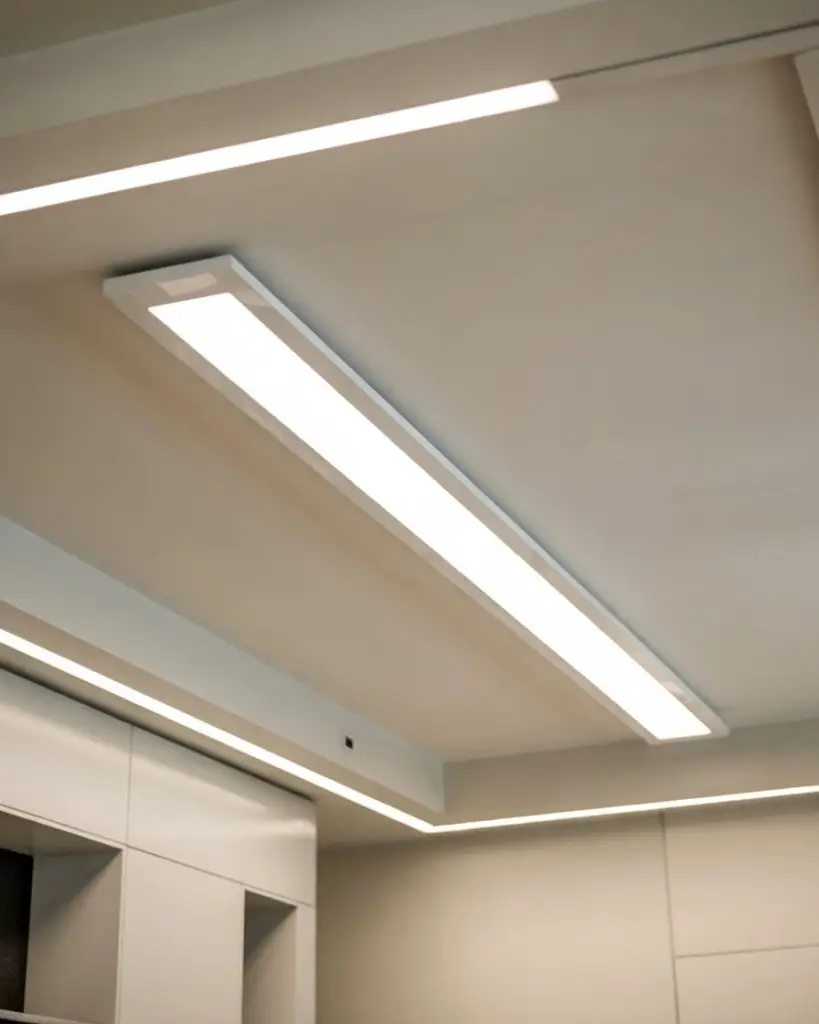
If you’re stuck with an old fluorescent box makeover situation on your ceiling, you’re not alone—and you’re not stuck with it forever. Removing the plastic diffuser panel and retrofitting the space with modern LED panels or a series of smaller flush mounts can completely transform the look without major electrical work. This is one of the most impactful budget upgrades you can make, turning a dated eyesore into a clean, contemporary lighting solution. 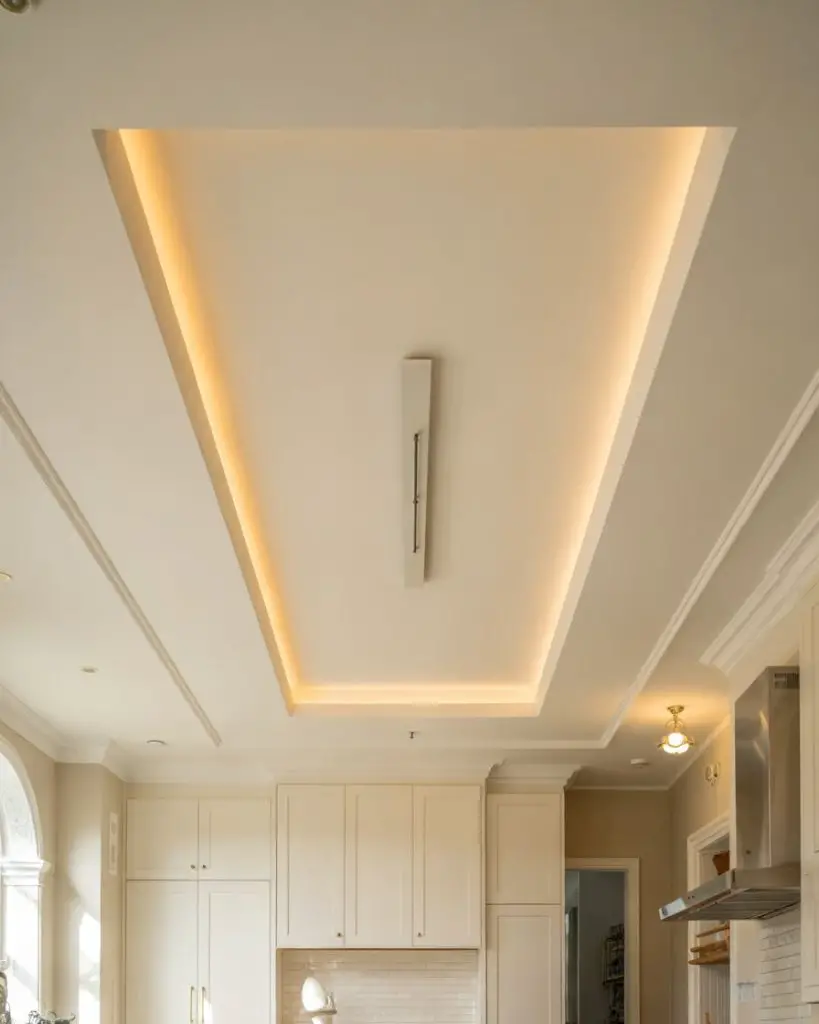
Price-wise, this upgrade typically runs between $150-$400 depending on the size of your existing box and whether you hire an electrician or DIY it. For renters, removable LED panels that fit inside the existing frame offer a temporary solution that doesn’t require permanent changes. The visual difference is stunning, and it’s one of those changes that makes your whole kitchen feel ten years newer overnight.
18. Inspiration from Nature
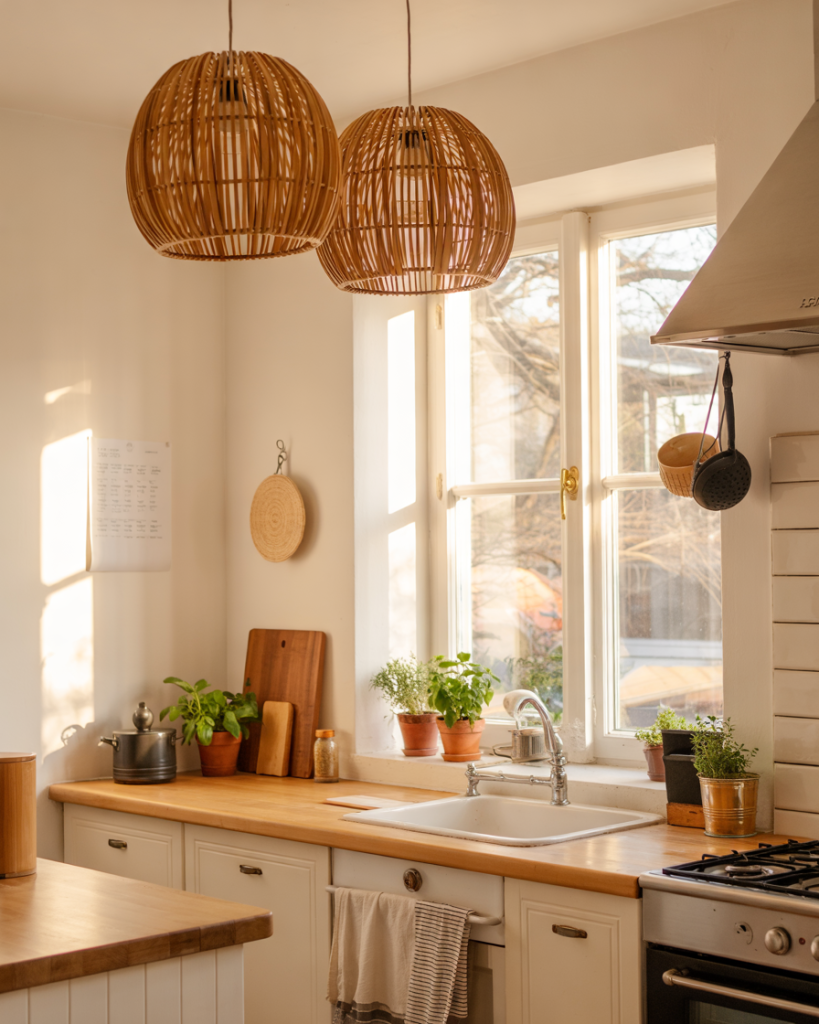
Biophilic design continues to influence kitchen lighting, with inspiration drawn from natural forms and materials. Think fixtures made from woven rattan, bamboo, or wood veneer that bring organic texture into a space often dominated by hard surfaces likestone and metal. These pieces soften the kitchen visually and acoustically, and they pair beautifully with plants, natural wood cabinets, and earthy color palettes. 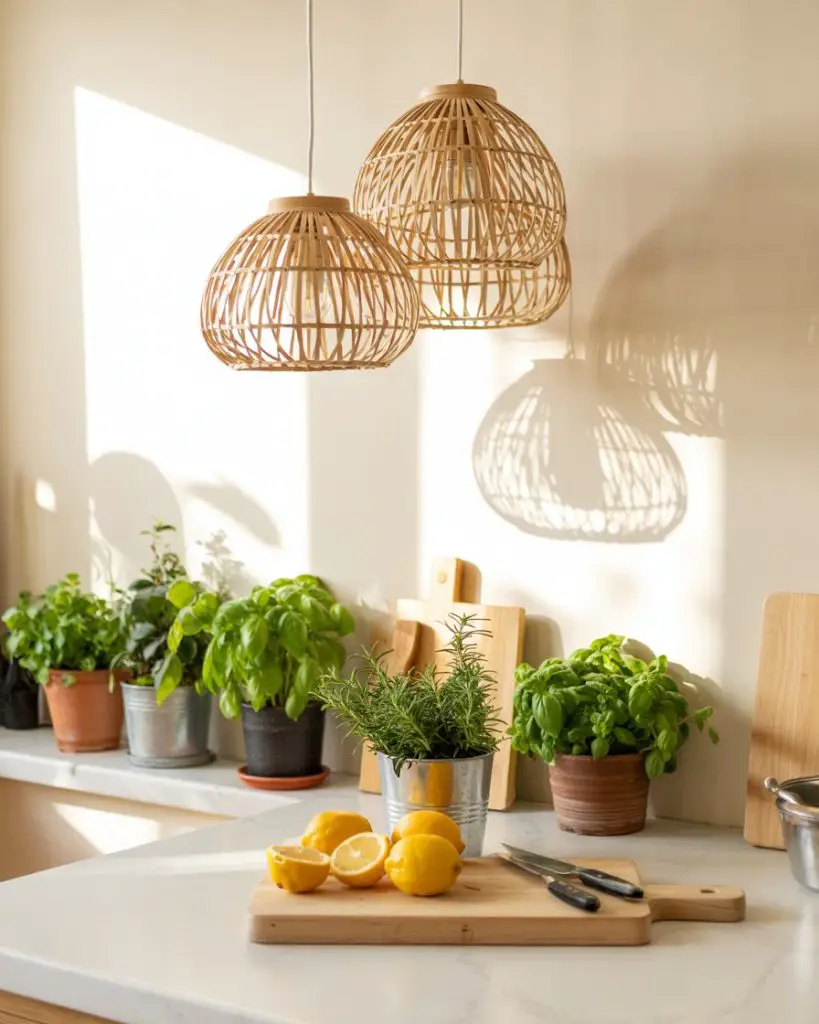
These natural materials work especially well in coastal areas and the Pacific Northwest, where the design ethos emphasizes connection to the landscape. The textures create visual warmth without adding color, making them versatile enough to work with changing decor over time. Plus, the tactile quality of these fixtures invites people to actually notice and appreciate the lighting rather than taking it for granted.
19. Recessed and Minimal
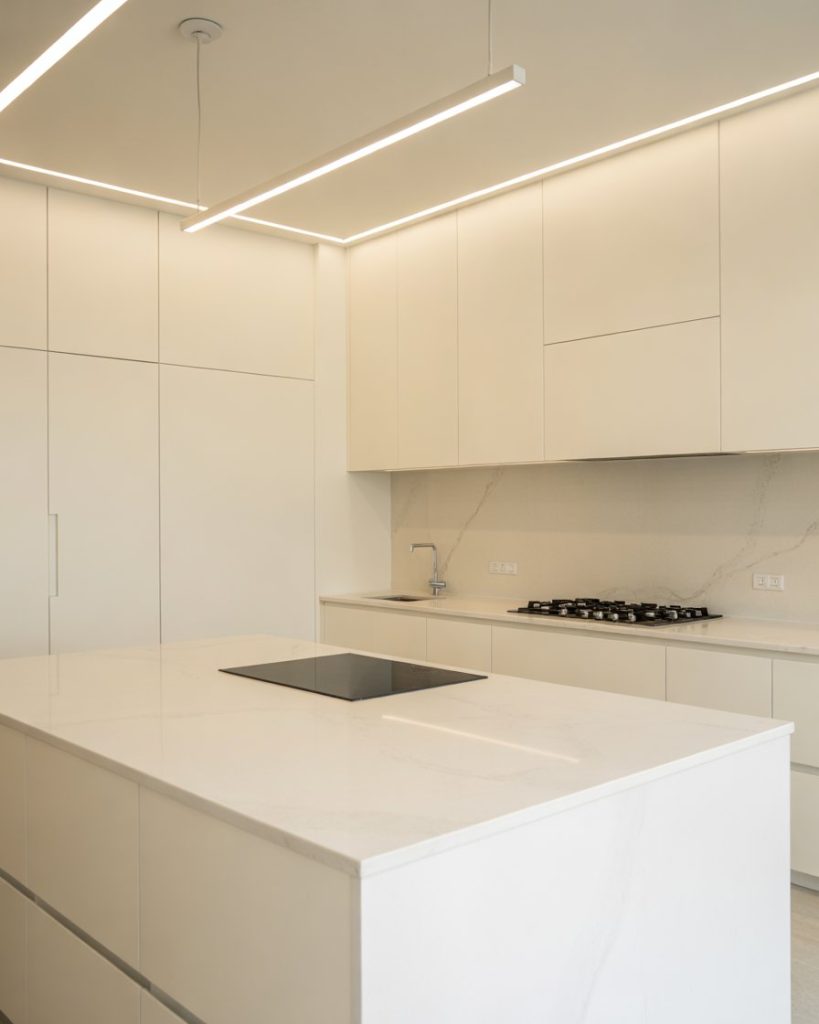
The minimalist movement has found a perfect expression in recessed lighting systems that provide overhead illumination without any visible fixtures at all. Strategic placement of LED recessed cans creates a clean, gallery-like atmosphere that lets your cabinetry, countertops, and decor take center stage. This approach works beautifully in modern and contemporary kitchens where less is genuinely more, and every element is carefully considered. 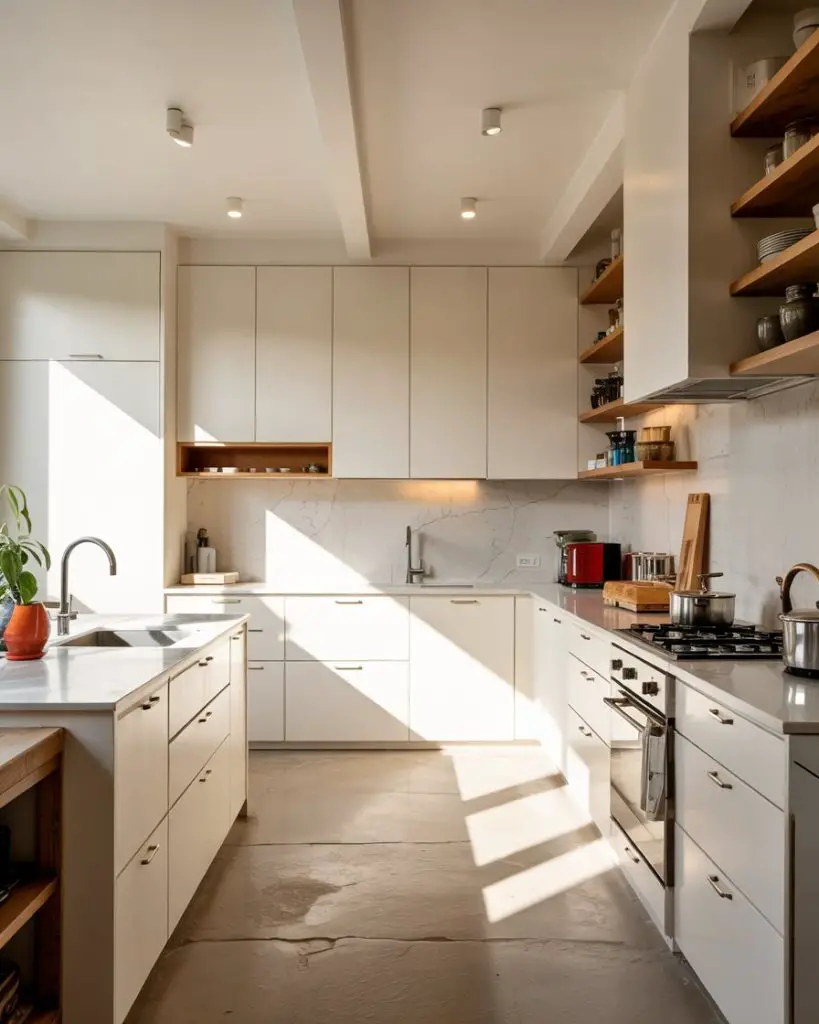
The mistake people make with all-recessed lighting is spacing the cans too far apart, which creates pools of light and shadow rather than even illumination. The standard rule is to place them 4-6 feet apart, adjusted based on ceiling height and beam angle. Working with a lighting designer for just an hour can save you from permanent shadows and ensure your minimalist vision actually functions for cooking and daily tasks.
20. Vintage Schoolhouse Style

The classic schoolhouse pendant has been reimagined for 2026 with updated proportions and finishes while maintaining its timeless appeal. These fixtures work across multiple design styles—from cottage to modern farmhouse to industrial—making them a safe but stylish choice. The milk glass shades diffuse light beautifully, eliminating harsh glare while still providing ample illumination for tasks. They’re particularly effective in multiples over an island or sink. 
I recently visited a 1920s bungalow where the homeowners mixed original schoolhouse fixtures with modern LED technology, keeping the vintage look while improving efficiency. It’s a perfect example of honoring a home’s history while making it work for contemporary life. If you’re renovating an older home, checking architectural salvage shops for authentic vintage fixtures can add character that new reproductions simply can’t match.
21. Industrial Edge
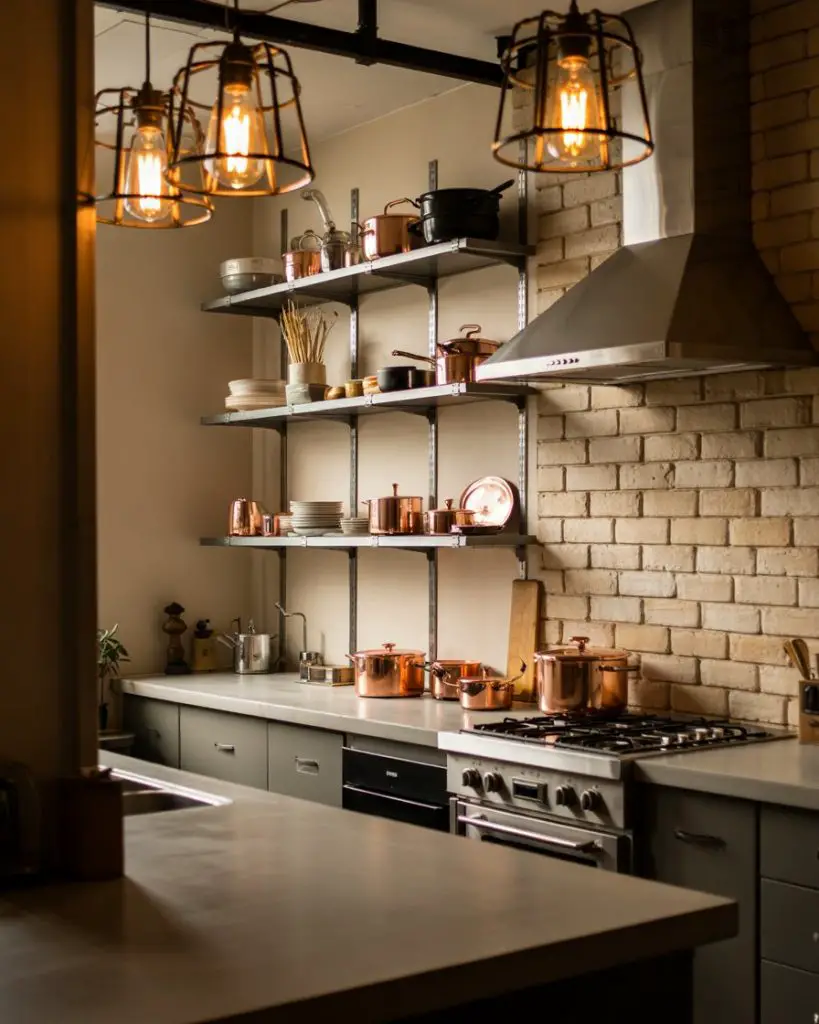
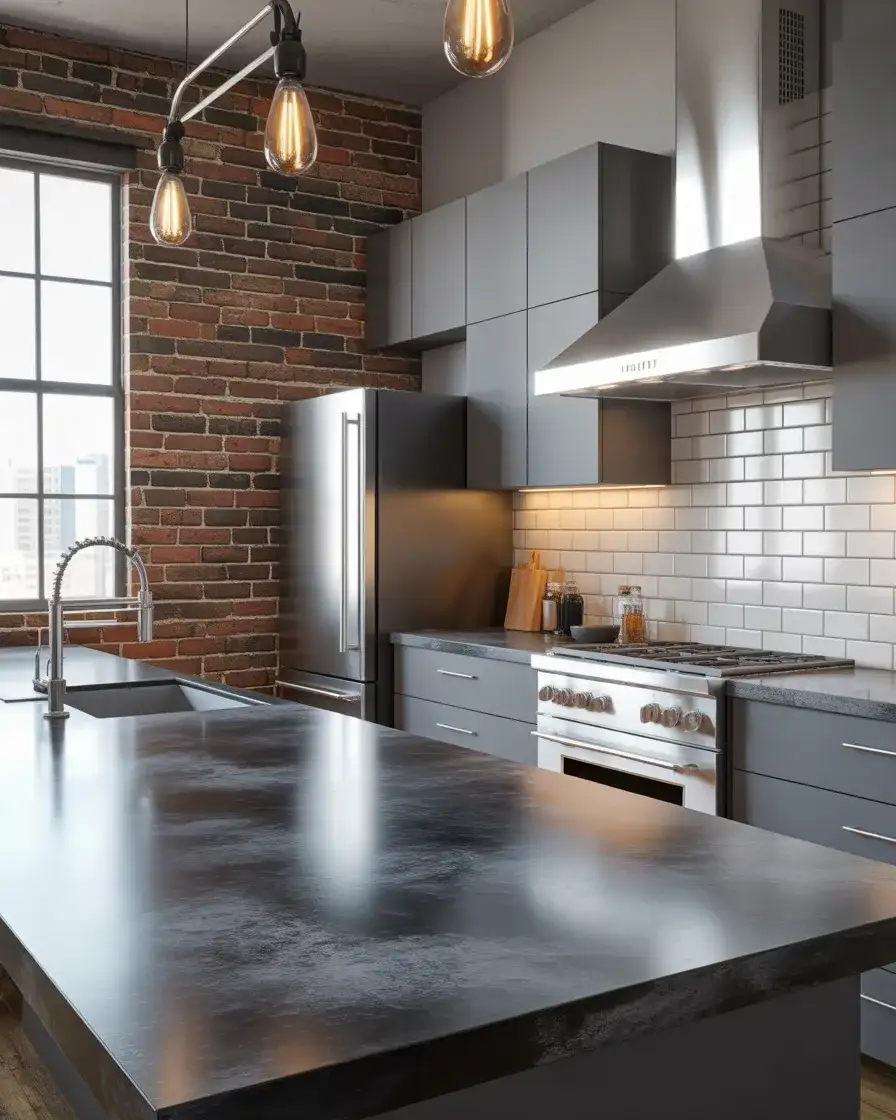
Industrial-style lighting brings rustic authenticity and urban cool to kitchens that want an edgier aesthetic. Exposed bulbs, metal cages, and matte black finishes create a look that’s both tough and refined. This style works especially well in lofts, converted spaces, or any kitchen that embraces raw materials like concrete counters, open shelving, and stainless steel appliances. The fixtures become sculptural elements that celebrate function over frills. 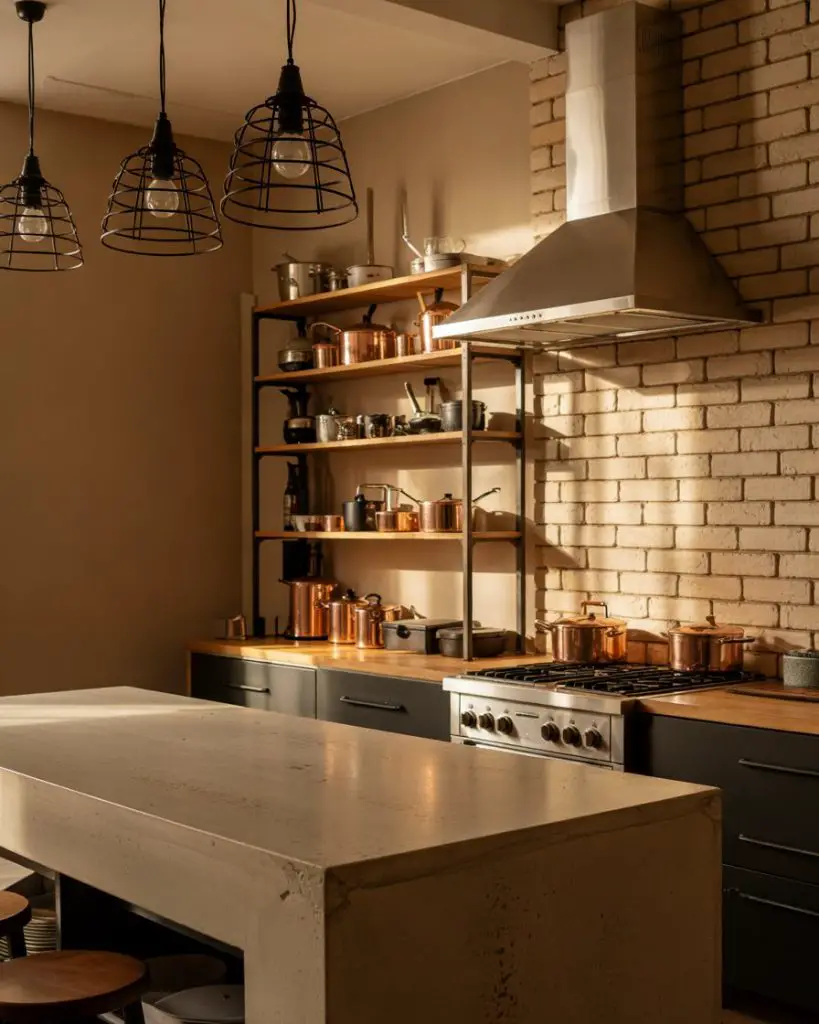
Where this works best is in urban environments and renovated commercial spaces where the industrial aesthetic feels authentic rather than forced. In a suburban tract home, the same fixtures might feel out of place unless the entire kitchen commits to the style. The key is coherence—if you’re going industrial with your lighting, carry that thread through your hardware, shelving, and material choices for a cohesive result.
22. Smart Lighting Integration
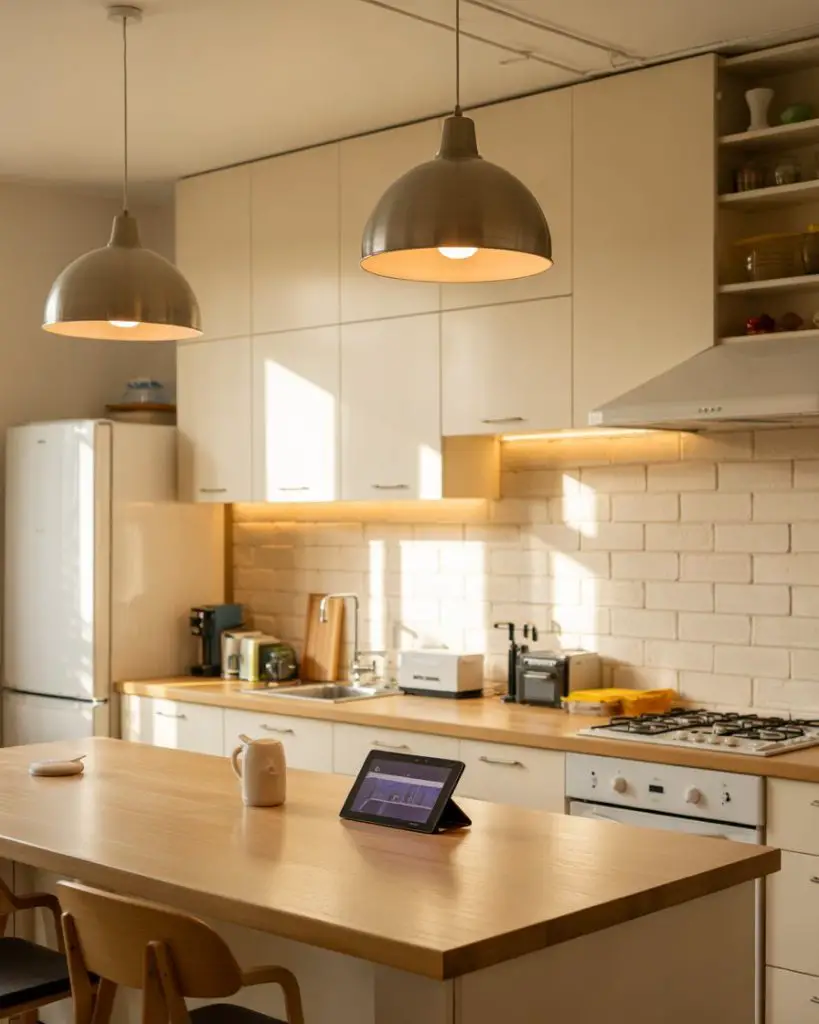
Smart lighting systems are no longer futuristic—they’re practical solutions that give you unprecedented control over your kitchen’s overhead and task lighting. Program different scenes for morning coffee, dinner prep, entertaining, and cleanup with varying brightness levels and even color temperatures. Integration with voice assistants and apps means you can adjust lighting without touching a switch, which is incredibly useful when your hands are covered in flour or raw chicken. 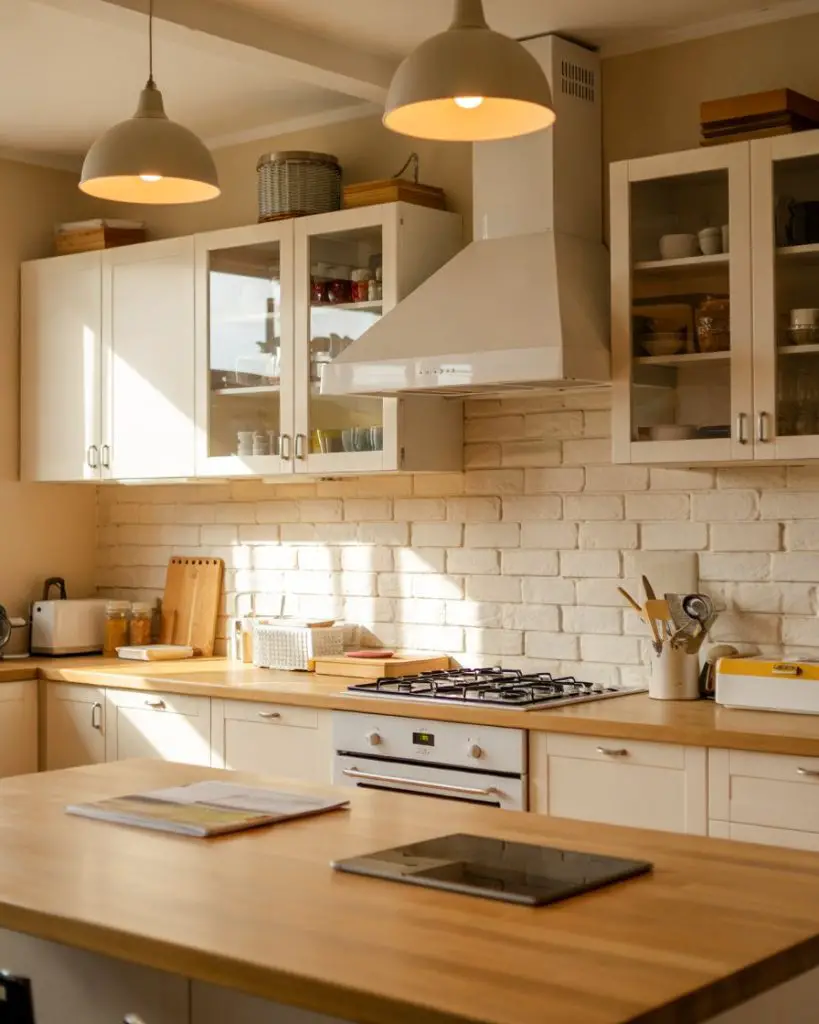
Real homeowner behavior shows that people who install smart lighting actually use the features consistently, unlike many smart home gadgets that get abandoned. The ability to dim lights from bed after realizing you left them on, or to program them to turn on before you wake up, makes daily life noticeably more convenient. Start with one zone—maybe the under-cabinet lights—and expand from there if you find it useful.
23. Personal Expression
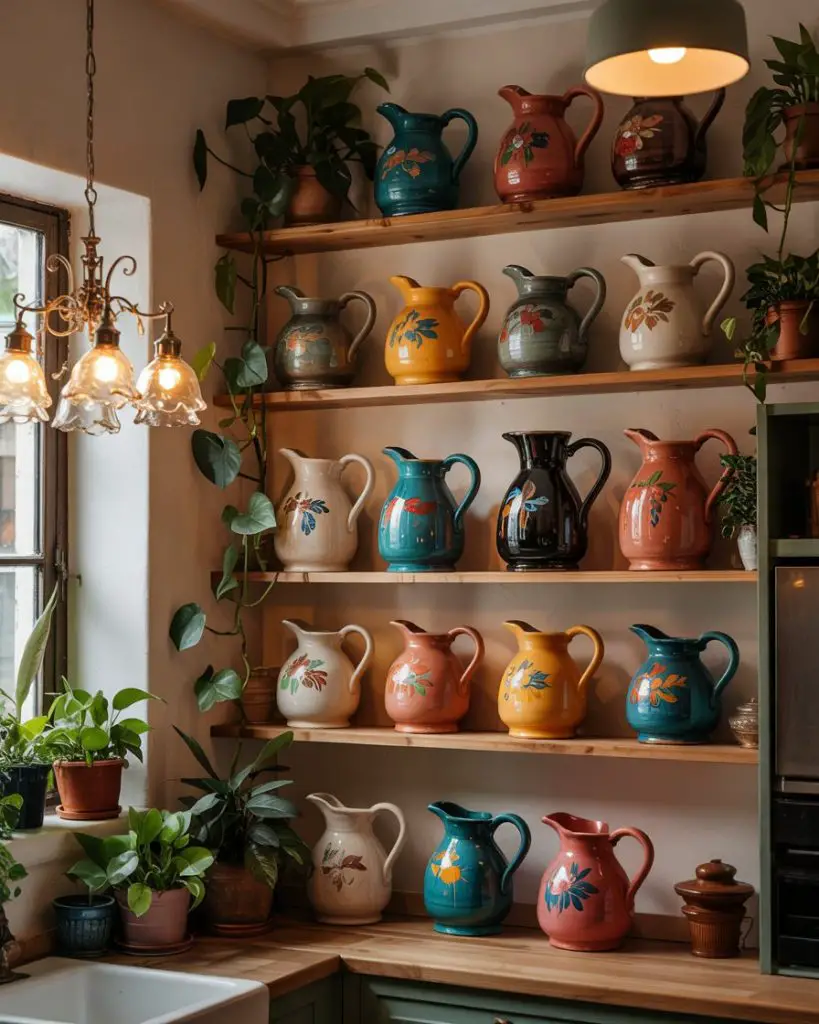
The best kitchen lighting in 2026 isn’t about following trends blindly—it’s about choosing fixtures and ideas that reflect who you are and how you actually live. Whether that means vintage finds from your travels, DIY projects that showcase your creativity, or splurging on that one dramatic piece you’ve been eyeing for months, your lighting should make you happy every time you walk into the room. Your kitchen is probably the most-used space in your home, so it deserves lighting that feels personal and intentional. 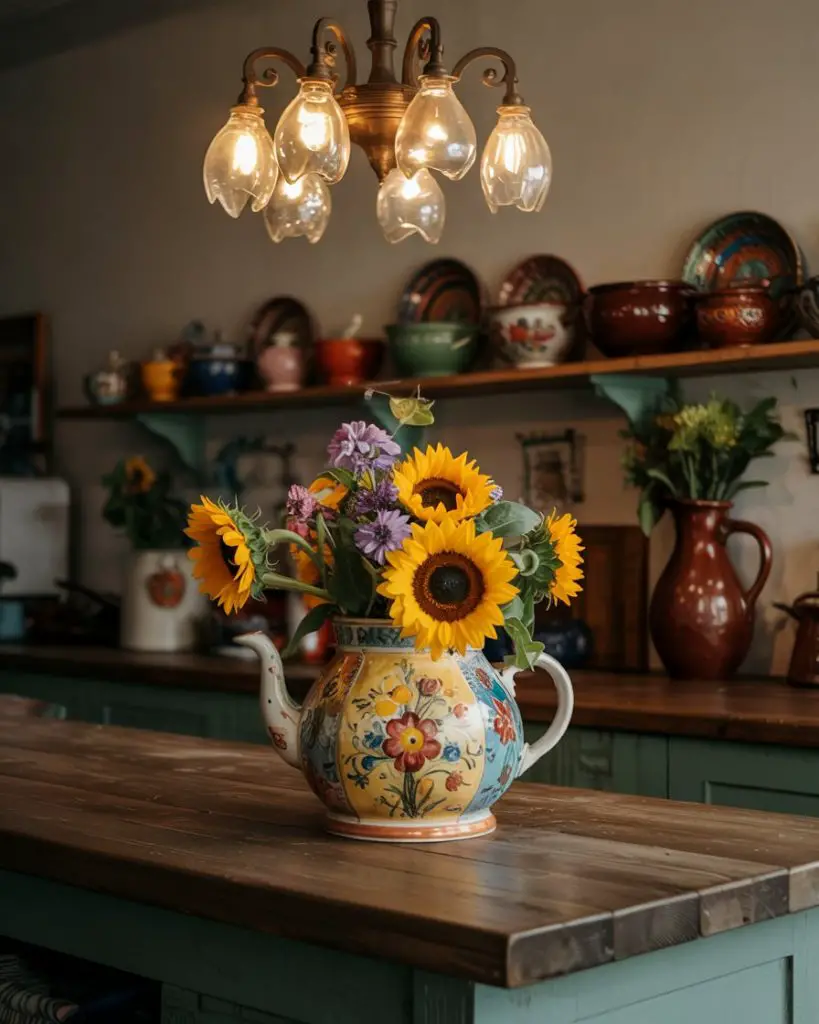
The kitchens that feel most successful are the ones that balance function with personality—where the lighting actually helps you cook better while also making you smile. Don’t be afraid to mix styles, break rules, and trust your instincts. If a fixture speaks to you and works in your space, that’s reason enough to choose it. Your kitchen should tell your story, not just follow someone else’s Pinterest board.
Conclusion
The conversation around kitchen lighting is always evolving, and what works beautifully in one home might not suit another at all. We’d love to hear which of these ideas resonates with your space and style—or if you’ve discovered lighting solutions that transformed your kitchen in unexpected ways. Drop a comment below and let’s keep the inspiration flowing.