By 2026, as American homes are redesigned, mirror wall decor will be making a bold comeback using clever reflections to expand space, bounce light, and add sculptural drama. No longer purely functional, mirrors are becoming statement decor pieces that design modern room layouts and cozy bedroom ideas. Pinterest users are flocking to innovative and fresh design shapes to elevate their interiors without major renovations, like hexagon mirrors, honeycomb mirror clusters, and sunburst designs. The guide walks users through cutting-edge mirror wall decor ideas to reimagine their space and integrate style, function, and the latest design trends to shape American interiors in 2023.
1 Hexagonal Cluster Above Console Tables
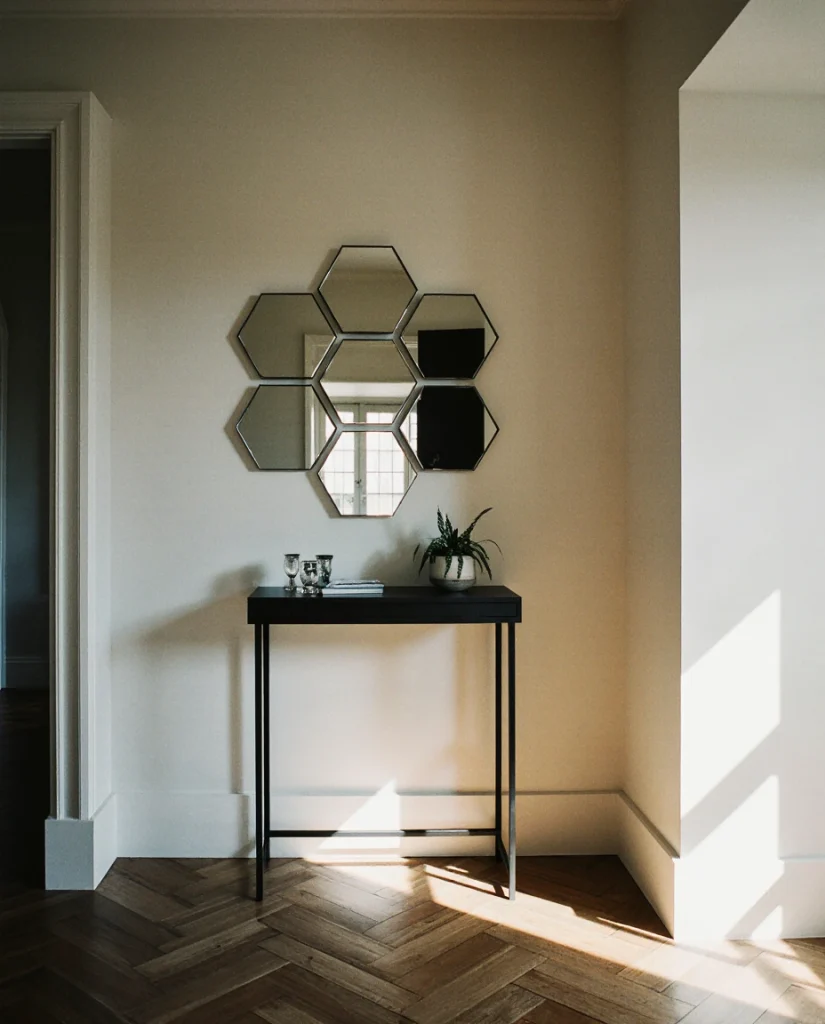
For entryway consoles, the arrangement of hexagonal mirrors in an asymmetric layout above the console provides visual intrigue as well as clean geometric refinement. This approach works best in entrance spaces where you want to add dimension without overwhelming their narrow walls. The repeating hexagonal shape mirrors the honeycomb structures that are so prevalent in nature. This approach allows users to add an organic flow to modern interiors in the mixing of matte black frames and brushed gold accents used to customize the look. The decor works throughout the home to match hardware. 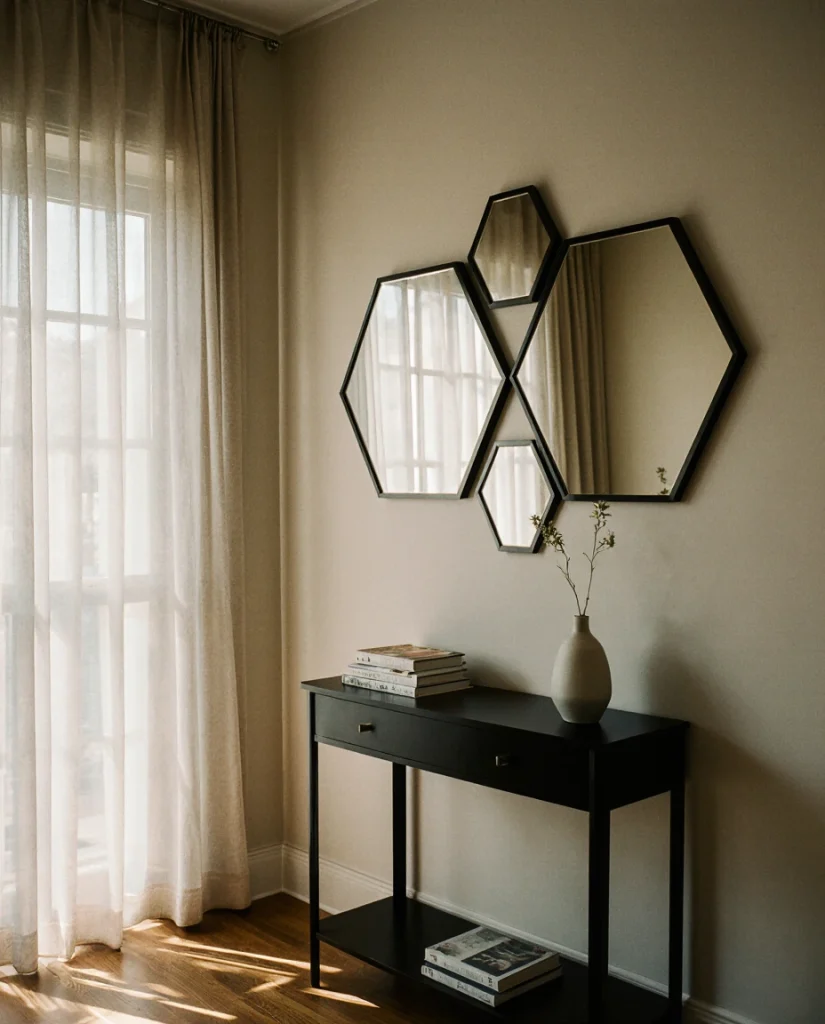
In urban areas such as Seattle or Boston, houses tend to be smaller. In these cases, hexagonal mirrors can trick the mind into seeing more depth. The fragmented mirrors make things look more dynamic, as do reflections, yet do not clutter the overall view, making them perfect for multirole corridor/gallery walls. Arrange the mirrors at eye level, maintaining 6–8 inches between the console and the lowest-hanging mirror. This maintains balance and feels more intentional compared to a more haphazard arrangement.
2 Floor-to-Ceiling Arched Statement Mirrors
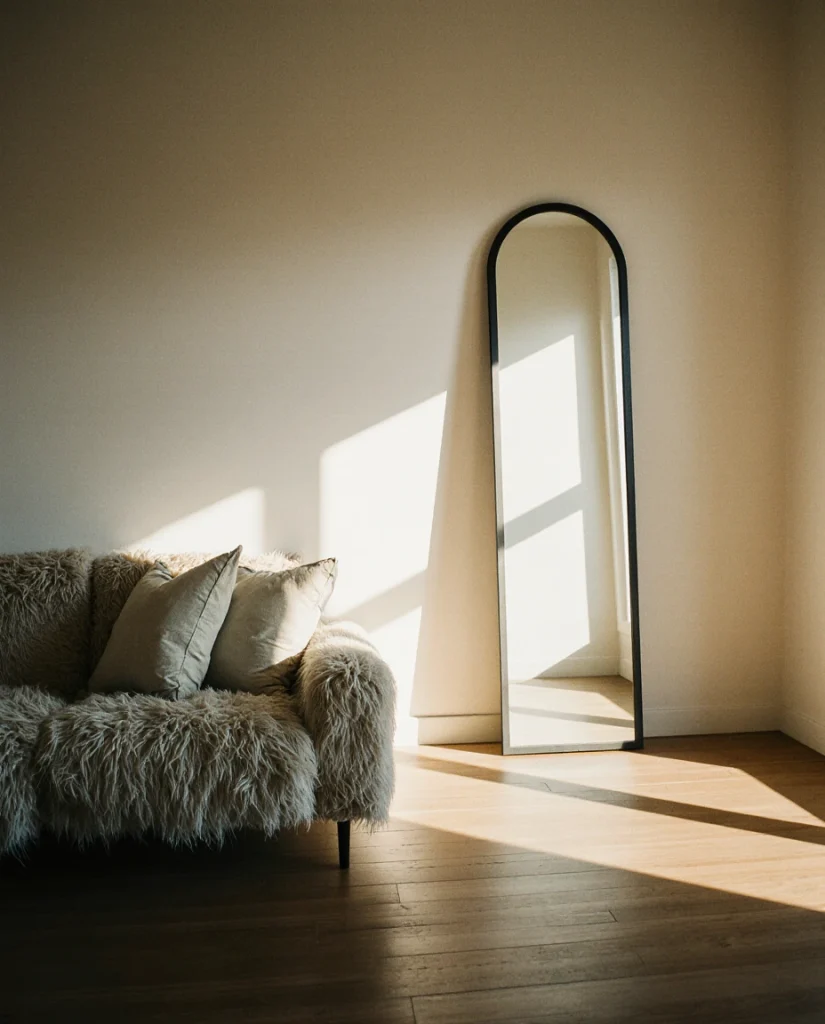
Oversized arched mirrors that lean against the walls will add to the architectural grandeur, typical of older houses, which also modernizes spaces. The arched shapes offer a nice contrast to the geometric lines of modern pieces, while the mirrors also add a nice touch as the main focus of a room. This is especially useful for rooms with more height, as it encourages the eye to look up and draw attention to the light that comes in. 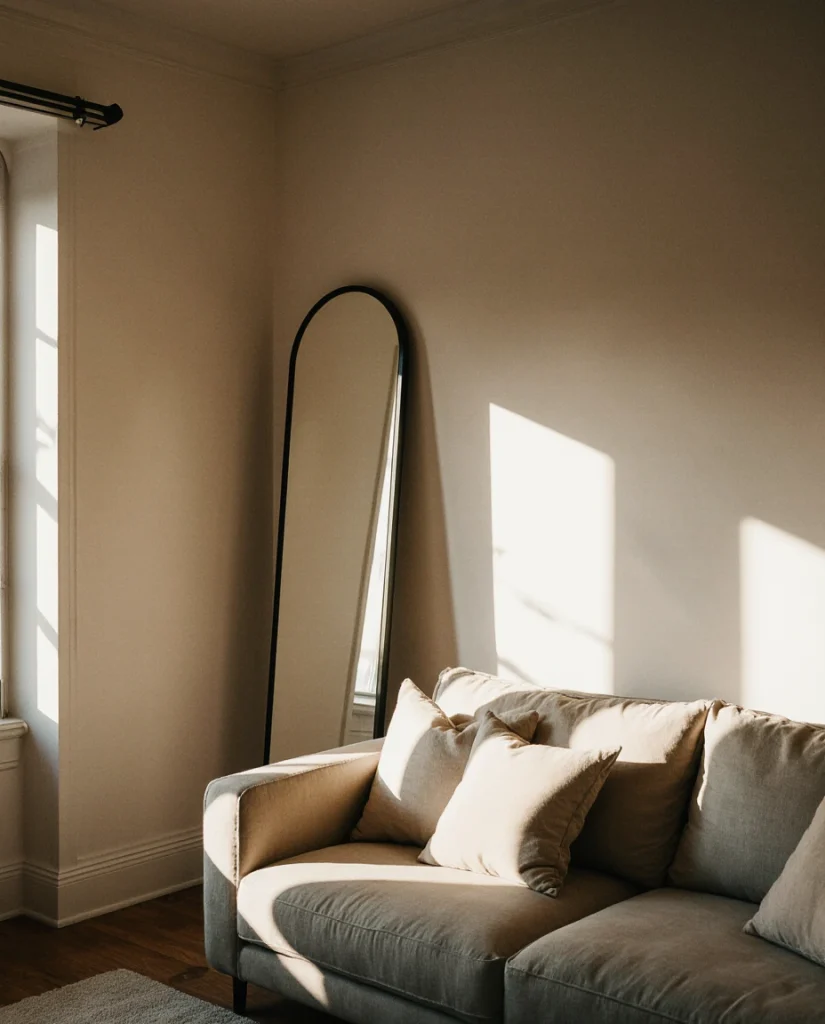
Budget-conscious shoppers often find quality arched mirrors in the $300-$600 range at retailers like West Elm or CB2, making this a relatively affordable way to achieve high-impact design. The lean-to installation method eliminates mounting hassles and allows flexibility to reposition as your layout evolves. Many homeowners place these near windows to double the perceived natural light—a practical trick in north-facing rooms that tend toward dimness during winter months.
3 Sunburst Mirrors as Bedroom Focal Points
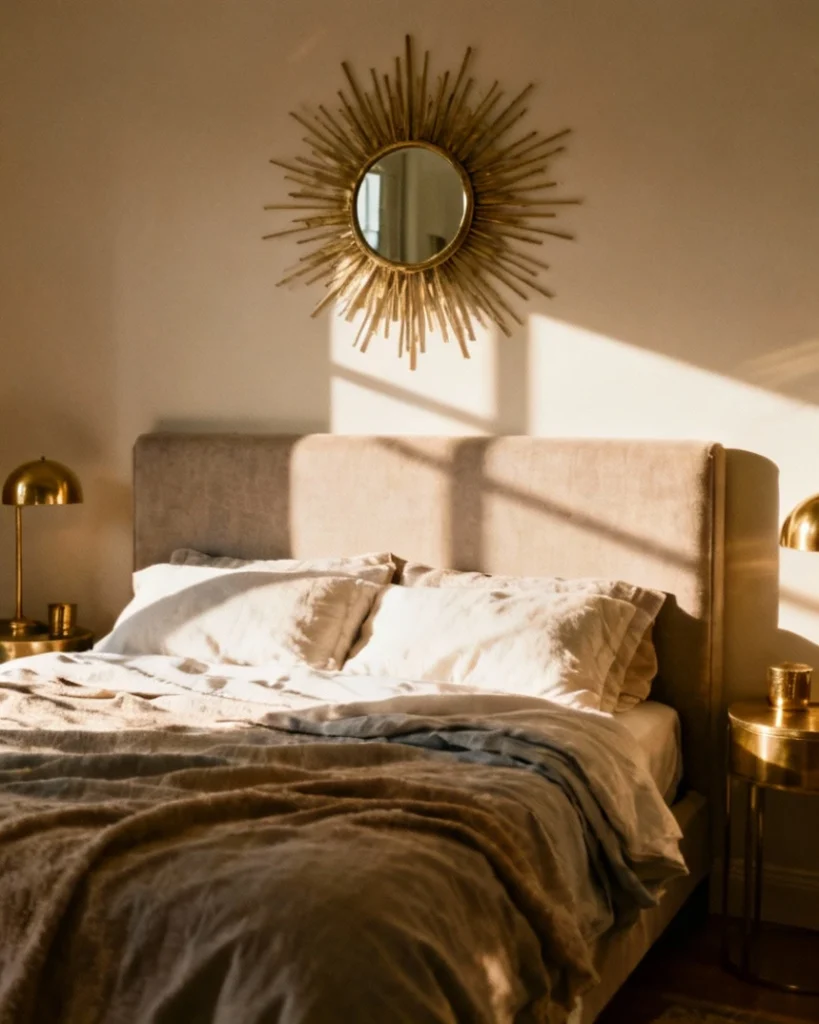
Mounting a sun mirror above the headboard in bedroom ideas layouts creates a radiant focal point that channels mid-century glamour. The starburst rays add texture and dimension to otherwise flat wall surfaces, particularly effective in minimalist spaces where ornamentation is kept intentional. Metallic finishes—from antique brass to polished nickel—let you tie the piece into existing lighting fixtures and drawer pulls. 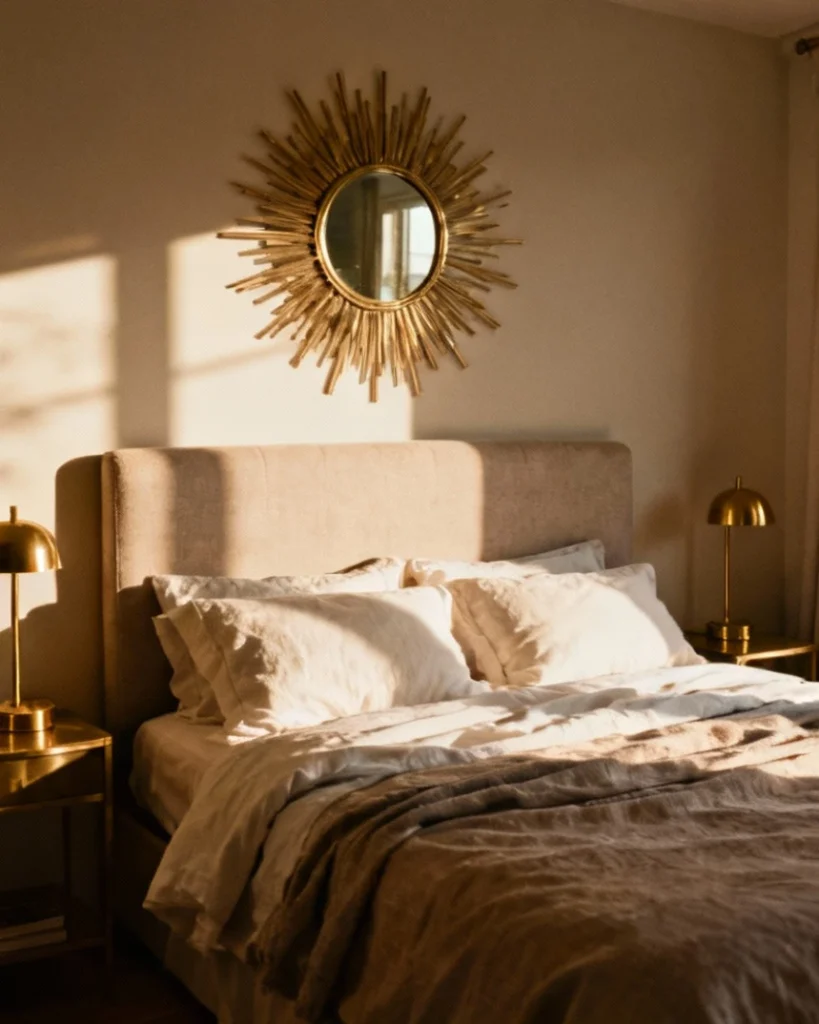
This design works best in primary bedrooms where you want to make a statement without competing with closet doors or windows on adjacent walls. A common mistake is choosing a sunburst that’s too small—the outer rays should extend at least two-thirds the width of your headboard for proper visual weight. Pairing the mirror with sconces on either side creates symmetry that feels polished, especially in traditional or transitional homes across the South and Midwest.
4 Grid-Mounted Square Mirror Panels
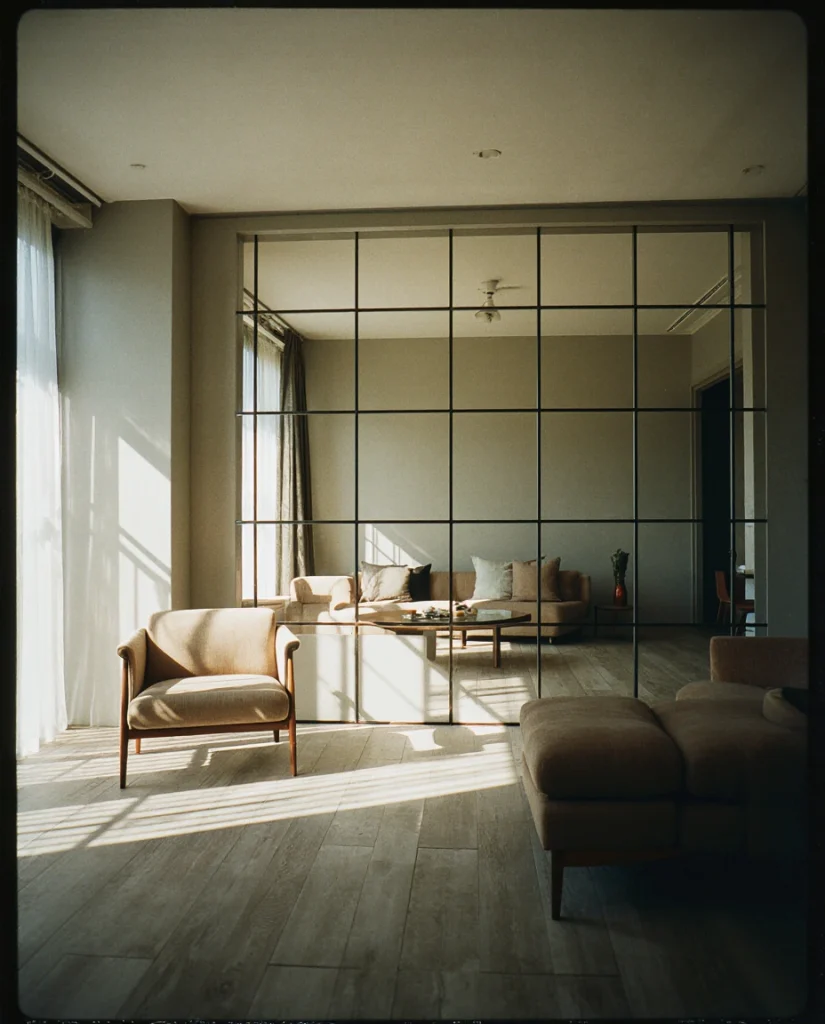
Installing square mirror tiles in a uniform grid transforms entire walls into reflective surfaces that enlarge small spaces dramatically. This technique is popular in living room ideas for small spaces and simple arrangements where every square foot counts. The grid structure adds architectural rhythm while maintaining clean, contemporary lines that suit urban lofts and modern condos. 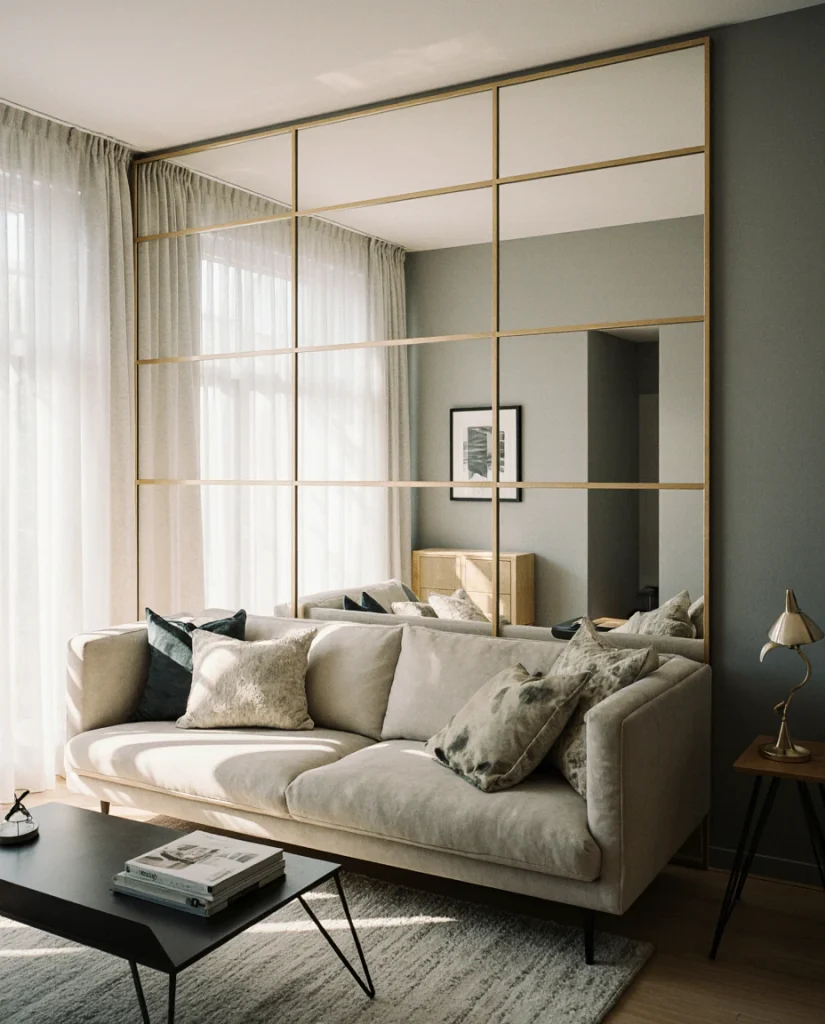
Best suited for: dining nooks and bathrooms in apartments with limited square meterage but ample headroom. The vertical repetition elongates the space by drawing the apparent height. Instead of flat glass, use beveled-edge tiles, which will reflect light at different angles, causing the light to get caught at multiple angles and creating a softer light show. Due to the precise alignment required, installation usually needs a qualified installer, but the transformation often hits the mark in $800-$1200, justifying the amount of investment required by homeowners in order to get the desired transformation.
5 Rattan-Framed Mirrors for Coastal Warmth
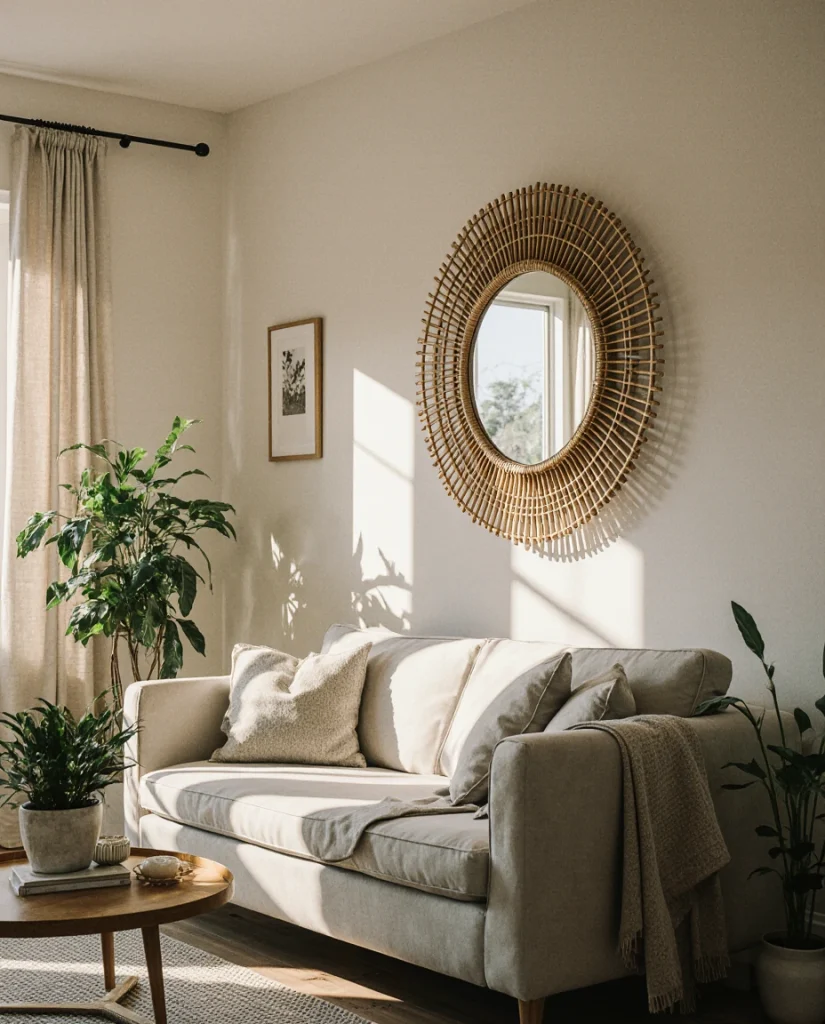
The recent trend of framing mirrors in woven rattan is a wonderful way to add organic texture, which takes the edge off the sleekness of the interiors. This is highly desired on the coasts from California to the Carolinas. The natural rattan weaves also add to the biophilic trend of interiors where nature is brought in. Also, because these frames age so beautifully, they develop a honey patina, making natural correspondences of age to design all the more elegant. 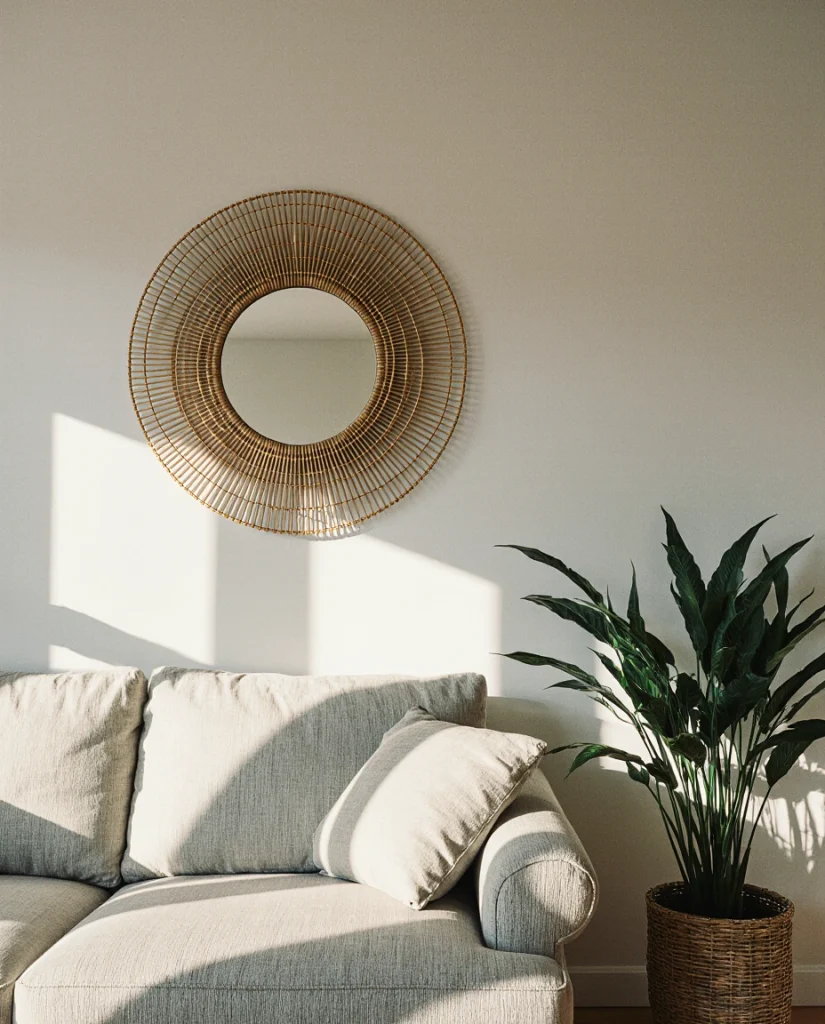
Real homeowners in beach communities often cluster multiple rattan mirrors in varying sizes to create gallery walls that feel collected rather than matched. The woven texture plays well with jute rugs, linen upholstery, and whitewashed wood—staples of the modern coastal palette. Avoid placing these in high-humidity bathrooms unless specifically sealed, as moisture can warp untreated rattan and compromise the frame’s structural integrity over time.
6 Diamond-Shaped Mirrors in Geometric Arrangements
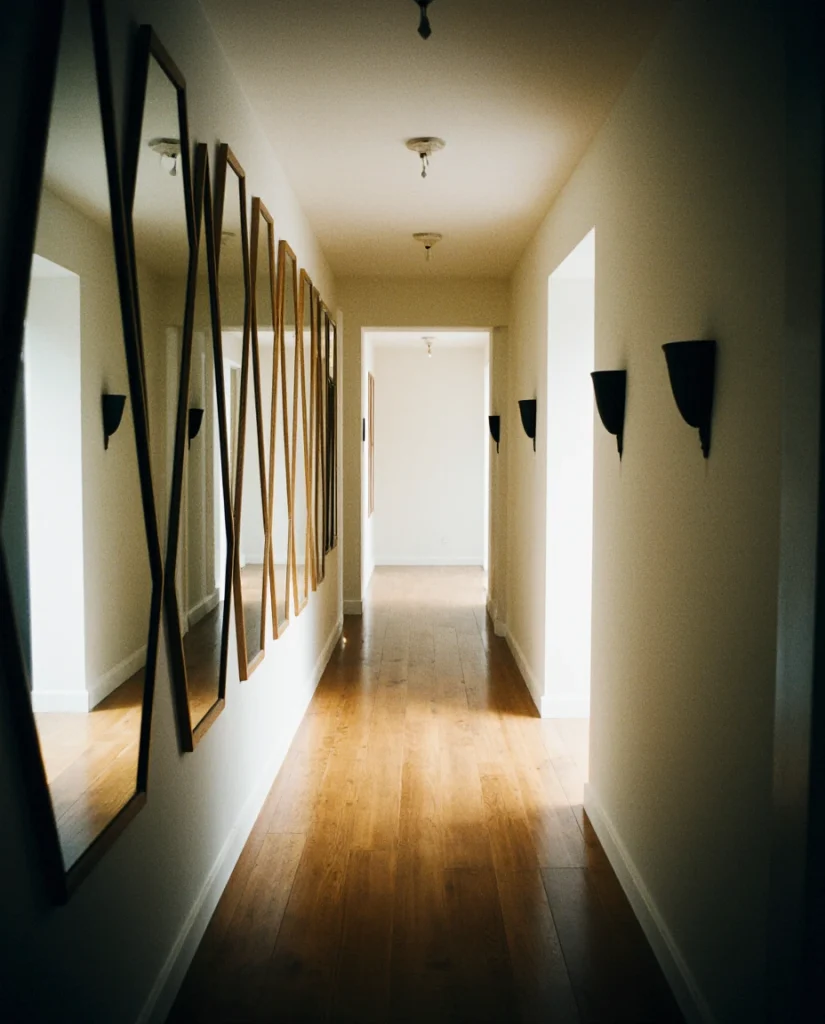
Rotating diamond mirrors at 45-degree angles creates dynamic compositions that energize hallways and entrance areas. The sharp angles contrast beautifully with soft furnishings, offering visual tension that keeps interiors from feeling too safe. Mixing sizes—from 8-inch accent pieces to 24-inch anchors—allows for custom layouts that adapt to awkward wall dimensions. 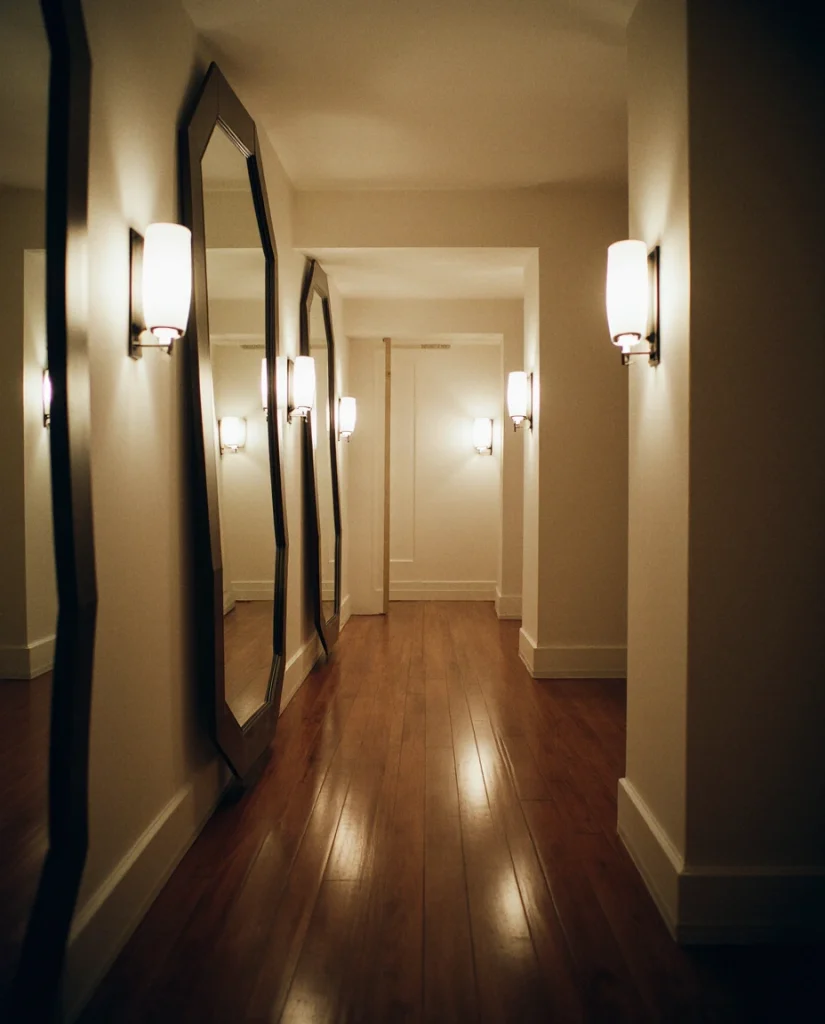
Expert designers often use diamond mirrors to bridge traditional and contemporary styles—the classic shape feels familiar while the arrangement stays current. In Midwestern homes with craftsman bones, pairing these with mission-style furniture creates unexpected harmony. The key is maintaining consistent spacing between each piece; measure carefully and use painter’s tape to mock up your layout before committing to nail holes that will show if you change your mind.
7 Full-Length Leaning Mirrors in Bedrooms
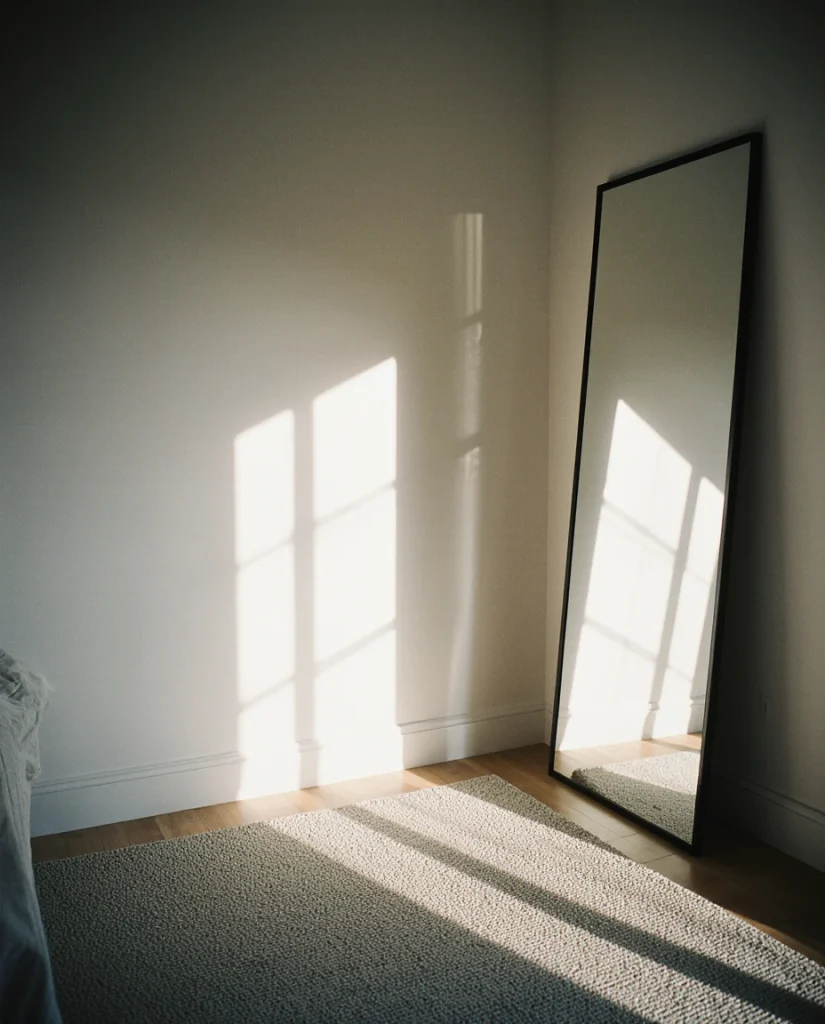
It works especially well in dressing areas or walk-in closets, as it will provide style and function.
Vertical placement allows at-a-glance checks of one’s entire outfit before heading out and highlights the height of the ceiling. Glass-framed mirrors set in thick wood borders or topped with thin metal moldings allow for sleek customization to match the other furniture in the space. 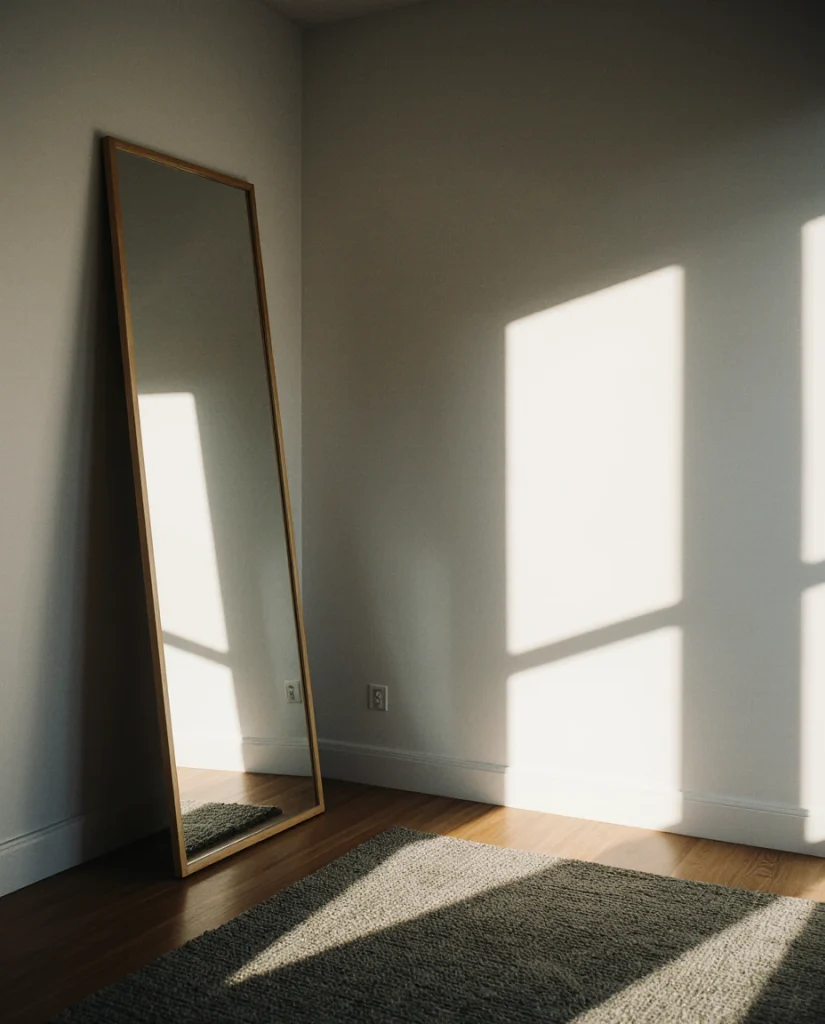
A useful tip is to place mirrors opposite of windows to reflect the natural light that comes in, which lessens the need for light fixtures and saves on power. The leaning design makes it easier for renters to take the mirror along with them while minimizing the hassle of losing damage deposits due to using drywall anchors. It’s common for homeowners to set task light fixtures in close proximity to these mirrors, like a standing light or wall-mounted sconce, to ensure a well-lit space for getting ready, which is especially important for the older rooms in homes that don’t have much overhead light.
8 Honeycomb Mirror Clusters for Playful Texture
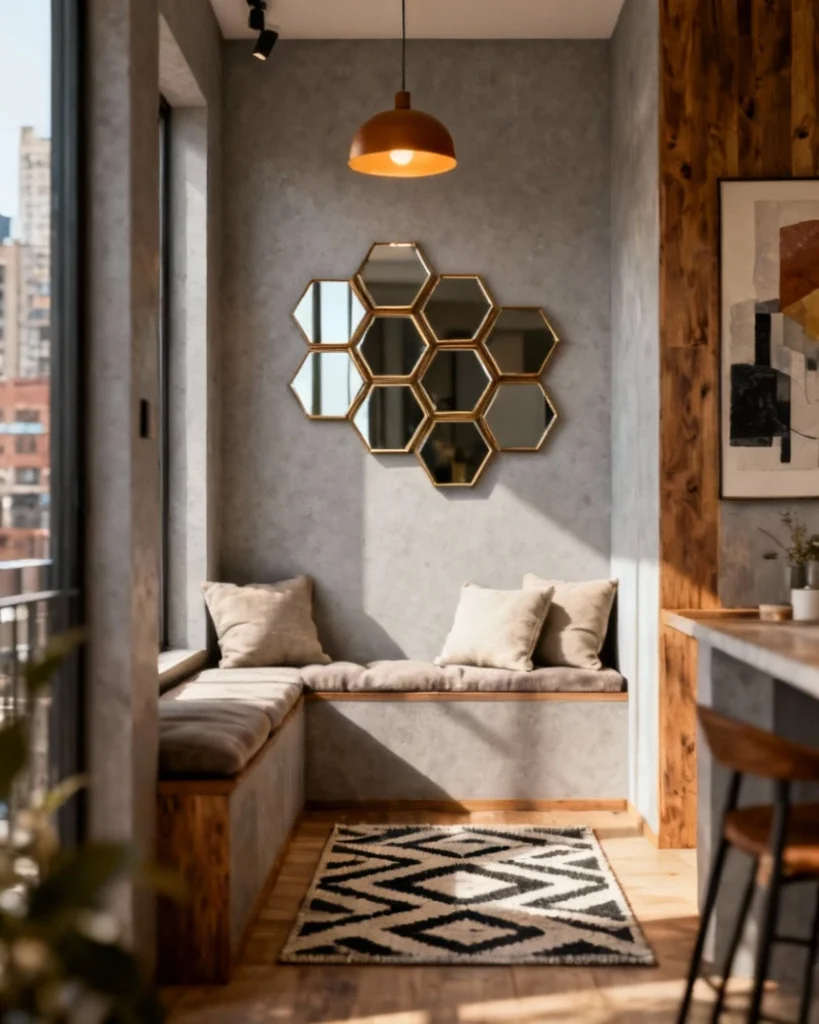
The volume and placement of mirrors in a honeycomb style is a playful way for people to add dimension to the design of a small living room. More specifically, honeycombs create a non-repetitive flow to the space while also adding a level of geometric balance. Off-white and cream-toned paints also flow well with a rose or champagne metallic finish. 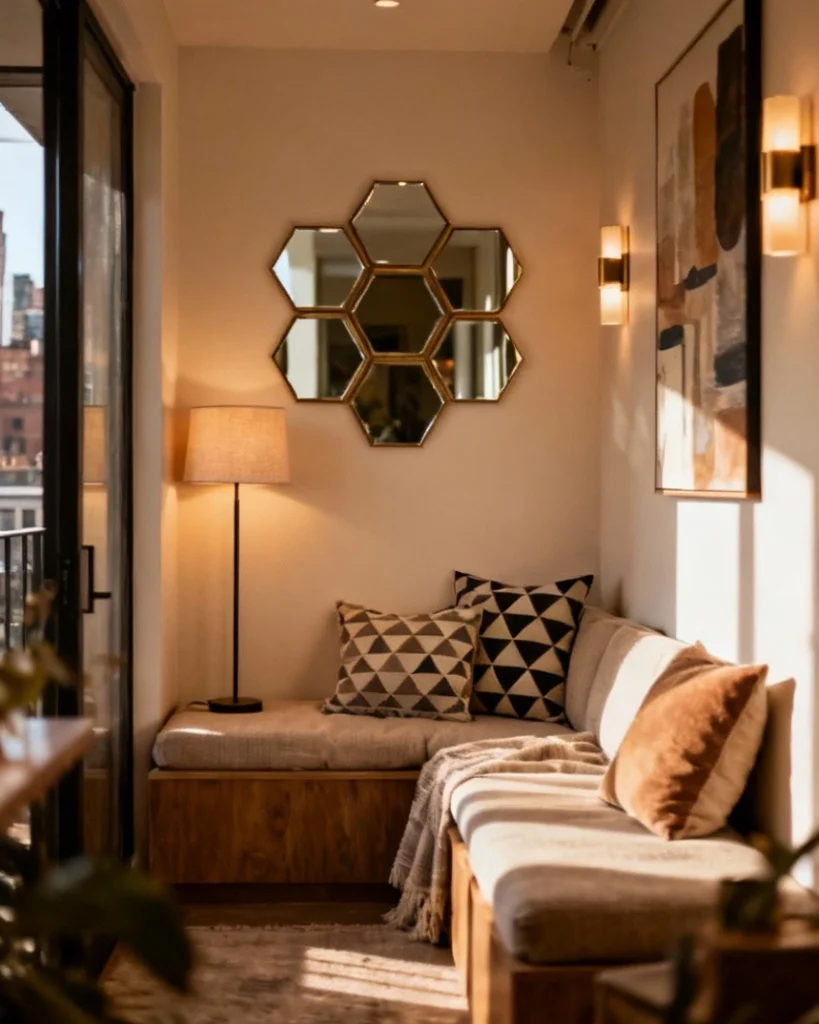
This approach originated in Scandinavian design, where maximizing daylight is essential through long winters—now embraced across American cities dealing with similar seasonal light challenges. Clusters work beautifully above sofas or media consoles, filling negative space without competing with artwork. The fragmented reflections scatter light in multiple directions, creating a subtle shimmer that changes as you move through the room throughout the day.
9 Acrylic-Framed Mirrors for Modern Transparency
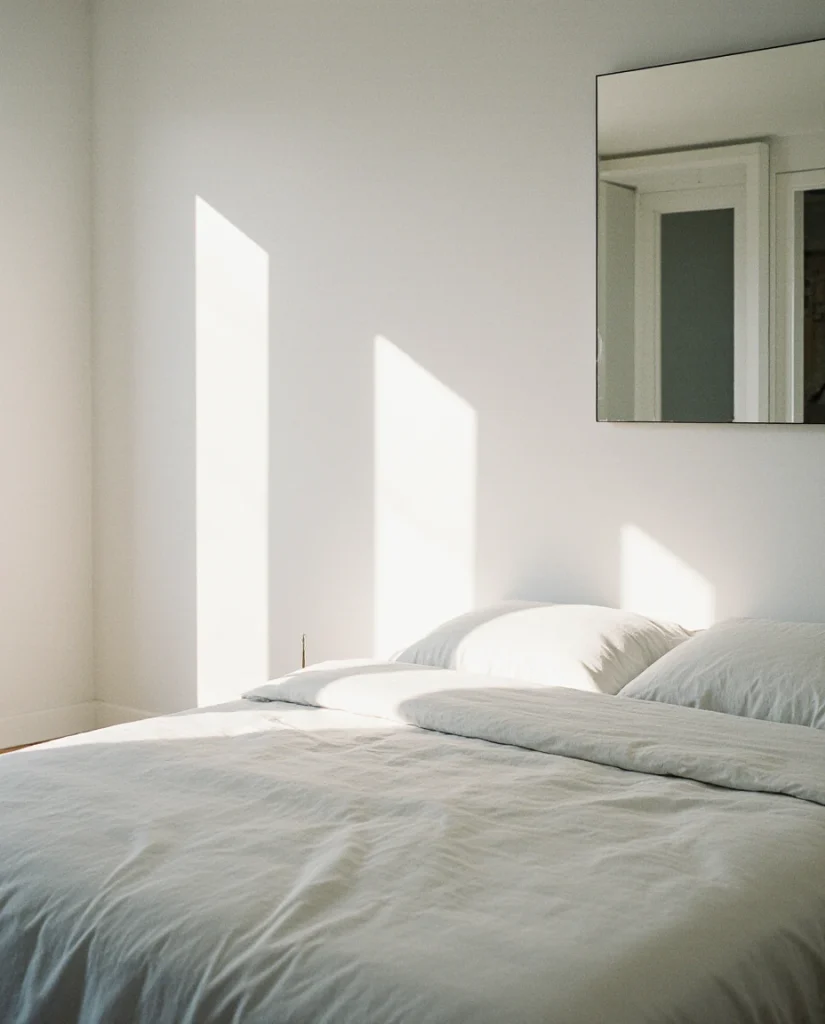
Choosing acrylic frames around mirrors introduces a floating, nearly invisible quality that suits ultra-modern interiors in tech hubs like Austin and San Francisco. The clear material disappears against walls, keeping focus on the reflection itself rather than the frame. This works especially well in minimalist bedroom interior design where visual clutter is eliminated. 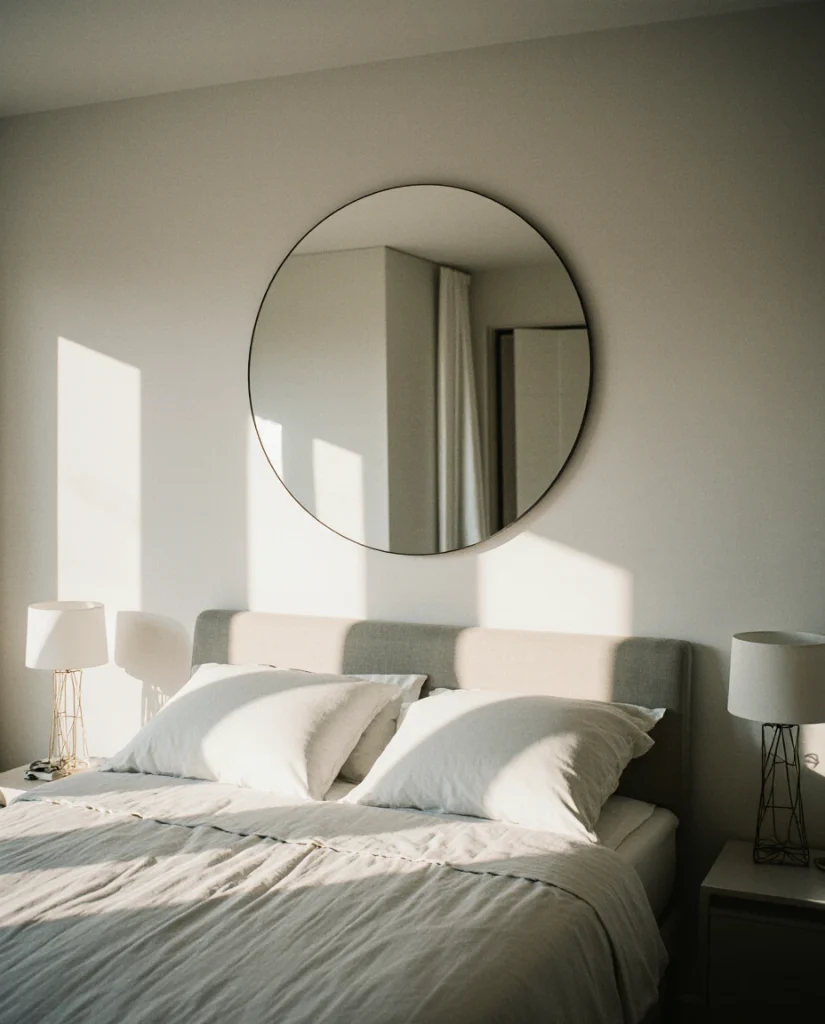
Budget-wise, acrylic frames typically cost 20-30% less than solid wood equivalents, making them accessible for first-time homeowners furnishing on a budget. The lightweight construction simplifies installation—one person can usually hang these without assistance. Wipe acrylic with microfiber cloths only; paper towels can scratch the surface over time, creating a cloudy appearance that defeats the transparent aesthetic you’re aiming to achieve.
10 Wooden-Framed Round Mirrors for Organic Warmth
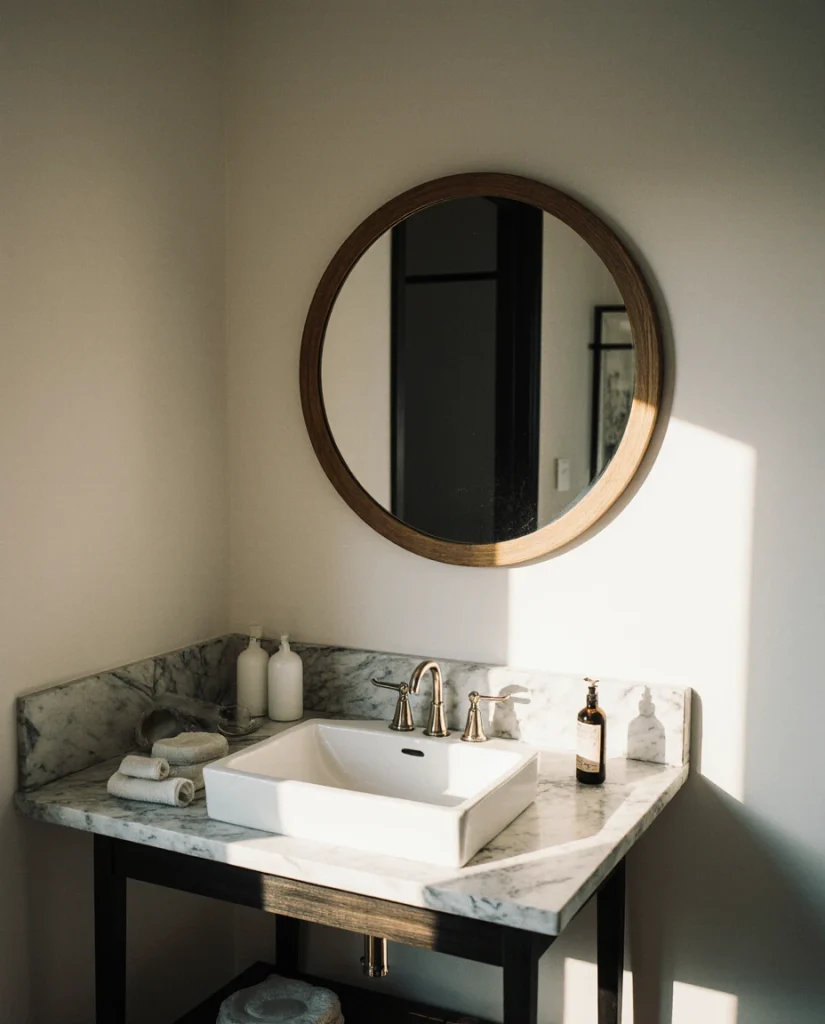
Wrapping round mirrors in wooden frames brings natural texture that balances hard surfaces like tile and metal, especially effective in bathroom renovations. The circular shape softens angular vanities and shower enclosures, creating visual relief. Reclaimed wood frames add rustic character, while smooth walnut or oak finishes suit transitional and contemporary styles prevalent across suburban America. 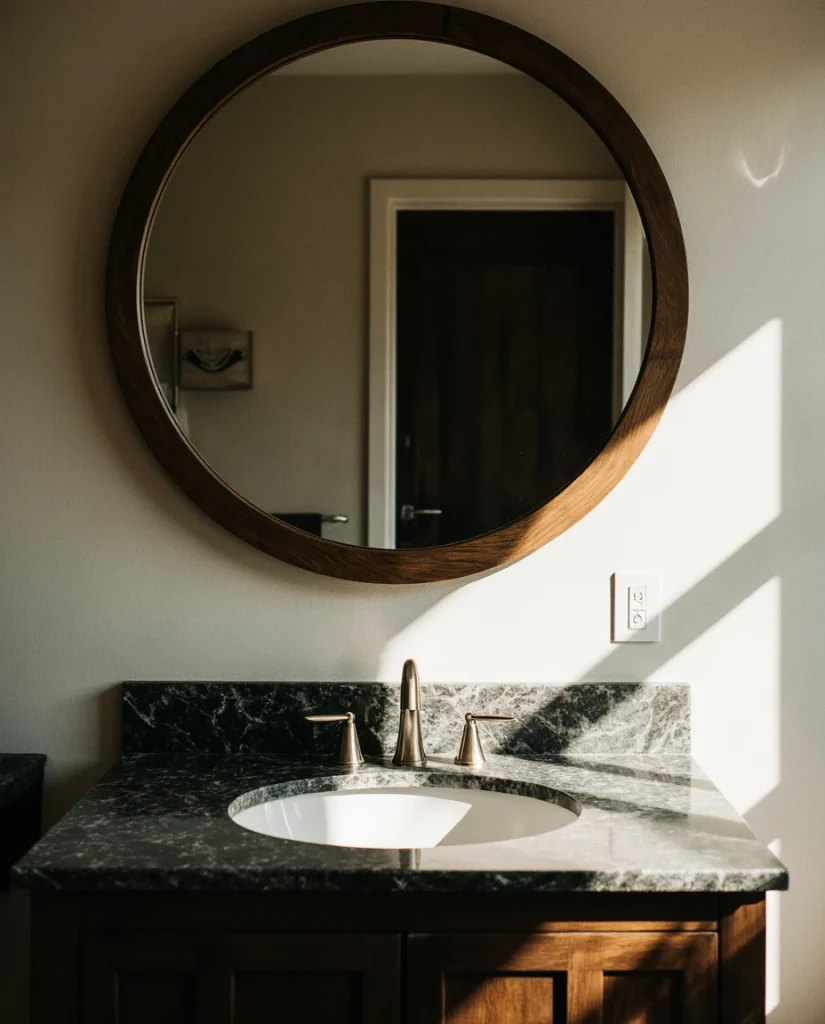
Common mistakes include choosing a mirror diameter that’s too small for double vanities—aim for 24-30 inches minimum to maintain proportion. Seal wooden frames properly in moisture-prone bathrooms to prevent warping; many homeowners discover water damage only after grout lines fail and steam penetrates unsealed wood. Pairing wooden mirrors with live-edge shelving or bamboo accessories creates a cohesive nature-inspired palette that feels grounded and calming.
11 Abstract-Shaped Mirrors as Sculptural Art
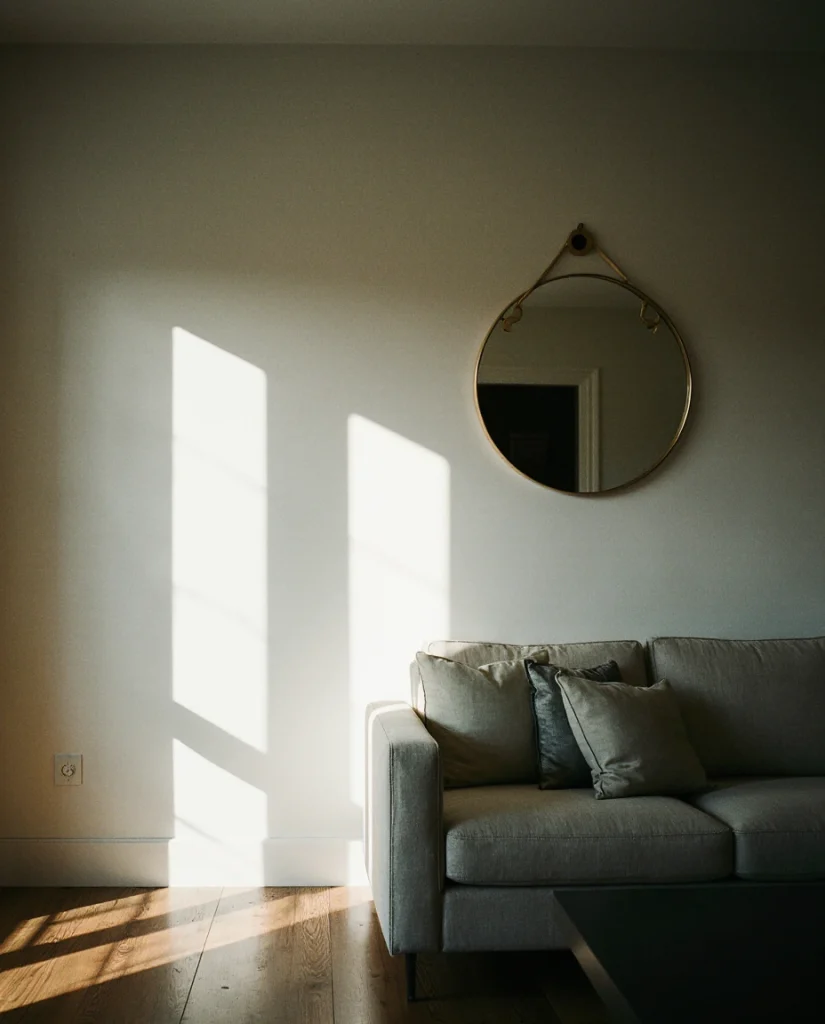
Selecting abstract mirrors with irregular, organic edges turns functional objects into wall sculptures that challenge traditional decor boundaries. These work beautifully in modern living room settings where art budgets are limited but impact is desired. Freeform shapes in brushed brass or blackened steel add gallery-worthy presence without the price tag of original artwork. 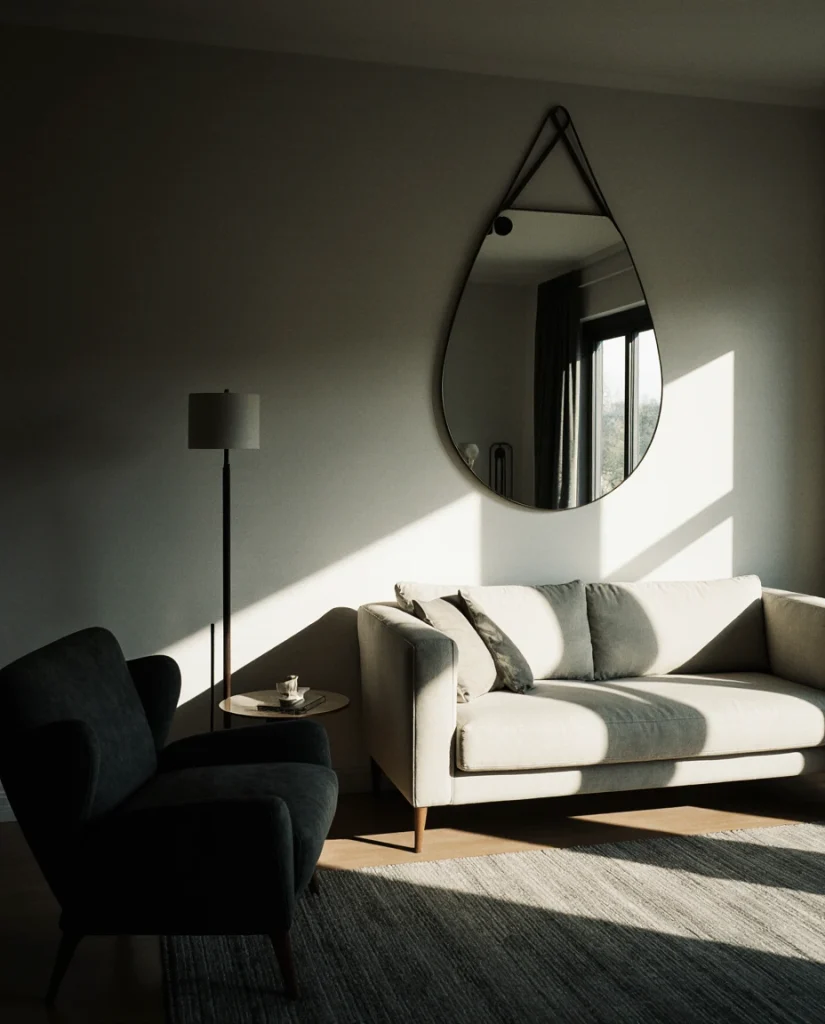
My neighbor recently installed a wavy-edge mirror above her console and mentioned how guests now ask about the “sculpture” rather than recognizing it as a mirror at first glance. This dual-purpose approach maximizes value in small homes where every piece needs to justify its footprint. Abstract mirrors pair well with minimalist furniture, allowing the irregular shape to stand out as the room’s primary decorative element without visual competition.
12 Circle Mirror Gallery Walls
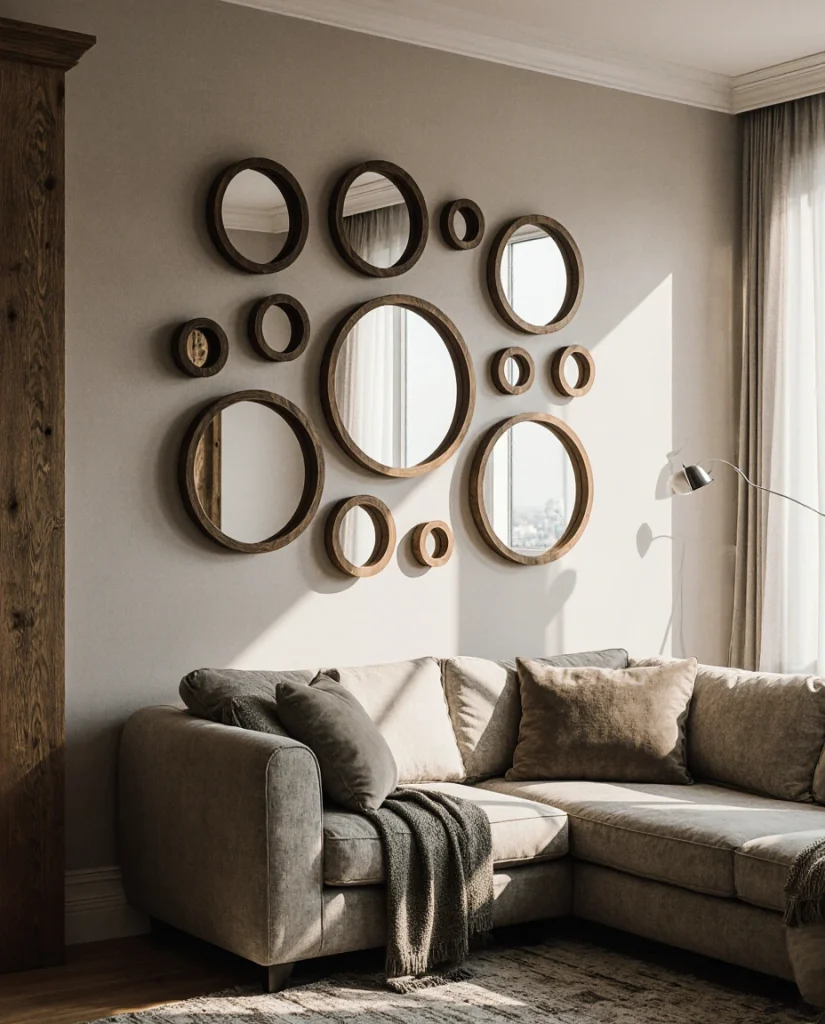
Arranging multiple circle mirrors in varying diameters across one wall creates a modern gallery that reflects light from changing angles throughout the day. This technique suits living room ideas for small spaces where traditional artwork might overwhelm limited square footage. Mixing metal finishes—brushed nickel with matte black—adds depth while maintaining cohesion through the repeated circular form. 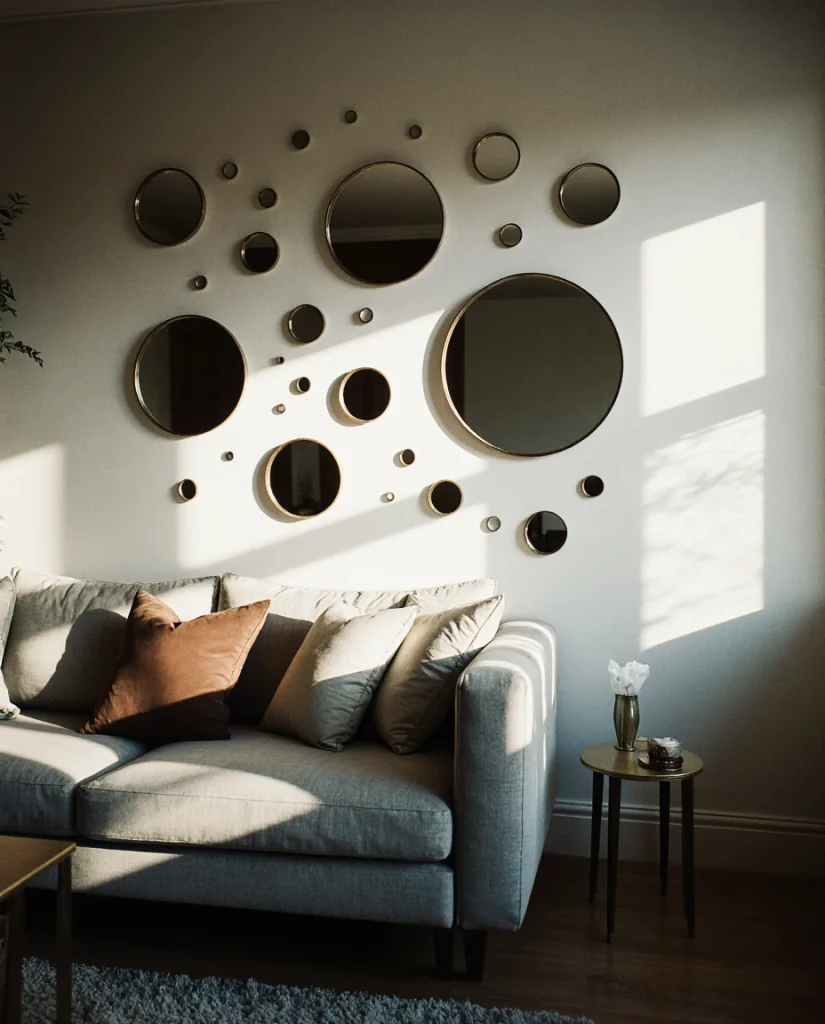
Where it works best: Above sectional sofas in open-concept homes, where the wall spans 8-12 feet and needs visual interest at scale. Start with the largest mirror as your anchor point, then work outward with progressively smaller sizes. Maintain 3-5 inches between edges to prevent a crowded appearance. This arrangement is particularly popular in the Pacific Northwest, where maximizing limited natural light during gray months becomes a design priority.
13 Rectangle Mirrors with Minimalist Black Frames
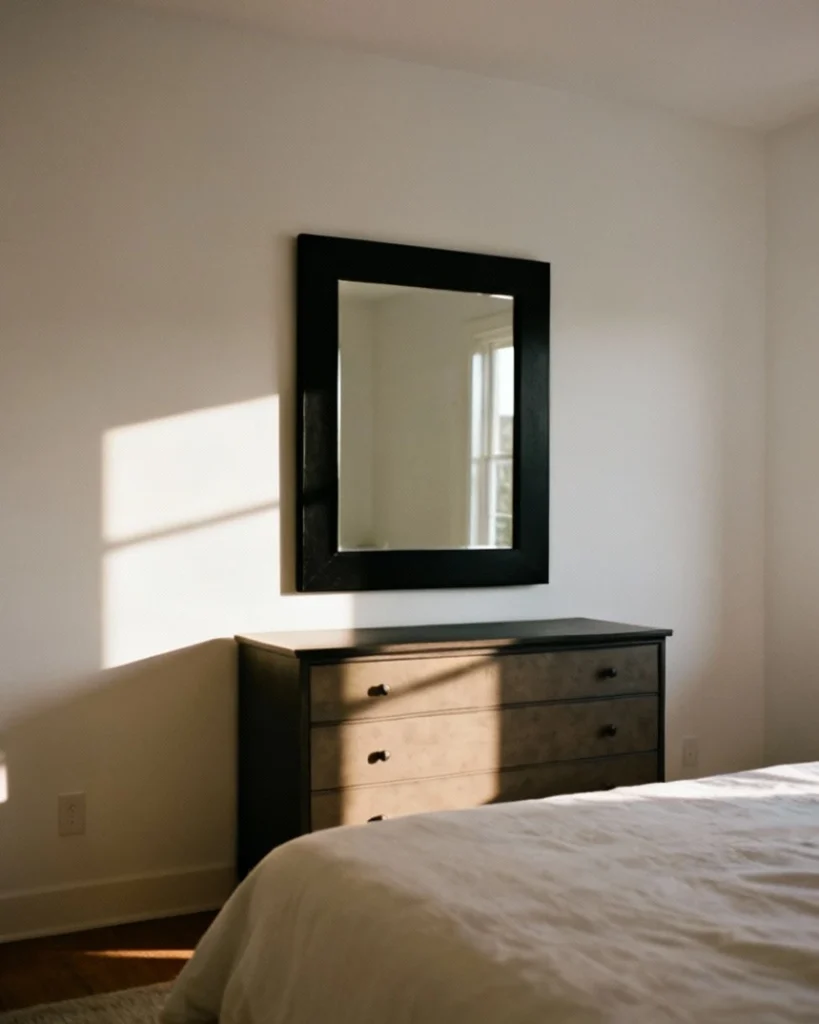
Hanging rectangle mirrors with slim black frames delivers classic simplicity that anchors bedroom aesthetics focused on Scandinavian or Japanese influences. The dark outline creates definition against light walls, while the clean geometry suits minimalist spaces. Horizontal orientation above dressers elongates walls, while vertical mounting in entryways emphasizes height.
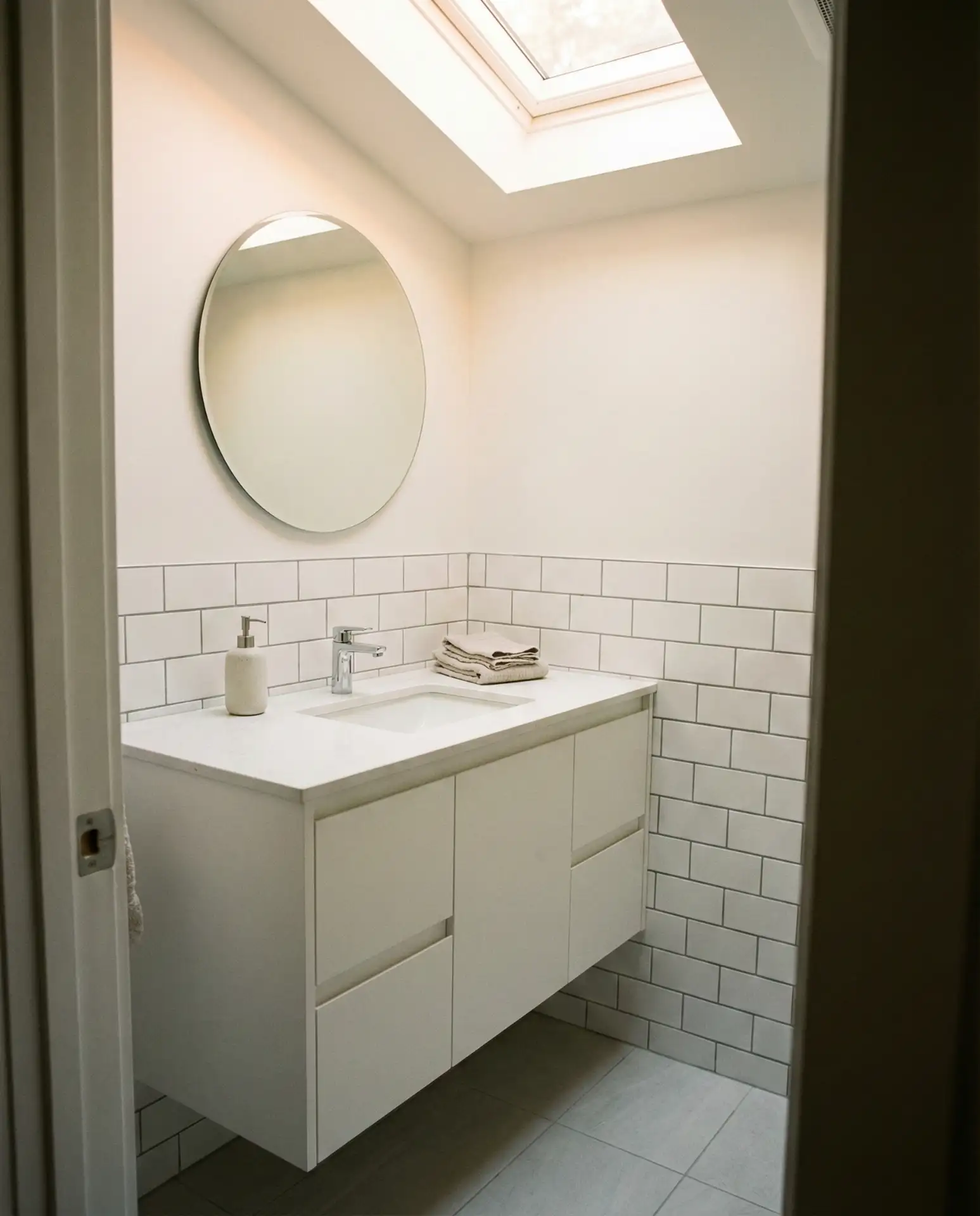
Expert designers recommend the mirror width match 60-70% of the furniture width beneath it for balanced proportions—a 60-inch dresser pairs well with a 36-42 inch mirror. The black frame grounds lighter color palettes common in coastal and Scandinavian-inspired interiors, preventing spaces from feeling washed out. At around $150-$300 for quality pieces, these offer accessible style upgrades that outlast trendier shapes.
14 Moon-Phase Mirror Arrangements
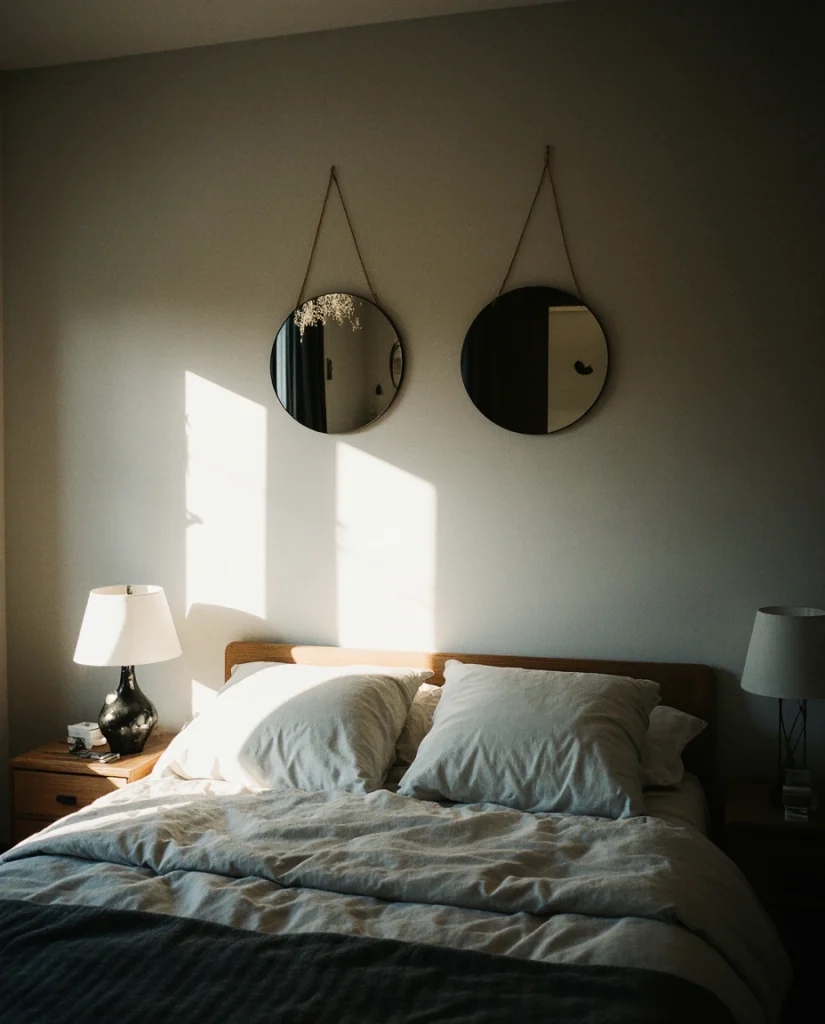
Installing moon-phase mirrors in linear or arc arrangements brings celestial charm to bedroom walls, particularly appealing to younger homeowners decorating first apartments. The progression from crescent to full circle adds narrative flow that static decor lacks. Metallic finishes in antique gold or silver enhance the lunar theme while catching ambient light from bedside lamps. 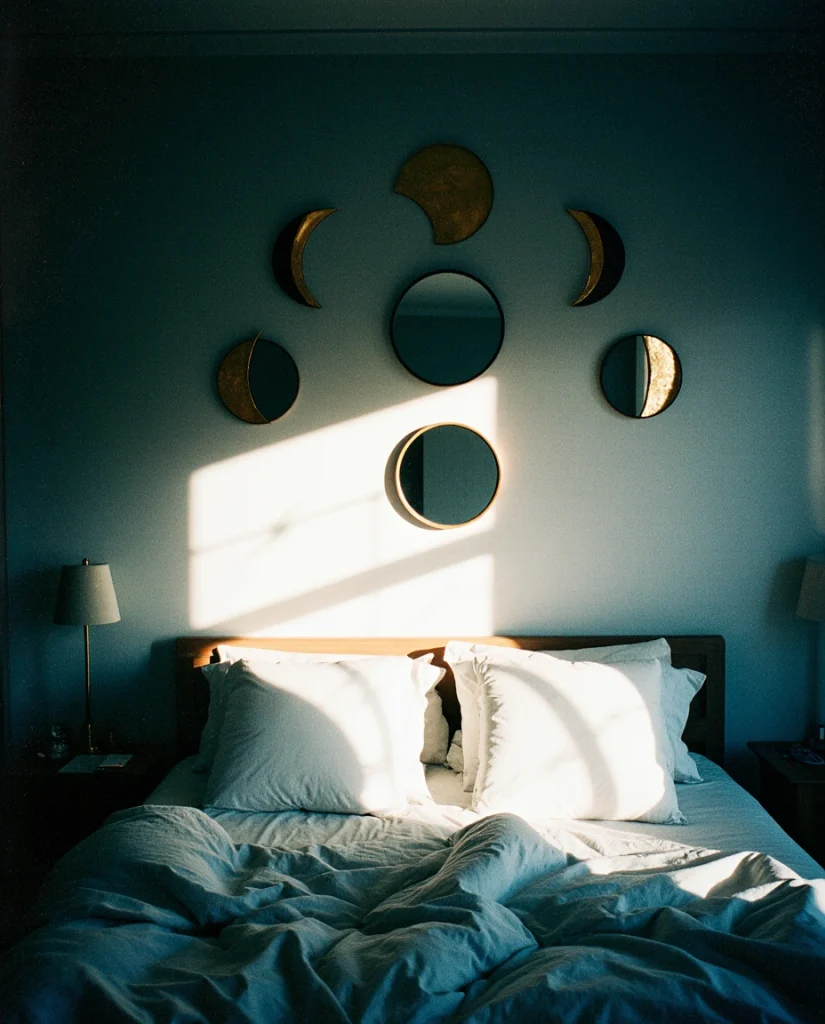
These moon-phase mirrors are often placed above headboards or along narrow walls where conventional artwork doesn’t fit. This collection contains 5–9 mirrors, each representing a stage in the moon cycle. As the eyes travel sequentially across the mirrors, it creates a lovely sense of movement. This blending of mirrors and decorative elements is lovely in eclectic interiors layered with bohemian decor, a style popular in creative communities like Portland and Asheville.
15 DIY Antiqued Mirror Tiles
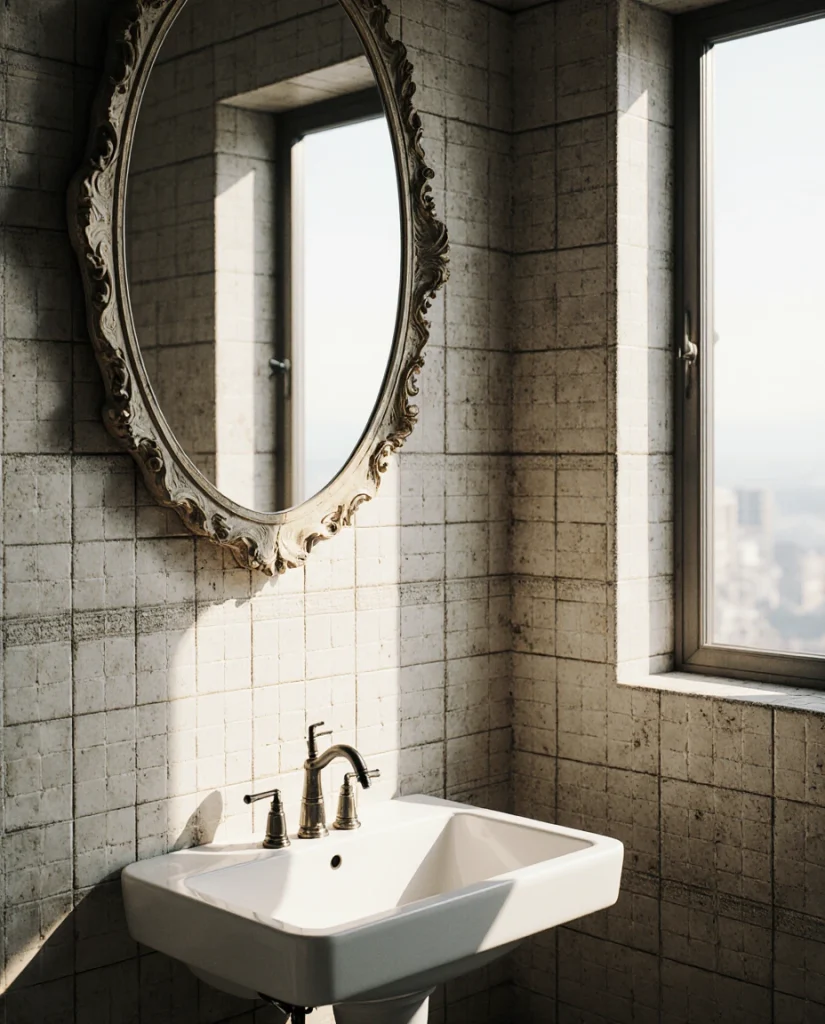
Allowing homeowners to attain vintage-style character at a fraction of the cost, DIY ‘antiqued’ mirror installations are a favorite among renovators of vintage homes throughout the Northeast and South. The timeworn finish of the mirrors adds presence and character history to powder rooms and bathroom vanities. Craft stores sell chemical aging kits to weather modern mirrors to look salvaged from `old world’ estates. 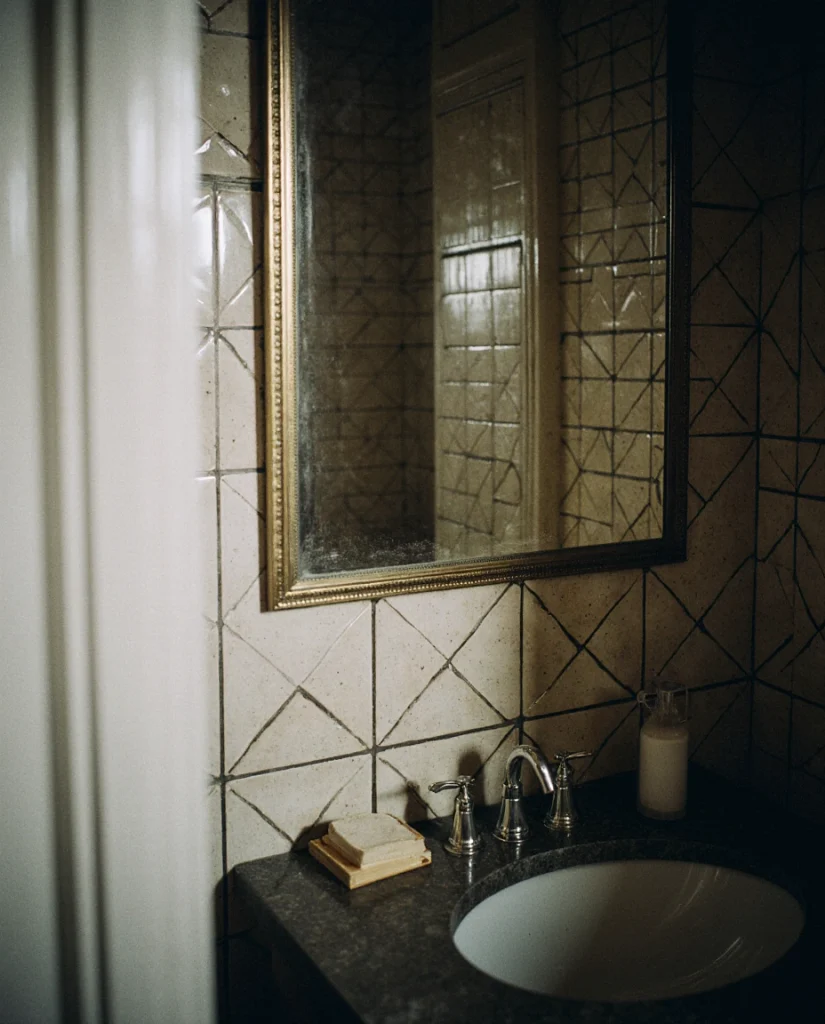
A practical insight: test your aging technique on a small sample mirror before committing to the full wall installation. The chemical process can be unpredictable, with results varying based on room humidity and application method. Many homeowners combine antiqued mirrors with marble countertops and oil-rubbed bronze fixtures to create cohesive vintage-modern bathrooms that feel collected over time rather than bought in a single shopping trip.
16 Oversized Rectangular Statement Pieces
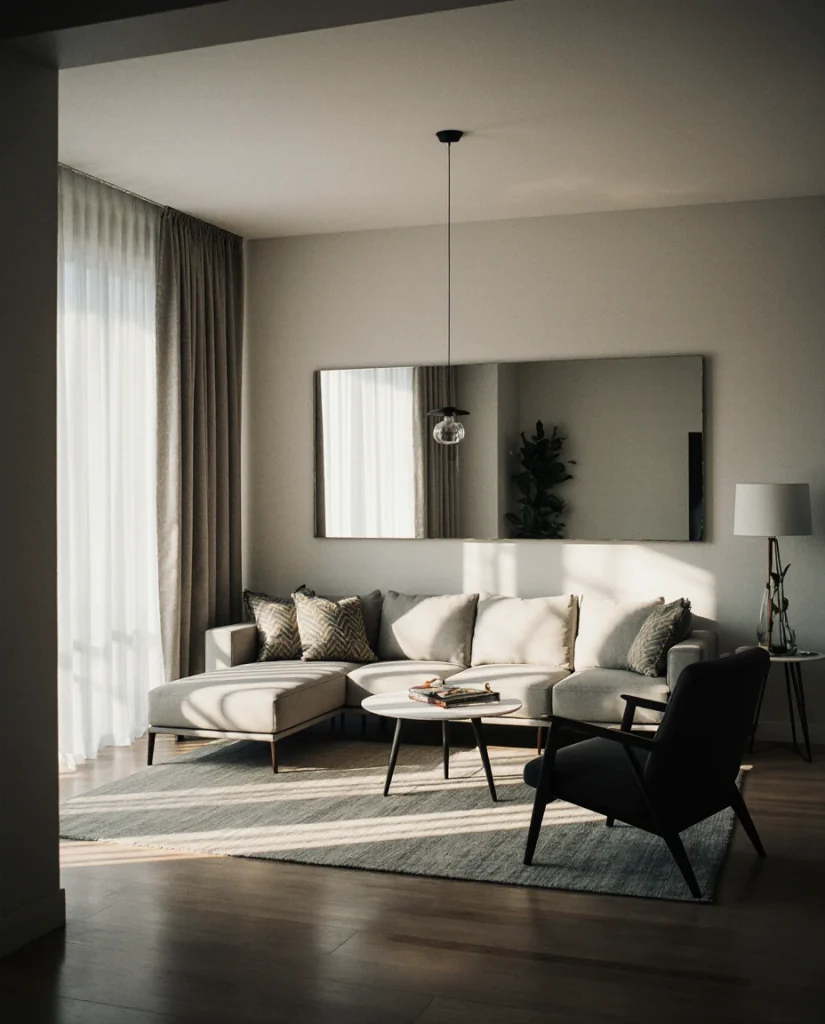
Mounting one dramatic rectangle mirror spanning 4-6 feet creates instant architectural presence in modern living room layouts, particularly effective in homes with minimalist furniture that need a focal point. The expansive reflection visually doubles your space, which is critical in urban condos with limited square footage. Frameless edges maintain sleek lines, while thick wooden borders add warmth to contemporary schemes. 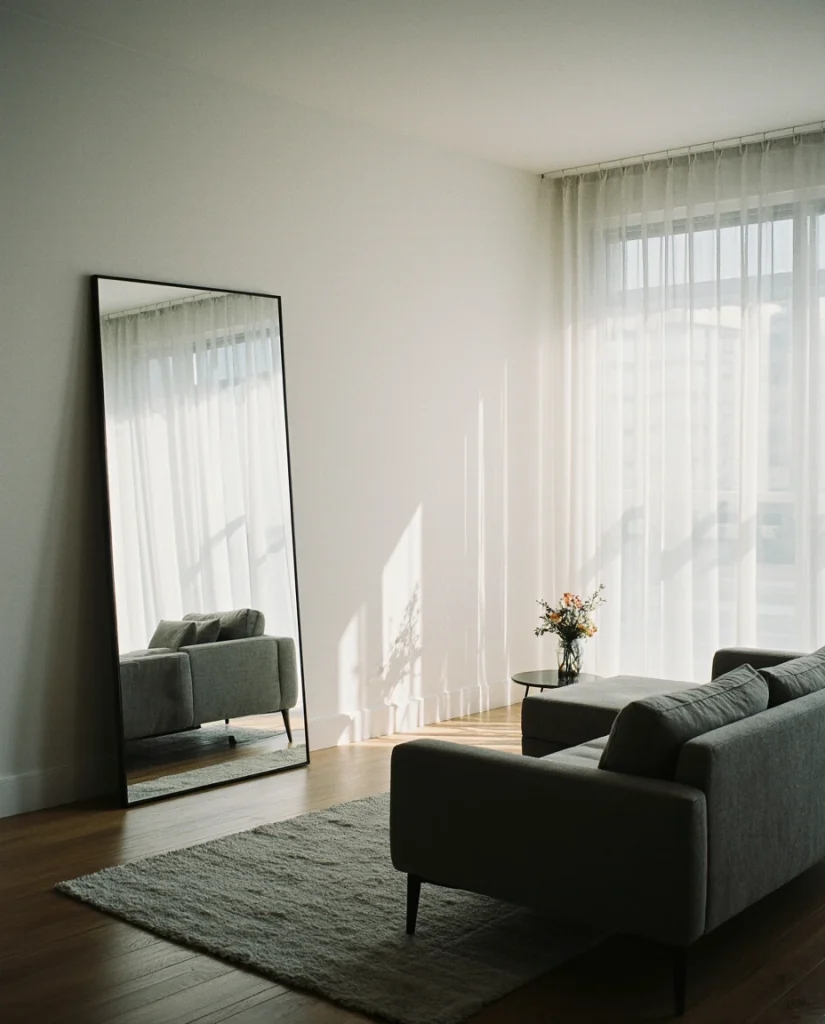
Budget considerations: expect to invest $400-$800 for quality large-format mirrors with professional installation included. The weight requires proper anchoring into wall studs, not just drywall, so factor in mounting hardware costs. Position these opposite windows or in narrow rooms to maximize light reflection—a strategy particularly valuable in brownstones and row houses where natural light enters from limited directions.
17 Geometric Brass-Framed Accent Mirrors
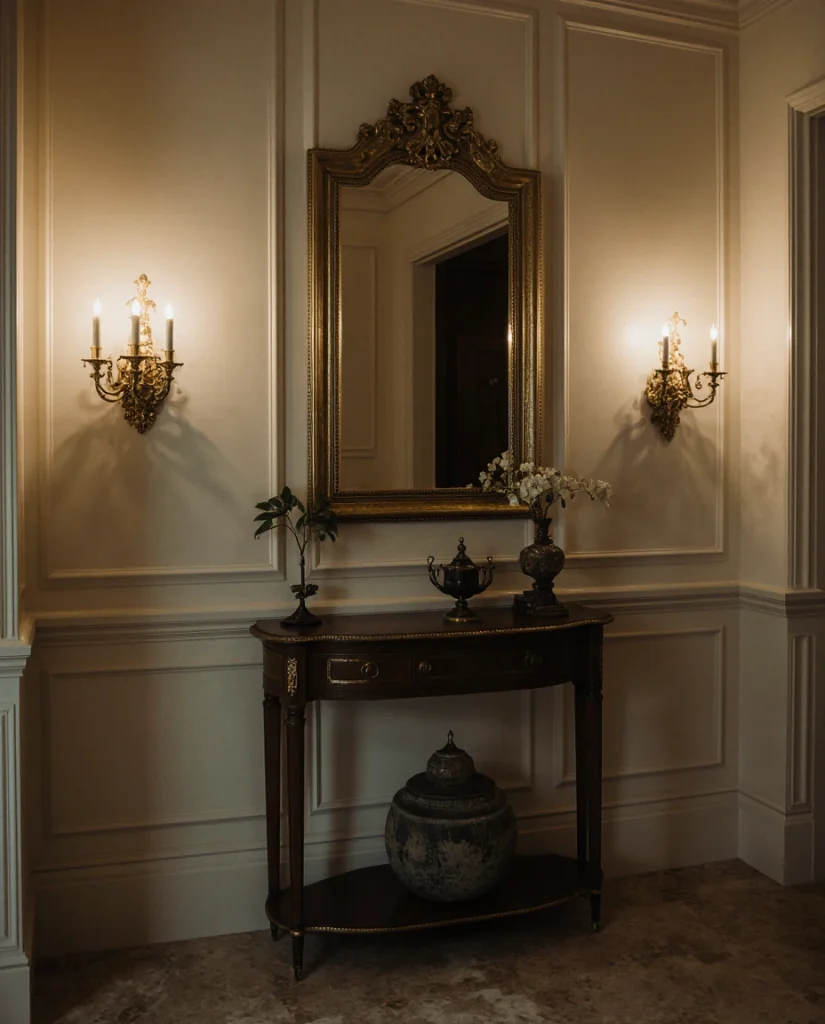
Incorporating hexagon or diamond mirrors with brass frames brings Art Deco glamour to entrance areas and powder rooms, popular in historic districts from Charleston to San Francisco. The warm metallic tone complements both cool and warm palettes, offering versatility as color schemes evolve. Clustered arrangements or solo statements both work, depending on available wall space. 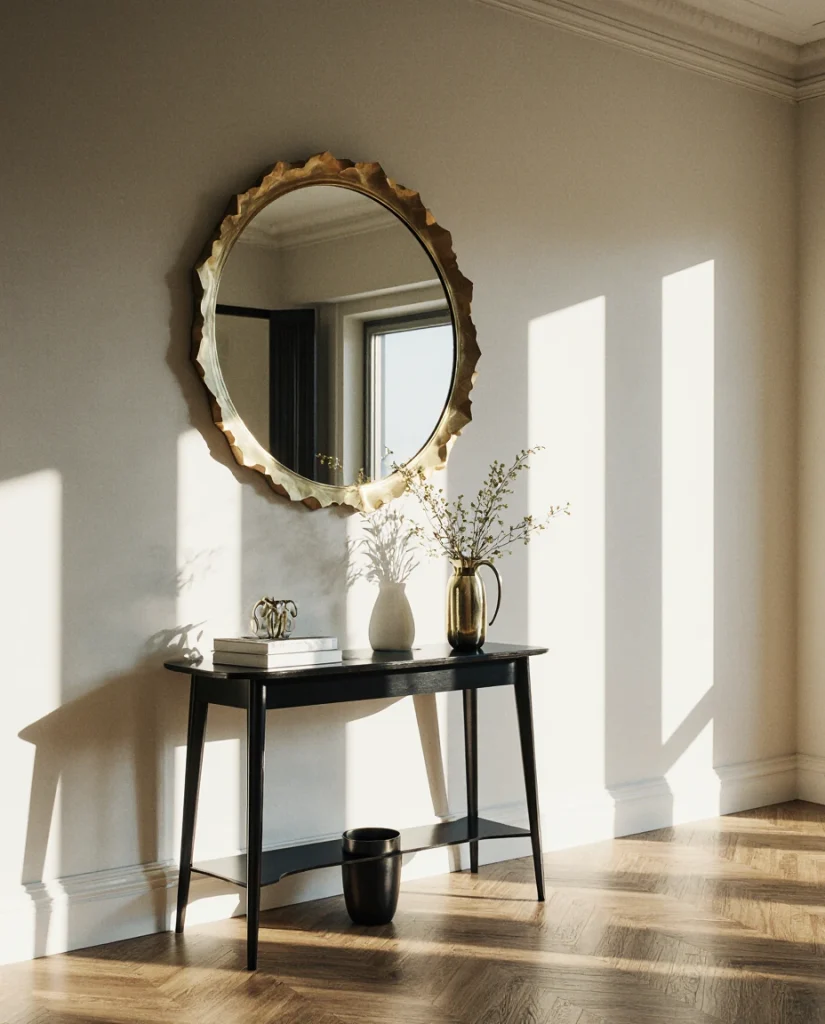
Where it works best: Formal entryways in traditional or transitional homes where you want to signal style immediately upon entering. The brass finish ties together lighting fixtures, door hardware, and cabinet pulls, creating visual cohesion that feels intentional. Avoid mixing brass with chrome or nickel in the same sightline—stick to one metal family per room to maintain polished, designer-quality aesthetics.
18 Frameless Edge-Lit LED Mirrors
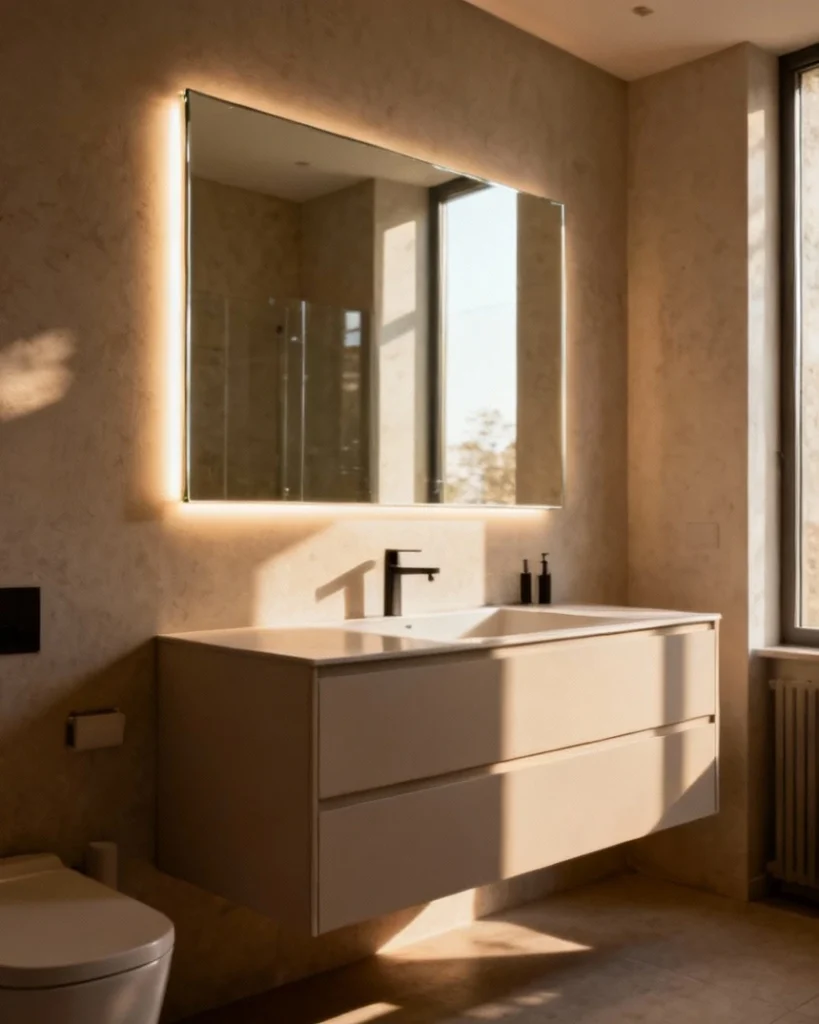
Installing frameless mirrors with integrated LED backlighting modernizes bathroom vanities while providing task lighting for grooming, increasingly standard in new construction across the Sunbelt. The edge glow eliminates harsh shadows typical of overhead fixtures, offering flattering illumination. Minimalist design suits contemporary homes where clean lines and technology integration define the aesthetic.
Common mistakes include choosing LED color temperatures that clash with existing lighting—aim for 3000-4000K for warm white that flatters skin tones and matches residential standards. Many models include dimming features and defoggers, justifying the $300-$600 price premium over standard mirrors. Hardwiring requires an electrician, but the seamless look and enhanced functionality add resale value that appraisers increasingly recognize in updated homes.
19 Multi-Panel Hinged Mirror Screens
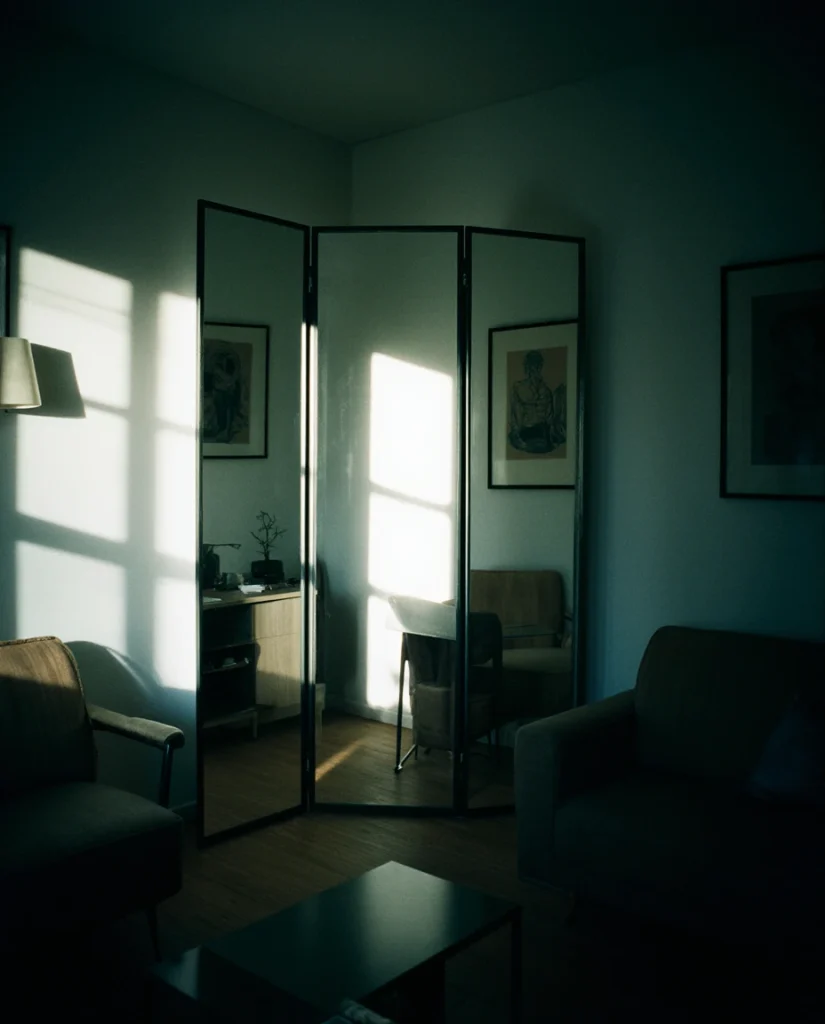
Positioning folding square or rectangle mirror panels creates flexible room dividers in studio apartments and open-plan living rooms—small spaces, simple configurations. The hinged design allows adjustment based on privacy needs and sunlight angles throughout the day. When fully extended, the screen multiplies reflected light; when angled, it creates cozy alcoves within larger rooms.
My colleague recently used a three-panel mirror screen to separate her sleeping area from her home office in a 600-square-foot loft and mentioned how it transformed functionality without permanent walls. The reflective surfaces make both zones feel larger, while the mobility lets her reconfigure based on whether she’s working or hosting. Look for screens with reinforced hinges—cheaper models can sag over time, creating uneven panel alignment that looks sloppy.
20 Vintage-Inspired Ornate Frame Mirrors
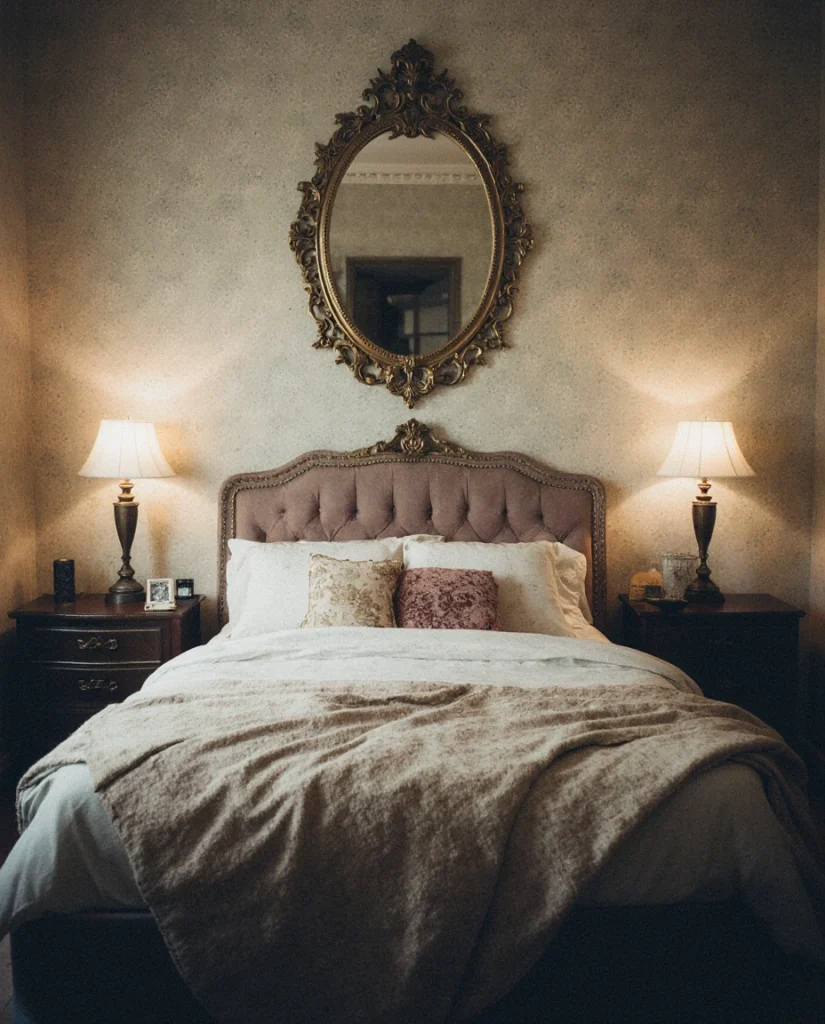
Selecting round or rectangular mirrors with carved wooden frames adds Old World elegance to bedroom aesthetics rooted in European or maximalist styles. Distressed finishes in ivory, sage, or charcoal suit eclectic interiors where mixing eras creates personality. These work beautifully in historic homes across New England and the Mid-Atlantic, where period-appropriate details enhance architectural character. 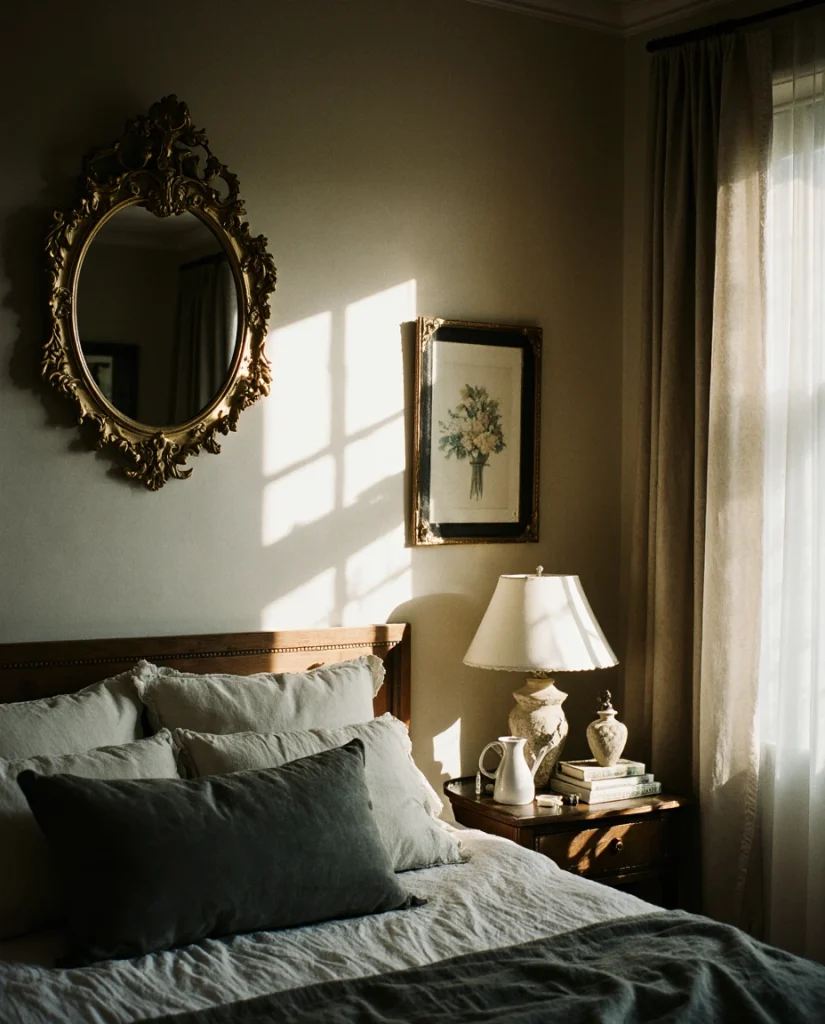
Budget shoppers often find authentic vintage mirrors at estate sales for $50-$200, then refresh frames with chalk paint or new finishes to match current palettes. The ornate detailing provides contrast against modern furniture, preventing rooms from feeling too matchy or catalog-perfect. Position these above dressers or in dressing areas where the decorative frame enhances the getting-ready ritual, adding a touch of everyday luxury to morning routines.
21 Industrial Metal-Framed Pivot Mirrors
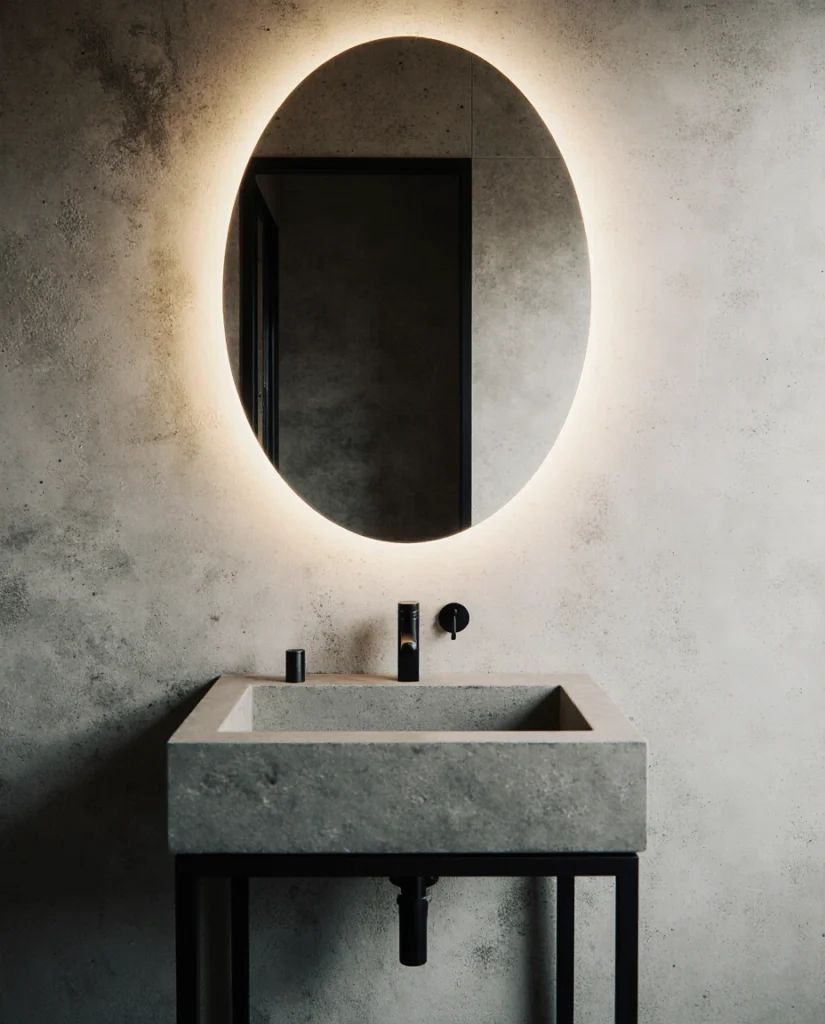
When incorporating pivot mirrors into bathroom renovations, especially when using a matte black or oil-rubbed bronze design, you will achieve the look of modern industrial style. This is a design style frequently seen in loft-style apartments or in urban homes. The pivot feature is great for shared spaces, as it allows for users of different heights to adjust the angle of the tilting mirrors. This is ideal for spaces where exposed hardware and riveted details are more common, such as concrete walls, exposed brick, or metal accents. 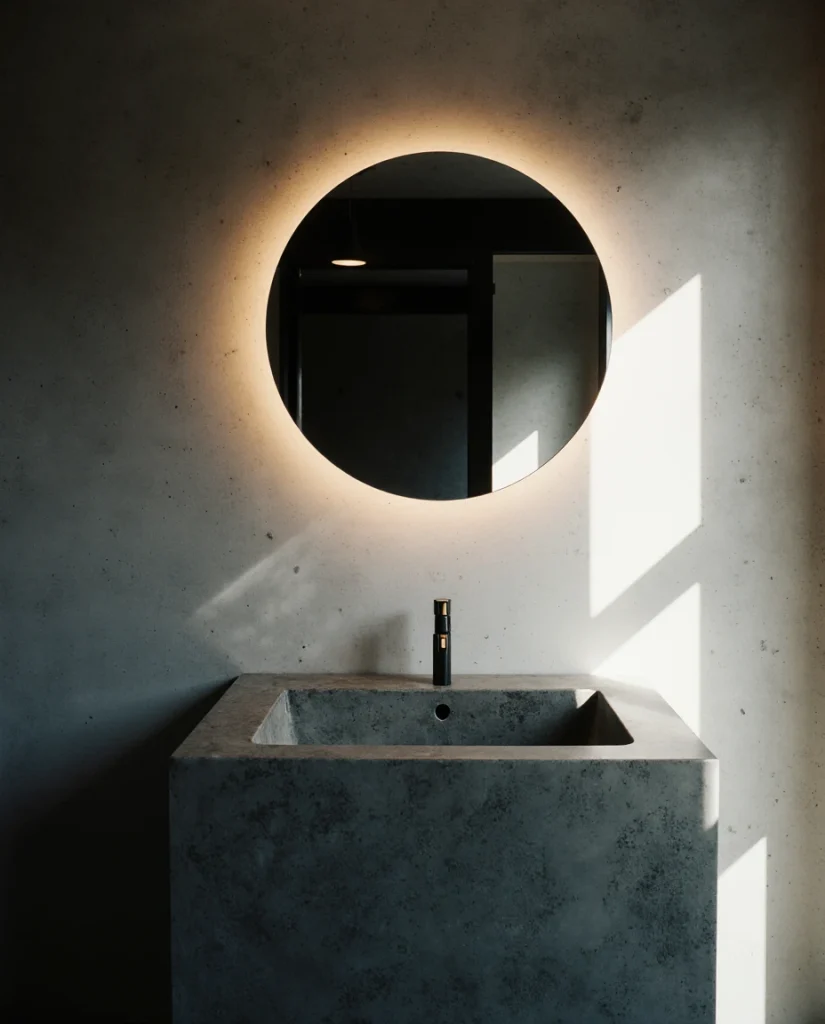
Where it works best: in primary bathrooms of modern farmhouses or refurbished warehouses that have enough space to mix and match materials. The pivot feature is great for families with younger children or wheelchair users, as it allows them to adjust the angle to their height. This is a great feature that is worth the investment for families looking to age in place, as quality pivot mounts add between $100 and $150 to the cost of the mirror.
22 Asymmetric Mixed-Shape Mirror Collages
Combining circle, hexagon, and rectangle mirrors in an asymmetric composition creates gallery-style impact in living room ideas for small spaces where every wall needs to work hard. The varied shapes prevent monotony, while the cohesive finish—all brass or all black—maintains unity. This approach suits eclectic and transitional interiors where blending styles defines the overall aesthetic.
Expert designers recommend laying out your arrangement on the floor first, photographing it, then using that image as a template for wall installation—this prevents costly nail holes from trial-and-error placement. The mix of shapes catches light at different angles throughout the day, creating ever-changing reflections that add life to static rooms. This technique works beautifully above sofas or media consoles where a single large piece might feel too heavy or formal for your lifestyle.
Conclusion
Mirror wall decor in 2026 offers endless possibilities to transform your home with light, space, and sculptural beauty—whether you’re drawn to geometric precision, organic warmth, or vintage charm. These 22 ideas demonstrate how thoughtful mirror placement goes far beyond function, becoming a defining element of your interior personality. Which of these mirror styles resonates with your space, and have you discovered any creative mirror arrangements we didn’t cover? Share your favorite mirror moments and room transformations in the comments below.