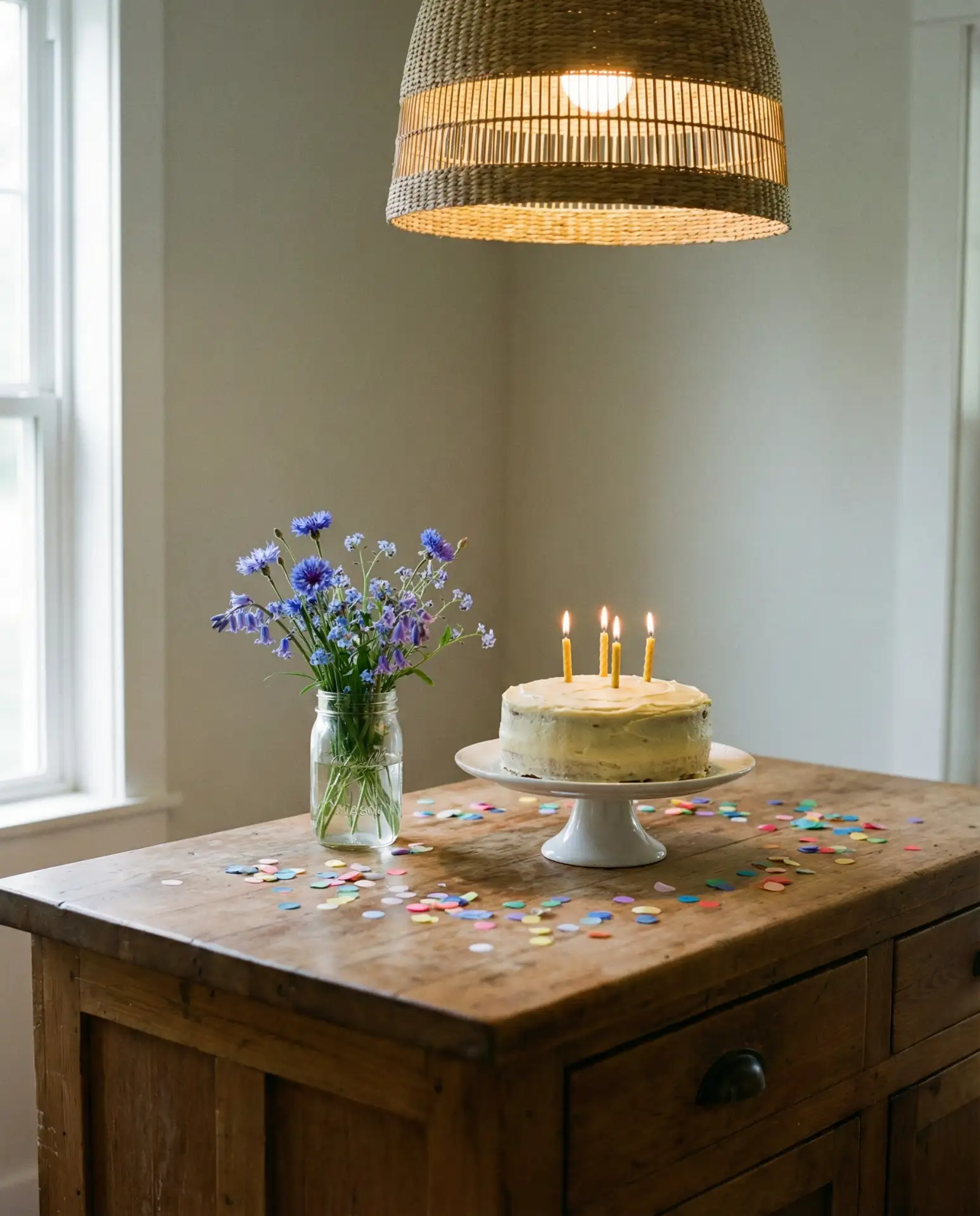
Open-plan living is getting a major refresh in 2026, and Pinterest boards are overflowing with examples that blend style, function, and real-world livability. Americans are increasingly searching for ways to make their kitchens and living rooms feel cohesive without sacrificing personality or practicality. Whether you’re renovating a small apartment, designing a townhouse, or planning a dream barndominium, the key is creating visual flow while defining zones that serve everyday life. This article walks you through fresh, achievable ideas that reflect how people actually cook, gather, and unwind in 2026.
1. Floating Island with Integrated Seating
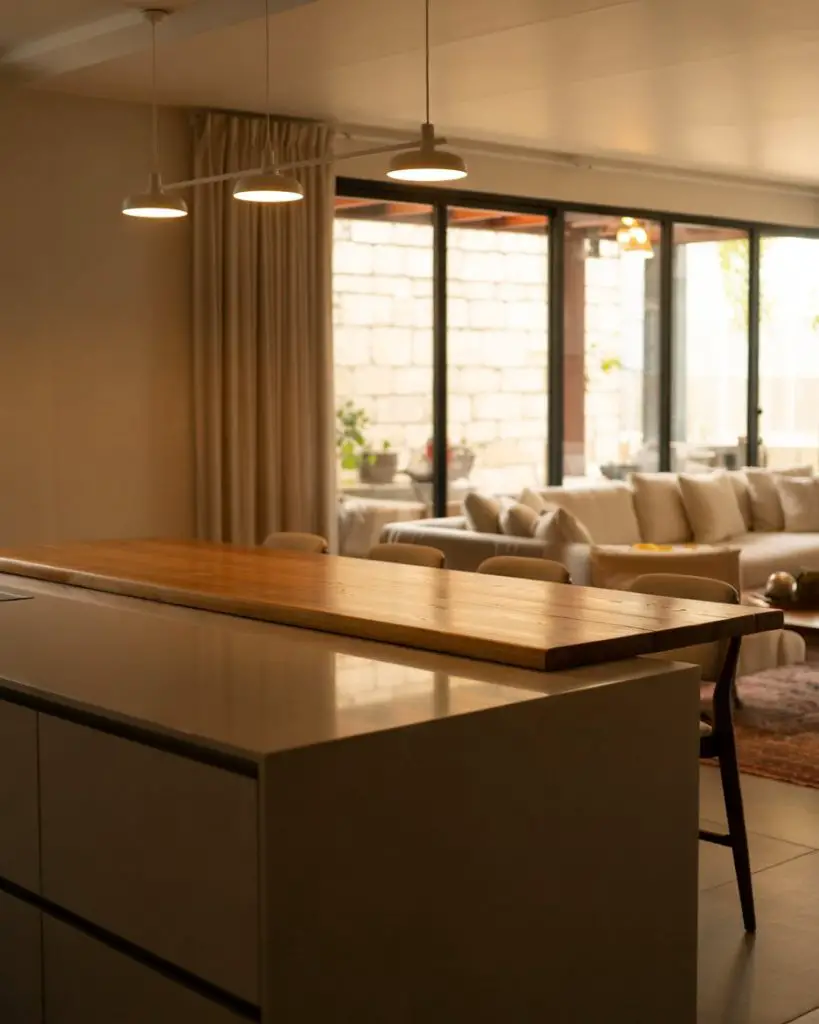
A kitchen island that doubles as a gathering spot is one of the smartest moves for open layouts, especially in small apartments where every inch counts. Instead of a traditional dining room, consider a waterfall-edge island with built-in bench seating on one side. This setup keeps sightlines open between the kitchen and living area while offering a casual spot for coffee, homework, or cocktails. The key is choosing a countertop material that can handle spills and daily wear without looking too utilitarian. 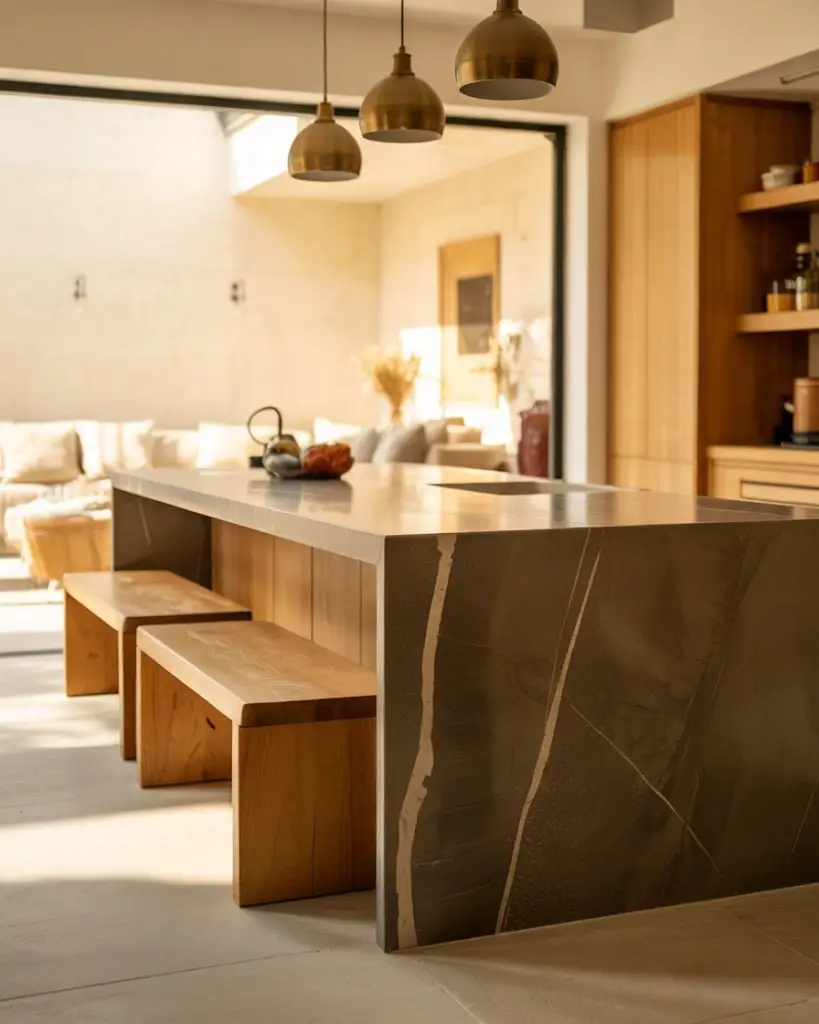
Budget-conscious homeowners often use prefab cabinets with a custom-cut stone or quartz top, saving thousands while still achieving a high-end look. If you’re working with a contractor, ask about remnant slabs—they’re perfect for island projects and often available at half the price of full sheets. The bench seating can be as simple as a padded plywood base with washable cushions, making it easy to refresh the look seasonally without a full remodel.
2. Soft Zoning with Area Rugs
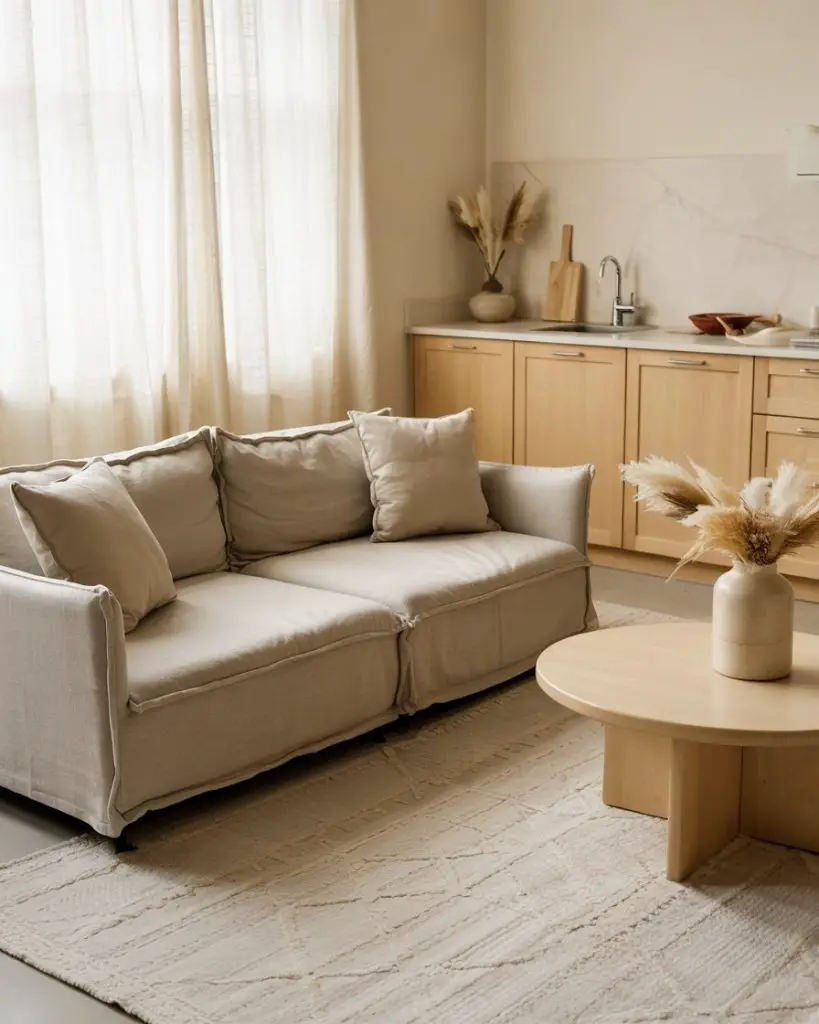
Area rugs are an underrated way to arrange an open kitchen living room without adding walls or permanent dividers. A large jute or wool rug under the couch and coffee table anchors the living zone, while a smaller runner or washable mat near the kitchen island defines the cooking and prep area. This approach works beautifully in Scandinavian-inspired spaces where layering textures creates warmth without clutter. It’s also a renter-friendly solution that you can take with you when you move. 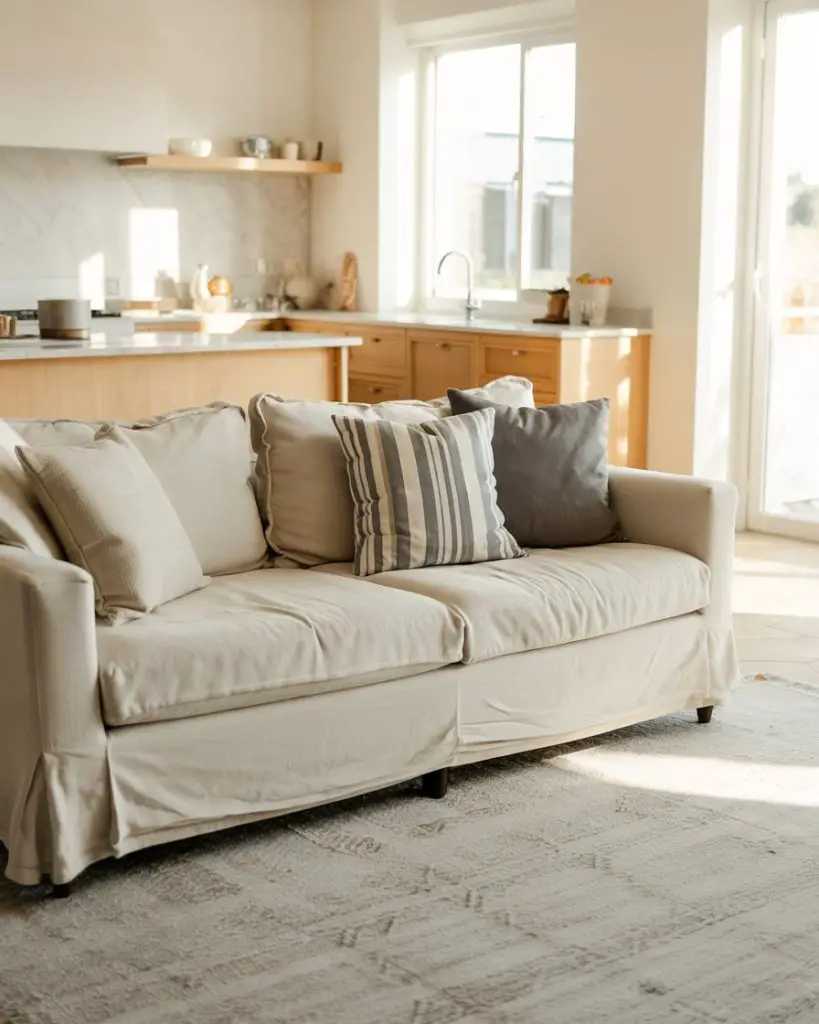
One designer I spoke with mentioned that clients often underestimate rug size—go bigger than you think you need, ideally with all furniture legs resting on the rug’s edge. This makes the space feel intentional rather than like an afterthought. For kitchens, stick with low-pile or flatweave options that won’t trap crumbs, and avoid anything too precious near high-traffic zones. If you have kids or pets, machine-washable rugs are your best friend.
3. Neutral Palette with One Bold Accent
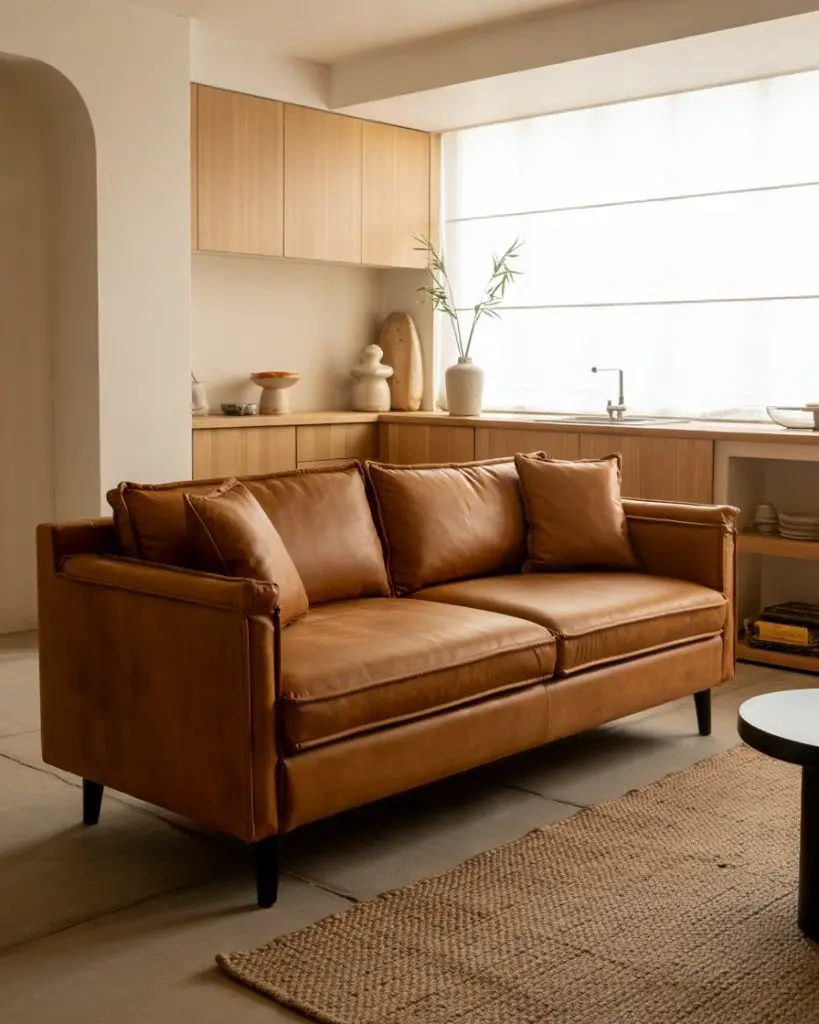
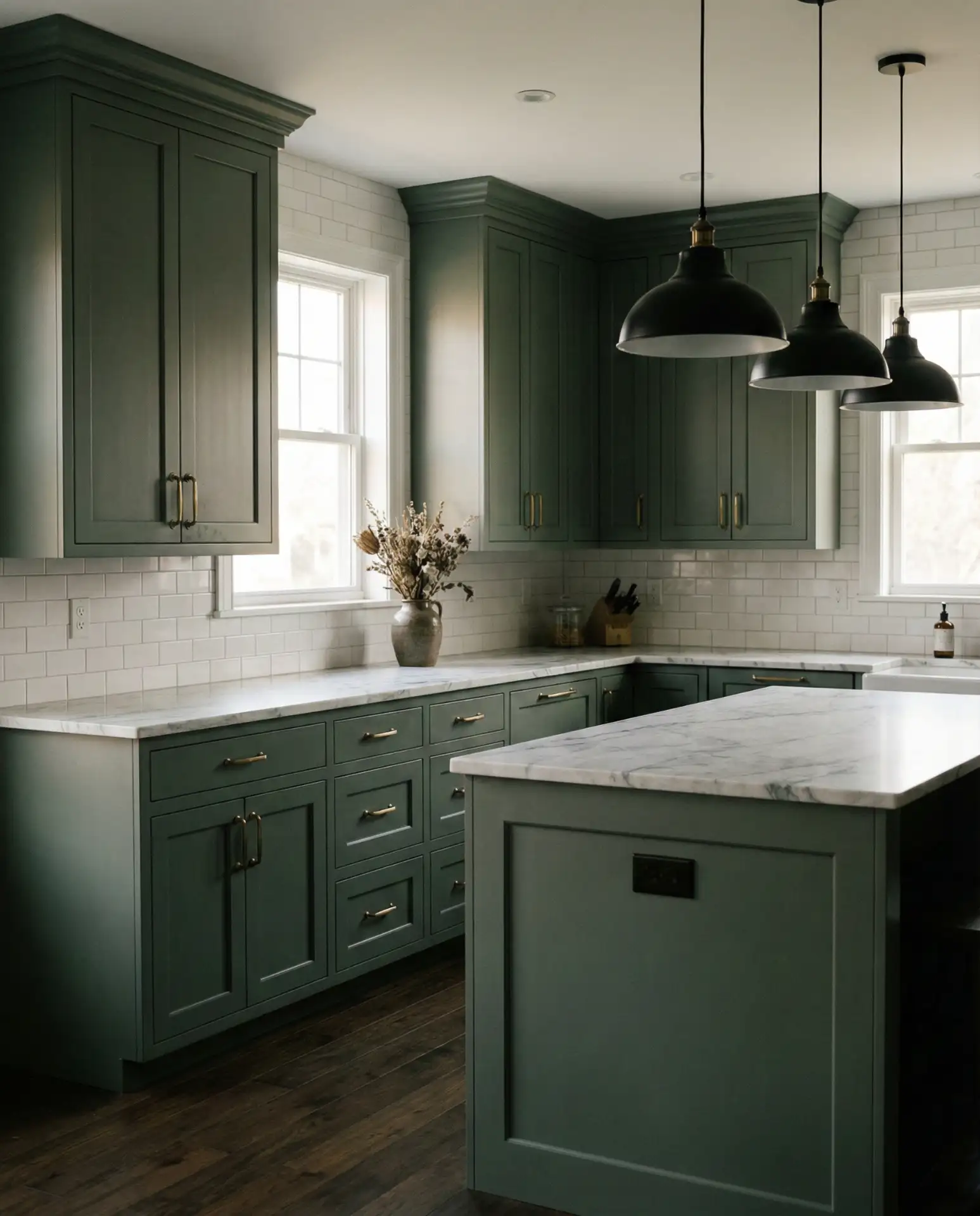
A cohesive color scheme ties open spaces together, and in 2026, the formula is simple: start with warm neutrals and introduce one bold accent color through accessories, artwork, or a single piece of furniture. This works especially well in Japandi interior design, where restraint is part of the aesthetic. Think soft grays, creamy whites, and natural wood tones as your base, then add depth with a rust-colored throw, sage green cabinetry, or a charcoal accent wall behind the TV. 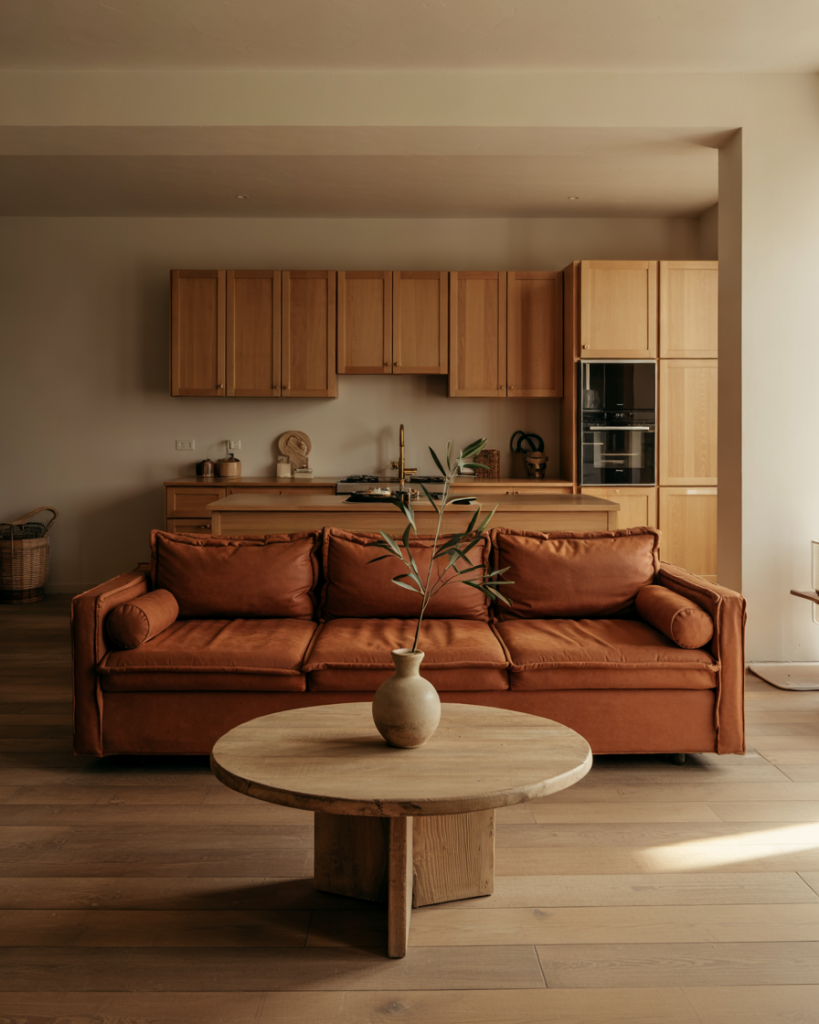
Where this works best: homes with lots of natural light, where neutrals won’t feel flat or dull. South-facing windows in particular amplify warmth, making creams and beiges glow throughout the day. If your space lacks natural light, swap cool grays for warmer taupes and add more ambient lighting through floor lamps and under-cabinet strips. The single accent color should appear in at least three places to feel intentional—pillows, art, and a vase, for example.
4. Open Shelving Above the Sink
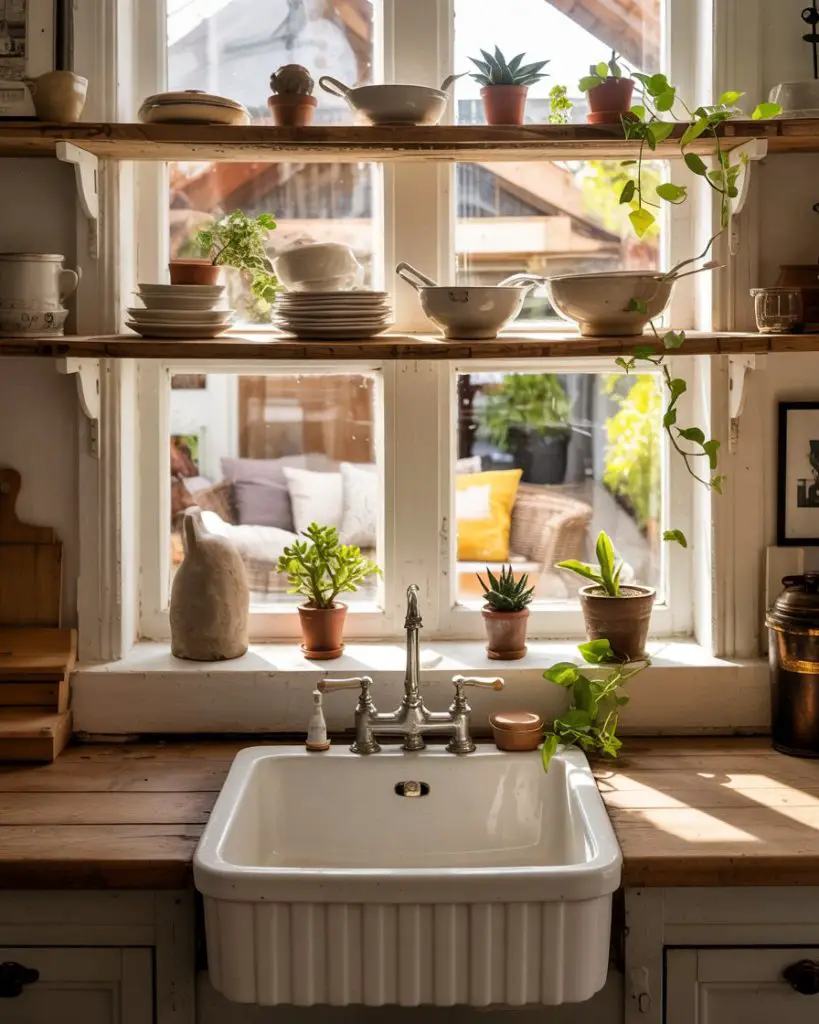
Ditching upper cabinets above the kitchen sink opens up the room visually and creates a natural connection to the living area beyond. Open shelving styled with everyday dishes, glassware, and a few plants feels approachable and lived-in, especially in Scandinavian or farmhouse-inspired kitchens. The trick is keeping it curated—too many items look cluttered, too few feel staged. Aim for a mix of functional pieces and a couple of decorative objects that tie into your overall color scheme. 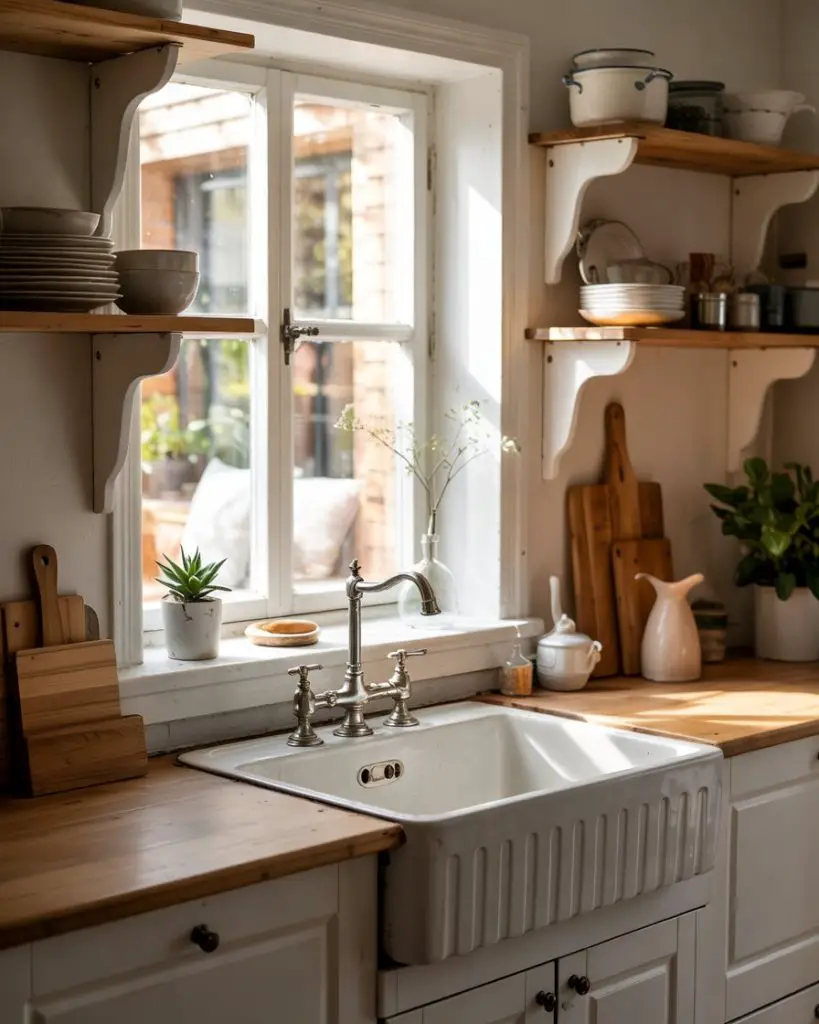
Real homeowner behavior: most people style these shelves beautifully for the first month, then gradually fill them with miscellaneous kitchen odds and ends. To avoid this, designate one shelf for “pretty display only” and keep everyday items on the lower, less visible shelves. If you’re worried about dust, rotate your display pieces seasonally and run them through the dishwasher every few months. It’s also smart to keep anything you use daily—like coffee mugs—in a closed cabinet so you’re not constantly rearranging the shelves.
5. Low-Profile Furniture for Visual Flow
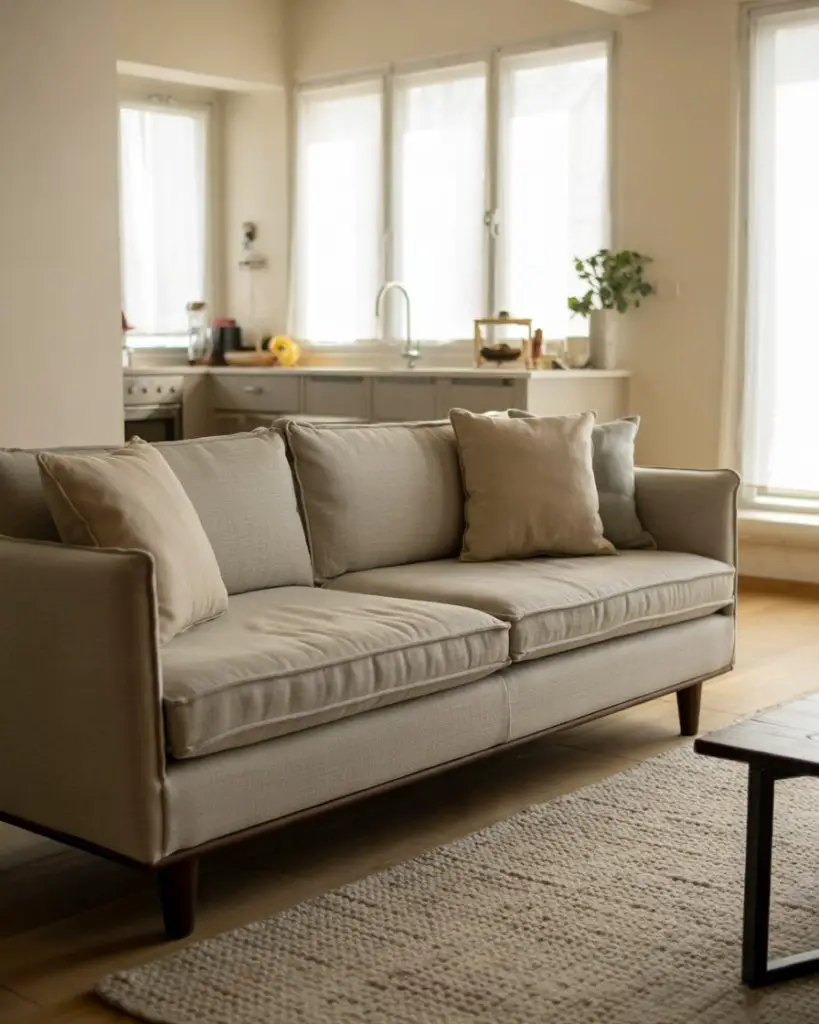
In open floor plan designs, furniture height matters more than most people realize. Low-profile sofas, armchairs, and even dining tables keep sightlines clear from the kitchen to the living area, making the entire space feel larger and more connected. This is especially helpful in small apartment layouts where bulky furniture can block natural light and create visual barriers. Look for pieces with exposed legs and slim silhouettes that let light pass underneath. 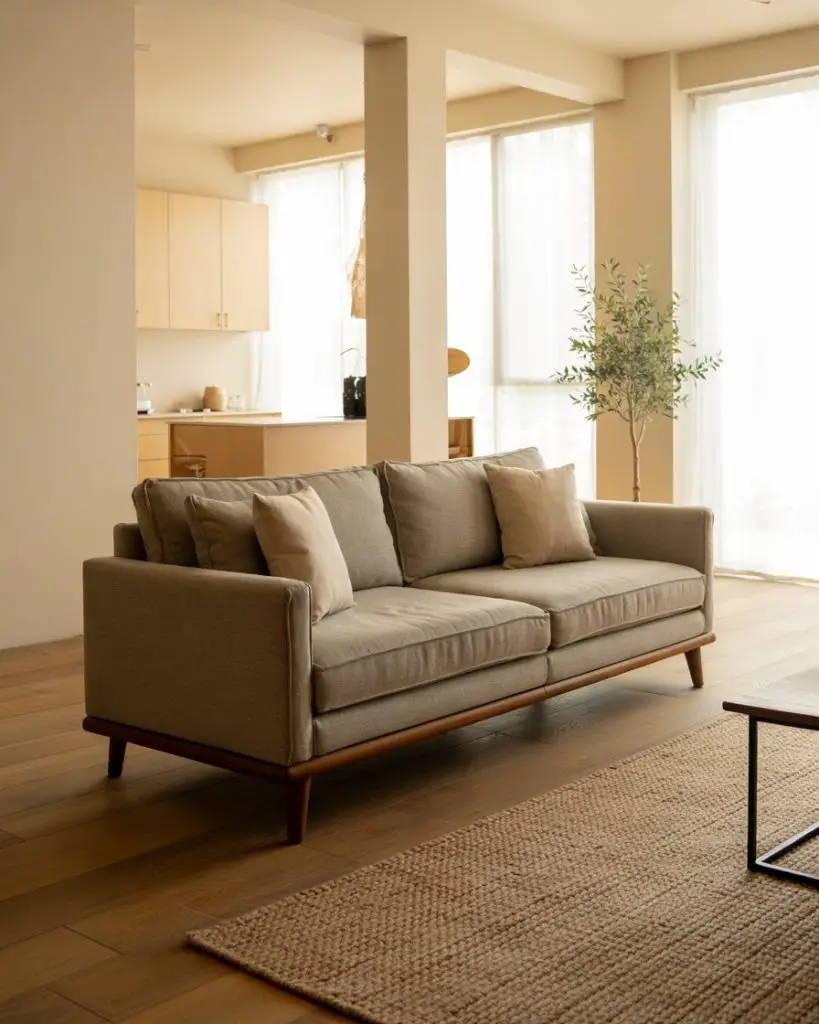
A common mistake is choosing oversized sectionals that dominate the room and make it hard to walk through the space comfortably. Before buying, measure not just the sofa dimensions but also the clearance around it—you’ll want at least 18 inches between the sofa back and any kitchen island or counter. If you already own bulky furniture, consider swapping out just one piece, like a heavy coffee table for a slim glass or acrylic version, to instantly lighten the visual weight.
6. Statement Lighting as a Divider
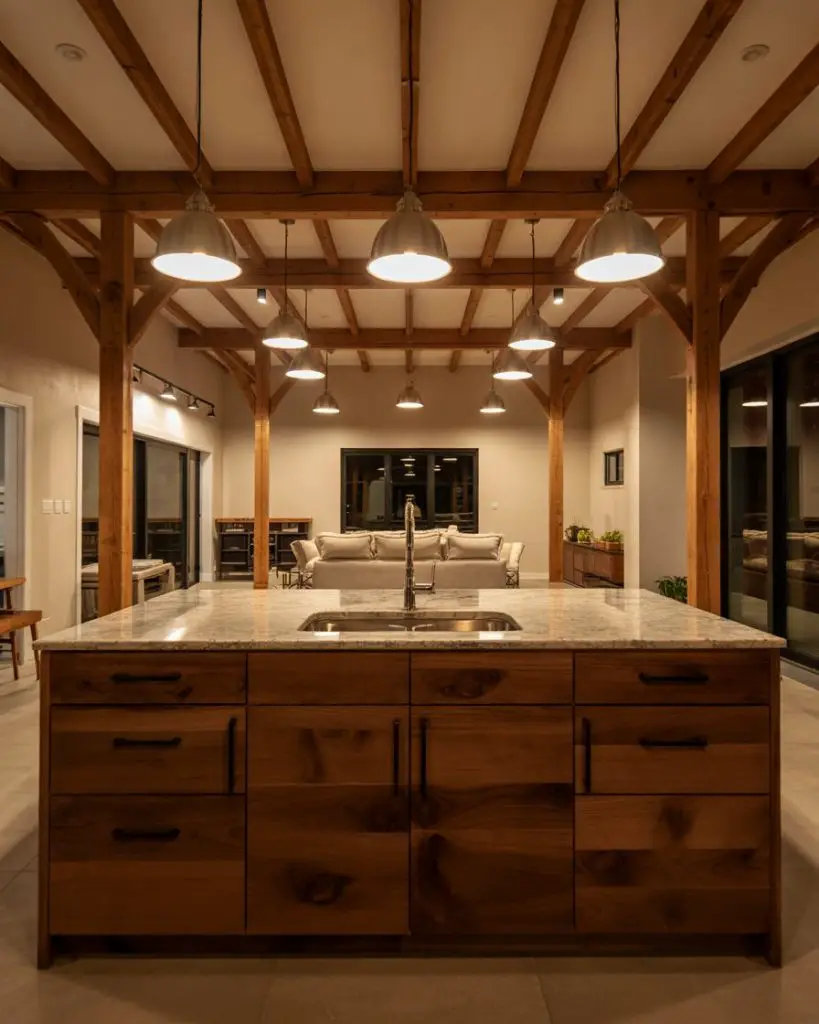
Pendant lights or a dramatic chandelier can define the boundary between kitchen and living spaces without adding physical walls. In barndominium designs, oversized industrial pendants above the island create a clear focal point, while recessed lighting in the living area keeps things subtle. This approach works in both modern and rustic settings, and you can adjust the mood with dimmers to shift from bright task lighting during cooking to softer ambient light for movie nights. 
Practical insight: many homeowners wire their pendants to a single switch, which means you can’t adjust lighting zones independently. Ask your electrician to separate the circuits so you can control the kitchen and living room lighting separately. This makes a huge difference when you’re entertaining—you can keep the kitchen bright for food prep while dimming the living area for guests. LED bulbs are your best bet for pendants since they stay cool and last years longer than incandescent options.
7. Built-In Banquette Seating
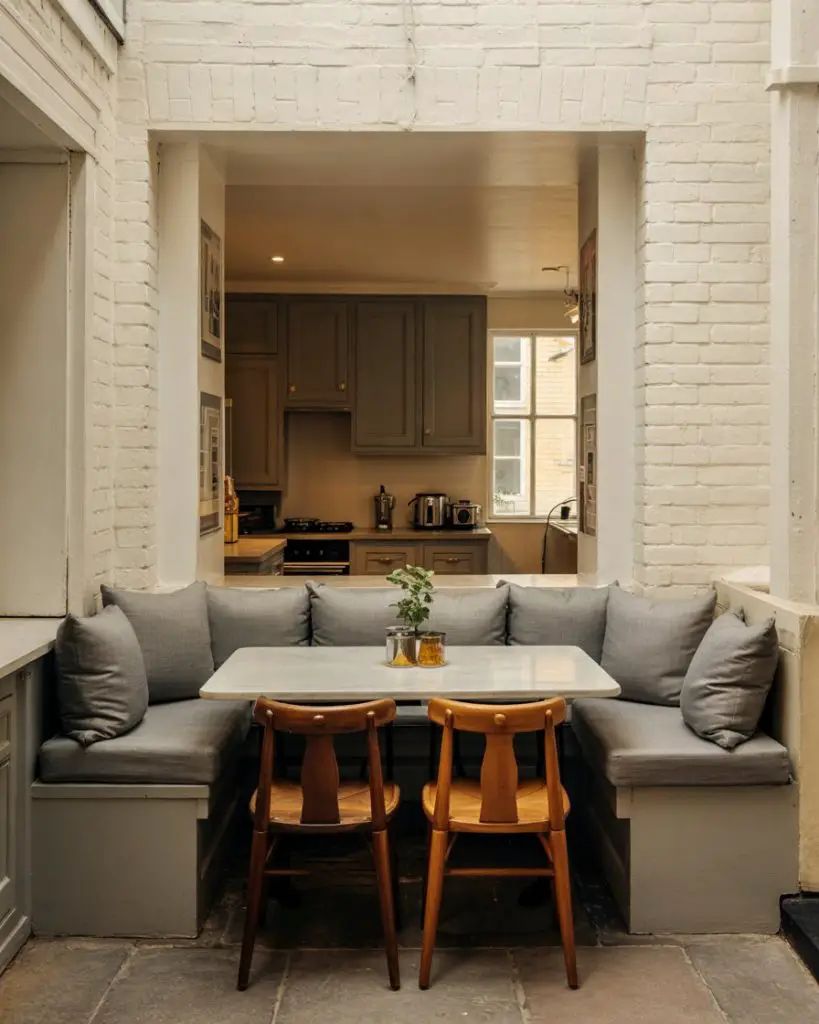
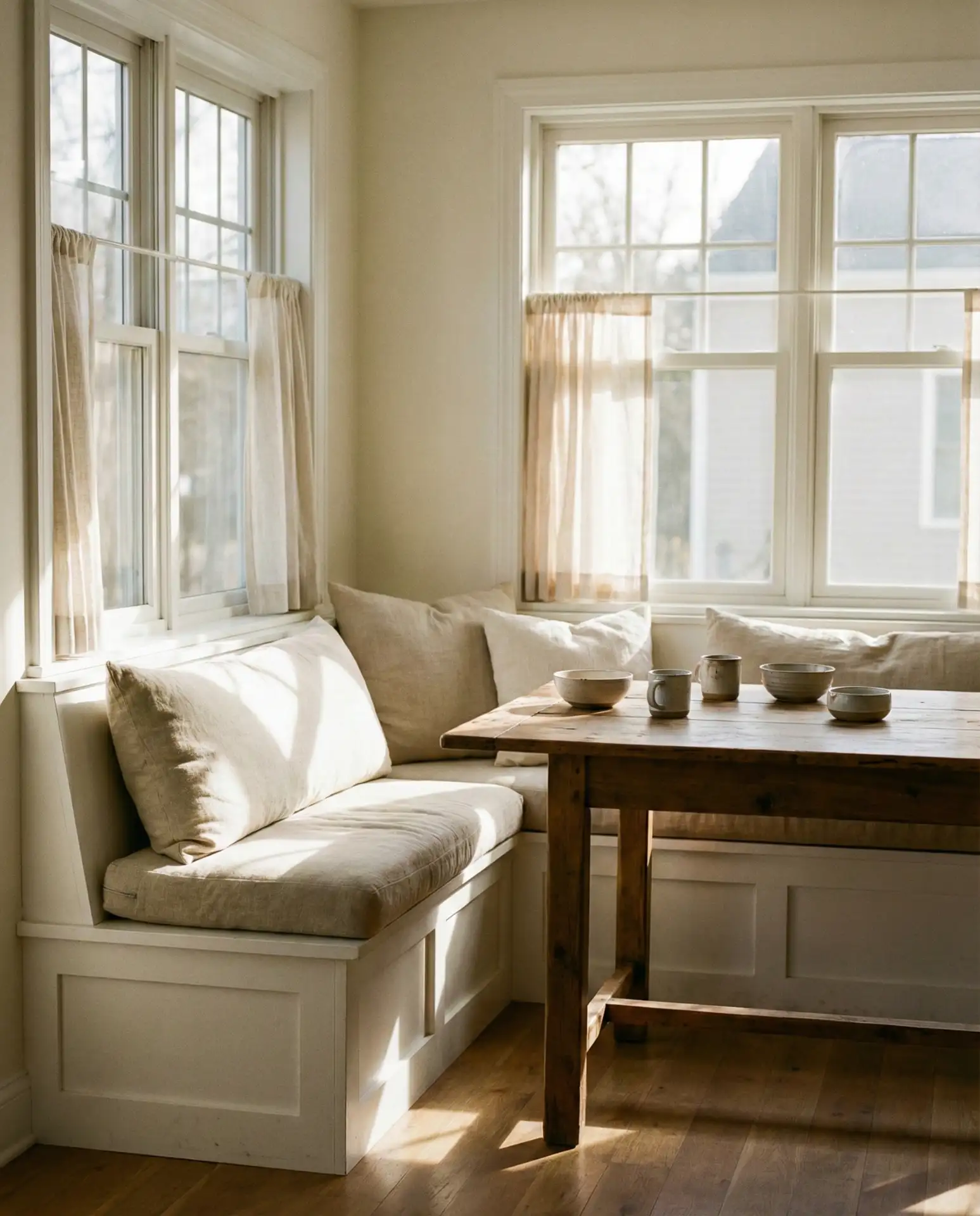
A built-in banquette along one wall can replace a traditional dining room table in open layouts, especially in townhouse designs where square footage is limited. Pair it with a simple table and a couple of chairs on the opposite side, and you’ve got flexible seating that doesn’t visually separate the kitchen from the living area. The bonus? Built-in storage underneath for linens, seasonal décor, or kids’ craft supplies. 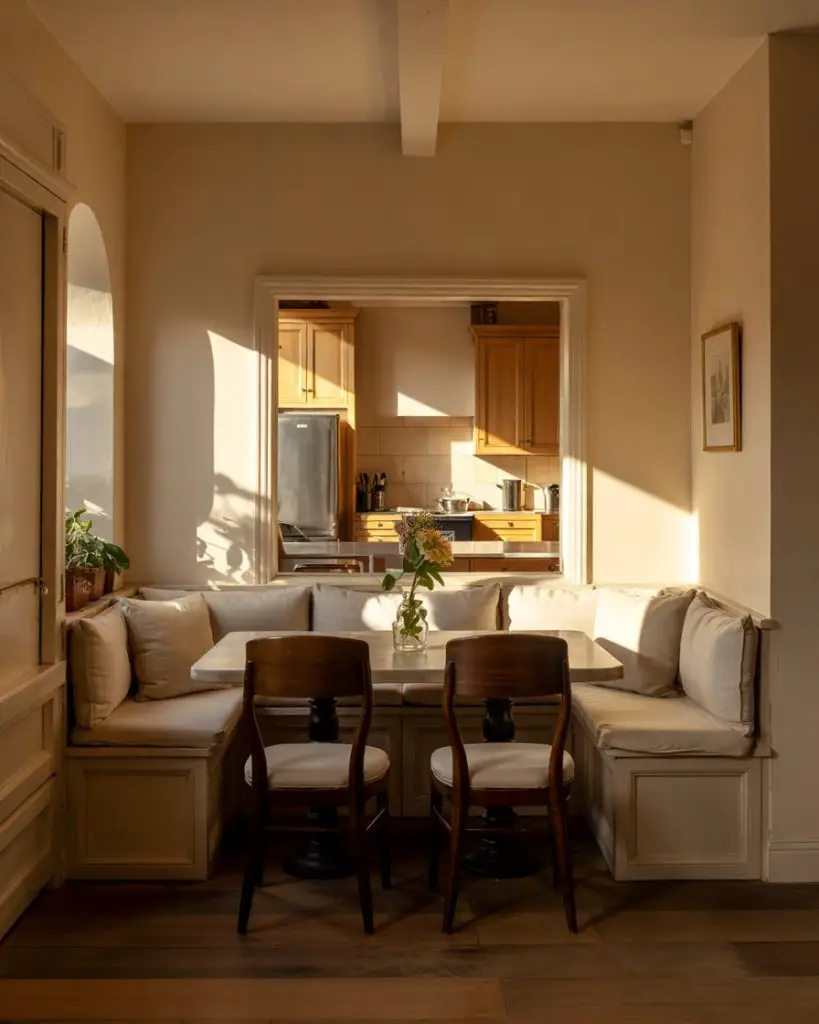
Where this works best: narrow spaces where a traditional dining setup would block foot traffic. The banquette can be as simple as a plywood frame with foam cushions wrapped in durable fabric, or you can go custom with a local carpenter for a tailored fit. If you’re in a region with distinct seasons, choose a fabric that can handle humidity and temperature swings—performance fabrics like Crypton or Sunbrella are surprisingly stylish now and stand up to spills and pet hair.
8. Glass or Acrylic Dining Chairs
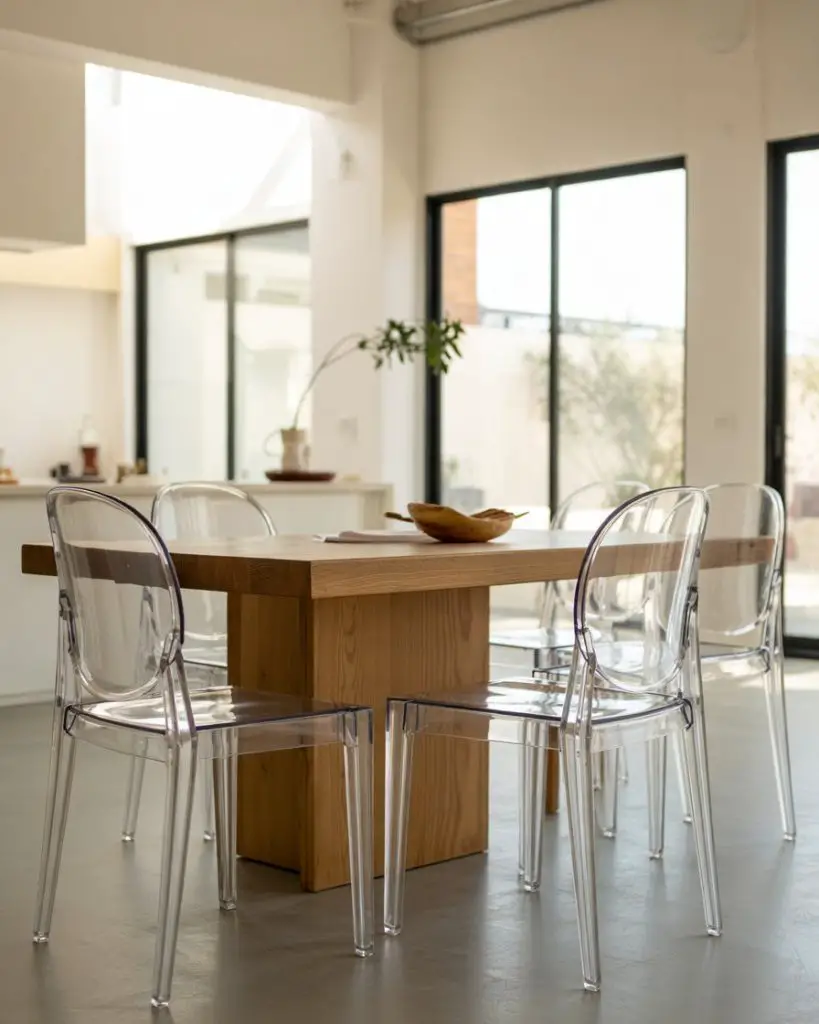
Transparent furniture is having a moment, and for good reason—it takes up physical space without adding visual weight. Swap out solid wood or upholstered dining chairs for clear acrylic or glass versions, and suddenly your open kitchen living room feels twice as airy. This trick is especially effective in small apartment settings where you want the floor plan to feel as open as possible. Pair them with a solid wood or marble table to balance the look. 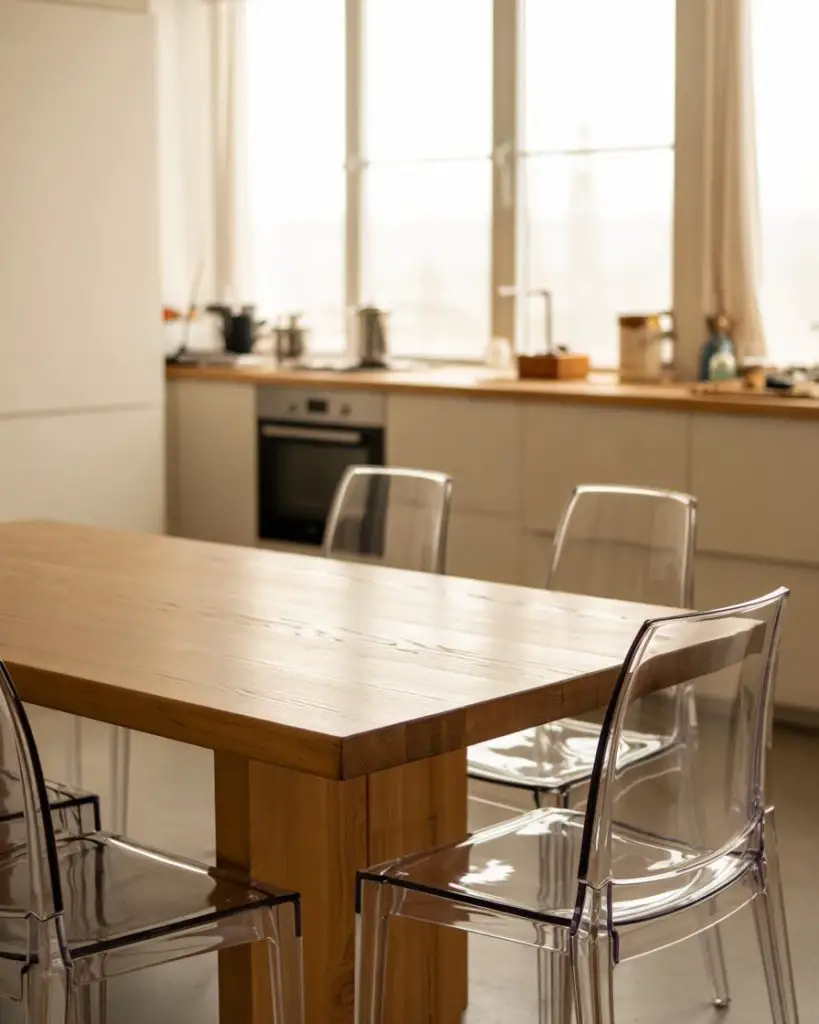
One designer mentioned that clients often worry acrylic chairs will feel cheap or unstable, but quality versions are surprisingly sturdy and comfortable. Look for chairs with reinforced legs and slightly curved backs—these are easier on the body during long dinners. The main downside is maintenance; acrylic shows scratches and smudges easily, so keep a microfiber cloth handy and avoid dragging them across hard floors. Felt pads on the legs help with both noise and surface protection.
9. Matching Cabinetry Across Zones
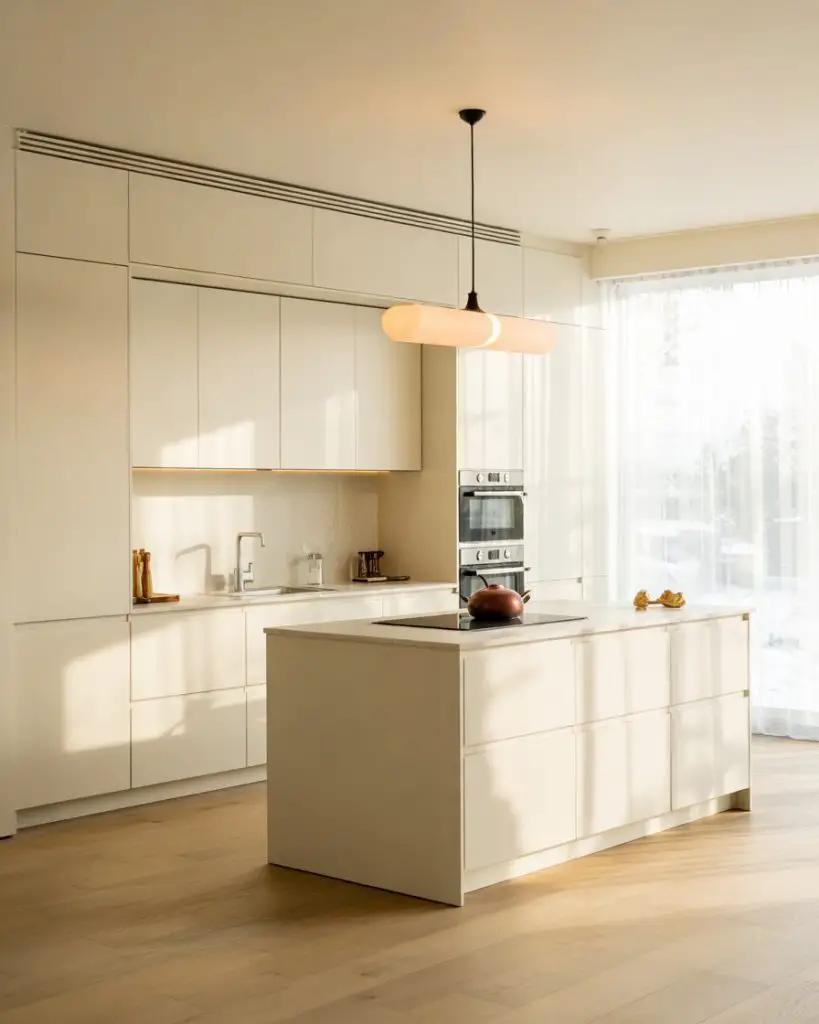
Using the same cabinet style and finish in both the kitchen and any built-ins in the living area creates a seamless look that’s very popular in Scandinavian and Japandi interior design. Think flat-panel cabinets in a matte white or warm oak extending from the kitchen into a media console or bookshelf in the living room. This strategy makes the space feel cohesive and intentional, even if the two zones serve completely different functions. 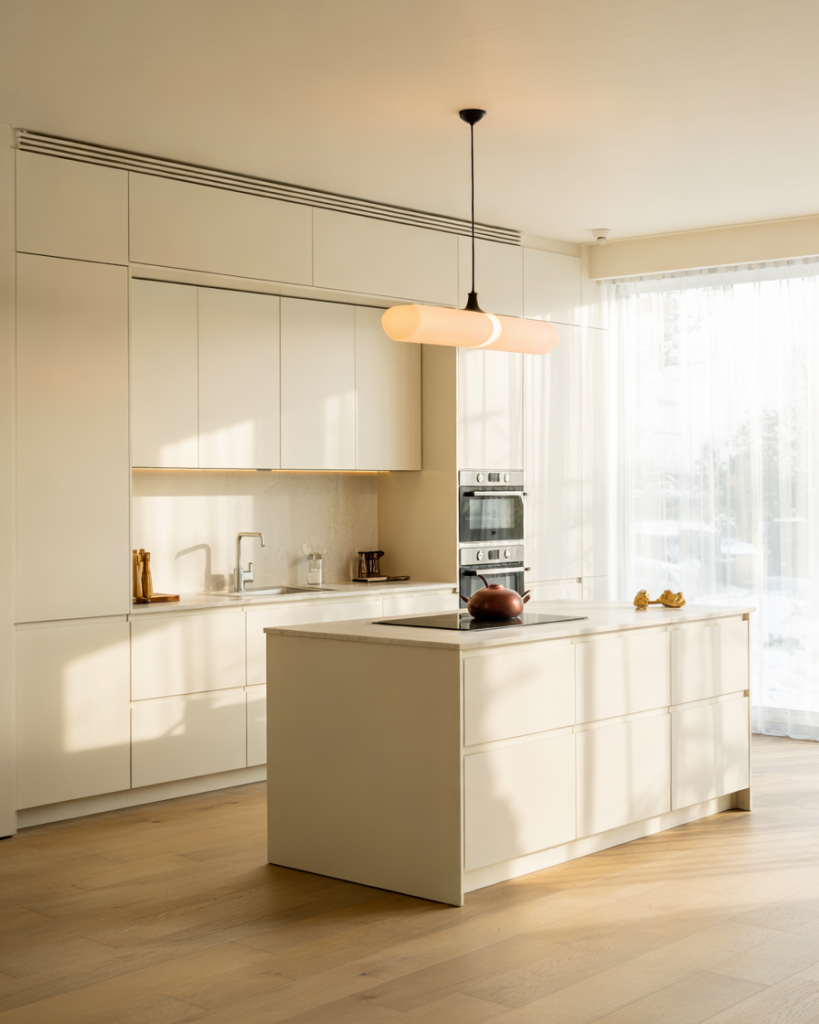
Budget angle: Ikea cabinet systems like Sektion and Bestå are perfect for this approach because you can mix and match components for both kitchen and living spaces at a fraction of custom pricing. The key is planning your layout carefully and ordering everything in one go to ensure finish consistency. If you’re handy, you can even add custom doors or drawer fronts later to elevate the look without starting from scratch. Many homeowners paint or stain stock cabinets themselves to achieve a higher-end appearance.
10. Vertical Slat Dividers
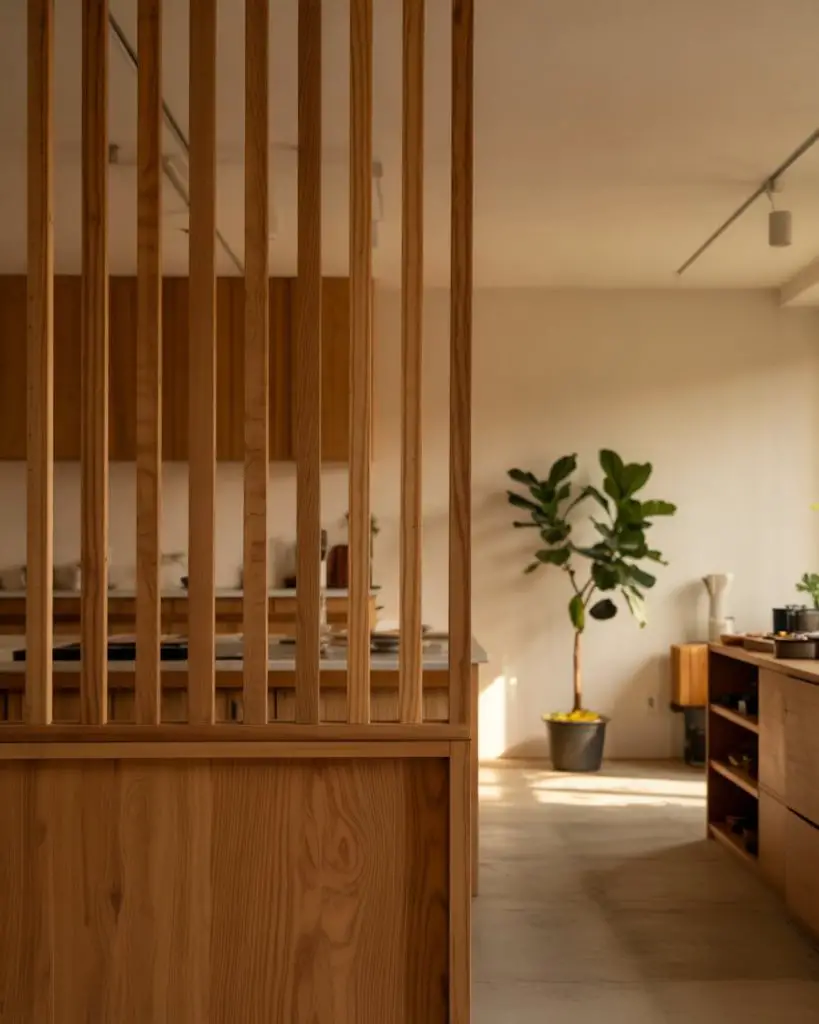
Wooden slat walls or freestanding dividers add texture and gentle separation without closing off the space—ideal for semi-open layouts where you want a hint of privacy between cooking and lounging areas. These work beautifully in modern, Japandi, and even coastal-inspired homes, and they’re easy to DIY with dimensional lumber and a few brackets. Paint them to match your trim or leave them natural for a warmer, organic feel. 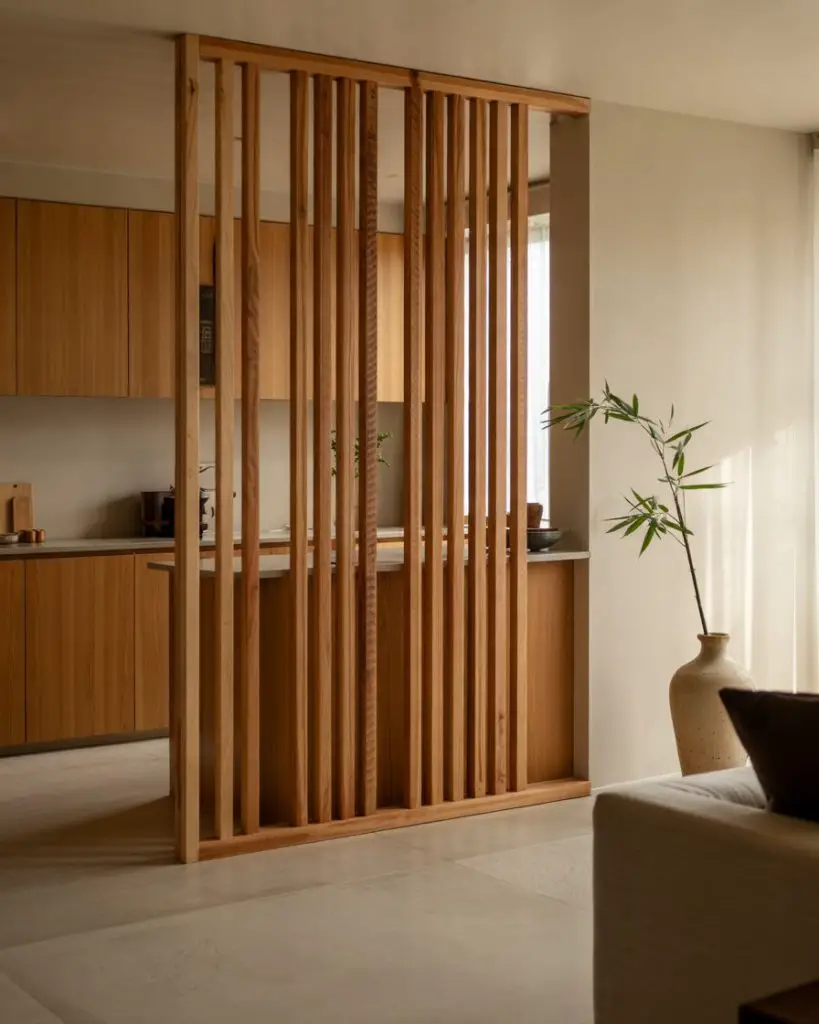
A family in Portland installed a floor-to-ceiling slat wall between their kitchen and living area, and it completely transformed the flow of their home. They mentioned it gave their kids a sense of separation while doing homework on the couch, even though they could still see and hear what was happening in the kitchen. The slats also work as a subtle backdrop for art or shelving on the living room side, adding function without bulk.
11. Warm Wood Tones Throughout
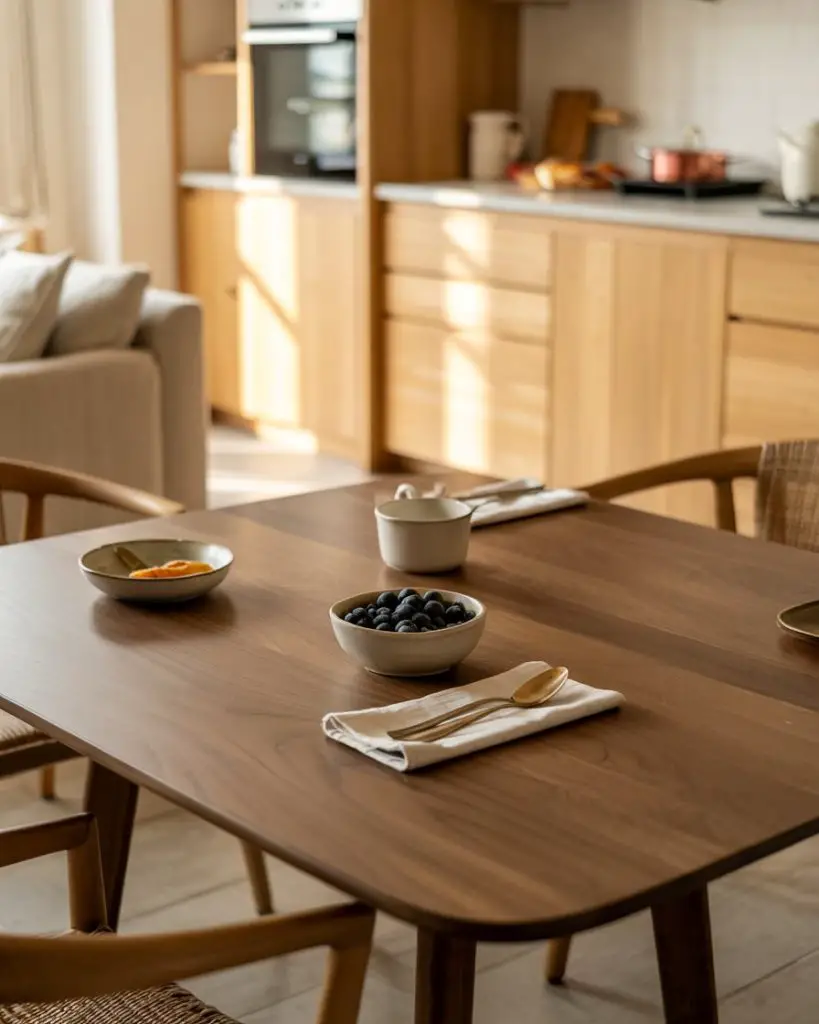
Repeating the same wood finish across flooring, cabinetry, and furniture creates a grounded, cohesive look that’s particularly effective in open floor plan homes. White oak, walnut, and lighter ash tones are all trending in 2026, and they pair beautifully with both modern and traditional styles. The trick is varying the application—smooth cabinets, textured flooring, and maybe a live-edge dining table—so the space doesn’t feel monotonous.
Expert-style commentary: mixing wood tones used to be considered a design faux pas, but in 2026, it’s more about ensuring the undertones align—cool grays with cool grays, warm honeys with warm honeys. If you’re unsure, bring samples home and view them together in your actual lighting before committing. Natural light can shift how wood reads throughout the day, so check morning, noon, and evening to see if the tones harmonize. Many designers now recommend staying within a two-tone range to keep things feeling intentional.
12. Open Shelving in the Living Room Too
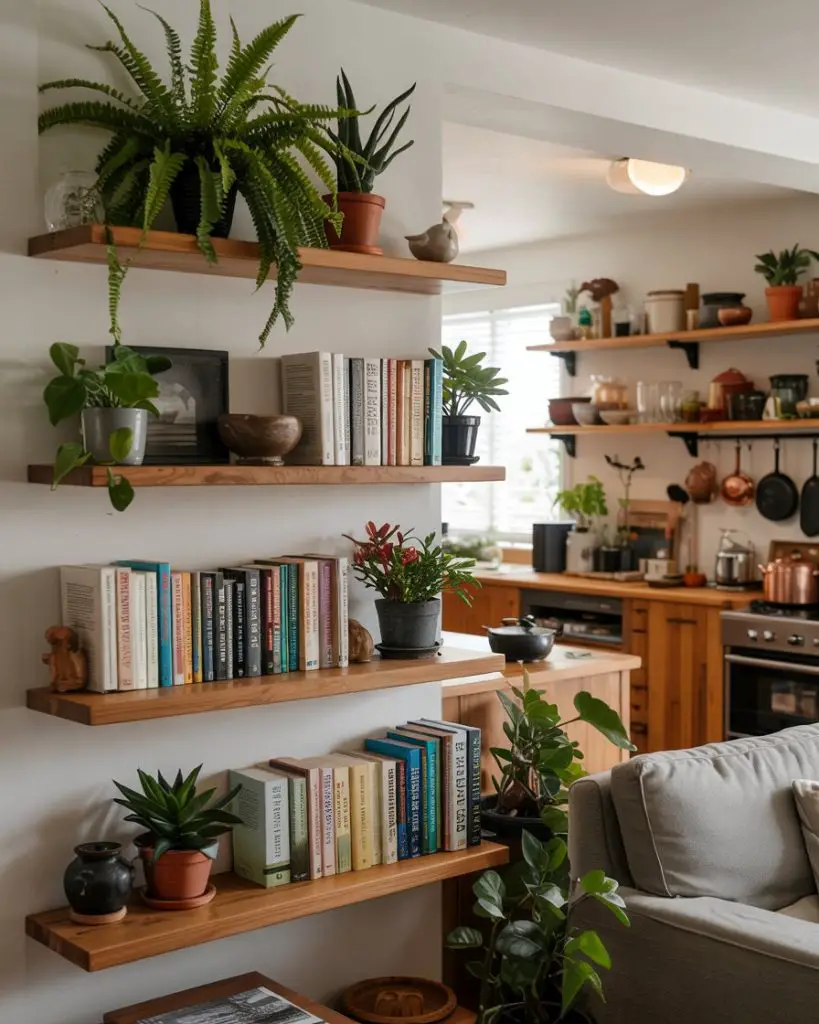
If you’ve got open shelving in the kitchen, echo that concept in the living area with a simple bookshelf or wall-mounted shelves. This creates visual rhythm and makes the whole space feel more curated. It’s a smart move in small apartment and townhouse layouts where closed storage can feel heavy. Style the shelves with a mix of books, plants, and a few decorative objects that tie into your kitchen’s color palette. 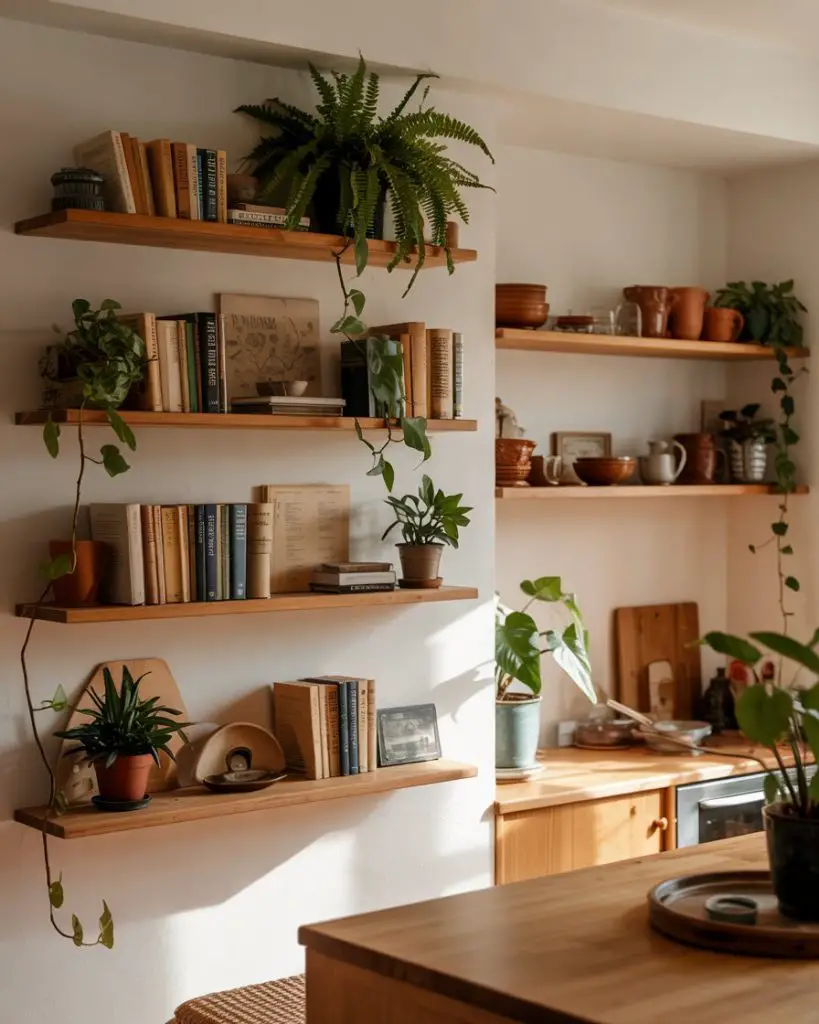
Real homeowner behavior: people tend to over-style these shelves at first, then let them get cluttered with mail, remotes, and random everyday items. To keep them looking good, use baskets or boxes on the lower shelves for corralling the messy stuff, and reserve the upper shelves for your curated display. Rotate your décor seasonally—swap in branches in fall, white ceramics in winter, bright florals in spring—to keep the space feeling fresh without a major overhaul.
13. Statement Backsplash that Extends into the Living Area
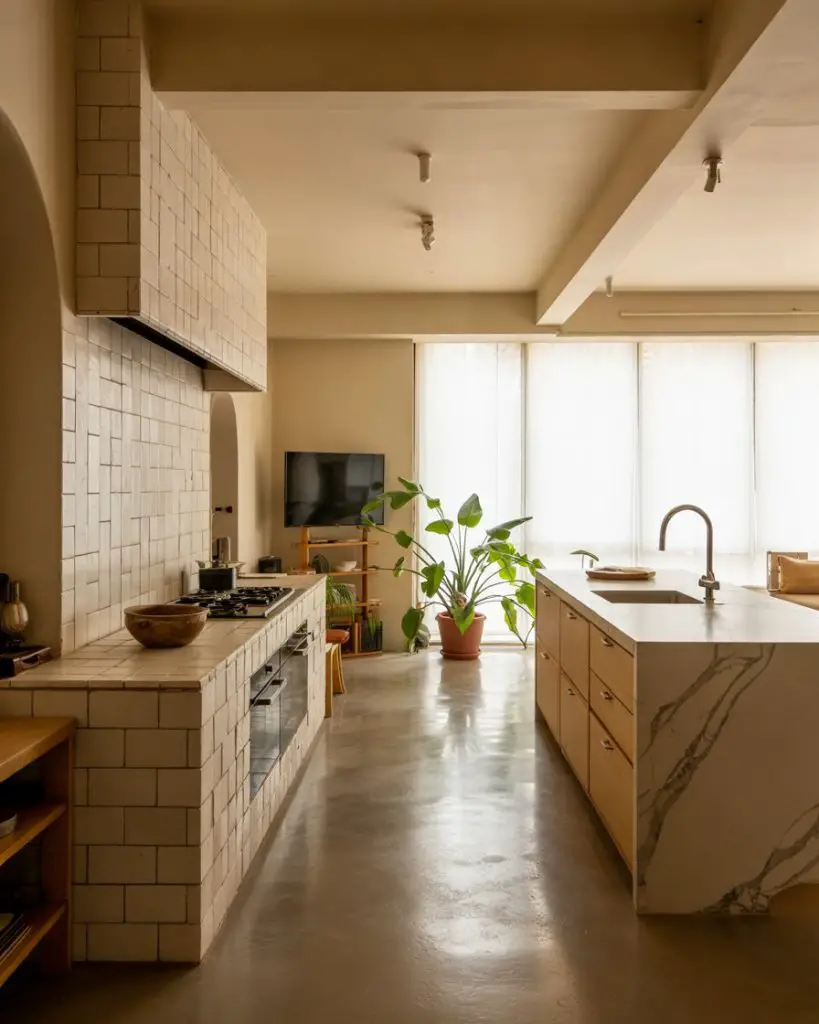
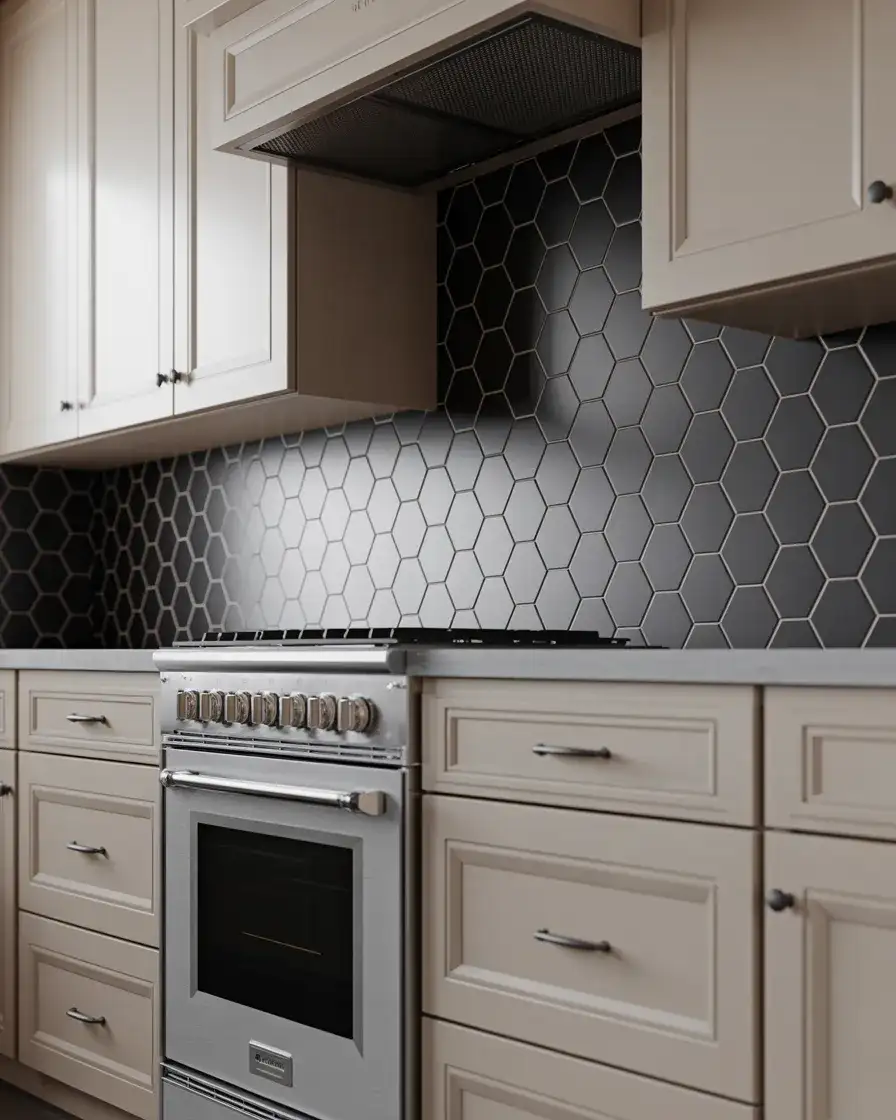
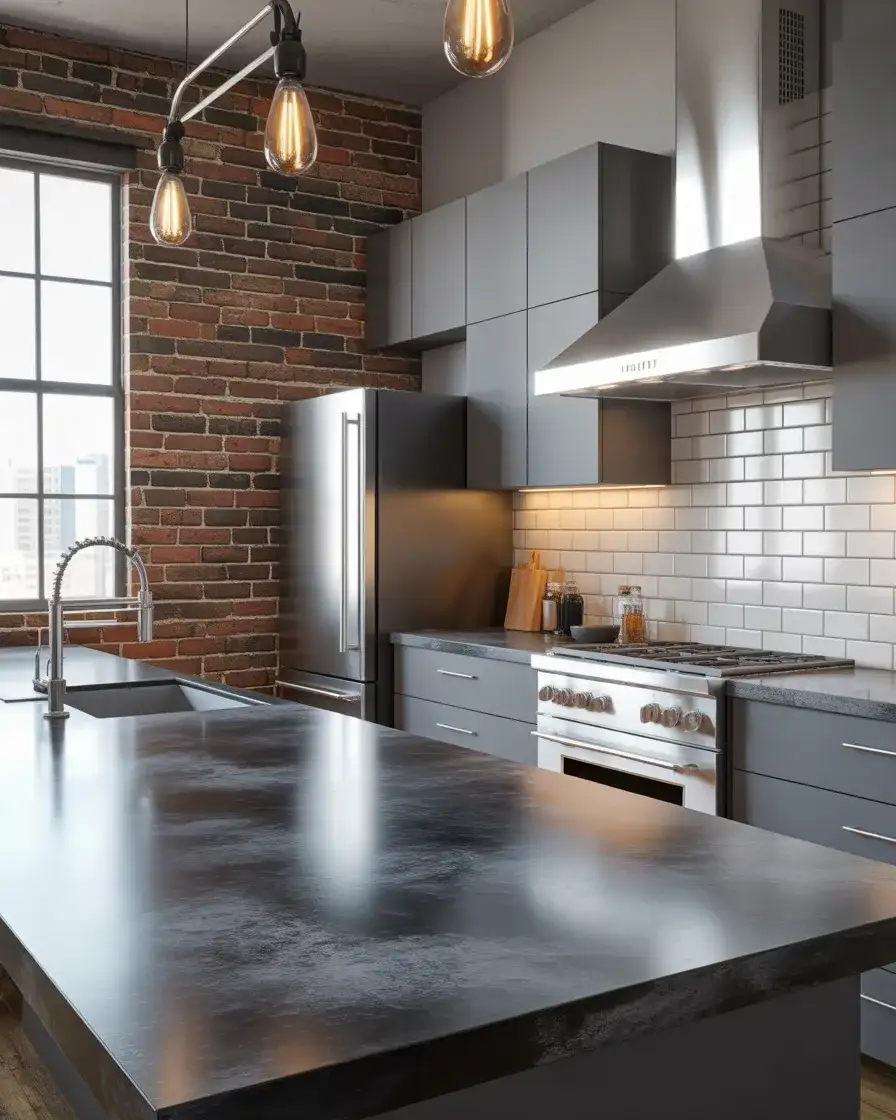
A bold backsplash doesn’t have to stop at the kitchen—consider extending it along a partial wall or as a feature behind the TV to tie the two zones together. Subway tile, zellige, or even a slab of natural stone can become a unifying design thread that makes the open floor plan feel intentional. This approach is especially striking in barndominium and loft-style homes with exposed structure and high ceilings. 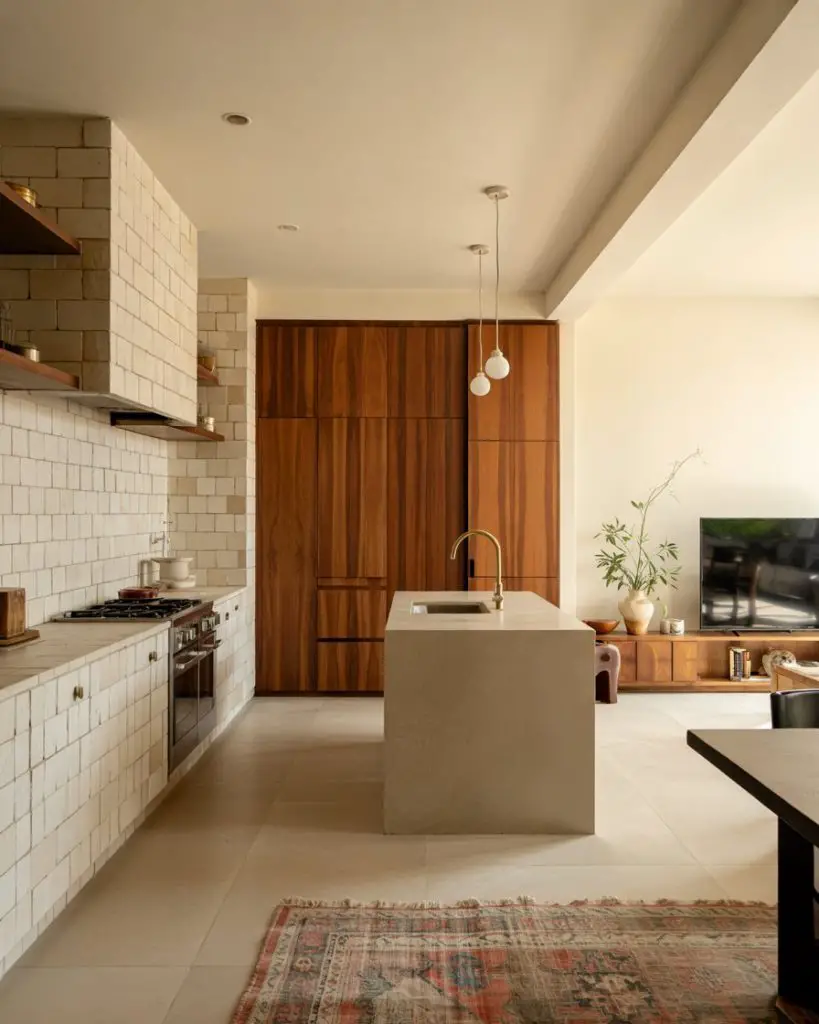
Where this works best: homes where the kitchen and living area share a single long wall, making the material transition feel natural rather than forced. If you’re working with a tile installer, order 10-15% extra material to account for cuts and future repairs—discontinued tile patterns are notoriously hard to match later. This is also a good opportunity to introduce texture; glossy tiles reflect light beautifully, while matte finishes feel more organic and forgiving with fingerprints and smudges.
14. Multi-Functional Furniture
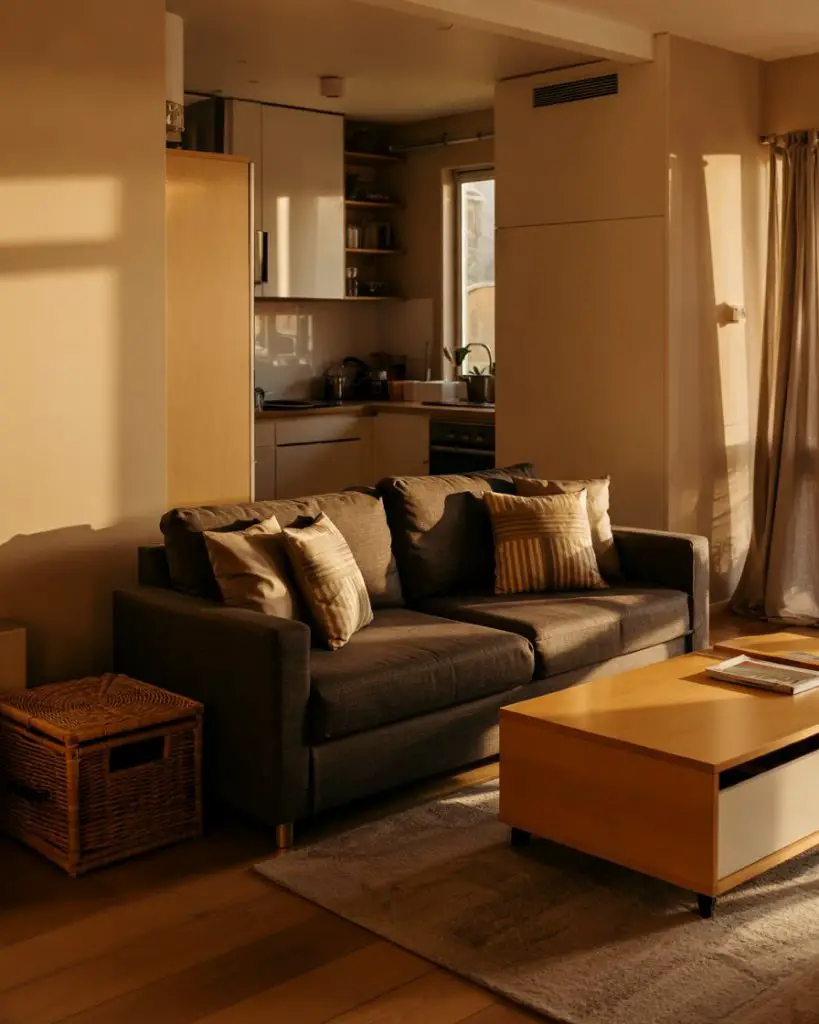
In open layouts, especially in small apartments, every piece of furniture should work overtime. Look for ottomans with hidden storage, coffee tables that lift to dining height, or a couch with a pull-out bed for guests. This keeps the space flexible and prevents it from feeling overstuffed with single-purpose items. Scandinavian brands like Ikea have perfected this category, offering stylish, affordable options that don’t scream “futon in a dorm room.” 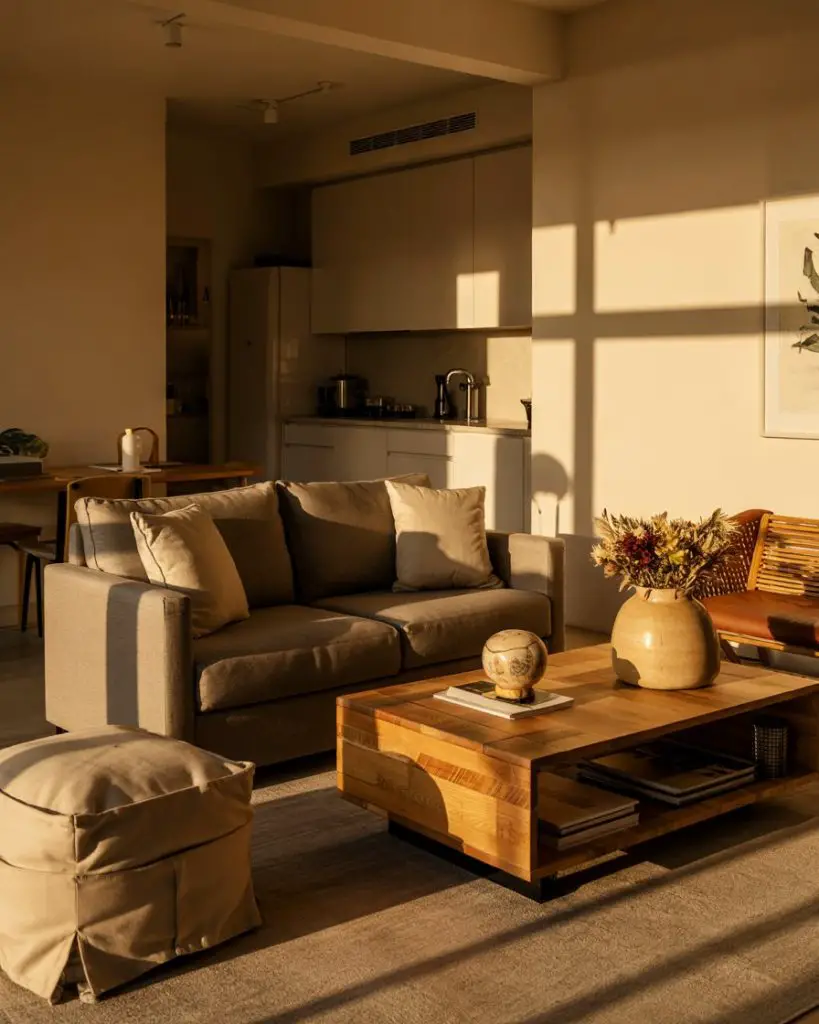
Common mistake: buying furniture that’s too clever for its own good. A coffee table that converts into a dining table sounds great until you realize it’s heavy, awkward to adjust, and you never actually use the feature. Stick with multi-functional pieces you’ll genuinely use weekly, like a storage bench for shoes by the door or a console table that doubles as a workspace. Test the mechanisms in-store if possible—if it feels finicky or unstable, you’ll abandon it within a month.
15. Greenery as a Soft Border
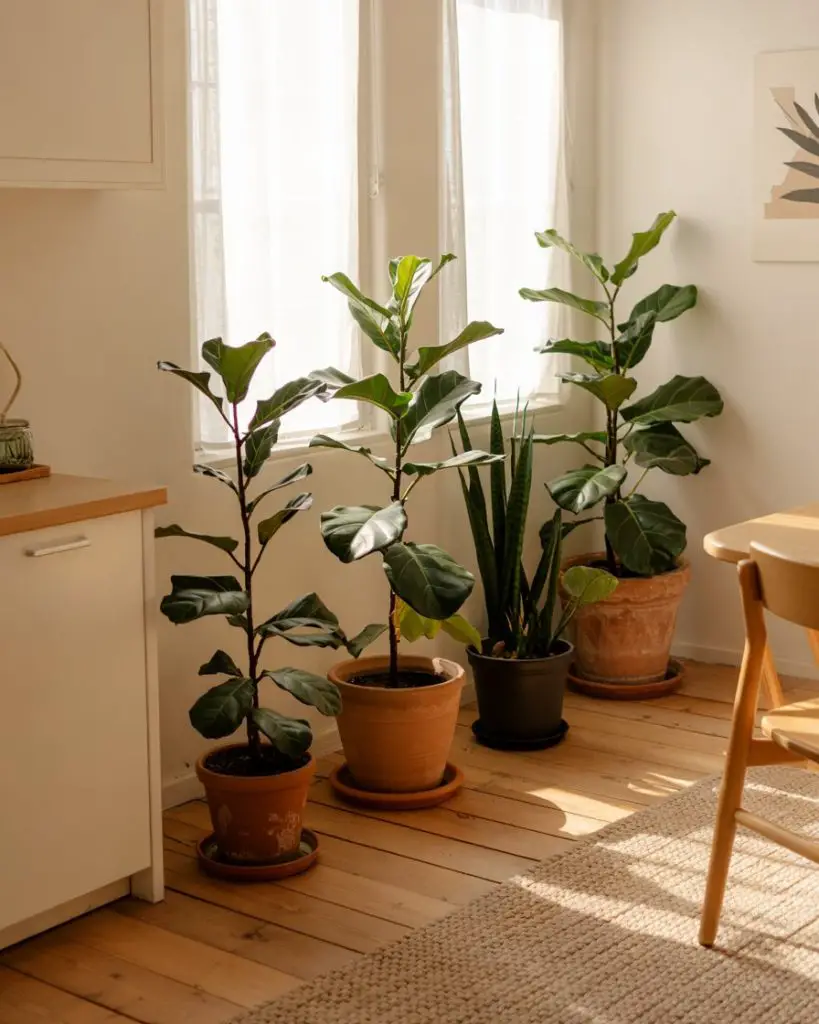
A row of potted plants or a tall fiddle-leaf fig can create a natural boundary between kitchen and living zones without blocking light or conversation. This is a particularly organic solution for Scandinavian and Japandi styles, where nature-inspired elements are central to the aesthetic. Choose low-maintenance varieties like pothos, snake plants, or rubber trees if you’re not confident in your plant-parenting skills—they tolerate neglect and low light surprisingly well. 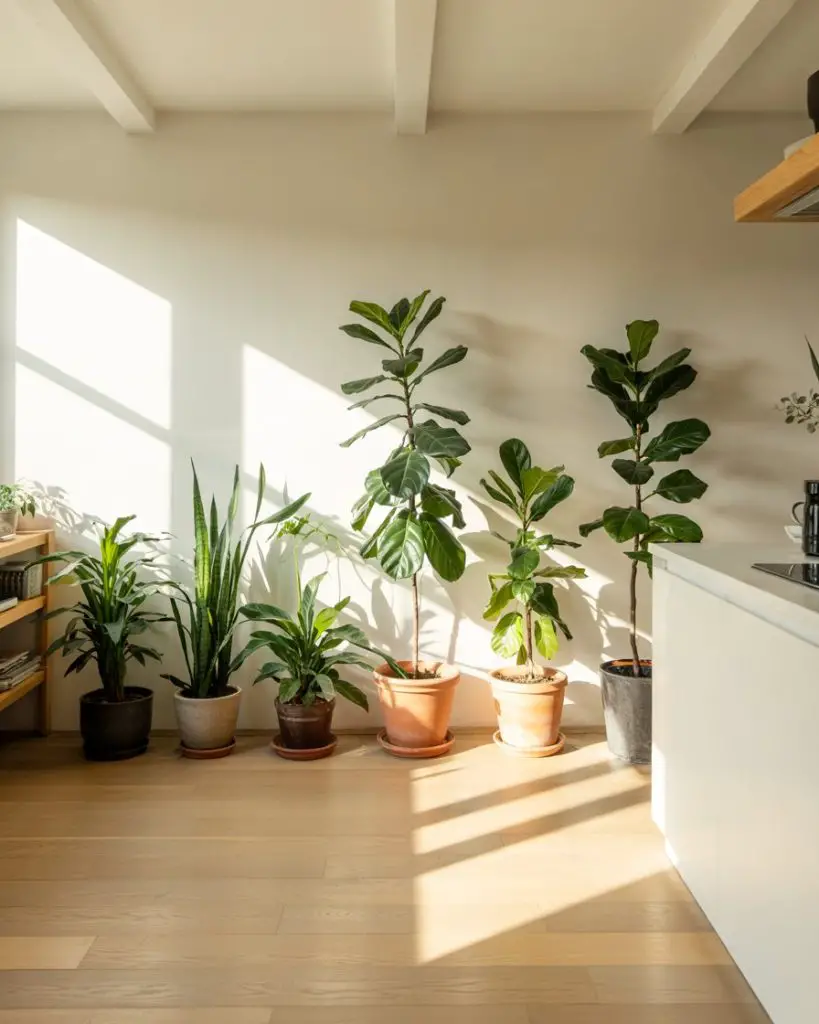
Practical insight: grouping plants in odd numbers (three or five) feels more natural and less staged than an even lineup. If you’re worried about watering schedules, cluster plants with similar needs together—succulents in one zone, tropical varieties in another. And don’t underestimate the power of a good planter; swapping out plastic nursery pots for matching ceramic or woven baskets instantly elevates the whole look and makes your greenery feel like intentional décor rather than an afterthought.
16. Unified Flooring Material
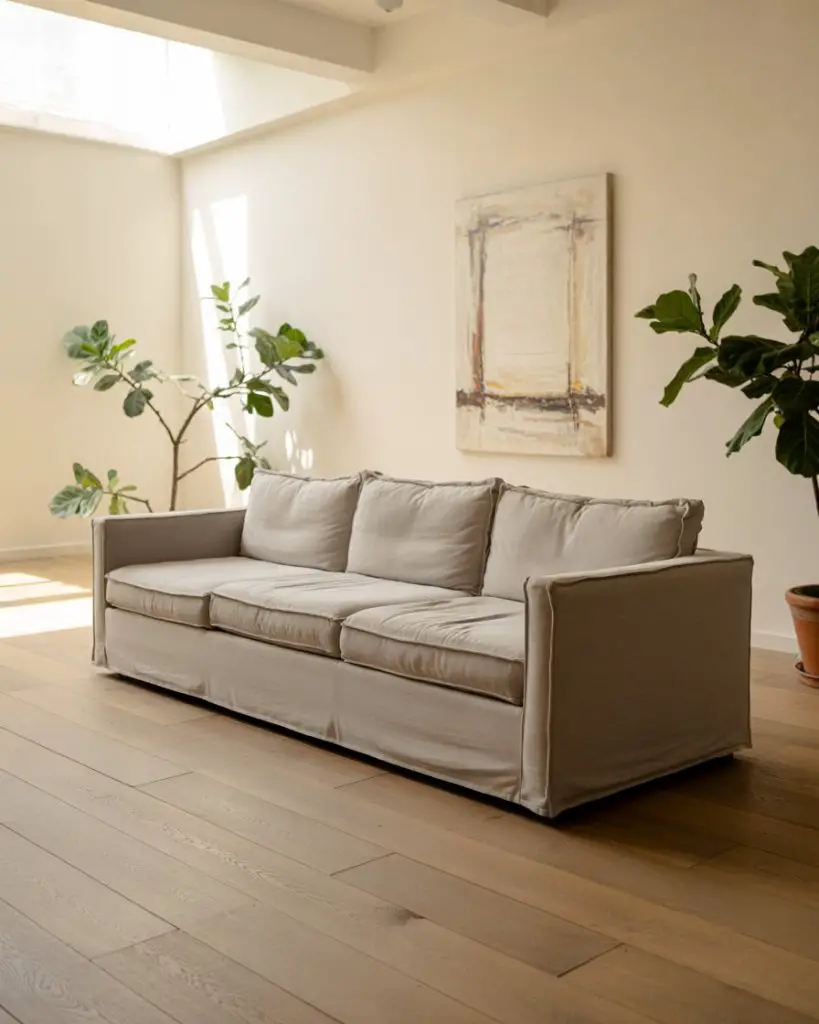
One of the fastest ways to make an open kitchen living room feel cohesive is by using the same flooring throughout. Whether it’s wide-plank hardwood, luxury vinyl, or polished concrete, uninterrupted flooring visually expands the space and eliminates awkward transitions. This is especially important in townhouse and small apartment layouts where every sightline counts. Save patterned tile or area rugs for defining zones within the larger flow. 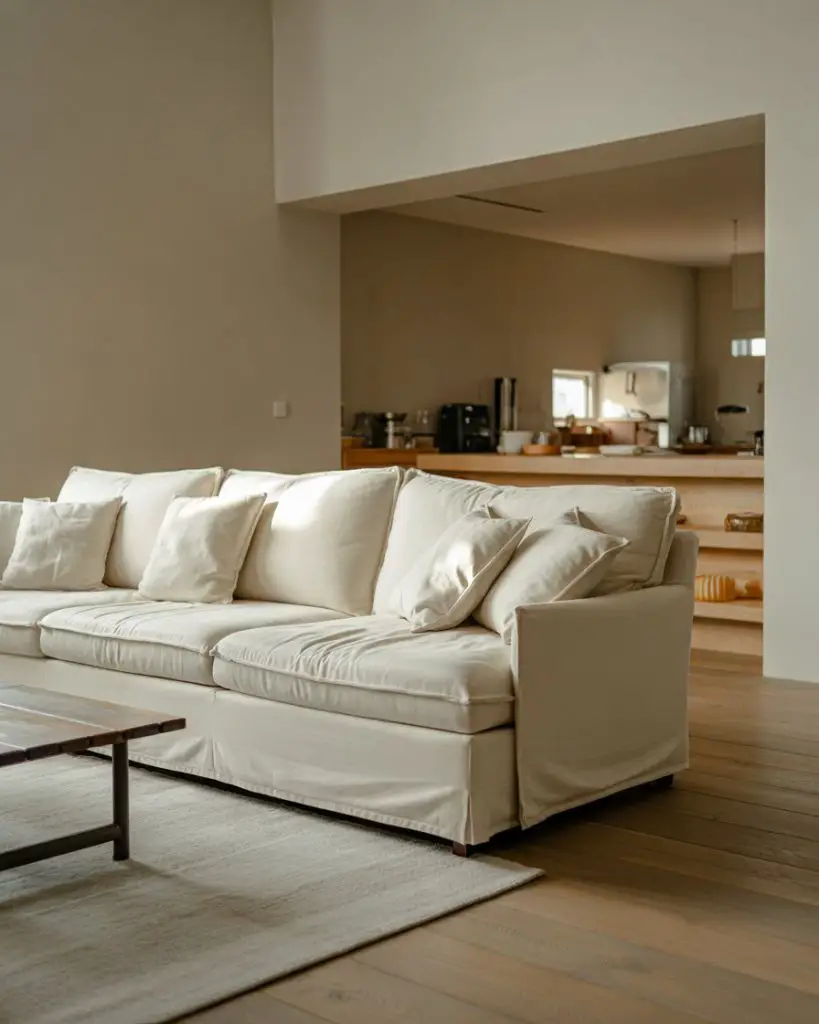
Budget angle: luxury vinyl plank (LVP) has come a long way and now mimics hardwood so convincingly that even designers use it in high-end projects. It’s waterproof, scratch-resistant, and costs a fraction of real wood—often under three dollars per square foot. Installation is DIY-friendly with click-lock systems, though hiring a pro ensures perfectly straight lines and clean cuts around doorways. If you’re choosing LVP, spend a bit more on thicker planks with attached underlayment; they feel more substantial underfoot and dampen sound better in open layouts.
17. Flexible Seating with Stools and Poufs
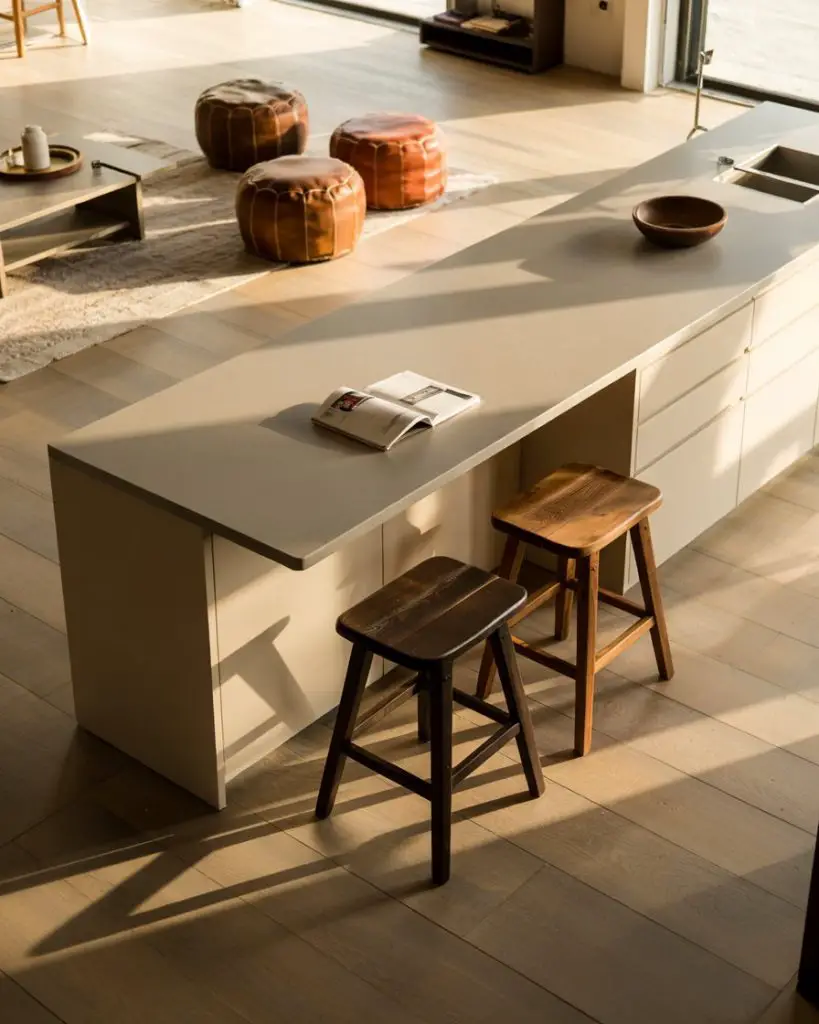
Backless stools at the kitchen island and movable poufs in the living area create flexible seating that you can arrange and rearrange as needed. This is especially useful when entertaining or when kids need a spot to do homework while you’re cooking. Look for stools that tuck completely under the island to keep pathways clear, and choose poufs with sturdy construction that can double as extra coffee table surface or footrests. 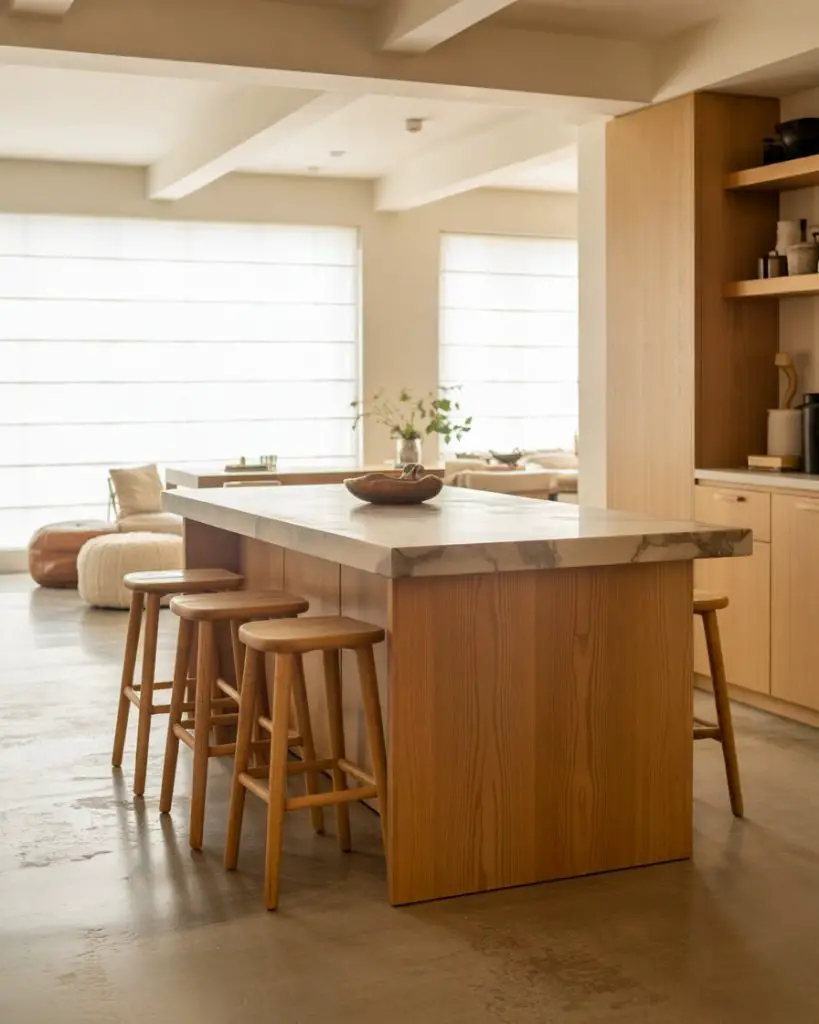
A couple in Austin mentioned they keep a set of lightweight poufs stacked in a closet and pull them out whenever they have guests over, instantly adding seating without cluttering the space daily. This kind of flexibility is key in open layouts where you want the option to host a crowd without living in a furniture showroom the rest of the time. Look for poufs with handles or straps that make them easy to move, and avoid anything too precious if you have pets or kids who’ll inevitably use them as landing pads.
18. Cased Openings for Subtle Definition
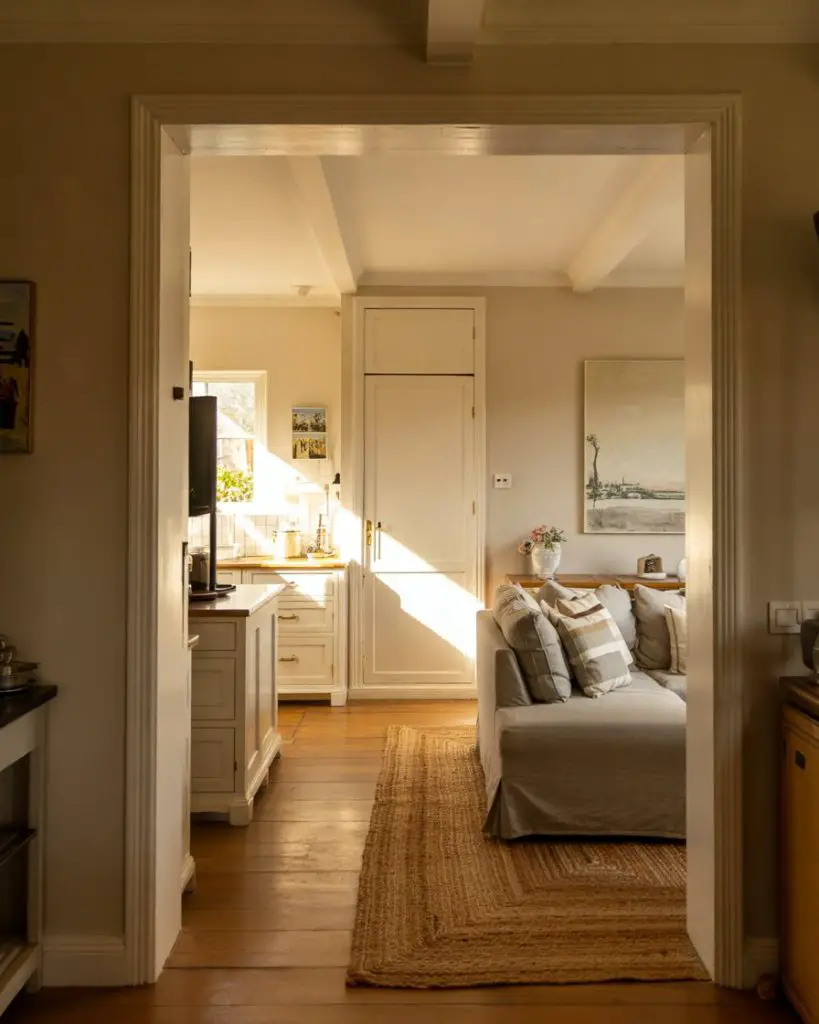
If a fully open layout feels too exposed, consider adding cased openings—essentially door frames without doors—to loosely define the transition between kitchen and living spaces. This adds architectural interest and a touch of formality without sacrificing openness or light. It’s a classic detail that works in everything from traditional colonials to modern barndominium builds, and you can paint or stain the trim to match your existing woodwork. 
Expert-style commentary: cased openings are a smart compromise for homeowners who want some sense of separation but don’t want to lose the benefits of an open plan. They also give you a natural stopping point for paint colors—you can do a bolder hue in the kitchen and keep the living room neutral, with the casing acting as a visual frame. If you’re adding these to an existing home, a skilled carpenter can install them in a day or two, and they instantly make the space feel more finished and intentional.
19. Consistent Hardware and Fixtures
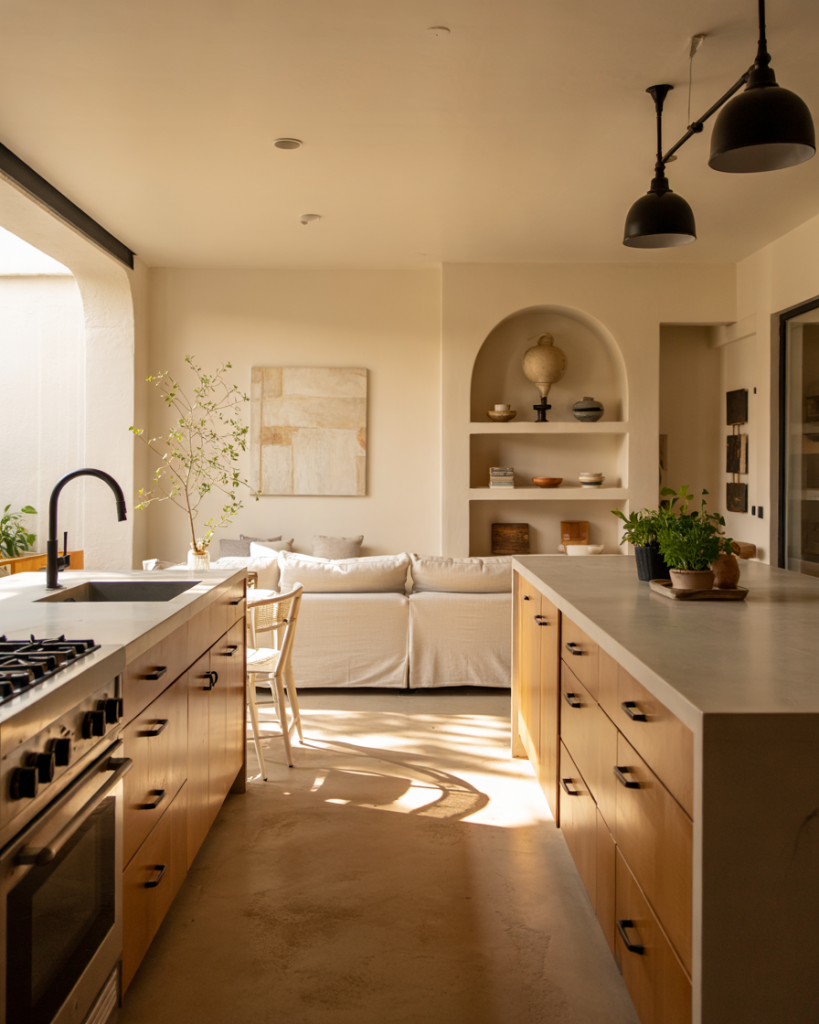
Using the same finish for cabinet pulls, faucets, light fixtures, and even curtain rods throughout the open space creates a polished, cohesive look. Matte black, brushed brass, and satin nickel are all having a moment, and sticking to one finish keeps the design feeling curated rather than chaotic. This is a small detail that makes a big difference, especially when viewed from across the room where inconsistent finishes become obvious. 
Real homeowner behavior: people often choose fixtures room by room over months or years, ending up with a mix of finishes that never quite gel. To avoid this, create a mood board or Pinterest collection at the start of your project and commit to one finish across all fixed elements. If you’re updating an existing space, start with the most visible fixtures—faucets and cabinet hardware—and work your way through less obvious details like outlet covers and switch plates. It’s tedious but worth it for the visual payoff.
20. Low-Maintenance Materials for High-Traffic Zones
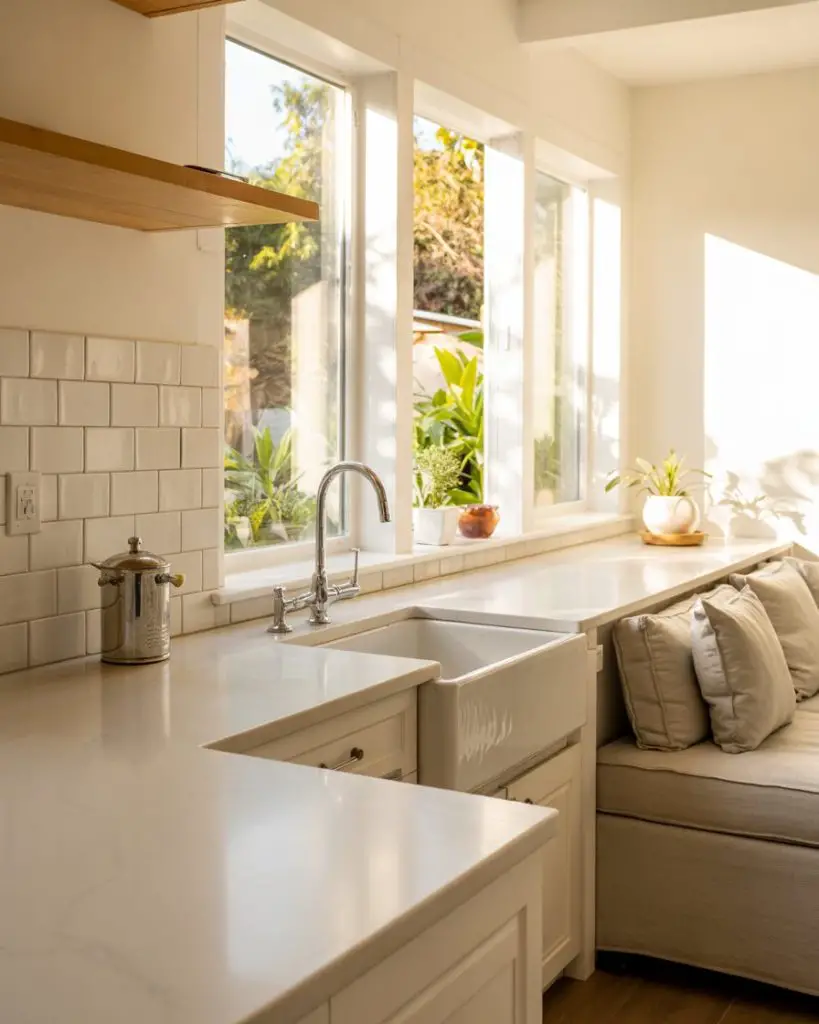
Open kitchen living rooms see a lot of action, so choose materials that can handle spills, scratches, and daily wear without constant upkeep. Quartz countertops, porcelain tile, and performance fabrics are all smart investments that keep looking good with minimal effort. This is especially important in family homes and small apartment settings where you’re using every inch of the space multiple times a day. 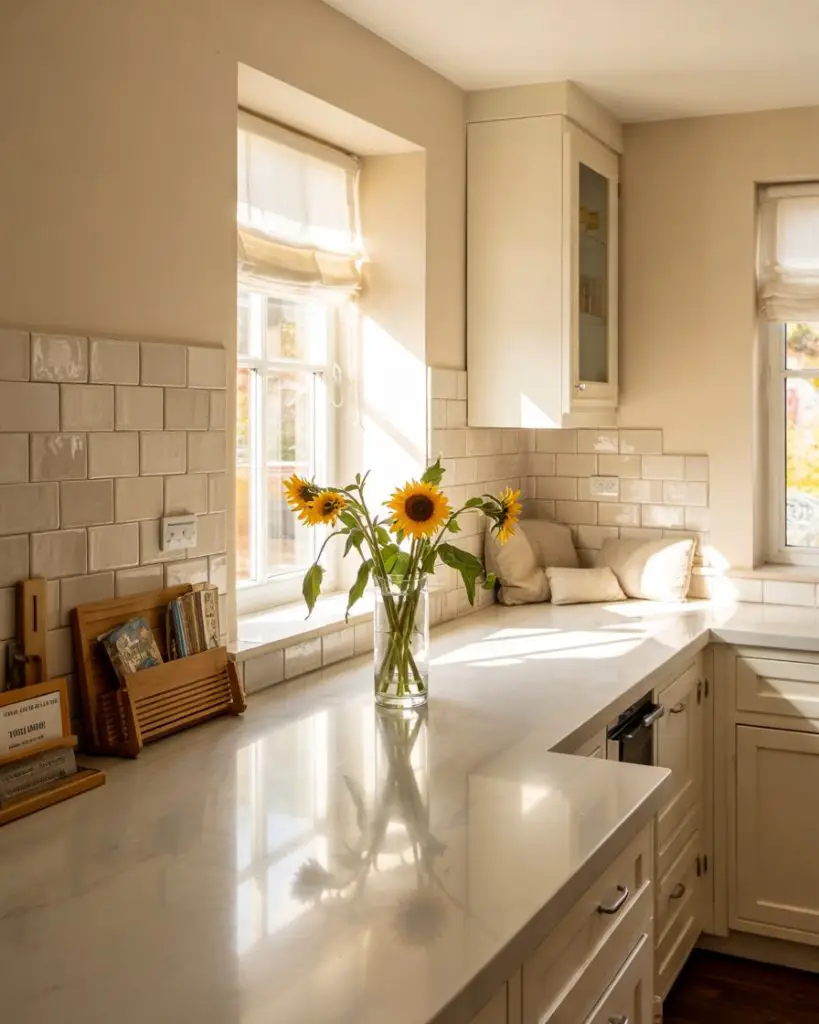
Where this works best: homes with kids, pets, or anyone who values weekends over housework. Quartz doesn’t need sealing like marble or granite, porcelain tile is nearly indestructible, and performance fabrics resist stains without looking clinical. A designer friend always tells clients to imagine their worst-case scenario—red wine on the sofa, spaghetti sauce on the counter—and choose materials that won’t make them panic. It’s not glamorous advice, but it’s the difference between a home you actually enjoy living in versus one that feels like a museum you’re constantly protecting.
21. Personal Touches that Tell Your Story
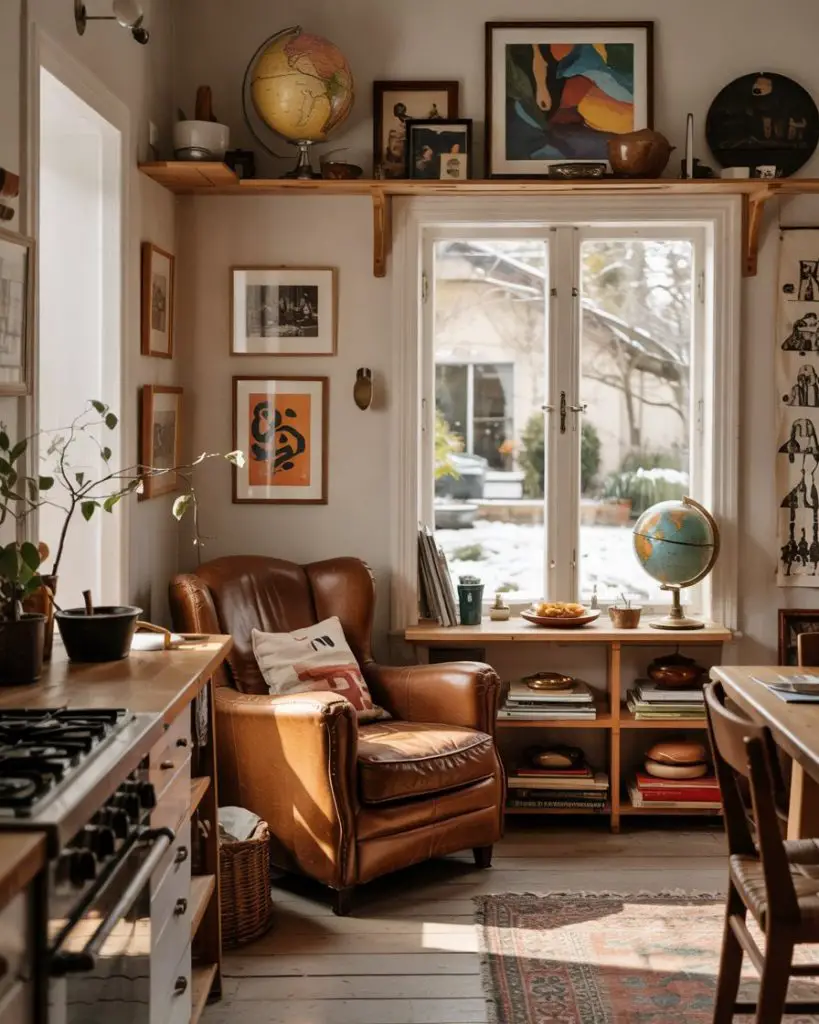
The most successful open kitchen living rooms feel personal, not like they came straight from a catalog. Whether it’s family photos, travel souvenirs, or artwork from a local maker, these details make the space yours. In Scandinavian and Japandi interior design, the philosophy is “less but better”—a few meaningful objects displayed thoughtfully rather than surface clutter everywhere. Choose items that spark conversation and reflect how you actually live.
A micro-lesson from a designer in Charleston: she encourages clients to “shop their homes first” before buying new décor. That pottery you inherited from your grandmother, the print you picked up on your honeymoon, the quirky lamp you found at a flea market—these are the pieces that make a space feel authentic and lived-in. Display them alongside newer, more neutral pieces to create layers of history and meaning. It’s the difference between a space that looks good in photos and one that actually feels like home.
Conclusion
These ideas are starting points, not rigid rules, and the best open kitchen living room is the one that fits your daily rhythms and makes you happy when you walk through the door. Try one or two concepts that resonate, live with them for a few weeks, and adjust as needed. Share your favorite ideas or your own solutions in the comments—we’d love to hear what’s working in your home.