Privacy fences have become one of the most searched home upgrades on Pinterest in 2026, and for good reason. American homeowners are craving outdoor spaces that feel like true retreats—places where they can relax, entertain, or simply exist without the gaze of neighbors or passersby. Whether you’re working with a tight budget, a sprawling property, or a tricky corner lot, the right fence can transform your yard into a secluded sanctuary. In this guide, you’ll discover 22 creative privacy fence ideas that blend style, function, and practicality, each designed to inspire your next outdoor project.
1 Vertical Wooden Slat Fence with Staggered Gaps
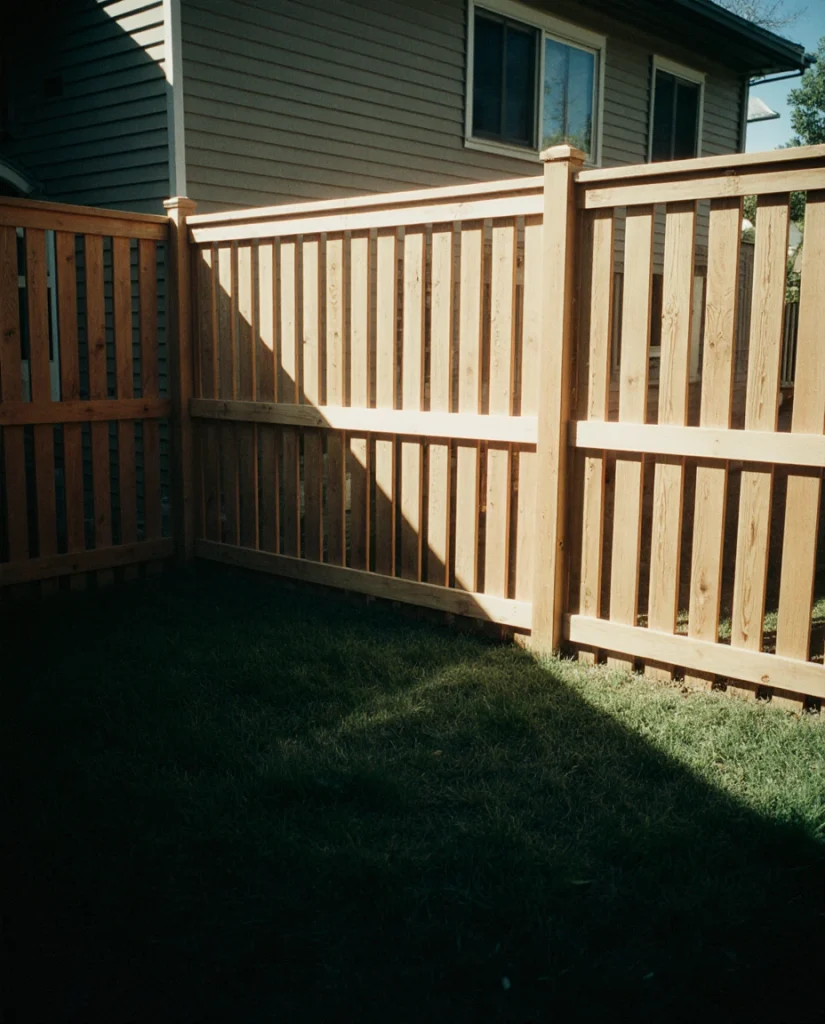
A budget-friendly approach to privacy doesn’t mean sacrificing style. This design uses vertical wooden slats arranged with intentional gaps that block sightlines while allowing airflow. The staggered pattern creates visual interest and works beautifully in front yard settings where you want a welcoming vibe without full exposure. It’s a smart choice for homeowners who want modern aesthetics without the hefty price tag of solid panels. 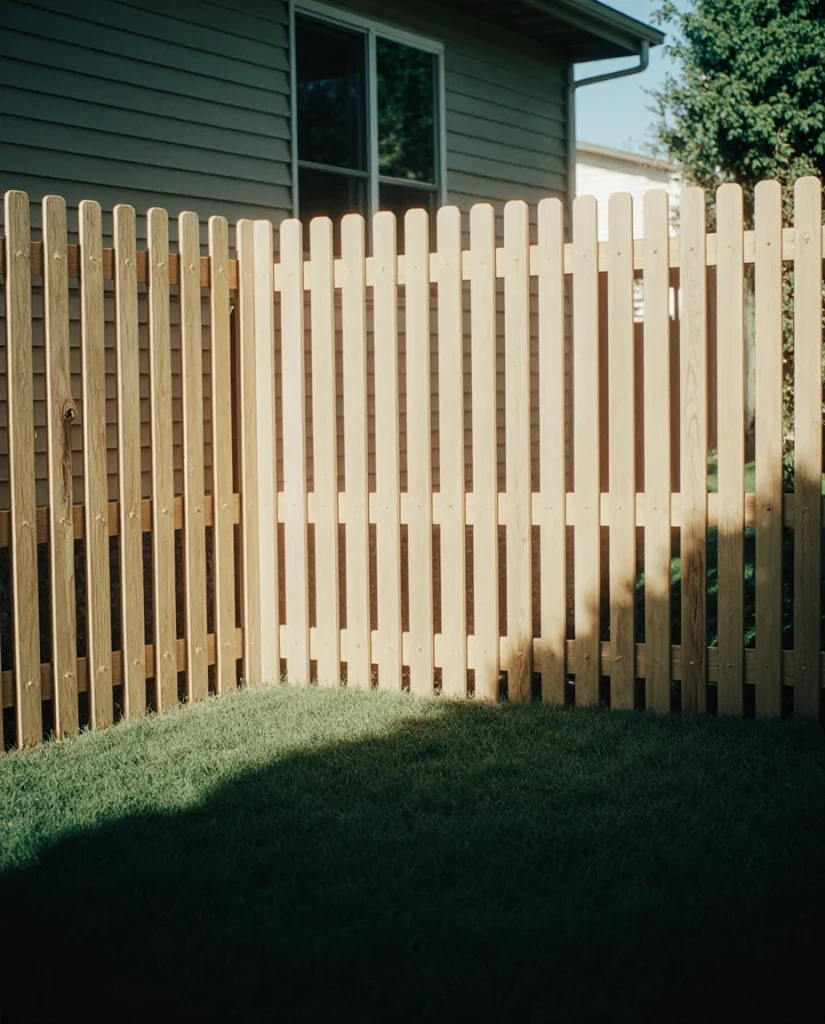
This fence style works particularly well in suburban neighborhoods where zoning codes limit fence height but you still need screening from street traffic. The gaps prevent the fence from feeling like a fortress while maintaining enough coverage for backyard barbecues and lazy Sunday mornings. Most homeowners find that cedar or pressure-treated pine offers the best balance of durability and cost, with installation taking a committed DIYer about two weekends to complete.
2 Living Walls with Climbing Vines and Wire Grid
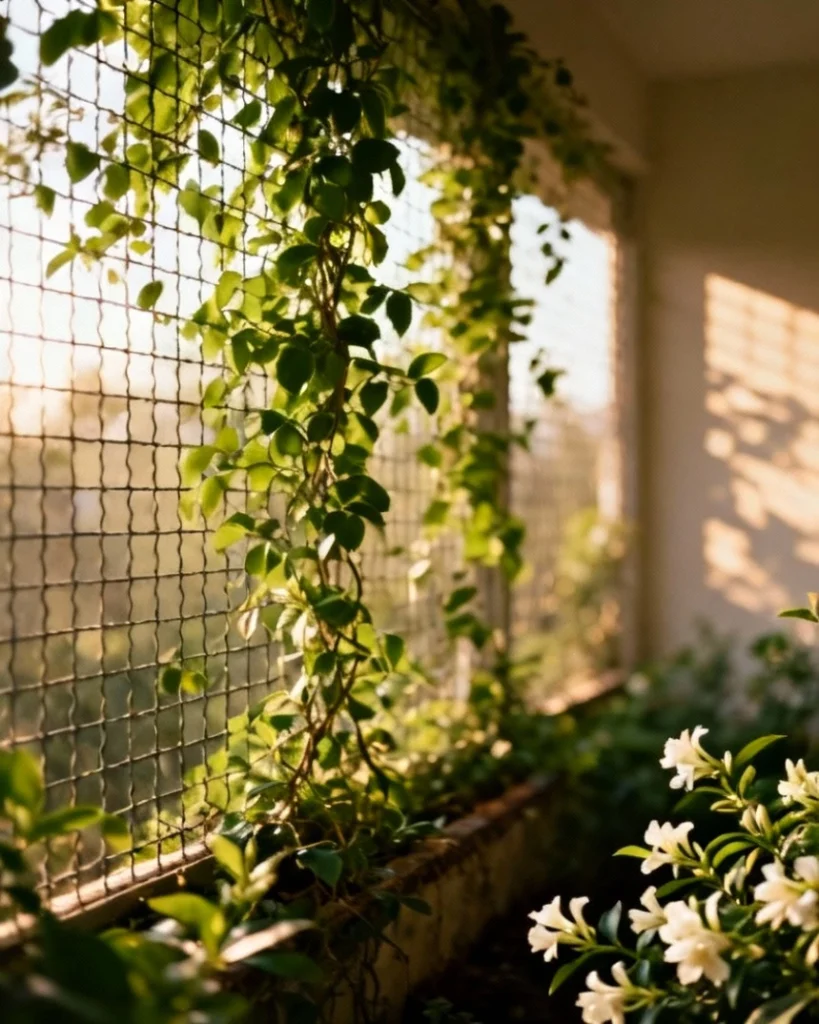
For a truly natural privacy solution, consider installing a simple wire grid framework that supports plants like clematis, jasmine, or climbing roses. This inexpensive option transforms over time, becoming lusher and more effective as greenery fills in. It’s ideal for renters or homeowners who want a temporary solution that doesn’t require permanent structures or city permits.
One common mistake is choosing fast-growing vines like wisteria without understanding their aggressive root systems—they can damage foundations and overwhelm nearby plants. Instead, opt for well-behaved climbers that provide seasonal interest without becoming maintenance nightmares. Homeowners in Southern California and the Pacific Northwest have particular success with this approach, where mild climates support year-round growth and flowering.
3 Horizontal Cedar Board Fence with Metal Posts
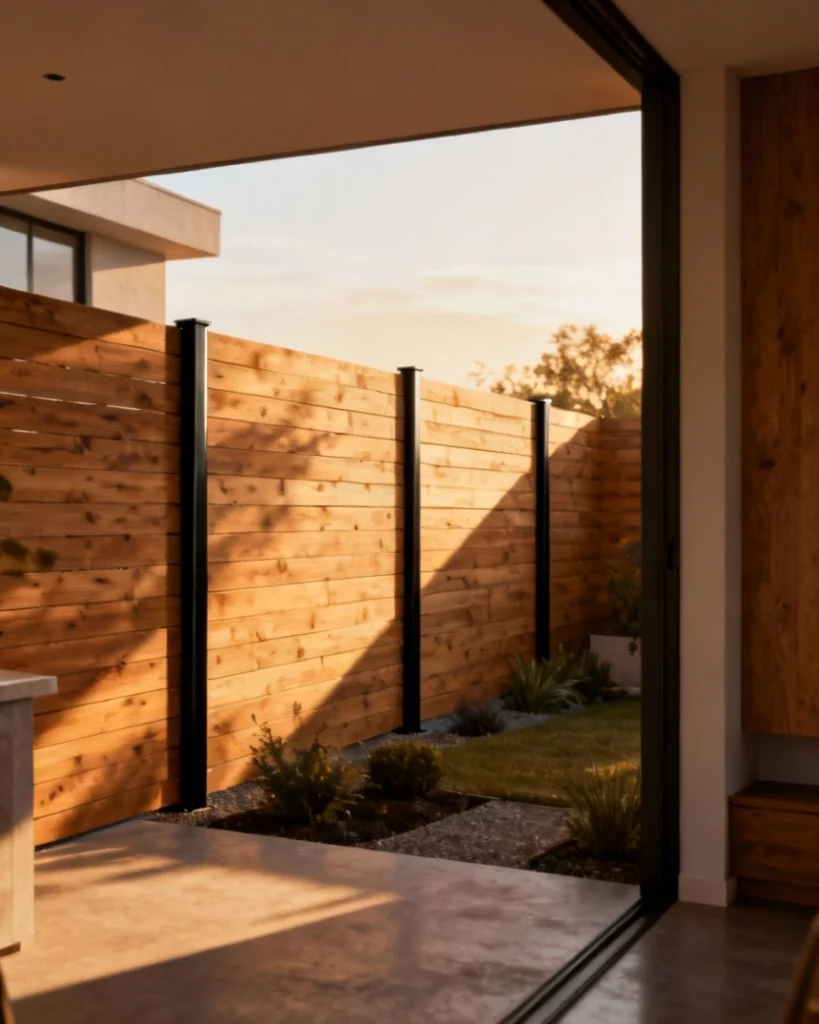
The clean lines of horizontal fencing have made it a Pinterest favorite for good reason. Paired with slim metal posts, this design offers a contemporary look that complements modern architecture beautifully. The wood adds warmth, while the metal framework provides structural integrity, creating a fence that’s both sturdy and visually striking for mid-sized properties. 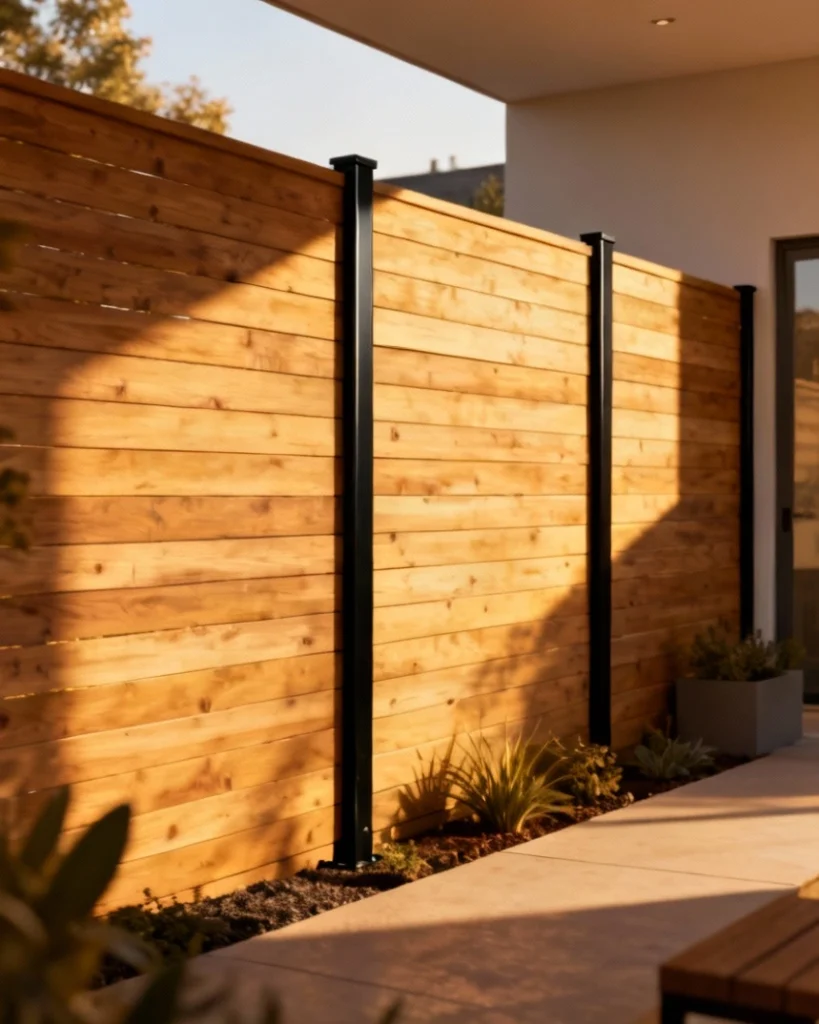
Across the Mountain West and Pacific states, this style has become the go-to for homeowners renovating mid-century ranch homes or building new construction with clean, minimalist exteriors. The horizontal orientation can actually make smaller yards feel wider and more expansive—a visual trick that landscape designers have employed for decades. Expect to invest about 30% more than traditional vertical fencing, but the longevity and curb appeal often justify the premium.
4 Black Aluminum Privacy Panels with Powder-Coated Finish
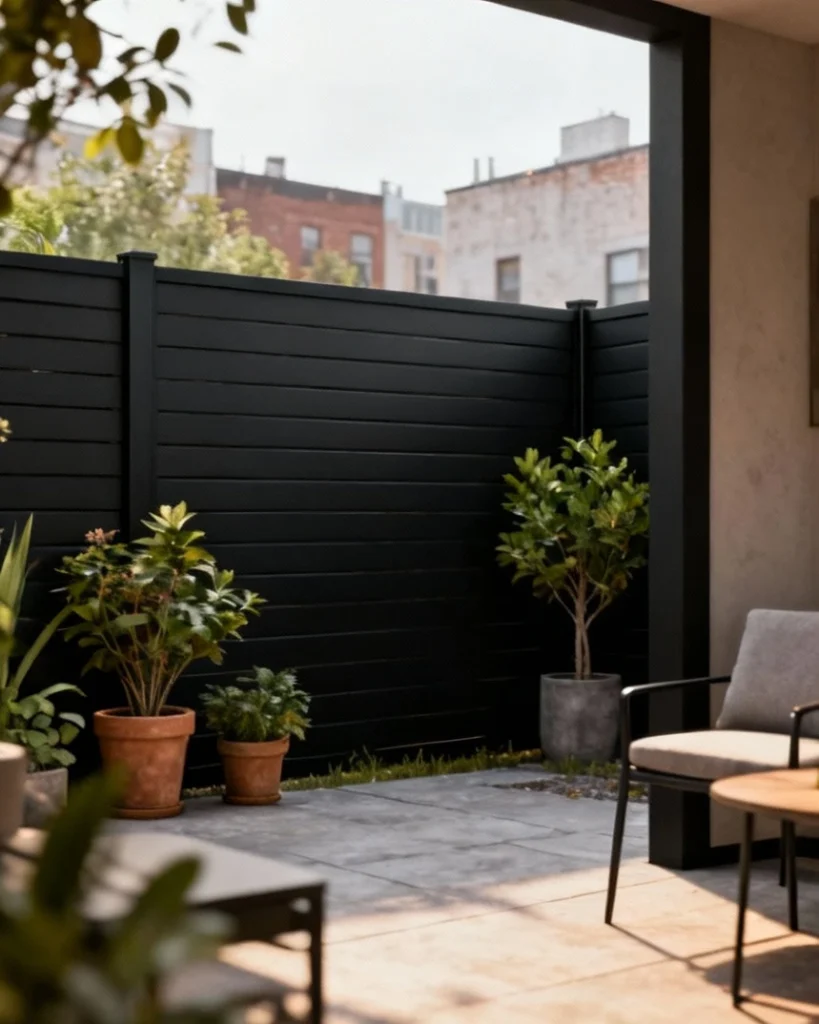
A black fence creates dramatic contrast against greenery and works exceptionally well in urban settings where modern design prevails. Unlike wooden alternatives, aluminum panels require virtually no maintenance and won’t rust, warp, or rot. This is a smart investment for homeowners who want a permanent, low-maintenance solution and a product that is sharp year after year without staining or sealing. 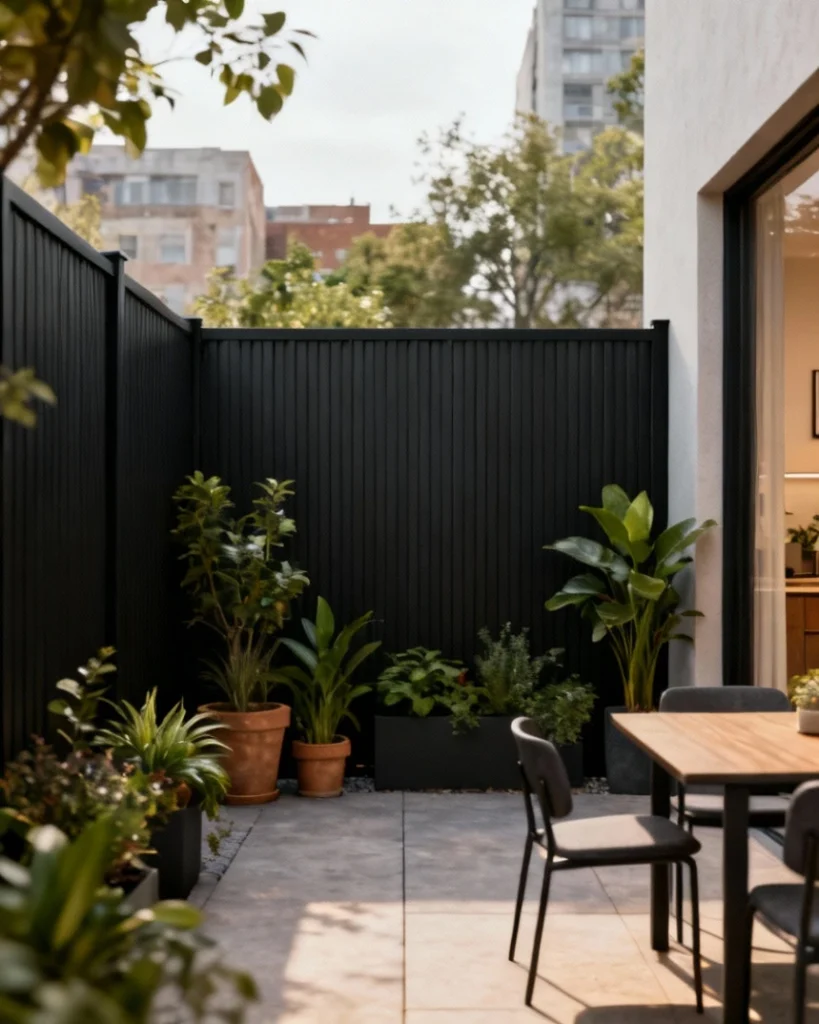
Many homeowners assume black fencing will absorb heat and become uncomfortably hot to touch, but powder-coated aluminum actually stays cooler than expected even in direct sun. It’s ideal for coastal areas where traditional metals would corrode in a few seasons due to the salt air. Installation is typically more expensive than wood, but over time the corrosion and upkeep will cause the fencing to be the more economical option over decades.
5 Rustic Split-Rail Fences with Privacy Fabric Inserts
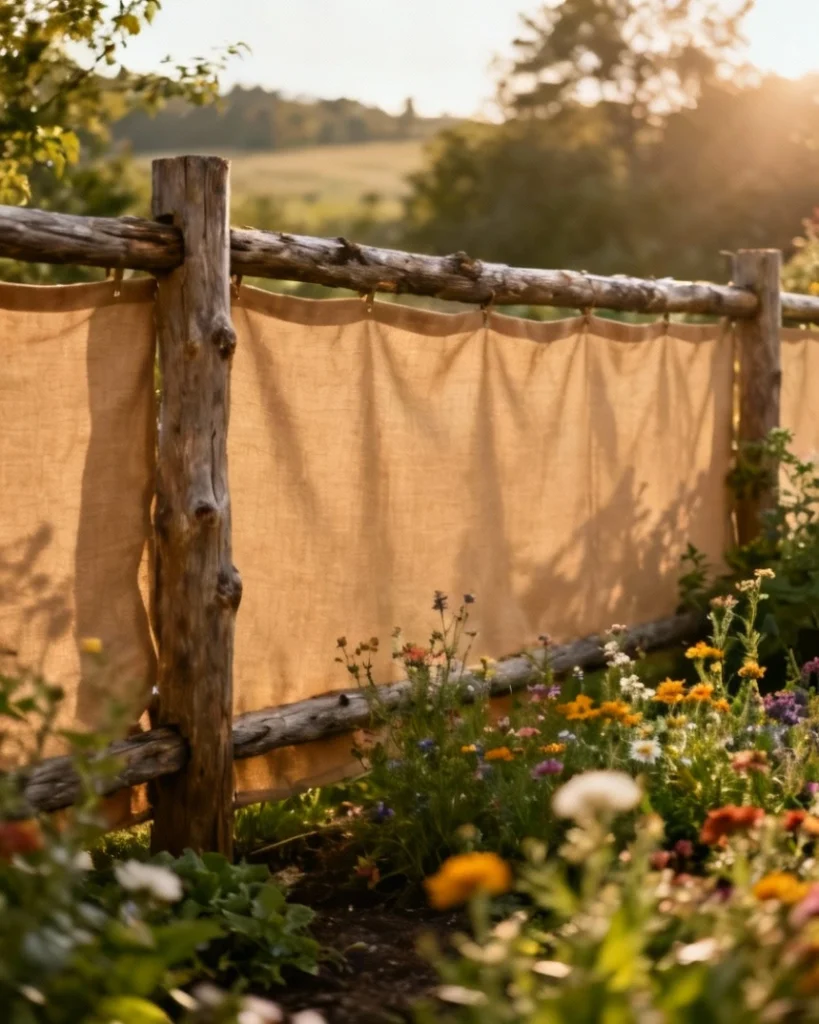
This rustic design brings countryside charm to suburban lots while offering adjustable privacy. The classic split-rail framework paired with heavy-duty fabric panels creates a cheap barrier that’s surprisingly effective. It’s particularly popular among homeowners who want to maintain a traditional aesthetic while gaining the screening benefits of a solid fence, and it works beautifully in front yard applications where HOA rules restrict solid barriers.
In my neighbor’s yard, they installed this exact setup last spring and were amazed at how quickly it went up—just three days for a 100-foot run with two people working casually. The fabric inserts are UV-resistant and typically last 5 to 7 years before needing replacement, making them a practical choice for budget-conscious families. The system also allows you to remove fabric panels seasonally if you want more openness during certain months.
6′ Tall Privacy Fence with Lattice Top Accent
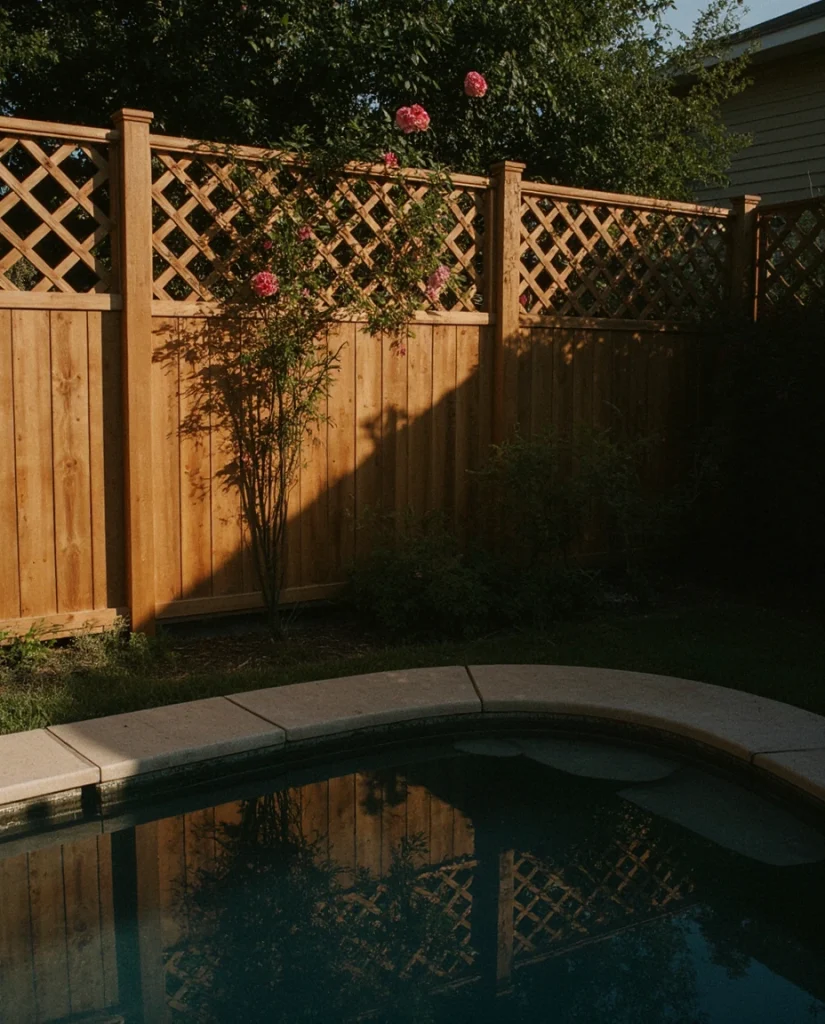
When you need serious screening—say, an 8 ft barrier for pool areas or large properties backing onto busy roads—adding a decorative lattice top prevents the structure from feeling oppressive. The solid lower section provides full privacy where it matters most, while the open lattice softens the overall appearance and maintains airflow. This approach satisfies both practical needs and aesthetic preferences without compromising either. 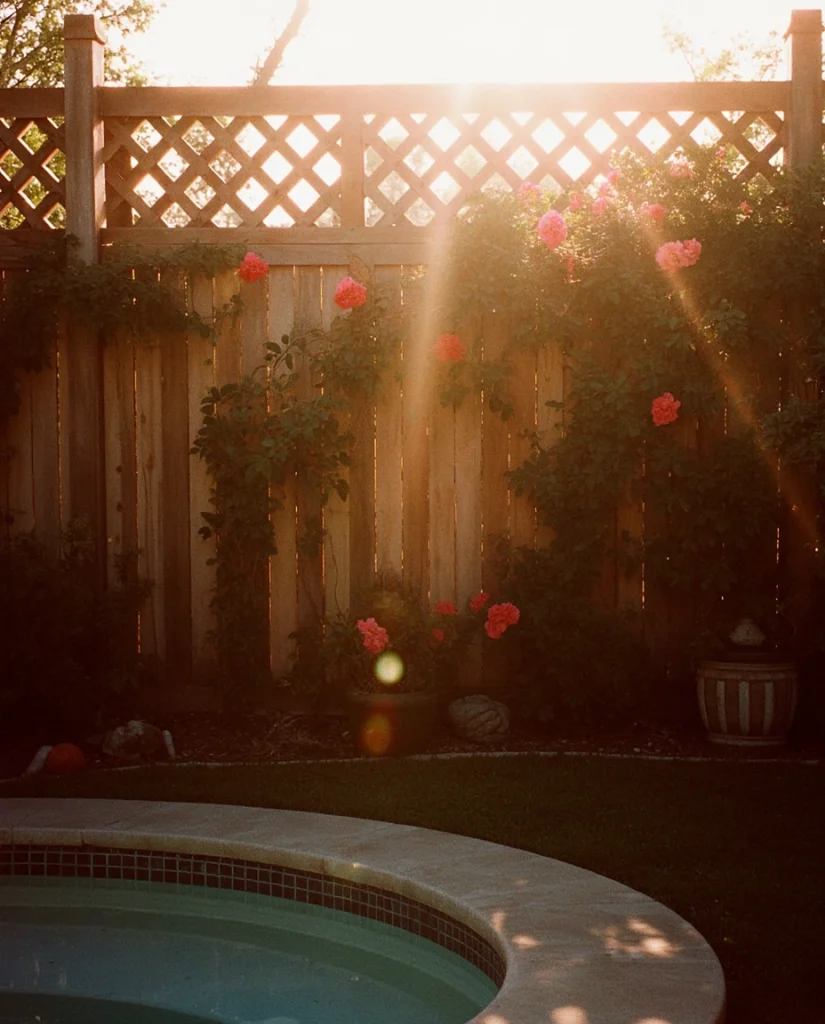
This works best in areas where local codes permit taller fences—typically side and rear property lines rather than street-facing boundaries. Homeowners often paint the lattice section in a contrasting color like white or cream against a natural wood body, adding dimension and visual interest. The lattice also provides an ideal trellis for lightweight vines, giving you the option to increase privacy over time as plants mature.
7 Corrugated Metal Fence with Wooden Frame
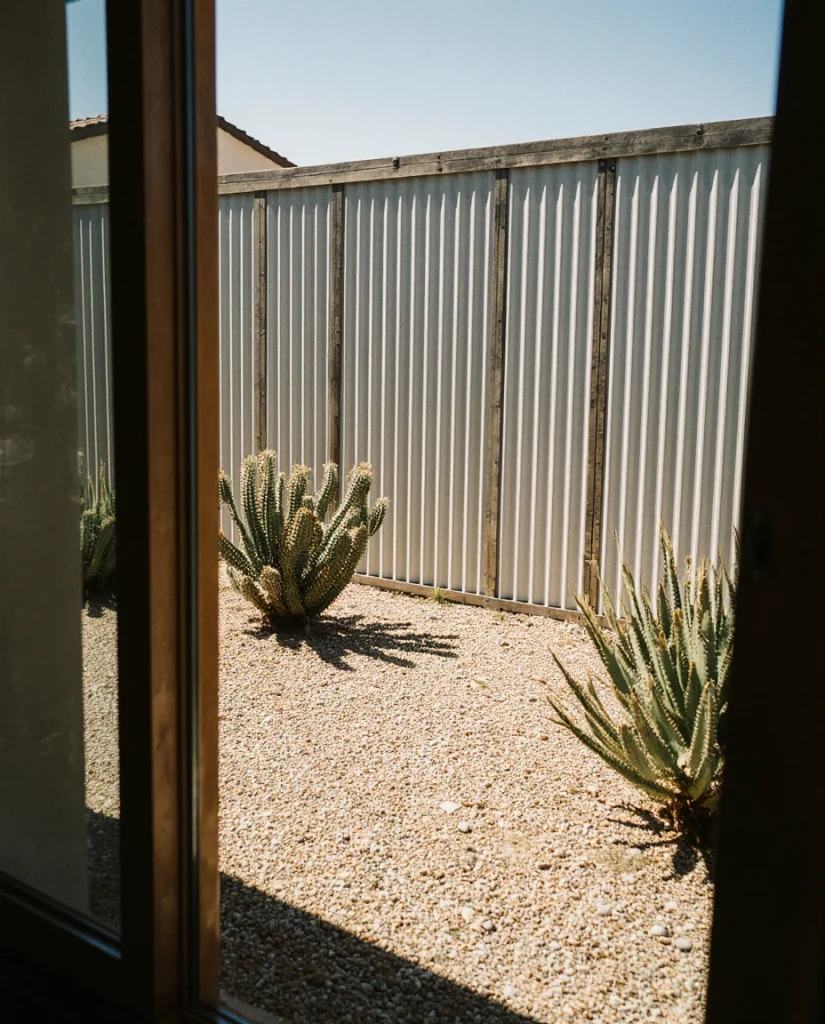
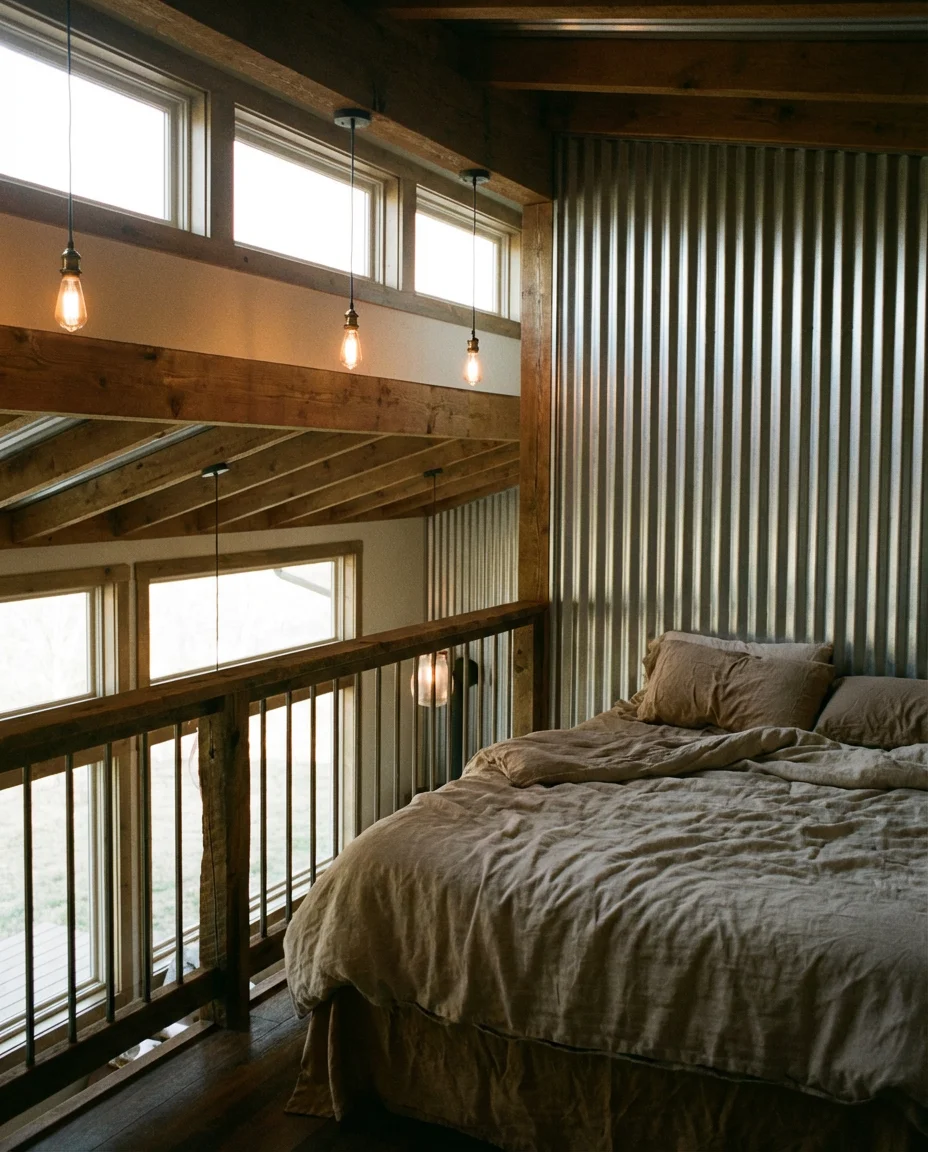
Industrial-chic design meets functionality with corrugated metal panels set within a wooden frame. This unique combination has gained traction in Texas, Arizona, and other regions where durability against harsh weather is essential. The metal deflects intense sun and won’t deteriorate from UV exposure, while the wood frame adds structural support and warmth to what could otherwise feel too utilitarian.
Expert landscapers in the Southwest recommend galvanized or Corten steel panels for their weather resistance and distinctive patina development. The corrugated texture creates interesting shadow play throughout the day, adding depth to outdoor spaces. At roughly $25 to $35 per linear foot for materials, it sits in the mid-range price bracket but delivers exceptional longevity—often 20-plus years with minimal maintenance beyond occasional frame treatment.
8 White Vinyl Privacy Fences with Decorative Post Caps
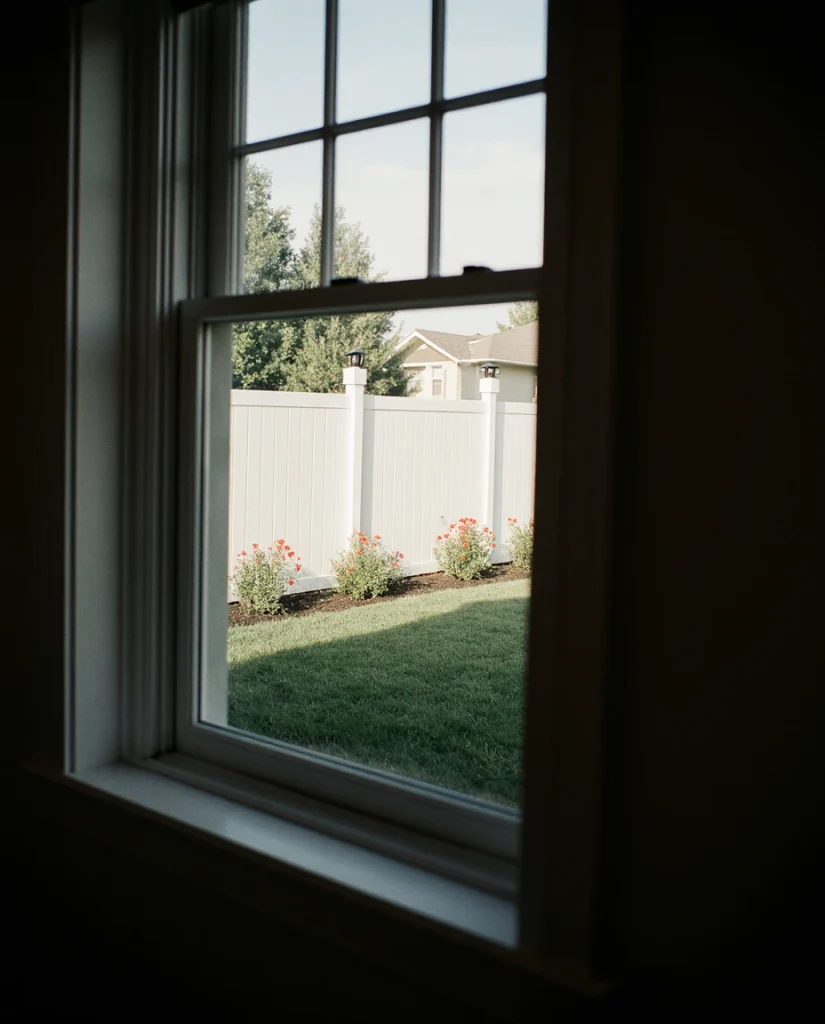
A white vinyl fence offers crisp, clean lines that brighten yards and pair beautifully with traditional colonial or craftsman architecture. The addition of decorative post caps—whether pyramid, ball, or solar-lit styles—elevates the design from basic to polished. This budget option requires zero painting or staining and resists moisture damage, making it a practical choice for humid climates from Florida to the Mid-Atlantic states. 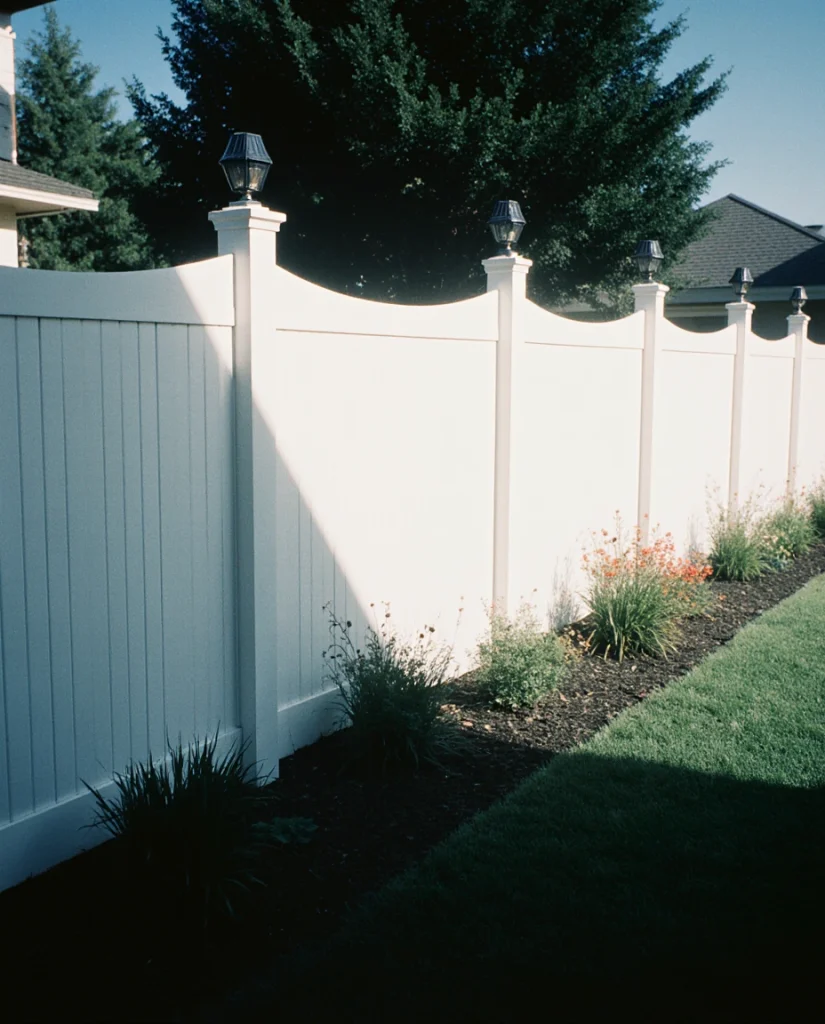
A practical insight: vinyl can become brittle in extreme cold, so homeowners in northern states should seek products specifically rated for freeze-thaw cycles. The material also expands and contracts with temperature changes, which means proper installation with appropriate spacing is crucial to prevent buckling or warping. When installed correctly, these fences can last 20 to 30 years while maintaining their color without the tedious upkeep that wood demands.
9 Bamboo Screen Fences for Tropical Aesthetic
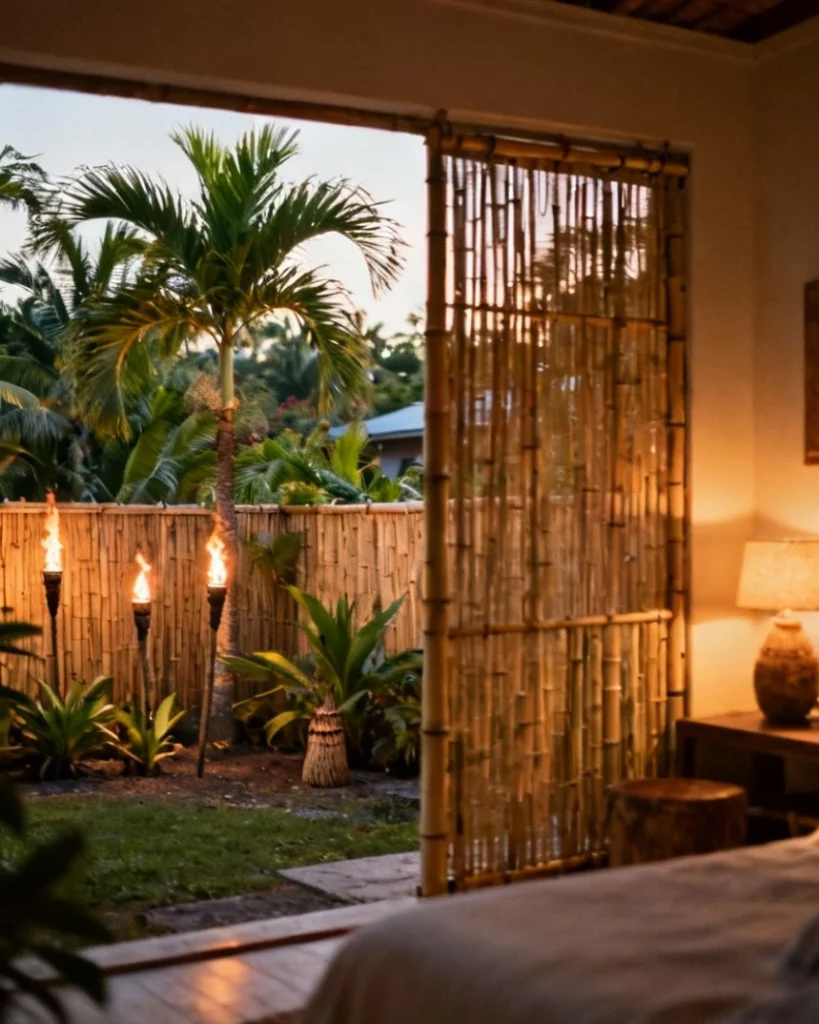
Rolled bamboo fencing brings instant natural texture and tropical resort vibes to backyards across America. This inexpensive solution can be attached to existing chain-link or wire fencing, making it ideal for budget DIY cheap upgrades. The material is renewable, biodegradable, and surprisingly durable when treated properly, offering an eco-conscious option for homeowners seeking privacy without synthetic materials.
Where it works best: coastal areas and regions with mild, humid climates where bamboo won’t dry out and crack prematurely. Homeowners in South Florida, Southern California, and Hawaii have particular success with this material. Apply a UV-protectant sealant annually to extend the lifespan from the typical 3-5 years to potentially 7-8 years. The golden-tan color deepens over time, developing a weathered patina that many find appealing rather than problematic.
10 Partial Privacy Fence with Alternating Panel Heights
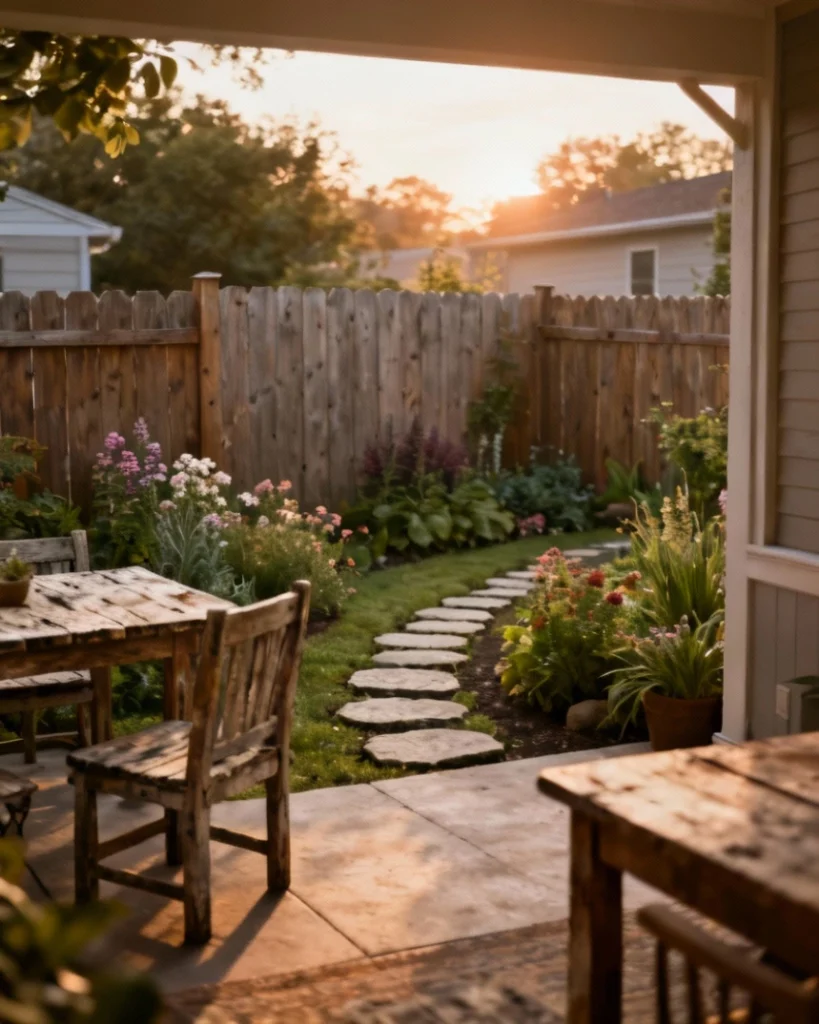
A partial privacy design uses varying panel heights to create visual rhythm while strategically blocking sightlines where they matter most. Taller sections shield seating areas or hot tubs, while short segments maintain openness near garden beds or pathways. This approach prevents the yard from feeling completely enclosed while still providing meaningful privacy, and it’s particularly effective for corner lots where multiple exposures need addressing.
Real homeowner behavior shows that people rarely need full privacy along every inch of their property line—instead, they want screening from specific vantage points like neighboring second-story windows or busy sidewalks. This design philosophy saves money by using less material where it’s not needed and concentrating resources where privacy matters most. The varied heights also prevent wind from becoming trapped and creating pressure against the fence, reducing the likelihood of damage during storms.
11 Stone and Wood Combination Privacy Wall
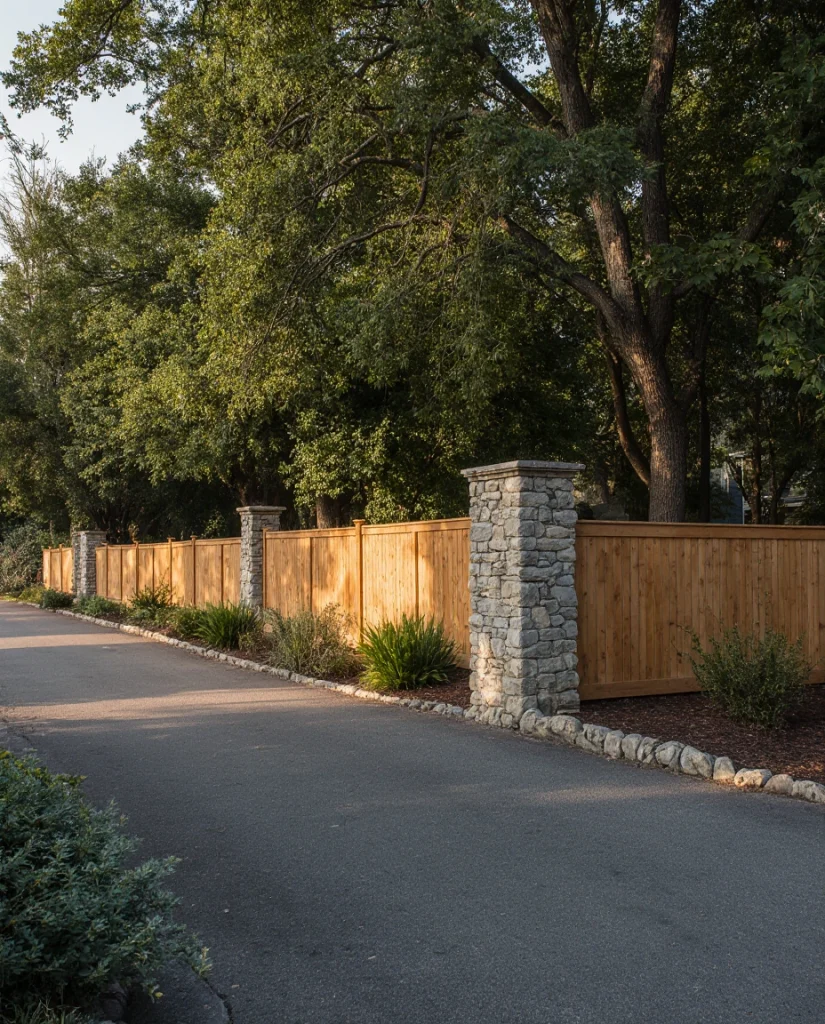
Blending natural stone pillars with wooden infill panels creates an upscale look reminiscent of high-end resort properties. The stone provides permanence and visual weight, while wood keeps the structure from feeling too heavy or fortress-like. This design particularly suits large properties where grand entrances and substantial boundary markers enhance rather than overwhelm the landscape. 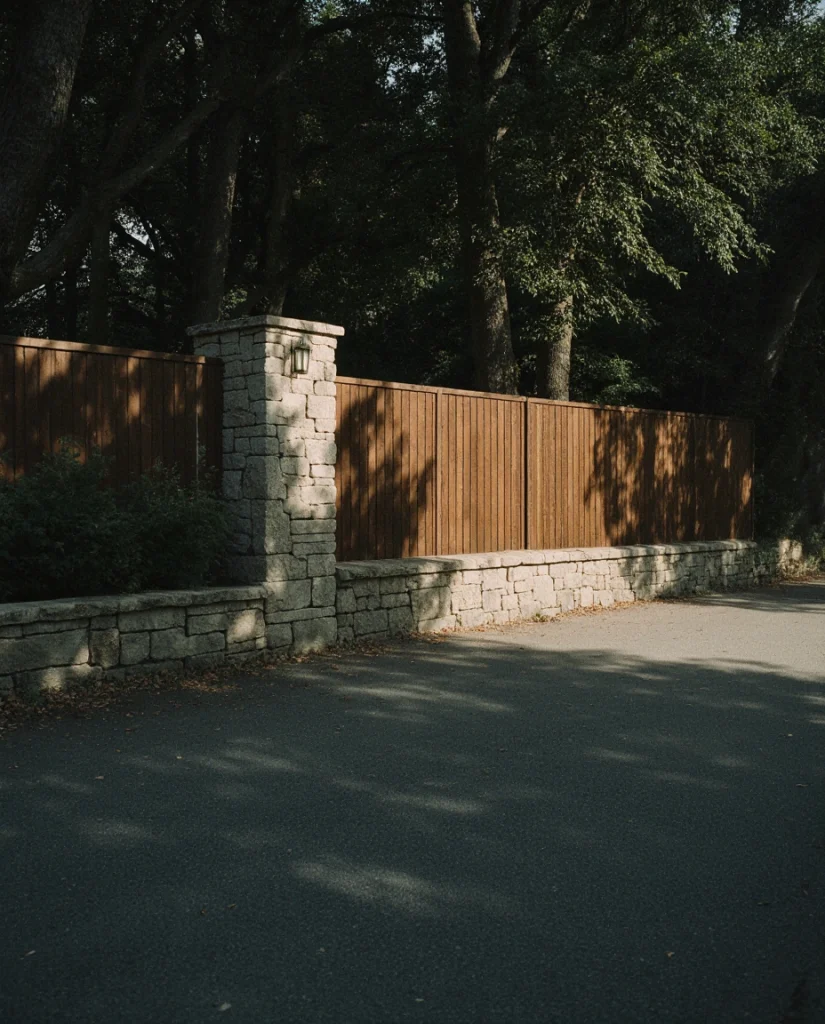
Budget-wise, this sits at the premium end—expect $75 to $150 per linear foot depending on stone type and labor costs in your region. However, the investment pays dividends in curb appeal and property value, especially in upscale neighborhoods where architectural cohesion matters. Homeowners in the Northeast and Pacific Northwest favor this style for its ability to weather harsh winters and heavy rainfall while maintaining structural integrity and appearance for decades.
12 Living Fence with Evergreen Privacy Hedge
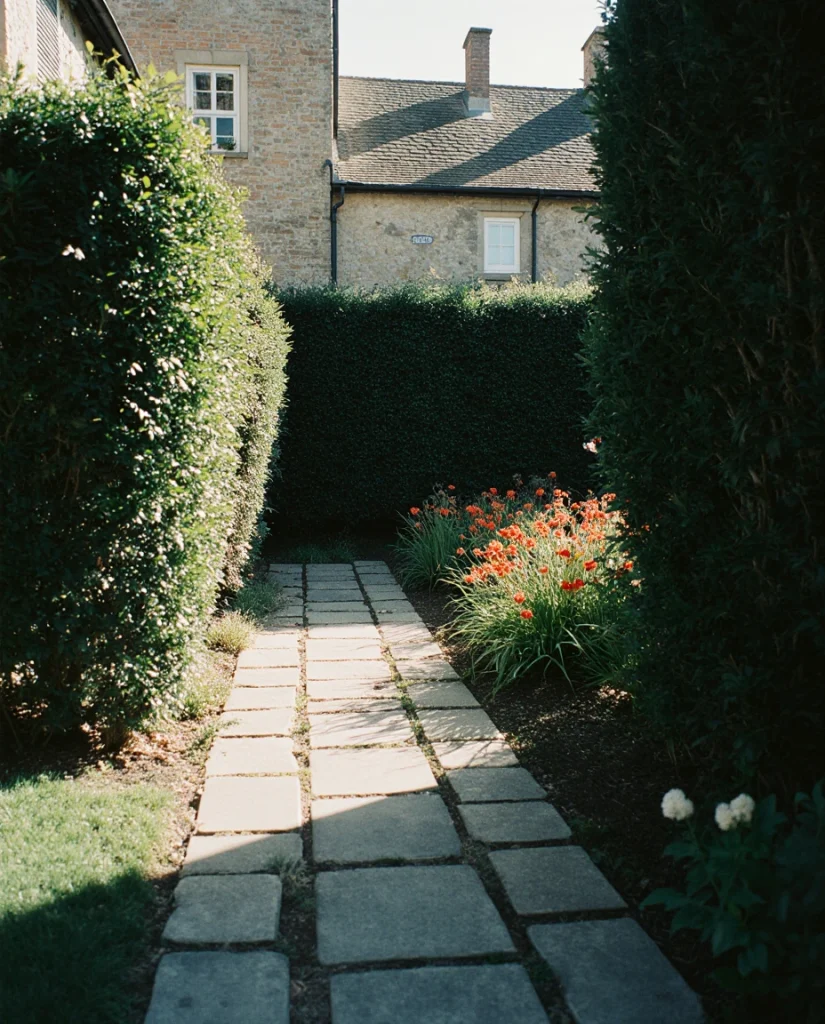
Sometimes the best privacy fence isn’t a fence at all—it’s a carefully cultivated row of evergreen shrubs like arborvitae, skip laurel, or Leyland cypress. This budget-friendly approach starts with small plants that grow into a dense, tall barrier over several years. It’s a living solution that improves air quality, provides habitat for birds, and creates a softer, more organic boundary than any manufactured material could achieve. 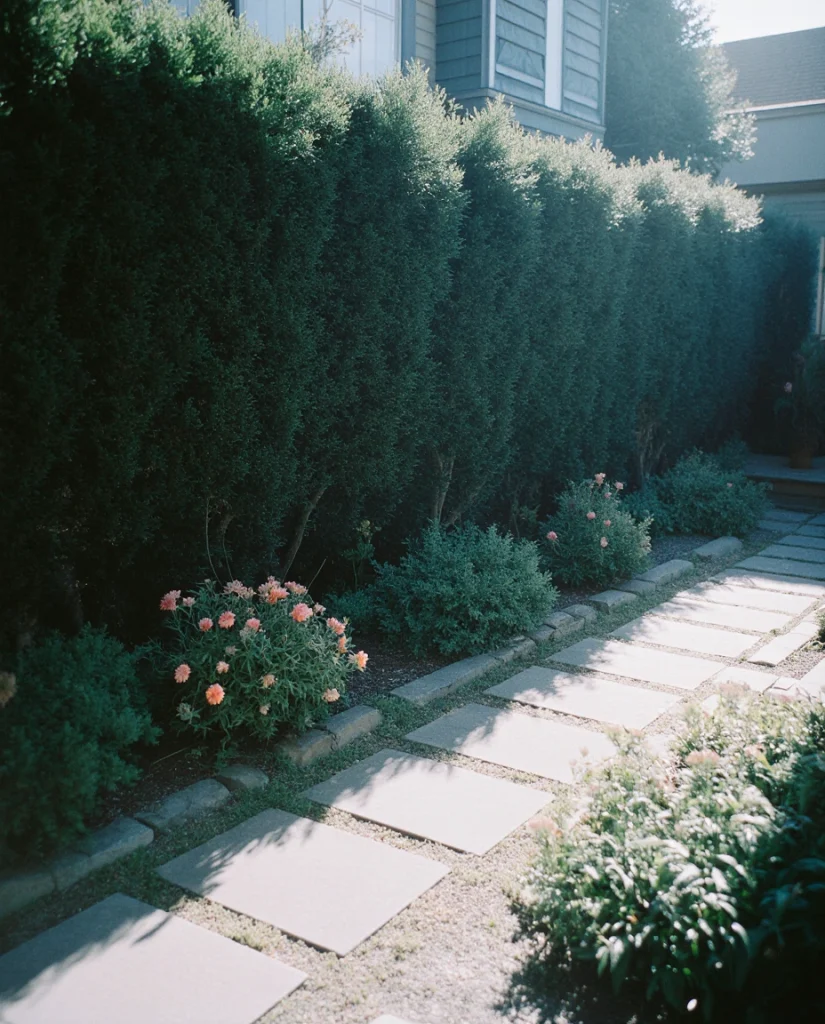
A common mistake is planting hedges too close together or too close to property lines, leading to maintenance headaches and neighbor disputes as plants mature. Plan for adult size by spacing appropriately—typically 3 to 5 feet apart depending on species—and position the row at least 2 feet inside your property line. While initial costs run lower than fencing (about $30 to $80 per plant), factor in several years of watering, fertilizing, and shaping before the hedge reaches an effective screening height of 6 to 8 feet.
13 Slatted Fence with Integrated Planter Boxes
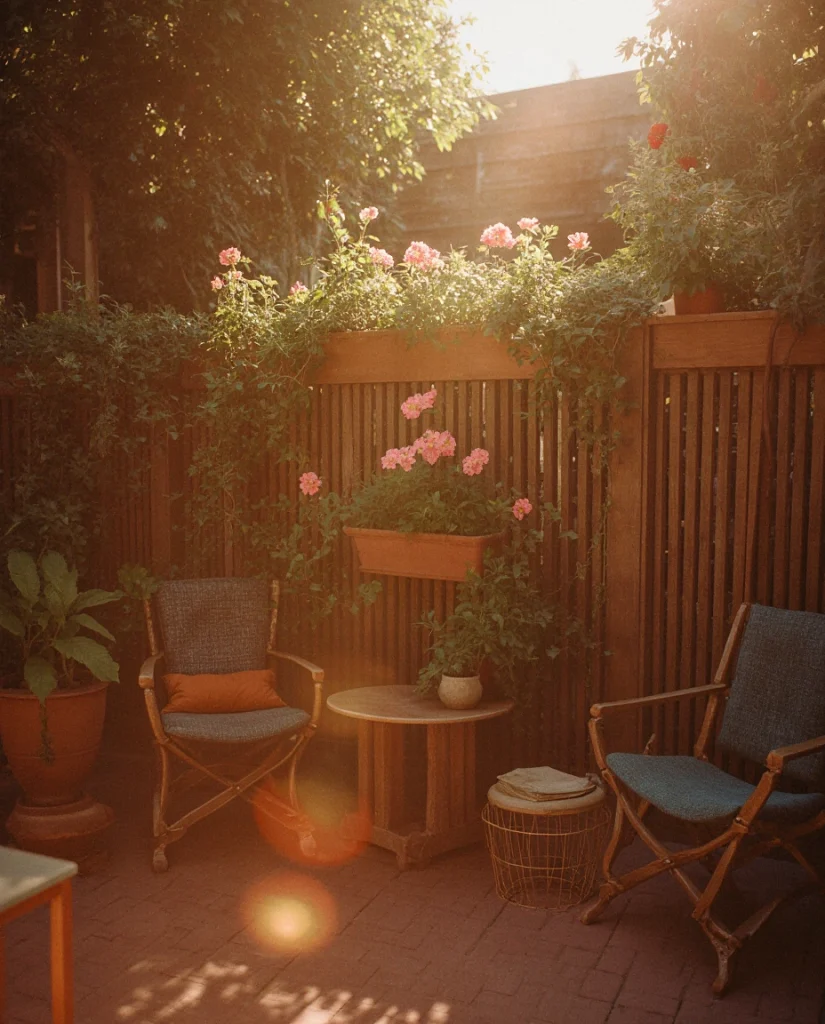
The vertical wooden slats married to built-in planter boxes are a combination that makes for a multi-functional and space-efficient beautification and privacy solution. The planters add to and soften the fence line and add depth and dimension to the fence. In urban yards where every square foot counts, this design is a perfect fit for homeowners looking to maximize both privacy and planter box space without the two needing to be separated. 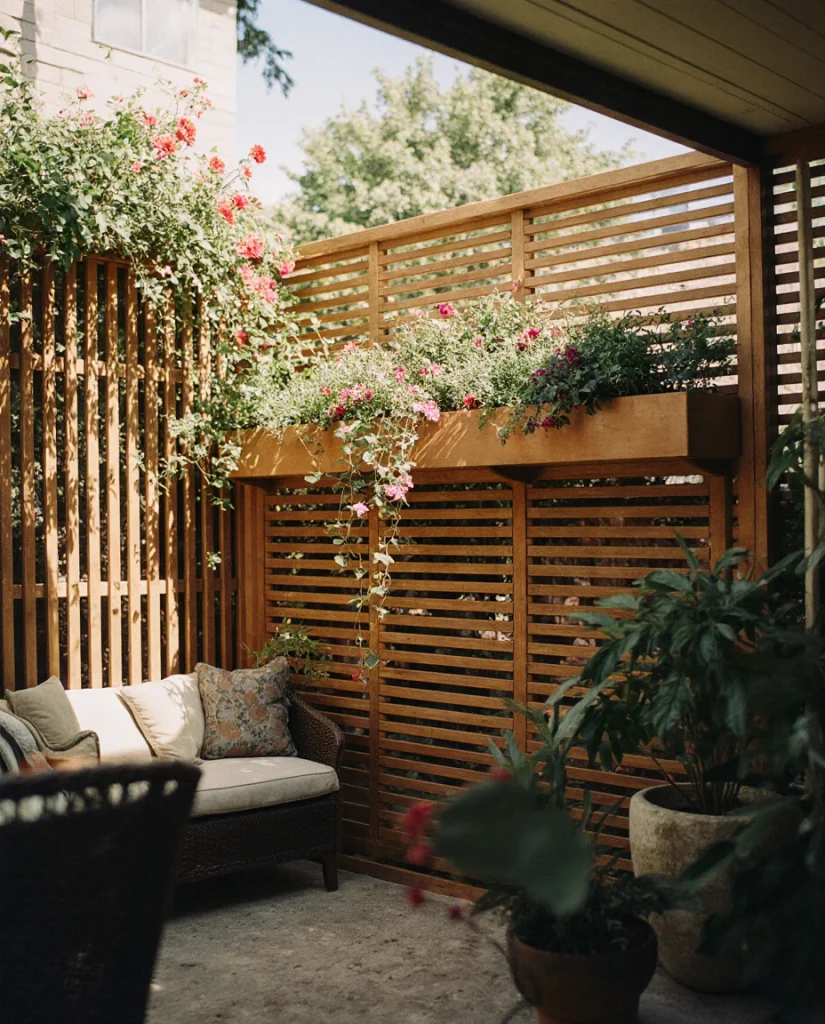
In Portland, Seattle, and other Pacific Northwest cities where urban gardening thrives, this design has become increasingly popular amongst homeowners looking for that gardening space to flex their growing skills. The planter boxes are 12 to 18 inches deep and have drainage systems to stop water damage from fence rot. Use cedar or other rot-resistant composites for the planter construction, and line them with fabric to add years to the planter.
14 Picket Fence with Privacy Backing
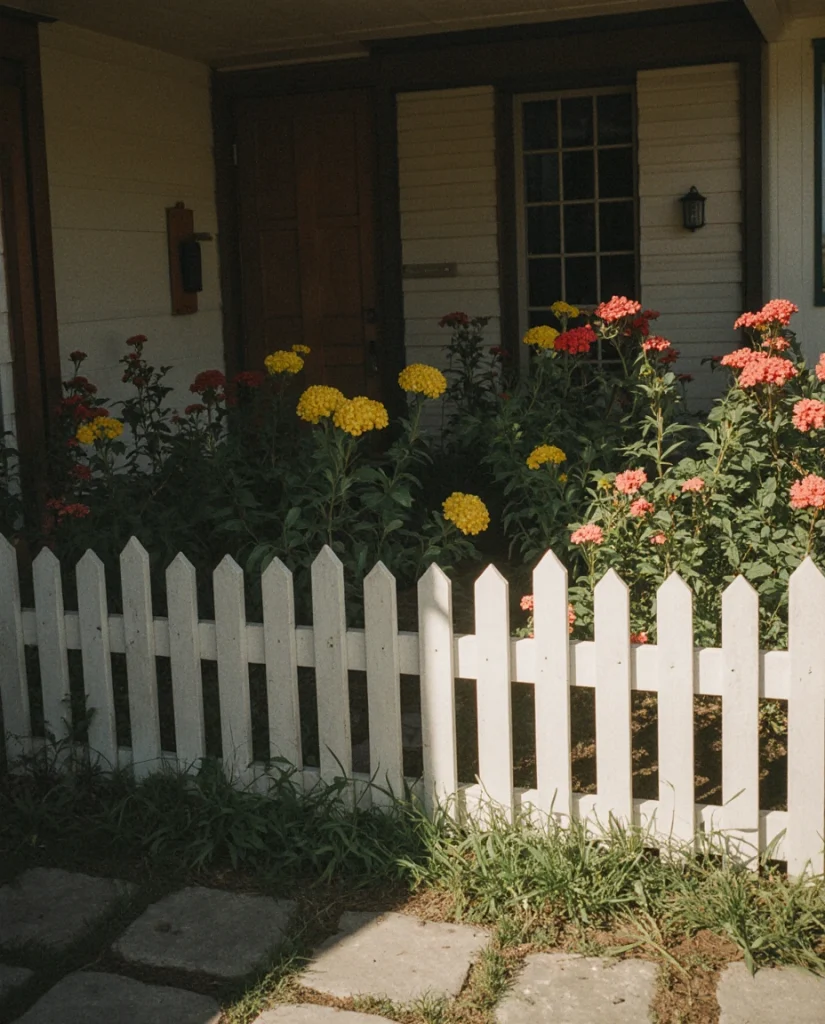
Transform a traditional white picket fence into a privacy feature by adding backing boards between the pickets. This hybrid approach maintains the charming, approachable aesthetic of picket fencing while providing actual screening. It’s ideal for front yard applications where HOAs or municipal codes require a certain traditional appearance, but homeowners still want meaningful privacy from sidewalk traffic. 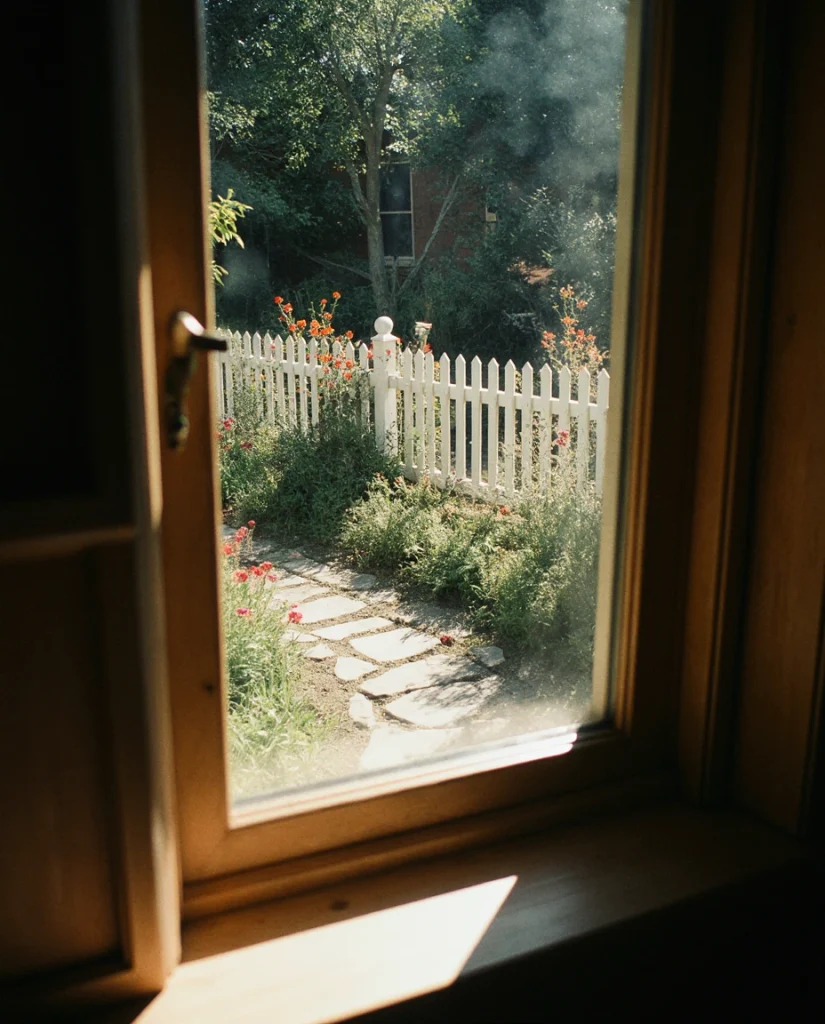
This style works best in neighborhoods with historic preservation guidelines or strong architectural themes—think New England coastal towns, Southern historic districts, or planned communities with design covenants. The backing can be installed on either side of the pickets depending on which direction you need privacy from, and it can be painted to match or contrast with the picket color. Most homeowners report that this modification adds about $10 to $15 per linear foot to standard picket fence pricing.
15 Gabion Wall Privacy Fence
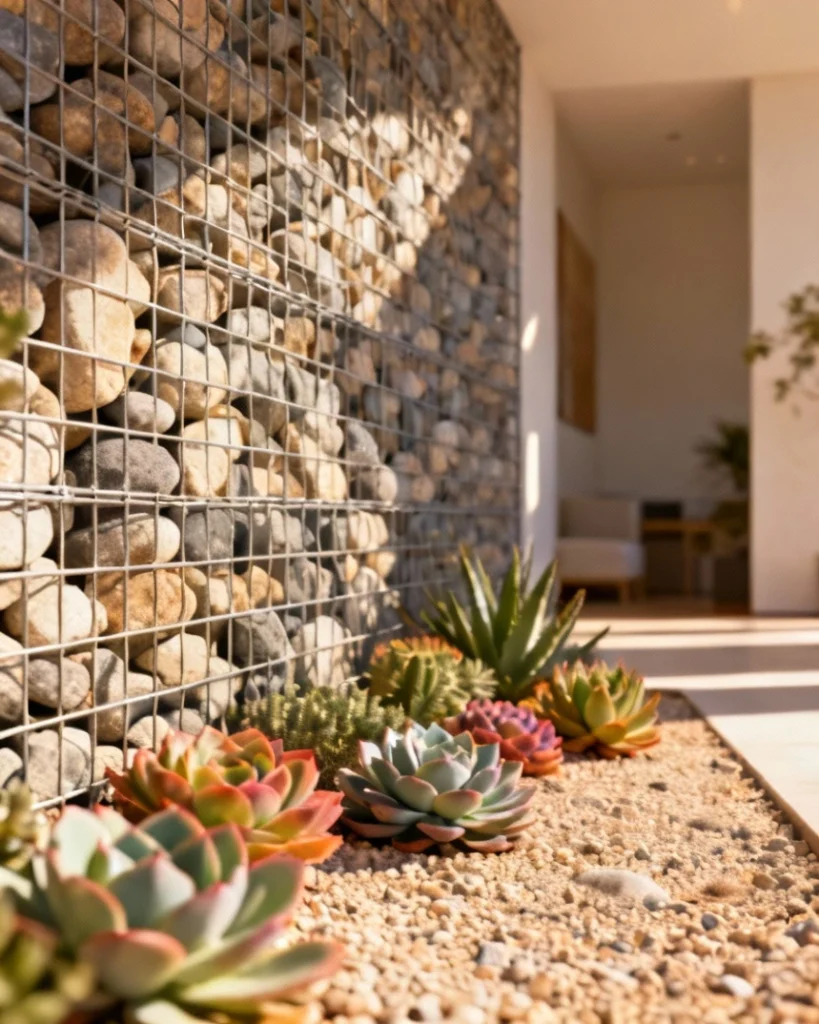
Wire cages filled with river rock, recycled glass, or other aggregates create a unique and surprisingly affordable privacy solution. Gabion walls offer exceptional drainage, require no foundation in many cases, and develop a distinctive character as materials settle and weather. This industrial-modern look has found favor in contemporary landscapes, particularly in regions prone to flooding where traditional fencing would fail.
Expert landscape architects recommend gabion walls for sloped properties, where they can serve double duty as retaining structures and privacy barriers. The material costs are relatively low—wire cages run $5 to $10 per square foot, and fill material varies widely depending on local availability, from $30 to $100 per ton. The DIY-friendly installation process appeals to handy homeowners, though walls taller than 4 feet often require engineering review to ensure stability and compliance with local codes.
16 Composite Board Fences in Natural Wood Tones
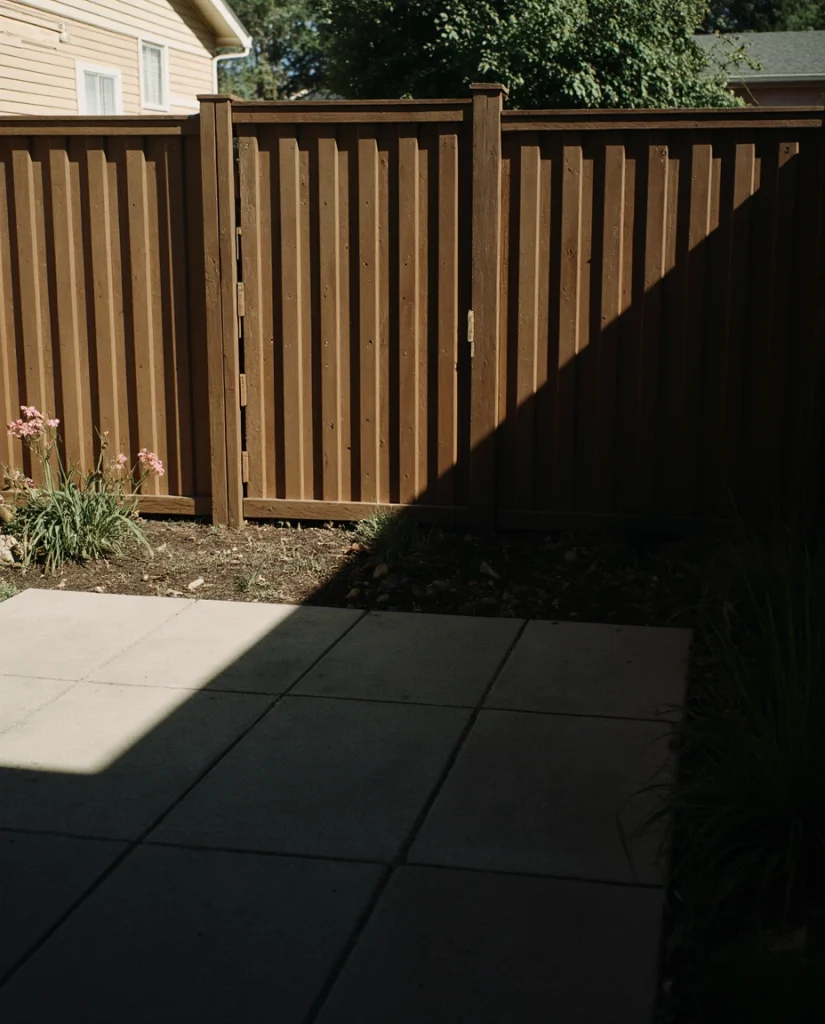
Composite materials have evolved beyond the obviously artificial look of early products. Modern options in natural wood tones offer the appearance of cedar or redwood without the maintenance, rot, or insect damage. For homeowners in humid climates or those who simply don’t want to spend weekends staining and sealing, this budget-friendly long-term solution delivers decades of service with minimal upkeep. 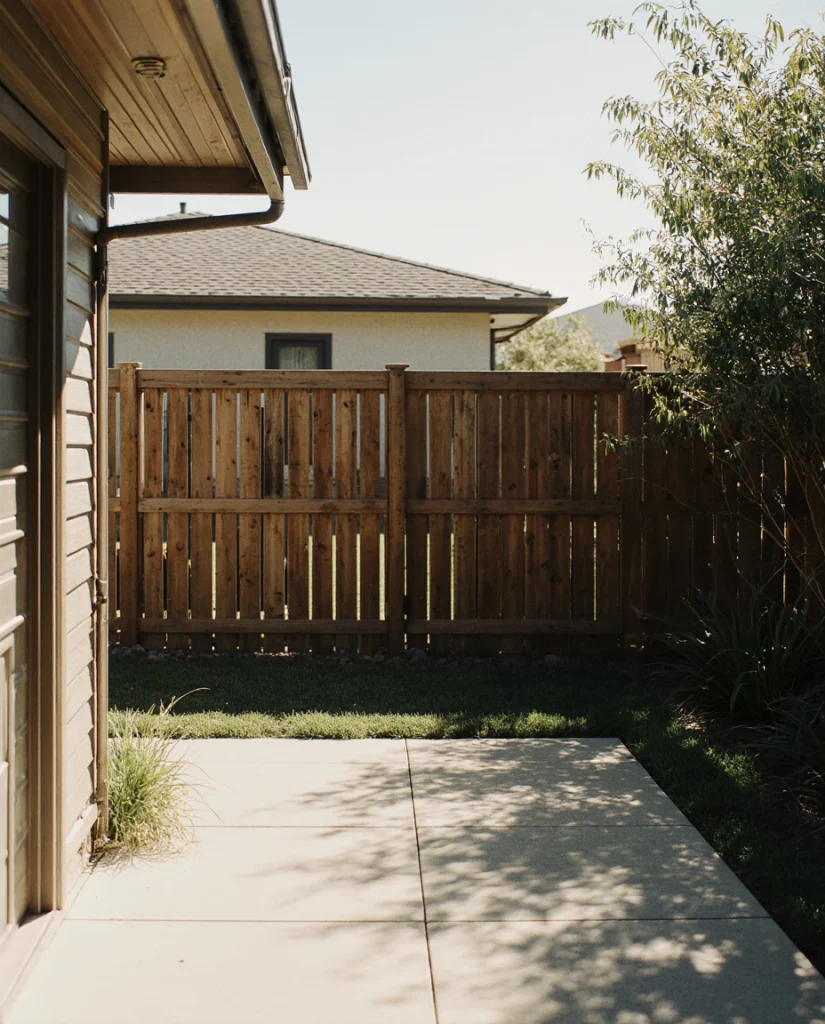
Across the humid Southeast—from the Carolinas through Georgia and into the Gulf states—composite fencing has gained significant market share as homeowners tire of replacing rotted wooden fence sections every few years. The upfront cost runs about 40-50% higher than comparable wood fencing, but the lifetime cost calculation often favors composite when you account for staining, repairs, and eventual replacement. Choose brands with strong UV warranties to ensure color stability over time.
17 Louvered Fence for Airflow and Privacy
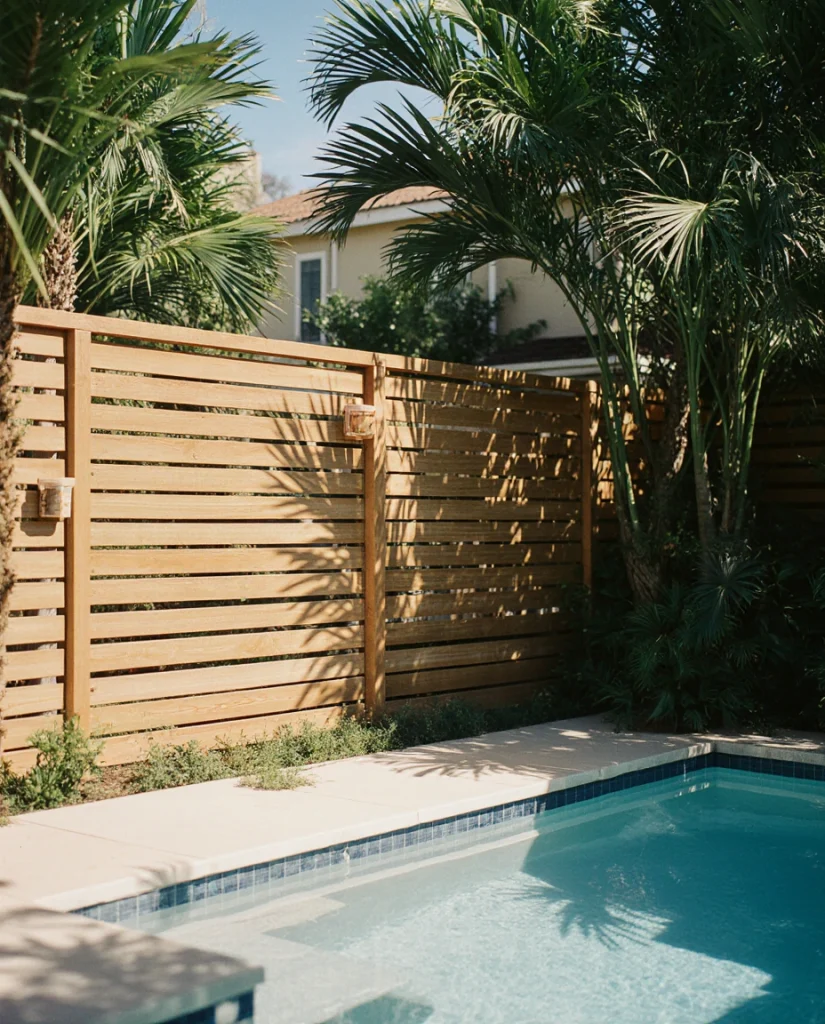
Angled louvers create a clever visual barrier that blocks direct sightlines while allowing air circulation—a critical feature in hot, humid climates where solid fencing can create stagnant air pockets. The horizontal or vertical slats are positioned at precise angles to ensure privacy from typical vantage points while maintaining cooling breezes. This design has become particularly popular in Southern states, where summer temperatures make enclosed yards uncomfortable.
Where it works best: properties in Florida, Louisiana, and Southern California, where heat management is as important as privacy. The louver angle typically ranges from 30 to 45 degrees, with steeper angles providing more privacy but less airflow. Aluminum louvered systems are available for homeowners wanting zero maintenance, though they typically cost twice as much as wooden versions. The architectural appeal of clean, parallel lines also makes this style a favorite for modern and mid-century modern homes.
18 Reclaimed Wood Pallet Fence
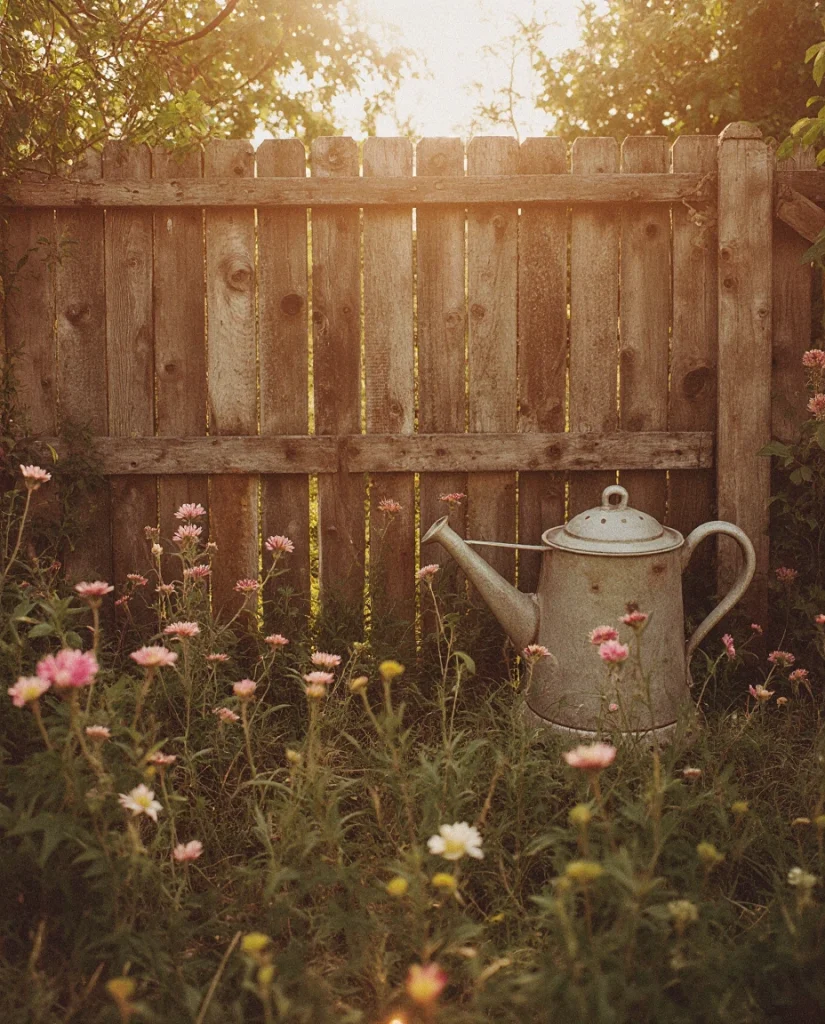
The ultimate cheap and budget DIY privacy solution uses reclaimed wooden pallets, which are often free from local businesses or available for $5 to $10 each. With basic tools and some sweat equity, creative homeowners can build rustic, charming fences that tell a story and keep materials out of landfills. The weathered character of pallet wood adds instant age and personality impossible to achieve with new materials.
My colleague transformed her entire backyard last summer using pallets from a local warehouse, spending less than $200 on the entire 80-foot run, including posts and hardware. She reinforced each pallet section with additional cross-bracing and treated all surfaces with weatherproofing stain. The key is selecting pallets marked “HT” (heat-treated) rather than “MB” (methyl bromide treated) to avoid chemical concerns, especially in gardens where edibles grow nearby.
19 Living Willow Fence
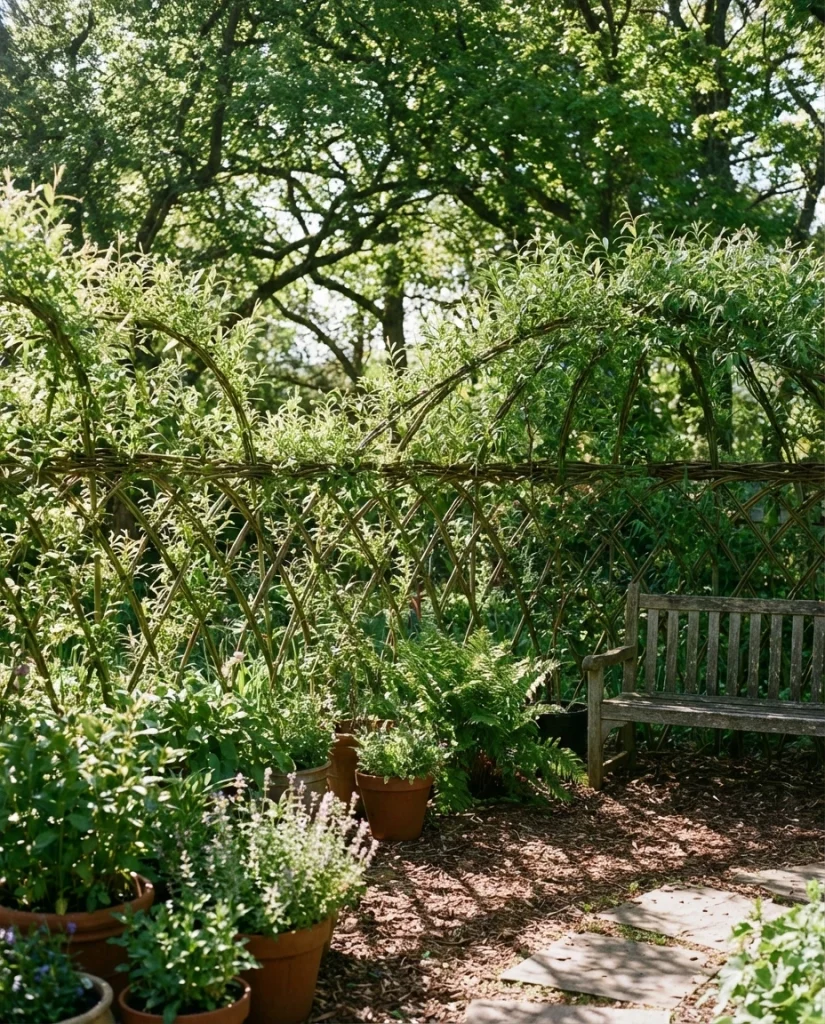
For a truly living structure, woven willow branches create a temporary fence that actually takes root and grows over time. This ancient technique involves planting fresh willow cuttings in the ground and weaving them into patterns that become increasingly dense as the plants establish. It’s an inexpensive and ecologically rich option that provides habitat for beneficial insects and birds while creating a soft, organic privacy screen.
Common mistakes include attempting this in climates too dry for willow (it needs consistent moisture) or failing to maintain the weave as new growth emerges. Homeowners in the Pacific Northwest, Northeast, and upper Midwest have the best success due to adequate rainfall and suitable growing conditions. Plan for annual pruning to maintain the desired height and density, and understand that the fence will look sparse initially, filling in substantially by the second or third growing season.
20 Shadowbox Fence with Alternating Boards
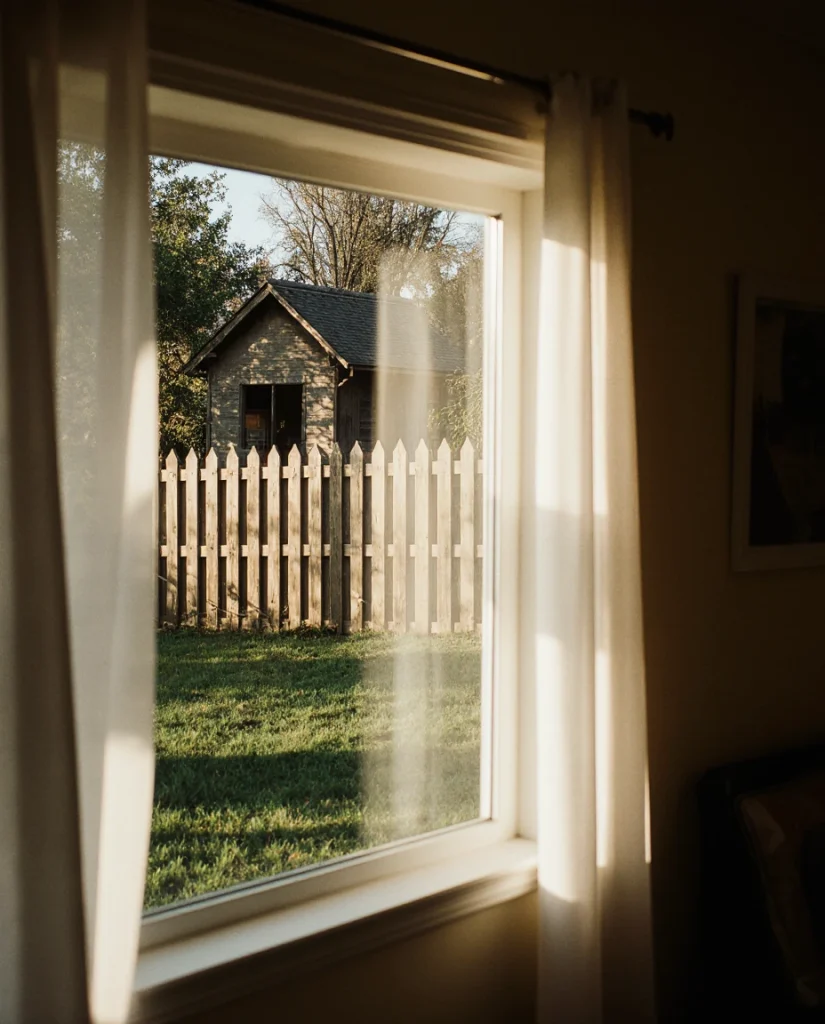
A shadowbox design staggers wooden boards on alternating sides of the fence rails, creating a structure that looks finished from both sides while providing privacy from either direction. The offset pattern allows air and some light through while blocking direct sightlines. This neighborly approach avoids the “good side / bad side” dilemma of traditional privacy fencing and has become a diplomatic choice in developments where homeowner relations matter. 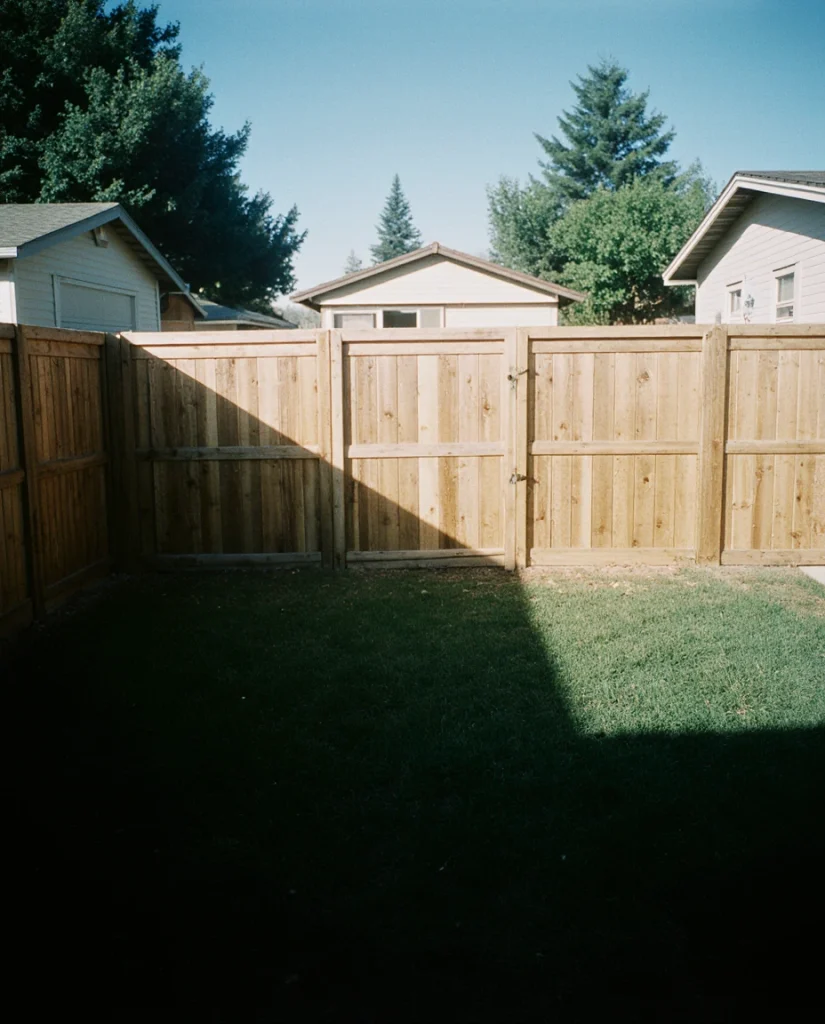
This works best in situations where both you and your neighbor benefit from privacy—think adjoining backyards in suburban subdivisions where everyone uses their outdoor spaces for family time and entertaining. The alternating pattern uses about 40% more material than a traditional board-on-board fence, which translates to higher costs, but many find the aesthetic and diplomatic benefits worth the investment. The design also creates interesting shadow patterns throughout the day as sun filters through the alternating boards.
21 Steel Frame with Frosted Acrylic Panels
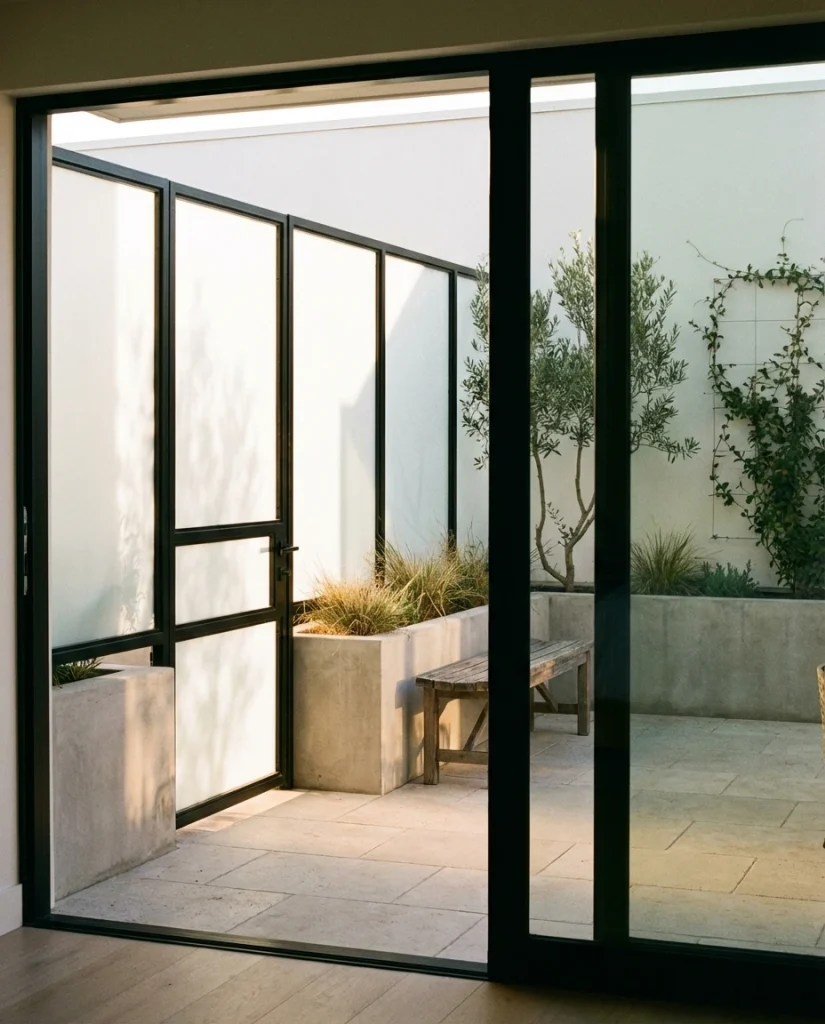
Modern architecture demands modern solutions, and frosted acrylic panels set in slim steel frames deliver exactly that. The translucent material allows light through while completely obscuring views, creating a bright, airy feeling despite total privacy. This unique approach works beautifully for front yard applications in contemporary neighborhoods where architectural cohesion with the home’s design is essential. 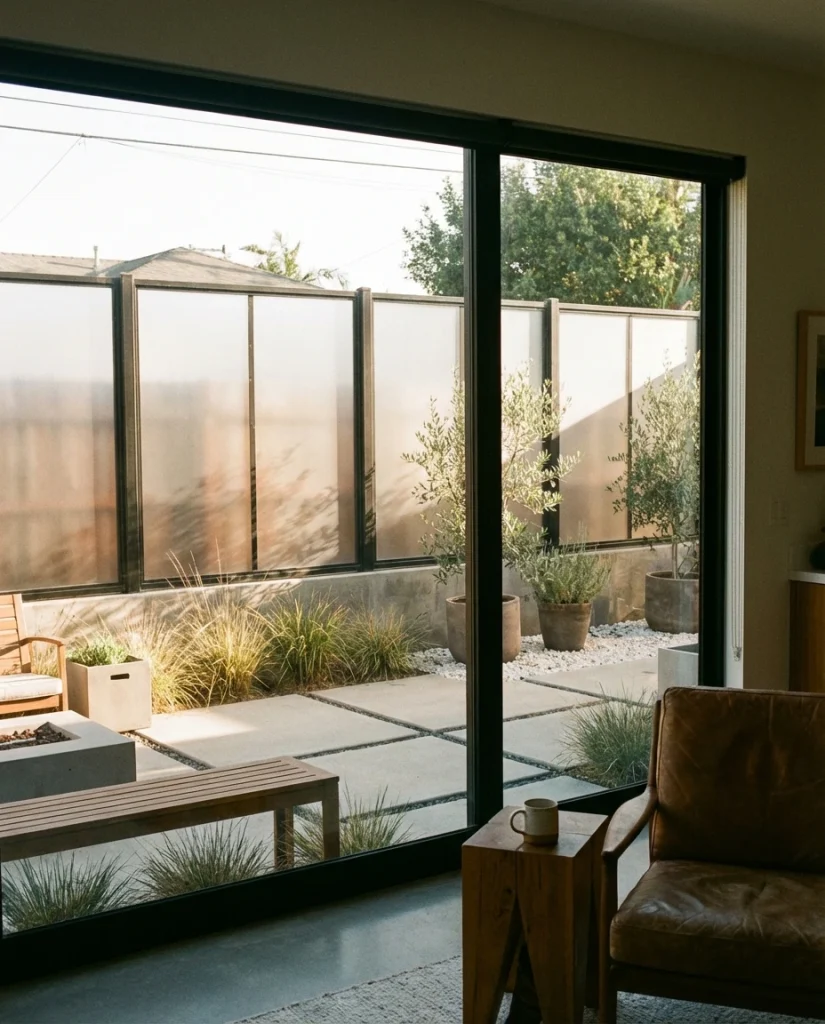
Homeowners in urban environments—particularly in cities like Austin, Denver, and Nashville, where modern infill development dominates—have embraced this style for its ability to provide privacy without creating dark, fortress-like boundaries. The acrylic panels won’t shatter like glass and are significantly lighter, making installation easier and safer. At $60 to $100 per linear foot, this sits at the higher end of the budget spectrum but delivers a distinctive look impossible to achieve with traditional materials.
22 Mixed-Material Fence with Stone Base
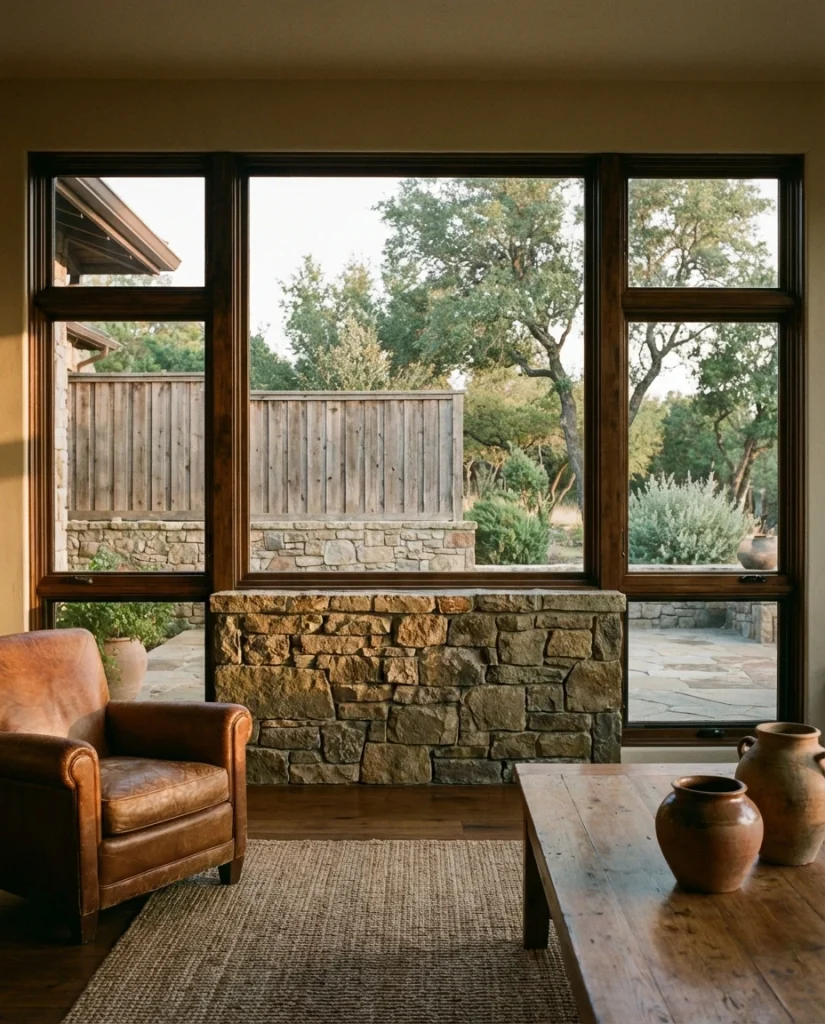
Anchoring a fence with a natural stone base (typically 18 to 24 inches high) topped with wood, metal, or composite panels creates a grounded, substantial appearance. The stone protects lower sections from moisture damage and ground contact while adding textural interest and visual weight. This premium design suits large properties where the fence serves as a significant architectural element in the overall landscape composition.
Real homeowners who’ve invested in this design consistently report that it’s the detail that elevates their property from nice to exceptional—the kind of feature that draws compliments and adds measurable value at resale. The stone base should be constructed with proper drainage and possibly a concrete footer for stability, which adds to project complexity and cost. Regional stone varieties keep the look authentic: limestone in Texas, fieldstone in New England, and river rock in the Pacific Northwest.
Conclusion
Which privacy fence idea speaks to your space and style? Whether you’re drawn to natural living walls, sleek modern panels, or rustic reclaimed materials, the right fence can completely transform how you experience your outdoor rooms. Share your favorite design in the comments below, or let us know if you’ve tackled a fence project recently—we’d love to hear what worked (and what you’d do differently next time).