Reading corners have become one of the most searched-for home decor ideas on Pinterest in 2026, especially among American homeowners looking to carve out cozy, intentional spaces for rest and reflection. Whether you’re working with a sprawling living room or a compact bedroom nook, a thoughtfully designed reading corner offers a personal retreat that blends function with aesthetic charm. From classroom setups to adult-friendly sanctuaries, the possibilities are as varied as they are inspiring. In this article, we’ll explore beautiful reading corner ideas that balance comfort, style, and practicality—perfect for anyone seeking a quiet escape at home.
1. Layered Textures in a Cozy Bedroom Nook
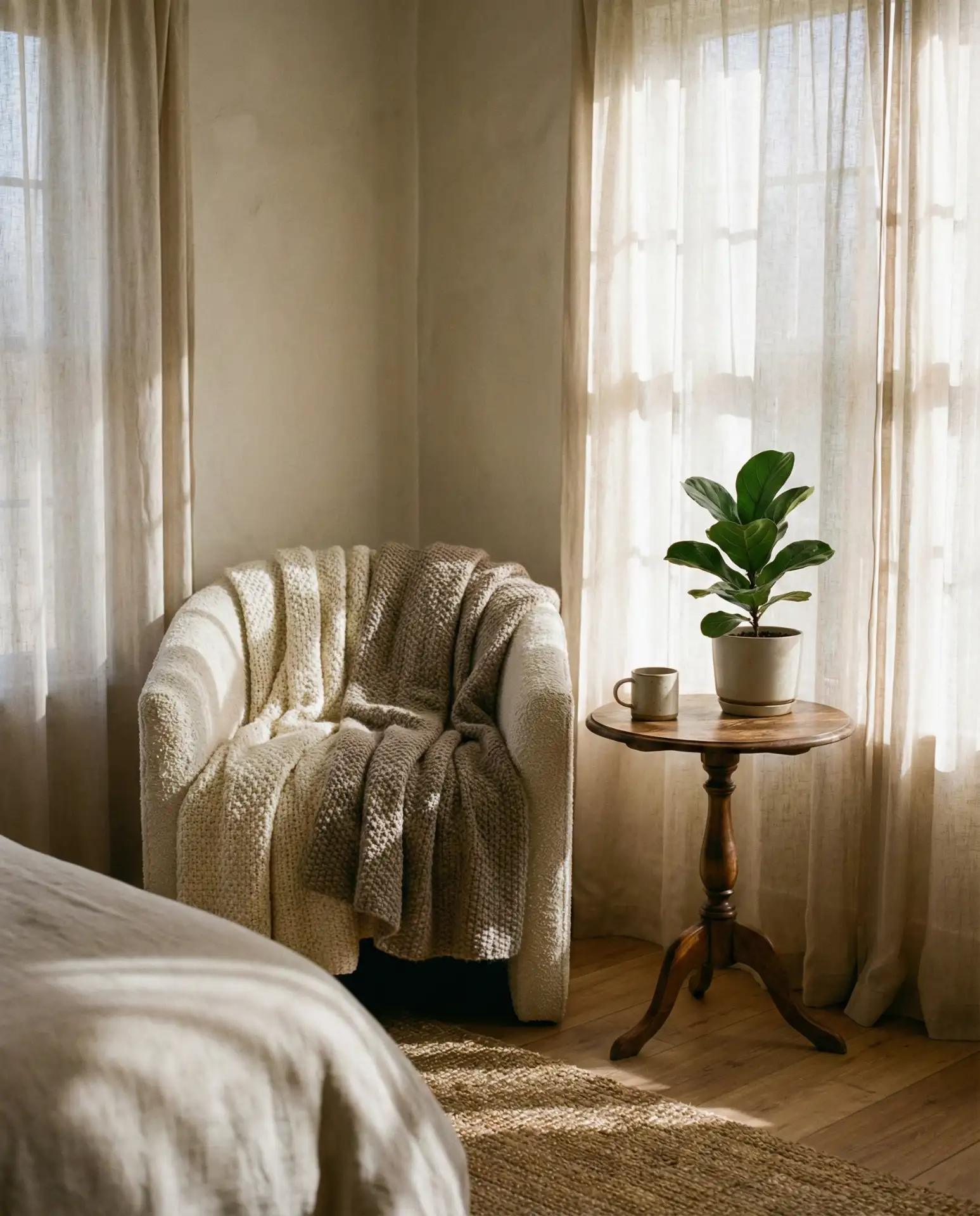
A cozy bedroom reading corner thrives on layered textiles—think chunky knit throws, linen cushions, and a plush area rug underfoot. This approach works especially well in smaller bedrooms and small spaces where every element needs to pull double duty for comfort and visual warmth. Pair a low-slung armchair with a side table just large enough for a mug and a stack of books, and you’ve created a personal retreat that invites you to linger.
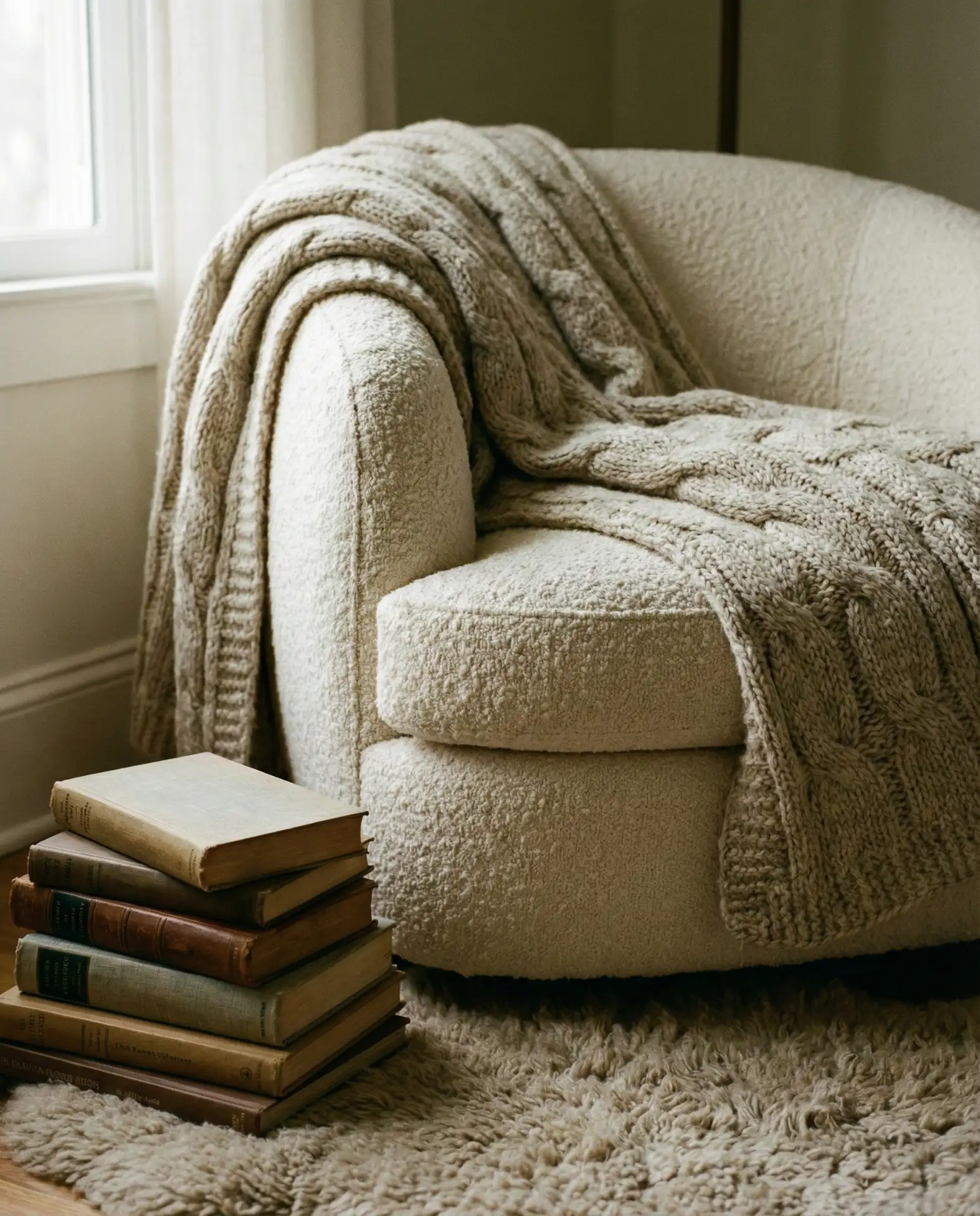
This setup works best in master bedrooms or guest rooms where you want a dedicated spot that doesn’t compete with the bed for attention. Many homeowners use this corner as a morning coffee ritual space or a wind-down zone before bed, making it one of the most-used areas in the room despite its compact footprint. Choose fabrics that feel good against the skin and colors that echo the rest of your bedroom palette for a seamless look.
2. Window Seat with Built-In Storage
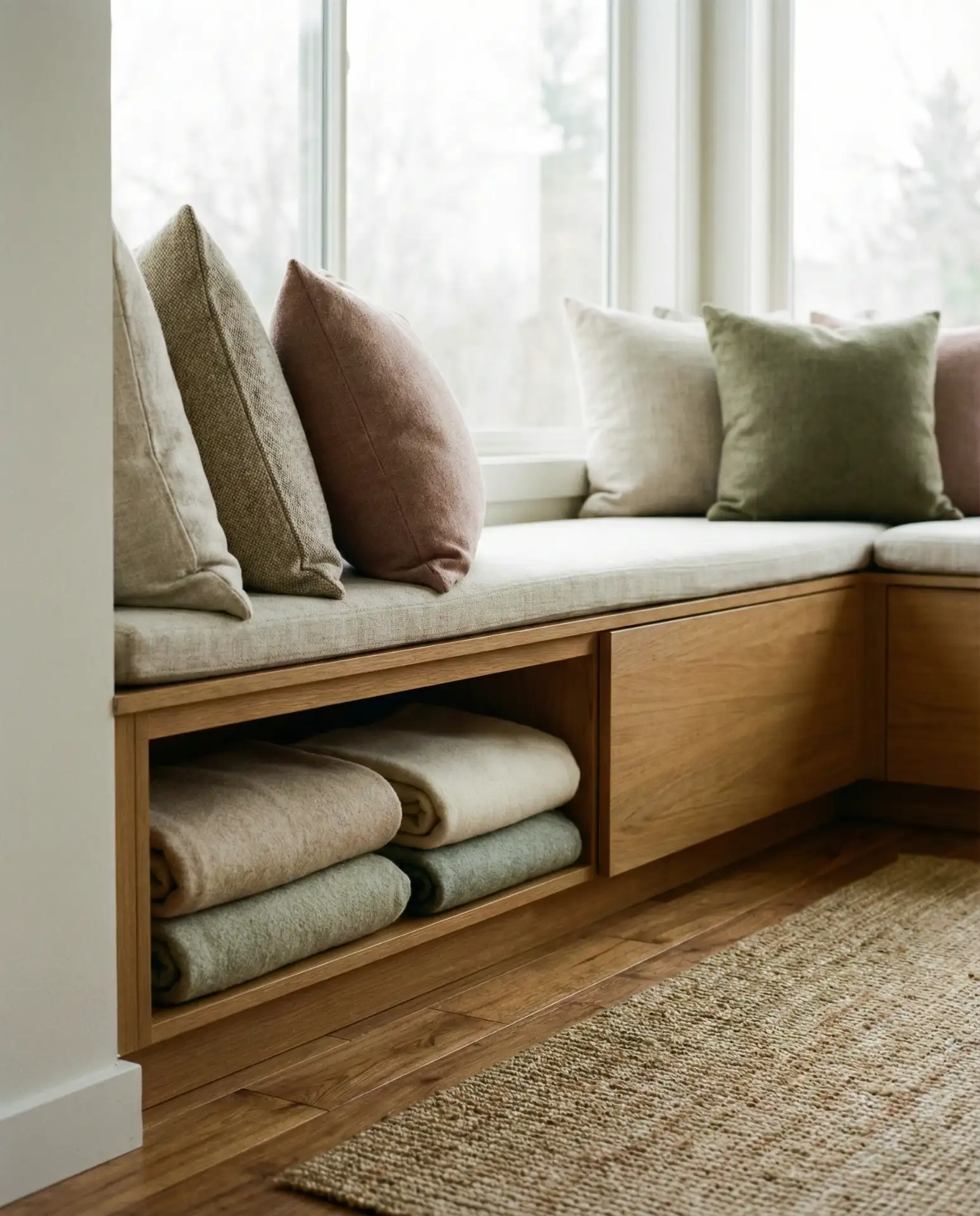
A window reading corner doubles as storage when you build a cushioned bench with lift-top compartments underneath. This design is especially popular in American homes with bay windows or dormer nooks, where natural light floods in and the architecture already suggests a cozy alcove. Add a few throw pillows and a soft runner, and you’ve transformed dead space into a functional, inviting spot.
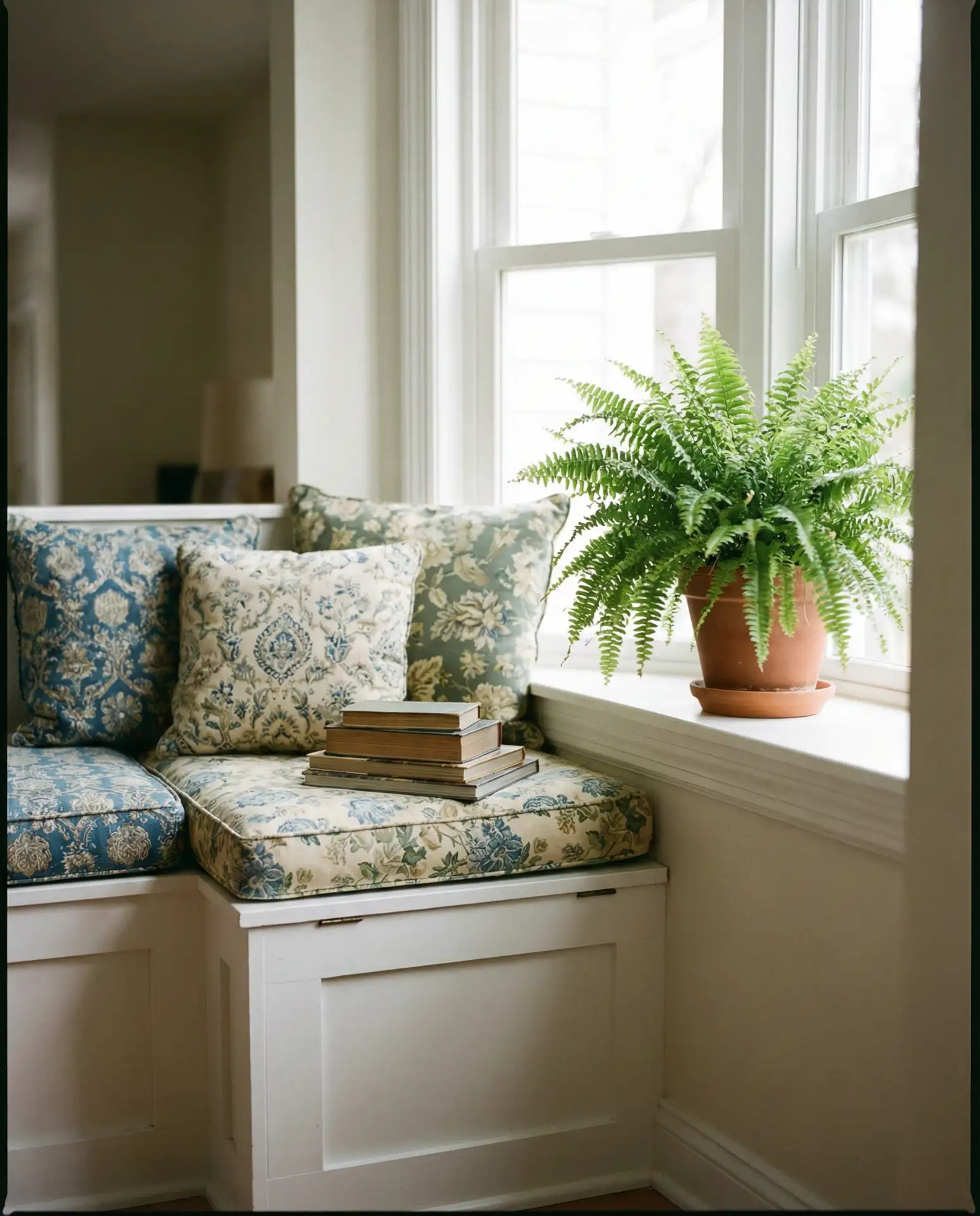
In the Midwest and Northeast, where homes often feature charming architectural details, window seats are a beloved feature that homeowners frequently upgrade with custom cushions and hidden storage. A common mistake is choosing cushions that are too thin—opt for at least four inches of padding to ensure comfort during longer reading sessions. This setup also works beautifully in children’s rooms, turning a simple window into a multifunctional play and reading zone.
3. Canopy-Draped Corner for a Dreamy Escape
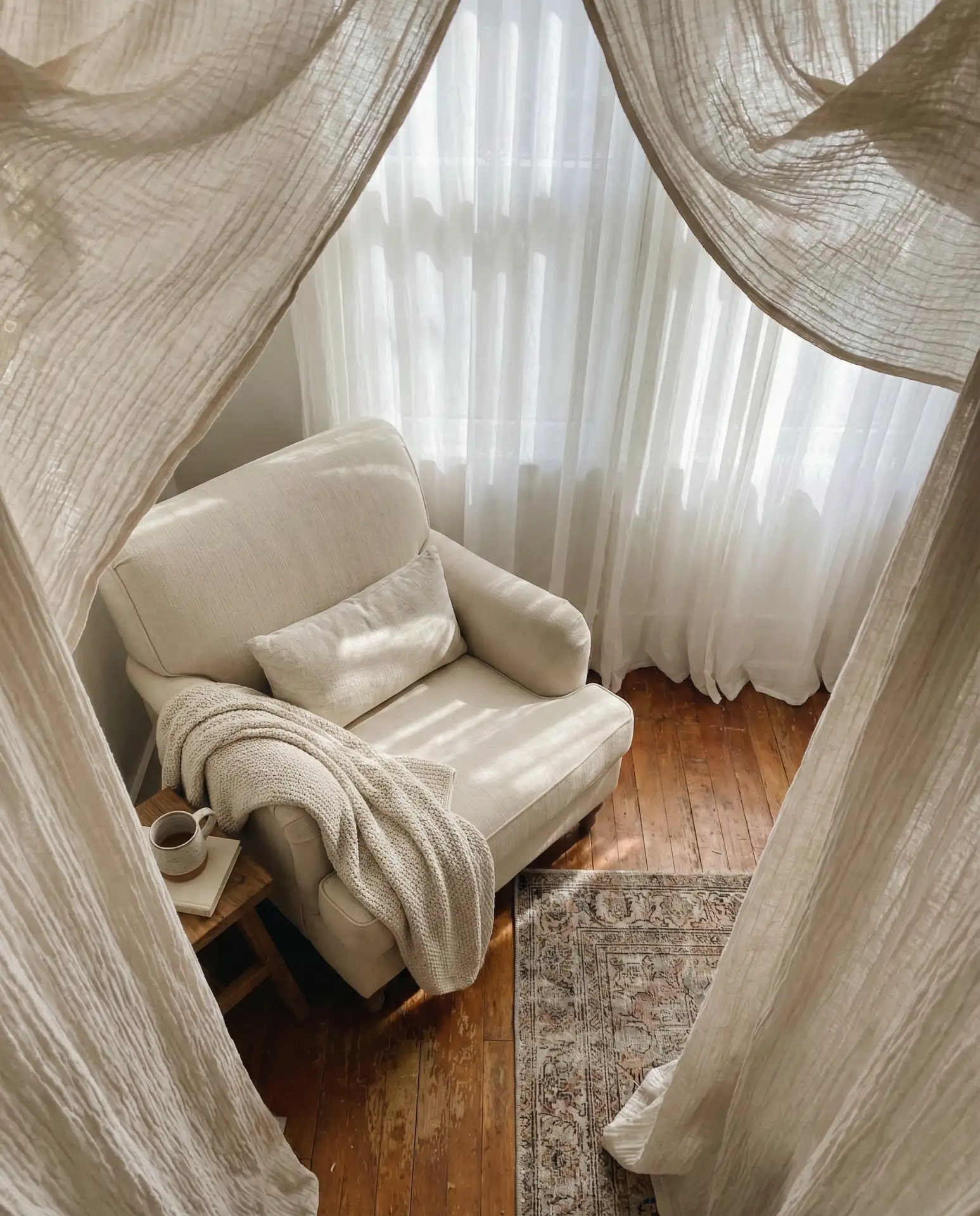
Draping a canopy over a reading chair creates an intimate, almost magical atmosphere that’s perfect for unwinding. This idea works in both adult bedrooms and kids’ bedroom setups, where a sheer or gauzy fabric adds softness without blocking light. Suspend the canopy from a ceiling hook or a simple rod, and let the fabric pool gently around the chair for a relaxed, bohemian vibe.
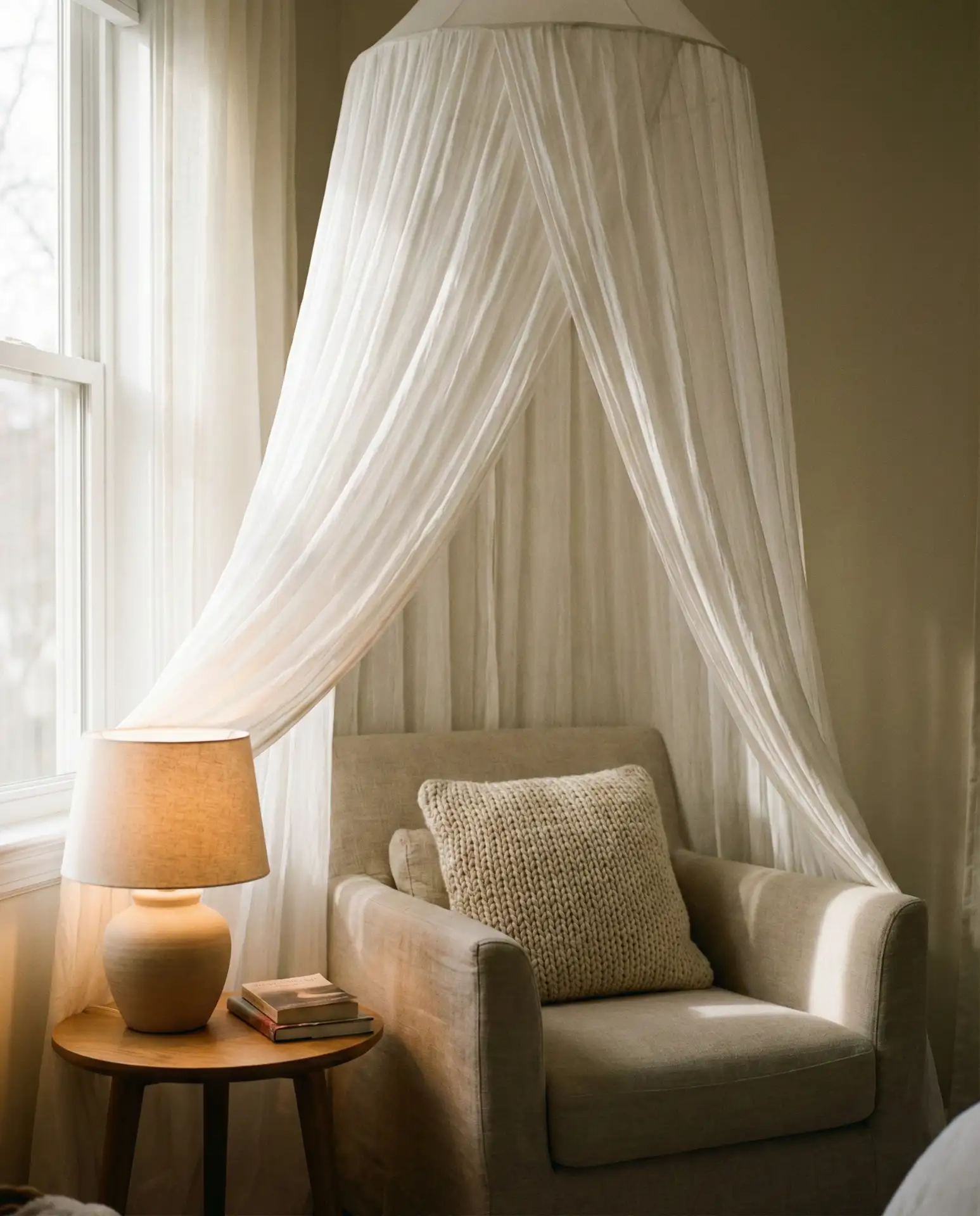
One homeowner in Portland shared that her canopy corner became her daughter’s favorite spot for bedtime stories, turning an ordinary chair into a cherished ritual space. The key is choosing lightweight fabric that won’t overwhelm the room visually—linen or cotton voile works beautifully and maintains that airy, Pinterest-worthy aesthetic without feeling heavy or dated.
4. Minimalist Corner with a Single Statement Chair
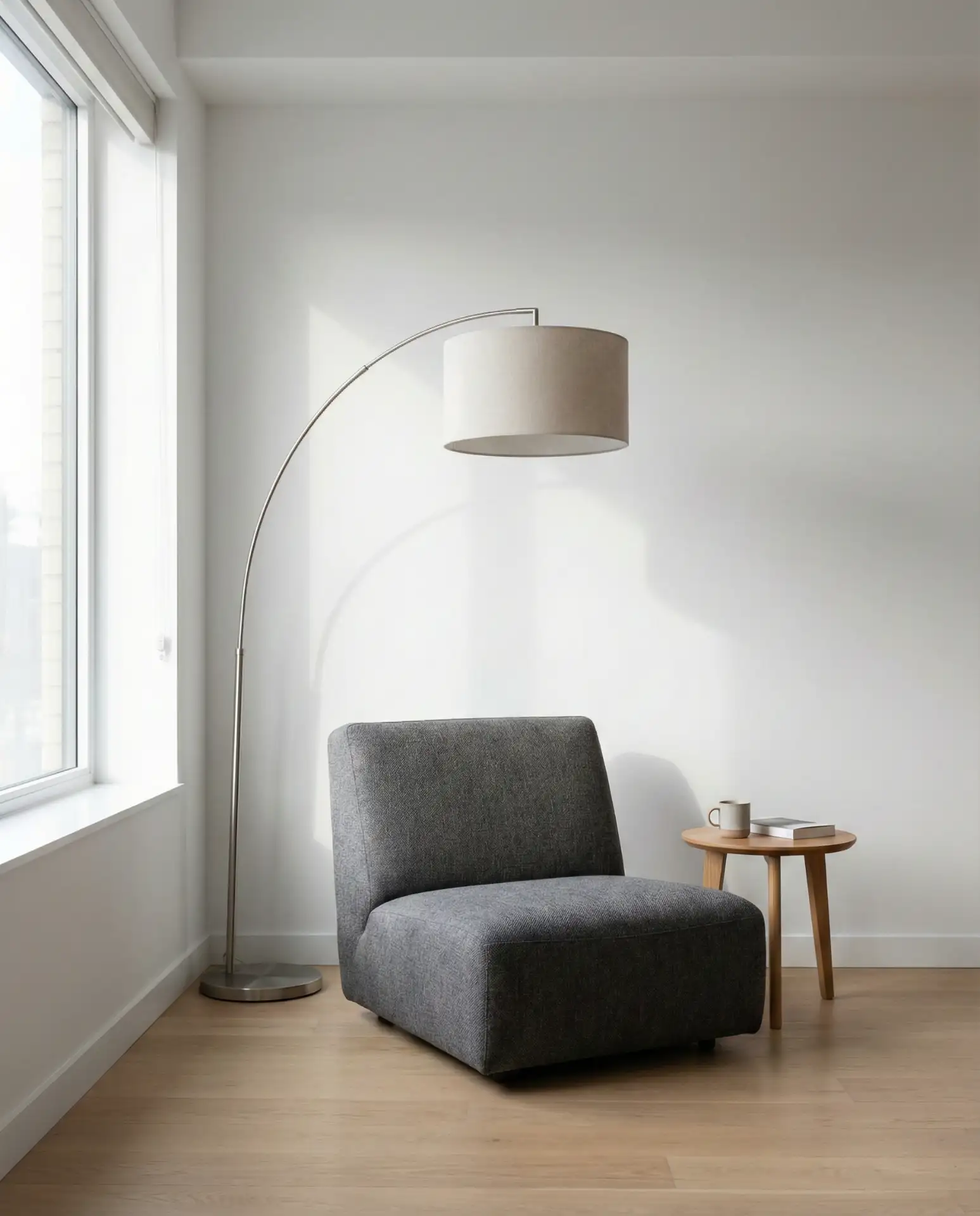
Sometimes less is more, and a single sculptural chair in a living room corner can speak volumes. Choose a piece with interesting lines—a mid-century modern lounger or a Scandinavian-inspired wingback—and let it stand alone with just a floor lamp and a small side table. This approach is ideal for open-plan homes where you want a reading spot that doesn’t clutter the sightlines.

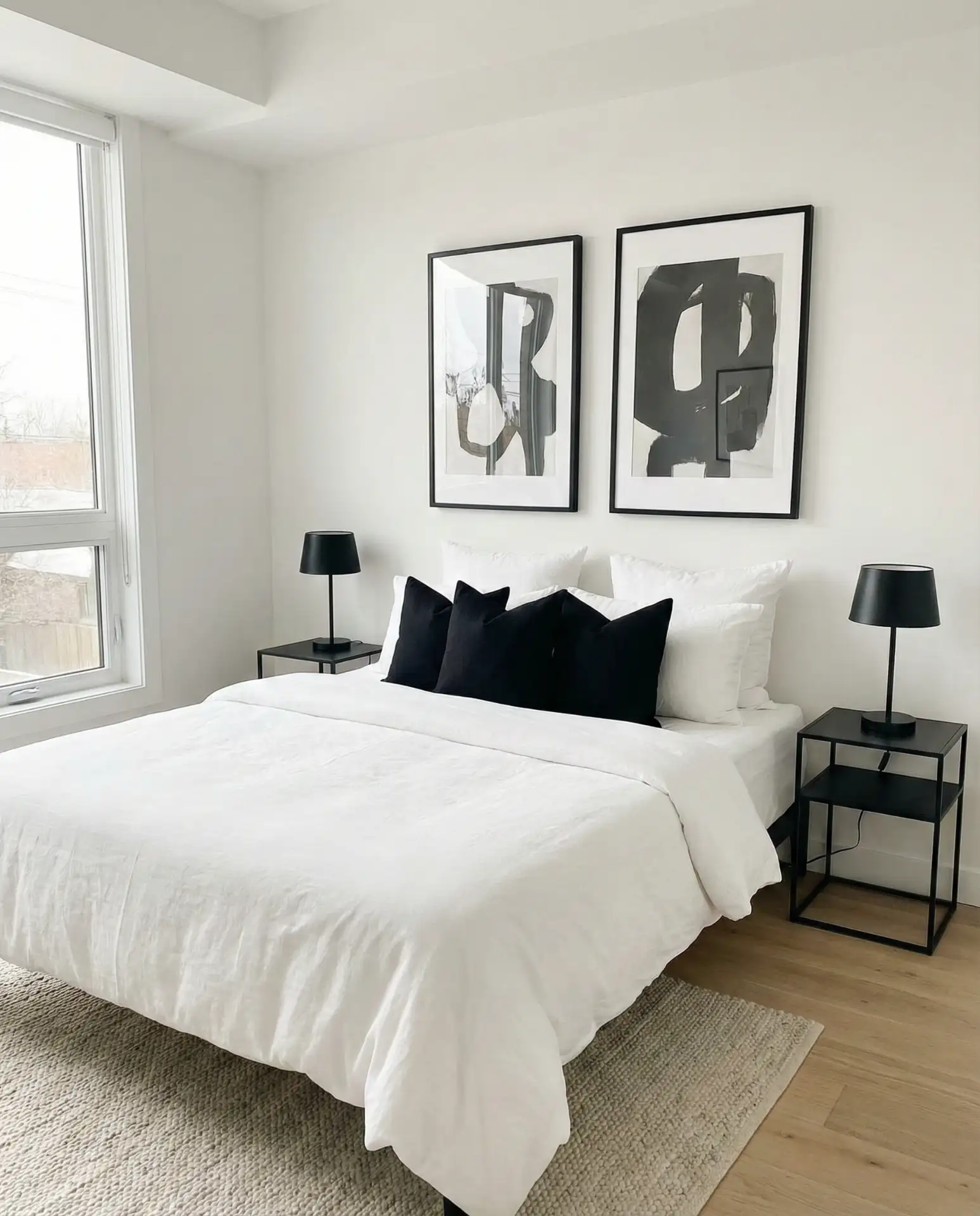
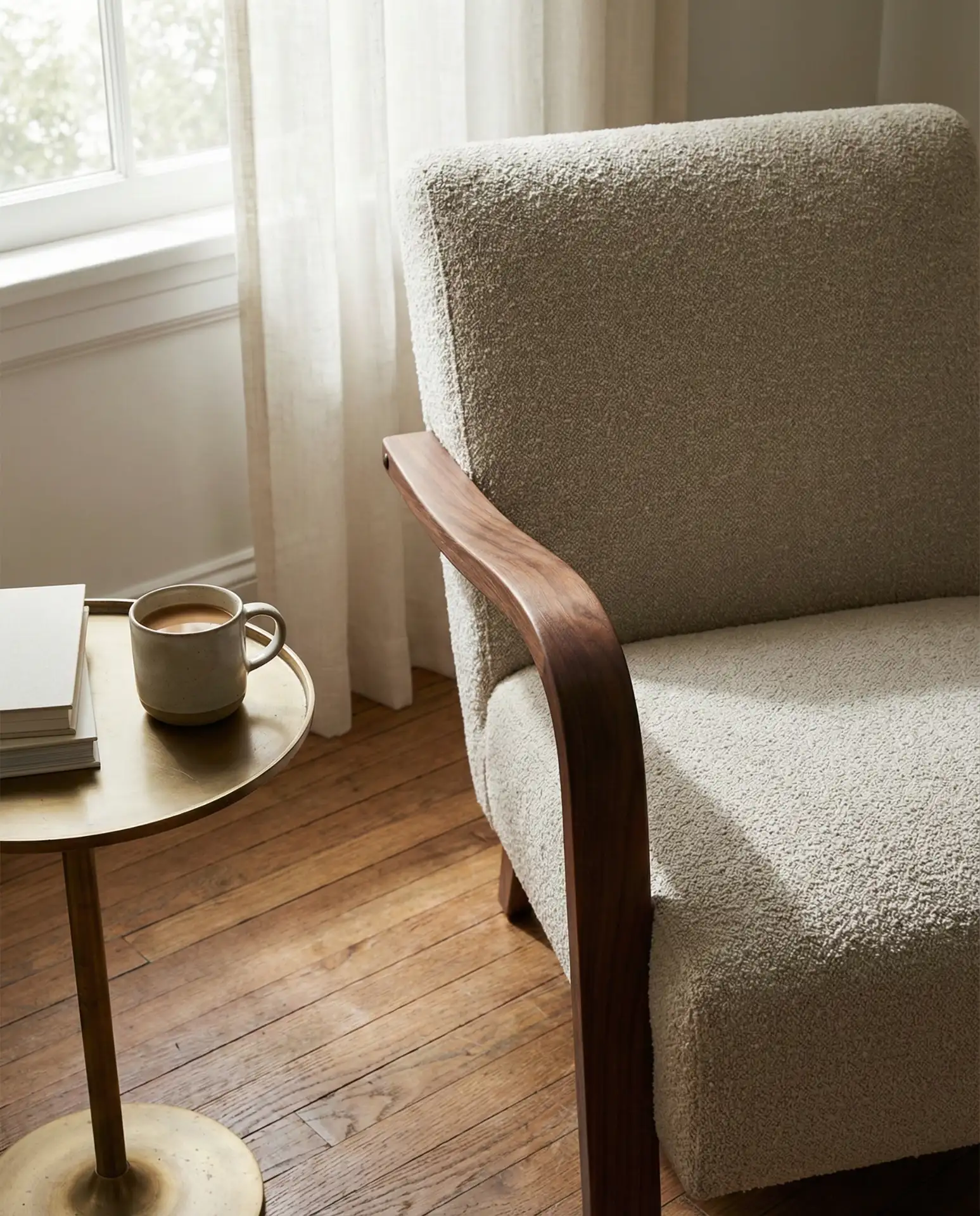
This setup works best in urban apartments and contemporary homes where square footage is at a premium and every piece of furniture needs to justify its presence. A quality chair can range from $400 to over $1,500, but it’s an investment that anchors the room and provides a dedicated, distraction-free zone for reading or reflection.
5. Boho Corner with Macramé and Natural Fibers
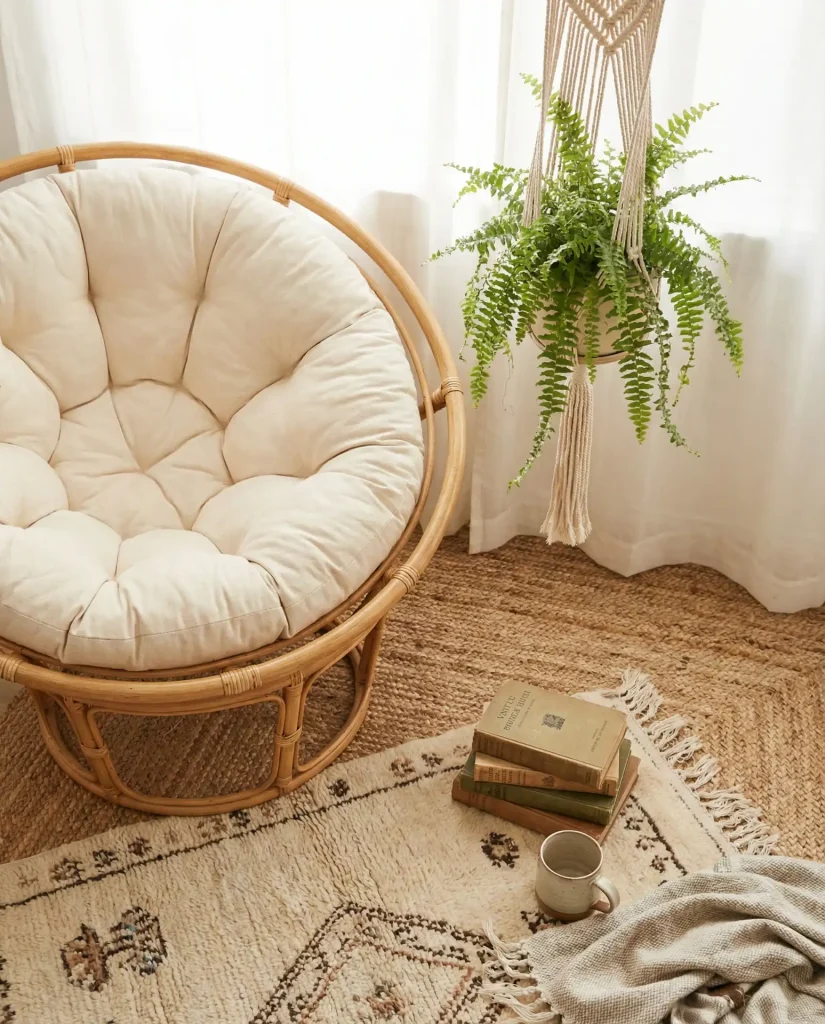
A boho reading corner leans into earthy textures and handmade details—macramé wall hangings, woven baskets, and rattan furniture all play a role. This style is especially popular among younger homeowners who want a laid-back, collected-over-time feel that’s equal parts cozy and visually rich. Layer in a sheepskin throw or a jute rug to enhance the tactile experience.
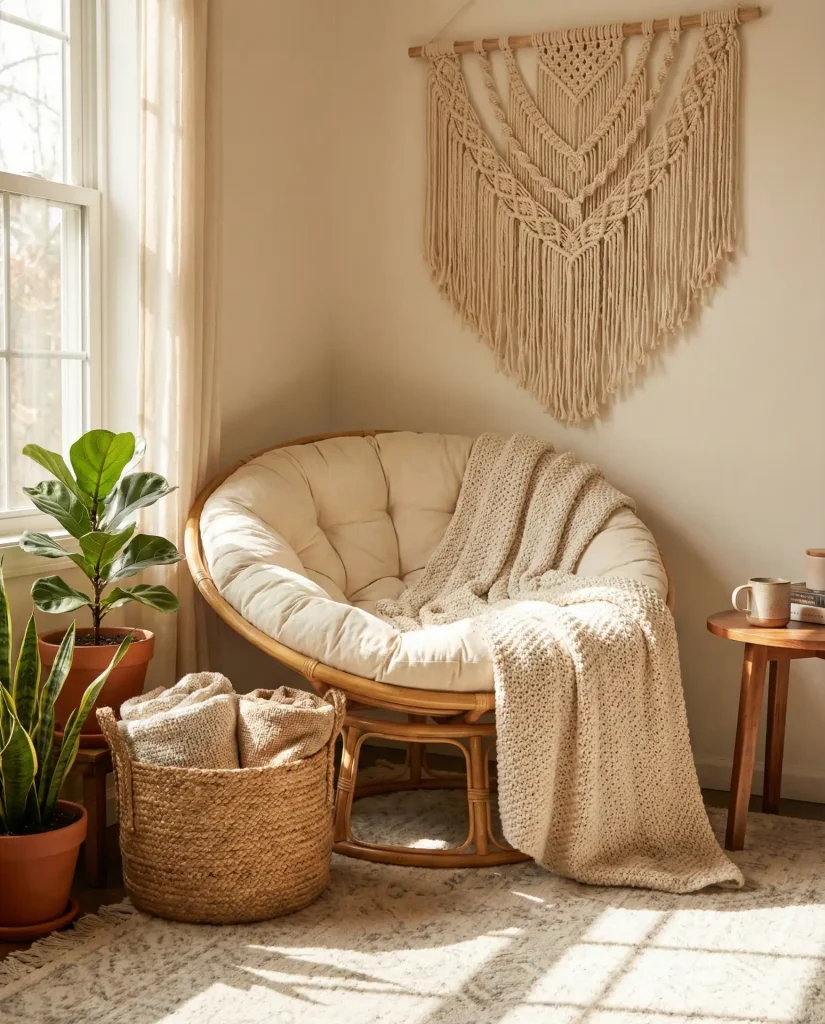
Across the Southwest and California, this style resonates with the regional love of natural materials and indoor-outdoor living. Real homeowners often source their decor from flea markets and artisan shops, giving each corner a unique, personal touch that can’t be replicated from a catalog. It’s a forgiving style that encourages mixing patterns and textures without rigid rules.
6. Built-In Bookshelf Alcove
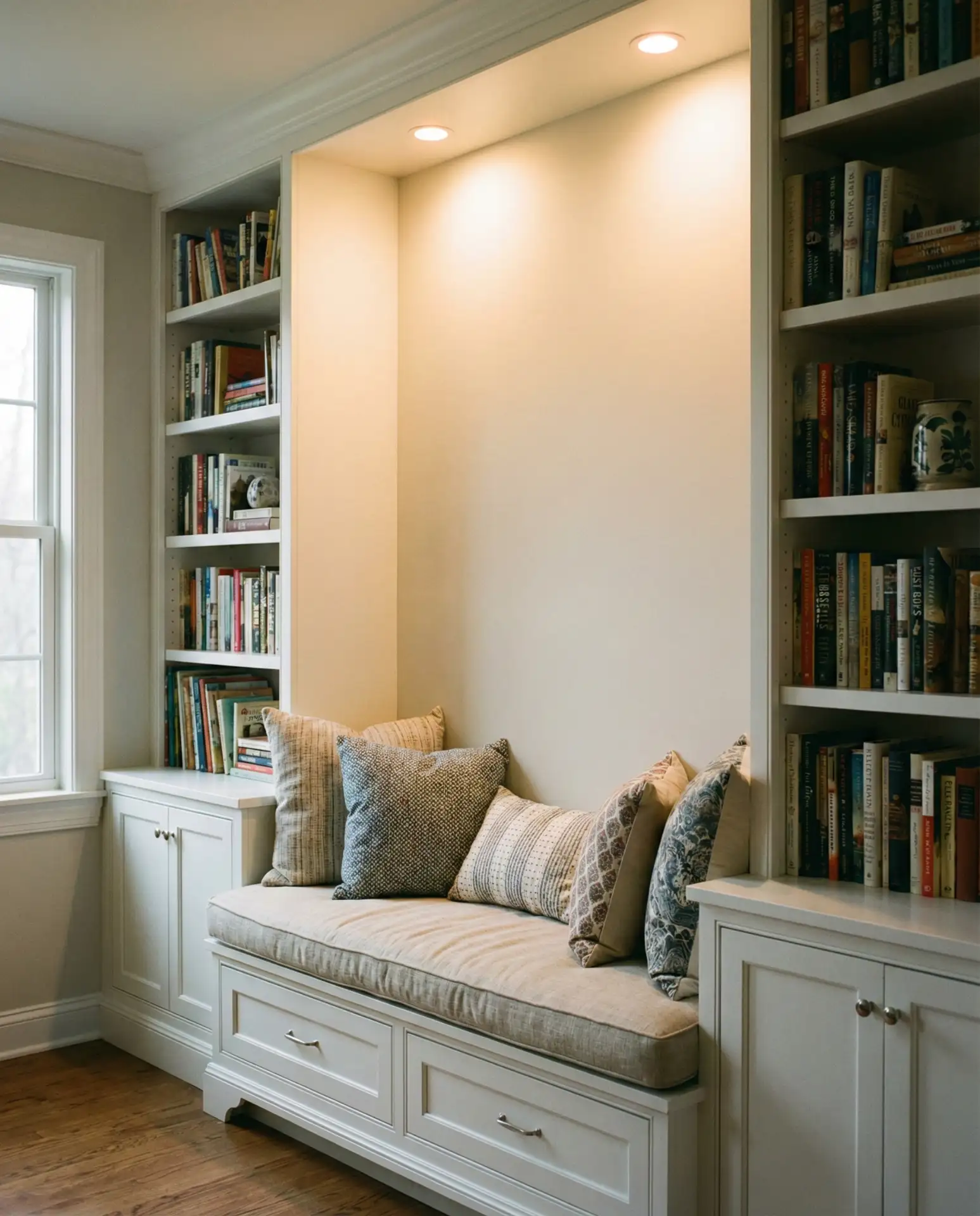
Carving out a reading nook within a floor-to-ceiling bookshelf is a dream for any book lover. This setup works beautifully in home offices, libraries, or even wide hallways where you can install built-ins flanking a cushioned bench. The shelves provide both storage and visual interest, while the recessed seat offers a tucked-away spot that feels private and intentional.
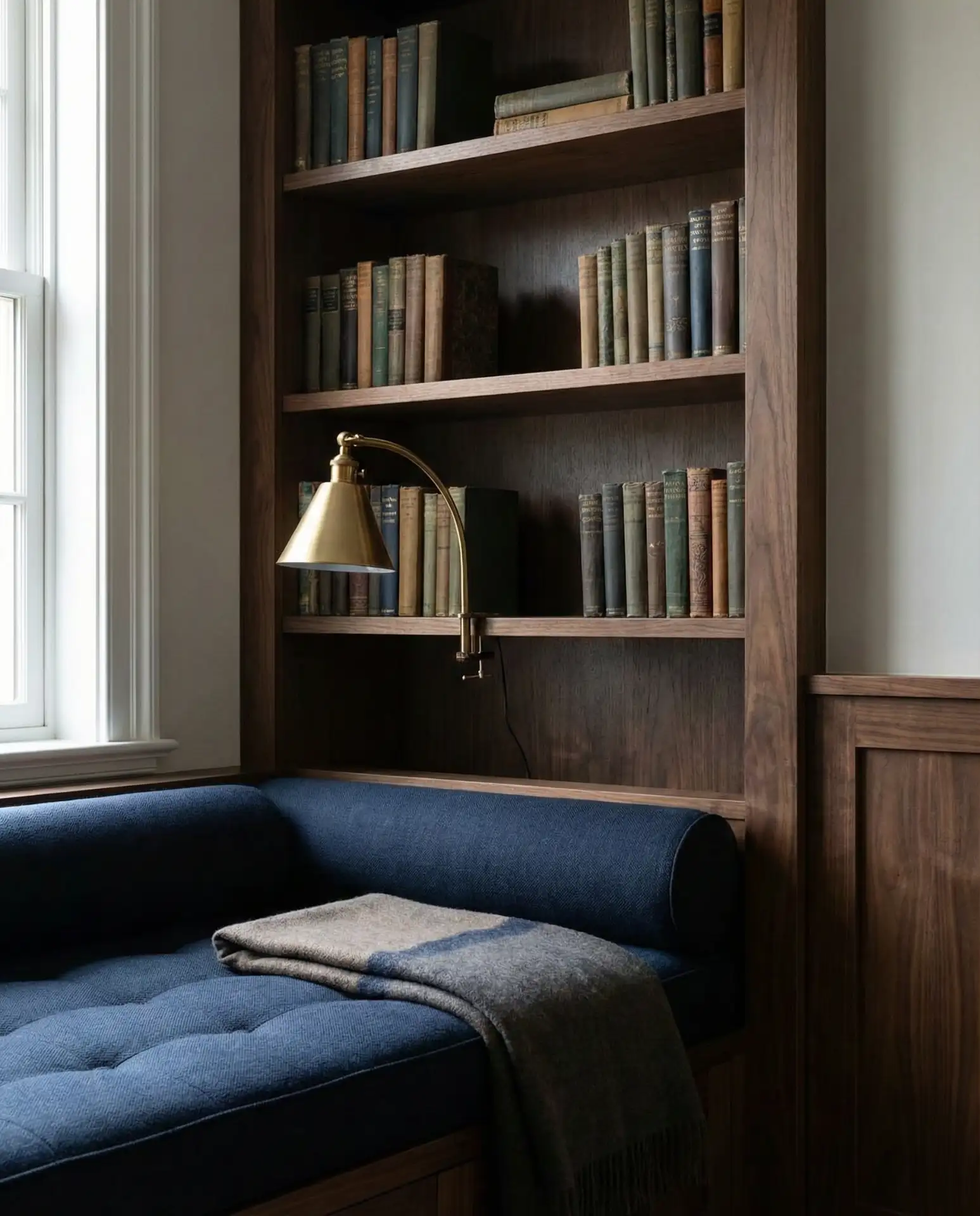
In many American homes, built-ins are a selling point and a way to maximize vertical space without adding freestanding furniture. A common mistake is underestimating the depth needed for a comfortable seat—aim for at least 20 inches of bench depth to ensure you can sit back and relax. This design also adds significant resale value, as it’s a permanent feature that appeals to buyers looking for character and functionality.
7. Classroom Reading Corner with Floor Cushions
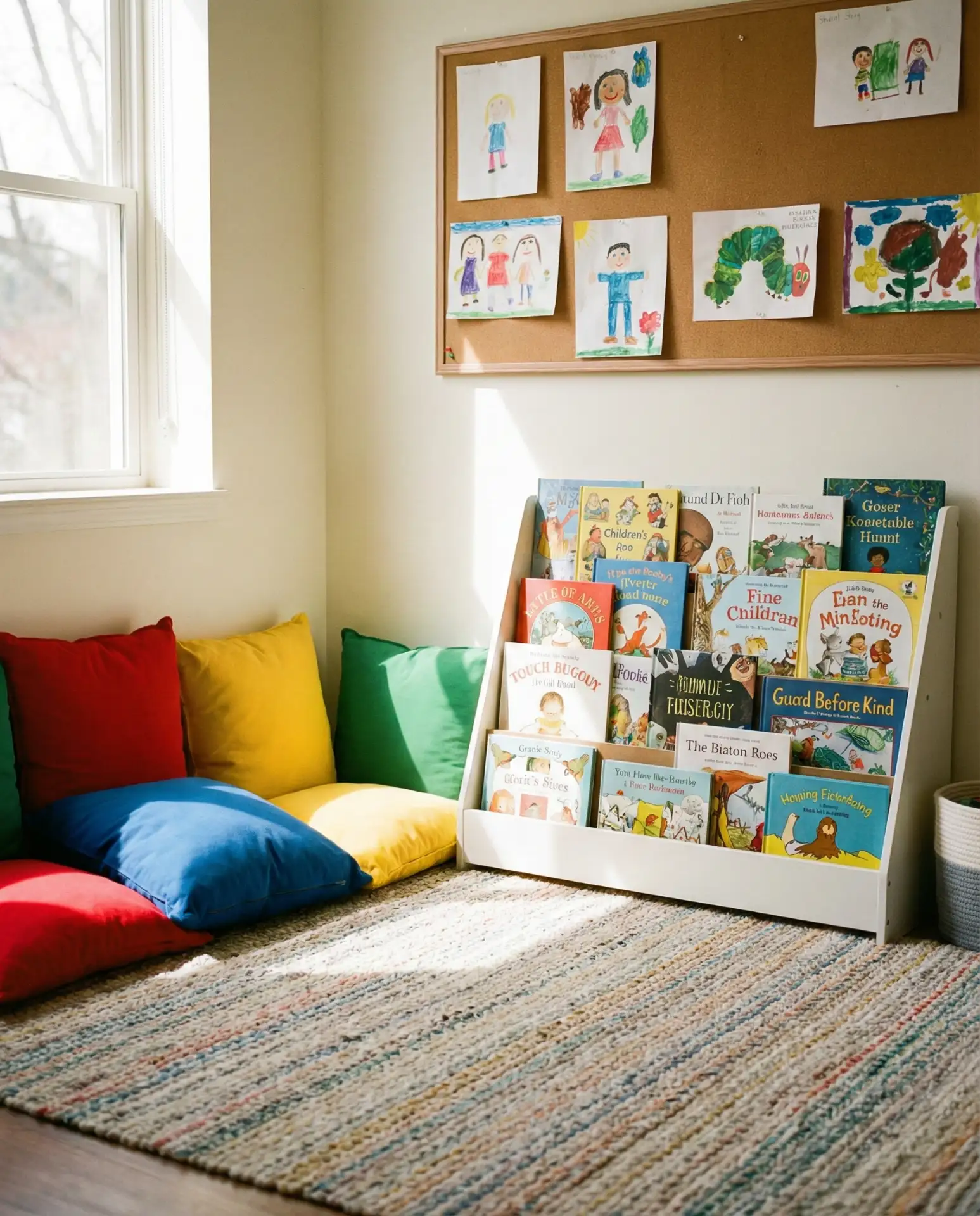
Teachers across the country are transforming classroom corners into inviting literacy hubs with oversized floor cushions and low bookshelves. These ideas for classroom setups encourage kids to choose their own seating and make reading feel less formal and more like playtime. A simple area rug defines the zone, while a wire basket or crate keeps books organized and accessible.
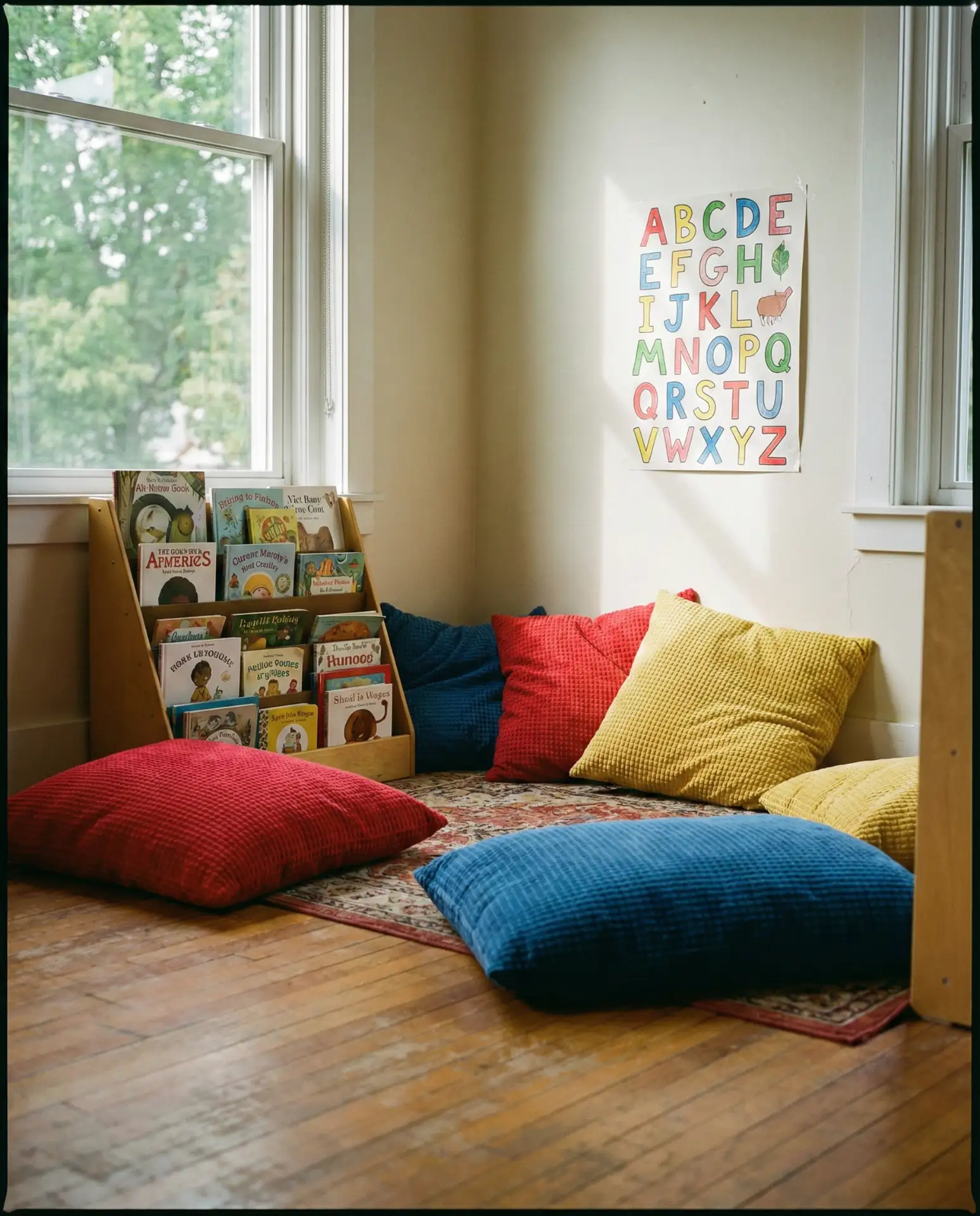
Educators in both public and private school settings report that dedicated reading corners boost engagement and give students a sense of ownership over their learning environment. Budget-conscious teachers often source cushions from discount stores or garage sales, making this an affordable upgrade that yields big returns in classroom culture and literacy outcomes.
8. Hanging Chair for a Playful Touch
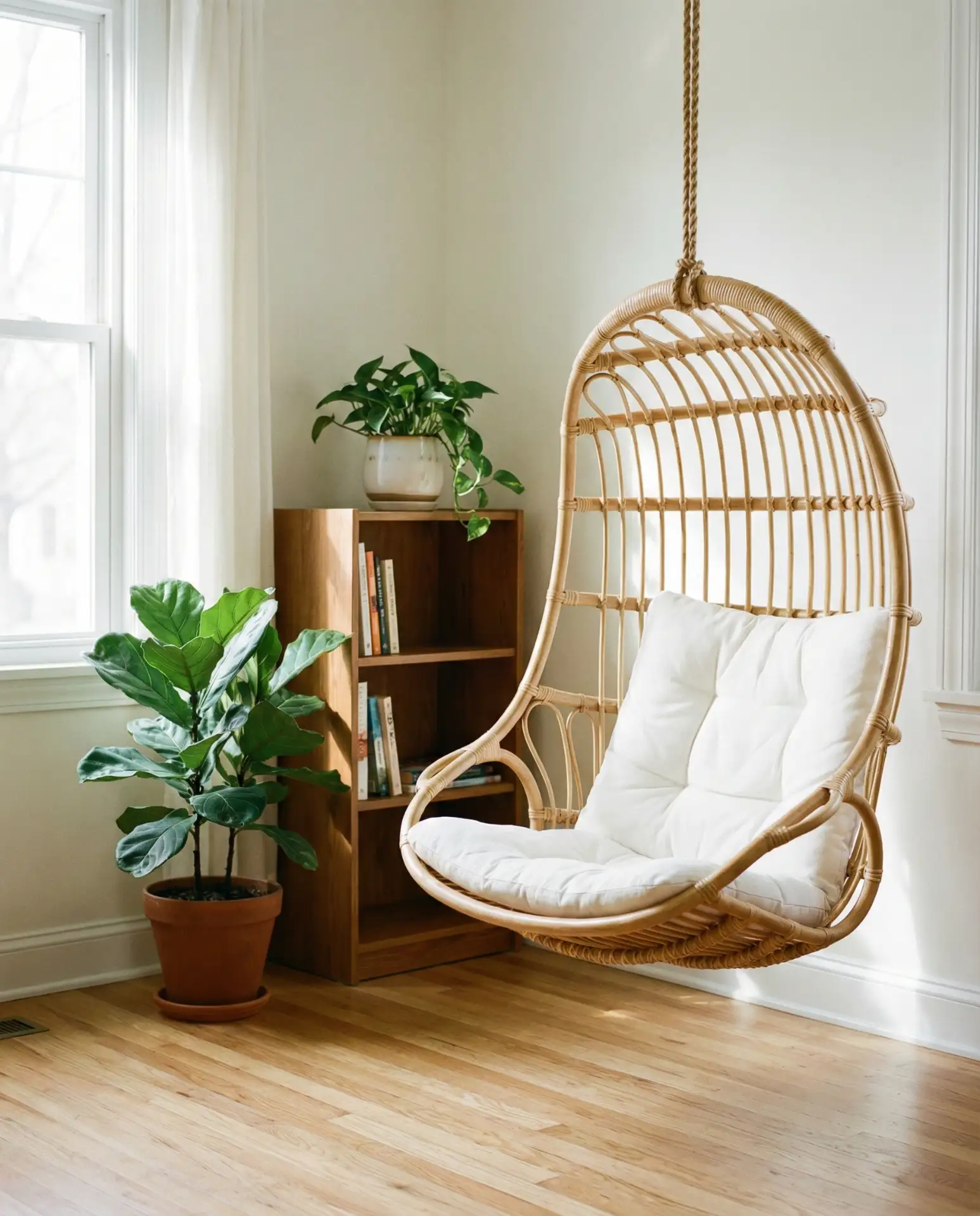
A hanging egg chair or hammock-style seat adds a playful, unexpected element to a kid’s room or playroom. Suspended from a ceiling beam or sturdy hook, it becomes an instant favorite spot for reading, daydreaming, or simply swinging gently while flipping through a favorite story. Pair it with a soft throw pillow and a nearby bookshelf to complete the look.
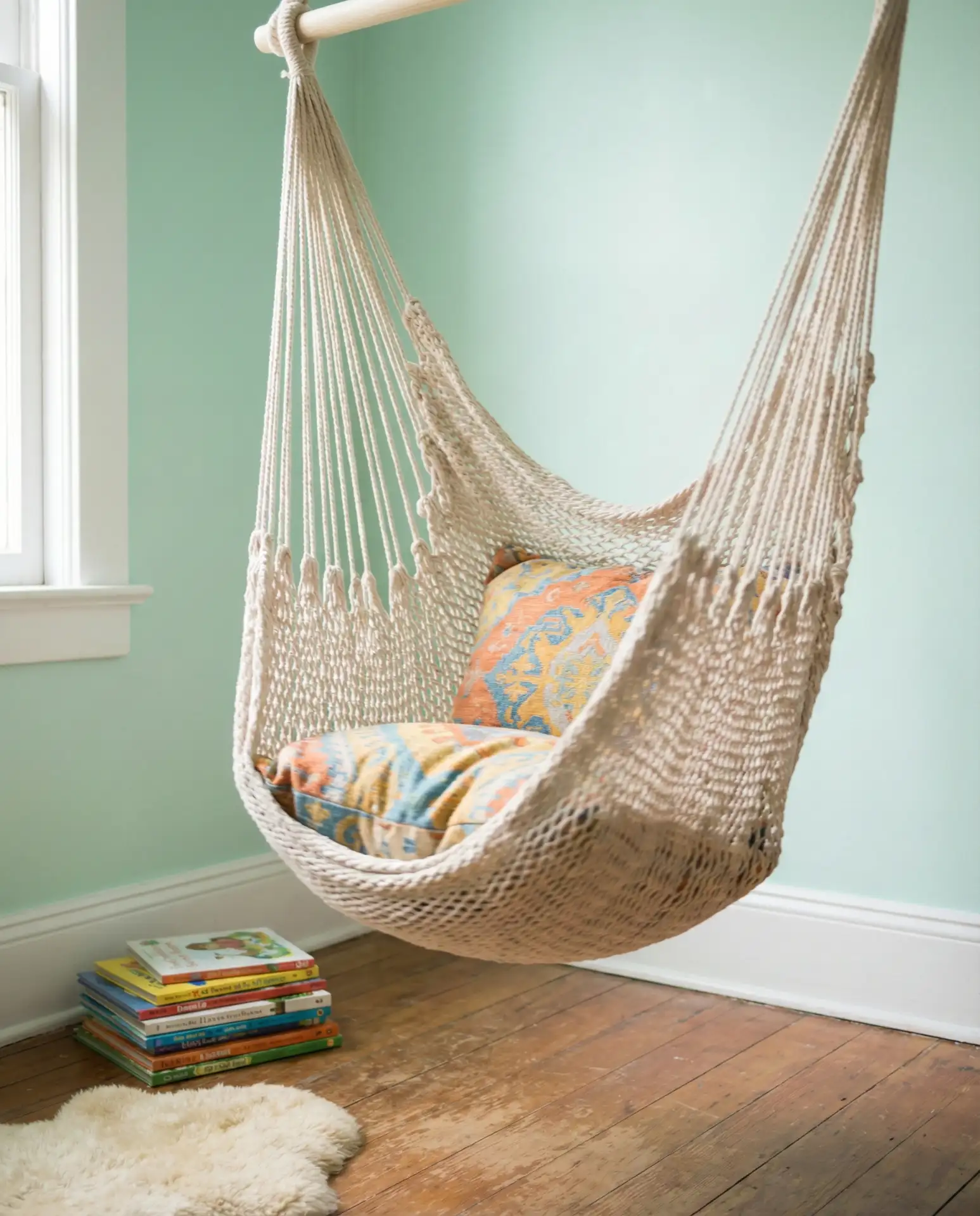
This idea works best in rooms with high ceilings and solid structural support—always consult a professional before installing a hanging chair to ensure safety. Many parents find that the novelty of a swinging seat encourages reluctant readers to spend more time with books, turning reading into an activity that feels like play rather than homework.
9. Nursery Corner with Soft Lighting and a Glider
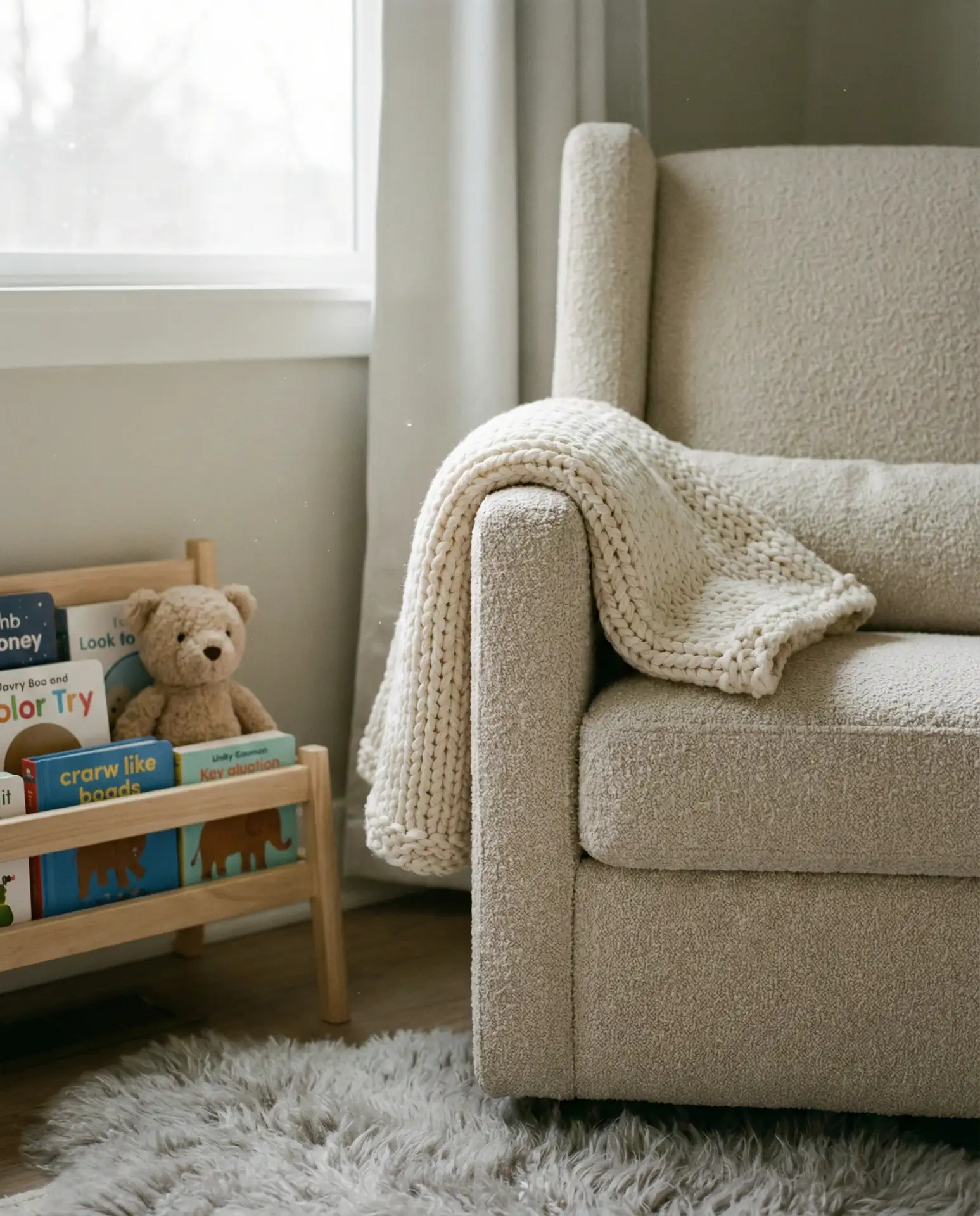
A nursery reading corner centers around a comfortable glider or rocker, paired with a small side table and a dimmable lamp for late-night story sessions. Soft, washable fabrics and a basket of board books within arm’s reach make this space as functional as it is soothing. Choose calming colors and avoid harsh overhead lighting to create a cocoon-like environment perfect for bedtime routines.
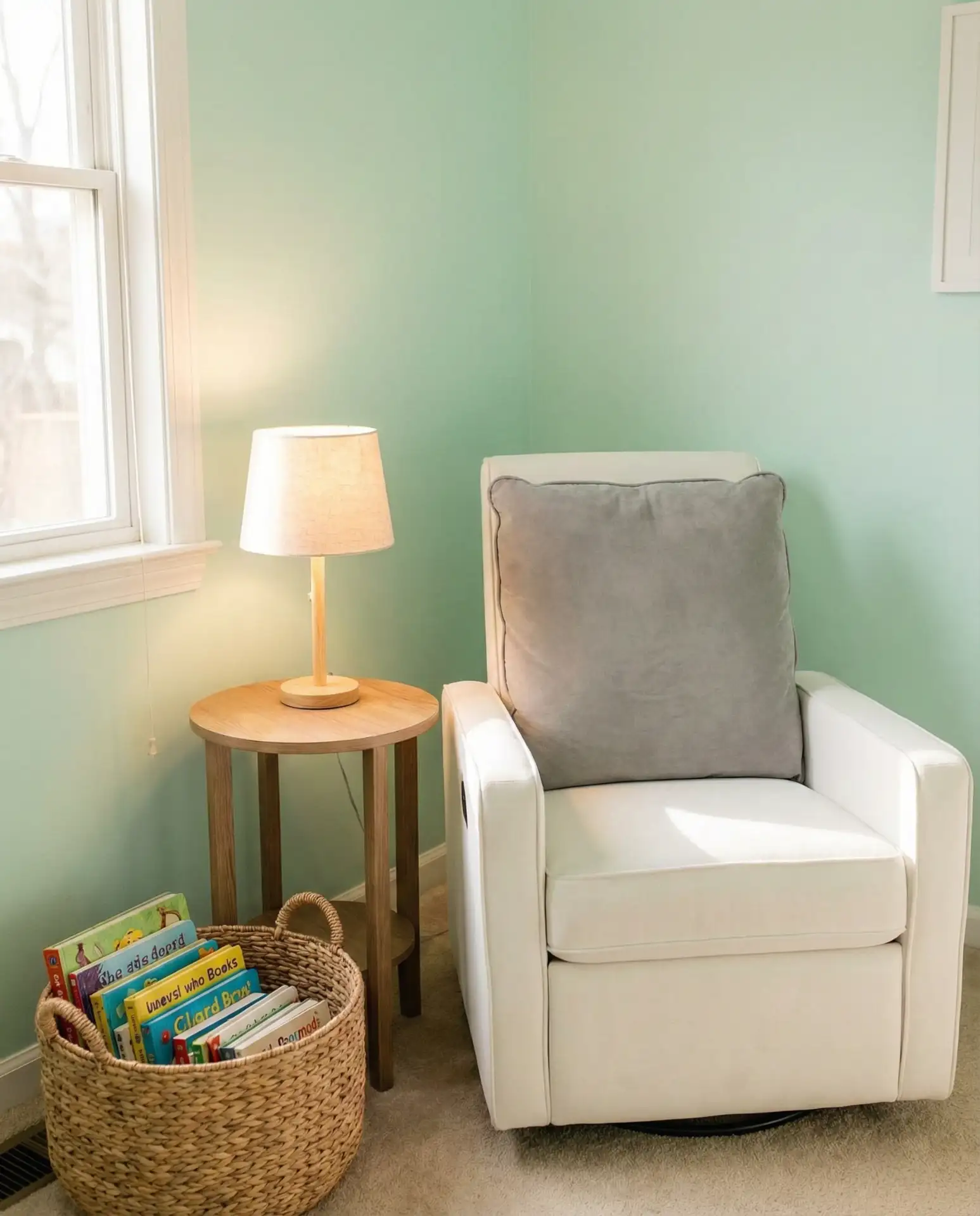
New parents often underestimate how much time they’ll spend in this corner, making comfort and accessibility key priorities. Expert designers recommend choosing a glider with lumbar support and smooth rocking motion, as well as a side table large enough to hold a water bottle, book, and baby essentials. This setup often transitions into a toddler reading nook as the child grows, offering years of use beyond the infant stage.
10. Preschool Reading Tent with Soft Rugs
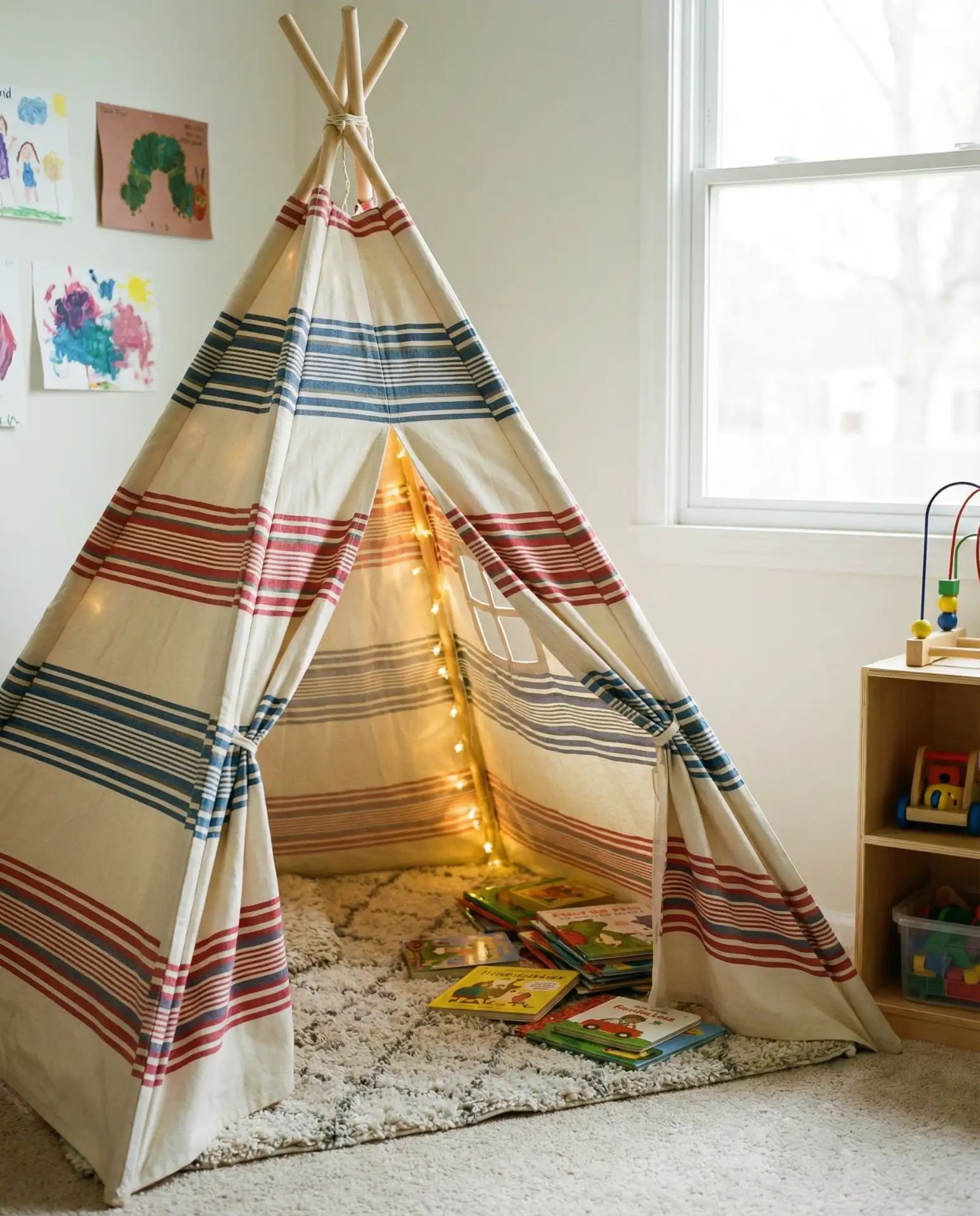
In a preschool setting, a simple fabric tent or teepee transforms a corner into an adventure zone where reading feels like exploration. Layering soft rugs inside and stocking it with age-appropriate picture books creates a sensory-rich environment that encourages independent play and early literacy. This setup is endlessly adaptable and easy to refresh with seasonal themes or new book rotations.
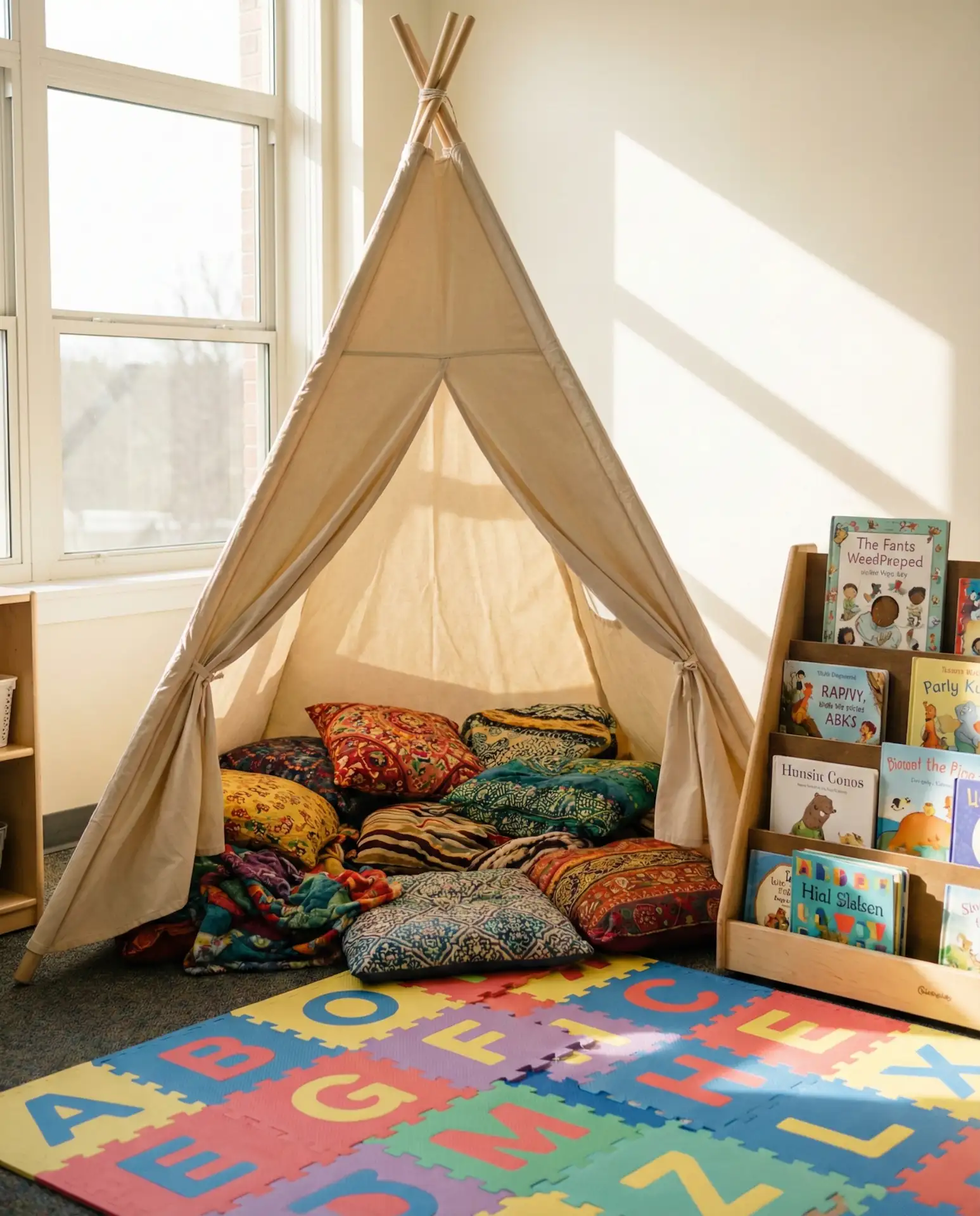
Across American preschools, reading tents have become a staple feature that supports both literacy development and social-emotional growth by giving children a semi-private space to decompress. Common mistakes include placing the tent in high-traffic areas or choosing one that’s too small—aim for at least four feet in diameter to comfortably fit two or three children at once.
11. Industrial-Style Corner with Metal Shelving
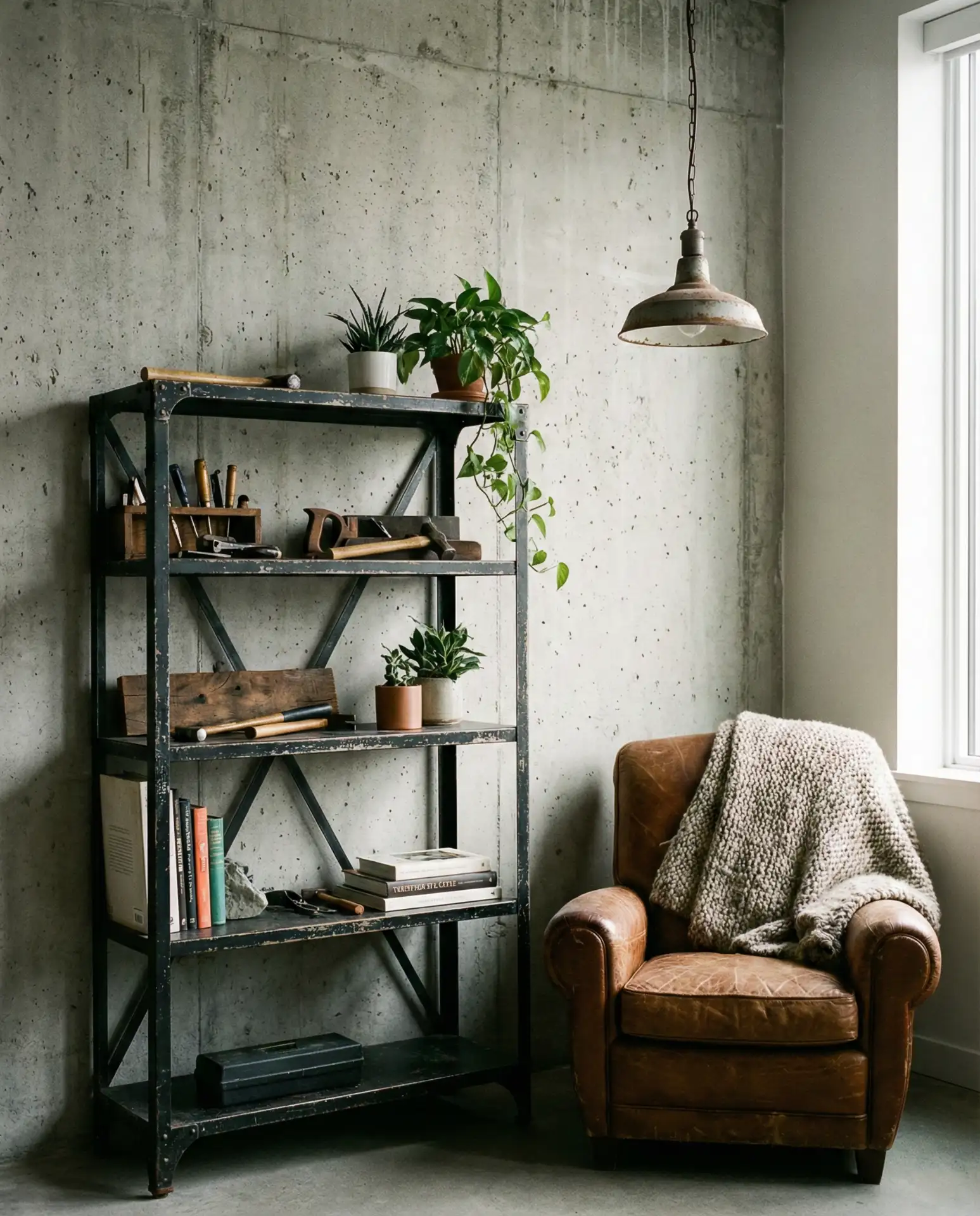
For loft apartments and urban home spaces, an industrial reading corner pairs exposed brick or concrete walls with open metal shelving and a leather armchair. This aesthetic is raw yet refined, balancing hard surfaces with soft textiles to create contrast. A vintage-style reading lamp and a stack of art books complete the look without softening the edge.
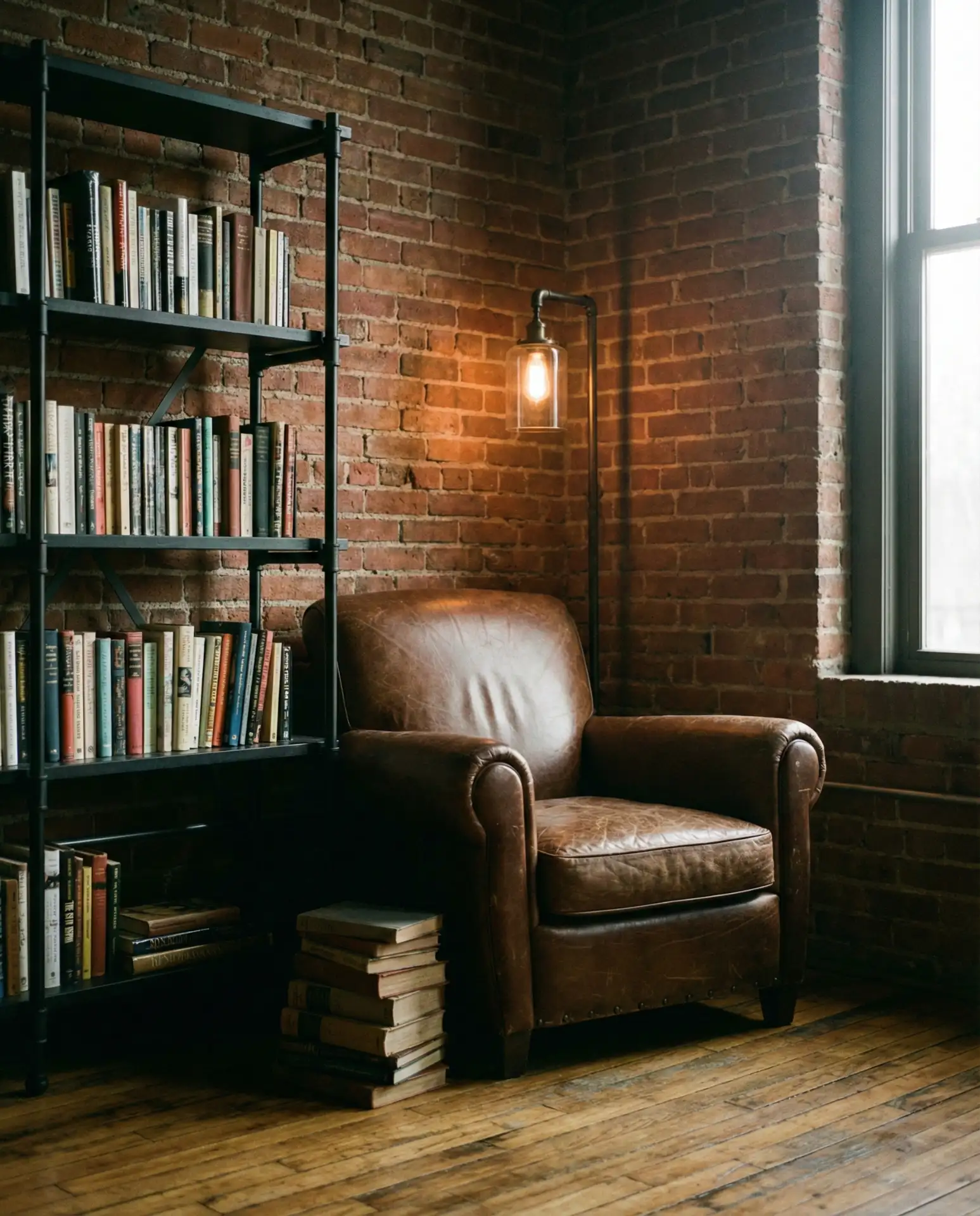
This style thrives in cities like Brooklyn, Portland, and Chicago, where converted warehouse spaces and historic buildings provide the perfect backdrop. Real homeowners often source secondhand furniture and reclaimed materials to keep costs down while achieving an authentic, curated look that feels personal rather than staged.
12. Coastal Corner with Wicker and Light Blues
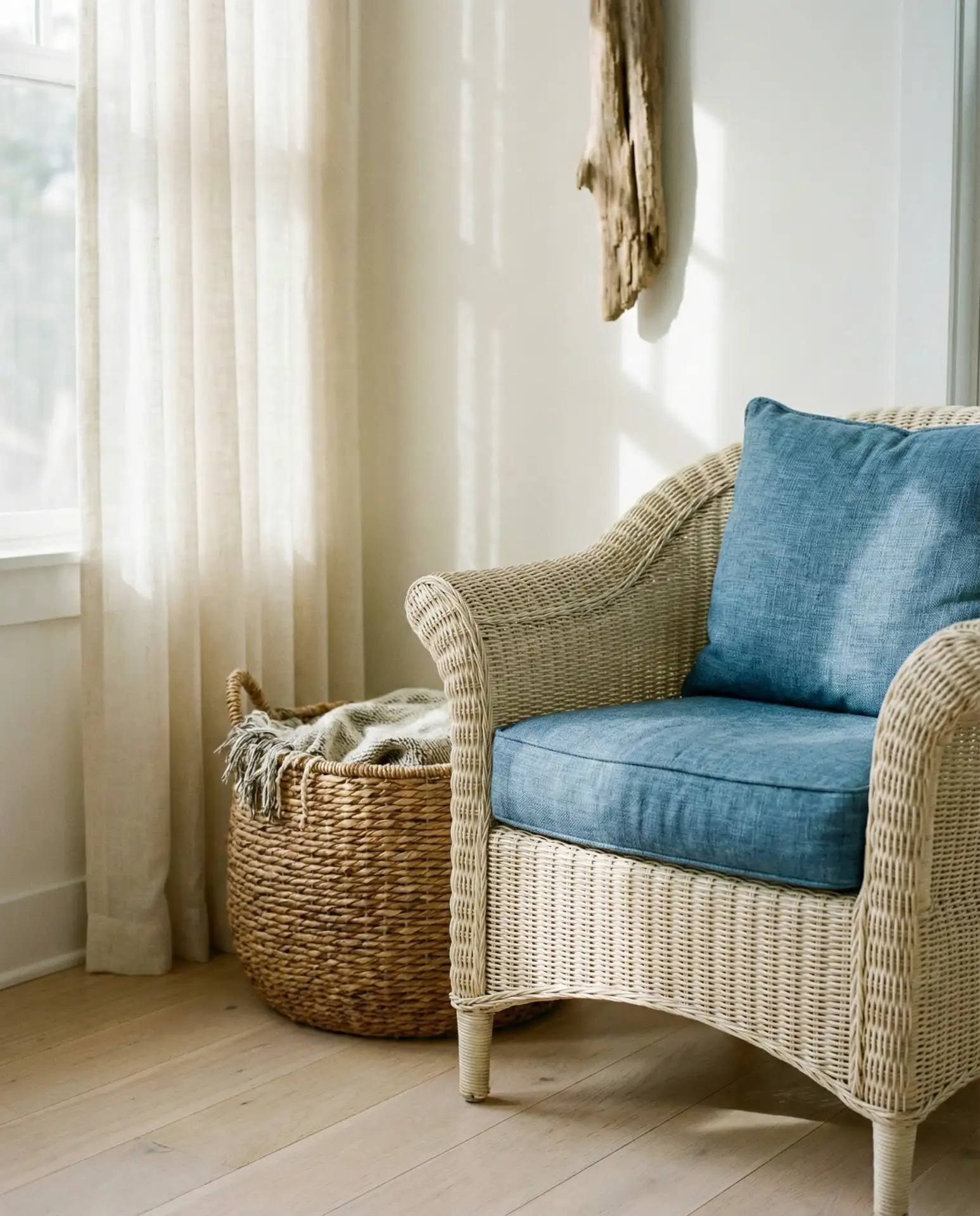
A coastal-inspired reading corner uses wicker furniture, light blues, and natural textures to evoke a breezy, beachside retreat. This style works beautifully in small bedrooms or sunrooms where you want to capture that vacation-at-home feeling. Add a striped throw pillow, a piece of driftwood decor, and a woven basket for magazines to complete the seaside vibe.
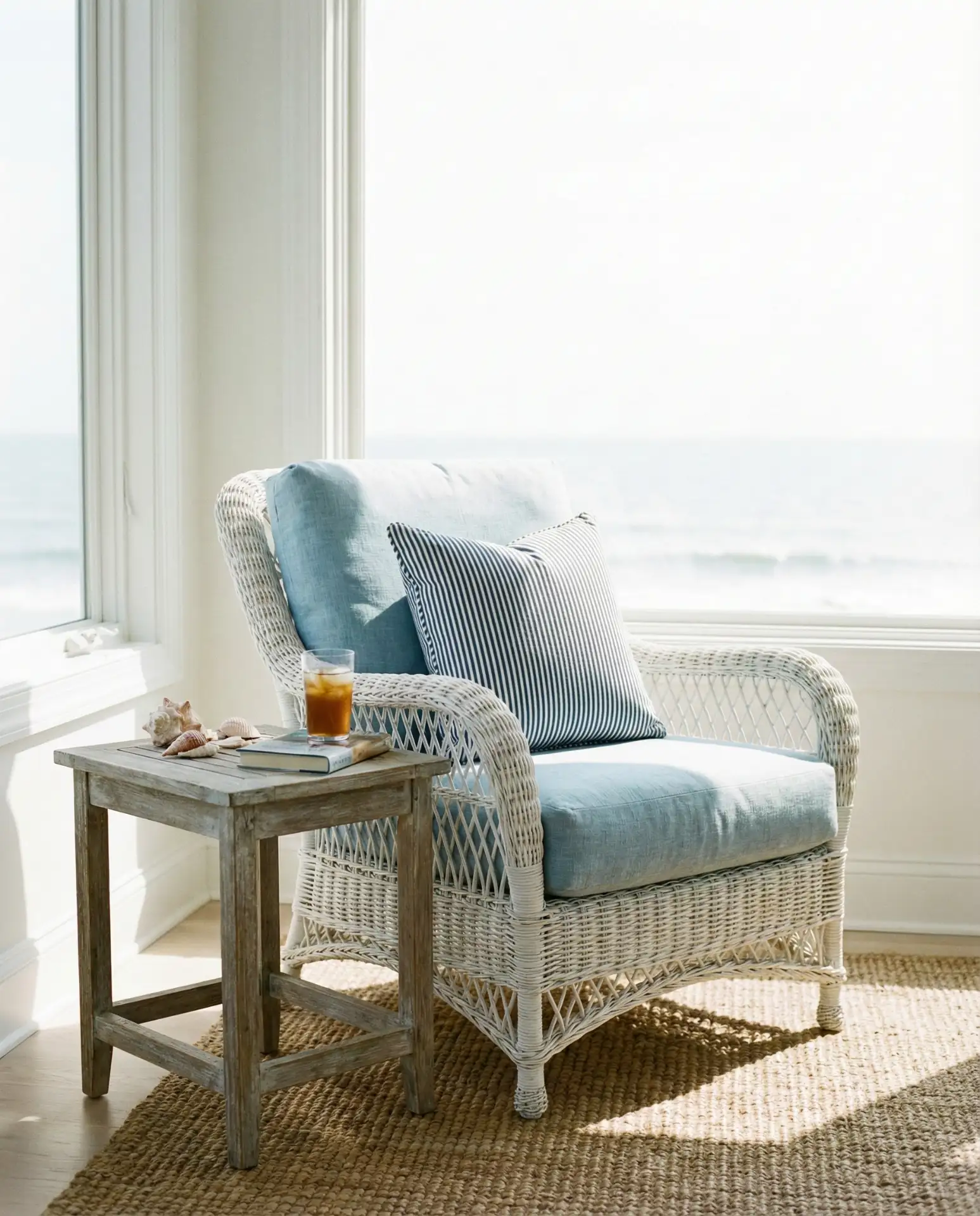
In coastal states like Florida, California, and the Carolinas, this style is a natural fit that mirrors the surrounding landscape and lifestyle. A practical insight: choose UV-resistant fabrics if your reading corner is near a sunny window to prevent fading and extend the life of your textiles. This approach keeps the space looking fresh season after season.
13. Rustic Farmhouse Nook with Reclaimed Wood
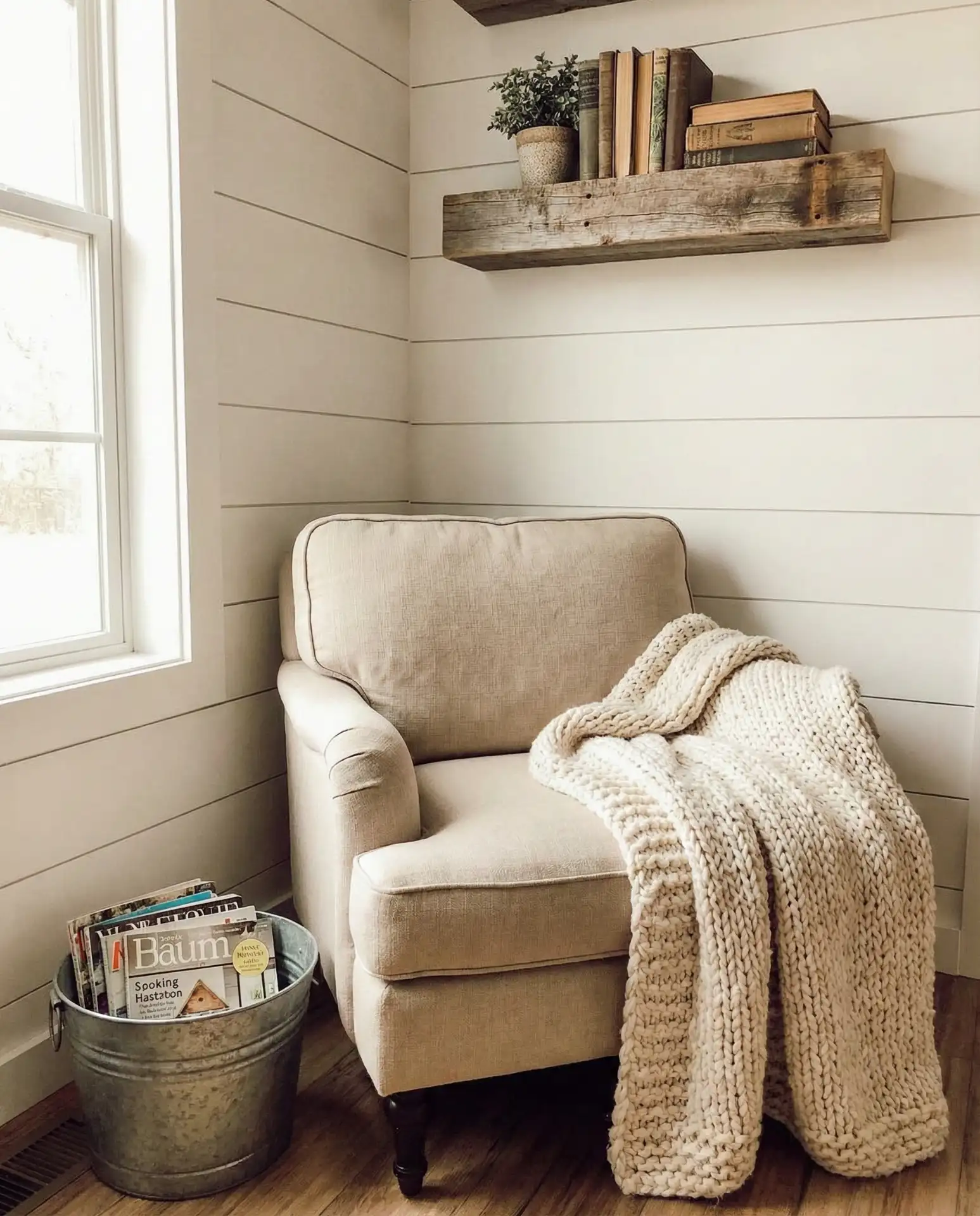
A farmhouse reading corner embraces reclaimed wood shelves, vintage finds, and a cozy upholstered chair in neutral tones. This style resonates with homeowners who love the warmth of distressed finishes and the story behind each piece. Layer in a chunky knit blanket and a galvanized metal bucket for holding magazines, and you’ve nailed the rustic charm.
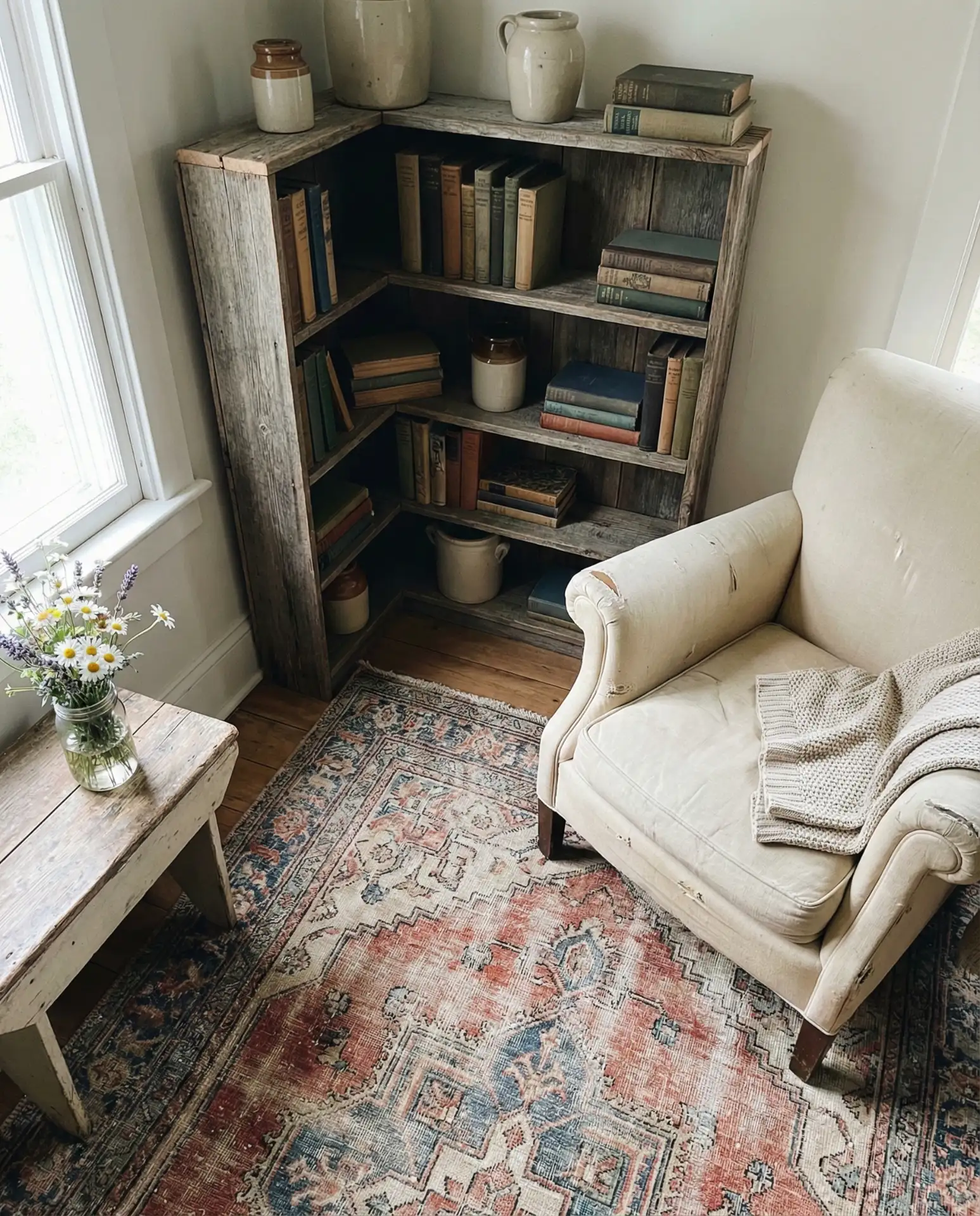
This style is especially popular in rural and suburban areas across the Midwest and South, where farmhouse aesthetics align with regional architecture and cultural values. Budget-friendly options include shopping at antique markets or salvage yards for reclaimed materials, which often cost less than new furniture while adding authentic character to the space.
14. Scandinavian Corner with Clean Lines and Hygge
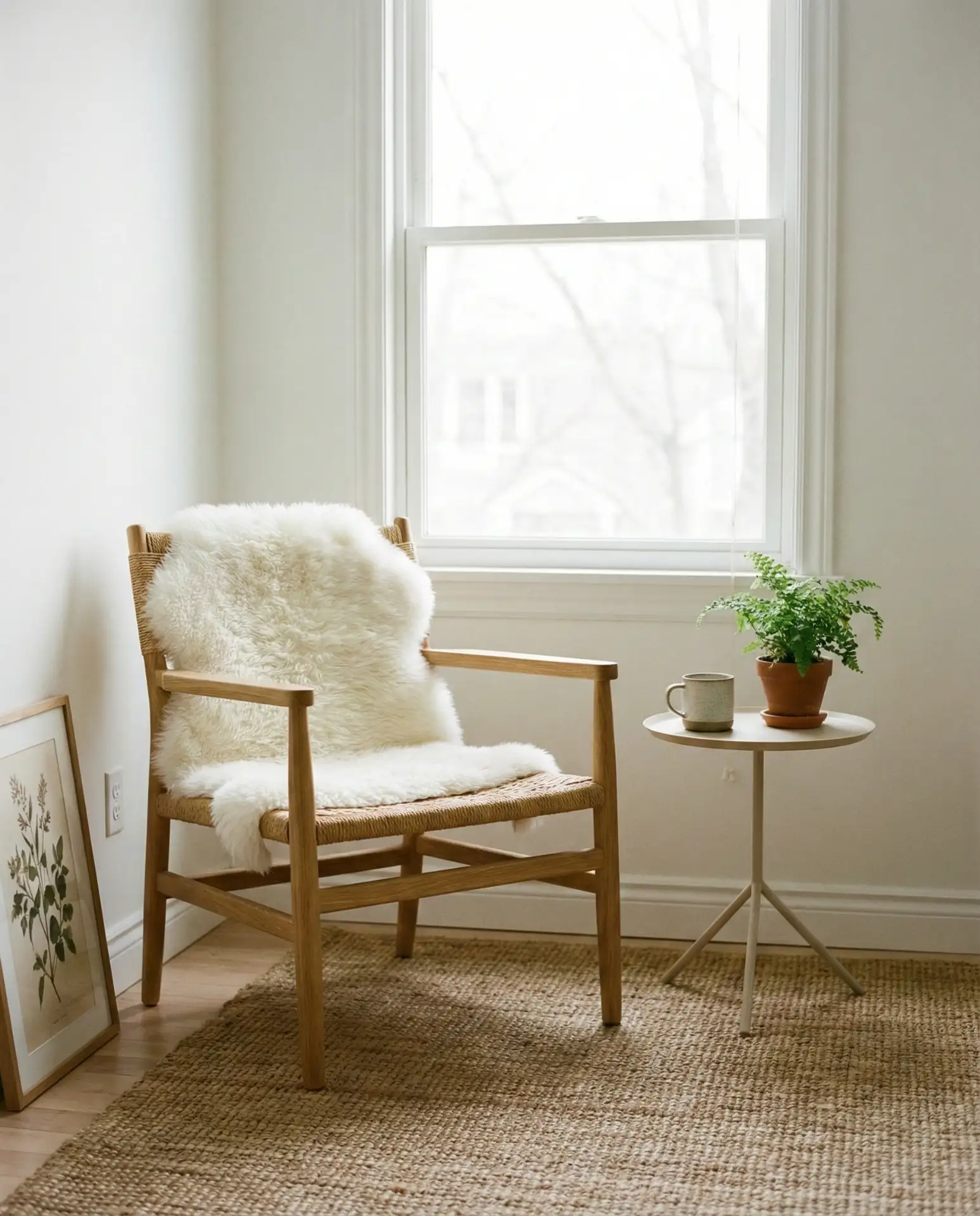
Scandinavian design brings simplicity and warmth to a reading corner through clean lines, natural wood, and a muted color palette. Think of a low-profile armchair in pale gray, a simple wooden side table, and a soft sheepskin draped over the seat. This approach prioritizes function and comfort without unnecessary ornamentation, making it ideal for living room spaces where calm and clarity are the goal.
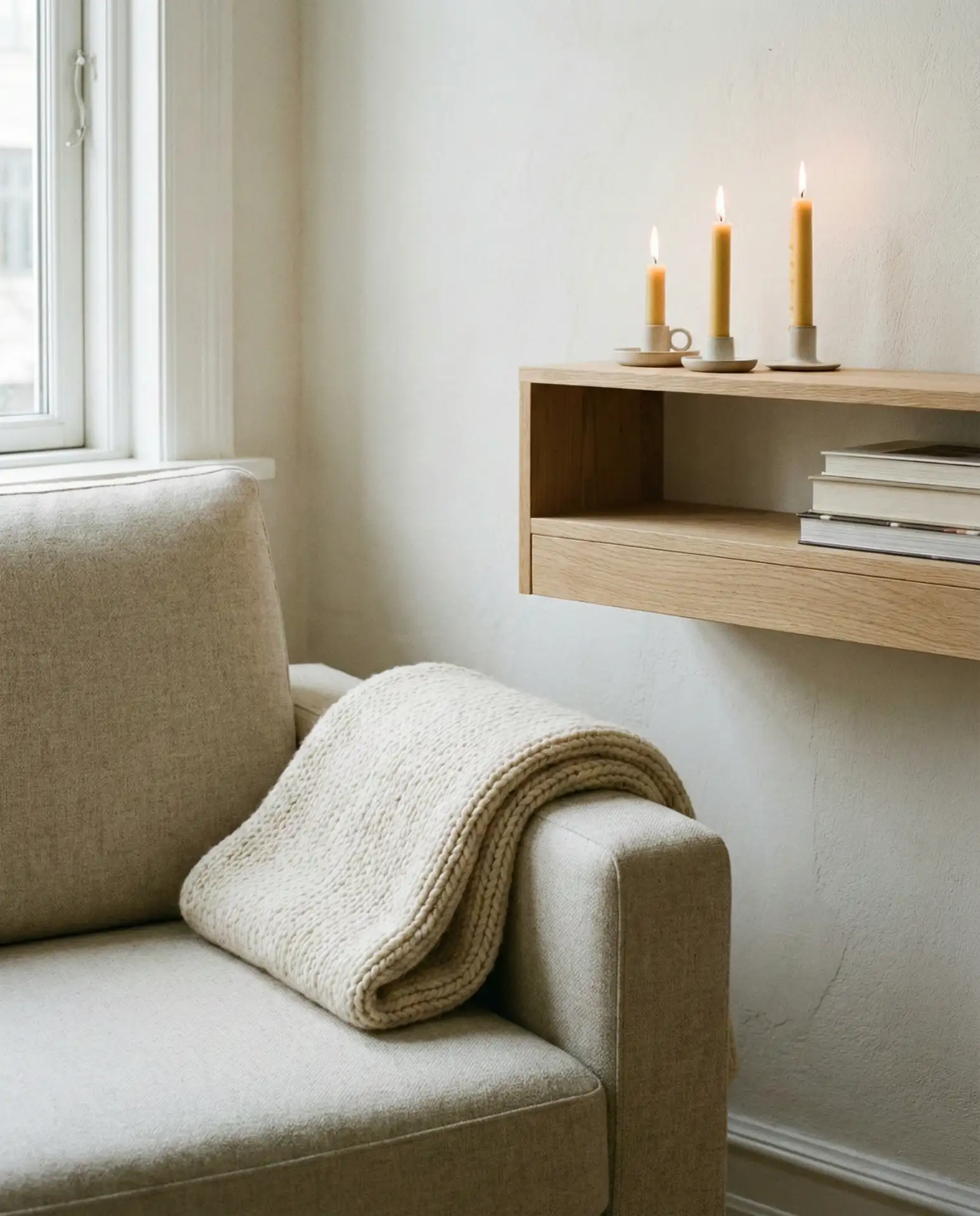
Across American homes, especially in colder climates like the Pacific Northwest and New England, Scandinavian design has become synonymous with hygge—the Danish concept of cozy contentment. Real homeowners often layer textures rather than colors, using wool, linen, and wood to create warmth without visual clutter. This restraint makes the space feel larger and more serene.
15. Eclectic Corner with Vintage Finds and Bold Patterns
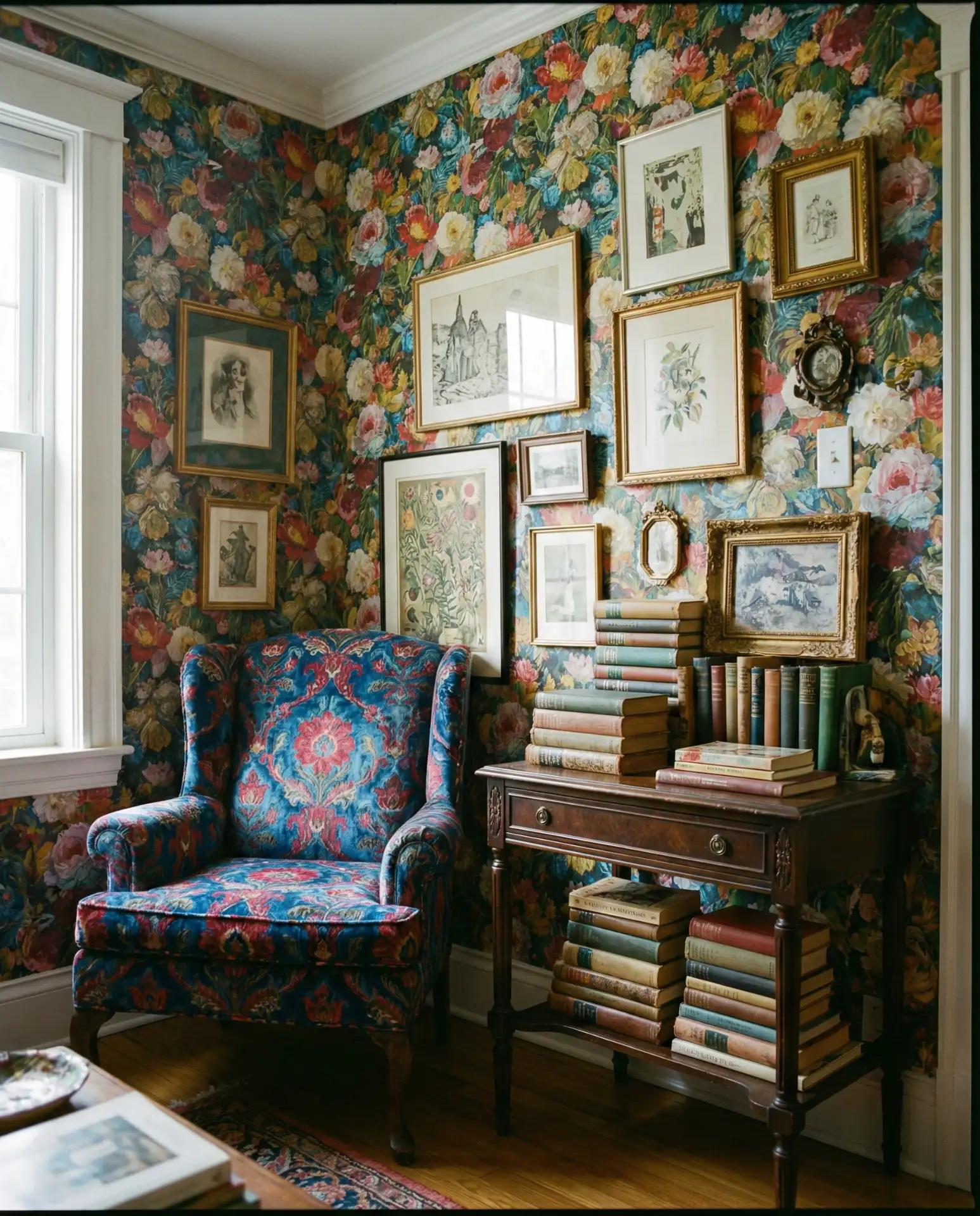
An eclectic reading corner is a collector’s dream, mixing vintage furniture with bold patterns and unexpected color combinations. A velvet armchair in jewel tones, a Persian rug, and a gallery wall of mismatched frames create a space that feels curated and personal. This aesthetic encourages breaking rules and trusting your eye rather than following a formula.
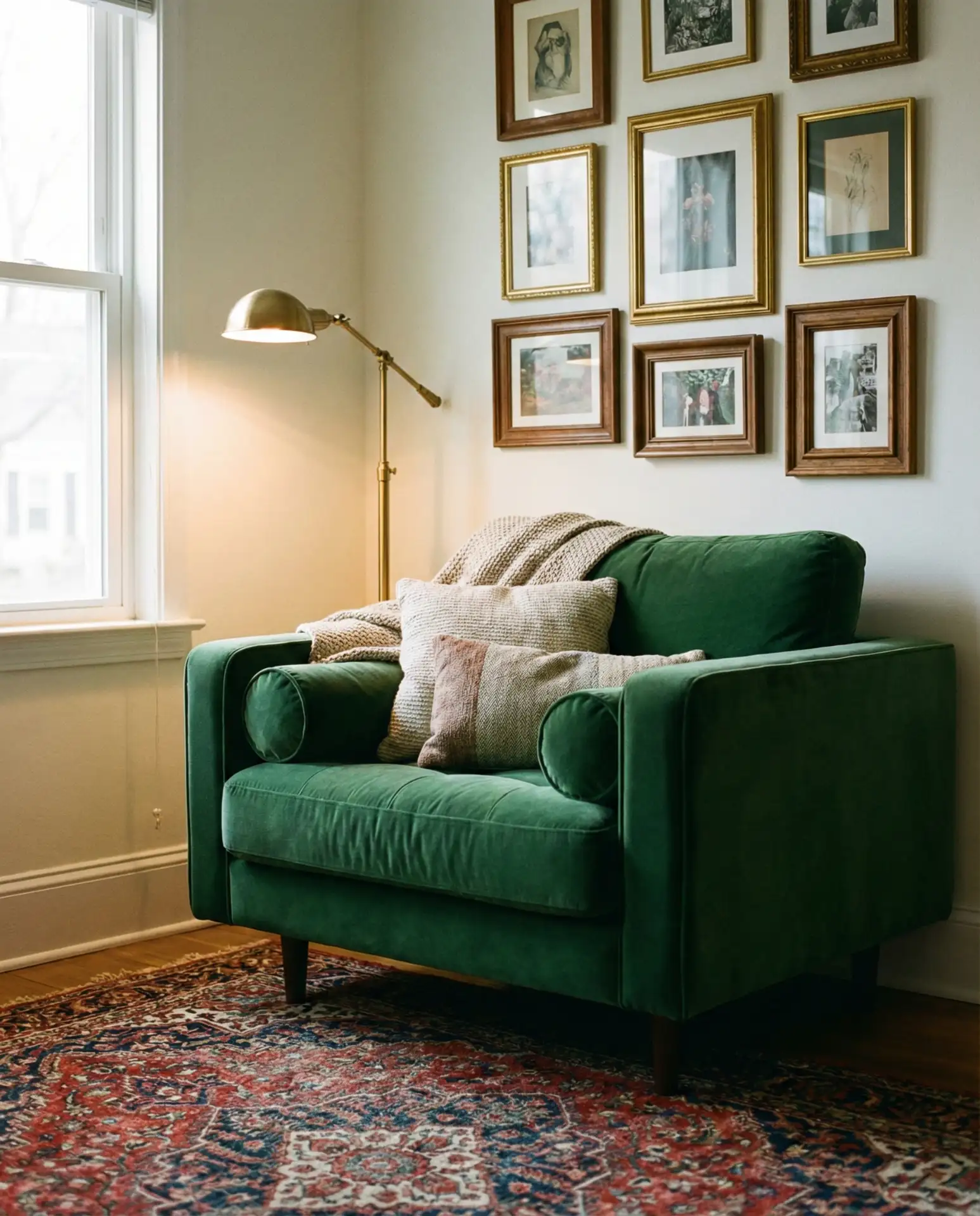
This style works best in older homes with character or in urban apartments where maximalism feels at home. One common mistake is overcrowding the space—even eclectic rooms need breathing room. Choose a few standout pieces and let them shine rather than filling every surface. This approach allows the eye to rest and appreciate the unique details you’ve collected over time.
16. Modern Glam with Metallic Accents
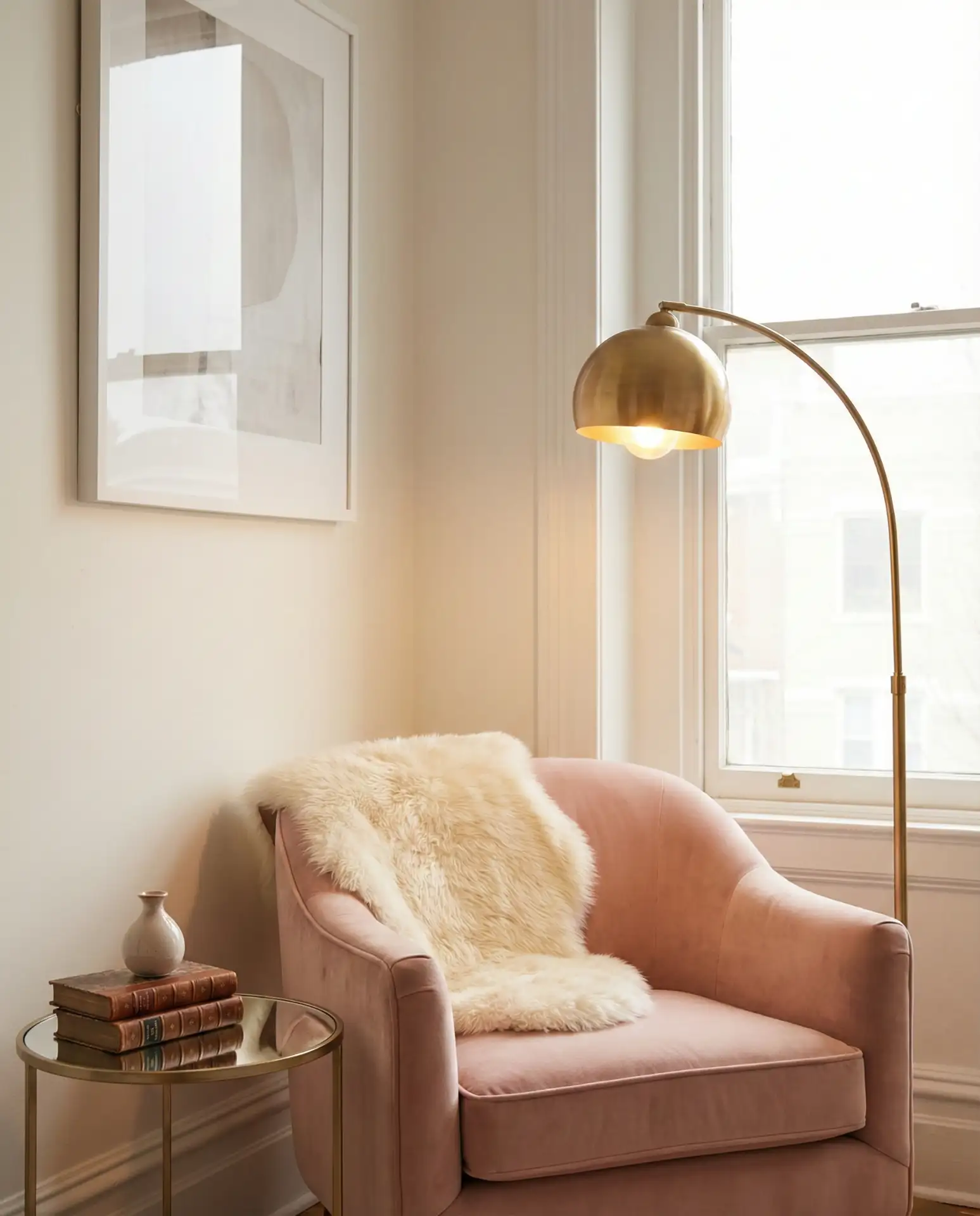
For a touch of luxury, a modern glam reading corner incorporates metallic accents, plush velvet, and mirrored surfaces. A blush pink or navy velvet chair paired with a brass floor lamp and a mirrored side table creates a sophisticated retreat that feels more uptown penthouse than suburban den. This style appeals to ideas for adults who want their reading nook to double as a statement piece in the room.
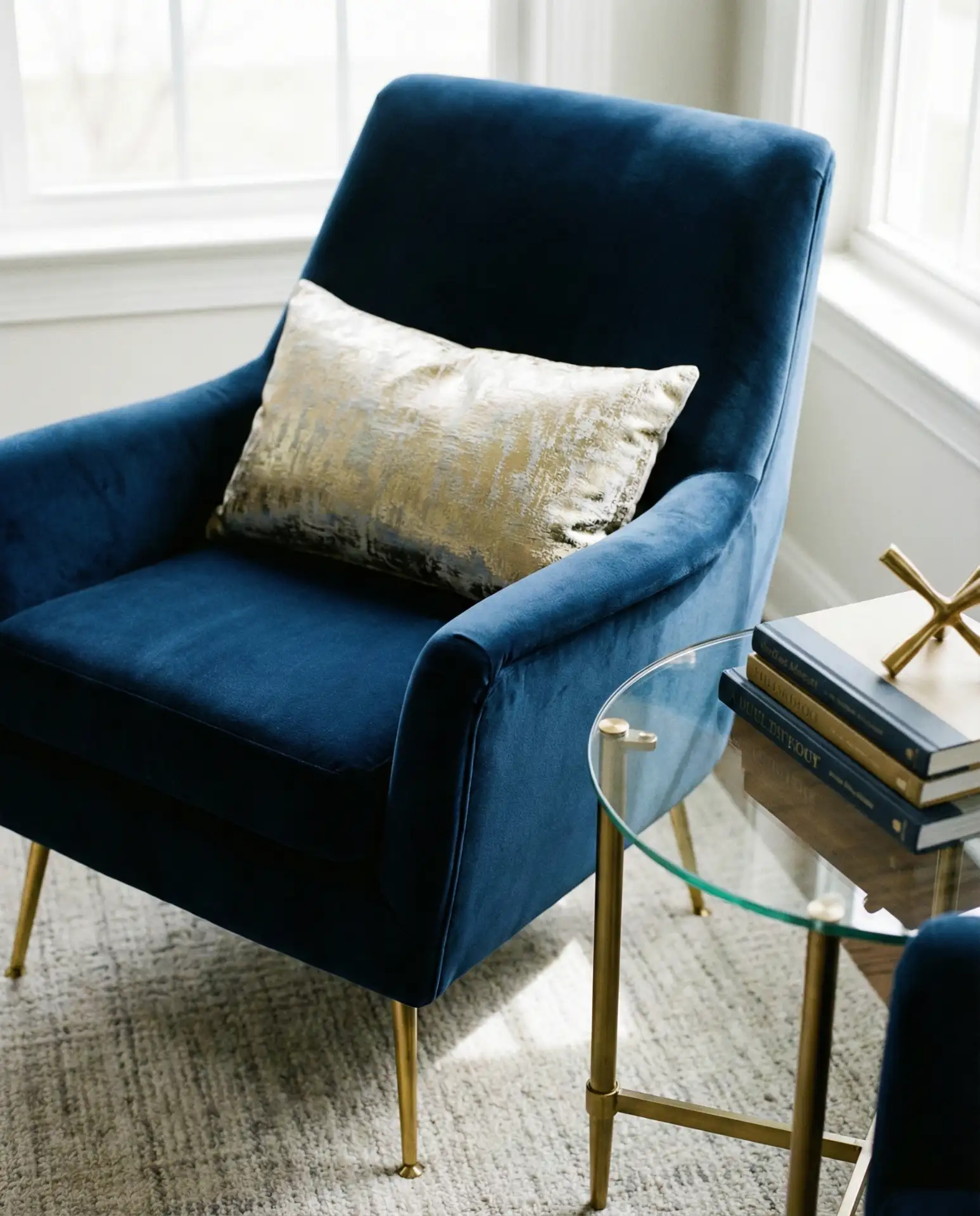
In metropolitan areas like New York, Los Angeles, and Miami, this style resonates with design-conscious homeowners who view their interiors as an extension of personal style. While it can feel aspirational, achieving the look doesn’t require a designer budget—high-street retailers now offer affordable velvet chairs and metallic finishes that deliver the glam aesthetic without the luxury price tag.
17. Corner with a Daybed for Lounging and Reading
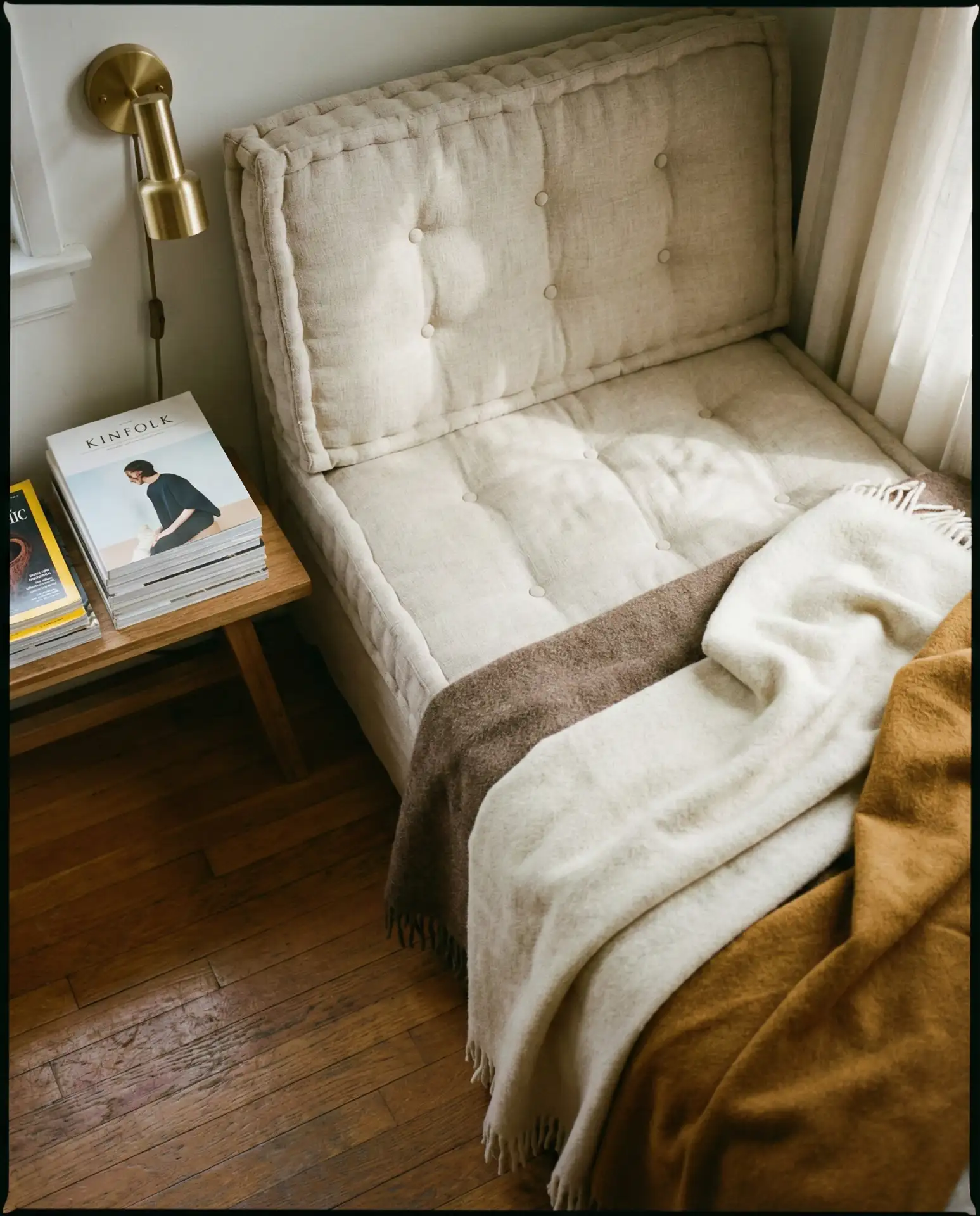
A daybed in a bedroom or den transforms a reading corner into a multi-use lounging zone where you can stretch out with a novel or take an afternoon nap. Pile on pillows in varying sizes and textures, and position a small bookshelf or wall-mounted shelf within arm’s reach. This setup is perfect for larger rooms where you have space to dedicate to a full-length seating option.
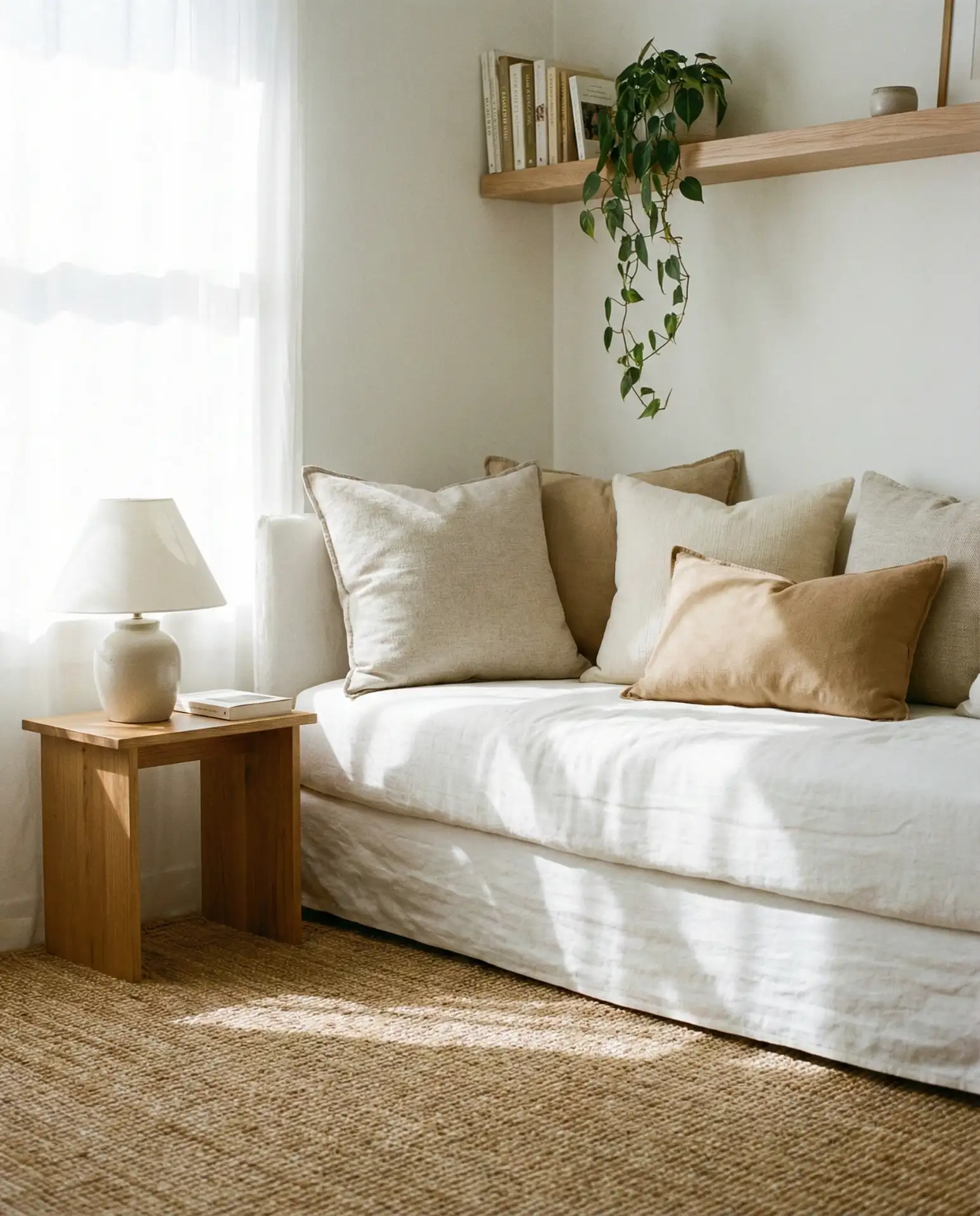
This idea works best in guest rooms or home offices where the daybed can serve double duty for seating during the day and sleeping at night. Many homeowners find that a daybed encourages them to actually use their reading corner more frequently, as it’s more versatile and inviting than a standard chair. Just ensure the mattress or cushion is firm enough for sitting upright comfortably.
18. Corner with Adjustable Task Lighting
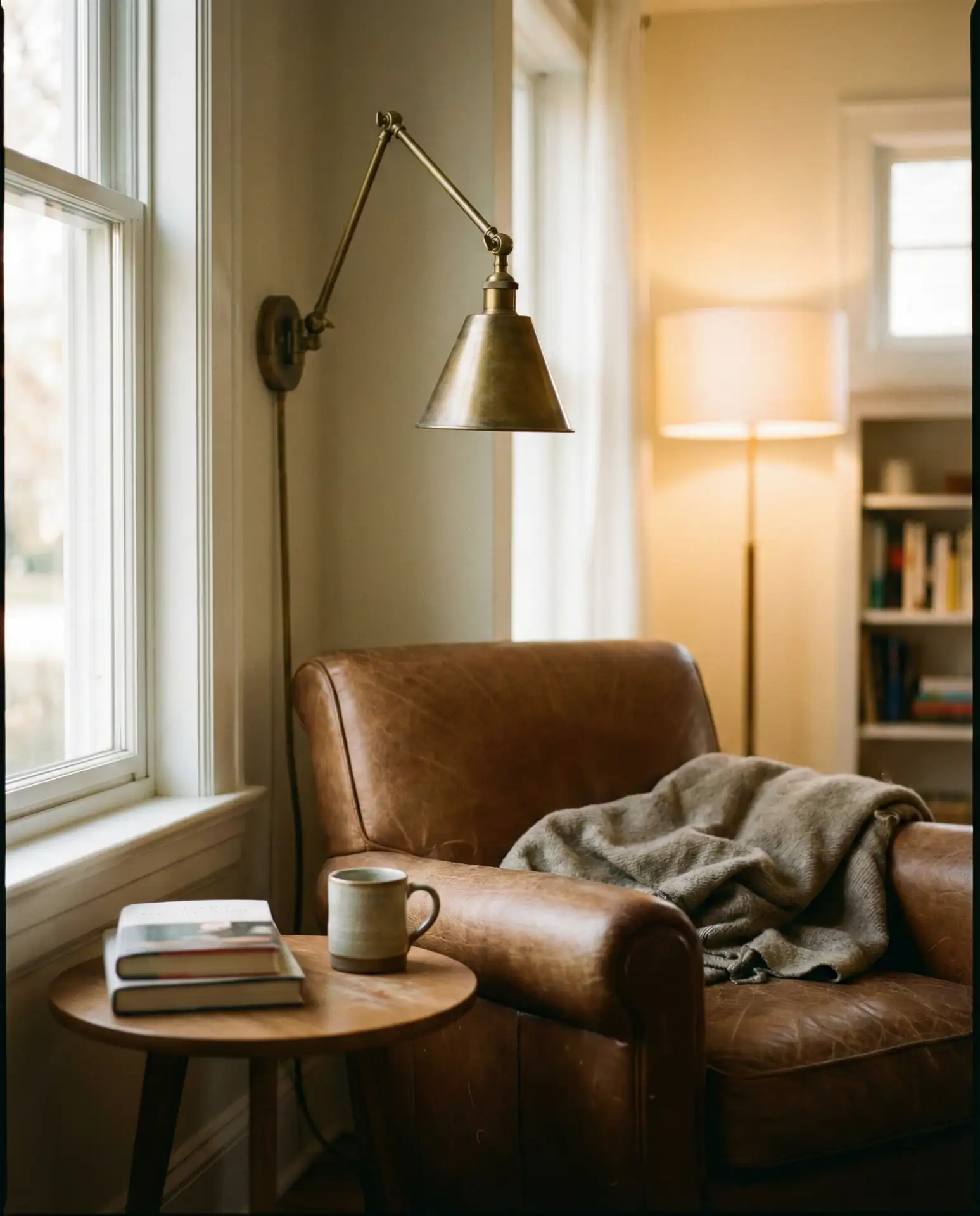
Proper lighting can make or break a reading corner, and an adjustable task lamp—whether wall-mounted, floor-standing, or clamp-on—ensures you have focused light exactly where you need it. Pair this with ambient lighting like a table lamp or string lights to create layers that adapt to different times of day. This practical approach is essential for anyone who reads for extended periods and wants to protect their eyes.
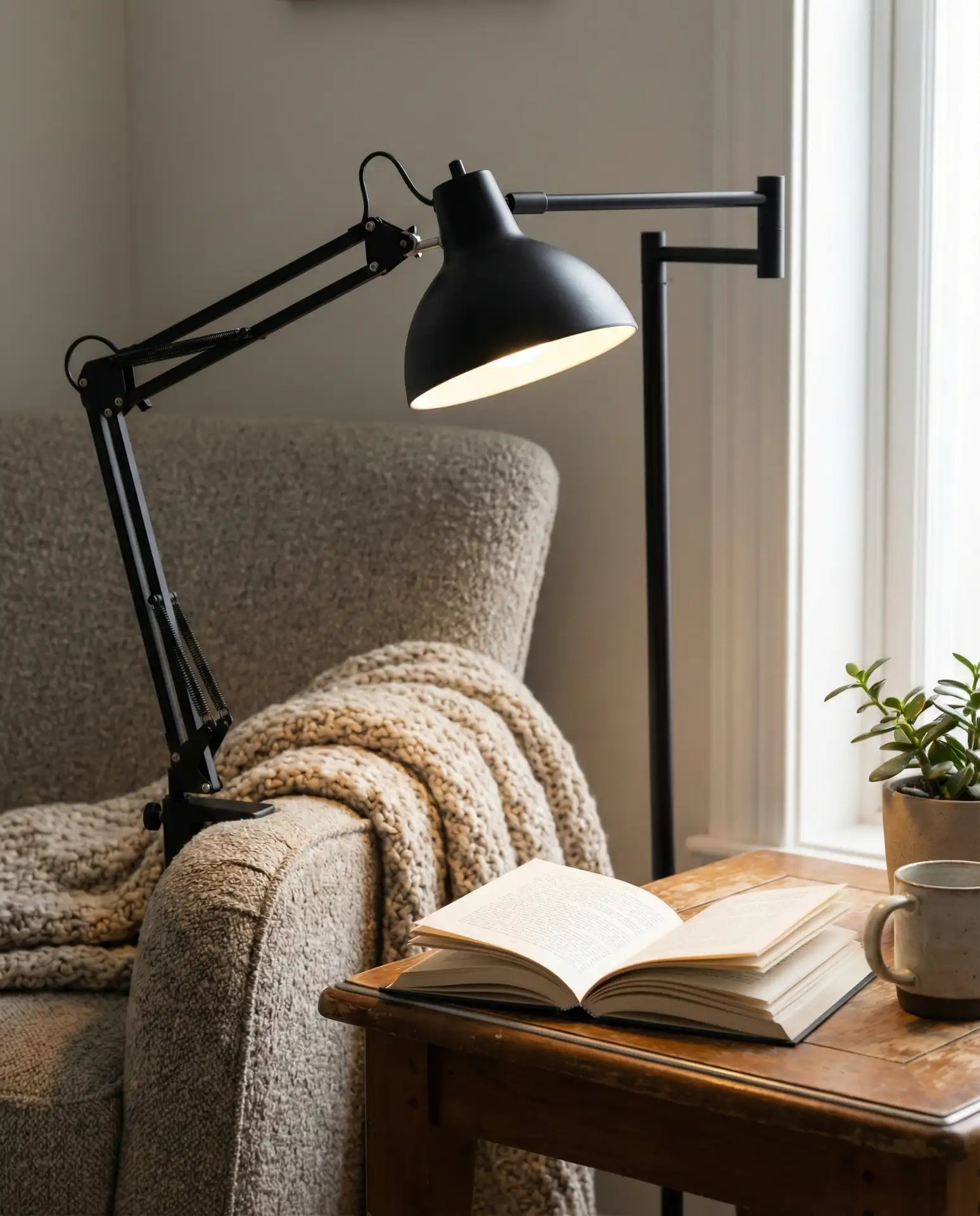
Expert designers recommend a minimum of 300 lumens for comfortable reading, with adjustable brightness if possible to accommodate different lighting conditions throughout the day. This is especially important in rooms with limited natural light or for evening readers who need focused illumination without overhead glare. Investing in quality lighting pays off in comfort and usability.
19. Corner with Wall-Mounted Magazine Rack
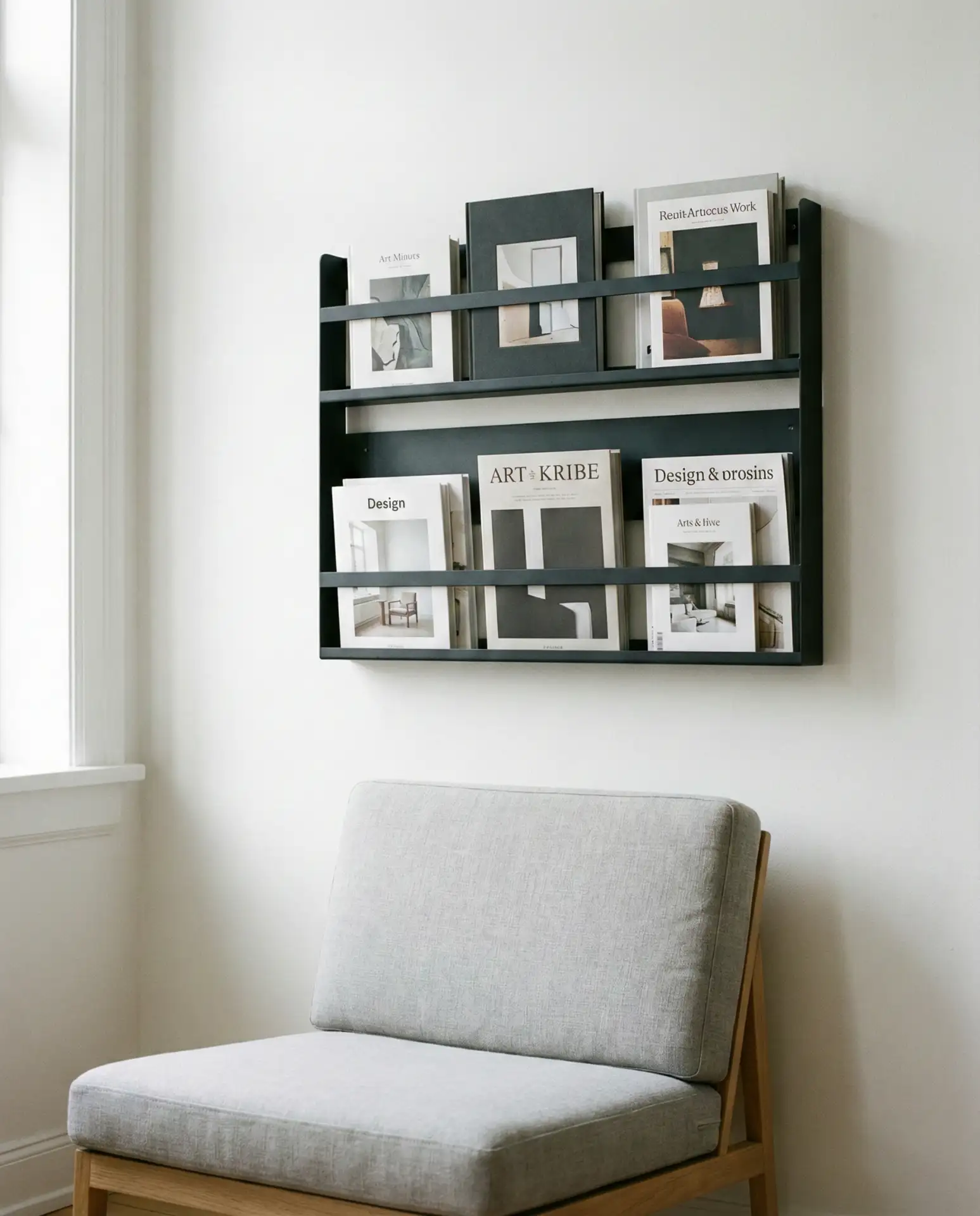
A wall-mounted magazine rack or floating shelf keeps reading material organized and within reach without eating into floor space. This is a smart solution for small bedroom spaces or apartment corners where every square inch counts. Choose a design that complements your overall decor—whether sleek metal, natural wood, or woven rattan—and use it to display current reads or favorite titles.
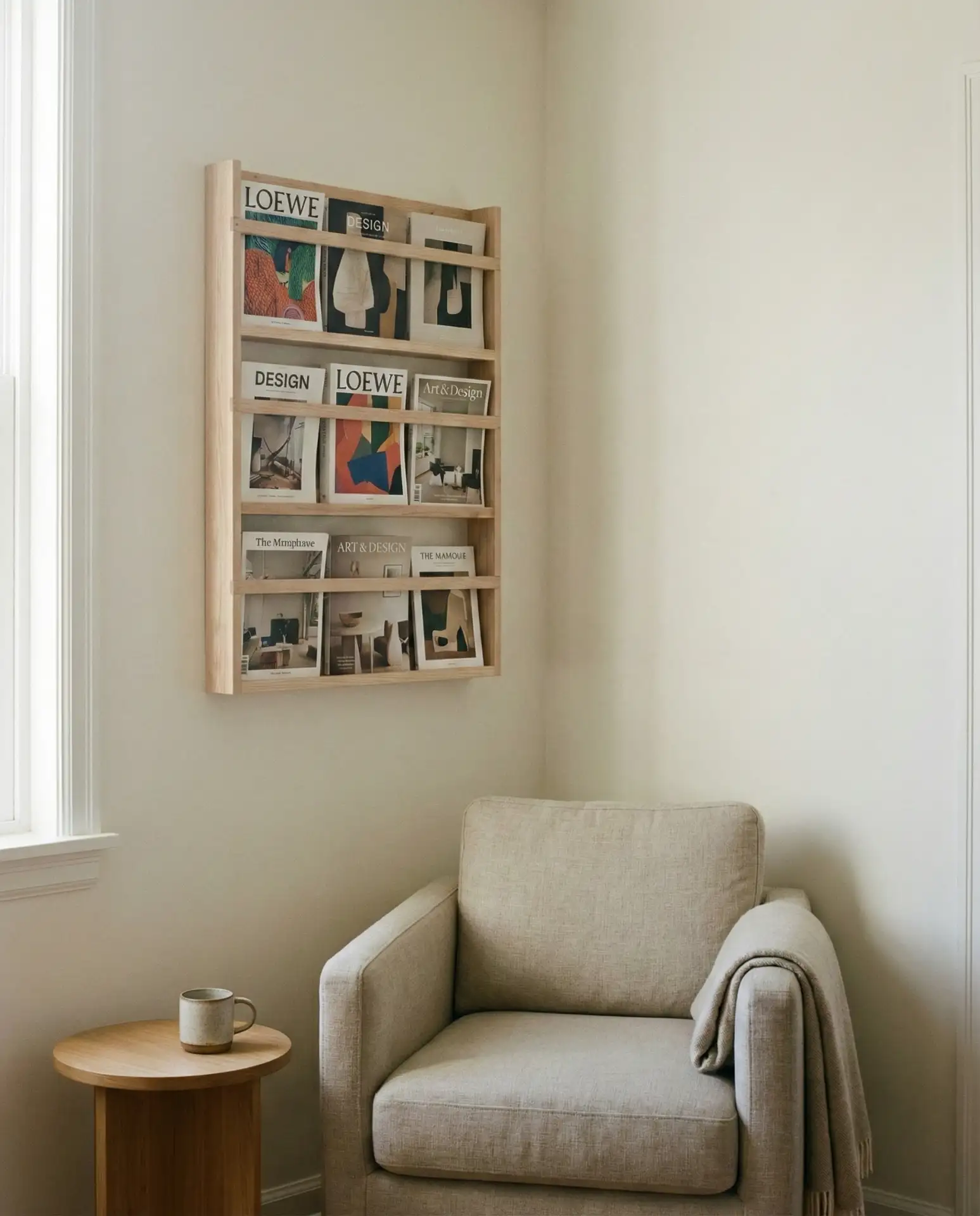
This setup is especially popular in studio apartments and small urban homes where multifunctional furniture is a necessity rather than a choice. Real homeowners often pair wall-mounted storage with a compact chair or pouf to create a reading zone that can be tucked away when not in use, maximizing flexibility in tight quarters.
20. Corner with a Swing Shelf and Floating Desk
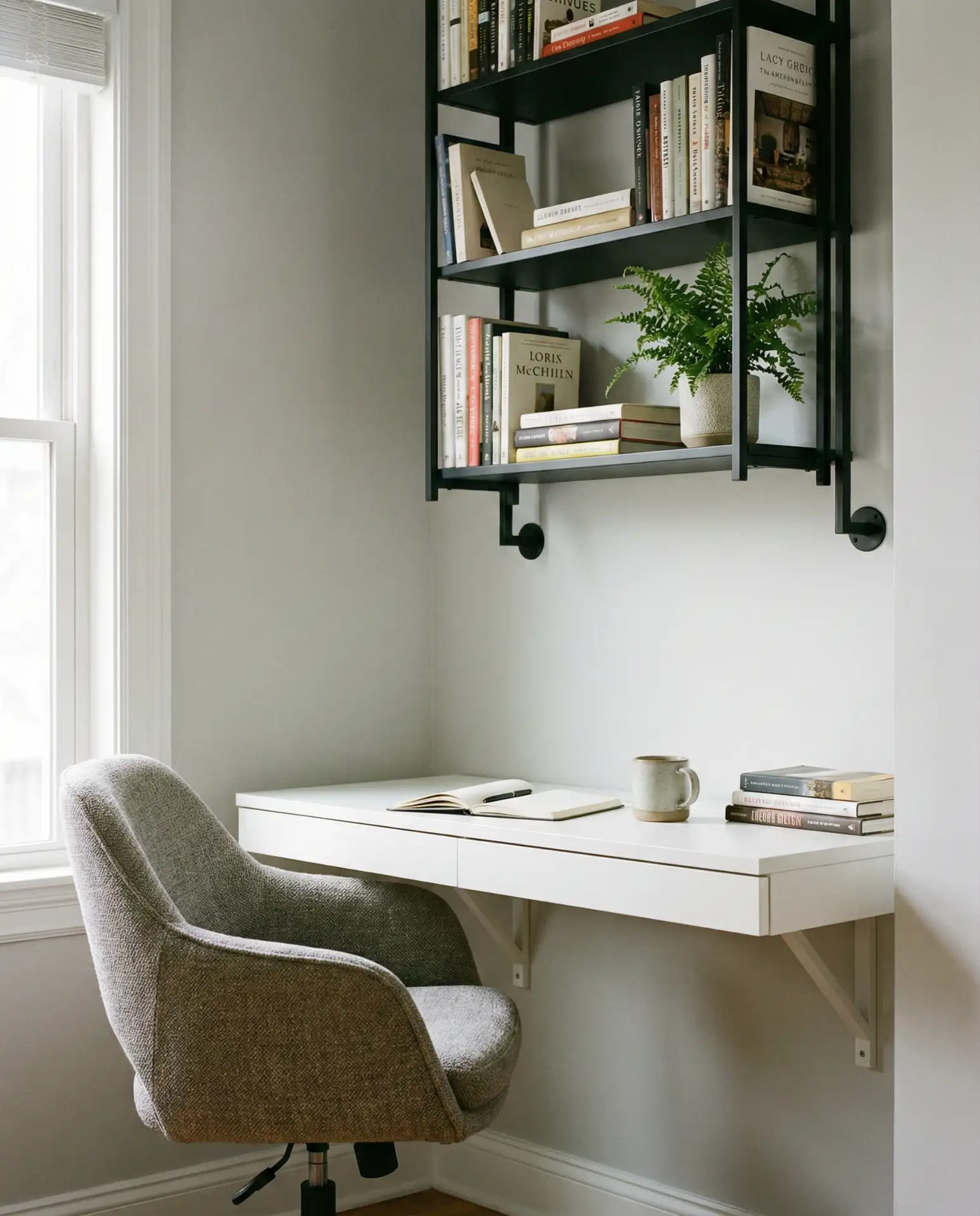
Combining a reading corner with a small floating desk creates a hybrid workspace that’s perfect for home offices or multipurpose rooms. A swing-arm shelf or adjustable bookshelf allows you to switch between sitting upright for work and leaning back for leisure reading. This flexibility makes the most of limited square footage while supporting different activities throughout the day.
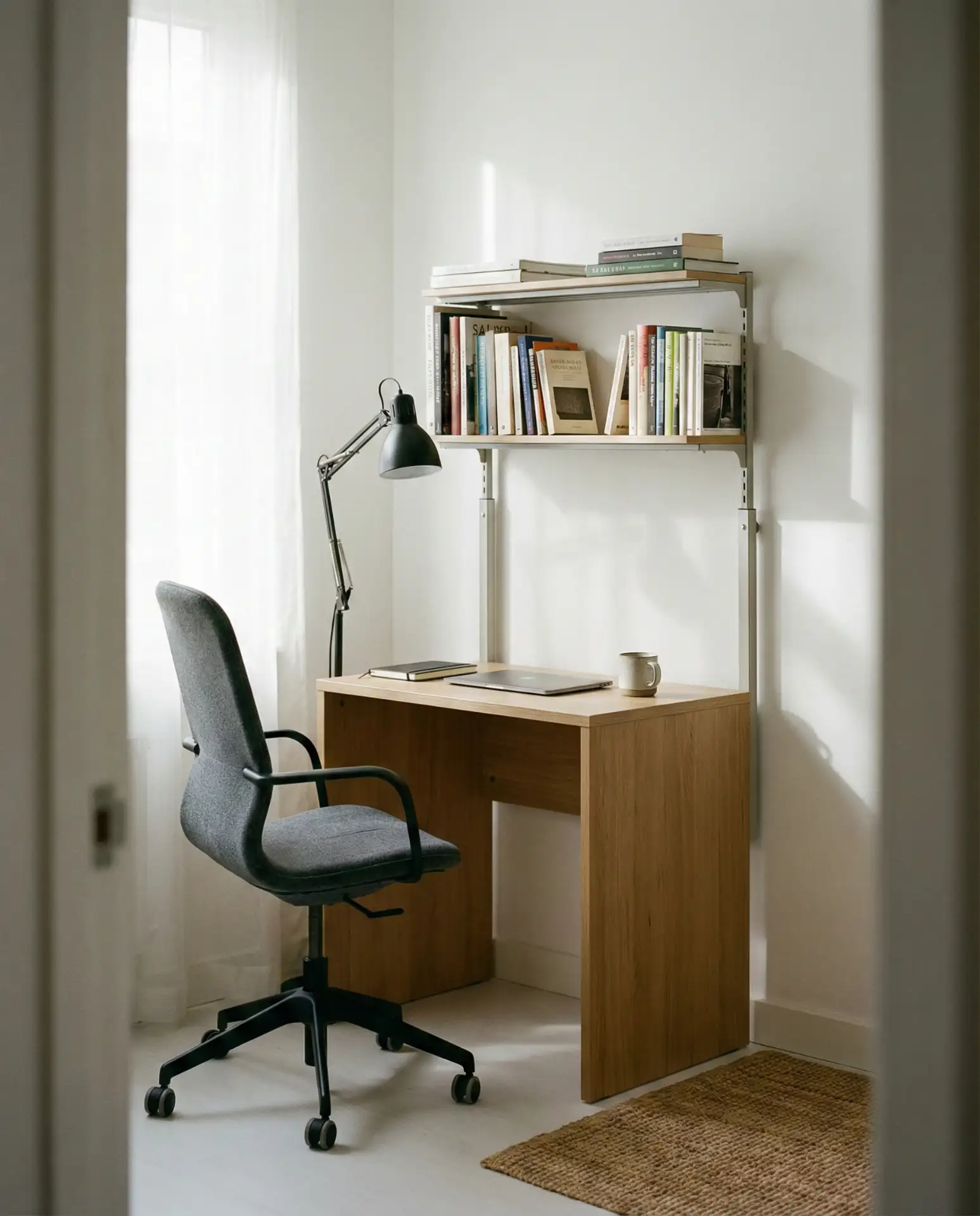
As remote work remains a fixture of American life, many people are looking for ways to blend productivity and relaxation in the same space. A common mistake is choosing a desk that’s too small for actual work tasks—aim for at least 36 inches of width to comfortably accommodate a laptop, notebook, and coffee cup without feeling cramped.
21. Library Ladder for Tall Shelving Drama
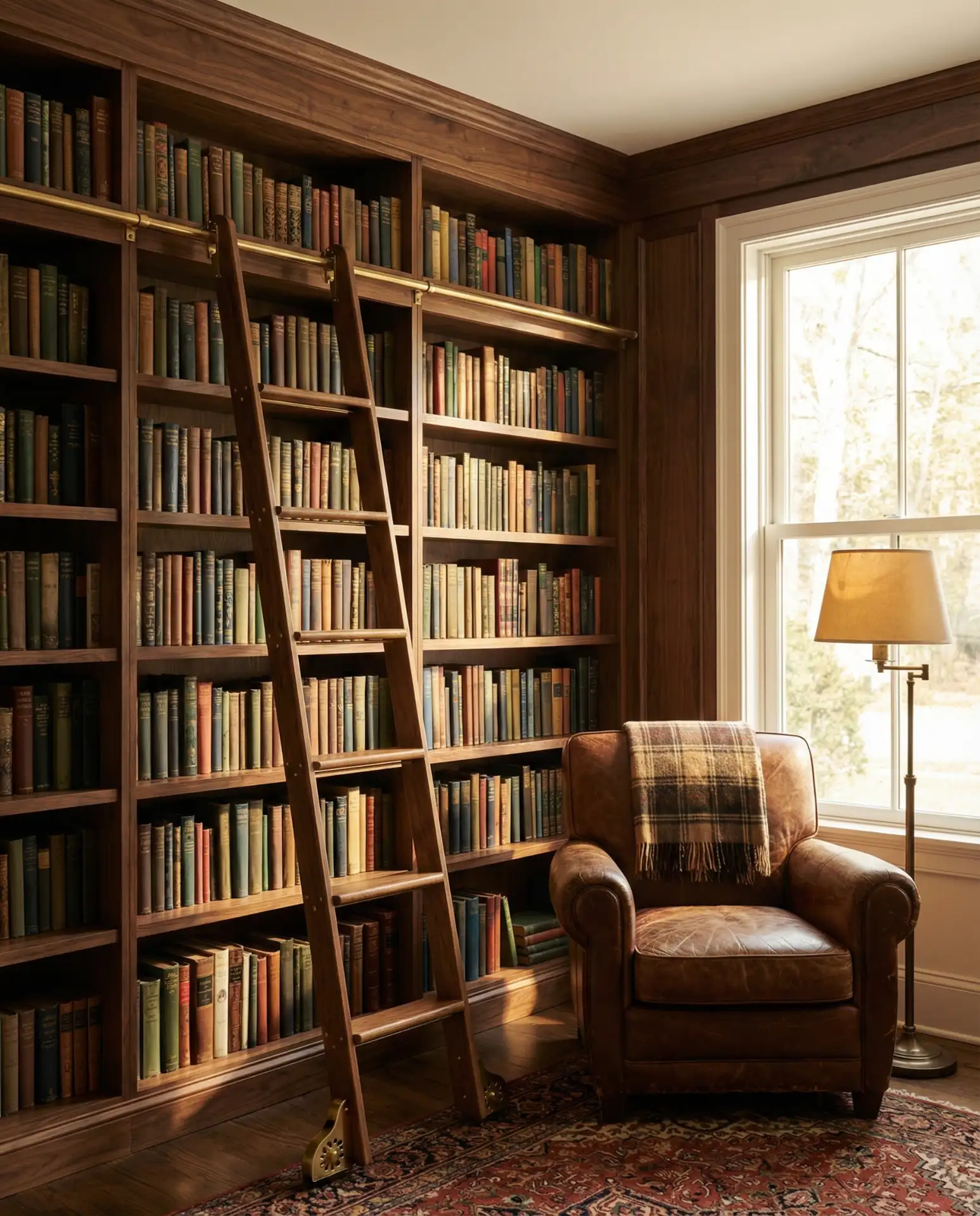
For the ultimate book lover’s fantasy, install floor-to-ceiling shelving with a rolling library ladder to access upper shelves. This setup works beautifully in rooms with high ceilings and creates a focal point that’s both functional and visually dramatic. Position a reading chair at the base, and you’ve created a space that celebrates the joy of collecting and displaying a personal library.
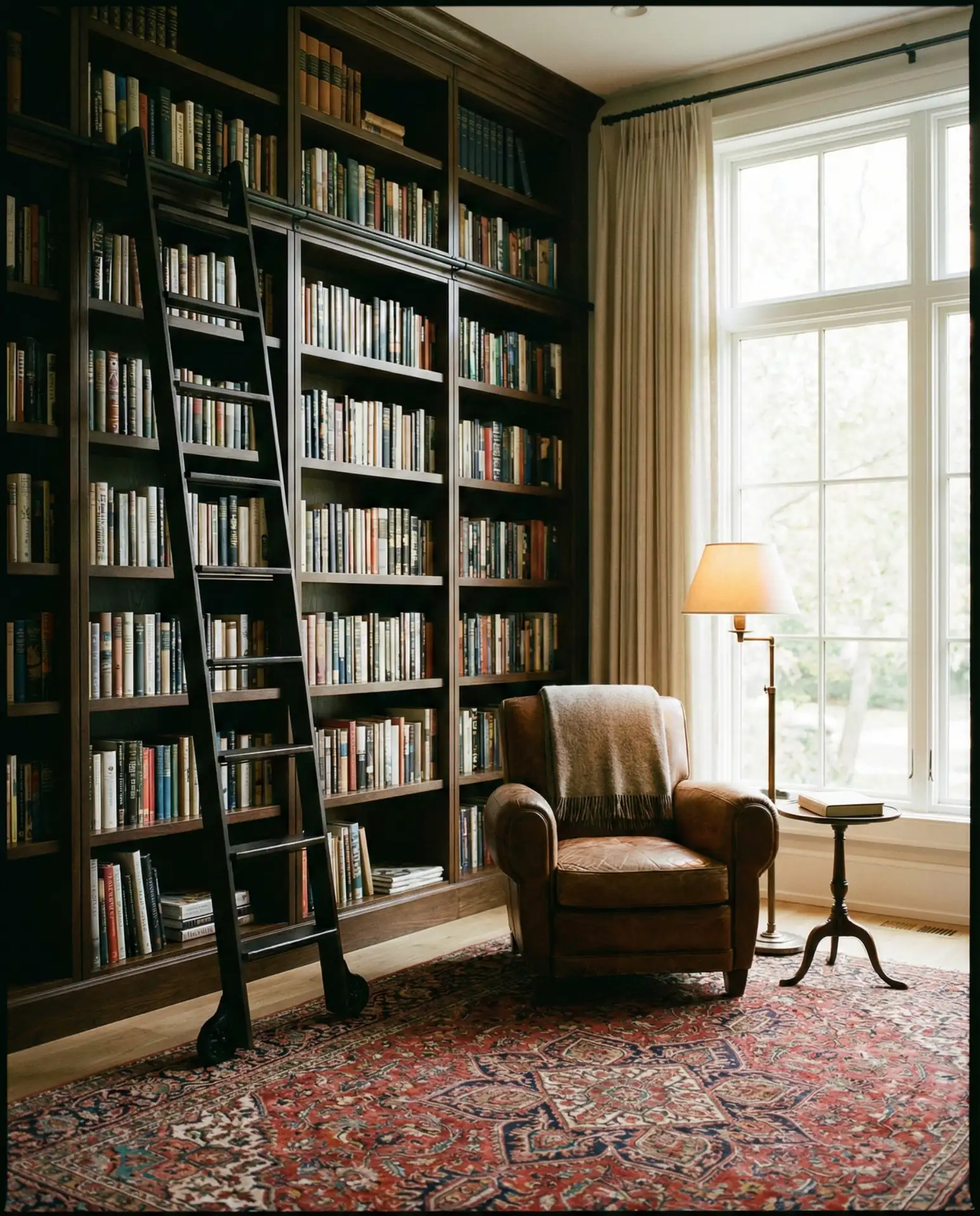
This feature is most commonly seen in historic homes and renovated lofts where ceiling heights allow for it, and it’s a detail that significantly boosts resale appeal for book-loving buyers. While professional installation is recommended for safety, the investment pays off in both aesthetic impact and practical storage capacity, especially in homes where book collections have outgrown standard shelving.
22. Outdoor Reading Nook on a Covered Porch
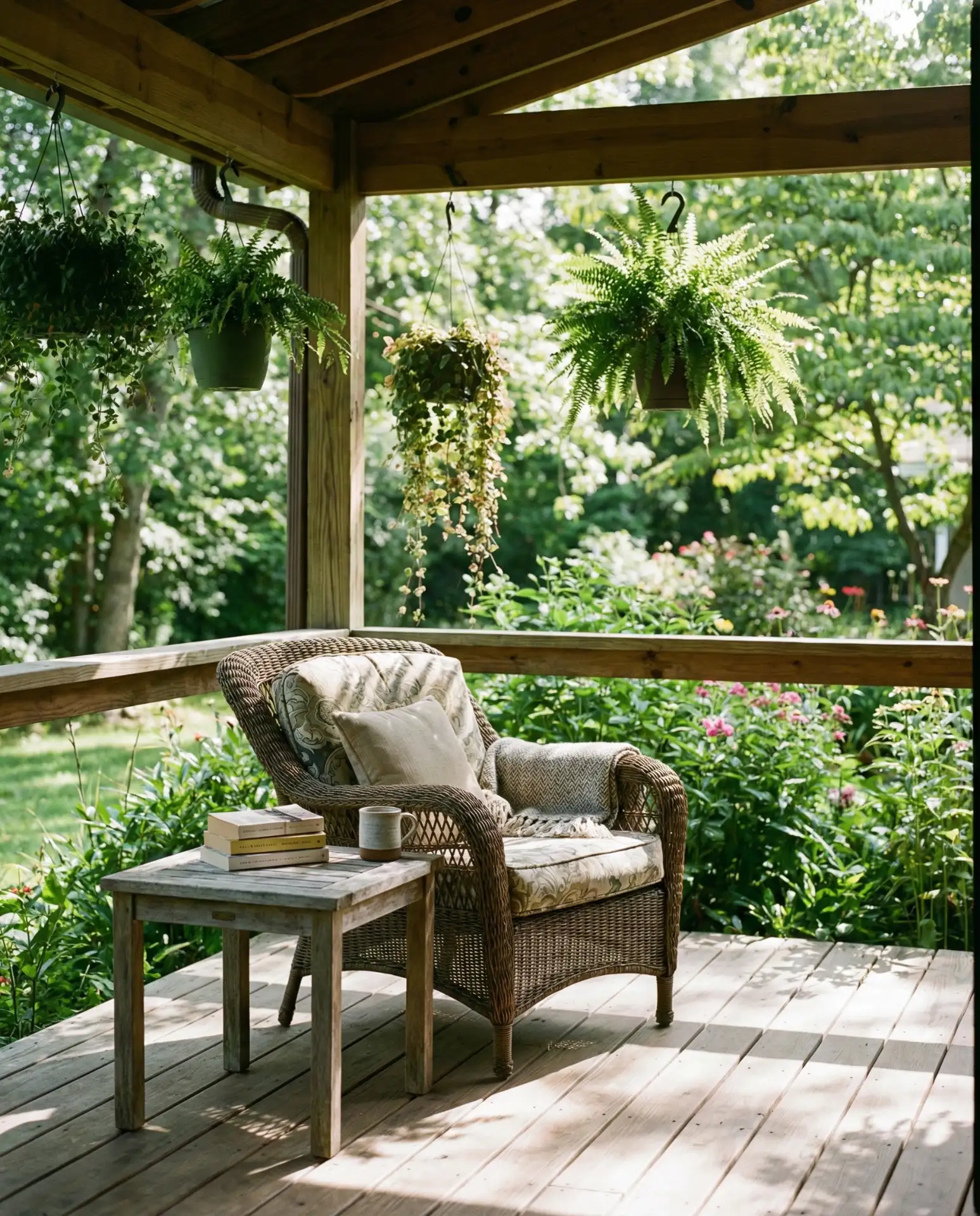
For those with outdoor space, a covered porch or patio can become a seasonal reading retreat with weather-resistant furniture and soft outdoor cushions. A hanging swing, a wicker lounge chair, or even a hammock paired with an outdoor side table extends your living space and offers a change of scenery that indoor corners can’t match. This inspo is perfect for mild climates or summer months when fresh air enhances the reading experience.
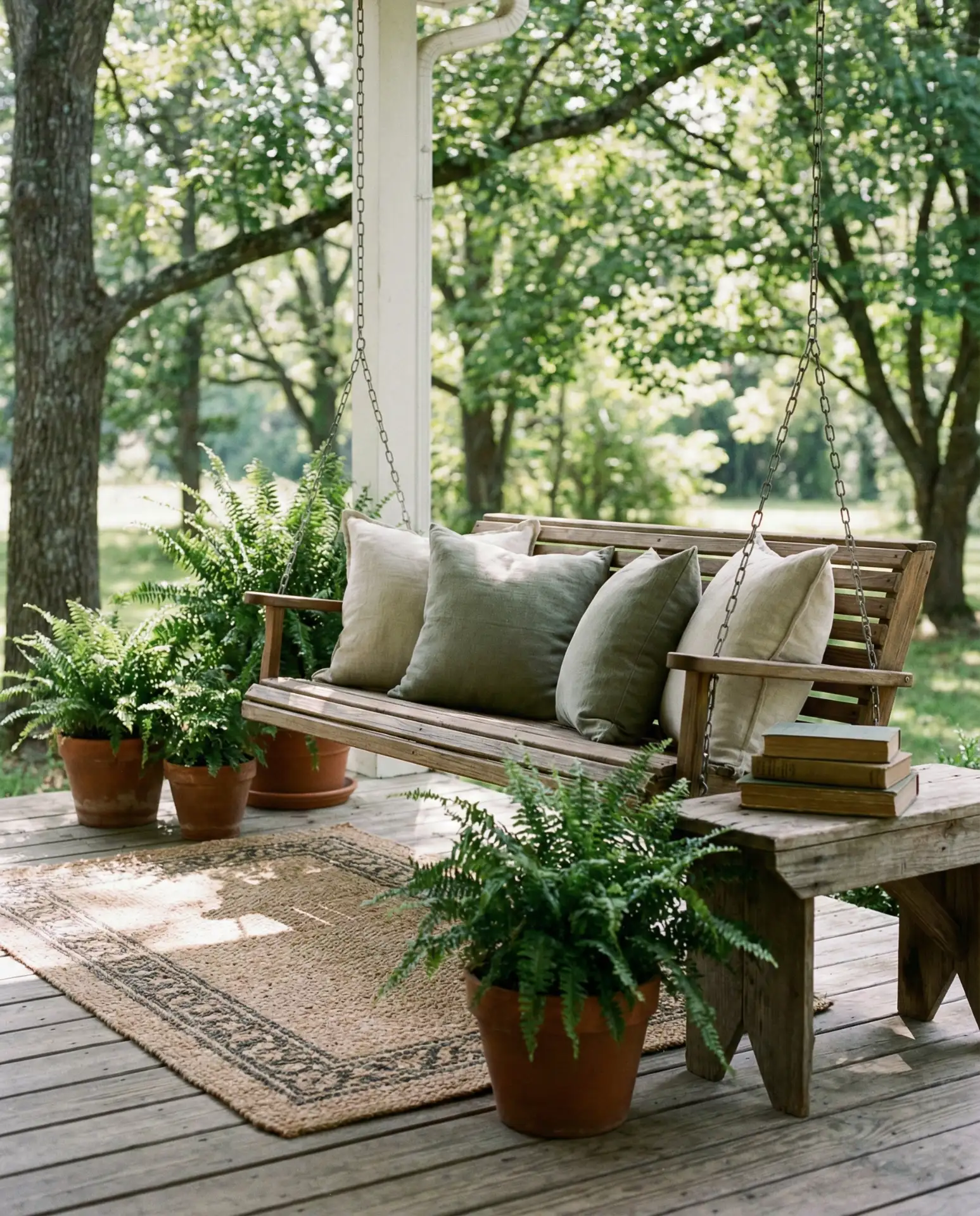
Across the South and Southwest, where porches are a cultural mainstay, outdoor reading nooks are a natural extension of daily life and a way to enjoy comfortable weather year-round. Choose fade-resistant fabrics and rust-proof furniture to ensure your setup lasts through seasons, and consider adding a waterproof storage bin for cushions during inclement weather to keep everything looking fresh.
Conclusion
Whether you’re carving out a cozy corner in a classroom, transforming a nursery nook, or creating a luxe adult retreat, the possibilities for reading corners in 2026 are as diverse as the people who use them. We’d love to hear which ideas resonated with you most—drop a comment below and share how you’re planning to personalize your own reading space this year!