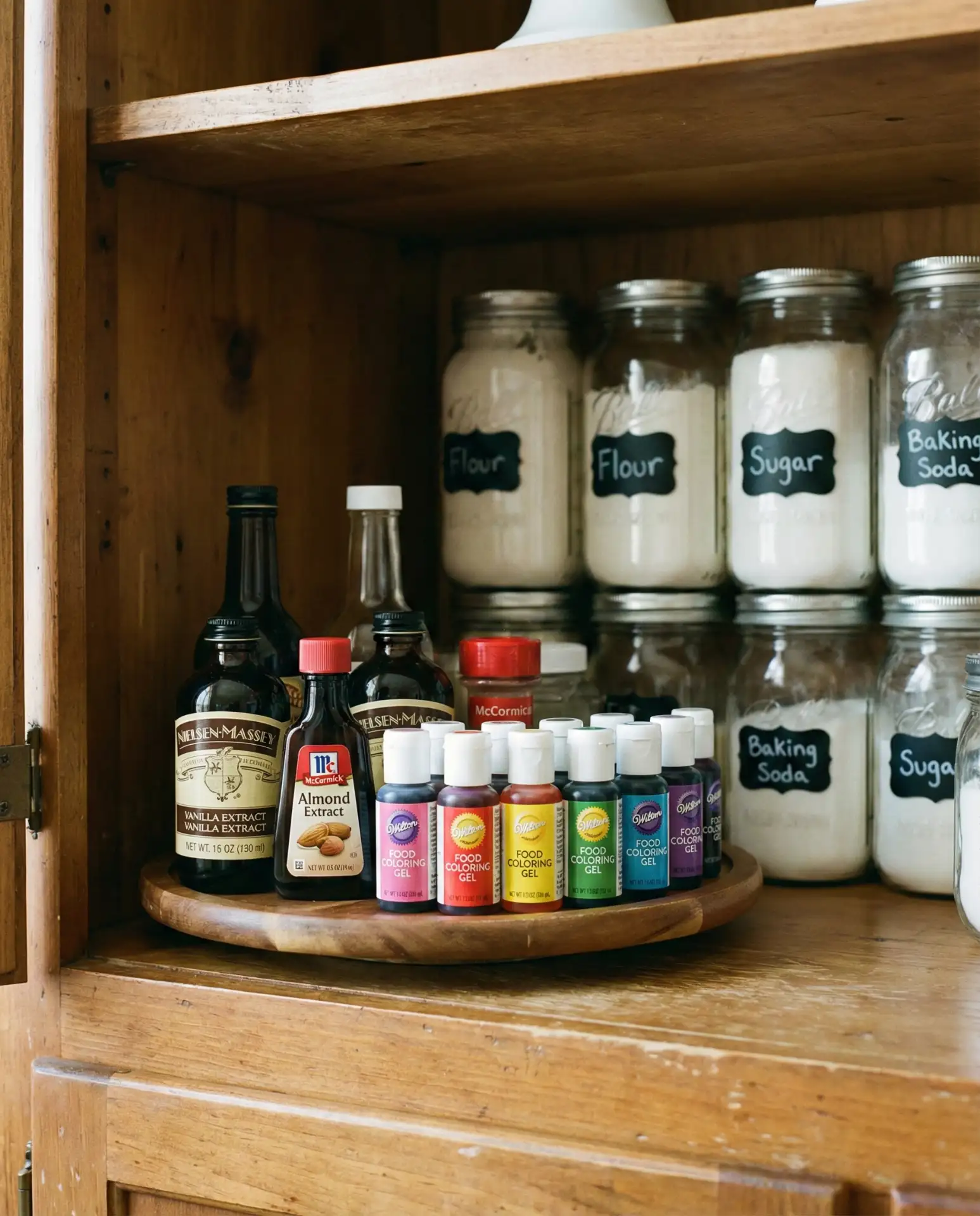
Small kitchens are having a major moment in 2026, and Pinterest boards across America are overflowing with clever design solutions that prove size doesn’t limit style or function. Whether you’re navigating a city apartment, a cozy cottage, or simply rethinking how you use your culinary space, the latest trends blend smart storage, bold aesthetics, and layouts that work with your life—not against it. From budget-friendly IKEA hacks to luxury finishes that feel surprisingly attainable, this year’s small kitchen ideas celebrate creativity, personality, and the kind of thoughtful design that makes every square inch count. Here are fresh approaches that blend inspiration with real-world practicality.
1. Compact U-Shaped Kitchen with Warm Wood Tones
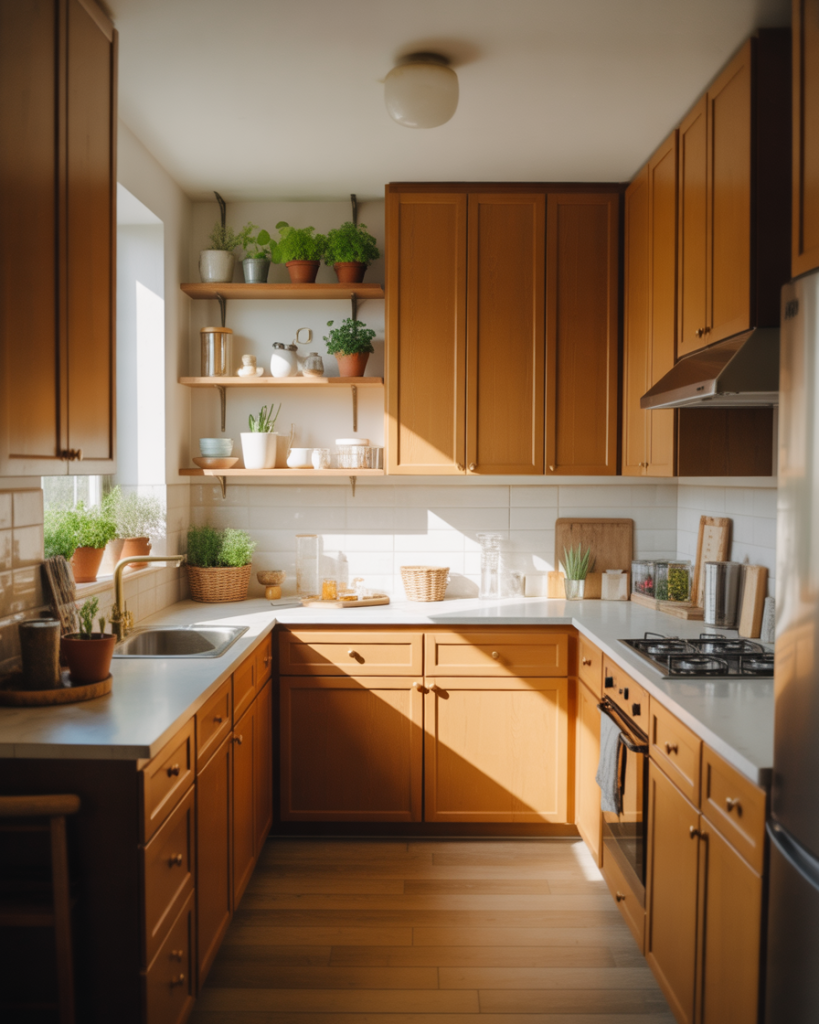
A U-shaped layout remains one of the smartest configurations for tight spaces, wrapping three walls with counter and storage while keeping the cook centered and efficient. When finished in warm oak or walnut cabinetry, the design feels both cozy and contemporary—a combination that’s particularly popular in modern simple homes across the Midwest and Pacific Northwest. The enclosed format naturally creates a work triangle that minimizes steps, and open upper shelving on one wall can prevent the space from feeling boxed in. 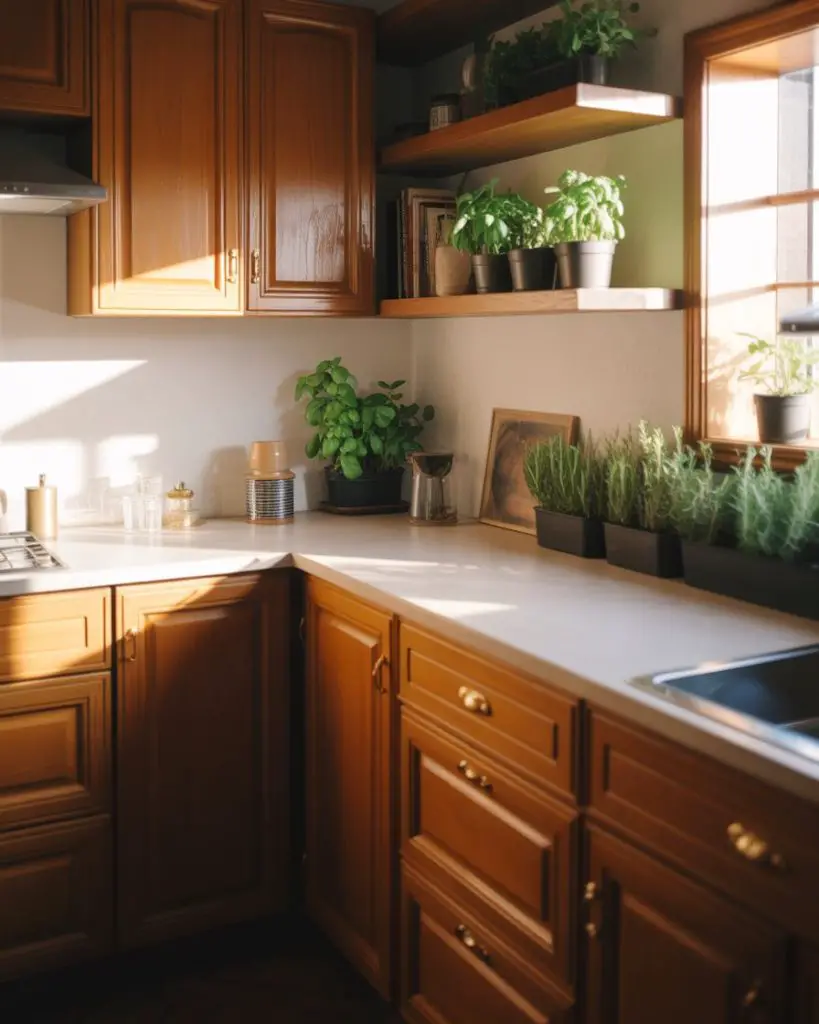
Many homeowners initially worry that U-shaped kitchens feel cramped, but the layout actually maximizes storage and prep area—two things renters and first-time buyers value most. Keep at least 42 inches of clearance in the center to allow comfortable movement, and consider extending one arm of the “U” slightly to create a casual eating ledge. It’s a layout that grows with you, adapting to everything from quick weekday dinners to weekend baking marathons.
2. One-Wall Galley with Statement Backsplash
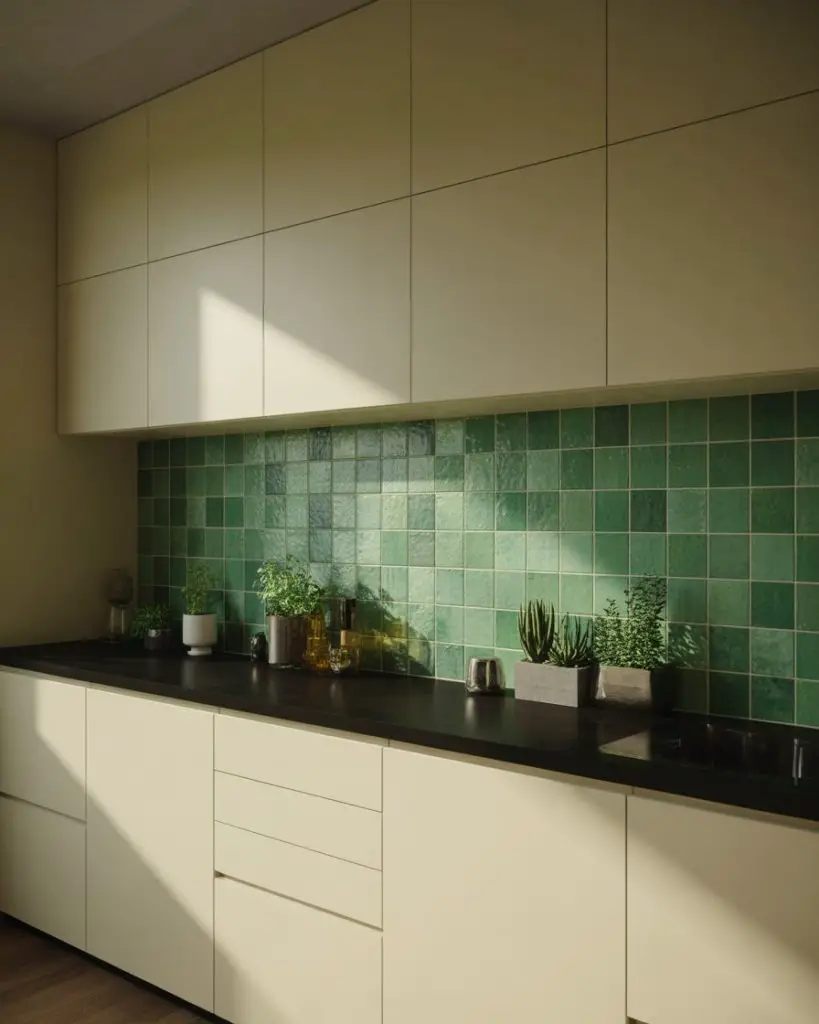
The one-wall layout is the ultimate space-saver, consolidating sink, stove, and fridge along a single plane—ideal for studio apartments or open-plan lofts where kitchen footprint must stay minimal. To prevent it from reading as bland or utilitarian, designers in 2026 are leaning into bold color choices for backsplashes: deep emerald tiles, hand-painted ceramics, or even peel-and-stick murals that add personality without permanent commitment. This approach pairs beautifully with modern simple cabinetry in matte white or soft gray. 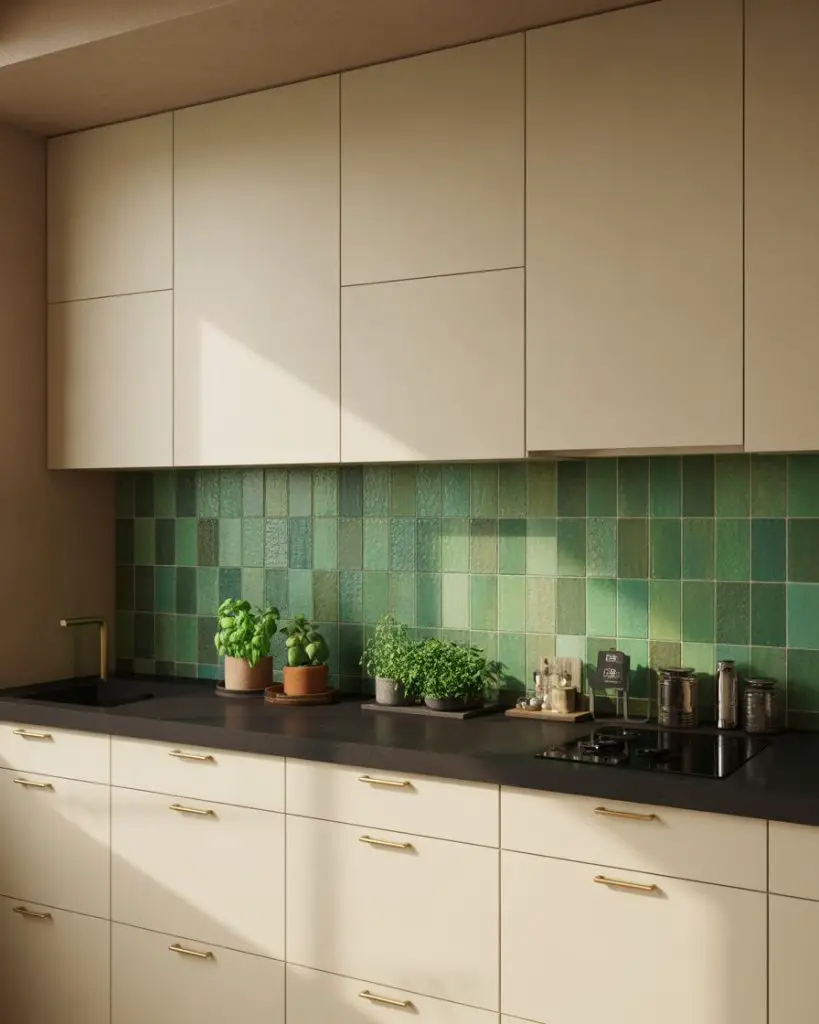
Where it works best: narrow condos in cities like Boston, Seattle, or San Francisco, where every inch of floor space counts. Add a rolling cart or fold-down table nearby to gain extra prep surface when needed, then tuck it away to maintain flow. The one-wall kitchen thrives on verticality—think ceiling-height cabinets and magnetic knife strips—so you’re always building up, not out.
3. IKEA Hack Kitchen on a Tight Budget
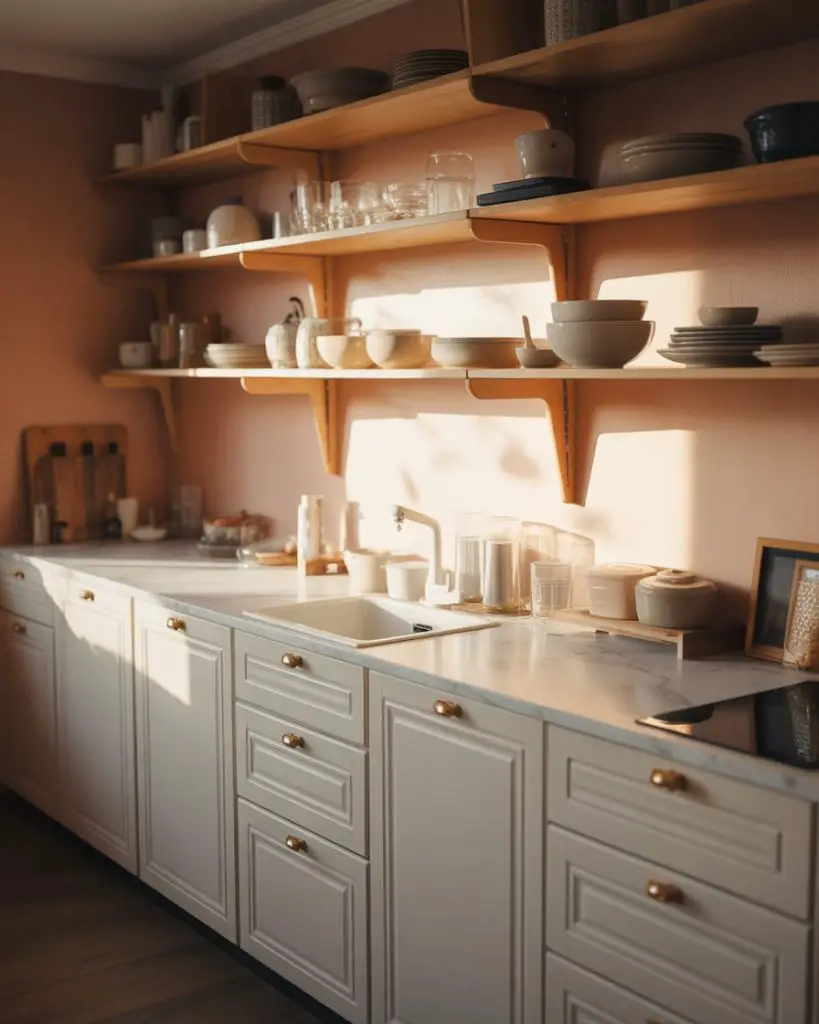
IKEA’s modular cabinet systems have become the backbone of thousands of budget-friendly kitchen renovations, offering clean Scandinavian lines at a fraction of custom costs. In 2026, the smartest Ikea hacks involve swapping standard hardware for vintage brass pulls, adding peel-and-stick marble contact paper to plain doors, or installing open shelving brackets to replace a few upper cabinets. These tweaks transform a recognizable flat-pack kitchen into something that feels curated and personal, without the designer price tag. 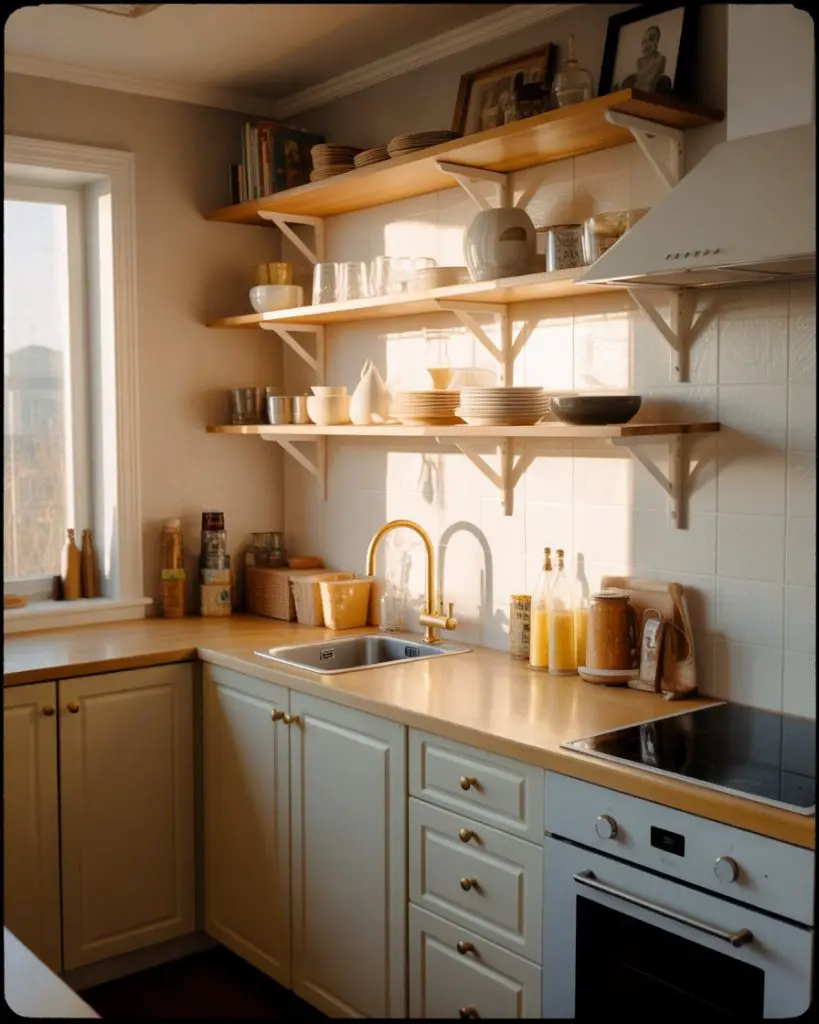
A common mistake is buying too many cabinets upfront—measure carefully and order in phases so you can adjust as the layout reveals itself. Many American DIYers also underestimate assembly time; set aside a full weekend and recruit a friend. The beauty of IKEA is its flexibility: you can start with basics now and add drawer organizers, pot racks, or even a kitchen island later as budget allows.
4. Rustic Farmhouse Kitchen with Reclaimed Wood
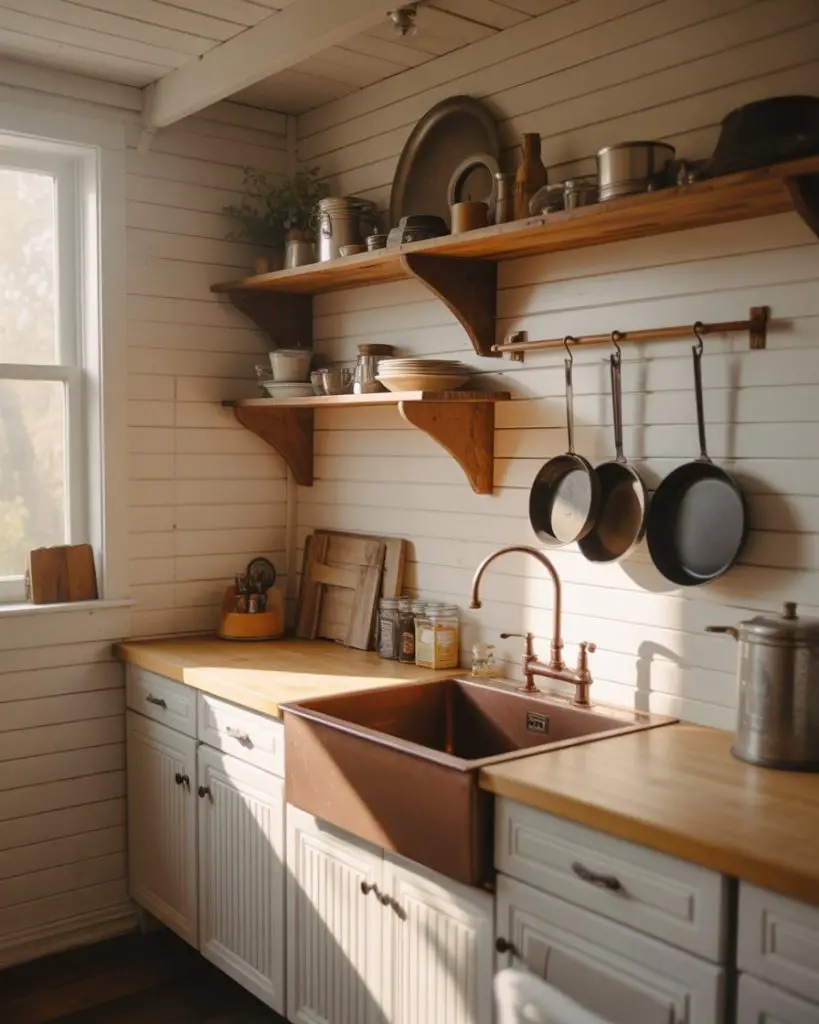
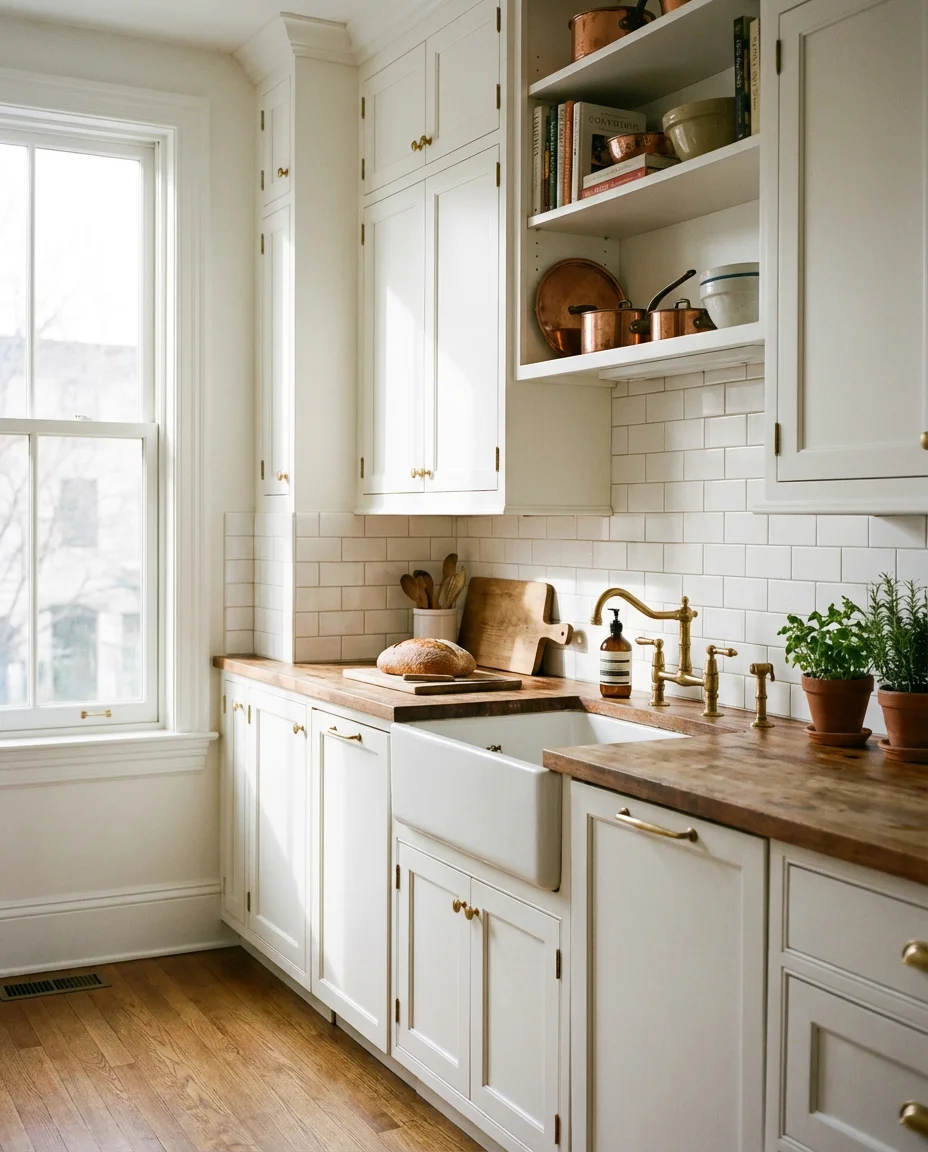
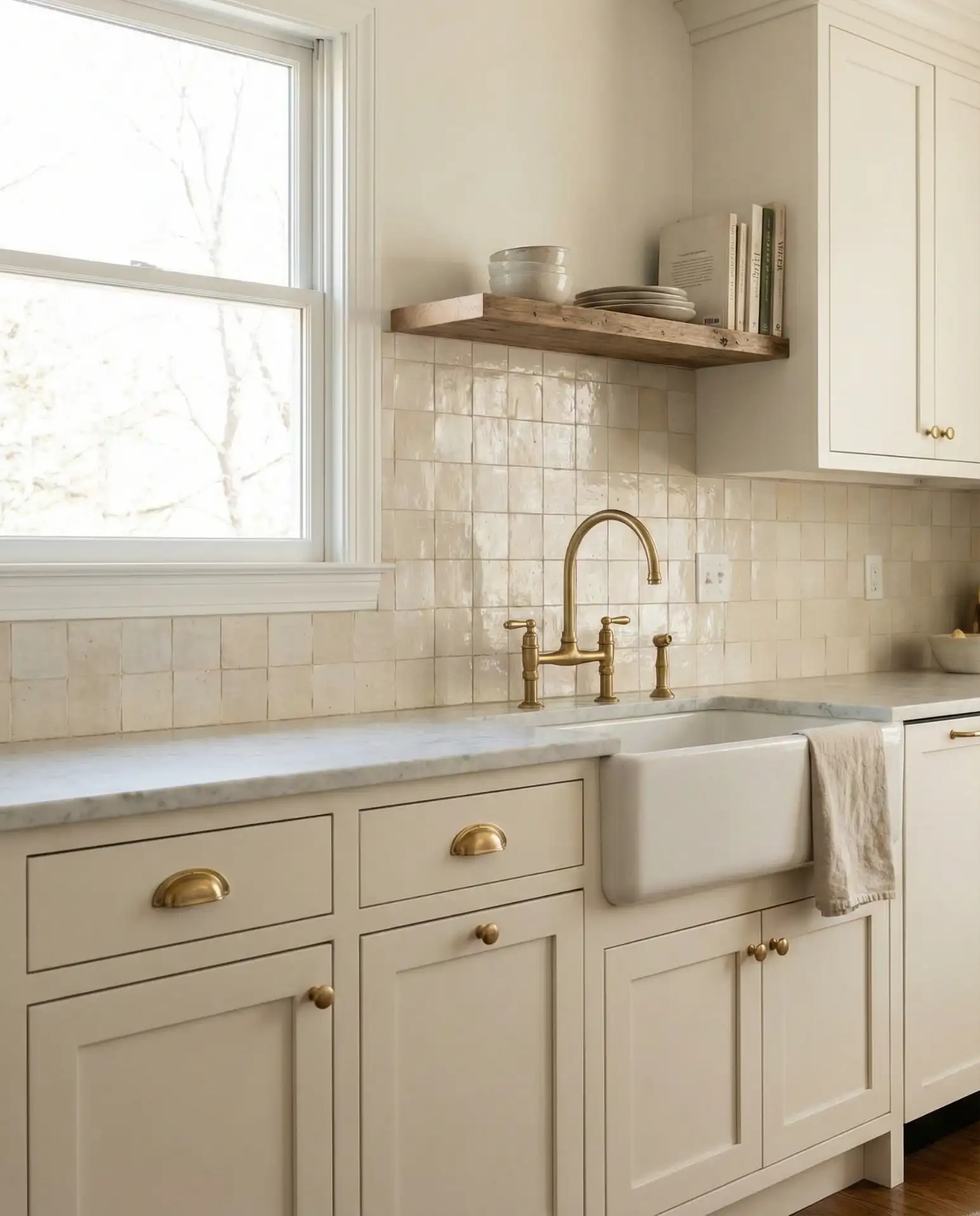
The rustic kitchen trend continues to resonate deeply in rural and suburban America, where reclaimed barn wood, open shelving, and farmhouse sinks evoke a sense of warmth and heritage. Pair these elements with modern appliances to keep the space functional, and don’t shy away from mixing metals—aged bronze faucets can coexist beautifully with stainless steel ranges. The style thrives on imperfection: weathered wood, hand-thrown pottery, and vintage linens all contribute to an lived-in, welcoming atmosphere that feels authentically cozy. 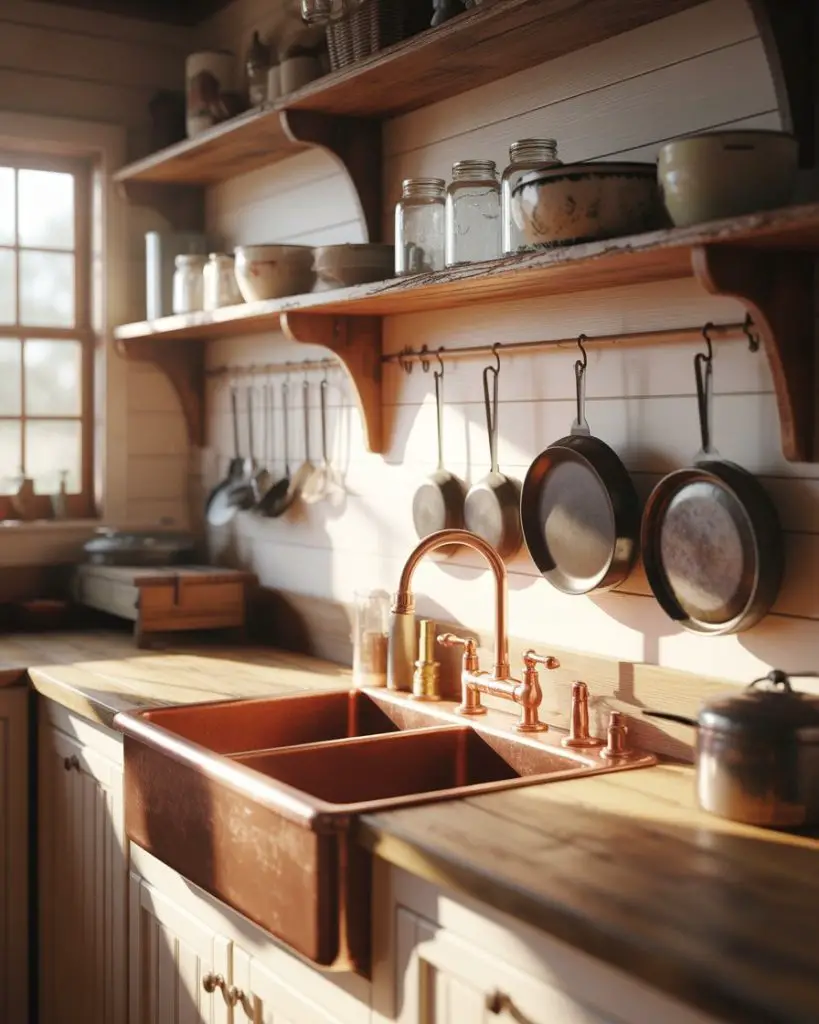
Expert-style commentary: designers often recommend keeping the color palette neutral—whites, creams, soft grays—so the wood becomes the star rather than competing with bold hues. Add greenery in the form of potted herbs or a small windowsill garden to introduce life and freshness. This style works especially well in converted barns, cottages, or any home where you want the kitchen to feel like the heart of family gathering.
5. Super Compact 2m x 2m Layout
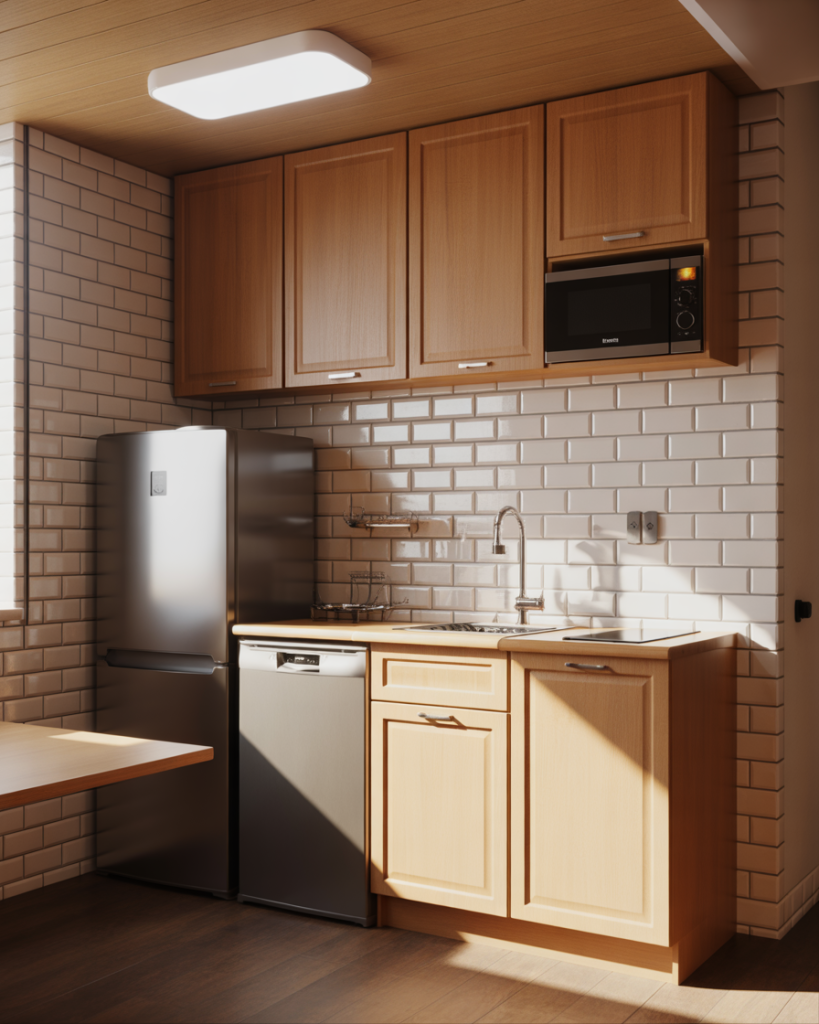
A 2m x 2m kitchen might sound impossibly small, but with the right layout, it can be super functional—think tiny home efficiency meets urban micro-living. The key is committing to a galley or L-shaped plan that maximizes every centimeter: compact appliances (18-inch dishwashers, slimline fridges), wall-mounted fold-down tables, and magnetic strips for knives and utensils. This approach has become popular among minimalists and young professionals in cities like New York, Portland, and Austin, where studio apartments are the norm.
Real homeowner behavior: people living in these ultra-compact kitchens often keep only essential tools and dishes, rotating seasonal items in and out of storage. Vertical storage is non-negotiable—install hooks inside cabinet doors, use stackable containers, and consider a pegboard wall for pots and pans. It’s amazing how much functionality you can pack into 4 square meters when every choice is intentional.
6. Modern Luxury Marble and Brass Kitchen
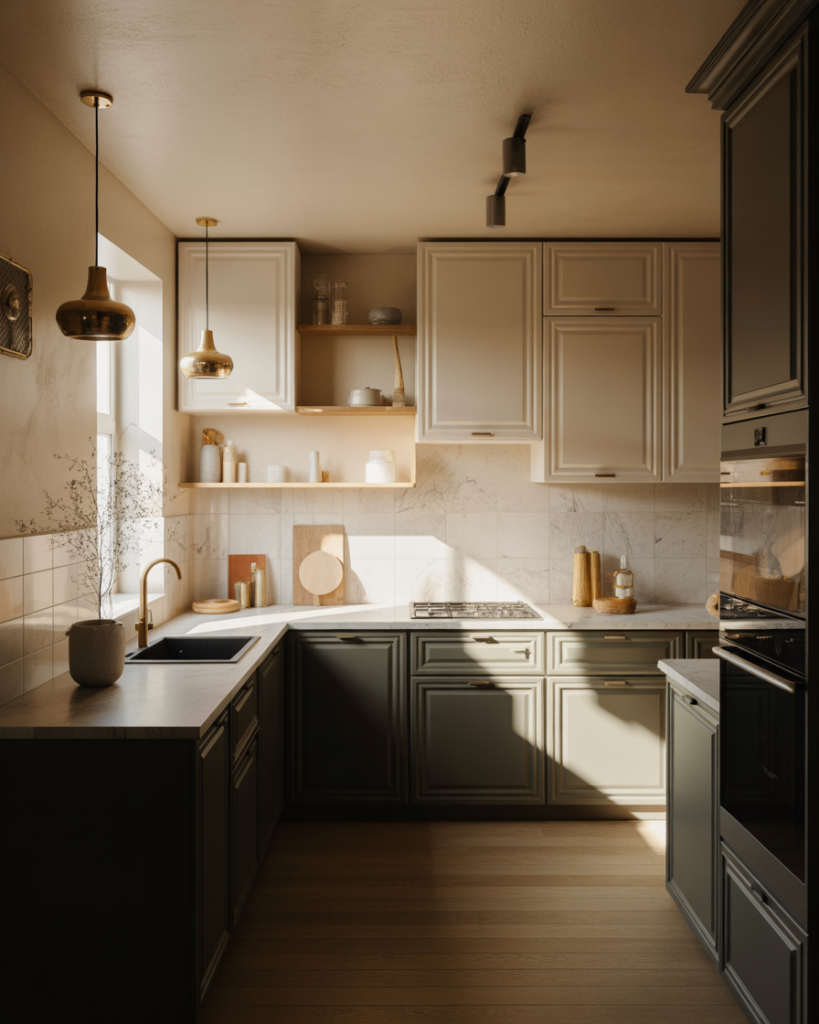
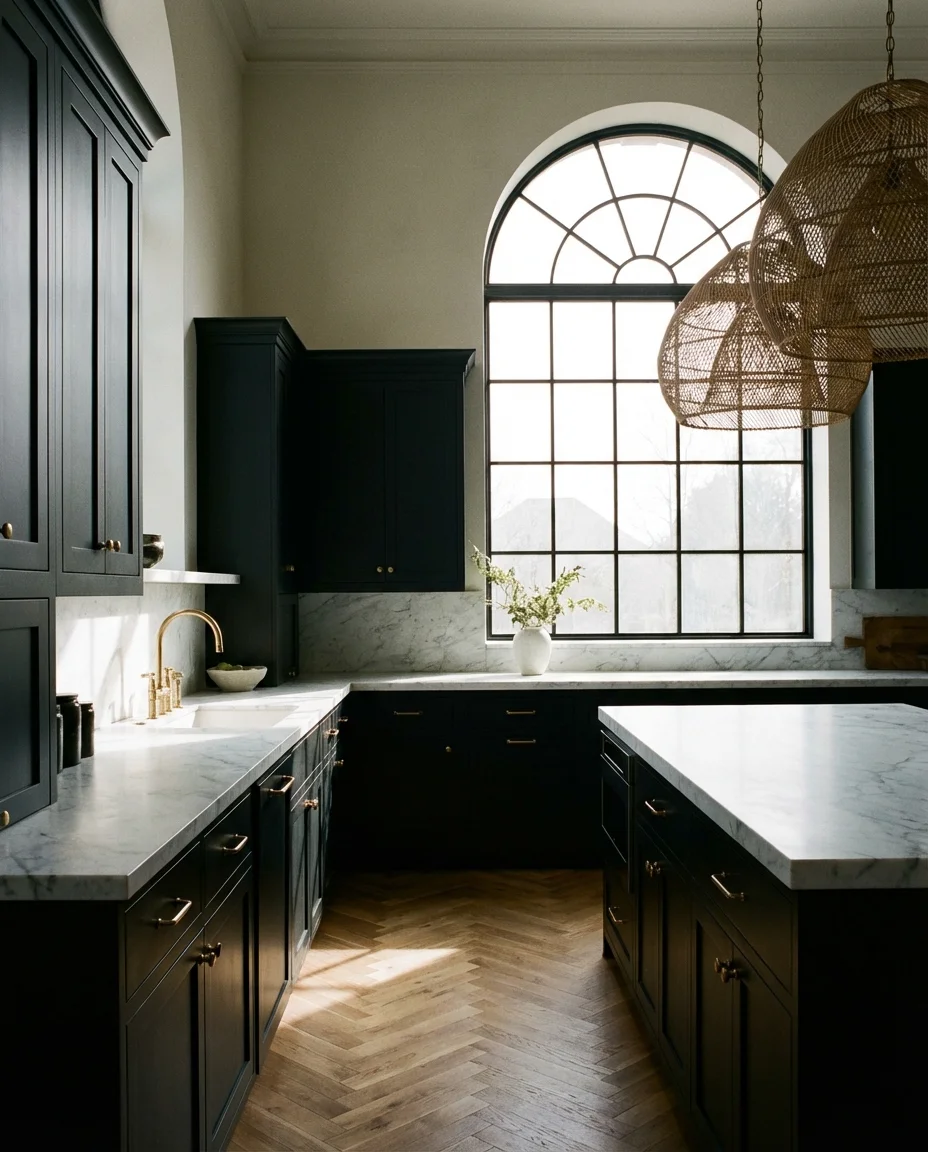
If your budget allows for a few high-end finishes, a modern luxury small kitchen can feel like a jewel box—compact but undeniably elegant. Think honed Carrara marble countertops, unlacquered brass fixtures that age beautifully, and custom cabinetry in deep navy or charcoal. The luxury lies not in square footage but in material quality and craftsmanship: soft-close drawers, integrated LED lighting, and seamless appliance panels that maintain clean lines. This aesthetic has taken off in urban lofts and renovated brownstones across American cities. 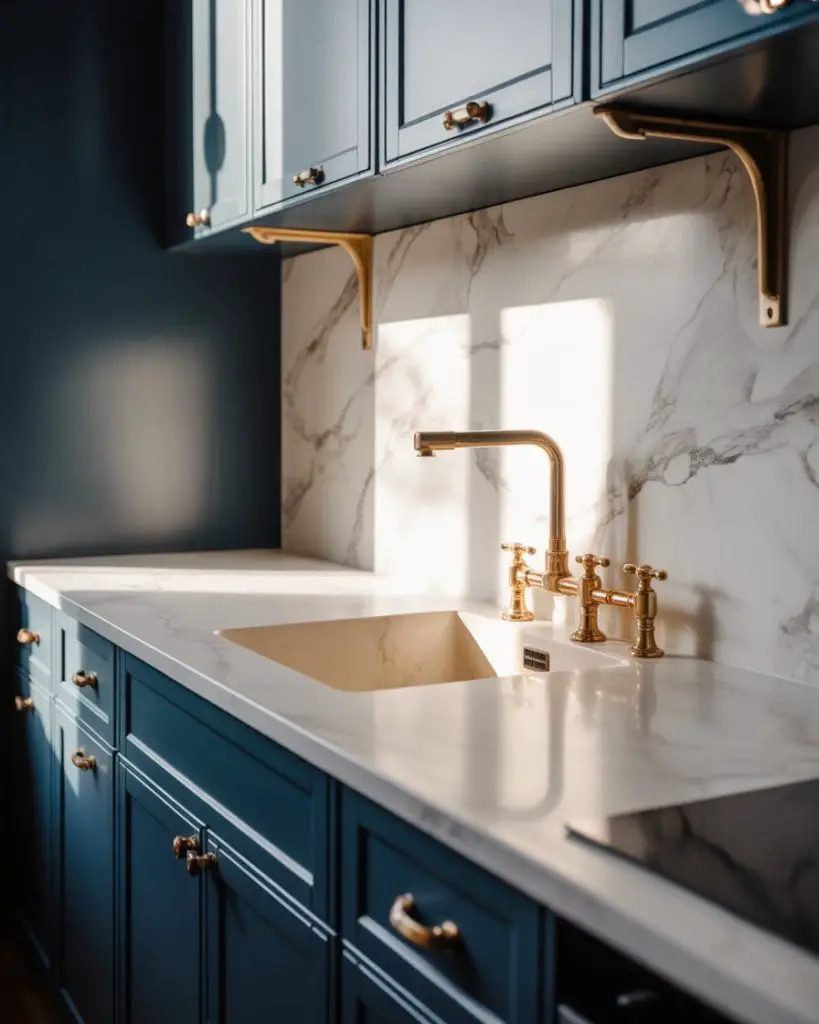
Practical insight: invest in fewer, better pieces rather than filling the space with mid-tier finishes. A single stunning marble slab can anchor the entire design, while open shelving (instead of upper cabinets) lets those materials breathe and prevents visual clutter. Luxury in a small kitchen is about restraint—every element should earn its place through both beauty and function.
7. Aesthetic Pastel Kitchen with Vintage Touches
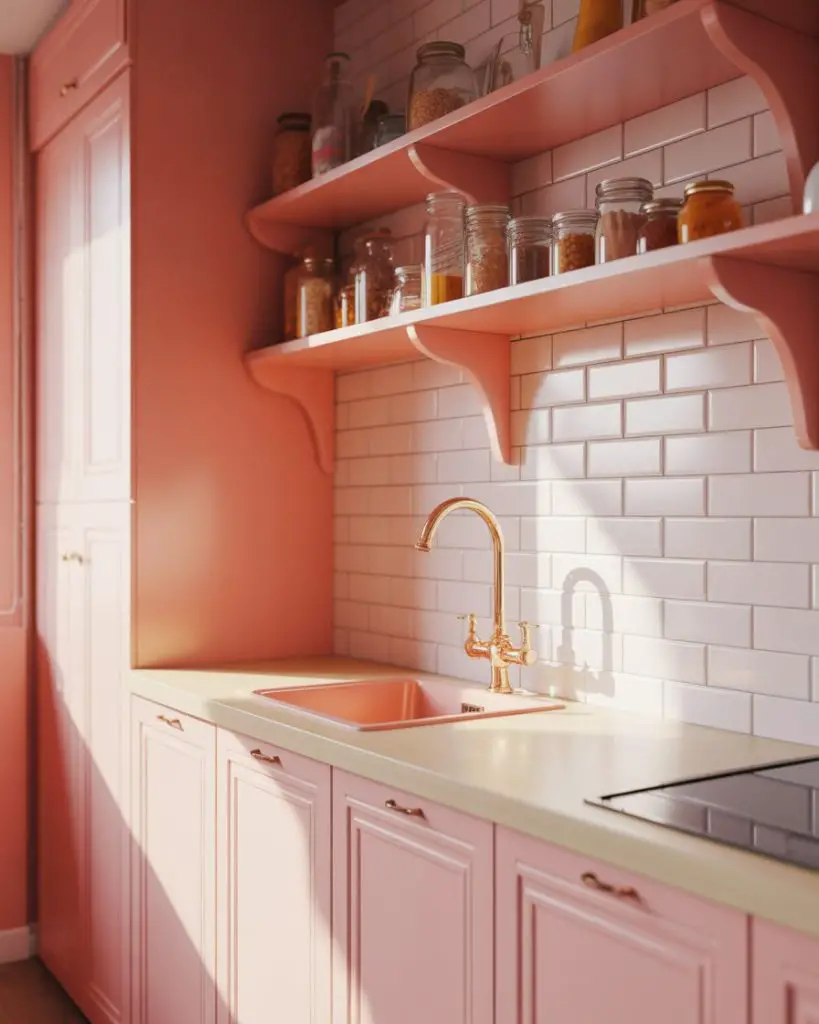
The aesthetic kitchen movement—fueled by Instagram and Pinterest—embraces soft pastels, vintage collectibles, and a sense of curated nostalgia that feels fresh rather than dated. Pale pink cabinets, mint green backsplashes, or buttery yellow walls create a cheerful, feminine vibe that’s particularly popular among younger homeowners and renters looking to inject personality into builder-grade spaces. Pair these color choices with brass or gold hardware, retro appliances (like a SMEG fridge), and open shelving displaying pretty dishware. 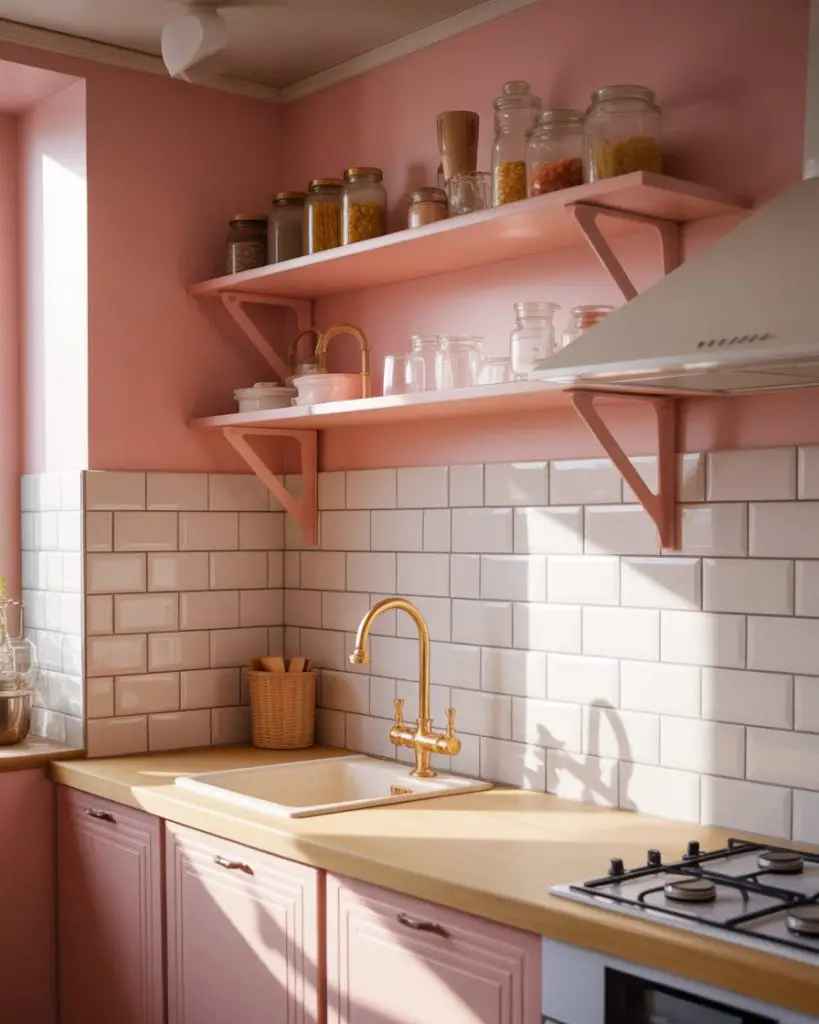
A neighbor once transformed her rental kitchen by simply painting the lower cabinets in a dusty rose and swapping out the hardware—total cost under $200, but the space went from forgettable to Instagram-worthy overnight. This style thrives on layering: add vintage tea towels, a small vase of fresh flowers, and a few well-chosen cookbooks to complete the look. It’s proof that personality doesn’t require a full renovation.
8. Indian-Inspired Spice Kitchen with Bold Textiles
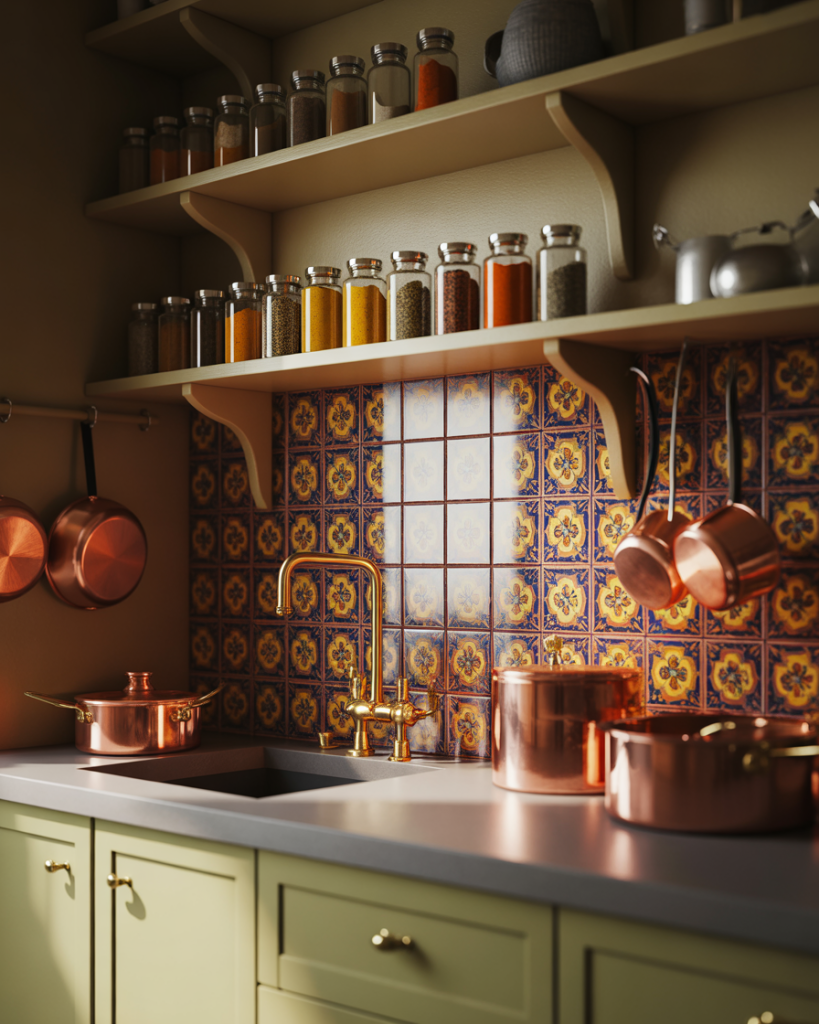
As American home cooking continues to embrace global flavors, Indian-inspired kitchens are gaining traction—spaces designed around the needs of spice-heavy cooking, with dedicated storage for masalas, lentils, and oils. Think open shelving lined with glass jars, vibrant hand-painted tiles in jewel tones, and brass or copper accents that nod to traditional Indian design. The color palette might include deep reds, saffron yellows, or rich teals, creating a warm, inviting space that celebrates culinary heritage. 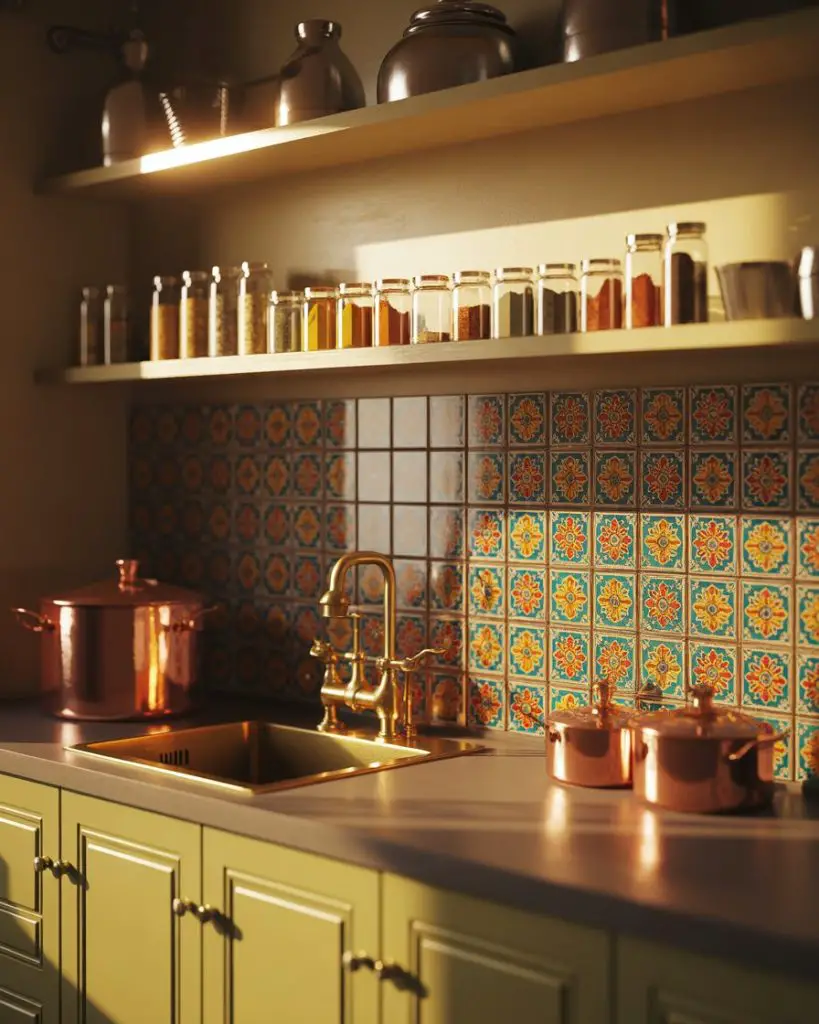
Where it works best: in homes where cooking is a daily ritual and family recipes are passed down through generations. Consider adding a small spice drawer organizer or a pull-out pantry to keep ingredients accessible but tidy. Textiles—like a vibrant runner or hand-embroidered towels—add softness and cultural texture without overwhelming a small footprint. This approach turns the kitchen into a celebration of flavor and tradition.
9. Extra Storage Solutions with Floor-to-Ceiling Cabinets
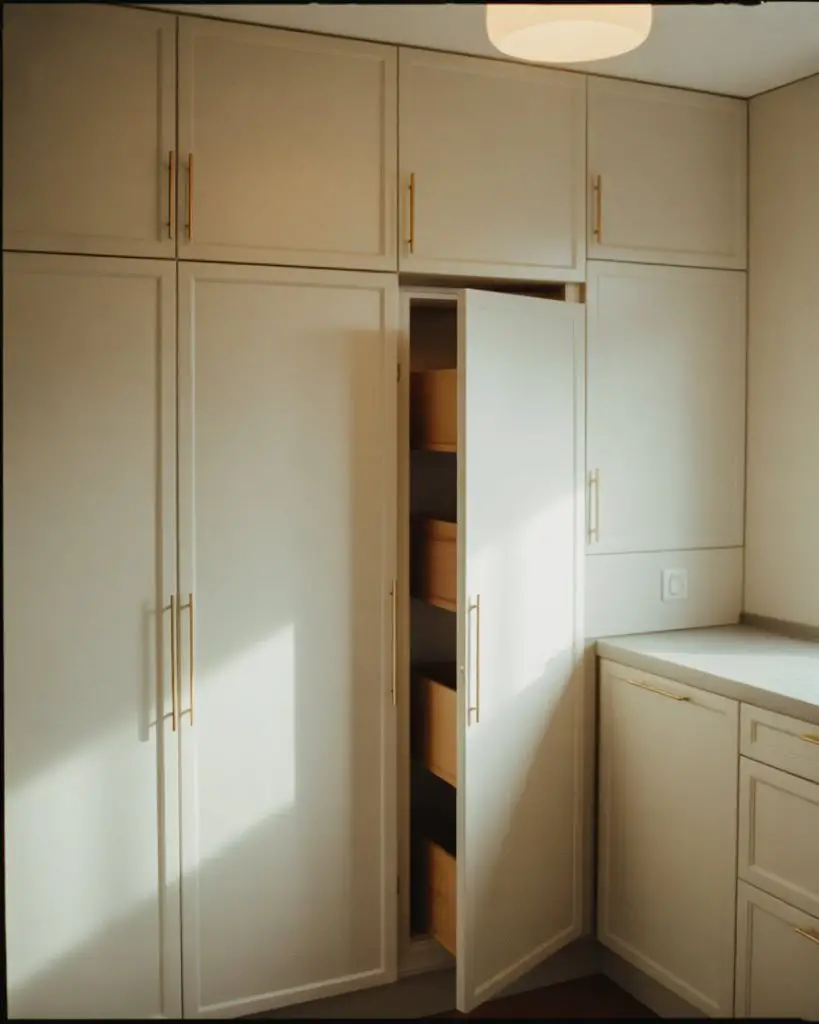
When square footage is limited, the only direction to go is up—and extra storage via floor-to-ceiling cabinetry is one of the most effective ways to maximize a small kitchen’s capacity. These tall units can house everything from rarely used serving platters to small appliances, keeping countertops clear and the space feeling organized. In 2026 trends, designers are incorporating slim pull-out pantries, corner carousel systems, and even hidden appliance garages that tuck away toasters and coffee makers when not in use.
Budget angle: while custom cabinetry can be pricey, many big-box retailers now offer stock tall cabinets that can be stacked or combined to reach the ceiling. Add crown molding at the top for a built-in look. A stepstool or library ladder becomes essential—but it can double as a design element if you choose one in wood or sleek metal. The key is making sure everyday items stay at arm’s reach, while seasonal or occasional pieces live up high.
10. Shaped Galley Kitchen with Parallel Counters
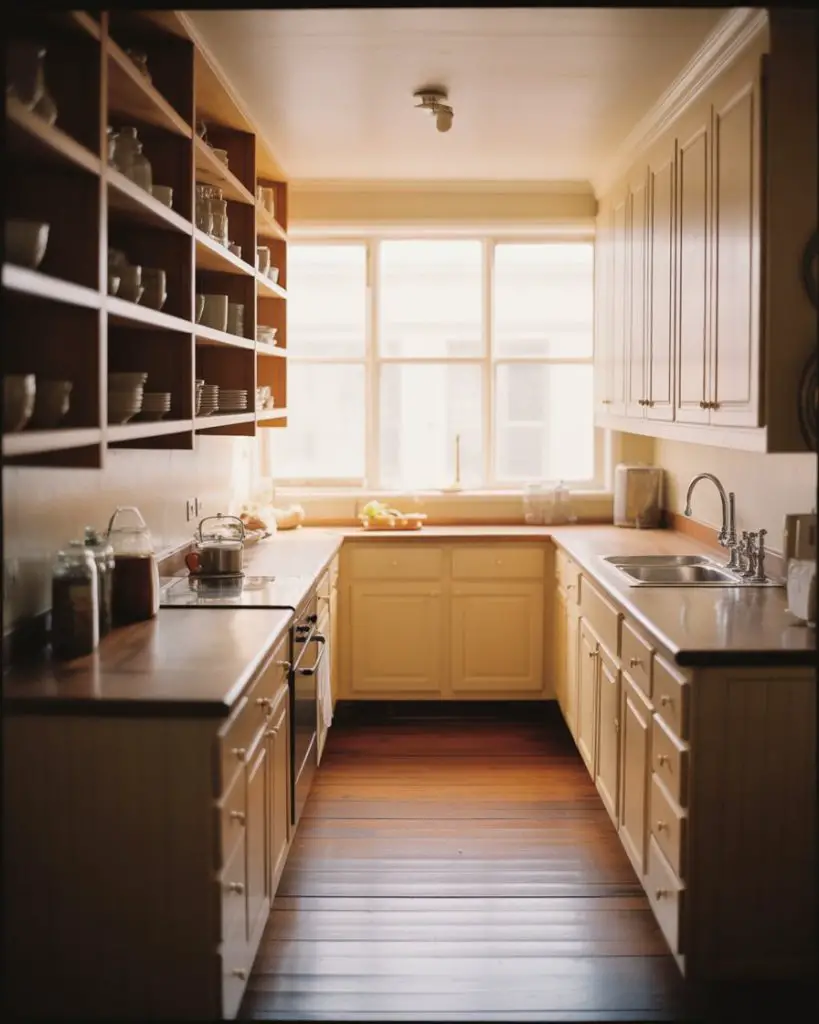
A shaped galley kitchen—also called a corridor or parallel layout—features two facing runs of cabinets and counters, creating an efficient work zone that’s ideal for serious cooks. This configuration is especially common in older American apartments and row houses, where narrow footprints demand smart planning. The 2026 update involves mixing materials: one side might feature open shelving and a bold backsplash, while the other remains sleek and minimal. The contrast adds visual interest without overwhelming the sightline. 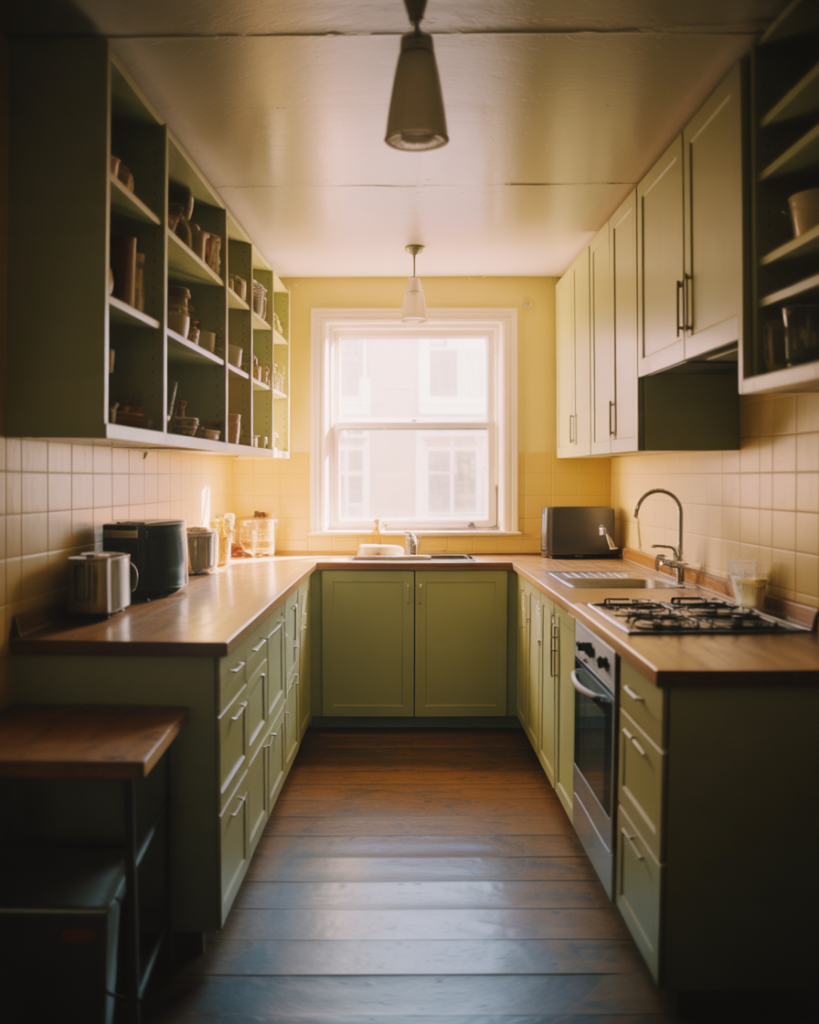
Common mistake: placing the fridge and stove on opposite walls, which forces you to cross the galley repeatedly while cooking. Instead, cluster your major appliances on one side or stagger them thoughtfully to create a natural flow. Keep the corridor at least 42 inches wide to allow two people to pass comfortably—anything narrower feels cramped. This layout rewards organization; clutter becomes immediately obvious, so regular tidying is key.
11. Green Kitchen with Botanical Accents
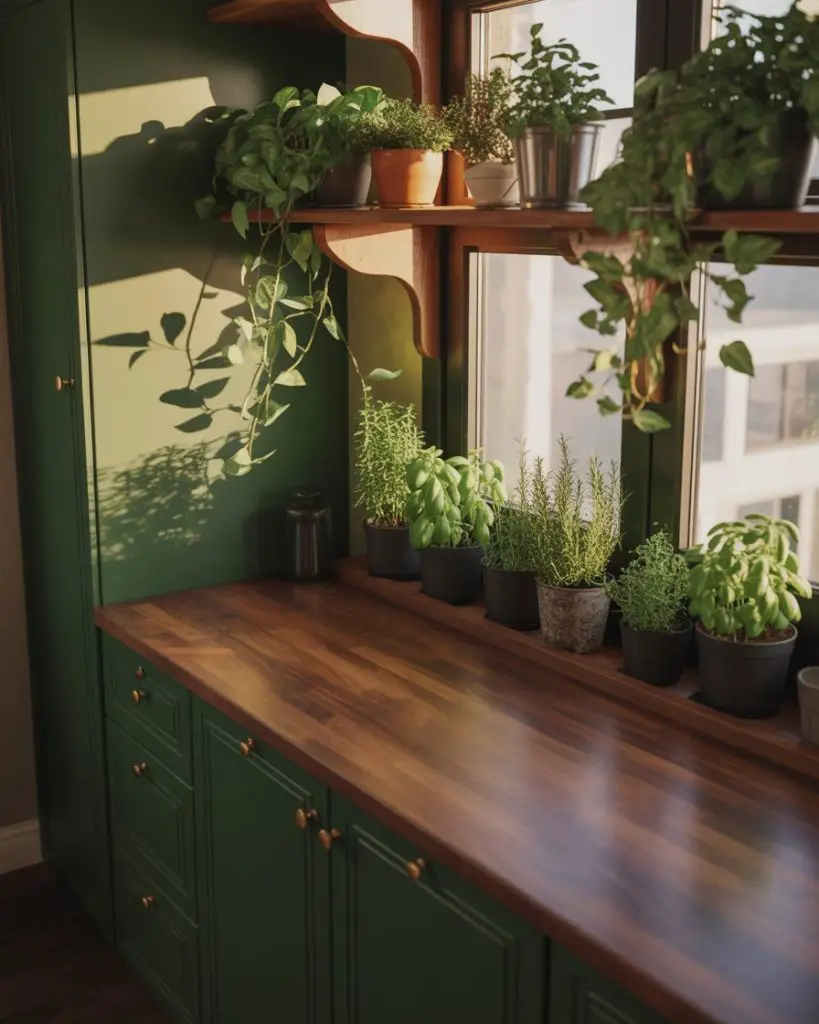
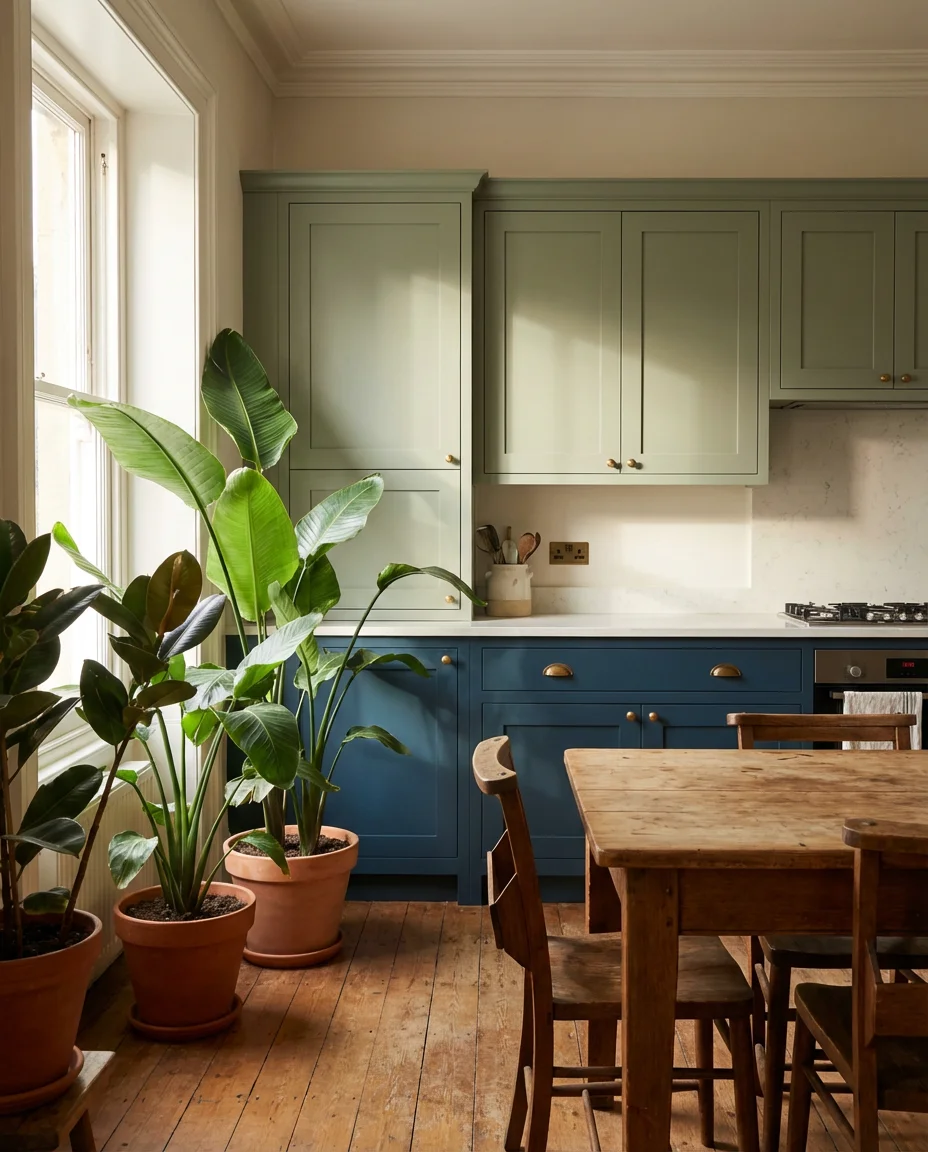
The green kitchen trend has evolved beyond the ubiquitous sage cabinets of 2023—now it’s about layering shades of green, from deep forest lowers to soft mint uppers, or introducing greenery through plants, herbs, and even aesthetic wallpaper. This approach feels fresh, calming, and connected to nature, which resonates with eco-conscious homeowners across the U.S. Pair green cabinetry with natural wood countertops, brass hardware, and plenty of live plants to create a space that feels alive and grounded. 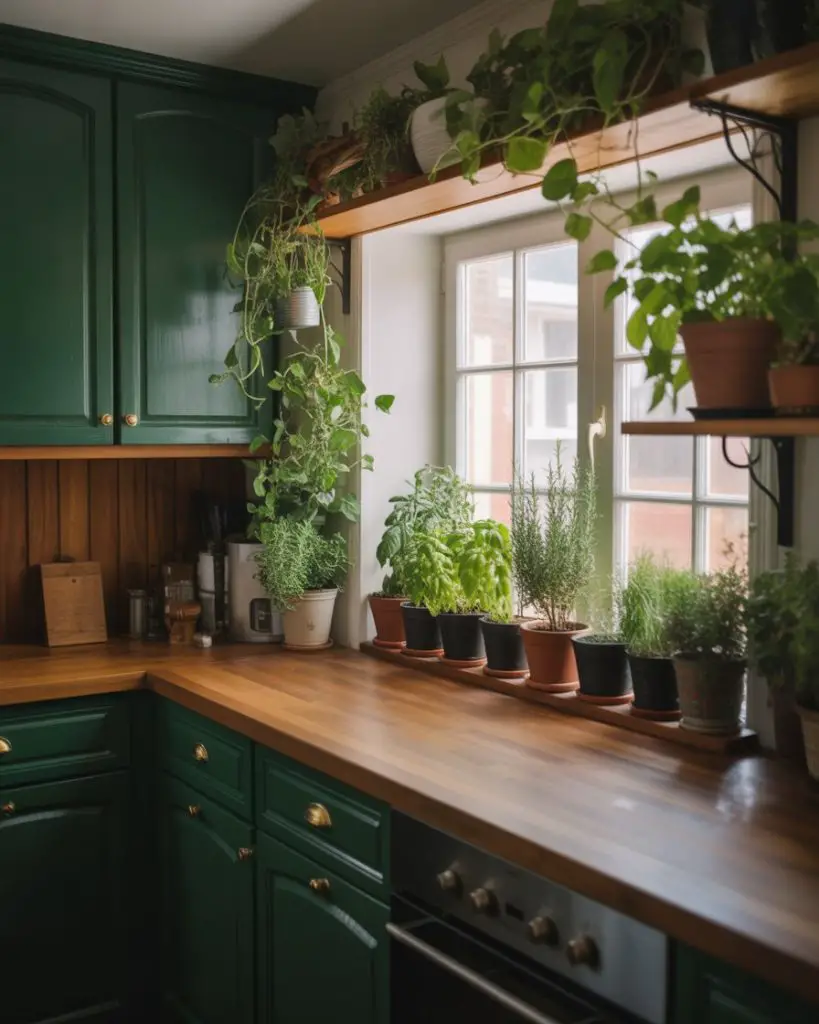
Practical insight: green is surprisingly forgiving with wear and tear—scuffs and fingerprints don’t show as readily as on white or black surfaces. For renters, peel-and-stick green tiles or removable wallpaper offer a low-commitment way to test the trend. Add texture through woven baskets, linen towels, and ceramic dishware in cream or terracotta. The result is a kitchen that feels both modern and timeless, effortlessly calming after a long day.
12. Island Kitchen in Minimal Space
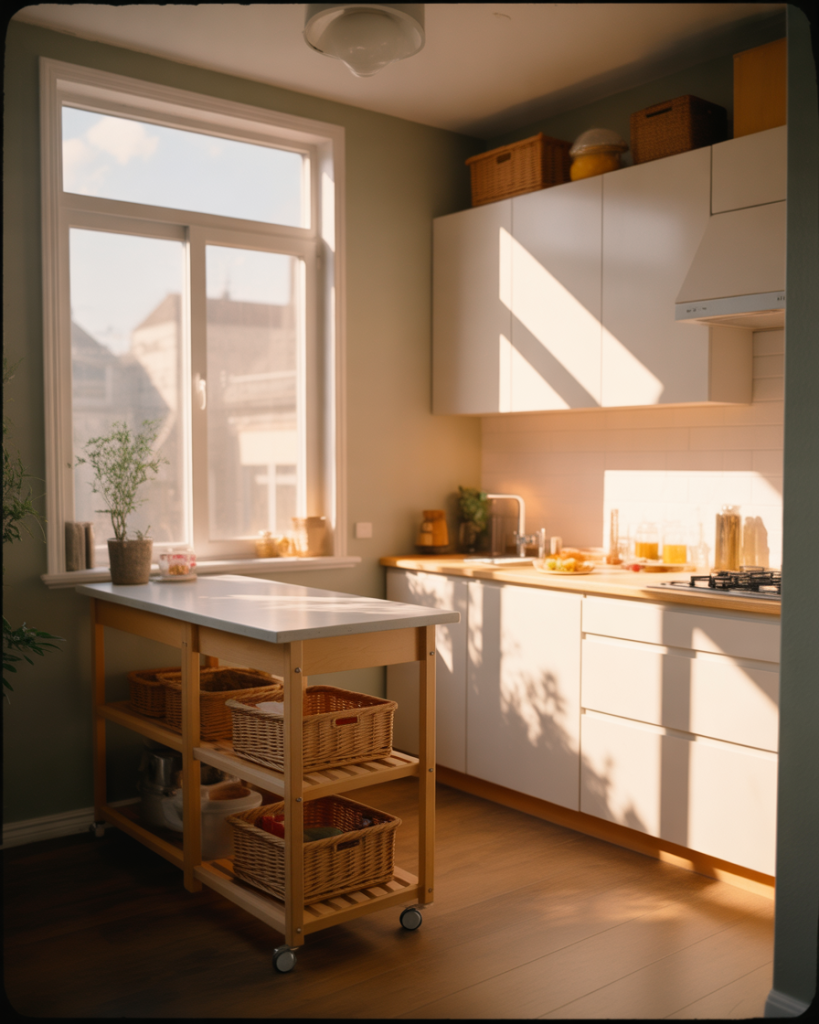
Adding an island to a small kitchen sounds counterintuitive, but a narrow, mobile version can actually enhance functionality—offering extra prep space, storage, and even casual seating. The trick is scale: choose an island that’s 24 inches deep or less, and opt for one on casters so it can be repositioned or rolled away when needed. In modern simple kitchens, a streamlined island in matching cabinetry or a contrasting wood tone becomes both a practical tool and a subtle design statement. 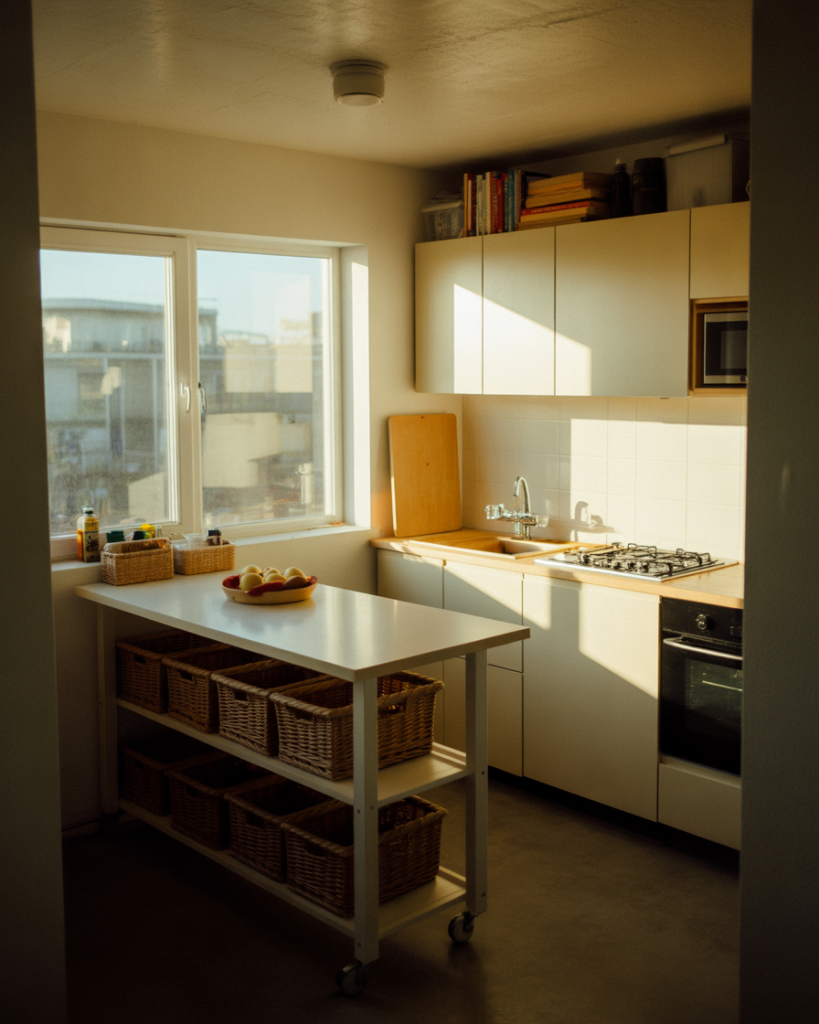
American lifestyle context: many families use a small island as a homework station, coffee bar, or cocktail prep area—multi-purpose functionality that justifies the footprint. Look for models with built-in wine racks, towel bars, or pull-out cutting boards to maximize utility. Just ensure there’s at least 36 inches of clearance on all sides for comfortable movement. It’s a flexible solution that adapts to how you actually live, not just how design magazines suggest you should.
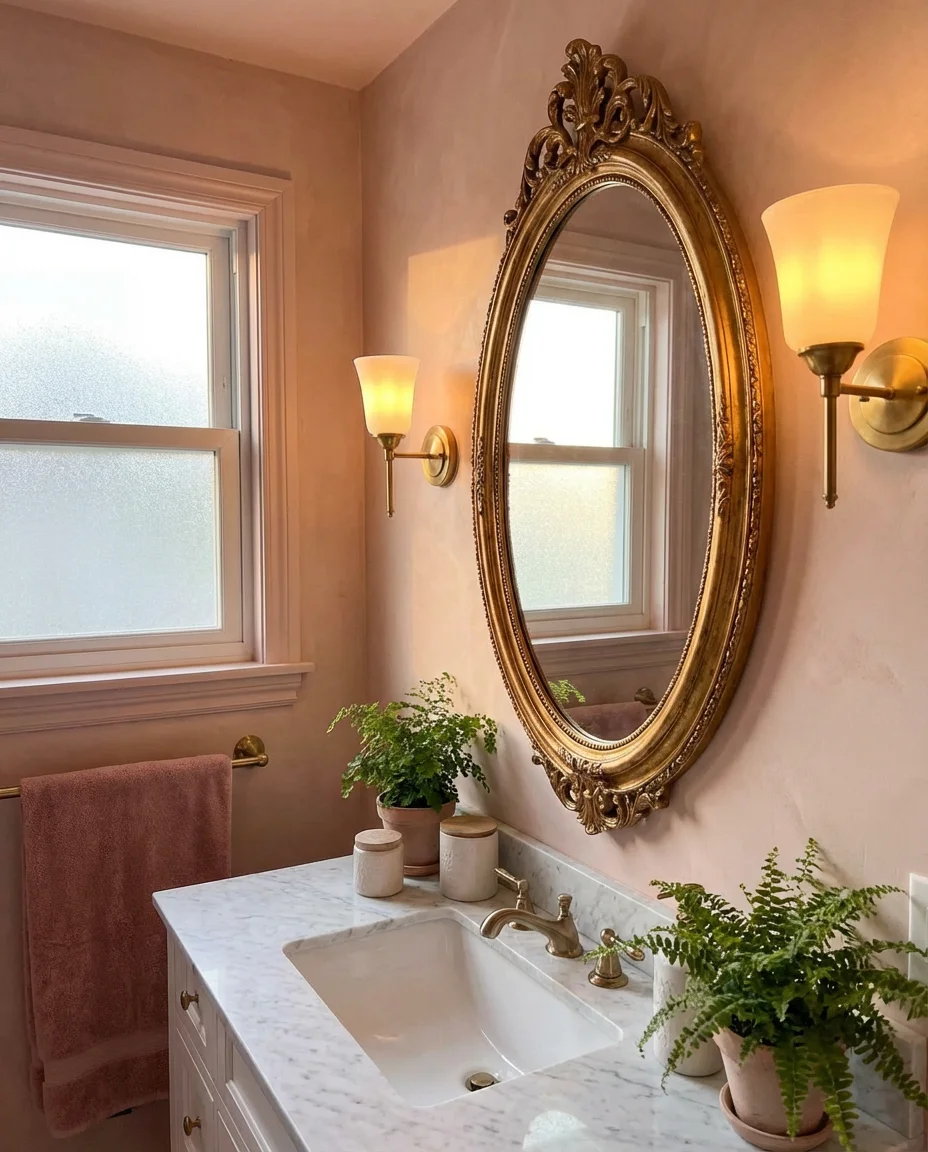
13. Very Compact L-Shaped Corner Layout
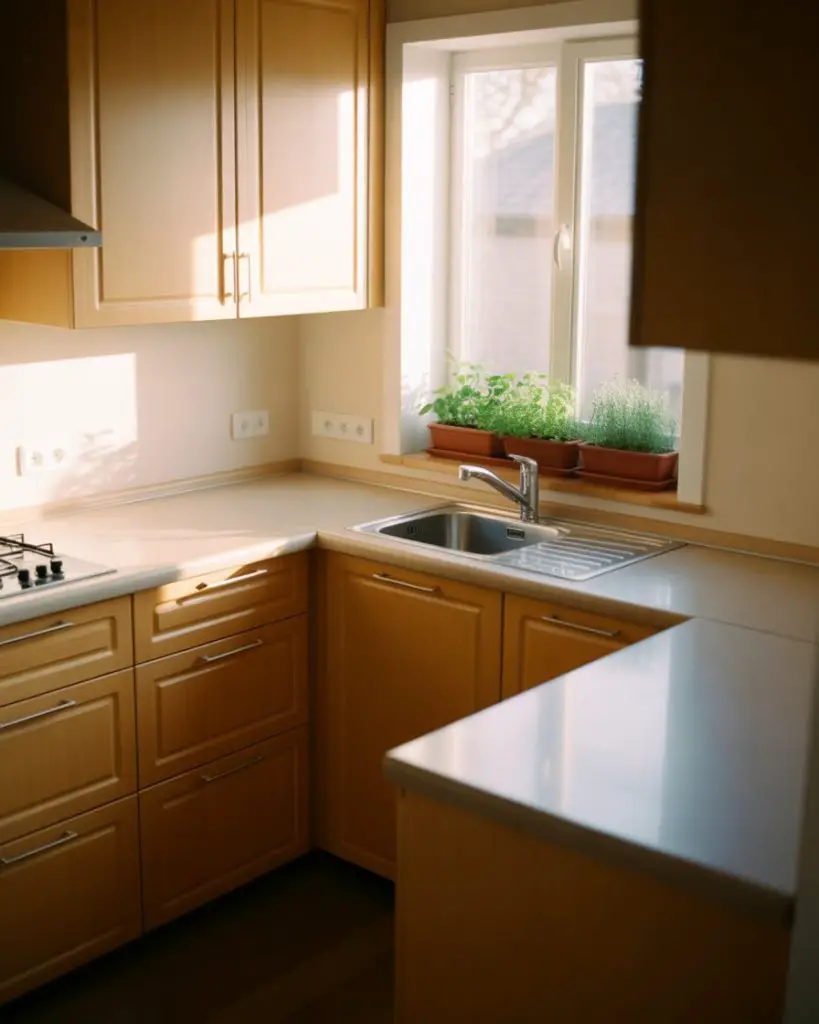
A very compact L-shaped layout tucks neatly into a corner, making it perfect for studios, basement kitchenettes, or even in-law suites where space is at a premium. By anchoring the design along two perpendicular walls, you create a natural work triangle while leaving the rest of the room open for dining or living areas. In 2026, designers are emphasizing the corner itself—installing lazy Susans, pull-out shelves, or even a small corner sink to make that often-wasted space highly functional. 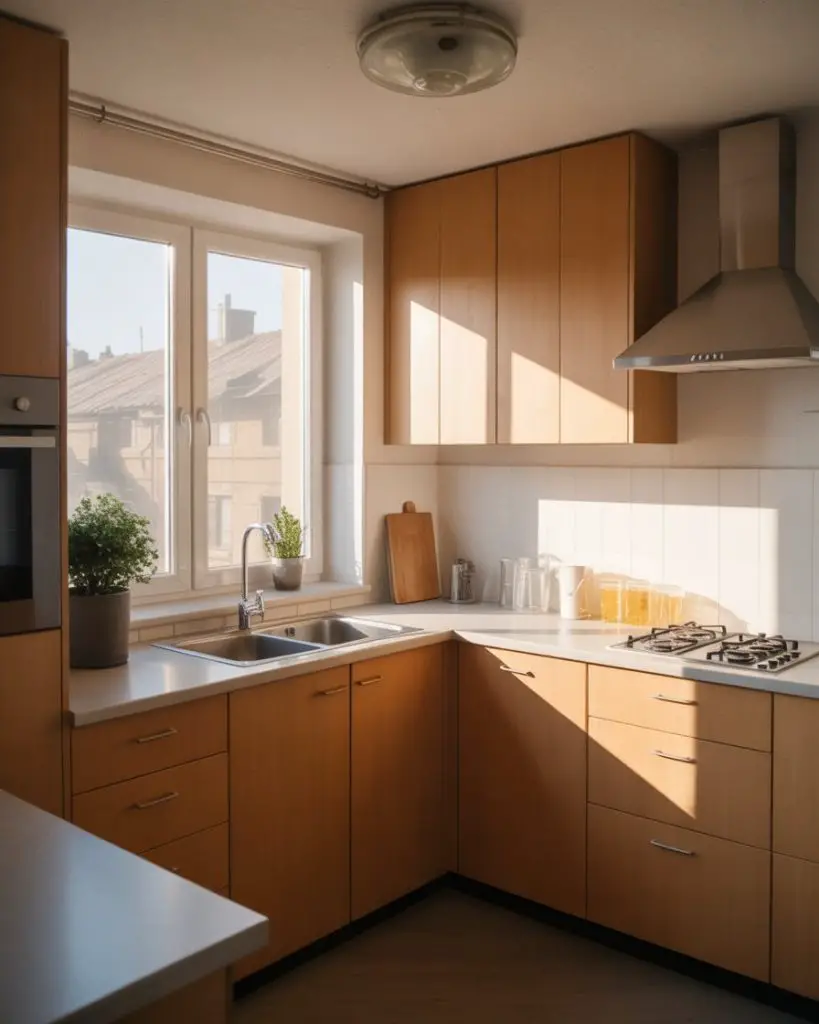
Real homeowner behavior: people often underuse the corner, letting items get lost in the back of deep cabinets. Invest in a good corner cabinet organizer—whether that’s a swing-out system or tiered shelves—and you’ll reclaim valuable storage for pots, mixing bowls, or pantry staples. This layout is also ideal for creating a cozy breakfast nook on the open side; add a small round table and two chairs to complete the zone.
14. Budget-Friendly Simple Refresh with Paint
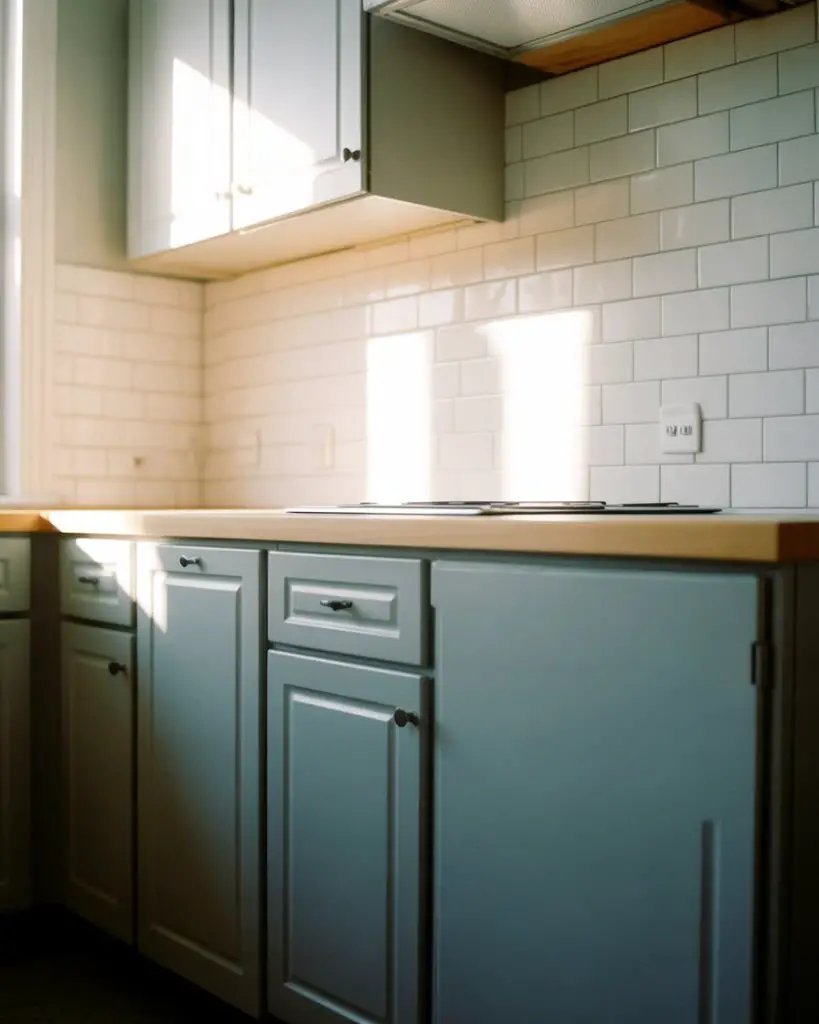
Sometimes the best small kitchen idea is also the simplest: a fresh coat of paint on cabinets, walls, or even the ceiling can completely transform the space for under $100. This budget simple approach is especially popular among renters and first-time homeowners who want impact without permanent alterations. Choose a trending neutral like warm white, soft greige, or even a moody charcoal, and pair it with updated hardware (swapping knobs and pulls is a $50 upgrade that reads as a full renovation). 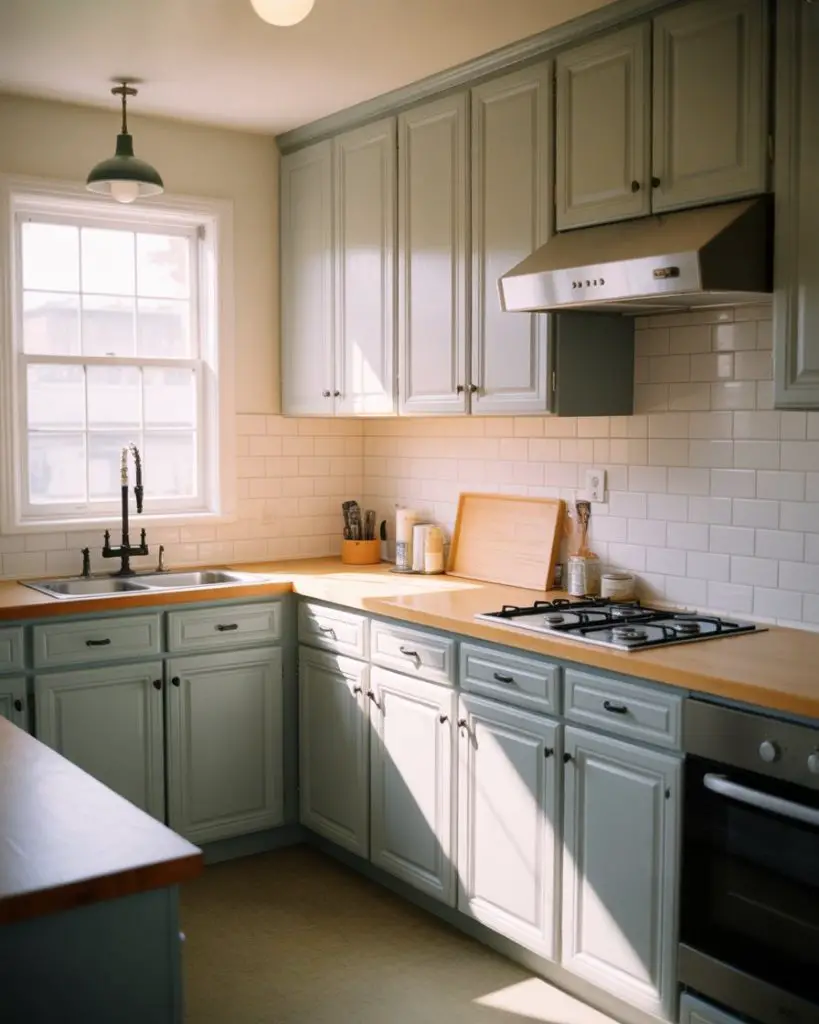
Common mistakes and how to avoid them: skipping the prep work (sanding and priming) leads to chipping and peeling within months—invest the time upfront for a finish that lasts. Use a high-quality cabinet paint with a satin or semi-gloss sheen for durability and easy cleaning. Let each coat dry fully before adding the next. This DIY project can be completed over a weekend and yields results that feel custom and intentional.
15. Bloxburg-Inspired Virtual Design Translated to Reality
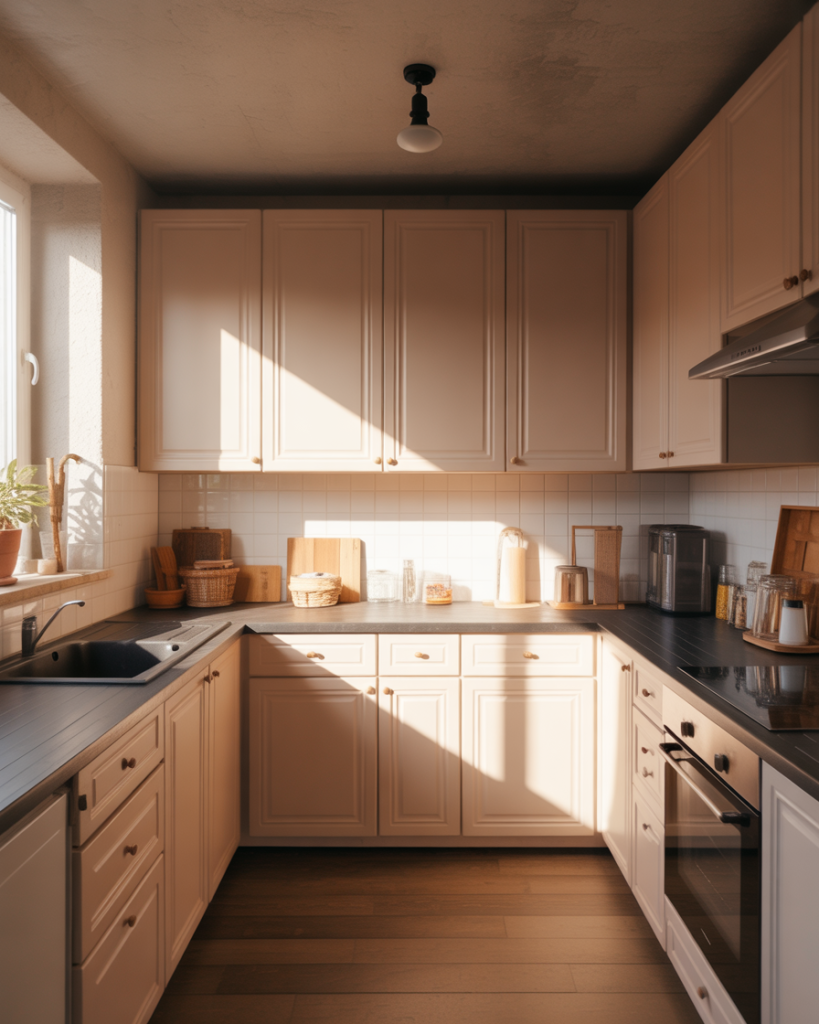
Bloxburg—the popular Roblox building game—has inspired a generation of young homeowners to think creatively about layout and aesthetics, and those lessons are now showing up in real-world small kitchens. The game’s emphasis on efficient space planning, symmetry, and bold color blocking translates surprisingly well to actual renovations. Think clean lines, matching sets, and a focus on creating distinct zones within a small footprint—all hallmarks of both virtual and physical modern simple design. 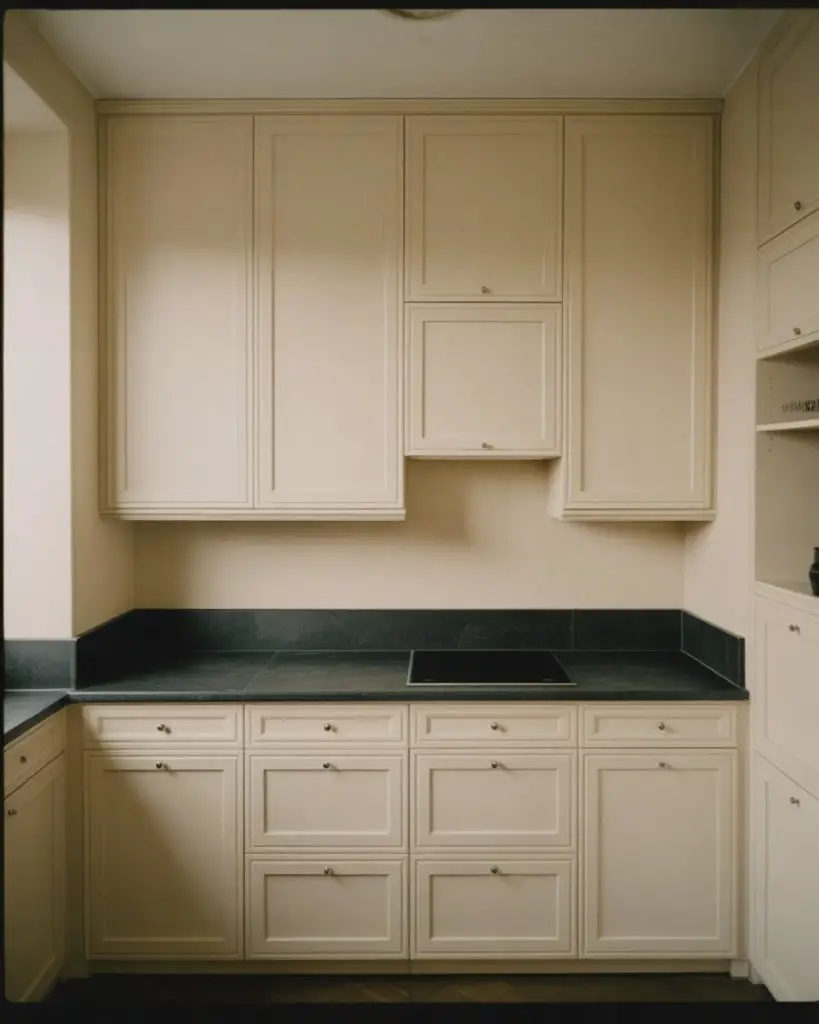
Where it works best: younger homeowners who grew up designing virtual spaces and now want to apply those principles to real life. The Bloxburg approach encourages you to think in grids and modules, which actually helps when planning IKEA or modular cabinetry. Add personal touches—like a favorite color on the backsplash or open shelving styled with dishware—to keep it from feeling too sterile or game-like. It’s a fun reminder that design inspiration can come from anywhere, even pixels.
16. Minecraft Block-Inspired Modular Storage
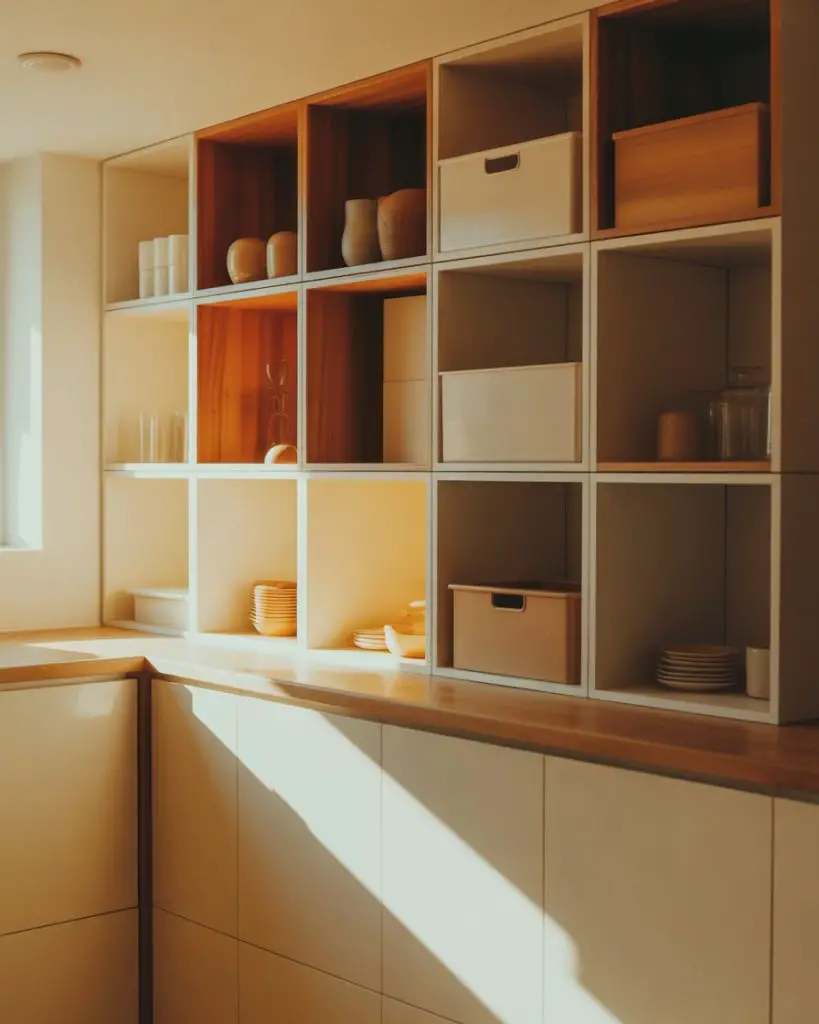
Just as Minecraft taught millions of players to think in cubes and stackable units, that modular mindset is influencing real kitchen storage solutions—especially among Gen Z homeowners. Think cube organizers, stackable bins, and open shelving systems that can be rearranged as needs change. This playful, highly customizable approach works beautifully in small kitchens, where flexibility is key. Pair it with a neutral palette and natural materials to keep the space from reading as too literal or childish. 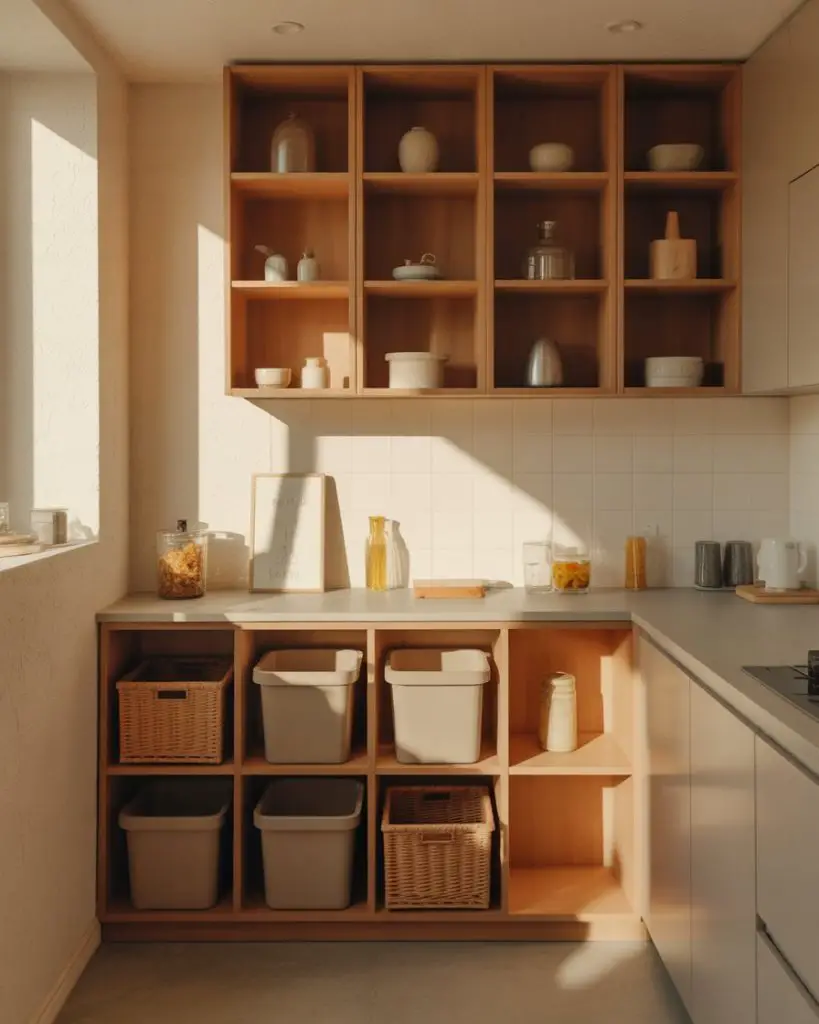
Expert-style commentary: modular systems are ideal for renters who move frequently, as they can be disassembled and reconfigured in a new space. Look for units that work both horizontally and vertically—IKEA’s Kallax series is a classic example. Use fabric or wicker bins to hide less-pretty items, while displaying cookbooks, plants, or dishware on open shelves. It’s a style that grows with you, adapting to life changes without requiring a full teardown.
17. 4×4 Layout with Maximum Counter Space
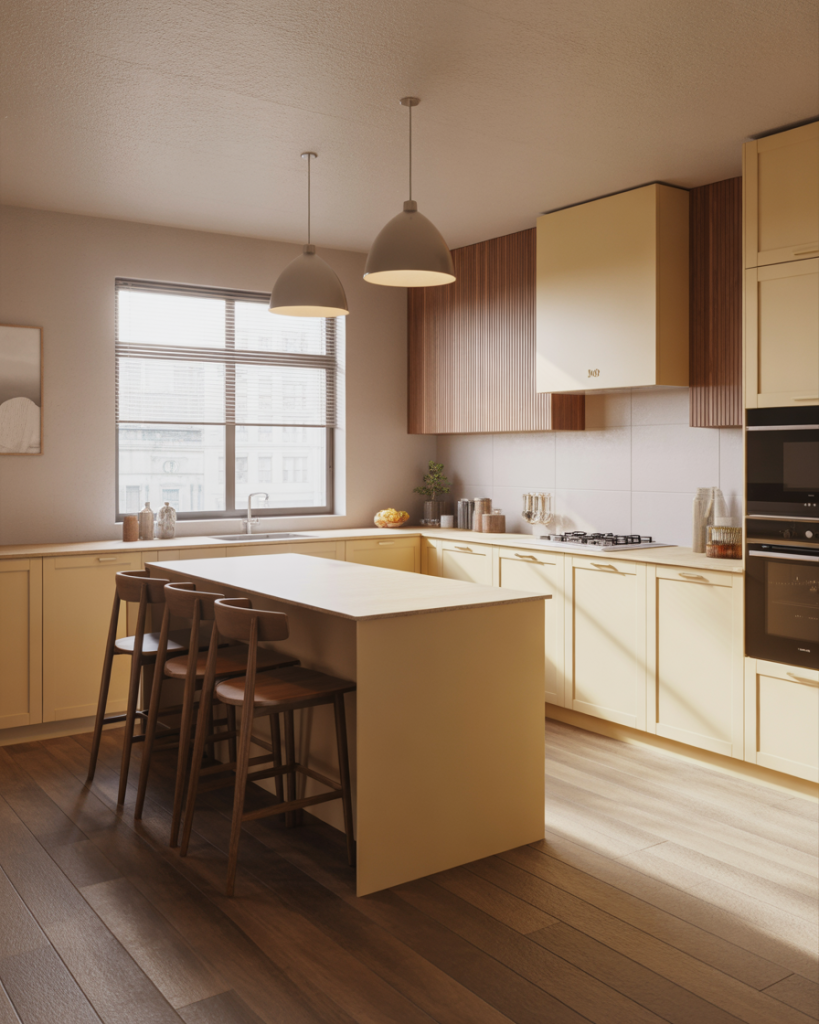
A 4×4 layout (roughly 13 feet by 13 feet) offers just enough room to create a truly functional small kitchen without sprawling into medium territory—perfect for apartments, condos, or galley-adjacent spaces. The key is prioritizing counter space over excess cabinetry: a generous run of work surface along one wall, paired with a compact island or peninsula, gives you the prep room serious cooks crave. In 2026 trends, designers are using this footprint to introduce two-tone cabinetry, integrated appliances, and task-specific zones. 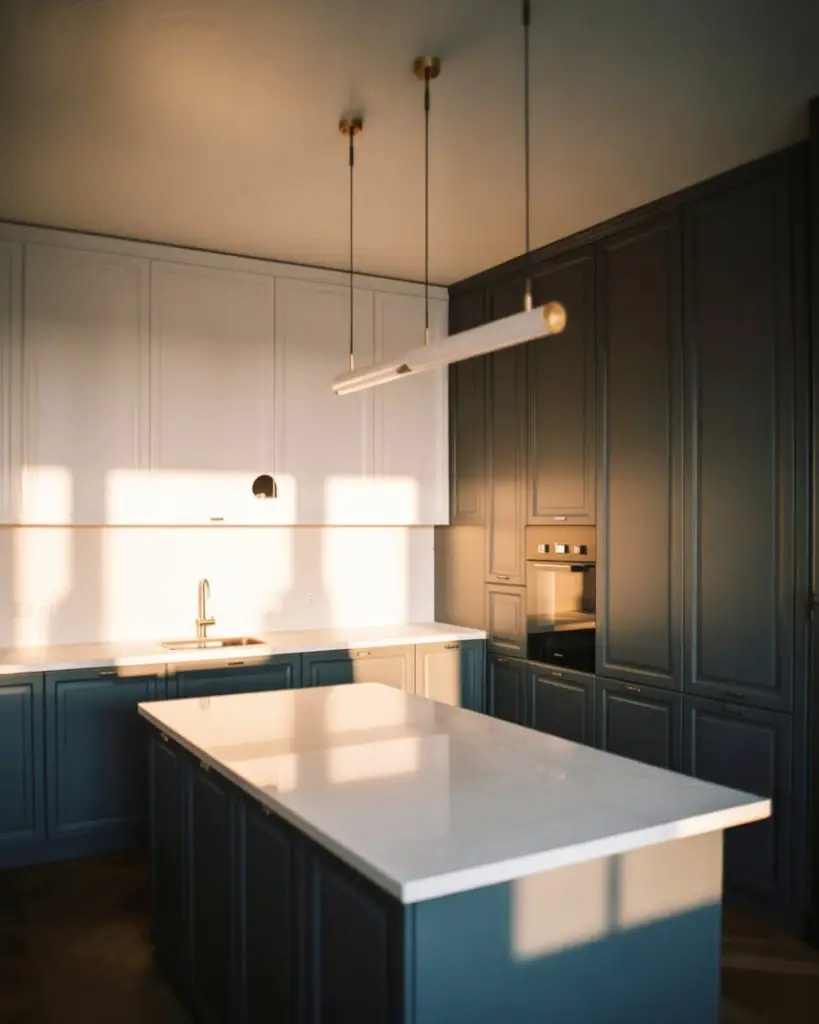
Practical insight: measure out 36 inches of continuous counter space near the stove—that’s the sweet spot for prepping ingredients, plating, and staging dishes without constant shuffling. Use the remaining walls for tall storage and appliances. A 4×4 kitchen rewards thoughtful planning; sketch your workflow before committing to cabinet placement, and don’t be afraid to mix open and closed storage to keep the space feeling airy.
18. Toca Boca Playful Color Blocking
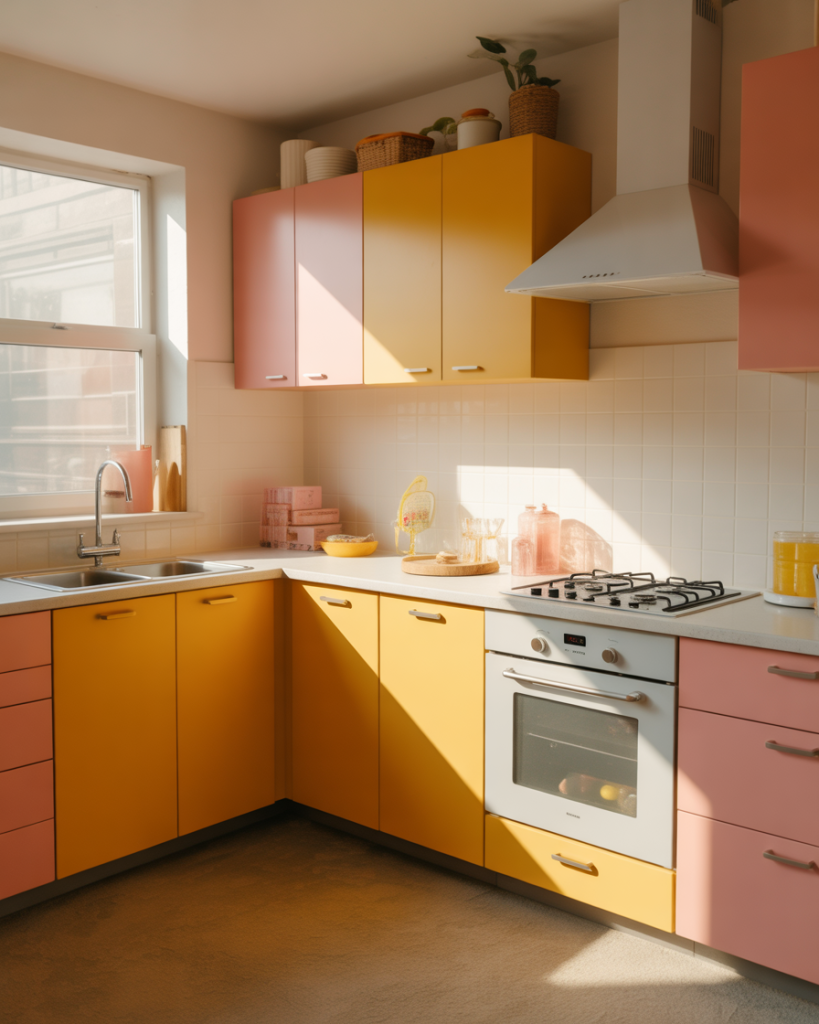
The bright, cheerful aesthetic of Toca Boca games—beloved by kids and nostalgic millennials alike—is inspiring a wave of playful, color-blocked kitchens that reject minimalist neutrals in favor of bold combinations. Think a sunny yellow lower cabinet paired with a soft pink upper, or a two-tone island in mint and coral. These unexpected color choices create a space that feels joyful and creative, perfect for families or anyone who wants their kitchen to spark happiness. 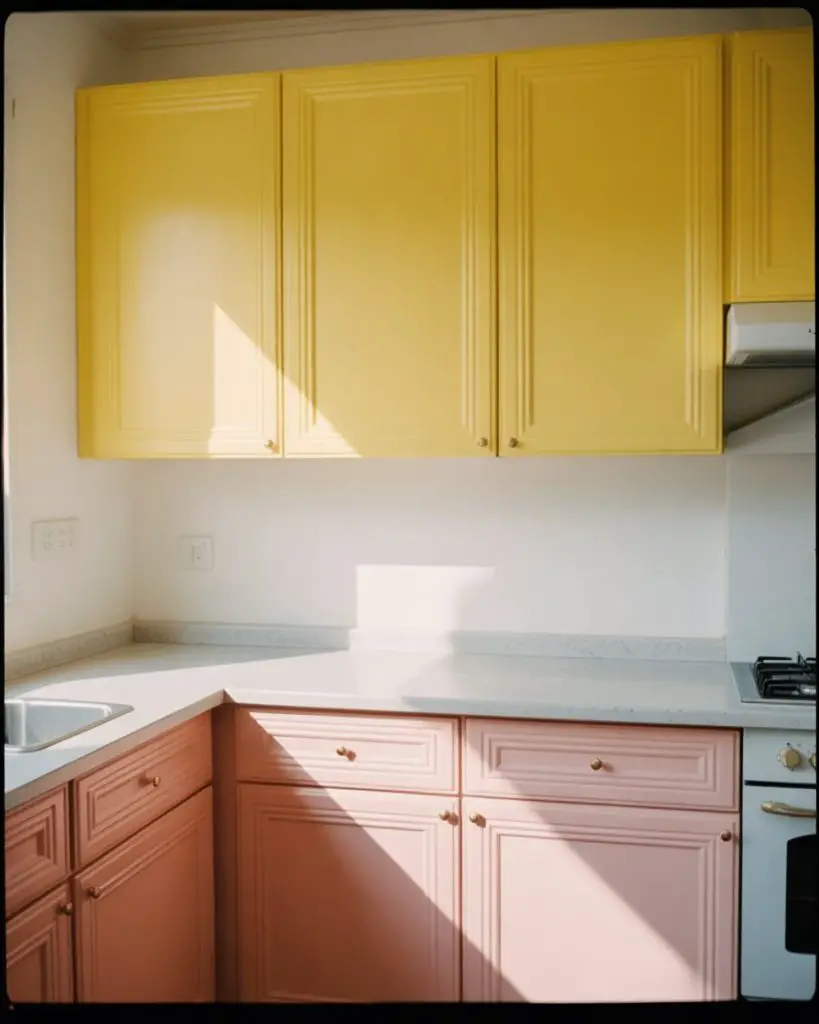
A friend recently painted her rental kitchen’s lowers in a bold teal and the uppers in cream—the landlord approved because it was so well-executed, and her kids now call it “the happy kitchen.” This approach works best when you commit fully: choose two or three colors, use them intentionally, and keep everything else (walls, counters, floors) neutral to let the cabinetry shine. It’s proof that small kitchens can be bold without being overwhelming.
19. Cozy Breakfast Nook Integration
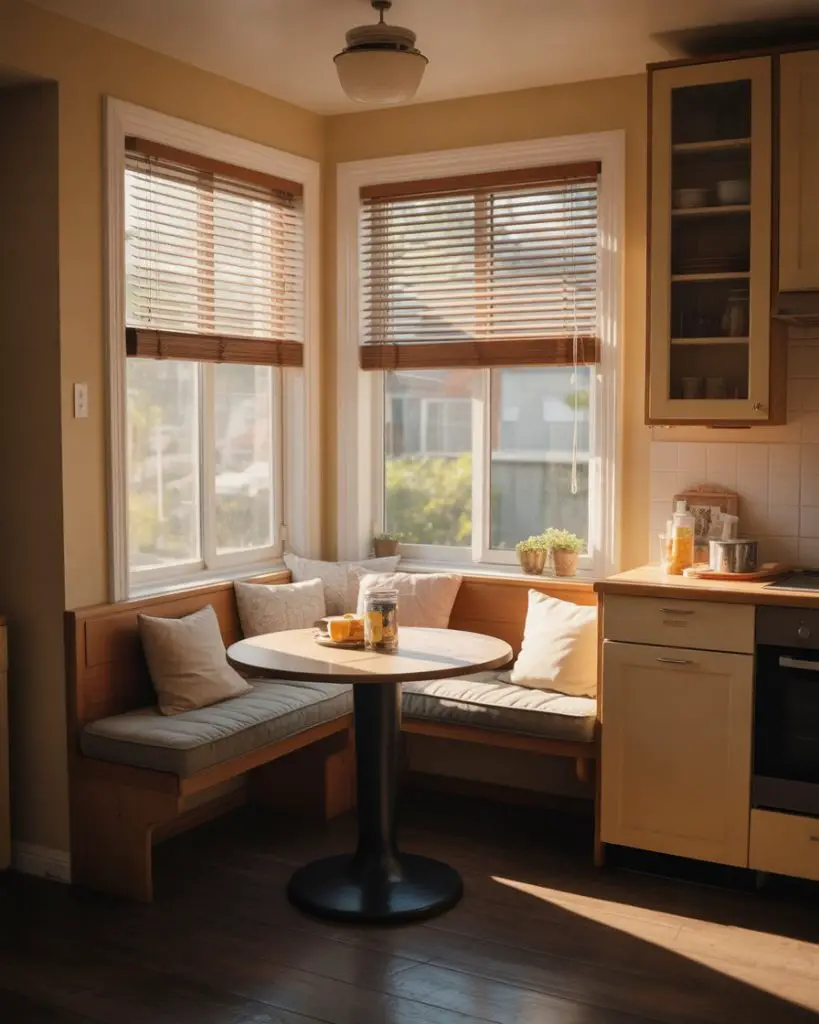
Even the smallest kitchen can carve out a cozy breakfast nook by borrowing a corner or windowsill for built-in seating—a strategy that’s long been popular in European homes and is now catching on across American suburbs and cities. A simple bench with storage underneath, a small round table, and a couple of cushions create an intimate dining spot that doesn’t require a separate room. Pair it with rustic elements like reclaimed wood or linen textiles to amplify the warm, lived-in feeling. 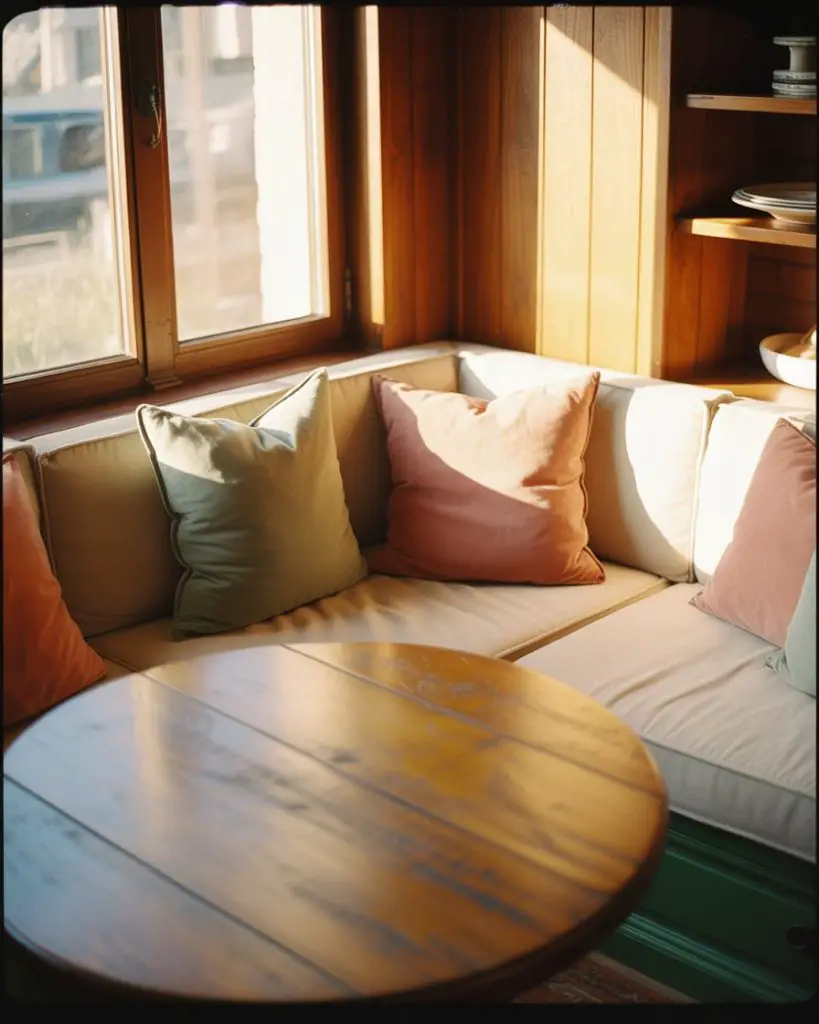
Where it works best: kitchens with a bay window, unused corner, or even a wide hallway entry where a narrow bench won’t block flow. Add floating shelves above the seating area for cookbooks or small plants to define the zone. Many homeowners use this spot for morning coffee, kids’ homework, or casual meals—it becomes the heart of daily life. Even a 2-foot-deep bench can accommodate two people comfortably, proving that cozy is more about intention than square footage.
20. Modern Simple Slab-Front Cabinets
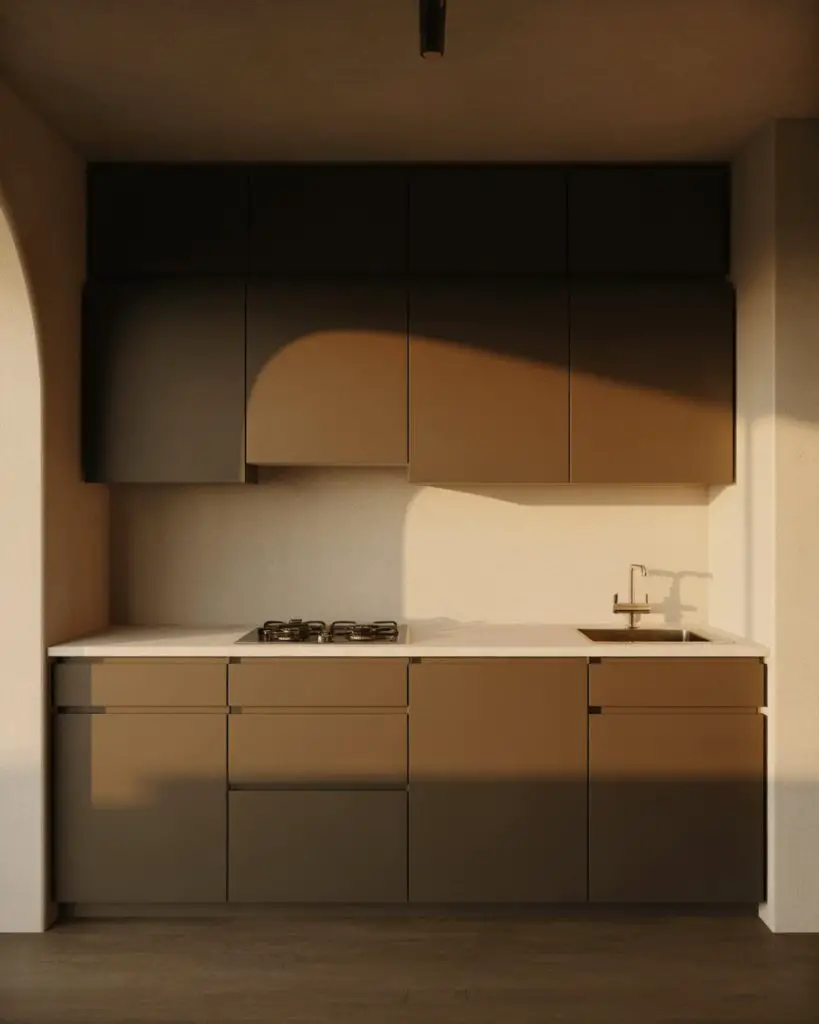
Slab-front cabinets—featuring flat, handle-free doors—are the cornerstone of the modern simple aesthetic, offering clean lines and a streamlined look that makes small kitchens feel more spacious. The lack of ornamentation or hardware means fewer visual interruptions, allowing materials and color to take center stage. In 2026, designers are experimenting with unexpected finishes: matte black, soft sage, or even high-gloss white paired with integrated pulls or push-to-open mechanisms for a seamless, aesthetic result. 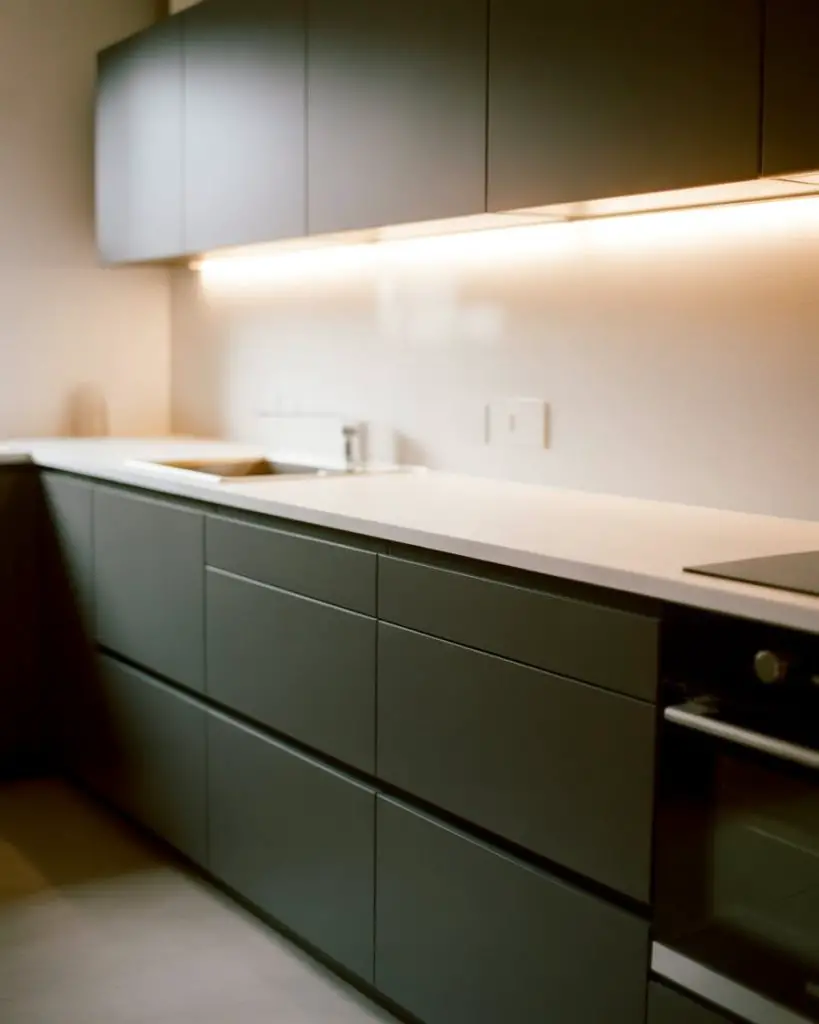
Budget angle: slab-front cabinets are often less expensive than their Shaker or raised-panel counterparts because they use less material and labor. You can find them at IKEA, Home Depot, or through online retailers at competitive prices. To elevate the look, invest in quality hinges and drawer slides—soft-close hardware is worth every penny and prevents the slamming that can make budget cabinets feel cheap. This style is timeless, versatile, and endlessly adaptable to changing tastes.
21. Very Narrow Galley with Smart Appliances
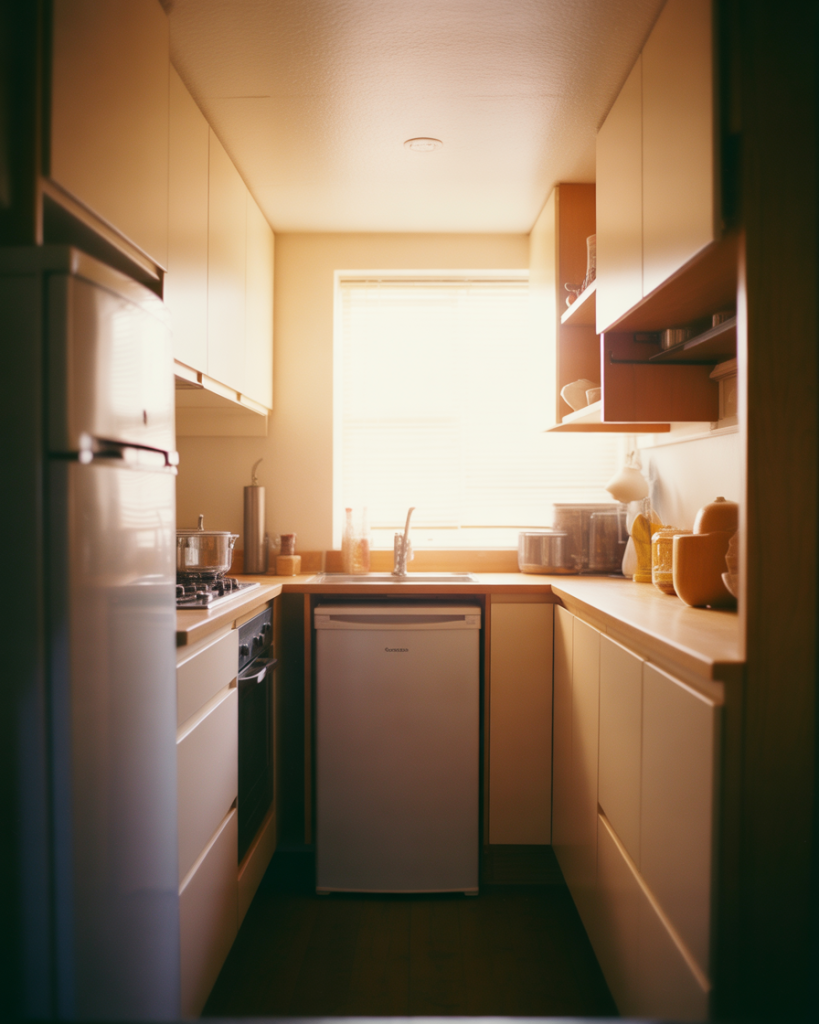
A very narrow galley kitchen—sometimes as slim as 6 feet wide—requires strategic appliance choices to maintain functionality without sacrificing precious floor space. Enter the latest generation of smart, compact appliances: 18-inch dishwashers, counter-depth fridges, and induction cooktops that free up room for storage or prep. These layout solutions are especially relevant in older American row houses, city apartments, and converted spaces where original footprints can’t be expanded. 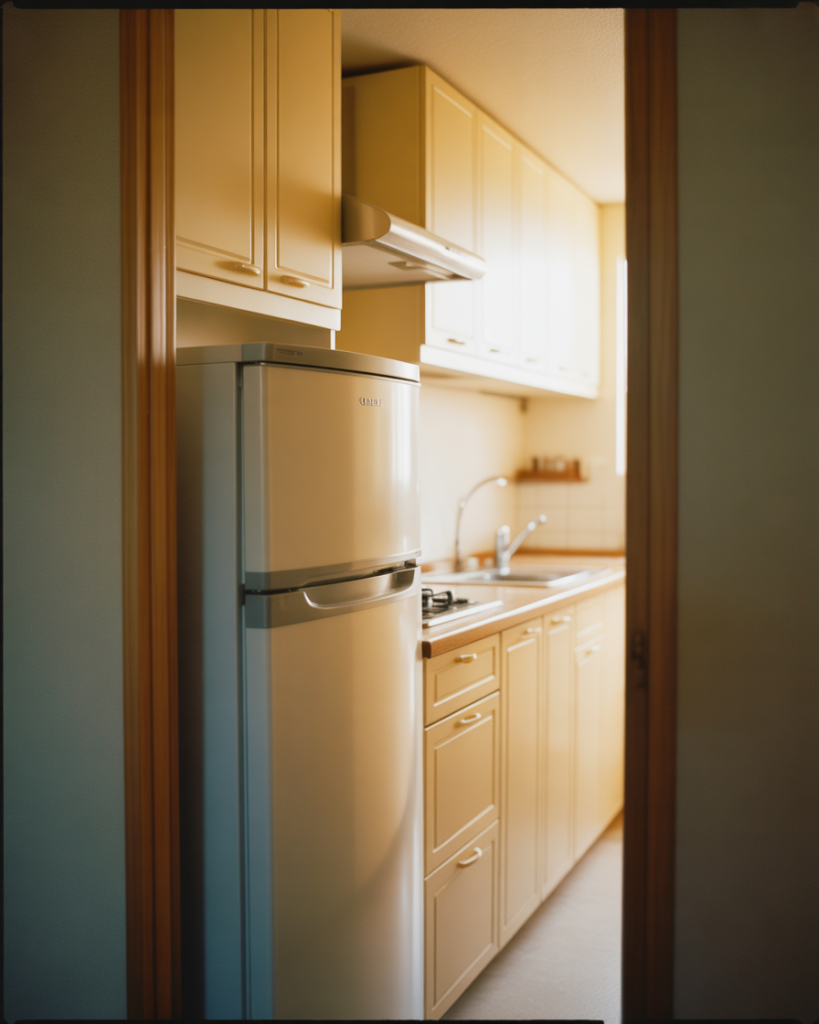
Real homeowner behavior: people living in narrow galleys often keep a dish-drying rack permanently on the counter and use wall-mounted magnetic strips for utensils to free up drawer space. Consider a single-bowl sink (rather than double) to gain a few extra inches of counter on either side. Lighting becomes critical—under-cabinet LEDs can make the space feel brighter and more functional, especially if there’s limited natural light. It’s about working with what you have and celebrating the efficiency.
22. 2026 Trends: Sustainable Materials and Tech Integration
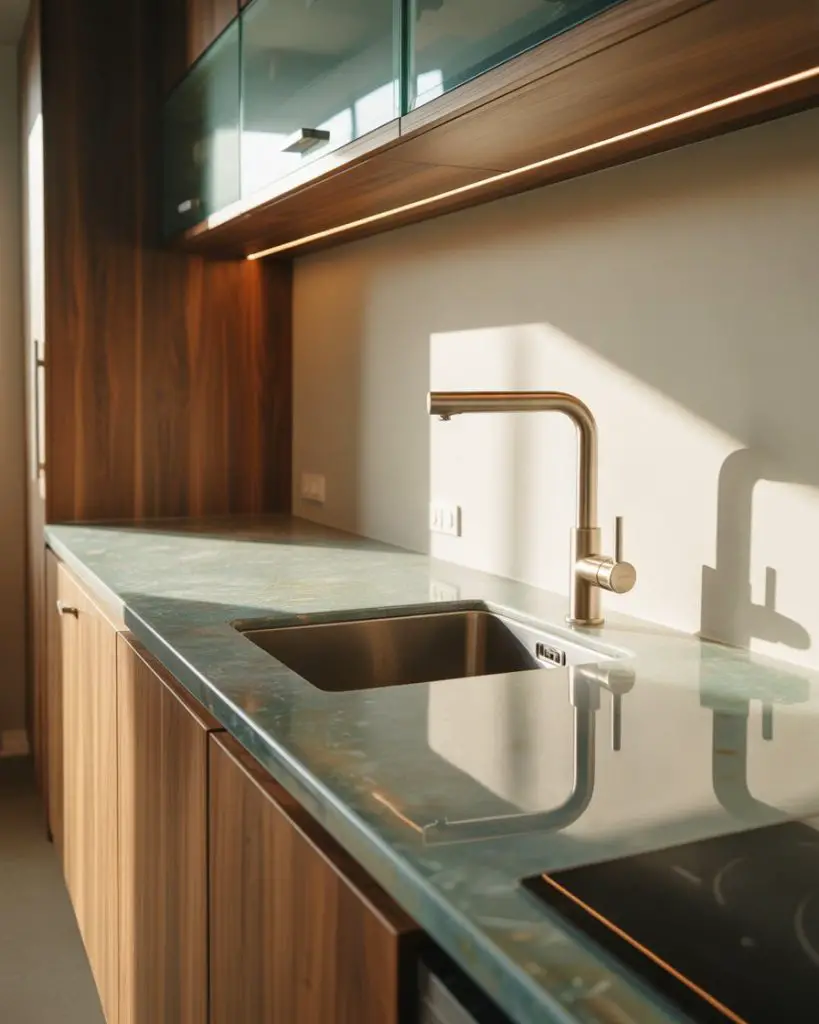
Looking ahead, 2026 trends in small kitchen design emphasize sustainability and smart technology—recycled glass countertops, FSC-certified wood cabinets, and energy-efficient appliances that reduce both environmental impact and utility bills. At the same time, tech integration is becoming seamless: voice-activated faucets, smart lighting that adjusts throughout the day, and refrigerators that track inventory and suggest recipes. These innovations work beautifully in compact spaces, where every element must earn its place through both function and forward-thinking design. 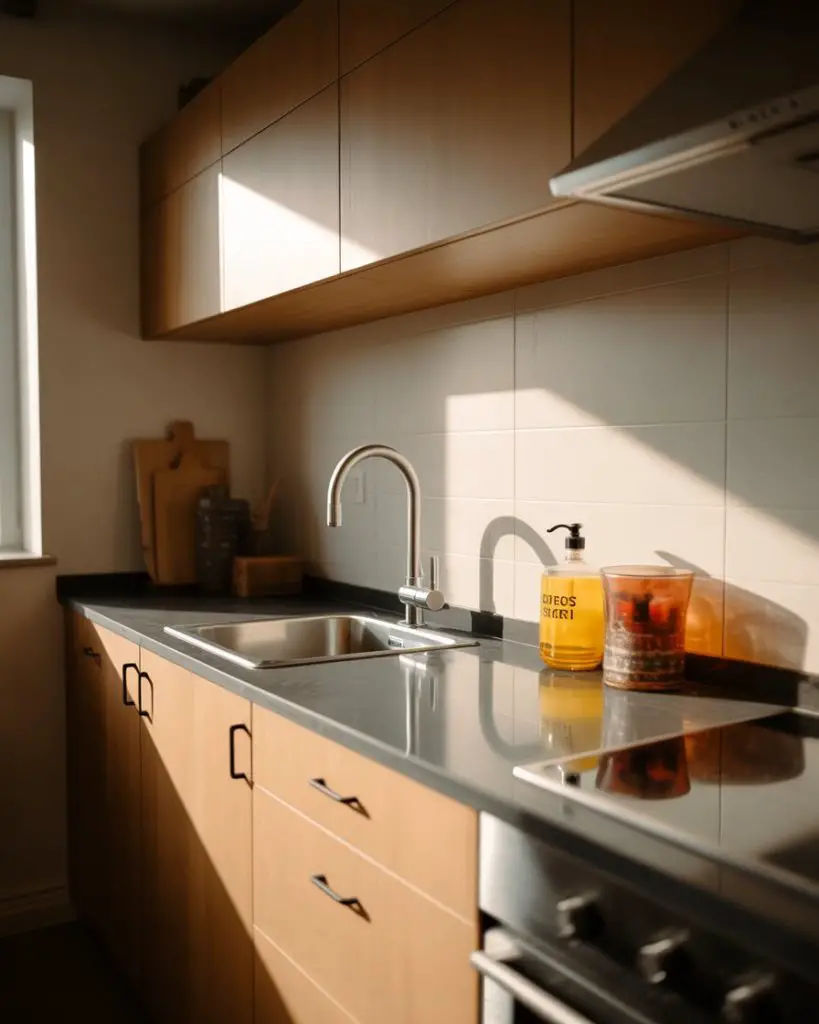
Expert-style commentary: the shift toward sustainable materials isn’t just about environmental responsibility—it also results in healthier indoor air quality and longer-lasting finishes that resist wear. Look for low-VOC paints, formaldehyde-free cabinetry, and countertops made from reclaimed or recycled content. Smart tech, meanwhile, should simplify your life rather than complicate it; start with one or two features (like a smart speaker for timers and recipes) before committing to a fully connected kitchen. This dual focus on planet and performance defines where small kitchen design is headed.
Conclusion
Whether you’re working with a tiny 2×2 meter footprint or reimagining a generous 4×4 layout, these 22 ideas prove that small kitchens can be stylish, functional, and deeply personal. From budget-friendly IKEA hacks to luxury finishes, rustic charm to modern simplicity, the possibilities are as varied as the people who cook in them. Now it’s your turn—what small kitchen idea speaks to your space and style? Share your thoughts, questions, or your own clever solutions in the comments below. We’d love to hear how you’re making the most of every inch.