Studio apartments are making a major comeback in 2025, especially among young professionals, minimalists, and city dwellers who crave stylish living without the square footage. Pinterest is flooded with searches for studio setups that feel spacious, functional, and uniquely personal—proof that Americans are rethinking what small-space living can look like. Whether you’re working with 400 square feet or a micro layout under 500, the right design choices can transform a single room into a multi-functional haven. In this guide, you’ll discover 21 fresh studio apartment ideas for 2026 that blend smart layouts, cozy aesthetics, and real-world practicality.
1. Floating Bed Platform for Tiny Aesthetic Studios
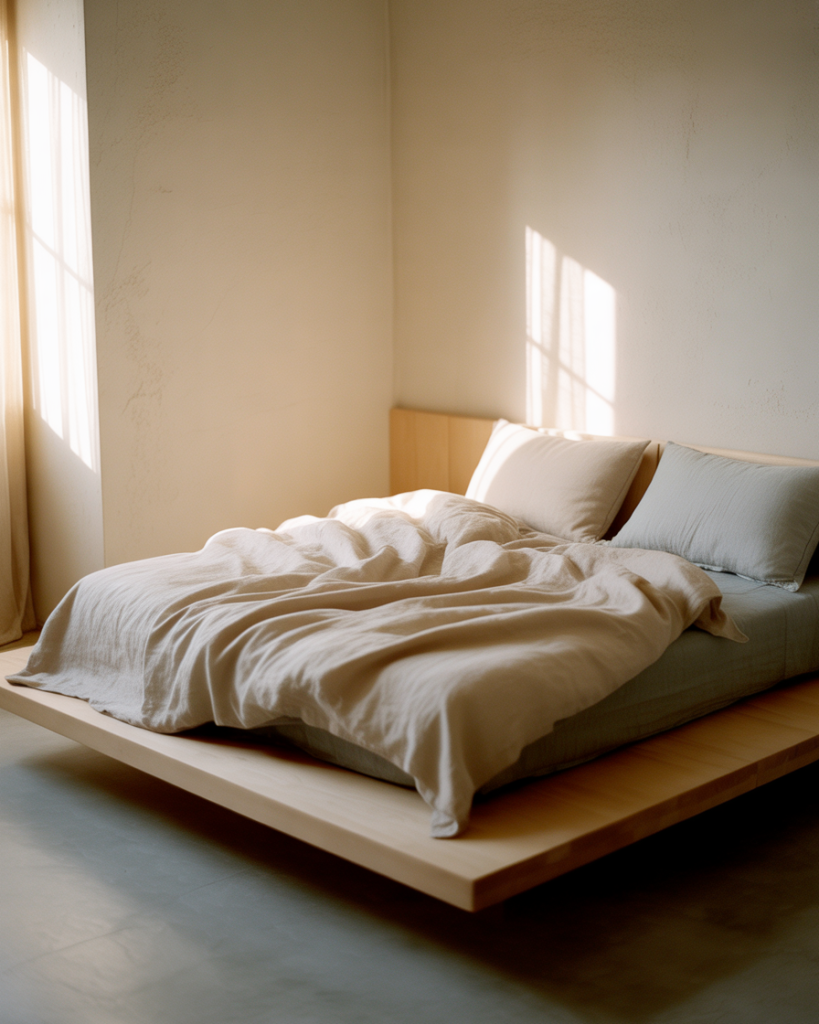
A floating bed platform creates the illusion of more floor space in a tiny aesthetic studio by elevating your sleeping area slightly off the ground. This works beautifully in micro apartments where every inch counts, and it gives the room a modern, architectural feel. The platform can double as storage underneath, keeping linens, shoes, or seasonal clothes tucked away. Pair it with soft, neutral bedding and warm lighting to enhance the cozy vibe without overwhelming the space. 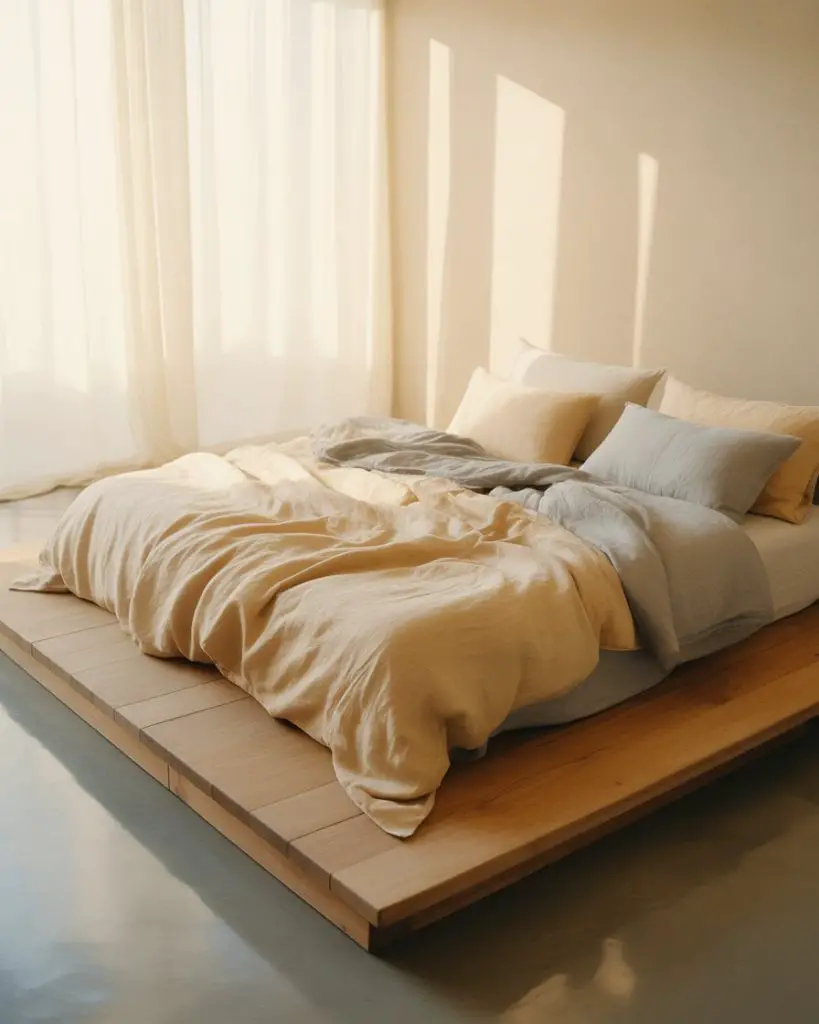
This idea works best in studios where natural light is limited—the open floor beneath the platform lets light travel farther. In cities like San Francisco or Brooklyn, where studios often feel cave-like, this simple elevation trick can make the room feel twice as airy. Avoid placing the platform too high; 8 to 12 inches is ideal for maintaining a grounded, approachable look.
2. Open Layout Room Divider with Greenery
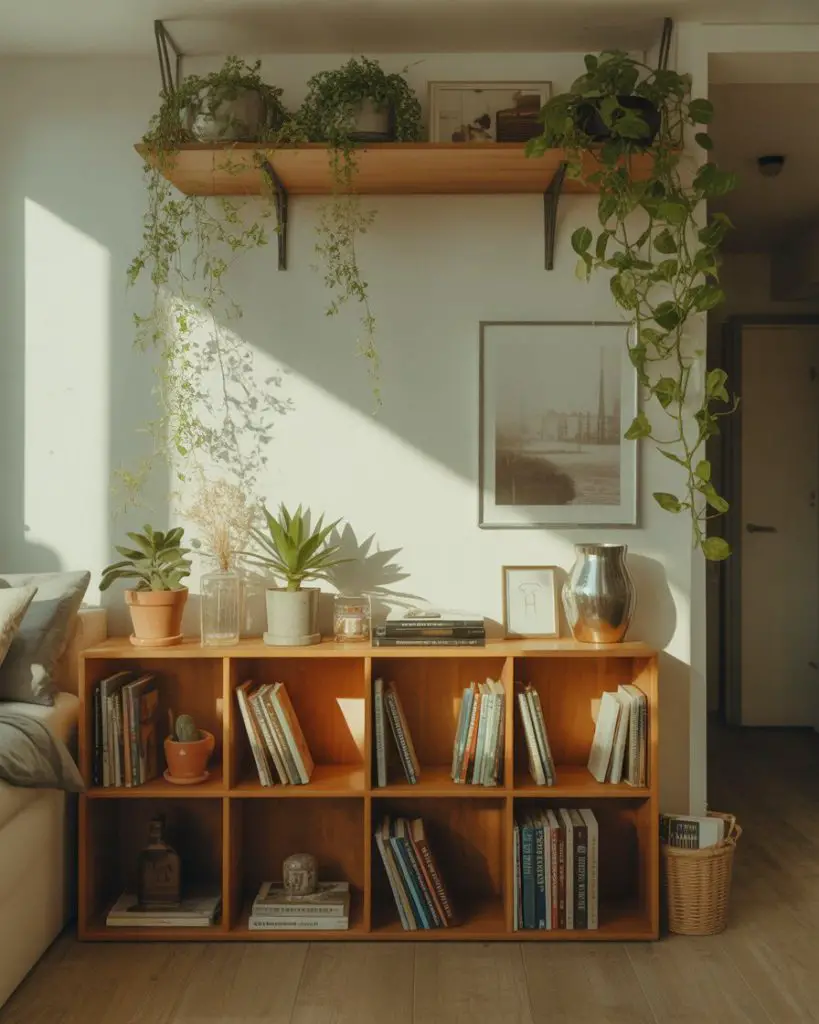
An open layout studio benefits from a soft visual separator, and a divider made of hanging plants or a low bookshelf with trailing vines keeps the space feeling connected while defining zones. This approach is popular in bohemian studios where organic textures and natural elements take center stage. Instead of solid walls, you’re creating a breathable boundary that doesn’t block light or airflow, which is essential in a tiny footprint. 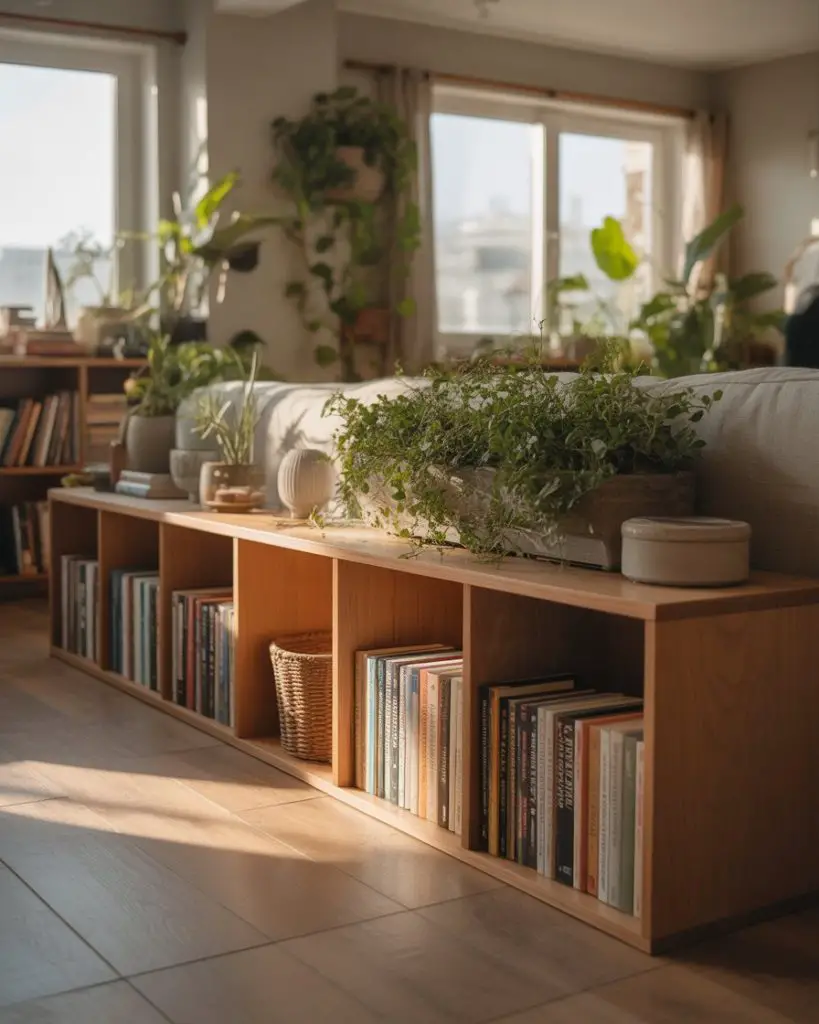
Many Americans living in studios underestimate how much a partial divider can improve daily life—it gives your brain a clear signal that “this is the sleeping area” or “this is where I work.” A 2023 survey by Apartment List found that 68% of studio renters wish they had better defined zones. Stick to waist-height dividers so you don’t lose the open feel.
3. Murphy Bed for 400 Sq Ft Efficiency
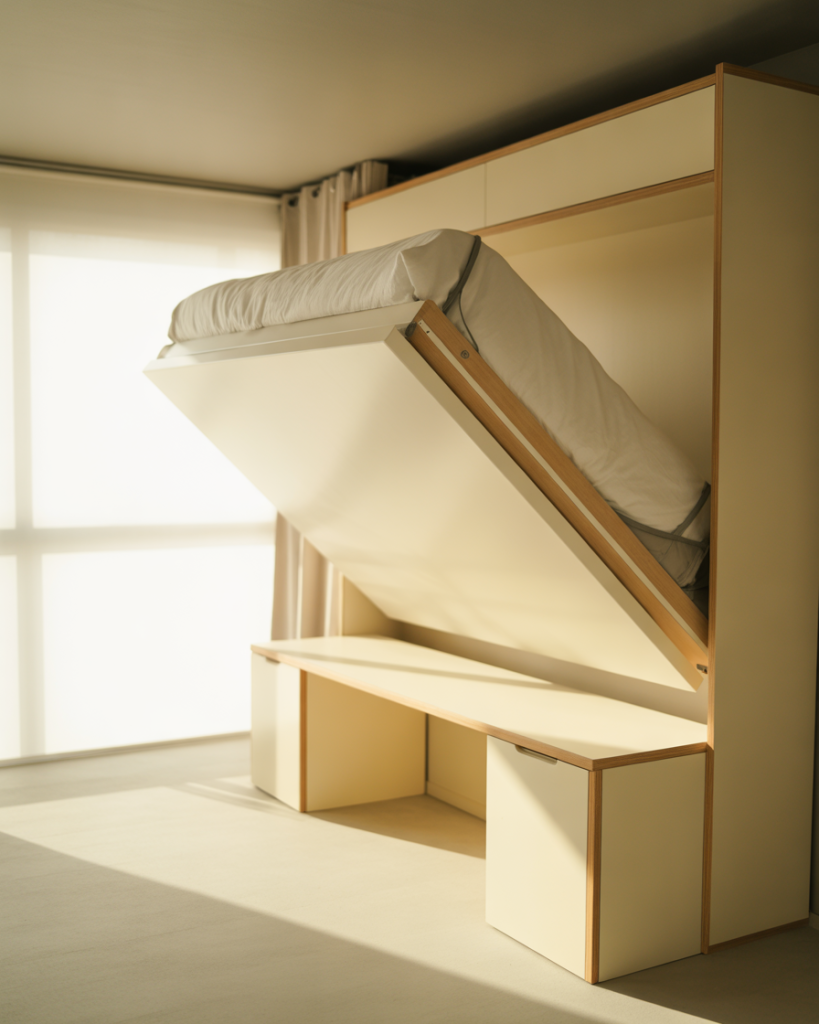
In a 400 sq ft studio, a Murphy bed is one of the smartest investments you can make. When folded up, it opens the room for daytime activities—yoga, working from home, or entertaining—without the awkwardness of a visible bed. Modern Murphy beds come in sleek finishes that blend seamlessly with Scandinavian or industrial aesthetics, and many include built-in shelving or desks that maximize vertical space. 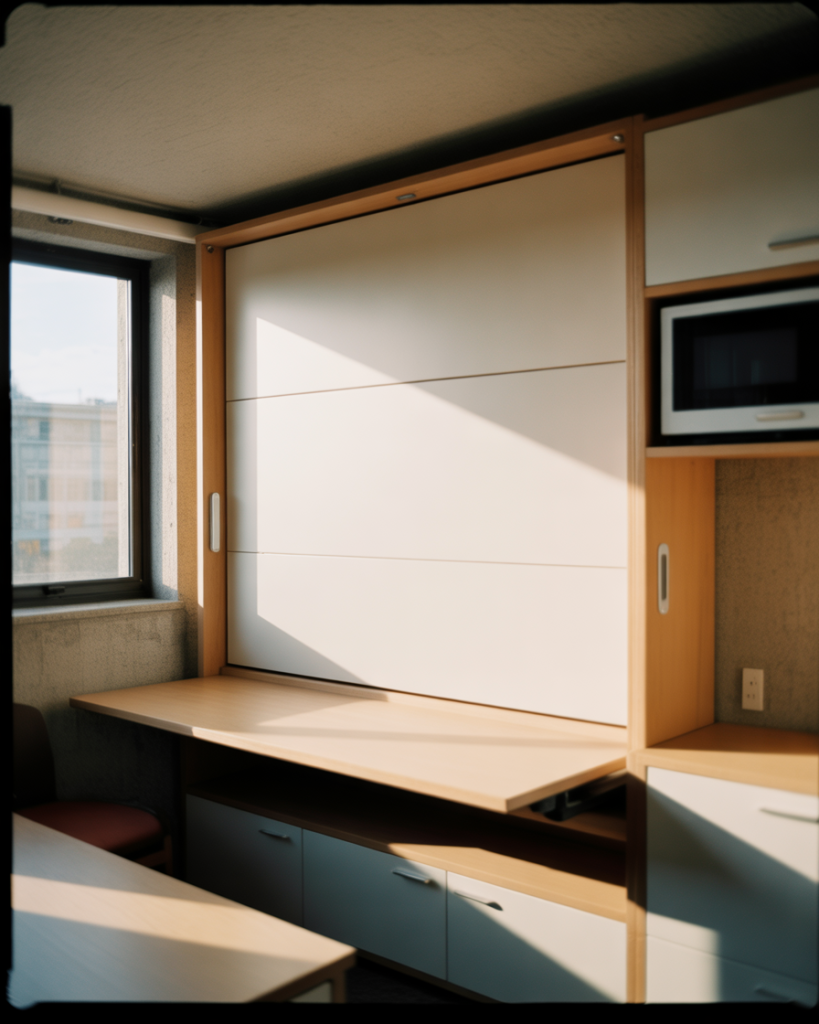
The average Murphy bed installation costs between $1,200 and $3,500 depending on materials and customization. While that’s not cheap, it’s often cheaper than moving to a one-bedroom in a high-cost city like Seattle or Boston. Look for models with soft-close mechanisms—they’re quieter and safer, especially if you’re converting the space multiple times a day.
4. Ikea Modular Storage for Tiny Cozy Spaces
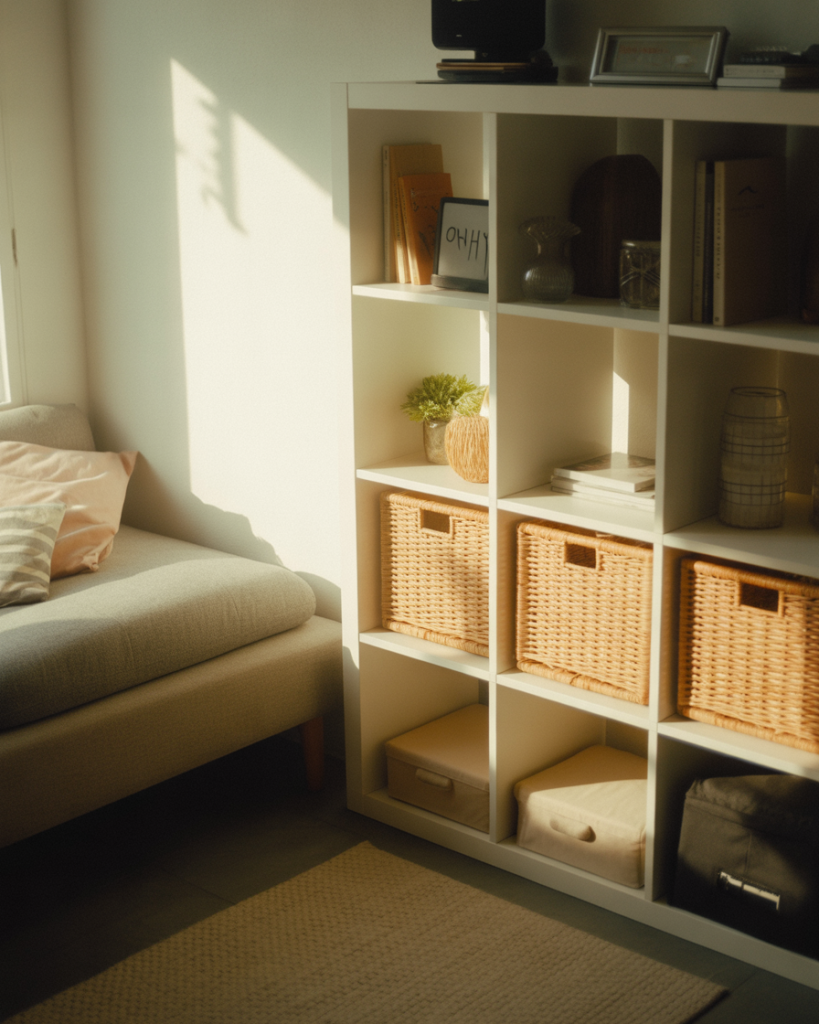
When you’re working with a tiny cozy studio, Ikea modular systems like Kallax or Besta offer endless flexibility. These units can serve as TV stands, bedside tables, or even dividers that separate your sleeping area from your living zone. The genius of modular storage is that you can reconfigure it as your needs change—add a drawer insert, swap out a shelf, or stack units vertically to maximize height in a 500 sq ft space. 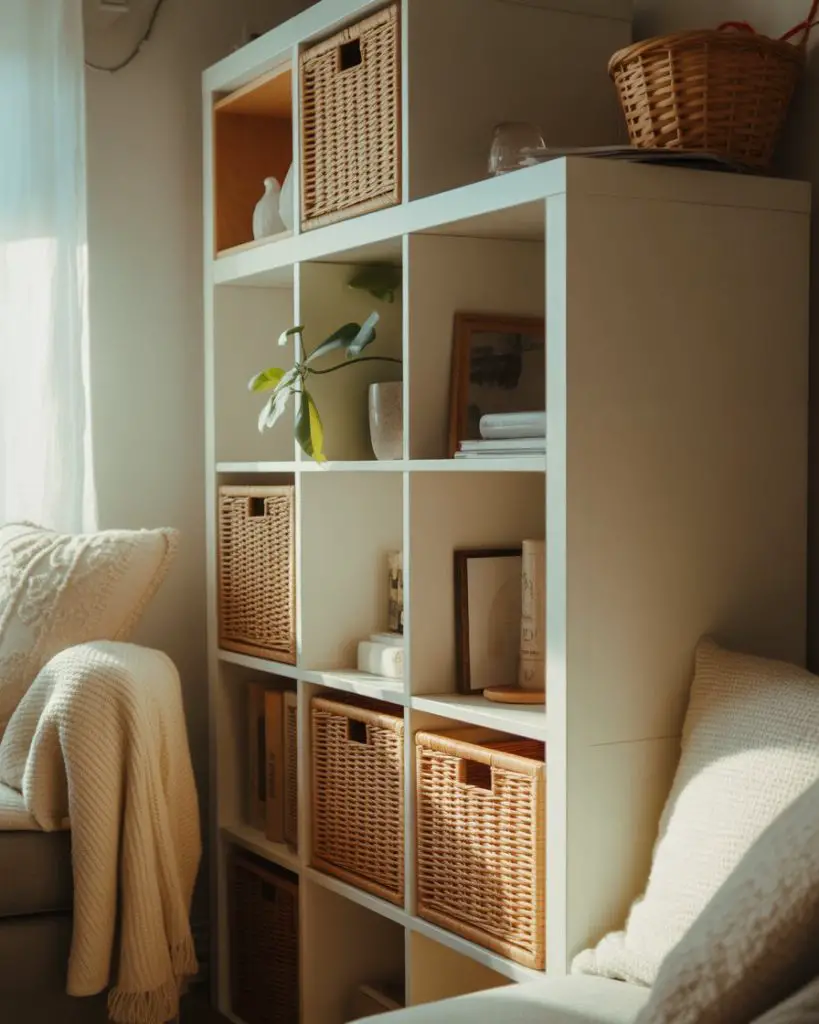
Ikea’s popularity among American studio dwellers isn’t just about price—it’s about adaptability. A common mistake is buying too much furniture upfront and then feeling trapped by your choices. Start with one modular unit and build out slowly, letting your daily routines guide what you actually need. This prevents clutter and keeps the space feeling intentional.
5. Lofted Sleeping Area for Micro Studios
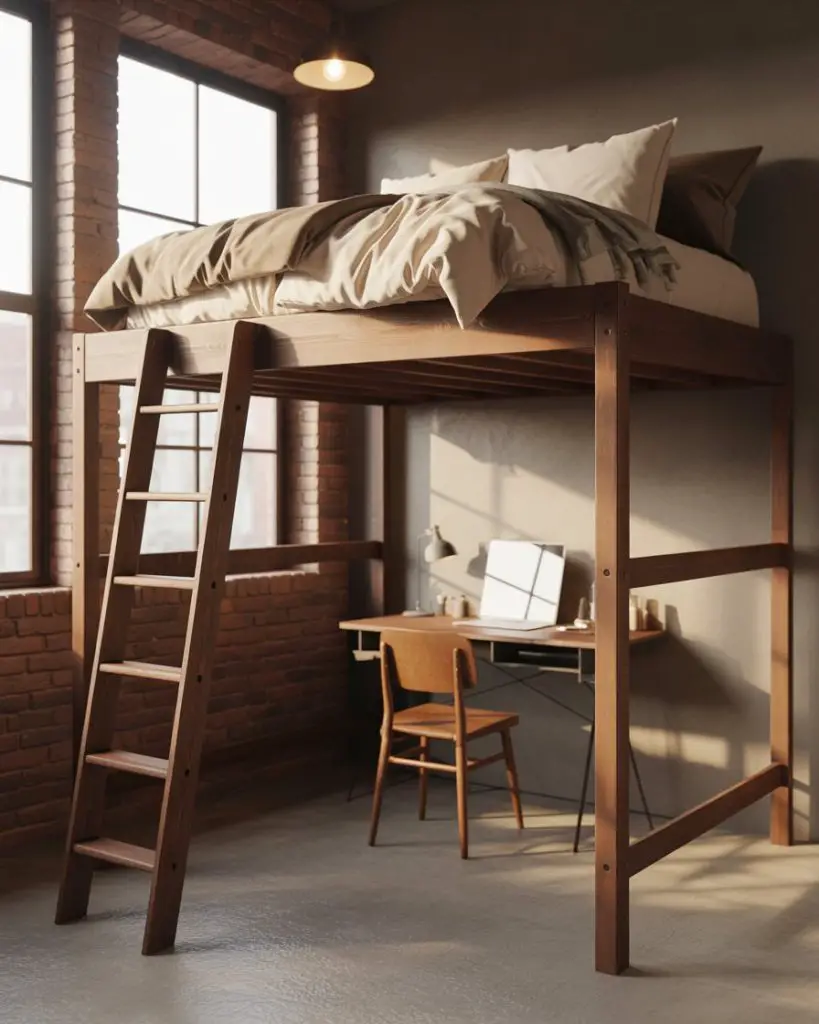
A lofted bed is a game-changer in micro studios with high ceilings, freeing up valuable floor space below for a desk, sofa, or dining nook. This layout is especially popular in converted lofts or historic buildings where ceiling height allows for a mezzanine-style sleeping platform. It creates a distinct separation between sleep and waking life, which is psychologically helpful when you live in one room. 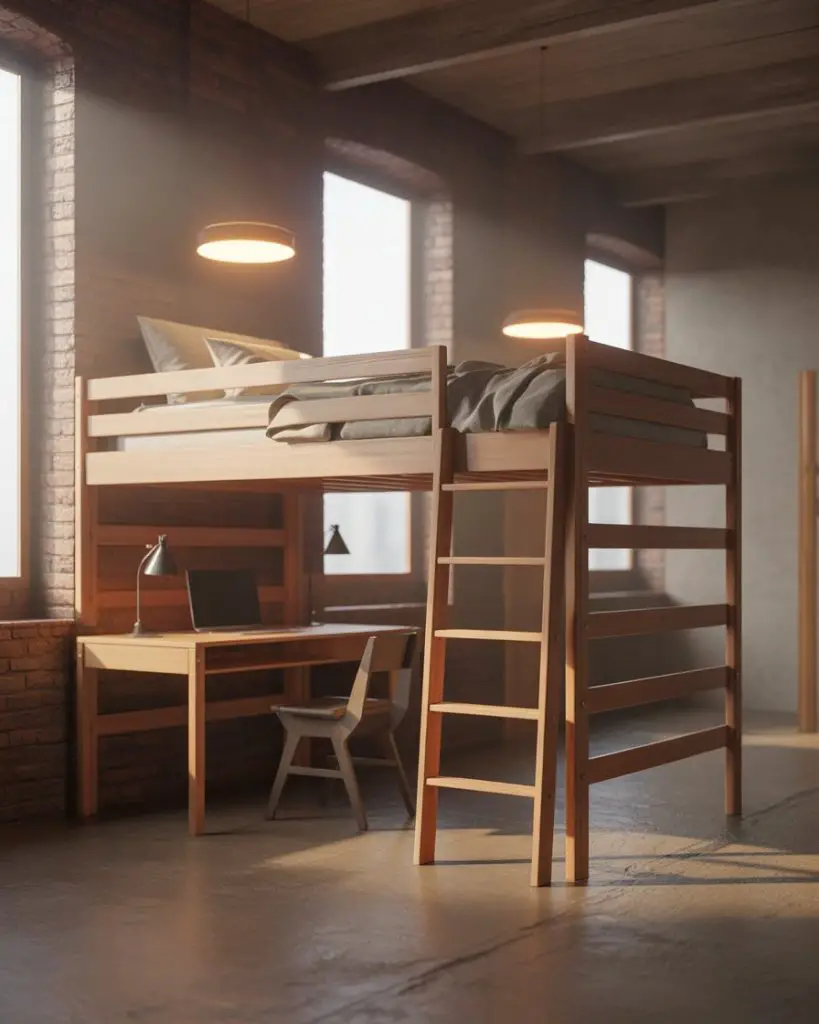
In cities like Chicago or Portland, where older buildings often have 10- to 12-foot ceilings, lofting your bed is one of the most efficient uses of vertical space. Just make sure you have at least 3 feet of clearance above the mattress—anything less feels cramped and can make the space feel claustrophobic rather than clever.
6. Coastal Light Palette for Cute Small Studios
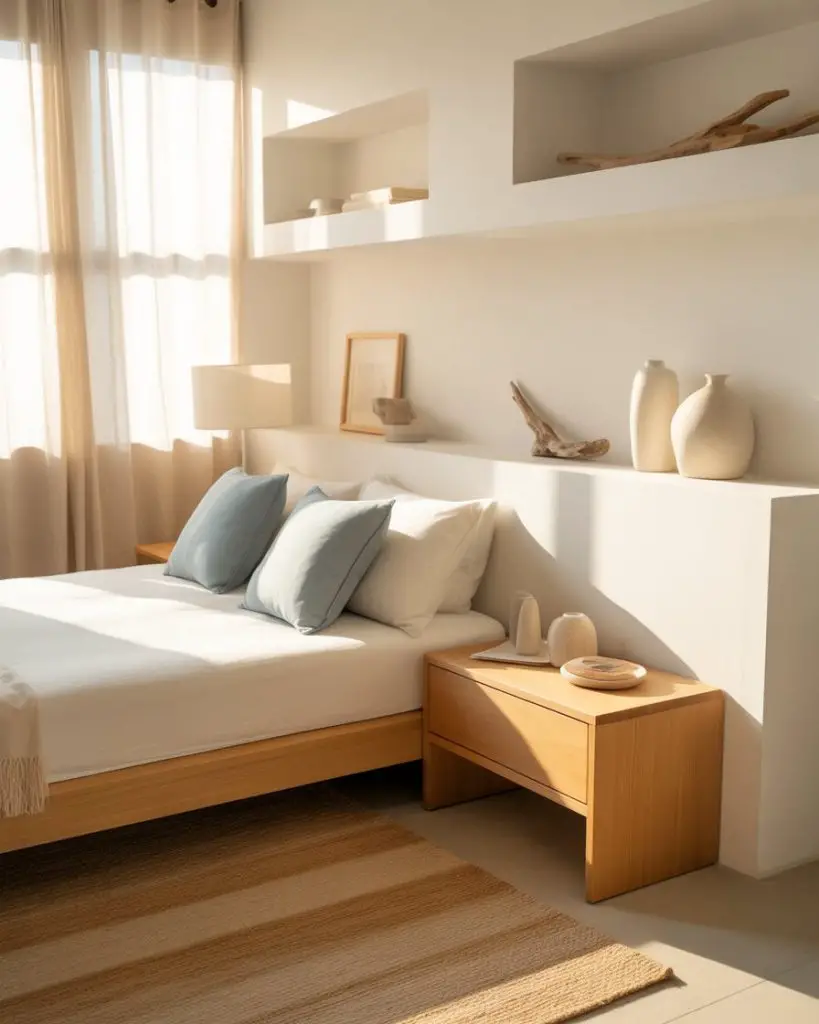
A coastal color scheme—think soft whites, sandy beiges, and muted blues—instantly makes a cute studio feel larger and more breathable. This palette reflects light beautifully, which is crucial in tiny spaces where natural light might be limited to a single window. Layer in natural textures like jute rugs, linen curtains, and driftwood accents to reinforce the breezy, aesthetic vibe without adding visual clutter. 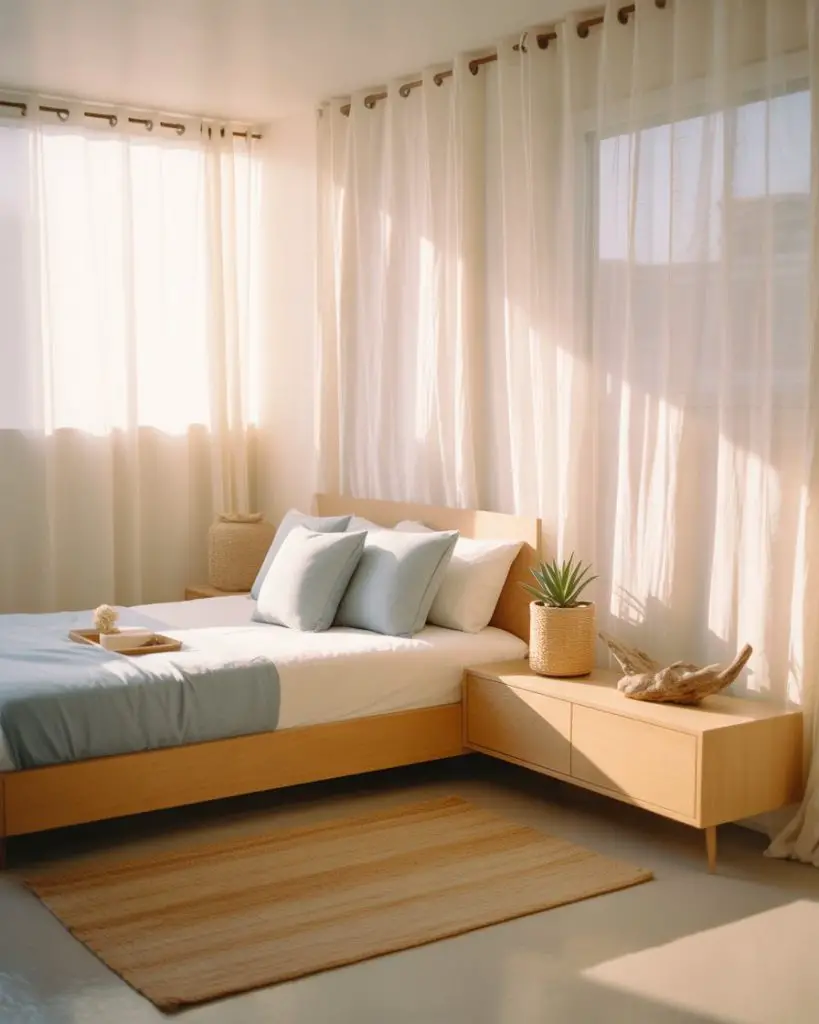
Coastal style works especially well in studios near the water—Miami, San Diego, or even Brooklyn’s Williamsburg waterfront—but it’s equally effective in landlocked cities where you’re trying to fake that vacation feeling year-round. The key is restraint: too many nautical clichés (anchors, rope accents) can tip the space into kitsch. Stick to natural materials and a soft color story.
7. Industrial Exposed Elements in 450 Sq Ft Studios
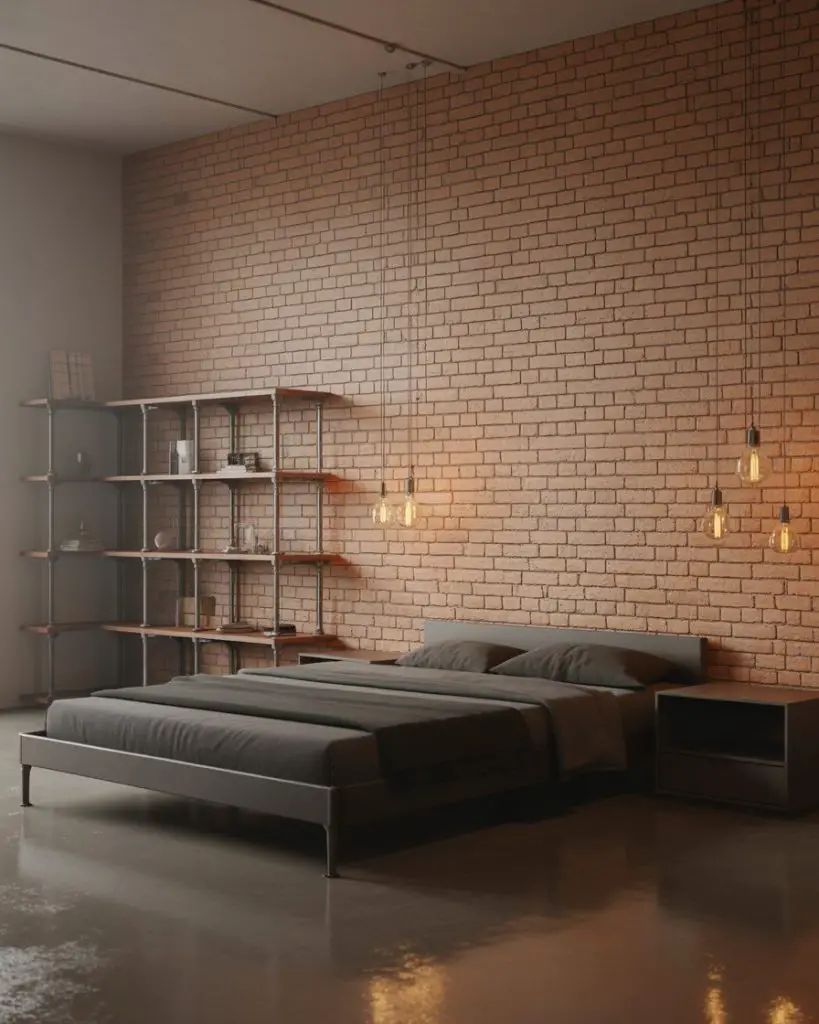
An industrial aesthetic thrives in 450 sq ft studios, especially those in older buildings with exposed brick, ductwork, or concrete floors. These raw materials provide instant character, so your furniture and décor can stay minimal. A metal-frame bed, open shelving made from reclaimed wood, and vintage factory lighting complete the look. This style feels particularly authentic in cities with a history of manufacturing, like Detroit or Pittsburgh. 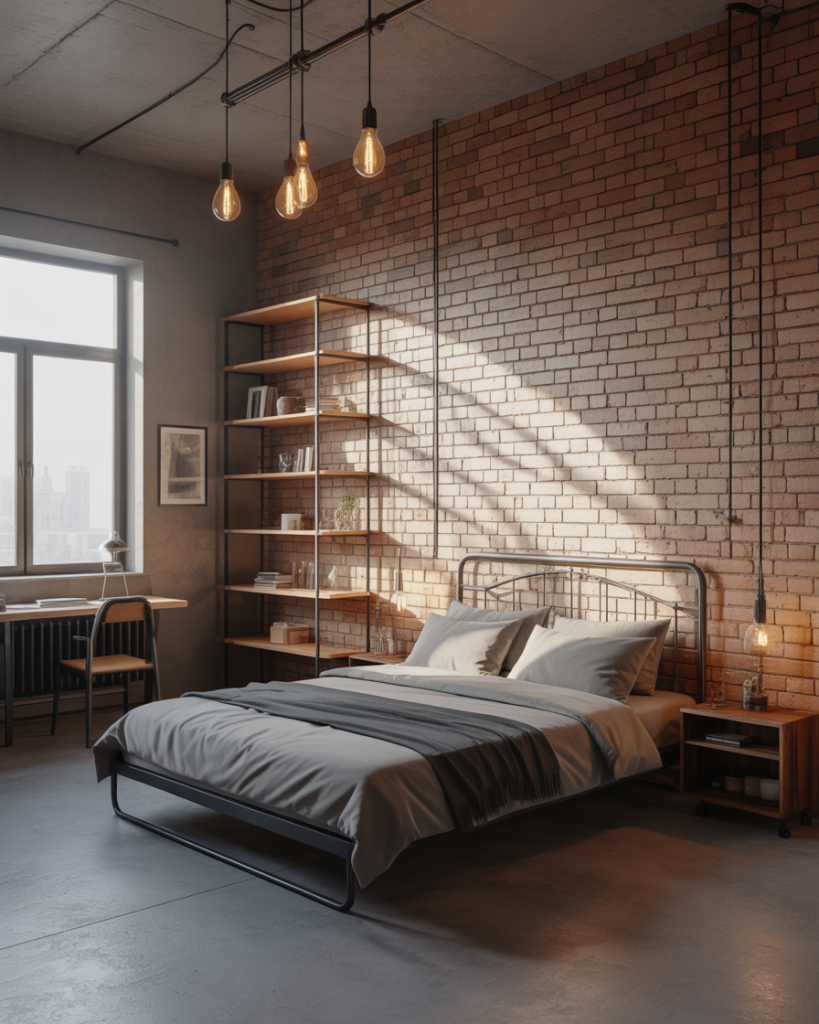
Where it works best: loft conversions, downtown urban cores, or any building constructed before 1950. The industrial look is forgiving—imperfections like scuffed floors or uneven walls become part of the charm. Avoid over-styling; the space should feel a little unfinished and lived-in, not like a Pinterest board come to life.
8. Built-In Window Seating for Cozy Tiny Layouts
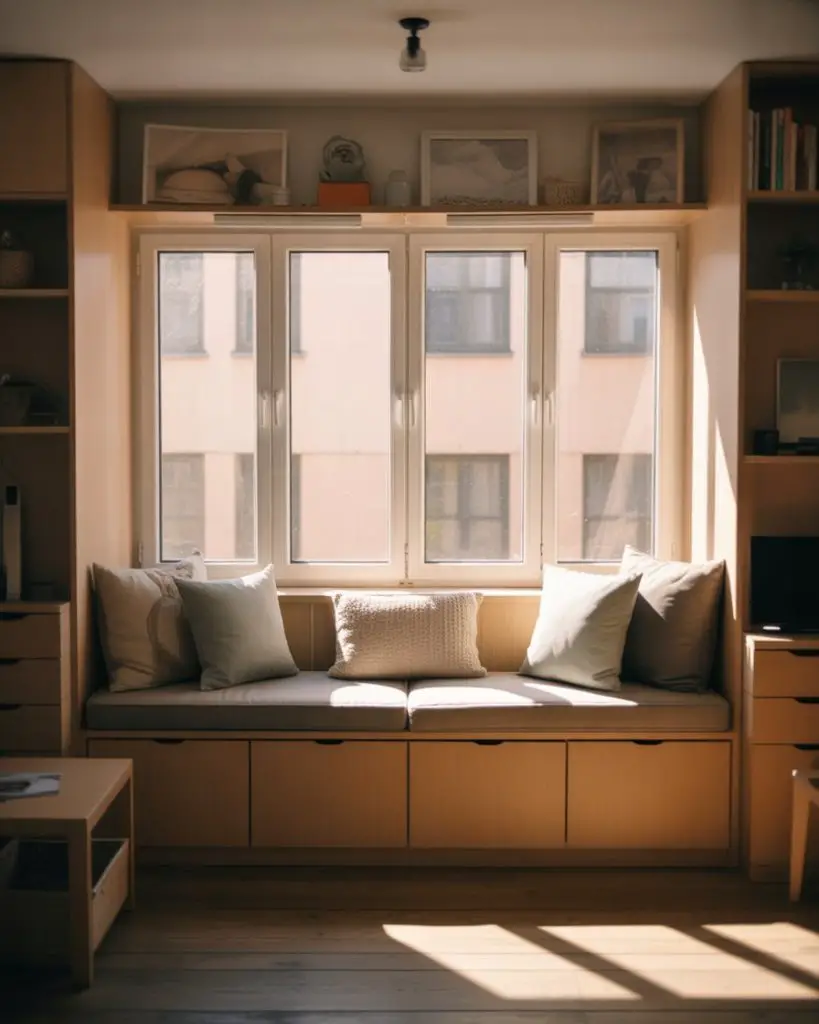
If your tiny studio has a window alcove or bay window, turning it into built-in seating instantly adds function and charm. This creates a cozy reading nook, extra guest seating, or a morning coffee spot without taking up floor space. Add lift-up storage beneath the cushions to stash books, blankets, or off-season clothes. It’s a classic move in brownstones and older apartments across the Northeast. 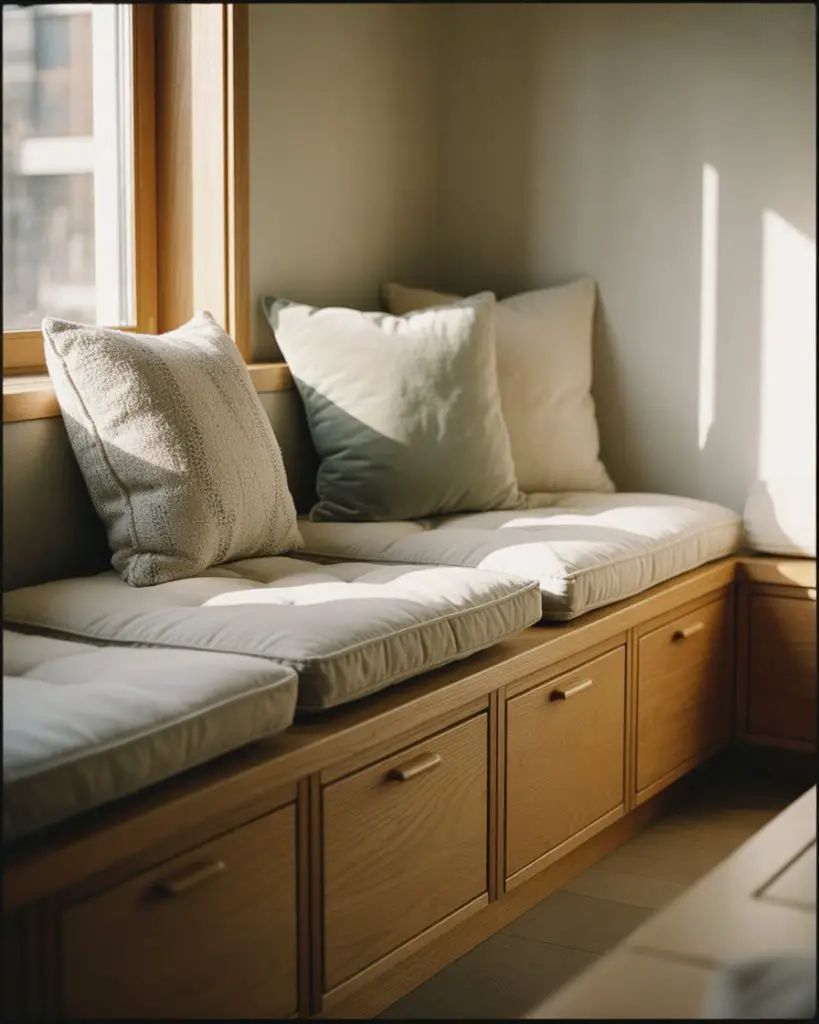
A homeowner in Boston told me she uses her window seat more than her couch—it’s where she works, eats breakfast, and unwinds with a book. The bonus? It doesn’t require a footprint the way a chair or loveseat would. Keep the cushion fabric durable and washable; high-traffic spots like this need to handle daily use.
9. Rustic Wood Accent Wall for Bohemian Studios
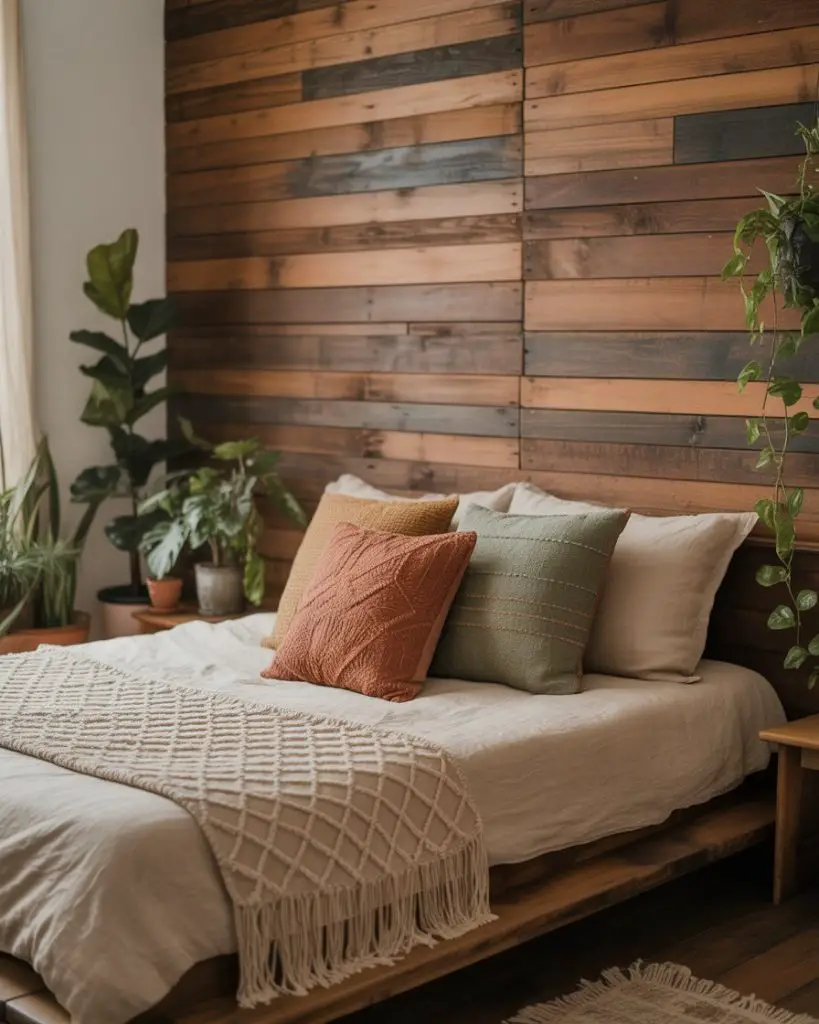
A rustic wood accent wall brings warmth and texture to a bohemian studio without eating up floor space. Whether it’s reclaimed barn wood, shiplap, or peel-and-stick wood panels, this feature anchors the room and gives your eye a natural focal point. It’s especially effective behind the bed or sofa, defining that zone visually while keeping the rest of the space open and airy. 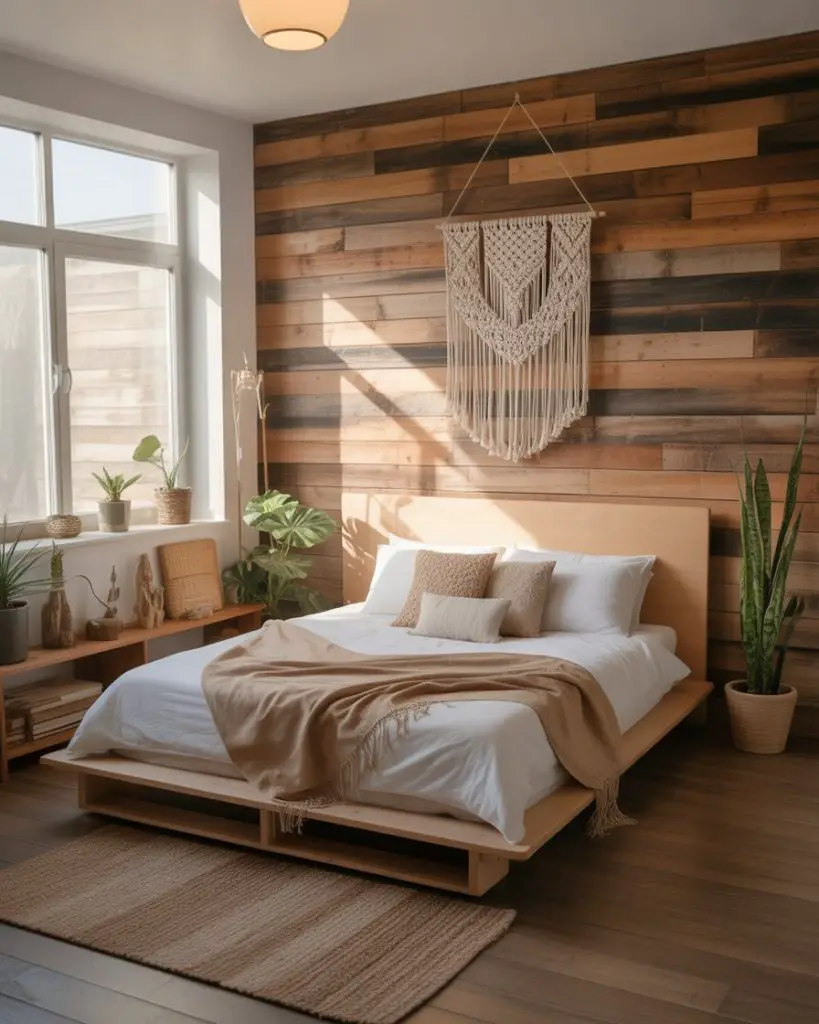
Budget-wise, peel-and-stick wood panels start around $50 for a small accent wall and take just a few hours to install—no contractor needed. Real reclaimed wood is pricier but adds genuine character. Either way, this is one of the few dramatic design moves that actually works in small spaces because it draws the eye up and makes the ceiling feel higher.
10. Scandinavian Minimalism for Tiny Aesthetic Calm
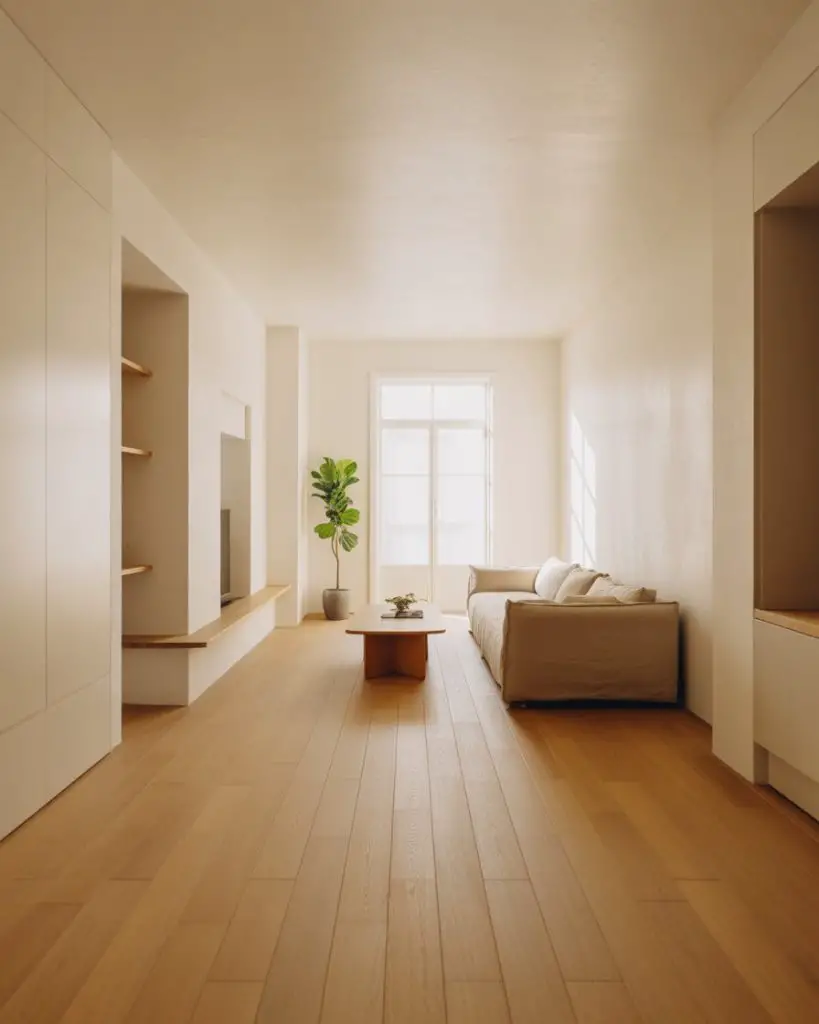
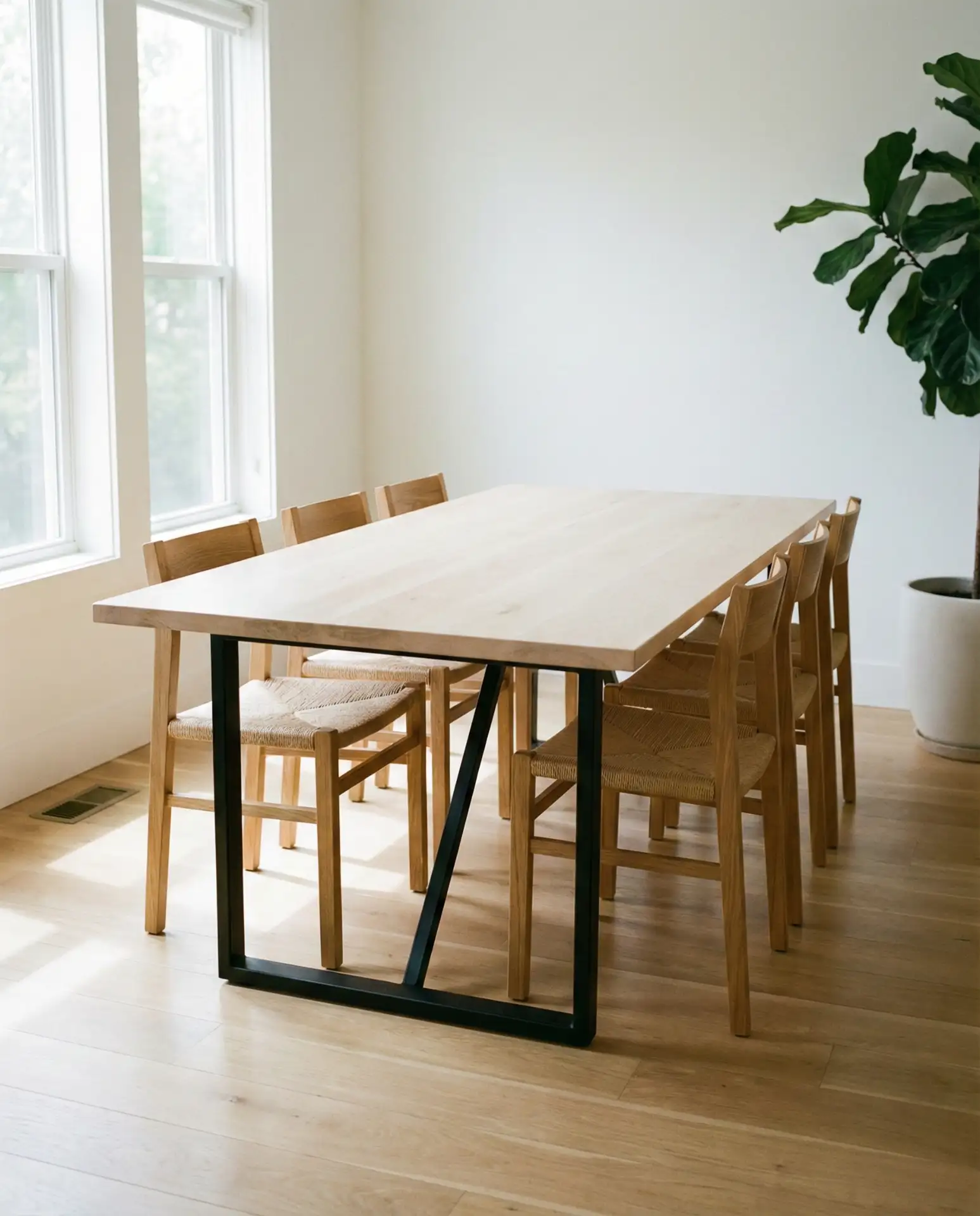
The Scandinavian approach to design—clean lines, neutral palettes, functional furniture—is tailor-made for tiny aesthetic studios. This style prioritizes light, simplicity, and quality over quantity, which prevents visual clutter in a 500 sq ft space. Think white walls, light wood floors, and a few carefully chosen pieces like a streamlined sofa, a round dining table, and understated lighting. 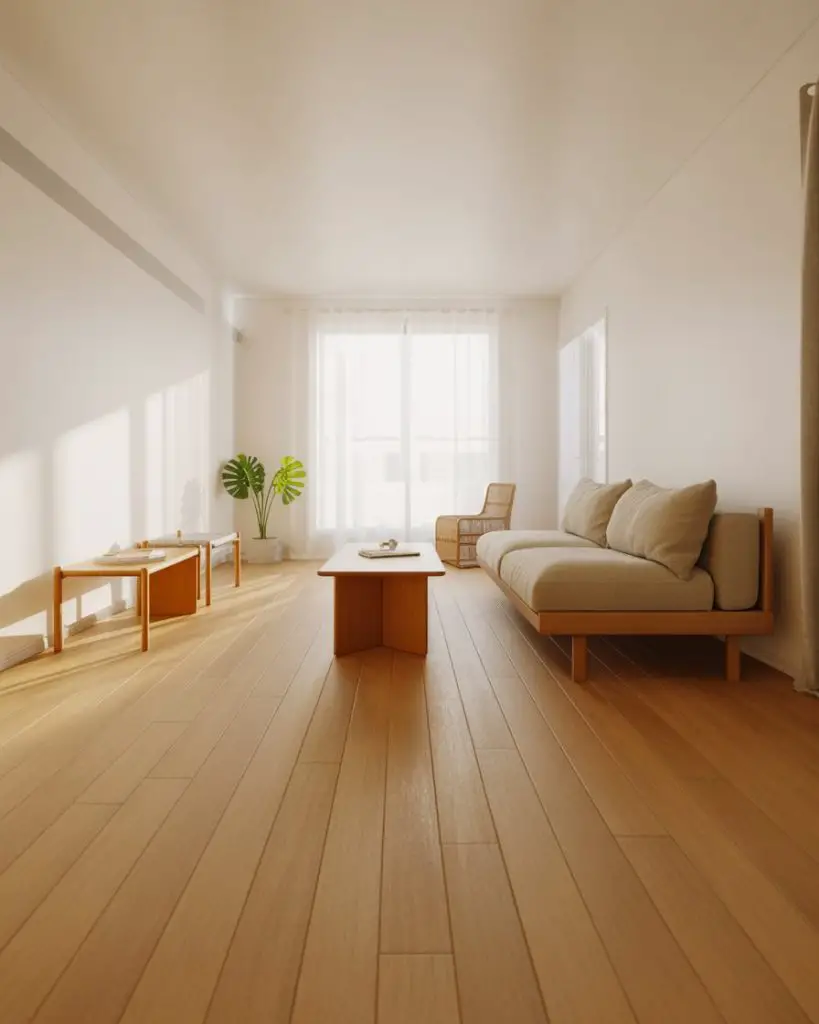
Expert designers often recommend this style for first-time studio renters because it’s hard to mess up—less is always more. The mistake people make is thinking minimalism means sterile or cold. It doesn’t. Add warmth through textiles: a chunky knit throw, linen bedding, or a wool rug. These layers make the space feel lived-in without compromising the clean aesthetic.
11. Rectangle Layout Plan with Clear Zones
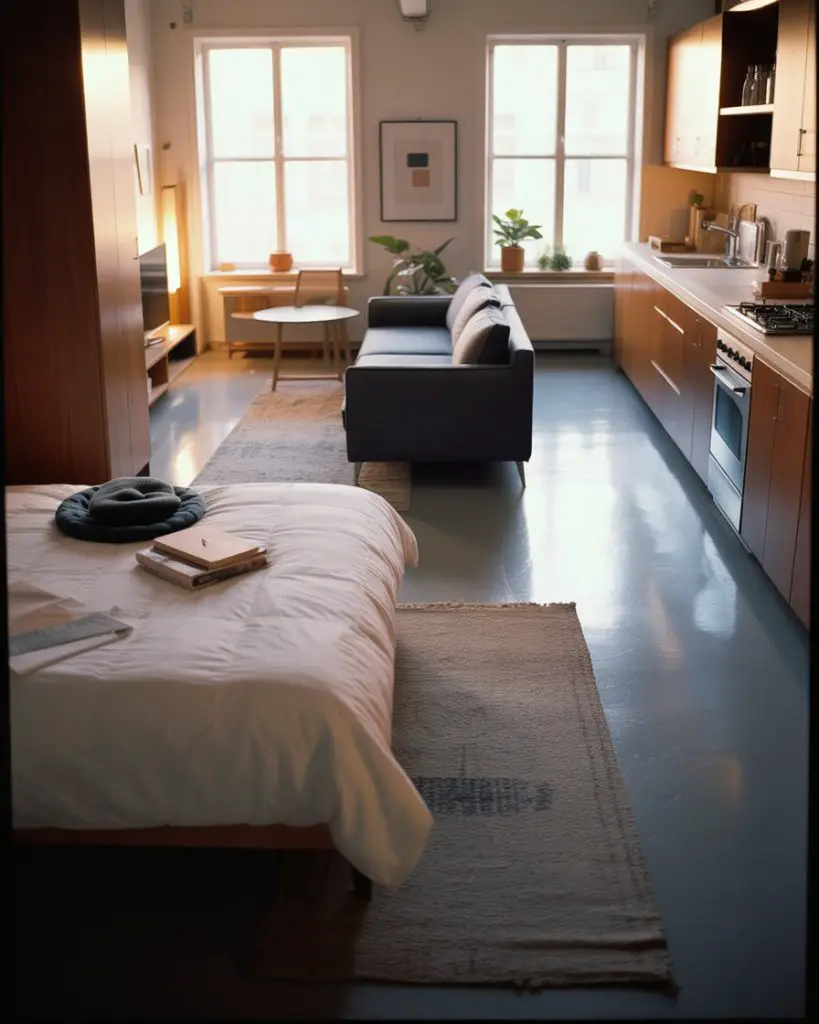
A layout rectangle studio—where the room is longer than it is wide—benefits from clear zoning along its length. Position the bed at one end, a living or dining area in the middle, and a workspace or kitchen at the other. This layout plan creates a natural flow and prevents the space from feeling like one big, undefined box. Use rugs, lighting, or even a low divider to reinforce these zones visually. 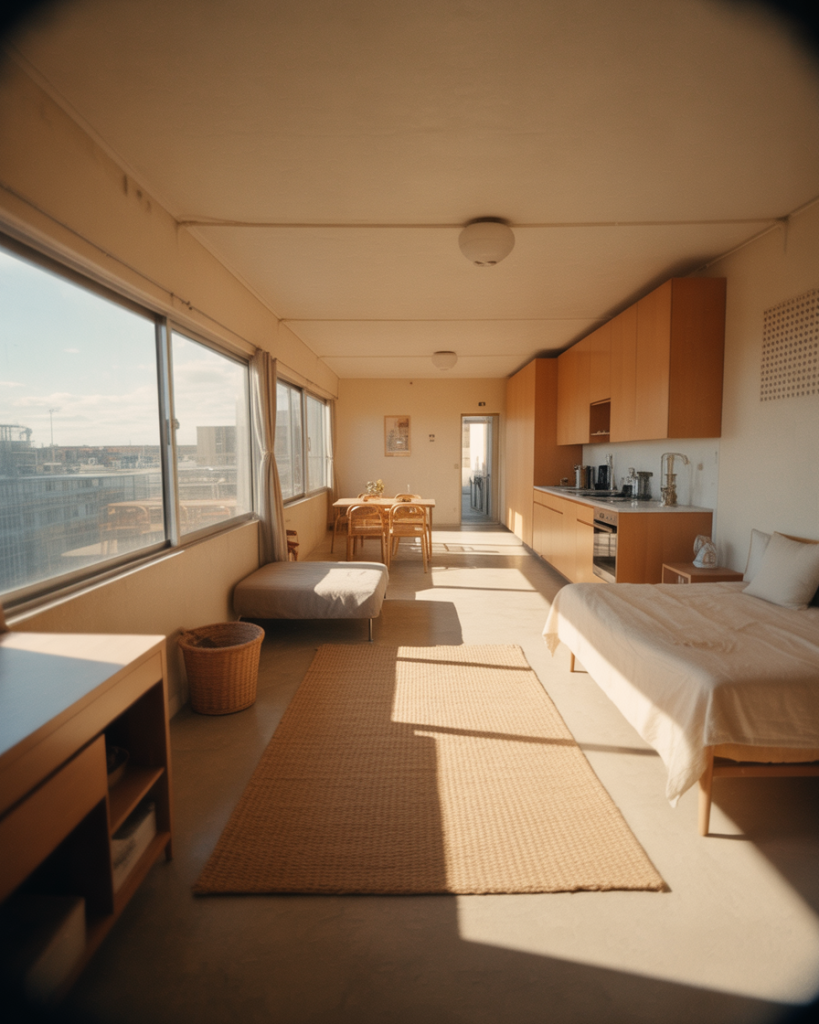
This layout works best in older apartment buildings where studios are carved out of larger units—common in cities like Philadelphia or Washington, D.C. The key is to avoid pushing all your furniture against the walls; floating a sofa or bookshelf a few feet out helps define zones and makes the space feel more thoughtfully arranged. Don’t fear empty floor space—it’s a luxury in small living.
12. Luxury Finishes on a Studio Budget
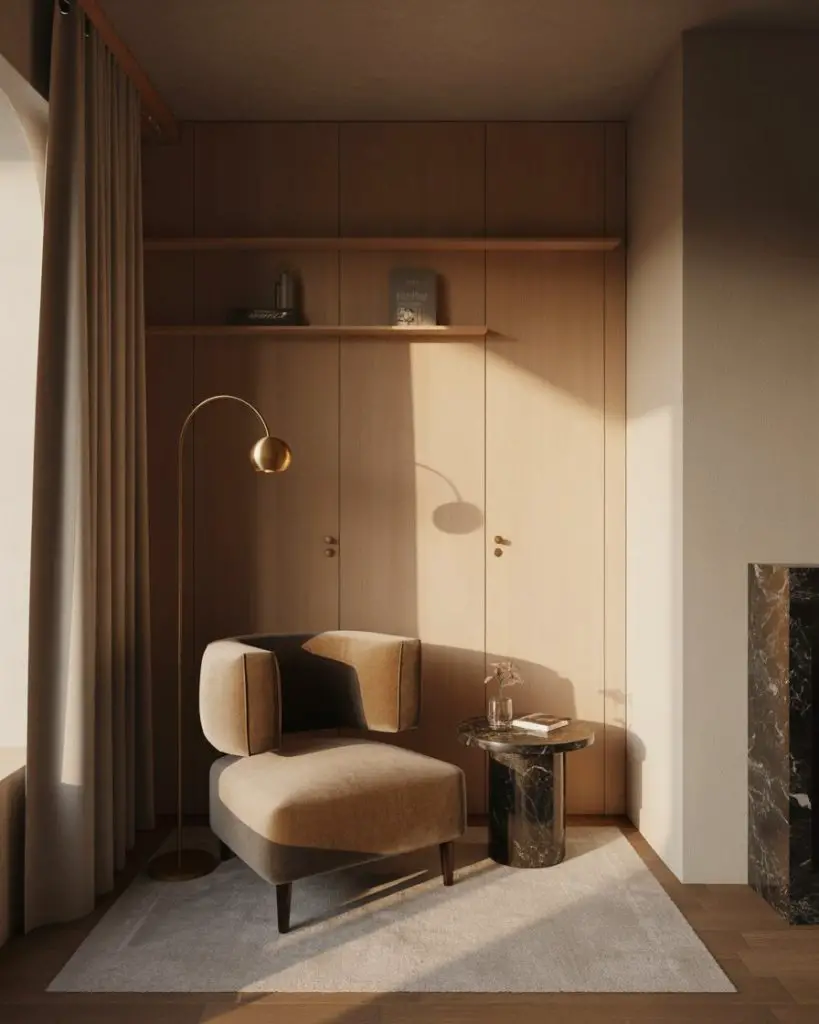
You don’t need a luxury price tag to make a studio feel high-end. Swap out builder-grade hardware for brushed brass or matte black fixtures, add a statement mirror, and invest in one or two quality pieces—like a velvet accent chair or a marble side table. These small upgrades create a polished look without a full renovation. In a tiny space, every detail is visible, so materials matter more than square footage. 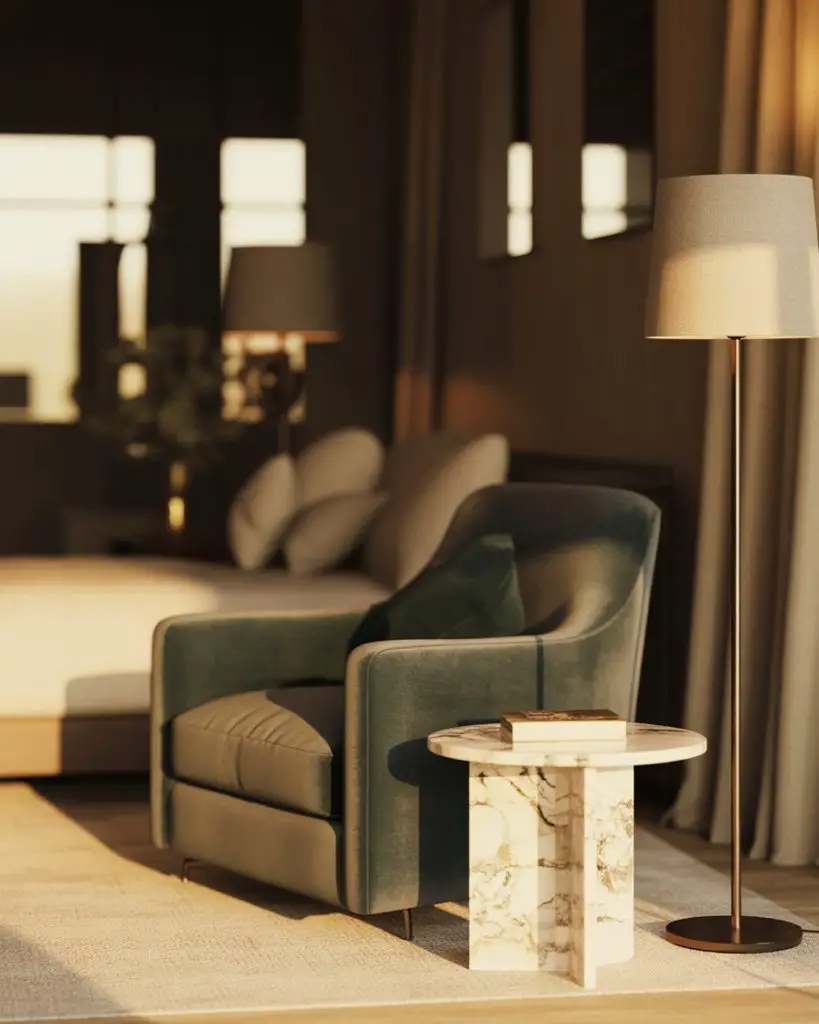
Prices for luxury-look upgrades can be surprisingly affordable: a set of brass cabinet pulls costs around $30, and a vintage-inspired mirror can run $60 to $150 on sites like West Elm or CB2. The trick is editing ruthlessly—one statement piece beats five mediocre ones. It’s about creating a focal point that says “I care about where I live,” even if your square footage is under 500.
13. Two-Person Studio with Dual Workspaces
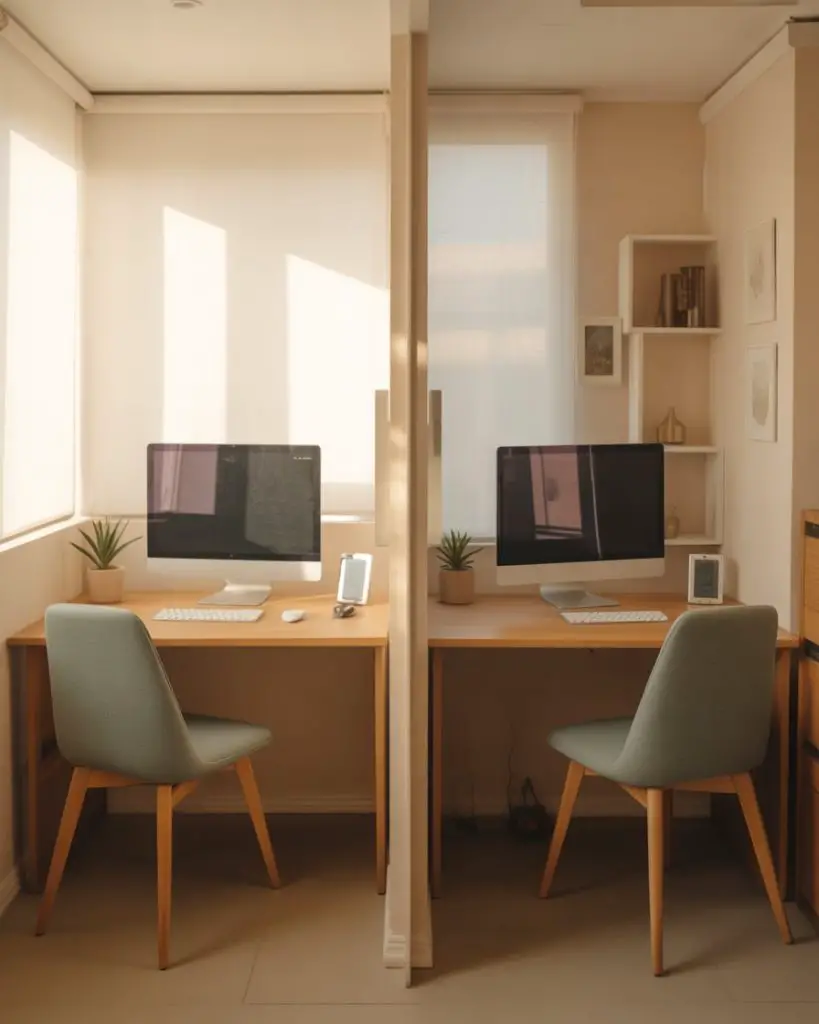
When 2 people share a studio, the biggest challenge is creating individual space for work or hobbies. A long desk with two chairs on opposite ends, or two small desks back-to-back, gives each person their own zone. In a tiny cozy layout, you might need to use a window ledge or a fold-down wall desk for the second workspace. The goal is visual and functional separation, even if you’re just a few feet apart. 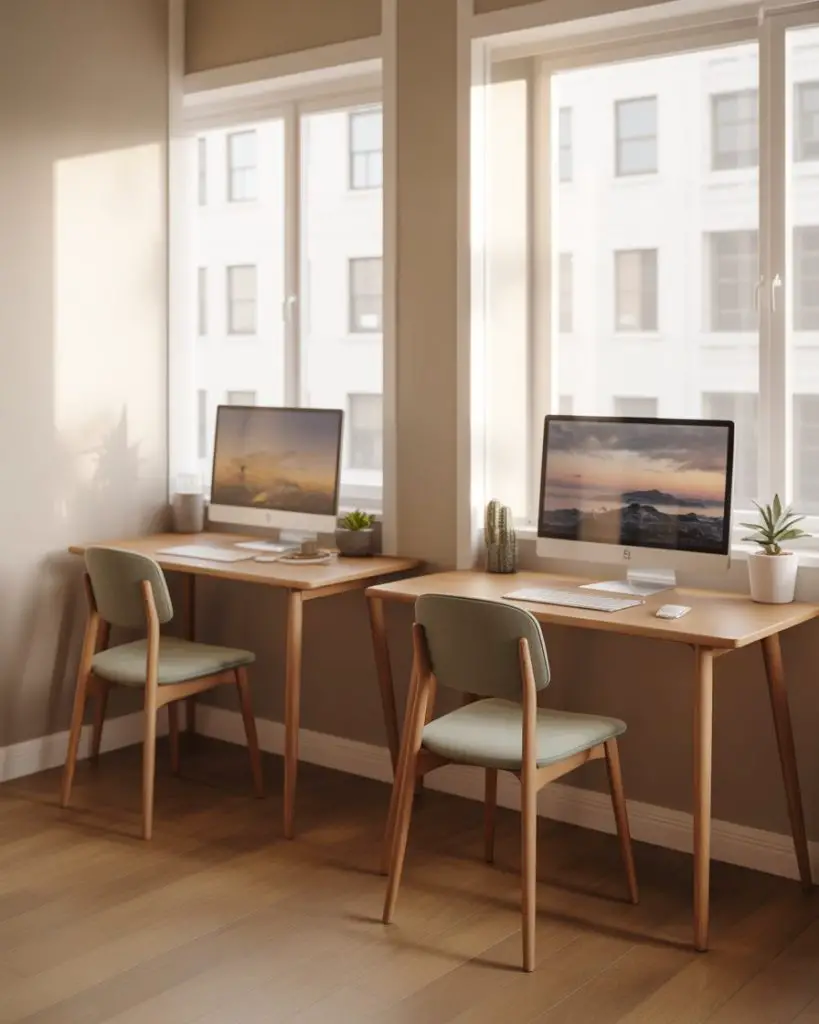
A real homeowner in Austin mentioned that setting boundaries around sound—using headphones, designating “quiet hours”—was just as important as the physical layout. When two people work from home in a single room, even 400 square feet can start to feel claustrophobic. Small adjustments like facing away from each other or using a folding screen during video calls can make a huge difference.
14. Basement Studio with Natural Light Tricks
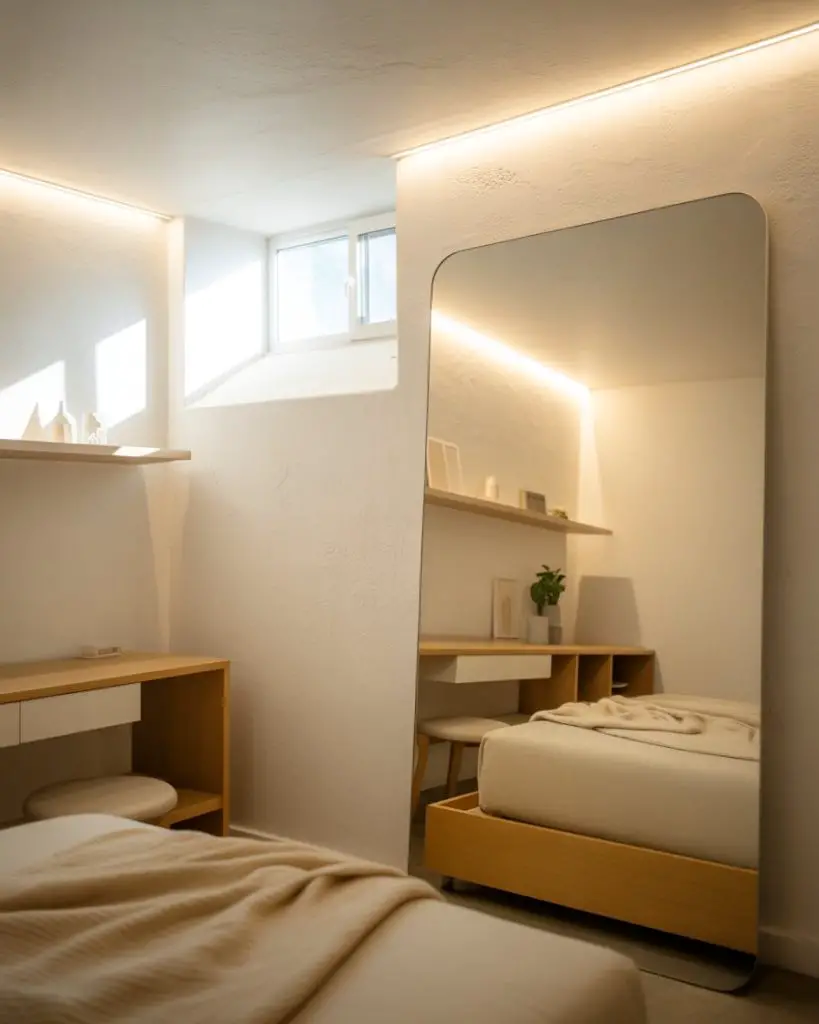
A basement studio comes with unique challenges—often lower ceilings and limited windows—but smart lighting and color choices can counteract the cave-like feel. Paint the walls and ceiling a bright white, install full-spectrum LED bulbs, and use mirrors strategically to bounce light around. If you have a small window, treat it like gold: keep it unobstructed and hang sheer curtains to maximize brightness. This approach is common in older homes across the Midwest and Northeast where basement conversions are popular. 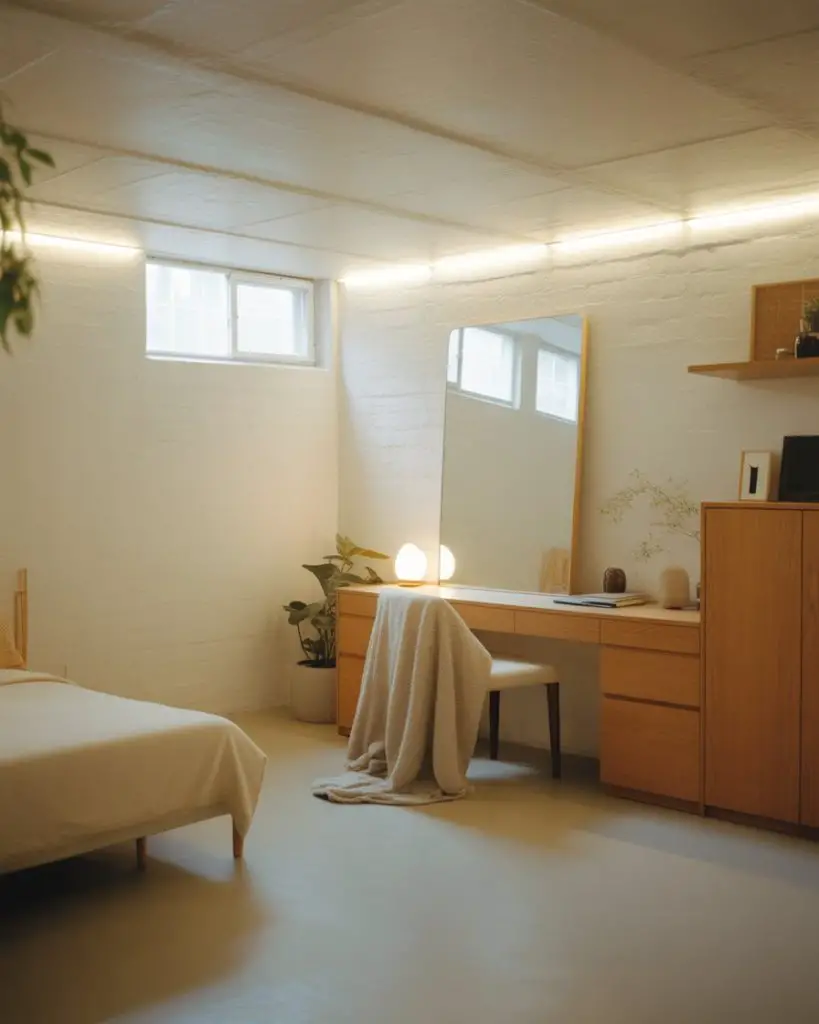
Common mistake: relying only on overhead lighting. In a basement studio, layered lighting—table lamps, floor lamps, and wall sconces—creates depth and warmth. Aim for a mix of task, ambient, and accent lighting to avoid the flat, institutional look that kills any cozy vibe. And if your landlord allows it, consider a sun tunnel or light well to bring in real daylight.
15. Large Studio with Open Kitchen Integration
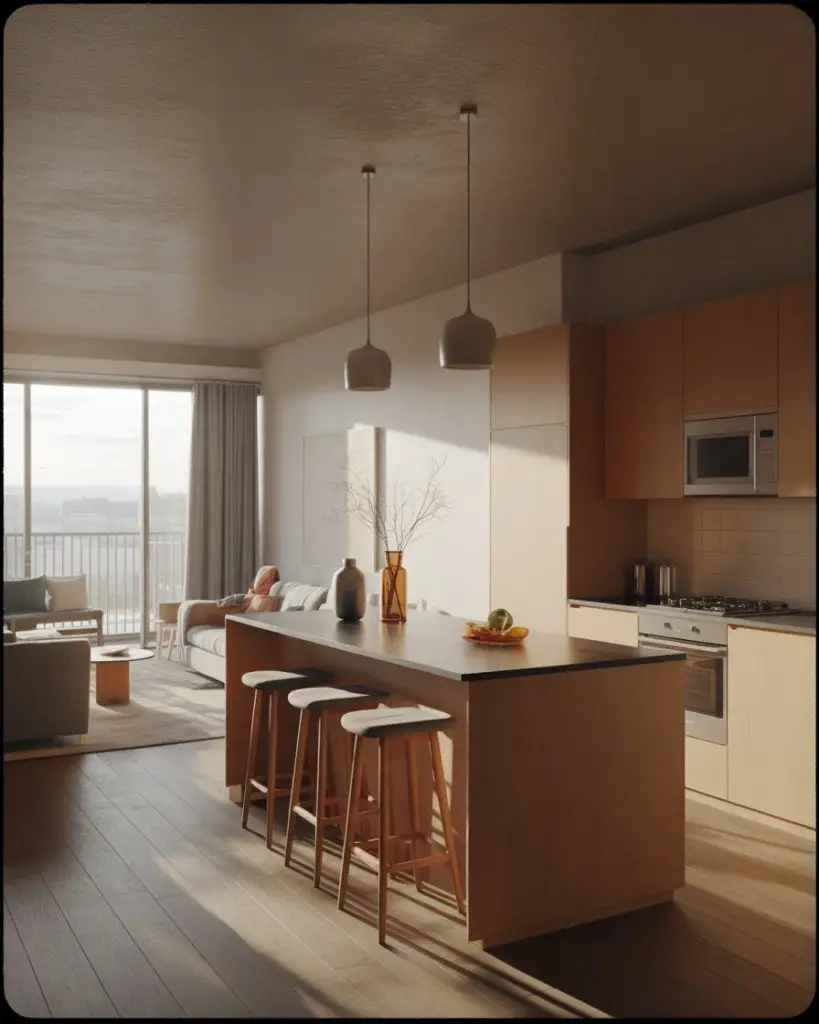
If you’re lucky enough to have a large studio—say, 600 square feet or more—an open layout kitchen can become the centerpiece rather than an afterthought. Use a kitchen island or peninsula to separate cooking from living areas, and invest in stylish barstools that double as dining seating. This setup works beautifully in modern buildings across cities like Austin or Denver, where new construction often includes open-plan designs. 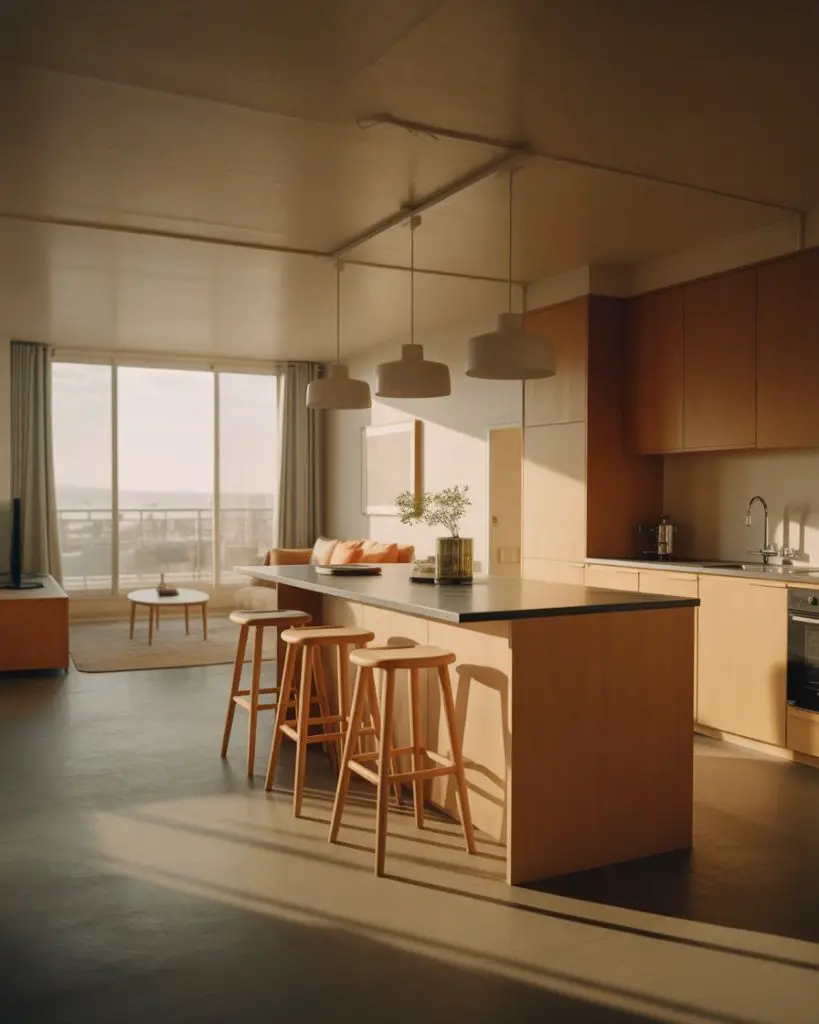
Where it works best: studios in newer buildings with updated appliances and ample counter space. The open kitchen layout encourages you to actually cook rather than relying on takeout—a shift many Americans are making post-pandemic. Just be mindful of kitchen smells; a good range hood or air purifier is essential when your bed is 15 feet from your stove.
16. Bohemian Layered Textiles for Cozy Warmth
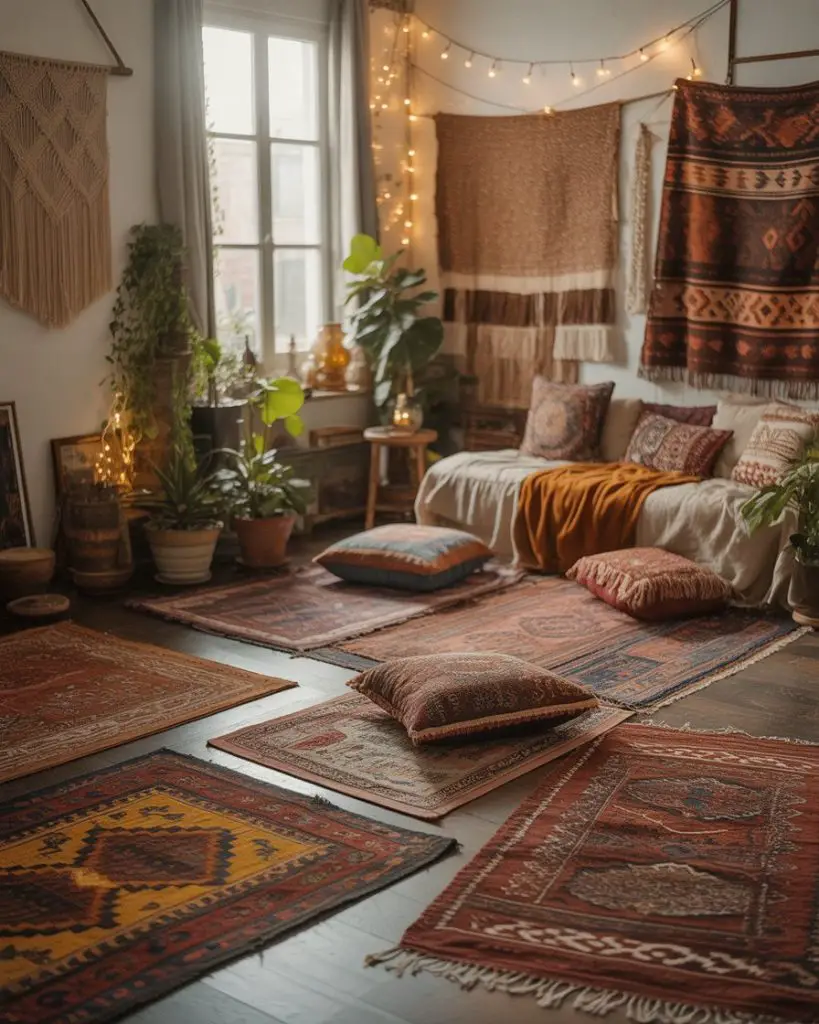
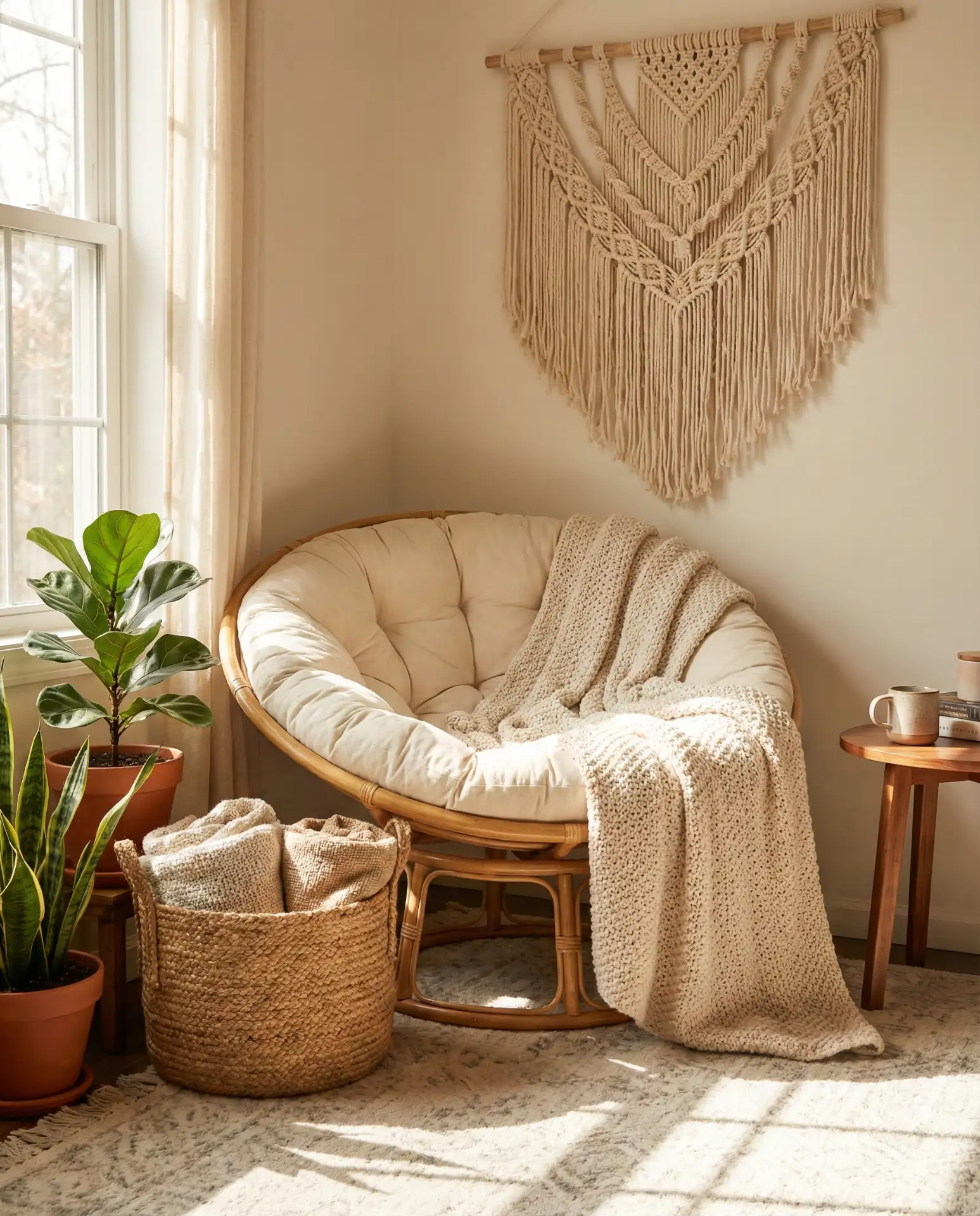
In a bohemian studio, layering textiles—rugs on rugs, throw blankets, floor cushions, macramé hangings—creates a cozy sanctuary without the need for expensive furniture. This style is forgiving and personal, allowing you to mix patterns, colors, and textures from thrift stores, vintage shops, or travels. The result feels collected over time, not purchased all at once, which gives the space soul and individuality. 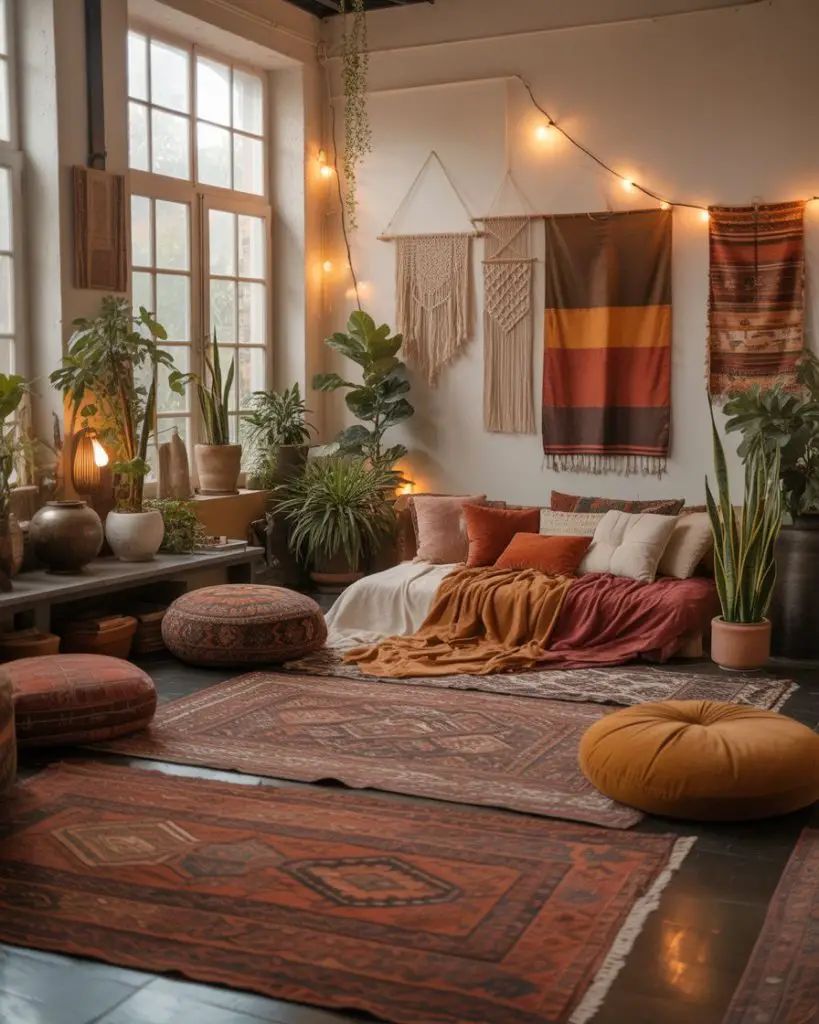
Practical insight: start with a neutral base rug and layer a smaller patterned one on top. This gives you flexibility to swap out the top layer seasonally without a major overhaul. Bohemian style is also budget-friendly—many of the best pieces come from estate sales, Craigslist, or local flea markets. The more personal and imperfect, the better.
17. Studio Apartment for Tiny Layout Efficiency
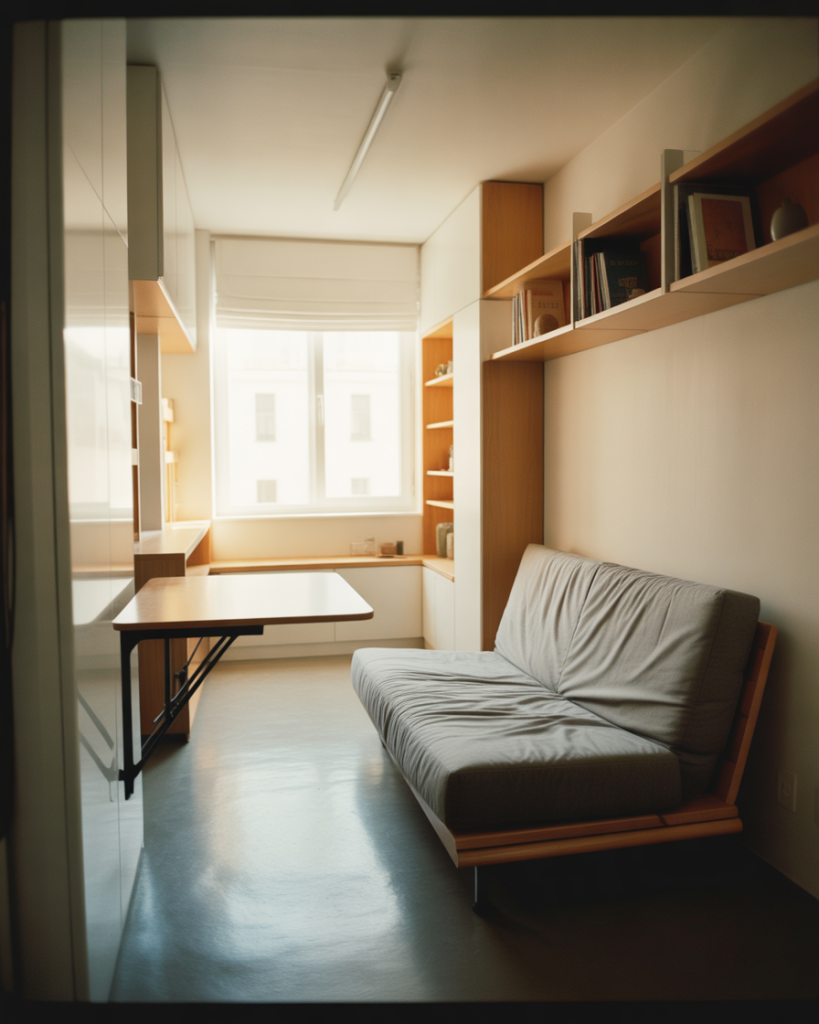
When your tiny layout is truly minimal—under 350 square feet—efficiency becomes non-negotiable. Furniture must be multi-functional: a sofa that converts to a bed, a dining table that folds against the wall, or a coffee table with hidden storage. Every piece should earn its place through utility, not just aesthetics. This mindset is essential in cities like New York or San Francisco, where micro-studios are increasingly common. 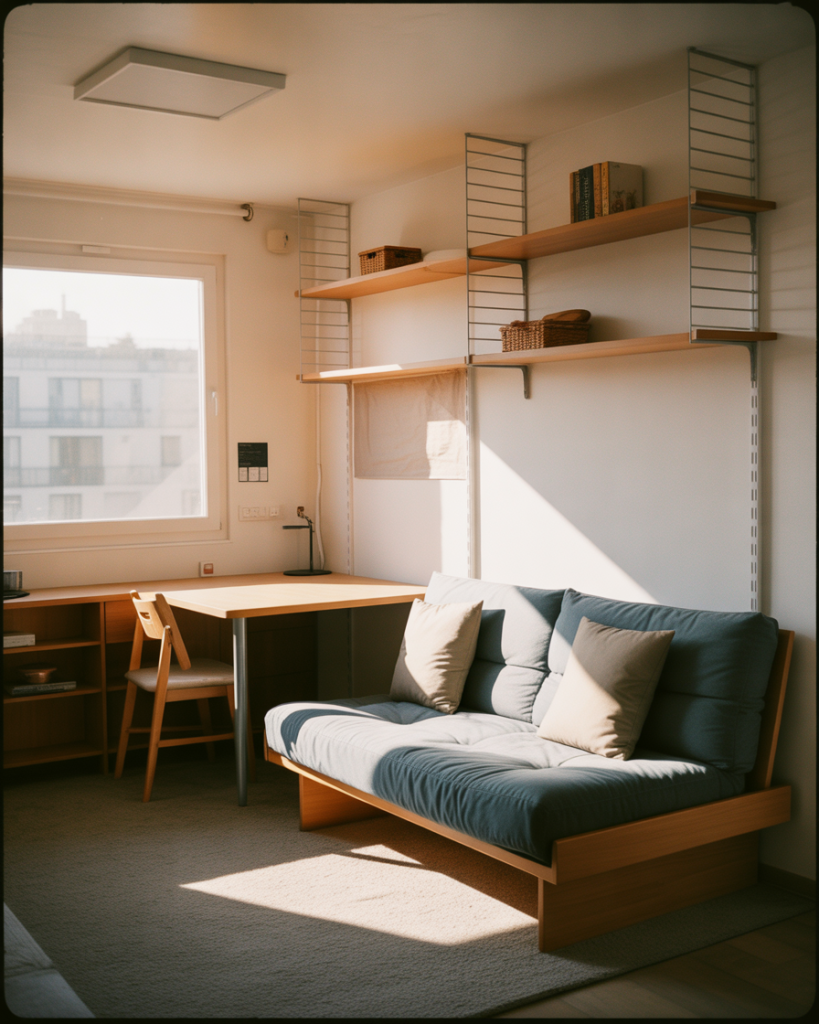
Real homeowner behavior: people in micro-studios often adopt a “one in, one out” rule for belongings. If you buy something new, something old has to go. This prevents accumulation and keeps the space livable. Storage is the real challenge, so think vertically—ceiling-mounted racks, over-door organizers, and under-bed bins are your best friends.
18. Cute Aesthetic with Soft Pastels and Curves
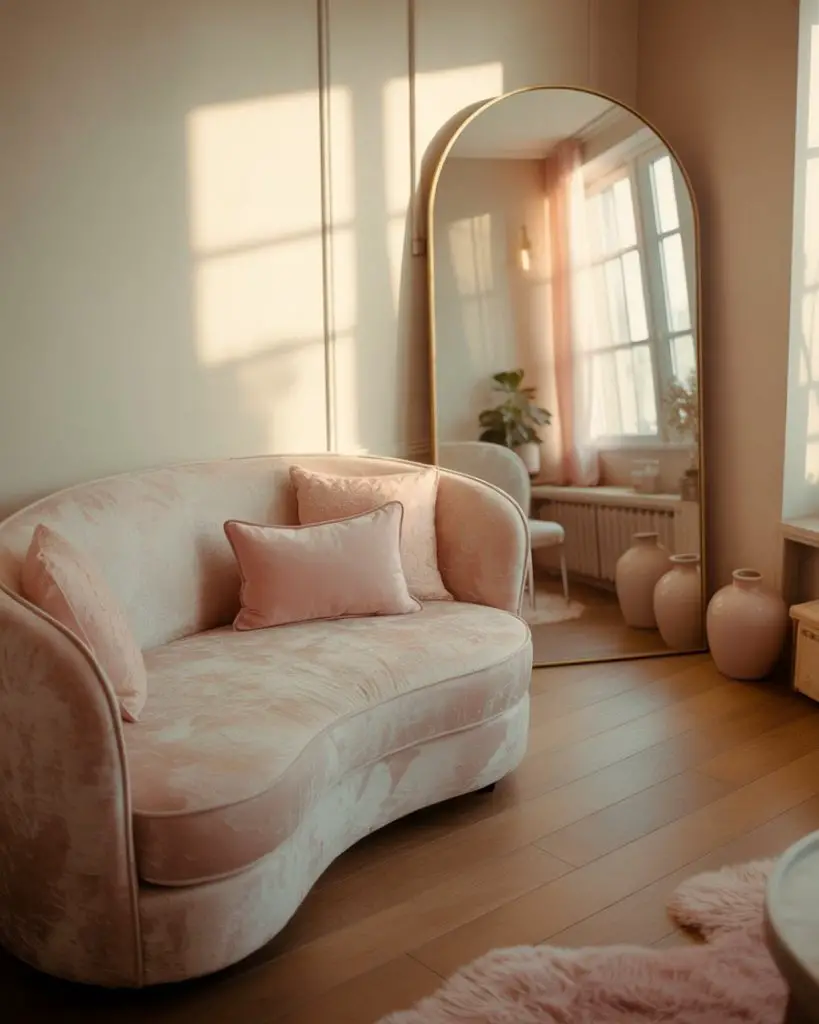
A cute aesthetic studio leans into soft pastels, rounded furniture, and playful accents without feeling childish. Think blush pink throw pillows, a curved velvet sofa, arched mirrors, and warm brass fixtures. This style is popular among younger renters who want a space that feels personal and Instagrammable. In a tiny footprint, these gentle shapes and colors make the room feel welcoming rather than stark. 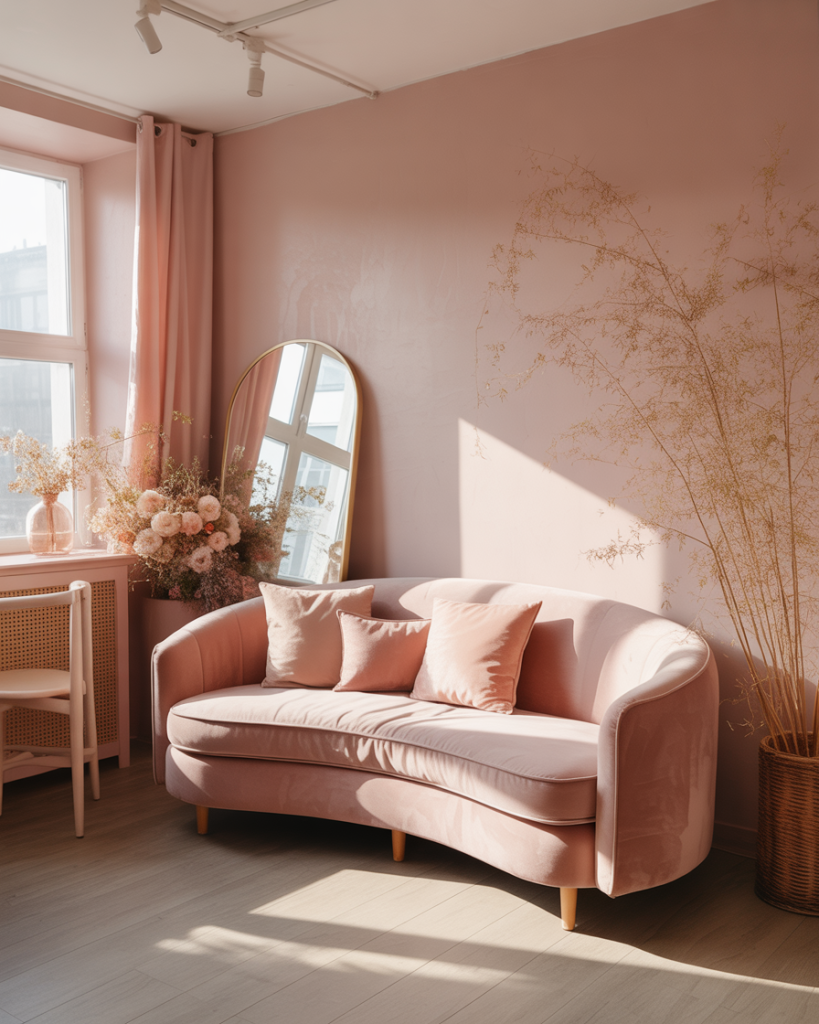
This style works best in studios with good natural light—pastels can look washed out in dim spaces. If your studio is darker, balance soft colors with richer tones like terracotta or olive green. And don’t overdo it; too many pastel pieces can make the space feel juvenile. Stick to two or three accent colors and let white or cream anchor the rest.
19. Divided Layout with Curtain Partition
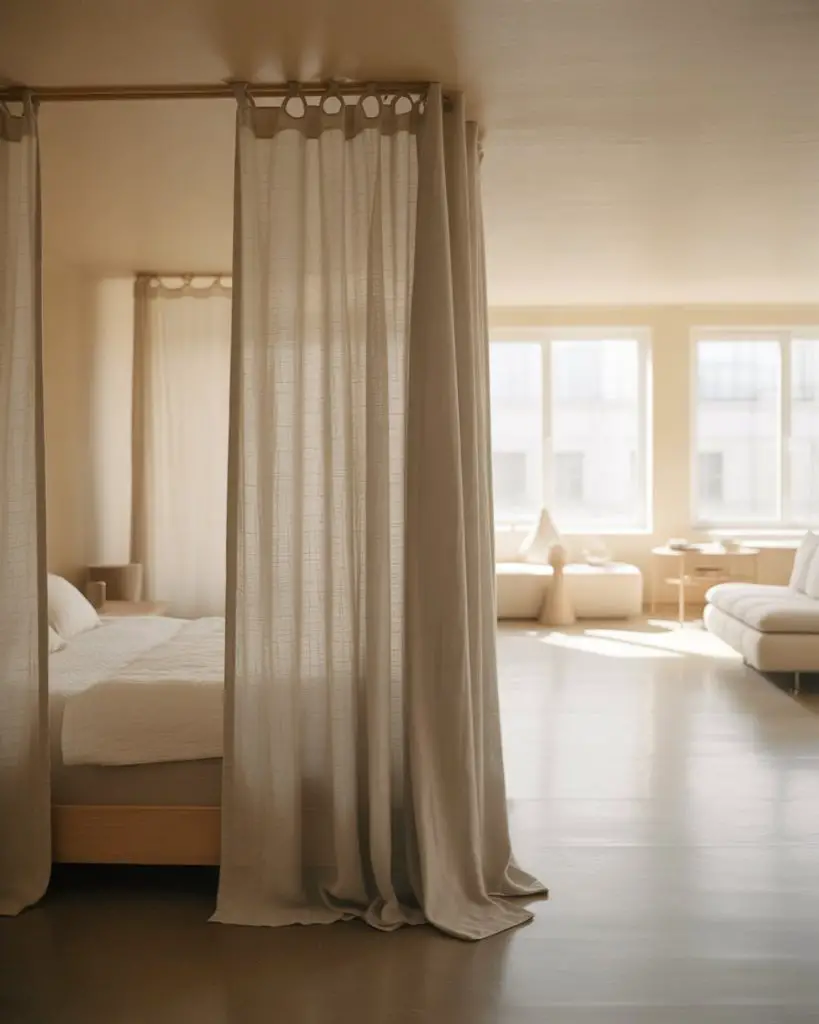
In an open layout studio, a floor-to-ceiling curtain acts as a flexible divider that you can open or close depending on your needs. Use it to hide the bed during the day, create privacy when guests visit, or simply soften the visual sprawl of the room. Choose a curtain in a light, breathable fabric—linen or cotton—so it doesn’t feel heavy or oppressive. This is a renter-friendly solution that requires only a tension rod or ceiling track. 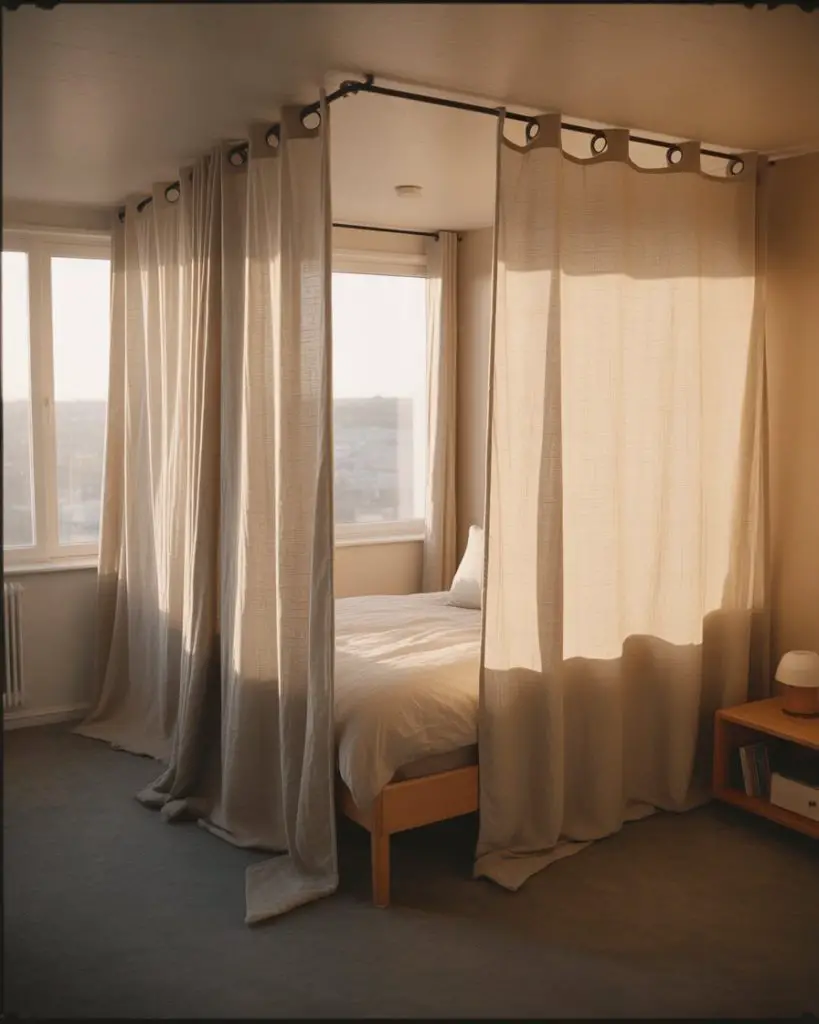
A designer I spoke with in Los Angeles recommends this trick for clients who work from home—it’s psychologically helpful to “close off” the bedroom at the start of the workday. The curtain creates a boundary without the permanence of a wall or the bulk of a bookshelf. Just make sure the fabric is opaque enough to provide actual privacy; sheer curtains are pretty but won’t do the job.
20. Scandinavian Studio with Large Plants
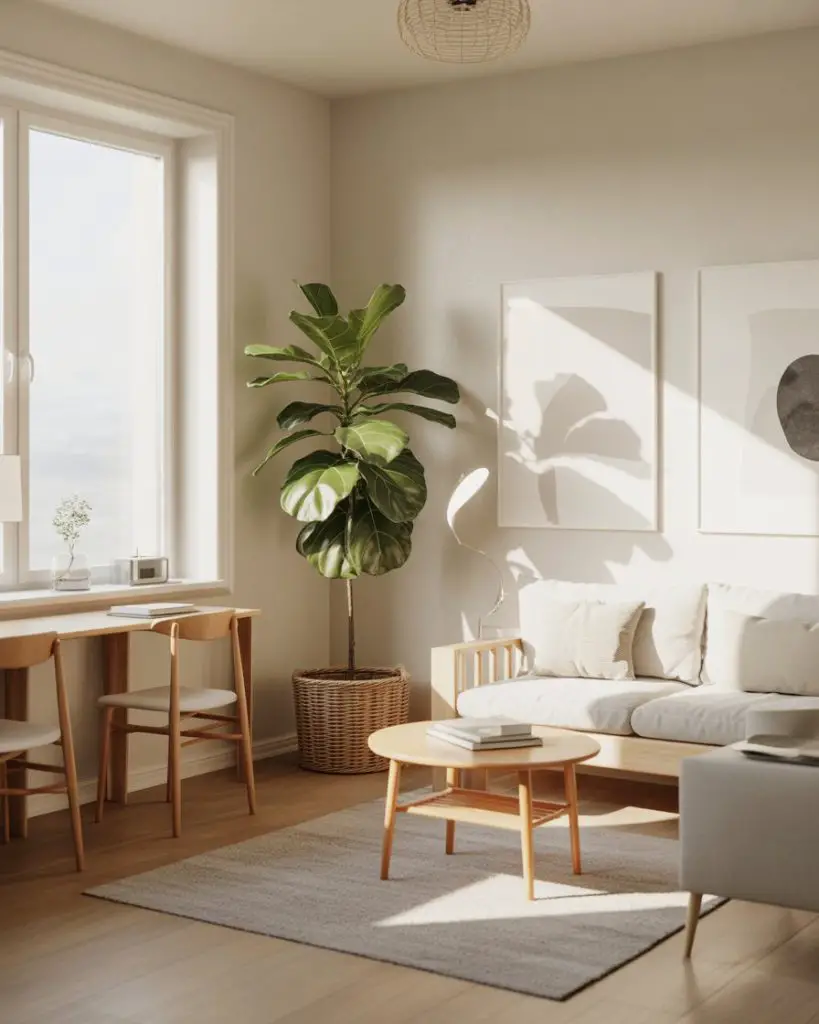
The Scandinavian love for greenery translates beautifully into tiny studios—large potted plants like fiddle leaf figs, monstera, or bird of paradise add life and scale without cluttering the floor. These plants work as living room dividers, soften hard edges, and improve air quality. Paired with light wood furniture and white walls, they bring warmth and organic texture to an otherwise minimal space. 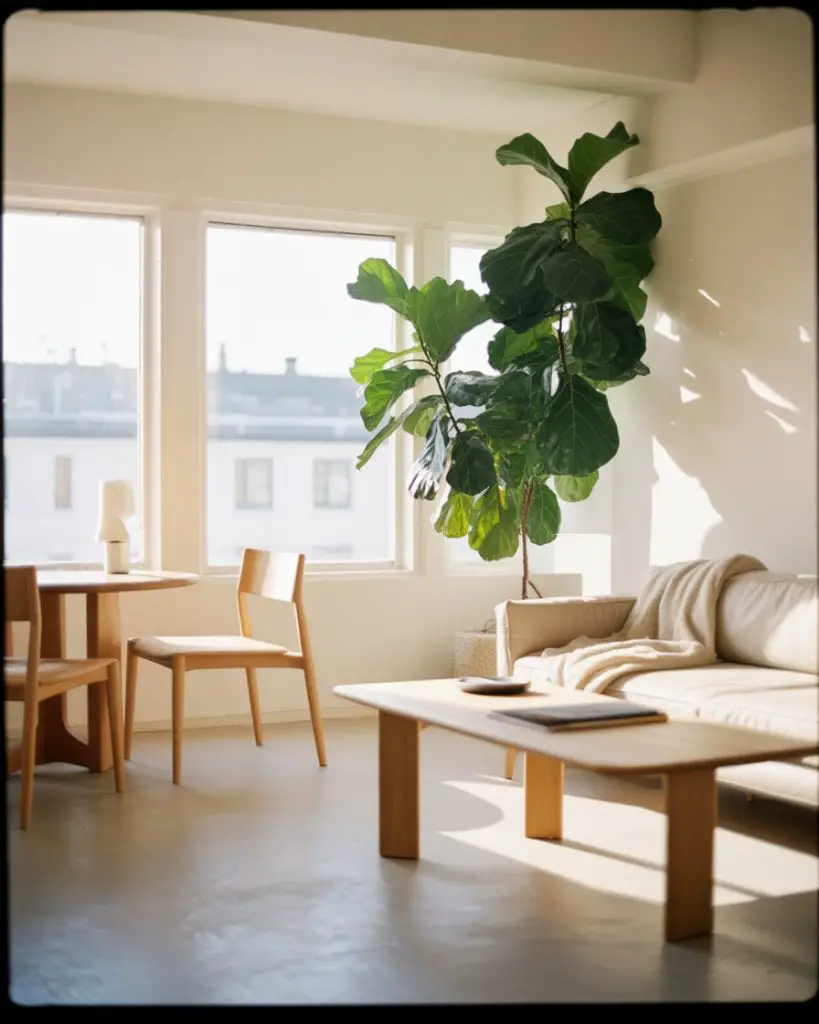
Common mistake: buying plants that outgrow the space or don’t tolerate low light. Research care requirements before committing—some popular plants like fiddle leaf figs are notoriously fussy. If you’re new to plant care, start with hardy varieties like pothos, snake plants, or ZZ plants. They’re forgiving, thrive in a range of conditions, and still look stylish.
21. Layout Plan with Multi-Functional Furniture
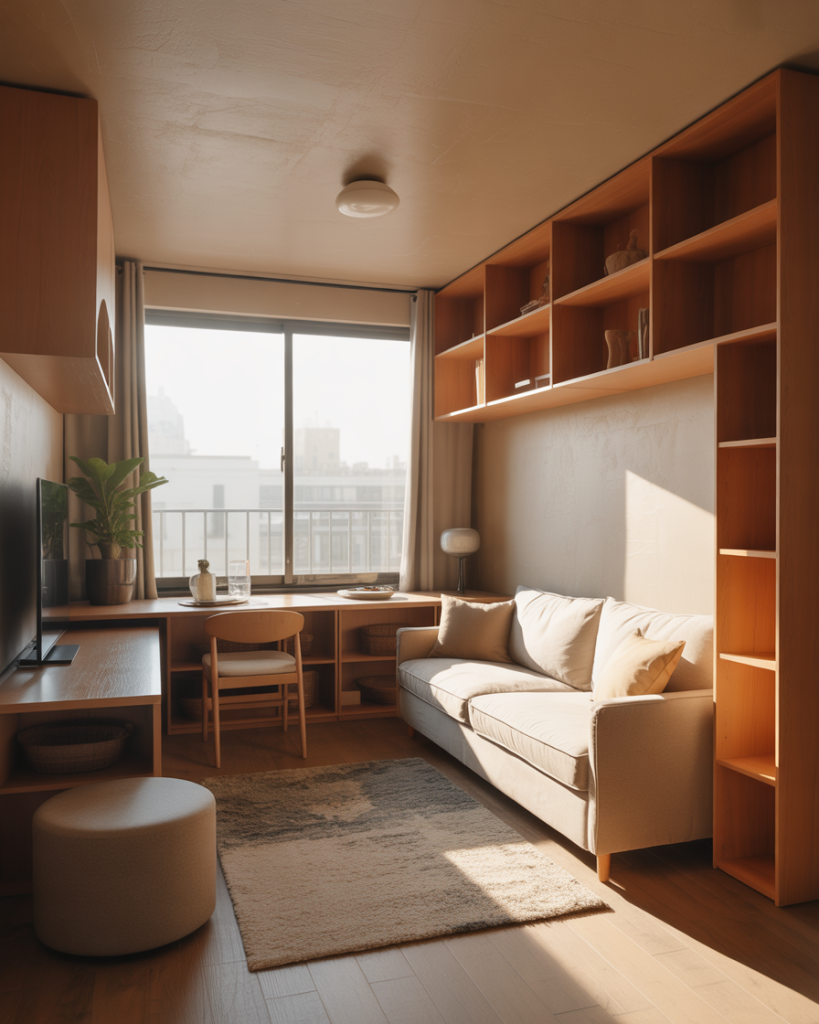
A smart layout plan for any studio—whether it’s 400 sq ft or 500 sq ft—hinges on furniture that does double or triple duty. An ottoman with storage, a bed with built-in drawers, a dining table that extends when needed, or a sofa that converts to a guest bed: these pieces let you live comfortably without sacrificing floor space. This approach is especially critical in cozy studios where every square foot counts. 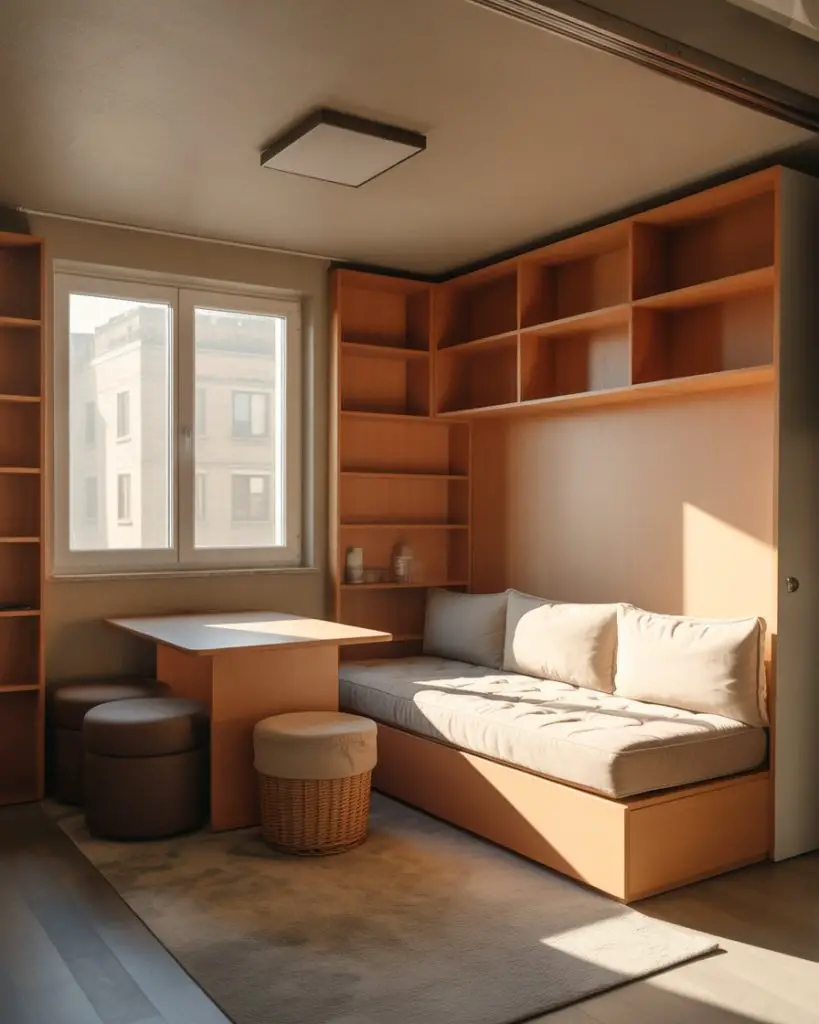
Budget angle: multi-functional furniture costs more upfront but pays off over time. A quality sofa bed runs $800 to $1,500, but it eliminates the need for both a couch and a guest bed. Shop during holiday sales or check out brands like IKEA, West Elm, or Article for well-designed pieces that won’t blow your budget. Prioritize durability—cheap furniture that falls apart in a year is no bargain.
Conclusion
Studio apartment living doesn’t mean sacrificing style or comfort—it’s about making intentional choices that reflect how you actually live. Whether you’re drawn to industrial minimalism, bohemian warmth, or Scandinavian simplicity, the ideas above prove that small spaces can be just as thoughtful and beautiful as larger homes. Try one or two of these concepts in your own studio, and share your favorites in the comments below. What’s your go-to trick for making a tiny space feel like home?