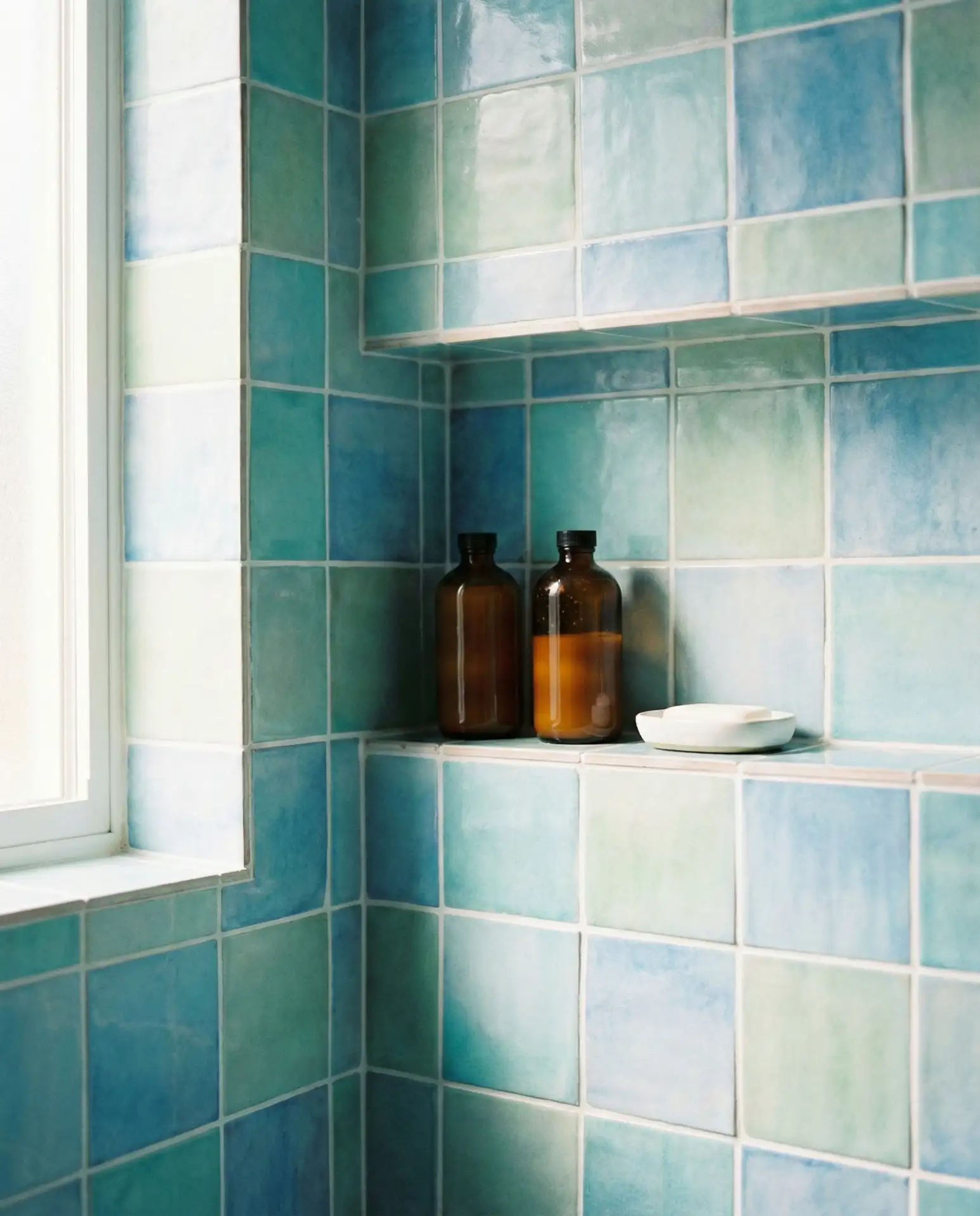
As we move deeper into 2026, American homeowners are rethinking the bathroom—no longer just a functional space, but a personal retreat that balances style, comfort, and smart design. Whether you’re planning a full remodel, refreshing your decor, or simply hunting for inspiration on Pinterest, this year’s trends reflect a desire for spaces that feel both curated and livable. From luxury touches that don’t break the bank to clever storage solutions that maximize every inch, these ideas will help you create a bathroom that feels uniquely yours. Let’s dive into the freshest bathroom ideas 2026 has to offer.
1. Soft Sculptural Vanities
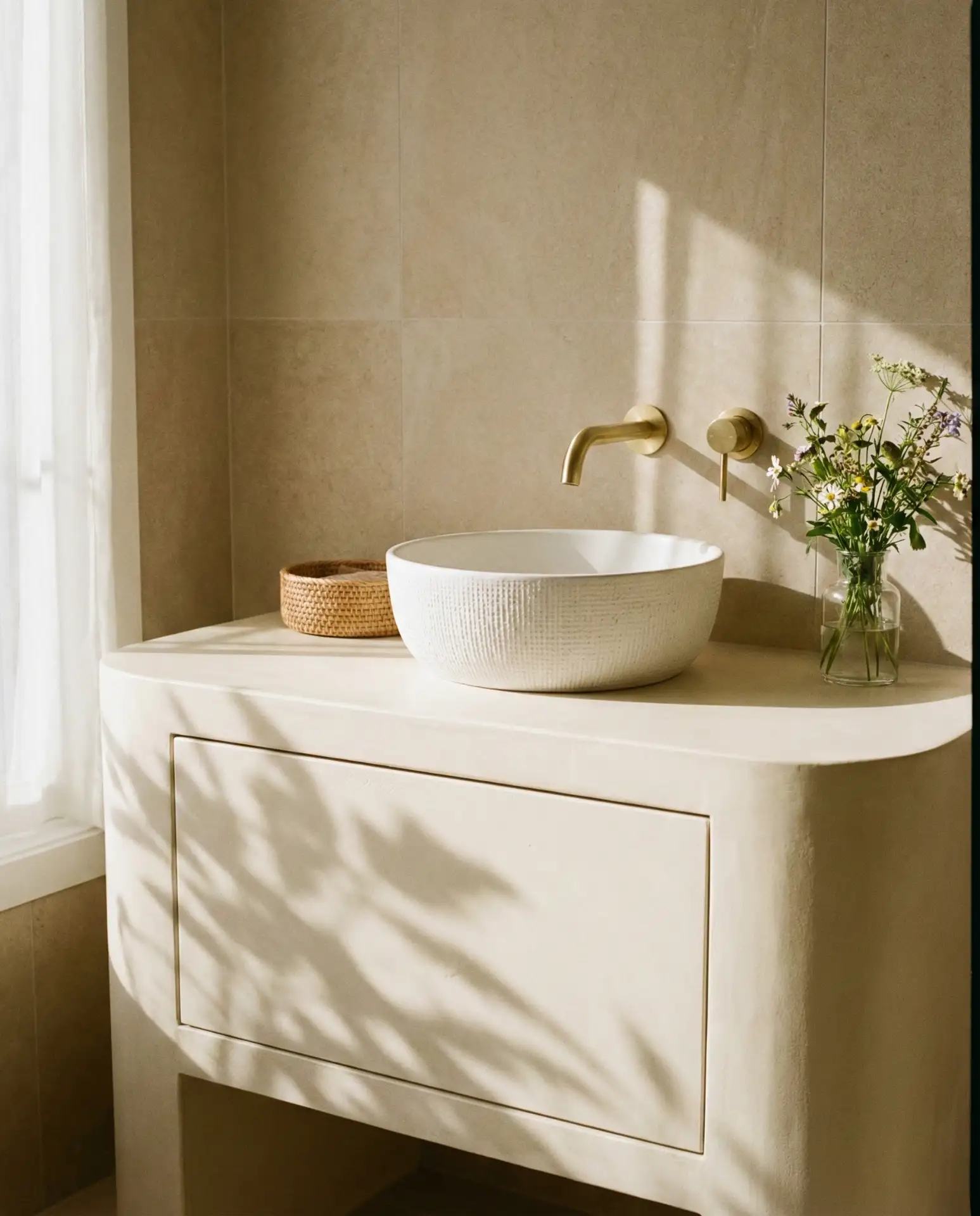
Forget the boxy, builder-grade vanity—2026 is all about curves and soft edges. These vanity designs feature rounded corners, fluted panels, and sculptural silhouettes that add a sense of calm and sophistication to any bathroom. They work beautifully in both modern and transitional spaces, offering a quiet elegance that feels more like furniture than a fixture. Paired with matte finishes and integrated sinks, they’re becoming a go-to choice for homeowners who want their bathrooms to feel less utilitarian and more intentional.
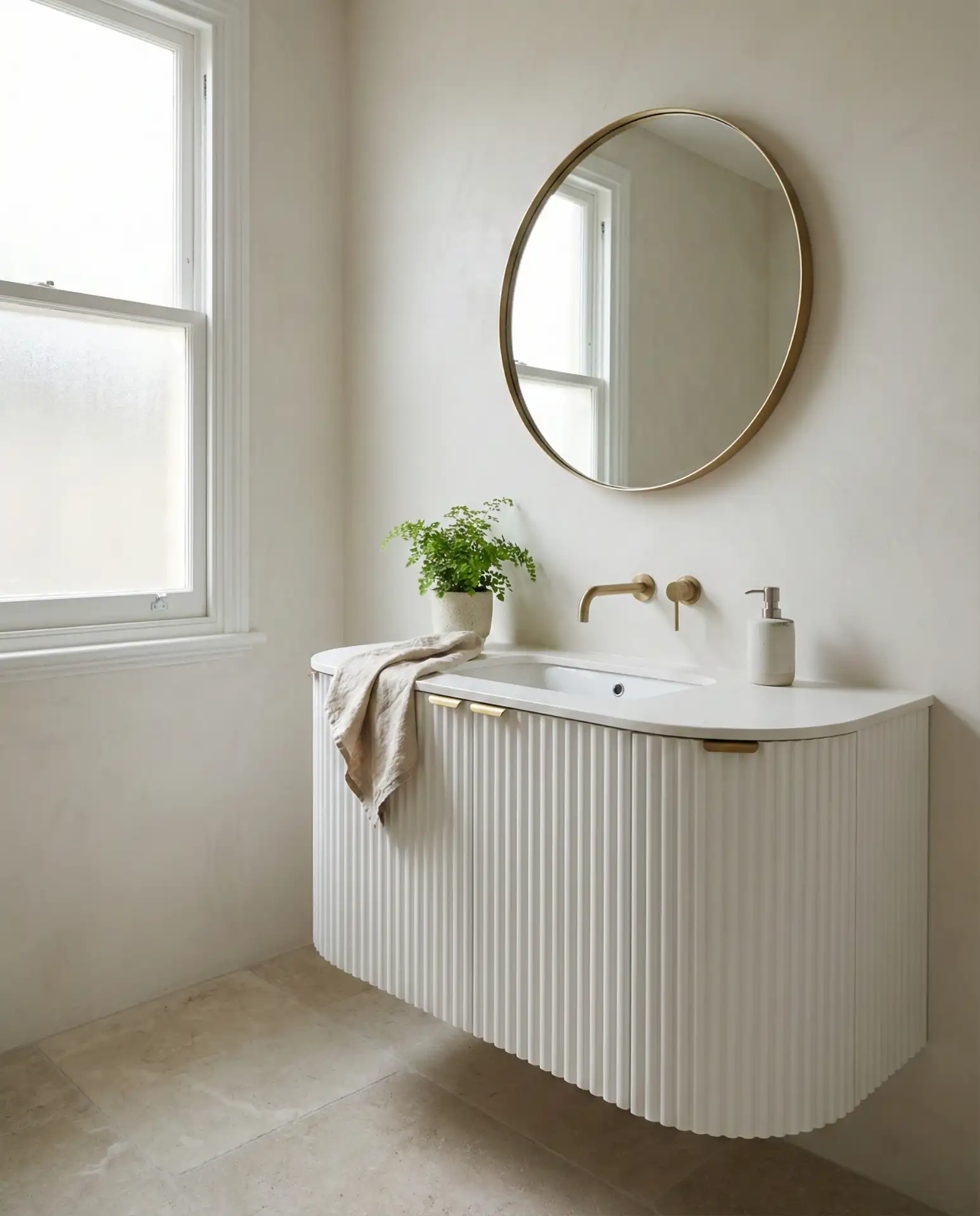
Where this works best: smaller bathrooms where every piece needs to pull double duty. The sculptural shape adds visual interest without overwhelming the room, and the softer edges make tight spaces feel more open. Many homeowners are pairing these vanities with wall-mounted faucets to keep counters clear and enhance that streamlined, spa-like vibe.
2. Earthy Terracotta Accents
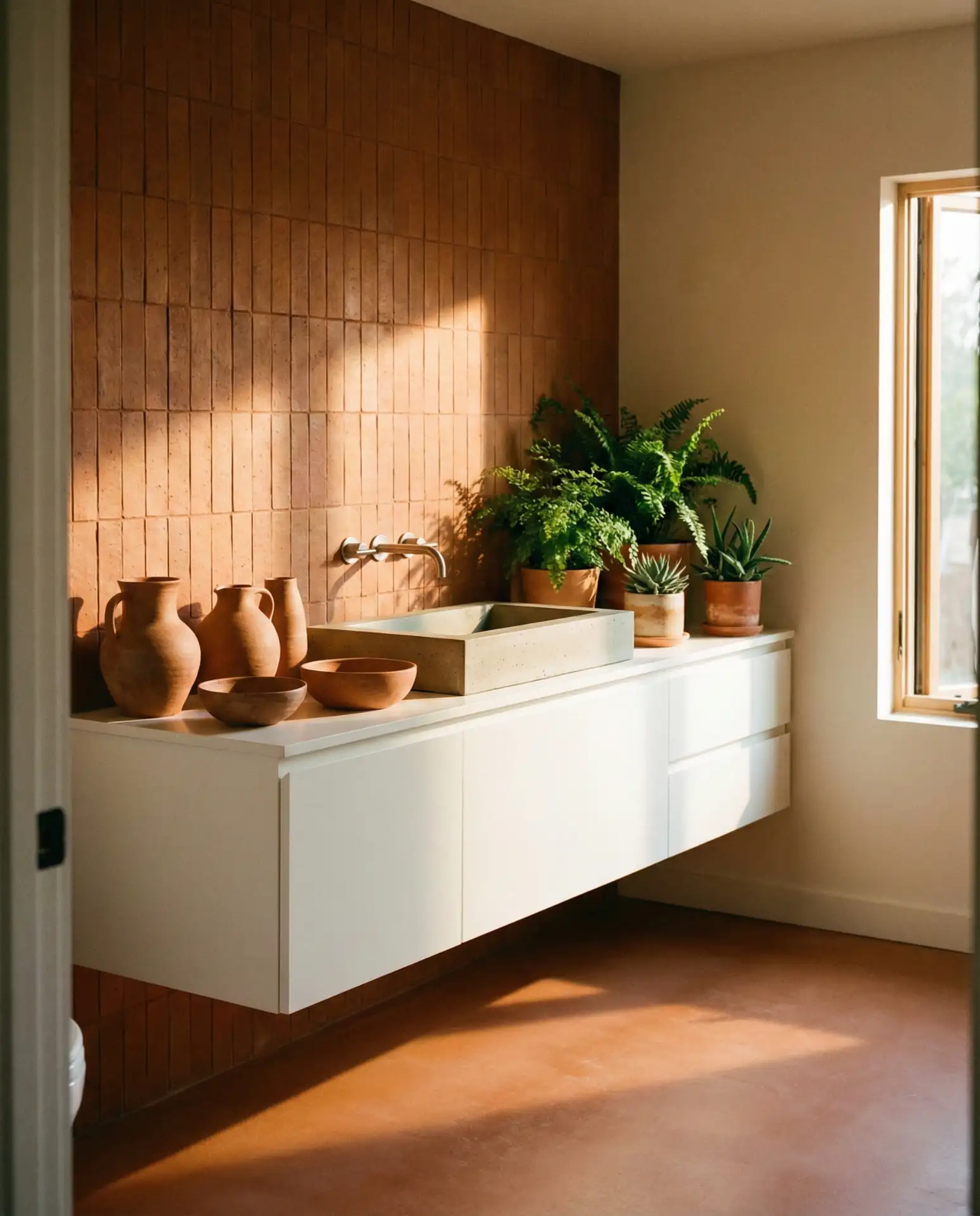
Terracotta is making a major comeback, bringing warmth and texture to bathroom decor in unexpected ways. Think clay-colored tiles, hand-thrown pottery, terracotta planters, and even accent walls that echo the sun-baked hues of the Southwest. This trend taps into a broader desire for organic, earthy design that feels grounded and inviting. It’s especially popular in California, Arizona, and New Mexico, where the aesthetic feels right at home.
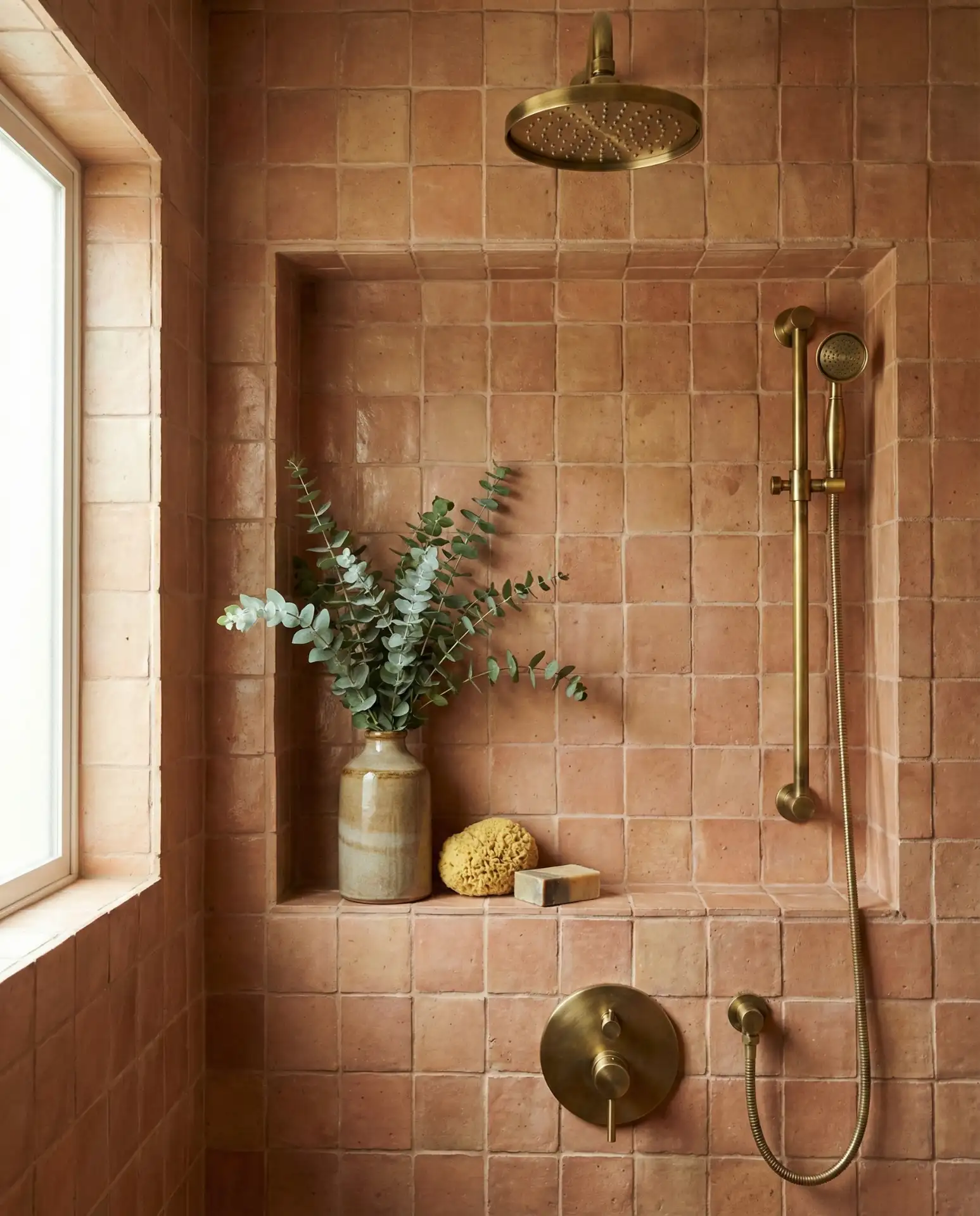
A quick budget tip: you don’t need to retile your entire bathroom. A single terracotta accent wall behind the vanity or inside the shower can transform the space for a fraction of the cost. Pair it with soft whites and natural wood tones to keep the look balanced and avoid overwhelming the room with too much warmth.
3. Moody Charcoal and Black Schemes
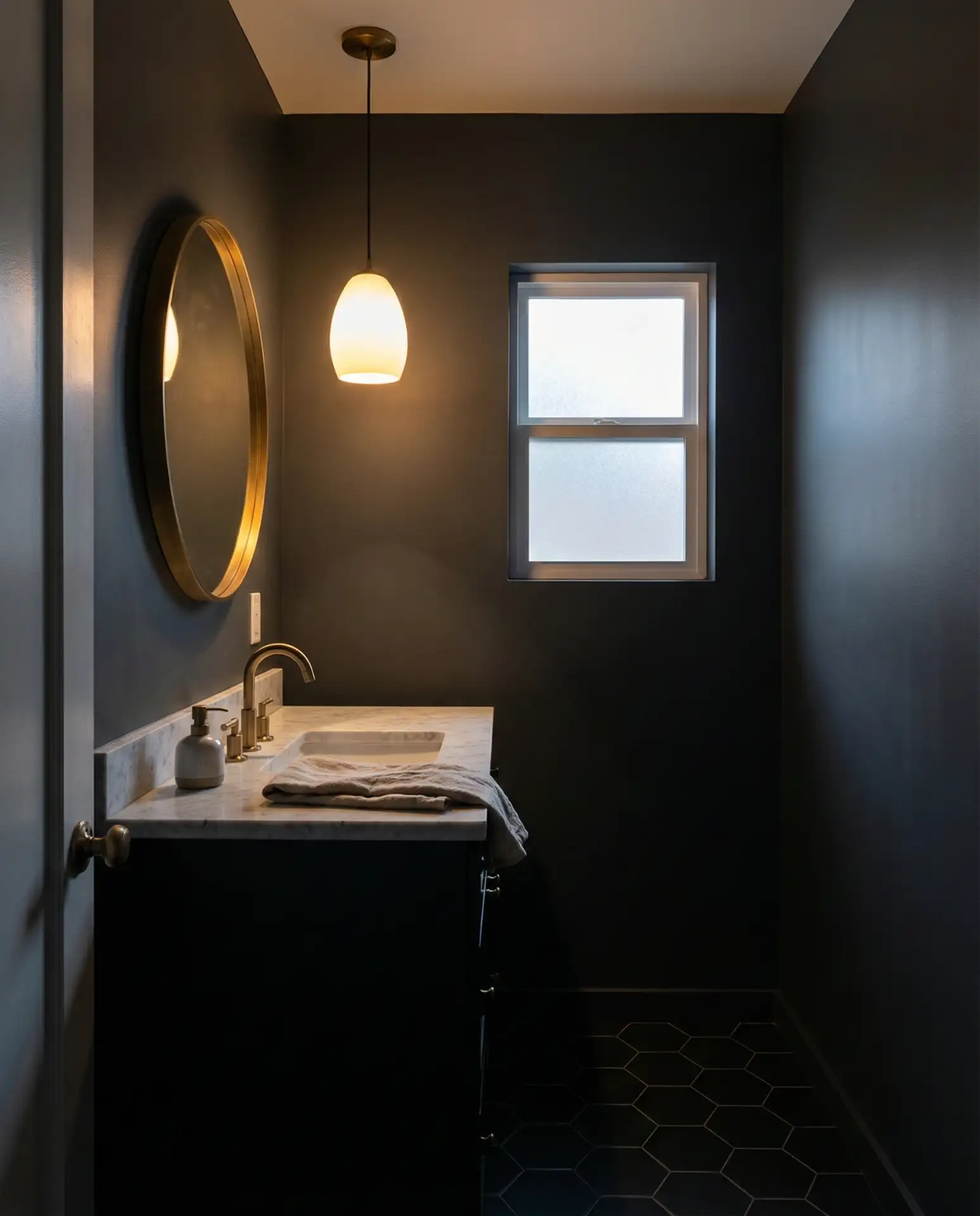
Dark, moody bathrooms are no longer just for loft apartments—they’re showing up in suburban homes across the country. Deep charcoal walls, matte black fixtures, and blue-black tile ideas create a dramatic, cocoon-like atmosphere that feels both luxurious and surprisingly cozy. This trend works especially well in windowless powder rooms or bathrooms with strong task lighting, where the darkness becomes an asset rather than a limitation.
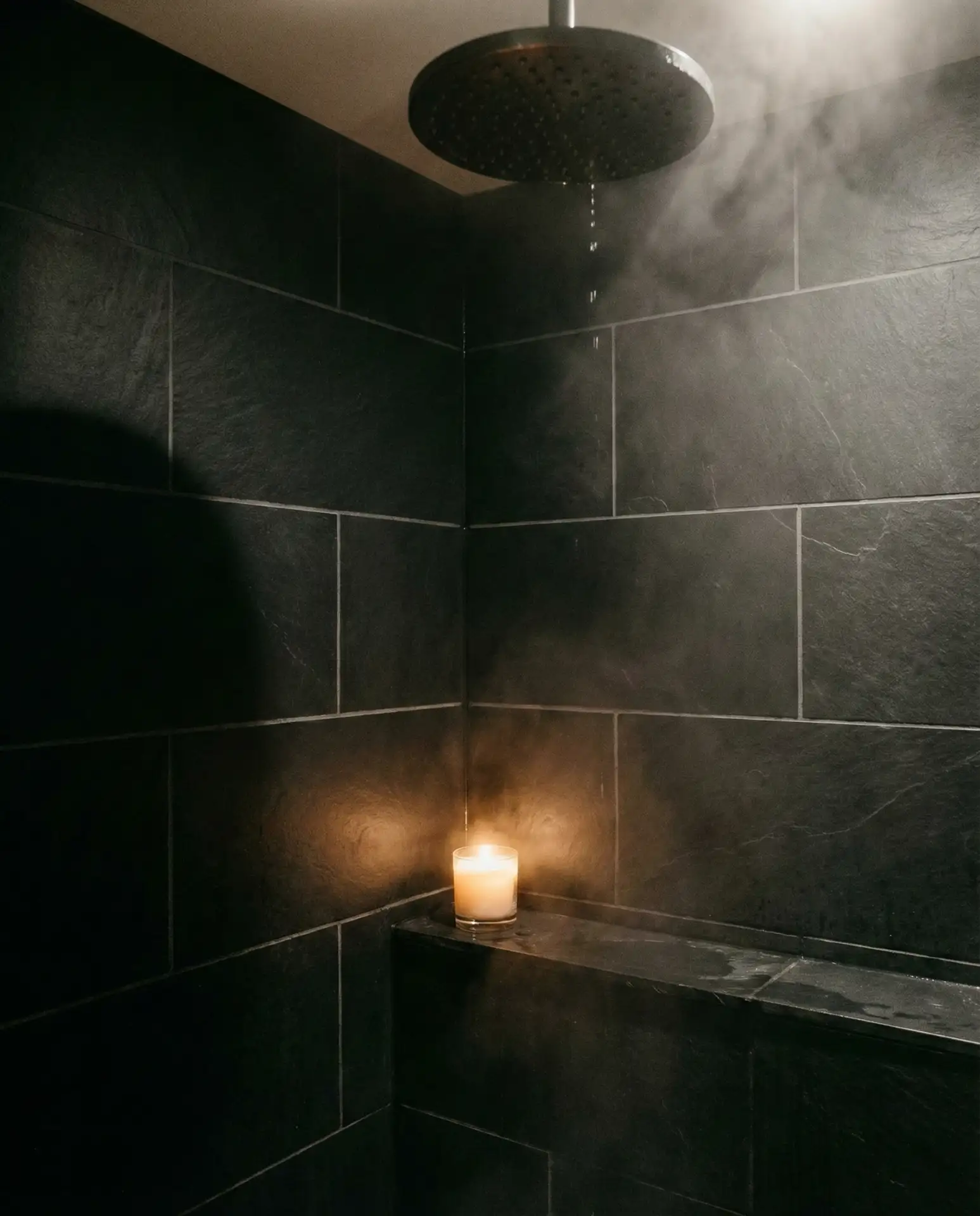
One designer in Brooklyn mentioned that her clients were initially hesitant about going dark, but once they saw the transformation, they wished they’d done it sooner. The key is layering in warm metals and plenty of light sources to prevent the space from feeling cave-like. It’s a bold choice that pays off with serious style.
4. Soft Pink Powder Rooms
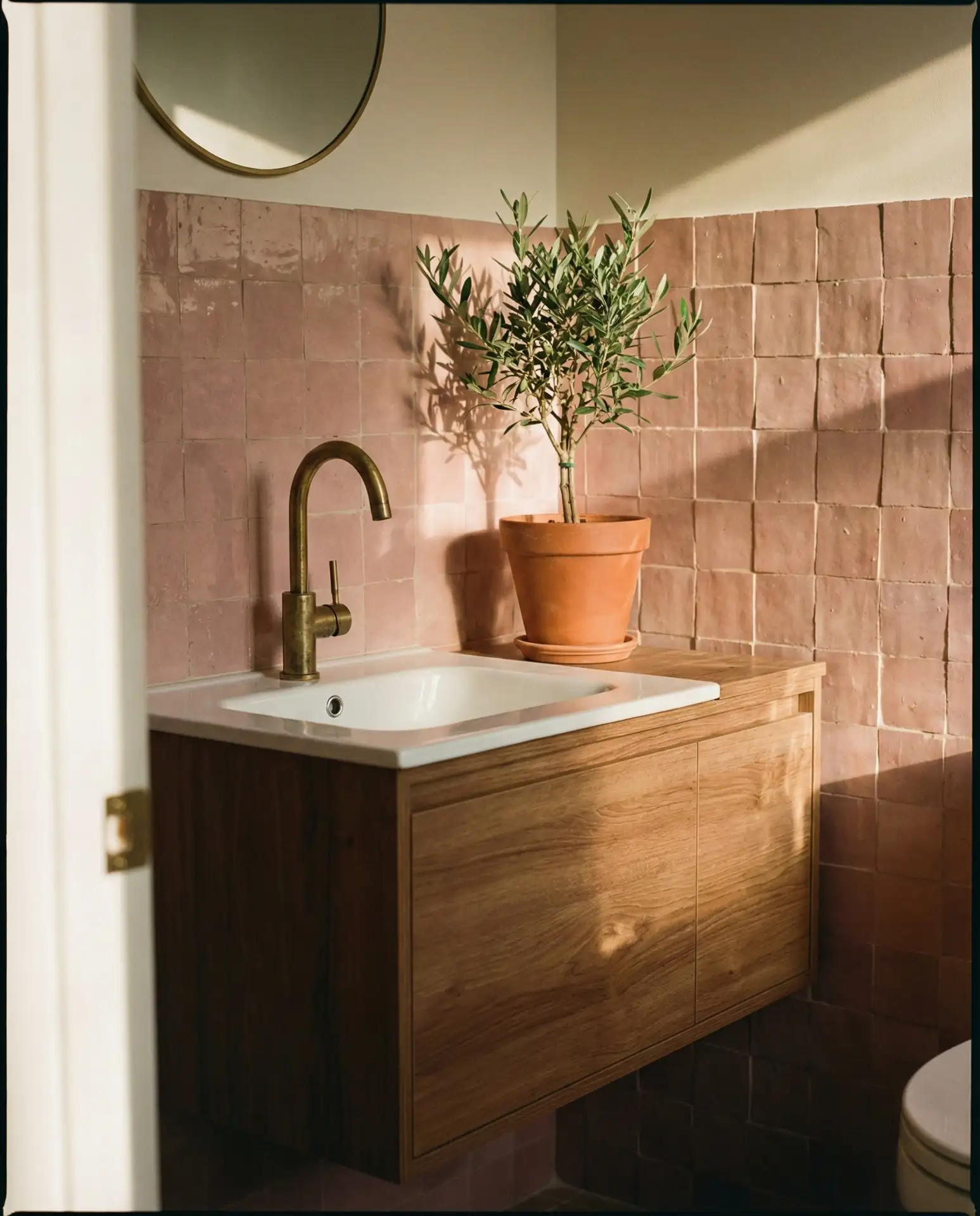
Blush and dusty rose tones are trending hard in 2026, especially in powder rooms where homeowners feel free to experiment. Pink walls, pink zellige tiles, and even pink-toned stone bring a sense of warmth and softness that feels refreshing after years of stark white and grey. This isn’t Barbie pink—it’s muted, sophisticated, and surprisingly versatile. Pair it with brass hardware and natural wood for a look that feels elevated and timeless.
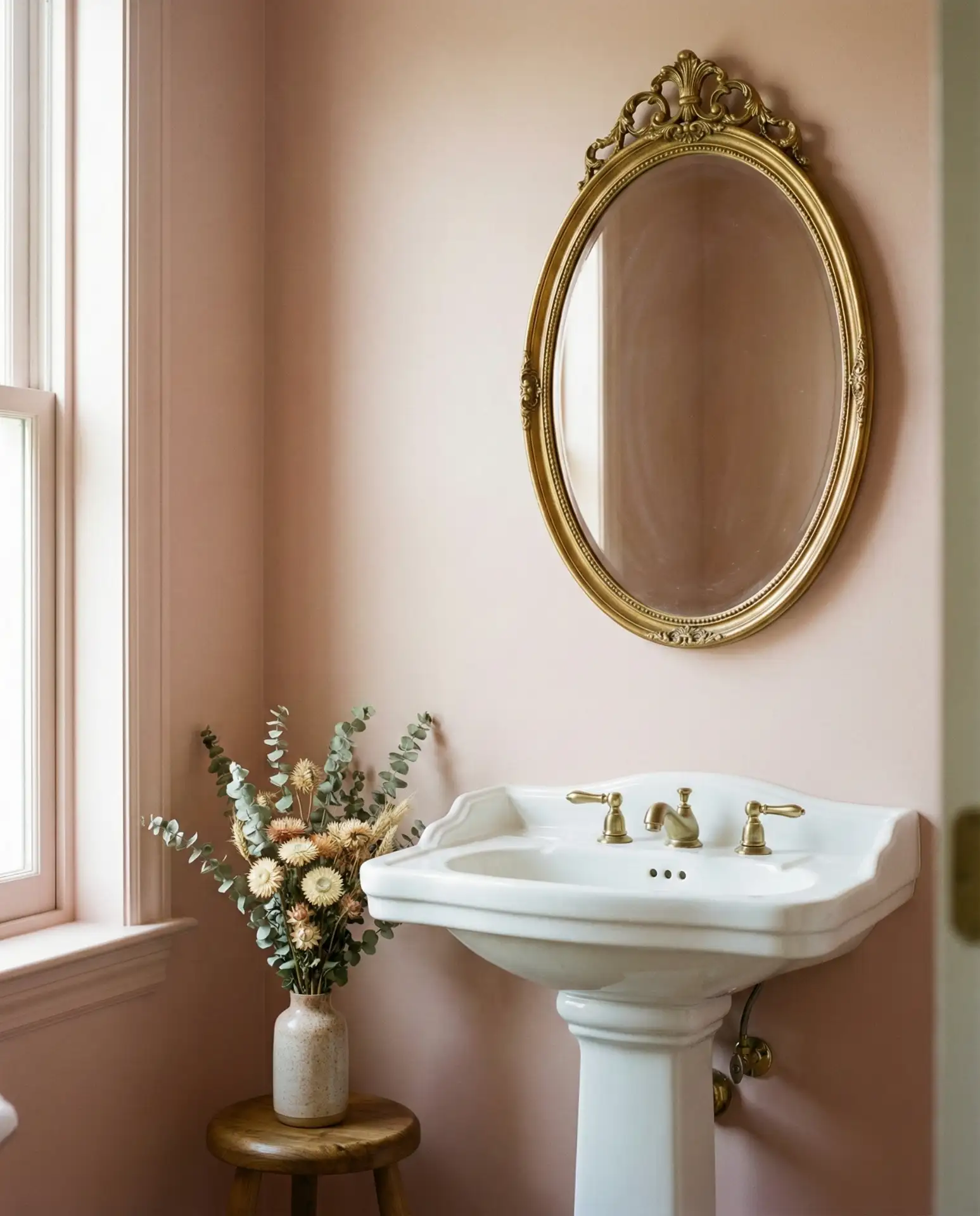
Real homeowner behavior: many are testing this trend in smaller, low-risk spaces like powder rooms before committing to a full bathroom. It’s a smart move—if you love it, you can always expand the palette. If not, it’s an easy repaint. Either way, it’s a trend that feels joyful and personal in a way that’s hard to resist.
5. Japandi Minimalism
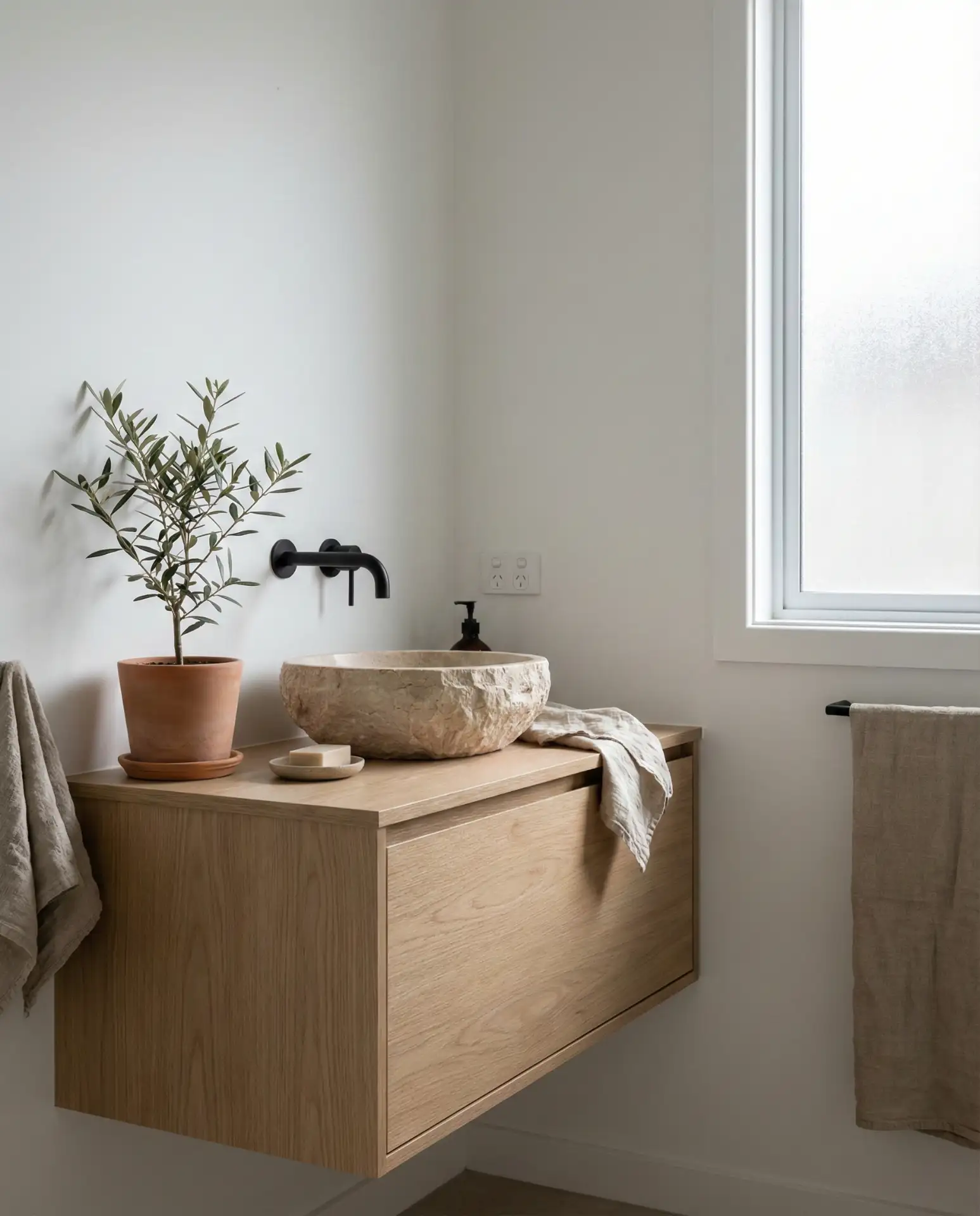
The marriage of Japanese and Scandinavian design continues to dominate interior design circles, and bathrooms are no exception. Japandi bathrooms emphasize clean lines, natural materials, and a serene, uncluttered aesthetic. Think wood accents, stone basins, neutral tones, and plenty of negative space. It’s a style that promotes calm and mindfulness—perfect for a space meant for unwinding.
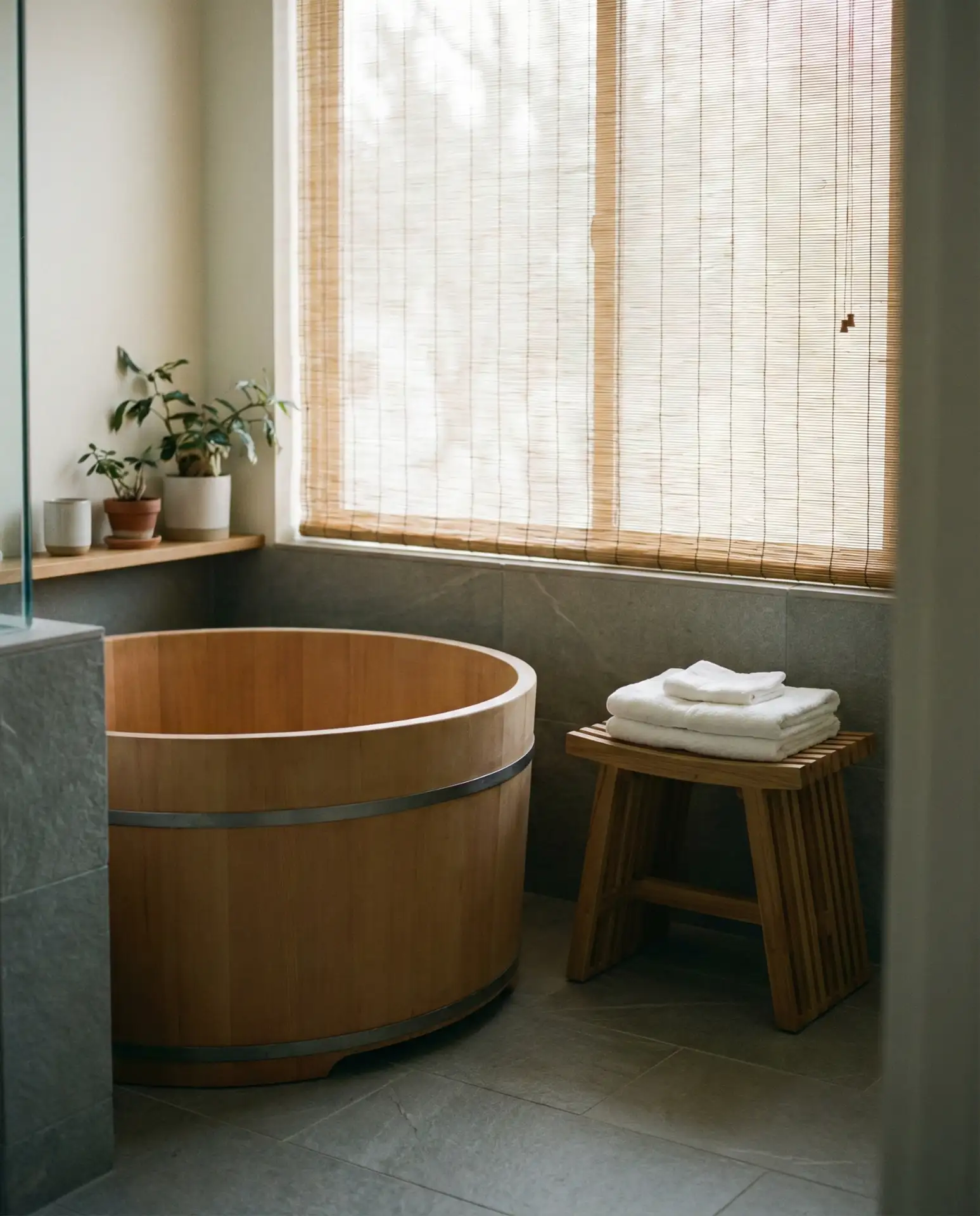
Expert-style commentary: the beauty of Japandi is that it’s forgiving. You don’t need a huge budget to pull it off—just a thoughtful edit of what stays and what goes. Focus on quality over quantity, invest in a few key pieces like a beautiful wood mirror or handmade ceramic soap dish, and let the simplicity speak for itself.
6. Statement Wallpaper in Small Doses
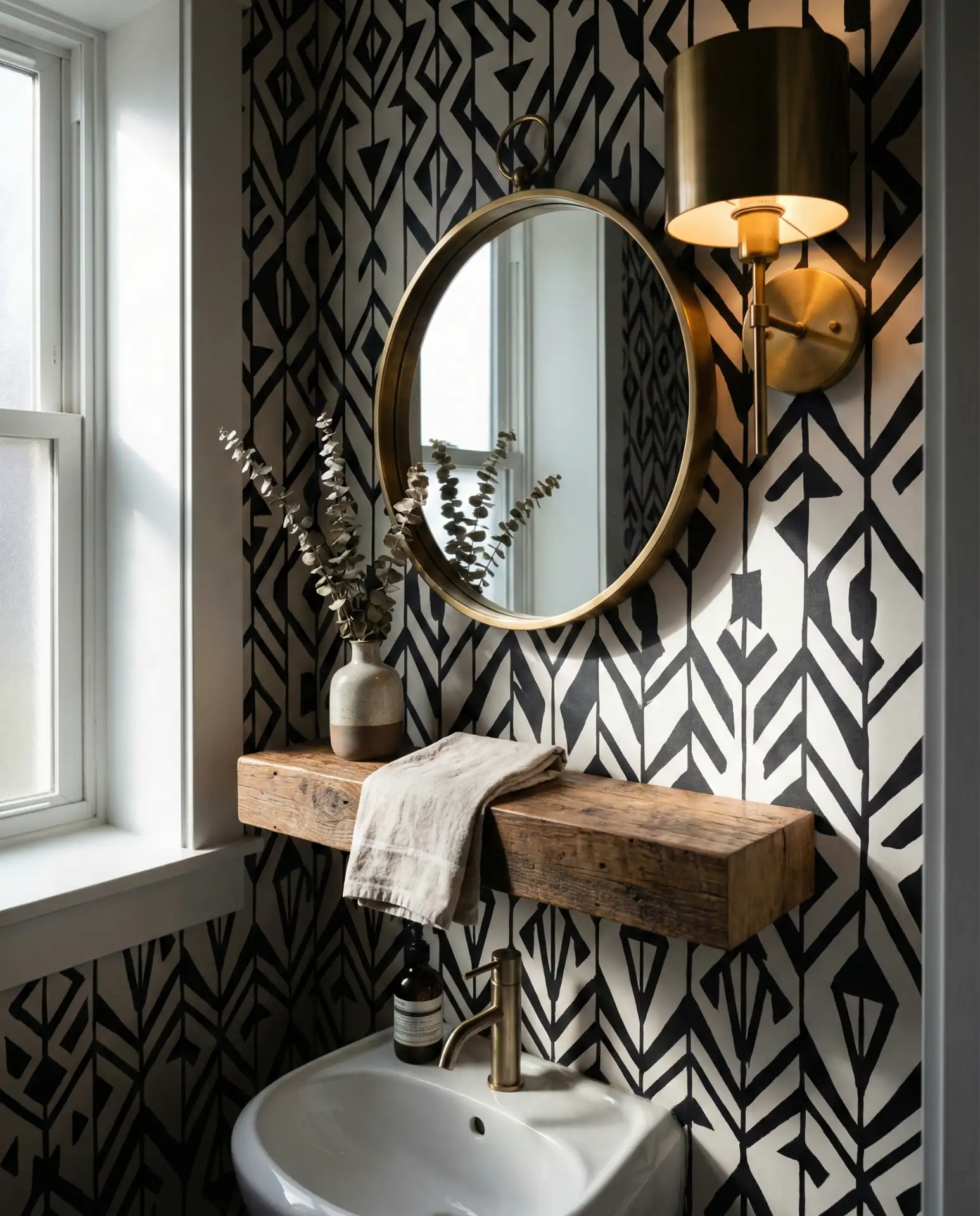
Homeowners are embracing bold wallpaper in bathrooms, but they’re doing it strategically—one accent wall, behind the vanity, or inside a niche. This approach adds personality and visual interest without overwhelming the space. From tropical prints to abstract geometrics, wallpaper is an easy way to inject decor ideas and style into even the smallest powder room. It’s also a renter-friendly option if you choose peel-and-stick varieties.
Where it works best: powder rooms and half baths, where moisture is less of a concern and guests get a quick, memorable impression. If you’re worried about humidity, opt for vinyl-coated or moisture-resistant wallpaper. And remember—starting small means you can experiment without the commitment of a full-room installation.
7. Integrated Lighting in Mirrors
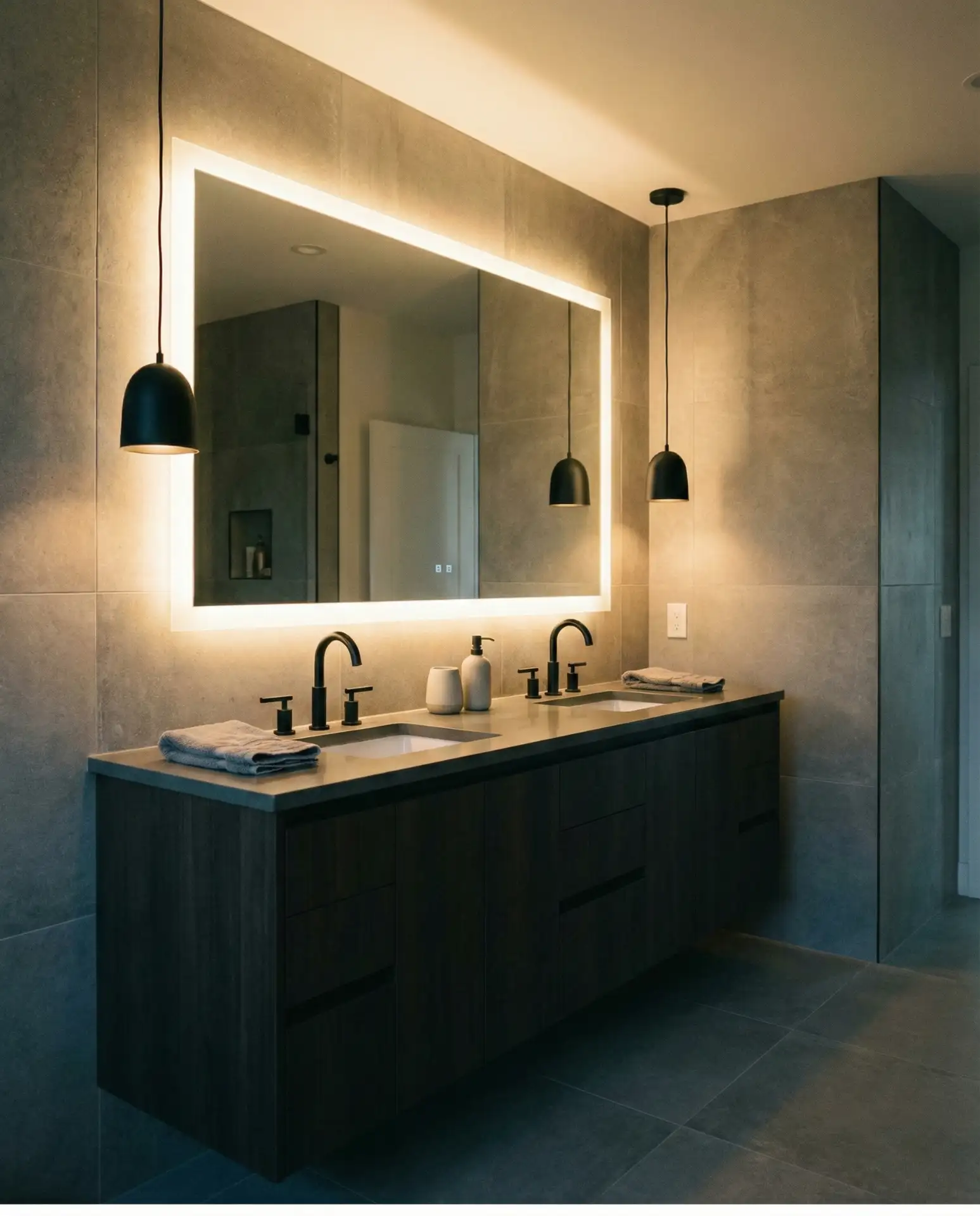
LED-lit mirrors with built-in lighting are becoming a standard feature in modern bathrooms, offering both function and ambiance. These mirrors provide even, shadow-free light that’s ideal for grooming while also serving as a statement piece in the room. Many models now include dimming features, color temperature controls, and even anti-fog technology—all seamlessly integrated into the design.
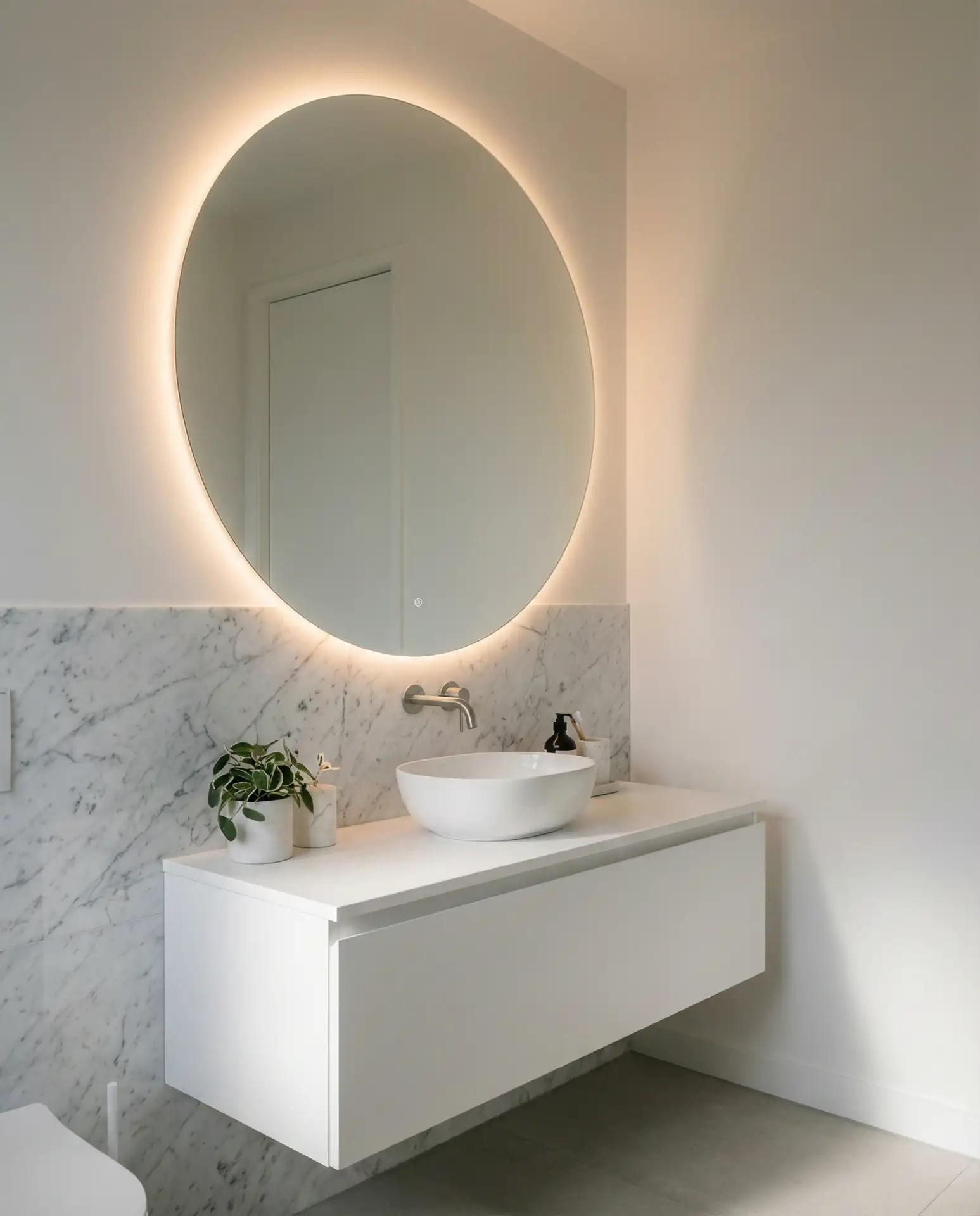
A common mistake: placing the mirror too high or too low. Ideally, the center of the mirror should be at eye level for most users, typically around 60–65 inches from the floor. This ensures the lighting hits your face evenly and the mirror is functional for everyone in the household.
8. Open Shelving for Everyday Essentials
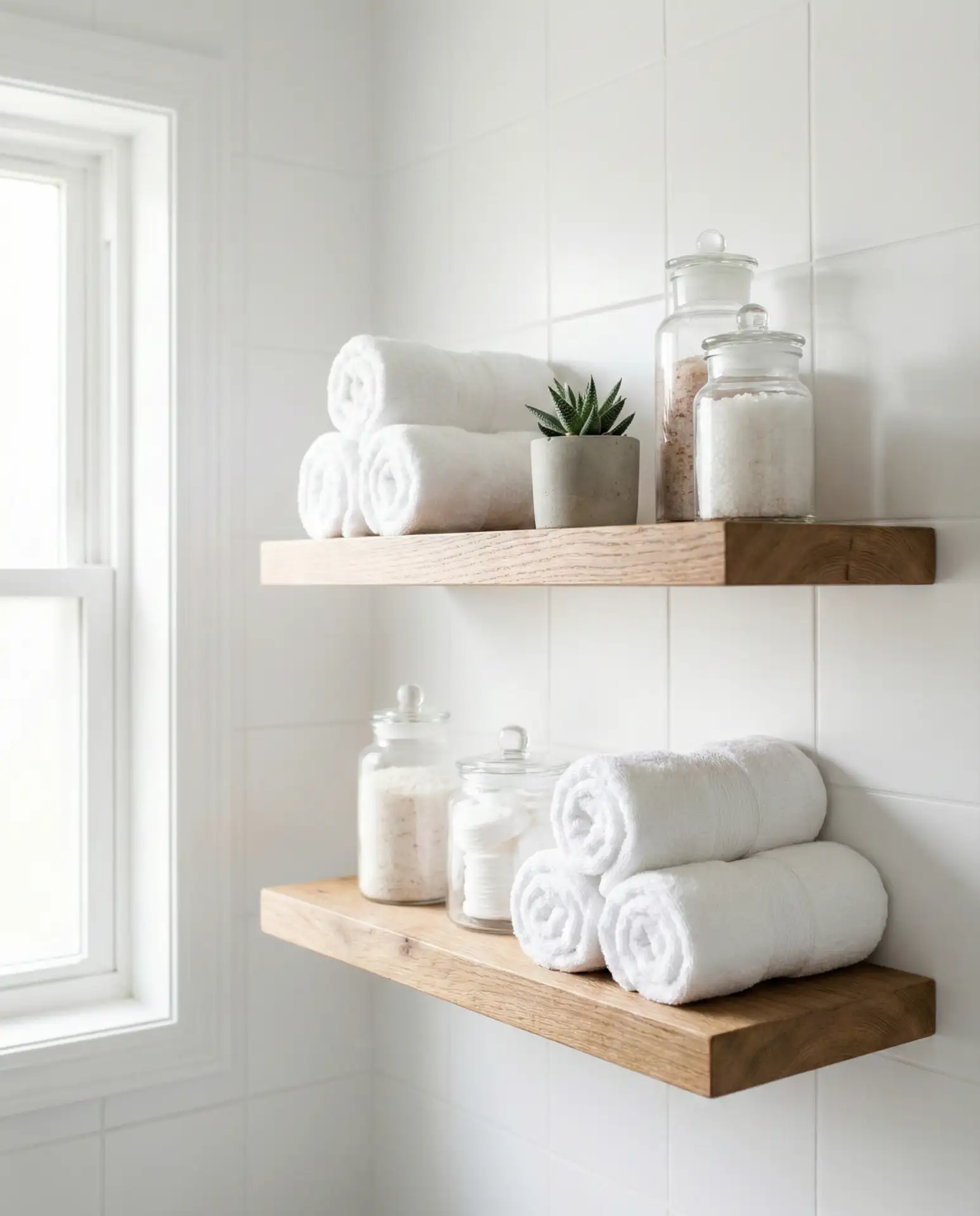
Open shelving is replacing bulky linen closets in many bathrooms, offering a lighter, airier feel and easy access to everyday items. The key is to keep it curated—think neatly folded towels, a few aesthetic jars, and maybe a small plant. This trend works especially well in smaller bathrooms where closed storage can make the space feel cramped. It’s also a chance to show off your personal style and keep things organized without hiding everything away.
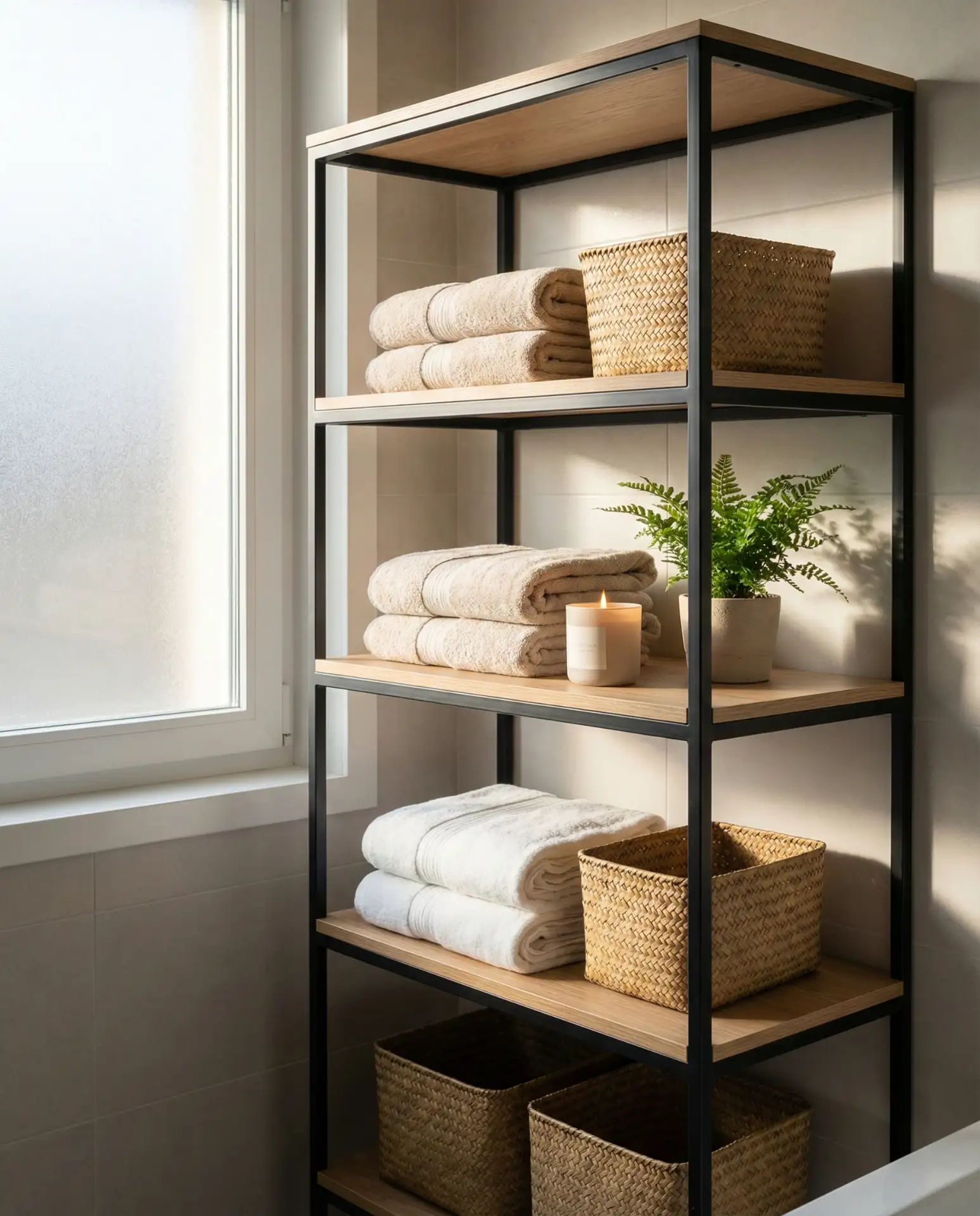
Practical insight: open shelving requires maintenance. Dust and humidity can build up quickly, so it’s best for items you use daily. If you’re not naturally tidy, consider mixing open and closed storage—use baskets or bins on the shelves to hide less photogenic items while keeping the look cohesive.
9. Green Tile Revival
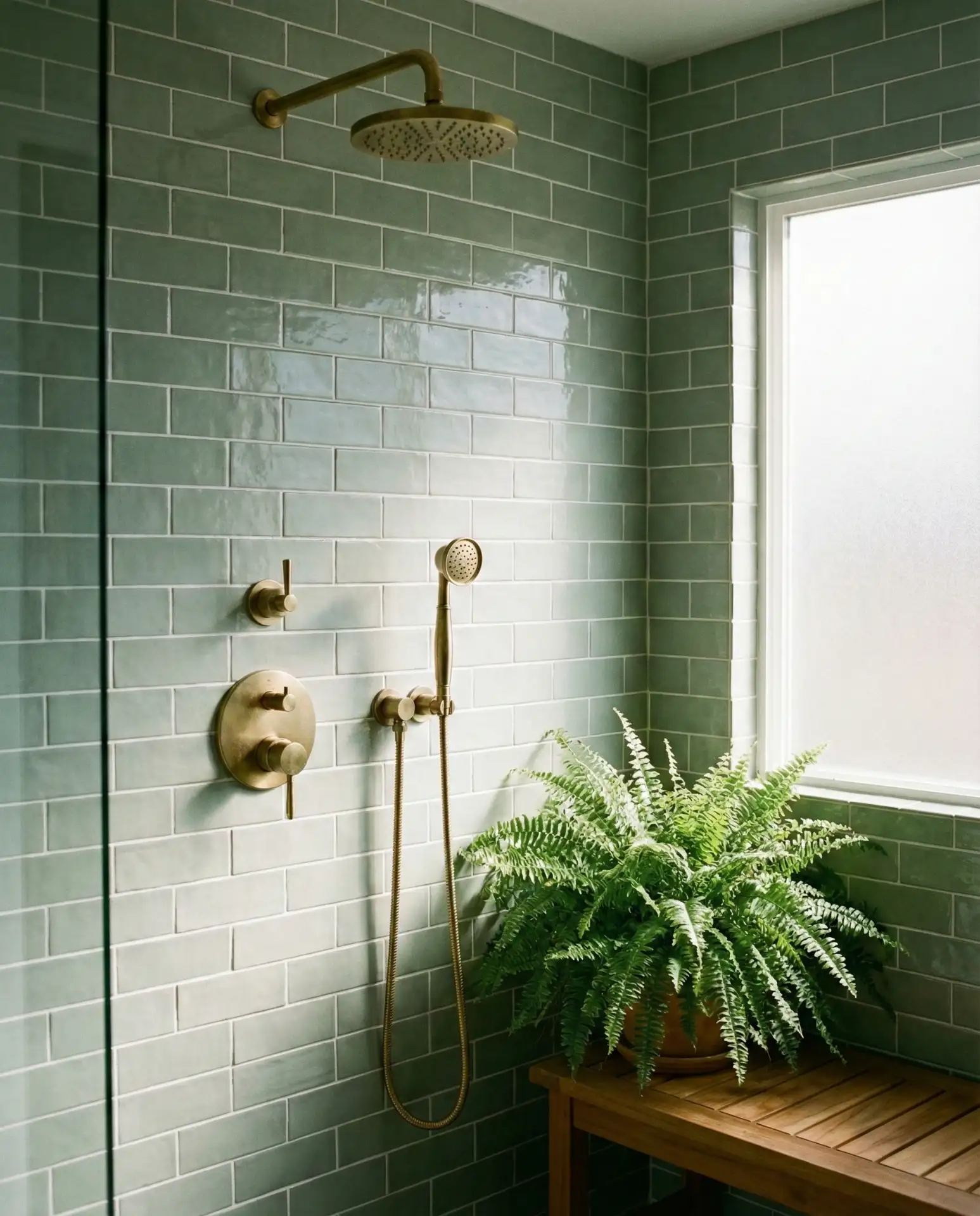
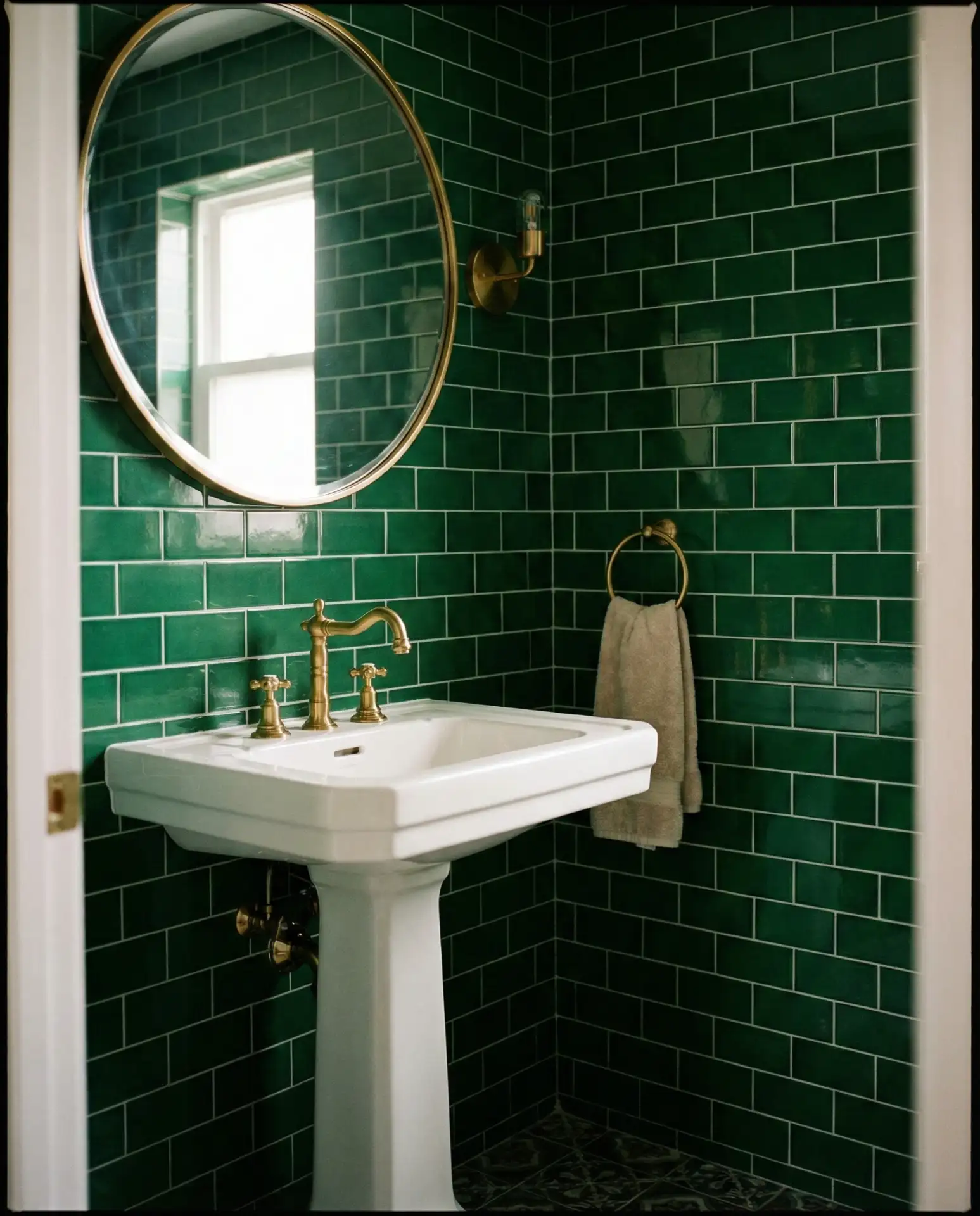
Green tiles are having a moment, from deep forest tones to soft sage and minty pastels. This color brings a sense of nature indoors and pairs beautifully with brass, marble, and natural wood. Whether used as a full shower surround, an accent wall, or even just a backsplash, green adds a fresh, unexpected pop of color that feels both timeless and on-trend. It’s especially popular in Pacific Northwest homes, where the connection to nature is a priority.
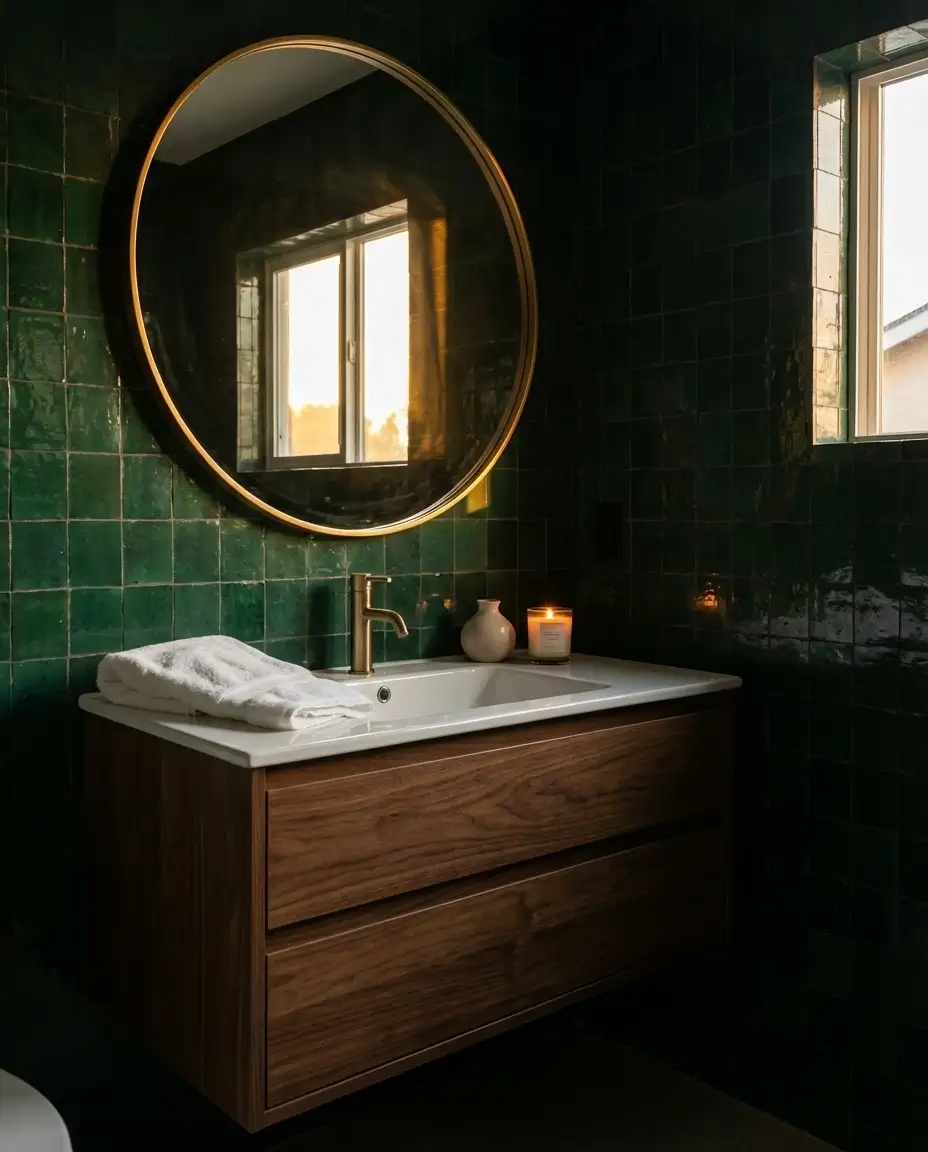
Budget angle: green tiles can be pricey, especially handmade varieties. To save money, use them sparingly—a single accent wall or shower niche makes a big impact without covering every surface. Pair with affordable white tiles elsewhere to stretch your budget and keep the focus on that beautiful green.
10. Freestanding Tubs as Focal Points
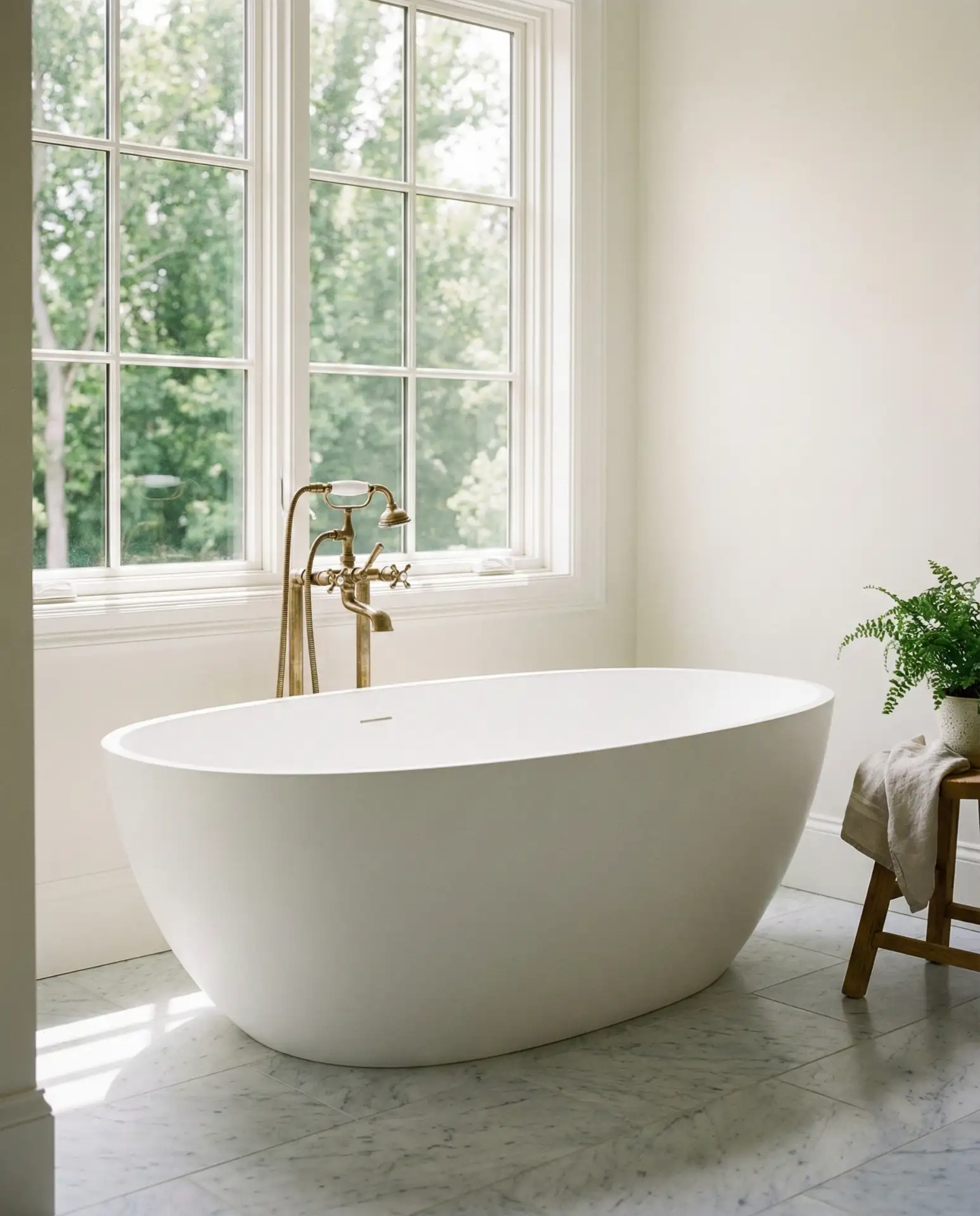
Freestanding tubs remain a luxury staple, but in 2026, they’re being styled more intentionally as sculptural centerpieces. These tubs work best in larger bathrooms where they can breathe, often positioned near a window or under a chandelier. The trend is moving away from overly ornate clawfoot styles toward sleek, modern silhouettes with clean lines and smooth finishes. It’s about creating a spa-like experience that feels indulgent but not fussy.
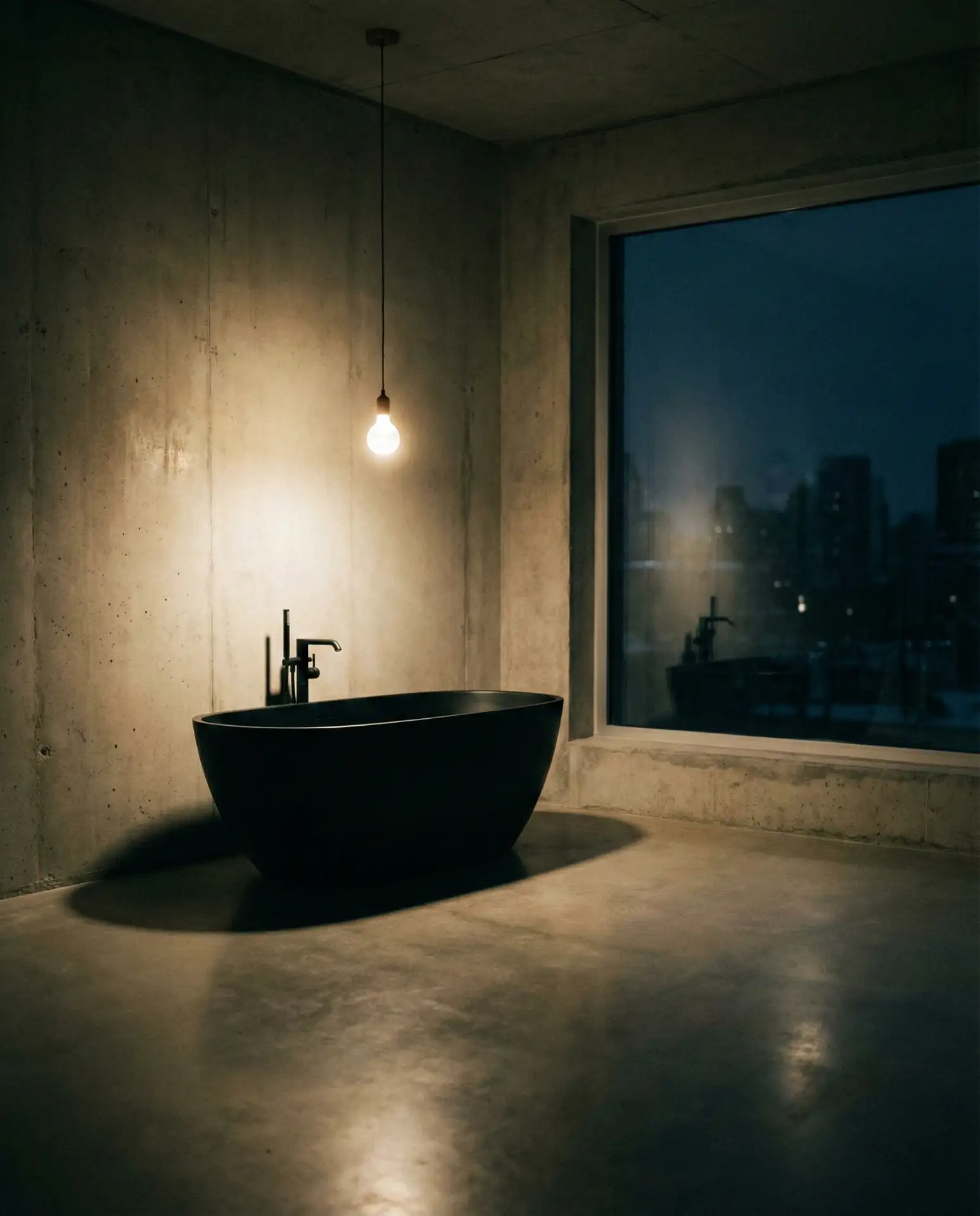
In the Midwest, homeowners are adding freestanding tubs during primary bath remodels as a way to elevate the space without a full gut job. The tub becomes the hero piece, and everything else—lighting, tile, paint—gets designed around it. It’s a practical way to make a big visual impact with a single investment.
11. Bold Blue Cabinetry
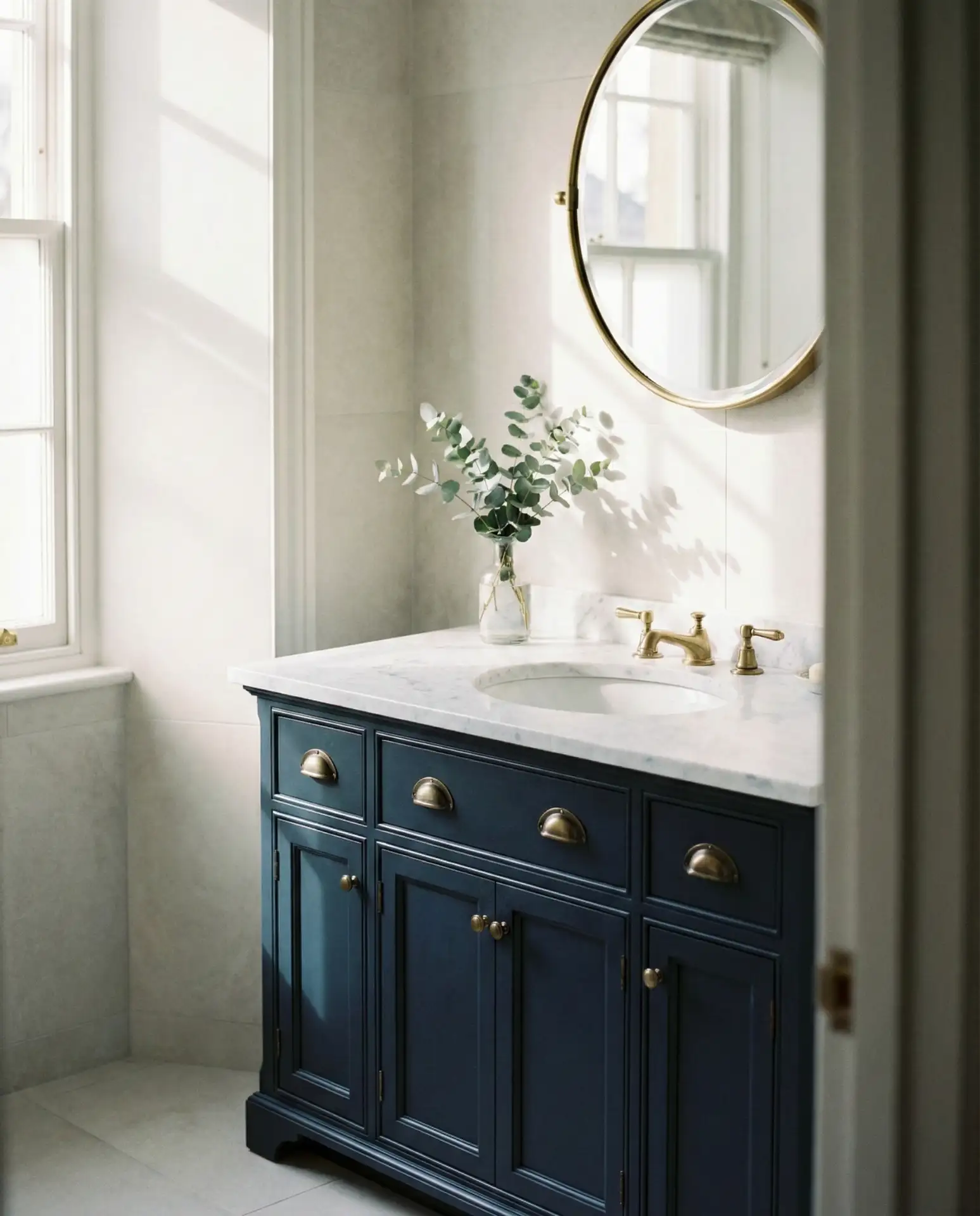
Navy, cobalt, and soft powder blue cabinets are replacing standard white vanity bases across the country. This shift adds depth and personality to bathrooms that might otherwise feel bland. Blue is calming, versatile, and works with nearly every style—from coastal to modern farmhouse to traditional. Pair it with white countertops and brushed nickel or brass hardware for a look that feels polished and pulled together.
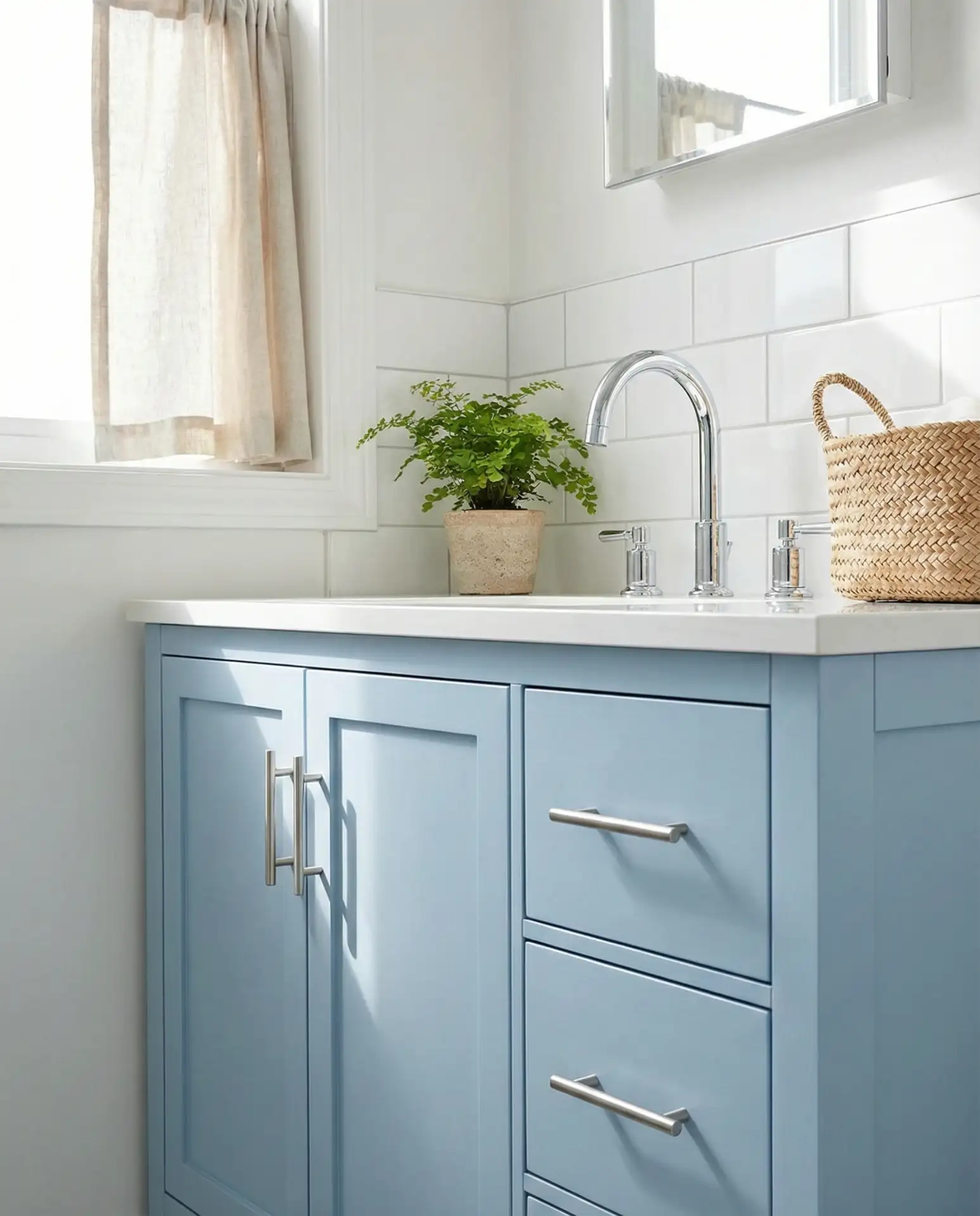
Common mistake: choosing a blue that’s too bright or too dark for your lighting. Always test paint samples in your actual bathroom, observing how they look at different times of day. A color that looks perfect in the store can read completely different under your home’s lighting conditions.
12. Textured Plaster Walls
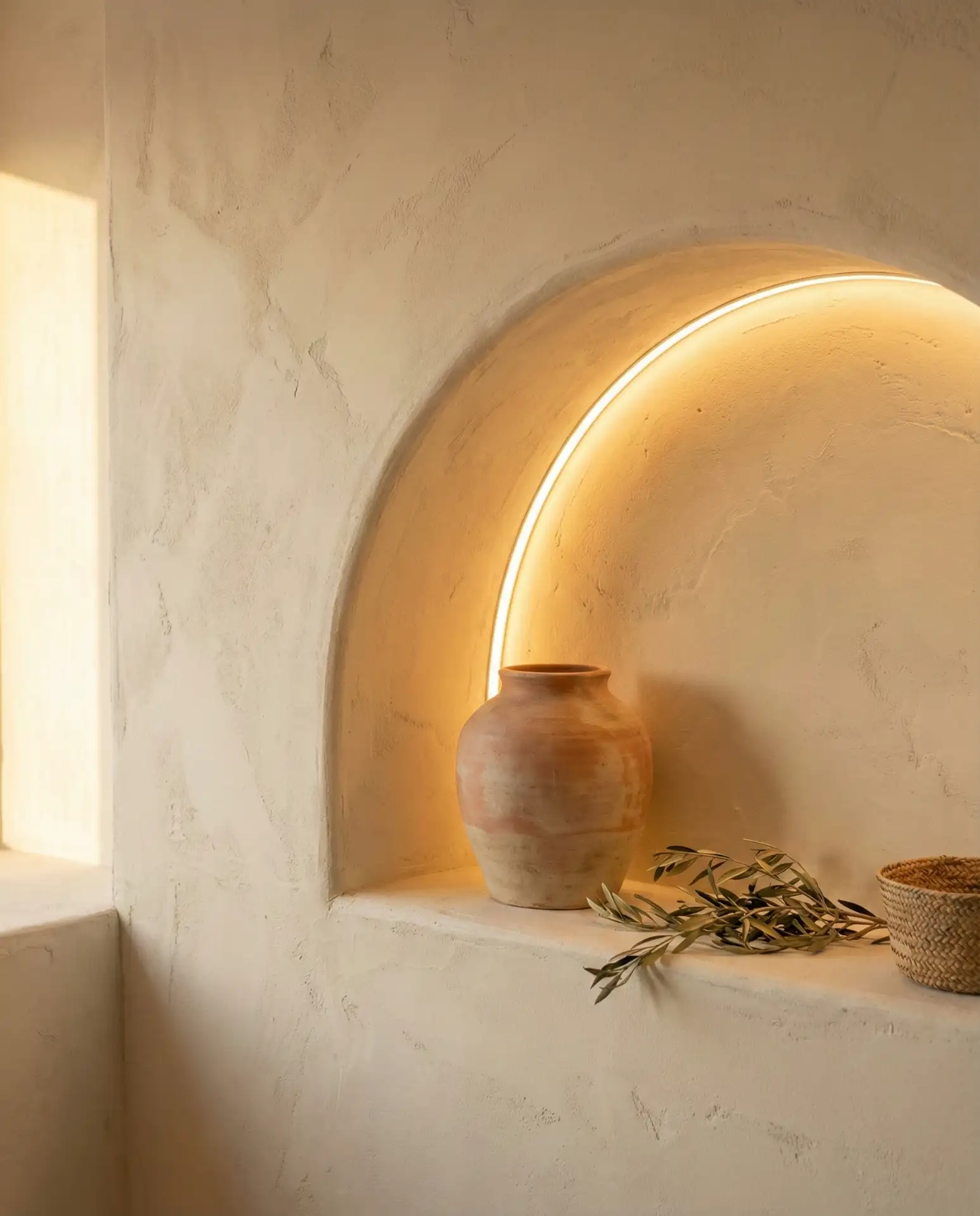
Smooth, matte plaster finishes are replacing drywall in high-end bathrooms, offering a soft, organic texture that feels warm and timeless. This technique, inspired by Mediterranean and Moroccan interiors, works beautifully in modern spaces and adds a handcrafted, artisanal quality. The subtle variations in texture catch the light in interesting ways, making even a simple white wall feel special. It’s a trend that’s gaining traction in urban markets where homeowners want something more elevated than standard paint.
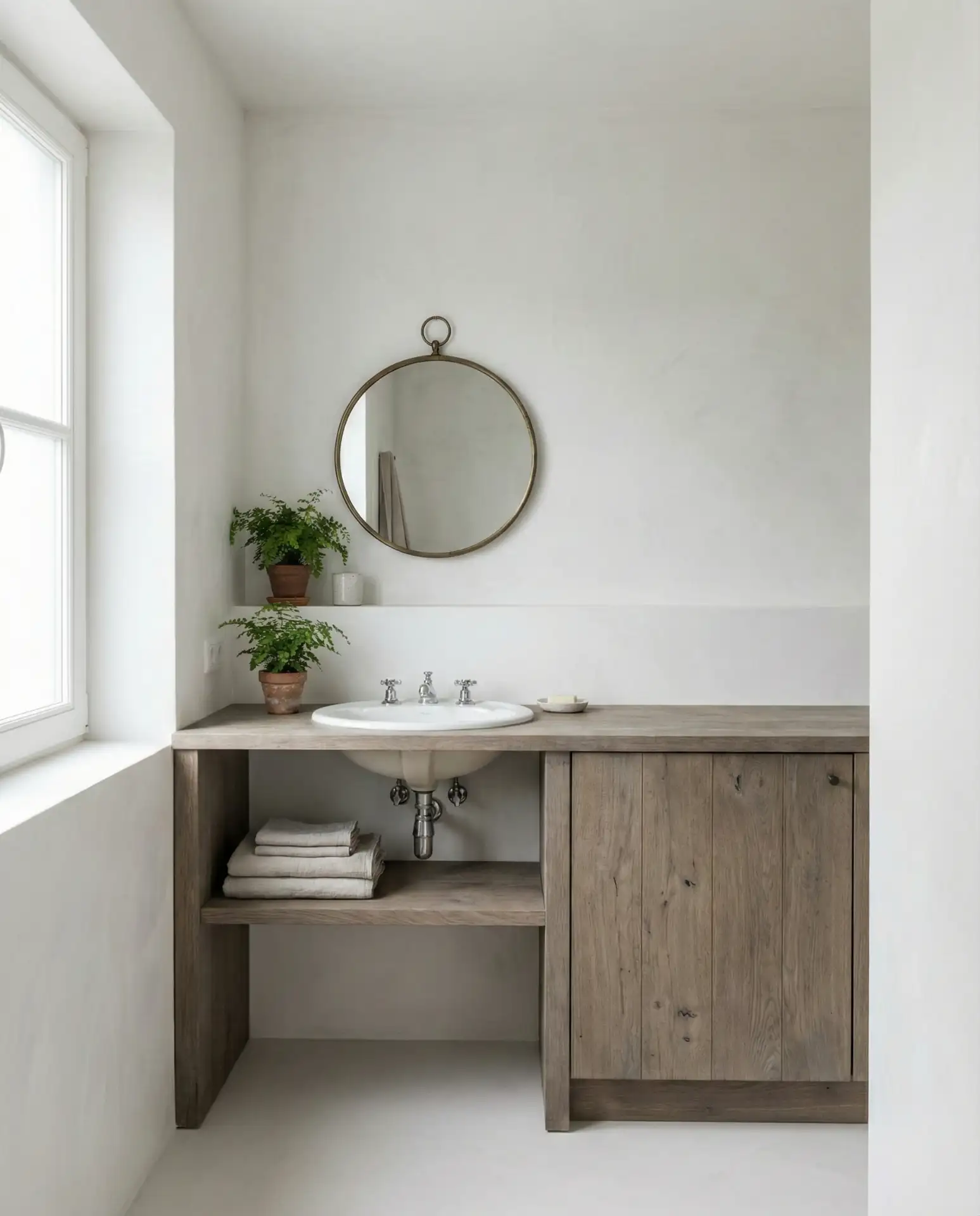
Expert-style commentary: Plaster requires skilled application, so it’s worth hiring a professional if you want the look done right. That said, the finish is durable and moisture-resistant when sealed properly, making it a surprisingly practical choice for bathrooms. It’s an investment that pays off in both beauty and longevity.
13. Farmhouse Meets Modern
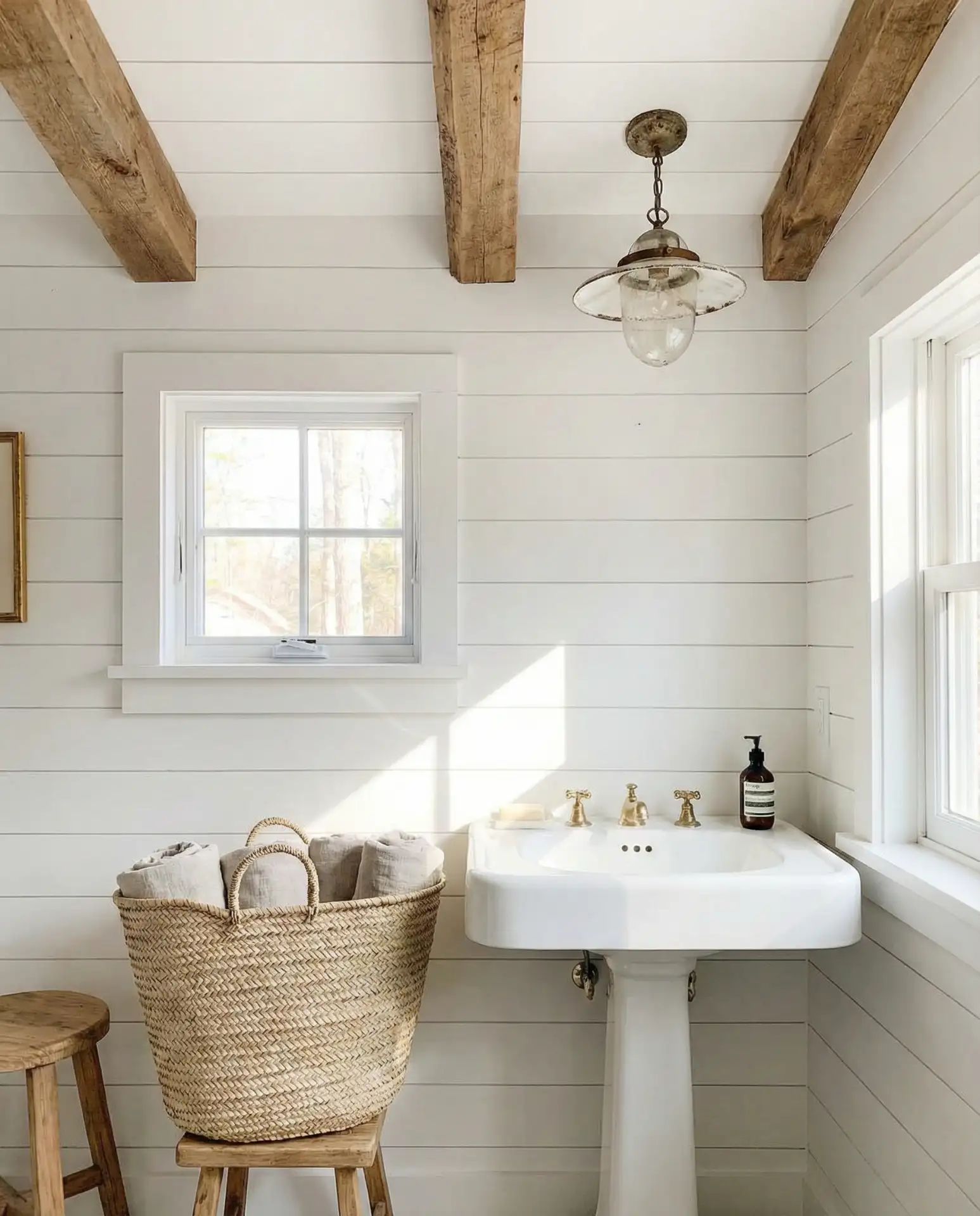
The farmhouse look is evolving—less shiplap, more restraint. In 2026, it’s about blending rustic textures with clean, modern lines. Think reclaimed wood accents, shaker-style cabinetry, and vintage-inspired fixtures paired with sleek tiles and contemporary hardware. This hybrid style feels approachable and warm without veering into kitsch. It’s especially popular in the South and rural areas where farmhouse roots run deep, but with a fresh, updated twist.
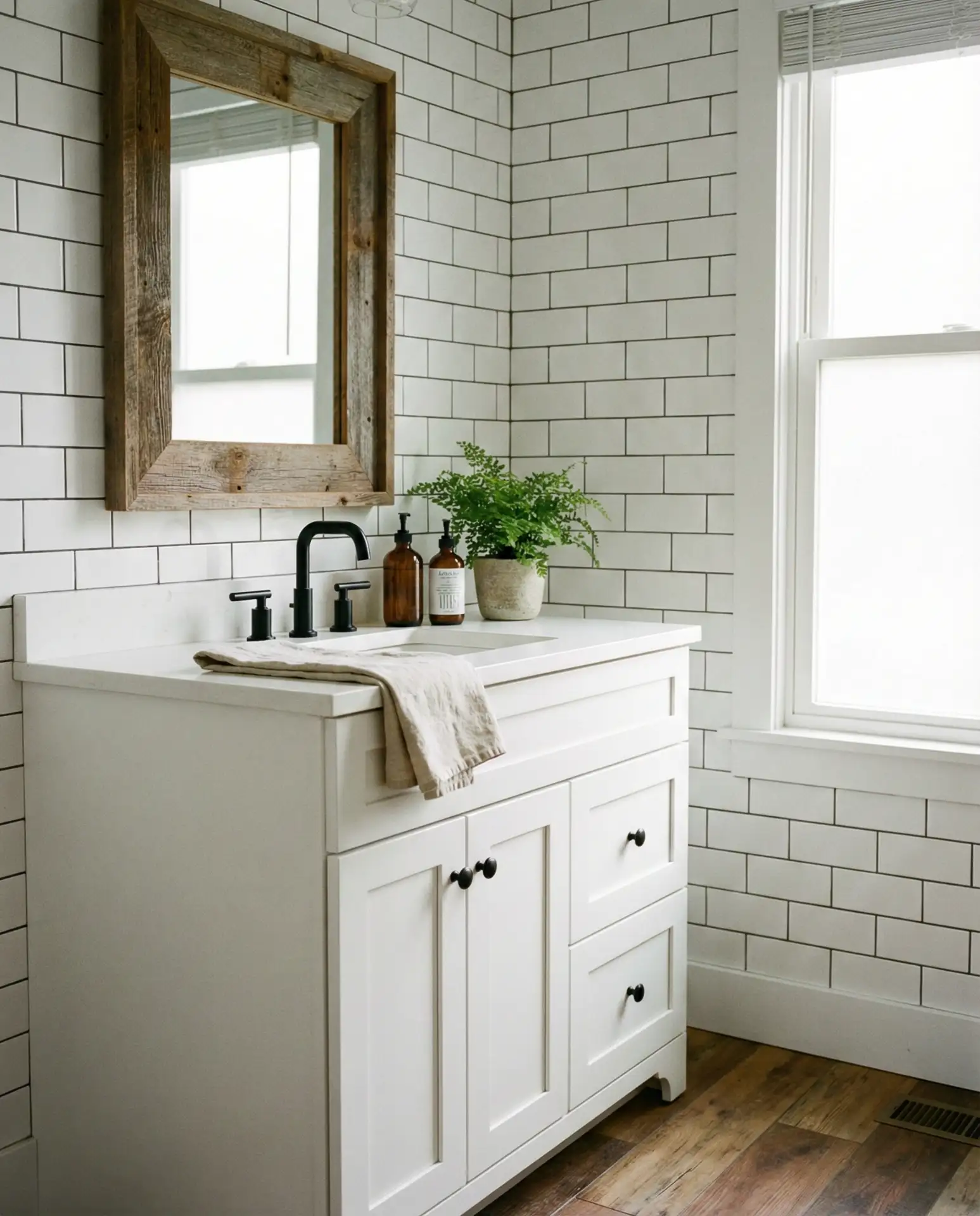
Real homeowner behavior: many are mixing vintage finds from flea markets—like old mirrors or light fixtures—with new, modern pieces to get this look. It’s a budget-friendly way to add character and history to a space without committing to a full vintage aesthetic.
14. Smart Storage Solutions
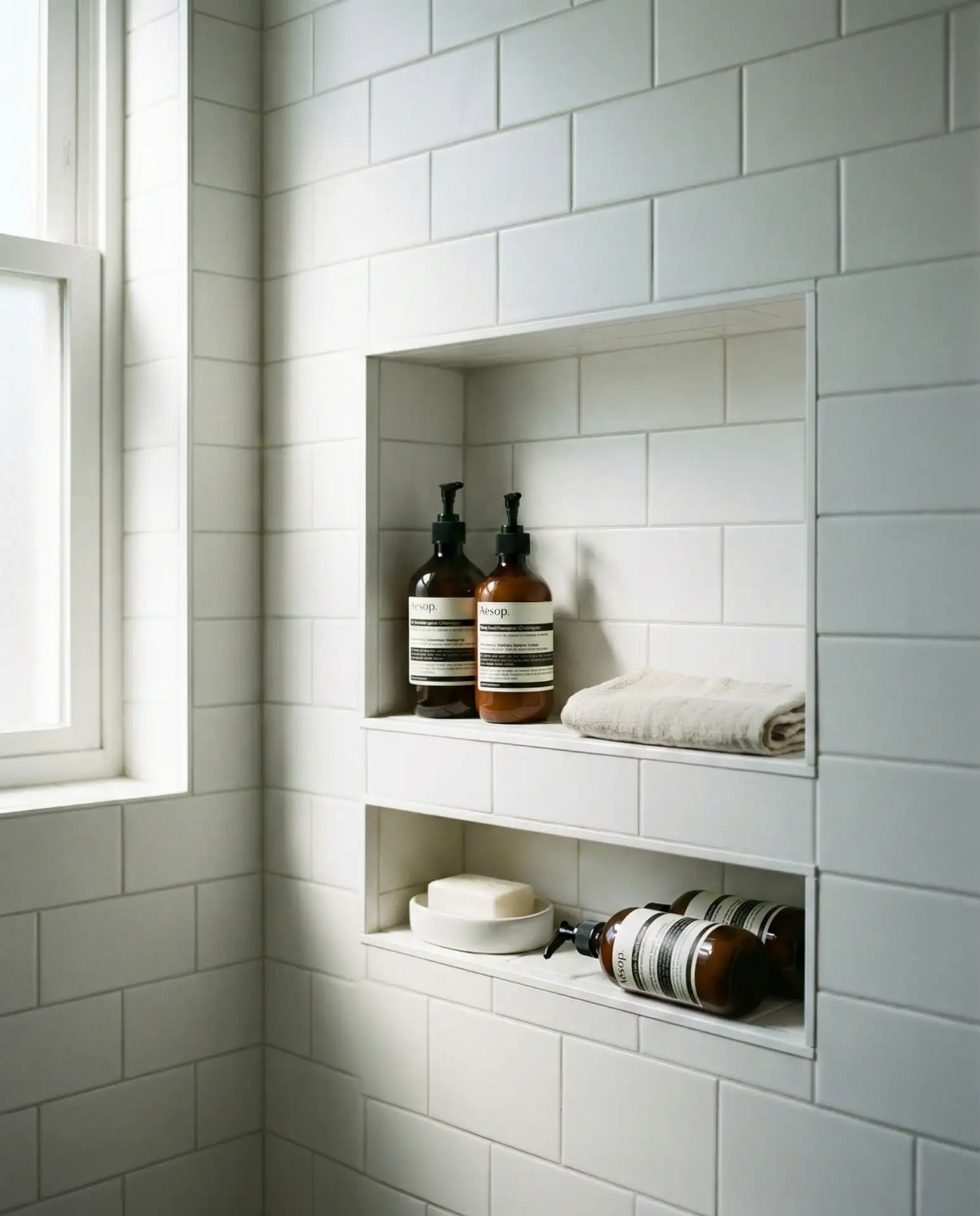
Clever storage is no longer an afterthought—it’s a central part of bathroom design. Built-in niches, drawer dividers, pull-out organizers, and vertical storage are helping homeowners maximize every inch. The goal is to keep counters clear and the space feeling calm, even in bathrooms that see heavy daily use. This is especially important in homes with kids or multiple users, where organization can quickly become chaos.
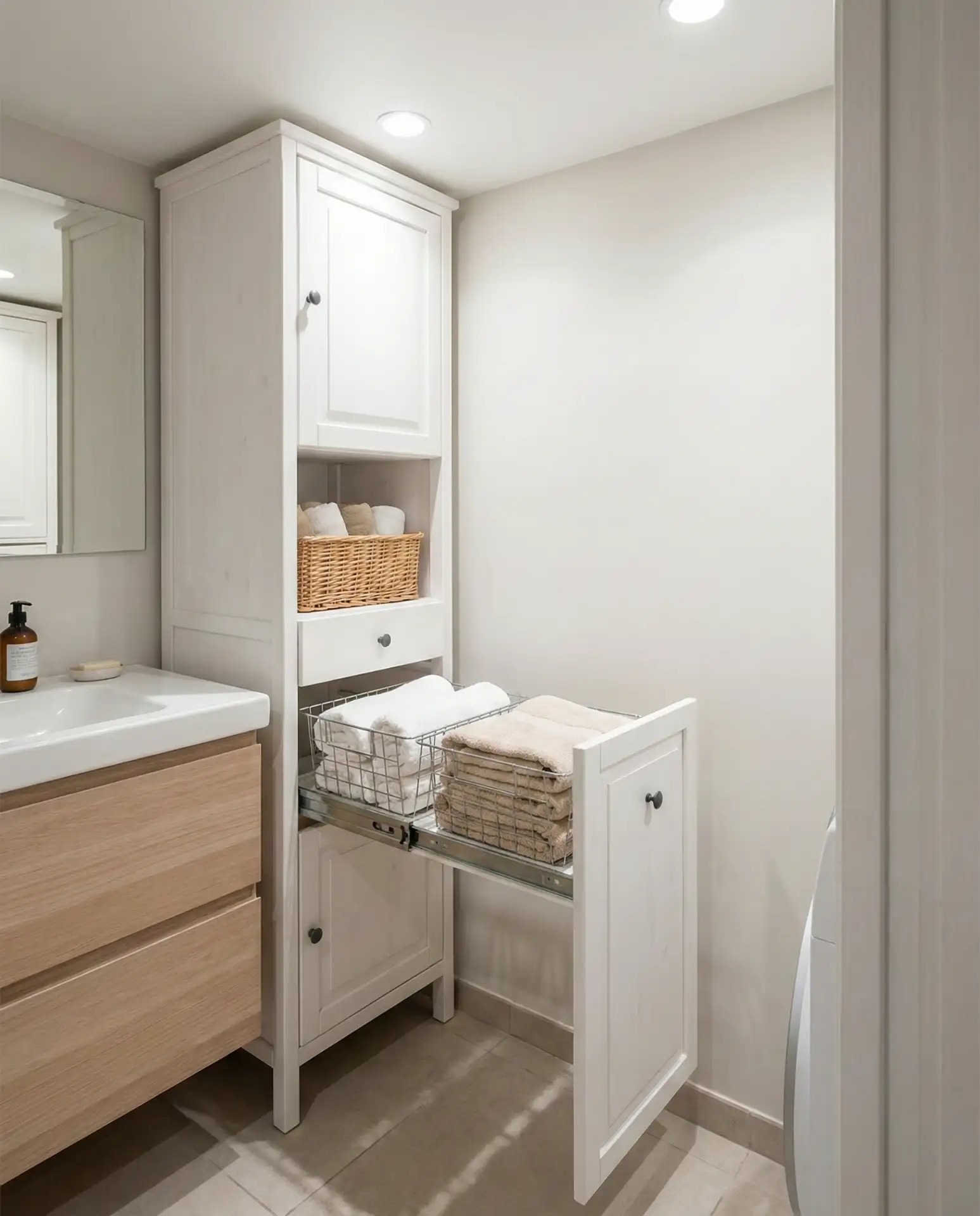
Practical insight: the best storage solutions are the ones you’ll actually use. Avoid over-complicating things with too many bins or dividers. Focus on a few key areas—like under the sink or inside the shower—and invest in quality organizers that fit your specific needs and habits.
15. Vintage-Inspired Fixtures
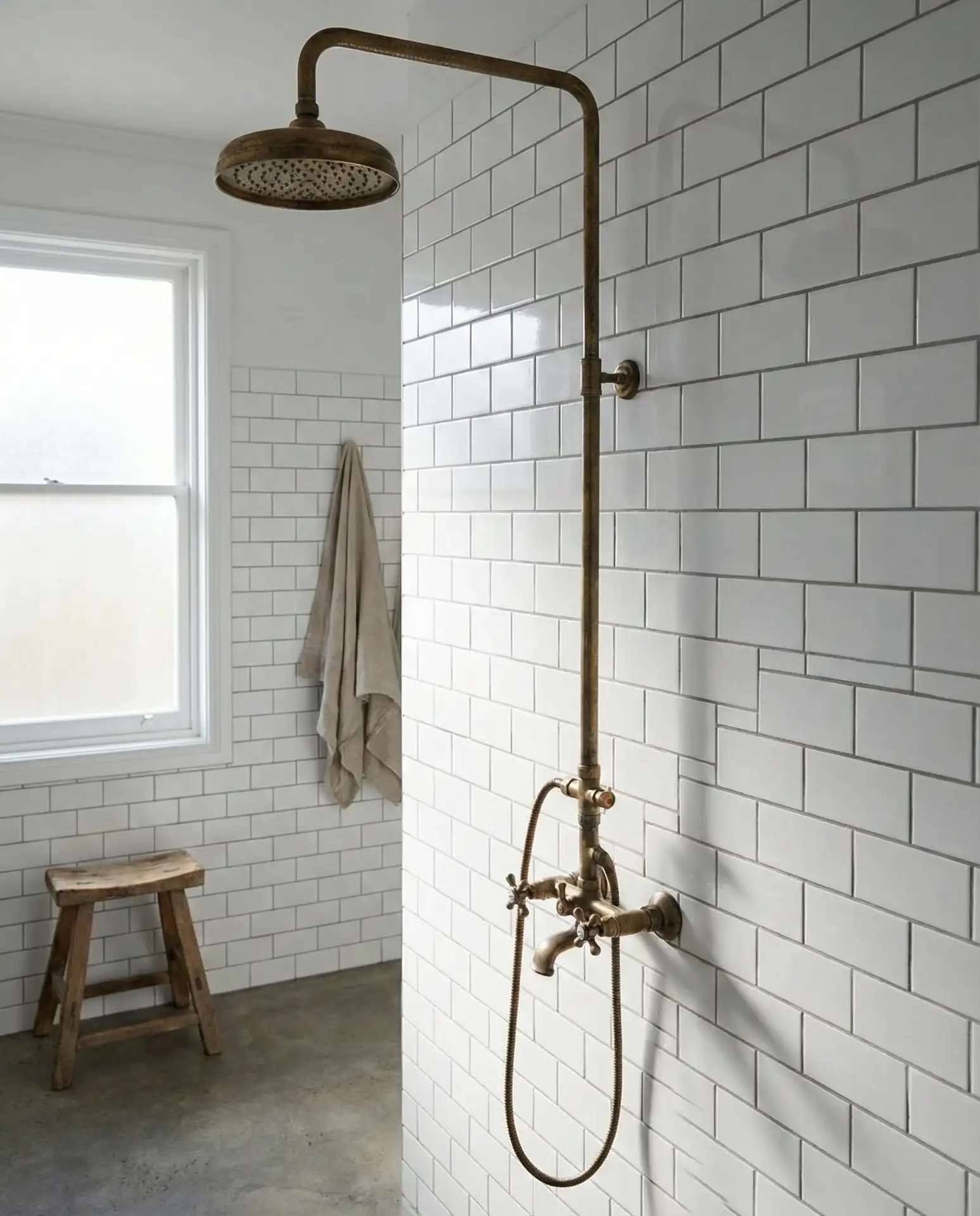
Vintage-inspired faucets, sconces, and hardware are adding character to modern bathrooms without feeling overly precious. Think unlacquered brass that develops a patina, cross-handle faucets, and Edison bulb sconces. These pieces bring a sense of history and craftsmanship that contrasts beautifully with contemporary tile and clean lines. It’s a way to add soul to a space that might otherwise feel sterile.
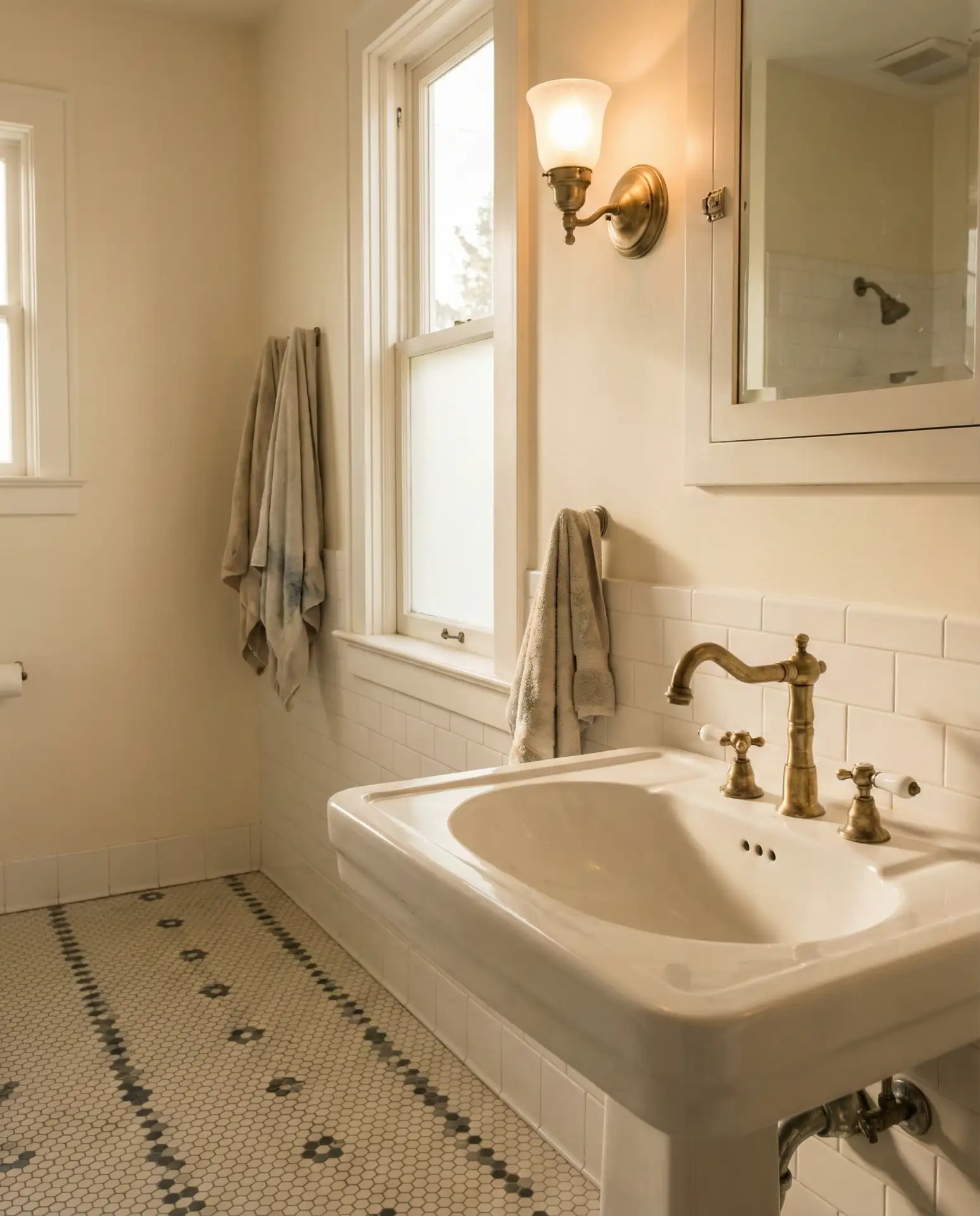
Where it works best: in older homes where vintage fixtures complement the architecture, or in new builds where they add a layer of interest and prevent the space from feeling too cookie-cutter. Pair them with simple, neutral backdrops to let the fixtures shine.
16. Spa-Inspired Shower Niches
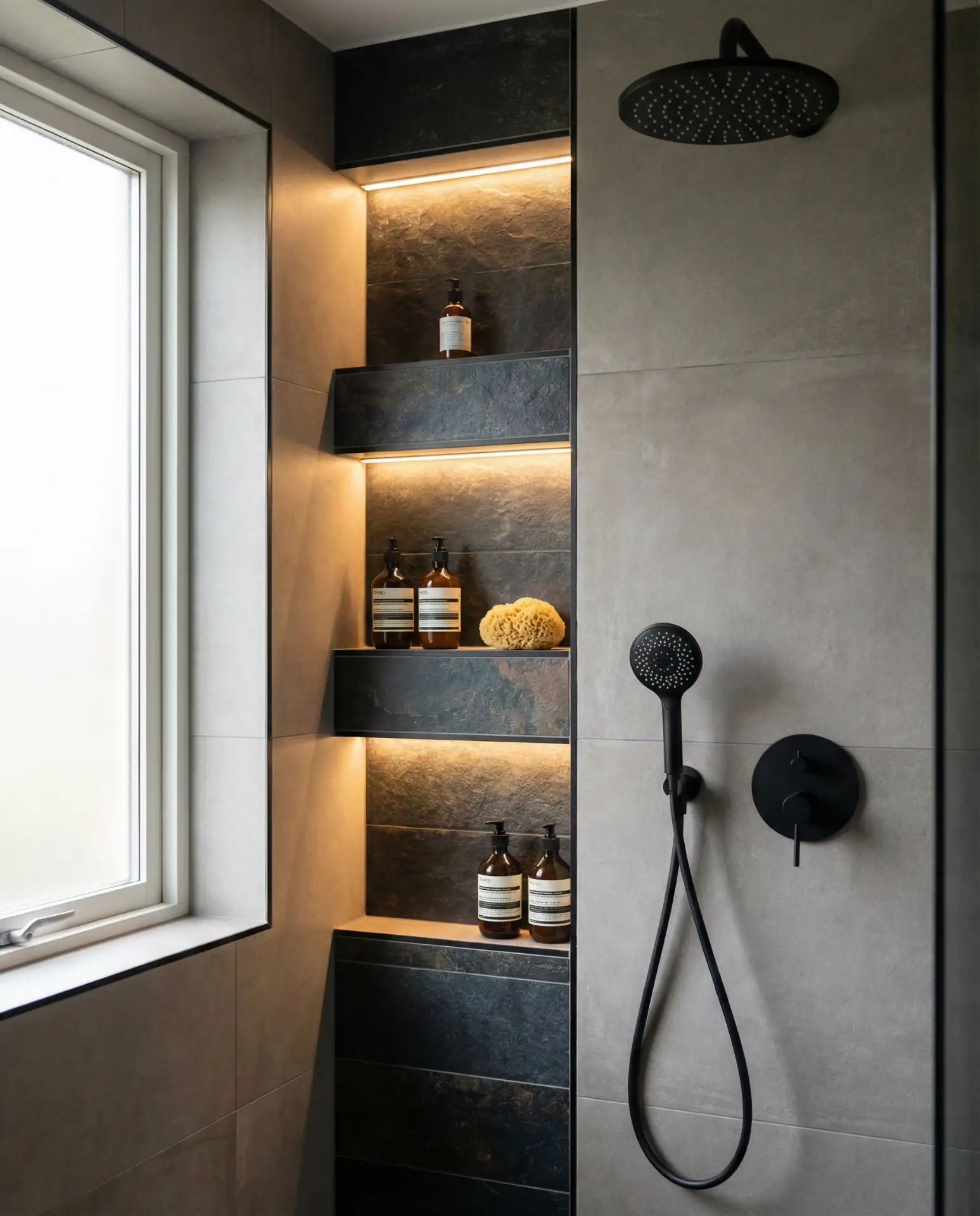
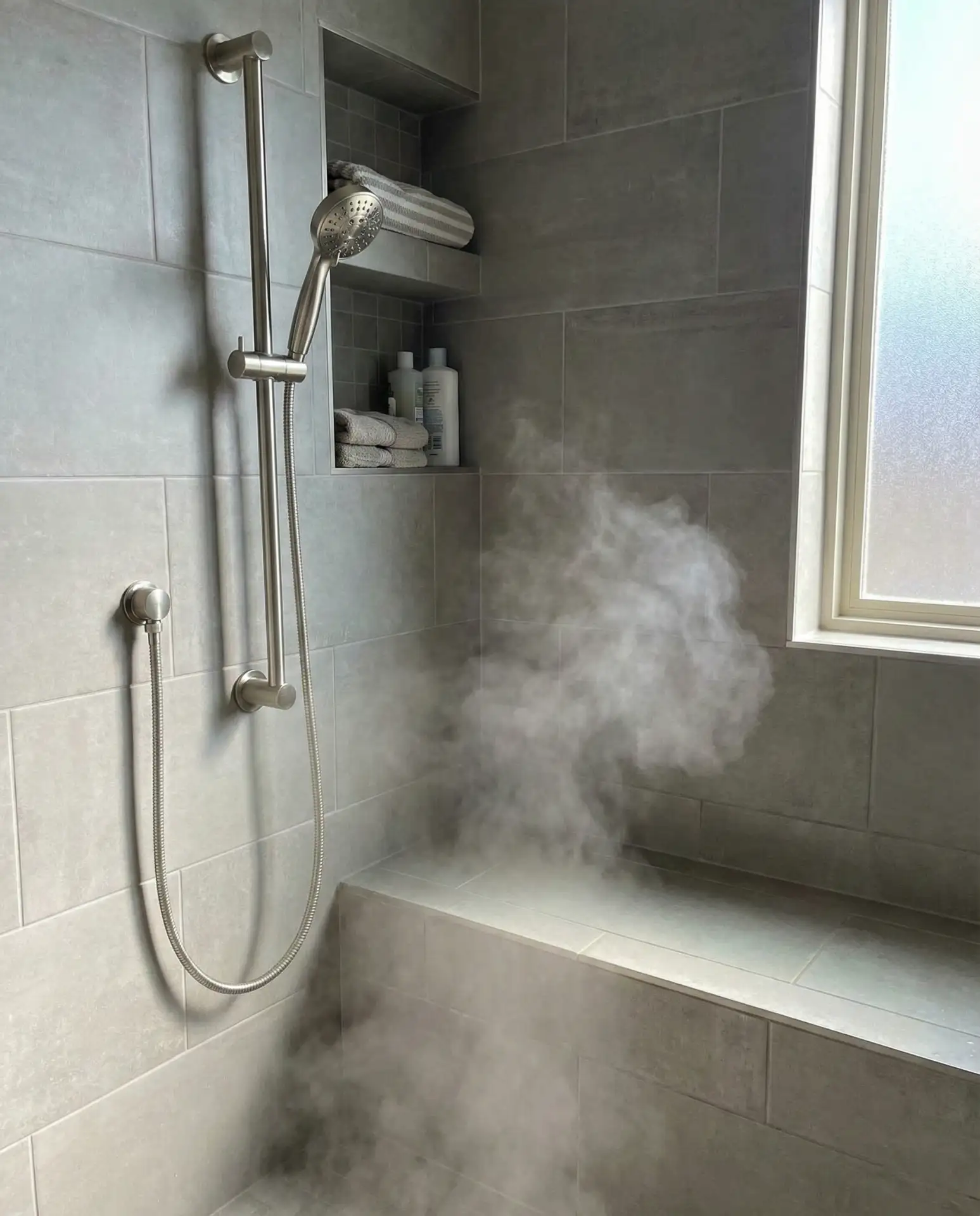
Built-in shower niches are evolving from purely functional to genuinely beautiful. Designers are now creating niches with accent tile ideas, integrated lighting, and multiple levels for better organization. These thoughtful details transform a basic storage solution into a focal point that enhances the overall aesthetic of the shower. It’s a small upgrade that makes a big difference in both form and function.
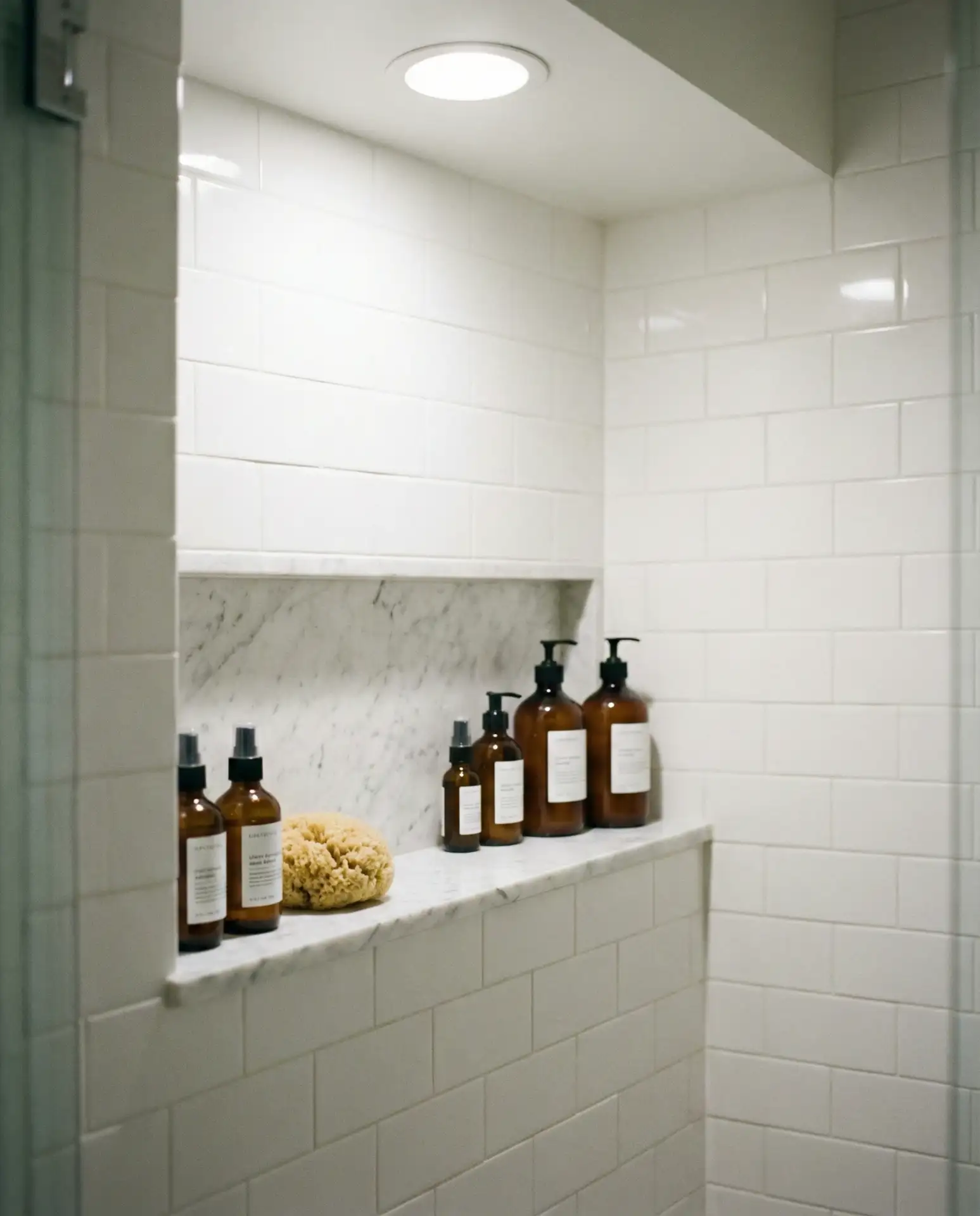
A common mistake: making the niche too small or placing it at an awkward height. Aim for at least 12 inches wide and position it between 48 and 60 inches from the floor—right at hand level when you’re standing in the shower. This ensures it’s easy to reach and actually useful.
17. Cozy Layered Lighting
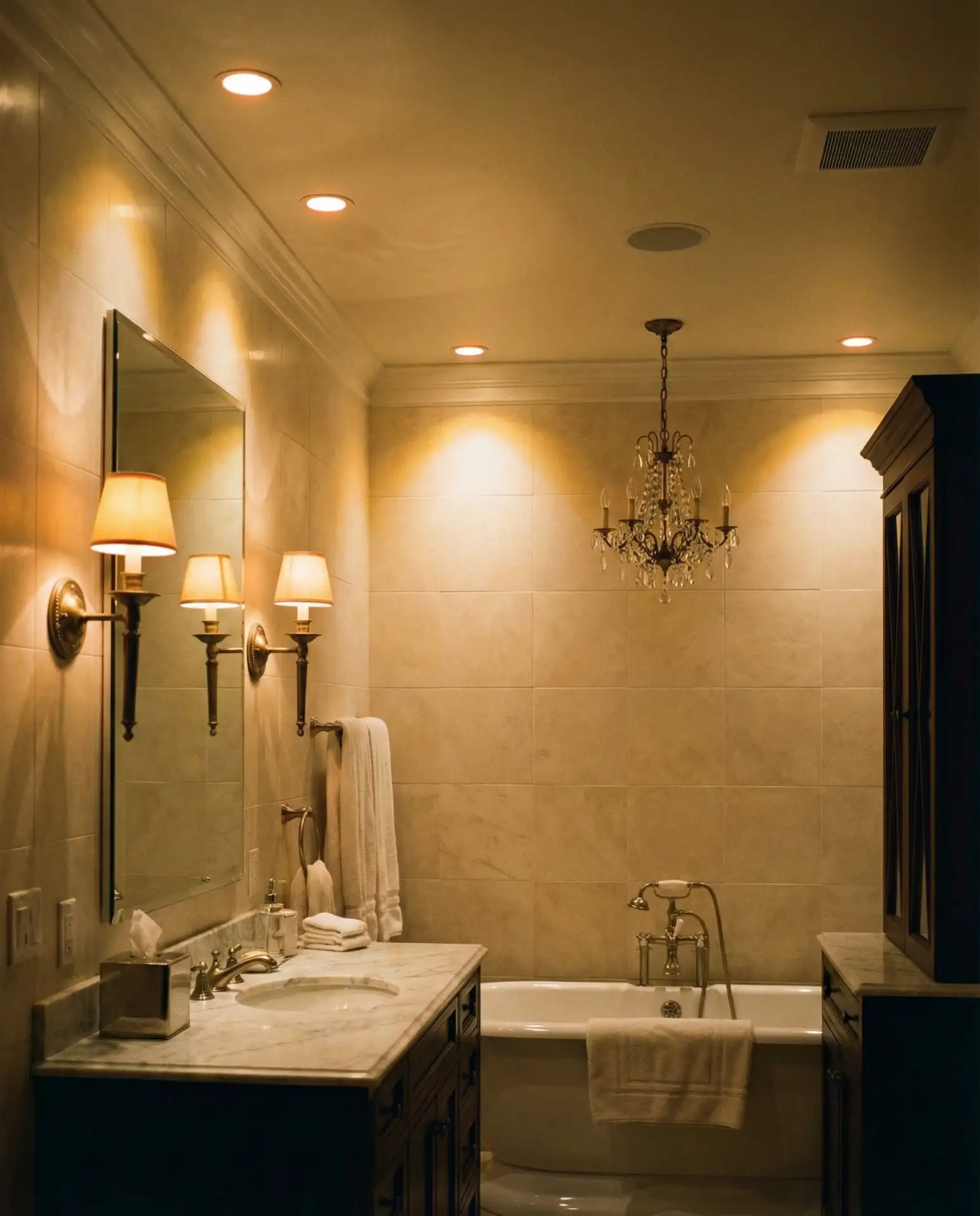
Gone are the days of a single overhead light. Today’s bathrooms feature layered lighting—ambient, task, and accent—that creates a cozy, customizable atmosphere. Think dimmable sconces flanking the mirror, recessed ceiling lights, and even a small chandelier or pendant for drama. This approach allows you to adjust the mood from bright and functional in the morning to soft and relaxing at night.
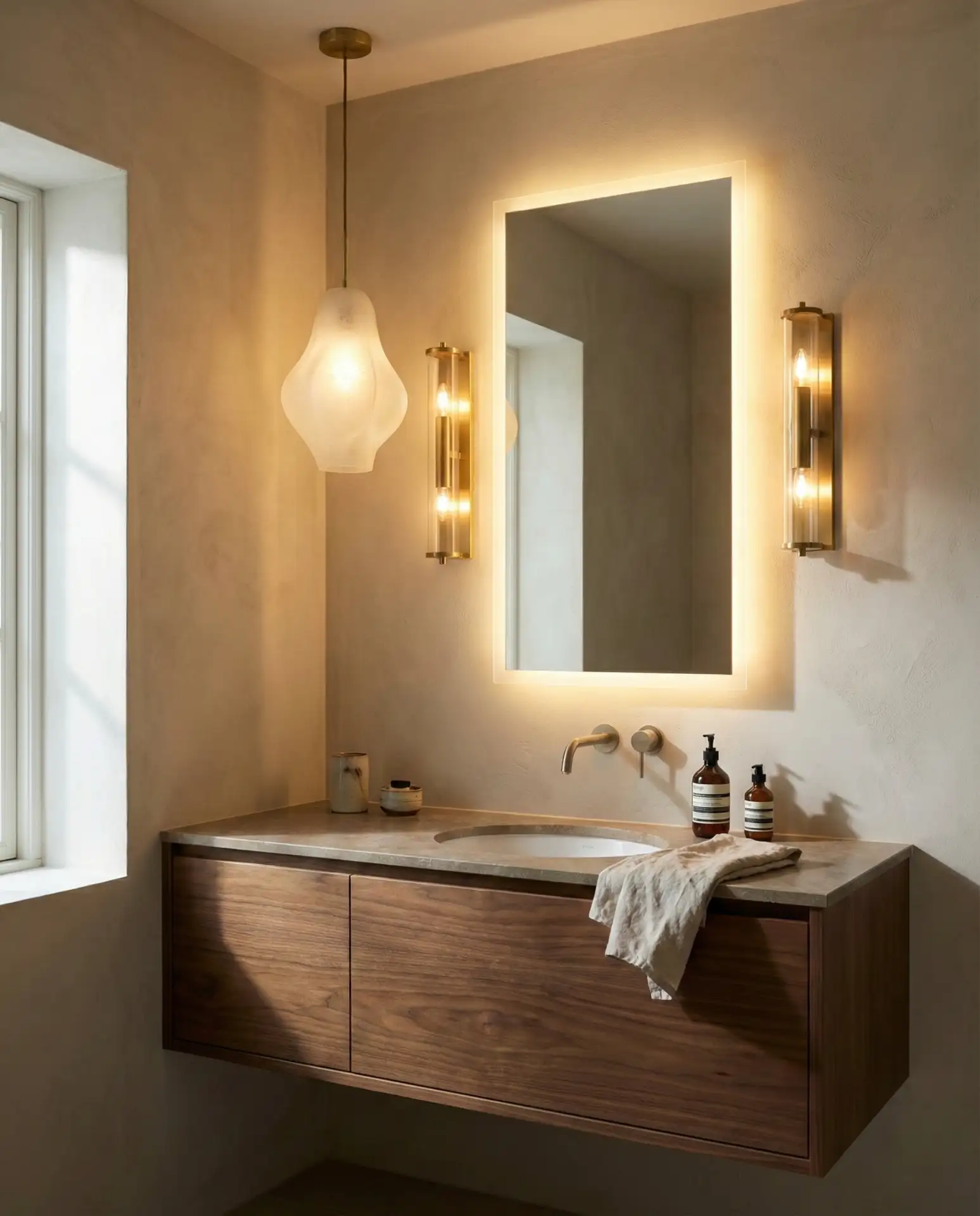
Budget angle: you don’t need to rewire your entire bathroom to get layered lighting. Start with plug-in sconces or battery-operated LED strips to add accent lighting. Swap out your overhead bulbs for dimmable LEDs. Small changes can create a big shift in atmosphere without a major electrical overhaul.
18. Natural Stone Accents
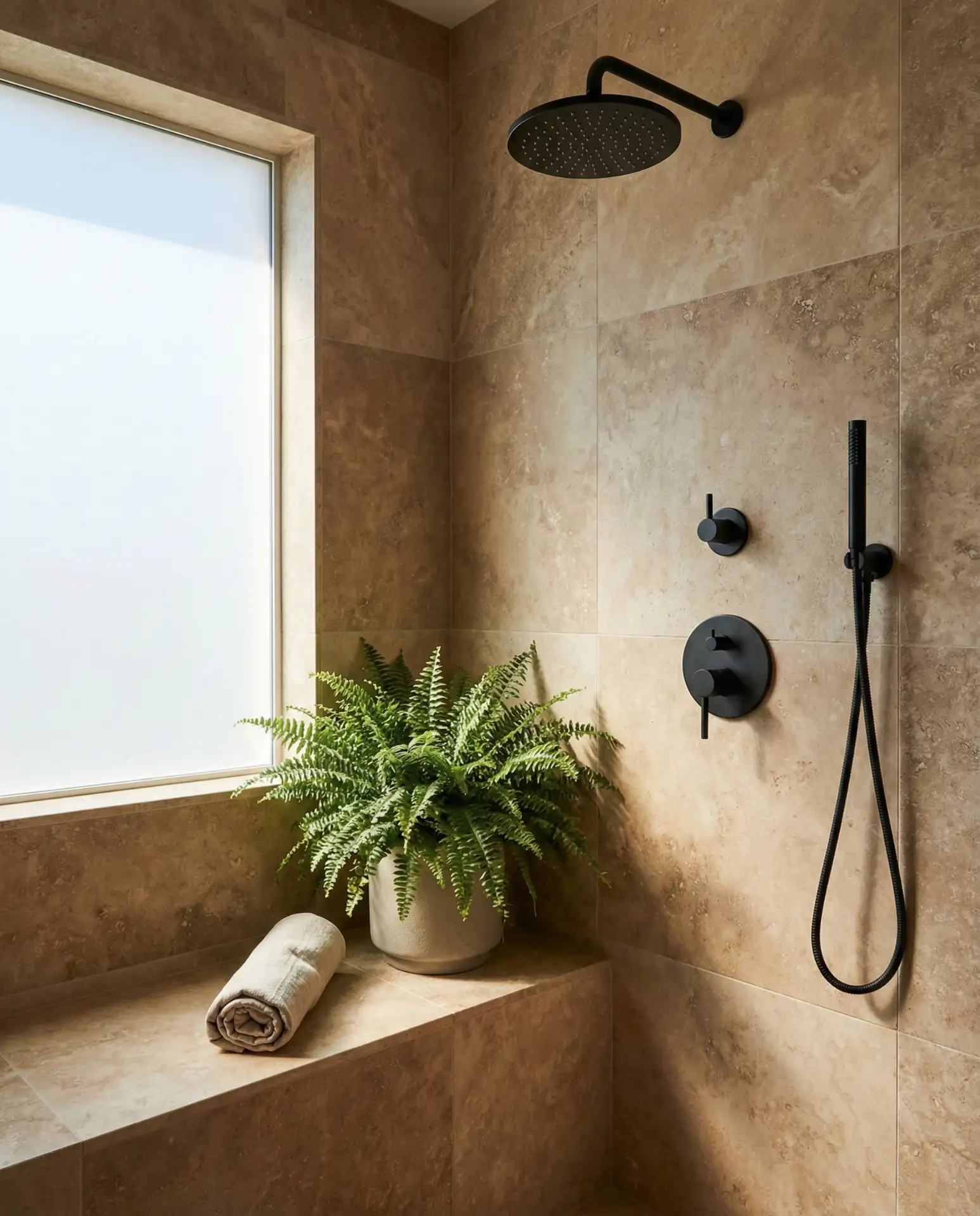
Marble, travertine, and limestone are being used not just for countertops but as accent walls, shower surrounds, and even flooring. These natural materials bring a sense of luxury and permanence to bathrooms, with unique veining and color variations that make each installation one-of-a-kind. It’s a trend that feels timeless rather than trendy, ensuring your bathroom won’t look dated in a few years.
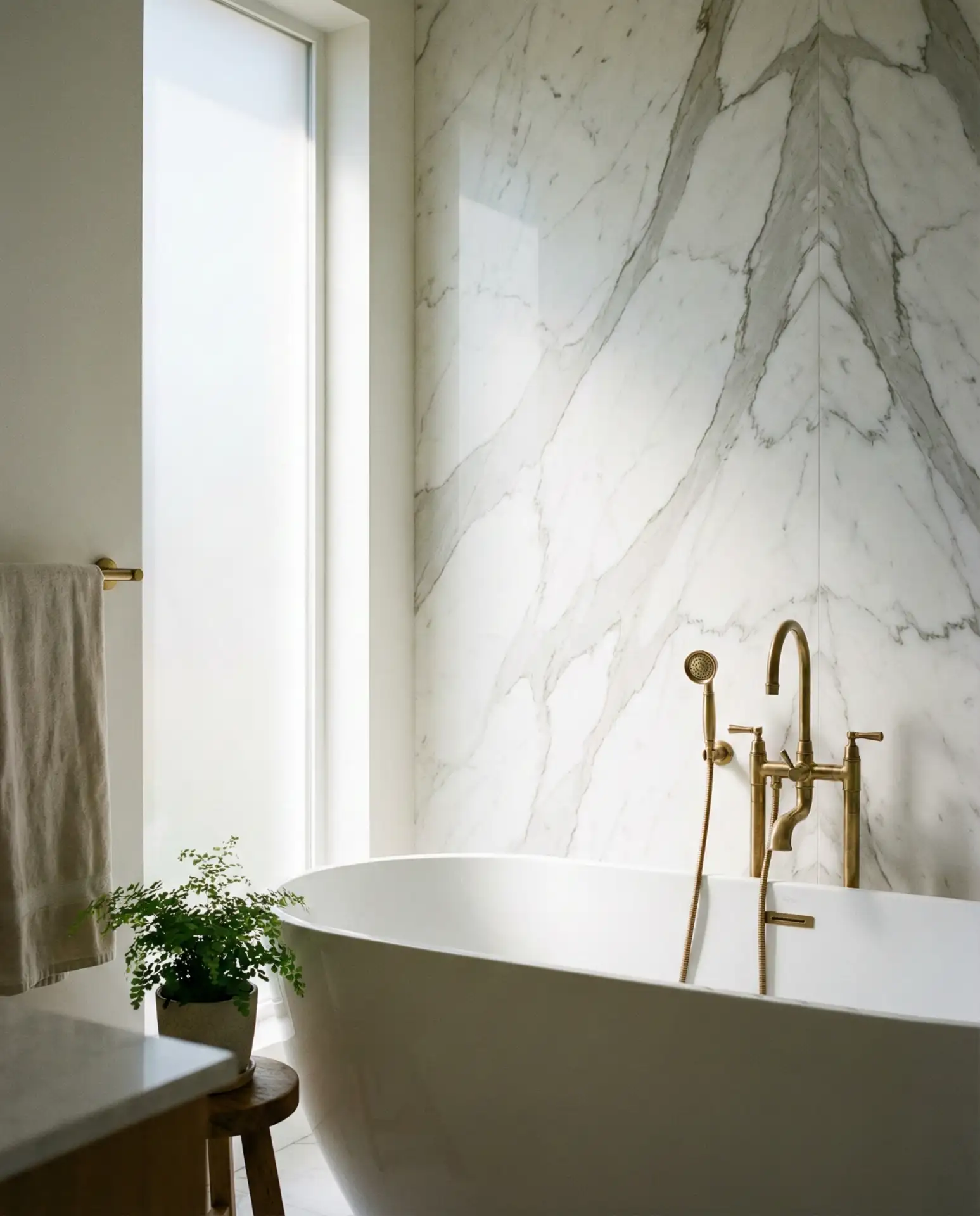
Practical insight: natural stone requires maintenance—sealing, careful cleaning, and occasional re-polishing. But if you’re willing to put in the effort, the payoff is a bathroom that feels elevated and special. Consider using stone in smaller doses, like a shower niche or vanity backsplash, to get the look without the full upkeep.
19. Glass Block Privacy Walls
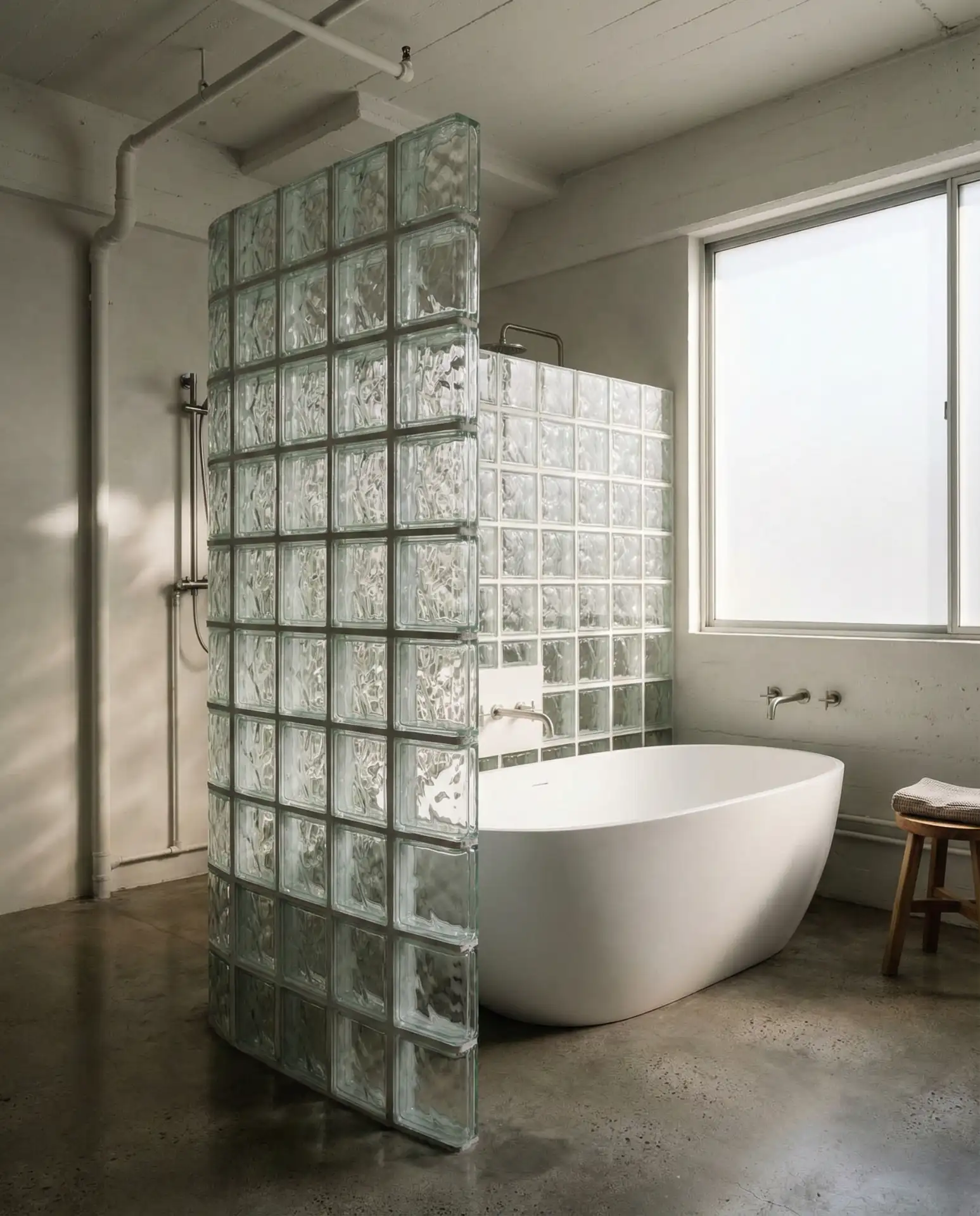
Glass blocks are making a surprising comeback, but with a modern twist. Instead of the dated 1980s vibe, today’s versions are sleeker, often frameless, and used to divide spaces while still allowing light to flow through. They’re perfect for creating separation between a shower and the rest of the bathroom or between a toilet area and a vanity. This trend is especially popular in loft-style apartments and open-plan bathrooms where privacy is needed without sacrificing light.
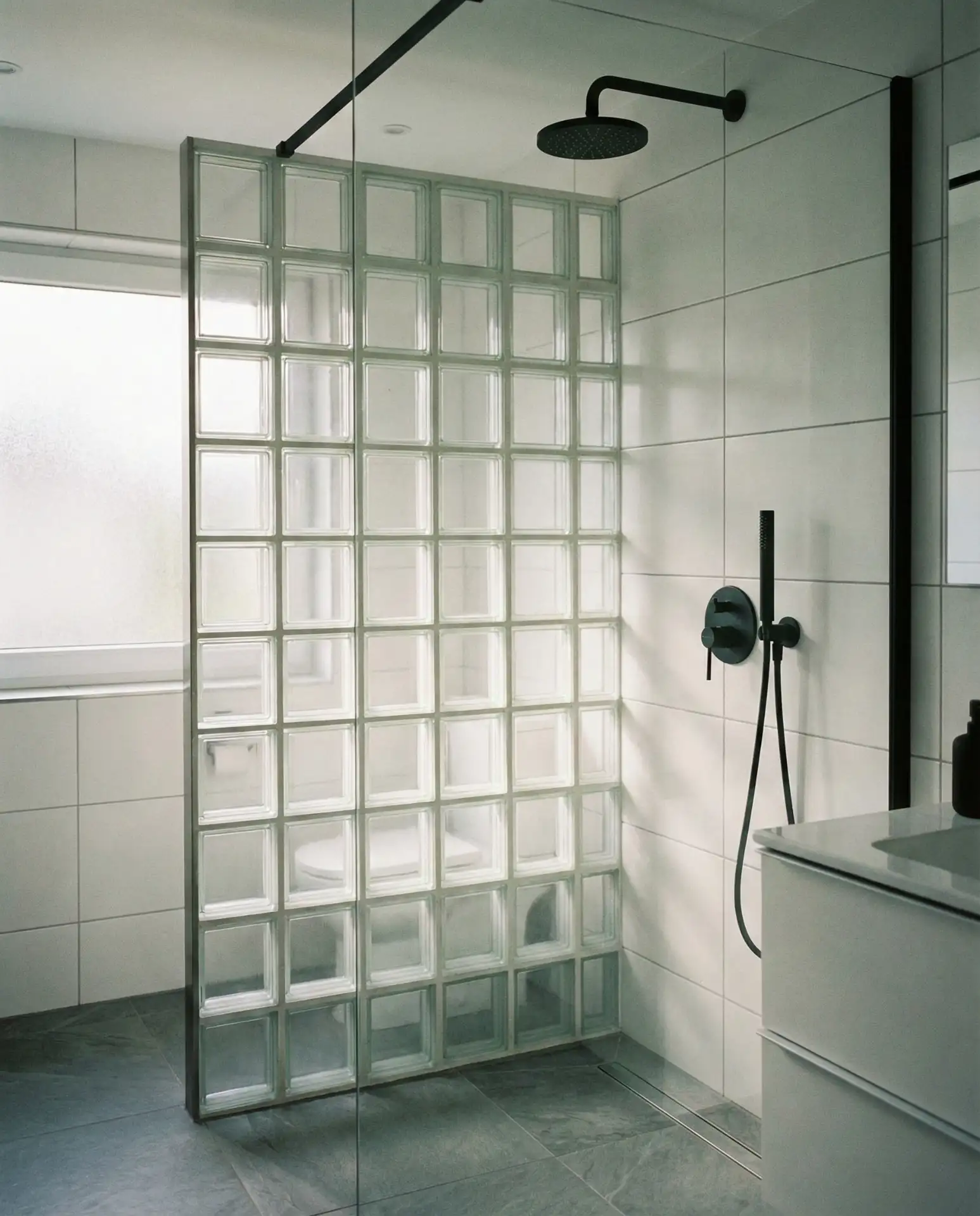
One designer in Brooklyn mentioned that her clients initially thought glass blocks would feel too retro, but once installed, they loved how much light they let in while still providing visual separation. It’s proof that trends can come back in fresh, updated ways when done thoughtfully.
20. Bold Geometric Tile Patterns
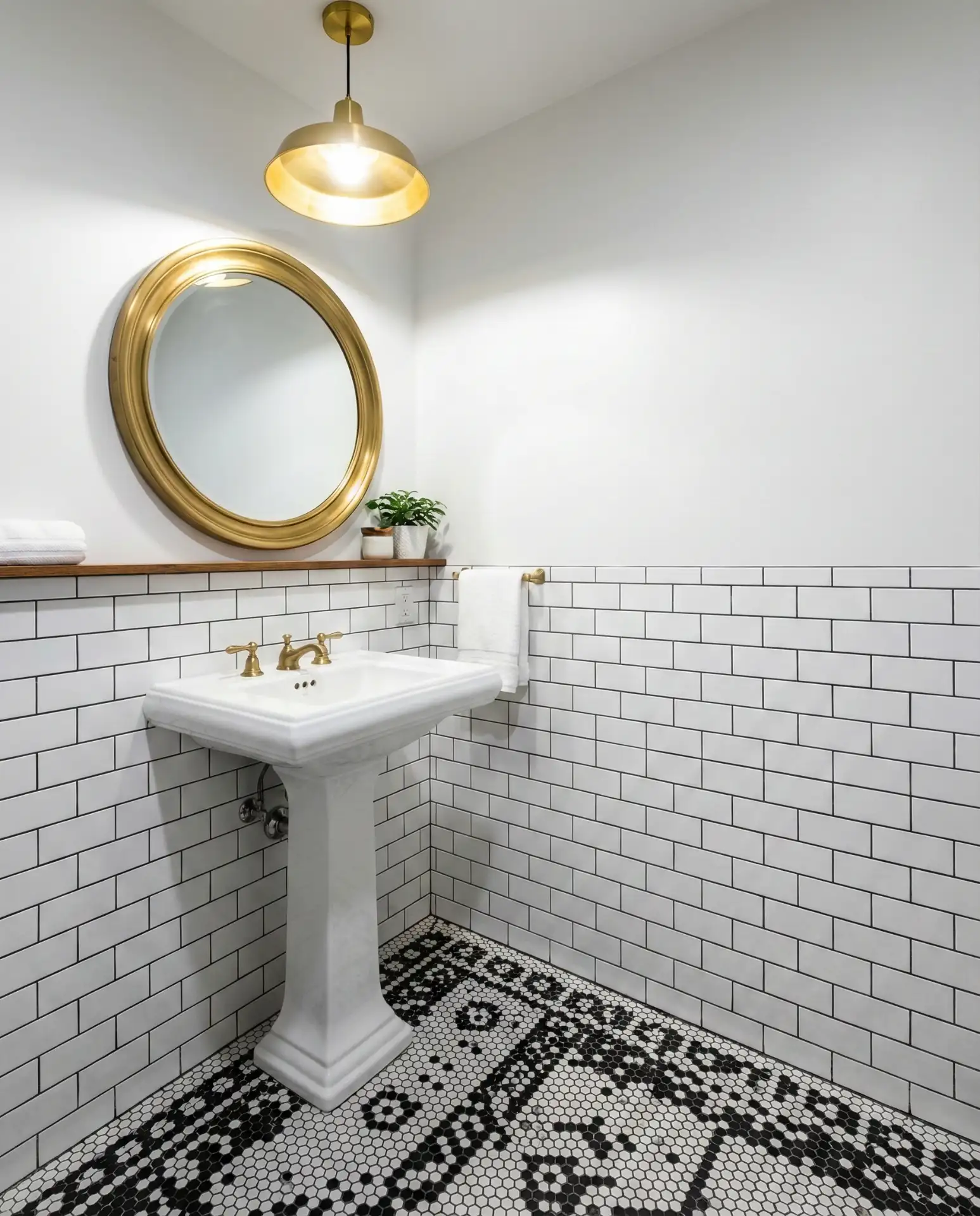
Geometric tiles—hexagons, diamonds, chevrons, and more—are adding visual interest to floors and accent walls. These patterns work especially well in smaller spaces where a bold floor can make a big impact without overwhelming the room. The key is to keep the rest of the design simple and let the tile be the star. Pair geometric floors with solid-colored walls and minimal accessories for a look that’s striking but not chaotic.
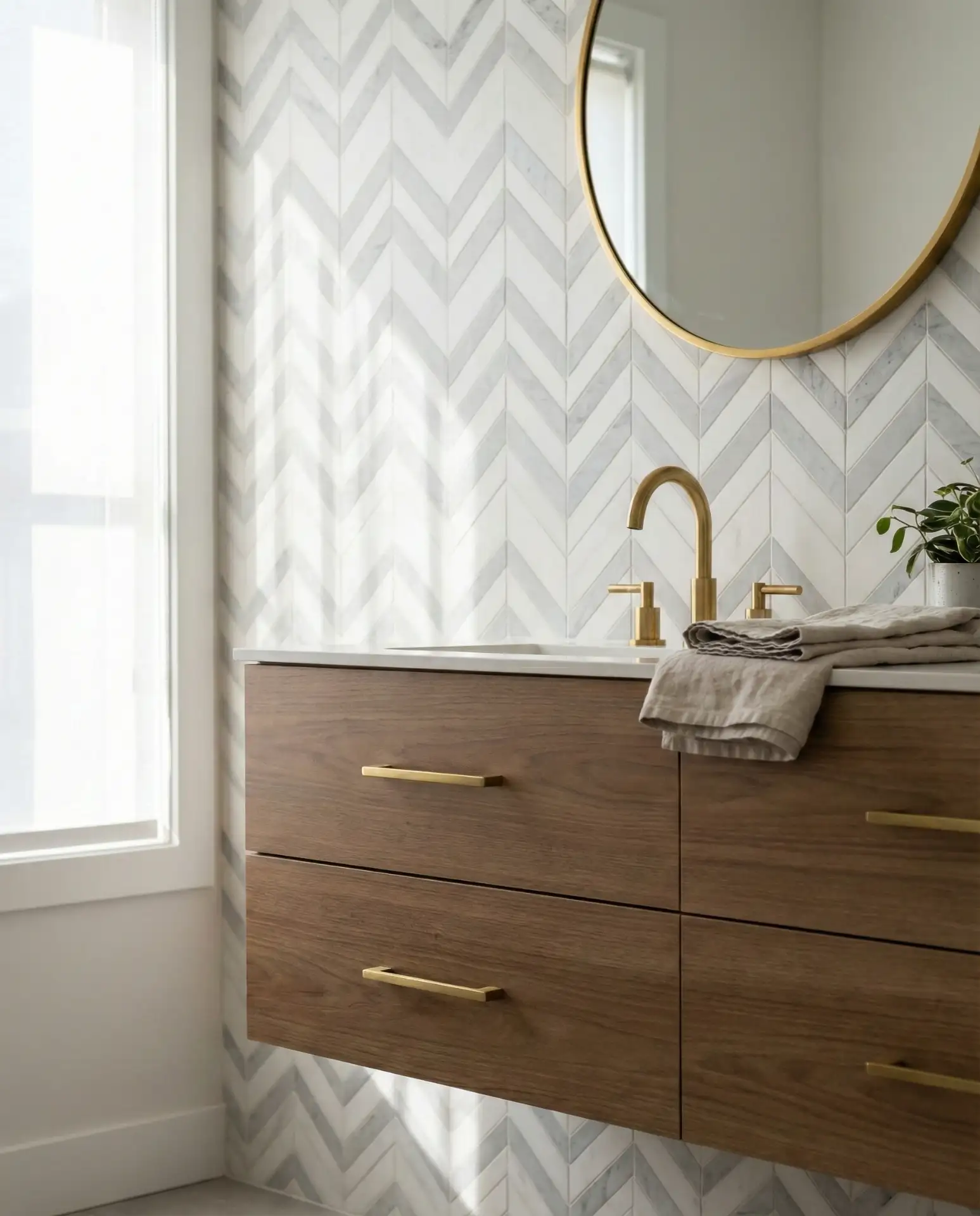
Real homeowner behavior: many are using geometric tiles in powder rooms first—a low-risk space to test a bold idea. If it works, they expand the pattern to the main bathroom. If not, it’s contained to a small area that’s easy to redo later.
21. Matte Black Hardware Everywhere
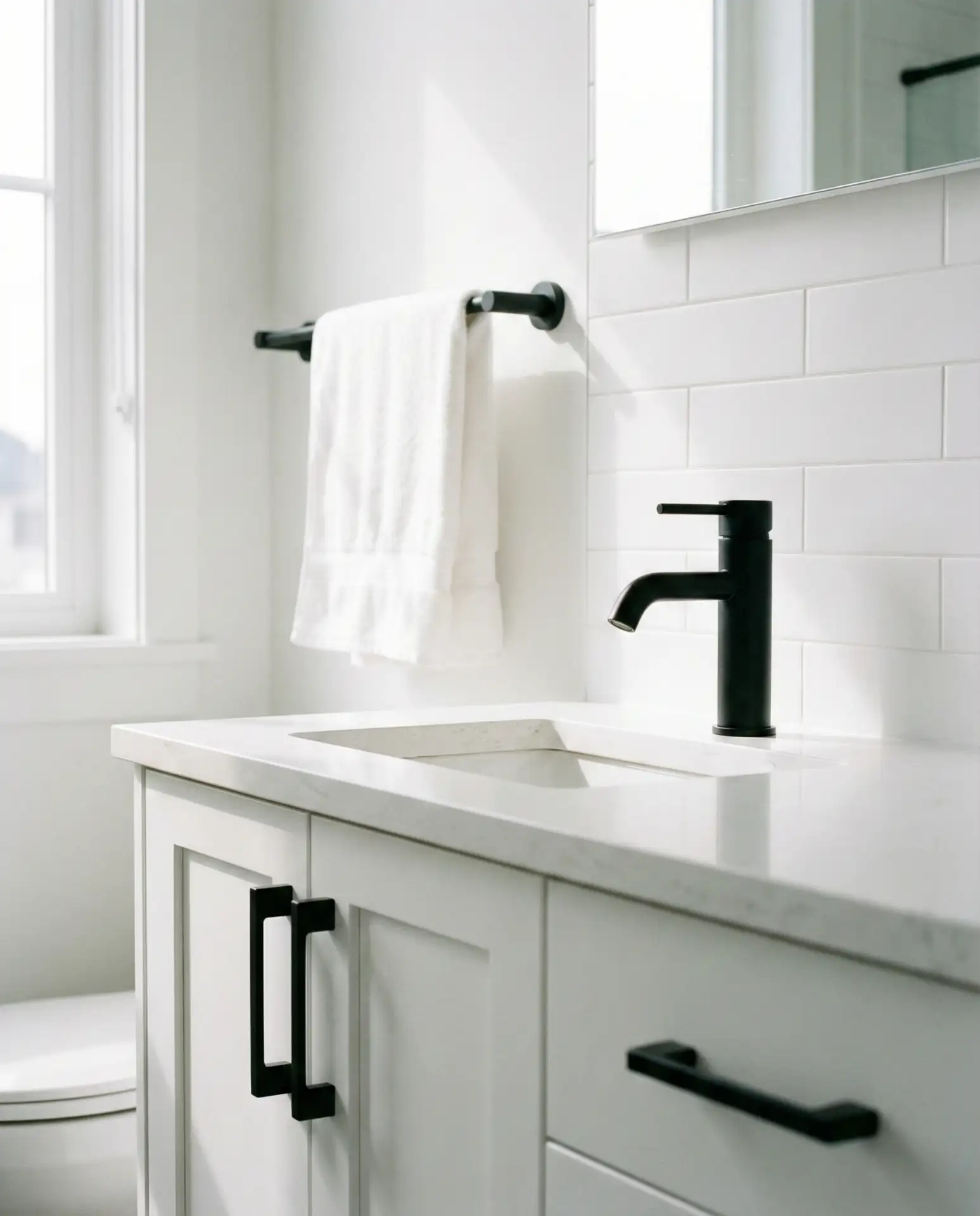
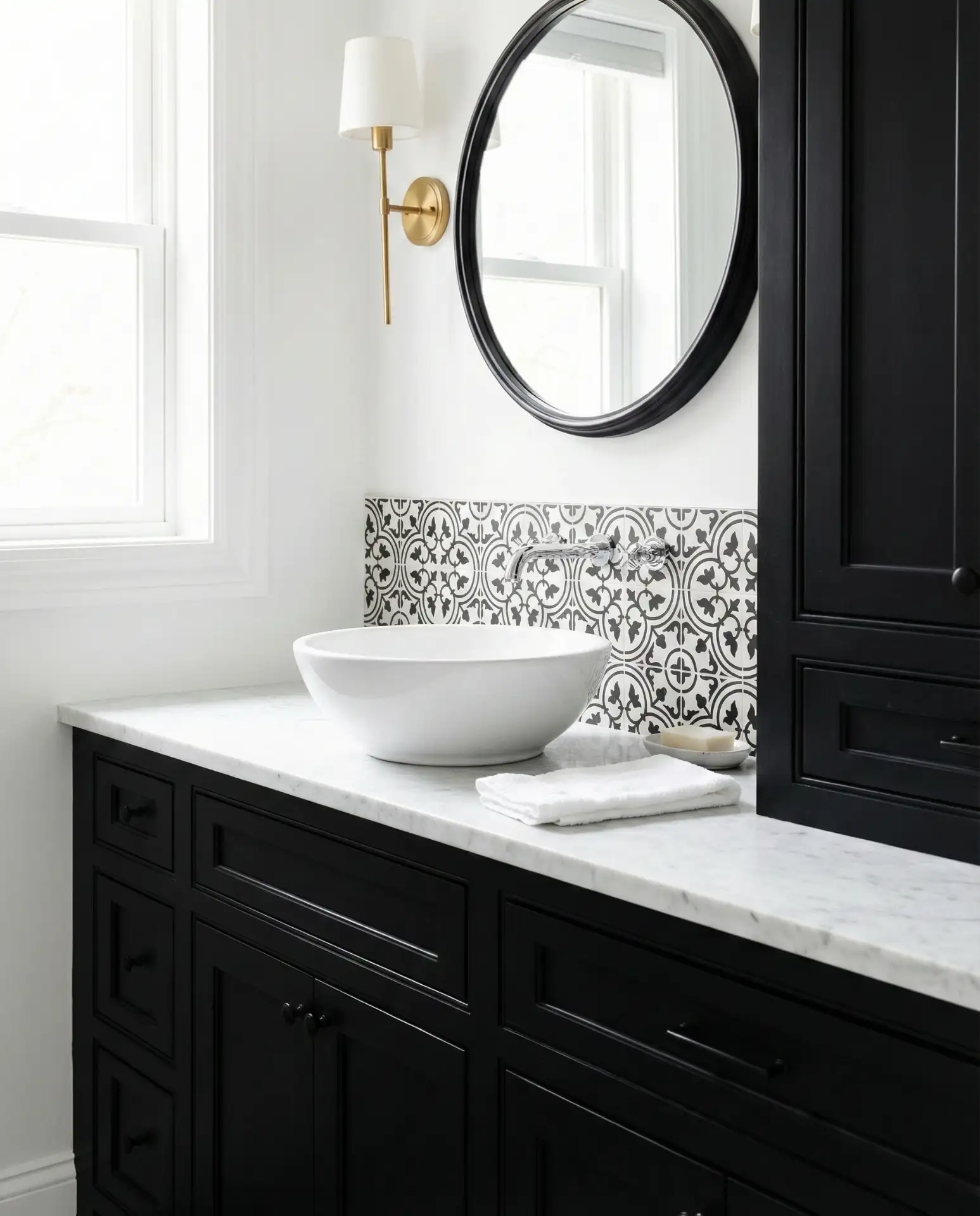
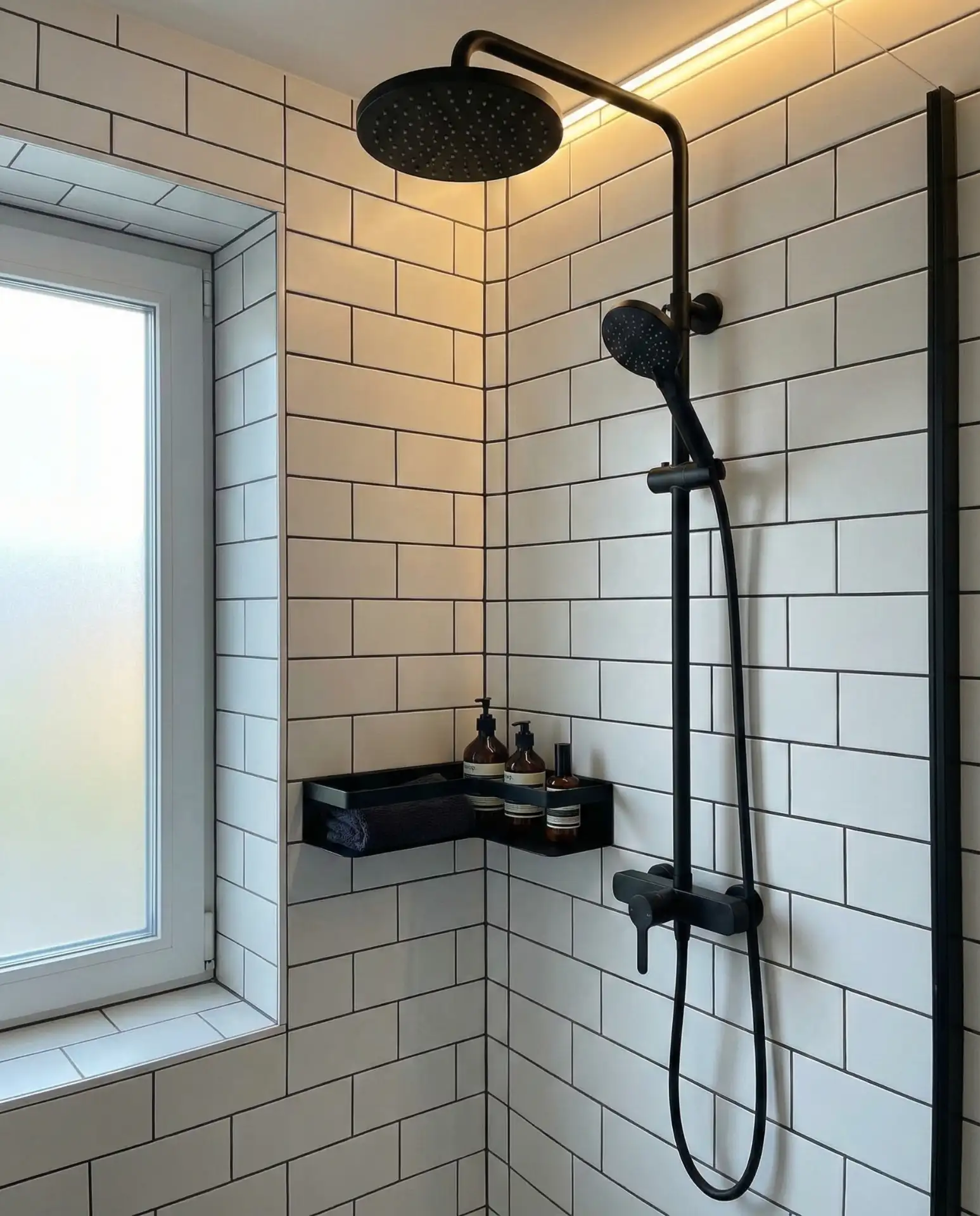
Matte black faucets, towel bars, drawer pulls, and shower fixtures are now standard in modern luxury bathrooms. This finish is sleek, contemporary, and surprisingly versatile—it works with everything from farmhouse to industrial to minimalist styles. Black hardware makes a statement without being loud, and it’s a simple swap that can instantly update an outdated bathroom. Plus, it’s more forgiving than chrome when it comes to showing water spots and fingerprints.
Where it works best: in bathrooms that need a quick, high-impact update. Swapping out all your hardware for matte black is one of the easiest and most affordable ways to modernize a space without a full remodel. It’s also a trend that’s likely to have staying power, so you won’t regret the investment.
22. Personalized Art and Accessories
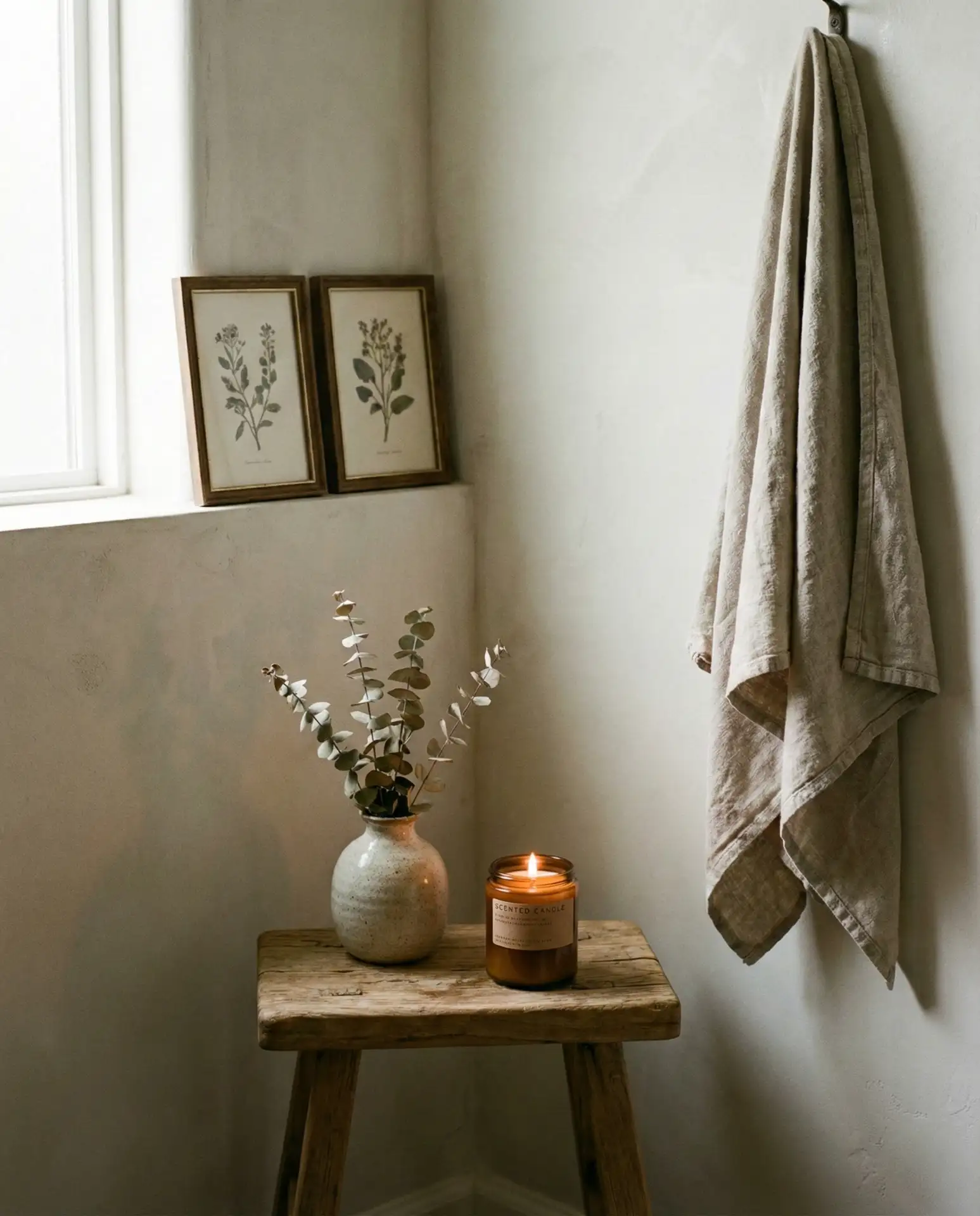
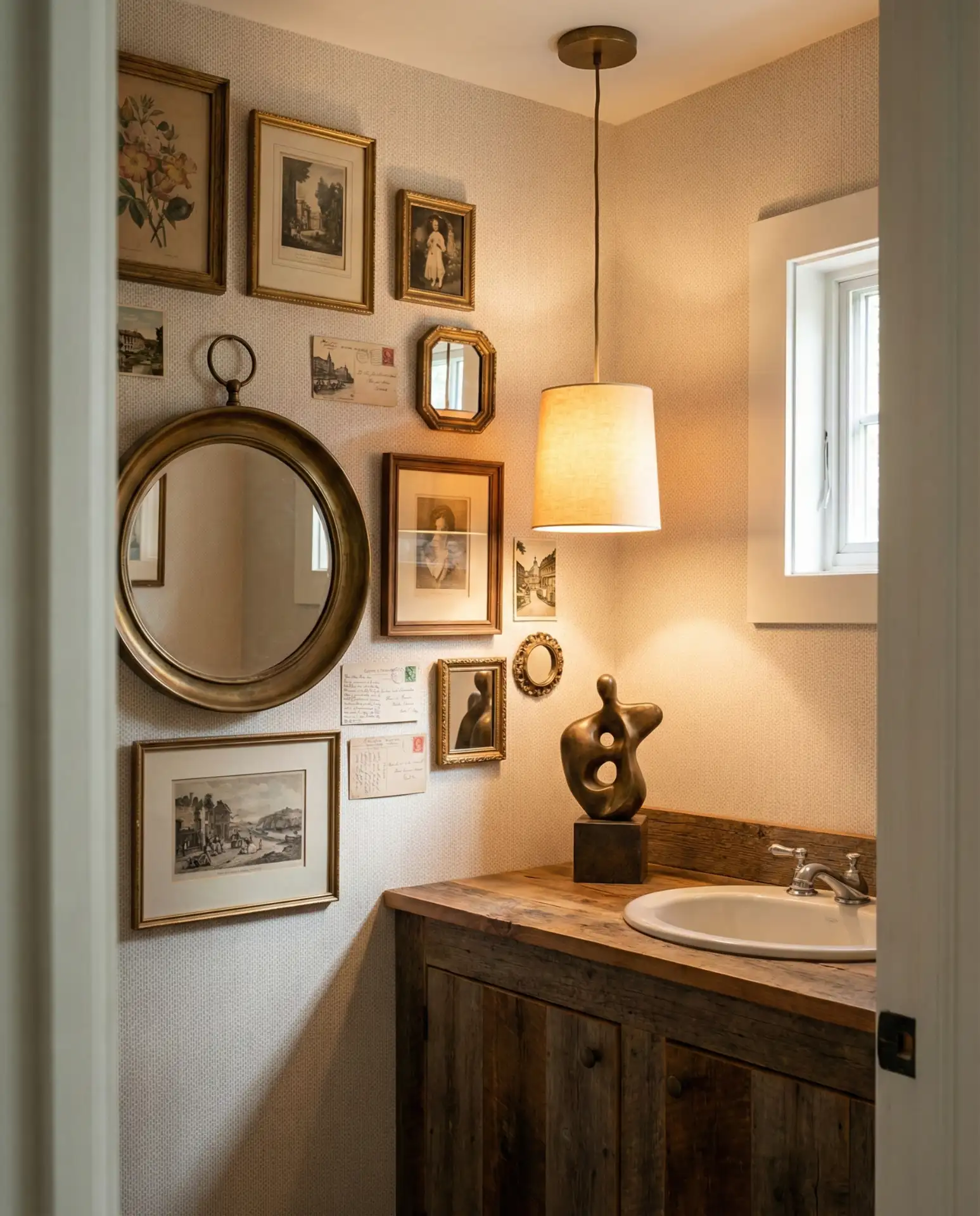
Bathrooms are no longer sterile, impersonal spaces—homeowners are bringing in art, photographs, and meaningful accessories to make them feel more like a true extension of their homes. A small framed print, a sculpture, a beloved candle, or even a vintage rug can transform a bathroom from functional to personal. This trend is about treating the bathroom with the same care and attention you’d give any other room, making it a space that genuinely reflects who you are.
American lifestyle context: in many homes, especially in suburban areas, the bathroom is increasingly seen as a personal retreat rather than just a utility space. Adding art and personal touches is part of a broader trend toward self-care and creating spaces that support well-being. It’s a simple shift that makes a big difference in how the space feels day-to-day.
Conclusion
Whether you’re planning a full remodel or just looking for a few fresh decor ideas, 2026 offers plenty of inspiration to make your bathroom feel more intentional, more you. The beauty of these trends is that they’re flexible—you can go bold with color and pattern or keep things minimal and serene. What matters most is creating a space that supports your daily routine and brings you a little joy every time you walk in. We’d love to hear which ideas resonated with you most—drop a comment below, and let’s keep the conversation going.