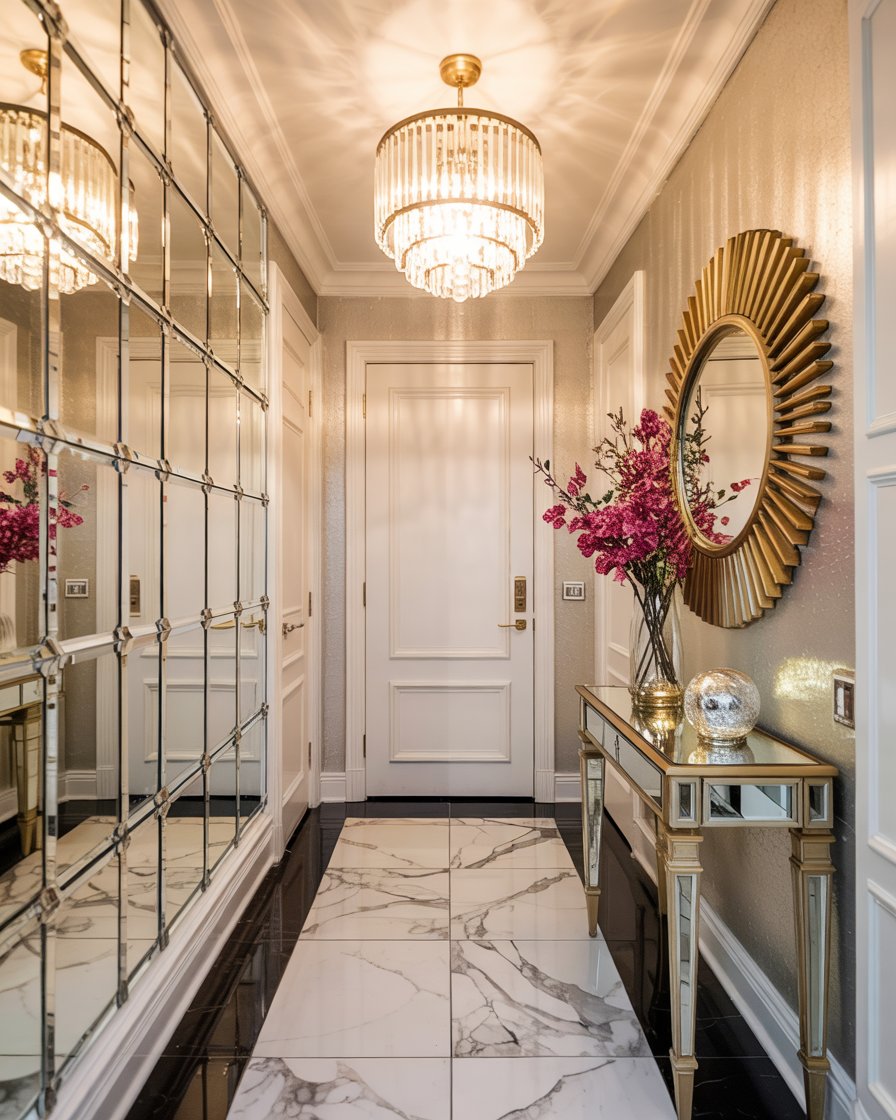
Dining rooms are stepping into 2026 with a refreshing blend of comfort, personality, and intentional design. American homeowners are moving away from overly formal spaces and embracing dining areas that feel lived-in, curated, and ready for everything from weeknight takeout to holiday feasts. Pinterest searches for dining room inspiration have surged as people seek spaces that balance style with real-world function—think layered textures, warm neutrals, unexpected pops of color, and vintage finds that tell a story. In this guide, you’ll discover fresh dining room ideas that capture the evolving tastes of 2026, from cozy farmhouse charm to sleek mid-century lines, each designed to inspire your next refresh.
1. Warm Neutral Layers with Vintage Brass
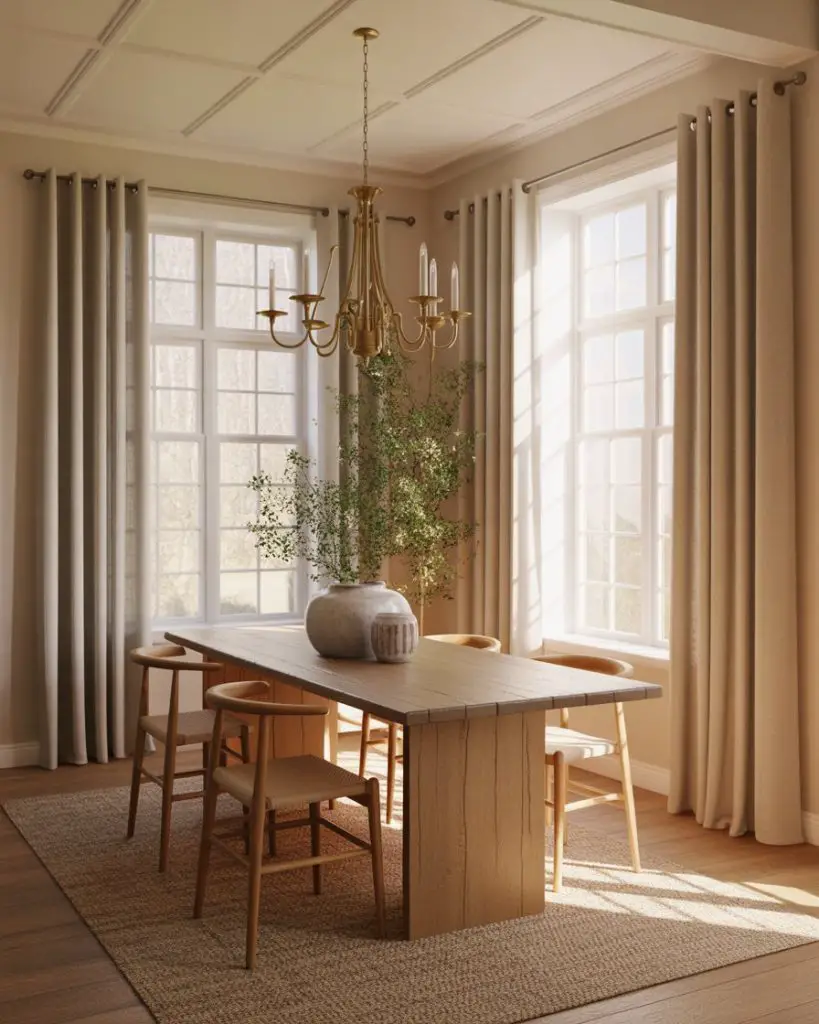
This approach centers on neutral tones—creamy whites, soft taupes, and warm beiges—layered with vintage brass fixtures and weathered wood accents. It’s a simple formula that works beautifully in open-concept homes where the dining area flows into the kitchen or living room. The key is mixing textures: linen curtains, a chunky wool rug, and a reclaimed wood table that anchors the space without overwhelming it. 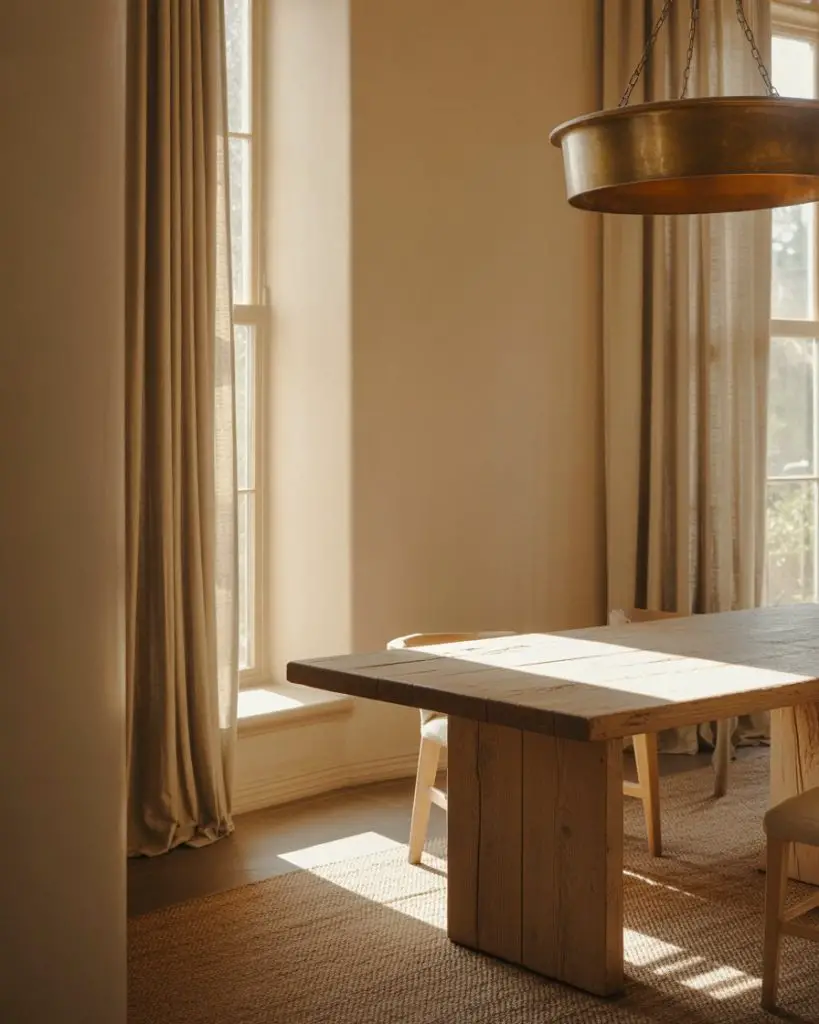
This style works particularly well in Midwestern and Southern homes where homeowners appreciate understated elegance. The neutral palette makes the space feel larger and more inviting, while the vintage brass adds just enough character to avoid feeling generic. It’s a forgiving look—spills and scratches on a weathered table become part of the story rather than something to stress over.
2. Modern Farmhouse with Shiplap Accents
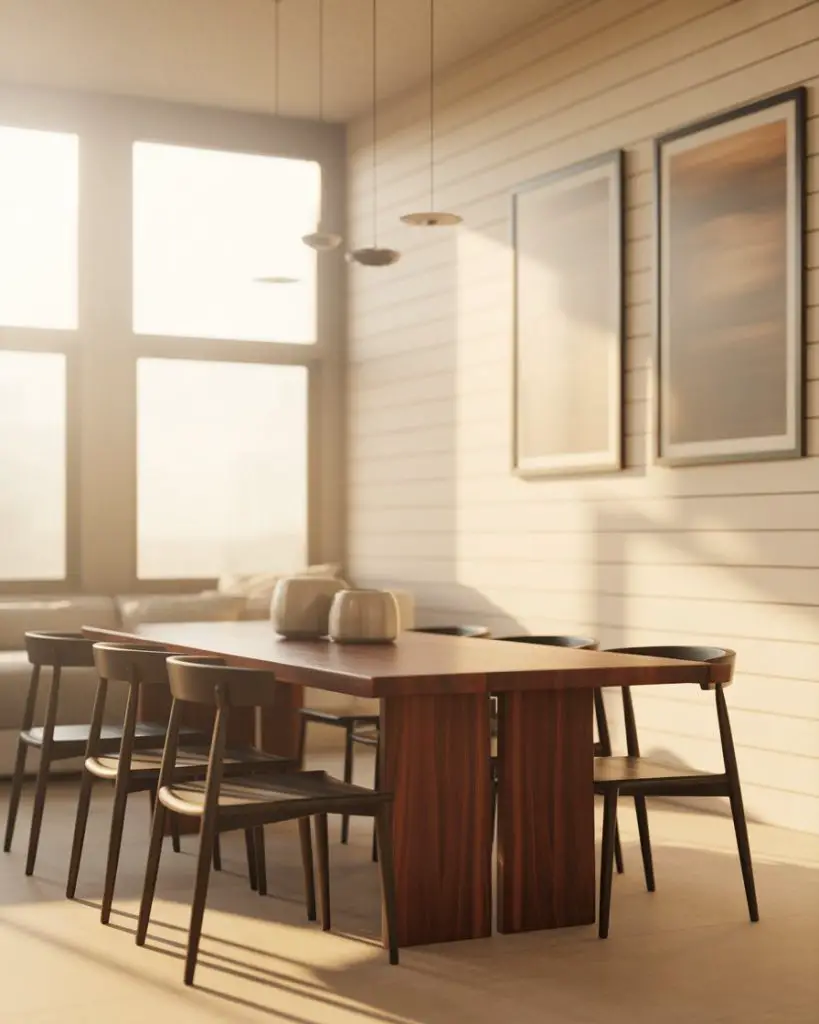
The modern farmhouse aesthetic continues to evolve in 2026, with cleaner lines and less clutter than earlier iterations. Think whitewashed shiplap on one accent wall, paired with a sturdy farmhouse table in dark walnut and sleek black metal chairs. The modern twist comes from minimalist pendant lights and a curated selection of wall art—perhaps a large-scale black-and-white photograph or abstract piece. 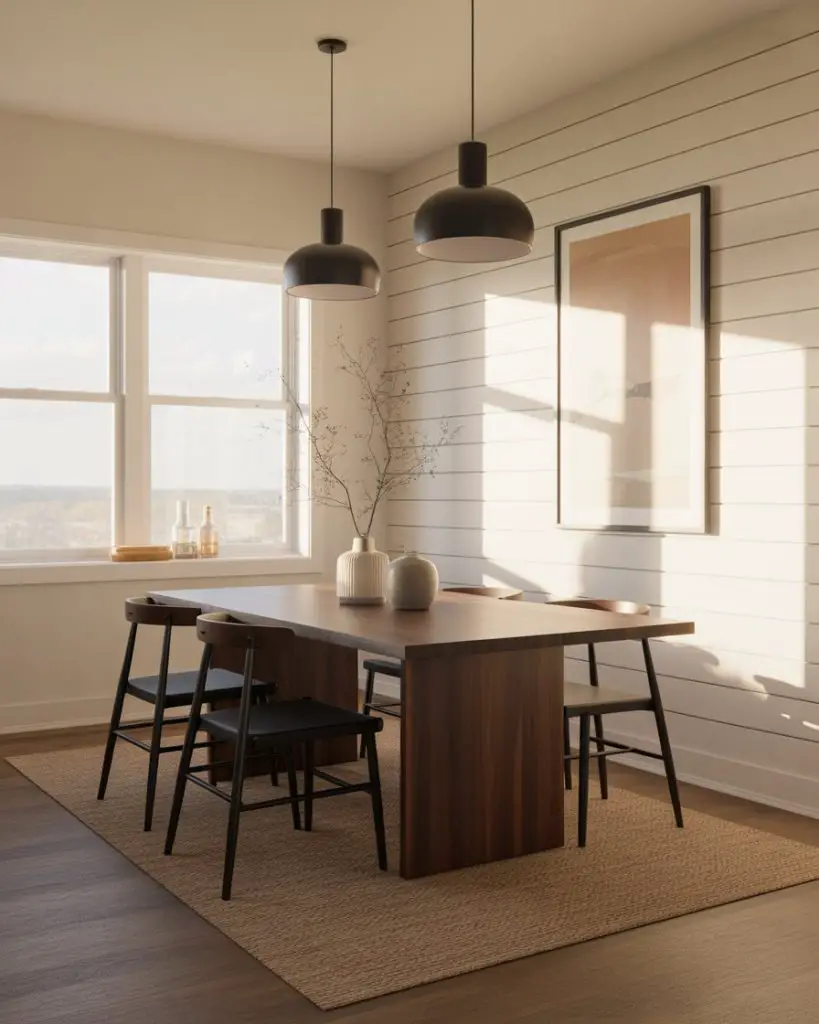
One common mistake is overloading the space with too many rustic accessories—mason jar centerpieces, galvanized metal everything, distressed signs. In 2026, restraint is key. Stick to one or two statement pieces and let the architecture speak for itself. This approach feels fresh in suburban homes from Texas to North Carolina, where modern farmhouse reigns but needs periodic updates to avoid feeling dated.
3. Boho Dining Nook with Rattan and Greenery
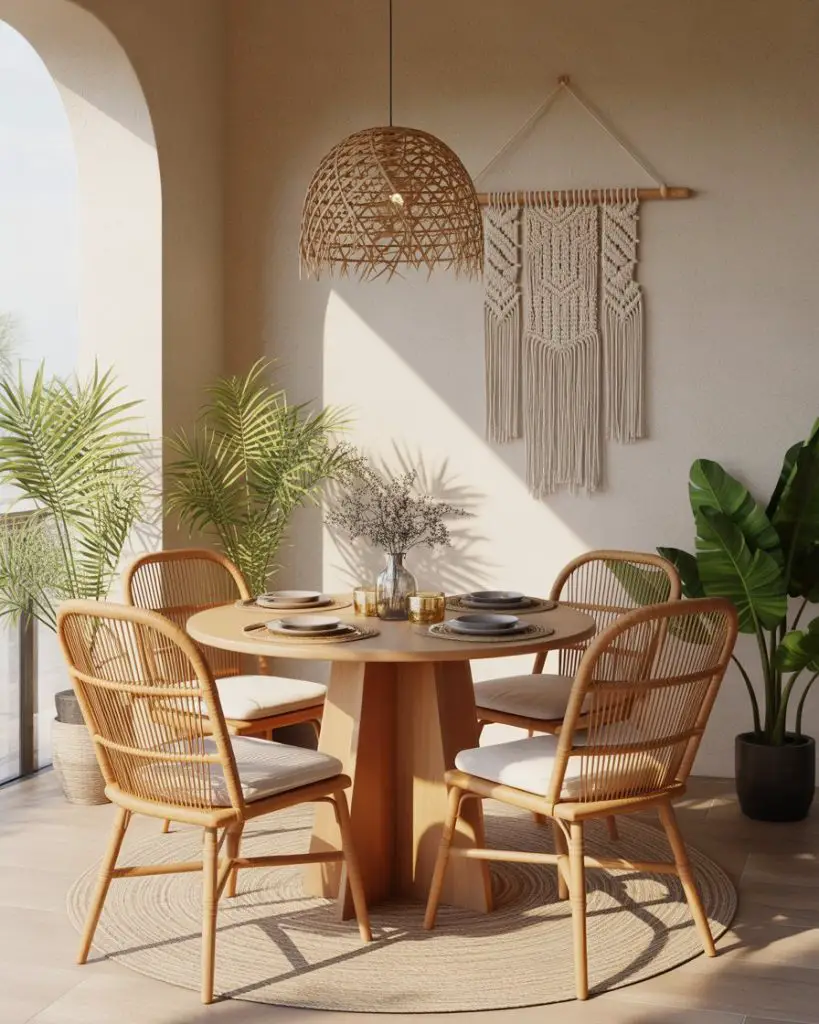
A boho-inspired dining area embraces natural materials and an eclectic, collected-over-time vibe. Start with a round table in light oak or bamboo, surround it with mismatched rattan chairs, and layer in plenty of greenery—potted palms, hanging plants, or a wall-mounted planter shelf. The look is relaxed, inviting, and perfect for small space dining areas or apartment dwellers who want personality without permanence. 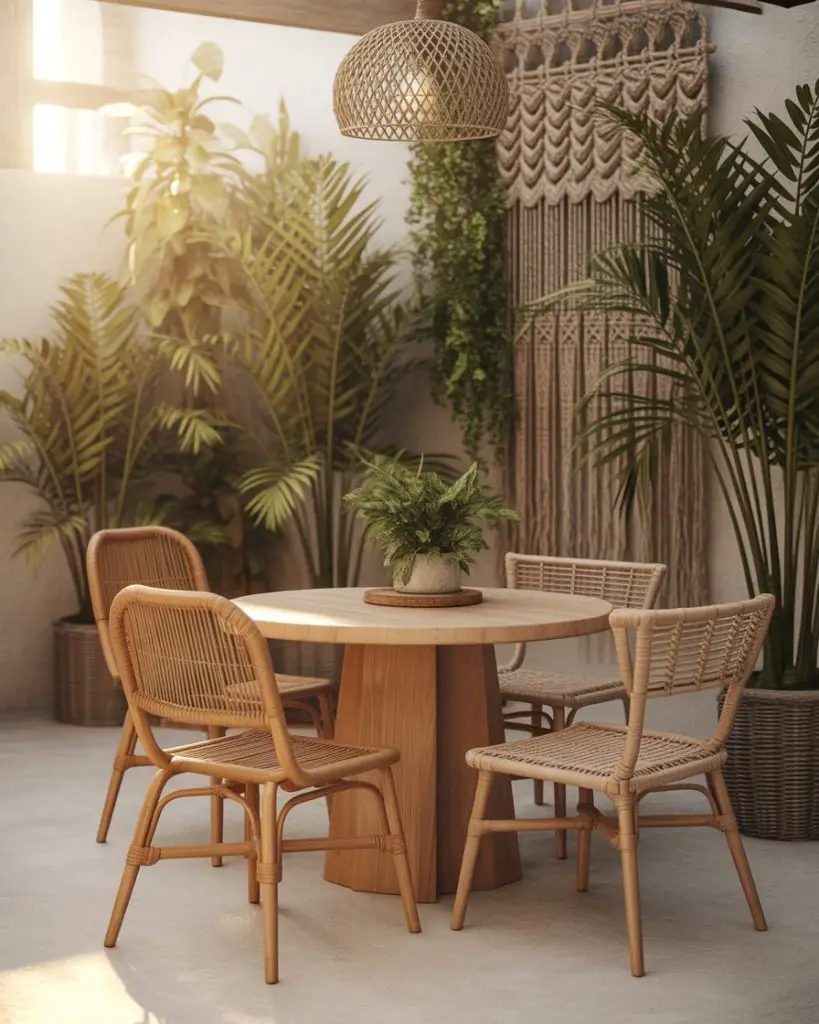
This style thrives in coastal cities like San Diego or Portland, where indoor-outdoor living is a lifestyle. A friend of mine transformed her cramped Brooklyn apartment dining corner this way—she found the rattan chairs at a flea market and added a vintage kilim rug underneath. The space instantly felt more breathable and personal, proof that boho doesn’t require a big budget or square footage.
4. Mid Century Modern with Walnut and Brass
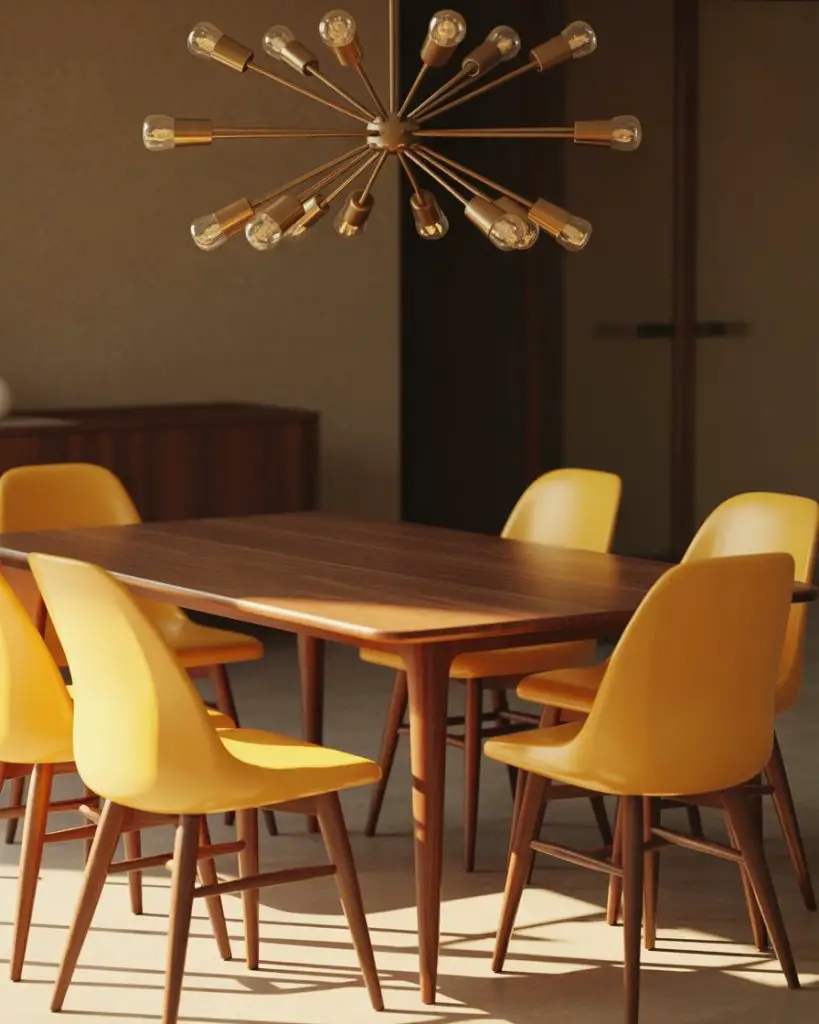
Classic mid century modern design remains a go-to for those who appreciate clean lines and timeless appeal. Picture a sleek walnut dining table with tapered legs, paired with molded plastic or upholstered mid century chairs in mustard or olive. A sculptural brass chandelier or Sputnik-style fixture overhead completes the look, offering both function and a focal point that feels both retro and current. 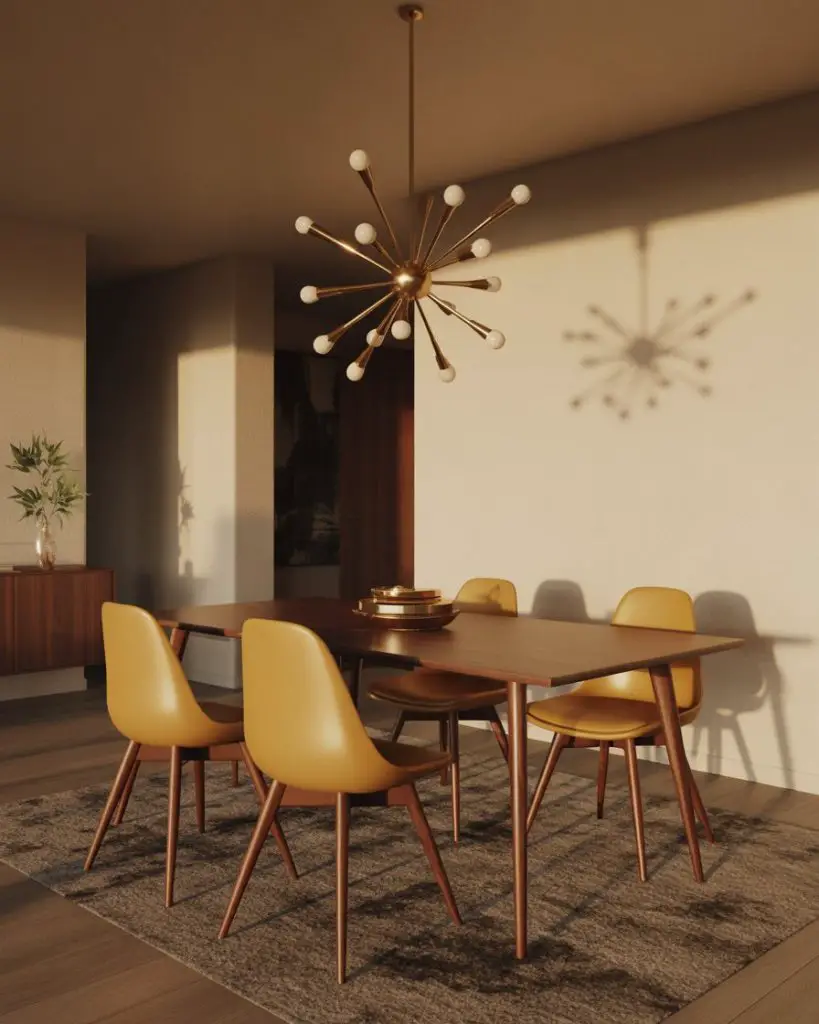
This aesthetic works especially well in open loft spaces or post-war suburban homes that already have architectural bones from the 1950s and 60s. When sourcing pieces, look for authentic vintage finds or high-quality reproductions—cheap knockoffs can undermine the sophistication this style is known for. It’s an investment look that ages gracefully and pairs well with both bold and neutral color schemes.
5. French Country Romance with Linen and Lavender
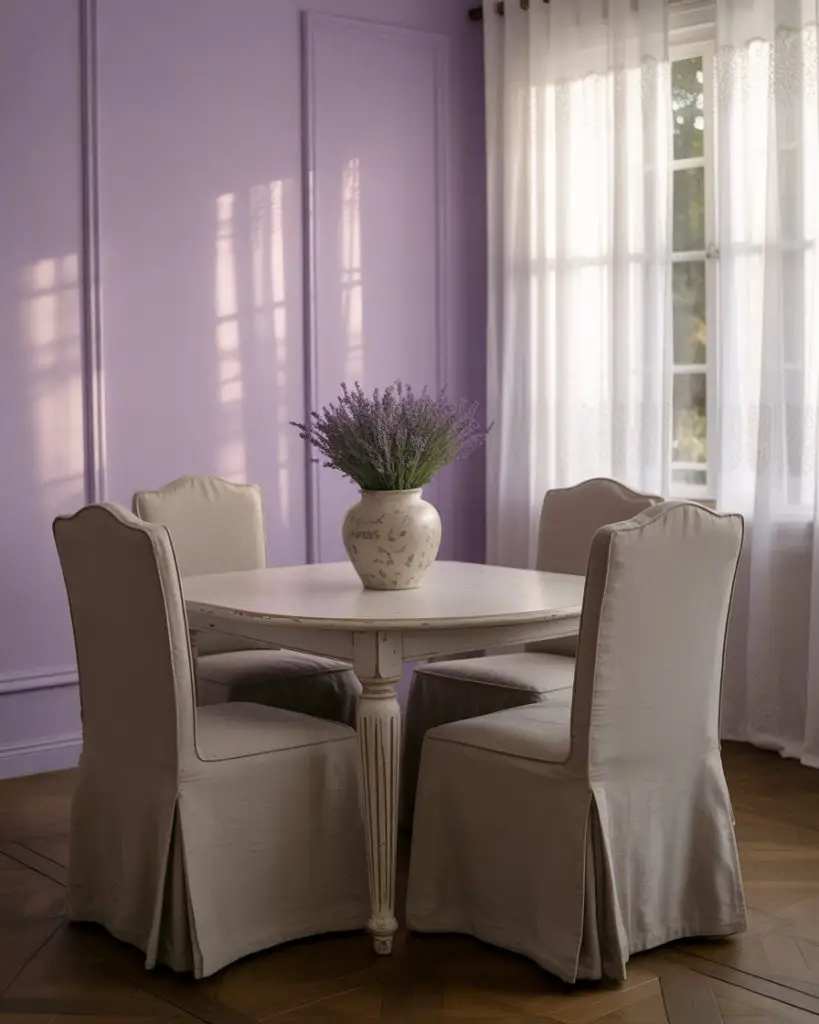
For those drawn to French country charm, think soft lavender walls, a distressed white or pale gray table, and linen slipcovers on dining chairs. The palette is muted and romantic—whites, soft grays, dusty purples, and touches of sage green. Fresh flowers in simple ceramic vases and vintage-inspired candle holders add to the effortless elegance that defines this European-inspired style. 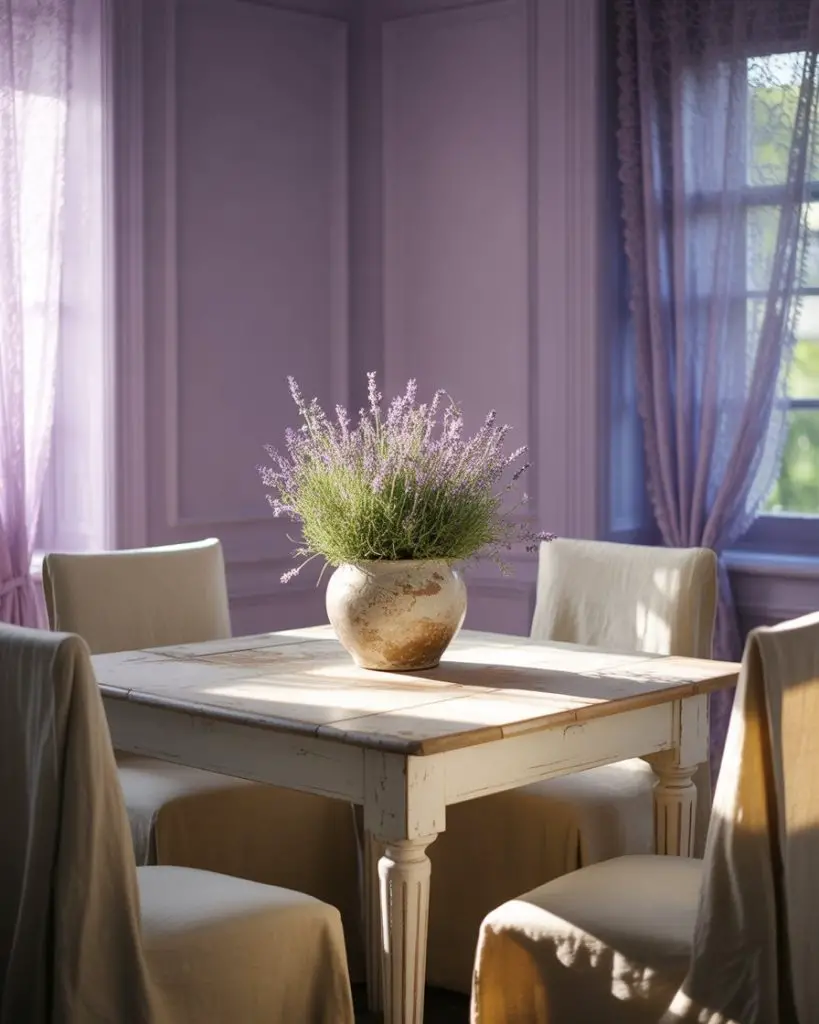
French country works beautifully in rural settings or homes with existing farmhouse character, particularly in New England or the Pacific Northwest. The key is avoiding overly precious or cluttered arrangements—this style should feel collected, not contrived. Real homeowners who embrace French country often shop estate sales for one-of-a-kind pieces rather than buying everything new, which adds authenticity and keeps costs down.
6. Luxury Dining with Velvet and Marble
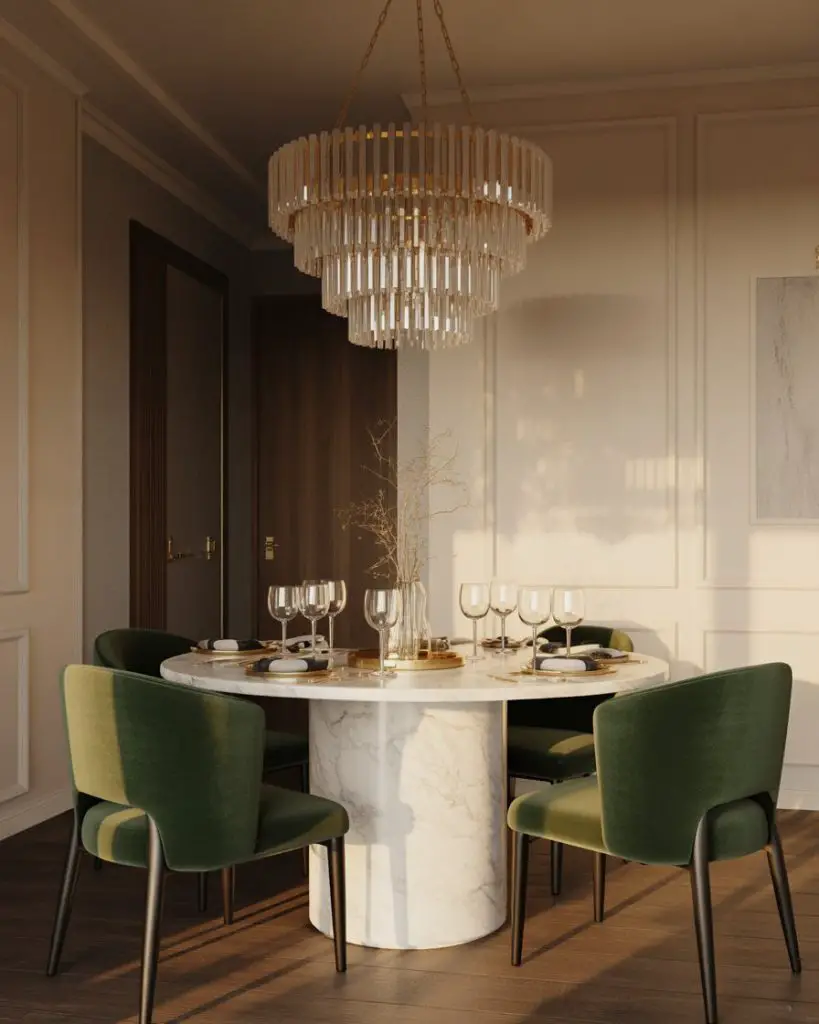
A luxury dining room in 2026 leans into rich textures and statement materials. Imagine a marble-topped table—Carrara or black marble—surrounded by velvet dining chairs in jewel tones like emerald or sapphire. Add a grand crystal or tiered chandelier, and layer in metallic accents through gold flatware, mirrored trays, or brass picture frames. It’s formal without feeling stuffy, classy without being cold. 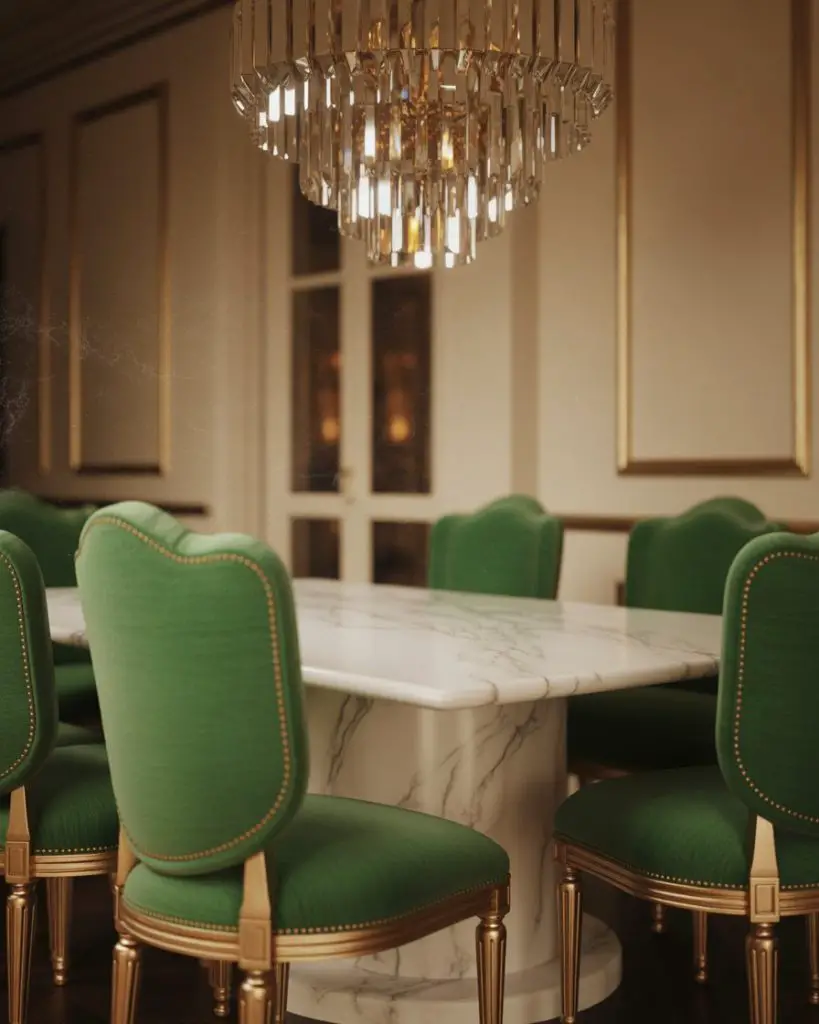
This look is most at home in urban condos or renovated historic homes in cities like Chicago, Boston, or San Francisco. Budget-wise, you can achieve a similar effect by investing in one hero piece—like the marble table or velvet chairs—and keeping other elements more affordable. The mistake to avoid is over-accessorizing; luxury design relies on restraint and letting high-quality materials take center stage.
7. Small Space Dining with Banquette Seating
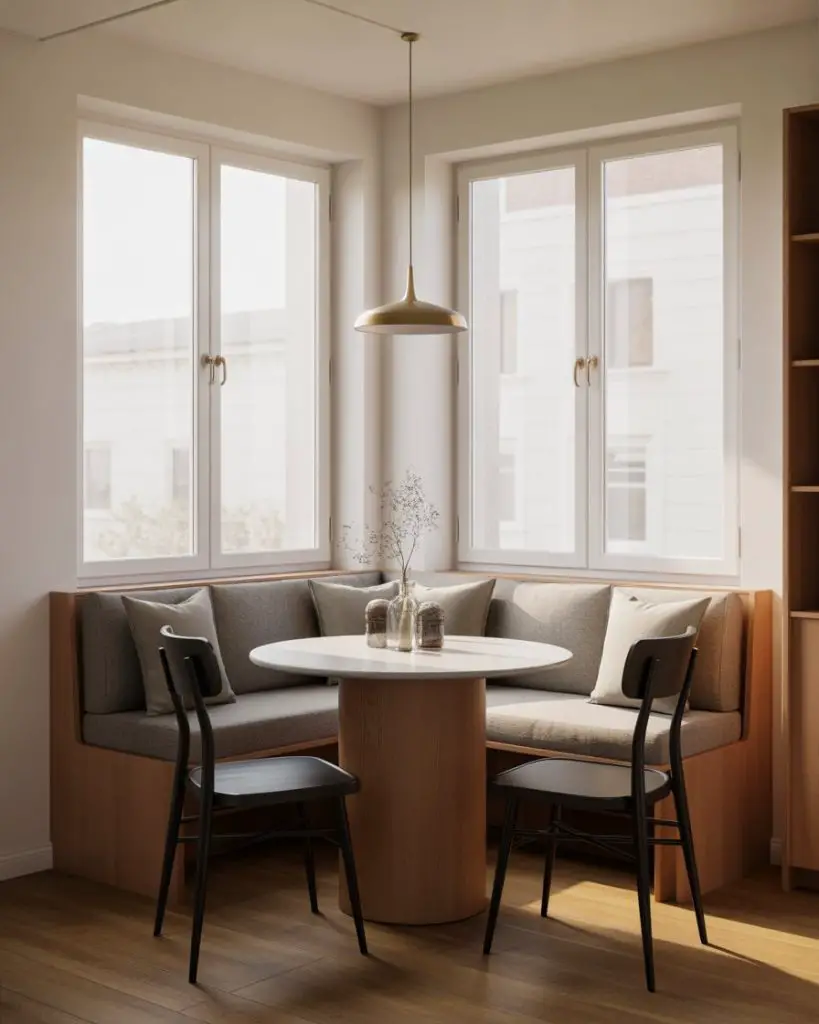
For small space dining solutions, a built-in banquette offers both seating and storage. Tuck it into a corner or along a wall, add a compact round table, and finish with a pair of modern chairs on the opposite side. Upholster the banquette in a durable fabric—linen or performance velvet—and include drawers or lift-top storage underneath for linens, extra dishes, or seasonal décor. 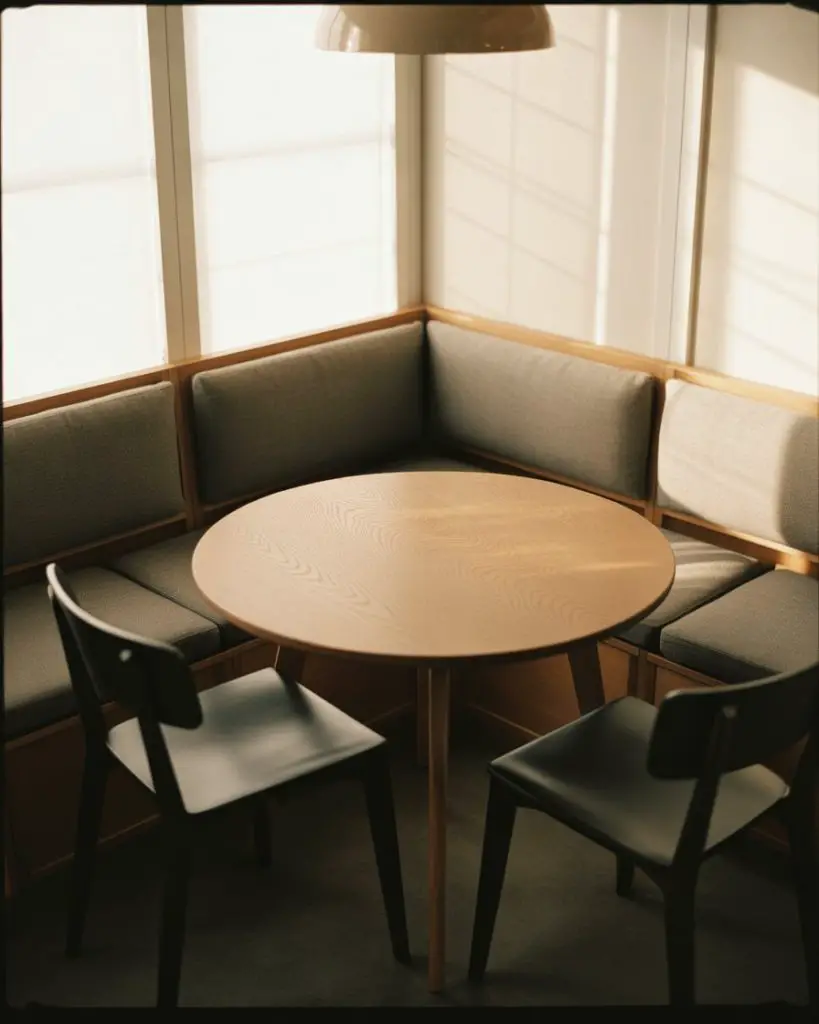
In cities like New York, Seattle, and D.C., where square footage comes at a premium, banquette seating is a game-changer. It maximizes every inch and creates a cozy breakfast nook vibe that feels intentional rather than cramped. I’ve seen renters install freestanding versions that mimic built-ins, proving you don’t need to own your home to enjoy this clever layout.
8. Bold Blue Statement with Brass Hardware
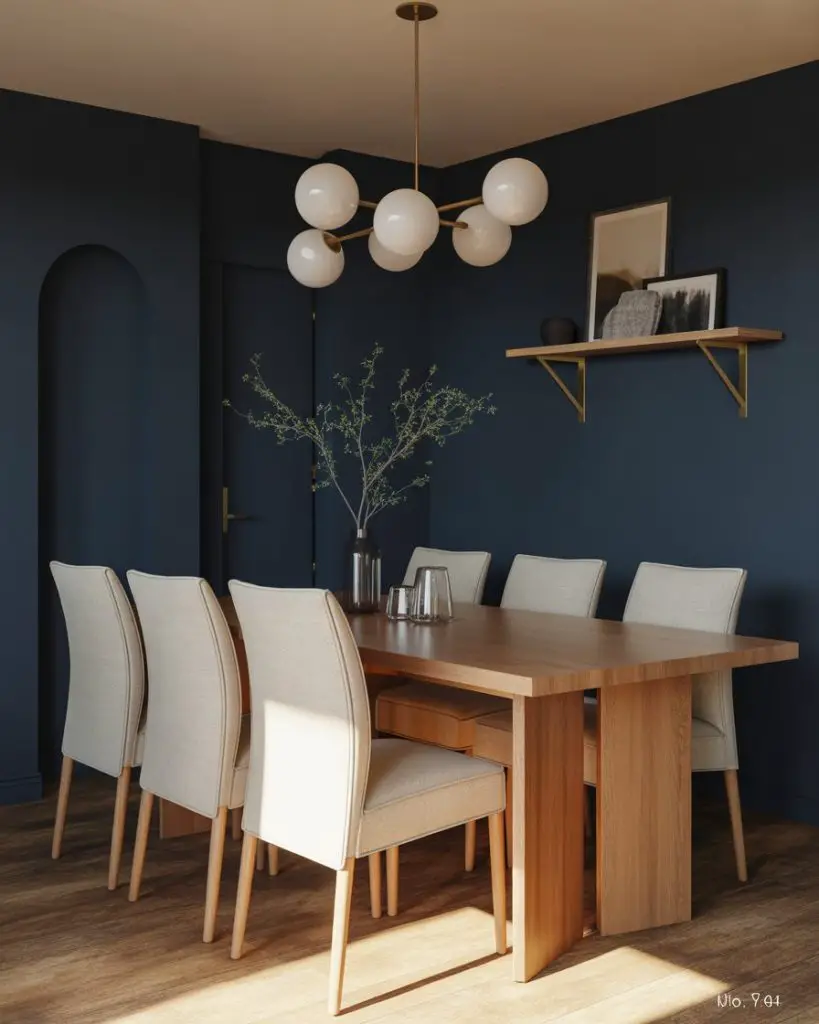
A blue dining room makes a confident statement, especially when executed in a deep navy or saturated cobalt. Paint the walls or add a blue accent wall behind a floating shelf or buffet, then introduce warm brass hardware, mirror frames, and light fixtures to balance the cool tones. Pair with a natural wood table and neutral upholstered chairs to keep the look grounded and livable. 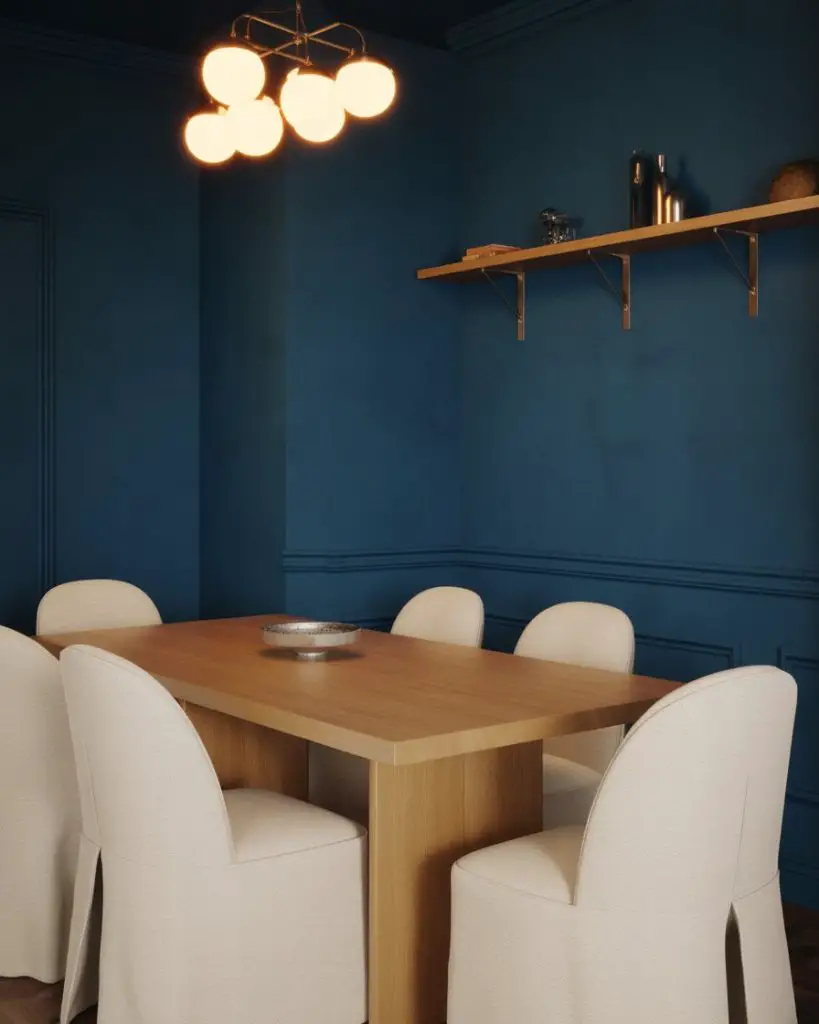
This color choice works especially well in homes with good natural light—Southern California, Florida, or anywhere with large windows—because it prevents the space from feeling too dark. Blue is also surprisingly versatile, pairing beautifully with both traditional and contemporary furniture. Just be cautious with scale; in a very small room, consider using blue on just one wall or in accents to avoid overwhelming the space.
9. Soft Pink and Gold Glam
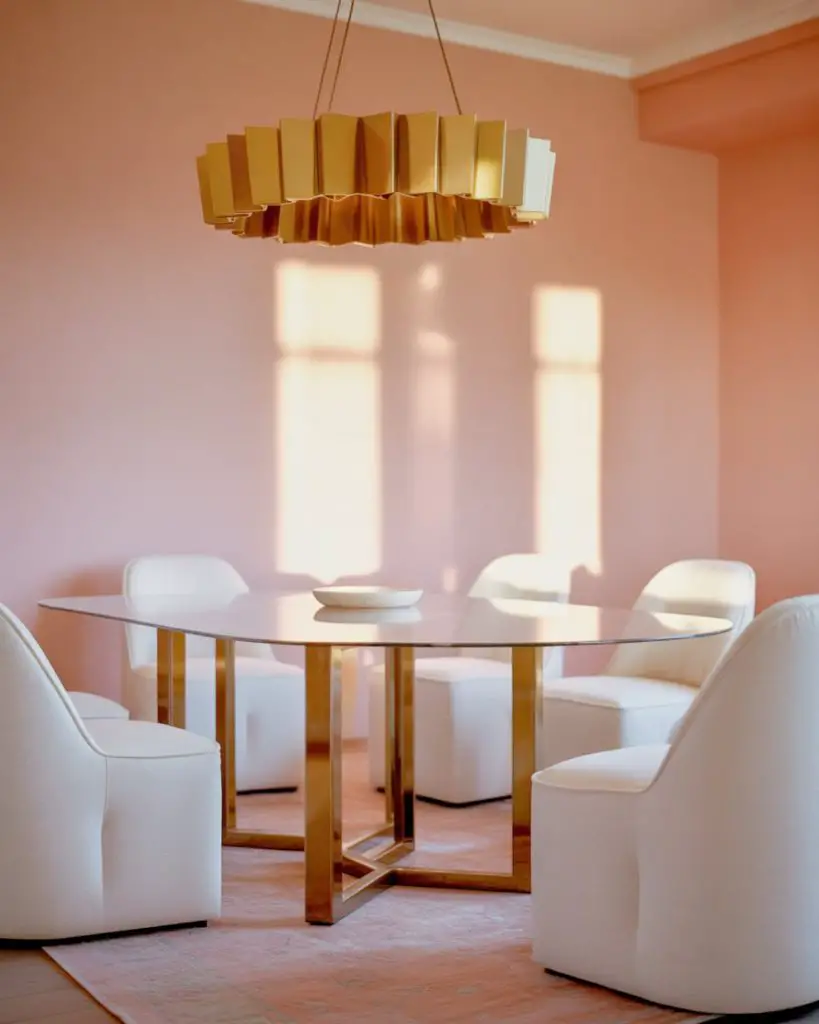
Blush pink is having a refined moment in dining rooms, especially when balanced with gold accents and soft textures. Think pale pink walls or a rose-toned area rug, paired with a glass or lucite table and gold-legged chairs. The effect is feminine without being overly sweet, modern without sacrificing warmth. Add a geometric gold chandelier and you’ve got a space that photographs beautifully and feels special in person. 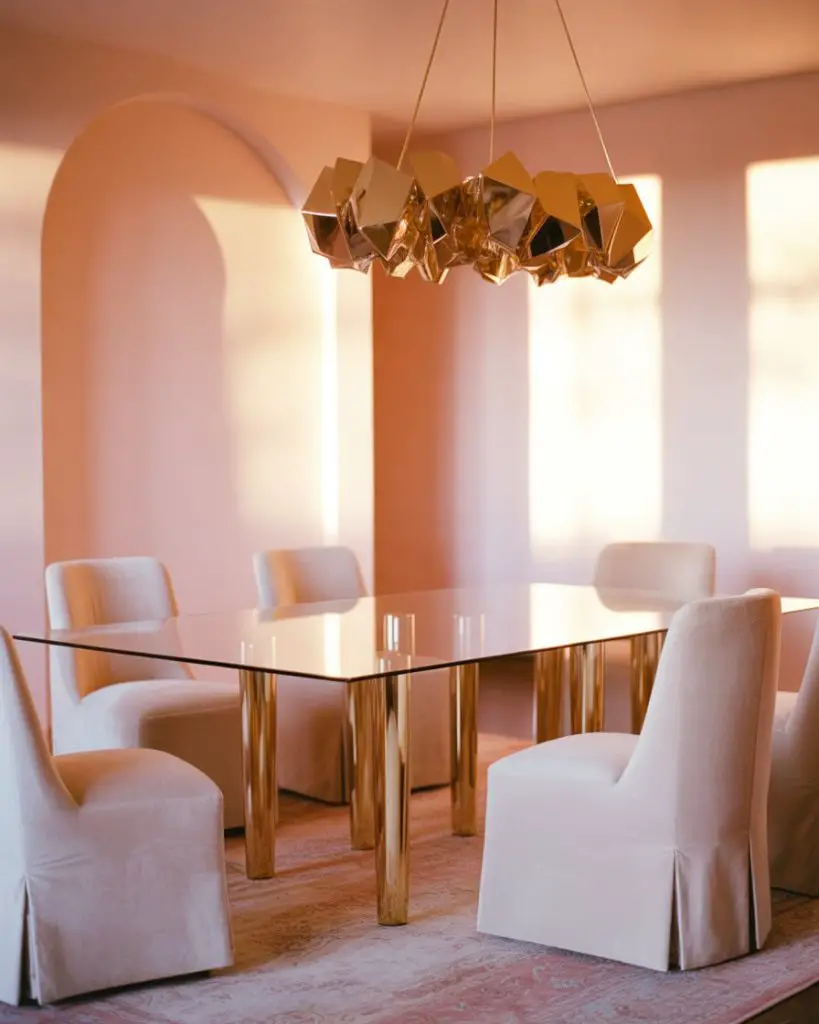
Pink dining rooms are particularly popular in the South and in suburban homes where homeowners aren’t afraid of color. The trick is using muted, dusty pinks rather than bright fuchsias, which can feel dated quickly. Real homeowners often start with pink as an accent—napkins, a single chair, or wall art—then expand once they’re comfortable with the palette.
10. Christmas-Ready Dining with Evergreen Touches
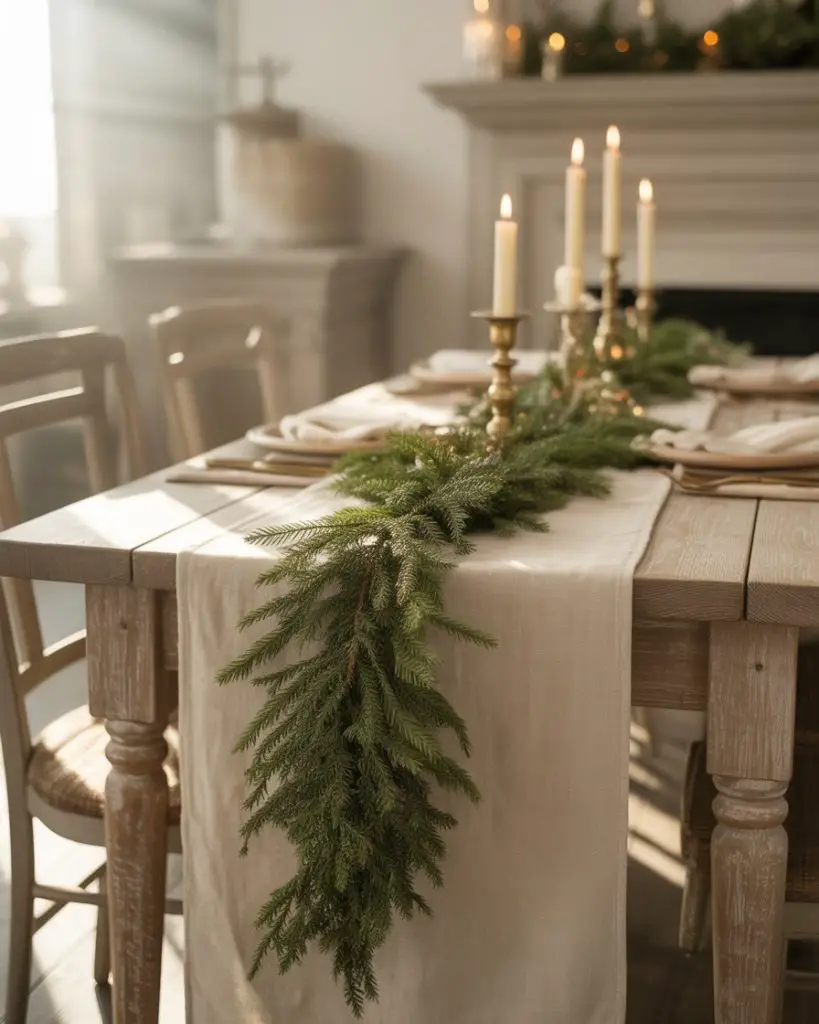
Designing a dining room with Christmas in mind doesn’t mean sacrificing year-round style. Opt for a neutral base—whites, creams, and natural wood—then layer in seasonal touches like evergreen garlands, pinecone place card holders, and brass candlesticks. A farmhouse table with a linen runner creates the perfect backdrop for holiday gatherings, and everything can be easily swapped out come January. 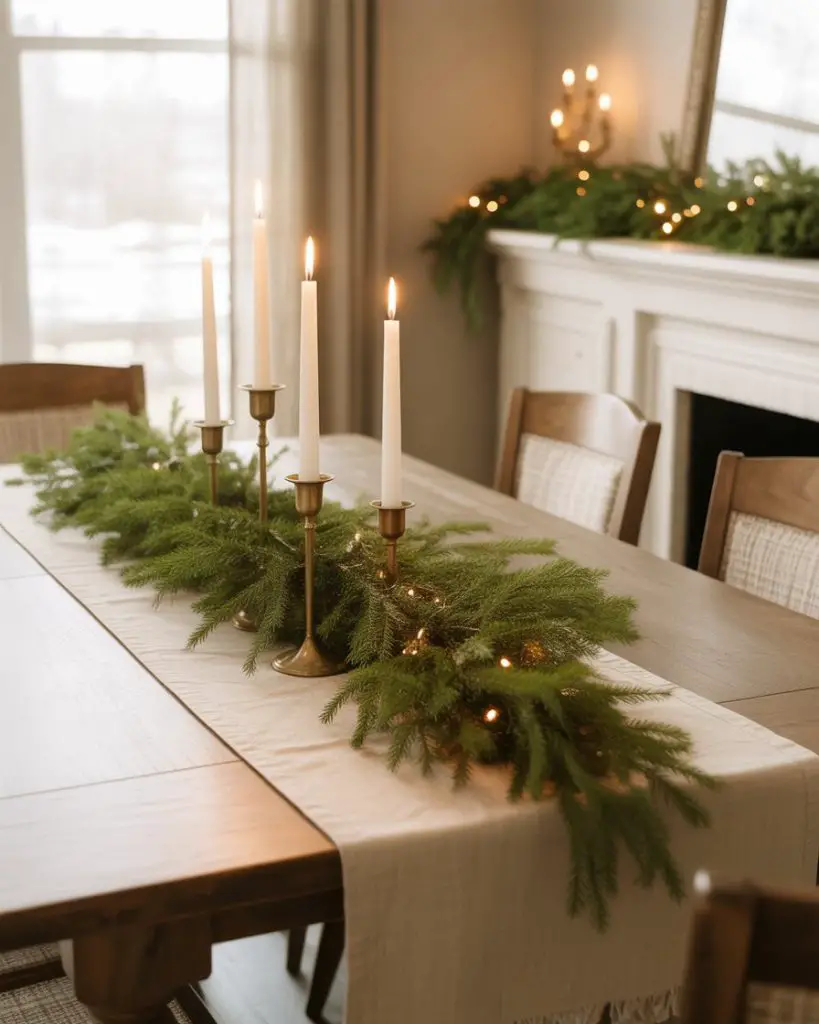
This approach works best in homes where the dining room is a true gathering space during the holidays—common in the Midwest and Northeast. By keeping the permanent décor simple, you avoid the trap of a room that only looks good one month a year. Homeowners who do this well tend to invest in high-quality evergreen garlands and reusable décor that can be stored and brought out annually, making it both sustainable and budget-friendly over time.
11. Western-Inspired Dining with Leather and Iron
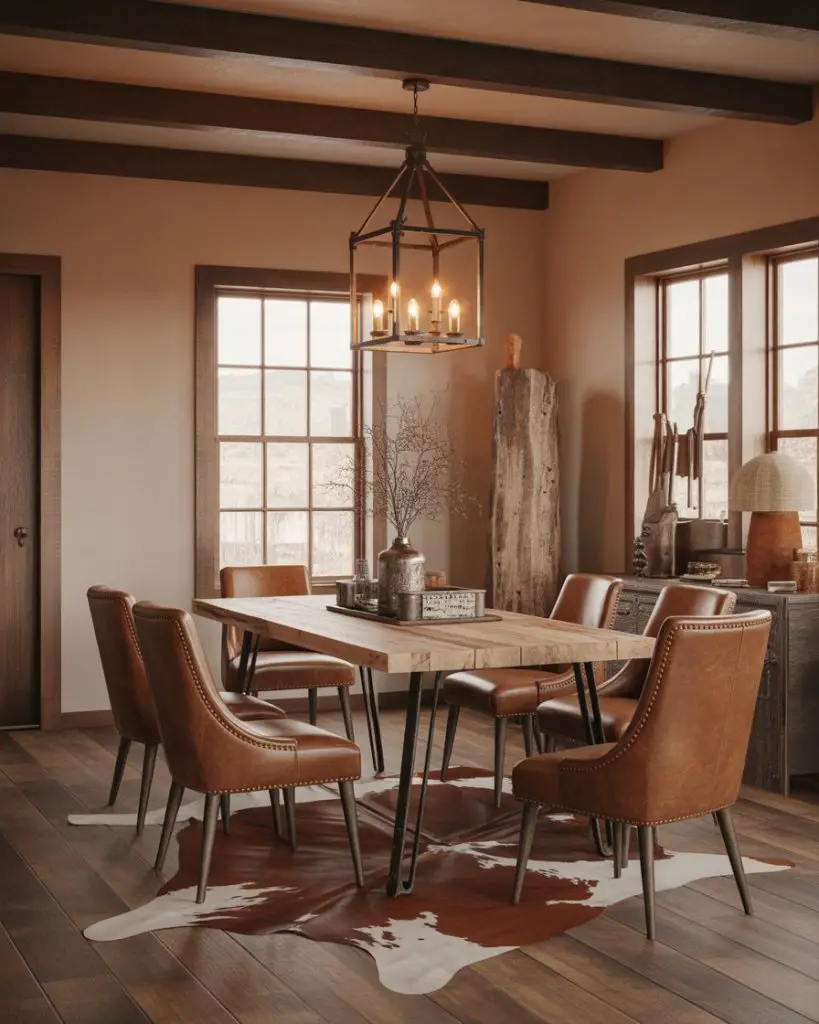
A Western-inspired dining room brings in rugged materials like leather, iron, and reclaimed wood. Picture a chunky wood table with wrought iron legs, leather dining chairs with nailhead trim, and a cowhide rug underneath. The palette is earthy—browns, tans, deep reds—and the overall vibe is warm and masculine without feeling overly themed. Vintage lantern-style lighting and wall art featuring landscapes or abstract desert tones complete the look. 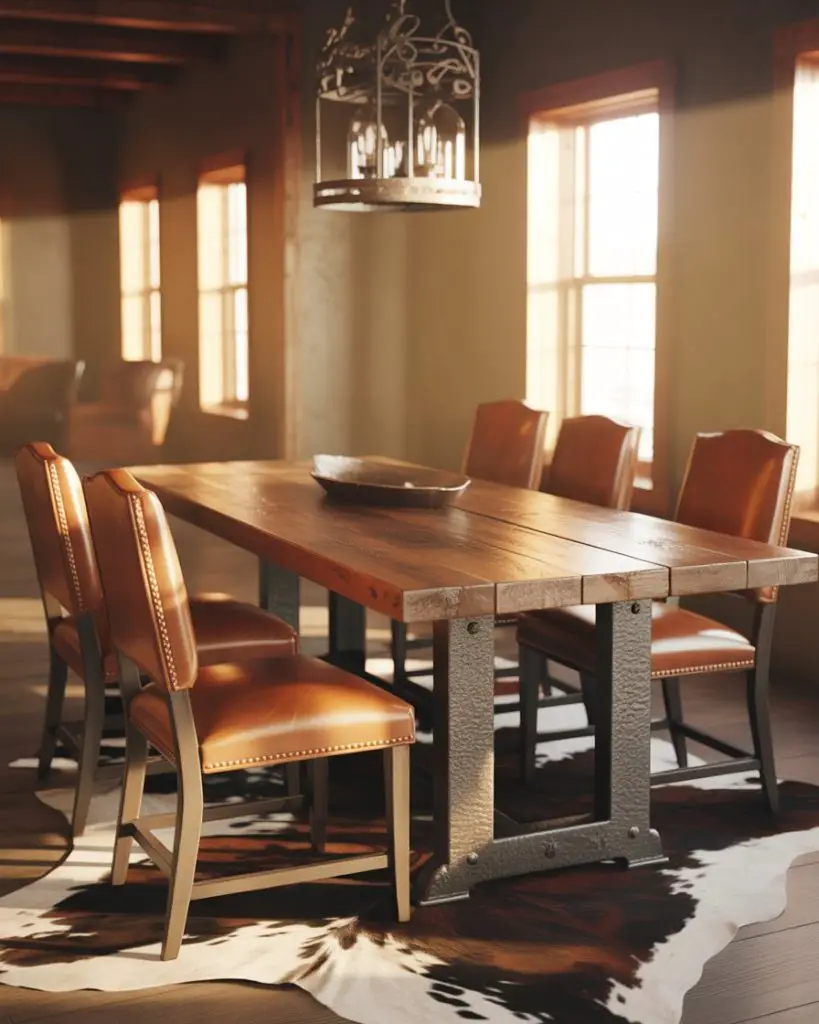
This style is most authentic in the Southwest—Arizona, New Mexico, Texas—but it’s also gaining traction in suburban areas where homeowners want a departure from coastal or farmhouse trends. An expert tip: avoid literal cowboy kitsch like horseshoes or lassos. Instead, let the materials and textures speak to the Western aesthetic in a sophisticated, grown-up way.
12. Indian-Inspired Dining with Rich Colors and Patterns
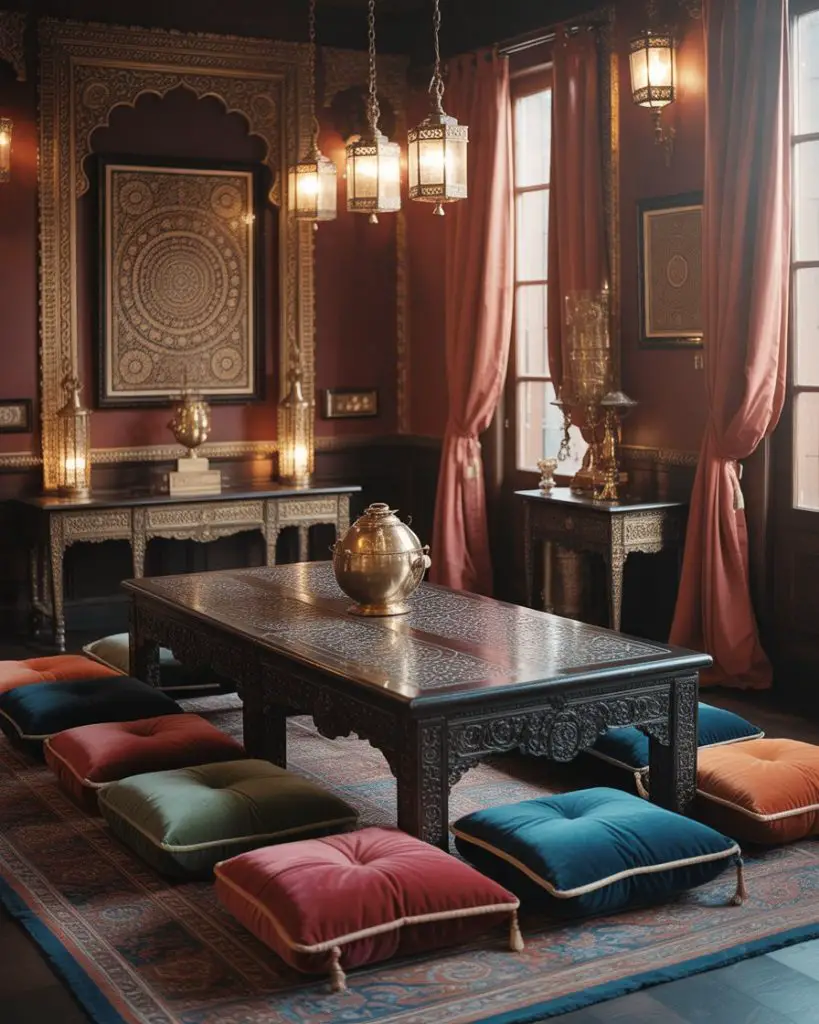
An Indian-inspired dining room celebrates bold color, intricate patterns, and handcrafted details. Think jewel tones—ruby, sapphire, emerald—paired with carved wooden furniture, brass accents, and vibrant textiles. A low-slung wooden table with floor cushions offers an alternative to traditional seating, while wall art featuring mandalas, block prints, or vintage sari fabric adds cultural depth and visual interest. 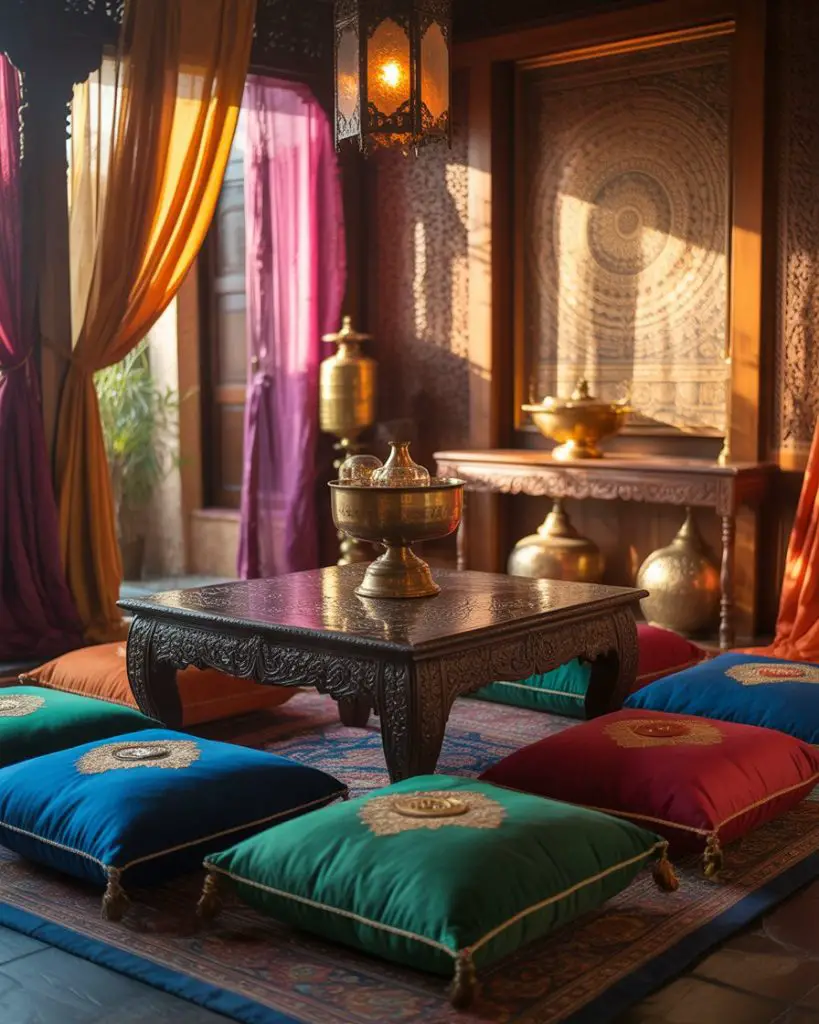
This aesthetic works beautifully in urban apartments or eclectic homes where cultural fusion is celebrated. It’s especially popular among younger homeowners in diverse cities like Los Angeles, Houston, and the Bay Area. The key is balancing the richness—too many patterns can feel chaotic. Ground the space with one large neutral element, like a jute rug or whitewashed walls, to let the colorful accents shine.
13. Modern Classy with Monochrome Palette
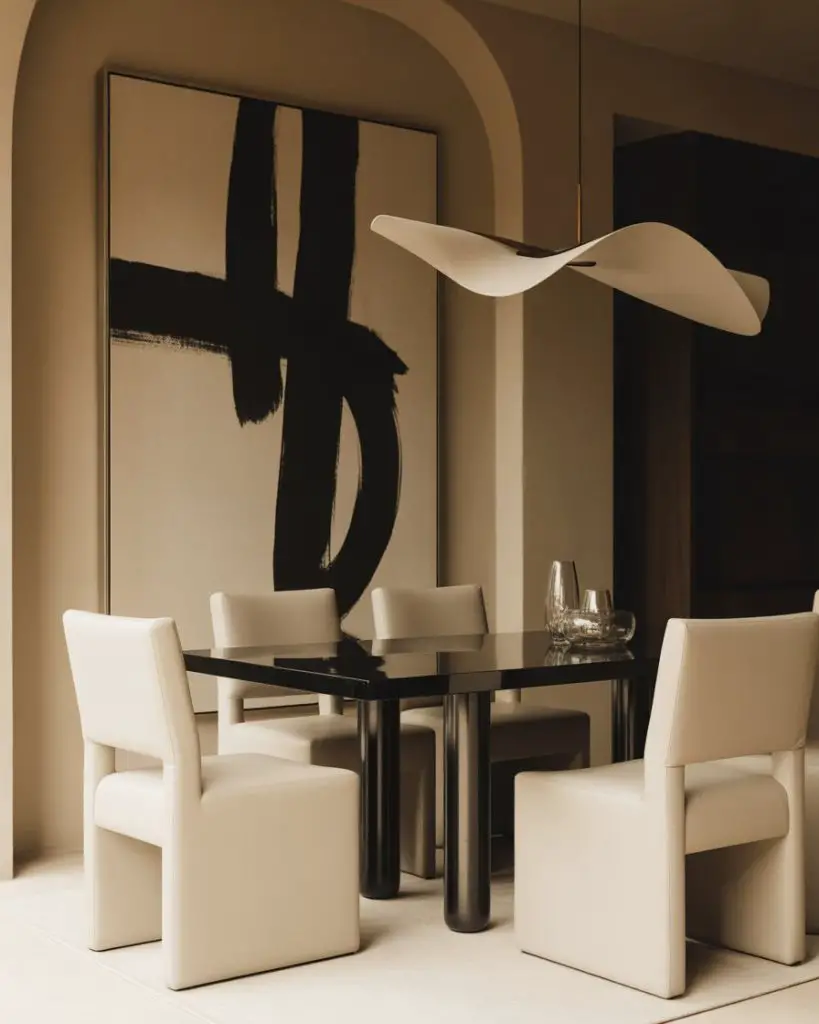
A modern classy dining room relies on a tight monochrome palette—black, white, and gray—with impeccable lines and minimal ornamentation. Picture a sleek black dining table with chrome or brushed steel legs, white leather chairs, and a sculptural pendant light overhead. The wall art is abstract and large-scale, and every accessory is chosen for form as much as function. It’s a look that feels curated and confident. 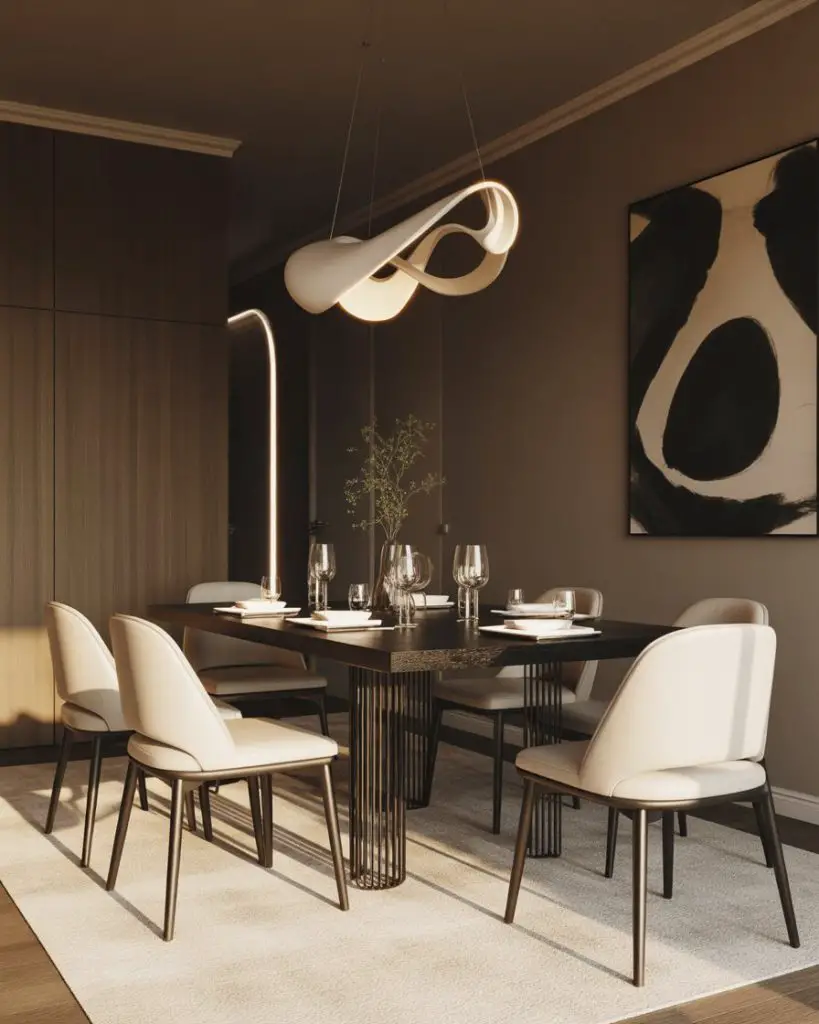
This style thrives in contemporary homes and lofts, particularly in cities like New York, Chicago, and Miami. The biggest challenge is keeping it from feeling cold—add warmth through texture (a wool rug, linen napkins) and by incorporating natural light. Real homeowners sometimes start with an all-white base and add black elements gradually, which makes the transition less jarring and more livable.
14. Apartment-Friendly Dining with Foldable Furniture
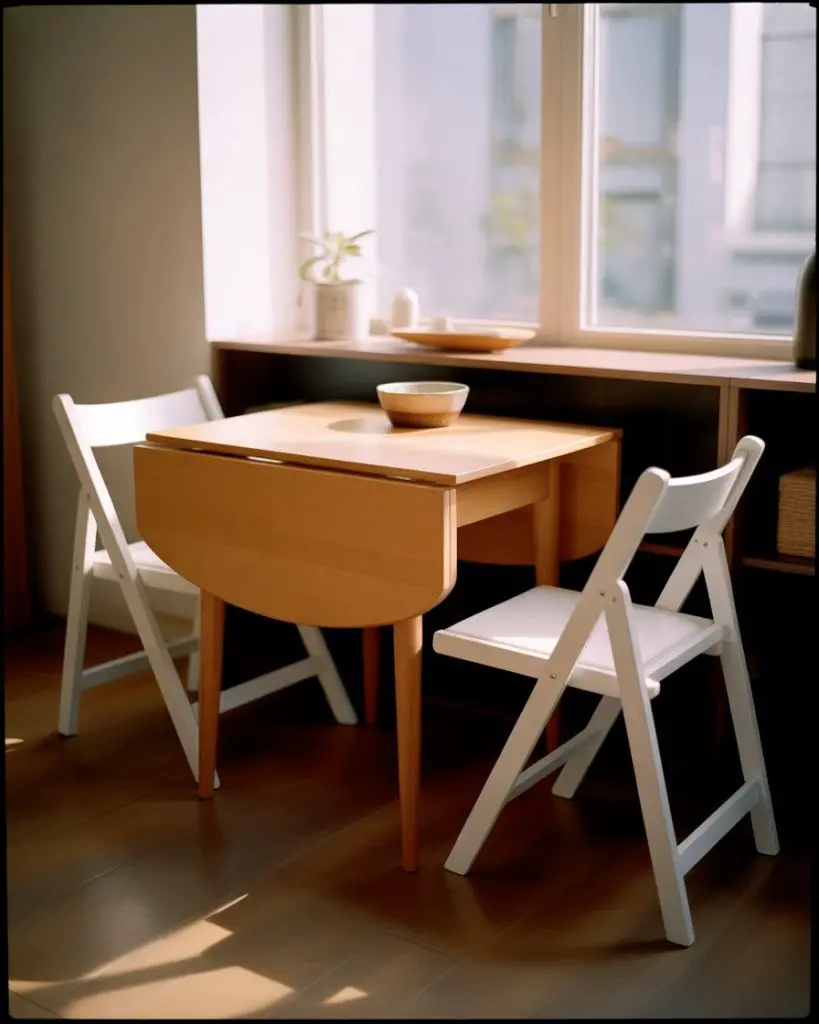
For apartment dwellers, flexible furniture is essential. A drop-leaf or extendable table offers dining space for everyday use and expands when guests arrive. Pair it with stackable or folding chairs that can be stored in a closet, and add a narrow console or bar cart that doubles as a buffet during meals. The simple setup maximizes functionality without sacrificing style, and it’s easy to refresh with wall art or a new rug. 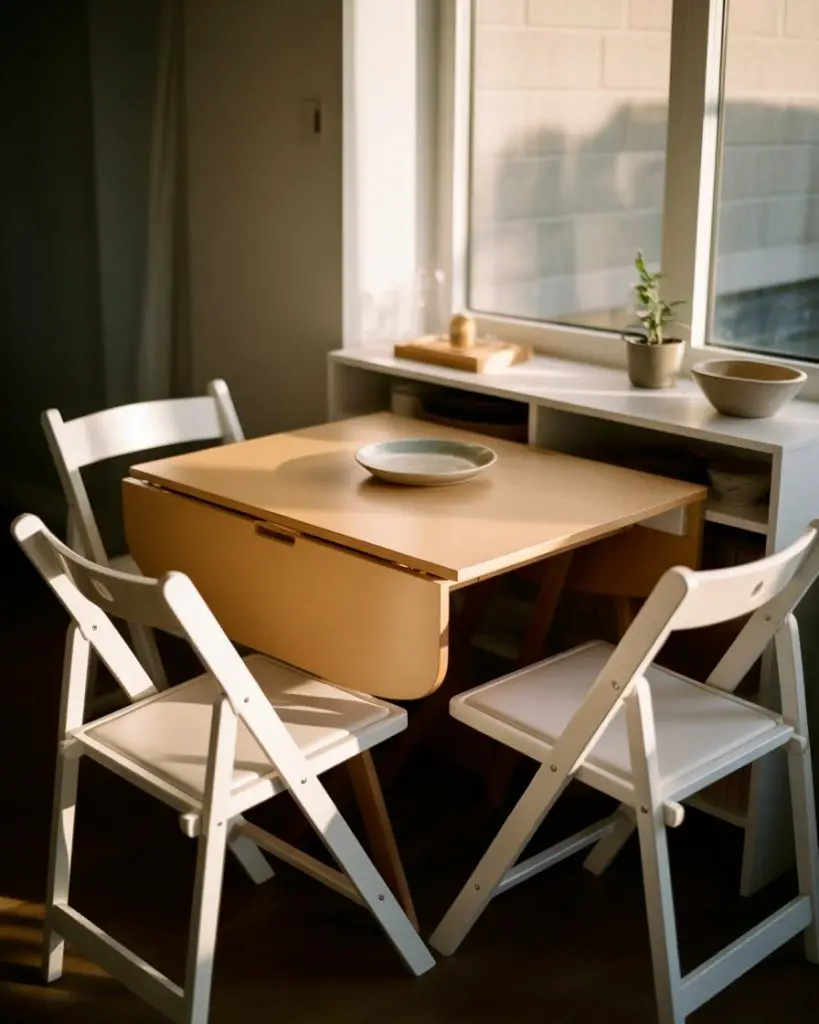
In rental-heavy markets like New York, San Francisco, and Washington D.C., this approach is practically a necessity. The mistake renters often make is buying oversized furniture that doesn’t fit through doorways or dominates the room. Instead, measure twice and prioritize pieces that serve multiple functions. A dining table that works as a desk or craft station during the day is worth its weight in gold in a tight space.
15. Mexican-Inspired Dining with Talavera Tiles
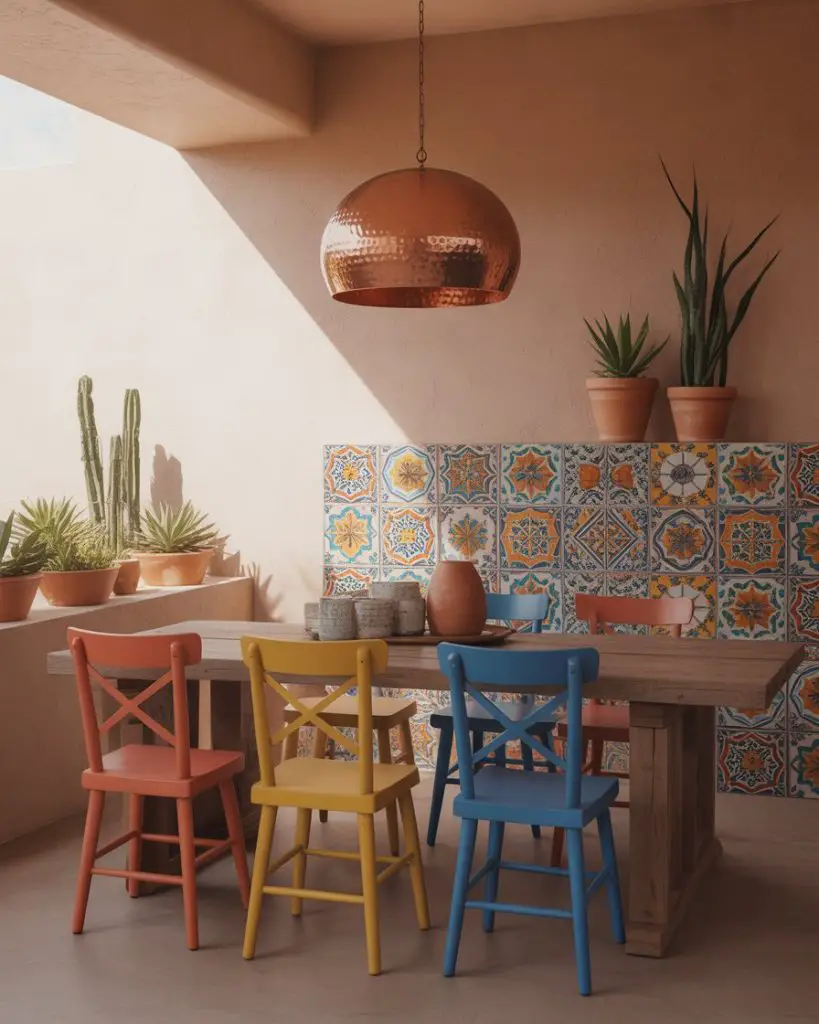
A Mexican-inspired dining room bursts with color and artisan craftsmanship. Incorporate hand-painted Talavera tiles as a backsplash or table runner backdrop, pair with a rustic wooden table, and add woven equipal chairs or painted wooden chairs in bright hues. Terra cotta pots with succulents, hammered copper light fixtures, and textured woven placemats bring warmth and authenticity to the space. 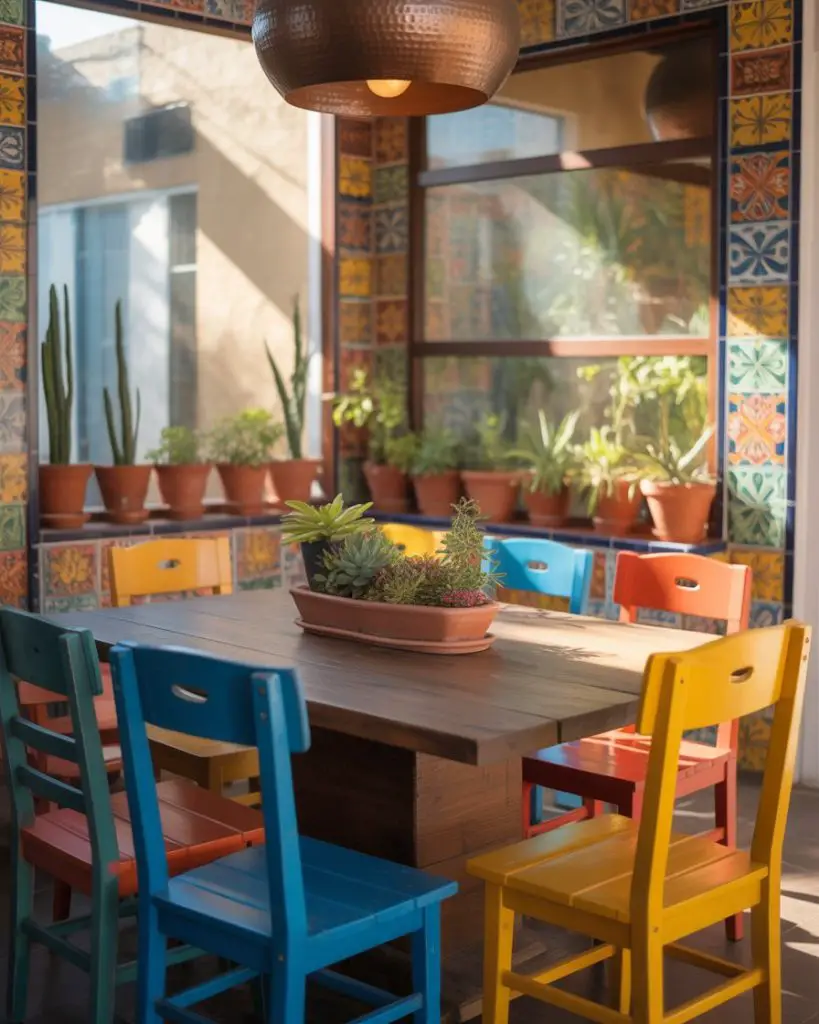
This style is most at home in the Southwest—California, Arizona, Texas, New Mexico—but it’s also embraced in any region with a love for bold, joyful design. Budget-conscious homeowners often start with a few authentic artisan pieces—like a set of Talavera coasters or a copper light fixture—and build from there. The vibrancy is forgiving and family-friendly, hiding spills and wear better than more minimalist styles.
16. Round Table Intimacy with Pedestal Base
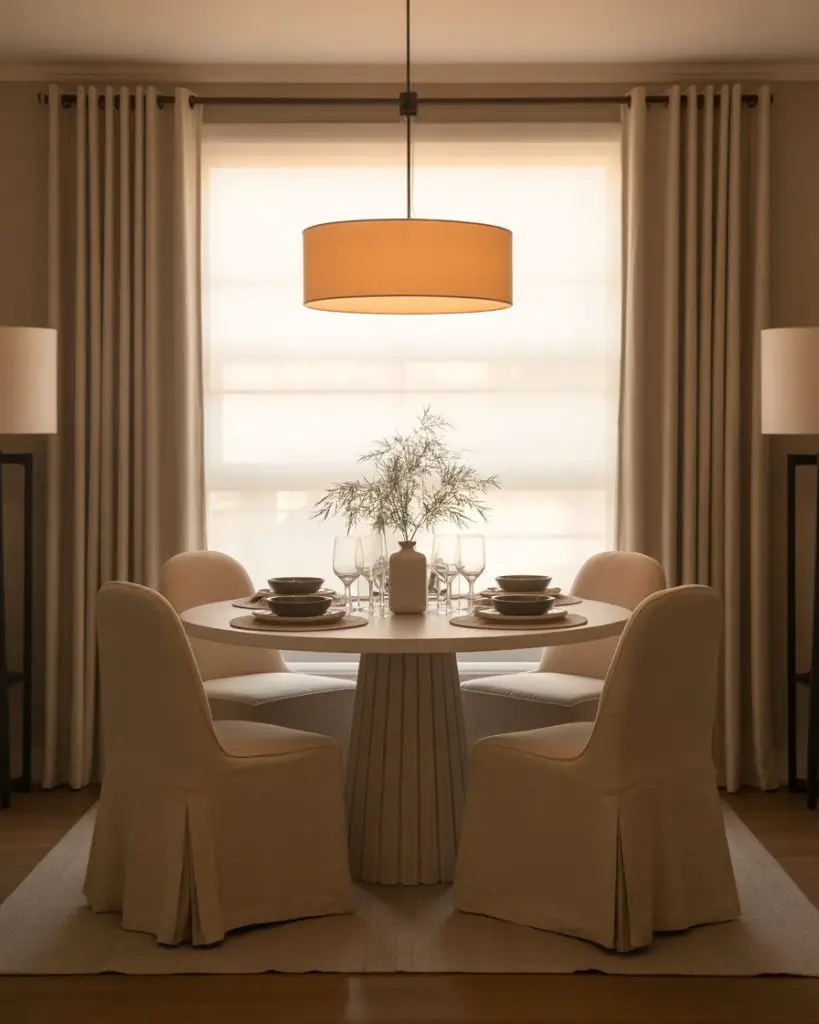
A round table fosters conversation and works wonders in smaller or square-shaped dining rooms. Choose a pedestal base to maximize legroom and avoid the awkward corner-seat experience of rectangular tables. Surround it with upholstered chairs in a neutral or modern fabric, and hang a centered chandelier or pendant light to anchor the space. The circular shape softens the room and makes every seat feel equally important. 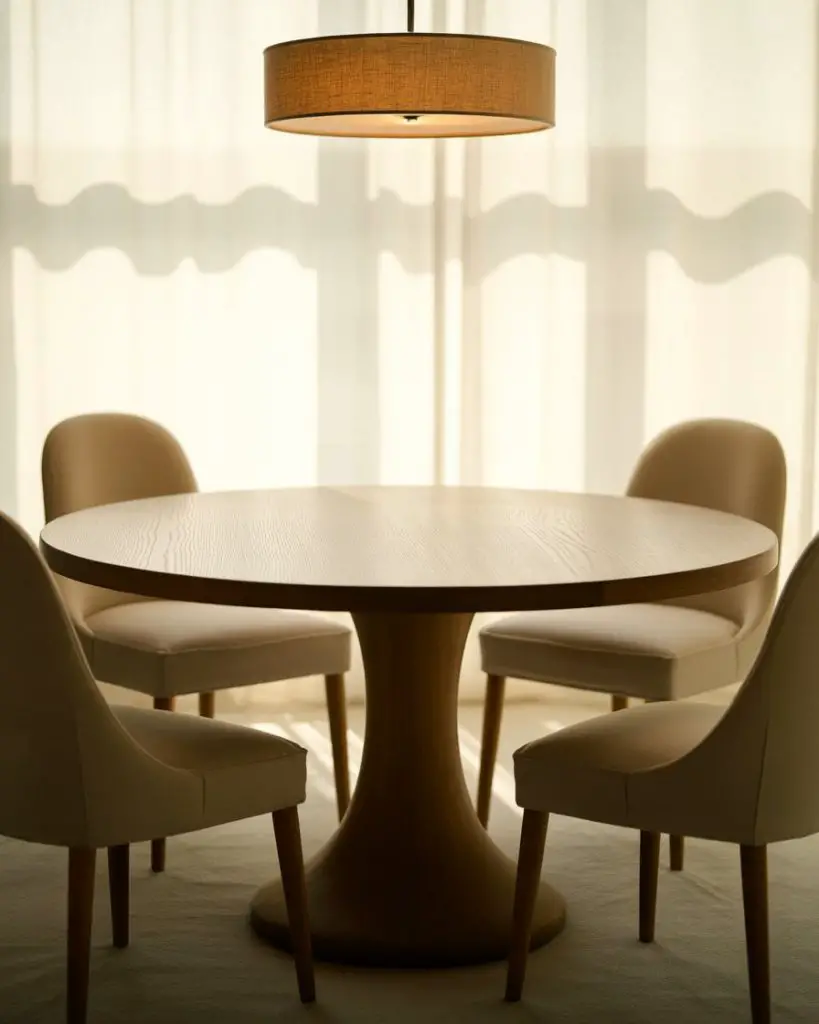
Round tables are especially popular in homes with young children, since there are no sharp corners to bump into. They also work beautifully in open floor plans where the dining area is visible from multiple angles—no one gets stuck staring at a table leg. Where it works best: breakfast nooks, eat-in kitchens, or formal dining rooms in older homes with traditional layouts.
17. Inspiration Gallery Wall with Mixed Frames
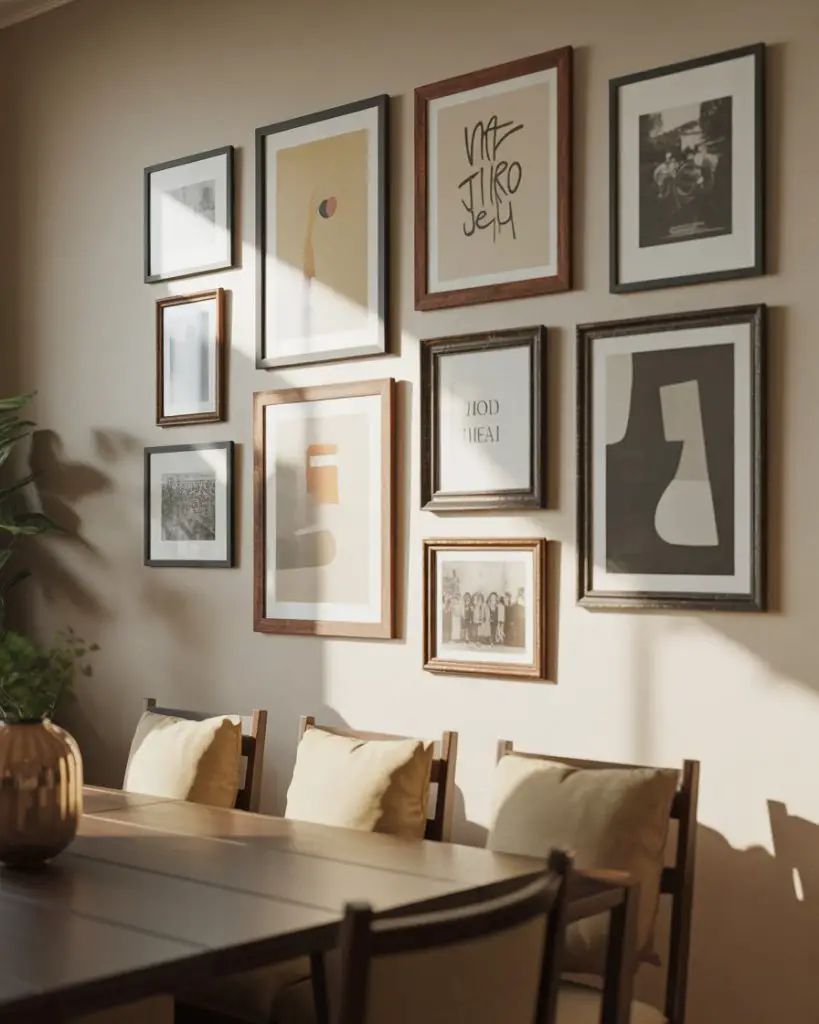
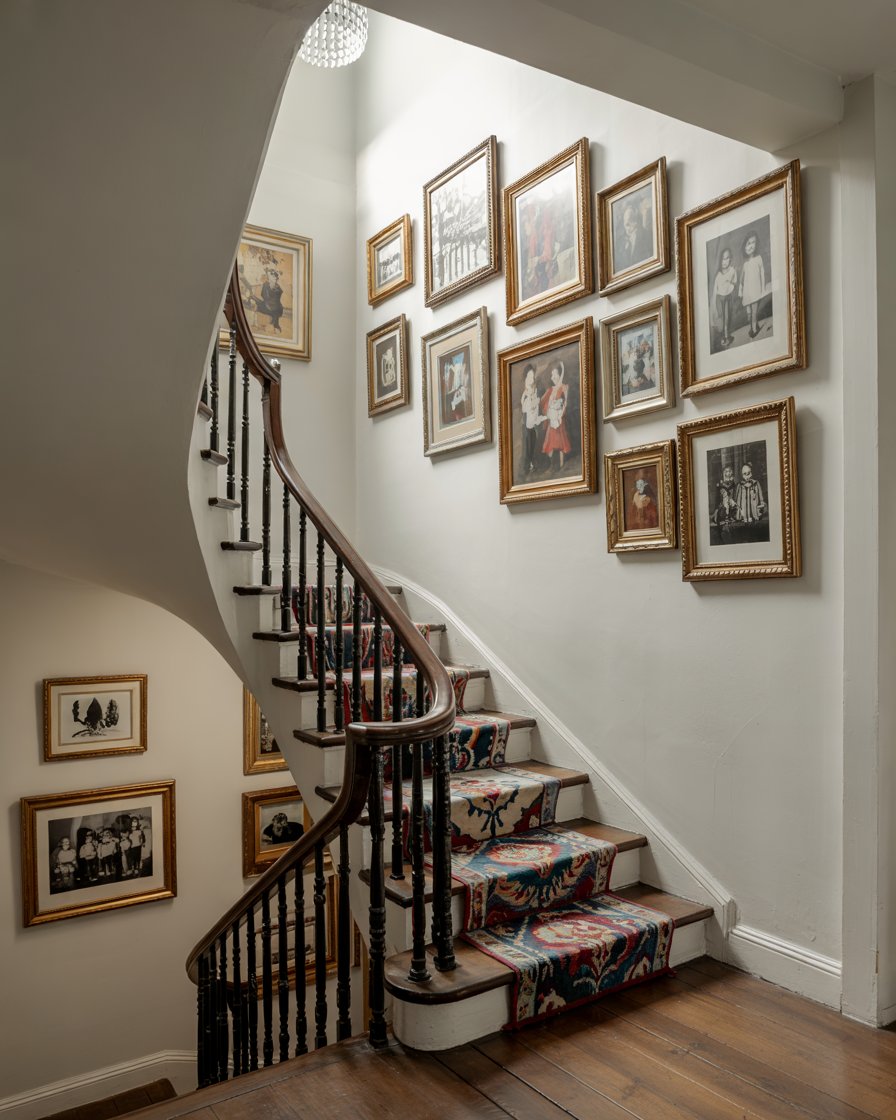
Turn one wall of your dining room into an inspiration gallery by mixing wall art in various sizes, styles, and frames. Combine vintage prints, family photos, abstract paintings, and even three-dimensional objects like woven baskets or small mirrors. The eclectic arrangement adds personality and serves as a conversation starter, especially when pieces have personal meaning or were collected over time. Keep the frames neutral—black, white, natural wood—so the art itself takes center stage. 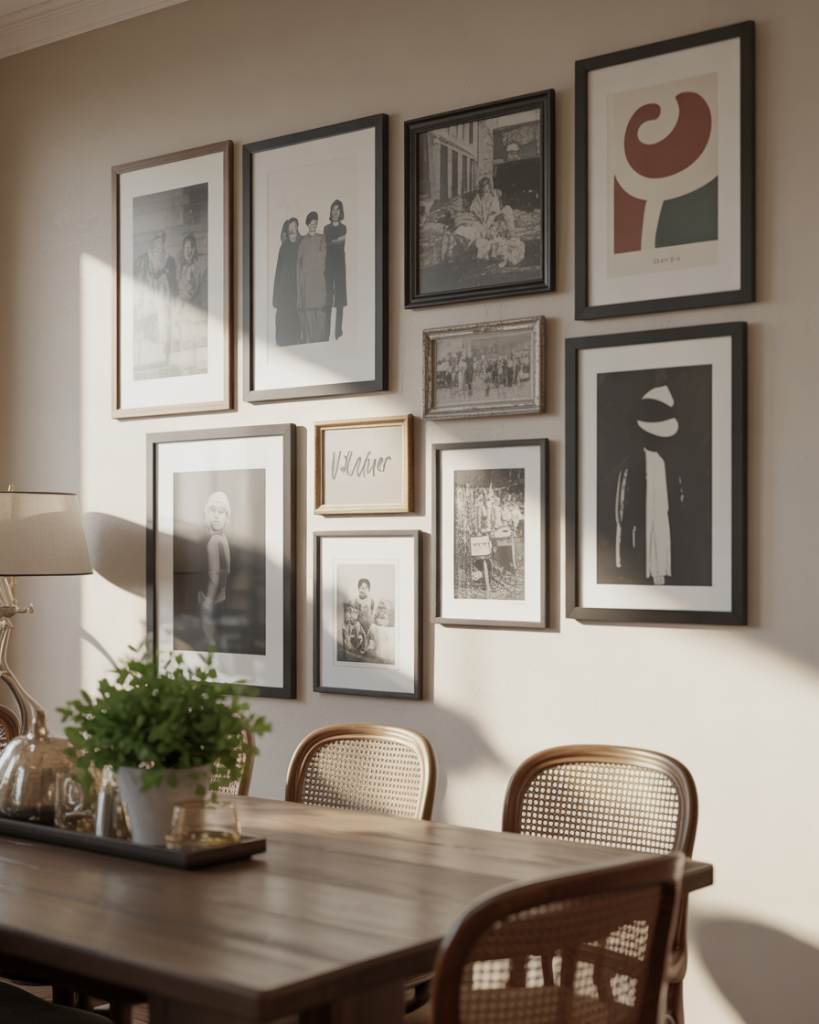
Gallery walls work in almost any home style, from modern to farmhouse to boho. The key is planning the layout on the floor first, then transferring it to the wall to avoid unnecessary holes. A micro tip from a designer friend: use painter’s tape to map out frames on the wall before hammering a single nail. It saves time and ensures a cohesive look without the guesswork.
18. Formal Dining with Crystal and Silk
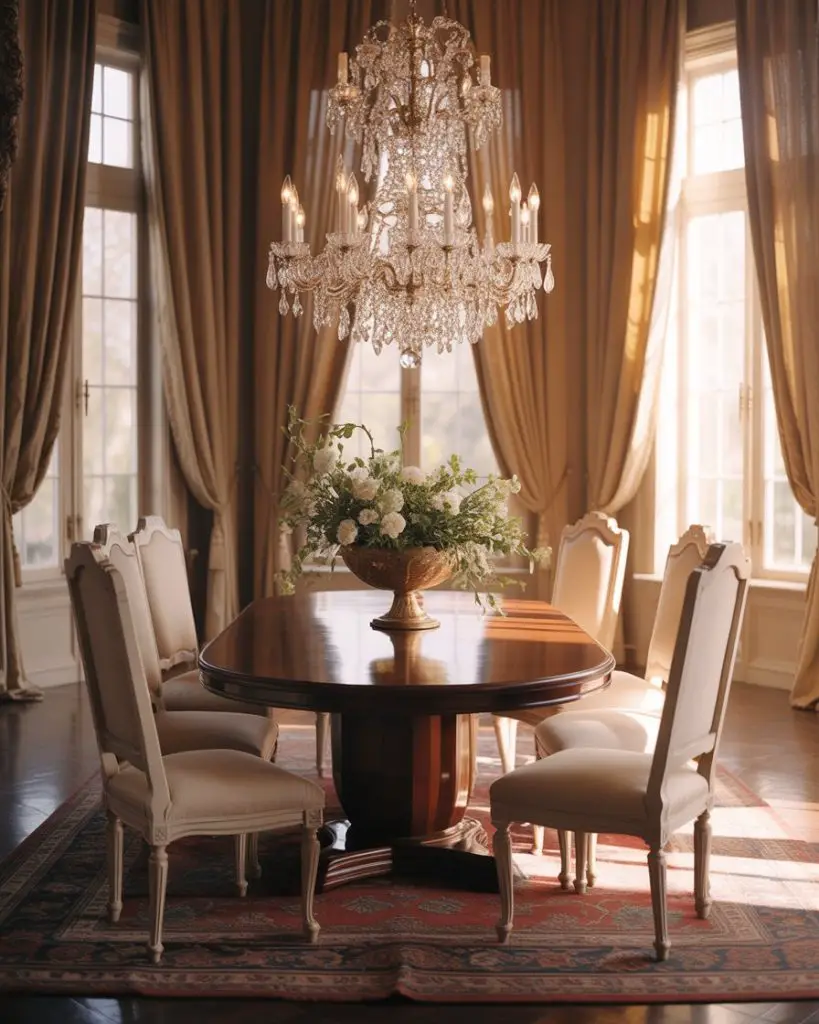
For those who still value a formal dining experience, invest in timeless elegance: a polished wood table, upholstered high-back chairs, a crystal chandelier, and silk drapes pooling on the floor. The palette is refined—deep mahogany, ivory, gold, or burgundy—and every detail is considered. Fine china displayed in a glass-front hutch and a Persian or Oriental rug underfoot complete the sophisticated, classy atmosphere. 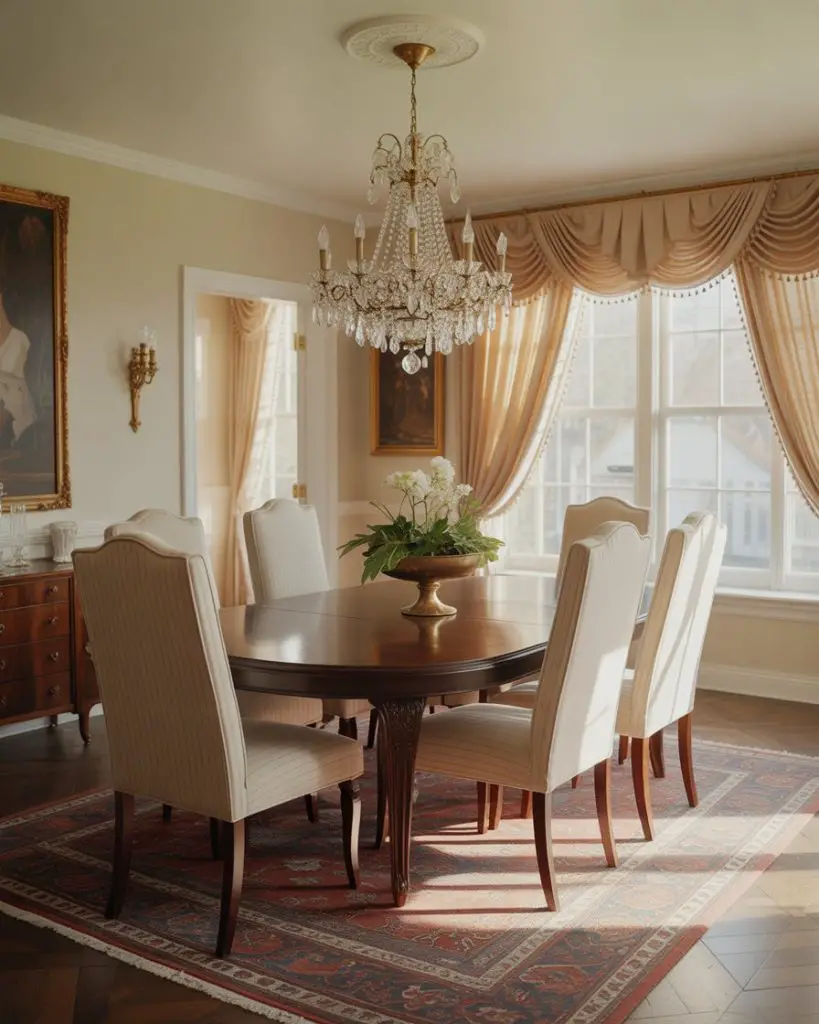
Formal dining rooms are experiencing a quiet resurgence as multigenerational homes become more common and families seek spaces designed for special occasions. The challenge is balancing formality with livability—nobody wants a room that feels like a museum. Consider using the space for more than holidays; a formal dining room that also serves as a homework spot or home office feels less precious and more integral to daily life.
19. Simple Scandinavian with Light Wood and Whites
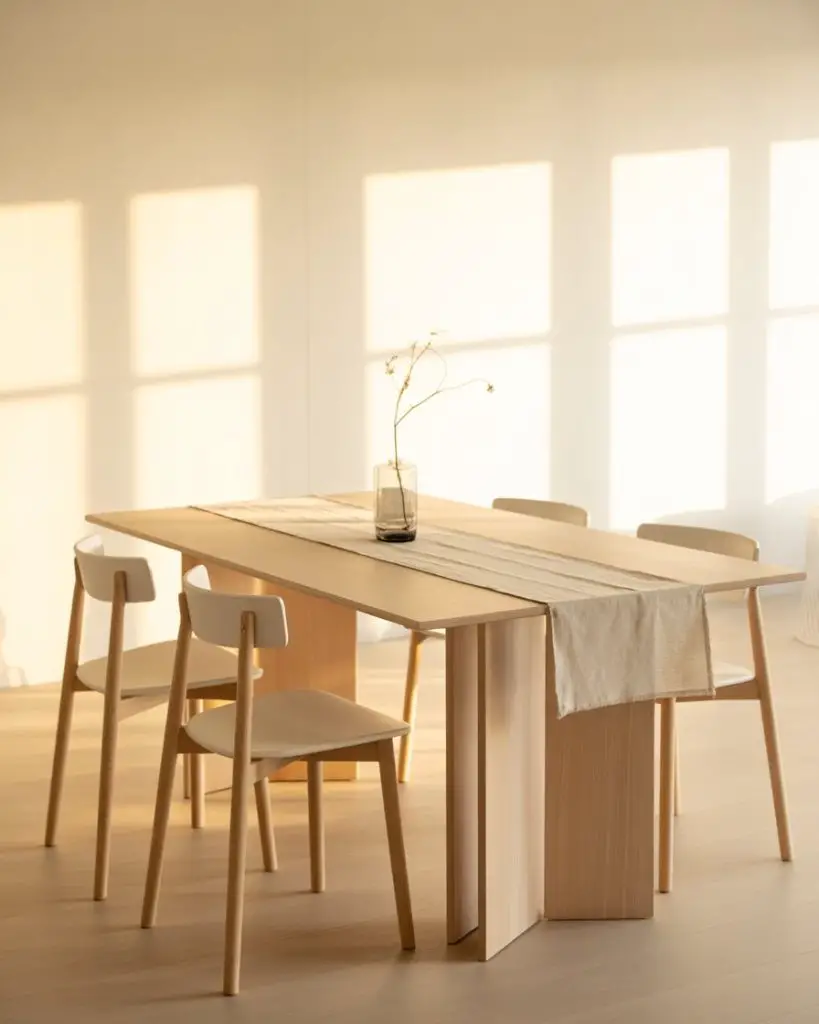
Scandinavian design is synonymous with simple, functional beauty. Start with a light wood dining table—ash, birch, or pine—and pair it with modern white or light gray chairs. Keep accessories minimal: a single stem vase, a linen table runner, perhaps a small potted plant. The focus is on natural materials, clean lines, and an airy, uncluttered feel that makes even small space dining areas feel open and breathable. 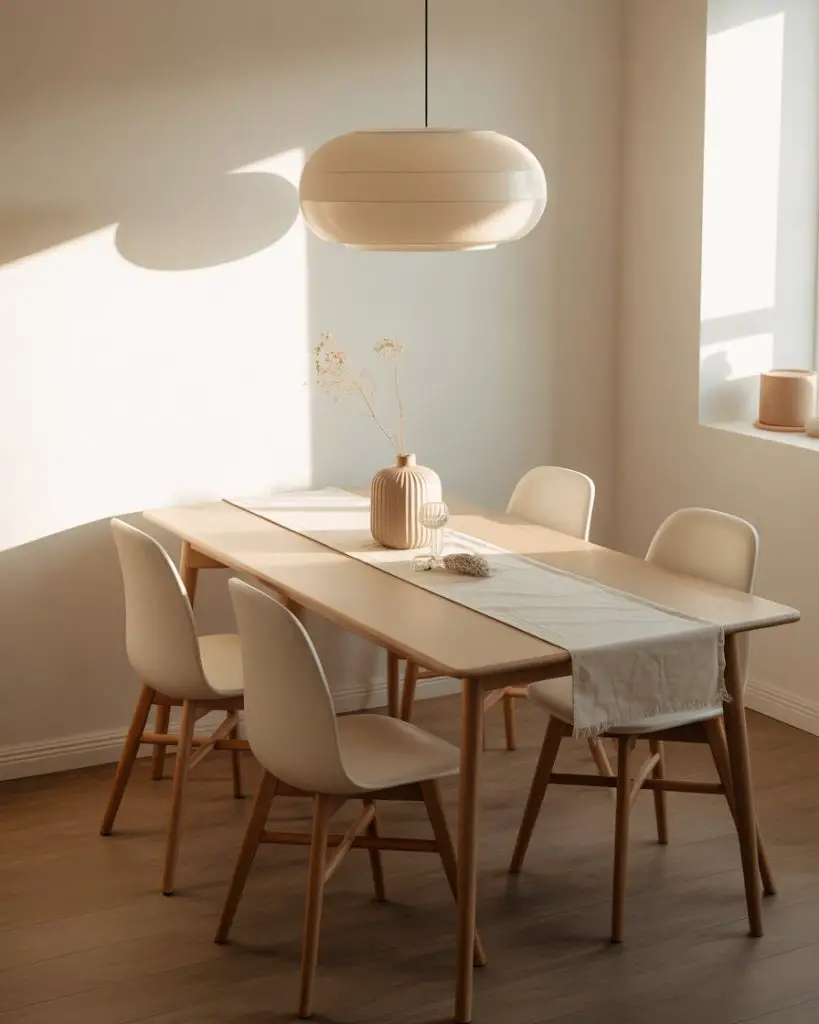
This aesthetic is beloved in cooler climates—think the Pacific Northwest, New England, and the Upper Midwest—where maximizing natural light is a priority. The simplicity also makes it budget-friendly; you can achieve the look with affordable basics from mass retailers, then upgrade a few key pieces over time. The mistake to avoid is letting “minimal” become “sterile”—add warmth with textiles, wood tones, and a touch of greenery.
20. Ideas for Dual-Purpose Dining and Workspace
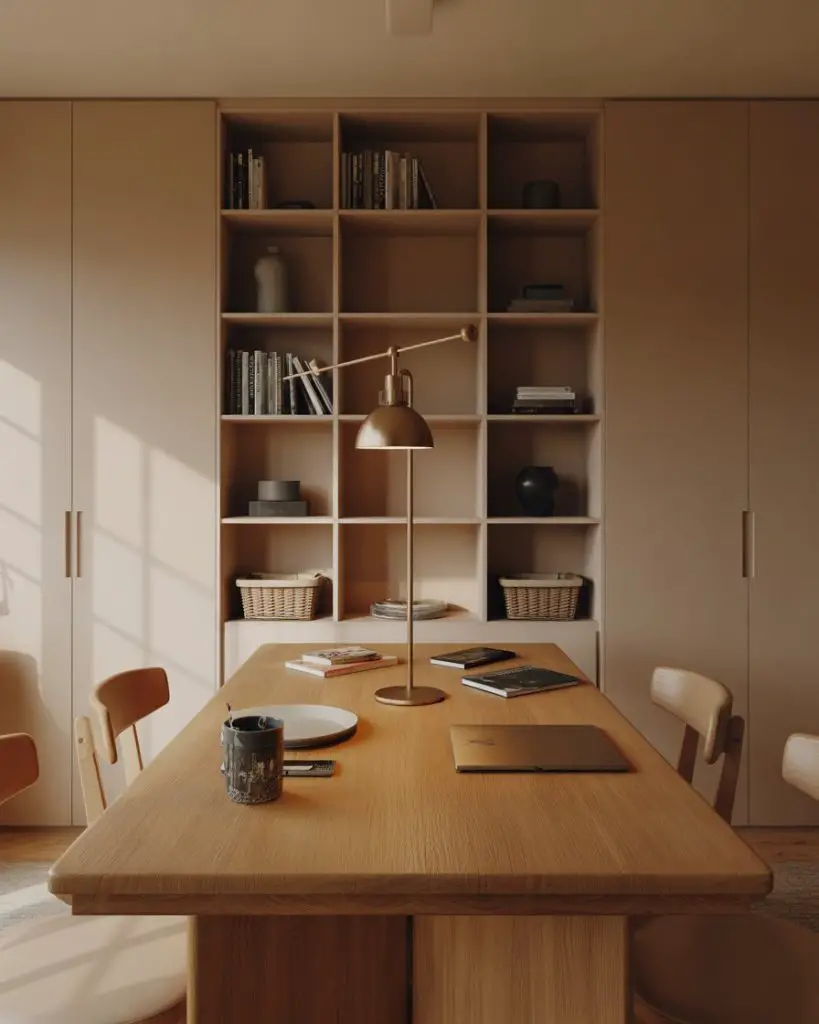
As remote work continues, many homeowners are merging dining and workspace into one flexible zone. Choose a sturdy table that works for both meals and laptop use, add task lighting (a modern adjustable sconce or pendant), and incorporate closed storage for work supplies that can be hidden away when it’s time to eat. The ideas here center on versatility: neutral tones, durable surfaces, and furniture that doesn’t scream “office” but supports productivity. 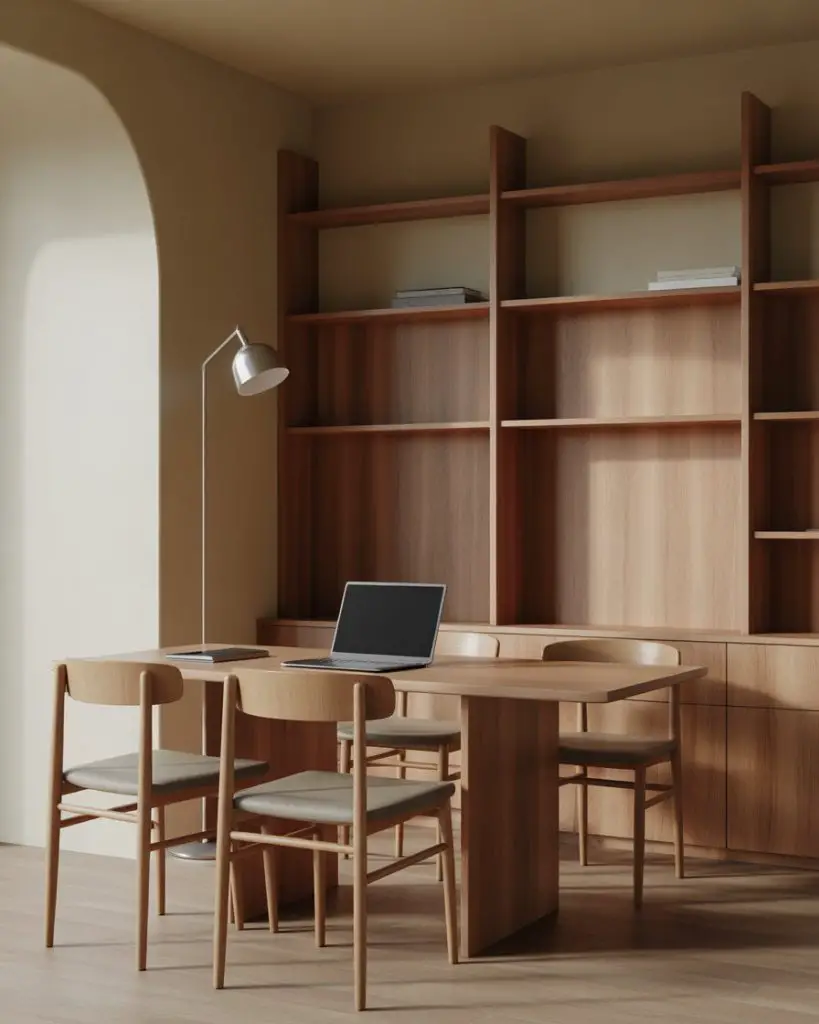
This trend is most visible in urban apartments and smaller suburban homes where dedicated home offices aren’t an option. The practical insight: invest in a table height that works for dining (28-30 inches) rather than standard desk height, and use an ergonomic chair that looks good but supports long work sessions. Friends who’ve nailed this setup often use trays or baskets to corral work items at the end of the day, making the transition from office to dining room seamless.
21. Vintage Charm with Thrifted Finds
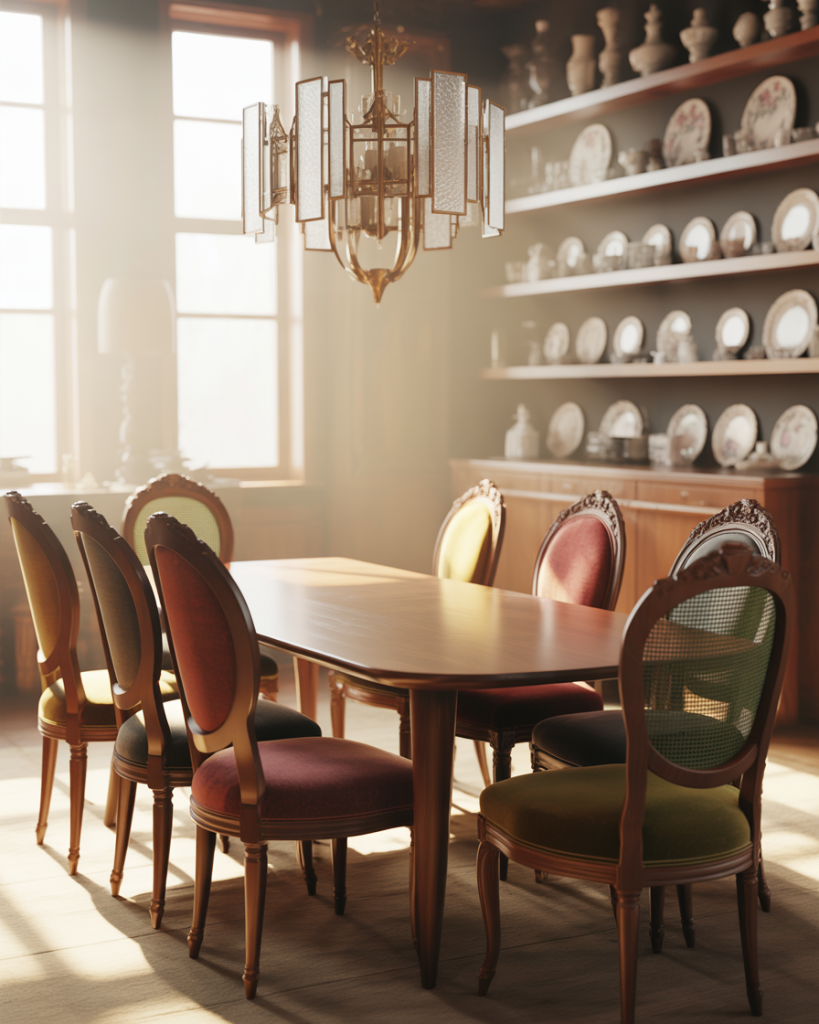
Embrace the treasure hunt of vintage dining by sourcing chairs, lighting, and décor from thrift stores, estate sales, and online marketplaces. Mix a mid-century table with Victorian-era chairs, hang an Art Deco chandelier, and display vintage china or glassware on open shelving. The mismatched, collected-over-time look is inherently boho and personal, ensuring your dining room is truly one-of-a-kind. 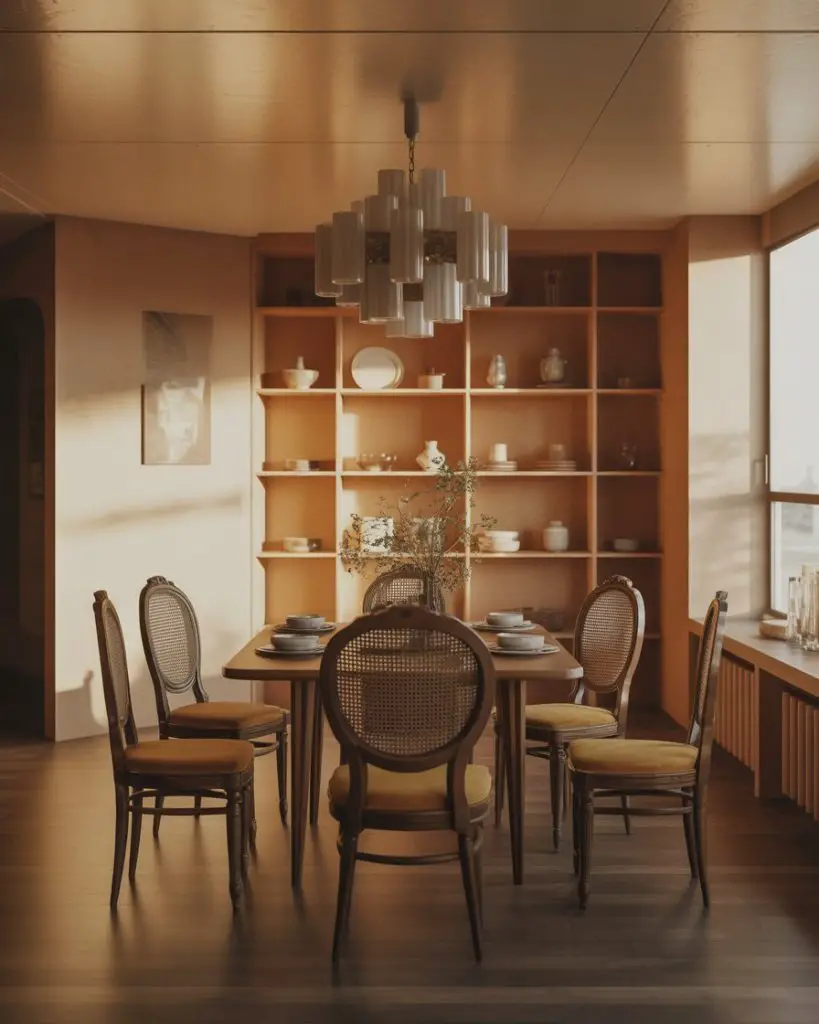
Vintage collecting is especially popular in the Northeast and Pacific Northwest, where estate sales and antique shops are abundant. The beauty of this approach is that it’s inherently sustainable and budget-friendly—you’re giving old pieces new life. Real homeowners who go vintage often start with one statement piece, like a killer chandelier or a set of Eames-style chairs, then build around it. The space evolves slowly, which keeps it feeling authentic rather than staged.
Conclusion
Your dining room is more than a place to eat—it’s where memories are made, conversations flow, and your personal style comes to life. Whether you’re drawn to the warmth of modern farmhouse, the elegance of French country, or the bold spirit of Mexican-inspired design, these ideas offer a starting point for creating a space that works for your lifestyle and aesthetic. Which of these 21 ideas resonates most with you? Drop your thoughts in the comments—we’d love to hear what you’re planning for your dining room in 2026.