Home interior design in 2026 is shaping up to be a year of contrasts—where minimalist restraint meets layered texture, where global influences blend with regional character, and where sustainability finally looks as good as it feels. Americans are turning to Pinterest not just for pretty pictures, but for real solutions: how to make a small living room feel expansive, how to bring warmth into modern spaces, and how to create homes that reflect personal stories rather than catalog pages. Whether you’re drawn to the earthy calm of Mediterranean styles, the lived-in beauty of rustic elements, or the quiet luxury of thoughtful design, this year offers something for everyone. Here are ideas that capture where we’re headed—and how to make these trends work in your own space.
1. Indian-Inspired Textiles in Modern Living Rooms
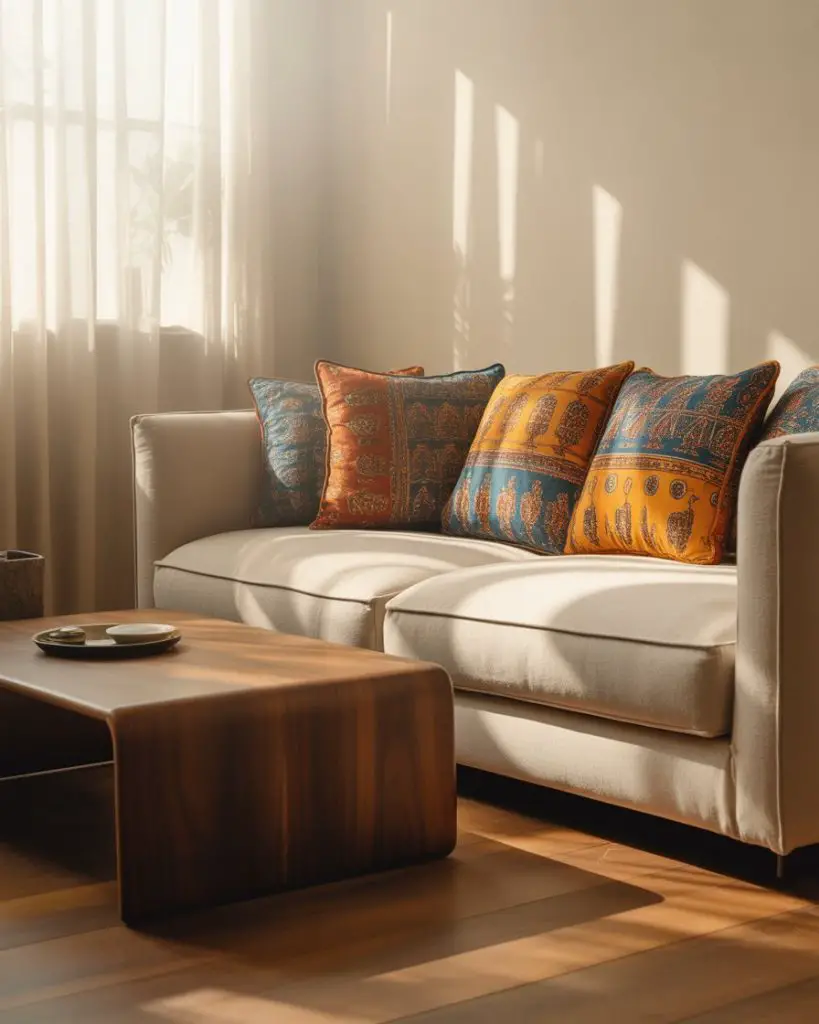
The rise of Indian textiles in 2026 trends brings hand-blocked prints, vibrant ikats, and intricate embroidery into contemporary American homes. These fabrics add instant warmth to neutral spaces—think a silk cushion with Rajasthani mirror work on a linen sofa, or a kantha throw draped over a mid-century chair. The key is mixing one or two statement pieces into an otherwise restrained palette, letting the craftsmanship speak without overwhelming the room. 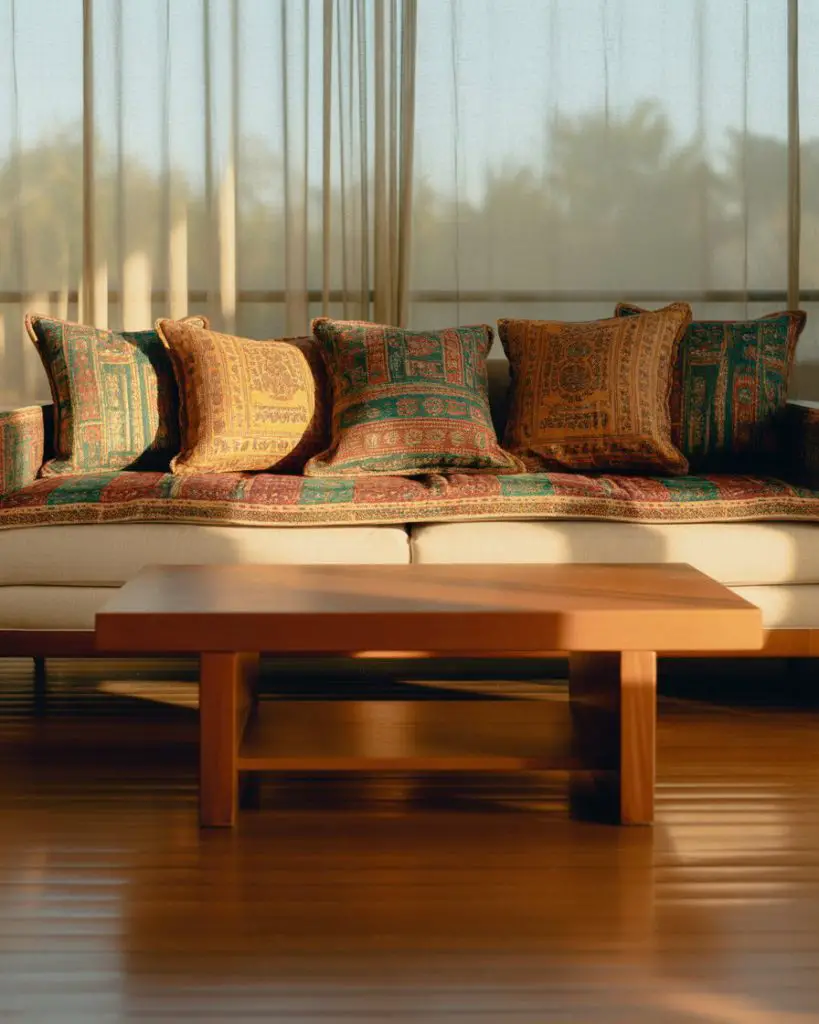
This approach works particularly well in urban apartments where square footage is limited but personality isn’t. A single vintage Indian textile can anchor an entire seating area, providing color and pattern that feels collected rather than coordinated. The tactile quality of handwoven fabric also counters the slickness of modern materials, creating a space that invites you to sit down and stay awhile.
2. Florida-Friendly Coastal Interiors
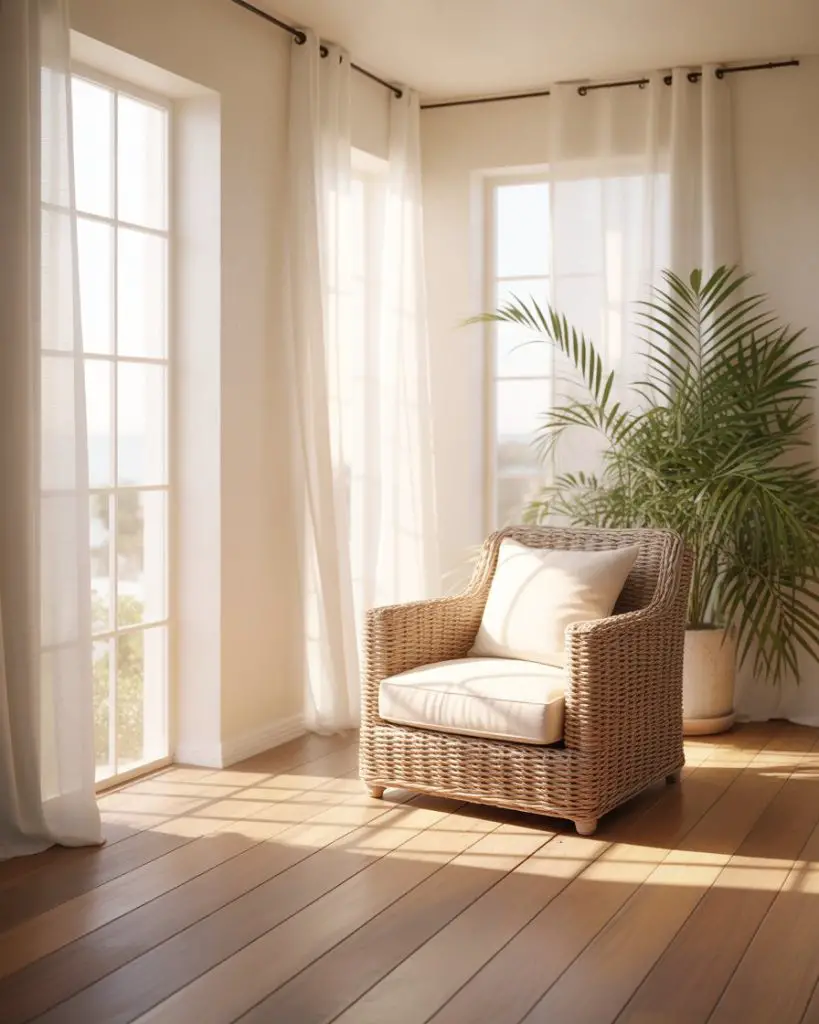
In Florida, where humidity and sunlight dictate design choices, the best interiors embrace natural ventilation, durable materials, and a palette borrowed from the shoreline. Think whitewashed oak floors, rattan furniture that can handle moisture, and linen curtains that billow in the breeze. This isn’t about beach kitsch—it’s about creating spaces that feel effortlessly cool even when the temperature climbs. 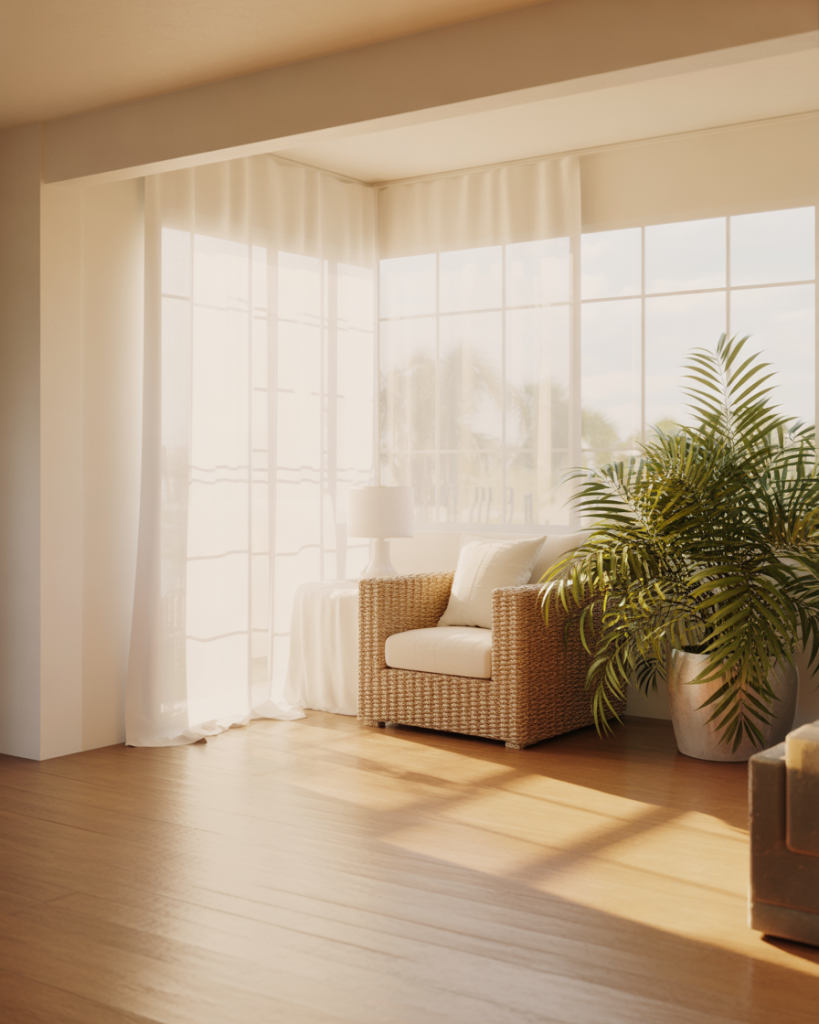
One common mistake is over-accessorizing with nautical motifs. Instead, let the architecture and light do the talking. A well-placed ceiling fan, a few pieces of weathered teak, and a restrained color palette create a more sophisticated coastal vibe than any collection of shells or anchors ever could.
3. Full-Height Windows in Open Floor Plans
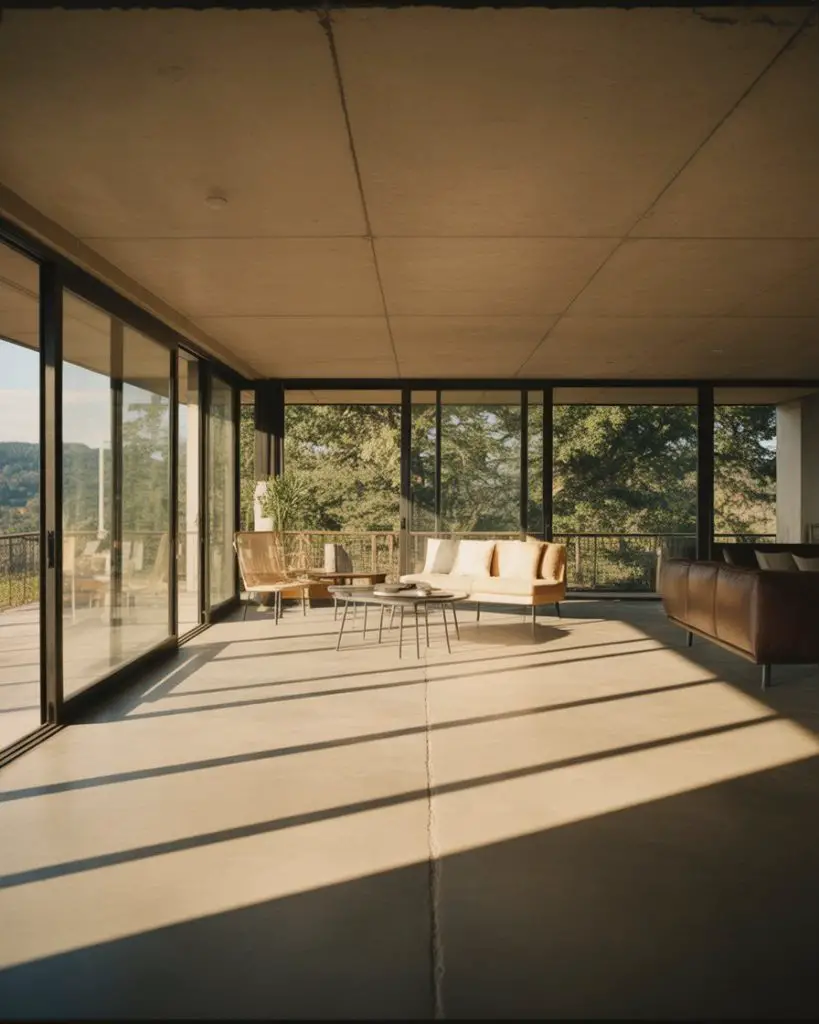
Installing full-height windows transforms how light moves through a home, dissolving the boundary between inside and out. This trend pairs beautifully with modern minimalism, where floor-to-ceiling glass becomes both a functional element and a visual centerpiece. In the Midwest and Pacific Northwest, these windows frame seasonal changes—autumn foliage, winter snow, spring blooms—turning the landscape into living artwork. 
Where it works best: homes with privacy from neighboring properties or those backed by natural landscapes. Urban dwellers can achieve a similar effect with one dramatic window wall, especially if it faces a quiet courtyard or tree-lined street rather than a busy avenue.
4. Luxury Through Layered Lighting
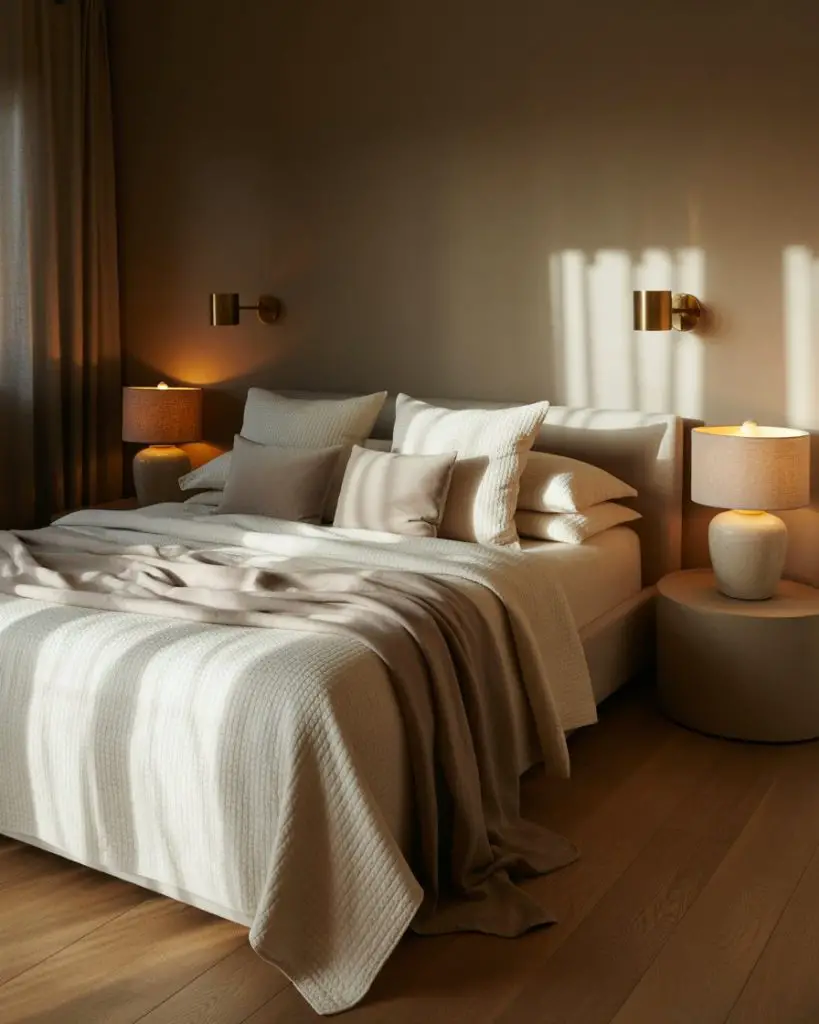
True luxury in 2026 isn’t about chandeliers and gilding—it’s about lighting that adapts to mood and function. Layering ambient, task, and accent lighting creates depth and flexibility, allowing a single room to shift from energizing morning workspace to intimate evening retreat. Dimmers, warm LED strips, and sculptural table lamps all play a role in this orchestrated approach. 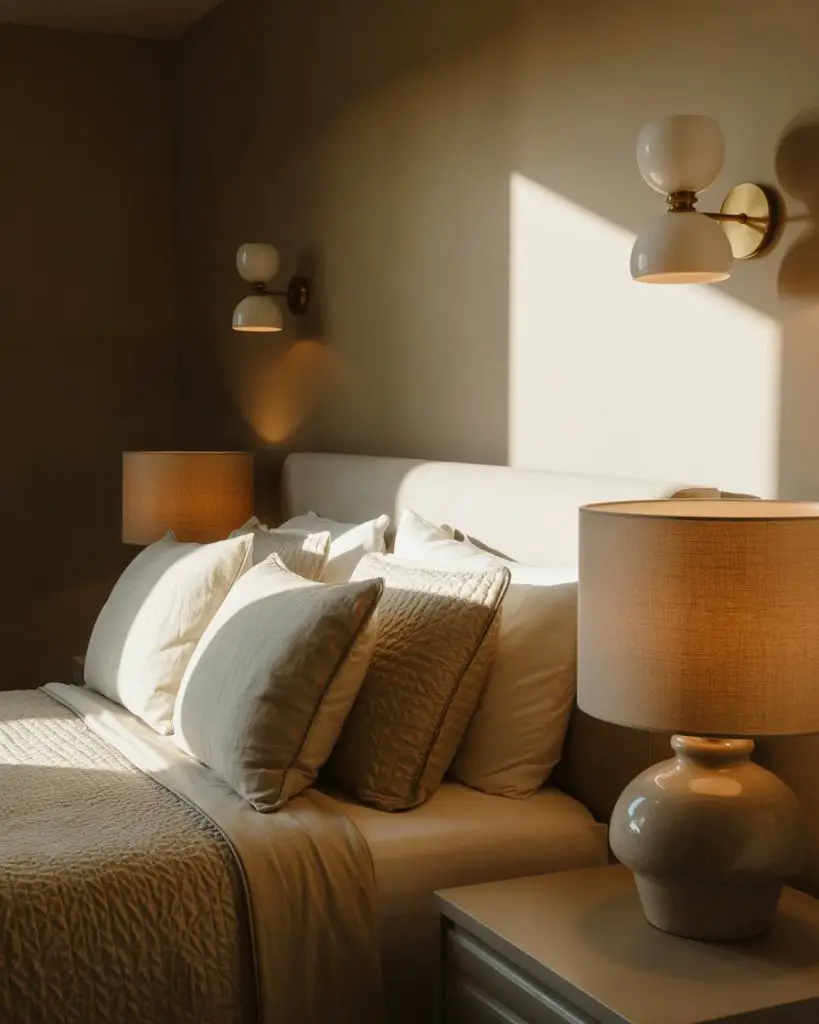
A designer I know always asks clients to map their daily routines before selecting fixtures. Morning coffee needs bright, focused light; evening reading wants something softer and directional. This practical approach ensures every light source earns its place, creating a home that feels responsive rather than static.
5. Aesthetic Minimalism with Organic Shapes
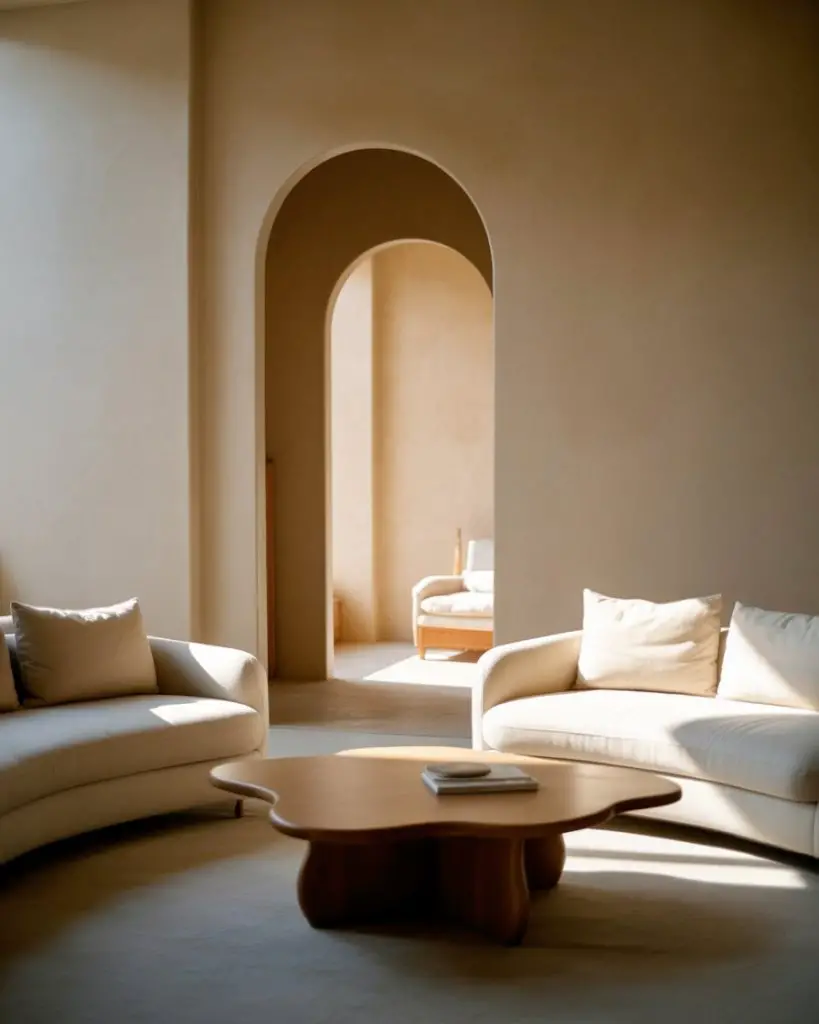
The aesthetic minimalism dominating Pinterest in 2026 softens sharp modernist edges with curved furniture, rounded archways, and organic forms. This isn’t the cold minimalism of the past—it’s warmer, more tactile, and more human-scaled. A sculptural plaster lamp, a kidney-shaped coffee table, or a gently arched doorway introduces visual interest without clutter. 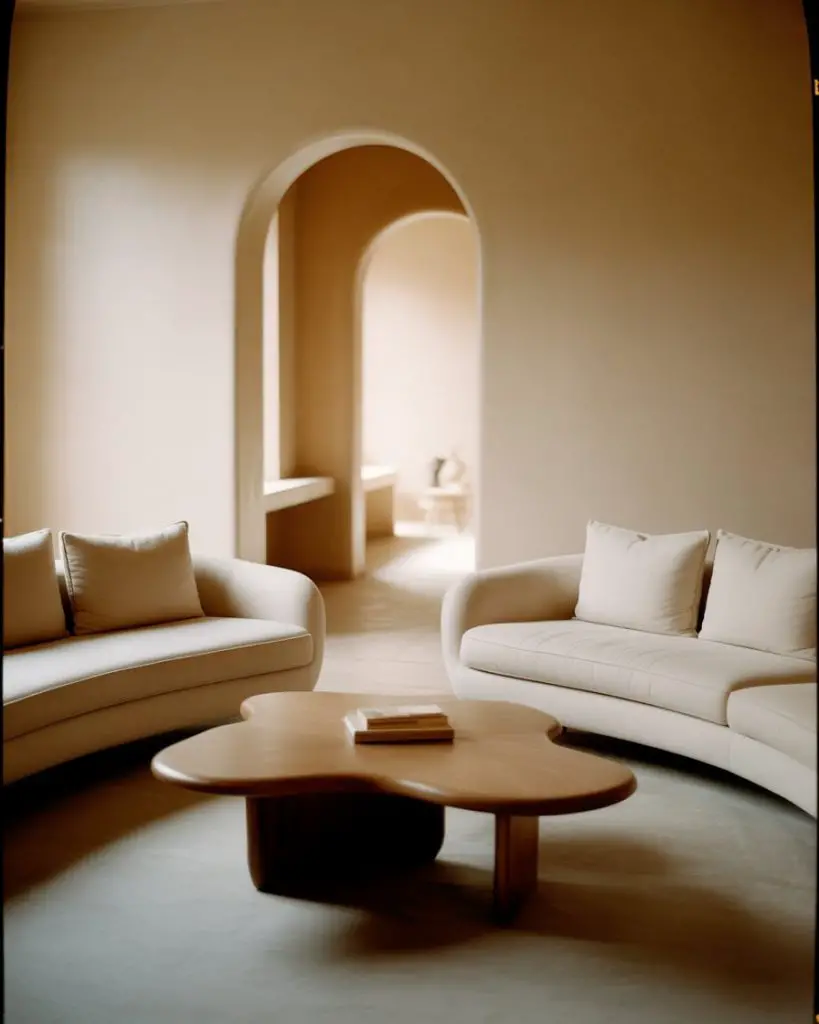
This style particularly appeals to younger homeowners who want Instagram-worthy spaces that still feel livable. The key is restraint—each curved element should feel intentional, not arbitrary. When every line has purpose, the overall effect is calming rather than busy.
6. Modern Mediterranean Kitchens
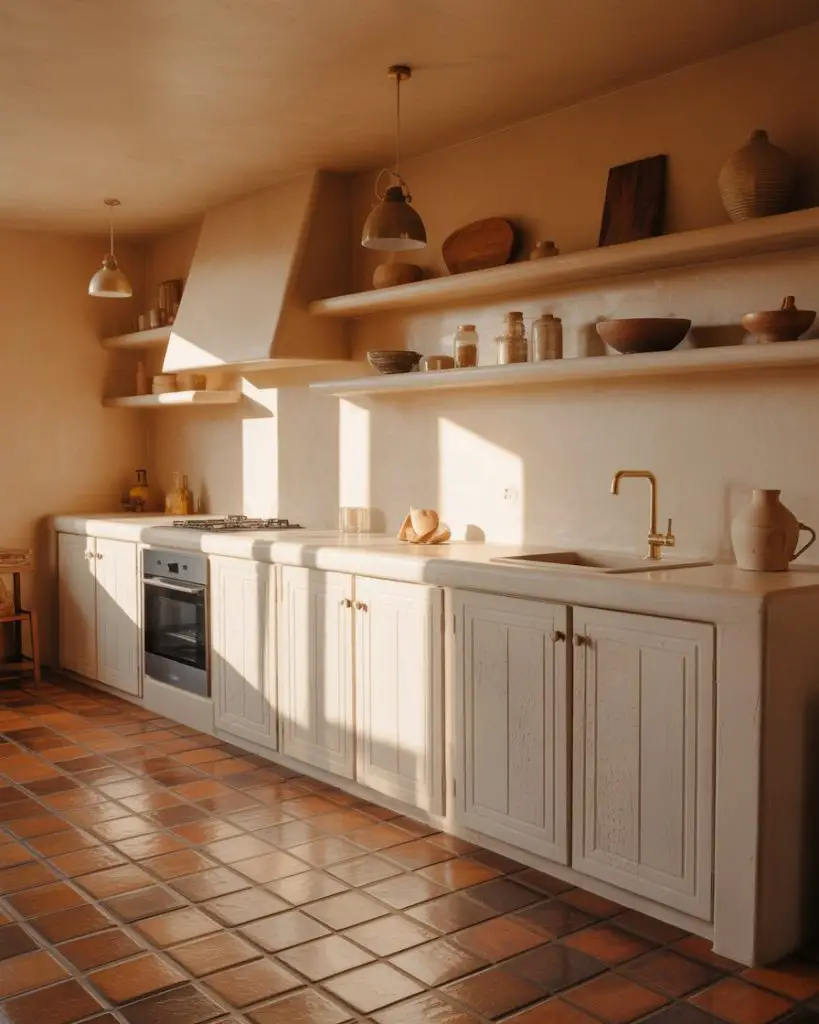
Modern mediterranean design brings sun-baked simplicity to American kitchens through limewashed cabinets, terracotta tile backsplashes, and brushed brass hardware. This style borrows from Greek islands and Italian farmhouses but adapts for contemporary function—think integrated appliances hidden behind plaster-finished panels, and open shelving displaying handmade ceramics. 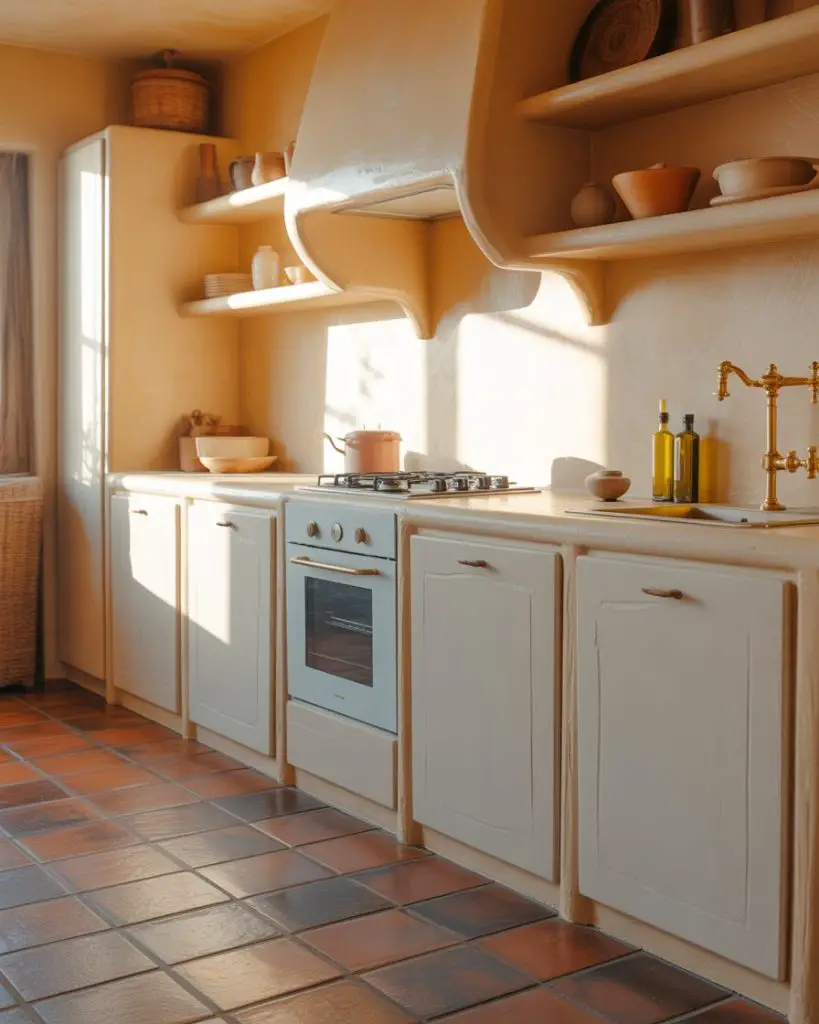
Budget-conscious homeowners can achieve this look by starting with paint and hardware. Limewash or chalk paint transforms standard cabinets, while swapping out chrome for warm brass instantly shifts the mood. Add a vintage runner and some handthrown pottery, and you’ve created a kitchen that feels traveled and lived-in.
7. European-Inspired Entryways
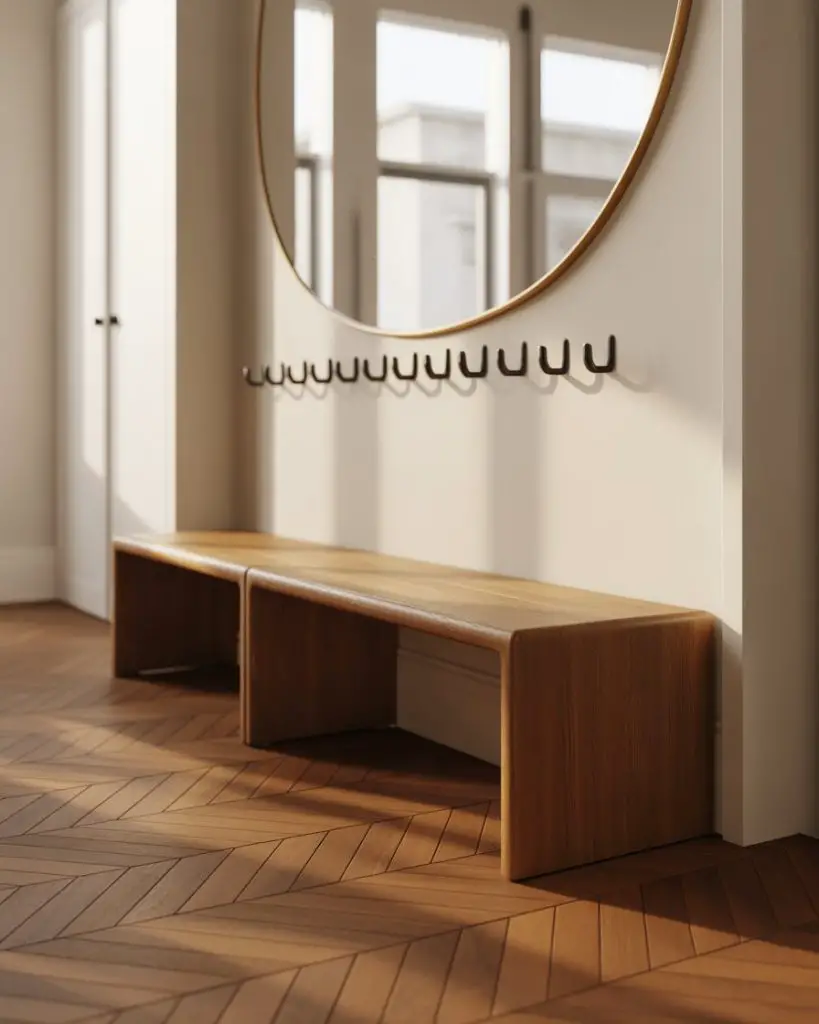
The modern european approach to entryways prioritizes function wrapped in beauty—built-in benches with hidden storage, wall-mounted hooks in sculptural forms, and statement mirrors that expand small spaces. This practical elegance reflects how Europeans have been designing for compact urban living for centuries, making every square foot count without sacrificing style. 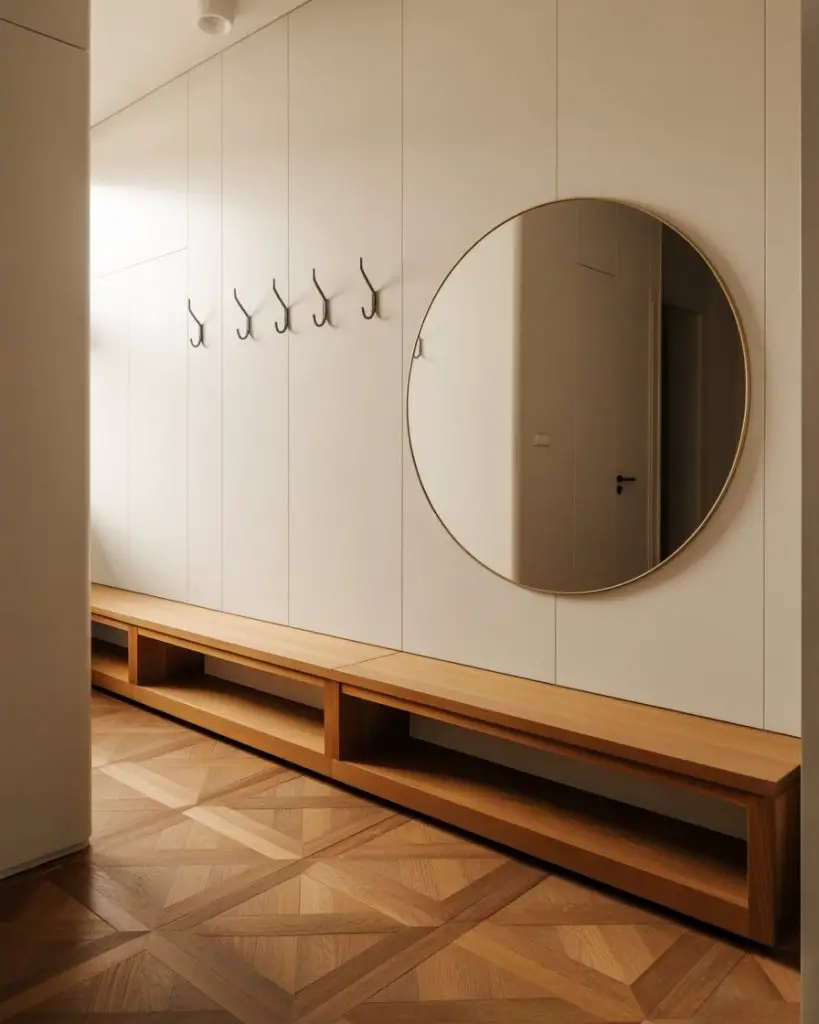
Where it works best: narrow hallways in older homes, apartments lacking dedicated mudrooms, or anywhere you need to corral daily essentials without creating visual chaos. The trick is keeping the color palette cohesive and avoiding the temptation to add too many decorative elements—function is the decoration here.
8. Mediterranean-Style Outdoor Living
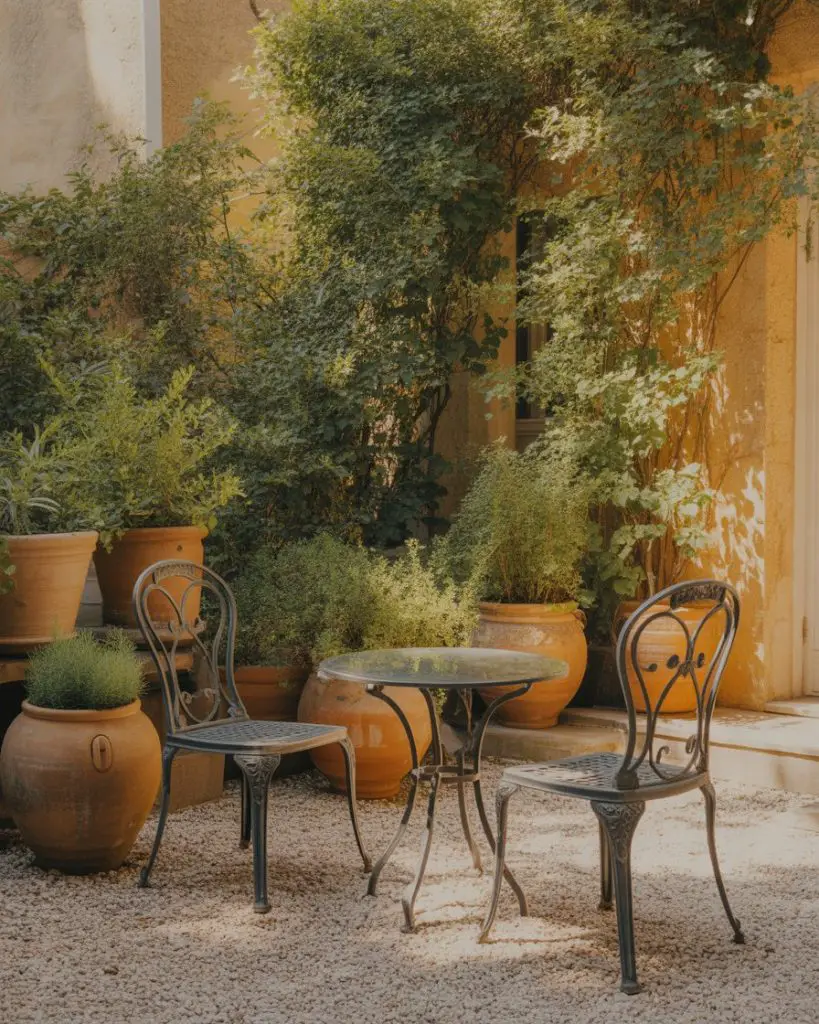
Mediterranean courtyards and patios translate beautifully to American backyards, especially in California, Arizona, and the Southwest. Gravel paths, potted citrus trees, wrought iron furniture, and climbing bougainvillea create outdoor rooms that feel like extensions of the home. The materials—stone, terracotta, aged wood—improve with weathering rather than fighting it. 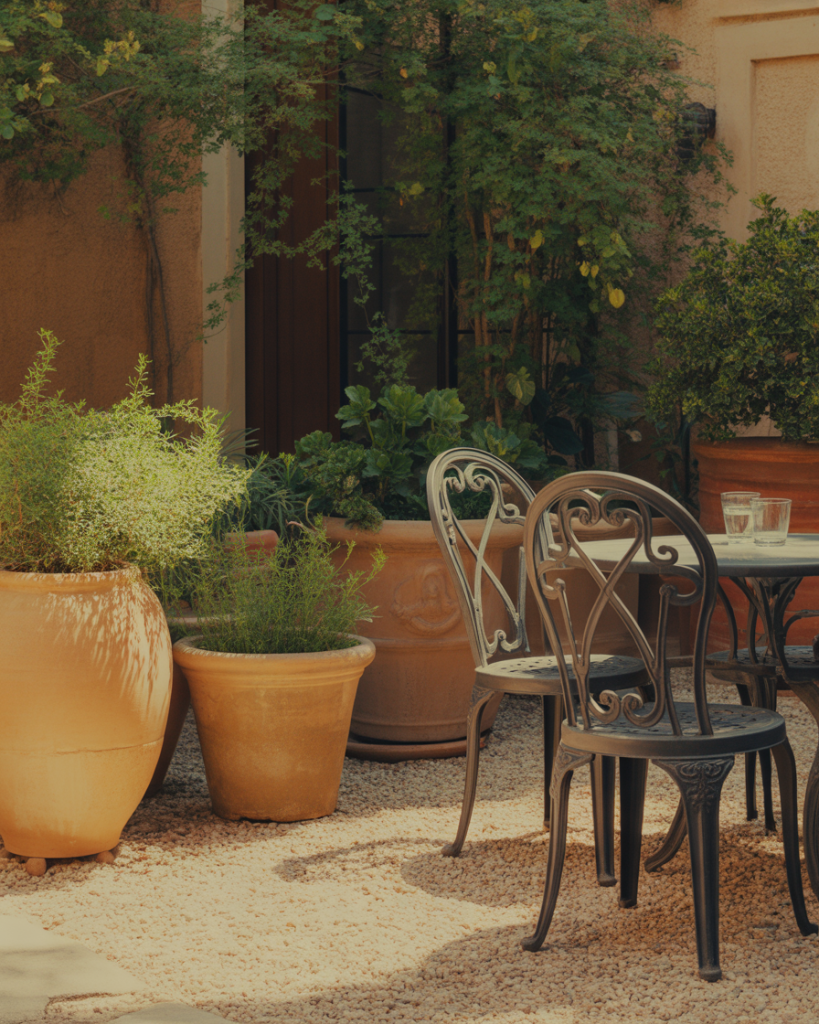
Real homeowners often start small—a bistro set under a pergola, a few oversized planters, some string lights—and expand as they use the space. The beauty of this style is its flexibility; you can create the feeling with as little as a chair and a lemon tree, or go all-in with a full outdoor kitchen and fountain.
9. Buddha Statues as Sculptural Elements
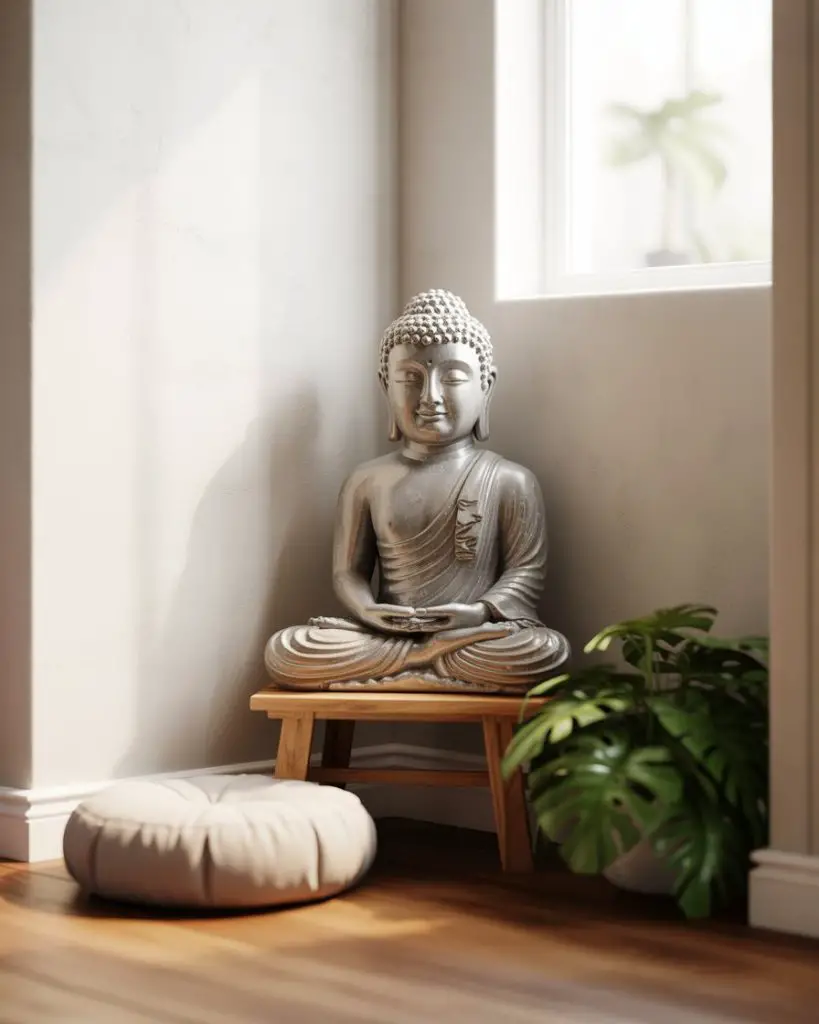
Incorporating a Buddha statue as a focal point speaks to the broader trend of mindful design and global eclecticism. When chosen thoughtfully—considering scale, material, and cultural context—these pieces add contemplative beauty to modern interiors. The best placements treat them as sculpture rather than decoration, positioning them in quiet corners or meditation nooks where their presence feels intentional. 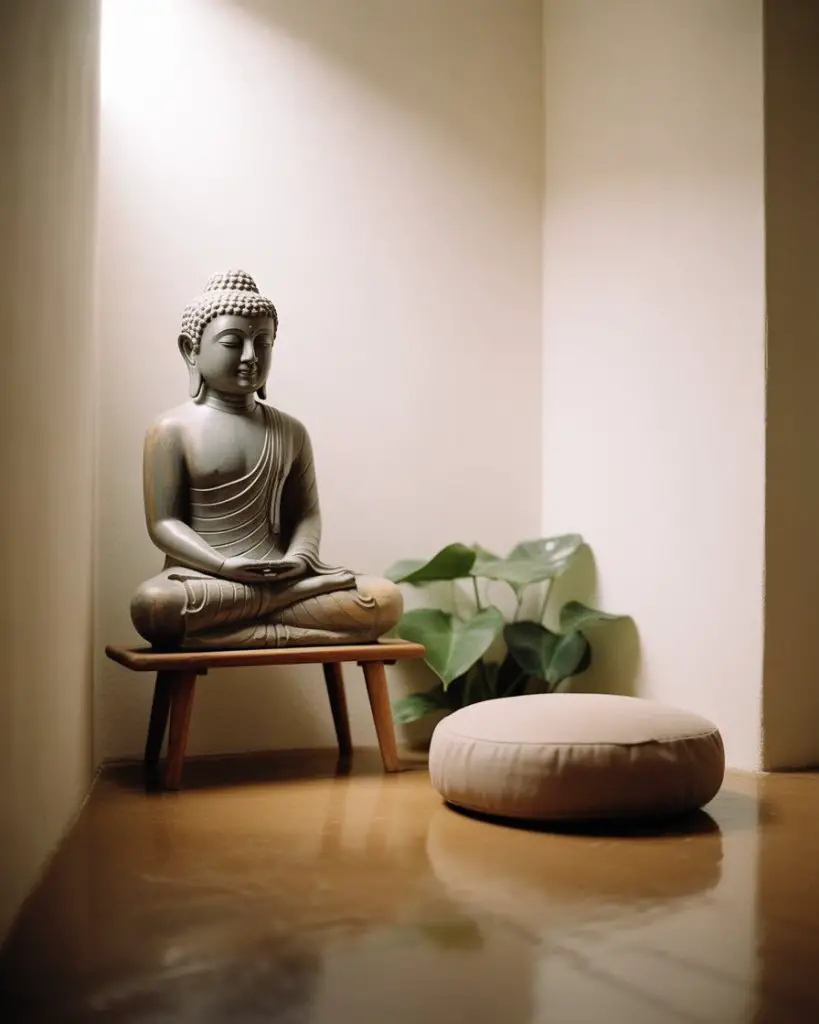
A common mistake is treating spiritual objects as generic décor. If you’re drawn to Buddhist art, take time to understand its significance and display it with respect. A single, quality piece in an uncluttered setting creates more impact than a scattered collection, and honors the contemplative tradition these objects represent.
10. Row House Transformations
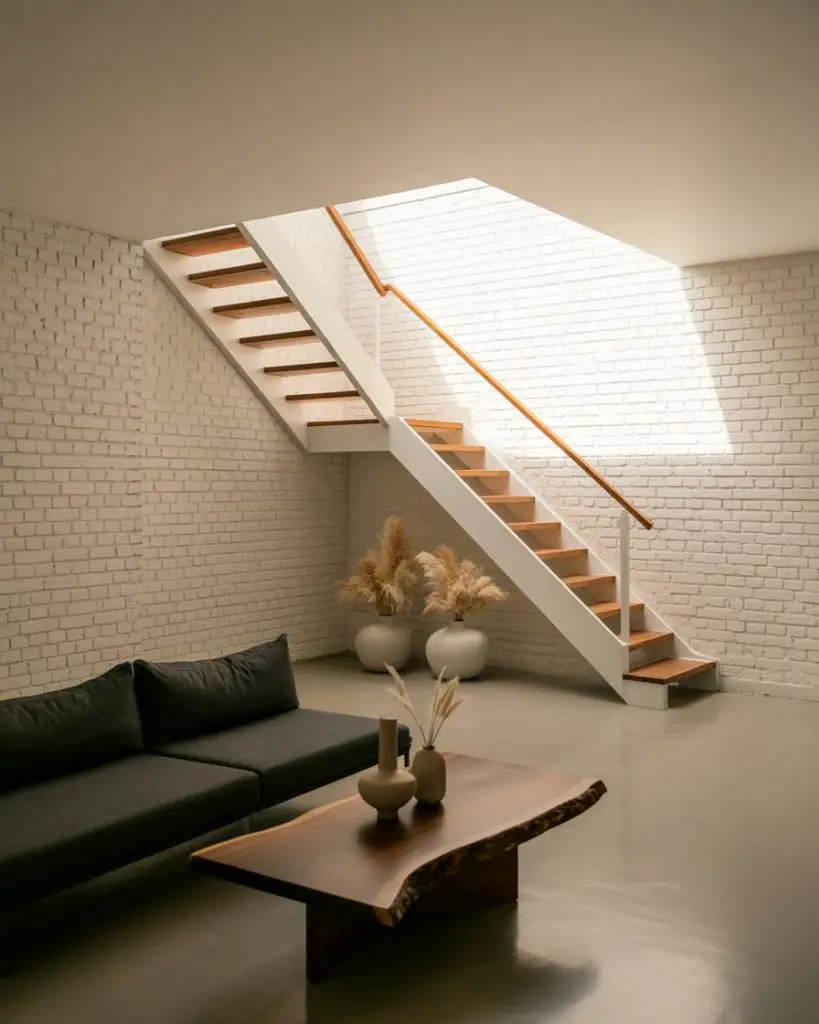
Urban row houses from Philadelphia to San Francisco are being reimagined with light wells, glass-floored walkways, and strategic demolition of interior walls. The challenge of these narrow, deep footprints has sparked creative solutions that maximize natural light and create sight lines through multiple levels. Painted brick, steel staircases, and bold color blocking define this distinctly American renovation style. 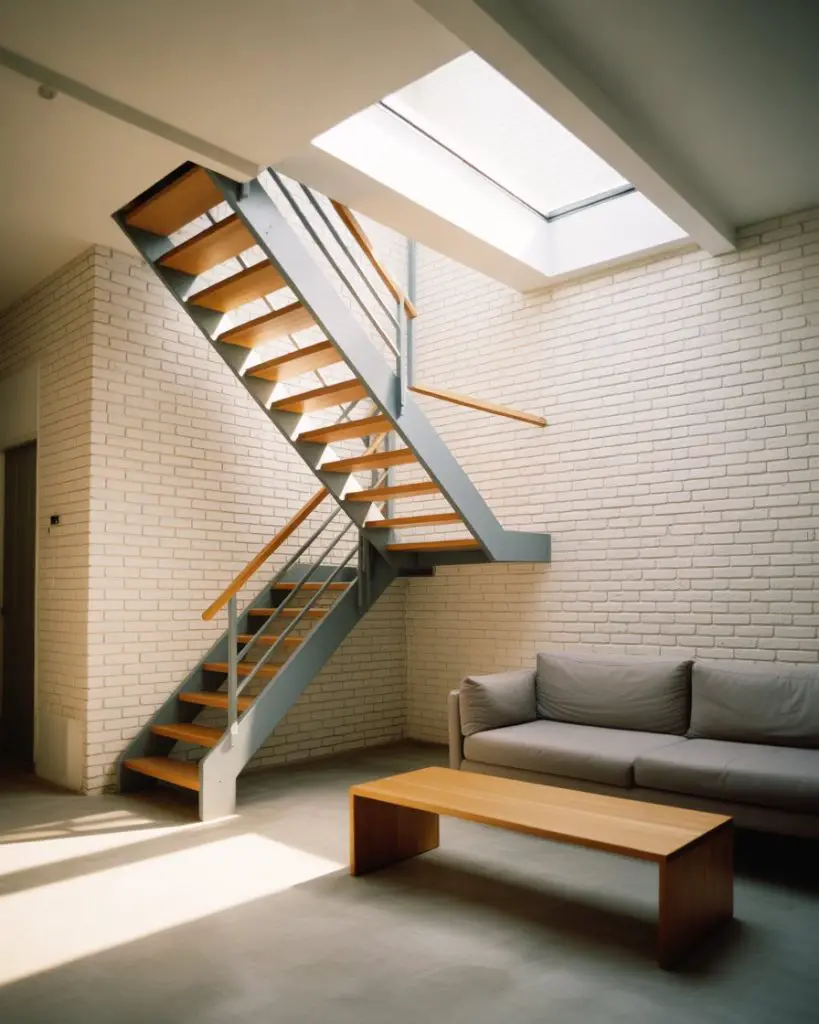
Expert designers often prioritize vertical light flow first—skylights, interior windows, even glass block—before tackling furniture and finishes. In a 15-foot-wide house, every design decision affects the entire space, so starting with illumination ensures the bones feel right before the decorating begins.
11. Rustic Beams in Contemporary Spaces

Rustic reclaimed wood beams bring warmth and history to otherwise modern interiors, creating that sought-after high-low mix. Exposed ceiling beams in a kitchen with sleek white cabinetry, or a weathered mantel against smooth plaster walls—these contrasts prevent contemporary spaces from feeling cold or antiseptic. The wood’s imperfections and patina tell a story that new materials simply can’t. 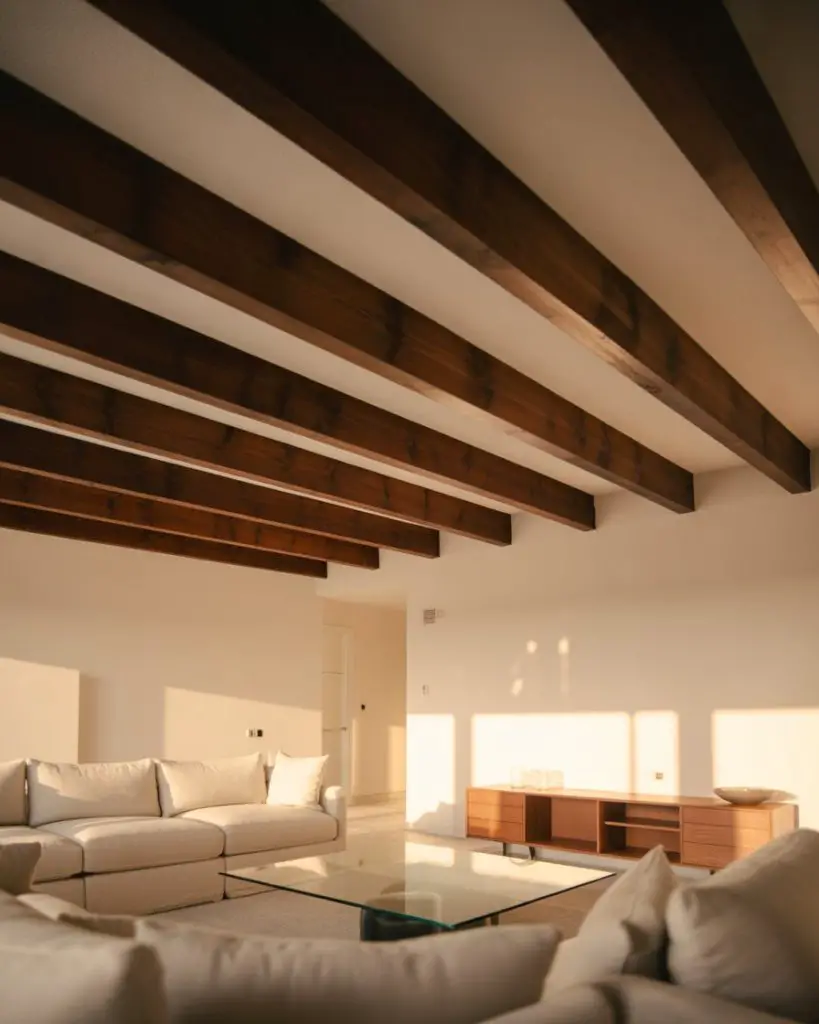
Salvage yards and architectural antique dealers stock beams from demolished barns and warehouses, often at a fraction of new timber costs. Installation requires structural assessment, but the visual payoff—and the sustainability of reusing materials—makes it worthwhile for homeowners committed to character-rich design.
12. Black Accent Walls
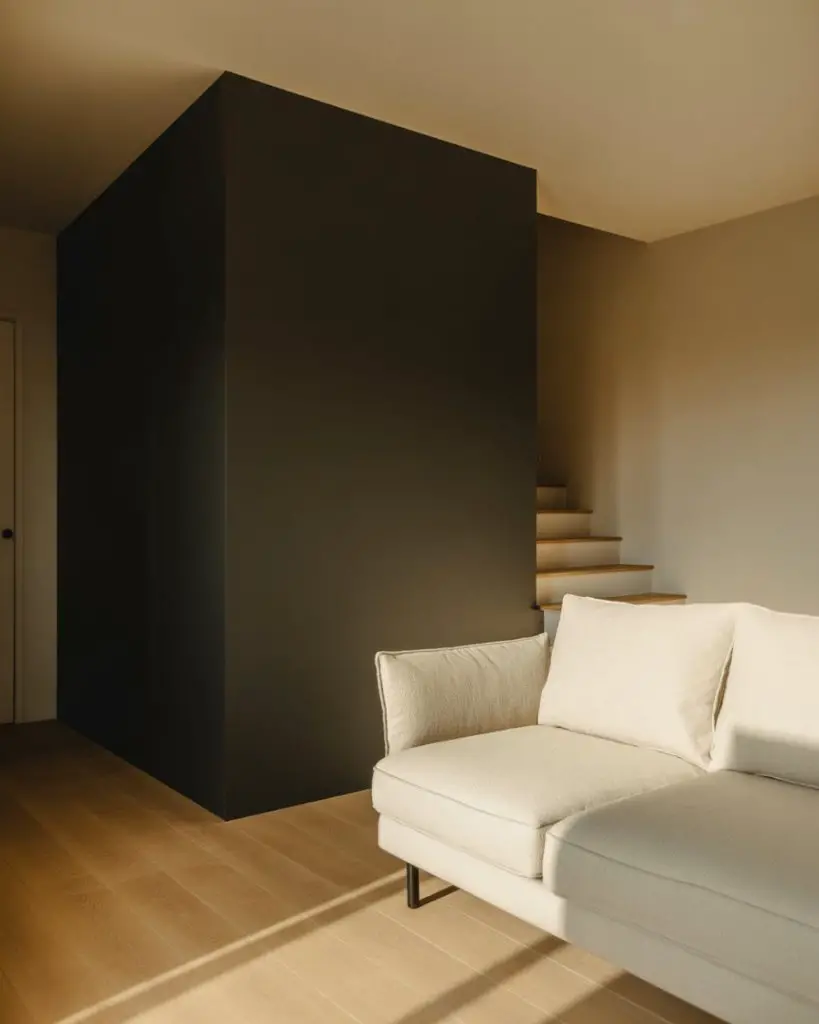
A black accent wall in 2026 reads as sophisticated rather than gothic, especially when balanced with warm wood tones and soft textiles. This bold choice works in living room small spaces stairs ideas by creating depth and making adjacent white or neutral walls appear brighter. The trick is matte or chalky finishes rather than gloss, which can feel heavy in confined areas. 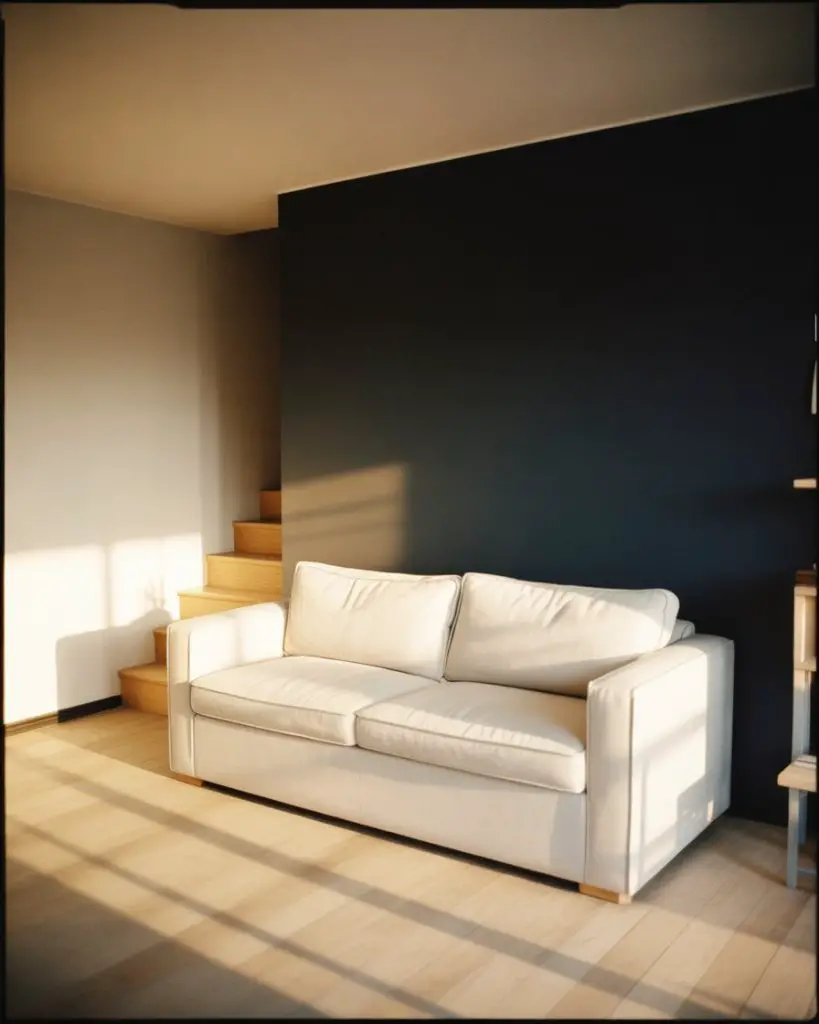
Where it works best: behind a bed, in a powder room, or flanking a fireplace. The contained drama makes other design elements pop—artwork, a vintage mirror, even a simple plant gains visual weight against that dark backdrop. Just ensure adequate lighting to prevent the space from feeling cave-like.
13. Cozy Reading Nooks
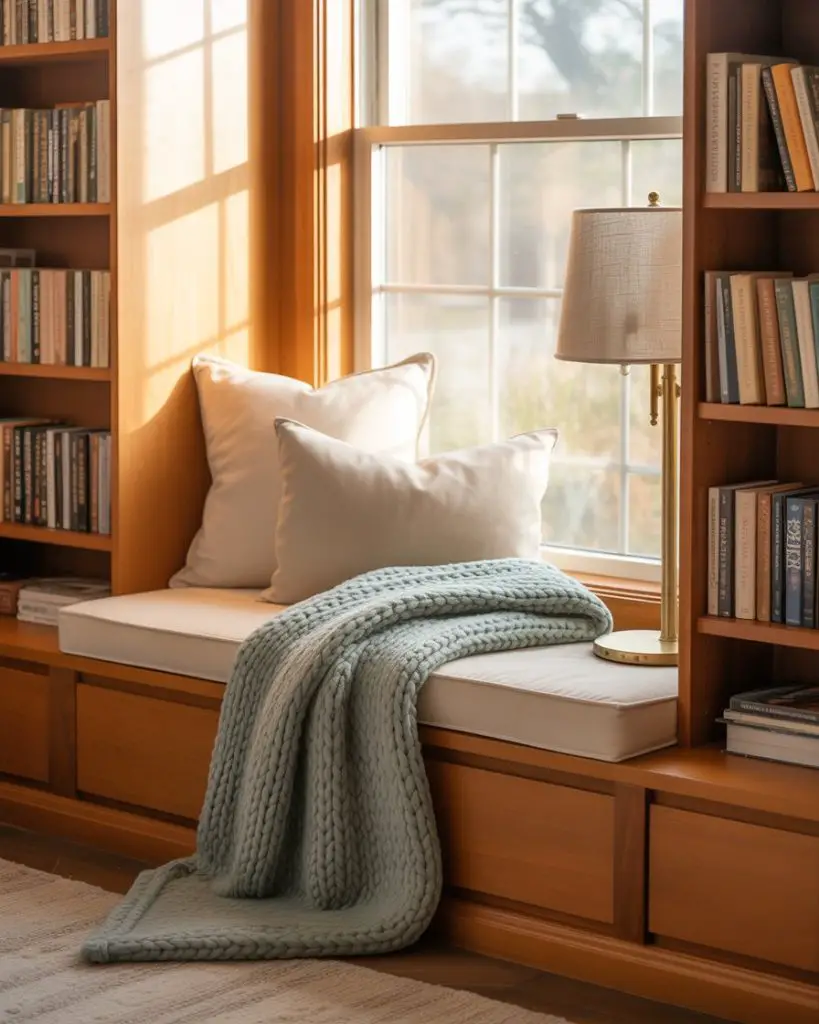
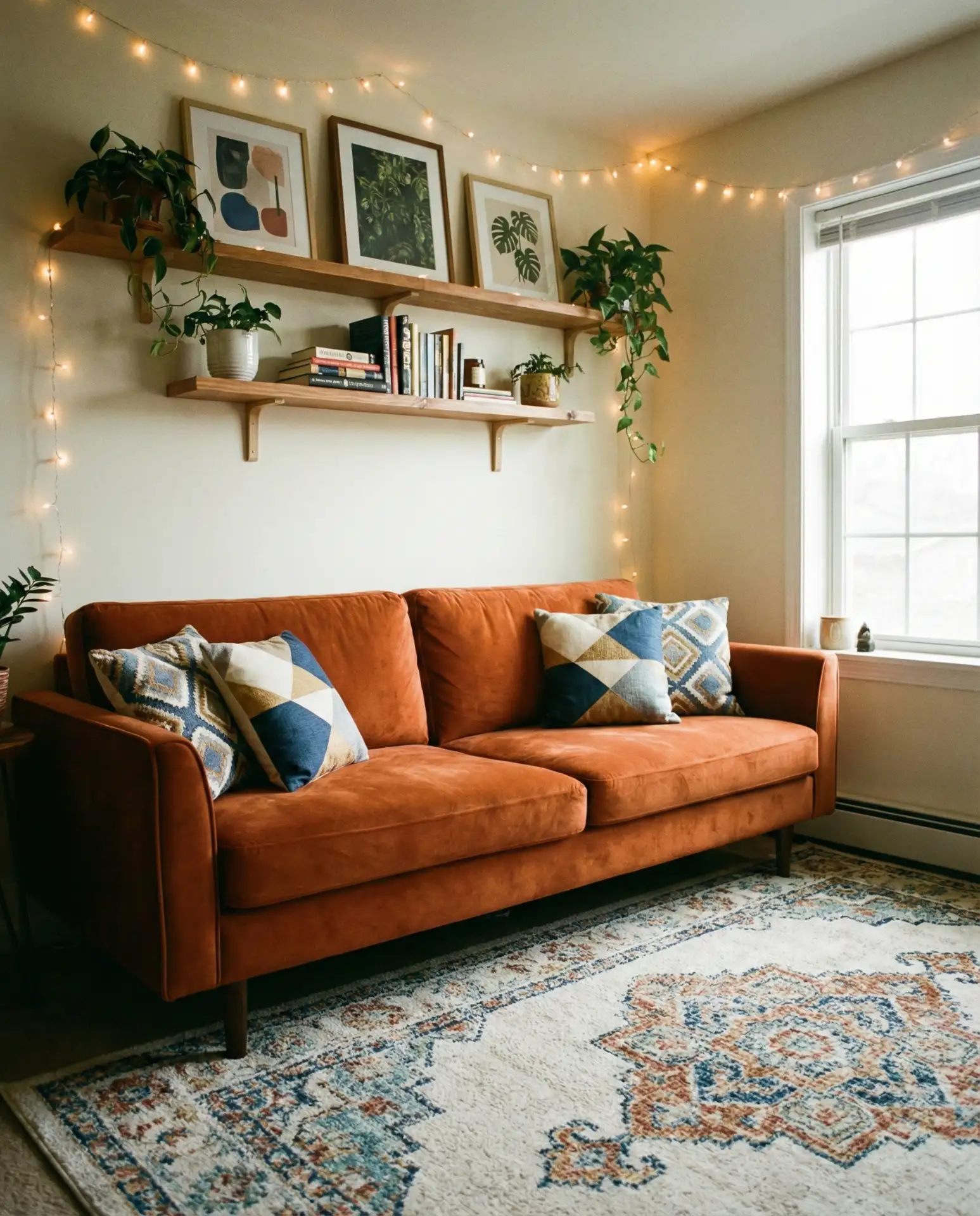
The pursuit of cozy in 2026 manifests in dedicated reading nooks—window seats piled with cushions, alcoves with built-in benches, or even a well-chosen armchair with a good lamp. These micro-spaces satisfy our craving for refuge within the home, a small zone optimized for comfort and quiet. Layered textiles, warm lighting, and a surface for tea create the essentials. 
I once visited a renovated loft where the architect carved a reading nook into dead space under the stairs—barely six feet wide but perfectly scaled for one person and a stack of books. Sometimes the coziest spots are the ones that feel claimed and personal, not the vast rooms we think we’re supposed to want.
14. Colour Schemes Inspired by Nature
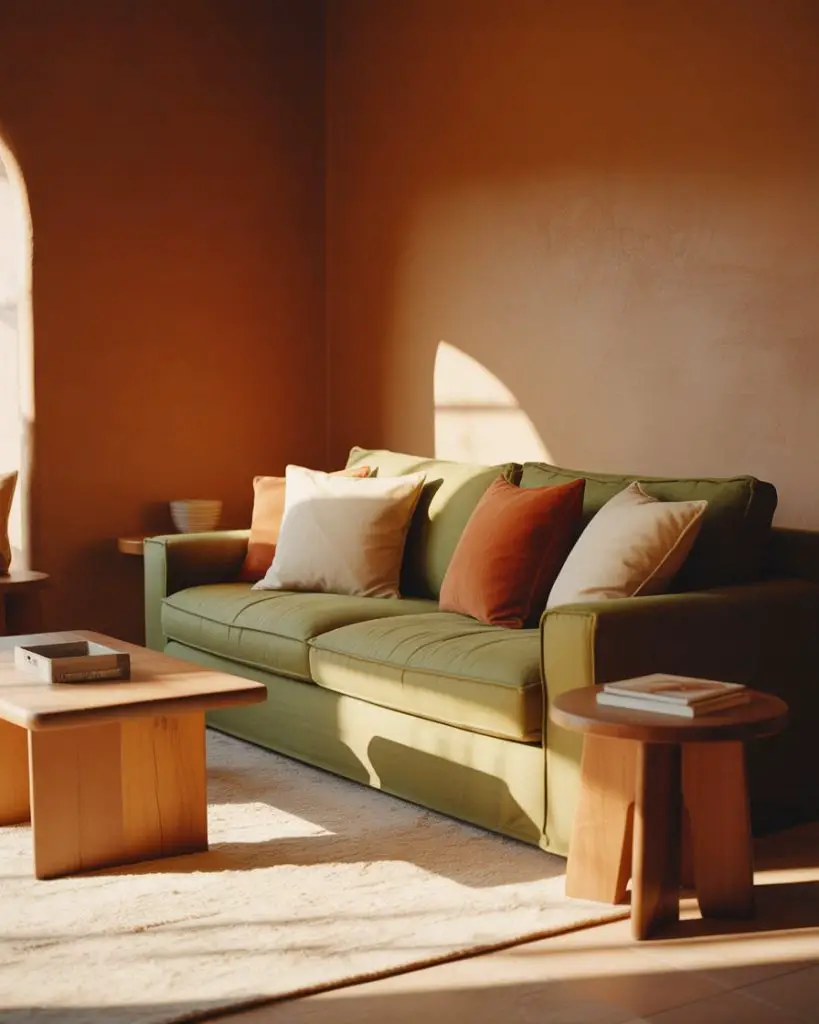
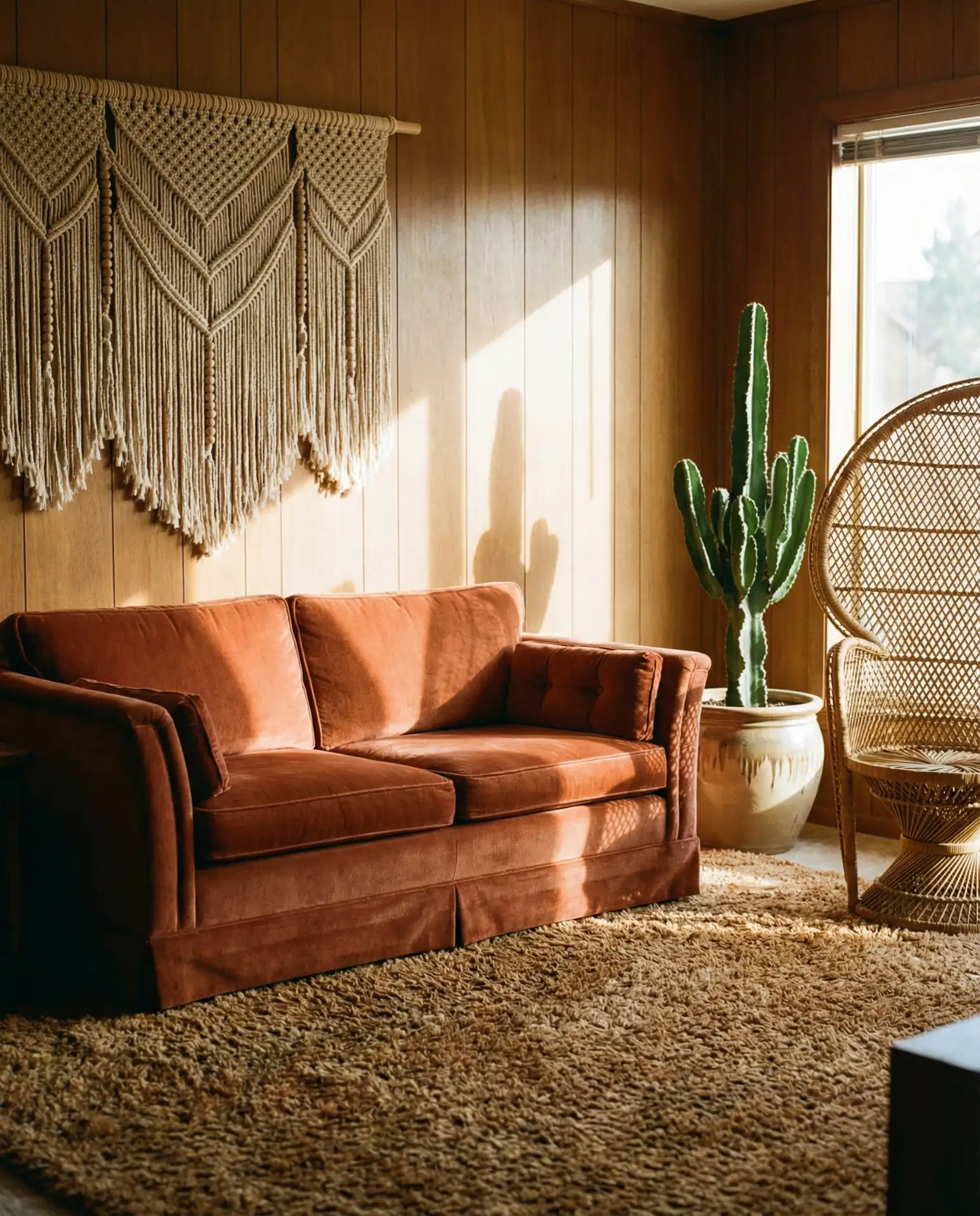
The most successful colour schemes in 2026 pull directly from landscapes—desert sunsets, forest floors, coastal fog. These aren’t literal translations but tonal interpretations: terracotta, sage, warm gray, and cream create palettes that feel grounded and timeless. Moving away from stark white and cool gray, homeowners are embracing earthier neutrals that shift throughout the day as light changes. 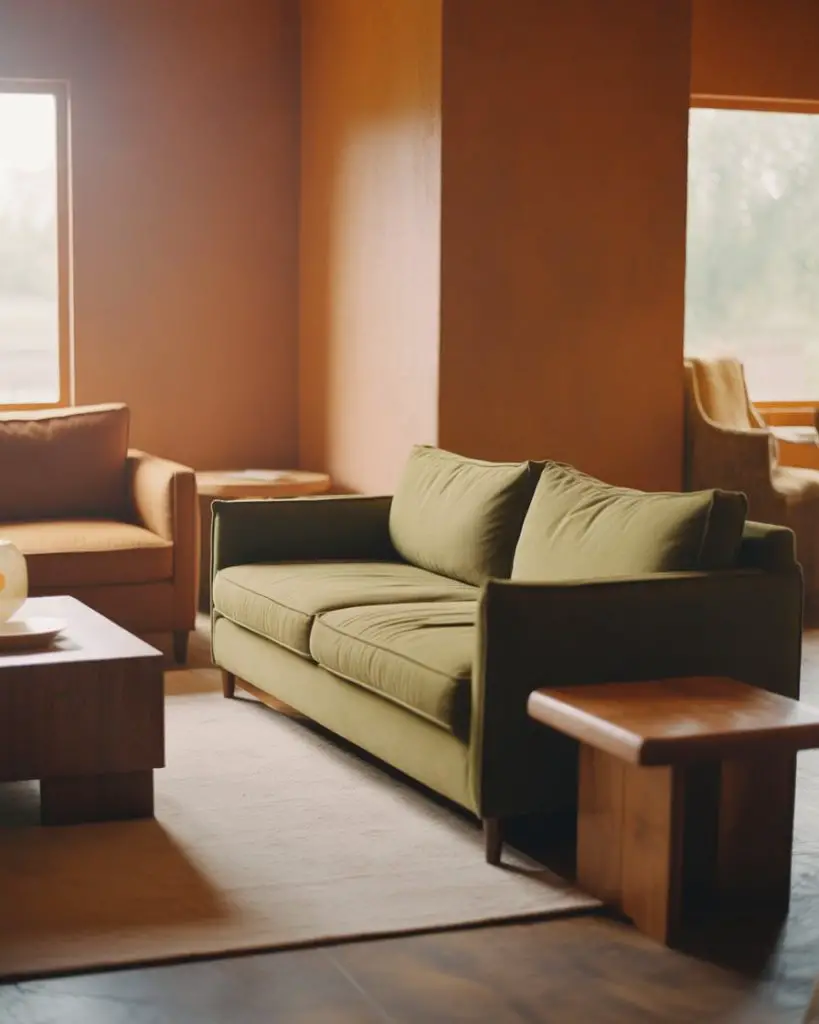
A practical approach: photograph places that move you—a hike, a beach walk, even your favorite bakery—and pull colors from those images. This creates a palette that resonates emotionally rather than one chosen from a trending Instagram post, resulting in a home that feels authentically yours.
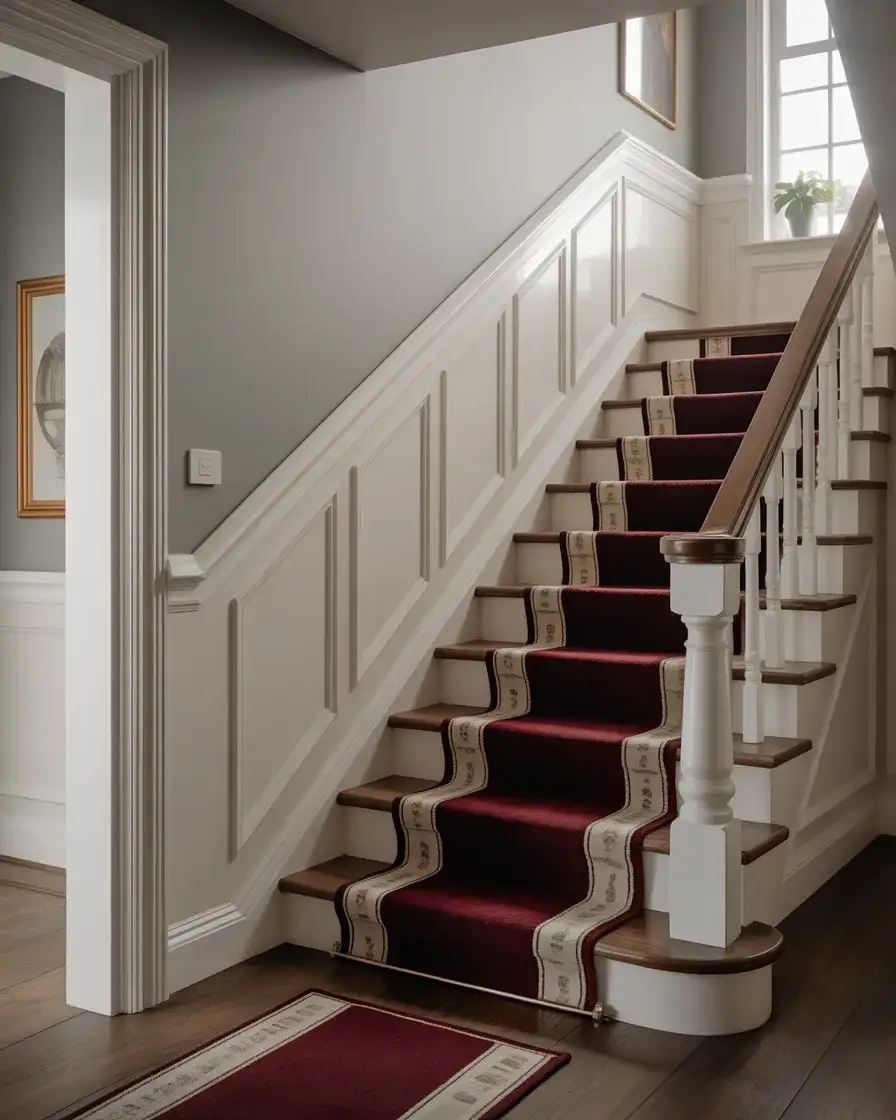
15. Wabi-Sabi Philosophy in American Homes
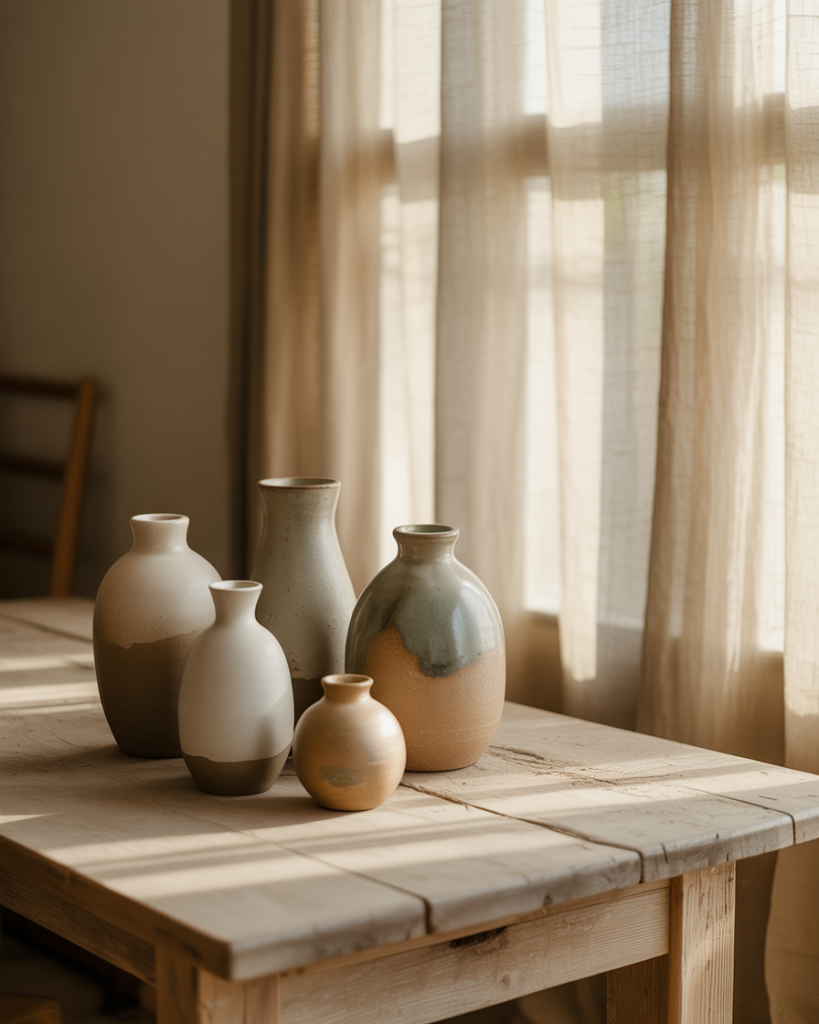
The Japanese concept of wabi sabi—finding beauty in imperfection and impermanence—has found fertile ground in American design. This means celebrating the crack in a vintage vase, the worn spot on a leather chair, the patina on copper fixtures. It’s an antidote to Instagram perfection, giving homeowners permission to live with and love their well-used possessions. 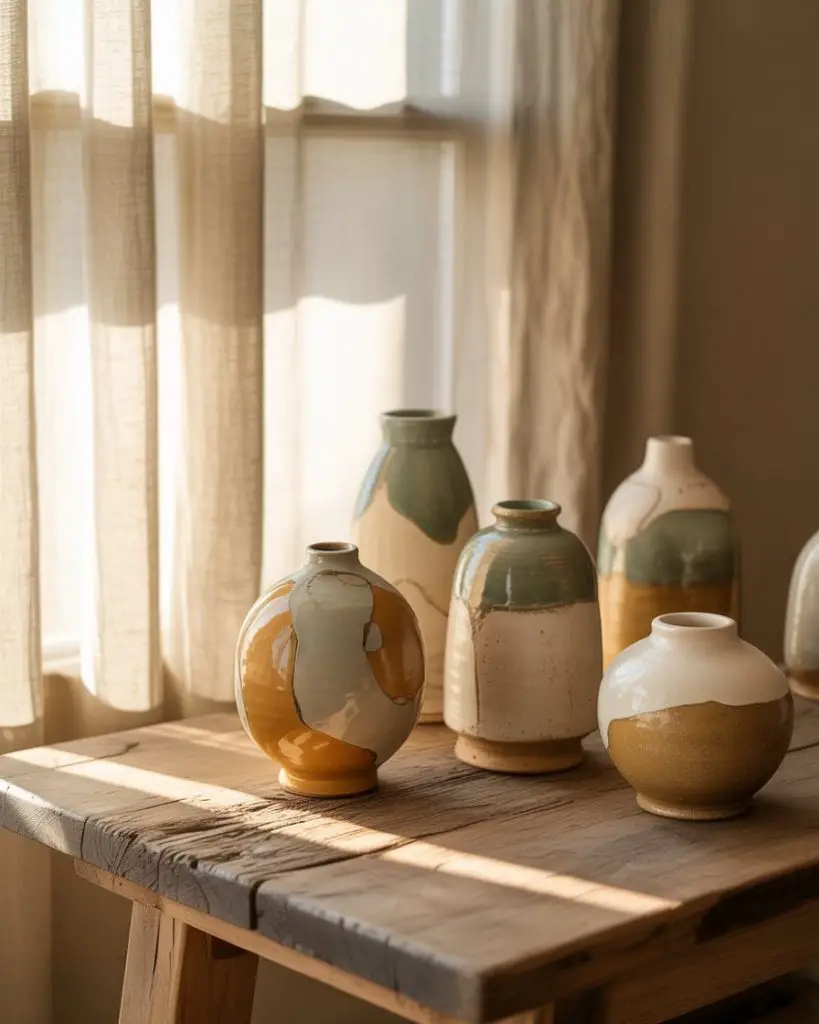
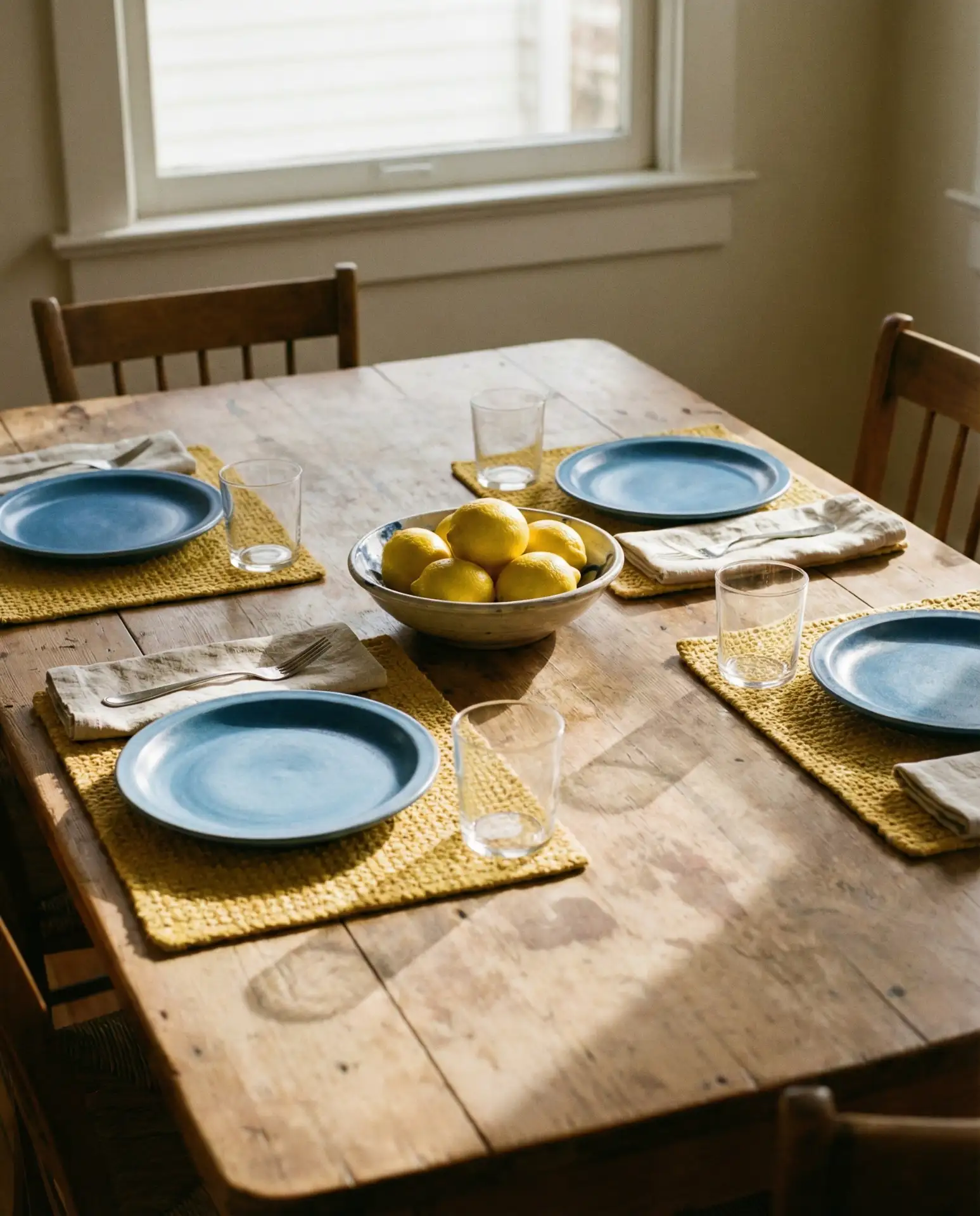
This philosophy works particularly well for homeowners on a budget, as it values the authenticity of found and inherited objects over matching sets. A farmer’s table scarred by decades of use, mismatched chairs collected over time, and handmade pottery with visible thumb prints create more soul than any showroom ever could.
16. Mediterranean-Style Living Rooms
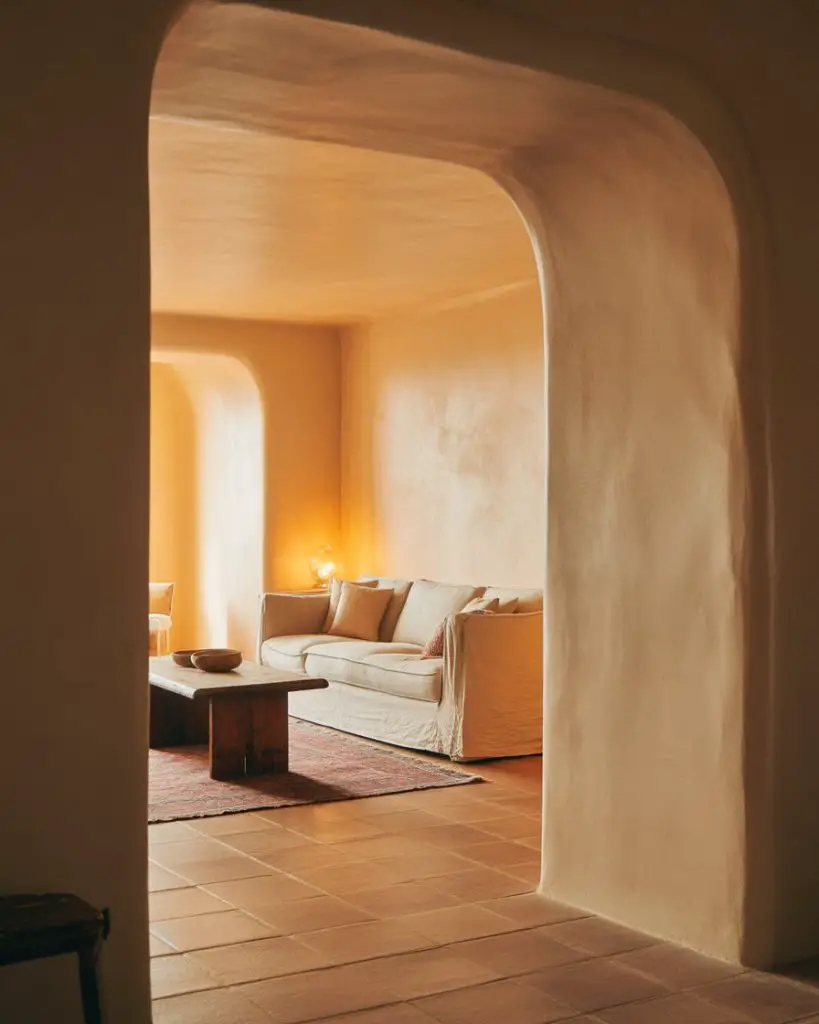
A medditeranean style living room 2026 balances formality with comfort through arched doorways, textured plaster walls, and a mix of upholstered and carved wood furniture. Think oversized sofas in natural linen, antique side tables, and terra-cotta or stone floors partially covered by vintage rugs. The palette stays warm and sun-bleached, avoiding anything too saturated or cool. 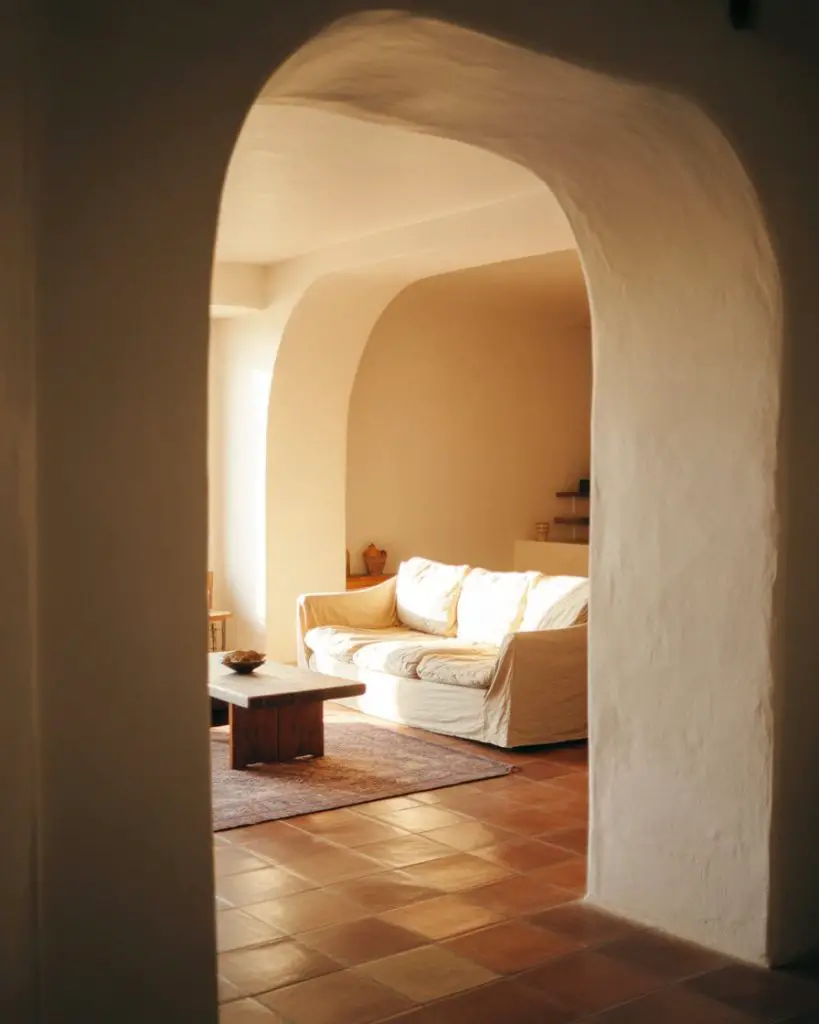
Real homeowners often anchor the room with one major architectural element—an arch, a fireplace surround, exposed beams—then layer in textiles and furniture. This prevents the look from feeling themed or contrived. The goal is lived-in elegance, not a resort lobby.
17. Dark Maximalism
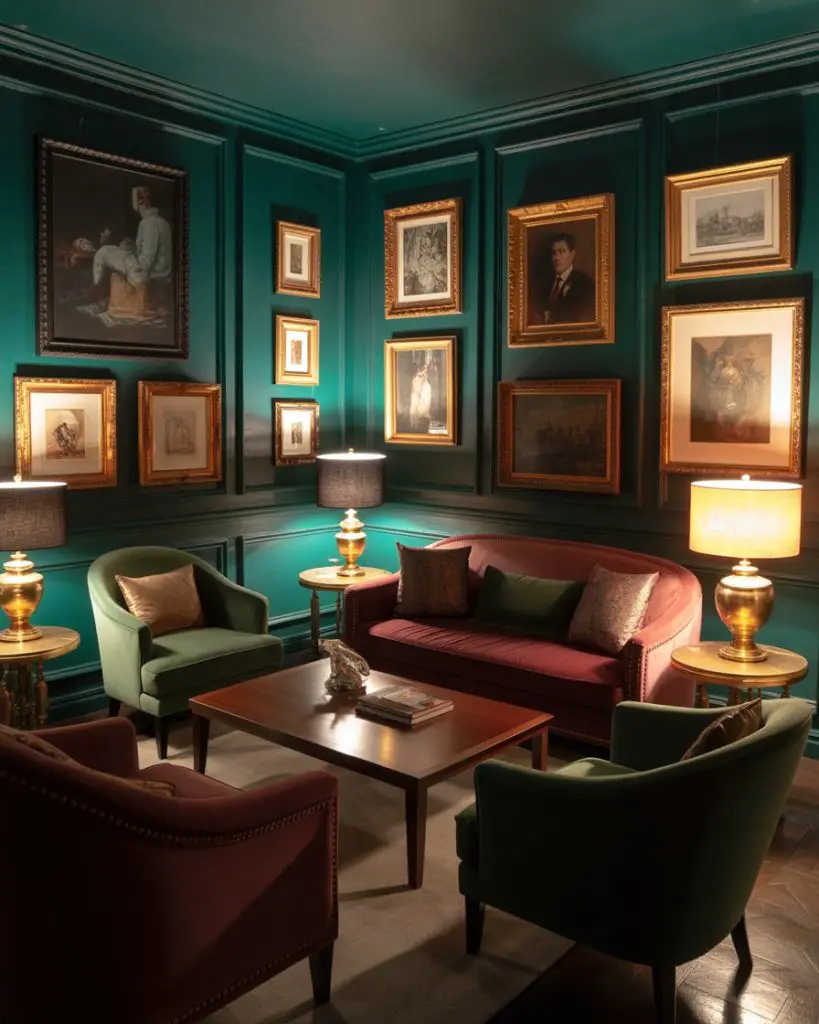
Embracing dark walls throughout a home creates unexpected intimacy and drama. Deep charcoal, navy, forest green, or even black become backdrops that make art, books, and furnishings glow. This trend contradicts the “bright and airy” mandate that’s dominated for years, proving that moody interiors can feel just as welcoming when done with intention and adequate lighting. 
Where it works best: dining rooms, libraries, bedrooms, or media rooms—spaces used primarily in evening hours when artificial light dominates anyway. The mistake is going dark without investing in good lighting; you need layers of warm illumination to prevent the space from feeling like a cave.
18. Tiny House Efficiency
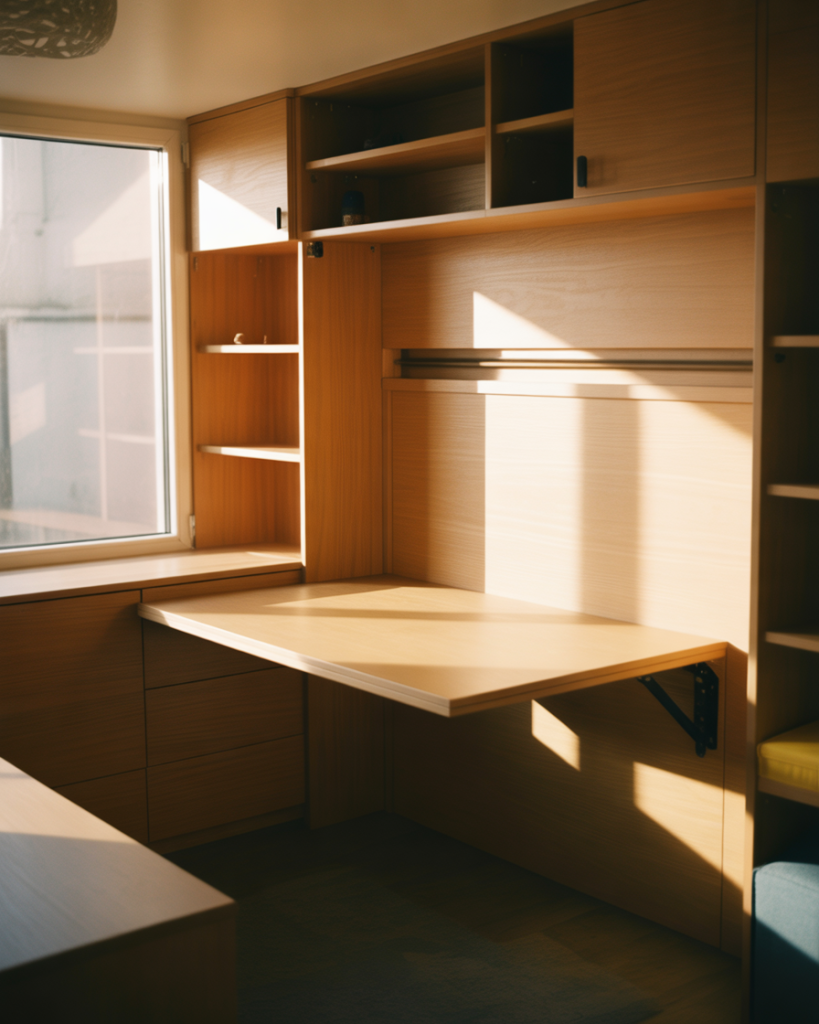
The tiny house movement continues influencing mainstream design through space-saving strategies: Murphy beds, fold-down tables, hidden storage in stairs and floors. Even homeowners with square footage to spare are adopting these solutions for guest rooms or studios, appreciating the elegance of multifunctional design. Every piece earns its place by doing double or triple duty. 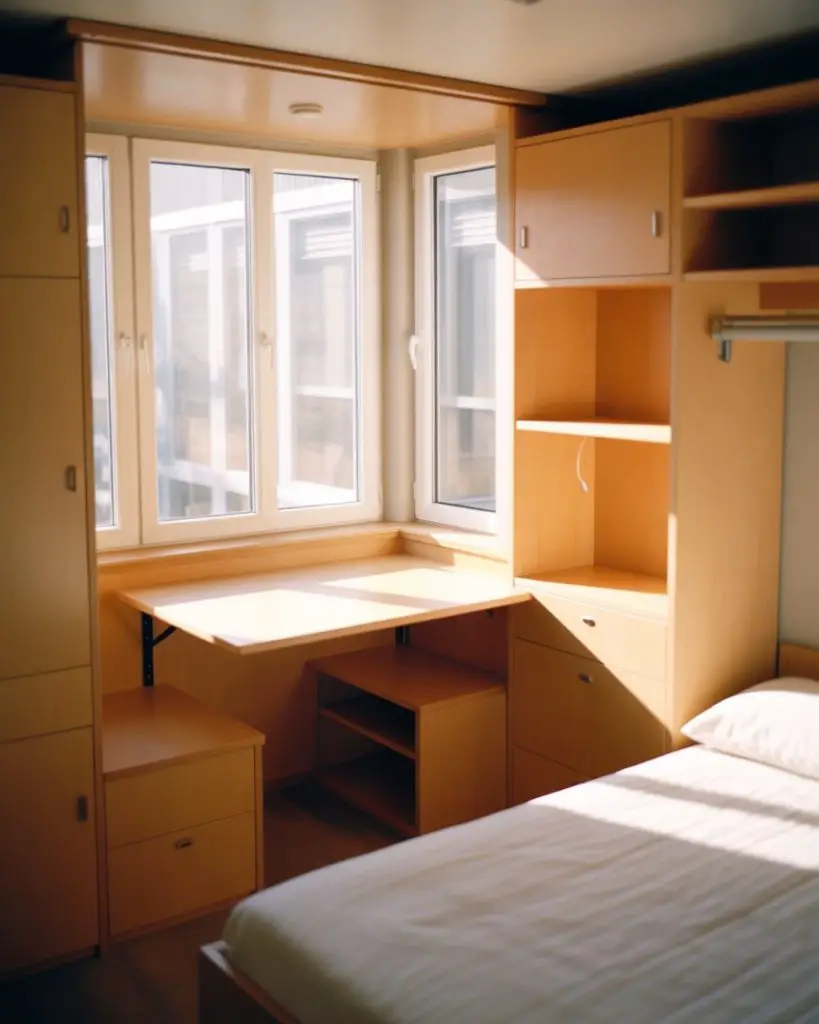
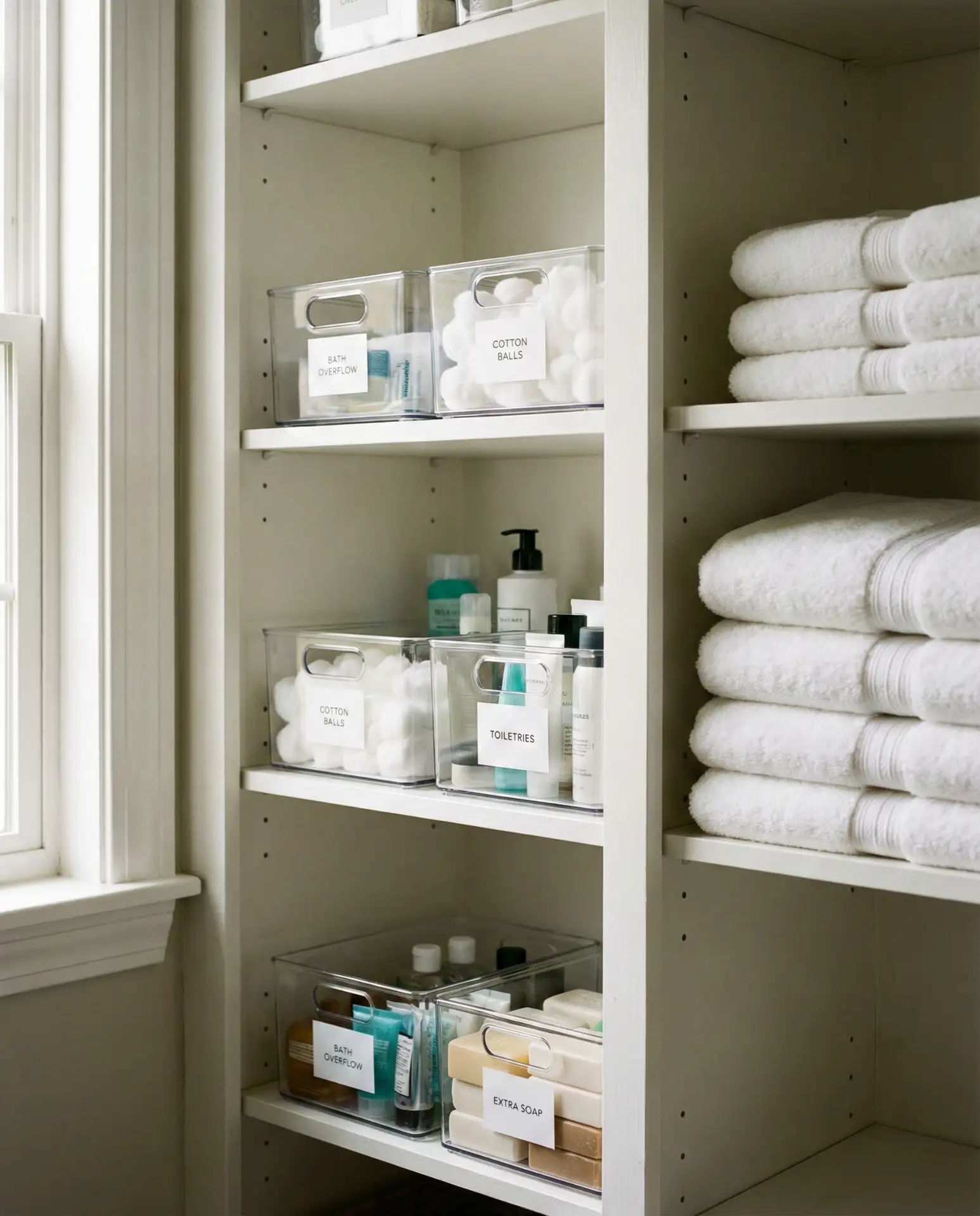
Expert tiny house designers recommend mapping your daily routine before planning storage. Where do you drop your keys? Where do shoes land? Build the storage where behavior naturally occurs rather than where you think it should happen, and the system actually gets used.
19. Spanish Style Tile Work
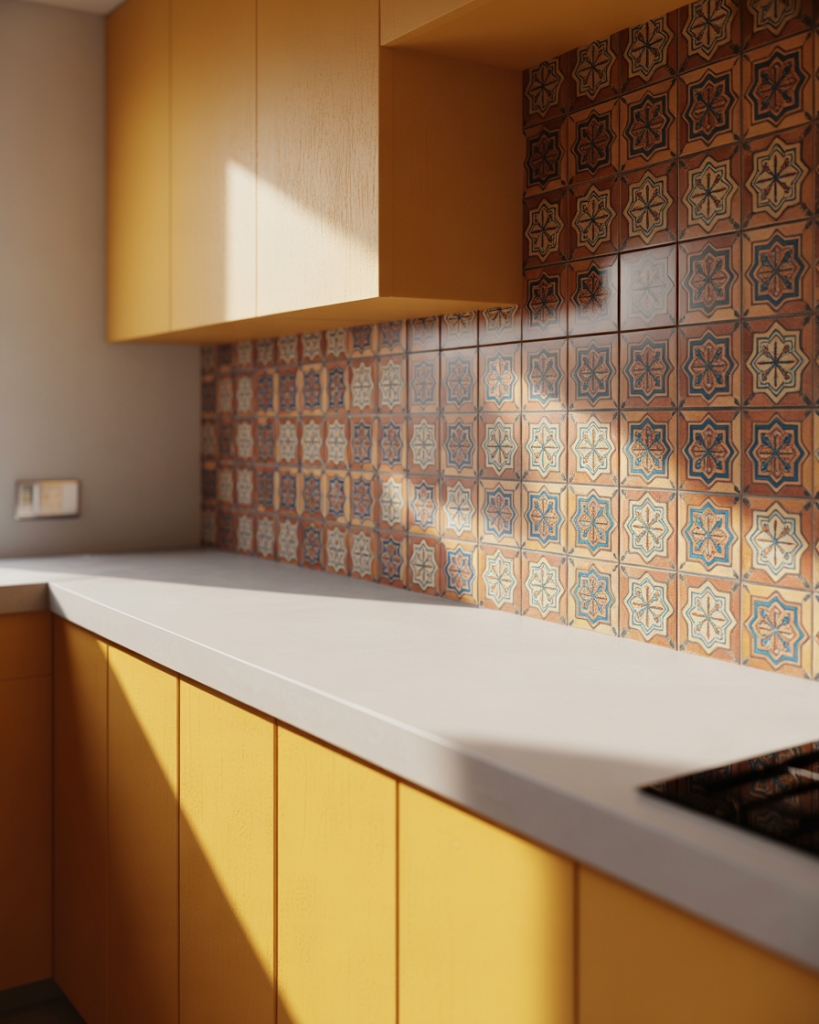
Spanish style patterned cement or ceramic tiles bring instant character to kitchens, bathrooms, and entryways. These aren’t subtle—bold geometric or floral patterns in saturated colors demand attention. Used strategically on a backsplash, floor, or single accent wall, they inject personality without requiring a full renovation. The handmade quality and slight variations make each installation unique. 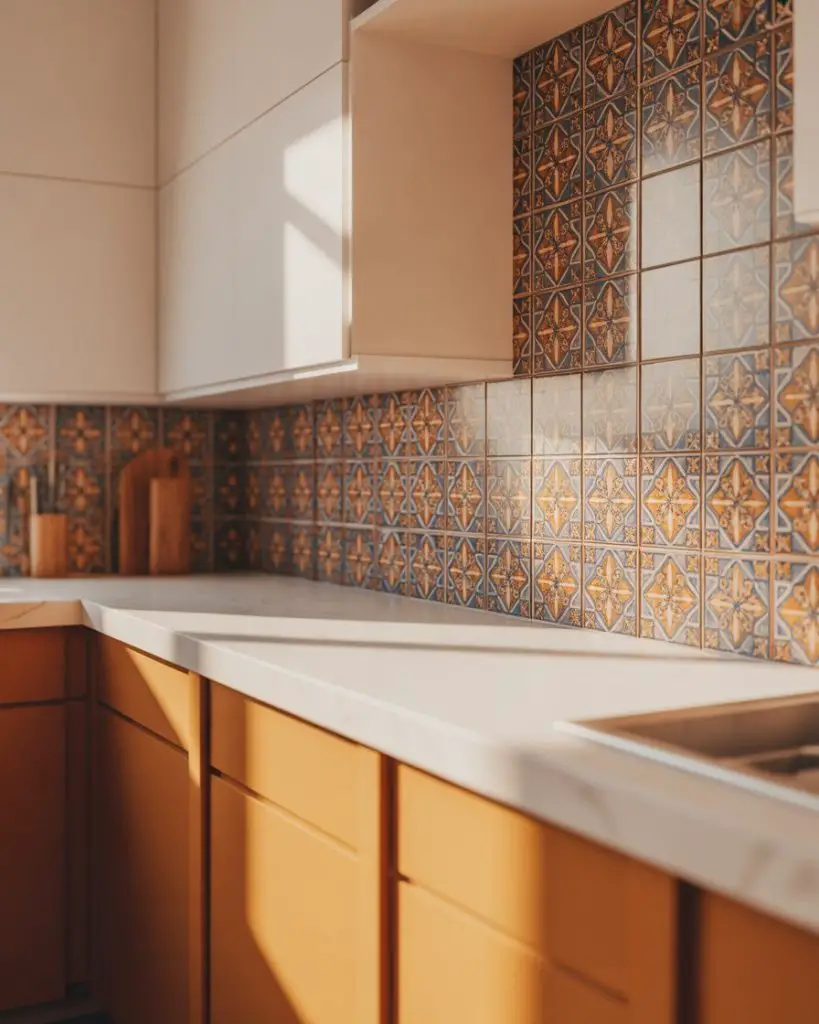
Budget tip: use patterned tile in a small area—a powder room floor or behind a stove—and keep surrounding surfaces simple. This concentrates impact where it matters most and keeps costs manageable. The tiles become artwork in their own right, eliminating the need for additional decoration.
20. Modern Spanish Style Courtyards
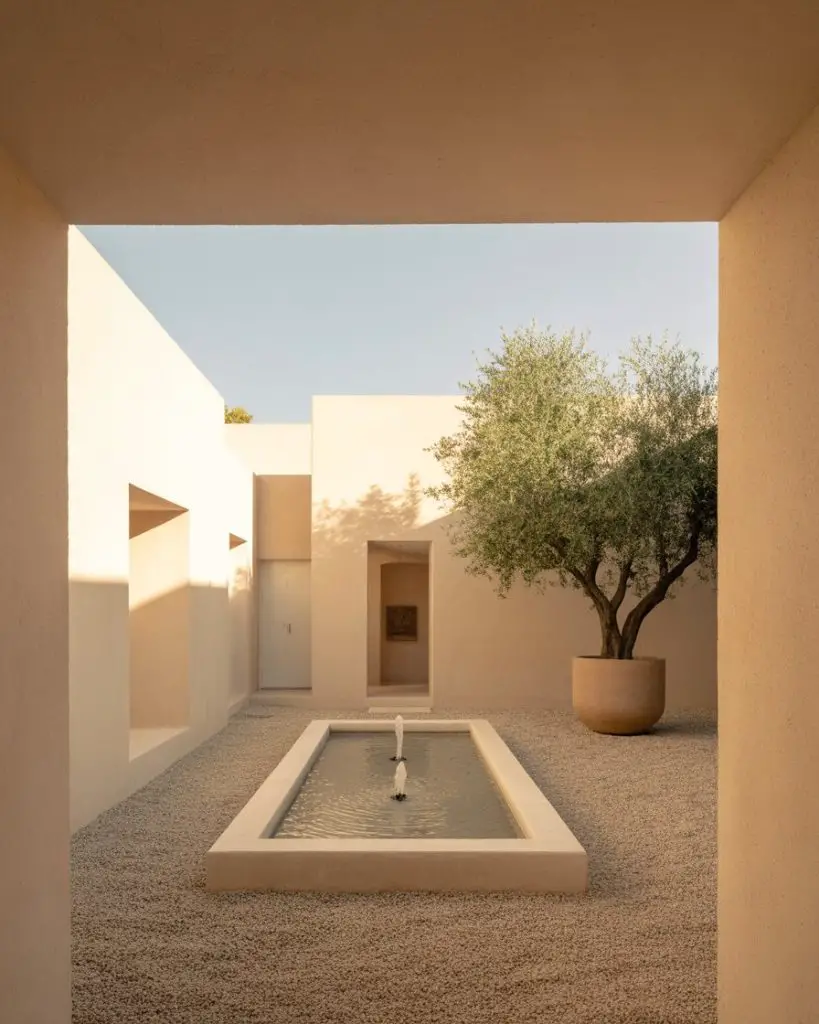
Modern spanish style adapts traditional hacienda elements for contemporary life—think simplified arches, clean-lined fountains, and gravel courtyards with minimal planting. This stripped-back approach maintains the bones of Spanish architecture while losing the heavy ornamentation. The result feels both timeless and current, especially in the Southwest where climate and cultural history support this aesthetic. 
A landscape architect I know always starts these projects by removing rather than adding—clearing overgrown plantings, simplifying hardscaping, letting architecture breathe. Once you can see the structure clearly, it’s obvious what needs emphasis and what can stay spare. The restraint is what makes it modern.
21. Upholstered Headboards
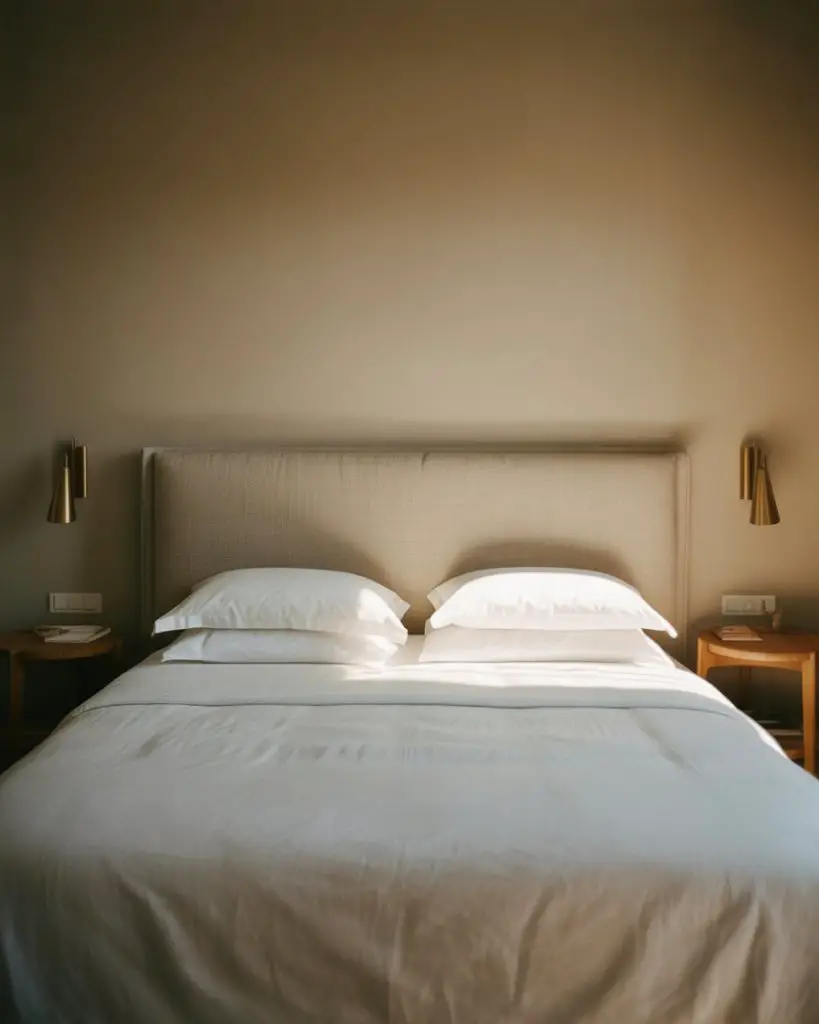
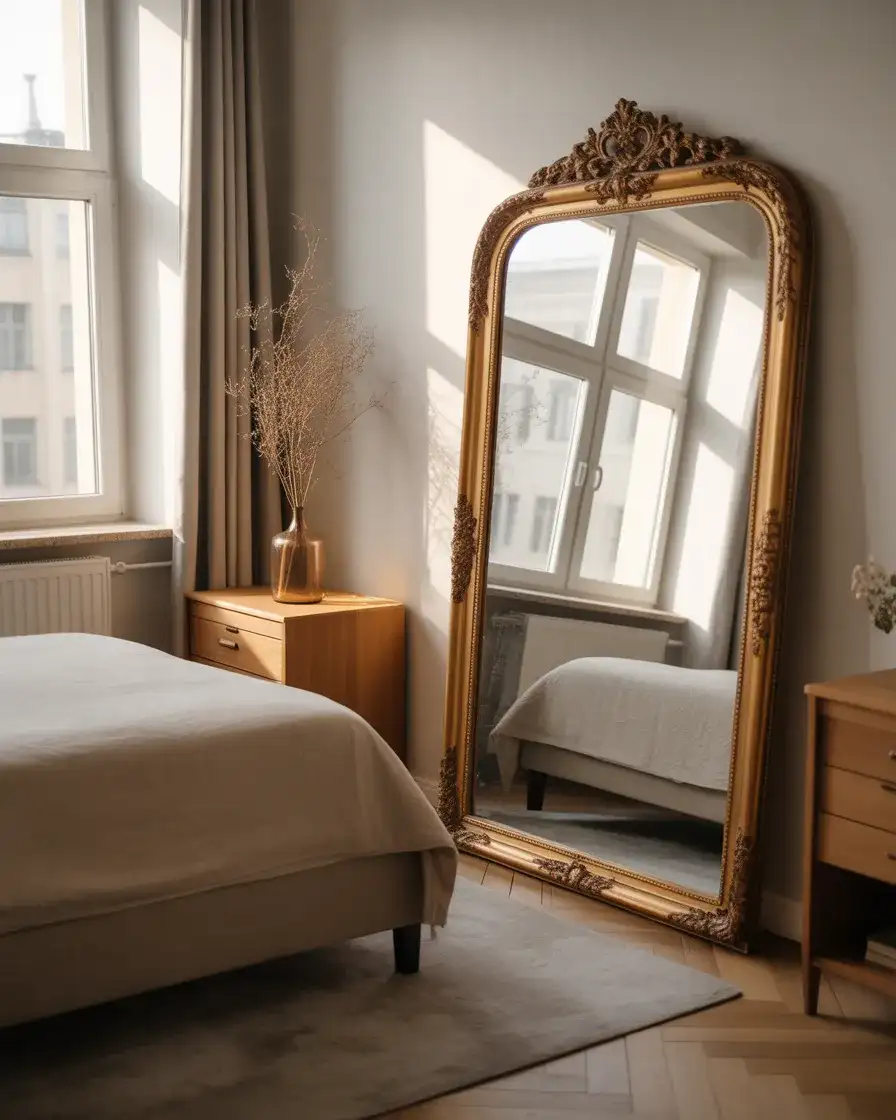
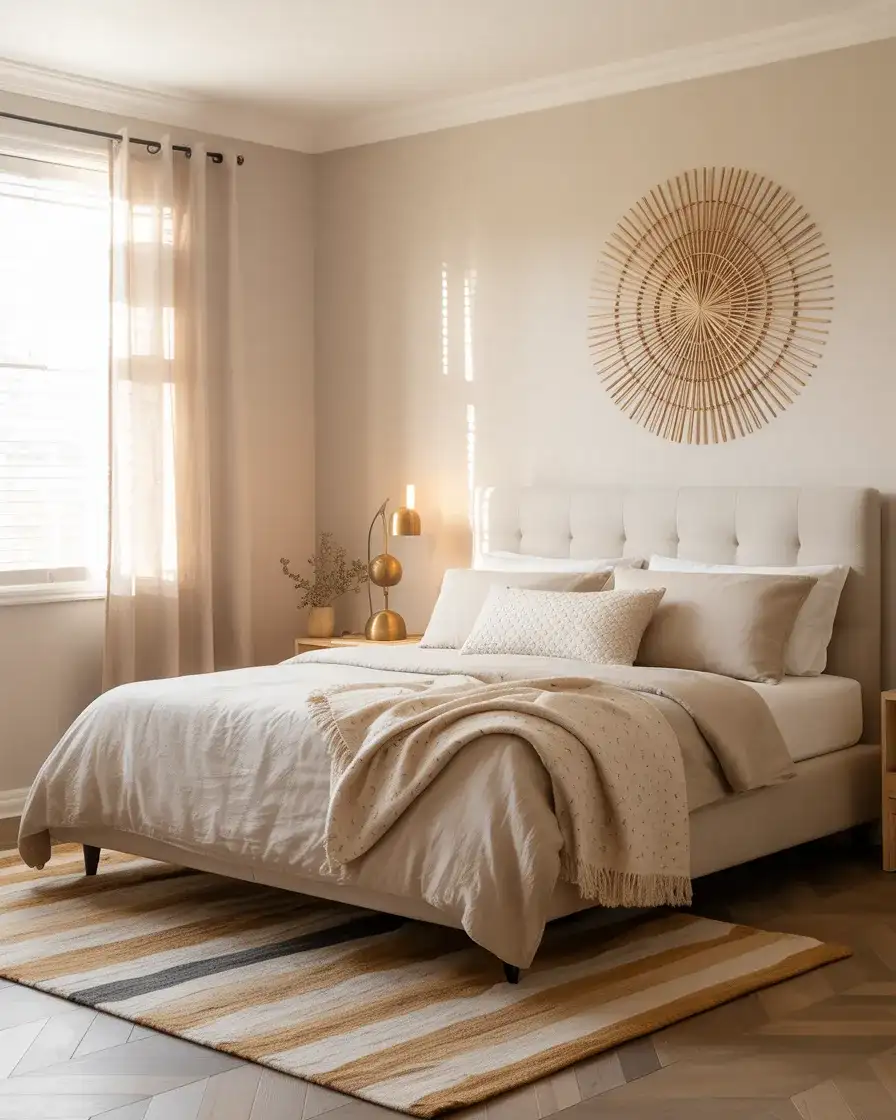
Upholstered headboards in luxury materials—velvet, linen, leather—soften bedroom interiors and provide both visual and literal comfort. This trend spans styles from buttoned Chesterfield grandeur to simple channeled panels, but the common thread is tactility and warmth. The headboard becomes a focal point without requiring artwork or additional decoration. 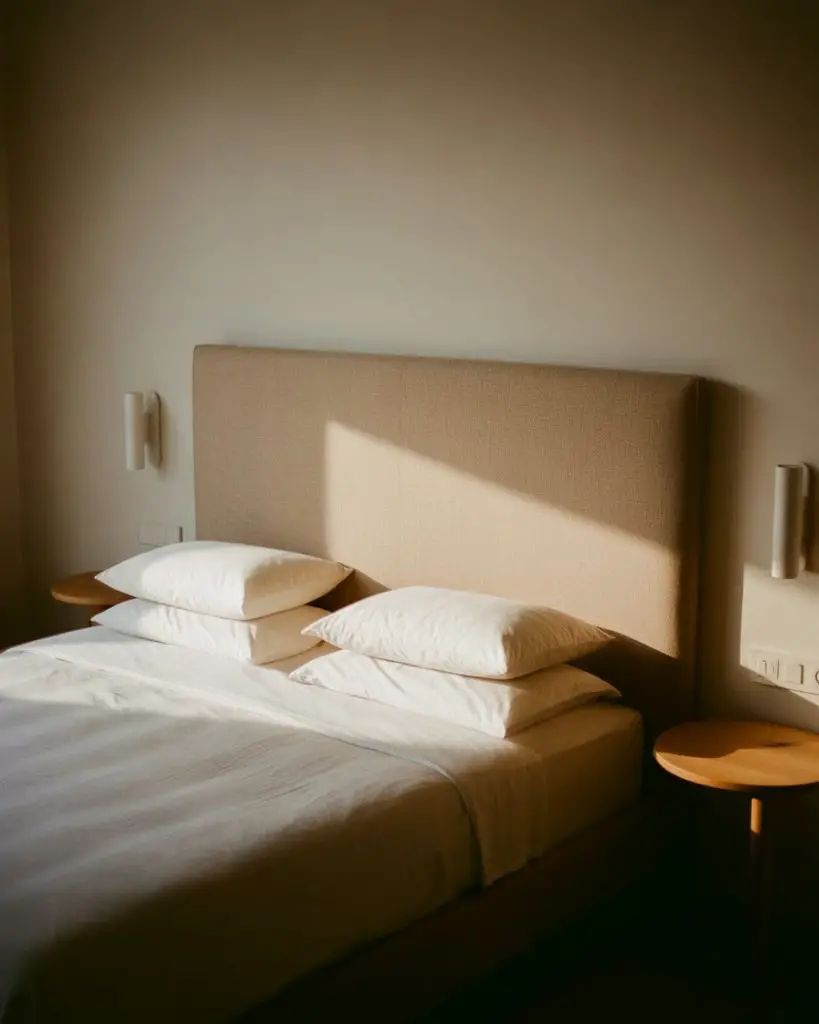
Common mistake: choosing a headboard that’s too small for the bed or room scale. A king bed needs a substantial headboard—go tall and wide to fill the wall properly. The investment pays off in the room’s overall balance and the comfort of actually leaning back against quality upholstery.
22. Mixed Metal Fixtures
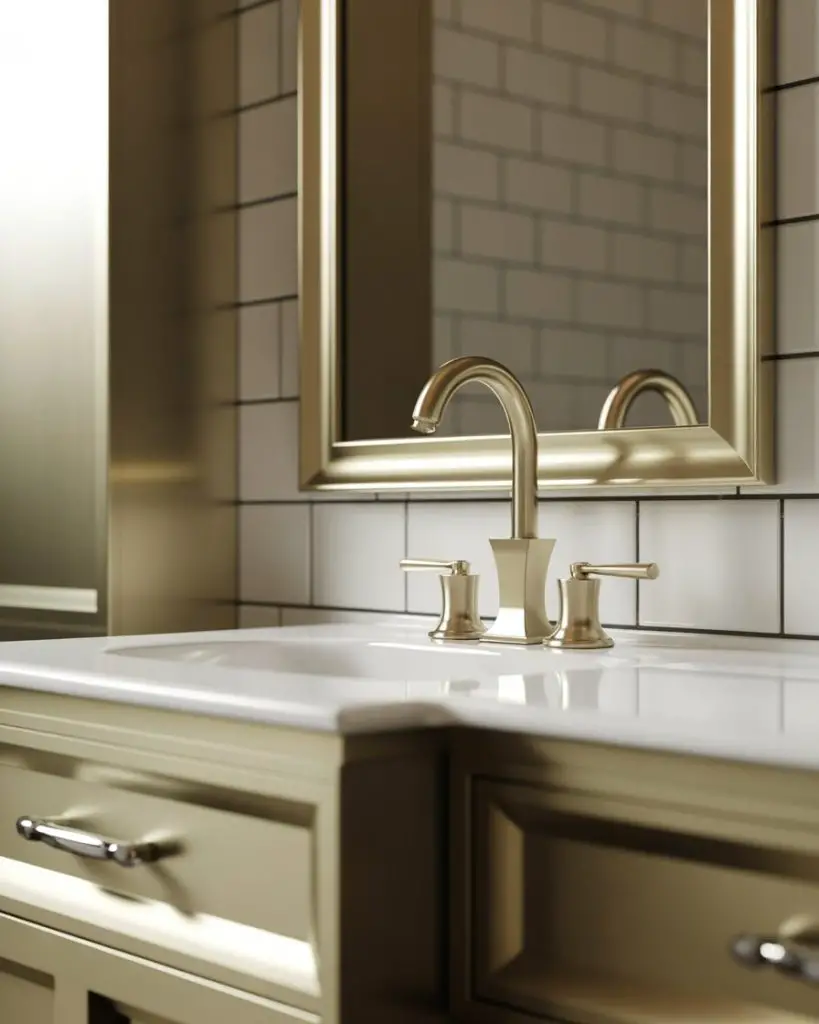
The rule about matching metals is officially dead. Mixing brass, matte black, chrome, and bronze in a single space creates depth and prevents interiors from feeling too coordinated. This trend requires some restraint—typically two or three metal finishes in complementary tones—but done well, it looks collected and intentional rather than matchy-matchy. 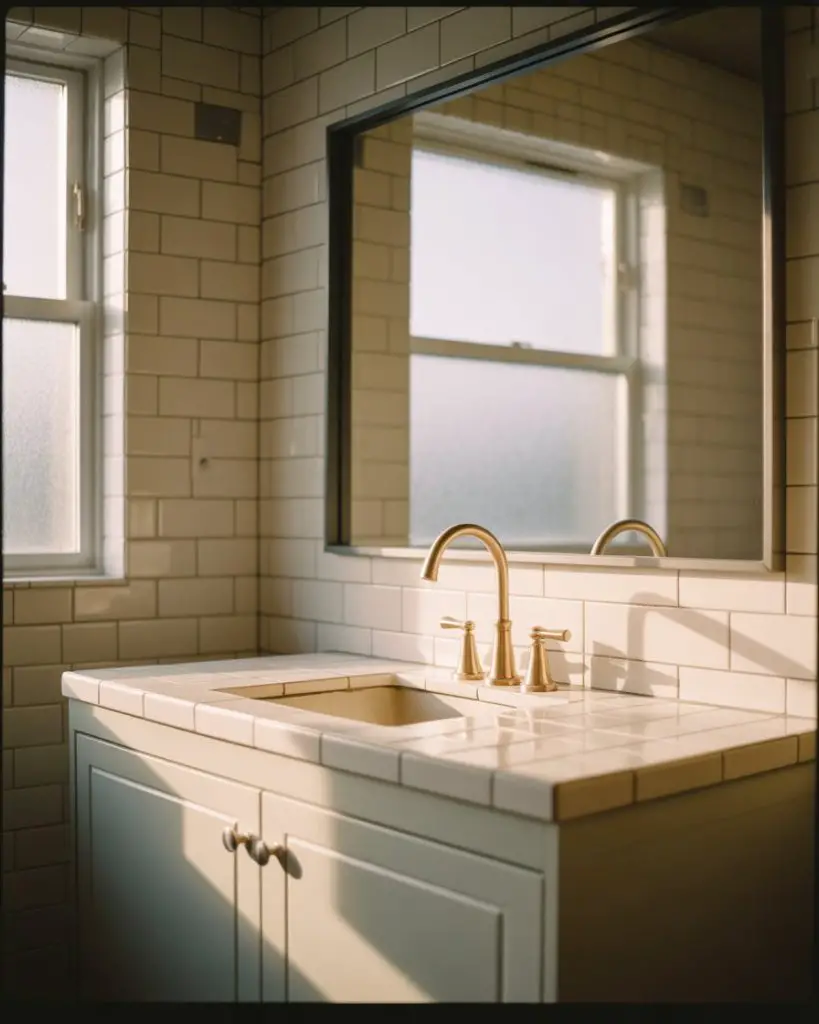
Where it works best: kitchens and bathrooms where multiple fixtures naturally occur. Start with one dominant metal (often the faucet or lighting), then introduce contrasting accents in hardware and accessories. The variety keeps the eye moving and prevents the sterile feeling of perfect coordination.
23. Statement Range Hoods
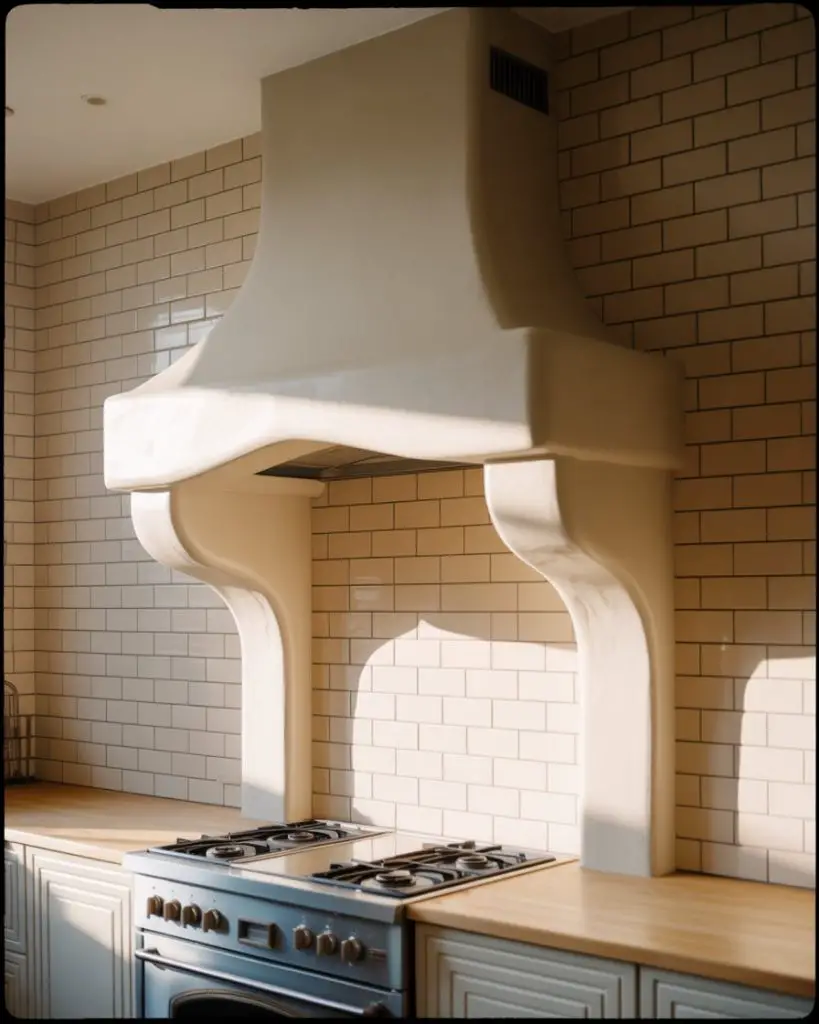
Kitchen range hoods are emerging as sculptural focal points rather than afterthoughts. Whether it’s a plaster hood with a Moroccan arch, a hammered copper canopy, or a sleek steel volume, this functional element is getting design attention. The aesthetic impact is significant—it draws the eye upward and anchors the kitchen’s composition. 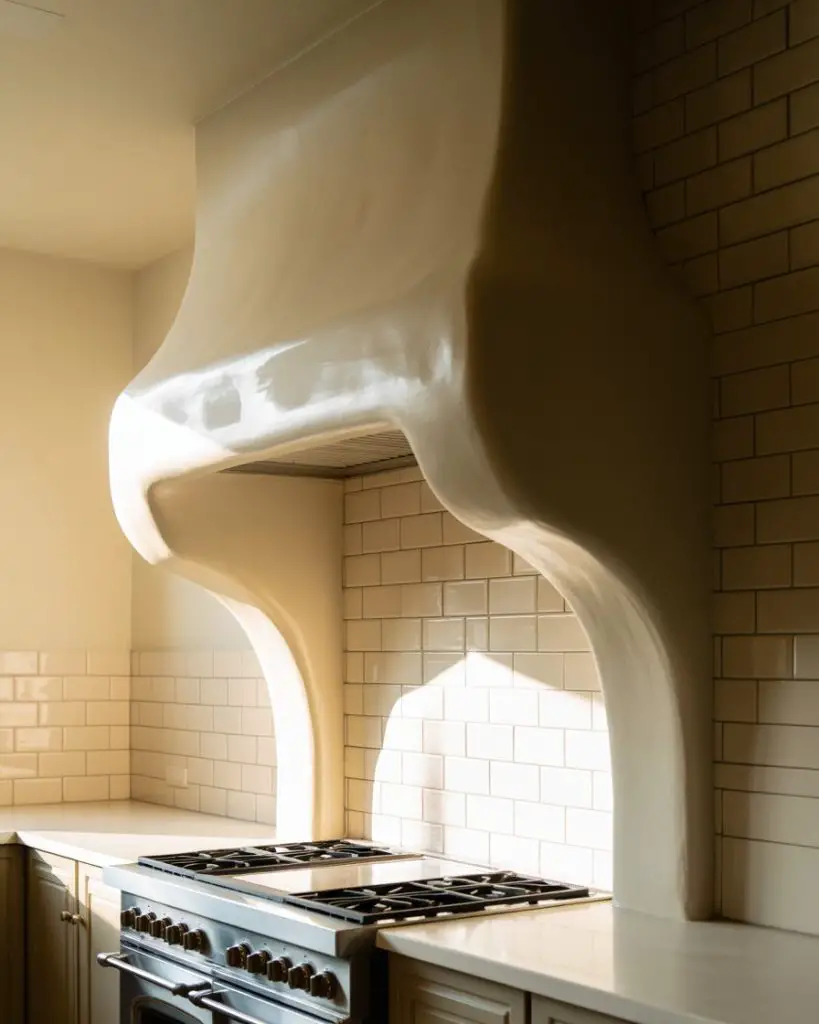
Real homeowner behavior: people invest in fancy appliances but skimp on the hood, which is visible from every angle in an open kitchen. Flipping that priority—standard appliances with a stunning hood—often creates more visual impact for less money, especially if you’re not actually a serious cook.
24. Biophilic Design Elements
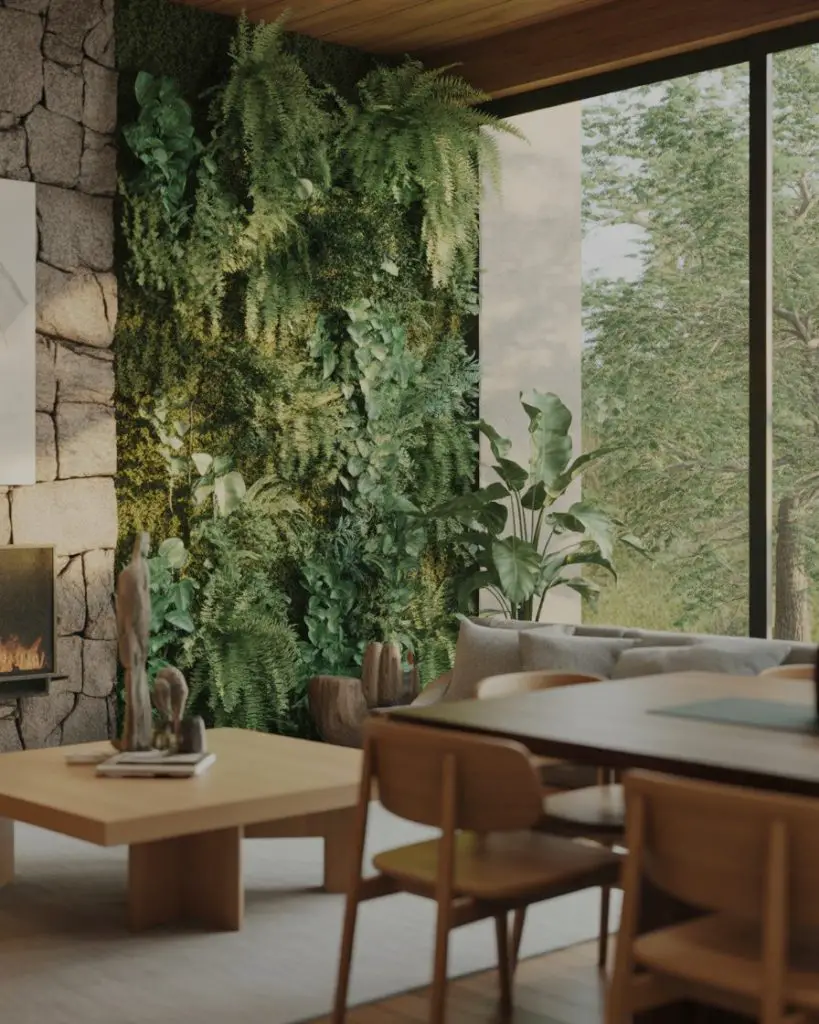
Biophilic design—integrating nature into built environments—goes beyond houseplants to include natural materials, water features, and maximized daylight. This 2026 trends approach acknowledges our biological need for connection to the natural world, even in urban settings. Living walls, stone elements, and views of greenery all contribute to environments that feel restorative rather than depleting. 
This philosophy works on any budget—even a single well-placed tree or a view of sky through an intentionally positioned window can shift a room’s energy. The investment in thoughtful plant selection and natural materials pays dividends in how a space makes you feel day after day.
Conclusion
Which of these ideas speaks to where you want to take your home this year? Whether you’re planning a full renovation or just looking to refresh a single room, these trends offer plenty of starting points. Drop a comment below and tell us which direction you’re leaning—we’d love to hear what’s inspiring you right now.