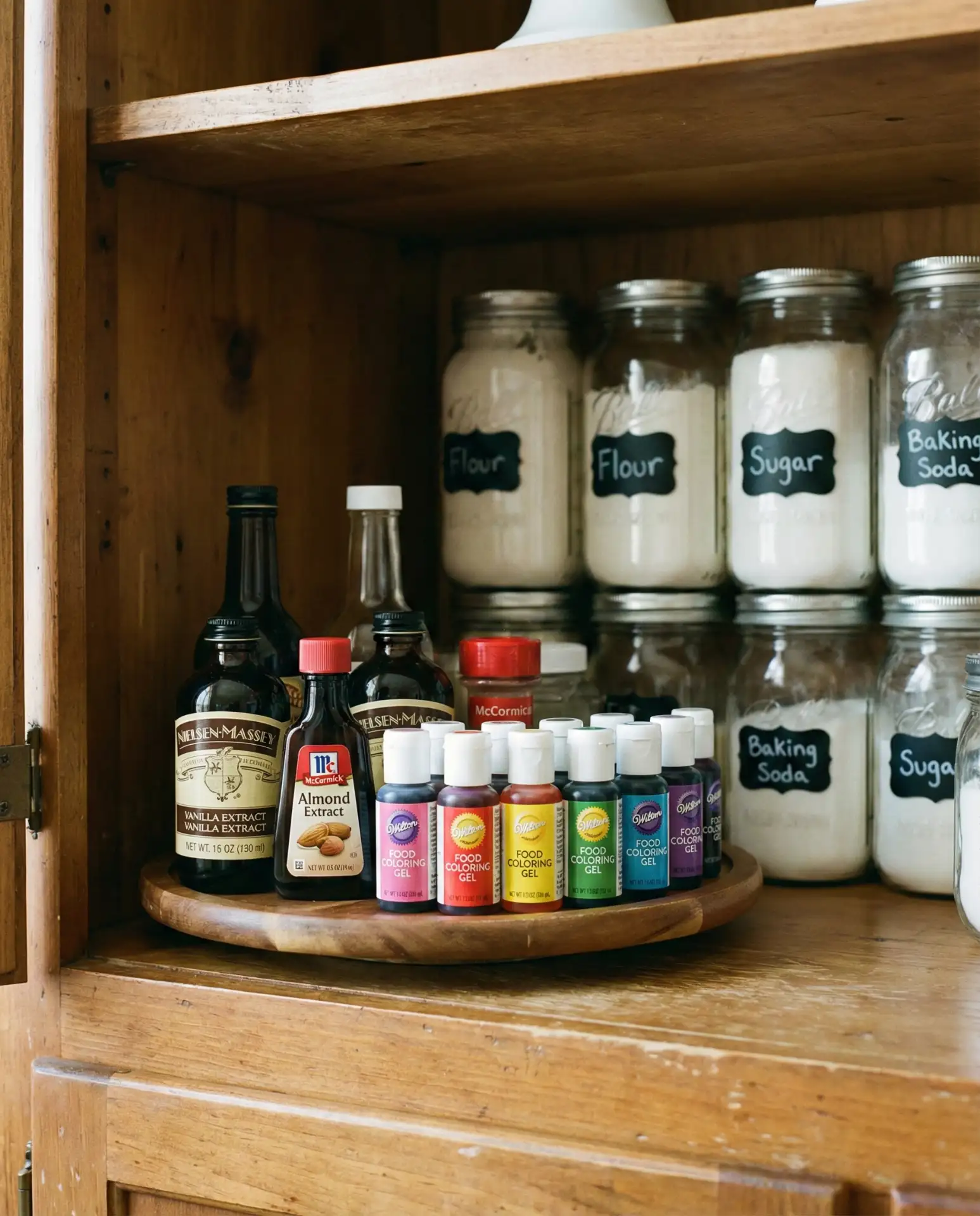
Kitchen backsplashes are having a major moment in 2026, and it’s no surprise why American homeowners are scrolling through Pinterest for inspiration. The backsplash has evolved from a purely functional element into one of the most expressive design features in the kitchen—a place to introduce color, texture, and personality without overwhelming the space. Whether you’re drawn to the warmth of natural materials, the drama of bold patterns, or the simplicity of classic subway tile, this year’s trends offer something for every style and budget. In this guide, we’re exploring 22 fresh backsplash ideas that reflect what’s happening in real American kitchens right now, from coastal-inspired ceramics to earthy handmade tiles that bring a touch of the artisan into everyday life.
1. Handmade Zellige Tiles in Sage Green
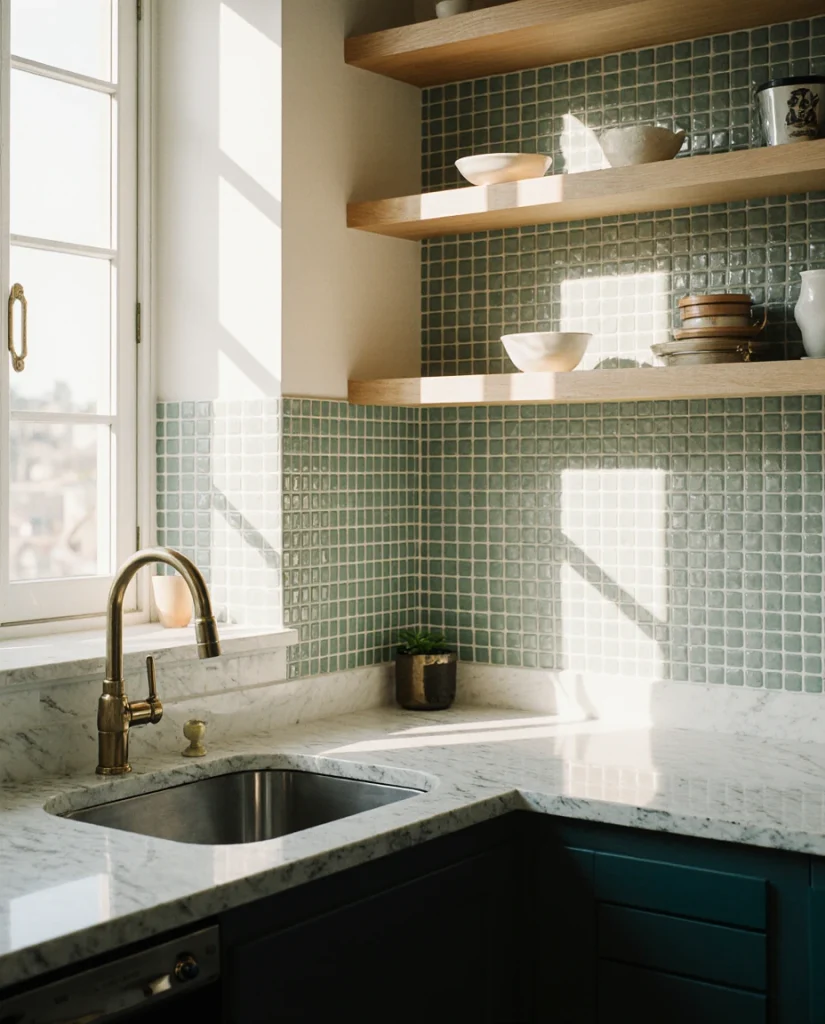
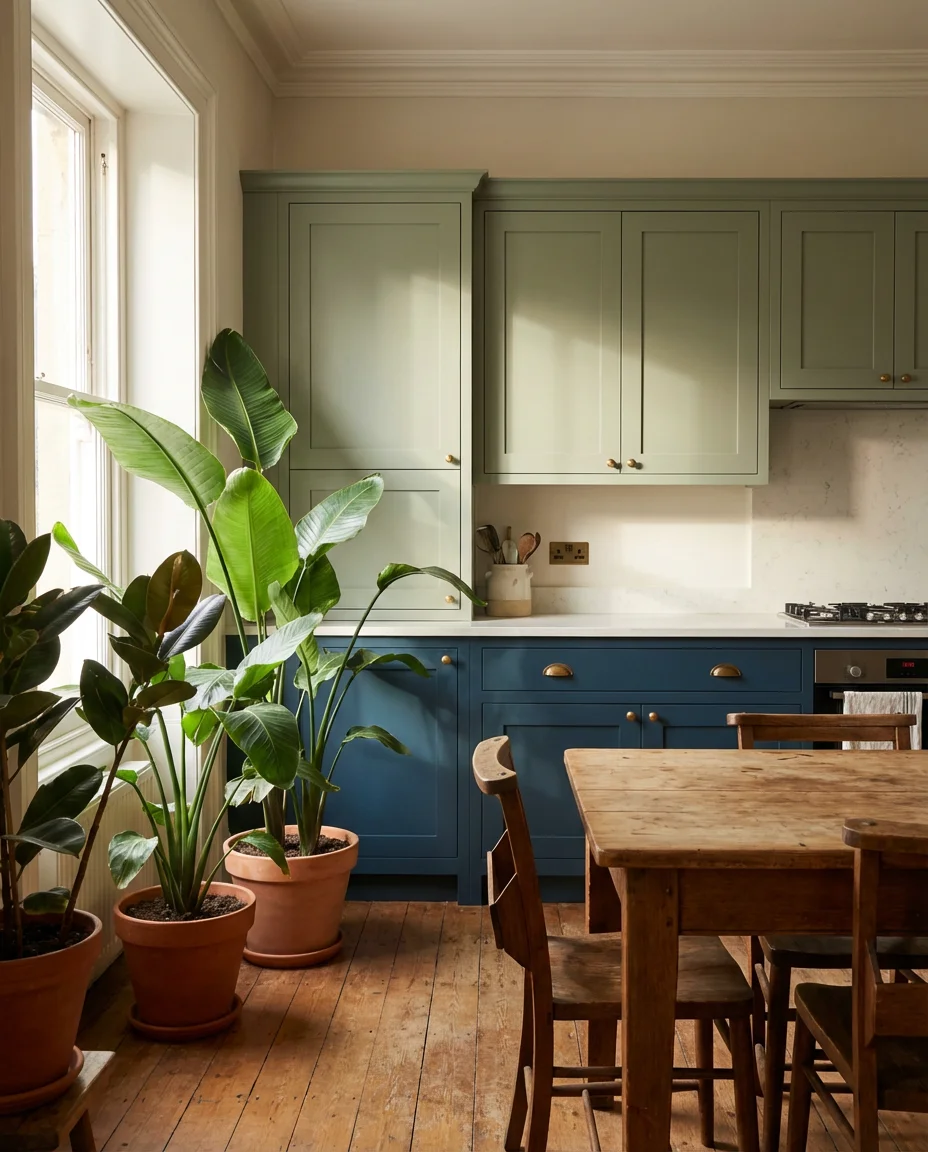
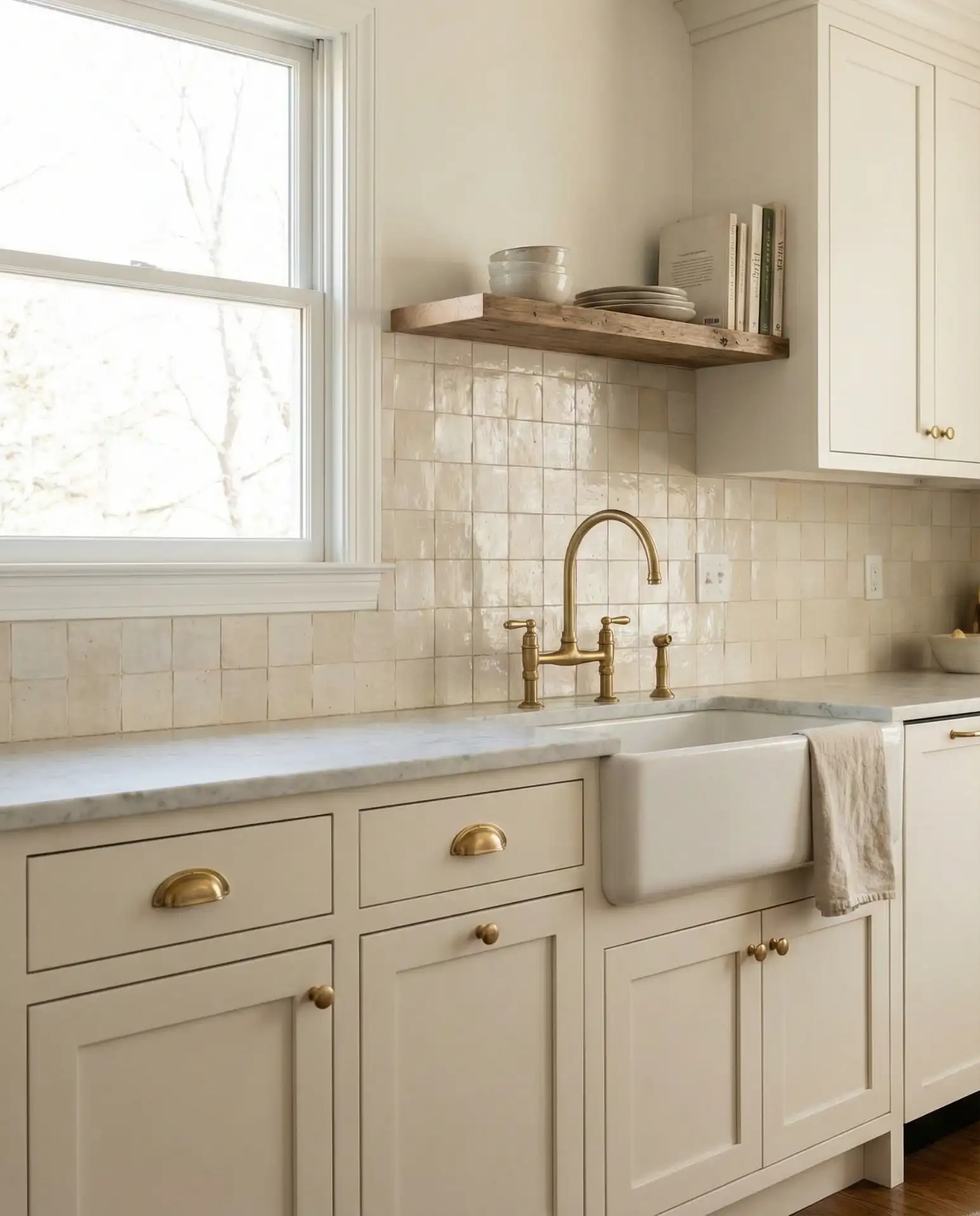
Zellige tiles are making waves in 2026, especially in kitchens with sage green cabinets and a modern yet organic feel. These Moroccan-inspired tiles are hand-cut and glazed, which gives each one a slightly irregular shape and a luminous, watery finish. When installed behind the stove or across a full wall, they catch the light beautifully and add a layer of craftsmanship that feels intentional and warm. Pair them with brass hardware and white marble countertops for a look that’s both timeless and on-trend. 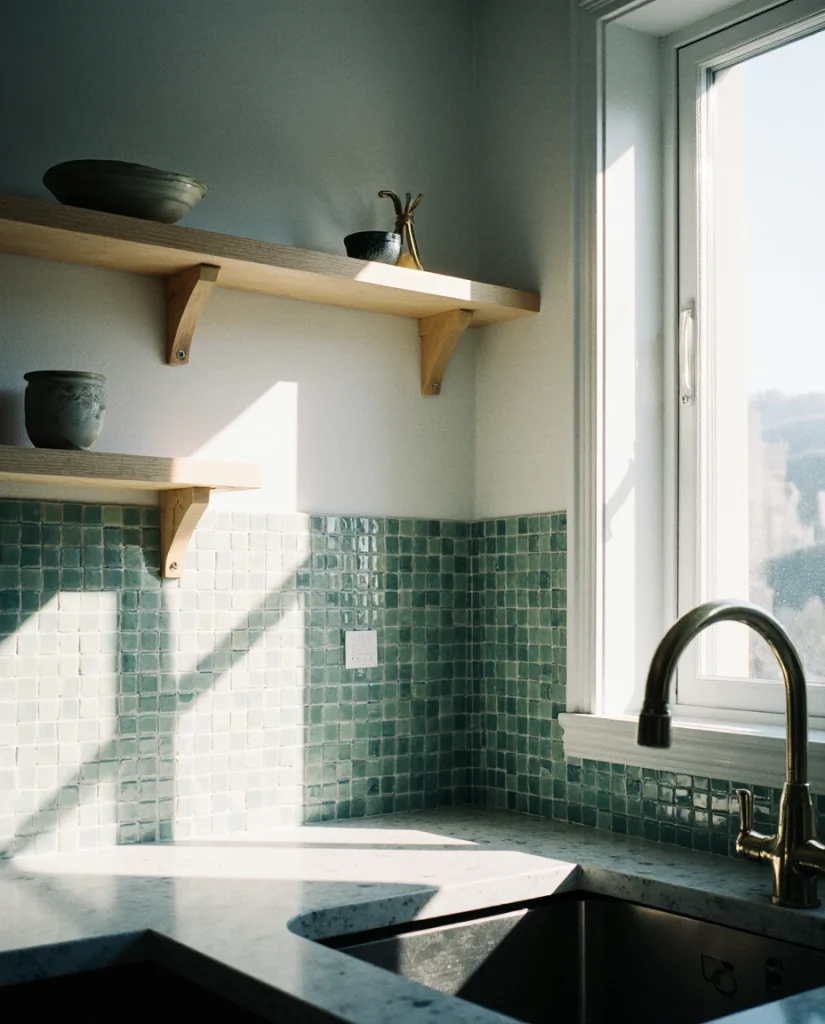
Zellige tile works in kitchens where you need texture and not a specific design. Think of this as a means of introducing movement into a serene, neutral color scheme. Overt grout is frequent and unintended. For these tiles, the variation is meant to show, and the handmade nature should be highlighted, so ask the installer to keep grout lines to a minimum. The result will be a backsplash that is more curated and less manufactured, perfect for authenticity-seeking homeowners.
2. Classic White Subway Tile with Dark Grout
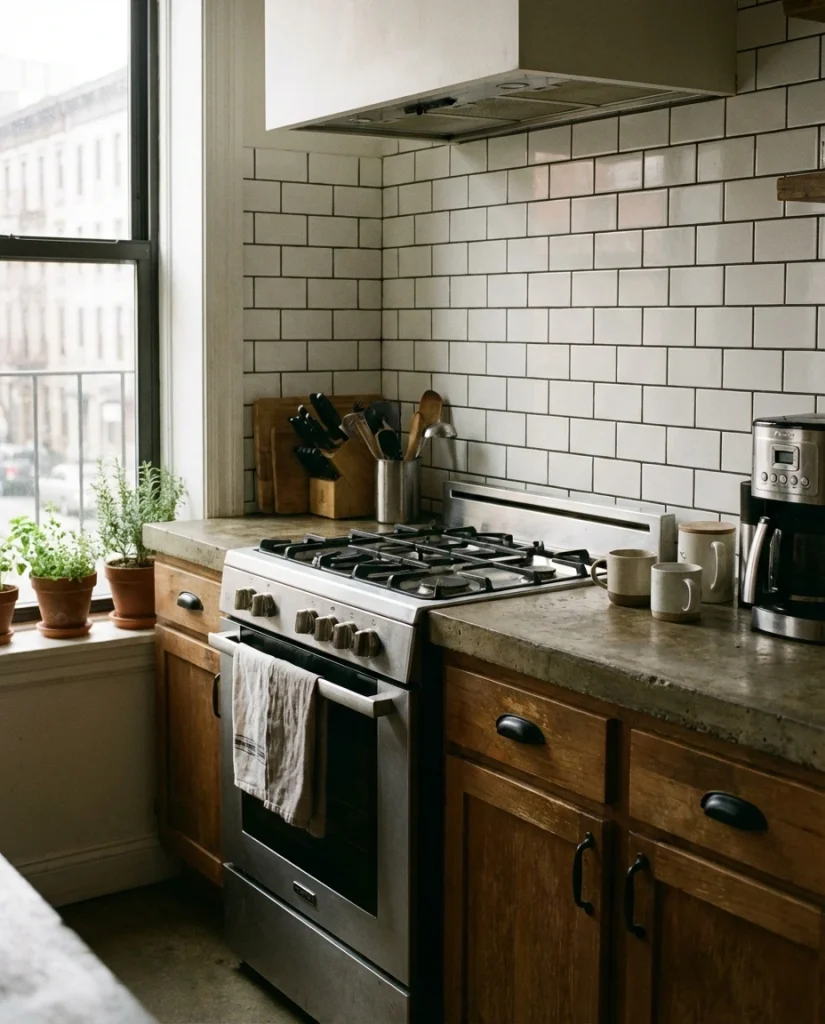
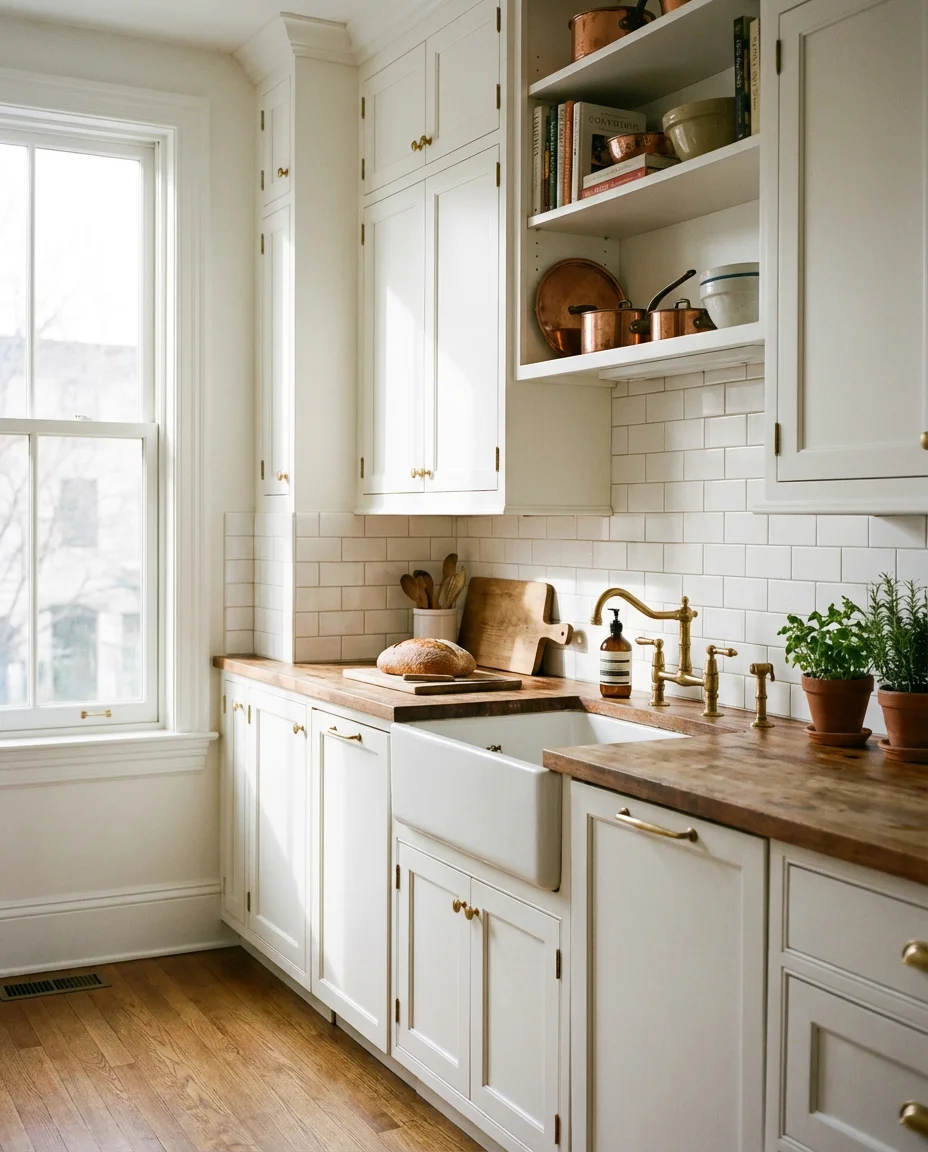
There’s a reason white subway tile remains a staple in American kitchens—it’s affordable, versatile, and endlessly adaptable. In 2026, the twist is all about the grout. Pairing crisp white tiles with charcoal or black grout creates contrast and definition, giving this classic choice a more deliberate, modern edge. It’s especially striking in kitchens with dark cabinets or industrial-style hardware, where the grid pattern acts as a graphic element rather than just a backdrop. 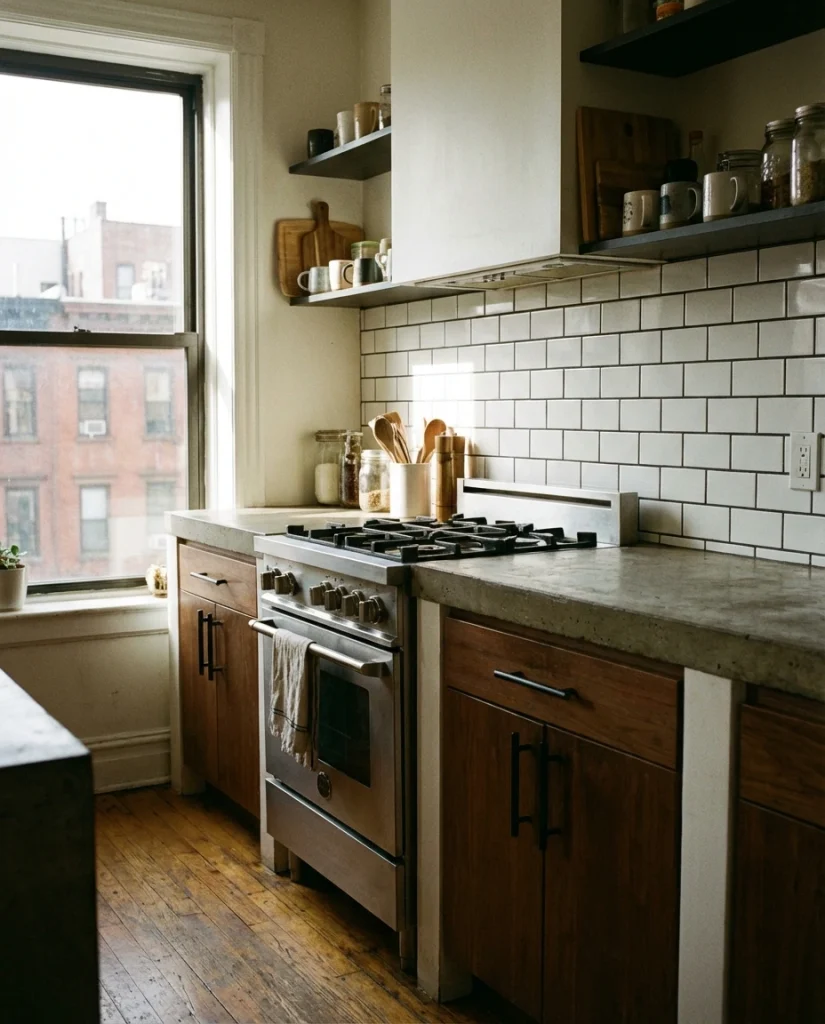
This approach works particularly well in open-plan homes where the kitchen is visible from the living area—the clean lines keep things cohesive without fading into the background. Budget-wise, subway tile is one of the most accessible options, often running between $5 and $15 per square foot, which leaves room in your renovation budget for statement lighting or upgraded appliances. It’s a smart choice for first-time homeowners who want style without the sticker shock.
3. Terrazzo-Style Composite Slabs
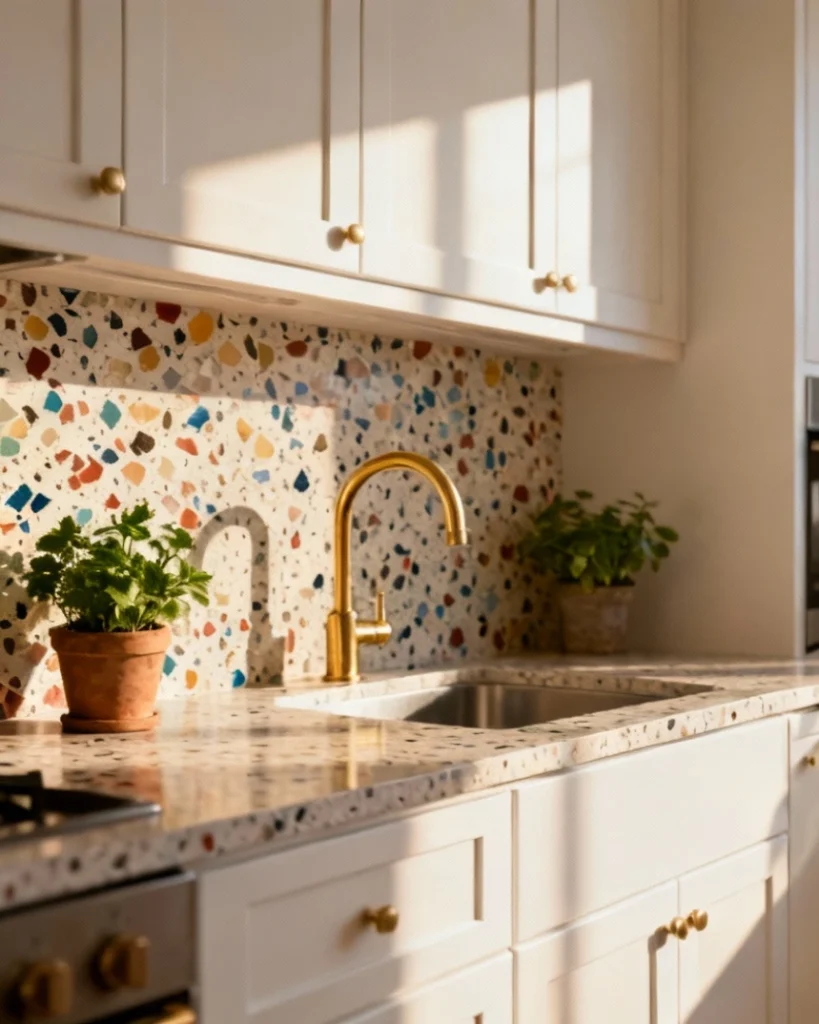
Terrazzo is back, but not in the form you remember from mid-century office buildings. In 2026, colorful composite slabs with embedded chips of marble, glass, and quartz are being used as seamless backsplash panels. These slabs offer the playful, speckled look of traditional terrazzo with far less maintenance, and they’re available in everything from soft pastels to bold, jewel-toned mixes. They pair beautifully with white cabinets and can tie together multiple accent colors in the room, from bar stools to dish towels.
Terrazzo slabs work best in kitchens where you want one hero material to do all the talking—they’re busy enough to carry the design on their own. In the Pacific Northwest and California, we’re seeing these installed floor-to-ceiling behind open shelving, creating a backdrop that’s both artistic and durable. One installer noted that homeowners often choose terrazzo because it hides splatters and fingerprints better than solid surfaces, making it as practical as it is pretty.
4. Reclaimed Wood Planks for a Rustic Touch
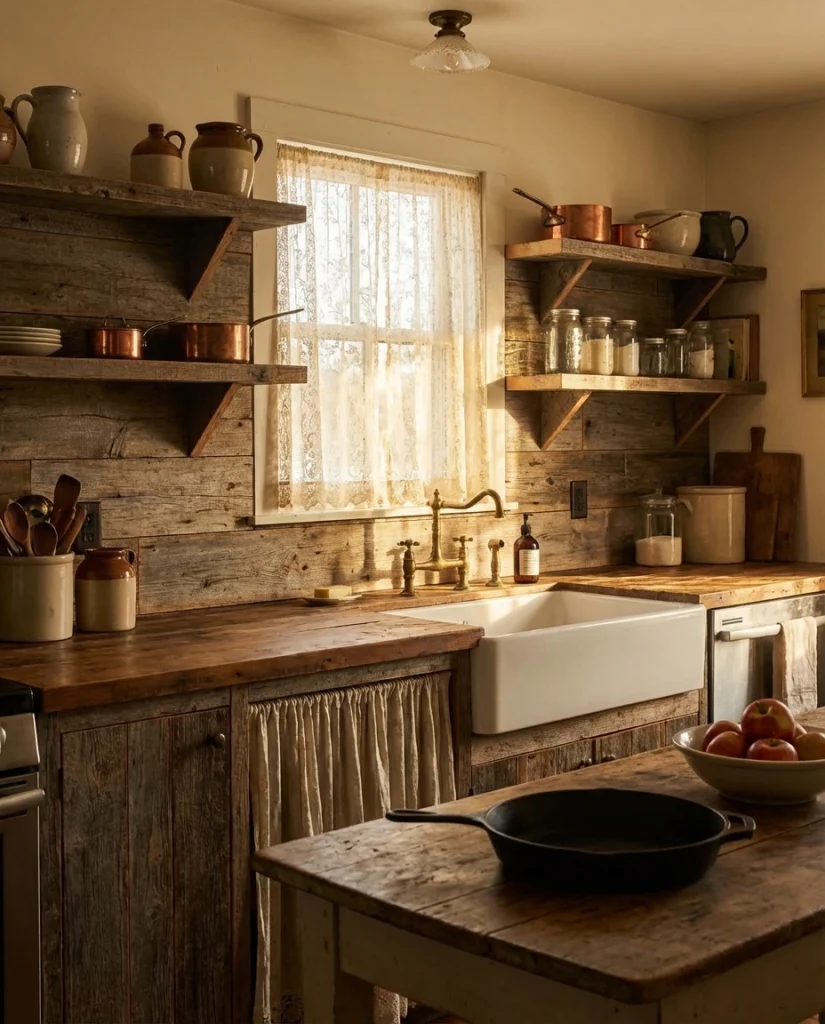
For kitchens leaning into a rustic or farmhouse aesthetic, reclaimed wood planks offer warmth and texture that tile simply can’t replicate. In 2026, we’re seeing shiplap-style installations sealed with food-safe finishes, often in soft weathered tones that complement wood cabinets or open shelving. This approach works especially well in homes with exposed beams, brick accents, or vintage-inspired fixtures, where the backsplash becomes part of a larger story about craftsmanship and history. 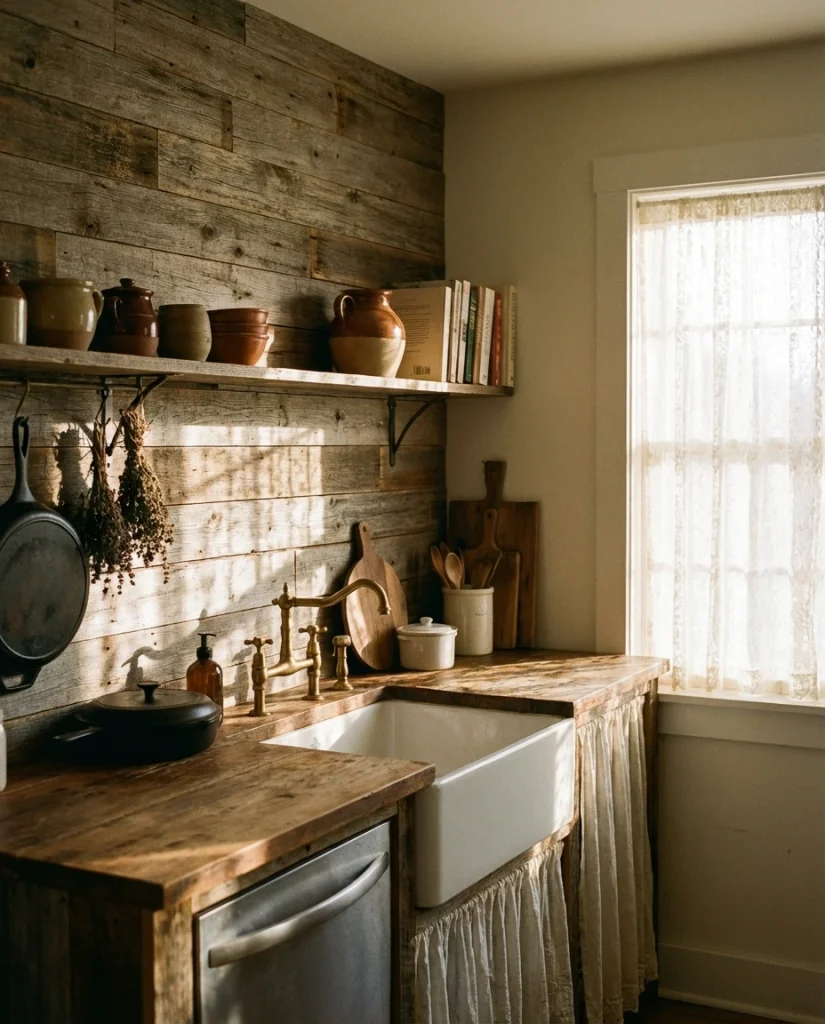
Where it works best: in secondary kitchens, cabins, or homes in the Mountain West and rural South, where the rustic look feels authentic to the region. Make sure the wood is properly sealed—unsealed planks can absorb moisture and grease, leading to staining and warping over time. When done right, a wood backsplash adds soul and a lived-in quality that feels welcoming rather than too polished.
5. Large-Format Marble Slabs
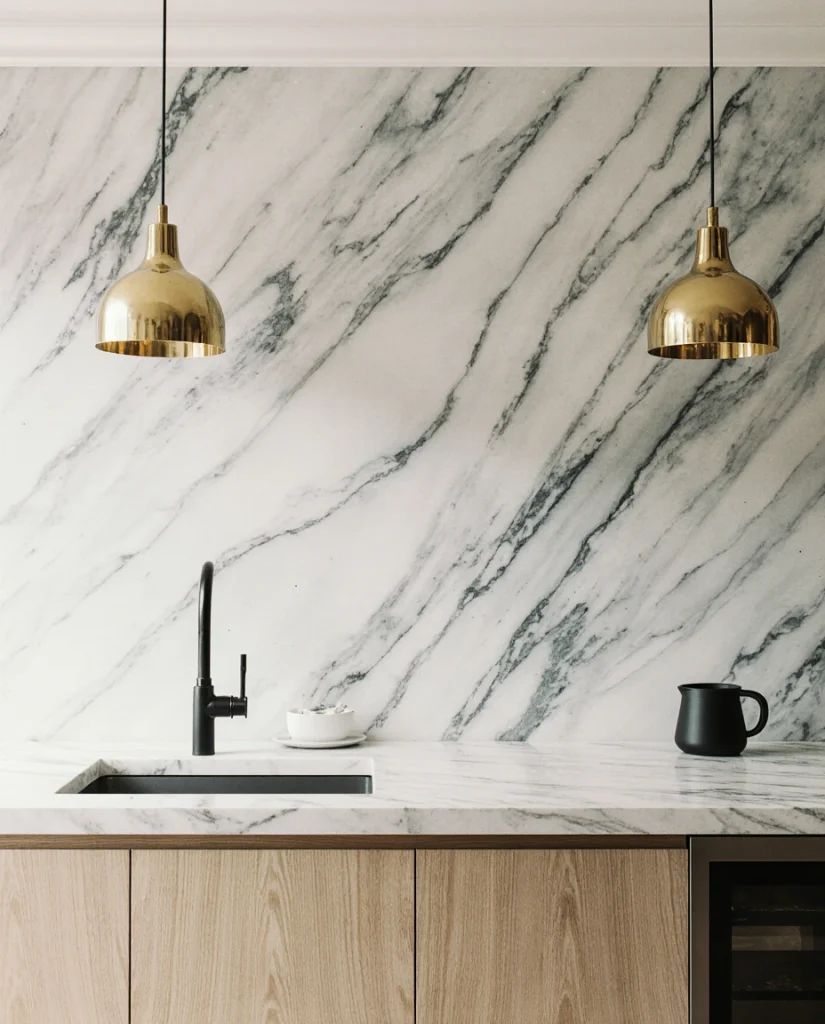
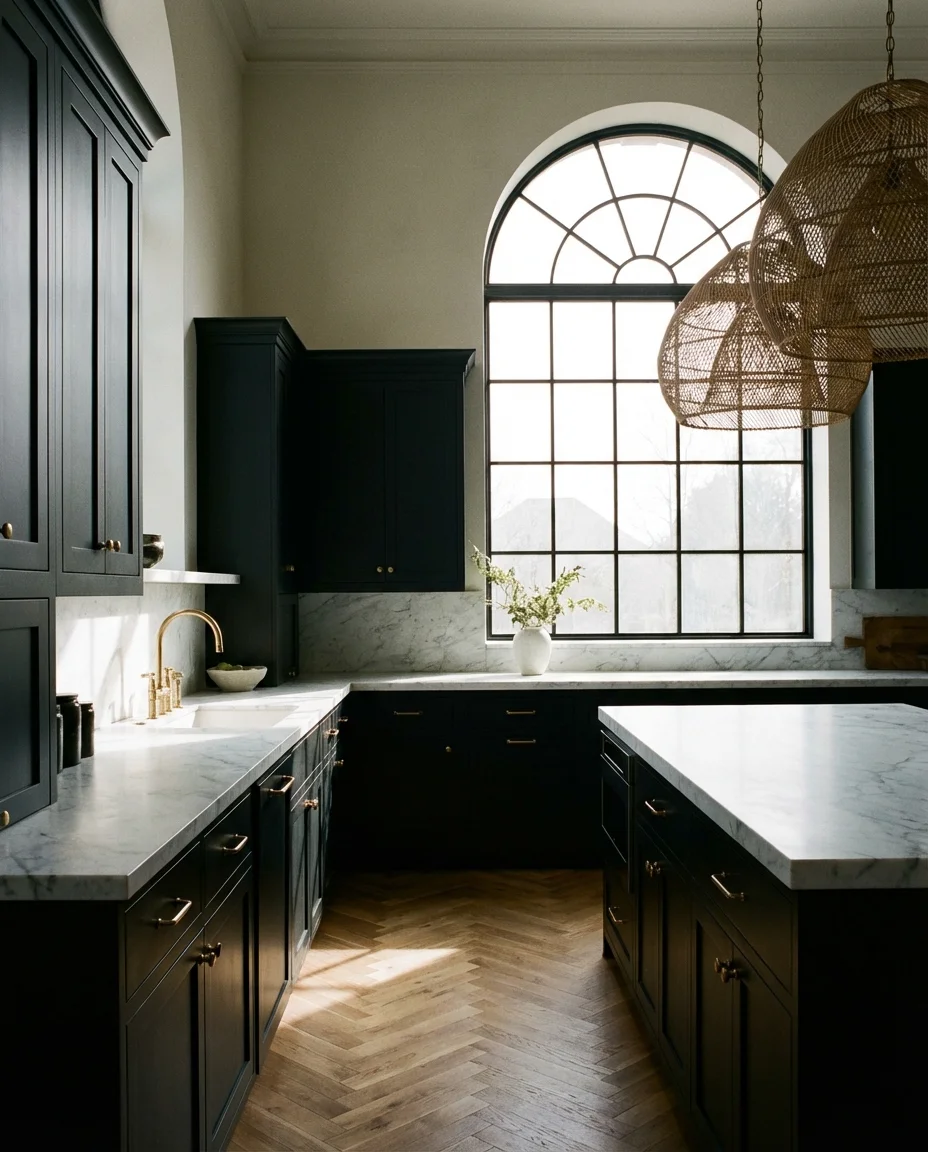
If you want drama and luxury, large-format marble slabs are the move in 2026. These book-matched panels eliminate grout lines almost entirely, creating a continuous vein pattern that draws the eye upward and makes the kitchen feel more expansive. White Carrara and Calacatta varieties are still popular, but we’re also seeing a rise in warmer marbles with gold and taupe veining, especially in kitchens with oak cabinets or honey-toned wood floors. 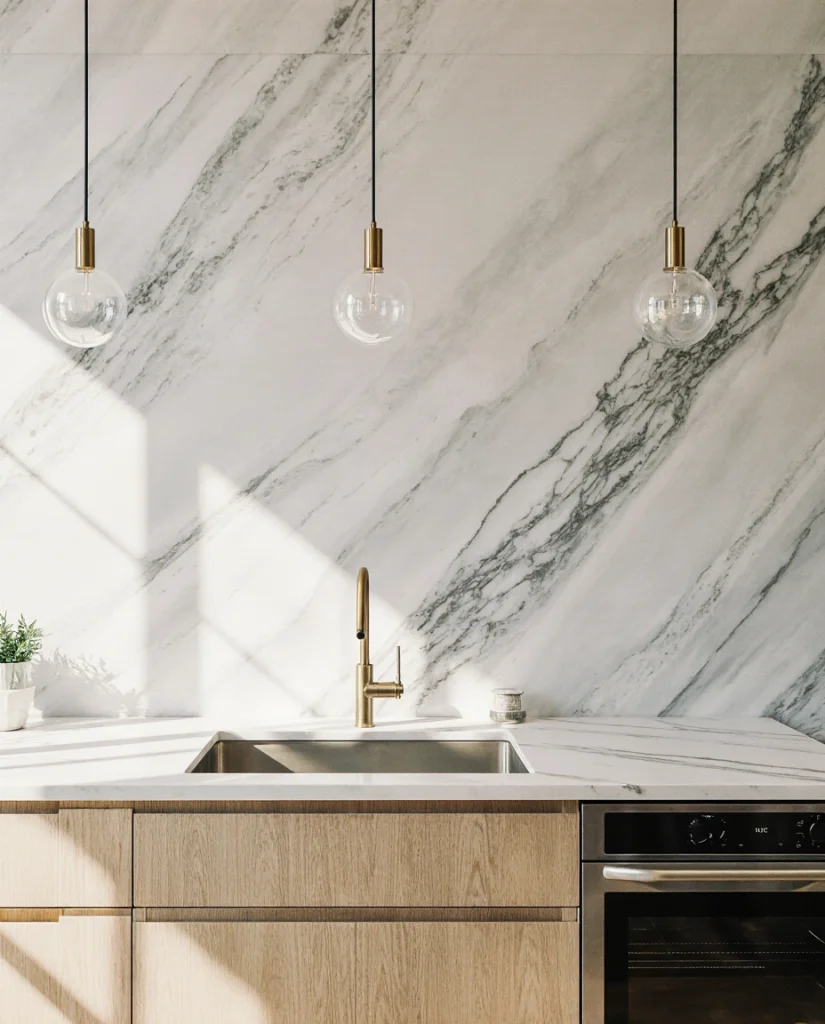
Real homeowner behavior tells us that marble slabs are often chosen for their visual impact in open kitchens that flow into dining or living spaces—they’re a way to signal quality and taste. The trade-off is maintenance: marble is porous and can stain or etch if not sealed regularly. But for those willing to embrace the patina that comes with use, marble offers a kind of beauty that only improves with age.
6. Geometric Cement Tiles
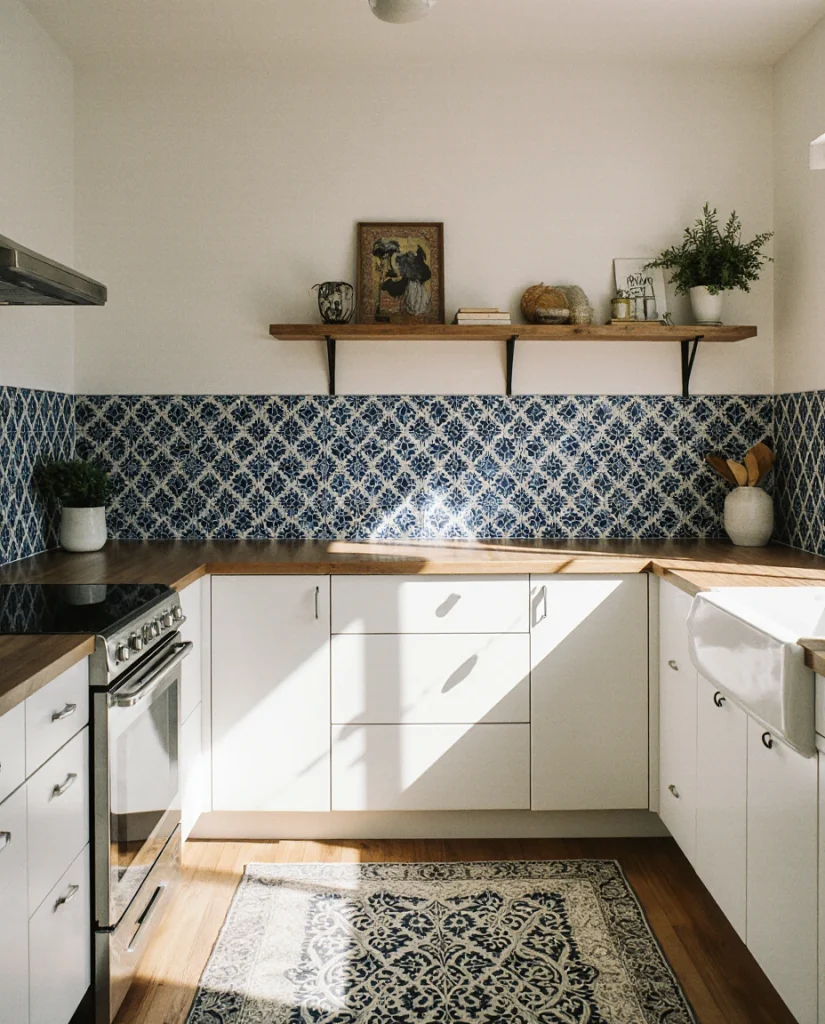
Cement tiles with bold geometric patterns are a favorite among homeowners who want to inject personality into their kitchens. In 2026, patterned cement tiles in blue, black and white, or earthy terracotta shades are being used as backsplash statements, often paired with minimalist cabinetry to let the tile do the talking. These tiles are handmade, which means slight variations in color and pattern—a feature, not a flaw—and they bring a global, artisan feel to the space.
Cement tiles are especially popular in coastal cities like Charleston and San Diego, where the relaxed, eclectic vibe aligns with global design influences. One common mistake is choosing a pattern that’s too busy for a small kitchen—if your space is tight, opt for a single accent wall rather than wrapping the entire room. The tiles are durable and age beautifully, developing a subtle patina that adds character over time.
7. Sleek Black Matte Tiles
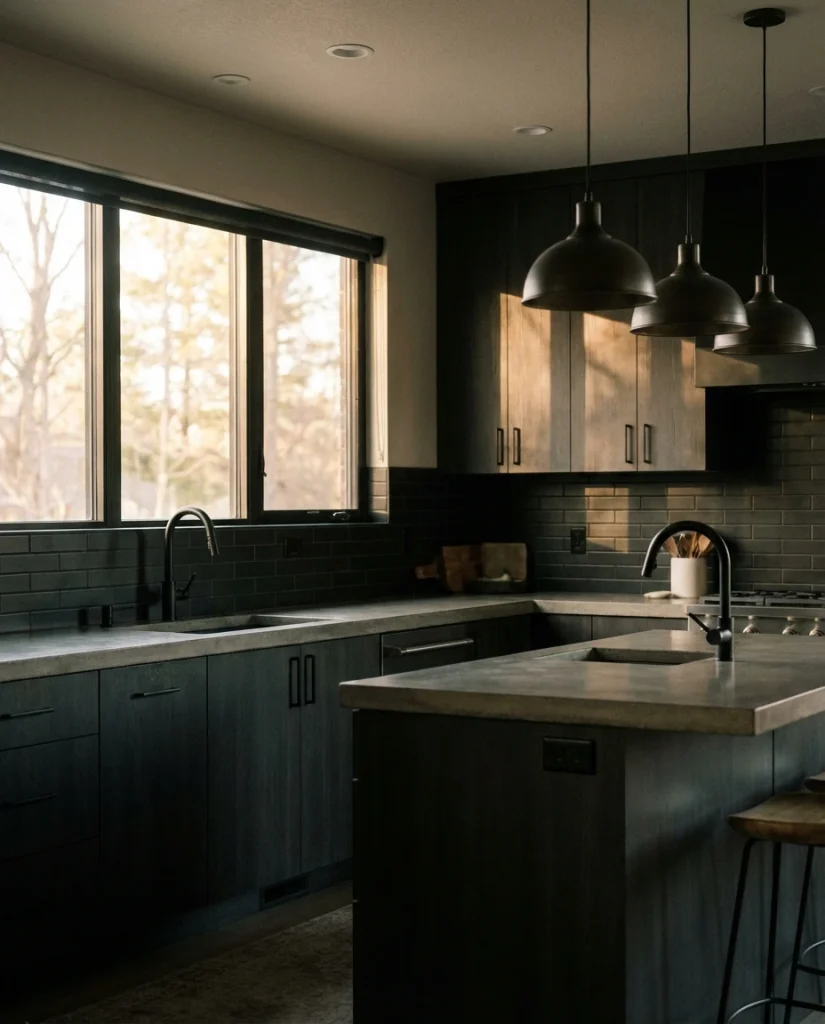
Matte black tiles are the ultimate choice for a moody, sophisticated kitchen. In 2026, we’re seeing these installed in everything from elongated subway shapes to hexagons and even large-format squares. The matte finish softens the drama and makes the backsplash feel grounded rather than stark, especially when paired with dark cabinets, concrete counters, or matte black fixtures. It’s a look that feels both industrial and refined, perfect for urban lofts and modern minimalists. 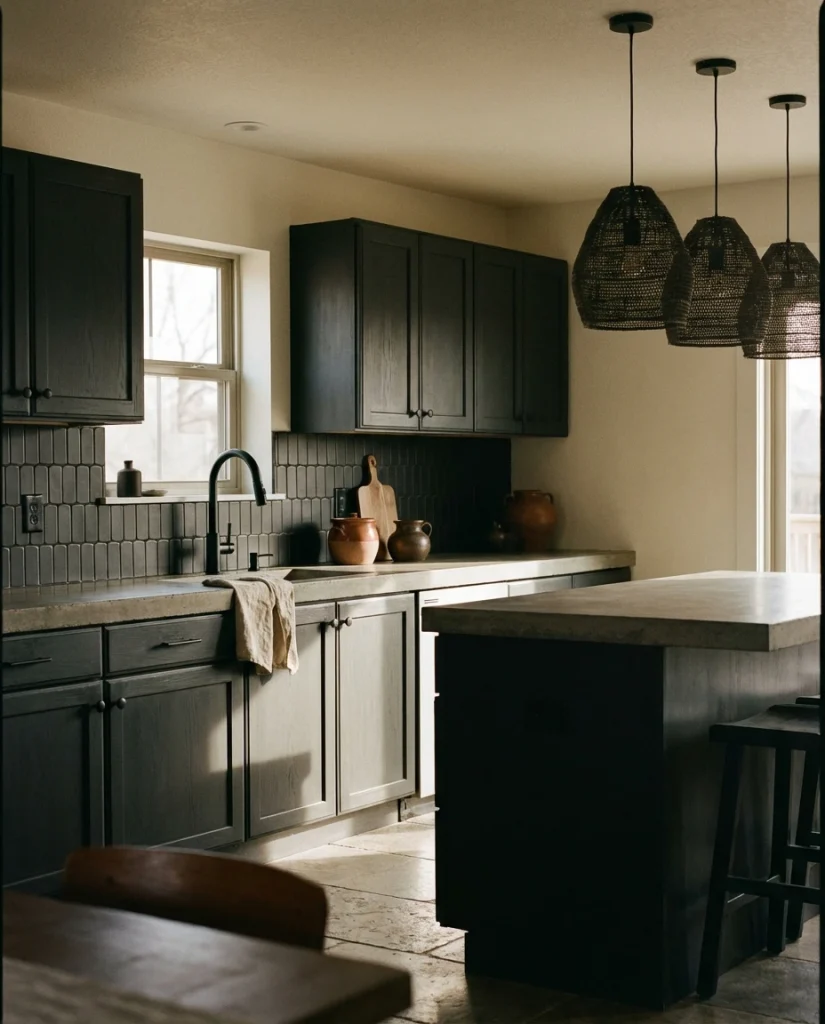
This backsplash works best in kitchens with plenty of natural light or layered artificial lighting—without it, the space can feel cave-like. Across the Midwest and Northeast, homeowners are using black tile to create contrast against lighter floors and open shelving. The practical upside? Matte finishes are more forgiving than glossy ones when it comes to water spots and fingerprints, making them ideal for busy family kitchens.
8. Soft Blue Glazed Ceramic
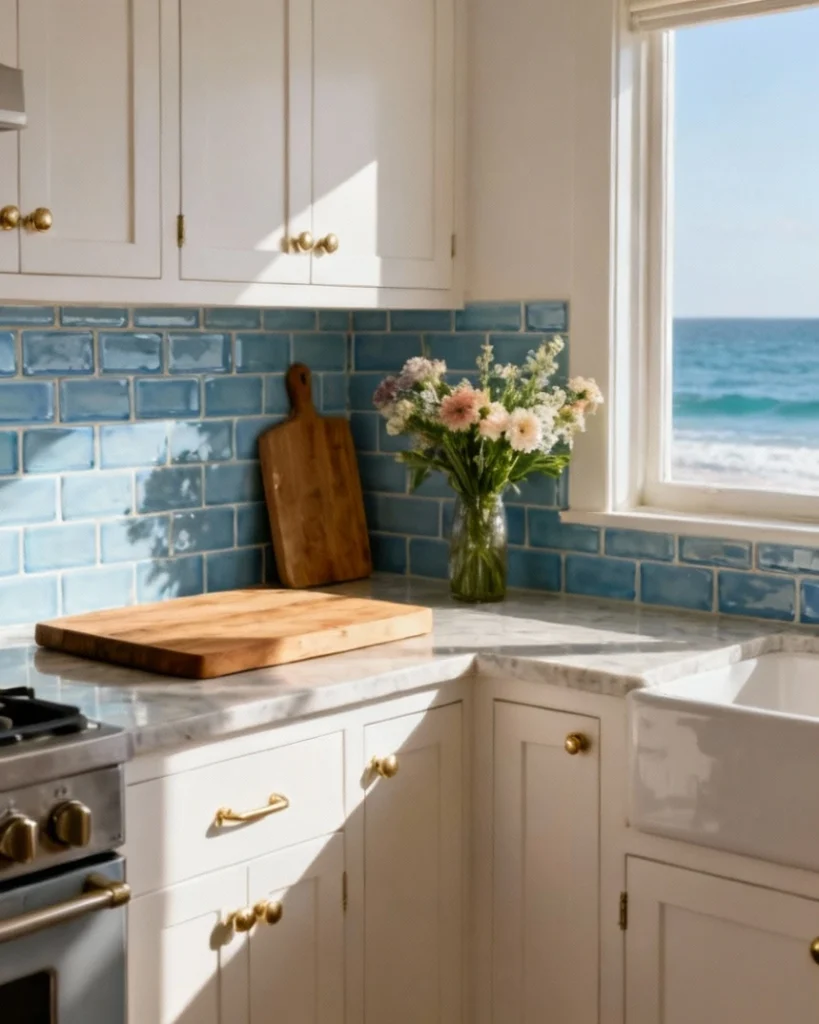
Soft blue glazed ceramics are bringing a calm, coastal vibe to kitchens in 2026. These tiles—often in shades like powder blue, duck egg, or seafoam—have a glossy finish that reflects light and makes smaller kitchens feel airier. They’re a natural pairing with white cabinets, brass or nickel hardware, and natural wood accents, creating a serene, beachy aesthetic that feels vacation-ready year-round.
Where it works best: in beach towns, lakeside cottages, and any home where you want to evoke a sense of calm. Blue tiles are also popular in Southwestern kitchens, where they nod to traditional Talavera pottery without feeling too literal. A small anecdote: one homeowner in Maine told us she chose blue tile because it reminded her of the harbor view from her grandmother’s kitchen—proof that the best design decisions are often rooted in memory and emotion.
9. Mixed Metal Tile Accents
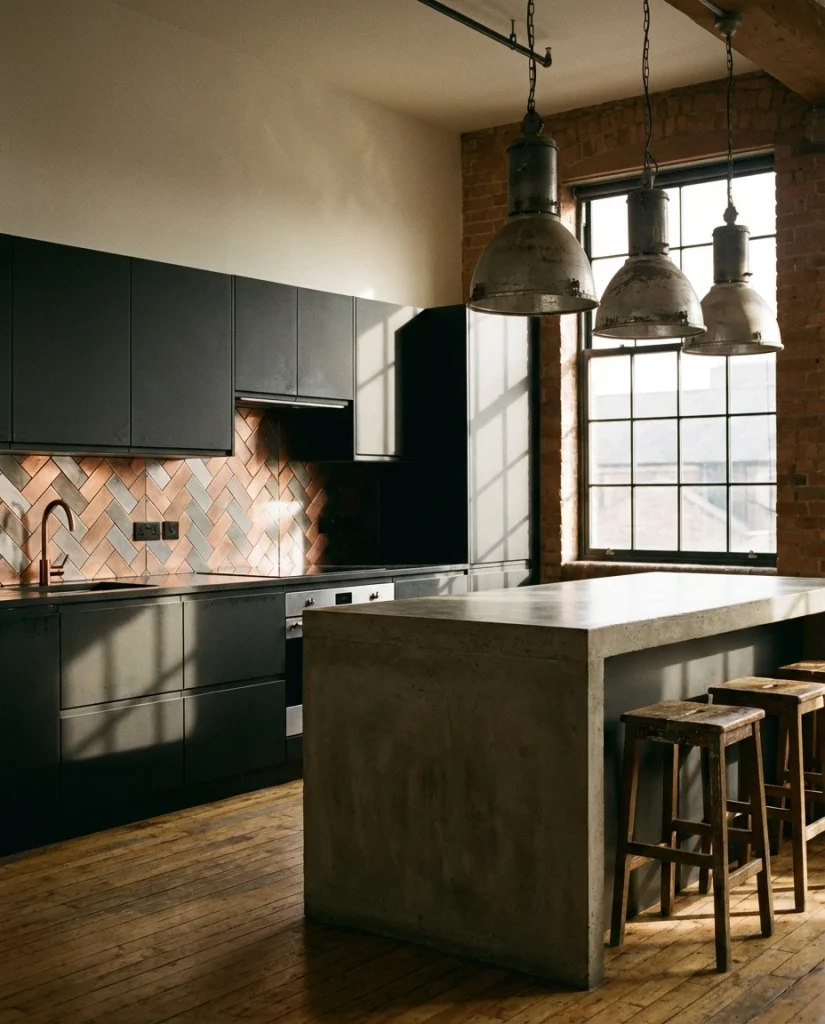
For a look that’s equal parts industrial and luxe, mixed metal tiles are gaining traction in 2026. These tiles—often in brushed copper, stainless steel, or brass—are used sparingly as accents within a larger tile field or installed in a herringbone or chevron pattern for maximum impact. They pair beautifully with modern kitchens that have concrete counters, exposed ductwork, or matte black appliances, adding a reflective element that catches light and adds dimension. 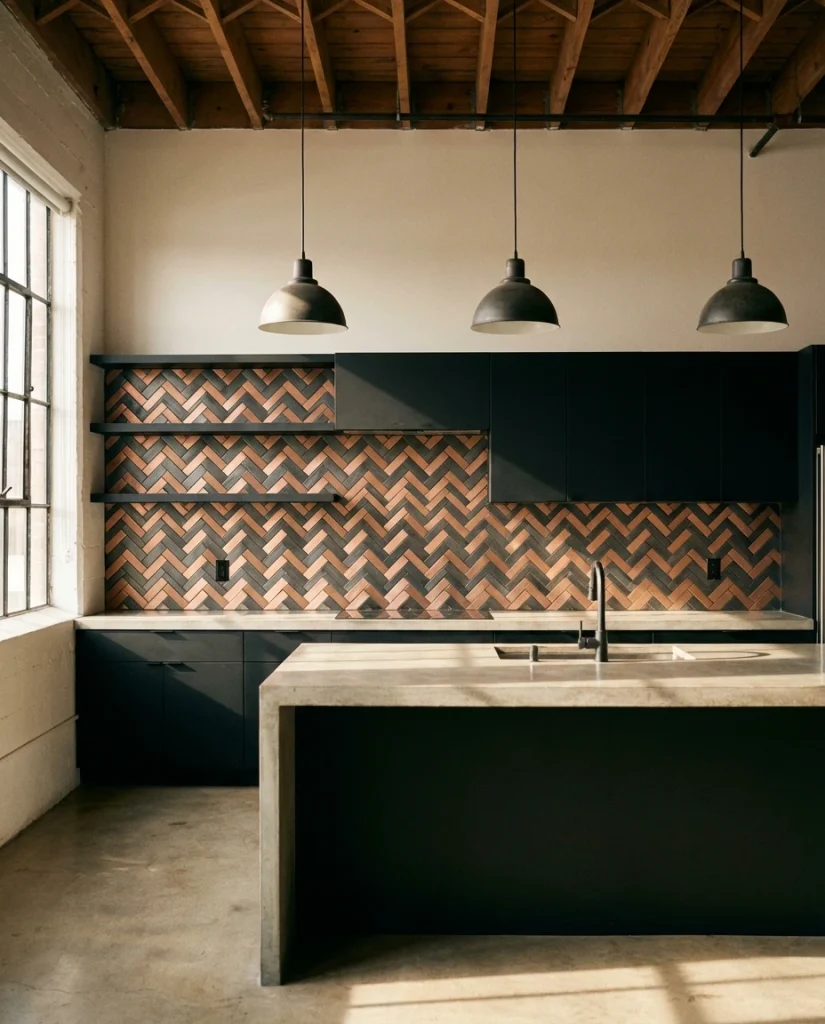
Expert-style commentary: designers recommend mixing metals in odd numbers—three finishes max—to keep the look curated rather than chaotic. In cities like Brooklyn and Portland, metal tiles are being used to bridge the gap between raw industrial aesthetics and warmer, more livable spaces. The key is balance: let the metal shine without overwhelming the softer elements in the room.
10. Hand-Painted Talavera Tiles
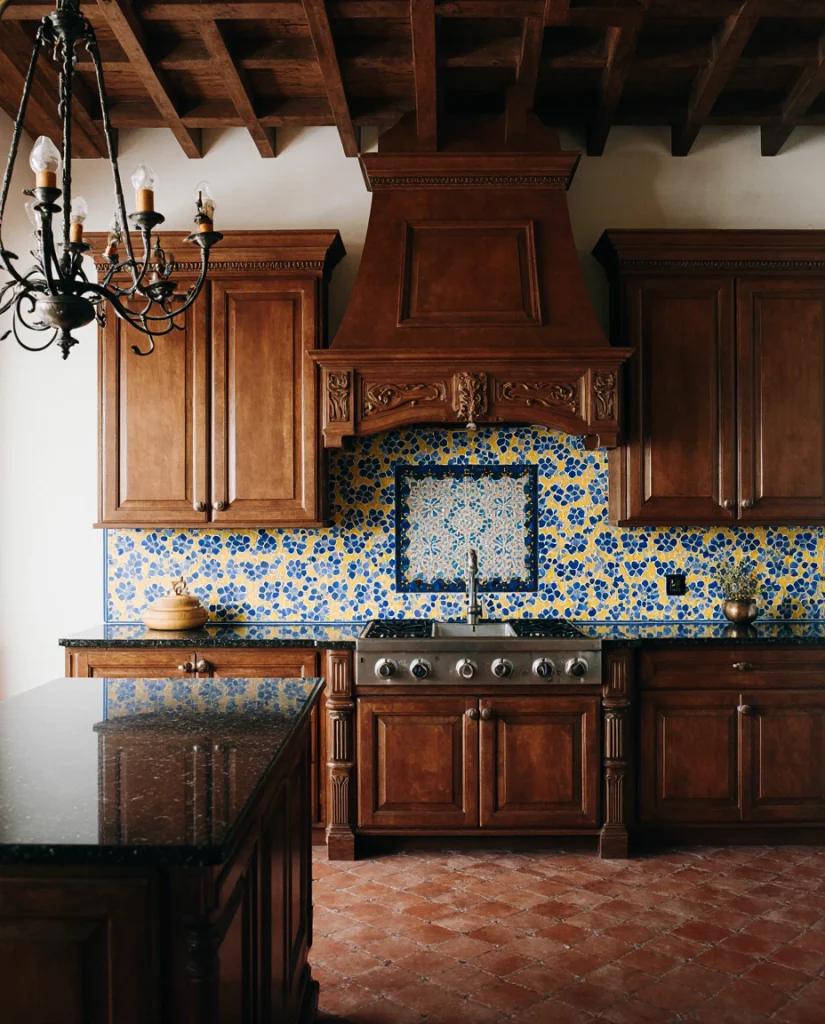
Talavera tiles bring a vibrant, handcrafted energy to kitchens in 2026, especially in homes with colorful or traditional design sensibilities. These Mexican ceramic tiles are hand-painted with intricate patterns in blue, yellow, green, and terracotta, and they’re perfect for creating a focal point behind the stove or sink. Pair them with brown cabinets, wrought iron hardware, and open shelving to lean into the warm, Old World charm. 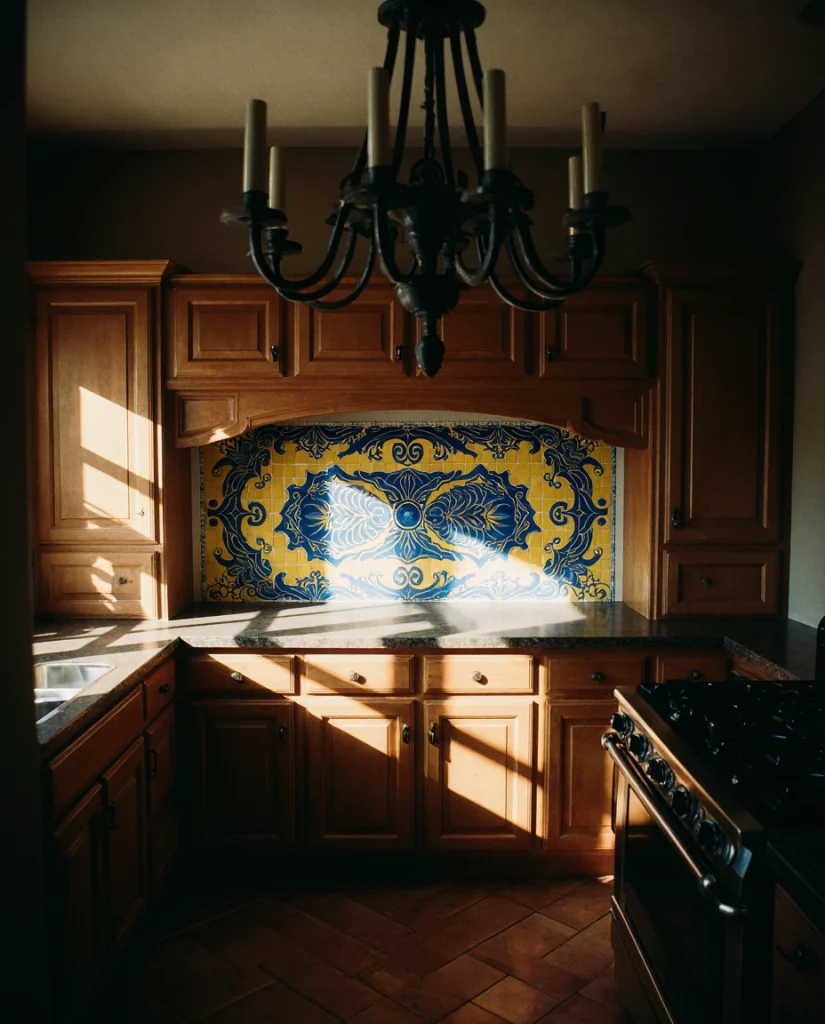
In the Southwest—Arizona, New Mexico, Southern California—Talavera tiles feel like a natural extension of regional culture and history. Budget-wise, authentic hand-painted tiles can run $15 to $30 per square foot, but the investment pays off in character and durability. One common mistake is pairing them with overly modern elements; Talavera works best when surrounded by materials that honor its artisan roots, like aged wood and natural stone.
11. Vertical Stacked Tile Layout
This layout takes a simple shift from the classic horizontal subway tile installation towards a more impactful design. As of 2026, the layout has a range from elongated minimalistic white tiles to muted grey ceramics. This layout has the effect of making ceilings feel taller and the kitchens feel more spacious. It is a design move that works beautifully in more modern or eclectic spaces, aiming for clean lines and a sense of verticality. 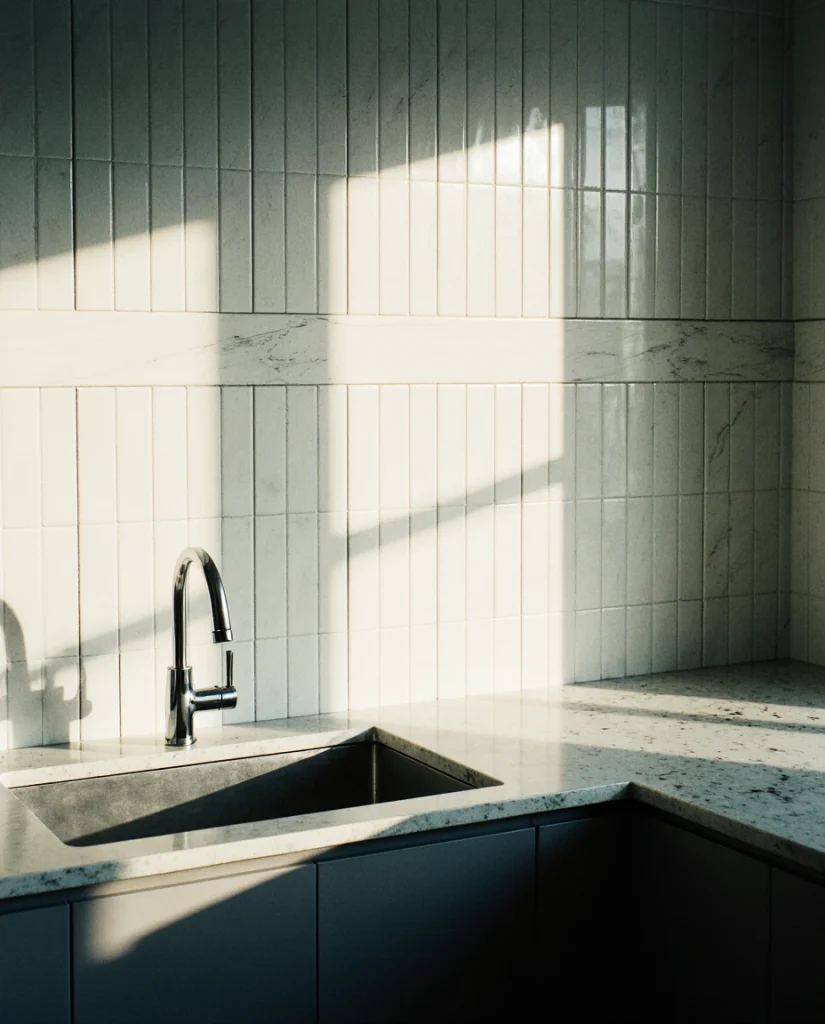
Where it works best: in the narrow galley kitchens or in the case of low-ceiling spaces, where you want to create the illusion of more height. This layout has even been seen in Scandinavian-inspired kitchens in the Pacific Northwest, where the design is minimalistic and the emphasis is on lighting. The installation is just as simple as the horizontal layout, meaning you won’t end up spending more to achieve better visual impact; just be sure to instruct your installer to use spacers to ensure the lines remain perfectly straight.
12. Cork Tile for Warmth and Sound Absorption
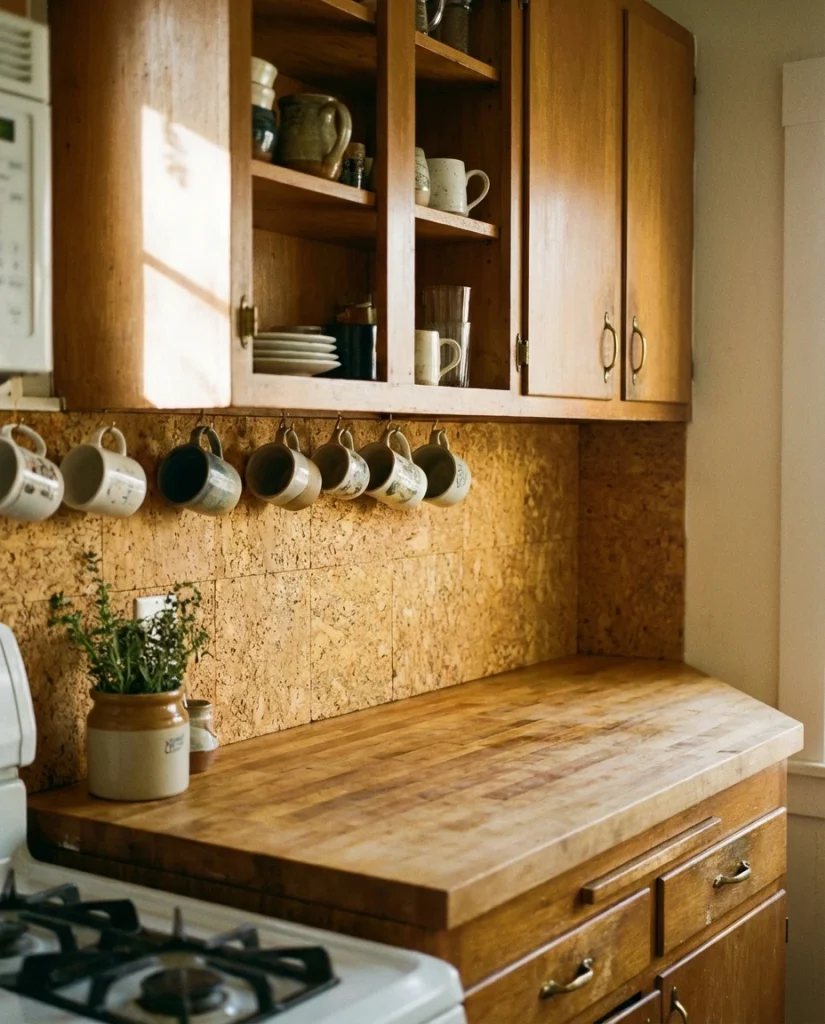
Cork is an unexpected backsplash material that’s quietly gaining fans in 2026, especially among homeowners who prioritize sustainability and comfort. Cork tiles are warm to the touch and naturally antimicrobial, and they absorb sound—making them ideal for open-plan kitchens where noise can echo. They’re available in a range of natural tones, from honey to deep brown, and they pair beautifully with wood cabinets and earthy color palettes. 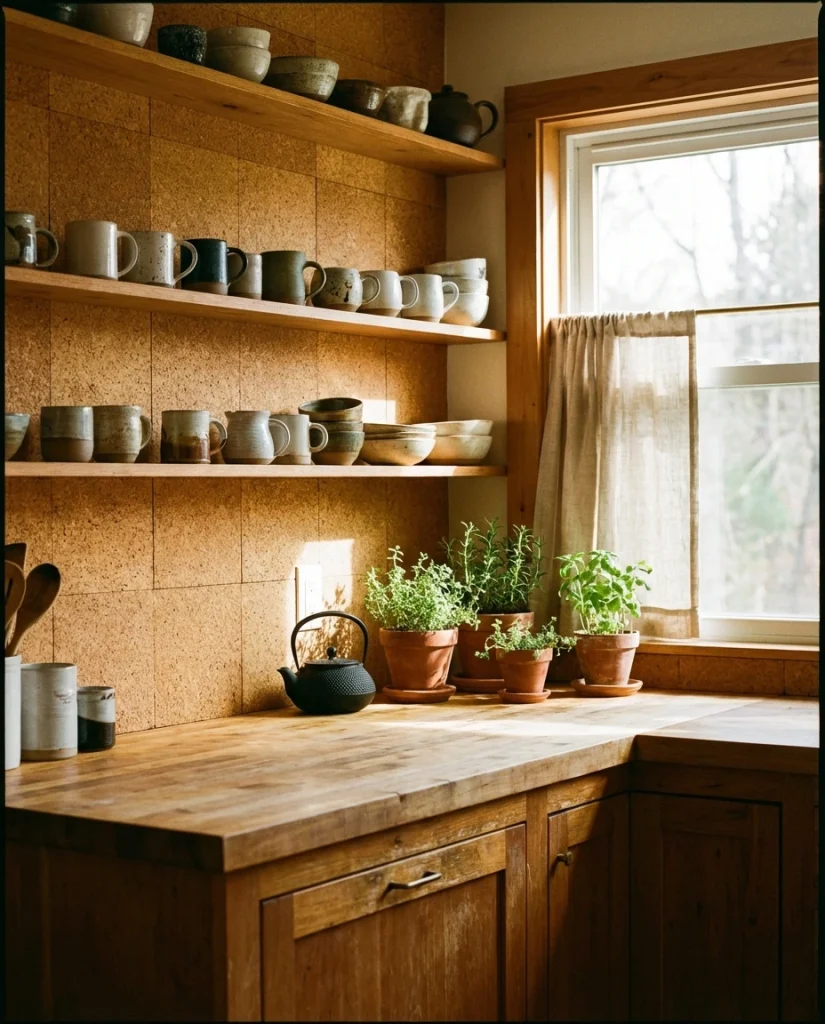
Practical insight: cork needs to be sealed properly to withstand moisture and grease, so work with a contractor who has experience with this material. In eco-conscious markets like Boulder and Austin, cork is being chosen not just for its aesthetics but for its renewable, biodegradable qualities. It’s a smart choice for homeowners who want their kitchens to reflect their values without sacrificing warmth or style.
13. Glossy Jewel-Tone Tiles
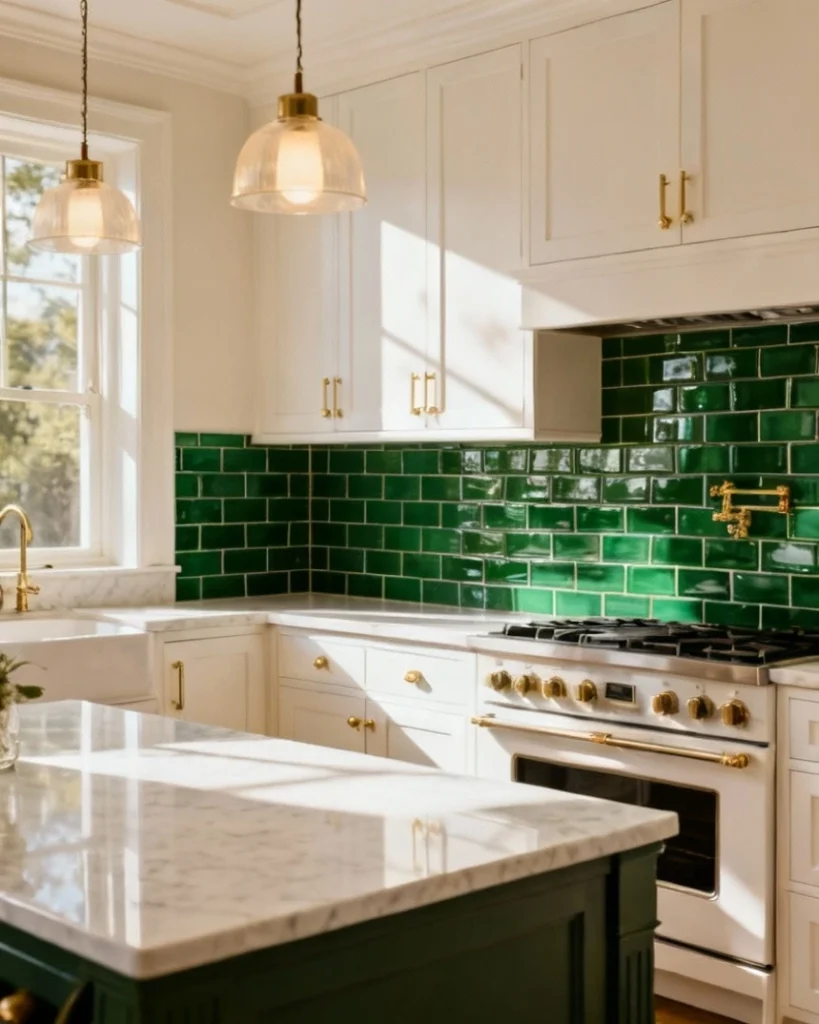
Glossy tiles in saturated jewel tones—emerald, sapphire, and ruby—are having a major moment in 2026. These tiles catch and reflect light in a way that adds depth and richness to the kitchen, and they’re especially stunning when paired with white or grey cabinetry that lets the color take center stage. The high-gloss finish also makes the backsplash easier to clean, a practical bonus in a hardworking kitchen.
Real homeowner behavior shows that jewel tones are often chosen by people who want to make a bold statement without a full kitchen remodel—the backsplash becomes the “jewelry” of the room. A designer in Nashville told us she recommends glossy tiles for clients who entertain often, as they photograph beautifully and create a backdrop that feels both polished and personal. Just avoid overloading the space with too many competing colors; one jewel tone is enough.
14. Natural Stone Ledger Panels
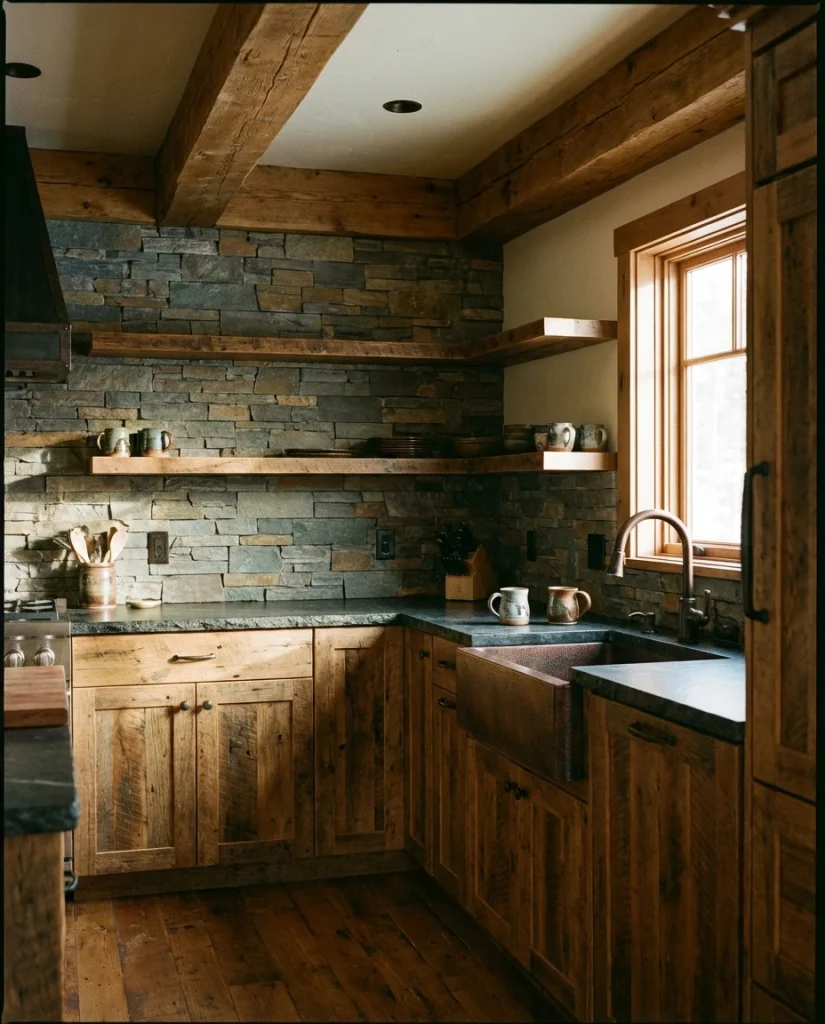
In 2026, stacked stone or ledger panels will bring raw, rustic texture to kitchens. They are a go-to for mountain homes and cabins where the design leans earthy and organic. These panels are made from thin slices of natural stone, like slate, quartzite, or travertine, and stacked to create a 3D surface. They pair beautifully with wood cabinets, exposed beams, and natural materials for a cohesive and nature-inspired kitchen. 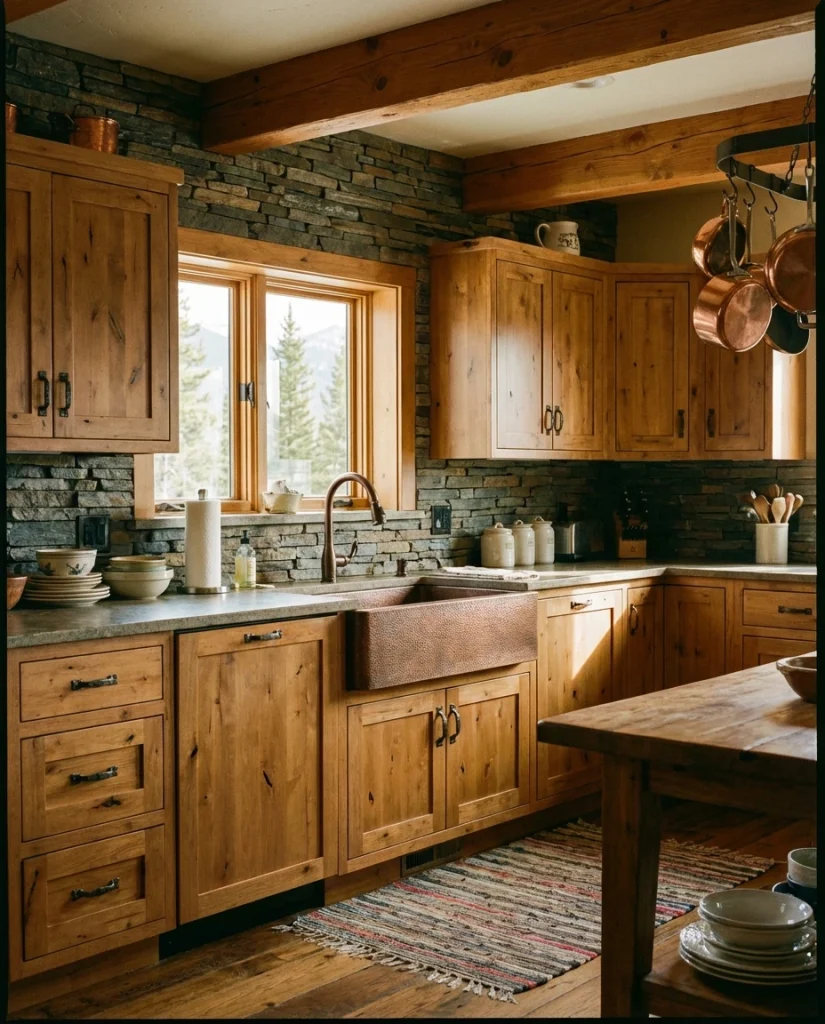
Where it works best: in homes with a strong connection to the outdoors, or in kitchens where you want the backsplash to feel more like a feature wall than a functional surface. In Colorado and Montana, ledger panels are practically a regional signature. Keep in mind that the texture can make cleaning a bit more involved—grease and crumbs can settle into the crevices—so consider sealing the stone and using a gentle brush for maintenance.
15. Classic White Beadboard Paneling
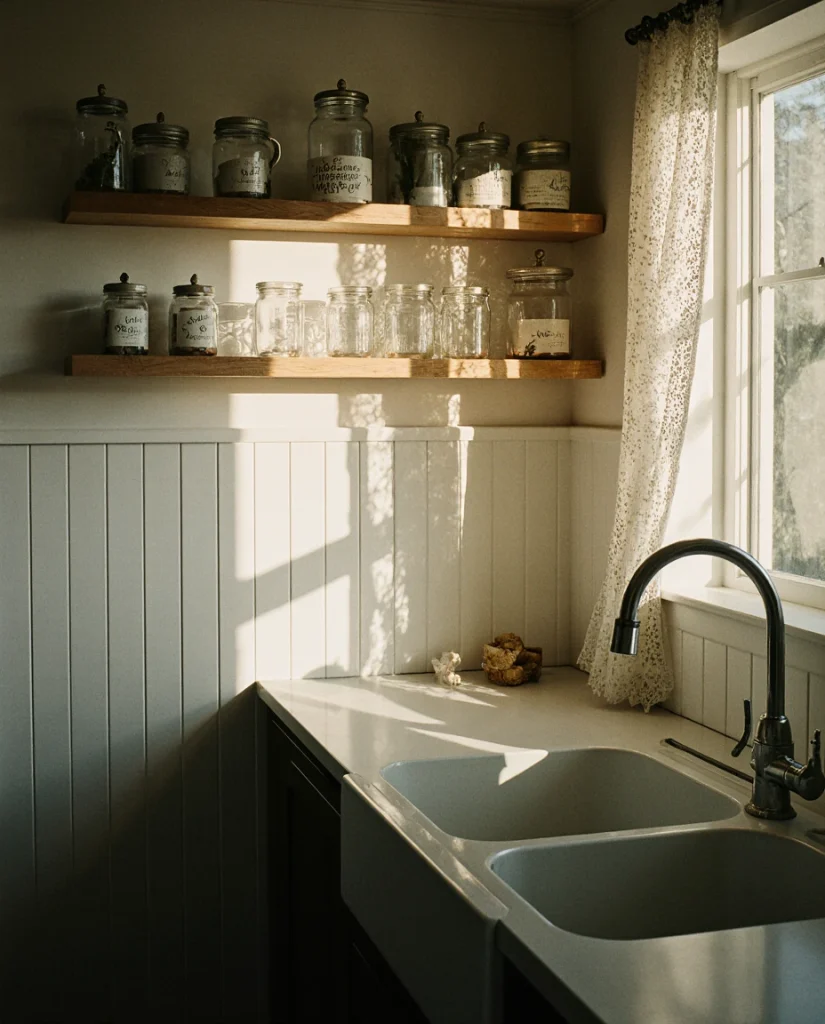
Beadboard paneling is a nostalgic choice that’s finding new life in 2026, especially in farmhouse, country, and coastal kitchens. Painted in crisp white or soft cream, beadboard adds vertical texture and a sense of history, and it’s often paired with open shelving, vintage hardware, and apron-front sinks. It’s a budget-friendly option that can be installed as a DIY project, making it accessible for homeowners looking to refresh their kitchens without a major renovation. 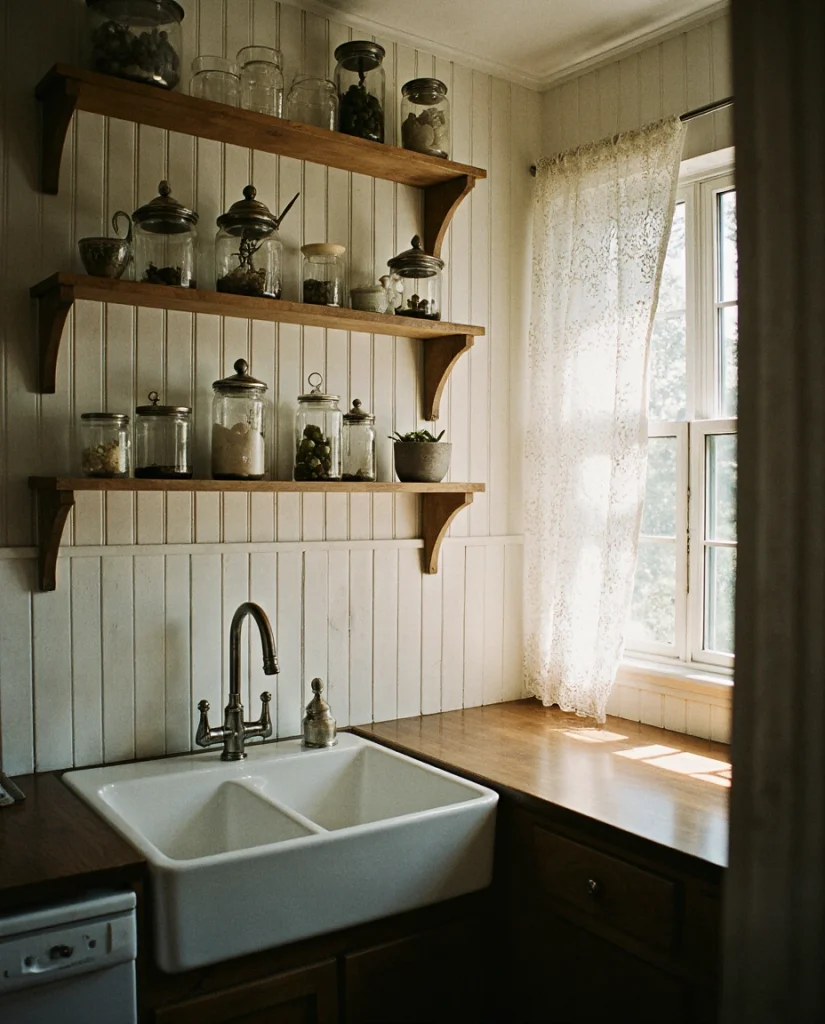
Beadboard is particularly beloved in New England and the South, where it evokes the kitchens of grandmothers and summer cottages. Budget angle: pre-primed beadboard sheets start around $20 for a 4×8 panel, making this one of the most affordable backsplash options out there. Just make sure to seal it properly, especially near the sink and stove, to protect against moisture and grease buildup. It’s classic, forgiving, and endlessly charming.
16. Concrete or Plaster Finish
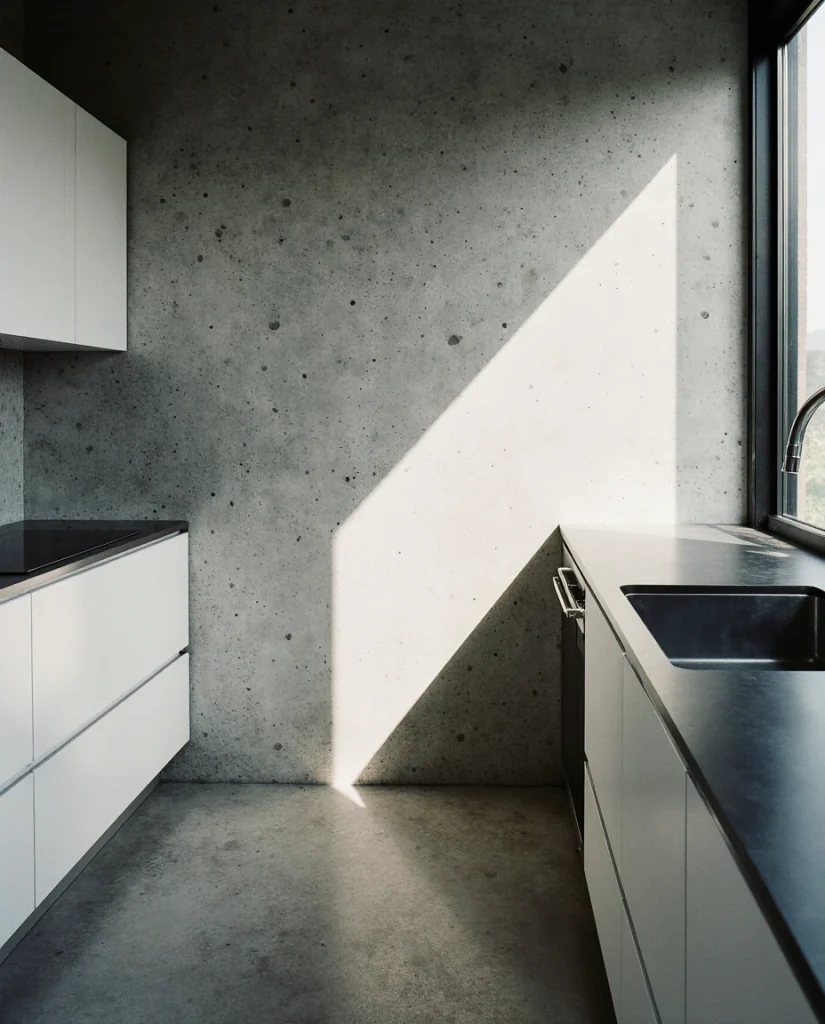
For a truly modern and minimalist look, concrete or micro-cement backsplashes are gaining ground in 2026. These seamless, troweled surfaces create a monolithic look that’s both industrial and serene, and they’re often left in their natural grey tone or tinted with earthy pigments. They pair beautifully with sleek white cabinets, stainless steel appliances, and polished concrete floors, creating a cohesive, gallery-like environment. 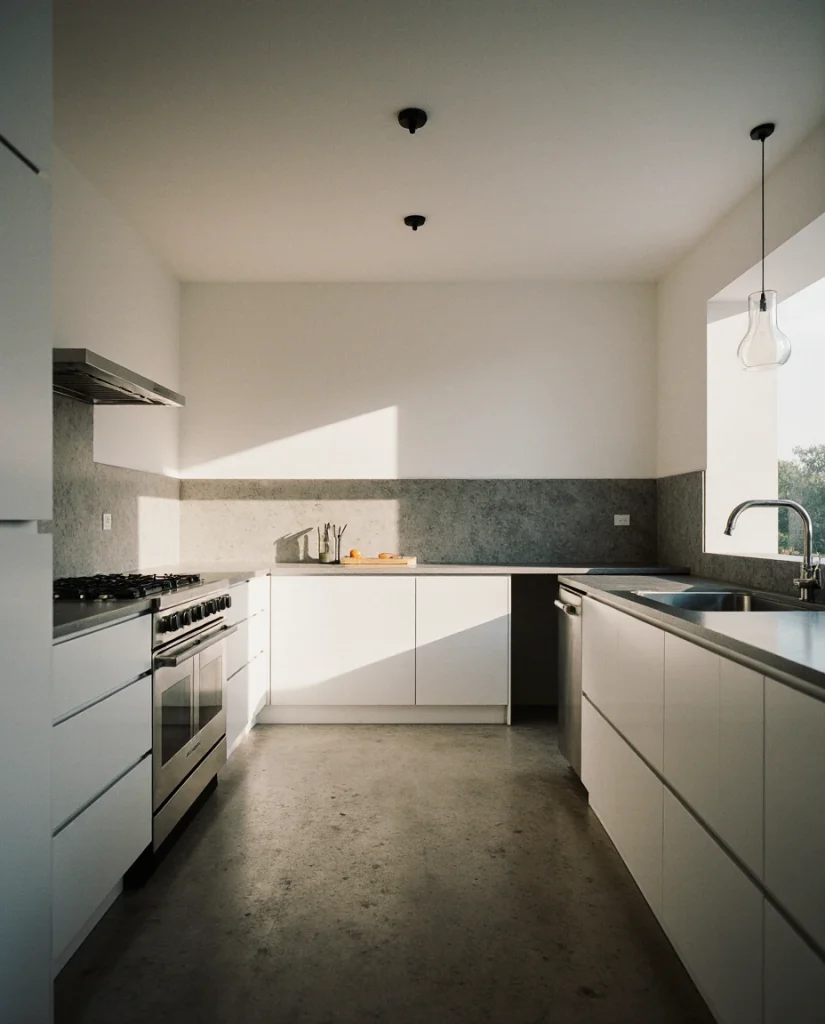
Concrete backsplashes work best in contemporary homes where the goal is to reduce visual clutter and let materials speak for themselves. In cities like Los Angeles and Austin, we’re seeing these installed in lofts and new builds where the aesthetic is pared-down and intentional. One installer shared that sealing is critical—unsealed concrete can stain easily—but once properly finished, it’s incredibly durable and easy to maintain with just soap and water.
17. Vintage-Style Tin Ceiling Tiles
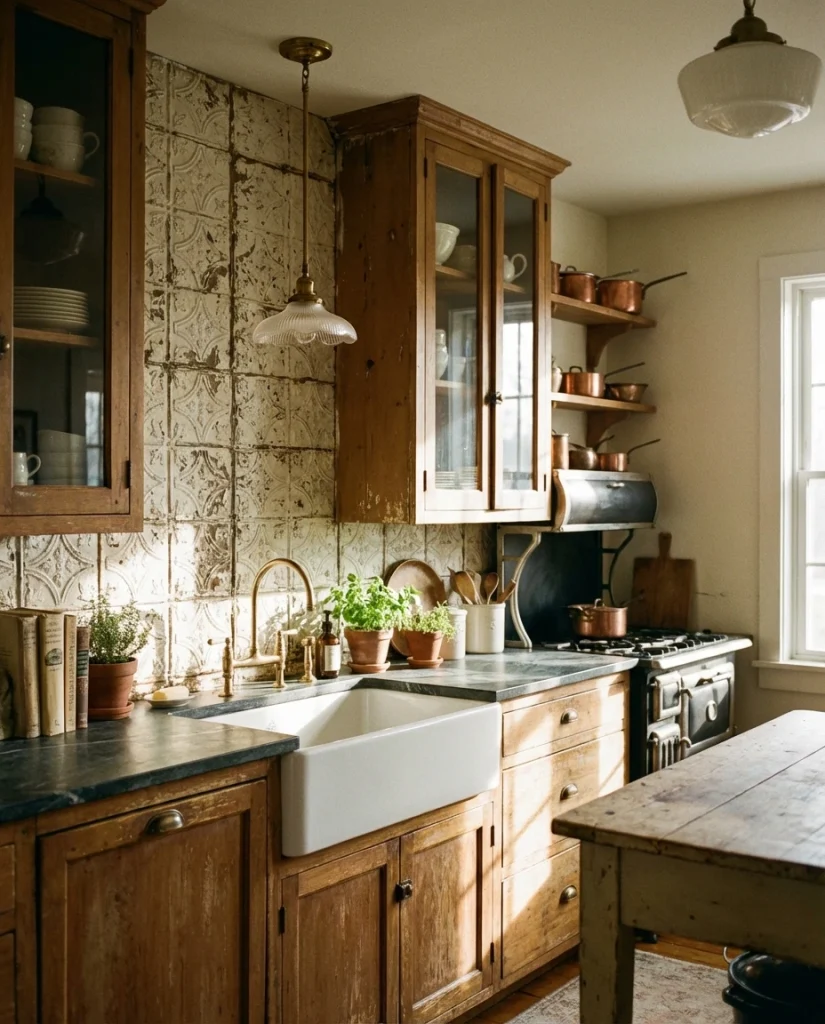
Vintage tin ceiling tiles are being repurposed as backsplashes in 2026, especially in traditional, rustic, or eclectic kitchens that embrace a bit of whimsy and history. These pressed metal panels come in intricate patterns and can be left in raw metal, painted white, or aged with a patina for an antique look. They’re lightweight, easy to install, and add a layer of texture and nostalgia that’s hard to replicate with modern materials.
Common mistakes and how to avoid them: a tin can dents easily, so avoid installing it in high-traffic areas near the stove where pots and pans might bang against it. Instead, use it as an accent behind open shelving or in a breakfast nook. In the South and rural Midwest, tin backsplashes are a nod to the region’s agricultural past, adding character and a sense of place to modern farmhouse kitchens.
18. Large-Format Porcelain Slabs with Marble Effect
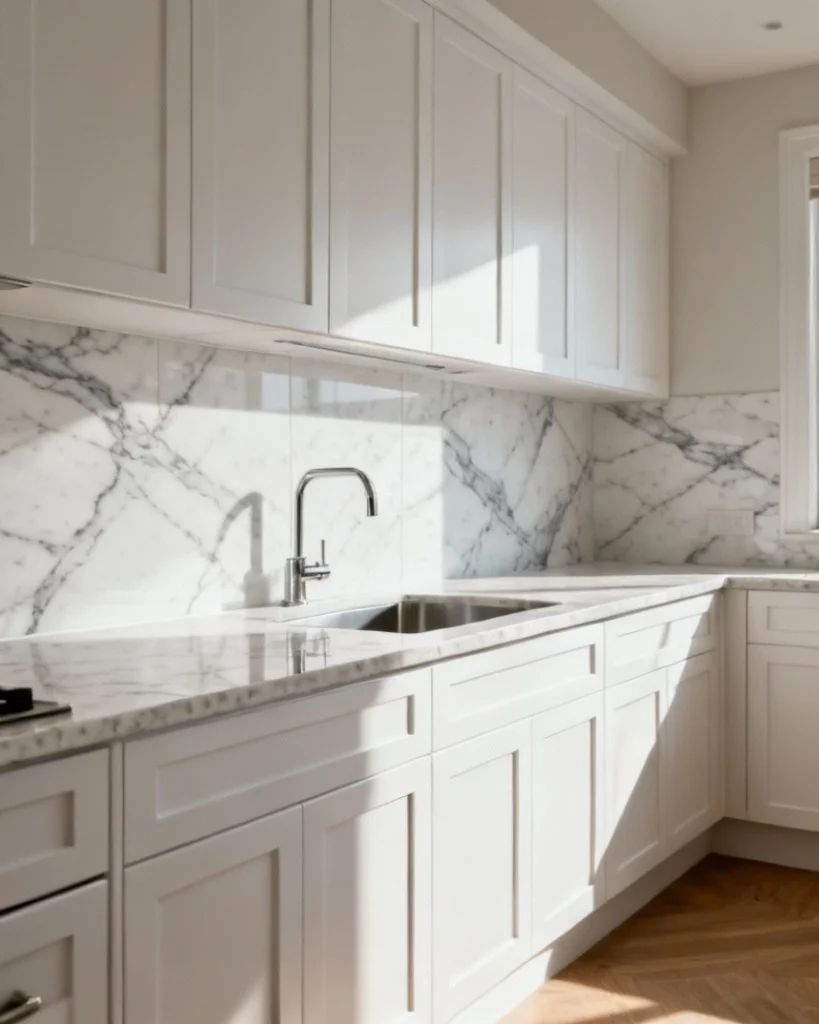
Porcelain slabs that mimic the look of marble are a practical and beautiful choice in 2026, offering the elegance of natural stone without the maintenance headaches. These large-format panels come in white, grey, and even black with realistic veining, and they’re completely non-porous, making them stain- and scratch-resistant. They’re perfect for busy families who want a luxe look that can handle daily life, and they pair beautifully with both modern and traditional cabinetry.
Budget angle: while porcelain slabs are pricier upfront than ceramic tile—often $20 to $40 per square foot—they save money over time by eliminating the need for sealing and intensive cleaning. Homeowners in humid climates like Florida and Louisiana appreciate porcelain’s resistance to moisture and mold. Installation is easier than natural stone, too, since the slabs are lighter and more uniform, which can reduce labor costs.
19. Textured 3D Wave Tiles
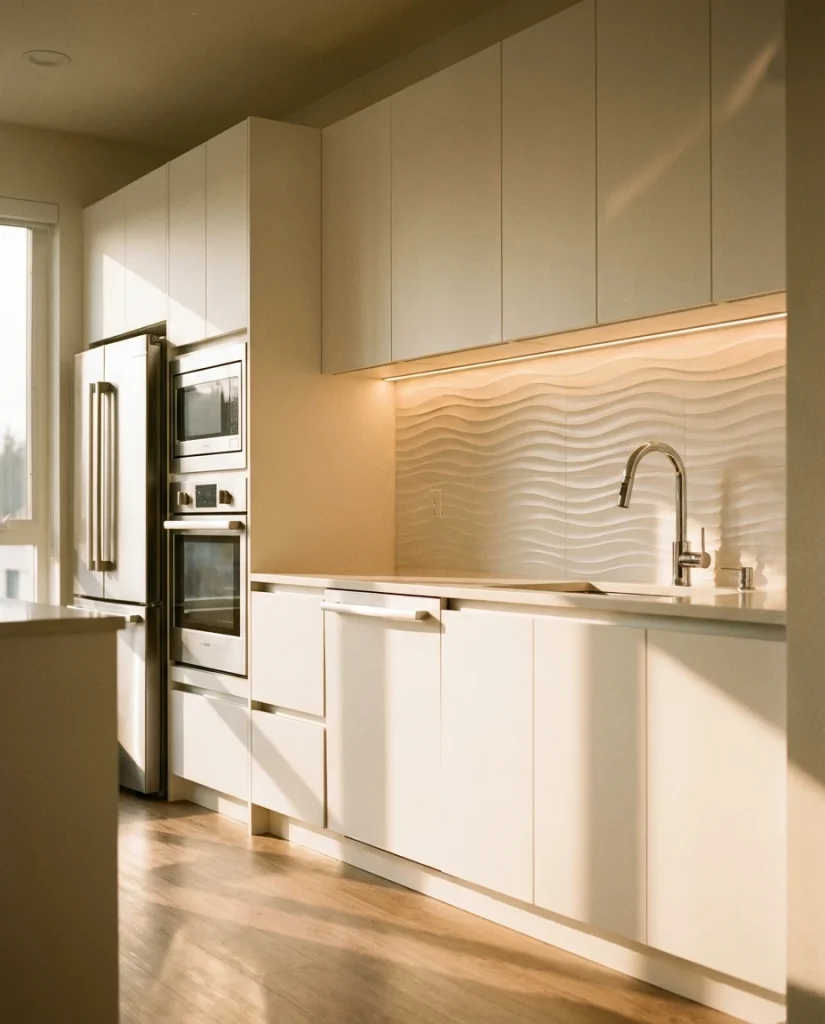
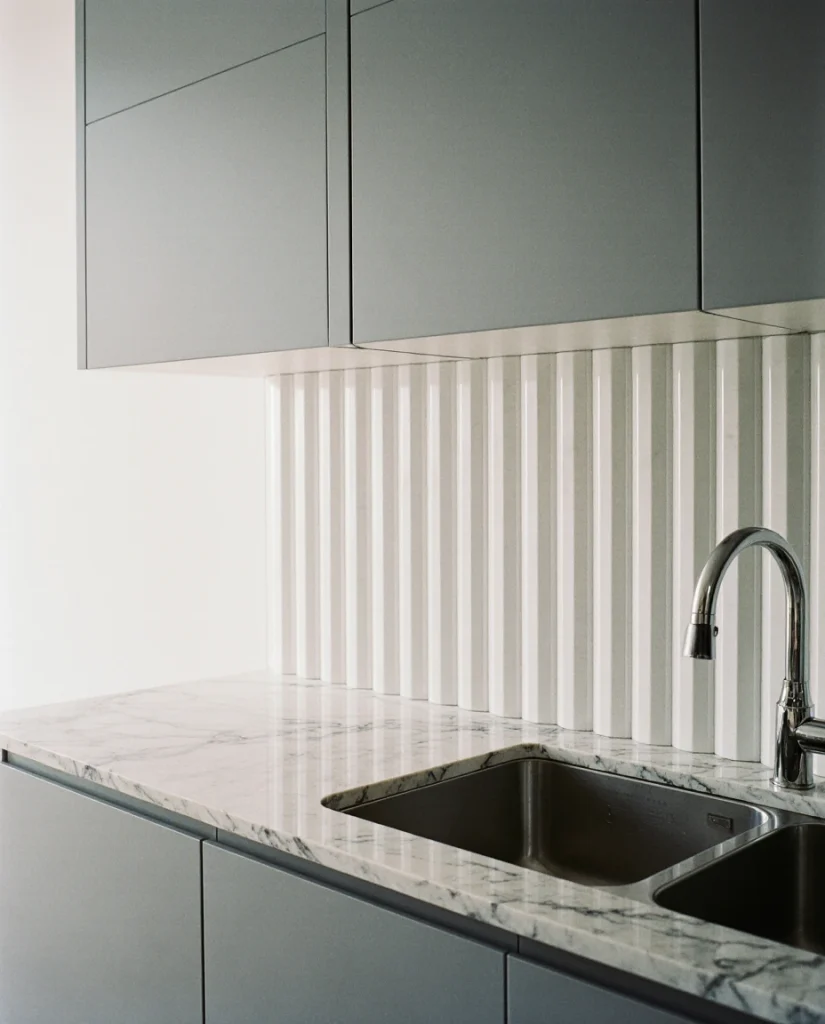
Three-dimensional wave or ripple tiles are a sculptural choice that adds movement and interest to the kitchen. In 2026, these tiles—often in matte white or soft grey—are being used to create a focal point that’s both tactile and visually striking. The raised surface catches light and shadow throughout the day, making the backsplash feel dynamic and alive. They’re a favorite in modern and minimalist kitchens where you want texture without color or pattern. 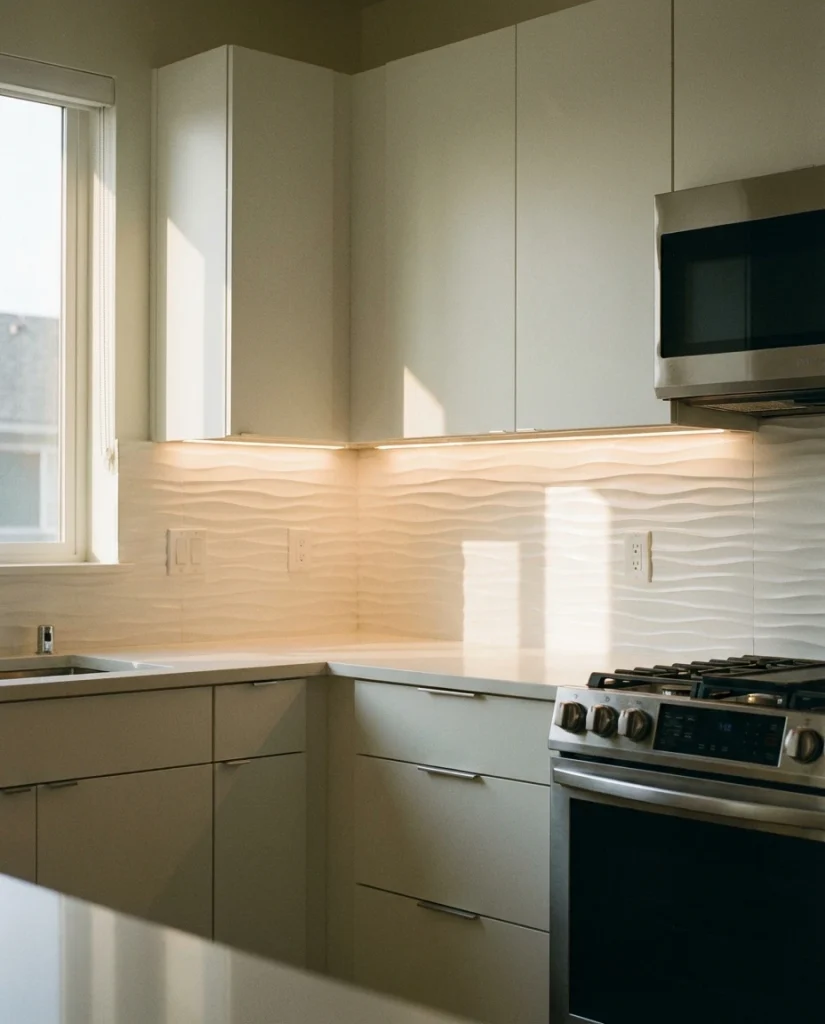
Where it works best: in kitchens with clean lines and a restrained color palette, where the textured tile can be the hero. We’re seeing these installed in urban condos and new builds across the West Coast, often paired with integrated appliances and handleless cabinetry. One designer noted that the texture can make cleaning slightly more involved, so consider using them in areas with less splatter, like behind open shelving or in a butler’s pantry.
20. Glass Mosaic Tiles in Ocean Hues
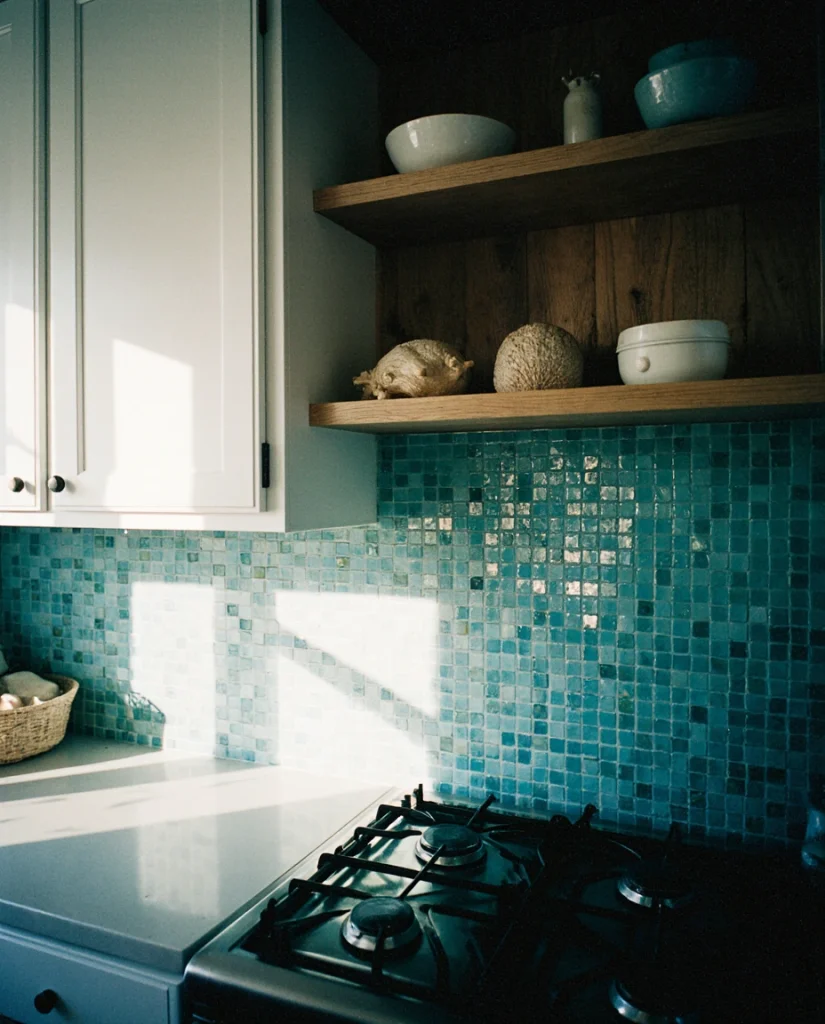
Glass mosaic tiles in shades of aqua, turquoise, and seafoam are perfect for bringing a coastal vibe into the kitchen. These small, iridescent tiles reflect light beautifully and add a shimmering, water-like quality to the space. In 2026, they’re being paired with white cabinets, natural wood accents, and brushed nickel hardware for a look that feels breezy and relaxed, perfect for beach houses and homes near the water. 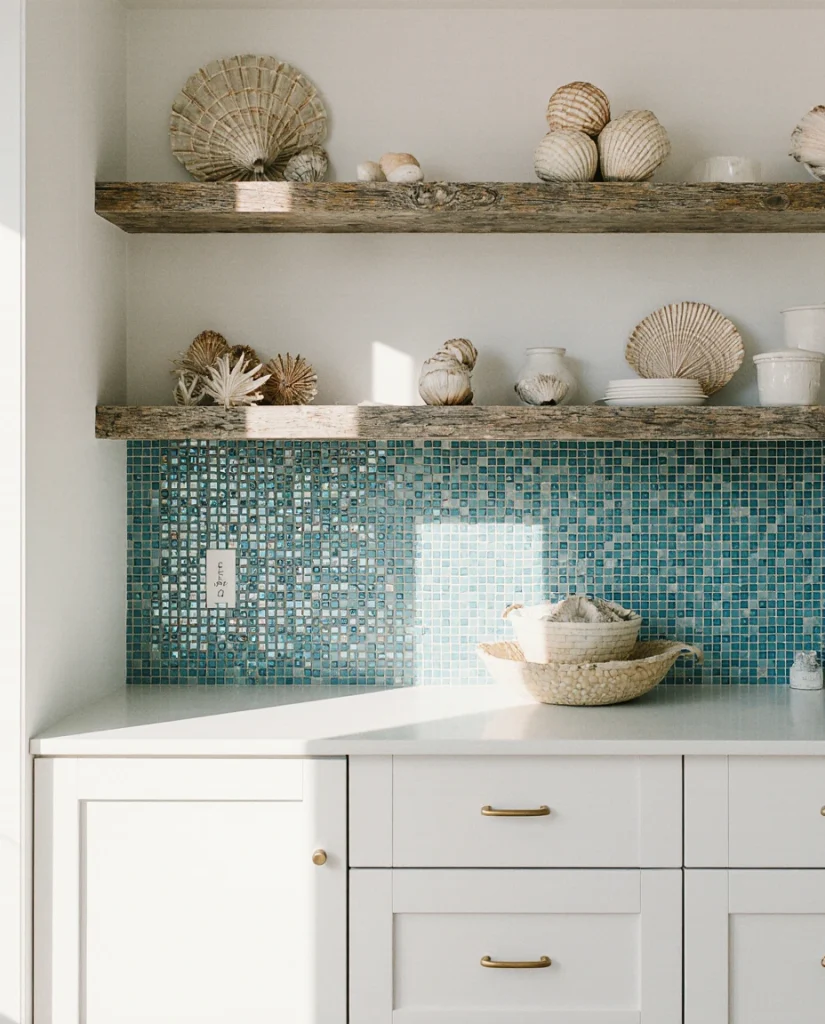
Real homeowner behavior: glass mosaics are often chosen by people who want to bring a vacation-like feel into their everyday lives, especially in landlocked areas where the ocean is more of an aspiration than a reality. A homeowner in Denver told us she chose glass mosaic tile because it reminded her of a trip to the Caribbean—a small luxury that brings joy every time she cooks. The tiles are easy to clean and highly durable, making them as practical as they are pretty.
21. Bold Graphic Black and White Patterns
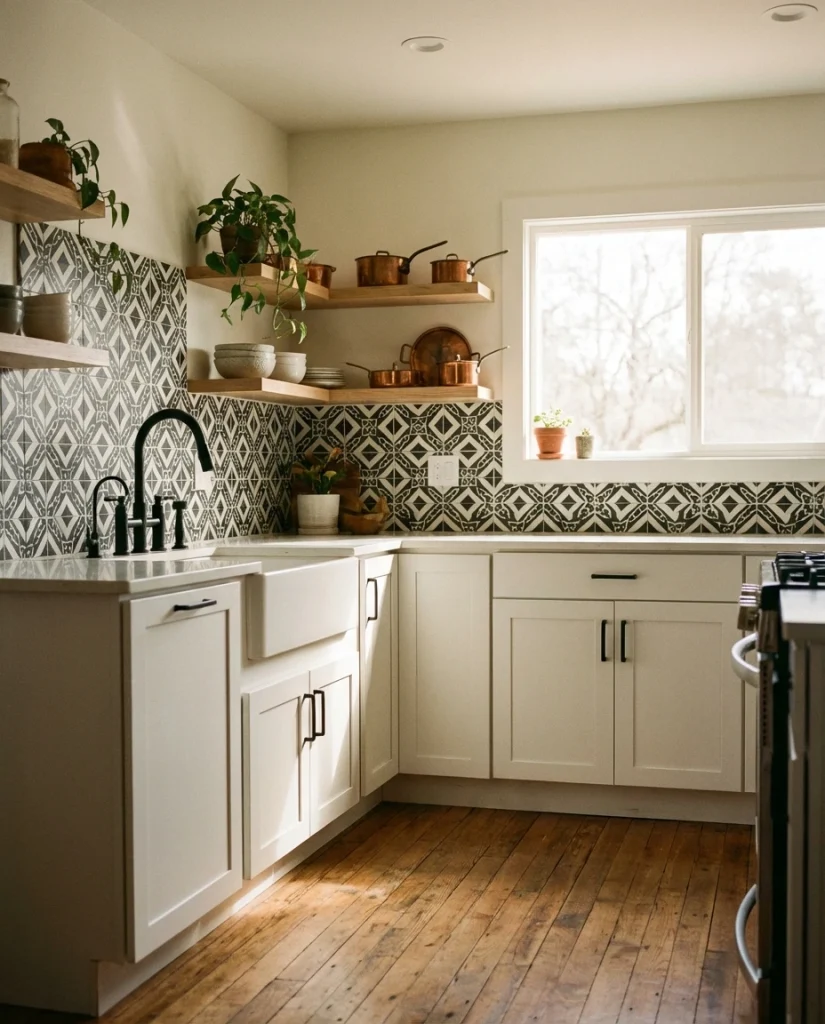
High-contrast black and white tiles in bold graphic patterns—think hexagons, diamonds, or Moroccan-inspired motifs—are making a statement in 2026. These patterned tiles are perfect for homeowners who want to inject drama and personality into their kitchens, and they work especially well in modern or eclectic spaces where the backsplash becomes the focal point. Pair them with simple white cabinets and minimal hardware to keep the look balanced and intentional.
Practical insight: bold patterns can overwhelm a small kitchen, so consider using them on a single accent wall or just behind the stove. In cities like Brooklyn and San Francisco, graphic tiles are being used to add energy and individuality to rental apartments and older homes that lack architectural detail. The key is restraint—let the tile be the star and keep everything else simple and supportive.
22. DIY Peel-and-Stick Tile Alternatives
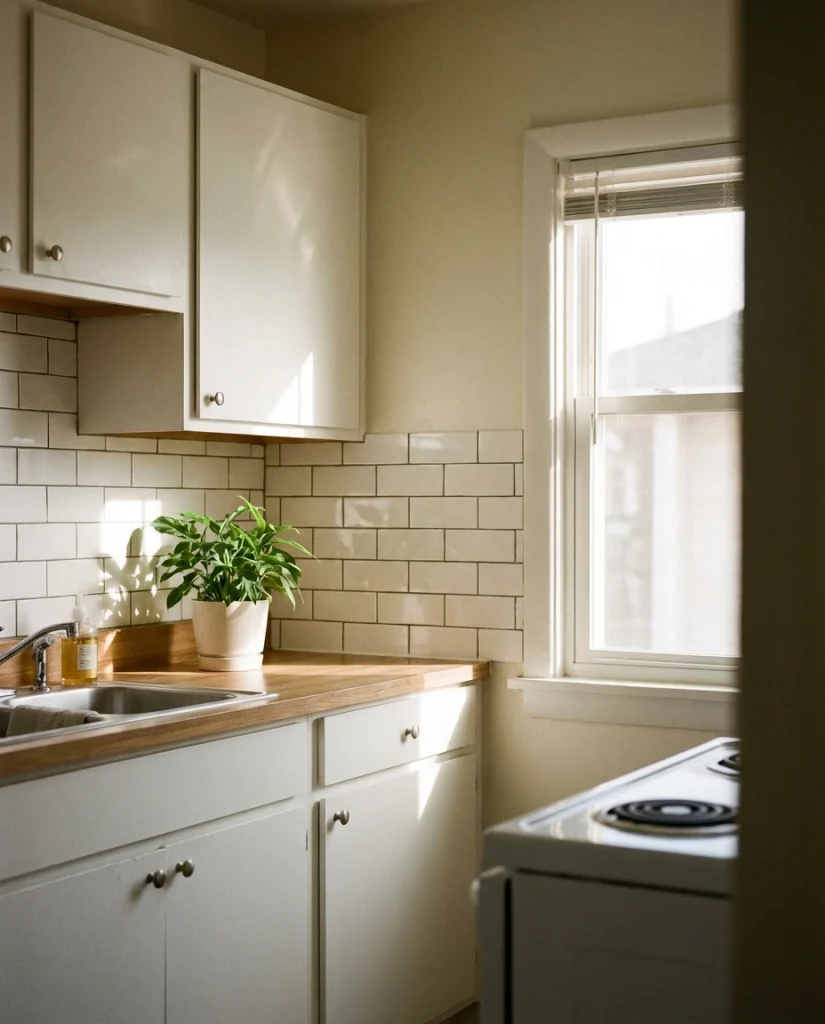
For renters and budget-conscious homeowners, peel-and-stick tiles have evolved significantly in 2026, offering realistic finishes that mimic subway tile, marble, and even patterned cement. These removable tiles are perfect for a quick refresh and can be installed as a DIY project over a weekend. They’re available in dozens of colors and patterns, including white, grey, and colorful options that suit any style.
Common mistakes and how to avoid them: Cheaper peel-and-stick tiles can peel or bubble over time, especially near heat sources like the stove. Look for higher-quality brands with heat-resistant backing, and always clean and dry the wall thoroughly before installation. In college towns and urban markets with high rental populations, peel-and-stick backsplashes are a game-changer, allowing people to personalize their spaces without losing their security deposit. It’s temporary, sure, but it’s also transformative.
Conclusion
Whether you’re drawn to the timeless elegance of marble, the handcrafted charm of Talavera tiles, or the budget-friendly flexibility of peel-and-stick options, there’s a backsplash idea here to suit your style, your space, and your life. We’d love to hear which of these ideas resonates with you—drop a comment below and let us know what you’re planning for your kitchen in 2026.