Kitchen floors are having a moment in 2026, and it’s not just about durability anymore. American homeowners are treating their kitchen floors as a design statement—something that sets the tone for the entire space. Whether you’re drawn to bold patterns, natural textures, or timeless neutrals, Pinterest is flooded with inspiration for every style and budget. In this article, you’ll discover fresh ideas that blend beauty with practicality, from classic checkerboard to unexpected green tile. These aren’t just trends—they’re smart choices that reflect how we actually live and cook today.
1. Checkerboard Drama in Black and White
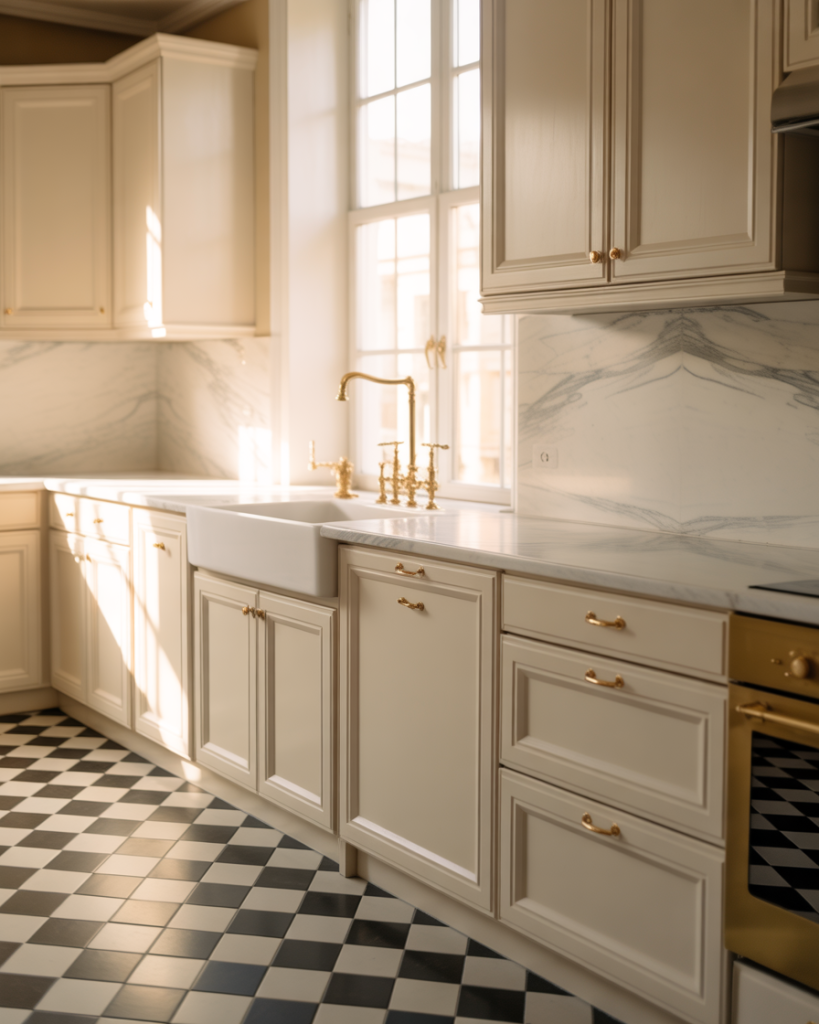
The checkered floor is back, and this time it’s all about contrast. Black and white tile arranged in a classic checkerboard pattern brings instant personality to kitchens that might otherwise feel safe or sterile. This look works beautifully in both compact city apartments and sprawling suburban homes, especially when paired with simple cabinetry that lets the floor take center stage. The geometric repetition creates visual interest without overwhelming the space, making it a go-to for homeowners who want something bold but not trendy. 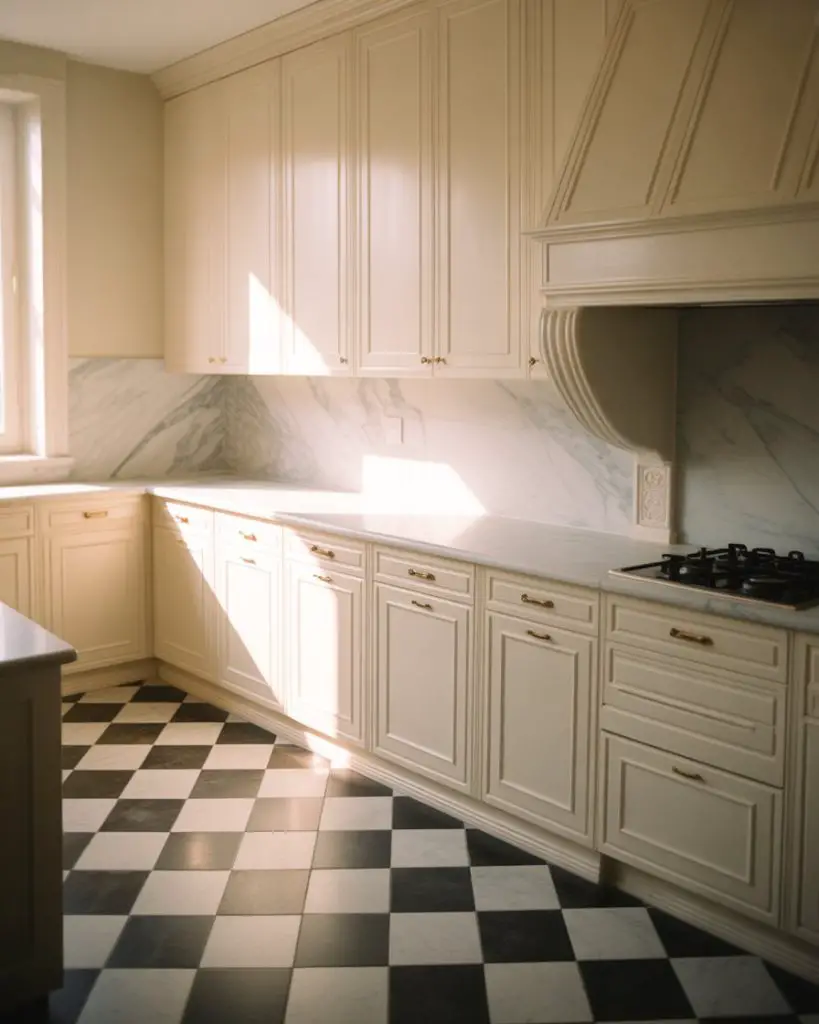
One thing many people get wrong is scale—oversized tiles can make a small kitchen feel even tighter, while tiny squares might read as busy in a large open-plan space. Aim for 12-inch tiles in most standard kitchens, and consider how the pattern will interact with your island layout if you have one. This floor style has staying power because it’s rooted in design history, not fleeting trends.
2. Warm Terracotta for Rustic Charm
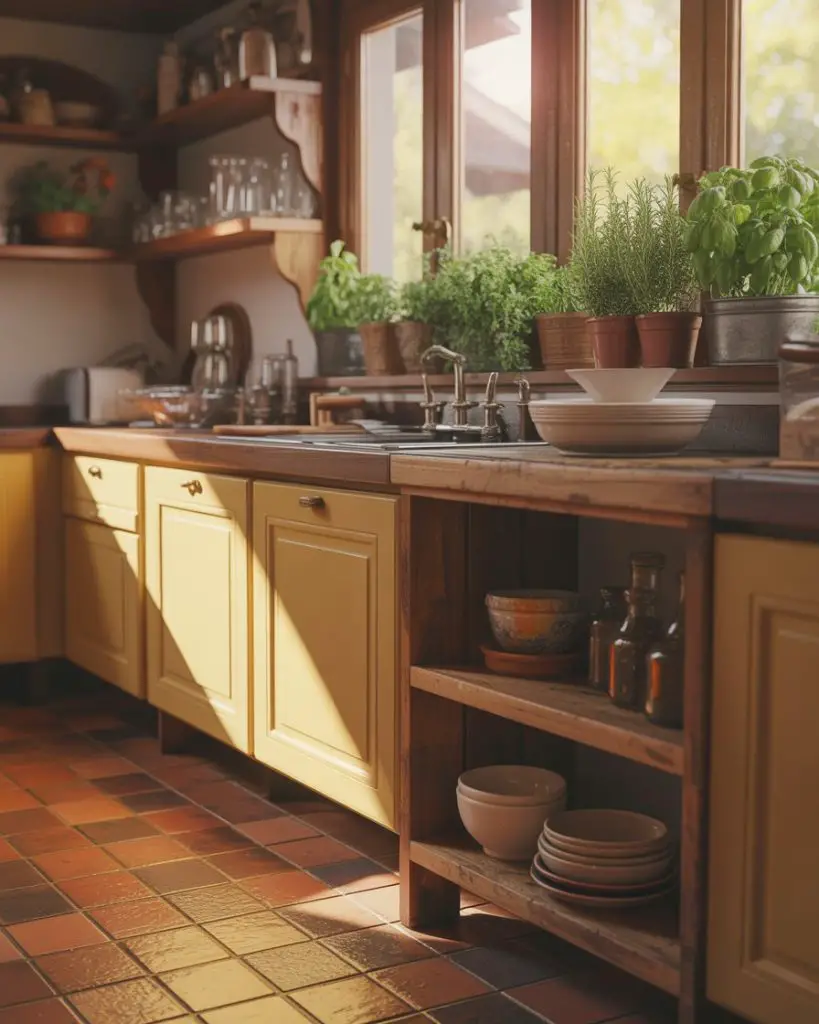
Terracotta flooring brings an earthy, lived-in quality that feels especially at home in kitchens with a farmhouse or Mediterranean vibe. The natural clay tones vary slightly from tile to tile, which adds authenticity and warmth. It’s a material that improves with age, developing a subtle patina that tells the story of your home. Beige tile lovers often gravitate toward terracotta for its ability to anchor a space without feeling cold or clinical. 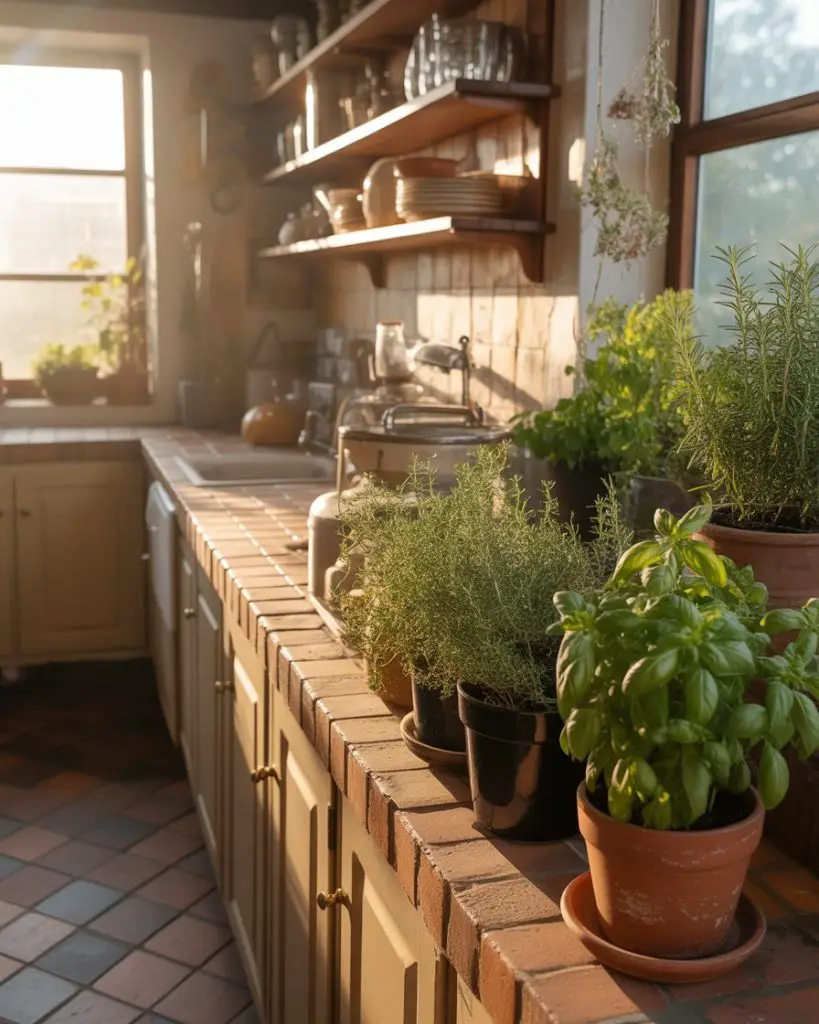
In the Southwest and Southern California, terracotta is practically a regional staple—homes in these areas often use it to keep interiors cool while maintaining a connection to the landscape. If you’re working with a tighter budget, terracotta can be surprisingly affordable compared to natural stone, especially if you opt for domestically produced tiles. Just be sure to seal it properly; unsealed terracotta is porous and can stain easily in a high-traffic kitchen.
3. Sleek Concrete for Industrial Edge
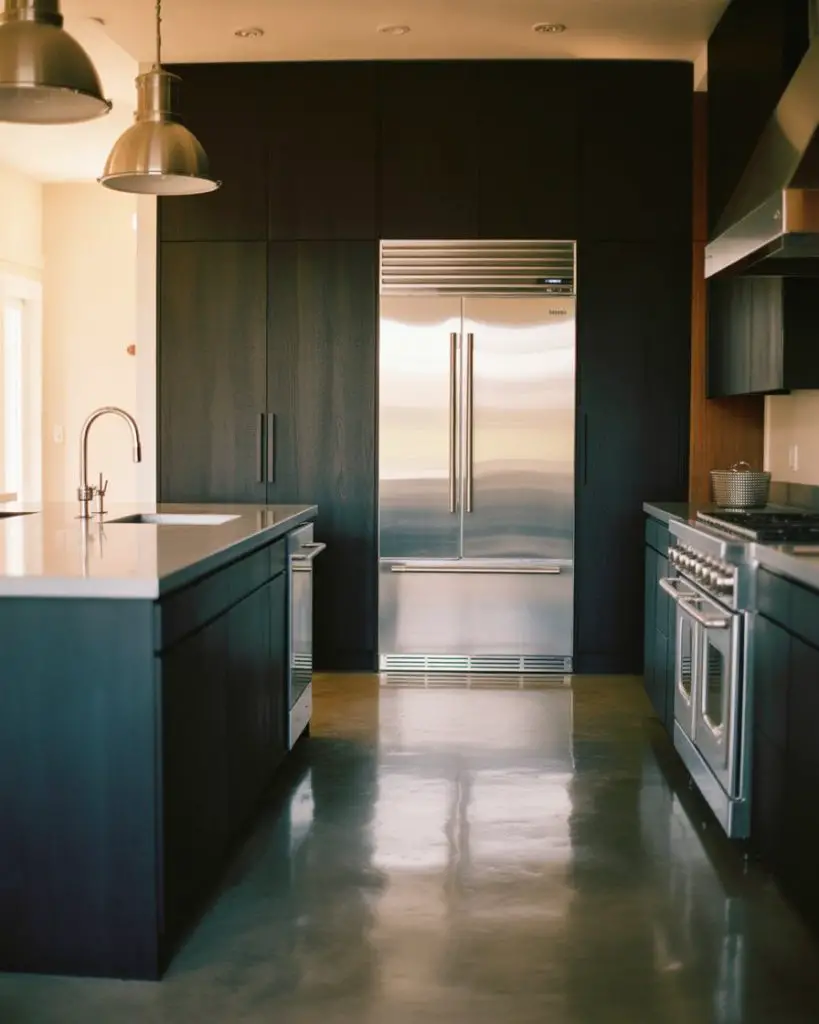
Polished concrete floors are becoming a favorite in urban lofts and modern minimalist kitchens. They offer a seamless, almost sculptural quality that makes the kitchen feel like one continuous surface. The material is incredibly durable and works well with radiant heating systems, which is a bonus in colder climates. Concrete also pairs beautifully with dark wood cabinetry or metal accents, creating a balanced mix of warm and cool tones. 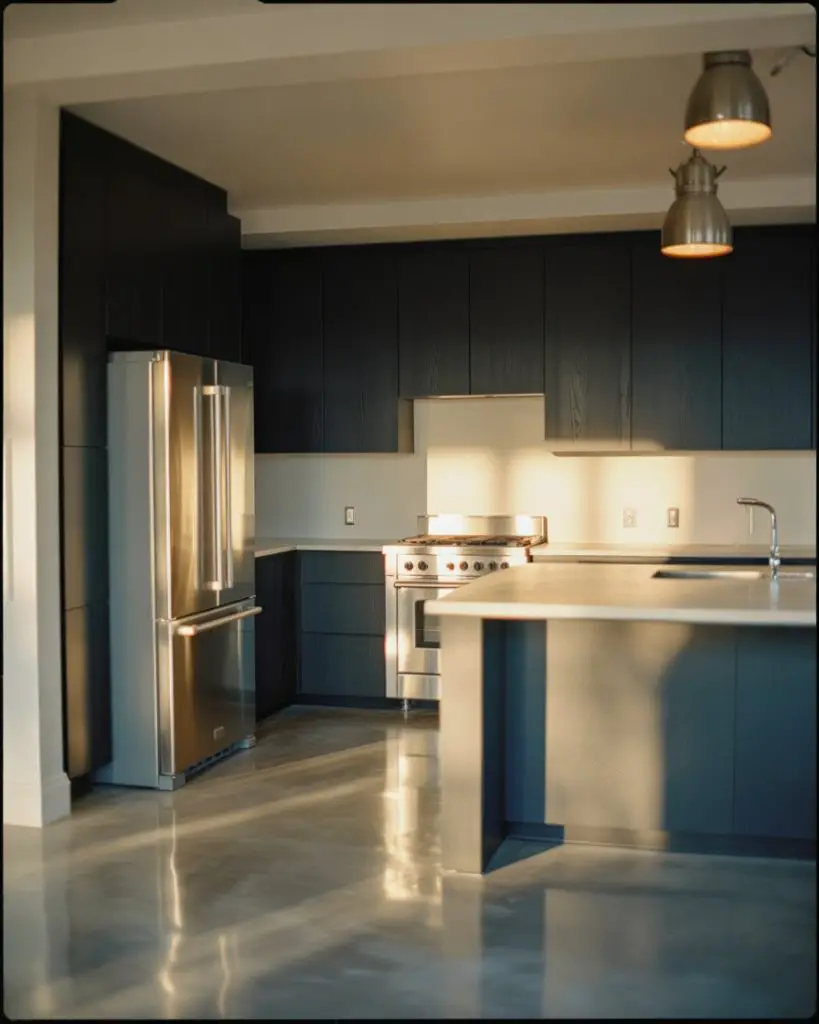
Where it works best: open-plan homes where the kitchen flows into the living or dining area. Concrete creates visual continuity that makes spaces feel larger and more cohesive. It’s also a smart choice for homeowners who want a custom look—you can tint, stain, or score the concrete to add subtle texture or pattern. Maintenance is straightforward, but you’ll want to reseal every few years to keep the surface stain-resistant.
4. Terrazzo Revival in Soft Pastels
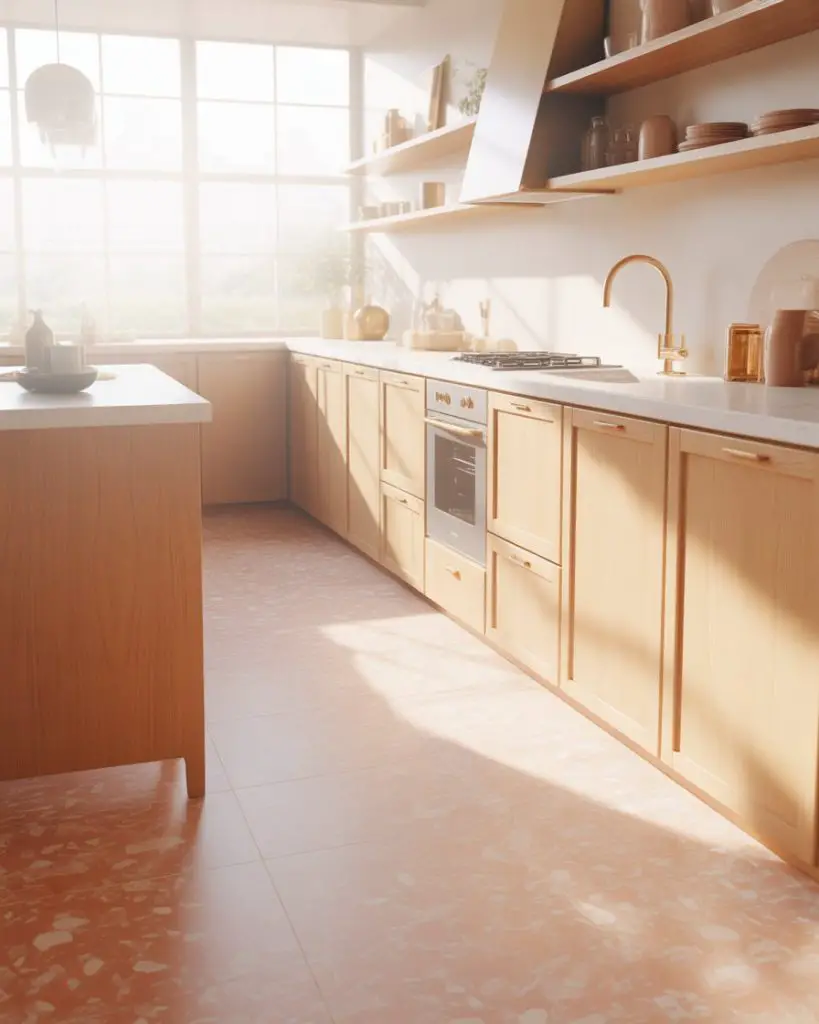
Terrazzo flooring is enjoying a serious comeback, and the new iterations go far beyond the speckled institutional floors of the past. Today’s terrazzo comes in custom color blends, from soft blush and sage to deep charcoal with brass flecks. It’s a composite material made from chips of marble, glass, or stone set in concrete or resin, offering both durability and artistic flair. This floor type is ideal for homeowners who want something unique without venturing into overly experimental territory. 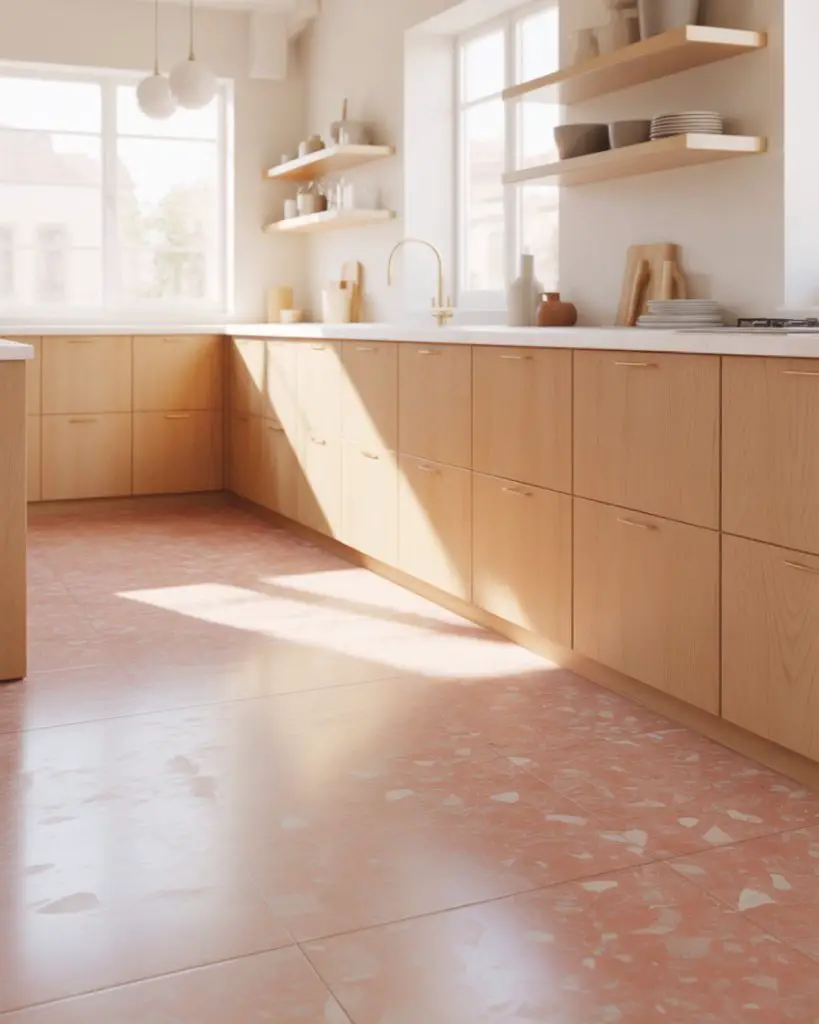
A designer friend once told me that terrazzo is the ultimate “forever floor”—it’s practically indestructible and doesn’t go out of style because it’s always been a bit unconventional. The upfront cost is higher than ceramic or vinyl, but you’re essentially installing a floor that could outlast your mortgage. Plus, the seamless installation means fewer grout lines to clean, which is a real practical win in a busy kitchen.
5. Classic Herringbone in Natural Wood
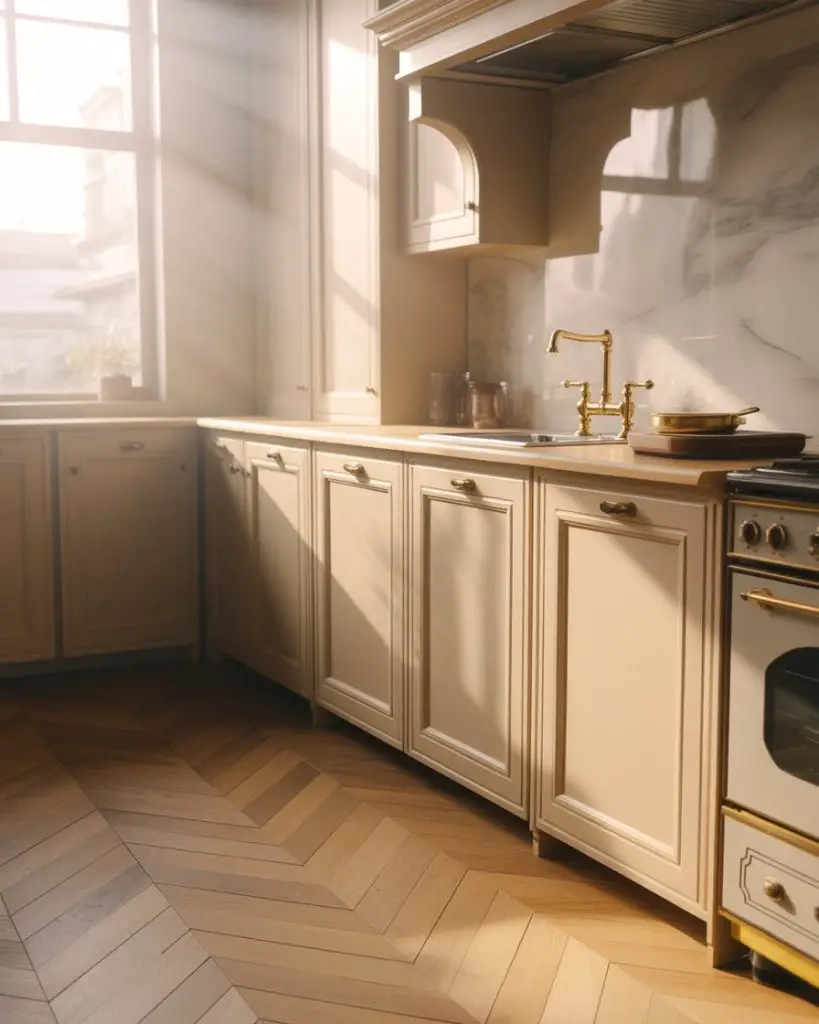
The herringbone pattern never really went away, but it’s experiencing renewed interest as homeowners look for ways to add visual texture without bold color. Laying wood or wood-look tile in a herringbone pattern creates movement and sophistication, making even a modest kitchen feel curated. This layout works particularly well in galley kitchens or narrow spaces, where the diagonal lines draw the eye and make the room feel wider than it actually is. 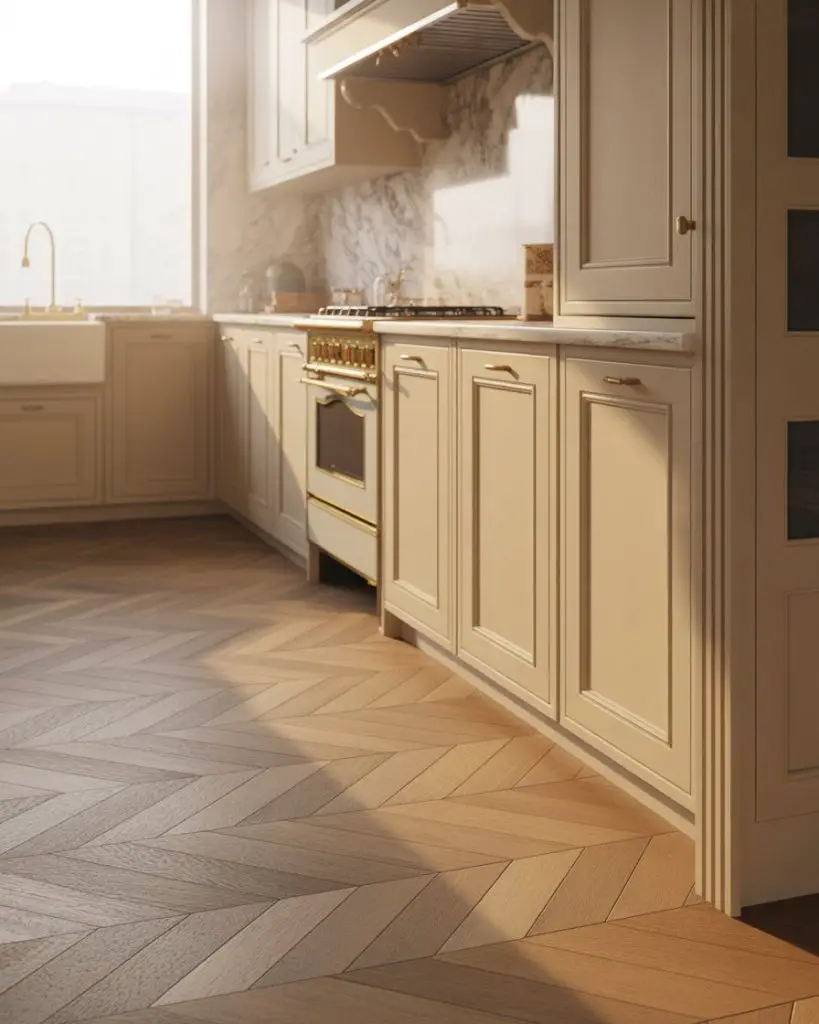
Real homeowners often underestimate the impact of installation costs with herringbone—it’s more labor-intensive than standard plank or tile layouts, so budget accordingly. That said, the pattern works beautifully in both traditional and contemporary settings, which makes it a versatile choice if you’re planning to stay in your home long-term. Pair it with simple cabinetry and let the floor be the architectural moment.
6. Bold Black Tile for Modern Drama
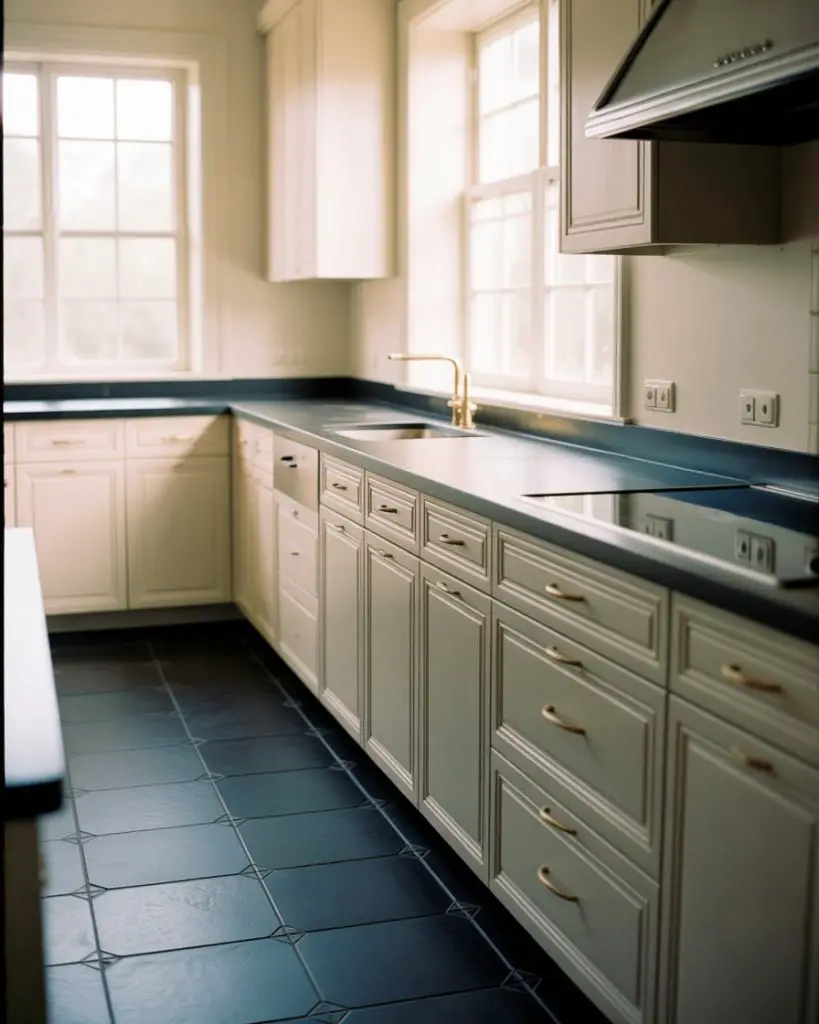
Black floors might sound intimidating, but they’re surprisingly forgiving when it comes to showing dirt and wear. A matte black tile floor creates a grounding effect in kitchens with white or light-colored cabinetry, offering stark contrast that feels intentional and chic. This choice works especially well in homes with abundant natural light, where the dark floor won’t make the space feel closed in. 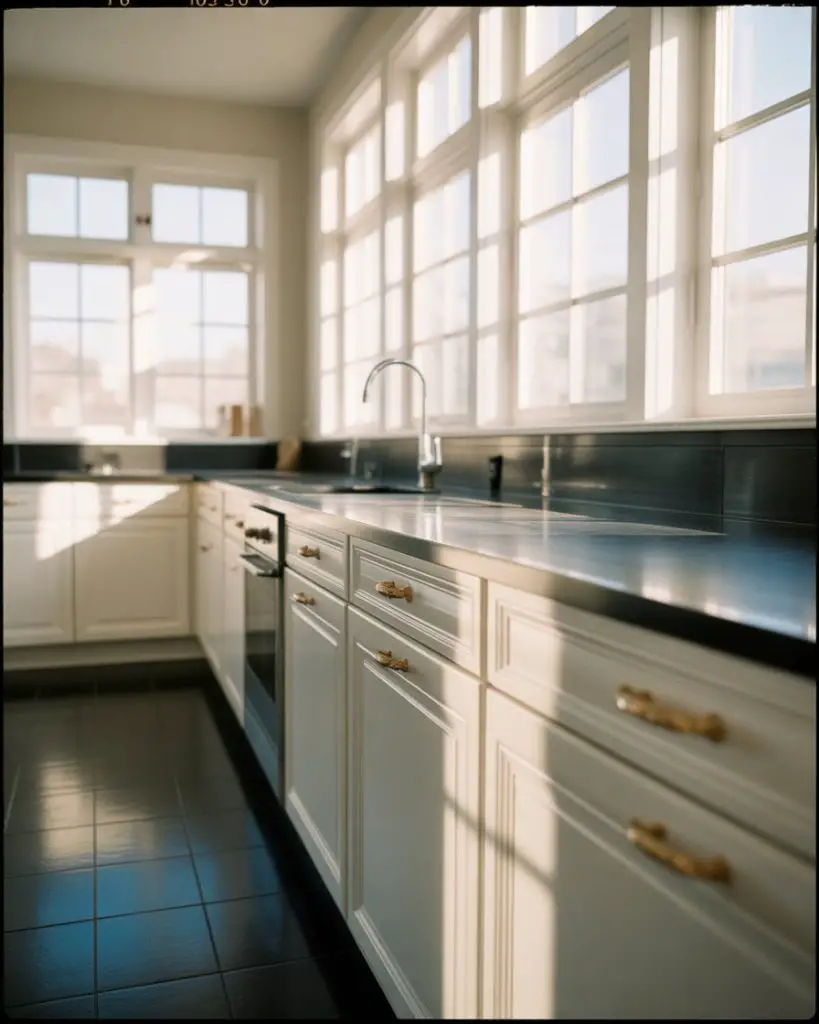
In the Pacific Northwest and other regions where gray skies dominate, black floors can feel moody in a good way—cozy and dramatic without being heavy. They also hide scuffs and scratches better than lighter surfaces, which is a practical consideration if you have kids or pets. Just avoid high-gloss finishes, which show every footprint and require constant cleaning.
7. Timeless Limestone in Soft Neutrals
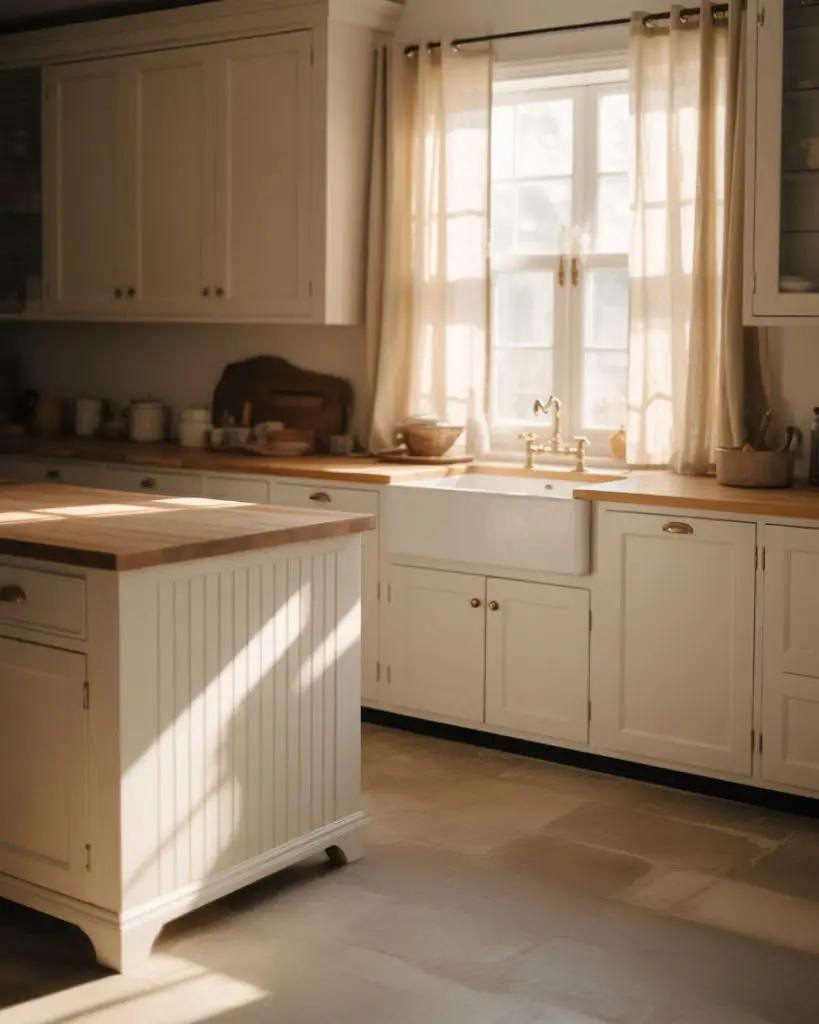
Limestone brings a quiet elegance to kitchens, with its soft, chalky texture and subtle color variation. It’s a natural stone that feels both rustic and refined, making it a favorite in French country and transitional-style homes. The muted tones—ranging from creamy beige to light gray—pair well with almost any cabinet color and won’t compete with bolder design elements elsewhere in the room. 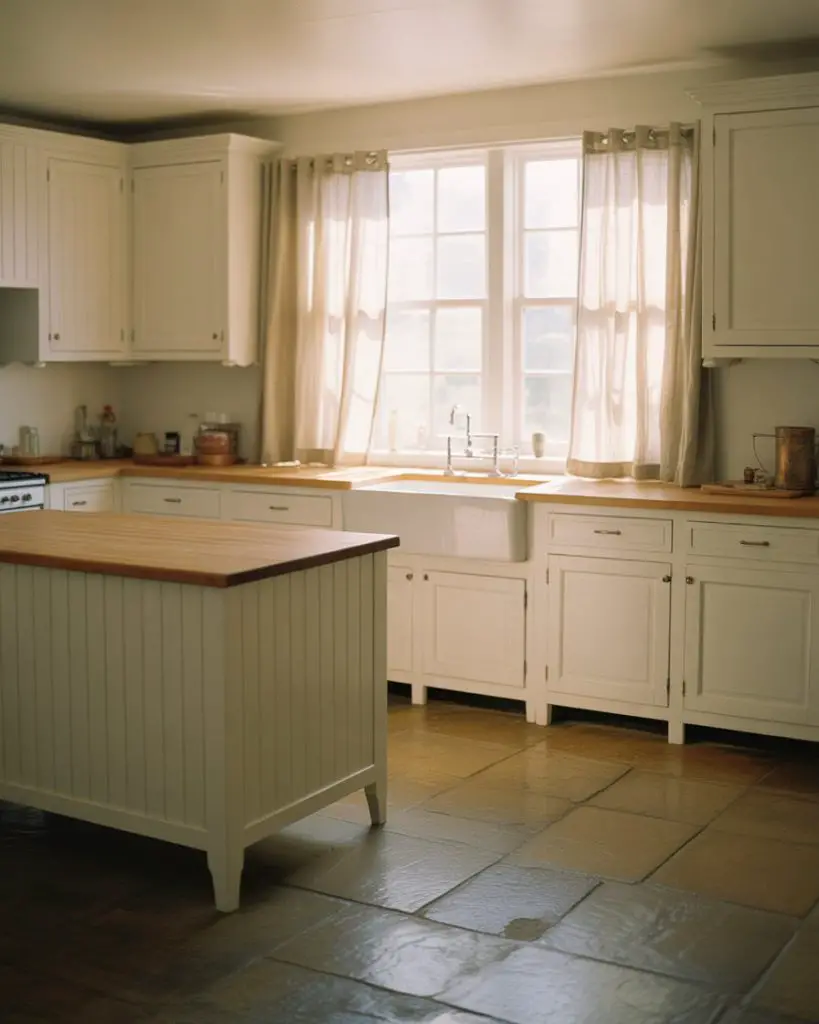
Limestone is softer than granite or porcelain, so it’s prone to scratching and etching from acidic spills—think lemon juice or vinegar. Sealing is non-negotiable, and you’ll need to stay on top of maintenance to keep it looking fresh. That said, many homeowners appreciate the way limestone ages, developing a gentle patina that adds character rather than looking worn out. It’s a material that rewards careful stewardship.
8. Budget-Friendly Vinyl in Realistic Wood Grain
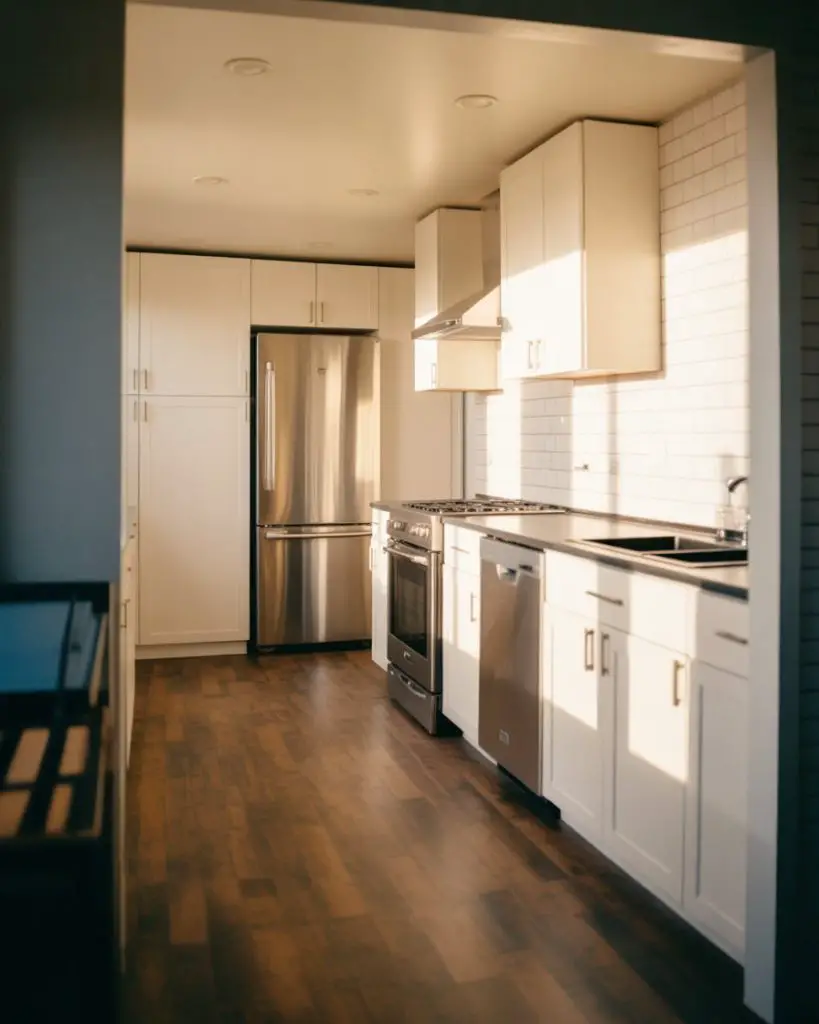
Vinyl flooring has come a long way from the rolled sheets of decades past. Today’s luxury vinyl plank (LVP) mimics the look of dark wood or stone so convincingly that most guests won’t know the difference. It’s waterproof, easy to install, and incredibly affordable—perfect for DIYers or homeowners working within a strict budget. The variety of finishes and textures available means you can achieve nearly any aesthetic without the cost or upkeep of natural materials. 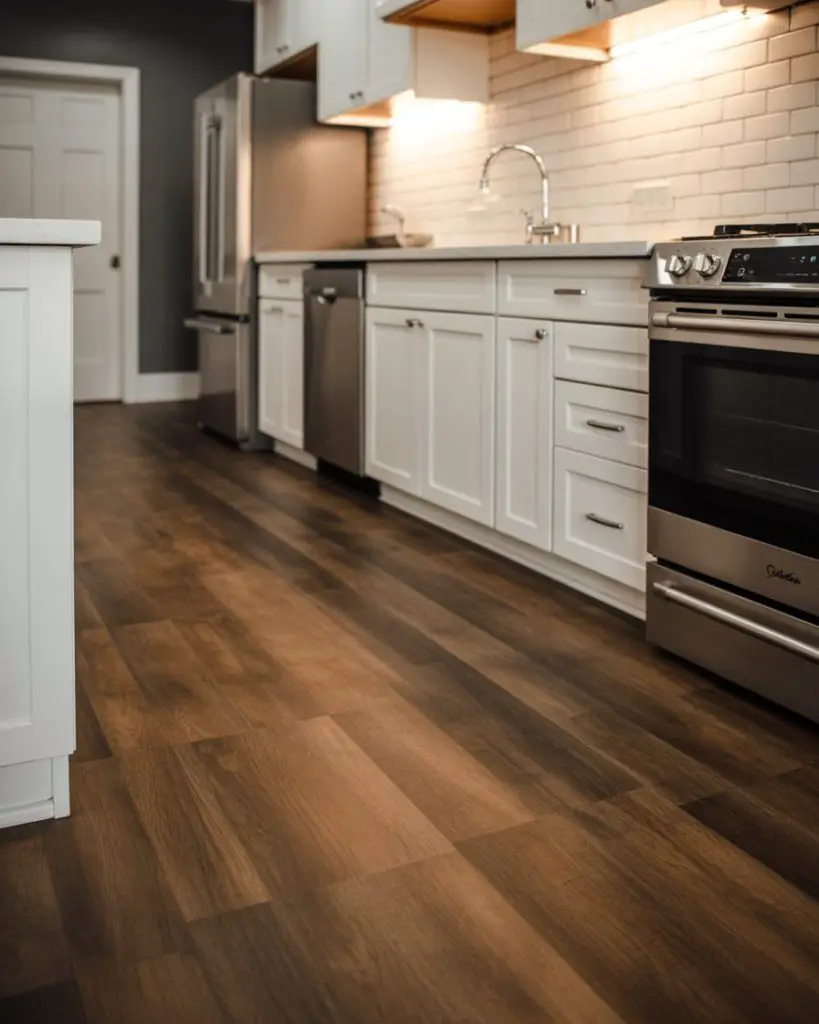
A common mistake is choosing vinyl that’s too thin—it won’t hold up in a kitchen where you’re constantly moving around, dropping things, and dealing with spills. Look for products with a wear layer of at least 12 mil for residential kitchens. Installation is straightforward, and many LVP options are click-lock systems that don’t require glue, making them renter-friendly or ideal for quick renovations.
9. Elegant Slate for Textured Depth
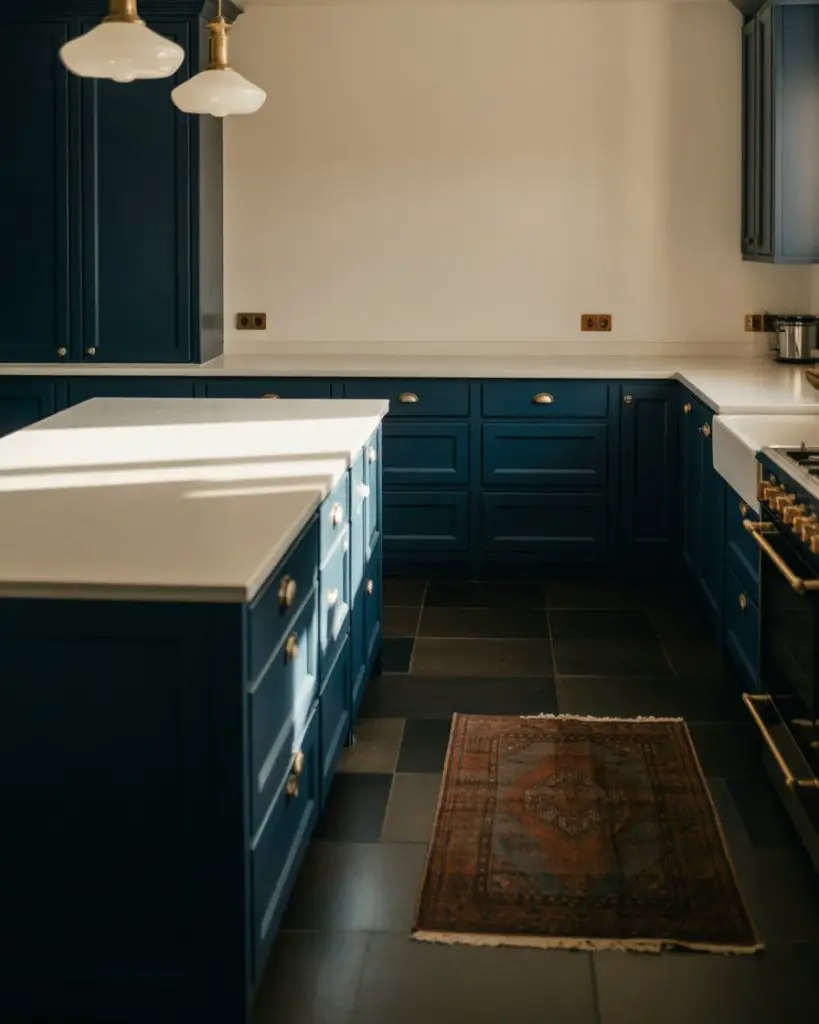
Slate tile offers rich, layered color and natural texture that brings depth to any kitchen. The stone’s characteristic striations and subtle sheen create visual interest without needing pattern or embellishment. Slate works beautifully in both rustic mountain homes and sleek contemporary spaces, depending on how it’s cut and finished. Its durability makes it a practical choice for high-traffic areas, and it’s naturally slip-resistant—a real advantage in a room where spills are inevitable. 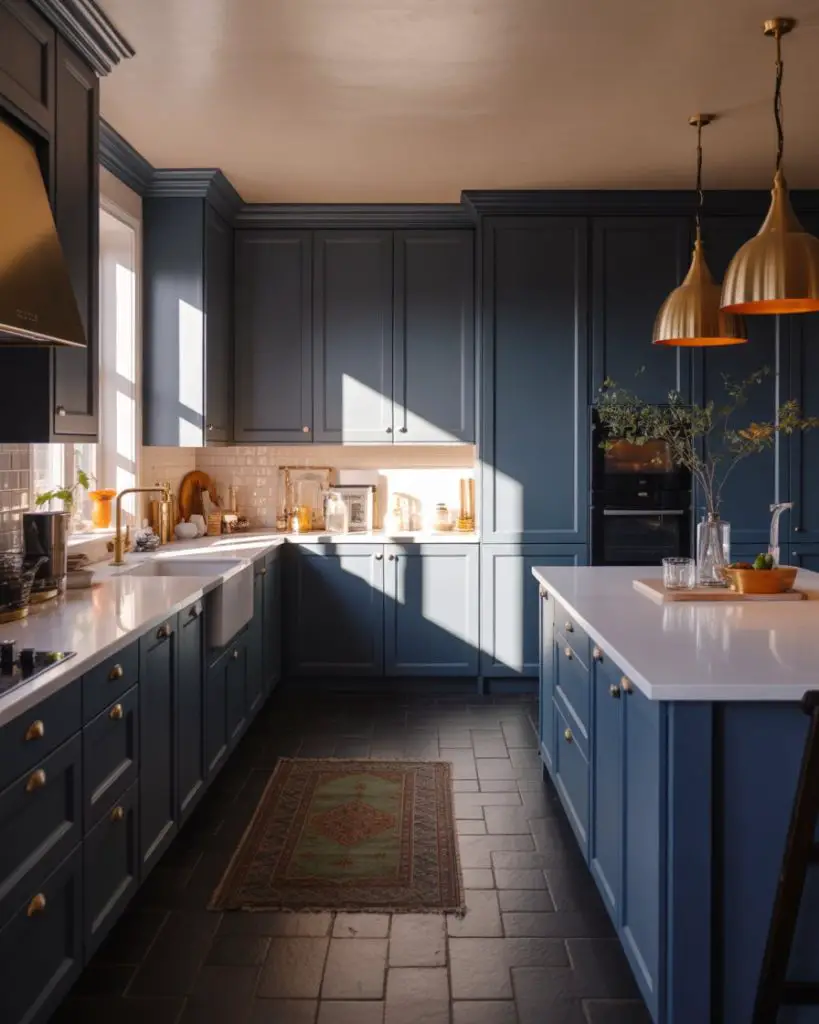
Slate performs best in homes where the aesthetic skews traditional or organic—it can feel out of place in ultra-modern spaces with lots of glossy surfaces. The stone does require sealing, but once treated, it’s low-maintenance and ages gracefully. Because slate tiles are often irregular in thickness, professional installation is recommended to ensure a level surface that won’t cause tripping hazards or uneven wear.
10. Graphic Tile Patterns for Personality
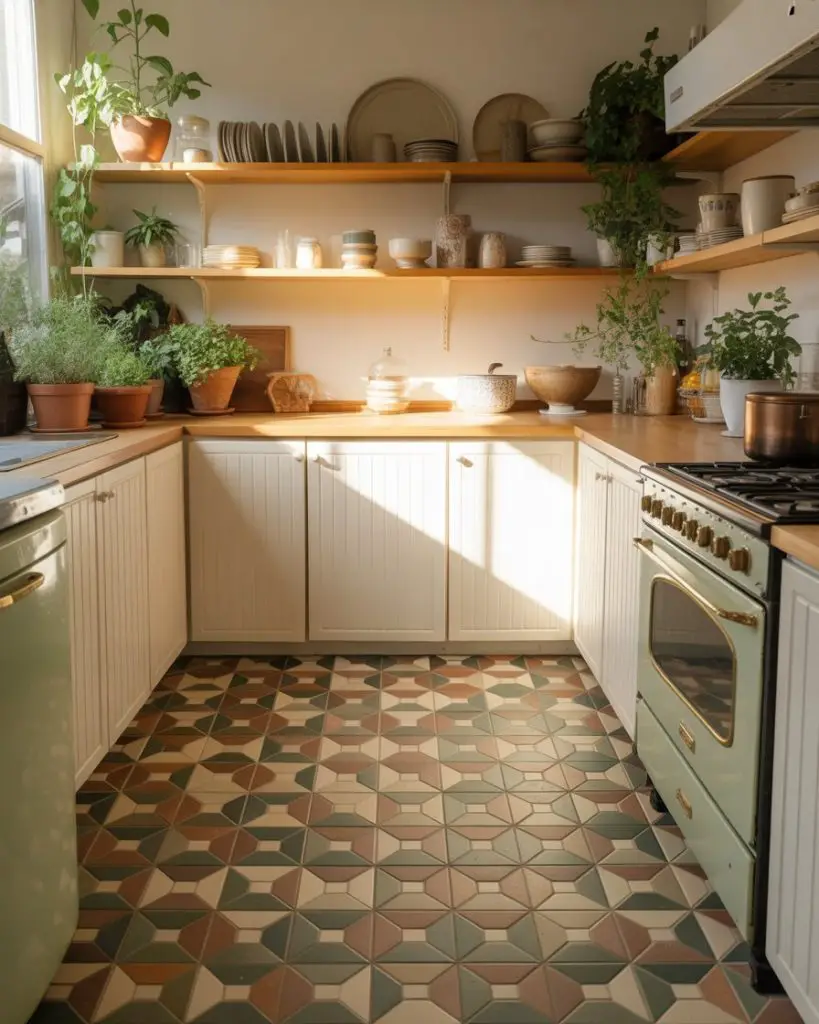
Bold tile patterns are having a major moment, from Moroccan-inspired geometrics to Art Deco motifs. These floors turn the kitchen into a focal point, often eliminating the need for a statement backsplash or artwork. Patterned tile works best in smaller kitchens or in designated zones—like in front of the sink or stove—where it won’t overwhelm the entire space. The key is balancing the busy floor with simpler elements elsewhere. 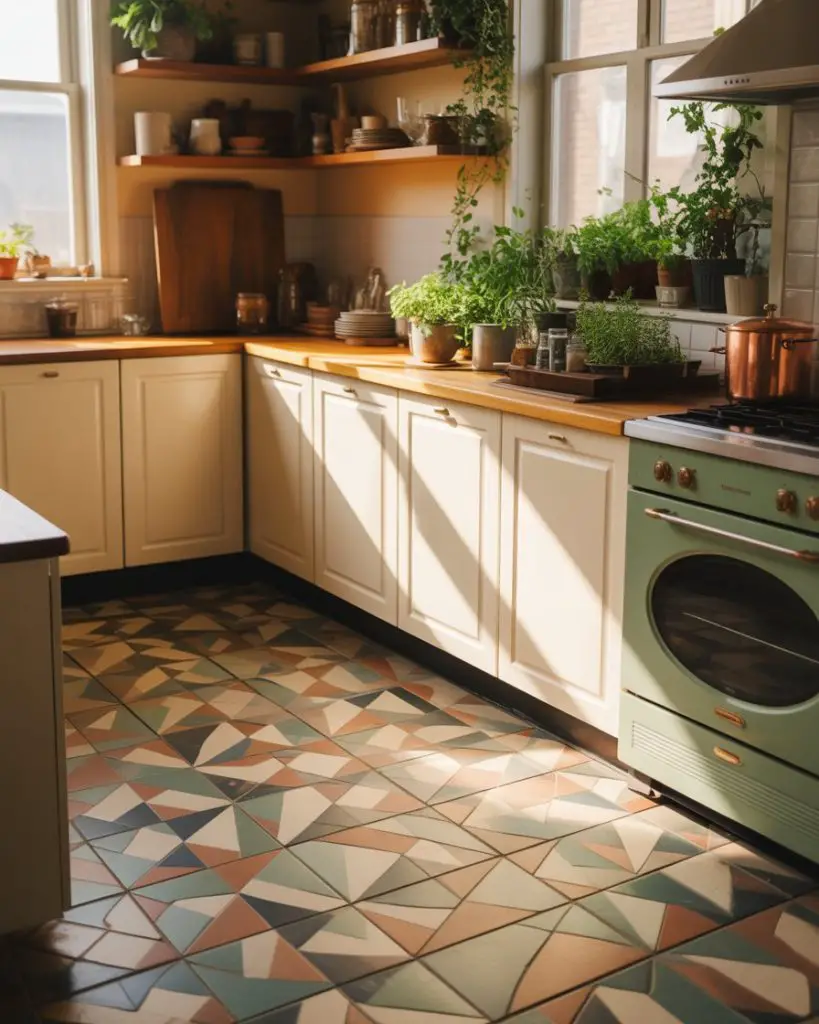
Where it works best: homes with strong architectural character or bohemian style. If your kitchen has a lot of cabinetry or built-ins, a patterned floor can feel too busy. Many homeowners use patterned tile as an accent—maybe in a breakfast nook or under a kitchen island—while keeping the rest of the floor neutral. This approach gives you the visual impact without the commitment of covering every square foot.
11. Easy Peel and Stick for Renters
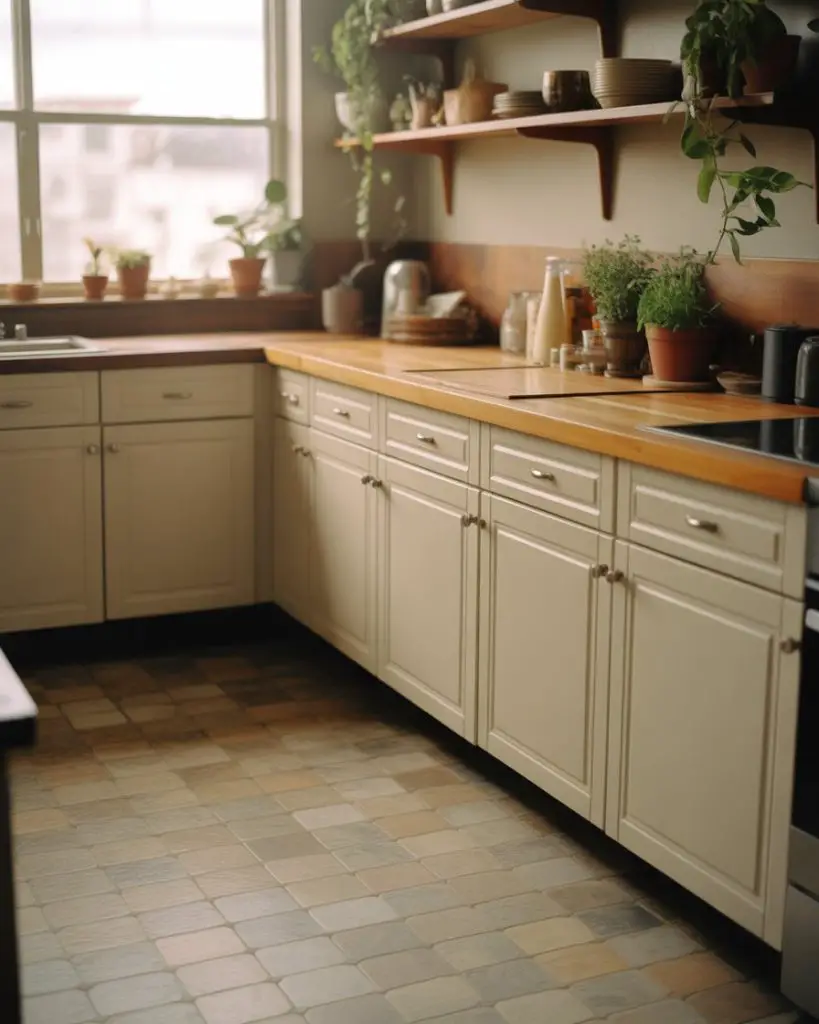
Peel and stick tile has evolved into a legitimate design solution, not just a temporary fix. Modern versions come in realistic stone, wood, and ceramic looks that adhere well and can last for years if applied correctly. This option is ideal for renters who want to personalize their space without losing a security deposit, or for homeowners testing out a bold choice before committing to permanent installation. 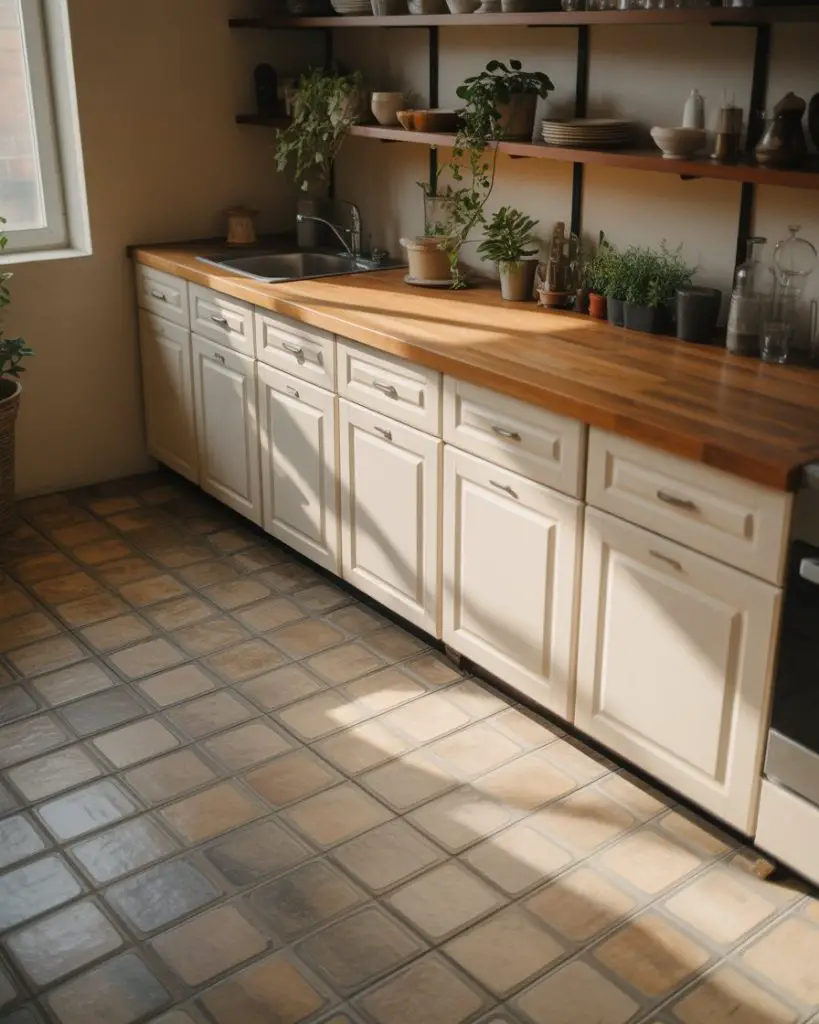
I’ve seen renters transform dated kitchens with peel-and-stick in a single weekend, and the results can be genuinely impressive. The trick is proper surface prep—clean, dry, and smooth is essential for good adhesion. While it won’t hold up to the same abuse as ceramic or porcelain, it’s a smart budget option that typically costs under $2 per square foot. Just be realistic about its lifespan and plan to replace it every few years.
12. Cool Grey Tile for Versatility
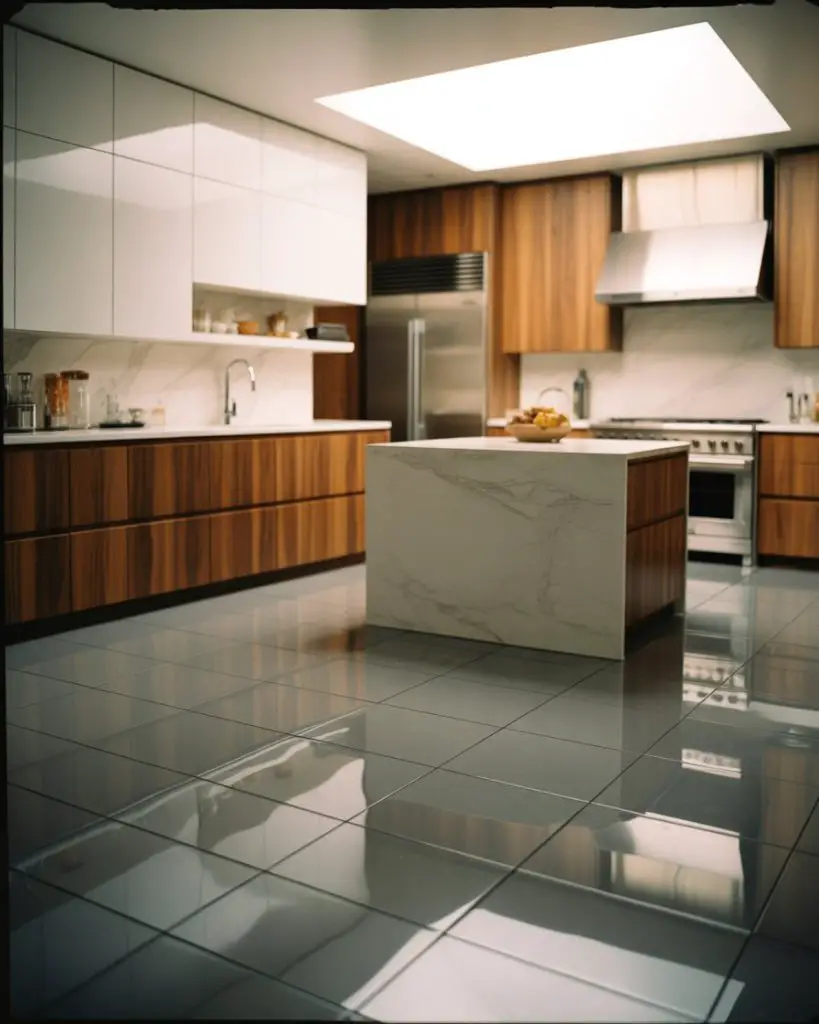
Grey tile is the ultimate neutral in 2026 kitchens, offering more depth than white and more warmth than stark black. Whether you choose large-format porcelain or small-scale mosaics, grey provides a sophisticated backdrop that works with nearly any design style. It’s especially popular in open-concept homes where the kitchen floor needs to transition seamlessly into adjacent living spaces. 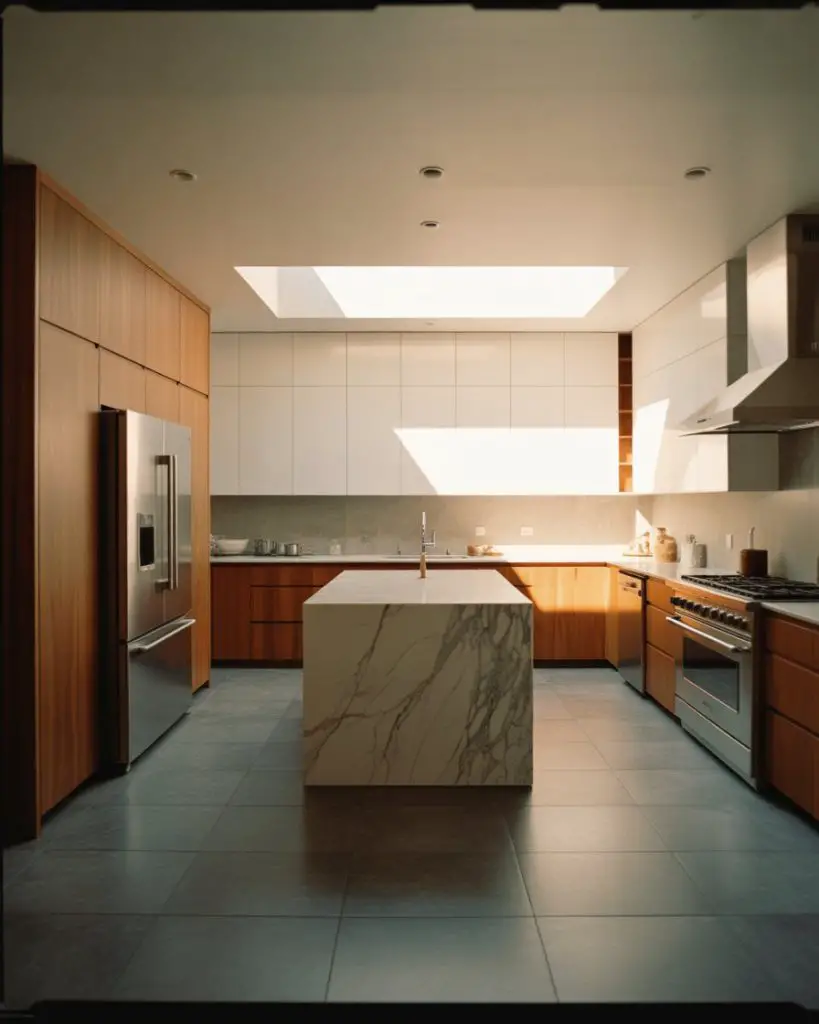
The beauty of grey is its flexibility—it complements both warm and cool color palettes, making it a safe choice if you like to change up your decor seasonally. Grey tile also hides dirt and water spots better than white, which means less daily maintenance. For a cohesive look, consider matching the grout color closely to the tile, or go with a slightly darker grout for subtle definition without harsh contrast.
13. Luxurious Travertine for Old-World Appeal
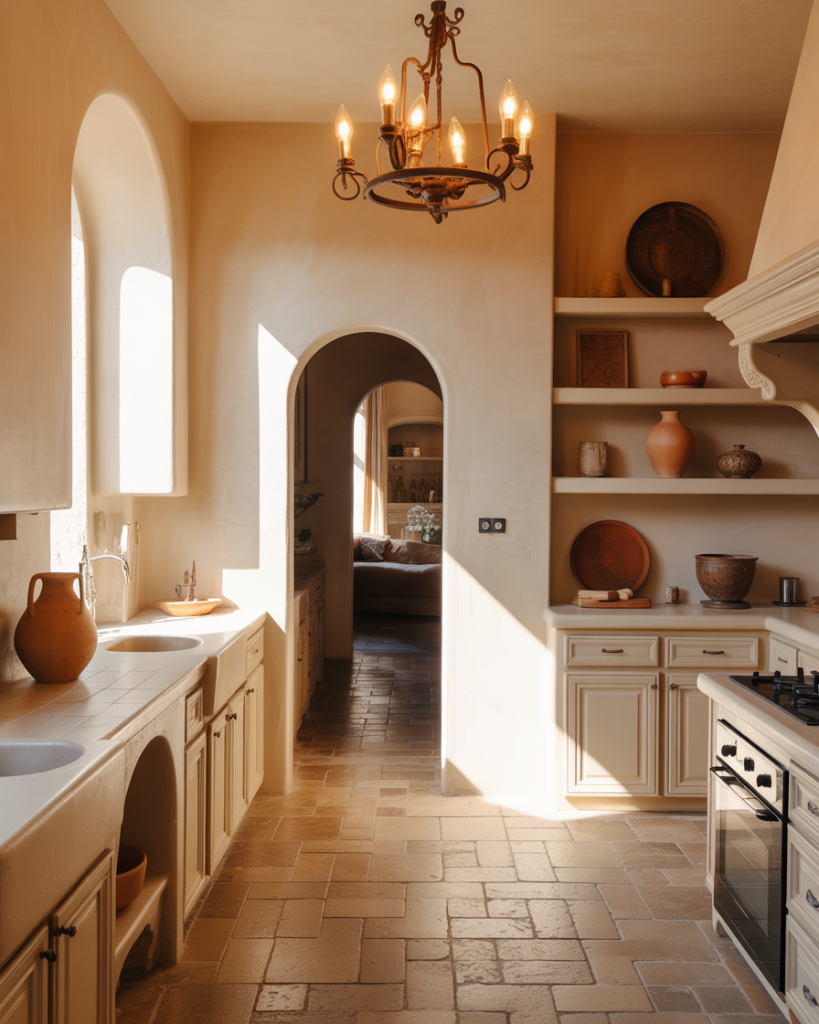
Travertine is a type of limestone that’s been used in architecture for centuries, and it brings an unmistakable old-world elegance to modern kitchens. The stone’s natural pitting and color variation give each tile a unique character, and its warm, earthy tones work beautifully in Tuscan, Mediterranean, or traditional American kitchens. Travertine feels substantial underfoot and improves with age, developing a soft patina that enhances its natural beauty. 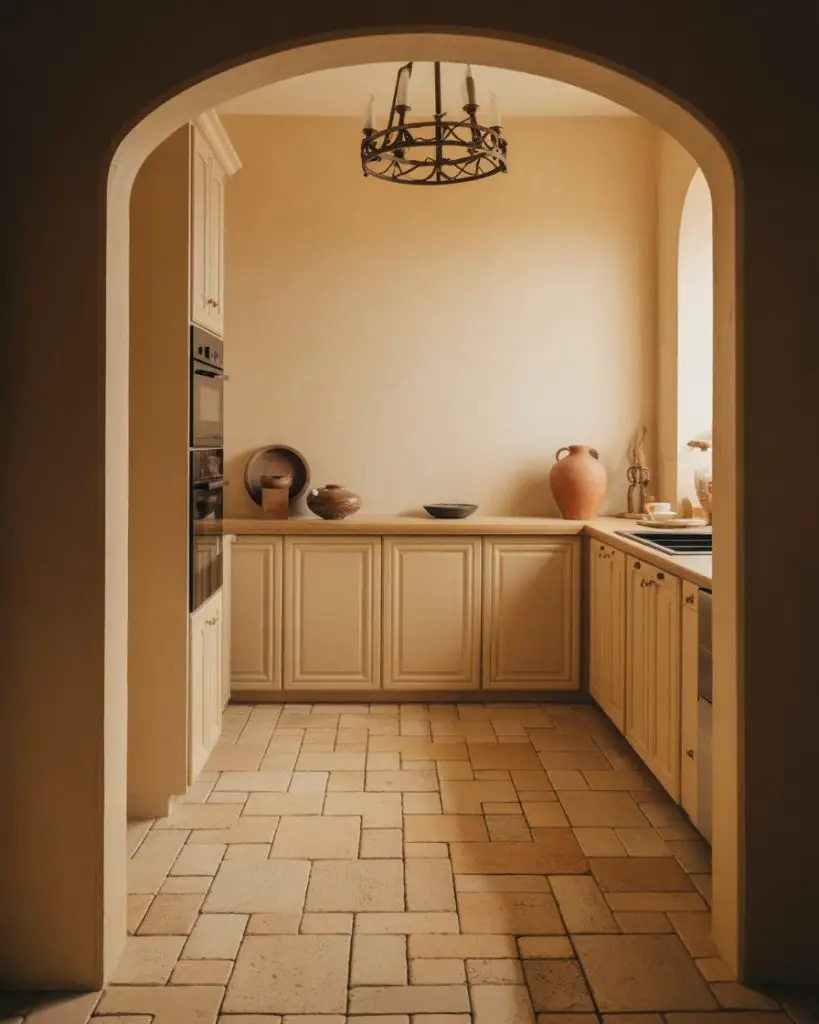
Travertine does require regular sealing to protect against stains and moisture, which is especially important in a kitchen environment. The stone is softer than granite or porcelain, so it can scratch or chip if heavy objects are dropped. That said, many homeowners love the lived-in quality travertine develops—the imperfections are part of its charm. Expect to invest more upfront, but you’re getting a floor with timeless appeal.
14. Functional Island Layout Planning
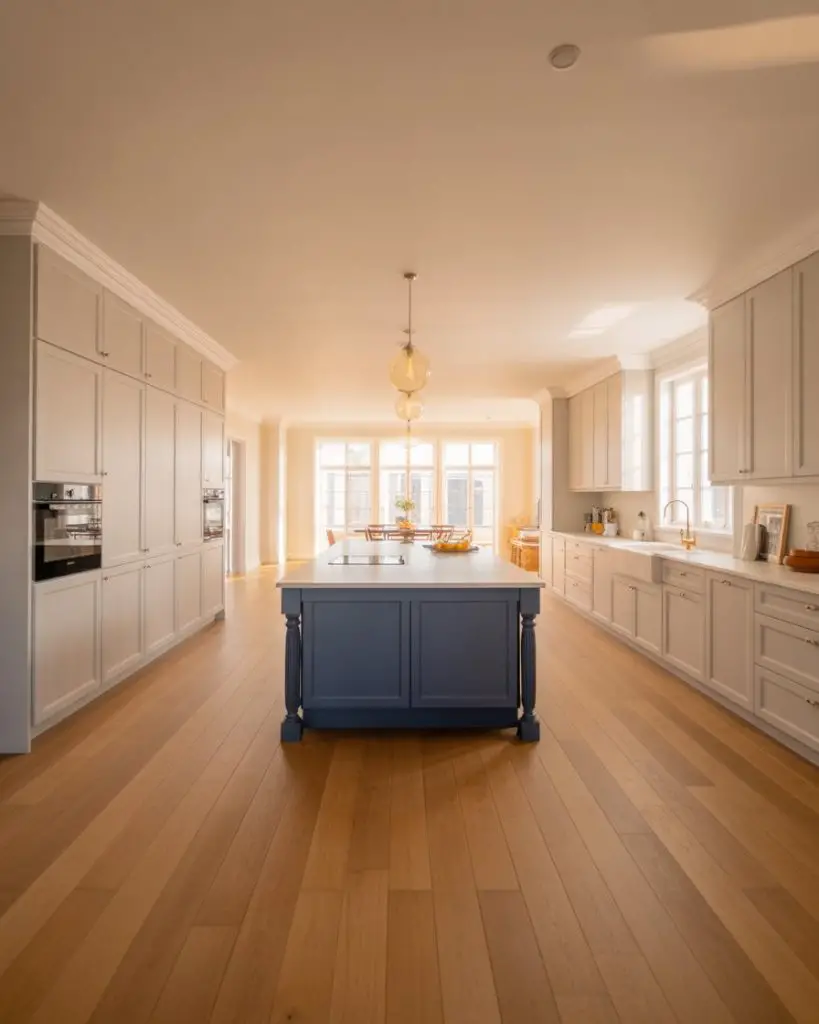
When designing plans with island layout, your floor choice can actually influence traffic flow and functionality. A continuous floor material helps the kitchen feel open and expansive, while using different flooring to zone the island area can define the workspace without walls. Concrete or large-format tile works especially well in these scenarios, minimizing grout lines and creating a clean, uninterrupted surface. 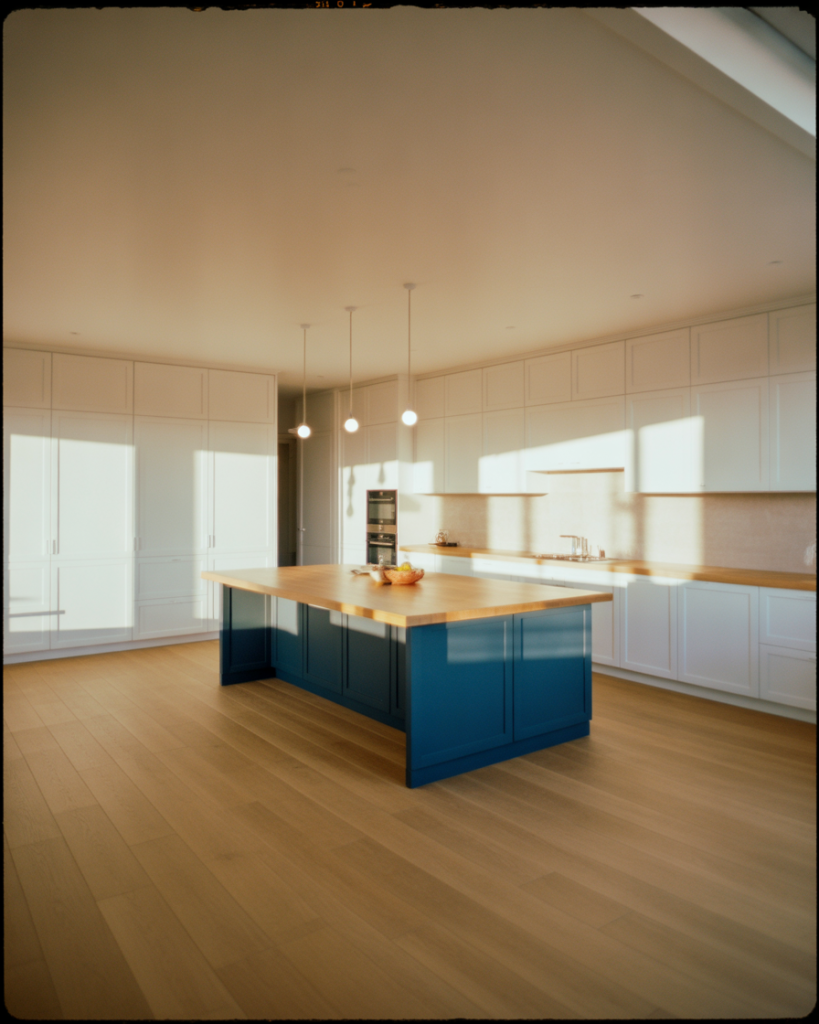
In homes where the kitchen island serves as a gathering spot—breakfast bar, homework station, cocktail prep—durable flooring is essential. Experts recommend thinking about the kitchen as a series of work zones: the island is often the hub, so the floor around it takes the most abuse. Choose materials that can handle dropped utensils, spills, and constant foot traffic without showing wear. This is where investing in quality pays off over time.

15. High-Gloss Epoxy for Modern Shine
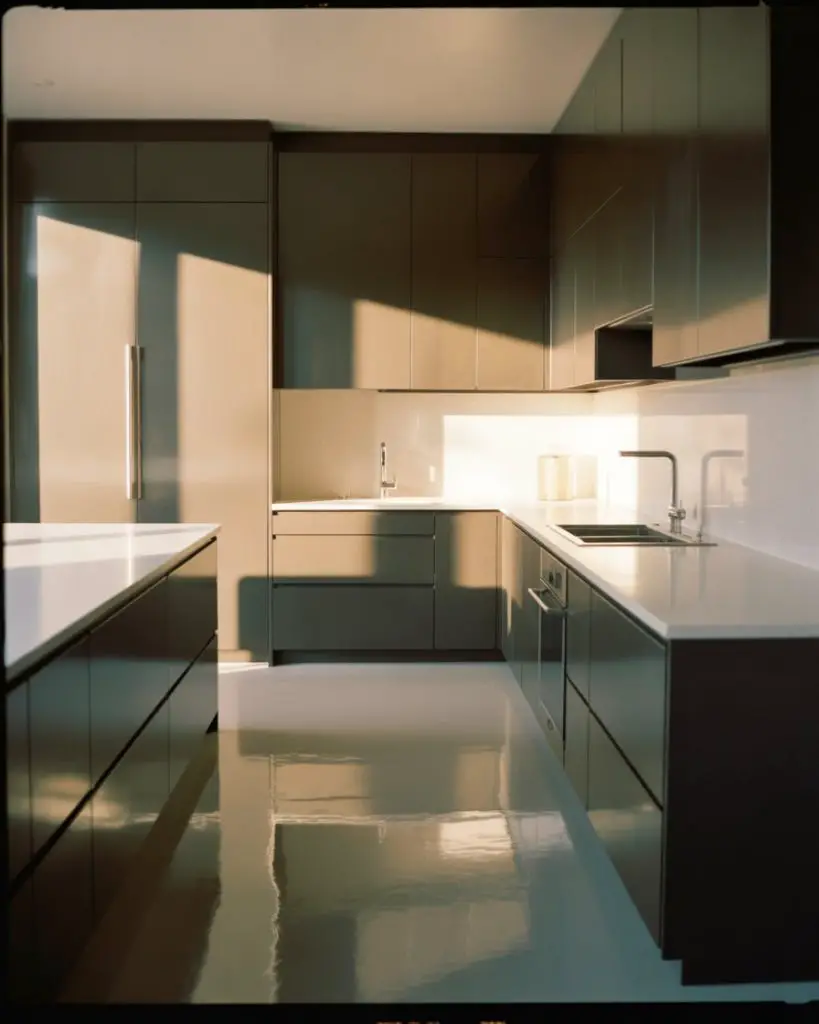
Epoxy flooring isn’t just for garages anymore—it’s making its way into high-design kitchens as a seamless, ultra-modern option. The resin-based material can be tinted any color, embedded with decorative flakes, or even made to look like polished marble. Epoxy is waterproof, stain-resistant, and incredibly durable, making it a practical choice for messy cooks or families with pets. 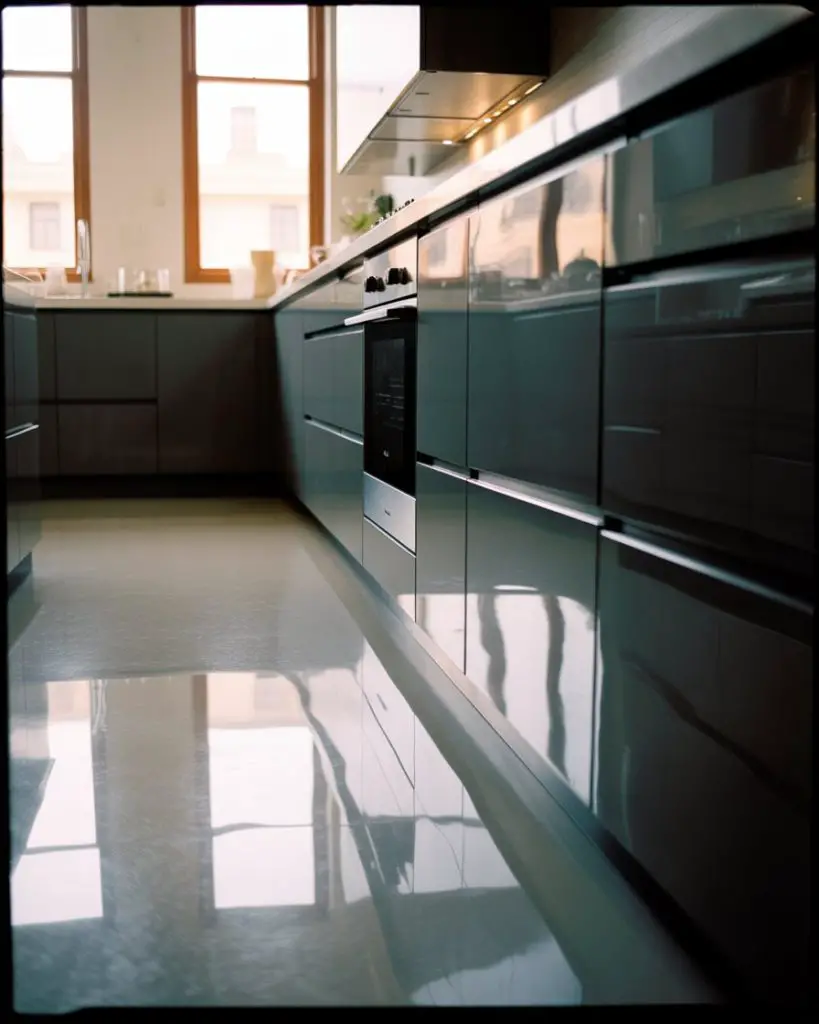
A common mistake with epoxy is choosing a finish that’s too glossy—it can feel slippery and show every fingerprint or scuff. A satin or semi-gloss finish offers durability without the constant upkeep. Installation does require professional expertise to get a smooth, bubble-free surface, but once cured, epoxy is one of the lowest-maintenance floors available. It’s particularly popular in coastal areas where saltwater and humidity would damage traditional wood or tile.
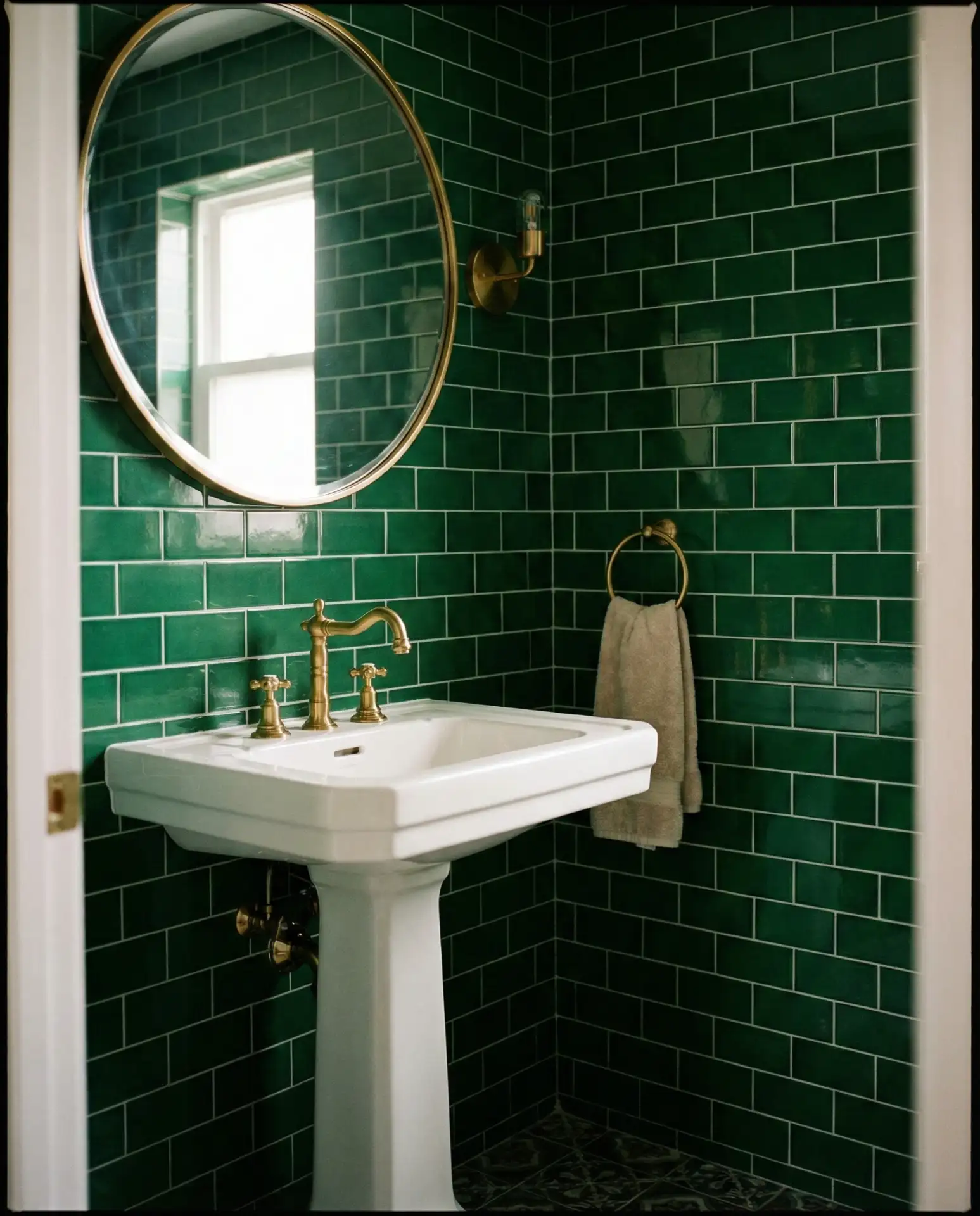
16. Fresh Green Tile for Botanical Vibes
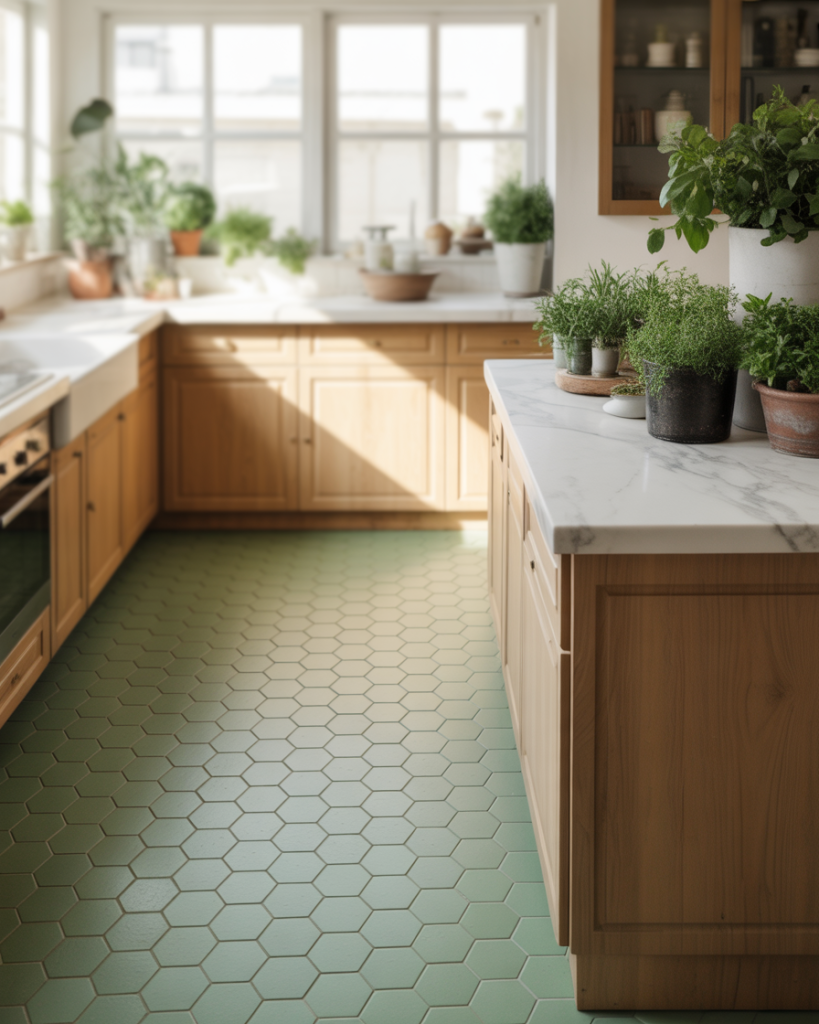
Green tile is the unexpected choice that’s gaining traction in 2026, especially among homeowners looking to bring more color into their kitchens. From soft sage to deep forest, green flooring adds a botanical, calming quality that pairs beautifully with natural wood and brass accents. It’s a sophisticated alternative to the usual neutrals and works particularly well in kitchens with lots of natural light or views of the outdoors. 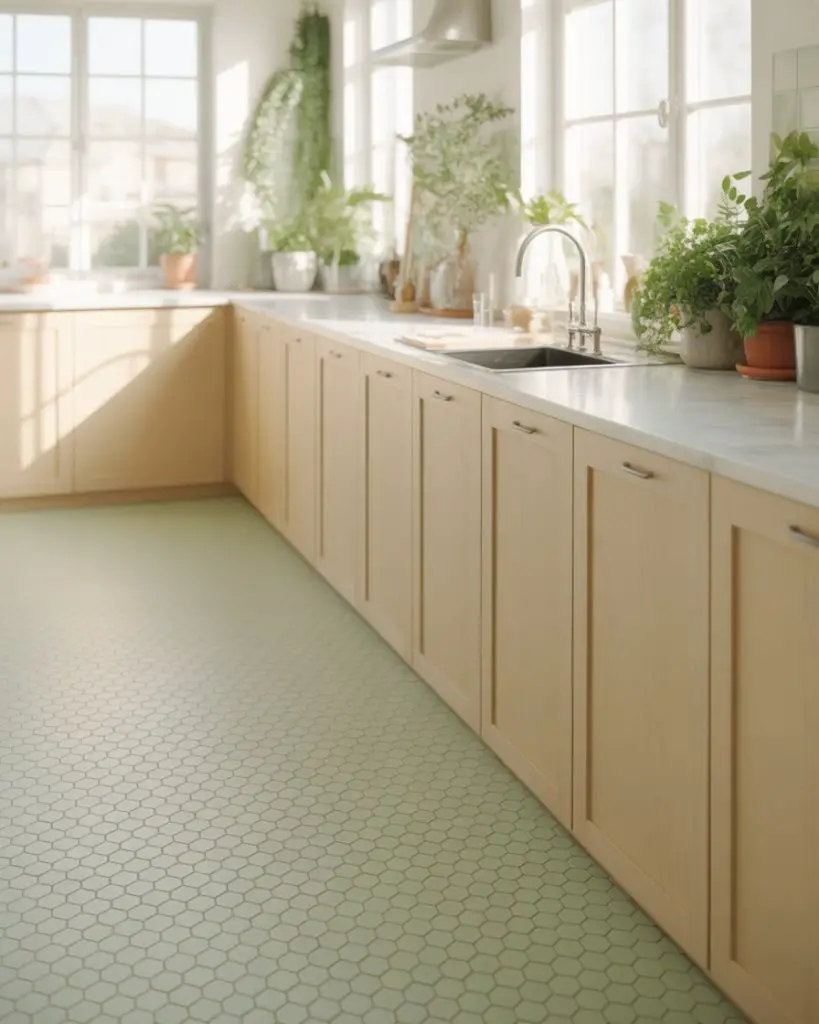
Green floors work best in kitchens where the overall palette is kept fairly neutral—too many competing colors can make the space feel chaotic. This choice is especially popular in the Pacific Northwest and New England, where homeowners tend to embrace nature-inspired interiors. If you’re nervous about committing to color, consider using green tile in a smaller area, like a mudroom or butler’s pantry, to test the look before going all in.
17. Retro Penny Tile in Classic Black and White
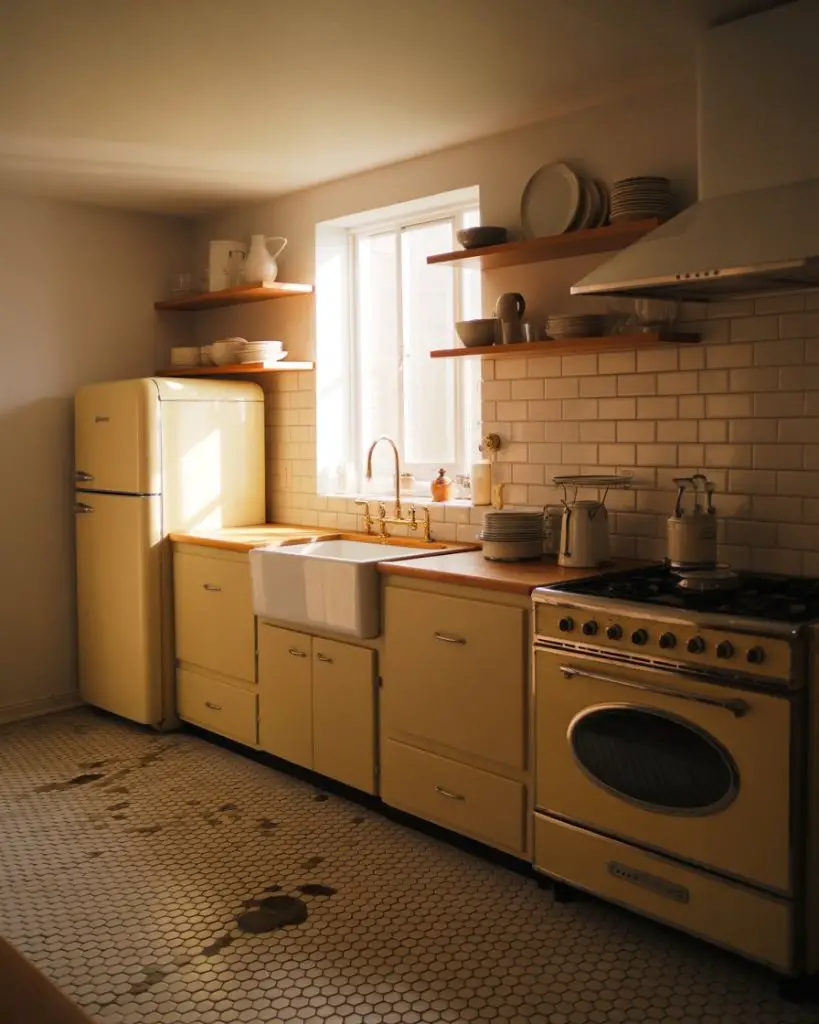
Penny tile brings a nostalgic, vintage charm that feels fresh again in modern kitchens. The small, round tiles create a textured surface that’s visually interesting without being overly patterned. Black and white penny tile is the classic choice, but you can also find versions in soft pastels, metallics, or even ombre gradients for a more contemporary twist. 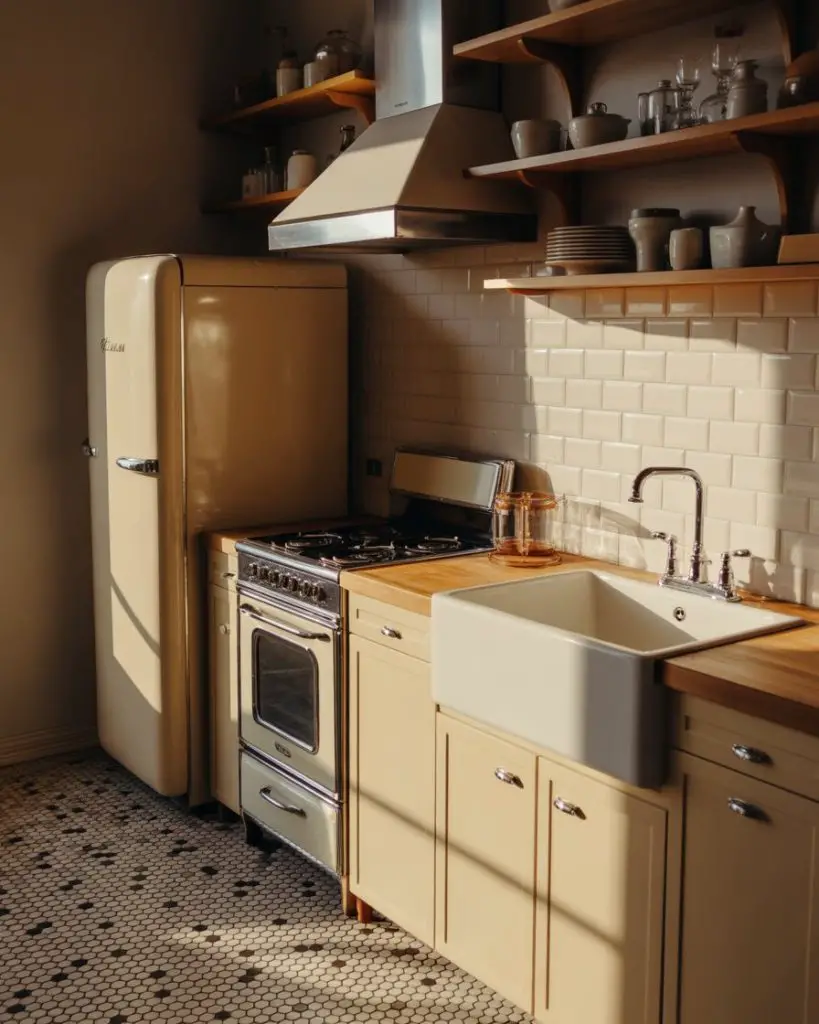
Where it works best: smaller kitchens or breakfast nooks where the scale of the tile won’t feel too busy. The abundance of grout lines does mean more cleaning, but many homeowners find the trade-off worth it for the character penny tile provides. It’s also a great way to nod to a home’s original era—especially in bungalows or cottages built in the early 20th century—while still feeling current and intentional.
18. Practical Kitchen Mats for Comfort
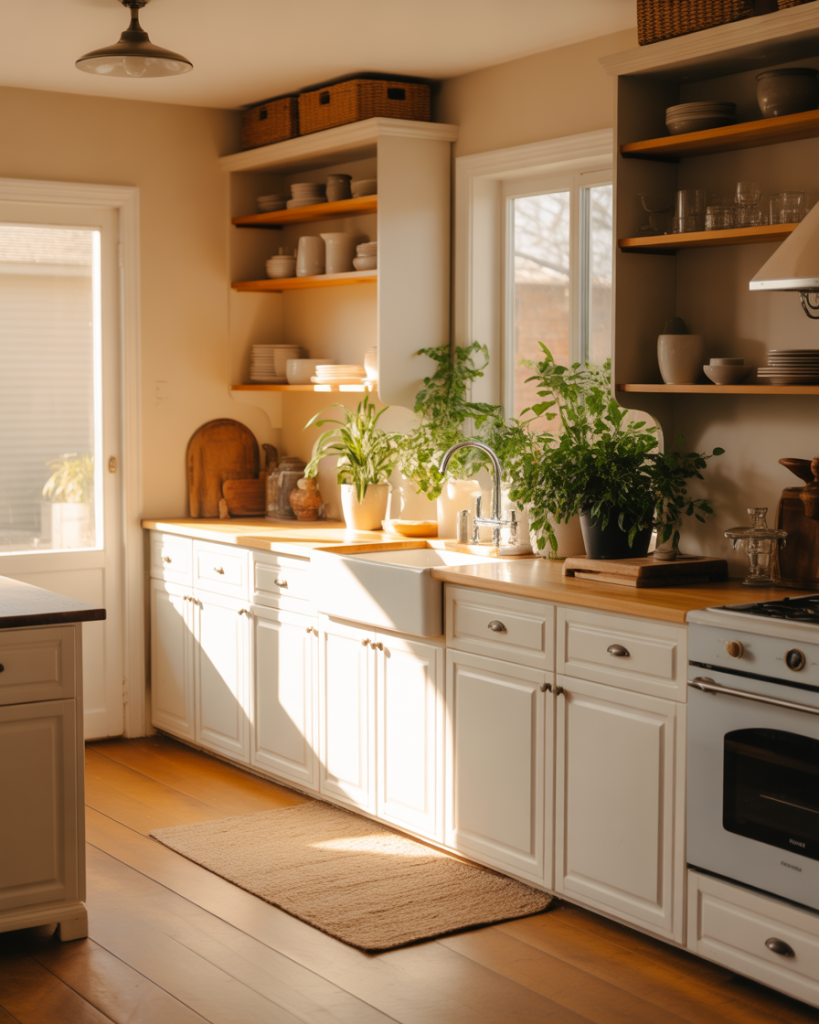
Even the most beautiful floor benefits from strategically placed mats in high-use areas. Anti-fatigue mats in front of the sink or stove reduce strain on your legs and back during long cooking sessions, while decorative runners can add color and protect high-traffic zones. The key is choosing mats that complement your floor rather than clashing with it—neutral tones work almost anywhere, while patterned mats can echo colors from your backsplash or cabinetry. 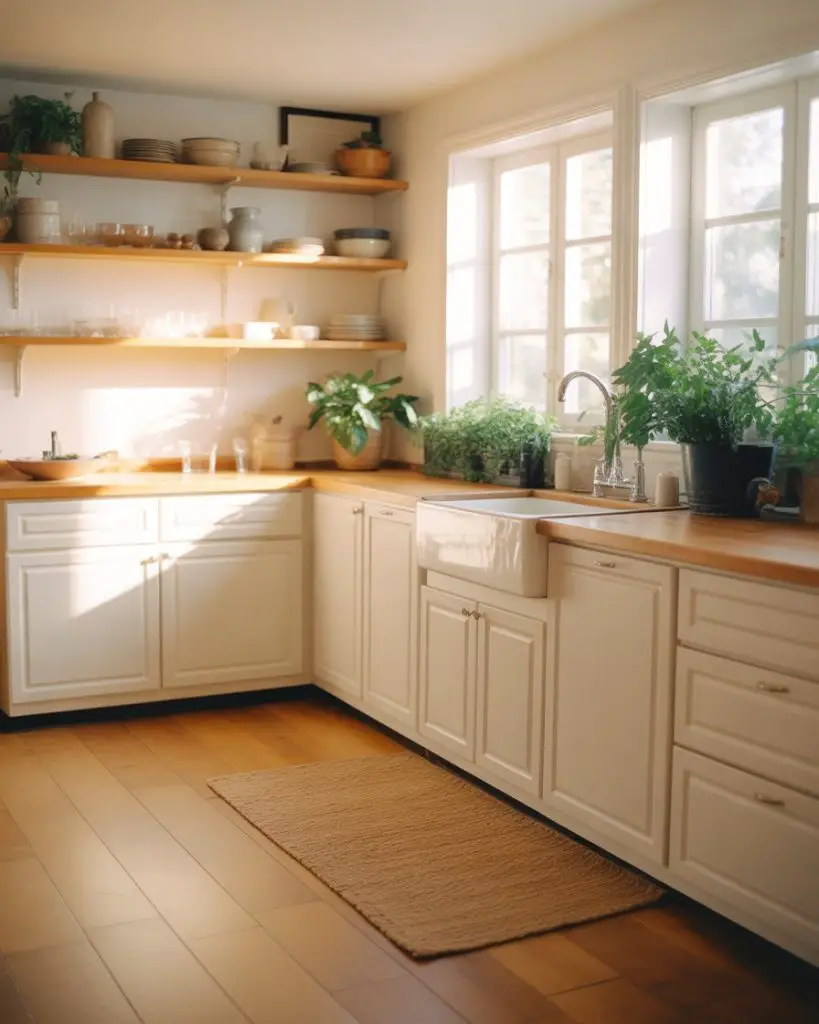
Real homeowners often overlook the practical benefits of kitchen mats, focusing only on aesthetics. A good mat can extend the life of your flooring by protecting it from spills, dropped objects, and constant foot traffic. Look for mats with non-slip backing and low-profile edges to prevent tripping. Washable options are ideal for kitchens, where spills and splatters are a daily reality. Rotate them regularly to prevent uneven wear on the floor beneath.
19. Crisp White Tile for Bright Spaces
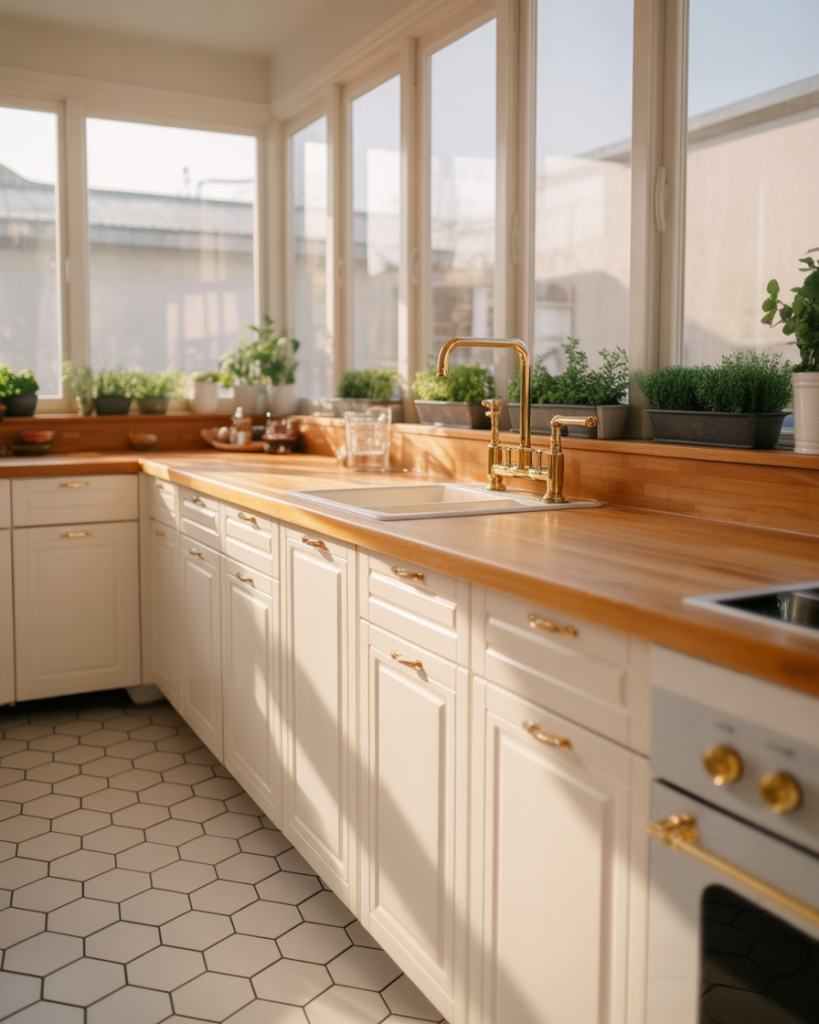
White tile creates a clean, airy foundation that makes kitchens feel larger and brighter. Whether you choose glossy subway-style rectangles or matte hexagons, white flooring reflects light beautifully and pairs with virtually any cabinet color or countertop material. It’s a timeless choice that won’t date your kitchen, which is especially appealing if you’re planning to sell in the next few years. 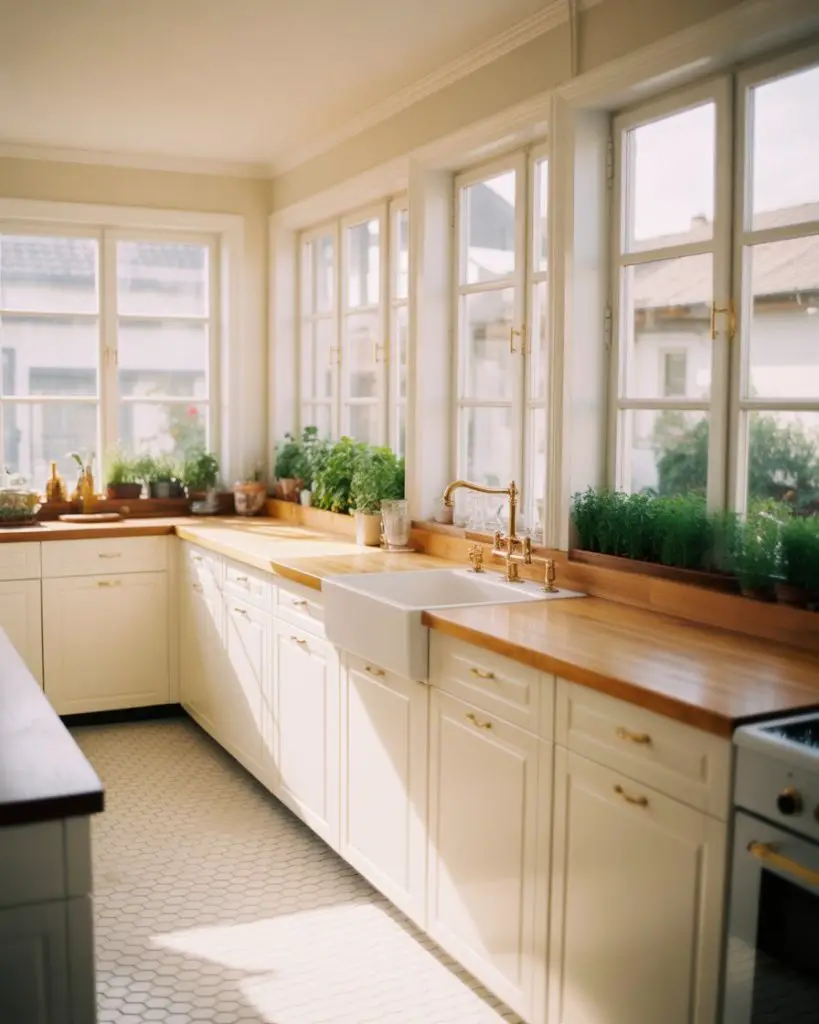
The challenge with white floors is maintenance—they show dirt, scuffs, and spills more readily than darker options. Choosing a textured or matte finish helps hide imperfections, and opting for slightly off-white or cream tones can be more forgiving than pure white. Many homeowners find that the bright, clean look is worth the extra effort, especially in smaller kitchens where light-colored floors make a noticeable difference in how spacious the room feels.
20. Warm Beige Tile for Subtle Elegance
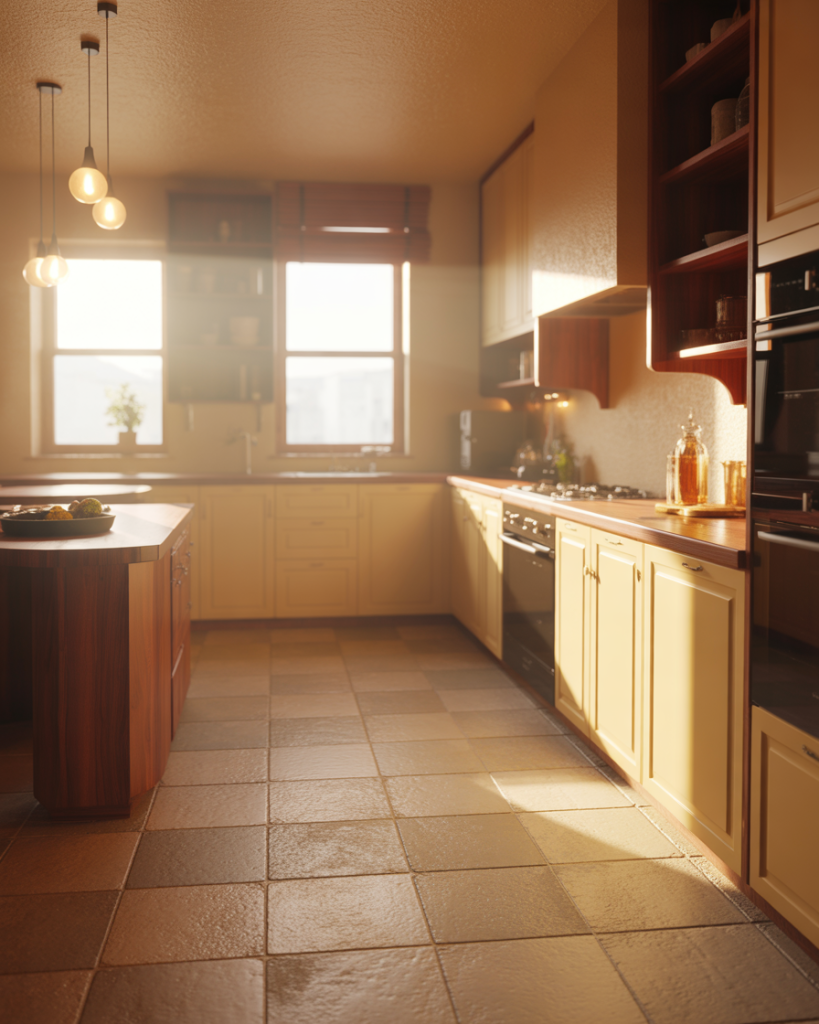
Beige tile is making a quiet comeback as homeowners move away from stark white and cool grays. The warm, neutral tones create a cozy, inviting atmosphere that feels grounded and timeless. Beige works particularly well in traditional and transitional kitchens, where it complements wood cabinetry and natural stone countertops without competing for attention. 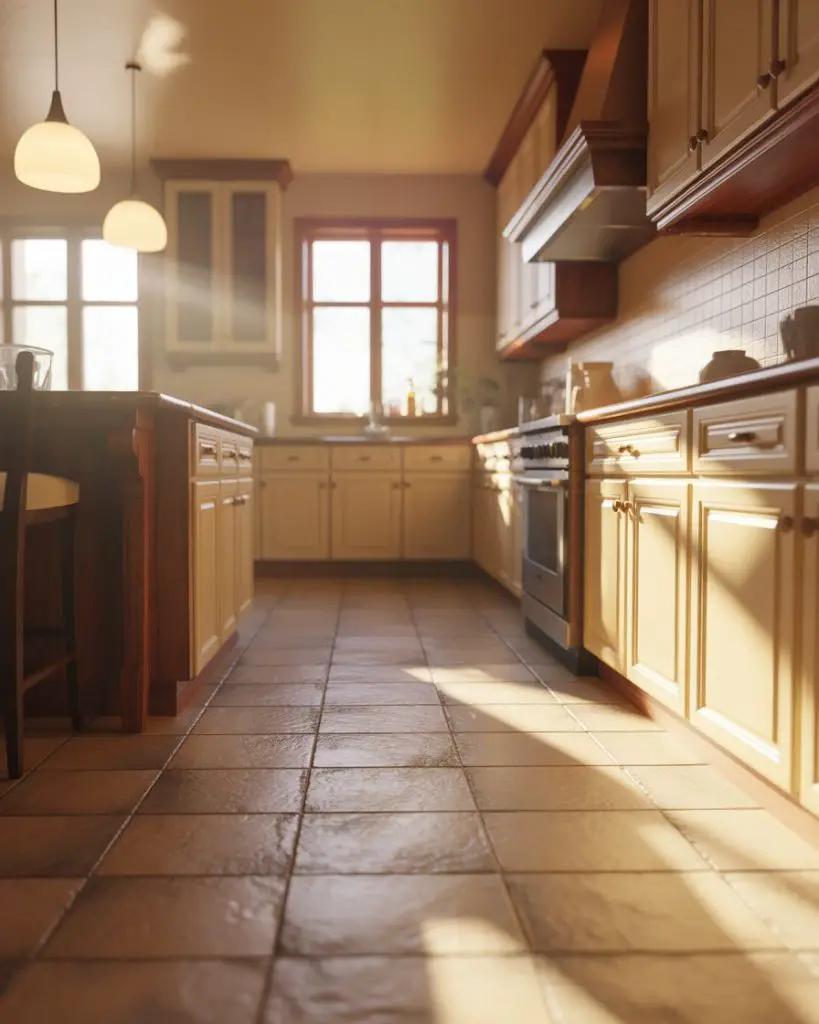
In the Midwest and Southern states, beige flooring remains a regional favorite—it suits the climate and aesthetic preferences of homeowners who prioritize comfort and warmth. Beige tile is also incredibly versatile, working with both modern and classic design schemes. If you’re worried about it feeling dated, choose large-format tiles and minimal grout lines for a more contemporary look. Pair with crisp white trim and updated hardware to keep the overall feel fresh.
21. Rustic Dark Wood for Cozy Warmth
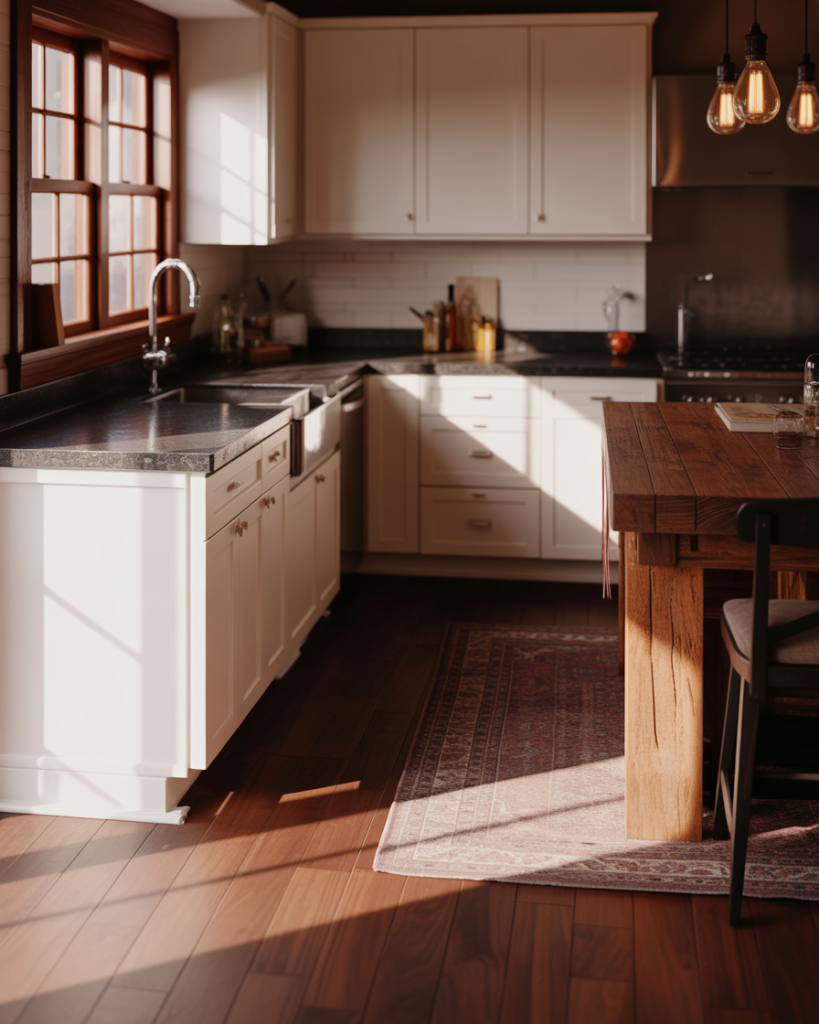
Dark wood flooring brings richness and depth to kitchens, creating a cozy, intimate atmosphere that’s perfect for homes in colder climates. Whether you choose solid hardwood or engineered planks, dark floors provide a dramatic contrast to white or light-colored cabinetry. The wood’s natural grain and variation add texture and visual interest, making the kitchen feel more like a living space than a purely functional room. 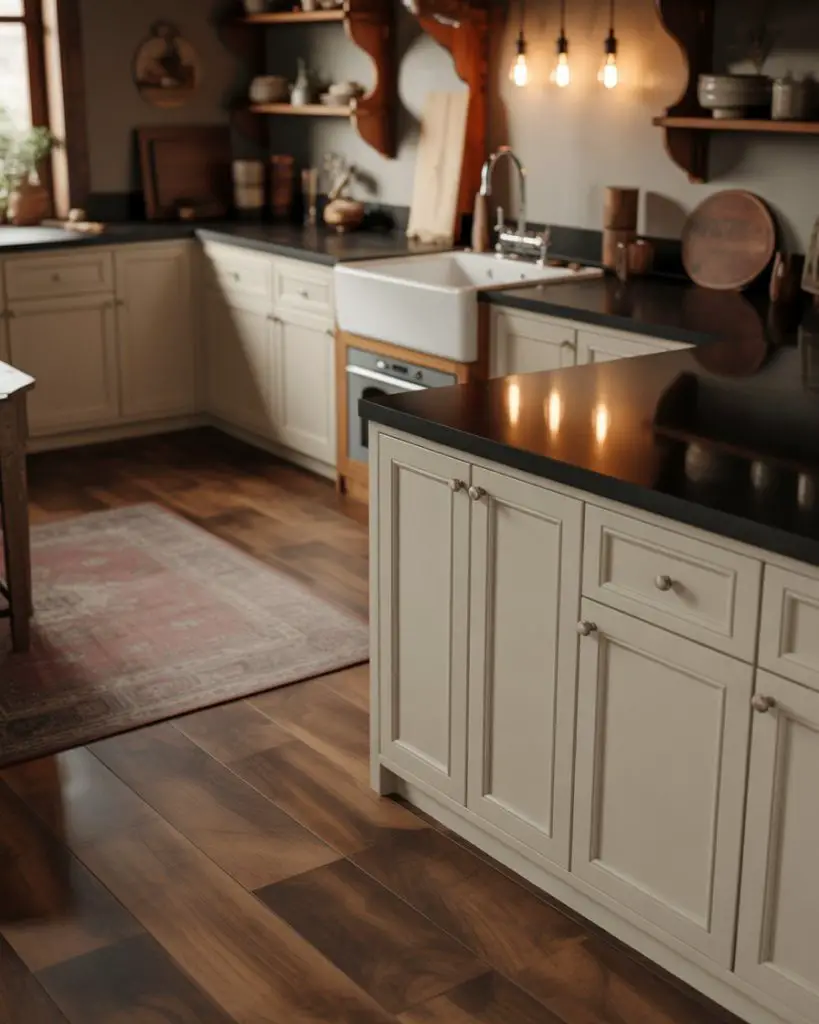
Dark wood does show dust and scratches more visibly than lighter finishes, so it requires regular sweeping and occasional refinishing to maintain its beauty. It’s also important to manage moisture carefully—standing water can damage wood floors, so spills should be wiped up promptly. That said, the warmth and character dark wood brings to a kitchen is unmatched, and many homeowners consider it worth the extra care. Choose a matte or hand-scraped finish to minimize the appearance of wear over time.
Conclusion
Which of these kitchen floor ideas speaks to your style? Whether you’re planning a full renovation or just dreaming about future projects, we’d love to hear what’s inspiring you. Drop a comment below and share your favorite look—or tell us about your own kitchen floor journey. Let’s keep the conversation going!