Loft beds have evolved far beyond the dorm room staple they once were. In 2026, they’re one of the smartest ways to maximize vertical space in everything from studio apartments and attic bedrooms to kids’ rooms and RVs. Americans searching Pinterest for loft bed inspiration are looking for multifunctional design that feels intentional, not makeshift—beds that incorporate storage, work zones, and cozy nooks underneath. Whether you’re working with a low ceiling, craving an aesthetic upgrade, or trying to carve out a gaming station in a small bedroom, the right loft bed can transform how you live. Here are fresh, functional loft bed ideas that blend style with serious space-saving smarts.
1. Minimalist Metal Loft for Small Rooms
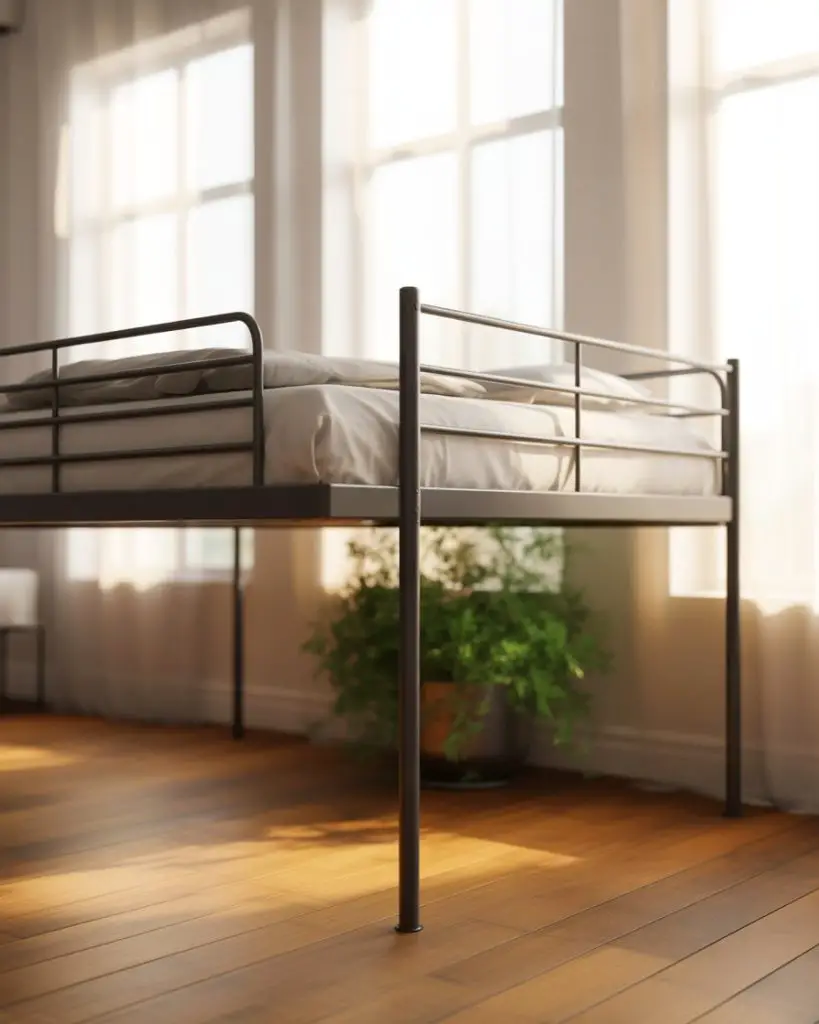
A sleek metal frame loft bed is ideal for small rooms where every inch counts. The open structure keeps sightlines clear, preventing the space from feeling cramped. Pair it with a simple ladder and neutral bedding to maintain an airy, aesthetic vibe that works in studio apartments or compact bedrooms. The beauty of metal is its durability and visual lightness—perfect for renters who want something sturdy but not visually heavy. 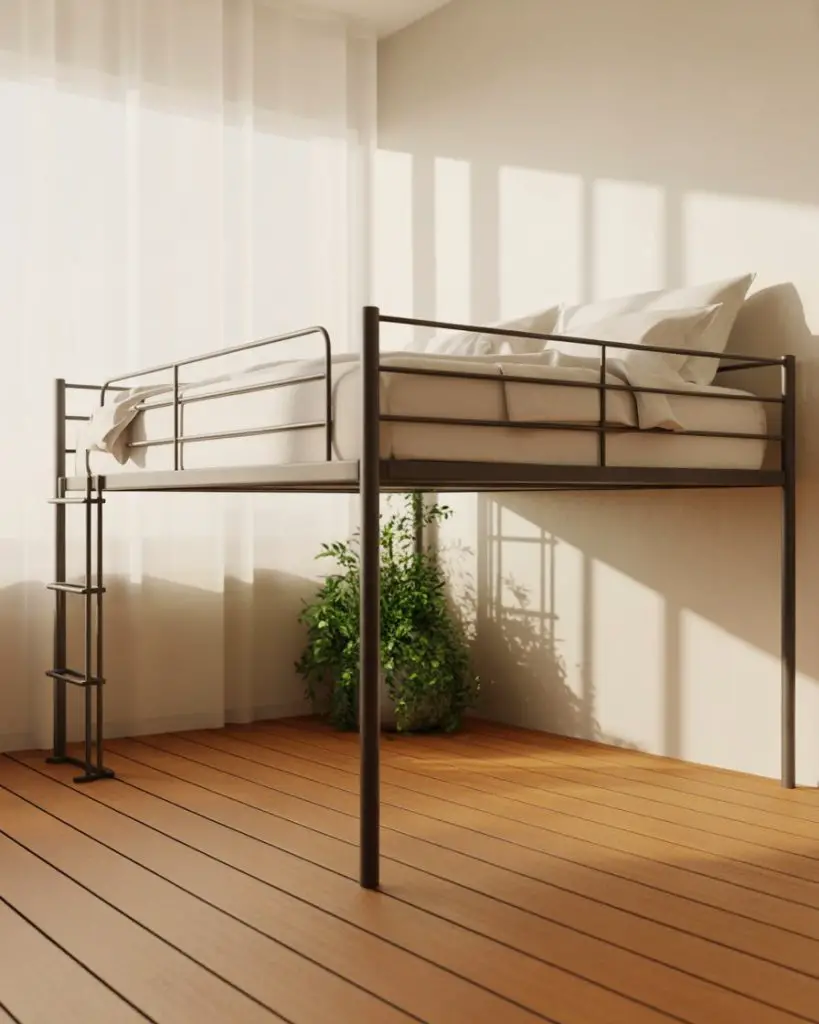
This setup works best in urban apartments where floor space is at a premium. The area underneath can serve as a reading nook, a small desk, or even open storage with rolling bins. One common mistake is choosing a frame that’s too tall for low ceilings—measure twice, and leave at least three feet of clearance above the mattress to avoid that claustrophobic feel.
2. IKEA Vitval Hack for Teen Rooms
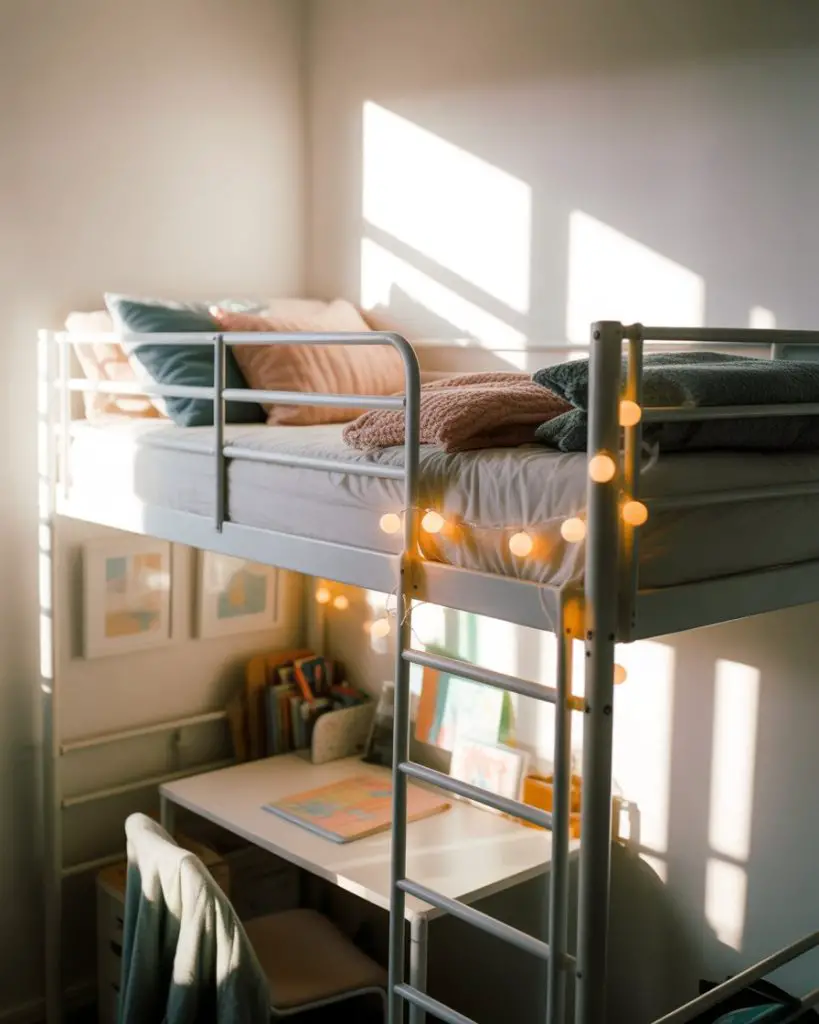
The IKEA Vitval has become a favorite among parents and teenagers alike for its affordability and clean lines. This metal loft bed is often hacked with custom paint, fairy lights, or curtains to create a private retreat. It’s especially popular in suburban homes where teens want a space that feels distinctly theirs without a full bedroom remodel. 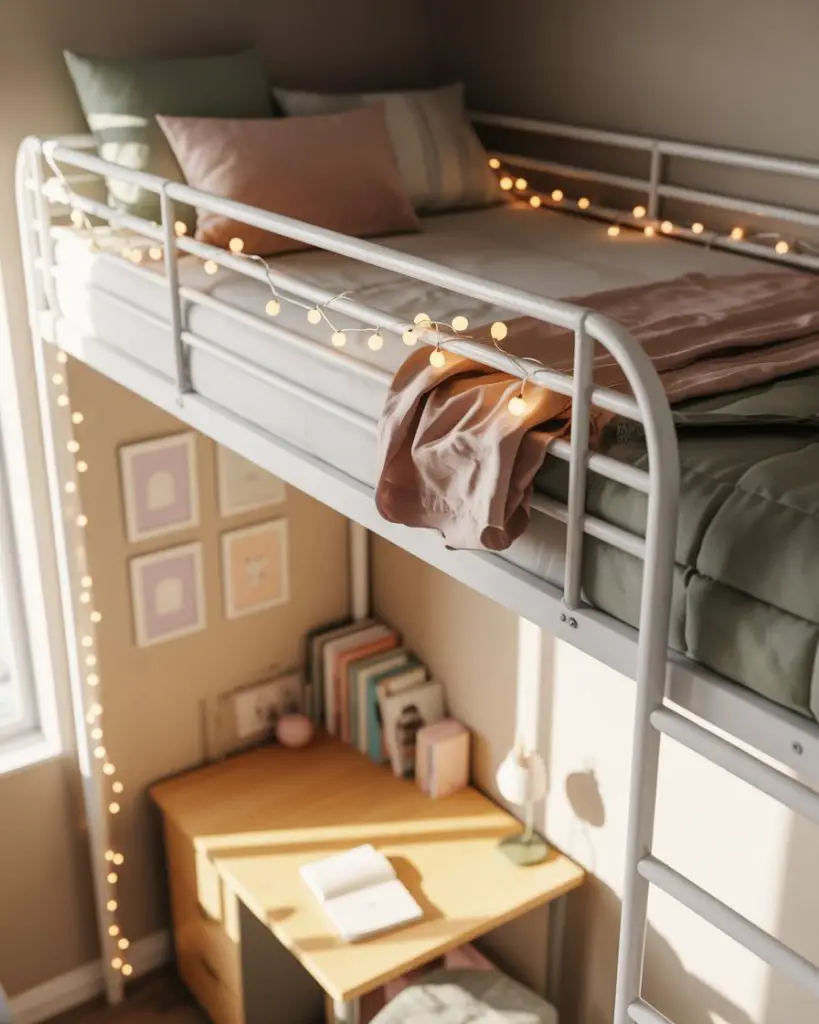
A practical insight: the Vittsjö’s simple frame makes it easy to add personal touches. String LED strips along the underside, hang a tapestry, or add a small rug below to define the workspace. It’s a budget-friendly way to give a teenager a sense of independence and style without breaking the bank—most setups stay under $400, including accessories.
3. Built-In Loft Bed with Custom Storage

A built-in loft bed transforms wasted vertical space into a design feature. Custom carpentry allows you to integrate shelving, drawers, and even a desk into the structure itself. This approach is especially popular in renovated attics, tiny homes, and city condos where off-the-shelf furniture doesn’t fit the footprint. The result feels intentional and high-end. 
Where it works best: homes with angled ceilings or awkward nooks that standard furniture can’t accommodate. A built-in loft maximizes every square foot and increases resale value by making a challenging space feel polished and functional. Expect costs to start around $2,000 for professional installation, but the payoff in usability is significant.
4. Cozy Reading Nook Under a Low Loft
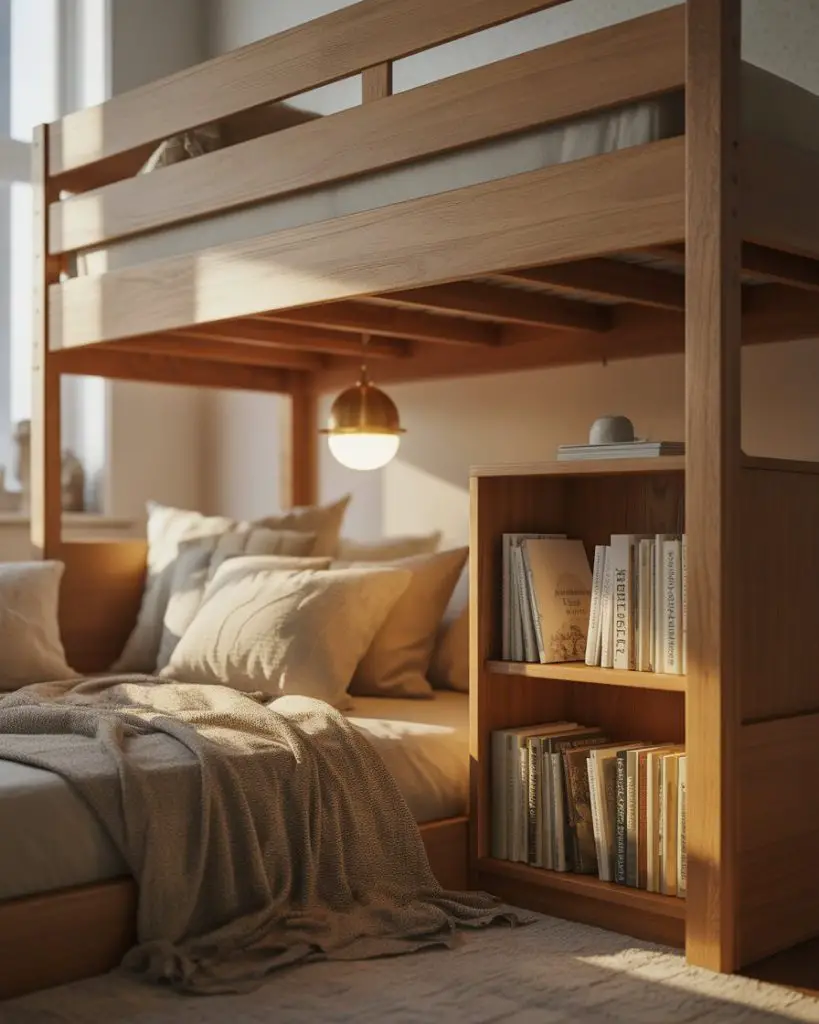
For small rooms with low ceilings, a low loft bed creates just enough height to tuck a cozy under-reading spot without feeling cramped. Think floor cushions, a small bookshelf, and soft lighting. This setup is perfect for older kids or adults who want a designated chill zone but don’t need a full desk underneath. 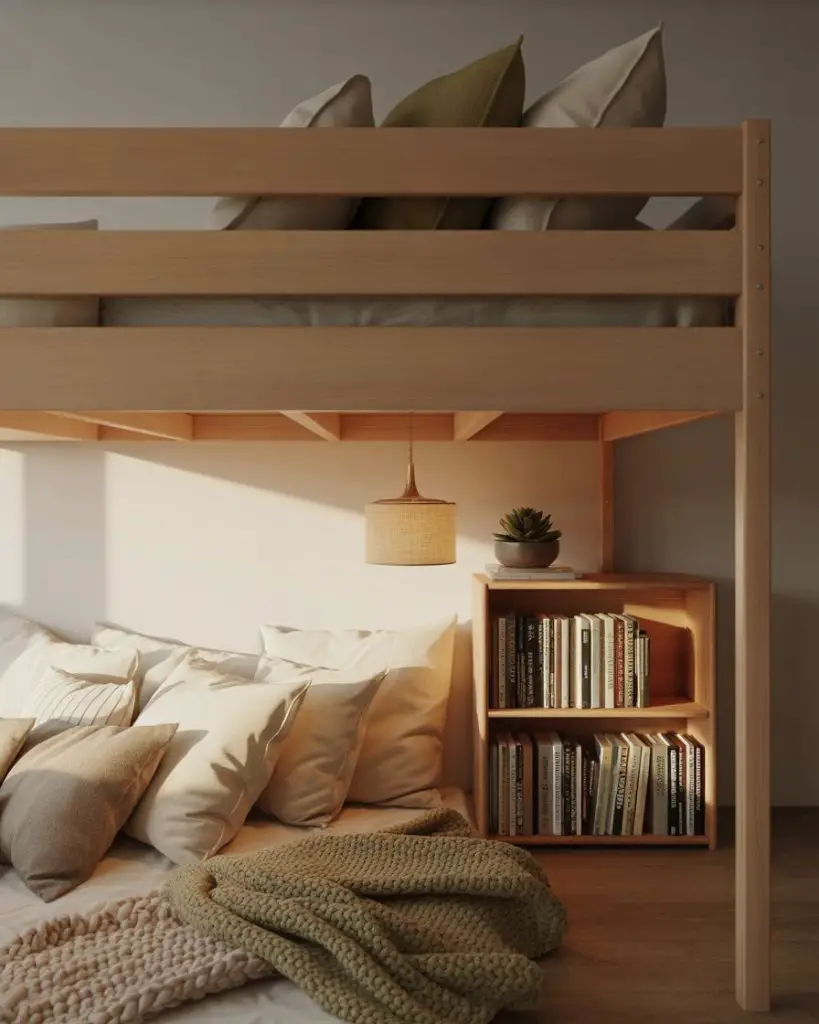
Real homeowner behavior: many people underestimate how much they’ll actually use the space beneath a loft. A reading nook only works if it’s genuinely comfortable—add a small rug, good lighting, and easy access to make it a spot you’ll gravitate toward. Otherwise, it becomes a catch-all for laundry and clutter.
5. Gaming Setup with Loft Bed Above
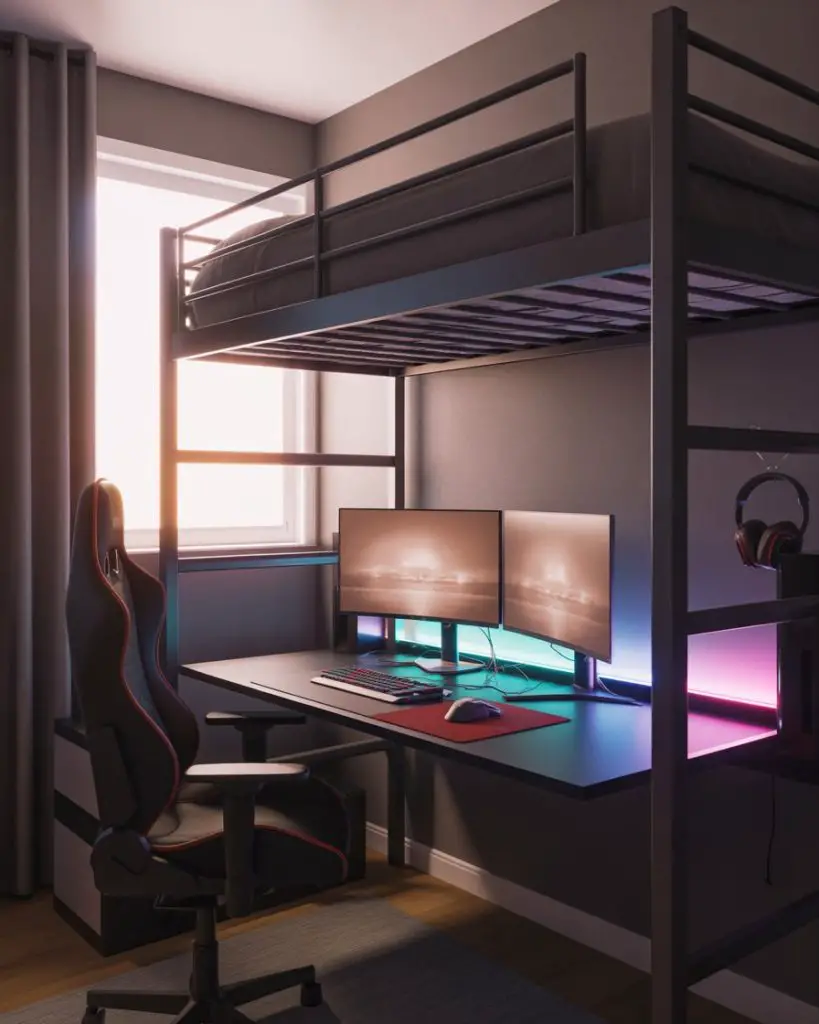
A gaming loft bed setup is a dream for anyone who wants to combine sleep and play in one compact zone. The bed sits above a full gaming station—monitor, desk, LED strips, and all. This layout is especially popular in small rooms where a traditional bed plus a gaming desk would overwhelm the floor plan. 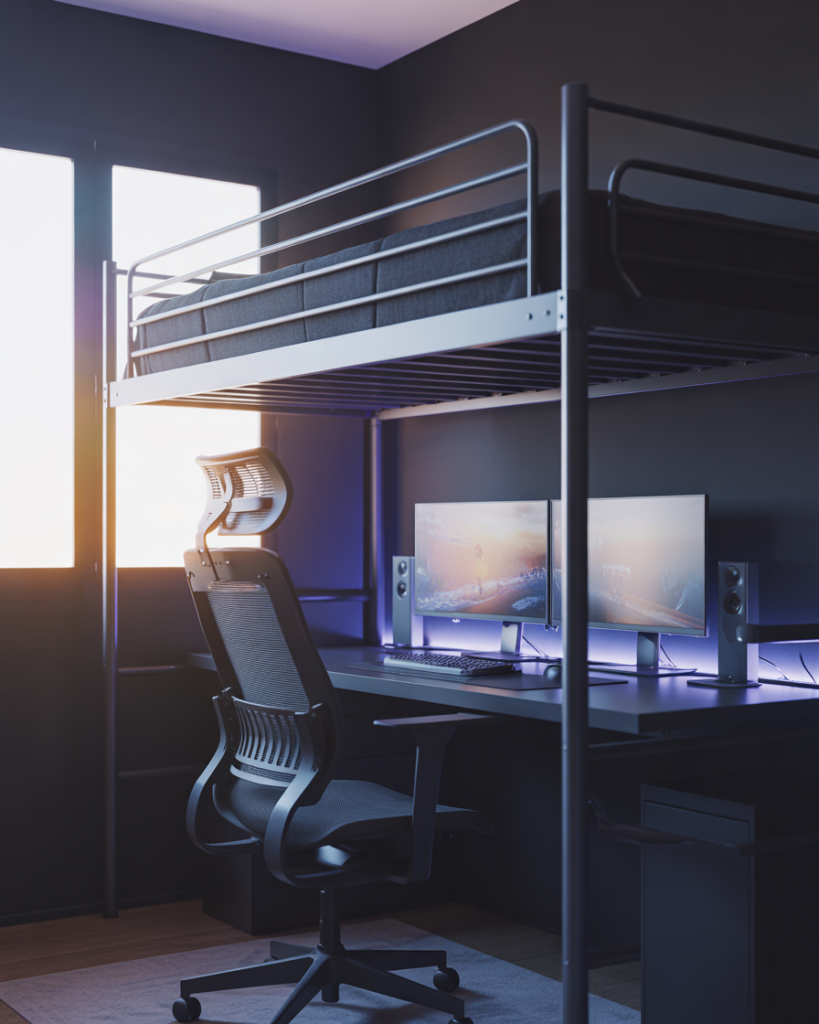
This works best in bedrooms where the occupant spends hours gaming or streaming. One expert-style tip: invest in cable management from the start. Running power and HDMI cables up to the loft can get messy fast. Use adhesive clips and raceways to keep everything tidy and safe, especially if you’re mounting monitors or charging devices.
6. IKEA Storå for Industrial Vibes
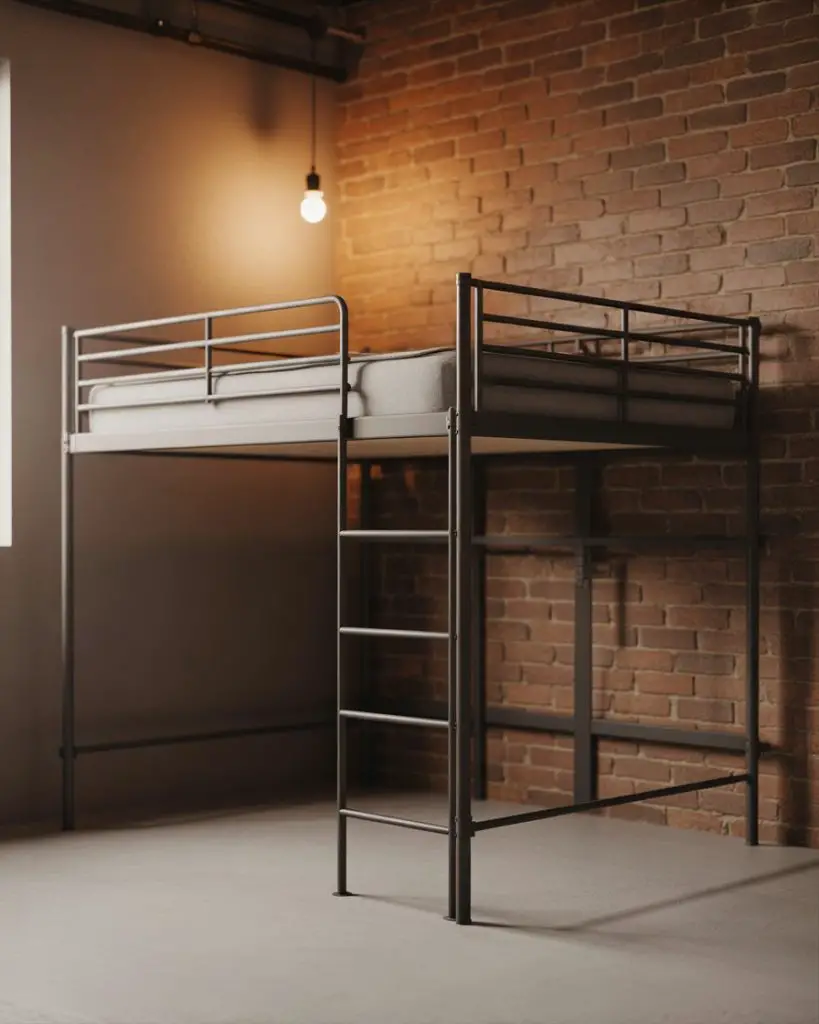
The IKEA Storå brings an industrial edge with its dark metal frame and solid construction. It’s a favorite in loft-style apartments and urban bedrooms where exposed brick and concrete already set the tone. The double-width frame also makes it one of the sturdier options for adults, supporting more weight than many competitors. 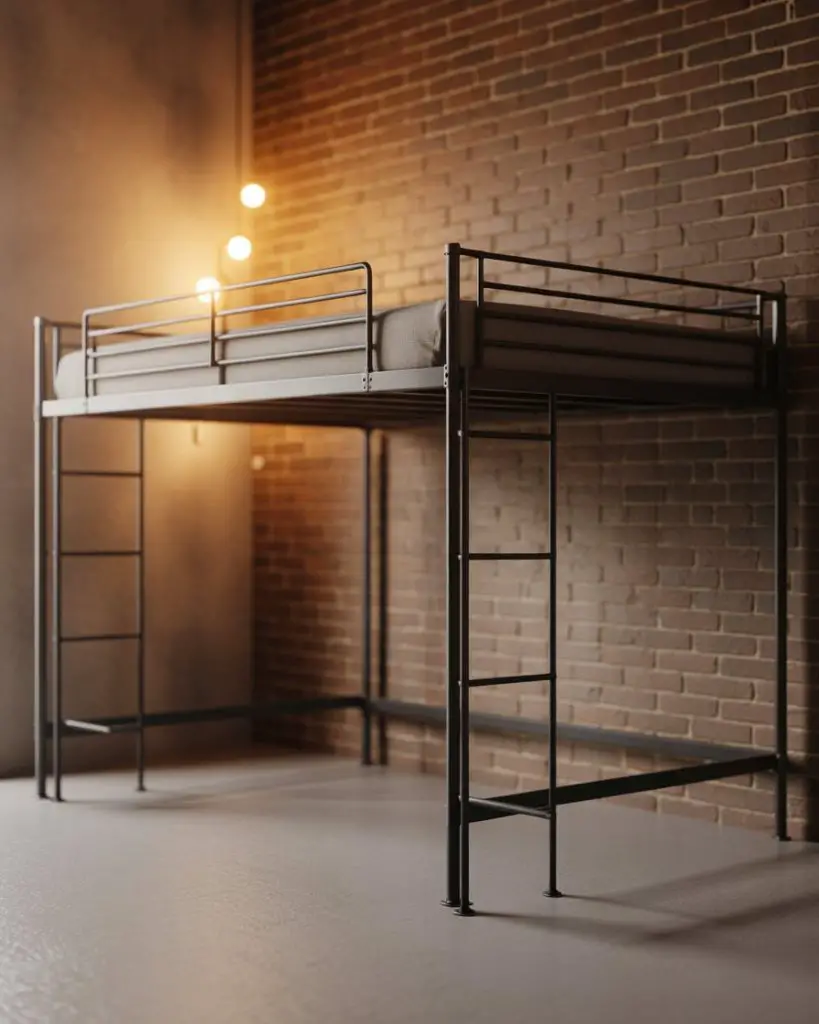
A micro anecdote: one Brooklyn renter used the Storå to create a sleeping loft above a home office during the pandemic. The separation between work and sleep—literally stacked—helped maintain boundaries in a 400-square-foot studio. It’s since become a common strategy for remote workers in tight quarters.
7. Loft Bed for Attic Spaces with Slanted Ceilings
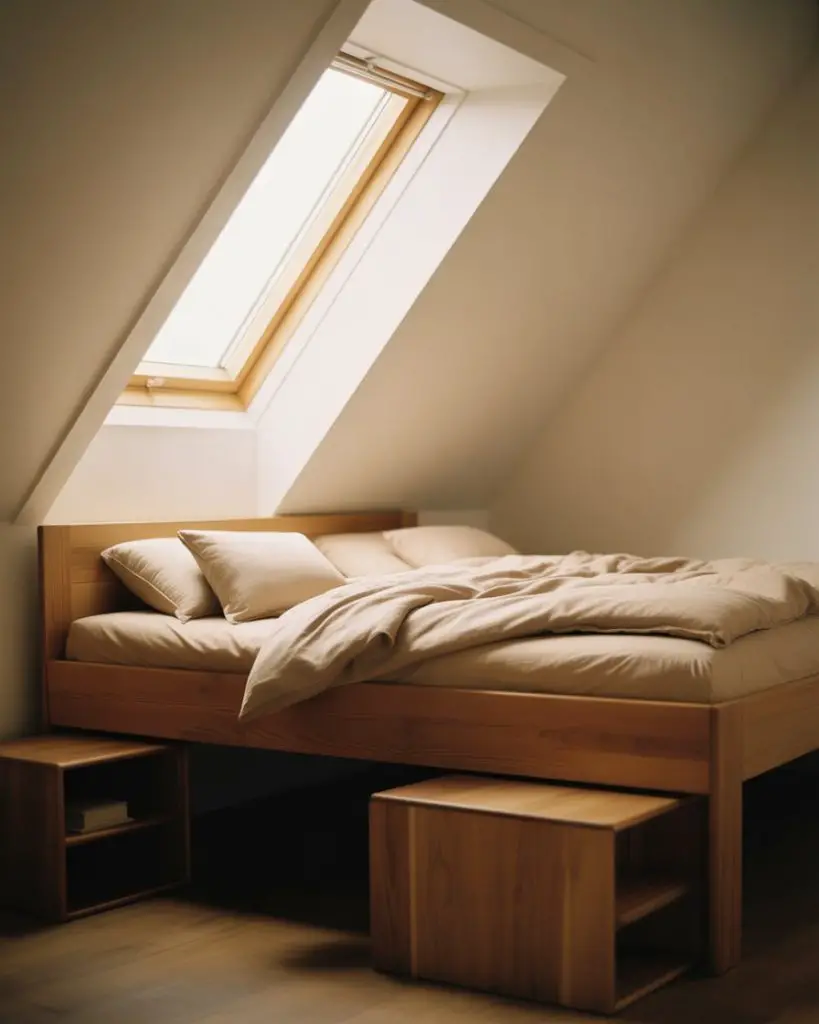
Attic bedrooms with slanted ceilings are tricky, but a loft bed can actually make them more functional. By positioning the bed where the ceiling is lowest, you free up the taller areas for standing room and storage. This is a go-to strategy in renovated Cape Cods and bungalows across the Northeast and Midwest. 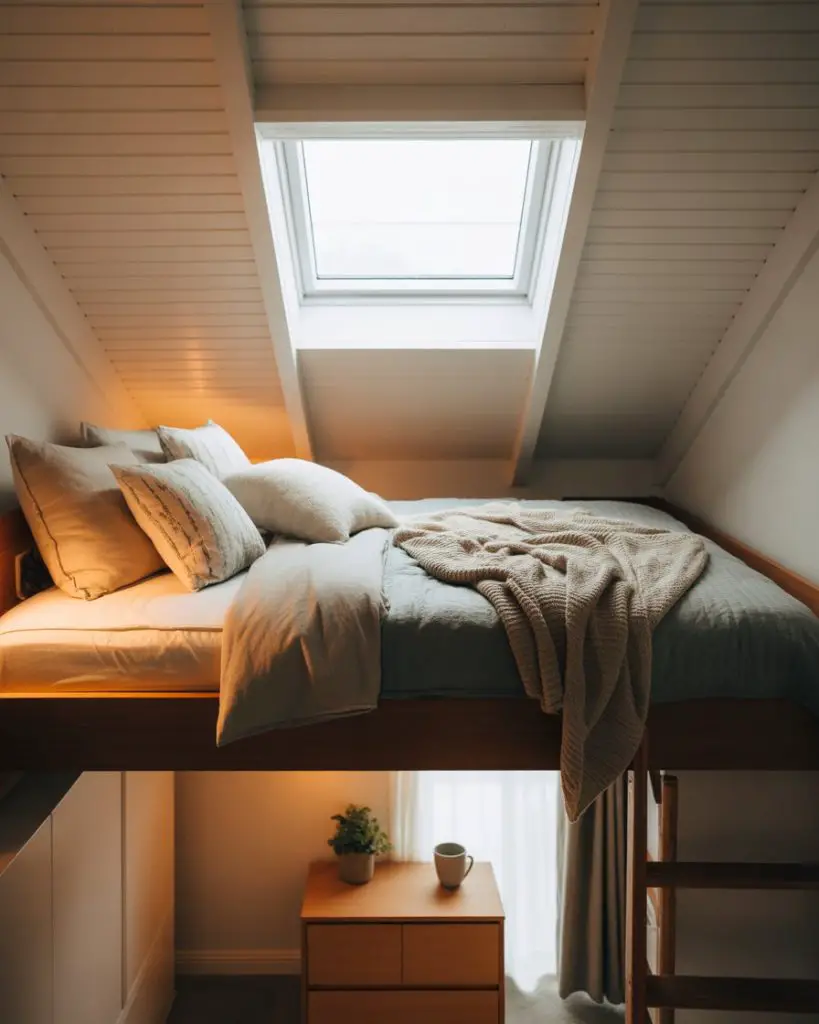
Where it works best: converted attics where headroom is limited but vertical space exists. Position the loft so you’re not banging your head getting in and out. A common mistake is placing the bed too close to the slant—leave at least 30 inches of clearance above the mattress for comfort and airflow.
8. Twin Loft Bed for Siblings Sharing a Room
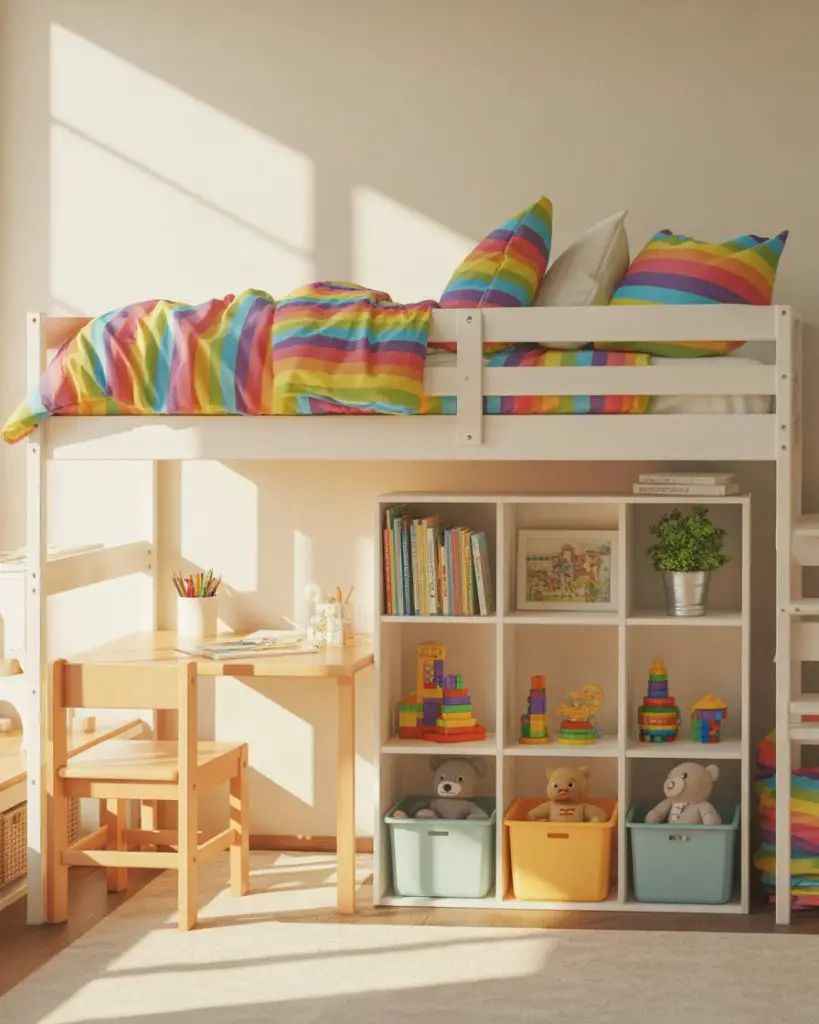
A twin loft bed is a space-saving hero in shared kids’ rooms. One child sleeps up top, the other below, and suddenly there’s room for play, homework, and storage. This setup is especially popular in suburban homes where families are downsizing or making room for a new baby. 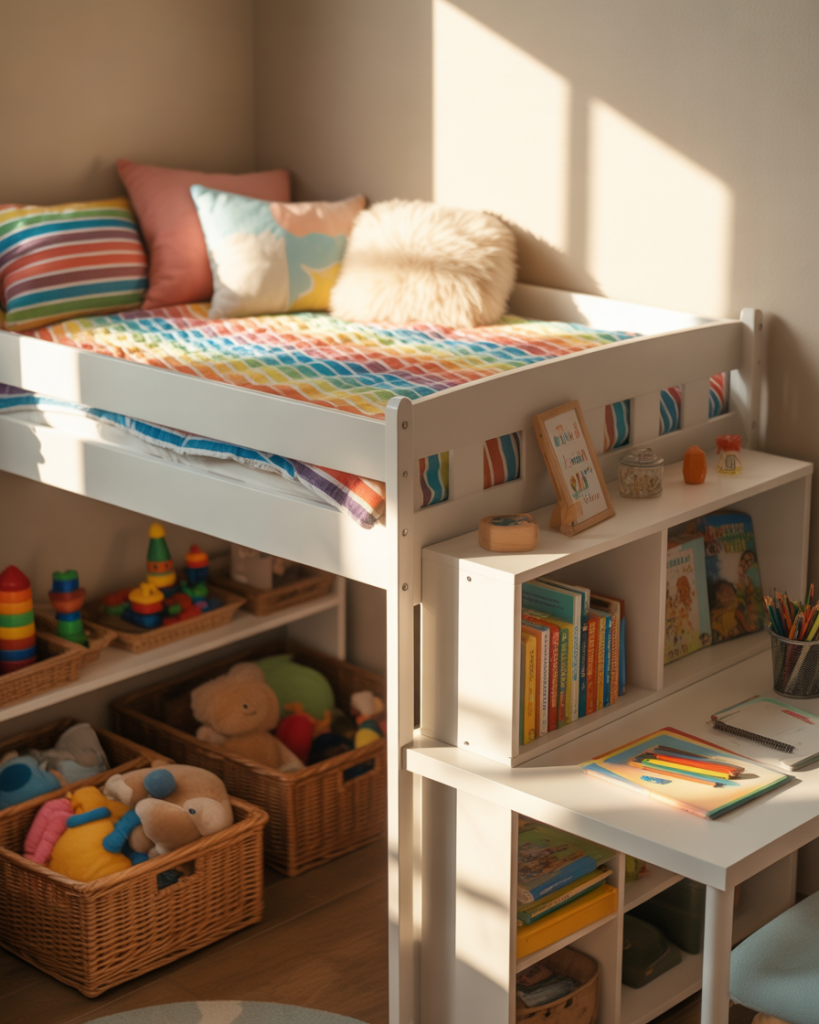
Practical insight: look for models with guardrails on both sides of the top bunk and a sturdy ladder that’s angled, not vertical. Kids under six shouldn’t sleep in the top bunk, but once they’re old enough, this setup can last through the teen years with the right styling updates.
9. Double Loft Bed for Guest Rooms
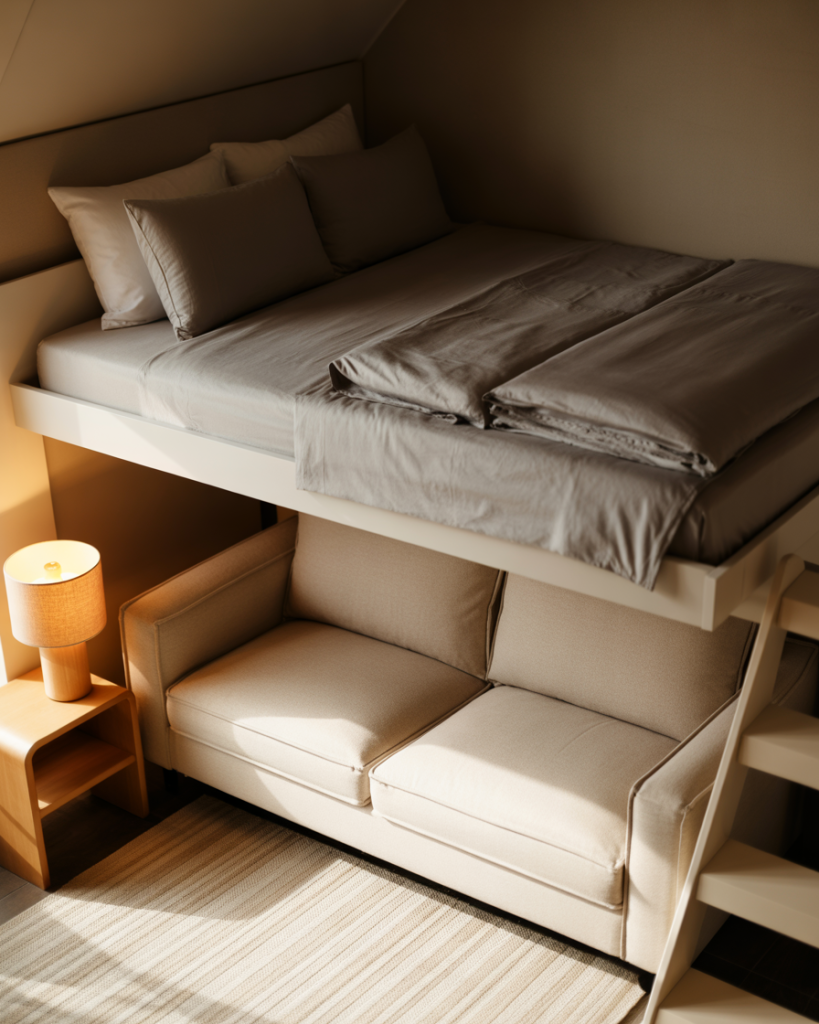
A double loft bed isn’t just for kids—it’s a smart solution for guest rooms that pull double duty as home offices or craft spaces. The larger mattress size accommodates couples or older guests, while the area below remains functional year-round. This trend is growing in Sunbelt states where spare bedrooms are often repurposed. 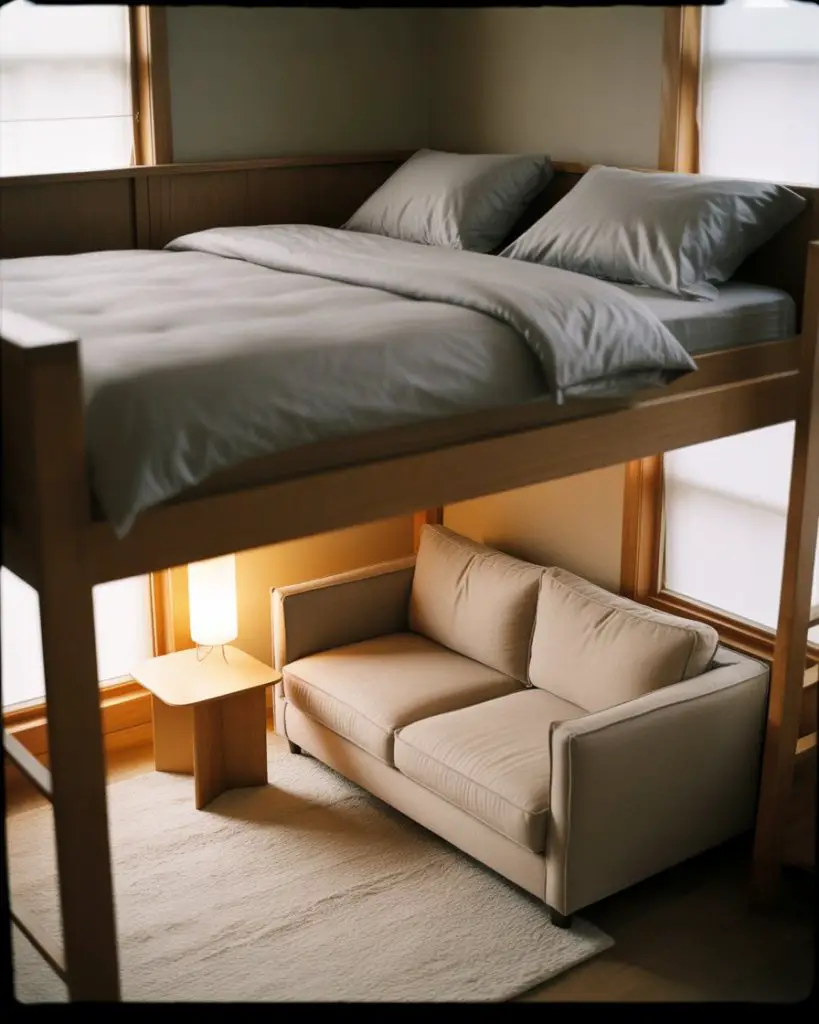
Real homeowner behavior: many people hesitate to put a loft bed in a guest room, worried it feels juvenile. The key is choosing a refined frame—wood or powder-coated metal—and styling it like a hotel room with quality linens and thoughtful lighting. Guests appreciate the novelty, and you get your workspace back.
10. Loft Bed with Stairs Instead of a Ladder
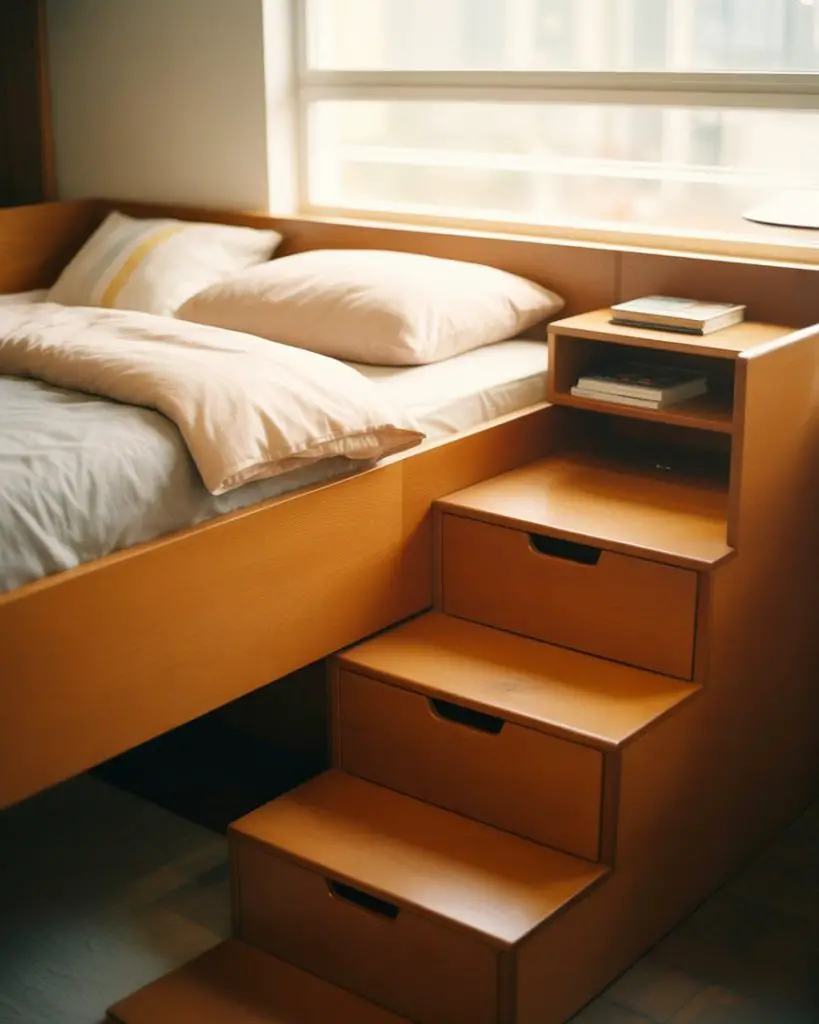
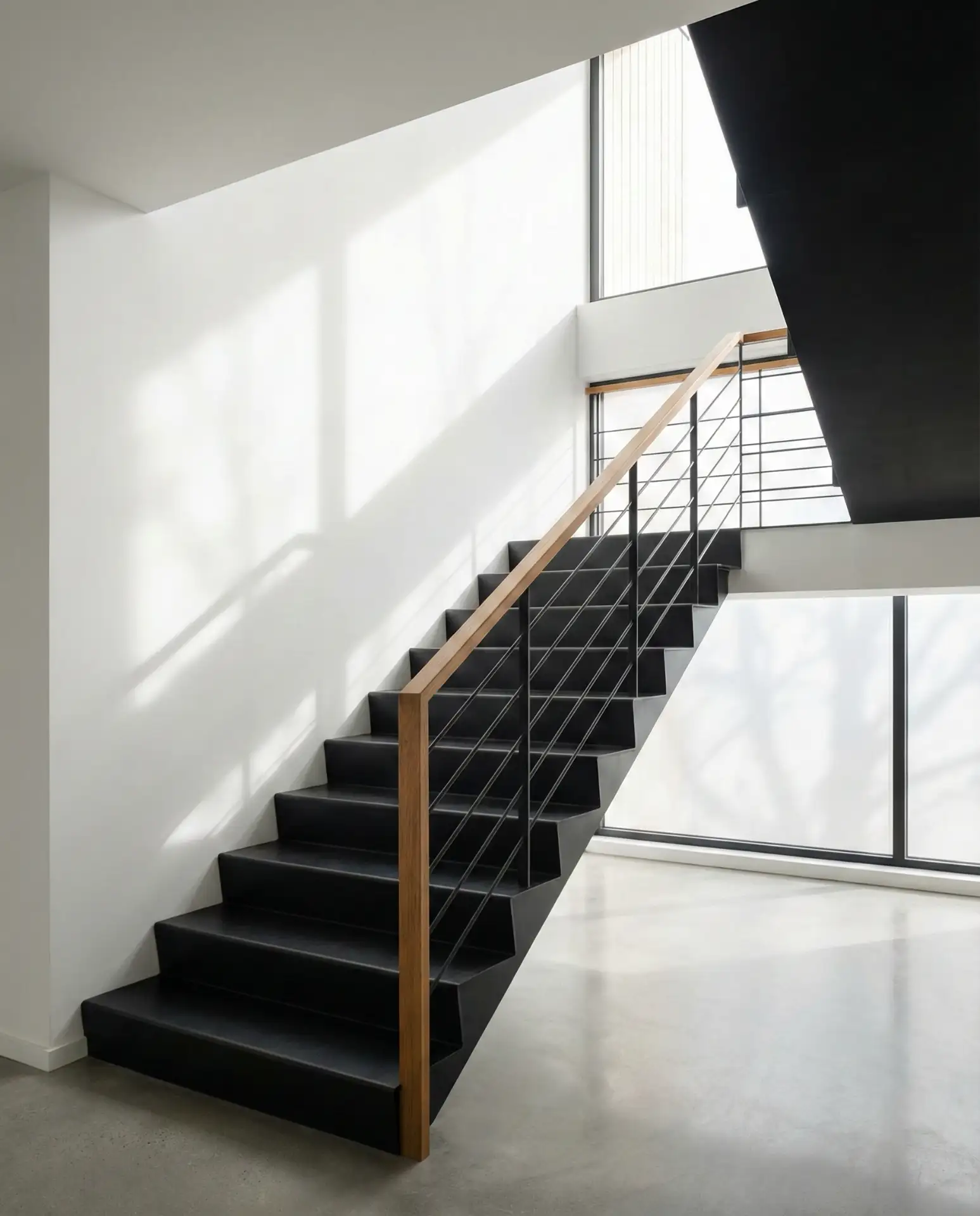
Swapping a ladder for stairs makes a loft bed safer and more accessible, especially for older adults, younger kids, or anyone with mobility concerns. The stairs themselves can double as storage drawers, adding even more functionality. This design is increasingly common in custom builds and higher-end furniture lines. 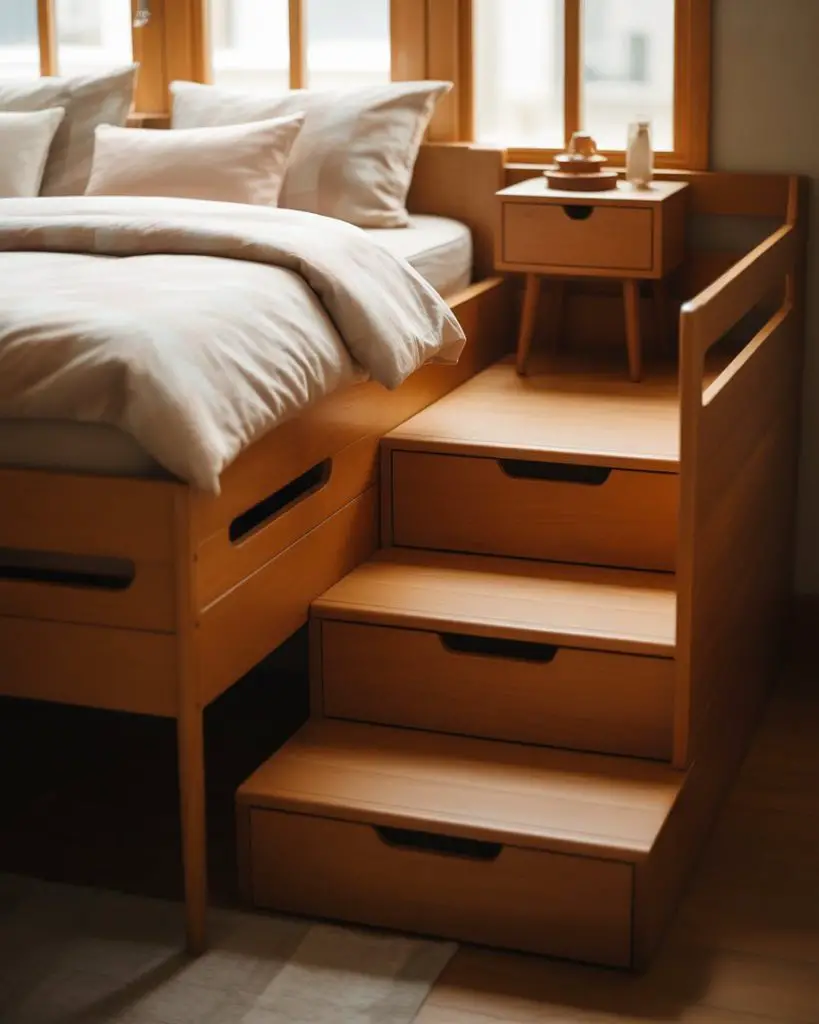
Where it works best: homes with young children or older occupants who find ladders challenging. Stairs take up more floor space than a ladder, so measure your room carefully. Budget-wise, expect to pay a premium—models with storage stairs often start around $1,200, but the added safety and utility justify the cost.
11. Pink Aesthetic Loft for a Dreamy Vibe
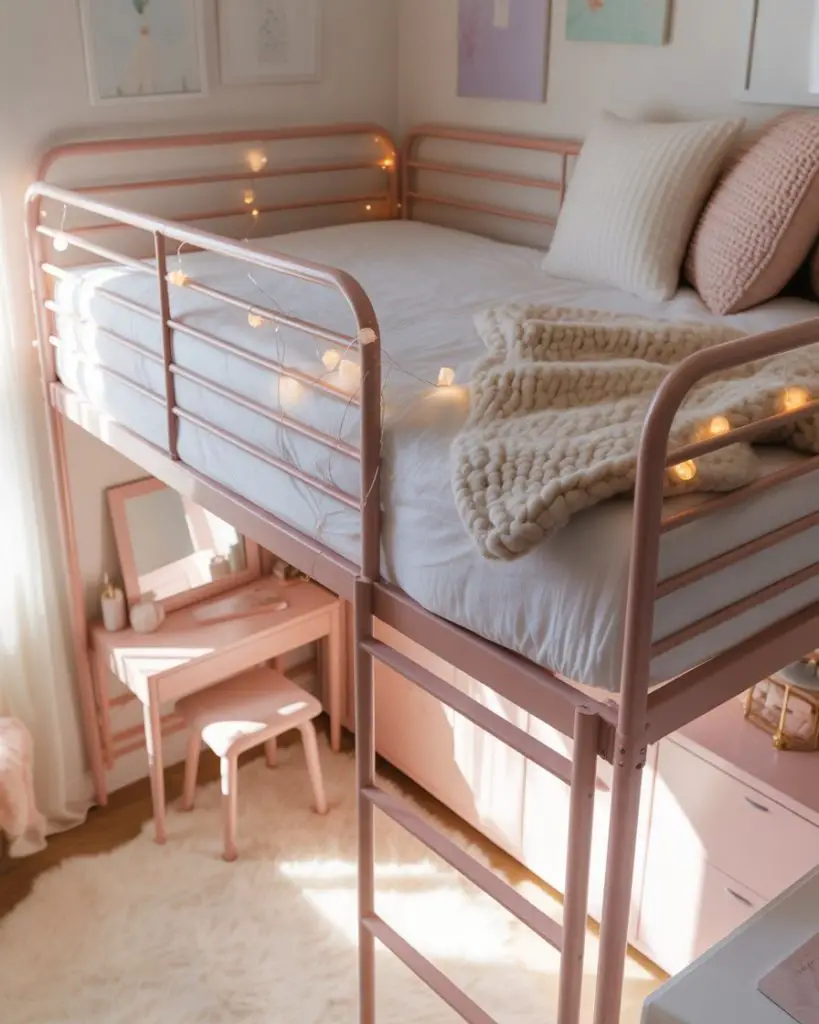
A pink loft bed brings soft, feminine energy to a bedroom without overwhelming the space. Whether it’s a blush frame, dusty rose bedding, or pink accents underneath, this aesthetic is popular on Pinterest among younger millennials and Gen Z decorators. Pair it with white or cream tones to keep it from feeling too juvenile. 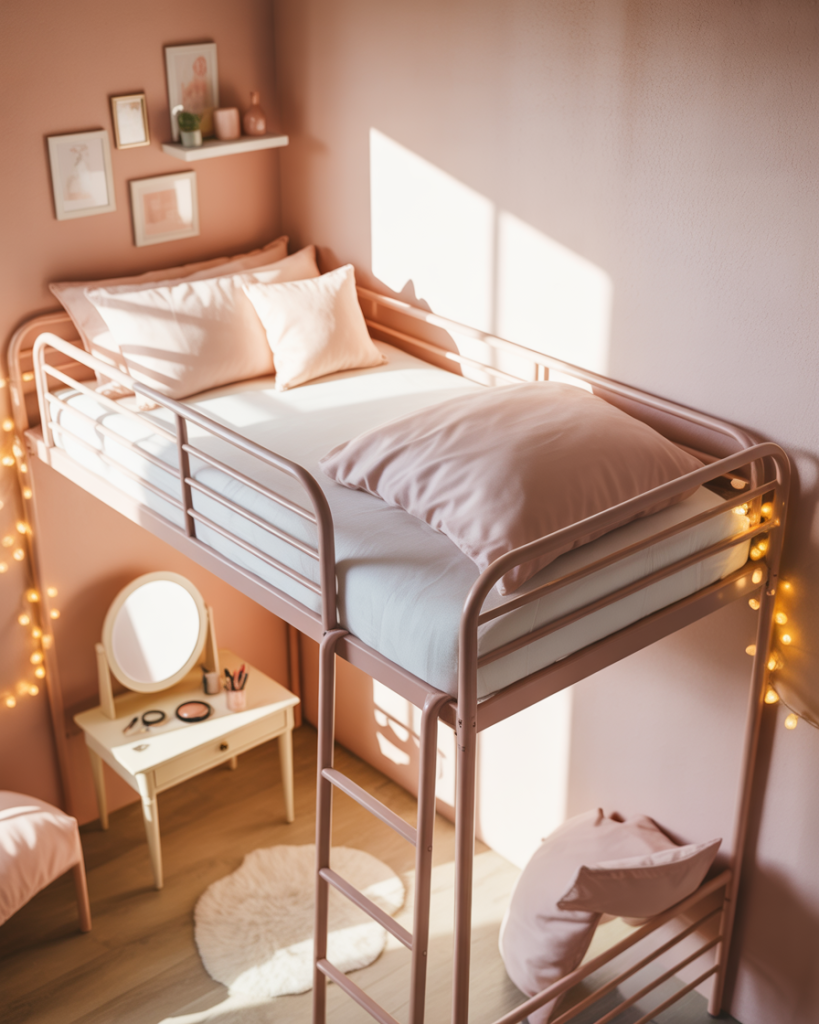
A micro anecdote: a Nashville interior designer recently shared a client’s pink loft bed makeover on Instagram, and it went viral—thousands of saves in a week. The trick was balancing the sweetness with modern lines and avoiding too many frills. Less is more when working with bold color.
12. Queen Loft Bed for Adult Bedrooms
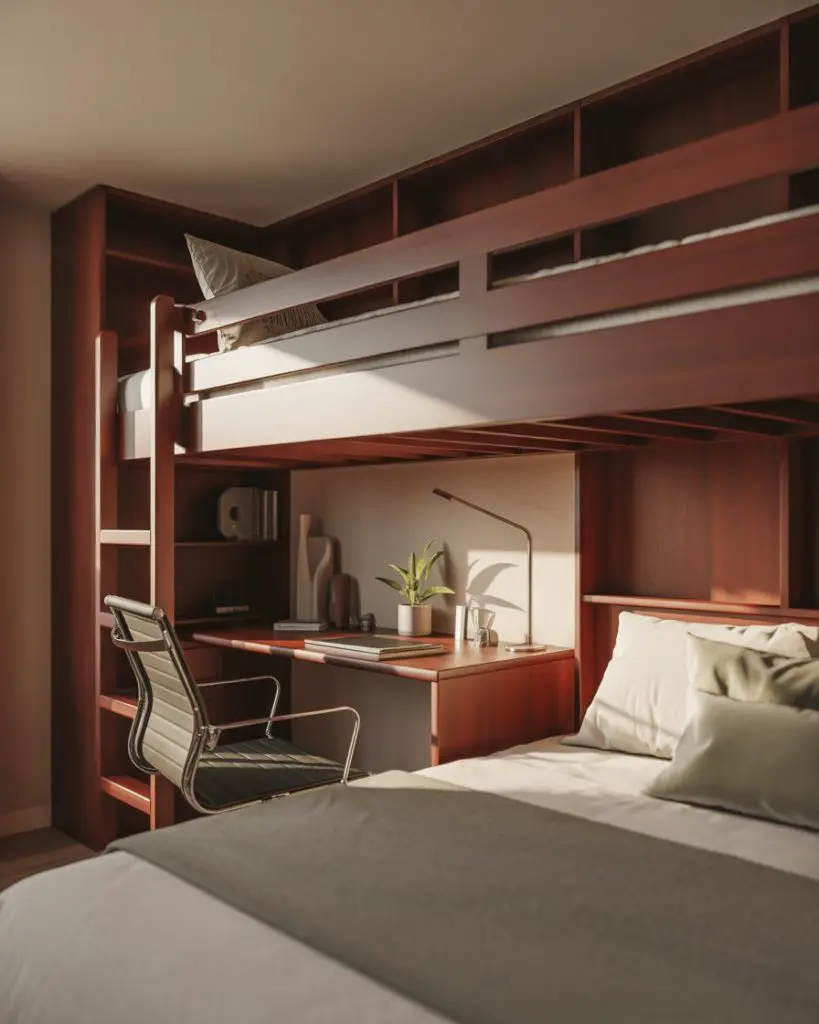
A queen loft bed is a bold choice for adult bedrooms, but when done right, it’s a game-changer. The larger mattress provides real sleeping comfort, and the space below can become a home office, dressing area, or lounge. This setup is gaining traction in cities where studio apartments start at $2,000 a month. 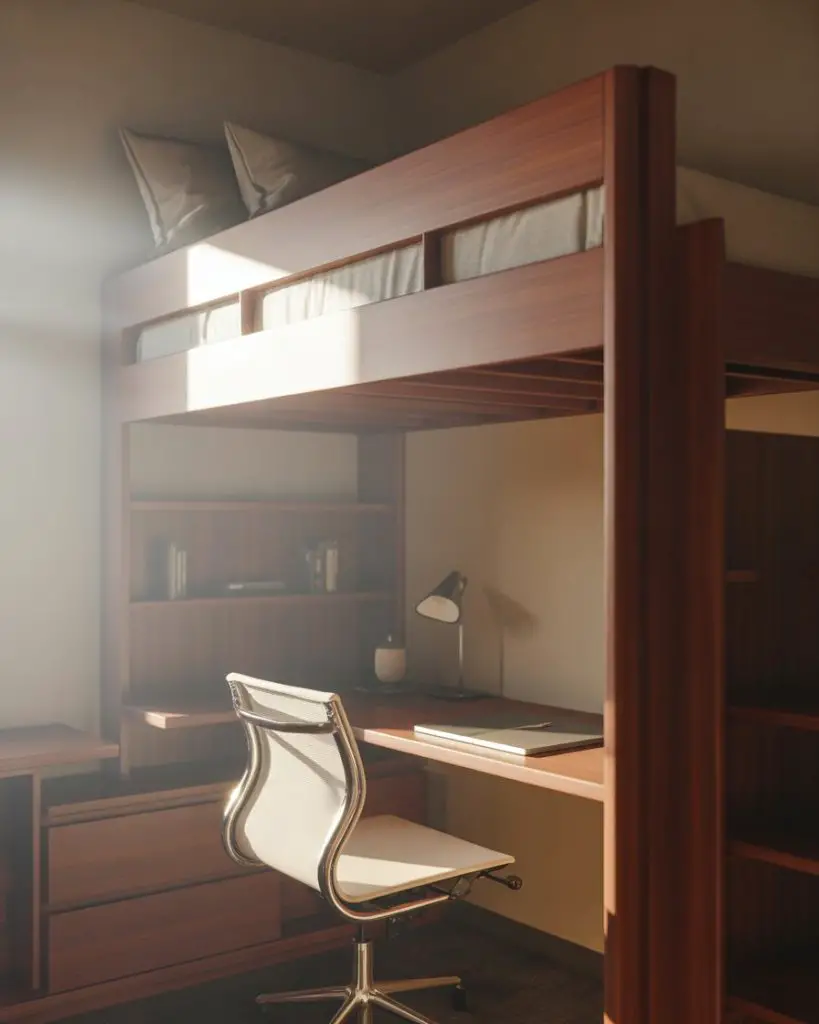
Expert-style commentary: structural integrity is critical. A queen loft bed must be anchored to wall studs and built from solid wood or heavy-gauge steel. Cheap frames won’t cut it—invest in quality to avoid sagging or worse. Professional installation is worth the peace of mind, especially in older buildings.
13. Desk Built Into Loft Bed Frame
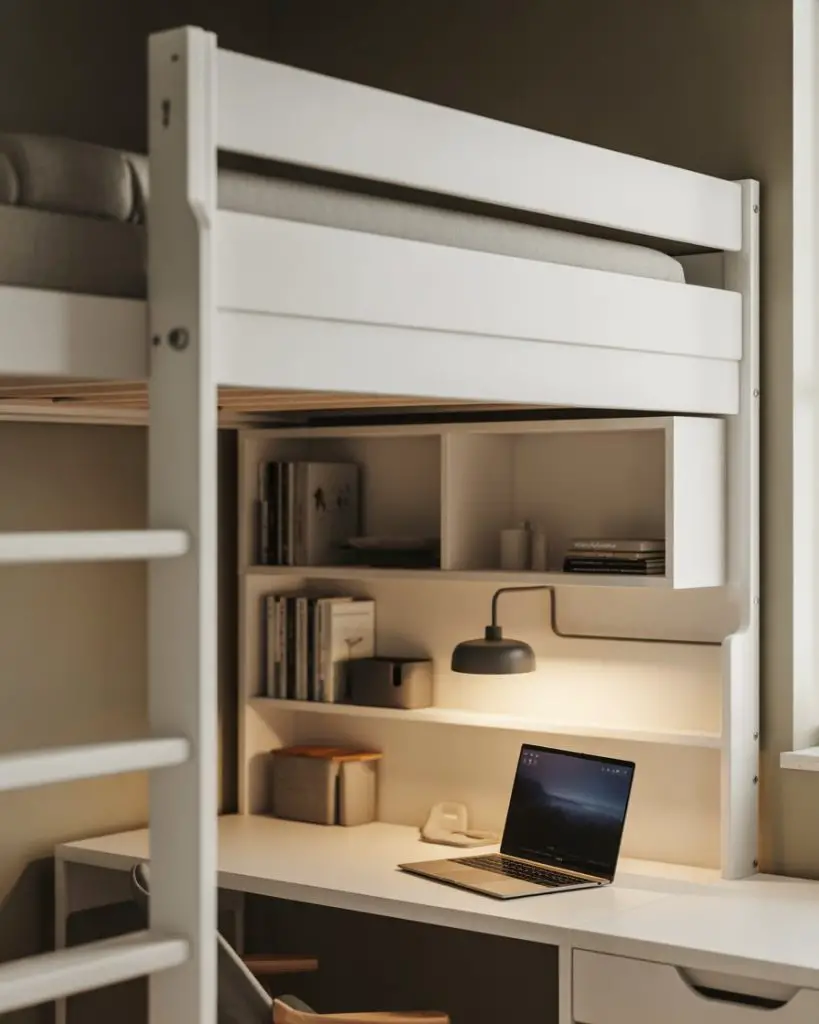
A loft bed with an integrated desk is the ultimate space saver for students and remote workers. The desk isn’t just placed underneath—it’s part of the structure, often with built-in shelves and cable management. This design is everywhere in dorm rooms and tiny apartments where multifunctional furniture is non-negotiable. 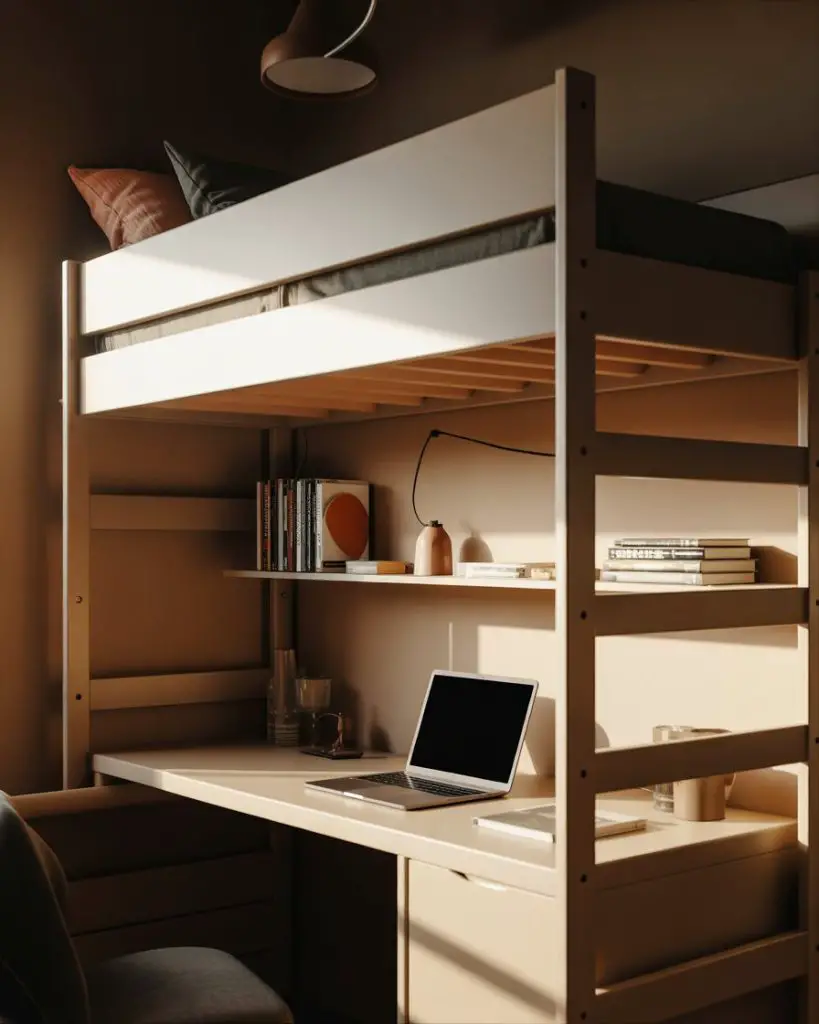
Practical insight: make sure the desk height is ergonomic—around 29-30 inches from the floor. A common mistake is choosing a loft bed with a desk that’s too high or too shallow to actually work at. Test it in person if possible, or check reviews for comments on desk usability.
14. Reverse Loft Bed for Unique Layouts
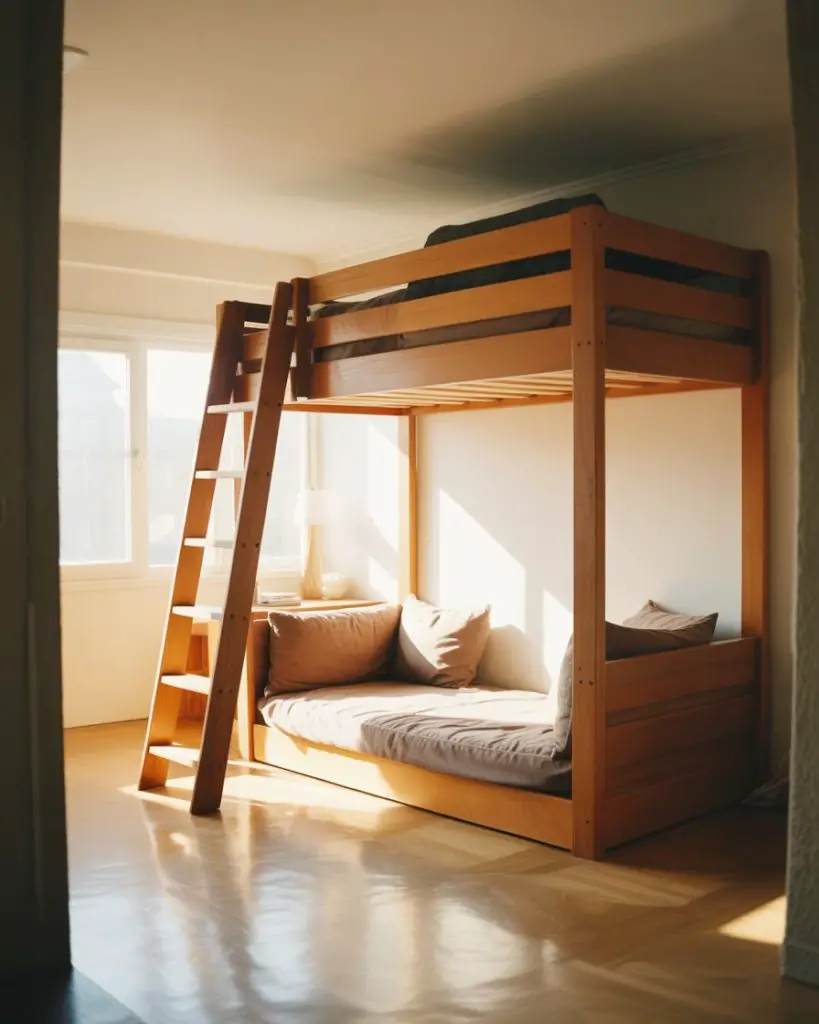
A reverse loft bed flips the script by placing the ladder and access point on the opposite side of the room, opening up new layout possibilities. This is especially useful in narrow bedrooms or spaces with awkward door placements. It’s a small design tweak that can make a big difference in flow and functionality. 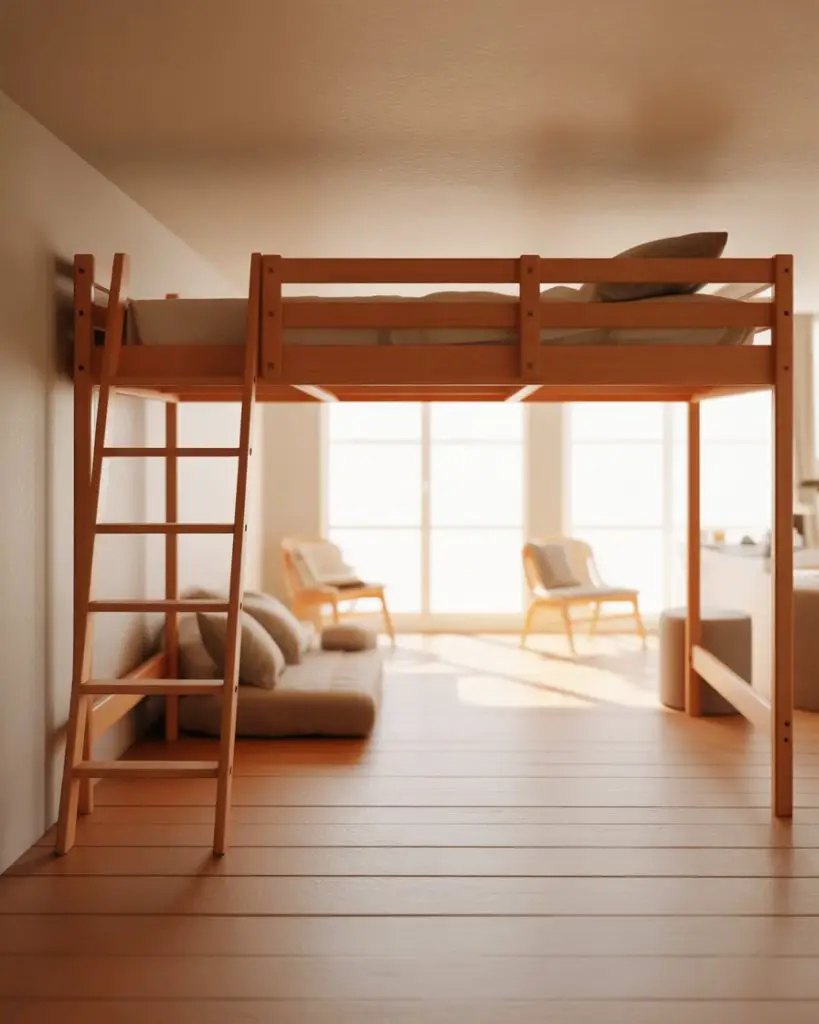
Where it works best: rooms where the bed needs to be positioned away from windows or heating vents. American lifestyle tip—many newer builds have HVAC vents along exterior walls, and blocking them with furniture can reduce efficiency. A reverse loft lets you work around those constraints while keeping the bed functional.

15. RV Loft Bed for Tiny Living
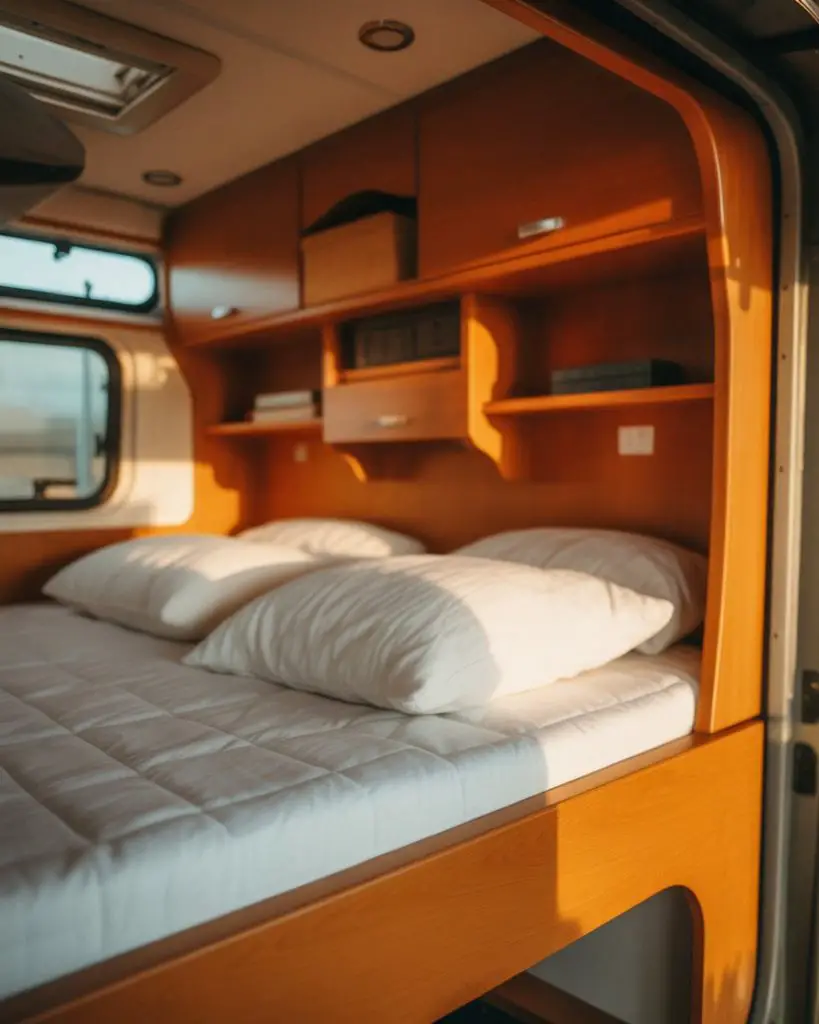
In the world of RV living, loft beds are essential. They free up precious floor space for kitchenettes, seating, and storage. Whether you’re a full-time traveler or a weekend adventurer, a well-designed RV loft bed makes tiny living feel less cramped and more intentional. This trend is exploding across the U.S. as more people embrace van life and mobile living. 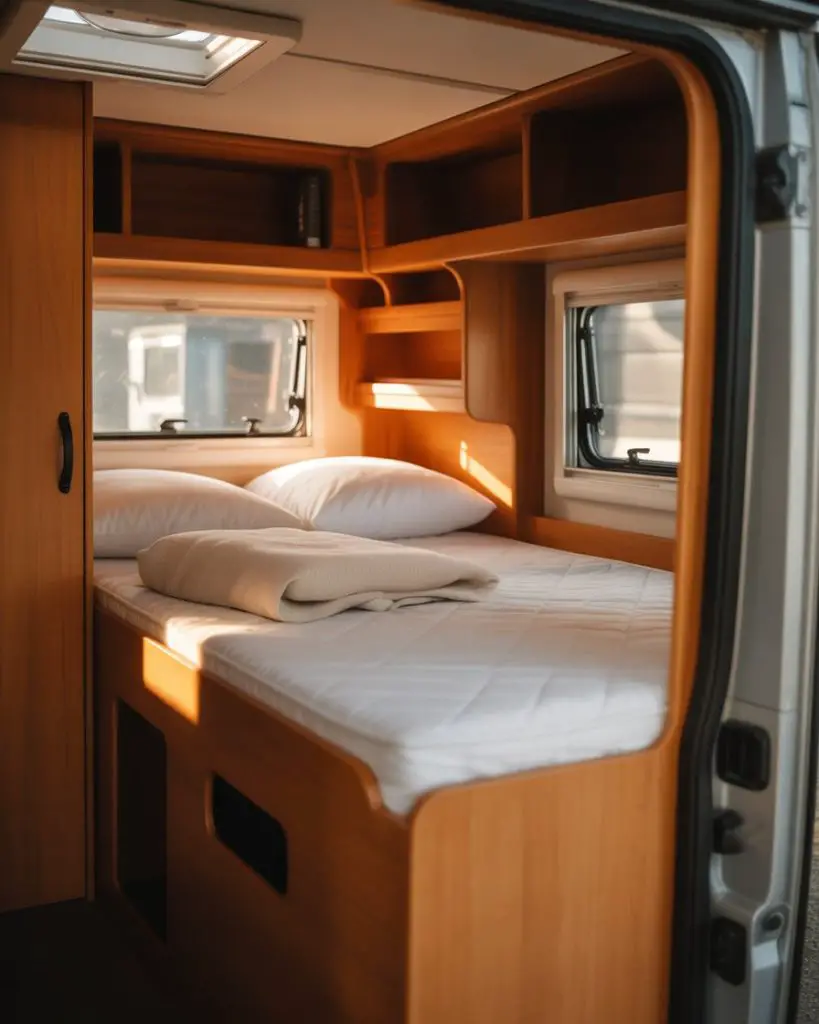
Real homeowner behavior: RV dwellers often DIY their loft beds to fit exact dimensions and weight limits. Use lightweight materials like plywood and aluminum, and secure everything with proper brackets—nothing should shift while driving. Many full-timers also add curtains or privacy screens to make the loft feel like a true bedroom.
16. Minecraft-Inspired Loft for Kids

A Minecraft-themed loft bed taps into one of the most enduring gaming franchises among kids. Think blocky wooden frames, pixelated bedding, and green and brown accents. This playful design works in kids’ rooms where imagination and function intersect, and parents love that it’s not tied to a character that might fall out of favor in a year. 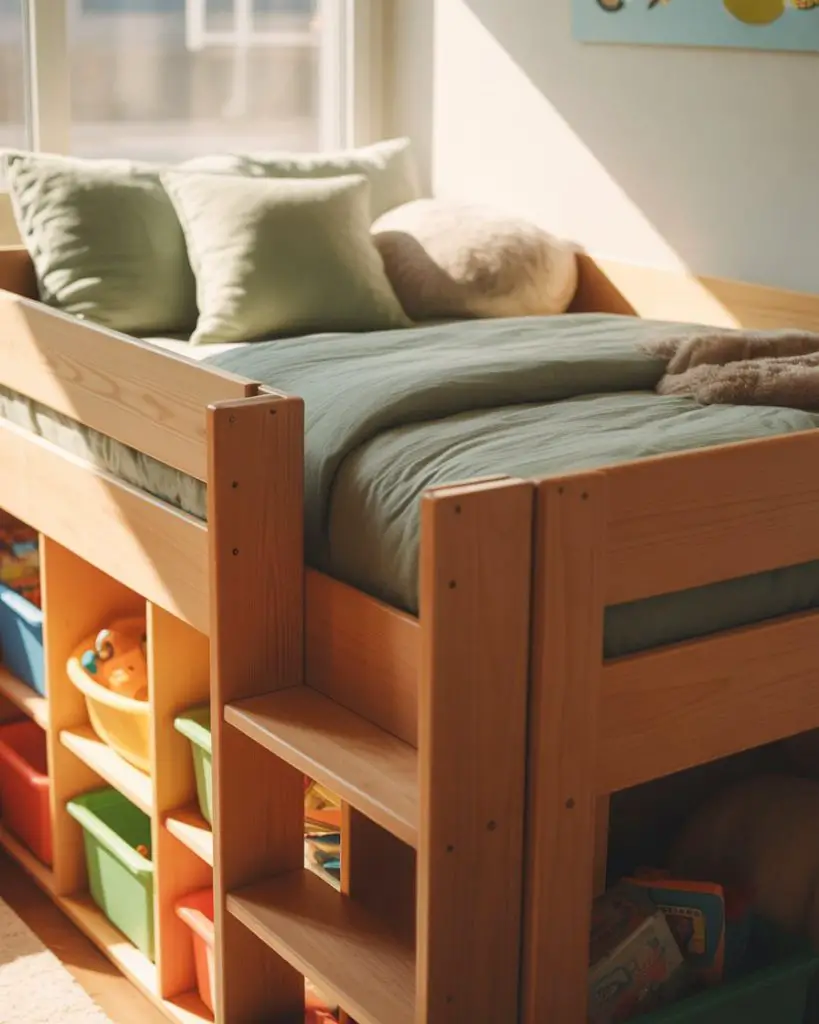
A budget angle: you don’t need licensed furniture to pull off a Minecraft look. Start with a simple wooden loft bed (often under $400), then add DIY touches like cardboard block decorations, green sheets, and grassland-themed wall decals. It’s a cost-effective way to theme a room without committing to expensive custom pieces.
17. Loft Bed for Small Rooms with Low Ceilings
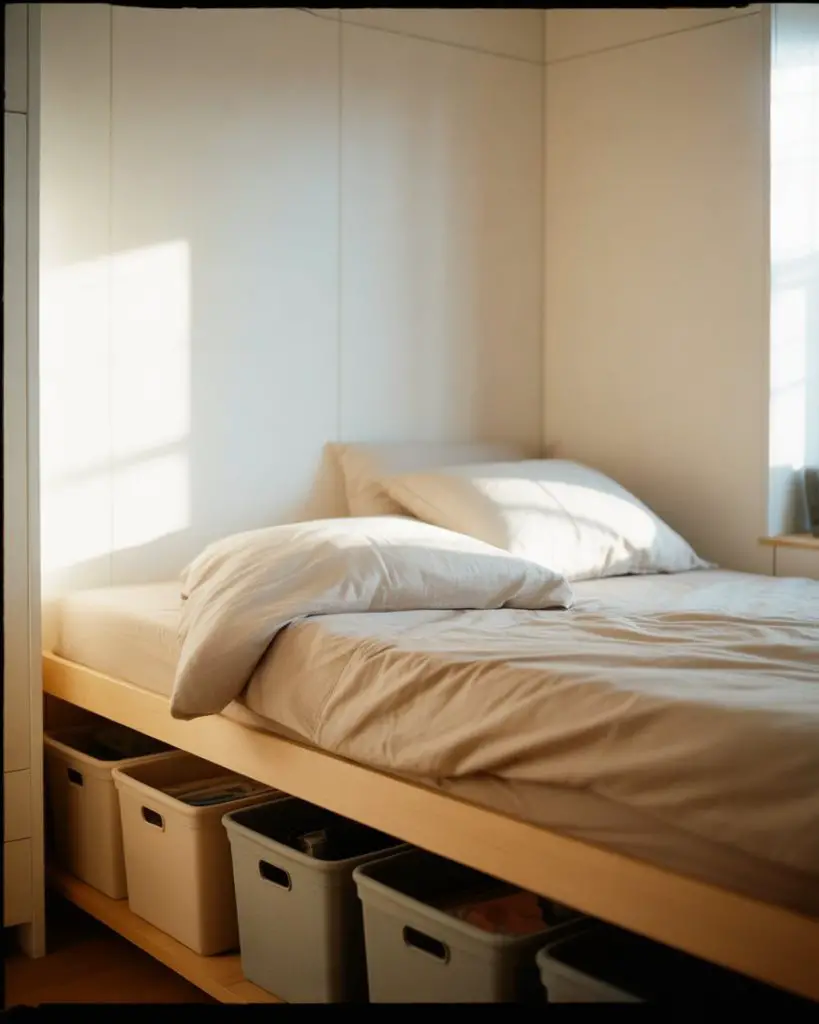
When you’re dealing with small rooms with low ceilings, a carefully chosen low loft bed can still work wonders. The key is selecting a frame that’s around 4-5 feet tall, leaving enough clearance to sit up in bed while maximizing the usable space underneath. This setup is common in basement bedrooms and older homes with 7-8 foot ceilings. 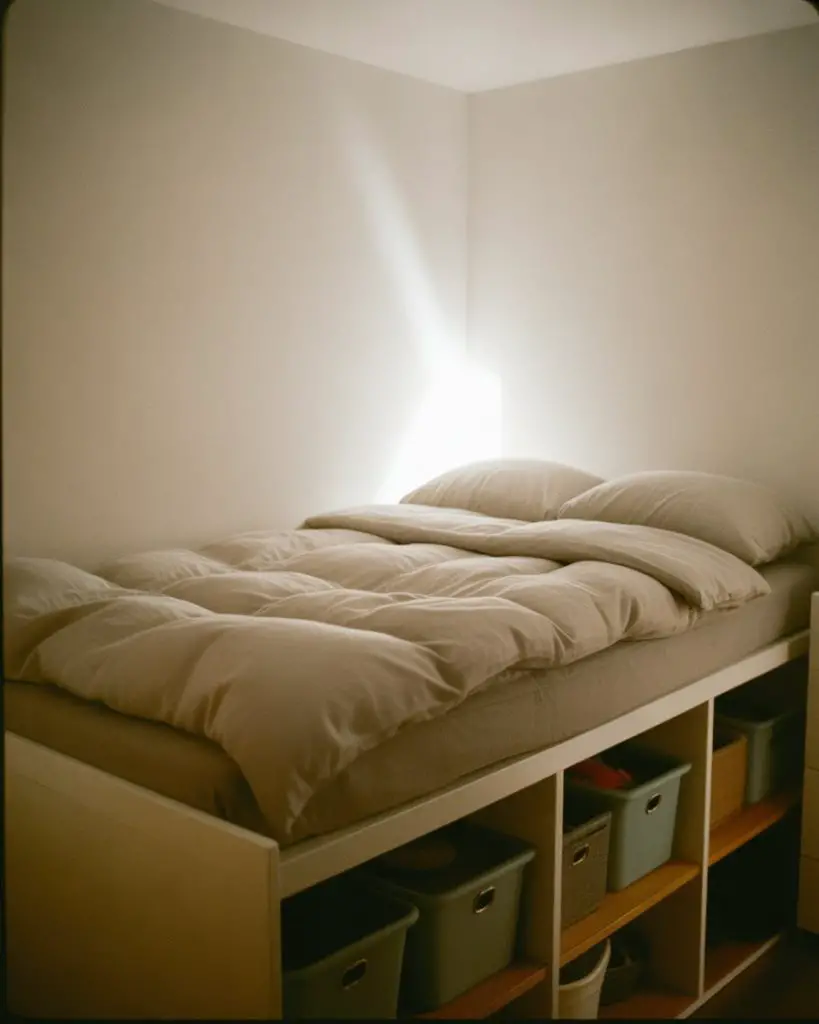
Common mistakes and how to avoid them: don’t assume any loft bed will work in a low-ceiling room. Measure ceiling height and subtract at least 36 inches for sitting clearance above the mattress. If that leaves less than 40 inches below, the space underneath won’t be functional—stick to floor-level storage solutions instead.
18. Aesthetic Teen Loft with String Lights
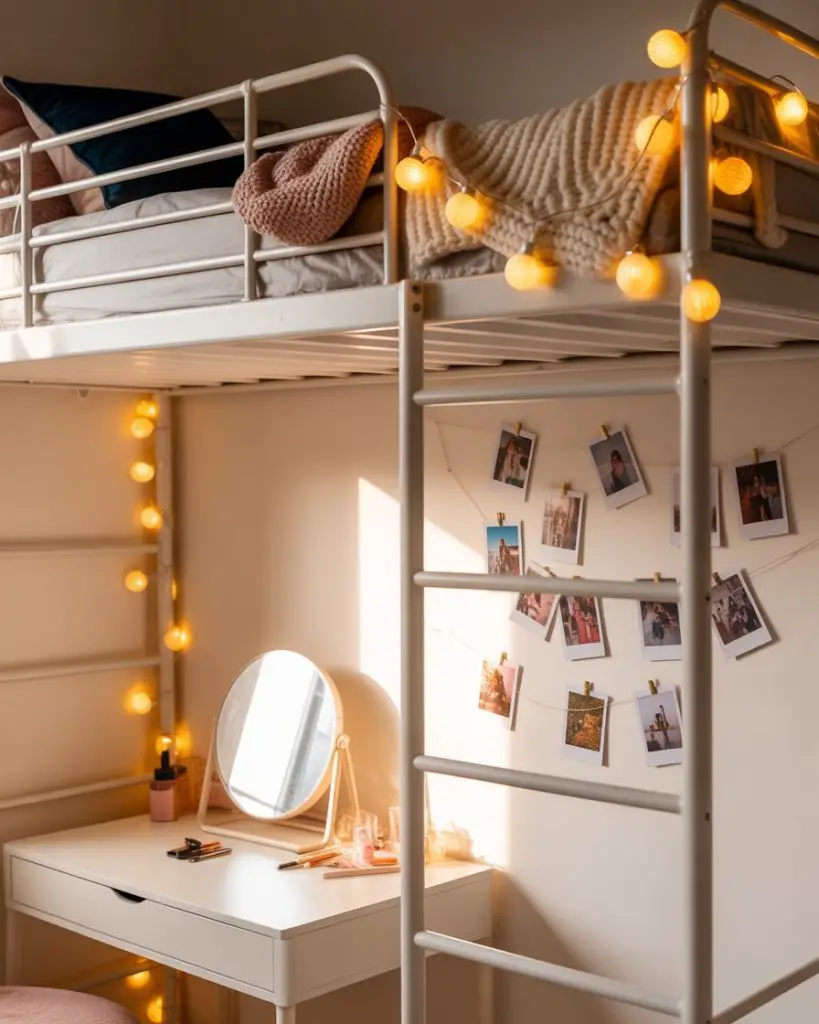
An aesthetic teenager’s loft bed is all about creating a vibe—think string lights, tapestries, and carefully curated decor underneath. This setup thrives on Pinterest, where teens seek inspiration for transforming basic bedrooms into personalized sanctuaries. The loft itself becomes a statement piece and a backdrop for selfies. 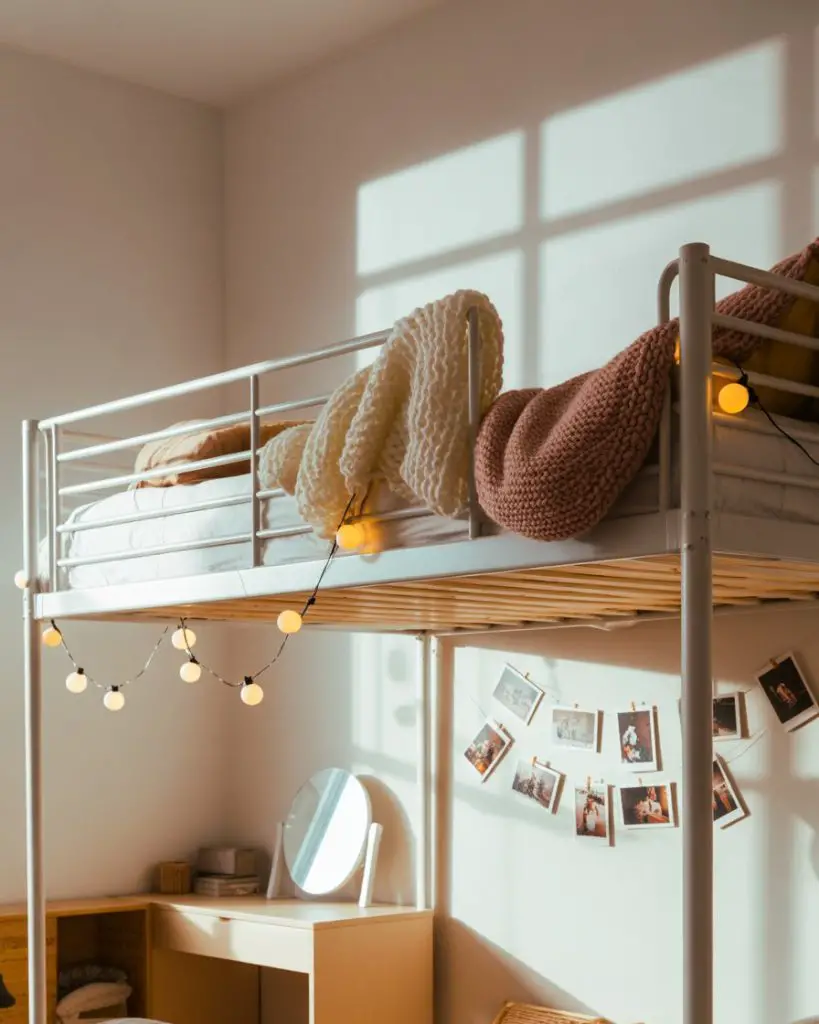
Expert-style commentary: String lights are a fire hazard if not used properly. Choose LED strands rated for indoor use, avoid covering them with fabric, and never leave them on overnight unsupervised. Many fire departments recommend timers or smart plugs to automatically shut them off—a small investment for peace of mind.
19. Cozy Under Loft with Curtains and Cushions
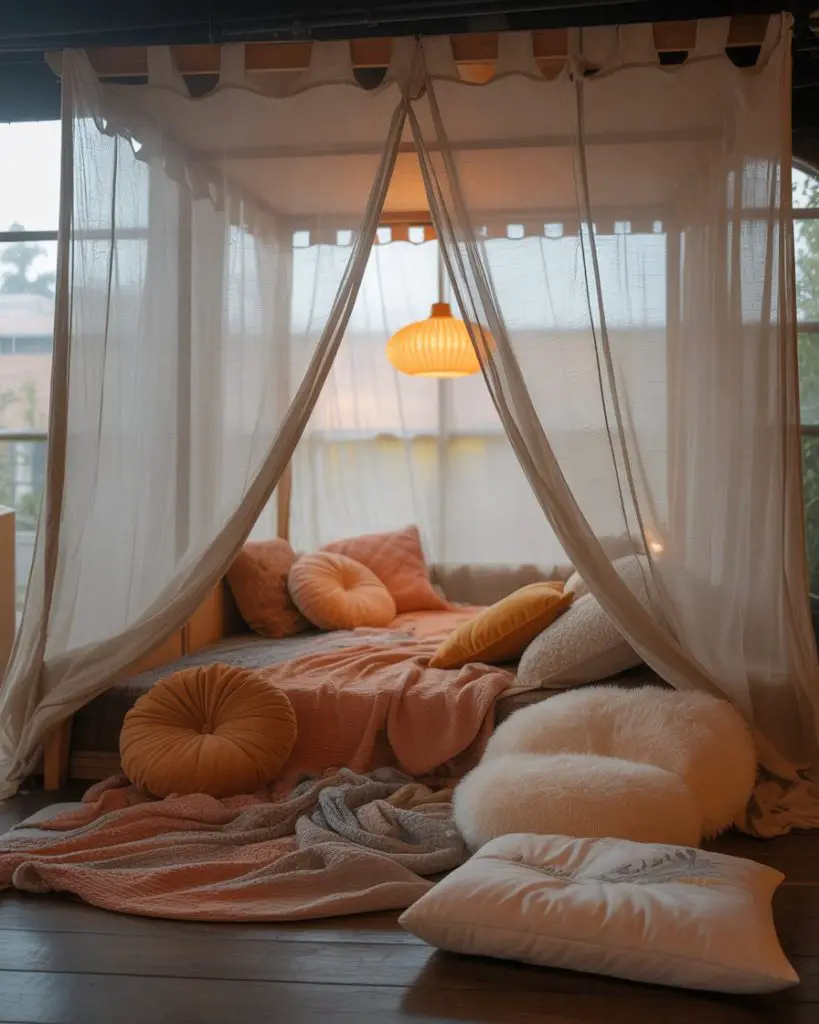
Making the space cozy under a loft bed is an art. Add curtains for privacy, layer floor cushions and blankets, and install soft lighting to create a den-like retreat. This approach is especially popular in open-plan studios or shared kids’ rooms, where carving out a sense of separation makes a huge difference psychologically. 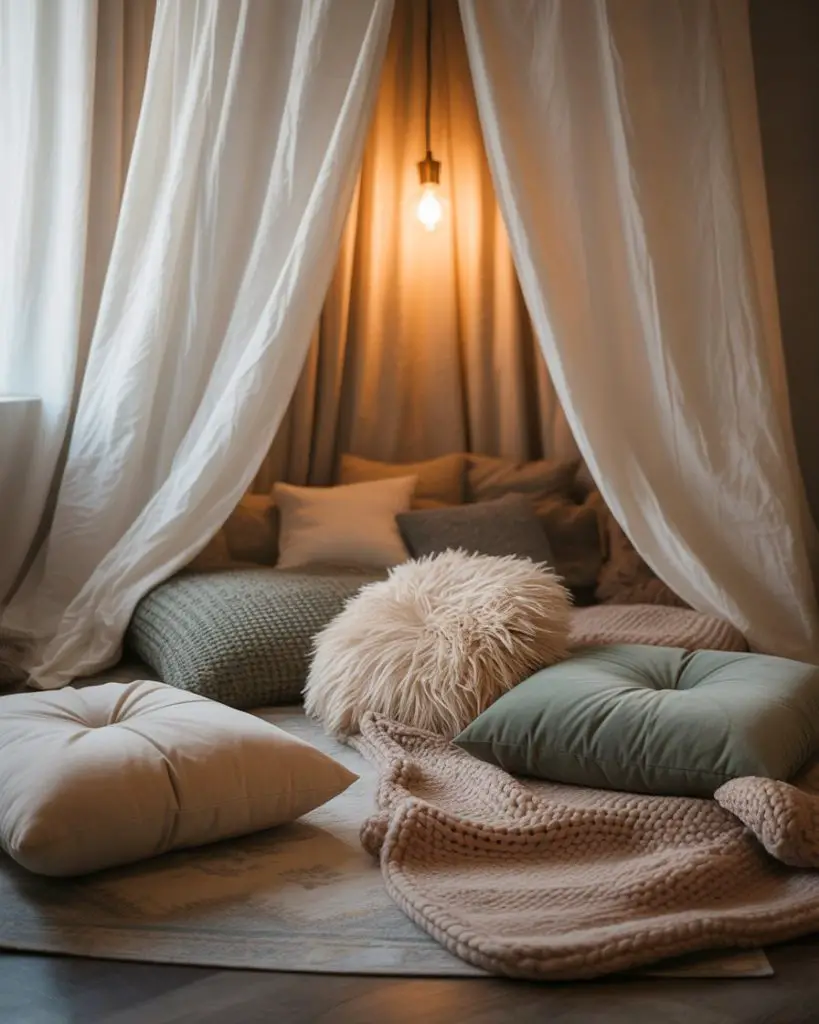
American lifestyle context: especially in the South and Southwest, where homes often lack basements, kids crave that “hideout” feeling. A cozy loft nook replicates that vibe without needing extra square footage. It’s a low-cost, high-impact way to give children their own space within a shared environment.
20. Wooden Loft Bed with Built-In Shelving
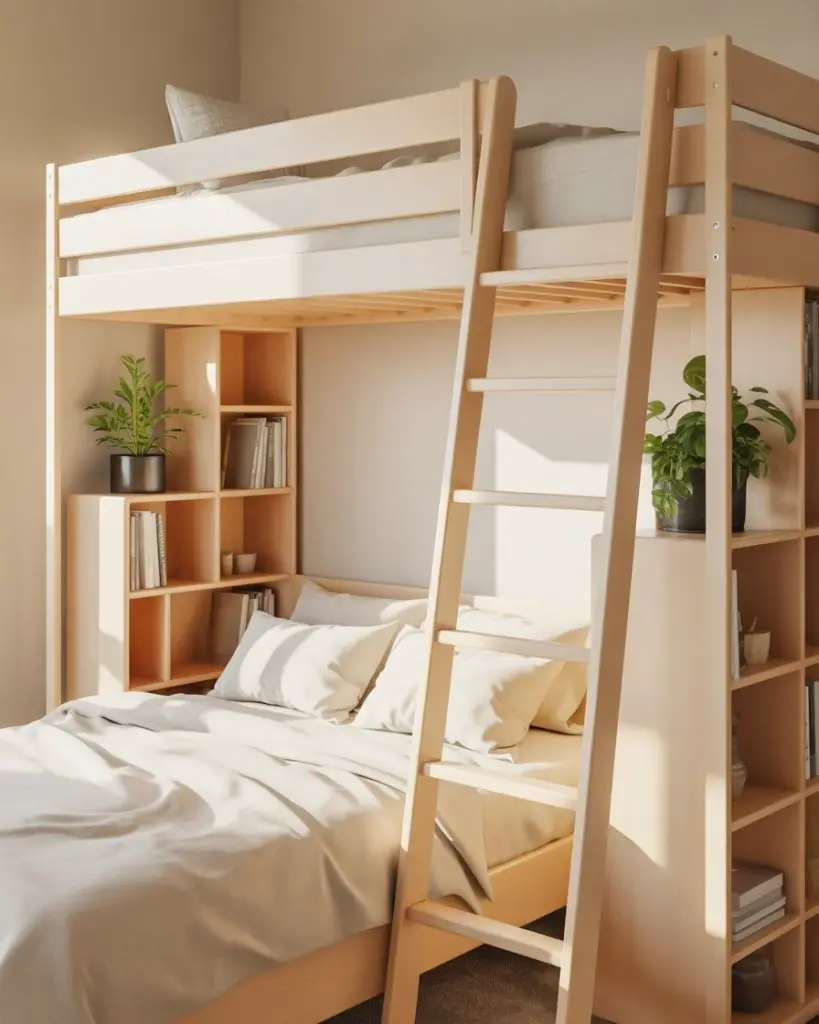
A wooden loft bed with built-in shelving offers warmth and storage in one package. The natural grain and solid construction make it a timeless choice for small rooms where style and function can’t be separated. This design is a staple in Scandinavian-inspired homes and minimalist apartments across the Pacific Northwest. 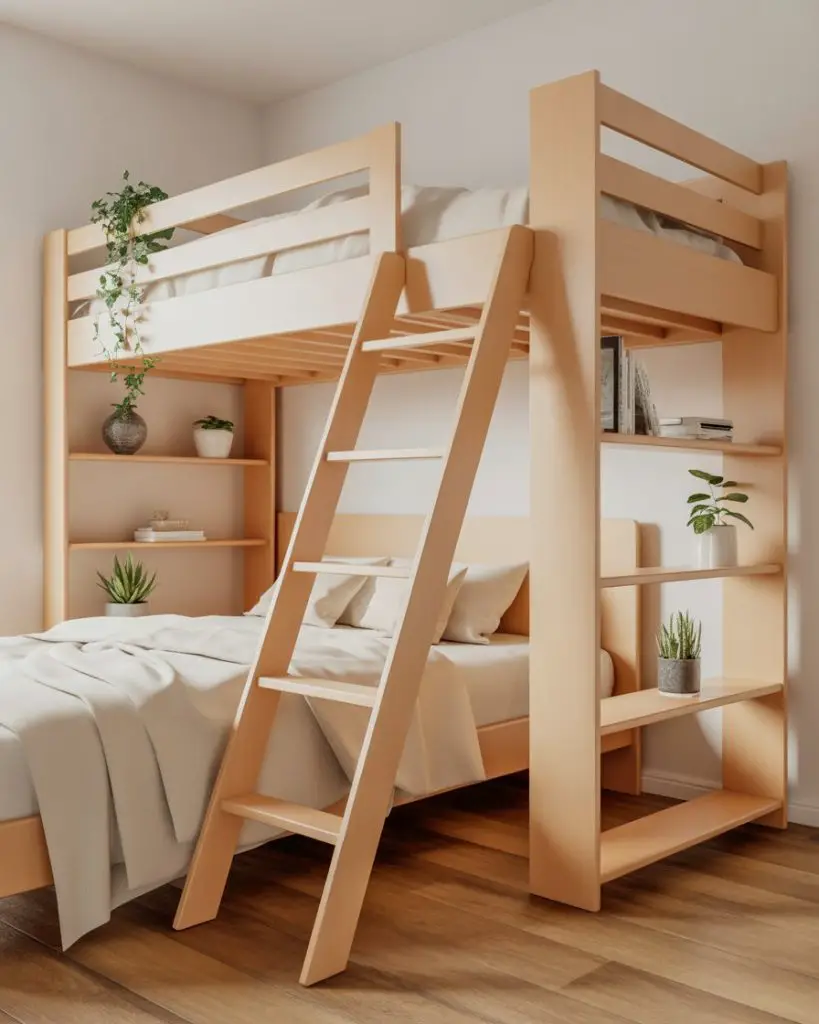
Practical insight: solid wood is heavier and pricier than particle board, but it lasts decades. If you’re investing in a built-in shelving loft, prioritize materials that can handle weight—books, decor, and storage bins add up fast. Expect to spend $800-$1,500 for a quality piece, but it’s furniture you won’t need to replace.
21. Loft Bed for Small Attic Spaces
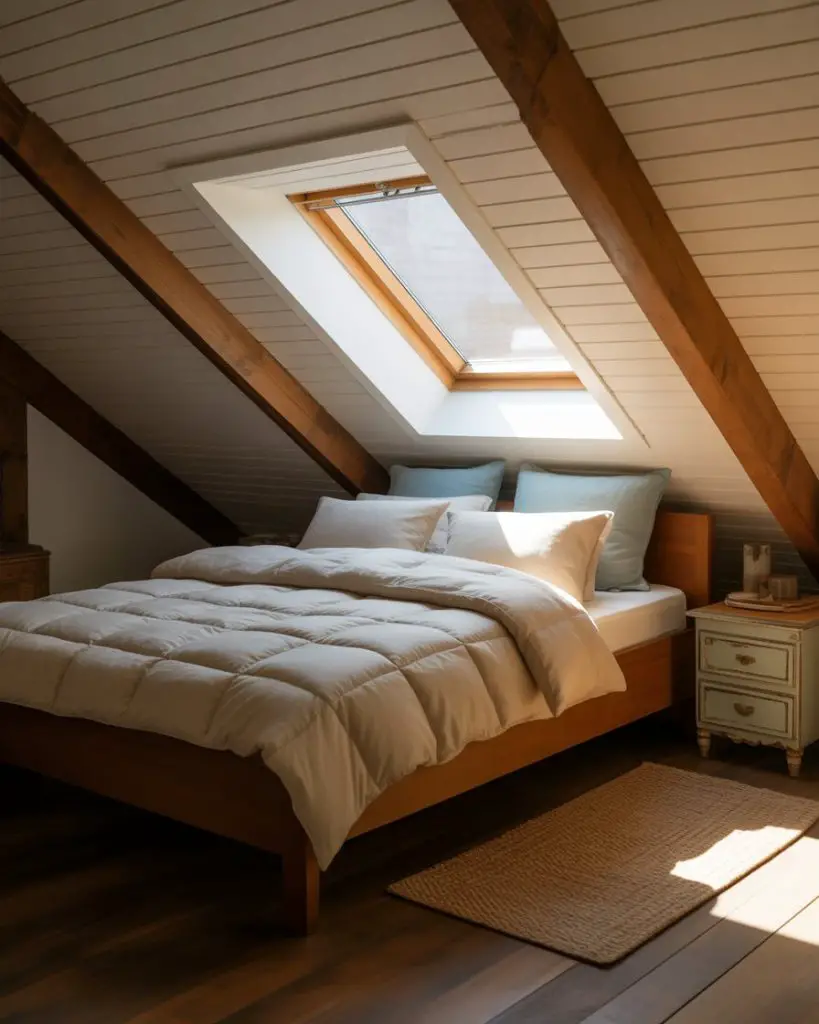
Attic conversions are popular in older American homes, but the sloped ceilings make furniture placement tricky. A loft bed designed for small rooms or attic spaces takes advantage of the low-ceiling areas, leaving taller zones for closets or seating. This is especially common in historic districts where adding square footage isn’t an option. 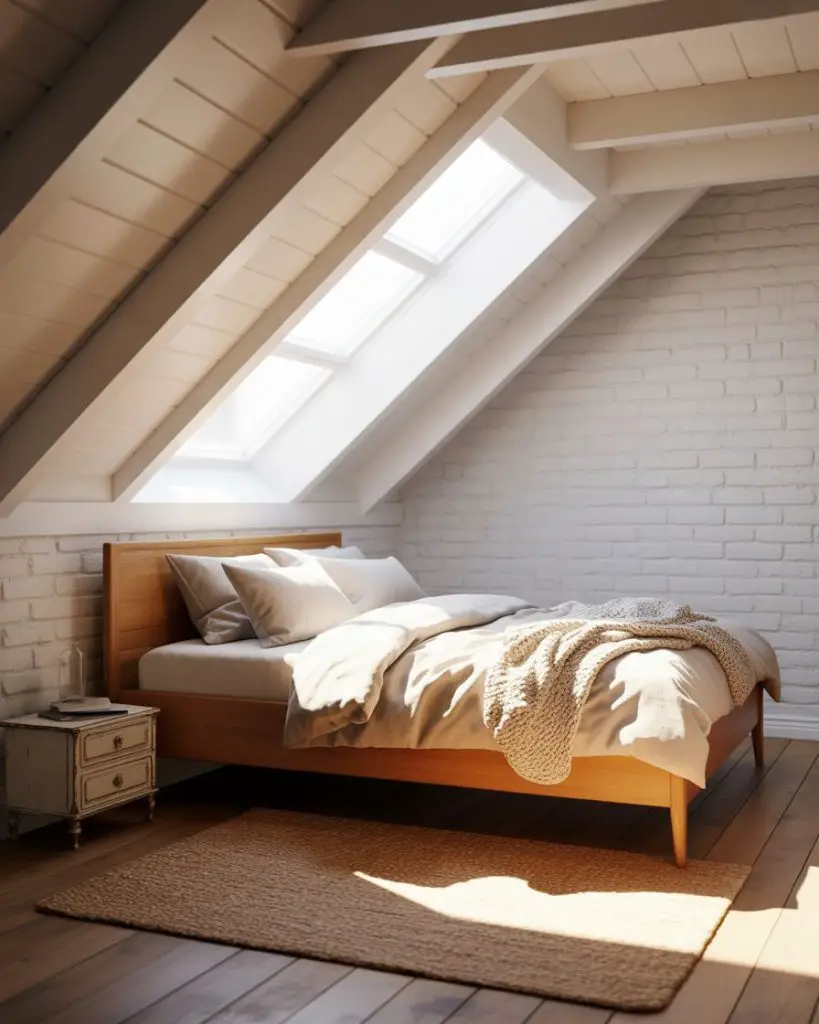
Where it works best: renovated attics in cities like Boston, Philadelphia, and San Francisco, where every inch of real estate is precious. A common mistake is trying to cram a standard bed into the tallest part of the room—flip that logic and use the low zone for sleeping and the high zone for living.
22. Loft Bed with Pull-Out Desk
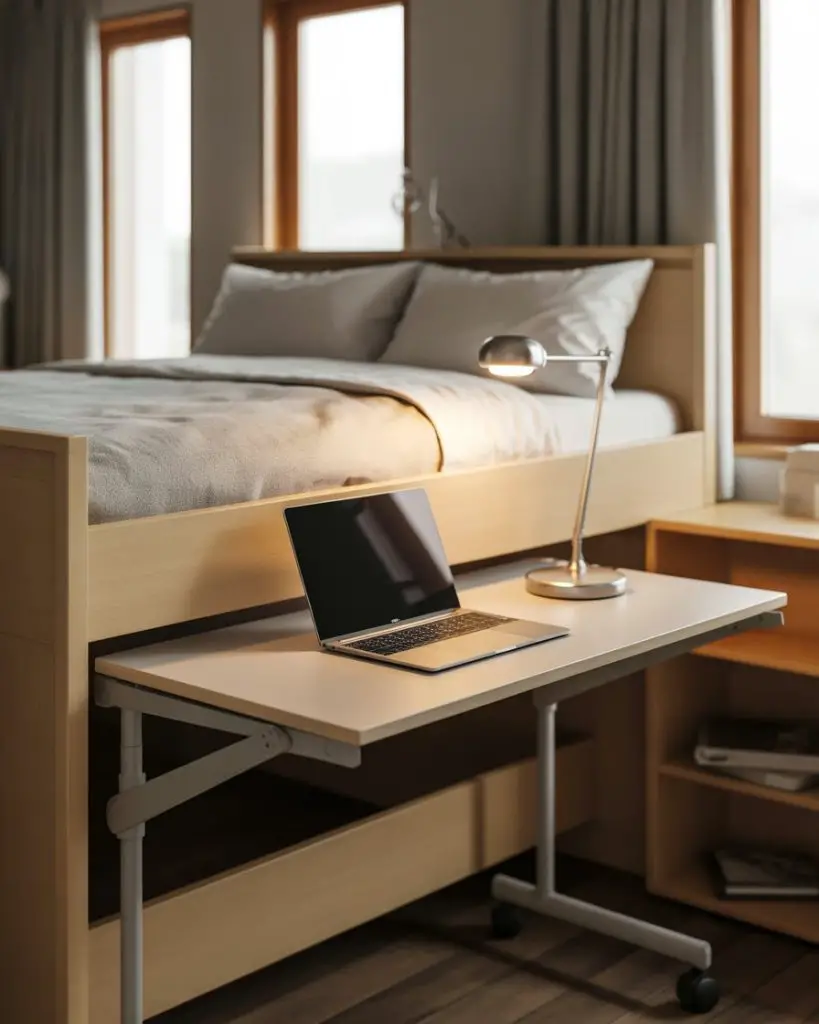
A pull-out desk underneath a loft bed is a clever compromise between open space and functionality. When you need to work, slide it out; when you’re done, tuck it away. This design is increasingly popular in dorm rooms and micro-apartments where flexibility is key, and every piece of furniture needs to earn its place. 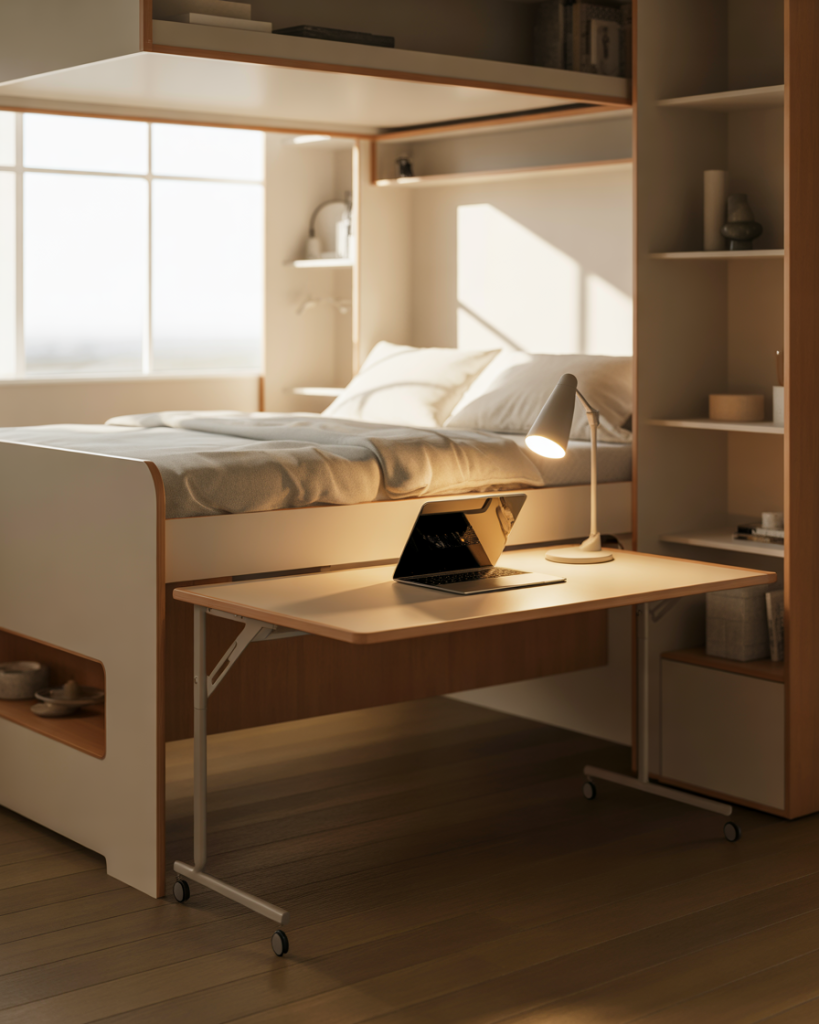
Real homeowner behavior: people love the idea of a pull-out desk but often forget to actually use it. Make sure it glides smoothly and locks in place—cheap mechanisms get jammed or wobbly. Add a small stool or chair that stores underneath when not in use, and you’ve got a genuinely functional workspace that doesn’t dominate the room.
23. Modern Loft Bed with Integrated Lighting
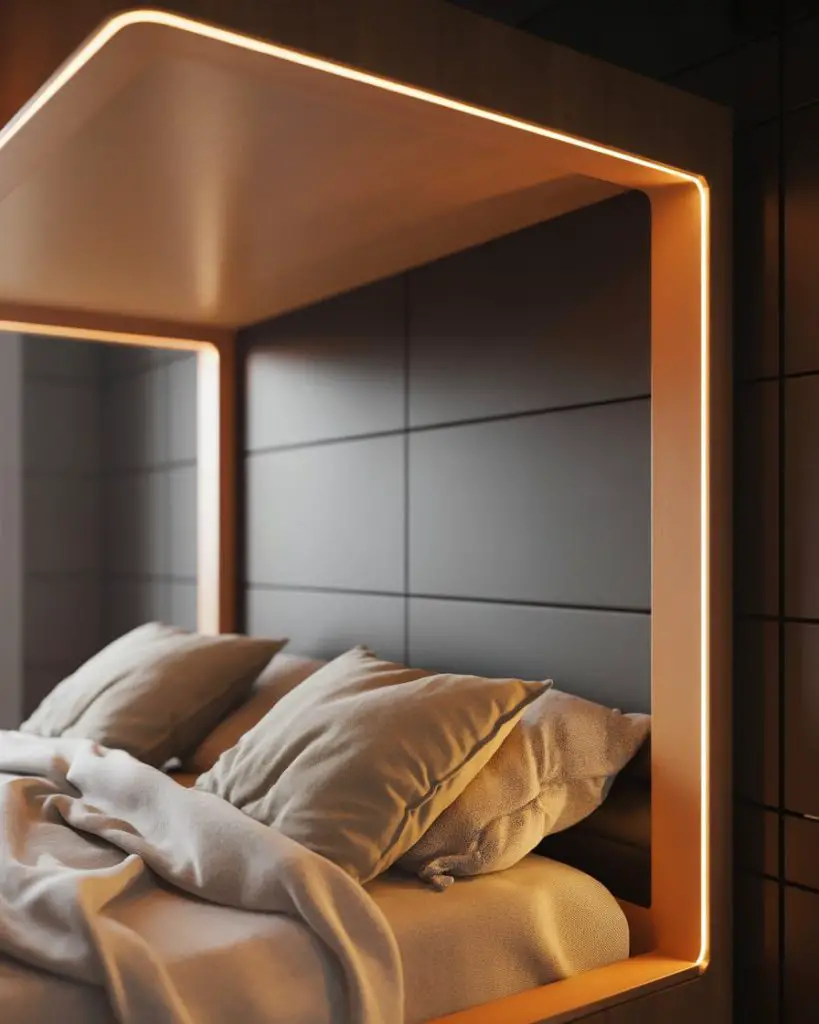
Integrated lighting—think LED strips, reading lamps, or pendant fixtures—elevates a loft bed from functional to luxurious. This aesthetic upgrade is trending in design-forward homes where lighting isn’t an afterthought but a core element of the room’s mood. It’s especially useful in small rooms where overhead lighting alone can feel harsh. 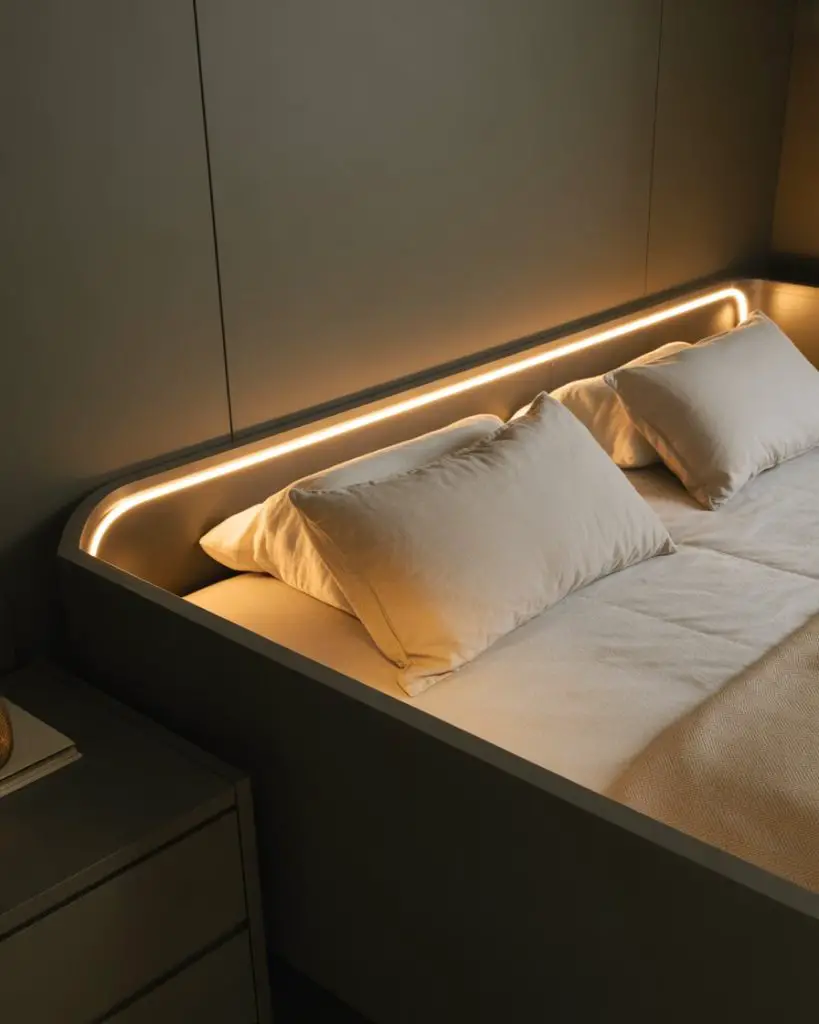
Expert-style commentary: Integrated lighting should be on a dimmer or have multiple settings—bright for reading, soft for winding down. Hardwired solutions look cleanest, but battery-operated LED strips work in rentals where drilling isn’t allowed. Either way, good lighting transforms a loft bed from a place to sleep into a thoughtfully designed retreat.
Conclusion
From compact metal frames to custom-built masterpieces, loft beds in 2026 offer more style and versatility than ever before. Whether you’re furnishing a dorm, maximizing a tiny apartment, or creating a dreamy retreat for your teenager, there’s a loft bed solution that fits your space and budget. Which idea resonated most with you? Drop a comment and share your own loft bed plans or challenges—we’d love to hear what you’re working on.