As we move deeper into 2026, American kitchens are evolving faster than ever—blending cutting-edge design with timeless comfort. Whether you’re scrolling through Pinterest for your next remodel or simply dreaming about a refresh, this year’s trends reflect a desire for spaces that feel both highly functional and deeply personal. From minimalist layouts that maximize every inch to luxury finishes that make a statement, modern kitchens are no longer just about cooking—they’re about living. In this guide, we’ve rounded up inspiring ideas that capture the best of what’s happening in kitchen design right now, each one tailored to help you create a space that works beautifully for your life.
1. Warm Minimalist Kitchen with Natural Wood Accents
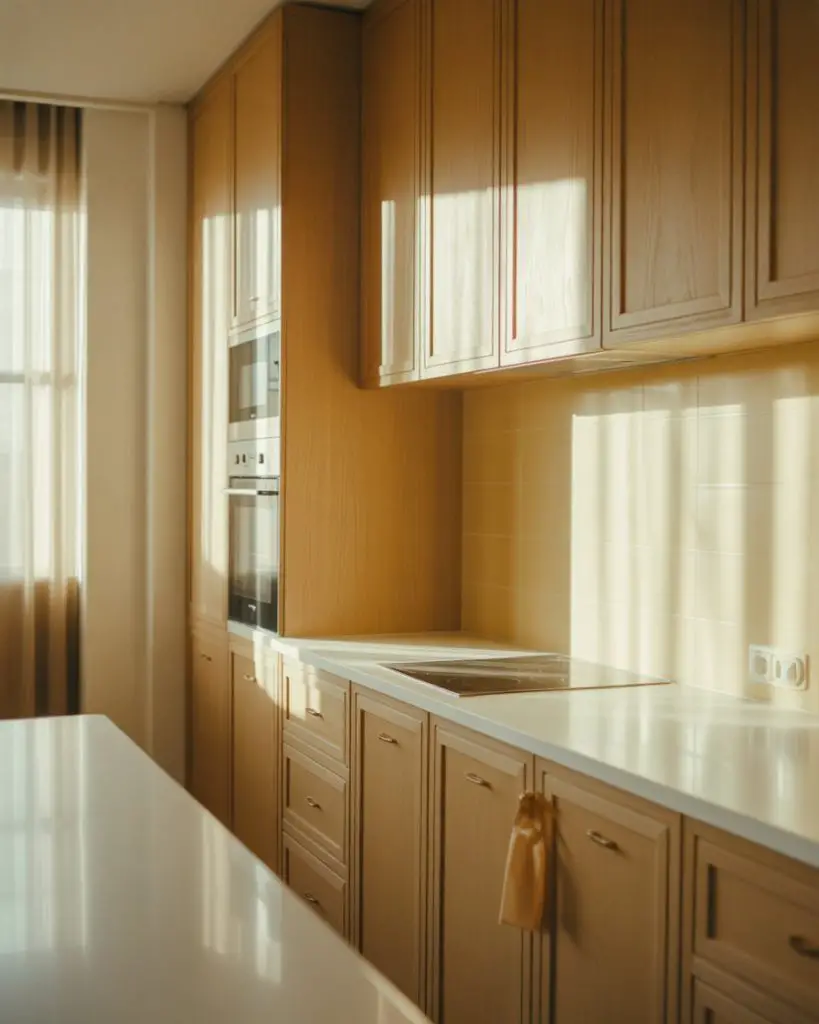
This idea strips away the clutter while keeping the soul intact. Think clean lines, handleless cabinetry, and a minimalist color palette anchored by warm oak or walnut tones. It’s perfect for anyone craving a simple kitchen that doesn’t feel cold or clinical. The wood brings in that organic warmth that makes the space feel lived-in, even when everything’s put away. This approach is especially popular in urban apartments where square footage is tight but style expectations are high. 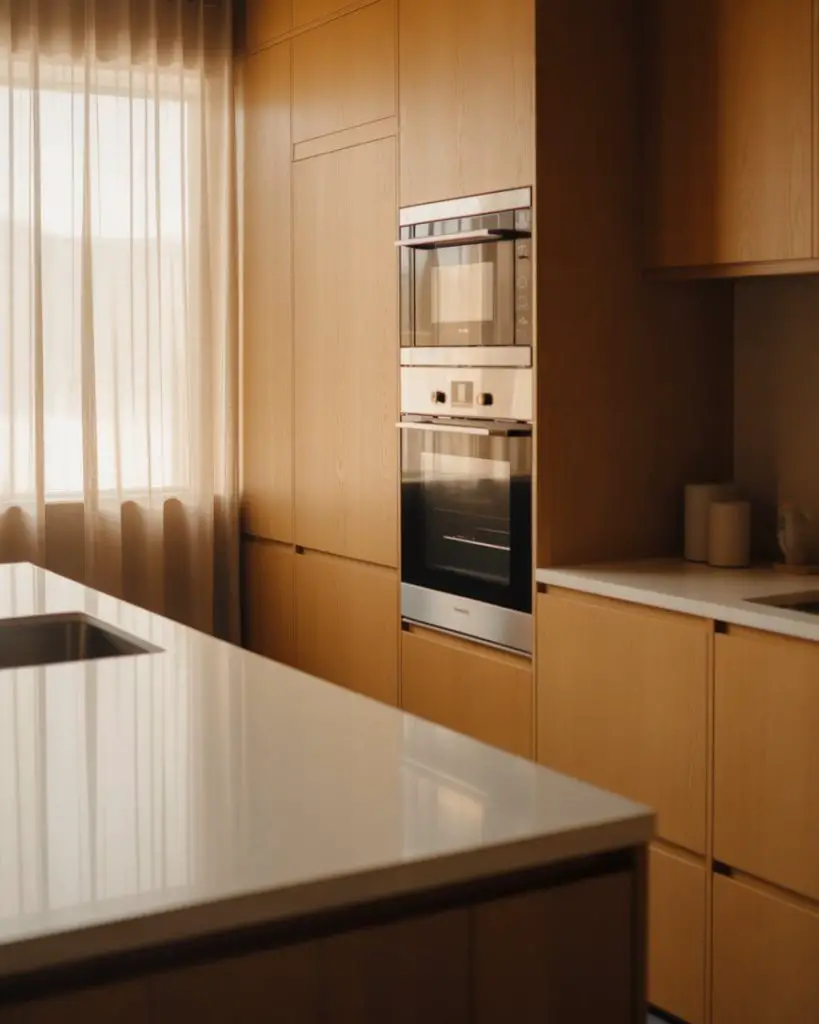
One practical insight here: warming up a minimalist kitchen doesn’t require a full overhaul. Swapping out chrome hardware for brushed brass or matte black, or adding a single floating shelf with ceramic bowls, can shift the entire mood. The key is restraint—let each element breathe. Avoid overcrowding countertops, and invest in hidden storage solutions that keep your everyday essentials accessible but invisible. This is a kitchen that rewards discipline with serenity.
2. Bold Two-Tone Cabinetry in Navy and Cream
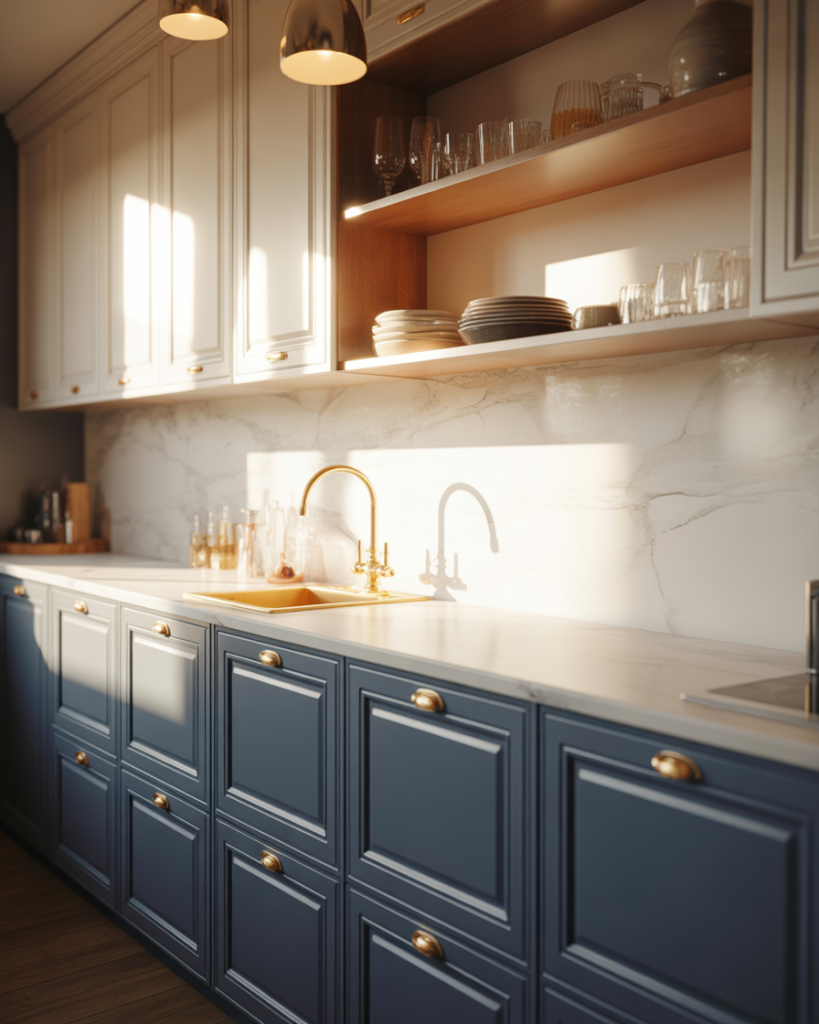
Two-tone kitchens are having a major moment in 2026 trends, and navy paired with cream is leading the charge. The deep blue grounds the space, often used on lower cabinets or an island, while the lighter tone keeps things airy above. It’s a contemporary twist on classic design, offering contrast without chaos. This look works especially well in open-plan homes where the kitchen needs to make a visual statement without overwhelming the adjacent living areas. 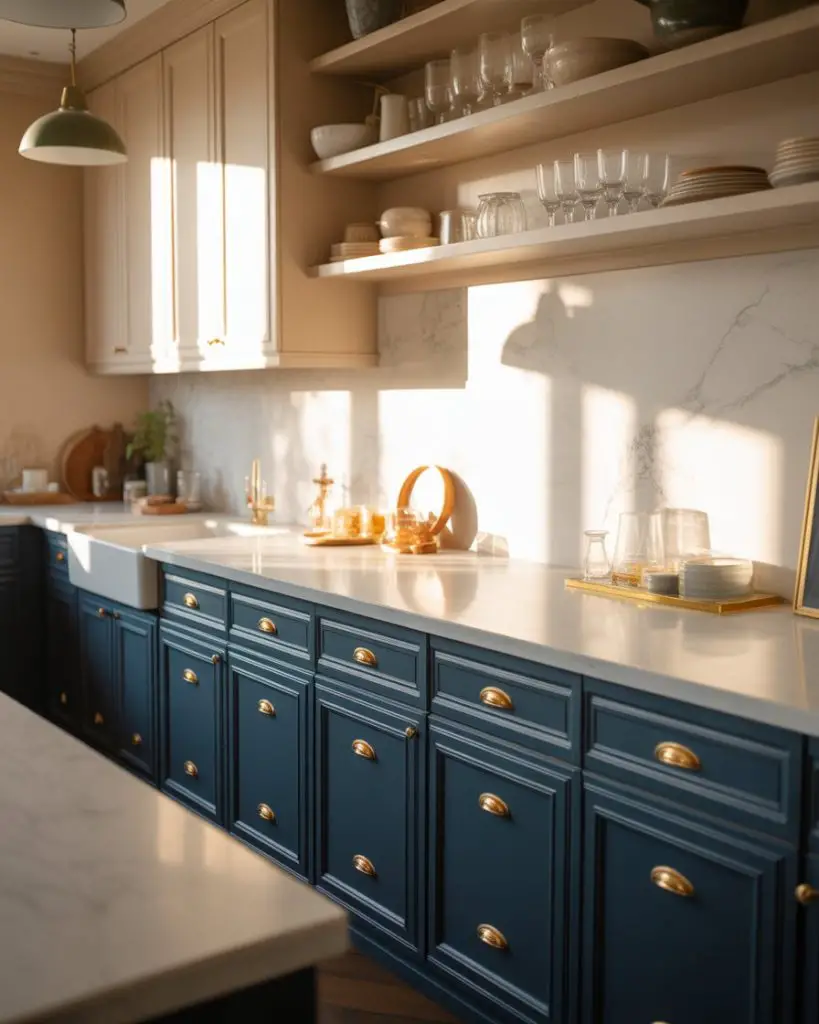
Where this works best: suburban homes with traditional bones looking for a modern refresh. The navy adds gravitas, while the cream softens the edge. You can push this idea further by introducing patterned cement tiles on the floor or a brass range hood as a focal point. Just be mindful of balance—too much navy can darken a space, so consider your natural light and window placement before committing.
3. Open Shelving with Curated Dishware Display
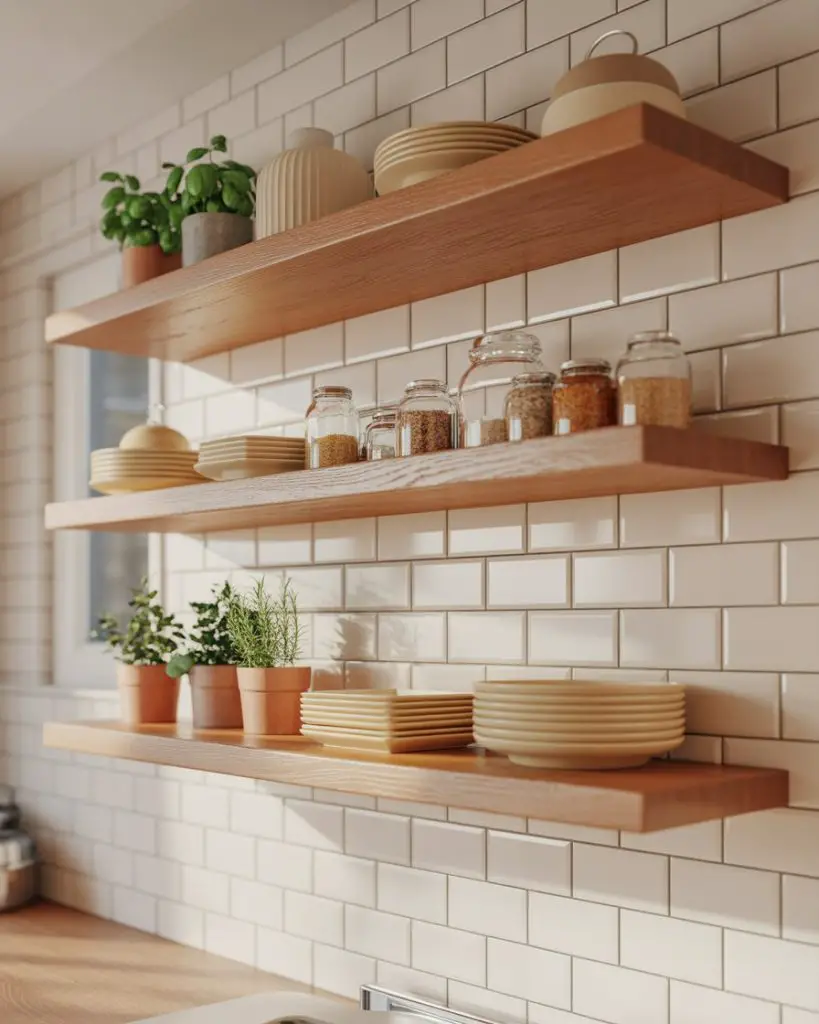
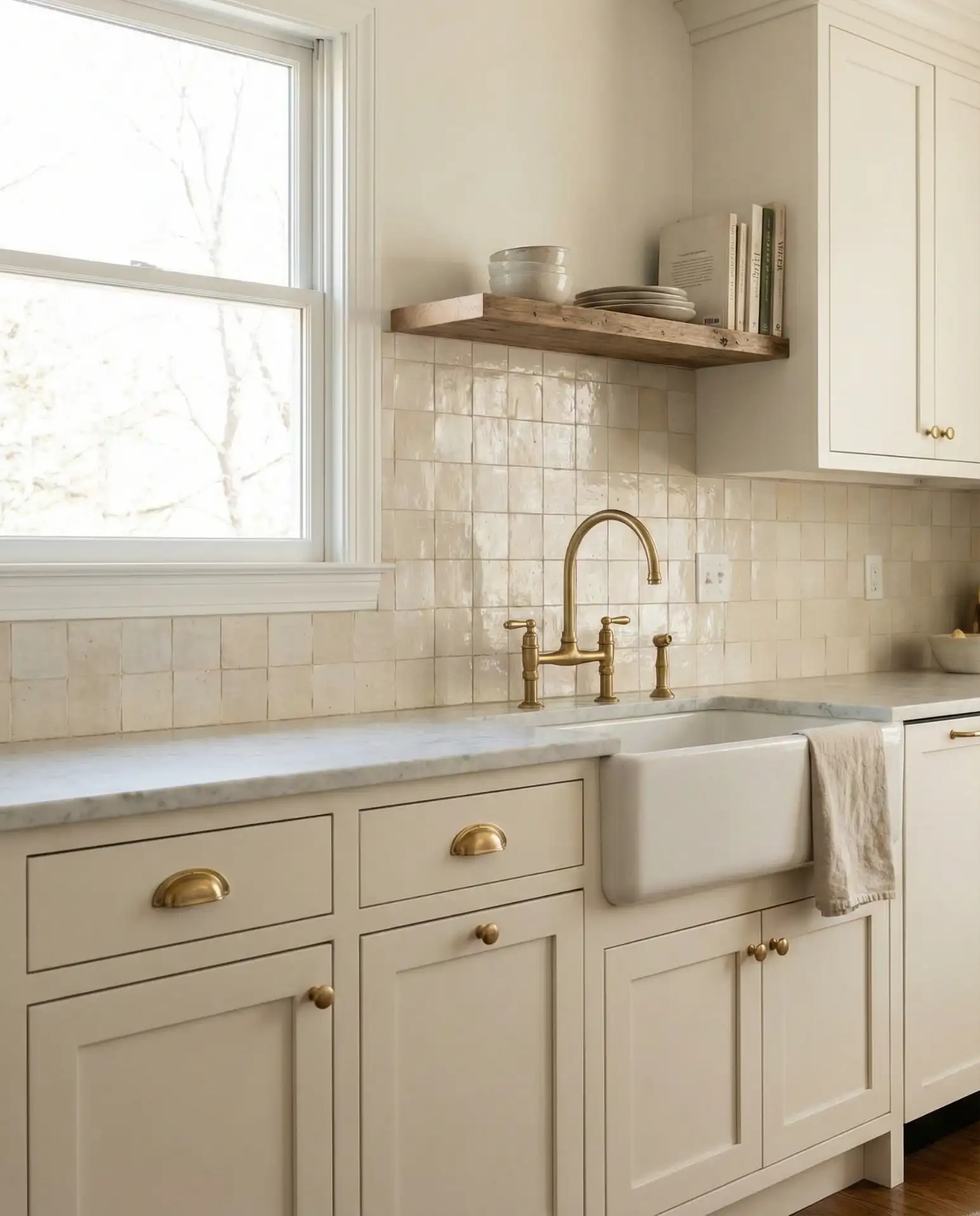
Open shelving isn’t new, but the way it’s being styled in 2026 is. Forget the overcrowded, mismatched look—today’s approach is all about curation. Display your most beautiful pieces: handmade ceramics, vintage glassware, or a collection of rustic stoneware. The shelves themselves are often made from reclaimed wood or sleek metal brackets, adding architectural interest. This works best in kitchens where you cook often and want your tools to be both functional and beautiful. 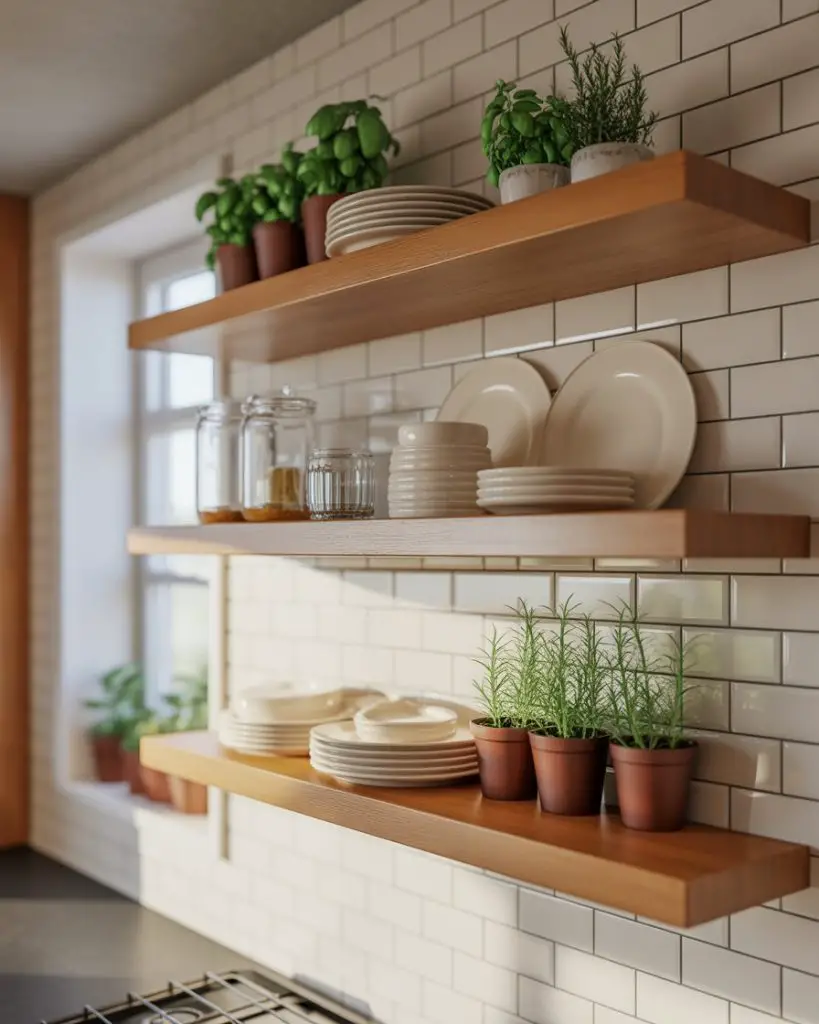
A common mistake here is treating open shelves like closed cabinets—cramming them full of everyday clutter. Instead, think of them as a gallery wall. Rotate items seasonally, keep duplicates hidden, and leave breathing room between objects. Real homeowners who nail this look often limit their display to three or four color tones, creating visual harmony. It’s about editing, not hiding.
4. Integrated Appliances for Seamless Flow
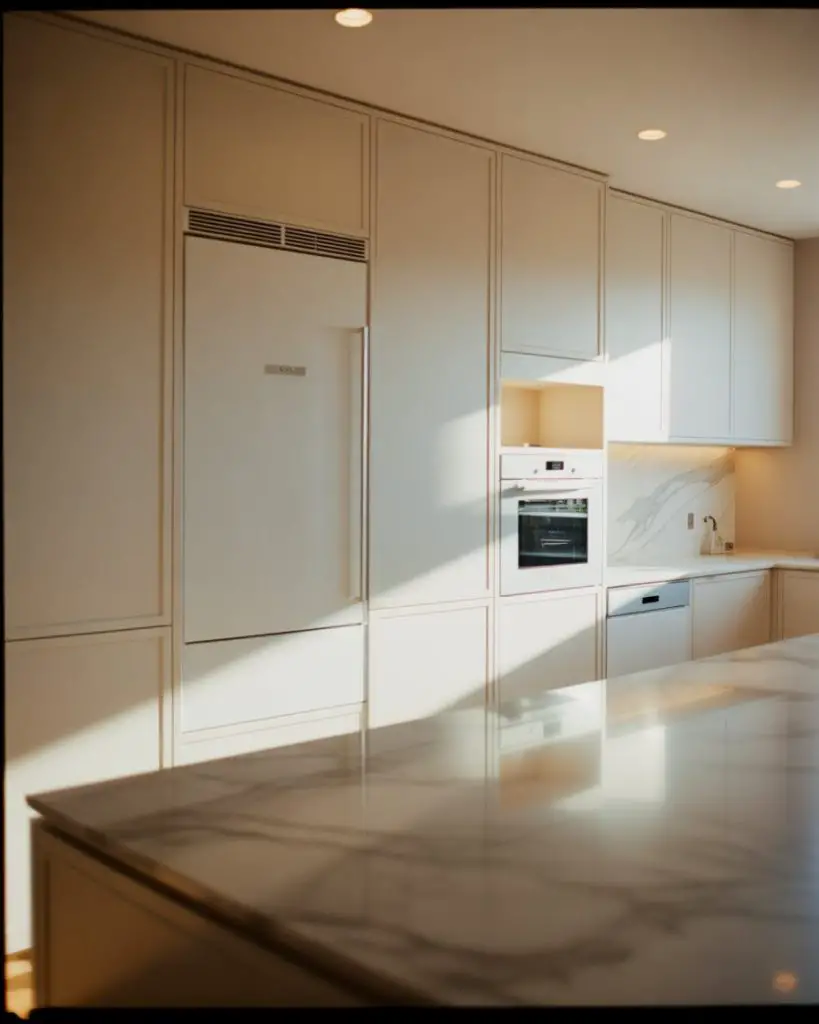
Panel-ready refrigerators, dishwashers, and even range hoods are becoming the standard in high-end kitchen design. The goal is a minimalist look where appliances disappear into the cabinetry, creating a seamless, uninterrupted flow. This approach is particularly effective in small spaces where visual clutter can make a room feel even tighter. By camouflaging your appliances, you let the architecture and materials take center stage. 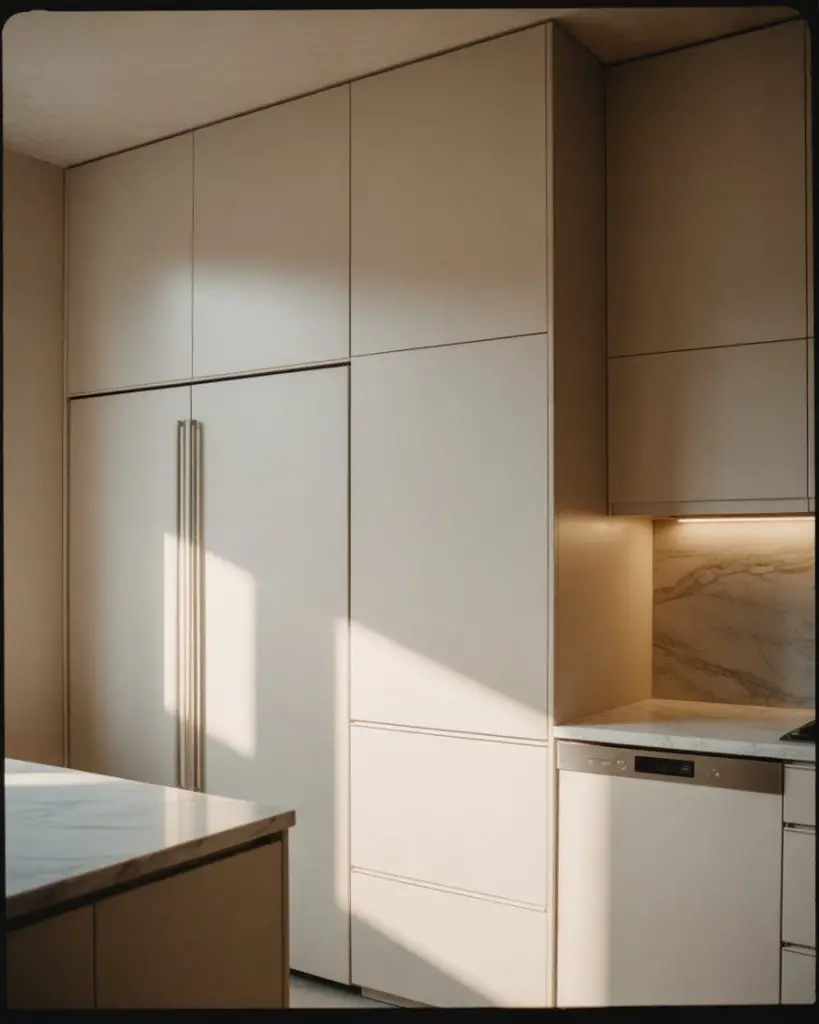
Budget angle: integrated appliances can add thousands to a remodel, but you don’t have to go all-in at once. Start with the refrigerator, which is often the bulkiest visual element, and phase in other appliances as your budget allows. Some homeowners also opt for a semi-integrated look, where only the front panel matches the cabinetry, which can save money while still achieving a cohesive aesthetic.
5. Statement Range Hood as Focal Point
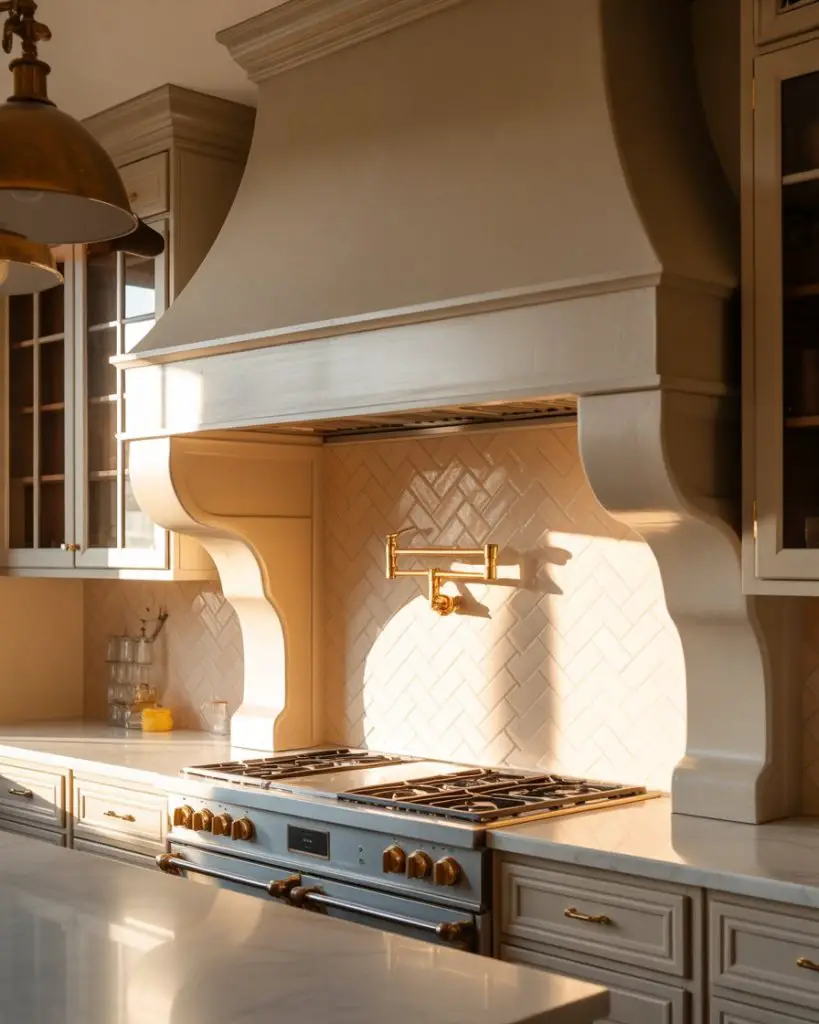
The range hood has graduated from functional necessity to sculptural centerpiece. Whether it’s a hammered copper design, a sleek plaster volume, or a custom wood-wrapped piece, the hood is now a place to take risks. This trend aligns with the broader move toward luxury kitchens that feel custom and artisanal. It’s especially striking in kitchens with white or neutral palettes, where the hood becomes the star of the show. 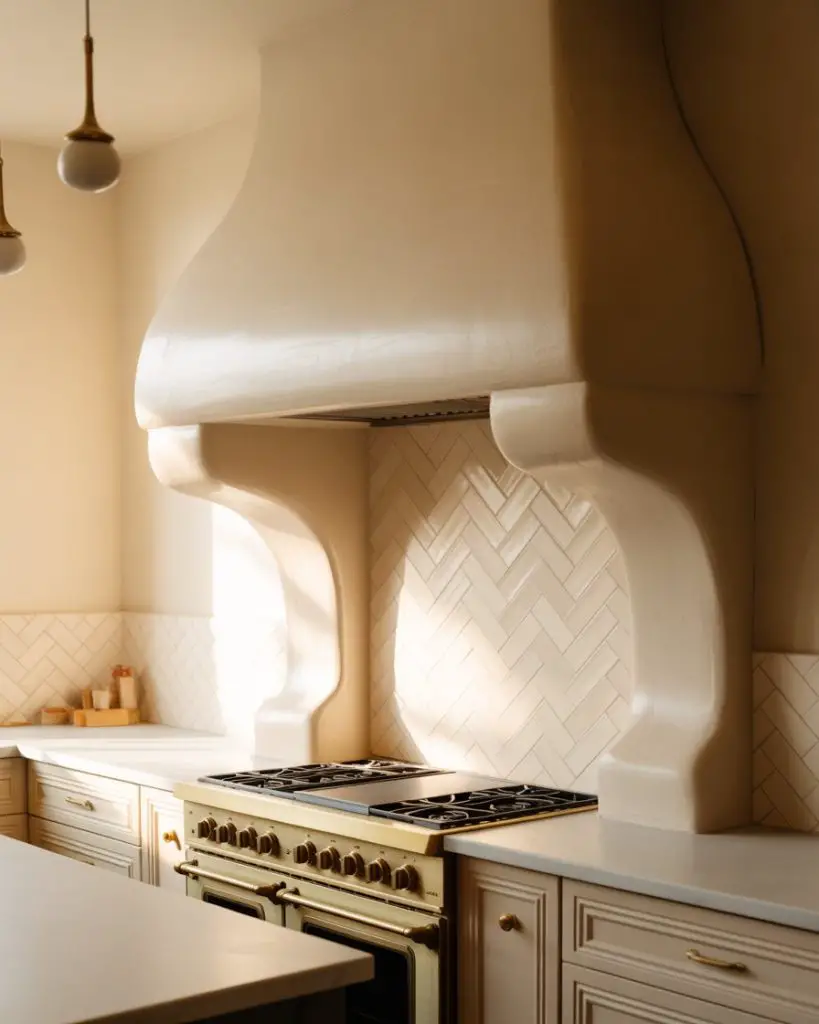
Expert-style commentary: the hood should complement, not compete with, your cabinetry. If your cabinets are ornate or heavily detailed, keep the hood simple. Conversely, if you’re working with flat-panel doors, a dramatic hood can add the visual weight the room needs. Also consider ventilation capacity—beautiful design means nothing if it doesn’t perform. Work with a contractor to ensure your hood meets your cooking habits.
6. Earthy Terracotta and Clay Tones

Warm, earthy palettes are replacing the cool grays that dominated the last decade. Terracotta backsplash tiles, clay-colored cabinetry, and rust-toned accessories bring a grounded, organic feel to modern kitchens. This trend works beautifully in homes with natural materials like wood floors or stone countertops. It’s a nod to vintage European kitchens, but executed with a contemporary edge that feels fresh and relevant for American homes in the Southwest or California. 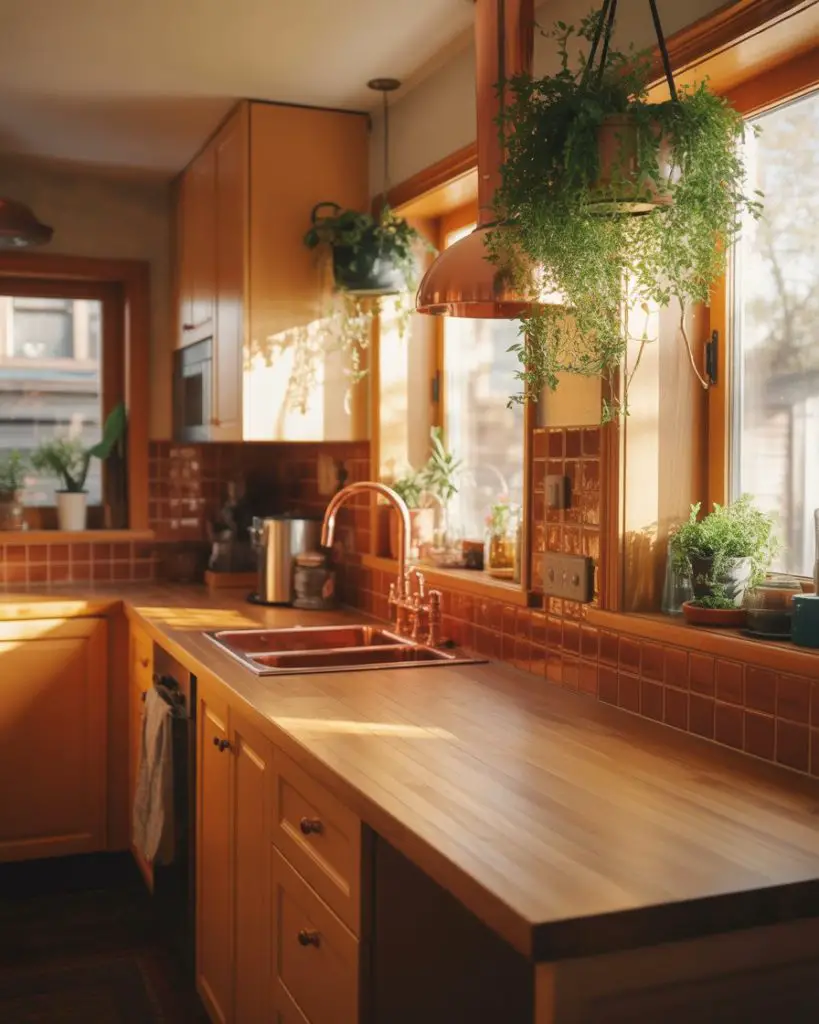
Micro anecdote: a designer in Santa Fe recently told me that clients are specifically requesting these warm tones because they want their kitchens to feel like an extension of the landscape. It’s not just about aesthetics—it’s about creating a sense of place. You can layer in terracotta through small touches like dishware, planters, or even a single accent wall, making it an approachable entry point for renters or those on a budget.
7. Vintage-Inspired Hardware and Fixtures
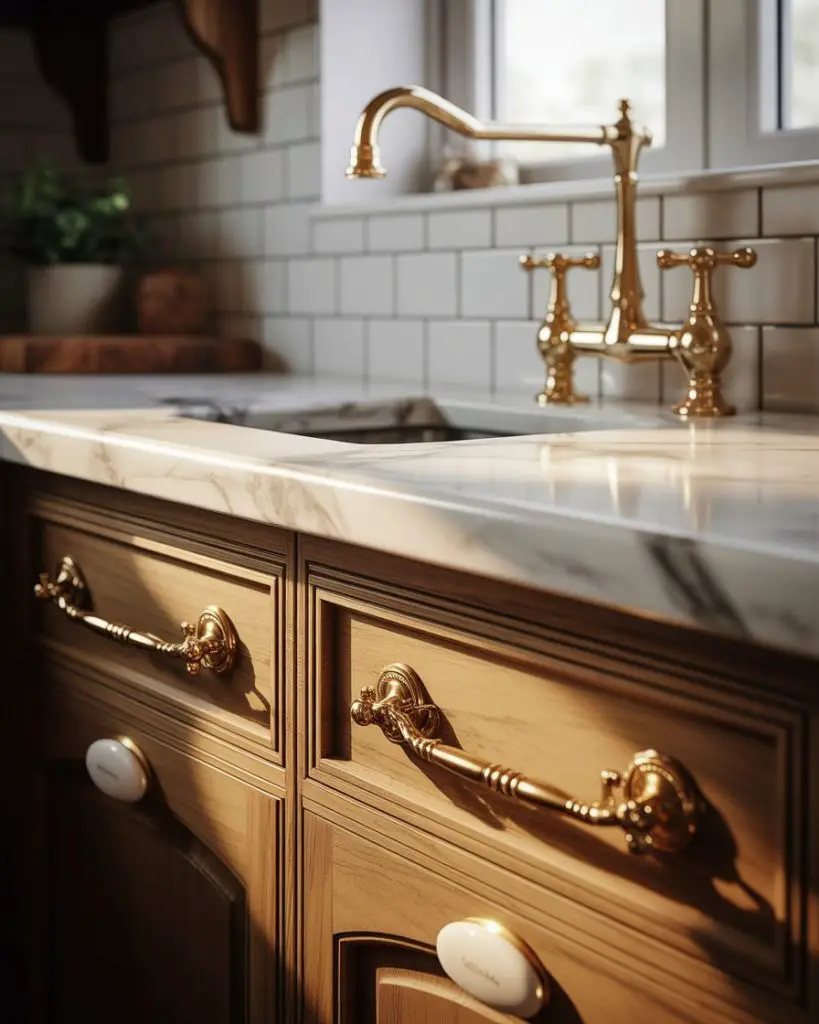
Cabinet pulls, faucets, and light fixtures with vintage silhouettes are everywhere this year. Think unlacquered brass that will patina over time, ceramic knobs with delicate patterns, or bridge faucets that recall early 20th-century design. These details add character to even the most modern kitchens, creating layers of history and personality. It’s a 2026 trends favorite because it bridges the gap between new construction and inherited charm. 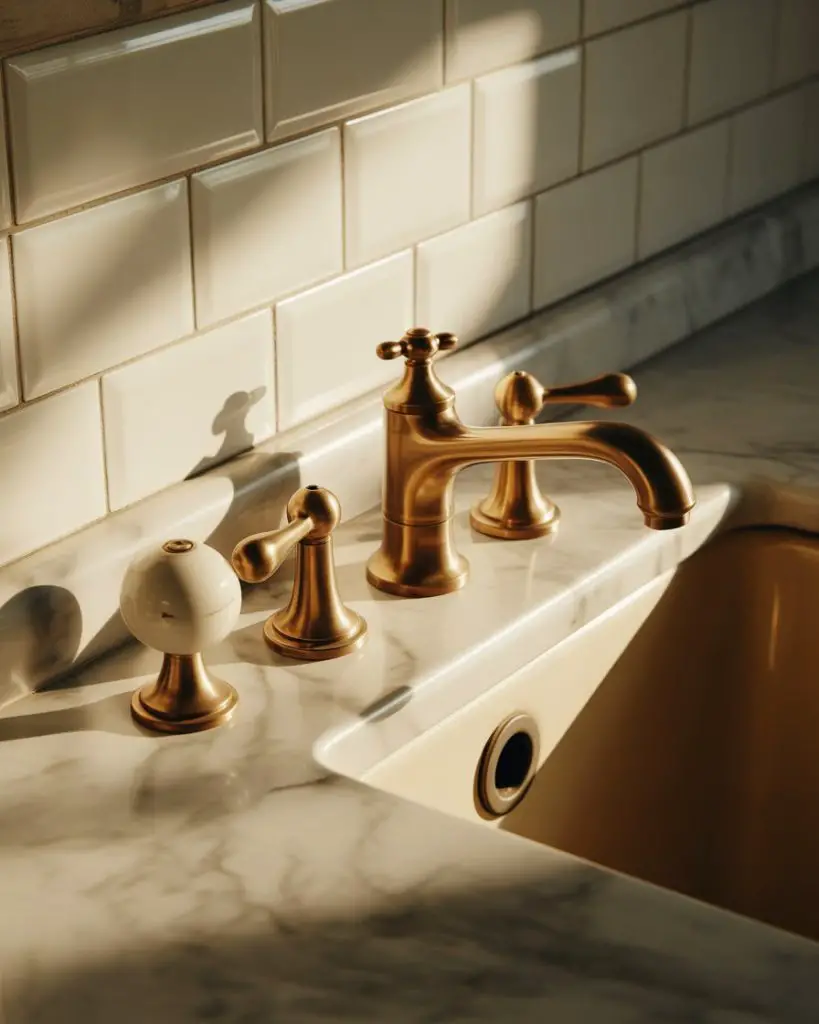
American lifestyle context: in cities like Portland, Austin, and Charleston, homeowners are mixing vintage hardware with IKEA cabinets to create a high-low look that feels intentional. This approach democratizes good design—you don’t need custom cabinetry to achieve a collected, curated feel. Just swapping out builder-grade hardware for something with more soul can elevate the entire space. Look for hardware with weight and finish variation; perfect uniformity can read as generic.
8. Zellige Tile Backsplash for Texture and Depth
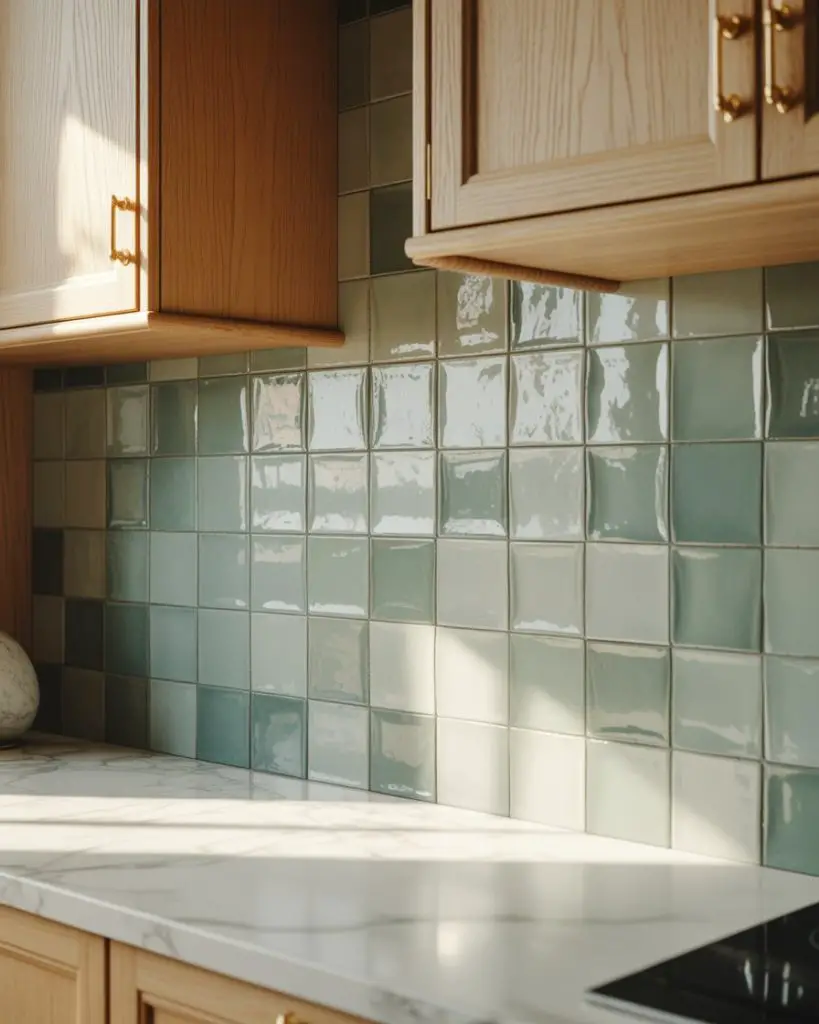
Handmade Moroccan zellige tiles bring an aesthetic richness that’s impossible to replicate with machine-made materials. The uneven surface catches light in unpredictable ways, adding depth and movement to your backsplash. Available in everything from soft neutrals to deep jewel tones, zellige works in both boho and contemporary kitchens. The imperfections are the point—each tile is slightly different, creating a living, breathing surface that feels artisanal and intentional. 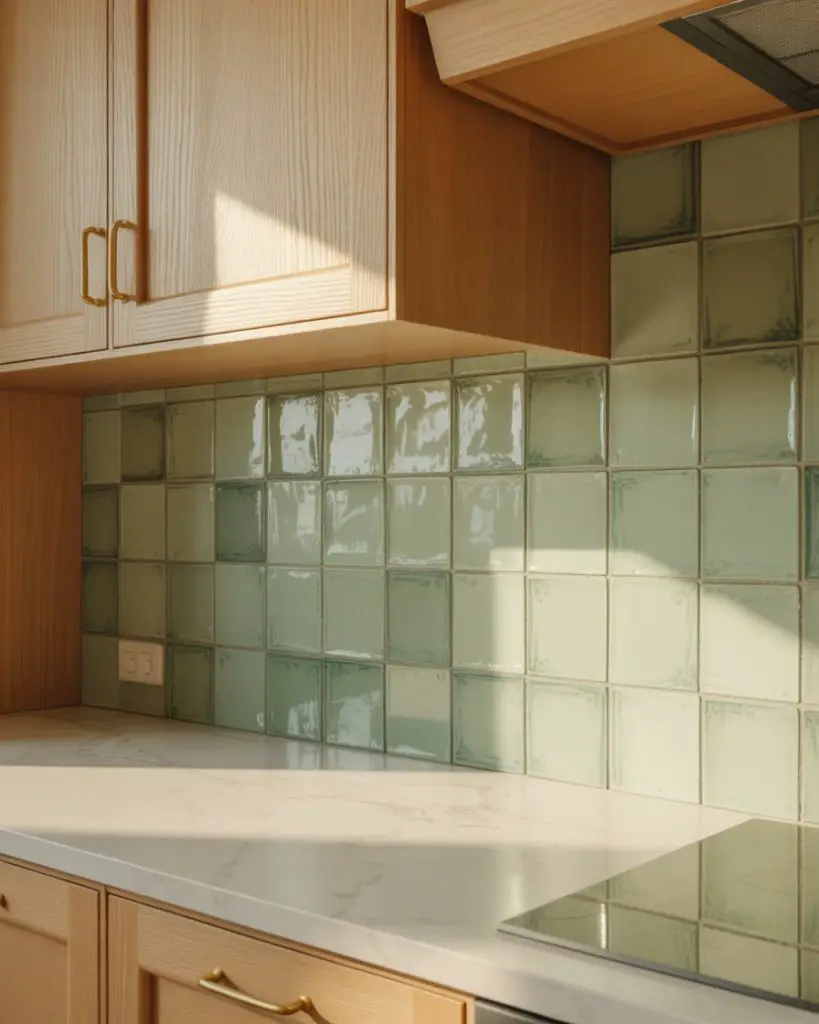
Practical insight: zellige is more porous than standard ceramic, so sealing is essential, especially behind the stove where grease can accumulate. Work with a tile installer experienced in handmade materials—standard grout lines won’t work here because the tiles aren’t uniform. The installation takes longer and costs more, but the result is a one-of-a-kind surface that ages beautifully. Many American suppliers now stock zellige, making it more accessible than ever.
9. Butcher Block Countertops for Warmth
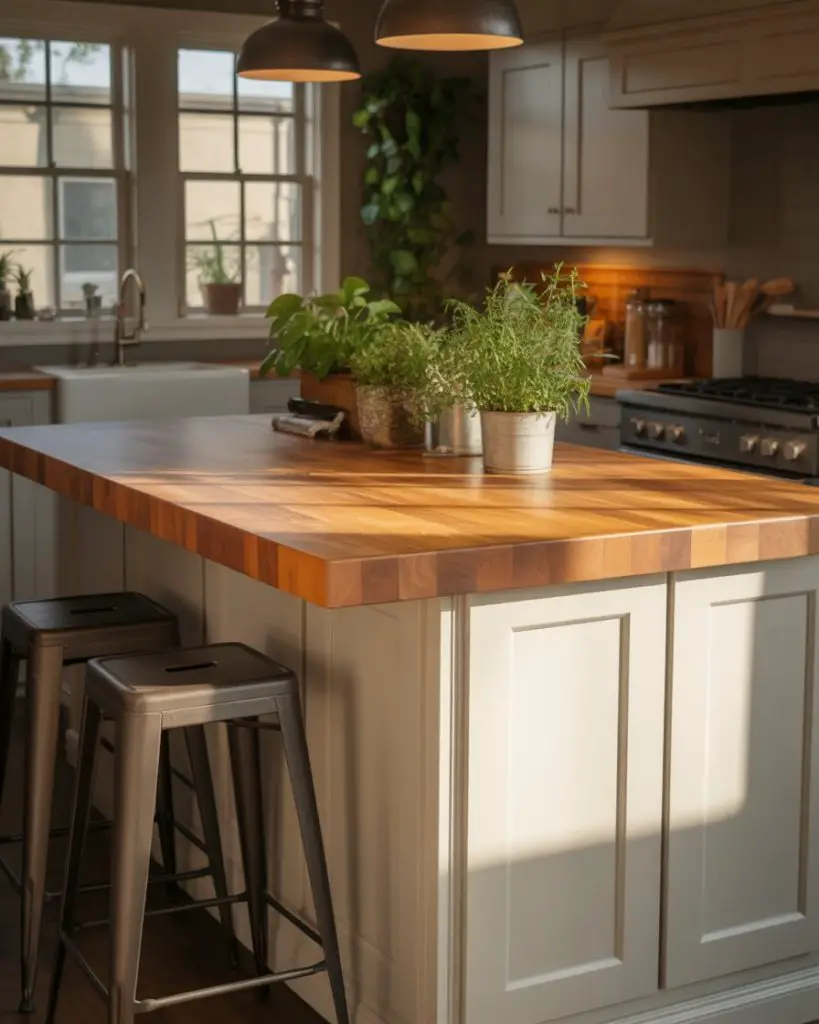
Wood countertops are making a strong comeback, especially in farmhouse and rustic kitchens where warmth and texture are paramount. Butcher block offers a tactile, living surface that develops character over time. It’s also a budget-friendly alternative to stone, making it popular in rental renovations and starter homes. Pair it with white or light-colored cabinets to let the wood grain shine, or go darker for a more dramatic, mid-century look. 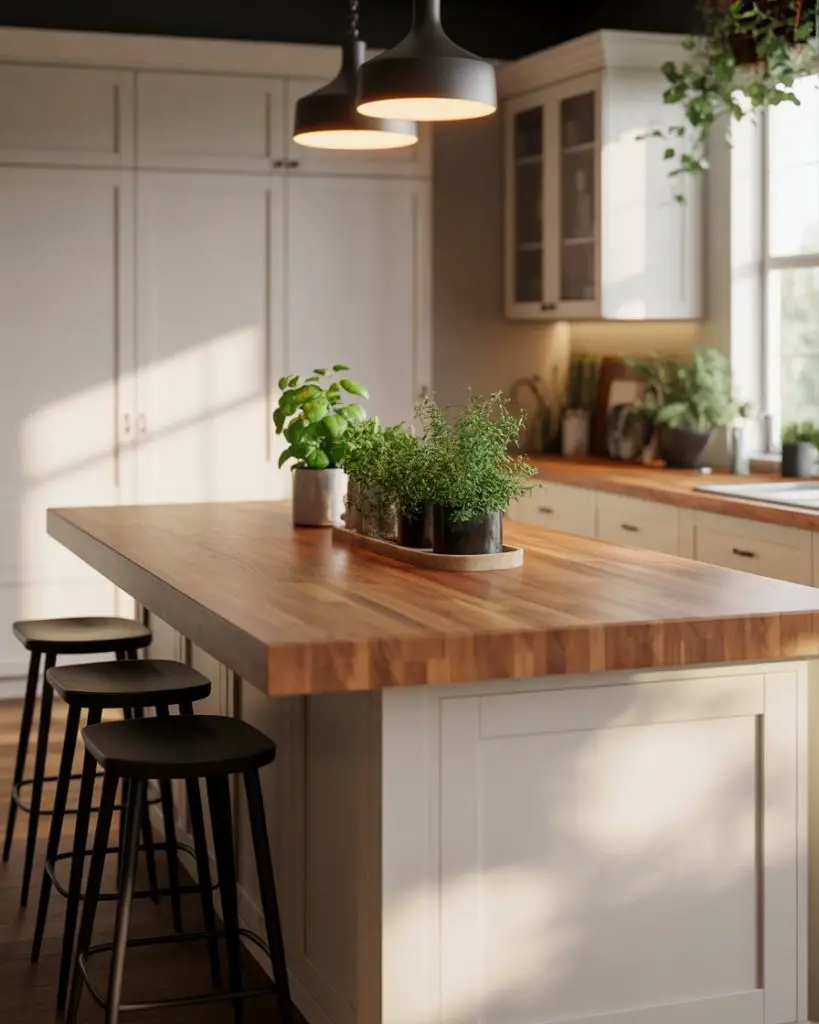
Budget and price angle: butcher block runs significantly cheaper than quartz or marble—often half the cost per square foot. The tradeoff is maintenance: you’ll need to oil it regularly and be mindful of water damage. But many homeowners love the ritual of caring for their counters, treating it as part of the kitchen’s story. If you’re handy, you can even install it yourself, though seams require precision. It’s a material that rewards attention and ages with grace.
10. Black Accents for Modern Contrast
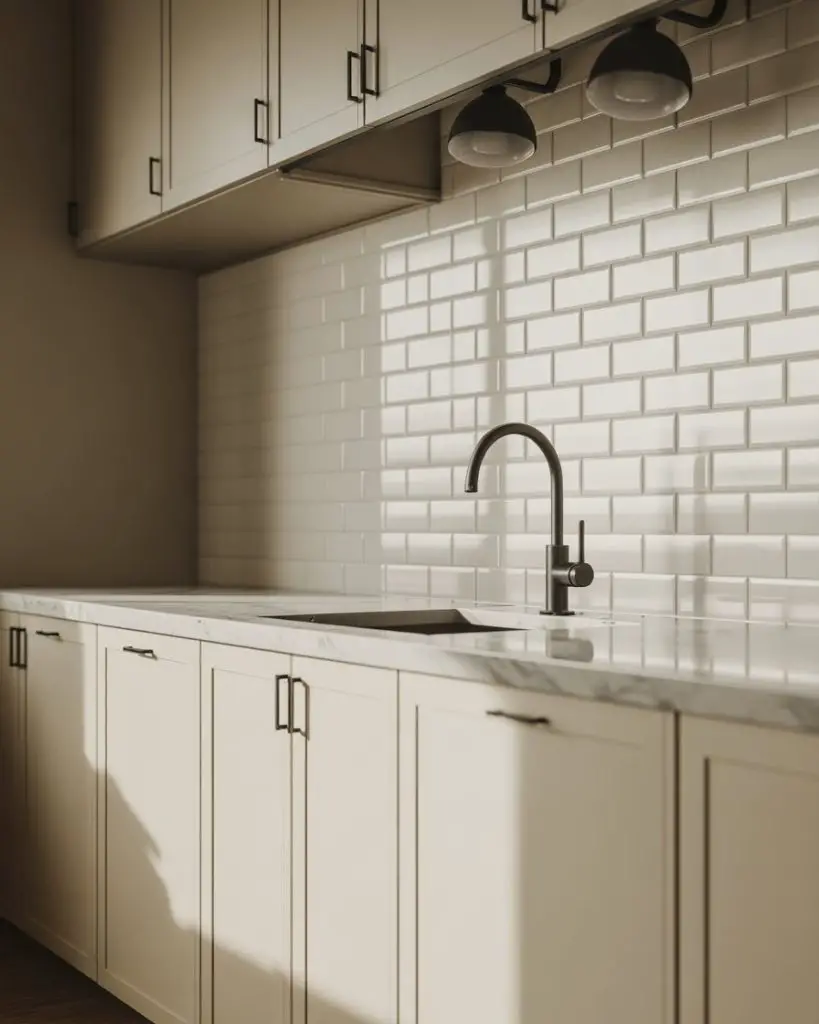
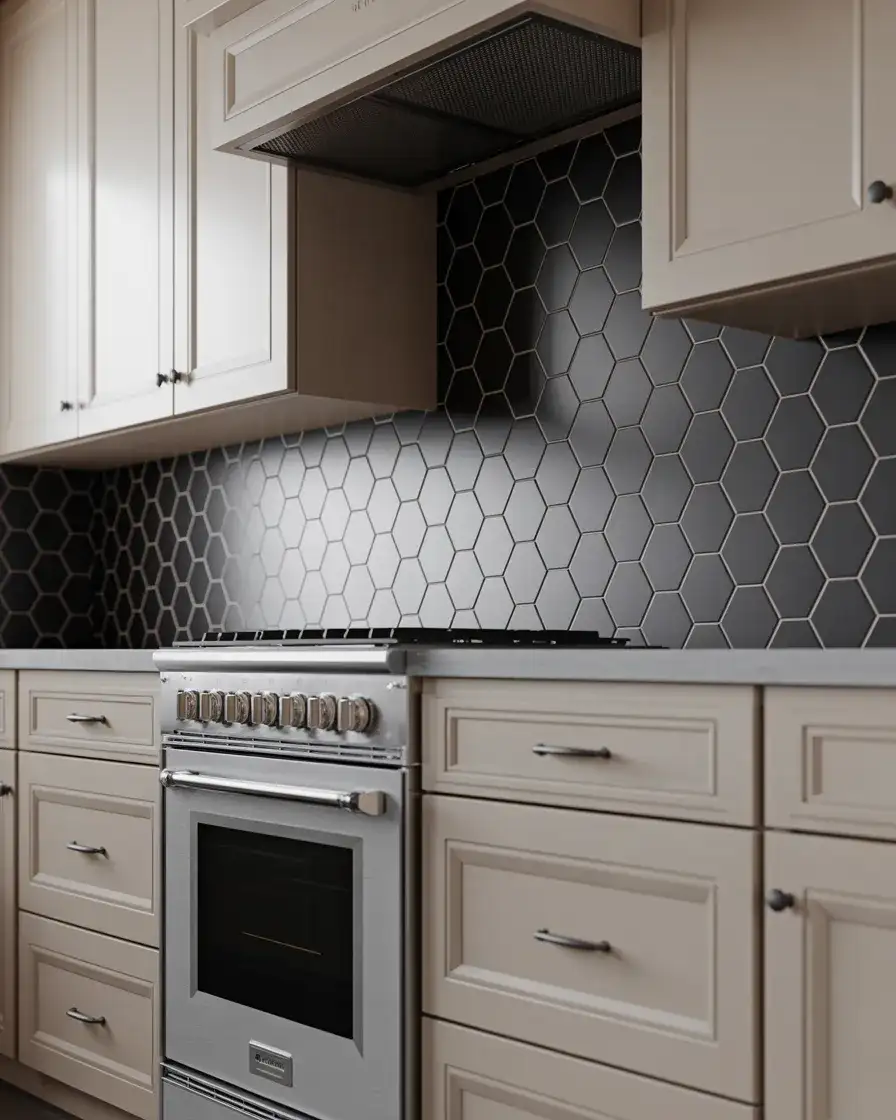
Matte black faucets, cabinet hardware, light fixtures, and even appliances are adding sharp contrast to lighter kitchens. This trend works across styles—from minimalist to farmhouse—because black is both neutral and bold. It grounds a space without overwhelming it, and it’s incredibly forgiving when it comes to fingerprints and water spots. The key is consistency: choose one black finish and stick with it throughout the kitchen for a cohesive look. 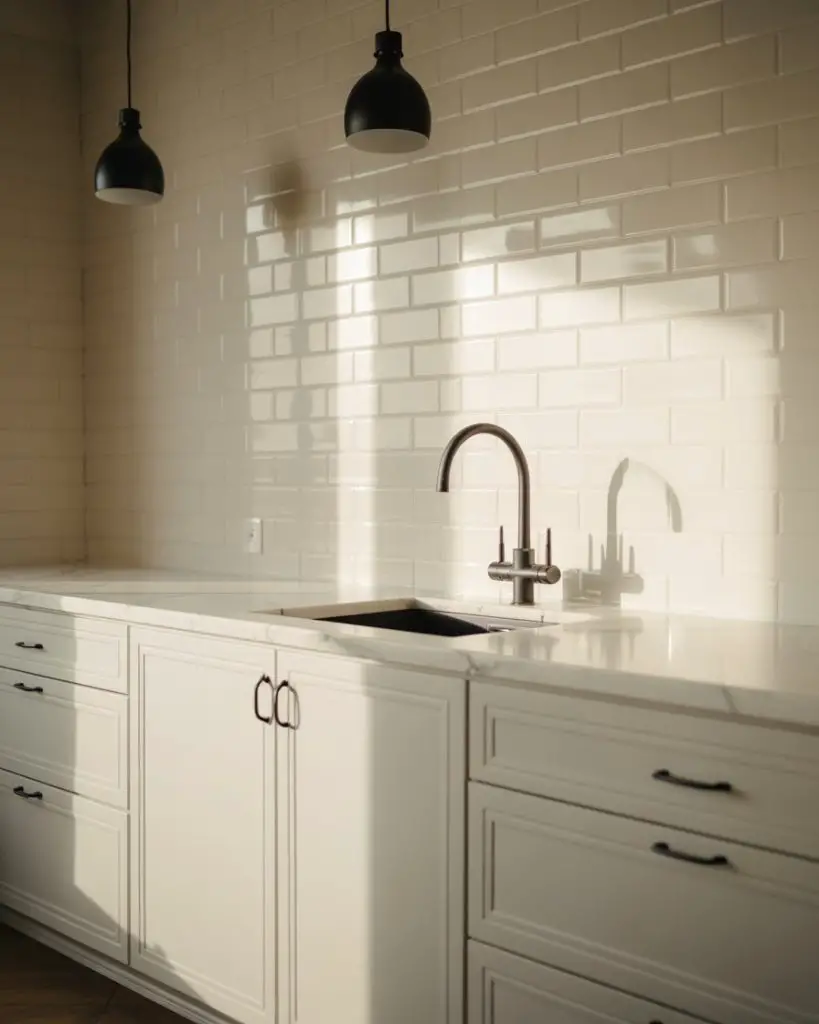
Real homeowner behavior: many people start with black hardware as a test, since it’s the easiest and cheapest swap. Once they see how it transforms the space, they commit to black fixtures and lighting. The progression is natural and low-risk. One thing to watch: avoid mixing too many black finishes (matte, gloss, satin) in the same space, as it can look unintentional. Pick one and repeat it throughout for maximum impact.
11. Mid-Century Modern Elements with Tapered Legs
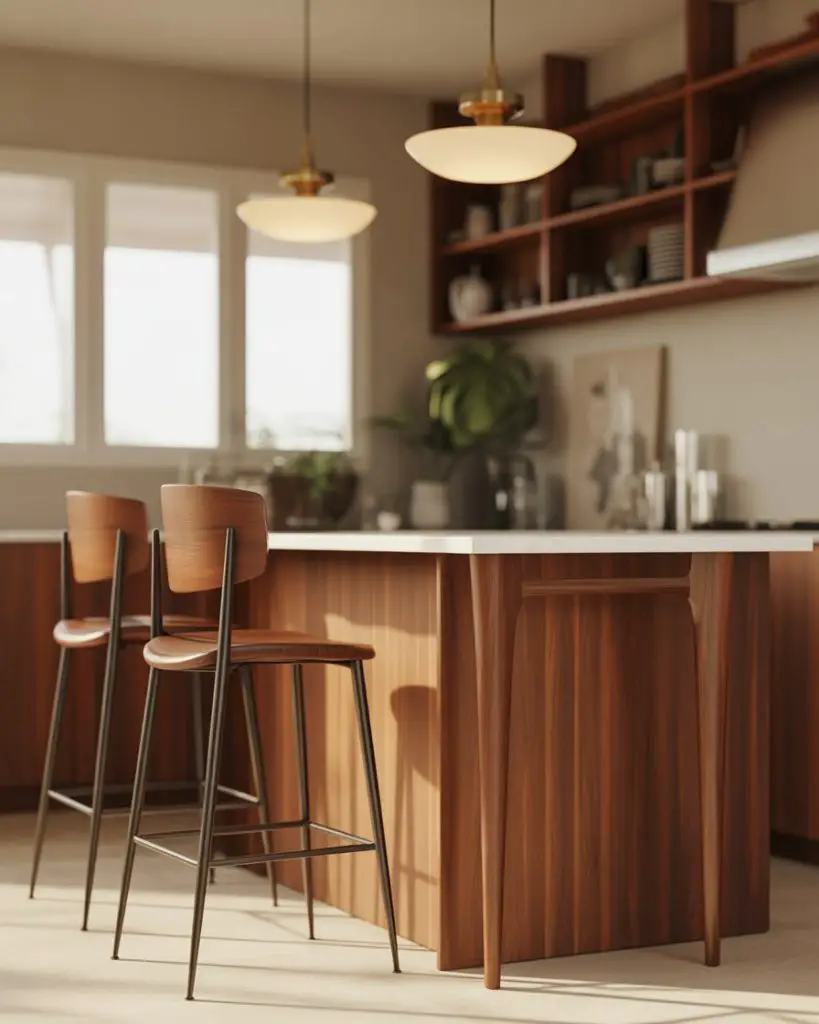
The clean lines and organic forms of mid-century design continue to influence modern kitchens. Look for bar stools, kitchen islands, or even custom cabinetry with tapered legs, a hallmark of the era. These details add visual lightness, making the kitchen feel less anchored and more dynamic. Pair them with colorful mid century accents like mustard yellow or burnt orange for a playful nod to the past, or keep it neutral for a more restrained take. 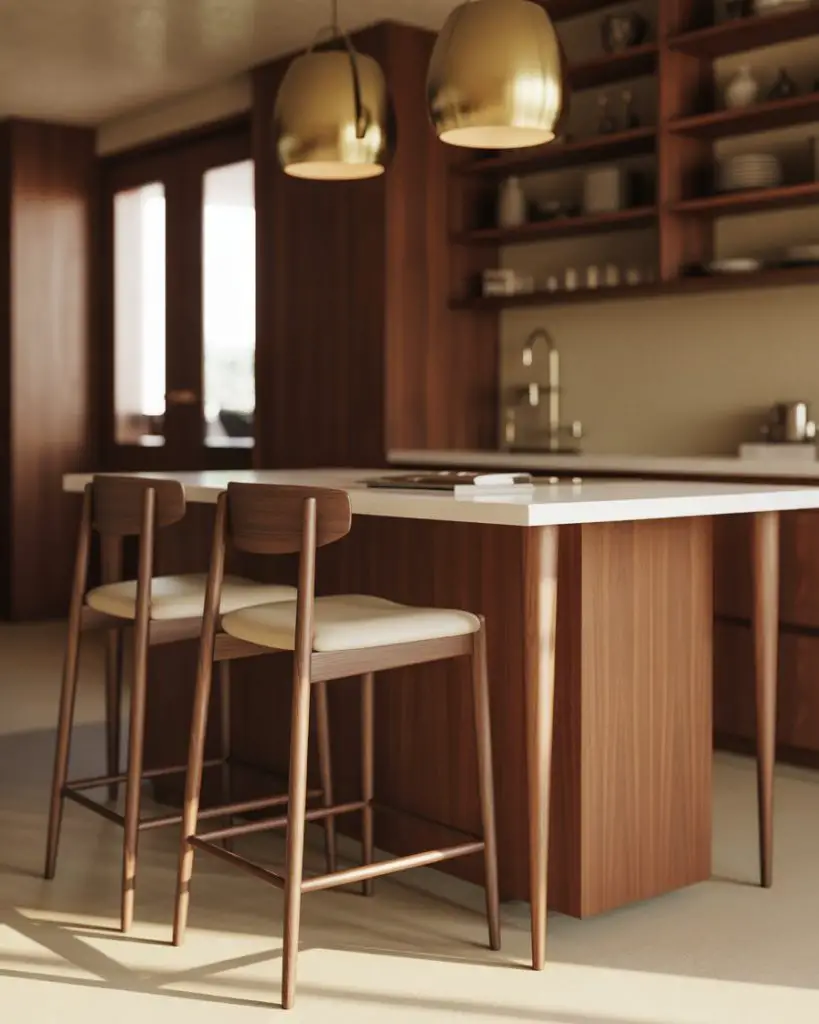
Where this works best: mid-century elements shine in homes built between the 1950s and 1970s, where they honor the original architecture. But they’re also being adopted in new builds to add warmth and personality to otherwise generic spaces. The tapered leg is a small detail that makes a big difference—it creates negative space beneath furniture, allowing light to flow and making the room feel larger. It’s especially effective in small spaces where visual weight needs to be carefully managed.
12. Colorful Lower Cabinets with Neutral Uppers

Another take on the two-tone trend pairs bold, saturated lower cabinets—think forest green, deep teal, or even sunny yellow—with neutral uppers in white or soft gray. The color anchors the room, while the lighter uppers prevent the space from feeling too heavy or enclosed. This approach is particularly effective in kitchens with high ceilings or large windows, where natural light can play off the color throughout the day. 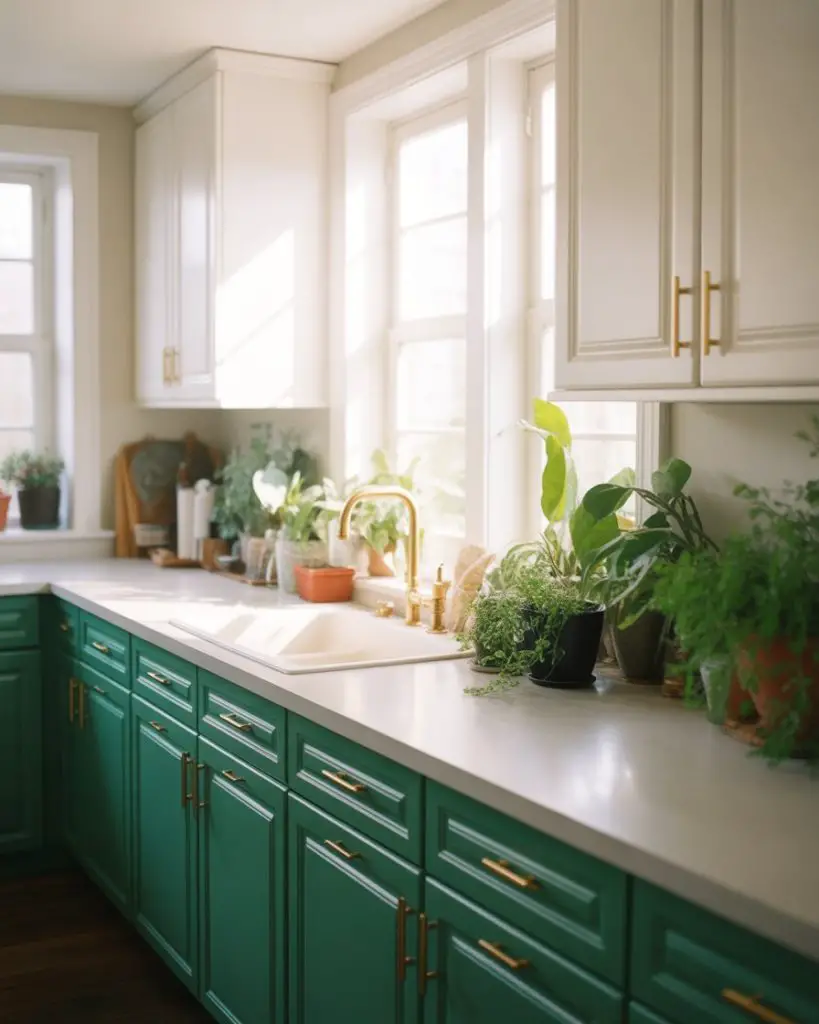
Common mistakes: choosing a color you love in theory but can’t live with daily. Before committing, paint a large sample board and live with it for a week, observing how it looks in morning light, evening light, and artificial light. Colors shift dramatically depending on exposure. Also, ensure your backsplash and countertop can handle the color—some combinations compete rather than complement. A neutral backsplash is usually the safest bet when going bold below.
13. Large Format Porcelain Slabs for Backsplash
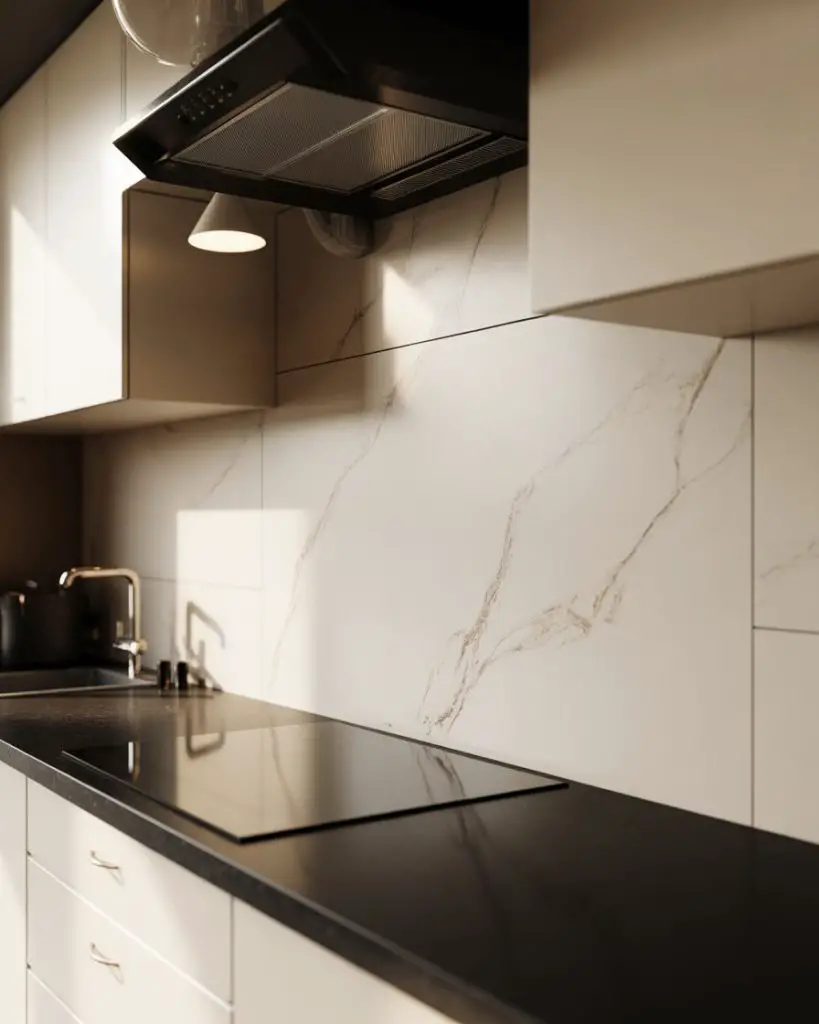
Forget tiny tiles—large porcelain slabs (often 5×10 feet or bigger) are creating seamless, dramatic backsplashes with minimal grout lines. These slabs can mimic marble, concrete, or even wood, offering the look of natural materials with better durability and easier maintenance. The effect is clean, contemporary, and undeniably luxury. This is a favorite in high-end remodels where the goal is to maximize visual impact while minimizing visual clutter. 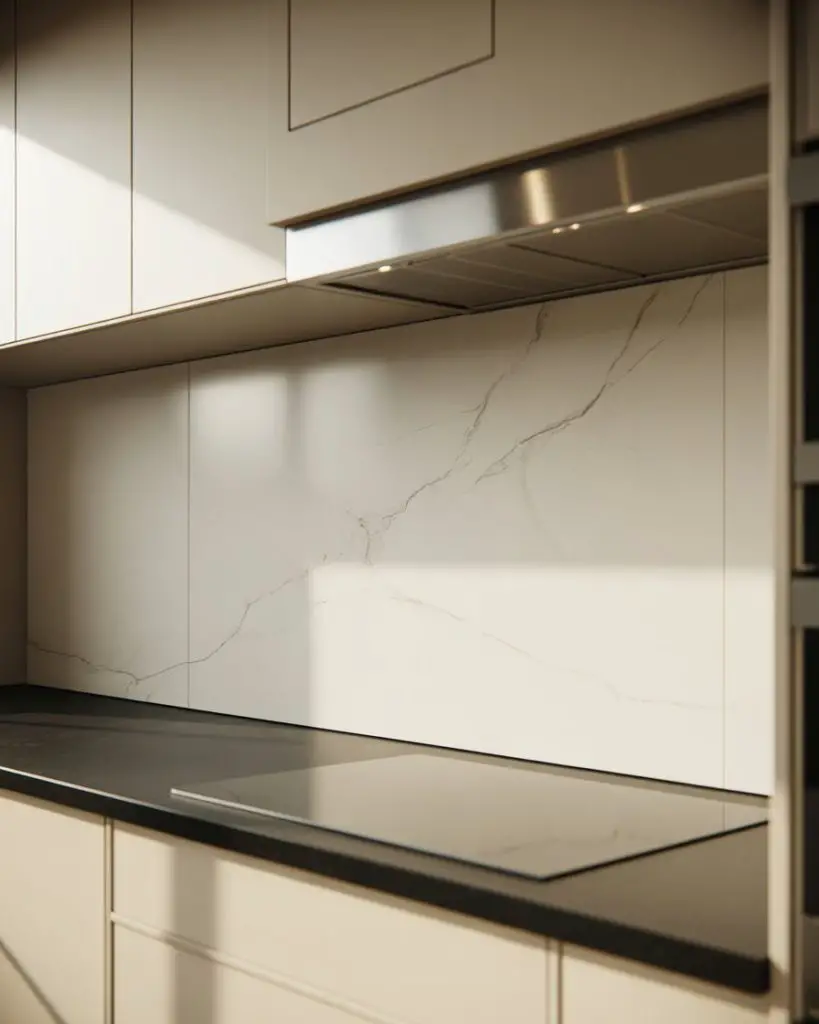
Practical insight: installation requires precision and often a professional team, since these slabs are heavy and fragile. But the payoff is a nearly seamless surface that’s easy to clean and resists staining better than natural stone. You can also extend the slab up to the ceiling for an even more dramatic effect, essentially turning your backsplash into a feature wall. The trend is especially popular in urban condos where kitchens are on display and every detail counts.
14. Cozy Breakfast Nooks with Built-In Seating
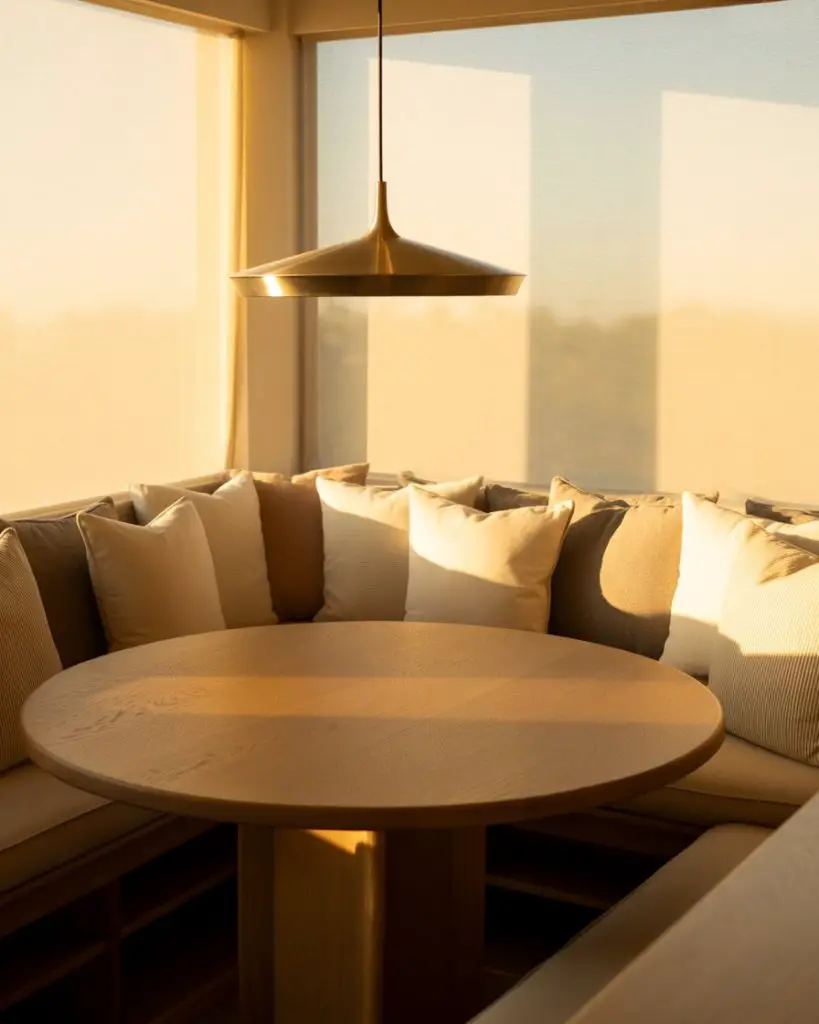
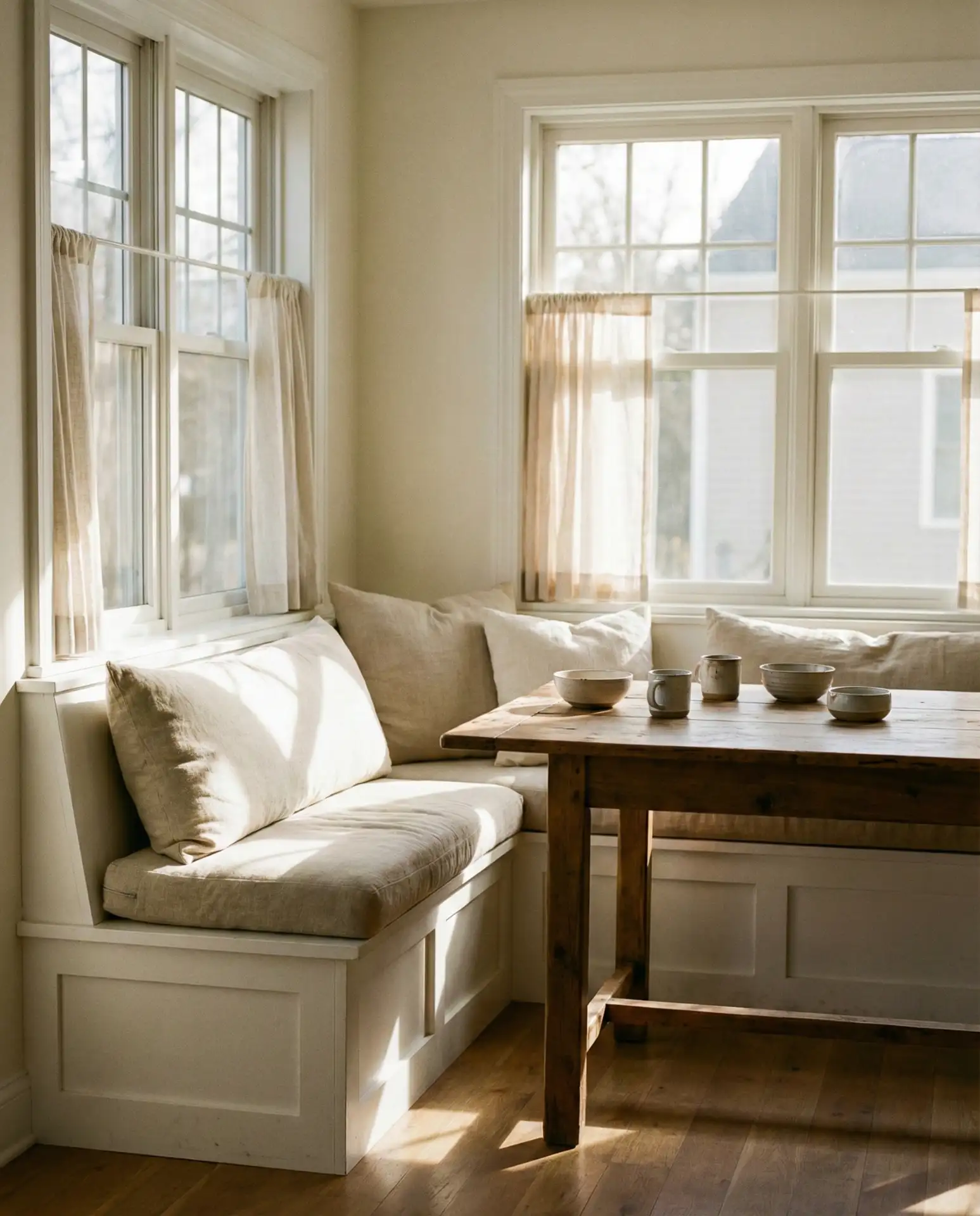
If you have the space, a built-in breakfast nook adds cozy charm and functionality. Think L-shaped banquettes with storage underneath, topped with cushions and throw pillows in soft, earthy tones. These nooks work beautifully in farmhouse kitchens or homes with bay windows, where natural light can flood the seating area. It’s a spot that invites lingering—morning coffee, homework, weekend meal prep—and it often becomes the heart of the home. 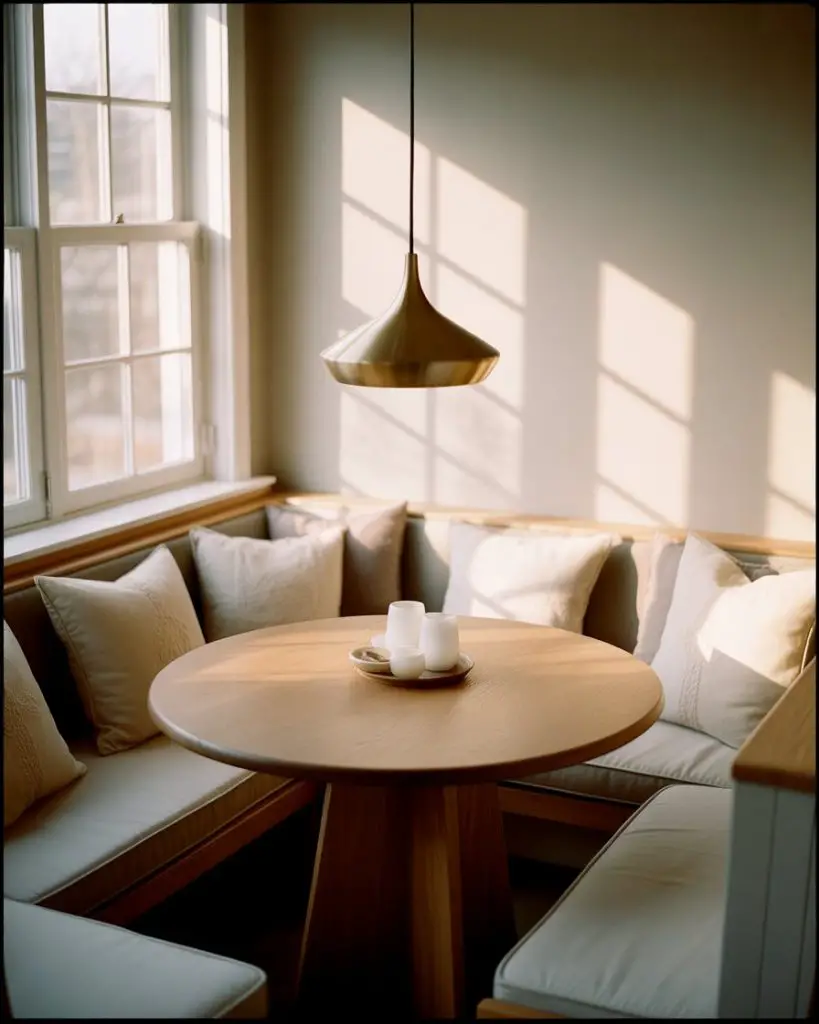
Micro anecdote: a friend in upstate New York recently added a breakfast nook to her kitchen remodel and says it’s the most-used spot in the house. Her kids do homework there, she works from there in the mornings, and it’s become the de facto gathering place for family dinners. The storage underneath was a game-changer—she keeps everything from seasonal linens to board games tucked away, making the most of every square inch.
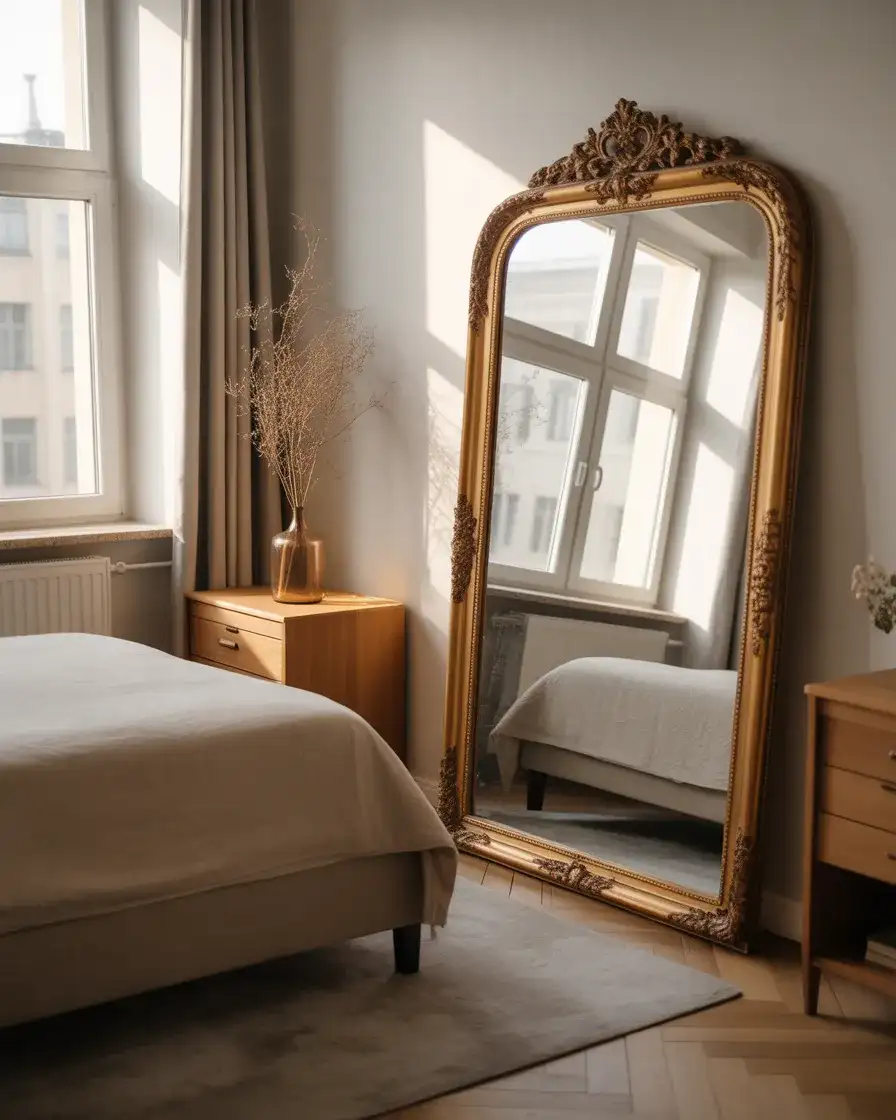
15. Retro Appliances in Bold Colors
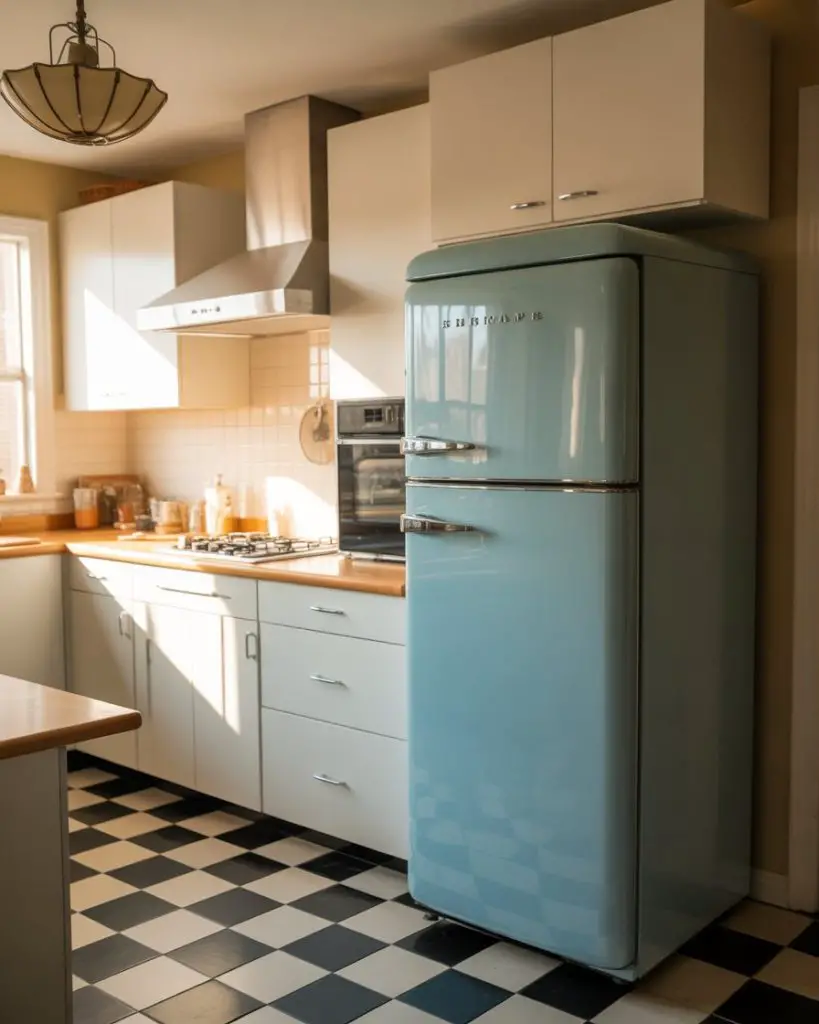
Brands like SMEG and Big Chill are bringing retro style back with ranges, refrigerators, and dishwashers in vibrant hues like cherry red, robin’s egg blue, and mint green. These appliances are conversation starters, adding personality and playfulness to modern kitchens. They work especially well in vintage-inspired spaces or eclectic homes where mixing eras is part of the charm. The key is to let the appliance be the hero—keep surrounding elements neutral so the color can pop. 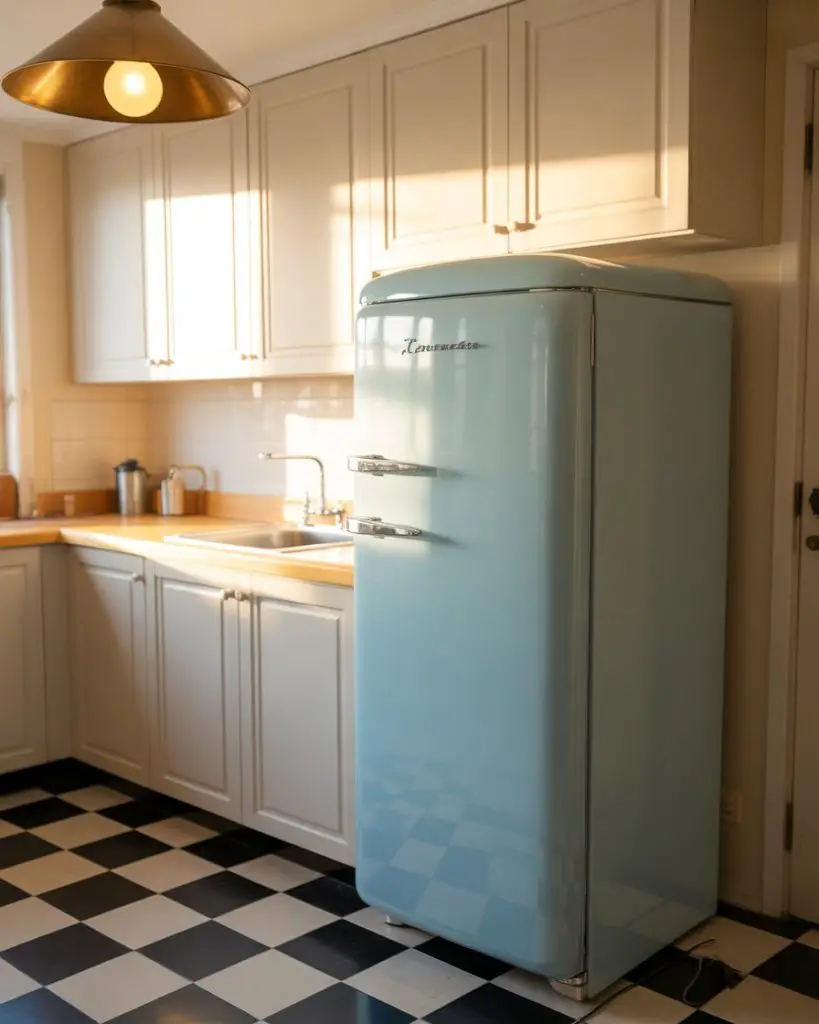
American lifestyle context: these appliances are particularly popular in coastal communities and college towns, where homeowners want their kitchens to feel fun and unique. They’re also showing up in vacation rentals and Airbnbs, where a colorful fridge can be a memorable detail that sets a property apart. Performance-wise, they’re on par with modern appliances, so you’re not sacrificing function for form. Just be prepared for a higher price tag—retro styling comes at a premium.
16. Smart Storage Solutions for Small Kitchens
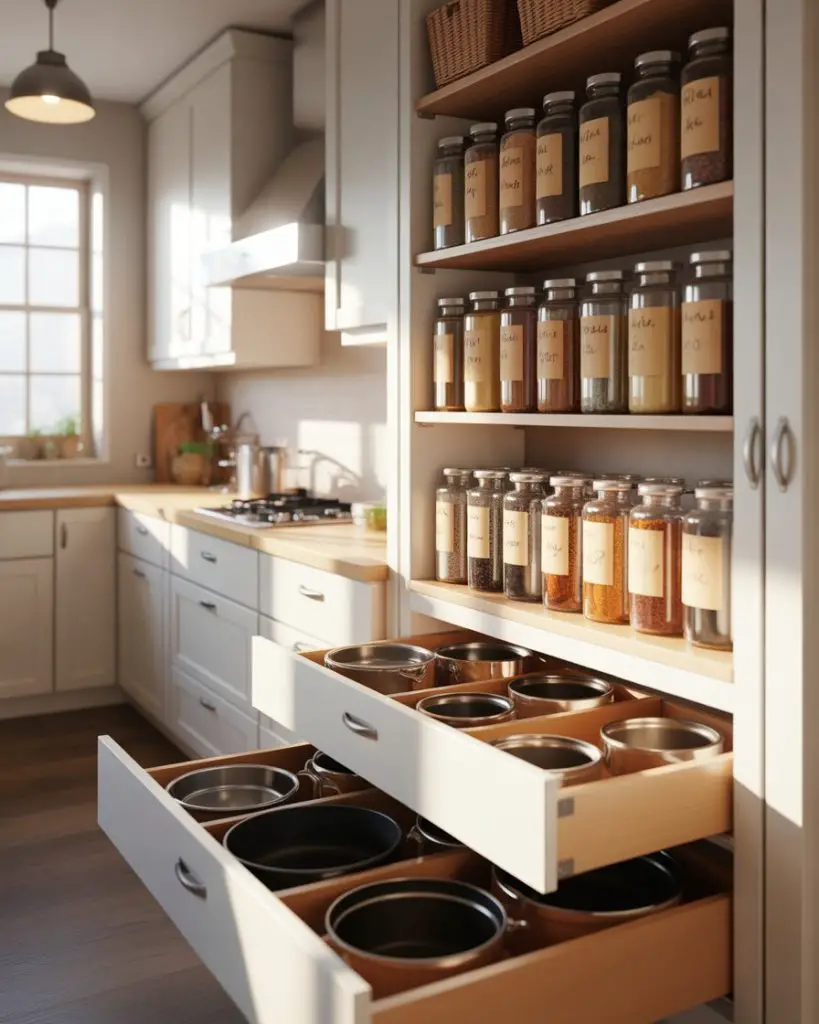
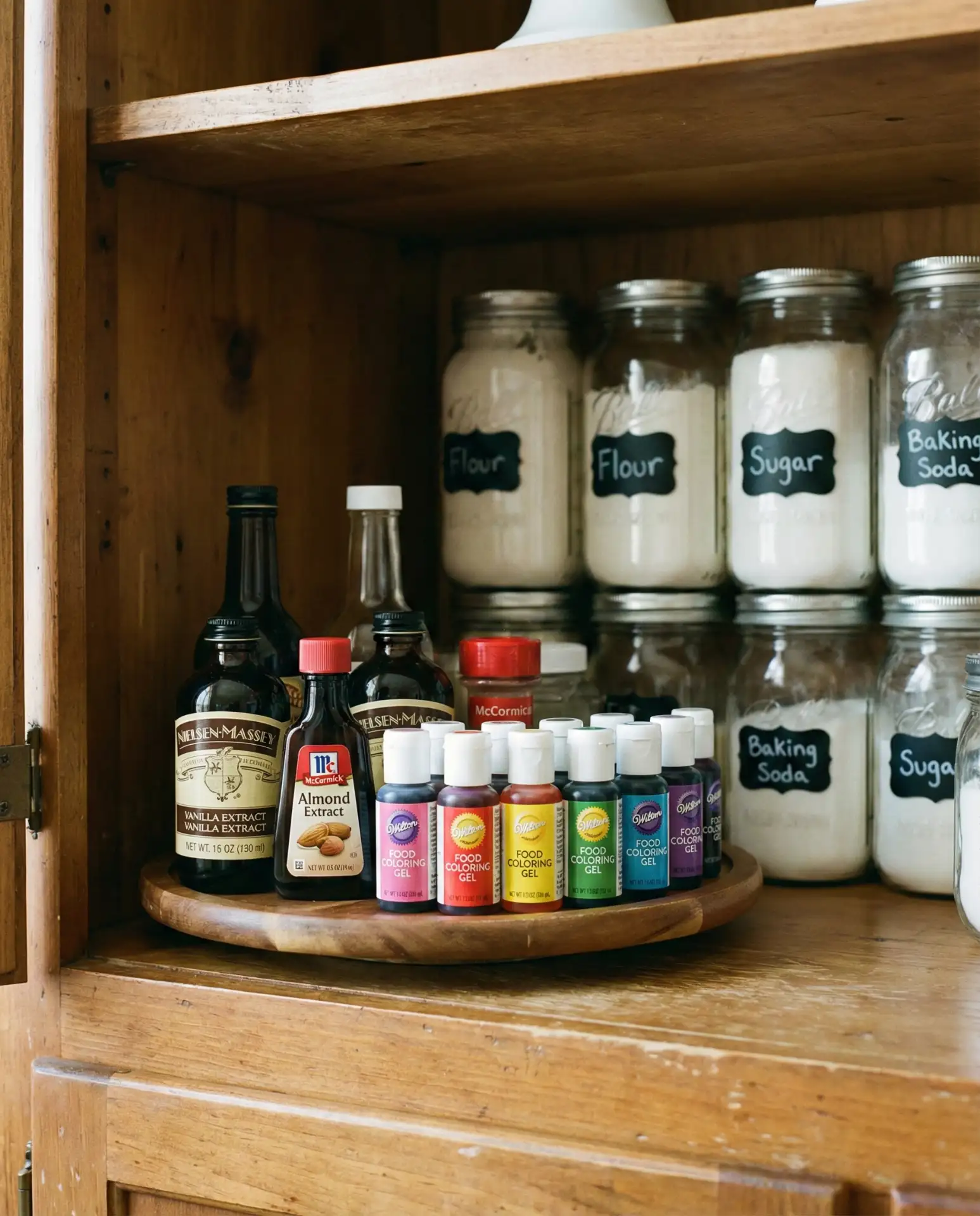
In small spaces, every inch counts. Pull-out pantries, corner drawers, toe-kick drawers, and vertical dividers are transforming tight kitchens into models of efficiency. The goal is to maximize storage without adding visual bulk, keeping the simple aesthetic intact. Deep drawers with custom inserts can hold pots, pans, and small appliances, while pull-out spice racks make use of narrow gaps between cabinets. This approach is essential in city apartments and compact homes where traditional storage solutions don’t fit.
Expert-style commentary: the biggest mistake in small kitchens is under-utilizing vertical space. Install cabinets that go all the way to the ceiling, even if you need a step stool to reach the top shelves—those high spots are perfect for storing items you don’t use daily. Also consider open shelving on one wall to create visual breathing room. The combination of hidden and visible storage keeps things functional without feeling cramped.
17. Concrete Countertops for Industrial Edge
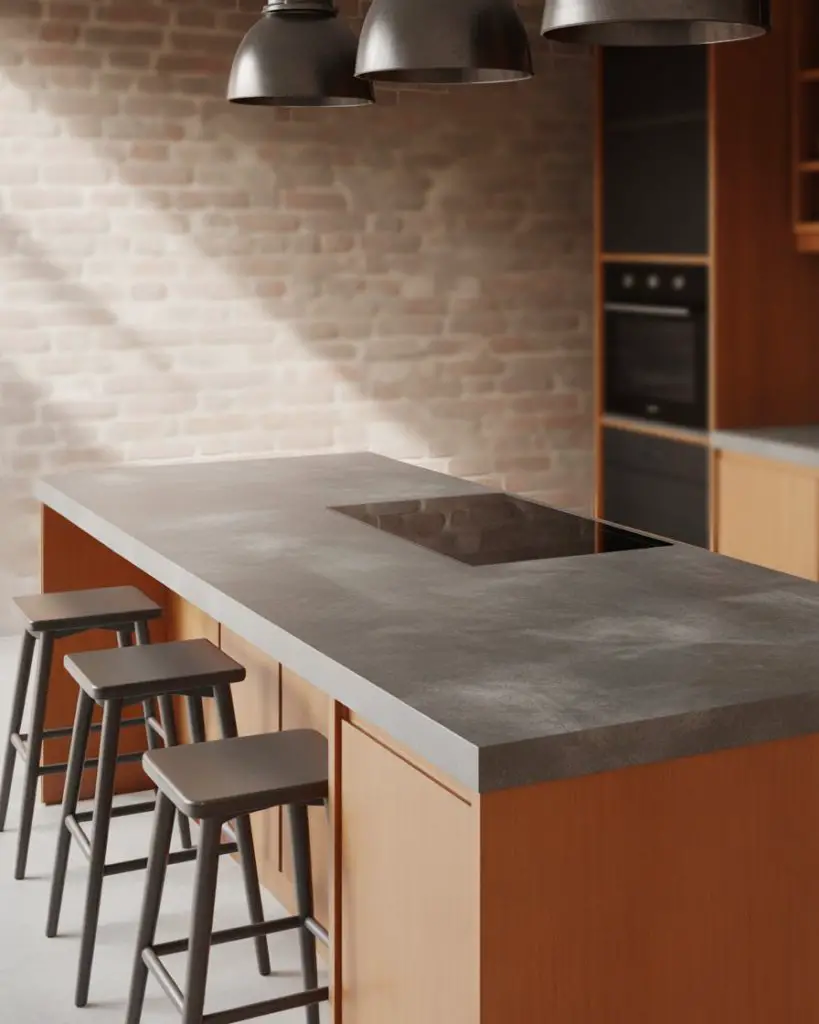
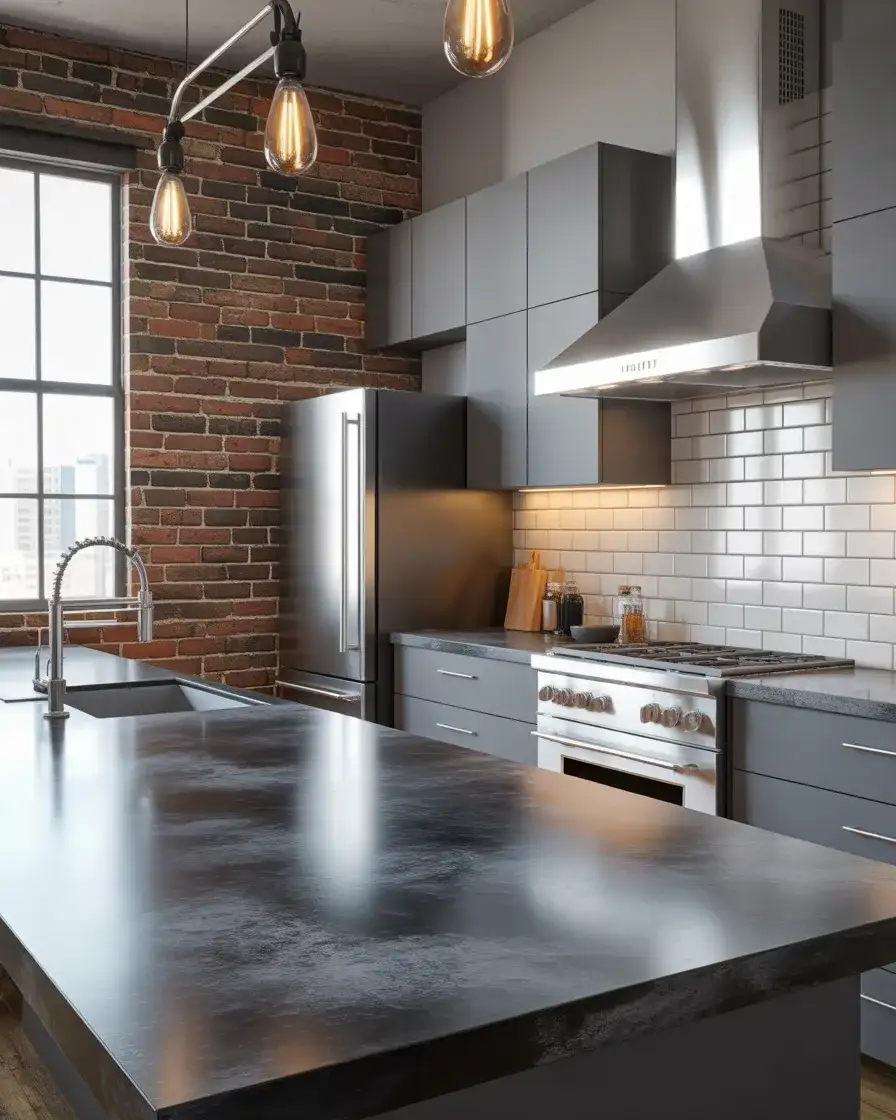
Concrete countertops bring raw, industrial style to modern kitchens, especially those with contemporary or loft-style architecture. They can be poured in place or fabricated as slabs, and they offer near-infinite customization in terms of color, texture, and finish. Concrete pairs beautifully with wood, metal, and glass, making it a versatile choice. It’s durable, heat-resistant, and develops a unique patina over time—a living surface that tells the story of your kitchen. 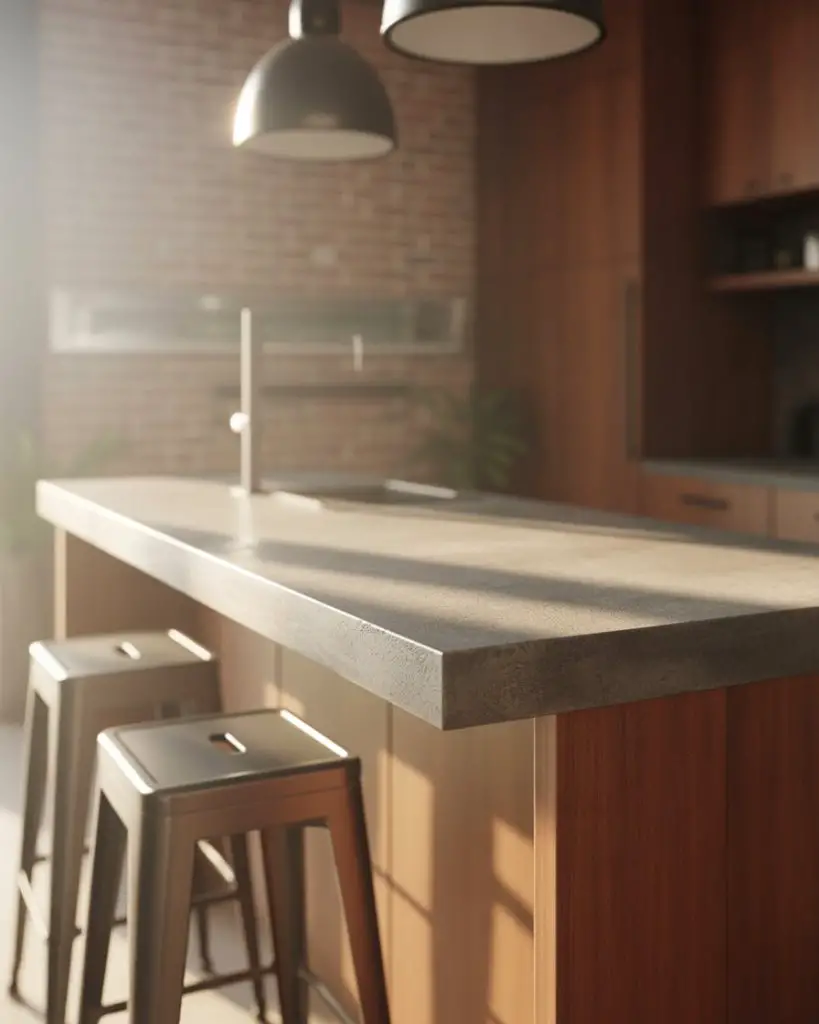
Budget angle: DIY concrete kits have made this material more accessible, though professional installation is still recommended for larger surfaces. The upfront cost is comparable to mid-range granite, but maintenance is higher—you’ll need to seal it regularly to prevent staining. For homeowners who love the industrial look but want lower maintenance, consider concrete-look porcelain slabs, which offer a similar aesthetic with none of the upkeep.
18. Glass-Front Cabinets for Display and Depth
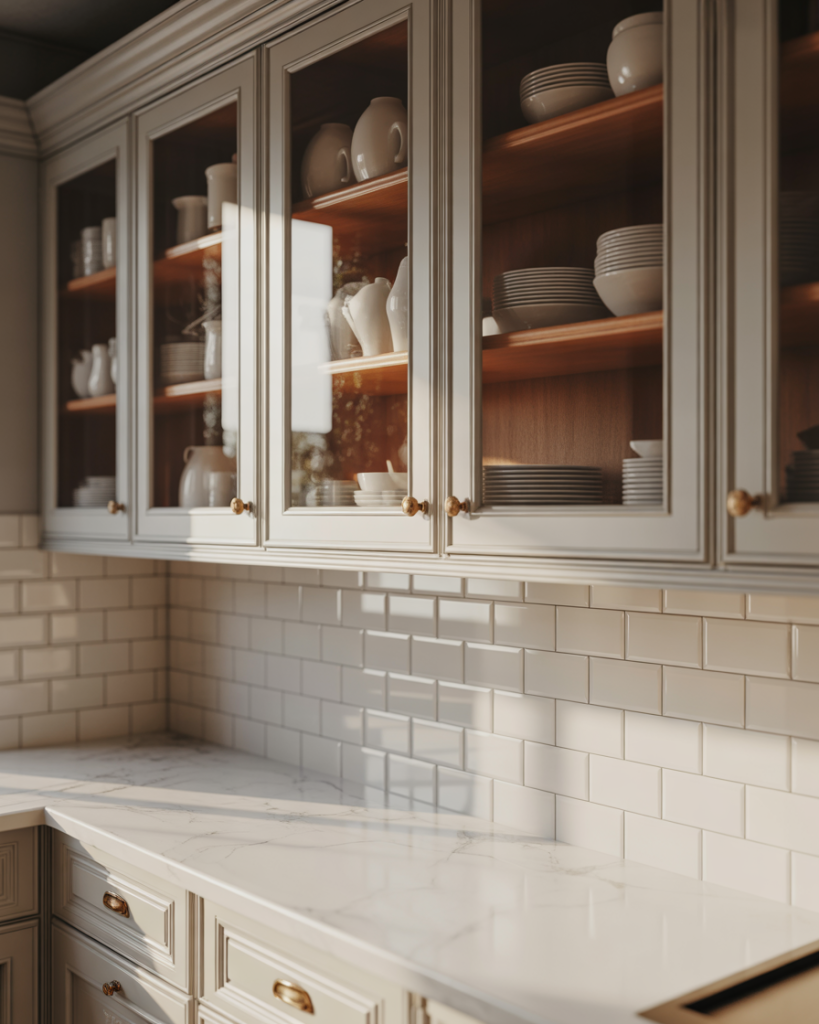
Glass-front upper cabinets create visual depth and allow you to showcase beautiful dishware, glassware, or collectibles. They’re particularly effective in vintage or farmhouse kitchens, where displaying heirloom pieces adds warmth and history. You can opt for clear glass, seeded glass, or even frosted glass depending on how much you want to reveal. The transparency also makes the kitchen feel larger, as your eye can travel through the cabinetry rather than stopping at a solid door. 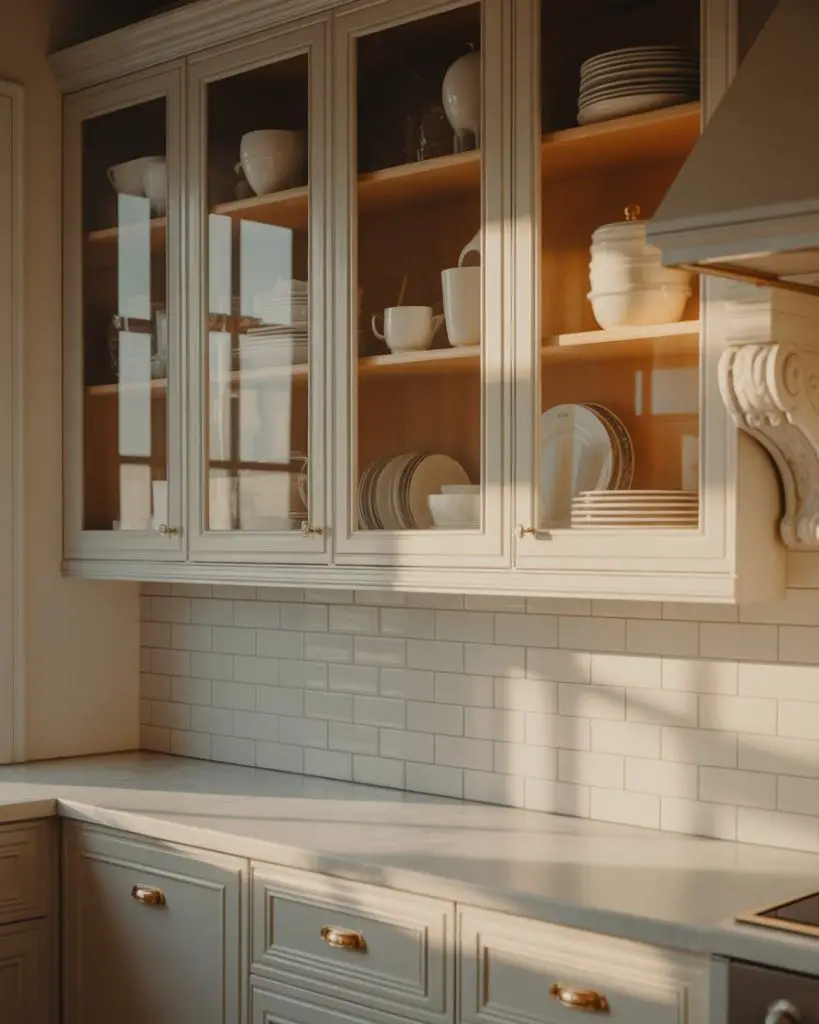
Real homeowner behavior: people often start with one or two glass-front cabinets flanking a window or range hood, testing the waters before committing to more. The key is keeping the interiors tidy—glass cabinets demand curation. Use matching dishware or a limited color palette to create visual harmony. Some homeowners add small LED strips inside the cabinets for a subtle glow in the evening, turning the display into a design feature rather than just storage.
19. Integrated Herb Garden for Fresh Cooking
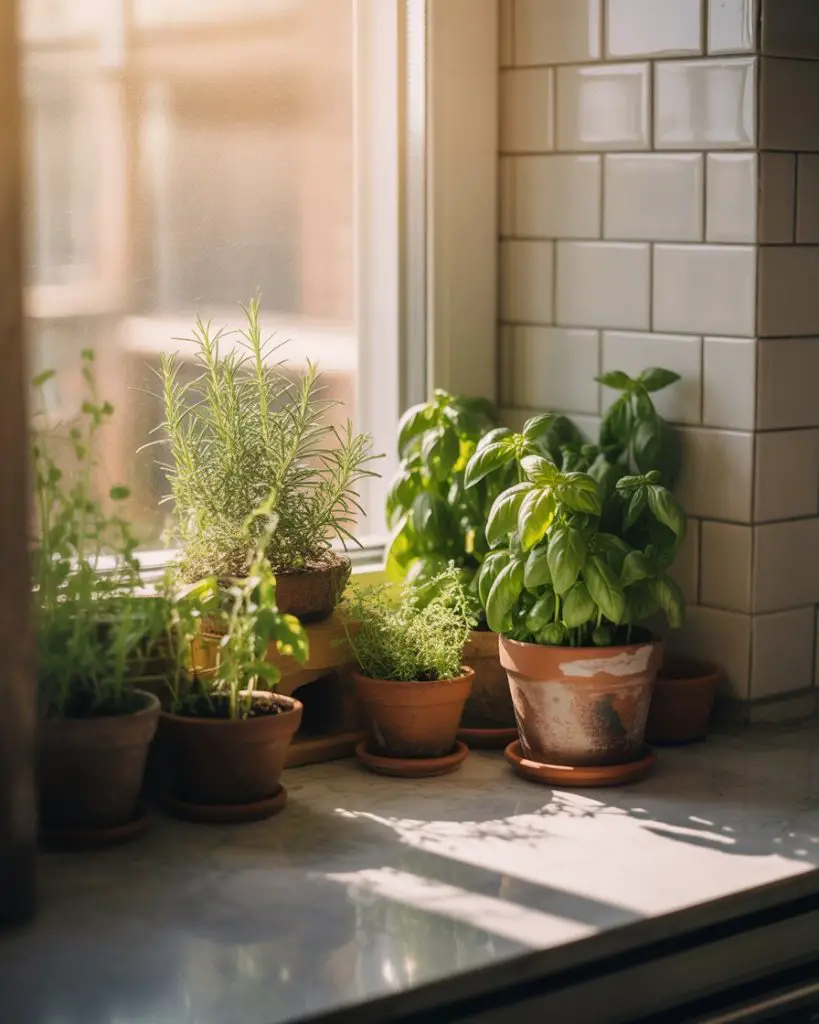
Built-in herb gardens, whether wall-mounted or tucked into a sunny windowsill, bring life and functionality to modern kitchens. Growing basil, rosemary, thyme, and parsley within arm’s reach of your cutting board is both practical and aesthetic. These gardens can be as simple as a few terracotta pots on a shelf or as sophisticated as a vertical hydroponic system. The greenery adds color and texture, softening the hard surfaces typical of kitchens. 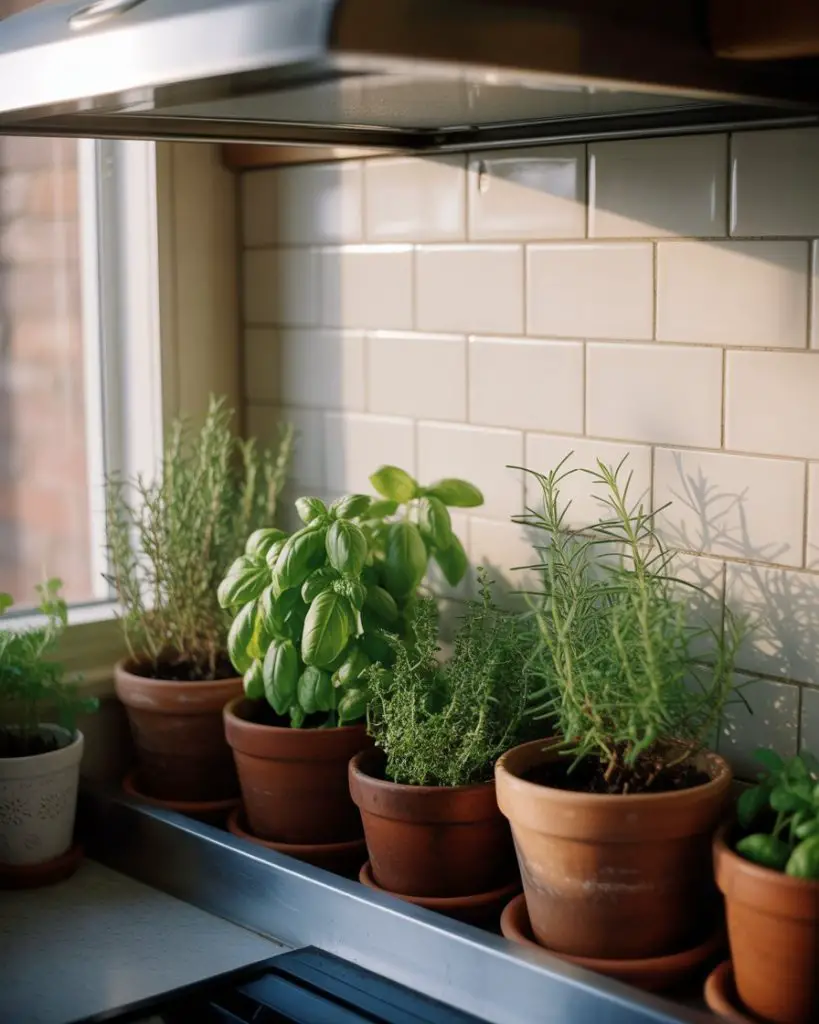
Practical insight: success with indoor herbs depends on light. South-facing windows are ideal; north-facing windows will struggle. If natural light is limited, invest in a small LED grow light—they’re inexpensive and dramatically improve results. Herbs also need good drainage, so choose pots with holes and use a light, well-draining soil mix. Rotate plants weekly so they grow evenly, and harvest regularly to encourage bushier growth. It’s a small investment that pays off in flavor and freshness.
20. Neutral Palettes with Layered Textures
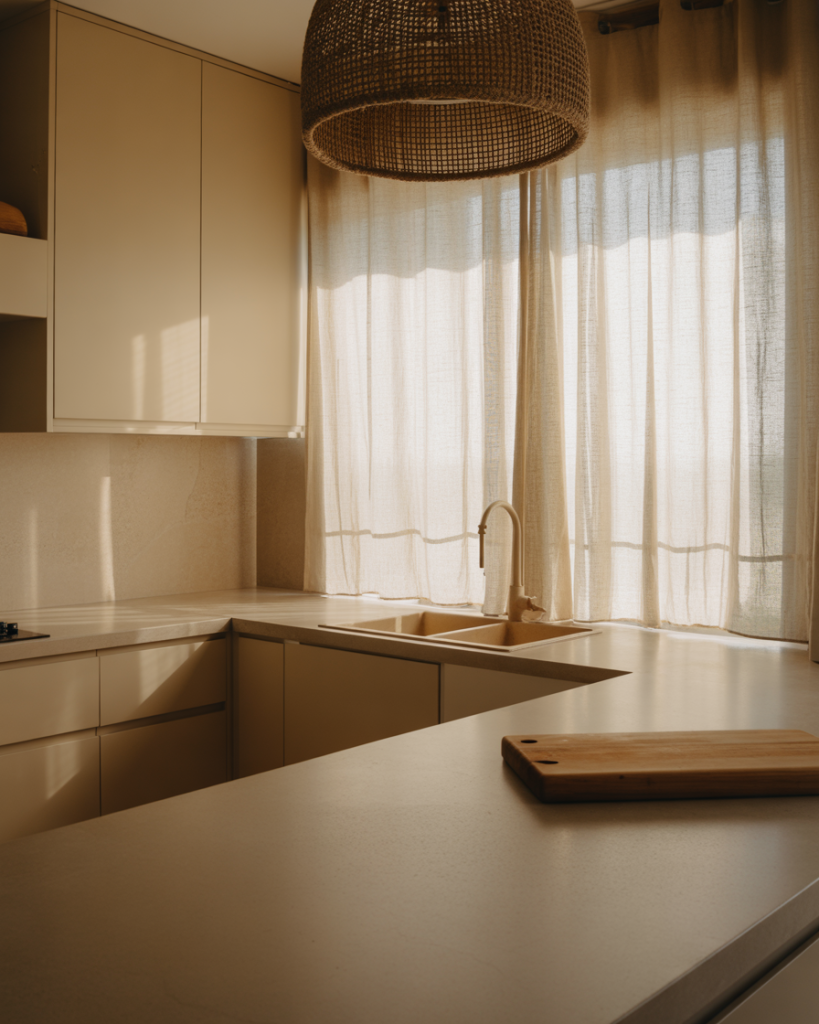
Minimalist doesn’t have to mean boring. Neutral kitchens in shades of white, cream, beige, and gray can be incredibly rich when you layer in different textures—matte cabinets, honed stone counters, woven pendant shades, linen curtains, and raw wood shelves. The monochromatic palette allows the materials to shine, creating a sophisticated, organic space that feels calm and grounded. This approach is timeless, making it a smart choice for those planning to stay in their homes long-term. 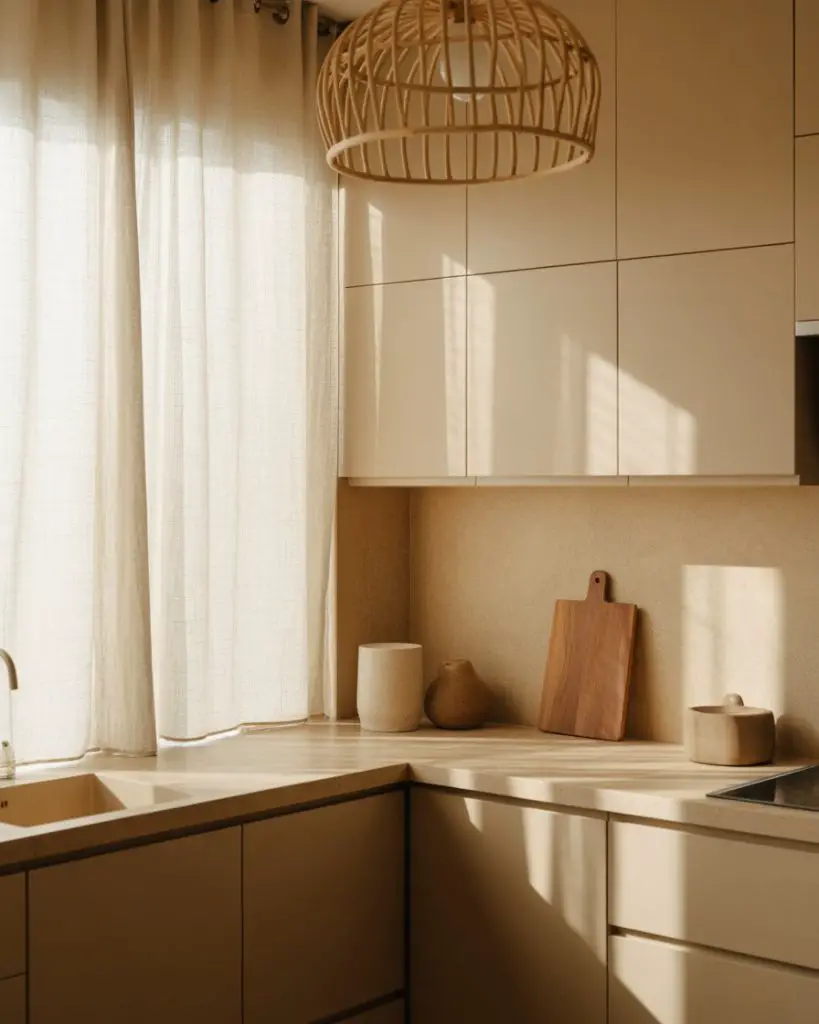
Common mistakes: going too matchy-matchy. Vary the tones within your neutral palette—mix warm whites with cool grays, or pair a soft beige with a deeper taupe. Also vary the finishes: matte, gloss, brushed, polished. This creates visual interest without introducing color. And don’t forget the power of natural elements—a single vase of eucalyptus or a wooden bowl of lemons can be all the accent you need.
21. Statement Lighting as Sculptural Art
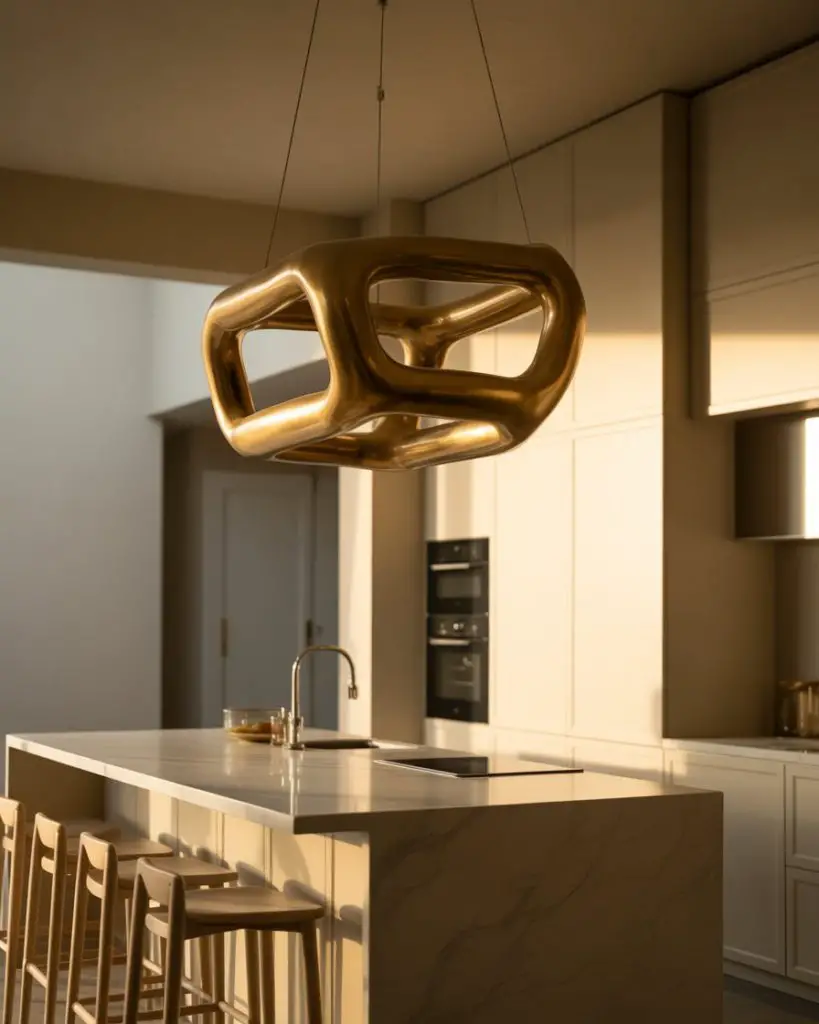
Oversized pendants, chandeliers, and sculptural fixtures are transforming kitchen lighting from functional necessity to artistic focal point. Whether it’s a hand-blown glass globe, a geometric brass chandelier, or a cluster of Edison bulbs, the right light fixture can define the entire space. This trend aligns with the broader move toward luxury kitchens that feel custom and considered. The fixture becomes the jewelry of the room, adding drama and personality. 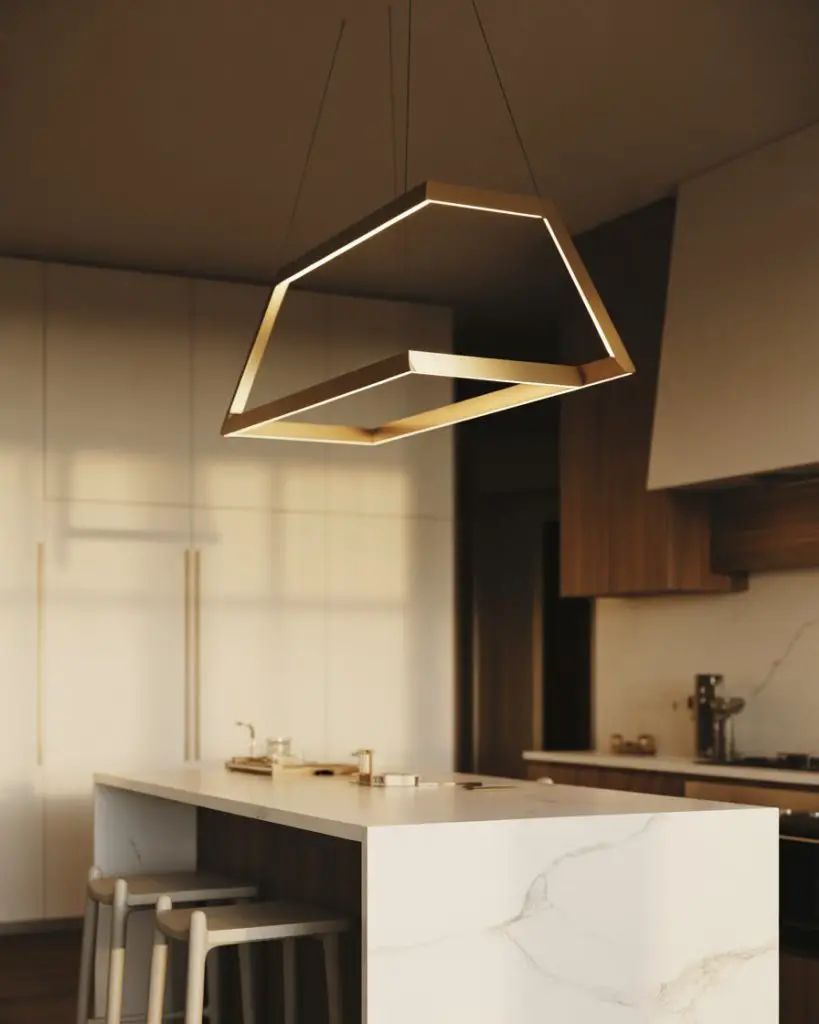
Expert-style commentary: scale is everything. A fixture that looks perfect in the showroom might be overwhelming or underwhelming in your kitchen. Measure your island or table, then choose a fixture that’s roughly two-thirds to three-quarters the width. Hang it 30-36 inches above the surface for optimal light and visual balance. And remember that statement lighting works best when the rest of the space is relatively restrained—let the fixture be the star.
Conclusion
Whether you’re drawn to the warmth of wood, the boldness of color, or the simplicity of clean lines, these 21 ideas offer something for every style and budget. The beauty of modern kitchen design in 2026 is that there are no hard rules—just thoughtful choices that reflect how you live and cook. Which of these ideas resonates most with your vision? We’d love to hear what you’re planning for your own kitchen refresh in the comments below.