Scandinavian interior design has long been a favorite among American homeowners for its simplicity, warmth, and connection to nature. As we move through 2026, this beloved aesthetic is evolving in exciting ways—blending traditional Nordic principles with fresh color palettes, global influences, and unexpected material combinations. Pinterest users are searching for ideas that feel both timeless and current, cozy yet refined. In this guide, you’ll discover inspiring approaches to Scandinavian interior design that reflect where the style is heading this year, from moody minimalism to vibrant, layered spaces.
1. Japandi Living Spaces with Natural Textures
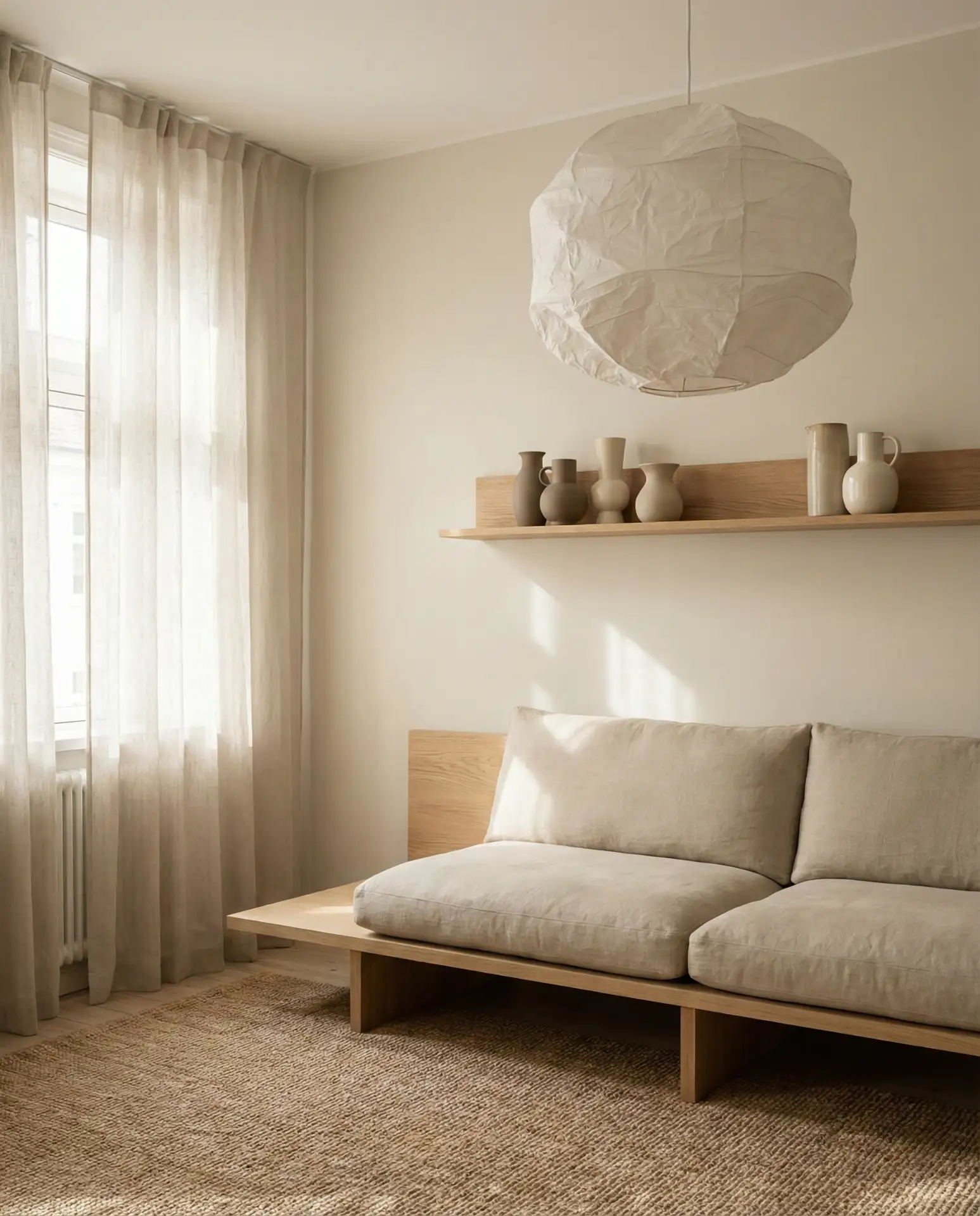
The fusion of Japandi aesthetics continues to dominate Nordic living room design, bringing together the clean lines of Scandinavian style with the quiet elegance of Japanese craftsmanship. This approach emphasizes natural wood tones, low-profile furniture, and organic textiles like linen and cotton. The result is a space that feels grounded, serene, and effortlessly sophisticated, perfect for those seeking balance in a busy world.
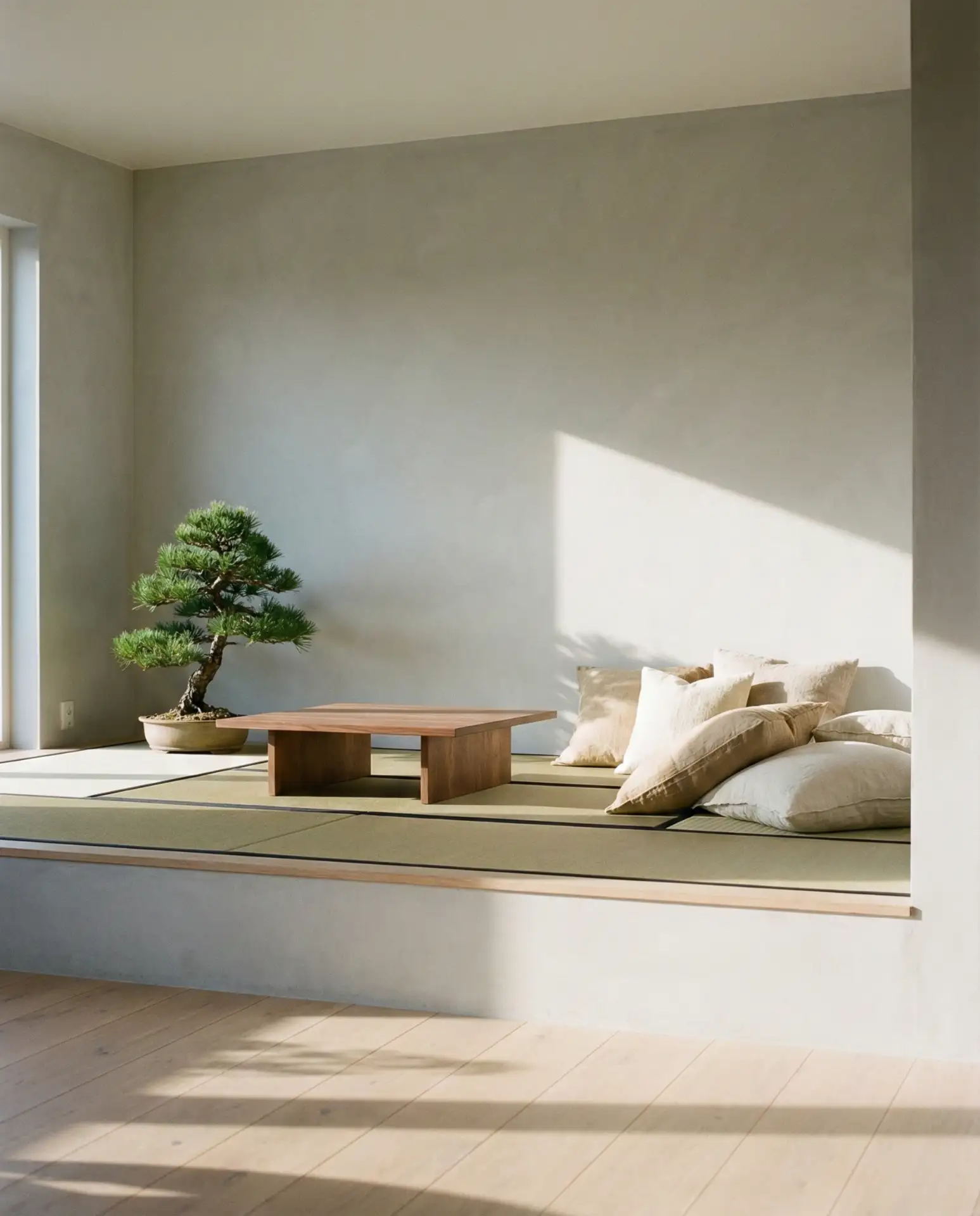
This style works especially well in open-plan homes where you want to create visual calm without sacrificing warmth. A common mistake is over-accessorizing—Japandi thrives on restraint, so edit down to only the pieces that truly serve a purpose or bring you joy. Let negative space do some of the work, and the room will feel more intentional and breathable.
2. Colorful Accent Walls in Muted Scandinavian Interiors
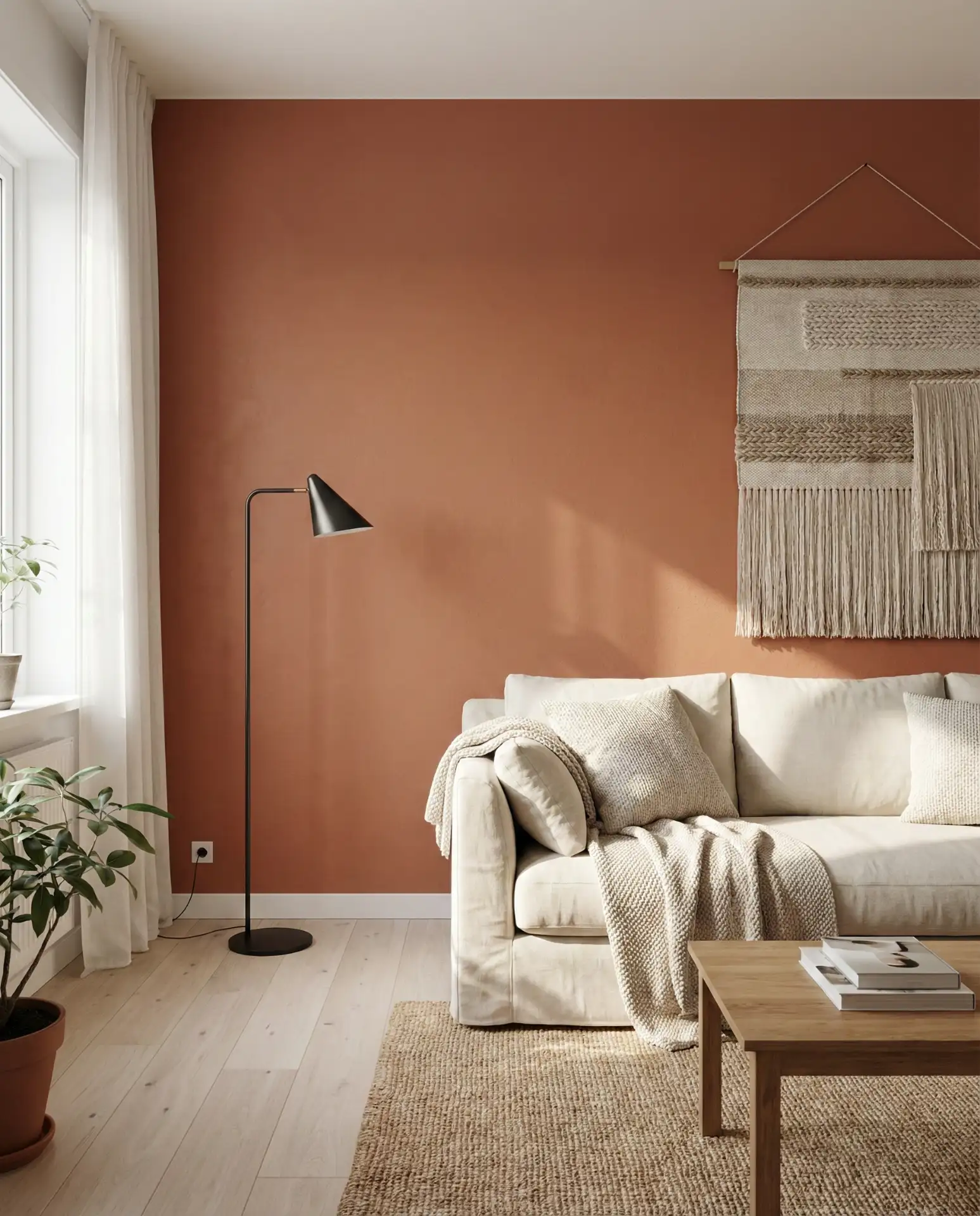
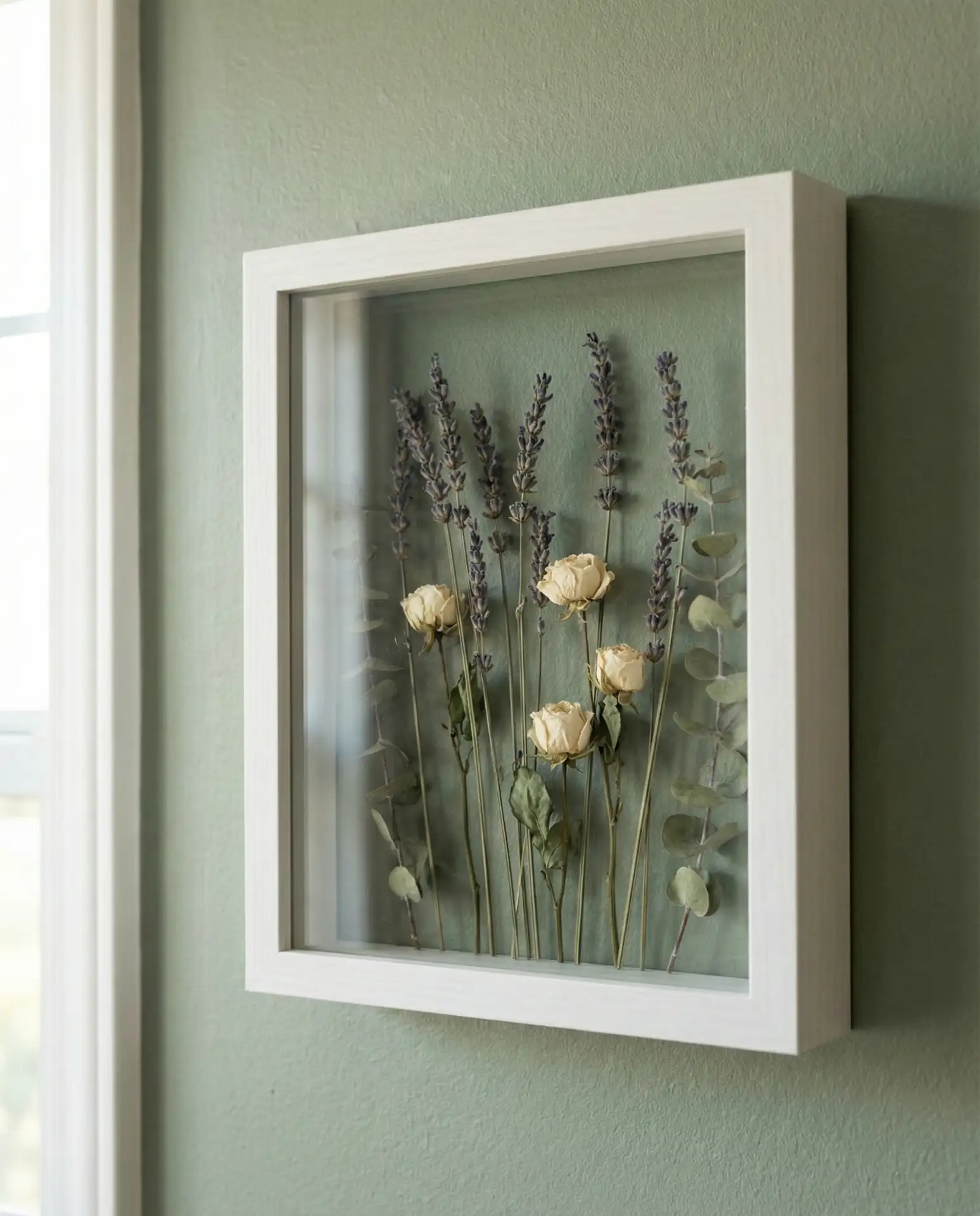
While Scandinavian design is known for its neutral foundation, colorful accents are making a bold statement in 2026. Think soft terracotta, dusty sage, or muted ochre on a single wall, balanced by white woodwork and natural wood furniture. This approach adds personality without overwhelming the space, allowing homeowners to inject warmth and character while maintaining the minimal clarity that defines Nordic style.
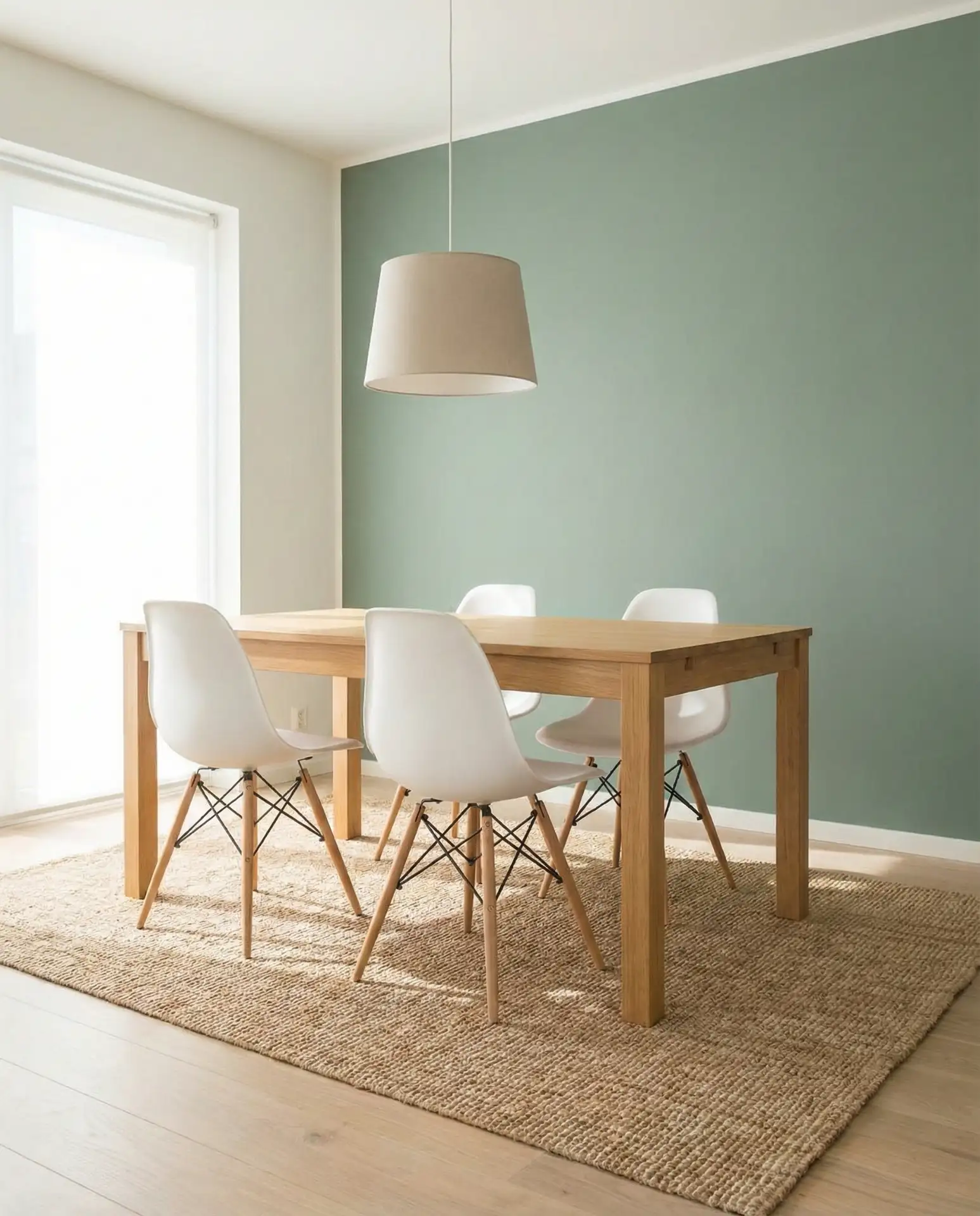
Many homeowners in the Pacific Northwest and New England have started using this technique to brighten up rooms that don’t get much direct sunlight. The key is choosing a hue that feels earthy rather than electric—test paint samples in different lighting conditions throughout the day to ensure the color feels cohesive with your existing palette.
3. Cozy Layers with Wool and Linen Textiles
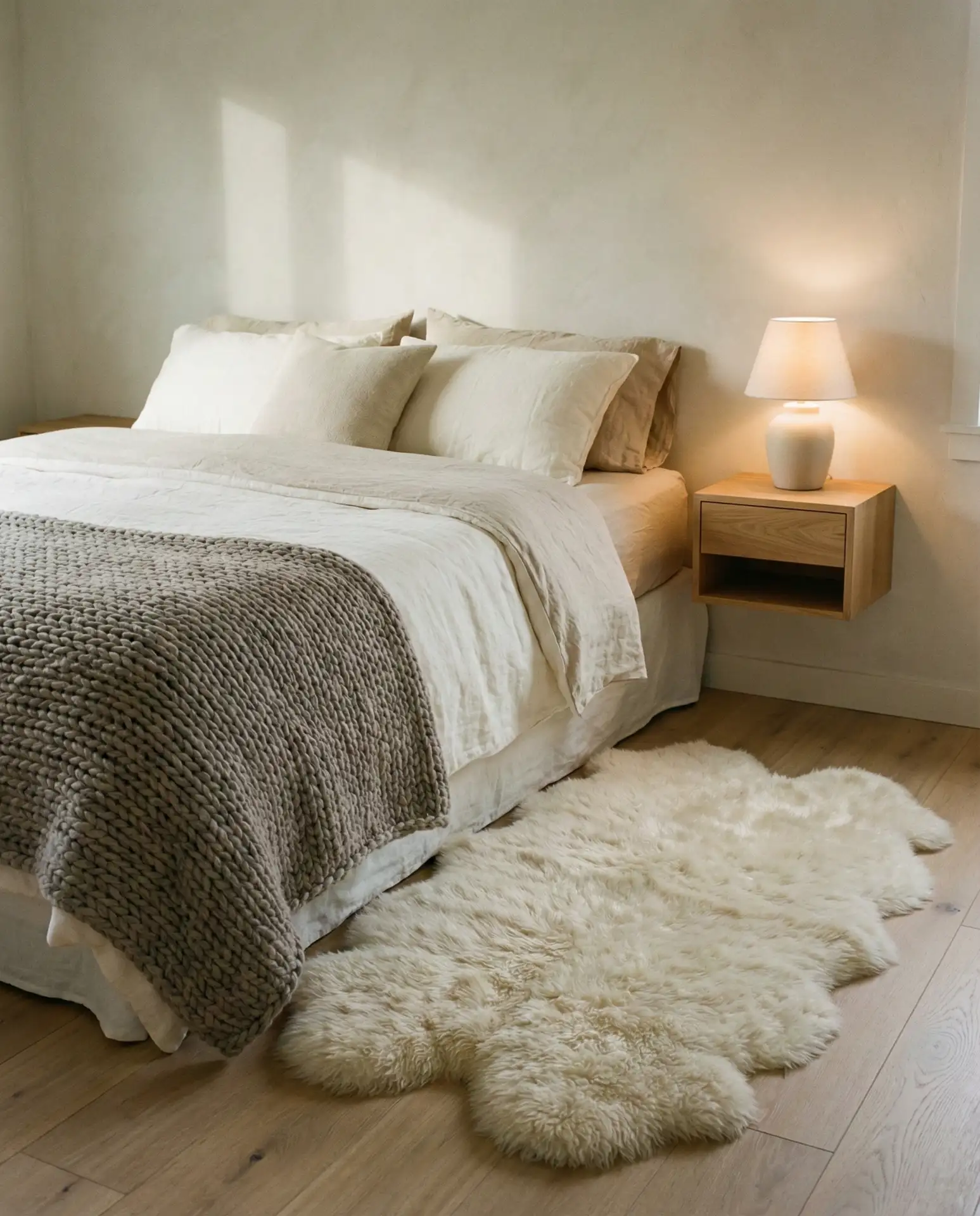
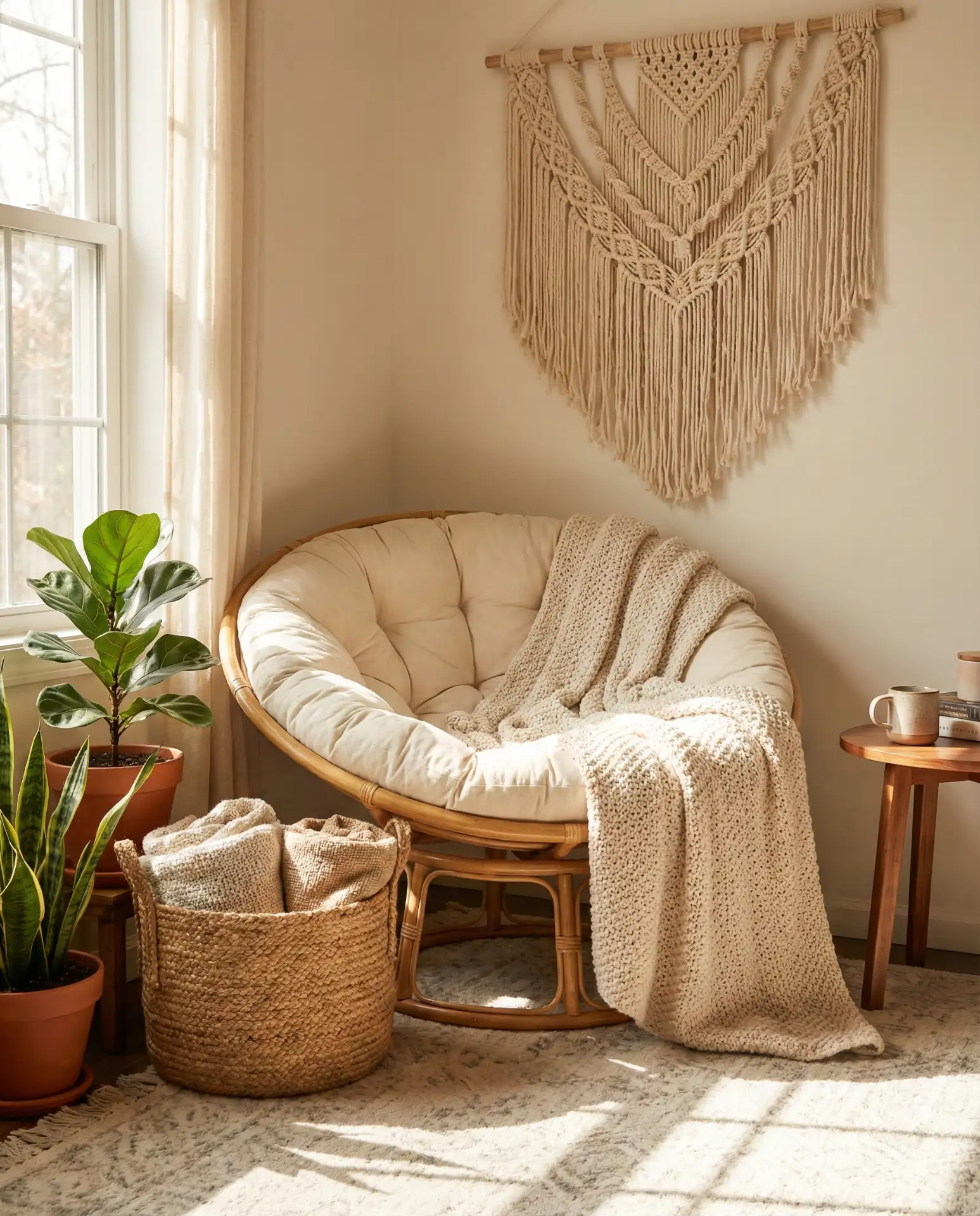
Scandinavian design thrives on the concept of cozy comfort, and layering natural textiles is one of the simplest ways to achieve it. Wool throws, linen cushions, sheepskin rugs, and chunky knit blankets create a tactile richness that invites you to settle in. This approach works beautifully in designing bedrooms and living spaces alike, especially as the seasons shift and we crave warmth indoors.
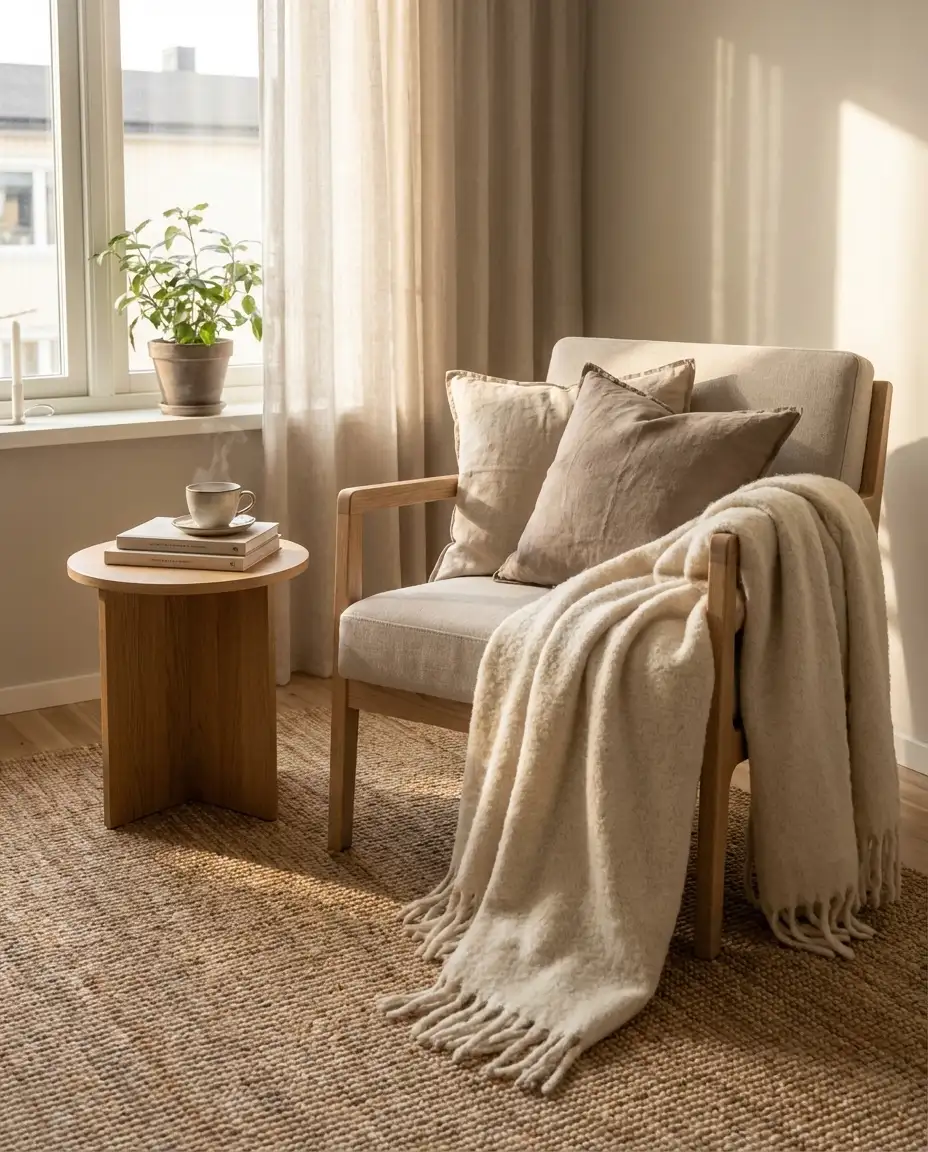
This layered look works best in homes where heating can be unpredictable—think older New England houses or drafty city apartments. By adding texture rather than clutter, you create visual interest and physical comfort without compromising the clean lines that make Scandinavian spaces feel so restful.
4. Dark Moody Kitchens with Warm Wood Accents
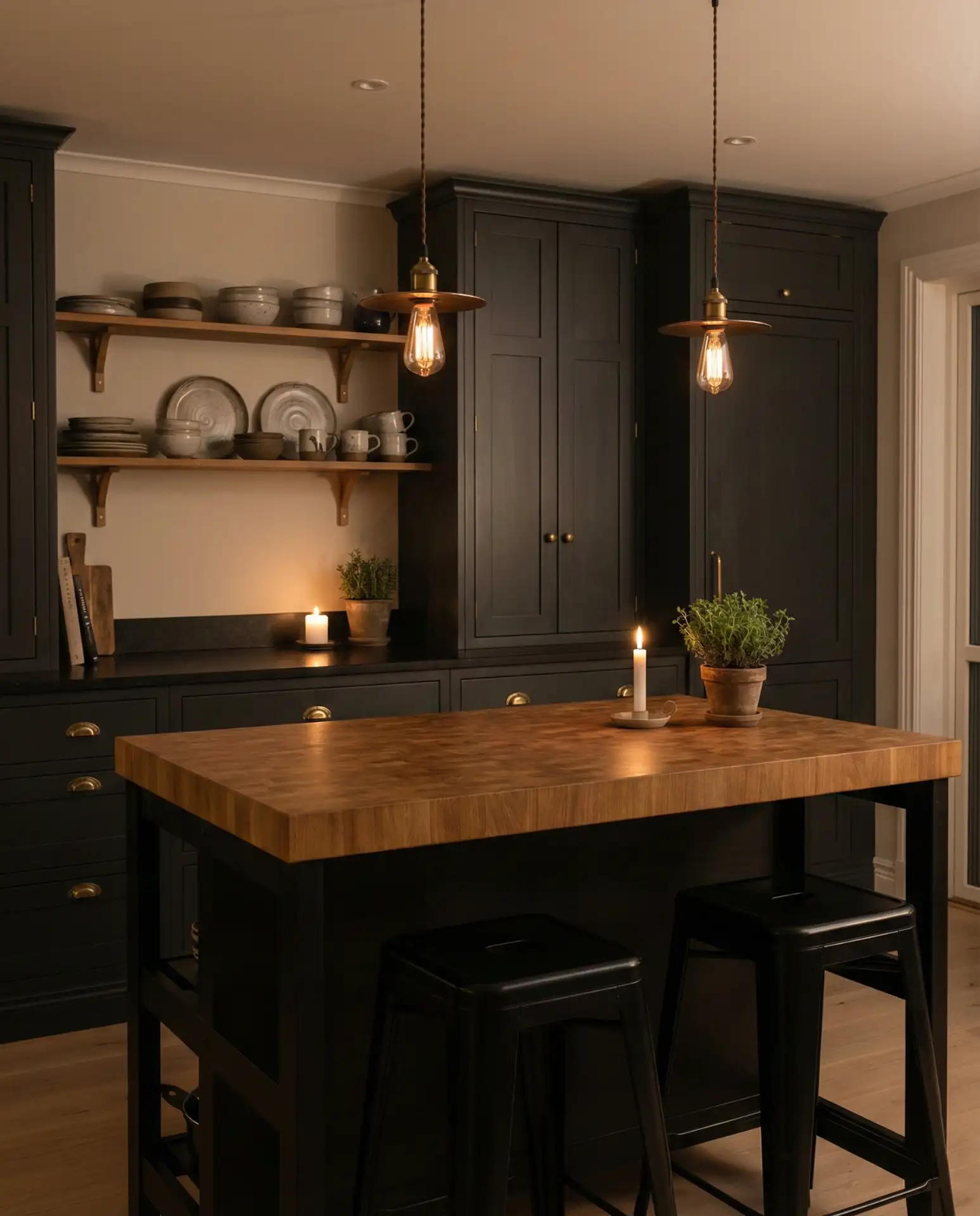
The shift toward dark and moody interiors is redefining what Scandinavian style can be. Deep charcoal or black cabinetry paired with warm oak countertops and brass hardware creates a dramatic yet inviting kitchen. This contemporary take on Nordic design feels grounded and intimate, especially when paired with open shelving and matte finishes that soften the overall effect.

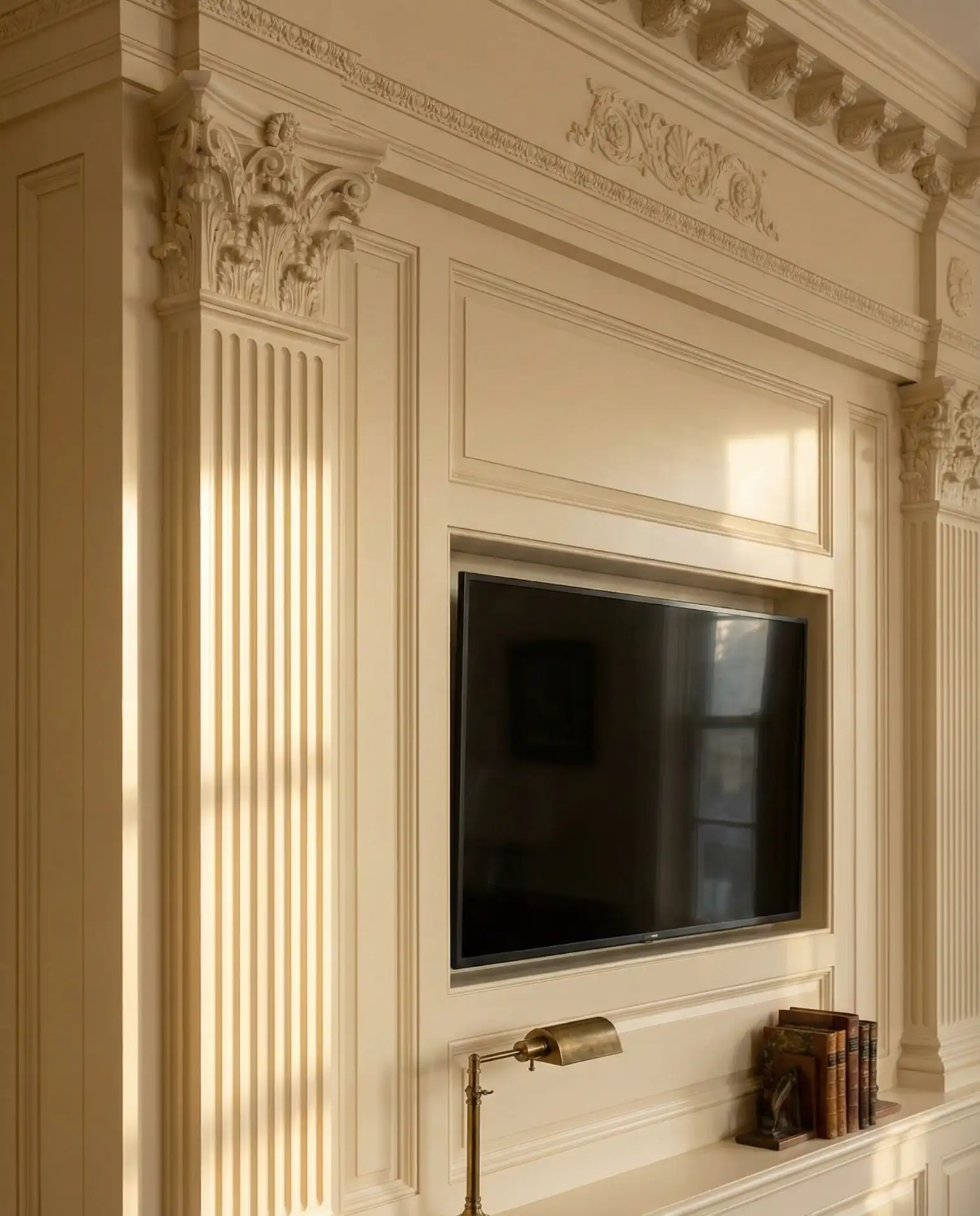
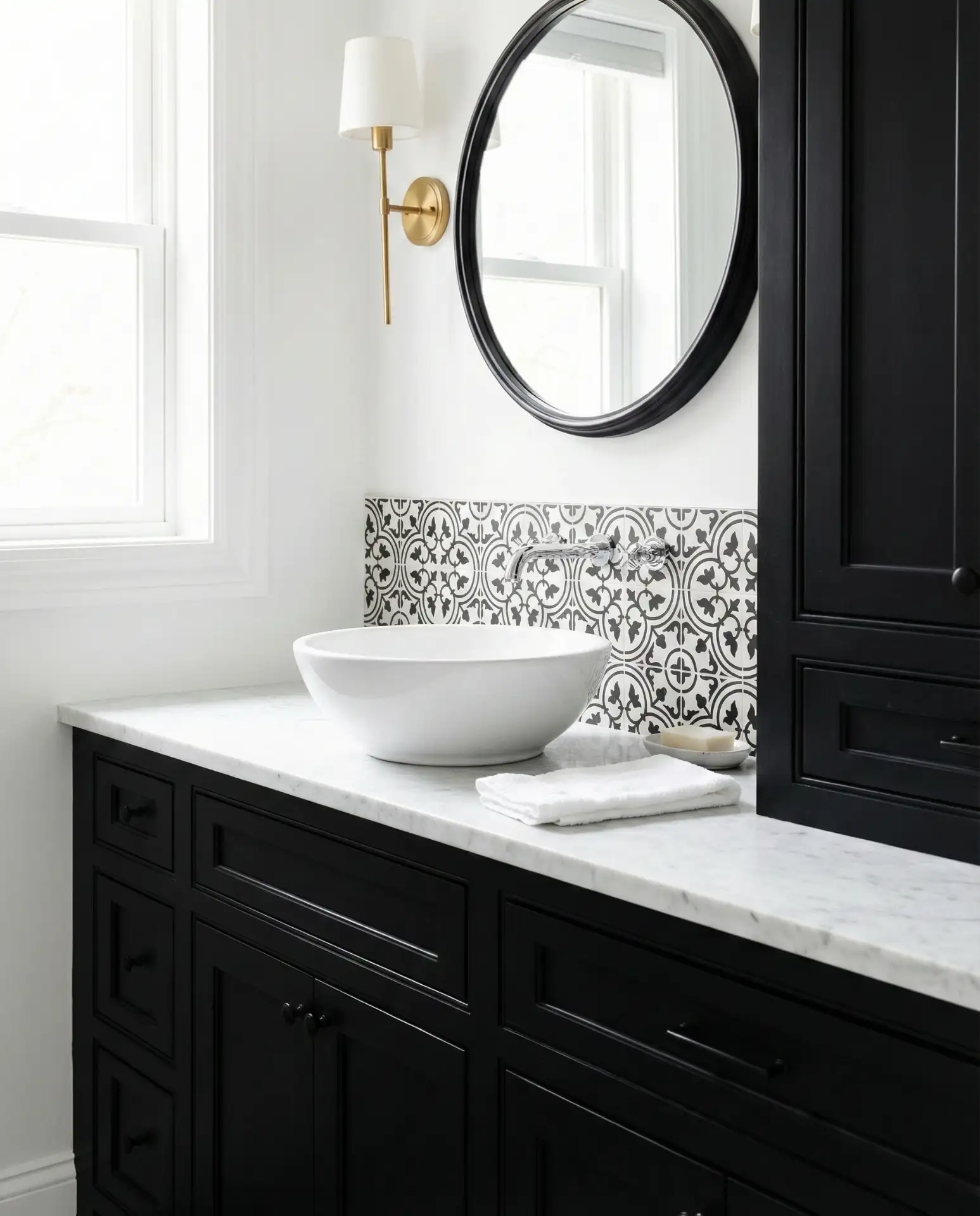
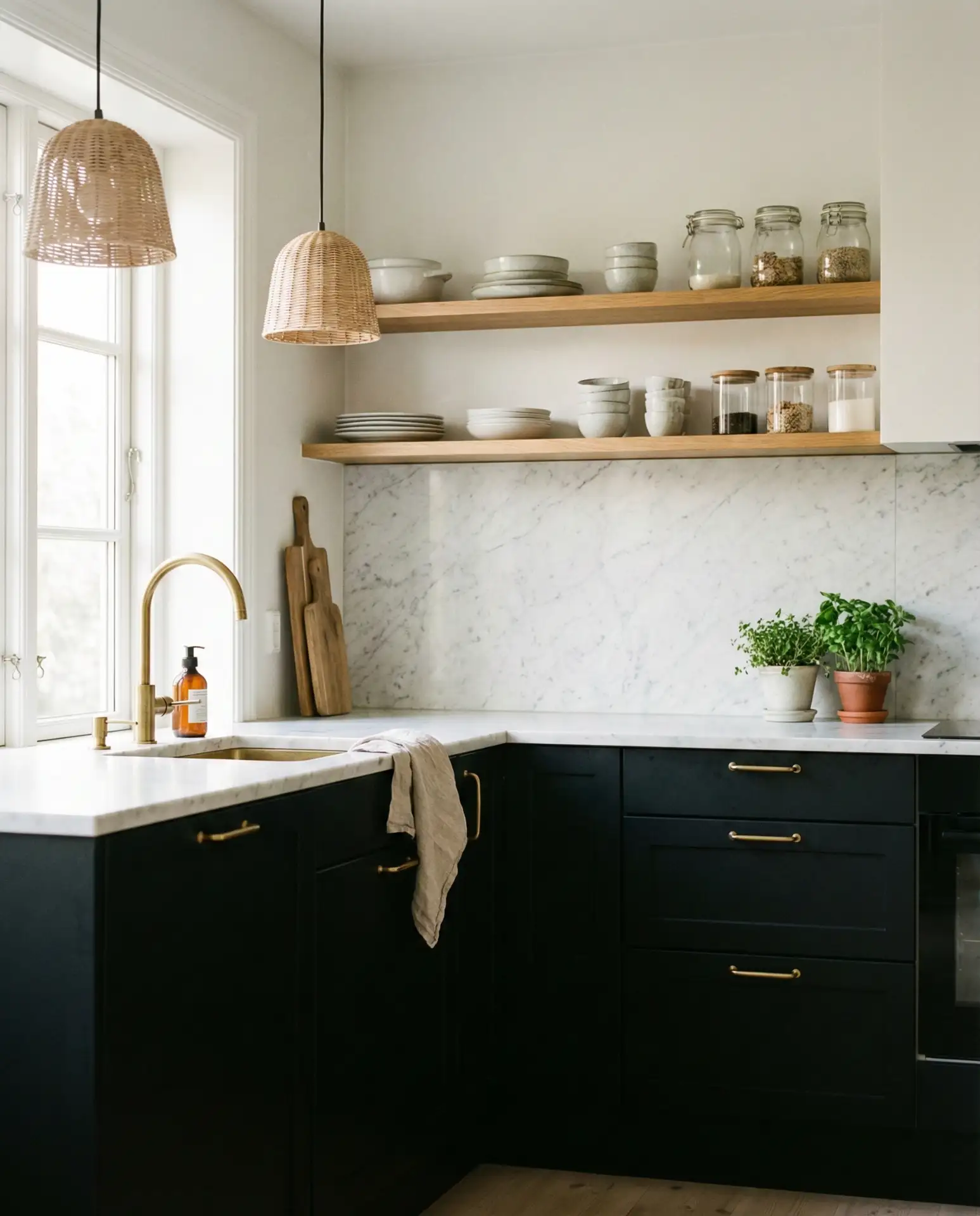
One designer I spoke with recently mentioned that her clients in urban lofts are gravitating toward darker kitchens because they feel less clinical and more lived-in. The trick is balancing the darkness with enough natural light and warm tones so the space doesn’t feel closed off or heavy.
5. Pastel Scandinavian Bedrooms for a Soft, Dreamy Feel
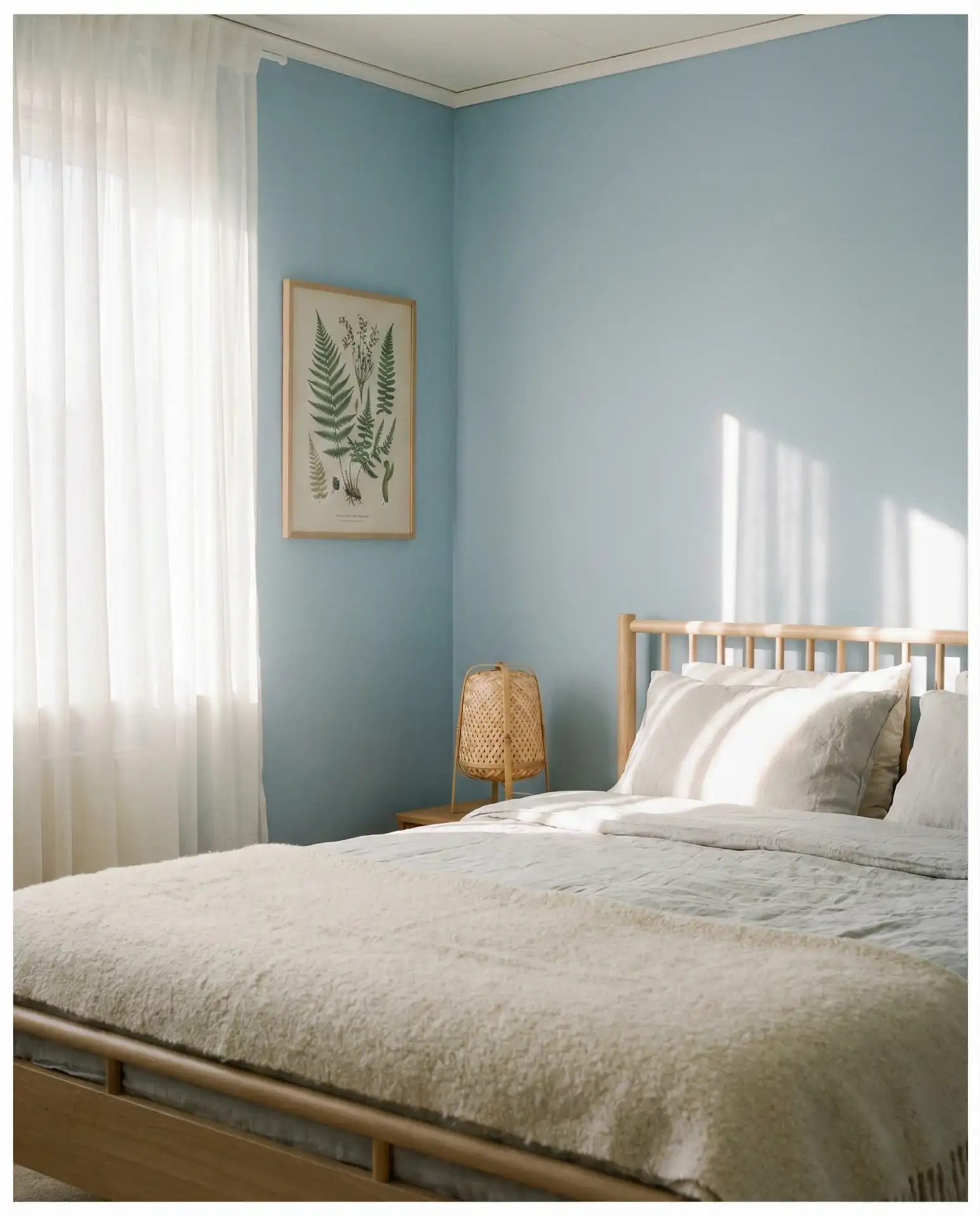
Soft pastel tones like blush pink, powder blue, and pale lavender are bringing a dreamy, romantic quality to the design of bedroom spaces. These hues work beautifully within a minimal framework, adding just enough color to feel personal without overwhelming the senses. Pair them with white linens, light wood furniture, and simple artwork for a serene retreat that still feels grounded in Scandinavian principles.
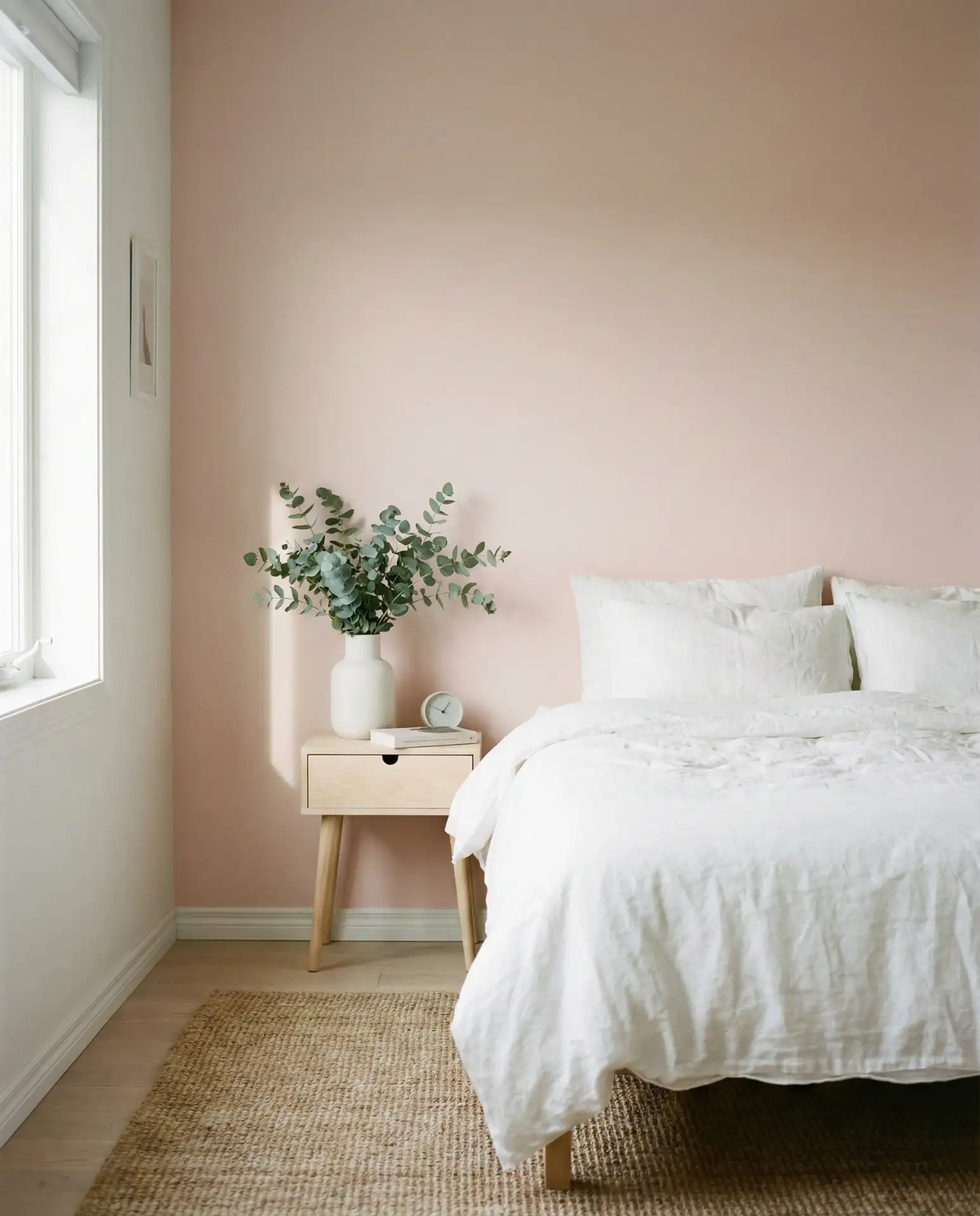
Budget-conscious decorators often opt for pastel paint rather than bold wallpaper, since a single gallon can transform a room for under fifty dollars. It’s a low-commitment way to experiment with color, and if you tire of it, repainting is quick and inexpensive compared to replacing furniture or flooring.
6. Industrial-Scandinavian Fusion in Open Lofts
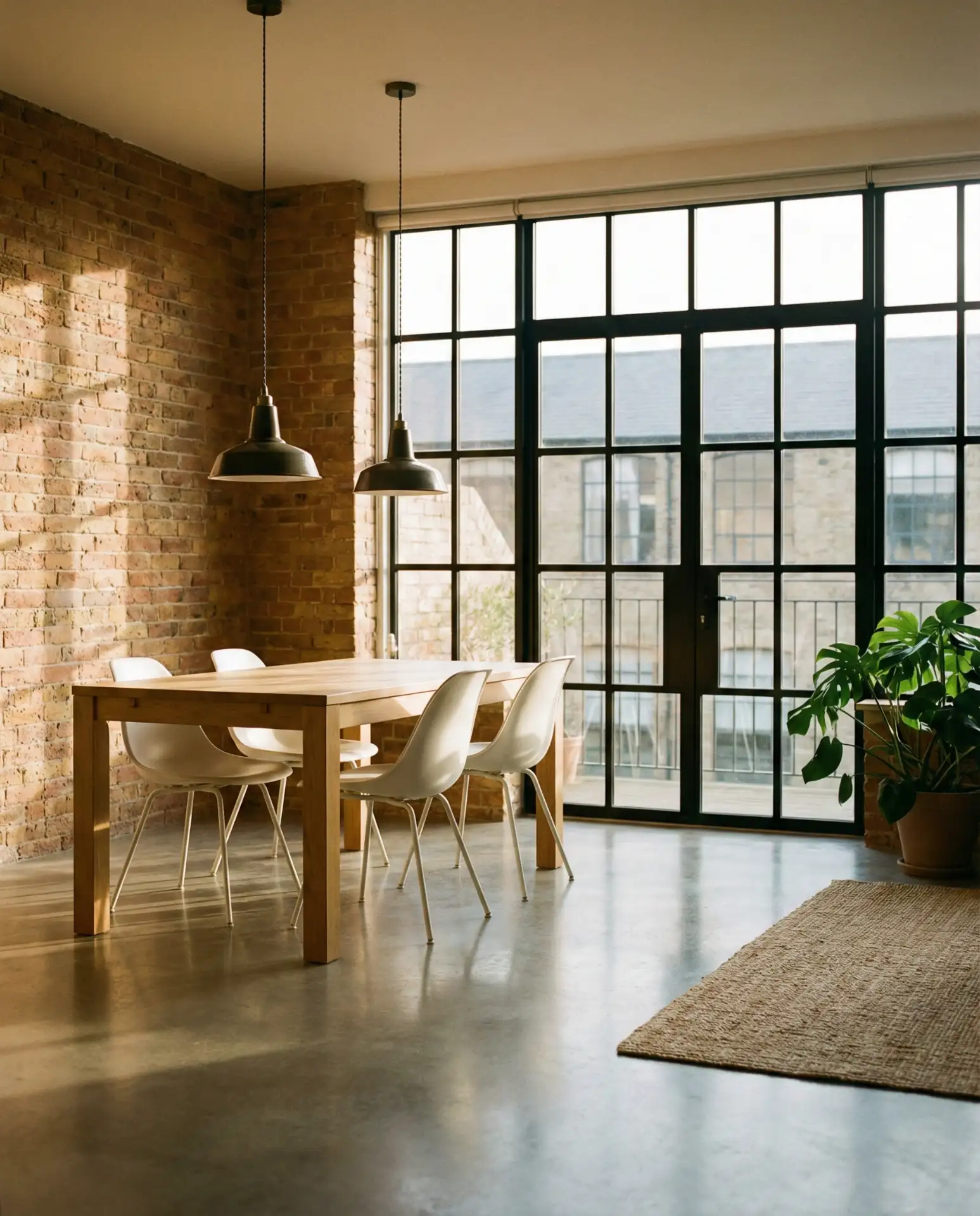
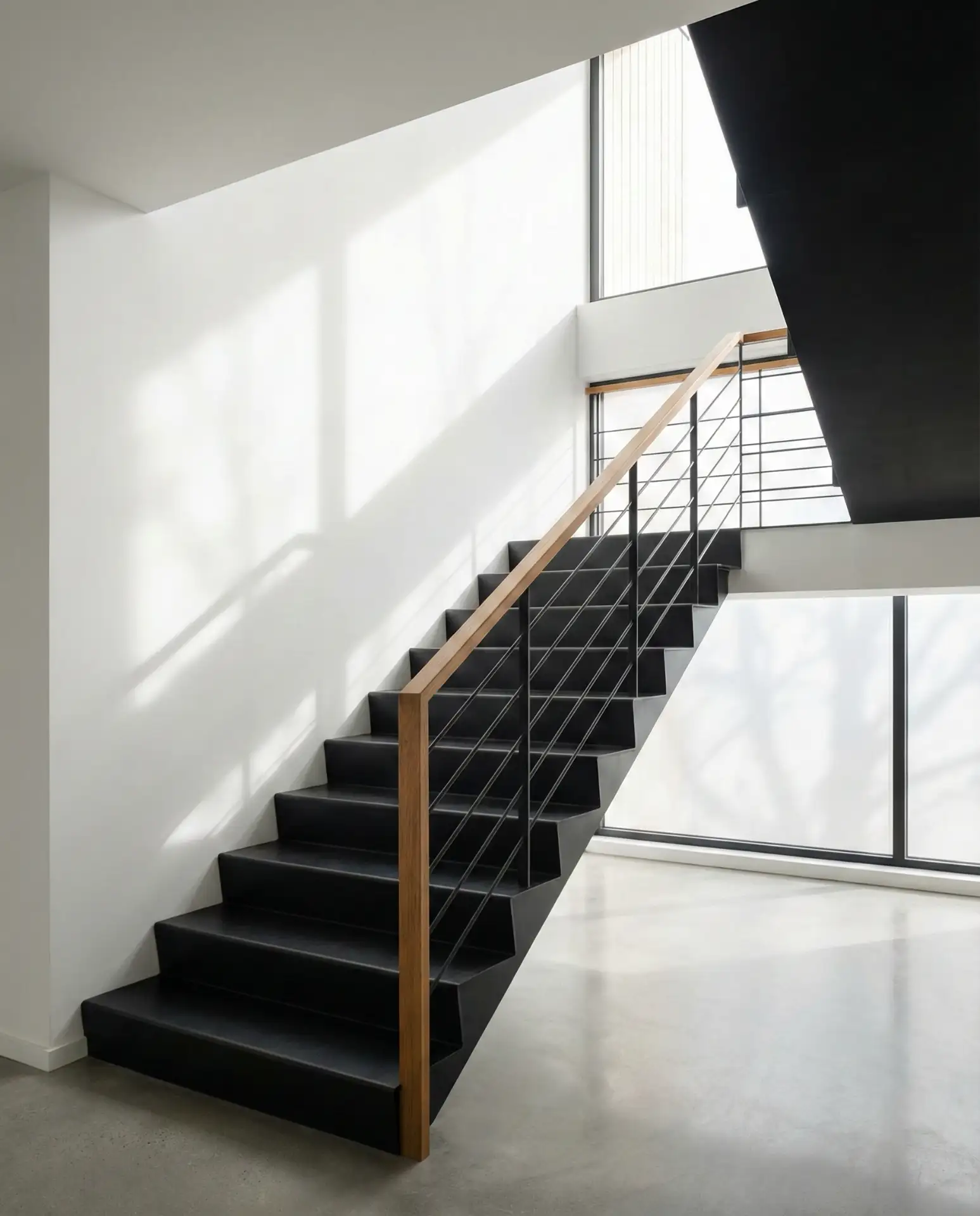
The marriage of industrial elements and Scandinavian warmth is thriving in converted lofts and urban apartment spaces. Exposed brick, black steel beams, and concrete floors provide an edgy backdrop, while light wood furniture, soft textiles, and greenery introduce the signature coziness of Nordic design. This blend feels raw yet refined, perfect for those who want a space with character and history.
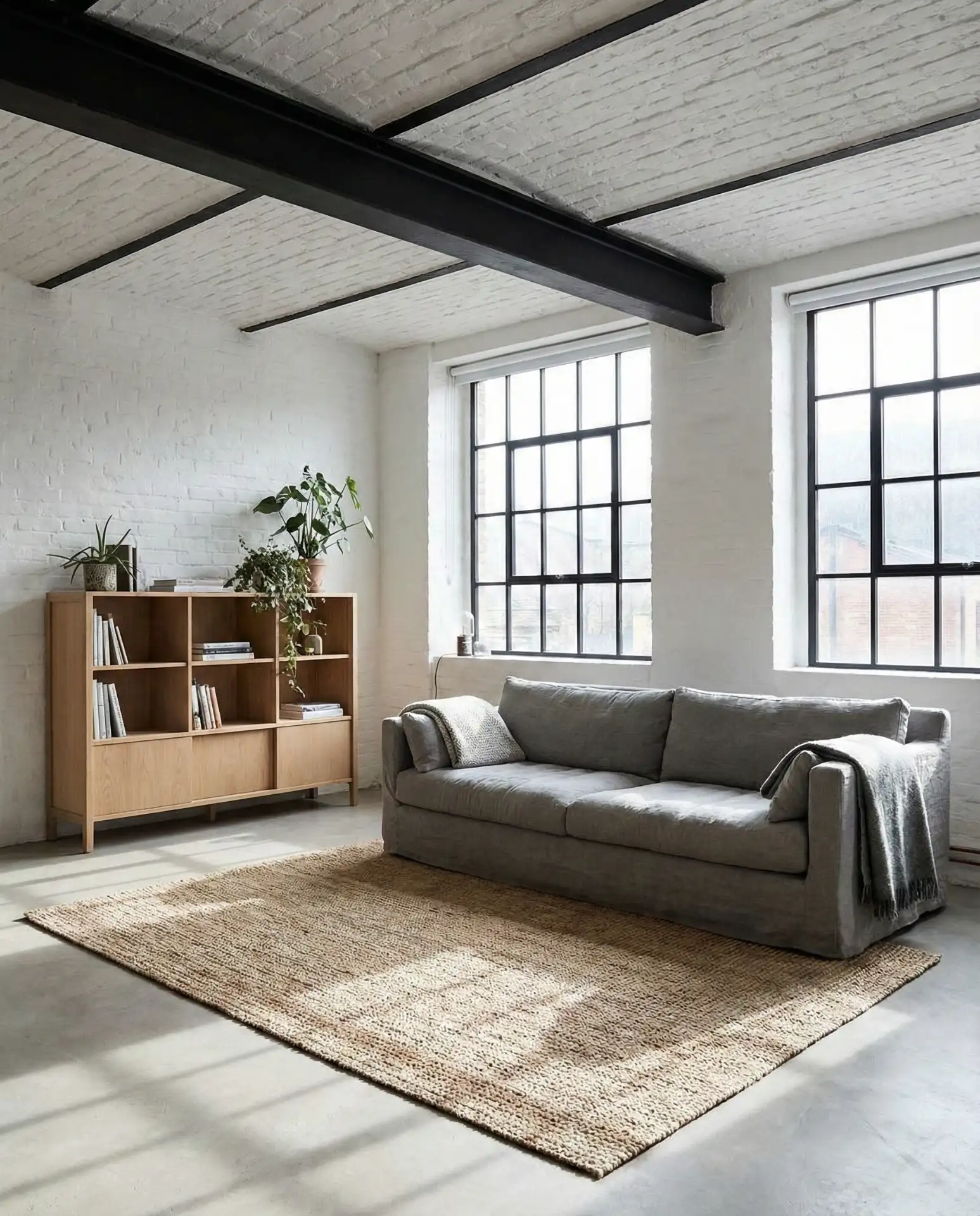
This style works best in cities like Brooklyn, Portland, or Chicago, where older buildings offer architectural bones worth showcasing. The key is not letting the industrial elements dominate—add enough softness through rugs, throws, and plants so the space feels inviting rather than stark or cold.
7. Minimalist Scandinavian Bathrooms with Organic Materials
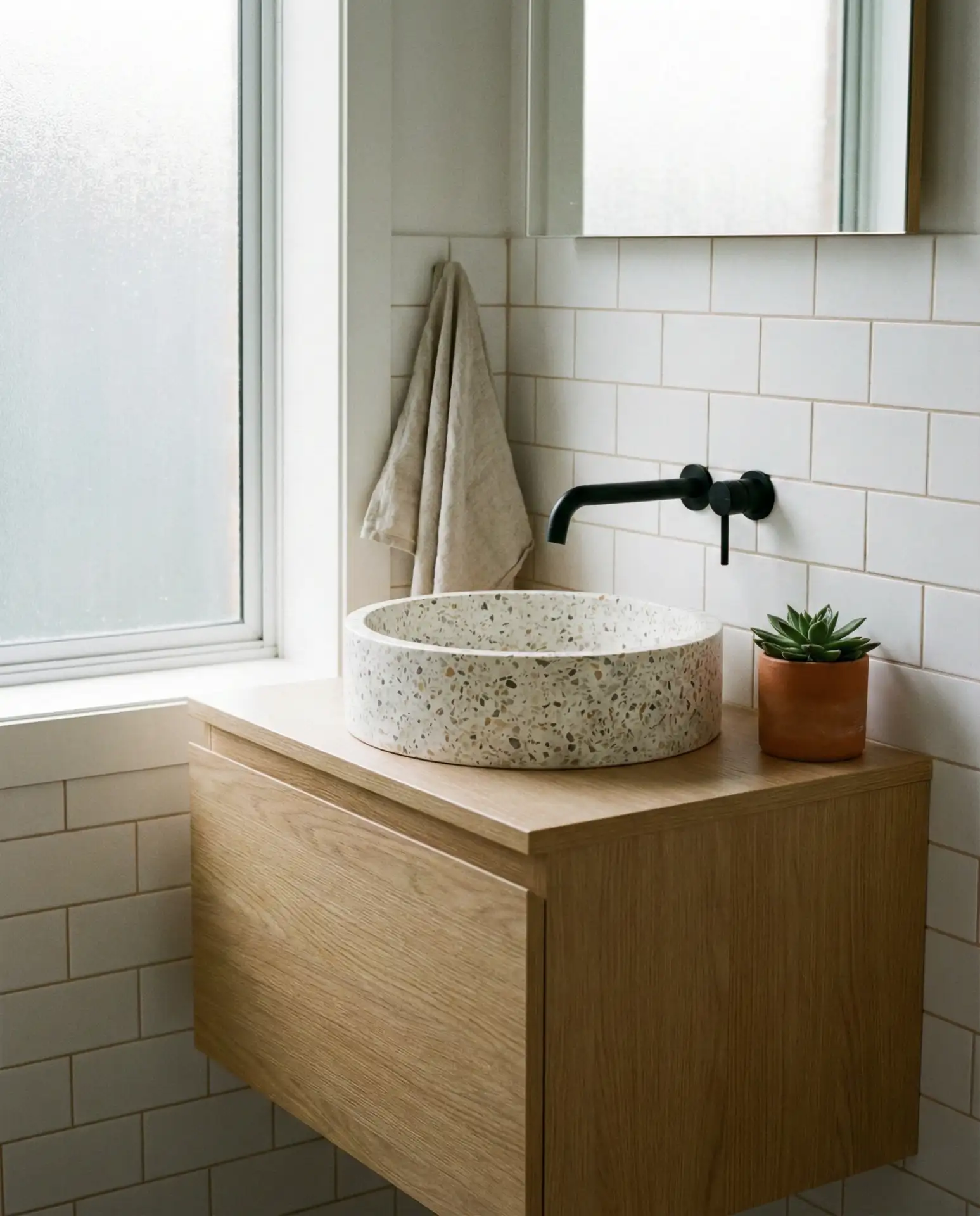
Scandinavian bathroom design in 2026 leans heavily into natural stone, untreated wood, and handmade ceramics. Think terrazzo sinks, teak bath mats, and matte black fixtures that feel sculptural yet understated. The minimal approach ensures the space remains spa-like and uncluttered, while organic textures prevent it from feeling sterile or impersonal.
Homeowners often overlook the bathroom when renovating, but investing in quality natural materials here can make a huge difference in how the space feels. Even small updates—like swapping plastic accessories for wood or stone—can elevate the entire room without requiring a full remodel.
8. Design Living Room Spaces with Statement Lighting
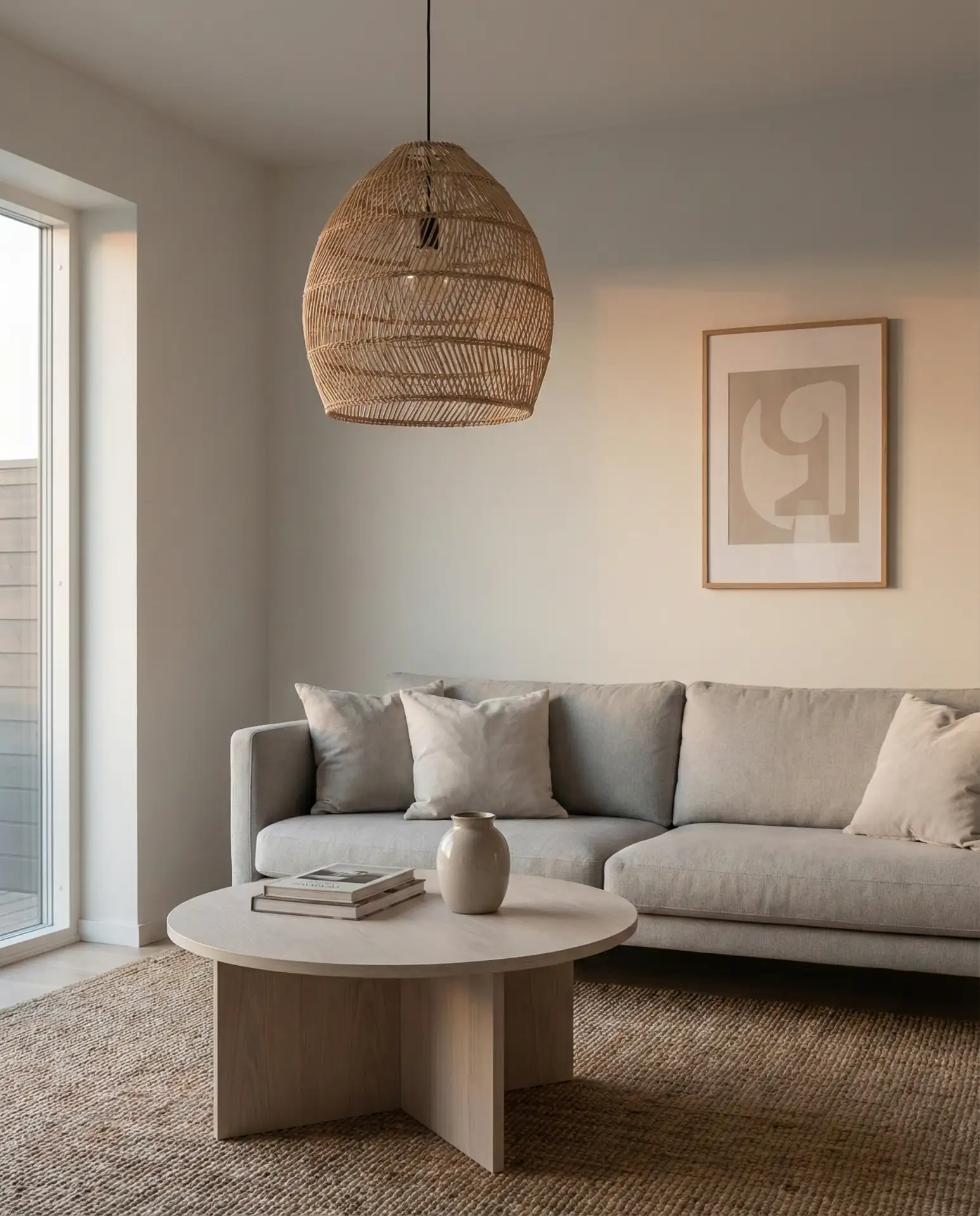
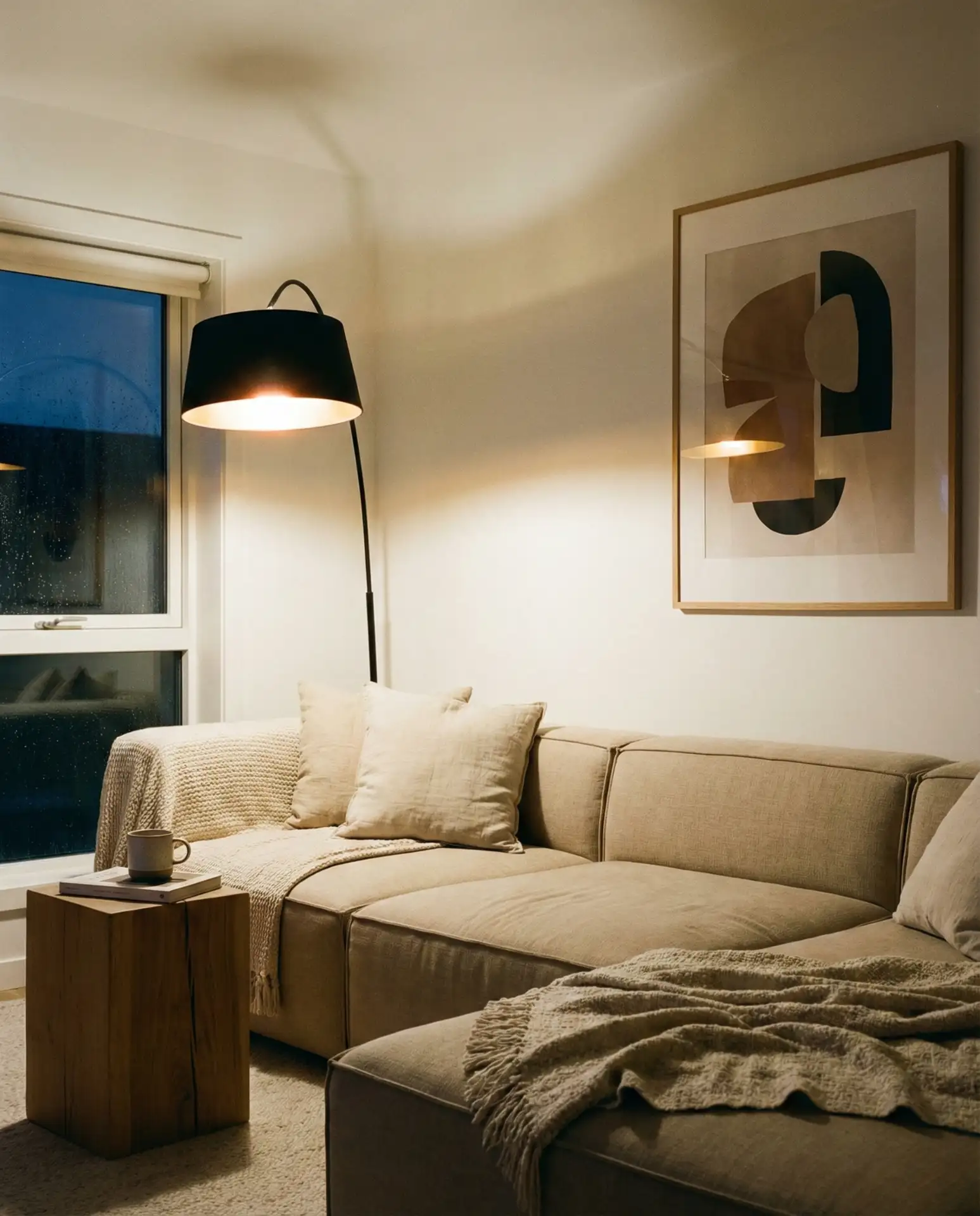
In a designed living room, lighting becomes both functional and sculptural. Oversized pendant lamps, arc floor lights, and woven rattan shades are being used as focal points that define the mood of the space. Paired with the clean lines of contemporary Scandinavian furniture, these fixtures add drama without cluttering sightlines, creating a harmonious balance between form and function.
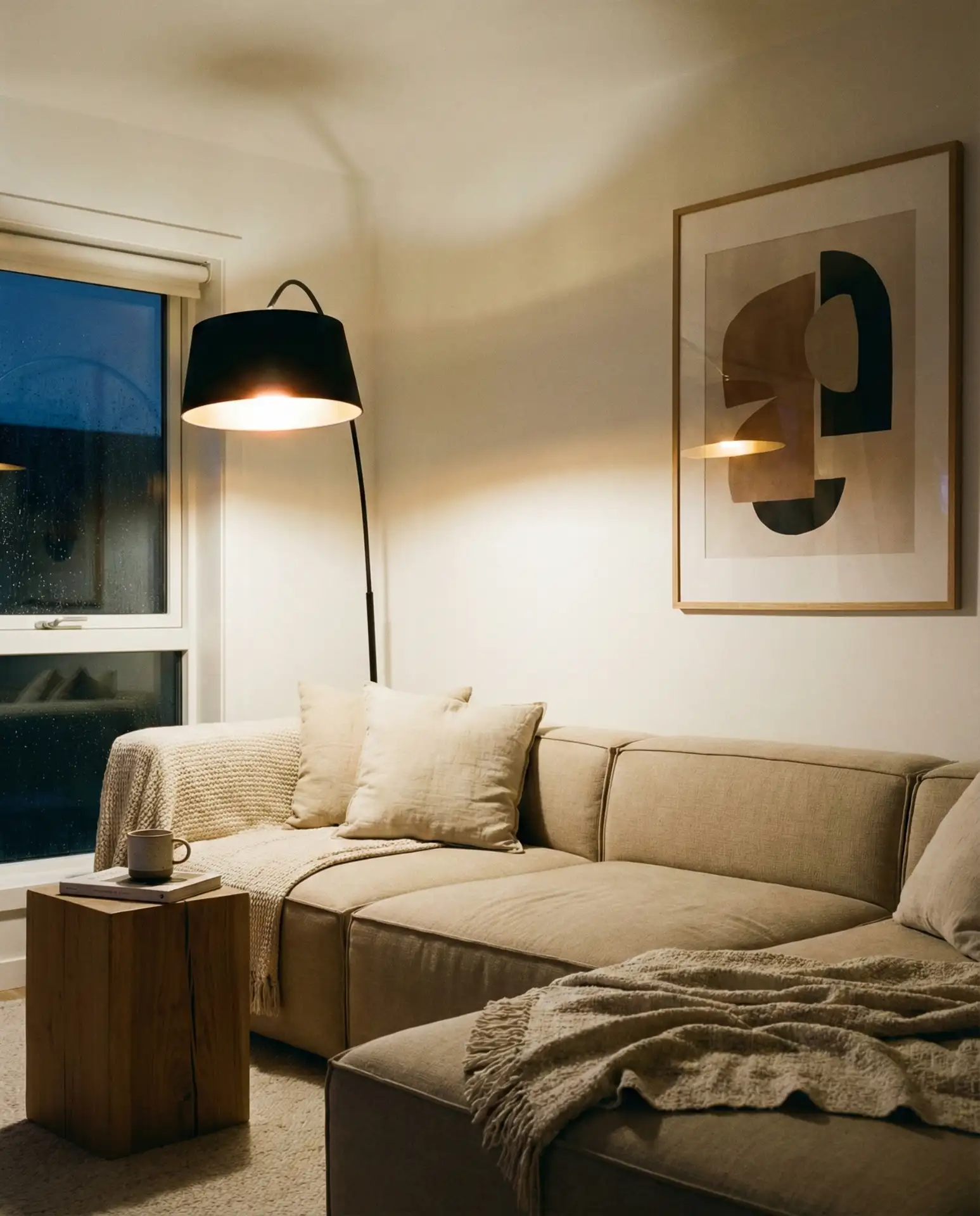
One friend recently swapped out her generic ceiling fixture for a hand-woven pendant, and it completely transformed how her living room felt—suddenly the space had a focal point and a sense of intentionality. Lighting is one of the easiest ways to update a room without major renovation, and it’s worth investing in a piece that feels special.
9. Colourful Textiles in Neutral Nordic Interiors
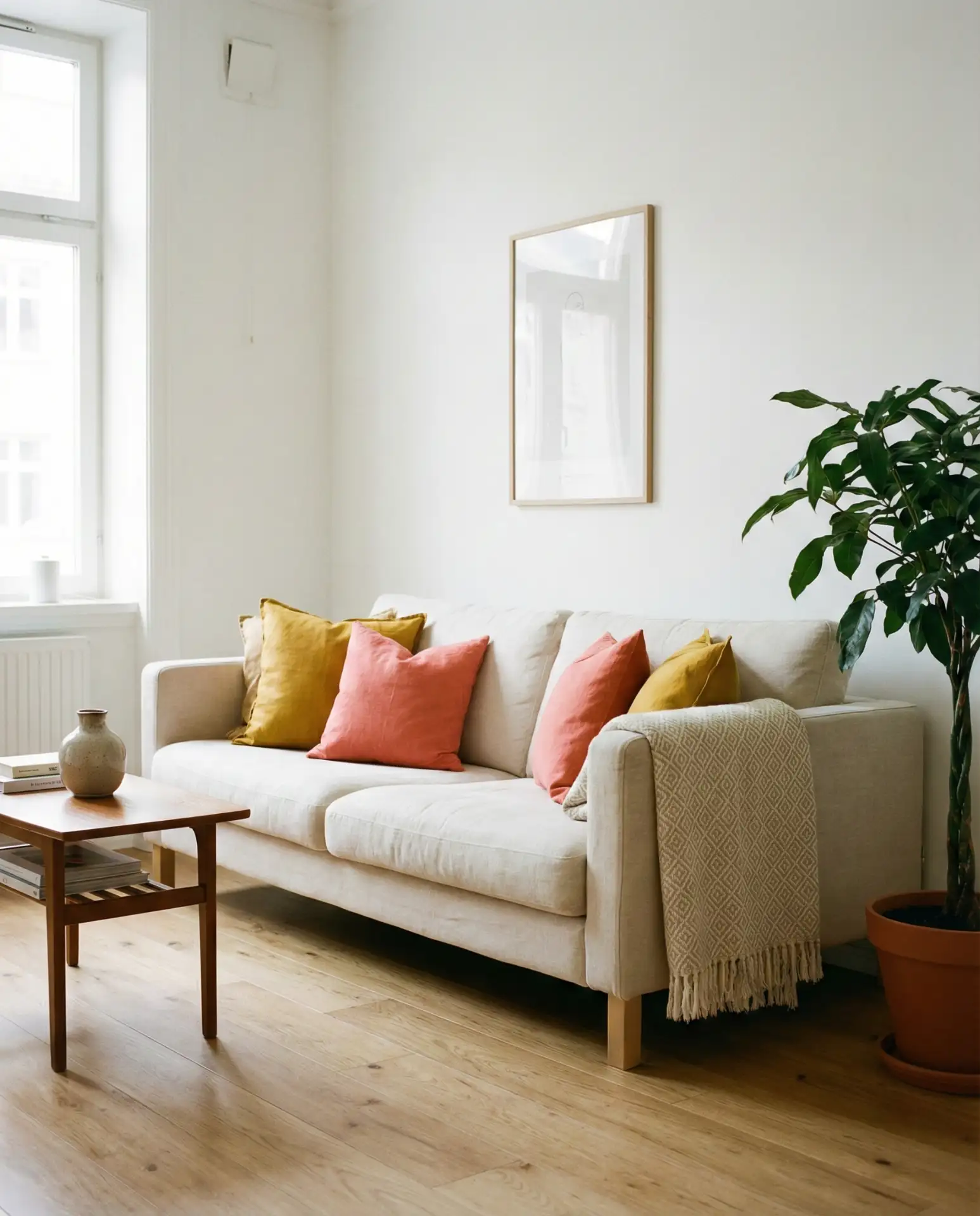
While the base palette stays neutral, colorful textiles—vibrant cushions, patterned throws, or bold rugs—are being used to inject energy and individuality into Scandinavian spaces. This approach allows for seasonal updates without committing to permanent color, making it ideal for renters or those who like to refresh their look regularly. The key is keeping the rest of the room simple so the textiles can shine.
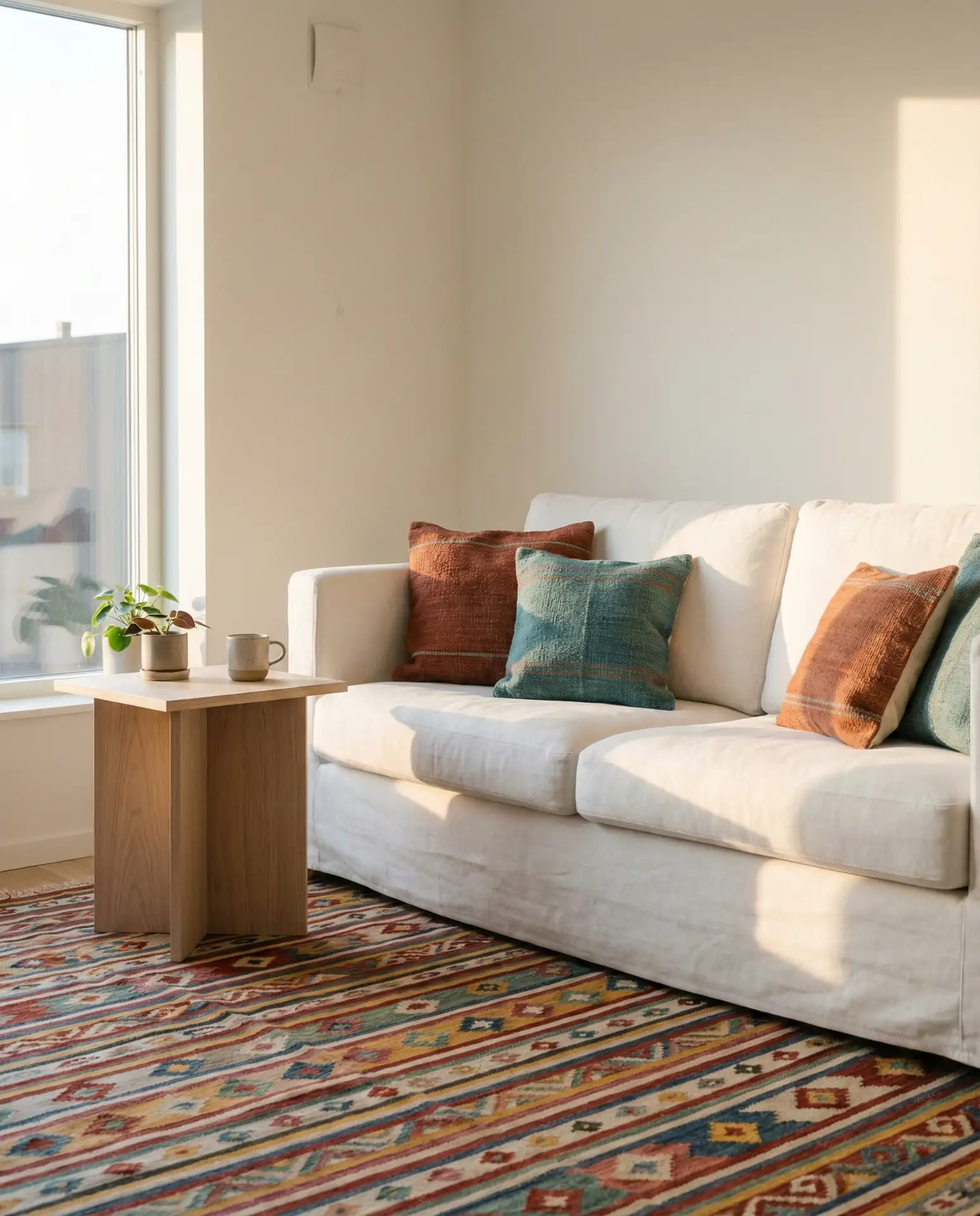
From a practical standpoint, textiles are one of the most budget-friendly ways to experiment with color. You can find beautiful options at vintage markets, online shops, or even big-box stores, and swapping them out seasonally keeps your space feeling fresh without spending much at all.
10. Traditional Scandinavian Charm with Modern Updates
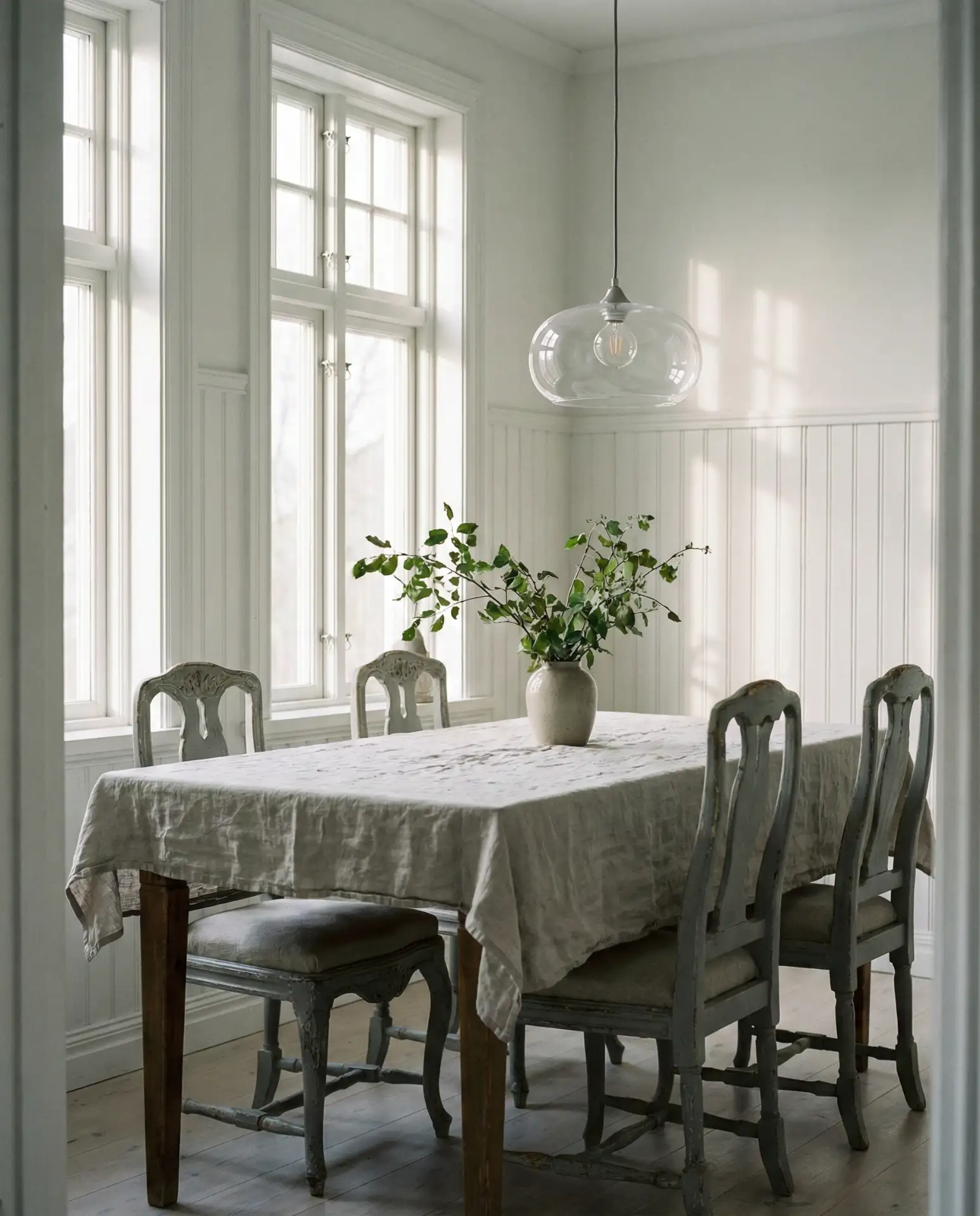
Blending traditional Scandinavian elements like painted wood paneling, vintage folk art, and classic Gustavian furniture with sleek modern touches creates a layered, collected look. This approach honors the heritage of Nordic design while keeping it relevant for today’s lifestyles. It’s about respecting the past without being stuck in it, creating spaces that feel timeless yet livable.
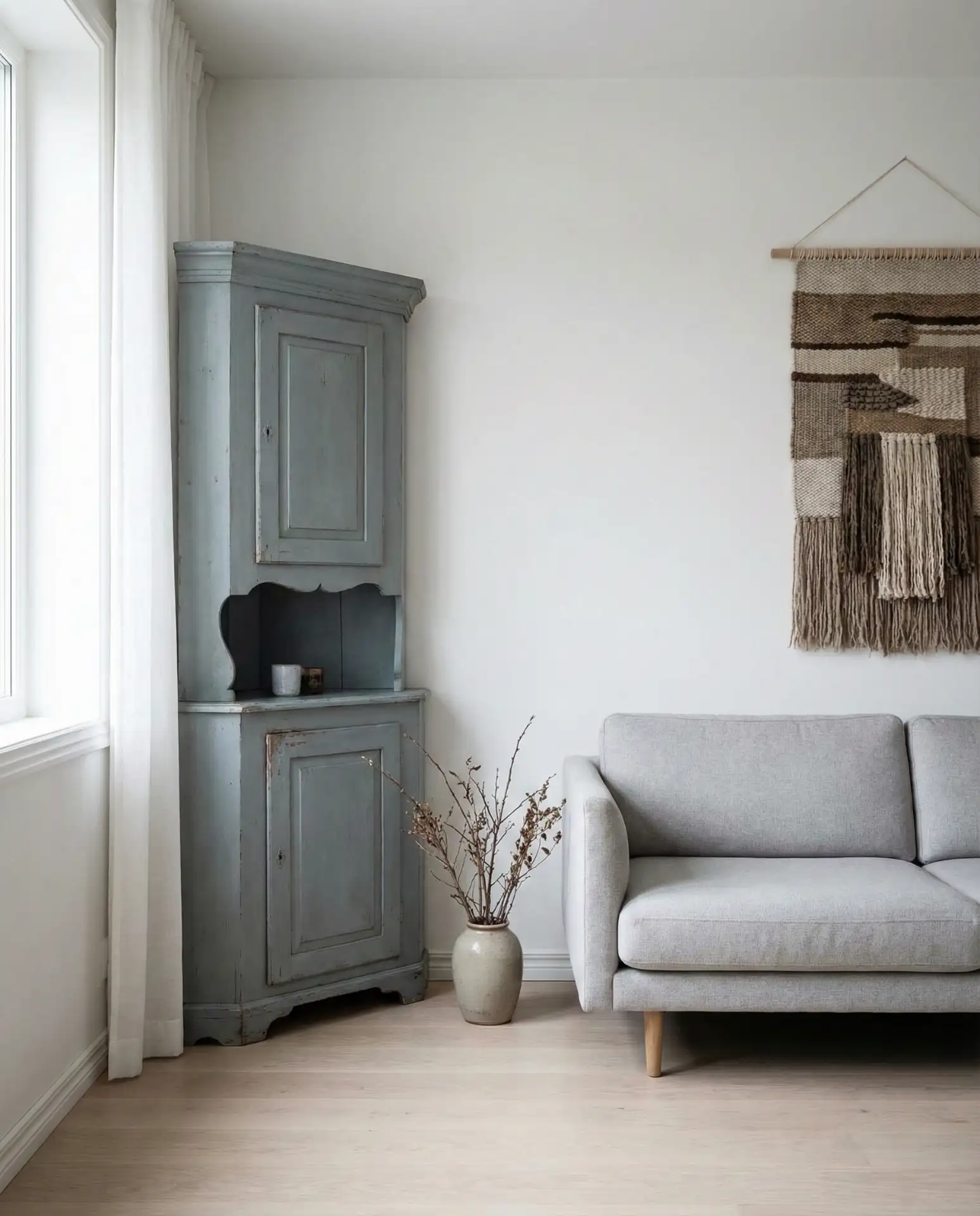
This style is especially popular in regions with strong European heritage, like Minnesota or the Upper Midwest, where homeowners often inherit or collect vintage Scandinavian pieces and want to incorporate them into a more contemporary setting. The challenge is finding balance—too much vintage can feel museum-like, while too much modern loses the warmth.
11. Rustic Scandinavian Cabins with Natural Wood Everywhere
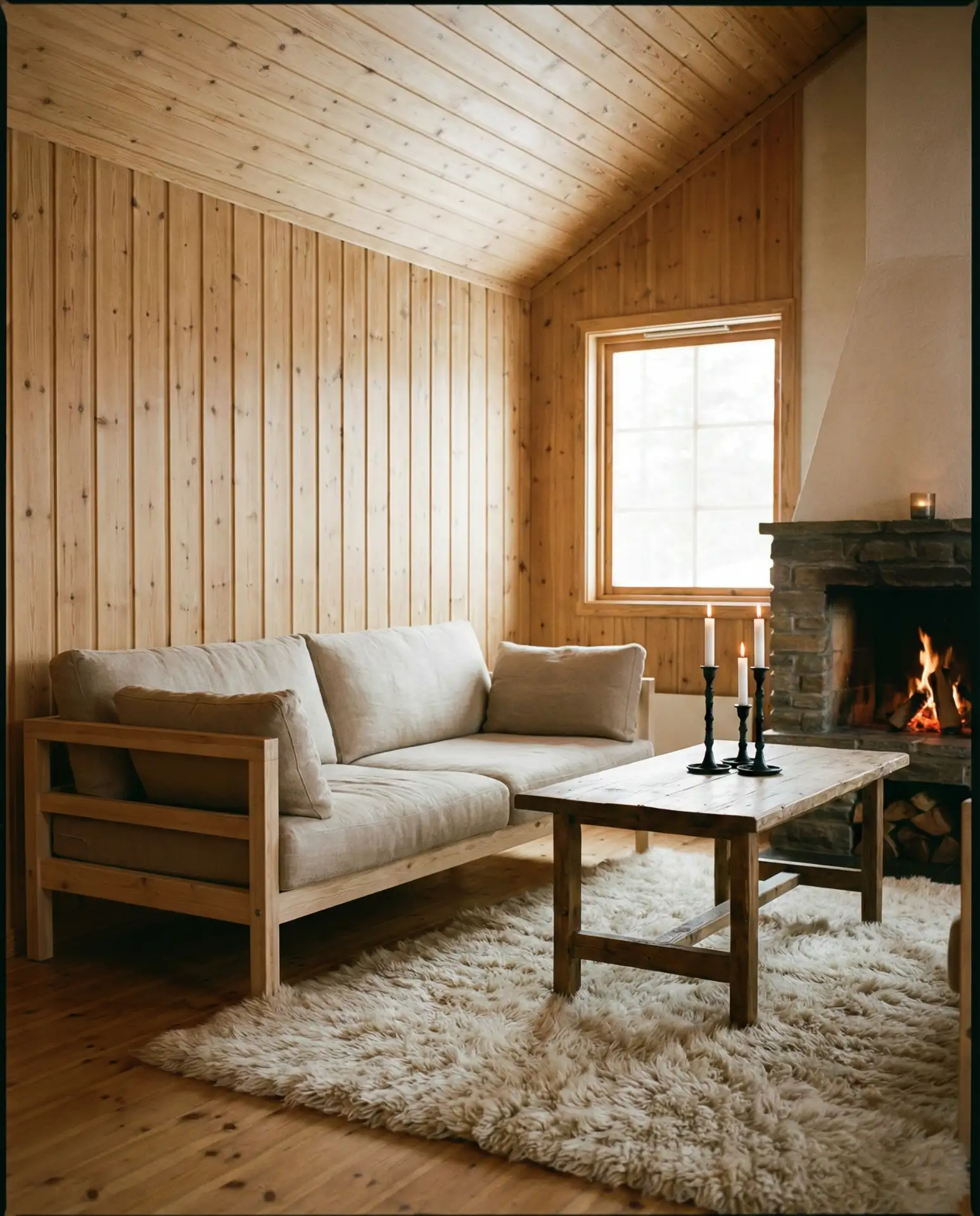
The rustic side of Scandinavian design embraces raw, untreated wood in floors, walls, and ceilings. Log cabins and mountain retreats lean into this aesthetic, pairing pine or spruce paneling with sheepskin throws, woolen textiles, and simple iron hardware. The result is a space that feels deeply connected to nature—warm, grounding, and intentionally unpretentious.
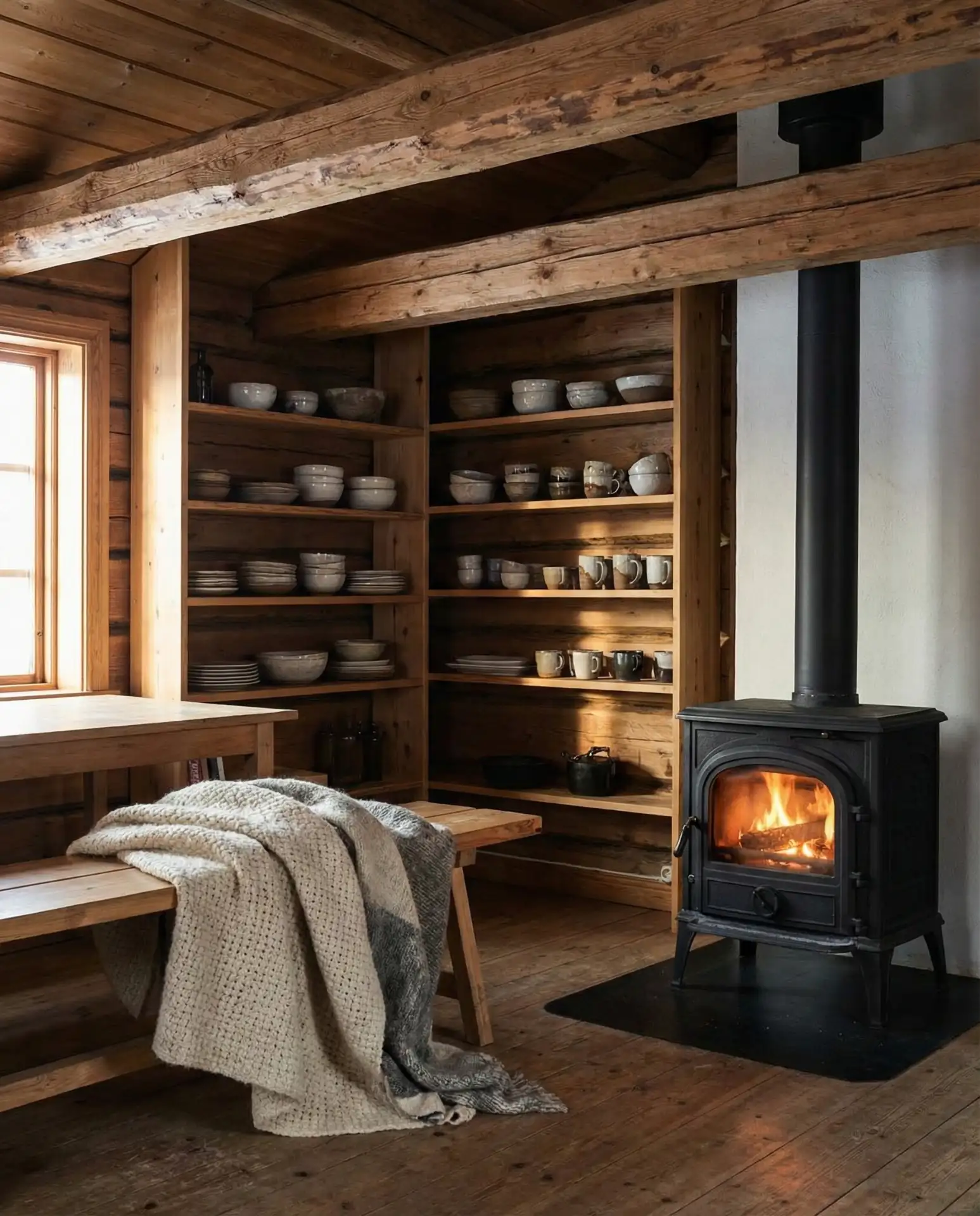
This approach works best in vacation homes or rural settings where the surrounding landscape echoes the interior materials. A common mistake is trying to replicate this look in a modern city apartment—it can feel forced or overly thematic. Instead, bring in one or two rustic elements as accents if you love the aesthetic but live in an urban space.
12. Scandinavian Design Ideas for Small Apartments
Compact living is where Scandinavian design ideas truly shine. Multi-functional furniture, wall-mounted storage, and a light color palette make even the smallest apartment feel open and airy. Mirrors, reflective surfaces, and strategic lighting amplify natural light, while thoughtful editing ensures only essential pieces remain, creating a sense of spaciousness despite limited square footage.
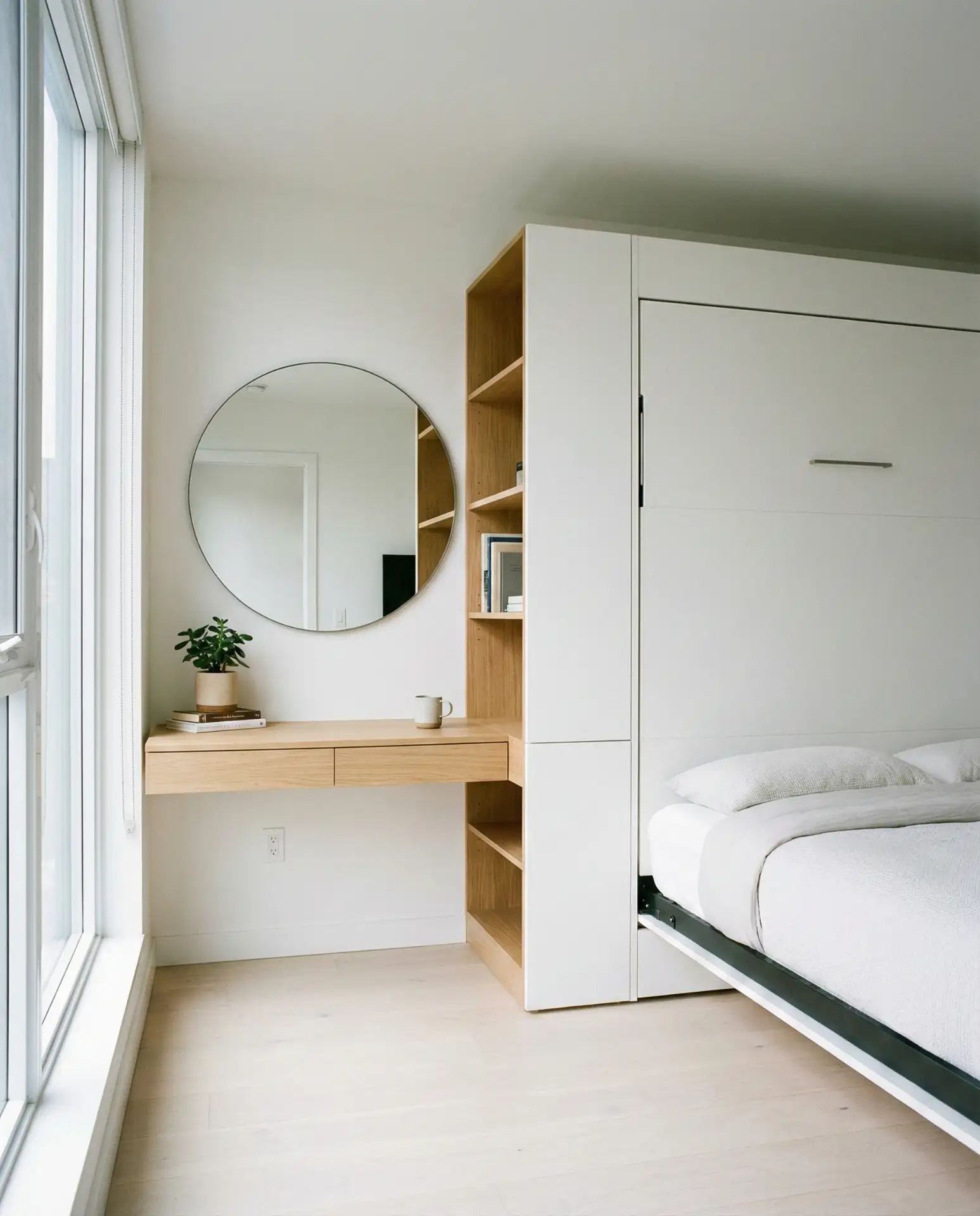
Small-space living is a reality for millions of Americans in cities like New York, San Francisco, and Boston. Scandinavian principles—simplicity, functionality, and light—are particularly effective in these environments. The trick is resisting the urge to fill every corner; leaving breathing room actually makes the space feel larger and more comfortable.
13. Retro Scandinavian Style with Mid-Century Furniture
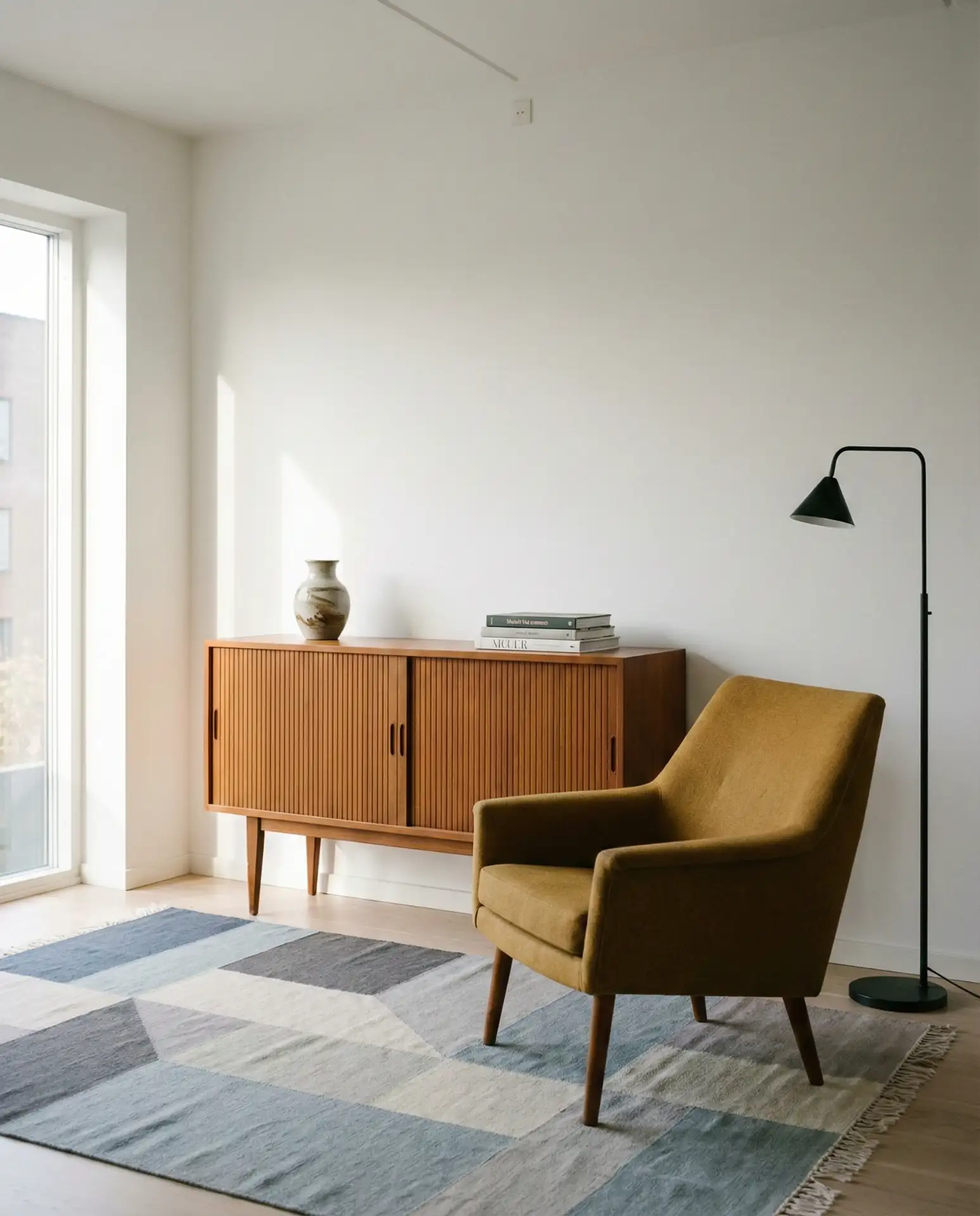
The retro revival continues as mid-century Scandinavian furniture finds new life in contemporary homes. Teak sideboards, tapered-leg chairs, and geometric textiles from the 1950s and 60s bring warmth and nostalgia without feeling dated. These pieces pair beautifully with modern lighting and minimalist backdrops, creating a curated, designer-forward look that feels both vintage and fresh.
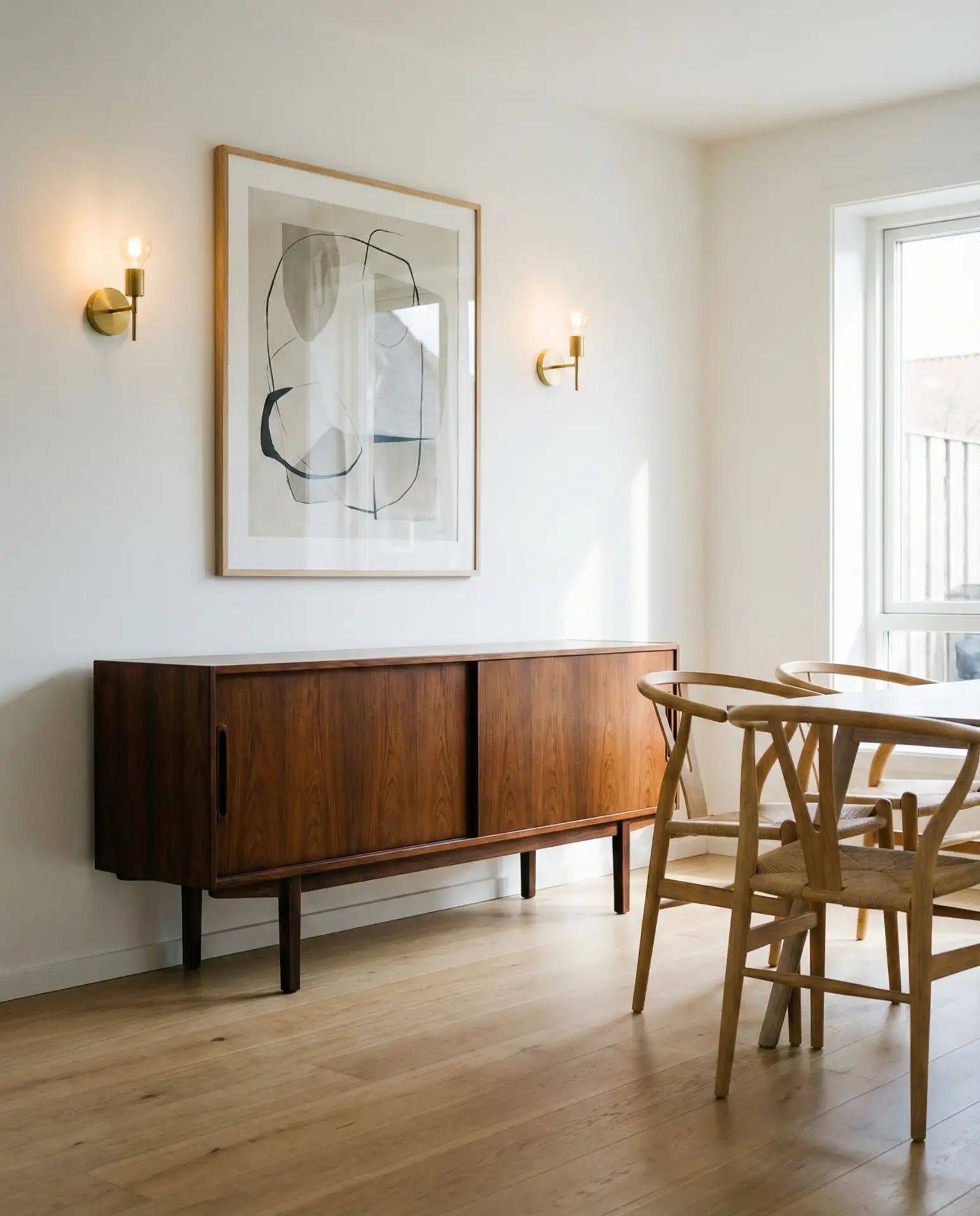
Vintage Scandinavian furniture is often better built than modern equivalents, which is why it’s become a smart investment. Pieces from designers like Wegner, Jacobsen, and Saarinen have held or increased in value, and they bring an authenticity that new mass-produced items simply can’t match. If you’re on a tighter budget, look for lesser-known makers or reproductions that capture the same spirit.
14. Luxury Scandinavian Interiors with High-End Finishes
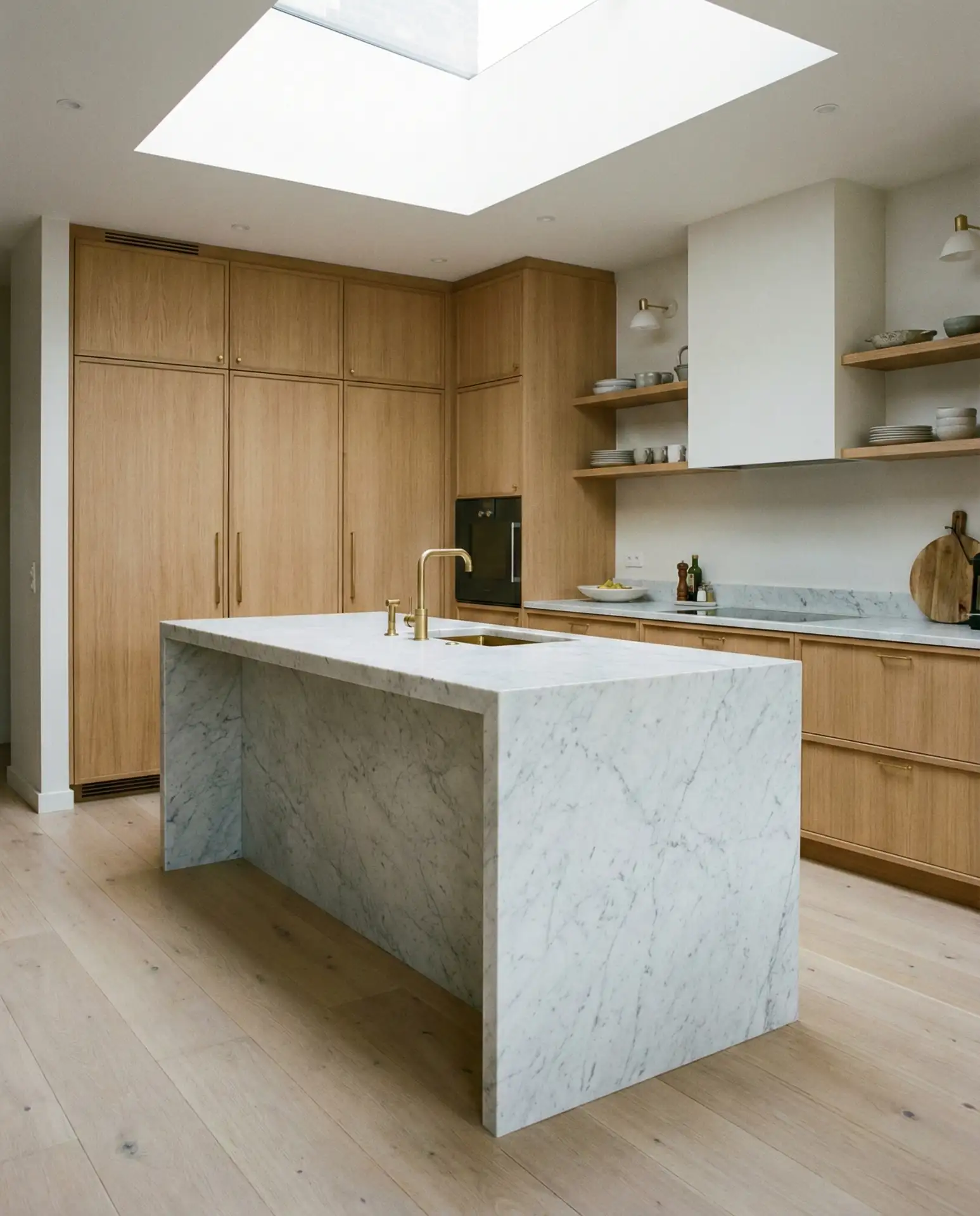
Luxury in Scandinavian design isn’t about opulence—it’s about quality, craftsmanship, and carefully chosen materials. Honed marble countertops, custom oak cabinetry, and handwoven textiles create a sense of refined understated elegance. Every element is considered and intentional, resulting in spaces that feel both lavish and serene, never showy or overdone.
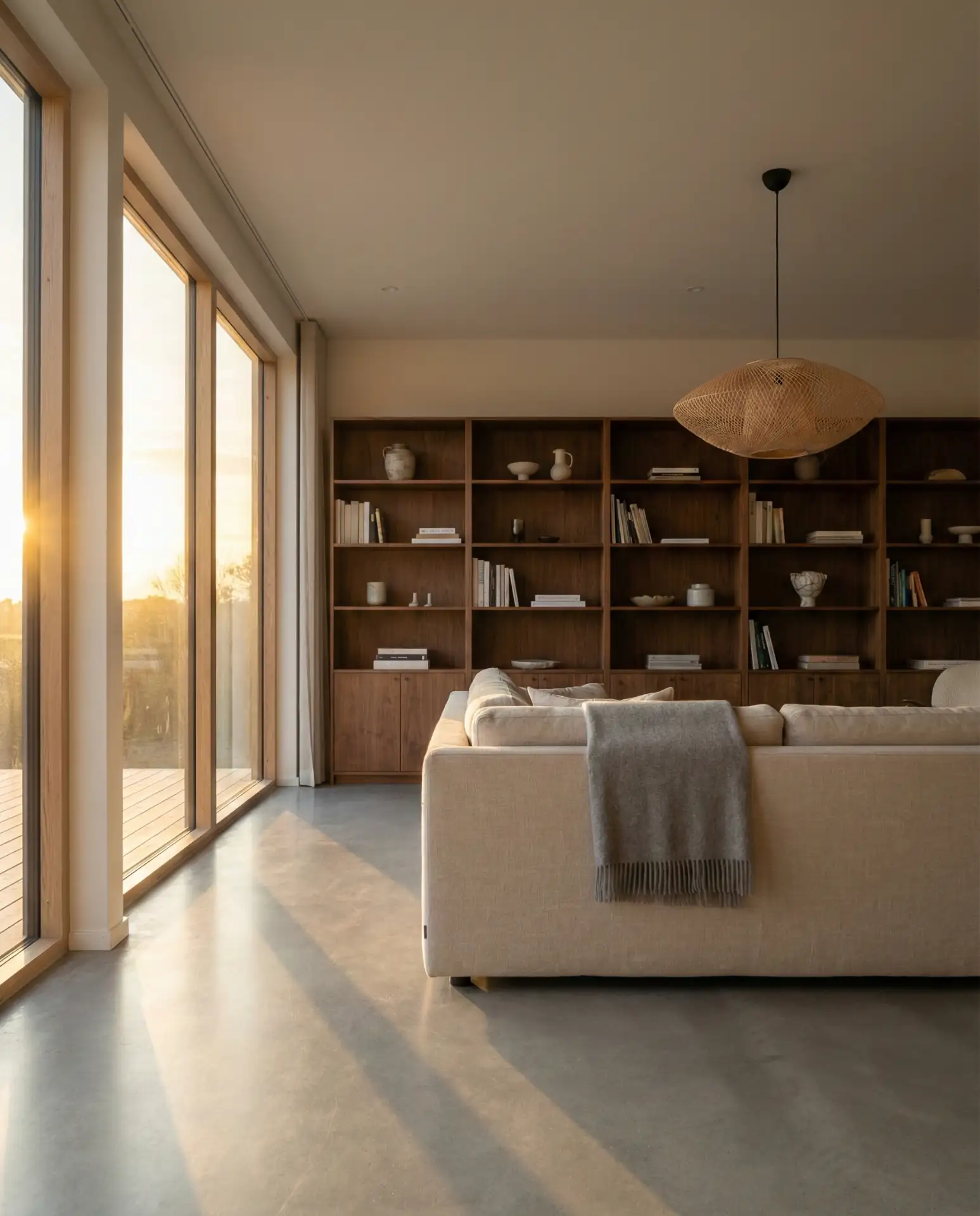
High-end Scandinavian design is about investing in fewer, better things. Rather than filling a room with affordable pieces, luxury-minded homeowners choose a single statement sofa, a bespoke dining table, or handcrafted lighting that will last decades. It’s a philosophy that values longevity over trends and quality over quantity.
15. Mood Board Essentials for Planning Your Scandinavian Space
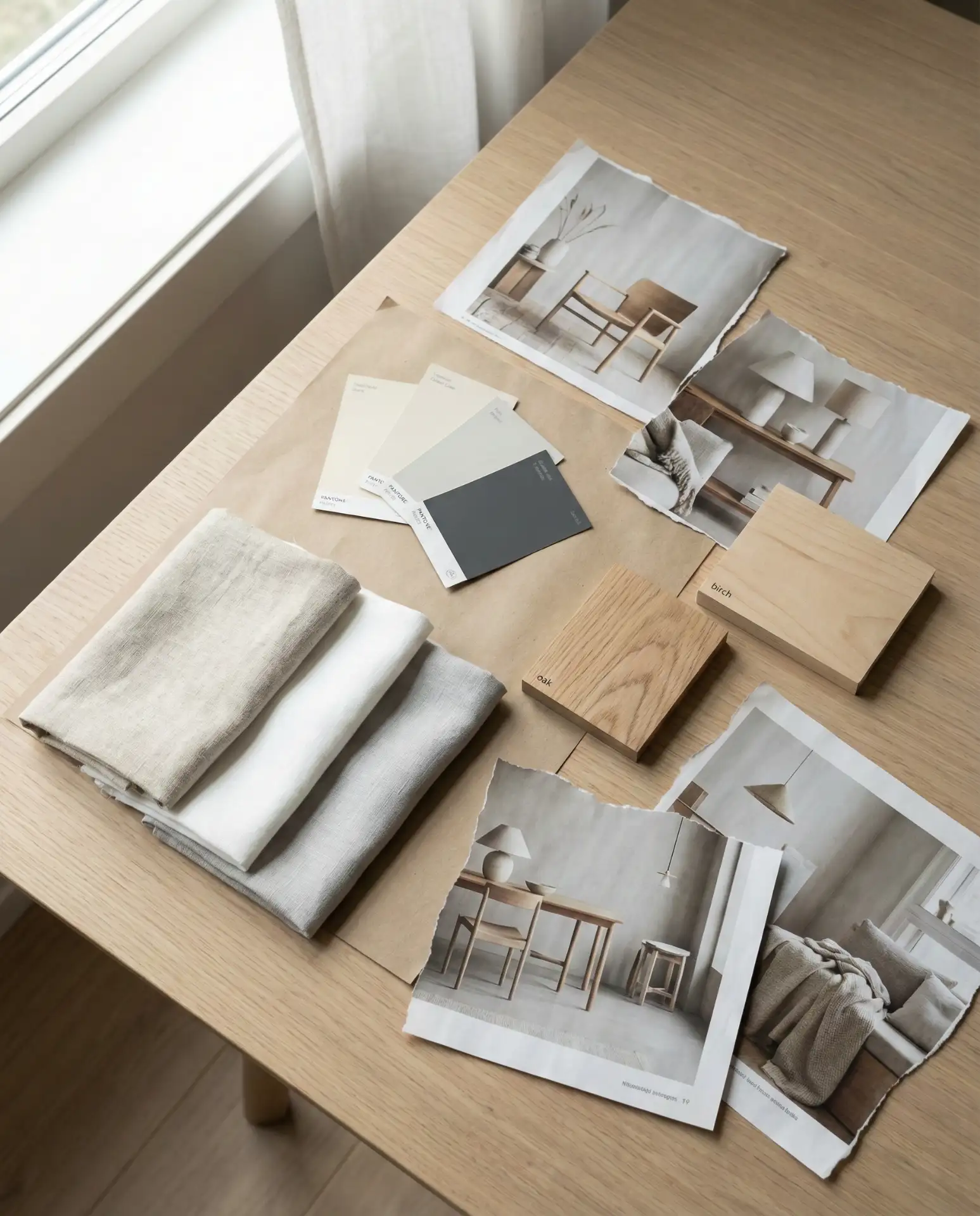
Creating a mood board is an essential step for anyone planning a Scandinavian interior. Gather paint swatches in warm whites and soft grays, fabric samples of linen and wool, images of natural wood tones, and examples of simple, functional furniture. This visual reference helps you see how all the elements work together before committing to purchases, ensuring a cohesive final result.
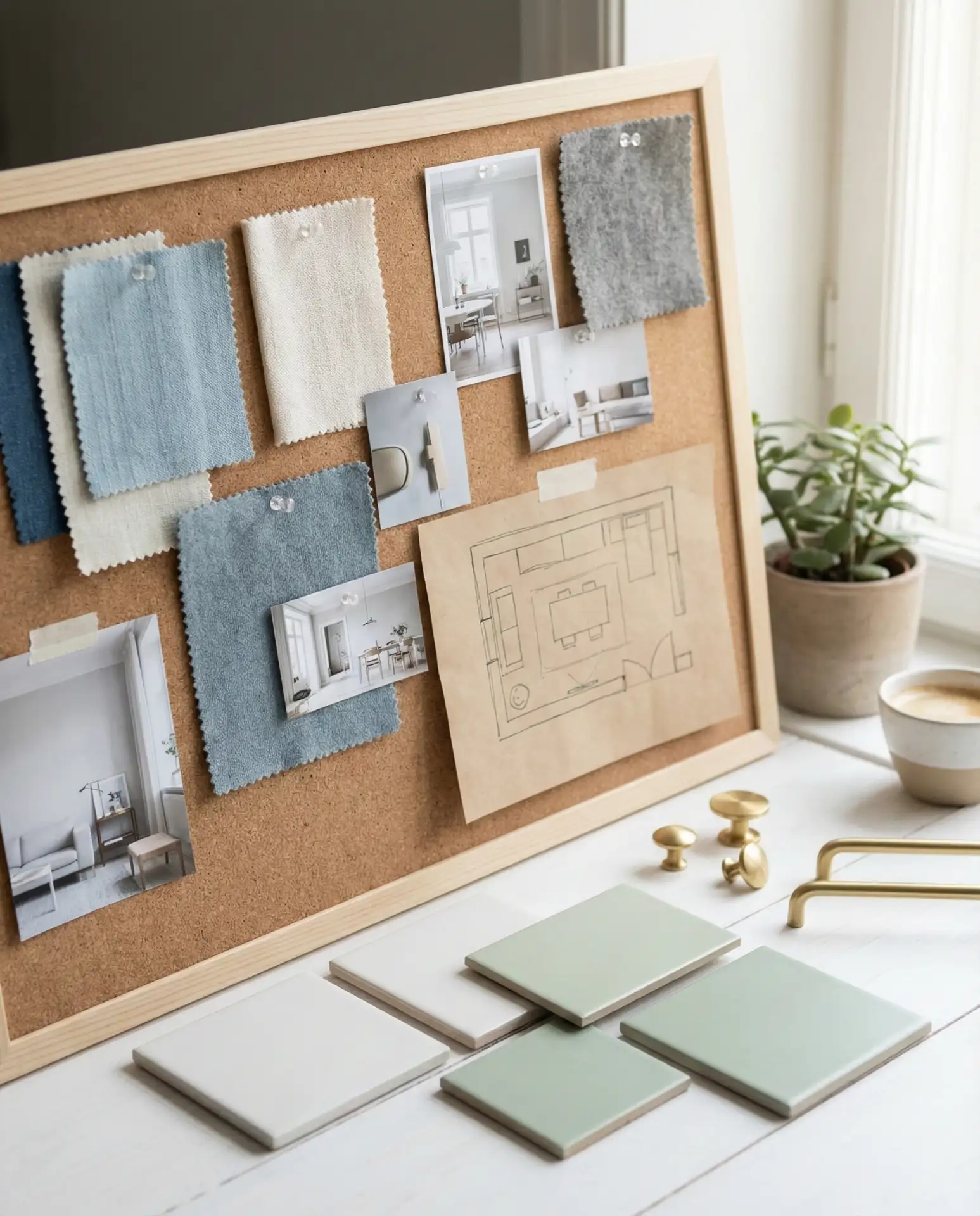
From an expert perspective, a mood board prevents costly mistakes. It’s much easier to realize that a certain shade of gray doesn’t work with your wood tone when you see them side by side on paper, rather than after you’ve painted an entire room. Taking the time to plan upfront saves money, stress, and buyer’s remorse down the line.
16. Nordic Color Palette with Earthy Neutrals
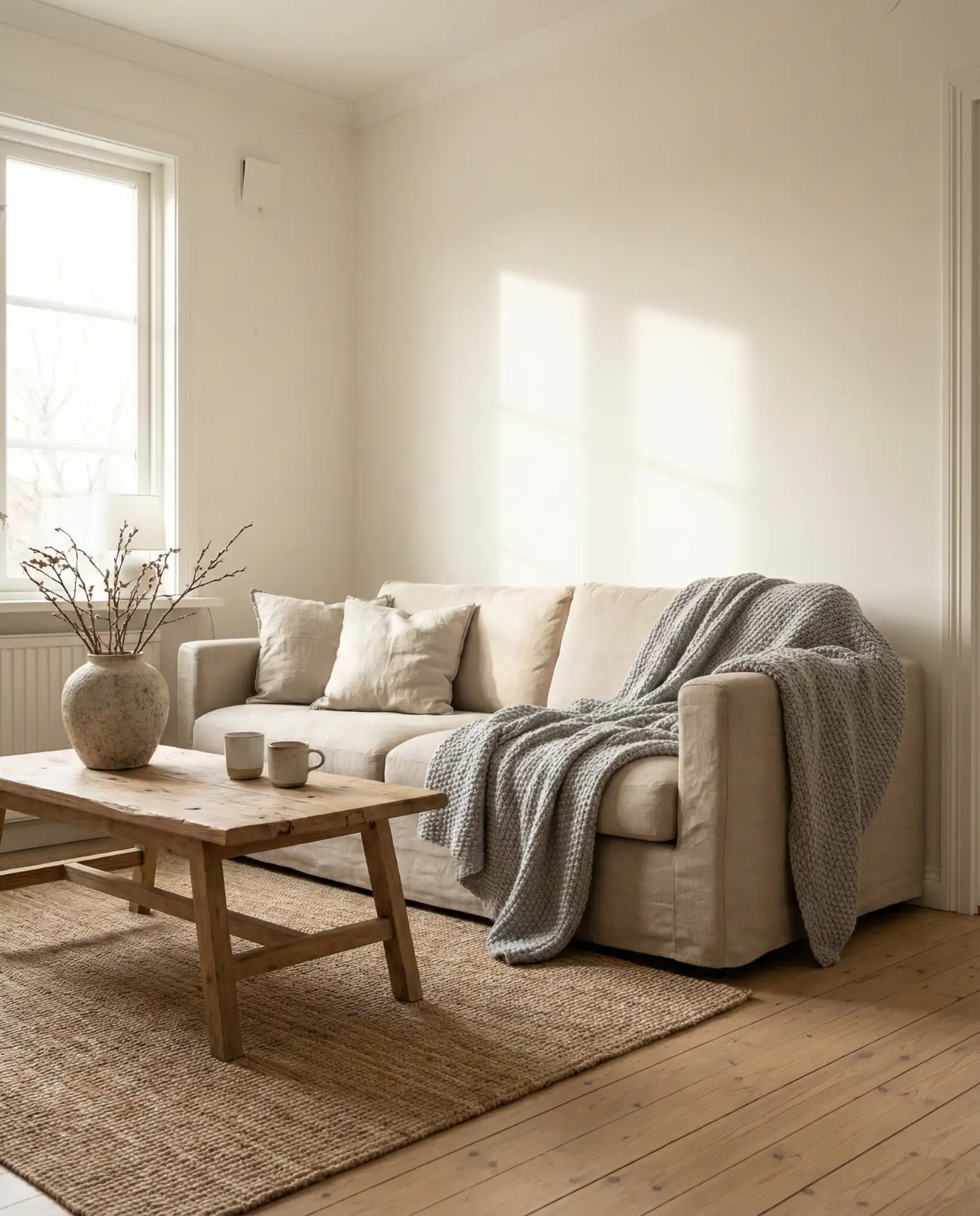
The quintessential color palette for Scandinavian interiors in 2026 centers on earthy neutrals—warm whites, soft beiges, muted grays, and natural wood tones. These colors create a calming, cohesive backdrop that allows natural light and texture to take center stage. The palette feels timeless, never trendy, and works seamlessly across different rooms and design styles within the home.
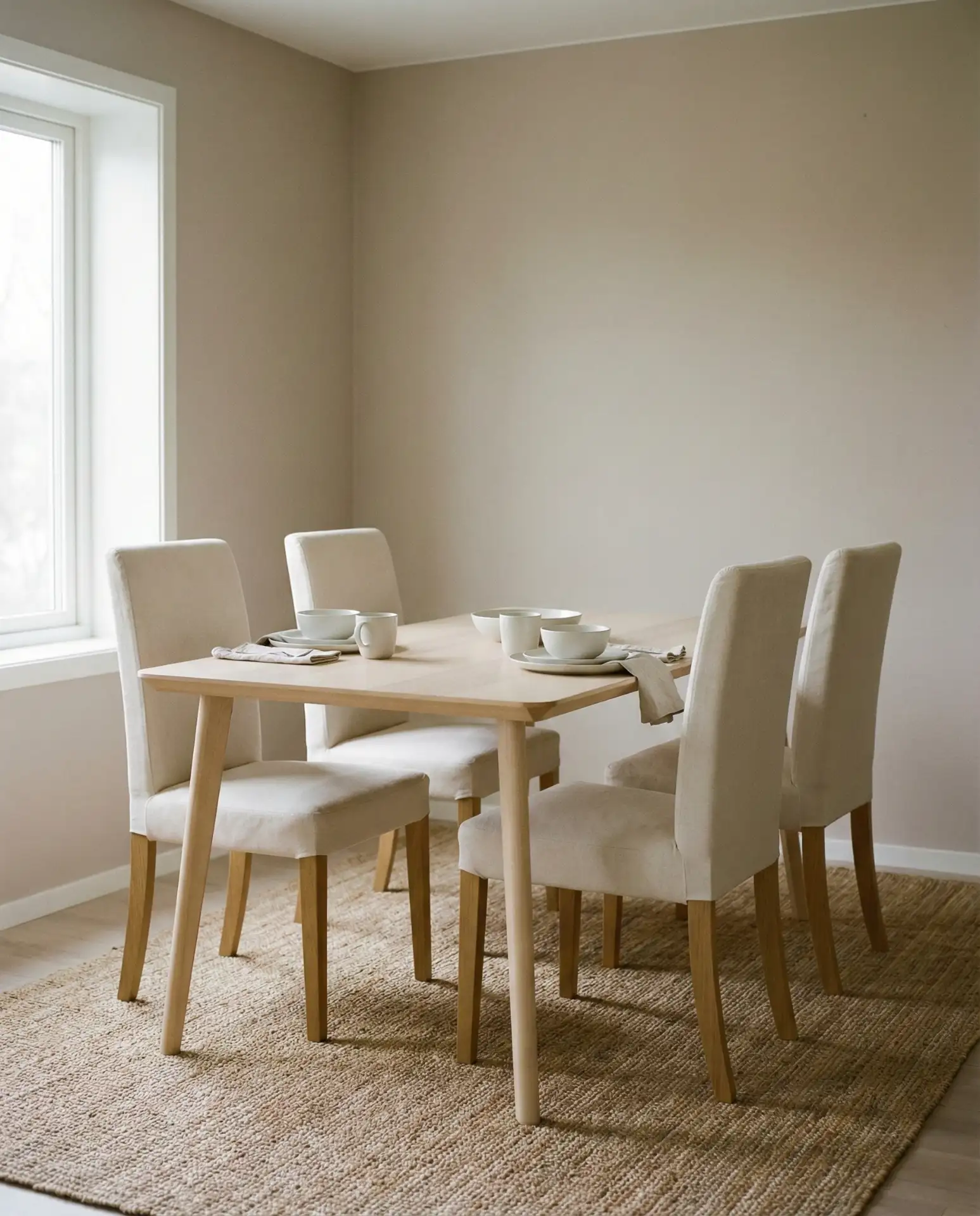
This palette works best in homes with good natural light, where the subtle variations in tone can be appreciated. In darker spaces, opt for the warmer end of the spectrum—creamy whites and soft beiges—to prevent the room from feeling cold or sterile. Testing paint colors in your actual space is essential, as they can look completely different under your specific lighting conditions.
17. Japan-Inspired Scandinavian Bedrooms with Shoji Screens
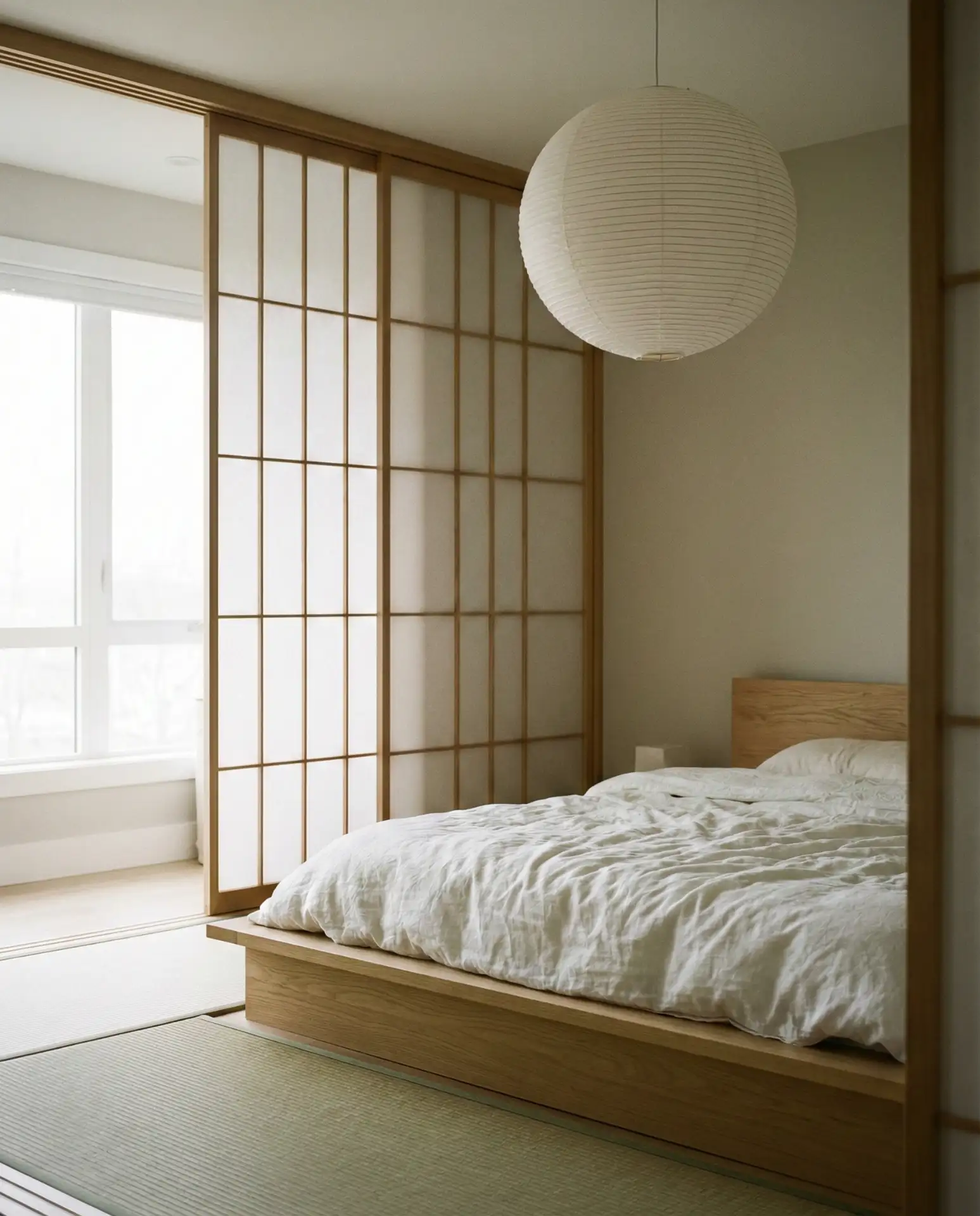
Incorporating Japan-inspired elements like sliding shoji screens or paper lanterns into Scandinavian bedrooms creates a serene, meditative atmosphere. The translucent screens diffuse light beautifully while providing privacy, and their clean lines align perfectly with Nordic minimalism. This cross-cultural blend results in spaces that feel calm, uncluttered, and deeply restful.
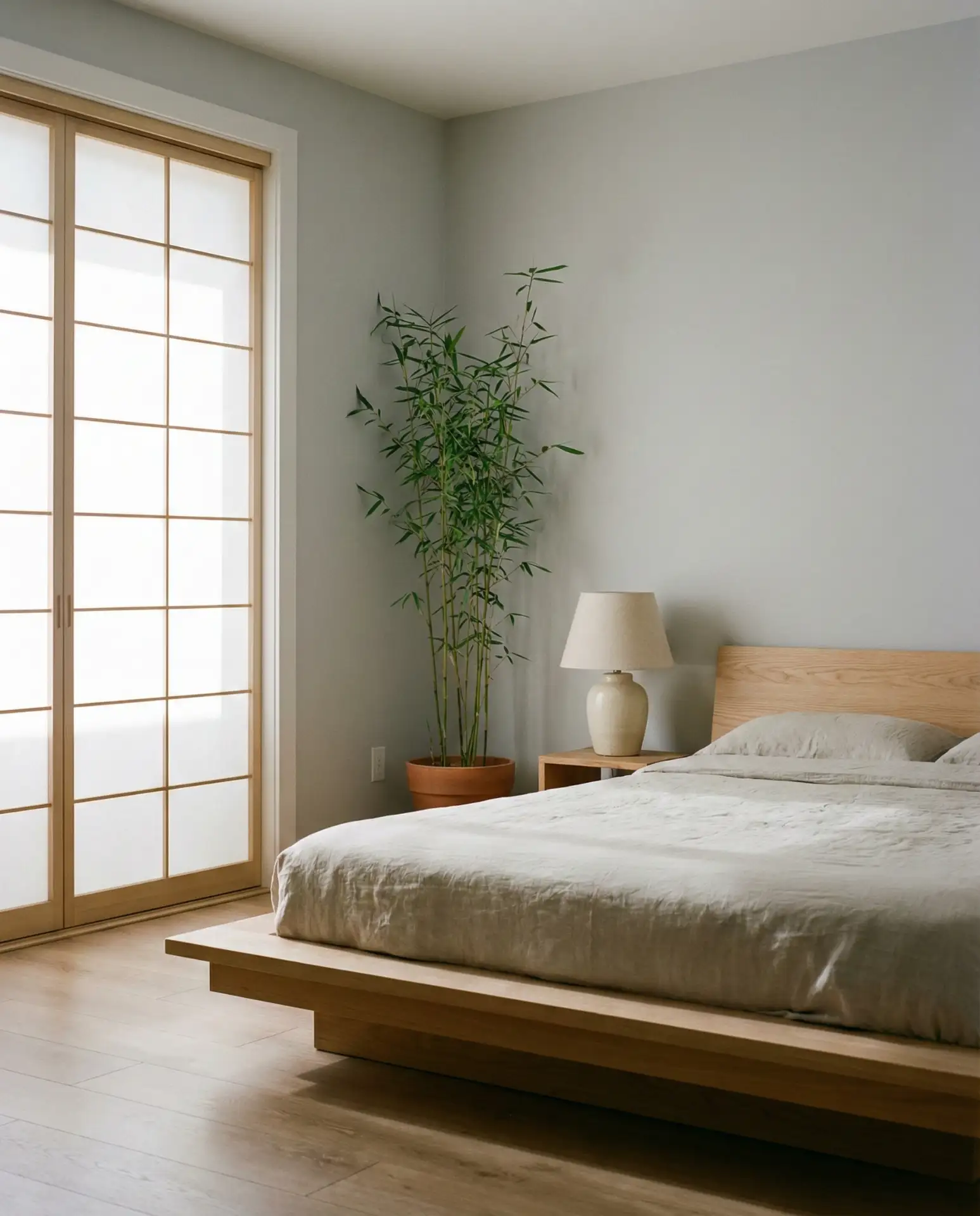
Shoji screens are particularly practical in studio apartments or open-plan spaces where you need to create zones without building permanent walls. They’re lightweight, movable, and allow light to pass through, which maintains the sense of openness that’s so important in both Scandinavian and Japanese design philosophies.
18. Contemporary Scandinavian Dining Rooms with Statement Tables
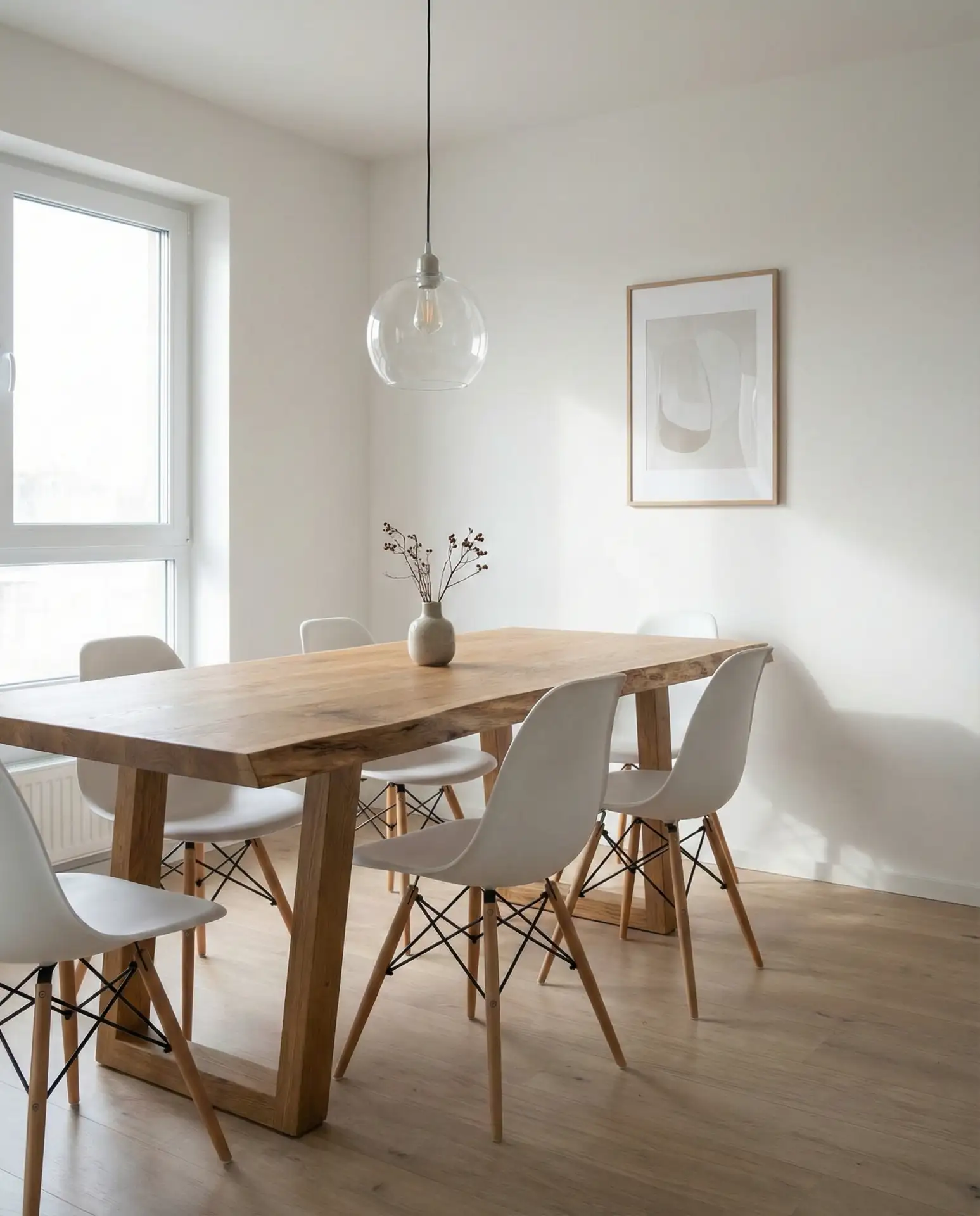
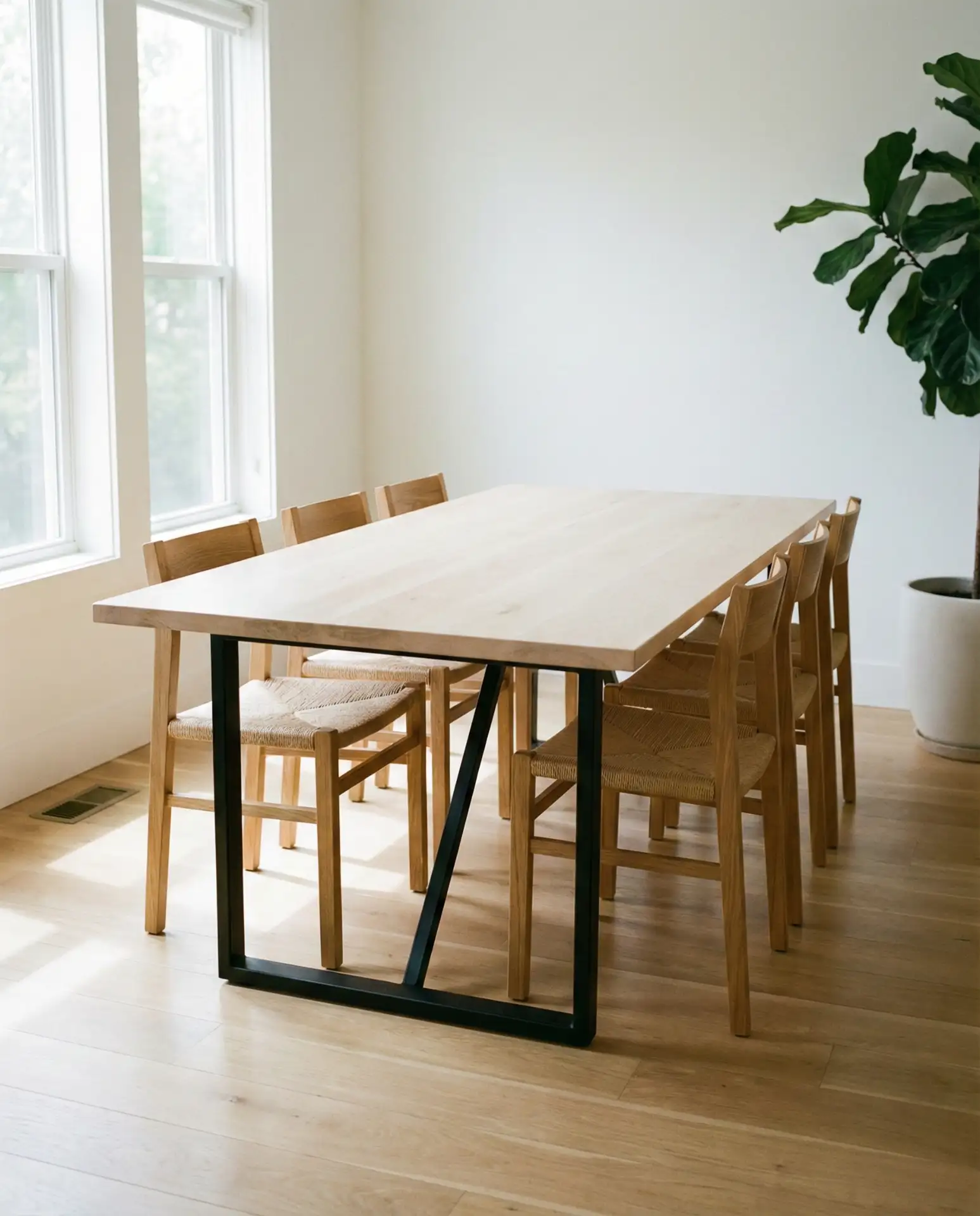
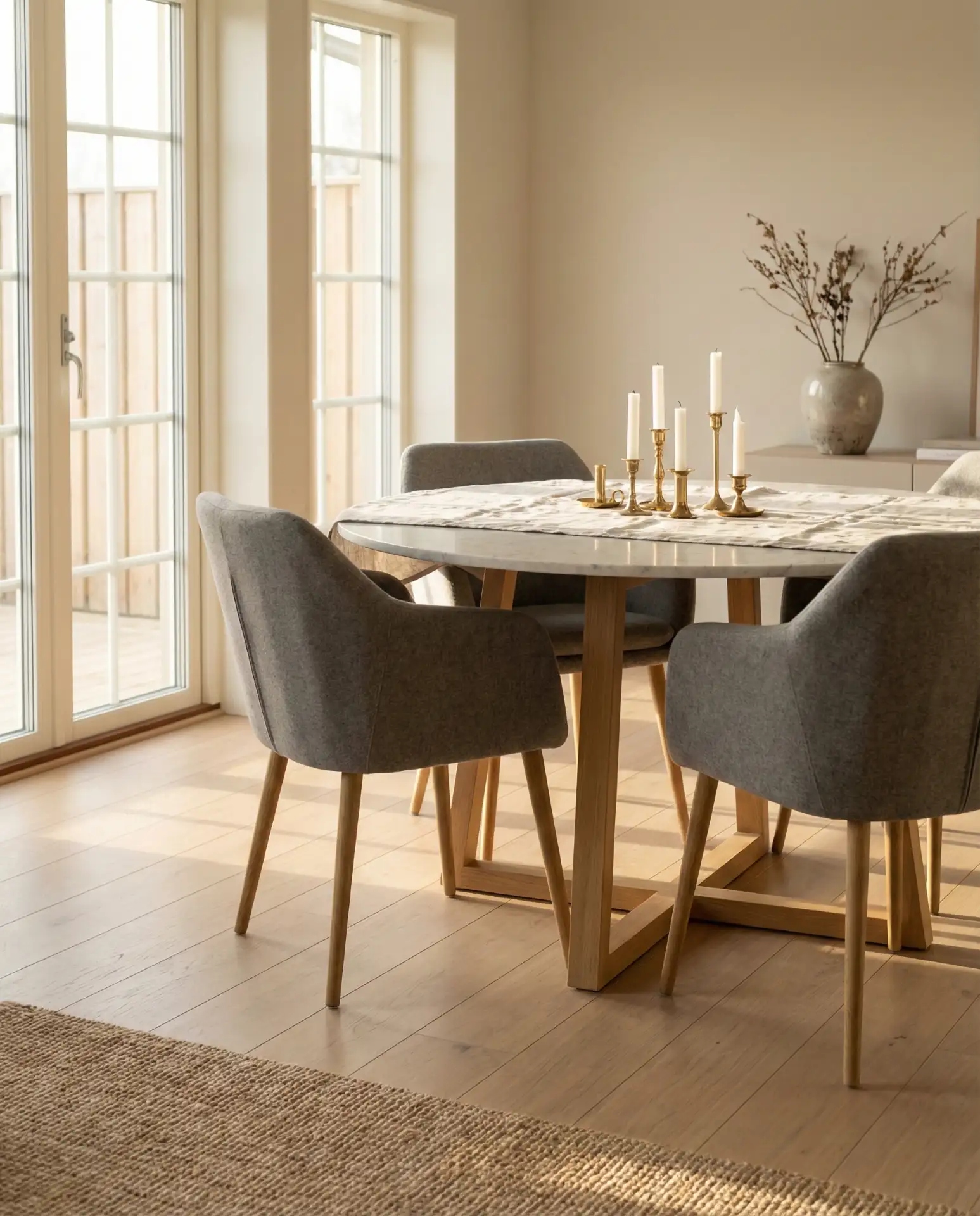
In contemporary Scandinavian dining spaces, the table becomes the hero. Live-edge wood tables, sculptural trestle bases, or sleek marble tops paired with simple chairs create a striking yet functional centerpiece. The surrounding space stays intentionally minimal, allowing the table to command attention while maintaining the clean, uncluttered aesthetic that defines modern Nordic design.
Real homeowners often underestimate how much visual weight a dining table carries. Choosing one standout piece—whether it’s because of the grain, the craftsmanship, or the shape—allows you to keep everything else simple. Mismatched chairs, for instance, can work beautifully when the table itself is strong and cohesive.
19. Scandinavian Home Offices with Natural Light Focus
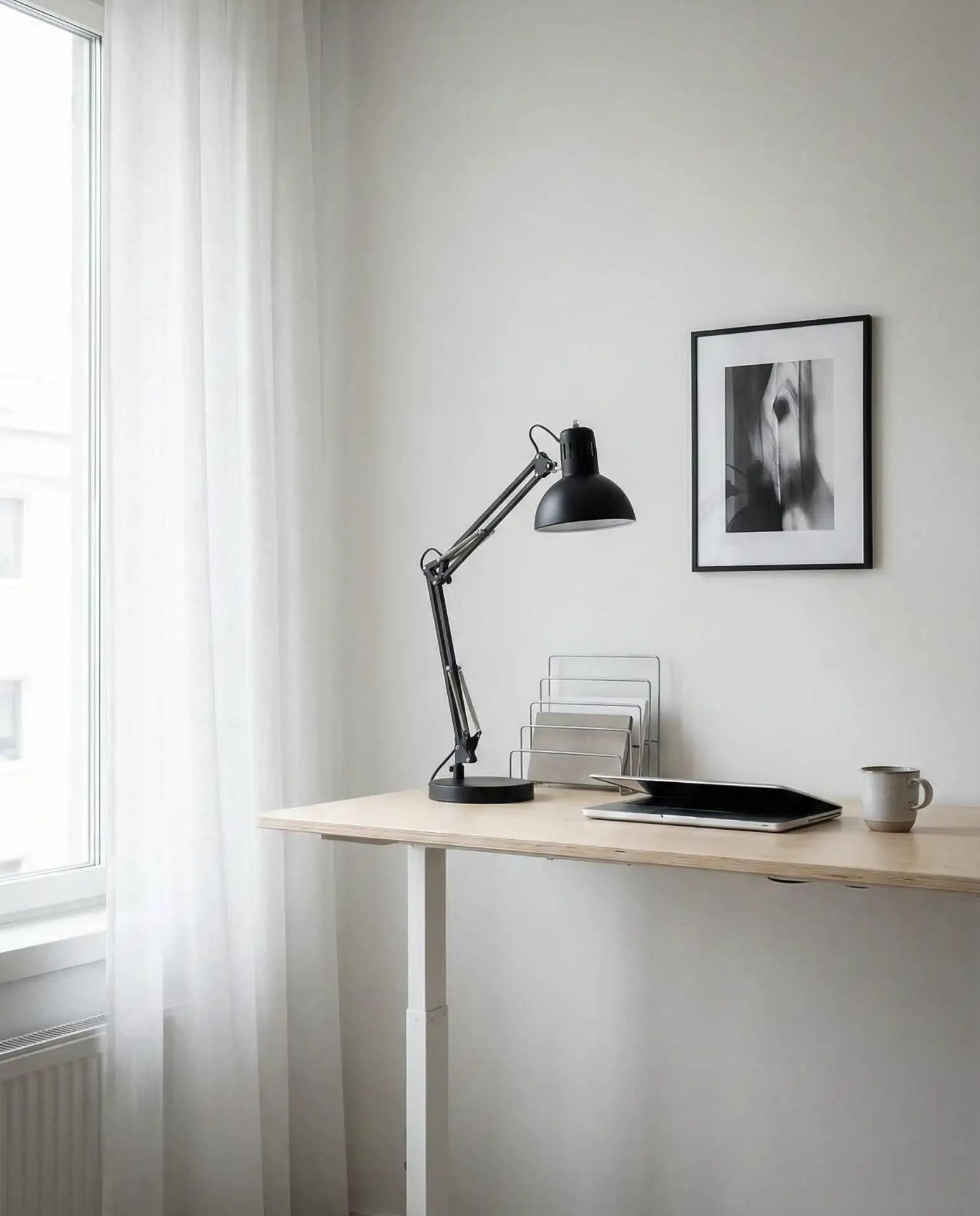
With remote work now a permanent fixture for many Americans, Scandinavian home offices prioritize natural light, ergonomic furniture, and minimal distraction. Positioning desks near windows, using task lighting thoughtfully, and keeping surfaces clear creates a productive yet peaceful environment. The design supports focus without feeling sterile, blending work and home life seamlessly.
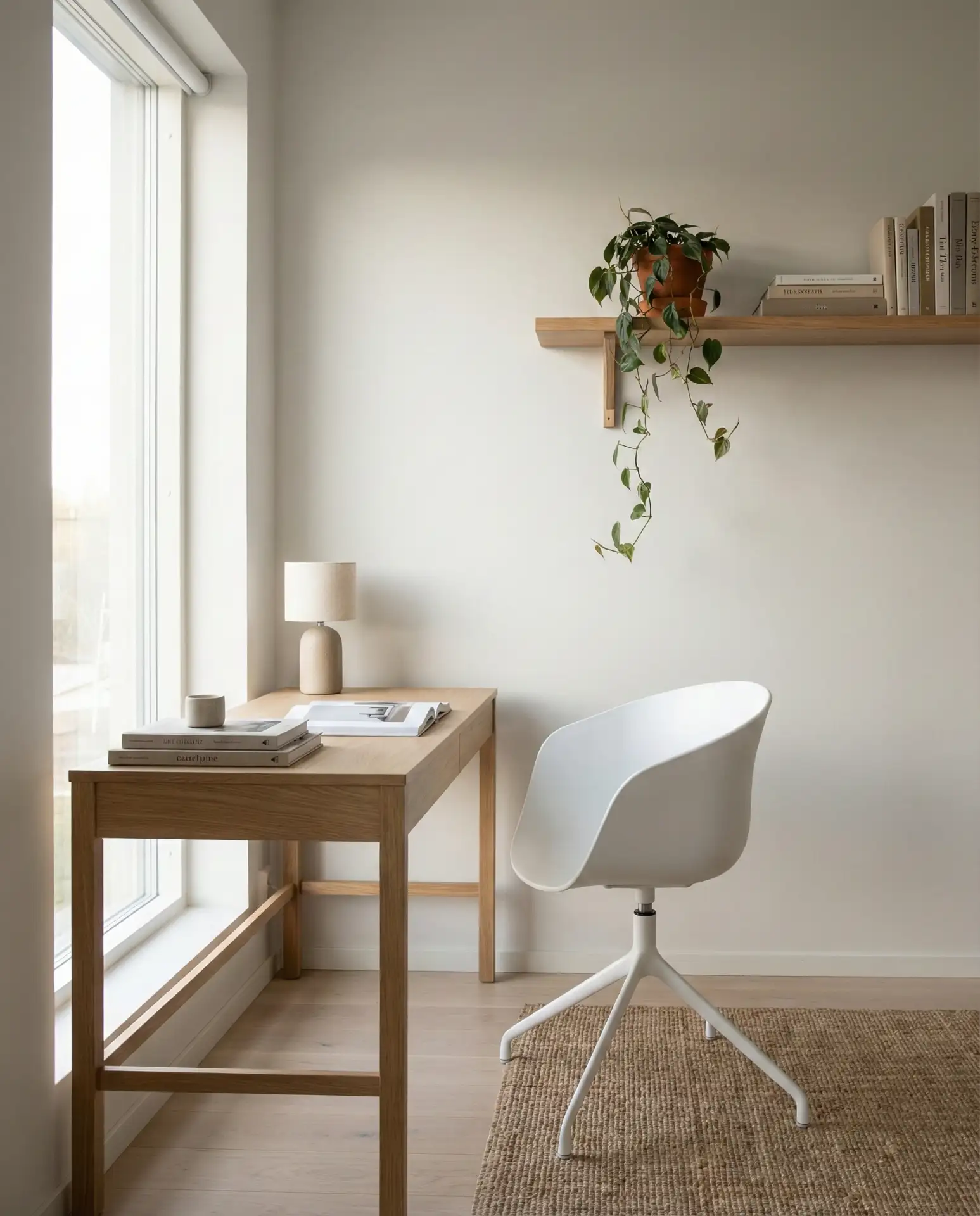
A common mistake is treating the home office as an afterthought, cramming it into a corner with poor lighting and uncomfortable furniture. Since many of us now spend eight hours a day in these spaces, investing in good ergonomics and thoughtful design isn’t just aesthetic—it’s essential for well-being and productivity.
20. Scandinavian Entryways with Smart Storage Solutions
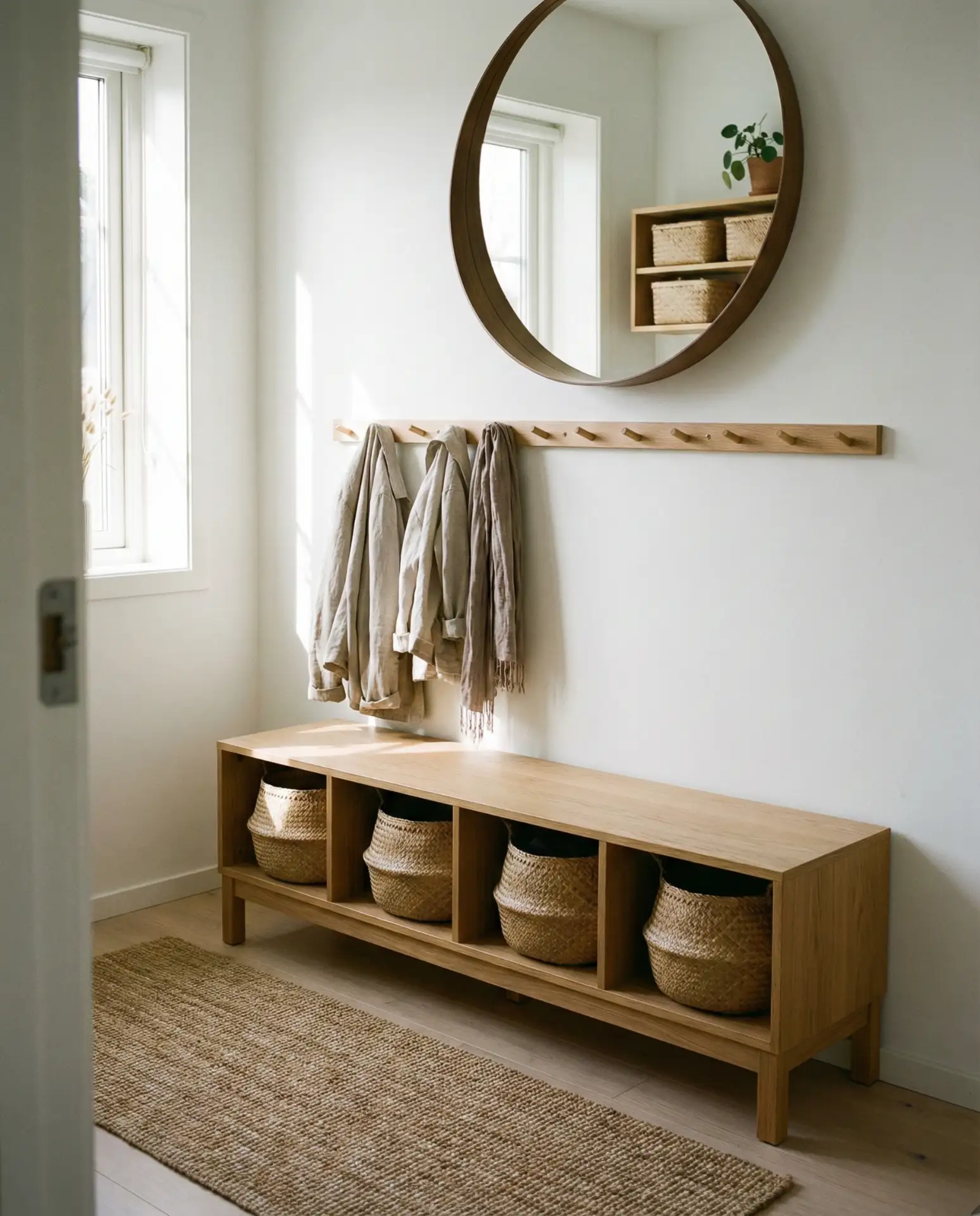
Scandinavian entryways combine form and function through built-in benches with hidden storage, wall-mounted coat hooks, and open shelving for baskets. Shoes, bags, and outerwear are given designated homes, preventing clutter from spreading into the rest of the house. The result is a welcoming, organized first impression that sets the tone for the entire home.
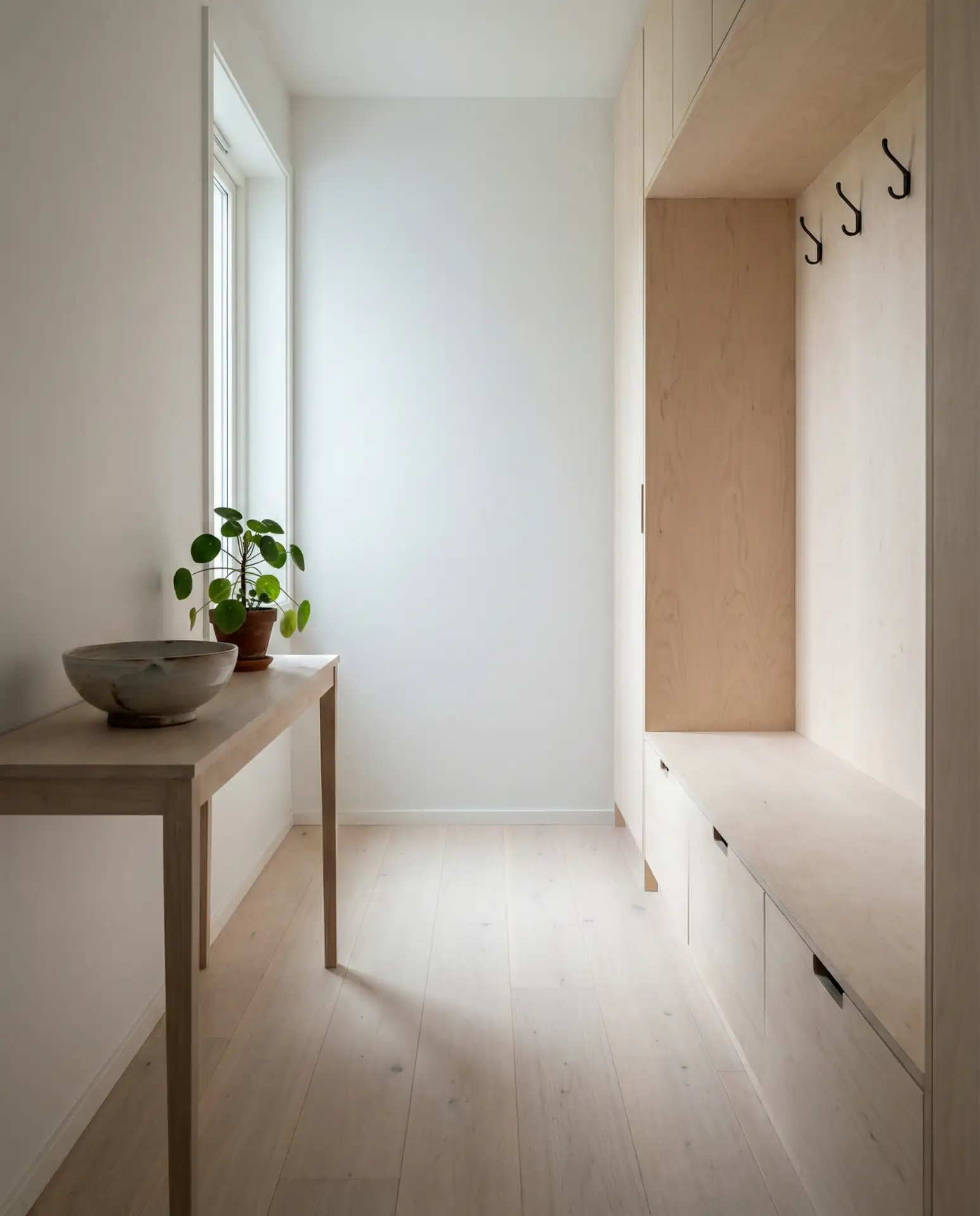
In colder climates—think New England, the Midwest, or the Pacific Northwest—a functional entryway isn’t optional. Wet boots, heavy coats, and winter gear need a home, and Scandinavian design excels at making storage both beautiful and accessible. The key is creating systems that are easy to maintain, so everything actually gets put away rather than piling up.
21. Scandinavian Nurseries with Soft, Gender-Neutral Palettes
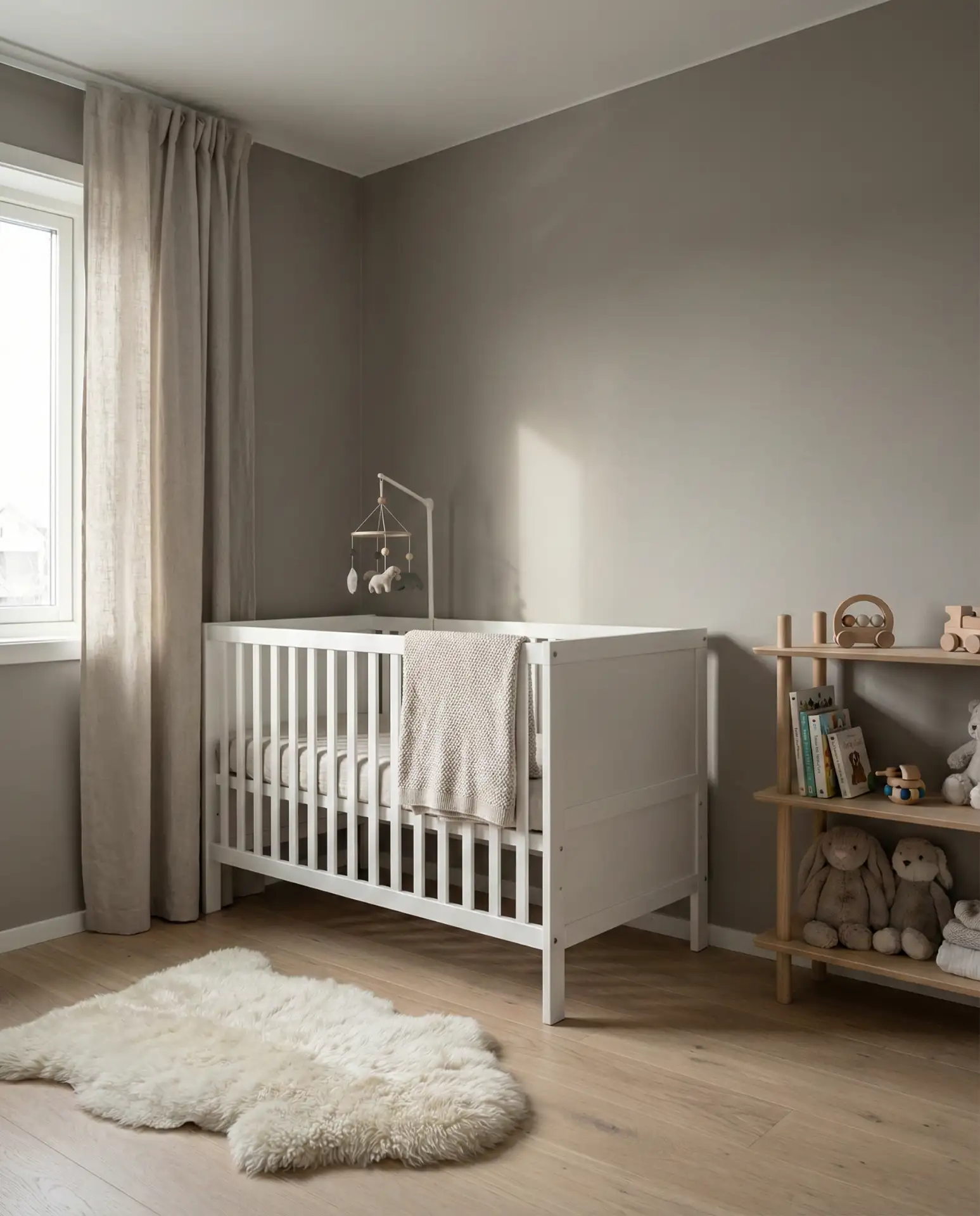
Scandinavian nurseries lean into soft, gender-neutral tones—think warm grays, gentle greens, and creamy whites. Simple wooden cribs, organic cotton textiles, and minimal decoration create a calming environment for both baby and parents. The focus is on quality, safety, and creating a soothing space that can grow with the child through different stages.
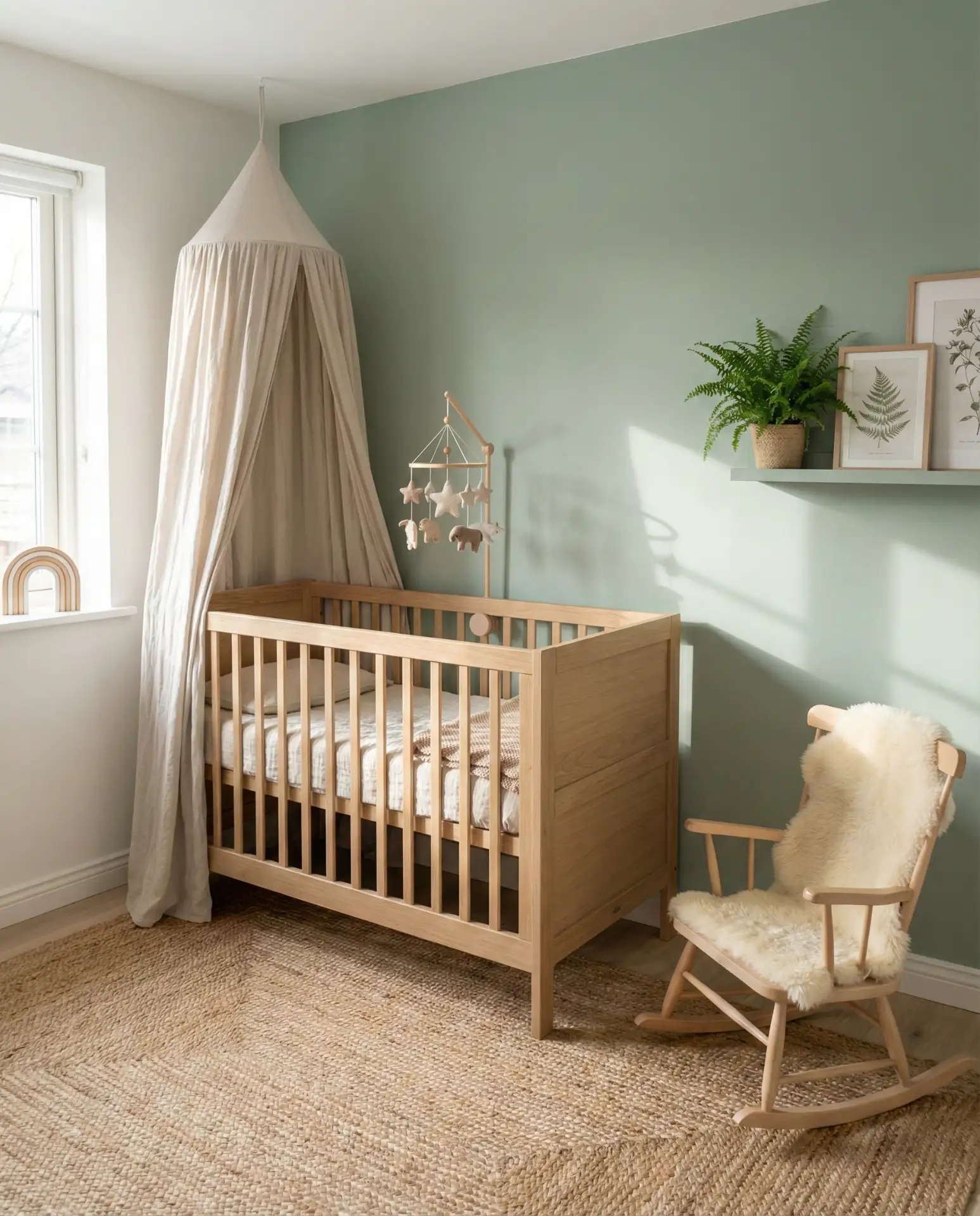
Many new parents appreciate the longevity of this approach—rather than committing to overly themed or pastel-heavy designs that quickly feel dated, a neutral Scandinavian nursery transitions easily into a toddler room with just a few updates. It’s practical, timeless, and gentle on the senses during those sleep-deprived early months.
22. Scandinavian Sunrooms Blurring Indoor-Outdoor Boundaries
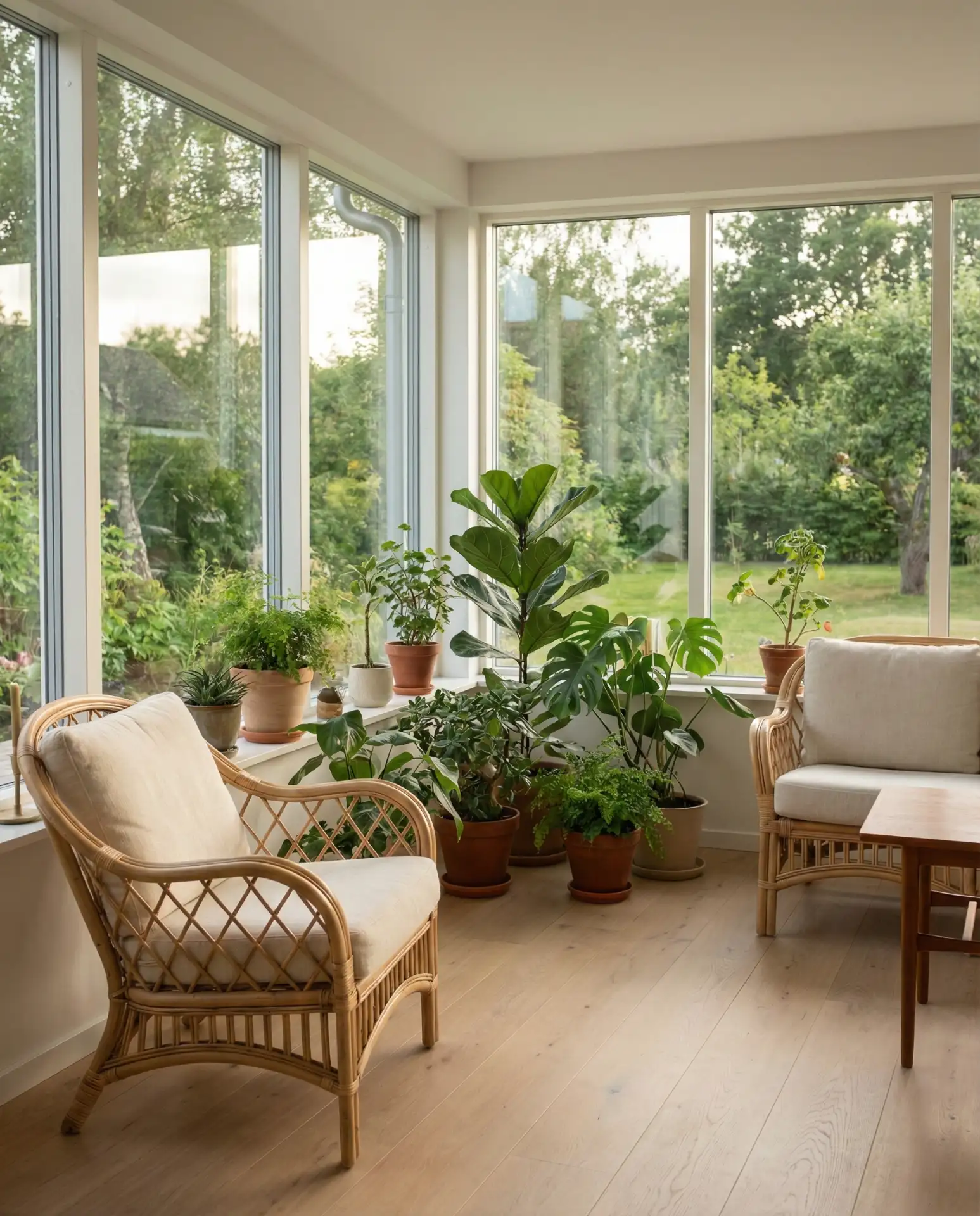
Scandinavian sunrooms embrace the connection between indoors and nature, using large windows, natural materials, and abundant greenery. Wicker furniture, linen cushions, and potted plants create a transitional space that feels like an extension of the garden. This design is especially popular in areas with long winters, offering a light-filled retreat when outdoor living isn’t possible.
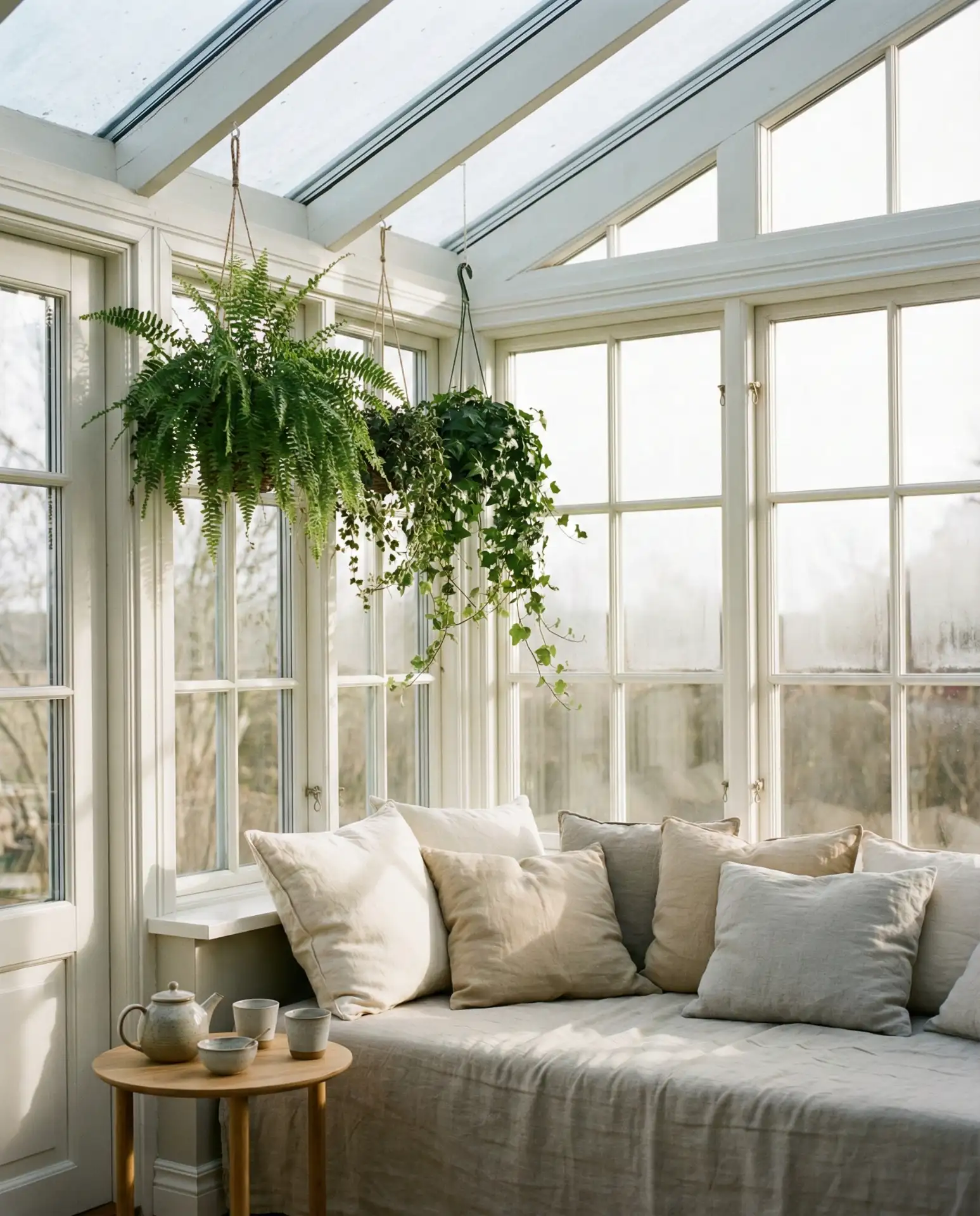
Where this works best is in regions with distinct seasons—places like Minnesota, Vermont, or Colorado—where a sunroom becomes a year-round sanctuary. It allows you to experience natural light and a connection to the outdoors even in the coldest months, which is deeply aligned with the Scandinavian value of bringing nature into daily life.
Conclusion
Scandinavian interior design continues to evolve, blending timeless principles with fresh interpretations that reflect how we live today. Whether you’re drawn to the moody drama of dark kitchens, the soft warmth of pastel bedrooms, or the clean lines of Japandi living rooms, there’s a version of this style that can work beautifully in your home. We’d love to hear which ideas resonated most with you—drop a comment below and share your favorite Scandinavian design elements or any questions you have about bringing this aesthetic into your space.