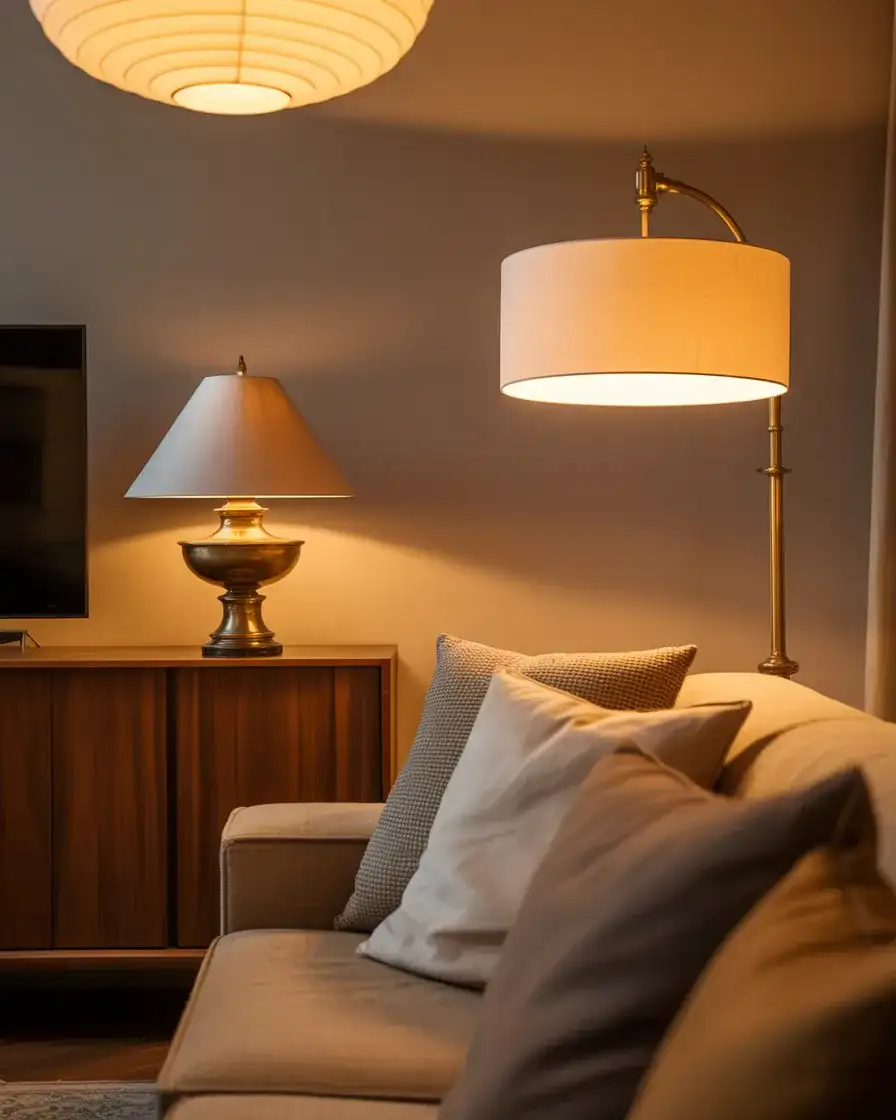
Small bedroom layouts are taking center stage in 2026 as more Americans embrace urban living, downsize thoughtfully, or simply seek to maximize every square foot of their homes. Pinterest boards are overflowing with clever arrangements that prove you don’t need sprawling space to create a restful, functional retreat. Whether you’re working with a cozy 10×10 footprint or trying to fit a queen bed into a tight corner, smart layout strategies can transform limitations into opportunities. This guide walks through thoughtful ideas that blend visual appeal with real-world functionality, offering inspiration for couples, teens, and anyone navigating the beautiful challenge of small-space living.
1. The Floating Desk Corner for Dual-Purpose Rooms
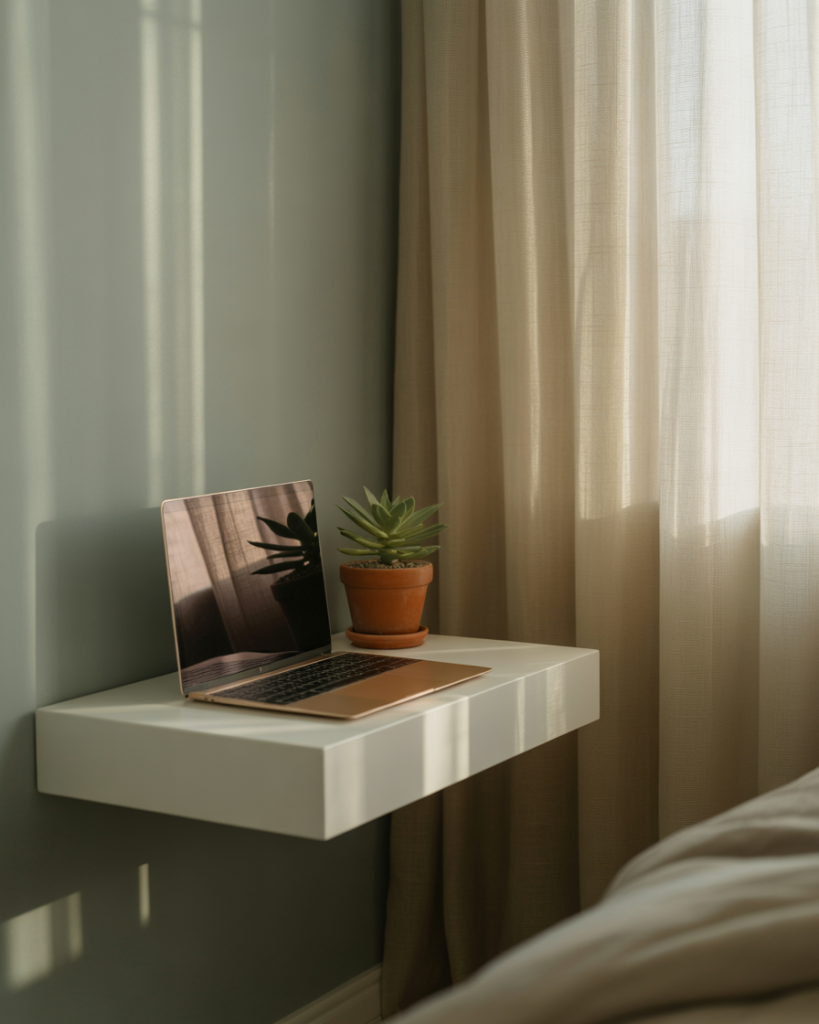
When your bedroom doubles as your home office, a small bedroom layout with a desk tucked into an underused corner makes all the difference. Wall-mounted floating desks keep the floor clear and create the illusion of more space, while a slim chair can slide underneath when not in use. This approach works especially well in apartments where every room needs to earn its keep, giving you a dedicated workspace without sacrificing the calm you need at night. 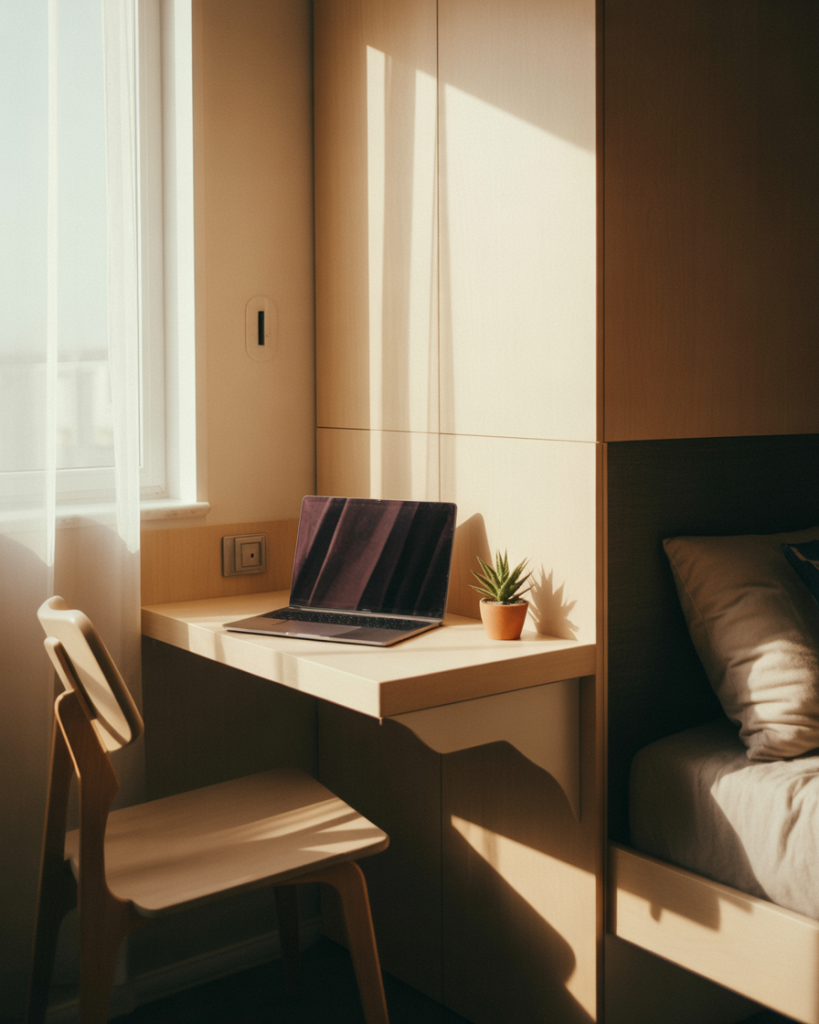
The key is keeping the desk zone visually separate from the sleep zone—a small table lamp with warm light and a different wall color or art piece above the desk can mentally divide the space. Many renters find this setup ideal because floating desks require minimal installation and leave no heavy furniture footprint when it’s time to move.
2. Symmetrical Layout for Couples in 10×10 Spaces
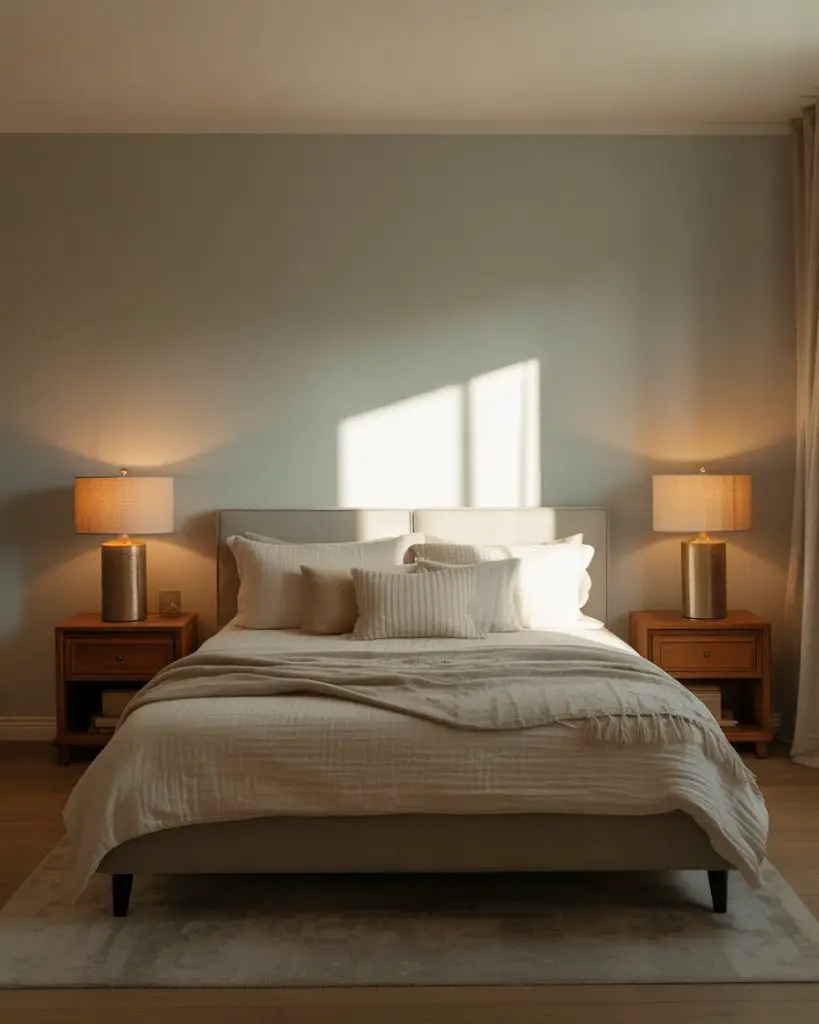
A 10×10 bedroom shared by two people benefits from symmetrical furniture placement that honors both sides of the bed equally. Matching nightstands, even slim ones just wide enough for a lamp and phone, create visual balance and ensure neither person feels shortchanged on personal space. Centering a queen bed against the longest wall leaves just enough room to walk around both sides comfortably. 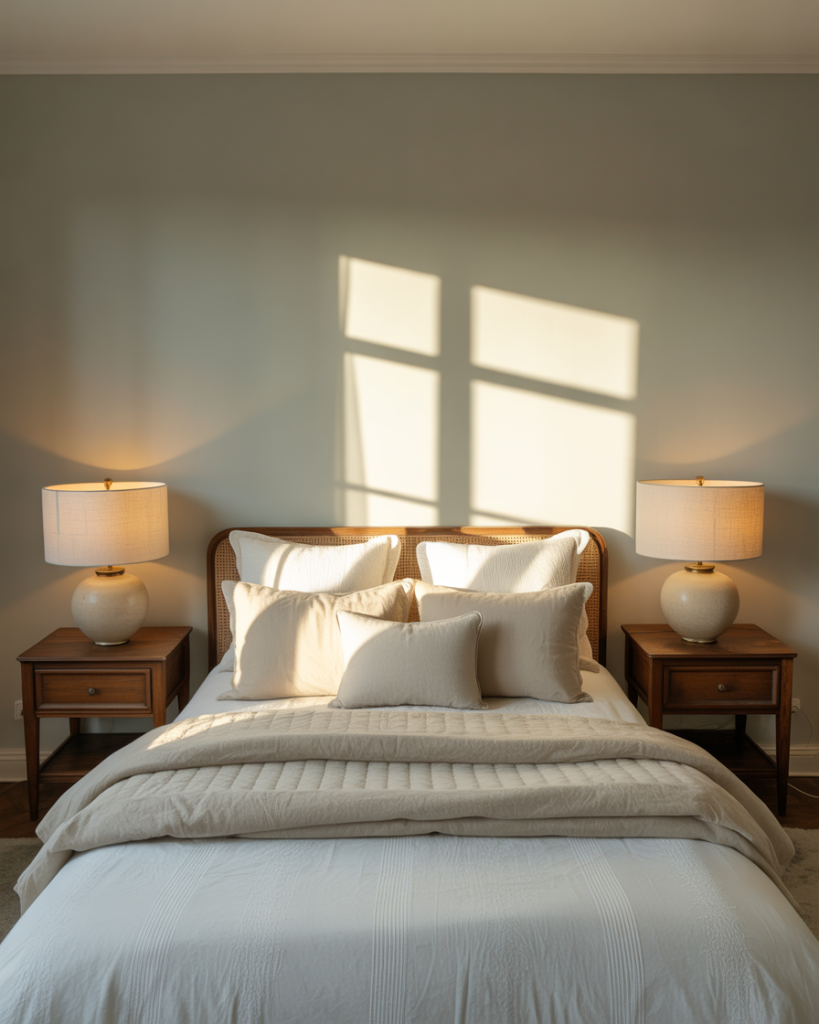
In Southern California apartments where closets tend to be modest, couples often skip a dresser entirely and use vertical wall hooks or a compact armoire in the closet itself. This frees up precious floor space and keeps the room from feeling cluttered, which matters when two people are sharing a relatively small footprint.
3. Bed Against the Window for Maximum Floor Space

Pushing your bed directly under a window is a classic move in very small bedroom layouts, freeing up wall space for a dresser or narrow bookshelf. While some worry about drafts or privacy, blackout roller shades solve both issues cleanly. This arrangement works particularly well in urban apartments where windows are high enough that passersby can’t see in, and it gives you a lovely view to wake up to. 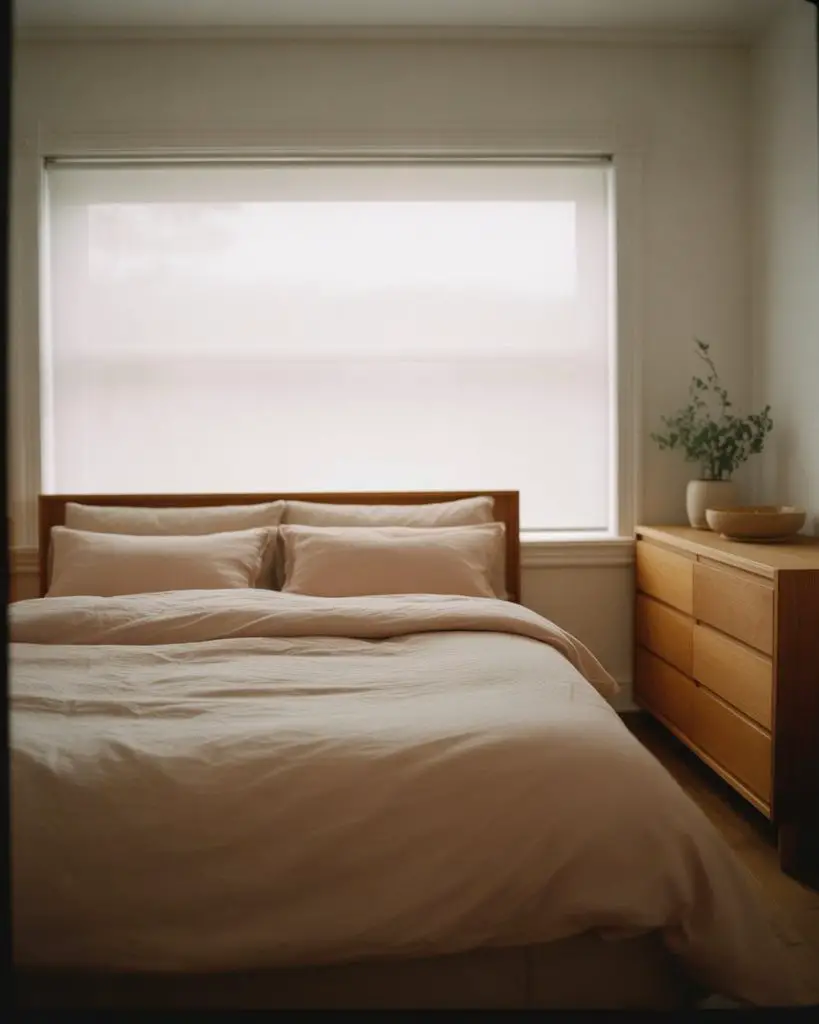
One common mistake is forgetting to account for the window’s operation—make sure you can still open it for fresh air without disturbing bedding or having to crawl across the mattress. A low-profile headboard or even a large cushion attached to the wall keeps the bed from feeling adrift and adds a finished look without bulk.
4. L-Shaped Furniture Placement for Teens
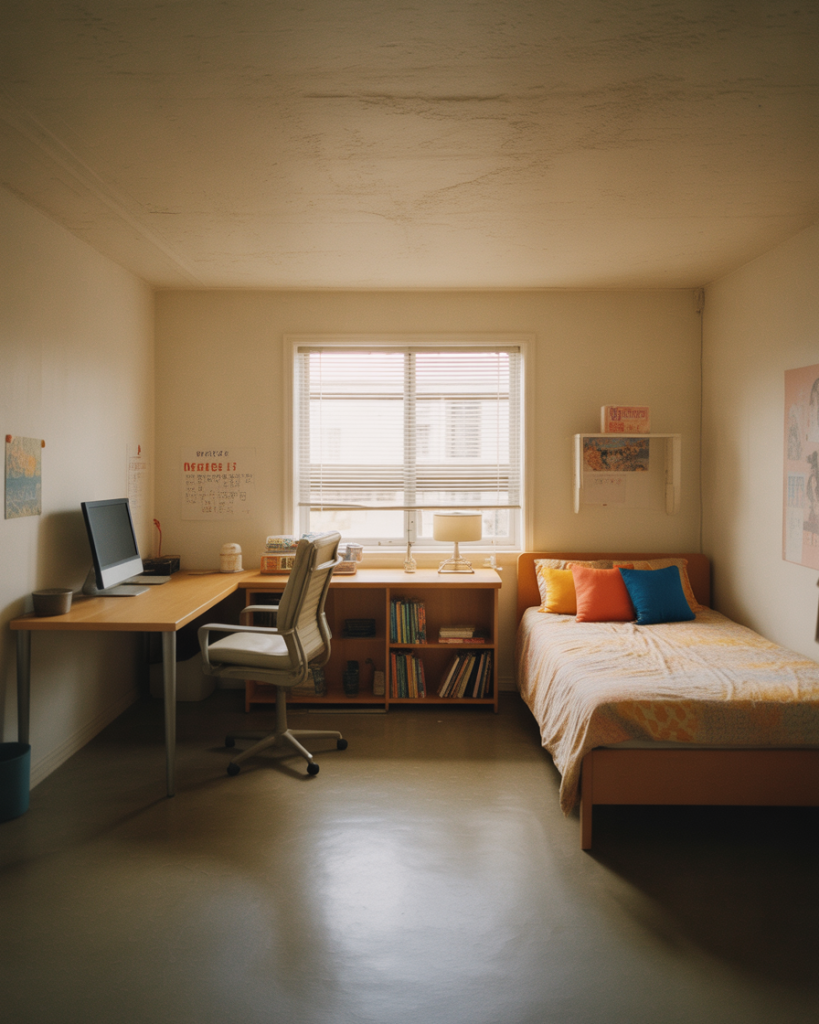
Teen bedrooms often need to accommodate homework, hobbies, and socializing, so an L-shaped furniture placement layout maximizes usable surfaces. Position the bed along one wall and a desk perpendicular along the adjacent wall, creating two distinct zones without physical dividers. This setup leaves the center of the room open for a small rug, bean bag, or yoga mat—whatever suits their current interests. 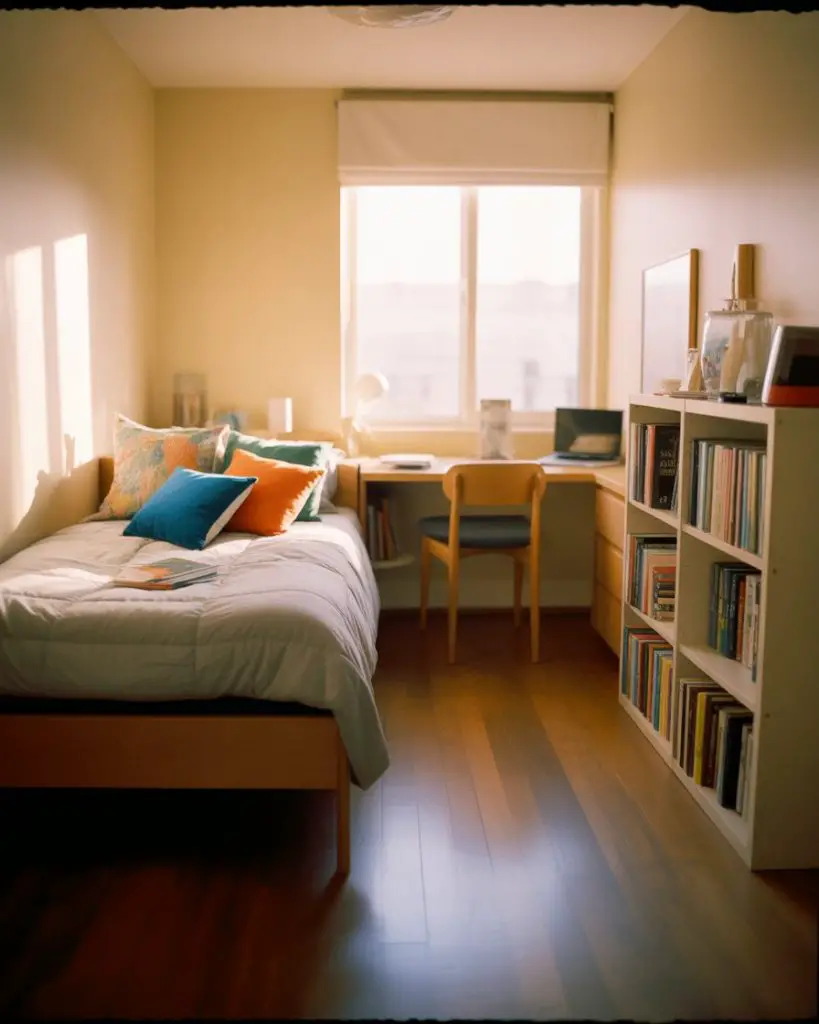
Where it works best: suburban homes with bedrooms in the 9×11 to 10×12 range, where you have just enough width to avoid a cramped hallway effect. Teens appreciate the separation between sleep and study, and parents appreciate that the open floor space discourages the “everything piled on the bed” habit.
5. Murphy Bed Solution for Studio Apartments
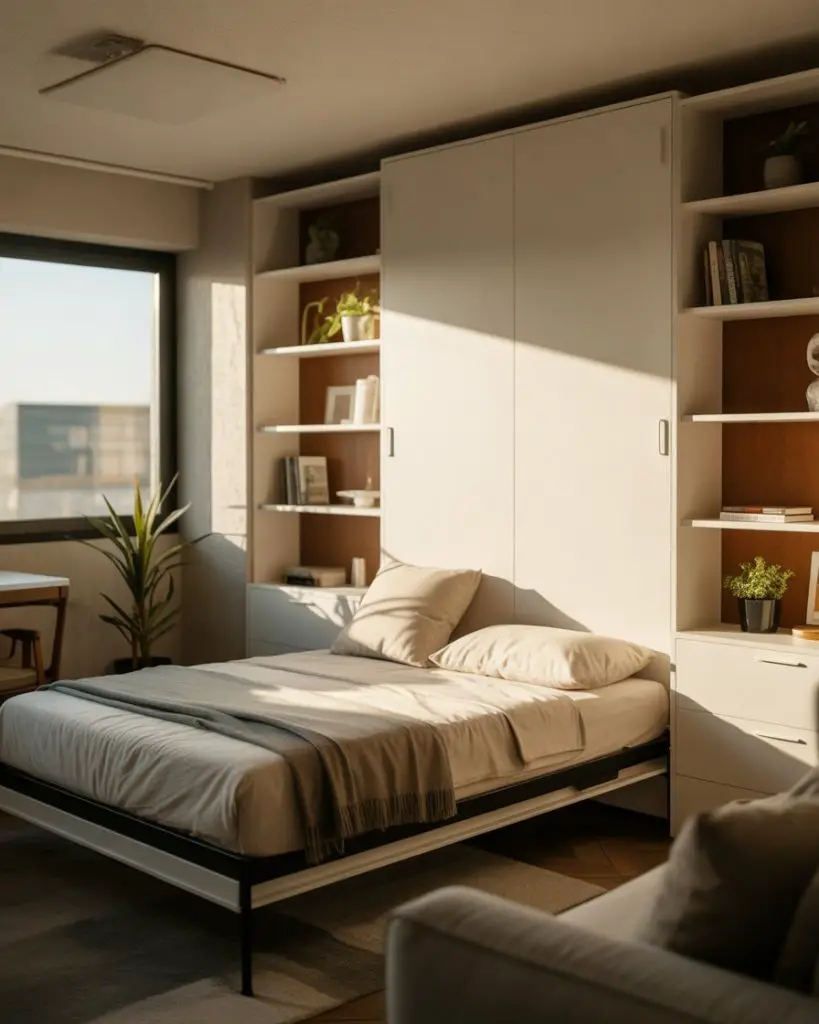
When your bedroom is also your living room, a Murphy bed transforms a small apartment layout from cramped to surprisingly spacious. Modern versions fold up into sleek cabinets that double as shelving or even desks, giving you back several feet of floor space during the day. This is especially popular in cities like New York and San Francisco, where studio apartments command high rents and every square foot counts. 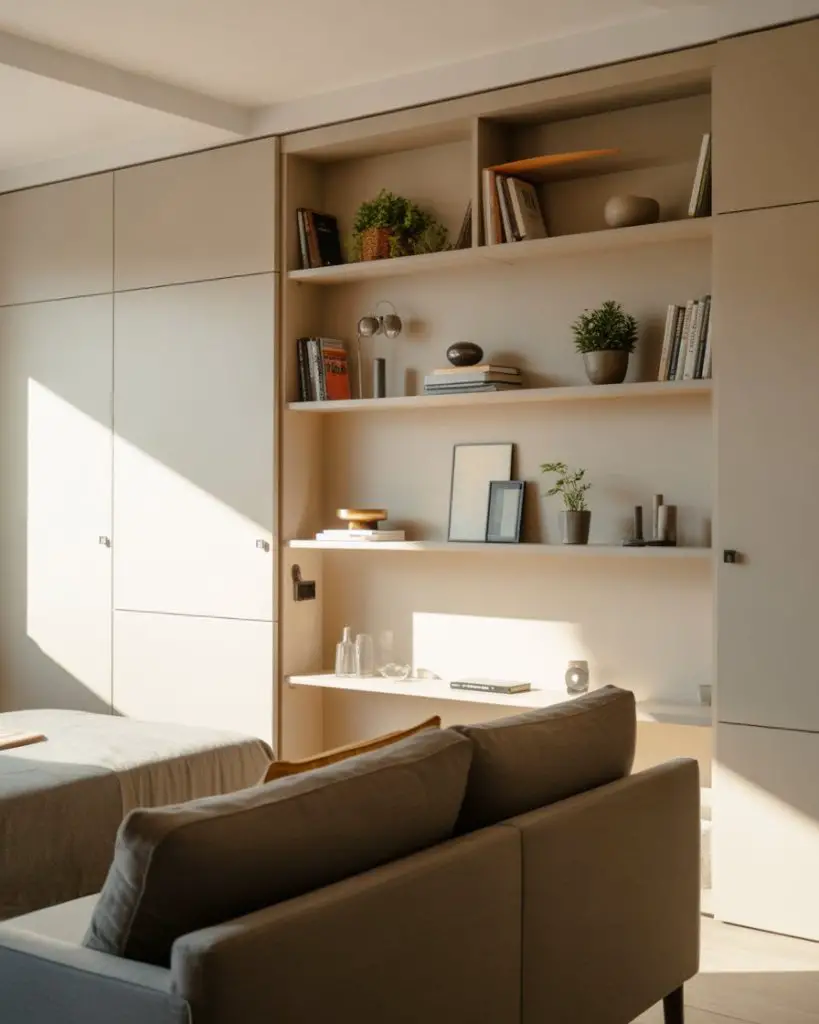
Budget-wise, quality Murphy beds start around $1,500 but can reach $4,000 for custom built-ins—however, the investment often pays off in increased livability and even resale value in tight urban markets. Just be sure the ceiling height and floor plan allow for the bed to swing down without hitting other furniture.
6. Platform Bed with Built-In Storage
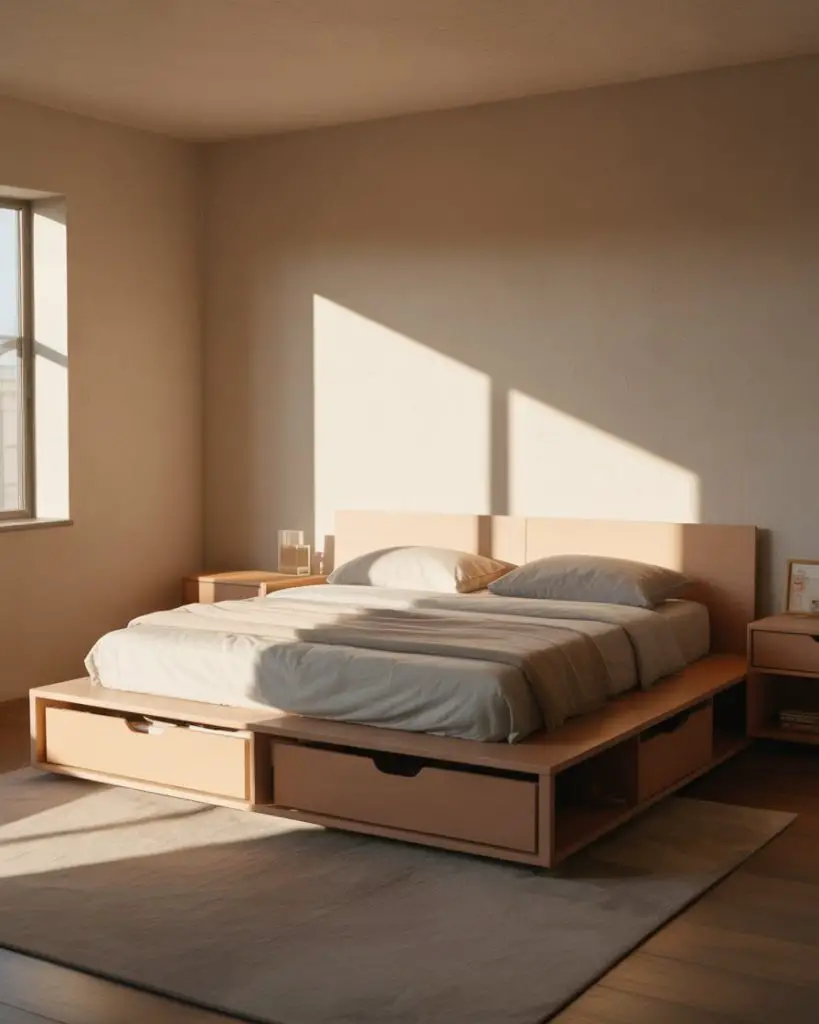
A platform bed with drawers underneath is a game-changer in any small bedroom layout, especially when closet space is limited or nonexistent. These beds eliminate the need for a separate dresser, tucking away off-season clothes, extra linens, or sports equipment in deep pullout drawers. The low profile also makes the ceiling feel higher, which helps smaller rooms breathe visually. 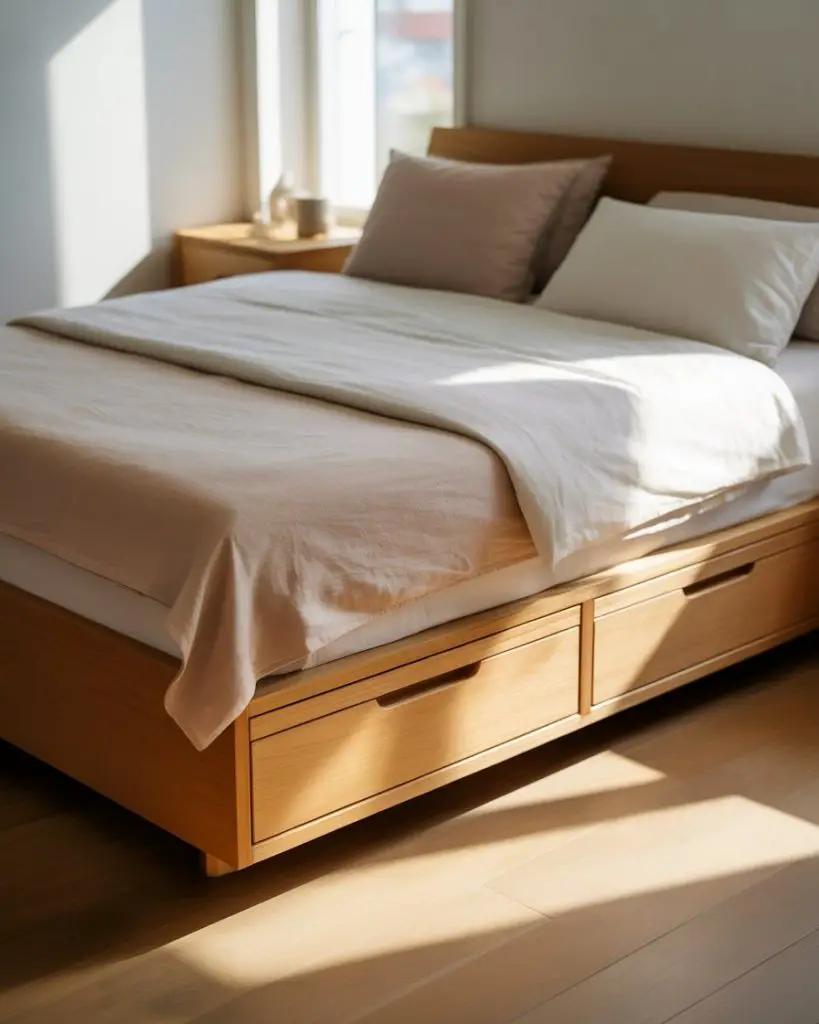
A friend in Seattle swapped her traditional bed frame for a platform model with six drawers and immediately donated her bulky dresser—she says it made her 8×10 bedroom feel twice as large. The trick is choosing a bed with smooth-glide drawer hardware so you’re not wrestling with stuck drawers every time you need fresh socks.
7. Corner Desk and Dresser Combo
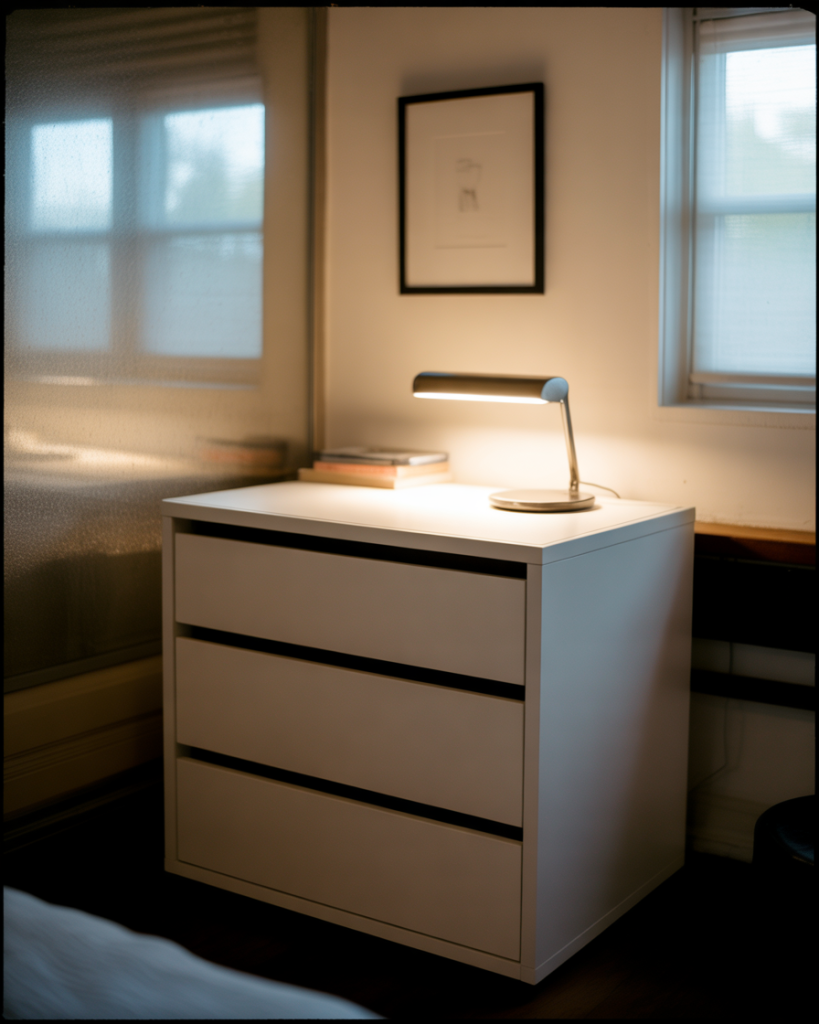
Combining a desk and dresser in one piece of furniture is a smart move for small bedroom layouts where you can’t afford to give each function its own footprint. Corner units or convertible desks with shallow drawers serve double duty, offering workspace on top and clothing storage below. This works particularly well for guest bedrooms that occasionally need to function as a home office. 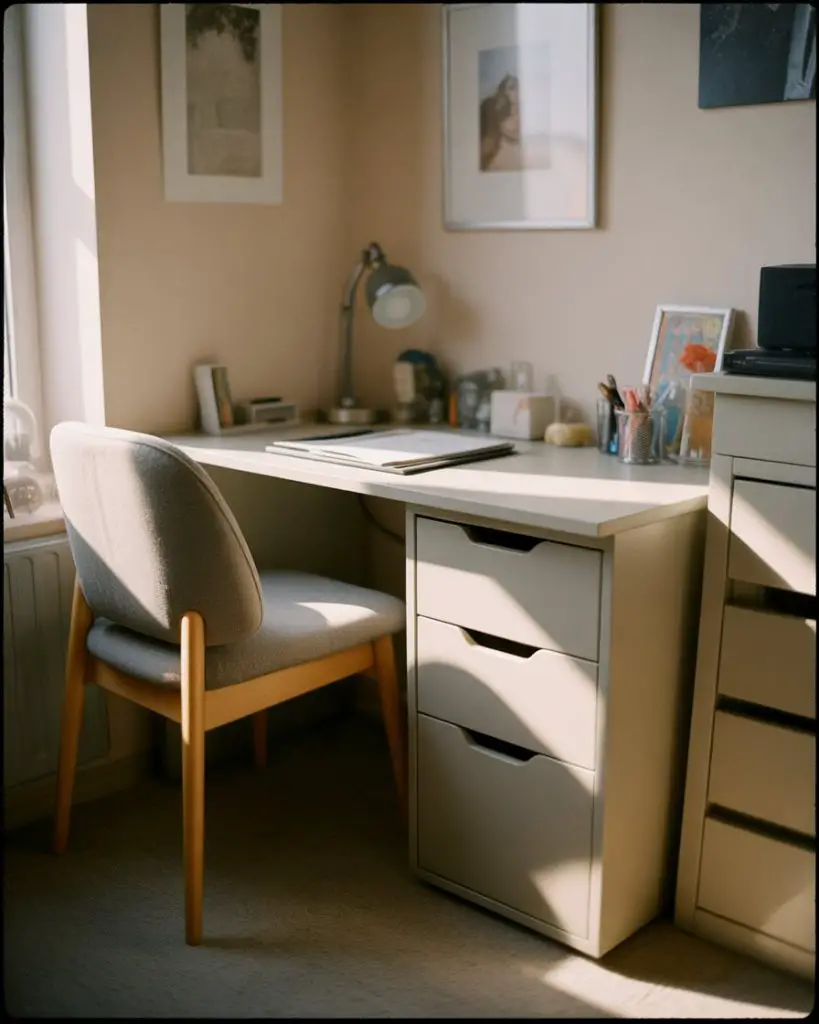
Real homeowner behavior shows that people tend to overestimate how much dresser space they actually need—most adults wear a small rotation of favorite clothes and store the rest in closets or bins. A compact desk-dresser hybrid forces you to edit down to essentials, which often results in a cleaner, less cluttered room overall.
8. Angled Bed Placement for Unique Architectural Interest
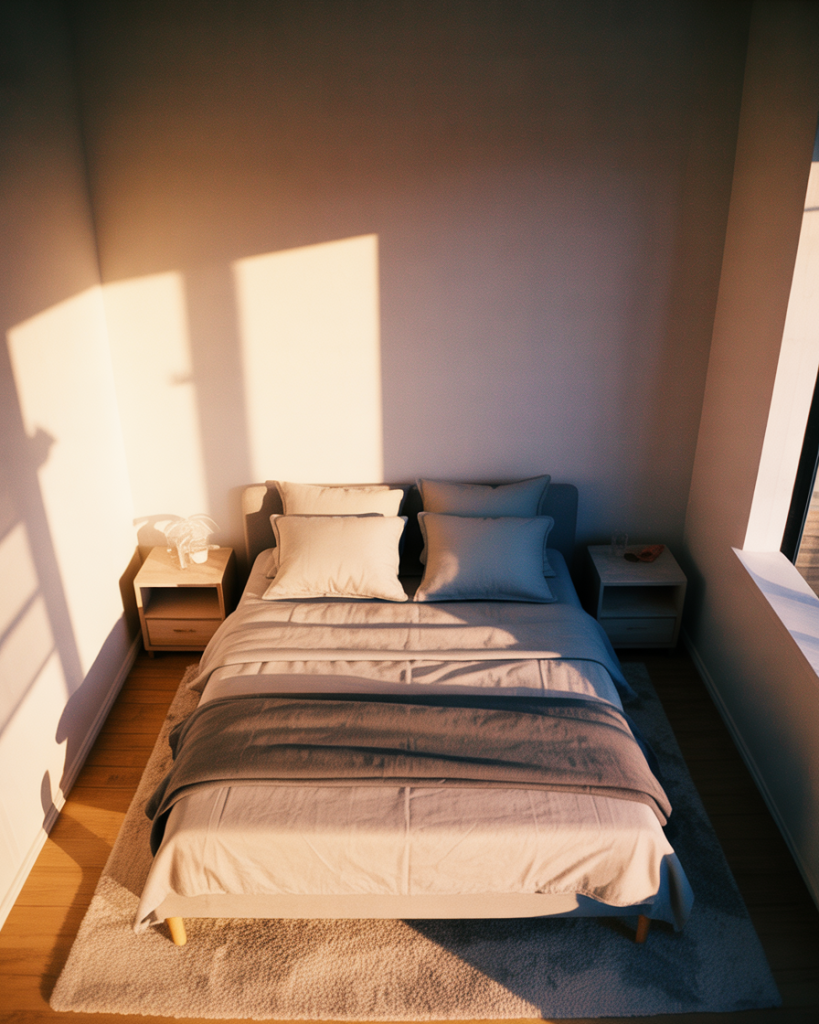
Placing your bed at an angle can turn an awkward small bedroom layout into something visually dynamic and memorable. This works especially well in very small rooms where the traditional headboard-against-the-wall setup feels too predictable or doesn’t allow for good nightstand placement. Angling the bed creates natural nooks on either side for small tables or plants, and it draws the eye in unexpected ways. 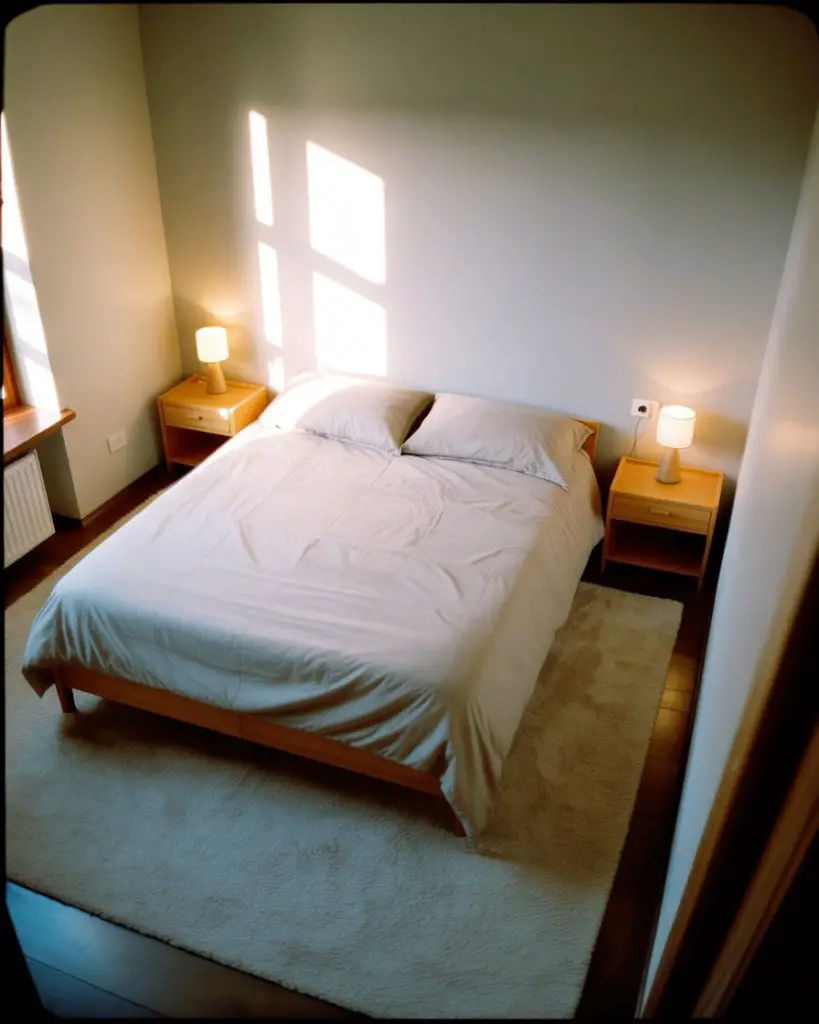
This layout does sacrifice some floor space, so it’s best reserved for rooms where you’re not trying to fit additional furniture. It’s popular in loft-style apartments and converted attics where unconventional angles already exist, and the angled bed simply leans into the room’s existing character rather than fighting it.
9. Vertical Storage for 8×10 Bedrooms
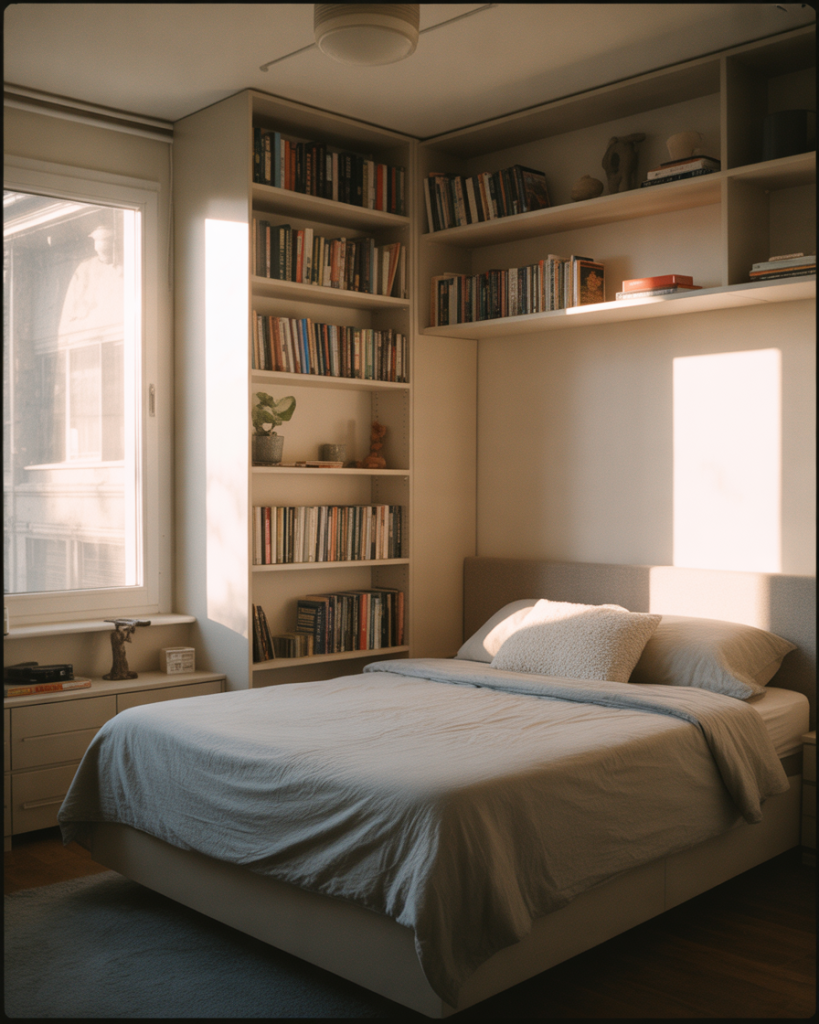
In an 8 x 10 bedroom, the only direction to expand is up—tall, narrow shelving units and wall-mounted cabinets make the most of limited square footage. Floor-to-ceiling bookcases beside the bed or stacked floating shelves above the headboard add storage without eating into the already tight footprint. This approach keeps frequently used items accessible while maintaining clear walking paths. 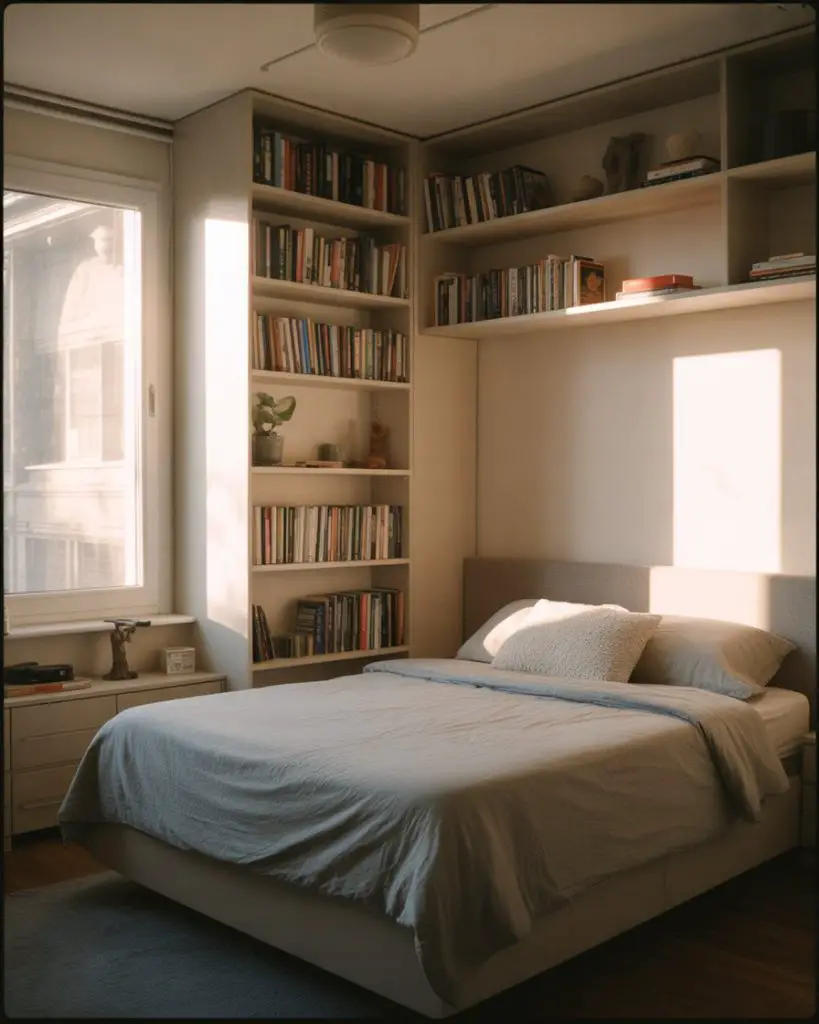
Expert designers often recommend keeping the lower third of the room relatively clear to avoid a “closed-in” feeling—so use those high shelves for books, decorative boxes, and items you don’t need daily. The eye travels upward, making the ceiling seem higher and the room larger than its actual dimensions.
10. Minimalist Layout with Only Essential Pieces
Sometimes the best small bedroom layout is the one with the fewest pieces of furniture. A queen bed, one nightstand, and a single lamp can create a serene retreat that feels spacious precisely because it’s not overloaded. This approach has gained traction among minimalists and those influenced by Scandinavian design, where negative space is valued as much as the objects themselves. 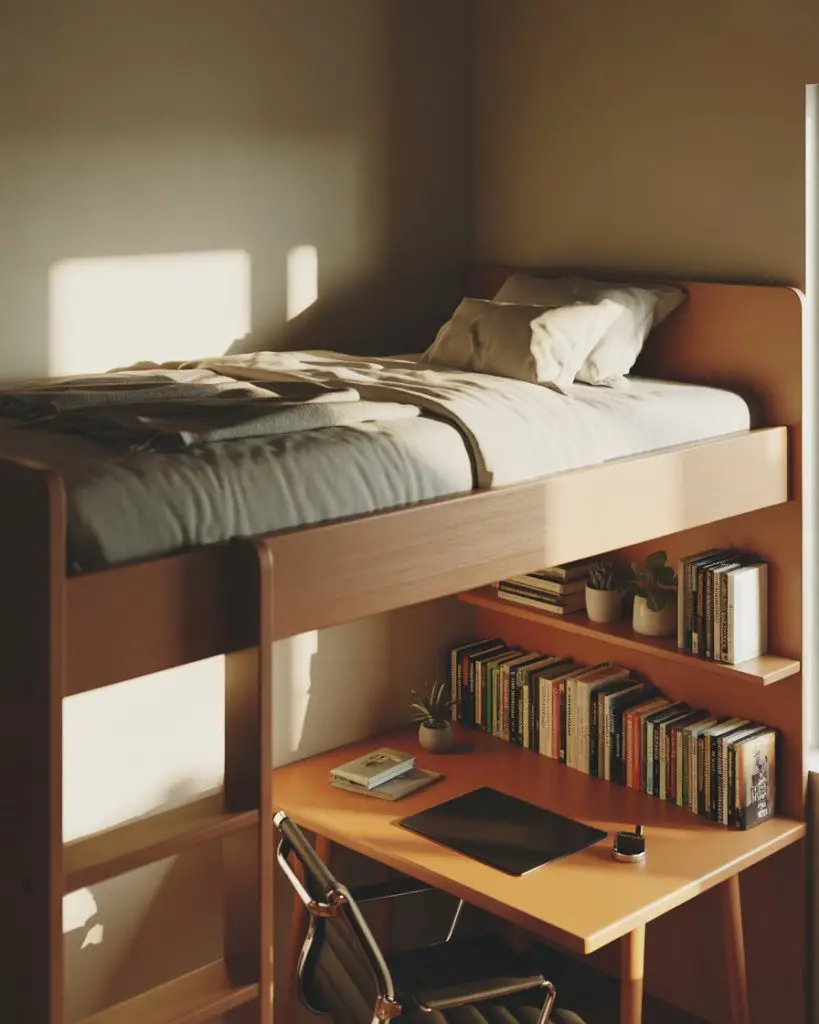
Where it works best: bedrooms in the 9×9 to 10×10 range where adding more furniture would create a maze-like navigation path. By keeping only what you truly use, you also make cleaning easier and reduce visual noise, which many people find helps them sleep better and wake up feeling more refreshed.
11. Lofted Bed for Maximum Floor Utility
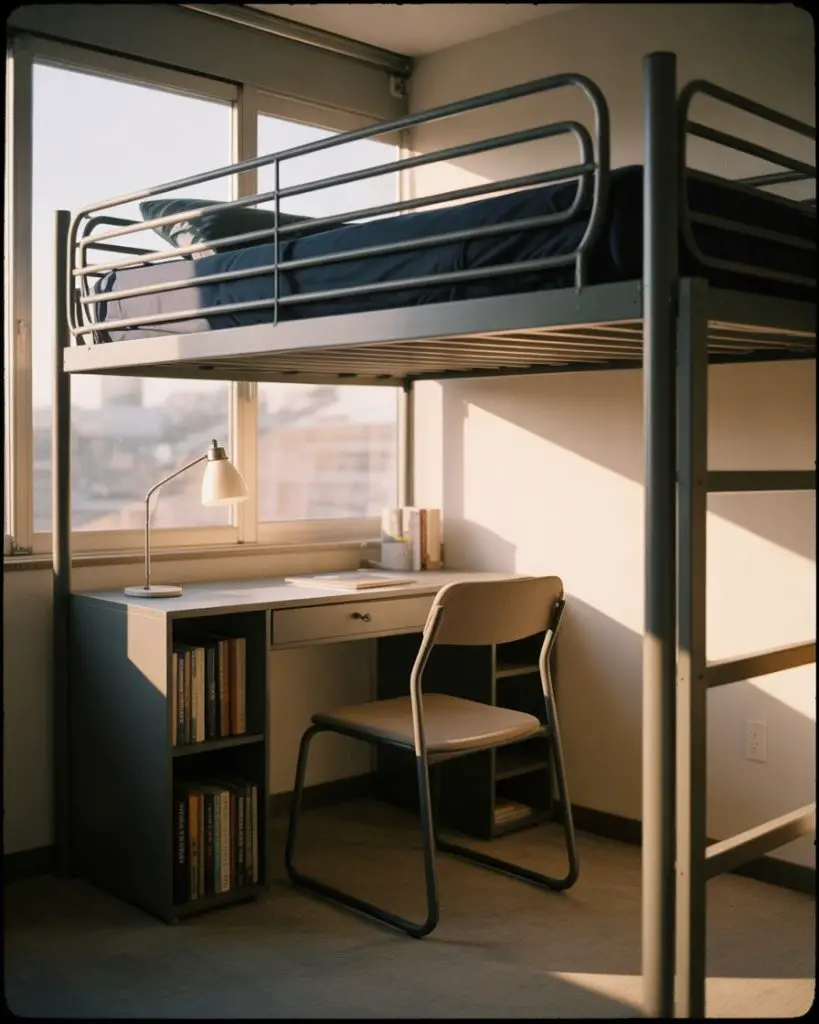
Lofting your bed opens up the entire floor beneath for a desk, seating area, or even a compact closet system—an ideal small bedroom layout for teens or young adults in tight quarters. While it requires ceiling height of at least 9 feet to feel comfortable, the payoff is essentially doubling your usable space. Many college students and young professionals in cities like Chicago and Boston swear by this setup.
One common mistake is underestimating how much headroom you’ll want when sitting up in bed—measure carefully and consider a low-profile mattress if clearance is tight. Also, climbing a ladder every night isn’t for everyone, so this works best for younger, agile occupants who don’t mind the vertical commute.
12. Sliding Barn Door to Separate Bedroom and Bathroom
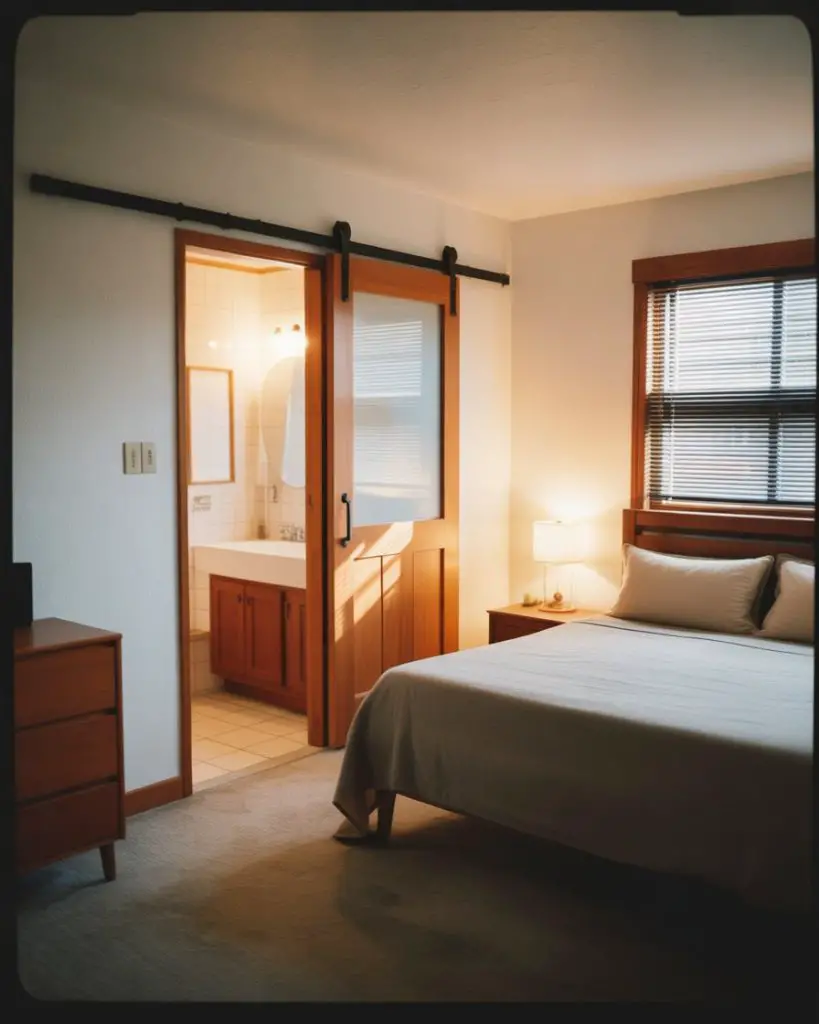
When your small bedroom shares space with an en-suite bathroom, a sliding barn door saves the swing clearance a traditional door requires. This furniture placement trick frees up wall space for a dresser or nightstand that would otherwise be blocked by a door’s arc. Barn doors also add a rustic-modern design element that’s become a staple in American home renovation shows. 
Budget-wise, barn door hardware kits run $100 to $300, and you can often repurpose an old door or build a simple one from reclaimed wood. Just make sure the track is securely anchored to wall studs—flimsy installation is the number one complaint in online reviews, and a wobbly door defeats the whole purpose of the upgrade.
13. Bed Centered Under Statement Light Fixture
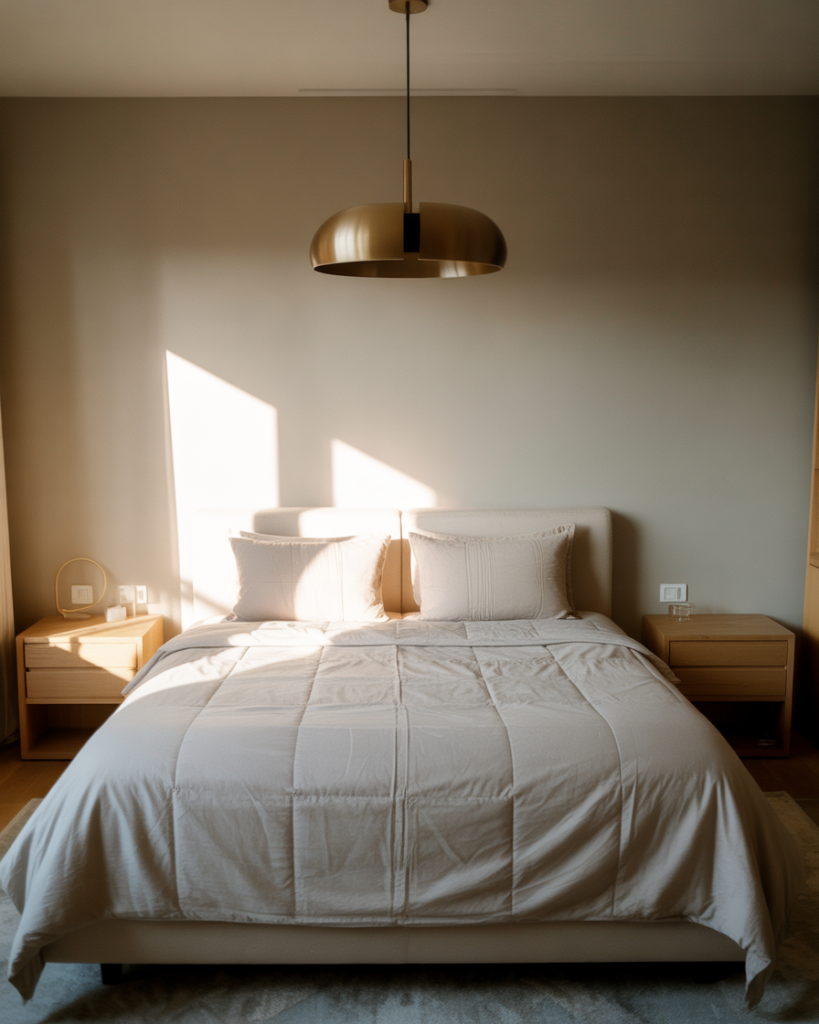
Drawing the eye upward with a bold pendant or chandelier centered over your queen size bed creates a focal point that distracts from the room’s compact dimensions. This design trick works especially well in bedrooms with neutral walls and simple furniture placement, where a dramatic light fixture adds personality without requiring floor space. It’s a favorite move in Instagram-worthy bedroom makeovers across the U.S. 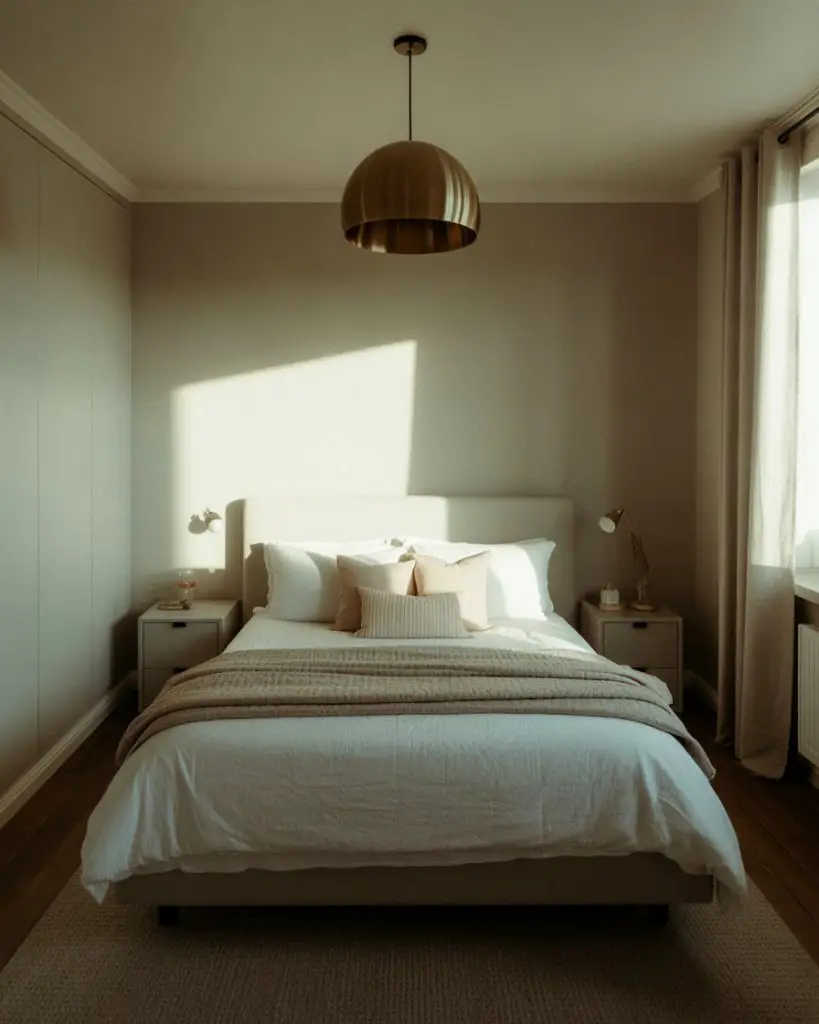
A practical insight: make sure the light is on a dimmer switch so you can adjust brightness for reading versus relaxing. Also, measure the distance from the mattress to the fixture—you want at least 7 feet of clearance so you’re not bumping your head when making the bed or changing sheets.
14. Bed in a 3×3 Alcove or Nook
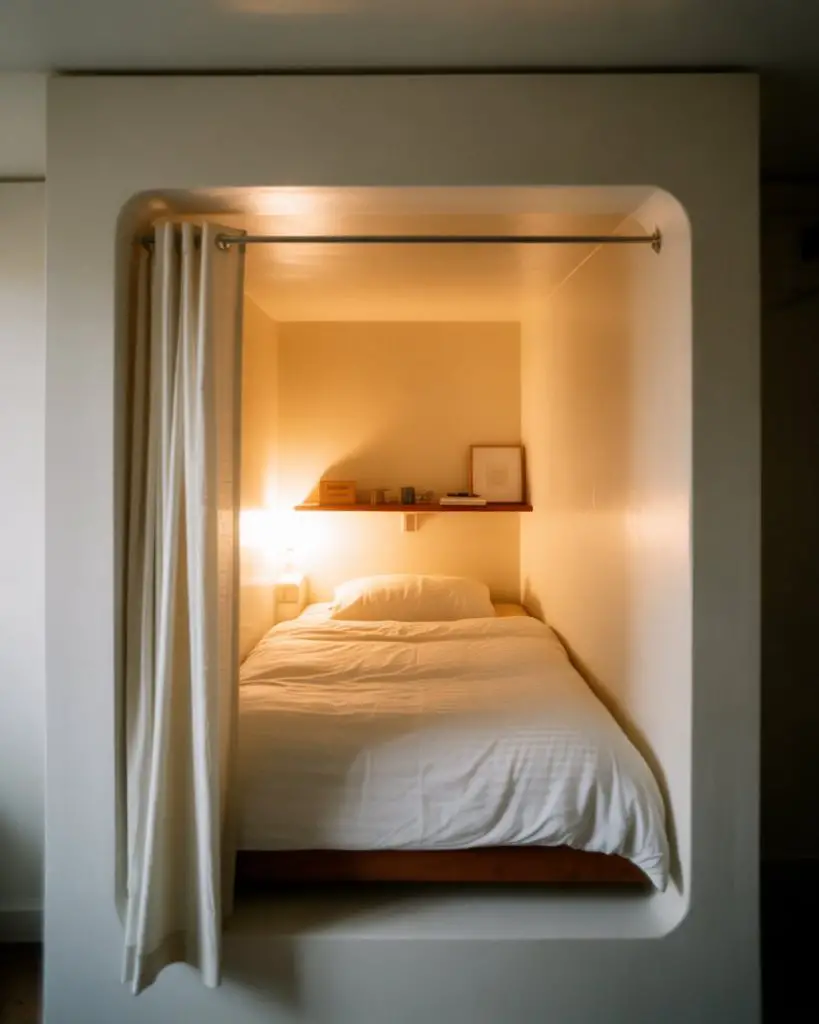
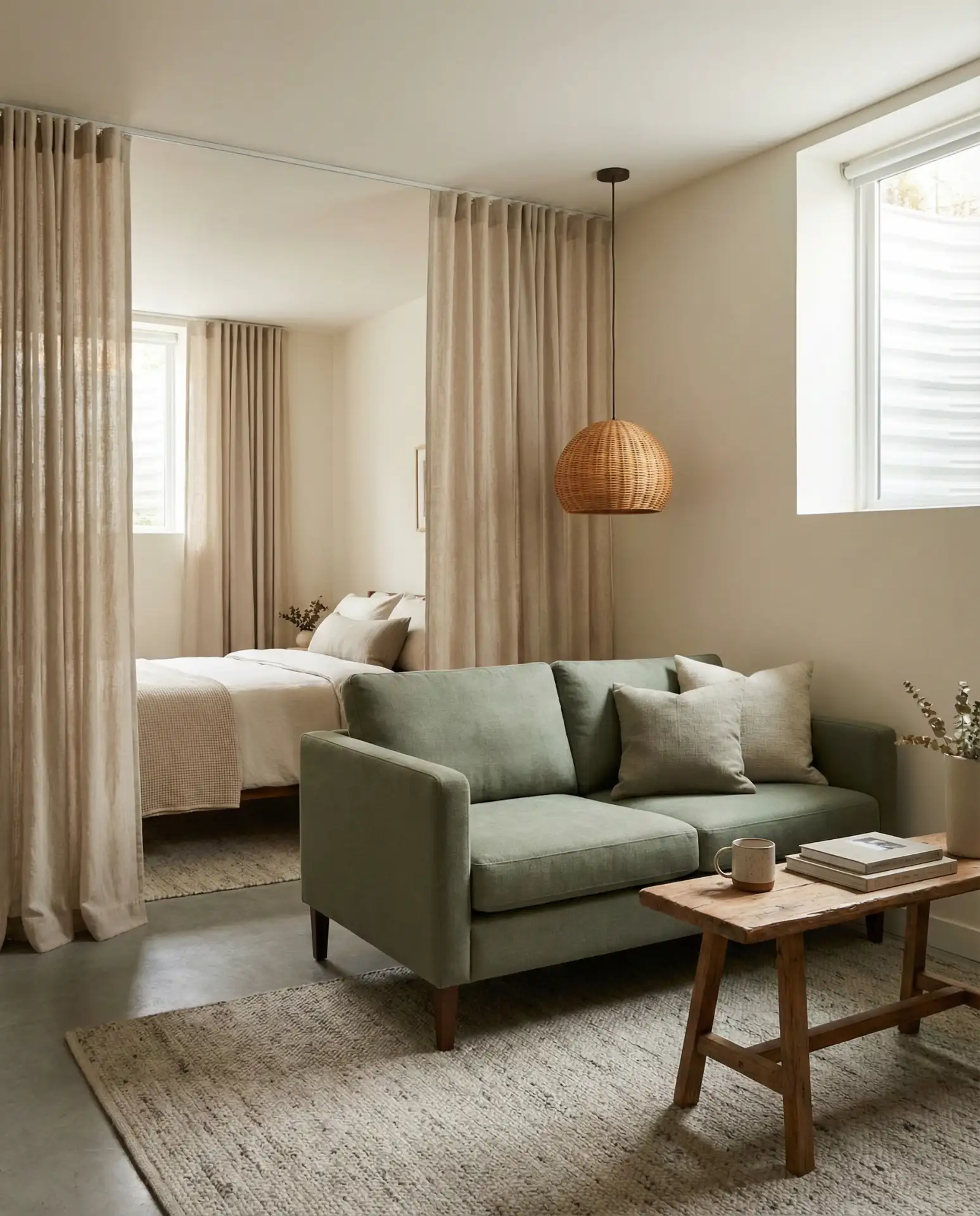
If your space includes a small alcove or nook roughly 3×3 meters, tucking your bed into that cozy spot can make the rest of the room feel surprisingly open. This built-in feel is popular in older homes with quirky layouts and can be enhanced with curtains or a half-wall for privacy. The enclosed sleeping area creates a snug, almost womb-like retreat that many people find comforting. 
Where it works best: converted attics, basement bedrooms, or older bungalows with original architectural details. The key is ensuring adequate ventilation and light in the alcove so it doesn’t feel cave-like—a small reading sconce and a nearby window or air vent make all the difference in comfort.
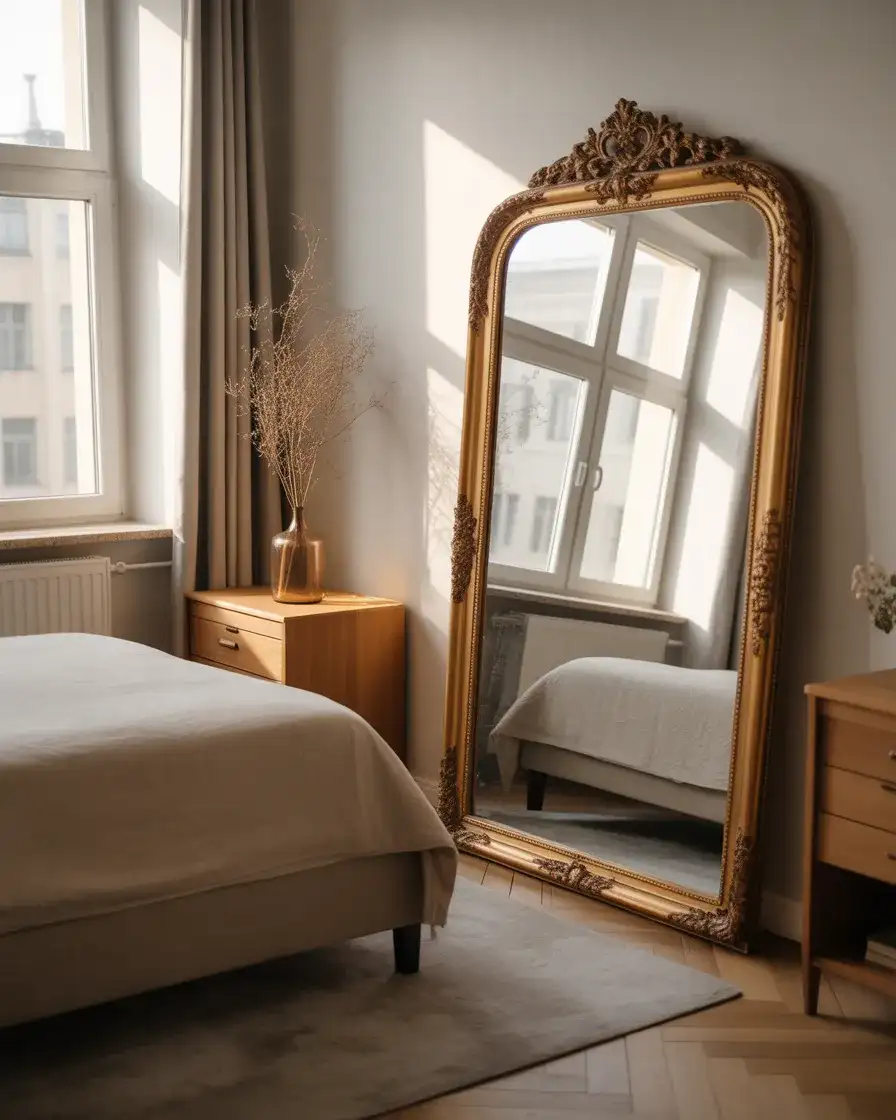
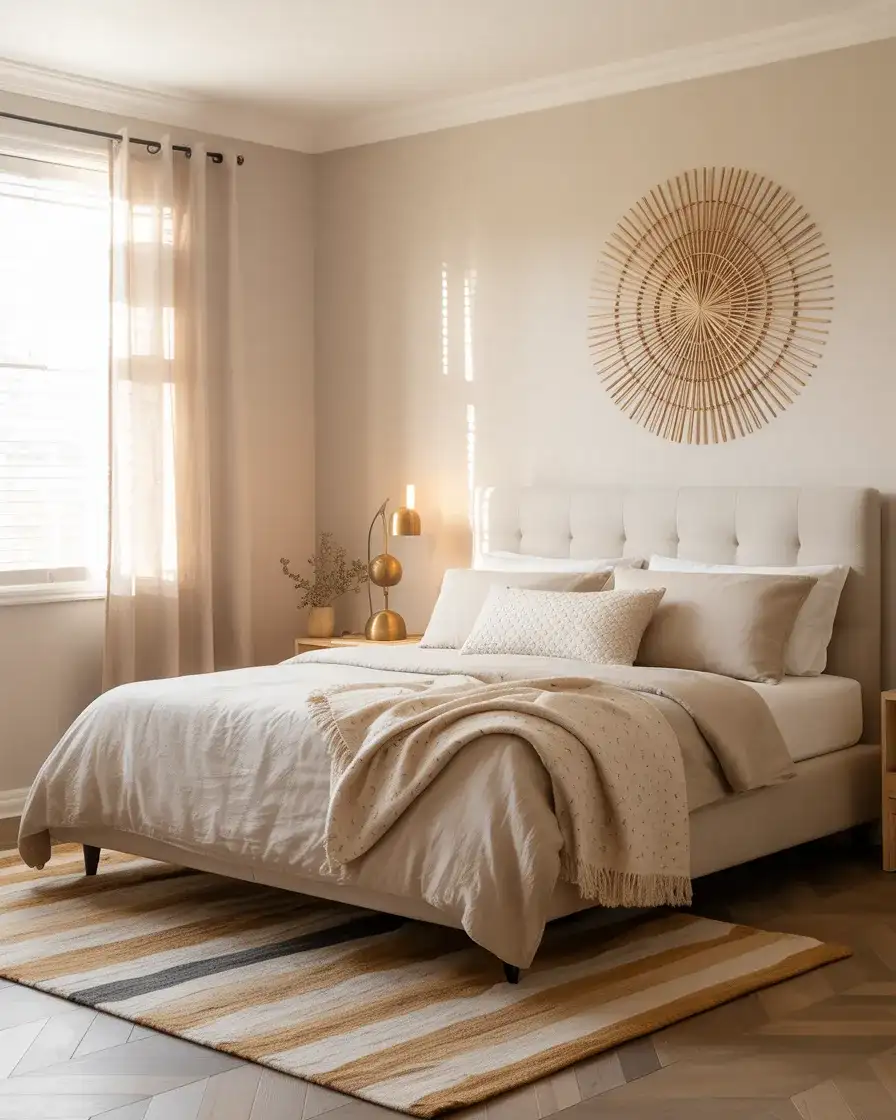
15. Low-Profile Furniture for Visual Spaciousness
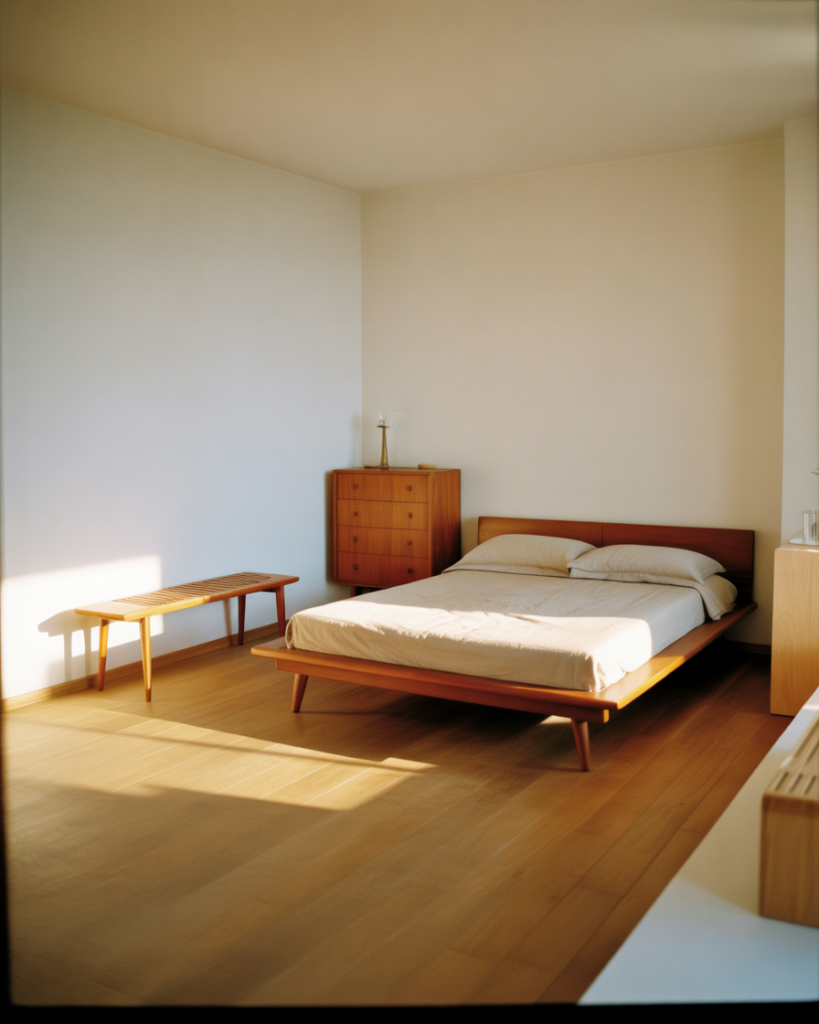
Choosing low-slung furniture—platform beds, short dressers, bench-style seating—makes ceilings appear taller and helps a small bedroom layout breathe. This inspiration comes from mid-century modern and Japanese design, where horizontal lines and restrained heights create a sense of calm. It’s particularly effective in rooms with standard 8-foot ceilings, which are common in American homes built before 1980. 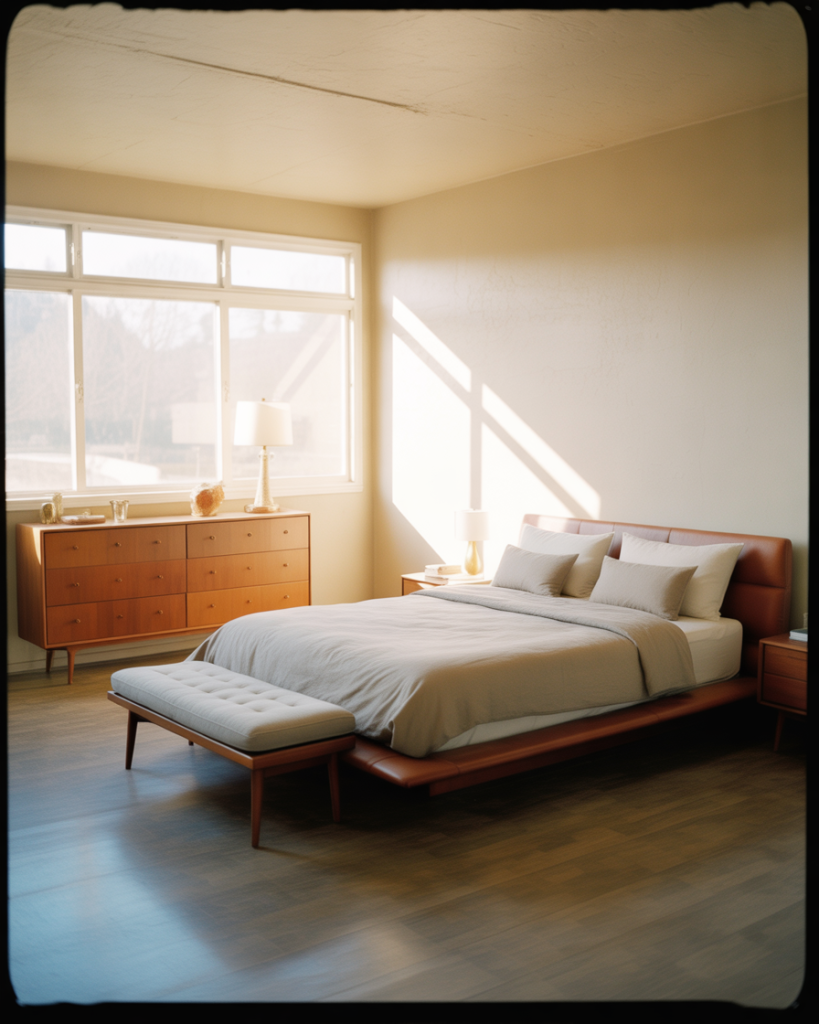
Real homeowner behavior shows that people often buy furniture based on storage capacity alone, choosing tall dressers and chunky nightstands that overwhelm small rooms. Opting for wider, lower pieces stores just as much but keeps sight lines clear, making the room feel less cluttered even when it’s technically holding the same amount of stuff.
16. Bed and Desk on Opposite Walls
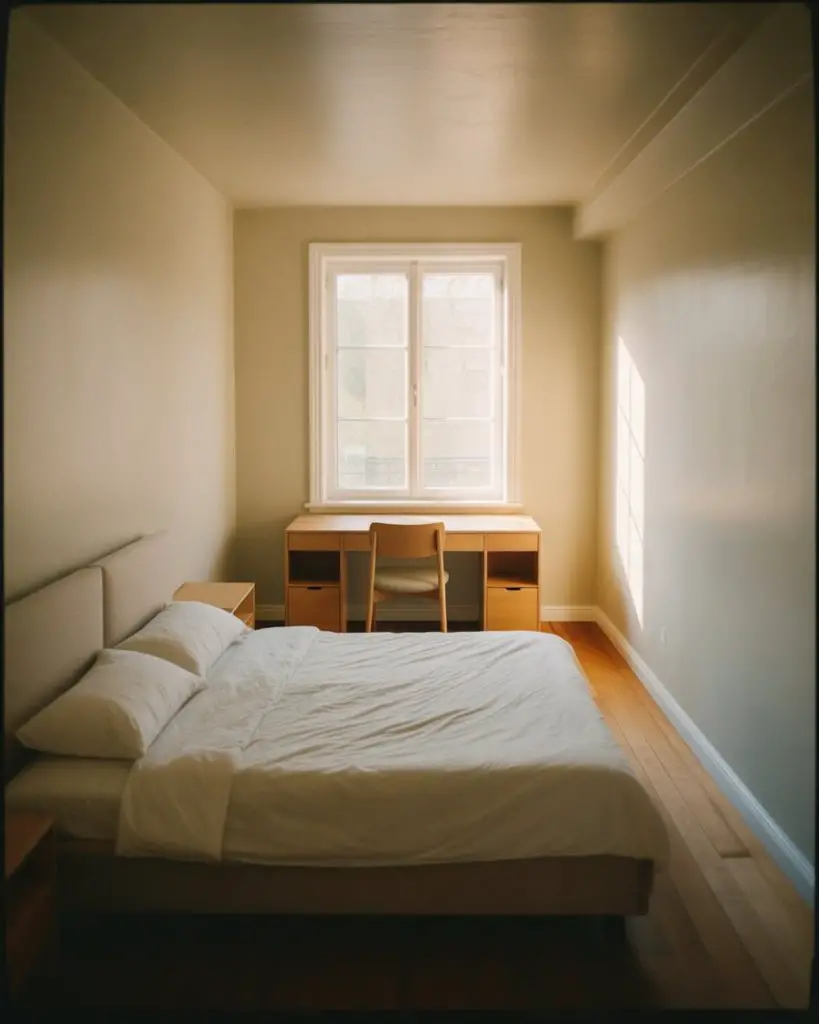
Placing your bed and desk on opposite walls creates a clear mental boundary between rest and productivity, which is crucial in small apartments where everything happens in one room. This furniture placement also ensures you’re not staring at your laptop screen while trying to fall asleep, a common issue in work-from-home setups. The layout works best in rectangular rooms where the two long walls can each accommodate a key piece. 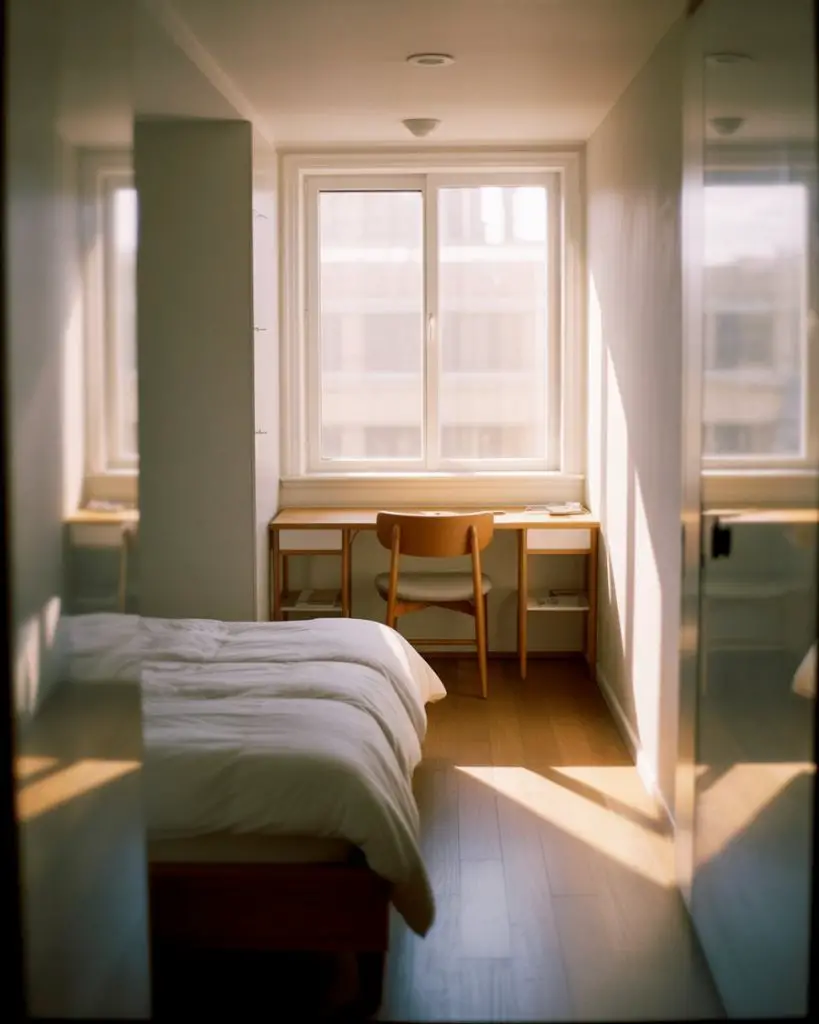
In Boston and other older cities where bedrooms are often long and narrow, this configuration feels natural and avoids the cramped effect of lining everything up along one wall. Just make sure there’s enough walking space between the two—aim for at least 30 inches of clearance so you’re not sidestepping around furniture every time you move through the room.
17. King Bed in a Small Room (Yes, It’s Possible)
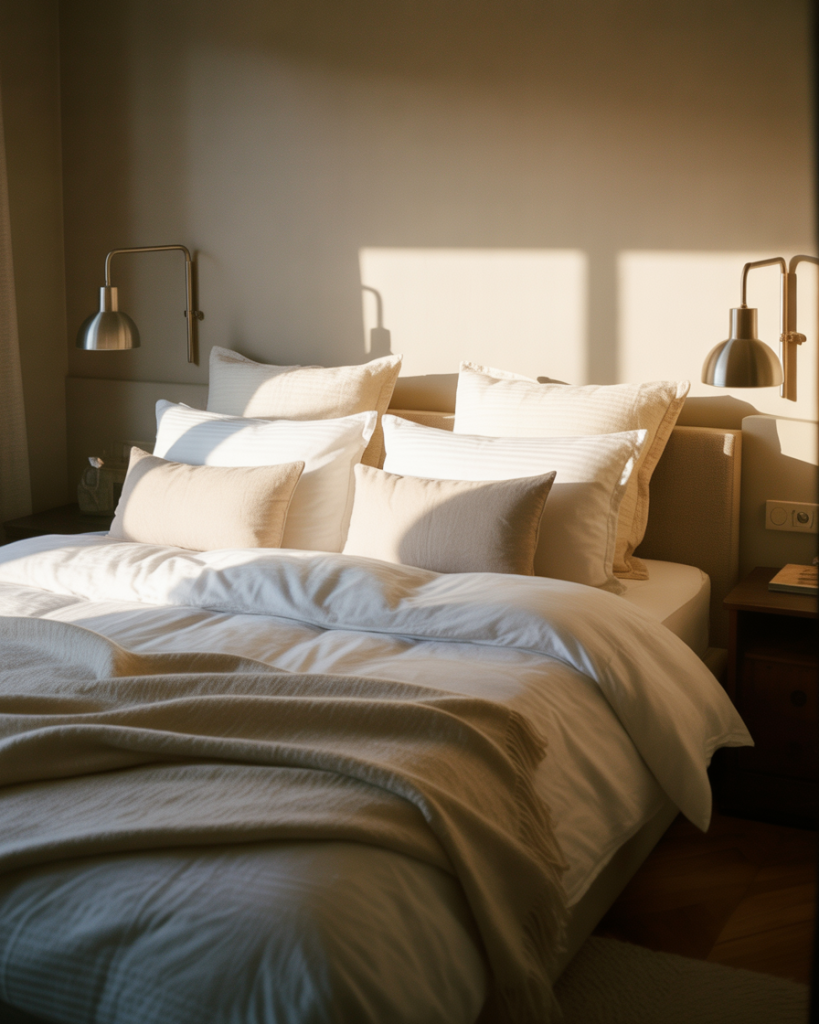
Fitting a king bed into a compact bedroom might seem ambitious, but it’s doable if you’re willing to sacrifice other furniture. Skip the nightstands or use wall-mounted shelves instead, and embrace the bed as the room’s sole focus. This layout appeals to couples who prioritize sleep comfort over extra storage and are happy to keep clothes in a nearby closet or adjacent room. 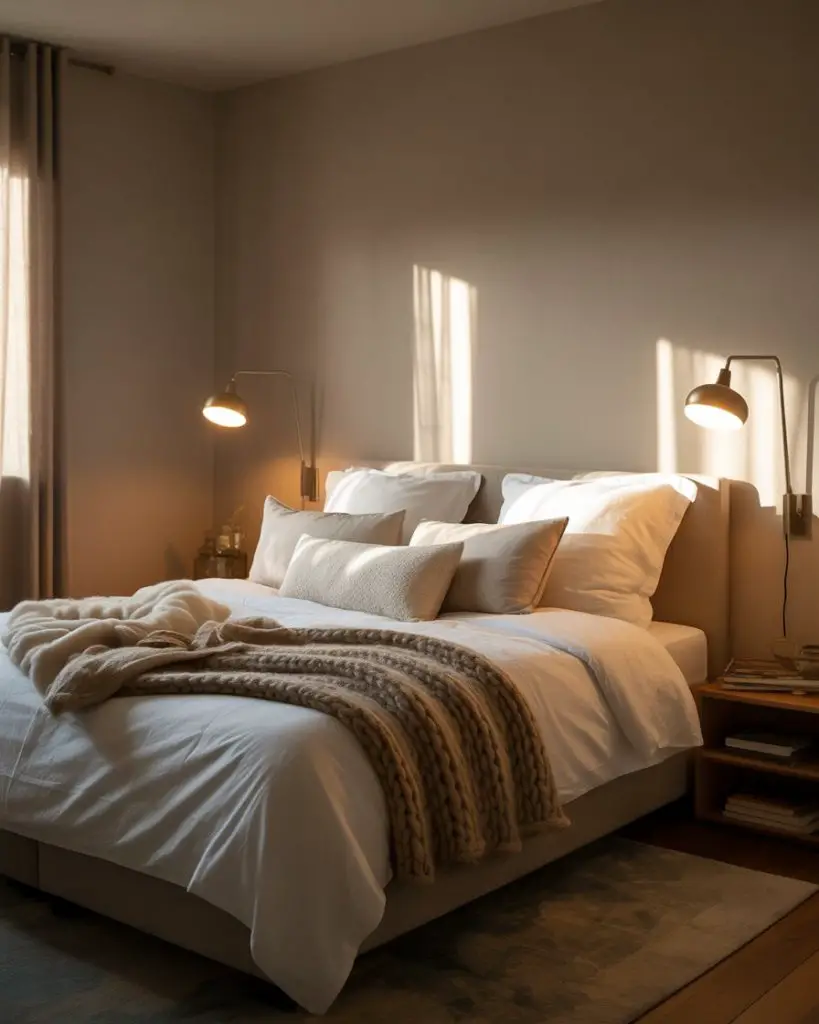
One practical insight: measure your doorway and hallway first—many king mattresses won’t bend around tight corners, so you may need to order a split king or a mattress-in-a-box that can be compressed for delivery. Also, be prepared for the bed to dominate the room completely; this layout is for those who’ve decided that a great night’s sleep outweighs all other concerns.
18. Convertible Sofa-Bed for Multipurpose Spaces
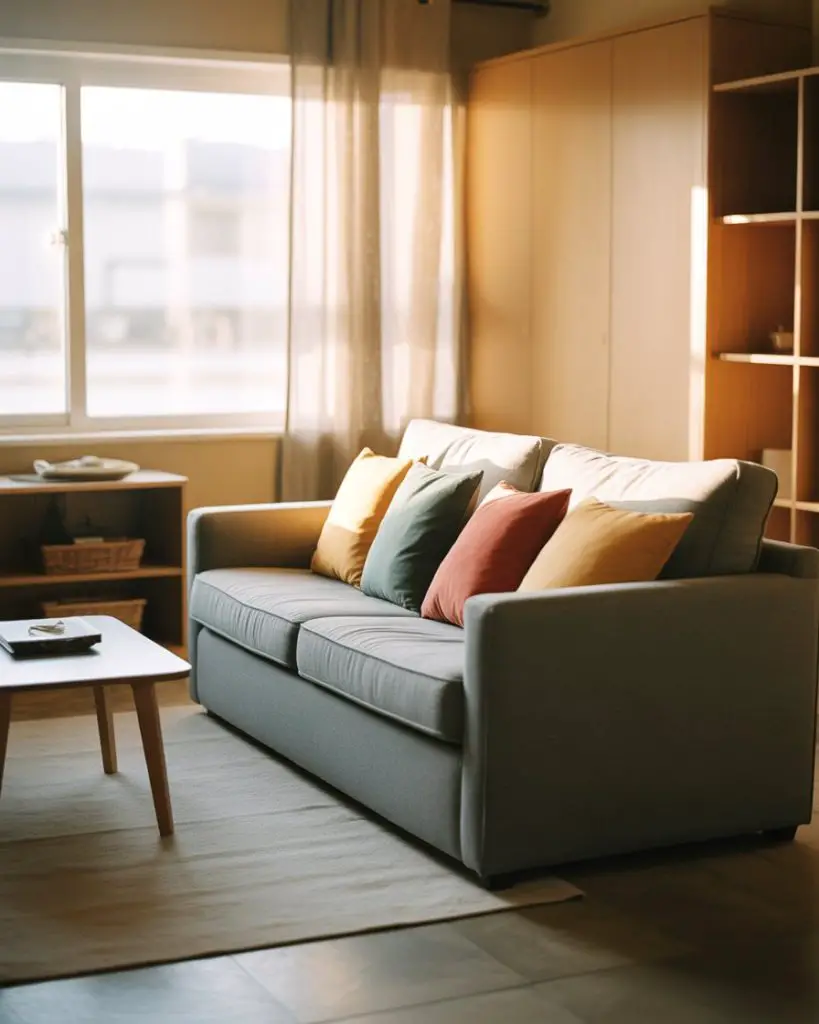
In a guest room or studio, a sleeper sofa that converts from seating to a full size bed at night is a classic space-saver. Modern versions are far more comfortable than the lumpy pull-outs of decades past, with memory foam mattresses and sturdy frames. This small apartment staple lets you maintain a living area during the day without sacrificing the ability to host overnight guests.
Where it works best: urban apartments and suburban homes where the spare bedroom doubles as a home office or den. Quality sleeper sofas start around $800 and can easily top $2,000, but the investment makes sense if you regularly host visitors and can’t afford a dedicated guest room. Just avoid the cheapest models—poor mattress support leads to sore backs and unhappy guests.
19. Bed Flanked by Tall Wardrobes
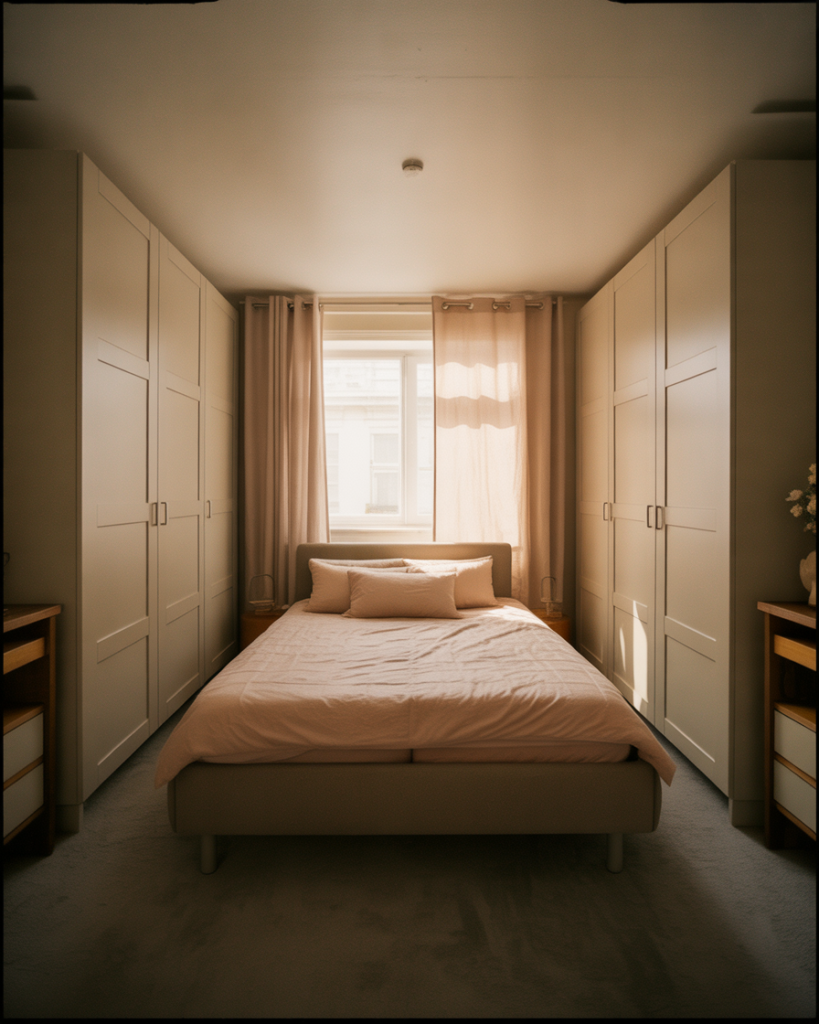
When closet space is nonexistent, flanking your bed with two tall wardrobes creates a built-in look and maximizes vertical storage. This symmetrical furniture placement works especially well with a queen bed, leaving just enough width on either side for narrow armoires. The setup is common in older apartment buildings where closets were an afterthought or in converted lofts with open floor plans. 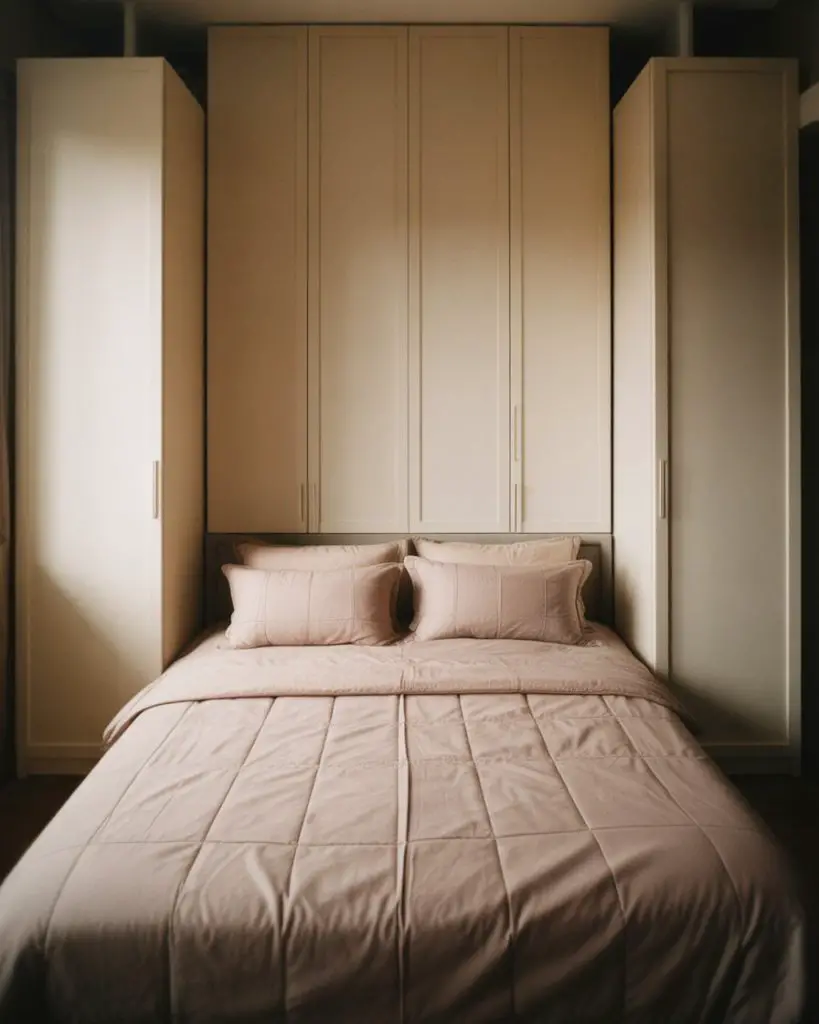
A friend in Brooklyn used this layout after her pre-war apartment’s single closet proved woefully inadequate for two people. The tall wardrobes not only solved the storage crisis but also created a cocoon-like feeling around the bed that she found unexpectedly soothing. The trick is keeping the tops of the wardrobes uncluttered so they don’t loom over the space.
20. Bed on a Raised Platform with Steps
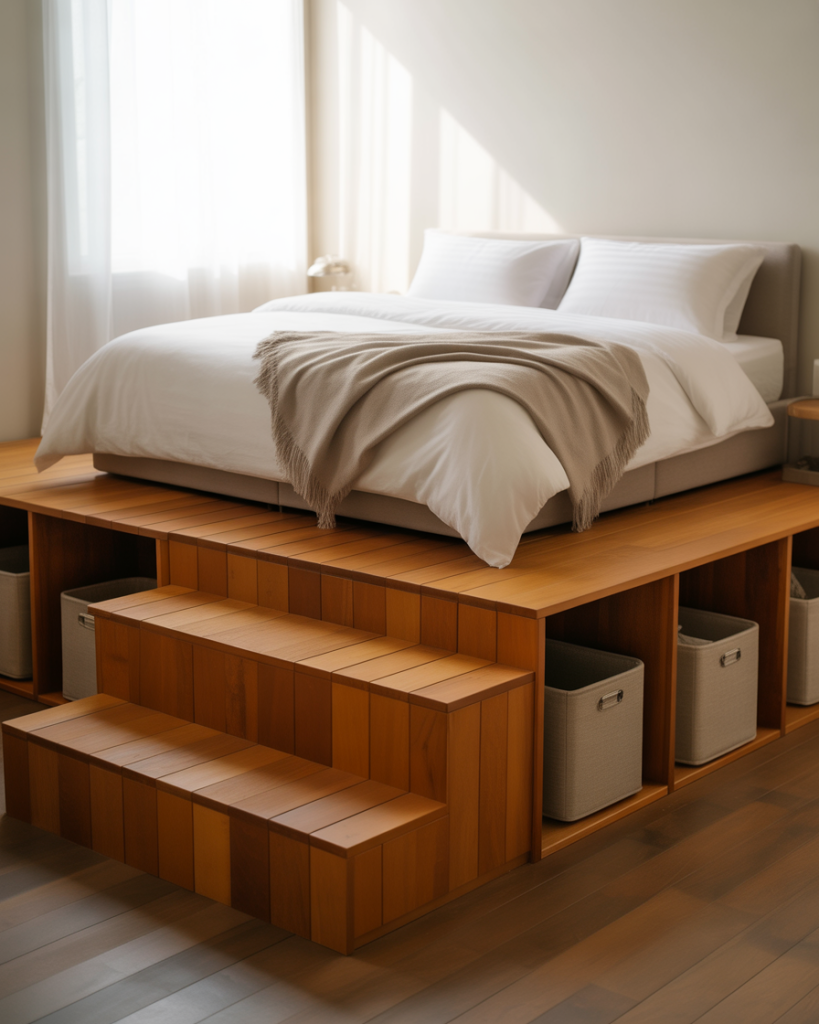
Raising your bed on a low platform—just 12 to 18 inches—creates hidden storage underneath while adding architectural interest to a very small bedroom. Unlike full loft beds, these platforms don’t require ladders, just a couple of wide steps that can also serve as display shelves. It’s a design move popular in Scandinavian and Japanese-inspired interiors, where every element serves multiple purposes. 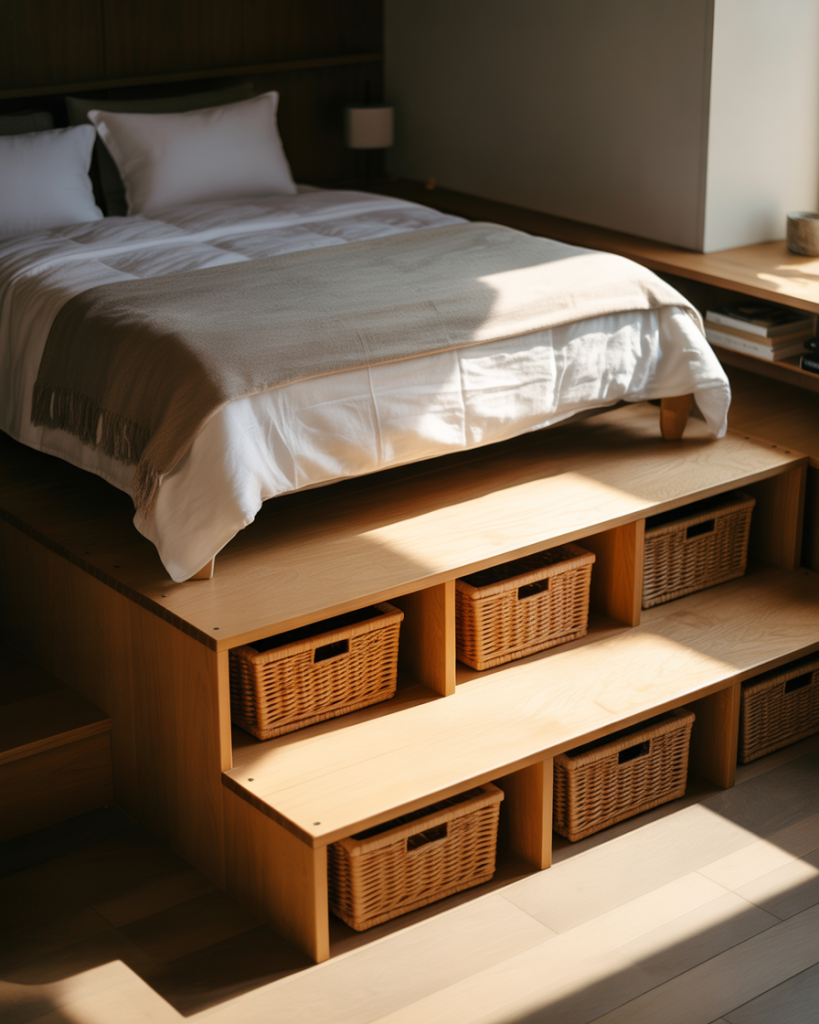
Common mistakes include making the platform too high—anything over 24 inches starts to feel precarious and makes changing sheets awkward. Also, ensure the platform is rock-solid; wobbly construction ruins the effect and creates noise every time you move at night. Done right, this layout adds a custom, built-in look without the cost of true built-in furniture.
21. Bed in Front of Closet with Curtain Access
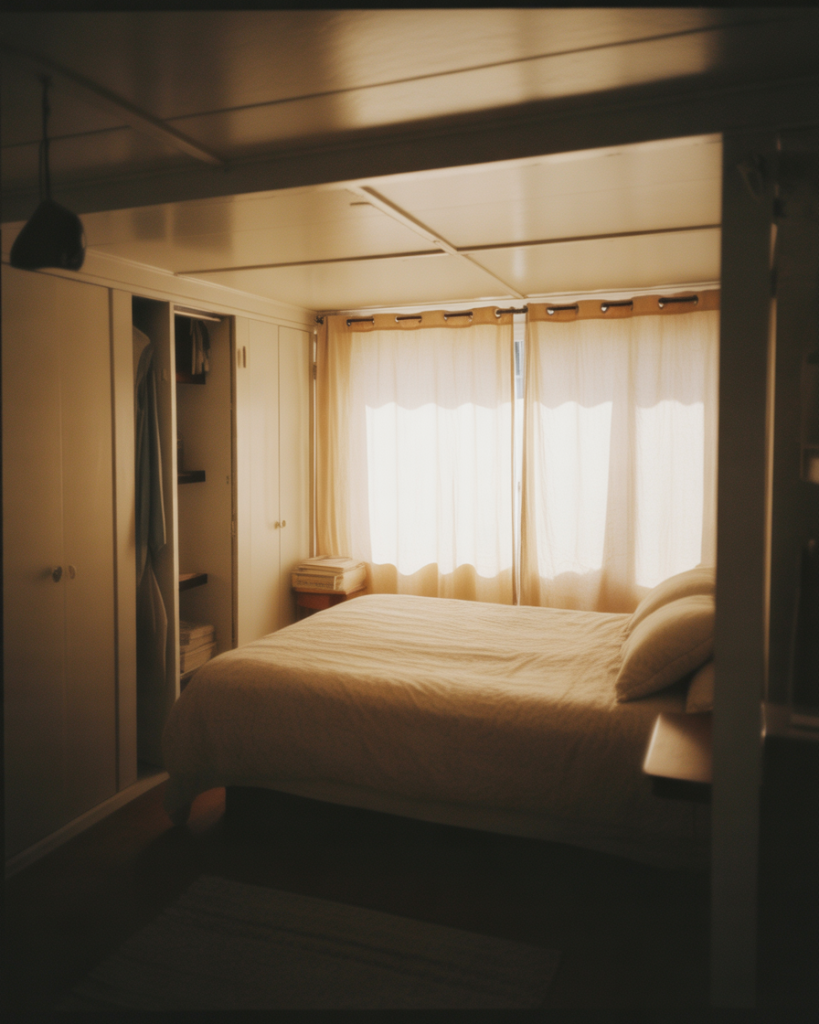
Placing your bed in front of the closet and using a curtain for access is a bold space-saving move in ultra-compact bedrooms. The bed stays accessible from both sides, and you simply pull the curtain aside to reach hanging clothes or shelves. This unconventional layout works best for people with minimal wardrobes or those who can store most clothing elsewhere, like in a hallway linen closet or underbed bins. 
Real homeowner behavior shows that people who try this layout often discover they don’t access their closets as frequently as they thought—most wear a small rotation of clothes kept on a nearby chair or hook. The setup does require a bit of planning on laundry day, but for those prioritizing floor space, it’s a worthy trade-off.
22. Bed and Dresser in an L-Configuration
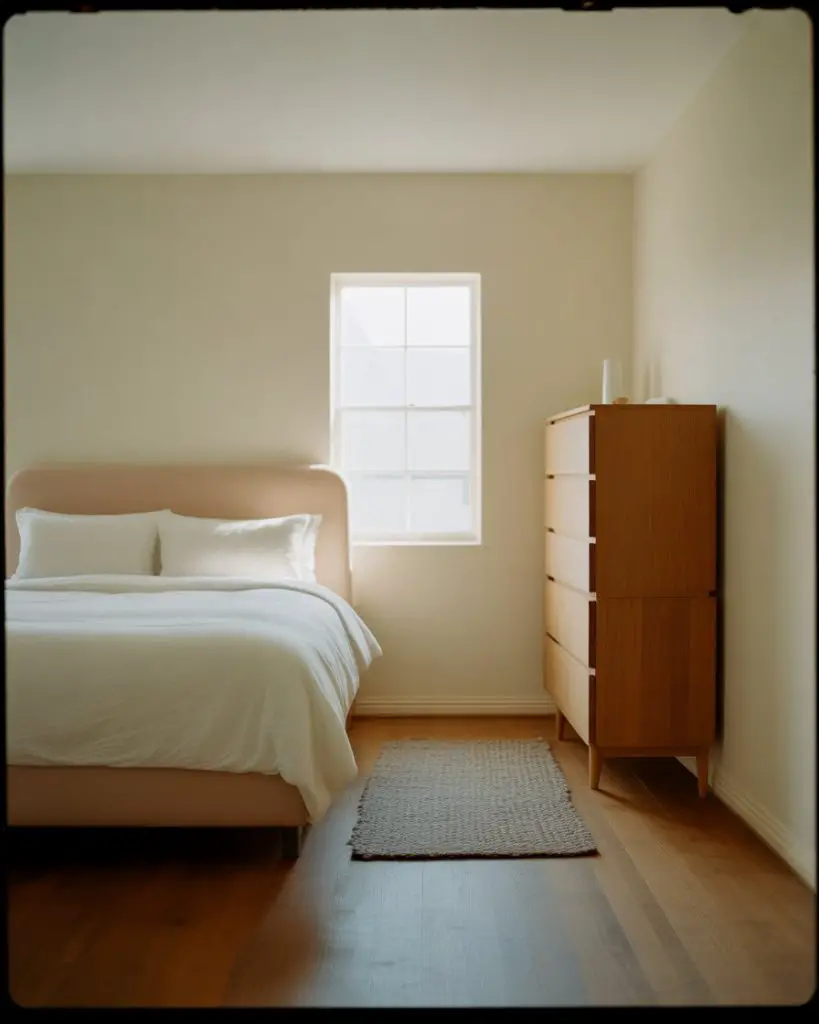
An L-configuration with your bed along one wall and dresser along the perpendicular wall creates two distinct zones without wasting the corner space. This furniture placement strategy works well in square or nearly square bedrooms, where you want to avoid the bowling-alley effect of lining everything up on one side. It’s a go-to layout for 10×10 queen bed setups where you need both sleeping and storage furniture. 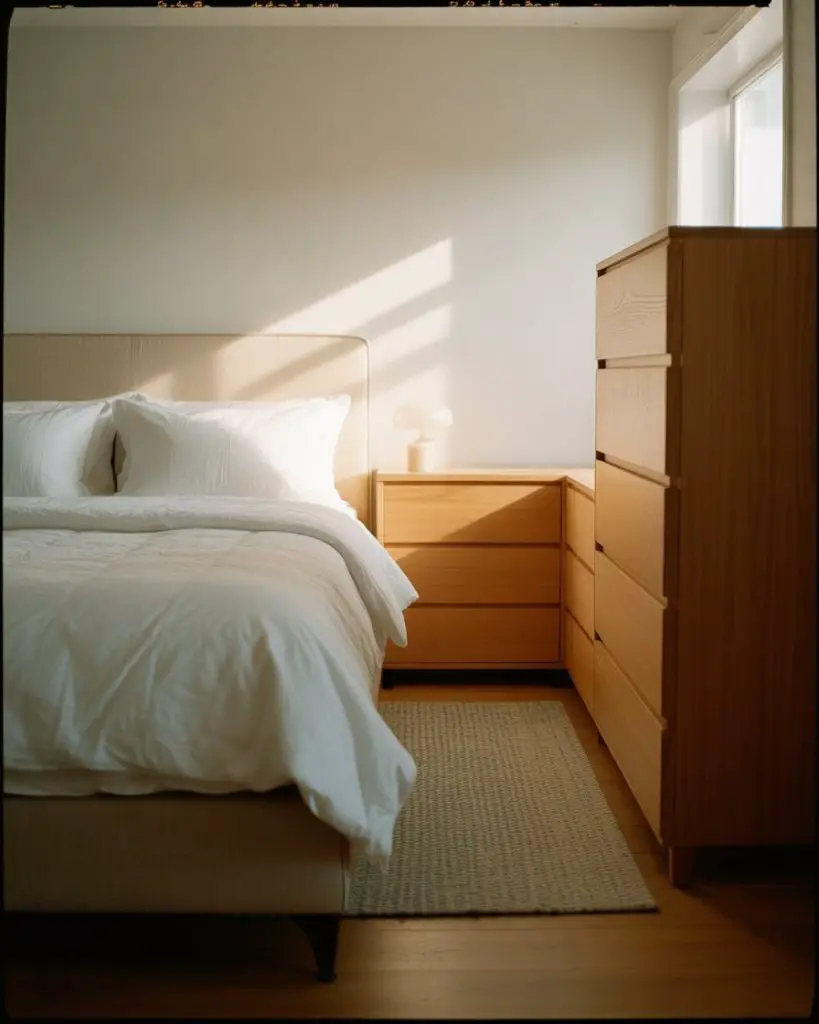
Expert designers often recommend this configuration for rooms where you enter through a corner—the L-shape naturally guides you into the room and creates a sense of flow. Just be mindful of the corner itself; adding a small plant, lamp, or stool there prevents it from becoming a dead zone where clutter accumulates.
23. Bed with Bookshelf Headboard
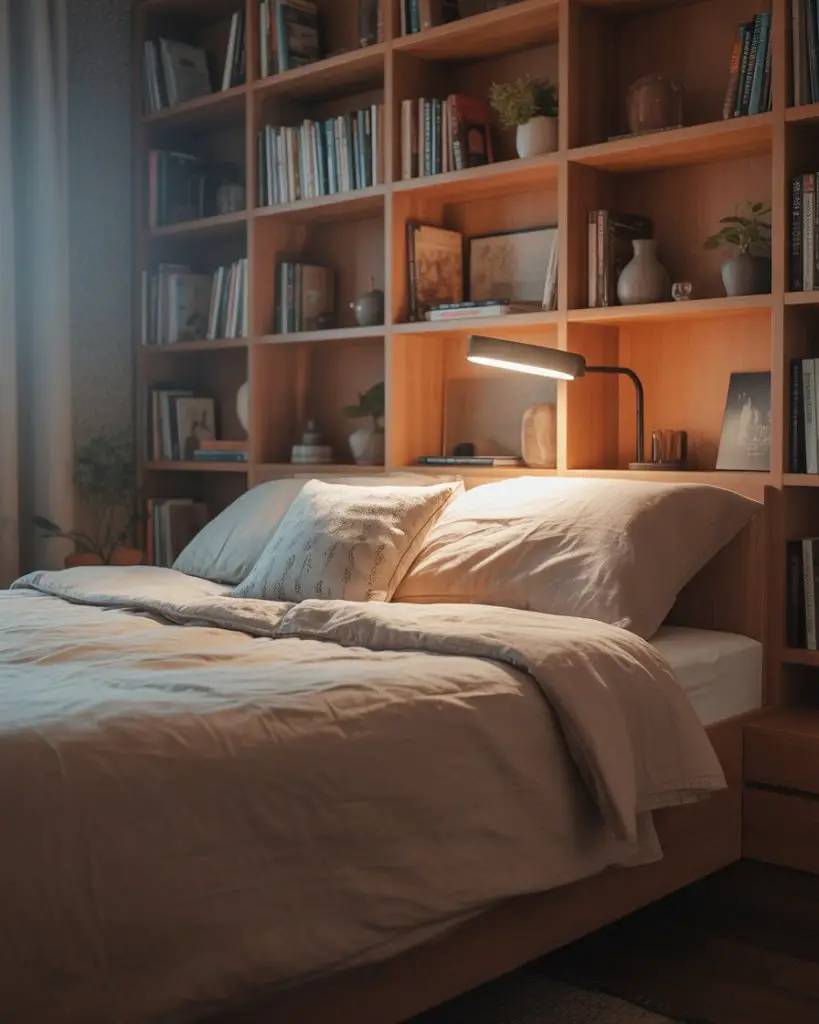
A bookshelf headboard transforms wasted vertical space into functional storage, perfect for small bedroom layouts where every surface counts. These headboards range from simple shelves mounted above the bed to full-frame units that surround the mattress on three sides. They’re especially popular among readers and teens who want to keep favorite books, small plants, or collected objects within arm’s reach. 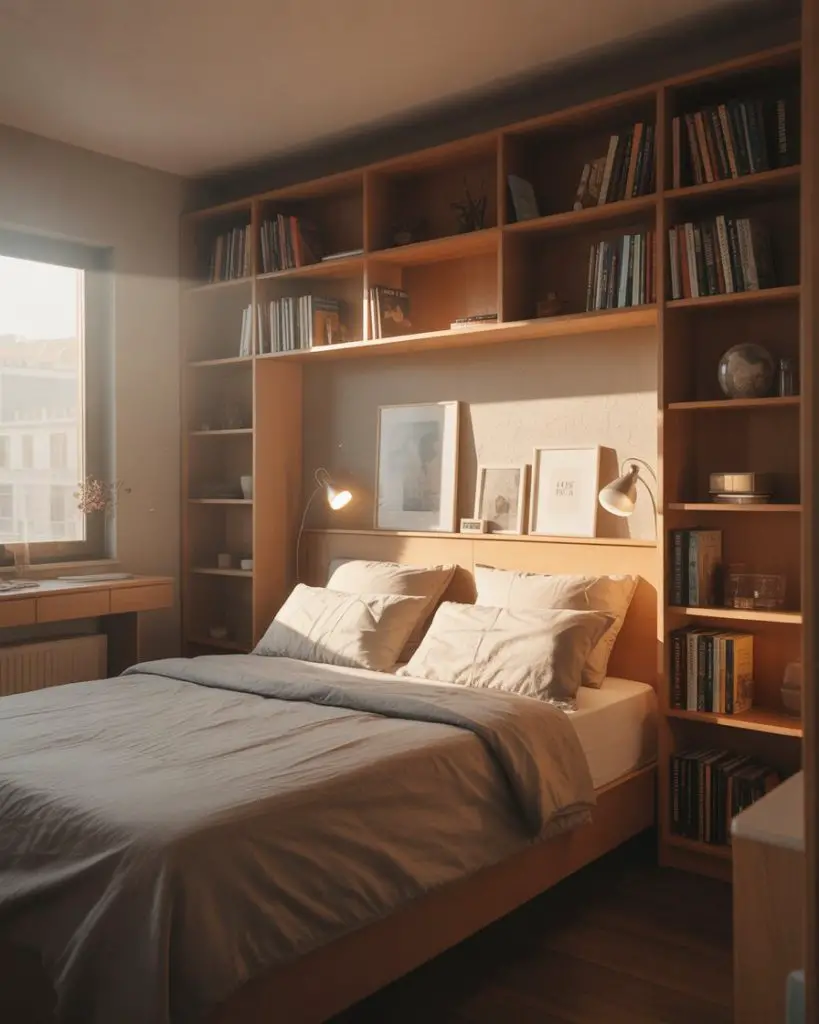
One practical insight: keep the shelves shallow—6 to 8 inches deep is ideal—so items don’t tumble onto your head at night. Also, avoid overstuffing the shelves; a curated selection of objects looks intentional, while a cluttered display can make the bed feel closed-in. This is one area where less really is more, both visually and practically.
Conclusion
Small bedroom layouts in 2026 prove that constraints can spark creativity rather than limit it. Whether you’re working with a 10×10 footprint, a very small urban studio, or a teen’s multipurpose retreat, the right furniture placement and design choices make all the difference. Which of these ideas resonates with your space? Share your favorite layout or your own clever solution in the comments below—we’d love to hear how you’ve made a compact bedroom work beautifully.