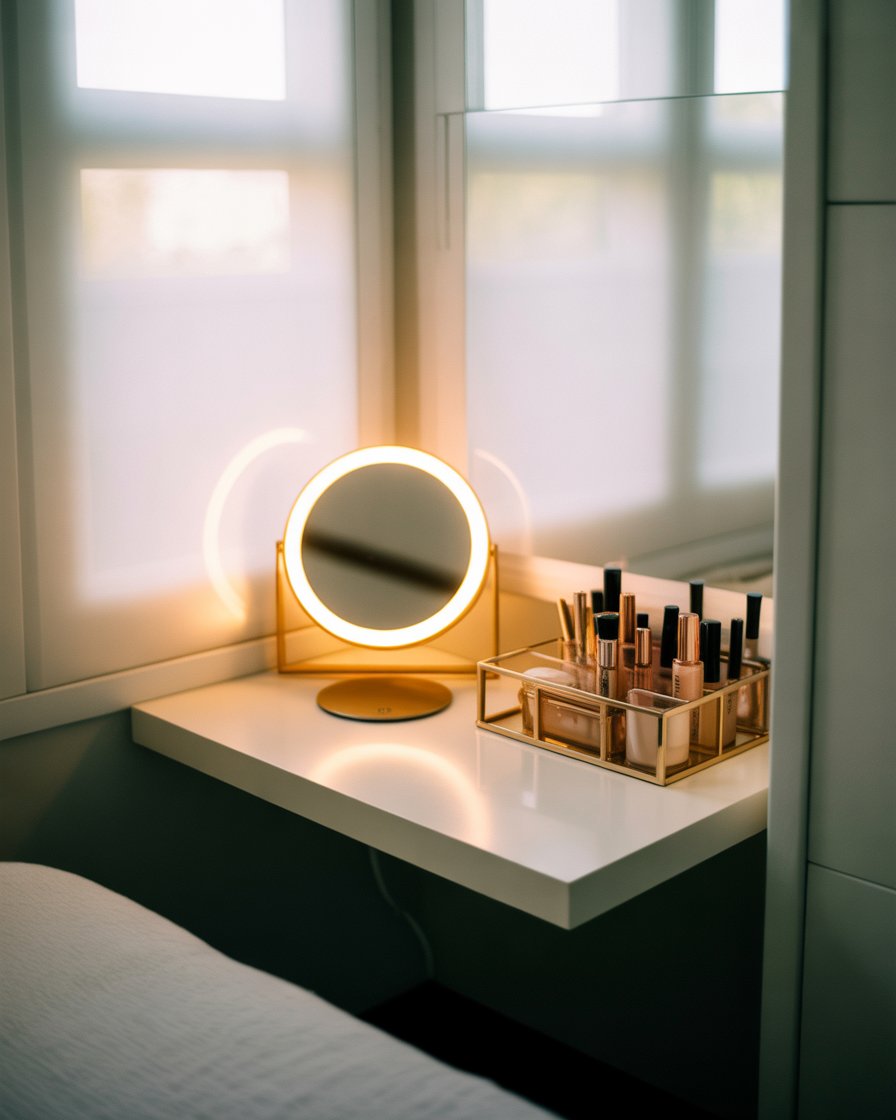
Teen bedrooms in 2026 are all about personal expression, layered comfort, and spaces that actually work for how young people live today. American teens spend more time in their rooms than ever—studying, streaming, hanging out with friends virtually, and recharging after packed schedules—so these spaces need to do a lot. Pinterest boards are overflowing with fresh bedroom ideas that balance aesthetic appeal with real functionality, from clever storage hacks to moody color palettes that feel grown-up without losing playfulness. Whether you’re refreshing a small room or starting from scratch, these 23 ideas will help you create a space she’ll actually want to spend time in.
1. Sunset Gradient Accent Wall
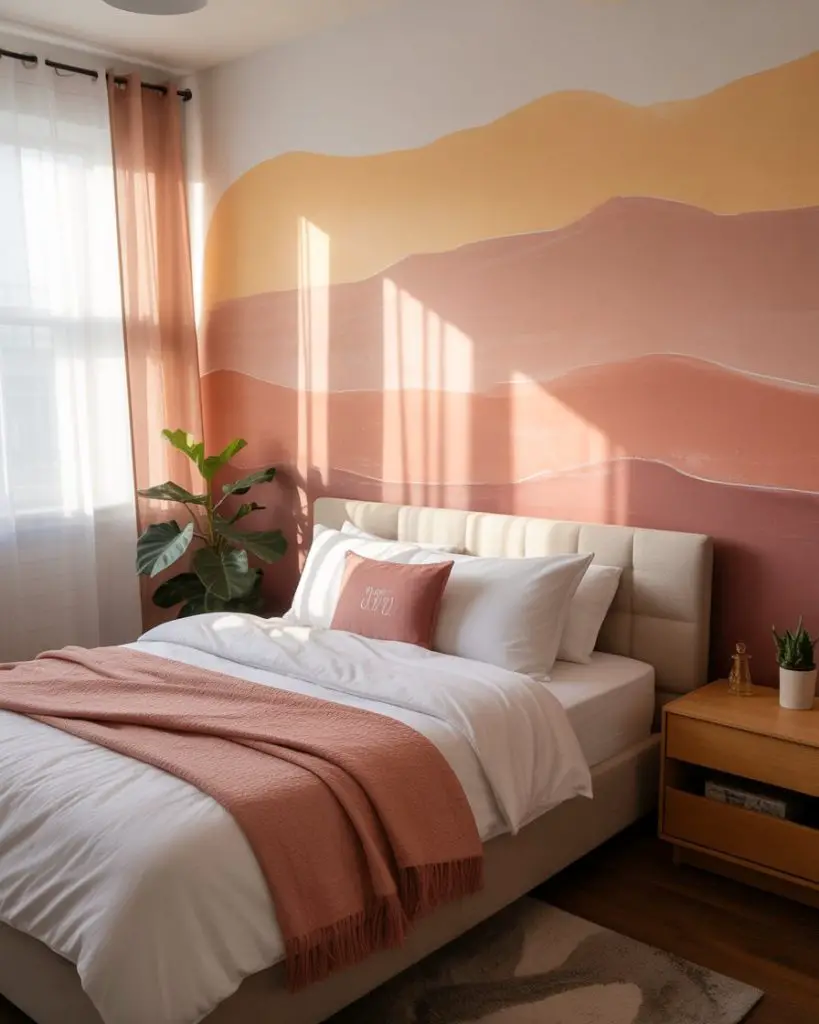
A hand-painted gradient wall in warm peach, coral, and dusty rose tones instantly transforms a plain bedroom into something that feels custom and thoughtful. This aesthetic approach works especially well behind the bed or across from windows where natural light can shift the colors throughout the day. It’s a softer, more sophisticated take on the bold accent walls that dominated earlier years, and it pairs beautifully with neutral decor and natural wood furniture. The gradient effect adds depth without overwhelming smaller spaces, making it ideal for teen girl bedroom ideas 2026 that prioritize visual interest without clutter. 
The best part about this look is how forgiving it is for DIY attempts—even imperfect blending adds to the organic, handmade feel. Use flat latex paint and blend while wet, working in horizontal bands from lightest at the top to deepest at the bottom. If you’re nervous about committing, try it on a smaller wall first or use removable peel-and-stick wallpaper in gradient designs, which has become surprisingly realistic-looking and is popular among renters and parents who know tastes change quickly.
2. Floating Desk with Hidden Storage
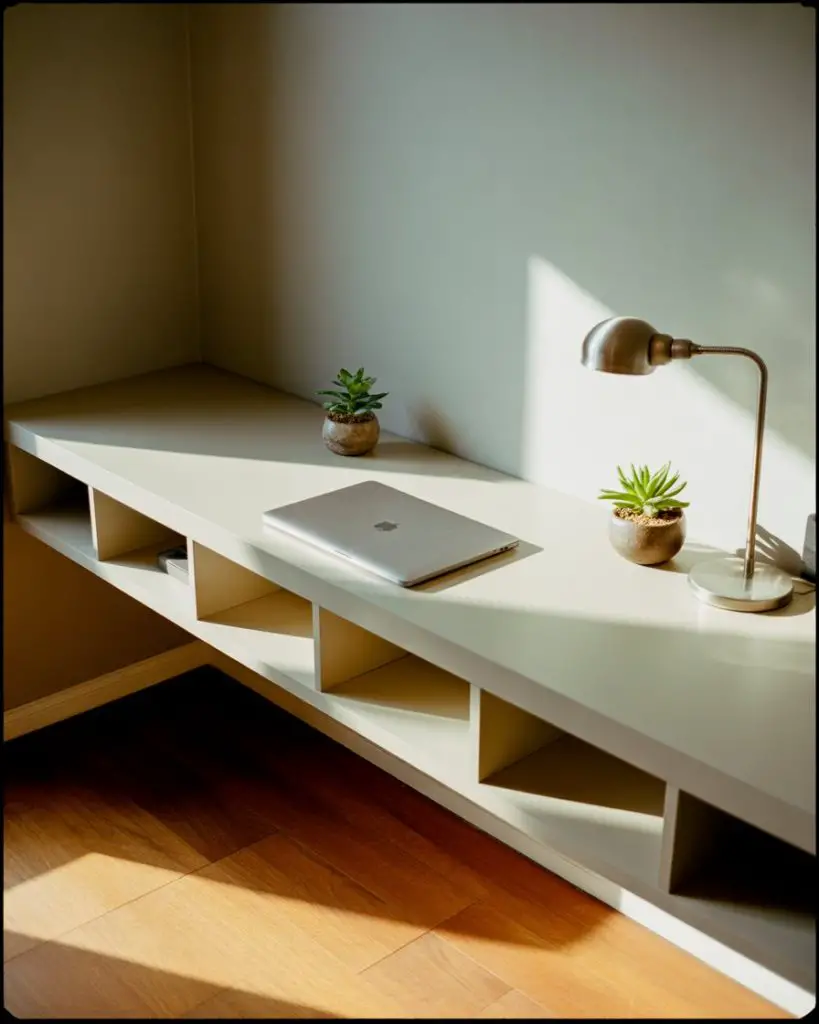
A wall-mounted floating desk creates a clean, modern study zone without eating up precious floor space. These streamlined designs often include built-in shelving or flip-down compartments for school supplies, charging cables, and art materials, keeping surfaces clear while everything stays within reach. The floating effect makes rooms feel larger and easier to clean underneath, which matters more than you’d think when you’re vacuuming around teenager schedules. Pair it with a comfortable desk chair on casters and good task lighting to complete a functional homework station that doesn’t look like an office. 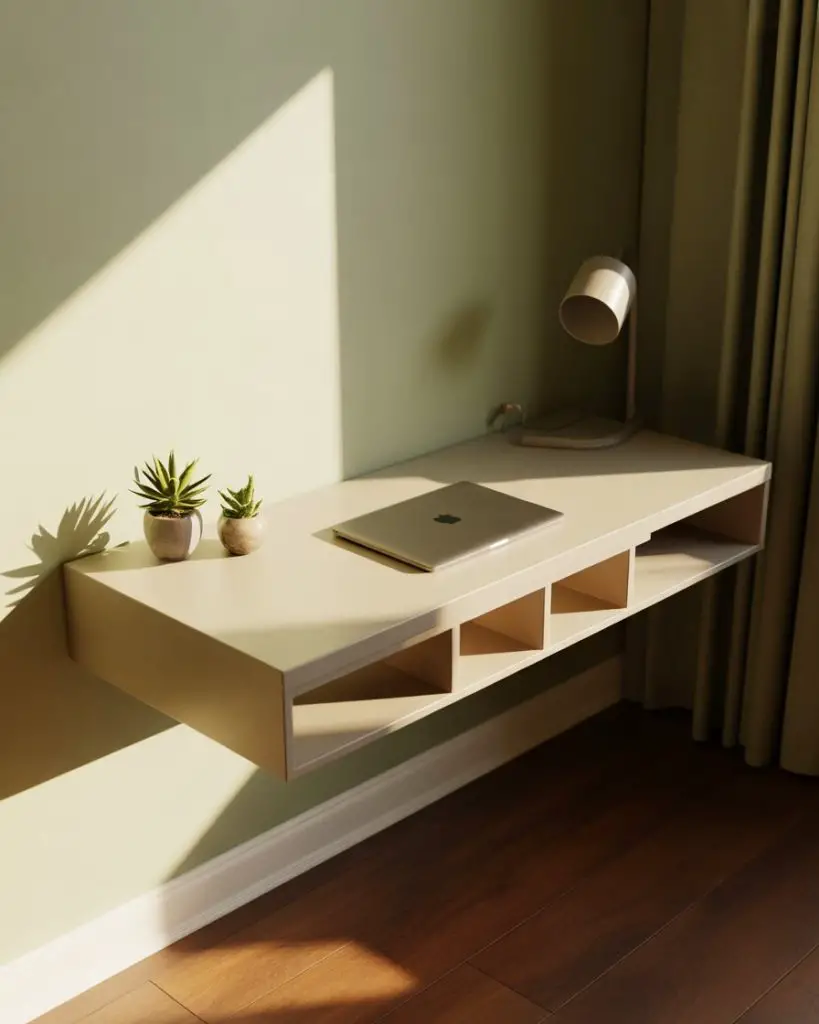
Where it works best: in rooms with limited square footage or awkward layouts where a traditional desk would block walkways or windows. Mount the desk at a height that allows for comfortable seating—typically 28 to 30 inches from the floor—and make sure you’re anchoring into wall studs or using heavy-duty drywall anchors rated for the weight. Many American teens use their desks for everything from homework to makeup application, so aim for at least 40 inches of width if the wall allows.
3. Vintage Band Poster Gallery Wall
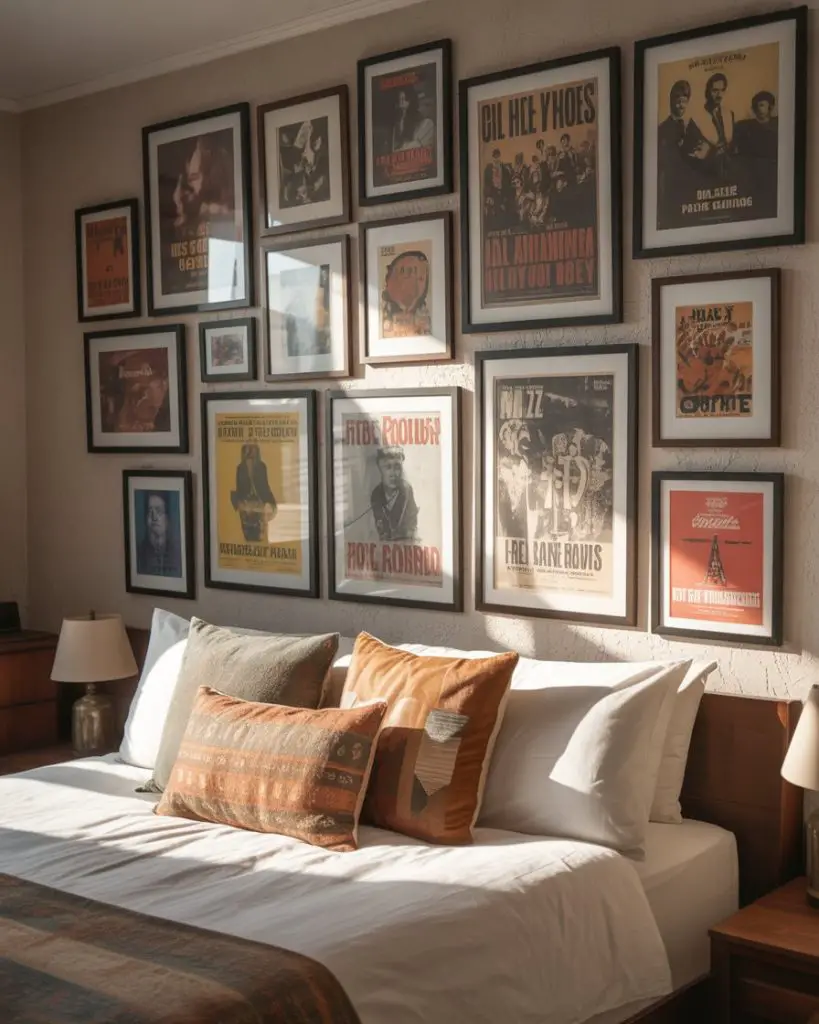
A curated collection of vintage concert posters, album covers, and music memorabilia brings personality and color to blank walls while celebrating her actual interests. This approach to decor ideas feels authentic rather than styled, especially when you mix original prints with framed ticket stubs or setlists from shows she’s attended. The key is varying frame styles and sizes while keeping a cohesive color story—think all black frames, all wood tones, or all metallic finishes. It’s an easy way to fill a large wall without the expense of one oversized piece of art, and it evolves naturally as her taste in music develops.
Start by laying everything out on the floor before committing to nail holes—snap a photo once you like the arrangement, then recreate it on the wall using painter’s tape as guides. Many teens refresh these galleries seasonally or after concerts, so consider using picture-hanging strips that don’t damage walls. A practical tip: leave a few inches between frames rather than cramming them together, which looks more intentional and makes swapping pieces easier down the line.
4. Canopy Bed with Sheer Draping
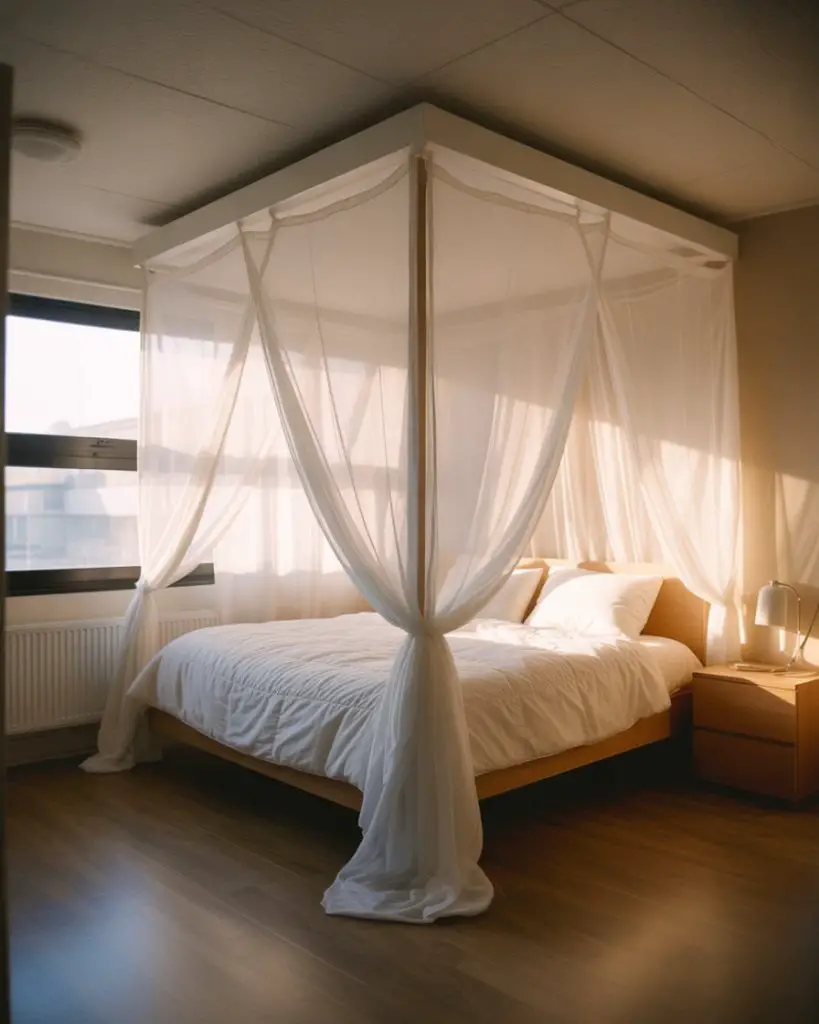
Flowing fabric draped from ceiling hooks or a simple frame instantly adds romance and softness to any bed, creating a cozy retreat within the larger room. This classic idea has been updated for 2026 with lighter, more textured fabrics like linen or gauze instead of heavy velvets, keeping the look airy rather than stuffy. The canopy effect also helps define the sleeping zone in open-plan spaces or studio-style teen suites, adding a sense of privacy without permanent walls. Choose neutral whites, soft grays, or even dusty blush tones that complement existing girl bedrooms color schemes without competing for attention. 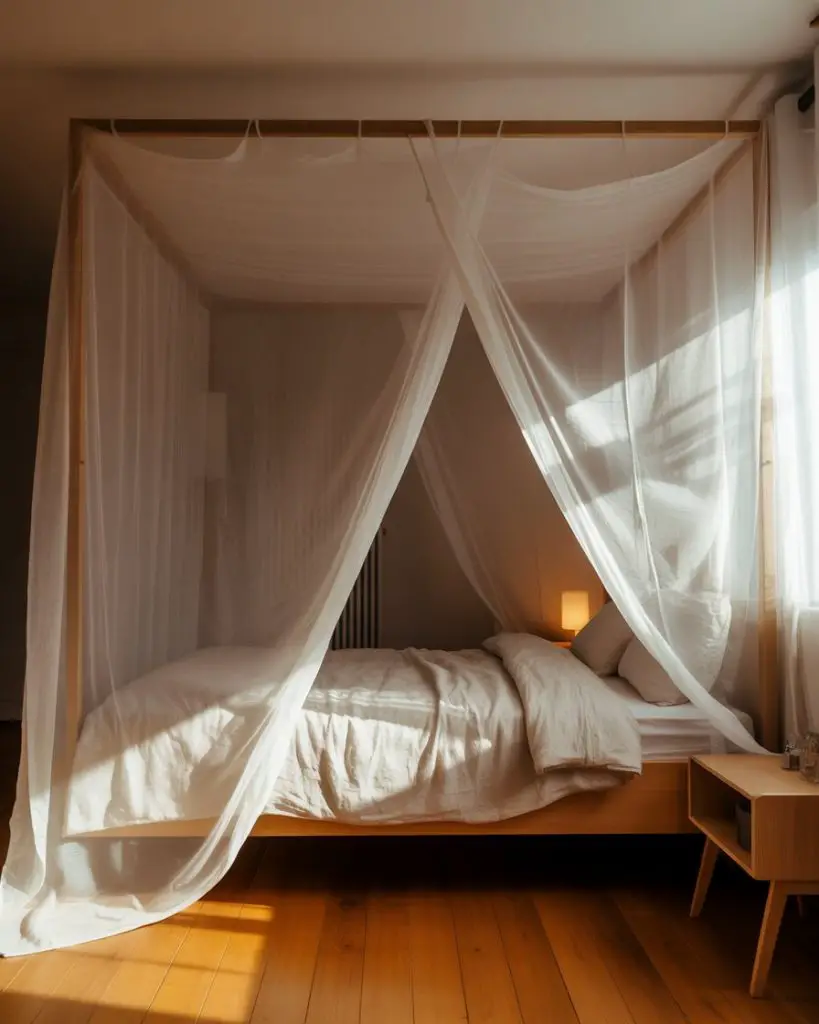
Budget angle: You don’t need an expensive four-poster bed to achieve this look. Four ceiling hooks (around $15 total at any hardware store) and two or three yards of sheer fabric from a fabric store create the same effect for under $40. Arrange the fabric so it drapes from the corners and pools slightly on the floor for a collected-over-time feel. Many American parents appreciate how easily this look can be removed or changed as their teen’s style evolves, making it a low-commitment way to add drama.
5. Built-In Window Seat with Storage
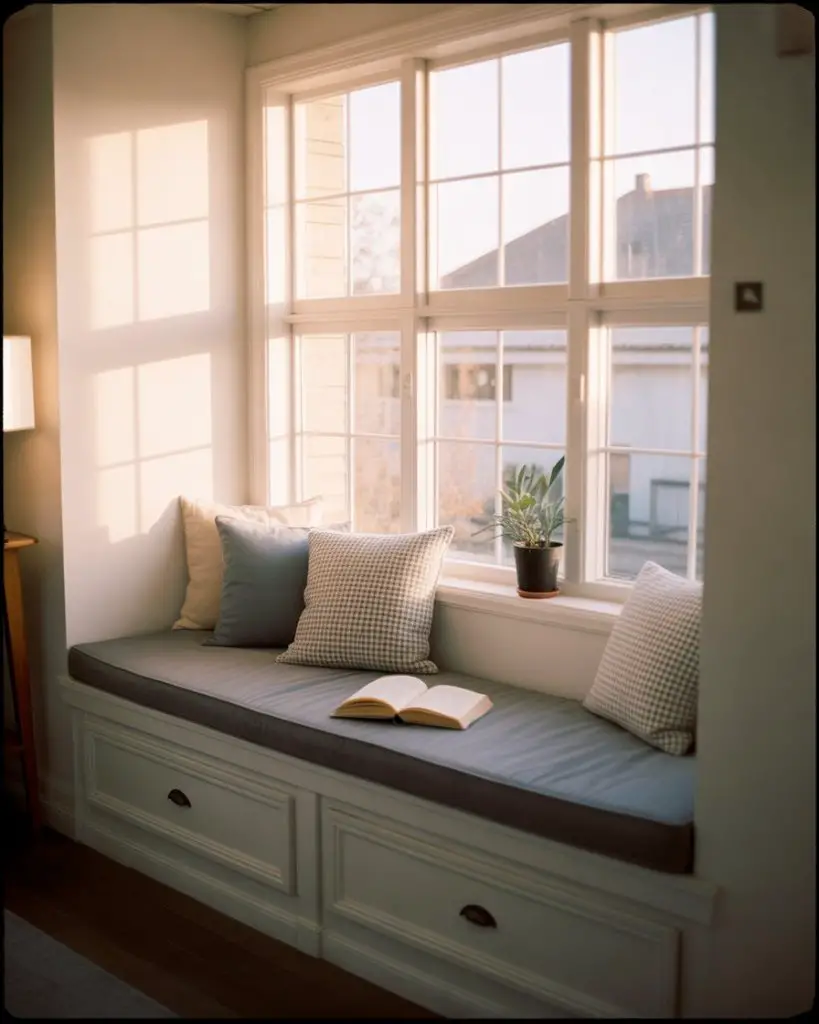
A cushioned window seat transforms an underused architectural feature into a favorite reading nook, study spot, and hidden storage solution all at once. These built-ins work especially well in bedrooms with bay windows or wide sills, creating a cozy perch that takes advantage of natural light while adding valuable drawer or lift-top storage beneath. Top the seat with a custom cushion in durable fabric, then layer with throw pillows in complementary patterns for comfort and style. It’s the kind of design feature that makes a room feel custom and considered, even in builder-grade homes. 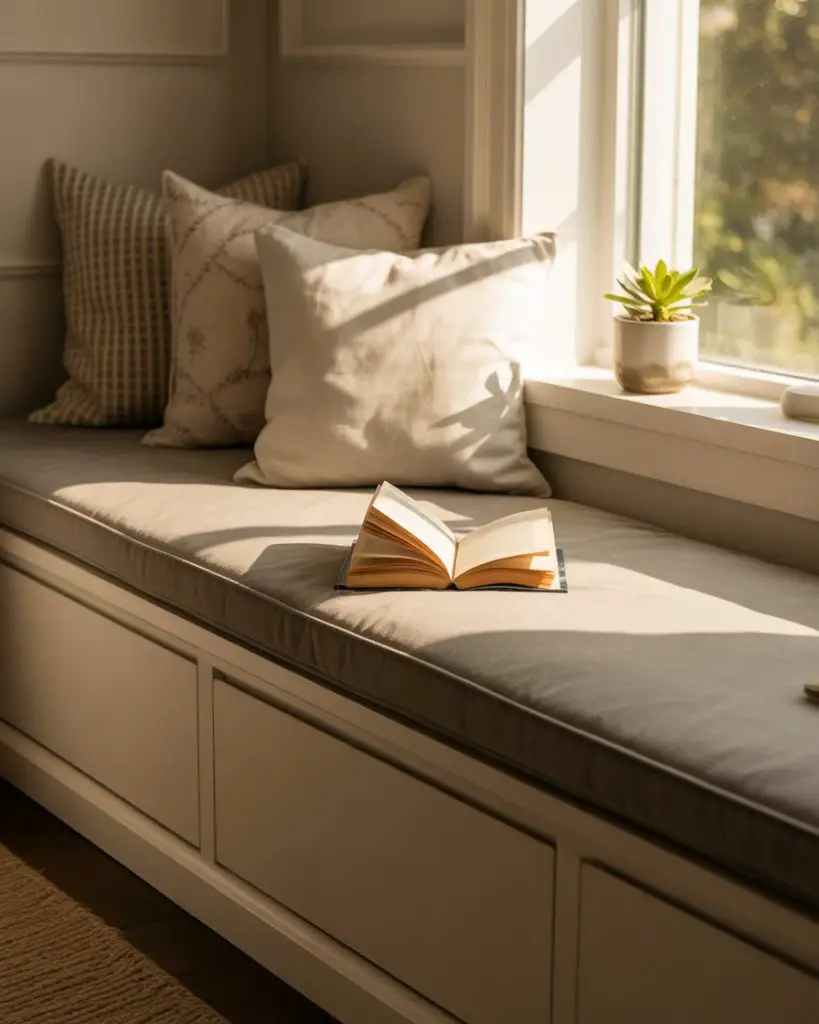
In the Midwest and Northeast where homes often have traditional architecture with deep window alcoves, these seats feel especially natural. If you’re working with a contractor, request soft-close drawer hardware and make sure the cushion is removable for cleaning. A common mistake is making the seat too shallow—aim for at least 18 inches of depth so it’s actually comfortable to sit on for extended periods. Many teens end up doing homework, video calls, and weekend reading here, so comfort matters as much as aesthetics.
6. Peel-and-Stick Tile Backsplash Behind Vanity

Adding a small section of decorative tile behind a bedroom vanity or makeup station elevates the space without a full renovation. Peel-and-stick tiles now come in dozens of patterns—from classic subway to Moroccan-inspired designs—and they’re genuinely easy to apply and remove, making them perfect for teen spaces that need to evolve. This decor trick works particularly well in rooms where the vanity area doubles as a creative station for makeup or hair styling, giving it a defined, special-occasion feel. Choose a pattern that echoes colors already in the room’s aesthetic to keep things cohesive rather than chaotic. 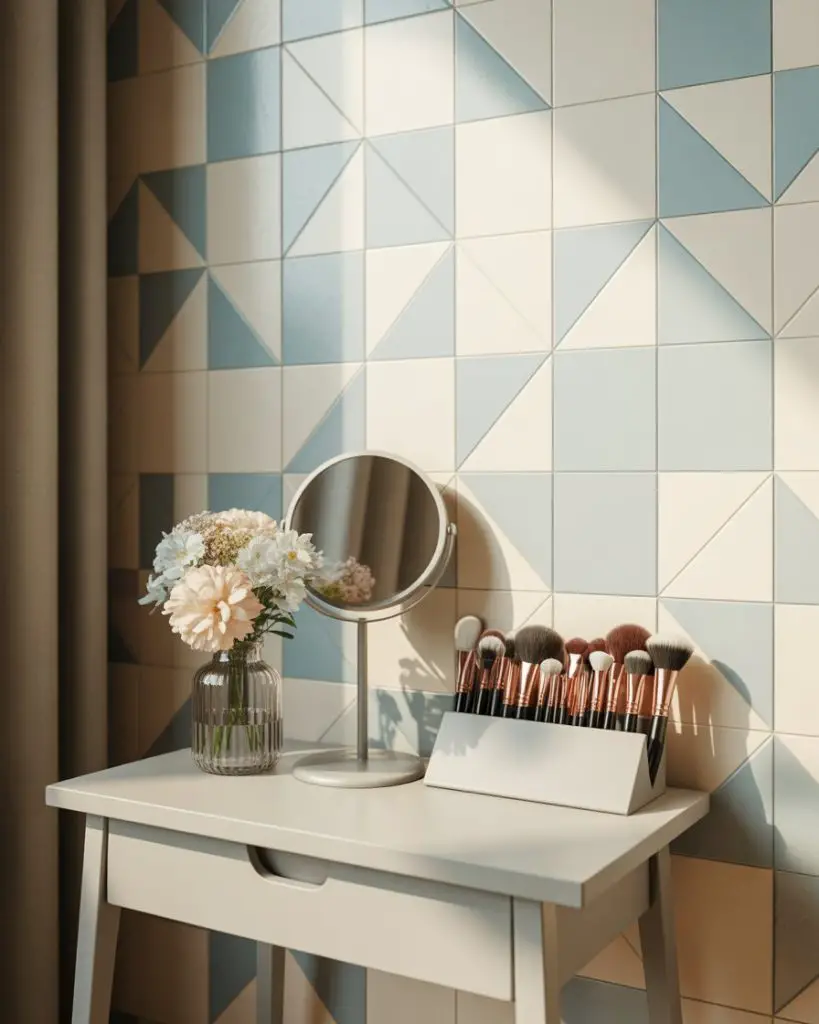
Expert-style commentary: Interior designers often use this technique to test bold patterns before committing to permanent tile in bathrooms or kitchens. In a teen bedroom, it’s a low-risk way to introduce color and pattern without overwhelming the space. Apply the tiles to clean, smooth walls for best adhesion, and consider sealing the edges with clear caulk if the vanity is near a sink or humidifier. The best brands are now indistinguishable from real tile at a glance, and they hold up well to normal use over several years.
7. Pegboard Organization Wall
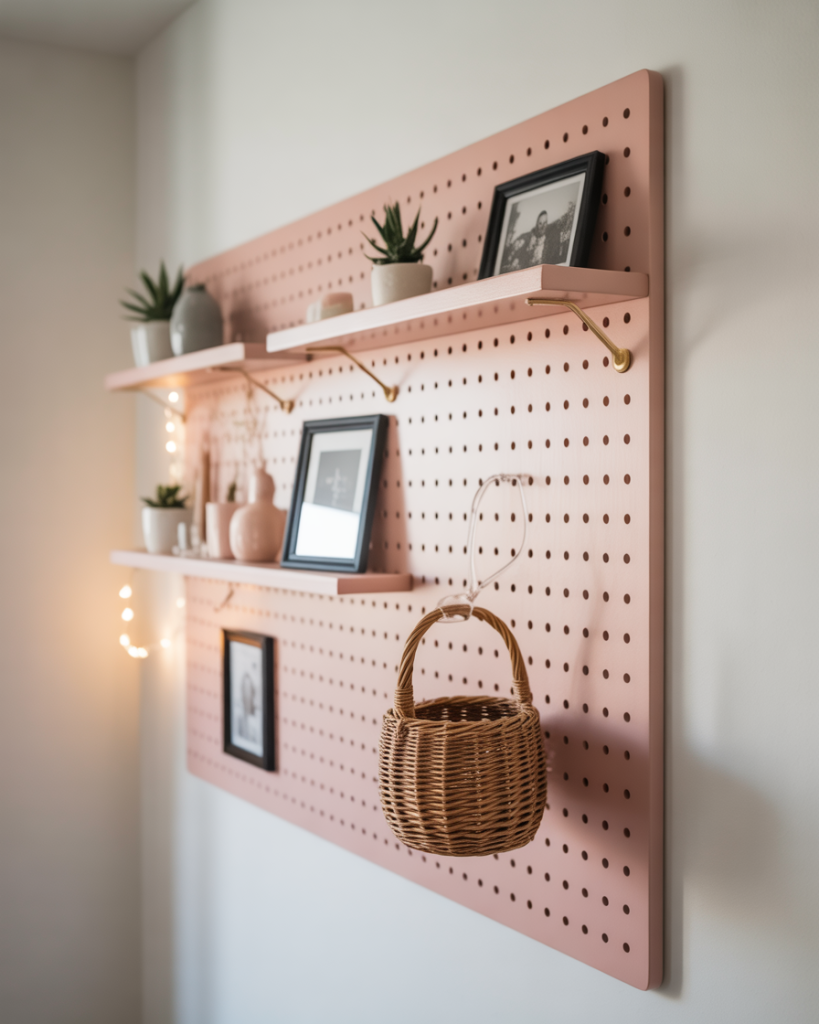
A painted pegboard panel transforms any wall into a flexible, customizable storage system for everything from jewelry to art supplies to school bags. This ultra-practical approach to teen bedroom ideas has shed its utilitarian garage vibe thanks to modern finishes and thoughtful styling—paint it to match the wall color or choose a contrasting shade that pops. Pegboard hooks, shelves, and baskets are endlessly rearrangeable, which means the system grows and changes with her interests and needs. It’s particularly useful in shared bedrooms where vertical storage maximizes limited space, and everything stays visible rather than buried in drawers.
Real homeowner behavior: Most families find that teens actually maintain pegboard systems better than traditional storage because everything is visible and accessible. Mount the board with spacers behind it so hooks can be inserted anywhere, and start with a basic set of accessories—you can always add more as you figure out what she actually needs to store. In California and other earthquake-prone regions, make sure the board is securely anchored to studs, and avoid hanging anything too heavy on the outer edges where support is weakest.
8. Curved Upholstered Headboard
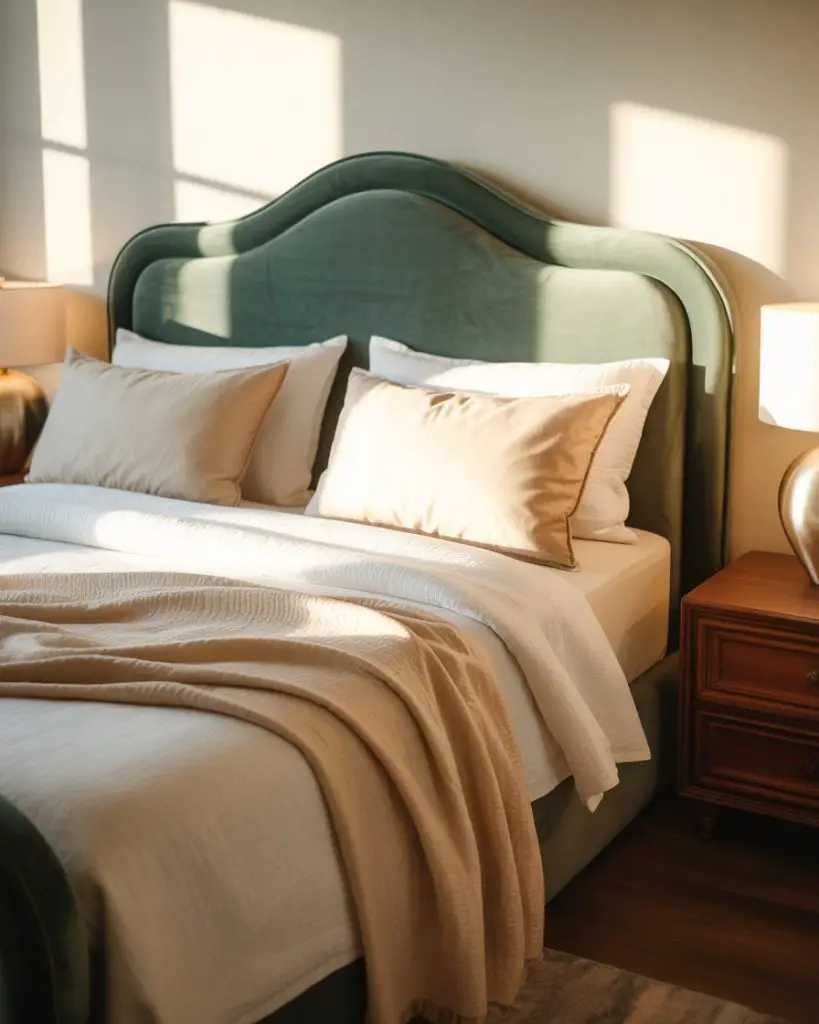
A softly curved headboard in velvet or boucle fabric adds a grown-up, hotel-inspired feel while providing comfortable support for sitting up in bed. This design choice has become hugely popular in teen girl bedroom ideas 2026 as young people move away from harsh angles toward softer, more organic shapes. The padded surface is practical too—no cold wall to lean against while reading or scrolling, and it helps protect walls from scuffs and marks. Choose colors like sage green, terracotta, or warm gray that feel sophisticated without reading too mature, and look for stain-resistant performance fabrics if possible. 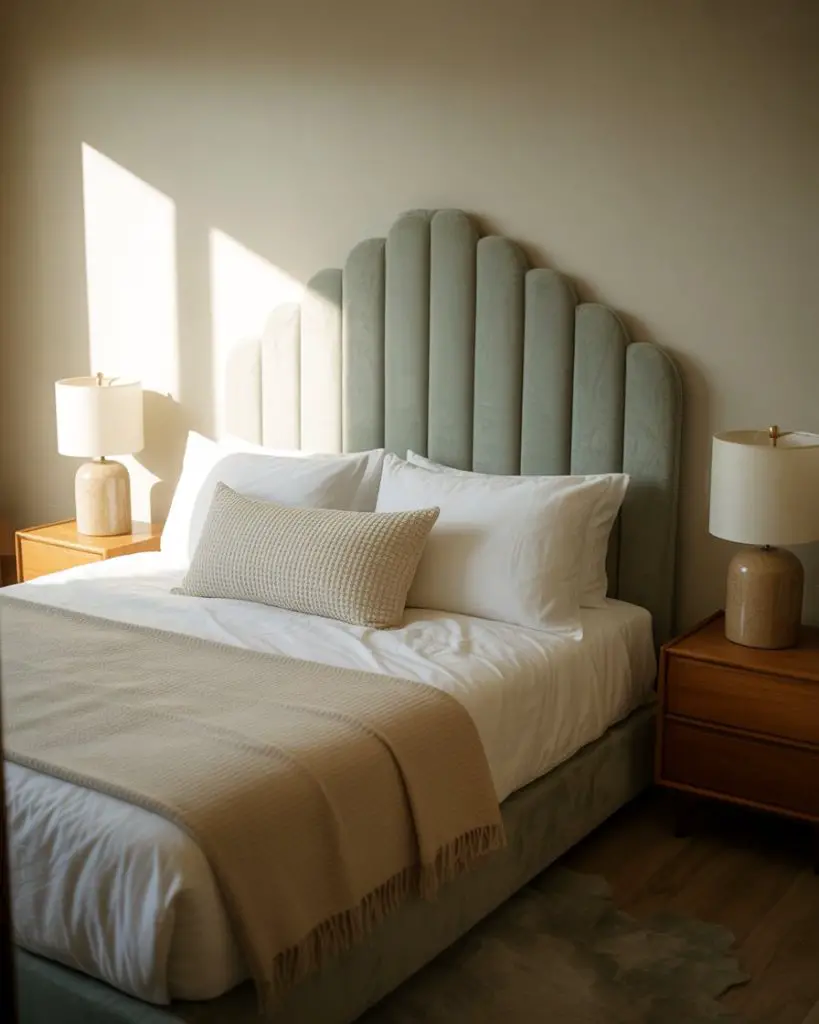
Where it works best: in rooms where the bed is the focal point and you want to invest in one statement piece rather than multiple smaller items. Upholstered headboards range from $200 for simple styles to over $1,000 for custom pieces, but mid-range options around $400-600 offer good quality and style. Many American furniture retailers now offer teen-friendly sizes and colors specifically for this market. Just measure your wall space carefully—curves can add 4-6 inches of visual width compared to straight headboards.
9. Layered Area Rugs
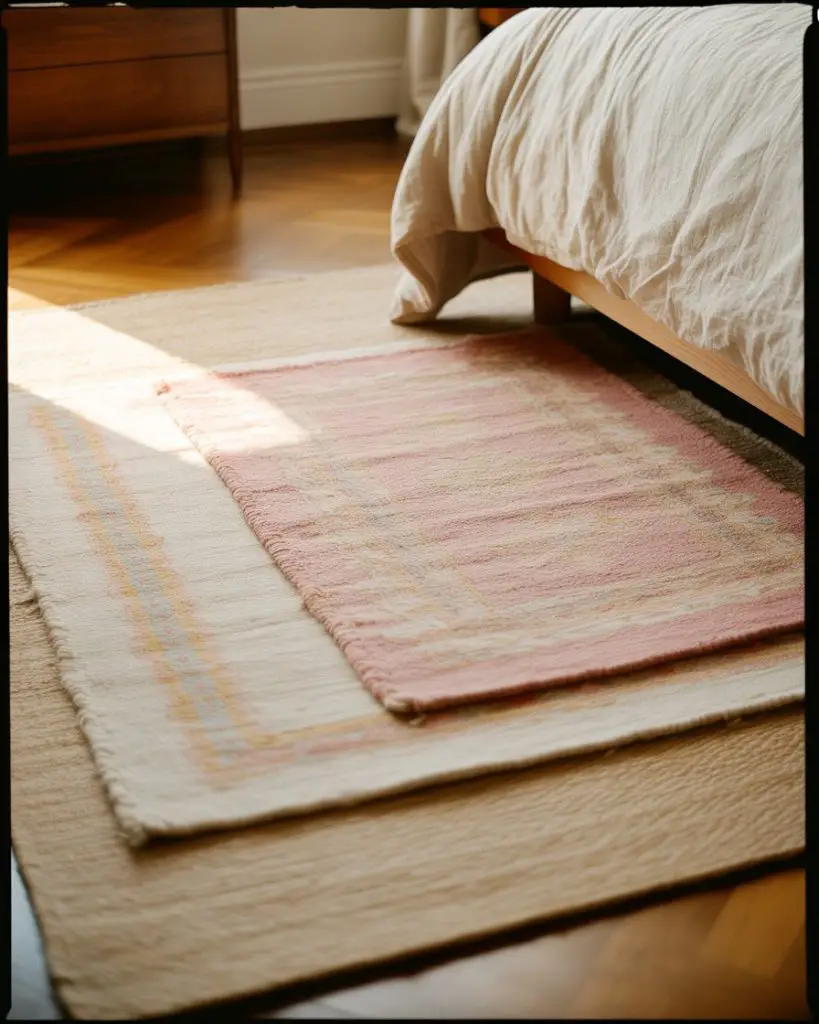
Placing a smaller patterned rug over a larger neutral one creates visual interest, defines zones within the room, and adds extra softness underfoot. This designer trick has filtered down to everyday decorating and works beautifully in girl bedrooms where you want to introduce pattern without committing to a single bold statement. The base rug anchors the space and protects flooring, while the top rug can be swapped seasonally or when tastes change. Try a jute or sisal rug as the foundation with a vintage-inspired Persian or colorful geometric rug layered on top, keeping at least 6-12 inches of the bottom rug visible on all sides. 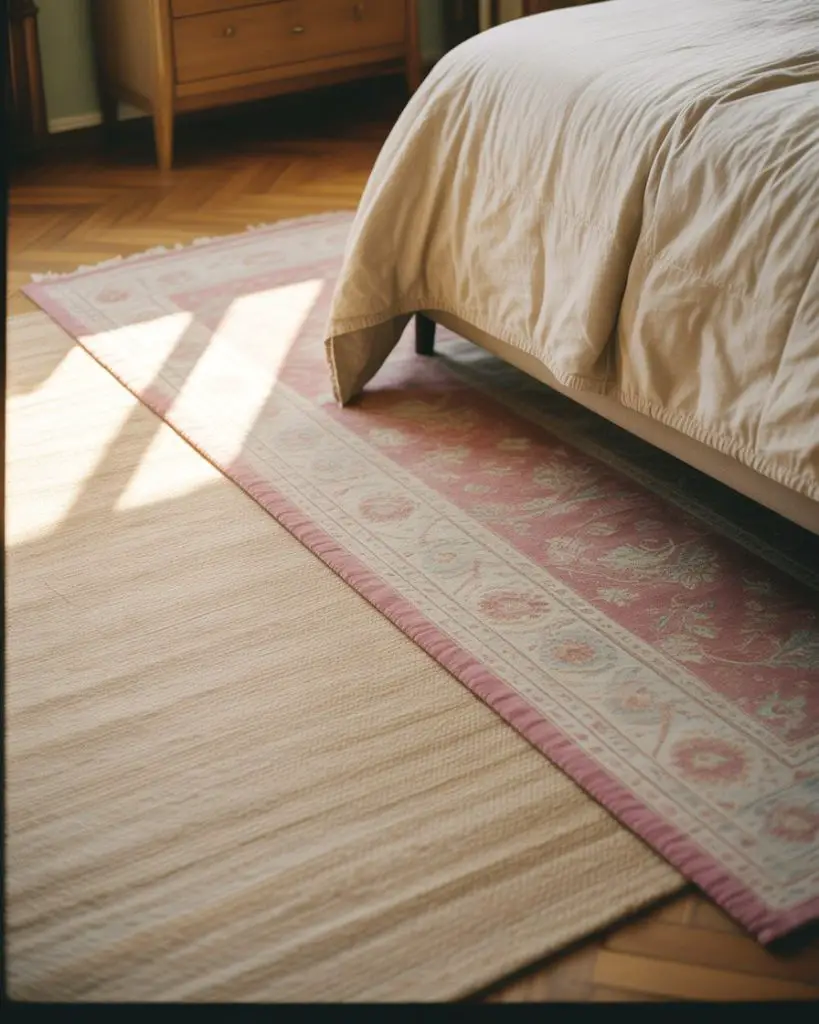
A micro-anecdote: A design blogger in Portland layered three rugs in her daughter’s room and found the teen changed out just the top layer every six months, keeping the look fresh without buying entirely new rugs. The layering also helps in homes with hard flooring where sound travels—the double thickness dampens footsteps and creates a cozier feel. Make sure both rugs have non-slip pads underneath to prevent shifting and bunching, which quickly makes the look feel sloppy rather than intentional.
10. Hanging Rattan Chair
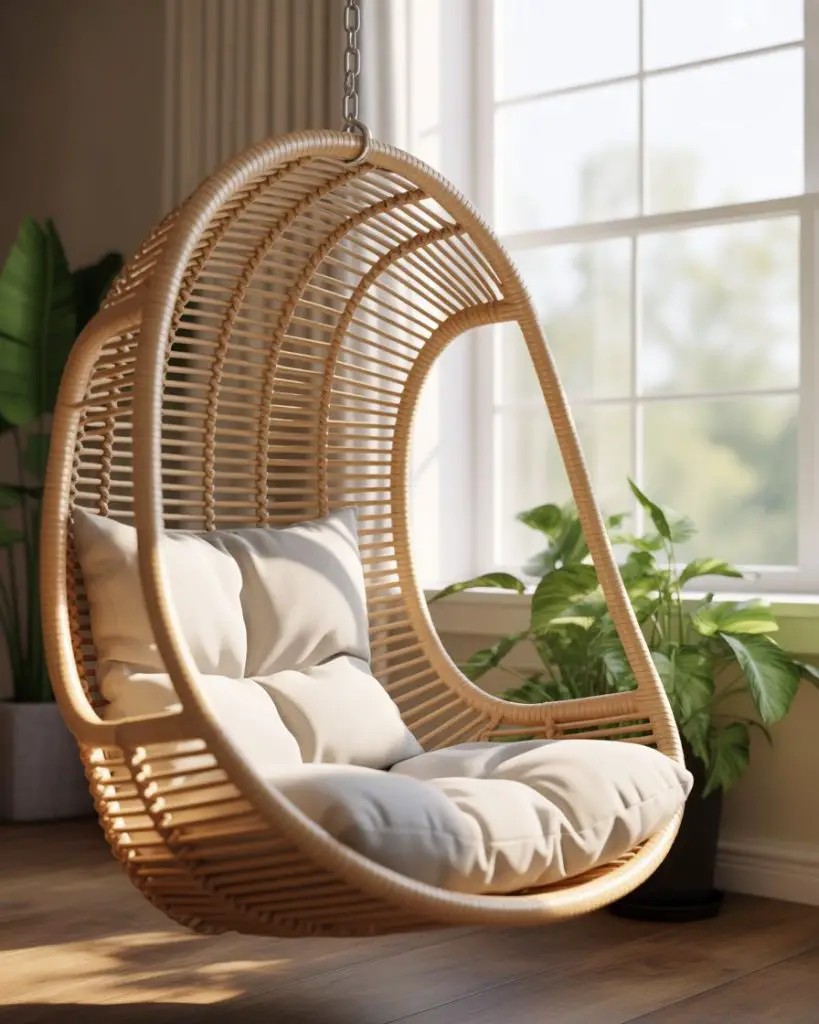
A suspended rattan or wicker chair provides a playful seating option that instantly makes the room feel more like a personal retreat. These aesthetic pieces have moved beyond bohemian decor and now work in modern, transitional, and even traditional teen spaces when styled simply. The gentle swaying motion is genuinely relaxing, making it a favorite spot for reading, phone calls with friends, or just decompressing after school. Hang it near a window with good natural light, and add a plush cushion and small throw pillow for comfort and style. 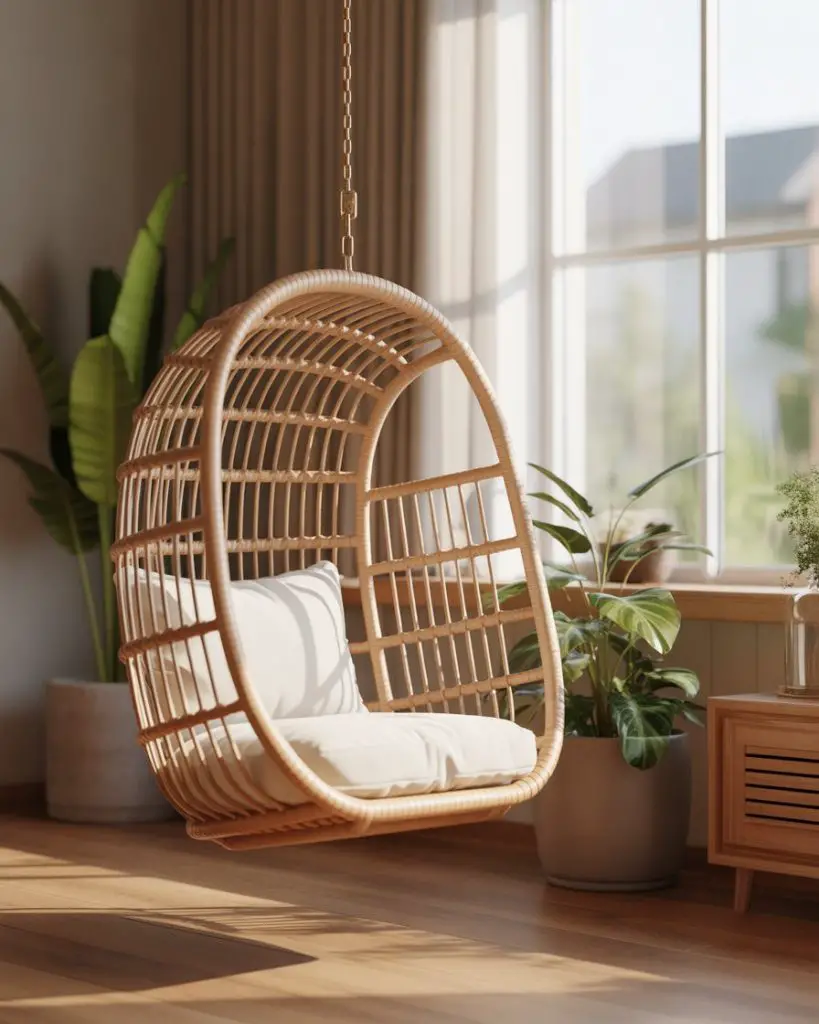
Common mistakes and how to avoid them: Many people hang these chairs too low or in corners without enough clearance for swinging, which defeats the purpose. The seat should hang about 18 inches off the floor, and you need at least 3 feet of clearance on all sides for comfortable movement. Always install into a ceiling joist or use a heavy-duty toggle bolt rated for at least 300 pounds—these chairs look light but put significant dynamic stress on their mounting point when someone’s swinging. Skip this in older homes with plaster ceilings unless you’ve confirmed the structure can support it.
11. Open Clothing Rack Display
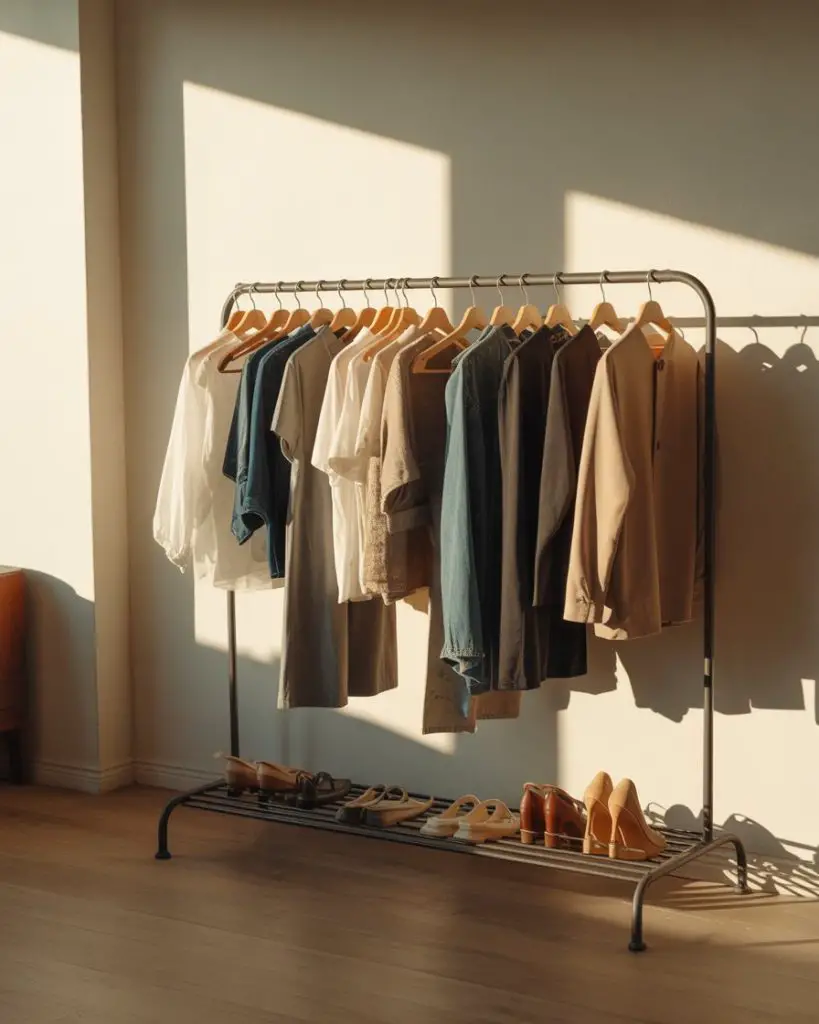
A freestanding or wall-mounted clothing rack turns favorite pieces into a curated display while solving storage issues in closet-challenged rooms. This approach has become central to modern teen bedroom ideas as young people treat clothing more like collectibles and less like items to hide away. Choose a rack in brass, black metal, or light wood, and style it with only the pieces she reaches for most often—think statement jackets, vintage finds, or special-occasion dresses. This works especially well in homes built before 1960 where closets tend to be small, and it keeps clothes from getting wrinkled or forgotten at the back of overstuffed wardrobes. 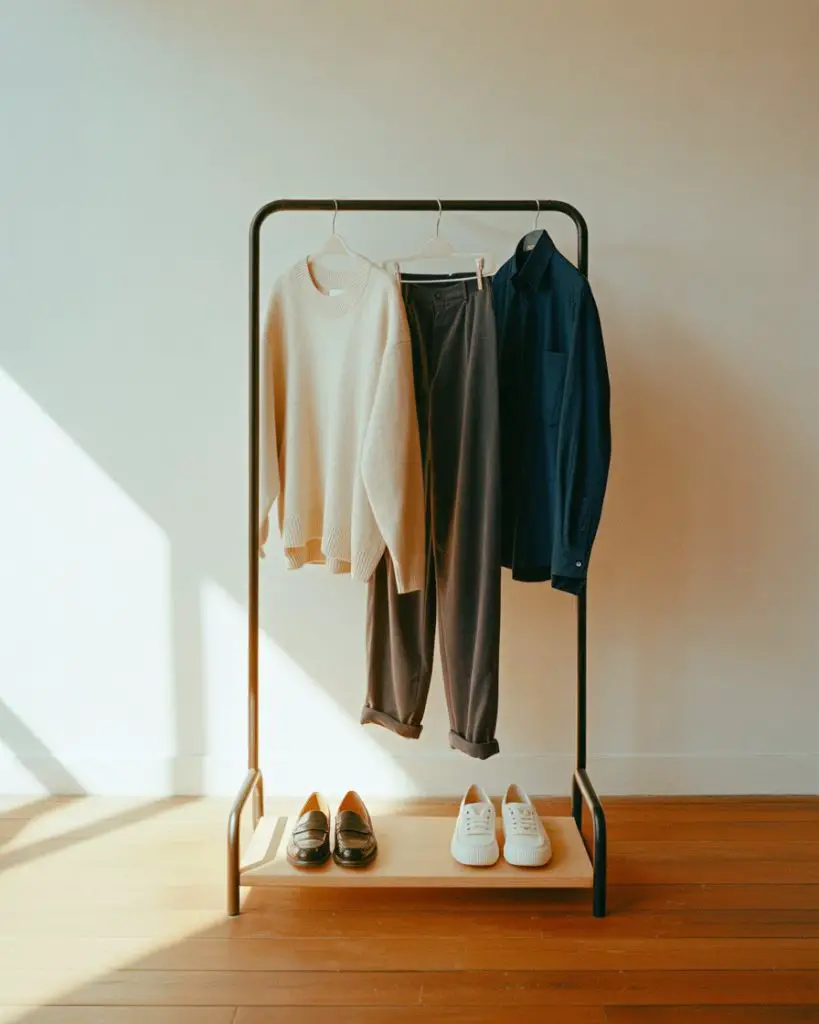
American lifestyle context: In cities like New York, San Francisco, and Boston where bedroom sizes are notably smaller, open racks have become standard rather than alternative. The key to making it look intentional rather than messy is limiting what you display—aim for 15-20 items maximum, and everything else goes in drawers or bins. Organize by color or type for visual calm, and switch out pieces seasonally so the display stays fresh. This setup also encourages teens to actually hang clothes rather than piling them on chairs, which most parents count as a win.
12. Statement Ceiling Paint
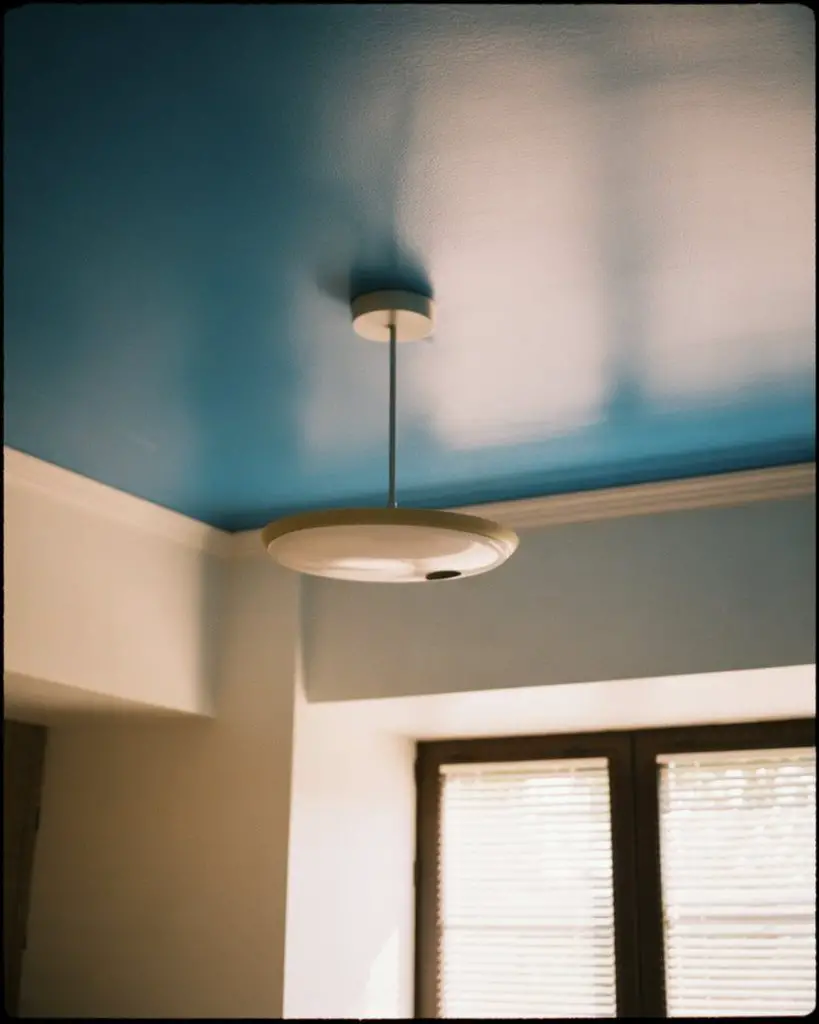
Painting the ceiling in a soft, unexpected color adds depth and personality without overwhelming walls where art and furniture compete for attention. This design move works particularly well with pale blue, blush pink, or sage green—colors that feel calming overhead while creating a wrapped, cocoon-like effect. The approach has gained traction in teen girl bedroom ideas 2026 as a way to add color to rental spaces where wall painting might not be allowed, since landlords rarely care about ceiling treatments. It also makes rooms with low ceilings feel less cramped by drawing the eye upward with interest rather than stark white emptiness. 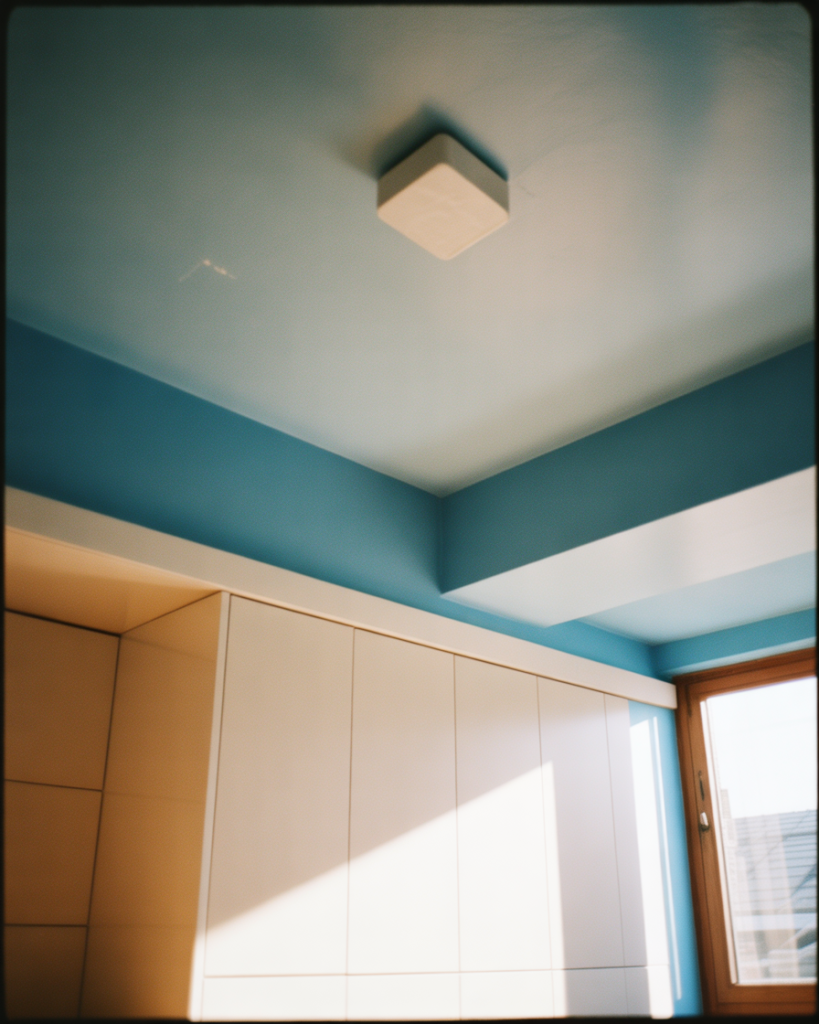
Practical insight: Use flat or matte finish paint on ceilings to minimize imperfections and reduce glare from overhead lighting. The ceiling is actually the easiest surface to paint yourself since you’re not worried about tape lines or trim work—just protect the floors and furniture well and work in good lighting so you can see coverage. If she has a ceiling fan or light fixture, consider painting the ceiling medallion or canopy cover in the same color for a cohesive look, or leave it white for subtle contrast.
13. Mix-and-Match Nightstands
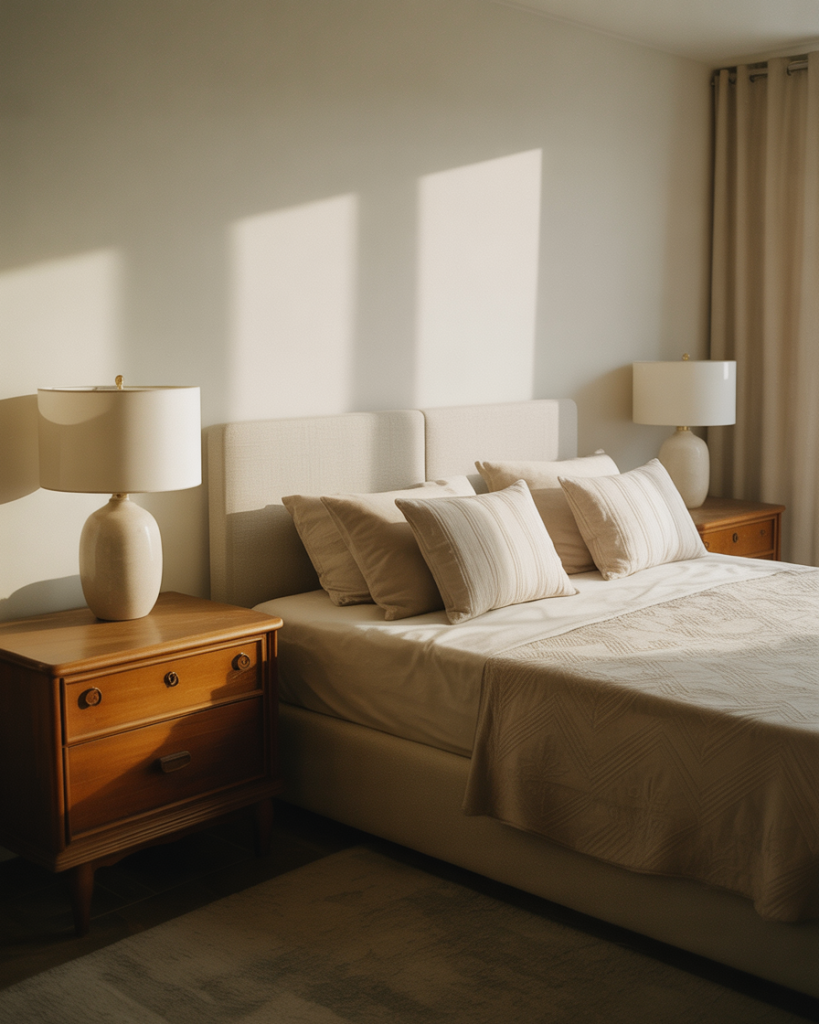
Using two different nightstands on either side of the bed creates an eclectic, collected-over-time look that feels more personal than matched bedroom sets. This design approach allows for decor flexibility and often saves money since you’re not locked into buying pairs. Try combining a vintage wooden side table with a modern metal-and-glass stand, or match materials but vary shapes—one round, one square. Keep them roughly the same height for visual balance, and unify the look with matching lamps or similar styling on top. It’s a small change that makes bedrooms feel less catalog-perfect and more lived-in. 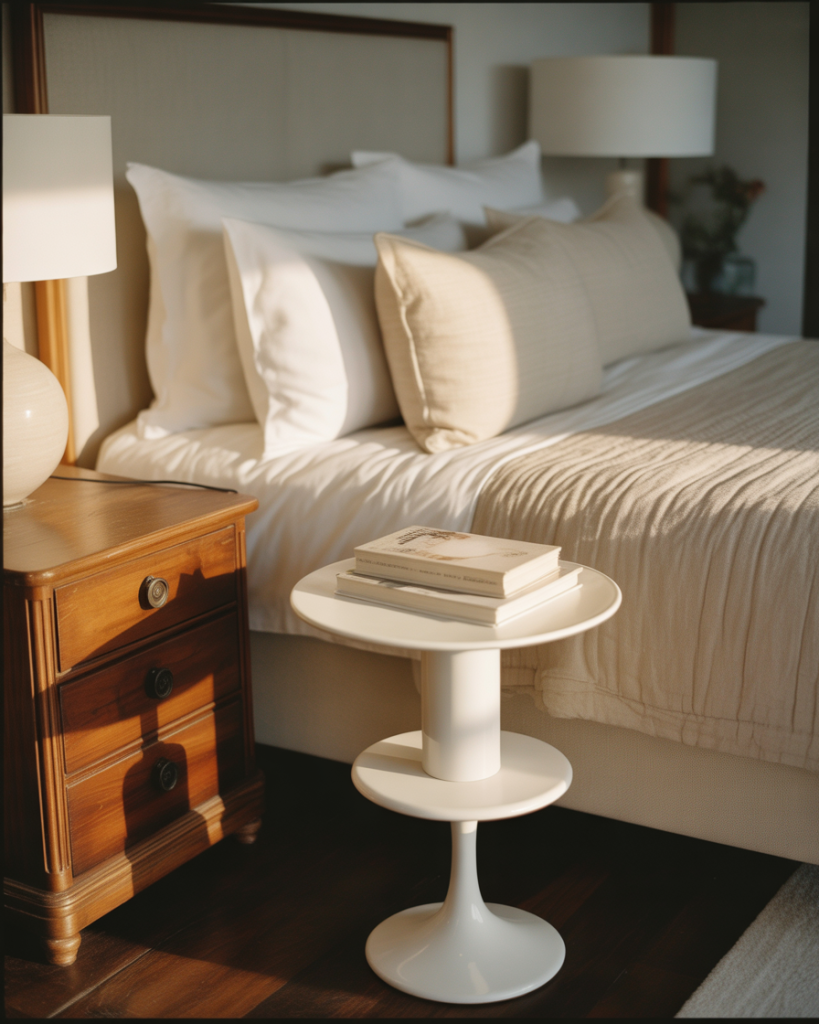
Where it works best: in rooms that are pulling together pieces from different sources—hand-me-downs, thrift finds, new purchases—which describes most teen bedrooms in America. This approach also works when one nightstand needs to be larger for storage while the other is just for display and a lamp. A designer trick is to keep one element matched—same lamp style, same height, same top surface material—so it reads as intentional rather than random. Many teens end up preferring this approach because it gives them freedom to switch out one piece without replacing both.
14. Macrame Wall Hanging
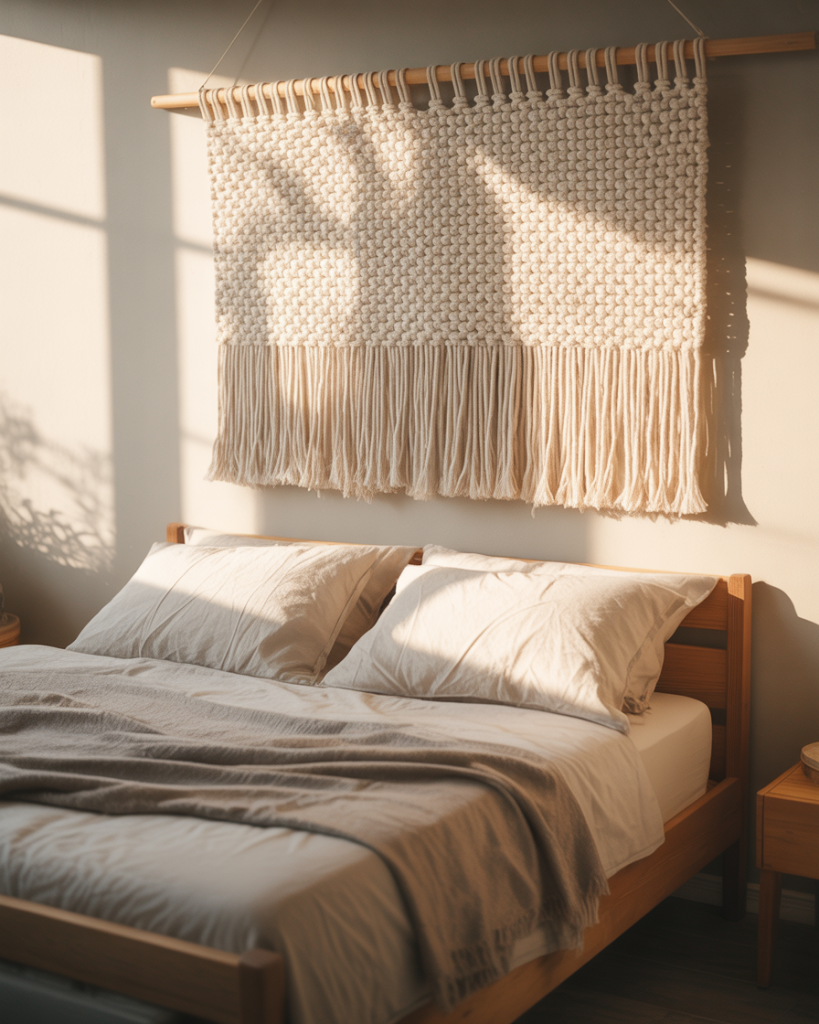
A large macrame piece in cream or natural cotton adds texture and warmth to walls without the expense or permanence of wallpaper. These handmade fiber art pieces fit beautifully into teen aesthetic preferences that value craftsmanship and organic materials, and they work across multiple design styles from boho to coastal to modern. Hang one above the bed as an alternative to traditional headboards, or use it to fill a large blank wall that feels too empty. The three-dimensional quality creates shadows and depth that flat art can’t match, and the neutral color works with any palette she chooses. 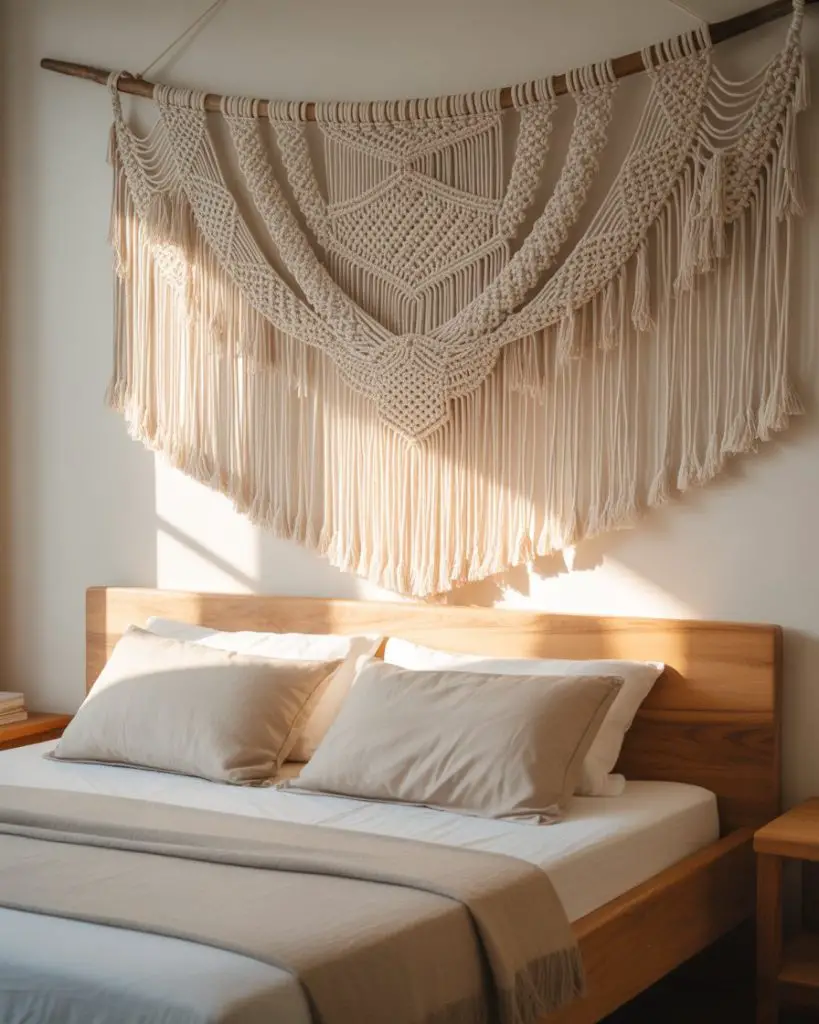
Budget angle: Large macrame pieces from artisans on Etsy or at craft markets range from $80 to $300 depending on size and complexity, but you can also make your own with cotton cord and basic knotting techniques learned from YouTube tutorials. A simple wall hanging uses about $30 worth of materials and takes a weekend to complete. This becomes a project many American teens take on themselves, especially in communities where crafting is popular, and the result feels more meaningful than something mass-produced. Just make sure you have a sturdy dowel or branch to hang it from, and use appropriate wall hardware for the weight.
15. Under-Bed Rolling Storage
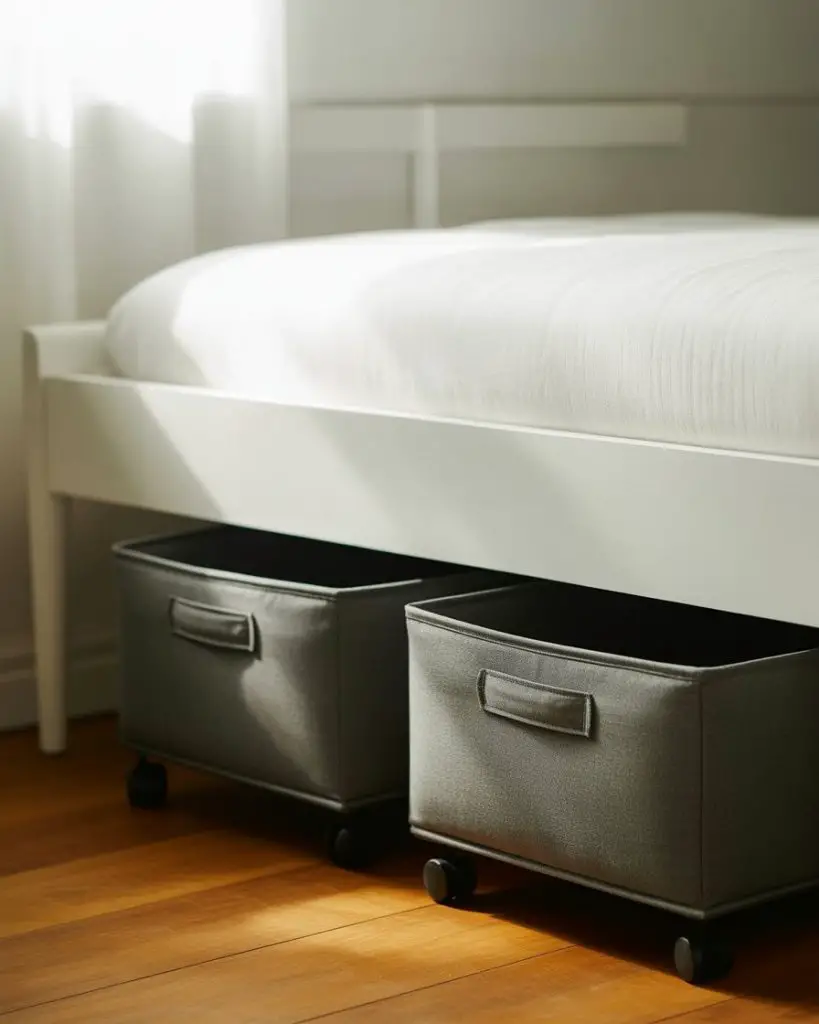
Low-profile rolling bins and drawers that tuck beneath the bed frame capture wasted space while keeping seasonal clothes, extra bedding, and out-of-rotation items accessible but out of sight. This storage solution works in every bedroom but becomes essential in smaller homes or shared spaces where closet real estate is limited. Look for containers with wheels or built-in handles, and choose clear bins if you want to see contents at a glance, or matching fabric-covered ones for a cleaner look. Many platform beds now come with built-in drawer storage, but retrofitting any bed with under-bed storage takes just minutes and transforms functionality. 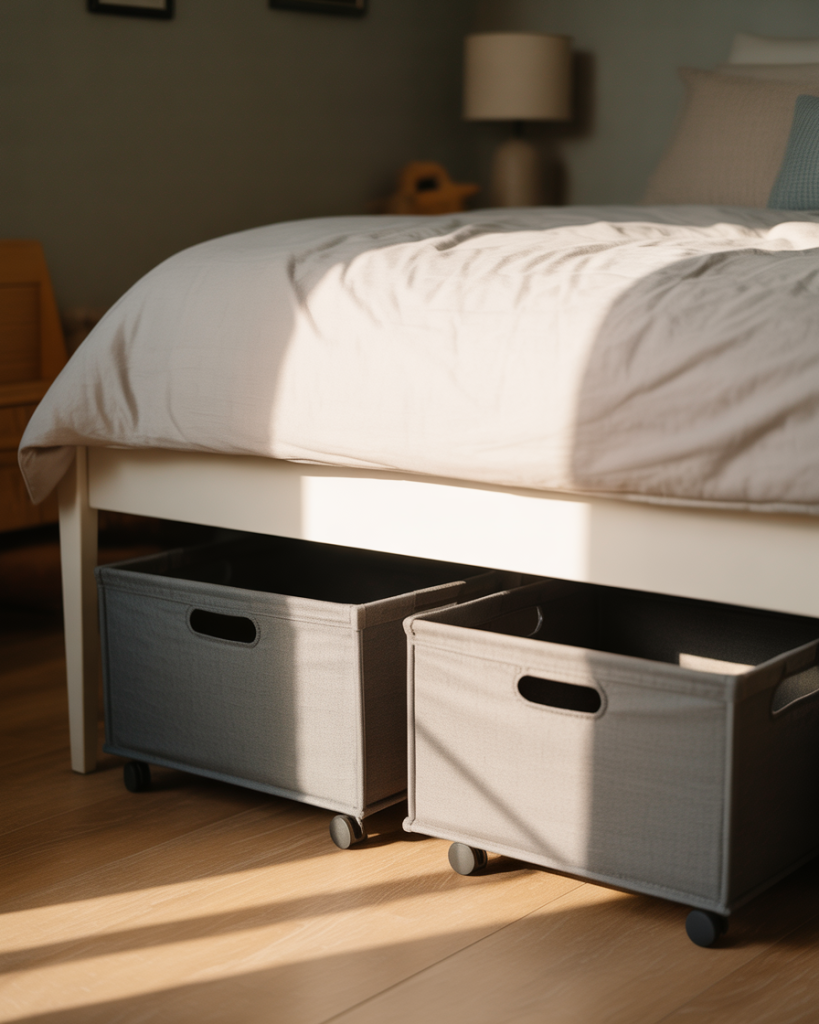
Real homeowner behavior: Most teens use under-bed storage for things they don’t need daily but don’t want to get rid of—old yearbooks, off-season sports equipment, crafting supplies, and gift wrap. The rolling feature matters more than you’d think because bins get heavy quickly, and no one wants to drag dead weight across carpet or flooring. Make sure your bed frame sits at least 6-8 inches off the floor to accommodate standard storage containers. In humid climates like the Southeast, consider containers with ventilation or moisture-absorbing packets to prevent musty smells.
16. Gallery Ledge Shelving
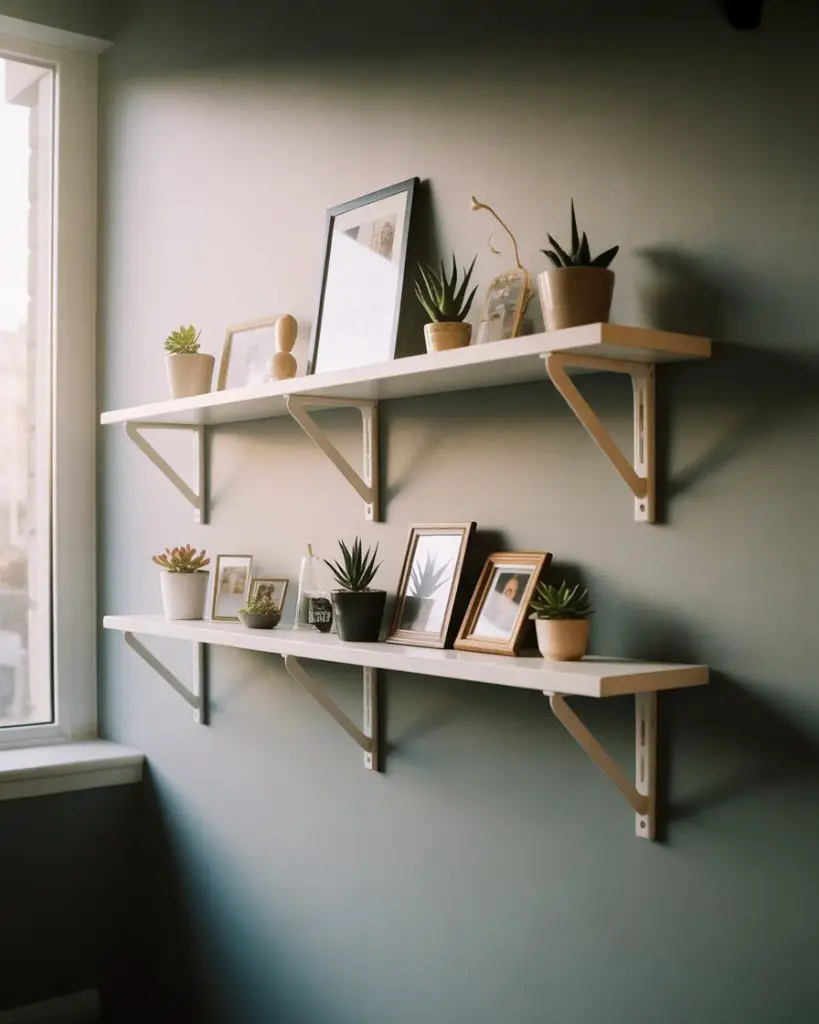
Shallow picture ledges mounted in a row create a flexible display system for photos, small plants, books, and decorative objects that can be rearranged on a whim. Unlike traditional shelving where items get dusty and forgotten, ledges encourage regular styling changes as her interests shift, making them perfect for teen girl bedroom ideas 2026 that prioritize flexibility. The lip at the front prevents items from sliding off, and the minimal depth—usually 4-6 inches—means they don’t protrude awkwardly into the room. Install three or four ledges at varying heights for an asymmetrical look, or line them up evenly for something more structured and gallery-like. 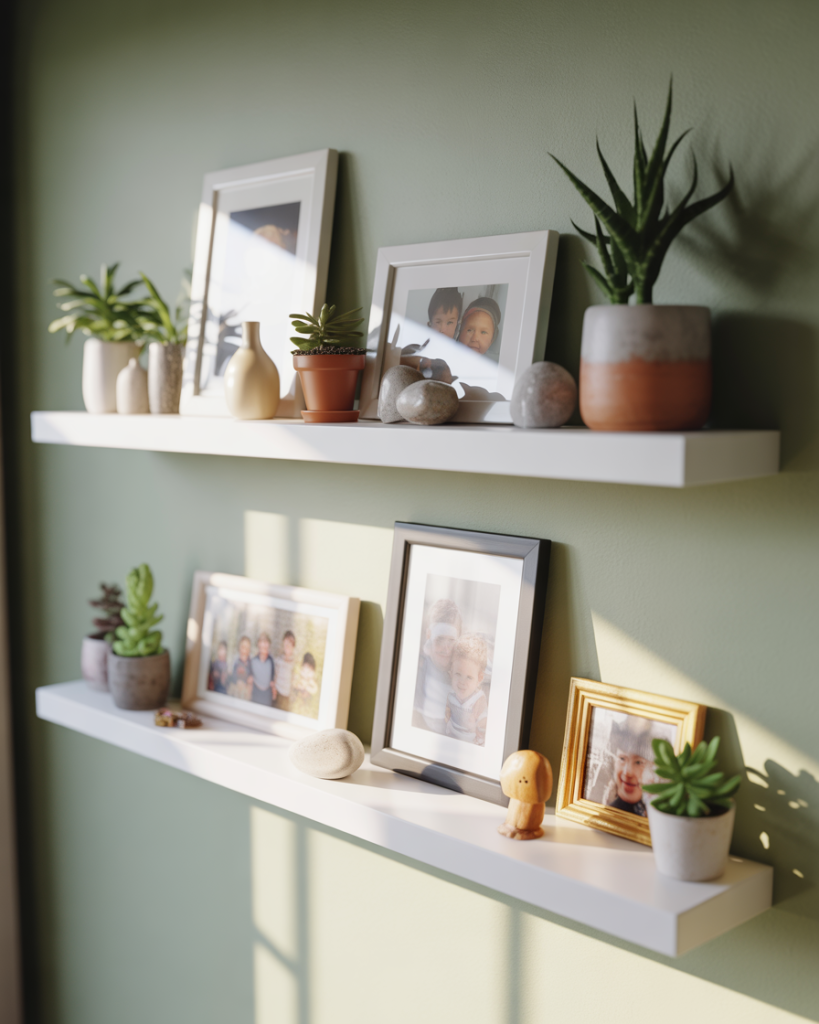
Common mistakes and how to avoid them: Many people install these too high, where they’re hard to reach and awkward to style. The lowest ledge should be about 5 feet off the ground, with additional shelves spaced 10-15 inches apart for easy access and visual impact. Use a level during installation—even slight angles look sloppy on ledges where items need to sit flat. These shelves work particularly well in modern farmhouse and Scandinavian-inspired rooms where display items tend toward simple shapes and neutral colors, but they’re adaptable to any style with the right objects.
17. Faux Brick Accent Wall
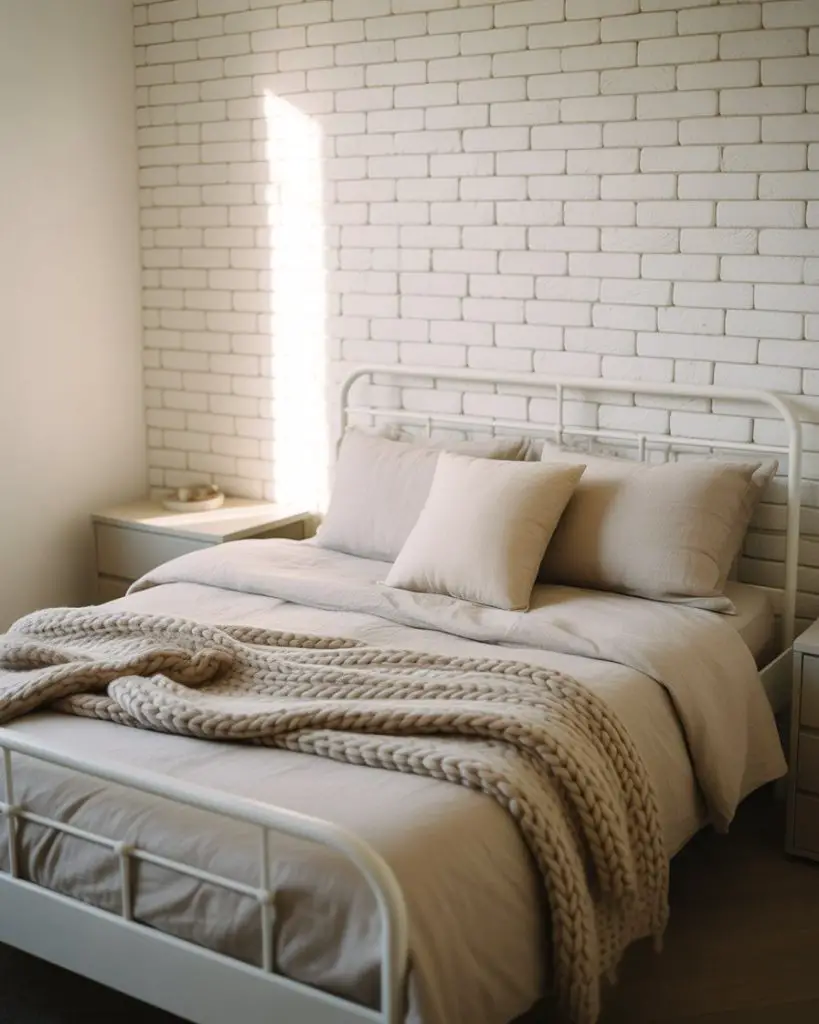
Lightweight faux brick panels or wallpaper in white or gray tones add architectural interest and urban texture without the weight and expense of real masonry. This look has become central to industrial-chic and modern loft-inspired designs for teenagers who want something edgier than standard painted walls. The panels install with construction adhesive and can be painted to match any color scheme, or left in natural white for a clean, gallery-like backdrop. Use it on one wall—typically behind the bed or desk—to create a focal point that grounds the room without overwhelming smaller spaces with too much texture. 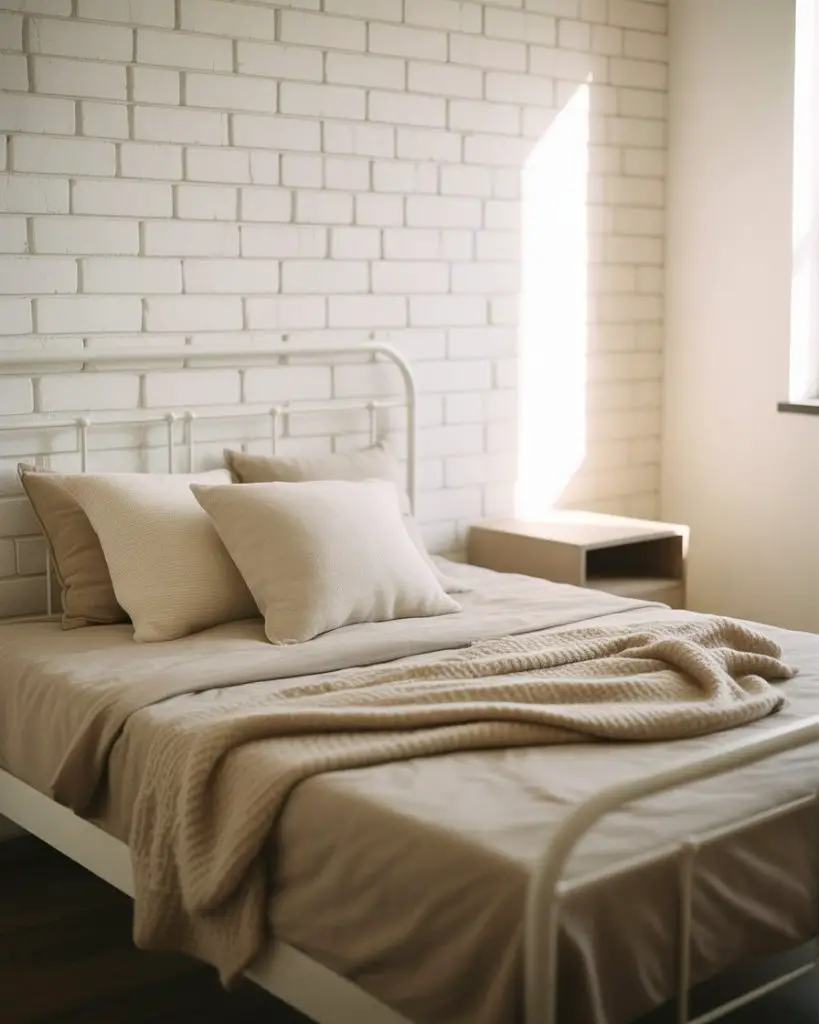
Expert-style commentary: Interior designers often use this technique in new construction homes where walls lack character and everything feels too smooth and builder-grade. Faux brick adds depth and shadow play that changes throughout the day as light moves across the wall. The materials have improved significantly—high-quality versions are nearly indistinguishable from real brick at normal viewing distances. They’re also removable in many cases, making them suitable for rental situations or homes where permanent changes aren’t feasible.
18. Neon or LED Sign

A custom neon-style LED sign with her name, favorite quote, or simple symbol adds personality and functional mood lighting to any space. These signs have evolved from expensive custom art pieces to affordable, widely available decor items that plug into standard outlets and use safe, cool-burning LED technology. Choose warm white or soft pink tones for something versatile that won’t clash with changing color schemes, or go bold with multiple colors if that matches her personality. Mount it above a desk, beside the bed, or on an open wall where it can serve as both art and ambient lighting during evening hours.
American lifestyle context: Across the US, personalized signs have become popular graduation, birthday, and back-to-school gifts for teens. They photograph well for social media, which matters to this age group, and they create a distinct vibe that standard ceiling lights can’t match. Modern LED versions use minimal electricity—about the same as a nightlight—so leaving them on doesn’t impact power bills noticeably. Just make sure the sign’s scale matches your wall size; a 12-inch sign disappears on a large wall while a 36-inch one can overwhelm a small room.
19. Floor Pouf Seating
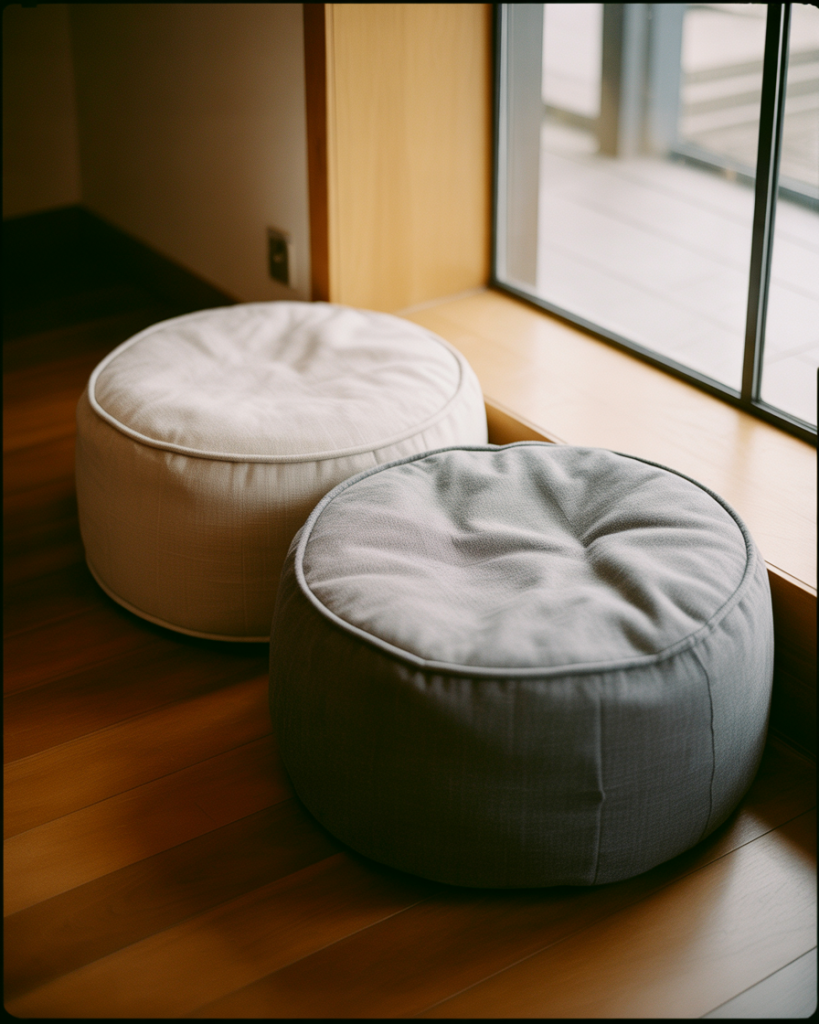
Oversized fabric or leather poufs provide flexible, moveable seating that’s perfect for hanging out with friends without taking up the permanent space of additional chairs. These low-profile pieces work beautifully in teen bedrooms because they can be tucked against walls when not in use, stacked if you have multiples, or even serve as footrests or side tables with a tray on top. Look for styles with handles for easy moving, and choose durable fabrics like canvas or faux leather that can handle daily use. Poufs in neutral colors adapt to changing decor preferences, while bold patterns or colors make more of a statement but may fall out of favor more quickly. 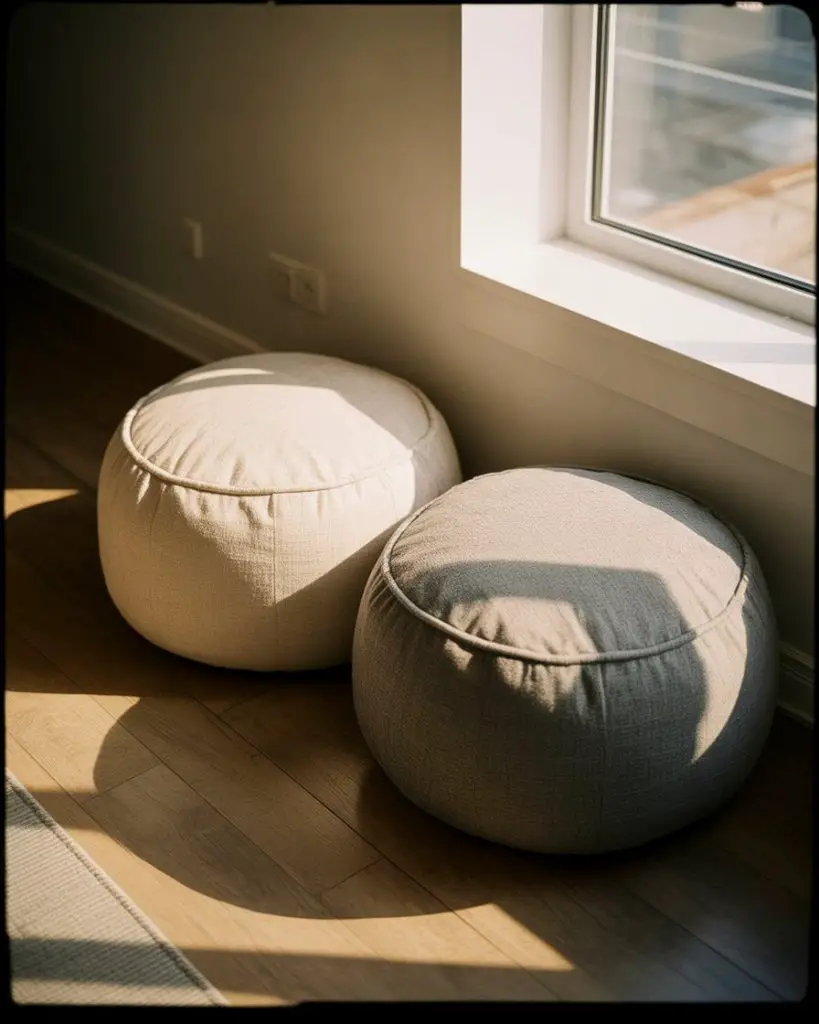
Where it works best: in rooms that regularly host friends, which includes most American teen bedrooms. Poufs are particularly popular in suburban homes where teens’ rooms serve as primary socializing spaces. They’re also useful during homework sessions when someone wants to work on the floor rather than at a desk. Fill them properly—under-stuffed poufs collapse and look sloppy, while overstuffed ones become hard and uncomfortable. Most arrive needing final stuffing, so plan to add extra filling for the right firmness.
20. Mirrored Closet Door Makeover
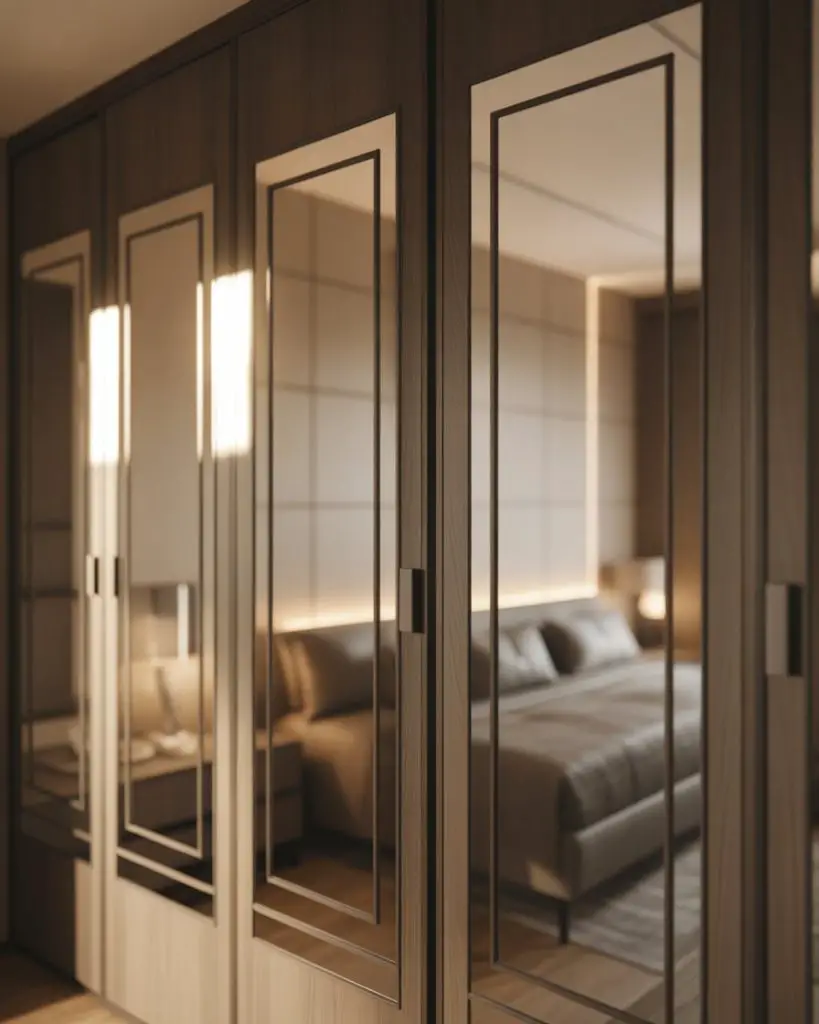
Transforming standard builder-grade mirrored sliding closet doors with stick-on geometric trim, window film patterns, or partial covering creates a custom look without replacing expensive door systems. Many American homes built in the 1980s through early 2000s have these ubiquitous mirrored doors that feel dated but are expensive to remove and replace. This design solution keeps the functional mirror surface while updating the aesthetic to match modern girl bedrooms. Try frosted window film in geometric patterns, adhesive wood trim applied in arched or grid patterns, or even removable wallpaper applied to the lower two-thirds of the doors while leaving the top portion as mirror. 
Practical insight: This project typically costs under $100 in materials and takes an afternoon to complete. The stick-on wood trim from home improvement stores comes in various profiles and can be cut with basic tools, then adhered with strong double-sided tape or construction adhesive. Window film applies with just soapy water and a squeegee, and it’s removable if you change your mind. The transformation makes a huge difference in how the room feels—suddenly those mirrors are a design feature rather than a dated eyesore. Just measure carefully and map out your design before adhering anything.
21. Woven Wall Baskets
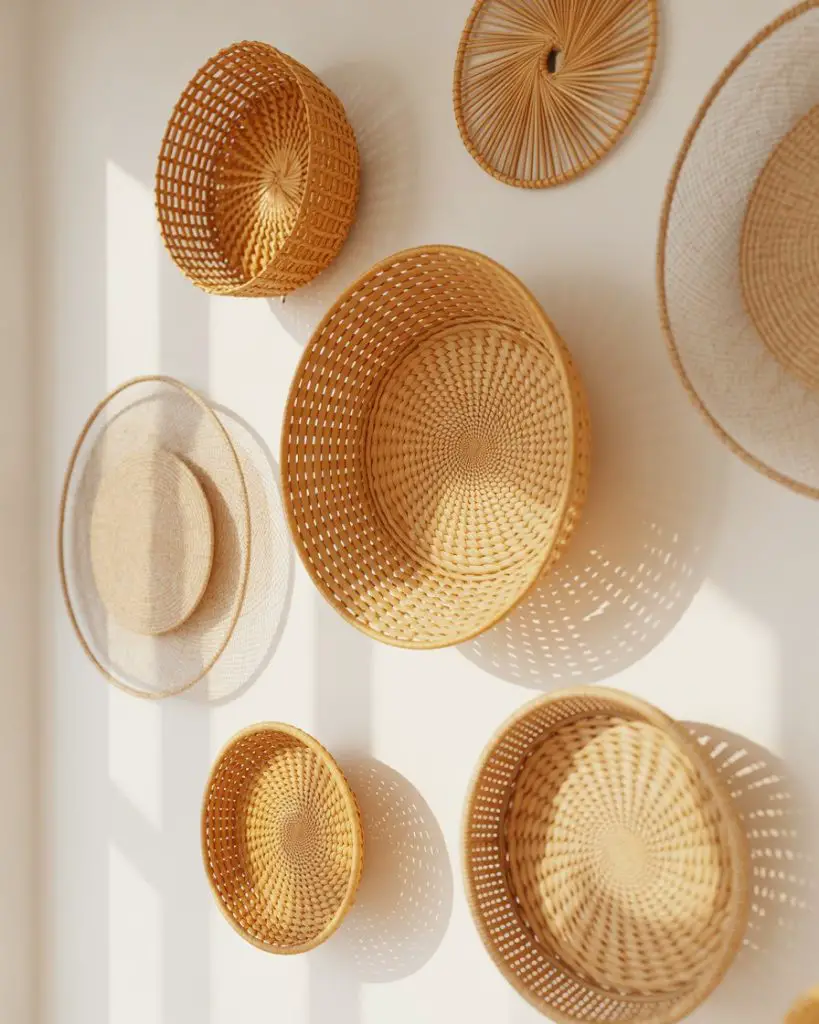
A collection of flat woven baskets in varying sizes creates an organic, textural wall installation that adds warmth without feeling overly decorative or fussy. These baskets—traditionally from African, Native American, or Central American artisans—bring pattern and depth to walls while celebrating craftsmanship. Group them in odd numbers (3, 5, or 7) for the most pleasing composition, mixing different sizes and weaving patterns while keeping to a cohesive color story. This works particularly well in teen spaces that embrace global or eclectic influences, and it’s easy to add to the collection over time as you find pieces that fit. The baskets also help with room acoustics, softening sound in spaces with hard surfaces.
A micro-anecdote: A family in Arizona started with three baskets above their daughter’s bed and added one new piece each birthday and holiday, creating a meaningful collection that documents trips and gift exchanges. The baskets hang with simple nails or command strips, and arrangements can be reconfigured without leaving multiple holes. Look for authentic pieces at import stores, artisan markets, or fair-trade retailers where purchases support traditional craftspeople. The investment ranges from $15 to $80 per basket depending on size and origin, making this an accessible way to create custom wall art over time.
22. Two-Tone Wall Paint
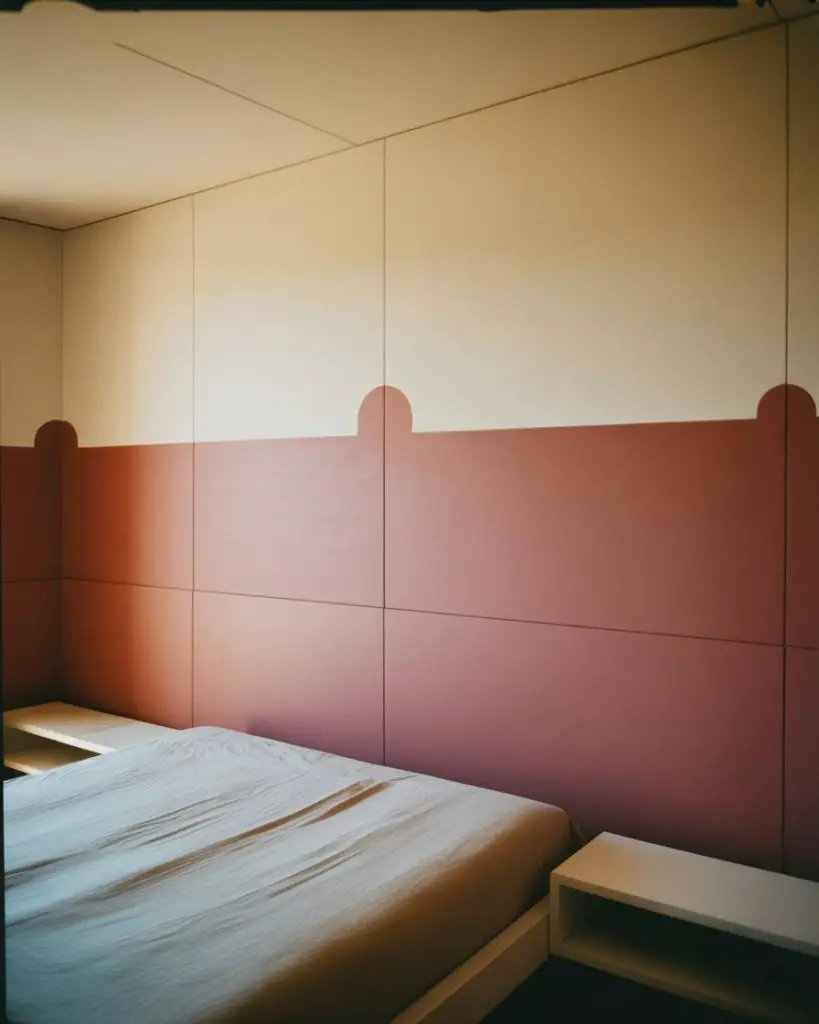
Dividing walls horizontally with two coordinating paint colors adds architectural interest and makes ceilings appear higher through smart color placement. This design technique works beautifully in teen girl bedroom ideas 2026 where you want visual impact without bold patterns that might feel overwhelming in a sleep space. Typically, the lower two-thirds gets a deeper or more saturated color while the upper third and ceiling stay light, but you can reverse this for a wrapped, cozy feeling. Use painter’s tape and a level to create a crisp dividing line, and consider adding thin picture rail molding at the break point for extra polish and dimension. 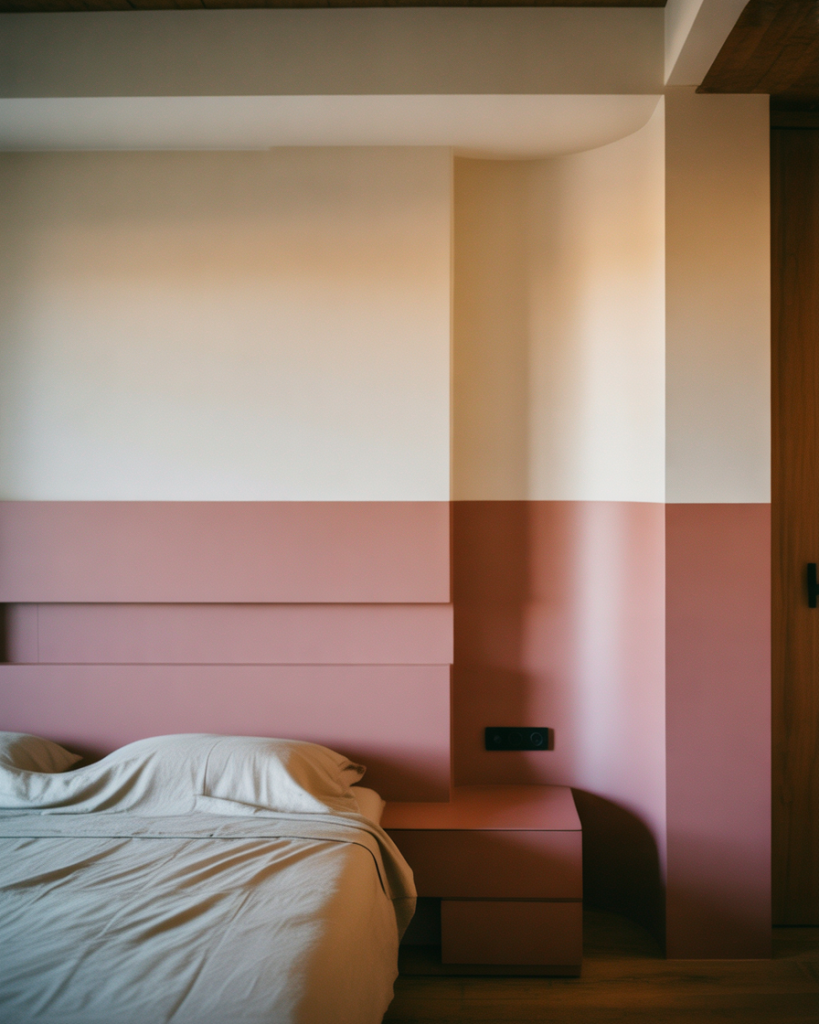
Common mistakes and how to avoid them: Many people place the dividing line too low or too high, which throws off room proportions. The sweet spot is typically 32-36 inches from the floor, roughly one-third up the wall, though you can adjust based on ceiling height and furniture placement. Remove tape while the paint is still slightly wet to prevent peeling, and touch up any bleed-through with a small brush. This technique especially suits rooms with interesting architectural features you want to highlight—or lack thereof, where you’re creating visual interest from scratch.
23. Hanging Plant Collection
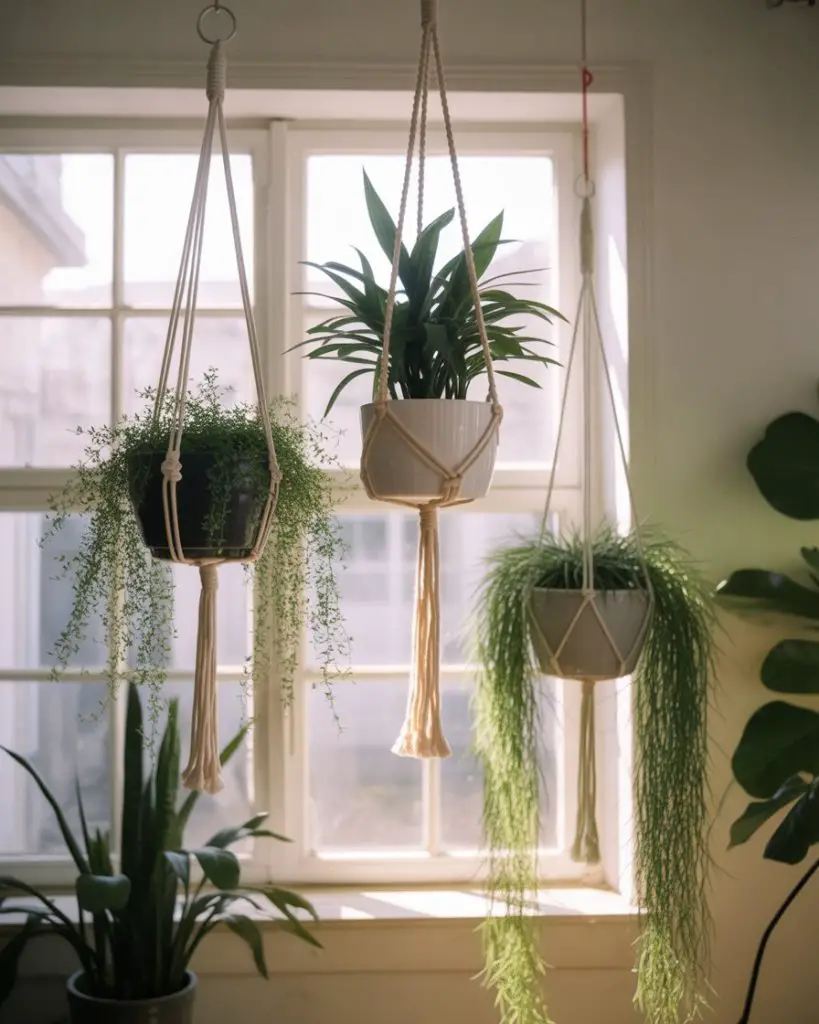
Suspended planters at varying heights bring life, color, and air-purifying benefits while freeing up precious surface space in compact rooms. This idea works across all decorating styles and fits the growing interest among American teens in sustainability and natural elements indoors. Choose easy-care plants like pothos, spider plants, or string-of-pearls that tolerate occasional neglect and don’t require constant sunlight. Use macrame hangers, simple rope loops, or modern metal ceiling hooks depending on the overall aesthetic, and cluster three to five plants in one corner or near a window rather than scattering them randomly. The vertical green presence makes rooms feel more alive without cluttering horizontal surfaces where she needs room for daily activities. 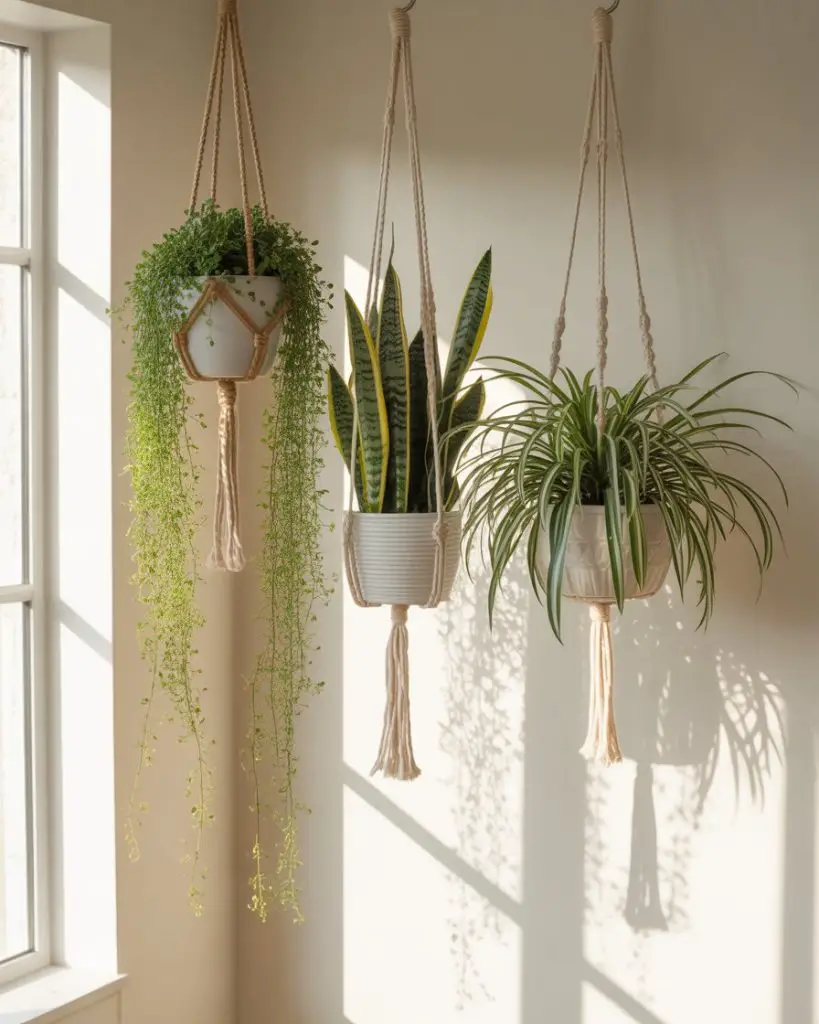
Where it works best: near windows with filtered natural light, though many common houseplants adapt well to medium light conditions found in typical bedrooms. In desert climates like Nevada and Arizona or northern regions with long winters, LED grow lights clipped to nearby shelves keep plants healthy year-round. Make sure ceiling hooks are properly anchored—wet soil makes plants surprisingly heavy, and you don’t want planter crashes at 3 AM. Water plants over a sink rather than in place to avoid drips on floors and furniture, and consider self-watering planters if consistent watering is a challenge in busy households.
Conclusion
These ideas give you a solid foundation for creating a bedroom that actually reflects who she is right now while being flexible enough to evolve as her style develops. The best teen bedrooms balance personal expression with practical functionality, and they work best when she’s involved in the planning and execution. Drop a comment below with your favorite idea or tell us what’s already working in your teen’s space—we’d love to hear what’s resonating with your family.